window.__IS_SSR__=true
window.__INITIAL_STATE__={
"attachmentsReducer": {
"audio_0": {
"type": "attachments",
"id": "audio_0",
"imgSizes": {
"kqedFullSize": {
"file": "https://ww2.kqed.org/news/wp-content/themes/KQED-unified/img/audio_bgs/background0.jpg"
}
}
},
"audio_1": {
"type": "attachments",
"id": "audio_1",
"imgSizes": {
"kqedFullSize": {
"file": "https://ww2.kqed.org/news/wp-content/themes/KQED-unified/img/audio_bgs/background1.jpg"
}
}
},
"audio_2": {
"type": "attachments",
"id": "audio_2",
"imgSizes": {
"kqedFullSize": {
"file": "https://ww2.kqed.org/news/wp-content/themes/KQED-unified/img/audio_bgs/background2.jpg"
}
}
},
"audio_3": {
"type": "attachments",
"id": "audio_3",
"imgSizes": {
"kqedFullSize": {
"file": "https://ww2.kqed.org/news/wp-content/themes/KQED-unified/img/audio_bgs/background3.jpg"
}
}
},
"audio_4": {
"type": "attachments",
"id": "audio_4",
"imgSizes": {
"kqedFullSize": {
"file": "https://ww2.kqed.org/news/wp-content/themes/KQED-unified/img/audio_bgs/background4.jpg"
}
}
},
"placeholder": {
"type": "attachments",
"id": "placeholder",
"imgSizes": {
"thumbnail": {
"file": "https://cdn.kqed.org/wp-content/uploads/2024/12/KQED-Default-Image-816638274-2000x1333-1-160x107.jpg",
"width": 160,
"height": 107,
"mimeType": "image/jpeg"
},
"medium": {
"file": "https://cdn.kqed.org/wp-content/uploads/2024/12/KQED-Default-Image-816638274-2000x1333-1-800x533.jpg",
"width": 800,
"height": 533,
"mimeType": "image/jpeg"
},
"medium_large": {
"file": "https://cdn.kqed.org/wp-content/uploads/2024/12/KQED-Default-Image-816638274-2000x1333-1-768x512.jpg",
"width": 768,
"height": 512,
"mimeType": "image/jpeg"
},
"large": {
"file": "https://cdn.kqed.org/wp-content/uploads/2024/12/KQED-Default-Image-816638274-2000x1333-1-1020x680.jpg",
"width": 1020,
"height": 680,
"mimeType": "image/jpeg"
},
"1536x1536": {
"file": "https://cdn.kqed.org/wp-content/uploads/2024/12/KQED-Default-Image-816638274-2000x1333-1-1536x1024.jpg",
"width": 1536,
"height": 1024,
"mimeType": "image/jpeg"
},
"fd-lrg": {
"file": "https://cdn.kqed.org/wp-content/uploads/2024/12/KQED-Default-Image-816638274-2000x1333-1-1536x1024.jpg",
"width": 1536,
"height": 1024,
"mimeType": "image/jpeg"
},
"fd-med": {
"file": "https://cdn.kqed.org/wp-content/uploads/2024/12/KQED-Default-Image-816638274-2000x1333-1-1020x680.jpg",
"width": 1020,
"height": 680,
"mimeType": "image/jpeg"
},
"fd-sm": {
"file": "https://cdn.kqed.org/wp-content/uploads/2024/12/KQED-Default-Image-816638274-2000x1333-1-800x533.jpg",
"width": 800,
"height": 533,
"mimeType": "image/jpeg"
},
"post-thumbnail": {
"file": "https://cdn.kqed.org/wp-content/uploads/2024/12/KQED-Default-Image-816638274-2000x1333-1-672x372.jpg",
"width": 672,
"height": 372,
"mimeType": "image/jpeg"
},
"twentyfourteen-full-width": {
"file": "https://cdn.kqed.org/wp-content/uploads/2024/12/KQED-Default-Image-816638274-2000x1333-1-1038x576.jpg",
"width": 1038,
"height": 576,
"mimeType": "image/jpeg"
},
"xxsmall": {
"file": "https://cdn.kqed.org/wp-content/uploads/2024/12/KQED-Default-Image-816638274-2000x1333-1-160x107.jpg",
"width": 160,
"height": 107,
"mimeType": "image/jpeg"
},
"xsmall": {
"file": "https://cdn.kqed.org/wp-content/uploads/2024/12/KQED-Default-Image-816638274-2000x1333-1-672x372.jpg",
"width": 672,
"height": 372,
"mimeType": "image/jpeg"
},
"small": {
"file": "https://cdn.kqed.org/wp-content/uploads/2024/12/KQED-Default-Image-816638274-2000x1333-1-672x372.jpg",
"width": 672,
"height": 372,
"mimeType": "image/jpeg"
},
"xlarge": {
"file": "https://cdn.kqed.org/wp-content/uploads/2024/12/KQED-Default-Image-816638274-2000x1333-1-1020x680.jpg",
"width": 1020,
"height": 680,
"mimeType": "image/jpeg"
},
"full-width": {
"file": "https://cdn.kqed.org/wp-content/uploads/2024/12/KQED-Default-Image-816638274-2000x1333-1-1920x1280.jpg",
"width": 1920,
"height": 1280,
"mimeType": "image/jpeg"
},
"guest-author-32": {
"file": "https://cdn.kqed.org/wp-content/uploads/2025/01/KQED-Default-Image-816638274-1333x1333-1-160x160.jpg",
"width": 32,
"height": 32,
"mimeType": "image/jpeg"
},
"guest-author-50": {
"file": "https://cdn.kqed.org/wp-content/uploads/2025/01/KQED-Default-Image-816638274-1333x1333-1-160x160.jpg",
"width": 50,
"height": 50,
"mimeType": "image/jpeg"
},
"guest-author-64": {
"file": "https://cdn.kqed.org/wp-content/uploads/2025/01/KQED-Default-Image-816638274-1333x1333-1-160x160.jpg",
"width": 64,
"height": 64,
"mimeType": "image/jpeg"
},
"guest-author-96": {
"file": "https://cdn.kqed.org/wp-content/uploads/2025/01/KQED-Default-Image-816638274-1333x1333-1-160x160.jpg",
"width": 96,
"height": 96,
"mimeType": "image/jpeg"
},
"guest-author-128": {
"file": "https://cdn.kqed.org/wp-content/uploads/2025/01/KQED-Default-Image-816638274-1333x1333-1-160x160.jpg",
"width": 128,
"height": 128,
"mimeType": "image/jpeg"
},
"detail": {
"file": "https://cdn.kqed.org/wp-content/uploads/2025/01/KQED-Default-Image-816638274-1333x1333-1-160x160.jpg",
"width": 160,
"height": 160,
"mimeType": "image/jpeg"
},
"kqedFullSize": {
"file": "https://cdn.kqed.org/wp-content/uploads/2024/12/KQED-Default-Image-816638274-2000x1333-1.jpg",
"width": 2000,
"height": 1333
}
}
},
"news_11831756": {
"type": "attachments",
"id": "news_11831756",
"meta": {
"index": "attachments_1716263798",
"site": "news",
"id": "11831756",
"found": true
},
"parent": 11831748,
"imgSizes": {
"apple_news_ca_landscape_5_5": {
"file": "https://ww2.kqed.org/app/uploads/sites/10/2020/08/Trump-Citizenship-Application-Rule-Change-1044x783.jpg",
"width": 1044,
"mimeType": "image/jpeg",
"height": 783
},
"apple_news_ca_square_4_0": {
"file": "https://ww2.kqed.org/app/uploads/sites/10/2020/08/Trump-Citizenship-Application-Rule-Change-470x470.jpg",
"width": 470,
"mimeType": "image/jpeg",
"height": 470
},
"twentyfourteen-full-width": {
"file": "https://ww2.kqed.org/app/uploads/sites/10/2020/08/Trump-Citizenship-Application-Rule-Change-1038x576.jpg",
"width": 1038,
"mimeType": "image/jpeg",
"height": 576
},
"thumbnail": {
"file": "https://ww2.kqed.org/app/uploads/sites/10/2020/08/Trump-Citizenship-Application-Rule-Change-160x107.jpg",
"width": 160,
"mimeType": "image/jpeg",
"height": 107
},
"post-thumbnail": {
"file": "https://ww2.kqed.org/app/uploads/sites/10/2020/08/Trump-Citizenship-Application-Rule-Change-672x372.jpg",
"width": 672,
"mimeType": "image/jpeg",
"height": 372
},
"kqedFullSize": {
"file": "https://ww2.kqed.org/app/uploads/sites/10/2020/08/Trump-Citizenship-Application-Rule-Change.jpg",
"width": 1920,
"height": 1280
},
"apple_news_ca_landscape_4_7": {
"file": "https://ww2.kqed.org/app/uploads/sites/10/2020/08/Trump-Citizenship-Application-Rule-Change-632x474.jpg",
"width": 632,
"mimeType": "image/jpeg",
"height": 474
},
"large": {
"file": "https://ww2.kqed.org/app/uploads/sites/10/2020/08/Trump-Citizenship-Application-Rule-Change-1020x680.jpg",
"width": 1020,
"mimeType": "image/jpeg",
"height": 680
},
"apple_news_ca_landscape_4_0": {
"file": "https://ww2.kqed.org/app/uploads/sites/10/2020/08/Trump-Citizenship-Application-Rule-Change-536x402.jpg",
"width": 536,
"mimeType": "image/jpeg",
"height": 402
},
"apple_news_ca_portrait_12_9": {
"file": "https://ww2.kqed.org/app/uploads/sites/10/2020/08/Trump-Citizenship-Application-Rule-Change-1122x1280.jpg",
"width": 1122,
"mimeType": "image/jpeg",
"height": 1280
},
"medium": {
"file": "https://ww2.kqed.org/app/uploads/sites/10/2020/08/Trump-Citizenship-Application-Rule-Change-800x533.jpg",
"width": 800,
"mimeType": "image/jpeg",
"height": 533
},
"apple_news_ca_portrait_4_0": {
"file": "https://ww2.kqed.org/app/uploads/sites/10/2020/08/Trump-Citizenship-Application-Rule-Change-354x472.jpg",
"width": 354,
"mimeType": "image/jpeg",
"height": 472
},
"apple_news_ca_portrait_9_7": {
"file": "https://ww2.kqed.org/app/uploads/sites/10/2020/08/Trump-Citizenship-Application-Rule-Change-840x1120.jpg",
"width": 840,
"mimeType": "image/jpeg",
"height": 1120
},
"apple_news_ca_landscape_12_9": {
"file": "https://ww2.kqed.org/app/uploads/sites/10/2020/08/Trump-Citizenship-Application-Rule-Change-1832x1280.jpg",
"width": 1832,
"mimeType": "image/jpeg",
"height": 1280
},
"apple_news_ca_square_9_7": {
"file": "https://ww2.kqed.org/app/uploads/sites/10/2020/08/Trump-Citizenship-Application-Rule-Change-1104x1104.jpg",
"width": 1104,
"mimeType": "image/jpeg",
"height": 1104
},
"1536x1536": {
"file": "https://ww2.kqed.org/app/uploads/sites/10/2020/08/Trump-Citizenship-Application-Rule-Change-1536x1024.jpg",
"width": 1536,
"mimeType": "image/jpeg",
"height": 1024
},
"apple_news_ca_portrait_4_7": {
"file": "https://ww2.kqed.org/app/uploads/sites/10/2020/08/Trump-Citizenship-Application-Rule-Change-414x552.jpg",
"width": 414,
"mimeType": "image/jpeg",
"height": 552
},
"apple_news_ca_square_12_9": {
"file": "https://ww2.kqed.org/app/uploads/sites/10/2020/08/Trump-Citizenship-Application-Rule-Change-1472x1280.jpg",
"width": 1472,
"mimeType": "image/jpeg",
"height": 1280
},
"apple_news_ca_portrait_5_5": {
"file": "https://ww2.kqed.org/app/uploads/sites/10/2020/08/Trump-Citizenship-Application-Rule-Change-687x916.jpg",
"width": 687,
"mimeType": "image/jpeg",
"height": 916
},
"apple_news_ca_square_4_7": {
"file": "https://ww2.kqed.org/app/uploads/sites/10/2020/08/Trump-Citizenship-Application-Rule-Change-550x550.jpg",
"width": 550,
"mimeType": "image/jpeg",
"height": 550
},
"apple_news_ca_landscape_9_7": {
"file": "https://ww2.kqed.org/app/uploads/sites/10/2020/08/Trump-Citizenship-Application-Rule-Change-1376x1032.jpg",
"width": 1376,
"mimeType": "image/jpeg",
"height": 1032
},
"apple_news_ca_square_5_5": {
"file": "https://ww2.kqed.org/app/uploads/sites/10/2020/08/Trump-Citizenship-Application-Rule-Change-912x912.jpg",
"width": 912,
"mimeType": "image/jpeg",
"height": 912
}
},
"publishDate": 1596502320,
"modified": 1596502401,
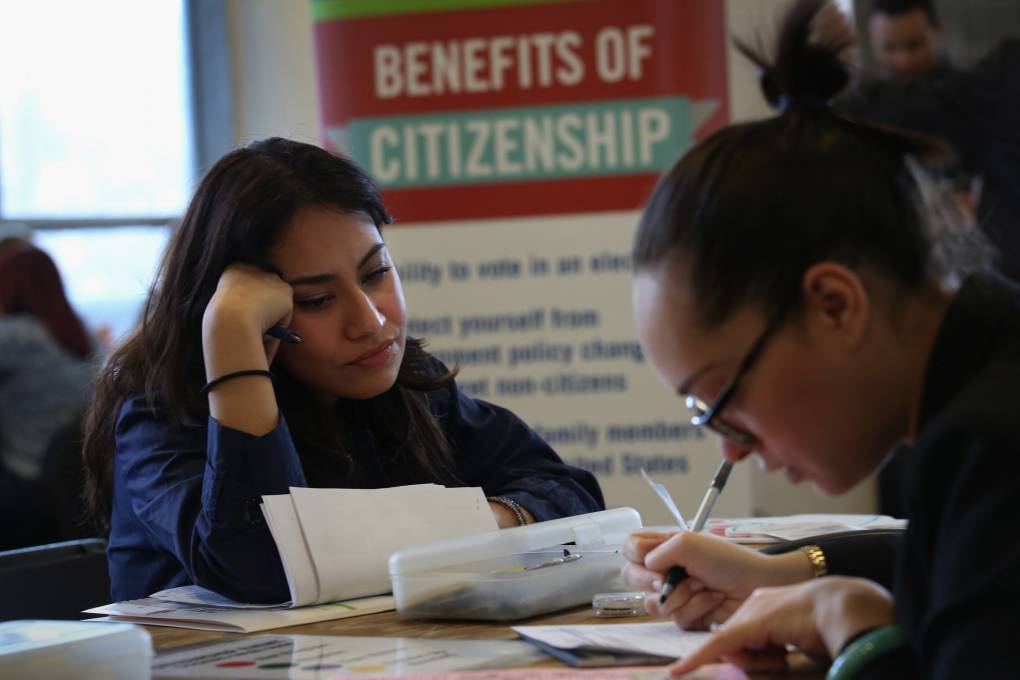
"caption": "A volunteer (R) assists an immigrant with her U.S. citizenship application in 2016. ",
"description": null,
"title": "Immigrants Apply For US Citizenship In Increasing Numbers During Election Year",
"credit": "John Moore/Getty Images",
"status": "inherit",
"isLoading": false,
"fetchFailed": false
},
"news_11831199": {
"type": "attachments",
"id": "news_11831199",
"meta": {
"index": "attachments_1716263798",
"site": "news",
"id": "11831199",
"found": true
},
"parent": 11830886,
"imgSizes": {
"apple_news_ca_landscape_5_5": {
"file": "https://ww2.kqed.org/app/uploads/sites/10/2020/07/Jeannie-1044x783.jpg",
"width": 1044,
"mimeType": "image/jpeg",
"height": 783
},
"apple_news_ca_square_4_0": {
"file": "https://ww2.kqed.org/app/uploads/sites/10/2020/07/Jeannie-470x470.jpg",
"width": 470,
"mimeType": "image/jpeg",
"height": 470
},
"twentyfourteen-full-width": {
"file": "https://ww2.kqed.org/app/uploads/sites/10/2020/07/Jeannie-1038x576.jpg",
"width": 1038,
"mimeType": "image/jpeg",
"height": 576
},
"thumbnail": {
"file": "https://ww2.kqed.org/app/uploads/sites/10/2020/07/Jeannie-160x108.jpg",
"width": 160,
"mimeType": "image/jpeg",
"height": 108
},
"post-thumbnail": {
"file": "https://ww2.kqed.org/app/uploads/sites/10/2020/07/Jeannie-672x372.jpg",
"width": 672,
"mimeType": "image/jpeg",
"height": 372
},
"kqedFullSize": {
"file": "https://ww2.kqed.org/app/uploads/sites/10/2020/07/Jeannie.jpg",
"width": 1900,
"height": 1280
},
"apple_news_ca_landscape_4_7": {
"file": "https://ww2.kqed.org/app/uploads/sites/10/2020/07/Jeannie-632x474.jpg",
"width": 632,
"mimeType": "image/jpeg",
"height": 474
},
"large": {
"file": "https://ww2.kqed.org/app/uploads/sites/10/2020/07/Jeannie-1020x687.jpg",
"width": 1020,
"mimeType": "image/jpeg",
"height": 687
},
"apple_news_ca_landscape_4_0": {
"file": "https://ww2.kqed.org/app/uploads/sites/10/2020/07/Jeannie-536x402.jpg",
"width": 536,
"mimeType": "image/jpeg",
"height": 402
},
"apple_news_ca_portrait_12_9": {
"file": "https://ww2.kqed.org/app/uploads/sites/10/2020/07/Jeannie-1122x1280.jpg",
"width": 1122,
"mimeType": "image/jpeg",
"height": 1280
},
"medium": {
"file": "https://ww2.kqed.org/app/uploads/sites/10/2020/07/Jeannie-800x539.jpg",
"width": 800,
"mimeType": "image/jpeg",
"height": 539
},
"apple_news_ca_portrait_4_0": {
"file": "https://ww2.kqed.org/app/uploads/sites/10/2020/07/Jeannie-354x472.jpg",
"width": 354,
"mimeType": "image/jpeg",
"height": 472
},
"apple_news_ca_portrait_9_7": {
"file": "https://ww2.kqed.org/app/uploads/sites/10/2020/07/Jeannie-840x1120.jpg",
"width": 840,
"mimeType": "image/jpeg",
"height": 1120
},
"apple_news_ca_landscape_12_9": {
"file": "https://ww2.kqed.org/app/uploads/sites/10/2020/07/Jeannie-1832x1280.jpg",
"width": 1832,
"mimeType": "image/jpeg",
"height": 1280
},
"apple_news_ca_square_9_7": {
"file": "https://ww2.kqed.org/app/uploads/sites/10/2020/07/Jeannie-1104x1104.jpg",
"width": 1104,
"mimeType": "image/jpeg",
"height": 1104
},
"1536x1536": {
"file": "https://ww2.kqed.org/app/uploads/sites/10/2020/07/Jeannie-1536x1035.jpg",
"width": 1536,
"mimeType": "image/jpeg",
"height": 1035
},
"apple_news_ca_portrait_4_7": {
"file": "https://ww2.kqed.org/app/uploads/sites/10/2020/07/Jeannie-414x552.jpg",
"width": 414,
"mimeType": "image/jpeg",
"height": 552
},
"apple_news_ca_square_12_9": {
"file": "https://ww2.kqed.org/app/uploads/sites/10/2020/07/Jeannie-1472x1280.jpg",
"width": 1472,
"mimeType": "image/jpeg",
"height": 1280
},
"apple_news_ca_portrait_5_5": {
"file": "https://ww2.kqed.org/app/uploads/sites/10/2020/07/Jeannie-687x916.jpg",
"width": 687,
"mimeType": "image/jpeg",
"height": 916
},
"apple_news_ca_square_4_7": {
"file": "https://ww2.kqed.org/app/uploads/sites/10/2020/07/Jeannie-550x550.jpg",
"width": 550,
"mimeType": "image/jpeg",
"height": 550
},
"apple_news_ca_landscape_9_7": {
"file": "https://ww2.kqed.org/app/uploads/sites/10/2020/07/Jeannie-1376x1032.jpg",
"width": 1376,
"mimeType": "image/jpeg",
"height": 1032
},
"apple_news_ca_square_5_5": {
"file": "https://ww2.kqed.org/app/uploads/sites/10/2020/07/Jeannie-912x912.jpg",
"width": 912,
"mimeType": "image/jpeg",
"height": 912
}
},
"publishDate": 1596123542,
"modified": 1596142147,
"caption": "Jeannie Pham, who grew up translating and interpreting for her parents, at age 9.",
"description": "Jeannie Pham, who grew up translating and interpreting for her parents, at age 9.",
"title": "translation",
"credit": "Courtesy Jeannie Pham",
"status": "inherit",
"isLoading": false,
"fetchFailed": false
},
"news_11830884": {
"type": "attachments",
"id": "news_11830884",
"meta": {
"index": "attachments_1716263798",
"site": "news",
"id": "11830884",
"found": true
},
"parent": 11830879,
"imgSizes": {
"apple_news_ca_landscape_5_5": {
"file": "https://ww2.kqed.org/app/uploads/sites/10/2020/07/DACA_SCOTUS-1044x783.jpg",
"width": 1044,
"mimeType": "image/jpeg",
"height": 783
},
"apple_news_ca_square_4_0": {
"file": "https://ww2.kqed.org/app/uploads/sites/10/2020/07/DACA_SCOTUS-470x470.jpg",
"width": 470,
"mimeType": "image/jpeg",
"height": 470
},
"twentyfourteen-full-width": {
"file": "https://ww2.kqed.org/app/uploads/sites/10/2020/07/DACA_SCOTUS-1038x576.jpg",
"width": 1038,
"mimeType": "image/jpeg",
"height": 576
},
"thumbnail": {
"file": "https://ww2.kqed.org/app/uploads/sites/10/2020/07/DACA_SCOTUS-160x107.jpg",
"width": 160,
"mimeType": "image/jpeg",
"height": 107
},
"post-thumbnail": {
"file": "https://ww2.kqed.org/app/uploads/sites/10/2020/07/DACA_SCOTUS-672x372.jpg",
"width": 672,
"mimeType": "image/jpeg",
"height": 372
},
"kqedFullSize": {
"file": "https://ww2.kqed.org/app/uploads/sites/10/2020/07/DACA_SCOTUS.jpg",
"width": 1920,
"height": 1280
},
"apple_news_ca_landscape_4_7": {
"file": "https://ww2.kqed.org/app/uploads/sites/10/2020/07/DACA_SCOTUS-632x474.jpg",
"width": 632,
"mimeType": "image/jpeg",
"height": 474
},
"large": {
"file": "https://ww2.kqed.org/app/uploads/sites/10/2020/07/DACA_SCOTUS-1020x680.jpg",
"width": 1020,
"mimeType": "image/jpeg",
"height": 680
},
"apple_news_ca_landscape_4_0": {
"file": "https://ww2.kqed.org/app/uploads/sites/10/2020/07/DACA_SCOTUS-536x402.jpg",
"width": 536,
"mimeType": "image/jpeg",
"height": 402
},
"apple_news_ca_portrait_12_9": {
"file": "https://ww2.kqed.org/app/uploads/sites/10/2020/07/DACA_SCOTUS-1122x1280.jpg",
"width": 1122,
"mimeType": "image/jpeg",
"height": 1280
},
"medium": {
"file": "https://ww2.kqed.org/app/uploads/sites/10/2020/07/DACA_SCOTUS-800x533.jpg",
"width": 800,
"mimeType": "image/jpeg",
"height": 533
},
"apple_news_ca_portrait_4_0": {
"file": "https://ww2.kqed.org/app/uploads/sites/10/2020/07/DACA_SCOTUS-354x472.jpg",
"width": 354,
"mimeType": "image/jpeg",
"height": 472
},
"apple_news_ca_portrait_9_7": {
"file": "https://ww2.kqed.org/app/uploads/sites/10/2020/07/DACA_SCOTUS-840x1120.jpg",
"width": 840,
"mimeType": "image/jpeg",
"height": 1120
},
"apple_news_ca_landscape_12_9": {
"file": "https://ww2.kqed.org/app/uploads/sites/10/2020/07/DACA_SCOTUS-1832x1280.jpg",
"width": 1832,
"mimeType": "image/jpeg",
"height": 1280
},
"apple_news_ca_square_9_7": {
"file": "https://ww2.kqed.org/app/uploads/sites/10/2020/07/DACA_SCOTUS-1104x1104.jpg",
"width": 1104,
"mimeType": "image/jpeg",
"height": 1104
},
"1536x1536": {
"file": "https://ww2.kqed.org/app/uploads/sites/10/2020/07/DACA_SCOTUS-1536x1024.jpg",
"width": 1536,
"mimeType": "image/jpeg",
"height": 1024
},
"apple_news_ca_portrait_4_7": {
"file": "https://ww2.kqed.org/app/uploads/sites/10/2020/07/DACA_SCOTUS-414x552.jpg",
"width": 414,
"mimeType": "image/jpeg",
"height": 552
},
"apple_news_ca_square_12_9": {
"file": "https://ww2.kqed.org/app/uploads/sites/10/2020/07/DACA_SCOTUS-1472x1280.jpg",
"width": 1472,
"mimeType": "image/jpeg",
"height": 1280
},
"apple_news_ca_portrait_5_5": {
"file": "https://ww2.kqed.org/app/uploads/sites/10/2020/07/DACA_SCOTUS-687x916.jpg",
"width": 687,
"mimeType": "image/jpeg",
"height": 916
},
"apple_news_ca_square_4_7": {
"file": "https://ww2.kqed.org/app/uploads/sites/10/2020/07/DACA_SCOTUS-550x550.jpg",
"width": 550,
"mimeType": "image/jpeg",
"height": 550
},
"apple_news_ca_landscape_9_7": {
"file": "https://ww2.kqed.org/app/uploads/sites/10/2020/07/DACA_SCOTUS-1376x1032.jpg",
"width": 1376,
"mimeType": "image/jpeg",
"height": 1032
},
"apple_news_ca_square_5_5": {
"file": "https://ww2.kqed.org/app/uploads/sites/10/2020/07/DACA_SCOTUS-912x912.jpg",
"width": 912,
"mimeType": "image/jpeg",
"height": 912
}
},
"publishDate": 1595977826,
"modified": 1595977955,
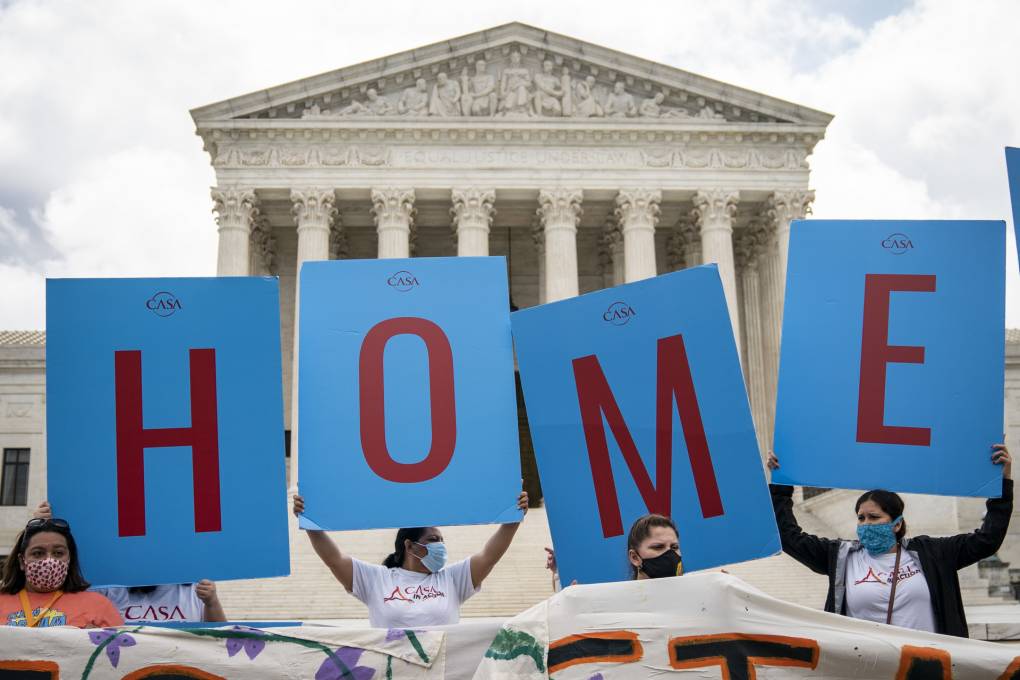
"caption": "DACA recipients and their supporters rally outside the U.S. Supreme Court on June 18, 2020 in Washington, DC. The court, in a 5-4 decision, denied the Trump administration's attempt to end DACA, the Deferred Action for Childhood Arrivals program. The Trump administration is refusing to accept new applicants, anyway.",
"description": "DACA recipients and their supporters rally outside the U.S. Supreme Court on June 18, 2020 in Washington, DC. The court, in a 5-4 decision, denied the Trump administration's attempt to end DACA, the Deferred Action for Childhood Arrivals program. The Trump administration is refusing to accept new applicants, anyway.",
"title": "DACA_SCOTUS",
"credit": "Drew Angerer/Getty Images",
"status": "inherit",
"isLoading": false,
"fetchFailed": false
},
"news_11830873": {
"type": "attachments",
"id": "news_11830873",
"meta": {
"index": "attachments_1716263798",
"site": "news",
"id": "11830873",
"found": true
},
"parent": 11830864,
"imgSizes": {
"apple_news_ca_landscape_5_5": {
"file": "https://ww2.kqed.org/app/uploads/sites/10/2020/07/Becerra-1044x783.jpg",
"width": 1044,
"mimeType": "image/jpeg",
"height": 783
},
"apple_news_ca_square_4_0": {
"file": "https://ww2.kqed.org/app/uploads/sites/10/2020/07/Becerra-470x470.jpg",
"width": 470,
"mimeType": "image/jpeg",
"height": 470
},
"twentyfourteen-full-width": {
"file": "https://ww2.kqed.org/app/uploads/sites/10/2020/07/Becerra-1038x576.jpg",
"width": 1038,
"mimeType": "image/jpeg",
"height": 576
},
"thumbnail": {
"file": "https://ww2.kqed.org/app/uploads/sites/10/2020/07/Becerra-160x110.jpg",
"width": 160,
"mimeType": "image/jpeg",
"height": 110
},
"post-thumbnail": {
"file": "https://ww2.kqed.org/app/uploads/sites/10/2020/07/Becerra-672x372.jpg",
"width": 672,
"mimeType": "image/jpeg",
"height": 372
},
"kqedFullSize": {
"file": "https://ww2.kqed.org/app/uploads/sites/10/2020/07/Becerra.jpg",
"width": 1920,
"height": 1316
},
"apple_news_ca_landscape_4_7": {
"file": "https://ww2.kqed.org/app/uploads/sites/10/2020/07/Becerra-632x474.jpg",
"width": 632,
"mimeType": "image/jpeg",
"height": 474
},
"large": {
"file": "https://ww2.kqed.org/app/uploads/sites/10/2020/07/Becerra-1020x699.jpg",
"width": 1020,
"mimeType": "image/jpeg",
"height": 699
},
"apple_news_ca_landscape_4_0": {
"file": "https://ww2.kqed.org/app/uploads/sites/10/2020/07/Becerra-536x402.jpg",
"width": 536,
"mimeType": "image/jpeg",
"height": 402
},
"apple_news_ca_portrait_12_9": {
"file": "https://ww2.kqed.org/app/uploads/sites/10/2020/07/Becerra-1122x1316.jpg",
"width": 1122,
"mimeType": "image/jpeg",
"height": 1316
},
"medium": {
"file": "https://ww2.kqed.org/app/uploads/sites/10/2020/07/Becerra-800x548.jpg",
"width": 800,
"mimeType": "image/jpeg",
"height": 548
},
"apple_news_ca_portrait_4_0": {
"file": "https://ww2.kqed.org/app/uploads/sites/10/2020/07/Becerra-354x472.jpg",
"width": 354,
"mimeType": "image/jpeg",
"height": 472
},
"apple_news_ca_portrait_9_7": {
"file": "https://ww2.kqed.org/app/uploads/sites/10/2020/07/Becerra-840x1120.jpg",
"width": 840,
"mimeType": "image/jpeg",
"height": 1120
},
"apple_news_ca_landscape_12_9": {
"file": "https://ww2.kqed.org/app/uploads/sites/10/2020/07/Becerra-1832x1316.jpg",
"width": 1832,
"mimeType": "image/jpeg",
"height": 1316
},
"apple_news_ca_square_9_7": {
"file": "https://ww2.kqed.org/app/uploads/sites/10/2020/07/Becerra-1104x1104.jpg",
"width": 1104,
"mimeType": "image/jpeg",
"height": 1104
},
"1536x1536": {
"file": "https://ww2.kqed.org/app/uploads/sites/10/2020/07/Becerra-1536x1053.jpg",
"width": 1536,
"mimeType": "image/jpeg",
"height": 1053
},
"apple_news_ca_portrait_4_7": {
"file": "https://ww2.kqed.org/app/uploads/sites/10/2020/07/Becerra-414x552.jpg",
"width": 414,
"mimeType": "image/jpeg",
"height": 552
},
"apple_news_ca_square_12_9": {
"file": "https://ww2.kqed.org/app/uploads/sites/10/2020/07/Becerra-1472x1316.jpg",
"width": 1472,
"mimeType": "image/jpeg",
"height": 1316
},
"apple_news_ca_portrait_5_5": {
"file": "https://ww2.kqed.org/app/uploads/sites/10/2020/07/Becerra-687x916.jpg",
"width": 687,
"mimeType": "image/jpeg",
"height": 916
},
"apple_news_ca_square_4_7": {
"file": "https://ww2.kqed.org/app/uploads/sites/10/2020/07/Becerra-550x550.jpg",
"width": 550,
"mimeType": "image/jpeg",
"height": 550
},
"apple_news_ca_landscape_9_7": {
"file": "https://ww2.kqed.org/app/uploads/sites/10/2020/07/Becerra-1376x1032.jpg",
"width": 1376,
"mimeType": "image/jpeg",
"height": 1032
},
"apple_news_ca_square_5_5": {
"file": "https://ww2.kqed.org/app/uploads/sites/10/2020/07/Becerra-912x912.jpg",
"width": 912,
"mimeType": "image/jpeg",
"height": 912
}
},
"publishDate": 1595974182,
"modified": 1595974373,
"caption": "California Attorney General Xavier Becerra, pictured in 2019.",
"description": "California Attorney General Xavier Becerra, pictured in 2019.",
"title": "Becerra",
"credit": "SAUL LOEB/AFP via Getty Images",
"status": "inherit",
"isLoading": false,
"fetchFailed": false
},
"news_11830766": {
"type": "attachments",
"id": "news_11830766",
"meta": {
"index": "attachments_1716263798",
"site": "news",
"id": "11830766",
"found": true
},
"parent": 11830733,
"imgSizes": {
"apple_news_ca_landscape_5_5": {
"file": "https://ww2.kqed.org/app/uploads/sites/10/2020/07/RS44048_003_KQED_SanPablo_NaturalizationApplication_07242020-qut-1044x783.jpg",
"width": 1044,
"mimeType": "image/jpeg",
"height": 783
},
"apple_news_ca_square_4_0": {
"file": "https://ww2.kqed.org/app/uploads/sites/10/2020/07/RS44048_003_KQED_SanPablo_NaturalizationApplication_07242020-qut-470x470.jpg",
"width": 470,
"mimeType": "image/jpeg",
"height": 470
},
"twentyfourteen-full-width": {
"file": "https://ww2.kqed.org/app/uploads/sites/10/2020/07/RS44048_003_KQED_SanPablo_NaturalizationApplication_07242020-qut-1038x576.jpg",
"width": 1038,
"mimeType": "image/jpeg",
"height": 576
},
"thumbnail": {
"file": "https://ww2.kqed.org/app/uploads/sites/10/2020/07/RS44048_003_KQED_SanPablo_NaturalizationApplication_07242020-qut-160x107.jpg",
"width": 160,
"mimeType": "image/jpeg",
"height": 107
},
"post-thumbnail": {
"file": "https://ww2.kqed.org/app/uploads/sites/10/2020/07/RS44048_003_KQED_SanPablo_NaturalizationApplication_07242020-qut-672x372.jpg",
"width": 672,
"mimeType": "image/jpeg",
"height": 372
},
"kqedFullSize": {
"file": "https://ww2.kqed.org/app/uploads/sites/10/2020/07/RS44048_003_KQED_SanPablo_NaturalizationApplication_07242020-qut.jpg",
"width": 1920,
"height": 1280
},
"apple_news_ca_landscape_4_7": {
"file": "https://ww2.kqed.org/app/uploads/sites/10/2020/07/RS44048_003_KQED_SanPablo_NaturalizationApplication_07242020-qut-632x474.jpg",
"width": 632,
"mimeType": "image/jpeg",
"height": 474
},
"large": {
"file": "https://ww2.kqed.org/app/uploads/sites/10/2020/07/RS44048_003_KQED_SanPablo_NaturalizationApplication_07242020-qut-1020x680.jpg",
"width": 1020,
"mimeType": "image/jpeg",
"height": 680
},
"apple_news_ca_landscape_4_0": {
"file": "https://ww2.kqed.org/app/uploads/sites/10/2020/07/RS44048_003_KQED_SanPablo_NaturalizationApplication_07242020-qut-536x402.jpg",
"width": 536,
"mimeType": "image/jpeg",
"height": 402
},
"apple_news_ca_portrait_12_9": {
"file": "https://ww2.kqed.org/app/uploads/sites/10/2020/07/RS44048_003_KQED_SanPablo_NaturalizationApplication_07242020-qut-1122x1280.jpg",
"width": 1122,
"mimeType": "image/jpeg",
"height": 1280
},
"medium": {
"file": "https://ww2.kqed.org/app/uploads/sites/10/2020/07/RS44048_003_KQED_SanPablo_NaturalizationApplication_07242020-qut-800x533.jpg",
"width": 800,
"mimeType": "image/jpeg",
"height": 533
},
"apple_news_ca_portrait_4_0": {
"file": "https://ww2.kqed.org/app/uploads/sites/10/2020/07/RS44048_003_KQED_SanPablo_NaturalizationApplication_07242020-qut-354x472.jpg",
"width": 354,
"mimeType": "image/jpeg",
"height": 472
},
"apple_news_ca_portrait_9_7": {
"file": "https://ww2.kqed.org/app/uploads/sites/10/2020/07/RS44048_003_KQED_SanPablo_NaturalizationApplication_07242020-qut-840x1120.jpg",
"width": 840,
"mimeType": "image/jpeg",
"height": 1120
},
"apple_news_ca_landscape_12_9": {
"file": "https://ww2.kqed.org/app/uploads/sites/10/2020/07/RS44048_003_KQED_SanPablo_NaturalizationApplication_07242020-qut-1832x1280.jpg",
"width": 1832,
"mimeType": "image/jpeg",
"height": 1280
},
"apple_news_ca_square_9_7": {
"file": "https://ww2.kqed.org/app/uploads/sites/10/2020/07/RS44048_003_KQED_SanPablo_NaturalizationApplication_07242020-qut-1104x1104.jpg",
"width": 1104,
"mimeType": "image/jpeg",
"height": 1104
},
"1536x1536": {
"file": "https://ww2.kqed.org/app/uploads/sites/10/2020/07/RS44048_003_KQED_SanPablo_NaturalizationApplication_07242020-qut-1536x1024.jpg",
"width": 1536,
"mimeType": "image/jpeg",
"height": 1024
},
"apple_news_ca_portrait_4_7": {
"file": "https://ww2.kqed.org/app/uploads/sites/10/2020/07/RS44048_003_KQED_SanPablo_NaturalizationApplication_07242020-qut-414x552.jpg",
"width": 414,
"mimeType": "image/jpeg",
"height": 552
},
"apple_news_ca_square_12_9": {
"file": "https://ww2.kqed.org/app/uploads/sites/10/2020/07/RS44048_003_KQED_SanPablo_NaturalizationApplication_07242020-qut-1472x1280.jpg",
"width": 1472,
"mimeType": "image/jpeg",
"height": 1280
},
"apple_news_ca_portrait_5_5": {
"file": "https://ww2.kqed.org/app/uploads/sites/10/2020/07/RS44048_003_KQED_SanPablo_NaturalizationApplication_07242020-qut-687x916.jpg",
"width": 687,
"mimeType": "image/jpeg",
"height": 916
},
"apple_news_ca_square_4_7": {
"file": "https://ww2.kqed.org/app/uploads/sites/10/2020/07/RS44048_003_KQED_SanPablo_NaturalizationApplication_07242020-qut-550x550.jpg",
"width": 550,
"mimeType": "image/jpeg",
"height": 550
},
"apple_news_ca_landscape_9_7": {
"file": "https://ww2.kqed.org/app/uploads/sites/10/2020/07/RS44048_003_KQED_SanPablo_NaturalizationApplication_07242020-qut-1376x1032.jpg",
"width": 1376,
"mimeType": "image/jpeg",
"height": 1032
},
"apple_news_ca_square_5_5": {
"file": "https://ww2.kqed.org/app/uploads/sites/10/2020/07/RS44048_003_KQED_SanPablo_NaturalizationApplication_07242020-qut-912x912.jpg",
"width": 912,
"mimeType": "image/jpeg",
"height": 912
}
},
"publishDate": 1595903513,
"modified": 1595903545,
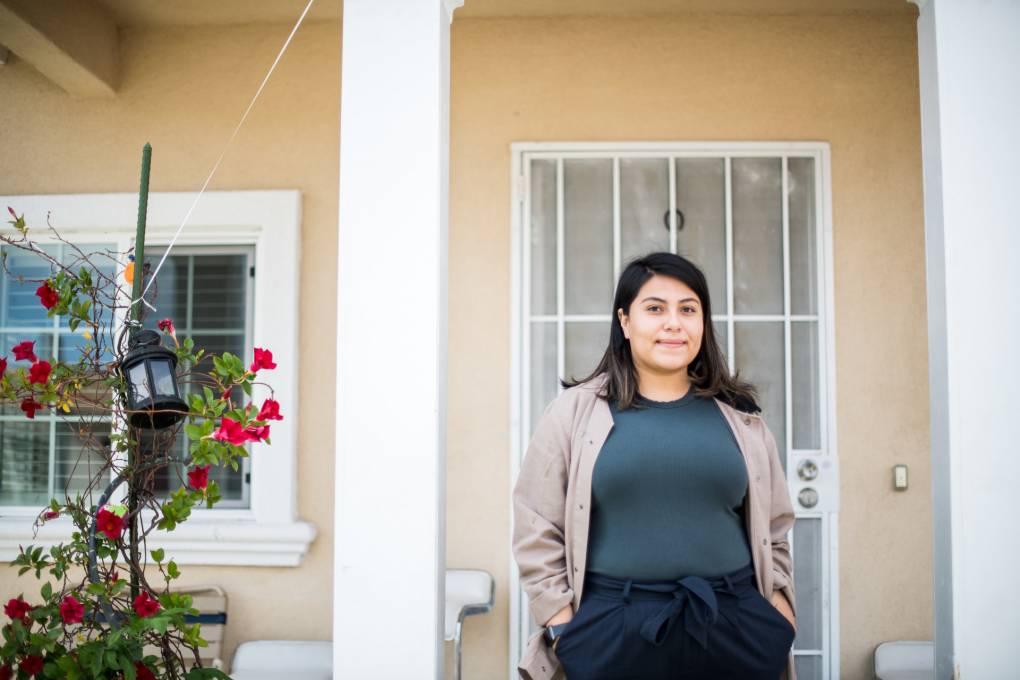
"caption": "Magdalena Olvera at her home in San Pablo on July 24, 2020.",
"description": "Magdalena Olvera at her home in San Pablo on July 24, 2020.",
"title": "Magdalena Olvera at her home in San Pablo on July 24, 2020.",
"credit": "Beth LaBerge/KQED",
"status": "inherit",
"isLoading": false,
"fetchFailed": false
},
"news_11830475": {
"type": "attachments",
"id": "news_11830475",
"meta": {
"index": "attachments_1716263798",
"site": "news",
"id": "11830475",
"found": true
},
"parent": 11830463,
"imgSizes": {
"apple_news_ca_landscape_5_5": {
"file": "https://ww2.kqed.org/app/uploads/sites/10/2020/07/RS44036_GettyImages-1257627413-qut-1044x783.jpg",
"width": 1044,
"mimeType": "image/jpeg",
"height": 783
},
"apple_news_ca_square_4_0": {
"file": "https://ww2.kqed.org/app/uploads/sites/10/2020/07/RS44036_GettyImages-1257627413-qut-470x470.jpg",
"width": 470,
"mimeType": "image/jpeg",
"height": 470
},
"twentyfourteen-full-width": {
"file": "https://ww2.kqed.org/app/uploads/sites/10/2020/07/RS44036_GettyImages-1257627413-qut-1038x576.jpg",
"width": 1038,
"mimeType": "image/jpeg",
"height": 576
},
"thumbnail": {
"file": "https://ww2.kqed.org/app/uploads/sites/10/2020/07/RS44036_GettyImages-1257627413-qut-160x107.jpg",
"width": 160,
"mimeType": "image/jpeg",
"height": 107
},
"post-thumbnail": {
"file": "https://ww2.kqed.org/app/uploads/sites/10/2020/07/RS44036_GettyImages-1257627413-qut-672x372.jpg",
"width": 672,
"mimeType": "image/jpeg",
"height": 372
},
"kqedFullSize": {
"file": "https://ww2.kqed.org/app/uploads/sites/10/2020/07/RS44036_GettyImages-1257627413-qut.jpg",
"width": 1920,
"height": 1280
},
"apple_news_ca_landscape_4_7": {
"file": "https://ww2.kqed.org/app/uploads/sites/10/2020/07/RS44036_GettyImages-1257627413-qut-632x474.jpg",
"width": 632,
"mimeType": "image/jpeg",
"height": 474
},
"large": {
"file": "https://ww2.kqed.org/app/uploads/sites/10/2020/07/RS44036_GettyImages-1257627413-qut-1020x680.jpg",
"width": 1020,
"mimeType": "image/jpeg",
"height": 680
},
"apple_news_ca_landscape_4_0": {
"file": "https://ww2.kqed.org/app/uploads/sites/10/2020/07/RS44036_GettyImages-1257627413-qut-536x402.jpg",
"width": 536,
"mimeType": "image/jpeg",
"height": 402
},
"apple_news_ca_portrait_12_9": {
"file": "https://ww2.kqed.org/app/uploads/sites/10/2020/07/RS44036_GettyImages-1257627413-qut-1122x1280.jpg",
"width": 1122,
"mimeType": "image/jpeg",
"height": 1280
},
"medium": {
"file": "https://ww2.kqed.org/app/uploads/sites/10/2020/07/RS44036_GettyImages-1257627413-qut-800x533.jpg",
"width": 800,
"mimeType": "image/jpeg",
"height": 533
},
"apple_news_ca_portrait_4_0": {
"file": "https://ww2.kqed.org/app/uploads/sites/10/2020/07/RS44036_GettyImages-1257627413-qut-354x472.jpg",
"width": 354,
"mimeType": "image/jpeg",
"height": 472
},
"apple_news_ca_portrait_9_7": {
"file": "https://ww2.kqed.org/app/uploads/sites/10/2020/07/RS44036_GettyImages-1257627413-qut-840x1120.jpg",
"width": 840,
"mimeType": "image/jpeg",
"height": 1120
},
"apple_news_ca_landscape_12_9": {
"file": "https://ww2.kqed.org/app/uploads/sites/10/2020/07/RS44036_GettyImages-1257627413-qut-1832x1280.jpg",
"width": 1832,
"mimeType": "image/jpeg",
"height": 1280
},
"apple_news_ca_square_9_7": {
"file": "https://ww2.kqed.org/app/uploads/sites/10/2020/07/RS44036_GettyImages-1257627413-qut-1104x1104.jpg",
"width": 1104,
"mimeType": "image/jpeg",
"height": 1104
},
"1536x1536": {
"file": "https://ww2.kqed.org/app/uploads/sites/10/2020/07/RS44036_GettyImages-1257627413-qut-1536x1024.jpg",
"width": 1536,
"mimeType": "image/jpeg",
"height": 1024
},
"apple_news_ca_portrait_4_7": {
"file": "https://ww2.kqed.org/app/uploads/sites/10/2020/07/RS44036_GettyImages-1257627413-qut-414x552.jpg",
"width": 414,
"mimeType": "image/jpeg",
"height": 552
},
"apple_news_ca_square_12_9": {
"file": "https://ww2.kqed.org/app/uploads/sites/10/2020/07/RS44036_GettyImages-1257627413-qut-1472x1280.jpg",
"width": 1472,
"mimeType": "image/jpeg",
"height": 1280
},
"apple_news_ca_portrait_5_5": {
"file": "https://ww2.kqed.org/app/uploads/sites/10/2020/07/RS44036_GettyImages-1257627413-qut-687x916.jpg",
"width": 687,
"mimeType": "image/jpeg",
"height": 916
},
"apple_news_ca_square_4_7": {
"file": "https://ww2.kqed.org/app/uploads/sites/10/2020/07/RS44036_GettyImages-1257627413-qut-550x550.jpg",
"width": 550,
"mimeType": "image/jpeg",
"height": 550
},
"apple_news_ca_landscape_9_7": {
"file": "https://ww2.kqed.org/app/uploads/sites/10/2020/07/RS44036_GettyImages-1257627413-qut-1376x1032.jpg",
"width": 1376,
"mimeType": "image/jpeg",
"height": 1032
},
"apple_news_ca_square_5_5": {
"file": "https://ww2.kqed.org/app/uploads/sites/10/2020/07/RS44036_GettyImages-1257627413-qut-912x912.jpg",
"width": 912,
"mimeType": "image/jpeg",
"height": 912
}
},
"publishDate": 1595615371,
"modified": 1595615513,
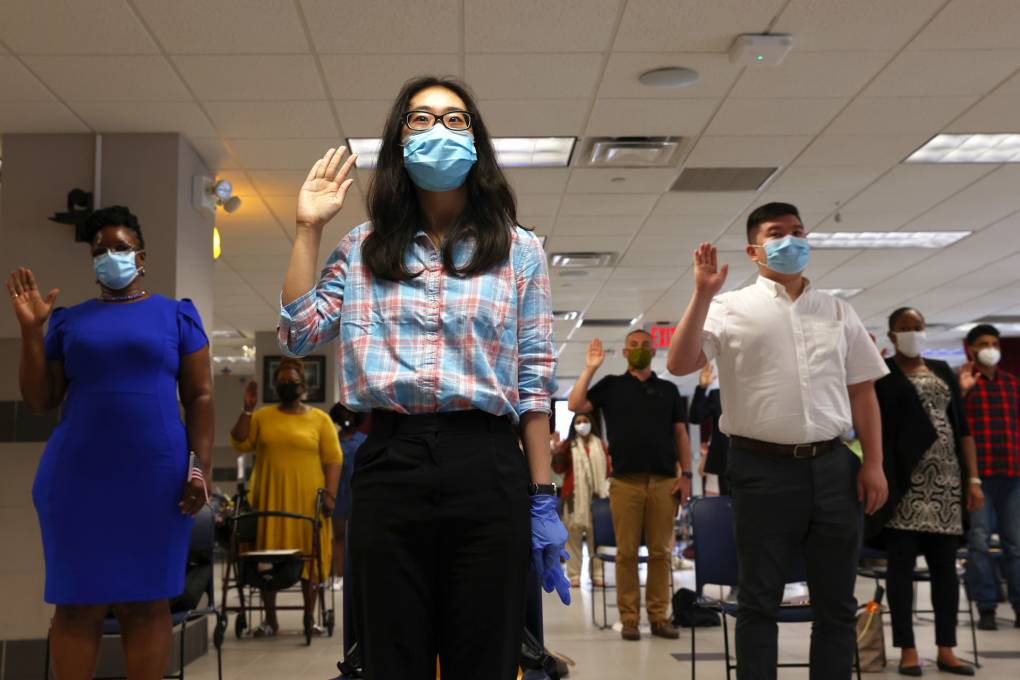
"caption": "People raise their hands to take an oath during a USCIS naturalization ceremony in New York City. Just months before the November election, the agency is struggling through a backlog of hundreds of thousands of immigrants applying to become U.S. citizens, many of whom are hoping to be able to vote for the first time.",
"description": "People raise their hands to take an oath during a USCIS naturalization ceremony in New York City. Just months before the November election, the agency is struggling through a backlog of hundreds of thousands of immigrants applying to become U.S. citizens, many of whom are hoping to be able to vote for the first time.",
"title": "Naturalization Ceremony Held In NYC After Delays Due To Coronavirus",
"credit": "Michael M. Santiago/Getty Images)",
"status": "inherit",
"isLoading": false,
"fetchFailed": false
},
"news_11830423": {
"type": "attachments",
"id": "news_11830423",
"meta": {
"index": "attachments_1716263798",
"site": "news",
"id": "11830423",
"found": true
},
"parent": 11830416,
"imgSizes": {
"apple_news_ca_landscape_5_5": {
"file": "https://ww2.kqed.org/app/uploads/sites/10/2020/07/RS44033_GettyImages-1207394648-qut-1044x783.jpg",
"width": 1044,
"mimeType": "image/jpeg",
"height": 783
},
"apple_news_ca_square_4_0": {
"file": "https://ww2.kqed.org/app/uploads/sites/10/2020/07/RS44033_GettyImages-1207394648-qut-470x470.jpg",
"width": 470,
"mimeType": "image/jpeg",
"height": 470
},
"twentyfourteen-full-width": {
"file": "https://ww2.kqed.org/app/uploads/sites/10/2020/07/RS44033_GettyImages-1207394648-qut-1038x576.jpg",
"width": 1038,
"mimeType": "image/jpeg",
"height": 576
},
"thumbnail": {
"file": "https://ww2.kqed.org/app/uploads/sites/10/2020/07/RS44033_GettyImages-1207394648-qut-160x107.jpg",
"width": 160,
"mimeType": "image/jpeg",
"height": 107
},
"post-thumbnail": {
"file": "https://ww2.kqed.org/app/uploads/sites/10/2020/07/RS44033_GettyImages-1207394648-qut-672x372.jpg",
"width": 672,
"mimeType": "image/jpeg",
"height": 372
},
"kqedFullSize": {
"file": "https://ww2.kqed.org/app/uploads/sites/10/2020/07/RS44033_GettyImages-1207394648-qut.jpg",
"width": 1920,
"height": 1280
},
"apple_news_ca_landscape_4_7": {
"file": "https://ww2.kqed.org/app/uploads/sites/10/2020/07/RS44033_GettyImages-1207394648-qut-632x474.jpg",
"width": 632,
"mimeType": "image/jpeg",
"height": 474
},
"large": {
"file": "https://ww2.kqed.org/app/uploads/sites/10/2020/07/RS44033_GettyImages-1207394648-qut-1020x680.jpg",
"width": 1020,
"mimeType": "image/jpeg",
"height": 680
},
"apple_news_ca_landscape_4_0": {
"file": "https://ww2.kqed.org/app/uploads/sites/10/2020/07/RS44033_GettyImages-1207394648-qut-536x402.jpg",
"width": 536,
"mimeType": "image/jpeg",
"height": 402
},
"apple_news_ca_portrait_12_9": {
"file": "https://ww2.kqed.org/app/uploads/sites/10/2020/07/RS44033_GettyImages-1207394648-qut-1122x1280.jpg",
"width": 1122,
"mimeType": "image/jpeg",
"height": 1280
},
"medium": {
"file": "https://ww2.kqed.org/app/uploads/sites/10/2020/07/RS44033_GettyImages-1207394648-qut-800x533.jpg",
"width": 800,
"mimeType": "image/jpeg",
"height": 533
},
"apple_news_ca_portrait_4_0": {
"file": "https://ww2.kqed.org/app/uploads/sites/10/2020/07/RS44033_GettyImages-1207394648-qut-354x472.jpg",
"width": 354,
"mimeType": "image/jpeg",
"height": 472
},
"apple_news_ca_portrait_9_7": {
"file": "https://ww2.kqed.org/app/uploads/sites/10/2020/07/RS44033_GettyImages-1207394648-qut-840x1120.jpg",
"width": 840,
"mimeType": "image/jpeg",
"height": 1120
},
"apple_news_ca_landscape_12_9": {
"file": "https://ww2.kqed.org/app/uploads/sites/10/2020/07/RS44033_GettyImages-1207394648-qut-1832x1280.jpg",
"width": 1832,
"mimeType": "image/jpeg",
"height": 1280
},
"apple_news_ca_square_9_7": {
"file": "https://ww2.kqed.org/app/uploads/sites/10/2020/07/RS44033_GettyImages-1207394648-qut-1104x1104.jpg",
"width": 1104,
"mimeType": "image/jpeg",
"height": 1104
},
"1536x1536": {
"file": "https://ww2.kqed.org/app/uploads/sites/10/2020/07/RS44033_GettyImages-1207394648-qut-1536x1024.jpg",
"width": 1536,
"mimeType": "image/jpeg",
"height": 1024
},
"apple_news_ca_portrait_4_7": {
"file": "https://ww2.kqed.org/app/uploads/sites/10/2020/07/RS44033_GettyImages-1207394648-qut-414x552.jpg",
"width": 414,
"mimeType": "image/jpeg",
"height": 552
},
"apple_news_ca_square_12_9": {
"file": "https://ww2.kqed.org/app/uploads/sites/10/2020/07/RS44033_GettyImages-1207394648-qut-1472x1280.jpg",
"width": 1472,
"mimeType": "image/jpeg",
"height": 1280
},
"apple_news_ca_portrait_5_5": {
"file": "https://ww2.kqed.org/app/uploads/sites/10/2020/07/RS44033_GettyImages-1207394648-qut-687x916.jpg",
"width": 687,
"mimeType": "image/jpeg",
"height": 916
},
"apple_news_ca_square_4_7": {
"file": "https://ww2.kqed.org/app/uploads/sites/10/2020/07/RS44033_GettyImages-1207394648-qut-550x550.jpg",
"width": 550,
"mimeType": "image/jpeg",
"height": 550
},
"apple_news_ca_landscape_9_7": {
"file": "https://ww2.kqed.org/app/uploads/sites/10/2020/07/RS44033_GettyImages-1207394648-qut-1376x1032.jpg",
"width": 1376,
"mimeType": "image/jpeg",
"height": 1032
},
"apple_news_ca_square_5_5": {
"file": "https://ww2.kqed.org/app/uploads/sites/10/2020/07/RS44033_GettyImages-1207394648-qut-912x912.jpg",
"width": 912,
"mimeType": "image/jpeg",
"height": 912
}
},
"publishDate": 1595560377,
"modified": 1595626600,
"caption": "A truck crosses the Bluewater Bridge border crossing between Sarnia, Ontario, and Port Huron, Michigan, on March 16, 2020. The Canadian government decided March 16, 2020 to close its borders to most foreign nationals with the exception of Americans.",
"description": null,
"title": "CANADA-VIRUS-HEALTH-POLITICS",
"credit": "Geoff Robins/AFP via Getty Images",
"status": "inherit",
"isLoading": false,
"fetchFailed": false
},
"news_11830238": {
"type": "attachments",
"id": "news_11830238",
"meta": {
"index": "attachments_1716263798",
"site": "news",
"id": "11830238",
"found": true
},
"parent": 11830232,
"imgSizes": {
"apple_news_ca_landscape_5_5": {
"file": "https://ww2.kqed.org/app/uploads/sites/10/2020/07/RS37292_05222019_u.s.-census-citizenship-question-donald-trump-qut-1044x783.jpg",
"width": 1044,
"mimeType": "image/jpeg",
"height": 783
},
"apple_news_ca_square_4_0": {
"file": "https://ww2.kqed.org/app/uploads/sites/10/2020/07/RS37292_05222019_u.s.-census-citizenship-question-donald-trump-qut-470x470.jpg",
"width": 470,
"mimeType": "image/jpeg",
"height": 470
},
"twentyfourteen-full-width": {
"file": "https://ww2.kqed.org/app/uploads/sites/10/2020/07/RS37292_05222019_u.s.-census-citizenship-question-donald-trump-qut-1038x576.jpg",
"width": 1038,
"mimeType": "image/jpeg",
"height": 576
},
"thumbnail": {
"file": "https://ww2.kqed.org/app/uploads/sites/10/2020/07/RS37292_05222019_u.s.-census-citizenship-question-donald-trump-qut-160x108.jpg",
"width": 160,
"mimeType": "image/jpeg",
"height": 108
},
"post-thumbnail": {
"file": "https://ww2.kqed.org/app/uploads/sites/10/2020/07/RS37292_05222019_u.s.-census-citizenship-question-donald-trump-qut-672x372.jpg",
"width": 672,
"mimeType": "image/jpeg",
"height": 372
},
"kqedFullSize": {
"file": "https://ww2.kqed.org/app/uploads/sites/10/2020/07/RS37292_05222019_u.s.-census-citizenship-question-donald-trump-qut.jpg",
"width": 1920,
"height": 1293
},
"apple_news_ca_landscape_4_7": {
"file": "https://ww2.kqed.org/app/uploads/sites/10/2020/07/RS37292_05222019_u.s.-census-citizenship-question-donald-trump-qut-632x474.jpg",
"width": 632,
"mimeType": "image/jpeg",
"height": 474
},
"large": {
"file": "https://ww2.kqed.org/app/uploads/sites/10/2020/07/RS37292_05222019_u.s.-census-citizenship-question-donald-trump-qut-1020x687.jpg",
"width": 1020,
"mimeType": "image/jpeg",
"height": 687
},
"apple_news_ca_landscape_4_0": {
"file": "https://ww2.kqed.org/app/uploads/sites/10/2020/07/RS37292_05222019_u.s.-census-citizenship-question-donald-trump-qut-536x402.jpg",
"width": 536,
"mimeType": "image/jpeg",
"height": 402
},
"apple_news_ca_portrait_12_9": {
"file": "https://ww2.kqed.org/app/uploads/sites/10/2020/07/RS37292_05222019_u.s.-census-citizenship-question-donald-trump-qut-1122x1293.jpg",
"width": 1122,
"mimeType": "image/jpeg",
"height": 1293
},
"medium": {
"file": "https://ww2.kqed.org/app/uploads/sites/10/2020/07/RS37292_05222019_u.s.-census-citizenship-question-donald-trump-qut-800x539.jpg",
"width": 800,
"mimeType": "image/jpeg",
"height": 539
},
"apple_news_ca_portrait_4_0": {
"file": "https://ww2.kqed.org/app/uploads/sites/10/2020/07/RS37292_05222019_u.s.-census-citizenship-question-donald-trump-qut-354x472.jpg",
"width": 354,
"mimeType": "image/jpeg",
"height": 472
},
"apple_news_ca_portrait_9_7": {
"file": "https://ww2.kqed.org/app/uploads/sites/10/2020/07/RS37292_05222019_u.s.-census-citizenship-question-donald-trump-qut-840x1120.jpg",
"width": 840,
"mimeType": "image/jpeg",
"height": 1120
},
"apple_news_ca_landscape_12_9": {
"file": "https://ww2.kqed.org/app/uploads/sites/10/2020/07/RS37292_05222019_u.s.-census-citizenship-question-donald-trump-qut-1832x1293.jpg",
"width": 1832,
"mimeType": "image/jpeg",
"height": 1293
},
"apple_news_ca_square_9_7": {
"file": "https://ww2.kqed.org/app/uploads/sites/10/2020/07/RS37292_05222019_u.s.-census-citizenship-question-donald-trump-qut-1104x1104.jpg",
"width": 1104,
"mimeType": "image/jpeg",
"height": 1104
},
"1536x1536": {
"file": "https://ww2.kqed.org/app/uploads/sites/10/2020/07/RS37292_05222019_u.s.-census-citizenship-question-donald-trump-qut-1536x1034.jpg",
"width": 1536,
"mimeType": "image/jpeg",
"height": 1034
},
"apple_news_ca_portrait_4_7": {
"file": "https://ww2.kqed.org/app/uploads/sites/10/2020/07/RS37292_05222019_u.s.-census-citizenship-question-donald-trump-qut-414x552.jpg",
"width": 414,
"mimeType": "image/jpeg",
"height": 552
},
"apple_news_ca_square_12_9": {
"file": "https://ww2.kqed.org/app/uploads/sites/10/2020/07/RS37292_05222019_u.s.-census-citizenship-question-donald-trump-qut-1472x1293.jpg",
"width": 1472,
"mimeType": "image/jpeg",
"height": 1293
},
"apple_news_ca_portrait_5_5": {
"file": "https://ww2.kqed.org/app/uploads/sites/10/2020/07/RS37292_05222019_u.s.-census-citizenship-question-donald-trump-qut-687x916.jpg",
"width": 687,
"mimeType": "image/jpeg",
"height": 916
},
"apple_news_ca_square_4_7": {
"file": "https://ww2.kqed.org/app/uploads/sites/10/2020/07/RS37292_05222019_u.s.-census-citizenship-question-donald-trump-qut-550x550.jpg",
"width": 550,
"mimeType": "image/jpeg",
"height": 550
},
"apple_news_ca_landscape_9_7": {
"file": "https://ww2.kqed.org/app/uploads/sites/10/2020/07/RS37292_05222019_u.s.-census-citizenship-question-donald-trump-qut-1376x1032.jpg",
"width": 1376,
"mimeType": "image/jpeg",
"height": 1032
},
"apple_news_ca_square_5_5": {
"file": "https://ww2.kqed.org/app/uploads/sites/10/2020/07/RS37292_05222019_u.s.-census-citizenship-question-donald-trump-qut-912x912.jpg",
"width": 912,
"mimeType": "image/jpeg",
"height": 912
}
},
"publishDate": 1595455907,
"modified": 1595456132,
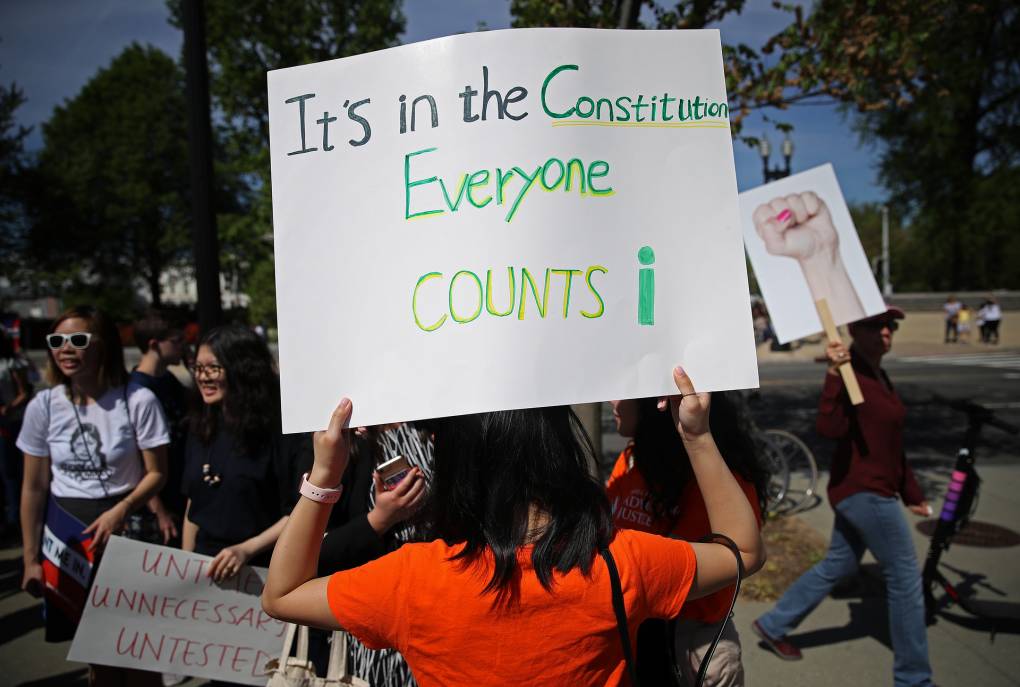
"caption": "Protesters gathered outside the U.S. Supreme Court on April 23, 2019 in Washington DC. The court later blocked the Trump administration from including a citizenship question in the 2020 Census.",
"description": null,
"title": "Supreme Court Considers Whether Trump Administration Can Include Citizenship Question On Census",
"credit": "Win McNamee/Getty Images",
"status": "inherit",
"isLoading": false,
"fetchFailed": false
},
"news_11829943": {
"type": "attachments",
"id": "news_11829943",
"meta": {
"index": "attachments_1716263798",
"site": "news",
"id": "11829943",
"found": true
},
"parent": 11829942,
"imgSizes": {
"apple_news_ca_landscape_5_5": {
"file": "https://ww2.kqed.org/app/uploads/sites/10/2020/07/gettyimages-1155197430_wide-56af3073b8838d1528a552f9b2da50e1a78726f1-1044x783.jpg",
"width": 1044,
"mimeType": "image/jpeg",
"height": 783
},
"apple_news_ca_square_4_0": {
"file": "https://ww2.kqed.org/app/uploads/sites/10/2020/07/gettyimages-1155197430_wide-56af3073b8838d1528a552f9b2da50e1a78726f1-470x470.jpg",
"width": 470,
"mimeType": "image/jpeg",
"height": 470
},
"twentyfourteen-full-width": {
"file": "https://ww2.kqed.org/app/uploads/sites/10/2020/07/gettyimages-1155197430_wide-56af3073b8838d1528a552f9b2da50e1a78726f1-1038x576.jpg",
"width": 1038,
"mimeType": "image/jpeg",
"height": 576
},
"thumbnail": {
"file": "https://ww2.kqed.org/app/uploads/sites/10/2020/07/gettyimages-1155197430_wide-56af3073b8838d1528a552f9b2da50e1a78726f1-160x90.jpg",
"width": 160,
"mimeType": "image/jpeg",
"height": 90
},
"post-thumbnail": {
"file": "https://ww2.kqed.org/app/uploads/sites/10/2020/07/gettyimages-1155197430_wide-56af3073b8838d1528a552f9b2da50e1a78726f1-672x372.jpg",
"width": 672,
"mimeType": "image/jpeg",
"height": 372
},
"kqedFullSize": {
"file": "https://ww2.kqed.org/app/uploads/sites/10/2020/07/gettyimages-1155197430_wide-56af3073b8838d1528a552f9b2da50e1a78726f1-scaled-e1595356960305.jpg",
"width": 1920,
"height": 1080
},
"2048x2048": {
"file": "https://ww2.kqed.org/app/uploads/sites/10/2020/07/gettyimages-1155197430_wide-56af3073b8838d1528a552f9b2da50e1a78726f1-2048x1152.jpg",
"width": 2048,
"mimeType": "image/jpeg",
"height": 1152
},
"apple_news_ca_landscape_4_7": {
"file": "https://ww2.kqed.org/app/uploads/sites/10/2020/07/gettyimages-1155197430_wide-56af3073b8838d1528a552f9b2da50e1a78726f1-632x474.jpg",
"width": 632,
"mimeType": "image/jpeg",
"height": 474
},
"large": {
"file": "https://ww2.kqed.org/app/uploads/sites/10/2020/07/gettyimages-1155197430_wide-56af3073b8838d1528a552f9b2da50e1a78726f1-1020x574.jpg",
"width": 1020,
"mimeType": "image/jpeg",
"height": 574
},
"apple_news_ca_landscape_4_0": {
"file": "https://ww2.kqed.org/app/uploads/sites/10/2020/07/gettyimages-1155197430_wide-56af3073b8838d1528a552f9b2da50e1a78726f1-536x402.jpg",
"width": 536,
"mimeType": "image/jpeg",
"height": 402
},
"apple_news_ca_portrait_12_9": {
"file": "https://ww2.kqed.org/app/uploads/sites/10/2020/07/gettyimages-1155197430_wide-56af3073b8838d1528a552f9b2da50e1a78726f1-1122x1496.jpg",
"width": 1122,
"mimeType": "image/jpeg",
"height": 1496
},
"medium": {
"file": "https://ww2.kqed.org/app/uploads/sites/10/2020/07/gettyimages-1155197430_wide-56af3073b8838d1528a552f9b2da50e1a78726f1-800x450.jpg",
"width": 800,
"mimeType": "image/jpeg",
"height": 450
},
"apple_news_ca_portrait_4_0": {
"file": "https://ww2.kqed.org/app/uploads/sites/10/2020/07/gettyimages-1155197430_wide-56af3073b8838d1528a552f9b2da50e1a78726f1-354x472.jpg",
"width": 354,
"mimeType": "image/jpeg",
"height": 472
},
"apple_news_ca_portrait_9_7": {
"file": "https://ww2.kqed.org/app/uploads/sites/10/2020/07/gettyimages-1155197430_wide-56af3073b8838d1528a552f9b2da50e1a78726f1-840x1120.jpg",
"width": 840,
"mimeType": "image/jpeg",
"height": 1120
},
"apple_news_ca_landscape_12_9": {
"file": "https://ww2.kqed.org/app/uploads/sites/10/2020/07/gettyimages-1155197430_wide-56af3073b8838d1528a552f9b2da50e1a78726f1-1832x1374.jpg",
"width": 1832,
"mimeType": "image/jpeg",
"height": 1374
},
"apple_news_ca_square_9_7": {
"file": "https://ww2.kqed.org/app/uploads/sites/10/2020/07/gettyimages-1155197430_wide-56af3073b8838d1528a552f9b2da50e1a78726f1-1104x1104.jpg",
"width": 1104,
"mimeType": "image/jpeg",
"height": 1104
},
"1536x1536": {
"file": "https://ww2.kqed.org/app/uploads/sites/10/2020/07/gettyimages-1155197430_wide-56af3073b8838d1528a552f9b2da50e1a78726f1-1536x864.jpg",
"width": 1536,
"mimeType": "image/jpeg",
"height": 864
},
"apple_news_ca_portrait_4_7": {
"file": "https://ww2.kqed.org/app/uploads/sites/10/2020/07/gettyimages-1155197430_wide-56af3073b8838d1528a552f9b2da50e1a78726f1-414x552.jpg",
"width": 414,
"mimeType": "image/jpeg",
"height": 552
},
"apple_news_ca_square_12_9": {
"file": "https://ww2.kqed.org/app/uploads/sites/10/2020/07/gettyimages-1155197430_wide-56af3073b8838d1528a552f9b2da50e1a78726f1-1472x1472.jpg",
"width": 1472,
"mimeType": "image/jpeg",
"height": 1472
},
"apple_news_ca_portrait_5_5": {
"file": "https://ww2.kqed.org/app/uploads/sites/10/2020/07/gettyimages-1155197430_wide-56af3073b8838d1528a552f9b2da50e1a78726f1-687x916.jpg",
"width": 687,
"mimeType": "image/jpeg",
"height": 916
},
"full-width": {
"file": "https://ww2.kqed.org/app/uploads/sites/10/2020/07/gettyimages-1155197430_wide-56af3073b8838d1528a552f9b2da50e1a78726f1-1920x1080.jpg",
"width": 1920,
"mimeType": "image/jpeg",
"height": 1080
},
"apple_news_ca_square_4_7": {
"file": "https://ww2.kqed.org/app/uploads/sites/10/2020/07/gettyimages-1155197430_wide-56af3073b8838d1528a552f9b2da50e1a78726f1-550x550.jpg",
"width": 550,
"mimeType": "image/jpeg",
"height": 550
},
"apple_news_ca_landscape_9_7": {
"file": "https://ww2.kqed.org/app/uploads/sites/10/2020/07/gettyimages-1155197430_wide-56af3073b8838d1528a552f9b2da50e1a78726f1-1376x1032.jpg",
"width": 1376,
"mimeType": "image/jpeg",
"height": 1032
},
"apple_news_ca_square_5_5": {
"file": "https://ww2.kqed.org/app/uploads/sites/10/2020/07/gettyimages-1155197430_wide-56af3073b8838d1528a552f9b2da50e1a78726f1-912x912.jpg",
"width": 912,
"mimeType": "image/jpeg",
"height": 912
}
},
"publishDate": 1595356470,
"modified": 1595356987,
"caption": "President Trump departs a July 2019 press conference on the census with U.S. Attorney General William Barr (center) and Commerce Secretary Wilbur Ross in the White House Rose Garden.",
"description": "President Trump departs a July 2019 press conference on the census with U.S. Attorney General William Barr (center) and Commerce Secretary Wilbur Ross in the White House Rose Garden.",
"title": "President Trump departs a July 2019 press conference on the census with U.S. Attorney General William Barr (center) and Commerce Secretary Wilbur Ross in the White House Rose Garden.",
"credit": "Alex Wong/Getty Images",
"status": "inherit",
"isLoading": false,
"fetchFailed": false
},
"news_11829876": {
"type": "attachments",
"id": "news_11829876",
"meta": {
"index": "attachments_1716263798",
"site": "news",
"id": "11829876",
"found": true
},
"parent": 11829870,
"imgSizes": {
"apple_news_ca_landscape_5_5": {
"file": "https://ww2.kqed.org/app/uploads/sites/10/2020/07/RS30423_IMG_1497-qut-1044x783.jpg",
"width": 1044,
"mimeType": "image/jpeg",
"height": 783
},
"apple_news_ca_square_4_0": {
"file": "https://ww2.kqed.org/app/uploads/sites/10/2020/07/RS30423_IMG_1497-qut-470x470.jpg",
"width": 470,
"mimeType": "image/jpeg",
"height": 470
},
"twentyfourteen-full-width": {
"file": "https://ww2.kqed.org/app/uploads/sites/10/2020/07/RS30423_IMG_1497-qut-1038x576.jpg",
"width": 1038,
"mimeType": "image/jpeg",
"height": 576
},
"thumbnail": {
"file": "https://ww2.kqed.org/app/uploads/sites/10/2020/07/RS30423_IMG_1497-qut-160x107.jpg",
"width": 160,
"mimeType": "image/jpeg",
"height": 107
},
"post-thumbnail": {
"file": "https://ww2.kqed.org/app/uploads/sites/10/2020/07/RS30423_IMG_1497-qut-672x372.jpg",
"width": 672,
"mimeType": "image/jpeg",
"height": 372
},
"kqedFullSize": {
"file": "https://ww2.kqed.org/app/uploads/sites/10/2020/07/RS30423_IMG_1497-qut.jpg",
"width": 1920,
"height": 1280
},
"apple_news_ca_landscape_4_7": {
"file": "https://ww2.kqed.org/app/uploads/sites/10/2020/07/RS30423_IMG_1497-qut-632x474.jpg",
"width": 632,
"mimeType": "image/jpeg",
"height": 474
},
"large": {
"file": "https://ww2.kqed.org/app/uploads/sites/10/2020/07/RS30423_IMG_1497-qut-1020x680.jpg",
"width": 1020,
"mimeType": "image/jpeg",
"height": 680
},
"apple_news_ca_landscape_4_0": {
"file": "https://ww2.kqed.org/app/uploads/sites/10/2020/07/RS30423_IMG_1497-qut-536x402.jpg",
"width": 536,
"mimeType": "image/jpeg",
"height": 402
},
"apple_news_ca_portrait_12_9": {
"file": "https://ww2.kqed.org/app/uploads/sites/10/2020/07/RS30423_IMG_1497-qut-1122x1280.jpg",
"width": 1122,
"mimeType": "image/jpeg",
"height": 1280
},
"medium": {
"file": "https://ww2.kqed.org/app/uploads/sites/10/2020/07/RS30423_IMG_1497-qut-800x533.jpg",
"width": 800,
"mimeType": "image/jpeg",
"height": 533
},
"apple_news_ca_portrait_4_0": {
"file": "https://ww2.kqed.org/app/uploads/sites/10/2020/07/RS30423_IMG_1497-qut-354x472.jpg",
"width": 354,
"mimeType": "image/jpeg",
"height": 472
},
"apple_news_ca_portrait_9_7": {
"file": "https://ww2.kqed.org/app/uploads/sites/10/2020/07/RS30423_IMG_1497-qut-840x1120.jpg",
"width": 840,
"mimeType": "image/jpeg",
"height": 1120
},
"apple_news_ca_landscape_12_9": {
"file": "https://ww2.kqed.org/app/uploads/sites/10/2020/07/RS30423_IMG_1497-qut-1832x1280.jpg",
"width": 1832,
"mimeType": "image/jpeg",
"height": 1280
},
"apple_news_ca_square_9_7": {
"file": "https://ww2.kqed.org/app/uploads/sites/10/2020/07/RS30423_IMG_1497-qut-1104x1104.jpg",
"width": 1104,
"mimeType": "image/jpeg",
"height": 1104
},
"1536x1536": {
"file": "https://ww2.kqed.org/app/uploads/sites/10/2020/07/RS30423_IMG_1497-qut-1536x1024.jpg",
"width": 1536,
"mimeType": "image/jpeg",
"height": 1024
},
"apple_news_ca_portrait_4_7": {
"file": "https://ww2.kqed.org/app/uploads/sites/10/2020/07/RS30423_IMG_1497-qut-414x552.jpg",
"width": 414,
"mimeType": "image/jpeg",
"height": 552
},
"apple_news_ca_square_12_9": {
"file": "https://ww2.kqed.org/app/uploads/sites/10/2020/07/RS30423_IMG_1497-qut-1472x1280.jpg",
"width": 1472,
"mimeType": "image/jpeg",
"height": 1280
},
"apple_news_ca_portrait_5_5": {
"file": "https://ww2.kqed.org/app/uploads/sites/10/2020/07/RS30423_IMG_1497-qut-687x916.jpg",
"width": 687,
"mimeType": "image/jpeg",
"height": 916
},
"apple_news_ca_square_4_7": {
"file": "https://ww2.kqed.org/app/uploads/sites/10/2020/07/RS30423_IMG_1497-qut-550x550.jpg",
"width": 550,
"mimeType": "image/jpeg",
"height": 550
},
"apple_news_ca_landscape_9_7": {
"file": "https://ww2.kqed.org/app/uploads/sites/10/2020/07/RS30423_IMG_1497-qut-1376x1032.jpg",
"width": 1376,
"mimeType": "image/jpeg",
"height": 1032
},
"apple_news_ca_square_5_5": {
"file": "https://ww2.kqed.org/app/uploads/sites/10/2020/07/RS30423_IMG_1497-qut-912x912.jpg",
"width": 912,
"mimeType": "image/jpeg",
"height": 912
}
},
"publishDate": 1595293081,
"modified": 1595297505,
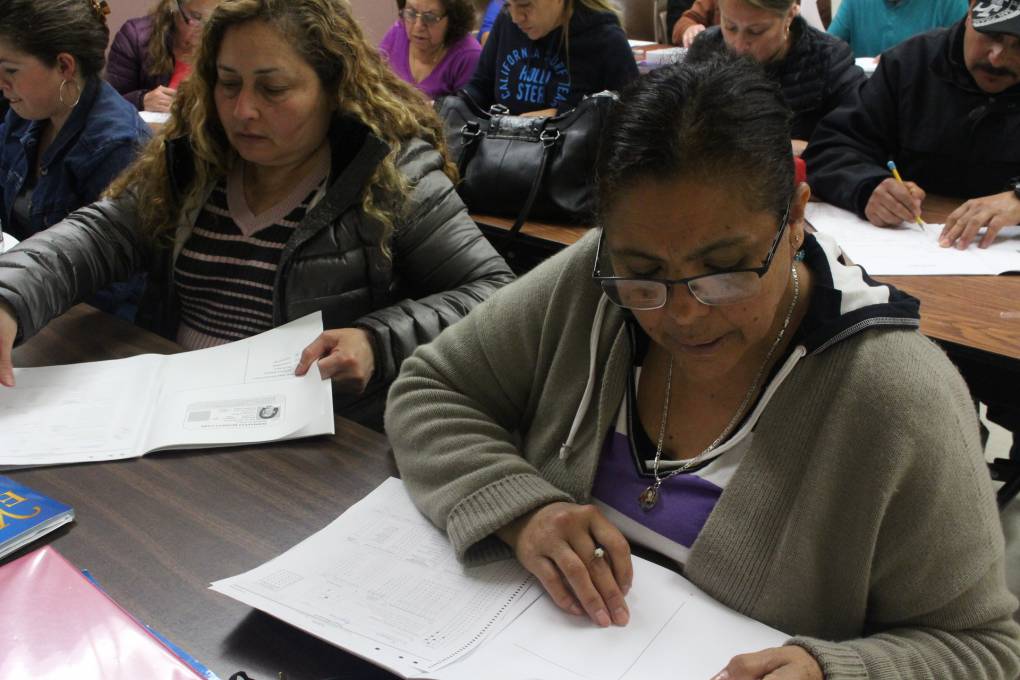
"caption": "Students prepare for their U.S. citizenship test at a class at the Fair Oaks Community Center in Redwood City, Calif. on March 22, 2018.",
"description": "Students prepare for their U.S. citizenship test at a class at the Fair Oaks Community Center in Redwood City, Calif. on March 22, 2018.",
"title": "RS30423_IMG_1497-qut",
"credit": "Farida Jhabvala Romero/KQED",
"status": "inherit",
"isLoading": false,
"fetchFailed": false
},
"news_11829367": {
"type": "attachments",
"id": "news_11829367",
"meta": {
"index": "attachments_1716263798",
"site": "news",
"id": "11829367",
"found": true
},
"parent": 11829352,
"imgSizes": {
"apple_news_ca_landscape_5_5": {
"file": "https://ww2.kqed.org/app/uploads/sites/10/2020/07/RS43987_GettyImages-1220880832-qut-1044x783.jpg",
"width": 1044,
"mimeType": "image/jpeg",
"height": 783
},
"apple_news_ca_square_4_0": {
"file": "https://ww2.kqed.org/app/uploads/sites/10/2020/07/RS43987_GettyImages-1220880832-qut-470x470.jpg",
"width": 470,
"mimeType": "image/jpeg",
"height": 470
},
"twentyfourteen-full-width": {
"file": "https://ww2.kqed.org/app/uploads/sites/10/2020/07/RS43987_GettyImages-1220880832-qut-1038x576.jpg",
"width": 1038,
"mimeType": "image/jpeg",
"height": 576
},
"thumbnail": {
"file": "https://ww2.kqed.org/app/uploads/sites/10/2020/07/RS43987_GettyImages-1220880832-qut-160x107.jpg",
"width": 160,
"mimeType": "image/jpeg",
"height": 107
},
"post-thumbnail": {
"file": "https://ww2.kqed.org/app/uploads/sites/10/2020/07/RS43987_GettyImages-1220880832-qut-672x372.jpg",
"width": 672,
"mimeType": "image/jpeg",
"height": 372
},
"kqedFullSize": {
"file": "https://ww2.kqed.org/app/uploads/sites/10/2020/07/RS43987_GettyImages-1220880832-qut.jpg",
"width": 1920,
"height": 1280
},
"apple_news_ca_landscape_4_7": {
"file": "https://ww2.kqed.org/app/uploads/sites/10/2020/07/RS43987_GettyImages-1220880832-qut-632x474.jpg",
"width": 632,
"mimeType": "image/jpeg",
"height": 474
},
"large": {
"file": "https://ww2.kqed.org/app/uploads/sites/10/2020/07/RS43987_GettyImages-1220880832-qut-1020x680.jpg",
"width": 1020,
"mimeType": "image/jpeg",
"height": 680
},
"apple_news_ca_landscape_4_0": {
"file": "https://ww2.kqed.org/app/uploads/sites/10/2020/07/RS43987_GettyImages-1220880832-qut-536x402.jpg",
"width": 536,
"mimeType": "image/jpeg",
"height": 402
},
"apple_news_ca_portrait_12_9": {
"file": "https://ww2.kqed.org/app/uploads/sites/10/2020/07/RS43987_GettyImages-1220880832-qut-1122x1280.jpg",
"width": 1122,
"mimeType": "image/jpeg",
"height": 1280
},
"medium": {
"file": "https://ww2.kqed.org/app/uploads/sites/10/2020/07/RS43987_GettyImages-1220880832-qut-800x533.jpg",
"width": 800,
"mimeType": "image/jpeg",
"height": 533
},
"apple_news_ca_portrait_4_0": {
"file": "https://ww2.kqed.org/app/uploads/sites/10/2020/07/RS43987_GettyImages-1220880832-qut-354x472.jpg",
"width": 354,
"mimeType": "image/jpeg",
"height": 472
},
"apple_news_ca_portrait_9_7": {
"file": "https://ww2.kqed.org/app/uploads/sites/10/2020/07/RS43987_GettyImages-1220880832-qut-840x1120.jpg",
"width": 840,
"mimeType": "image/jpeg",
"height": 1120
},
"apple_news_ca_landscape_12_9": {
"file": "https://ww2.kqed.org/app/uploads/sites/10/2020/07/RS43987_GettyImages-1220880832-qut-1832x1280.jpg",
"width": 1832,
"mimeType": "image/jpeg",
"height": 1280
},
"apple_news_ca_square_9_7": {
"file": "https://ww2.kqed.org/app/uploads/sites/10/2020/07/RS43987_GettyImages-1220880832-qut-1104x1104.jpg",
"width": 1104,
"mimeType": "image/jpeg",
"height": 1104
},
"1536x1536": {
"file": "https://ww2.kqed.org/app/uploads/sites/10/2020/07/RS43987_GettyImages-1220880832-qut-1536x1024.jpg",
"width": 1536,
"mimeType": "image/jpeg",
"height": 1024
},
"apple_news_ca_portrait_4_7": {
"file": "https://ww2.kqed.org/app/uploads/sites/10/2020/07/RS43987_GettyImages-1220880832-qut-414x552.jpg",
"width": 414,
"mimeType": "image/jpeg",
"height": 552
},
"apple_news_ca_square_12_9": {
"file": "https://ww2.kqed.org/app/uploads/sites/10/2020/07/RS43987_GettyImages-1220880832-qut-1472x1280.jpg",
"width": 1472,
"mimeType": "image/jpeg",
"height": 1280
},
"apple_news_ca_portrait_5_5": {
"file": "https://ww2.kqed.org/app/uploads/sites/10/2020/07/RS43987_GettyImages-1220880832-qut-687x916.jpg",
"width": 687,
"mimeType": "image/jpeg",
"height": 916
},
"apple_news_ca_square_4_7": {
"file": "https://ww2.kqed.org/app/uploads/sites/10/2020/07/RS43987_GettyImages-1220880832-qut-550x550.jpg",
"width": 550,
"mimeType": "image/jpeg",
"height": 550
},
"apple_news_ca_landscape_9_7": {
"file": "https://ww2.kqed.org/app/uploads/sites/10/2020/07/RS43987_GettyImages-1220880832-qut-1376x1032.jpg",
"width": 1376,
"mimeType": "image/jpeg",
"height": 1032
},
"apple_news_ca_square_5_5": {
"file": "https://ww2.kqed.org/app/uploads/sites/10/2020/07/RS43987_GettyImages-1220880832-qut-912x912.jpg",
"width": 912,
"mimeType": "image/jpeg",
"height": 912
}
},
"publishDate": 1594953291,
"modified": 1594953971,
"caption": "DACA recipients and their supporters rally outside the U.S. Supreme Court on June 18, 2020 in Washington, DC. In a 5-4 ruling, the Supreme Court said the Trump administration did not follow the law when it tried to end DACA. But the federal agency in charge of handling immigration applications has remained silent on how or whether it will accept new DACA requests.",
"description": "DACA recipients and their supporters rally outside the U.S. Supreme Court on June 18, 2020 in Washington, DC. In a 5-4 ruling, the Supreme Court said the Trump administration did not follow the law when it tried to end DACA. But the federal agency in charge of handling immigration applications has remained silent on how or whether it will accept new DACA requests.",
"title": "Supreme Court Rules President Trump Can Not End The Deferred Action For Childhood Arrivals (DACA) Program",
"credit": "Drew Angerer/Getty Images",
"status": "inherit",
"isLoading": false,
"fetchFailed": false
},
"news_11828021": {
"type": "attachments",
"id": "news_11828021",
"meta": {
"index": "attachments_1716263798",
"site": "news",
"id": "11828021",
"found": true
},
"parent": 11828008,
"imgSizes": {
"apple_news_ca_landscape_5_5": {
"file": "https://ww2.kqed.org/app/uploads/sites/10/2020/07/John-Potterat-age-32-1974-1044x783.jpg",
"width": 1044,
"mimeType": "image/jpeg",
"height": 783
},
"apple_news_ca_square_4_0": {
"file": "https://ww2.kqed.org/app/uploads/sites/10/2020/07/John-Potterat-age-32-1974-470x470.jpg",
"width": 470,
"mimeType": "image/jpeg",
"height": 470
},
"twentyfourteen-full-width": {
"file": "https://ww2.kqed.org/app/uploads/sites/10/2020/07/John-Potterat-age-32-1974-1038x576.jpg",
"width": 1038,
"mimeType": "image/jpeg",
"height": 576
},
"thumbnail": {
"file": "https://ww2.kqed.org/app/uploads/sites/10/2020/07/John-Potterat-age-32-1974-160x114.jpg",
"width": 160,
"mimeType": "image/jpeg",
"height": 114
},
"post-thumbnail": {
"file": "https://ww2.kqed.org/app/uploads/sites/10/2020/07/John-Potterat-age-32-1974-672x372.jpg",
"width": 672,
"mimeType": "image/jpeg",
"height": 372
},
"kqedFullSize": {
"file": "https://ww2.kqed.org/app/uploads/sites/10/2020/07/John-Potterat-age-32-1974-scaled-e1594259267466.jpg",
"width": 1920,
"height": 1370
},
"2048x2048": {
"file": "https://ww2.kqed.org/app/uploads/sites/10/2020/07/John-Potterat-age-32-1974-2048x1461.jpg",
"width": 2048,
"mimeType": "image/jpeg",
"height": 1461
},
"apple_news_ca_landscape_4_7": {
"file": "https://ww2.kqed.org/app/uploads/sites/10/2020/07/John-Potterat-age-32-1974-632x474.jpg",
"width": 632,
"mimeType": "image/jpeg",
"height": 474
},
"large": {
"file": "https://ww2.kqed.org/app/uploads/sites/10/2020/07/John-Potterat-age-32-1974-1020x728.jpg",
"width": 1020,
"mimeType": "image/jpeg",
"height": 728
},
"apple_news_ca_landscape_4_0": {
"file": "https://ww2.kqed.org/app/uploads/sites/10/2020/07/John-Potterat-age-32-1974-536x402.jpg",
"width": 536,
"mimeType": "image/jpeg",
"height": 402
},
"apple_news_ca_portrait_12_9": {
"file": "https://ww2.kqed.org/app/uploads/sites/10/2020/07/John-Potterat-age-32-1974-1122x1496.jpg",
"width": 1122,
"mimeType": "image/jpeg",
"height": 1496
},
"medium": {
"file": "https://ww2.kqed.org/app/uploads/sites/10/2020/07/John-Potterat-age-32-1974-800x571.jpg",
"width": 800,
"mimeType": "image/jpeg",
"height": 571
},
"apple_news_ca_portrait_4_0": {
"file": "https://ww2.kqed.org/app/uploads/sites/10/2020/07/John-Potterat-age-32-1974-354x472.jpg",
"width": 354,
"mimeType": "image/jpeg",
"height": 472
},
"apple_news_ca_portrait_9_7": {
"file": "https://ww2.kqed.org/app/uploads/sites/10/2020/07/John-Potterat-age-32-1974-840x1120.jpg",
"width": 840,
"mimeType": "image/jpeg",
"height": 1120
},
"apple_news_ca_landscape_12_9": {
"file": "https://ww2.kqed.org/app/uploads/sites/10/2020/07/John-Potterat-age-32-1974-1832x1374.jpg",
"width": 1832,
"mimeType": "image/jpeg",
"height": 1374
},
"apple_news_ca_square_9_7": {
"file": "https://ww2.kqed.org/app/uploads/sites/10/2020/07/John-Potterat-age-32-1974-1104x1104.jpg",
"width": 1104,
"mimeType": "image/jpeg",
"height": 1104
},
"1536x1536": {
"file": "https://ww2.kqed.org/app/uploads/sites/10/2020/07/John-Potterat-age-32-1974-1536x1096.jpg",
"width": 1536,
"mimeType": "image/jpeg",
"height": 1096
},
"apple_news_ca_portrait_4_7": {
"file": "https://ww2.kqed.org/app/uploads/sites/10/2020/07/John-Potterat-age-32-1974-414x552.jpg",
"width": 414,
"mimeType": "image/jpeg",
"height": 552
},
"apple_news_ca_square_12_9": {
"file": "https://ww2.kqed.org/app/uploads/sites/10/2020/07/John-Potterat-age-32-1974-1472x1472.jpg",
"width": 1472,
"mimeType": "image/jpeg",
"height": 1472
},
"apple_news_ca_portrait_5_5": {
"file": "https://ww2.kqed.org/app/uploads/sites/10/2020/07/John-Potterat-age-32-1974-687x916.jpg",
"width": 687,
"mimeType": "image/jpeg",
"height": 916
},
"full-width": {
"file": "https://ww2.kqed.org/app/uploads/sites/10/2020/07/John-Potterat-age-32-1974-1920x1370.jpg",
"width": 1920,
"mimeType": "image/jpeg",
"height": 1370
},
"apple_news_ca_square_4_7": {
"file": "https://ww2.kqed.org/app/uploads/sites/10/2020/07/John-Potterat-age-32-1974-550x550.jpg",
"width": 550,
"mimeType": "image/jpeg",
"height": 550
},
"apple_news_ca_landscape_9_7": {
"file": "https://ww2.kqed.org/app/uploads/sites/10/2020/07/John-Potterat-age-32-1974-1376x1032.jpg",
"width": 1376,
"mimeType": "image/jpeg",
"height": 1032
},
"apple_news_ca_square_5_5": {
"file": "https://ww2.kqed.org/app/uploads/sites/10/2020/07/John-Potterat-age-32-1974-912x912.jpg",
"width": 912,
"mimeType": "image/jpeg",
"height": 912
}
},
"publishDate": 1594259224,
"modified": 1594332199,
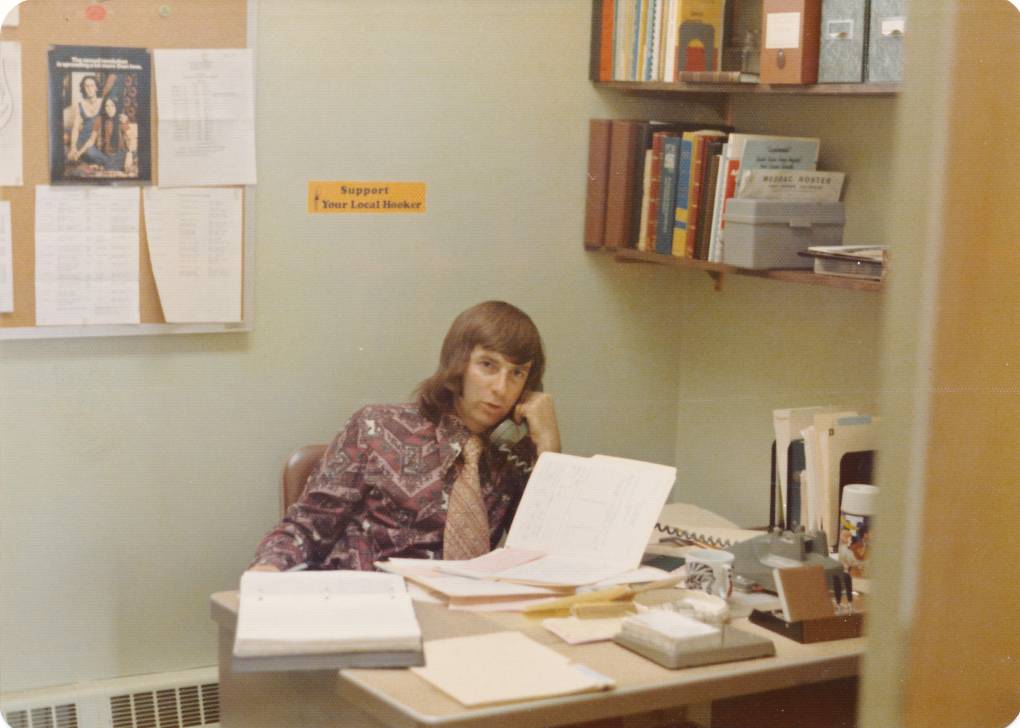
"caption": "John Potterat was a contact tracer for 40 years, working through epidemics of syphilis, gonorrhea and HIV. Here, he is seated at his desk in Colorado Spring, 1974. ",
"description": "John Potterat was a contact tracer for 40 years, working through epidemics of syphilis, gonorrhea and HIV. Here, he is seated at his desk in Colorado Spring, 1974. ",
"title": "John Potterat age 32-1974",
"credit": "Courtesy of John Potterat",
"status": "inherit",
"isLoading": false,
"fetchFailed": false
}
},
"audioPlayerReducer": {
"postId": "stream_live",
"isPaused": true,
"isPlaying": false,
"pfsActive": false,
"pledgeModalIsOpen": true,
"playerDrawerIsOpen": false,
"liveAudioPlayStartedAt": 0,
"liveAudioPlayContext": ""
},
"authorsReducer": {
"byline_news_11830879": {
"type": "authors",
"id": "byline_news_11830879",
"meta": {
"override": true
},
"slug": "byline_news_11830879",
"name": "Joel Rose",
"isLoading": false
},
"byline_news_11830864": {
"type": "authors",
"id": "byline_news_11830864",
"meta": {
"override": true
},
"slug": "byline_news_11830864",
"name": "Don Thompson \u003cbr> The Associated Press",
"isLoading": false
},
"byline_news_11829942": {
"type": "authors",
"id": "byline_news_11829942",
"meta": {
"override": true
},
"slug": "byline_news_11829942",
"name": "\u003ca href=\"https://www.npr.org/people/177498291/hansi-lo-wang\">Hansi Lo Wang\u003c/a>",
"isLoading": false
},
"tychehendricks": {
"type": "authors",
"id": "259",
"meta": {
"index": "authors_1716337520",
"id": "259",
"found": true
},
"name": "Tyche Hendricks",
"firstName": "Tyche",
"lastName": "Hendricks",
"slug": "tychehendricks",
"email": "thendricks@kqed.org",
"display_author_email": true,
"staff_mastheads": [
"news"
],
"title": "KQED Senior Editor, Immigration",
"bio": "\u003cspan style=\"font-weight: 400;\">Tyche Hendricks is KQED’s senior editor for immigration, leading coverage of the policy and politics that affect California’s immigrant communities. Her work for KQED’s radio and online audiences is also carried on NPR and other national outlets. She has been recognized with awards from the Radio and Television News Directors Association, the Society for Professional Journalists; the Education Writers Association; the Best of the West and the National Federation of Community Broadcasters. Before joining KQED in 2010, Tyche spent more than a dozen years as a newspaper reporter, notably at the \u003c/span>\u003ci>\u003cspan style=\"font-weight: 400;\">San Francisco Chronicle\u003c/span>\u003c/i>\u003cspan style=\"font-weight: 400;\">. At different times she has covered criminal justice, government and politics and urban planning. Tyche has taught in the MFA Creative Writing program at the University of San Francisco and at UC Berkeley’s Graduate School of Journalism, where she was co-director of a national immigration symposium for professional journalists. She is the author of \u003c/span>\u003ci>\u003cspan style=\"font-weight: 400;\">The Wind Doesn't Need a Passport: Stories from the U.S.-Mexico Borderlands\u003c/span>\u003c/i>\u003cspan style=\"font-weight: 400;\"> (University of California Press). \u003c/span>",
"avatar": "https://secure.gravatar.com/avatar/b8ee458e2731c2d43df86882ce17267e?s=600&d=blank&r=g",
"twitter": "tychehendricks",
"facebook": null,
"instagram": null,
"linkedin": null,
"sites": [
{
"site": "news",
"roles": [
"editor"
]
},
{
"site": "stateofhealth",
"roles": [
"editor"
]
}
],
"headData": {
"title": "Tyche Hendricks | KQED",
"description": "KQED Senior Editor, Immigration",
"ogImgSrc": "https://secure.gravatar.com/avatar/b8ee458e2731c2d43df86882ce17267e?s=600&d=blank&r=g",
"twImgSrc": "https://secure.gravatar.com/avatar/b8ee458e2731c2d43df86882ce17267e?s=600&d=blank&r=g"
},
"isLoading": false,
"link": "/author/tychehendricks"
},
"adembosky": {
"type": "authors",
"id": "3205",
"meta": {
"index": "authors_1716337520",
"id": "3205",
"found": true
},
"name": "April Dembosky",
"firstName": "April",
"lastName": "Dembosky",
"slug": "adembosky",
"email": "adembosky@kqed.org",
"display_author_email": false,
"staff_mastheads": [
"news",
"science"
],
"title": "KQED Health Correspondent",
"bio": "April Dembosky is the health correspondent for KQED News and a regular contributor to NPR. She specializes in covering altered states of mind, from postpartum depression to methamphetamine-induced psychosis to the insanity defense. Her investigative series on insurance companies sidestepping mental health laws won multiple awards, including first place in beat reporting from the national Association of Health Care Journalists. She is the recipient of numerous other prizes and fellowships, including a national Edward R. Murrow award for investigative reporting, a Society of Professional Journalists award for long-form storytelling, and a Carter Center Fellowship for Mental Health Journalism.\r\n\r\nDembosky reported and produced \u003cem>Soundtrack of Silence\u003c/em>, an audio documentary about music and memory that is currently being made into a feature film by Paramount Pictures.\r\n\r\nBefore joining KQED in 2013, Dembosky covered technology and Silicon Valley for \u003cem>The Financial Times of London,\u003c/em> and contributed business and arts stories to \u003cem>Marketplace \u003c/em>and \u003cem>The New York Times.\u003c/em> She got her undergraduate degree in philosophy from Smith College and her master's in journalism from the University of California, Berkeley. She is a classically trained violinist and proud alum of the first symphony orchestra at Burning Man.",
"avatar": "https://secure.gravatar.com/avatar/ef92999be4ceb9ea60701e7dc276f813?s=600&d=blank&r=g",
"twitter": "adembosky",
"facebook": null,
"instagram": null,
"linkedin": null,
"sites": [
{
"site": "arts",
"roles": [
"author"
]
},
{
"site": "news",
"roles": [
"editor"
]
},
{
"site": "futureofyou",
"roles": [
"author"
]
},
{
"site": "stateofhealth",
"roles": [
"editor"
]
},
{
"site": "science",
"roles": [
"editor"
]
},
{
"site": "forum",
"roles": [
"editor"
]
}
],
"headData": {
"title": "April Dembosky | KQED",
"description": "KQED Health Correspondent",
"ogImgSrc": "https://secure.gravatar.com/avatar/ef92999be4ceb9ea60701e7dc276f813?s=600&d=blank&r=g",
"twImgSrc": "https://secure.gravatar.com/avatar/ef92999be4ceb9ea60701e7dc276f813?s=600&d=blank&r=g"
},
"isLoading": false,
"link": "/author/adembosky"
},
"carlysevern": {
"type": "authors",
"id": "3243",
"meta": {
"index": "authors_1716337520",
"id": "3243",
"found": true
},
"name": "Carly Severn",
"firstName": "Carly",
"lastName": "Severn",
"slug": "carlysevern",
"email": "csevern@kqed.org",
"display_author_email": false,
"staff_mastheads": [
"news"
],
"title": "Senior Editor, Audience News ",
"bio": "Carly is KQED's Senior Editor of Audience News on the Digital News team, and has reported for the California Report Magazine, Bay Curious and KQED Arts. She's formerly the host of \u003ca href=\"http://ww2.kqed.org/pop/category/the-cooler/\" rel=\"noopener noreferrer\">The Cooler\u003c/a> podcast.",
"avatar": "https://secure.gravatar.com/avatar/2d8d6765f186e64c798cf7f0c8088a41?s=600&d=blank&r=g",
"twitter": "teacupinthebay",
"facebook": null,
"instagram": null,
"linkedin": null,
"sites": [
{
"site": "",
"roles": [
"editor"
]
},
{
"site": "arts",
"roles": [
"editor"
]
},
{
"site": "news",
"roles": [
"administrator"
]
},
{
"site": "pop",
"roles": [
"editor"
]
},
{
"site": "futureofyou",
"roles": [
"editor"
]
},
{
"site": "about",
"roles": [
"administrator"
]
},
{
"site": "mindshift",
"roles": [
"editor"
]
},
{
"site": "bayareabites",
"roles": [
"editor"
]
},
{
"site": "stateofhealth",
"roles": [
"editor"
]
},
{
"site": "science",
"roles": [
"editor"
]
},
{
"site": "food",
"roles": [
"contributor"
]
},
{
"site": "forum",
"roles": [
"editor"
]
},
{
"site": "perspectives",
"roles": [
"administrator"
]
},
{
"site": "liveblog",
"roles": [
"editor"
]
}
],
"headData": {
"title": "Carly Severn | KQED",
"description": "Senior Editor, Audience News ",
"ogImgSrc": "https://secure.gravatar.com/avatar/2d8d6765f186e64c798cf7f0c8088a41?s=600&d=blank&r=g",
"twImgSrc": "https://secure.gravatar.com/avatar/2d8d6765f186e64c798cf7f0c8088a41?s=600&d=blank&r=g"
},
"isLoading": false,
"link": "/author/carlysevern"
},
"fjhabvala": {
"type": "authors",
"id": "8659",
"meta": {
"index": "authors_1716337520",
"id": "8659",
"found": true
},
"name": "Farida Jhabvala Romero",
"firstName": "Farida",
"lastName": "Jhabvala Romero",
"slug": "fjhabvala",
"email": "fjhabvala@kqed.org",
"display_author_email": true,
"staff_mastheads": [
"news"
],
"title": "KQED Contributor",
"bio": "\u003cspan style=\"font-weight: 400;\">Farida Jhabvala Romero is a Labor Correspondent for KQED. She previously covered immigration. Farida was \u003ca href=\"https://www.ccnma.org/2022-most-influential-latina-journalists\">named\u003c/a> one of the 10 Most Influential Latina Journalists in California in 2022 by the California Chicano News Media Association. Her work has won awards from the Society of Professional Journalists (Northern California), as well as a national and regional Edward M. Murrow Award for the collaborative reporting projects “Dangerous Air” and “Graying California.” \u003c/span>\u003cspan style=\"font-weight: 400;\">Before joining KQED, Farida worked as a producer at Radio Bilingüe, a national public radio network. Farida earned her master’s degree in journalism from Stanford University.\u003c/span>",
"avatar": "https://secure.gravatar.com/avatar/c3ab27c5554b67b478f80971e515aa02?s=600&d=blank&r=g",
"twitter": "FaridaJhabvala",
"facebook": null,
"instagram": null,
"linkedin": "https://www.linkedin.com/in/faridajhabvala/",
"sites": [
{
"site": "news",
"roles": [
"editor"
]
},
{
"site": "stateofhealth",
"roles": [
"author"
]
}
],
"headData": {
"title": "Farida Jhabvala Romero | KQED",
"description": "KQED Contributor",
"ogImgSrc": "https://secure.gravatar.com/avatar/c3ab27c5554b67b478f80971e515aa02?s=600&d=blank&r=g",
"twImgSrc": "https://secure.gravatar.com/avatar/c3ab27c5554b67b478f80971e515aa02?s=600&d=blank&r=g"
},
"isLoading": false,
"link": "/author/fjhabvala"
},
"lblanco": {
"type": "authors",
"id": "11357",
"meta": {
"index": "authors_1716337520",
"id": "11357",
"found": true
},
"name": "Lina Blanco",
"firstName": "Lina",
"lastName": "Blanco",
"slug": "lblanco",
"email": "lblanco@kqed.org",
"display_author_email": false,
"staff_mastheads": [],
"title": null,
"bio": "Lina was a Senior Engagement Platforms Manager for KQED News, producing engagement strategies on social media at \u003ca href=\"https://twitter.com/KQEDnews\">@KQEDNews, \u003c/a>via \u003ca href=\"https://www.kqed.org/about/newsletters/\">KQED's daily newsletter\u003c/a> as well as texting campaigns with KQED readers and listeners. She also co-produces for KQED's bilingual news hub \u003ca href=\"https://www.instagram.com/kqedenespanol/\">KQED en Español\u003c/a>.\r\n\r\nLina previously worked for \u003ca href=\"https://kqed.org/arts\">KQED Arts\u003c/a> — supporting audience engagement efforts on the weekly \u003ca href=\"https://www.kqed.org/podcasts/rightnowish\">\u003cem>Rightnowish\u003c/em> \u003c/a>podcast, Webby-winning video series \u003ca href=\"https://www.kqed.org/if-cities-could-dance\">\u003cem>If Cities Could Dance\u003c/em>\u003c/a>, and daily Arts & Culture reporting. She won a \u003ca href=\"https://www.kqed.org/pressroom/10884/murrow\">National 2019 Edward R. Murrow Award for Excellence in Social Media\u003c/a> for KQED's series \u003cem>The Hustle\u003c/em>.\r\n\r\nBefore KQED, Lina worked as a graphic designer and digital storytelling facilitator at the \u003ca href=\"https://www.nativehealth.org/\">Native American Health Center\u003c/a>.\r\n\r\nShe's mom to a senior Chihuahua (plus one black cat) and lives in West Sonoma County on a small farmstead.",
"avatar": "https://secure.gravatar.com/avatar/77ec326d67223c38a436b87bcfd2a2e8?s=600&d=mm&r=g",
"twitter": "LinaBlanco",
"facebook": null,
"instagram": null,
"linkedin": null,
"sites": [
{
"site": "arts",
"roles": [
"subscriber"
]
},
{
"site": "news",
"roles": [
"subscriber"
]
},
{
"site": "pop",
"roles": [
"administrator"
]
},
{
"site": "about",
"roles": [
"administrator"
]
},
{
"site": "bayareabites",
"roles": [
"editor"
]
},
{
"site": "science",
"roles": [
"editor"
]
},
{
"site": "checkplease",
"roles": [
"editor"
]
},
{
"site": "food",
"roles": []
},
{
"site": "perspectives",
"roles": [
"editor"
]
}
],
"headData": {
"title": "Lina Blanco | KQED",
"description": null,
"ogImgSrc": "https://secure.gravatar.com/avatar/77ec326d67223c38a436b87bcfd2a2e8?s=600&d=mm&r=g",
"twImgSrc": "https://secure.gravatar.com/avatar/77ec326d67223c38a436b87bcfd2a2e8?s=600&d=mm&r=g"
},
"isLoading": false,
"link": "/author/lblanco"
}
},
"pagesReducer": {
"news_tag_immigration": {
"type": "terms",
"id": "news_20202",
"meta": {
"index": "terms_1716263798",
"site": "news",
"id": "20202",
"score": 6.9038835
},
"featImg": null,
"name": "immigration",
"description": null,
"taxonomy": "tag",
"headData": {
"twImgId": null,
"twTitle": null,
"ogTitle": null,
"ogImgId": null,
"twDescription": null,
"description": null,
"title": "immigration Archives | KQED News",
"ogDescription": null
},
"ttid": 20219,
"slug": "immigration",
"isLoading": false,
"title": "immigration",
"pageMeta": {
"site": "news",
"WpPageTemplate": "page-topic-editorial",
"currentPage": 62
},
"blocks": [
{
"blockName": "kqed/post-list",
"attrs": {
"layout": "cardArticle2",
"query": "posts/news?tag=immigration",
"seeMore": false,
"paginated": true,
"page": 62
}
},
{
"blockName": "kqed/ad"
}
]
}
},
"pfsSessionReducer": {},
"postsReducer": {
"stream_live": {
"type": "live",
"id": "stream_live",
"audioUrl": "https://streams.kqed.org/kqedradio",
"title": "Live Stream",
"excerpt": "Live Stream information currently unavailable.",
"link": "/radio",
"featImg": "",
"label": {
"name": "KQED Live",
"link": "/"
}
},
"stream_kqedNewscast": {
"type": "posts",
"id": "stream_kqedNewscast",
"audioUrl": "https://www.kqed.org/.stream/anon/radio/RDnews/newscast.mp3?_=1",
"title": "KQED Newscast",
"featImg": "",
"label": {
"name": "88.5 FM",
"link": "/"
}
},
"news_11831748": {
"type": "posts",
"id": "news_11831748",
"meta": {
"index": "posts_1716263798",
"site": "news",
"id": "11831748",
"score": null,
"sort": [
1596542487000
]
},
"parent": 0,
"labelTerm": {
"site": "news"
},
"blocks": [],
"publishDate": 1596542487,
"format": "standard",
"disqusTitle": "A 'Wealth Test for Citizenship': California Advocates Slam Trump Plan to Hike Fees",
"title": "A 'Wealth Test for Citizenship': California Advocates Slam Trump Plan to Hike Fees",
"headTitle": "KQED News",
"content": "\u003cp>Immigration advocates in California decried the Trump administration’s decision to sharply increase the cost of U.S. citizenship, work permits and other immigration benefits at a time when non-citizens face particularly devastating job losses because of the coronavirus pandemic.\u003c/p>\n\u003cp>U.S. Citizenship and Immigration Services (USCIS), the agency that oversees lawful immigration to this country, plans to eliminate most of the fee waivers that have helped millions of low-income immigrants afford these petitions in the past.\u003c/p>\n\u003cp>The changes, set to go into effect on Oct. 2, will nearly double the naturalization fee to up to $1,170, and start charging asylum seekers $550 to request an initial work permit, according to a \u003ca href=\"https://www.federalregister.gov/documents/2020/08/03/2020-16389/us-citizenship-and-immigration-services-fee-schedule-and-changes-to-certain-other-immigration#footnote-11-p46792\" target=\"_blank\" rel=\"noopener noreferrer\">new rule published Monday\u003c/a> after an eight-month review.\u003c/p>\n\u003cp>[pullquote size=\"medium\" align=\"right\" citation=\"Melissa Rodgers, New Americans Campaign\"]'We have the Trump administration creating the United States’ first-ever wealth test for citizenship.'[/pullquote]\u003c/p>\n\u003cp>“It’s a terrible, terrible rule,” said Melissa Rodgers, who directs the New Americans Campaign, a nationwide network of organizations helping immigrants apply for naturalization. “We have the Trump administration creating the United States’ first-ever wealth test for citizenship, and that in a year when more than 50 million residents have filed for unemployment.”\u003c/p>\n\u003cp>Under the new rule, applicants for lawful permanent residency – also known as a green card – will be charged an additional $550 for work authorization, raising the total cost of the application to at least $1,680.\u003c/p>\n\u003cp>For the first time ever, asylum seekers will be charged $50 to apply for the protections. Only \u003ca href=\"https://www.cnn.com/2020/07/31/politics/uscis-new-fees/index.html\" target=\"_blank\" rel=\"noopener noreferrer\">three other countries\u003c/a> – Australia, Fiji and Iran – charge fees for asylum seekers.\u003c/p>\n\u003cp>[ad fullwidth]\u003c/p>\n\u003cp>The fee increases come at a time when USCIS is \u003ca href=\"https://www.kqed.org/news/11830463/federal-citizenship-agency-delays-furloughs-for-two-thirds-of-its-staff\" target=\"_blank\" rel=\"noopener noreferrer\">threatening to furlough\u003c/a> more than two-thirds of its staff later this month, unless Congress provides it with a $1.2 billion bailout to sustain operations.\u003c/p>\n\u003cp>Unlike other federal agencies, USCIS depends on application fees to fund the vast majority of its operations. In its new rule, the Department of Homeland Security, which oversees USCIS, said getting rid of fee exemptions and raising charges will help the agency recuperate the full costs of adjudicating petitions.\u003c/p>\n\u003cp>[aside postID=news_11830463 hero='https://ww2.kqed.org/app/uploads/sites/10/2020/07/RS44036_GettyImages-1257627413-qut-1020x680.jpg']After DHS proposed most of the changes back in November, many raised concerns eligible immigrants would be discouraged or priced out from U.S. citizenship and other petitions. But DHS largely dismissed those public comments.\u003c/p>\n\u003cp>“DHS believes that immigration to the United States remains attractive to millions of individuals around the world and that its benefits continue to outweigh the costs noted by the commenters,” according to the rule.\u003c/p>\n\u003cp>In California, more than \u003ca href=\"https://dornsife.usc.edu/csii/eligible-to-naturalize-map/\" target=\"_blank\" rel=\"noopener noreferrer\">2.2 million immigrants\u003c/a> are eligible to become U.S. citizens, the most of any state nationwide.\u003c/p>\n\u003cp>The current cost of applying, $725, \u003ca href=\"https://www.kqed.org/news/11660853/immigrants-seek-stability-of-u-s-citizenship-but-cost-is-often-a-barrier\" target=\"_blank\" rel=\"noopener noreferrer\">is a barrier\u003c/a> to many low-income immigrants who are eligible to naturalize as American citizens.\u003c/p>\n\u003cp>USCIS may waive the fees associated with processing an application if the individual proves they are unable to pay. Between 2013 and 2016, the agency approved 2 million requests for fee waivers, foregoing more than $1 billion in revenue, according to the \u003ca href=\"https://www.dhs.gov/sites/default/files/publications/USCIS%20-%20Fee%20Waiver%20Policies%20and%20Data.pdf\" target=\"_blank\" rel=\"noopener noreferrer\">agency\u003c/a>.\u003c/p>\n\u003cp>Under the new rule, only victims of domestic violence or severe human trafficking crimes and other vulnerable populations who are very low income will be eligible for fee waivers. Green card, naturalization and other applicants will no longer have the option of fee exemptions regardless of their income level, while facing dramatically higher charges.\u003c/p>\n\u003cp>“The increases are sending a really loud message that there is a paywall to receive immigration benefits,” said Elena Fairley, programs director at Mission Asset Fund, a nonprofit in San Francisco that provided 0% interest loans to hundreds of people to apply for U.S. citizenship last year.\u003c/p>\n\u003cp>“And that combined with other policies from the current administration, is making it exceedingly difficult for people to become citizens in this country and participate fully,” she added.\u003c/p>\n\u003cp>Fairley said her organization expects more immigrants will need financial help to afford application fees, but she anticipates raising funds to cover those loans will become more difficult because of the pandemic.\u003c/p>\n\u003cp>Immigrants have faced deeper job cuts than U.S.-born workers during the COVID-19 recession: a 19% drop in employment compared to 12%, according to the Pew Research Center. In California, UC Merced researchers estimate 688,000 non-citizens lost jobs during the first weeks of the pandemic, with the highest impact among immigrant women.\u003c/p>\n\u003cp>\u003c/p>\n",
"disqusIdentifier": "11831748 https://ww2.kqed.org/news/?p=11831748",
"disqusUrl": "https://ww2.kqed.org/news/2020/08/04/a-wealth-test-for-citizenship-california-advocates-slam-trump-plan-to-hike-fees/",
"stats": {
"hasVideo": false,
"hasChartOrMap": false,
"hasAudio": false,
"hasPolis": false,
"wordCount": 767,
"hasGoogleForm": false,
"hasGallery": false,
"hasHearkenModule": false,
"iframeSrcs": [],
"paragraphCount": 21
},
"modified": 1596583785,
"excerpt": "A rule set to go into effect on Oct. 2 will nearly double the naturalization fee to up to $1,170, and start charging asylum seekers $500 to request a work permit.",
"headData": {
"twImgId": "",
"twTitle": "",
"ogTitle": "",
"ogImgId": "",
"twDescription": "",
"description": "A new federal rule is set to nearly double the naturalization fee to up to $1,170, and start charging asylum seekers $500 to request a work permit.",
"title": "A 'Wealth Test for Citizenship': California Advocates Slam Trump Plan to Hike Fees | KQED",
"ogDescription": "",
"schema": {
"@context": "https://schema.org",
"@type": "NewsArticle",
"headline": "A 'Wealth Test for Citizenship': California Advocates Slam Trump Plan to Hike Fees",
"datePublished": "2020-08-04T05:01:27-07:00",
"dateModified": "2020-08-04T16:29:45-07:00",
"image": "https://cdn.kqed.org/wp-content/uploads/2020/02/KQED-OG-Image@1x.png",
"isAccessibleForFree": "True",
"publisher": {
"@type": "NewsMediaOrganization",
"@id": "https://www.kqed.org/#organization",
"name": "KQED",
"logo": "https://cdn.kqed.org/wp-content/uploads/2020/02/KQED-OG-Image@1x.png",
"url": "https://www.kqed.org",
"sameAs": [
"https://www.facebook.com/KQED",
"https://twitter.com/KQED",
"https://www.instagram.com/kqed/",
"https://www.tiktok.com/@kqedofficial",
"https://www.linkedin.com/company/kqed",
"https://www.youtube.com/channel/UCeC0IOo7i1P_61zVUWbJ4nw"
]
}
}
},
"guestAuthors": [],
"slug": "a-wealth-test-for-citizenship-california-advocates-slam-trump-plan-to-hike-fees",
"status": "publish",
"audioUrl": "https://traffic.omny.fm/d/clips/0af137ef-751e-4b19-a055-aaef00d2d578/ffca7e9f-6831-41c5-bcaf-aaef00f5a073/4c787d96-9588-4c76-8f98-ac0d0113e7c1/audio.mp3",
"path": "/news/11831748/a-wealth-test-for-citizenship-california-advocates-slam-trump-plan-to-hike-fees",
"audioTrackLength": null,
"parsedContent": [
{
"type": "contentString",
"content": "\u003cdiv class=\"post-body\">\u003cp>\u003cp>Immigration advocates in California decried the Trump administration’s decision to sharply increase the cost of U.S. citizenship, work permits and other immigration benefits at a time when non-citizens face particularly devastating job losses because of the coronavirus pandemic.\u003c/p>\n\u003cp>U.S. Citizenship and Immigration Services (USCIS), the agency that oversees lawful immigration to this country, plans to eliminate most of the fee waivers that have helped millions of low-income immigrants afford these petitions in the past.\u003c/p>\n\u003cp>The changes, set to go into effect on Oct. 2, will nearly double the naturalization fee to up to $1,170, and start charging asylum seekers $550 to request an initial work permit, according to a \u003ca href=\"https://www.federalregister.gov/documents/2020/08/03/2020-16389/us-citizenship-and-immigration-services-fee-schedule-and-changes-to-certain-other-immigration#footnote-11-p46792\" target=\"_blank\" rel=\"noopener noreferrer\">new rule published Monday\u003c/a> after an eight-month review.\u003c/p>\n\u003cp>\u003c/p>\u003c/div>",
"attributes": {
"named": {},
"numeric": []
}
},
{
"type": "component",
"content": "'We have the Trump administration creating the United States’ first-ever wealth test for citizenship.'",
"name": "pullquote",
"attributes": {
"named": {
"size": "medium",
"align": "right",
"citation": "Melissa Rodgers, New Americans Campaign",
"label": ""
},
"numeric": []
}
},
{
"type": "contentString",
"content": "\u003cdiv class=\"post-body\">\u003cp>\u003c/p>\n\u003cp>“It’s a terrible, terrible rule,” said Melissa Rodgers, who directs the New Americans Campaign, a nationwide network of organizations helping immigrants apply for naturalization. “We have the Trump administration creating the United States’ first-ever wealth test for citizenship, and that in a year when more than 50 million residents have filed for unemployment.”\u003c/p>\n\u003cp>Under the new rule, applicants for lawful permanent residency – also known as a green card – will be charged an additional $550 for work authorization, raising the total cost of the application to at least $1,680.\u003c/p>\n\u003cp>For the first time ever, asylum seekers will be charged $50 to apply for the protections. Only \u003ca href=\"https://www.cnn.com/2020/07/31/politics/uscis-new-fees/index.html\" target=\"_blank\" rel=\"noopener noreferrer\">three other countries\u003c/a> – Australia, Fiji and Iran – charge fees for asylum seekers.\u003c/p>\n\u003cp>\u003c/p>\u003c/div>",
"attributes": {
"named": {},
"numeric": []
}
},
{
"type": "component",
"content": "",
"name": "ad",
"attributes": {
"named": {
"label": "fullwidth"
},
"numeric": [
"fullwidth"
]
}
},
{
"type": "contentString",
"content": "\u003cdiv class=\"post-body\">\u003cp>\u003c/p>\n\u003cp>The fee increases come at a time when USCIS is \u003ca href=\"https://www.kqed.org/news/11830463/federal-citizenship-agency-delays-furloughs-for-two-thirds-of-its-staff\" target=\"_blank\" rel=\"noopener noreferrer\">threatening to furlough\u003c/a> more than two-thirds of its staff later this month, unless Congress provides it with a $1.2 billion bailout to sustain operations.\u003c/p>\n\u003cp>Unlike other federal agencies, USCIS depends on application fees to fund the vast majority of its operations. In its new rule, the Department of Homeland Security, which oversees USCIS, said getting rid of fee exemptions and raising charges will help the agency recuperate the full costs of adjudicating petitions.\u003c/p>\n\u003cp>\u003c/p>\u003c/div>",
"attributes": {
"named": {},
"numeric": []
}
},
{
"type": "component",
"content": "",
"name": "aside",
"attributes": {
"named": {
"postid": "news_11830463",
"hero": "https://ww2.kqed.org/app/uploads/sites/10/2020/07/RS44036_GettyImages-1257627413-qut-1020x680.jpg",
"label": ""
},
"numeric": []
}
},
{
"type": "contentString",
"content": "\u003cdiv class=\"post-body\">\u003cp>After DHS proposed most of the changes back in November, many raised concerns eligible immigrants would be discouraged or priced out from U.S. citizenship and other petitions. But DHS largely dismissed those public comments.\u003c/p>\n\u003cp>“DHS believes that immigration to the United States remains attractive to millions of individuals around the world and that its benefits continue to outweigh the costs noted by the commenters,” according to the rule.\u003c/p>\n\u003cp>In California, more than \u003ca href=\"https://dornsife.usc.edu/csii/eligible-to-naturalize-map/\" target=\"_blank\" rel=\"noopener noreferrer\">2.2 million immigrants\u003c/a> are eligible to become U.S. citizens, the most of any state nationwide.\u003c/p>\n\u003cp>The current cost of applying, $725, \u003ca href=\"https://www.kqed.org/news/11660853/immigrants-seek-stability-of-u-s-citizenship-but-cost-is-often-a-barrier\" target=\"_blank\" rel=\"noopener noreferrer\">is a barrier\u003c/a> to many low-income immigrants who are eligible to naturalize as American citizens.\u003c/p>\n\u003cp>USCIS may waive the fees associated with processing an application if the individual proves they are unable to pay. Between 2013 and 2016, the agency approved 2 million requests for fee waivers, foregoing more than $1 billion in revenue, according to the \u003ca href=\"https://www.dhs.gov/sites/default/files/publications/USCIS%20-%20Fee%20Waiver%20Policies%20and%20Data.pdf\" target=\"_blank\" rel=\"noopener noreferrer\">agency\u003c/a>.\u003c/p>\n\u003cp>Under the new rule, only victims of domestic violence or severe human trafficking crimes and other vulnerable populations who are very low income will be eligible for fee waivers. Green card, naturalization and other applicants will no longer have the option of fee exemptions regardless of their income level, while facing dramatically higher charges.\u003c/p>\n\u003cp>“The increases are sending a really loud message that there is a paywall to receive immigration benefits,” said Elena Fairley, programs director at Mission Asset Fund, a nonprofit in San Francisco that provided 0% interest loans to hundreds of people to apply for U.S. citizenship last year.\u003c/p>\n\u003cp>“And that combined with other policies from the current administration, is making it exceedingly difficult for people to become citizens in this country and participate fully,” she added.\u003c/p>\n\u003cp>Fairley said her organization expects more immigrants will need financial help to afford application fees, but she anticipates raising funds to cover those loans will become more difficult because of the pandemic.\u003c/p>\n\u003cp>Immigrants have faced deeper job cuts than U.S.-born workers during the COVID-19 recession: a 19% drop in employment compared to 12%, according to the Pew Research Center. In California, UC Merced researchers estimate 688,000 non-citizens lost jobs during the first weeks of the pandemic, with the highest impact among immigrant women.\u003c/p>\n\u003cp>\u003c/p>\n\u003c/div>\u003c/p>",
"attributes": {
"named": {},
"numeric": []
}
}
],
"link": "/news/11831748/a-wealth-test-for-citizenship-california-advocates-slam-trump-plan-to-hike-fees",
"authors": [
"8659"
],
"categories": [
"news_1169",
"news_6188",
"news_8",
"news_13"
],
"tags": [
"news_23087",
"news_23653",
"news_18538",
"news_22883",
"news_1323",
"news_27626",
"news_20202",
"news_22530",
"news_26537"
],
"featImg": "news_11831756",
"label": "news"
},
"news_11830886": {
"type": "posts",
"id": "news_11830886",
"meta": {
"index": "posts_1716263798",
"site": "news",
"id": "11830886",
"score": null,
"sort": [
1596148724000
]
},
"parent": 0,
"labelTerm": {
"site": "news"
},
"blocks": [],
"publishDate": 1596148724,
"format": "image",
"disqusTitle": "'I Had to Stand Up for My Parents': Your Childhood Memories of Translating for Family",
"title": "'I Had to Stand Up for My Parents': Your Childhood Memories of Translating for Family",
"headTitle": "KQED News",
"content": "\u003cp>When a 10-year-old girl named Maggie \u003ca href=\"https://www.kqed.org/forum/2010101878641/coronavirus-disproportinately-hits-latinos-in-california\">called KQED Forum\u003c/a> recently to ask a COVID-19 question on behalf of her parents, thousands of listeners heard her interpret from Spanish to English live on air — and recognized their own childhood in that moment.\u003c/p>\n\u003cp>KQED's Adriana Morga was one of them. And when she \u003ca href=\"https://www.kqed.org/news/11829745/when-a-10-year-old-translated-for-her-parents-on-live-radio-thousands-recognized-themselves\">wrote a story\u003c/a> about that experience, and how Maggie's call \"represented the epitome of what immigrant children have to do in order to get information to their parents,\" it struck another chord with our readers.\u003c/p>\n\u003cp>\u003ca href=\"https://www.kqed.org/news/11829745/when-a-10-year-old-translated-for-her-parents-on-live-radio-thousands-recognized-themselves#hearken\">We asked you\u003c/a> whether Maggie's story reminded you of your own experiences growing up. The stories you sent were moving, proud, painful, bittersweet and frank, each one emphasizing the shared aspects that unite your experiences across place and culture.\u003c/p>\n\u003cfigure id=\"attachment_11829854\" class=\"wp-caption aligncenter\" style=\"max-width: 1900px\">\u003cimg class=\"size-full wp-image-11829854\" src=\"https://ww2.kqed.org/app/uploads/sites/10/2020/07/Maggie1.jpg\" alt=\"\" width=\"1900\" height=\"1280\" srcset=\"https://ww2.kqed.org/app/uploads/sites/10/2020/07/Maggie1.jpg 1900w, https://ww2.kqed.org/app/uploads/sites/10/2020/07/Maggie1-800x539.jpg 800w, https://ww2.kqed.org/app/uploads/sites/10/2020/07/Maggie1-1020x687.jpg 1020w, https://ww2.kqed.org/app/uploads/sites/10/2020/07/Maggie1-160x108.jpg 160w, https://ww2.kqed.org/app/uploads/sites/10/2020/07/Maggie1-1536x1035.jpg 1536w\" sizes=\"(max-width: 1900px) 100vw, 1900px\">\u003cfigcaption class=\"wp-caption-text\">Maggie Carillo, who called KQED Forum to ask a coronavirus question on behalf of her parents \u003ccite>(Courtesy Rosibel Vazquez Alvarado)\u003c/cite>\u003c/figcaption>\u003c/figure>\n\u003cp>Your stories also reveal the full responsibility young multilingual family members now face while navigating the coronavirus crisis on behalf of their loved ones — and the sheer weight of that potentially lifesaving role. That's why we've collected \u003ca href=\"#resources\">a list of resources\u003c/a> to support kids like Maggie, or any families looking for multilingual information about COVID-19.\u003c/p>\n\u003cp>Scroll to read your stories and find those resources.\u003c/p>\n\u003cp>\u003cem>Some of these responses have been edited for length.\u003c/em>\u003c/p>\n\u003ch3>Being someone like Maggie for your family can be a heavy responsibility...\u003c/h3>\n\u003cp>When I saw the tweet about Maggie, I cried. It was the first time I have ever heard or read anything in my whole life that so completely resonated with my experience as a young immigrant child translating for my mother. We immigrated to the Peninsula Bay Area when I was 5 years old, from Ukraine. I made so many calls, sent so many messages, did so many tasks as a kid that required me to translate between Ukrainian and English. These experiences forced me and many other kids to grow up too quickly. It’s now only exacerbated during these tumultuous times. Now I work in the state Legislature, hoping to be a part of improving how information is shared with all communities in our state, especially those most in need like Maggie’s family. — \u003cstrong>Anya\u003c/strong>\u003c/p>\n\u003cp>I could share so many stories of parent/teacher conferences, doctor's visits, immigration appointments or visits from the landlord (among other things) when I would hear the familiar \"Ven, ven, Marisol... Dime qué dijo.\" Over the years, I picked up on certain words that I knew were important to know in preparation for these encounters, but there was always that moment of panic when an unfamiliar word would pop up. I would immediately imagine the possibility of being held back a grade, or having to pay extra for something, or leading to a misdiagnosis. Nothing that bad ever happened, but that pressure was always present. (As a teacher) my hope now is to be a part of and create learning communities and spaces where our students and our families can engage without having to imagine worst-case scenarios. — \u003cstrong>Marisol\u003c/strong>\u003c/p>\n\u003cfigure id=\"attachment_11831200\" class=\"wp-caption aligncenter\" style=\"max-width: 1900px\">\u003cimg class=\"size-full wp-image-11831200\" src=\"https://ww2.kqed.org/app/uploads/sites/10/2020/07/Glenda.jpg\" alt=\"\" width=\"1900\" height=\"1280\" srcset=\"https://ww2.kqed.org/app/uploads/sites/10/2020/07/Glenda.jpg 1900w, https://ww2.kqed.org/app/uploads/sites/10/2020/07/Glenda-800x539.jpg 800w, https://ww2.kqed.org/app/uploads/sites/10/2020/07/Glenda-1020x687.jpg 1020w, https://ww2.kqed.org/app/uploads/sites/10/2020/07/Glenda-160x108.jpg 160w, https://ww2.kqed.org/app/uploads/sites/10/2020/07/Glenda-1536x1035.jpg 1536w\" sizes=\"(max-width: 1900px) 100vw, 1900px\">\u003cfigcaption class=\"wp-caption-text\">'Being the child of an immigrant always comes with its own series of 'club rules',' said Glenda Cota, who grew up supporting her family with her language skills. \u003ccite>(Glenda Cota)\u003c/cite>\u003c/figcaption>\u003c/figure>\n\u003ch3>...but for many, there are positive memories and pride\u003c/h3>\n\u003cp>Being the child of an immigrant always comes with its own series of \"club rules.\" If you know them, you know them. It’s a hard club to be a part of at times, but I’m happy to be a part of it. I’m happy to sacrifice my time and energy to an immigrant parent who has sacrificed so much, for me to be American. — \u003cstrong>Glenda Cota\u003c/strong>\u003c/p>\n\u003cp>(At 8 years old) I had to go to my grandmother's doctor's appointments specifically to translate. It was just her and I, navigating our way through public transportation. I was intimidated by the front desk ladies, and scared of hospitals, afraid to miss important information to translate. However I was proud to stick up for my grandmother (the staff was not always kind) and be able to help her. To this day I still feel the same compassion to help translate for co-workers, family members and strangers that I see that need help. We all need the power of information. — \u003cstrong>Zara\u003c/strong>\u003c/p>\n\u003cp>There was a period of time where I resented it a bit, because I felt like I was forced to grow up very quickly in order to help out when my parents didn't understand something. However, I learned to embrace my role because it was my way of giving back to my parents, for all that they have done for me. Growing up under the circumstances that I did is what forged the distinct Chicanx identity I have today. I knew what I was doing was important and bigger than me. I was helping my family navigate a system that I'd later learn was tricky and discriminatory. — \u003cstrong>Omar Vega\u003c/strong>\u003c/p>\n\u003cfigure id=\"attachment_11831201\" class=\"wp-caption aligncenter\" style=\"max-width: 1900px\">\u003cimg class=\"size-full wp-image-11831201\" src=\"https://ww2.kqed.org/app/uploads/sites/10/2020/07/Omar.jpeg\" alt=\"\" width=\"1900\" height=\"1280\" srcset=\"https://ww2.kqed.org/app/uploads/sites/10/2020/07/Omar.jpeg 1900w, https://ww2.kqed.org/app/uploads/sites/10/2020/07/Omar-800x539.jpeg 800w, https://ww2.kqed.org/app/uploads/sites/10/2020/07/Omar-1020x687.jpeg 1020w, https://ww2.kqed.org/app/uploads/sites/10/2020/07/Omar-160x108.jpeg 160w, https://ww2.kqed.org/app/uploads/sites/10/2020/07/Omar-1536x1035.jpeg 1536w\" sizes=\"(max-width: 1900px) 100vw, 1900px\">\u003cfigcaption class=\"wp-caption-text\">'Growing up under the circumstances that I did is what forged the distinct Chicanx identity I have today,' said Omar Vega, pictured here age 7. \u003ccite>(Omar Vega)\u003c/cite>\u003c/figcaption>\u003c/figure>\n\u003ch3>Your childhood experiences can steer your career path\u003c/h3>\n\u003cp>My Vietnamese refugee parents resettled in Santa Ana, California after fleeing from the Vietnam War. Growing up, I translated documents for my parents and helped them navigate life here in the United States. I learned how to be an advocate at an early age because I had to stand up for my parents when I saw them experience discrimination. I am the first in my family to pursue a Master's degree and I chose to work in education because I want to work with youth who have gone through similar experiences. I want them to know that coming from an immigrant family is their superpower and to encourage them to keep advocating for their families even when times are hard. I also want to challenge our government agencies to be more inclusive of these immigrant experiences. Having translated documents is just the bare minimum. — \u003cstrong>Kathy Tran\u003c/strong>\u003c/p>\n\u003cfigure id=\"attachment_11831202\" class=\"wp-caption aligncenter\" style=\"max-width: 1900px\">\u003cimg class=\"size-full wp-image-11831202\" src=\"https://ww2.kqed.org/app/uploads/sites/10/2020/07/Kathy-Tran.jpg\" alt=\"\" width=\"1900\" height=\"1280\" srcset=\"https://ww2.kqed.org/app/uploads/sites/10/2020/07/Kathy-Tran.jpg 1900w, https://ww2.kqed.org/app/uploads/sites/10/2020/07/Kathy-Tran-800x539.jpg 800w, https://ww2.kqed.org/app/uploads/sites/10/2020/07/Kathy-Tran-1020x687.jpg 1020w, https://ww2.kqed.org/app/uploads/sites/10/2020/07/Kathy-Tran-160x108.jpg 160w, https://ww2.kqed.org/app/uploads/sites/10/2020/07/Kathy-Tran-1536x1035.jpg 1536w\" sizes=\"(max-width: 1900px) 100vw, 1900px\">\u003cfigcaption class=\"wp-caption-text\">'I learned how to be an advocate at an early age because I had to stand up for my parents when I saw them experience discrimination,' said Kathy Tran, pictured here with her father. \u003ccite>(Kathy Tran)\u003c/cite>\u003c/figcaption>\u003c/figure>\n\u003cp>When I was 14, I translated for my grandmother when she was battling cancer. That experience has left an indelible mark on my life. Because of those early experiences translating for my family, I have pursued a career in science, and am now working on my masters in public health at UC Berkeley and applying to medical school. — \u003cstrong>Daniel Mota\u003c/strong>\u003c/p>\n\u003cp>I began interpreting for my parents as a child at school, stores, doctor's offices and pretty much anywhere my parents needed services. Both my parents are indigenous Mexicans, whose primary language is Mixteco and secondary language is Spanish. I was raised speaking Spanish, and so I primarily interpreted from English to Spanish and vice versa. I have dedicated my entire life to advocate for those that can’t be heard, and today I’m a proud co-founder of Herencia Indigena (Indigenous Heritage). We specialize in training trilingual individuals to become qualified advocates/interpreters for hospitals, clinics and government agencies both private and public. — \u003cstrong>Irebid Gilbert\u003c/strong>\u003c/p>\n\u003cfigure id=\"attachment_11831203\" class=\"wp-caption aligncenter\" style=\"max-width: 1900px\">\u003cimg class=\"size-full wp-image-11831203\" src=\"https://ww2.kqed.org/app/uploads/sites/10/2020/07/Daniel-Mota.jpg\" alt=\"\" width=\"1900\" height=\"1280\" srcset=\"https://ww2.kqed.org/app/uploads/sites/10/2020/07/Daniel-Mota.jpg 1900w, https://ww2.kqed.org/app/uploads/sites/10/2020/07/Daniel-Mota-800x539.jpg 800w, https://ww2.kqed.org/app/uploads/sites/10/2020/07/Daniel-Mota-1020x687.jpg 1020w, https://ww2.kqed.org/app/uploads/sites/10/2020/07/Daniel-Mota-160x108.jpg 160w, https://ww2.kqed.org/app/uploads/sites/10/2020/07/Daniel-Mota-1536x1035.jpg 1536w\" sizes=\"(max-width: 1900px) 100vw, 1900px\">\u003cfigcaption class=\"wp-caption-text\">Translating for his grandmother during her cancer treatment 'left an indelible mark on my life,' said Daniel Mota, and led him into the career path he's pursuing today. \u003ccite>(Daniel Mota)\u003c/cite>\u003c/figcaption>\u003c/figure>\n\u003ch3>For many, there's a standout memory that lingers\u003c/h3>\n\u003cp>As a second-generation Vietnamese American, my parents relied on me often to look over everything from utility bills to dealing with landlords. One moment stands out to me when I was a teenager and having to write a letter to appeal to the landlord who wanted to take my family's whole security deposit, which would have been a lot of money. I remember trying to use everything I learned in English composition classes to write this letter, and I recall feeling a great sense of justice. We didn't end up getting that security deposit back, but I'm glad I was able to help my parents regardless. — \u003cstrong>Jeannie Pham\u003c/strong>\u003c/p>\n\u003cp>When I was six-years-old, I traveled to Mexico with my grandmother. Upon our return we were held at immigration at LAX and the TSA agents expected me, a six-year-old child, to explain my grandmother’s immigration status and to translate a very complex conversation using words I had never heard before. It was so scary. I did my best because I was worried my grandmother would be deported, because I was told by the TSA agent if my grandmother could not give them the information they needed she would be sent back to Mexico. I did not completely comprehend everything that was being said, yet I was expected to translate. — \u003cstrong>Anonymous\u003c/strong>\u003c/p>\n\u003cfigure id=\"attachment_11831204\" class=\"wp-caption aligncenter\" style=\"max-width: 1900px\">\u003cimg class=\"size-full wp-image-11831204\" src=\"https://ww2.kqed.org/app/uploads/sites/10/2020/07/Irebid.jpg\" alt=\"\" width=\"1900\" height=\"1280\" srcset=\"https://ww2.kqed.org/app/uploads/sites/10/2020/07/Irebid.jpg 1900w, https://ww2.kqed.org/app/uploads/sites/10/2020/07/Irebid-800x539.jpg 800w, https://ww2.kqed.org/app/uploads/sites/10/2020/07/Irebid-1020x687.jpg 1020w, https://ww2.kqed.org/app/uploads/sites/10/2020/07/Irebid-160x108.jpg 160w, https://ww2.kqed.org/app/uploads/sites/10/2020/07/Irebid-1536x1035.jpg 1536w\" sizes=\"(max-width: 1900px) 100vw, 1900px\">\u003cfigcaption class=\"wp-caption-text\">Interpreting for her Indigenous Mexican parents led Irebid Gilbert (right, with siblings Vianey and Judith) on the career path she has today. \u003ccite>(Irebid Gilbert)\u003c/cite>\u003c/figcaption>\u003c/figure>\n\u003cp>My mother had a court date for a traffic citation (come to think of it, this may be where my fear of public speaking began). She took me as the designated interpreter. As I stood before the judge and hearing mother tell me \"dile, dile lo que te dije\" (tell him, tell him what I told you), I froze. When I finally spoke, my voice was low and timid. I no longer recall what I said but luckily the judge sympathized with me. He asked me my age (I must have been 13 or 14 at the time) and then proceeded to tell me there were careers in the future for me. Nevertheless, the look I got from my mother told me I had failed. Many years later, I did in fact become a trained interpreter. Although that particular memory is bittersweet, I recognize the dire need for my mother to want to relay her thoughts and emotions, something perhaps she felt only a family member could do. — \u003cstrong>Anonymous\u003c/strong>\u003c/p>\n\u003cp>One of the most memorable (recollections) was how my mother loved the show \"Friends,\" but did not understand a lot of the jokes. So I would translate it for her. — \u003cstrong>Anonymous\u003c/strong>\u003c/p>\n\u003cfigure id=\"attachment_11831205\" class=\"wp-caption aligncenter\" style=\"max-width: 1900px\">\u003cimg class=\"size-full wp-image-11831205\" src=\"https://ww2.kqed.org/app/uploads/sites/10/2020/07/Sally.jpg\" alt=\"\" width=\"1900\" height=\"1280\" srcset=\"https://ww2.kqed.org/app/uploads/sites/10/2020/07/Sally.jpg 1900w, https://ww2.kqed.org/app/uploads/sites/10/2020/07/Sally-800x539.jpg 800w, https://ww2.kqed.org/app/uploads/sites/10/2020/07/Sally-1020x687.jpg 1020w, https://ww2.kqed.org/app/uploads/sites/10/2020/07/Sally-160x108.jpg 160w, https://ww2.kqed.org/app/uploads/sites/10/2020/07/Sally-1536x1035.jpg 1536w\" sizes=\"(max-width: 1900px) 100vw, 1900px\">\u003cfigcaption class=\"wp-caption-text\">As a child, Sally Seraphin translated for Haitian relatives who were newly arrived in the U.S. With COVID-19, she said, the responsibility of kids doing this kind of work for families 'is doubly hard.' \u003ccite>(Sally Seraphin)\u003c/cite>\u003c/figcaption>\u003c/figure>\n\u003cp>One summer day, when I was 9, I was home alone with my mom. That's why, when the phone rang and it was her boss, she asked me to translate for her. I introduced myself to the man on the other end of the phone and he brusquely, and without preamble, said \"Tell your mom I'm laying her off, so she doesn't have to come to work on Monday.\" I didn't know what that meant so I asked him if she could go on Tuesday. — \u003cstrong>Anonymous\u003c/strong>\u003c/p>\n\u003ch3>You frequently tackled complex adult administrative work...\u003c/h3>\n\u003cp>As a young girl, I often translated for Haitian relatives who were newly arrived in the U.S. I would take them on rounds to all the usual places one needs to go in order to get established in a new land, such as the Social Security Administration. It taught me a sort of resourcefulness and built my resilience, but it was also a challenging burden for someone so young. Under normal circumstances, the life of an immigrant child is not carefree and often complicated by real economic hardship. With COVID their work is doubly hard. Immigrant children and families deserve better support. — \u003cstrong>Sally Seraphin\u003c/strong>\u003c/p>\n\u003cfigure id=\"attachment_11831206\" class=\"wp-caption aligncenter\" style=\"max-width: 1900px\">\u003cimg class=\"size-full wp-image-11831206\" src=\"https://ww2.kqed.org/app/uploads/sites/10/2020/07/Elodia.jpg\" alt=\"\" width=\"1900\" height=\"1280\" srcset=\"https://ww2.kqed.org/app/uploads/sites/10/2020/07/Elodia.jpg 1900w, https://ww2.kqed.org/app/uploads/sites/10/2020/07/Elodia-800x539.jpg 800w, https://ww2.kqed.org/app/uploads/sites/10/2020/07/Elodia-1020x687.jpg 1020w, https://ww2.kqed.org/app/uploads/sites/10/2020/07/Elodia-160x108.jpg 160w, https://ww2.kqed.org/app/uploads/sites/10/2020/07/Elodia-1536x1035.jpg 1536w\" sizes=\"(max-width: 1900px) 100vw, 1900px\">\u003cfigcaption class=\"wp-caption-text\">Elodia Caballero said she began supporting her parents with her language skills 'as soon as I learned to write and read in English.' \u003ccite>(Elodia Caballero)\u003c/cite>\u003c/figcaption>\u003c/figure>\n\u003cp>As soon as I learned to write and read in English, it was my responsibility to fill out applications and write letters of earned household income so my siblings and I could get Medicaid. I was also responsible for reading all government and official documents for my family. I had a hard time reading the documents, and don't know if I told them the right thing every time. — \u003cstrong>Elodia Caballero\u003c/strong>\u003c/p>\n\u003cp>As the oldest kid, just having turned 13 when we arrived (in San Francisco from Mexico in 1984), I remember the many times I translated for my parents things that children should not be aware or exposed to. My mother became pregnant shortly after our arrival and I had to go to her medical appointments and translate. One time I had to translate the risk of her pregnancy and the possibility that her baby in the womb might have Down syndrome. Even as a teen or young adult, translating legal and financial issues is intense as one becomes fully aware of the fragility of our family’s situation. — \u003cstrong>Maru Salazar\u003c/strong>\u003c/p>\n\u003cfigure id=\"attachment_11831209\" class=\"wp-caption aligncenter\" style=\"max-width: 1900px\">\u003cimg class=\"size-full wp-image-11831209\" src=\"https://ww2.kqed.org/app/uploads/sites/10/2020/07/Angel-and-Manuel.jpg\" alt=\"\" width=\"1900\" height=\"1280\" srcset=\"https://ww2.kqed.org/app/uploads/sites/10/2020/07/Angel-and-Manuel.jpg 1900w, https://ww2.kqed.org/app/uploads/sites/10/2020/07/Angel-and-Manuel-800x539.jpg 800w, https://ww2.kqed.org/app/uploads/sites/10/2020/07/Angel-and-Manuel-1020x687.jpg 1020w, https://ww2.kqed.org/app/uploads/sites/10/2020/07/Angel-and-Manuel-160x108.jpg 160w, https://ww2.kqed.org/app/uploads/sites/10/2020/07/Angel-and-Manuel-1536x1035.jpg 1536w\" sizes=\"(max-width: 1900px) 100vw, 1900px\">\u003cfigcaption class=\"wp-caption-text\">Angel Luis Martinez, now 80 (pictured here around the age of 12 with his uncle Manuel) said navigating the attitudes of U.S. officials after he and his family arrived from Puerto Rico left 'a bitter taste in my soul.' \u003ccite>(Angel Luis Martinez)\u003c/cite>\u003c/figcaption>\u003c/figure>\n\u003ch3>...and you learned a lot about adult systems of power and discrimination\u003c/h3>\n\u003cp>I am 80 years old and arrived in NYC from Puerto Rico in 1947. I was the oldest child in our family and the first one to learn English. I still have a bitter taste in my soul from having to translate the scorn of the then-called \"home relief\" (later welfare, later AFDC) workers who queried every aspect of our lives. I send Maggie love and admiration. — \u003cstrong>Angel Luis Martinez\u003c/strong>\u003c/p>\n\u003cp>My parents were hard-working immigrants from Nicaragua. While they eventually became somewhat fluent, I was the one they depended upon to navigate their dealings in their adopted country. It was always so interesting to hear the change of tone, clarification or additional information I would get once I took over, when they were having a hard time communicating with others. So sad that so many others did not have the benefit of a daughter who could go toe-to-toe with those who sought to take advantage of their lack of English-speaking skills! — \u003cstrong>Anita Martinez\u003c/strong>\u003c/p>\n\u003cfigure id=\"attachment_11831211\" class=\"wp-caption aligncenter\" style=\"max-width: 1900px\">\u003cimg class=\"size-full wp-image-11831211\" src=\"https://ww2.kqed.org/app/uploads/sites/10/2020/07/Anita-Carlos.jpg\" alt=\"\" width=\"1900\" height=\"1280\" srcset=\"https://ww2.kqed.org/app/uploads/sites/10/2020/07/Anita-Carlos.jpg 1900w, https://ww2.kqed.org/app/uploads/sites/10/2020/07/Anita-Carlos-800x539.jpg 800w, https://ww2.kqed.org/app/uploads/sites/10/2020/07/Anita-Carlos-1020x687.jpg 1020w, https://ww2.kqed.org/app/uploads/sites/10/2020/07/Anita-Carlos-160x108.jpg 160w, https://ww2.kqed.org/app/uploads/sites/10/2020/07/Anita-Carlos-1536x1035.jpg 1536w\" sizes=\"(max-width: 1900px) 100vw, 1900px\">\u003cfigcaption class=\"wp-caption-text\">Anita Martinez (here with brother Carlos) recalls translating for her Nicaraguan parents, and observing the 'change of tone ... I would get once I took over, when they were having a hard time communicating with others.' \u003ccite>(Anita Martinez)\u003c/cite>\u003c/figcaption>\u003c/figure>\n\u003cp>I remember feeling frustrated and fearful trying to make sense of bills, notices, and other official documents. At the same time, there was such an acute awareness that I had to do it. I remember accompanying my parents to health care appointments to fill out forms and translate. I don’t ever recall anyone questioning it. Why did that ever seem acceptable? I’m now a health care professional and it’s one reason I feel so strongly about advocating for appropriate and consistent access to language resources. It’s not OK for a child to be in a position to interpret important information for others. Our immigrant parents deserve better. — \u003cstrong>Anonymous\u003c/strong>\u003c/p>\n\u003cp>[ad fullwidth]\u003c/p>\n\u003cp>In the '90s, medical letters were sent in English only, so imagine having to translate life-changing medical notices at 8 years old to your parents. It took advocates years of fighting for language access to be available in publicly funded places like rec centers, libraries, public transit, DMVs, public hospitals, etc in San Francisco. As a kid of monolingual immigrant parents, you learn early on how to navigate large institutions like courts, hospitals, schools, etc. It's a feeling that never leaves you. You witness at a young age how these institutions make your relatives matter less just because they don't speak English. You grow up with a \"get shit done because no one else will help you\" mentality. More people need to know our stories. Having language access allows for immigrant communities to thrive and regain agency. — \u003cstrong>Vida\u003c/strong>\u003c/p>\n\u003ch3>\u003ca id=\"resources\">\u003c/a>Multilingual Resources for Families\u003c/h3>\n\u003cp>\u003cstrong>COVID-19 Information from the Centers for Disease Control and Prevention (CDC)\u003c/strong>\u003c/p>\n\u003cp>The CDC's website is available in Spanish \u003ca href=\"https://www.cdc.gov/spanish/\">here\u003c/a>. The organization also has printable information about the coronavirus and preventing the spread of COVID-19 available in 64 languages \u003ca href=\"https://wwwn.cdc.gov/pubs/other-languages?Sort=Lang%3A%3Aasc\">here\u003c/a>.\u003c/p>\n\u003cp>\u003cstrong>KQED en Español\u003c/strong>\u003c/p>\n\u003cp>We have coronavirus information, guides and advice available in Spanish \u003ca href=\"https://www.kqed.org/elcoronavirus\">here\u003c/a>. Sign up for the bilingual \u003ca href=\"https://www.kqed.org/elcoronavirus\">newsletter\u003c/a>.\u003c/p>\n\u003cp>\u003cstrong>Legal Assistance\u003c/strong>\u003c/p>\n\u003cp>\u003ca href=\"https://www.centrolegal.org/\">Centro Legal de la Raza\u003c/a>\u003c/p>\n\u003cp>\u003cstrong>Financial\u003c/strong>\u003c/p>\n\u003cp>\u003ca href=\"https://missionassetfund.org/immigrant-families-grant/\">Mission Asset Fund's Immigrant Families Fund\u003c/a>\u003c/p>\n\u003cp>\u003cstrong>Housing & Shelter\u003c/strong>\u003c/p>\n\u003cp>\u003ca href=\"https://baylegal.org/homepage/baylegals-covid-19-response/resources-and-news-for-tenants-during-the-covid-19-emergency/\">Bay Area Legal Aid's 'How to Protect Yourself If You Can’t Pay Rent On-Time During the Emergency' guide \u003c/a>is available in:\u003c/p>\n\u003cul>\n\u003cli>\u003ca href=\"https://baylegal.org/covid-19-protecciones-para-inquilinos/\">Español\u003c/a>\u003c/li>\n\u003cli>\u003ca href=\"https://baylegal.org/covid-19-bao-ve-nguoi-thue-nha/\">Trong tiếng việt\u003c/a>\u003c/li>\n\u003cli>\u003ca href=\"https://baylegal.org/covid-19%e6%96%b0%e5%86%a0%e7%97%85%e6%af%92-%e7%a7%9f%e5%ae%a2%e4%bf%9d%e9%9a%9c/\">用中文(表達\u003c/a>\u003c/li>\n\u003c/ul>\n\u003cp>\u003cstrong>Tenants Rights Consultation\u003c/strong>\u003cbr>\n\u003ca href=\"https://www.centrolegal.org/tenants-rights/\">Centro Legal de la Raza\u003c/a>\u003c/p>\n\u003cp>\u003cstrong>Free Shelters in San Francisco via \u003ca href=\"http://www.freeprintshop.org/\">Free Print Shop\u003c/a>\u003c/strong>\u003c/p>\n\u003cul>\n\u003cli>\u003ca href=\"http://www.freeprintshop.org/download/shelter_english.pdf\">English \u003c/a>\u003c/li>\n\u003cli>\u003ca href=\"http://www.freeprintshop.org/download/shelter_spanish.pdf\">Español \u003c/a>\u003c/li>\n\u003c/ul>\n\u003cp>\u003cstrong>Bay Area Newspapers and Media\u003c/strong>\u003c/p>\n\u003cp>El Tecolote\u003c/p>\n\u003cul>\n\u003cli>\u003ca href=\"http://eltecolote.org/content/en/\">English\u003c/a>\u003c/li>\n\u003cli>\u003ca href=\"http://eltecolote.org/content/es/\">Español\u003c/a>\u003c/li>\n\u003c/ul>\n\u003cp>El Tímpano\u003c/p>\n\u003cul>\n\u003cli>\u003ca href=\"https://www.eltimpano.org/\">English\u003c/a>\u003c/li>\n\u003cli>\u003ca href=\"https://www.eltimpano.org/pagina-de-inicio\">Español\u003c/a>\u003c/li>\n\u003c/ul>\n\u003cp>The Oaklandside\u003c/p>\n\u003cul>\n\u003cli>\u003ca href=\"https://oaklandside.org/\">English\u003c/a>\u003c/li>\n\u003cli>\u003ca href=\"https://oaklandside.org/tag/en-espanol/\">Español\u003c/a>\u003c/li>\n\u003c/ul>\n\u003cp>Mission Local\u003c/p>\n\u003cul>\n\u003cli>\u003ca href=\"https://missionlocal.org/\">English \u003c/a>\u003c/li>\n\u003cli>\u003ca href=\"https://missionlocal.org/es/\">Español\u003c/a>\u003c/li>\n\u003c/ul>\n\u003cp>El Observador\u003c/p>\n\u003cul>\n\u003cli>\u003ca href=\"https://el-observador.com/\">English + español\u003c/a>\u003c/li>\n\u003c/ul>\n\u003cp>Univision KDTF\u003c/p>\n\u003cul>\n\u003cli>\u003ca href=\"https://www.univision.com/local/san-francisco-kdtv\">Español\u003c/a>\u003c/li>\n\u003c/ul>\n\u003cp>Kstati\u003c/p>\n\u003cul>\n\u003cli>\u003ca href=\"https://issuu.com/kstatinews\">Pусский\u003c/a>\u003c/li>\n\u003c/ul>\n\u003cp>KTSF\u003c/p>\n\u003cul>\n\u003cli>\u003ca href=\"https://www.ktsf.com/\">中國傳統的\u003c/a>\u003c/li>\n\u003c/ul>\n\u003cp>\u003cstrong>Immigration/Migration\u003c/strong>\u003c/p>\n\u003cp>\u003cspan style=\"font-weight: 400\">State of California's COVID-19 Guide for Immigrant Californians\u003c/span>\u003c/p>\n\u003cul>\n\u003cli>\u003cspan style=\"font-weight: 400\">\u003ca href=\"https://files.covid19.ca.gov/pdf/wp/listos_covid_19_immigrant_guidance_es_daf.pdf\">Español\u003c/a>\u003c/span>\u003c/li>\n\u003cli>\u003ca href=\"https://files.covid19.ca.gov/pdf/wp/covid-19-immigrant-guidance_ch-traditional-accessible-2.pdf\">中國傳統的\u003c/a>\u003c/li>\n\u003cli>\u003ca href=\"https://files.covid19.ca.gov/pdf/COVID_immigrant_guidance-zh-Hans.pdf\">简体中文\u003c/a>\u003c/li>\n\u003cli>\u003ca href=\"https://files.covid19.ca.gov/pdf/COVID_immigrant_guidance-ko.pdf\">한국어\u003c/a>\u003c/li>\n\u003cli>\u003ca href=\"https://files.covid19.ca.gov/pdf/COVID_immigrant_guidance_Tagalog.pdf\">Tagalog\u003c/a>\u003c/li>\n\u003cli>\u003ca href=\"https://files.covid19.ca.gov/pdf/COVID_immigrant_guidance_Vietnamese.pdf\">Tiếng Việt\u003c/a>\u003c/li>\n\u003c/ul>\n\u003cp>\u003ca href=\"https://carecensf.org/\">Carecen SF\u003c/a>\u003c/p>\n\u003cp>[ad floatright]\u003c/p>\n",
"disqusIdentifier": "11830886 https://ww2.kqed.org/news/?p=11830886",
"disqusUrl": "https://ww2.kqed.org/news/2020/07/30/i-had-to-stand-up-for-my-parents-your-childhood-memories-of-translating-for-family/",
"stats": {
"hasVideo": false,
"hasChartOrMap": false,
"hasAudio": false,
"hasPolis": false,
"wordCount": 2956,
"hasGoogleForm": false,
"hasGallery": false,
"hasHearkenModule": false,
"iframeSrcs": [],
"paragraphCount": 52
},
"modified": 1596151352,
"excerpt": "Many kids grow up acting as a translator or interpreter for their families. Here are your stories.",
"headData": {
"twImgId": "",
"twTitle": "",
"ogTitle": "",
"ogImgId": "",
"twDescription": "",
"description": "Many kids grow up acting as a translator or interpreter for their families. These are your stories.",
"title": "'I Had to Stand Up for My Parents': Your Childhood Memories of Translating for Family | KQED",
"ogDescription": "",
"schema": {
"@context": "https://schema.org",
"@type": "NewsArticle",
"headline": "'I Had to Stand Up for My Parents': Your Childhood Memories of Translating for Family",
"datePublished": "2020-07-30T15:38:44-07:00",
"dateModified": "2020-07-30T16:22:32-07:00",
"image": "https://cdn.kqed.org/wp-content/uploads/2020/02/KQED-OG-Image@1x.png",
"isAccessibleForFree": "True",
"publisher": {
"@type": "NewsMediaOrganization",
"@id": "https://www.kqed.org/#organization",
"name": "KQED",
"logo": "https://cdn.kqed.org/wp-content/uploads/2020/02/KQED-OG-Image@1x.png",
"url": "https://www.kqed.org",
"sameAs": [
"https://www.facebook.com/KQED",
"https://twitter.com/KQED",
"https://www.instagram.com/kqed/",
"https://www.tiktok.com/@kqedofficial",
"https://www.linkedin.com/company/kqed",
"https://www.youtube.com/channel/UCeC0IOo7i1P_61zVUWbJ4nw"
]
}
}
},
"guestAuthors": [],
"slug": "i-had-to-stand-up-for-my-parents-your-childhood-memories-of-translating-for-family",
"status": "publish",
"path": "/news/11830886/i-had-to-stand-up-for-my-parents-your-childhood-memories-of-translating-for-family",
"audioTrackLength": null,
"parsedContent": [
{
"type": "contentString",
"content": "\u003cdiv class=\"post-body\">\u003cp>\u003cp>When a 10-year-old girl named Maggie \u003ca href=\"https://www.kqed.org/forum/2010101878641/coronavirus-disproportinately-hits-latinos-in-california\">called KQED Forum\u003c/a> recently to ask a COVID-19 question on behalf of her parents, thousands of listeners heard her interpret from Spanish to English live on air — and recognized their own childhood in that moment.\u003c/p>\n\u003cp>KQED's Adriana Morga was one of them. And when she \u003ca href=\"https://www.kqed.org/news/11829745/when-a-10-year-old-translated-for-her-parents-on-live-radio-thousands-recognized-themselves\">wrote a story\u003c/a> about that experience, and how Maggie's call \"represented the epitome of what immigrant children have to do in order to get information to their parents,\" it struck another chord with our readers.\u003c/p>\n\u003cp>\u003ca href=\"https://www.kqed.org/news/11829745/when-a-10-year-old-translated-for-her-parents-on-live-radio-thousands-recognized-themselves#hearken\">We asked you\u003c/a> whether Maggie's story reminded you of your own experiences growing up. The stories you sent were moving, proud, painful, bittersweet and frank, each one emphasizing the shared aspects that unite your experiences across place and culture.\u003c/p>\n\u003cfigure id=\"attachment_11829854\" class=\"wp-caption aligncenter\" style=\"max-width: 1900px\">\u003cimg class=\"size-full wp-image-11829854\" src=\"https://ww2.kqed.org/app/uploads/sites/10/2020/07/Maggie1.jpg\" alt=\"\" width=\"1900\" height=\"1280\" srcset=\"https://ww2.kqed.org/app/uploads/sites/10/2020/07/Maggie1.jpg 1900w, https://ww2.kqed.org/app/uploads/sites/10/2020/07/Maggie1-800x539.jpg 800w, https://ww2.kqed.org/app/uploads/sites/10/2020/07/Maggie1-1020x687.jpg 1020w, https://ww2.kqed.org/app/uploads/sites/10/2020/07/Maggie1-160x108.jpg 160w, https://ww2.kqed.org/app/uploads/sites/10/2020/07/Maggie1-1536x1035.jpg 1536w\" sizes=\"(max-width: 1900px) 100vw, 1900px\">\u003cfigcaption class=\"wp-caption-text\">Maggie Carillo, who called KQED Forum to ask a coronavirus question on behalf of her parents \u003ccite>(Courtesy Rosibel Vazquez Alvarado)\u003c/cite>\u003c/figcaption>\u003c/figure>\n\u003cp>Your stories also reveal the full responsibility young multilingual family members now face while navigating the coronavirus crisis on behalf of their loved ones — and the sheer weight of that potentially lifesaving role. That's why we've collected \u003ca href=\"#resources\">a list of resources\u003c/a> to support kids like Maggie, or any families looking for multilingual information about COVID-19.\u003c/p>\n\u003cp>Scroll to read your stories and find those resources.\u003c/p>\n\u003cp>\u003cem>Some of these responses have been edited for length.\u003c/em>\u003c/p>\n\u003ch3>Being someone like Maggie for your family can be a heavy responsibility...\u003c/h3>\n\u003cp>When I saw the tweet about Maggie, I cried. It was the first time I have ever heard or read anything in my whole life that so completely resonated with my experience as a young immigrant child translating for my mother. We immigrated to the Peninsula Bay Area when I was 5 years old, from Ukraine. I made so many calls, sent so many messages, did so many tasks as a kid that required me to translate between Ukrainian and English. These experiences forced me and many other kids to grow up too quickly. It’s now only exacerbated during these tumultuous times. Now I work in the state Legislature, hoping to be a part of improving how information is shared with all communities in our state, especially those most in need like Maggie’s family. — \u003cstrong>Anya\u003c/strong>\u003c/p>\n\u003cp>I could share so many stories of parent/teacher conferences, doctor's visits, immigration appointments or visits from the landlord (among other things) when I would hear the familiar \"Ven, ven, Marisol... Dime qué dijo.\" Over the years, I picked up on certain words that I knew were important to know in preparation for these encounters, but there was always that moment of panic when an unfamiliar word would pop up. I would immediately imagine the possibility of being held back a grade, or having to pay extra for something, or leading to a misdiagnosis. Nothing that bad ever happened, but that pressure was always present. (As a teacher) my hope now is to be a part of and create learning communities and spaces where our students and our families can engage without having to imagine worst-case scenarios. — \u003cstrong>Marisol\u003c/strong>\u003c/p>\n\u003cfigure id=\"attachment_11831200\" class=\"wp-caption aligncenter\" style=\"max-width: 1900px\">\u003cimg class=\"size-full wp-image-11831200\" src=\"https://ww2.kqed.org/app/uploads/sites/10/2020/07/Glenda.jpg\" alt=\"\" width=\"1900\" height=\"1280\" srcset=\"https://ww2.kqed.org/app/uploads/sites/10/2020/07/Glenda.jpg 1900w, https://ww2.kqed.org/app/uploads/sites/10/2020/07/Glenda-800x539.jpg 800w, https://ww2.kqed.org/app/uploads/sites/10/2020/07/Glenda-1020x687.jpg 1020w, https://ww2.kqed.org/app/uploads/sites/10/2020/07/Glenda-160x108.jpg 160w, https://ww2.kqed.org/app/uploads/sites/10/2020/07/Glenda-1536x1035.jpg 1536w\" sizes=\"(max-width: 1900px) 100vw, 1900px\">\u003cfigcaption class=\"wp-caption-text\">'Being the child of an immigrant always comes with its own series of 'club rules',' said Glenda Cota, who grew up supporting her family with her language skills. \u003ccite>(Glenda Cota)\u003c/cite>\u003c/figcaption>\u003c/figure>\n\u003ch3>...but for many, there are positive memories and pride\u003c/h3>\n\u003cp>Being the child of an immigrant always comes with its own series of \"club rules.\" If you know them, you know them. It’s a hard club to be a part of at times, but I’m happy to be a part of it. I’m happy to sacrifice my time and energy to an immigrant parent who has sacrificed so much, for me to be American. — \u003cstrong>Glenda Cota\u003c/strong>\u003c/p>\n\u003cp>(At 8 years old) I had to go to my grandmother's doctor's appointments specifically to translate. It was just her and I, navigating our way through public transportation. I was intimidated by the front desk ladies, and scared of hospitals, afraid to miss important information to translate. However I was proud to stick up for my grandmother (the staff was not always kind) and be able to help her. To this day I still feel the same compassion to help translate for co-workers, family members and strangers that I see that need help. We all need the power of information. — \u003cstrong>Zara\u003c/strong>\u003c/p>\n\u003cp>There was a period of time where I resented it a bit, because I felt like I was forced to grow up very quickly in order to help out when my parents didn't understand something. However, I learned to embrace my role because it was my way of giving back to my parents, for all that they have done for me. Growing up under the circumstances that I did is what forged the distinct Chicanx identity I have today. I knew what I was doing was important and bigger than me. I was helping my family navigate a system that I'd later learn was tricky and discriminatory. — \u003cstrong>Omar Vega\u003c/strong>\u003c/p>\n\u003cfigure id=\"attachment_11831201\" class=\"wp-caption aligncenter\" style=\"max-width: 1900px\">\u003cimg class=\"size-full wp-image-11831201\" src=\"https://ww2.kqed.org/app/uploads/sites/10/2020/07/Omar.jpeg\" alt=\"\" width=\"1900\" height=\"1280\" srcset=\"https://ww2.kqed.org/app/uploads/sites/10/2020/07/Omar.jpeg 1900w, https://ww2.kqed.org/app/uploads/sites/10/2020/07/Omar-800x539.jpeg 800w, https://ww2.kqed.org/app/uploads/sites/10/2020/07/Omar-1020x687.jpeg 1020w, https://ww2.kqed.org/app/uploads/sites/10/2020/07/Omar-160x108.jpeg 160w, https://ww2.kqed.org/app/uploads/sites/10/2020/07/Omar-1536x1035.jpeg 1536w\" sizes=\"(max-width: 1900px) 100vw, 1900px\">\u003cfigcaption class=\"wp-caption-text\">'Growing up under the circumstances that I did is what forged the distinct Chicanx identity I have today,' said Omar Vega, pictured here age 7. \u003ccite>(Omar Vega)\u003c/cite>\u003c/figcaption>\u003c/figure>\n\u003ch3>Your childhood experiences can steer your career path\u003c/h3>\n\u003cp>My Vietnamese refugee parents resettled in Santa Ana, California after fleeing from the Vietnam War. Growing up, I translated documents for my parents and helped them navigate life here in the United States. I learned how to be an advocate at an early age because I had to stand up for my parents when I saw them experience discrimination. I am the first in my family to pursue a Master's degree and I chose to work in education because I want to work with youth who have gone through similar experiences. I want them to know that coming from an immigrant family is their superpower and to encourage them to keep advocating for their families even when times are hard. I also want to challenge our government agencies to be more inclusive of these immigrant experiences. Having translated documents is just the bare minimum. — \u003cstrong>Kathy Tran\u003c/strong>\u003c/p>\n\u003cfigure id=\"attachment_11831202\" class=\"wp-caption aligncenter\" style=\"max-width: 1900px\">\u003cimg class=\"size-full wp-image-11831202\" src=\"https://ww2.kqed.org/app/uploads/sites/10/2020/07/Kathy-Tran.jpg\" alt=\"\" width=\"1900\" height=\"1280\" srcset=\"https://ww2.kqed.org/app/uploads/sites/10/2020/07/Kathy-Tran.jpg 1900w, https://ww2.kqed.org/app/uploads/sites/10/2020/07/Kathy-Tran-800x539.jpg 800w, https://ww2.kqed.org/app/uploads/sites/10/2020/07/Kathy-Tran-1020x687.jpg 1020w, https://ww2.kqed.org/app/uploads/sites/10/2020/07/Kathy-Tran-160x108.jpg 160w, https://ww2.kqed.org/app/uploads/sites/10/2020/07/Kathy-Tran-1536x1035.jpg 1536w\" sizes=\"(max-width: 1900px) 100vw, 1900px\">\u003cfigcaption class=\"wp-caption-text\">'I learned how to be an advocate at an early age because I had to stand up for my parents when I saw them experience discrimination,' said Kathy Tran, pictured here with her father. \u003ccite>(Kathy Tran)\u003c/cite>\u003c/figcaption>\u003c/figure>\n\u003cp>When I was 14, I translated for my grandmother when she was battling cancer. That experience has left an indelible mark on my life. Because of those early experiences translating for my family, I have pursued a career in science, and am now working on my masters in public health at UC Berkeley and applying to medical school. — \u003cstrong>Daniel Mota\u003c/strong>\u003c/p>\n\u003cp>I began interpreting for my parents as a child at school, stores, doctor's offices and pretty much anywhere my parents needed services. Both my parents are indigenous Mexicans, whose primary language is Mixteco and secondary language is Spanish. I was raised speaking Spanish, and so I primarily interpreted from English to Spanish and vice versa. I have dedicated my entire life to advocate for those that can’t be heard, and today I’m a proud co-founder of Herencia Indigena (Indigenous Heritage). We specialize in training trilingual individuals to become qualified advocates/interpreters for hospitals, clinics and government agencies both private and public. — \u003cstrong>Irebid Gilbert\u003c/strong>\u003c/p>\n\u003cfigure id=\"attachment_11831203\" class=\"wp-caption aligncenter\" style=\"max-width: 1900px\">\u003cimg class=\"size-full wp-image-11831203\" src=\"https://ww2.kqed.org/app/uploads/sites/10/2020/07/Daniel-Mota.jpg\" alt=\"\" width=\"1900\" height=\"1280\" srcset=\"https://ww2.kqed.org/app/uploads/sites/10/2020/07/Daniel-Mota.jpg 1900w, https://ww2.kqed.org/app/uploads/sites/10/2020/07/Daniel-Mota-800x539.jpg 800w, https://ww2.kqed.org/app/uploads/sites/10/2020/07/Daniel-Mota-1020x687.jpg 1020w, https://ww2.kqed.org/app/uploads/sites/10/2020/07/Daniel-Mota-160x108.jpg 160w, https://ww2.kqed.org/app/uploads/sites/10/2020/07/Daniel-Mota-1536x1035.jpg 1536w\" sizes=\"(max-width: 1900px) 100vw, 1900px\">\u003cfigcaption class=\"wp-caption-text\">Translating for his grandmother during her cancer treatment 'left an indelible mark on my life,' said Daniel Mota, and led him into the career path he's pursuing today. \u003ccite>(Daniel Mota)\u003c/cite>\u003c/figcaption>\u003c/figure>\n\u003ch3>For many, there's a standout memory that lingers\u003c/h3>\n\u003cp>As a second-generation Vietnamese American, my parents relied on me often to look over everything from utility bills to dealing with landlords. One moment stands out to me when I was a teenager and having to write a letter to appeal to the landlord who wanted to take my family's whole security deposit, which would have been a lot of money. I remember trying to use everything I learned in English composition classes to write this letter, and I recall feeling a great sense of justice. We didn't end up getting that security deposit back, but I'm glad I was able to help my parents regardless. — \u003cstrong>Jeannie Pham\u003c/strong>\u003c/p>\n\u003cp>When I was six-years-old, I traveled to Mexico with my grandmother. Upon our return we were held at immigration at LAX and the TSA agents expected me, a six-year-old child, to explain my grandmother’s immigration status and to translate a very complex conversation using words I had never heard before. It was so scary. I did my best because I was worried my grandmother would be deported, because I was told by the TSA agent if my grandmother could not give them the information they needed she would be sent back to Mexico. I did not completely comprehend everything that was being said, yet I was expected to translate. — \u003cstrong>Anonymous\u003c/strong>\u003c/p>\n\u003cfigure id=\"attachment_11831204\" class=\"wp-caption aligncenter\" style=\"max-width: 1900px\">\u003cimg class=\"size-full wp-image-11831204\" src=\"https://ww2.kqed.org/app/uploads/sites/10/2020/07/Irebid.jpg\" alt=\"\" width=\"1900\" height=\"1280\" srcset=\"https://ww2.kqed.org/app/uploads/sites/10/2020/07/Irebid.jpg 1900w, https://ww2.kqed.org/app/uploads/sites/10/2020/07/Irebid-800x539.jpg 800w, https://ww2.kqed.org/app/uploads/sites/10/2020/07/Irebid-1020x687.jpg 1020w, https://ww2.kqed.org/app/uploads/sites/10/2020/07/Irebid-160x108.jpg 160w, https://ww2.kqed.org/app/uploads/sites/10/2020/07/Irebid-1536x1035.jpg 1536w\" sizes=\"(max-width: 1900px) 100vw, 1900px\">\u003cfigcaption class=\"wp-caption-text\">Interpreting for her Indigenous Mexican parents led Irebid Gilbert (right, with siblings Vianey and Judith) on the career path she has today. \u003ccite>(Irebid Gilbert)\u003c/cite>\u003c/figcaption>\u003c/figure>\n\u003cp>My mother had a court date for a traffic citation (come to think of it, this may be where my fear of public speaking began). She took me as the designated interpreter. As I stood before the judge and hearing mother tell me \"dile, dile lo que te dije\" (tell him, tell him what I told you), I froze. When I finally spoke, my voice was low and timid. I no longer recall what I said but luckily the judge sympathized with me. He asked me my age (I must have been 13 or 14 at the time) and then proceeded to tell me there were careers in the future for me. Nevertheless, the look I got from my mother told me I had failed. Many years later, I did in fact become a trained interpreter. Although that particular memory is bittersweet, I recognize the dire need for my mother to want to relay her thoughts and emotions, something perhaps she felt only a family member could do. — \u003cstrong>Anonymous\u003c/strong>\u003c/p>\n\u003cp>One of the most memorable (recollections) was how my mother loved the show \"Friends,\" but did not understand a lot of the jokes. So I would translate it for her. — \u003cstrong>Anonymous\u003c/strong>\u003c/p>\n\u003cfigure id=\"attachment_11831205\" class=\"wp-caption aligncenter\" style=\"max-width: 1900px\">\u003cimg class=\"size-full wp-image-11831205\" src=\"https://ww2.kqed.org/app/uploads/sites/10/2020/07/Sally.jpg\" alt=\"\" width=\"1900\" height=\"1280\" srcset=\"https://ww2.kqed.org/app/uploads/sites/10/2020/07/Sally.jpg 1900w, https://ww2.kqed.org/app/uploads/sites/10/2020/07/Sally-800x539.jpg 800w, https://ww2.kqed.org/app/uploads/sites/10/2020/07/Sally-1020x687.jpg 1020w, https://ww2.kqed.org/app/uploads/sites/10/2020/07/Sally-160x108.jpg 160w, https://ww2.kqed.org/app/uploads/sites/10/2020/07/Sally-1536x1035.jpg 1536w\" sizes=\"(max-width: 1900px) 100vw, 1900px\">\u003cfigcaption class=\"wp-caption-text\">As a child, Sally Seraphin translated for Haitian relatives who were newly arrived in the U.S. With COVID-19, she said, the responsibility of kids doing this kind of work for families 'is doubly hard.' \u003ccite>(Sally Seraphin)\u003c/cite>\u003c/figcaption>\u003c/figure>\n\u003cp>One summer day, when I was 9, I was home alone with my mom. That's why, when the phone rang and it was her boss, she asked me to translate for her. I introduced myself to the man on the other end of the phone and he brusquely, and without preamble, said \"Tell your mom I'm laying her off, so she doesn't have to come to work on Monday.\" I didn't know what that meant so I asked him if she could go on Tuesday. — \u003cstrong>Anonymous\u003c/strong>\u003c/p>\n\u003ch3>You frequently tackled complex adult administrative work...\u003c/h3>\n\u003cp>As a young girl, I often translated for Haitian relatives who were newly arrived in the U.S. I would take them on rounds to all the usual places one needs to go in order to get established in a new land, such as the Social Security Administration. It taught me a sort of resourcefulness and built my resilience, but it was also a challenging burden for someone so young. Under normal circumstances, the life of an immigrant child is not carefree and often complicated by real economic hardship. With COVID their work is doubly hard. Immigrant children and families deserve better support. — \u003cstrong>Sally Seraphin\u003c/strong>\u003c/p>\n\u003cfigure id=\"attachment_11831206\" class=\"wp-caption aligncenter\" style=\"max-width: 1900px\">\u003cimg class=\"size-full wp-image-11831206\" src=\"https://ww2.kqed.org/app/uploads/sites/10/2020/07/Elodia.jpg\" alt=\"\" width=\"1900\" height=\"1280\" srcset=\"https://ww2.kqed.org/app/uploads/sites/10/2020/07/Elodia.jpg 1900w, https://ww2.kqed.org/app/uploads/sites/10/2020/07/Elodia-800x539.jpg 800w, https://ww2.kqed.org/app/uploads/sites/10/2020/07/Elodia-1020x687.jpg 1020w, https://ww2.kqed.org/app/uploads/sites/10/2020/07/Elodia-160x108.jpg 160w, https://ww2.kqed.org/app/uploads/sites/10/2020/07/Elodia-1536x1035.jpg 1536w\" sizes=\"(max-width: 1900px) 100vw, 1900px\">\u003cfigcaption class=\"wp-caption-text\">Elodia Caballero said she began supporting her parents with her language skills 'as soon as I learned to write and read in English.' \u003ccite>(Elodia Caballero)\u003c/cite>\u003c/figcaption>\u003c/figure>\n\u003cp>As soon as I learned to write and read in English, it was my responsibility to fill out applications and write letters of earned household income so my siblings and I could get Medicaid. I was also responsible for reading all government and official documents for my family. I had a hard time reading the documents, and don't know if I told them the right thing every time. — \u003cstrong>Elodia Caballero\u003c/strong>\u003c/p>\n\u003cp>As the oldest kid, just having turned 13 when we arrived (in San Francisco from Mexico in 1984), I remember the many times I translated for my parents things that children should not be aware or exposed to. My mother became pregnant shortly after our arrival and I had to go to her medical appointments and translate. One time I had to translate the risk of her pregnancy and the possibility that her baby in the womb might have Down syndrome. Even as a teen or young adult, translating legal and financial issues is intense as one becomes fully aware of the fragility of our family’s situation. — \u003cstrong>Maru Salazar\u003c/strong>\u003c/p>\n\u003cfigure id=\"attachment_11831209\" class=\"wp-caption aligncenter\" style=\"max-width: 1900px\">\u003cimg class=\"size-full wp-image-11831209\" src=\"https://ww2.kqed.org/app/uploads/sites/10/2020/07/Angel-and-Manuel.jpg\" alt=\"\" width=\"1900\" height=\"1280\" srcset=\"https://ww2.kqed.org/app/uploads/sites/10/2020/07/Angel-and-Manuel.jpg 1900w, https://ww2.kqed.org/app/uploads/sites/10/2020/07/Angel-and-Manuel-800x539.jpg 800w, https://ww2.kqed.org/app/uploads/sites/10/2020/07/Angel-and-Manuel-1020x687.jpg 1020w, https://ww2.kqed.org/app/uploads/sites/10/2020/07/Angel-and-Manuel-160x108.jpg 160w, https://ww2.kqed.org/app/uploads/sites/10/2020/07/Angel-and-Manuel-1536x1035.jpg 1536w\" sizes=\"(max-width: 1900px) 100vw, 1900px\">\u003cfigcaption class=\"wp-caption-text\">Angel Luis Martinez, now 80 (pictured here around the age of 12 with his uncle Manuel) said navigating the attitudes of U.S. officials after he and his family arrived from Puerto Rico left 'a bitter taste in my soul.' \u003ccite>(Angel Luis Martinez)\u003c/cite>\u003c/figcaption>\u003c/figure>\n\u003ch3>...and you learned a lot about adult systems of power and discrimination\u003c/h3>\n\u003cp>I am 80 years old and arrived in NYC from Puerto Rico in 1947. I was the oldest child in our family and the first one to learn English. I still have a bitter taste in my soul from having to translate the scorn of the then-called \"home relief\" (later welfare, later AFDC) workers who queried every aspect of our lives. I send Maggie love and admiration. — \u003cstrong>Angel Luis Martinez\u003c/strong>\u003c/p>\n\u003cp>My parents were hard-working immigrants from Nicaragua. While they eventually became somewhat fluent, I was the one they depended upon to navigate their dealings in their adopted country. It was always so interesting to hear the change of tone, clarification or additional information I would get once I took over, when they were having a hard time communicating with others. So sad that so many others did not have the benefit of a daughter who could go toe-to-toe with those who sought to take advantage of their lack of English-speaking skills! — \u003cstrong>Anita Martinez\u003c/strong>\u003c/p>\n\u003cfigure id=\"attachment_11831211\" class=\"wp-caption aligncenter\" style=\"max-width: 1900px\">\u003cimg class=\"size-full wp-image-11831211\" src=\"https://ww2.kqed.org/app/uploads/sites/10/2020/07/Anita-Carlos.jpg\" alt=\"\" width=\"1900\" height=\"1280\" srcset=\"https://ww2.kqed.org/app/uploads/sites/10/2020/07/Anita-Carlos.jpg 1900w, https://ww2.kqed.org/app/uploads/sites/10/2020/07/Anita-Carlos-800x539.jpg 800w, https://ww2.kqed.org/app/uploads/sites/10/2020/07/Anita-Carlos-1020x687.jpg 1020w, https://ww2.kqed.org/app/uploads/sites/10/2020/07/Anita-Carlos-160x108.jpg 160w, https://ww2.kqed.org/app/uploads/sites/10/2020/07/Anita-Carlos-1536x1035.jpg 1536w\" sizes=\"(max-width: 1900px) 100vw, 1900px\">\u003cfigcaption class=\"wp-caption-text\">Anita Martinez (here with brother Carlos) recalls translating for her Nicaraguan parents, and observing the 'change of tone ... I would get once I took over, when they were having a hard time communicating with others.' \u003ccite>(Anita Martinez)\u003c/cite>\u003c/figcaption>\u003c/figure>\n\u003cp>I remember feeling frustrated and fearful trying to make sense of bills, notices, and other official documents. At the same time, there was such an acute awareness that I had to do it. I remember accompanying my parents to health care appointments to fill out forms and translate. I don’t ever recall anyone questioning it. Why did that ever seem acceptable? I’m now a health care professional and it’s one reason I feel so strongly about advocating for appropriate and consistent access to language resources. It’s not OK for a child to be in a position to interpret important information for others. Our immigrant parents deserve better. — \u003cstrong>Anonymous\u003c/strong>\u003c/p>\n\u003cp>\u003c/p>\u003c/div>",
"attributes": {
"named": {},
"numeric": []
}
},
{
"type": "component",
"content": "",
"name": "ad",
"attributes": {
"named": {
"label": "fullwidth"
},
"numeric": [
"fullwidth"
]
}
},
{
"type": "contentString",
"content": "\u003cdiv class=\"post-body\">\u003cp>\u003c/p>\n\u003cp>In the '90s, medical letters were sent in English only, so imagine having to translate life-changing medical notices at 8 years old to your parents. It took advocates years of fighting for language access to be available in publicly funded places like rec centers, libraries, public transit, DMVs, public hospitals, etc in San Francisco. As a kid of monolingual immigrant parents, you learn early on how to navigate large institutions like courts, hospitals, schools, etc. It's a feeling that never leaves you. You witness at a young age how these institutions make your relatives matter less just because they don't speak English. You grow up with a \"get shit done because no one else will help you\" mentality. More people need to know our stories. Having language access allows for immigrant communities to thrive and regain agency. — \u003cstrong>Vida\u003c/strong>\u003c/p>\n\u003ch3>\u003ca id=\"resources\">\u003c/a>Multilingual Resources for Families\u003c/h3>\n\u003cp>\u003cstrong>COVID-19 Information from the Centers for Disease Control and Prevention (CDC)\u003c/strong>\u003c/p>\n\u003cp>The CDC's website is available in Spanish \u003ca href=\"https://www.cdc.gov/spanish/\">here\u003c/a>. The organization also has printable information about the coronavirus and preventing the spread of COVID-19 available in 64 languages \u003ca href=\"https://wwwn.cdc.gov/pubs/other-languages?Sort=Lang%3A%3Aasc\">here\u003c/a>.\u003c/p>\n\u003cp>\u003cstrong>KQED en Español\u003c/strong>\u003c/p>\n\u003cp>We have coronavirus information, guides and advice available in Spanish \u003ca href=\"https://www.kqed.org/elcoronavirus\">here\u003c/a>. Sign up for the bilingual \u003ca href=\"https://www.kqed.org/elcoronavirus\">newsletter\u003c/a>.\u003c/p>\n\u003cp>\u003cstrong>Legal Assistance\u003c/strong>\u003c/p>\n\u003cp>\u003ca href=\"https://www.centrolegal.org/\">Centro Legal de la Raza\u003c/a>\u003c/p>\n\u003cp>\u003cstrong>Financial\u003c/strong>\u003c/p>\n\u003cp>\u003ca href=\"https://missionassetfund.org/immigrant-families-grant/\">Mission Asset Fund's Immigrant Families Fund\u003c/a>\u003c/p>\n\u003cp>\u003cstrong>Housing & Shelter\u003c/strong>\u003c/p>\n\u003cp>\u003ca href=\"https://baylegal.org/homepage/baylegals-covid-19-response/resources-and-news-for-tenants-during-the-covid-19-emergency/\">Bay Area Legal Aid's 'How to Protect Yourself If You Can’t Pay Rent On-Time During the Emergency' guide \u003c/a>is available in:\u003c/p>\n\u003cul>\n\u003cli>\u003ca href=\"https://baylegal.org/covid-19-protecciones-para-inquilinos/\">Español\u003c/a>\u003c/li>\n\u003cli>\u003ca href=\"https://baylegal.org/covid-19-bao-ve-nguoi-thue-nha/\">Trong tiếng việt\u003c/a>\u003c/li>\n\u003cli>\u003ca href=\"https://baylegal.org/covid-19%e6%96%b0%e5%86%a0%e7%97%85%e6%af%92-%e7%a7%9f%e5%ae%a2%e4%bf%9d%e9%9a%9c/\">用中文(表達\u003c/a>\u003c/li>\n\u003c/ul>\n\u003cp>\u003cstrong>Tenants Rights Consultation\u003c/strong>\u003cbr>\n\u003ca href=\"https://www.centrolegal.org/tenants-rights/\">Centro Legal de la Raza\u003c/a>\u003c/p>\n\u003cp>\u003cstrong>Free Shelters in San Francisco via \u003ca href=\"http://www.freeprintshop.org/\">Free Print Shop\u003c/a>\u003c/strong>\u003c/p>\n\u003cul>\n\u003cli>\u003ca href=\"http://www.freeprintshop.org/download/shelter_english.pdf\">English \u003c/a>\u003c/li>\n\u003cli>\u003ca href=\"http://www.freeprintshop.org/download/shelter_spanish.pdf\">Español \u003c/a>\u003c/li>\n\u003c/ul>\n\u003cp>\u003cstrong>Bay Area Newspapers and Media\u003c/strong>\u003c/p>\n\u003cp>El Tecolote\u003c/p>\n\u003cul>\n\u003cli>\u003ca href=\"http://eltecolote.org/content/en/\">English\u003c/a>\u003c/li>\n\u003cli>\u003ca href=\"http://eltecolote.org/content/es/\">Español\u003c/a>\u003c/li>\n\u003c/ul>\n\u003cp>El Tímpano\u003c/p>\n\u003cul>\n\u003cli>\u003ca href=\"https://www.eltimpano.org/\">English\u003c/a>\u003c/li>\n\u003cli>\u003ca href=\"https://www.eltimpano.org/pagina-de-inicio\">Español\u003c/a>\u003c/li>\n\u003c/ul>\n\u003cp>The Oaklandside\u003c/p>\n\u003cul>\n\u003cli>\u003ca href=\"https://oaklandside.org/\">English\u003c/a>\u003c/li>\n\u003cli>\u003ca href=\"https://oaklandside.org/tag/en-espanol/\">Español\u003c/a>\u003c/li>\n\u003c/ul>\n\u003cp>Mission Local\u003c/p>\n\u003cul>\n\u003cli>\u003ca href=\"https://missionlocal.org/\">English \u003c/a>\u003c/li>\n\u003cli>\u003ca href=\"https://missionlocal.org/es/\">Español\u003c/a>\u003c/li>\n\u003c/ul>\n\u003cp>El Observador\u003c/p>\n\u003cul>\n\u003cli>\u003ca href=\"https://el-observador.com/\">English + español\u003c/a>\u003c/li>\n\u003c/ul>\n\u003cp>Univision KDTF\u003c/p>\n\u003cul>\n\u003cli>\u003ca href=\"https://www.univision.com/local/san-francisco-kdtv\">Español\u003c/a>\u003c/li>\n\u003c/ul>\n\u003cp>Kstati\u003c/p>\n\u003cul>\n\u003cli>\u003ca href=\"https://issuu.com/kstatinews\">Pусский\u003c/a>\u003c/li>\n\u003c/ul>\n\u003cp>KTSF\u003c/p>\n\u003cul>\n\u003cli>\u003ca href=\"https://www.ktsf.com/\">中國傳統的\u003c/a>\u003c/li>\n\u003c/ul>\n\u003cp>\u003cstrong>Immigration/Migration\u003c/strong>\u003c/p>\n\u003cp>\u003cspan style=\"font-weight: 400\">State of California's COVID-19 Guide for Immigrant Californians\u003c/span>\u003c/p>\n\u003cul>\n\u003cli>\u003cspan style=\"font-weight: 400\">\u003ca href=\"https://files.covid19.ca.gov/pdf/wp/listos_covid_19_immigrant_guidance_es_daf.pdf\">Español\u003c/a>\u003c/span>\u003c/li>\n\u003cli>\u003ca href=\"https://files.covid19.ca.gov/pdf/wp/covid-19-immigrant-guidance_ch-traditional-accessible-2.pdf\">中國傳統的\u003c/a>\u003c/li>\n\u003cli>\u003ca href=\"https://files.covid19.ca.gov/pdf/COVID_immigrant_guidance-zh-Hans.pdf\">简体中文\u003c/a>\u003c/li>\n\u003cli>\u003ca href=\"https://files.covid19.ca.gov/pdf/COVID_immigrant_guidance-ko.pdf\">한국어\u003c/a>\u003c/li>\n\u003cli>\u003ca href=\"https://files.covid19.ca.gov/pdf/COVID_immigrant_guidance_Tagalog.pdf\">Tagalog\u003c/a>\u003c/li>\n\u003cli>\u003ca href=\"https://files.covid19.ca.gov/pdf/COVID_immigrant_guidance_Vietnamese.pdf\">Tiếng Việt\u003c/a>\u003c/li>\n\u003c/ul>\n\u003cp>\u003ca href=\"https://carecensf.org/\">Carecen SF\u003c/a>\u003c/p>\n\u003cp>\u003c/p>\u003c/div>",
"attributes": {
"named": {},
"numeric": []
}
},
{
"type": "component",
"content": "",
"name": "ad",
"attributes": {
"named": {
"label": "floatright"
},
"numeric": [
"floatright"
]
}
},
{
"type": "contentString",
"content": "\u003cdiv class=\"post-body\">\u003cp>\u003c/p>\n\u003c/div>\u003c/p>",
"attributes": {
"named": {},
"numeric": []
}
}
],
"link": "/news/11830886/i-had-to-stand-up-for-my-parents-your-childhood-memories-of-translating-for-family",
"authors": [
"3243",
"11357"
],
"categories": [
"news_457",
"news_1169",
"news_8"
],
"tags": [
"news_18538",
"news_2043",
"news_18143",
"news_20202",
"news_17762",
"news_28331"
],
"featImg": "news_11831199",
"label": "news"
},
"news_11830879": {
"type": "posts",
"id": "news_11830879",
"meta": {
"index": "posts_1716263798",
"site": "news",
"id": "11830879",
"score": null,
"sort": [
1595978723000
]
},
"parent": 0,
"labelTerm": {},
"blocks": [],
"publishDate": 1595978723,
"format": "audio",
"disqusTitle": "Trump Administration Refuses to Accept New DACA Applicants Despite Court Rulings",
"title": "Trump Administration Refuses to Accept New DACA Applicants Despite Court Rulings",
"headTitle": "KQED News",
"content": "\u003cp>The Trump administration on Tuesday continued its push to roll back DACA — the program that protects young immigrants brought to the country illegally as children — by refusing to accept new applicants.\u003c/p>\n\u003cp>A number of courts had given those immigrants hope. Last month, the Supreme Court \u003ca href=\"https://www.kqed.org/news/11825353/supreme-court-daca-ruling-gives-way-to-organizing-for-path-to-citizenship\">blocked the administration's effort\u003c/a> to end the program known as Deferred Action for Childhood Arrivals. Then two weeks ago, a court in Maryland told the administration to start accepting new DACA applicants. \u003c/p>\n\u003cp>But the administration is refusing to do that, saying it will reject new applicants while launching a \"comprehensive review\" of DACA and whether to go forward with a new plan to end the program. \u003c/p>\n\u003cp>[pullquote size=\"medium\" align=\"right\" citation=\"Vanessa Esparza-Lopez, National Immigrant Justice Center\"]'It is unconscionable for the Trump administration to circumvent the rulings of a federal court in order to once again thrust into uncertainty the families and communities who rely on DACA.'[/pullquote]\u003c/p>\n\u003cp>\"I have concluded that the DACA policy, at a minimum, presents serious policy concerns that may warrant its full rescission,\" said Acting Homeland Security Secretary Chad Wolf in a memo explaining the administration's decision. \u003c/p>\n\u003cp>According to that memo, the administration will continue to renew DACA protections for the roughly 640,000 immigrants who already have them — but only for one year, not for two years, as was previously the policy. \u003c/p>\n\u003cp>Immigrant advocates assailed the administration's move, saying it hurts DACA recipients and their families. The program protects recipients from deportation and allows them to work here legally.\u003c/p>\n\u003cp>[ad fullwidth]\u003c/p>\n\u003cp>\"It is unconscionable for the Trump administration to circumvent the rulings of a federal court in order to once again thrust into uncertainty the families and communities who rely on DACA to stay together and for protection from unjust deportations,\" said Vanessa Esparza-Lopez, an attorney at the National Immigrant Justice Center in Chicago. \u003c/p>\n\u003cp>Immigrant advocates say it's clear that the administration is preparing to rescind the popular program again but postponing that until after the November election. \u003c/p>\n\u003cp>\"Trump's announcement today lays the groundwork to kill the DACA program and confirms what we have long said: DACA is on the ballot in November,\" said Marielena Hincapié, executive director of the National Immigration Law Center in Los Angeles, which helped bring one of the cases the Supreme Court decided last month. \u003c/p>\n\u003cp>After that high court ruling, a federal judge in Maryland ordered the Trump administration to \u003ca href=\"https://www.npr.org/2020/07/17/892413311/federal-court-orders-trump-administration-to-accept-new-daca-applications\">restore DACA to its status in September 2017\u003c/a>, when the program was in full swing. \u003c/p>\n\u003cp>Still, the Trump administration \u003ca href=\"https://www.npr.org/2020/07/15/891563635/trump-administration-rejects-1st-time-daca-applications-violates-scotus-order\">continued to reject new applicants\u003c/a>, despite growing calls to fully restart DACA from immigrants and their allies in Congress. \u003c/p>\n\u003cp>On Tuesday, the White House defended the decision not to accept new DACA applications on a call with reporters. \u003c/p>\n\u003cp>When asked how that decision could be reconciled with the Maryland court ruling, a senior administration official, who spoke on condition of anonymity, said the memo from Wolf was an \"intervening action\" that makes that decision moot. \u003c/p>\n\u003cp>When reporters asked whether the administration expects to face further litigation over the memo, the official said simply: \"Yes, of course.\" \u003c/p>\n\u003cp>[aside label='Related Coverage' tag='daca']The Trump administration has long argued that DACA was created illegally by President Obama, but no court has ever reached a final conclusion on that question. A group of Republican state attorneys general, led by Ken Paxton of Texas, are making that same argument in a lawsuit still pending in federal court. \u003c/p>\n\u003cp>Immigration advocates are likely headed back to court as well. \u003c/p>\n\u003cp>The group Make The Road New York, one of the plaintiffs in the Supreme Court case, is building a possible test case with a pair of brothers who filed first-time DACA applications this week. Once they are rejected, the plaintiffs are likely to go back to court to argue that the Trump administration is defying the Supreme Court's ruling.\u003c/p>\n\u003cp>Antonio Alarcon, a DACA recipient and activist with Make The Road New York, called today's move by the administration \"an attack on me and my family.\" \u003c/p>\n\u003cp>\"Our communities are paying close attention to this administration's attacks. And despite its attempt to distract and blame others we know where the blame lies,\" he said. \u003c/p>\n\u003cdiv class=\"fullattribution\">Copyright 2020 NPR. To see more, visit \u003ca href=\"https://www.npr.org\">NPR.org\u003c/a>.\u003cimg src=\"https://www.google-analytics.com/__utm.gif?utmac=UA-5828686-4&utmdt=Trump+Administration+Refuses+To+Accept+New+DACA+Applicants+Despite+Court+Rulings&utme=8(APIKey)9(MDAxOTAwOTE4MDEyMTkxMDAzNjczZDljZA004)\">\u003c/div>\n\u003cp>\u003c/p>\n",
"disqusIdentifier": "11830879 https://ww2.kqed.org/news/?p=11830879",
"disqusUrl": "https://ww2.kqed.org/news/2020/07/28/trump-administration-refuses-to-accept-new-daca-applicants-despite-court-rulings/",
"stats": {
"hasVideo": false,
"hasChartOrMap": false,
"hasAudio": false,
"hasPolis": false,
"wordCount": 717,
"hasGoogleForm": false,
"hasGallery": false,
"hasHearkenModule": false,
"iframeSrcs": [],
"paragraphCount": 22
},
"modified": 1596047211,
"excerpt": "The Trump administration will reject new applications while it undertakes a 'comprehensive review' of DACA, a senior administration official said Tuesday.",
"headData": {
"twImgId": "",
"twTitle": "",
"ogTitle": "",
"ogImgId": "",
"twDescription": "",
"description": "The Trump administration will reject new applications while it undertakes a 'comprehensive review' of DACA, a senior administration official said Tuesday.",
"title": "Trump Administration Refuses to Accept New DACA Applicants Despite Court Rulings | KQED",
"ogDescription": "",
"schema": {
"@context": "https://schema.org",
"@type": "NewsArticle",
"headline": "Trump Administration Refuses to Accept New DACA Applicants Despite Court Rulings",
"datePublished": "2020-07-28T16:25:23-07:00",
"dateModified": "2020-07-29T11:26:51-07:00",
"image": "https://cdn.kqed.org/wp-content/uploads/2020/02/KQED-OG-Image@1x.png",
"isAccessibleForFree": "True",
"publisher": {
"@type": "NewsMediaOrganization",
"@id": "https://www.kqed.org/#organization",
"name": "KQED",
"logo": "https://cdn.kqed.org/wp-content/uploads/2020/02/KQED-OG-Image@1x.png",
"url": "https://www.kqed.org",
"sameAs": [
"https://www.facebook.com/KQED",
"https://twitter.com/KQED",
"https://www.instagram.com/kqed/",
"https://www.tiktok.com/@kqedofficial",
"https://www.linkedin.com/company/kqed",
"https://www.youtube.com/channel/UCeC0IOo7i1P_61zVUWbJ4nw"
]
}
}
},
"guestAuthors": [],
"slug": "trump-administration-refuses-to-accept-new-daca-applicants-despite-court-rulings",
"status": "publish",
"nprApiLink": "http://api.npr.org/query?id=896334928&apiKey=MDAxOTAwOTE4MDEyMTkxMDAzNjczZDljZA004",
"nprStoryDate": "Tue, 28 Jul 2020 15:48:00 -0400",
"nprLastModifiedDate": "Tue, 28 Jul 2020 18:39:14 -0400",
"nprHtmlLink": "https://www.npr.org/2020/07/28/896334928/trump-administration-will-reject-new-daca-applications-administration-official-s?ft=nprml&f=896334928",
"nprAudio": "https://ondemand.npr.org/anon.npr-mp3/npr/atc/2020/07/20200728_atc_trump_administration_will_reject_new_daca_applications_administration_official_says.mp3?orgId=1&topicId=1003&d=223&p=2&story=896334928&ft=nprml&f=896334928",
"source": "NPR",
"nprAudioM3u": "http://api.npr.org/m3u/1896334929-6754fd.m3u?orgId=1&topicId=1003&d=223&p=2&story=896334928&ft=nprml&f=896334928",
"nprStoryId": "896334928",
"sourceUrl": "https://www.npr.org/",
"audioUrl": "https://traffic.omny.fm/d/clips/0af137ef-751e-4b19-a055-aaef00d2d578/ffca7e9f-6831-41c5-bcaf-aaef00f5a073/17140b20-8262-4e1b-a566-ac070104e695/audio.mp3",
"nprByline": "Joel Rose",
"nprRetrievedStory": "1",
"nprPubDate": "Tue, 28 Jul 2020 18:39:00 -0400",
"path": "/news/11830879/trump-administration-refuses-to-accept-new-daca-applicants-despite-court-rulings",
"audioDuration": 71000,
"audioTrackLength": null,
"parsedContent": [
{
"type": "contentString",
"content": "\u003cdiv class=\"post-body\">\u003cp>\u003cp>The Trump administration on Tuesday continued its push to roll back DACA — the program that protects young immigrants brought to the country illegally as children — by refusing to accept new applicants.\u003c/p>\n\u003cp>A number of courts had given those immigrants hope. Last month, the Supreme Court \u003ca href=\"https://www.kqed.org/news/11825353/supreme-court-daca-ruling-gives-way-to-organizing-for-path-to-citizenship\">blocked the administration's effort\u003c/a> to end the program known as Deferred Action for Childhood Arrivals. Then two weeks ago, a court in Maryland told the administration to start accepting new DACA applicants. \u003c/p>\n\u003cp>But the administration is refusing to do that, saying it will reject new applicants while launching a \"comprehensive review\" of DACA and whether to go forward with a new plan to end the program. \u003c/p>\n\u003cp>\u003c/p>\u003c/div>",
"attributes": {
"named": {},
"numeric": []
}
},
{
"type": "component",
"content": "'It is unconscionable for the Trump administration to circumvent the rulings of a federal court in order to once again thrust into uncertainty the families and communities who rely on DACA.'",
"name": "pullquote",
"attributes": {
"named": {
"size": "medium",
"align": "right",
"citation": "Vanessa Esparza-Lopez, National Immigrant Justice Center",
"label": ""
},
"numeric": []
}
},
{
"type": "contentString",
"content": "\u003cdiv class=\"post-body\">\u003cp>\u003c/p>\n\u003cp>\"I have concluded that the DACA policy, at a minimum, presents serious policy concerns that may warrant its full rescission,\" said Acting Homeland Security Secretary Chad Wolf in a memo explaining the administration's decision. \u003c/p>\n\u003cp>According to that memo, the administration will continue to renew DACA protections for the roughly 640,000 immigrants who already have them — but only for one year, not for two years, as was previously the policy. \u003c/p>\n\u003cp>Immigrant advocates assailed the administration's move, saying it hurts DACA recipients and their families. The program protects recipients from deportation and allows them to work here legally.\u003c/p>\n\u003cp>\u003c/p>\u003c/div>",
"attributes": {
"named": {},
"numeric": []
}
},
{
"type": "component",
"content": "",
"name": "ad",
"attributes": {
"named": {
"label": "fullwidth"
},
"numeric": [
"fullwidth"
]
}
},
{
"type": "contentString",
"content": "\u003cdiv class=\"post-body\">\u003cp>\u003c/p>\n\u003cp>\"It is unconscionable for the Trump administration to circumvent the rulings of a federal court in order to once again thrust into uncertainty the families and communities who rely on DACA to stay together and for protection from unjust deportations,\" said Vanessa Esparza-Lopez, an attorney at the National Immigrant Justice Center in Chicago. \u003c/p>\n\u003cp>Immigrant advocates say it's clear that the administration is preparing to rescind the popular program again but postponing that until after the November election. \u003c/p>\n\u003cp>\"Trump's announcement today lays the groundwork to kill the DACA program and confirms what we have long said: DACA is on the ballot in November,\" said Marielena Hincapié, executive director of the National Immigration Law Center in Los Angeles, which helped bring one of the cases the Supreme Court decided last month. \u003c/p>\n\u003cp>After that high court ruling, a federal judge in Maryland ordered the Trump administration to \u003ca href=\"https://www.npr.org/2020/07/17/892413311/federal-court-orders-trump-administration-to-accept-new-daca-applications\">restore DACA to its status in September 2017\u003c/a>, when the program was in full swing. \u003c/p>\n\u003cp>Still, the Trump administration \u003ca href=\"https://www.npr.org/2020/07/15/891563635/trump-administration-rejects-1st-time-daca-applications-violates-scotus-order\">continued to reject new applicants\u003c/a>, despite growing calls to fully restart DACA from immigrants and their allies in Congress. \u003c/p>\n\u003cp>On Tuesday, the White House defended the decision not to accept new DACA applications on a call with reporters. \u003c/p>\n\u003cp>When asked how that decision could be reconciled with the Maryland court ruling, a senior administration official, who spoke on condition of anonymity, said the memo from Wolf was an \"intervening action\" that makes that decision moot. \u003c/p>\n\u003cp>When reporters asked whether the administration expects to face further litigation over the memo, the official said simply: \"Yes, of course.\" \u003c/p>\n\u003cp>\u003c/p>\u003c/div>",
"attributes": {
"named": {},
"numeric": []
}
},
{
"type": "component",
"content": "",
"name": "aside",
"attributes": {
"named": {
"label": "Related Coverage ",
"tag": "daca"
},
"numeric": []
}
},
{
"type": "contentString",
"content": "\u003cdiv class=\"post-body\">\u003cp>The Trump administration has long argued that DACA was created illegally by President Obama, but no court has ever reached a final conclusion on that question. A group of Republican state attorneys general, led by Ken Paxton of Texas, are making that same argument in a lawsuit still pending in federal court. \u003c/p>\n\u003cp>Immigration advocates are likely headed back to court as well. \u003c/p>\n\u003cp>The group Make The Road New York, one of the plaintiffs in the Supreme Court case, is building a possible test case with a pair of brothers who filed first-time DACA applications this week. Once they are rejected, the plaintiffs are likely to go back to court to argue that the Trump administration is defying the Supreme Court's ruling.\u003c/p>\n\u003cp>Antonio Alarcon, a DACA recipient and activist with Make The Road New York, called today's move by the administration \"an attack on me and my family.\" \u003c/p>\n\u003cp>\"Our communities are paying close attention to this administration's attacks. And despite its attempt to distract and blame others we know where the blame lies,\" he said. \u003c/p>\n\u003cdiv class=\"fullattribution\">Copyright 2020 NPR. To see more, visit \u003ca href=\"https://www.npr.org\">NPR.org\u003c/a>.\u003cimg src=\"https://www.google-analytics.com/__utm.gif?utmac=UA-5828686-4&utmdt=Trump+Administration+Refuses+To+Accept+New+DACA+Applicants+Despite+Court+Rulings&utme=8(APIKey)9(MDAxOTAwOTE4MDEyMTkxMDAzNjczZDljZA004)\">\u003c/div>\n\u003cp>\u003c/p>\n\u003c/div>\u003c/p>",
"attributes": {
"named": {},
"numeric": []
}
}
],
"link": "/news/11830879/trump-administration-refuses-to-accept-new-daca-applicants-despite-court-rulings",
"authors": [
"byline_news_11830879"
],
"categories": [
"news_1169",
"news_6188",
"news_8",
"news_13"
],
"tags": [
"news_18538",
"news_20226",
"news_1323",
"news_20415",
"news_20202",
"news_201",
"news_244"
],
"featImg": "news_11830884",
"label": "source_news_11830879"
},
"news_11830864": {
"type": "posts",
"id": "news_11830864",
"meta": {
"index": "posts_1716263798",
"site": "news",
"id": "11830864",
"score": null,
"sort": [
1595974626000
]
},
"parent": 0,
"labelTerm": {
"site": "news"
},
"blocks": [],
"publishDate": 1595974626,
"format": "audio",
"disqusTitle": "California Sues Trump Over Order Excluding Undocumented From Census Count",
"title": "California Sues Trump Over Order Excluding Undocumented From Census Count",
"headTitle": "KQED News",
"content": "\u003cp>California on Tuesday became the latest state to sue President Trump over his executive order excluding people in the U.S. illegally from being counted when congressional districts are redrawn after this year's census.\u003c/p>\n\u003cp>The state stands to lose a congressional seat if the president's order stands, according to an analysis by the Pew Research Center. \u003c/p>\n\u003cp>Seats representing districts in the U.S. House of Representatives are redistributed every 10 years based on changes in population found in the census.\u003c/p>\n\u003cp>[pullquote size=\"medium\" align=\"right\" citation=\"Mike Feuer, L.A. city attorney\"]'This is yet another unconstitutional power grab by a president who is desperate to shift political power away from jurisdictions that have significant numbers of immigrants.'[/pullquote]\u003c/p>\n\u003cp>The president \u003ca href=\"https://www.kqed.org/news/11830232/california-officials-blast-trumps-order-excluding-undocumented-from-census-count\">signed a memorandum last week\u003c/a> seeking to block immigrants in the country illegally from being tallied in the population count, arguing that including them \"would create perverse incentives and undermine our system of government.\" \u003c/p>\n\u003cp>An estimated 2.2 million of California's nearly 40 million residents are in the country illegally, the most of any state, according to the Pew Research Center.\u003c/p>\n\u003cp>\"There's no state ... hit harder, hit faster by this than California,\" state Attorney General Xavier Becerra said in announcing his 92nd lawsuit challenging the Trump administration.\u003c/p>\n\u003cp>[ad fullwidth]\u003c/p>\n\u003cp>He was joined by the cities of Long Beach, Los Angeles and Oakland, and the Los Angeles Unified School District in arguing that the move is unconstitutional and did not follow proper legal procedures.\u003c/p>\n\u003cp>\"This is yet another unconstitutional power grab by a president who is desperate to shift political power away from jurisdictions that have significant numbers of immigrants,\" said Los Angeles City Attorney Mike Feuer. \u003c/p>\n\u003cp>The U.S. Constitution requires that each state's congressional representation be based on all residents regardless of their eligibility to vote, including the \"entire immigrant population not naturalized,\" they said.\u003c/p>\n\u003cp>Aside from possibly costing California a congressional seat, Becerra noted that the census count guides the distribution of $1.5 trillion in federal funding. An undercount would endanger many billions of federal dollars that flow back to the state to fund vital services, he said.\u003c/p>\n\u003cp>The census results also will help decide how many votes each state has in the Electoral College. \u003c/p>\n\u003cp>Census data is confidential and can only be used for statistical purposes, Becerra said, urging residents to complete the census forms if they have not already done so.\u003c/p>\n\u003cp>\"Do not succumb to the intimidation,\" he said.\u003c/p>\n\u003cp>[aside label='Related Coverage' tag='immigration']On Friday, New York led a coalition of 22 states and more than a dozen cities and counties that sued on similar legal grounds that the order is discriminatory and unconstitutional. Civil and immigrants' rights groups also are suing over the order.\u003c/p>\n\u003cp>\"Having more than one action simply means that you'll have a stereo effect of decisions, I believe, demonstrating the unlawful and unconstitutional nature of the Trump administration's actions,\" Becerra said.\u003c/p>\n\u003cp>The Supreme Court previously blocked the Trump administration's bid to add a citizenship question to the 2020 census form. A majority ruled that the administration's explanation for including the citizenship question – to help enforce voting rights – appeared to be contrived.\u003c/p>\n\u003cp>Trump then ordered the Census Bureau to gather citizenship data from federal and state agencies in hopes that will help it determine how many people are in the U.S. illegally. But most states have refused to share the information, and that order also is being challenged in court.\u003c/p>\n\u003cp>\u003c/p>\n",
"disqusIdentifier": "11830864 https://ww2.kqed.org/news/?p=11830864",
"disqusUrl": "https://ww2.kqed.org/news/2020/07/28/california-sues-trump-over-order-excluding-undocumented-from-census-count/",
"stats": {
"hasVideo": false,
"hasChartOrMap": false,
"hasAudio": false,
"hasPolis": false,
"wordCount": 583,
"hasGoogleForm": false,
"hasGallery": false,
"hasHearkenModule": false,
"iframeSrcs": [],
"paragraphCount": 20
},
"modified": 1596047467,
"excerpt": "California stands to lose a congressional seat if the president's order stands, according to an analysis by the Pew Research Center. \r\n",
"headData": {
"twImgId": "",
"twTitle": "",
"ogTitle": "",
"ogImgId": "",
"twDescription": "",
"description": "California stands to lose a congressional seat if the president's order stands, according to an analysis by the Pew Research Center. \r\n",
"title": "California Sues Trump Over Order Excluding Undocumented From Census Count | KQED",
"ogDescription": "",
"schema": {
"@context": "https://schema.org",
"@type": "NewsArticle",
"headline": "California Sues Trump Over Order Excluding Undocumented From Census Count",
"datePublished": "2020-07-28T15:17:06-07:00",
"dateModified": "2020-07-29T11:31:07-07:00",
"image": "https://cdn.kqed.org/wp-content/uploads/2020/02/KQED-OG-Image@1x.png",
"isAccessibleForFree": "True",
"publisher": {
"@type": "NewsMediaOrganization",
"@id": "https://www.kqed.org/#organization",
"name": "KQED",
"logo": "https://cdn.kqed.org/wp-content/uploads/2020/02/KQED-OG-Image@1x.png",
"url": "https://www.kqed.org",
"sameAs": [
"https://www.facebook.com/KQED",
"https://twitter.com/KQED",
"https://www.instagram.com/kqed/",
"https://www.tiktok.com/@kqedofficial",
"https://www.linkedin.com/company/kqed",
"https://www.youtube.com/channel/UCeC0IOo7i1P_61zVUWbJ4nw"
]
}
}
},
"guestAuthors": [],
"slug": "california-sues-trump-over-order-excluding-undocumented-from-census-count",
"status": "publish",
"audioUrl": "https://traffic.omny.fm/d/clips/0af137ef-751e-4b19-a055-aaef00d2d578/ffca7e9f-6831-41c5-bcaf-aaef00f5a073/d89405db-0358-4fe3-8771-ac0701046d78/audio.mp3",
"nprByline": "Don Thompson \u003cbr> The Associated Press",
"path": "/news/11830864/california-sues-trump-over-order-excluding-undocumented-from-census-count",
"audioDuration": 58000,
"audioTrackLength": null,
"parsedContent": [
{
"type": "contentString",
"content": "\u003cdiv class=\"post-body\">\u003cp>\u003cp>California on Tuesday became the latest state to sue President Trump over his executive order excluding people in the U.S. illegally from being counted when congressional districts are redrawn after this year's census.\u003c/p>\n\u003cp>The state stands to lose a congressional seat if the president's order stands, according to an analysis by the Pew Research Center. \u003c/p>\n\u003cp>Seats representing districts in the U.S. House of Representatives are redistributed every 10 years based on changes in population found in the census.\u003c/p>\n\u003cp>\u003c/p>\u003c/div>",
"attributes": {
"named": {},
"numeric": []
}
},
{
"type": "component",
"content": "'This is yet another unconstitutional power grab by a president who is desperate to shift political power away from jurisdictions that have significant numbers of immigrants.'",
"name": "pullquote",
"attributes": {
"named": {
"size": "medium",
"align": "right",
"citation": "Mike Feuer, L.A. city attorney",
"label": ""
},
"numeric": []
}
},
{
"type": "contentString",
"content": "\u003cdiv class=\"post-body\">\u003cp>\u003c/p>\n\u003cp>The president \u003ca href=\"https://www.kqed.org/news/11830232/california-officials-blast-trumps-order-excluding-undocumented-from-census-count\">signed a memorandum last week\u003c/a> seeking to block immigrants in the country illegally from being tallied in the population count, arguing that including them \"would create perverse incentives and undermine our system of government.\" \u003c/p>\n\u003cp>An estimated 2.2 million of California's nearly 40 million residents are in the country illegally, the most of any state, according to the Pew Research Center.\u003c/p>\n\u003cp>\"There's no state ... hit harder, hit faster by this than California,\" state Attorney General Xavier Becerra said in announcing his 92nd lawsuit challenging the Trump administration.\u003c/p>\n\u003cp>\u003c/p>\u003c/div>",
"attributes": {
"named": {},
"numeric": []
}
},
{
"type": "component",
"content": "",
"name": "ad",
"attributes": {
"named": {
"label": "fullwidth"
},
"numeric": [
"fullwidth"
]
}
},
{
"type": "contentString",
"content": "\u003cdiv class=\"post-body\">\u003cp>\u003c/p>\n\u003cp>He was joined by the cities of Long Beach, Los Angeles and Oakland, and the Los Angeles Unified School District in arguing that the move is unconstitutional and did not follow proper legal procedures.\u003c/p>\n\u003cp>\"This is yet another unconstitutional power grab by a president who is desperate to shift political power away from jurisdictions that have significant numbers of immigrants,\" said Los Angeles City Attorney Mike Feuer. \u003c/p>\n\u003cp>The U.S. Constitution requires that each state's congressional representation be based on all residents regardless of their eligibility to vote, including the \"entire immigrant population not naturalized,\" they said.\u003c/p>\n\u003cp>Aside from possibly costing California a congressional seat, Becerra noted that the census count guides the distribution of $1.5 trillion in federal funding. An undercount would endanger many billions of federal dollars that flow back to the state to fund vital services, he said.\u003c/p>\n\u003cp>The census results also will help decide how many votes each state has in the Electoral College. \u003c/p>\n\u003cp>Census data is confidential and can only be used for statistical purposes, Becerra said, urging residents to complete the census forms if they have not already done so.\u003c/p>\n\u003cp>\"Do not succumb to the intimidation,\" he said.\u003c/p>\n\u003cp>\u003c/p>\u003c/div>",
"attributes": {
"named": {},
"numeric": []
}
},
{
"type": "component",
"content": "",
"name": "aside",
"attributes": {
"named": {
"label": "Related Coverage ",
"tag": "immigration"
},
"numeric": []
}
},
{
"type": "contentString",
"content": "\u003cdiv class=\"post-body\">\u003cp>On Friday, New York led a coalition of 22 states and more than a dozen cities and counties that sued on similar legal grounds that the order is discriminatory and unconstitutional. Civil and immigrants' rights groups also are suing over the order.\u003c/p>\n\u003cp>\"Having more than one action simply means that you'll have a stereo effect of decisions, I believe, demonstrating the unlawful and unconstitutional nature of the Trump administration's actions,\" Becerra said.\u003c/p>\n\u003cp>The Supreme Court previously blocked the Trump administration's bid to add a citizenship question to the 2020 census form. A majority ruled that the administration's explanation for including the citizenship question – to help enforce voting rights – appeared to be contrived.\u003c/p>\n\u003cp>Trump then ordered the Census Bureau to gather citizenship data from federal and state agencies in hopes that will help it determine how many people are in the U.S. illegally. But most states have refused to share the information, and that order also is being challenged in court.\u003c/p>\n\u003cp>\u003c/p>\n\u003c/div>\u003c/p>",
"attributes": {
"named": {},
"numeric": []
}
}
],
"link": "/news/11830864/california-sues-trump-over-order-excluding-undocumented-from-census-count",
"authors": [
"byline_news_11830864"
],
"categories": [
"news_1169",
"news_6188",
"news_8",
"news_13"
],
"tags": [
"news_26244",
"news_18538",
"news_25535",
"news_1323",
"news_20202",
"news_244",
"news_20378"
],
"featImg": "news_11830873",
"label": "news"
},
"news_11830733": {
"type": "posts",
"id": "news_11830733",
"meta": {
"index": "posts_1716263798",
"site": "news",
"id": "11830733",
"score": null,
"sort": [
1595937661000
]
},
"guestAuthors": [],
"slug": "citizenship-backlog-could-prevent-hundreds-of-thousands-from-voting",
"title": "Citizenship Backlog Could Prevent Hundreds of Thousands From Voting",
"publishDate": 1595937661,
"format": "standard",
"headTitle": "Citizenship Backlog Could Prevent Hundreds of Thousands From Voting | KQED",
"labelTerm": {
"term": 72,
"site": "news"
},
"content": "\u003cp>Magdalena Olvera dreamed of becoming a U.S. citizen for years. At age 7, her mother brought her from Mexico to live in the Bay Area. Both were undocumented, but they were able to legalize their immigration status in 2012 after her mother married a man who was able to sponsor them because he was a legal resident with a green card.\u003c/p>\n\u003cp>“Definitely since I became a lawful permanent resident, I just couldn’t wait to become a citizen,” Olvera said, who’s now 25 years old. [pullquote size='medium' align='right' citation='— Magdalena Olvera']‘I was just really excited to finally be able to vote and to have a voice in the election. And not just for me, but also for the people who cannot.’[/pullquote]\u003c/p>\n\u003cp>But Olvera was required to wait another five years to be eligible for naturalization. Finally, last August, she submitted her application to the federal agency that processes such petitions, U.S. Citizenship and Immigration Services. She believed that turning in her application more than a year before the November elections would give her plenty of time to naturalize and then register to vote.\u003c/p>\n\u003cp>“I was just really excited to finally be able to vote and to have a voice in the election. And not just for me, but also for the people who cannot,” Olvera, a graduate of UC Santa Cruz, said.\u003c/p>\n\u003cp>But Olvera, and hundreds of thousands of other lawful immigrants applying to become American citizens, may be shut out on Election Day because of massive delays at USCIS, according to analysts. Those delays are expected to get a lot worse if the agency \u003ca href=\"https://www.kqed.org/news/11830463/federal-citizenship-agency-delays-furloughs-for-two-thirds-of-its-staff\">furloughs more than two-thirds of its staff\u003c/a> later this summer, as officials plan to do unless Congress intervenes.\u003c/p>\n\u003cfigure id=\"attachment_11830767\" class=\"wp-caption aligncenter\" style=\"max-width: 1920px\">\u003cimg loading=\"lazy\" decoding=\"async\" class=\"size-full wp-image-11830767\" src=\"https://ww2.kqed.org/app/uploads/sites/10/2020/07/RS44047_002_KQED_SanPablo_NaturalizationApplication_07242020-qut.jpg\" alt=\"\" width=\"1920\" height=\"1280\" srcset=\"https://cdn.kqed.org/wp-content/uploads/sites/10/2020/07/RS44047_002_KQED_SanPablo_NaturalizationApplication_07242020-qut.jpg 1920w, https://cdn.kqed.org/wp-content/uploads/sites/10/2020/07/RS44047_002_KQED_SanPablo_NaturalizationApplication_07242020-qut-800x533.jpg 800w, https://cdn.kqed.org/wp-content/uploads/sites/10/2020/07/RS44047_002_KQED_SanPablo_NaturalizationApplication_07242020-qut-1020x680.jpg 1020w, https://cdn.kqed.org/wp-content/uploads/sites/10/2020/07/RS44047_002_KQED_SanPablo_NaturalizationApplication_07242020-qut-160x107.jpg 160w, https://cdn.kqed.org/wp-content/uploads/sites/10/2020/07/RS44047_002_KQED_SanPablo_NaturalizationApplication_07242020-qut-1536x1024.jpg 1536w\" sizes=\"(max-width: 1920px) 100vw, 1920px\">\u003cfigcaption class=\"wp-caption-text\">Magdalena Olvera, an immigration legal assistant, works at her home office on July 24, 2020. \u003ccite>(Beth LaBerge/KQED)\u003c/cite>\u003c/figcaption>\u003c/figure>\n\u003cp>At the end of March — the month the pandemic was declared — more than 700,000 people had \u003ca href=\"https://www.uscis.gov/sites/default/files/document/data/N400_performancedata_fy2020_qtr2.pdf\">pending naturalization applications\u003c/a> with USCIS. About 20% of them, including Olvera, were in California.\u003c/p>\n\u003cp>Due to fears of COVID-19 transmission, the agency closed its offices to the public on March 18 and canceled naturalization interviews. Offices \u003ca href=\"https://www.uscis.gov/about-us/uscis-office-closings\">began reopening\u003c/a> June 4, but some remain shuttered. And although USCIS has resumed in-person services, it is not operating at full capacity because of social distancing requirements.\u003c/p>\n\u003cp>The agency has focused on rescheduling oath ceremonies for most of the 110,000 immigrants who had already been approved in March, said USCIS spokeswoman Jessica Collins.\u003c/p>\n\u003cp>“Our top priority has been to resume naturalization ceremonies for those whose ceremonies were postponed due to the COVID-19 pandemic,” Collins said in a statement.\u003c/p>\n\u003cp>But most of the 700,000 immigrants awaiting approval in March are likely still waiting, and the backlog may have grown since then, although USCIS hasn’t released up-to-date statistics. [aside tag=\"immigration,uscis\" label=\"more coverage\"]\u003c/p>\n\u003cp>Earlier this year, the average processing time for a citizenship petition was 8.6 months — up from 5.6 months in 2016. Under normal circumstances, Olvera would likely be an American by now. But \u003ca href=\"https://egov.uscis.gov/processing-times/\">processing times\u003c/a> have skyrocketed — taking up to 20 months at the USCIS office in San Francisco, and even longer in some other cities.\u003c/p>\n\u003cp>“I haven’t been scheduled for an interview yet. I don’t think that it might happen this year,” Olvera said, a legal assistant at an immigration law office, who also said more of her clients have been rejected for asylum and other benefits under President Trump.\u003c/p>\n\u003cp>“I feel pretty angry and disempowered,” she added.\u003c/p>\n\u003cp>Trump’s anti-immigrant rhetoric and the cost of applying for citizenship — which is set to increase nearly 40% to $1,170 in the fall — are motivating more people to try to naturalize now, said Louis DeSipio, professor of political science and Chicano/Latino studies at UC Irvine.\u003c/p>\n\u003cp>But the delays at USCIS may prevent as many as half a million immigrants from becoming voters by November — and that could impact the presidential election in battleground states such as Florida and Arizona, he said.\u003c/p>\n\u003cp>Newly naturalized citizens aren’t likely to affect the presidential outcome in deep blue California, but they could tip the election in close congressional races, including in the Fresno area, where freshman Democratic Rep. TJ Cox is trying to hold on to his seat.\u003c/p>\n\u003cp>“The more dramatic impact will be seen in local races and congressional races where you have smaller electorates and adding a few thousand people one way or another to a group of potential voters could really make a difference,” DeSipio said. [pullquote size='medium' align='right' citation='— Louis DeSipio, professor of political science and Chicano/Latino studies at UC Irvine']‘It’s violating the compact that we have with immigrants in U.S. society that if you play by the rules … we’ll give (you) a fair hearing.’[/pullquote]\u003c/p>\n\u003cp>The current naturalization delays could lengthen still further if USCIS \u003ca href=\"https://www.kqed.org/news/11830463/federal-citizenship-agency-delays-furloughs-for-two-thirds-of-its-staff\">furloughs\u003c/a> more than two-thirds of its staff — as officials have warned they’ll do on Aug. 30 unless Congress provides a $1.2 billion bailout to the agency.\u003c/p>\n\u003cp>DeSipio said the furloughs, which would impact 2,300 USCIS employees in California, could mean immigrants will wait more than three years to become American citizens. By that point, some applicants may have died or given up on the process, he said.\u003c/p>\n\u003cp>“I mean, that’s criminal, really,” he said. “It’s violating the compact that we have with immigrants in U.S. society that if you play by the rules … we’ll give (you) a fair hearing.”\u003c/p>\n\u003cp>Another factor in the delays is that applying for citizenship has become more burdensome under the Trump administration, in part because USCIS officials have increased vetting and scrutiny for each petition, according to a recent \u003ca href=\"https://www.migrationpolicy.org/research/changing-uscis-naturalization-procedures\">report\u003c/a> by the Migration Policy Institute, a nonpartisan think tank.\u003c/p>\n\u003cfigure id=\"attachment_11830768\" class=\"wp-caption aligncenter\" style=\"max-width: 1920px\">\u003cimg loading=\"lazy\" decoding=\"async\" class=\"size-full wp-image-11830768\" src=\"https://ww2.kqed.org/app/uploads/sites/10/2020/07/RS44046_001_KQED_SanPablo_NaturalizationApplication_07242020-qut.jpg\" alt=\"\" width=\"1920\" height=\"1280\" srcset=\"https://cdn.kqed.org/wp-content/uploads/sites/10/2020/07/RS44046_001_KQED_SanPablo_NaturalizationApplication_07242020-qut.jpg 1920w, https://cdn.kqed.org/wp-content/uploads/sites/10/2020/07/RS44046_001_KQED_SanPablo_NaturalizationApplication_07242020-qut-800x533.jpg 800w, https://cdn.kqed.org/wp-content/uploads/sites/10/2020/07/RS44046_001_KQED_SanPablo_NaturalizationApplication_07242020-qut-1020x680.jpg 1020w, https://cdn.kqed.org/wp-content/uploads/sites/10/2020/07/RS44046_001_KQED_SanPablo_NaturalizationApplication_07242020-qut-160x107.jpg 160w, https://cdn.kqed.org/wp-content/uploads/sites/10/2020/07/RS44046_001_KQED_SanPablo_NaturalizationApplication_07242020-qut-1536x1024.jpg 1536w\" sizes=\"(max-width: 1920px) 100vw, 1920px\">\u003cfigcaption class=\"wp-caption-text\">Magdalena Olvera, an immigration legal assistant, looks at an Application for Naturalization at her home office on July 24, 2020. \u003ccite>(Beth LaBerge/KQED)\u003c/cite>\u003c/figcaption>\u003c/figure>\n\u003cp>The survey of more than 100 naturalization service providers found evidence that naturalization interviews have increased in length, and that the agency often requires applicants to submit additional documentation proving tax compliance and other requirements.\u003c/p>\n\u003cp>“It’s not just that it’s taking longer. It’s more difficult and frustrating,” said Randy Capps, director of research for U.S. programs at the Migration Policy Institute, and the report’s lead author. “And it’s more intimidating. It may intimidate people from applying because the process has become harder.”\u003c/p>\n\u003cp>Collins, the USCIS spokeswoman, said the agency reached an 11-year high in new oaths of citizenship in 2019, and she said the agency aimed to protect the integrity of the immigration system.\u003c/p>\n\u003cp>“Ensuring that candidates for citizenship are well-vetted and meet all statutory and regulatory requirements for naturalization is a standard on which USCIS cannot and will not waver,” she said.\u003c/p>\n\u003cp>Another green card holder waiting to become a citizen is Ivan, a 40-year-old asylee from Mexico, who submitted his application in the spring of 2019. He requested KQED withhold his last name because he worried that speaking publicly about his petition might jeopardize it. [ad fullwidth]\u003c/p>\n\u003cp>Ivan, who’s a social worker at the Mission Neighborhood Health Center, said he hopes to encourage other eligible immigrants in San Francisco to naturalize. And he wants to have a say in the political process.\u003c/p>\n\u003cp>“I would like to join citizens to vote so that my voice is there, too,” Ivan said. “It’s one of the ways that I can better support my community.”\u003c/p>\n\u003cp>Ivan said his naturalization interview was canceled in March, but he hopes it will be rescheduled soon.\u003c/p>\n\u003cp>“If it’s before the election, nice. If not, that’s OK, I’ll have to wait,” Ivan said.\u003c/p>\n\u003cp>Olvera, the legal assistant, was less forgiving. She said she won’t feel secure until she becomes an American, especially under this administration. She worries her green card could be taken away, and avoids participating in protests for fear an arrest by police could lead to problems with immigration authorities.\u003c/p>\n\u003cp>“It’s just always in the back of my head that I’m not a citizen and that my stay here may not be permanent,” she said.\u003c/p>\n\u003cp>In past elections, Olvera volunteered at polling places. She plans to do so again if she can’t naturalize before November.\u003c/p>\n\u003cp>“I think it’s really important for me to participate,” she said. “If I can’t vote, I guess I can participate by helping other people vote.”\u003c/p>\n\u003cp>[ad floatright]\u003c/p>\n",
"blocks": [],
"excerpt": "Naturalization wait times are growing with the pandemic and restrictive Trump-era policies, and could leave many immigrants out on Election Day.\r\n",
"status": "publish",
"parent": 0,
"modified": 1722892026,
"stats": {
"hasAudio": false,
"hasVideo": false,
"hasChartOrMap": false,
"iframeSrcs": [],
"hasGoogleForm": false,
"hasGallery": false,
"hasHearkenModule": false,
"hasPolis": false,
"paragraphCount": 35,
"wordCount": 1505
},
"headData": {
"title": "Citizenship Backlog Could Prevent Hundreds of Thousands From Voting | KQED",
"description": "Naturalization wait times are growing with the pandemic and restrictive Trump-era policies, and could leave many immigrants out on Election Day.\r\n",
"ogTitle": "",
"ogDescription": "",
"ogImgId": "",
"twTitle": "",
"twDescription": "",
"twImgId": "",
"schema": {
"@context": "https://schema.org",
"@type": "NewsArticle",
"headline": "Citizenship Backlog Could Prevent Hundreds of Thousands From Voting",
"datePublished": "2020-07-28T05:01:01-07:00",
"dateModified": "2024-08-05T14:07:06-07:00",
"image": "https://cdn.kqed.org/wp-content/uploads/2020/02/KQED-OG-Image@1x.png",
"isAccessibleForFree": "True",
"publisher": {
"@type": "NewsMediaOrganization",
"@id": "https://www.kqed.org/#organization",
"name": "KQED",
"logo": "https://cdn.kqed.org/wp-content/uploads/2020/02/KQED-OG-Image@1x.png",
"url": "https://www.kqed.org",
"sameAs": [
"https://www.facebook.com/KQED",
"https://twitter.com/KQED",
"https://www.instagram.com/kqed/",
"https://www.tiktok.com/@kqedofficial",
"https://www.linkedin.com/company/kqed",
"https://www.youtube.com/channel/UCeC0IOo7i1P_61zVUWbJ4nw"
]
}
}
},
"audioUrl": "https://traffic.omny.fm/d/clips/0af137ef-751e-4b19-a055-aaef00d2d578/ffca7e9f-6831-41c5-bcaf-aaef00f5a073/003b2b77-72f6-4e96-8e44-ac05010cb6d9/audio.mp3",
"sticky": false,
"path": "/news/11830733/citizenship-backlog-could-prevent-hundreds-of-thousands-from-voting",
"audioTrackLength": null,
"parsedContent": [
{
"type": "contentString",
"content": "\u003cdiv class=\"post-body\">\u003cp>\u003cp>Magdalena Olvera dreamed of becoming a U.S. citizen for years. At age 7, her mother brought her from Mexico to live in the Bay Area. Both were undocumented, but they were able to legalize their immigration status in 2012 after her mother married a man who was able to sponsor them because he was a legal resident with a green card.\u003c/p>\n\u003cp>“Definitely since I became a lawful permanent resident, I just couldn’t wait to become a citizen,” Olvera said, who’s now 25 years old. \u003c/p>\u003c/div>",
"attributes": {
"named": {},
"numeric": []
}
},
{
"type": "component",
"content": "‘I was just really excited to finally be able to vote and to have a voice in the election. And not just for me, but also for the people who cannot.’",
"name": "pullquote",
"attributes": {
"named": {
"size": "medium",
"align": "right",
"citation": "— Magdalena Olvera",
"label": ""
},
"numeric": []
}
},
{
"type": "contentString",
"content": "\u003cdiv class=\"post-body\">\u003cp>\u003c/p>\n\u003cp>But Olvera was required to wait another five years to be eligible for naturalization. Finally, last August, she submitted her application to the federal agency that processes such petitions, U.S. Citizenship and Immigration Services. She believed that turning in her application more than a year before the November elections would give her plenty of time to naturalize and then register to vote.\u003c/p>\n\u003cp>“I was just really excited to finally be able to vote and to have a voice in the election. And not just for me, but also for the people who cannot,” Olvera, a graduate of UC Santa Cruz, said.\u003c/p>\n\u003cp>But Olvera, and hundreds of thousands of other lawful immigrants applying to become American citizens, may be shut out on Election Day because of massive delays at USCIS, according to analysts. Those delays are expected to get a lot worse if the agency \u003ca href=\"https://www.kqed.org/news/11830463/federal-citizenship-agency-delays-furloughs-for-two-thirds-of-its-staff\">furloughs more than two-thirds of its staff\u003c/a> later this summer, as officials plan to do unless Congress intervenes.\u003c/p>\n\u003cfigure id=\"attachment_11830767\" class=\"wp-caption aligncenter\" style=\"max-width: 1920px\">\u003cimg loading=\"lazy\" decoding=\"async\" class=\"size-full wp-image-11830767\" src=\"https://ww2.kqed.org/app/uploads/sites/10/2020/07/RS44047_002_KQED_SanPablo_NaturalizationApplication_07242020-qut.jpg\" alt=\"\" width=\"1920\" height=\"1280\" srcset=\"https://cdn.kqed.org/wp-content/uploads/sites/10/2020/07/RS44047_002_KQED_SanPablo_NaturalizationApplication_07242020-qut.jpg 1920w, https://cdn.kqed.org/wp-content/uploads/sites/10/2020/07/RS44047_002_KQED_SanPablo_NaturalizationApplication_07242020-qut-800x533.jpg 800w, https://cdn.kqed.org/wp-content/uploads/sites/10/2020/07/RS44047_002_KQED_SanPablo_NaturalizationApplication_07242020-qut-1020x680.jpg 1020w, https://cdn.kqed.org/wp-content/uploads/sites/10/2020/07/RS44047_002_KQED_SanPablo_NaturalizationApplication_07242020-qut-160x107.jpg 160w, https://cdn.kqed.org/wp-content/uploads/sites/10/2020/07/RS44047_002_KQED_SanPablo_NaturalizationApplication_07242020-qut-1536x1024.jpg 1536w\" sizes=\"(max-width: 1920px) 100vw, 1920px\">\u003cfigcaption class=\"wp-caption-text\">Magdalena Olvera, an immigration legal assistant, works at her home office on July 24, 2020. \u003ccite>(Beth LaBerge/KQED)\u003c/cite>\u003c/figcaption>\u003c/figure>\n\u003cp>At the end of March — the month the pandemic was declared — more than 700,000 people had \u003ca href=\"https://www.uscis.gov/sites/default/files/document/data/N400_performancedata_fy2020_qtr2.pdf\">pending naturalization applications\u003c/a> with USCIS. About 20% of them, including Olvera, were in California.\u003c/p>\n\u003cp>Due to fears of COVID-19 transmission, the agency closed its offices to the public on March 18 and canceled naturalization interviews. Offices \u003ca href=\"https://www.uscis.gov/about-us/uscis-office-closings\">began reopening\u003c/a> June 4, but some remain shuttered. And although USCIS has resumed in-person services, it is not operating at full capacity because of social distancing requirements.\u003c/p>\n\u003cp>The agency has focused on rescheduling oath ceremonies for most of the 110,000 immigrants who had already been approved in March, said USCIS spokeswoman Jessica Collins.\u003c/p>\n\u003cp>“Our top priority has been to resume naturalization ceremonies for those whose ceremonies were postponed due to the COVID-19 pandemic,” Collins said in a statement.\u003c/p>\n\u003cp>But most of the 700,000 immigrants awaiting approval in March are likely still waiting, and the backlog may have grown since then, although USCIS hasn’t released up-to-date statistics. \u003c/p>\u003c/div>",
"attributes": {
"named": {},
"numeric": []
}
},
{
"type": "component",
"content": "",
"name": "aside",
"attributes": {
"named": {
"tag": "immigration,uscis",
"label": "more coverage "
},
"numeric": []
}
},
{
"type": "contentString",
"content": "\u003cdiv class=\"post-body\">\u003cp>\u003c/p>\n\u003cp>Earlier this year, the average processing time for a citizenship petition was 8.6 months — up from 5.6 months in 2016. Under normal circumstances, Olvera would likely be an American by now. But \u003ca href=\"https://egov.uscis.gov/processing-times/\">processing times\u003c/a> have skyrocketed — taking up to 20 months at the USCIS office in San Francisco, and even longer in some other cities.\u003c/p>\n\u003cp>“I haven’t been scheduled for an interview yet. I don’t think that it might happen this year,” Olvera said, a legal assistant at an immigration law office, who also said more of her clients have been rejected for asylum and other benefits under President Trump.\u003c/p>\n\u003cp>“I feel pretty angry and disempowered,” she added.\u003c/p>\n\u003cp>Trump’s anti-immigrant rhetoric and the cost of applying for citizenship — which is set to increase nearly 40% to $1,170 in the fall — are motivating more people to try to naturalize now, said Louis DeSipio, professor of political science and Chicano/Latino studies at UC Irvine.\u003c/p>\n\u003cp>But the delays at USCIS may prevent as many as half a million immigrants from becoming voters by November — and that could impact the presidential election in battleground states such as Florida and Arizona, he said.\u003c/p>\n\u003cp>Newly naturalized citizens aren’t likely to affect the presidential outcome in deep blue California, but they could tip the election in close congressional races, including in the Fresno area, where freshman Democratic Rep. TJ Cox is trying to hold on to his seat.\u003c/p>\n\u003cp>“The more dramatic impact will be seen in local races and congressional races where you have smaller electorates and adding a few thousand people one way or another to a group of potential voters could really make a difference,” DeSipio said. \u003c/p>\u003c/div>",
"attributes": {
"named": {},
"numeric": []
}
},
{
"type": "component",
"content": "‘It’s violating the compact that we have with immigrants in U.S. society that if you play by the rules … we’ll give (you) a fair hearing.’",
"name": "pullquote",
"attributes": {
"named": {
"size": "medium",
"align": "right",
"citation": "— Louis DeSipio, professor of political science and Chicano/Latino studies at UC Irvine",
"label": ""
},
"numeric": []
}
},
{
"type": "contentString",
"content": "\u003cdiv class=\"post-body\">\u003cp>\u003c/p>\n\u003cp>The current naturalization delays could lengthen still further if USCIS \u003ca href=\"https://www.kqed.org/news/11830463/federal-citizenship-agency-delays-furloughs-for-two-thirds-of-its-staff\">furloughs\u003c/a> more than two-thirds of its staff — as officials have warned they’ll do on Aug. 30 unless Congress provides a $1.2 billion bailout to the agency.\u003c/p>\n\u003cp>DeSipio said the furloughs, which would impact 2,300 USCIS employees in California, could mean immigrants will wait more than three years to become American citizens. By that point, some applicants may have died or given up on the process, he said.\u003c/p>\n\u003cp>“I mean, that’s criminal, really,” he said. “It’s violating the compact that we have with immigrants in U.S. society that if you play by the rules … we’ll give (you) a fair hearing.”\u003c/p>\n\u003cp>Another factor in the delays is that applying for citizenship has become more burdensome under the Trump administration, in part because USCIS officials have increased vetting and scrutiny for each petition, according to a recent \u003ca href=\"https://www.migrationpolicy.org/research/changing-uscis-naturalization-procedures\">report\u003c/a> by the Migration Policy Institute, a nonpartisan think tank.\u003c/p>\n\u003cfigure id=\"attachment_11830768\" class=\"wp-caption aligncenter\" style=\"max-width: 1920px\">\u003cimg loading=\"lazy\" decoding=\"async\" class=\"size-full wp-image-11830768\" src=\"https://ww2.kqed.org/app/uploads/sites/10/2020/07/RS44046_001_KQED_SanPablo_NaturalizationApplication_07242020-qut.jpg\" alt=\"\" width=\"1920\" height=\"1280\" srcset=\"https://cdn.kqed.org/wp-content/uploads/sites/10/2020/07/RS44046_001_KQED_SanPablo_NaturalizationApplication_07242020-qut.jpg 1920w, https://cdn.kqed.org/wp-content/uploads/sites/10/2020/07/RS44046_001_KQED_SanPablo_NaturalizationApplication_07242020-qut-800x533.jpg 800w, https://cdn.kqed.org/wp-content/uploads/sites/10/2020/07/RS44046_001_KQED_SanPablo_NaturalizationApplication_07242020-qut-1020x680.jpg 1020w, https://cdn.kqed.org/wp-content/uploads/sites/10/2020/07/RS44046_001_KQED_SanPablo_NaturalizationApplication_07242020-qut-160x107.jpg 160w, https://cdn.kqed.org/wp-content/uploads/sites/10/2020/07/RS44046_001_KQED_SanPablo_NaturalizationApplication_07242020-qut-1536x1024.jpg 1536w\" sizes=\"(max-width: 1920px) 100vw, 1920px\">\u003cfigcaption class=\"wp-caption-text\">Magdalena Olvera, an immigration legal assistant, looks at an Application for Naturalization at her home office on July 24, 2020. \u003ccite>(Beth LaBerge/KQED)\u003c/cite>\u003c/figcaption>\u003c/figure>\n\u003cp>The survey of more than 100 naturalization service providers found evidence that naturalization interviews have increased in length, and that the agency often requires applicants to submit additional documentation proving tax compliance and other requirements.\u003c/p>\n\u003cp>“It’s not just that it’s taking longer. It’s more difficult and frustrating,” said Randy Capps, director of research for U.S. programs at the Migration Policy Institute, and the report’s lead author. “And it’s more intimidating. It may intimidate people from applying because the process has become harder.”\u003c/p>\n\u003cp>Collins, the USCIS spokeswoman, said the agency reached an 11-year high in new oaths of citizenship in 2019, and she said the agency aimed to protect the integrity of the immigration system.\u003c/p>\n\u003cp>“Ensuring that candidates for citizenship are well-vetted and meet all statutory and regulatory requirements for naturalization is a standard on which USCIS cannot and will not waver,” she said.\u003c/p>\n\u003cp>Another green card holder waiting to become a citizen is Ivan, a 40-year-old asylee from Mexico, who submitted his application in the spring of 2019. He requested KQED withhold his last name because he worried that speaking publicly about his petition might jeopardize it. \u003c/p>\u003c/div>",
"attributes": {
"named": {},
"numeric": []
}
},
{
"type": "component",
"content": "",
"name": "ad",
"attributes": {
"named": {
"label": "fullwidth"
},
"numeric": [
"fullwidth"
]
}
},
{
"type": "contentString",
"content": "\u003cdiv class=\"post-body\">\u003cp>\u003c/p>\n\u003cp>Ivan, who’s a social worker at the Mission Neighborhood Health Center, said he hopes to encourage other eligible immigrants in San Francisco to naturalize. And he wants to have a say in the political process.\u003c/p>\n\u003cp>“I would like to join citizens to vote so that my voice is there, too,” Ivan said. “It’s one of the ways that I can better support my community.”\u003c/p>\n\u003cp>Ivan said his naturalization interview was canceled in March, but he hopes it will be rescheduled soon.\u003c/p>\n\u003cp>“If it’s before the election, nice. If not, that’s OK, I’ll have to wait,” Ivan said.\u003c/p>\n\u003cp>Olvera, the legal assistant, was less forgiving. She said she won’t feel secure until she becomes an American, especially under this administration. She worries her green card could be taken away, and avoids participating in protests for fear an arrest by police could lead to problems with immigration authorities.\u003c/p>\n\u003cp>“It’s just always in the back of my head that I’m not a citizen and that my stay here may not be permanent,” she said.\u003c/p>\n\u003cp>In past elections, Olvera volunteered at polling places. She plans to do so again if she can’t naturalize before November.\u003c/p>\n\u003cp>“I think it’s really important for me to participate,” she said. “If I can’t vote, I guess I can participate by helping other people vote.”\u003c/p>\n\u003cp>\u003c/p>\u003c/div>",
"attributes": {
"named": {},
"numeric": []
}
},
{
"type": "component",
"content": "",
"name": "ad",
"attributes": {
"named": {
"label": "floatright"
},
"numeric": [
"floatright"
]
}
},
{
"type": "contentString",
"content": "\u003cdiv class=\"post-body\">\u003cp>\u003c/p>\n\u003c/div>\u003c/p>",
"attributes": {
"named": {},
"numeric": []
}
}
],
"link": "/news/11830733/citizenship-backlog-could-prevent-hundreds-of-thousands-from-voting",
"authors": [
"8659"
],
"programs": [
"news_72"
],
"categories": [
"news_1169",
"news_8",
"news_13"
],
"tags": [
"news_22883",
"news_27350",
"news_27504",
"news_28756",
"news_27626",
"news_20202",
"news_27660",
"news_22530",
"news_2027"
],
"featImg": "news_11830766",
"label": "news_72"
},
"news_11830463": {
"type": "posts",
"id": "news_11830463",
"meta": {
"index": "posts_1716263798",
"site": "news",
"id": "11830463",
"score": null,
"sort": [
1595615768000
]
},
"parent": 0,
"labelTerm": {
"site": "news"
},
"blocks": [],
"publishDate": 1595615768,
"format": "standard",
"disqusTitle": "Federal Citizenship Agency Delays Furloughs for Two-Thirds of Its Staff",
"title": "Federal Citizenship Agency Delays Furloughs for Two-Thirds of Its Staff",
"headTitle": "KQED News",
"content": "\u003cp>U.S. Citizenship and Immigration Services is delaying its planned furlough of 13,400 employees nationwide, including 2,300 in California, through Aug. 30, the agency confirmed Friday morning.\u003c/p>\n\u003cp>USCIS spokeswoman Jessica Collins attributed the change in plans to an uptick in application fees and “assurances from Congress” that they’ll procure a financial bailout for the struggling agency.\u003c/p>\n\u003cp>“This delay is intended to allow Congress enough time to act and provide USCIS with the funding needed in order to avert the administrative furlough all together,” Collins said in a statement.\u003c/p>\n\u003cp>U.S. Sen. Patrick Leahy, D-Vermont, Senate Appropriations Committee vice chairman, said he got an assurance by phone from Joseph Edlow, USCIS deputy director for policy, that the furloughs, which were scheduled to go into effect Aug. 3, would be postponed. [aside tag=\"uscis\" label=\"more coverage\"]\u003c/p>\n\u003cp>“Furloughing thousands of public servants in the middle of a pandemic and at record unemployment would have upended the lives of the dedicated women and men working at USCIS and impacted thousands who rely on their services,” Leahy said in a \u003ca href=\"https://www.appropriations.senate.gov/news/minority/leahy-announces-that-uscis-is-postponing-furloughs-of-13000-public-servants\">statement\u003c/a>. “After new revenue estimates showed the agency ending the fiscal year with a surplus it was completely unjustifiable.”\u003c/p>\n\u003cp>Unlike other federal agencies, USCIS depends on application fees to fund the vast majority of its operations.\u003c/p>\n\u003cp>On May 15, the agency notified Congress that the COVID-19 pandemic had decimated its budget and that it needed $1.2 billion to \u003ca href=\"https://www.kqed.org/news/11829870/thousands-in-california-to-face-delays-if-feds-furlough-immigration-workers\">avoid furloughing more than two-thirds\u003c/a> of its staff. All operations would be impacted, the agency said.\u003c/p>\n\u003cp>Earlier this month, USCIS revised its fiscal outlook to reflect more revenue. But Collins said a bailout is still needed to keep the agency running.\u003c/p>\n\u003cp>“USCIS’ funding request of $1.2 billion remains unchanged, and the agency is depending on Congress to provide emergency funding to ensure agency operations continue uninterrupted,” she said. [ad fullwidth]\u003c/p>\n\u003cp>Democratic lawmakers have been working to include funds for USCIS in the next COVID-19 stimulus package, but the two parties must resolve several disagreements before approving that bill. With less than two weeks before the furloughs were set to kick in, observers doubted the relief would come in time.\u003c/p>\n\u003cp>Hundreds of thousands of immigrants in California, as well as their American employers and relatives, rely on USCIS for naturalization, green cards, work permits and other benefits.\u003c/p>\n\u003cp>Just months before the November election, the agency is struggling through a backlog of hundreds of thousands of immigrants applying to become U.S. citizens, many of whom are hoping to be able to vote for the first time.\u003c/p>\n\u003cp>\u003c/p>\n",
"disqusIdentifier": "11830463 https://ww2.kqed.org/news/?p=11830463",
"disqusUrl": "https://ww2.kqed.org/news/2020/07/24/federal-citizenship-agency-delays-furloughs-for-two-thirds-of-its-staff/",
"stats": {
"hasVideo": false,
"hasChartOrMap": false,
"hasAudio": false,
"hasPolis": false,
"wordCount": 440,
"hasGoogleForm": false,
"hasGallery": false,
"hasHearkenModule": false,
"iframeSrcs": [],
"paragraphCount": 13
},
"modified": 1595629445,
"excerpt": "U.S. Citizenship and Immigration Services is delaying its planned furlough of 13,400 employees nationwide, including 2,300 in California, through Aug. 30, the agency confirmed Friday morning.",
"headData": {
"twImgId": "",
"twTitle": "",
"ogTitle": "",
"ogImgId": "",
"twDescription": "",
"description": "U.S. Citizenship and Immigration Services is delaying its planned furlough of 13,400 employees nationwide, including 2,300 in California, through Aug. 30, the agency confirmed Friday morning.",
"title": "Federal Citizenship Agency Delays Furloughs for Two-Thirds of Its Staff | KQED",
"ogDescription": "",
"schema": {
"@context": "https://schema.org",
"@type": "NewsArticle",
"headline": "Federal Citizenship Agency Delays Furloughs for Two-Thirds of Its Staff",
"datePublished": "2020-07-24T11:36:08-07:00",
"dateModified": "2020-07-24T15:24:05-07:00",
"image": "https://cdn.kqed.org/wp-content/uploads/2020/02/KQED-OG-Image@1x.png",
"isAccessibleForFree": "True",
"publisher": {
"@type": "NewsMediaOrganization",
"@id": "https://www.kqed.org/#organization",
"name": "KQED",
"logo": "https://cdn.kqed.org/wp-content/uploads/2020/02/KQED-OG-Image@1x.png",
"url": "https://www.kqed.org",
"sameAs": [
"https://www.facebook.com/KQED",
"https://twitter.com/KQED",
"https://www.instagram.com/kqed/",
"https://www.tiktok.com/@kqedofficial",
"https://www.linkedin.com/company/kqed",
"https://www.youtube.com/channel/UCeC0IOo7i1P_61zVUWbJ4nw"
]
}
}
},
"guestAuthors": [],
"slug": "federal-citizenship-agency-delays-furloughs-for-two-thirds-of-its-staff",
"status": "publish",
"path": "/news/11830463/federal-citizenship-agency-delays-furloughs-for-two-thirds-of-its-staff",
"audioTrackLength": null,
"parsedContent": [
{
"type": "contentString",
"content": "\u003cdiv class=\"post-body\">\u003cp>\u003cp>U.S. Citizenship and Immigration Services is delaying its planned furlough of 13,400 employees nationwide, including 2,300 in California, through Aug. 30, the agency confirmed Friday morning.\u003c/p>\n\u003cp>USCIS spokeswoman Jessica Collins attributed the change in plans to an uptick in application fees and “assurances from Congress” that they’ll procure a financial bailout for the struggling agency.\u003c/p>\n\u003cp>“This delay is intended to allow Congress enough time to act and provide USCIS with the funding needed in order to avert the administrative furlough all together,” Collins said in a statement.\u003c/p>\n\u003cp>U.S. Sen. Patrick Leahy, D-Vermont, Senate Appropriations Committee vice chairman, said he got an assurance by phone from Joseph Edlow, USCIS deputy director for policy, that the furloughs, which were scheduled to go into effect Aug. 3, would be postponed. \u003c/p>\u003c/div>",
"attributes": {
"named": {},
"numeric": []
}
},
{
"type": "component",
"content": "",
"name": "aside",
"attributes": {
"named": {
"tag": "uscis",
"label": "more coverage "
},
"numeric": []
}
},
{
"type": "contentString",
"content": "\u003cdiv class=\"post-body\">\u003cp>\u003c/p>\n\u003cp>“Furloughing thousands of public servants in the middle of a pandemic and at record unemployment would have upended the lives of the dedicated women and men working at USCIS and impacted thousands who rely on their services,” Leahy said in a \u003ca href=\"https://www.appropriations.senate.gov/news/minority/leahy-announces-that-uscis-is-postponing-furloughs-of-13000-public-servants\">statement\u003c/a>. “After new revenue estimates showed the agency ending the fiscal year with a surplus it was completely unjustifiable.”\u003c/p>\n\u003cp>Unlike other federal agencies, USCIS depends on application fees to fund the vast majority of its operations.\u003c/p>\n\u003cp>On May 15, the agency notified Congress that the COVID-19 pandemic had decimated its budget and that it needed $1.2 billion to \u003ca href=\"https://www.kqed.org/news/11829870/thousands-in-california-to-face-delays-if-feds-furlough-immigration-workers\">avoid furloughing more than two-thirds\u003c/a> of its staff. All operations would be impacted, the agency said.\u003c/p>\n\u003cp>Earlier this month, USCIS revised its fiscal outlook to reflect more revenue. But Collins said a bailout is still needed to keep the agency running.\u003c/p>\n\u003cp>“USCIS’ funding request of $1.2 billion remains unchanged, and the agency is depending on Congress to provide emergency funding to ensure agency operations continue uninterrupted,” she said. \u003c/p>\u003c/div>",
"attributes": {
"named": {},
"numeric": []
}
},
{
"type": "component",
"content": "",
"name": "ad",
"attributes": {
"named": {
"label": "fullwidth"
},
"numeric": [
"fullwidth"
]
}
},
{
"type": "contentString",
"content": "\u003cdiv class=\"post-body\">\u003cp>\u003c/p>\n\u003cp>Democratic lawmakers have been working to include funds for USCIS in the next COVID-19 stimulus package, but the two parties must resolve several disagreements before approving that bill. With less than two weeks before the furloughs were set to kick in, observers doubted the relief would come in time.\u003c/p>\n\u003cp>Hundreds of thousands of immigrants in California, as well as their American employers and relatives, rely on USCIS for naturalization, green cards, work permits and other benefits.\u003c/p>\n\u003cp>Just months before the November election, the agency is struggling through a backlog of hundreds of thousands of immigrants applying to become U.S. citizens, many of whom are hoping to be able to vote for the first time.\u003c/p>\n\u003cp>\u003c/p>\n\u003c/div>\u003c/p>",
"attributes": {
"named": {},
"numeric": []
}
}
],
"link": "/news/11830463/federal-citizenship-agency-delays-furloughs-for-two-thirds-of-its-staff",
"authors": [
"8659"
],
"categories": [
"news_1169",
"news_8"
],
"tags": [
"news_27989",
"news_27504",
"news_488",
"news_20202",
"news_26537"
],
"featImg": "news_11830475",
"label": "news"
},
"news_11830416": {
"type": "posts",
"id": "news_11830416",
"meta": {
"index": "posts_1716263798",
"site": "news",
"id": "11830416",
"score": null,
"sort": [
1595592035000
]
},
"guestAuthors": [],
"slug": "canadian-court-returning-asylum-seekers-to-the-u-s-violates-their-rights",
"title": "Canadian Court: Returning Asylum-Seekers to the US Violates Their Rights",
"publishDate": 1595592035,
"format": "standard",
"headTitle": "Canadian Court: Returning Asylum-Seekers to the US Violates Their Rights | KQED",
"labelTerm": {},
"content": "\u003cp>Refugee advocates with a San Francisco legal institute are celebrating this week after a Canadian court struck down a binational agreement that lets Canada send asylum-seekers back to the U.S., saying conditions in U.S. immigration detention are inhumane and violate peoples’ rights.\u003c/p>\n\u003cp>Since 2004, under a so-called Safe Third Country Agreement, Canadian immigration officials have turned back people asking for asylum at official ports of entry on the U.S.-Canada border, and the United States has done the same. Both countries have deemed one another to be safe places for migrants from other parts of the world to seek protections guaranteed under \u003ca href=\"https://www.unhcr.org/en-us/1951-refugee-convention.html\">international refugee conventions\u003c/a>.\u003c/p>\n\u003cp>But the Federal Court of Canada \u003ca href=\"https://decisions.fct-cf.gc.ca/fc-cf/decisions/en/item/482757/index.do?fbclid=IwAR1Vo3s0VFNO8VTespZ5Mvij3r6m5ohpSslM2TV55qJE09vT1U2f2OB4CVc\">ruled\u003c/a> Wednesday that the U.S. is not a safe place for people seeking refuge from persecution — because immigration authorities in the U.S. lock up asylum-seekers, sometimes without heat, food or medical care, and with very little access to legal help.\u003c/p>\n\u003cp>“The evidence is clear that the most significant harm suffered is imprisonment. Additionally, there are the related harms regarding the conditions of detention and the heightened risk of refoulement,” wrote Justice Ann Marie McDonald, referring to the forcible — and unlawful — return of an asylum-seeker to their home country in spite of the likelihood that they’ll suffer persecution.\u003c/p>\n\u003cp>Several asylum-seekers, originally from El Salvador, Ethiopia and Syria, brought the case in 2017, along with the Canadian Council for Refugees, Amnesty International and the Canadian Council of Churches. They testified about conditions in U.S. immigration custody that included being held in solitary confinement, being denied blankets in frigid cells, being left without food or the opportunity to bathe, and having medical needs ignored.\u003c/p>\n\u003cp>[ad fullwidth]\u003c/p>\n\u003cp>U.S. immigration lawyers also told the Canadian court about the obstacles detainees face to building their asylum cases, including barriers to telephone and email access, a lack of access to lawyers and translators, and the impossibility of assembling necessary documents while incarcerated.\u003c/p>\n\u003cp>McDonald found that these conditions — suffered by asylum-seekers turned back to the United States — violated the Charter of Rights and Freedoms, a part of Canada’s constitution.\u003c/p>\n\u003cp>“The actions of Canadian officials in returning ineligible [Safe Third Country Agreement] claimants to U.S. officials facilitates a process that results in detention,” she wrote. “The accounts of the detainees demonstrate both physical and psychological suffering because of detention, and a real risk that they will not be able to assert asylum claims.”\u003c/p>\n\u003cp>McDonald added that penalizing people for “the simple act of making a refugee claim” violates the spirit and intention of refugee conventions and the U.S.-Canada agreement.\u003c/p>\n\u003cp>Karen Musalo, who directs the \u003ca href=\"https://cgrs.uchastings.edu\" target=\"_blank\" rel=\"noopener noreferrer\">Center for Gender and Refugee Studies\u003c/a> at UC Hastings College of the Law, testified in the case. She said the ruling should be a “wake-up call for all Americans” about conditions in the U.S. asylum system.\u003c/p>\n\u003cp>“Justice McDonald’s decision lays bare the grave risks that asylum-seekers face under the agreement, which have been compounded by the alarming spread of COVID-19 in U.S. immigration detention centers,” Musalo said. “Returns to these conditions must not continue even one day more.”\u003c/p>\n\u003cp>The U.S. Department of Homeland Security, which operates immigration detention facilities, did not respond to a request for comment by press time.\u003c/p>\n\u003cp>\u003c/p>\n\u003cp>The Canadian court suspended judgement for six months to give the Canadian Parliament time to respond.\u003c/p>\n\n",
"blocks": [],
"excerpt": "The ruling should be 'a wake-up call to all Americans' about the harm of US immigration detention, said a San Francisco refugee rights attorney who testified in the case.",
"status": "publish",
"parent": 0,
"modified": 1721155015,
"stats": {
"hasAudio": false,
"hasVideo": false,
"hasChartOrMap": false,
"iframeSrcs": [],
"hasGoogleForm": false,
"hasGallery": false,
"hasHearkenModule": false,
"hasPolis": false,
"paragraphCount": 15,
"wordCount": 590
},
"headData": {
"title": "Canadian Court: Returning Asylum-Seekers to the US Violates Their Rights | KQED",
"description": "The ruling should be 'a wake-up call to all Americans' about the harm of US immigration detention, said a San Francisco refugee rights attorney who testified in the case.",
"ogTitle": "",
"ogDescription": "",
"ogImgId": "",
"twTitle": "",
"twDescription": "",
"twImgId": "",
"schema": {
"@context": "https://schema.org",
"@type": "NewsArticle",
"headline": "Canadian Court: Returning Asylum-Seekers to the US Violates Their Rights",
"datePublished": "2020-07-24T05:00:35-07:00",
"dateModified": "2024-07-16T11:36:55-07:00",
"image": "https://cdn.kqed.org/wp-content/uploads/2020/02/KQED-OG-Image@1x.png",
"isAccessibleForFree": "True",
"publisher": {
"@type": "NewsMediaOrganization",
"@id": "https://www.kqed.org/#organization",
"name": "KQED",
"logo": "https://cdn.kqed.org/wp-content/uploads/2020/02/KQED-OG-Image@1x.png",
"url": "https://www.kqed.org",
"sameAs": [
"https://www.facebook.com/KQED",
"https://twitter.com/KQED",
"https://www.instagram.com/kqed/",
"https://www.tiktok.com/@kqedofficial",
"https://www.linkedin.com/company/kqed",
"https://www.youtube.com/channel/UCeC0IOo7i1P_61zVUWbJ4nw"
]
}
}
},
"source": "News",
"sourceUrl": "http://kqed.org/",
"audioUrl": "https://www.kqed.org/.stream/anon/radio/RDnews/2020/07/HendricksCanadianCourt.mp3",
"sticky": false,
"path": "/news/11830416/canadian-court-returning-asylum-seekers-to-the-u-s-violates-their-rights",
"audioTrackLength": null,
"parsedContent": [
{
"type": "contentString",
"content": "\u003cdiv class=\"post-body\">\u003cp>\u003cp>Refugee advocates with a San Francisco legal institute are celebrating this week after a Canadian court struck down a binational agreement that lets Canada send asylum-seekers back to the U.S., saying conditions in U.S. immigration detention are inhumane and violate peoples’ rights.\u003c/p>\n\u003cp>Since 2004, under a so-called Safe Third Country Agreement, Canadian immigration officials have turned back people asking for asylum at official ports of entry on the U.S.-Canada border, and the United States has done the same. Both countries have deemed one another to be safe places for migrants from other parts of the world to seek protections guaranteed under \u003ca href=\"https://www.unhcr.org/en-us/1951-refugee-convention.html\">international refugee conventions\u003c/a>.\u003c/p>\n\u003cp>But the Federal Court of Canada \u003ca href=\"https://decisions.fct-cf.gc.ca/fc-cf/decisions/en/item/482757/index.do?fbclid=IwAR1Vo3s0VFNO8VTespZ5Mvij3r6m5ohpSslM2TV55qJE09vT1U2f2OB4CVc\">ruled\u003c/a> Wednesday that the U.S. is not a safe place for people seeking refuge from persecution — because immigration authorities in the U.S. lock up asylum-seekers, sometimes without heat, food or medical care, and with very little access to legal help.\u003c/p>\n\u003cp>“The evidence is clear that the most significant harm suffered is imprisonment. Additionally, there are the related harms regarding the conditions of detention and the heightened risk of refoulement,” wrote Justice Ann Marie McDonald, referring to the forcible — and unlawful — return of an asylum-seeker to their home country in spite of the likelihood that they’ll suffer persecution.\u003c/p>\n\u003cp>Several asylum-seekers, originally from El Salvador, Ethiopia and Syria, brought the case in 2017, along with the Canadian Council for Refugees, Amnesty International and the Canadian Council of Churches. They testified about conditions in U.S. immigration custody that included being held in solitary confinement, being denied blankets in frigid cells, being left without food or the opportunity to bathe, and having medical needs ignored.\u003c/p>\n\u003cp>\u003c/p>\u003c/div>",
"attributes": {
"named": {},
"numeric": []
}
},
{
"type": "component",
"content": "",
"name": "ad",
"attributes": {
"named": {
"label": "fullwidth"
},
"numeric": [
"fullwidth"
]
}
},
{
"type": "contentString",
"content": "\u003cdiv class=\"post-body\">\u003cp>\u003c/p>\n\u003cp>U.S. immigration lawyers also told the Canadian court about the obstacles detainees face to building their asylum cases, including barriers to telephone and email access, a lack of access to lawyers and translators, and the impossibility of assembling necessary documents while incarcerated.\u003c/p>\n\u003cp>McDonald found that these conditions — suffered by asylum-seekers turned back to the United States — violated the Charter of Rights and Freedoms, a part of Canada’s constitution.\u003c/p>\n\u003cp>“The actions of Canadian officials in returning ineligible [Safe Third Country Agreement] claimants to U.S. officials facilitates a process that results in detention,” she wrote. “The accounts of the detainees demonstrate both physical and psychological suffering because of detention, and a real risk that they will not be able to assert asylum claims.”\u003c/p>\n\u003cp>McDonald added that penalizing people for “the simple act of making a refugee claim” violates the spirit and intention of refugee conventions and the U.S.-Canada agreement.\u003c/p>\n\u003cp>Karen Musalo, who directs the \u003ca href=\"https://cgrs.uchastings.edu\" target=\"_blank\" rel=\"noopener noreferrer\">Center for Gender and Refugee Studies\u003c/a> at UC Hastings College of the Law, testified in the case. She said the ruling should be a “wake-up call for all Americans” about conditions in the U.S. asylum system.\u003c/p>\n\u003cp>“Justice McDonald’s decision lays bare the grave risks that asylum-seekers face under the agreement, which have been compounded by the alarming spread of COVID-19 in U.S. immigration detention centers,” Musalo said. “Returns to these conditions must not continue even one day more.”\u003c/p>\n\u003cp>The U.S. Department of Homeland Security, which operates immigration detention facilities, did not respond to a request for comment by press time.\u003c/p>\n\u003cp>\u003c/p>\n\u003cp>The Canadian court suspended judgement for six months to give the Canadian Parliament time to respond.\u003c/p>\n\n\u003c/div>\u003c/p>",
"attributes": {
"named": {},
"numeric": []
}
}
],
"link": "/news/11830416/canadian-court-returning-asylum-seekers-to-the-u-s-violates-their-rights",
"authors": [
"259"
],
"categories": [
"news_1169",
"news_6188",
"news_8"
],
"tags": [
"news_23087",
"news_26233",
"news_20189",
"news_20202",
"news_20584"
],
"featImg": "news_11830423",
"label": "source_news_11830416"
},
"news_11830232": {
"type": "posts",
"id": "news_11830232",
"meta": {
"index": "posts_1716263798",
"site": "news",
"id": "11830232",
"score": null,
"sort": [
1595460503000
]
},
"guestAuthors": [],
"slug": "california-officials-blast-trumps-order-excluding-undocumented-from-census-count",
"title": "California Officials Blast Trump’s Order Excluding Undocumented From Census Count",
"publishDate": 1595460503,
"format": "standard",
"headTitle": "California Officials Blast Trump’s Order Excluding Undocumented From Census Count | KQED",
"labelTerm": {
"term": 72,
"site": "news"
},
"content": "\u003cp>President Trump signed a memorandum on Tuesday to exclude undocumented immigrants from the U.S. Census count that determines the states’ political representation, arguing that including them undermines democracy for American citizens. Hours later, several California elected officials, including House Speaker Nancy Pelosi and Gov. Gavin Newsom, swiftly condemned the president’s directive as plainly unlawful.\u003c/p>\n\u003cp>“Counting every person in our country through the Census is a principle so foundational that it is written into our Constitution,” Newsom said in a statement. “This latest action by the administration to exclude undocumented immigrants when determining representation in Congress, rooted in racism and xenophobia, is a blatant attack on our institutions and our neighbors.” [aside tag=\"census\" label=\"The 2020 Census\"]\u003c/p>\n\u003cp>The U.S. Constitution’s 14th Amendment says representatives shall be apportioned among states, counting “the whole number of persons in each state.”\u003c/p>\n\u003cp>But Trump argues that the term has been interpreted to mean “inhabitants” of each state, and that the executive branch can decide who qualifies as such to conclude how many seats a state gets in the House of Representatives.\u003c/p>\n\u003cp>“Affording congressional representation, and therefore formal political influence, to States on account of the presence within their borders of aliens who have not followed the steps to secure lawful immigration status under our laws undermines (democratic) principles,” according to the President’s \u003ca href=\"https://www.documentcloud.org/documents/6999106-July-21-2020-Memorandum-On-Excluding-Illegal.html?mc_cid=903a15e849&mc_eid=22ccf5fd29\" target=\"_blank\" rel=\"noopener noreferrer\">memorandum\u003c/a>.\u003c/p>\n\u003cp>The order also took a swing at so-called sanctuary laws, saying states that adopt them attract illegal immigrants and “should not be rewarded with greater representation in the House of Representatives.” The president then referred to California, with an estimated \u003ca href=\"https://www.pewresearch.org/hispanic/interactives/u-s-unauthorized-immigrants-by-state/\" target=\"_blank\" rel=\"noopener noreferrer\">2.2 million undocumented immigrants\u003c/a>, as “one state” exemplifying the problem.\u003c/p>\n\u003cp>“Including these illegal aliens in the population of the State for the purpose of apportionment could result in the allocation of two or three more congressional seats than would otherwise be allocated,” Trump said.\u003c/p>\n\u003cp>Congresswoman Anna Eshoo, D-Palo Alto, who sits on the House committee overseeing the U.S. Census Bureau, said the president’s new policy was meant to energize his supporters before the November election and rob political representation from California, which has the nation’s largest population of undocumented residents.\u003c/p>\n\u003cp>“That would be a dream come true for Donald Trump because he doesn’t think that any of these people count in life anyway,” Eshoo said. “This is clearly a move that is unconstitutional. And I think the president, frankly, is throwing red meat to his base.”\u003c/p>\n\u003cp>Last year, California and other states successfully sued to block the administration from including a question on citizenship in the census. Critics argued that it would depress participation among non-citizens and that states such as California would lose a big share of the more than \u003ca href=\"https://www.forbes.com/sites/korihale/2020/03/24/being-undercounted-in-the-us-census-costs-minority-communities-millions-of-dollars/#727cb3bf3aa0\" target=\"_blank\" rel=\"noopener noreferrer\">$675 billion\u003c/a> in federal funds distributed on the basis of population.\u003c/p>\n\u003cp>On Tuesday, Trump instructed Secretary of Commerce Wilbur Ross — who oversees the Census Bureau — to “provide information” to carry out the policy of excluding undocumented immigrants from congressional apportionment. [ad fullwidth]\u003c/p>\n\u003cp>A White House official declined to comment further on how the administration could achieve the president’s goal. The official, who declined to be named, defended Trump’s new policy.\u003c/p>\n\u003cp>“These actions are consistent with America’s democratic principles as outlined in the United States Constitution,” said the official in a statement. “President Trump will never allow the erosion of our Nation’s democracy or the underrepresentation of lawful American citizens.”\u003c/p>\n\u003cp>By law, the Census Bureau may \u003ca href=\"https://www.census.gov/content/dam/Census/library/factsheets/2019/comm/2020-confidentiality-factsheet.pdf\">not share\u003c/a> an individual’s information with immigration enforcement or other federal agencies.\u003c/p>\n\u003cp>But with the census already underway, the president’s directive could make it even harder to achieve a full and accurate count of non-citizens and their households, said Julia Marks, an attorney with the Asian Law Caucus in San Francisco.\u003c/p>\n\u003cp>[pullquote size='medium' align='right' citation='— California Attorney General Xavier Becerra']‘The moment they take action and that action would amount to a violation of the law, we now have standing … to sue the Trump administration,.’[/pullquote]\u003c/p>\n\u003cp>“This has been an extraordinarily difficult census because of the public health situation and because of existing statements from the Trump administration that makes this a scary environment for immigrant communities,” said Marks, whose organization does outreach to increase participation in the Census. “And this will just make some of those challenges even greater.”\u003c/p>\n\u003cp>California is already facing the loss of \u003ca href=\"https://www.kqed.org/news/11821752/california-could-lose-a-seat-in-congress-heres-what-that-would-mean\" target=\"_blank\" rel=\"noopener noreferrer\">one congressional seat\u003c/a>, largely because the state’s population growth has slowed down.\u003c/p>\n\u003cp>Historically, Black, brown and immigrant communities have not been fully counted in the Census, leading to a smaller share of federal funds for schools, hospitals, roads and other critical needs in their local communities.\u003c/p>\n\u003cp>California would lose more than $1,000 per year for every person who is not counted in the decennial census, said state Sen. Tom Umberg, D-Santa Ana.\u003c/p>\n\u003cp>“We in California need to make sure that we redouble our efforts to get the message out to all Californians, irrespective of whatever their immigration status is, that they have to be counted,” Umberg said, who co-chairs a Senate committee on the 2020 Census. “And it’s not just for their own benefit. It’s for all our benefit.”\u003c/p>\n\u003cp>California Attorney General Xavier Becerra said his office will be on the lookout for federal actions that would merit a court challenge, such as failing to seek census forms from immigrant households.\u003c/p>\n\u003cp>But Becerra says the president’s memorandum, though inflammatory, isn’t reason enough for a legal challenge yet.\u003c/p>\n\u003cp>“Simply because Donald Trump says things that are crazy or extreme doesn’t mean we can go to court,” Becerra said, who was part of a coalition of attorneys general that sued to block the Trump administration from including the citizenship question in the 2020 Census.\u003c/p>\n\u003cp>“The moment they take action and that action would amount to a violation of the law, we now have standing … to sue the Trump administration,” Becerra said.\u003c/p>\n\u003cp>\u003c/p>\n",
"blocks": [],
"excerpt": "California elected officials widely condemned as unlawful the president’s directive, which would exclude undocumented immigrants from the census count that determines a state's congressional representation.",
"status": "publish",
"parent": 0,
"modified": 1721103053,
"stats": {
"hasAudio": false,
"hasVideo": false,
"hasChartOrMap": false,
"iframeSrcs": [],
"hasGoogleForm": false,
"hasGallery": false,
"hasHearkenModule": false,
"hasPolis": false,
"paragraphCount": 26,
"wordCount": 1050
},
"headData": {
"title": "California Officials Blast Trump’s Order Excluding Undocumented From Census Count | KQED",
"description": "California elected officials widely condemned as unlawful the president’s directive, which would exclude undocumented immigrants from the census count that determines a state's congressional representation.",
"ogTitle": "",
"ogDescription": "",
"ogImgId": "",
"twTitle": "",
"twDescription": "",
"twImgId": "",
"schema": {
"@context": "https://schema.org",
"@type": "NewsArticle",
"headline": "California Officials Blast Trump’s Order Excluding Undocumented From Census Count",
"datePublished": "2020-07-22T16:28:23-07:00",
"dateModified": "2024-07-15T21:10:53-07:00",
"image": "https://cdn.kqed.org/wp-content/uploads/2020/02/KQED-OG-Image@1x.png",
"isAccessibleForFree": "True",
"publisher": {
"@type": "NewsMediaOrganization",
"@id": "https://www.kqed.org/#organization",
"name": "KQED",
"logo": "https://cdn.kqed.org/wp-content/uploads/2020/02/KQED-OG-Image@1x.png",
"url": "https://www.kqed.org",
"sameAs": [
"https://www.facebook.com/KQED",
"https://twitter.com/KQED",
"https://www.instagram.com/kqed/",
"https://www.tiktok.com/@kqedofficial",
"https://www.linkedin.com/company/kqed",
"https://www.youtube.com/channel/UCeC0IOo7i1P_61zVUWbJ4nw"
]
}
}
},
"audioUrl": "https://traffic.omny.fm/d/clips/0af137ef-751e-4b19-a055-aaef00d2d578/ffca7e9f-6831-41c5-bcaf-aaef00f5a073/9f19b5f2-4ca6-48ef-8805-ac0001087c37/audio.mp3",
"sticky": false,
"path": "/news/11830232/california-officials-blast-trumps-order-excluding-undocumented-from-census-count",
"audioTrackLength": null,
"parsedContent": [
{
"type": "contentString",
"content": "\u003cdiv class=\"post-body\">\u003cp>\u003cp>President Trump signed a memorandum on Tuesday to exclude undocumented immigrants from the U.S. Census count that determines the states’ political representation, arguing that including them undermines democracy for American citizens. Hours later, several California elected officials, including House Speaker Nancy Pelosi and Gov. Gavin Newsom, swiftly condemned the president’s directive as plainly unlawful.\u003c/p>\n\u003cp>“Counting every person in our country through the Census is a principle so foundational that it is written into our Constitution,” Newsom said in a statement. “This latest action by the administration to exclude undocumented immigrants when determining representation in Congress, rooted in racism and xenophobia, is a blatant attack on our institutions and our neighbors.” \u003c/p>\u003c/div>",
"attributes": {
"named": {},
"numeric": []
}
},
{
"type": "component",
"content": "",
"name": "aside",
"attributes": {
"named": {
"tag": "census",
"label": "The 2020 Census "
},
"numeric": []
}
},
{
"type": "contentString",
"content": "\u003cdiv class=\"post-body\">\u003cp>\u003c/p>\n\u003cp>The U.S. Constitution’s 14th Amendment says representatives shall be apportioned among states, counting “the whole number of persons in each state.”\u003c/p>\n\u003cp>But Trump argues that the term has been interpreted to mean “inhabitants” of each state, and that the executive branch can decide who qualifies as such to conclude how many seats a state gets in the House of Representatives.\u003c/p>\n\u003cp>“Affording congressional representation, and therefore formal political influence, to States on account of the presence within their borders of aliens who have not followed the steps to secure lawful immigration status under our laws undermines (democratic) principles,” according to the President’s \u003ca href=\"https://www.documentcloud.org/documents/6999106-July-21-2020-Memorandum-On-Excluding-Illegal.html?mc_cid=903a15e849&mc_eid=22ccf5fd29\" target=\"_blank\" rel=\"noopener noreferrer\">memorandum\u003c/a>.\u003c/p>\n\u003cp>The order also took a swing at so-called sanctuary laws, saying states that adopt them attract illegal immigrants and “should not be rewarded with greater representation in the House of Representatives.” The president then referred to California, with an estimated \u003ca href=\"https://www.pewresearch.org/hispanic/interactives/u-s-unauthorized-immigrants-by-state/\" target=\"_blank\" rel=\"noopener noreferrer\">2.2 million undocumented immigrants\u003c/a>, as “one state” exemplifying the problem.\u003c/p>\n\u003cp>“Including these illegal aliens in the population of the State for the purpose of apportionment could result in the allocation of two or three more congressional seats than would otherwise be allocated,” Trump said.\u003c/p>\n\u003cp>Congresswoman Anna Eshoo, D-Palo Alto, who sits on the House committee overseeing the U.S. Census Bureau, said the president’s new policy was meant to energize his supporters before the November election and rob political representation from California, which has the nation’s largest population of undocumented residents.\u003c/p>\n\u003cp>“That would be a dream come true for Donald Trump because he doesn’t think that any of these people count in life anyway,” Eshoo said. “This is clearly a move that is unconstitutional. And I think the president, frankly, is throwing red meat to his base.”\u003c/p>\n\u003cp>Last year, California and other states successfully sued to block the administration from including a question on citizenship in the census. Critics argued that it would depress participation among non-citizens and that states such as California would lose a big share of the more than \u003ca href=\"https://www.forbes.com/sites/korihale/2020/03/24/being-undercounted-in-the-us-census-costs-minority-communities-millions-of-dollars/#727cb3bf3aa0\" target=\"_blank\" rel=\"noopener noreferrer\">$675 billion\u003c/a> in federal funds distributed on the basis of population.\u003c/p>\n\u003cp>On Tuesday, Trump instructed Secretary of Commerce Wilbur Ross — who oversees the Census Bureau — to “provide information” to carry out the policy of excluding undocumented immigrants from congressional apportionment. \u003c/p>\u003c/div>",
"attributes": {
"named": {},
"numeric": []
}
},
{
"type": "component",
"content": "",
"name": "ad",
"attributes": {
"named": {
"label": "fullwidth"
},
"numeric": [
"fullwidth"
]
}
},
{
"type": "contentString",
"content": "\u003cdiv class=\"post-body\">\u003cp>\u003c/p>\n\u003cp>A White House official declined to comment further on how the administration could achieve the president’s goal. The official, who declined to be named, defended Trump’s new policy.\u003c/p>\n\u003cp>“These actions are consistent with America’s democratic principles as outlined in the United States Constitution,” said the official in a statement. “President Trump will never allow the erosion of our Nation’s democracy or the underrepresentation of lawful American citizens.”\u003c/p>\n\u003cp>By law, the Census Bureau may \u003ca href=\"https://www.census.gov/content/dam/Census/library/factsheets/2019/comm/2020-confidentiality-factsheet.pdf\">not share\u003c/a> an individual’s information with immigration enforcement or other federal agencies.\u003c/p>\n\u003cp>But with the census already underway, the president’s directive could make it even harder to achieve a full and accurate count of non-citizens and their households, said Julia Marks, an attorney with the Asian Law Caucus in San Francisco.\u003c/p>\n\u003cp>\u003c/p>\u003c/div>",
"attributes": {
"named": {},
"numeric": []
}
},
{
"type": "component",
"content": "‘The moment they take action and that action would amount to a violation of the law, we now have standing … to sue the Trump administration,.’",
"name": "pullquote",
"attributes": {
"named": {
"size": "medium",
"align": "right",
"citation": "— California Attorney General Xavier Becerra",
"label": ""
},
"numeric": []
}
},
{
"type": "contentString",
"content": "\u003cdiv class=\"post-body\">\u003cp>\u003c/p>\n\u003cp>“This has been an extraordinarily difficult census because of the public health situation and because of existing statements from the Trump administration that makes this a scary environment for immigrant communities,” said Marks, whose organization does outreach to increase participation in the Census. “And this will just make some of those challenges even greater.”\u003c/p>\n\u003cp>California is already facing the loss of \u003ca href=\"https://www.kqed.org/news/11821752/california-could-lose-a-seat-in-congress-heres-what-that-would-mean\" target=\"_blank\" rel=\"noopener noreferrer\">one congressional seat\u003c/a>, largely because the state’s population growth has slowed down.\u003c/p>\n\u003cp>Historically, Black, brown and immigrant communities have not been fully counted in the Census, leading to a smaller share of federal funds for schools, hospitals, roads and other critical needs in their local communities.\u003c/p>\n\u003cp>California would lose more than $1,000 per year for every person who is not counted in the decennial census, said state Sen. Tom Umberg, D-Santa Ana.\u003c/p>\n\u003cp>“We in California need to make sure that we redouble our efforts to get the message out to all Californians, irrespective of whatever their immigration status is, that they have to be counted,” Umberg said, who co-chairs a Senate committee on the 2020 Census. “And it’s not just for their own benefit. It’s for all our benefit.”\u003c/p>\n\u003cp>California Attorney General Xavier Becerra said his office will be on the lookout for federal actions that would merit a court challenge, such as failing to seek census forms from immigrant households.\u003c/p>\n\u003cp>But Becerra says the president’s memorandum, though inflammatory, isn’t reason enough for a legal challenge yet.\u003c/p>\n\u003cp>“Simply because Donald Trump says things that are crazy or extreme doesn’t mean we can go to court,” Becerra said, who was part of a coalition of attorneys general that sued to block the Trump administration from including the citizenship question in the 2020 Census.\u003c/p>\n\u003cp>“The moment they take action and that action would amount to a violation of the law, we now have standing … to sue the Trump administration,” Becerra said.\u003c/p>\n\u003cp>\u003c/p>\n\u003c/div>\u003c/p>",
"attributes": {
"named": {},
"numeric": []
}
}
],
"link": "/news/11830232/california-officials-blast-trumps-order-excluding-undocumented-from-census-count",
"authors": [
"8659"
],
"programs": [
"news_72"
],
"categories": [
"news_1169",
"news_8"
],
"tags": [
"news_26244",
"news_21275",
"news_482",
"news_25535",
"news_27626",
"news_20202",
"news_17968",
"news_27553",
"news_25305",
"news_20378"
],
"featImg": "news_11830238",
"label": "news_72"
},
"news_11829942": {
"type": "posts",
"id": "news_11829942",
"meta": {
"index": "posts_1716263798",
"site": "news",
"id": "11829942",
"score": null,
"sort": [
1595360117000
]
},
"parent": 0,
"labelTerm": {},
"blocks": [],
"publishDate": 1595360117,
"format": "standard",
"disqusTitle": "Trump Memo Aims to Bypass Constitution By Excluding Undocumented Immigrants From Census",
"title": "Trump Memo Aims to Bypass Constitution By Excluding Undocumented Immigrants From Census",
"headTitle": "KQED News",
"content": "\u003cp>President Trump released \u003ca href=\"https://www.whitehouse.gov/presidential-actions/memorandum-excluding-illegal-aliens-apportionment-base-following-2020-census/\">a memorandum\u003c/a> Tuesday that calls for an unprecedented change to the constitutionally-mandated count of every person living in the country — the exclusion of unauthorized immigrants from the numbers used to divide up seats in Congress among the states.\u003c/p>\n\u003cp>The memo instructs Commerce Secretary Wilbur Ross, who oversees the Commerce Department, to include in the \u003ca href=\"https://www.law.cornell.edu/uscode/text/13/141\">legally required\u003c/a> report of census results to the president \"information permitting the President, to the extent practicable\" to leave out the number of immigrants living in the U.S. without authorization from the apportionment count.\u003c/p>\n\u003cp>But the move by the president, who does not have final authority over the census, is more likely to spur legal challenges and political spectacle in the last months before this year's presidential election than a transformation of the once-a-decade head count.\u003c/p>\n\u003cp>Since the first U.S. Census in 1790, both U.S. citizens and noncitizens — regardless of immigration status — have been included in the country's official population counts.\u003c/p>\n\u003cp>The fifth sentence of \u003ca href=\"https://www.archives.gov/founding-docs/constitution-transcript\">the Constitution\u003c/a> specifies that \"persons\" residing in the states should be counted every 10 years to determine each state's share of seats in the House of Representatives. \u003ca href=\"https://www.law.cornell.edu/constitution/amendmentxiv\">The 14th Amendment\u003c/a> goes further to require the counting of the \"whole number of persons in each state.\"\u003c/p>\n\u003cp>It is Congress — not the president — that \u003ca href=\"https://www.law.cornell.edu/constitution/articlei\">Article 1\u003c/a>, Section 2 of the country's founding document empowers to carry out the \"actual enumeration\" of the country's population in \"such manner as they shall by law direct.\"\u003c/p>\n\u003cp>[ad fullwidth]\u003c/p>\n\u003cp>In \u003ca href=\"https://www.law.cornell.edu/uscode/text/2/2a\">Title 2\u003c/a> of the U.S. Code, Congress detailed its instructions for the president to report to lawmakers the tally of the \"whole number of persons\" living in each state for the reapportionment of House seats. In \u003ca href=\"https://www.law.cornell.edu/uscode/text/13/141\">Title 13\u003c/a>, Congress established additional key dates for the \"tabulation of total population.\"\u003c/p>\n\u003cp>The state of Alabama, however, is arguing in an \u003ca href=\"https://www.npr.org/2019/09/06/754685703/15-states-say-unauthorized-immigrants-should-continue-to-count-for-seats-in-cong\">ongoing federal lawsuit\u003c/a> that the framers of the Constitution did not intend for the term \"persons\" to include immigrants living in the country without authorization. Alabama says it's trying to avoid losing a seat in Congress after the 2020 census by seeking to leave out unauthorized immigrants from the results of the national count that are used to reapportion the U.S. House.\u003c/p>\n\u003cp>Trump's announcement, first signaled in a\u003ca href=\"https://www.politico.com/newsletters/playbook-pm/2020/07/17/new-trumps-next-executive-order-489834\"> Politico newsletter\u003c/a> last week, comes just over a year after the administration backed down in its failed attempt to add the now-blocked citizenship question to the 2020 census.\u003c/p>\n\u003cp>In July 2019, the president issued \u003ca href=\"https://www.whitehouse.gov/presidential-actions/executive-order-collecting-information-citizenship-status-connection-decennial-census/\">an executive order\u003c/a> to use government records, including from \u003ca href=\"https://www.npr.org/2020/07/14/890798378/south-dakota-is-sharing-drivers-license-info-to-help-find-out-who-s-a-citizen\">state departments of motor vehicles\u003c/a> and federal agencies such as the \u003ca href=\"https://www.npr.org/2020/01/04/793325772/to-produce-citizenship-data-homeland-security-to-share-records-with-census\">Department of Homeland Security\u003c/a>, to produce anonymized citizenship data that could be used to redraw voting districts in a way that, a GOP strategist concluded, would politically benefit Republicans and non-Hispanic white people.\u003c/p>\n\u003cp>With the national census self-response rate at just over 62%, the White House announcement threatens to derail the Census Bureau's efforts to finish tallying up roughly four out of 10 households that have not filled out a census form on their own.\u003c/p>\n\u003cp>[aside label='Census Coverage' tag='2020-census']The agency's \u003ca href=\"https://www2.census.gov/programs-surveys/decennial/2020/program-management/planning-docs/2020-oper-plan4.pdf\">operational plan for the 2020 census\u003c/a> includes specially designed efforts, such as providing online forms and call centers in \u003ca href=\"https://www.npr.org/2019/03/31/629409884/for-the-first-time-u-s-census-to-collect-responses-in-arabic-among-13-languages\">13 languages\u003c/a>, to try to make sure the census includes undocumented immigrants and other populations the bureau considers \"\u003ca href=\"https://www.documentcloud.org/documents/6183449-2020-Census-Operational-Plan-Version-4-0.html#document/p208/a572351\">hard-to-count\u003c/a>.\"\u003c/p>\n\u003cp>According to \u003ca href=\"https://www.federalregister.gov/d/2018-02370/p-111\">the Census Bureau's residence criteria\u003c/a> for determining how to count different groups of residents for the 2020 census, citizens of foreign countries who are living in the U.S. are supposed to be counted \"at the U.S. residence where they live and sleep most of the time,\" while international visitors should not be counted.\u003c/p>\n\u003cp>The bureau has been relying on ads and community groups to help ramp up its outreach to households with immigrants, people of color and other historically undercounted groups, many of whom remain distrustful of sharing their information with the government despite federal laws that require the Census Bureau to keep personally identifiable census information confidential \u003ca href=\"https://www.census.gov/history/www/genealogy/decennial_census_records/the_72_year_rule_1.html\">until 72 years after it's been collected\u003c/a> and prohibit that information from \u003ca href=\"https://www.law.cornell.edu/uscode/text/13/9\">being used against an individual\u003c/a>.\u003c/p>\n\u003cp>The administration has also raised concerns in recent weeks by making \u003ca href=\"https://www.npr.org/2020/06/23/882433973/trump-appointees-join-census-bureau-democrats-concerned-over-partisan-games\">two new political appointments at the bureau\u003c/a>. The move has sparked \u003ca href=\"https://twitter.com/hansilowang/status/1280629685248983043\">an inquiry by the inspector general\u003c/a> for the Commerce Department, which oversees the bureau. Democratic lawmakers and professional associations, including the \u003ca href=\"https://twitter.com/hansilowang/status/1275882643796766721?s=20\">American Statistical Association\u003c/a> and the\u003ca href=\"https://twitter.com/hansilowang/status/1277663449259147264\"> American Economic Association\u003c/a>, are questioning whether the appointments of Nathaniel Cogley, a political science professor, and Adam Korzeniewski, a former political consultant to a YouTube personality known for racist pranks, are a partisan attempt to interfere with the census.\u003c/p>\n\u003cp>\u003cem>NPR White House correspondent Tamara Keith contributed to this report.\u003c/em>\u003c/p>\n\u003cdiv class=\"fullattribution\">Copyright 2020 NPR. To see more, visit \u003ca href=\"https://www.npr.org\">NPR.org\u003c/a>.\u003cimg src=\"https://www.google-analytics.com/__utm.gif?utmac=UA-5828686-4&utmdt=With+No+Final+Say%2C+Trump+Wants+To+Change+Who+Counts+For+Dividing+Up+Congress%27+Seats&utme=8(APIKey)9(MDAxOTAwOTE4MDEyMTkxMDAzNjczZDljZA004)\">\u003c/div>\n\u003cp>\u003c/p>\n",
"disqusIdentifier": "11829942 https://ww2.kqed.org/news/?p=11829942",
"disqusUrl": "https://ww2.kqed.org/news/2020/07/21/trump-signs-memo-to-exclude-undocumented-people-from-census-against-constitution/",
"stats": {
"hasVideo": false,
"hasChartOrMap": false,
"hasAudio": false,
"hasPolis": false,
"wordCount": 812,
"hasGoogleForm": false,
"hasGallery": false,
"hasHearkenModule": false,
"iframeSrcs": [],
"paragraphCount": 18
},
"modified": 1595369516,
"excerpt": "The president is calling for unauthorized immigrants to be excluded from census numbers used to divide seats in Congress. The Constitution says the count must include every person living in the U.S. ",
"headData": {
"twImgId": "",
"twTitle": "",
"ogTitle": "",
"ogImgId": "",
"twDescription": "",
"description": "The president is calling for unauthorized immigrants to be excluded from census numbers used to divide seats in Congress. The Constitution says the count must include every person living in the U.S. ",
"title": "Trump Memo Aims to Bypass Constitution By Excluding Undocumented Immigrants From Census | KQED",
"ogDescription": "",
"schema": {
"@context": "https://schema.org",
"@type": "NewsArticle",
"headline": "Trump Memo Aims to Bypass Constitution By Excluding Undocumented Immigrants From Census",
"datePublished": "2020-07-21T12:35:17-07:00",
"dateModified": "2020-07-21T15:11:56-07:00",
"image": "https://cdn.kqed.org/wp-content/uploads/2020/02/KQED-OG-Image@1x.png",
"isAccessibleForFree": "True",
"publisher": {
"@type": "NewsMediaOrganization",
"@id": "https://www.kqed.org/#organization",
"name": "KQED",
"logo": "https://cdn.kqed.org/wp-content/uploads/2020/02/KQED-OG-Image@1x.png",
"url": "https://www.kqed.org",
"sameAs": [
"https://www.facebook.com/KQED",
"https://twitter.com/KQED",
"https://www.instagram.com/kqed/",
"https://www.tiktok.com/@kqedofficial",
"https://www.linkedin.com/company/kqed",
"https://www.youtube.com/channel/UCeC0IOo7i1P_61zVUWbJ4nw"
]
}
}
},
"guestAuthors": [],
"slug": "trump-signs-memo-to-exclude-undocumented-people-from-census-against-constitution",
"status": "publish",
"sourceUrl": "https://www.npr.org/",
"nprApiLink": "http://api.npr.org/query?id=892340508&apiKey=MDAxOTAwOTE4MDEyMTkxMDAzNjczZDljZA004",
"nprByline": "\u003ca href=\"https://www.npr.org/people/177498291/hansi-lo-wang\">Hansi Lo Wang\u003c/a>",
"nprStoryDate": "Tue, 21 Jul 2020 12:47:26 -0400",
"nprLastModifiedDate": "Tue, 21 Jul 2020 14:31:02 -0400",
"nprHtmlLink": "https://www.npr.org/2020/07/21/892340508/with-no-final-say-trump-wants-to-change-who-counts-for-dividing-up-congress-seat?ft=nprml&f=892340508",
"nprImageAgency": "Getty Images",
"nprImageCredit": "Alex Wong",
"source": "NPR",
"nprStoryId": "892340508",
"nprRetrievedStory": "1",
"nprPubDate": "Tue, 21 Jul 2020 14:31:00 -0400",
"path": "/news/11829942/trump-signs-memo-to-exclude-undocumented-people-from-census-against-constitution",
"audioTrackLength": null,
"parsedContent": [
{
"type": "contentString",
"content": "\u003cdiv class=\"post-body\">\u003cp>\u003cp>President Trump released \u003ca href=\"https://www.whitehouse.gov/presidential-actions/memorandum-excluding-illegal-aliens-apportionment-base-following-2020-census/\">a memorandum\u003c/a> Tuesday that calls for an unprecedented change to the constitutionally-mandated count of every person living in the country — the exclusion of unauthorized immigrants from the numbers used to divide up seats in Congress among the states.\u003c/p>\n\u003cp>The memo instructs Commerce Secretary Wilbur Ross, who oversees the Commerce Department, to include in the \u003ca href=\"https://www.law.cornell.edu/uscode/text/13/141\">legally required\u003c/a> report of census results to the president \"information permitting the President, to the extent practicable\" to leave out the number of immigrants living in the U.S. without authorization from the apportionment count.\u003c/p>\n\u003cp>But the move by the president, who does not have final authority over the census, is more likely to spur legal challenges and political spectacle in the last months before this year's presidential election than a transformation of the once-a-decade head count.\u003c/p>\n\u003cp>Since the first U.S. Census in 1790, both U.S. citizens and noncitizens — regardless of immigration status — have been included in the country's official population counts.\u003c/p>\n\u003cp>The fifth sentence of \u003ca href=\"https://www.archives.gov/founding-docs/constitution-transcript\">the Constitution\u003c/a> specifies that \"persons\" residing in the states should be counted every 10 years to determine each state's share of seats in the House of Representatives. \u003ca href=\"https://www.law.cornell.edu/constitution/amendmentxiv\">The 14th Amendment\u003c/a> goes further to require the counting of the \"whole number of persons in each state.\"\u003c/p>\n\u003cp>It is Congress — not the president — that \u003ca href=\"https://www.law.cornell.edu/constitution/articlei\">Article 1\u003c/a>, Section 2 of the country's founding document empowers to carry out the \"actual enumeration\" of the country's population in \"such manner as they shall by law direct.\"\u003c/p>\n\u003cp>\u003c/p>\u003c/div>",
"attributes": {
"named": {},
"numeric": []
}
},
{
"type": "component",
"content": "",
"name": "ad",
"attributes": {
"named": {
"label": "fullwidth"
},
"numeric": [
"fullwidth"
]
}
},
{
"type": "contentString",
"content": "\u003cdiv class=\"post-body\">\u003cp>\u003c/p>\n\u003cp>In \u003ca href=\"https://www.law.cornell.edu/uscode/text/2/2a\">Title 2\u003c/a> of the U.S. Code, Congress detailed its instructions for the president to report to lawmakers the tally of the \"whole number of persons\" living in each state for the reapportionment of House seats. In \u003ca href=\"https://www.law.cornell.edu/uscode/text/13/141\">Title 13\u003c/a>, Congress established additional key dates for the \"tabulation of total population.\"\u003c/p>\n\u003cp>The state of Alabama, however, is arguing in an \u003ca href=\"https://www.npr.org/2019/09/06/754685703/15-states-say-unauthorized-immigrants-should-continue-to-count-for-seats-in-cong\">ongoing federal lawsuit\u003c/a> that the framers of the Constitution did not intend for the term \"persons\" to include immigrants living in the country without authorization. Alabama says it's trying to avoid losing a seat in Congress after the 2020 census by seeking to leave out unauthorized immigrants from the results of the national count that are used to reapportion the U.S. House.\u003c/p>\n\u003cp>Trump's announcement, first signaled in a\u003ca href=\"https://www.politico.com/newsletters/playbook-pm/2020/07/17/new-trumps-next-executive-order-489834\"> Politico newsletter\u003c/a> last week, comes just over a year after the administration backed down in its failed attempt to add the now-blocked citizenship question to the 2020 census.\u003c/p>\n\u003cp>In July 2019, the president issued \u003ca href=\"https://www.whitehouse.gov/presidential-actions/executive-order-collecting-information-citizenship-status-connection-decennial-census/\">an executive order\u003c/a> to use government records, including from \u003ca href=\"https://www.npr.org/2020/07/14/890798378/south-dakota-is-sharing-drivers-license-info-to-help-find-out-who-s-a-citizen\">state departments of motor vehicles\u003c/a> and federal agencies such as the \u003ca href=\"https://www.npr.org/2020/01/04/793325772/to-produce-citizenship-data-homeland-security-to-share-records-with-census\">Department of Homeland Security\u003c/a>, to produce anonymized citizenship data that could be used to redraw voting districts in a way that, a GOP strategist concluded, would politically benefit Republicans and non-Hispanic white people.\u003c/p>\n\u003cp>With the national census self-response rate at just over 62%, the White House announcement threatens to derail the Census Bureau's efforts to finish tallying up roughly four out of 10 households that have not filled out a census form on their own.\u003c/p>\n\u003cp>\u003c/p>\u003c/div>",
"attributes": {
"named": {},
"numeric": []
}
},
{
"type": "component",
"content": "",
"name": "aside",
"attributes": {
"named": {
"label": "Census Coverage ",
"tag": "2020-census"
},
"numeric": []
}
},
{
"type": "contentString",
"content": "\u003cdiv class=\"post-body\">\u003cp>The agency's \u003ca href=\"https://www2.census.gov/programs-surveys/decennial/2020/program-management/planning-docs/2020-oper-plan4.pdf\">operational plan for the 2020 census\u003c/a> includes specially designed efforts, such as providing online forms and call centers in \u003ca href=\"https://www.npr.org/2019/03/31/629409884/for-the-first-time-u-s-census-to-collect-responses-in-arabic-among-13-languages\">13 languages\u003c/a>, to try to make sure the census includes undocumented immigrants and other populations the bureau considers \"\u003ca href=\"https://www.documentcloud.org/documents/6183449-2020-Census-Operational-Plan-Version-4-0.html#document/p208/a572351\">hard-to-count\u003c/a>.\"\u003c/p>\n\u003cp>According to \u003ca href=\"https://www.federalregister.gov/d/2018-02370/p-111\">the Census Bureau's residence criteria\u003c/a> for determining how to count different groups of residents for the 2020 census, citizens of foreign countries who are living in the U.S. are supposed to be counted \"at the U.S. residence where they live and sleep most of the time,\" while international visitors should not be counted.\u003c/p>\n\u003cp>The bureau has been relying on ads and community groups to help ramp up its outreach to households with immigrants, people of color and other historically undercounted groups, many of whom remain distrustful of sharing their information with the government despite federal laws that require the Census Bureau to keep personally identifiable census information confidential \u003ca href=\"https://www.census.gov/history/www/genealogy/decennial_census_records/the_72_year_rule_1.html\">until 72 years after it's been collected\u003c/a> and prohibit that information from \u003ca href=\"https://www.law.cornell.edu/uscode/text/13/9\">being used against an individual\u003c/a>.\u003c/p>\n\u003cp>The administration has also raised concerns in recent weeks by making \u003ca href=\"https://www.npr.org/2020/06/23/882433973/trump-appointees-join-census-bureau-democrats-concerned-over-partisan-games\">two new political appointments at the bureau\u003c/a>. The move has sparked \u003ca href=\"https://twitter.com/hansilowang/status/1280629685248983043\">an inquiry by the inspector general\u003c/a> for the Commerce Department, which oversees the bureau. Democratic lawmakers and professional associations, including the \u003ca href=\"https://twitter.com/hansilowang/status/1275882643796766721?s=20\">American Statistical Association\u003c/a> and the\u003ca href=\"https://twitter.com/hansilowang/status/1277663449259147264\"> American Economic Association\u003c/a>, are questioning whether the appointments of Nathaniel Cogley, a political science professor, and Adam Korzeniewski, a former political consultant to a YouTube personality known for racist pranks, are a partisan attempt to interfere with the census.\u003c/p>\n\u003cp>\u003cem>NPR White House correspondent Tamara Keith contributed to this report.\u003c/em>\u003c/p>\n\u003cdiv class=\"fullattribution\">Copyright 2020 NPR. To see more, visit \u003ca href=\"https://www.npr.org\">NPR.org\u003c/a>.\u003cimg src=\"https://www.google-analytics.com/__utm.gif?utmac=UA-5828686-4&utmdt=With+No+Final+Say%2C+Trump+Wants+To+Change+Who+Counts+For+Dividing+Up+Congress%27+Seats&utme=8(APIKey)9(MDAxOTAwOTE4MDEyMTkxMDAzNjczZDljZA004)\">\u003c/div>\n\u003cp>\u003c/p>\n\u003c/div>\u003c/p>",
"attributes": {
"named": {},
"numeric": []
}
}
],
"link": "/news/11829942/trump-signs-memo-to-exclude-undocumented-people-from-census-against-constitution",
"authors": [
"byline_news_11829942"
],
"categories": [
"news_1169",
"news_6188",
"news_8",
"news_13"
],
"tags": [
"news_26244",
"news_18538",
"news_25535",
"news_20202",
"news_17968",
"news_244"
],
"featImg": "news_11829943",
"label": "source_news_11829942"
},
"news_11829870": {
"type": "posts",
"id": "news_11829870",
"meta": {
"index": "posts_1716263798",
"site": "news",
"id": "11829870",
"score": null,
"sort": [
1595336425000
]
},
"guestAuthors": [],
"slug": "thousands-in-california-to-face-delays-if-feds-furlough-immigration-workers",
"title": "Thousands in California to Face Delays If Feds Furlough Immigration Workers",
"publishDate": 1595336425,
"format": "standard",
"headTitle": "Thousands in California to Face Delays If Feds Furlough Immigration Workers | KQED",
"labelTerm": {
"term": 72,
"site": "news"
},
"content": "\u003cp>\u003cem>\u003cstrong>Updated 2:00 p.m:\u003c/strong>\u003c/em>\u003c/p>\n\u003cp>U.S. Citizenship and Immigration Services (USCIS) should postpone plans to furlough about 13,400 employees, now that the agency has projected it will end this fiscal year with a budget surplus instead of the $571 million deficit it forecast earlier this year, said Vermont Sen. Patrick Leahy and Montana Sen. Jon Tester, both Democrats who sit on the Senate Appropriations Committee.\u003c/p>\n\u003cp>“We ask that you take immediate action to save USCIS employees from unnecessary furloughs,” wrote Leahy and Tester in a \u003ca href=\"https://www.appropriations.senate.gov/imo/media/doc/USCIS%20Final%20Letter%207%2021%2020.pdf\" target=\"_blank\" rel=\"noopener noreferrer\">letter\u003c/a> to Department of Homeland Security (DHS) Acting Secretary Chad Wolf and USCIS Deputy Director for Policy Joseph Edlow. “You must not sit by as thousands of American jobs are on the line, particularly during a time of unprecedented unemployment.”\u003c/p>\n\u003cp>In the letter, Leahy and Tester said that even though USCIS’ fiscal outlook had reversed, the agency had “perplexingly chosen” to proceed with the furloughs, which would go into effect on Aug. 3 for at least a month.\u003c/p>\n\u003cp>Jessica Collins, a spokeswoman with USCIS, said the agency still requires $1.2 billion from Congress because its financial outlook had not improved enough to sustain operations next fiscal year.\u003c/p>\n\u003cp>“In order to delay a furlough, we would need a commitment from Congress to fund USCIS, either through passing legislation or indicating that legislation is forthcoming which would meet our ultimate goal of canceling the furlough once we receive funding,” Collins said in a statement.\u003c/p>\n\u003cp>DHS, the parent agency of USCIS, and the White House Office of Management and Budget did not immediately return requests for comment.\u003c/p>\n\u003cp>\u003cem>\u003cstrong>Original Story:\u003c/strong>\u003c/em>\u003c/p>\n\u003cp>Less than two weeks before massive furloughs are set to strike the federal agency that processes immigration applications, it’s unclear whether Congress will reach a bailout deal in time to spare more than 13,000 employees and millions of immigrants awaiting key services.\u003c/p>\n\u003cp>The stakes are high in California, where hundreds of thousands of immigrants — as well as their American employers and relatives — depend on U.S. Citizenship and Immigration Services for work permits, green cards, naturalization and other benefits.\u003c/p>\n\u003cp>USCIS plans to furlough more than two-thirds of its employees, including 2,300 in California, because revenue has dropped dramatically during the COVID-19 pandemic, according to the agency.\u003c/p>\n\u003cp>In May, USCIS officials told Congress they would need $1.2 billion to avoid the furloughs, which are set to start Aug. 3. [pullquote size='medium' align='right' citation='Congresswoman Zoe Lofgren']‘If the administration decides to run this agency off a cliff, which it looks like they’re planning to do, I think it would be really a shameful thing.’[/pullquote]\u003c/p>\n\u003cp>California representatives Lucille Roybal-Allard (D-Los Angeles) and Zoe Lofgren (D-San Jose) said they are working to include emergency funds for the agency in the contentious COVID-19 recovery bill that Congress is debating.\u003c/p>\n\u003cp>But Roybal-Allard and Lofgren, who chair subcommittees negotiating relief for the agency, said the White House has only provided a one-page letter with scant details on the financial shortfall at USCIS or proposed solutions. They said a lack of cooperation from the administration has slowed progress.\u003c/p>\n\u003cp>“If the administration decides to run this agency off a cliff, which it looks like they’re planning to do, I think it would be really a shameful thing,” Lofgren said, chair of the House Judiciary Subcommittee on Immigration.\u003c/p>\n\u003cp>A spokesman with the White House Office of Management and Budget defended the administration’s response, and said Congress has enough information to avoid the furloughs, which are expected to last between one and three months. [aside tag=\"immigration\" label=\"more coverage\"]\u003c/p>\n\u003cp>“The Administration has formally requested the resources necessary to keep USCIS running,” said the OMB spokesman in a statement. “Our hope is that Congressional Democrats accept our proposal to keep the lights on in a responsible manner.”\u003c/p>\n\u003cp>USCIS has proposed to pay back to the U.S. Treasury the $1.2 billion it seeks by adding a 10% surcharge to applications paid by U.S. employers, U.S. citizens and immigrants. A \u003ca href=\"https://www.afge.org/article/bipartisan-bill-introduced-to-fund-uscis-to-avoid-furloughs/\">bill\u003c/a> introduced by Rep. Emanuel Cleaver (D-Mo) this month would do that. But Lofgren and other Democrats have been lukewarm to the idea of raising fees.\u003c/p>\n\u003cp>Unlike most federal agencies, USCIS \u003ca href=\"https://www.uscis.gov/news/news-releases/uscis-proposes-to-adjust-fees-to-meet-operational-needs\">funds\u003c/a> its operations with immigrant application fees. After the agency halted in-person services due to the pandemic and the worldwide travel shutdown, its earnings collapsed by half, starting in March, according to officials. Offices began to \u003ca href=\"https://www.uscis.gov/about-us/uscis-office-closings\">reopen\u003c/a> last month, but revenues are still lagging.\u003c/p>\n\u003cp>“This dramatic drop in revenue has made it impossible for our agency to operate at full capacity,” said a USCIS spokesperson. “Without additional funding from Congress before August 3, USCIS has no choice but to administratively furlough a substantial portion of our workforce.”\u003c/p>\n\u003cp>But critics say that the agency was already on shaky financial ground well before the coronavirus tore through the country. And they blame the Trump administration’s management of the agency.\u003c/p>\n\u003cp>USCIS had at least $790 million in cash reserves in 2017, then went into a budget deficit the following year, according to agency figures analyzed by researchers at the nonpartisan \u003ca href=\"https://www.migrationpolicy.org/news/uscis-severe-budget-shortfall\">Migration Policy Institute\u003c/a>.\u003c/p>\n\u003cp>Ur Jaddou, former chief counsel at USCIS, said President Trump’s restrictive immigration policies have cost the agency significant losses in revenue by excluding many immigrants from work permits and other benefits.\u003c/p>\n\u003cp>For example, Jaddou estimates that since the Trump administration took steps to end the humanitarian protections called \u003ca href=\"https://www.kqed.org/news/11824078/essential-workers-with-temporary-protected-status-could-be-at-risk-of-deportation\">Temporary Protected Status\u003c/a> for more than 400,000 immigrants, USCIS has lost nearly $200 million in TPS renewal fees every 18 months. [ad fullwidth]\u003c/p>\n\u003cp>If the furloughs go into effect and fewer employees are at work to process petitions, more immigrants could be locked out of benefits for which they’re eligible — including becoming naturalized U.S. citizens, just months before the presidential election, Jaddou said.\u003c/p>\n\u003cp>“This is an insidious, bureaucratic way of achieving many of the policies that this administration has implemented since the beginning,” Jaddou said, who now directs \u003ca href=\"https://americasvoice.org/uncategorized/about-us-dhs-watch/\">DHS Watch\u003c/a> at the pro-immigration group America’s Voice.\u003c/p>\n\u003cp>In the first three months of this year, USCIS received more than \u003ca href=\"https://www.uscis.gov/sites/default/files/USCIS/Resources/Reports%20and%20Studies/Immigration%20Forms%20Data/Naturalization%20Data/N400_performancedata_fy2020_qtr2.pdf\">40,000\u003c/a> naturalization petitions at its offices in California, about 17% of the total requests for U.S. citizenship nationwide.\u003c/p>\n\u003cp>In 2018, USCIS naturalized more than 750,000 people, and processed more than 630,000 green card petitions, which allow immigrants to live and work permanently in the U.S., according to an agency \u003ca href=\"https://www.uscis.gov/sites/default/files/document/reports/2018_USCIS_Statistical_Annual_Report_Final_-_OPQ_5.28.19_EXA.pdf\" target=\"_blank\" rel=\"noopener noreferrer\">report\u003c/a>. [pullquote size='medium' align='right' citation='Ur Jaddou']‘This is an insidious, bureaucratic way of achieving many of the policies that this administration has implemented since the beginning’[/pullquote]\u003c/p>\n\u003cp>In a \u003ca href=\"https://www.ilrc.org/sites/default/files/resources/senate_letter_uscis_appropriations.pdf\" target=\"_blank\" rel=\"noopener noreferrer\">letter\u003c/a> to Congress last month, DHS Watch and 100 other immigrant and human rights organizations wrote that USCIS has “squandered millions of dollars” as the Trump administration transformed the historically customer-service focused agency into an immigration enforcement arm.\u003c/p>\n\u003cp>The advocates want any Congressional bailout to be conditioned on changes at the agency, including prohibiting immigration enforcement arrests at USCIS offices and suspending proposed \u003ca href=\"https://www.kqed.org/news/11745013/free-immigration-applications-may-become-harder-to-get-under-federal-proposal\" target=\"_blank\" rel=\"noopener noreferrer\">fee increases\u003c/a> that would double the price of naturalization.\u003c/p>\n\u003cp>Oakland-based immigration attorney Jesse Lloyd said many of his clients are already experiencing delays in getting their work permits, due to the agency’s financial problems.\u003c/p>\n\u003cp>Furloughs that further delay work permits would mean that many Bay Area immigrants could lose their ability to work legally, and that could cost them their jobs, he said.\u003c/p>\n\u003cp>“These are households with U.S. citizen spouses. These are often households with U.S. citizen children,” Lloyd said. “And all of these citizens are relying on the spouse to be able to be employed.”\u003c/p>\n\u003cp>[ad floatright]\u003c/p>\n",
"blocks": [],
"excerpt": "U.S. Citizenship and Immigration Services plans to furlough two thirds of its staff, unless Congress provides it with emergency funds. In California, hundreds of thousands of immigrants depend on the agency for work permits, green cards, naturalization and other benefits.",
"status": "publish",
"parent": 0,
"modified": 1721123531,
"stats": {
"hasAudio": false,
"hasVideo": false,
"hasChartOrMap": false,
"iframeSrcs": [],
"hasGoogleForm": false,
"hasGallery": false,
"hasHearkenModule": false,
"hasPolis": false,
"paragraphCount": 34,
"wordCount": 1315
},
"headData": {
"title": "Thousands in California to Face Delays If Feds Furlough Immigration Workers | KQED",
"description": "U.S. Citizenship and Immigration Services plans to furlough two thirds of its staff, unless Congress provides it with emergency funds. In California, hundreds of thousands of immigrants depend on the agency for work permits, green cards, naturalization and other benefits.",
"ogTitle": "",
"ogDescription": "",
"ogImgId": "",
"twTitle": "",
"twDescription": "",
"twImgId": "",
"schema": {
"@context": "https://schema.org",
"@type": "NewsArticle",
"headline": "Thousands in California to Face Delays If Feds Furlough Immigration Workers",
"datePublished": "2020-07-21T06:00:25-07:00",
"dateModified": "2024-07-16T02:52:11-07:00",
"image": "https://cdn.kqed.org/wp-content/uploads/2020/02/KQED-OG-Image@1x.png",
"isAccessibleForFree": "True",
"publisher": {
"@type": "NewsMediaOrganization",
"@id": "https://www.kqed.org/#organization",
"name": "KQED",
"logo": "https://cdn.kqed.org/wp-content/uploads/2020/02/KQED-OG-Image@1x.png",
"url": "https://www.kqed.org",
"sameAs": [
"https://www.facebook.com/KQED",
"https://twitter.com/KQED",
"https://www.instagram.com/kqed/",
"https://www.tiktok.com/@kqedofficial",
"https://www.linkedin.com/company/kqed",
"https://www.youtube.com/channel/UCeC0IOo7i1P_61zVUWbJ4nw"
]
}
}
},
"audioUrl": "https://traffic.omny.fm/d/clips/0af137ef-751e-4b19-a055-aaef00d2d578/ffca7e9f-6831-41c5-bcaf-aaef00f5a073/99a9fb5b-e8e8-48fb-b874-abfe010dd5ef/audio.mp3",
"sticky": false,
"path": "/news/11829870/thousands-in-california-to-face-delays-if-feds-furlough-immigration-workers",
"audioTrackLength": null,
"parsedContent": [
{
"type": "contentString",
"content": "\u003cdiv class=\"post-body\">\u003cp>\u003cp>\u003cem>\u003cstrong>Updated 2:00 p.m:\u003c/strong>\u003c/em>\u003c/p>\n\u003cp>U.S. Citizenship and Immigration Services (USCIS) should postpone plans to furlough about 13,400 employees, now that the agency has projected it will end this fiscal year with a budget surplus instead of the $571 million deficit it forecast earlier this year, said Vermont Sen. Patrick Leahy and Montana Sen. Jon Tester, both Democrats who sit on the Senate Appropriations Committee.\u003c/p>\n\u003cp>“We ask that you take immediate action to save USCIS employees from unnecessary furloughs,” wrote Leahy and Tester in a \u003ca href=\"https://www.appropriations.senate.gov/imo/media/doc/USCIS%20Final%20Letter%207%2021%2020.pdf\" target=\"_blank\" rel=\"noopener noreferrer\">letter\u003c/a> to Department of Homeland Security (DHS) Acting Secretary Chad Wolf and USCIS Deputy Director for Policy Joseph Edlow. “You must not sit by as thousands of American jobs are on the line, particularly during a time of unprecedented unemployment.”\u003c/p>\n\u003cp>In the letter, Leahy and Tester said that even though USCIS’ fiscal outlook had reversed, the agency had “perplexingly chosen” to proceed with the furloughs, which would go into effect on Aug. 3 for at least a month.\u003c/p>\n\u003cp>Jessica Collins, a spokeswoman with USCIS, said the agency still requires $1.2 billion from Congress because its financial outlook had not improved enough to sustain operations next fiscal year.\u003c/p>\n\u003cp>“In order to delay a furlough, we would need a commitment from Congress to fund USCIS, either through passing legislation or indicating that legislation is forthcoming which would meet our ultimate goal of canceling the furlough once we receive funding,” Collins said in a statement.\u003c/p>\n\u003cp>DHS, the parent agency of USCIS, and the White House Office of Management and Budget did not immediately return requests for comment.\u003c/p>\n\u003cp>\u003cem>\u003cstrong>Original Story:\u003c/strong>\u003c/em>\u003c/p>\n\u003cp>Less than two weeks before massive furloughs are set to strike the federal agency that processes immigration applications, it’s unclear whether Congress will reach a bailout deal in time to spare more than 13,000 employees and millions of immigrants awaiting key services.\u003c/p>\n\u003cp>The stakes are high in California, where hundreds of thousands of immigrants — as well as their American employers and relatives — depend on U.S. Citizenship and Immigration Services for work permits, green cards, naturalization and other benefits.\u003c/p>\n\u003cp>USCIS plans to furlough more than two-thirds of its employees, including 2,300 in California, because revenue has dropped dramatically during the COVID-19 pandemic, according to the agency.\u003c/p>\n\u003cp>In May, USCIS officials told Congress they would need $1.2 billion to avoid the furloughs, which are set to start Aug. 3. \u003c/p>\u003c/div>",
"attributes": {
"named": {},
"numeric": []
}
},
{
"type": "component",
"content": "‘If the administration decides to run this agency off a cliff, which it looks like they’re planning to do, I think it would be really a shameful thing.’",
"name": "pullquote",
"attributes": {
"named": {
"size": "medium",
"align": "right",
"citation": "Congresswoman Zoe Lofgren",
"label": ""
},
"numeric": []
}
},
{
"type": "contentString",
"content": "\u003cdiv class=\"post-body\">\u003cp>\u003c/p>\n\u003cp>California representatives Lucille Roybal-Allard (D-Los Angeles) and Zoe Lofgren (D-San Jose) said they are working to include emergency funds for the agency in the contentious COVID-19 recovery bill that Congress is debating.\u003c/p>\n\u003cp>But Roybal-Allard and Lofgren, who chair subcommittees negotiating relief for the agency, said the White House has only provided a one-page letter with scant details on the financial shortfall at USCIS or proposed solutions. They said a lack of cooperation from the administration has slowed progress.\u003c/p>\n\u003cp>“If the administration decides to run this agency off a cliff, which it looks like they’re planning to do, I think it would be really a shameful thing,” Lofgren said, chair of the House Judiciary Subcommittee on Immigration.\u003c/p>\n\u003cp>A spokesman with the White House Office of Management and Budget defended the administration’s response, and said Congress has enough information to avoid the furloughs, which are expected to last between one and three months. \u003c/p>\u003c/div>",
"attributes": {
"named": {},
"numeric": []
}
},
{
"type": "component",
"content": "",
"name": "aside",
"attributes": {
"named": {
"tag": "immigration",
"label": "more coverage "
},
"numeric": []
}
},
{
"type": "contentString",
"content": "\u003cdiv class=\"post-body\">\u003cp>\u003c/p>\n\u003cp>“The Administration has formally requested the resources necessary to keep USCIS running,” said the OMB spokesman in a statement. “Our hope is that Congressional Democrats accept our proposal to keep the lights on in a responsible manner.”\u003c/p>\n\u003cp>USCIS has proposed to pay back to the U.S. Treasury the $1.2 billion it seeks by adding a 10% surcharge to applications paid by U.S. employers, U.S. citizens and immigrants. A \u003ca href=\"https://www.afge.org/article/bipartisan-bill-introduced-to-fund-uscis-to-avoid-furloughs/\">bill\u003c/a> introduced by Rep. Emanuel Cleaver (D-Mo) this month would do that. But Lofgren and other Democrats have been lukewarm to the idea of raising fees.\u003c/p>\n\u003cp>Unlike most federal agencies, USCIS \u003ca href=\"https://www.uscis.gov/news/news-releases/uscis-proposes-to-adjust-fees-to-meet-operational-needs\">funds\u003c/a> its operations with immigrant application fees. After the agency halted in-person services due to the pandemic and the worldwide travel shutdown, its earnings collapsed by half, starting in March, according to officials. Offices began to \u003ca href=\"https://www.uscis.gov/about-us/uscis-office-closings\">reopen\u003c/a> last month, but revenues are still lagging.\u003c/p>\n\u003cp>“This dramatic drop in revenue has made it impossible for our agency to operate at full capacity,” said a USCIS spokesperson. “Without additional funding from Congress before August 3, USCIS has no choice but to administratively furlough a substantial portion of our workforce.”\u003c/p>\n\u003cp>But critics say that the agency was already on shaky financial ground well before the coronavirus tore through the country. And they blame the Trump administration’s management of the agency.\u003c/p>\n\u003cp>USCIS had at least $790 million in cash reserves in 2017, then went into a budget deficit the following year, according to agency figures analyzed by researchers at the nonpartisan \u003ca href=\"https://www.migrationpolicy.org/news/uscis-severe-budget-shortfall\">Migration Policy Institute\u003c/a>.\u003c/p>\n\u003cp>Ur Jaddou, former chief counsel at USCIS, said President Trump’s restrictive immigration policies have cost the agency significant losses in revenue by excluding many immigrants from work permits and other benefits.\u003c/p>\n\u003cp>For example, Jaddou estimates that since the Trump administration took steps to end the humanitarian protections called \u003ca href=\"https://www.kqed.org/news/11824078/essential-workers-with-temporary-protected-status-could-be-at-risk-of-deportation\">Temporary Protected Status\u003c/a> for more than 400,000 immigrants, USCIS has lost nearly $200 million in TPS renewal fees every 18 months. \u003c/p>\u003c/div>",
"attributes": {
"named": {},
"numeric": []
}
},
{
"type": "component",
"content": "",
"name": "ad",
"attributes": {
"named": {
"label": "fullwidth"
},
"numeric": [
"fullwidth"
]
}
},
{
"type": "contentString",
"content": "\u003cdiv class=\"post-body\">\u003cp>\u003c/p>\n\u003cp>If the furloughs go into effect and fewer employees are at work to process petitions, more immigrants could be locked out of benefits for which they’re eligible — including becoming naturalized U.S. citizens, just months before the presidential election, Jaddou said.\u003c/p>\n\u003cp>“This is an insidious, bureaucratic way of achieving many of the policies that this administration has implemented since the beginning,” Jaddou said, who now directs \u003ca href=\"https://americasvoice.org/uncategorized/about-us-dhs-watch/\">DHS Watch\u003c/a> at the pro-immigration group America’s Voice.\u003c/p>\n\u003cp>In the first three months of this year, USCIS received more than \u003ca href=\"https://www.uscis.gov/sites/default/files/USCIS/Resources/Reports%20and%20Studies/Immigration%20Forms%20Data/Naturalization%20Data/N400_performancedata_fy2020_qtr2.pdf\">40,000\u003c/a> naturalization petitions at its offices in California, about 17% of the total requests for U.S. citizenship nationwide.\u003c/p>\n\u003cp>In 2018, USCIS naturalized more than 750,000 people, and processed more than 630,000 green card petitions, which allow immigrants to live and work permanently in the U.S., according to an agency \u003ca href=\"https://www.uscis.gov/sites/default/files/document/reports/2018_USCIS_Statistical_Annual_Report_Final_-_OPQ_5.28.19_EXA.pdf\" target=\"_blank\" rel=\"noopener noreferrer\">report\u003c/a>. \u003c/p>\u003c/div>",
"attributes": {
"named": {},
"numeric": []
}
},
{
"type": "component",
"content": "‘This is an insidious, bureaucratic way of achieving many of the policies that this administration has implemented since the beginning’",
"name": "pullquote",
"attributes": {
"named": {
"size": "medium",
"align": "right",
"citation": "Ur Jaddou",
"label": ""
},
"numeric": []
}
},
{
"type": "contentString",
"content": "\u003cdiv class=\"post-body\">\u003cp>\u003c/p>\n\u003cp>In a \u003ca href=\"https://www.ilrc.org/sites/default/files/resources/senate_letter_uscis_appropriations.pdf\" target=\"_blank\" rel=\"noopener noreferrer\">letter\u003c/a> to Congress last month, DHS Watch and 100 other immigrant and human rights organizations wrote that USCIS has “squandered millions of dollars” as the Trump administration transformed the historically customer-service focused agency into an immigration enforcement arm.\u003c/p>\n\u003cp>The advocates want any Congressional bailout to be conditioned on changes at the agency, including prohibiting immigration enforcement arrests at USCIS offices and suspending proposed \u003ca href=\"https://www.kqed.org/news/11745013/free-immigration-applications-may-become-harder-to-get-under-federal-proposal\" target=\"_blank\" rel=\"noopener noreferrer\">fee increases\u003c/a> that would double the price of naturalization.\u003c/p>\n\u003cp>Oakland-based immigration attorney Jesse Lloyd said many of his clients are already experiencing delays in getting their work permits, due to the agency’s financial problems.\u003c/p>\n\u003cp>Furloughs that further delay work permits would mean that many Bay Area immigrants could lose their ability to work legally, and that could cost them their jobs, he said.\u003c/p>\n\u003cp>“These are households with U.S. citizen spouses. These are often households with U.S. citizen children,” Lloyd said. “And all of these citizens are relying on the spouse to be able to be employed.”\u003c/p>\n\u003cp>\u003c/p>\u003c/div>",
"attributes": {
"named": {},
"numeric": []
}
},
{
"type": "component",
"content": "",
"name": "ad",
"attributes": {
"named": {
"label": "floatright"
},
"numeric": [
"floatright"
]
}
},
{
"type": "contentString",
"content": "\u003cdiv class=\"post-body\">\u003cp>\u003c/p>\n\u003c/div>\u003c/p>",
"attributes": {
"named": {},
"numeric": []
}
}
],
"link": "/news/11829870/thousands-in-california-to-face-delays-if-feds-furlough-immigration-workers",
"authors": [
"8659"
],
"programs": [
"news_72"
],
"categories": [
"news_1169",
"news_8"
],
"tags": [
"news_27350",
"news_27989",
"news_27504",
"news_488",
"news_20202",
"news_26537"
],
"featImg": "news_11829876",
"label": "news_72"
},
"news_11829352": {
"type": "posts",
"id": "news_11829352",
"meta": {
"index": "posts_1716263798",
"site": "news",
"id": "11829352",
"score": null,
"sort": [
1594994506000
]
},
"parent": 0,
"labelTerm": {
"site": "news",
"term": 72
},
"blocks": [],
"publishDate": 1594994506,
"format": "standard",
"disqusTitle": "Dreamers in Limbo as Trump Officials Stall on New DACA Applications",
"title": "Dreamers in Limbo as Trump Officials Stall on New DACA Applications",
"headTitle": "The California Report | KQED News",
"content": "\u003cp>\u003cem>\u003cstrong>Updated July 17, 2020, 2:30 p.m. PST:\u003c/strong>\u003c/em>\u003c/p>\n\u003cp>A federal judge \u003ca href=\"https://www.courtlistener.com/recap/gov.uscourts.mdd.403497/gov.uscourts.mdd.403497.97.0.pdf\">ruled\u003c/a> Friday that the Trump administration must accept new applications for the Deferred Action for Childhood Arrivals program from young undocumented immigrants who never before had DACA’s protection.\u003c/p>\n\u003cp>Following last month's Supreme Court decision that the administration’s attempt to end the program was unlawful, the judge in Maryland said DACA must be restored to its status before President Donald Trump moved to end it in September 2017.\u003c/p>\n\u003cp>That opens the door for more than 300,000 unauthorized immigrants brought to the U.S. as children to apply for DACA’s two-year work permit and protection from deportation. New applicants would join the nearly 650,000 current DACA holders, who are entitled to renew their protections.\u003c/p>\n\u003cp>The ruling was welcomed by California Attorney General Xavier Becerra, who led a coalition of states in suing the federal government to preserve the program.\u003c/p>\n\u003cp>“From the Supreme Court down, the courts have made it clear: DACA stands, and now its doors are open to new Dreamers to apply,” Becerra said in a statement. “I urge all Dreamers to enter DACA.\"\u003c/p>\n\u003cp>\u003cstrong>\u003cem>Original Story: \u003c/em>\u003c/strong>\u003c/p>\n\u003cp>Kassandra Merlos, 24, is ready to apply to the federal government for a work permit and protection from deportation under Deferred Action for Childhood Arrivals, or DACA, something she’s been barred from for almost three years.\u003c/p>\n\u003cp>The UC Riverside student decided to try for DACA after a U.S. Supreme Court ruling last month preserved the program, which benefits undocumented immigrants brought to this country as children. She had intended to apply in the fall of 2017, she said, but the Trump administration rescinded the protections.\u003c/p>\n\u003cp>“It would help me so much because not only I could work and provide for myself, but I could help my parents as well financially,” Merlos said, who has lived in California since age 3. “I've been struggling, not being able to work.” [aside tag=\"immigration\" label=\"more coverage\"]\u003c/p>\n\u003cp>In a 5-4 ruling, the Supreme Court said the Trump administration did not follow the law when it tried to end DACA. Lower courts had forced the government to process DACA renewals while the case was litigated, but did not require officials to accept new applications from people like Merlos.\u003c/p>\n\u003cp>Since the June 18 decision however, at least \u003ca href=\"https://www.americanprogress.org/press/release/2020/07/13/487538/release-trump-administration-must-immediately-resume-processing-new-daca-applications-new-cap-column-argues/\" target=\"_blank\" rel=\"noopener noreferrer\">300,000\u003c/a> young immigrants, who meet the requirements for DACA but have never held the protections, are now eligible to apply, according to legal scholars.\u003c/p>\n\u003cp>But nearly a month after the high court ruled, the federal agency in charge of handling immigration applications, has not publicly said how or whether it will accept new DACA requests. That has incensed Democratic lawmakers and sowed uncertainty among young immigrants who have waited, sometimes for years, to benefit.\u003c/p>\n\u003cp>U.S. Citizenship and Immigration Services has begun rejecting new petitions, according to \u003ca href=\"https://www.npr.org/transcripts/891563635\" target=\"_blank\" rel=\"noopener noreferrer\">NPR\u003c/a>.\u003c/p>\n\u003cp>The Departments of Justice and Homeland Security are continuing to review the Supreme Court ruling, said a USCIS spokesperson this week. The agency referred KQED to a defiant statement by a top official issued the day after the justices’ decision.\u003c/p>\n\u003cp>The “court opinion has no basis in law and merely delays the President’s lawful ability to end the illegal Deferred Action for Childhood Arrivals amnesty program,” said USCIS Deputy Director for Policy Joseph Edlow in the \u003ca href=\"http://www.uscis.gov/news/news-releases/uscis-statement-supreme-courts-daca-decision\" target=\"_blank\" rel=\"noopener noreferrer\">statement\u003c/a>. “The constitutionality of this de facto amnesty program created by the Obama administration has been widely questioned since its inception.”\u003c/p>\n\u003cp>As of Thursday, the USCIS website said the agency is only accepting DACA renewal applications. [ad fullwidth]\u003c/p>\n\u003cp>San Jose Rep. Zoe Lofgren, who chairs the House Judiciary Subcommittee on Immigration and Citizenship, said the agency must immediately begin processing new DACA applicants.\u003c/p>\n\u003cp>“This is a lawless administration, I mean it’s a shocking thing,” Lofgren said, an immigration attorney. “They are not adhering to the ruling of the United States Supreme Court.”\u003c/p>\n\u003cp>Luis Perez, legal director at the Coalition for Humane Immigrant Rights in Los Angeles (CHIRLA) said his organization is weighing a lawsuit to force the Trump administration to comply. His legal team submitted a new DACA petition on behalf of a client the same day of the Supreme Court ruling.\u003c/p>\n\u003cp>While USCIS usually notifies applicants it has received their petition within two weeks, the client still hasn’t heard back from the agency, nearly a month later, said Perez.\u003c/p>\n\u003cp>CHIRLA is assisting more than a hundred first-time DACA applicants prepare their petitions, Perez said. But he’s recommending they wait to see what happens with the first application he turned in.\u003c/p>\n\u003cp>“So it is a very difficult time. Things are up in the air,” Perez said. “There's not a lot of guidance from anywhere. And people are just waiting, unfortunately, to hear better news. And we still haven't got that.” [pullquote size='medium' align='right' citation='Kassandra Merlos']'We grew up here. This is our home now ... It's like: Why can we not become U.S. citizens?'[/pullquote]\u003c/p>\n\u003cp>The uncertainty over DACA comes as USCIS is preparing to furlough 13,400 employees, or 70% of the agency’s staff — a move that is widely expected to delay the processing of immigration benefits, including DACA. Officials with USCIS, which relies on application fees to fund most of its operations, told Congress they’ve seen a 50% drop in revenue because of the pandemic, and they need a $1.2 billion bailout to avoid the furloughs.\u003c/p>\n\u003cp>[aside postID=about_15238 label='Take Our Survey']Some undocumented young people who’ve considered applying for DACA are getting fed up with waiting for a chance to legally work and pursue their goals in this country.\u003c/p>\n\u003cp>Zara Diaz, 18, who attended UC Santa Barbara, said she has decided to move to Canada and pursue her studies there. Diaz has lived in the Bay Area city of Fremont since she was a toddler, but she doesn’t want her future to depend on the roller coaster ride of immigration politics in the U.S., she said.\u003c/p>\n\u003cp>“It’s like they are playing tug of war with you,” said Diaz, referring to President Obama’s creation of DACA in 2012 and President Trump’s efforts to rescind the program. She said she’s left unsure how the program will fare under future administrations.\u003c/p>\n\u003cp>Merlos, the UC Riverside student, said she remains hopeful DACA’s temporary protections will one day lead to a pathway to citizenship for hundreds of thousands of young people like her.\u003c/p>\n\u003cp>“We grew up here. This is our home now,” Merlos said. “It's like: Why can we not become U.S. citizens?”\u003c/p>\n\u003cp> \u003c/p>\n\u003cp>\u003cem>Tyche Hendricks contributed to this report.\u003c/em>\u003c/p>\n\u003cp>[ad floatright]\u003c/p>\n",
"disqusIdentifier": "11829352 https://ww2.kqed.org/news/?p=11829352",
"disqusUrl": "https://ww2.kqed.org/news/2020/07/17/dreamers-in-limbo-as-trump-officials-stall-on-new-daca-applications/",
"stats": {
"hasVideo": false,
"hasChartOrMap": false,
"hasAudio": false,
"hasPolis": false,
"wordCount": 1155,
"hasGoogleForm": false,
"hasGallery": false,
"hasHearkenModule": false,
"iframeSrcs": [],
"paragraphCount": 31
},
"modified": 1595022914,
"excerpt": "The federal agency in charge of handling DACA applications has remained silent on how or whether it will accept new requests.",
"headData": {
"twImgId": "",
"twTitle": "",
"ogTitle": "",
"ogImgId": "",
"twDescription": "",
"description": "The federal agency in charge of handling DACA applications has remained silent on how or whether it will accept new requests.",
"title": "Dreamers in Limbo as Trump Officials Stall on New DACA Applications | KQED",
"ogDescription": "",
"schema": {
"@context": "https://schema.org",
"@type": "NewsArticle",
"headline": "Dreamers in Limbo as Trump Officials Stall on New DACA Applications",
"datePublished": "2020-07-17T07:01:46-07:00",
"dateModified": "2020-07-17T14:55:14-07:00",
"image": "https://cdn.kqed.org/wp-content/uploads/2020/02/KQED-OG-Image@1x.png",
"isAccessibleForFree": "True",
"publisher": {
"@type": "NewsMediaOrganization",
"@id": "https://www.kqed.org/#organization",
"name": "KQED",
"logo": "https://cdn.kqed.org/wp-content/uploads/2020/02/KQED-OG-Image@1x.png",
"url": "https://www.kqed.org",
"sameAs": [
"https://www.facebook.com/KQED",
"https://twitter.com/KQED",
"https://www.instagram.com/kqed/",
"https://www.tiktok.com/@kqedofficial",
"https://www.linkedin.com/company/kqed",
"https://www.youtube.com/channel/UCeC0IOo7i1P_61zVUWbJ4nw"
]
}
}
},
"guestAuthors": [],
"slug": "dreamers-in-limbo-as-trump-officials-stall-on-new-daca-applications",
"status": "publish",
"audioUrl": "https://traffic.omny.fm/d/clips/0af137ef-751e-4b19-a055-aaef00d2d578/ffca7e9f-6831-41c5-bcaf-aaef00f5a073/f6f1b957-5b02-4e1b-82ce-abfa011816b4/audio.mp3",
"path": "/news/11829352/dreamers-in-limbo-as-trump-officials-stall-on-new-daca-applications",
"audioTrackLength": null,
"parsedContent": [
{
"type": "contentString",
"content": "\u003cdiv class=\"post-body\">\u003cp>\u003cp>\u003cem>\u003cstrong>Updated July 17, 2020, 2:30 p.m. PST:\u003c/strong>\u003c/em>\u003c/p>\n\u003cp>A federal judge \u003ca href=\"https://www.courtlistener.com/recap/gov.uscourts.mdd.403497/gov.uscourts.mdd.403497.97.0.pdf\">ruled\u003c/a> Friday that the Trump administration must accept new applications for the Deferred Action for Childhood Arrivals program from young undocumented immigrants who never before had DACA’s protection.\u003c/p>\n\u003cp>Following last month's Supreme Court decision that the administration’s attempt to end the program was unlawful, the judge in Maryland said DACA must be restored to its status before President Donald Trump moved to end it in September 2017.\u003c/p>\n\u003cp>That opens the door for more than 300,000 unauthorized immigrants brought to the U.S. as children to apply for DACA’s two-year work permit and protection from deportation. New applicants would join the nearly 650,000 current DACA holders, who are entitled to renew their protections.\u003c/p>\n\u003cp>The ruling was welcomed by California Attorney General Xavier Becerra, who led a coalition of states in suing the federal government to preserve the program.\u003c/p>\n\u003cp>“From the Supreme Court down, the courts have made it clear: DACA stands, and now its doors are open to new Dreamers to apply,” Becerra said in a statement. “I urge all Dreamers to enter DACA.\"\u003c/p>\n\u003cp>\u003cstrong>\u003cem>Original Story: \u003c/em>\u003c/strong>\u003c/p>\n\u003cp>Kassandra Merlos, 24, is ready to apply to the federal government for a work permit and protection from deportation under Deferred Action for Childhood Arrivals, or DACA, something she’s been barred from for almost three years.\u003c/p>\n\u003cp>The UC Riverside student decided to try for DACA after a U.S. Supreme Court ruling last month preserved the program, which benefits undocumented immigrants brought to this country as children. She had intended to apply in the fall of 2017, she said, but the Trump administration rescinded the protections.\u003c/p>\n\u003cp>“It would help me so much because not only I could work and provide for myself, but I could help my parents as well financially,” Merlos said, who has lived in California since age 3. “I've been struggling, not being able to work.” \u003c/p>\u003c/div>",
"attributes": {
"named": {},
"numeric": []
}
},
{
"type": "component",
"content": "",
"name": "aside",
"attributes": {
"named": {
"tag": "immigration",
"label": "more coverage "
},
"numeric": []
}
},
{
"type": "contentString",
"content": "\u003cdiv class=\"post-body\">\u003cp>\u003c/p>\n\u003cp>In a 5-4 ruling, the Supreme Court said the Trump administration did not follow the law when it tried to end DACA. Lower courts had forced the government to process DACA renewals while the case was litigated, but did not require officials to accept new applications from people like Merlos.\u003c/p>\n\u003cp>Since the June 18 decision however, at least \u003ca href=\"https://www.americanprogress.org/press/release/2020/07/13/487538/release-trump-administration-must-immediately-resume-processing-new-daca-applications-new-cap-column-argues/\" target=\"_blank\" rel=\"noopener noreferrer\">300,000\u003c/a> young immigrants, who meet the requirements for DACA but have never held the protections, are now eligible to apply, according to legal scholars.\u003c/p>\n\u003cp>But nearly a month after the high court ruled, the federal agency in charge of handling immigration applications, has not publicly said how or whether it will accept new DACA requests. That has incensed Democratic lawmakers and sowed uncertainty among young immigrants who have waited, sometimes for years, to benefit.\u003c/p>\n\u003cp>U.S. Citizenship and Immigration Services has begun rejecting new petitions, according to \u003ca href=\"https://www.npr.org/transcripts/891563635\" target=\"_blank\" rel=\"noopener noreferrer\">NPR\u003c/a>.\u003c/p>\n\u003cp>The Departments of Justice and Homeland Security are continuing to review the Supreme Court ruling, said a USCIS spokesperson this week. The agency referred KQED to a defiant statement by a top official issued the day after the justices’ decision.\u003c/p>\n\u003cp>The “court opinion has no basis in law and merely delays the President’s lawful ability to end the illegal Deferred Action for Childhood Arrivals amnesty program,” said USCIS Deputy Director for Policy Joseph Edlow in the \u003ca href=\"http://www.uscis.gov/news/news-releases/uscis-statement-supreme-courts-daca-decision\" target=\"_blank\" rel=\"noopener noreferrer\">statement\u003c/a>. “The constitutionality of this de facto amnesty program created by the Obama administration has been widely questioned since its inception.”\u003c/p>\n\u003cp>As of Thursday, the USCIS website said the agency is only accepting DACA renewal applications. \u003c/p>\u003c/div>",
"attributes": {
"named": {},
"numeric": []
}
},
{
"type": "component",
"content": "",
"name": "ad",
"attributes": {
"named": {
"label": "fullwidth"
},
"numeric": [
"fullwidth"
]
}
},
{
"type": "contentString",
"content": "\u003cdiv class=\"post-body\">\u003cp>\u003c/p>\n\u003cp>San Jose Rep. Zoe Lofgren, who chairs the House Judiciary Subcommittee on Immigration and Citizenship, said the agency must immediately begin processing new DACA applicants.\u003c/p>\n\u003cp>“This is a lawless administration, I mean it’s a shocking thing,” Lofgren said, an immigration attorney. “They are not adhering to the ruling of the United States Supreme Court.”\u003c/p>\n\u003cp>Luis Perez, legal director at the Coalition for Humane Immigrant Rights in Los Angeles (CHIRLA) said his organization is weighing a lawsuit to force the Trump administration to comply. His legal team submitted a new DACA petition on behalf of a client the same day of the Supreme Court ruling.\u003c/p>\n\u003cp>While USCIS usually notifies applicants it has received their petition within two weeks, the client still hasn’t heard back from the agency, nearly a month later, said Perez.\u003c/p>\n\u003cp>CHIRLA is assisting more than a hundred first-time DACA applicants prepare their petitions, Perez said. But he’s recommending they wait to see what happens with the first application he turned in.\u003c/p>\n\u003cp>“So it is a very difficult time. Things are up in the air,” Perez said. “There's not a lot of guidance from anywhere. And people are just waiting, unfortunately, to hear better news. And we still haven't got that.” \u003c/p>\u003c/div>",
"attributes": {
"named": {},
"numeric": []
}
},
{
"type": "component",
"content": "'We grew up here. This is our home now ... It's like: Why can we not become U.S. citizens?'",
"name": "pullquote",
"attributes": {
"named": {
"size": "medium",
"align": "right",
"citation": "Kassandra Merlos",
"label": ""
},
"numeric": []
}
},
{
"type": "contentString",
"content": "\u003cdiv class=\"post-body\">\u003cp>\u003c/p>\n\u003cp>The uncertainty over DACA comes as USCIS is preparing to furlough 13,400 employees, or 70% of the agency’s staff — a move that is widely expected to delay the processing of immigration benefits, including DACA. Officials with USCIS, which relies on application fees to fund most of its operations, told Congress they’ve seen a 50% drop in revenue because of the pandemic, and they need a $1.2 billion bailout to avoid the furloughs.\u003c/p>\n\u003cp>\u003c/p>\u003c/div>",
"attributes": {
"named": {},
"numeric": []
}
},
{
"type": "component",
"content": "",
"name": "aside",
"attributes": {
"named": {
"postid": "about_15238",
"label": "Take Our Survey "
},
"numeric": []
}
},
{
"type": "contentString",
"content": "\u003cdiv class=\"post-body\">\u003cp>Some undocumented young people who’ve considered applying for DACA are getting fed up with waiting for a chance to legally work and pursue their goals in this country.\u003c/p>\n\u003cp>Zara Diaz, 18, who attended UC Santa Barbara, said she has decided to move to Canada and pursue her studies there. Diaz has lived in the Bay Area city of Fremont since she was a toddler, but she doesn’t want her future to depend on the roller coaster ride of immigration politics in the U.S., she said.\u003c/p>\n\u003cp>“It’s like they are playing tug of war with you,” said Diaz, referring to President Obama’s creation of DACA in 2012 and President Trump’s efforts to rescind the program. She said she’s left unsure how the program will fare under future administrations.\u003c/p>\n\u003cp>Merlos, the UC Riverside student, said she remains hopeful DACA’s temporary protections will one day lead to a pathway to citizenship for hundreds of thousands of young people like her.\u003c/p>\n\u003cp>“We grew up here. This is our home now,” Merlos said. “It's like: Why can we not become U.S. citizens?”\u003c/p>\n\u003cp> \u003c/p>\n\u003cp>\u003cem>Tyche Hendricks contributed to this report.\u003c/em>\u003c/p>\n\u003cp>\u003c/p>\u003c/div>",
"attributes": {
"named": {},
"numeric": []
}
},
{
"type": "component",
"content": "",
"name": "ad",
"attributes": {
"named": {
"label": "floatright"
},
"numeric": [
"floatright"
]
}
},
{
"type": "contentString",
"content": "\u003cdiv class=\"post-body\">\u003cp>\u003c/p>\n\u003c/div>\u003c/p>",
"attributes": {
"named": {},
"numeric": []
}
}
],
"link": "/news/11829352/dreamers-in-limbo-as-trump-officials-stall-on-new-daca-applications",
"authors": [
"8659"
],
"programs": [
"news_72"
],
"categories": [
"news_1169",
"news_8"
],
"tags": [
"news_20226",
"news_21021",
"news_20202",
"news_26537"
],
"featImg": "news_11829367",
"label": "news_72"
},
"news_11828008": {
"type": "posts",
"id": "news_11828008",
"meta": {
"index": "posts_1716263798",
"site": "news",
"id": "11828008",
"score": null,
"sort": [
1594303287000
]
},
"guestAuthors": [],
"slug": "the-same-tensions-around-contact-tracing-during-the-aids-era-are-resurfacing-with-covid-19",
"title": "Tensions Around Contact Tracing During the AIDS Era Are Resurfacing With COVID-19",
"publishDate": 1594303287,
"format": "standard",
"headTitle": "Tensions Around Contact Tracing During the AIDS Era Are Resurfacing With COVID-19 | KQED",
"labelTerm": {
"site": "news"
},
"content": "\u003cp>In 1968, John Potterat finished his tour of duty in Vietnam and came home to Los Angeles. He started working for the Centers for Disease Control and Prevention (CDC) on its syphilis eradication campaign in what became a 40-year career as a contact tracer.\u003c/p>\n\u003cp>“In a given day, I would be in the clinic for two, three hours. I would interview one or two people, and then I would go out in the field and drive around and locate the people that had been named,” he said.\u003c/p>\n\u003cp>Tracking down sexual contacts in the “free love” era required private eye skills. A lot of people infected with a sexually transmitted disease didn’t know the names of the people they slept with. Maybe they remember a lover who works in a deli, but they don’t remember the name of the deli either. They only remember that it’s on South Broadway, and it’s the only deli in the neighborhood that doesn’t serve breakfast.\u003c/p>\n\u003cp>So Potterat drives up and down Broadway until he finds it. Then he writes a note for the employee — without a name, he addresses it with defining features, for example, the guy with a thick brown mustache and scorpion tattoo on his bicep.\u003c/p>\n\u003cp>“A day later, the person calls,” Potterat said. “He was located, and he was tested. Turned out that he was positive.”\u003c/p>\n\u003cp>[ad fullwidth]\u003c/p>\n\u003cp>In the ’70s, when gonorrhea took center stage, Potterat moved on to a new contact tracing job in Colorado. He sat at his desk in his paisley shirt, clashing paisley tie and \u003ca href=\"https://www.google.com/search?q=nigel+tufnel+haircut&tbm=isch&source=iu&ictx=1&fir=OMAqOACsHQAOVM%252CRCxqk4VPrFoGqM%252C_&vet=1&usg=AI4_-kRQ6TZ3UuNpqKaOiIvnniPYwFptEA&sa=X&ved=2ahUKEwiExp20777qAhXkna0KHesqC58Q9QEwAnoECAcQBw&biw=1431&bih=744#imgrc=OMAqOACsHQAOVM\" target=\"_blank\" rel=\"noopener noreferrer\">Nigel Tufnel\u003c/a> shag haircut, working the phones. Then at night, he tracked people down at the biker bars and gay bars.\u003c/p>\n\u003cp>“We would spend time there — it’s sort of a see and be seen type of approach, and we gained their trust through the ’70s,” he says. “But everything changed with AIDS.”\u003c/p>\n\u003cp>A new virus with no name arrived in the ’80s. And, unlike syphilis or gonorrhea, it wouldn’t go away with a round of antibiotics. There was no test for AIDS, there was no treatment and it was 100% fatal. Health departments felt helpless, Potterat said.\u003c/p>\n\u003cp>Contact tracers were in a \u003ca href=\"https://ajph.aphapublications.org/doi/pdf/10.2105/AJPH.82.8.1158\" target=\"_blank\" rel=\"noopener noreferrer\">moral quandary\u003c/a>. Many felt it was unethical to tell someone they might have been exposed.\u003c/p>\n\u003cp>“What did we have to offer these people? We didn’t even have hope,” Potterat remembered. “And these were young people. How do you tell a 23-year-old you might have two years to live? And here I am working for a medical clinic, and there’s not a damn thing I can do about it.”\u003c/p>\n\u003cp>A couple of years later, Potterat concluded that was a mistake. They could have at least met with people to educate them about the virus and counsel them on how to stop spreading it further. Eventually, Potterat’s team \u003ca href=\"https://pubmed.ncbi.nlm.nih.gov/12083437/\" target=\"_blank\" rel=\"noopener noreferrer\">traced HIV infections\u003c/a> back to the origin of the epidemic in Colorado Springs.\u003c/p>\n\u003cp>“I think that, had we had the courage and the conviction to go visit these people, we could have saved several people, a dozen, 20,” he said “So on some level, I failed. I made up for it later, but failure is failure.”\u003c/p>\n\u003cfigure id=\"attachment_11828042\" class=\"wp-caption aligncenter\" style=\"max-width: 1996px\">\u003cimg loading=\"lazy\" decoding=\"async\" class=\"size-full wp-image-11828042\" src=\"https://ww2.kqed.org/app/uploads/sites/10/2020/07/ContactTracing.png\" alt=\"\" width=\"1996\" height=\"1242\" srcset=\"https://cdn.kqed.org/wp-content/uploads/sites/10/2020/07/ContactTracing.png 1996w, https://cdn.kqed.org/wp-content/uploads/sites/10/2020/07/ContactTracing-800x498.png 800w, https://cdn.kqed.org/wp-content/uploads/sites/10/2020/07/ContactTracing-1020x635.png 1020w, https://cdn.kqed.org/wp-content/uploads/sites/10/2020/07/ContactTracing-160x100.png 160w, https://cdn.kqed.org/wp-content/uploads/sites/10/2020/07/ContactTracing-1536x956.png 1536w, https://cdn.kqed.org/wp-content/uploads/sites/10/2020/07/ContactTracing-1920x1195.png 1920w\" sizes=\"(max-width: 1996px) 100vw, 1996px\">\u003cfigcaption class=\"wp-caption-text\">Graphic of the HIV network derived from contact tracing in Colorado in the late 1980s through the 1990s. \u003ccite>(From study: Risk network structure in the early epidemic phase of HIV transmission in Colorado Springs)\u003c/cite>\u003c/figcaption>\u003c/figure>\n\u003cp>\u003cstrong>The Gay Community Resists\u003c/strong>\u003c/p>\n\u003cp>The gay community in San Francisco did not share Potterat’s enthusiasm for contact tracing.\u003c/p>\n\u003cp>Even when a test was developed in the mid ’80s, and even when the first antiretrovirals came out, gay advocates in San Francisco were opposed to contact tracing. They were afraid of what would happen if local governments collected a list of gay men that could then be used against them.\u003c/p>\n\u003cp>[aside label=\"Coronavirus coverage\" tag=\"coronavirus\"]\u003c/p>\n\u003cp>“If we create public health measures, which are doomed to scare people into avoiding public health departments, nobody gains, and the epidemic spreads,” said gay rights lawyer, Ben Schatz, during a 1987 televised debate on KQED.\u003c/p>\n\u003cp>He warned what would come from naming names: lost jobs and lost housing. He and other advocates said public education was the way to go.\u003c/p>\n\u003cp>“People have to be able to protect themselves,” he said. “If they think that the state is going to swoop in and say your sexual partner has AIDS, then they’re just going to continue burying their heads in the sand.”\u003c/p>\n\u003cp>Some epidemiologists thought the money needed for contact tracing would be better spent on other things.\u003c/p>\n\u003cp>“A lot of my thinking about contact tracing back in those days was, ‘well, what exactly is it supposed to add?’ We’ve already told every single gay man they’re at high-risk, and they should get tested,” said UCSF doctor George Rutherford, who led the CDC’s AIDS response in San Francisco at the time. “At the time, the answer was, ‘Nothing,'”\u003c/p>\n\u003cp>In smaller places, like Colorado where Potterat worked, they could contact trace and map disease networks. But in San Francisco, where a third of the population was infected, Rutherford says, it wasn’t \u003ca href=\"https://jamanetwork.com/journals/jama/article-abstract/372541\" target=\"_blank\" rel=\"noopener noreferrer\">cost-effective\u003c/a>.\u003c/p>\n\u003cp>“Now, with much better drugs, it’s become part of a standard operating procedure for any AIDS control program,” he said.\u003c/p>\n\u003cp>\u003cstrong>A new generation of tracers\u003c/strong>\u003c/p>\n\u003cp>Veterans like Rutherford are relying on lessons learned in the ’80s AIDS era to build the state’s new corps of the coronavirus contact tracers. Gov. Gavin Newsom has made contact tracing one of his key pillars for combatting the pandemic, and he’s tapped experts at UCSF to help train \u003ca href=\"https://www.kqed.org/news/11821528/in-search-of-20000-covid-19-contact-tracers-california-taps-local-librarians-tax-assessors-city-legal-staff\" target=\"_blank\" rel=\"noopener noreferrer\">20,000 new contact tracers\u003c/a>.\u003c/p>\n\u003cfigure id=\"attachment_11828027\" class=\"wp-caption aligncenter\" style=\"max-width: 800px\">\u003cimg loading=\"lazy\" decoding=\"async\" class=\"size-medium wp-image-11828027\" src=\"https://ww2.kqed.org/app/uploads/sites/10/2020/07/me-contact-tracing--800x1067.jpg\" alt=\"\" width=\"800\" height=\"1067\">\u003cfigcaption class=\"wp-caption-text\">Lisa Fagundes is one of 20,000 new contact tracers trained to help contain the coronavirus. \u003ccite>(Jasmin Serim)\u003c/cite>\u003c/figcaption>\u003c/figure>\n\u003cp>One of them is Lisa Fagundes, a librarian at the San Francisco Public Library, who began training in March when she was furloughed from her job on the first floor of the main library. She’s since been promoted to be a team lead, guiding other contact tracers as they place calls to people who have been exposed to someone who tested positive for COVID-19.\u003c/p>\n\u003cp>“We had a lot of contacts today, like 20 pages of contacts,” she said after a recent shift. “It’s just getting crazy busy.”\u003c/p>\n\u003cp>While people were generally receptive to their calls in the early months of the pandemic, privacy concerns have been mounting just as they did with HIV.\u003c/p>\n\u003cp>“We’re starting to encounter more of the segment of the population that doesn’t trust this whole system, that doesn’t trust the department of public health in general,” Fagundes said.\u003c/p>\n\u003cp>[pullquote size='medium' align='left' citation=\"Lisa Fagundes, a contact tracer in San Francisco\"]‘We’re starting to encounter more of the segment of the population that doesn’t trust this whole system, that doesn’t trust the department of public health in general.’[/pullquote]\u003c/p>\n\u003cp>Today, it’s Latino immigrant communities and communities of color who are disproportionately impacted by COVID-19 — they are more likely to contract the virus and more likely to die from it.\u003c/p>\n\u003cp>But the mistrust and fears of discrimination are the same as they were for the gay community in the ’80s: lost jobs, lost housing, and now, getting deported.\u003c/p>\n\u003cp>“Here, because a lot of people may or may not be documented,” Rutherford said. “People are hesitant, much like gay men were hesitant to get on a list of gay men.”\u003c/p>\n\u003cp>It makes the work very difficult, Fagundes said, “because they’re a lot more curt and resistant, or suspicious or scared and upset.”\u003c/p>\n\u003cp>\u003cstrong>Overcoming Mistrust\u003c/strong>\u003c/p>\n\u003cp>Local state and county public health departments are leaning on lessons learned in the ’80s to overcome the mistrust. They are running social media campaigns to demystify contact tracing and remind people the U.S. has been doing this for decades to contain all sorts of outbreaks, like STDs, measles, tuberculosis and food poisoning. They are building bridges with the affected populations by partnering with community groups that already have trusted relationships with them. And they are emphasizing hiring contact tracers who are \u003ca href=\"https://www.kqed.org/news/11822532/diversity-among-disease-detectives-key-to-containing-the-coronavirus\" target=\"_blank\" rel=\"noopener noreferrer\">bilingual and bicultural\u003c/a> to ease communication.\u003c/p>\n\u003cp>But to truly win the public’s buy-in for contact tracing, veterans say the local health departments need back up from the federal government — they need a leader with a unifying message: us against the virus.\u003c/p>\n\u003cp>The president today, just like the president in the ’80s, is doing the opposite.\u003c/p>\n\u003cp>“COVID or HIV, pretending that it wasn’t there, or that it would go away,” Potterat said. “And if it doesn’t go away, ‘Well, it’s not affecting people that are really, really very important.'”\u003c/p>\n\u003cp>[pullquote size='medium' align='right' citation=\"John Potterat, contact tracer for 40 years\"]‘COVID or HIV, pretending that it wasn’t there, or that it would go away.’[/pullquote]\u003c/p>\n\u003cp>In the 1980s, President Ronald Reagan refused to reference AIDS in public for the first several years of the epidemic, alienating the gay community that was most impacted by the disease.\u003c/p>\n\u003cp>President Donald Trump refuses to wear a mask in public, repeatedly contradicts his top scientific advisors and routinely makes remarks that alienate the communities of color most impacted by the coronavirus.\u003c/p>\n\u003cp>“We paid the price then for a president who wouldn’t utter the word,” said David Harvey, executive director of the National Coalition of STD Directors, referring to the illness and deaths that could have been prevented. “This is where we have history repeating itself.”\u003c/p>\n\u003cp>[ad floatright]\u003c/p>\n\u003cp>Without a sustained national education campaign, without a unified national message and without leaders who model the behavior that curbs transmission of the virus, he said, the pandemic will spread, and more people will die.\u003c/p>\n\n",
"blocks": [],
"excerpt": "California’s coronavirus detectives are encountering similar concerns about privacy and discrimination today as their predecessors did in the 1980s.",
"status": "publish",
"parent": 0,
"modified": 1726006909,
"stats": {
"hasAudio": false,
"hasVideo": false,
"hasChartOrMap": false,
"iframeSrcs": [],
"hasGoogleForm": false,
"hasGallery": false,
"hasHearkenModule": false,
"hasPolis": false,
"paragraphCount": 46,
"wordCount": 1727
},
"headData": {
"title": "Tensions Around Contact Tracing During the AIDS Era Are Resurfacing With COVID-19 | KQED",
"description": "California’s coronavirus detectives are encountering similar concerns about privacy and discrimination today as their predecessors did in the 1980s.",
"ogTitle": "",
"ogDescription": "",
"ogImgId": "",
"twTitle": "",
"twDescription": "",
"twImgId": "",
"socialDescription": "California’s coronavirus detectives are encountering similar concerns about privacy and discrimination today as their predecessors did in the 1980s.",
"schema": {
"@context": "https://schema.org",
"@type": "NewsArticle",
"headline": "Tensions Around Contact Tracing During the AIDS Era Are Resurfacing With COVID-19",
"datePublished": "2020-07-09T07:01:27-07:00",
"dateModified": "2024-09-10T15:21:49-07:00",
"image": "https://cdn.kqed.org/wp-content/uploads/2020/02/KQED-OG-Image@1x.png",
"isAccessibleForFree": "True",
"publisher": {
"@type": "NewsMediaOrganization",
"@id": "https://www.kqed.org/#organization",
"name": "KQED",
"logo": "https://cdn.kqed.org/wp-content/uploads/2020/02/KQED-OG-Image@1x.png",
"url": "https://www.kqed.org",
"sameAs": [
"https://www.facebook.com/KQED",
"https://twitter.com/KQED",
"https://www.instagram.com/kqed/",
"https://www.tiktok.com/@kqedofficial",
"https://www.linkedin.com/company/kqed",
"https://www.youtube.com/channel/UCeC0IOo7i1P_61zVUWbJ4nw"
]
}
}
},
"audioUrl": "https://traffic.omny.fm/d/clips/0af137ef-751e-4b19-a055-aaef00d2d578/ffca7e9f-6831-41c5-bcaf-aaef00f5a073/d184ff97-789f-4f63-a78a-abf101303f40/audio.mp3",
"sticky": false,
"path": "/news/11828008/the-same-tensions-around-contact-tracing-during-the-aids-era-are-resurfacing-with-covid-19",
"audioTrackLength": null,
"parsedContent": [
{
"type": "contentString",
"content": "\u003cdiv class=\"post-body\">\u003cp>\u003cp>In 1968, John Potterat finished his tour of duty in Vietnam and came home to Los Angeles. He started working for the Centers for Disease Control and Prevention (CDC) on its syphilis eradication campaign in what became a 40-year career as a contact tracer.\u003c/p>\n\u003cp>“In a given day, I would be in the clinic for two, three hours. I would interview one or two people, and then I would go out in the field and drive around and locate the people that had been named,” he said.\u003c/p>\n\u003cp>Tracking down sexual contacts in the “free love” era required private eye skills. A lot of people infected with a sexually transmitted disease didn’t know the names of the people they slept with. Maybe they remember a lover who works in a deli, but they don’t remember the name of the deli either. They only remember that it’s on South Broadway, and it’s the only deli in the neighborhood that doesn’t serve breakfast.\u003c/p>\n\u003cp>So Potterat drives up and down Broadway until he finds it. Then he writes a note for the employee — without a name, he addresses it with defining features, for example, the guy with a thick brown mustache and scorpion tattoo on his bicep.\u003c/p>\n\u003cp>“A day later, the person calls,” Potterat said. “He was located, and he was tested. Turned out that he was positive.”\u003c/p>\n\u003cp>\u003c/p>\u003c/div>",
"attributes": {
"named": {},
"numeric": []
}
},
{
"type": "component",
"content": "",
"name": "ad",
"attributes": {
"named": {
"label": "fullwidth"
},
"numeric": [
"fullwidth"
]
}
},
{
"type": "contentString",
"content": "\u003cdiv class=\"post-body\">\u003cp>\u003c/p>\n\u003cp>In the ’70s, when gonorrhea took center stage, Potterat moved on to a new contact tracing job in Colorado. He sat at his desk in his paisley shirt, clashing paisley tie and \u003ca href=\"https://www.google.com/search?q=nigel+tufnel+haircut&tbm=isch&source=iu&ictx=1&fir=OMAqOACsHQAOVM%252CRCxqk4VPrFoGqM%252C_&vet=1&usg=AI4_-kRQ6TZ3UuNpqKaOiIvnniPYwFptEA&sa=X&ved=2ahUKEwiExp20777qAhXkna0KHesqC58Q9QEwAnoECAcQBw&biw=1431&bih=744#imgrc=OMAqOACsHQAOVM\" target=\"_blank\" rel=\"noopener noreferrer\">Nigel Tufnel\u003c/a> shag haircut, working the phones. Then at night, he tracked people down at the biker bars and gay bars.\u003c/p>\n\u003cp>“We would spend time there — it’s sort of a see and be seen type of approach, and we gained their trust through the ’70s,” he says. “But everything changed with AIDS.”\u003c/p>\n\u003cp>A new virus with no name arrived in the ’80s. And, unlike syphilis or gonorrhea, it wouldn’t go away with a round of antibiotics. There was no test for AIDS, there was no treatment and it was 100% fatal. Health departments felt helpless, Potterat said.\u003c/p>\n\u003cp>Contact tracers were in a \u003ca href=\"https://ajph.aphapublications.org/doi/pdf/10.2105/AJPH.82.8.1158\" target=\"_blank\" rel=\"noopener noreferrer\">moral quandary\u003c/a>. Many felt it was unethical to tell someone they might have been exposed.\u003c/p>\n\u003cp>“What did we have to offer these people? We didn’t even have hope,” Potterat remembered. “And these were young people. How do you tell a 23-year-old you might have two years to live? And here I am working for a medical clinic, and there’s not a damn thing I can do about it.”\u003c/p>\n\u003cp>A couple of years later, Potterat concluded that was a mistake. They could have at least met with people to educate them about the virus and counsel them on how to stop spreading it further. Eventually, Potterat’s team \u003ca href=\"https://pubmed.ncbi.nlm.nih.gov/12083437/\" target=\"_blank\" rel=\"noopener noreferrer\">traced HIV infections\u003c/a> back to the origin of the epidemic in Colorado Springs.\u003c/p>\n\u003cp>“I think that, had we had the courage and the conviction to go visit these people, we could have saved several people, a dozen, 20,” he said “So on some level, I failed. I made up for it later, but failure is failure.”\u003c/p>\n\u003cfigure id=\"attachment_11828042\" class=\"wp-caption aligncenter\" style=\"max-width: 1996px\">\u003cimg loading=\"lazy\" decoding=\"async\" class=\"size-full wp-image-11828042\" src=\"https://ww2.kqed.org/app/uploads/sites/10/2020/07/ContactTracing.png\" alt=\"\" width=\"1996\" height=\"1242\" srcset=\"https://cdn.kqed.org/wp-content/uploads/sites/10/2020/07/ContactTracing.png 1996w, https://cdn.kqed.org/wp-content/uploads/sites/10/2020/07/ContactTracing-800x498.png 800w, https://cdn.kqed.org/wp-content/uploads/sites/10/2020/07/ContactTracing-1020x635.png 1020w, https://cdn.kqed.org/wp-content/uploads/sites/10/2020/07/ContactTracing-160x100.png 160w, https://cdn.kqed.org/wp-content/uploads/sites/10/2020/07/ContactTracing-1536x956.png 1536w, https://cdn.kqed.org/wp-content/uploads/sites/10/2020/07/ContactTracing-1920x1195.png 1920w\" sizes=\"(max-width: 1996px) 100vw, 1996px\">\u003cfigcaption class=\"wp-caption-text\">Graphic of the HIV network derived from contact tracing in Colorado in the late 1980s through the 1990s. \u003ccite>(From study: Risk network structure in the early epidemic phase of HIV transmission in Colorado Springs)\u003c/cite>\u003c/figcaption>\u003c/figure>\n\u003cp>\u003cstrong>The Gay Community Resists\u003c/strong>\u003c/p>\n\u003cp>The gay community in San Francisco did not share Potterat’s enthusiasm for contact tracing.\u003c/p>\n\u003cp>Even when a test was developed in the mid ’80s, and even when the first antiretrovirals came out, gay advocates in San Francisco were opposed to contact tracing. They were afraid of what would happen if local governments collected a list of gay men that could then be used against them.\u003c/p>\n\u003cp>\u003c/p>\u003c/div>",
"attributes": {
"named": {},
"numeric": []
}
},
{
"type": "component",
"content": "",
"name": "aside",
"attributes": {
"named": {
"label": "Coronavirus coverage ",
"tag": "coronavirus"
},
"numeric": []
}
},
{
"type": "contentString",
"content": "\u003cdiv class=\"post-body\">\u003cp>\u003c/p>\n\u003cp>“If we create public health measures, which are doomed to scare people into avoiding public health departments, nobody gains, and the epidemic spreads,” said gay rights lawyer, Ben Schatz, during a 1987 televised debate on KQED.\u003c/p>\n\u003cp>He warned what would come from naming names: lost jobs and lost housing. He and other advocates said public education was the way to go.\u003c/p>\n\u003cp>“People have to be able to protect themselves,” he said. “If they think that the state is going to swoop in and say your sexual partner has AIDS, then they’re just going to continue burying their heads in the sand.”\u003c/p>\n\u003cp>Some epidemiologists thought the money needed for contact tracing would be better spent on other things.\u003c/p>\n\u003cp>“A lot of my thinking about contact tracing back in those days was, ‘well, what exactly is it supposed to add?’ We’ve already told every single gay man they’re at high-risk, and they should get tested,” said UCSF doctor George Rutherford, who led the CDC’s AIDS response in San Francisco at the time. “At the time, the answer was, ‘Nothing,'”\u003c/p>\n\u003cp>In smaller places, like Colorado where Potterat worked, they could contact trace and map disease networks. But in San Francisco, where a third of the population was infected, Rutherford says, it wasn’t \u003ca href=\"https://jamanetwork.com/journals/jama/article-abstract/372541\" target=\"_blank\" rel=\"noopener noreferrer\">cost-effective\u003c/a>.\u003c/p>\n\u003cp>“Now, with much better drugs, it’s become part of a standard operating procedure for any AIDS control program,” he said.\u003c/p>\n\u003cp>\u003cstrong>A new generation of tracers\u003c/strong>\u003c/p>\n\u003cp>Veterans like Rutherford are relying on lessons learned in the ’80s AIDS era to build the state’s new corps of the coronavirus contact tracers. Gov. Gavin Newsom has made contact tracing one of his key pillars for combatting the pandemic, and he’s tapped experts at UCSF to help train \u003ca href=\"https://www.kqed.org/news/11821528/in-search-of-20000-covid-19-contact-tracers-california-taps-local-librarians-tax-assessors-city-legal-staff\" target=\"_blank\" rel=\"noopener noreferrer\">20,000 new contact tracers\u003c/a>.\u003c/p>\n\u003cfigure id=\"attachment_11828027\" class=\"wp-caption aligncenter\" style=\"max-width: 800px\">\u003cimg loading=\"lazy\" decoding=\"async\" class=\"size-medium wp-image-11828027\" src=\"https://ww2.kqed.org/app/uploads/sites/10/2020/07/me-contact-tracing--800x1067.jpg\" alt=\"\" width=\"800\" height=\"1067\">\u003cfigcaption class=\"wp-caption-text\">Lisa Fagundes is one of 20,000 new contact tracers trained to help contain the coronavirus. \u003ccite>(Jasmin Serim)\u003c/cite>\u003c/figcaption>\u003c/figure>\n\u003cp>One of them is Lisa Fagundes, a librarian at the San Francisco Public Library, who began training in March when she was furloughed from her job on the first floor of the main library. She’s since been promoted to be a team lead, guiding other contact tracers as they place calls to people who have been exposed to someone who tested positive for COVID-19.\u003c/p>\n\u003cp>“We had a lot of contacts today, like 20 pages of contacts,” she said after a recent shift. “It’s just getting crazy busy.”\u003c/p>\n\u003cp>While people were generally receptive to their calls in the early months of the pandemic, privacy concerns have been mounting just as they did with HIV.\u003c/p>\n\u003cp>“We’re starting to encounter more of the segment of the population that doesn’t trust this whole system, that doesn’t trust the department of public health in general,” Fagundes said.\u003c/p>\n\u003cp>\u003c/p>\u003c/div>",
"attributes": {
"named": {},
"numeric": []
}
},
{
"type": "component",
"content": "‘We’re starting to encounter more of the segment of the population that doesn’t trust this whole system, that doesn’t trust the department of public health in general.’",
"name": "pullquote",
"attributes": {
"named": {
"size": "medium",
"align": "left",
"citation": "Lisa Fagundes, a contact tracer in San Francisco",
"label": ""
},
"numeric": []
}
},
{
"type": "contentString",
"content": "\u003cdiv class=\"post-body\">\u003cp>\u003c/p>\n\u003cp>Today, it’s Latino immigrant communities and communities of color who are disproportionately impacted by COVID-19 — they are more likely to contract the virus and more likely to die from it.\u003c/p>\n\u003cp>But the mistrust and fears of discrimination are the same as they were for the gay community in the ’80s: lost jobs, lost housing, and now, getting deported.\u003c/p>\n\u003cp>“Here, because a lot of people may or may not be documented,” Rutherford said. “People are hesitant, much like gay men were hesitant to get on a list of gay men.”\u003c/p>\n\u003cp>It makes the work very difficult, Fagundes said, “because they’re a lot more curt and resistant, or suspicious or scared and upset.”\u003c/p>\n\u003cp>\u003cstrong>Overcoming Mistrust\u003c/strong>\u003c/p>\n\u003cp>Local state and county public health departments are leaning on lessons learned in the ’80s to overcome the mistrust. They are running social media campaigns to demystify contact tracing and remind people the U.S. has been doing this for decades to contain all sorts of outbreaks, like STDs, measles, tuberculosis and food poisoning. They are building bridges with the affected populations by partnering with community groups that already have trusted relationships with them. And they are emphasizing hiring contact tracers who are \u003ca href=\"https://www.kqed.org/news/11822532/diversity-among-disease-detectives-key-to-containing-the-coronavirus\" target=\"_blank\" rel=\"noopener noreferrer\">bilingual and bicultural\u003c/a> to ease communication.\u003c/p>\n\u003cp>But to truly win the public’s buy-in for contact tracing, veterans say the local health departments need back up from the federal government — they need a leader with a unifying message: us against the virus.\u003c/p>\n\u003cp>The president today, just like the president in the ’80s, is doing the opposite.\u003c/p>\n\u003cp>“COVID or HIV, pretending that it wasn’t there, or that it would go away,” Potterat said. “And if it doesn’t go away, ‘Well, it’s not affecting people that are really, really very important.'”\u003c/p>\n\u003cp>\u003c/p>\u003c/div>",
"attributes": {
"named": {},
"numeric": []
}
},
{
"type": "component",
"content": "‘COVID or HIV, pretending that it wasn’t there, or that it would go away.’",
"name": "pullquote",
"attributes": {
"named": {
"size": "medium",
"align": "right",
"citation": "John Potterat, contact tracer for 40 years",
"label": ""
},
"numeric": []
}
},
{
"type": "contentString",
"content": "\u003cdiv class=\"post-body\">\u003cp>\u003c/p>\n\u003cp>In the 1980s, President Ronald Reagan refused to reference AIDS in public for the first several years of the epidemic, alienating the gay community that was most impacted by the disease.\u003c/p>\n\u003cp>President Donald Trump refuses to wear a mask in public, repeatedly contradicts his top scientific advisors and routinely makes remarks that alienate the communities of color most impacted by the coronavirus.\u003c/p>\n\u003cp>“We paid the price then for a president who wouldn’t utter the word,” said David Harvey, executive director of the National Coalition of STD Directors, referring to the illness and deaths that could have been prevented. “This is where we have history repeating itself.”\u003c/p>\n\u003cp>\u003c/p>\u003c/div>",
"attributes": {
"named": {},
"numeric": []
}
},
{
"type": "component",
"content": "",
"name": "ad",
"attributes": {
"named": {
"label": "floatright"
},
"numeric": [
"floatright"
]
}
},
{
"type": "contentString",
"content": "\u003cdiv class=\"post-body\">\u003cp>\u003c/p>\n\u003cp>Without a sustained national education campaign, without a unified national message and without leaders who model the behavior that curbs transmission of the virus, he said, the pandemic will spread, and more people will die.\u003c/p>\n\n\u003c/div>\u003c/p>",
"attributes": {
"named": {},
"numeric": []
}
}
],
"link": "/news/11828008/the-same-tensions-around-contact-tracing-during-the-aids-era-are-resurfacing-with-covid-19",
"authors": [
"3205"
],
"categories": [
"news_457",
"news_1169",
"news_8",
"news_13",
"news_356"
],
"tags": [
"news_1510",
"news_18538",
"news_27828",
"news_27350",
"news_27504",
"news_18543",
"news_20202",
"news_17968",
"news_19960"
],
"featImg": "news_11828021",
"label": "news"
}
},
"podcastsReducer": {
"isFetching": false,
"fetchFailed": false,
"hasFetched": false,
"podcasts": {}
},
"radioProgramsReducer": {
"isFetching": false,
"fetchFailed": false,
"hasFetched": false,
"radioPrograms": {}
},
"programsReducer": {
"all-things-considered": {
"id": "all-things-considered",
"title": "All Things Considered",
"info": "Every weekday, \u003cem>All Things Considered\u003c/em> hosts Robert Siegel, Audie Cornish, Ari Shapiro, and Kelly McEvers present the program's trademark mix of news, interviews, commentaries, reviews, and offbeat features. Michel Martin hosts on the weekends.",
"airtime": "MON-FRI 1pm-2pm, 4:30pm-6:30pm\u003cbr />SAT-SUN 5pm-6pm",
"imageSrc": "https://cdn.kqed.org/wp-content/uploads/2024/04/All-Things-Considered-Podcast-Tile-360x360-1.jpg",
"officialWebsiteLink": "https://www.npr.org/programs/all-things-considered/",
"meta": {
"site": "news",
"source": "npr"
},
"link": "/radio/program/all-things-considered"
},
"american-suburb-podcast": {
"id": "american-suburb-podcast",
"title": "American Suburb: The Podcast",
"tagline": "The flip side of gentrification, told through one town",
"info": "Gentrification is changing cities across America, forcing people from neighborhoods they have long called home. Call them the displaced. Now those priced out of the Bay Area are looking for a better life in an unlikely place. American Suburb follows this migration to one California town along the Delta, 45 miles from San Francisco. But is this once sleepy suburb ready for them?",
"imageSrc": "https://cdn.kqed.org/wp-content/uploads/2024/04/American-Suburb-Podcast-Tile-703x703-1.jpg",
"officialWebsiteLink": "/news/series/american-suburb-podcast",
"meta": {
"site": "news",
"source": "kqed",
"order": 19
},
"link": "/news/series/american-suburb-podcast/",
"subscribe": {
"npr": "https://rpb3r.app.goo.gl/RBrW",
"apple": "https://itunes.apple.com/WebObjects/MZStore.woa/wa/viewPodcast?mt=2&id=1287748328",
"tuneIn": "https://tunein.com/radio/American-Suburb-p1086805/",
"rss": "https://ww2.kqed.org/news/series/american-suburb-podcast/feed/podcast",
"google": "https://podcasts.google.com/feed/aHR0cHM6Ly9mZWVkcy5tZWdhcGhvbmUuZm0vS1FJTkMzMDExODgxNjA5"
}
},
"baycurious": {
"id": "baycurious",
"title": "Bay Curious",
"tagline": "Exploring the Bay Area, one question at a time",
"info": "KQED’s new podcast, Bay Curious, gets to the bottom of the mysteries — both profound and peculiar — that give the Bay Area its unique identity. And we’ll do it with your help! You ask the questions. You decide what Bay Curious investigates. And you join us on the journey to find the answers.",
"imageSrc": "https://cdn.kqed.org/wp-content/uploads/2024/04/Bay-Curious-Podcast-Tile-703x703-1.jpg",
"imageAlt": "KQED Bay Curious",
"officialWebsiteLink": "/news/series/baycurious",
"meta": {
"site": "news",
"source": "kqed",
"order": 3
},
"link": "/podcasts/baycurious",
"subscribe": {
"apple": "https://podcasts.apple.com/us/podcast/bay-curious/id1172473406",
"npr": "https://www.npr.org/podcasts/500557090/bay-curious",
"rss": "https://ww2.kqed.org/news/category/bay-curious-podcast/feed/podcast",
"amazon": "https://music.amazon.com/podcasts/9a90d476-aa04-455d-9a4c-0871ed6216d4/bay-curious",
"stitcher": "https://www.stitcher.com/podcast/kqed/bay-curious",
"spotify": "https://open.spotify.com/show/6O76IdmhixfijmhTZLIJ8k"
}
},
"bbc-world-service": {
"id": "bbc-world-service",
"title": "BBC World Service",
"info": "The day's top stories from BBC News compiled twice daily in the week, once at weekends.",
"airtime": "MON-FRI 9pm-10pm, TUE-FRI 1am-2am",
"imageSrc": "https://cdn.kqed.org/wp-content/uploads/2024/04/BBC-World-Service-Podcast-Tile-360x360-1.jpg",
"officialWebsiteLink": "https://www.bbc.co.uk/sounds/play/live:bbc_world_service",
"meta": {
"site": "news",
"source": "BBC World Service"
},
"link": "/radio/program/bbc-world-service",
"subscribe": {
"apple": "https://itunes.apple.com/us/podcast/global-news-podcast/id135067274?mt=2",
"tuneIn": "https://tunein.com/radio/BBC-World-Service-p455581/",
"rss": "https://podcasts.files.bbci.co.uk/p02nq0gn.rss"
}
},
"californiareport": {
"id": "californiareport",
"title": "The California Report",
"tagline": "California, day by day",
"info": "KQED’s statewide radio news program providing daily coverage of issues, trends and public policy decisions.",
"imageSrc": "https://cdn.kqed.org/wp-content/uploads/2024/04/The-California-Report-Podcast-Tile-703x703-1.jpg",
"imageAlt": "KQED The California Report",
"officialWebsiteLink": "/californiareport",
"meta": {
"site": "news",
"source": "kqed",
"order": 8
},
"link": "/californiareport",
"subscribe": {
"apple": "https://podcasts.apple.com/us/podcast/kqeds-the-california-report/id79681292",
"amazon": "https://music.amazon.com/podcasts/26099305-72af-4542-9dde-ac1807fe36d5/kqed-s-the-california-report",
"npr": "https://www.npr.org/podcasts/432285393/the-california-report",
"stitcher": "https://www.stitcher.com/podcast/kqedfm-kqeds-the-california-report-podcast-8838",
"rss": "https://ww2.kqed.org/news/tag/tcram/feed/podcast"
}
},
"californiareportmagazine": {
"id": "californiareportmagazine",
"title": "The California Report Magazine",
"tagline": "Your state, your stories",
"info": "Every week, The California Report Magazine takes you on a road trip for the ears: to visit the places and meet the people who make California unique. The in-depth storytelling podcast from the California Report.",
"airtime": "FRI 4:30pm-5pm, 6:30pm-7pm, 11pm-11:30pm",
"imageSrc": "https://cdn.kqed.org/wp-content/uploads/2024/04/The-California-Report-Magazine-Podcast-Tile-703x703-1.jpg",
"imageAlt": "KQED The California Report Magazine",
"officialWebsiteLink": "/californiareportmagazine",
"meta": {
"site": "news",
"source": "kqed",
"order": 10
},
"link": "/californiareportmagazine",
"subscribe": {
"apple": "https://podcasts.apple.com/us/podcast/the-california-report-magazine/id1314750545",
"google": "https://podcasts.google.com/feed/aHR0cHM6Ly9mZWVkcy5tZWdhcGhvbmUuZm0vS1FJTkM3NjkwNjk1OTAz",
"npr": "https://www.npr.org/podcasts/564733126/the-california-report-magazine",
"stitcher": "https://www.stitcher.com/podcast/kqed/the-california-report-magazine",
"rss": "https://ww2.kqed.org/news/tag/tcrmag/feed/podcast"
}
},
"city-arts": {
"id": "city-arts",
"title": "City Arts & Lectures",
"info": "A one-hour radio program to hear celebrated writers, artists and thinkers address contemporary ideas and values, often discussing the creative process. Please note: tapes or transcripts are not available",
"imageSrc": "https://ww2.kqed.org/radio/wp-content/uploads/sites/50/2018/05/cityartsandlecture-300x300.jpg",
"officialWebsiteLink": "https://www.cityarts.net/",
"airtime": "SUN 1pm-2pm, TUE 10pm, WED 1am",
"meta": {
"site": "news",
"source": "City Arts & Lectures"
},
"link": "https://www.cityarts.net",
"subscribe": {
"tuneIn": "https://tunein.com/radio/City-Arts-and-Lectures-p692/",
"rss": "https://www.cityarts.net/feed/"
}
},
"closealltabs": {
"id": "closealltabs",
"title": "Close All Tabs",
"tagline": "Your irreverent guide to the trends redefining our world",
"info": "Close All Tabs breaks down how digital culture shapes our world through thoughtful insights and irreverent humor.",
"imageSrc": "https://cdn.kqed.org/wp-content/uploads/2025/02/CAT_2_Tile-scaled.jpg",
"imageAlt": "KQED Close All Tabs",
"officialWebsiteLink": "/podcasts/closealltabs",
"meta": {
"site": "news",
"source": "kqed",
"order": 1
},
"link": "/podcasts/closealltabs",
"subscribe": {
"apple": "https://podcasts.apple.com/us/podcast/close-all-tabs/id214663465",
"rss": "https://feeds.megaphone.fm/KQINC6993880386",
"amazon": "https://music.amazon.com/podcasts/92d9d4ac-67a3-4eed-b10a-fb45d45b1ef2/close-all-tabs",
"spotify": "https://open.spotify.com/show/6LAJFHnGK1pYXYzv6SIol6?si=deb0cae19813417c"
}
},
"code-switch-life-kit": {
"id": "code-switch-life-kit",
"title": "Code Switch / Life Kit",
"info": "\u003cem>Code Switch\u003c/em>, which listeners will hear in the first part of the hour, has fearless and much-needed conversations about race. Hosted by journalists of color, the show tackles the subject of race head-on, exploring how it impacts every part of society — from politics and pop culture to history, sports and more.\u003cbr />\u003cbr />\u003cem>Life Kit\u003c/em>, which will be in the second part of the hour, guides you through spaces and feelings no one prepares you for — from finances to mental health, from workplace microaggressions to imposter syndrome, from relationships to parenting. The show features experts with real world experience and shares their knowledge. Because everyone needs a little help being human.\u003cbr />\u003cbr />\u003ca href=\"https://www.npr.org/podcasts/510312/codeswitch\">\u003cem>Code Switch\u003c/em> offical site and podcast\u003c/a>\u003cbr />\u003ca href=\"https://www.npr.org/lifekit\">\u003cem>Life Kit\u003c/em> offical site and podcast\u003c/a>\u003cbr />",
"airtime": "SUN 9pm-10pm",
"imageSrc": "https://cdn.kqed.org/wp-content/uploads/2024/04/Code-Switch-Life-Kit-Podcast-Tile-360x360-1.jpg",
"meta": {
"site": "radio",
"source": "npr"
},
"link": "/radio/program/code-switch-life-kit",
"subscribe": {
"apple": "https://podcasts.apple.com/podcast/1112190608?mt=2&at=11l79Y&ct=nprdirectory",
"google": "https://podcasts.google.com/feed/aHR0cHM6Ly93d3cubnByLm9yZy9yc3MvcG9kY2FzdC5waHA_aWQ9NTEwMzEy",
"spotify": "https://open.spotify.com/show/3bExJ9JQpkwNhoHvaIIuyV",
"rss": "https://feeds.npr.org/510312/podcast.xml"
}
},
"commonwealth-club": {
"id": "commonwealth-club",
"title": "Commonwealth Club of California Podcast",
"info": "The Commonwealth Club of California is the nation's oldest and largest public affairs forum. As a non-partisan forum, The Club brings to the public airwaves diverse viewpoints on important topics. The Club's weekly radio broadcast - the oldest in the U.S., dating back to 1924 - is carried across the nation on public radio stations and is now podcasting. Our website archive features audio of our recent programs, as well as selected speeches from our long and distinguished history. This podcast feed is usually updated twice a week and is always un-edited.",
"airtime": "THU 10pm, FRI 1am",
"imageSrc": "https://cdn.kqed.org/wp-content/uploads/2024/04/Commonwealth-Club-Podcast-Tile-360x360-1.jpg",
"officialWebsiteLink": "https://www.commonwealthclub.org/podcasts",
"meta": {
"site": "news",
"source": "Commonwealth Club of California"
},
"link": "/radio/program/commonwealth-club",
"subscribe": {
"apple": "https://itunes.apple.com/us/podcast/commonwealth-club-of-california-podcast/id976334034?mt=2",
"google": "https://podcasts.google.com/feed/aHR0cDovL3d3dy5jb21tb253ZWFsdGhjbHViLm9yZy9hdWRpby9wb2RjYXN0L3dlZWtseS54bWw",
"tuneIn": "https://tunein.com/radio/Commonwealth-Club-of-California-p1060/"
}
},
"forum": {
"id": "forum",
"title": "Forum",
"tagline": "The conversation starts here",
"info": "KQED’s live call-in program discussing local, state, national and international issues, as well as in-depth interviews.",
"airtime": "MON-FRI 9am-11am, 10pm-11pm",
"imageSrc": "https://cdn.kqed.org/wp-content/uploads/2024/04/Forum-Podcast-Tile-703x703-1.jpg",
"imageAlt": "KQED Forum with Mina Kim and Alexis Madrigal",
"officialWebsiteLink": "/forum",
"meta": {
"site": "news",
"source": "kqed",
"order": 9
},
"link": "/forum",
"subscribe": {
"apple": "https://podcasts.apple.com/us/podcast/kqeds-forum/id73329719",
"google": "https://podcasts.google.com/feed/aHR0cHM6Ly9mZWVkcy5tZWdhcGhvbmUuZm0vS1FJTkM5NTU3MzgxNjMz",
"npr": "https://www.npr.org/podcasts/432307980/forum",
"stitcher": "https://www.stitcher.com/podcast/kqedfm-kqeds-forum-podcast",
"rss": "https://feeds.megaphone.fm/KQINC9557381633"
}
},
"freakonomics-radio": {
"id": "freakonomics-radio",
"title": "Freakonomics Radio",
"info": "Freakonomics Radio is a one-hour award-winning podcast and public-radio project hosted by Stephen Dubner, with co-author Steve Levitt as a regular guest. It is produced in partnership with WNYC.",
"imageSrc": "https://ww2.kqed.org/news/wp-content/uploads/sites/10/2018/05/freakonomicsRadio.png",
"officialWebsiteLink": "http://freakonomics.com/",
"airtime": "SUN 1am-2am, SAT 3pm-4pm",
"meta": {
"site": "radio",
"source": "WNYC"
},
"link": "/radio/program/freakonomics-radio",
"subscribe": {
"npr": "https://rpb3r.app.goo.gl/4s8b",
"apple": "https://itunes.apple.com/us/podcast/freakonomics-radio/id354668519",
"tuneIn": "https://tunein.com/podcasts/WNYC-Podcasts/Freakonomics-Radio-p272293/",
"rss": "https://feeds.feedburner.com/freakonomicsradio"
}
},
"fresh-air": {
"id": "fresh-air",
"title": "Fresh Air",
"info": "Hosted by Terry Gross, \u003cem>Fresh Air from WHYY\u003c/em> is the Peabody Award-winning weekday magazine of contemporary arts and issues. One of public radio's most popular programs, Fresh Air features intimate conversations with today's biggest luminaries.",
"airtime": "MON-FRI 7pm-8pm",
"imageSrc": "https://cdn.kqed.org/wp-content/uploads/2024/04/Fresh-Air-Podcast-Tile-360x360-1.jpg",
"officialWebsiteLink": "https://www.npr.org/programs/fresh-air/",
"meta": {
"site": "radio",
"source": "npr"
},
"link": "/radio/program/fresh-air",
"subscribe": {
"npr": "https://rpb3r.app.goo.gl/4s8b",
"apple": "https://itunes.apple.com/WebObjects/MZStore.woa/wa/viewPodcast?s=143441&mt=2&id=214089682&at=11l79Y&ct=nprdirectory",
"tuneIn": "https://tunein.com/radio/Fresh-Air-p17/",
"rss": "https://feeds.npr.org/381444908/podcast.xml"
}
},
"here-and-now": {
"id": "here-and-now",
"title": "Here & Now",
"info": "A live production of NPR and WBUR Boston, in collaboration with stations across the country, Here & Now reflects the fluid world of news as it's happening in the middle of the day, with timely, in-depth news, interviews and conversation. Hosted by Robin Young, Jeremy Hobson and Tonya Mosley.",
"airtime": "MON-THU 11am-12pm",
"imageSrc": "https://cdn.kqed.org/wp-content/uploads/2024/04/Here-And-Now-Podcast-Tile-360x360-1.jpg",
"officialWebsiteLink": "http://www.wbur.org/hereandnow",
"meta": {
"site": "news",
"source": "npr"
},
"link": "/radio/program/here-and-now",
"subsdcribe": {
"apple": "https://itunes.apple.com/WebObjects/MZStore.woa/wa/viewPodcast?mt=2&id=426698661",
"tuneIn": "https://tunein.com/radio/Here--Now-p211/",
"rss": "https://feeds.npr.org/510051/podcast.xml"
}
},
"hidden-brain": {
"id": "hidden-brain",
"title": "Hidden Brain",
"info": "Shankar Vedantam uses science and storytelling to reveal the unconscious patterns that drive human behavior, shape our choices and direct our relationships.",
"imageSrc": "https://ww2.kqed.org/radio/wp-content/uploads/sites/50/2018/05/hiddenbrain.jpg",
"officialWebsiteLink": "https://www.npr.org/series/423302056/hidden-brain",
"airtime": "SUN 7pm-8pm",
"meta": {
"site": "news",
"source": "NPR"
},
"link": "/radio/program/hidden-brain",
"subscribe": {
"apple": "https://itunes.apple.com/us/podcast/hidden-brain/id1028908750?mt=2",
"tuneIn": "https://tunein.com/podcasts/Science-Podcasts/Hidden-Brain-p787503/",
"rss": "https://feeds.npr.org/510308/podcast.xml"
}
},
"how-i-built-this": {
"id": "how-i-built-this",
"title": "How I Built This with Guy Raz",
"info": "Guy Raz dives into the stories behind some of the world's best known companies. How I Built This weaves a narrative journey about innovators, entrepreneurs and idealists—and the movements they built.",
"imageSrc": "https://ww2.kqed.org/news/wp-content/uploads/sites/10/2018/05/howIBuiltThis.png",
"officialWebsiteLink": "https://www.npr.org/podcasts/510313/how-i-built-this",
"airtime": "SUN 7:30pm-8pm",
"meta": {
"site": "news",
"source": "npr"
},
"link": "/radio/program/how-i-built-this",
"subscribe": {
"npr": "https://rpb3r.app.goo.gl/3zxy",
"apple": "https://itunes.apple.com/us/podcast/how-i-built-this-with-guy-raz/id1150510297?mt=2",
"tuneIn": "https://tunein.com/podcasts/Arts--Culture-Podcasts/How-I-Built-This-p910896/",
"rss": "https://feeds.npr.org/510313/podcast.xml"
}
},
"hyphenacion": {
"id": "hyphenacion",
"title": "Hyphenación",
"tagline": "Where conversation and cultura meet",
"info": "What kind of no sabo word is Hyphenación? For us, it’s about living within a hyphenation. Like being a third-gen Mexican-American from the Texas border now living that Bay Area Chicano life. Like Xorje! Each week we bring together a couple of hyphenated Latinos to talk all about personal life choices: family, careers, relationships, belonging … everything is on the table. ",
"imageSrc": "https://cdn.kqed.org/wp-content/uploads/2025/03/Hyphenacion_FinalAssets_PodcastTile.png",
"imageAlt": "KQED Hyphenación",
"officialWebsiteLink": "/podcasts/hyphenacion",
"meta": {
"site": "news",
"source": "kqed",
"order": 15
},
"link": "/podcasts/hyphenacion",
"subscribe": {
"apple": "https://podcasts.apple.com/us/podcast/hyphenaci%C3%B3n/id1191591838",
"spotify": "https://open.spotify.com/show/2p3Fifq96nw9BPcmFdIq0o?si=39209f7b25774f38",
"youtube": "https://www.youtube.com/c/kqedarts",
"amazon": "https://music.amazon.com/podcasts/6c3dd23c-93fb-4aab-97ba-1725fa6315f1/hyphenaci%C3%B3n",
"rss": "https://feeds.megaphone.fm/KQINC2275451163"
}
},
"jerrybrown": {
"id": "jerrybrown",
"title": "The Political Mind of Jerry Brown",
"tagline": "Lessons from a lifetime in politics",
"info": "The Political Mind of Jerry Brown brings listeners the wisdom of the former Governor, Mayor, and presidential candidate. Scott Shafer interviewed Brown for more than 40 hours, covering the former governor's life and half-century in the political game – and Brown has some lessons he'd like to share. ",
"imageSrc": "https://cdn.kqed.org/wp-content/uploads/2024/04/The-Political-Mind-of-Jerry-Brown-Podcast-Tile-703x703-1.jpg",
"imageAlt": "KQED The Political Mind of Jerry Brown",
"officialWebsiteLink": "/podcasts/jerrybrown",
"meta": {
"site": "news",
"source": "kqed",
"order": 18
},
"link": "/podcasts/jerrybrown",
"subscribe": {
"npr": "https://www.npr.org/podcasts/790253322/the-political-mind-of-jerry-brown",
"apple": "https://itunes.apple.com/us/podcast/id1492194549",
"rss": "https://ww2.kqed.org/news/series/jerrybrown/feed/podcast/",
"tuneIn": "http://tun.in/pjGcK",
"stitcher": "https://www.stitcher.com/podcast/kqed/the-political-mind-of-jerry-brown",
"spotify": "https://open.spotify.com/show/54C1dmuyFyKMFttY6X2j6r?si=K8SgRCoISNK6ZbjpXrX5-w",
"amazon": "https://music.amazon.com/podcasts/44420f75-3b0e-4301-ab3b-16da6b09e543/the-political-mind-of-jerry-brown"
}
},
"latino-usa": {
"id": "latino-usa",
"title": "Latino USA",
"airtime": "MON 1am-2am, SUN 6pm-7pm",
"info": "Latino USA, the radio journal of news and culture, is the only national, English-language radio program produced from a Latino perspective.",
"imageSrc": "https://ww2.kqed.org/radio/wp-content/uploads/sites/50/2018/04/latinoUsa.jpg",
"officialWebsiteLink": "http://latinousa.org/",
"meta": {
"site": "news",
"source": "npr"
},
"link": "/radio/program/latino-usa",
"subscribe": {
"npr": "https://rpb3r.app.goo.gl/xtTd",
"apple": "https://itunes.apple.com/WebObjects/MZStore.woa/wa/viewPodcast?s=143441&mt=2&id=79681317&at=11l79Y&ct=nprdirectory",
"tuneIn": "https://tunein.com/radio/Latino-USA-p621/",
"rss": "https://feeds.npr.org/510016/podcast.xml"
}
},
"marketplace": {
"id": "marketplace",
"title": "Marketplace",
"info": "Our flagship program, helmed by Kai Ryssdal, examines what the day in money delivered, through stories, conversations, newsworthy numbers and more. Updated Monday through Friday at about 3:30 p.m. PT.",
"airtime": "MON-FRI 4pm-4:30pm, MON-WED 6:30pm-7pm",
"imageSrc": "https://cdn.kqed.org/wp-content/uploads/2024/04/Marketplace-Podcast-Tile-360x360-1.jpg",
"officialWebsiteLink": "https://www.marketplace.org/",
"meta": {
"site": "news",
"source": "American Public Media"
},
"link": "/radio/program/marketplace",
"subscribe": {
"apple": "https://itunes.apple.com/WebObjects/MZStore.woa/wa/viewPodcast?s=143441&mt=2&id=201853034&at=11l79Y&ct=nprdirectory",
"tuneIn": "https://tunein.com/radio/APM-Marketplace-p88/",
"rss": "https://feeds.publicradio.org/public_feeds/marketplace-pm/rss/rss"
}
},
"masters-of-scale": {
"id": "masters-of-scale",
"title": "Masters of Scale",
"info": "Masters of Scale is an original podcast in which LinkedIn co-founder and Greylock Partner Reid Hoffman sets out to describe and prove theories that explain how great entrepreneurs take their companies from zero to a gazillion in ingenious fashion.",
"airtime": "Every other Wednesday June 12 through October 16 at 8pm (repeats Thursdays at 2am)",
"imageSrc": "https://cdn.kqed.org/wp-content/uploads/2024/04/Masters-of-Scale-Podcast-Tile-360x360-1.jpg",
"officialWebsiteLink": "https://mastersofscale.com/",
"meta": {
"site": "radio",
"source": "WaitWhat"
},
"link": "/radio/program/masters-of-scale",
"subscribe": {
"apple": "http://mastersofscale.app.link/",
"rss": "https://rss.art19.com/masters-of-scale"
}
},
"mindshift": {
"id": "mindshift",
"title": "MindShift",
"tagline": "A podcast about the future of learning and how we raise our kids",
"info": "The MindShift podcast explores the innovations in education that are shaping how kids learn. Hosts Ki Sung and Katrina Schwartz introduce listeners to educators, researchers, parents and students who are developing effective ways to improve how kids learn. We cover topics like how fed-up administrators are developing surprising tactics to deal with classroom disruptions; how listening to podcasts are helping kids develop reading skills; the consequences of overparenting; and why interdisciplinary learning can engage students on all ends of the traditional achievement spectrum. This podcast is part of the MindShift education site, a division of KQED News. KQED is an NPR/PBS member station based in San Francisco. You can also visit the MindShift website for episodes and supplemental blog posts or tweet us \u003ca href=\"https://twitter.com/MindShiftKQED\">@MindShiftKQED\u003c/a> or visit us at \u003ca href=\"/mindshift\">MindShift.KQED.org\u003c/a>",
"imageSrc": "https://cdn.kqed.org/wp-content/uploads/2024/04/Mindshift-Podcast-Tile-703x703-1.jpg",
"imageAlt": "KQED MindShift: How We Will Learn",
"officialWebsiteLink": "/mindshift/",
"meta": {
"site": "news",
"source": "kqed",
"order": 12
},
"link": "/podcasts/mindshift",
"subscribe": {
"apple": "https://podcasts.apple.com/us/podcast/mindshift-podcast/id1078765985",
"google": "https://podcasts.google.com/feed/aHR0cHM6Ly9mZWVkcy5tZWdhcGhvbmUuZm0vS1FJTkM1NzY0NjAwNDI5",
"npr": "https://www.npr.org/podcasts/464615685/mind-shift-podcast",
"stitcher": "https://www.stitcher.com/podcast/kqed/stories-teachers-share",
"spotify": "https://open.spotify.com/show/0MxSpNYZKNprFLCl7eEtyx"
}
},
"morning-edition": {
"id": "morning-edition",
"title": "Morning Edition",
"info": "\u003cem>Morning Edition\u003c/em> takes listeners around the country and the world with multi-faceted stories and commentaries every weekday. Hosts Steve Inskeep, David Greene and Rachel Martin bring you the latest breaking news and features to prepare you for the day.",
"airtime": "MON-FRI 3am-9am",
"imageSrc": "https://cdn.kqed.org/wp-content/uploads/2024/04/Morning-Edition-Podcast-Tile-360x360-1.jpg",
"officialWebsiteLink": "https://www.npr.org/programs/morning-edition/",
"meta": {
"site": "news",
"source": "npr"
},
"link": "/radio/program/morning-edition"
},
"onourwatch": {
"id": "onourwatch",
"title": "On Our Watch",
"tagline": "Deeply-reported investigative journalism",
"info": "For decades, the process for how police police themselves has been inconsistent – if not opaque. In some states, like California, these proceedings were completely hidden. After a new police transparency law unsealed scores of internal affairs files, our reporters set out to examine these cases and the shadow world of police discipline. On Our Watch brings listeners into the rooms where officers are questioned and witnesses are interrogated to find out who this system is really protecting. Is it the officers, or the public they've sworn to serve?",
"imageSrc": "https://cdn.kqed.org/wp-content/uploads/2024/04/On-Our-Watch-Podcast-Tile-703x703-1.jpg",
"imageAlt": "On Our Watch from NPR and KQED",
"officialWebsiteLink": "/podcasts/onourwatch",
"meta": {
"site": "news",
"source": "kqed",
"order": 11
},
"link": "/podcasts/onourwatch",
"subscribe": {
"apple": "https://podcasts.apple.com/podcast/id1567098962",
"google": "https://podcasts.google.com/feed/aHR0cHM6Ly9mZWVkcy5ucHIub3JnLzUxMDM2MC9wb2RjYXN0LnhtbD9zYz1nb29nbGVwb2RjYXN0cw",
"npr": "https://rpb3r.app.goo.gl/onourwatch",
"spotify": "https://open.spotify.com/show/0OLWoyizopu6tY1XiuX70x",
"tuneIn": "https://tunein.com/radio/On-Our-Watch-p1436229/",
"stitcher": "https://www.stitcher.com/show/on-our-watch",
"rss": "https://feeds.npr.org/510360/podcast.xml"
}
},
"on-the-media": {
"id": "on-the-media",
"title": "On The Media",
"info": "Our weekly podcast explores how the media 'sausage' is made, casts an incisive eye on fluctuations in the marketplace of ideas, and examines threats to the freedom of information and expression in America and abroad. For one hour a week, the show tries to lift the veil from the process of \"making media,\" especially news media, because it's through that lens that we see the world and the world sees us",
"airtime": "SUN 2pm-3pm, MON 12am-1am",
"imageSrc": "https://ww2.kqed.org/radio/wp-content/uploads/sites/50/2018/04/onTheMedia.png",
"officialWebsiteLink": "https://www.wnycstudios.org/shows/otm",
"meta": {
"site": "news",
"source": "wnyc"
},
"link": "/radio/program/on-the-media",
"subscribe": {
"apple": "https://itunes.apple.com/us/podcast/on-the-media/id73330715?mt=2",
"tuneIn": "https://tunein.com/radio/On-the-Media-p69/",
"rss": "http://feeds.wnyc.org/onthemedia"
}
},
"pbs-newshour": {
"id": "pbs-newshour",
"title": "PBS NewsHour",
"info": "Analysis, background reports and updates from the PBS NewsHour putting today's news in context.",
"airtime": "MON-FRI 3pm-4pm",
"imageSrc": "https://cdn.kqed.org/wp-content/uploads/2024/04/PBS-News-Hour-Podcast-Tile-360x360-1.jpg",
"officialWebsiteLink": "https://www.pbs.org/newshour/",
"meta": {
"site": "news",
"source": "pbs"
},
"link": "/radio/program/pbs-newshour",
"subscribe": {
"apple": "https://itunes.apple.com/us/podcast/pbs-newshour-full-show/id394432287?mt=2",
"tuneIn": "https://tunein.com/radio/PBS-NewsHour---Full-Show-p425698/",
"rss": "https://www.pbs.org/newshour/feeds/rss/podcasts/show"
}
},
"perspectives": {
"id": "perspectives",
"title": "Perspectives",
"tagline": "KQED's series of daily listener commentaries since 1991",
"info": "KQED's series of daily listener commentaries since 1991.",
"imageSrc": "https://cdn.kqed.org/wp-content/uploads/2025/01/Perspectives_Tile_Final.jpg",
"imageAlt": "KQED Perspectives",
"officialWebsiteLink": "/perspectives/",
"meta": {
"site": "radio",
"source": "kqed",
"order": 14
},
"link": "/perspectives",
"subscribe": {
"apple": "https://podcasts.apple.com/us/podcast/id73801135",
"npr": "https://www.npr.org/podcasts/432309616/perspectives",
"rss": "https://ww2.kqed.org/perspectives/category/perspectives/feed/",
"google": "https://podcasts.google.com/feed/aHR0cHM6Ly93dzIua3FlZC5vcmcvcGVyc3BlY3RpdmVzL2NhdGVnb3J5L3BlcnNwZWN0aXZlcy9mZWVkLw"
}
},
"planet-money": {
"id": "planet-money",
"title": "Planet Money",
"info": "The economy explained. Imagine you could call up a friend and say, Meet me at the bar and tell me what's going on with the economy. Now imagine that's actually a fun evening.",
"airtime": "SUN 3pm-4pm",
"imageSrc": "https://ww2.kqed.org/radio/wp-content/uploads/sites/50/2018/04/planetmoney.jpg",
"officialWebsiteLink": "https://www.npr.org/sections/money/",
"meta": {
"site": "news",
"source": "npr"
},
"link": "/radio/program/planet-money",
"subscribe": {
"npr": "https://rpb3r.app.goo.gl/M4f5",
"apple": "https://itunes.apple.com/us/podcast/planet-money/id290783428?mt=2",
"tuneIn": "https://tunein.com/podcasts/Business--Economics-Podcasts/Planet-Money-p164680/",
"rss": "https://feeds.npr.org/510289/podcast.xml"
}
},
"politicalbreakdown": {
"id": "politicalbreakdown",
"title": "Political Breakdown",
"tagline": "Politics from a personal perspective",
"info": "Political Breakdown is a new series that explores the political intersection of California and the nation. Each week hosts Scott Shafer and Marisa Lagos are joined with a new special guest to unpack politics -- with personality — and offer an insider’s glimpse at how politics happens.",
"airtime": "THU 6:30pm-7pm",
"imageSrc": "https://cdn.kqed.org/wp-content/uploads/2024/04/Political-Breakdown-2024-Podcast-Tile-703x703-1.jpg",
"imageAlt": "KQED Political Breakdown",
"officialWebsiteLink": "/podcasts/politicalbreakdown",
"meta": {
"site": "radio",
"source": "kqed",
"order": 5
},
"link": "/podcasts/politicalbreakdown",
"subscribe": {
"apple": "https://podcasts.apple.com/us/podcast/political-breakdown/id1327641087",
"amazon": "https://music.amazon.com/podcasts/e0c2d153-ad36-4c8d-901d-f1da6a724824/political-breakdown",
"npr": "https://www.npr.org/podcasts/572155894/political-breakdown",
"stitcher": "https://www.stitcher.com/podcast/kqed/political-breakdown",
"spotify": "https://open.spotify.com/show/07RVyIjIdk2WDuVehvBMoN",
"rss": "https://ww2.kqed.org/news/tag/political-breakdown/feed/podcast"
}
},
"possible": {
"id": "possible",
"title": "Possible",
"info": "Possible is hosted by entrepreneur Reid Hoffman and writer Aria Finger. Together in Possible, Hoffman and Finger lead enlightening discussions about building a brighter collective future. The show features interviews with visionary guests like Trevor Noah, Sam Altman and Janette Sadik-Khan. Possible paints an optimistic portrait of the world we can create through science, policy, business, art and our shared humanity. It asks: What if everything goes right for once? How can we get there? Each episode also includes a short fiction story generated by advanced AI GPT-4, serving as a thought-provoking springboard to speculate how humanity could leverage technology for good.",
"airtime": "SUN 2pm",
"imageSrc": "https://cdn.kqed.org/wp-content/uploads/2024/04/Possible-Podcast-Tile-360x360-1.jpg",
"officialWebsiteLink": "https://www.possible.fm/",
"meta": {
"site": "news",
"source": "Possible"
},
"link": "/radio/program/possible",
"subscribe": {
"apple": "https://podcasts.apple.com/us/podcast/possible/id1677184070",
"spotify": "https://open.spotify.com/show/730YpdUSNlMyPQwNnyjp4k"
}
},
"pri-the-world": {
"id": "pri-the-world",
"title": "PRI's The World: Latest Edition",
"info": "Each weekday, host Marco Werman and his team of producers bring you the world's most interesting stories in an hour of radio that reminds us just how small our planet really is.",
"airtime": "MON-FRI 2pm-3pm",
"imageSrc": "https://cdn.kqed.org/wp-content/uploads/2024/04/The-World-Podcast-Tile-360x360-1.jpg",
"officialWebsiteLink": "https://www.pri.org/programs/the-world",
"meta": {
"site": "news",
"source": "PRI"
},
"link": "/radio/program/pri-the-world",
"subscribe": {
"apple": "https://itunes.apple.com/us/podcast/pris-the-world-latest-edition/id278196007?mt=2",
"tuneIn": "https://tunein.com/podcasts/News--Politics-Podcasts/PRIs-The-World-p24/",
"rss": "http://feeds.feedburner.com/pri/theworld"
}
},
"radiolab": {
"id": "radiolab",
"title": "Radiolab",
"info": "A two-time Peabody Award-winner, Radiolab is an investigation told through sounds and stories, and centered around one big idea. In the Radiolab world, information sounds like music and science and culture collide. Hosted by Jad Abumrad and Robert Krulwich, the show is designed for listeners who demand skepticism, but appreciate wonder. WNYC Studios is the producer of other leading podcasts including Freakonomics Radio, Death, Sex & Money, On the Media and many more.",
"airtime": "SUN 12am-1am, SAT 2pm-3pm",
"imageSrc": "https://ww2.kqed.org/radio/wp-content/uploads/sites/50/2018/04/radiolab1400.png",
"officialWebsiteLink": "https://www.wnycstudios.org/shows/radiolab/",
"meta": {
"site": "science",
"source": "WNYC"
},
"link": "/radio/program/radiolab",
"subscribe": {
"apple": "https://itunes.apple.com/us/podcast/radiolab/id152249110?mt=2",
"tuneIn": "https://tunein.com/radio/RadioLab-p68032/",
"rss": "https://feeds.wnyc.org/radiolab"
}
},
"reveal": {
"id": "reveal",
"title": "Reveal",
"info": "Created by The Center for Investigative Reporting and PRX, Reveal is public radios first one-hour weekly radio show and podcast dedicated to investigative reporting. Credible, fact based and without a partisan agenda, Reveal combines the power and artistry of driveway moment storytelling with data-rich reporting on critically important issues. The result is stories that inform and inspire, arming our listeners with information to right injustices, hold the powerful accountable and improve lives.Reveal is hosted by Al Letson and showcases the award-winning work of CIR and newsrooms large and small across the nation. In a radio and podcast market crowded with choices, Reveal focuses on important and often surprising stories that illuminate the world for our listeners.",
"airtime": "SAT 4pm-5pm",
"imageSrc": "https://ww2.kqed.org/radio/wp-content/uploads/sites/50/2018/04/reveal300px.png",
"officialWebsiteLink": "https://www.revealnews.org/episodes/",
"meta": {
"site": "news",
"source": "npr"
},
"link": "/radio/program/reveal",
"subscribe": {
"apple": "https://itunes.apple.com/us/podcast/reveal/id886009669",
"tuneIn": "https://tunein.com/radio/Reveal-p679597/",
"rss": "http://feeds.revealradio.org/revealpodcast"
}
},
"rightnowish": {
"id": "rightnowish",
"title": "Rightnowish",
"tagline": "Art is where you find it",
"info": "Rightnowish digs into life in the Bay Area right now… ish. Journalist Pendarvis Harshaw takes us to galleries painted on the sides of liquor stores in West Oakland. We'll dance in warehouses in the Bayview, make smoothies with kids in South Berkeley, and listen to classical music in a 1984 Cutlass Supreme in Richmond. Every week, Pen talks to movers and shakers about how the Bay Area shapes what they create, and how they shape the place we call home.",
"imageSrc": "https://cdn.kqed.org/wp-content/uploads/2024/04/Rightnowish-Podcast-Tile-500x500-1.jpg",
"imageAlt": "KQED Rightnowish with Pendarvis Harshaw",
"officialWebsiteLink": "/podcasts/rightnowish",
"meta": {
"site": "arts",
"source": "kqed",
"order": 16
},
"link": "/podcasts/rightnowish",
"subscribe": {
"npr": "https://www.npr.org/podcasts/721590300/rightnowish",
"rss": "https://ww2.kqed.org/arts/programs/rightnowish/feed/podcast",
"apple": "https://podcasts.apple.com/us/podcast/rightnowish/id1482187648",
"stitcher": "https://www.stitcher.com/podcast/kqed/rightnowish",
"google": "https://podcasts.google.com/feed/aHR0cHM6Ly9mZWVkcy5tZWdhcGhvbmUuZm0vS1FJTkMxMjU5MTY3NDc4",
"spotify": "https://open.spotify.com/show/7kEJuafTzTVan7B78ttz1I"
}
},
"science-friday": {
"id": "science-friday",
"title": "Science Friday",
"info": "Science Friday is a weekly science talk show, broadcast live over public radio stations nationwide. Each week, the show focuses on science topics that are in the news and tries to bring an educated, balanced discussion to bear on the scientific issues at hand. Panels of expert guests join host Ira Flatow, a veteran science journalist, to discuss science and to take questions from listeners during the call-in portion of the program.",
"airtime": "FRI 11am-1pm",
"imageSrc": "https://cdn.kqed.org/wp-content/uploads/2024/04/Science-Friday-Podcast-Tile-360x360-1.jpg",
"officialWebsiteLink": "https://www.wnycstudios.org/shows/science-friday",
"meta": {
"site": "news",
"source": "npr"
},
"link": "/radio/program/science-friday",
"subscribe": {
"apple": "https://itunes.apple.com/WebObjects/MZStore.woa/wa/viewPodcast?s=143441&mt=2&id=73329284&at=11l79Y&ct=nprdirectory",
"tuneIn": "https://tunein.com/radio/Science-Friday-p394/",
"rss": "http://feeds.wnyc.org/science-friday"
}
},
"snap-judgment": {
"id": "snap-judgment",
"title": "Snap Judgment",
"tagline": "Real stories with killer beats",
"info": "The Snap Judgment radio show and podcast mixes real stories with killer beats to produce cinematic, dramatic radio. Snap's musical brand of storytelling dares listeners to see the world through the eyes of another. This is storytelling... with a BEAT!! Snap first aired on public radio stations nationwide in July 2010. Today, Snap Judgment airs on over 450 public radio stations and is brought to the airwaves by KQED & PRX.",
"airtime": "SAT 1pm-2pm, 9pm-10pm",
"imageSrc": "https://cdn.kqed.org/wp-content/uploads/2024/05/Snap-Judgment-Podcast-Tile-703x703-1.jpg",
"imageAlt": "KQED Snap Judgment",
"officialWebsiteLink": "https://snapjudgment.org",
"meta": {
"site": "arts",
"source": "kqed",
"order": 4
},
"link": "https://snapjudgment.org",
"subscribe": {
"apple": "https://podcasts.apple.com/us/podcast/snap-judgment/id283657561",
"npr": "https://www.npr.org/podcasts/449018144/snap-judgment",
"stitcher": "https://www.pandora.com/podcast/snap-judgment/PC:241?source=stitcher-sunset",
"spotify": "https://open.spotify.com/show/3Cct7ZWmxHNAtLgBTqjC5v",
"rss": "https://snap.feed.snapjudgment.org/"
}
},
"soldout": {
"id": "soldout",
"title": "SOLD OUT: Rethinking Housing in America",
"tagline": "A new future for housing",
"info": "Sold Out: Rethinking Housing in America",
"imageSrc": "https://cdn.kqed.org/wp-content/uploads/2024/04/Sold-Out-Podcast-Tile-703x703-1.jpg",
"imageAlt": "KQED Sold Out: Rethinking Housing in America",
"officialWebsiteLink": "/podcasts/soldout",
"meta": {
"site": "news",
"source": "kqed",
"order": 13
},
"link": "/podcasts/soldout",
"subscribe": {
"npr": "https://www.npr.org/podcasts/911586047/s-o-l-d-o-u-t-a-new-future-for-housing",
"apple": "https://podcasts.apple.com/us/podcast/introducing-sold-out-rethinking-housing-in-america/id1531354937",
"rss": "https://feeds.megaphone.fm/soldout",
"spotify": "https://open.spotify.com/show/38dTBSk2ISFoPiyYNoKn1X",
"stitcher": "https://www.stitcher.com/podcast/kqed/sold-out-rethinking-housing-in-america",
"tunein": "https://tunein.com/radio/SOLD-OUT-Rethinking-Housing-in-America-p1365871/"
}
},
"spooked": {
"id": "spooked",
"title": "Spooked",
"tagline": "True-life supernatural stories",
"info": "",
"imageSrc": "https://cdn.kqed.org/wp-content/uploads/2024/10/Spooked-Podcast-Tile-703x703-1.jpg",
"imageAlt": "KQED Spooked",
"officialWebsiteLink": "https://spookedpodcast.org/",
"meta": {
"site": "news",
"source": "kqed",
"order": 7
},
"link": "https://spookedpodcast.org/",
"subscribe": {
"apple": "https://podcasts.apple.com/us/podcast/spooked/id1279361017",
"npr": "https://www.npr.org/podcasts/549547848/snap-judgment-presents-spooked",
"spotify": "https://open.spotify.com/show/76571Rfl3m7PLJQZKQIGCT",
"rss": "https://feeds.simplecast.com/TBotaapn"
}
},
"tech-nation": {
"id": "tech-nation",
"title": "Tech Nation Radio Podcast",
"info": "Tech Nation is a weekly public radio program, hosted by Dr. Moira Gunn. Founded in 1993, it has grown from a simple interview show to a multi-faceted production, featuring conversations with noted technology and science leaders, and a weekly science and technology-related commentary.",
"airtime": "FRI 10pm",
"imageSrc": "https://cdn.kqed.org/wp-content/uploads/2024/04/Tech-Nation-Radio-Podcast-Tile-360x360-1.jpg",
"officialWebsiteLink": "http://technation.podomatic.com/",
"meta": {
"site": "science",
"source": "Tech Nation Media"
},
"link": "/radio/program/tech-nation",
"subscribe": {
"rss": "https://technation.podomatic.com/rss2.xml"
}
},
"ted-radio-hour": {
"id": "ted-radio-hour",
"title": "TED Radio Hour",
"info": "The TED Radio Hour is a journey through fascinating ideas, astonishing inventions, fresh approaches to old problems, and new ways to think and create.",
"airtime": "SUN 3pm-4pm, SAT 10pm-11pm",
"imageSrc": "https://ww2.kqed.org/radio/wp-content/uploads/sites/50/2018/04/tedRadioHour.jpg",
"officialWebsiteLink": "https://www.npr.org/programs/ted-radio-hour/?showDate=2018-06-22",
"meta": {
"site": "news",
"source": "npr"
},
"link": "/radio/program/ted-radio-hour",
"subscribe": {
"npr": "https://rpb3r.app.goo.gl/8vsS",
"apple": "https://itunes.apple.com/WebObjects/MZStore.woa/wa/viewPodcast?s=143441&mt=2&id=523121474&at=11l79Y&ct=nprdirectory",
"tuneIn": "https://tunein.com/radio/TED-Radio-Hour-p418021/",
"rss": "https://feeds.npr.org/510298/podcast.xml"
}
},
"thebay": {
"id": "thebay",
"title": "The Bay",
"tagline": "Local news to keep you rooted",
"info": "Host Devin Katayama walks you through the biggest story of the day with reporters and newsmakers.",
"imageSrc": "https://cdn.kqed.org/wp-content/uploads/2024/04/The-Bay-Podcast-Tile-703x703-1.jpg",
"imageAlt": "KQED The Bay",
"officialWebsiteLink": "/podcasts/thebay",
"meta": {
"site": "radio",
"source": "kqed",
"order": 2
},
"link": "/podcasts/thebay",
"subscribe": {
"apple": "https://podcasts.apple.com/us/podcast/the-bay/id1350043452",
"amazon": "https://music.amazon.com/podcasts/d800ea4c-7a2c-42f2-b861-edaf78a5db0b/the-bay",
"npr": "https://www.npr.org/podcasts/586725995/the-bay",
"stitcher": "https://www.stitcher.com/podcast/kqed/the-bay",
"spotify": "https://open.spotify.com/show/4BIKBKIujizLHlIlBNaAqQ",
"rss": "https://feeds.megaphone.fm/KQINC8259786327"
}
},
"thelatest": {
"id": "thelatest",
"title": "The Latest",
"tagline": "Trusted local news in real time",
"info": "",
"imageSrc": "https://cdn.kqed.org/wp-content/uploads/2025/05/The-Latest-2025-Podcast-Tile-703x703-1.jpg",
"imageAlt": "KQED The Latest",
"officialWebsiteLink": "/thelatest",
"meta": {
"site": "news",
"source": "kqed",
"order": 6
},
"link": "/thelatest",
"subscribe": {
"apple": "https://podcasts.apple.com/us/podcast/the-latest-from-kqed/id1197721799",
"npr": "https://www.npr.org/podcasts/1257949365/the-latest-from-k-q-e-d",
"spotify": "https://open.spotify.com/show/5KIIXMgM9GTi5AepwOYvIZ?si=bd3053fec7244dba",
"rss": "https://feeds.megaphone.fm/KQINC9137121918"
}
},
"theleap": {
"id": "theleap",
"title": "The Leap",
"tagline": "What if you closed your eyes, and jumped?",
"info": "Stories about people making dramatic, risky changes, told by award-winning public radio reporter Judy Campbell.",
"imageSrc": "https://cdn.kqed.org/wp-content/uploads/2024/04/The-Leap-Podcast-Tile-703x703-1.jpg",
"imageAlt": "KQED The Leap",
"officialWebsiteLink": "/podcasts/theleap",
"meta": {
"site": "news",
"source": "kqed",
"order": 17
},
"link": "/podcasts/theleap",
"subscribe": {
"apple": "https://podcasts.apple.com/us/podcast/the-leap/id1046668171",
"npr": "https://www.npr.org/podcasts/447248267/the-leap",
"stitcher": "https://www.stitcher.com/podcast/kqed/the-leap",
"spotify": "https://open.spotify.com/show/3sSlVHHzU0ytLwuGs1SD1U",
"rss": "https://ww2.kqed.org/news/programs/the-leap/feed/podcast"
}
},
"the-moth-radio-hour": {
"id": "the-moth-radio-hour",
"title": "The Moth Radio Hour",
"info": "Since its launch in 1997, The Moth has presented thousands of true stories, told live and without notes, to standing-room-only crowds worldwide. Moth storytellers stand alone, under a spotlight, with only a microphone and a roomful of strangers. The storyteller and the audience embark on a high-wire act of shared experience which is both terrifying and exhilarating. Since 2008, The Moth podcast has featured many of our favorite stories told live on Moth stages around the country. For information on all of our programs and live events, visit themoth.org.",
"airtime": "SAT 8pm-9pm and SUN 11am-12pm",
"imageSrc": "https://ww2.kqed.org/radio/wp-content/uploads/sites/50/2018/04/theMoth.jpg",
"officialWebsiteLink": "https://themoth.org/",
"meta": {
"site": "arts",
"source": "prx"
},
"link": "/radio/program/the-moth-radio-hour",
"subscribe": {
"apple": "https://itunes.apple.com/us/podcast/the-moth-podcast/id275699983?mt=2",
"tuneIn": "https://tunein.com/radio/The-Moth-p273888/",
"rss": "http://feeds.themoth.org/themothpodcast"
}
},
"the-new-yorker-radio-hour": {
"id": "the-new-yorker-radio-hour",
"title": "The New Yorker Radio Hour",
"info": "The New Yorker Radio Hour is a weekly program presented by the magazine's editor, David Remnick, and produced by WNYC Studios and The New Yorker. Each episode features a diverse mix of interviews, profiles, storytelling, and an occasional burst of humor inspired by the magazine, and shaped by its writers, artists, and editors. This isn't a radio version of a magazine, but something all its own, reflecting the rich possibilities of audio storytelling and conversation. Theme music for the show was composed and performed by Merrill Garbus of tUnE-YArDs.",
"airtime": "SAT 10am-11am",
"imageSrc": "https://cdn.kqed.org/wp-content/uploads/2024/04/The-New-Yorker-Podcast-Tile-360x360-1.jpg",
"officialWebsiteLink": "https://www.wnycstudios.org/shows/tnyradiohour",
"meta": {
"site": "arts",
"source": "WNYC"
},
"link": "/radio/program/the-new-yorker-radio-hour",
"subscribe": {
"apple": "https://itunes.apple.com/us/podcast/id1050430296",
"tuneIn": "https://tunein.com/podcasts/WNYC-Podcasts/New-Yorker-Radio-Hour-p803804/",
"rss": "https://feeds.feedburner.com/newyorkerradiohour"
}
},
"the-sam-sanders-show": {
"id": "the-sam-sanders-show",
"title": "The Sam Sanders Show",
"info": "One of public radio's most dynamic voices, Sam Sanders helped launch The NPR Politics Podcast and hosted NPR's hit show It's Been A Minute. Now, the award-winning host returns with something brand new, The Sam Sanders Show. Every week, Sam Sanders and friends dig into the culture that shapes our lives: what's driving the biggest trends, how artists really think, and even the memes you can't stop scrolling past. Sam is beloved for his way of unpacking the world and bringing you up close to fresh currents and engaging conversations. The Sam Sanders Show is smart, funny and always a good time.",
"airtime": "FRI 12-1pm AND SAT 11am-12pm",
"imageSrc": "https://cdn.kqed.org/wp-content/uploads/2025/11/The-Sam-Sanders-Show-Podcast-Tile-400x400-1.jpg",
"officialWebsiteLink": "https://www.kcrw.com/shows/the-sam-sanders-show/latest",
"meta": {
"site": "arts",
"source": "KCRW"
},
"link": "https://www.kcrw.com/shows/the-sam-sanders-show/latest",
"subscribe": {
"rss": "https://feed.cdnstream1.com/zjb/feed/download/ac/28/59/ac28594c-e1d0-4231-8728-61865cdc80e8.xml"
}
},
"the-splendid-table": {
"id": "the-splendid-table",
"title": "The Splendid Table",
"info": "\u003cem>The Splendid Table\u003c/em> hosts our nation's conversations about cooking, sustainability and food culture.",
"imageSrc": "https://cdn.kqed.org/wp-content/uploads/2024/04/The-Splendid-Table-Podcast-Tile-360x360-1.jpg",
"officialWebsiteLink": "https://www.splendidtable.org/",
"airtime": "SUN 10-11 pm",
"meta": {
"site": "radio",
"source": "npr"
},
"link": "/radio/program/the-splendid-table"
},
"this-american-life": {
"id": "this-american-life",
"title": "This American Life",
"info": "This American Life is a weekly public radio show, heard by 2.2 million people on more than 500 stations. Another 2.5 million people download the weekly podcast. It is hosted by Ira Glass, produced in collaboration with Chicago Public Media, delivered to stations by PRX The Public Radio Exchange, and has won all of the major broadcasting awards.",
"airtime": "SAT 12pm-1pm, 7pm-8pm",
"imageSrc": "https://ww2.kqed.org/radio/wp-content/uploads/sites/50/2018/04/thisAmericanLife.png",
"officialWebsiteLink": "https://www.thisamericanlife.org/",
"meta": {
"site": "news",
"source": "wbez"
},
"link": "/radio/program/this-american-life",
"subscribe": {
"apple": "https://itunes.apple.com/WebObjects/MZStore.woa/wa/viewPodcast?s=143441&mt=2&id=201671138&at=11l79Y&ct=nprdirectory",
"rss": "https://www.thisamericanlife.org/podcast/rss.xml"
}
},
"tinydeskradio": {
"id": "tinydeskradio",
"title": "Tiny Desk Radio",
"info": "We're bringing the best of Tiny Desk to the airwaves, only on public radio.",
"airtime": "SUN 8pm and SAT 9pm",
"imageSrc": "https://cdn.kqed.org/wp-content/uploads/2025/04/300x300-For-Member-Station-Logo-Tiny-Desk-Radio-@2x.png",
"officialWebsiteLink": "https://www.npr.org/series/g-s1-52030/tiny-desk-radio",
"meta": {
"site": "news",
"source": "npr"
},
"link": "/radio/program/tinydeskradio",
"subscribe": {
"rss": "https://feeds.npr.org/g-s1-52030/rss.xml"
}
},
"wait-wait-dont-tell-me": {
"id": "wait-wait-dont-tell-me",
"title": "Wait Wait... Don't Tell Me!",
"info": "Peter Sagal and Bill Kurtis host the weekly NPR News quiz show alongside some of the best and brightest news and entertainment personalities.",
"airtime": "SUN 10am-11am, SAT 11am-12pm, SAT 6pm-7pm",
"imageSrc": "https://cdn.kqed.org/wp-content/uploads/2024/04/Wait-Wait-Podcast-Tile-300x300-1.jpg",
"officialWebsiteLink": "https://www.npr.org/programs/wait-wait-dont-tell-me/",
"meta": {
"site": "news",
"source": "npr"
},
"link": "/radio/program/wait-wait-dont-tell-me",
"subscribe": {
"npr": "https://rpb3r.app.goo.gl/Xogv",
"apple": "https://itunes.apple.com/WebObjects/MZStore.woa/wa/viewPodcast?s=143441&mt=2&id=121493804&at=11l79Y&ct=nprdirectory",
"tuneIn": "https://tunein.com/radio/Wait-Wait-Dont-Tell-Me-p46/",
"rss": "https://feeds.npr.org/344098539/podcast.xml"
}
},
"weekend-edition-saturday": {
"id": "weekend-edition-saturday",
"title": "Weekend Edition Saturday",
"info": "Weekend Edition Saturday wraps up the week's news and offers a mix of analysis and features on a wide range of topics, including arts, sports, entertainment, and human interest stories. The two-hour program is hosted by NPR's Peabody Award-winning Scott Simon.",
"airtime": "SAT 5am-10am",
"imageSrc": "https://cdn.kqed.org/wp-content/uploads/2024/04/Weekend-Edition-Podcast-Tile-360x360-1.jpg",
"officialWebsiteLink": "https://www.npr.org/programs/weekend-edition-saturday/",
"meta": {
"site": "news",
"source": "npr"
},
"link": "/radio/program/weekend-edition-saturday"
},
"weekend-edition-sunday": {
"id": "weekend-edition-sunday",
"title": "Weekend Edition Sunday",
"info": "Weekend Edition Sunday features interviews with newsmakers, artists, scientists, politicians, musicians, writers, theologians and historians. The program has covered news events from Nelson Mandela's 1990 release from a South African prison to the capture of Saddam Hussein.",
"airtime": "SUN 5am-10am",
"imageSrc": "https://cdn.kqed.org/wp-content/uploads/2024/04/Weekend-Edition-Podcast-Tile-360x360-1.jpg",
"officialWebsiteLink": "https://www.npr.org/programs/weekend-edition-sunday/",
"meta": {
"site": "news",
"source": "npr"
},
"link": "/radio/program/weekend-edition-sunday"
}
},
"racesReducer": {},
"racesGenElectionReducer": {},
"racesGenElection2026Reducer": {},
"radioSchedulesReducer": {},
"listsReducer": {
"posts/news?tag=immigration": {
"isFetching": false,
"latestQuery": {
"from": 732,
"size": 12
},
"vitalsOnly": false,
"totalRequested": 12,
"isLoading": false,
"isLoadingMore": true,
"total": {
"value": 1098,
"relation": "eq"
},
"items": [
"news_11831748",
"news_11830886",
"news_11830879",
"news_11830864",
"news_11830733",
"news_11830463",
"news_11830416",
"news_11830232",
"news_11829942",
"news_11829870",
"news_11829352",
"news_11828008"
],
"complete": true
}
},
"recallGuideReducer": {
"intros": {},
"policy": {},
"candidates": {}
},
"savedArticleReducer": {
"articles": [],
"status": {}
},
"newslettersReducer": {
"isFetching": false,
"fetchFailed": false,
"hasFetched": false,
"newsletters": {},
"isSubscribing": false,
"isUnsubscribing": false,
"subscribedNewsletters": {}
},
"termsReducer": {
"about": {
"name": "About",
"type": "terms",
"id": "about",
"slug": "about",
"link": "/about",
"taxonomy": "site"
},
"arts": {
"name": "Arts & Culture",
"grouping": [
"arts",
"pop",
"trulyca"
],
"description": "KQED Arts provides daily in-depth coverage of the Bay Area's music, art, film, performing arts, literature and arts news, as well as cultural commentary and criticism.",
"type": "terms",
"id": "arts",
"slug": "arts",
"link": "/arts",
"taxonomy": "site"
},
"artschool": {
"name": "Art School",
"parent": "arts",
"type": "terms",
"id": "artschool",
"slug": "artschool",
"link": "/artschool",
"taxonomy": "site"
},
"bayareabites": {
"name": "KQED food",
"grouping": [
"food",
"bayareabites",
"checkplease"
],
"parent": "food",
"type": "terms",
"id": "bayareabites",
"slug": "bayareabites",
"link": "/food",
"taxonomy": "site"
},
"bayareahiphop": {
"name": "Bay Area Hiphop",
"type": "terms",
"id": "bayareahiphop",
"slug": "bayareahiphop",
"link": "/bayareahiphop",
"taxonomy": "site"
},
"campaign21": {
"name": "Campaign 21",
"type": "terms",
"id": "campaign21",
"slug": "campaign21",
"link": "/campaign21",
"taxonomy": "site"
},
"careers": {
"name": "Careers",
"type": "terms",
"id": "careers",
"slug": "careers",
"link": "/careers",
"taxonomy": "site"
},
"checkplease": {
"name": "KQED food",
"grouping": [
"food",
"bayareabites",
"checkplease"
],
"parent": "food",
"type": "terms",
"id": "checkplease",
"slug": "checkplease",
"link": "/food",
"taxonomy": "site"
},
"education": {
"name": "Education",
"grouping": [
"education"
],
"type": "terms",
"id": "education",
"slug": "education",
"link": "/education",
"taxonomy": "site"
},
"elections": {
"name": "Elections",
"type": "terms",
"id": "elections",
"slug": "elections",
"link": "/elections",
"taxonomy": "site"
},
"events": {
"name": "Events",
"type": "terms",
"id": "events",
"slug": "events",
"link": "/events",
"taxonomy": "site"
},
"event": {
"name": "Event",
"alias": "events",
"type": "terms",
"id": "event",
"slug": "event",
"link": "/event",
"taxonomy": "site"
},
"filmschoolshorts": {
"name": "Film School Shorts",
"type": "terms",
"id": "filmschoolshorts",
"slug": "filmschoolshorts",
"link": "/filmschoolshorts",
"taxonomy": "site"
},
"food": {
"name": "KQED food",
"grouping": [
"food",
"bayareabites",
"checkplease"
],
"type": "terms",
"id": "food",
"slug": "food",
"link": "/food",
"taxonomy": "site"
},
"forum": {
"name": "Forum",
"relatedContentQuery": "posts/forum?",
"parent": "news",
"type": "terms",
"id": "forum",
"slug": "forum",
"link": "/forum",
"taxonomy": "site"
},
"futureofyou": {
"name": "Future of You",
"grouping": [
"science",
"futureofyou"
],
"parent": "science",
"type": "terms",
"id": "futureofyou",
"slug": "futureofyou",
"link": "/futureofyou",
"taxonomy": "site"
},
"jpepinheart": {
"name": "KQED food",
"relatedContentQuery": "posts/food,bayareabites,checkplease",
"parent": "food",
"type": "terms",
"id": "jpepinheart",
"slug": "jpepinheart",
"link": "/food",
"taxonomy": "site"
},
"liveblog": {
"name": "Live Blog",
"type": "terms",
"id": "liveblog",
"slug": "liveblog",
"link": "/liveblog",
"taxonomy": "site"
},
"livetv": {
"name": "Live TV",
"parent": "tv",
"type": "terms",
"id": "livetv",
"slug": "livetv",
"link": "/livetv",
"taxonomy": "site"
},
"lowdown": {
"name": "The Lowdown",
"relatedContentQuery": "posts/lowdown?",
"parent": "news",
"type": "terms",
"id": "lowdown",
"slug": "lowdown",
"link": "/lowdown",
"taxonomy": "site"
},
"mindshift": {
"name": "Mindshift",
"parent": "news",
"description": "MindShift explores the future of education by highlighting the innovative – and sometimes counterintuitive – ways educators and parents are helping all children succeed.",
"type": "terms",
"id": "mindshift",
"slug": "mindshift",
"link": "/mindshift",
"taxonomy": "site"
},
"news": {
"name": "News",
"grouping": [
"news",
"forum"
],
"type": "terms",
"id": "news",
"slug": "news",
"link": "/news",
"taxonomy": "site"
},
"newsletters": {
"name": "newsletters",
"type": "terms",
"id": "newsletters",
"slug": "newsletters",
"link": "/newsletters",
"taxonomy": "site"
},
"perspectives": {
"name": "Perspectives",
"parent": "radio",
"type": "terms",
"id": "perspectives",
"slug": "perspectives",
"link": "/perspectives",
"taxonomy": "site"
},
"podcasts": {
"name": "Podcasts",
"type": "terms",
"id": "podcasts",
"slug": "podcasts",
"link": "/podcasts",
"taxonomy": "site"
},
"pop": {
"name": "Pop",
"parent": "arts",
"type": "terms",
"id": "pop",
"slug": "pop",
"link": "/pop",
"taxonomy": "site"
},
"pressroom": {
"name": "Pressroom",
"type": "terms",
"id": "pressroom",
"slug": "pressroom",
"link": "/pressroom",
"taxonomy": "site"
},
"quest": {
"name": "Quest",
"parent": "science",
"type": "terms",
"id": "quest",
"slug": "quest",
"link": "/quest",
"taxonomy": "site"
},
"radio": {
"name": "Radio",
"grouping": [
"forum",
"perspectives"
],
"description": "Listen to KQED Public Radio – home of Forum and The California Report – on 88.5 FM in San Francisco, 89.3 FM in Sacramento, 88.3 FM in Santa Rosa and 88.1 FM in Martinez.",
"type": "terms",
"id": "radio",
"slug": "radio",
"link": "/radio",
"taxonomy": "site"
},
"root": {
"name": "KQED",
"image": "https://ww2.kqed.org/app/uploads/2020/02/KQED-OG-Image@1x.png",
"imageWidth": 1200,
"imageHeight": 630,
"headData": {
"title": "KQED | News, Radio, Podcasts, TV | Public Media for Northern California",
"description": "KQED provides public radio, television, and independent reporting on issues that matter to the Bay Area. We’re the NPR and PBS member station for Northern California."
},
"type": "terms",
"id": "root",
"slug": "root",
"link": "/root",
"taxonomy": "site"
},
"science": {
"name": "Science",
"grouping": [
"science",
"futureofyou"
],
"description": "KQED Science brings you award-winning science and environment coverage from the Bay Area and beyond.",
"type": "terms",
"id": "science",
"slug": "science",
"link": "/science",
"taxonomy": "site"
},
"stateofhealth": {
"name": "State of Health",
"parent": "science",
"type": "terms",
"id": "stateofhealth",
"slug": "stateofhealth",
"link": "/stateofhealth",
"taxonomy": "site"
},
"support": {
"name": "Support",
"type": "terms",
"id": "support",
"slug": "support",
"link": "/support",
"taxonomy": "site"
},
"thedolist": {
"name": "The Do List",
"parent": "arts",
"type": "terms",
"id": "thedolist",
"slug": "thedolist",
"link": "/thedolist",
"taxonomy": "site"
},
"trulyca": {
"name": "Truly CA",
"grouping": [
"arts",
"pop",
"trulyca"
],
"parent": "arts",
"type": "terms",
"id": "trulyca",
"slug": "trulyca",
"link": "/trulyca",
"taxonomy": "site"
},
"tv": {
"name": "TV",
"type": "terms",
"id": "tv",
"slug": "tv",
"link": "/tv",
"taxonomy": "site"
},
"voterguide": {
"name": "Voter Guide",
"parent": "elections",
"alias": "elections",
"type": "terms",
"id": "voterguide",
"slug": "voterguide",
"link": "/voterguide",
"taxonomy": "site"
},
"guiaelectoral": {
"name": "Guia Electoral",
"parent": "elections",
"alias": "elections",
"type": "terms",
"id": "guiaelectoral",
"slug": "guiaelectoral",
"link": "/guiaelectoral",
"taxonomy": "site"
},
"news_tag_immigration": {
"isLoading": true
},
"news_20202": {
"type": "terms",
"id": "news_20202",
"meta": {
"index": "terms_1716263798",
"site": "news",
"id": "20202",
"found": true
},
"relationships": {},
"featImg": null,
"name": "immigration",
"description": null,
"taxonomy": "tag",
"headData": {
"twImgId": null,
"twTitle": null,
"ogTitle": null,
"ogImgId": null,
"twDescription": null,
"description": null,
"title": "immigration Archives | KQED News",
"ogDescription": null
},
"ttid": 20219,
"slug": "immigration",
"isLoading": false,
"link": "/news/tag/immigration"
},
"source_news_11830879": {
"type": "terms",
"id": "source_news_11830879",
"meta": {
"override": true
},
"name": "NPR",
"link": "https://www.npr.org/",
"isLoading": false
},
"source_news_11830416": {
"type": "terms",
"id": "source_news_11830416",
"meta": {
"override": true
},
"name": "News",
"link": "http://kqed.org/",
"isLoading": false
},
"source_news_11829942": {
"type": "terms",
"id": "source_news_11829942",
"meta": {
"override": true
},
"name": "NPR",
"link": "https://www.npr.org/",
"isLoading": false
},
"news_1169": {
"type": "terms",
"id": "news_1169",
"meta": {
"index": "terms_1716263798",
"site": "news",
"id": "1169",
"found": true
},
"relationships": {},
"featImg": null,
"name": "Immigration",
"description": null,
"taxonomy": "category",
"headData": {
"twImgId": null,
"twTitle": null,
"ogTitle": null,
"ogImgId": null,
"twDescription": null,
"description": null,
"title": "Immigration Archives | KQED News",
"ogDescription": null
},
"ttid": 1180,
"slug": "immigration",
"isLoading": false,
"link": "/news/category/immigration"
},
"news_6188": {
"type": "terms",
"id": "news_6188",
"meta": {
"index": "terms_1716263798",
"site": "news",
"id": "6188",
"found": true
},
"relationships": {},
"featImg": null,
"name": "Law and Justice",
"description": null,
"taxonomy": "category",
"headData": {
"twImgId": null,
"twTitle": null,
"ogTitle": null,
"ogImgId": null,
"twDescription": null,
"description": null,
"title": "Law and Justice Archives | KQED News",
"ogDescription": null
},
"ttid": 6212,
"slug": "law-and-justice",
"isLoading": false,
"link": "/news/category/law-and-justice"
},
"news_8": {
"type": "terms",
"id": "news_8",
"meta": {
"index": "terms_1716263798",
"site": "news",
"id": "8",
"found": true
},
"relationships": {},
"featImg": null,
"name": "News",
"description": null,
"taxonomy": "category",
"headData": {
"twImgId": null,
"twTitle": null,
"ogTitle": null,
"ogImgId": null,
"twDescription": null,
"description": null,
"title": "News Archives | KQED News",
"ogDescription": null
},
"ttid": 8,
"slug": "news",
"isLoading": false,
"link": "/news/category/news"
},
"news_13": {
"type": "terms",
"id": "news_13",
"meta": {
"index": "terms_1716263798",
"site": "news",
"id": "13",
"found": true
},
"relationships": {},
"name": "Politics",
"slug": "politics",
"taxonomy": "category",
"description": null,
"featImg": null,
"headData": {
"title": "Politics | KQED News",
"description": null,
"ogTitle": null,
"ogDescription": null,
"ogImgId": null,
"twTitle": null,
"twDescription": null,
"twImgId": null
},
"ttid": 13,
"isLoading": false,
"link": "/news/category/politics"
},
"news_23087": {
"type": "terms",
"id": "news_23087",
"meta": {
"index": "terms_1716263798",
"site": "news",
"id": "23087",
"found": true
},
"relationships": {},
"featImg": null,
"name": "Asylum",
"description": null,
"taxonomy": "tag",
"headData": {
"twImgId": null,
"twTitle": null,
"ogTitle": null,
"ogImgId": null,
"twDescription": null,
"description": null,
"title": "Asylum Archives | KQED News",
"ogDescription": null
},
"ttid": 23104,
"slug": "asylum",
"isLoading": false,
"link": "/news/tag/asylum"
},
"news_23653": {
"type": "terms",
"id": "news_23653",
"meta": {
"index": "terms_1716263798",
"site": "news",
"id": "23653",
"found": true
},
"relationships": {},
"featImg": null,
"name": "Asylum-seekers",
"description": null,
"taxonomy": "tag",
"headData": {
"twImgId": null,
"twTitle": null,
"ogTitle": null,
"ogImgId": null,
"twDescription": null,
"description": null,
"title": "Asylum-seekers Archives | KQED News",
"ogDescription": null
},
"ttid": 23670,
"slug": "asylum-seekers",
"isLoading": false,
"link": "/news/tag/asylum-seekers"
},
"news_18538": {
"type": "terms",
"id": "news_18538",
"meta": {
"index": "terms_1716263798",
"site": "news",
"id": "18538",
"found": true
},
"relationships": {},
"featImg": null,
"name": "California",
"description": null,
"taxonomy": "tag",
"headData": {
"twImgId": null,
"twTitle": null,
"ogTitle": null,
"ogImgId": null,
"twDescription": null,
"description": null,
"title": "California Archives | KQED News",
"ogDescription": null
},
"ttid": 31,
"slug": "california",
"isLoading": false,
"link": "/news/tag/california"
},
"news_22883": {
"type": "terms",
"id": "news_22883",
"meta": {
"index": "terms_1716263798",
"site": "news",
"id": "22883",
"found": true
},
"relationships": {},
"featImg": null,
"name": "citizenship",
"description": null,
"taxonomy": "tag",
"headData": {
"twImgId": null,
"twTitle": null,
"ogTitle": null,
"ogImgId": null,
"twDescription": null,
"description": null,
"title": "citizenship Archives | KQED News",
"ogDescription": null
},
"ttid": 22900,
"slug": "citizenship",
"isLoading": false,
"link": "/news/tag/citizenship"
},
"news_1323": {
"type": "terms",
"id": "news_1323",
"meta": {
"index": "terms_1716263798",
"site": "news",
"id": "1323",
"found": true
},
"relationships": {},
"featImg": null,
"name": "Donald Trump",
"description": null,
"taxonomy": "tag",
"headData": {
"twImgId": null,
"twTitle": null,
"ogTitle": null,
"ogImgId": null,
"twDescription": null,
"description": null,
"title": "Donald Trump Archives | KQED News",
"ogDescription": null
},
"ttid": 1335,
"slug": "donald-trump",
"isLoading": false,
"link": "/news/tag/donald-trump"
},
"news_27626": {
"type": "terms",
"id": "news_27626",
"meta": {
"index": "terms_1716263798",
"site": "news",
"id": "27626",
"found": true
},
"relationships": {},
"featImg": null,
"name": "featured-news",
"description": null,
"taxonomy": "tag",
"headData": {
"twImgId": null,
"twTitle": null,
"ogTitle": null,
"ogImgId": null,
"twDescription": null,
"description": null,
"title": "featured-news Archives | KQED News",
"ogDescription": null
},
"ttid": 27643,
"slug": "featured-news",
"isLoading": false,
"link": "/news/tag/featured-news"
},
"news_22530": {
"type": "terms",
"id": "news_22530",
"meta": {
"index": "terms_1716263798",
"site": "news",
"id": "22530",
"found": true
},
"relationships": {},
"featImg": null,
"name": "U.S.Citizenship and Immigration Services",
"description": null,
"taxonomy": "tag",
"headData": {
"twImgId": null,
"twTitle": null,
"ogTitle": null,
"ogImgId": null,
"twDescription": null,
"description": null,
"title": "U.S.Citizenship and Immigration Services Archives | KQED News",
"ogDescription": null
},
"ttid": 22547,
"slug": "u-s-citizenship-and-immigration-services",
"isLoading": false,
"link": "/news/tag/u-s-citizenship-and-immigration-services"
},
"news_26537": {
"type": "terms",
"id": "news_26537",
"meta": {
"index": "terms_1716263798",
"site": "news",
"id": "26537",
"found": true
},
"relationships": {},
"featImg": null,
"name": "USCIS",
"description": null,
"taxonomy": "tag",
"headData": {
"twImgId": null,
"twTitle": null,
"ogTitle": null,
"ogImgId": null,
"twDescription": null,
"description": null,
"title": "USCIS Archives | KQED News",
"ogDescription": null
},
"ttid": 26554,
"slug": "uscis",
"isLoading": false,
"link": "/news/tag/uscis"
},
"news_457": {
"type": "terms",
"id": "news_457",
"meta": {
"index": "terms_1716263798",
"site": "news",
"id": "457",
"found": true
},
"relationships": {},
"featImg": null,
"name": "Health",
"description": null,
"taxonomy": "category",
"headData": {
"twImgId": null,
"twTitle": null,
"ogTitle": null,
"ogImgId": null,
"twDescription": null,
"description": null,
"title": "Health Archives | KQED News",
"ogDescription": null
},
"ttid": 16998,
"slug": "health",
"isLoading": false,
"link": "/news/category/health"
},
"news_2043": {
"type": "terms",
"id": "news_2043",
"meta": {
"index": "terms_1716263798",
"site": "news",
"id": "2043",
"found": true
},
"relationships": {},
"featImg": null,
"name": "children",
"description": null,
"taxonomy": "tag",
"headData": {
"twImgId": null,
"twTitle": null,
"ogTitle": null,
"ogImgId": null,
"twDescription": null,
"description": null,
"title": "children Archives | KQED News",
"ogDescription": null
},
"ttid": 2058,
"slug": "children",
"isLoading": false,
"link": "/news/tag/children"
},
"news_18143": {
"type": "terms",
"id": "news_18143",
"meta": {
"index": "terms_1716263798",
"site": "news",
"id": "18143",
"found": true
},
"relationships": {},
"featImg": null,
"name": "family",
"description": null,
"taxonomy": "tag",
"headData": {
"twImgId": null,
"twTitle": null,
"ogTitle": null,
"ogImgId": null,
"twDescription": null,
"description": null,
"title": "family Archives | KQED News",
"ogDescription": null
},
"ttid": 18177,
"slug": "family",
"isLoading": false,
"link": "/news/tag/family"
},
"news_17762": {
"type": "terms",
"id": "news_17762",
"meta": {
"index": "terms_1716263798",
"site": "news",
"id": "17762",
"found": true
},
"relationships": {},
"featImg": null,
"name": "kids",
"description": null,
"taxonomy": "tag",
"headData": {
"twImgId": null,
"twTitle": null,
"ogTitle": null,
"ogImgId": null,
"twDescription": null,
"description": null,
"title": "kids Archives | KQED News",
"ogDescription": null
},
"ttid": 17796,
"slug": "kids",
"isLoading": false,
"link": "/news/tag/kids"
},
"news_20226": {
"type": "terms",
"id": "news_20226",
"meta": {
"index": "terms_1716263798",
"site": "news",
"id": "20226",
"found": true
},
"relationships": {},
"featImg": null,
"name": "DACA",
"description": null,
"taxonomy": "tag",
"headData": {
"twImgId": null,
"twTitle": null,
"ogTitle": null,
"ogImgId": null,
"twDescription": null,
"description": null,
"title": "DACA Archives | KQED News",
"ogDescription": null
},
"ttid": 20243,
"slug": "daca",
"isLoading": false,
"link": "/news/tag/daca"
},
"news_20415": {
"type": "terms",
"id": "news_20415",
"meta": {
"index": "terms_1716263798",
"site": "news",
"id": "20415",
"found": true
},
"relationships": {},
"featImg": null,
"name": "dreamers",
"description": null,
"taxonomy": "tag",
"headData": {
"twImgId": null,
"twTitle": null,
"ogTitle": null,
"ogImgId": null,
"twDescription": null,
"description": null,
"title": "dreamers Archives | KQED News",
"ogDescription": null
},
"ttid": 20432,
"slug": "dreamers",
"isLoading": false,
"link": "/news/tag/dreamers"
},
"news_201": {
"type": "terms",
"id": "news_201",
"meta": {
"index": "terms_1716263798",
"site": "news",
"id": "201",
"found": true
},
"relationships": {},
"featImg": null,
"name": "SCOTUS",
"description": null,
"taxonomy": "tag",
"headData": {
"twImgId": null,
"twTitle": null,
"ogTitle": null,
"ogImgId": null,
"twDescription": null,
"description": null,
"title": "SCOTUS Archives | KQED News",
"ogDescription": null
},
"ttid": 209,
"slug": "scotus",
"isLoading": false,
"link": "/news/tag/scotus"
},
"news_244": {
"type": "terms",
"id": "news_244",
"meta": {
"index": "terms_1716263798",
"site": "news",
"id": "244",
"found": true
},
"relationships": {},
"featImg": null,
"name": "undocumented immigrants",
"description": null,
"taxonomy": "tag",
"headData": {
"twImgId": null,
"twTitle": null,
"ogTitle": null,
"ogImgId": null,
"twDescription": null,
"description": null,
"title": "undocumented immigrants Archives | KQED News",
"ogDescription": null
},
"ttid": 252,
"slug": "undocumented-immigrants",
"isLoading": false,
"link": "/news/tag/undocumented-immigrants"
},
"news_26244": {
"type": "terms",
"id": "news_26244",
"meta": {
"index": "terms_1716263798",
"site": "news",
"id": "26244",
"found": true
},
"relationships": {},
"name": "2020 census",
"slug": "2020-census",
"taxonomy": "tag",
"description": null,
"featImg": null,
"headData": {
"title": "2020 census | KQED News",
"description": null,
"ogTitle": null,
"ogDescription": null,
"ogImgId": null,
"twTitle": null,
"twDescription": null,
"twImgId": null,
"metaRobotsNoIndex": "noindex"
},
"ttid": 26261,
"isLoading": false,
"link": "/news/tag/2020-census"
},
"news_25535": {
"type": "terms",
"id": "news_25535",
"meta": {
"index": "terms_1716263798",
"site": "news",
"id": "25535",
"found": true
},
"relationships": {},
"featImg": null,
"name": "Census 2020",
"description": null,
"taxonomy": "tag",
"headData": {
"twImgId": null,
"twTitle": null,
"ogTitle": null,
"ogImgId": null,
"twDescription": null,
"description": null,
"title": "Census 2020 Archives | KQED News",
"ogDescription": null
},
"ttid": 25552,
"slug": "census-2020",
"isLoading": false,
"link": "/news/tag/census-2020"
},
"news_20378": {
"type": "terms",
"id": "news_20378",
"meta": {
"index": "terms_1716263798",
"site": "news",
"id": "20378",
"found": true
},
"relationships": {},
"featImg": null,
"name": "Xavier Becerra",
"description": null,
"taxonomy": "tag",
"headData": {
"twImgId": null,
"twTitle": null,
"ogTitle": null,
"ogImgId": null,
"twDescription": null,
"description": null,
"title": "Xavier Becerra Archives | KQED News",
"ogDescription": null
},
"ttid": 20395,
"slug": "xavier-becerra",
"isLoading": false,
"link": "/news/tag/xavier-becerra"
},
"news_72": {
"type": "terms",
"id": "news_72",
"meta": {
"index": "terms_1716263798",
"site": "news",
"id": "72",
"found": true
},
"relationships": {},
"featImg": "https://ww2.kqed.org/app/uploads/sites/10/2014/10/TCR-2-Logo-Web-Banners-03.png",
"name": "The California Report",
"description": null,
"taxonomy": "program",
"headData": {
"twImgId": null,
"twTitle": null,
"ogTitle": null,
"ogImgId": null,
"twDescription": null,
"description": null,
"title": "The California Report Archives | KQED News",
"ogDescription": null
},
"ttid": 6969,
"slug": "the-california-report",
"isLoading": false,
"link": "/news/program/the-california-report"
},
"news_27350": {
"type": "terms",
"id": "news_27350",
"meta": {
"index": "terms_1716263798",
"site": "news",
"id": "27350",
"found": true
},
"relationships": {},
"featImg": null,
"name": "coronavirus",
"description": null,
"taxonomy": "tag",
"headData": {
"twImgId": null,
"twTitle": null,
"ogTitle": null,
"ogImgId": null,
"twDescription": null,
"description": null,
"title": "coronavirus Archives | KQED News",
"ogDescription": null
},
"ttid": 27367,
"slug": "coronavirus",
"isLoading": false,
"link": "/news/tag/coronavirus"
},
"news_27504": {
"type": "terms",
"id": "news_27504",
"meta": {
"index": "terms_1716263798",
"site": "news",
"id": "27504",
"found": true
},
"relationships": {},
"featImg": null,
"name": "covid-19",
"description": null,
"taxonomy": "tag",
"headData": {
"twImgId": null,
"twTitle": null,
"ogTitle": null,
"ogImgId": null,
"twDescription": null,
"description": null,
"title": "covid-19 Archives | KQED News",
"ogDescription": null
},
"ttid": 27521,
"slug": "covid-19",
"isLoading": false,
"link": "/news/tag/covid-19"
},
"news_28756": {
"type": "terms",
"id": "news_28756",
"meta": {
"index": "terms_1716263798",
"site": "news",
"id": "28756",
"found": true
},
"relationships": {},
"name": "Election 2020",
"slug": "election-2020",
"taxonomy": "tag",
"description": null,
"featImg": null,
"headData": {
"title": "Election 2020 | KQED News",
"description": null,
"ogTitle": null,
"ogDescription": null,
"ogImgId": null,
"twTitle": null,
"twDescription": null,
"twImgId": null
},
"ttid": 28773,
"isLoading": false,
"link": "/news/tag/election-2020"
},
"news_27660": {
"type": "terms",
"id": "news_27660",
"meta": {
"index": "terms_1716263798",
"site": "news",
"id": "27660",
"found": true
},
"relationships": {},
"featImg": null,
"name": "pandemic",
"description": null,
"taxonomy": "tag",
"headData": {
"twImgId": null,
"twTitle": null,
"ogTitle": null,
"ogImgId": null,
"twDescription": null,
"description": null,
"title": "pandemic Archives | KQED News",
"ogDescription": null
},
"ttid": 27677,
"slug": "pandemic",
"isLoading": false,
"link": "/news/tag/pandemic"
},
"news_2027": {
"type": "terms",
"id": "news_2027",
"meta": {
"index": "terms_1716263798",
"site": "news",
"id": "2027",
"found": true
},
"relationships": {},
"featImg": null,
"name": "voting",
"description": null,
"taxonomy": "tag",
"headData": {
"twImgId": null,
"twTitle": null,
"ogTitle": null,
"ogImgId": null,
"twDescription": null,
"description": null,
"title": "voting Archives | KQED News",
"ogDescription": null
},
"ttid": 2042,
"slug": "voting",
"isLoading": false,
"link": "/news/tag/voting"
},
"news_27989": {
"type": "terms",
"id": "news_27989",
"meta": {
"index": "terms_1716263798",
"site": "news",
"id": "27989",
"found": true
},
"relationships": {},
"featImg": null,
"name": "covid",
"description": null,
"taxonomy": "tag",
"headData": {
"twImgId": null,
"twTitle": null,
"ogTitle": null,
"ogImgId": null,
"twDescription": null,
"description": null,
"title": "covid Archives | KQED News",
"ogDescription": null
},
"ttid": 28006,
"slug": "covid",
"isLoading": false,
"link": "/news/tag/covid"
},
"news_488": {
"type": "terms",
"id": "news_488",
"meta": {
"index": "terms_1716263798",
"site": "news",
"id": "488",
"found": true
},
"relationships": {},
"name": "furloughs",
"slug": "furloughs",
"taxonomy": "tag",
"description": null,
"featImg": null,
"headData": {
"title": "furloughs | KQED News",
"description": null,
"ogTitle": null,
"ogDescription": null,
"ogImgId": null,
"twTitle": null,
"twDescription": null,
"twImgId": null,
"metaRobotsNoIndex": "noindex"
},
"ttid": 497,
"isLoading": false,
"link": "/news/tag/furloughs"
},
"news_26233": {
"type": "terms",
"id": "news_26233",
"meta": {
"index": "terms_1716263798",
"site": "news",
"id": "26233",
"found": true
},
"relationships": {},
"featImg": null,
"name": "asylum seeker",
"description": null,
"taxonomy": "tag",
"headData": {
"twImgId": null,
"twTitle": null,
"ogTitle": null,
"ogImgId": null,
"twDescription": null,
"description": null,
"title": "asylum seeker Archives | KQED News",
"ogDescription": null
},
"ttid": 26250,
"slug": "asylum-seeker",
"isLoading": false,
"link": "/news/tag/asylum-seeker"
},
"news_20189": {
"type": "terms",
"id": "news_20189",
"meta": {
"index": "terms_1716263798",
"site": "news",
"id": "20189",
"found": true
},
"relationships": {},
"featImg": null,
"name": "canada",
"description": null,
"taxonomy": "tag",
"headData": {
"twImgId": null,
"twTitle": null,
"ogTitle": null,
"ogImgId": null,
"twDescription": null,
"description": null,
"title": "canada Archives | KQED News",
"ogDescription": null
},
"ttid": 20206,
"slug": "canada",
"isLoading": false,
"link": "/news/tag/canada"
},
"news_20584": {
"type": "terms",
"id": "news_20584",
"meta": {
"index": "terms_1716263798",
"site": "news",
"id": "20584",
"found": true
},
"relationships": {},
"featImg": null,
"name": "immigration detention",
"description": null,
"taxonomy": "tag",
"headData": {
"twImgId": null,
"twTitle": null,
"ogTitle": null,
"ogImgId": null,
"twDescription": null,
"description": null,
"title": "immigration detention Archives | KQED News",
"ogDescription": null
},
"ttid": 20601,
"slug": "immigration-detention",
"isLoading": false,
"link": "/news/tag/immigration-detention"
},
"news_21275": {
"type": "terms",
"id": "news_21275",
"meta": {
"index": "terms_1716263798",
"site": "news",
"id": "21275",
"found": true
},
"relationships": {},
"featImg": null,
"name": "anna eshoo",
"description": null,
"taxonomy": "tag",
"headData": {
"twImgId": null,
"twTitle": null,
"ogTitle": null,
"ogImgId": null,
"twDescription": null,
"description": null,
"title": "anna eshoo Archives | KQED News",
"ogDescription": null
},
"ttid": 21292,
"slug": "anna-eshoo",
"isLoading": false,
"link": "/news/tag/anna-eshoo"
},
"news_482": {
"type": "terms",
"id": "news_482",
"meta": {
"index": "terms_1716263798",
"site": "news",
"id": "482",
"found": true
},
"relationships": {},
"featImg": null,
"name": "census",
"description": null,
"taxonomy": "tag",
"headData": {
"twImgId": null,
"twTitle": null,
"ogTitle": null,
"ogImgId": null,
"twDescription": null,
"description": null,
"title": "census Archives | KQED News",
"ogDescription": null
},
"ttid": 491,
"slug": "census",
"isLoading": false,
"link": "/news/tag/census"
},
"news_17968": {
"type": "terms",
"id": "news_17968",
"meta": {
"index": "terms_1716263798",
"site": "news",
"id": "17968",
"found": true
},
"relationships": {},
"name": "Politics",
"slug": "politics",
"taxonomy": "tag",
"description": null,
"featImg": null,
"headData": {
"title": "Politics | KQED News",
"description": null,
"ogTitle": null,
"ogDescription": null,
"ogImgId": null,
"twTitle": null,
"twDescription": null,
"twImgId": null
},
"ttid": 18002,
"isLoading": false,
"link": "/news/tag/politics"
},
"news_27553": {
"type": "terms",
"id": "news_27553",
"meta": {
"index": "terms_1716263798",
"site": "news",
"id": "27553",
"found": true
},
"relationships": {},
"featImg": null,
"name": "U.S. Census Bureau",
"description": null,
"taxonomy": "tag",
"headData": {
"twImgId": null,
"twTitle": null,
"ogTitle": null,
"ogImgId": null,
"twDescription": null,
"description": null,
"title": "U.S. Census Bureau Archives | KQED News",
"ogDescription": null
},
"ttid": 27570,
"slug": "u-s-census-bureau",
"isLoading": false,
"link": "/news/tag/u-s-census-bureau"
},
"news_25305": {
"type": "terms",
"id": "news_25305",
"meta": {
"index": "terms_1716263798",
"site": "news",
"id": "25305",
"found": true
},
"relationships": {},
"featImg": null,
"name": "undocumented immigrant",
"description": null,
"taxonomy": "tag",
"headData": {
"twImgId": null,
"twTitle": null,
"ogTitle": null,
"ogImgId": null,
"twDescription": null,
"description": null,
"title": "undocumented immigrant Archives | KQED News",
"ogDescription": null
},
"ttid": 25322,
"slug": "undocumented-immigrant",
"isLoading": false,
"link": "/news/tag/undocumented-immigrant"
},
"news_21021": {
"type": "terms",
"id": "news_21021",
"meta": {
"index": "terms_1716263798",
"site": "news",
"id": "21021",
"found": true
},
"relationships": {},
"featImg": null,
"name": "Deferred Action for Childhood Arrivals",
"description": null,
"taxonomy": "tag",
"headData": {
"twImgId": null,
"twTitle": null,
"ogTitle": null,
"ogImgId": null,
"twDescription": null,
"description": null,
"title": "Deferred Action for Childhood Arrivals Archives | KQED News",
"ogDescription": null
},
"ttid": 21038,
"slug": "deferred-action-for-childhood-arrivals",
"isLoading": false,
"link": "/news/tag/deferred-action-for-childhood-arrivals"
},
"news_356": {
"type": "terms",
"id": "news_356",
"meta": {
"index": "terms_1716263798",
"site": "news",
"id": "356",
"found": true
},
"relationships": {},
"featImg": null,
"name": "Science",
"description": null,
"taxonomy": "category",
"headData": {
"twImgId": null,
"twTitle": null,
"ogTitle": null,
"ogImgId": null,
"twDescription": null,
"description": null,
"title": "Science Archives | KQED News",
"ogDescription": null
},
"ttid": 364,
"slug": "science",
"isLoading": false,
"link": "/news/category/science"
},
"news_1510": {
"type": "terms",
"id": "news_1510",
"meta": {
"index": "terms_1716263798",
"site": "news",
"id": "1510",
"found": true
},
"relationships": {},
"featImg": null,
"name": "AIDS",
"description": null,
"taxonomy": "tag",
"headData": {
"twImgId": null,
"twTitle": null,
"ogTitle": null,
"ogImgId": null,
"twDescription": null,
"description": null,
"title": "AIDS Archives | KQED News",
"ogDescription": null
},
"ttid": 1522,
"slug": "aids",
"isLoading": false,
"link": "/news/tag/aids"
},
"news_27828": {
"type": "terms",
"id": "news_27828",
"meta": {
"index": "terms_1716263798",
"site": "news",
"id": "27828",
"found": true
},
"relationships": {},
"featImg": null,
"name": "contact tracing",
"description": null,
"taxonomy": "tag",
"headData": {
"twImgId": null,
"twTitle": null,
"ogTitle": null,
"ogImgId": null,
"twDescription": null,
"description": null,
"title": "contact tracing Archives | KQED News",
"ogDescription": null
},
"ttid": 27845,
"slug": "contact-tracing",
"isLoading": false,
"link": "/news/tag/contact-tracing"
},
"news_18543": {
"type": "terms",
"id": "news_18543",
"meta": {
"index": "terms_1716263798",
"site": "news",
"id": "18543",
"found": true
},
"relationships": {},
"featImg": null,
"name": "Health",
"description": null,
"taxonomy": "tag",
"headData": {
"twImgId": null,
"twTitle": null,
"ogTitle": null,
"ogImgId": null,
"twDescription": null,
"description": null,
"title": "Health Archives | KQED News",
"ogDescription": null
},
"ttid": 466,
"slug": "health",
"isLoading": false,
"link": "/news/tag/health"
},
"news_19960": {
"type": "terms",
"id": "news_19960",
"meta": {
"index": "terms_1716263798",
"site": "news",
"id": "19960",
"found": true
},
"relationships": {},
"featImg": null,
"name": "public health",
"description": null,
"taxonomy": "tag",
"headData": {
"twImgId": null,
"twTitle": null,
"ogTitle": null,
"ogImgId": null,
"twDescription": null,
"description": null,
"title": "public health Archives | KQED News",
"ogDescription": null
},
"ttid": 19977,
"slug": "public-health",
"isLoading": false,
"link": "/news/tag/public-health"
}
},
"userPermissionsReducer": {
"wpLoggedIn": false
},
"eventsReducer": {},
"fssReducer": {},
"tvDailyScheduleReducer": {},
"tvWeeklyScheduleReducer": {},
"tvPrimetimeScheduleReducer": {},
"tvMonthlyScheduleReducer": {},
"userAccountReducer": {
"user": {
"email": null,
"emailStatus": "EMAIL_UNVALIDATED",
"loggedStatus": "LOGGED_OUT",
"loggingChecked": false,
"articles": [],
"firstName": null,
"lastName": null,
"phoneNumber": null,
"fetchingMembership": false,
"membershipError": false,
"memberships": [
{
"id": null,
"startDate": null,
"firstName": null,
"lastName": null,
"familyNumber": null,
"memberNumber": null,
"memberSince": null,
"expirationDate": null,
"pfsEligible": false,
"isSustaining": false,
"membershipLevel": "Prospect",
"membershipStatus": "Non Member",
"lastGiftDate": null,
"renewalDate": null,
"lastDonationAmount": null
}
]
},
"authModal": {
"isOpen": false,
"view": "LANDING_VIEW"
},
"error": null
},
"youthMediaReducer": {},
"checkPleaseReducer": {
"filterData": {
"region": {
"key": "Restaurant Region",
"filters": [
"Any Region"
]
},
"cuisine": {
"key": "Restaurant Cuisine",
"filters": [
"Any Cuisine"
]
}
},
"restaurantDataById": {},
"restaurantIdsSorted": [],
"error": null
},
"userAgentReducer": {
"userAgent": "Mozilla/5.0 AppleWebKit/537.36 (KHTML, like Gecko; compatible; ClaudeBot/1.0; +claudebot@anthropic.com)",
"isBot": true
}
}