window.__IS_SSR__=true
window.__INITIAL_STATE__={
"attachmentsReducer": {
"audio_0": {
"type": "attachments",
"id": "audio_0",
"imgSizes": {
"kqedFullSize": {
"file": "https://ww2.kqed.org/news/wp-content/themes/KQED-unified/img/audio_bgs/background0.jpg"
}
}
},
"audio_1": {
"type": "attachments",
"id": "audio_1",
"imgSizes": {
"kqedFullSize": {
"file": "https://ww2.kqed.org/news/wp-content/themes/KQED-unified/img/audio_bgs/background1.jpg"
}
}
},
"audio_2": {
"type": "attachments",
"id": "audio_2",
"imgSizes": {
"kqedFullSize": {
"file": "https://ww2.kqed.org/news/wp-content/themes/KQED-unified/img/audio_bgs/background2.jpg"
}
}
},
"audio_3": {
"type": "attachments",
"id": "audio_3",
"imgSizes": {
"kqedFullSize": {
"file": "https://ww2.kqed.org/news/wp-content/themes/KQED-unified/img/audio_bgs/background3.jpg"
}
}
},
"audio_4": {
"type": "attachments",
"id": "audio_4",
"imgSizes": {
"kqedFullSize": {
"file": "https://ww2.kqed.org/news/wp-content/themes/KQED-unified/img/audio_bgs/background4.jpg"
}
}
},
"placeholder": {
"type": "attachments",
"id": "placeholder",
"imgSizes": {
"thumbnail": {
"file": "https://cdn.kqed.org/wp-content/uploads/2024/12/KQED-Default-Image-816638274-2000x1333-1-160x107.jpg",
"width": 160,
"height": 107,
"mimeType": "image/jpeg"
},
"medium": {
"file": "https://cdn.kqed.org/wp-content/uploads/2024/12/KQED-Default-Image-816638274-2000x1333-1-800x533.jpg",
"width": 800,
"height": 533,
"mimeType": "image/jpeg"
},
"medium_large": {
"file": "https://cdn.kqed.org/wp-content/uploads/2024/12/KQED-Default-Image-816638274-2000x1333-1-768x512.jpg",
"width": 768,
"height": 512,
"mimeType": "image/jpeg"
},
"large": {
"file": "https://cdn.kqed.org/wp-content/uploads/2024/12/KQED-Default-Image-816638274-2000x1333-1-1020x680.jpg",
"width": 1020,
"height": 680,
"mimeType": "image/jpeg"
},
"1536x1536": {
"file": "https://cdn.kqed.org/wp-content/uploads/2024/12/KQED-Default-Image-816638274-2000x1333-1-1536x1024.jpg",
"width": 1536,
"height": 1024,
"mimeType": "image/jpeg"
},
"fd-lrg": {
"file": "https://cdn.kqed.org/wp-content/uploads/2024/12/KQED-Default-Image-816638274-2000x1333-1-1536x1024.jpg",
"width": 1536,
"height": 1024,
"mimeType": "image/jpeg"
},
"fd-med": {
"file": "https://cdn.kqed.org/wp-content/uploads/2024/12/KQED-Default-Image-816638274-2000x1333-1-1020x680.jpg",
"width": 1020,
"height": 680,
"mimeType": "image/jpeg"
},
"fd-sm": {
"file": "https://cdn.kqed.org/wp-content/uploads/2024/12/KQED-Default-Image-816638274-2000x1333-1-800x533.jpg",
"width": 800,
"height": 533,
"mimeType": "image/jpeg"
},
"post-thumbnail": {
"file": "https://cdn.kqed.org/wp-content/uploads/2024/12/KQED-Default-Image-816638274-2000x1333-1-672x372.jpg",
"width": 672,
"height": 372,
"mimeType": "image/jpeg"
},
"twentyfourteen-full-width": {
"file": "https://cdn.kqed.org/wp-content/uploads/2024/12/KQED-Default-Image-816638274-2000x1333-1-1038x576.jpg",
"width": 1038,
"height": 576,
"mimeType": "image/jpeg"
},
"xxsmall": {
"file": "https://cdn.kqed.org/wp-content/uploads/2024/12/KQED-Default-Image-816638274-2000x1333-1-160x107.jpg",
"width": 160,
"height": 107,
"mimeType": "image/jpeg"
},
"xsmall": {
"file": "https://cdn.kqed.org/wp-content/uploads/2024/12/KQED-Default-Image-816638274-2000x1333-1-672x372.jpg",
"width": 672,
"height": 372,
"mimeType": "image/jpeg"
},
"small": {
"file": "https://cdn.kqed.org/wp-content/uploads/2024/12/KQED-Default-Image-816638274-2000x1333-1-672x372.jpg",
"width": 672,
"height": 372,
"mimeType": "image/jpeg"
},
"xlarge": {
"file": "https://cdn.kqed.org/wp-content/uploads/2024/12/KQED-Default-Image-816638274-2000x1333-1-1020x680.jpg",
"width": 1020,
"height": 680,
"mimeType": "image/jpeg"
},
"full-width": {
"file": "https://cdn.kqed.org/wp-content/uploads/2024/12/KQED-Default-Image-816638274-2000x1333-1-1920x1280.jpg",
"width": 1920,
"height": 1280,
"mimeType": "image/jpeg"
},
"guest-author-32": {
"file": "https://cdn.kqed.org/wp-content/uploads/2025/01/KQED-Default-Image-816638274-1333x1333-1-160x160.jpg",
"width": 32,
"height": 32,
"mimeType": "image/jpeg"
},
"guest-author-50": {
"file": "https://cdn.kqed.org/wp-content/uploads/2025/01/KQED-Default-Image-816638274-1333x1333-1-160x160.jpg",
"width": 50,
"height": 50,
"mimeType": "image/jpeg"
},
"guest-author-64": {
"file": "https://cdn.kqed.org/wp-content/uploads/2025/01/KQED-Default-Image-816638274-1333x1333-1-160x160.jpg",
"width": 64,
"height": 64,
"mimeType": "image/jpeg"
},
"guest-author-96": {
"file": "https://cdn.kqed.org/wp-content/uploads/2025/01/KQED-Default-Image-816638274-1333x1333-1-160x160.jpg",
"width": 96,
"height": 96,
"mimeType": "image/jpeg"
},
"guest-author-128": {
"file": "https://cdn.kqed.org/wp-content/uploads/2025/01/KQED-Default-Image-816638274-1333x1333-1-160x160.jpg",
"width": 128,
"height": 128,
"mimeType": "image/jpeg"
},
"detail": {
"file": "https://cdn.kqed.org/wp-content/uploads/2025/01/KQED-Default-Image-816638274-1333x1333-1-160x160.jpg",
"width": 160,
"height": 160,
"mimeType": "image/jpeg"
},
"kqedFullSize": {
"file": "https://cdn.kqed.org/wp-content/uploads/2024/12/KQED-Default-Image-816638274-2000x1333-1.jpg",
"width": 2000,
"height": 1333
}
}
},
"news_11824230": {
"type": "attachments",
"id": "news_11824230",
"meta": {
"index": "attachments_1716263798",
"site": "news",
"id": "11824230",
"found": true
},
"parent": 11824197,
"imgSizes": {
"apple_news_ca_landscape_5_5": {
"file": "https://ww2.kqed.org/app/uploads/sites/10/2020/06/Joshua-Slack-Protest-Pic-1044x783.jpg",
"width": 1044,
"mimeType": "image/jpeg",
"height": 783
},
"apple_news_ca_square_4_0": {
"file": "https://ww2.kqed.org/app/uploads/sites/10/2020/06/Joshua-Slack-Protest-Pic-470x470.jpg",
"width": 470,
"mimeType": "image/jpeg",
"height": 470
},
"twentyfourteen-full-width": {
"file": "https://ww2.kqed.org/app/uploads/sites/10/2020/06/Joshua-Slack-Protest-Pic-1038x576.jpg",
"width": 1038,
"mimeType": "image/jpeg",
"height": 576
},
"thumbnail": {
"file": "https://ww2.kqed.org/app/uploads/sites/10/2020/06/Joshua-Slack-Protest-Pic-160x107.jpg",
"width": 160,
"mimeType": "image/jpeg",
"height": 107
},
"post-thumbnail": {
"file": "https://ww2.kqed.org/app/uploads/sites/10/2020/06/Joshua-Slack-Protest-Pic-672x372.jpg",
"width": 672,
"mimeType": "image/jpeg",
"height": 372
},
"kqedFullSize": {
"file": "https://ww2.kqed.org/app/uploads/sites/10/2020/06/Joshua-Slack-Protest-Pic.jpg",
"width": 1920,
"height": 1280
},
"apple_news_ca_landscape_4_7": {
"file": "https://ww2.kqed.org/app/uploads/sites/10/2020/06/Joshua-Slack-Protest-Pic-632x474.jpg",
"width": 632,
"mimeType": "image/jpeg",
"height": 474
},
"large": {
"file": "https://ww2.kqed.org/app/uploads/sites/10/2020/06/Joshua-Slack-Protest-Pic-1020x680.jpg",
"width": 1020,
"mimeType": "image/jpeg",
"height": 680
},
"apple_news_ca_landscape_4_0": {
"file": "https://ww2.kqed.org/app/uploads/sites/10/2020/06/Joshua-Slack-Protest-Pic-536x402.jpg",
"width": 536,
"mimeType": "image/jpeg",
"height": 402
},
"apple_news_ca_portrait_12_9": {
"file": "https://ww2.kqed.org/app/uploads/sites/10/2020/06/Joshua-Slack-Protest-Pic-1122x1280.jpg",
"width": 1122,
"mimeType": "image/jpeg",
"height": 1280
},
"medium": {
"file": "https://ww2.kqed.org/app/uploads/sites/10/2020/06/Joshua-Slack-Protest-Pic-800x533.jpg",
"width": 800,
"mimeType": "image/jpeg",
"height": 533
},
"apple_news_ca_portrait_4_0": {
"file": "https://ww2.kqed.org/app/uploads/sites/10/2020/06/Joshua-Slack-Protest-Pic-354x472.jpg",
"width": 354,
"mimeType": "image/jpeg",
"height": 472
},
"apple_news_ca_portrait_9_7": {
"file": "https://ww2.kqed.org/app/uploads/sites/10/2020/06/Joshua-Slack-Protest-Pic-840x1120.jpg",
"width": 840,
"mimeType": "image/jpeg",
"height": 1120
},
"apple_news_ca_landscape_12_9": {
"file": "https://ww2.kqed.org/app/uploads/sites/10/2020/06/Joshua-Slack-Protest-Pic-1832x1280.jpg",
"width": 1832,
"mimeType": "image/jpeg",
"height": 1280
},
"apple_news_ca_square_9_7": {
"file": "https://ww2.kqed.org/app/uploads/sites/10/2020/06/Joshua-Slack-Protest-Pic-1104x1104.jpg",
"width": 1104,
"mimeType": "image/jpeg",
"height": 1104
},
"apple_news_ca_portrait_4_7": {
"file": "https://ww2.kqed.org/app/uploads/sites/10/2020/06/Joshua-Slack-Protest-Pic-414x552.jpg",
"width": 414,
"mimeType": "image/jpeg",
"height": 552
},
"apple_news_ca_square_12_9": {
"file": "https://ww2.kqed.org/app/uploads/sites/10/2020/06/Joshua-Slack-Protest-Pic-1472x1280.jpg",
"width": 1472,
"mimeType": "image/jpeg",
"height": 1280
},
"apple_news_ca_portrait_5_5": {
"file": "https://ww2.kqed.org/app/uploads/sites/10/2020/06/Joshua-Slack-Protest-Pic-687x916.jpg",
"width": 687,
"mimeType": "image/jpeg",
"height": 916
},
"full-width": {
"file": "https://ww2.kqed.org/app/uploads/sites/10/2020/06/Joshua-Slack-Protest-Pic-1920x1280.jpg",
"width": 1920,
"mimeType": "image/jpeg",
"height": 1280
},
"apple_news_ca_square_4_7": {
"file": "https://ww2.kqed.org/app/uploads/sites/10/2020/06/Joshua-Slack-Protest-Pic-550x550.jpg",
"width": 550,
"mimeType": "image/jpeg",
"height": 550
},
"apple_news_ca_landscape_9_7": {
"file": "https://ww2.kqed.org/app/uploads/sites/10/2020/06/Joshua-Slack-Protest-Pic-1376x1032.jpg",
"width": 1376,
"mimeType": "image/jpeg",
"height": 1032
},
"apple_news_ca_square_5_5": {
"file": "https://ww2.kqed.org/app/uploads/sites/10/2020/06/Joshua-Slack-Protest-Pic-912x912.jpg",
"width": 912,
"mimeType": "image/jpeg",
"height": 912
}
},
"publishDate": 1591997206,
"modified": 1592008004,
"caption": "Joshua Slack stands with other California State University, Fresno, NAACP organizers at a protest against the killing of George Floyd.",
"description": "Joshua Slack stands with other California State University, Fresno, NAACP organizers at a protest against the killing of George Floyd.",
"title": "Joshua Slack Protest Pic",
"credit": "Courtesy of Joshua Slack",
"status": "inherit",
"isLoading": false,
"fetchFailed": false
},
"news_11808269": {
"type": "attachments",
"id": "news_11808269",
"meta": {
"index": "attachments_1716263798",
"site": "news",
"id": "11808269",
"found": true
},
"parent": 11808267,
"imgSizes": {
"apple_news_ca_landscape_5_5": {
"file": "https://ww2.kqed.org/app/uploads/sites/10/2020/03/RS42226_Maricruz-qut-1044x783.jpg",
"width": 1044,
"mimeType": "image/jpeg",
"height": 783
},
"apple_news_ca_square_4_0": {
"file": "https://ww2.kqed.org/app/uploads/sites/10/2020/03/RS42226_Maricruz-qut-470x470.jpg",
"width": 470,
"mimeType": "image/jpeg",
"height": 470
},
"twentyfourteen-full-width": {
"file": "https://ww2.kqed.org/app/uploads/sites/10/2020/03/RS42226_Maricruz-qut-1038x576.jpg",
"width": 1038,
"mimeType": "image/jpeg",
"height": 576
},
"thumbnail": {
"file": "https://ww2.kqed.org/app/uploads/sites/10/2020/03/RS42226_Maricruz-qut-160x108.jpg",
"width": 160,
"mimeType": "image/jpeg",
"height": 108
},
"post-thumbnail": {
"file": "https://ww2.kqed.org/app/uploads/sites/10/2020/03/RS42226_Maricruz-qut-672x372.jpg",
"width": 672,
"mimeType": "image/jpeg",
"height": 372
},
"kqedFullSize": {
"file": "https://ww2.kqed.org/app/uploads/sites/10/2020/03/RS42226_Maricruz-qut.jpg",
"width": 1920,
"height": 1290
},
"apple_news_ca_landscape_4_7": {
"file": "https://ww2.kqed.org/app/uploads/sites/10/2020/03/RS42226_Maricruz-qut-632x474.jpg",
"width": 632,
"mimeType": "image/jpeg",
"height": 474
},
"large": {
"file": "https://ww2.kqed.org/app/uploads/sites/10/2020/03/RS42226_Maricruz-qut-1020x685.jpg",
"width": 1020,
"mimeType": "image/jpeg",
"height": 685
},
"apple_news_ca_landscape_4_0": {
"file": "https://ww2.kqed.org/app/uploads/sites/10/2020/03/RS42226_Maricruz-qut-536x402.jpg",
"width": 536,
"mimeType": "image/jpeg",
"height": 402
},
"apple_news_ca_portrait_12_9": {
"file": "https://ww2.kqed.org/app/uploads/sites/10/2020/03/RS42226_Maricruz-qut-1122x1290.jpg",
"width": 1122,
"mimeType": "image/jpeg",
"height": 1290
},
"medium": {
"file": "https://ww2.kqed.org/app/uploads/sites/10/2020/03/RS42226_Maricruz-qut-800x538.jpg",
"width": 800,
"mimeType": "image/jpeg",
"height": 538
},
"apple_news_ca_portrait_4_0": {
"file": "https://ww2.kqed.org/app/uploads/sites/10/2020/03/RS42226_Maricruz-qut-354x472.jpg",
"width": 354,
"mimeType": "image/jpeg",
"height": 472
},
"apple_news_ca_portrait_9_7": {
"file": "https://ww2.kqed.org/app/uploads/sites/10/2020/03/RS42226_Maricruz-qut-840x1120.jpg",
"width": 840,
"mimeType": "image/jpeg",
"height": 1120
},
"apple_news_ca_landscape_12_9": {
"file": "https://ww2.kqed.org/app/uploads/sites/10/2020/03/RS42226_Maricruz-qut-1832x1290.jpg",
"width": 1832,
"mimeType": "image/jpeg",
"height": 1290
},
"apple_news_ca_square_9_7": {
"file": "https://ww2.kqed.org/app/uploads/sites/10/2020/03/RS42226_Maricruz-qut-1104x1104.jpg",
"width": 1104,
"mimeType": "image/jpeg",
"height": 1104
},
"apple_news_ca_portrait_4_7": {
"file": "https://ww2.kqed.org/app/uploads/sites/10/2020/03/RS42226_Maricruz-qut-414x552.jpg",
"width": 414,
"mimeType": "image/jpeg",
"height": 552
},
"apple_news_ca_square_12_9": {
"file": "https://ww2.kqed.org/app/uploads/sites/10/2020/03/RS42226_Maricruz-qut-1472x1290.jpg",
"width": 1472,
"mimeType": "image/jpeg",
"height": 1290
},
"apple_news_ca_portrait_5_5": {
"file": "https://ww2.kqed.org/app/uploads/sites/10/2020/03/RS42226_Maricruz-qut-687x916.jpg",
"width": 687,
"mimeType": "image/jpeg",
"height": 916
},
"full-width": {
"file": "https://ww2.kqed.org/app/uploads/sites/10/2020/03/RS42226_Maricruz-qut-1920x1290.jpg",
"width": 1920,
"mimeType": "image/jpeg",
"height": 1290
},
"apple_news_ca_square_4_7": {
"file": "https://ww2.kqed.org/app/uploads/sites/10/2020/03/RS42226_Maricruz-qut-550x550.jpg",
"width": 550,
"mimeType": "image/jpeg",
"height": 550
},
"apple_news_ca_landscape_9_7": {
"file": "https://ww2.kqed.org/app/uploads/sites/10/2020/03/RS42226_Maricruz-qut-1376x1032.jpg",
"width": 1376,
"mimeType": "image/jpeg",
"height": 1032
},
"apple_news_ca_square_5_5": {
"file": "https://ww2.kqed.org/app/uploads/sites/10/2020/03/RS42226_Maricruz-qut-912x912.jpg",
"width": 912,
"mimeType": "image/jpeg",
"height": 912
}
},
"publishDate": 1584999693,
"modified": 1585026392,
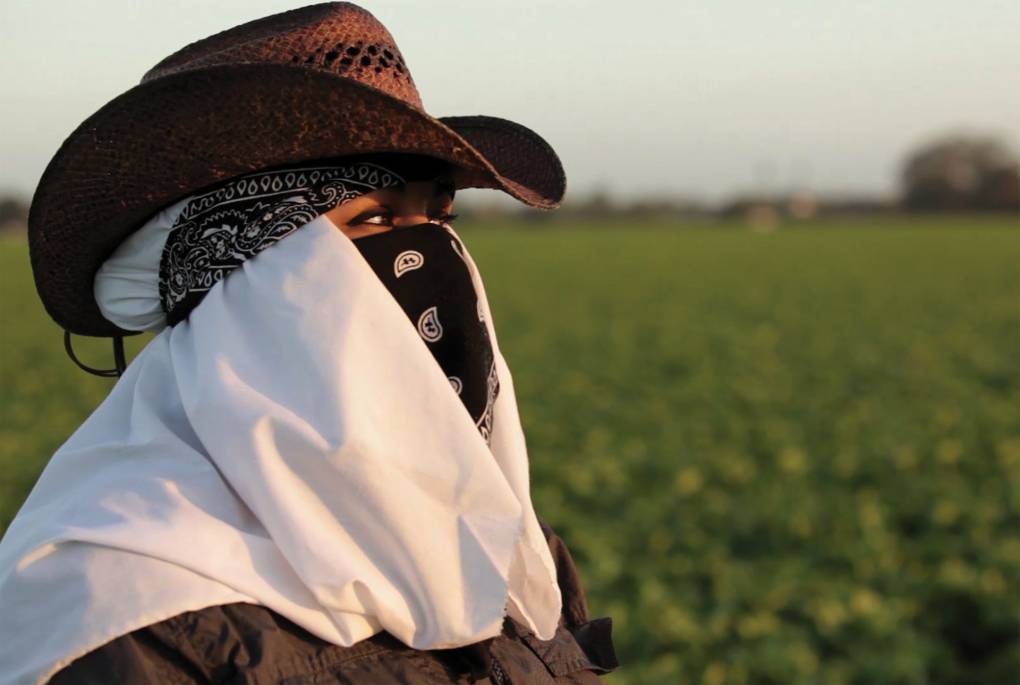
"caption": "Maricruz Ladino in a Salinas lettuce field when she appeared in the Frontline film “Rape in the Fields.” ",
"description": "Maricruz Ladino in a Salinas lettuce field when she appeared in the Frontline film “Rape in the Fields.” ",
"title": "RS42226_Maricruz-qut",
"credit": "Andres Cediel/Frontline",
"status": "inherit",
"isLoading": false,
"fetchFailed": false
},
"news_11797379": {
"type": "attachments",
"id": "news_11797379",
"meta": {
"index": "attachments_1716263798",
"site": "news",
"id": "11797379",
"found": true
},
"parent": 11797377,
"imgSizes": {
"apple_news_ca_landscape_5_5": {
"file": "https://ww2.kqed.org/app/uploads/sites/10/2020/01/grin_012220_final-1044x783.jpg",
"width": 1044,
"mimeType": "image/jpeg",
"height": 783
},
"apple_news_ca_square_4_0": {
"file": "https://ww2.kqed.org/app/uploads/sites/10/2020/01/grin_012220_final-470x470.jpg",
"width": 470,
"mimeType": "image/jpeg",
"height": 470
},
"twentyfourteen-full-width": {
"file": "https://ww2.kqed.org/app/uploads/sites/10/2020/01/grin_012220_final-1038x576.jpg",
"width": 1038,
"mimeType": "image/jpeg",
"height": 576
},
"thumbnail": {
"file": "https://ww2.kqed.org/app/uploads/sites/10/2020/01/grin_012220_final-160x118.jpg",
"width": 160,
"mimeType": "image/jpeg",
"height": 118
},
"post-thumbnail": {
"file": "https://ww2.kqed.org/app/uploads/sites/10/2020/01/grin_012220_final-672x372.jpg",
"width": 672,
"mimeType": "image/jpeg",
"height": 372
},
"kqedFullSize": {
"file": "https://ww2.kqed.org/app/uploads/sites/10/2020/01/grin_012220_final.jpg",
"width": 1920,
"height": 1412
},
"apple_news_ca_landscape_4_7": {
"file": "https://ww2.kqed.org/app/uploads/sites/10/2020/01/grin_012220_final-632x474.jpg",
"width": 632,
"mimeType": "image/jpeg",
"height": 474
},
"large": {
"file": "https://ww2.kqed.org/app/uploads/sites/10/2020/01/grin_012220_final-1020x750.jpg",
"width": 1020,
"mimeType": "image/jpeg",
"height": 750
},
"apple_news_ca_landscape_4_0": {
"file": "https://ww2.kqed.org/app/uploads/sites/10/2020/01/grin_012220_final-536x402.jpg",
"width": 536,
"mimeType": "image/jpeg",
"height": 402
},
"apple_news_ca_portrait_12_9": {
"file": "https://ww2.kqed.org/app/uploads/sites/10/2020/01/grin_012220_final-1122x1412.jpg",
"width": 1122,
"mimeType": "image/jpeg",
"height": 1412
},
"medium": {
"file": "https://ww2.kqed.org/app/uploads/sites/10/2020/01/grin_012220_final-800x588.jpg",
"width": 800,
"mimeType": "image/jpeg",
"height": 588
},
"apple_news_ca_portrait_4_0": {
"file": "https://ww2.kqed.org/app/uploads/sites/10/2020/01/grin_012220_final-354x472.jpg",
"width": 354,
"mimeType": "image/jpeg",
"height": 472
},
"apple_news_ca_portrait_9_7": {
"file": "https://ww2.kqed.org/app/uploads/sites/10/2020/01/grin_012220_final-840x1120.jpg",
"width": 840,
"mimeType": "image/jpeg",
"height": 1120
},
"apple_news_ca_landscape_12_9": {
"file": "https://ww2.kqed.org/app/uploads/sites/10/2020/01/grin_012220_final-1832x1374.jpg",
"width": 1832,
"mimeType": "image/jpeg",
"height": 1374
},
"apple_news_ca_square_9_7": {
"file": "https://ww2.kqed.org/app/uploads/sites/10/2020/01/grin_012220_final-1104x1104.jpg",
"width": 1104,
"mimeType": "image/jpeg",
"height": 1104
},
"apple_news_ca_portrait_4_7": {
"file": "https://ww2.kqed.org/app/uploads/sites/10/2020/01/grin_012220_final-414x552.jpg",
"width": 414,
"mimeType": "image/jpeg",
"height": 552
},
"apple_news_ca_square_12_9": {
"file": "https://ww2.kqed.org/app/uploads/sites/10/2020/01/grin_012220_final-1472x1412.jpg",
"width": 1472,
"mimeType": "image/jpeg",
"height": 1412
},
"apple_news_ca_portrait_5_5": {
"file": "https://ww2.kqed.org/app/uploads/sites/10/2020/01/grin_012220_final-687x916.jpg",
"width": 687,
"mimeType": "image/jpeg",
"height": 916
},
"full-width": {
"file": "https://ww2.kqed.org/app/uploads/sites/10/2020/01/grin_012220_final-1920x1412.jpg",
"width": 1920,
"mimeType": "image/jpeg",
"height": 1412
},
"apple_news_ca_square_4_7": {
"file": "https://ww2.kqed.org/app/uploads/sites/10/2020/01/grin_012220_final-550x550.jpg",
"width": 550,
"mimeType": "image/jpeg",
"height": 550
},
"apple_news_ca_landscape_9_7": {
"file": "https://ww2.kqed.org/app/uploads/sites/10/2020/01/grin_012220_final-1376x1032.jpg",
"width": 1376,
"mimeType": "image/jpeg",
"height": 1032
},
"apple_news_ca_square_5_5": {
"file": "https://ww2.kqed.org/app/uploads/sites/10/2020/01/grin_012220_final-912x912.jpg",
"width": 912,
"mimeType": "image/jpeg",
"height": 912
}
},
"publishDate": 1579737700,
"modified": 1579737739,
"caption": null,
"description": null,
"title": "grin_012220_final",
"credit": null,
"status": "inherit",
"isLoading": false,
"fetchFailed": false
},
"news_11797127": {
"type": "attachments",
"id": "news_11797127",
"meta": {
"index": "attachments_1716263798",
"site": "news",
"id": "11797127",
"found": true
},
"parent": 11797123,
"imgSizes": {
"apple_news_ca_landscape_5_5": {
"file": "https://ww2.kqed.org/app/uploads/sites/10/2020/01/AMAZON-photo-1-1044x783.jpg",
"width": 1044,
"mimeType": "image/jpeg",
"height": 783
},
"apple_news_ca_square_4_0": {
"file": "https://ww2.kqed.org/app/uploads/sites/10/2020/01/AMAZON-photo-1-470x470.jpg",
"width": 470,
"mimeType": "image/jpeg",
"height": 470
},
"twentyfourteen-full-width": {
"file": "https://ww2.kqed.org/app/uploads/sites/10/2020/01/AMAZON-photo-1-1038x576.jpg",
"width": 1038,
"mimeType": "image/jpeg",
"height": 576
},
"thumbnail": {
"file": "https://ww2.kqed.org/app/uploads/sites/10/2020/01/AMAZON-photo-1-160x109.jpg",
"width": 160,
"mimeType": "image/jpeg",
"height": 109
},
"post-thumbnail": {
"file": "https://ww2.kqed.org/app/uploads/sites/10/2020/01/AMAZON-photo-1-672x372.jpg",
"width": 672,
"mimeType": "image/jpeg",
"height": 372
},
"kqedFullSize": {
"file": "https://ww2.kqed.org/app/uploads/sites/10/2020/01/AMAZON-photo-1-e1579640399193.jpg",
"width": 1920,
"height": 1312
},
"apple_news_ca_landscape_4_7": {
"file": "https://ww2.kqed.org/app/uploads/sites/10/2020/01/AMAZON-photo-1-632x474.jpg",
"width": 632,
"mimeType": "image/jpeg",
"height": 474
},
"large": {
"file": "https://ww2.kqed.org/app/uploads/sites/10/2020/01/AMAZON-photo-1-1020x697.jpg",
"width": 1020,
"mimeType": "image/jpeg",
"height": 697
},
"apple_news_ca_landscape_4_0": {
"file": "https://ww2.kqed.org/app/uploads/sites/10/2020/01/AMAZON-photo-1-536x402.jpg",
"width": 536,
"mimeType": "image/jpeg",
"height": 402
},
"apple_news_ca_portrait_12_9": {
"file": "https://ww2.kqed.org/app/uploads/sites/10/2020/01/AMAZON-photo-1-1122x1367.jpg",
"width": 1122,
"mimeType": "image/jpeg",
"height": 1367
},
"medium": {
"file": "https://ww2.kqed.org/app/uploads/sites/10/2020/01/AMAZON-photo-1-800x547.jpg",
"width": 800,
"mimeType": "image/jpeg",
"height": 547
},
"apple_news_ca_portrait_4_0": {
"file": "https://ww2.kqed.org/app/uploads/sites/10/2020/01/AMAZON-photo-1-354x472.jpg",
"width": 354,
"mimeType": "image/jpeg",
"height": 472
},
"apple_news_ca_portrait_9_7": {
"file": "https://ww2.kqed.org/app/uploads/sites/10/2020/01/AMAZON-photo-1-840x1120.jpg",
"width": 840,
"mimeType": "image/jpeg",
"height": 1120
},
"apple_news_ca_landscape_12_9": {
"file": "https://ww2.kqed.org/app/uploads/sites/10/2020/01/AMAZON-photo-1-1832x1367.jpg",
"width": 1832,
"mimeType": "image/jpeg",
"height": 1367
},
"apple_news_ca_square_9_7": {
"file": "https://ww2.kqed.org/app/uploads/sites/10/2020/01/AMAZON-photo-1-1104x1104.jpg",
"width": 1104,
"mimeType": "image/jpeg",
"height": 1104
},
"apple_news_ca_portrait_4_7": {
"file": "https://ww2.kqed.org/app/uploads/sites/10/2020/01/AMAZON-photo-1-414x552.jpg",
"width": 414,
"mimeType": "image/jpeg",
"height": 552
},
"apple_news_ca_square_12_9": {
"file": "https://ww2.kqed.org/app/uploads/sites/10/2020/01/AMAZON-photo-1-1472x1367.jpg",
"width": 1472,
"mimeType": "image/jpeg",
"height": 1367
},
"apple_news_ca_portrait_5_5": {
"file": "https://ww2.kqed.org/app/uploads/sites/10/2020/01/AMAZON-photo-1-687x916.jpg",
"width": 687,
"mimeType": "image/jpeg",
"height": 916
},
"full-width": {
"file": "https://ww2.kqed.org/app/uploads/sites/10/2020/01/AMAZON-photo-1-1920x1312.jpg",
"width": 1920,
"mimeType": "image/jpeg",
"height": 1312
},
"apple_news_ca_square_4_7": {
"file": "https://ww2.kqed.org/app/uploads/sites/10/2020/01/AMAZON-photo-1-550x550.jpg",
"width": 550,
"mimeType": "image/jpeg",
"height": 550
},
"apple_news_ca_landscape_9_7": {
"file": "https://ww2.kqed.org/app/uploads/sites/10/2020/01/AMAZON-photo-1-1376x1032.jpg",
"width": 1376,
"mimeType": "image/jpeg",
"height": 1032
},
"apple_news_ca_square_5_5": {
"file": "https://ww2.kqed.org/app/uploads/sites/10/2020/01/AMAZON-photo-1-912x912.jpg",
"width": 912,
"mimeType": "image/jpeg",
"height": 912
}
},
"publishDate": 1579640264,
"modified": 1579652222,
"caption": "Amazon process assistant Christian Ramirez-Gallegos sorts packages at the Amazon Fulfillment Center south of Fresno.",
"description": null,
"title": "AMAZON photo 1",
"credit": "Eric Paul Zamora/The Fresno Bee",
"status": "inherit",
"isLoading": false,
"fetchFailed": false
},
"news_11793465": {
"type": "attachments",
"id": "news_11793465",
"meta": {
"index": "attachments_1716263798",
"site": "news",
"id": "11793465",
"found": true
},
"parent": 11793434,
"imgSizes": {
"apple_news_ca_landscape_5_5": {
"file": "https://ww2.kqed.org/app/uploads/sites/10/2019/12/12312019_Fresno_shooting-qut-1044x783.jpg",
"width": 1044,
"mimeType": "image/jpeg",
"height": 783
},
"apple_news_ca_square_4_0": {
"file": "https://ww2.kqed.org/app/uploads/sites/10/2019/12/12312019_Fresno_shooting-qut-470x470.jpg",
"width": 470,
"mimeType": "image/jpeg",
"height": 470
},
"twentyfourteen-full-width": {
"file": "https://ww2.kqed.org/app/uploads/sites/10/2019/12/12312019_Fresno_shooting-qut-1038x576.jpg",
"width": 1038,
"mimeType": "image/jpeg",
"height": 576
},
"thumbnail": {
"file": "https://ww2.kqed.org/app/uploads/sites/10/2019/12/12312019_Fresno_shooting-qut-160x107.jpg",
"width": 160,
"mimeType": "image/jpeg",
"height": 107
},
"post-thumbnail": {
"file": "https://ww2.kqed.org/app/uploads/sites/10/2019/12/12312019_Fresno_shooting-qut-672x372.jpg",
"width": 672,
"mimeType": "image/jpeg",
"height": 372
},
"kqedFullSize": {
"file": "https://ww2.kqed.org/app/uploads/sites/10/2019/12/12312019_Fresno_shooting-qut.jpg",
"width": 1920,
"height": 1280
},
"apple_news_ca_landscape_4_7": {
"file": "https://ww2.kqed.org/app/uploads/sites/10/2019/12/12312019_Fresno_shooting-qut-632x474.jpg",
"width": 632,
"mimeType": "image/jpeg",
"height": 474
},
"large": {
"file": "https://ww2.kqed.org/app/uploads/sites/10/2019/12/12312019_Fresno_shooting-qut-1020x680.jpg",
"width": 1020,
"mimeType": "image/jpeg",
"height": 680
},
"complete_open_graph": {
"file": "https://ww2.kqed.org/app/uploads/sites/10/2019/12/12312019_Fresno_shooting-qut-1200x800.jpg",
"width": 1200,
"mimeType": "image/jpeg",
"height": 800
},
"apple_news_ca_landscape_4_0": {
"file": "https://ww2.kqed.org/app/uploads/sites/10/2019/12/12312019_Fresno_shooting-qut-536x402.jpg",
"width": 536,
"mimeType": "image/jpeg",
"height": 402
},
"apple_news_ca_portrait_12_9": {
"file": "https://ww2.kqed.org/app/uploads/sites/10/2019/12/12312019_Fresno_shooting-qut-1122x1280.jpg",
"width": 1122,
"mimeType": "image/jpeg",
"height": 1280
},
"medium": {
"file": "https://ww2.kqed.org/app/uploads/sites/10/2019/12/12312019_Fresno_shooting-qut-800x533.jpg",
"width": 800,
"mimeType": "image/jpeg",
"height": 533
},
"apple_news_ca_portrait_4_0": {
"file": "https://ww2.kqed.org/app/uploads/sites/10/2019/12/12312019_Fresno_shooting-qut-354x472.jpg",
"width": 354,
"mimeType": "image/jpeg",
"height": 472
},
"apple_news_ca_portrait_9_7": {
"file": "https://ww2.kqed.org/app/uploads/sites/10/2019/12/12312019_Fresno_shooting-qut-840x1120.jpg",
"width": 840,
"mimeType": "image/jpeg",
"height": 1120
},
"apple_news_ca_landscape_12_9": {
"file": "https://ww2.kqed.org/app/uploads/sites/10/2019/12/12312019_Fresno_shooting-qut-1832x1280.jpg",
"width": 1832,
"mimeType": "image/jpeg",
"height": 1280
},
"apple_news_ca_square_9_7": {
"file": "https://ww2.kqed.org/app/uploads/sites/10/2019/12/12312019_Fresno_shooting-qut-1104x1104.jpg",
"width": 1104,
"mimeType": "image/jpeg",
"height": 1104
},
"apple_news_ca_portrait_4_7": {
"file": "https://ww2.kqed.org/app/uploads/sites/10/2019/12/12312019_Fresno_shooting-qut-414x552.jpg",
"width": 414,
"mimeType": "image/jpeg",
"height": 552
},
"apple_news_ca_square_12_9": {
"file": "https://ww2.kqed.org/app/uploads/sites/10/2019/12/12312019_Fresno_shooting-qut-1472x1280.jpg",
"width": 1472,
"mimeType": "image/jpeg",
"height": 1280
},
"apple_news_ca_portrait_5_5": {
"file": "https://ww2.kqed.org/app/uploads/sites/10/2019/12/12312019_Fresno_shooting-qut-687x916.jpg",
"width": 687,
"mimeType": "image/jpeg",
"height": 916
},
"full-width": {
"file": "https://ww2.kqed.org/app/uploads/sites/10/2019/12/12312019_Fresno_shooting-qut-1920x1280.jpg",
"width": 1920,
"mimeType": "image/jpeg",
"height": 1280
},
"apple_news_ca_square_4_7": {
"file": "https://ww2.kqed.org/app/uploads/sites/10/2019/12/12312019_Fresno_shooting-qut-550x550.jpg",
"width": 550,
"mimeType": "image/jpeg",
"height": 550
},
"apple_news_ca_landscape_9_7": {
"file": "https://ww2.kqed.org/app/uploads/sites/10/2019/12/12312019_Fresno_shooting-qut-1376x1032.jpg",
"width": 1376,
"mimeType": "image/jpeg",
"height": 1032
},
"apple_news_ca_square_5_5": {
"file": "https://ww2.kqed.org/app/uploads/sites/10/2019/12/12312019_Fresno_shooting-qut-912x912.jpg",
"width": 912,
"mimeType": "image/jpeg",
"height": 912
}
},
"publishDate": 1577826941,
"modified": 1577826977,
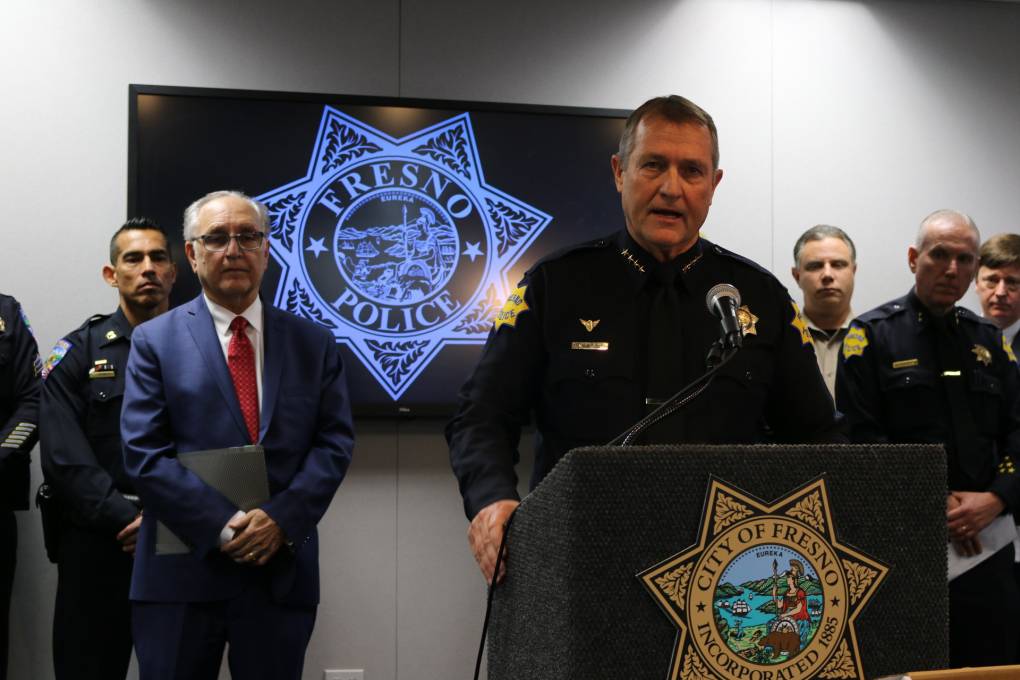
"caption": "Fresno Police Chief Andy Hall announces the arrest of six suspected gang members in the killing of four people in a backyard shooting in November 2019.",
"description": "Fresno Police Chief Andy Hall announces the arrest of six suspected gang members in the killing of four people in a backyard shooting in November 2019.",
"title": "12312019_Fresno_shooting-qut",
"credit": "Alex Hall/KQED",
"status": "inherit",
"isLoading": false,
"fetchFailed": false
},
"news_11787394": {
"type": "attachments",
"id": "news_11787394",
"meta": {
"index": "attachments_1716263798",
"site": "news",
"id": "11787394",
"found": true
},
"parent": 11787388,
"imgSizes": {
"apple_news_ca_landscape_5_5": {
"file": "https://ww2.kqed.org/app/uploads/sites/10/2019/11/andrew-hall-fresno-1044x783.jpg",
"width": 1044,
"mimeType": "image/jpeg",
"height": 783
},
"apple_news_ca_square_4_0": {
"file": "https://ww2.kqed.org/app/uploads/sites/10/2019/11/andrew-hall-fresno-470x470.jpg",
"width": 470,
"mimeType": "image/jpeg",
"height": 470
},
"twentyfourteen-full-width": {
"file": "https://ww2.kqed.org/app/uploads/sites/10/2019/11/andrew-hall-fresno-1038x576.jpg",
"width": 1038,
"mimeType": "image/jpeg",
"height": 576
},
"thumbnail": {
"file": "https://ww2.kqed.org/app/uploads/sites/10/2019/11/andrew-hall-fresno-160x120.jpg",
"width": 160,
"mimeType": "image/jpeg",
"height": 120
},
"post-thumbnail": {
"file": "https://ww2.kqed.org/app/uploads/sites/10/2019/11/andrew-hall-fresno-672x372.jpg",
"width": 672,
"mimeType": "image/jpeg",
"height": 372
},
"kqedFullSize": {
"file": "https://ww2.kqed.org/app/uploads/sites/10/2019/11/andrew-hall-fresno.jpg",
"width": 1920,
"height": 1440
},
"apple_news_ca_landscape_4_7": {
"file": "https://ww2.kqed.org/app/uploads/sites/10/2019/11/andrew-hall-fresno-632x474.jpg",
"width": 632,
"mimeType": "image/jpeg",
"height": 474
},
"large": {
"file": "https://ww2.kqed.org/app/uploads/sites/10/2019/11/andrew-hall-fresno-1020x765.jpg",
"width": 1020,
"mimeType": "image/jpeg",
"height": 765
},
"complete_open_graph": {
"file": "https://ww2.kqed.org/app/uploads/sites/10/2019/11/andrew-hall-fresno-1200x900.jpg",
"width": 1200,
"mimeType": "image/jpeg",
"height": 900
},
"apple_news_ca_landscape_4_0": {
"file": "https://ww2.kqed.org/app/uploads/sites/10/2019/11/andrew-hall-fresno-536x402.jpg",
"width": 536,
"mimeType": "image/jpeg",
"height": 402
},
"apple_news_ca_portrait_12_9": {
"file": "https://ww2.kqed.org/app/uploads/sites/10/2019/11/andrew-hall-fresno-1122x1440.jpg",
"width": 1122,
"mimeType": "image/jpeg",
"height": 1440
},
"medium": {
"file": "https://ww2.kqed.org/app/uploads/sites/10/2019/11/andrew-hall-fresno-800x600.jpg",
"width": 800,
"mimeType": "image/jpeg",
"height": 600
},
"apple_news_ca_portrait_4_0": {
"file": "https://ww2.kqed.org/app/uploads/sites/10/2019/11/andrew-hall-fresno-354x472.jpg",
"width": 354,
"mimeType": "image/jpeg",
"height": 472
},
"apple_news_ca_portrait_9_7": {
"file": "https://ww2.kqed.org/app/uploads/sites/10/2019/11/andrew-hall-fresno-840x1120.jpg",
"width": 840,
"mimeType": "image/jpeg",
"height": 1120
},
"apple_news_ca_landscape_12_9": {
"file": "https://ww2.kqed.org/app/uploads/sites/10/2019/11/andrew-hall-fresno-1832x1374.jpg",
"width": 1832,
"mimeType": "image/jpeg",
"height": 1374
},
"apple_news_ca_square_9_7": {
"file": "https://ww2.kqed.org/app/uploads/sites/10/2019/11/andrew-hall-fresno-1104x1104.jpg",
"width": 1104,
"mimeType": "image/jpeg",
"height": 1104
},
"apple_news_ca_portrait_4_7": {
"file": "https://ww2.kqed.org/app/uploads/sites/10/2019/11/andrew-hall-fresno-414x552.jpg",
"width": 414,
"mimeType": "image/jpeg",
"height": 552
},
"apple_news_ca_square_12_9": {
"file": "https://ww2.kqed.org/app/uploads/sites/10/2019/11/andrew-hall-fresno-1472x1440.jpg",
"width": 1472,
"mimeType": "image/jpeg",
"height": 1440
},
"apple_news_ca_portrait_5_5": {
"file": "https://ww2.kqed.org/app/uploads/sites/10/2019/11/andrew-hall-fresno-687x916.jpg",
"width": 687,
"mimeType": "image/jpeg",
"height": 916
},
"full-width": {
"file": "https://ww2.kqed.org/app/uploads/sites/10/2019/11/andrew-hall-fresno-1920x1440.jpg",
"width": 1920,
"mimeType": "image/jpeg",
"height": 1440
},
"apple_news_ca_square_4_7": {
"file": "https://ww2.kqed.org/app/uploads/sites/10/2019/11/andrew-hall-fresno-550x550.jpg",
"width": 550,
"mimeType": "image/jpeg",
"height": 550
},
"apple_news_ca_landscape_9_7": {
"file": "https://ww2.kqed.org/app/uploads/sites/10/2019/11/andrew-hall-fresno-1376x1032.jpg",
"width": 1376,
"mimeType": "image/jpeg",
"height": 1032
},
"apple_news_ca_square_5_5": {
"file": "https://ww2.kqed.org/app/uploads/sites/10/2019/11/andrew-hall-fresno-912x912.jpg",
"width": 912,
"mimeType": "image/jpeg",
"height": 912
}
},
"publishDate": 1574181929,
"modified": 1574182022,
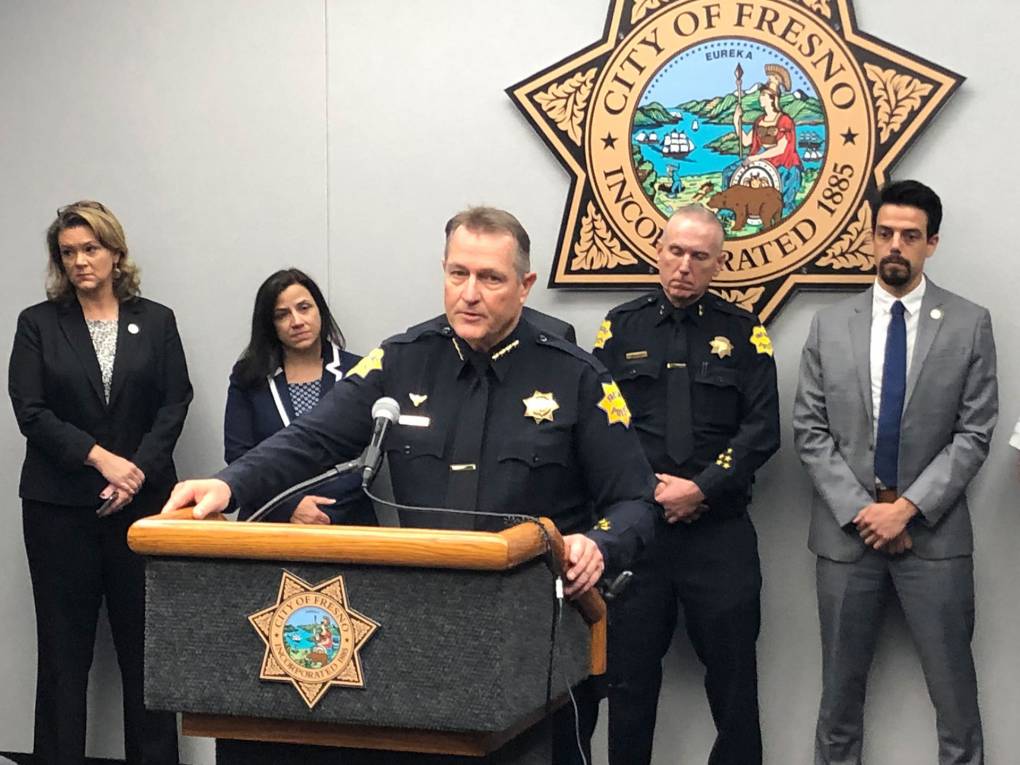
"caption": "Fresno Police Chief Andrew Hall speaks during a press conference on Nov. 18, 2019.",
"description": "Fresno Police Chief Andrew Hall speaks during a press conference on Nov. 18, 2019.",
"title": "andrew-hall-fresno",
"credit": "Alex Hall/KQED",
"status": "inherit",
"isLoading": false,
"fetchFailed": false
},
"news_11787173": {
"type": "attachments",
"id": "news_11787173",
"meta": {
"index": "attachments_1716263798",
"site": "news",
"id": "11787173",
"found": true
},
"parent": 11787170,
"imgSizes": {
"apple_news_ca_landscape_5_5": {
"file": "https://ww2.kqed.org/app/uploads/sites/10/2019/11/fresno-shooting-1920-1044x783.jpg",
"width": 1044,
"mimeType": "image/jpeg",
"height": 783
},
"apple_news_ca_square_4_0": {
"file": "https://ww2.kqed.org/app/uploads/sites/10/2019/11/fresno-shooting-1920-470x470.jpg",
"width": 470,
"mimeType": "image/jpeg",
"height": 470
},
"twentyfourteen-full-width": {
"file": "https://ww2.kqed.org/app/uploads/sites/10/2019/11/fresno-shooting-1920-1038x576.jpg",
"width": 1038,
"mimeType": "image/jpeg",
"height": 576
},
"thumbnail": {
"file": "https://ww2.kqed.org/app/uploads/sites/10/2019/11/fresno-shooting-1920-160x107.jpg",
"width": 160,
"mimeType": "image/jpeg",
"height": 107
},
"post-thumbnail": {
"file": "https://ww2.kqed.org/app/uploads/sites/10/2019/11/fresno-shooting-1920-672x372.jpg",
"width": 672,
"mimeType": "image/jpeg",
"height": 372
},
"kqedFullSize": {
"file": "https://ww2.kqed.org/app/uploads/sites/10/2019/11/fresno-shooting-1920.jpg",
"width": 1920,
"height": 1280
},
"apple_news_ca_landscape_4_7": {
"file": "https://ww2.kqed.org/app/uploads/sites/10/2019/11/fresno-shooting-1920-632x474.jpg",
"width": 632,
"mimeType": "image/jpeg",
"height": 474
},
"large": {
"file": "https://ww2.kqed.org/app/uploads/sites/10/2019/11/fresno-shooting-1920-1020x680.jpg",
"width": 1020,
"mimeType": "image/jpeg",
"height": 680
},
"complete_open_graph": {
"file": "https://ww2.kqed.org/app/uploads/sites/10/2019/11/fresno-shooting-1920-1200x800.jpg",
"width": 1200,
"mimeType": "image/jpeg",
"height": 800
},
"apple_news_ca_landscape_4_0": {
"file": "https://ww2.kqed.org/app/uploads/sites/10/2019/11/fresno-shooting-1920-536x402.jpg",
"width": 536,
"mimeType": "image/jpeg",
"height": 402
},
"apple_news_ca_portrait_12_9": {
"file": "https://ww2.kqed.org/app/uploads/sites/10/2019/11/fresno-shooting-1920-1122x1280.jpg",
"width": 1122,
"mimeType": "image/jpeg",
"height": 1280
},
"medium": {
"file": "https://ww2.kqed.org/app/uploads/sites/10/2019/11/fresno-shooting-1920-800x533.jpg",
"width": 800,
"mimeType": "image/jpeg",
"height": 533
},
"apple_news_ca_portrait_4_0": {
"file": "https://ww2.kqed.org/app/uploads/sites/10/2019/11/fresno-shooting-1920-354x472.jpg",
"width": 354,
"mimeType": "image/jpeg",
"height": 472
},
"apple_news_ca_portrait_9_7": {
"file": "https://ww2.kqed.org/app/uploads/sites/10/2019/11/fresno-shooting-1920-840x1120.jpg",
"width": 840,
"mimeType": "image/jpeg",
"height": 1120
},
"apple_news_ca_landscape_12_9": {
"file": "https://ww2.kqed.org/app/uploads/sites/10/2019/11/fresno-shooting-1920-1832x1280.jpg",
"width": 1832,
"mimeType": "image/jpeg",
"height": 1280
},
"apple_news_ca_square_9_7": {
"file": "https://ww2.kqed.org/app/uploads/sites/10/2019/11/fresno-shooting-1920-1104x1104.jpg",
"width": 1104,
"mimeType": "image/jpeg",
"height": 1104
},
"apple_news_ca_portrait_4_7": {
"file": "https://ww2.kqed.org/app/uploads/sites/10/2019/11/fresno-shooting-1920-414x552.jpg",
"width": 414,
"mimeType": "image/jpeg",
"height": 552
},
"apple_news_ca_square_12_9": {
"file": "https://ww2.kqed.org/app/uploads/sites/10/2019/11/fresno-shooting-1920-1472x1280.jpg",
"width": 1472,
"mimeType": "image/jpeg",
"height": 1280
},
"apple_news_ca_portrait_5_5": {
"file": "https://ww2.kqed.org/app/uploads/sites/10/2019/11/fresno-shooting-1920-687x916.jpg",
"width": 687,
"mimeType": "image/jpeg",
"height": 916
},
"full-width": {
"file": "https://ww2.kqed.org/app/uploads/sites/10/2019/11/fresno-shooting-1920-1920x1280.jpg",
"width": 1920,
"mimeType": "image/jpeg",
"height": 1280
},
"apple_news_ca_square_4_7": {
"file": "https://ww2.kqed.org/app/uploads/sites/10/2019/11/fresno-shooting-1920-550x550.jpg",
"width": 550,
"mimeType": "image/jpeg",
"height": 550
},
"apple_news_ca_landscape_9_7": {
"file": "https://ww2.kqed.org/app/uploads/sites/10/2019/11/fresno-shooting-1920-1376x1032.jpg",
"width": 1376,
"mimeType": "image/jpeg",
"height": 1032
},
"apple_news_ca_square_5_5": {
"file": "https://ww2.kqed.org/app/uploads/sites/10/2019/11/fresno-shooting-1920-912x912.jpg",
"width": 912,
"mimeType": "image/jpeg",
"height": 912
}
},
"publishDate": 1574090955,
"modified": 1574090994,
"caption": "Police at the scene of a mass shooting in Fresno on Nov. 17, 2019.",
"description": "Police at the scene of a mass shooting in Fresno on Nov. 17, 2019.",
"title": "fresno-shooting-1920",
"credit": "Alex Hall/KQED",
"status": "inherit",
"isLoading": false,
"fetchFailed": false
},
"news_11781959": {
"type": "attachments",
"id": "news_11781959",
"meta": {
"index": "attachments_1716263798",
"site": "news",
"id": "11781959",
"found": true
},
"parent": 11781717,
"imgSizes": {
"apple_news_ca_landscape_5_5": {
"file": "https://ww2.kqed.org/app/uploads/sites/10/2019/10/Alleged-victim-hands-2-1044x783.jpg",
"width": 1044,
"mimeType": "image/jpeg",
"height": 783
},
"apple_news_ca_square_4_0": {
"file": "https://ww2.kqed.org/app/uploads/sites/10/2019/10/Alleged-victim-hands-2-470x470.jpg",
"width": 470,
"mimeType": "image/jpeg",
"height": 470
},
"twentyfourteen-full-width": {
"file": "https://ww2.kqed.org/app/uploads/sites/10/2019/10/Alleged-victim-hands-2-1038x576.jpg",
"width": 1038,
"mimeType": "image/jpeg",
"height": 576
},
"thumbnail": {
"file": "https://ww2.kqed.org/app/uploads/sites/10/2019/10/Alleged-victim-hands-2-160x95.jpg",
"width": 160,
"mimeType": "image/jpeg",
"height": 95
},
"post-thumbnail": {
"file": "https://ww2.kqed.org/app/uploads/sites/10/2019/10/Alleged-victim-hands-2-672x372.jpg",
"width": 672,
"mimeType": "image/jpeg",
"height": 372
},
"kqedFullSize": {
"file": "https://ww2.kqed.org/app/uploads/sites/10/2019/10/Alleged-victim-hands-2.jpg",
"width": 1746,
"height": 1034
},
"apple_news_ca_landscape_4_7": {
"file": "https://ww2.kqed.org/app/uploads/sites/10/2019/10/Alleged-victim-hands-2-632x474.jpg",
"width": 632,
"mimeType": "image/jpeg",
"height": 474
},
"large": {
"file": "https://ww2.kqed.org/app/uploads/sites/10/2019/10/Alleged-victim-hands-2-1020x604.jpg",
"width": 1020,
"mimeType": "image/jpeg",
"height": 604
},
"complete_open_graph": {
"file": "https://ww2.kqed.org/app/uploads/sites/10/2019/10/Alleged-victim-hands-2-1200x711.jpg",
"width": 1200,
"mimeType": "image/jpeg",
"height": 711
},
"apple_news_ca_landscape_4_0": {
"file": "https://ww2.kqed.org/app/uploads/sites/10/2019/10/Alleged-victim-hands-2-536x402.jpg",
"width": 536,
"mimeType": "image/jpeg",
"height": 402
},
"apple_news_ca_portrait_12_9": {
"file": "https://ww2.kqed.org/app/uploads/sites/10/2019/10/Alleged-victim-hands-2-1122x1034.jpg",
"width": 1122,
"mimeType": "image/jpeg",
"height": 1034
},
"medium": {
"file": "https://ww2.kqed.org/app/uploads/sites/10/2019/10/Alleged-victim-hands-2-800x474.jpg",
"width": 800,
"mimeType": "image/jpeg",
"height": 474
},
"apple_news_ca_portrait_4_0": {
"file": "https://ww2.kqed.org/app/uploads/sites/10/2019/10/Alleged-victim-hands-2-354x472.jpg",
"width": 354,
"mimeType": "image/jpeg",
"height": 472
},
"apple_news_ca_portrait_9_7": {
"file": "https://ww2.kqed.org/app/uploads/sites/10/2019/10/Alleged-victim-hands-2-840x1034.jpg",
"width": 840,
"mimeType": "image/jpeg",
"height": 1034
},
"apple_news_ca_square_9_7": {
"file": "https://ww2.kqed.org/app/uploads/sites/10/2019/10/Alleged-victim-hands-2-1104x1034.jpg",
"width": 1104,
"mimeType": "image/jpeg",
"height": 1034
},
"apple_news_ca_portrait_4_7": {
"file": "https://ww2.kqed.org/app/uploads/sites/10/2019/10/Alleged-victim-hands-2-414x552.jpg",
"width": 414,
"mimeType": "image/jpeg",
"height": 552
},
"apple_news_ca_square_12_9": {
"file": "https://ww2.kqed.org/app/uploads/sites/10/2019/10/Alleged-victim-hands-2-1472x1034.jpg",
"width": 1472,
"mimeType": "image/jpeg",
"height": 1034
},
"apple_news_ca_portrait_5_5": {
"file": "https://ww2.kqed.org/app/uploads/sites/10/2019/10/Alleged-victim-hands-2-687x916.jpg",
"width": 687,
"mimeType": "image/jpeg",
"height": 916
},
"apple_news_ca_square_4_7": {
"file": "https://ww2.kqed.org/app/uploads/sites/10/2019/10/Alleged-victim-hands-2-550x550.jpg",
"width": 550,
"mimeType": "image/jpeg",
"height": 550
},
"apple_news_ca_landscape_9_7": {
"file": "https://ww2.kqed.org/app/uploads/sites/10/2019/10/Alleged-victim-hands-2-1376x1032.jpg",
"width": 1376,
"mimeType": "image/jpeg",
"height": 1032
},
"apple_news_ca_square_5_5": {
"file": "https://ww2.kqed.org/app/uploads/sites/10/2019/10/Alleged-victim-hands-2-912x912.jpg",
"width": 912,
"mimeType": "image/jpeg",
"height": 912
}
},
"publishDate": 1571800631,
"modified": 1571862389,
"caption": "One of the alleged victims in the Castañeda case holds a rosary after talking with a KQED reporter at his home in Fresno. Nine former parishioners - eight men and one woman - have accused the priest of sexual abuse.",
"description": "One of the alleged victims in the Castañeda case holds a rosary after talking with a KQED reporter at his home in Fresno, California. Nine former parishioners - eight men and one woman - have accused the priest of sexual abuse.",
"title": "Alleged victim hands 2",
"credit": "Alexandra Hall/KQED",
"status": "inherit",
"isLoading": false,
"fetchFailed": false
},
"news_11771028": {
"type": "attachments",
"id": "news_11771028",
"meta": {
"index": "attachments_1716263798",
"site": "news",
"id": "11771028",
"found": true
},
"parent": 11771019,
"imgSizes": {
"apple_news_ca_landscape_5_5": {
"file": "https://ww2.kqed.org/app/uploads/sites/10/2019/08/Section-8-photo-Main-1044x783.jpg",
"width": 1044,
"mimeType": "image/jpeg",
"height": 783
},
"apple_news_ca_square_4_0": {
"file": "https://ww2.kqed.org/app/uploads/sites/10/2019/08/Section-8-photo-Main-470x470.jpg",
"width": 470,
"mimeType": "image/jpeg",
"height": 470
},
"twentyfourteen-full-width": {
"file": "https://ww2.kqed.org/app/uploads/sites/10/2019/08/Section-8-photo-Main-1038x576.jpg",
"width": 1038,
"mimeType": "image/jpeg",
"height": 576
},
"thumbnail": {
"file": "https://ww2.kqed.org/app/uploads/sites/10/2019/08/Section-8-photo-Main-160x97.jpg",
"width": 160,
"mimeType": "image/jpeg",
"height": 97
},
"post-thumbnail": {
"file": "https://ww2.kqed.org/app/uploads/sites/10/2019/08/Section-8-photo-Main-672x372.jpg",
"width": 672,
"mimeType": "image/jpeg",
"height": 372
},
"kqedFullSize": {
"file": "https://ww2.kqed.org/app/uploads/sites/10/2019/08/Section-8-photo-Main.jpg",
"width": 1920,
"height": 1161
},
"apple_news_ca_landscape_4_7": {
"file": "https://ww2.kqed.org/app/uploads/sites/10/2019/08/Section-8-photo-Main-632x474.jpg",
"width": 632,
"mimeType": "image/jpeg",
"height": 474
},
"large": {
"file": "https://ww2.kqed.org/app/uploads/sites/10/2019/08/Section-8-photo-Main-1020x617.jpg",
"width": 1020,
"mimeType": "image/jpeg",
"height": 617
},
"complete_open_graph": {
"file": "https://ww2.kqed.org/app/uploads/sites/10/2019/08/Section-8-photo-Main-1200x726.jpg",
"width": 1200,
"mimeType": "image/jpeg",
"height": 726
},
"apple_news_ca_landscape_4_0": {
"file": "https://ww2.kqed.org/app/uploads/sites/10/2019/08/Section-8-photo-Main-536x402.jpg",
"width": 536,
"mimeType": "image/jpeg",
"height": 402
},
"apple_news_ca_portrait_12_9": {
"file": "https://ww2.kqed.org/app/uploads/sites/10/2019/08/Section-8-photo-Main-1122x1161.jpg",
"width": 1122,
"mimeType": "image/jpeg",
"height": 1161
},
"medium": {
"file": "https://ww2.kqed.org/app/uploads/sites/10/2019/08/Section-8-photo-Main-800x484.jpg",
"width": 800,
"mimeType": "image/jpeg",
"height": 484
},
"apple_news_ca_portrait_4_0": {
"file": "https://ww2.kqed.org/app/uploads/sites/10/2019/08/Section-8-photo-Main-354x472.jpg",
"width": 354,
"mimeType": "image/jpeg",
"height": 472
},
"apple_news_ca_portrait_9_7": {
"file": "https://ww2.kqed.org/app/uploads/sites/10/2019/08/Section-8-photo-Main-840x1120.jpg",
"width": 840,
"mimeType": "image/jpeg",
"height": 1120
},
"apple_news_ca_landscape_12_9": {
"file": "https://ww2.kqed.org/app/uploads/sites/10/2019/08/Section-8-photo-Main-1832x1161.jpg",
"width": 1832,
"mimeType": "image/jpeg",
"height": 1161
},
"apple_news_ca_square_9_7": {
"file": "https://ww2.kqed.org/app/uploads/sites/10/2019/08/Section-8-photo-Main-1104x1104.jpg",
"width": 1104,
"mimeType": "image/jpeg",
"height": 1104
},
"apple_news_ca_portrait_4_7": {
"file": "https://ww2.kqed.org/app/uploads/sites/10/2019/08/Section-8-photo-Main-414x552.jpg",
"width": 414,
"mimeType": "image/jpeg",
"height": 552
},
"apple_news_ca_square_12_9": {
"file": "https://ww2.kqed.org/app/uploads/sites/10/2019/08/Section-8-photo-Main-1472x1161.jpg",
"width": 1472,
"mimeType": "image/jpeg",
"height": 1161
},
"apple_news_ca_portrait_5_5": {
"file": "https://ww2.kqed.org/app/uploads/sites/10/2019/08/Section-8-photo-Main-687x916.jpg",
"width": 687,
"mimeType": "image/jpeg",
"height": 916
},
"full-width": {
"file": "https://ww2.kqed.org/app/uploads/sites/10/2019/08/Section-8-photo-Main-1920x1161.jpg",
"width": 1920,
"mimeType": "image/jpeg",
"height": 1161
},
"apple_news_ca_square_4_7": {
"file": "https://ww2.kqed.org/app/uploads/sites/10/2019/08/Section-8-photo-Main-550x550.jpg",
"width": 550,
"mimeType": "image/jpeg",
"height": 550
},
"apple_news_ca_landscape_9_7": {
"file": "https://ww2.kqed.org/app/uploads/sites/10/2019/08/Section-8-photo-Main-1376x1032.jpg",
"width": 1376,
"mimeType": "image/jpeg",
"height": 1032
},
"apple_news_ca_square_5_5": {
"file": "https://ww2.kqed.org/app/uploads/sites/10/2019/08/Section-8-photo-Main-912x912.jpg",
"width": 912,
"mimeType": "image/jpeg",
"height": 912
}
},
"publishDate": 1567107317,
"modified": 1567107554,
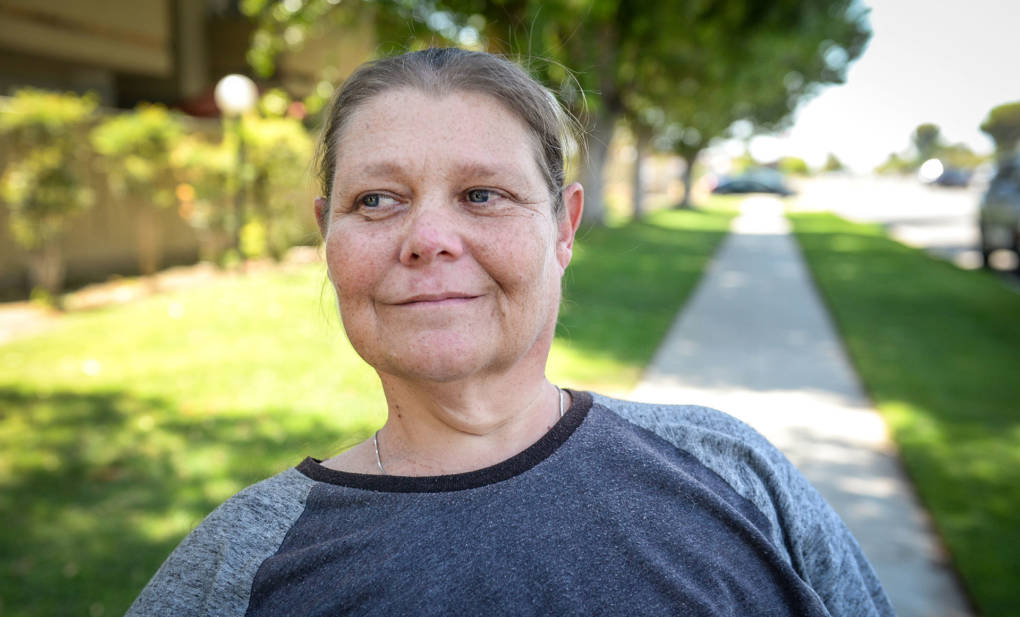
"caption": "Fresno resident Reina Richter, who is disabled, has been unable to find housing in Fresno with her Section 8 voucher. She says applicants far outnumber the available housing in the area.",
"description": "Fresno resident Reina Richter, who is disabled, has been unable to find housing in Fresno with her Section 8 voucher. She says applicants far outnumber the available housing in the area.",
"title": "Section-8-photo-Main",
"credit": "Craig Kohlruss/The Fresno Bee",
"status": "inherit",
"isLoading": false,
"fetchFailed": false
},
"news_11751192": {
"type": "attachments",
"id": "news_11751192",
"meta": {
"index": "attachments_1716263798",
"site": "news",
"id": "11751192",
"found": true
},
"parent": 11751183,
"imgSizes": {
"apple_news_ca_landscape_5_5": {
"file": "https://ww2.kqed.org/app/uploads/sites/10/2019/05/RV-Living-Silicon-Valley-Palo-Alto-Fresno-Campervans-qut-1044x783.jpg",
"width": 1044,
"mimeType": "image/jpeg",
"height": 783
},
"apple_news_ca_square_4_0": {
"file": "https://ww2.kqed.org/app/uploads/sites/10/2019/05/RV-Living-Silicon-Valley-Palo-Alto-Fresno-Campervans-qut-470x470.jpg",
"width": 470,
"mimeType": "image/jpeg",
"height": 470
},
"twentyfourteen-full-width": {
"file": "https://ww2.kqed.org/app/uploads/sites/10/2019/05/RV-Living-Silicon-Valley-Palo-Alto-Fresno-Campervans-qut-1038x576.jpg",
"width": 1038,
"mimeType": "image/jpeg",
"height": 576
},
"thumbnail": {
"file": "https://ww2.kqed.org/app/uploads/sites/10/2019/05/RV-Living-Silicon-Valley-Palo-Alto-Fresno-Campervans-qut-160x120.jpg",
"width": 160,
"mimeType": "image/jpeg",
"height": 120
},
"post-thumbnail": {
"file": "https://ww2.kqed.org/app/uploads/sites/10/2019/05/RV-Living-Silicon-Valley-Palo-Alto-Fresno-Campervans-qut-672x372.jpg",
"width": 672,
"mimeType": "image/jpeg",
"height": 372
},
"kqedFullSize": {
"file": "https://ww2.kqed.org/app/uploads/sites/10/2019/05/RV-Living-Silicon-Valley-Palo-Alto-Fresno-Campervans-qut.jpg",
"width": 1920,
"height": 1440
},
"apple_news_ca_landscape_4_7": {
"file": "https://ww2.kqed.org/app/uploads/sites/10/2019/05/RV-Living-Silicon-Valley-Palo-Alto-Fresno-Campervans-qut-632x474.jpg",
"width": 632,
"mimeType": "image/jpeg",
"height": 474
},
"large": {
"file": "https://ww2.kqed.org/app/uploads/sites/10/2019/05/RV-Living-Silicon-Valley-Palo-Alto-Fresno-Campervans-qut-1020x765.jpg",
"width": 1020,
"mimeType": "image/jpeg",
"height": 765
},
"complete_open_graph": {
"file": "https://ww2.kqed.org/app/uploads/sites/10/2019/05/RV-Living-Silicon-Valley-Palo-Alto-Fresno-Campervans-qut-1200x900.jpg",
"width": 1200,
"mimeType": "image/jpeg",
"height": 900
},
"apple_news_ca_landscape_4_0": {
"file": "https://ww2.kqed.org/app/uploads/sites/10/2019/05/RV-Living-Silicon-Valley-Palo-Alto-Fresno-Campervans-qut-536x402.jpg",
"width": 536,
"mimeType": "image/jpeg",
"height": 402
},
"apple_news_ca_portrait_12_9": {
"file": "https://ww2.kqed.org/app/uploads/sites/10/2019/05/RV-Living-Silicon-Valley-Palo-Alto-Fresno-Campervans-qut-1122x1440.jpg",
"width": 1122,
"mimeType": "image/jpeg",
"height": 1440
},
"medium": {
"file": "https://ww2.kqed.org/app/uploads/sites/10/2019/05/RV-Living-Silicon-Valley-Palo-Alto-Fresno-Campervans-qut-800x600.jpg",
"width": 800,
"mimeType": "image/jpeg",
"height": 600
},
"apple_news_ca_portrait_4_0": {
"file": "https://ww2.kqed.org/app/uploads/sites/10/2019/05/RV-Living-Silicon-Valley-Palo-Alto-Fresno-Campervans-qut-354x472.jpg",
"width": 354,
"mimeType": "image/jpeg",
"height": 472
},
"apple_news_ca_portrait_9_7": {
"file": "https://ww2.kqed.org/app/uploads/sites/10/2019/05/RV-Living-Silicon-Valley-Palo-Alto-Fresno-Campervans-qut-840x1120.jpg",
"width": 840,
"mimeType": "image/jpeg",
"height": 1120
},
"apple_news_ca_landscape_12_9": {
"file": "https://ww2.kqed.org/app/uploads/sites/10/2019/05/RV-Living-Silicon-Valley-Palo-Alto-Fresno-Campervans-qut-1832x1374.jpg",
"width": 1832,
"mimeType": "image/jpeg",
"height": 1374
},
"apple_news_ca_square_9_7": {
"file": "https://ww2.kqed.org/app/uploads/sites/10/2019/05/RV-Living-Silicon-Valley-Palo-Alto-Fresno-Campervans-qut-1104x1104.jpg",
"width": 1104,
"mimeType": "image/jpeg",
"height": 1104
},
"apple_news_ca_portrait_4_7": {
"file": "https://ww2.kqed.org/app/uploads/sites/10/2019/05/RV-Living-Silicon-Valley-Palo-Alto-Fresno-Campervans-qut-414x552.jpg",
"width": 414,
"mimeType": "image/jpeg",
"height": 552
},
"apple_news_ca_square_12_9": {
"file": "https://ww2.kqed.org/app/uploads/sites/10/2019/05/RV-Living-Silicon-Valley-Palo-Alto-Fresno-Campervans-qut-1472x1440.jpg",
"width": 1472,
"mimeType": "image/jpeg",
"height": 1440
},
"apple_news_ca_portrait_5_5": {
"file": "https://ww2.kqed.org/app/uploads/sites/10/2019/05/RV-Living-Silicon-Valley-Palo-Alto-Fresno-Campervans-qut-687x916.jpg",
"width": 687,
"mimeType": "image/jpeg",
"height": 916
},
"full-width": {
"file": "https://ww2.kqed.org/app/uploads/sites/10/2019/05/RV-Living-Silicon-Valley-Palo-Alto-Fresno-Campervans-qut-1920x1440.jpg",
"width": 1920,
"mimeType": "image/jpeg",
"height": 1440
},
"apple_news_ca_square_4_7": {
"file": "https://ww2.kqed.org/app/uploads/sites/10/2019/05/RV-Living-Silicon-Valley-Palo-Alto-Fresno-Campervans-qut-550x550.jpg",
"width": 550,
"mimeType": "image/jpeg",
"height": 550
},
"apple_news_ca_landscape_9_7": {
"file": "https://ww2.kqed.org/app/uploads/sites/10/2019/05/RV-Living-Silicon-Valley-Palo-Alto-Fresno-Campervans-qut-1376x1032.jpg",
"width": 1376,
"mimeType": "image/jpeg",
"height": 1032
},
"apple_news_ca_square_5_5": {
"file": "https://ww2.kqed.org/app/uploads/sites/10/2019/05/RV-Living-Silicon-Valley-Palo-Alto-Fresno-Campervans-qut-912x912.jpg",
"width": 912,
"mimeType": "image/jpeg",
"height": 912
}
},
"publishDate": 1559254309,
"modified": 1559254388,
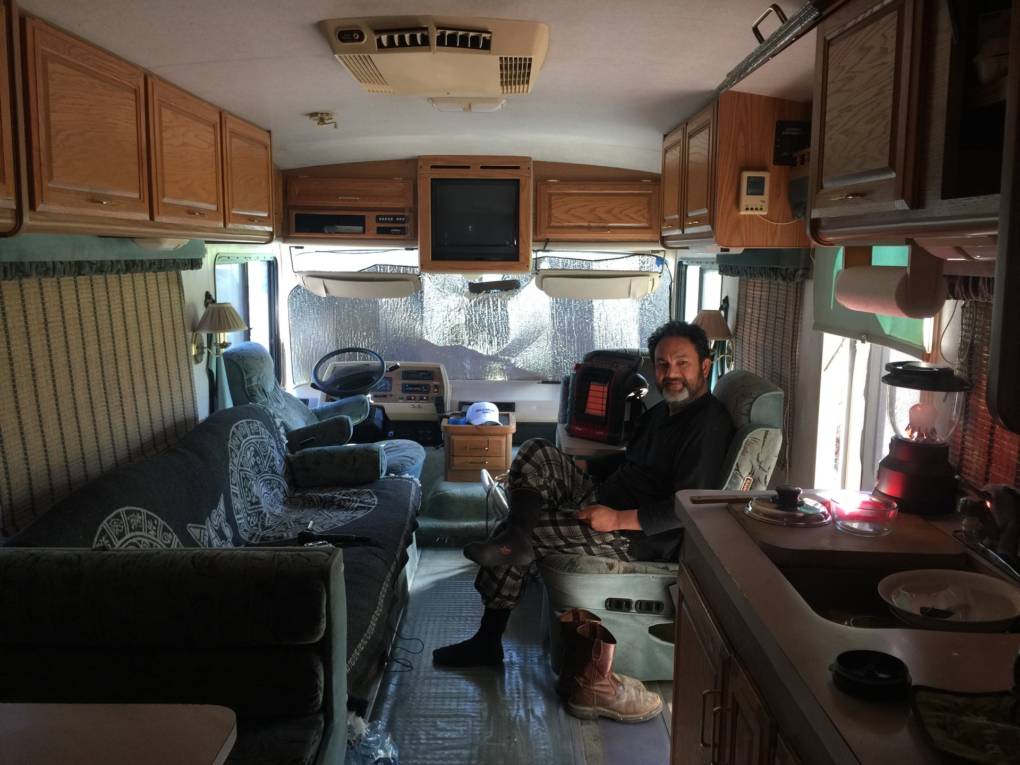
"caption": "Arturo Torres sits in his RV in Palo Alto. His family and home are in Fresno, but he lives and works during the week in Palo Alto, where the pay is better.",
"description": "Arturo Torres sits in his RV in Palo Alto. His family and home are in Fresno, but he lives and works during the week in Palo Alto, where the pay is better.",
"title": "RV LIVING",
"credit": "Penny Nelson/KQED",
"status": "inherit",
"isLoading": false,
"fetchFailed": false
},
"news_11751220": {
"type": "attachments",
"id": "news_11751220",
"meta": {
"index": "attachments_1716263798",
"site": "news",
"id": "11751220",
"found": true
},
"parent": 11751174,
"imgSizes": {
"apple_news_ca_square_4_0": {
"file": "https://ww2.kqed.org/app/uploads/sites/10/2019/05/Fresno-Police-Chief-Jerry-Dyer-470x470.jpg",
"width": 470,
"mimeType": "image/jpeg",
"height": 470
},
"twentyfourteen-full-width": {
"file": "https://ww2.kqed.org/app/uploads/sites/10/2019/05/Fresno-Police-Chief-Jerry-Dyer-960x576.jpg",
"width": 960,
"mimeType": "image/jpeg",
"height": 576
},
"thumbnail": {
"file": "https://ww2.kqed.org/app/uploads/sites/10/2019/05/Fresno-Police-Chief-Jerry-Dyer-160x117.jpg",
"width": 160,
"mimeType": "image/jpeg",
"height": 117
},
"post-thumbnail": {
"file": "https://ww2.kqed.org/app/uploads/sites/10/2019/05/Fresno-Police-Chief-Jerry-Dyer-672x372.jpg",
"width": 672,
"mimeType": "image/jpeg",
"height": 372
},
"kqedFullSize": {
"file": "https://ww2.kqed.org/app/uploads/sites/10/2019/05/Fresno-Police-Chief-Jerry-Dyer.jpg",
"width": 960,
"height": 702
},
"apple_news_ca_landscape_4_7": {
"file": "https://ww2.kqed.org/app/uploads/sites/10/2019/05/Fresno-Police-Chief-Jerry-Dyer-632x474.jpg",
"width": 632,
"mimeType": "image/jpeg",
"height": 474
},
"apple_news_ca_landscape_4_0": {
"file": "https://ww2.kqed.org/app/uploads/sites/10/2019/05/Fresno-Police-Chief-Jerry-Dyer-536x402.jpg",
"width": 536,
"mimeType": "image/jpeg",
"height": 402
},
"medium": {
"file": "https://ww2.kqed.org/app/uploads/sites/10/2019/05/Fresno-Police-Chief-Jerry-Dyer-800x585.jpg",
"width": 800,
"mimeType": "image/jpeg",
"height": 585
},
"apple_news_ca_portrait_4_0": {
"file": "https://ww2.kqed.org/app/uploads/sites/10/2019/05/Fresno-Police-Chief-Jerry-Dyer-354x472.jpg",
"width": 354,
"mimeType": "image/jpeg",
"height": 472
},
"apple_news_ca_portrait_9_7": {
"file": "https://ww2.kqed.org/app/uploads/sites/10/2019/05/Fresno-Police-Chief-Jerry-Dyer-840x702.jpg",
"width": 840,
"mimeType": "image/jpeg",
"height": 702
},
"apple_news_ca_portrait_4_7": {
"file": "https://ww2.kqed.org/app/uploads/sites/10/2019/05/Fresno-Police-Chief-Jerry-Dyer-414x552.jpg",
"width": 414,
"mimeType": "image/jpeg",
"height": 552
},
"apple_news_ca_portrait_5_5": {
"file": "https://ww2.kqed.org/app/uploads/sites/10/2019/05/Fresno-Police-Chief-Jerry-Dyer-687x702.jpg",
"width": 687,
"mimeType": "image/jpeg",
"height": 702
},
"apple_news_ca_square_4_7": {
"file": "https://ww2.kqed.org/app/uploads/sites/10/2019/05/Fresno-Police-Chief-Jerry-Dyer-550x550.jpg",
"width": 550,
"mimeType": "image/jpeg",
"height": 550
},
"apple_news_ca_square_5_5": {
"file": "https://ww2.kqed.org/app/uploads/sites/10/2019/05/Fresno-Police-Chief-Jerry-Dyer-912x702.jpg",
"width": 912,
"mimeType": "image/jpeg",
"height": 702
}
},
"publishDate": 1559256261,
"modified": 1559256816,
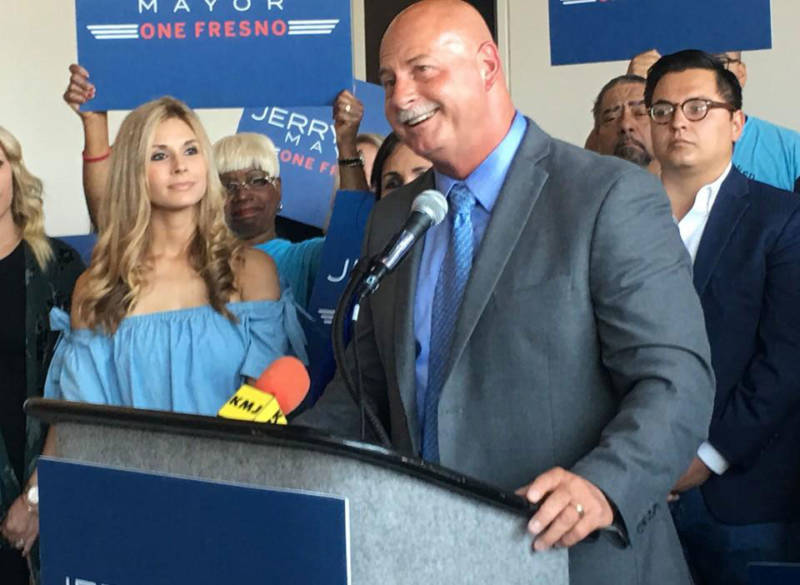
"caption": "Fresno Police Chief Jerry Dyer announces his run for mayor on Wednesday, May 29.",
"description": "Fresno Police Chief Jerry Dyer announces his run for mayor on Wednesday, May 29.",
"title": "Fresno-Police-Chief-Jerry-Dyer",
"credit": "Monica Velez/Valley Public Radio",
"status": "inherit",
"isLoading": false,
"fetchFailed": false
},
"news_11750390": {
"type": "attachments",
"id": "news_11750390",
"meta": {
"index": "attachments_1716263798",
"site": "news",
"id": "11750390",
"found": true
},
"parent": 11750380,
"imgSizes": {
"kqedFullSize": {
"file": "https://ww2.kqed.org/app/uploads/sites/10/2019/05/GettyImages-1144013578-2.1.jpg",
"width": 1920,
"height": 1280
}
},
"publishDate": 1559072974,
"modified": 1559080437,
"caption": "A minor league baseball team in Fresno apologized to Alexandria Ocasio-Cortez for a Memorial Day tribute video that framed her as an 'enemy of freedom.'",
"description": "A minor league baseball team in Fresno apologized to Alexandria Ocasio-Cortez for a Memorial Day tribute video that framed her as an \"enemy of freedom.\"",
"title": "GettyImages-1144013578-2.1",
"credit": "Anna Moneymaker/Getty Images",
"status": "inherit",
"isLoading": false,
"fetchFailed": false
}
},
"audioPlayerReducer": {
"postId": "stream_live",
"isPaused": true,
"isPlaying": false,
"pfsActive": false,
"pledgeModalIsOpen": true,
"playerDrawerIsOpen": false,
"liveAudioPlayStartedAt": 0,
"liveAudioPlayContext": ""
},
"authorsReducer": {
"byline_news_11797123": {
"type": "authors",
"id": "byline_news_11797123",
"meta": {
"override": true
},
"slug": "byline_news_11797123",
"name": "Manuela Tobias\u003cbr>Fresno Bee",
"isLoading": false
},
"byline_news_11793434": {
"type": "authors",
"id": "byline_news_11793434",
"meta": {
"override": true
},
"slug": "byline_news_11793434",
"name": "\u003cstrong>Alex Hall, KQED News, and The Associated Press\u003c/strong>",
"isLoading": false
},
"byline_news_11787170": {
"type": "authors",
"id": "byline_news_11787170",
"meta": {
"override": true
},
"slug": "byline_news_11787170",
"name": "\u003cstrong>Terence Chea and Olga R. Rodriguez\u003cbr />Associated Press\u003c/strong>",
"isLoading": false
},
"byline_news_11771019": {
"type": "authors",
"id": "byline_news_11771019",
"meta": {
"override": true
},
"slug": "byline_news_11771019",
"name": "\u003cstrong>\u003ca href=\"https://calmatters.org/author/manuelatobias/\">Manuela Tobias\u003c/a>\u003c/strong> and \u003cstrong>\u003ca href=\"https://calmatters.org/author/jackie-botts/\">Jackie Botts\u003c/a>\u003c/strong>",
"isLoading": false
},
"byline_news_11751174": {
"type": "authors",
"id": "byline_news_11751174",
"meta": {
"override": true
},
"slug": "byline_news_11751174",
"name": "\u003ca href=\"https://www.kvpr.org/people/monica-velez\">Monica Velez\u003c/a>",
"isLoading": false
},
"byline_news_11750380": {
"type": "authors",
"id": "byline_news_11750380",
"meta": {
"override": true
},
"slug": "byline_news_11750380",
"name": "Associated Press",
"isLoading": false
},
"kqednewsstaffandwires": {
"type": "authors",
"id": "237",
"meta": {
"index": "authors_1716337520",
"id": "237",
"found": true
},
"name": "KQED News Staff and Wires",
"firstName": "KQED News Staff and Wires",
"lastName": null,
"slug": "kqednewsstaffandwires",
"email": "onlinenewsstaff@kqed.org",
"display_author_email": false,
"staff_mastheads": [],
"title": null,
"bio": null,
"avatar": "https://secure.gravatar.com/avatar/72295af8ebbfbd19a4948f5271285664?s=600&d=blank&r=g",
"twitter": null,
"facebook": null,
"instagram": null,
"linkedin": null,
"sites": [
{
"site": "arts",
"roles": [
"contributor"
]
},
{
"site": "news",
"roles": [
"contributor"
]
},
{
"site": "lowdown",
"roles": [
"author"
]
},
{
"site": "stateofhealth",
"roles": [
"contributor"
]
},
{
"site": "food",
"roles": [
"author"
]
}
],
"headData": {
"title": "KQED News Staff and Wires | KQED",
"description": null,
"ogImgSrc": "https://secure.gravatar.com/avatar/72295af8ebbfbd19a4948f5271285664?s=600&d=blank&r=g",
"twImgSrc": "https://secure.gravatar.com/avatar/72295af8ebbfbd19a4948f5271285664?s=600&d=blank&r=g"
},
"isLoading": false,
"link": "/author/kqednewsstaffandwires"
},
"sasha-khokha": {
"type": "authors",
"id": "254",
"meta": {
"index": "authors_1716337520",
"id": "254",
"found": true
},
"name": "Sasha Khokha",
"firstName": "Sasha",
"lastName": "Khokha",
"slug": "sasha-khokha",
"email": "skhokha@kqed.org",
"display_author_email": true,
"staff_mastheads": [
"news"
],
"title": "Host, The California Report Magazine",
"bio": "Sasha Khokha is the host of \u003cem>The California Report's \u003c/em> weekly magazine program, which takes listeners on sound-rich excursions to meet the people that make the Golden State unique -- through audio documentaries and long-form stories. As \u003cem>The California Report's\u003c/em> Central Valley Bureau Chief based in Fresno for nearly a dozen years, Sasha brought the lives and concerns of rural Californians to listeners around the state. Her reporting helped expose the hidden price immigrant women janitors and farmworkers may pay to keep their jobs: sexual assault at work. It inspired two new California laws to protect them from sexual harassment. She was a key member of the reporting team for the Frontline film \u003cem>Rape on the Night Shift, \u003c/em>which was nominated for two national Emmys. Sasha has also won a national Edward R. Murrow and a national PRNDI award for investigative reporting, as well as multiple prizes from the Society for Professional Journalists. Sasha is a proud alum of the UC Berkeley Graduate School of Journalism and Brown University and a member of the South Asian Journalists Association.",
"avatar": "https://secure.gravatar.com/avatar/e4b5e1541aaeea2aa356aa1fb2a68950?s=600&d=blank&r=g",
"twitter": "KQEDSashaKhokha",
"facebook": null,
"instagram": null,
"linkedin": null,
"sites": [
{
"site": "news",
"roles": [
"editor"
]
},
{
"site": "stateofhealth",
"roles": [
"author"
]
},
{
"site": "science",
"roles": [
"author"
]
},
{
"site": "quest",
"roles": [
"subscriber"
]
}
],
"headData": {
"title": "Sasha Khokha | KQED",
"description": "Host, The California Report Magazine",
"ogImgSrc": "https://secure.gravatar.com/avatar/e4b5e1541aaeea2aa356aa1fb2a68950?s=600&d=blank&r=g",
"twImgSrc": "https://secure.gravatar.com/avatar/e4b5e1541aaeea2aa356aa1fb2a68950?s=600&d=blank&r=g"
},
"isLoading": false,
"link": "/author/sasha-khokha"
},
"markfiore": {
"type": "authors",
"id": "3236",
"meta": {
"index": "authors_1716337520",
"id": "3236",
"found": true
},
"name": "Mark Fiore",
"firstName": "Mark",
"lastName": "Fiore",
"slug": "markfiore",
"email": "mark@markfiore.com",
"display_author_email": false,
"staff_mastheads": [
"news"
],
"title": "KQED News Cartoonist",
"bio": "\u003ca href=\"http://www.MarkFiore.com\">MarkFiore.com\u003c/a> | \u003ca href=\"https://twitter.com/markfiore\">Follow on Twitter\u003c/a> | \u003ca href=\"https://www.facebook.com/pages/Mark-Fiore-Animated-Political-Cartoons/94451707396?ref=bookmarks\">Facebook\u003c/a> | \u003ca href=\"mailto:mark@markfiore.com\">email\u003c/a>\r\n\r\nPulitzer Prize-winner, Mark Fiore, who the Wall Street Journal has called “the undisputed guru of the form,” creates animated political cartoons in San Francisco, where his work has been featured regularly on the San Francisco Chronicle’s web site, SFGate.com. His work has appeared on Newsweek.com, Slate.com, CBSNews.com, MotherJones.com, DailyKos.com and NPR’s web site. Fiore’s political animation has appeared on CNN, Frontline, Bill Moyers Journal, Salon.com and cable and broadcast outlets across the globe.\r\n\r\nBeginning his professional life by drawing traditional political cartoons for newspapers, Fiore’s work appeared in publications ranging from the Washington Post to the Los Angeles Times. In the late 1990s, he began to experiment with animating political cartoons and, after a short stint at the San Jose Mercury News as their staff cartoonist, Fiore devoted all his energies to animation.\r\nGrowing up in California, Fiore also spent a good portion of his life in the backwoods of Idaho. It was this combination that shaped him politically. Mark majored in political science at Colorado College, where, in a perfect send-off for a cartoonist, he received his diploma in 1991 as commencement speaker Dick Cheney smiled approvingly.\r\nMark Fiore was awarded the Pulitzer Prize for political cartooning in 2010, a Robert F. Kennedy Journalism Award in 2004 and has twice received an Online Journalism Award for commentary from the Online News Association (2002, 2008). Fiore has received two awards for his work in new media from the National Cartoonists Society (2001, 2002), and in 2006 received The James Madison Freedom of Information Award from The Society of Professional Journalists.",
"avatar": "https://secure.gravatar.com/avatar/fc4e2a612b15b67bad0c6f0e1db4ca9b?s=600&d=blank&r=g",
"twitter": "MarkFiore",
"facebook": null,
"instagram": "https://www.instagram.com/markfiore/?hl=en",
"linkedin": null,
"sites": [
{
"site": "arts",
"roles": [
"contributor"
]
},
{
"site": "news",
"roles": [
"editor"
]
},
{
"site": "futureofyou",
"roles": [
"editor"
]
},
{
"site": "science",
"roles": [
"editor"
]
}
],
"headData": {
"title": "Mark Fiore | KQED",
"description": "KQED News Cartoonist",
"ogImgSrc": "https://secure.gravatar.com/avatar/fc4e2a612b15b67bad0c6f0e1db4ca9b?s=600&d=blank&r=g",
"twImgSrc": "https://secure.gravatar.com/avatar/fc4e2a612b15b67bad0c6f0e1db4ca9b?s=600&d=blank&r=g"
},
"isLoading": false,
"link": "/author/markfiore"
},
"afont": {
"type": "authors",
"id": "8637",
"meta": {
"index": "authors_1716337520",
"id": "8637",
"found": true
},
"name": "Amanda Font",
"firstName": "Amanda",
"lastName": "Font",
"slug": "afont",
"email": "afont@kqed.org",
"display_author_email": false,
"staff_mastheads": [],
"title": "KQED Contributor",
"bio": "Amanda Font is a producer on \u003cem>The Latest\u003c/em> podcast, and the host and co-producer of the series \u003cem>Audible Cosmos\u003c/em>. She has previously worked as a producer and reporter on the \u003cem>Bay Curious\u003c/em> podcast, and director of \u003cem>The California Report Magazine\u003c/em>. She grew up in the deserts of Southern California and moved north for the trees. Amanda earned a B.A. from the BECA program at San Francisco State, where she worked in the university's radio station. Amanda Font is represented by SAG-AFTRA.",
"avatar": "https://secure.gravatar.com/avatar/d9e81cf0117d5849b9cfb7ab4b1422f1?s=600&d=blank&r=g",
"twitter": null,
"facebook": null,
"instagram": null,
"linkedin": null,
"sites": [
{
"site": "news",
"roles": [
"add_users",
"create_users"
]
},
{
"site": "science",
"roles": []
},
{
"site": "forum",
"roles": [
"administrator"
]
},
{
"site": "perspectives",
"roles": [
"administrator"
]
},
{
"site": "radio",
"roles": [
"administrator"
]
}
],
"headData": {
"title": "Amanda Font | KQED",
"description": "KQED Contributor",
"ogImgSrc": "https://secure.gravatar.com/avatar/d9e81cf0117d5849b9cfb7ab4b1422f1?s=600&d=blank&r=g",
"twImgSrc": "https://secure.gravatar.com/avatar/d9e81cf0117d5849b9cfb7ab4b1422f1?s=600&d=blank&r=g"
},
"isLoading": false,
"link": "/author/afont"
},
"pnelson": {
"type": "authors",
"id": "11293",
"meta": {
"index": "authors_1716337520",
"id": "11293",
"found": true
},
"name": "Penny Nelson",
"firstName": "Penny",
"lastName": "Nelson",
"slug": "pnelson",
"email": "PNelson@KQED.org",
"display_author_email": false,
"staff_mastheads": [],
"title": "KQED Contributor",
"bio": "Penny Nelson was based in the Bay Area and worked at KQED in many capacities since 1996. Prior to working in San Francisco, she worked at WHYY. At KQED, Penny was an anchor, host, producer and editor.",
"avatar": "https://secure.gravatar.com/avatar/986e19a6d0bd017e82bf77481175c4ad?s=600&d=blank&r=g",
"twitter": null,
"facebook": null,
"instagram": null,
"linkedin": null,
"sites": [
{
"site": "arts",
"roles": [
"author"
]
},
{
"site": "news",
"roles": [
"subscriber"
]
}
],
"headData": {
"title": "Penny Nelson | KQED",
"description": "KQED Contributor",
"ogImgSrc": "https://secure.gravatar.com/avatar/986e19a6d0bd017e82bf77481175c4ad?s=600&d=blank&r=g",
"twImgSrc": "https://secure.gravatar.com/avatar/986e19a6d0bd017e82bf77481175c4ad?s=600&d=blank&r=g"
},
"isLoading": false,
"link": "/author/pnelson"
},
"ahall": {
"type": "authors",
"id": "11490",
"meta": {
"index": "authors_1716337520",
"id": "11490",
"found": true
},
"name": "Alex Hall",
"firstName": "Alex",
"lastName": "Hall",
"slug": "ahall",
"email": "ahall@kqed.org",
"display_author_email": false,
"staff_mastheads": [
"news"
],
"title": "KQED Enterprise & Accountability Reporter",
"bio": "Alex Hall is KQED's Enterprise and Accountability Reporter. She previously covered the Central Valley for five years from KQED's bureau in Fresno. Before joining KQED, Alex was an investigative reporting fellow at Wisconsin Public Radio and the Wisconsin Center for Investigative Journalism. She has also worked as a bilingual producer for NPR's investigative unit and freelance video producer for Reuters TV on the Latin America desk. She got her start in journalism in South America, where she worked as a radio producer and Spanish-English translator for CNN Chile. Her documentary and investigation into the series of deadly COVID-19 outbreaks at Foster Farms won a national Edward R. Murrow award and was named an Investigative Reporters & Editors award finalist. Alex's reporting for Reveal on the Wisconsin dairy industry's reliance on undocumented immigrant labor was made into a film, Los Lecheros, which won a regional Edward R. Murrow award for best news documentary.",
"avatar": "https://secure.gravatar.com/avatar/defcbeb88b0bf591ff9af41f22644051?s=600&d=blank&r=g",
"twitter": "@chalexhall",
"facebook": null,
"instagram": null,
"linkedin": null,
"sites": [
{
"site": "news",
"roles": [
"editor"
]
},
{
"site": "liveblog",
"roles": [
"author"
]
}
],
"headData": {
"title": "Alex Hall | KQED",
"description": "KQED Enterprise & Accountability Reporter",
"ogImgSrc": "https://secure.gravatar.com/avatar/defcbeb88b0bf591ff9af41f22644051?s=600&d=blank&r=g",
"twImgSrc": "https://secure.gravatar.com/avatar/defcbeb88b0bf591ff9af41f22644051?s=600&d=blank&r=g"
},
"isLoading": false,
"link": "/author/ahall"
},
"amarkowitz": {
"type": "authors",
"id": "11660",
"meta": {
"index": "authors_1716337520",
"id": "11660",
"found": true
},
"name": "Ariella Markowitz",
"firstName": "Ariella",
"lastName": "Markowitz",
"slug": "amarkowitz",
"email": "amarkowitz@kqed.org",
"display_author_email": false,
"staff_mastheads": [],
"title": "KQED Contributor",
"bio": "Ariella is a former intern for the California Report Magazine. Before that, she helped mobilize freelance journalists with Association of Independents in Radio (AIR) and made radio features for KALW. Ariella loves investigative reporting, personal stories that interrogate power, and spicy vegan cooking.",
"avatar": "https://secure.gravatar.com/avatar/7076c77064fecef602a2c779f2b9e1d33cb6f9b5fa13542bd1a6e2846a7c85a9?s=600&d=blank&r=g",
"twitter": "ariellaudio",
"bluesky": null,
"facebook": null,
"instagram": null,
"linkedin": null,
"sites": [
{
"site": "news",
"roles": [
"author"
]
},
{
"site": "forum",
"roles": [
"editor"
]
},
{
"site": "perspectives",
"roles": [
"administrator"
]
}
],
"headData": {
"title": "Ariella Markowitz | KQED",
"description": "KQED Contributor",
"ogImgSrc": "https://secure.gravatar.com/avatar/7076c77064fecef602a2c779f2b9e1d33cb6f9b5fa13542bd1a6e2846a7c85a9?s=600&d=blank&r=g",
"twImgSrc": "https://secure.gravatar.com/avatar/7076c77064fecef602a2c779f2b9e1d33cb6f9b5fa13542bd1a6e2846a7c85a9?s=600&d=blank&r=g"
},
"isLoading": false,
"link": "/author/amarkowitz"
}
},
"pagesReducer": {
"news_tag_fresno": {
"type": "terms",
"id": "news_37",
"meta": {
"index": "terms_1716263798",
"site": "news",
"id": "37",
"score": 9.103885
},
"featImg": null,
"name": "Fresno",
"description": null,
"taxonomy": "tag",
"headData": {
"twImgId": null,
"twTitle": null,
"ogTitle": null,
"ogImgId": null,
"twDescription": null,
"description": null,
"title": "Fresno Archives | KQED News",
"ogDescription": null
},
"ttid": 37,
"slug": "fresno",
"isLoading": false,
"title": "Fresno",
"pageMeta": {
"site": "news",
"WpPageTemplate": "page-topic-editorial",
"currentPage": 5
},
"blocks": [
{
"blockName": "kqed/post-list",
"attrs": {
"layout": "cardArticle2",
"query": "posts/news?tag=fresno",
"seeMore": false,
"paginated": true,
"page": 5
}
},
{
"blockName": "kqed/ad"
}
]
}
},
"pfsSessionReducer": {},
"postsReducer": {
"stream_live": {
"type": "live",
"id": "stream_live",
"audioUrl": "https://streams.kqed.org/kqedradio",
"title": "Live Stream",
"excerpt": "Live Stream information currently unavailable.",
"link": "/radio",
"featImg": "",
"label": {
"name": "KQED Live",
"link": "/"
}
},
"stream_kqedNewscast": {
"type": "posts",
"id": "stream_kqedNewscast",
"audioUrl": "https://www.kqed.org/.stream/anon/radio/RDnews/newscast.mp3?_=1",
"title": "KQED Newscast",
"featImg": "",
"label": {
"name": "88.5 FM",
"link": "/"
}
},
"news_11824197": {
"type": "posts",
"id": "news_11824197",
"meta": {
"index": "posts_1716263798",
"site": "news",
"id": "11824197",
"score": null,
"sort": [
1592060423000
]
},
"parent": 0,
"labelTerm": {
"site": "news",
"term": 26731
},
"blocks": [],
"publishDate": 1592060423,
"format": "audio",
"disqusTitle": "'A Cycle That Needs to Be Broken': A Fresno Activist Speaks Out",
"title": "'A Cycle That Needs to Be Broken': A Fresno Activist Speaks Out",
"headTitle": "The California Report Magazine | KQED News",
"content": "\u003cp>As Joshua Slack stood before a \u003ca href=\"https://www.kvpr.org/post/fresno-crowd-3000-protests-peacefully-solidarity-george-floyd-black-lives-matter\">crowd of 3,000 people\u003c/a> in front of Fresno's city hall, he had a strongly worded message for his audience.\u003c/p>\n\u003cp>“White supremacy has gone on far too long,” he said, in a May 31\u003ca href=\"https://youtu.be/YwdXI3WsEAo\"> speech \u003c/a>posted to YouTube. “The pandemic of white supremacy has plagued our collective consciousness to the point where a Black body’s worth is nothing more than just a hashtag. … Black rage and anger is 100% justified.”\u003c/p>\n\u003cp>Slack had been living in Los Angeles but went home to stay with family in the nearby town of Lemoore when the coronavirus shelter-in-place orders were announced.\u003c/p>\n\u003cp>Then, the video of George Floyd's killing came out.\u003c/p>\n\u003cp>\"The next day, the riots start to happen,\" said Slack. \"I just felt this urge that like something in Fresno or something in the Central Valley just needed to be organized.\"\u003c/p>\n\u003cp>[ad fullwidth]\u003c/p>\n\u003cp>Slack, 24, first got involved with activism as a student at California State University, Fresno. There, he was president of Fresno State Black Students United. He studied theatre arts as part of the school's Black Theater Contingent and graduated in 2018.\u003c/p>\n\u003cp>He reached out to D’Aungillique Jackson, president of the Fresno State chapter of the NAACP and a close friend. While they were strategizing, they came across social media postings for planned protests. They started reaching out to the organizers to see how they could help and found that while many were people of color, none of them were Black.\u003c/p>\n\u003cp>\"We were feeling a sense of just, frustration because the danger of labeling it as a Black Lives Matter march and something happens and like there's no Black people involved ... we would still be the ones that would get kind of like the bad rap.\"\u003c/p>\n\u003cfigure id=\"attachment_11824316\" class=\"wp-caption alignnone\" style=\"max-width: 800px\">\u003cimg class=\"size-medium wp-image-11824316\" src=\"https://ww2.kqed.org/app/uploads/sites/10/2020/06/BLM-Fresno-800x514.jpg\" alt=\"A crowd of about 3,000 gathered in Fresno for a peaceful protest against police violence on May 31, 2020.\" width=\"800\" height=\"514\" srcset=\"https://ww2.kqed.org/app/uploads/sites/10/2020/06/BLM-Fresno-800x514.jpg 800w, https://ww2.kqed.org/app/uploads/sites/10/2020/06/BLM-Fresno-160x103.jpg 160w, https://ww2.kqed.org/app/uploads/sites/10/2020/06/BLM-Fresno-1020x655.jpg 1020w, https://ww2.kqed.org/app/uploads/sites/10/2020/06/BLM-Fresno.jpg 1920w\" sizes=\"(max-width: 800px) 100vw, 800px\">\u003cfigcaption class=\"wp-caption-text\">A crowd of about 3,000 gathered in Fresno for a peaceful protest against police violence on May 31, 2020. \u003ccite>(Alex Hall/KQED)\u003c/cite>\u003c/figcaption>\u003c/figure>\n\u003cp>They held a video meeting with the organizers and expressed their concerns, and the groups joined forces. Slack said there's a lot of frustration among folks in the Central Valley when it comes to injustice.\u003c/p>\n\u003cp>“[It's] very agricultural country,” said Slack. “Topics like Black Lives Matter or topics like racial injustice are really kind of pushed to the sideline … you don't talk about it.”\u003c/p>\n\u003cp>Slack pointed to the Fresno Police Department’s track record, including former police chief Jerry Dyer being \u003ca href=\"https://www.kqed.org/news/11736095/the-chief-the-remarkable-sometimes-shocking-career-of-fresnos-top-cop\">sued multiple times\u003c/a> for discrimination. The city paid $300,000 to settle a discrimination lawsuit alleging Dyer sang the plantation song “shortnin’ bread” when referring to Black officers. The department has also been repeatedly sued by family members of people shot and killed by officers. Dyer was recently elected mayor of Fresno.\u003c/p>\n\u003cp>[aside tag=\"george-floyd\" label=\"related coverage\"]\u003c/p>\n\u003cp>“Honestly, it's just such a bizarre, bizarre experience,” said Slack. “It feels like that we are literally in a police state at this point. I'm trying not to get too angry because this is such a dominating force and almost suffocating the life out of the minority groups out here.”\u003c/p>\n\u003cp>Slack said that the police presence in Fresno often feels suffocating — and is overlooked due to Fresno’s rural location. “You can't go anywhere or do anything without them there,” he said.\u003c/p>\n\u003cp>“They're continuously getting funding. Our tax dollars are going towards that. It's a cycle that needs to just be broken,” he added.\u003c/p>\n\u003cp>Slack and the other organizers of the Fresno protests have issued a set of demands, including firing racist police officers and establishing a council where Black and Latinx people have a say in hiring the next police chief.\u003c/p>\n\u003cp>https://twitter.com/FS_NAACP/status/1267720833415254017?s=20\u003c/p>\n\u003cp>Slack first noticed this absence of diversity when his family moved to the Central Valley from Virginia when he was ten years old. His mother was with the Coast Guard and was stationed in Lemoore, where only 5% of the population is Black. Slack said it was a shock to go from a place where there were many other people who looked like him, to a place where he was one of the few Black children in his school — and the only one with an afro or braids. The curriculum was different, too.\u003c/p>\n\u003cp>“We had learned so much about Black history growing up there and when I came out to Lemoore, it felt almost as if that had been watered down,\" he said. \"I was losing a sense of my identity.”\u003c/p>\n\u003cp>His father, a film professor, noticed his son struggling with his identity and began showing him movies that reflected the Black experience, culture and history. Slack recalls one of the first was Alex Haley's classic miniseries, \"Roots.\" “I was kind of being exposed to a different side of history than I was being taught. A more graphic version of it,” said Slack.\u003c/p>\n\u003cp>Then came Spike Lee’s biopic, \"Malcolm X,\" starring Denzel Washington — another chapter in history Slack didn’t learn about in school. Knowing he was interested in acting, Slack's father also showed him the 1963 film \"Lilies of the Field,\" starring Sydney Poitier, as an example of a Black actor of historical significance. He said those three films hold special significance for him, and watching films with his dad inspired him to become an actor and \u003ca href=\"https://www.jslackimages.com/\">photographer\u003c/a>.\u003c/p>\n\u003cfigure id=\"attachment_11824287\" class=\"wp-caption alignnone\" style=\"max-width: 666px\">\u003cimg class=\"size-full wp-image-11824287\" src=\"https://ww2.kqed.org/app/uploads/sites/10/2020/06/Joshua-Portrait.jpg\" alt=\"A portrait of photographer, actor and activist Joshua Slack.\" width=\"666\" height=\"674\" srcset=\"https://ww2.kqed.org/app/uploads/sites/10/2020/06/Joshua-Portrait.jpg 666w, https://ww2.kqed.org/app/uploads/sites/10/2020/06/Joshua-Portrait-160x162.jpg 160w\" sizes=\"(max-width: 666px) 100vw, 666px\">\u003cfigcaption class=\"wp-caption-text\">A portrait of photographer, actor and activist Joshua Slack. \u003ccite>(Courtesy of Joshua Slack)\u003c/cite>\u003c/figcaption>\u003c/figure>\n\u003cp>When shelter-in-place restrictions ease, Slack said he plans to return to acting school in Los Angeles. He said he wants to be part of the progress he’s seeing in the theater and on film, and play Black characters that are three-dimensional.\u003c/p>\n\u003cp>\u003c/p>\n\u003cp>“I would really like to be part of something that's inspiring in a way that doesn't require Black trauma to be seen as powerful,” Slack said. “The struggle of being a Black actor is that that is a lot of what we get.”\u003c/p>\n\n",
"disqusIdentifier": "11824197 https://ww2.kqed.org/news/?p=11824197",
"disqusUrl": "https://ww2.kqed.org/news/2020/06/13/a-cycle-that-needs-to-be-broken-a-fresno-activist-speaks-out/",
"stats": {
"hasVideo": false,
"hasChartOrMap": false,
"hasAudio": false,
"hasPolis": false,
"wordCount": 1034,
"hasGoogleForm": false,
"hasGallery": false,
"hasHearkenModule": false,
"iframeSrcs": [],
"paragraphCount": 24
},
"modified": 1592257330,
"excerpt": "Activist Joshua Slack said the Central Valley has a history of racial injustice that often gets pushed to the sideline.",
"headData": {
"twImgId": "",
"twTitle": "",
"ogTitle": "",
"ogImgId": "",
"twDescription": "",
"description": "Activist Joshua Slack said the Central Valley has a history of racial injustice that often gets pushed to the sideline.",
"title": "'A Cycle That Needs to Be Broken': A Fresno Activist Speaks Out | KQED",
"ogDescription": "",
"schema": {
"@context": "https://schema.org",
"@type": "NewsArticle",
"headline": "'A Cycle That Needs to Be Broken': A Fresno Activist Speaks Out",
"datePublished": "2020-06-13T08:00:23-07:00",
"dateModified": "2020-06-15T14:42:10-07:00",
"image": "https://cdn.kqed.org/wp-content/uploads/2020/02/KQED-OG-Image@1x.png",
"isAccessibleForFree": "True",
"publisher": {
"@type": "NewsMediaOrganization",
"@id": "https://www.kqed.org/#organization",
"name": "KQED",
"logo": "https://cdn.kqed.org/wp-content/uploads/2020/02/KQED-OG-Image@1x.png",
"url": "https://www.kqed.org",
"sameAs": [
"https://www.facebook.com/KQED",
"https://twitter.com/KQED",
"https://www.instagram.com/kqed/",
"https://www.tiktok.com/@kqedofficial",
"https://www.linkedin.com/company/kqed",
"https://www.youtube.com/channel/UCeC0IOo7i1P_61zVUWbJ4nw"
]
}
}
},
"guestAuthors": [],
"slug": "a-cycle-that-needs-to-be-broken-a-fresno-activist-speaks-out",
"status": "publish",
"audioUrl": "https://traffic.omny.fm/d/clips/0af137ef-751e-4b19-a055-aaef00d2d578/ffca7e9f-6831-41c5-bcaf-aaef00f5a073/82c25a30-fe9f-4c24-81c2-abd90001937f/audio.mp3",
"path": "/news/11824197/a-cycle-that-needs-to-be-broken-a-fresno-activist-speaks-out",
"audioTrackLength": null,
"parsedContent": [
{
"type": "contentString",
"content": "\u003cdiv class=\"post-body\">\u003cp>\u003cp>As Joshua Slack stood before a \u003ca href=\"https://www.kvpr.org/post/fresno-crowd-3000-protests-peacefully-solidarity-george-floyd-black-lives-matter\">crowd of 3,000 people\u003c/a> in front of Fresno's city hall, he had a strongly worded message for his audience.\u003c/p>\n\u003cp>“White supremacy has gone on far too long,” he said, in a May 31\u003ca href=\"https://youtu.be/YwdXI3WsEAo\"> speech \u003c/a>posted to YouTube. “The pandemic of white supremacy has plagued our collective consciousness to the point where a Black body’s worth is nothing more than just a hashtag. … Black rage and anger is 100% justified.”\u003c/p>\n\u003cp>Slack had been living in Los Angeles but went home to stay with family in the nearby town of Lemoore when the coronavirus shelter-in-place orders were announced.\u003c/p>\n\u003cp>Then, the video of George Floyd's killing came out.\u003c/p>\n\u003cp>\"The next day, the riots start to happen,\" said Slack. \"I just felt this urge that like something in Fresno or something in the Central Valley just needed to be organized.\"\u003c/p>\n\u003cp>\u003c/p>\u003c/div>",
"attributes": {
"named": {},
"numeric": []
}
},
{
"type": "component",
"content": "",
"name": "ad",
"attributes": {
"named": {
"label": "fullwidth"
},
"numeric": [
"fullwidth"
]
}
},
{
"type": "contentString",
"content": "\u003cdiv class=\"post-body\">\u003cp>\u003c/p>\n\u003cp>Slack, 24, first got involved with activism as a student at California State University, Fresno. There, he was president of Fresno State Black Students United. He studied theatre arts as part of the school's Black Theater Contingent and graduated in 2018.\u003c/p>\n\u003cp>He reached out to D’Aungillique Jackson, president of the Fresno State chapter of the NAACP and a close friend. While they were strategizing, they came across social media postings for planned protests. They started reaching out to the organizers to see how they could help and found that while many were people of color, none of them were Black.\u003c/p>\n\u003cp>\"We were feeling a sense of just, frustration because the danger of labeling it as a Black Lives Matter march and something happens and like there's no Black people involved ... we would still be the ones that would get kind of like the bad rap.\"\u003c/p>\n\u003cfigure id=\"attachment_11824316\" class=\"wp-caption alignnone\" style=\"max-width: 800px\">\u003cimg class=\"size-medium wp-image-11824316\" src=\"https://ww2.kqed.org/app/uploads/sites/10/2020/06/BLM-Fresno-800x514.jpg\" alt=\"A crowd of about 3,000 gathered in Fresno for a peaceful protest against police violence on May 31, 2020.\" width=\"800\" height=\"514\" srcset=\"https://ww2.kqed.org/app/uploads/sites/10/2020/06/BLM-Fresno-800x514.jpg 800w, https://ww2.kqed.org/app/uploads/sites/10/2020/06/BLM-Fresno-160x103.jpg 160w, https://ww2.kqed.org/app/uploads/sites/10/2020/06/BLM-Fresno-1020x655.jpg 1020w, https://ww2.kqed.org/app/uploads/sites/10/2020/06/BLM-Fresno.jpg 1920w\" sizes=\"(max-width: 800px) 100vw, 800px\">\u003cfigcaption class=\"wp-caption-text\">A crowd of about 3,000 gathered in Fresno for a peaceful protest against police violence on May 31, 2020. \u003ccite>(Alex Hall/KQED)\u003c/cite>\u003c/figcaption>\u003c/figure>\n\u003cp>They held a video meeting with the organizers and expressed their concerns, and the groups joined forces. Slack said there's a lot of frustration among folks in the Central Valley when it comes to injustice.\u003c/p>\n\u003cp>“[It's] very agricultural country,” said Slack. “Topics like Black Lives Matter or topics like racial injustice are really kind of pushed to the sideline … you don't talk about it.”\u003c/p>\n\u003cp>Slack pointed to the Fresno Police Department’s track record, including former police chief Jerry Dyer being \u003ca href=\"https://www.kqed.org/news/11736095/the-chief-the-remarkable-sometimes-shocking-career-of-fresnos-top-cop\">sued multiple times\u003c/a> for discrimination. The city paid $300,000 to settle a discrimination lawsuit alleging Dyer sang the plantation song “shortnin’ bread” when referring to Black officers. The department has also been repeatedly sued by family members of people shot and killed by officers. Dyer was recently elected mayor of Fresno.\u003c/p>\n\u003cp>\u003c/p>\u003c/div>",
"attributes": {
"named": {},
"numeric": []
}
},
{
"type": "component",
"content": "",
"name": "aside",
"attributes": {
"named": {
"tag": "george-floyd",
"label": "related coverage "
},
"numeric": []
}
},
{
"type": "contentString",
"content": "\u003cdiv class=\"post-body\">\u003cp>\u003c/p>\n\u003cp>“Honestly, it's just such a bizarre, bizarre experience,” said Slack. “It feels like that we are literally in a police state at this point. I'm trying not to get too angry because this is such a dominating force and almost suffocating the life out of the minority groups out here.”\u003c/p>\n\u003cp>Slack said that the police presence in Fresno often feels suffocating — and is overlooked due to Fresno’s rural location. “You can't go anywhere or do anything without them there,” he said.\u003c/p>\n\u003cp>“They're continuously getting funding. Our tax dollars are going towards that. It's a cycle that needs to just be broken,” he added.\u003c/p>\n\u003cp>Slack and the other organizers of the Fresno protests have issued a set of demands, including firing racist police officers and establishing a council where Black and Latinx people have a say in hiring the next police chief.\u003c/p>\u003c/p>\u003c/div>",
"attributes": {
"named": {},
"numeric": []
}
},
{
"type": "component",
"content": "",
"name": "singleTwitterStatus",
"attributes": {
"named": {
"id": "1267720833415254017"
},
"numeric": []
}
},
{
"type": "contentString",
"content": "\u003cdiv class=\"post-body\">\u003cp>\n\u003cp>Slack first noticed this absence of diversity when his family moved to the Central Valley from Virginia when he was ten years old. His mother was with the Coast Guard and was stationed in Lemoore, where only 5% of the population is Black. Slack said it was a shock to go from a place where there were many other people who looked like him, to a place where he was one of the few Black children in his school — and the only one with an afro or braids. The curriculum was different, too.\u003c/p>\n\u003cp>“We had learned so much about Black history growing up there and when I came out to Lemoore, it felt almost as if that had been watered down,\" he said. \"I was losing a sense of my identity.”\u003c/p>\n\u003cp>His father, a film professor, noticed his son struggling with his identity and began showing him movies that reflected the Black experience, culture and history. Slack recalls one of the first was Alex Haley's classic miniseries, \"Roots.\" “I was kind of being exposed to a different side of history than I was being taught. A more graphic version of it,” said Slack.\u003c/p>\n\u003cp>Then came Spike Lee’s biopic, \"Malcolm X,\" starring Denzel Washington — another chapter in history Slack didn’t learn about in school. Knowing he was interested in acting, Slack's father also showed him the 1963 film \"Lilies of the Field,\" starring Sydney Poitier, as an example of a Black actor of historical significance. He said those three films hold special significance for him, and watching films with his dad inspired him to become an actor and \u003ca href=\"https://www.jslackimages.com/\">photographer\u003c/a>.\u003c/p>\n\u003cfigure id=\"attachment_11824287\" class=\"wp-caption alignnone\" style=\"max-width: 666px\">\u003cimg class=\"size-full wp-image-11824287\" src=\"https://ww2.kqed.org/app/uploads/sites/10/2020/06/Joshua-Portrait.jpg\" alt=\"A portrait of photographer, actor and activist Joshua Slack.\" width=\"666\" height=\"674\" srcset=\"https://ww2.kqed.org/app/uploads/sites/10/2020/06/Joshua-Portrait.jpg 666w, https://ww2.kqed.org/app/uploads/sites/10/2020/06/Joshua-Portrait-160x162.jpg 160w\" sizes=\"(max-width: 666px) 100vw, 666px\">\u003cfigcaption class=\"wp-caption-text\">A portrait of photographer, actor and activist Joshua Slack. \u003ccite>(Courtesy of Joshua Slack)\u003c/cite>\u003c/figcaption>\u003c/figure>\n\u003cp>When shelter-in-place restrictions ease, Slack said he plans to return to acting school in Los Angeles. He said he wants to be part of the progress he’s seeing in the theater and on film, and play Black characters that are three-dimensional.\u003c/p>\n\u003cp>\u003c/p>\n\u003cp>“I would really like to be part of something that's inspiring in a way that doesn't require Black trauma to be seen as powerful,” Slack said. “The struggle of being a Black actor is that that is a lot of what we get.”\u003c/p>\n\n\u003c/div>\u003c/p>",
"attributes": {
"named": {},
"numeric": []
}
}
],
"link": "/news/11824197/a-cycle-that-needs-to-be-broken-a-fresno-activist-speaks-out",
"authors": [
"11660",
"8637"
],
"programs": [
"news_72",
"news_26731"
],
"categories": [
"news_8"
],
"tags": [
"news_37",
"news_28031"
],
"featImg": "news_11824230",
"label": "news_26731"
},
"news_11808267": {
"type": "posts",
"id": "news_11808267",
"meta": {
"index": "posts_1716263798",
"site": "news",
"id": "11808267",
"score": null,
"sort": [
1585143310000
]
},
"guestAuthors": [],
"slug": "farmworkers-cant-pick-crops-remotely-how-can-they-stay-safe",
"title": "Farmworkers Can’t Pick Crops Remotely. How Can They Stay Safe?",
"publishDate": 1585143310,
"format": "audio",
"headTitle": "Farmworkers Can’t Pick Crops Remotely. How Can They Stay Safe? | KQED",
"labelTerm": {},
"content": "\u003cp>Maricruz Ladino spends long nights in a freezing lettuce cooler, inspecting and packaging pre-washed salad mixes. She usually starts her shift around 4 p.m., after the pickers are done in the fields, working until at least 2 or 3 in the morning.\u003c/p>\n\u003cp>“Imagine, what happens if one of us gets sick and we still have to work?” asked Ladino in Spanish. She worries about getting exposed to the coronavirus at the packing plant where she stands on a line only about a foot apart from other workers. They come into even closer contact when passing off packages.\u003c/p>\n\u003cp>Although farming and food production are considered “essential businesses” exempt from California’s statewide shelter-in-place order, agricultural employers are having a hard time navigating guidance from public health officials on how to keep workers safe.\u003c/p>\n\u003cp>Ladino said her boss held a meeting recently to remind workers to wash their hands more frequently. They need to wear gloves and a hair net as usual, but now they’re also wearing masks over their noses and mouths. Ladino said the truck drivers who transport the produce can’t come into the plant directly anymore but must wait outside in their trucks.\u003c/p>\n\u003cp>\u003cstrong>‘If They Get Sick … The Whole Country’s Going to Suffer’\u003c/strong>\u003c/p>\n\u003cp>California’s farm belt pumps out more than a third of the country’s vegetables and two-thirds of its fruits and nuts every year. But during the COVID-19 pandemic, employers who manage the state’s orchards, packing sheds and fields of row crops are faced with a dilemma: continue operating and hope that workers don’t get sick or shutter their doors, forcing workers to file for unemployment and putting the country’s food supply at risk.\u003c/p>\n\u003cp>The \u003ca href=\"https://www.fda.gov/food/food-safety-during-emergencies/food-safety-and-coronavirus-disease-2019-covid-19\">Food and Drug Administration is reassuring\u003c/a> consumers that there’s no evidence of COVID-19 transmission through food or food packaging. Another question, however, is how to keep farmworkers safe from exposure on the job when social distancing is often difficult.\u003c/p>\n\u003cp>[pullquote size=\"medium\" align=\"right\" citation=\"Miguel Arias, Fresno City Council president\"]“My biggest concern with the undocumented residents is that they’re going to be scared to come in and be checked and ask for a test, even though we know that they’re sick.”[/pullquote]\u003cbr>\nLupe Sandoval, managing director of the California Farm Labor Contractor Association, said guidelines released by agencies like the state’s Division of Occupational Safety and Health, the California Department of Public Health and the federal Centers for Disease Control and Prevention so far have been generic and lack the specific guidance agricultural employers need.\u003c/p>\n\u003cp>“How many industries do you see where the employer provides group transportation?” Sandoval said. “Ag is a little different. A lot of workers will get together in vans to drive to the job site. Or an employer will be registered with the federal government to bus workers to the job site. When you have 20-25 workers in a bus, or fewer in a van, it makes it difficult for social distancing and would entail more extensive disinfecting of common surfaces in vehicles before and after rides.”\u003c/p>\n\u003cp>Workers also often share drinking water dispensers in the fields and sometimes work in close proximity to one another, which can make social distancing a challenge.\u003c/p>\n\u003cp>Frank Polizzi, a spokesperson for the California Department of Industrial Relations (DIR), said the agency recently began working on industry-specific guidance for agricultural workers, after receiving questions from employers. DIR plans to publish the guidance in English this week and in Spanish soon after, Polizzi said.\u003c/p>\n\u003cp>Erica Rosasco, an agricultural employment attorney in Roseville, said she has received a flood of calls from employers with questions about how to comply with labor laws during the coronavirus outbreak.\u003c/p>\n\u003cp>“They want to know how to deal with the virus and how to deal with sick employees. I have had some clients whose employees are sick and they believe they do have the virus,” Rosasco said. “So, what are their responsibilities, what are their obligations, what’s best practice?”\u003c/p>\n\u003cfigure id=\"attachment_11808286\" class=\"wp-caption alignnone\" style=\"max-width: 800px\">\u003cimg loading=\"lazy\" decoding=\"async\" class=\"size-medium wp-image-11808286\" src=\"https://ww2.kqed.org/app/uploads/sites/10/2020/03/RS407_farmlabor20120427-800x437.jpg\" alt=\"Farmworkers harvest strawberries at a farm in Carlsbad, California, in April 2006.\" width=\"800\" height=\"437\" srcset=\"https://cdn.kqed.org/wp-content/uploads/sites/10/2020/03/RS407_farmlabor20120427-800x437.jpg 800w, https://cdn.kqed.org/wp-content/uploads/sites/10/2020/03/RS407_farmlabor20120427-160x87.jpg 160w, https://cdn.kqed.org/wp-content/uploads/sites/10/2020/03/RS407_farmlabor20120427-1020x558.jpg 1020w, https://cdn.kqed.org/wp-content/uploads/sites/10/2020/03/RS407_farmlabor20120427-1920x1050.jpg 1920w\" sizes=\"(max-width: 800px) 100vw, 800px\">\u003cfigcaption class=\"wp-caption-text\">Farmworkers harvest strawberries at a farm in Carlsbad, California, in April 2006. \u003ccite>(Sandy Huffaker/Getty Images)\u003c/cite>\u003c/figcaption>\u003c/figure>\n\u003cp>At least workers are unlikely to be laid off, Rosasco said. She said she is advising employers to move forward with agricultural work and give workers assurance they will continue to have a job during the pandemic.\u003c/p>\n\u003cp>“Because [workers are] nervous about the idea of the shelter-in-place orders, what’s going to happen to them? They live paycheck to paycheck. They’re worried about it,” Rosasco said.\u003c/p>\n\u003cp>“It’s part of the supply chain. If our ag workers don’t keep working, we’re not going to have fruits and veggies in the markets,” she added.\u003c/p>\n\u003cp>In fact, Fresno City Council President Miguel Arias said he’s worried about undocumented farmworkers who lack health care coverage and might wait as long as possible before seeking treatment.\u003c/p>\n\u003cp>“My biggest concern with the undocumented residents is that they’re going to be scared to come in and be checked and ask for a test, even though we know that they’re sick,” Arias said. “They’re so used to going to work, irrespective of their health conditions or whether they’re under the weather and running a fever, that once they begin to use our health care system for the coronavirus, our health care system will be overwhelmed.”\u003c/p>\n\u003cp>Last week, Fresno City Councilman Luis Chavez sent a letter to Democratic Fresno congressman Jim Costa requesting additional federal funding for protective gear for health workers and support for rural clinics to help treat a “potential overflow of patients.”\u003c/p>\n\u003cp>“That needs to be a part of this conversation as we’re preparing a response — to have [farmworkers] be prioritized,” Chavez said. “Because if they get sick and they’re not there, the whole country’s going to suffer.”\u003c/p>\n\u003cp>[aside tag=\"coronavirus\" label=\"more coronavirus coverage\"]\u003c/p>\n\u003cp>\u003cstrong>Workplace Benefits\u003c/strong>\u003c/p>\n\u003cp>State labor officials said they are committed to enforcing California law when it comes to protections for low-wage workers, including farmworkers who may be undocumented.\u003c/p>\n\u003cp>“The current public health crisis has really highlighted the differences between those workers who have ‘Cadillac’ operations and have protections and paid benefits, versus the majority of workers in California who do not have those protections or privileges,” said Lilia Garcia-Brower, California’s labor commissioner. Her staff of 700 investigates and adjudicates workplace violations ranging from unpaid wages to retaliation.\u003c/p>\n\u003cp>Garcia-Brower said her office is trying to “ensure that we reach the most vulnerable workers, those workers providing critical services, and that everyone understands that regardless of your immigration status, you do have basic protections for unpaid time, for paid sick leave and \u003ca href=\"https://www.dir.ca.gov/dlse/2019-Novel-Coronavirus.htm\">other protections in the labor code.\u003c/a>”\u003c/p>\n\u003cp>California law mandates three days of sick leave. Beyond that, workers can also apply for \u003ca href=\"https://www.kqed.org/news/11806938/how-to-file-for-unemployment-in-california-during-the-coronavirus-pandemic\">disability and paid family leave\u003c/a>.\u003c/p>\n\u003cp>But undocumented workers cannot collect unemployment. To qualify, workers must show legal work authorization and immigration status, said a spokesperson for California’s Economic Development Department (EDD) in an email. EDD also confirmed that it verifies immigration status with the Department of Homeland Security.\u003c/p>\n\u003cp>A Facebook poll conducted in early March by the United Farm Workers union found over 90% of roughly 270 respondents — the majority from California, Washington and Oregon — said they had not received any information about the coronavirus from their employer.\u003c/p>\n\u003cp>The UFW has \u003ca href=\"https://ufw.org/wp-content/uploads/2020/03/COVID-19-2020-Open-Letter-from-UFW-FINAL.pdf\">called on employers\u003c/a> to extend worker sick pay to 40 hours or more and to eliminate the 90-day waiting period for new employees to be eligible for sick pay, among other changes.\u003c/p>\n\u003cp>https://twitter.com/UFWupdates/status/1241726492717076482?ref_src=twsrc%5Etfw%7Ctwcamp%5Etweetembed&ref_url=https%3A%2F%2Fwww.kqed.org%2Fnews%2F11808267%2F11808267-autosave-v1\u003c/p>\n\u003cp>\u003cstrong>‘I’ll Pay for the Test’\u003c/strong>\u003c/p>\n\u003cp>Whether farmworkers get sick, have to stay home and care for children or can’t get a visa to work in the U.S., the coronavirus could threaten the country’s supply of farm labor.\u003c/p>\n\u003cp>U.S. farms have become \u003ca href=\"https://www.kqed.org/news/11778033/can-a-costly-guest-worker-program-meet-californias-need-for-farm-labor\">increasingly reliant\u003c/a> on the H-2A program over the years, which allows workers to come to the U.S. to plant, prune and harvest crops on a seasonal basis.\u003c/p>\n\u003cp>Last week, U.S. consulates in Mexico \u003ca href=\"https://mx.usembassy.gov/status-of-u-s-consular-operations-in-mexico-in-light-of-covid-19/?fbclid=IwAR2GCu9JbyZaV8Gj2jDnz_ZuXcu44so90R90tKNG1zUU_z5tfPKKpgkH6Rs\">announced\u003c/a> they would scale back their operations to maintain social distancing while prioritizing applications for returning H-2A guest workers who are eligible for an interview waiver.\u003c/p>\n\u003cp>[ad fullwidth]\u003c/p>\n\u003cp>In a statement, a spokesperson for the U.S. Department of Agriculture said the agency is “directly engaged with the State Department and working diligently to ensure minimal disruption in H-2A visa applications,” and that the Trump administration is “doing everything possible” to keep the program going.\u003c/p>\n\u003cp>“We’re all scared to death,” said Ileana Arvizu, a farm labor contractor and president of ISA Contracting Services based in Firebaugh, west of Fresno. “We need those workers.”\u003c/p>\n\u003cp>Arvizu said she would be willing to pay for H-2A workers to be tested for the coronavirus if it meant the workers would arrive in the U.S. in time for the season.\u003c/p>\n\u003cp>“If they decide that they want to make sure that they’re clear and safe, [that] they’re not coming in with the virus, I’ll pay for the test. Whether it’s in Mexico, before they actually depart, or at any point,” Arvizu said.\u003c/p>\n\u003cfigure id=\"attachment_11780792\" class=\"wp-caption alignnone\" style=\"max-width: 800px\">\u003cimg loading=\"lazy\" decoding=\"async\" class=\"size-medium wp-image-11780792\" src=\"https://ww2.kqed.org/app/uploads/sites/10/2019/10/RS18893_GettyImages-453973236-800x531.jpg\" alt=\"A worker harvests cantaloupes on a farm near Firebaugh, California, on August 22, 2014.\" width=\"800\" height=\"531\">\u003cfigcaption class=\"wp-caption-text\">A worker harvests cantaloupes on a farm near Firebaugh, California, on Aug. 22, 2014. \u003ccite>(Justin Sullivan/Getty Images)\u003c/cite>\u003c/figcaption>\u003c/figure>\n\u003cp>The degree of impact a loss of workers will have depends on how long the current restrictions stay in place, said Daniel Costa (no relation to Rep. Jim Costa), director of immigration law and policy research at the Economic Policy Institute, a think tank based in a Washington, D.C.\u003c/p>\n\u003cp>In a \u003ca href=\"https://www.epi.org/publication/coronavirus-and-farmworkers-h-2a/\">report\u003c/a> out Tuesday, Costa and UC Davis professor Philip Martin project that if only returning H-2A workers are processed for the next two months, the impact will likely be minor because farm employment in March and April is typically low.\u003c/p>\n\u003cp>“But if this practice stays in place for six months or more, during which no new applicants for H-2A visas can enter the United States,” Costa and Martin write, “the impact could be significant.”\u003c/p>\n\u003cp>If fewer guest workers are allowed into the U.S. and domestic farm workers get sick or have to stay home to care for children, farms will either have to pay overtime or recruit new workers. That means U.S.-born workers could be recruited to work in agriculture, Daniel Costa said.\u003c/p>\n\u003cp>[pullquote size=\"medium\" align=\"right\" citation=\"Maricruz Ladino, farmworker\"]“This crisis is going to touch all of us. It’s a time for reflecting, re-evaluating what’s important.”[/pullquote]\u003c/p>\n\u003cp>“That’s obviously the big question,” he said. “In California, there’s about to be 1.6 million unemployed workers. Will those workers take those jobs? It’s an experiment that’s about to happen.”\u003c/p>\n\u003cp>But farm labor contractor Jasmine Quintanilla said she thinks that’s unlikely, even if many people are out of a job due to the coronavirus.\u003c/p>\n\u003cp>Quintanilla said she tried hiring U.S.-born workers during past labor shortages, but they quit on their own after just a couple of hours. Workers who are new to agriculture lack experience, which presents a problem for labor contractors under pressure to work quickly and meet the expectations of growers, Quintanilla said.\u003c/p>\n\u003cp>“We can’t really afford new people … inexperienced people,” Quintanilla said. “People that have never worked in the field, they won’t even come out there. They’ll be like, ‘Heck no, this is too hard.’ ”\u003c/p>\n\u003cp>\u003cstrong>Uncertainty in the Fields\u003c/strong>\u003c/p>\n\u003cp>While many farms are scrambling to send more produce to supermarkets these days, farmworker Maricruz Ladino says her shifts at the packing house have become more irregular over the last week. Sometimes, there’s only a few hours of work, or workers are told to stand by to see if there will be shifts at all.\u003c/p>\n\u003cp>“We do see some hiccups … given the restaurant shutdowns across the country. Those orders have suddenly stopped,” said Dave Puglia, president and CEO of \u003ca href=\"https://www.wga.com/\">Western Growers\u003c/a>, representing fresh produce growers in California and Arizona.\u003c/p>\n\u003cp>“You would think that we could simply redirect those fresh produce crops into the retail sector, especially because we have shortages in stores. But it unfortunately isn’t that simple,” Puglia said.\u003c/p>\n\u003cp>That’s because farms have to work out new contracts, Puglia said, and figure out the capacity of shipping companies.\u003c/p>\n\u003cfigure id=\"attachment_11808285\" class=\"wp-caption alignnone\" style=\"max-width: 540px\">\u003cimg loading=\"lazy\" decoding=\"async\" class=\"size-full wp-image-11808285\" src=\"https://ww2.kqed.org/app/uploads/sites/10/2020/03/RS5166_5Maricruz-sfi.jpg\" alt=\"Maricruz Ladino inspecting lettuce at a Salinas packing plant. \" width=\"540\" height=\"360\" srcset=\"https://cdn.kqed.org/wp-content/uploads/sites/10/2020/03/RS5166_5Maricruz-sfi.jpg 540w, https://cdn.kqed.org/wp-content/uploads/sites/10/2020/03/RS5166_5Maricruz-sfi-160x107.jpg 160w\" sizes=\"(max-width: 540px) 100vw, 540px\">\u003cfigcaption class=\"wp-caption-text\">Maricruz Ladino inspecting lettuce at a Salinas packing plant. \u003ccite>(Andres Cediel/KQED)\u003c/cite>\u003c/figcaption>\u003c/figure>\n\u003cp>Ladino earns about $16 an hour as a supervisor in the packing cooler. Her rent on the one-bedroom she shares with her daughter in Salinas is $1,600. Every hour she’s not paid to work, she’s farther from making rent.\u003c/p>\n\u003cp>“It could get really tough. Work is how we feed our families. If things change, it’s so uncertain. How will we ever get ahead?” Ladino said.\u003c/p>\n\u003cp>A formerly undocumented immigrant, Ladino is also worried that the coronavirus will stall immigration reform.\u003c/p>\n\u003cp>“This crisis is going to touch all of us,” Ladino said. “It’s a time for reflecting, re-evaluating what’s important.”\u003c/p>\n\u003cp>\u003cem>KQED’s The California Report first profiled Ladino in 2013 for “Rape in the Fields,” a \u003ca href=\"https://www.pbs.org/wgbh/frontline/film/rape-in-the-fields/\">Frontline film\u003c/a> and \u003ca href=\"https://www.kqed.org/news/10341215/farmworkers-face-rape-and-a-system-that-doesnt-aid-them\">radio series\u003c/a> about farmworkers facing sexual harassment and assault, which was produced in collaboration with the Investigative Reporting Program at UC Berkeley and the Center for Investigative Reporting.\u003c/em>\u003c/p>\n\u003cp>[ad floatright]\u003c/p>\n",
"blocks": [],
"excerpt": "Agriculture is deemed an 'essential business, but farmworkers and employers are worried about the potential impact of the coronavirus on California’s food supply chain.",
"status": "publish",
"parent": 0,
"modified": 1721155244,
"stats": {
"hasAudio": false,
"hasVideo": false,
"hasChartOrMap": false,
"iframeSrcs": [],
"hasGoogleForm": false,
"hasGallery": false,
"hasHearkenModule": false,
"hasPolis": false,
"paragraphCount": 58,
"wordCount": 2381
},
"headData": {
"title": "Farmworkers Can’t Pick Crops Remotely. How Can They Stay Safe? | KQED",
"description": "Agriculture is deemed an 'essential business, but farmworkers and employers are worried about the potential impact of the coronavirus on California’s food supply chain.",
"ogTitle": "",
"ogDescription": "",
"ogImgId": "",
"twTitle": "",
"twDescription": "",
"twImgId": "",
"schema": {
"@context": "https://schema.org",
"@type": "NewsArticle",
"headline": "Farmworkers Can’t Pick Crops Remotely. How Can They Stay Safe?",
"datePublished": "2020-03-25T06:35:10-07:00",
"dateModified": "2024-07-16T11:40:44-07:00",
"image": "https://cdn.kqed.org/wp-content/uploads/2020/02/KQED-OG-Image@1x.png",
"isAccessibleForFree": "True",
"publisher": {
"@type": "NewsMediaOrganization",
"@id": "https://www.kqed.org/#organization",
"name": "KQED",
"logo": "https://cdn.kqed.org/wp-content/uploads/2020/02/KQED-OG-Image@1x.png",
"url": "https://www.kqed.org",
"sameAs": [
"https://www.facebook.com/KQED",
"https://twitter.com/KQED",
"https://www.instagram.com/kqed/",
"https://www.tiktok.com/@kqedofficial",
"https://www.linkedin.com/company/kqed",
"https://www.youtube.com/channel/UCeC0IOo7i1P_61zVUWbJ4nw"
]
}
}
},
"source": "Coronavirus",
"sourceUrl": "https://www.kqed.org/coronavirus",
"audioUrl": "https://www.kqed.org/.stream/anon/radio/tcrmag/2020/03/TCRFarmworkers.mp3",
"sticky": false,
"path": "/news/11808267/farmworkers-cant-pick-crops-remotely-how-can-they-stay-safe",
"audioTrackLength": null,
"parsedContent": [
{
"type": "contentString",
"content": "\u003cdiv class=\"post-body\">\u003cp>\u003cp>Maricruz Ladino spends long nights in a freezing lettuce cooler, inspecting and packaging pre-washed salad mixes. She usually starts her shift around 4 p.m., after the pickers are done in the fields, working until at least 2 or 3 in the morning.\u003c/p>\n\u003cp>“Imagine, what happens if one of us gets sick and we still have to work?” asked Ladino in Spanish. She worries about getting exposed to the coronavirus at the packing plant where she stands on a line only about a foot apart from other workers. They come into even closer contact when passing off packages.\u003c/p>\n\u003cp>Although farming and food production are considered “essential businesses” exempt from California’s statewide shelter-in-place order, agricultural employers are having a hard time navigating guidance from public health officials on how to keep workers safe.\u003c/p>\n\u003cp>Ladino said her boss held a meeting recently to remind workers to wash their hands more frequently. They need to wear gloves and a hair net as usual, but now they’re also wearing masks over their noses and mouths. Ladino said the truck drivers who transport the produce can’t come into the plant directly anymore but must wait outside in their trucks.\u003c/p>\n\u003cp>\u003cstrong>‘If They Get Sick … The Whole Country’s Going to Suffer’\u003c/strong>\u003c/p>\n\u003cp>California’s farm belt pumps out more than a third of the country’s vegetables and two-thirds of its fruits and nuts every year. But during the COVID-19 pandemic, employers who manage the state’s orchards, packing sheds and fields of row crops are faced with a dilemma: continue operating and hope that workers don’t get sick or shutter their doors, forcing workers to file for unemployment and putting the country’s food supply at risk.\u003c/p>\n\u003cp>The \u003ca href=\"https://www.fda.gov/food/food-safety-during-emergencies/food-safety-and-coronavirus-disease-2019-covid-19\">Food and Drug Administration is reassuring\u003c/a> consumers that there’s no evidence of COVID-19 transmission through food or food packaging. Another question, however, is how to keep farmworkers safe from exposure on the job when social distancing is often difficult.\u003c/p>\n\u003cp>\u003c/p>\u003c/div>",
"attributes": {
"named": {},
"numeric": []
}
},
{
"type": "component",
"content": "“My biggest concern with the undocumented residents is that they’re going to be scared to come in and be checked and ask for a test, even though we know that they’re sick.”",
"name": "pullquote",
"attributes": {
"named": {
"size": "medium",
"align": "right",
"citation": "Miguel Arias, Fresno City Council president",
"label": ""
},
"numeric": []
}
},
{
"type": "contentString",
"content": "\u003cdiv class=\"post-body\">\u003cp>\u003cbr>\nLupe Sandoval, managing director of the California Farm Labor Contractor Association, said guidelines released by agencies like the state’s Division of Occupational Safety and Health, the California Department of Public Health and the federal Centers for Disease Control and Prevention so far have been generic and lack the specific guidance agricultural employers need.\u003c/p>\n\u003cp>“How many industries do you see where the employer provides group transportation?” Sandoval said. “Ag is a little different. A lot of workers will get together in vans to drive to the job site. Or an employer will be registered with the federal government to bus workers to the job site. When you have 20-25 workers in a bus, or fewer in a van, it makes it difficult for social distancing and would entail more extensive disinfecting of common surfaces in vehicles before and after rides.”\u003c/p>\n\u003cp>Workers also often share drinking water dispensers in the fields and sometimes work in close proximity to one another, which can make social distancing a challenge.\u003c/p>\n\u003cp>Frank Polizzi, a spokesperson for the California Department of Industrial Relations (DIR), said the agency recently began working on industry-specific guidance for agricultural workers, after receiving questions from employers. DIR plans to publish the guidance in English this week and in Spanish soon after, Polizzi said.\u003c/p>\n\u003cp>Erica Rosasco, an agricultural employment attorney in Roseville, said she has received a flood of calls from employers with questions about how to comply with labor laws during the coronavirus outbreak.\u003c/p>\n\u003cp>“They want to know how to deal with the virus and how to deal with sick employees. I have had some clients whose employees are sick and they believe they do have the virus,” Rosasco said. “So, what are their responsibilities, what are their obligations, what’s best practice?”\u003c/p>\n\u003cfigure id=\"attachment_11808286\" class=\"wp-caption alignnone\" style=\"max-width: 800px\">\u003cimg loading=\"lazy\" decoding=\"async\" class=\"size-medium wp-image-11808286\" src=\"https://ww2.kqed.org/app/uploads/sites/10/2020/03/RS407_farmlabor20120427-800x437.jpg\" alt=\"Farmworkers harvest strawberries at a farm in Carlsbad, California, in April 2006.\" width=\"800\" height=\"437\" srcset=\"https://cdn.kqed.org/wp-content/uploads/sites/10/2020/03/RS407_farmlabor20120427-800x437.jpg 800w, https://cdn.kqed.org/wp-content/uploads/sites/10/2020/03/RS407_farmlabor20120427-160x87.jpg 160w, https://cdn.kqed.org/wp-content/uploads/sites/10/2020/03/RS407_farmlabor20120427-1020x558.jpg 1020w, https://cdn.kqed.org/wp-content/uploads/sites/10/2020/03/RS407_farmlabor20120427-1920x1050.jpg 1920w\" sizes=\"(max-width: 800px) 100vw, 800px\">\u003cfigcaption class=\"wp-caption-text\">Farmworkers harvest strawberries at a farm in Carlsbad, California, in April 2006. \u003ccite>(Sandy Huffaker/Getty Images)\u003c/cite>\u003c/figcaption>\u003c/figure>\n\u003cp>At least workers are unlikely to be laid off, Rosasco said. She said she is advising employers to move forward with agricultural work and give workers assurance they will continue to have a job during the pandemic.\u003c/p>\n\u003cp>“Because [workers are] nervous about the idea of the shelter-in-place orders, what’s going to happen to them? They live paycheck to paycheck. They’re worried about it,” Rosasco said.\u003c/p>\n\u003cp>“It’s part of the supply chain. If our ag workers don’t keep working, we’re not going to have fruits and veggies in the markets,” she added.\u003c/p>\n\u003cp>In fact, Fresno City Council President Miguel Arias said he’s worried about undocumented farmworkers who lack health care coverage and might wait as long as possible before seeking treatment.\u003c/p>\n\u003cp>“My biggest concern with the undocumented residents is that they’re going to be scared to come in and be checked and ask for a test, even though we know that they’re sick,” Arias said. “They’re so used to going to work, irrespective of their health conditions or whether they’re under the weather and running a fever, that once they begin to use our health care system for the coronavirus, our health care system will be overwhelmed.”\u003c/p>\n\u003cp>Last week, Fresno City Councilman Luis Chavez sent a letter to Democratic Fresno congressman Jim Costa requesting additional federal funding for protective gear for health workers and support for rural clinics to help treat a “potential overflow of patients.”\u003c/p>\n\u003cp>“That needs to be a part of this conversation as we’re preparing a response — to have [farmworkers] be prioritized,” Chavez said. “Because if they get sick and they’re not there, the whole country’s going to suffer.”\u003c/p>\n\u003cp>\u003c/p>\u003c/div>",
"attributes": {
"named": {},
"numeric": []
}
},
{
"type": "component",
"content": "",
"name": "aside",
"attributes": {
"named": {
"tag": "coronavirus",
"label": "more coronavirus coverage "
},
"numeric": []
}
},
{
"type": "contentString",
"content": "\u003cdiv class=\"post-body\">\u003cp>\u003c/p>\n\u003cp>\u003cstrong>Workplace Benefits\u003c/strong>\u003c/p>\n\u003cp>State labor officials said they are committed to enforcing California law when it comes to protections for low-wage workers, including farmworkers who may be undocumented.\u003c/p>\n\u003cp>“The current public health crisis has really highlighted the differences between those workers who have ‘Cadillac’ operations and have protections and paid benefits, versus the majority of workers in California who do not have those protections or privileges,” said Lilia Garcia-Brower, California’s labor commissioner. Her staff of 700 investigates and adjudicates workplace violations ranging from unpaid wages to retaliation.\u003c/p>\n\u003cp>Garcia-Brower said her office is trying to “ensure that we reach the most vulnerable workers, those workers providing critical services, and that everyone understands that regardless of your immigration status, you do have basic protections for unpaid time, for paid sick leave and \u003ca href=\"https://www.dir.ca.gov/dlse/2019-Novel-Coronavirus.htm\">other protections in the labor code.\u003c/a>”\u003c/p>\n\u003cp>California law mandates three days of sick leave. Beyond that, workers can also apply for \u003ca href=\"https://www.kqed.org/news/11806938/how-to-file-for-unemployment-in-california-during-the-coronavirus-pandemic\">disability and paid family leave\u003c/a>.\u003c/p>\n\u003cp>But undocumented workers cannot collect unemployment. To qualify, workers must show legal work authorization and immigration status, said a spokesperson for California’s Economic Development Department (EDD) in an email. EDD also confirmed that it verifies immigration status with the Department of Homeland Security.\u003c/p>\n\u003cp>A Facebook poll conducted in early March by the United Farm Workers union found over 90% of roughly 270 respondents — the majority from California, Washington and Oregon — said they had not received any information about the coronavirus from their employer.\u003c/p>\n\u003cp>The UFW has \u003ca href=\"https://ufw.org/wp-content/uploads/2020/03/COVID-19-2020-Open-Letter-from-UFW-FINAL.pdf\">called on employers\u003c/a> to extend worker sick pay to 40 hours or more and to eliminate the 90-day waiting period for new employees to be eligible for sick pay, among other changes.\u003c/p>\u003c/p>\u003c/div>",
"attributes": {
"named": {},
"numeric": []
}
},
{
"type": "component",
"content": "",
"name": "singleTwitterStatus",
"attributes": {
"named": {
"id": "1241726492717076482"
},
"numeric": []
}
},
{
"type": "contentString",
"content": "\u003cdiv class=\"post-body\">\u003cp>\n\u003cp>\u003cstrong>‘I’ll Pay for the Test’\u003c/strong>\u003c/p>\n\u003cp>Whether farmworkers get sick, have to stay home and care for children or can’t get a visa to work in the U.S., the coronavirus could threaten the country’s supply of farm labor.\u003c/p>\n\u003cp>U.S. farms have become \u003ca href=\"https://www.kqed.org/news/11778033/can-a-costly-guest-worker-program-meet-californias-need-for-farm-labor\">increasingly reliant\u003c/a> on the H-2A program over the years, which allows workers to come to the U.S. to plant, prune and harvest crops on a seasonal basis.\u003c/p>\n\u003cp>Last week, U.S. consulates in Mexico \u003ca href=\"https://mx.usembassy.gov/status-of-u-s-consular-operations-in-mexico-in-light-of-covid-19/?fbclid=IwAR2GCu9JbyZaV8Gj2jDnz_ZuXcu44so90R90tKNG1zUU_z5tfPKKpgkH6Rs\">announced\u003c/a> they would scale back their operations to maintain social distancing while prioritizing applications for returning H-2A guest workers who are eligible for an interview waiver.\u003c/p>\n\u003cp>\u003c/p>\u003c/div>",
"attributes": {
"named": {},
"numeric": []
}
},
{
"type": "component",
"content": "",
"name": "ad",
"attributes": {
"named": {
"label": "fullwidth"
},
"numeric": [
"fullwidth"
]
}
},
{
"type": "contentString",
"content": "\u003cdiv class=\"post-body\">\u003cp>\u003c/p>\n\u003cp>In a statement, a spokesperson for the U.S. Department of Agriculture said the agency is “directly engaged with the State Department and working diligently to ensure minimal disruption in H-2A visa applications,” and that the Trump administration is “doing everything possible” to keep the program going.\u003c/p>\n\u003cp>“We’re all scared to death,” said Ileana Arvizu, a farm labor contractor and president of ISA Contracting Services based in Firebaugh, west of Fresno. “We need those workers.”\u003c/p>\n\u003cp>Arvizu said she would be willing to pay for H-2A workers to be tested for the coronavirus if it meant the workers would arrive in the U.S. in time for the season.\u003c/p>\n\u003cp>“If they decide that they want to make sure that they’re clear and safe, [that] they’re not coming in with the virus, I’ll pay for the test. Whether it’s in Mexico, before they actually depart, or at any point,” Arvizu said.\u003c/p>\n\u003cfigure id=\"attachment_11780792\" class=\"wp-caption alignnone\" style=\"max-width: 800px\">\u003cimg loading=\"lazy\" decoding=\"async\" class=\"size-medium wp-image-11780792\" src=\"https://ww2.kqed.org/app/uploads/sites/10/2019/10/RS18893_GettyImages-453973236-800x531.jpg\" alt=\"A worker harvests cantaloupes on a farm near Firebaugh, California, on August 22, 2014.\" width=\"800\" height=\"531\">\u003cfigcaption class=\"wp-caption-text\">A worker harvests cantaloupes on a farm near Firebaugh, California, on Aug. 22, 2014. \u003ccite>(Justin Sullivan/Getty Images)\u003c/cite>\u003c/figcaption>\u003c/figure>\n\u003cp>The degree of impact a loss of workers will have depends on how long the current restrictions stay in place, said Daniel Costa (no relation to Rep. Jim Costa), director of immigration law and policy research at the Economic Policy Institute, a think tank based in a Washington, D.C.\u003c/p>\n\u003cp>In a \u003ca href=\"https://www.epi.org/publication/coronavirus-and-farmworkers-h-2a/\">report\u003c/a> out Tuesday, Costa and UC Davis professor Philip Martin project that if only returning H-2A workers are processed for the next two months, the impact will likely be minor because farm employment in March and April is typically low.\u003c/p>\n\u003cp>“But if this practice stays in place for six months or more, during which no new applicants for H-2A visas can enter the United States,” Costa and Martin write, “the impact could be significant.”\u003c/p>\n\u003cp>If fewer guest workers are allowed into the U.S. and domestic farm workers get sick or have to stay home to care for children, farms will either have to pay overtime or recruit new workers. That means U.S.-born workers could be recruited to work in agriculture, Daniel Costa said.\u003c/p>\n\u003cp>\u003c/p>\u003c/div>",
"attributes": {
"named": {},
"numeric": []
}
},
{
"type": "component",
"content": "“This crisis is going to touch all of us. It’s a time for reflecting, re-evaluating what’s important.”",
"name": "pullquote",
"attributes": {
"named": {
"size": "medium",
"align": "right",
"citation": "Maricruz Ladino, farmworker",
"label": ""
},
"numeric": []
}
},
{
"type": "contentString",
"content": "\u003cdiv class=\"post-body\">\u003cp>\u003c/p>\n\u003cp>“That’s obviously the big question,” he said. “In California, there’s about to be 1.6 million unemployed workers. Will those workers take those jobs? It’s an experiment that’s about to happen.”\u003c/p>\n\u003cp>But farm labor contractor Jasmine Quintanilla said she thinks that’s unlikely, even if many people are out of a job due to the coronavirus.\u003c/p>\n\u003cp>Quintanilla said she tried hiring U.S.-born workers during past labor shortages, but they quit on their own after just a couple of hours. Workers who are new to agriculture lack experience, which presents a problem for labor contractors under pressure to work quickly and meet the expectations of growers, Quintanilla said.\u003c/p>\n\u003cp>“We can’t really afford new people … inexperienced people,” Quintanilla said. “People that have never worked in the field, they won’t even come out there. They’ll be like, ‘Heck no, this is too hard.’ ”\u003c/p>\n\u003cp>\u003cstrong>Uncertainty in the Fields\u003c/strong>\u003c/p>\n\u003cp>While many farms are scrambling to send more produce to supermarkets these days, farmworker Maricruz Ladino says her shifts at the packing house have become more irregular over the last week. Sometimes, there’s only a few hours of work, or workers are told to stand by to see if there will be shifts at all.\u003c/p>\n\u003cp>“We do see some hiccups … given the restaurant shutdowns across the country. Those orders have suddenly stopped,” said Dave Puglia, president and CEO of \u003ca href=\"https://www.wga.com/\">Western Growers\u003c/a>, representing fresh produce growers in California and Arizona.\u003c/p>\n\u003cp>“You would think that we could simply redirect those fresh produce crops into the retail sector, especially because we have shortages in stores. But it unfortunately isn’t that simple,” Puglia said.\u003c/p>\n\u003cp>That’s because farms have to work out new contracts, Puglia said, and figure out the capacity of shipping companies.\u003c/p>\n\u003cfigure id=\"attachment_11808285\" class=\"wp-caption alignnone\" style=\"max-width: 540px\">\u003cimg loading=\"lazy\" decoding=\"async\" class=\"size-full wp-image-11808285\" src=\"https://ww2.kqed.org/app/uploads/sites/10/2020/03/RS5166_5Maricruz-sfi.jpg\" alt=\"Maricruz Ladino inspecting lettuce at a Salinas packing plant. \" width=\"540\" height=\"360\" srcset=\"https://cdn.kqed.org/wp-content/uploads/sites/10/2020/03/RS5166_5Maricruz-sfi.jpg 540w, https://cdn.kqed.org/wp-content/uploads/sites/10/2020/03/RS5166_5Maricruz-sfi-160x107.jpg 160w\" sizes=\"(max-width: 540px) 100vw, 540px\">\u003cfigcaption class=\"wp-caption-text\">Maricruz Ladino inspecting lettuce at a Salinas packing plant. \u003ccite>(Andres Cediel/KQED)\u003c/cite>\u003c/figcaption>\u003c/figure>\n\u003cp>Ladino earns about $16 an hour as a supervisor in the packing cooler. Her rent on the one-bedroom she shares with her daughter in Salinas is $1,600. Every hour she’s not paid to work, she’s farther from making rent.\u003c/p>\n\u003cp>“It could get really tough. Work is how we feed our families. If things change, it’s so uncertain. How will we ever get ahead?” Ladino said.\u003c/p>\n\u003cp>A formerly undocumented immigrant, Ladino is also worried that the coronavirus will stall immigration reform.\u003c/p>\n\u003cp>“This crisis is going to touch all of us,” Ladino said. “It’s a time for reflecting, re-evaluating what’s important.”\u003c/p>\n\u003cp>\u003cem>KQED’s The California Report first profiled Ladino in 2013 for “Rape in the Fields,” a \u003ca href=\"https://www.pbs.org/wgbh/frontline/film/rape-in-the-fields/\">Frontline film\u003c/a> and \u003ca href=\"https://www.kqed.org/news/10341215/farmworkers-face-rape-and-a-system-that-doesnt-aid-them\">radio series\u003c/a> about farmworkers facing sexual harassment and assault, which was produced in collaboration with the Investigative Reporting Program at UC Berkeley and the Center for Investigative Reporting.\u003c/em>\u003c/p>\n\u003cp>\u003c/p>\u003c/div>",
"attributes": {
"named": {},
"numeric": []
}
},
{
"type": "component",
"content": "",
"name": "ad",
"attributes": {
"named": {
"label": "floatright"
},
"numeric": [
"floatright"
]
}
},
{
"type": "contentString",
"content": "\u003cdiv class=\"post-body\">\u003cp>\u003c/p>\n\u003c/div>\u003c/p>",
"attributes": {
"named": {},
"numeric": []
}
}
],
"link": "/news/11808267/farmworkers-cant-pick-crops-remotely-how-can-they-stay-safe",
"authors": [
"254",
"11490"
],
"programs": [
"news_72",
"news_26731"
],
"categories": [
"news_24114",
"news_457",
"news_1169",
"news_8"
],
"tags": [
"news_311",
"news_27350",
"news_27504",
"news_18269",
"news_37",
"news_18543",
"news_27808",
"news_4889"
],
"featImg": "news_11808269",
"label": "source_news_11808267"
},
"news_11797377": {
"type": "posts",
"id": "news_11797377",
"meta": {
"index": "posts_1716263798",
"site": "news",
"id": "11797377",
"score": null,
"sort": [
1579739456000
]
},
"guestAuthors": [],
"slug": "big-amazon-warehouse-big-worker-injuries",
"title": "Big Amazon Warehouse, Big Worker Injuries",
"publishDate": 1579739456,
"format": "standard",
"headTitle": "Big Amazon Warehouse, Big Worker Injuries | KQED",
"labelTerm": {
"term": 18515,
"site": "news"
},
"content": "\u003cp>With 2,500 employees, 855,000 square feet and 10 miles of conveyor belts, Amazon’s huge Fresno warehouse also has an \u003ca href=\"http://bit.ly/fioreamazoninjuries\" target=\"_blank\" rel=\"noopener noreferrer\">injury rate\u003c/a> triple the industry average.\u003c/p>\n\u003cp>Even though the e-commerce behemoth is bringing jobs to places like Fresno, pressure to meet quotas and keep up with shipping demand is injuring workers \u003ca href=\"https://www.revealnews.org/article/find-out-what-injuries-are-like-at-the-amazon-warehouse-that-handled-your-packages/\" target=\"_blank\" rel=\"noopener noreferrer\">across the country\u003c/a>.\u003c/p>\n\u003cp>It’s enough to make you want to visit a mom-and-pop store in your neighborhood… if there’s still one in existence.\u003c/p>\n\u003cp>[ad fullwidth]\u003c/p>\n\u003cp>\u003c/p>\n",
"blocks": [],
"excerpt": "Amazon's huge Fresno warehouse has 2,500 employees, 855,000 square feet and 10 miles of conveyor belts – it also has an injury rate triple the industry average.",
"status": "publish",
"parent": 0,
"modified": 1721149402,
"stats": {
"hasAudio": false,
"hasVideo": false,
"hasChartOrMap": false,
"iframeSrcs": [],
"hasGoogleForm": false,
"hasGallery": false,
"hasHearkenModule": false,
"hasPolis": false,
"paragraphCount": 5,
"wordCount": 87
},
"headData": {
"title": "Big Amazon Warehouse, Big Worker Injuries | KQED",
"description": "Amazon's huge Fresno warehouse has 2,500 employees, 855,000 square feet and 10 miles of conveyor belts – it also has an injury rate triple the industry average.",
"ogTitle": "",
"ogDescription": "",
"ogImgId": "",
"twTitle": "",
"twDescription": "",
"twImgId": "",
"schema": {
"@context": "https://schema.org",
"@type": "NewsArticle",
"headline": "Big Amazon Warehouse, Big Worker Injuries",
"datePublished": "2020-01-22T16:30:56-08:00",
"dateModified": "2024-07-16T10:03:22-07:00",
"image": "https://cdn.kqed.org/wp-content/uploads/2020/02/KQED-OG-Image@1x.png",
"isAccessibleForFree": "True",
"publisher": {
"@type": "NewsMediaOrganization",
"@id": "https://www.kqed.org/#organization",
"name": "KQED",
"logo": "https://cdn.kqed.org/wp-content/uploads/2020/02/KQED-OG-Image@1x.png",
"url": "https://www.kqed.org",
"sameAs": [
"https://www.facebook.com/KQED",
"https://twitter.com/KQED",
"https://www.instagram.com/kqed/",
"https://www.tiktok.com/@kqedofficial",
"https://www.linkedin.com/company/kqed",
"https://www.youtube.com/channel/UCeC0IOo7i1P_61zVUWbJ4nw"
]
}
}
},
"sticky": false,
"path": "/news/11797377/big-amazon-warehouse-big-worker-injuries",
"audioTrackLength": null,
"parsedContent": [
{
"type": "contentString",
"content": "\u003cdiv class=\"post-body\">\u003cp>\u003cp>With 2,500 employees, 855,000 square feet and 10 miles of conveyor belts, Amazon’s huge Fresno warehouse also has an \u003ca href=\"http://bit.ly/fioreamazoninjuries\" target=\"_blank\" rel=\"noopener noreferrer\">injury rate\u003c/a> triple the industry average.\u003c/p>\n\u003cp>Even though the e-commerce behemoth is bringing jobs to places like Fresno, pressure to meet quotas and keep up with shipping demand is injuring workers \u003ca href=\"https://www.revealnews.org/article/find-out-what-injuries-are-like-at-the-amazon-warehouse-that-handled-your-packages/\" target=\"_blank\" rel=\"noopener noreferrer\">across the country\u003c/a>.\u003c/p>\n\u003cp>It’s enough to make you want to visit a mom-and-pop store in your neighborhood… if there’s still one in existence.\u003c/p>\n\u003cp>\u003c/p>\u003c/div>",
"attributes": {
"named": {},
"numeric": []
}
},
{
"type": "component",
"content": "",
"name": "ad",
"attributes": {
"named": {
"label": "fullwidth"
},
"numeric": [
"fullwidth"
]
}
},
{
"type": "contentString",
"content": "\u003cdiv class=\"post-body\">\u003cp>\u003c/p>\n\u003cp>\u003c/p>\n\u003c/div>\u003c/p>",
"attributes": {
"named": {},
"numeric": []
}
}
],
"link": "/news/11797377/big-amazon-warehouse-big-worker-injuries",
"authors": [
"3236"
],
"series": [
"news_18515"
],
"categories": [
"news_1758",
"news_457",
"news_8",
"news_248"
],
"tags": [
"news_1611",
"news_2619",
"news_37",
"news_19904",
"news_20949"
],
"featImg": "news_11797379",
"label": "news_18515"
},
"news_11797123": {
"type": "posts",
"id": "news_11797123",
"meta": {
"index": "posts_1716263798",
"site": "news",
"id": "11797123",
"score": null,
"sort": [
1579649263000
]
},
"guestAuthors": [],
"slug": "injuries-at-fresnos-amazon-warehouse-are-triple-industry-average",
"title": "Injury Rate at Fresno’s Amazon Warehouse Is Triple Industry Average",
"publishDate": 1579649263,
"format": "standard",
"headTitle": "Injury Rate at Fresno’s Amazon Warehouse Is Triple Industry Average | KQED",
"labelTerm": {},
"content": "\u003cp>Amanda Caballero wishes she could go back to work at Amazon.\u003c/p>\n\u003cp>She made $15 an hour at the Fresno fulfillment center — several dollars more than the state’s minimum wage — and received more than three months of paid maternity leave. Her generous health insurance package covered her husband and five children, and she liked her managers.\u003c/p>\n\u003cp>But a wrist injury left the 31-year-old Fresno resident unable to work.\u003c/p>\n\u003cp>[pullquote size='medium' align='right' citation=\"Amanda Caballero, Amazon warehouse worker said of her supervisors\"]‘They knew what was happening and they just let it happen.’[/pullquote] Standing on a two-step ladder during her Amazon shift last March, she was struggling to get a heavy box out of a cubby. She grabbed the box and tugged, but her glove was stuck underneath it, and as she pulled, her hand stayed in place, straining her wrist.\u003c/p>\n\u003cp>She recently stopped receiving workers’ compensation payments and doesn’t qualify for any available jobs, Amazon or otherwise, from nurse’s assistant to retail cashier, because she can’t lift even a gallon of milk. The family now depends on her husband’s income as a security guard, help from their family and food stamps. Despite weeks of physical therapy, it’s unclear when her wrist will heal.\u003c/p>\n\u003cp>[ad fullwidth]\u003c/p>\n\u003cp>Caballero’s injury was one of 307 injuries and illnesses recorded at the Fresno fulfillment center between June 2018, when it opened, and May 2019, according to federal Occupational Safety and Health Administration records.\u003c/p>\n\u003cp>In 2018, the Fresno warehouse’s rate of serious injuries — those that require job restrictions or days off work — was nearly 12 injuries per 100 workers, almost three times the national warehouse industry average last year, and more than double the statewide industry average, according to OSHA records.\u003c/p>\n\u003cp>The injury rate in Fresno\u003ca href=\"https://www.revealnews.org/article/find-out-what-injuries-are-like-at-the-amazon-warehouse-that-handled-your-packages/\"> ranked 10th among 28 Amazon warehouses\u003c/a> nationwide in 2018 for which Reveal, from The Center for Investigative Reporting, obtained records. It ranked third among California’s Amazon warehouses.\u003c/p>\n\u003cp>The center, among the top corporate employers in the county, employs more than 2,500 people.\u003c/p>\n\u003cp>[aside label=\"related coverage\" tag=\"amazon\"]The Fresno Bee spoke with more than a dozen Amazon workers, four of whom were injured and agreed to go on the record. They said the job was great, as were the pay and benefits. But they said injuries at Amazon were crippling in more ways than one.\u003c/p>\n\u003cp>The workers described a stressful environment, where they had to keep a breakneck pace or face write-ups from supervisors. They feared taking bathroom breaks or time off due to injuries or illnesses because they said they felt doing so would put their jobs at risk. They also said they feared or were discouraged from filing injury reports, which indicates that official rates may be undercounted.\u003c/p>\n\u003cp>The vast majority of injuries were described on OSHA reports as sprains and strains to the back, wrist, shoulder and ankles. The remaining workers sustained bruises, fractures or smash injuries, like crushed toes or skin irritations. The workers interviewed reported mostly sprains and strains due to repetitive motions.\u003c/p>\n\u003cp>While they were made to stretch before work and lunch, and “microstretch” throughout the day, employees said repeating the same motion over and over wore on their muscles and ligaments.\u003c/p>\n\u003cp>Some who were hurt on the job said they struggled to get and keep workers’ compensation, and still feel the physical effects of their injuries months after their benefits ended.\u003c/p>\n\u003ch3>\u003cstrong>Amazon Responds\u003c/strong>\u003c/h3>\n\u003cp>In an emailed statement to The Bee, an Amazon spokesperson said its injury rates appear high because the company is aggressive about recording injuries, regardless of whether they are work related. Amazon said they believe others in the industry dramatically underreport.\u003c/p>\n\u003cp>“You’re seeing this in the rates because we take an abundance of caution in not placing employees with work restrictions back at work before they are ready,” the spokesperson said in the email. “We know that by making a conservative choice to not place an injured associate back into a job before permitted by their work restrictions, we are increasing lost time as a company, but with the intent to benefit the associate.”\u003c/p>\n\u003cp>The company added that training and protocols to ensure safety are ubiquitous at Amazon. The company has spent over $55 million on capital investments specific to safety improvements, it wrote. For example, supervisors are supposed to track and audit progress on reducing physical risk, and every associate is asked to fill out a monthly safety survey.\u003c/p>\n\u003cfigure id=\"attachment_11797128\" class=\"wp-caption alignnone\" style=\"max-width: 800px\">\u003ca href=\"https://ww2.kqed.org/app/uploads/sites/10/2020/01/AMAZON-photo-2-e1579646896870.jpg\">\u003cimg loading=\"lazy\" decoding=\"async\" class=\"size-medium wp-image-11797128\" src=\"https://ww2.kqed.org/app/uploads/sites/10/2020/01/AMAZON-photo-2-800x536.jpg\" alt=\"\" width=\"800\" height=\"536\">\u003c/a>\u003cfigcaption class=\"wp-caption-text\">Amazon process assistant Ivan Agcaoili works at his station. The center, among the top corporate employers in Fresno County, employs more than 2,500 people. \u003ccite>(Eric Paul Zamora/The Fresno Bee)\u003c/cite>\u003c/figcaption>\u003c/figure>\n\u003cp>Caballero doesn’t blame Amazon.\u003c/p>\n\u003cp>The job was the best one she’s had, and a rigorous set of safety guidelines existed, including mandated daily stretching. But she believes supervisors were under such high pressure to meet quotas, they encouraged workers to do anything for the job, regardless of the physical toll.\u003c/p>\n\u003cp>“They knew what was happening and they just let it happen,” Caballero said.\u003c/p>\n\u003cp>Amazon said they have never heard of supervisors encouraging teams to bypass safety guidelines to meet quotas.\u003c/p>\n\u003cp>“Like most companies, we have performance expectations for every Amazonian — be it corporate employee or fulfillment center associate and we measure actual performance against those expectations,” the spokesperson wrote. “Associate performance is measured and evaluated over a long period of time as we know that a variety of things could impact the ability to meet expectations in any given day or hour.”\u003c/p>\n\u003ch3>\u003cstrong>A Big Win for Fresno\u003c/strong>\u003c/h3>\n\u003cp>At 855,000 square feet, Amazon’s fulfillment center in Fresno spans about 14 football fields. It runs 24 hours a day and utilizes hundreds of robots.\u003c/p>\n\u003cp>A machine illuminates for workers like Caballero what items to grab from cubbies or bins, and where to place them. Robots resembling automatic vacuum cleaners underneath shelves whisk items across the floor. More than 10 miles of conveyors whisk packages from one end of the warehouse to another.\u003c/p>\n\u003cp>The city spent nearly a year in negotiations with Amazon to secure the state-of-the-art warehouse. Mayor Lee Brand’s Economic Expansion Act, approved by the City Council in 2016, calls for Fresno to rebate 90% of the city’s share of property taxes as well as the city’s entire share of sales, and use taxes paid by the company on purchases it makes in Fresno.\u003c/p>\n\u003cp>The city spent more than $1 million in broadband installation, expanded roads leading to the warehouse and modified bus routes, according to Councilman Luis Chavez, a vocal supporter of the city’s Amazon deal.\u003c/p>\n\u003cp>To qualify for the incentives, hard-capped at $30 million over 30 years, Amazon agreed to provide 750 new full-time jobs at the center throughout that time period.\u003c/p>\n\u003cp>Amazon also committed to a $53 million investment in the city, county and Fresno Unified School District over 30 years. Since opening, the company has has donated $15,000 to the Fresno Unified School District to support STEM and robotics education for more than 600 local students and $25,000 to the nonprofit WestCare Homeless Alleviation, it said.\u003c/p>\n\u003cp>In addition to a $15 minimum wage, Amazon offers employees comprehensive medical, vision and dental benefits, as well as a 401(k) plan with a 50% company match. Employees can receive up to 20 weeks of paid family leave. Amazon also offers nearly full tuition for employees to go back to school in high-demand fields, it said.\u003c/p>\n\u003cp>Chavez said Amazon’s presence has forced other warehouses, like Kraft and OK Produce, to raise hourly wages by $2 or $3 in order to compete. It also put Fresno on the map for other companies, he said.\u003c/p>\n\u003cp>“Now that Amazon and Ulta [a cosmetics supplier] came, there’s been a lot of interest in other companies coming to Fresno, and I think that’s been a big plus for the city of Fresno to provide more jobs for the community,” Chavez said.\u003c/p>\n\u003cp>However, he added the city needs to dig deeper to learn why the injury rate is “abnormally high.”\u003c/p>\n\u003cp>“To have 12 out of 100 employees to be injured in that span is really high,” Chavez said. “Our goal should not be the state or the national average, it should be well below that.”\u003c/p>\n\u003cp>In an emailed statement to The Bee, Mayor Brand said he couldn’t speak about the company’s workplace injuries, but said worker safety in general was a basic expectation.\u003c/p>\n\u003cp>“Since their e-commerce center opened in 2018, Amazon has had a positive effect on our community as well as our economy, providing thousands of good paying jobs that helped Fresno achieve record low unemployment and bring opportunity and advancement for Fresno families,” Brand said.\u003c/p>\n\u003cp>He added that regulatory agencies like Cal/OSHA closely monitor and enforce worker safety.\u003c/p>\n\u003cp>“I expect every business in Fresno to not only comply with worker safety laws, but also to value their employees,” he said. “Given what Amazon has done for their employees with benefits and education incentives, I expect that they also take workplace safety very seriously.”\u003c/p>\n\u003ch3>\u003cstrong>Fear of Reporting Injuries\u003c/strong>\u003c/h3>\n\u003cp>Most of the workers The Bee interviewed said they were scared to report injuries to their supervisors. When they did, they said they felt discouraged from filing formal injury reports.\u003c/p>\n\u003cp>[pullquote size='medium' align='right' citation=\"Tambra Recek, Amazon warehouse worker\"]‘You still have to go fast and it’s hard when you’re in a lot of pain.’[/pullquote]\u003c/p>\n\u003cp>Caballero feared reporting her injury because she had heard from her coworkers that it could result in being passed up for a promotion. She told her manager anyway, when she could no longer work with her right hand.\u003c/p>\n\u003cp>“I didn’t really want to have a report written for my injury and get treated differently,” she said.\u003c/p>\n\u003cp>Tambra Recek, 33, said she injured her back lifting boxes at the warehouse and the pain drove her to tears. At AmCare, the in-house first aid facility, she said she was told she would have to clock out to see a doctor, something she still hasn’t done because she has doesn’t have health care.\u003c/p>\n\u003cp>“I can’t afford to not get paid. I have kids,” Recek said. “Finally I said, ‘You know what, I’m fine. I’m fine.’ They asked, ‘Do you want to drop the case?’ So I signed those papers saying that you don’t want to go further. But you still have to pack. You still have to go fast and it’s hard when you’re in a lot of pain.”\u003c/p>\n\u003cp>Kelly Hoffman, a 40-year-old mother of four, said she was injured three times before she reported it because she was scared of losing her livelihood.\u003c/p>\n\u003cp>First, she said, a box fell on her shoulder. Then she pulled a muscle reaching for a box in a cubby. In January, her wrists began aching, but she said she only let her supervisors know months later.\u003c/p>\n\u003cp>Her husband, Keith, who also works at the fulfillment center, said that in July, he was picking up a flat of energy drinks from a bin to scan and put into a tray when he felt his back pop. When a manager took him to the AmCare facility during a break, he urged her to come along because she kept rubbing her wrist.\u003c/p>\n\u003cp>In their emailed response, Amazon officials said the health and safety of associates is their top priority and they “support employees when they have personal obligations, health matters or other life events that require support.” The company declined to discuss individual complaints to respect the privacy of employees, but said they have zero tolerance for retaliation against employees who raise concerns.\u003c/p>\n\u003cfigure id=\"attachment_11797146\" class=\"wp-caption alignnone\" style=\"max-width: 800px\">\u003ca href=\"https://ww2.kqed.org/app/uploads/sites/10/2020/01/AMAZON-photo-3-e1579646991923.jpg\">\u003cimg loading=\"lazy\" decoding=\"async\" class=\"size-medium wp-image-11797146\" src=\"https://ww2.kqed.org/app/uploads/sites/10/2020/01/AMAZON-photo-3-800x537.jpg\" alt=\"\" width=\"800\" height=\"537\">\u003c/a>\u003cfigcaption class=\"wp-caption-text\">Amazon process assistant Ivan Agcaoili looks to his computer monitor as he sorts packages. \u003ccite>(Eric Paul Zamora/The Fresno Bee)\u003c/cite>\u003c/figcaption>\u003c/figure>\n\u003cp>\u003cstrong>Seeking Care\u003c/strong>\u003c/p>\n\u003cp>Kelly Hoffman had her wrist wrapped and returned to work. She went to the doctor the next day, and learned that the tightly wrapped bandage was constricting her nerves, worsening the injury. She was diagnosed with carpal tunnel syndrome in both wrists.\u003c/p>\n\u003cp>“Patient may have a baseline narrowed canal, which was aggravated by the repeated work she does at Amazon,” her medical records say.\u003c/p>\n\u003cp>Keith Hoffman, 43, was sent to the doctor, who later found a mild disc bulge and a narrowing between two of his vertebrae, his records show.\u003c/p>\n\u003cp>Both were taken out of work and put on workers’ compensation, receiving around $800 every two weeks.\u003c/p>\n\u003cp>They said there was no ibuprofen at the clinic or in the vending machine in the break room.\u003c/p>\n\u003cp>“It’s always gone because everyone goes to work sick there because you never have time,” Keith said. “I can’t tell you how many times I saw somebody throwing up in a garbage can there because they don’t want to get fired for missing work.”\u003c/p>\n\u003cp>While Amazon declined to comment on specific incidents, the company said onsite medical representatives “follow clear, established company guidelines for first aid treatment in accordance with local, state, and federal regulations.”\u003c/p>\n\u003cp>It added that no associate should ever be discouraged from seeking care. Employees receive up to five weeks of time off a year and full health benefits starting on day one, it said.\u003c/p>\n\u003ch3>A Stressful Work Environment\u003c/h3>\n\u003cp>Recek, the mother of two who threw out her back in March, remembers being under constant stress. The loud machinery and fans buzzed in her ears during her 10-hour shifts, with no respite. (Phones are not allowed on the floor.) She said she always felt watched by supervisors who stood on elevated platforms overlooking work stations.\u003c/p>\n\u003cp>If she went to the bathroom, which was about half a block and two flights of stairs from her station, she would be asked why she had taken so long off task.\u003c/p>\n\u003cp>Amazon countered that every employee has quick, easy access to bathrooms and is allowed to use them freely.\u003c/p>\n\u003cp>In April 2019, Recek broke down while packing boxes.\u003c/p>\n\u003cp>“I don’t know what triggered it,” she said. “I was standing there. Somebody was talking to me and I blacked out. I was bent over the counter and I just was stuck. They said they were talking to me and I wasn’t replying. My manager came over and said, ‘What happened?’ I said, ’Huh?’ I didn’t remember.”\u003c/p>\n\u003cp>After what she called an anxiety attack, Recek took a leave of absence. She didn’t qualify for workers’ compensation, so she received disability payments from the state until her fund ran out in December. But she said she hasn’t been able to afford medication to treat her anxiety and depression because her benefits ended in October. She has been doing food delivery through apps like Postmates to keep up with bills, but she said her back is in constant pain from the injury she never formally reported. She has no medical documents to support the reason for her leave of absence.\u003c/p>\n\u003cp>Hoffman and her husband also lost their health insurance, with no prior notice, when their short-term disability ended in December. They both suffer from high blood pressure, and had three kids on their insurance, so they worry about what they will do when they run out of medicine or their kids need to see their eye doctor.\u003c/p>\n\u003cp>“We busted our butts for these people and that’s the pay we get, is losing our benefits — while we’re injured — because of them,” Keith Hoffman said.\u003c/p>\n\u003ch3>\u003cstrong>‘I Would Do it Again’\u003c/strong>\u003c/h3>\n\u003cp>In spite of high injury rates, most of the workers interviewed said they enjoyed their jobs and would go back if they could.\u003c/p>\n\u003cp>“The opportunities are endless when it comes to working with Amazon,” said Ivan Agcaoili, a process assistant at Amazon who has not suffered any injuries. “As long as you keep your head down, you work hard, you learn the process to understand everything, you’re good to go. It’s kind of a contagious thing.”\u003c/p>\n\u003cp>The Hoffmans said they could barely make it outside for a cigarette on their breaks, so they still feel grateful the job helped them quit smoking.\u003c/p>\n\u003cp>“I would do it again. I really would,” Keith said. “But it’s really strenuous work so it does wear on you.”\u003c/p>\n\u003cp>\u003cem>This story by Fresno Bee journalist Manuela Tobias was completed with information from Reveal’s Reporting Networks.\u003c/em>\u003c/p>\n\u003cp>[ad floatright]\u003c/p>\n\u003cp>\u003cem>It is part of \u003c/em>\u003ca href=\"https://calmatters.org/divide/\">\u003cem>The California Divide\u003c/em>\u003c/a>\u003cem>, a collaboration among newsrooms examining income inequity and economic survival in California.\u003c/em>\u003c/p>\n\n",
"blocks": [],
"excerpt": "The warehouse has brought thousands of jobs to Fresno. But workers say the work can be crippling in more ways than one. ",
"status": "publish",
"parent": 0,
"modified": 1721124082,
"stats": {
"hasAudio": false,
"hasVideo": false,
"hasChartOrMap": false,
"iframeSrcs": [],
"hasGoogleForm": false,
"hasGallery": false,
"hasHearkenModule": false,
"hasPolis": false,
"paragraphCount": 72,
"wordCount": 2885
},
"headData": {
"title": "Injury Rate at Fresno’s Amazon Warehouse Is Triple Industry Average | KQED",
"description": "The warehouse has brought thousands of jobs to Fresno. But workers say the work can be crippling in more ways than one. ",
"ogTitle": "",
"ogDescription": "",
"ogImgId": "",
"twTitle": "",
"twDescription": "",
"twImgId": "",
"schema": {
"@context": "https://schema.org",
"@type": "NewsArticle",
"headline": "Injury Rate at Fresno’s Amazon Warehouse Is Triple Industry Average",
"datePublished": "2020-01-21T15:27:43-08:00",
"dateModified": "2024-07-16T03:01:22-07:00",
"image": "https://cdn.kqed.org/wp-content/uploads/2020/02/KQED-OG-Image@1x.png",
"isAccessibleForFree": "True",
"publisher": {
"@type": "NewsMediaOrganization",
"@id": "https://www.kqed.org/#organization",
"name": "KQED",
"logo": "https://cdn.kqed.org/wp-content/uploads/2020/02/KQED-OG-Image@1x.png",
"url": "https://www.kqed.org",
"sameAs": [
"https://www.facebook.com/KQED",
"https://twitter.com/KQED",
"https://www.instagram.com/kqed/",
"https://www.tiktok.com/@kqedofficial",
"https://www.linkedin.com/company/kqed",
"https://www.youtube.com/channel/UCeC0IOo7i1P_61zVUWbJ4nw"
]
}
}
},
"source": "CalMatters",
"sourceUrl": "https://calmatters.org/",
"sticky": false,
"nprByline": "Manuela Tobias\u003cbr>Fresno Bee",
"path": "/news/11797123/injuries-at-fresnos-amazon-warehouse-are-triple-industry-average",
"audioTrackLength": null,
"parsedContent": [
{
"type": "contentString",
"content": "\u003cdiv class=\"post-body\">\u003cp>\u003cp>Amanda Caballero wishes she could go back to work at Amazon.\u003c/p>\n\u003cp>She made $15 an hour at the Fresno fulfillment center — several dollars more than the state’s minimum wage — and received more than three months of paid maternity leave. Her generous health insurance package covered her husband and five children, and she liked her managers.\u003c/p>\n\u003cp>But a wrist injury left the 31-year-old Fresno resident unable to work.\u003c/p>\n\u003cp>\u003c/p>\u003c/div>",
"attributes": {
"named": {},
"numeric": []
}
},
{
"type": "component",
"content": "‘They knew what was happening and they just let it happen.’",
"name": "pullquote",
"attributes": {
"named": {
"size": "medium",
"align": "right",
"citation": "Amanda Caballero, Amazon warehouse worker said of her supervisors",
"label": ""
},
"numeric": []
}
},
{
"type": "contentString",
"content": "\u003cdiv class=\"post-body\">\u003cp> Standing on a two-step ladder during her Amazon shift last March, she was struggling to get a heavy box out of a cubby. She grabbed the box and tugged, but her glove was stuck underneath it, and as she pulled, her hand stayed in place, straining her wrist.\u003c/p>\n\u003cp>She recently stopped receiving workers’ compensation payments and doesn’t qualify for any available jobs, Amazon or otherwise, from nurse’s assistant to retail cashier, because she can’t lift even a gallon of milk. The family now depends on her husband’s income as a security guard, help from their family and food stamps. Despite weeks of physical therapy, it’s unclear when her wrist will heal.\u003c/p>\n\u003cp>\u003c/p>\u003c/div>",
"attributes": {
"named": {},
"numeric": []
}
},
{
"type": "component",
"content": "",
"name": "ad",
"attributes": {
"named": {
"label": "fullwidth"
},
"numeric": [
"fullwidth"
]
}
},
{
"type": "contentString",
"content": "\u003cdiv class=\"post-body\">\u003cp>\u003c/p>\n\u003cp>Caballero’s injury was one of 307 injuries and illnesses recorded at the Fresno fulfillment center between June 2018, when it opened, and May 2019, according to federal Occupational Safety and Health Administration records.\u003c/p>\n\u003cp>In 2018, the Fresno warehouse’s rate of serious injuries — those that require job restrictions or days off work — was nearly 12 injuries per 100 workers, almost three times the national warehouse industry average last year, and more than double the statewide industry average, according to OSHA records.\u003c/p>\n\u003cp>The injury rate in Fresno\u003ca href=\"https://www.revealnews.org/article/find-out-what-injuries-are-like-at-the-amazon-warehouse-that-handled-your-packages/\"> ranked 10th among 28 Amazon warehouses\u003c/a> nationwide in 2018 for which Reveal, from The Center for Investigative Reporting, obtained records. It ranked third among California’s Amazon warehouses.\u003c/p>\n\u003cp>The center, among the top corporate employers in the county, employs more than 2,500 people.\u003c/p>\n\u003cp>\u003c/p>\u003c/div>",
"attributes": {
"named": {},
"numeric": []
}
},
{
"type": "component",
"content": "",
"name": "aside",
"attributes": {
"named": {
"label": "related coverage ",
"tag": "amazon"
},
"numeric": []
}
},
{
"type": "contentString",
"content": "\u003cdiv class=\"post-body\">\u003cp>The Fresno Bee spoke with more than a dozen Amazon workers, four of whom were injured and agreed to go on the record. They said the job was great, as were the pay and benefits. But they said injuries at Amazon were crippling in more ways than one.\u003c/p>\n\u003cp>The workers described a stressful environment, where they had to keep a breakneck pace or face write-ups from supervisors. They feared taking bathroom breaks or time off due to injuries or illnesses because they said they felt doing so would put their jobs at risk. They also said they feared or were discouraged from filing injury reports, which indicates that official rates may be undercounted.\u003c/p>\n\u003cp>The vast majority of injuries were described on OSHA reports as sprains and strains to the back, wrist, shoulder and ankles. The remaining workers sustained bruises, fractures or smash injuries, like crushed toes or skin irritations. The workers interviewed reported mostly sprains and strains due to repetitive motions.\u003c/p>\n\u003cp>While they were made to stretch before work and lunch, and “microstretch” throughout the day, employees said repeating the same motion over and over wore on their muscles and ligaments.\u003c/p>\n\u003cp>Some who were hurt on the job said they struggled to get and keep workers’ compensation, and still feel the physical effects of their injuries months after their benefits ended.\u003c/p>\n\u003ch3>\u003cstrong>Amazon Responds\u003c/strong>\u003c/h3>\n\u003cp>In an emailed statement to The Bee, an Amazon spokesperson said its injury rates appear high because the company is aggressive about recording injuries, regardless of whether they are work related. Amazon said they believe others in the industry dramatically underreport.\u003c/p>\n\u003cp>“You’re seeing this in the rates because we take an abundance of caution in not placing employees with work restrictions back at work before they are ready,” the spokesperson said in the email. “We know that by making a conservative choice to not place an injured associate back into a job before permitted by their work restrictions, we are increasing lost time as a company, but with the intent to benefit the associate.”\u003c/p>\n\u003cp>The company added that training and protocols to ensure safety are ubiquitous at Amazon. The company has spent over $55 million on capital investments specific to safety improvements, it wrote. For example, supervisors are supposed to track and audit progress on reducing physical risk, and every associate is asked to fill out a monthly safety survey.\u003c/p>\n\u003cfigure id=\"attachment_11797128\" class=\"wp-caption alignnone\" style=\"max-width: 800px\">\u003ca href=\"https://ww2.kqed.org/app/uploads/sites/10/2020/01/AMAZON-photo-2-e1579646896870.jpg\">\u003cimg loading=\"lazy\" decoding=\"async\" class=\"size-medium wp-image-11797128\" src=\"https://ww2.kqed.org/app/uploads/sites/10/2020/01/AMAZON-photo-2-800x536.jpg\" alt=\"\" width=\"800\" height=\"536\">\u003c/a>\u003cfigcaption class=\"wp-caption-text\">Amazon process assistant Ivan Agcaoili works at his station. The center, among the top corporate employers in Fresno County, employs more than 2,500 people. \u003ccite>(Eric Paul Zamora/The Fresno Bee)\u003c/cite>\u003c/figcaption>\u003c/figure>\n\u003cp>Caballero doesn’t blame Amazon.\u003c/p>\n\u003cp>The job was the best one she’s had, and a rigorous set of safety guidelines existed, including mandated daily stretching. But she believes supervisors were under such high pressure to meet quotas, they encouraged workers to do anything for the job, regardless of the physical toll.\u003c/p>\n\u003cp>“They knew what was happening and they just let it happen,” Caballero said.\u003c/p>\n\u003cp>Amazon said they have never heard of supervisors encouraging teams to bypass safety guidelines to meet quotas.\u003c/p>\n\u003cp>“Like most companies, we have performance expectations for every Amazonian — be it corporate employee or fulfillment center associate and we measure actual performance against those expectations,” the spokesperson wrote. “Associate performance is measured and evaluated over a long period of time as we know that a variety of things could impact the ability to meet expectations in any given day or hour.”\u003c/p>\n\u003ch3>\u003cstrong>A Big Win for Fresno\u003c/strong>\u003c/h3>\n\u003cp>At 855,000 square feet, Amazon’s fulfillment center in Fresno spans about 14 football fields. It runs 24 hours a day and utilizes hundreds of robots.\u003c/p>\n\u003cp>A machine illuminates for workers like Caballero what items to grab from cubbies or bins, and where to place them. Robots resembling automatic vacuum cleaners underneath shelves whisk items across the floor. More than 10 miles of conveyors whisk packages from one end of the warehouse to another.\u003c/p>\n\u003cp>The city spent nearly a year in negotiations with Amazon to secure the state-of-the-art warehouse. Mayor Lee Brand’s Economic Expansion Act, approved by the City Council in 2016, calls for Fresno to rebate 90% of the city’s share of property taxes as well as the city’s entire share of sales, and use taxes paid by the company on purchases it makes in Fresno.\u003c/p>\n\u003cp>The city spent more than $1 million in broadband installation, expanded roads leading to the warehouse and modified bus routes, according to Councilman Luis Chavez, a vocal supporter of the city’s Amazon deal.\u003c/p>\n\u003cp>To qualify for the incentives, hard-capped at $30 million over 30 years, Amazon agreed to provide 750 new full-time jobs at the center throughout that time period.\u003c/p>\n\u003cp>Amazon also committed to a $53 million investment in the city, county and Fresno Unified School District over 30 years. Since opening, the company has has donated $15,000 to the Fresno Unified School District to support STEM and robotics education for more than 600 local students and $25,000 to the nonprofit WestCare Homeless Alleviation, it said.\u003c/p>\n\u003cp>In addition to a $15 minimum wage, Amazon offers employees comprehensive medical, vision and dental benefits, as well as a 401(k) plan with a 50% company match. Employees can receive up to 20 weeks of paid family leave. Amazon also offers nearly full tuition for employees to go back to school in high-demand fields, it said.\u003c/p>\n\u003cp>Chavez said Amazon’s presence has forced other warehouses, like Kraft and OK Produce, to raise hourly wages by $2 or $3 in order to compete. It also put Fresno on the map for other companies, he said.\u003c/p>\n\u003cp>“Now that Amazon and Ulta [a cosmetics supplier] came, there’s been a lot of interest in other companies coming to Fresno, and I think that’s been a big plus for the city of Fresno to provide more jobs for the community,” Chavez said.\u003c/p>\n\u003cp>However, he added the city needs to dig deeper to learn why the injury rate is “abnormally high.”\u003c/p>\n\u003cp>“To have 12 out of 100 employees to be injured in that span is really high,” Chavez said. “Our goal should not be the state or the national average, it should be well below that.”\u003c/p>\n\u003cp>In an emailed statement to The Bee, Mayor Brand said he couldn’t speak about the company’s workplace injuries, but said worker safety in general was a basic expectation.\u003c/p>\n\u003cp>“Since their e-commerce center opened in 2018, Amazon has had a positive effect on our community as well as our economy, providing thousands of good paying jobs that helped Fresno achieve record low unemployment and bring opportunity and advancement for Fresno families,” Brand said.\u003c/p>\n\u003cp>He added that regulatory agencies like Cal/OSHA closely monitor and enforce worker safety.\u003c/p>\n\u003cp>“I expect every business in Fresno to not only comply with worker safety laws, but also to value their employees,” he said. “Given what Amazon has done for their employees with benefits and education incentives, I expect that they also take workplace safety very seriously.”\u003c/p>\n\u003ch3>\u003cstrong>Fear of Reporting Injuries\u003c/strong>\u003c/h3>\n\u003cp>Most of the workers The Bee interviewed said they were scared to report injuries to their supervisors. When they did, they said they felt discouraged from filing formal injury reports.\u003c/p>\n\u003cp>\u003c/p>\u003c/div>",
"attributes": {
"named": {},
"numeric": []
}
},
{
"type": "component",
"content": "‘You still have to go fast and it’s hard when you’re in a lot of pain.’",
"name": "pullquote",
"attributes": {
"named": {
"size": "medium",
"align": "right",
"citation": "Tambra Recek, Amazon warehouse worker",
"label": ""
},
"numeric": []
}
},
{
"type": "contentString",
"content": "\u003cdiv class=\"post-body\">\u003cp>\u003c/p>\n\u003cp>Caballero feared reporting her injury because she had heard from her coworkers that it could result in being passed up for a promotion. She told her manager anyway, when she could no longer work with her right hand.\u003c/p>\n\u003cp>“I didn’t really want to have a report written for my injury and get treated differently,” she said.\u003c/p>\n\u003cp>Tambra Recek, 33, said she injured her back lifting boxes at the warehouse and the pain drove her to tears. At AmCare, the in-house first aid facility, she said she was told she would have to clock out to see a doctor, something she still hasn’t done because she has doesn’t have health care.\u003c/p>\n\u003cp>“I can’t afford to not get paid. I have kids,” Recek said. “Finally I said, ‘You know what, I’m fine. I’m fine.’ They asked, ‘Do you want to drop the case?’ So I signed those papers saying that you don’t want to go further. But you still have to pack. You still have to go fast and it’s hard when you’re in a lot of pain.”\u003c/p>\n\u003cp>Kelly Hoffman, a 40-year-old mother of four, said she was injured three times before she reported it because she was scared of losing her livelihood.\u003c/p>\n\u003cp>First, she said, a box fell on her shoulder. Then she pulled a muscle reaching for a box in a cubby. In January, her wrists began aching, but she said she only let her supervisors know months later.\u003c/p>\n\u003cp>Her husband, Keith, who also works at the fulfillment center, said that in July, he was picking up a flat of energy drinks from a bin to scan and put into a tray when he felt his back pop. When a manager took him to the AmCare facility during a break, he urged her to come along because she kept rubbing her wrist.\u003c/p>\n\u003cp>In their emailed response, Amazon officials said the health and safety of associates is their top priority and they “support employees when they have personal obligations, health matters or other life events that require support.” The company declined to discuss individual complaints to respect the privacy of employees, but said they have zero tolerance for retaliation against employees who raise concerns.\u003c/p>\n\u003cfigure id=\"attachment_11797146\" class=\"wp-caption alignnone\" style=\"max-width: 800px\">\u003ca href=\"https://ww2.kqed.org/app/uploads/sites/10/2020/01/AMAZON-photo-3-e1579646991923.jpg\">\u003cimg loading=\"lazy\" decoding=\"async\" class=\"size-medium wp-image-11797146\" src=\"https://ww2.kqed.org/app/uploads/sites/10/2020/01/AMAZON-photo-3-800x537.jpg\" alt=\"\" width=\"800\" height=\"537\">\u003c/a>\u003cfigcaption class=\"wp-caption-text\">Amazon process assistant Ivan Agcaoili looks to his computer monitor as he sorts packages. \u003ccite>(Eric Paul Zamora/The Fresno Bee)\u003c/cite>\u003c/figcaption>\u003c/figure>\n\u003cp>\u003cstrong>Seeking Care\u003c/strong>\u003c/p>\n\u003cp>Kelly Hoffman had her wrist wrapped and returned to work. She went to the doctor the next day, and learned that the tightly wrapped bandage was constricting her nerves, worsening the injury. She was diagnosed with carpal tunnel syndrome in both wrists.\u003c/p>\n\u003cp>“Patient may have a baseline narrowed canal, which was aggravated by the repeated work she does at Amazon,” her medical records say.\u003c/p>\n\u003cp>Keith Hoffman, 43, was sent to the doctor, who later found a mild disc bulge and a narrowing between two of his vertebrae, his records show.\u003c/p>\n\u003cp>Both were taken out of work and put on workers’ compensation, receiving around $800 every two weeks.\u003c/p>\n\u003cp>They said there was no ibuprofen at the clinic or in the vending machine in the break room.\u003c/p>\n\u003cp>“It’s always gone because everyone goes to work sick there because you never have time,” Keith said. “I can’t tell you how many times I saw somebody throwing up in a garbage can there because they don’t want to get fired for missing work.”\u003c/p>\n\u003cp>While Amazon declined to comment on specific incidents, the company said onsite medical representatives “follow clear, established company guidelines for first aid treatment in accordance with local, state, and federal regulations.”\u003c/p>\n\u003cp>It added that no associate should ever be discouraged from seeking care. Employees receive up to five weeks of time off a year and full health benefits starting on day one, it said.\u003c/p>\n\u003ch3>A Stressful Work Environment\u003c/h3>\n\u003cp>Recek, the mother of two who threw out her back in March, remembers being under constant stress. The loud machinery and fans buzzed in her ears during her 10-hour shifts, with no respite. (Phones are not allowed on the floor.) She said she always felt watched by supervisors who stood on elevated platforms overlooking work stations.\u003c/p>\n\u003cp>If she went to the bathroom, which was about half a block and two flights of stairs from her station, she would be asked why she had taken so long off task.\u003c/p>\n\u003cp>Amazon countered that every employee has quick, easy access to bathrooms and is allowed to use them freely.\u003c/p>\n\u003cp>In April 2019, Recek broke down while packing boxes.\u003c/p>\n\u003cp>“I don’t know what triggered it,” she said. “I was standing there. Somebody was talking to me and I blacked out. I was bent over the counter and I just was stuck. They said they were talking to me and I wasn’t replying. My manager came over and said, ‘What happened?’ I said, ’Huh?’ I didn’t remember.”\u003c/p>\n\u003cp>After what she called an anxiety attack, Recek took a leave of absence. She didn’t qualify for workers’ compensation, so she received disability payments from the state until her fund ran out in December. But she said she hasn’t been able to afford medication to treat her anxiety and depression because her benefits ended in October. She has been doing food delivery through apps like Postmates to keep up with bills, but she said her back is in constant pain from the injury she never formally reported. She has no medical documents to support the reason for her leave of absence.\u003c/p>\n\u003cp>Hoffman and her husband also lost their health insurance, with no prior notice, when their short-term disability ended in December. They both suffer from high blood pressure, and had three kids on their insurance, so they worry about what they will do when they run out of medicine or their kids need to see their eye doctor.\u003c/p>\n\u003cp>“We busted our butts for these people and that’s the pay we get, is losing our benefits — while we’re injured — because of them,” Keith Hoffman said.\u003c/p>\n\u003ch3>\u003cstrong>‘I Would Do it Again’\u003c/strong>\u003c/h3>\n\u003cp>In spite of high injury rates, most of the workers interviewed said they enjoyed their jobs and would go back if they could.\u003c/p>\n\u003cp>“The opportunities are endless when it comes to working with Amazon,” said Ivan Agcaoili, a process assistant at Amazon who has not suffered any injuries. “As long as you keep your head down, you work hard, you learn the process to understand everything, you’re good to go. It’s kind of a contagious thing.”\u003c/p>\n\u003cp>The Hoffmans said they could barely make it outside for a cigarette on their breaks, so they still feel grateful the job helped them quit smoking.\u003c/p>\n\u003cp>“I would do it again. I really would,” Keith said. “But it’s really strenuous work so it does wear on you.”\u003c/p>\n\u003cp>\u003cem>This story by Fresno Bee journalist Manuela Tobias was completed with information from Reveal’s Reporting Networks.\u003c/em>\u003c/p>\n\u003cp>\u003c/p>\u003c/div>",
"attributes": {
"named": {},
"numeric": []
}
},
{
"type": "component",
"content": "",
"name": "ad",
"attributes": {
"named": {
"label": "floatright"
},
"numeric": [
"floatright"
]
}
},
{
"type": "contentString",
"content": "\u003cdiv class=\"post-body\">\u003cp>\u003c/p>\n\u003cp>\u003cem>It is part of \u003c/em>\u003ca href=\"https://calmatters.org/divide/\">\u003cem>The California Divide\u003c/em>\u003c/a>\u003cem>, a collaboration among newsrooms examining income inequity and economic survival in California.\u003c/em>\u003c/p>\n\n\u003c/div>\u003c/p>",
"attributes": {
"named": {},
"numeric": []
}
}
],
"link": "/news/11797123/injuries-at-fresnos-amazon-warehouse-are-triple-industry-average",
"authors": [
"byline_news_11797123"
],
"categories": [
"news_8"
],
"tags": [
"news_1611",
"news_5043",
"news_37",
"news_19904"
],
"featImg": "news_11797127",
"label": "source_news_11797123"
},
"news_11793434": {
"type": "posts",
"id": "news_11793434",
"meta": {
"index": "posts_1716263798",
"site": "news",
"id": "11793434",
"score": null,
"sort": [
1577833094000
]
},
"parent": 0,
"labelTerm": {
"site": "news",
"term": 72
},
"blocks": [],
"publishDate": 1577833094,
"format": "standard",
"disqusTitle": "Police Arrest 6 Suspected Gang Members in Killings of 4 Men at Backyard Party in Fresno",
"title": "Police Arrest 6 Suspected Gang Members in Killings of 4 Men at Backyard Party in Fresno",
"headTitle": "The California Report | KQED News",
"content": "\u003cp>Fresno police said Tuesday they have arrested six suspected gang members in the\u003ca href=\"https://www.kqed.org/news/11787170/police-search-for-suspects-in-fresno-shooting-that-left-4-dead-6-wounded\" target=\"_blank\" rel=\"noopener noreferrer\"> shooting deaths of four men\u003c/a> at a backyard gathering of family and friends that they believed was a rival gang's party.\u003c/p>\n\u003cp>Gunmen entered the back of a Fresno home through an unlocked gate on Nov. 17, using semiautomatic weapons to open fire on people watching a football game in the backyard. Four people were killed and six were wounded.\u003c/p>\n\u003cp>Fresno Police Chief Andy Hall said at a news conference that the suspects were all self-admitted members of the Mongolian Boys Society gang who were retaliating against a rival gang called the Asian Crips — which the suspects believed was responsible for killing the brother a member of their gang hours earlier.\u003c/p>\n\u003cp>[pullquote size='small' align='right' citation='Fresno Police Chief Andy Hall']'We know now that this was a retaliatory shooting towards the gang believed responsible for Randy Xiong's death.'[/pullquote]One of the people at the house was a former affiliate of the Asian Crips but was not active in the gang, Hall said, though the Mongolian Boys Society believed it was a gang party. Five people left the party before police arrived and authorities are working on identifying them and whether they had gang ties, Hall said.\u003c/p>\n\u003cp>One of the shooting suspects — Billy Xiong, 25, of Fresno — was arrested on suspicion of mail theft on Dec. 17. Authorities found one of the weapons used in the killing of the four men in his car, Hall said.\u003c/p>\n\u003cp>[ad fullwidth]\u003c/p>\n\u003cp>\"We know now that this was a retaliatory shooting towards the gang believed responsible for Randy Xiong's death,\" Hall said.\u003c/p>\n\u003cp>Billy and Randy weren't related, and Randy wasn't a gang member, said Fresno police spokesman Mark Hudson. But Randy's brother was a member of the Mongolian Boys Society, Hall said.\u003c/p>\n\u003cp>Fresno police served 19 search warrants on Dec. 26, recovering the other gun used in the slayings, which had been stolen from Oklahoma, Hall said. Besides the two guns used in the attack, authorities also recovered about a dozen other weapons and $46,000 in cash believed to be tied to drug activity.\u003c/p>\n\u003cp>Also arrested in connection with the shooting were Anthony Montes, 27; Jhovanny Delgado, 19; Pao Vang, 19; Porge Kue, 26; and Johnny Xiong, 25. Sia Vang is wanted, police said.\u003c/p>\n\u003cp>Hall didn't identify the shooters but said all six planned the attack. The six arrested were being held on bail of about $11 million each; it's unclear if they had lawyers.\u003c/p>\n\u003cp>All the victims were of Hmong descent and the shooting \u003ca href=\"https://www.kqed.org/news/11788717/why-did-fresno-police-create-an-asian-gang-task-force-to-solve-a-crime-with-no-clear-connection-to-gangs\" target=\"_blank\" rel=\"noopener noreferrer\">rattled the central California city\u003c/a>, home to the second-largest Hmong community in the U.S.\u003c/p>\n\u003cp>[aside postID=news_11787367,news_11788717]Killed were Xy Lee, 23, a popular singer, and Kalaxang Thao, 40, who is survived by two daughters and a pregnant wife, according to a GoFundMe page. Phia Vang, 31, who supported his parents and younger siblings with earnings from his job delivering clinical lab results, was also slain.\u003c/p>\n\u003cp>The shooting occurred at the home of the fourth victim, Kou Xiong, 38, a gregarious sushi chef who loved hosting parties. Xiong is survived by his wife and young daughter.\u003c/p>\n\u003cp>Both Vang and Xiong were children when they moved to the U.S. from Thailand as part of refugee relocation efforts. The Hmong, an ethnic minority group from East and Southeast Asia, fought on the side of the U.S. in the Vietnam War; after the war, the U.S. moved them to communities in Minnesota, California and Wisconsin.\u003c/p>\n\u003cp>In California, Hmong settled in Fresno and the Central Valley, where sponsors hoped they could find work given their background in agriculture.\u003c/p>\n\u003cp>\u003c/p>\n\u003cp>\u003cem>KQED News' Miranda Leitsinger edited this report.\u003c/em>\u003c/p>\n\n",
"disqusIdentifier": "11793434 https://ww2.kqed.org/news/?p=11793434",
"disqusUrl": "https://ww2.kqed.org/news/2019/12/31/police-arrest-6-suspected-gang-members-in-killings-of-4-men-at-backyard-party-in-fresno/",
"stats": {
"hasVideo": false,
"hasChartOrMap": false,
"hasAudio": false,
"hasPolis": false,
"wordCount": 627,
"hasGoogleForm": false,
"hasGallery": false,
"hasHearkenModule": false,
"iframeSrcs": [],
"paragraphCount": 18
},
"modified": 1577837750,
"excerpt": "All the victims were of Hmong descent and the shooting rattled the central California city, home to the second-largest Hmong community in the U.S.",
"headData": {
"twImgId": "",
"twTitle": "",
"ogTitle": "",
"ogImgId": "",
"twDescription": "",
"description": "All the victims were of Hmong descent and the shooting rattled the central California city, home to the second-largest Hmong community in the U.S.",
"title": "Police Arrest 6 Suspected Gang Members in Killings of 4 Men at Backyard Party in Fresno | KQED",
"ogDescription": "",
"schema": {
"@context": "https://schema.org",
"@type": "NewsArticle",
"headline": "Police Arrest 6 Suspected Gang Members in Killings of 4 Men at Backyard Party in Fresno",
"datePublished": "2019-12-31T14:58:14-08:00",
"dateModified": "2019-12-31T16:15:50-08:00",
"image": "https://cdn.kqed.org/wp-content/uploads/2020/02/KQED-OG-Image@1x.png",
"isAccessibleForFree": "True",
"publisher": {
"@type": "NewsMediaOrganization",
"@id": "https://www.kqed.org/#organization",
"name": "KQED",
"logo": "https://cdn.kqed.org/wp-content/uploads/2020/02/KQED-OG-Image@1x.png",
"url": "https://www.kqed.org",
"sameAs": [
"https://www.facebook.com/KQED",
"https://twitter.com/KQED",
"https://www.instagram.com/kqed/",
"https://www.tiktok.com/@kqedofficial",
"https://www.linkedin.com/company/kqed",
"https://www.youtube.com/channel/UCeC0IOo7i1P_61zVUWbJ4nw"
]
}
}
},
"guestAuthors": [],
"slug": "police-arrest-6-suspected-gang-members-in-killings-of-4-men-at-backyard-party-in-fresno",
"status": "publish",
"nprByline": "\u003cstrong>Alex Hall, KQED News, and The Associated Press\u003c/strong>",
"path": "/news/11793434/police-arrest-6-suspected-gang-members-in-killings-of-4-men-at-backyard-party-in-fresno",
"audioTrackLength": null,
"parsedContent": [
{
"type": "contentString",
"content": "\u003cdiv class=\"post-body\">\u003cp>\u003cp>Fresno police said Tuesday they have arrested six suspected gang members in the\u003ca href=\"https://www.kqed.org/news/11787170/police-search-for-suspects-in-fresno-shooting-that-left-4-dead-6-wounded\" target=\"_blank\" rel=\"noopener noreferrer\"> shooting deaths of four men\u003c/a> at a backyard gathering of family and friends that they believed was a rival gang's party.\u003c/p>\n\u003cp>Gunmen entered the back of a Fresno home through an unlocked gate on Nov. 17, using semiautomatic weapons to open fire on people watching a football game in the backyard. Four people were killed and six were wounded.\u003c/p>\n\u003cp>Fresno Police Chief Andy Hall said at a news conference that the suspects were all self-admitted members of the Mongolian Boys Society gang who were retaliating against a rival gang called the Asian Crips — which the suspects believed was responsible for killing the brother a member of their gang hours earlier.\u003c/p>\n\u003cp>\u003c/p>\u003c/div>",
"attributes": {
"named": {},
"numeric": []
}
},
{
"type": "component",
"content": "'We know now that this was a retaliatory shooting towards the gang believed responsible for Randy Xiong's death.'",
"name": "pullquote",
"attributes": {
"named": {
"size": "small",
"align": "right",
"citation": "Fresno Police Chief Andy Hall",
"label": ""
},
"numeric": []
}
},
{
"type": "contentString",
"content": "\u003cdiv class=\"post-body\">\u003cp>One of the people at the house was a former affiliate of the Asian Crips but was not active in the gang, Hall said, though the Mongolian Boys Society believed it was a gang party. Five people left the party before police arrived and authorities are working on identifying them and whether they had gang ties, Hall said.\u003c/p>\n\u003cp>One of the shooting suspects — Billy Xiong, 25, of Fresno — was arrested on suspicion of mail theft on Dec. 17. Authorities found one of the weapons used in the killing of the four men in his car, Hall said.\u003c/p>\n\u003cp>\u003c/p>\u003c/div>",
"attributes": {
"named": {},
"numeric": []
}
},
{
"type": "component",
"content": "",
"name": "ad",
"attributes": {
"named": {
"label": "fullwidth"
},
"numeric": [
"fullwidth"
]
}
},
{
"type": "contentString",
"content": "\u003cdiv class=\"post-body\">\u003cp>\u003c/p>\n\u003cp>\"We know now that this was a retaliatory shooting towards the gang believed responsible for Randy Xiong's death,\" Hall said.\u003c/p>\n\u003cp>Billy and Randy weren't related, and Randy wasn't a gang member, said Fresno police spokesman Mark Hudson. But Randy's brother was a member of the Mongolian Boys Society, Hall said.\u003c/p>\n\u003cp>Fresno police served 19 search warrants on Dec. 26, recovering the other gun used in the slayings, which had been stolen from Oklahoma, Hall said. Besides the two guns used in the attack, authorities also recovered about a dozen other weapons and $46,000 in cash believed to be tied to drug activity.\u003c/p>\n\u003cp>Also arrested in connection with the shooting were Anthony Montes, 27; Jhovanny Delgado, 19; Pao Vang, 19; Porge Kue, 26; and Johnny Xiong, 25. Sia Vang is wanted, police said.\u003c/p>\n\u003cp>Hall didn't identify the shooters but said all six planned the attack. The six arrested were being held on bail of about $11 million each; it's unclear if they had lawyers.\u003c/p>\n\u003cp>All the victims were of Hmong descent and the shooting \u003ca href=\"https://www.kqed.org/news/11788717/why-did-fresno-police-create-an-asian-gang-task-force-to-solve-a-crime-with-no-clear-connection-to-gangs\" target=\"_blank\" rel=\"noopener noreferrer\">rattled the central California city\u003c/a>, home to the second-largest Hmong community in the U.S.\u003c/p>\n\u003cp>\u003c/p>\u003c/div>",
"attributes": {
"named": {},
"numeric": []
}
},
{
"type": "component",
"content": "",
"name": "aside",
"attributes": {
"named": {
"postid": "news_11787367,news_11788717",
"label": ""
},
"numeric": []
}
},
{
"type": "contentString",
"content": "\u003cdiv class=\"post-body\">\u003cp>Killed were Xy Lee, 23, a popular singer, and Kalaxang Thao, 40, who is survived by two daughters and a pregnant wife, according to a GoFundMe page. Phia Vang, 31, who supported his parents and younger siblings with earnings from his job delivering clinical lab results, was also slain.\u003c/p>\n\u003cp>The shooting occurred at the home of the fourth victim, Kou Xiong, 38, a gregarious sushi chef who loved hosting parties. Xiong is survived by his wife and young daughter.\u003c/p>\n\u003cp>Both Vang and Xiong were children when they moved to the U.S. from Thailand as part of refugee relocation efforts. The Hmong, an ethnic minority group from East and Southeast Asia, fought on the side of the U.S. in the Vietnam War; after the war, the U.S. moved them to communities in Minnesota, California and Wisconsin.\u003c/p>\n\u003cp>In California, Hmong settled in Fresno and the Central Valley, where sponsors hoped they could find work given their background in agriculture.\u003c/p>\n\u003cp>\u003c/p>\n\u003cp>\u003cem>KQED News' Miranda Leitsinger edited this report.\u003c/em>\u003c/p>\n\n\u003c/div>\u003c/p>",
"attributes": {
"named": {},
"numeric": []
}
}
],
"link": "/news/11793434/police-arrest-6-suspected-gang-members-in-killings-of-4-men-at-backyard-party-in-fresno",
"authors": [
"byline_news_11793434"
],
"programs": [
"news_72"
],
"categories": [
"news_6188",
"news_8"
],
"tags": [
"news_19542",
"news_37",
"news_20632",
"news_21721"
],
"featImg": "news_11793465",
"label": "news_72"
},
"news_11787388": {
"type": "posts",
"id": "news_11787388",
"meta": {
"index": "posts_1716263798",
"site": "news",
"id": "11787388",
"score": null,
"sort": [
1574197251000
]
},
"parent": 0,
"labelTerm": {
"site": "news",
"term": 72
},
"blocks": [],
"publishDate": 1574197251,
"format": "standard",
"disqusTitle": "Deadly Attack Leaves California Hmong Community in Shock",
"title": "Deadly Attack Leaves California Hmong Community in Shock",
"headTitle": "The California Report | KQED News",
"content": "\u003cp>FRESNO — A close-knit Hmong community was in shock after gunmen burst into a Fresno backyard gathering and shot 10 men, killing four.\u003c/p>\n\u003cp>“We are right now just trying to figure out what to do, what are the next steps. How do we heal, how do we know what's going on,” said Bobby Bliatout, a community leader.\u003c/p>\n\u003cp>Sunday evening’s attack killed Xy Lee, a Hmong singer and musician whose videos on YouTube have been viewed millions of times.\u003c/p>\n\u003cp>https://www.youtube.com/watch?v=VIMnUzOV9Gs\u003c/p>\n\u003cp>Also killed were Phia Vang, 31; Kou Xiong, 38; and Kalaxang Thao, 40, all of Fresno, according to the coroner’s office. Three others remained hospitalized in serious condition, Community Regional Medical Center said in a statement.\u003c/p>\n\u003cp>No motive or suspects were identified by police.\u003c/p>\n\u003cp>“Our community is in mourning, and we still don’t know what’s going on, or who are the suspects,” said Pao Yang, CEO of the Fresno Center, a Hmong community group.\u003c/p>\n\u003cp>The Hmong are an ethnic group from Southeast Asia. Many fled after fighting alongside the United States during the Vietnam War.\u003c/p>\n\u003cp>[aside postID=\"news_11787170\" label=\"Related Coverage\"]\u003c/p>\n\u003cp>There are about 300,000 Hmong living in the U.S., according to the 2017 American Community Survey by the U.S. Census. California has the nation’s largest Hmong population and about 25,000 live in Fresno, comprising about 5% of the city’s population of 525,000.\u003c/p>\n\u003cp>The gunmen targeted a house where about 16 men had gathered outside to watch football on television, police said.\u003c/p>\n\u003cp>At least two men armed with semi-automatic handguns walked through a side gate and without a word began firing randomly into the crowd before fleeing in the darkness, Police Chief Andrew Hall said.\u003c/p>\n\u003cp>The shooters did not speak, and no one reported getting a good look at them. Witnesses saw only flashes when the pistols were fired, Hall said.\u003c/p>\n\u003cp>Police were investigating whether the shooting was connected to a recent “disturbance” involving some of the people at the party, Hall said. He did not describe the incident other than to say it occurred within the last week.\u003c/p>\n\u003cp>Women and children inside the house weren’t hit, Hall said.\u003c/p>\n\u003cp>The chief said at least 60 officers were investigating, along with the FBI, Homeland Security and the federal Bureau of Alcohol, Tobacco, Firearms and Explosives.\u003c/p>\n\u003cp>[ad fullwidth]\u003c/p>\n\u003cp>\"We're coming for you,\" the police chief said of the attackers.\u003c/p>\n\u003cp>\"This investigation is going to take two phases now,\" Chief Hall said. \"The first phase will be the establishment of an Asian gang task force. And this will be headed up by Deputy Chief Pat Farmer and Capt. Dennis Bridges. This will be a combined effort with the Fresno Police Department, its multi-gang task force as well as Southeast Asian officers from our department who are connected in the community, and our federal and state assets. The second phase of this operation will consist of healing the community.\"\u003c/p>\n\u003cp>Hall's announcement regarding launching an \"Asian gang task force\" came without any clear connections to Sunday's shooting. Police have found no gang connections to any of the victims, and have yet to provide any details suggesting the shooting was gang-related.\u003c/p>\n\u003cp>\"We don’t know as of now whether this was gang-related or motivated. We don’t. We do know we’ve had other gang-related or motivated shootings recently, that we have evidence to believe were involving Asian gang members,\" said Sgt. Adrian Alvarez, whose unit is part of the task force. \"This being an Asian family that was targeted, we’re trying to piece those pieces together and determine whether this was gang-related or not.\"\u003c/p>\n\u003cp>The mass shooting in a quiet, working-class neighborhood erupted in the midst of a low-key family event, Hall said.\u003c/p>\n\u003cp>“This is truly a good group of people who were simply having a party,” the chief said.\u003c/p>\n\u003cp>“It's very devastating, very,” said Paula Yang, a friend of the homeowner, whose brother, Kou Xiong, died in the attack. “We don't know what to say to people, but we hope that the legal system will find justice.”\u003c/p>\n\u003cp>She said the shooting has many in the community fearful.\u003c/p>\n\u003cp>\"Even right now, families are gathering inside saying, what can we do to protect our home from this day forward?\"\u003c/p>\n\u003cp>It was the third multiple shooting in four days in California.\u003c/p>\n\u003cp>Last Thursday, a 16-year-old boy armed with a handgun killed two students and wounded three others at his high school in the Los Angeles suburb of Santa Clarita before killing himself.\u003c/p>\n\u003cp>On Saturday, a San Diego man in the midst of a divorce shot and killed his wife and three of their sons before killing himself. A fourth son was on life support.\u003c/p>\n\u003cp>There have been eight mass killings in California so far this year, claiming the lives of 33 people, according to a database compiled by The Associated Press, USA Today and Northeastern University. That’s a dramatic increase from previous years, with eight mass killings in the state for all of 2016-2018.\u003c/p>\n\u003cp>The increase mirrors the national trend in 2019. There have been 39 mass killings this year in the United States, compared with 25 in 2018, according to the database, which tracks homicides where four or more people are killed, not including the offender.\u003c/p>\n\u003cp>\u003cem>This post includes reporting by Terence Chea and Olga R. Rodriguez of The Associated Press, and KQED's Alex Hall.\u003c/em>\u003c/p>\n\u003cp>\u003c/p>\n",
"disqusIdentifier": "11787388 https://ww2.kqed.org/news/?p=11787388",
"disqusUrl": "https://ww2.kqed.org/news/2019/11/19/deadly-attack-leaves-california-hmong-community-in-shock/",
"stats": {
"hasVideo": true,
"hasChartOrMap": false,
"hasAudio": false,
"hasPolis": false,
"wordCount": 942,
"hasGoogleForm": false,
"hasGallery": false,
"hasHearkenModule": false,
"iframeSrcs": [],
"paragraphCount": 32
},
"modified": 1574213631,
"excerpt": "A close-knit Hmong community was in shock after gunmen burst into a Fresno backyard gathering and shot 10 men, killing four on Sunday.",
"headData": {
"twImgId": "",
"twTitle": "",
"ogTitle": "",
"ogImgId": "",
"twDescription": "",
"description": "A close-knit Hmong community was in shock after gunmen burst into a Fresno backyard gathering and shot 10 men, killing four on Sunday.",
"title": "Deadly Attack Leaves California Hmong Community in Shock | KQED",
"ogDescription": "",
"schema": {
"@context": "https://schema.org",
"@type": "NewsArticle",
"headline": "Deadly Attack Leaves California Hmong Community in Shock",
"datePublished": "2019-11-19T13:00:51-08:00",
"dateModified": "2019-11-19T17:33:51-08:00",
"image": "https://cdn.kqed.org/wp-content/uploads/2020/02/KQED-OG-Image@1x.png",
"isAccessibleForFree": "True",
"publisher": {
"@type": "NewsMediaOrganization",
"@id": "https://www.kqed.org/#organization",
"name": "KQED",
"logo": "https://cdn.kqed.org/wp-content/uploads/2020/02/KQED-OG-Image@1x.png",
"url": "https://www.kqed.org",
"sameAs": [
"https://www.facebook.com/KQED",
"https://twitter.com/KQED",
"https://www.instagram.com/kqed/",
"https://www.tiktok.com/@kqedofficial",
"https://www.linkedin.com/company/kqed",
"https://www.youtube.com/channel/UCeC0IOo7i1P_61zVUWbJ4nw"
]
}
}
},
"guestAuthors": [],
"slug": "deadly-attack-leaves-california-hmong-community-in-shock",
"status": "publish",
"path": "/news/11787388/deadly-attack-leaves-california-hmong-community-in-shock",
"audioTrackLength": null,
"parsedContent": [
{
"type": "contentString",
"content": "\u003cdiv class=\"post-body\">\u003cp>\u003cp>FRESNO — A close-knit Hmong community was in shock after gunmen burst into a Fresno backyard gathering and shot 10 men, killing four.\u003c/p>\n\u003cp>“We are right now just trying to figure out what to do, what are the next steps. How do we heal, how do we know what's going on,” said Bobby Bliatout, a community leader.\u003c/p>\n\u003cp>Sunday evening’s attack killed Xy Lee, a Hmong singer and musician whose videos on YouTube have been viewed millions of times.\u003c/p>\u003c/p>\u003cp>\u003cspan class='utils-parseShortcode-shortcodes-__youtubeShortcode__embedYoutube'>\n \u003cspan class='utils-parseShortcode-shortcodes-__youtubeShortcode__embedYoutubeInside'>\n \u003ciframe\n loading='lazy'\n class='utils-parseShortcode-shortcodes-__youtubeShortcode__youtubePlayer'\n type='text/html'\n src='//www.youtube.com/embed/VIMnUzOV9Gs'\n title='//www.youtube.com/embed/VIMnUzOV9Gs'\n allowfullscreen='true'\n style='border:0;'>\u003c/iframe>\n \u003c/span>\n \u003c/span>\u003c/p>\u003cp>\u003cp>Also killed were Phia Vang, 31; Kou Xiong, 38; and Kalaxang Thao, 40, all of Fresno, according to the coroner’s office. Three others remained hospitalized in serious condition, Community Regional Medical Center said in a statement.\u003c/p>\n\u003cp>No motive or suspects were identified by police.\u003c/p>\n\u003cp>“Our community is in mourning, and we still don’t know what’s going on, or who are the suspects,” said Pao Yang, CEO of the Fresno Center, a Hmong community group.\u003c/p>\n\u003cp>The Hmong are an ethnic group from Southeast Asia. Many fled after fighting alongside the United States during the Vietnam War.\u003c/p>\n\u003cp>\u003c/p>\u003c/div>",
"attributes": {
"named": {},
"numeric": []
}
},
{
"type": "component",
"content": "",
"name": "aside",
"attributes": {
"named": {
"postid": "news_11787170",
"label": "Related Coverage "
},
"numeric": []
}
},
{
"type": "contentString",
"content": "\u003cdiv class=\"post-body\">\u003cp>\u003c/p>\n\u003cp>There are about 300,000 Hmong living in the U.S., according to the 2017 American Community Survey by the U.S. Census. California has the nation’s largest Hmong population and about 25,000 live in Fresno, comprising about 5% of the city’s population of 525,000.\u003c/p>\n\u003cp>The gunmen targeted a house where about 16 men had gathered outside to watch football on television, police said.\u003c/p>\n\u003cp>At least two men armed with semi-automatic handguns walked through a side gate and without a word began firing randomly into the crowd before fleeing in the darkness, Police Chief Andrew Hall said.\u003c/p>\n\u003cp>The shooters did not speak, and no one reported getting a good look at them. Witnesses saw only flashes when the pistols were fired, Hall said.\u003c/p>\n\u003cp>Police were investigating whether the shooting was connected to a recent “disturbance” involving some of the people at the party, Hall said. He did not describe the incident other than to say it occurred within the last week.\u003c/p>\n\u003cp>Women and children inside the house weren’t hit, Hall said.\u003c/p>\n\u003cp>The chief said at least 60 officers were investigating, along with the FBI, Homeland Security and the federal Bureau of Alcohol, Tobacco, Firearms and Explosives.\u003c/p>\n\u003cp>\u003c/p>\u003c/div>",
"attributes": {
"named": {},
"numeric": []
}
},
{
"type": "component",
"content": "",
"name": "ad",
"attributes": {
"named": {
"label": "fullwidth"
},
"numeric": [
"fullwidth"
]
}
},
{
"type": "contentString",
"content": "\u003cdiv class=\"post-body\">\u003cp>\u003c/p>\n\u003cp>\"We're coming for you,\" the police chief said of the attackers.\u003c/p>\n\u003cp>\"This investigation is going to take two phases now,\" Chief Hall said. \"The first phase will be the establishment of an Asian gang task force. And this will be headed up by Deputy Chief Pat Farmer and Capt. Dennis Bridges. This will be a combined effort with the Fresno Police Department, its multi-gang task force as well as Southeast Asian officers from our department who are connected in the community, and our federal and state assets. The second phase of this operation will consist of healing the community.\"\u003c/p>\n\u003cp>Hall's announcement regarding launching an \"Asian gang task force\" came without any clear connections to Sunday's shooting. Police have found no gang connections to any of the victims, and have yet to provide any details suggesting the shooting was gang-related.\u003c/p>\n\u003cp>\"We don’t know as of now whether this was gang-related or motivated. We don’t. We do know we’ve had other gang-related or motivated shootings recently, that we have evidence to believe were involving Asian gang members,\" said Sgt. Adrian Alvarez, whose unit is part of the task force. \"This being an Asian family that was targeted, we’re trying to piece those pieces together and determine whether this was gang-related or not.\"\u003c/p>\n\u003cp>The mass shooting in a quiet, working-class neighborhood erupted in the midst of a low-key family event, Hall said.\u003c/p>\n\u003cp>“This is truly a good group of people who were simply having a party,” the chief said.\u003c/p>\n\u003cp>“It's very devastating, very,” said Paula Yang, a friend of the homeowner, whose brother, Kou Xiong, died in the attack. “We don't know what to say to people, but we hope that the legal system will find justice.”\u003c/p>\n\u003cp>She said the shooting has many in the community fearful.\u003c/p>\n\u003cp>\"Even right now, families are gathering inside saying, what can we do to protect our home from this day forward?\"\u003c/p>\n\u003cp>It was the third multiple shooting in four days in California.\u003c/p>\n\u003cp>Last Thursday, a 16-year-old boy armed with a handgun killed two students and wounded three others at his high school in the Los Angeles suburb of Santa Clarita before killing himself.\u003c/p>\n\u003cp>On Saturday, a San Diego man in the midst of a divorce shot and killed his wife and three of their sons before killing himself. A fourth son was on life support.\u003c/p>\n\u003cp>There have been eight mass killings in California so far this year, claiming the lives of 33 people, according to a database compiled by The Associated Press, USA Today and Northeastern University. That’s a dramatic increase from previous years, with eight mass killings in the state for all of 2016-2018.\u003c/p>\n\u003cp>The increase mirrors the national trend in 2019. There have been 39 mass killings this year in the United States, compared with 25 in 2018, according to the database, which tracks homicides where four or more people are killed, not including the offender.\u003c/p>\n\u003cp>\u003cem>This post includes reporting by Terence Chea and Olga R. Rodriguez of The Associated Press, and KQED's Alex Hall.\u003c/em>\u003c/p>\n\u003cp>\u003c/p>\n\u003c/div>\u003c/p>",
"attributes": {
"named": {},
"numeric": []
}
}
],
"link": "/news/11787388/deadly-attack-leaves-california-hmong-community-in-shock",
"authors": [
"237"
],
"programs": [
"news_72"
],
"categories": [
"news_6188",
"news_8"
],
"tags": [
"news_37",
"news_20632",
"news_21721"
],
"featImg": "news_11787394",
"label": "news_72"
},
"news_11787170": {
"type": "posts",
"id": "news_11787170",
"meta": {
"index": "posts_1716263798",
"site": "news",
"id": "11787170",
"score": null,
"sort": [
1574091595000
]
},
"parent": 0,
"labelTerm": {
"site": "news",
"term": 72
},
"blocks": [],
"publishDate": 1574091595,
"format": "standard",
"disqusTitle": "Police Search for Suspects in Fresno Shooting That Left 4 Dead, 6 Wounded",
"title": "Police Search for Suspects in Fresno Shooting That Left 4 Dead, 6 Wounded",
"headTitle": "The California Report | KQED News",
"content": "\u003cp>\u003cem>Updated 1:05 p.m.\u003c/em>\u003c/p>\n\u003cp>FRESNO — Police searched Monday for two assailants who sneaked into a backyard party in Fresno and opened fire while a small crowd watched football on television. Four people were killed and six wounded.\u003c/p>\n\u003cp>The house where a group of Hmong family and friends had gathered was deliberately targeted on Sunday evening, but the shooters fired at random once they saw men in the yard watching football, police said.\u003c/p>\n\u003cp>“They fired randomly into the crowd. It does not appear that they were targeting any individuals, and once they fired, they fled,” Fresno Police Chief Andrew Hall said.\u003c/p>\n\u003cp>Hall said there was no immediate word on a motive, and so far there was no indication that any of the victims knew their attackers, though most could not see them, describing seeing only flashes when the semiautomatic pistols were fired. Officers went door-to-door looking for surveillance video that might help them track down suspects.\u003c/p>\n\u003cp>[ad fullwidth]\u003c/p>\n\u003cp>The party “was not described as being out of control in any way. It was just a family event,” Hall said. The chief said the shooting scene was graphic and that officers are making the case a priority.\u003c/p>\n\u003cp>“We’ve got a single focus within the organization, and this is not going to be tolerated in the Southeast (Asian) community or any other community in Fresno,” he added.\u003c/p>\n\u003cp>California has the nation’s highest population of Hmong, a Southeast Asian ethnic minority, and Fresno has the second-highest population in the United States.\u003c/p>\n\u003cp>The men who died ranged in age from 21 to 40, he said.\u003c/p>\n\u003cp>Three were found dead when emergency crews arrived. A fourth person died at a hospital. Two remained hospitalized in stable condition Monday.\u003c/p>\n\u003cp>https://twitter.com/chalexhall/status/1196508504640458752\u003c/p>\n\u003cp>Pao Yang, CEO of the Fresno Center, a Hmong community group, said two of the victims were well-known Hmong performers, including a man who sings for mental health clients monthly. He said community elders have reached out to the center for help in the wake of the violence.\u003c/p>\n\u003cp>“Our community is in mourning, and we still don’t know what’s going on, or who are the suspects,” he said.\u003c/p>\n\u003cp>Hall said police were investigating whether the shooting was connected to a recent disturbance involving some of the people at the party. He also announced the establishment of an Asian gang task force ahead of the Hmong New Year, out of concern about the possibility of more violence or retaliation.\u003c/p>\n\u003cp>Concepcion Soto, who has lived next door to the home where the shooting occurred for 12 years, said the family there was always friendly.\u003c/p>\n\u003cp>“They would have parties in their backyard, but they wouldn’t play music. They would just drink and talk,” she said. “They have been very good neighbors.”\u003c/p>\n\u003cp>Some residents complained of other shootings in the neighborhood recently, though. The home where the attack took place is near an industrial area with commercial buildings near the Fresno airport.\u003c/p>\n\u003cp>Calvin Gatison, who lives on the same block, said the street had been peaceful for years, but at least two shootings happened in recent weeks.\u003c/p>\n\u003cp>Gatison said his street of single-family homes with manicured front yards is quiet during the week. On weekends, grandfathers can be seen playing with grandchildren in their front yards, while other neighbors host gatherings in their yards.\u003c/p>\n\u003cp>“For something like this to happen in a quiet neighborhood, it scares you,” he said. “This is the third shooting I’ve heard since the middle of September.”\u003c/p>\n\u003cp>Choua Vang told the Fresno Bee that his neighbor’s house was shot at last week and that he feels unsafe outside after dark.\u003c/p>\n\u003cp>“We’re thinking about moving out of the neighborhood,” he said. “We don’t know how many more shootings there will be.”\u003c/p>\n\u003cp>It was at least the second fatal gun attack Sunday in Fresno, the Bee reported. A man in his 20s was shot to death early Sunday at a home in another part of the city. Police have not said whether the incidents could be connected.\u003c/p>\n\u003cp>The killings came after two other mass shootings in California in what has been an especially violent year for the state.\u003c/p>\n\u003cp>Last Thursday, a 16-year-old student at a Southern California high school in the city of Santa Clarita outside Los Angeles shot and killed two classmates and wounded three other teens before shooting himself in the head. He died the next day.\u003c/p>\n\u003cp>And on Saturday, police in San Diego said a husband shot and killed his wife and three of their sons before killing himself. A fourth son wounded in the shooting was on life support on Sunday, family members said.\u003c/p>\n\u003cp>Rep. Jim Costa, a Democrat who represents the Fresno area in Congress, said he was saddened to hear of another shooting “this time in my own district.” He said in a statement that “thoughts and prayers are not enough!” and urged the Senate to take up gun-control legislation.\u003c/p>\n\u003cp>There have been eight mass killings in California so far this year, claiming the lives of 33 people, according to a database compiled by The Associated Press, USA Today and Northeastern University.\u003c/p>\n\u003cp>That’s a dramatic increase from previous years, with eight mass killings in the state for all of 2016-2018.\u003c/p>\n\u003cp>The increase mirrors the national trend in 2019. There have been 39 mass killings this year in the United States, compared with 25 in 2018, according to the database, which tracks homicides where four or more people are killed, not including the offender.\u003c/p>\n\u003cp>\u003c/p>\n\u003cp>\u003cem>Rodriguez reported from San Francisco. News researcher Rhonda Shafner in New York also contributed to this report.\u003c/em>\u003c/p>\n\n",
"disqusIdentifier": "11787170 https://ww2.kqed.org/news/?p=11787170",
"disqusUrl": "https://ww2.kqed.org/news/2019/11/18/police-search-for-suspects-in-fresno-shooting-that-left-4-dead-6-wounded/",
"stats": {
"hasVideo": false,
"hasChartOrMap": false,
"hasAudio": false,
"hasPolis": false,
"wordCount": 977,
"hasGoogleForm": false,
"hasGallery": false,
"hasHearkenModule": false,
"iframeSrcs": [],
"paragraphCount": 32
},
"modified": 1574112993,
"excerpt": "Police searched Monday for two assailants who sneaked into a backyard party in Fresno and opened fire while a small crowd watched football on television.",
"headData": {
"twImgId": "",
"twTitle": "",
"ogTitle": "",
"ogImgId": "",
"twDescription": "",
"description": "Police searched Monday for two assailants who sneaked into a backyard party in Fresno and opened fire while a small crowd watched football on television.",
"title": "Police Search for Suspects in Fresno Shooting That Left 4 Dead, 6 Wounded | KQED",
"ogDescription": "",
"schema": {
"@context": "https://schema.org",
"@type": "NewsArticle",
"headline": "Police Search for Suspects in Fresno Shooting That Left 4 Dead, 6 Wounded",
"datePublished": "2019-11-18T07:39:55-08:00",
"dateModified": "2019-11-18T13:36:33-08:00",
"image": "https://cdn.kqed.org/wp-content/uploads/2020/02/KQED-OG-Image@1x.png",
"isAccessibleForFree": "True",
"publisher": {
"@type": "NewsMediaOrganization",
"@id": "https://www.kqed.org/#organization",
"name": "KQED",
"logo": "https://cdn.kqed.org/wp-content/uploads/2020/02/KQED-OG-Image@1x.png",
"url": "https://www.kqed.org",
"sameAs": [
"https://www.facebook.com/KQED",
"https://twitter.com/KQED",
"https://www.instagram.com/kqed/",
"https://www.tiktok.com/@kqedofficial",
"https://www.linkedin.com/company/kqed",
"https://www.youtube.com/channel/UCeC0IOo7i1P_61zVUWbJ4nw"
]
}
}
},
"guestAuthors": [],
"slug": "police-search-for-suspects-in-fresno-shooting-that-left-4-dead-6-wounded",
"status": "publish",
"nprByline": "\u003cstrong>Terence Chea and Olga R. Rodriguez\u003cbr />Associated Press\u003c/strong>",
"path": "/news/11787170/police-search-for-suspects-in-fresno-shooting-that-left-4-dead-6-wounded",
"audioTrackLength": null,
"parsedContent": [
{
"type": "contentString",
"content": "\u003cdiv class=\"post-body\">\u003cp>\u003cp>\u003cem>Updated 1:05 p.m.\u003c/em>\u003c/p>\n\u003cp>FRESNO — Police searched Monday for two assailants who sneaked into a backyard party in Fresno and opened fire while a small crowd watched football on television. Four people were killed and six wounded.\u003c/p>\n\u003cp>The house where a group of Hmong family and friends had gathered was deliberately targeted on Sunday evening, but the shooters fired at random once they saw men in the yard watching football, police said.\u003c/p>\n\u003cp>“They fired randomly into the crowd. It does not appear that they were targeting any individuals, and once they fired, they fled,” Fresno Police Chief Andrew Hall said.\u003c/p>\n\u003cp>Hall said there was no immediate word on a motive, and so far there was no indication that any of the victims knew their attackers, though most could not see them, describing seeing only flashes when the semiautomatic pistols were fired. Officers went door-to-door looking for surveillance video that might help them track down suspects.\u003c/p>\n\u003cp>\u003c/p>\u003c/div>",
"attributes": {
"named": {},
"numeric": []
}
},
{
"type": "component",
"content": "",
"name": "ad",
"attributes": {
"named": {
"label": "fullwidth"
},
"numeric": [
"fullwidth"
]
}
},
{
"type": "contentString",
"content": "\u003cdiv class=\"post-body\">\u003cp>\u003c/p>\n\u003cp>The party “was not described as being out of control in any way. It was just a family event,” Hall said. The chief said the shooting scene was graphic and that officers are making the case a priority.\u003c/p>\n\u003cp>“We’ve got a single focus within the organization, and this is not going to be tolerated in the Southeast (Asian) community or any other community in Fresno,” he added.\u003c/p>\n\u003cp>California has the nation’s highest population of Hmong, a Southeast Asian ethnic minority, and Fresno has the second-highest population in the United States.\u003c/p>\n\u003cp>The men who died ranged in age from 21 to 40, he said.\u003c/p>\n\u003cp>Three were found dead when emergency crews arrived. A fourth person died at a hospital. Two remained hospitalized in stable condition Monday.\u003c/p>\u003c/p>\u003c/div>",
"attributes": {
"named": {},
"numeric": []
}
},
{
"type": "component",
"content": "",
"name": "singleTwitterStatus",
"attributes": {
"named": {
"id": "1196508504640458752"
},
"numeric": []
}
},
{
"type": "contentString",
"content": "\u003cdiv class=\"post-body\">\u003cp>\n\u003cp>Pao Yang, CEO of the Fresno Center, a Hmong community group, said two of the victims were well-known Hmong performers, including a man who sings for mental health clients monthly. He said community elders have reached out to the center for help in the wake of the violence.\u003c/p>\n\u003cp>“Our community is in mourning, and we still don’t know what’s going on, or who are the suspects,” he said.\u003c/p>\n\u003cp>Hall said police were investigating whether the shooting was connected to a recent disturbance involving some of the people at the party. He also announced the establishment of an Asian gang task force ahead of the Hmong New Year, out of concern about the possibility of more violence or retaliation.\u003c/p>\n\u003cp>Concepcion Soto, who has lived next door to the home where the shooting occurred for 12 years, said the family there was always friendly.\u003c/p>\n\u003cp>“They would have parties in their backyard, but they wouldn’t play music. They would just drink and talk,” she said. “They have been very good neighbors.”\u003c/p>\n\u003cp>Some residents complained of other shootings in the neighborhood recently, though. The home where the attack took place is near an industrial area with commercial buildings near the Fresno airport.\u003c/p>\n\u003cp>Calvin Gatison, who lives on the same block, said the street had been peaceful for years, but at least two shootings happened in recent weeks.\u003c/p>\n\u003cp>Gatison said his street of single-family homes with manicured front yards is quiet during the week. On weekends, grandfathers can be seen playing with grandchildren in their front yards, while other neighbors host gatherings in their yards.\u003c/p>\n\u003cp>“For something like this to happen in a quiet neighborhood, it scares you,” he said. “This is the third shooting I’ve heard since the middle of September.”\u003c/p>\n\u003cp>Choua Vang told the Fresno Bee that his neighbor’s house was shot at last week and that he feels unsafe outside after dark.\u003c/p>\n\u003cp>“We’re thinking about moving out of the neighborhood,” he said. “We don’t know how many more shootings there will be.”\u003c/p>\n\u003cp>It was at least the second fatal gun attack Sunday in Fresno, the Bee reported. A man in his 20s was shot to death early Sunday at a home in another part of the city. Police have not said whether the incidents could be connected.\u003c/p>\n\u003cp>The killings came after two other mass shootings in California in what has been an especially violent year for the state.\u003c/p>\n\u003cp>Last Thursday, a 16-year-old student at a Southern California high school in the city of Santa Clarita outside Los Angeles shot and killed two classmates and wounded three other teens before shooting himself in the head. He died the next day.\u003c/p>\n\u003cp>And on Saturday, police in San Diego said a husband shot and killed his wife and three of their sons before killing himself. A fourth son wounded in the shooting was on life support on Sunday, family members said.\u003c/p>\n\u003cp>Rep. Jim Costa, a Democrat who represents the Fresno area in Congress, said he was saddened to hear of another shooting “this time in my own district.” He said in a statement that “thoughts and prayers are not enough!” and urged the Senate to take up gun-control legislation.\u003c/p>\n\u003cp>There have been eight mass killings in California so far this year, claiming the lives of 33 people, according to a database compiled by The Associated Press, USA Today and Northeastern University.\u003c/p>\n\u003cp>That’s a dramatic increase from previous years, with eight mass killings in the state for all of 2016-2018.\u003c/p>\n\u003cp>The increase mirrors the national trend in 2019. There have been 39 mass killings this year in the United States, compared with 25 in 2018, according to the database, which tracks homicides where four or more people are killed, not including the offender.\u003c/p>\n\u003cp>\u003c/p>\n\u003cp>\u003cem>Rodriguez reported from San Francisco. News researcher Rhonda Shafner in New York also contributed to this report.\u003c/em>\u003c/p>\n\n\u003c/div>\u003c/p>",
"attributes": {
"named": {},
"numeric": []
}
}
],
"link": "/news/11787170/police-search-for-suspects-in-fresno-shooting-that-left-4-dead-6-wounded",
"authors": [
"byline_news_11787170"
],
"programs": [
"news_72"
],
"categories": [
"news_6188",
"news_8"
],
"tags": [
"news_37",
"news_21721"
],
"featImg": "news_11787173",
"label": "news_72"
},
"news_11781717": {
"type": "posts",
"id": "news_11781717",
"meta": {
"index": "posts_1716263798",
"site": "news",
"id": "11781717",
"score": null,
"sort": [
1571862188000
]
},
"parent": 0,
"labelTerm": {
"site": "news",
"term": 72
},
"blocks": [],
"publishDate": 1571862188,
"format": "standard",
"disqusTitle": "Fresno Priest Accused of Sexual Abuse of Immigrant Parishioners to Stand Trial",
"title": "Fresno Priest Accused of Sexual Abuse of Immigrant Parishioners to Stand Trial",
"headTitle": "The California Report | KQED News",
"content": "\u003cp>A former Anglican priest accused of sexually abusing some of his adult immigrant parishioners in Fresno, under the guise of a supposed spiritual healing ritual, will stand trial, a judge ruled Wednesday.\u003c/p>\n\u003cp>Jesús Antonio Castañeda Serna walked out of the courtroom flanked by his supporters, who hugged him in the hallway as he left. Fresno County Superior Court Judge Jane A. Cardoza ruled the case will go to trial on all charges. Castañeda has been charged with 22 counts of battery, sexual battery, attempted sexual battery and attempt to dissuade a witness from prosecuting.\u003c/p>\n\u003cp>[pullquote size='medium' align='right' citation='A man who accused Jesús Antonio Castañeda Serna of sexual abuse']'You start confusing God and a human being and you have trouble making the distinction between what’s good and what’s bad.'[/pullquote]Cardoza’s ruling came after nine days of testimony by nine alleged victims, most of them adult men who said the priest massaged their genitals under the pretext of a “prayer” or “healing” ritual.\u003c/p>\n\u003cp>\"The court finds that the witnesses were authentic and credible,\" said Cardoza. \"Indeed, I was taken by the tone of their testimony, being humbled, quite baffled by the defendant's actions and ultimately disillusioned by him.\"\u003c/p>\n\u003cp>Castañeda, through his attorney, has maintained his innocence. Defense attorney Ralph Torres said the alleged sexual abuse never happened and he thought they would prevail at trial.\u003c/p>\n\u003cp>[ad fullwidth]\u003c/p>\n\u003cp>\"This type of healing massage happens all over Latin America, Mexico and in the United States. Nothing unusual about that,\" he said after Cardoza's ruling.\u003c/p>\n\u003cp>The alleged victims described visiting Castañeda’s office to receive healing for physical ailments and personal issues such as drug or alcohol abuse, separation from a spouse, or the death of a child. Most said they were referred by other congregants who claimed the priest possessed spiritual gifts and the ability to heal.\u003c/p>\n\u003cp>According to the eight men and one woman who testified, Castañeda told them that they had been cursed by previous wives or girlfriends, or were possessed by a demon and needed spiritual healing. (The witnesses were named in court, but KQED is not disclosing their identities because they are alleged victims of sexual abuse.)\u003c/p>\n\u003cp>The witnesses said Castañeda instructed them to strip down to their underwear, lay on a bench or massage table, and receive “healing” or “prayer” massages that they described as very painful. One man reported he had visible bruises for days after the massages. Prosecutor Kelly Smith presented photos showing the man’s neck with red marks, which the witness said a family member took after one of the prayer massages.\u003c/p>\n\u003cp>The massages often ended in the priest touching parishioners’ genitals, the witnesses testified. In some cases, they described a grazing that could have been accidental. In others, they said, Castañeda grabbed their penis or testicles through their underwear or attempted to masturbate them. Sometimes the priest claimed to have removed a black or yellow substance from their penis, the men said. The woman said Castañeda touched her breasts while making the sign of the cross on her chest.\u003c/p>\n\u003cfigure id=\"attachment_11782043\" class=\"wp-caption alignnone\" style=\"max-width: 800px\">\u003cimg class=\"size-medium wp-image-11782043\" src=\"https://ww2.kqed.org/news/wp-content/uploads/sites/10/2019/10/10232019_Castaneda3_crop-qut-800x581.jpg\" alt=\"Jesús Antonio Castañeda Serna preaches to parishioners of his new church, Iglesia del Espíritu Santo, or Holy Spirit Church. Castañeda has been charged with 22 counts of battery, sexual battery, attempted sexual battery and attempt to prevent a witness/victim from prosecuting.\" width=\"800\" height=\"581\" srcset=\"https://ww2.kqed.org/app/uploads/sites/10/2019/10/10232019_Castaneda3_crop-qut-800x581.jpg 800w, https://ww2.kqed.org/app/uploads/sites/10/2019/10/10232019_Castaneda3_crop-qut-160x116.jpg 160w, https://ww2.kqed.org/app/uploads/sites/10/2019/10/10232019_Castaneda3_crop-qut-1020x741.jpg 1020w, https://ww2.kqed.org/app/uploads/sites/10/2019/10/10232019_Castaneda3_crop-qut-1200x871.jpg 1200w, https://ww2.kqed.org/app/uploads/sites/10/2019/10/10232019_Castaneda3_crop-qut.jpg 1920w\" sizes=\"(max-width: 800px) 100vw, 800px\">\u003cfigcaption class=\"wp-caption-text\">Jesús Antonio Castañeda Serna preaches to parishioners of his new church, Iglesia del Espíritu Santo, or Holy Spirit Church. Castañeda has been charged with 22 counts of battery, sexual battery, attempted sexual battery and attempt to prevent a witness/victim from prosecuting. \u003ccite>(Alexandra Hall/KQED)\u003c/cite>\u003c/figcaption>\u003c/figure>\n\u003cp>The alleged victims described leaving the meetings shocked, ashamed and confused. Some said the events forever altered their trust in priests. The witnesses said the meetings took place at different times in recent years: The first accounts of the abuse date back to 2014 and the most recent to 2017.\u003c/p>\n\u003cp>[pullquote size='medium' align='right' citation='Bruce Taylor, U.S.-based archbishop of the World Communion of Christian Celtic Convergence Churches']'This is not some banana republic. This is the United States of America. We have due process. And everyone is presumed innocent until proven guilty.'[/pullquote]One man alleged Castañeda told him the priest needed to see his semen to determine how he should be treated. Another man said Castañeda yanked on his penis so abruptly that he heard a popping noise and urinated blood for two to three days.\u003c/p>\n\u003cp>Another witness said one prayer massage ended with Castañeda masturbating him and telling him that he was in love with him. The man, who was a parishioner and church volunteer, said the experience led him to attempt suicide.\u003c/p>\n\u003cp>“You start confusing God and a human being and you have trouble making the distinction between what’s good and what’s bad,” the man testified in Spanish through an interpreter. “And you realize that what’s happening to you isn’t right.”\u003c/p>\n\u003cp>When defense attorney Torres asked the same man whether he reported the alleged sexual touching to the priest's superiors at the church, the witness replied: “This isn’t something you can just talk about. Because there’s going to be some people who believe you, there’s going to be some people who do not believe you, and I couldn’t talk about it at the time.”\u003c/p>\n\u003cfigure id=\"attachment_11782022\" class=\"wp-caption alignnone\" style=\"max-width: 800px\">\u003cimg class=\"size-medium wp-image-11782022\" src=\"https://ww2.kqed.org/news/wp-content/uploads/sites/10/2019/10/RS39697_Shaw-office-qut-800x533.jpg\" alt=\"\" width=\"800\" height=\"533\" srcset=\"https://ww2.kqed.org/app/uploads/sites/10/2019/10/RS39697_Shaw-office-qut-800x533.jpg 800w, https://ww2.kqed.org/app/uploads/sites/10/2019/10/RS39697_Shaw-office-qut-160x107.jpg 160w, https://ww2.kqed.org/app/uploads/sites/10/2019/10/RS39697_Shaw-office-qut-1020x680.jpg 1020w, https://ww2.kqed.org/app/uploads/sites/10/2019/10/RS39697_Shaw-office-qut-1200x800.jpg 1200w, https://ww2.kqed.org/app/uploads/sites/10/2019/10/RS39697_Shaw-office-qut.jpg 1920w\" sizes=\"(max-width: 800px) 100vw, 800px\">\u003cfigcaption class=\"wp-caption-text\">The offices of Our Lady of Guadalupe Parish in Fresno, where witnesses testified in court that some of the healing massages took place. \u003ccite>(Alexandra Hall)\u003c/cite>\u003c/figcaption>\u003c/figure>\n\u003cp>Another witness testified that following an incident in which he said Castañeda attempted to masturbate him, he saw the priest at church. The witness said Castañeda patted him on the back and warned, “You better not tell anyone. You know the consequences.” The witness said he took the comment to be a threat that the priest could report his parents to immigration officials if he spoke up.\u003c/p>\n\u003cp>The witnesses faced Castañeda in court, along with his many supporters, all churchgoers who followed the priest after he was removed from the Anglican Diocese of San Joaquin because of the allegations, to his new congregation — Iglesia del Espíritu Santo, or Holy Spirit Church in Fresno.\u003c/p>\n\u003cp>At different points during the testimony, the priest’s supporters scoffed and chuckled, or glared at witnesses when they exited the courtroom. Others talked under their breath, and smirked or laughed in response to the witness testimony.\u003c/p>\n\u003cp>In an interview at Castañeda's new church before the preliminary hearing began, a supporter of the priest said: \"What they have said is not believable.\"\u003c/p>\n\u003cp>\"If the father asked me to touch myself ... as an adult I would say, you know what father, this isn't normal,\" said Carolina Perea. \"You can't do this, I won't do it. Because we're not talking about kids here. These are adults.\"\u003c/p>\n\u003cp>At one point, Judge Cardoza stopped the hearing to chide members of the audience who were making audible noises, telling them they could not interrupt the proceedings. “I can hear you,” she said.\u003c/p>\n\u003cp>[pullquote size='medium' align='right' citation='Bishop Eric Menees of the Anglican Diocese of San Joaquin']'I essentially let him know that the allegations had been made. I did not say who the allegations were from. And his immediate response was to say ‘Yes, I learned this healing ministry in India.''[/pullquote]Defense attorney Torres questioned the alleged victims, asking them if they had applied for U visa, a visa for victims of crimes who cooperate with law enforcement in investigating or prosecuting a criminal case. Defenders of the priest have argued Castañeda's alleged victims are making accusations in an attempt to obtain legal status in the United States. The immigration status of the witnesses isn't clear, but one man said he got help applying for a U visa. Others said they didn’t know about the visa or had not applied.\u003c/p>\n\u003cp>Castañeda led Latino parishioners in Fresno for nearly a decade before allegations surfaced that he had sexually abused parishioners. At the time, Castañeda was pastor of Our Lady of Guadalupe, a Spanish-language congregation of the Anglican Diocese of San Joaquin.\u003c/p>\n\u003cp>In 2017, Bishop Eric Menees of the Anglican Diocese of San Joaquin said three men reported to him that Castañeda had a healing ministry where he told parishioners if he anointed their genitals, he could heal them of their sexual sins. The bishop, who said he considered the allegations to be credible, confronted Castañeda.\u003c/p>\n\u003cp>“I essentially let him know that the allegations had been made. I did not say who the allegations were from. And his immediate response was to say ‘Yes, I learned this healing ministry in India,’ ” Menees said.\u003c/p>\n\u003cp>“And I just said, ‘No you didn’t. ... that’s just a lie. It certainly wasn’t a Christian healing ministry,' \" Menees told KQED at his office in Fresno.\u003c/p>\n\u003cp>Bishop Menees contacted Fresno police in October 2017 and removed Castañeda from his post at the Anglican church the next month. Fresno police began investigating the priest and arrested Castañeda in February 2019.\u003c/p>\n\u003cp>To date, nine alleged victims have joined the criminal case. Over 40 people told church officials that they or a family member or friend were abused, Menees said.\u003c/p>\n\u003cfigure id=\"attachment_11781960\" class=\"wp-caption alignnone\" style=\"max-width: 800px\">\u003cimg class=\"wp-image-11781960 size-medium\" src=\"https://ww2.kqed.org/news/wp-content/uploads/sites/10/2019/10/Cowiche-800x533.jpg\" alt=\"\" width=\"800\" height=\"533\" srcset=\"https://ww2.kqed.org/app/uploads/sites/10/2019/10/Cowiche-800x533.jpg 800w, https://ww2.kqed.org/app/uploads/sites/10/2019/10/Cowiche-160x107.jpg 160w, https://ww2.kqed.org/app/uploads/sites/10/2019/10/Cowiche-1020x680.jpg 1020w, https://ww2.kqed.org/app/uploads/sites/10/2019/10/Cowiche-1200x800.jpg 1200w, https://ww2.kqed.org/app/uploads/sites/10/2019/10/Cowiche.jpg 1920w\" sizes=\"(max-width: 800px) 100vw, 800px\">\u003cfigcaption class=\"wp-caption-text\">St. Juan Diego Parish in Cowiche, Washington. Castañeda was the pastor of the church in 2005, when an unidentified man has alleged the priest touched him inappropriately. \u003ccite>(Alexandra Hall/KQED)\u003c/cite>\u003c/figcaption>\u003c/figure>\n\u003ch3>An Earlier Allegation\u003c/h3>\n\u003cp>[pullquote size='medium' align='right' citation='Carolina Perea, a supporter of Jesús Antonio Castañeda Serna']'If the father asked me to touch myself ... as an adult I would say, you know what father, this isn't normal. You can't do this, I won't do it. Because we're not talking about kids here. These are adults.'[/pullquote]The allegations in Fresno are not the first to have been lodged against the priest.\u003c/p>\n\u003cp>From 1997-2005, Castañeda was a priest with the Catholic Diocese of Yakima in Washington. In December 2005, he was suspended from the ministry due to allegations he violated the seal of confession, Yakima Diocese Chancellor Msgr. Robert Siler told KQED.\u003c/p>\n\u003cp>At Castañeda’s request, Siler said, he was laicized in December 2007.\u003c/p>\n\u003cp>Records show that in 2009, the Yakima Diocese notified the Anglican Diocese in Fresno that the priest had allegedly touched the genitals of a young adult man under his care several years earlier.\u003c/p>\n\u003cp>When asked whether the Anglican Diocese of San Joaquin, or the bishop at the time, notified parishioners of Our Lady of Guadalupe of the Yakima allegation, Bishop Menees said Tuesday that, due to the pending criminal and civil proceedings, counsel had advised him not to make any additional comment.\u003c/p>\n\u003cp>Menees became the bishop in 2011. The previous head of the diocese, Bishop John-David Schofield, said in a September 2009 letter to the Yakima Diocese that “it appears to me Fr. Antonio has been wrongly accused.”\u003c/p>\n\u003cp>[aside tag='sexual-assault' label='Related Coverage']Court documents show the man, who said he made the allegation in 2005, was interviewed by a Fresno police detective but did not want to come forward as a victim. In an in-person interview with KQED, the man said he hoped and prayed there would be justice for the alleged victims in Fresno.\u003c/p>\n\u003cp>“It is quite similar, what happened to me, what they are describing,” the man said.\u003c/p>\n\u003cp>“It’s a tragedy … that he was able to abuse his power in ministry for 10 years,” Msgr. Siler said. “How do we stop that? I don’t know. I can’t imagine the Diocese of Yakima having the resources to follow him around with a sign, for example, saying, ‘Don’t go near this man.’ ”\u003c/p>\n\u003cp>Since his removal from the Anglican church, Castañeda has been re-ordained by the \u003ca href=\"http://www.celticconvergencechurch.org/\">World Communion of Christian Celtic Convergence Churches\u003c/a>, headquartered in the United Kingdom. The U.S.-based archbishop of the church, Bruce Taylor, said he believes Castañeda is innocent.\u003c/p>\n\u003cp>“This is not some banana republic. This is the United States of America,” Taylor said. “We have due process. And everyone is presumed innocent until proven guilty.”\u003c/p>\n\u003cp>When asked about the allegations stemming from Castañeda’s time in Yakima, Taylor said he was unaware of them. Defense attorney Torres said the Yakima allegation has no relevance to the Fresno case.\u003c/p>\n\u003cp>[ad floatright]\u003c/p>\n\u003cp>If convicted, Castañeda faces up to 23½ years in prison.\u003c/p>\n\n",
"disqusIdentifier": "11781717 https://ww2.kqed.org/news/?p=11781717",
"disqusUrl": "https://ww2.kqed.org/news/2019/10/23/fresno-priest-accused-of-sexual-abuse-of-immigrant-parishioners-to-stand-trial/",
"stats": {
"hasVideo": false,
"hasChartOrMap": false,
"hasAudio": false,
"hasPolis": false,
"wordCount": 2168,
"hasGoogleForm": false,
"hasGallery": false,
"hasHearkenModule": false,
"iframeSrcs": [],
"paragraphCount": 43
},
"modified": 1593122746,
"excerpt": "A former Anglican priest is accused of sexually abusing some of his adult immigrant parishioners in Fresno, under the guise of a supposed spiritual healing ritual.",
"headData": {
"twImgId": "",
"twTitle": "",
"ogTitle": "",
"ogImgId": "",
"twDescription": "",
"description": "A former Anglican priest is accused of sexually abusing some of his adult immigrant parishioners in Fresno, under the guise of a supposed spiritual healing ritual.",
"title": "Fresno Priest Accused of Sexual Abuse of Immigrant Parishioners to Stand Trial | KQED",
"ogDescription": "",
"schema": {
"@context": "https://schema.org",
"@type": "NewsArticle",
"headline": "Fresno Priest Accused of Sexual Abuse of Immigrant Parishioners to Stand Trial",
"datePublished": "2019-10-23T13:23:08-07:00",
"dateModified": "2020-06-25T15:05:46-07:00",
"image": "https://cdn.kqed.org/wp-content/uploads/2020/02/KQED-OG-Image@1x.png",
"isAccessibleForFree": "True",
"publisher": {
"@type": "NewsMediaOrganization",
"@id": "https://www.kqed.org/#organization",
"name": "KQED",
"logo": "https://cdn.kqed.org/wp-content/uploads/2020/02/KQED-OG-Image@1x.png",
"url": "https://www.kqed.org",
"sameAs": [
"https://www.facebook.com/KQED",
"https://twitter.com/KQED",
"https://www.instagram.com/kqed/",
"https://www.tiktok.com/@kqedofficial",
"https://www.linkedin.com/company/kqed",
"https://www.youtube.com/channel/UCeC0IOo7i1P_61zVUWbJ4nw"
]
}
}
},
"guestAuthors": [],
"slug": "fresno-priest-accused-of-sexual-abuse-of-immigrant-parishioners-to-stand-trial",
"status": "publish",
"path": "/news/11781717/fresno-priest-accused-of-sexual-abuse-of-immigrant-parishioners-to-stand-trial",
"audioTrackLength": null,
"parsedContent": [
{
"type": "contentString",
"content": "\u003cdiv class=\"post-body\">\u003cp>\u003cp>A former Anglican priest accused of sexually abusing some of his adult immigrant parishioners in Fresno, under the guise of a supposed spiritual healing ritual, will stand trial, a judge ruled Wednesday.\u003c/p>\n\u003cp>Jesús Antonio Castañeda Serna walked out of the courtroom flanked by his supporters, who hugged him in the hallway as he left. Fresno County Superior Court Judge Jane A. Cardoza ruled the case will go to trial on all charges. Castañeda has been charged with 22 counts of battery, sexual battery, attempted sexual battery and attempt to dissuade a witness from prosecuting.\u003c/p>\n\u003cp>\u003c/p>\u003c/div>",
"attributes": {
"named": {},
"numeric": []
}
},
{
"type": "component",
"content": "'You start confusing God and a human being and you have trouble making the distinction between what’s good and what’s bad.'",
"name": "pullquote",
"attributes": {
"named": {
"size": "medium",
"align": "right",
"citation": "A man who accused Jesús Antonio Castañeda Serna of sexual abuse",
"label": ""
},
"numeric": []
}
},
{
"type": "contentString",
"content": "\u003cdiv class=\"post-body\">\u003cp>Cardoza’s ruling came after nine days of testimony by nine alleged victims, most of them adult men who said the priest massaged their genitals under the pretext of a “prayer” or “healing” ritual.\u003c/p>\n\u003cp>\"The court finds that the witnesses were authentic and credible,\" said Cardoza. \"Indeed, I was taken by the tone of their testimony, being humbled, quite baffled by the defendant's actions and ultimately disillusioned by him.\"\u003c/p>\n\u003cp>Castañeda, through his attorney, has maintained his innocence. Defense attorney Ralph Torres said the alleged sexual abuse never happened and he thought they would prevail at trial.\u003c/p>\n\u003cp>\u003c/p>\u003c/div>",
"attributes": {
"named": {},
"numeric": []
}
},
{
"type": "component",
"content": "",
"name": "ad",
"attributes": {
"named": {
"label": "fullwidth"
},
"numeric": [
"fullwidth"
]
}
},
{
"type": "contentString",
"content": "\u003cdiv class=\"post-body\">\u003cp>\u003c/p>\n\u003cp>\"This type of healing massage happens all over Latin America, Mexico and in the United States. Nothing unusual about that,\" he said after Cardoza's ruling.\u003c/p>\n\u003cp>The alleged victims described visiting Castañeda’s office to receive healing for physical ailments and personal issues such as drug or alcohol abuse, separation from a spouse, or the death of a child. Most said they were referred by other congregants who claimed the priest possessed spiritual gifts and the ability to heal.\u003c/p>\n\u003cp>According to the eight men and one woman who testified, Castañeda told them that they had been cursed by previous wives or girlfriends, or were possessed by a demon and needed spiritual healing. (The witnesses were named in court, but KQED is not disclosing their identities because they are alleged victims of sexual abuse.)\u003c/p>\n\u003cp>The witnesses said Castañeda instructed them to strip down to their underwear, lay on a bench or massage table, and receive “healing” or “prayer” massages that they described as very painful. One man reported he had visible bruises for days after the massages. Prosecutor Kelly Smith presented photos showing the man’s neck with red marks, which the witness said a family member took after one of the prayer massages.\u003c/p>\n\u003cp>The massages often ended in the priest touching parishioners’ genitals, the witnesses testified. In some cases, they described a grazing that could have been accidental. In others, they said, Castañeda grabbed their penis or testicles through their underwear or attempted to masturbate them. Sometimes the priest claimed to have removed a black or yellow substance from their penis, the men said. The woman said Castañeda touched her breasts while making the sign of the cross on her chest.\u003c/p>\n\u003cfigure id=\"attachment_11782043\" class=\"wp-caption alignnone\" style=\"max-width: 800px\">\u003cimg class=\"size-medium wp-image-11782043\" src=\"https://ww2.kqed.org/news/wp-content/uploads/sites/10/2019/10/10232019_Castaneda3_crop-qut-800x581.jpg\" alt=\"Jesús Antonio Castañeda Serna preaches to parishioners of his new church, Iglesia del Espíritu Santo, or Holy Spirit Church. Castañeda has been charged with 22 counts of battery, sexual battery, attempted sexual battery and attempt to prevent a witness/victim from prosecuting.\" width=\"800\" height=\"581\" srcset=\"https://ww2.kqed.org/app/uploads/sites/10/2019/10/10232019_Castaneda3_crop-qut-800x581.jpg 800w, https://ww2.kqed.org/app/uploads/sites/10/2019/10/10232019_Castaneda3_crop-qut-160x116.jpg 160w, https://ww2.kqed.org/app/uploads/sites/10/2019/10/10232019_Castaneda3_crop-qut-1020x741.jpg 1020w, https://ww2.kqed.org/app/uploads/sites/10/2019/10/10232019_Castaneda3_crop-qut-1200x871.jpg 1200w, https://ww2.kqed.org/app/uploads/sites/10/2019/10/10232019_Castaneda3_crop-qut.jpg 1920w\" sizes=\"(max-width: 800px) 100vw, 800px\">\u003cfigcaption class=\"wp-caption-text\">Jesús Antonio Castañeda Serna preaches to parishioners of his new church, Iglesia del Espíritu Santo, or Holy Spirit Church. Castañeda has been charged with 22 counts of battery, sexual battery, attempted sexual battery and attempt to prevent a witness/victim from prosecuting. \u003ccite>(Alexandra Hall/KQED)\u003c/cite>\u003c/figcaption>\u003c/figure>\n\u003cp>The alleged victims described leaving the meetings shocked, ashamed and confused. Some said the events forever altered their trust in priests. The witnesses said the meetings took place at different times in recent years: The first accounts of the abuse date back to 2014 and the most recent to 2017.\u003c/p>\n\u003cp>\u003c/p>\u003c/div>",
"attributes": {
"named": {},
"numeric": []
}
},
{
"type": "component",
"content": "'This is not some banana republic. This is the United States of America. We have due process. And everyone is presumed innocent until proven guilty.'",
"name": "pullquote",
"attributes": {
"named": {
"size": "medium",
"align": "right",
"citation": "Bruce Taylor, U.S.-based archbishop of the World Communion of Christian Celtic Convergence Churches",
"label": ""
},
"numeric": []
}
},
{
"type": "contentString",
"content": "\u003cdiv class=\"post-body\">\u003cp>One man alleged Castañeda told him the priest needed to see his semen to determine how he should be treated. Another man said Castañeda yanked on his penis so abruptly that he heard a popping noise and urinated blood for two to three days.\u003c/p>\n\u003cp>Another witness said one prayer massage ended with Castañeda masturbating him and telling him that he was in love with him. The man, who was a parishioner and church volunteer, said the experience led him to attempt suicide.\u003c/p>\n\u003cp>“You start confusing God and a human being and you have trouble making the distinction between what’s good and what’s bad,” the man testified in Spanish through an interpreter. “And you realize that what’s happening to you isn’t right.”\u003c/p>\n\u003cp>When defense attorney Torres asked the same man whether he reported the alleged sexual touching to the priest's superiors at the church, the witness replied: “This isn’t something you can just talk about. Because there’s going to be some people who believe you, there’s going to be some people who do not believe you, and I couldn’t talk about it at the time.”\u003c/p>\n\u003cfigure id=\"attachment_11782022\" class=\"wp-caption alignnone\" style=\"max-width: 800px\">\u003cimg class=\"size-medium wp-image-11782022\" src=\"https://ww2.kqed.org/news/wp-content/uploads/sites/10/2019/10/RS39697_Shaw-office-qut-800x533.jpg\" alt=\"\" width=\"800\" height=\"533\" srcset=\"https://ww2.kqed.org/app/uploads/sites/10/2019/10/RS39697_Shaw-office-qut-800x533.jpg 800w, https://ww2.kqed.org/app/uploads/sites/10/2019/10/RS39697_Shaw-office-qut-160x107.jpg 160w, https://ww2.kqed.org/app/uploads/sites/10/2019/10/RS39697_Shaw-office-qut-1020x680.jpg 1020w, https://ww2.kqed.org/app/uploads/sites/10/2019/10/RS39697_Shaw-office-qut-1200x800.jpg 1200w, https://ww2.kqed.org/app/uploads/sites/10/2019/10/RS39697_Shaw-office-qut.jpg 1920w\" sizes=\"(max-width: 800px) 100vw, 800px\">\u003cfigcaption class=\"wp-caption-text\">The offices of Our Lady of Guadalupe Parish in Fresno, where witnesses testified in court that some of the healing massages took place. \u003ccite>(Alexandra Hall)\u003c/cite>\u003c/figcaption>\u003c/figure>\n\u003cp>Another witness testified that following an incident in which he said Castañeda attempted to masturbate him, he saw the priest at church. The witness said Castañeda patted him on the back and warned, “You better not tell anyone. You know the consequences.” The witness said he took the comment to be a threat that the priest could report his parents to immigration officials if he spoke up.\u003c/p>\n\u003cp>The witnesses faced Castañeda in court, along with his many supporters, all churchgoers who followed the priest after he was removed from the Anglican Diocese of San Joaquin because of the allegations, to his new congregation — Iglesia del Espíritu Santo, or Holy Spirit Church in Fresno.\u003c/p>\n\u003cp>At different points during the testimony, the priest’s supporters scoffed and chuckled, or glared at witnesses when they exited the courtroom. Others talked under their breath, and smirked or laughed in response to the witness testimony.\u003c/p>\n\u003cp>In an interview at Castañeda's new church before the preliminary hearing began, a supporter of the priest said: \"What they have said is not believable.\"\u003c/p>\n\u003cp>\"If the father asked me to touch myself ... as an adult I would say, you know what father, this isn't normal,\" said Carolina Perea. \"You can't do this, I won't do it. Because we're not talking about kids here. These are adults.\"\u003c/p>\n\u003cp>At one point, Judge Cardoza stopped the hearing to chide members of the audience who were making audible noises, telling them they could not interrupt the proceedings. “I can hear you,” she said.\u003c/p>\n\u003cp>\u003c/p>\u003c/div>",
"attributes": {
"named": {},
"numeric": []
}
},
{
"type": "component",
"content": "'I essentially let him know that the allegations had been made. I did not say who the allegations were from. And his immediate response was to say ‘Yes, I learned this healing ministry in India.''",
"name": "pullquote",
"attributes": {
"named": {
"size": "medium",
"align": "right",
"citation": "Bishop Eric Menees of the Anglican Diocese of San Joaquin",
"label": ""
},
"numeric": []
}
},
{
"type": "contentString",
"content": "\u003cdiv class=\"post-body\">\u003cp>Defense attorney Torres questioned the alleged victims, asking them if they had applied for U visa, a visa for victims of crimes who cooperate with law enforcement in investigating or prosecuting a criminal case. Defenders of the priest have argued Castañeda's alleged victims are making accusations in an attempt to obtain legal status in the United States. The immigration status of the witnesses isn't clear, but one man said he got help applying for a U visa. Others said they didn’t know about the visa or had not applied.\u003c/p>\n\u003cp>Castañeda led Latino parishioners in Fresno for nearly a decade before allegations surfaced that he had sexually abused parishioners. At the time, Castañeda was pastor of Our Lady of Guadalupe, a Spanish-language congregation of the Anglican Diocese of San Joaquin.\u003c/p>\n\u003cp>In 2017, Bishop Eric Menees of the Anglican Diocese of San Joaquin said three men reported to him that Castañeda had a healing ministry where he told parishioners if he anointed their genitals, he could heal them of their sexual sins. The bishop, who said he considered the allegations to be credible, confronted Castañeda.\u003c/p>\n\u003cp>“I essentially let him know that the allegations had been made. I did not say who the allegations were from. And his immediate response was to say ‘Yes, I learned this healing ministry in India,’ ” Menees said.\u003c/p>\n\u003cp>“And I just said, ‘No you didn’t. ... that’s just a lie. It certainly wasn’t a Christian healing ministry,' \" Menees told KQED at his office in Fresno.\u003c/p>\n\u003cp>Bishop Menees contacted Fresno police in October 2017 and removed Castañeda from his post at the Anglican church the next month. Fresno police began investigating the priest and arrested Castañeda in February 2019.\u003c/p>\n\u003cp>To date, nine alleged victims have joined the criminal case. Over 40 people told church officials that they or a family member or friend were abused, Menees said.\u003c/p>\n\u003cfigure id=\"attachment_11781960\" class=\"wp-caption alignnone\" style=\"max-width: 800px\">\u003cimg class=\"wp-image-11781960 size-medium\" src=\"https://ww2.kqed.org/news/wp-content/uploads/sites/10/2019/10/Cowiche-800x533.jpg\" alt=\"\" width=\"800\" height=\"533\" srcset=\"https://ww2.kqed.org/app/uploads/sites/10/2019/10/Cowiche-800x533.jpg 800w, https://ww2.kqed.org/app/uploads/sites/10/2019/10/Cowiche-160x107.jpg 160w, https://ww2.kqed.org/app/uploads/sites/10/2019/10/Cowiche-1020x680.jpg 1020w, https://ww2.kqed.org/app/uploads/sites/10/2019/10/Cowiche-1200x800.jpg 1200w, https://ww2.kqed.org/app/uploads/sites/10/2019/10/Cowiche.jpg 1920w\" sizes=\"(max-width: 800px) 100vw, 800px\">\u003cfigcaption class=\"wp-caption-text\">St. Juan Diego Parish in Cowiche, Washington. Castañeda was the pastor of the church in 2005, when an unidentified man has alleged the priest touched him inappropriately. \u003ccite>(Alexandra Hall/KQED)\u003c/cite>\u003c/figcaption>\u003c/figure>\n\u003ch3>An Earlier Allegation\u003c/h3>\n\u003cp>\u003c/p>\u003c/div>",
"attributes": {
"named": {},
"numeric": []
}
},
{
"type": "component",
"content": "'If the father asked me to touch myself ... as an adult I would say, you know what father, this isn't normal. You can't do this, I won't do it. Because we're not talking about kids here. These are adults.'",
"name": "pullquote",
"attributes": {
"named": {
"size": "medium",
"align": "right",
"citation": "Carolina Perea, a supporter of Jesús Antonio Castañeda Serna",
"label": ""
},
"numeric": []
}
},
{
"type": "contentString",
"content": "\u003cdiv class=\"post-body\">\u003cp>The allegations in Fresno are not the first to have been lodged against the priest.\u003c/p>\n\u003cp>From 1997-2005, Castañeda was a priest with the Catholic Diocese of Yakima in Washington. In December 2005, he was suspended from the ministry due to allegations he violated the seal of confession, Yakima Diocese Chancellor Msgr. Robert Siler told KQED.\u003c/p>\n\u003cp>At Castañeda’s request, Siler said, he was laicized in December 2007.\u003c/p>\n\u003cp>Records show that in 2009, the Yakima Diocese notified the Anglican Diocese in Fresno that the priest had allegedly touched the genitals of a young adult man under his care several years earlier.\u003c/p>\n\u003cp>When asked whether the Anglican Diocese of San Joaquin, or the bishop at the time, notified parishioners of Our Lady of Guadalupe of the Yakima allegation, Bishop Menees said Tuesday that, due to the pending criminal and civil proceedings, counsel had advised him not to make any additional comment.\u003c/p>\n\u003cp>Menees became the bishop in 2011. The previous head of the diocese, Bishop John-David Schofield, said in a September 2009 letter to the Yakima Diocese that “it appears to me Fr. Antonio has been wrongly accused.”\u003c/p>\n\u003cp>\u003c/p>\u003c/div>",
"attributes": {
"named": {},
"numeric": []
}
},
{
"type": "component",
"content": "",
"name": "aside",
"attributes": {
"named": {
"tag": "sexual-assault",
"label": "Related Coverage "
},
"numeric": []
}
},
{
"type": "contentString",
"content": "\u003cdiv class=\"post-body\">\u003cp>Court documents show the man, who said he made the allegation in 2005, was interviewed by a Fresno police detective but did not want to come forward as a victim. In an in-person interview with KQED, the man said he hoped and prayed there would be justice for the alleged victims in Fresno.\u003c/p>\n\u003cp>“It is quite similar, what happened to me, what they are describing,” the man said.\u003c/p>\n\u003cp>“It’s a tragedy … that he was able to abuse his power in ministry for 10 years,” Msgr. Siler said. “How do we stop that? I don’t know. I can’t imagine the Diocese of Yakima having the resources to follow him around with a sign, for example, saying, ‘Don’t go near this man.’ ”\u003c/p>\n\u003cp>Since his removal from the Anglican church, Castañeda has been re-ordained by the \u003ca href=\"http://www.celticconvergencechurch.org/\">World Communion of Christian Celtic Convergence Churches\u003c/a>, headquartered in the United Kingdom. The U.S.-based archbishop of the church, Bruce Taylor, said he believes Castañeda is innocent.\u003c/p>\n\u003cp>“This is not some banana republic. This is the United States of America,” Taylor said. “We have due process. And everyone is presumed innocent until proven guilty.”\u003c/p>\n\u003cp>When asked about the allegations stemming from Castañeda’s time in Yakima, Taylor said he was unaware of them. Defense attorney Torres said the Yakima allegation has no relevance to the Fresno case.\u003c/p>\n\u003cp>\u003c/p>\u003c/div>",
"attributes": {
"named": {},
"numeric": []
}
},
{
"type": "component",
"content": "",
"name": "ad",
"attributes": {
"named": {
"label": "floatright"
},
"numeric": [
"floatright"
]
}
},
{
"type": "contentString",
"content": "\u003cdiv class=\"post-body\">\u003cp>\u003c/p>\n\u003cp>If convicted, Castañeda faces up to 23½ years in prison.\u003c/p>\n\n\u003c/div>\u003c/p>",
"attributes": {
"named": {},
"numeric": []
}
}
],
"link": "/news/11781717/fresno-priest-accused-of-sexual-abuse-of-immigrant-parishioners-to-stand-trial",
"authors": [
"11490"
],
"programs": [
"news_72"
],
"categories": [
"news_1169",
"news_6188",
"news_8"
],
"tags": [
"news_25609",
"news_37",
"news_17708",
"news_2700",
"news_24079"
],
"featImg": "news_11781959",
"label": "news_72"
},
"news_11771019": {
"type": "posts",
"id": "news_11771019",
"meta": {
"index": "posts_1716263798",
"site": "news",
"id": "11771019",
"score": null,
"sort": [
1567150219000
]
},
"parent": 0,
"labelTerm": {},
"blocks": [],
"publishDate": 1567150219,
"format": "standard",
"disqusTitle": "California's Section 8 Renters Face a Severe Housing Shortage. Can Lawmakers Help?",
"title": "California's Section 8 Renters Face a Severe Housing Shortage. Can Lawmakers Help?",
"headTitle": "The California Report | KQED News",
"content": "\u003cp>As California struggles with a crisis in affordable housing, state lawmakers are trying to improve a severe shortage of housing available to renters who have federal Section 8 vouchers.\u003c/p>\n\u003cp>The vouchers allow tenants to pay only 30% of their income toward rent with federal assistance to pay the rest. But most landlords do not accept tenants who pay with vouchers, saying they are too burdensome.\u003c/p>\n\u003cp>[pullquote size='medium' align='right' citation=\"Reina Richter, disabled Fresno resident who has been unable to find housing with her Section 8 voucher\"]'That ‘No’ is powerful. It’s a struggle ... If I lose my voucher, [I don't know] what I’m going to do.'[/pullquote]\u003c/p>\n\u003cp>Meanwhile, applicants can wait years to qualify for the Section 8 vouchers and, when they do, they often can’t find housing before the vouchers expire, usually within 60 days. Last year in Fresno, roughly 17% of the 21,000 people who applied for a voucher got one. But less than half who did found a place before the clock ran out.\u003c/p>\n\u003cp>“It’s billed as a golden ticket,” said Alexander Harnden, a policy advocate for the Western Center on Law and Poverty. “At this point, I describe it as a ticket to last summer’s movie. If you can find where it’s playing, that’s great. Otherwise it’s just a piece of paper.”\u003c/p>\n\u003cp>Preston Prince, executive director of Fresno’s housing authority, attributed the trouble in securing housing to multiple factors: rising housing costs, poor credit scores and renting histories, and landlords who refuse to accept Section 8 vouchers.\u003c/p>\n\u003cp>State lawmakers are weighing two very different remedies to the problem in a state with an intensifying housing crisis that has become a pillar of Gov. Gavin Newsom’s first-year agenda.\u003c/p>\n\u003cp>[ad fullwidth]\u003c/p>\n\u003cp>\u003ca href=\"https://leginfo.legislature.ca.gov/faces/billNavClient.xhtml?bill_id=201920200SB521\">One of the bills,\u003c/a> introduced by Sen. Anthony Portantino, a La Cañada Flintridge Democrat, would give landlords more incentive to accept Section 8 tenants by providing a tax break equal to 3% of the voucher’s value. The bill is estimated to cost the state $48.5 million over the next three years.\u003c/p>\n\u003cp>\u003ca href=\"https://leginfo.legislature.ca.gov/faces/billNavClient.xhtml?bill_id=201920200SB329\">The other bill\u003c/a> from Sen. Holly Mitchell, a Los Angeles Democrat, would make it illegal for landlords to discriminate against tenants who receive federal housing vouchers or local housing assistance. Current law prohibits landlords from several categories of discrimination including income. Mitchell’s bill would expand the law to require that landlords consider tenants equally regardless of whether housing assistance is one of their sources of income. Landlords believed to discriminate would risk lawsuits from the state Department of Fair Employment and Housing.\u003c/p>\n\u003cp>Both bills are scheduled to be considered Friday in the state Assembly.\u003c/p>\n\u003cp>[aside label=\"Section 8 in California\" tag=\"section-8\"]\u003c/p>\n\u003cp>Alongside “no smoking” and “no pets,” California landlords often write “No Section 8” in their rental ads on websites like Craigslist and Zillow.\u003c/p>\n\u003cp>A recent search on Zumper.com, a rental website that includes a Section 8 filter, found fewer than 1% of the more than 16,500 rental postings for Los Angeles, San Diego, San Francisco, Sacramento, San Jose, Fresno and Oakland combined accepted Section 8 vouchers.\u003c/p>\n\u003cp>The search is even more difficult for units that are priced within the limits of Section 8 vouchers. Voucher holders must find apartments priced within the standard set by their local housing authority, which ranges from 90% to 110% of the Fair Market Rent, a county-wide number set by the U.S. Department of Housing and Urban Development.\u003c/p>\n\u003cp>Across those same cities, a Zumper search found just one Oakland unit and two Fresno units that accepted Section 8 vouchers among a total of 770 two-bedroom listings that had monthly rents below each city’s Fair Market Rent.\u003c/p>\n\u003cp>For the last two months, Fresno resident Reina Richter has spent upwards of five hours browsing the internet, calling landlords, and visiting apartment complexes, three to four days a week, to find someone who will take her voucher.\u003c/p>\n\u003cp>“That ‘No’ is powerful,” said Richter. “It’s detouring. It’s a struggle.”\u003c/p>\n\u003cp>Richter, who has dwarfism and diabetes, receives disability and supplemental security income from the state.\u003c/p>\n\u003cp>“I don’t even know how someone would have a full time job and try to find a place,” she said.\u003c/p>\n\u003cp>[pullquote size='medium' align='right' citation=\"Leah Simon-Weisberg, Centro Legal de la Raza\"]'In the same way it’s unacceptable to say ‘No Jews’…, it has to be equally unacceptable to say ‘No Section 8.' '[/pullquote]\u003c/p>\n\u003cp>She worries about what will happen if she can’t find an apartment in time, before her voucher expires.\u003c/p>\n\u003cp>“I would end up homeless. Or maybe I move in with a family member ... I don’t know at that point, if I lose my voucher, what I’m going to do.”\u003c/p>\n\u003cp>Nicknamed after Section 8 of the federal Housing Act, the Housing Choice Voucher program is the country’s largest low-income housing assistance program, helping about 2.2 million households secure housing in the private rental market. The program was created in the 1970s as an alternative to public housing projects.\u003c/p>\n\u003cp>However, advocates for the poor say that landlords often reject Section 8 tenants based on racist or class stereotypes.\u003c/p>\n\u003cp>“It’s gotten so bad that it’s almost completely undermined the initial purpose of the Section 8 program in that it was supposed to allow people that were financially disadvantaged to live in high-resource communities,” said Leah Simon-Weisberg, who leads the tenants rights program at Centro Legal de la Raza in Oakland.\u003c/p>\n\u003cp>“In the same way it’s unacceptable to say ‘No Jews’…, it has to be equally unacceptable to say ‘No Section 8.’”\u003c/p>\n\u003cfigure id=\"attachment_11771041\" class=\"wp-caption aligncenter\" style=\"max-width: 800px\">\u003cimg src=\"https://ww2.kqed.org/news/wp-content/uploads/sites/10/2019/08/Section-8-photo-text-body-800x500.jpg\" alt=\"Reina Richter says applicants far outnumber the available housing in Fresno.\" width=\"800\" height=\"500\" class=\"size-medium wp-image-11771041\" srcset=\"https://ww2.kqed.org/app/uploads/sites/10/2019/08/Section-8-photo-text-body-800x500.jpg 800w, https://ww2.kqed.org/app/uploads/sites/10/2019/08/Section-8-photo-text-body-160x100.jpg 160w, https://ww2.kqed.org/app/uploads/sites/10/2019/08/Section-8-photo-text-body-1020x637.jpg 1020w, https://ww2.kqed.org/app/uploads/sites/10/2019/08/Section-8-photo-text-body-1200x749.jpg 1200w, https://ww2.kqed.org/app/uploads/sites/10/2019/08/Section-8-photo-text-body.jpg 1920w\" sizes=\"(max-width: 800px) 100vw, 800px\">\u003cfigcaption class=\"wp-caption-text\">Reina Richter says applicants far outnumber the available housing in Fresno. \u003ccite>(Craig Kohlruss/The Fresno Bee)\u003c/cite>\u003c/figcaption>\u003c/figure>\n\u003cp>Landlord and real estate lobbies oppose Mitchell’s bill because they say the red tape required to work with federal agencies is burdensome and can cost money through vacancies.\u003c/p>\n\u003cp>Greg Terzakis, senior vice president of the California Apartment Association, said it can take weeks to get inspections, which are required before units can qualify for Section 8 vouchers. He also said the federal money is sometimes late. Plus, Section 8 requires a one-year lease while some landlords prefer month-to-month contracts.\u003c/p>\n\u003cp>“Normally, renters give you an application, you run a background check, credit, say yes or no and you’re done,” he said. “But with Section 8, there’s an additional paperwork packet. You have to take it to the housing authority, once it’s reviewed they have to send you a letter telling you when the inspection is going to be.”\u003c/p>\n\u003cp>Fresno’s Housing Authority acknowledged the process can be difficult.\u003c/p>\n\u003cp>“There may be some inconsistencies on our part. Those are things we are working on through monitoring and training. We hear them,” said Angie Nguyen, chief of staff at the Fresno Housing Authority.\u003c/p>\n\u003cp>[aside label=\"Affordable Housing\" tag=\"affordable-housing\"]\u003c/p>\n\u003cp>Portantino’s bill attempts to address landlords’ concerns. If passed together, the two pending bills could represent a comprehensive solution, he said.\u003c/p>\n\u003cp>“Section 8 — It’s real money, it’s valid resources,” he said. “There’s really no reason not to take it. I think reminding the landlords that there’s no reason not to take it and then providing them an incentive for taking it, that’s a complementary approach.”\u003c/p>\n\u003cp>A handful of local governments have seen improvement after passing incentives similar to those proposed by Portantino’s bill, sometimes in conjunction with discrimination bans.\u003c/p>\n\u003cp>In 2016, Marin County offered up to $3,000 to protect landlords from income loss due to vacancies or property damage related to Section 8 tenants, and passed a ban on voucher discrimination.\u003c/p>\n\u003cp>The rate at which Marin voucher holders found rentals before their vouchers expired nearly doubled, from 30% in 2015 to 60% in 2018. Costs have been a problem, however, according to a \u003ca href=\"https://www.huduser.gov/portal/periodicals/em/winter19/highlight3.html\">HUD report\u003c/a> published this year. And rent increases in the area have prevented the housing authority from issuing \u003ca href=\"https://www.marinhousing.org/waitlist.html\">any new vouchers\u003c/a>.\u003c/p>\n\u003cp>Several local governments have also approved bans on voucher discrimination similar to the state proposal in Mitchell’s bill including Santa Clara County, San Francisco, San Diego and Berkeley. \u003ca href=\"https://www.latimes.com/business/la-fi-section-8-discrimination-20190618-story.html\">Los Angeles\u003c/a> and \u003ca href=\"https://www.mercurynews.com/2019/08/13/san-jose-considers-new-law-barring-section-8-voucher-discrimination/\">San Jose\u003c/a> passed similar protections this summer.\u003c/p>\n\u003cp>The Berkeley ban, passed in 2017 has had little impact because the city didn’t invest in landlord education or enforcement, according to Simon-Weisberg, who also serves on the Berkeley housing advisory commission. San Francisco’s ban is more effective because the city attorney has \u003ca href=\"https://www.sfcityattorney.org/2018/04/12/herrera-wins-victory-low-income-tenants/\">proactively sued landlords\u003c/a>, sending a strong message across the city, Simon-Weisberg said.\u003c/p>\n\u003cp>But in both cities, online rental postings that explicitly don’t accept Section 8 vouchers abound, despite the local laws.\u003c/p>\n\u003cp>In other parts of the country, research indicates the discrimination law change has had more impact. Just 31% of screened rental ads denied vouchers in Newark, New Jersey, where a statewide anti-discrimination law has been in place since 2002, compared to 76% in Los Angeles, according to a \u003ca href=\"https://www.huduser.gov/portal/portal/sites/default/files/pdf/Landlord-Acceptance-of-Housing-Choice-Vouchers.pdf\">2018 Urban Institute study commissioned by\u003c/a> HUD. The rate was just 15% in Washington, D.C.\u003c/p>\n\u003cp>Sen. Mitchell says that outlawing voucher discrimination won’t solve the shortage of landlords who take Section 8, but it will make a worthwhile dent.\u003c/p>\n\u003cp>“The whole point of this bill is, give me a shot. It doesn’t mandate that you accept Section 8. But it does say, stop disallowing me from even applying,” Mitchell told CalMatters’ Matt Levin and Los Angeles Times’ Liam Dillon \u003ca href=\"https://calmatters.org/multimedia/podcasts/gimme-shelter/2019/08/podcast-how-housing-vouchers-work-or-dont-in-california/\">on this week’s episode of “Gimme Shelter\u003c/a>: The California Housing Crisis Podcast.”\u003c/p>\n\u003cp>\u003cem>Manuela Tobias is a journalist at The Fresno Bee. Jackie Botts is a journalist at CalMatters. This article is part of The California Divide, a collaboration among newsrooms examining income inequity and economic survival in California.\u003c/em>\u003c/p>\n\u003cp>[ad floatright]\u003c/p>\n",
"disqusIdentifier": "11771019 https://ww2.kqed.org/news/?p=11771019",
"disqusUrl": "https://ww2.kqed.org/news/2019/08/30/californias-section-8-renters-face-a-severe-housing-shortage-can-lawmakers-help/",
"stats": {
"hasVideo": false,
"hasChartOrMap": false,
"hasAudio": false,
"hasPolis": false,
"wordCount": 1747,
"hasGoogleForm": false,
"hasGallery": false,
"hasHearkenModule": false,
"iframeSrcs": [],
"paragraphCount": 46
},
"modified": 1567182753,
"excerpt": "In the midst of California’s housing crisis, many low-income Californians are being turned away by landlords who won’t accept Section 8 vouchers. But help may be on the way.",
"headData": {
"twImgId": "",
"twTitle": "",
"ogTitle": "",
"ogImgId": "",
"twDescription": "",
"description": "In the midst of California’s housing crisis, many low-income Californians are being turned away by landlords who won’t accept Section 8 vouchers. But help may be on the way.",
"title": "California's Section 8 Renters Face a Severe Housing Shortage. Can Lawmakers Help? | KQED",
"ogDescription": "",
"schema": {
"@context": "https://schema.org",
"@type": "NewsArticle",
"headline": "California's Section 8 Renters Face a Severe Housing Shortage. Can Lawmakers Help?",
"datePublished": "2019-08-30T00:30:19-07:00",
"dateModified": "2019-08-30T09:32:33-07:00",
"image": "https://cdn.kqed.org/wp-content/uploads/2020/02/KQED-OG-Image@1x.png",
"isAccessibleForFree": "True",
"publisher": {
"@type": "NewsMediaOrganization",
"@id": "https://www.kqed.org/#organization",
"name": "KQED",
"logo": "https://cdn.kqed.org/wp-content/uploads/2020/02/KQED-OG-Image@1x.png",
"url": "https://www.kqed.org",
"sameAs": [
"https://www.facebook.com/KQED",
"https://twitter.com/KQED",
"https://www.instagram.com/kqed/",
"https://www.tiktok.com/@kqedofficial",
"https://www.linkedin.com/company/kqed",
"https://www.youtube.com/channel/UCeC0IOo7i1P_61zVUWbJ4nw"
]
}
}
},
"guestAuthors": [],
"slug": "californias-section-8-renters-face-a-severe-housing-shortage-can-lawmakers-help",
"status": "publish",
"sourceUrl": "https://calmatters.org/",
"nprByline": "\u003cstrong>\u003ca href=\"https://calmatters.org/author/manuelatobias/\">Manuela Tobias\u003c/a>\u003c/strong> and \u003cstrong>\u003ca href=\"https://calmatters.org/author/jackie-botts/\">Jackie Botts\u003c/a>\u003c/strong>",
"source": "CALmatters",
"path": "/news/11771019/californias-section-8-renters-face-a-severe-housing-shortage-can-lawmakers-help",
"audioTrackLength": null,
"parsedContent": [
{
"type": "contentString",
"content": "\u003cdiv class=\"post-body\">\u003cp>\u003cp>As California struggles with a crisis in affordable housing, state lawmakers are trying to improve a severe shortage of housing available to renters who have federal Section 8 vouchers.\u003c/p>\n\u003cp>The vouchers allow tenants to pay only 30% of their income toward rent with federal assistance to pay the rest. But most landlords do not accept tenants who pay with vouchers, saying they are too burdensome.\u003c/p>\n\u003cp>\u003c/p>\u003c/div>",
"attributes": {
"named": {},
"numeric": []
}
},
{
"type": "component",
"content": "'That ‘No’ is powerful. It’s a struggle ... If I lose my voucher, [I don't know] what I’m going to do.'",
"name": "pullquote",
"attributes": {
"named": {
"size": "medium",
"align": "right",
"citation": "Reina Richter, disabled Fresno resident who has been unable to find housing with her Section 8 voucher",
"label": ""
},
"numeric": []
}
},
{
"type": "contentString",
"content": "\u003cdiv class=\"post-body\">\u003cp>\u003c/p>\n\u003cp>Meanwhile, applicants can wait years to qualify for the Section 8 vouchers and, when they do, they often can’t find housing before the vouchers expire, usually within 60 days. Last year in Fresno, roughly 17% of the 21,000 people who applied for a voucher got one. But less than half who did found a place before the clock ran out.\u003c/p>\n\u003cp>“It’s billed as a golden ticket,” said Alexander Harnden, a policy advocate for the Western Center on Law and Poverty. “At this point, I describe it as a ticket to last summer’s movie. If you can find where it’s playing, that’s great. Otherwise it’s just a piece of paper.”\u003c/p>\n\u003cp>Preston Prince, executive director of Fresno’s housing authority, attributed the trouble in securing housing to multiple factors: rising housing costs, poor credit scores and renting histories, and landlords who refuse to accept Section 8 vouchers.\u003c/p>\n\u003cp>State lawmakers are weighing two very different remedies to the problem in a state with an intensifying housing crisis that has become a pillar of Gov. Gavin Newsom’s first-year agenda.\u003c/p>\n\u003cp>\u003c/p>\u003c/div>",
"attributes": {
"named": {},
"numeric": []
}
},
{
"type": "component",
"content": "",
"name": "ad",
"attributes": {
"named": {
"label": "fullwidth"
},
"numeric": [
"fullwidth"
]
}
},
{
"type": "contentString",
"content": "\u003cdiv class=\"post-body\">\u003cp>\u003c/p>\n\u003cp>\u003ca href=\"https://leginfo.legislature.ca.gov/faces/billNavClient.xhtml?bill_id=201920200SB521\">One of the bills,\u003c/a> introduced by Sen. Anthony Portantino, a La Cañada Flintridge Democrat, would give landlords more incentive to accept Section 8 tenants by providing a tax break equal to 3% of the voucher’s value. The bill is estimated to cost the state $48.5 million over the next three years.\u003c/p>\n\u003cp>\u003ca href=\"https://leginfo.legislature.ca.gov/faces/billNavClient.xhtml?bill_id=201920200SB329\">The other bill\u003c/a> from Sen. Holly Mitchell, a Los Angeles Democrat, would make it illegal for landlords to discriminate against tenants who receive federal housing vouchers or local housing assistance. Current law prohibits landlords from several categories of discrimination including income. Mitchell’s bill would expand the law to require that landlords consider tenants equally regardless of whether housing assistance is one of their sources of income. Landlords believed to discriminate would risk lawsuits from the state Department of Fair Employment and Housing.\u003c/p>\n\u003cp>Both bills are scheduled to be considered Friday in the state Assembly.\u003c/p>\n\u003cp>\u003c/p>\u003c/div>",
"attributes": {
"named": {},
"numeric": []
}
},
{
"type": "component",
"content": "",
"name": "aside",
"attributes": {
"named": {
"label": "Section 8 in California ",
"tag": "section-8"
},
"numeric": []
}
},
{
"type": "contentString",
"content": "\u003cdiv class=\"post-body\">\u003cp>\u003c/p>\n\u003cp>Alongside “no smoking” and “no pets,” California landlords often write “No Section 8” in their rental ads on websites like Craigslist and Zillow.\u003c/p>\n\u003cp>A recent search on Zumper.com, a rental website that includes a Section 8 filter, found fewer than 1% of the more than 16,500 rental postings for Los Angeles, San Diego, San Francisco, Sacramento, San Jose, Fresno and Oakland combined accepted Section 8 vouchers.\u003c/p>\n\u003cp>The search is even more difficult for units that are priced within the limits of Section 8 vouchers. Voucher holders must find apartments priced within the standard set by their local housing authority, which ranges from 90% to 110% of the Fair Market Rent, a county-wide number set by the U.S. Department of Housing and Urban Development.\u003c/p>\n\u003cp>Across those same cities, a Zumper search found just one Oakland unit and two Fresno units that accepted Section 8 vouchers among a total of 770 two-bedroom listings that had monthly rents below each city’s Fair Market Rent.\u003c/p>\n\u003cp>For the last two months, Fresno resident Reina Richter has spent upwards of five hours browsing the internet, calling landlords, and visiting apartment complexes, three to four days a week, to find someone who will take her voucher.\u003c/p>\n\u003cp>“That ‘No’ is powerful,” said Richter. “It’s detouring. It’s a struggle.”\u003c/p>\n\u003cp>Richter, who has dwarfism and diabetes, receives disability and supplemental security income from the state.\u003c/p>\n\u003cp>“I don’t even know how someone would have a full time job and try to find a place,” she said.\u003c/p>\n\u003cp>\u003c/p>\u003c/div>",
"attributes": {
"named": {},
"numeric": []
}
},
{
"type": "component",
"content": "'In the same way it’s unacceptable to say ‘No Jews’…, it has to be equally unacceptable to say ‘No Section 8.' '",
"name": "pullquote",
"attributes": {
"named": {
"size": "medium",
"align": "right",
"citation": "Leah Simon-Weisberg, Centro Legal de la Raza",
"label": ""
},
"numeric": []
}
},
{
"type": "contentString",
"content": "\u003cdiv class=\"post-body\">\u003cp>\u003c/p>\n\u003cp>She worries about what will happen if she can’t find an apartment in time, before her voucher expires.\u003c/p>\n\u003cp>“I would end up homeless. Or maybe I move in with a family member ... I don’t know at that point, if I lose my voucher, what I’m going to do.”\u003c/p>\n\u003cp>Nicknamed after Section 8 of the federal Housing Act, the Housing Choice Voucher program is the country’s largest low-income housing assistance program, helping about 2.2 million households secure housing in the private rental market. The program was created in the 1970s as an alternative to public housing projects.\u003c/p>\n\u003cp>However, advocates for the poor say that landlords often reject Section 8 tenants based on racist or class stereotypes.\u003c/p>\n\u003cp>“It’s gotten so bad that it’s almost completely undermined the initial purpose of the Section 8 program in that it was supposed to allow people that were financially disadvantaged to live in high-resource communities,” said Leah Simon-Weisberg, who leads the tenants rights program at Centro Legal de la Raza in Oakland.\u003c/p>\n\u003cp>“In the same way it’s unacceptable to say ‘No Jews’…, it has to be equally unacceptable to say ‘No Section 8.’”\u003c/p>\n\u003cfigure id=\"attachment_11771041\" class=\"wp-caption aligncenter\" style=\"max-width: 800px\">\u003cimg src=\"https://ww2.kqed.org/news/wp-content/uploads/sites/10/2019/08/Section-8-photo-text-body-800x500.jpg\" alt=\"Reina Richter says applicants far outnumber the available housing in Fresno.\" width=\"800\" height=\"500\" class=\"size-medium wp-image-11771041\" srcset=\"https://ww2.kqed.org/app/uploads/sites/10/2019/08/Section-8-photo-text-body-800x500.jpg 800w, https://ww2.kqed.org/app/uploads/sites/10/2019/08/Section-8-photo-text-body-160x100.jpg 160w, https://ww2.kqed.org/app/uploads/sites/10/2019/08/Section-8-photo-text-body-1020x637.jpg 1020w, https://ww2.kqed.org/app/uploads/sites/10/2019/08/Section-8-photo-text-body-1200x749.jpg 1200w, https://ww2.kqed.org/app/uploads/sites/10/2019/08/Section-8-photo-text-body.jpg 1920w\" sizes=\"(max-width: 800px) 100vw, 800px\">\u003cfigcaption class=\"wp-caption-text\">Reina Richter says applicants far outnumber the available housing in Fresno. \u003ccite>(Craig Kohlruss/The Fresno Bee)\u003c/cite>\u003c/figcaption>\u003c/figure>\n\u003cp>Landlord and real estate lobbies oppose Mitchell’s bill because they say the red tape required to work with federal agencies is burdensome and can cost money through vacancies.\u003c/p>\n\u003cp>Greg Terzakis, senior vice president of the California Apartment Association, said it can take weeks to get inspections, which are required before units can qualify for Section 8 vouchers. He also said the federal money is sometimes late. Plus, Section 8 requires a one-year lease while some landlords prefer month-to-month contracts.\u003c/p>\n\u003cp>“Normally, renters give you an application, you run a background check, credit, say yes or no and you’re done,” he said. “But with Section 8, there’s an additional paperwork packet. You have to take it to the housing authority, once it’s reviewed they have to send you a letter telling you when the inspection is going to be.”\u003c/p>\n\u003cp>Fresno’s Housing Authority acknowledged the process can be difficult.\u003c/p>\n\u003cp>“There may be some inconsistencies on our part. Those are things we are working on through monitoring and training. We hear them,” said Angie Nguyen, chief of staff at the Fresno Housing Authority.\u003c/p>\n\u003cp>\u003c/p>\u003c/div>",
"attributes": {
"named": {},
"numeric": []
}
},
{
"type": "component",
"content": "",
"name": "aside",
"attributes": {
"named": {
"label": "Affordable Housing ",
"tag": "affordable-housing"
},
"numeric": []
}
},
{
"type": "contentString",
"content": "\u003cdiv class=\"post-body\">\u003cp>\u003c/p>\n\u003cp>Portantino’s bill attempts to address landlords’ concerns. If passed together, the two pending bills could represent a comprehensive solution, he said.\u003c/p>\n\u003cp>“Section 8 — It’s real money, it’s valid resources,” he said. “There’s really no reason not to take it. I think reminding the landlords that there’s no reason not to take it and then providing them an incentive for taking it, that’s a complementary approach.”\u003c/p>\n\u003cp>A handful of local governments have seen improvement after passing incentives similar to those proposed by Portantino’s bill, sometimes in conjunction with discrimination bans.\u003c/p>\n\u003cp>In 2016, Marin County offered up to $3,000 to protect landlords from income loss due to vacancies or property damage related to Section 8 tenants, and passed a ban on voucher discrimination.\u003c/p>\n\u003cp>The rate at which Marin voucher holders found rentals before their vouchers expired nearly doubled, from 30% in 2015 to 60% in 2018. Costs have been a problem, however, according to a \u003ca href=\"https://www.huduser.gov/portal/periodicals/em/winter19/highlight3.html\">HUD report\u003c/a> published this year. And rent increases in the area have prevented the housing authority from issuing \u003ca href=\"https://www.marinhousing.org/waitlist.html\">any new vouchers\u003c/a>.\u003c/p>\n\u003cp>Several local governments have also approved bans on voucher discrimination similar to the state proposal in Mitchell’s bill including Santa Clara County, San Francisco, San Diego and Berkeley. \u003ca href=\"https://www.latimes.com/business/la-fi-section-8-discrimination-20190618-story.html\">Los Angeles\u003c/a> and \u003ca href=\"https://www.mercurynews.com/2019/08/13/san-jose-considers-new-law-barring-section-8-voucher-discrimination/\">San Jose\u003c/a> passed similar protections this summer.\u003c/p>\n\u003cp>The Berkeley ban, passed in 2017 has had little impact because the city didn’t invest in landlord education or enforcement, according to Simon-Weisberg, who also serves on the Berkeley housing advisory commission. San Francisco’s ban is more effective because the city attorney has \u003ca href=\"https://www.sfcityattorney.org/2018/04/12/herrera-wins-victory-low-income-tenants/\">proactively sued landlords\u003c/a>, sending a strong message across the city, Simon-Weisberg said.\u003c/p>\n\u003cp>But in both cities, online rental postings that explicitly don’t accept Section 8 vouchers abound, despite the local laws.\u003c/p>\n\u003cp>In other parts of the country, research indicates the discrimination law change has had more impact. Just 31% of screened rental ads denied vouchers in Newark, New Jersey, where a statewide anti-discrimination law has been in place since 2002, compared to 76% in Los Angeles, according to a \u003ca href=\"https://www.huduser.gov/portal/portal/sites/default/files/pdf/Landlord-Acceptance-of-Housing-Choice-Vouchers.pdf\">2018 Urban Institute study commissioned by\u003c/a> HUD. The rate was just 15% in Washington, D.C.\u003c/p>\n\u003cp>Sen. Mitchell says that outlawing voucher discrimination won’t solve the shortage of landlords who take Section 8, but it will make a worthwhile dent.\u003c/p>\n\u003cp>“The whole point of this bill is, give me a shot. It doesn’t mandate that you accept Section 8. But it does say, stop disallowing me from even applying,” Mitchell told CalMatters’ Matt Levin and Los Angeles Times’ Liam Dillon \u003ca href=\"https://calmatters.org/multimedia/podcasts/gimme-shelter/2019/08/podcast-how-housing-vouchers-work-or-dont-in-california/\">on this week’s episode of “Gimme Shelter\u003c/a>: The California Housing Crisis Podcast.”\u003c/p>\n\u003cp>\u003cem>Manuela Tobias is a journalist at The Fresno Bee. Jackie Botts is a journalist at CalMatters. This article is part of The California Divide, a collaboration among newsrooms examining income inequity and economic survival in California.\u003c/em>\u003c/p>\n\u003cp>\u003c/p>\u003c/div>",
"attributes": {
"named": {},
"numeric": []
}
},
{
"type": "component",
"content": "",
"name": "ad",
"attributes": {
"named": {
"label": "floatright"
},
"numeric": [
"floatright"
]
}
},
{
"type": "contentString",
"content": "\u003cdiv class=\"post-body\">\u003cp>\u003c/p>\n\u003c/div>\u003c/p>",
"attributes": {
"named": {},
"numeric": []
}
}
],
"link": "/news/11771019/californias-section-8-renters-face-a-severe-housing-shortage-can-lawmakers-help",
"authors": [
"byline_news_11771019"
],
"programs": [
"news_72"
],
"categories": [
"news_1758",
"news_457",
"news_6266",
"news_8",
"news_13"
],
"tags": [
"news_3921",
"news_24805",
"news_19542",
"news_37",
"news_1775",
"news_20809",
"news_17041"
],
"featImg": "news_11771028",
"label": "source_news_11771019"
},
"news_11751183": {
"type": "posts",
"id": "news_11751183",
"meta": {
"index": "posts_1716263798",
"site": "news",
"id": "11751183",
"score": null,
"sort": [
1559342780000
]
},
"guestAuthors": [],
"slug": "what-its-like-to-live-in-an-rv-and-work-in-silicon-valley-but-call-fresno-home",
"title": "What It's Like to Live in an RV and Work in Silicon Valley, But Call Fresno Home",
"publishDate": 1559342780,
"format": "audio",
"headTitle": "What It’s Like to Live in an RV and Work in Silicon Valley, But Call Fresno Home | KQED",
"labelTerm": {
"term": 72,
"site": "news"
},
"content": "\u003cp>\u003cem>KQED’s Penny Nelson recently dove into the story of one RV dweller who commutes from Fresno to Silicon Valley for work, setting up residence each week on the streets of Palo Alto (you can listen to all three stories by clicking the play button above).\u003c/em>\u003c/p>\n\u003cp>Throughout the Bay Area, you can find RVs and campervans regularly parked along the road in many communities, as sky-high housing costs push some people into creative living situations.\u003c/p>\n\u003cp>Over the past couple of years, this phenomenon has taken off. In the course of my own daily living on the Bay Area’s Peninsula, I’ve watched the number of those living in RVs ebb and flow.\u003c/p>\n\u003cp>In Mountain View, where some Google staff live right off the campus in campervans, the Silicon Valley city has banned RVs from parking overnight on public streets (the ban has yet to take effect), \u003ca href=\"https://www.bloomberg.com/news/features/2019-05-21/silicon-valley-s-shame-living-in-a-van-in-google-s-backyard\" target=\"_blank\" rel=\"noopener\">Bloomberg reported\u003c/a>, as has the city of \u003ca href=\"https://www.kqed.org/news/11735832/berkeley-affirms-ban-on-overnight-rv-parking-once-permit-system-is-in-place\">Berkeley\u003c/a>.\u003c/p>\n\u003cp>[ad fullwidth]\u003c/p>\n\u003cp>In Palo Alto, where campervans and RVs line El Camino Real next to Stanford University, a city rule mandates that people move vehicles on public roads every three days — and at least a half-mile away.\u003c/p>\n\u003cp>Sometimes my curiosity gets the best of me, and I start knocking on doors. That’s what happened when I spotted a campervan near the KQED building in San Francisco’s Mission District. The door creaked open and a middle-aged man’s face peaked out. I asked if we could chat about living in his campervan in the city.\u003c/p>\n\u003cp>[aside tag='affordable-housing' label='KQED coverage of affordable housing']Happy to oblige, he shared his story of being a cook in a nearby restaurant, using the bicycle locked to a tree near the RV to get to and from work, and carrying his work clothes in a backpack. He said he was doing fine in his home on wheels. He said other restaurant workers he knew were doing the same thing: living in motor homes while working in the service industry’s relatively low-wage jobs that put the region’s high rents out of reach.\u003c/p>\n\u003cp>That was the spark for me to check in with those living in a line of vehicles consistently parked curbside on El Camino in Palo Alto, where many RVs are parked right next to Stanford University. I started knocking on those doors, assuming the residents of the RVs were graduate students or university staff unable to afford expensive Palo Alto rents.\u003c/p>\n\u003cp>And that’s how I met Arturo Torres.\u003c/p>\n\u003cp>He opened his door for me with a broad smile, and invited me into his RV. Sitting on his couch, he said he was happy to talk about his situation. It soon became clear that Torres, who has a townhome in Fresno where his wife and kids live (and whom he sees on the weekends), does not see himself as a car dweller or homeless. He sees himself as a commuter, who comes to work in the Bay Area as a painter because the pay is better.\u003c/p>\n\u003cp>\u003cem>Listen to his story via the big red play button at the top.\u003c/em>\u003c/p>\n\u003cfigure id=\"attachment_11751193\" class=\"wp-caption alignnone\" style=\"max-width: 800px\">\u003cimg loading=\"lazy\" decoding=\"async\" class=\"size-medium wp-image-11751193\" src=\"https://ww2.kqed.org/news/wp-content/uploads/sites/10/2019/05/RV-Living-Silicon-Valley-Palo-Alto-Fresno-Campervans-Boots-qut-800x732.jpg\" alt=\"Arturo Torres sits in his RV in Palo Alto. His family and home are in Fresno, but he lives and works during the week in Palo Alto, where the pay is better.\" width=\"800\" height=\"732\" srcset=\"https://cdn.kqed.org/wp-content/uploads/sites/10/2019/05/RV-Living-Silicon-Valley-Palo-Alto-Fresno-Campervans-Boots-qut-800x732.jpg 800w, https://cdn.kqed.org/wp-content/uploads/sites/10/2019/05/RV-Living-Silicon-Valley-Palo-Alto-Fresno-Campervans-Boots-qut-160x146.jpg 160w, https://cdn.kqed.org/wp-content/uploads/sites/10/2019/05/RV-Living-Silicon-Valley-Palo-Alto-Fresno-Campervans-Boots-qut-1020x933.jpg 1020w, https://cdn.kqed.org/wp-content/uploads/sites/10/2019/05/RV-Living-Silicon-Valley-Palo-Alto-Fresno-Campervans-Boots-qut.jpg 1181w\" sizes=\"(max-width: 800px) 100vw, 800px\">\u003cfigcaption class=\"wp-caption-text\">Arturo Torres’ boots sit by the door in his RV in Palo Alto. Torres’ family and home are in Fresno, but he lives and works during the week in Palo Alto, where the pay is better. \u003ccite>(Penny Nelson/KQED)\u003c/cite>\u003c/figcaption>\u003c/figure>\n\u003cp>\u003c/p>\n",
"blocks": [],
"excerpt": "Arturo Torres, who has a townhome in Fresno where his wife and kids live, does not see himself as a car dweller or homeless but as a commuter.",
"status": "publish",
"parent": 0,
"modified": 1729028852,
"stats": {
"hasAudio": false,
"hasVideo": false,
"hasChartOrMap": false,
"iframeSrcs": [],
"hasGoogleForm": false,
"hasGallery": false,
"hasHearkenModule": false,
"hasPolis": false,
"paragraphCount": 13,
"wordCount": 571
},
"headData": {
"title": "What It's Like to Live in an RV and Work in Silicon Valley, But Call Fresno Home | KQED",
"description": "Arturo Torres, who has a townhome in Fresno where his wife and kids live, does not see himself as a car dweller or homeless but as a commuter.",
"ogTitle": "",
"ogDescription": "",
"ogImgId": "",
"twTitle": "",
"twDescription": "",
"twImgId": "",
"schema": {
"@context": "https://schema.org",
"@type": "NewsArticle",
"headline": "What It's Like to Live in an RV and Work in Silicon Valley, But Call Fresno Home",
"datePublished": "2019-05-31T15:46:20-07:00",
"dateModified": "2024-10-15T14:47:32-07:00",
"image": "https://cdn.kqed.org/wp-content/uploads/2020/02/KQED-OG-Image@1x.png",
"isAccessibleForFree": "True",
"publisher": {
"@type": "NewsMediaOrganization",
"@id": "https://www.kqed.org/#organization",
"name": "KQED",
"logo": "https://cdn.kqed.org/wp-content/uploads/2020/02/KQED-OG-Image@1x.png",
"url": "https://www.kqed.org",
"sameAs": [
"https://www.facebook.com/KQED",
"https://twitter.com/KQED",
"https://www.instagram.com/kqed/",
"https://www.tiktok.com/@kqedofficial",
"https://www.linkedin.com/company/kqed",
"https://www.youtube.com/channel/UCeC0IOo7i1P_61zVUWbJ4nw"
]
}
}
},
"audioUrl": "https://www.kqed.org/.stream/anon/radio/tcrmag/2019/05/RVLivingNelsonFinal.mp3",
"sticky": false,
"audioTrackLength": 405,
"path": "/news/11751183/what-its-like-to-live-in-an-rv-and-work-in-silicon-valley-but-call-fresno-home",
"parsedContent": [
{
"type": "contentString",
"content": "\u003cdiv class=\"post-body\">\u003cp>\u003cp>\u003cem>KQED’s Penny Nelson recently dove into the story of one RV dweller who commutes from Fresno to Silicon Valley for work, setting up residence each week on the streets of Palo Alto (you can listen to all three stories by clicking the play button above).\u003c/em>\u003c/p>\n\u003cp>Throughout the Bay Area, you can find RVs and campervans regularly parked along the road in many communities, as sky-high housing costs push some people into creative living situations.\u003c/p>\n\u003cp>Over the past couple of years, this phenomenon has taken off. In the course of my own daily living on the Bay Area’s Peninsula, I’ve watched the number of those living in RVs ebb and flow.\u003c/p>\n\u003cp>In Mountain View, where some Google staff live right off the campus in campervans, the Silicon Valley city has banned RVs from parking overnight on public streets (the ban has yet to take effect), \u003ca href=\"https://www.bloomberg.com/news/features/2019-05-21/silicon-valley-s-shame-living-in-a-van-in-google-s-backyard\" target=\"_blank\" rel=\"noopener\">Bloomberg reported\u003c/a>, as has the city of \u003ca href=\"https://www.kqed.org/news/11735832/berkeley-affirms-ban-on-overnight-rv-parking-once-permit-system-is-in-place\">Berkeley\u003c/a>.\u003c/p>\n\u003cp>\u003c/p>\u003c/div>",
"attributes": {
"named": {},
"numeric": []
}
},
{
"type": "component",
"content": "",
"name": "ad",
"attributes": {
"named": {
"label": "fullwidth"
},
"numeric": [
"fullwidth"
]
}
},
{
"type": "contentString",
"content": "\u003cdiv class=\"post-body\">\u003cp>\u003c/p>\n\u003cp>In Palo Alto, where campervans and RVs line El Camino Real next to Stanford University, a city rule mandates that people move vehicles on public roads every three days — and at least a half-mile away.\u003c/p>\n\u003cp>Sometimes my curiosity gets the best of me, and I start knocking on doors. That’s what happened when I spotted a campervan near the KQED building in San Francisco’s Mission District. The door creaked open and a middle-aged man’s face peaked out. I asked if we could chat about living in his campervan in the city.\u003c/p>\n\u003cp>\u003c/p>\u003c/div>",
"attributes": {
"named": {},
"numeric": []
}
},
{
"type": "component",
"content": "",
"name": "aside",
"attributes": {
"named": {
"tag": "affordable-housing",
"label": "KQED coverage of affordable housing "
},
"numeric": []
}
},
{
"type": "contentString",
"content": "\u003cdiv class=\"post-body\">\u003cp>Happy to oblige, he shared his story of being a cook in a nearby restaurant, using the bicycle locked to a tree near the RV to get to and from work, and carrying his work clothes in a backpack. He said he was doing fine in his home on wheels. He said other restaurant workers he knew were doing the same thing: living in motor homes while working in the service industry’s relatively low-wage jobs that put the region’s high rents out of reach.\u003c/p>\n\u003cp>That was the spark for me to check in with those living in a line of vehicles consistently parked curbside on El Camino in Palo Alto, where many RVs are parked right next to Stanford University. I started knocking on those doors, assuming the residents of the RVs were graduate students or university staff unable to afford expensive Palo Alto rents.\u003c/p>\n\u003cp>And that’s how I met Arturo Torres.\u003c/p>\n\u003cp>He opened his door for me with a broad smile, and invited me into his RV. Sitting on his couch, he said he was happy to talk about his situation. It soon became clear that Torres, who has a townhome in Fresno where his wife and kids live (and whom he sees on the weekends), does not see himself as a car dweller or homeless. He sees himself as a commuter, who comes to work in the Bay Area as a painter because the pay is better.\u003c/p>\n\u003cp>\u003cem>Listen to his story via the big red play button at the top.\u003c/em>\u003c/p>\n\u003cfigure id=\"attachment_11751193\" class=\"wp-caption alignnone\" style=\"max-width: 800px\">\u003cimg loading=\"lazy\" decoding=\"async\" class=\"size-medium wp-image-11751193\" src=\"https://ww2.kqed.org/news/wp-content/uploads/sites/10/2019/05/RV-Living-Silicon-Valley-Palo-Alto-Fresno-Campervans-Boots-qut-800x732.jpg\" alt=\"Arturo Torres sits in his RV in Palo Alto. His family and home are in Fresno, but he lives and works during the week in Palo Alto, where the pay is better.\" width=\"800\" height=\"732\" srcset=\"https://cdn.kqed.org/wp-content/uploads/sites/10/2019/05/RV-Living-Silicon-Valley-Palo-Alto-Fresno-Campervans-Boots-qut-800x732.jpg 800w, https://cdn.kqed.org/wp-content/uploads/sites/10/2019/05/RV-Living-Silicon-Valley-Palo-Alto-Fresno-Campervans-Boots-qut-160x146.jpg 160w, https://cdn.kqed.org/wp-content/uploads/sites/10/2019/05/RV-Living-Silicon-Valley-Palo-Alto-Fresno-Campervans-Boots-qut-1020x933.jpg 1020w, https://cdn.kqed.org/wp-content/uploads/sites/10/2019/05/RV-Living-Silicon-Valley-Palo-Alto-Fresno-Campervans-Boots-qut.jpg 1181w\" sizes=\"(max-width: 800px) 100vw, 800px\">\u003cfigcaption class=\"wp-caption-text\">Arturo Torres’ boots sit by the door in his RV in Palo Alto. Torres’ family and home are in Fresno, but he lives and works during the week in Palo Alto, where the pay is better. \u003ccite>(Penny Nelson/KQED)\u003c/cite>\u003c/figcaption>\u003c/figure>\n\u003cp>\u003c/p>\n\u003c/div>\u003c/p>",
"attributes": {
"named": {},
"numeric": []
}
}
],
"link": "/news/11751183/what-its-like-to-live-in-an-rv-and-work-in-silicon-valley-but-call-fresno-home",
"authors": [
"11293"
],
"programs": [
"news_72"
],
"categories": [
"news_1758",
"news_6266",
"news_8",
"news_33520",
"news_248"
],
"tags": [
"news_3921",
"news_37",
"news_93",
"news_638",
"news_803",
"news_24635",
"news_1631"
],
"featImg": "news_11751192",
"label": "news_72"
},
"news_11751174": {
"type": "posts",
"id": "news_11751174",
"meta": {
"index": "posts_1716263798",
"site": "news",
"id": "11751174",
"score": null,
"sort": [
1559262292000
]
},
"guestAuthors": [],
"slug": "controversial-fresno-police-chief-says-hell-unify-as-mayor-protesters-disagree",
"title": "Controversial Fresno Police Chief Says He'll Unify as Mayor — Protesters Disagree",
"publishDate": 1559262292,
"format": "audio",
"headTitle": "Controversial Fresno Police Chief Says He’ll Unify as Mayor — Protesters Disagree | KQED",
"labelTerm": {},
"content": "\u003cp>Fresno Police Chief Jerry Dyer announced he’s running for mayor on Wednesday as protesters rallied outside his press conference at a local shopping mall. \u003c/p>\n\u003cp>Dyer is one of the longest-serving leaders of a big-city police department in modern California history. He’s also \u003ca href=\"https://www.kqed.org/news/11736095/the-chief-the-remarkable-sometimes-shocking-career-of-fresnos-top-cop\" rel=\"noopener\" target=\"_blank\">escaped scandal time and again\u003c/a>, from front-page revelations that he had been investigated for sex with a minor when he was a 26 year old police officer, to the bizarre case of one of his high-ranking officers and good friends turning up dead in front of his home under mysterious circumstances. And then there’s the case of Dyer’s former deputy chief, who is currently serving a sentence in federal prison for drug-trafficking.\u003c/p>\n\u003cp>[aside postID='news_11736095']\u003c/p>\n\u003cp>About a dozen protesters chanted “Dyer is a liar” and booed him as he spoke about combating homelessness, bringing more high-paying jobs to Fresno and uniting the city.\u003c/p>\n\u003cp>“It’s time we invest in our greatest potential, the people of Fresno, and this is how we are going to overcome the challenges that we face today with homelessness and public safety,” he said. “We are going to invest in our infrastructure in every single part of our city.”\u003c/p>\n\u003cp>At one point, security guards at the shopping mall shut the doors on protesters who were trying to enter. Some held up signs saying “God said no Dyer” and “Many don’t feel represented by Dyer now … We need someone who represents and protects all of Fresno.”\u003c/p>\n\u003cp>Dyer thanked the protesters, laughing as he called them his “friends outside” and acknowledged it was their right to voice their opinions.\u003c/p>\n\u003cp>“Dyer is pretty much an emergency for this community, he’s a very divisive figure,” said protester Shannon Curtz.\u003c/p>\n\u003cp>Curtz said she doesn’t want Dyer to be mayor because of his checkered past. She’s referring to an investigation into Dyer for allegedly having sex with a 16-year-old in 1985 when he was 26. \u003c/p>\n\u003cp>And two years ago, Dyer’s right-hand man — former Deputy Chief Keith Foster — was sentenced to four years in prison for conspiring to distribute heroin and marijuana.\u003c/p>\n\u003cp>“I think it’s a huge failure of city government that he has never been held accountable considering that all of this stuff is on the record,” Curtz said.\u003c/p>\n\u003cfigure id=\"attachment_11751238\" class=\"wp-caption aligncenter\" style=\"max-width: 800px\">\u003cimg loading=\"lazy\" decoding=\"async\" src=\"https://ww2.kqed.org/news/wp-content/uploads/sites/10/2019/05/Dyer-Protester-800x600.jpg\" alt=\"A Fresno resident protests Fresno Police Chief Jerry Dyer's run for mayor.\" width=\"800\" height=\"600\" class=\"size-medium wp-image-11751238\" srcset=\"https://cdn.kqed.org/wp-content/uploads/sites/10/2019/05/Dyer-Protester-800x600.jpg 800w, https://cdn.kqed.org/wp-content/uploads/sites/10/2019/05/Dyer-Protester-160x120.jpg 160w, https://cdn.kqed.org/wp-content/uploads/sites/10/2019/05/Dyer-Protester-632x474.jpg 632w, https://cdn.kqed.org/wp-content/uploads/sites/10/2019/05/Dyer-Protester-536x402.jpg 536w, https://cdn.kqed.org/wp-content/uploads/sites/10/2019/05/Dyer-Protester.jpg 960w\" sizes=\"(max-width: 800px) 100vw, 800px\">\u003cfigcaption class=\"wp-caption-text\">A Fresno resident protests Fresno Police Chief Jerry Dyer’s run for mayor. \u003ccite>(Monica Velez/Valley Public Radio)\u003c/cite>\u003c/figcaption>\u003c/figure>\n\u003cp>Dyer did not respond to a request for comment on those specific points. He told reporters he’s not a perfect police chief, but that he “will sacrifice for this city and will give everything I know how to give for the citizens of Fresno.”\u003c/p>\n\u003cp>October 15 is Dyer’s last day as chief, and he said he won’t be campaigning on city time.\u003c/p>\n\u003cp>Community members in support of Dyer also showed up at Wednesday’s press conference, standing behind him while holding campaign signs that read “One Fresno.”\u003c/p>\n\u003cp>“I just think that he is a very good candidate,” Roselyn Clark said. “Jerry loves our city. He can be very, very positive and he can make some changes that we desperately need in Fresno.”\u003c/p>\n\u003cp>Clark is a volunteer for the police department and has known Dyer for many years, she said, adding that he can be the person who unites the city.\u003c/p>\n\u003cp>Fresno County District Attorney Lisa Smittcamp praised the work Dyer has done during his 18-year stint as police chief. On average, 50 percent of the cases that go to the DA’s office for prosecution are sent by the Fresno Police Department, Smittcamp said.\u003c/p>\n\u003cp>“That means that all other law enforcement agencies (in Fresno County) combined do not send us more cases than the Fresno PD,” she said.\u003c/p>\n\u003cp>Smittcamp called Dyer a “beacon of light in darkness” and “a champion of Fresno.” She says he knows how to get things done and is a “master” at bringing positive attention to the city.\u003c/p>\n\u003cp>[ad fullwidth]\u003c/p>\n\u003cp>Dyer’s wife, children and other family members stood by him as he announced his candidacy. Fresno County supervisors Nathan Magsig and Steve Brandau also joined Dyer at the press conference, as did former Fresno Mayor Alan Autry.\u003c/p>\n\u003cp>“Everyone is going to come with their 10-point economic plan,” Autry said. “Everyone is going to come with their plan on public safety. Everyone is going to come with their plan to revitalize neighborhoods and they’re all going to be good. The key is can you bring people together to make that happen?”\u003c/p>\n\u003cp>Autry said he believes Dyer can bring people, even those who don’t like him, together to solve issues in Fresno.\u003c/p>\n\u003cp>Mayor Lee Brand is not seeking re-election and hasn’t said if he will support Dyer. Mark Standriff, director of communications and public affairs for the city, said in an email that Brand is “staying neutral for the time being.”\u003c/p>\n\u003cp>So far, Fresno prosecutor Andrew Janz and Fresno councilmember Luis Chavez are also running for mayor.\u003c/p>\n\u003cp>In a statement, Janz said “I welcome Jerry’s entry into the race and I look forward to debating the issues with him. Our democracy works best when two competing visions are brought forth, weighed, and vigorously vetted by voters.”\u003c/p>\n\u003cp>Chavez did not respond to a request for comment.\u003c/p>\n\u003cp>\u003c/p>\n",
"blocks": [],
"excerpt": "Jerry Dyer is one of the longest-serving leaders of a big-city police department in modern California history. He's also escaped serious scandals time and again.",
"status": "publish",
"parent": 0,
"modified": 1721120482,
"stats": {
"hasAudio": false,
"hasVideo": false,
"hasChartOrMap": false,
"iframeSrcs": [],
"hasGoogleForm": false,
"hasGallery": false,
"hasHearkenModule": false,
"hasPolis": false,
"paragraphCount": 28,
"wordCount": 949
},
"headData": {
"title": "Controversial Fresno Police Chief Says He'll Unify as Mayor — Protesters Disagree | KQED",
"description": "Jerry Dyer is one of the longest-serving leaders of a big-city police department in modern California history. He's also escaped serious scandals time and again.",
"ogTitle": "",
"ogDescription": "",
"ogImgId": "",
"twTitle": "",
"twDescription": "",
"twImgId": "",
"schema": {
"@context": "https://schema.org",
"@type": "NewsArticle",
"headline": "Controversial Fresno Police Chief Says He'll Unify as Mayor — Protesters Disagree",
"datePublished": "2019-05-30T17:24:52-07:00",
"dateModified": "2024-07-16T02:01:22-07:00",
"image": "https://cdn.kqed.org/wp-content/uploads/2020/02/KQED-OG-Image@1x.png",
"isAccessibleForFree": "True",
"publisher": {
"@type": "NewsMediaOrganization",
"@id": "https://www.kqed.org/#organization",
"name": "KQED",
"logo": "https://cdn.kqed.org/wp-content/uploads/2020/02/KQED-OG-Image@1x.png",
"url": "https://www.kqed.org",
"sameAs": [
"https://www.facebook.com/KQED",
"https://twitter.com/KQED",
"https://www.instagram.com/kqed/",
"https://www.tiktok.com/@kqedofficial",
"https://www.linkedin.com/company/kqed",
"https://www.youtube.com/channel/UCeC0IOo7i1P_61zVUWbJ4nw"
]
}
}
},
"source": "KVPR",
"sourceUrl": "https://www.kvpr.org/",
"audioUrl": "https://www.kqed.org/.stream/anon/radio/tcr/2019/05/VelezFresnopolicechief190530.mp3",
"sticky": false,
"nprByline": "\u003ca href=\"https://www.kvpr.org/people/monica-velez\">Monica Velez\u003c/a>",
"audioTrackLength": 122,
"path": "/news/11751174/controversial-fresno-police-chief-says-hell-unify-as-mayor-protesters-disagree",
"audioDuration": 122000,
"parsedContent": [
{
"type": "contentString",
"content": "\u003cdiv class=\"post-body\">\u003cp>\u003cp>Fresno Police Chief Jerry Dyer announced he’s running for mayor on Wednesday as protesters rallied outside his press conference at a local shopping mall. \u003c/p>\n\u003cp>Dyer is one of the longest-serving leaders of a big-city police department in modern California history. He’s also \u003ca href=\"https://www.kqed.org/news/11736095/the-chief-the-remarkable-sometimes-shocking-career-of-fresnos-top-cop\" rel=\"noopener\" target=\"_blank\">escaped scandal time and again\u003c/a>, from front-page revelations that he had been investigated for sex with a minor when he was a 26 year old police officer, to the bizarre case of one of his high-ranking officers and good friends turning up dead in front of his home under mysterious circumstances. And then there’s the case of Dyer’s former deputy chief, who is currently serving a sentence in federal prison for drug-trafficking.\u003c/p>\n\u003cp>\u003c/p>\u003c/div>",
"attributes": {
"named": {},
"numeric": []
}
},
{
"type": "component",
"content": "",
"name": "aside",
"attributes": {
"named": {
"postid": "news_11736095",
"label": ""
},
"numeric": []
}
},
{
"type": "contentString",
"content": "\u003cdiv class=\"post-body\">\u003cp>\u003c/p>\n\u003cp>About a dozen protesters chanted “Dyer is a liar” and booed him as he spoke about combating homelessness, bringing more high-paying jobs to Fresno and uniting the city.\u003c/p>\n\u003cp>“It’s time we invest in our greatest potential, the people of Fresno, and this is how we are going to overcome the challenges that we face today with homelessness and public safety,” he said. “We are going to invest in our infrastructure in every single part of our city.”\u003c/p>\n\u003cp>At one point, security guards at the shopping mall shut the doors on protesters who were trying to enter. Some held up signs saying “God said no Dyer” and “Many don’t feel represented by Dyer now … We need someone who represents and protects all of Fresno.”\u003c/p>\n\u003cp>Dyer thanked the protesters, laughing as he called them his “friends outside” and acknowledged it was their right to voice their opinions.\u003c/p>\n\u003cp>“Dyer is pretty much an emergency for this community, he’s a very divisive figure,” said protester Shannon Curtz.\u003c/p>\n\u003cp>Curtz said she doesn’t want Dyer to be mayor because of his checkered past. She’s referring to an investigation into Dyer for allegedly having sex with a 16-year-old in 1985 when he was 26. \u003c/p>\n\u003cp>And two years ago, Dyer’s right-hand man — former Deputy Chief Keith Foster — was sentenced to four years in prison for conspiring to distribute heroin and marijuana.\u003c/p>\n\u003cp>“I think it’s a huge failure of city government that he has never been held accountable considering that all of this stuff is on the record,” Curtz said.\u003c/p>\n\u003cfigure id=\"attachment_11751238\" class=\"wp-caption aligncenter\" style=\"max-width: 800px\">\u003cimg loading=\"lazy\" decoding=\"async\" src=\"https://ww2.kqed.org/news/wp-content/uploads/sites/10/2019/05/Dyer-Protester-800x600.jpg\" alt=\"A Fresno resident protests Fresno Police Chief Jerry Dyer's run for mayor.\" width=\"800\" height=\"600\" class=\"size-medium wp-image-11751238\" srcset=\"https://cdn.kqed.org/wp-content/uploads/sites/10/2019/05/Dyer-Protester-800x600.jpg 800w, https://cdn.kqed.org/wp-content/uploads/sites/10/2019/05/Dyer-Protester-160x120.jpg 160w, https://cdn.kqed.org/wp-content/uploads/sites/10/2019/05/Dyer-Protester-632x474.jpg 632w, https://cdn.kqed.org/wp-content/uploads/sites/10/2019/05/Dyer-Protester-536x402.jpg 536w, https://cdn.kqed.org/wp-content/uploads/sites/10/2019/05/Dyer-Protester.jpg 960w\" sizes=\"(max-width: 800px) 100vw, 800px\">\u003cfigcaption class=\"wp-caption-text\">A Fresno resident protests Fresno Police Chief Jerry Dyer’s run for mayor. \u003ccite>(Monica Velez/Valley Public Radio)\u003c/cite>\u003c/figcaption>\u003c/figure>\n\u003cp>Dyer did not respond to a request for comment on those specific points. He told reporters he’s not a perfect police chief, but that he “will sacrifice for this city and will give everything I know how to give for the citizens of Fresno.”\u003c/p>\n\u003cp>October 15 is Dyer’s last day as chief, and he said he won’t be campaigning on city time.\u003c/p>\n\u003cp>Community members in support of Dyer also showed up at Wednesday’s press conference, standing behind him while holding campaign signs that read “One Fresno.”\u003c/p>\n\u003cp>“I just think that he is a very good candidate,” Roselyn Clark said. “Jerry loves our city. He can be very, very positive and he can make some changes that we desperately need in Fresno.”\u003c/p>\n\u003cp>Clark is a volunteer for the police department and has known Dyer for many years, she said, adding that he can be the person who unites the city.\u003c/p>\n\u003cp>Fresno County District Attorney Lisa Smittcamp praised the work Dyer has done during his 18-year stint as police chief. On average, 50 percent of the cases that go to the DA’s office for prosecution are sent by the Fresno Police Department, Smittcamp said.\u003c/p>\n\u003cp>“That means that all other law enforcement agencies (in Fresno County) combined do not send us more cases than the Fresno PD,” she said.\u003c/p>\n\u003cp>Smittcamp called Dyer a “beacon of light in darkness” and “a champion of Fresno.” She says he knows how to get things done and is a “master” at bringing positive attention to the city.\u003c/p>\n\u003cp>\u003c/p>\u003c/div>",
"attributes": {
"named": {},
"numeric": []
}
},
{
"type": "component",
"content": "",
"name": "ad",
"attributes": {
"named": {
"label": "fullwidth"
},
"numeric": [
"fullwidth"
]
}
},
{
"type": "contentString",
"content": "\u003cdiv class=\"post-body\">\u003cp>\u003c/p>\n\u003cp>Dyer’s wife, children and other family members stood by him as he announced his candidacy. Fresno County supervisors Nathan Magsig and Steve Brandau also joined Dyer at the press conference, as did former Fresno Mayor Alan Autry.\u003c/p>\n\u003cp>“Everyone is going to come with their 10-point economic plan,” Autry said. “Everyone is going to come with their plan on public safety. Everyone is going to come with their plan to revitalize neighborhoods and they’re all going to be good. The key is can you bring people together to make that happen?”\u003c/p>\n\u003cp>Autry said he believes Dyer can bring people, even those who don’t like him, together to solve issues in Fresno.\u003c/p>\n\u003cp>Mayor Lee Brand is not seeking re-election and hasn’t said if he will support Dyer. Mark Standriff, director of communications and public affairs for the city, said in an email that Brand is “staying neutral for the time being.”\u003c/p>\n\u003cp>So far, Fresno prosecutor Andrew Janz and Fresno councilmember Luis Chavez are also running for mayor.\u003c/p>\n\u003cp>In a statement, Janz said “I welcome Jerry’s entry into the race and I look forward to debating the issues with him. Our democracy works best when two competing visions are brought forth, weighed, and vigorously vetted by voters.”\u003c/p>\n\u003cp>Chavez did not respond to a request for comment.\u003c/p>\n\u003cp>\u003c/p>\n\u003c/div>\u003c/p>",
"attributes": {
"named": {},
"numeric": []
}
}
],
"link": "/news/11751174/controversial-fresno-police-chief-says-hell-unify-as-mayor-protesters-disagree",
"authors": [
"byline_news_11751174"
],
"programs": [
"news_72"
],
"categories": [
"news_6188",
"news_8",
"news_13"
],
"tags": [
"news_37",
"news_116"
],
"featImg": "news_11751220",
"label": "source_news_11751174"
},
"news_11750380": {
"type": "posts",
"id": "news_11750380",
"meta": {
"index": "posts_1716263798",
"site": "news",
"id": "11750380",
"score": null,
"sort": [
1559077741000
]
},
"parent": 0,
"labelTerm": {
"site": "news",
"term": 72
},
"blocks": [],
"publishDate": 1559077741,
"format": "standard",
"disqusTitle": "Fresno Baseball Team Apologizes for Video Framing Ocasio-Cortez as an 'Enemy of Freedom'",
"title": "Fresno Baseball Team Apologizes for Video Framing Ocasio-Cortez as an 'Enemy of Freedom'",
"headTitle": "The California Report | KQED News",
"content": "\u003cp>A minor league baseball team apologized to New York Rep. Alexandria Ocasio-Cortez for a Memorial Day \u003ca href=\"https://www.youtube.com/watch?time_continue=191&v=E85cJBAWrK8\" target=\"_blank\" rel=\"noopener\">tribute video\u003c/a> that sandwiched a photograph of her in between images of Kim Jong Un and Fidel Castro.\u003c/p>\n\u003cp>The Fresno Grizzlies said \u003ca href=\"https://twitter.com/FresnoGrizzlies/status/1133225207089360896\" target=\"_blank\" rel=\"noopener\">in a statement\u003c/a> that the scoreboard video broadcast during Monday night's doubleheader was supposed to be a moving tribute, but that it was not properly vetted by the team.\u003c/p>\n\u003cp>The pre-produced YouTube video \"ended with some misleading and offensive editing, which made a statement that was not our intent and certainly not our opinion,\" the team said.\u003c/p>\n\u003cp>https://twitter.com/FresnoGrizzlies/status/1133250704468897792\u003c/p>\n\u003cp>\"We're embarrassed we allowed this video to play without seeing it in its entirety first,\" the team said in a tweet.\u003c/p>\n\u003cp>The video, titled a \"Memorial Day Tribute - We Are Americans,\" is filled with patriotic-themed images playing behind excerpts from President Ronald Reagan's first inaugural speech.\u003c/p>\n\u003cp>At about the 3-minute mark — as Reagan says \"As for the enemies of freedom, those who are potential adversaries ... \" — the video shows a montage of a masked Antifa activist, the North Korean leader, Rep. Ocasio-Cortez and the late Cuban dictator.\u003c/p>\n\u003cp>https://youtu.be/E85cJBAWrK8?t=181\u003c/p>\n\u003cp>\"We unconditionally apologize to Rep. Ocasio-Cortez in addition to those we hurt,\" the team's statement said. \"It was a mistake and we will ensure that nothing like it ever happens again.\"\u003c/p>\n\u003cp>In a tweet on Tuesday, Rep. Ocasio-Cortez indicated that the playing of the video and its aftermath inspired \"a flood of death threats.\"\u003c/p>\n\u003cp>https://twitter.com/AOC/status/1133493345819484161\u003c/p>\n\u003cp>The Triple-A team is part of the Pacific Coast League and an affiliate of the Washington Nationals.\u003c/p>\n\u003cp>\u003cem>This post has been updated.\u003c/em>\u003c/p>\n\u003cp>[ad fullwidth]\u003c/p>\n\u003cp>\u003c/p>\n",
"disqusIdentifier": "11750380 https://ww2.kqed.org/news/?p=11750380",
"disqusUrl": "https://ww2.kqed.org/news/2019/05/28/fresno-baseball-team-apologizes-for-video-framing-ocasio-cortez-as-an-enemy-of-freedom/",
"stats": {
"hasVideo": false,
"hasChartOrMap": false,
"hasAudio": false,
"hasPolis": false,
"wordCount": 292,
"hasGoogleForm": false,
"hasGallery": false,
"hasHearkenModule": false,
"iframeSrcs": [],
"paragraphCount": 12
},
"modified": 1559153087,
"excerpt": "The video — which played on the scoreboard during the Fresno Grizzlies' doubleheader on Monday — sandwiched Rep. Alexandria Ocasio-Cortez's image in between Kim Jong Un and Fidel Castro.",
"headData": {
"twImgId": "",
"twTitle": "",
"ogTitle": "",
"ogImgId": "",
"twDescription": "",
"description": "The video — which played on the scoreboard during the Fresno Grizzlies' doubleheader on Monday — sandwiched Rep. Alexandria Ocasio-Cortez's image in between Kim Jong Un and Fidel Castro.",
"title": "Fresno Baseball Team Apologizes for Video Framing Ocasio-Cortez as an 'Enemy of Freedom' | KQED",
"ogDescription": "",
"schema": {
"@context": "https://schema.org",
"@type": "NewsArticle",
"headline": "Fresno Baseball Team Apologizes for Video Framing Ocasio-Cortez as an 'Enemy of Freedom'",
"datePublished": "2019-05-28T14:09:01-07:00",
"dateModified": "2019-05-29T11:04:47-07:00",
"image": "https://cdn.kqed.org/wp-content/uploads/2020/02/KQED-OG-Image@1x.png",
"isAccessibleForFree": "True",
"publisher": {
"@type": "NewsMediaOrganization",
"@id": "https://www.kqed.org/#organization",
"name": "KQED",
"logo": "https://cdn.kqed.org/wp-content/uploads/2020/02/KQED-OG-Image@1x.png",
"url": "https://www.kqed.org",
"sameAs": [
"https://www.facebook.com/KQED",
"https://twitter.com/KQED",
"https://www.instagram.com/kqed/",
"https://www.tiktok.com/@kqedofficial",
"https://www.linkedin.com/company/kqed",
"https://www.youtube.com/channel/UCeC0IOo7i1P_61zVUWbJ4nw"
]
}
}
},
"guestAuthors": [],
"slug": "fresno-baseball-team-apologizes-for-video-framing-ocasio-cortez-as-an-enemy-of-freedom",
"status": "publish",
"audioUrl": "https://www.kqed.org/.stream/anon/radio/tcr/2019/05/KleinFresnoBaseball.mp3",
"nprByline": "Associated Press",
"audioTrackLength": 83,
"path": "/news/11750380/fresno-baseball-team-apologizes-for-video-framing-ocasio-cortez-as-an-enemy-of-freedom",
"audioDuration": 83000,
"parsedContent": [
{
"type": "contentString",
"content": "\u003cdiv class=\"post-body\">\u003cp>\u003cp>A minor league baseball team apologized to New York Rep. Alexandria Ocasio-Cortez for a Memorial Day \u003ca href=\"https://www.youtube.com/watch?time_continue=191&v=E85cJBAWrK8\" target=\"_blank\" rel=\"noopener\">tribute video\u003c/a> that sandwiched a photograph of her in between images of Kim Jong Un and Fidel Castro.\u003c/p>\n\u003cp>The Fresno Grizzlies said \u003ca href=\"https://twitter.com/FresnoGrizzlies/status/1133225207089360896\" target=\"_blank\" rel=\"noopener\">in a statement\u003c/a> that the scoreboard video broadcast during Monday night's doubleheader was supposed to be a moving tribute, but that it was not properly vetted by the team.\u003c/p>\n\u003cp>The pre-produced YouTube video \"ended with some misleading and offensive editing, which made a statement that was not our intent and certainly not our opinion,\" the team said.\u003c/p>\u003c/p>\u003c/div>",
"attributes": {
"named": {},
"numeric": []
}
},
{
"type": "component",
"content": "",
"name": "singleTwitterStatus",
"attributes": {
"named": {
"id": "1133250704468897792"
},
"numeric": []
}
},
{
"type": "contentString",
"content": "\u003cdiv class=\"post-body\">\u003cp>\n\u003cp>\"We're embarrassed we allowed this video to play without seeing it in its entirety first,\" the team said in a tweet.\u003c/p>\n\u003cp>The video, titled a \"Memorial Day Tribute - We Are Americans,\" is filled with patriotic-themed images playing behind excerpts from President Ronald Reagan's first inaugural speech.\u003c/p>\n\u003cp>At about the 3-minute mark — as Reagan says \"As for the enemies of freedom, those who are potential adversaries ... \" — the video shows a montage of a masked Antifa activist, the North Korean leader, Rep. Ocasio-Cortez and the late Cuban dictator.\u003c/p>\u003c/p>\u003cp>\u003cspan class='utils-parseShortcode-shortcodes-__youtubeShortcode__embedYoutube'>\n \u003cspan class='utils-parseShortcode-shortcodes-__youtubeShortcode__embedYoutubeInside'>\n \u003ciframe\n loading='lazy'\n class='utils-parseShortcode-shortcodes-__youtubeShortcode__youtubePlayer'\n type='text/html'\n src='//www.youtube.com/embed/E85cJBAWrK8'\n title='//www.youtube.com/embed/E85cJBAWrK8'\n allowfullscreen='true'\n style='border:0;'>\u003c/iframe>\n \u003c/span>\n \u003c/span>\u003c/p>\u003cp>\u003cp>\"We unconditionally apologize to Rep. Ocasio-Cortez in addition to those we hurt,\" the team's statement said. \"It was a mistake and we will ensure that nothing like it ever happens again.\"\u003c/p>\n\u003cp>In a tweet on Tuesday, Rep. Ocasio-Cortez indicated that the playing of the video and its aftermath inspired \"a flood of death threats.\"\u003c/p>\u003c/p>\u003c/div>",
"attributes": {
"named": {},
"numeric": []
}
},
{
"type": "component",
"content": "",
"name": "singleTwitterStatus",
"attributes": {
"named": {
"id": "1133493345819484161"
},
"numeric": []
}
},
{
"type": "contentString",
"content": "\u003cdiv class=\"post-body\">\u003cp>\n\u003cp>The Triple-A team is part of the Pacific Coast League and an affiliate of the Washington Nationals.\u003c/p>\n\u003cp>\u003cem>This post has been updated.\u003c/em>\u003c/p>\n\u003cp>\u003c/p>\u003c/div>",
"attributes": {
"named": {},
"numeric": []
}
},
{
"type": "component",
"content": "",
"name": "ad",
"attributes": {
"named": {
"label": "fullwidth"
},
"numeric": [
"fullwidth"
]
}
},
{
"type": "contentString",
"content": "\u003cdiv class=\"post-body\">\u003cp>\u003c/p>\n\u003cp>\u003c/p>\n\u003c/div>\u003c/p>",
"attributes": {
"named": {},
"numeric": []
}
}
],
"link": "/news/11750380/fresno-baseball-team-apologizes-for-video-framing-ocasio-cortez-as-an-enemy-of-freedom",
"authors": [
"byline_news_11750380"
],
"programs": [
"news_72"
],
"categories": [
"news_8",
"news_13",
"news_10"
],
"tags": [
"news_23609",
"news_18203",
"news_37",
"news_18146"
],
"featImg": "news_11750390",
"label": "news_72"
}
},
"podcastsReducer": {
"isFetching": false,
"fetchFailed": false,
"hasFetched": false,
"podcasts": {}
},
"radioProgramsReducer": {
"isFetching": false,
"fetchFailed": false,
"hasFetched": false,
"radioPrograms": {}
},
"radioSearchSegmentsReducer": {},
"programsReducer": {
"all-things-considered": {
"id": "all-things-considered",
"title": "All Things Considered",
"info": "Every weekday, \u003cem>All Things Considered\u003c/em> hosts Robert Siegel, Audie Cornish, Ari Shapiro, and Kelly McEvers present the program's trademark mix of news, interviews, commentaries, reviews, and offbeat features. Michel Martin hosts on the weekends.",
"airtime": "MON-FRI 1pm-2pm, 4:30pm-6:30pm\u003cbr />SAT-SUN 5pm-6pm",
"imageSrc": "https://cdn.kqed.org/wp-content/uploads/2024/04/All-Things-Considered-Podcast-Tile-360x360-1.jpg",
"officialWebsiteLink": "https://www.npr.org/programs/all-things-considered/",
"meta": {
"site": "news",
"source": "npr"
},
"link": "/radio/program/all-things-considered"
},
"american-suburb-podcast": {
"id": "american-suburb-podcast",
"title": "American Suburb: The Podcast",
"tagline": "The flip side of gentrification, told through one town",
"info": "Gentrification is changing cities across America, forcing people from neighborhoods they have long called home. Call them the displaced. Now those priced out of the Bay Area are looking for a better life in an unlikely place. American Suburb follows this migration to one California town along the Delta, 45 miles from San Francisco. But is this once sleepy suburb ready for them?",
"imageSrc": "https://cdn.kqed.org/wp-content/uploads/2024/04/American-Suburb-Podcast-Tile-703x703-1.jpg",
"officialWebsiteLink": "/news/series/american-suburb-podcast",
"meta": {
"site": "news",
"source": "kqed",
"order": 19
},
"link": "/news/series/american-suburb-podcast/",
"subscribe": {
"npr": "https://rpb3r.app.goo.gl/RBrW",
"apple": "https://itunes.apple.com/WebObjects/MZStore.woa/wa/viewPodcast?mt=2&id=1287748328",
"tuneIn": "https://tunein.com/radio/American-Suburb-p1086805/",
"rss": "https://ww2.kqed.org/news/series/american-suburb-podcast/feed/podcast",
"google": "https://podcasts.google.com/feed/aHR0cHM6Ly9mZWVkcy5tZWdhcGhvbmUuZm0vS1FJTkMzMDExODgxNjA5"
}
},
"baycurious": {
"id": "baycurious",
"title": "Bay Curious",
"tagline": "Exploring the Bay Area, one question at a time",
"info": "KQED’s new podcast, Bay Curious, gets to the bottom of the mysteries — both profound and peculiar — that give the Bay Area its unique identity. And we’ll do it with your help! You ask the questions. You decide what Bay Curious investigates. And you join us on the journey to find the answers.",
"imageSrc": "https://cdn.kqed.org/wp-content/uploads/2024/04/Bay-Curious-Podcast-Tile-703x703-1.jpg",
"imageAlt": "KQED Bay Curious",
"officialWebsiteLink": "/news/series/baycurious",
"meta": {
"site": "news",
"source": "kqed",
"order": 3
},
"link": "/podcasts/baycurious",
"subscribe": {
"apple": "https://podcasts.apple.com/us/podcast/bay-curious/id1172473406",
"npr": "https://www.npr.org/podcasts/500557090/bay-curious",
"rss": "https://ww2.kqed.org/news/category/bay-curious-podcast/feed/podcast",
"amazon": "https://music.amazon.com/podcasts/9a90d476-aa04-455d-9a4c-0871ed6216d4/bay-curious",
"stitcher": "https://www.stitcher.com/podcast/kqed/bay-curious",
"spotify": "https://open.spotify.com/show/6O76IdmhixfijmhTZLIJ8k"
}
},
"bbc-world-service": {
"id": "bbc-world-service",
"title": "BBC World Service",
"info": "The day's top stories from BBC News compiled twice daily in the week, once at weekends.",
"airtime": "MON-FRI 9pm-10pm, TUE-FRI 1am-2am",
"imageSrc": "https://cdn.kqed.org/wp-content/uploads/2024/04/BBC-World-Service-Podcast-Tile-360x360-1.jpg",
"officialWebsiteLink": "https://www.bbc.co.uk/sounds/play/live:bbc_world_service",
"meta": {
"site": "news",
"source": "BBC World Service"
},
"link": "/radio/program/bbc-world-service",
"subscribe": {
"apple": "https://itunes.apple.com/us/podcast/global-news-podcast/id135067274?mt=2",
"tuneIn": "https://tunein.com/radio/BBC-World-Service-p455581/",
"rss": "https://podcasts.files.bbci.co.uk/p02nq0gn.rss"
}
},
"californiareport": {
"id": "californiareport",
"title": "The California Report",
"tagline": "California, day by day",
"info": "KQED’s statewide radio news program providing daily coverage of issues, trends and public policy decisions.",
"imageSrc": "https://cdn.kqed.org/wp-content/uploads/2024/04/The-California-Report-Podcast-Tile-703x703-1.jpg",
"imageAlt": "KQED The California Report",
"officialWebsiteLink": "/californiareport",
"meta": {
"site": "news",
"source": "kqed",
"order": 8
},
"link": "/californiareport",
"subscribe": {
"apple": "https://podcasts.apple.com/us/podcast/kqeds-the-california-report/id79681292",
"amazon": "https://music.amazon.com/podcasts/26099305-72af-4542-9dde-ac1807fe36d5/kqed-s-the-california-report",
"npr": "https://www.npr.org/podcasts/432285393/the-california-report",
"stitcher": "https://www.stitcher.com/podcast/kqedfm-kqeds-the-california-report-podcast-8838",
"rss": "https://ww2.kqed.org/news/tag/tcram/feed/podcast"
}
},
"californiareportmagazine": {
"id": "californiareportmagazine",
"title": "The California Report Magazine",
"tagline": "Your state, your stories",
"info": "Every week, The California Report Magazine takes you on a road trip for the ears: to visit the places and meet the people who make California unique. The in-depth storytelling podcast from the California Report.",
"airtime": "FRI 4:30pm-5pm, 6:30pm-7pm, 11pm-11:30pm",
"imageSrc": "https://cdn.kqed.org/wp-content/uploads/2024/04/The-California-Report-Magazine-Podcast-Tile-703x703-1.jpg",
"imageAlt": "KQED The California Report Magazine",
"officialWebsiteLink": "/californiareportmagazine",
"meta": {
"site": "news",
"source": "kqed",
"order": 10
},
"link": "/californiareportmagazine",
"subscribe": {
"apple": "https://podcasts.apple.com/us/podcast/the-california-report-magazine/id1314750545",
"google": "https://podcasts.google.com/feed/aHR0cHM6Ly9mZWVkcy5tZWdhcGhvbmUuZm0vS1FJTkM3NjkwNjk1OTAz",
"npr": "https://www.npr.org/podcasts/564733126/the-california-report-magazine",
"stitcher": "https://www.stitcher.com/podcast/kqed/the-california-report-magazine",
"rss": "https://ww2.kqed.org/news/tag/tcrmag/feed/podcast"
}
},
"city-arts": {
"id": "city-arts",
"title": "City Arts & Lectures",
"info": "A one-hour radio program to hear celebrated writers, artists and thinkers address contemporary ideas and values, often discussing the creative process. Please note: tapes or transcripts are not available",
"imageSrc": "https://ww2.kqed.org/radio/wp-content/uploads/sites/50/2018/05/cityartsandlecture-300x300.jpg",
"officialWebsiteLink": "https://www.cityarts.net/",
"airtime": "SUN 1pm-2pm, TUE 10pm, WED 1am",
"meta": {
"site": "news",
"source": "City Arts & Lectures"
},
"link": "https://www.cityarts.net",
"subscribe": {
"tuneIn": "https://tunein.com/radio/City-Arts-and-Lectures-p692/",
"rss": "https://www.cityarts.net/feed/"
}
},
"closealltabs": {
"id": "closealltabs",
"title": "Close All Tabs",
"tagline": "Your irreverent guide to the trends redefining our world",
"info": "Close All Tabs breaks down how digital culture shapes our world through thoughtful insights and irreverent humor.",
"imageSrc": "https://cdn.kqed.org/wp-content/uploads/2025/02/CAT_2_Tile-scaled.jpg",
"imageAlt": "KQED Close All Tabs",
"officialWebsiteLink": "/podcasts/closealltabs",
"meta": {
"site": "news",
"source": "kqed",
"order": 1
},
"link": "/podcasts/closealltabs",
"subscribe": {
"apple": "https://podcasts.apple.com/us/podcast/close-all-tabs/id214663465",
"rss": "https://feeds.megaphone.fm/KQINC6993880386",
"amazon": "https://music.amazon.com/podcasts/92d9d4ac-67a3-4eed-b10a-fb45d45b1ef2/close-all-tabs",
"spotify": "https://open.spotify.com/show/6LAJFHnGK1pYXYzv6SIol6?si=deb0cae19813417c"
}
},
"code-switch-life-kit": {
"id": "code-switch-life-kit",
"title": "Code Switch / Life Kit",
"info": "\u003cem>Code Switch\u003c/em>, which listeners will hear in the first part of the hour, has fearless and much-needed conversations about race. Hosted by journalists of color, the show tackles the subject of race head-on, exploring how it impacts every part of society — from politics and pop culture to history, sports and more.\u003cbr />\u003cbr />\u003cem>Life Kit\u003c/em>, which will be in the second part of the hour, guides you through spaces and feelings no one prepares you for — from finances to mental health, from workplace microaggressions to imposter syndrome, from relationships to parenting. The show features experts with real world experience and shares their knowledge. Because everyone needs a little help being human.\u003cbr />\u003cbr />\u003ca href=\"https://www.npr.org/podcasts/510312/codeswitch\">\u003cem>Code Switch\u003c/em> offical site and podcast\u003c/a>\u003cbr />\u003ca href=\"https://www.npr.org/lifekit\">\u003cem>Life Kit\u003c/em> offical site and podcast\u003c/a>\u003cbr />",
"airtime": "SUN 9pm-10pm",
"imageSrc": "https://cdn.kqed.org/wp-content/uploads/2024/04/Code-Switch-Life-Kit-Podcast-Tile-360x360-1.jpg",
"meta": {
"site": "radio",
"source": "npr"
},
"link": "/radio/program/code-switch-life-kit",
"subscribe": {
"apple": "https://podcasts.apple.com/podcast/1112190608?mt=2&at=11l79Y&ct=nprdirectory",
"google": "https://podcasts.google.com/feed/aHR0cHM6Ly93d3cubnByLm9yZy9yc3MvcG9kY2FzdC5waHA_aWQ9NTEwMzEy",
"spotify": "https://open.spotify.com/show/3bExJ9JQpkwNhoHvaIIuyV",
"rss": "https://feeds.npr.org/510312/podcast.xml"
}
},
"commonwealth-club": {
"id": "commonwealth-club",
"title": "Commonwealth Club of California Podcast",
"info": "The Commonwealth Club of California is the nation's oldest and largest public affairs forum. As a non-partisan forum, The Club brings to the public airwaves diverse viewpoints on important topics. The Club's weekly radio broadcast - the oldest in the U.S., dating back to 1924 - is carried across the nation on public radio stations and is now podcasting. Our website archive features audio of our recent programs, as well as selected speeches from our long and distinguished history. This podcast feed is usually updated twice a week and is always un-edited.",
"airtime": "THU 10pm, FRI 1am",
"imageSrc": "https://cdn.kqed.org/wp-content/uploads/2024/04/Commonwealth-Club-Podcast-Tile-360x360-1.jpg",
"officialWebsiteLink": "https://www.commonwealthclub.org/podcasts",
"meta": {
"site": "news",
"source": "Commonwealth Club of California"
},
"link": "/radio/program/commonwealth-club",
"subscribe": {
"apple": "https://itunes.apple.com/us/podcast/commonwealth-club-of-california-podcast/id976334034?mt=2",
"google": "https://podcasts.google.com/feed/aHR0cDovL3d3dy5jb21tb253ZWFsdGhjbHViLm9yZy9hdWRpby9wb2RjYXN0L3dlZWtseS54bWw",
"tuneIn": "https://tunein.com/radio/Commonwealth-Club-of-California-p1060/"
}
},
"forum": {
"id": "forum",
"title": "Forum",
"tagline": "The conversation starts here",
"info": "KQED’s live call-in program discussing local, state, national and international issues, as well as in-depth interviews.",
"airtime": "MON-FRI 9am-11am, 10pm-11pm",
"imageSrc": "https://cdn.kqed.org/wp-content/uploads/2024/04/Forum-Podcast-Tile-703x703-1.jpg",
"imageAlt": "KQED Forum with Mina Kim and Alexis Madrigal",
"officialWebsiteLink": "/forum",
"meta": {
"site": "news",
"source": "kqed",
"order": 9
},
"link": "/forum",
"subscribe": {
"apple": "https://podcasts.apple.com/us/podcast/kqeds-forum/id73329719",
"google": "https://podcasts.google.com/feed/aHR0cHM6Ly9mZWVkcy5tZWdhcGhvbmUuZm0vS1FJTkM5NTU3MzgxNjMz",
"npr": "https://www.npr.org/podcasts/432307980/forum",
"stitcher": "https://www.stitcher.com/podcast/kqedfm-kqeds-forum-podcast",
"rss": "https://feeds.megaphone.fm/KQINC9557381633"
}
},
"freakonomics-radio": {
"id": "freakonomics-radio",
"title": "Freakonomics Radio",
"info": "Freakonomics Radio is a one-hour award-winning podcast and public-radio project hosted by Stephen Dubner, with co-author Steve Levitt as a regular guest. It is produced in partnership with WNYC.",
"imageSrc": "https://ww2.kqed.org/news/wp-content/uploads/sites/10/2018/05/freakonomicsRadio.png",
"officialWebsiteLink": "http://freakonomics.com/",
"airtime": "SUN 1am-2am, SAT 3pm-4pm",
"meta": {
"site": "radio",
"source": "WNYC"
},
"link": "/radio/program/freakonomics-radio",
"subscribe": {
"npr": "https://rpb3r.app.goo.gl/4s8b",
"apple": "https://itunes.apple.com/us/podcast/freakonomics-radio/id354668519",
"tuneIn": "https://tunein.com/podcasts/WNYC-Podcasts/Freakonomics-Radio-p272293/",
"rss": "https://feeds.feedburner.com/freakonomicsradio"
}
},
"fresh-air": {
"id": "fresh-air",
"title": "Fresh Air",
"info": "Hosted by Terry Gross, \u003cem>Fresh Air from WHYY\u003c/em> is the Peabody Award-winning weekday magazine of contemporary arts and issues. One of public radio's most popular programs, Fresh Air features intimate conversations with today's biggest luminaries.",
"airtime": "MON-FRI 7pm-8pm",
"imageSrc": "https://cdn.kqed.org/wp-content/uploads/2024/04/Fresh-Air-Podcast-Tile-360x360-1.jpg",
"officialWebsiteLink": "https://www.npr.org/programs/fresh-air/",
"meta": {
"site": "radio",
"source": "npr"
},
"link": "/radio/program/fresh-air",
"subscribe": {
"npr": "https://rpb3r.app.goo.gl/4s8b",
"apple": "https://itunes.apple.com/WebObjects/MZStore.woa/wa/viewPodcast?s=143441&mt=2&id=214089682&at=11l79Y&ct=nprdirectory",
"tuneIn": "https://tunein.com/radio/Fresh-Air-p17/",
"rss": "https://feeds.npr.org/381444908/podcast.xml"
}
},
"here-and-now": {
"id": "here-and-now",
"title": "Here & Now",
"info": "A live production of NPR and WBUR Boston, in collaboration with stations across the country, Here & Now reflects the fluid world of news as it's happening in the middle of the day, with timely, in-depth news, interviews and conversation. Hosted by Robin Young, Jeremy Hobson and Tonya Mosley.",
"airtime": "MON-THU 11am-12pm",
"imageSrc": "https://cdn.kqed.org/wp-content/uploads/2024/04/Here-And-Now-Podcast-Tile-360x360-1.jpg",
"officialWebsiteLink": "http://www.wbur.org/hereandnow",
"meta": {
"site": "news",
"source": "npr"
},
"link": "/radio/program/here-and-now",
"subsdcribe": {
"apple": "https://itunes.apple.com/WebObjects/MZStore.woa/wa/viewPodcast?mt=2&id=426698661",
"tuneIn": "https://tunein.com/radio/Here--Now-p211/",
"rss": "https://feeds.npr.org/510051/podcast.xml"
}
},
"hidden-brain": {
"id": "hidden-brain",
"title": "Hidden Brain",
"info": "Shankar Vedantam uses science and storytelling to reveal the unconscious patterns that drive human behavior, shape our choices and direct our relationships.",
"imageSrc": "https://ww2.kqed.org/radio/wp-content/uploads/sites/50/2018/05/hiddenbrain.jpg",
"officialWebsiteLink": "https://www.npr.org/series/423302056/hidden-brain",
"airtime": "SUN 7pm-8pm",
"meta": {
"site": "news",
"source": "NPR"
},
"link": "/radio/program/hidden-brain",
"subscribe": {
"apple": "https://itunes.apple.com/us/podcast/hidden-brain/id1028908750?mt=2",
"tuneIn": "https://tunein.com/podcasts/Science-Podcasts/Hidden-Brain-p787503/",
"rss": "https://feeds.npr.org/510308/podcast.xml"
}
},
"how-i-built-this": {
"id": "how-i-built-this",
"title": "How I Built This with Guy Raz",
"info": "Guy Raz dives into the stories behind some of the world's best known companies. How I Built This weaves a narrative journey about innovators, entrepreneurs and idealists—and the movements they built.",
"imageSrc": "https://ww2.kqed.org/news/wp-content/uploads/sites/10/2018/05/howIBuiltThis.png",
"officialWebsiteLink": "https://www.npr.org/podcasts/510313/how-i-built-this",
"airtime": "SUN 7:30pm-8pm",
"meta": {
"site": "news",
"source": "npr"
},
"link": "/radio/program/how-i-built-this",
"subscribe": {
"npr": "https://rpb3r.app.goo.gl/3zxy",
"apple": "https://itunes.apple.com/us/podcast/how-i-built-this-with-guy-raz/id1150510297?mt=2",
"tuneIn": "https://tunein.com/podcasts/Arts--Culture-Podcasts/How-I-Built-This-p910896/",
"rss": "https://feeds.npr.org/510313/podcast.xml"
}
},
"hyphenacion": {
"id": "hyphenacion",
"title": "Hyphenación",
"tagline": "Where conversation and cultura meet",
"info": "What kind of no sabo word is Hyphenación? For us, it’s about living within a hyphenation. Like being a third-gen Mexican-American from the Texas border now living that Bay Area Chicano life. Like Xorje! Each week we bring together a couple of hyphenated Latinos to talk all about personal life choices: family, careers, relationships, belonging … everything is on the table. ",
"imageSrc": "https://cdn.kqed.org/wp-content/uploads/2025/03/Hyphenacion_FinalAssets_PodcastTile.png",
"imageAlt": "KQED Hyphenación",
"officialWebsiteLink": "/podcasts/hyphenacion",
"meta": {
"site": "news",
"source": "kqed",
"order": 15
},
"link": "/podcasts/hyphenacion",
"subscribe": {
"apple": "https://podcasts.apple.com/us/podcast/hyphenaci%C3%B3n/id1191591838",
"spotify": "https://open.spotify.com/show/2p3Fifq96nw9BPcmFdIq0o?si=39209f7b25774f38",
"youtube": "https://www.youtube.com/c/kqedarts",
"amazon": "https://music.amazon.com/podcasts/6c3dd23c-93fb-4aab-97ba-1725fa6315f1/hyphenaci%C3%B3n",
"rss": "https://feeds.megaphone.fm/KQINC2275451163"
}
},
"jerrybrown": {
"id": "jerrybrown",
"title": "The Political Mind of Jerry Brown",
"tagline": "Lessons from a lifetime in politics",
"info": "The Political Mind of Jerry Brown brings listeners the wisdom of the former Governor, Mayor, and presidential candidate. Scott Shafer interviewed Brown for more than 40 hours, covering the former governor's life and half-century in the political game – and Brown has some lessons he'd like to share. ",
"imageSrc": "https://cdn.kqed.org/wp-content/uploads/2024/04/The-Political-Mind-of-Jerry-Brown-Podcast-Tile-703x703-1.jpg",
"imageAlt": "KQED The Political Mind of Jerry Brown",
"officialWebsiteLink": "/podcasts/jerrybrown",
"meta": {
"site": "news",
"source": "kqed",
"order": 18
},
"link": "/podcasts/jerrybrown",
"subscribe": {
"npr": "https://www.npr.org/podcasts/790253322/the-political-mind-of-jerry-brown",
"apple": "https://itunes.apple.com/us/podcast/id1492194549",
"rss": "https://ww2.kqed.org/news/series/jerrybrown/feed/podcast/",
"tuneIn": "http://tun.in/pjGcK",
"stitcher": "https://www.stitcher.com/podcast/kqed/the-political-mind-of-jerry-brown",
"spotify": "https://open.spotify.com/show/54C1dmuyFyKMFttY6X2j6r?si=K8SgRCoISNK6ZbjpXrX5-w",
"amazon": "https://music.amazon.com/podcasts/44420f75-3b0e-4301-ab3b-16da6b09e543/the-political-mind-of-jerry-brown"
}
},
"latino-usa": {
"id": "latino-usa",
"title": "Latino USA",
"airtime": "MON 1am-2am, SUN 6pm-7pm",
"info": "Latino USA, the radio journal of news and culture, is the only national, English-language radio program produced from a Latino perspective.",
"imageSrc": "https://ww2.kqed.org/radio/wp-content/uploads/sites/50/2018/04/latinoUsa.jpg",
"officialWebsiteLink": "http://latinousa.org/",
"meta": {
"site": "news",
"source": "npr"
},
"link": "/radio/program/latino-usa",
"subscribe": {
"npr": "https://rpb3r.app.goo.gl/xtTd",
"apple": "https://itunes.apple.com/WebObjects/MZStore.woa/wa/viewPodcast?s=143441&mt=2&id=79681317&at=11l79Y&ct=nprdirectory",
"tuneIn": "https://tunein.com/radio/Latino-USA-p621/",
"rss": "https://feeds.npr.org/510016/podcast.xml"
}
},
"marketplace": {
"id": "marketplace",
"title": "Marketplace",
"info": "Our flagship program, helmed by Kai Ryssdal, examines what the day in money delivered, through stories, conversations, newsworthy numbers and more. Updated Monday through Friday at about 3:30 p.m. PT.",
"airtime": "MON-FRI 4pm-4:30pm, MON-WED 6:30pm-7pm",
"imageSrc": "https://cdn.kqed.org/wp-content/uploads/2024/04/Marketplace-Podcast-Tile-360x360-1.jpg",
"officialWebsiteLink": "https://www.marketplace.org/",
"meta": {
"site": "news",
"source": "American Public Media"
},
"link": "/radio/program/marketplace",
"subscribe": {
"apple": "https://itunes.apple.com/WebObjects/MZStore.woa/wa/viewPodcast?s=143441&mt=2&id=201853034&at=11l79Y&ct=nprdirectory",
"tuneIn": "https://tunein.com/radio/APM-Marketplace-p88/",
"rss": "https://feeds.publicradio.org/public_feeds/marketplace-pm/rss/rss"
}
},
"masters-of-scale": {
"id": "masters-of-scale",
"title": "Masters of Scale",
"info": "Masters of Scale is an original podcast in which LinkedIn co-founder and Greylock Partner Reid Hoffman sets out to describe and prove theories that explain how great entrepreneurs take their companies from zero to a gazillion in ingenious fashion.",
"airtime": "Every other Wednesday June 12 through October 16 at 8pm (repeats Thursdays at 2am)",
"imageSrc": "https://cdn.kqed.org/wp-content/uploads/2024/04/Masters-of-Scale-Podcast-Tile-360x360-1.jpg",
"officialWebsiteLink": "https://mastersofscale.com/",
"meta": {
"site": "radio",
"source": "WaitWhat"
},
"link": "/radio/program/masters-of-scale",
"subscribe": {
"apple": "http://mastersofscale.app.link/",
"rss": "https://rss.art19.com/masters-of-scale"
}
},
"mindshift": {
"id": "mindshift",
"title": "MindShift",
"tagline": "A podcast about the future of learning and how we raise our kids",
"info": "The MindShift podcast explores the innovations in education that are shaping how kids learn. Hosts Ki Sung and Katrina Schwartz introduce listeners to educators, researchers, parents and students who are developing effective ways to improve how kids learn. We cover topics like how fed-up administrators are developing surprising tactics to deal with classroom disruptions; how listening to podcasts are helping kids develop reading skills; the consequences of overparenting; and why interdisciplinary learning can engage students on all ends of the traditional achievement spectrum. This podcast is part of the MindShift education site, a division of KQED News. KQED is an NPR/PBS member station based in San Francisco. You can also visit the MindShift website for episodes and supplemental blog posts or tweet us \u003ca href=\"https://twitter.com/MindShiftKQED\">@MindShiftKQED\u003c/a> or visit us at \u003ca href=\"/mindshift\">MindShift.KQED.org\u003c/a>",
"imageSrc": "https://cdn.kqed.org/wp-content/uploads/2024/04/Mindshift-Podcast-Tile-703x703-1.jpg",
"imageAlt": "KQED MindShift: How We Will Learn",
"officialWebsiteLink": "/mindshift/",
"meta": {
"site": "news",
"source": "kqed",
"order": 12
},
"link": "/podcasts/mindshift",
"subscribe": {
"apple": "https://podcasts.apple.com/us/podcast/mindshift-podcast/id1078765985",
"google": "https://podcasts.google.com/feed/aHR0cHM6Ly9mZWVkcy5tZWdhcGhvbmUuZm0vS1FJTkM1NzY0NjAwNDI5",
"npr": "https://www.npr.org/podcasts/464615685/mind-shift-podcast",
"stitcher": "https://www.stitcher.com/podcast/kqed/stories-teachers-share",
"spotify": "https://open.spotify.com/show/0MxSpNYZKNprFLCl7eEtyx"
}
},
"morning-edition": {
"id": "morning-edition",
"title": "Morning Edition",
"info": "\u003cem>Morning Edition\u003c/em> takes listeners around the country and the world with multi-faceted stories and commentaries every weekday. Hosts Steve Inskeep, David Greene and Rachel Martin bring you the latest breaking news and features to prepare you for the day.",
"airtime": "MON-FRI 3am-9am",
"imageSrc": "https://cdn.kqed.org/wp-content/uploads/2024/04/Morning-Edition-Podcast-Tile-360x360-1.jpg",
"officialWebsiteLink": "https://www.npr.org/programs/morning-edition/",
"meta": {
"site": "news",
"source": "npr"
},
"link": "/radio/program/morning-edition"
},
"onourwatch": {
"id": "onourwatch",
"title": "On Our Watch",
"tagline": "Deeply-reported investigative journalism",
"info": "For decades, the process for how police police themselves has been inconsistent – if not opaque. In some states, like California, these proceedings were completely hidden. After a new police transparency law unsealed scores of internal affairs files, our reporters set out to examine these cases and the shadow world of police discipline. On Our Watch brings listeners into the rooms where officers are questioned and witnesses are interrogated to find out who this system is really protecting. Is it the officers, or the public they've sworn to serve?",
"imageSrc": "https://cdn.kqed.org/wp-content/uploads/2024/04/On-Our-Watch-Podcast-Tile-703x703-1.jpg",
"imageAlt": "On Our Watch from NPR and KQED",
"officialWebsiteLink": "/podcasts/onourwatch",
"meta": {
"site": "news",
"source": "kqed",
"order": 11
},
"link": "/podcasts/onourwatch",
"subscribe": {
"apple": "https://podcasts.apple.com/podcast/id1567098962",
"google": "https://podcasts.google.com/feed/aHR0cHM6Ly9mZWVkcy5ucHIub3JnLzUxMDM2MC9wb2RjYXN0LnhtbD9zYz1nb29nbGVwb2RjYXN0cw",
"npr": "https://rpb3r.app.goo.gl/onourwatch",
"spotify": "https://open.spotify.com/show/0OLWoyizopu6tY1XiuX70x",
"tuneIn": "https://tunein.com/radio/On-Our-Watch-p1436229/",
"stitcher": "https://www.stitcher.com/show/on-our-watch",
"rss": "https://feeds.npr.org/510360/podcast.xml"
}
},
"on-the-media": {
"id": "on-the-media",
"title": "On The Media",
"info": "Our weekly podcast explores how the media 'sausage' is made, casts an incisive eye on fluctuations in the marketplace of ideas, and examines threats to the freedom of information and expression in America and abroad. For one hour a week, the show tries to lift the veil from the process of \"making media,\" especially news media, because it's through that lens that we see the world and the world sees us",
"airtime": "SUN 2pm-3pm, MON 12am-1am",
"imageSrc": "https://ww2.kqed.org/radio/wp-content/uploads/sites/50/2018/04/onTheMedia.png",
"officialWebsiteLink": "https://www.wnycstudios.org/shows/otm",
"meta": {
"site": "news",
"source": "wnyc"
},
"link": "/radio/program/on-the-media",
"subscribe": {
"apple": "https://itunes.apple.com/us/podcast/on-the-media/id73330715?mt=2",
"tuneIn": "https://tunein.com/radio/On-the-Media-p69/",
"rss": "http://feeds.wnyc.org/onthemedia"
}
},
"pbs-newshour": {
"id": "pbs-newshour",
"title": "PBS NewsHour",
"info": "Analysis, background reports and updates from the PBS NewsHour putting today's news in context.",
"airtime": "MON-FRI 3pm-4pm",
"imageSrc": "https://cdn.kqed.org/wp-content/uploads/2024/04/PBS-News-Hour-Podcast-Tile-360x360-1.jpg",
"officialWebsiteLink": "https://www.pbs.org/newshour/",
"meta": {
"site": "news",
"source": "pbs"
},
"link": "/radio/program/pbs-newshour",
"subscribe": {
"apple": "https://itunes.apple.com/us/podcast/pbs-newshour-full-show/id394432287?mt=2",
"tuneIn": "https://tunein.com/radio/PBS-NewsHour---Full-Show-p425698/",
"rss": "https://www.pbs.org/newshour/feeds/rss/podcasts/show"
}
},
"perspectives": {
"id": "perspectives",
"title": "Perspectives",
"tagline": "KQED's series of daily listener commentaries since 1991",
"info": "KQED's series of daily listener commentaries since 1991.",
"imageSrc": "https://cdn.kqed.org/wp-content/uploads/2025/01/Perspectives_Tile_Final.jpg",
"imageAlt": "KQED Perspectives",
"officialWebsiteLink": "/perspectives/",
"meta": {
"site": "radio",
"source": "kqed",
"order": 14
},
"link": "/perspectives",
"subscribe": {
"apple": "https://podcasts.apple.com/us/podcast/id73801135",
"npr": "https://www.npr.org/podcasts/432309616/perspectives",
"rss": "https://ww2.kqed.org/perspectives/category/perspectives/feed/",
"google": "https://podcasts.google.com/feed/aHR0cHM6Ly93dzIua3FlZC5vcmcvcGVyc3BlY3RpdmVzL2NhdGVnb3J5L3BlcnNwZWN0aXZlcy9mZWVkLw"
}
},
"planet-money": {
"id": "planet-money",
"title": "Planet Money",
"info": "The economy explained. Imagine you could call up a friend and say, Meet me at the bar and tell me what's going on with the economy. Now imagine that's actually a fun evening.",
"airtime": "SUN 3pm-4pm",
"imageSrc": "https://ww2.kqed.org/radio/wp-content/uploads/sites/50/2018/04/planetmoney.jpg",
"officialWebsiteLink": "https://www.npr.org/sections/money/",
"meta": {
"site": "news",
"source": "npr"
},
"link": "/radio/program/planet-money",
"subscribe": {
"npr": "https://rpb3r.app.goo.gl/M4f5",
"apple": "https://itunes.apple.com/us/podcast/planet-money/id290783428?mt=2",
"tuneIn": "https://tunein.com/podcasts/Business--Economics-Podcasts/Planet-Money-p164680/",
"rss": "https://feeds.npr.org/510289/podcast.xml"
}
},
"politicalbreakdown": {
"id": "politicalbreakdown",
"title": "Political Breakdown",
"tagline": "Politics from a personal perspective",
"info": "Political Breakdown is a new series that explores the political intersection of California and the nation. Each week hosts Scott Shafer and Marisa Lagos are joined with a new special guest to unpack politics -- with personality — and offer an insider’s glimpse at how politics happens.",
"airtime": "THU 6:30pm-7pm",
"imageSrc": "https://cdn.kqed.org/wp-content/uploads/2024/04/Political-Breakdown-2024-Podcast-Tile-703x703-1.jpg",
"imageAlt": "KQED Political Breakdown",
"officialWebsiteLink": "/podcasts/politicalbreakdown",
"meta": {
"site": "radio",
"source": "kqed",
"order": 5
},
"link": "/podcasts/politicalbreakdown",
"subscribe": {
"apple": "https://podcasts.apple.com/us/podcast/political-breakdown/id1327641087",
"amazon": "https://music.amazon.com/podcasts/e0c2d153-ad36-4c8d-901d-f1da6a724824/political-breakdown",
"npr": "https://www.npr.org/podcasts/572155894/political-breakdown",
"stitcher": "https://www.stitcher.com/podcast/kqed/political-breakdown",
"spotify": "https://open.spotify.com/show/07RVyIjIdk2WDuVehvBMoN",
"rss": "https://ww2.kqed.org/news/tag/political-breakdown/feed/podcast"
}
},
"possible": {
"id": "possible",
"title": "Possible",
"info": "Possible is hosted by entrepreneur Reid Hoffman and writer Aria Finger. Together in Possible, Hoffman and Finger lead enlightening discussions about building a brighter collective future. The show features interviews with visionary guests like Trevor Noah, Sam Altman and Janette Sadik-Khan. Possible paints an optimistic portrait of the world we can create through science, policy, business, art and our shared humanity. It asks: What if everything goes right for once? How can we get there? Each episode also includes a short fiction story generated by advanced AI GPT-4, serving as a thought-provoking springboard to speculate how humanity could leverage technology for good.",
"airtime": "SUN 2pm",
"imageSrc": "https://cdn.kqed.org/wp-content/uploads/2024/04/Possible-Podcast-Tile-360x360-1.jpg",
"officialWebsiteLink": "https://www.possible.fm/",
"meta": {
"site": "news",
"source": "Possible"
},
"link": "/radio/program/possible",
"subscribe": {
"apple": "https://podcasts.apple.com/us/podcast/possible/id1677184070",
"spotify": "https://open.spotify.com/show/730YpdUSNlMyPQwNnyjp4k"
}
},
"pri-the-world": {
"id": "pri-the-world",
"title": "PRI's The World: Latest Edition",
"info": "Each weekday, host Marco Werman and his team of producers bring you the world's most interesting stories in an hour of radio that reminds us just how small our planet really is.",
"airtime": "MON-FRI 2pm-3pm",
"imageSrc": "https://cdn.kqed.org/wp-content/uploads/2024/04/The-World-Podcast-Tile-360x360-1.jpg",
"officialWebsiteLink": "https://www.pri.org/programs/the-world",
"meta": {
"site": "news",
"source": "PRI"
},
"link": "/radio/program/pri-the-world",
"subscribe": {
"apple": "https://itunes.apple.com/us/podcast/pris-the-world-latest-edition/id278196007?mt=2",
"tuneIn": "https://tunein.com/podcasts/News--Politics-Podcasts/PRIs-The-World-p24/",
"rss": "http://feeds.feedburner.com/pri/theworld"
}
},
"radiolab": {
"id": "radiolab",
"title": "Radiolab",
"info": "A two-time Peabody Award-winner, Radiolab is an investigation told through sounds and stories, and centered around one big idea. In the Radiolab world, information sounds like music and science and culture collide. Hosted by Jad Abumrad and Robert Krulwich, the show is designed for listeners who demand skepticism, but appreciate wonder. WNYC Studios is the producer of other leading podcasts including Freakonomics Radio, Death, Sex & Money, On the Media and many more.",
"airtime": "SUN 12am-1am, SAT 2pm-3pm",
"imageSrc": "https://ww2.kqed.org/radio/wp-content/uploads/sites/50/2018/04/radiolab1400.png",
"officialWebsiteLink": "https://www.wnycstudios.org/shows/radiolab/",
"meta": {
"site": "science",
"source": "WNYC"
},
"link": "/radio/program/radiolab",
"subscribe": {
"apple": "https://itunes.apple.com/us/podcast/radiolab/id152249110?mt=2",
"tuneIn": "https://tunein.com/radio/RadioLab-p68032/",
"rss": "https://feeds.wnyc.org/radiolab"
}
},
"reveal": {
"id": "reveal",
"title": "Reveal",
"info": "Created by The Center for Investigative Reporting and PRX, Reveal is public radios first one-hour weekly radio show and podcast dedicated to investigative reporting. Credible, fact based and without a partisan agenda, Reveal combines the power and artistry of driveway moment storytelling with data-rich reporting on critically important issues. The result is stories that inform and inspire, arming our listeners with information to right injustices, hold the powerful accountable and improve lives.Reveal is hosted by Al Letson and showcases the award-winning work of CIR and newsrooms large and small across the nation. In a radio and podcast market crowded with choices, Reveal focuses on important and often surprising stories that illuminate the world for our listeners.",
"airtime": "SAT 4pm-5pm",
"imageSrc": "https://ww2.kqed.org/radio/wp-content/uploads/sites/50/2018/04/reveal300px.png",
"officialWebsiteLink": "https://www.revealnews.org/episodes/",
"meta": {
"site": "news",
"source": "npr"
},
"link": "/radio/program/reveal",
"subscribe": {
"apple": "https://itunes.apple.com/us/podcast/reveal/id886009669",
"tuneIn": "https://tunein.com/radio/Reveal-p679597/",
"rss": "http://feeds.revealradio.org/revealpodcast"
}
},
"rightnowish": {
"id": "rightnowish",
"title": "Rightnowish",
"tagline": "Art is where you find it",
"info": "Rightnowish digs into life in the Bay Area right now… ish. Journalist Pendarvis Harshaw takes us to galleries painted on the sides of liquor stores in West Oakland. We'll dance in warehouses in the Bayview, make smoothies with kids in South Berkeley, and listen to classical music in a 1984 Cutlass Supreme in Richmond. Every week, Pen talks to movers and shakers about how the Bay Area shapes what they create, and how they shape the place we call home.",
"imageSrc": "https://cdn.kqed.org/wp-content/uploads/2024/04/Rightnowish-Podcast-Tile-500x500-1.jpg",
"imageAlt": "KQED Rightnowish with Pendarvis Harshaw",
"officialWebsiteLink": "/podcasts/rightnowish",
"meta": {
"site": "arts",
"source": "kqed",
"order": 16
},
"link": "/podcasts/rightnowish",
"subscribe": {
"npr": "https://www.npr.org/podcasts/721590300/rightnowish",
"rss": "https://ww2.kqed.org/arts/programs/rightnowish/feed/podcast",
"apple": "https://podcasts.apple.com/us/podcast/rightnowish/id1482187648",
"stitcher": "https://www.stitcher.com/podcast/kqed/rightnowish",
"google": "https://podcasts.google.com/feed/aHR0cHM6Ly9mZWVkcy5tZWdhcGhvbmUuZm0vS1FJTkMxMjU5MTY3NDc4",
"spotify": "https://open.spotify.com/show/7kEJuafTzTVan7B78ttz1I"
}
},
"science-friday": {
"id": "science-friday",
"title": "Science Friday",
"info": "Science Friday is a weekly science talk show, broadcast live over public radio stations nationwide. Each week, the show focuses on science topics that are in the news and tries to bring an educated, balanced discussion to bear on the scientific issues at hand. Panels of expert guests join host Ira Flatow, a veteran science journalist, to discuss science and to take questions from listeners during the call-in portion of the program.",
"airtime": "FRI 11am-1pm",
"imageSrc": "https://cdn.kqed.org/wp-content/uploads/2024/04/Science-Friday-Podcast-Tile-360x360-1.jpg",
"officialWebsiteLink": "https://www.wnycstudios.org/shows/science-friday",
"meta": {
"site": "news",
"source": "npr"
},
"link": "/radio/program/science-friday",
"subscribe": {
"apple": "https://itunes.apple.com/WebObjects/MZStore.woa/wa/viewPodcast?s=143441&mt=2&id=73329284&at=11l79Y&ct=nprdirectory",
"tuneIn": "https://tunein.com/radio/Science-Friday-p394/",
"rss": "http://feeds.wnyc.org/science-friday"
}
},
"snap-judgment": {
"id": "snap-judgment",
"title": "Snap Judgment",
"tagline": "Real stories with killer beats",
"info": "The Snap Judgment radio show and podcast mixes real stories with killer beats to produce cinematic, dramatic radio. Snap's musical brand of storytelling dares listeners to see the world through the eyes of another. This is storytelling... with a BEAT!! Snap first aired on public radio stations nationwide in July 2010. Today, Snap Judgment airs on over 450 public radio stations and is brought to the airwaves by KQED & PRX.",
"airtime": "SAT 1pm-2pm, 9pm-10pm",
"imageSrc": "https://cdn.kqed.org/wp-content/uploads/2024/05/Snap-Judgment-Podcast-Tile-703x703-1.jpg",
"imageAlt": "KQED Snap Judgment",
"officialWebsiteLink": "https://snapjudgment.org",
"meta": {
"site": "arts",
"source": "kqed",
"order": 4
},
"link": "https://snapjudgment.org",
"subscribe": {
"apple": "https://podcasts.apple.com/us/podcast/snap-judgment/id283657561",
"npr": "https://www.npr.org/podcasts/449018144/snap-judgment",
"stitcher": "https://www.pandora.com/podcast/snap-judgment/PC:241?source=stitcher-sunset",
"spotify": "https://open.spotify.com/show/3Cct7ZWmxHNAtLgBTqjC5v",
"rss": "https://snap.feed.snapjudgment.org/"
}
},
"soldout": {
"id": "soldout",
"title": "SOLD OUT: Rethinking Housing in America",
"tagline": "A new future for housing",
"info": "Sold Out: Rethinking Housing in America",
"imageSrc": "https://cdn.kqed.org/wp-content/uploads/2024/04/Sold-Out-Podcast-Tile-703x703-1.jpg",
"imageAlt": "KQED Sold Out: Rethinking Housing in America",
"officialWebsiteLink": "/podcasts/soldout",
"meta": {
"site": "news",
"source": "kqed",
"order": 13
},
"link": "/podcasts/soldout",
"subscribe": {
"npr": "https://www.npr.org/podcasts/911586047/s-o-l-d-o-u-t-a-new-future-for-housing",
"apple": "https://podcasts.apple.com/us/podcast/introducing-sold-out-rethinking-housing-in-america/id1531354937",
"rss": "https://feeds.megaphone.fm/soldout",
"spotify": "https://open.spotify.com/show/38dTBSk2ISFoPiyYNoKn1X",
"stitcher": "https://www.stitcher.com/podcast/kqed/sold-out-rethinking-housing-in-america",
"tunein": "https://tunein.com/radio/SOLD-OUT-Rethinking-Housing-in-America-p1365871/"
}
},
"spooked": {
"id": "spooked",
"title": "Spooked",
"tagline": "True-life supernatural stories",
"info": "",
"imageSrc": "https://cdn.kqed.org/wp-content/uploads/2024/10/Spooked-Podcast-Tile-703x703-1.jpg",
"imageAlt": "KQED Spooked",
"officialWebsiteLink": "https://spookedpodcast.org/",
"meta": {
"site": "news",
"source": "kqed",
"order": 7
},
"link": "https://spookedpodcast.org/",
"subscribe": {
"apple": "https://podcasts.apple.com/us/podcast/spooked/id1279361017",
"npr": "https://www.npr.org/podcasts/549547848/snap-judgment-presents-spooked",
"spotify": "https://open.spotify.com/show/76571Rfl3m7PLJQZKQIGCT",
"rss": "https://feeds.simplecast.com/TBotaapn"
}
},
"tech-nation": {
"id": "tech-nation",
"title": "Tech Nation Radio Podcast",
"info": "Tech Nation is a weekly public radio program, hosted by Dr. Moira Gunn. Founded in 1993, it has grown from a simple interview show to a multi-faceted production, featuring conversations with noted technology and science leaders, and a weekly science and technology-related commentary.",
"airtime": "FRI 10pm",
"imageSrc": "https://cdn.kqed.org/wp-content/uploads/2024/04/Tech-Nation-Radio-Podcast-Tile-360x360-1.jpg",
"officialWebsiteLink": "http://technation.podomatic.com/",
"meta": {
"site": "science",
"source": "Tech Nation Media"
},
"link": "/radio/program/tech-nation",
"subscribe": {
"rss": "https://technation.podomatic.com/rss2.xml"
}
},
"ted-radio-hour": {
"id": "ted-radio-hour",
"title": "TED Radio Hour",
"info": "The TED Radio Hour is a journey through fascinating ideas, astonishing inventions, fresh approaches to old problems, and new ways to think and create.",
"airtime": "SUN 3pm-4pm, SAT 10pm-11pm",
"imageSrc": "https://ww2.kqed.org/radio/wp-content/uploads/sites/50/2018/04/tedRadioHour.jpg",
"officialWebsiteLink": "https://www.npr.org/programs/ted-radio-hour/?showDate=2018-06-22",
"meta": {
"site": "news",
"source": "npr"
},
"link": "/radio/program/ted-radio-hour",
"subscribe": {
"npr": "https://rpb3r.app.goo.gl/8vsS",
"apple": "https://itunes.apple.com/WebObjects/MZStore.woa/wa/viewPodcast?s=143441&mt=2&id=523121474&at=11l79Y&ct=nprdirectory",
"tuneIn": "https://tunein.com/radio/TED-Radio-Hour-p418021/",
"rss": "https://feeds.npr.org/510298/podcast.xml"
}
},
"thebay": {
"id": "thebay",
"title": "The Bay",
"tagline": "Local news to keep you rooted",
"info": "Host Devin Katayama walks you through the biggest story of the day with reporters and newsmakers.",
"imageSrc": "https://cdn.kqed.org/wp-content/uploads/2024/04/The-Bay-Podcast-Tile-703x703-1.jpg",
"imageAlt": "KQED The Bay",
"officialWebsiteLink": "/podcasts/thebay",
"meta": {
"site": "radio",
"source": "kqed",
"order": 2
},
"link": "/podcasts/thebay",
"subscribe": {
"apple": "https://podcasts.apple.com/us/podcast/the-bay/id1350043452",
"amazon": "https://music.amazon.com/podcasts/d800ea4c-7a2c-42f2-b861-edaf78a5db0b/the-bay",
"npr": "https://www.npr.org/podcasts/586725995/the-bay",
"stitcher": "https://www.stitcher.com/podcast/kqed/the-bay",
"spotify": "https://open.spotify.com/show/4BIKBKIujizLHlIlBNaAqQ",
"rss": "https://feeds.megaphone.fm/KQINC8259786327"
}
},
"thelatest": {
"id": "thelatest",
"title": "The Latest",
"tagline": "Trusted local news in real time",
"info": "",
"imageSrc": "https://cdn.kqed.org/wp-content/uploads/2025/05/The-Latest-2025-Podcast-Tile-703x703-1.jpg",
"imageAlt": "KQED The Latest",
"officialWebsiteLink": "/thelatest",
"meta": {
"site": "news",
"source": "kqed",
"order": 6
},
"link": "/thelatest",
"subscribe": {
"apple": "https://podcasts.apple.com/us/podcast/the-latest-from-kqed/id1197721799",
"npr": "https://www.npr.org/podcasts/1257949365/the-latest-from-k-q-e-d",
"spotify": "https://open.spotify.com/show/5KIIXMgM9GTi5AepwOYvIZ?si=bd3053fec7244dba",
"rss": "https://feeds.megaphone.fm/KQINC9137121918"
}
},
"theleap": {
"id": "theleap",
"title": "The Leap",
"tagline": "What if you closed your eyes, and jumped?",
"info": "Stories about people making dramatic, risky changes, told by award-winning public radio reporter Judy Campbell.",
"imageSrc": "https://cdn.kqed.org/wp-content/uploads/2024/04/The-Leap-Podcast-Tile-703x703-1.jpg",
"imageAlt": "KQED The Leap",
"officialWebsiteLink": "/podcasts/theleap",
"meta": {
"site": "news",
"source": "kqed",
"order": 17
},
"link": "/podcasts/theleap",
"subscribe": {
"apple": "https://podcasts.apple.com/us/podcast/the-leap/id1046668171",
"npr": "https://www.npr.org/podcasts/447248267/the-leap",
"stitcher": "https://www.stitcher.com/podcast/kqed/the-leap",
"spotify": "https://open.spotify.com/show/3sSlVHHzU0ytLwuGs1SD1U",
"rss": "https://ww2.kqed.org/news/programs/the-leap/feed/podcast"
}
},
"the-moth-radio-hour": {
"id": "the-moth-radio-hour",
"title": "The Moth Radio Hour",
"info": "Since its launch in 1997, The Moth has presented thousands of true stories, told live and without notes, to standing-room-only crowds worldwide. Moth storytellers stand alone, under a spotlight, with only a microphone and a roomful of strangers. The storyteller and the audience embark on a high-wire act of shared experience which is both terrifying and exhilarating. Since 2008, The Moth podcast has featured many of our favorite stories told live on Moth stages around the country. For information on all of our programs and live events, visit themoth.org.",
"airtime": "SAT 8pm-9pm and SUN 11am-12pm",
"imageSrc": "https://ww2.kqed.org/radio/wp-content/uploads/sites/50/2018/04/theMoth.jpg",
"officialWebsiteLink": "https://themoth.org/",
"meta": {
"site": "arts",
"source": "prx"
},
"link": "/radio/program/the-moth-radio-hour",
"subscribe": {
"apple": "https://itunes.apple.com/us/podcast/the-moth-podcast/id275699983?mt=2",
"tuneIn": "https://tunein.com/radio/The-Moth-p273888/",
"rss": "http://feeds.themoth.org/themothpodcast"
}
},
"the-new-yorker-radio-hour": {
"id": "the-new-yorker-radio-hour",
"title": "The New Yorker Radio Hour",
"info": "The New Yorker Radio Hour is a weekly program presented by the magazine's editor, David Remnick, and produced by WNYC Studios and The New Yorker. Each episode features a diverse mix of interviews, profiles, storytelling, and an occasional burst of humor inspired by the magazine, and shaped by its writers, artists, and editors. This isn't a radio version of a magazine, but something all its own, reflecting the rich possibilities of audio storytelling and conversation. Theme music for the show was composed and performed by Merrill Garbus of tUnE-YArDs.",
"airtime": "SAT 10am-11am",
"imageSrc": "https://cdn.kqed.org/wp-content/uploads/2024/04/The-New-Yorker-Podcast-Tile-360x360-1.jpg",
"officialWebsiteLink": "https://www.wnycstudios.org/shows/tnyradiohour",
"meta": {
"site": "arts",
"source": "WNYC"
},
"link": "/radio/program/the-new-yorker-radio-hour",
"subscribe": {
"apple": "https://itunes.apple.com/us/podcast/id1050430296",
"tuneIn": "https://tunein.com/podcasts/WNYC-Podcasts/New-Yorker-Radio-Hour-p803804/",
"rss": "https://feeds.feedburner.com/newyorkerradiohour"
}
},
"the-sam-sanders-show": {
"id": "the-sam-sanders-show",
"title": "The Sam Sanders Show",
"info": "One of public radio's most dynamic voices, Sam Sanders helped launch The NPR Politics Podcast and hosted NPR's hit show It's Been A Minute. Now, the award-winning host returns with something brand new, The Sam Sanders Show. Every week, Sam Sanders and friends dig into the culture that shapes our lives: what's driving the biggest trends, how artists really think, and even the memes you can't stop scrolling past. Sam is beloved for his way of unpacking the world and bringing you up close to fresh currents and engaging conversations. The Sam Sanders Show is smart, funny and always a good time.",
"airtime": "FRI 12-1pm AND SAT 11am-12pm",
"imageSrc": "https://cdn.kqed.org/wp-content/uploads/2025/11/The-Sam-Sanders-Show-Podcast-Tile-400x400-1.jpg",
"officialWebsiteLink": "https://www.kcrw.com/shows/the-sam-sanders-show/latest",
"meta": {
"site": "arts",
"source": "KCRW"
},
"link": "https://www.kcrw.com/shows/the-sam-sanders-show/latest",
"subscribe": {
"rss": "https://feed.cdnstream1.com/zjb/feed/download/ac/28/59/ac28594c-e1d0-4231-8728-61865cdc80e8.xml"
}
},
"the-splendid-table": {
"id": "the-splendid-table",
"title": "The Splendid Table",
"info": "\u003cem>The Splendid Table\u003c/em> hosts our nation's conversations about cooking, sustainability and food culture.",
"imageSrc": "https://cdn.kqed.org/wp-content/uploads/2024/04/The-Splendid-Table-Podcast-Tile-360x360-1.jpg",
"officialWebsiteLink": "https://www.splendidtable.org/",
"airtime": "SUN 10-11 pm",
"meta": {
"site": "radio",
"source": "npr"
},
"link": "/radio/program/the-splendid-table"
},
"this-american-life": {
"id": "this-american-life",
"title": "This American Life",
"info": "This American Life is a weekly public radio show, heard by 2.2 million people on more than 500 stations. Another 2.5 million people download the weekly podcast. It is hosted by Ira Glass, produced in collaboration with Chicago Public Media, delivered to stations by PRX The Public Radio Exchange, and has won all of the major broadcasting awards.",
"airtime": "SAT 12pm-1pm, 7pm-8pm",
"imageSrc": "https://ww2.kqed.org/radio/wp-content/uploads/sites/50/2018/04/thisAmericanLife.png",
"officialWebsiteLink": "https://www.thisamericanlife.org/",
"meta": {
"site": "news",
"source": "wbez"
},
"link": "/radio/program/this-american-life",
"subscribe": {
"apple": "https://itunes.apple.com/WebObjects/MZStore.woa/wa/viewPodcast?s=143441&mt=2&id=201671138&at=11l79Y&ct=nprdirectory",
"rss": "https://www.thisamericanlife.org/podcast/rss.xml"
}
},
"tinydeskradio": {
"id": "tinydeskradio",
"title": "Tiny Desk Radio",
"info": "We're bringing the best of Tiny Desk to the airwaves, only on public radio.",
"airtime": "SUN 8pm and SAT 9pm",
"imageSrc": "https://cdn.kqed.org/wp-content/uploads/2025/04/300x300-For-Member-Station-Logo-Tiny-Desk-Radio-@2x.png",
"officialWebsiteLink": "https://www.npr.org/series/g-s1-52030/tiny-desk-radio",
"meta": {
"site": "news",
"source": "npr"
},
"link": "/radio/program/tinydeskradio",
"subscribe": {
"rss": "https://feeds.npr.org/g-s1-52030/rss.xml"
}
},
"wait-wait-dont-tell-me": {
"id": "wait-wait-dont-tell-me",
"title": "Wait Wait... Don't Tell Me!",
"info": "Peter Sagal and Bill Kurtis host the weekly NPR News quiz show alongside some of the best and brightest news and entertainment personalities.",
"airtime": "SUN 10am-11am, SAT 11am-12pm, SAT 6pm-7pm",
"imageSrc": "https://cdn.kqed.org/wp-content/uploads/2024/04/Wait-Wait-Podcast-Tile-300x300-1.jpg",
"officialWebsiteLink": "https://www.npr.org/programs/wait-wait-dont-tell-me/",
"meta": {
"site": "news",
"source": "npr"
},
"link": "/radio/program/wait-wait-dont-tell-me",
"subscribe": {
"npr": "https://rpb3r.app.goo.gl/Xogv",
"apple": "https://itunes.apple.com/WebObjects/MZStore.woa/wa/viewPodcast?s=143441&mt=2&id=121493804&at=11l79Y&ct=nprdirectory",
"tuneIn": "https://tunein.com/radio/Wait-Wait-Dont-Tell-Me-p46/",
"rss": "https://feeds.npr.org/344098539/podcast.xml"
}
},
"weekend-edition-saturday": {
"id": "weekend-edition-saturday",
"title": "Weekend Edition Saturday",
"info": "Weekend Edition Saturday wraps up the week's news and offers a mix of analysis and features on a wide range of topics, including arts, sports, entertainment, and human interest stories. The two-hour program is hosted by NPR's Peabody Award-winning Scott Simon.",
"airtime": "SAT 5am-10am",
"imageSrc": "https://cdn.kqed.org/wp-content/uploads/2024/04/Weekend-Edition-Podcast-Tile-360x360-1.jpg",
"officialWebsiteLink": "https://www.npr.org/programs/weekend-edition-saturday/",
"meta": {
"site": "news",
"source": "npr"
},
"link": "/radio/program/weekend-edition-saturday"
},
"weekend-edition-sunday": {
"id": "weekend-edition-sunday",
"title": "Weekend Edition Sunday",
"info": "Weekend Edition Sunday features interviews with newsmakers, artists, scientists, politicians, musicians, writers, theologians and historians. The program has covered news events from Nelson Mandela's 1990 release from a South African prison to the capture of Saddam Hussein.",
"airtime": "SUN 5am-10am",
"imageSrc": "https://cdn.kqed.org/wp-content/uploads/2024/04/Weekend-Edition-Podcast-Tile-360x360-1.jpg",
"officialWebsiteLink": "https://www.npr.org/programs/weekend-edition-sunday/",
"meta": {
"site": "news",
"source": "npr"
},
"link": "/radio/program/weekend-edition-sunday"
}
},
"racesReducer": {},
"racesGenElectionReducer": {},
"racesGenElection2026Reducer": {},
"radioSchedulesReducer": {},
"listsReducer": {
"posts/news?tag=fresno": {
"isFetching": false,
"latestQuery": {
"from": 48,
"size": 12
},
"vitalsOnly": false,
"totalRequested": 12,
"isLoading": false,
"isLoadingMore": true,
"total": {
"value": 131,
"relation": "eq"
},
"items": [
"news_11824197",
"news_11808267",
"news_11797377",
"news_11797123",
"news_11793434",
"news_11787388",
"news_11787170",
"news_11781717",
"news_11771019",
"news_11751183",
"news_11751174",
"news_11750380"
],
"complete": true
}
},
"recallGuideReducer": {
"intros": {},
"policy": {},
"candidates": {}
},
"savedArticleReducer": {
"articles": [],
"status": {}
},
"newslettersReducer": {
"isFetching": false,
"fetchFailed": false,
"hasFetched": false,
"newsletters": {},
"isSubscribing": false,
"isUnsubscribing": false,
"subscribedNewsletters": {}
},
"termsReducer": {
"about": {
"name": "About",
"type": "terms",
"id": "about",
"slug": "about",
"link": "/about",
"taxonomy": "site"
},
"arts": {
"name": "Arts & Culture",
"grouping": [
"arts",
"pop",
"trulyca"
],
"description": "KQED Arts provides daily in-depth coverage of the Bay Area's music, art, film, performing arts, literature and arts news, as well as cultural commentary and criticism.",
"type": "terms",
"id": "arts",
"slug": "arts",
"link": "/arts",
"taxonomy": "site"
},
"artschool": {
"name": "Art School",
"parent": "arts",
"type": "terms",
"id": "artschool",
"slug": "artschool",
"link": "/artschool",
"taxonomy": "site"
},
"bayareabites": {
"name": "KQED food",
"grouping": [
"food",
"bayareabites",
"checkplease"
],
"parent": "food",
"type": "terms",
"id": "bayareabites",
"slug": "bayareabites",
"link": "/food",
"taxonomy": "site"
},
"bayareahiphop": {
"name": "Bay Area Hiphop",
"type": "terms",
"id": "bayareahiphop",
"slug": "bayareahiphop",
"link": "/bayareahiphop",
"taxonomy": "site"
},
"campaign21": {
"name": "Campaign 21",
"type": "terms",
"id": "campaign21",
"slug": "campaign21",
"link": "/campaign21",
"taxonomy": "site"
},
"careers": {
"name": "Careers",
"type": "terms",
"id": "careers",
"slug": "careers",
"link": "/careers",
"taxonomy": "site"
},
"checkplease": {
"name": "KQED food",
"grouping": [
"food",
"bayareabites",
"checkplease"
],
"parent": "food",
"type": "terms",
"id": "checkplease",
"slug": "checkplease",
"link": "/food",
"taxonomy": "site"
},
"education": {
"name": "Education",
"grouping": [
"education"
],
"type": "terms",
"id": "education",
"slug": "education",
"link": "/education",
"taxonomy": "site"
},
"elections": {
"name": "Elections",
"type": "terms",
"id": "elections",
"slug": "elections",
"link": "/elections",
"taxonomy": "site"
},
"events": {
"name": "Events",
"type": "terms",
"id": "events",
"slug": "events",
"link": "/events",
"taxonomy": "site"
},
"event": {
"name": "Event",
"alias": "events",
"type": "terms",
"id": "event",
"slug": "event",
"link": "/event",
"taxonomy": "site"
},
"filmschoolshorts": {
"name": "Film School Shorts",
"type": "terms",
"id": "filmschoolshorts",
"slug": "filmschoolshorts",
"link": "/filmschoolshorts",
"taxonomy": "site"
},
"food": {
"name": "KQED food",
"grouping": [
"food",
"bayareabites",
"checkplease"
],
"type": "terms",
"id": "food",
"slug": "food",
"link": "/food",
"taxonomy": "site"
},
"forum": {
"name": "Forum",
"relatedContentQuery": "posts/forum?",
"parent": "news",
"type": "terms",
"id": "forum",
"slug": "forum",
"link": "/forum",
"taxonomy": "site"
},
"futureofyou": {
"name": "Future of You",
"grouping": [
"science",
"futureofyou"
],
"parent": "science",
"type": "terms",
"id": "futureofyou",
"slug": "futureofyou",
"link": "/futureofyou",
"taxonomy": "site"
},
"jpepinheart": {
"name": "KQED food",
"relatedContentQuery": "posts/food,bayareabites,checkplease",
"parent": "food",
"type": "terms",
"id": "jpepinheart",
"slug": "jpepinheart",
"link": "/food",
"taxonomy": "site"
},
"liveblog": {
"name": "Live Blog",
"type": "terms",
"id": "liveblog",
"slug": "liveblog",
"link": "/liveblog",
"taxonomy": "site"
},
"livetv": {
"name": "Live TV",
"parent": "tv",
"type": "terms",
"id": "livetv",
"slug": "livetv",
"link": "/livetv",
"taxonomy": "site"
},
"lowdown": {
"name": "The Lowdown",
"relatedContentQuery": "posts/lowdown?",
"parent": "news",
"type": "terms",
"id": "lowdown",
"slug": "lowdown",
"link": "/lowdown",
"taxonomy": "site"
},
"mindshift": {
"name": "Mindshift",
"parent": "news",
"description": "MindShift explores the future of education by highlighting the innovative – and sometimes counterintuitive – ways educators and parents are helping all children succeed.",
"type": "terms",
"id": "mindshift",
"slug": "mindshift",
"link": "/mindshift",
"taxonomy": "site"
},
"news": {
"name": "News",
"grouping": [
"news",
"forum"
],
"type": "terms",
"id": "news",
"slug": "news",
"link": "/news",
"taxonomy": "site"
},
"newsletters": {
"name": "newsletters",
"type": "terms",
"id": "newsletters",
"slug": "newsletters",
"link": "/newsletters",
"taxonomy": "site"
},
"perspectives": {
"name": "Perspectives",
"parent": "radio",
"type": "terms",
"id": "perspectives",
"slug": "perspectives",
"link": "/perspectives",
"taxonomy": "site"
},
"podcasts": {
"name": "Podcasts",
"type": "terms",
"id": "podcasts",
"slug": "podcasts",
"link": "/podcasts",
"taxonomy": "site"
},
"pop": {
"name": "Pop",
"parent": "arts",
"type": "terms",
"id": "pop",
"slug": "pop",
"link": "/pop",
"taxonomy": "site"
},
"pressroom": {
"name": "Pressroom",
"type": "terms",
"id": "pressroom",
"slug": "pressroom",
"link": "/pressroom",
"taxonomy": "site"
},
"quest": {
"name": "Quest",
"parent": "science",
"type": "terms",
"id": "quest",
"slug": "quest",
"link": "/quest",
"taxonomy": "site"
},
"radio": {
"name": "Radio",
"grouping": [
"forum",
"perspectives"
],
"description": "Listen to KQED Public Radio – home of Forum and The California Report – on 88.5 FM in San Francisco, 89.3 FM in Sacramento, 88.3 FM in Santa Rosa and 88.1 FM in Martinez.",
"type": "terms",
"id": "radio",
"slug": "radio",
"link": "/radio",
"taxonomy": "site"
},
"root": {
"name": "KQED",
"image": "https://ww2.kqed.org/app/uploads/2020/02/KQED-OG-Image@1x.png",
"imageWidth": 1200,
"imageHeight": 630,
"headData": {
"title": "KQED | News, Radio, Podcasts, TV | Public Media for Northern California",
"description": "KQED provides public radio, television, and independent reporting on issues that matter to the Bay Area. We’re the NPR and PBS member station for Northern California."
},
"type": "terms",
"id": "root",
"slug": "root",
"link": "/root",
"taxonomy": "site"
},
"science": {
"name": "Science",
"grouping": [
"science",
"futureofyou"
],
"description": "KQED Science brings you award-winning science and environment coverage from the Bay Area and beyond.",
"type": "terms",
"id": "science",
"slug": "science",
"link": "/science",
"taxonomy": "site"
},
"stateofhealth": {
"name": "State of Health",
"parent": "science",
"type": "terms",
"id": "stateofhealth",
"slug": "stateofhealth",
"link": "/stateofhealth",
"taxonomy": "site"
},
"support": {
"name": "Support",
"type": "terms",
"id": "support",
"slug": "support",
"link": "/support",
"taxonomy": "site"
},
"thedolist": {
"name": "The Do List",
"parent": "arts",
"type": "terms",
"id": "thedolist",
"slug": "thedolist",
"link": "/thedolist",
"taxonomy": "site"
},
"trulyca": {
"name": "Truly CA",
"grouping": [
"arts",
"pop",
"trulyca"
],
"parent": "arts",
"type": "terms",
"id": "trulyca",
"slug": "trulyca",
"link": "/trulyca",
"taxonomy": "site"
},
"tv": {
"name": "TV",
"type": "terms",
"id": "tv",
"slug": "tv",
"link": "/tv",
"taxonomy": "site"
},
"voterguide": {
"name": "Voter Guide",
"parent": "elections",
"alias": "elections",
"type": "terms",
"id": "voterguide",
"slug": "voterguide",
"link": "/voterguide",
"taxonomy": "site"
},
"guiaelectoral": {
"name": "Guia Electoral",
"parent": "elections",
"alias": "elections",
"type": "terms",
"id": "guiaelectoral",
"slug": "guiaelectoral",
"link": "/guiaelectoral",
"taxonomy": "site"
},
"news_tag_fresno": {
"isLoading": true
},
"news_37": {
"type": "terms",
"id": "news_37",
"meta": {
"index": "terms_1716263798",
"site": "news",
"id": "37",
"found": true
},
"relationships": {},
"featImg": null,
"name": "Fresno",
"description": null,
"taxonomy": "tag",
"headData": {
"twImgId": null,
"twTitle": null,
"ogTitle": null,
"ogImgId": null,
"twDescription": null,
"description": null,
"title": "Fresno Archives | KQED News",
"ogDescription": null
},
"ttid": 37,
"slug": "fresno",
"isLoading": false,
"link": "/news/tag/fresno"
},
"source_news_11808267": {
"type": "terms",
"id": "source_news_11808267",
"meta": {
"override": true
},
"name": "Coronavirus",
"link": "https://www.kqed.org/coronavirus",
"isLoading": false
},
"source_news_11797123": {
"type": "terms",
"id": "source_news_11797123",
"meta": {
"override": true
},
"name": "CalMatters",
"link": "https://calmatters.org/",
"isLoading": false
},
"source_news_11771019": {
"type": "terms",
"id": "source_news_11771019",
"meta": {
"override": true
},
"name": "CALmatters",
"link": "https://calmatters.org/",
"isLoading": false
},
"source_news_11751174": {
"type": "terms",
"id": "source_news_11751174",
"meta": {
"override": true
},
"name": "KVPR",
"link": "https://www.kvpr.org/",
"isLoading": false
},
"news_72": {
"type": "terms",
"id": "news_72",
"meta": {
"index": "terms_1716263798",
"site": "news",
"id": "72",
"found": true
},
"relationships": {},
"featImg": "https://ww2.kqed.org/app/uploads/sites/10/2014/10/TCR-2-Logo-Web-Banners-03.png",
"name": "The California Report",
"description": null,
"taxonomy": "program",
"headData": {
"twImgId": null,
"twTitle": null,
"ogTitle": null,
"ogImgId": null,
"twDescription": null,
"description": null,
"title": "The California Report Archives | KQED News",
"ogDescription": null
},
"ttid": 6969,
"slug": "the-california-report",
"isLoading": false,
"link": "/news/program/the-california-report"
},
"news_26731": {
"type": "terms",
"id": "news_26731",
"meta": {
"index": "terms_1716263798",
"site": "news",
"id": "26731",
"found": true
},
"relationships": {},
"featImg": null,
"name": "The California Report Magazine",
"description": null,
"taxonomy": "program",
"headData": {
"twImgId": null,
"twTitle": null,
"ogTitle": null,
"ogImgId": null,
"twDescription": null,
"description": null,
"title": "The California Report Magazine Archives | KQED News",
"ogDescription": null
},
"ttid": 26748,
"slug": "the-california-report-magazine",
"isLoading": false,
"link": "/news/program/the-california-report-magazine"
},
"news_8": {
"type": "terms",
"id": "news_8",
"meta": {
"index": "terms_1716263798",
"site": "news",
"id": "8",
"found": true
},
"relationships": {},
"featImg": null,
"name": "News",
"description": null,
"taxonomy": "category",
"headData": {
"twImgId": null,
"twTitle": null,
"ogTitle": null,
"ogImgId": null,
"twDescription": null,
"description": null,
"title": "News Archives | KQED News",
"ogDescription": null
},
"ttid": 8,
"slug": "news",
"isLoading": false,
"link": "/news/category/news"
},
"news_28031": {
"type": "terms",
"id": "news_28031",
"meta": {
"index": "terms_1716263798",
"site": "news",
"id": "28031",
"found": true
},
"relationships": {},
"featImg": null,
"name": "George Floyd",
"description": null,
"taxonomy": "tag",
"headData": {
"twImgId": null,
"twTitle": null,
"ogTitle": null,
"ogImgId": null,
"twDescription": null,
"description": null,
"title": "George Floyd Archives | KQED News",
"ogDescription": null
},
"ttid": 28048,
"slug": "george-floyd",
"isLoading": false,
"link": "/news/tag/george-floyd"
},
"news_24114": {
"type": "terms",
"id": "news_24114",
"meta": {
"index": "terms_1716263798",
"site": "news",
"id": "24114",
"found": true
},
"relationships": {},
"featImg": null,
"name": "Food",
"description": null,
"taxonomy": "category",
"headData": {
"twImgId": null,
"twTitle": null,
"ogTitle": null,
"ogImgId": null,
"twDescription": null,
"description": null,
"title": "Food Archives | KQED News",
"ogDescription": null
},
"ttid": 24131,
"slug": "food",
"isLoading": false,
"link": "/news/category/food"
},
"news_457": {
"type": "terms",
"id": "news_457",
"meta": {
"index": "terms_1716263798",
"site": "news",
"id": "457",
"found": true
},
"relationships": {},
"featImg": null,
"name": "Health",
"description": null,
"taxonomy": "category",
"headData": {
"twImgId": null,
"twTitle": null,
"ogTitle": null,
"ogImgId": null,
"twDescription": null,
"description": null,
"title": "Health Archives | KQED News",
"ogDescription": null
},
"ttid": 16998,
"slug": "health",
"isLoading": false,
"link": "/news/category/health"
},
"news_1169": {
"type": "terms",
"id": "news_1169",
"meta": {
"index": "terms_1716263798",
"site": "news",
"id": "1169",
"found": true
},
"relationships": {},
"featImg": null,
"name": "Immigration",
"description": null,
"taxonomy": "category",
"headData": {
"twImgId": null,
"twTitle": null,
"ogTitle": null,
"ogImgId": null,
"twDescription": null,
"description": null,
"title": "Immigration Archives | KQED News",
"ogDescription": null
},
"ttid": 1180,
"slug": "immigration",
"isLoading": false,
"link": "/news/category/immigration"
},
"news_311": {
"type": "terms",
"id": "news_311",
"meta": {
"index": "terms_1716263798",
"site": "news",
"id": "311",
"found": true
},
"relationships": {},
"featImg": null,
"name": "Central Valley",
"description": null,
"taxonomy": "tag",
"headData": {
"twImgId": null,
"twTitle": null,
"ogTitle": null,
"ogImgId": null,
"twDescription": null,
"description": null,
"title": "Central Valley Archives | KQED News",
"ogDescription": null
},
"ttid": 319,
"slug": "central-valley",
"isLoading": false,
"link": "/news/tag/central-valley"
},
"news_27350": {
"type": "terms",
"id": "news_27350",
"meta": {
"index": "terms_1716263798",
"site": "news",
"id": "27350",
"found": true
},
"relationships": {},
"featImg": null,
"name": "coronavirus",
"description": null,
"taxonomy": "tag",
"headData": {
"twImgId": null,
"twTitle": null,
"ogTitle": null,
"ogImgId": null,
"twDescription": null,
"description": null,
"title": "coronavirus Archives | KQED News",
"ogDescription": null
},
"ttid": 27367,
"slug": "coronavirus",
"isLoading": false,
"link": "/news/tag/coronavirus"
},
"news_27504": {
"type": "terms",
"id": "news_27504",
"meta": {
"index": "terms_1716263798",
"site": "news",
"id": "27504",
"found": true
},
"relationships": {},
"featImg": null,
"name": "covid-19",
"description": null,
"taxonomy": "tag",
"headData": {
"twImgId": null,
"twTitle": null,
"ogTitle": null,
"ogImgId": null,
"twDescription": null,
"description": null,
"title": "covid-19 Archives | KQED News",
"ogDescription": null
},
"ttid": 27521,
"slug": "covid-19",
"isLoading": false,
"link": "/news/tag/covid-19"
},
"news_18269": {
"type": "terms",
"id": "news_18269",
"meta": {
"index": "terms_1716263798",
"site": "news",
"id": "18269",
"found": true
},
"relationships": {},
"featImg": null,
"name": "farmworkers",
"description": null,
"taxonomy": "tag",
"headData": {
"twImgId": null,
"twTitle": null,
"ogTitle": null,
"ogImgId": null,
"twDescription": null,
"description": null,
"title": "farmworkers Archives | KQED News",
"ogDescription": null
},
"ttid": 18303,
"slug": "farmworkers",
"isLoading": false,
"link": "/news/tag/farmworkers"
},
"news_18543": {
"type": "terms",
"id": "news_18543",
"meta": {
"index": "terms_1716263798",
"site": "news",
"id": "18543",
"found": true
},
"relationships": {},
"featImg": null,
"name": "Health",
"description": null,
"taxonomy": "tag",
"headData": {
"twImgId": null,
"twTitle": null,
"ogTitle": null,
"ogImgId": null,
"twDescription": null,
"description": null,
"title": "Health Archives | KQED News",
"ogDescription": null
},
"ttid": 466,
"slug": "health",
"isLoading": false,
"link": "/news/tag/health"
},
"news_27808": {
"type": "terms",
"id": "news_27808",
"meta": {
"index": "terms_1716263798",
"site": "news",
"id": "27808",
"found": true
},
"relationships": {},
"featImg": null,
"name": "resource",
"description": null,
"taxonomy": "tag",
"headData": {
"twImgId": null,
"twTitle": null,
"ogTitle": null,
"ogImgId": null,
"twDescription": null,
"description": null,
"title": "resource Archives | KQED News",
"ogDescription": null
},
"ttid": 27825,
"slug": "resource",
"isLoading": false,
"link": "/news/tag/resource"
},
"news_4889": {
"type": "terms",
"id": "news_4889",
"meta": {
"index": "terms_1716263798",
"site": "news",
"id": "4889",
"found": true
},
"relationships": {},
"featImg": null,
"name": "Salinas",
"description": null,
"taxonomy": "tag",
"headData": {
"twImgId": null,
"twTitle": null,
"ogTitle": null,
"ogImgId": null,
"twDescription": null,
"description": null,
"title": "Salinas Archives | KQED News",
"ogDescription": null
},
"ttid": 4908,
"slug": "salinas",
"isLoading": false,
"link": "/news/tag/salinas"
},
"news_18515": {
"type": "terms",
"id": "news_18515",
"meta": {
"index": "terms_1716263798",
"site": "news",
"id": "18515",
"found": true
},
"relationships": {},
"featImg": "https://ww2.kqed.org/app/uploads/sites/10/2015/09/DrawnBayHeader.jpg",
"name": "Mark Fiore: Drawn to the Bay",
"description": "\"Mark Fiore: Drawn to the Bay\" is a look at the Bay Area through the eyes of a longtime local cartoonist. Sometimes current, sometimes quirky, always interesting and engaging, you can find Drawn to the Bay here and on KQED’s Facebook, Twitter and Instagram feeds Monday through Friday. Mark Fiore is a Pulitzer Prize-winning political animator and cartoonist who hatched in California before the Intertubes were even invented.\r\n",
"taxonomy": "series",
"headData": {
"twImgId": null,
"twTitle": null,
"ogTitle": null,
"ogImgId": null,
"twDescription": null,
"description": "\"Mark Fiore: Drawn to the Bay\" is a look at the Bay Area through the eyes of a longtime local cartoonist. Sometimes current, sometimes quirky, always interesting and engaging, you can find Drawn to the Bay here and on KQED’s Facebook, Twitter and Instagram feeds Monday through Friday. Mark Fiore is a Pulitzer Prize-winning political animator and cartoonist who hatched in California before the Intertubes were even invented.",
"title": "Mark Fiore: Drawn to the Bay Archives | KQED News",
"ogDescription": null
},
"ttid": 18549,
"slug": "mark-fiore-drawn-to-the-bay",
"isLoading": false,
"link": "/news/series/mark-fiore-drawn-to-the-bay"
},
"news_1758": {
"type": "terms",
"id": "news_1758",
"meta": {
"index": "terms_1716263798",
"site": "news",
"id": "1758",
"found": true
},
"relationships": {},
"featImg": null,
"name": "Economy",
"description": null,
"taxonomy": "category",
"headData": {
"twImgId": null,
"twTitle": null,
"ogTitle": null,
"ogImgId": null,
"twDescription": null,
"description": "Full coverage of the economy",
"title": "Economy Archives | KQED News",
"ogDescription": null
},
"ttid": 2648,
"slug": "economy",
"isLoading": false,
"link": "/news/category/economy"
},
"news_248": {
"type": "terms",
"id": "news_248",
"meta": {
"index": "terms_1716263798",
"site": "news",
"id": "248",
"found": true
},
"relationships": {},
"featImg": null,
"name": "Technology",
"description": null,
"taxonomy": "category",
"headData": {
"twImgId": null,
"twTitle": null,
"ogTitle": null,
"ogImgId": null,
"twDescription": null,
"description": null,
"title": "Technology Archives | KQED News",
"ogDescription": null
},
"ttid": 256,
"slug": "technology",
"isLoading": false,
"link": "/news/category/technology"
},
"news_1611": {
"type": "terms",
"id": "news_1611",
"meta": {
"index": "terms_1716263798",
"site": "news",
"id": "1611",
"found": true
},
"relationships": {},
"featImg": null,
"name": "Amazon",
"description": null,
"taxonomy": "tag",
"headData": {
"twImgId": null,
"twTitle": null,
"ogTitle": null,
"ogImgId": null,
"twDescription": null,
"description": null,
"title": "Amazon Archives | KQED News",
"ogDescription": null
},
"ttid": 1623,
"slug": "amazon",
"isLoading": false,
"link": "/news/tag/amazon"
},
"news_2619": {
"type": "terms",
"id": "news_2619",
"meta": {
"index": "terms_1716263798",
"site": "news",
"id": "2619",
"found": true
},
"relationships": {},
"featImg": null,
"name": "finance",
"description": null,
"taxonomy": "tag",
"headData": {
"twImgId": null,
"twTitle": null,
"ogTitle": null,
"ogImgId": null,
"twDescription": null,
"description": null,
"title": "finance Archives | KQED News",
"ogDescription": null
},
"ttid": 2635,
"slug": "finance",
"isLoading": false,
"link": "/news/tag/finance"
},
"news_19904": {
"type": "terms",
"id": "news_19904",
"meta": {
"index": "terms_1716263798",
"site": "news",
"id": "19904",
"found": true
},
"relationships": {},
"name": "Labor",
"slug": "labor",
"taxonomy": "tag",
"description": null,
"featImg": null,
"headData": {
"title": "Labor | KQED News",
"description": null,
"ogTitle": null,
"ogDescription": null,
"ogImgId": null,
"twTitle": null,
"twDescription": null,
"twImgId": null
},
"ttid": 19921,
"isLoading": false,
"link": "/news/tag/labor"
},
"news_20949": {
"type": "terms",
"id": "news_20949",
"meta": {
"index": "terms_1716263798",
"site": "news",
"id": "20949",
"found": true
},
"relationships": {},
"featImg": null,
"name": "mark-fiore-drawn-to-the-bay-featured",
"description": null,
"taxonomy": "tag",
"headData": {
"twImgId": null,
"twTitle": null,
"ogTitle": null,
"ogImgId": null,
"twDescription": null,
"description": null,
"title": "mark-fiore-drawn-to-the-bay-featured Archives | KQED News",
"ogDescription": null
},
"ttid": 20966,
"slug": "mark-fiore-drawn-to-the-bay-featured",
"isLoading": false,
"link": "/news/tag/mark-fiore-drawn-to-the-bay-featured"
},
"news_5043": {
"type": "terms",
"id": "news_5043",
"meta": {
"index": "terms_1716263798",
"site": "news",
"id": "5043",
"found": true
},
"relationships": {},
"featImg": null,
"name": "CalOSHA",
"description": null,
"taxonomy": "tag",
"headData": {
"twImgId": null,
"twTitle": null,
"ogTitle": null,
"ogImgId": null,
"twDescription": null,
"description": null,
"title": "CalOSHA Archives | KQED News",
"ogDescription": null
},
"ttid": 5063,
"slug": "calosha",
"isLoading": false,
"link": "/news/tag/calosha"
},
"news_6188": {
"type": "terms",
"id": "news_6188",
"meta": {
"index": "terms_1716263798",
"site": "news",
"id": "6188",
"found": true
},
"relationships": {},
"featImg": null,
"name": "Law and Justice",
"description": null,
"taxonomy": "category",
"headData": {
"twImgId": null,
"twTitle": null,
"ogTitle": null,
"ogImgId": null,
"twDescription": null,
"description": null,
"title": "Law and Justice Archives | KQED News",
"ogDescription": null
},
"ttid": 6212,
"slug": "law-and-justice",
"isLoading": false,
"link": "/news/category/law-and-justice"
},
"news_19542": {
"type": "terms",
"id": "news_19542",
"meta": {
"index": "terms_1716263798",
"site": "news",
"id": "19542",
"found": true
},
"relationships": {},
"featImg": null,
"name": "featured",
"description": null,
"taxonomy": "tag",
"headData": {
"twImgId": null,
"twTitle": null,
"ogTitle": null,
"ogImgId": null,
"twDescription": null,
"description": null,
"title": "featured Archives | KQED News",
"ogDescription": null
},
"ttid": 19559,
"slug": "featured",
"isLoading": false,
"link": "/news/tag/featured"
},
"news_20632": {
"type": "terms",
"id": "news_20632",
"meta": {
"index": "terms_1716263798",
"site": "news",
"id": "20632",
"found": true
},
"relationships": {},
"featImg": null,
"name": "Hmong",
"description": null,
"taxonomy": "tag",
"headData": {
"twImgId": null,
"twTitle": null,
"ogTitle": null,
"ogImgId": null,
"twDescription": null,
"description": null,
"title": "Hmong Archives | KQED News",
"ogDescription": null
},
"ttid": 20649,
"slug": "hmong",
"isLoading": false,
"link": "/news/tag/hmong"
},
"news_21721": {
"type": "terms",
"id": "news_21721",
"meta": {
"index": "terms_1716263798",
"site": "news",
"id": "21721",
"found": true
},
"relationships": {},
"featImg": null,
"name": "mass shooting",
"description": null,
"taxonomy": "tag",
"headData": {
"twImgId": null,
"twTitle": null,
"ogTitle": null,
"ogImgId": null,
"twDescription": null,
"description": null,
"title": "mass shooting Archives | KQED News",
"ogDescription": null
},
"ttid": 21738,
"slug": "mass-shooting",
"isLoading": false,
"link": "/news/tag/mass-shooting"
},
"news_25609": {
"type": "terms",
"id": "news_25609",
"meta": {
"index": "terms_1716263798",
"site": "news",
"id": "25609",
"found": true
},
"relationships": {},
"featImg": null,
"name": "Catholic Church sexual abuse",
"description": null,
"taxonomy": "tag",
"headData": {
"twImgId": null,
"twTitle": null,
"ogTitle": null,
"ogImgId": null,
"twDescription": null,
"description": null,
"title": "Catholic Church sexual abuse Archives | KQED News",
"ogDescription": null
},
"ttid": 25626,
"slug": "catholic-church-sexual-abuse",
"isLoading": false,
"link": "/news/tag/catholic-church-sexual-abuse"
},
"news_17708": {
"type": "terms",
"id": "news_17708",
"meta": {
"index": "terms_1716263798",
"site": "news",
"id": "17708",
"found": true
},
"relationships": {},
"featImg": null,
"name": "immigrants",
"description": null,
"taxonomy": "tag",
"headData": {
"twImgId": null,
"twTitle": null,
"ogTitle": null,
"ogImgId": null,
"twDescription": null,
"description": null,
"title": "immigrants Archives | KQED News",
"ogDescription": null
},
"ttid": 17742,
"slug": "immigrants",
"isLoading": false,
"link": "/news/tag/immigrants"
},
"news_2700": {
"type": "terms",
"id": "news_2700",
"meta": {
"index": "terms_1716263798",
"site": "news",
"id": "2700",
"found": true
},
"relationships": {},
"featImg": null,
"name": "sexual abuse",
"description": null,
"taxonomy": "tag",
"headData": {
"twImgId": null,
"twTitle": null,
"ogTitle": null,
"ogImgId": null,
"twDescription": null,
"description": null,
"title": "sexual abuse Archives | KQED News",
"ogDescription": null
},
"ttid": 2718,
"slug": "sexual-abuse",
"isLoading": false,
"link": "/news/tag/sexual-abuse"
},
"news_24079": {
"type": "terms",
"id": "news_24079",
"meta": {
"index": "terms_1716263798",
"site": "news",
"id": "24079",
"found": true
},
"relationships": {},
"featImg": null,
"name": "sexual abuse by priests",
"description": null,
"taxonomy": "tag",
"headData": {
"twImgId": null,
"twTitle": null,
"ogTitle": null,
"ogImgId": null,
"twDescription": null,
"description": null,
"title": "sexual abuse by priests Archives | KQED News",
"ogDescription": null
},
"ttid": 24096,
"slug": "sexual-abuse-by-priests",
"isLoading": false,
"link": "/news/tag/sexual-abuse-by-priests"
},
"news_6266": {
"type": "terms",
"id": "news_6266",
"meta": {
"index": "terms_1716263798",
"site": "news",
"id": "6266",
"found": true
},
"relationships": {},
"featImg": null,
"name": "Housing",
"description": null,
"taxonomy": "category",
"headData": {
"twImgId": null,
"twTitle": null,
"ogTitle": null,
"ogImgId": null,
"twDescription": null,
"description": null,
"title": "Housing Archives | KQED News",
"ogDescription": null
},
"ttid": 6290,
"slug": "housing",
"isLoading": false,
"link": "/news/category/housing"
},
"news_13": {
"type": "terms",
"id": "news_13",
"meta": {
"index": "terms_1716263798",
"site": "news",
"id": "13",
"found": true
},
"relationships": {},
"name": "Politics",
"slug": "politics",
"taxonomy": "category",
"description": null,
"featImg": null,
"headData": {
"title": "Politics | KQED News",
"description": null,
"ogTitle": null,
"ogDescription": null,
"ogImgId": null,
"twTitle": null,
"twDescription": null,
"twImgId": null
},
"ttid": 13,
"isLoading": false,
"link": "/news/category/politics"
},
"news_3921": {
"type": "terms",
"id": "news_3921",
"meta": {
"index": "terms_1716263798",
"site": "news",
"id": "3921",
"found": true
},
"relationships": {},
"featImg": null,
"name": "affordable housing",
"description": null,
"taxonomy": "tag",
"headData": {
"twImgId": null,
"twTitle": null,
"ogTitle": null,
"ogImgId": null,
"twDescription": null,
"description": null,
"title": "affordable housing Archives | KQED News",
"ogDescription": null
},
"ttid": 3940,
"slug": "affordable-housing",
"isLoading": false,
"link": "/news/tag/affordable-housing"
},
"news_24805": {
"type": "terms",
"id": "news_24805",
"meta": {
"index": "terms_1716263798",
"site": "news",
"id": "24805",
"found": true
},
"relationships": {},
"featImg": null,
"name": "affordable housing crisis",
"description": null,
"taxonomy": "tag",
"headData": {
"twImgId": null,
"twTitle": null,
"ogTitle": null,
"ogImgId": null,
"twDescription": null,
"description": null,
"title": "affordable housing crisis Archives | KQED News",
"ogDescription": null
},
"ttid": 24822,
"slug": "affordable-housing-crisis",
"isLoading": false,
"link": "/news/tag/affordable-housing-crisis"
},
"news_1775": {
"type": "terms",
"id": "news_1775",
"meta": {
"index": "terms_1716263798",
"site": "news",
"id": "1775",
"found": true
},
"relationships": {},
"featImg": null,
"name": "housing",
"description": null,
"taxonomy": "tag",
"headData": {
"twImgId": null,
"twTitle": null,
"ogTitle": null,
"ogImgId": null,
"twDescription": null,
"description": null,
"title": "housing Archives | KQED News",
"ogDescription": null
},
"ttid": 1790,
"slug": "housing",
"isLoading": false,
"link": "/news/tag/housing"
},
"news_20809": {
"type": "terms",
"id": "news_20809",
"meta": {
"index": "terms_1716263798",
"site": "news",
"id": "20809",
"found": true
},
"relationships": {},
"featImg": null,
"name": "Section 8",
"description": null,
"taxonomy": "tag",
"headData": {
"twImgId": null,
"twTitle": null,
"ogTitle": null,
"ogImgId": null,
"twDescription": null,
"description": null,
"title": "Section 8 Archives | KQED News",
"ogDescription": null
},
"ttid": 20826,
"slug": "section-8",
"isLoading": false,
"link": "/news/tag/section-8"
},
"news_17041": {
"type": "terms",
"id": "news_17041",
"meta": {
"index": "terms_1716263798",
"site": "news",
"id": "17041",
"found": true
},
"relationships": {},
"featImg": null,
"name": "the-california-report-featured",
"description": null,
"taxonomy": "tag",
"headData": {
"twImgId": null,
"twTitle": null,
"ogTitle": null,
"ogImgId": null,
"twDescription": null,
"description": null,
"title": "the-california-report-featured Archives | KQED News",
"ogDescription": null
},
"ttid": 17067,
"slug": "the-california-report-featured",
"isLoading": false,
"link": "/news/tag/the-california-report-featured"
},
"news_33520": {
"type": "terms",
"id": "news_33520",
"meta": {
"index": "terms_1716263798",
"site": "news",
"id": "33520",
"found": true
},
"relationships": {},
"featImg": null,
"name": "Podcast",
"description": null,
"taxonomy": "category",
"headData": {
"twImgId": null,
"twTitle": null,
"ogTitle": null,
"ogImgId": null,
"twDescription": null,
"description": null,
"title": "Podcast Archives | KQED News",
"ogDescription": null
},
"ttid": 33537,
"slug": "podcast",
"isLoading": false,
"link": "/news/category/podcast"
},
"news_93": {
"type": "terms",
"id": "news_93",
"meta": {
"index": "terms_1716263798",
"site": "news",
"id": "93",
"found": true
},
"relationships": {},
"featImg": null,
"name": "Google",
"description": null,
"taxonomy": "tag",
"headData": {
"twImgId": null,
"twTitle": null,
"ogTitle": null,
"ogImgId": null,
"twDescription": null,
"description": null,
"title": "Google Archives | KQED News",
"ogDescription": null
},
"ttid": 96,
"slug": "google",
"isLoading": false,
"link": "/news/tag/google"
},
"news_638": {
"type": "terms",
"id": "news_638",
"meta": {
"index": "terms_1716263798",
"site": "news",
"id": "638",
"found": true
},
"relationships": {},
"featImg": null,
"name": "Mountain View",
"description": null,
"taxonomy": "tag",
"headData": {
"twImgId": null,
"twTitle": null,
"ogTitle": null,
"ogImgId": null,
"twDescription": null,
"description": null,
"title": "Mountain View Archives | KQED News",
"ogDescription": null
},
"ttid": 647,
"slug": "mountain-view",
"isLoading": false,
"link": "/news/tag/mountain-view"
},
"news_803": {
"type": "terms",
"id": "news_803",
"meta": {
"index": "terms_1716263798",
"site": "news",
"id": "803",
"found": true
},
"relationships": {},
"featImg": null,
"name": "Palo Alto",
"description": null,
"taxonomy": "tag",
"headData": {
"twImgId": null,
"twTitle": null,
"ogTitle": null,
"ogImgId": null,
"twDescription": null,
"description": null,
"title": "Palo Alto Archives | KQED News",
"ogDescription": null
},
"ttid": 813,
"slug": "palo-alto",
"isLoading": false,
"link": "/news/tag/palo-alto"
},
"news_24635": {
"type": "terms",
"id": "news_24635",
"meta": {
"index": "terms_1716263798",
"site": "news",
"id": "24635",
"found": true
},
"relationships": {},
"featImg": null,
"name": "RVs",
"description": null,
"taxonomy": "tag",
"headData": {
"twImgId": null,
"twTitle": null,
"ogTitle": null,
"ogImgId": null,
"twDescription": null,
"description": null,
"title": "RVs Archives | KQED News",
"ogDescription": null
},
"ttid": 24652,
"slug": "rvs",
"isLoading": false,
"link": "/news/tag/rvs"
},
"news_1631": {
"type": "terms",
"id": "news_1631",
"meta": {
"index": "terms_1716263798",
"site": "news",
"id": "1631",
"found": true
},
"relationships": {},
"name": "Technology",
"slug": "technology",
"taxonomy": "tag",
"description": null,
"featImg": null,
"headData": {
"title": "Technology | KQED News",
"description": null,
"ogTitle": null,
"ogDescription": null,
"ogImgId": null,
"twTitle": null,
"twDescription": null,
"twImgId": null
},
"ttid": 1643,
"isLoading": false,
"link": "/news/tag/technology"
},
"news_116": {
"type": "terms",
"id": "news_116",
"meta": {
"index": "terms_1716263798",
"site": "news",
"id": "116",
"found": true
},
"relationships": {},
"featImg": null,
"name": "police",
"description": null,
"taxonomy": "tag",
"headData": {
"twImgId": null,
"twTitle": null,
"ogTitle": null,
"ogImgId": null,
"twDescription": null,
"description": null,
"title": "police Archives | KQED News",
"ogDescription": null
},
"ttid": 120,
"slug": "police",
"isLoading": false,
"link": "/news/tag/police"
},
"news_10": {
"type": "terms",
"id": "news_10",
"meta": {
"index": "terms_1716263798",
"site": "news",
"id": "10",
"found": true
},
"relationships": {},
"featImg": null,
"name": "Sports",
"description": null,
"taxonomy": "category",
"headData": {
"twImgId": null,
"twTitle": null,
"ogTitle": null,
"ogImgId": null,
"twDescription": null,
"description": null,
"title": "Sports Archives | KQED News",
"ogDescription": null
},
"ttid": 10,
"slug": "sports",
"isLoading": false,
"link": "/news/category/sports"
},
"news_23609": {
"type": "terms",
"id": "news_23609",
"meta": {
"index": "terms_1716263798",
"site": "news",
"id": "23609",
"found": true
},
"relationships": {},
"name": "alexandria ocasio-cortez",
"slug": "alexandria-ocasio-cortez",
"taxonomy": "tag",
"description": null,
"featImg": null,
"headData": {
"title": "alexandria ocasio-cortez | KQED News",
"description": null,
"ogTitle": null,
"ogDescription": null,
"ogImgId": null,
"twTitle": null,
"twDescription": null,
"twImgId": null,
"metaRobotsNoIndex": "noindex"
},
"ttid": 23626,
"isLoading": false,
"link": "/news/tag/alexandria-ocasio-cortez"
},
"news_18203": {
"type": "terms",
"id": "news_18203",
"meta": {
"index": "terms_1716263798",
"site": "news",
"id": "18203",
"found": true
},
"relationships": {},
"featImg": null,
"name": "baseball",
"description": null,
"taxonomy": "tag",
"headData": {
"twImgId": null,
"twTitle": null,
"ogTitle": null,
"ogImgId": null,
"twDescription": null,
"description": null,
"title": "baseball Archives | KQED News",
"ogDescription": null
},
"ttid": 18237,
"slug": "baseball",
"isLoading": false,
"link": "/news/tag/baseball"
},
"news_18146": {
"type": "terms",
"id": "news_18146",
"meta": {
"index": "terms_1716263798",
"site": "news",
"id": "18146",
"found": true
},
"relationships": {},
"featImg": null,
"name": "Memorial Day",
"description": null,
"taxonomy": "tag",
"headData": {
"twImgId": null,
"twTitle": null,
"ogTitle": null,
"ogImgId": null,
"twDescription": null,
"description": null,
"title": "Memorial Day Archives | KQED News",
"ogDescription": null
},
"ttid": 18180,
"slug": "memorial-day",
"isLoading": false,
"link": "/news/tag/memorial-day"
}
},
"userPermissionsReducer": {
"wpLoggedIn": false
},
"eventsReducer": {},
"fssReducer": {},
"tvDailyScheduleReducer": {},
"tvWeeklyScheduleReducer": {},
"tvPrimetimeScheduleReducer": {},
"tvMonthlyScheduleReducer": {},
"userAccountReducer": {
"user": {
"email": null,
"emailStatus": "EMAIL_UNVALIDATED",
"loggedStatus": "LOGGED_OUT",
"loggingChecked": false,
"articles": [],
"firstName": null,
"lastName": null,
"phoneNumber": null,
"fetchingMembership": false,
"membershipError": false,
"memberships": [
{
"id": null,
"startDate": null,
"firstName": null,
"lastName": null,
"familyNumber": null,
"memberNumber": null,
"memberSince": null,
"expirationDate": null,
"pfsEligible": false,
"isSustaining": false,
"membershipLevel": "Prospect",
"membershipStatus": "Non Member",
"lastGiftDate": null,
"renewalDate": null,
"lastDonationAmount": null
}
]
},
"authModal": {
"isOpen": false,
"view": "LANDING_VIEW"
},
"error": null
},
"youthMediaReducer": {},
"checkPleaseReducer": {
"filterData": {
"region": {
"key": "Restaurant Region",
"filters": [
"Any Region"
]
},
"cuisine": {
"key": "Restaurant Cuisine",
"filters": [
"Any Cuisine"
]
}
},
"restaurantDataById": {},
"restaurantIdsSorted": [],
"error": null
},
"userAgentReducer": {
"userAgent": "Mozilla/5.0 AppleWebKit/537.36 (KHTML, like Gecko; compatible; ClaudeBot/1.0; +claudebot@anthropic.com)",
"isBot": true
},
"requestOutcomesReducer": {
"notFound": []
}
}