window.__IS_SSR__=true
window.__INITIAL_STATE__={
"attachmentsReducer": {
"audio_0": {
"type": "attachments",
"id": "audio_0",
"imgSizes": {
"kqedFullSize": {
"file": "https://ww2.kqed.org/news/wp-content/themes/KQED-unified/img/audio_bgs/background0.jpg"
}
}
},
"audio_1": {
"type": "attachments",
"id": "audio_1",
"imgSizes": {
"kqedFullSize": {
"file": "https://ww2.kqed.org/news/wp-content/themes/KQED-unified/img/audio_bgs/background1.jpg"
}
}
},
"audio_2": {
"type": "attachments",
"id": "audio_2",
"imgSizes": {
"kqedFullSize": {
"file": "https://ww2.kqed.org/news/wp-content/themes/KQED-unified/img/audio_bgs/background2.jpg"
}
}
},
"audio_3": {
"type": "attachments",
"id": "audio_3",
"imgSizes": {
"kqedFullSize": {
"file": "https://ww2.kqed.org/news/wp-content/themes/KQED-unified/img/audio_bgs/background3.jpg"
}
}
},
"audio_4": {
"type": "attachments",
"id": "audio_4",
"imgSizes": {
"kqedFullSize": {
"file": "https://ww2.kqed.org/news/wp-content/themes/KQED-unified/img/audio_bgs/background4.jpg"
}
}
},
"placeholder": {
"type": "attachments",
"id": "placeholder",
"imgSizes": {
"thumbnail": {
"file": "https://cdn.kqed.org/wp-content/uploads/2024/12/KQED-Default-Image-816638274-2000x1333-1-160x107.jpg",
"width": 160,
"height": 107,
"mimeType": "image/jpeg"
},
"medium": {
"file": "https://cdn.kqed.org/wp-content/uploads/2024/12/KQED-Default-Image-816638274-2000x1333-1-800x533.jpg",
"width": 800,
"height": 533,
"mimeType": "image/jpeg"
},
"medium_large": {
"file": "https://cdn.kqed.org/wp-content/uploads/2024/12/KQED-Default-Image-816638274-2000x1333-1-768x512.jpg",
"width": 768,
"height": 512,
"mimeType": "image/jpeg"
},
"large": {
"file": "https://cdn.kqed.org/wp-content/uploads/2024/12/KQED-Default-Image-816638274-2000x1333-1-1020x680.jpg",
"width": 1020,
"height": 680,
"mimeType": "image/jpeg"
},
"1536x1536": {
"file": "https://cdn.kqed.org/wp-content/uploads/2024/12/KQED-Default-Image-816638274-2000x1333-1-1536x1024.jpg",
"width": 1536,
"height": 1024,
"mimeType": "image/jpeg"
},
"fd-lrg": {
"file": "https://cdn.kqed.org/wp-content/uploads/2024/12/KQED-Default-Image-816638274-2000x1333-1-1536x1024.jpg",
"width": 1536,
"height": 1024,
"mimeType": "image/jpeg"
},
"fd-med": {
"file": "https://cdn.kqed.org/wp-content/uploads/2024/12/KQED-Default-Image-816638274-2000x1333-1-1020x680.jpg",
"width": 1020,
"height": 680,
"mimeType": "image/jpeg"
},
"fd-sm": {
"file": "https://cdn.kqed.org/wp-content/uploads/2024/12/KQED-Default-Image-816638274-2000x1333-1-800x533.jpg",
"width": 800,
"height": 533,
"mimeType": "image/jpeg"
},
"post-thumbnail": {
"file": "https://cdn.kqed.org/wp-content/uploads/2024/12/KQED-Default-Image-816638274-2000x1333-1-672x372.jpg",
"width": 672,
"height": 372,
"mimeType": "image/jpeg"
},
"twentyfourteen-full-width": {
"file": "https://cdn.kqed.org/wp-content/uploads/2024/12/KQED-Default-Image-816638274-2000x1333-1-1038x576.jpg",
"width": 1038,
"height": 576,
"mimeType": "image/jpeg"
},
"xxsmall": {
"file": "https://cdn.kqed.org/wp-content/uploads/2024/12/KQED-Default-Image-816638274-2000x1333-1-160x107.jpg",
"width": 160,
"height": 107,
"mimeType": "image/jpeg"
},
"xsmall": {
"file": "https://cdn.kqed.org/wp-content/uploads/2024/12/KQED-Default-Image-816638274-2000x1333-1-672x372.jpg",
"width": 672,
"height": 372,
"mimeType": "image/jpeg"
},
"small": {
"file": "https://cdn.kqed.org/wp-content/uploads/2024/12/KQED-Default-Image-816638274-2000x1333-1-672x372.jpg",
"width": 672,
"height": 372,
"mimeType": "image/jpeg"
},
"xlarge": {
"file": "https://cdn.kqed.org/wp-content/uploads/2024/12/KQED-Default-Image-816638274-2000x1333-1-1020x680.jpg",
"width": 1020,
"height": 680,
"mimeType": "image/jpeg"
},
"full-width": {
"file": "https://cdn.kqed.org/wp-content/uploads/2024/12/KQED-Default-Image-816638274-2000x1333-1-1920x1280.jpg",
"width": 1920,
"height": 1280,
"mimeType": "image/jpeg"
},
"guest-author-32": {
"file": "https://cdn.kqed.org/wp-content/uploads/2025/01/KQED-Default-Image-816638274-1333x1333-1-160x160.jpg",
"width": 32,
"height": 32,
"mimeType": "image/jpeg"
},
"guest-author-50": {
"file": "https://cdn.kqed.org/wp-content/uploads/2025/01/KQED-Default-Image-816638274-1333x1333-1-160x160.jpg",
"width": 50,
"height": 50,
"mimeType": "image/jpeg"
},
"guest-author-64": {
"file": "https://cdn.kqed.org/wp-content/uploads/2025/01/KQED-Default-Image-816638274-1333x1333-1-160x160.jpg",
"width": 64,
"height": 64,
"mimeType": "image/jpeg"
},
"guest-author-96": {
"file": "https://cdn.kqed.org/wp-content/uploads/2025/01/KQED-Default-Image-816638274-1333x1333-1-160x160.jpg",
"width": 96,
"height": 96,
"mimeType": "image/jpeg"
},
"guest-author-128": {
"file": "https://cdn.kqed.org/wp-content/uploads/2025/01/KQED-Default-Image-816638274-1333x1333-1-160x160.jpg",
"width": 128,
"height": 128,
"mimeType": "image/jpeg"
},
"detail": {
"file": "https://cdn.kqed.org/wp-content/uploads/2025/01/KQED-Default-Image-816638274-1333x1333-1-160x160.jpg",
"width": 160,
"height": 160,
"mimeType": "image/jpeg"
},
"kqedFullSize": {
"file": "https://cdn.kqed.org/wp-content/uploads/2024/12/KQED-Default-Image-816638274-2000x1333-1.jpg",
"width": 2000,
"height": 1333
}
}
},
"news_12074725": {
"type": "attachments",
"id": "news_12074725",
"meta": {
"index": "attachments_1716263798",
"site": "news",
"id": "12074725",
"found": true
},
"title": "ice-badge-69a05cdd559c5",
"publishDate": 1772117259,
"status": "inherit",
"parent": 12074724,
"modified": 1788543218,
"caption": "A federal agent wears an Immigration and Customs Enforcement badge on June 10, 2025. ",
"credit": "AP Photo/Yuki Iwamura, File",
"altTag": null,
"description": null,
"imgSizes": {
"thumbnail": {
"file": "https://cdn.kqed.org/wp-content/uploads/sites/10/2026/02/ice-badge-69a05cdd559c5-160x107.jpg",
"width": 160,
"height": 107,
"mimeType": "image/jpeg"
},
"1536x1536": {
"file": "https://cdn.kqed.org/wp-content/uploads/sites/10/2026/02/ice-badge-69a05cdd559c5-1536x1025.jpg",
"width": 1536,
"height": 1025,
"mimeType": "image/jpeg"
},
"post-thumbnail": {
"file": "https://cdn.kqed.org/wp-content/uploads/sites/10/2026/02/ice-badge-69a05cdd559c5-672x372.jpg",
"width": 672,
"height": 372,
"mimeType": "image/jpeg"
},
"twentyfourteen-full-width": {
"file": "https://cdn.kqed.org/wp-content/uploads/sites/10/2026/02/ice-badge-69a05cdd559c5-1038x576.jpg",
"width": 1038,
"height": 576,
"mimeType": "image/jpeg"
},
"npr-cds-wide": {
"file": "https://cdn.kqed.org/wp-content/uploads/sites/10/2026/02/ice-badge-69a05cdd559c5-1200x675.jpg",
"width": 1200,
"height": 675,
"mimeType": "image/jpeg"
},
"kqedFullSize": {
"file": "https://cdn.kqed.org/wp-content/uploads/sites/10/2026/02/ice-badge-69a05cdd559c5.jpg",
"width": 1760,
"height": 1174
}
},
"isLoading": false,
"fetchFailed": false
},
"news_12072217": {
"type": "attachments",
"id": "news_12072217",
"meta": {
"index": "attachments_1716263798",
"site": "news",
"id": "12072217",
"found": true
},
"title": "Debí Tirar Más Fotos World Tour - Medellin",
"publishDate": 1770215768,
"status": "inherit",
"parent": 12072216,
"modified": 1770215794,
"caption": "MEDELLIN, COLOMBIA - JANUARY 23: Bad Bunny (C) performs during his Debí Tirar Más Fotos world tour at Estadio Atanasio Girardot on January 23, 2026 in Medellin, Colombia. ",
"credit": "Photo by Fredy Builes/Getty Images",
"altTag": null,
"description": null,
"imgSizes": {
"medium": {
"file": "https://cdn.kqed.org/wp-content/uploads/sites/10/2026/02/GettyImages-2258027183-2000x1209.jpg",
"width": 2000,
"height": 1209,
"mimeType": "image/jpeg"
},
"large": {
"file": "https://cdn.kqed.org/wp-content/uploads/sites/10/2026/02/GettyImages-2258027183-2000x1209.jpg",
"width": 2000,
"height": 1209,
"mimeType": "image/jpeg"
},
"thumbnail": {
"file": "https://cdn.kqed.org/wp-content/uploads/sites/10/2026/02/GettyImages-2258027183-160x97.jpg",
"width": 160,
"height": 97,
"mimeType": "image/jpeg"
},
"1536x1536": {
"file": "https://cdn.kqed.org/wp-content/uploads/sites/10/2026/02/GettyImages-2258027183-1536x929.jpg",
"width": 1536,
"height": 929,
"mimeType": "image/jpeg"
},
"2048x2048": {
"file": "https://cdn.kqed.org/wp-content/uploads/sites/10/2026/02/GettyImages-2258027183-2048x1238.jpg",
"width": 2048,
"height": 1238,
"mimeType": "image/jpeg"
},
"post-thumbnail": {
"file": "https://cdn.kqed.org/wp-content/uploads/sites/10/2026/02/GettyImages-2258027183-672x372.jpg",
"width": 672,
"height": 372,
"mimeType": "image/jpeg"
},
"twentyfourteen-full-width": {
"file": "https://cdn.kqed.org/wp-content/uploads/sites/10/2026/02/GettyImages-2258027183-1038x576.jpg",
"width": 1038,
"height": 576,
"mimeType": "image/jpeg"
},
"full-width": {
"file": "https://cdn.kqed.org/wp-content/uploads/sites/10/2026/02/GettyImages-2258027183-2000x1209.jpg",
"width": 2000,
"height": 1209,
"mimeType": "image/jpeg"
},
"npr-cds-wide": {
"file": "https://cdn.kqed.org/wp-content/uploads/sites/10/2026/02/GettyImages-2258027183-1200x675.jpg",
"width": 1200,
"height": 675,
"mimeType": "image/jpeg"
},
"kqedFullSize": {
"file": "https://cdn.kqed.org/wp-content/uploads/sites/10/2026/02/GettyImages-2258027183-scaled.jpg",
"width": 2560,
"height": 1548
}
},
"isLoading": false,
"fetchFailed": false
},
"news_12069055": {
"type": "attachments",
"id": "news_12069055",
"meta": {
"index": "attachments_1716263798",
"site": "news",
"id": "12069055",
"found": true
},
"title": "fresno-695fbd16e9615",
"publishDate": 1767882057,
"status": "inherit",
"parent": 12069054,
"modified": 1767882100,
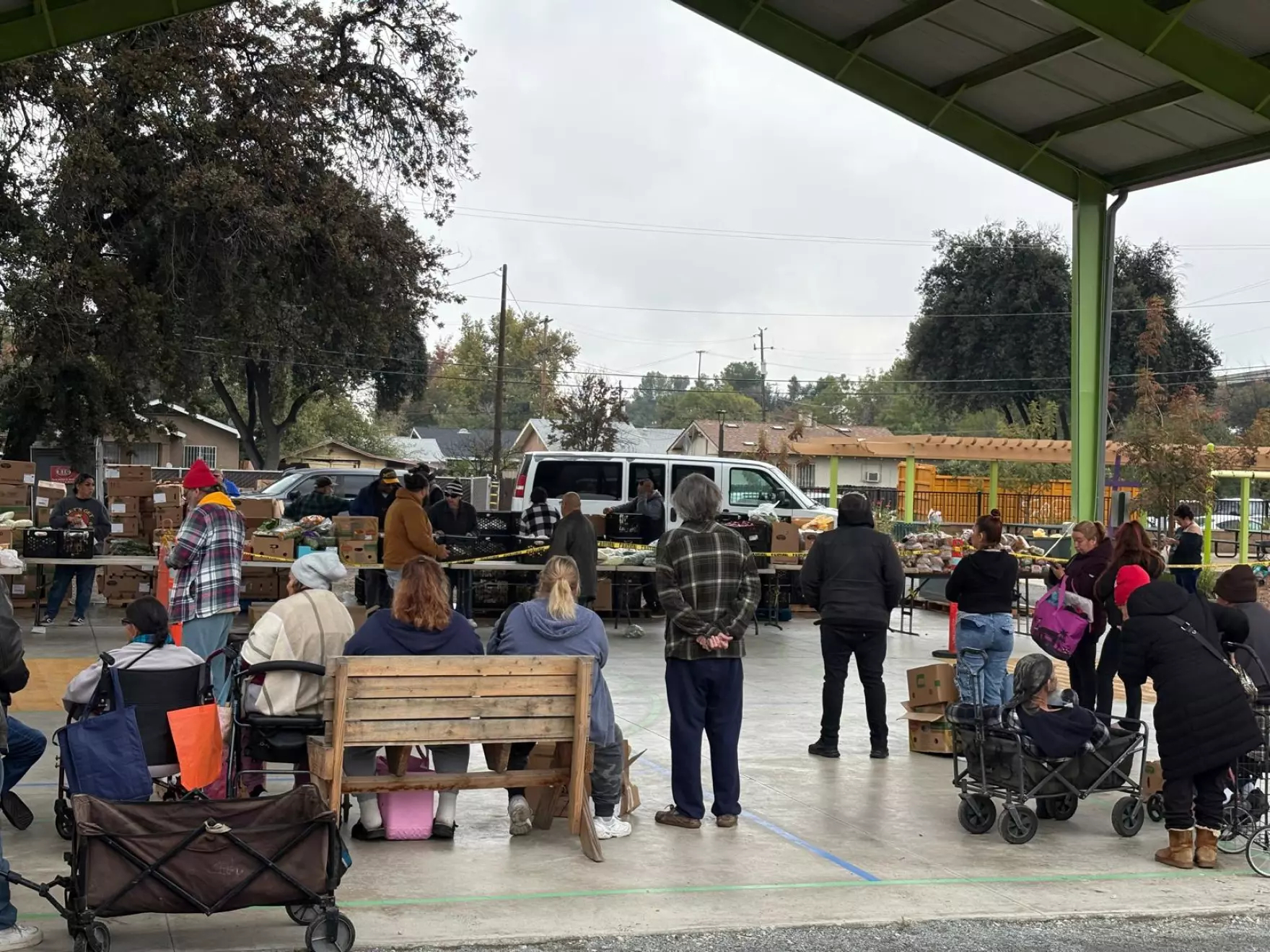
"caption": "People line up at Martin Park in downtown Fresno on a cloudy day to receive food. ",
"credit": "Israel Cardona Hernández/KVPR",
"altTag": null,
"description": null,
"imgSizes": {
"thumbnail": {
"file": "https://cdn.kqed.org/wp-content/uploads/sites/10/2026/01/fresno-695fbd16e9615-160x120.jpg",
"width": 160,
"height": 120,
"mimeType": "image/jpeg"
},
"1536x1536": {
"file": "https://cdn.kqed.org/wp-content/uploads/sites/10/2026/01/fresno-695fbd16e9615-1536x1152.jpg",
"width": 1536,
"height": 1152,
"mimeType": "image/jpeg"
},
"post-thumbnail": {
"file": "https://cdn.kqed.org/wp-content/uploads/sites/10/2026/01/fresno-695fbd16e9615-672x372.jpg",
"width": 672,
"height": 372,
"mimeType": "image/jpeg"
},
"twentyfourteen-full-width": {
"file": "https://cdn.kqed.org/wp-content/uploads/sites/10/2026/01/fresno-695fbd16e9615-1038x576.jpg",
"width": 1038,
"height": 576,
"mimeType": "image/jpeg"
},
"npr-cds-wide": {
"file": "https://cdn.kqed.org/wp-content/uploads/sites/10/2026/01/fresno-695fbd16e9615-1200x675.jpg",
"width": 1200,
"height": 675,
"mimeType": "image/jpeg"
},
"kqedFullSize": {
"file": "https://cdn.kqed.org/wp-content/uploads/sites/10/2026/01/fresno-695fbd16e9615.jpg",
"width": 1760,
"height": 1320
}
},
"isLoading": false,
"fetchFailed": false
},
"news_12068348": {
"type": "attachments",
"id": "news_12068348",
"meta": {
"index": "attachments_1716263798",
"site": "news",
"id": "12068348",
"found": true
},
"title": "cricket-ball-694afe252d5fd",
"publishDate": 1766522434,
"status": "inherit",
"parent": 12068347,
"modified": 1766522468,
"caption": "A red cricket ball rests on fresh green grass, ready for the next over.",
"credit": "Alessandro Bogliari/Unsplash",
"altTag": null,
"description": null,
"imgSizes": {
"thumbnail": {
"file": "https://cdn.kqed.org/wp-content/uploads/sites/10/2025/12/cricket-ball-694afe252d5fd-160x107.jpg",
"width": 160,
"height": 107,
"mimeType": "image/jpeg"
},
"1536x1536": {
"file": "https://cdn.kqed.org/wp-content/uploads/sites/10/2025/12/cricket-ball-694afe252d5fd-1536x1028.jpg",
"width": 1536,
"height": 1028,
"mimeType": "image/jpeg"
},
"post-thumbnail": {
"file": "https://cdn.kqed.org/wp-content/uploads/sites/10/2025/12/cricket-ball-694afe252d5fd-672x372.jpg",
"width": 672,
"height": 372,
"mimeType": "image/jpeg"
},
"twentyfourteen-full-width": {
"file": "https://cdn.kqed.org/wp-content/uploads/sites/10/2025/12/cricket-ball-694afe252d5fd-1038x576.jpg",
"width": 1038,
"height": 576,
"mimeType": "image/jpeg"
},
"npr-cds-wide": {
"file": "https://cdn.kqed.org/wp-content/uploads/sites/10/2025/12/cricket-ball-694afe252d5fd-1200x675.jpg",
"width": 1200,
"height": 675,
"mimeType": "image/jpeg"
},
"kqedFullSize": {
"file": "https://cdn.kqed.org/wp-content/uploads/sites/10/2025/12/cricket-ball-694afe252d5fd.jpg",
"width": 1760,
"height": 1178
}
},
"isLoading": false,
"fetchFailed": false
},
"news_12067390": {
"type": "attachments",
"id": "news_12067390",
"meta": {
"index": "attachments_1716263798",
"site": "news",
"id": "12067390",
"found": true
},
"title": "Migrants At The US-Mexico Border As Crossings Increase",
"publishDate": 1765898422,
"status": "inherit",
"parent": 12067389,
"modified": 1765898473,
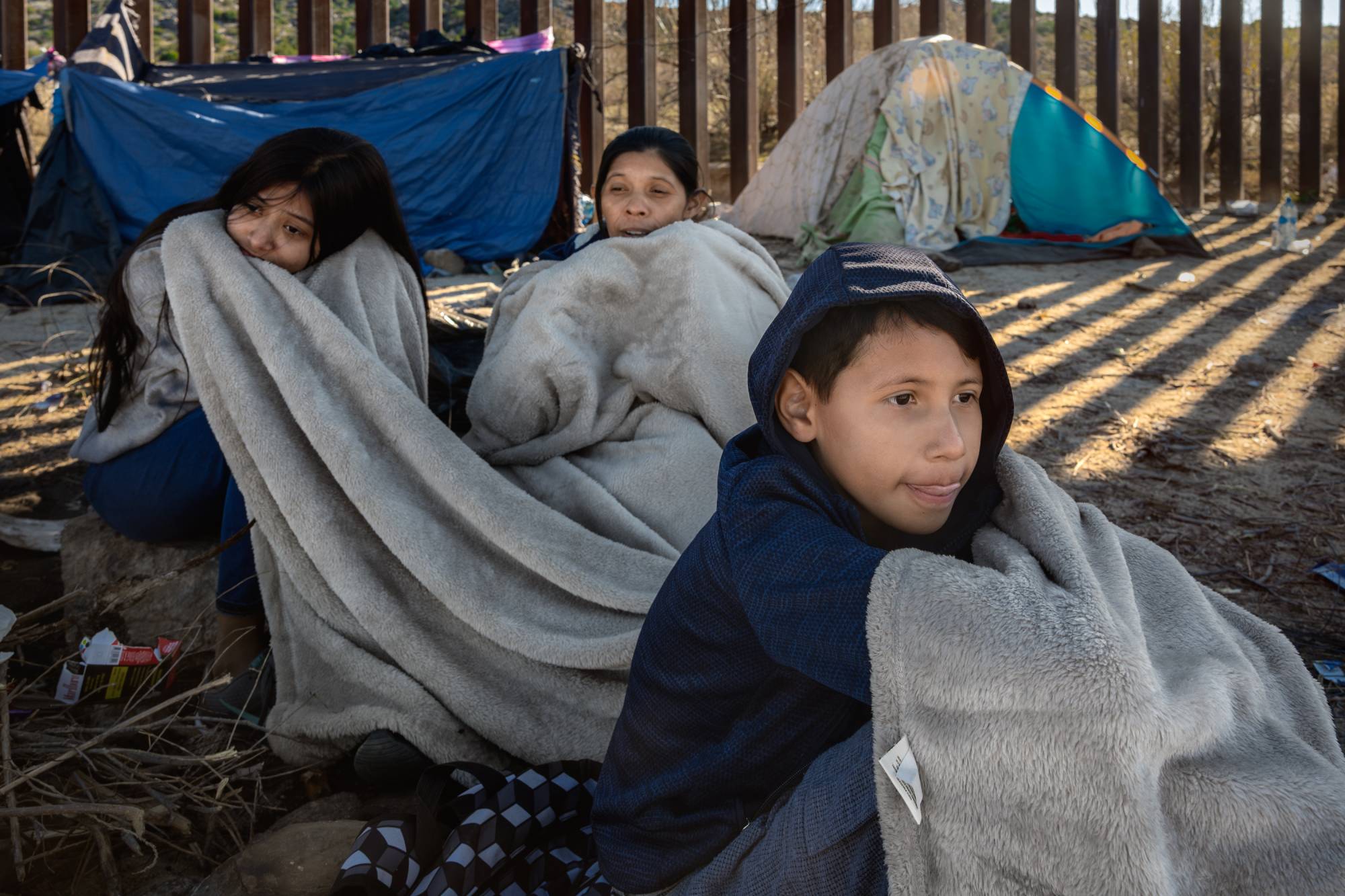
"caption": "SAN DIEGO, CA - NOVEMBER 28: Asylum seekers wrapped in blankets are seen at a makeshift camp after crossing the nearby border with Mexico near the Jacumba Hot Springs on November 28, 2023 in San Diego, California. ",
"credit": "Photo by Qian Weizhong/VCG via Getty Images",
"altTag": null,
"description": null,
"imgSizes": {
"medium": {
"file": "https://cdn.kqed.org/wp-content/uploads/sites/10/2025/12/GettyImages-1824008464-2000x1333.jpg",
"width": 2000,
"height": 1333,
"mimeType": "image/jpeg"
},
"large": {
"file": "https://cdn.kqed.org/wp-content/uploads/sites/10/2025/12/GettyImages-1824008464-2000x1333.jpg",
"width": 2000,
"height": 1333,
"mimeType": "image/jpeg"
},
"thumbnail": {
"file": "https://cdn.kqed.org/wp-content/uploads/sites/10/2025/12/GettyImages-1824008464-160x107.jpg",
"width": 160,
"height": 107,
"mimeType": "image/jpeg"
},
"1536x1536": {
"file": "https://cdn.kqed.org/wp-content/uploads/sites/10/2025/12/GettyImages-1824008464-1536x1024.jpg",
"width": 1536,
"height": 1024,
"mimeType": "image/jpeg"
},
"2048x2048": {
"file": "https://cdn.kqed.org/wp-content/uploads/sites/10/2025/12/GettyImages-1824008464-2048x1365.jpg",
"width": 2048,
"height": 1365,
"mimeType": "image/jpeg"
},
"post-thumbnail": {
"file": "https://cdn.kqed.org/wp-content/uploads/sites/10/2025/12/GettyImages-1824008464-672x372.jpg",
"width": 672,
"height": 372,
"mimeType": "image/jpeg"
},
"twentyfourteen-full-width": {
"file": "https://cdn.kqed.org/wp-content/uploads/sites/10/2025/12/GettyImages-1824008464-1038x576.jpg",
"width": 1038,
"height": 576,
"mimeType": "image/jpeg"
},
"full-width": {
"file": "https://cdn.kqed.org/wp-content/uploads/sites/10/2025/12/GettyImages-1824008464-2000x1333.jpg",
"width": 2000,
"height": 1333,
"mimeType": "image/jpeg"
},
"npr-cds-wide": {
"file": "https://cdn.kqed.org/wp-content/uploads/sites/10/2025/12/GettyImages-1824008464-1200x675.jpg",
"width": 1200,
"height": 675,
"mimeType": "image/jpeg"
},
"kqedFullSize": {
"file": "https://cdn.kqed.org/wp-content/uploads/sites/10/2025/12/GettyImages-1824008464-scaled.jpg",
"width": 2560,
"height": 1707
}
},
"isLoading": false,
"fetchFailed": false
},
"news_12054921": {
"type": "attachments",
"id": "news_12054921",
"meta": {
"index": "attachments_1716263798",
"site": "news",
"id": "12054921",
"found": true
},
"title": "A farmworker picks grapes at a field in Fresno on Sept. 3, 2025.",
"publishDate": 1757107574,
"status": "inherit",
"parent": 0,
"modified": 1757109024,
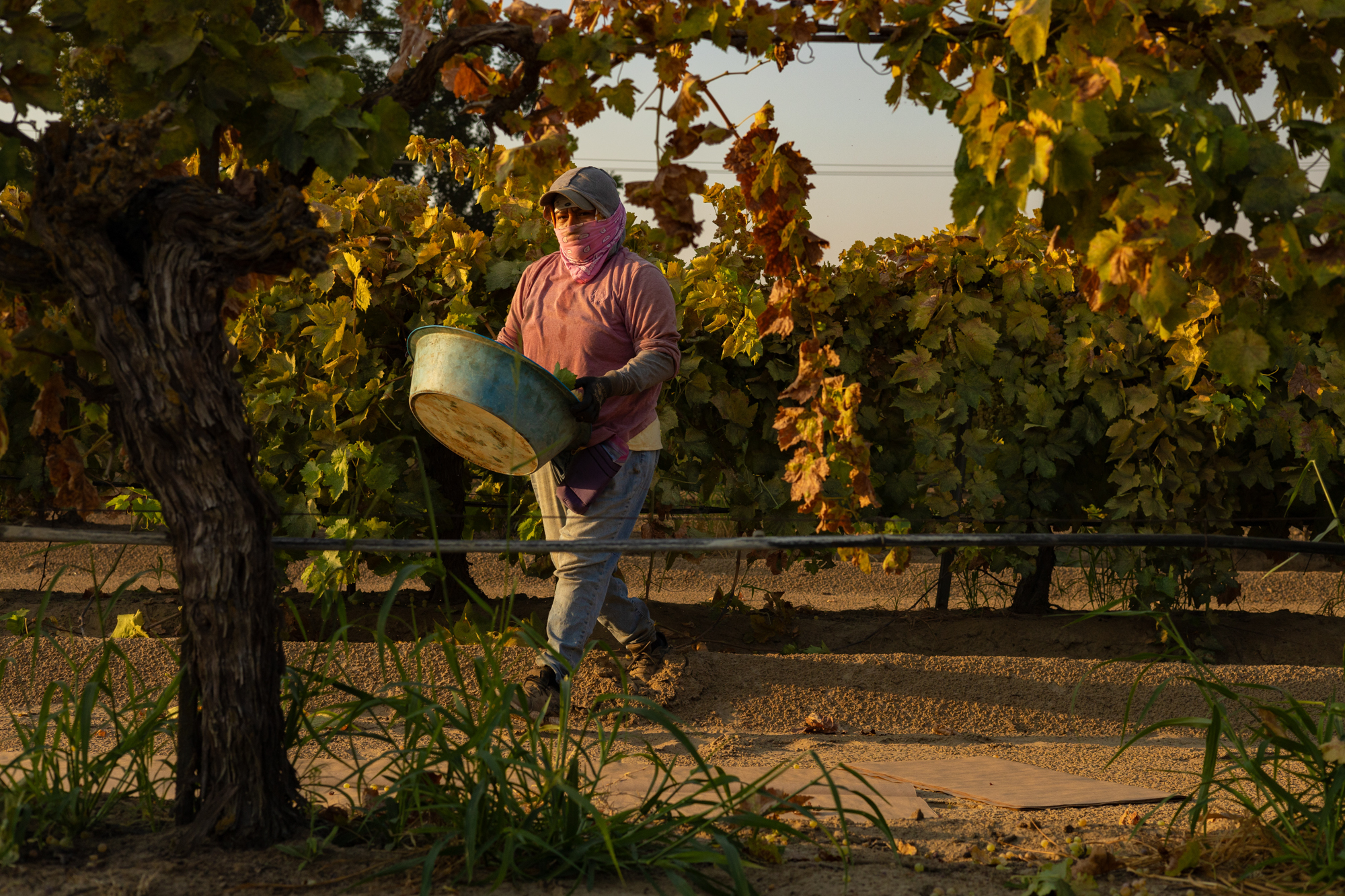
"caption": "A farmworker picks grapes at a field in Fresno, California, on Sept. 3, 2025.",
"credit": "Gina Castro for KQED",
"altTag": null,
"description": null,
"imgSizes": {
"thumbnail": {
"file": "https://cdn.kqed.org/wp-content/uploads/sites/10/2025/09/20250903_FARMLABORCRISIS_GC-18-KQED-160x107.jpg",
"width": 160,
"height": 107,
"mimeType": "image/jpeg"
},
"1536x1536": {
"file": "https://cdn.kqed.org/wp-content/uploads/sites/10/2025/09/20250903_FARMLABORCRISIS_GC-18-KQED-1536x1024.jpg",
"width": 1536,
"height": 1024,
"mimeType": "image/jpeg"
},
"post-thumbnail": {
"file": "https://cdn.kqed.org/wp-content/uploads/sites/10/2025/09/20250903_FARMLABORCRISIS_GC-18-KQED-672x372.jpg",
"width": 672,
"height": 372,
"mimeType": "image/jpeg"
},
"twentyfourteen-full-width": {
"file": "https://cdn.kqed.org/wp-content/uploads/sites/10/2025/09/20250903_FARMLABORCRISIS_GC-18-KQED-1038x576.jpg",
"width": 1038,
"height": 576,
"mimeType": "image/jpeg"
},
"kqedFullSize": {
"file": "https://cdn.kqed.org/wp-content/uploads/sites/10/2025/09/20250903_FARMLABORCRISIS_GC-18-KQED.jpg",
"width": 2000,
"height": 1333
}
},
"isLoading": false,
"fetchFailed": false
},
"news_11980571": {
"type": "attachments",
"id": "news_11980571",
"meta": {
"index": "attachments_1716263798",
"site": "news",
"id": "11980571",
"found": true
},
"title": "US-ECONOMY-HOUSING-RENT",
"publishDate": 1711152822,
"status": "inherit",
"parent": 11980565,
"modified": 1754519584,
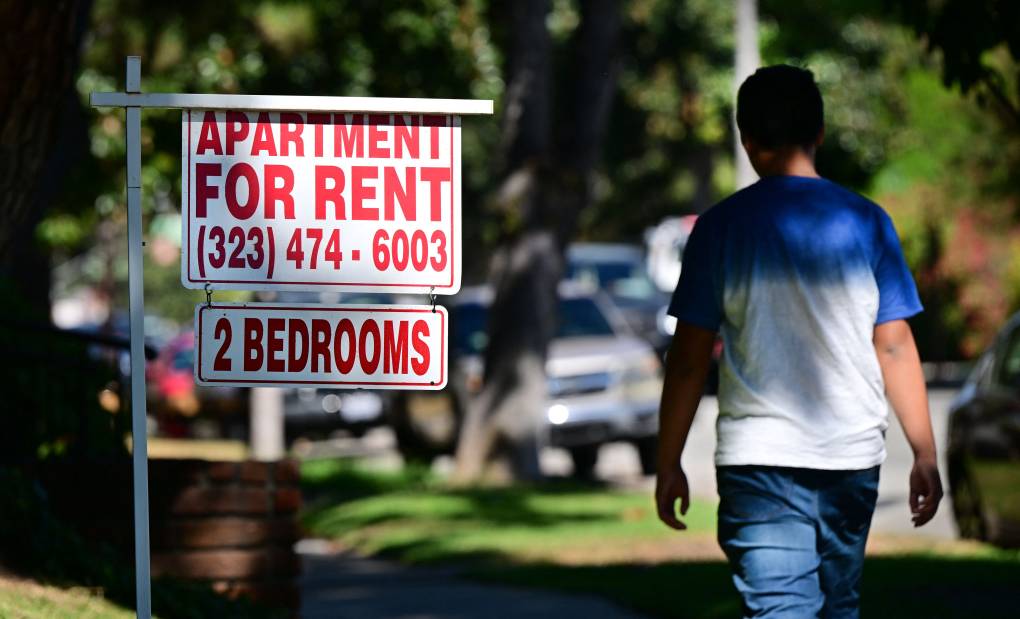
"caption": "An apartment for rent sign is posted in South Pasadena, California. Giving cash directly to renters is one policy tool that takes out the bureaucracy of renters needing to apply for federal vouchers and then find a landlord who will accept the voucher.",
"credit": "Frederic J. Brown/AFP via Getty Images",
"altTag": "A man walks by a 'for rent' sign.",
"description": null,
"imgSizes": {
"medium": {
"file": "https://cdn.kqed.org/wp-content/uploads/sites/10/2024/03/GettyImages-1244095544-800x485.jpg",
"width": 800,
"height": 485,
"mimeType": "image/jpeg"
},
"large": {
"file": "https://cdn.kqed.org/wp-content/uploads/sites/10/2024/03/GettyImages-1244095544-1020x619.jpg",
"width": 1020,
"height": 619,
"mimeType": "image/jpeg"
},
"thumbnail": {
"file": "https://cdn.kqed.org/wp-content/uploads/sites/10/2024/03/GettyImages-1244095544-160x97.jpg",
"width": 160,
"height": 97,
"mimeType": "image/jpeg"
},
"1536x1536": {
"file": "https://cdn.kqed.org/wp-content/uploads/sites/10/2024/03/GettyImages-1244095544-1536x932.jpg",
"width": 1536,
"height": 932,
"mimeType": "image/jpeg"
},
"2048x2048": {
"file": "https://cdn.kqed.org/wp-content/uploads/sites/10/2024/03/GettyImages-1244095544-2048x1242.jpg",
"width": 2048,
"height": 1242,
"mimeType": "image/jpeg"
},
"post-thumbnail": {
"file": "https://cdn.kqed.org/wp-content/uploads/sites/10/2024/03/GettyImages-1244095544-672x372.jpg",
"width": 672,
"height": 372,
"mimeType": "image/jpeg"
},
"twentyfourteen-full-width": {
"file": "https://cdn.kqed.org/wp-content/uploads/sites/10/2024/03/GettyImages-1244095544-1038x576.jpg",
"width": 1038,
"height": 576,
"mimeType": "image/jpeg"
},
"full-width": {
"file": "https://cdn.kqed.org/wp-content/uploads/sites/10/2024/03/GettyImages-1244095544-1920x1164.jpg",
"width": 1920,
"height": 1164,
"mimeType": "image/jpeg"
},
"kqedFullSize": {
"file": "https://cdn.kqed.org/wp-content/uploads/sites/10/2024/03/GettyImages-1244095544-scaled.jpg",
"width": 2560,
"height": 1553
}
},
"isLoading": false,
"fetchFailed": false
},
"news_12036668": {
"type": "attachments",
"id": "news_12036668",
"meta": {
"index": "attachments_1716263798",
"site": "news",
"id": "12036668",
"found": true
},
"title": "041025_Homeless-Case_AP_CM_35 copy",
"publishDate": 1745006676,
"status": "inherit",
"parent": 12036665,
"modified": 1745006696,
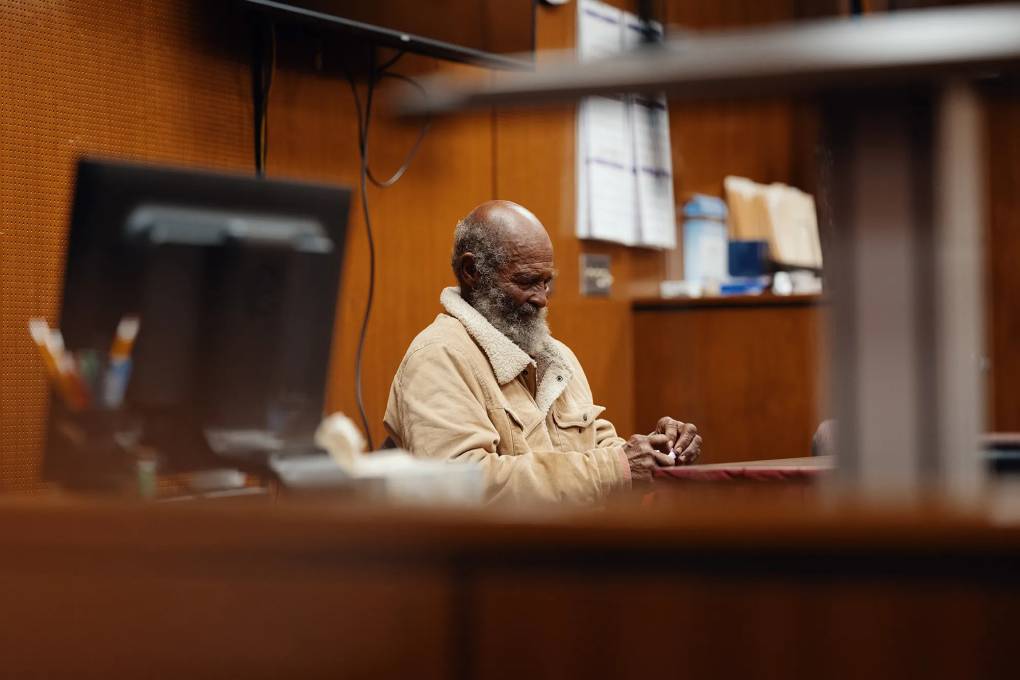
"caption": "Wickey Two Hands, 77, awaits Fresno Superior Court Judge Brian Alvarez’s decision on April 10, 2025. \n",
"credit": "Adam Perez for CalMatters",
"altTag": null,
"description": null,
"imgSizes": {
"medium": {
"file": "https://cdn.kqed.org/wp-content/uploads/sites/10/2025/04/041025_Homeless-Case_AP_CM_35-copy-800x533.jpg",
"width": 800,
"height": 533,
"mimeType": "image/jpeg"
},
"large": {
"file": "https://cdn.kqed.org/wp-content/uploads/sites/10/2025/04/041025_Homeless-Case_AP_CM_35-copy-1020x680.jpg",
"width": 1020,
"height": 680,
"mimeType": "image/jpeg"
},
"thumbnail": {
"file": "https://cdn.kqed.org/wp-content/uploads/sites/10/2025/04/041025_Homeless-Case_AP_CM_35-copy-160x107.jpg",
"width": 160,
"height": 107,
"mimeType": "image/jpeg"
},
"1536x1536": {
"file": "https://cdn.kqed.org/wp-content/uploads/sites/10/2025/04/041025_Homeless-Case_AP_CM_35-copy-1536x1024.jpg",
"width": 1536,
"height": 1024,
"mimeType": "image/jpeg"
},
"post-thumbnail": {
"file": "https://cdn.kqed.org/wp-content/uploads/sites/10/2025/04/041025_Homeless-Case_AP_CM_35-copy-672x372.jpg",
"width": 672,
"height": 372,
"mimeType": "image/jpeg"
},
"twentyfourteen-full-width": {
"file": "https://cdn.kqed.org/wp-content/uploads/sites/10/2025/04/041025_Homeless-Case_AP_CM_35-copy-1038x576.jpg",
"width": 1038,
"height": 576,
"mimeType": "image/jpeg"
},
"full-width": {
"file": "https://cdn.kqed.org/wp-content/uploads/sites/10/2025/04/041025_Homeless-Case_AP_CM_35-copy-1920x1280.jpg",
"width": 1920,
"height": 1280,
"mimeType": "image/jpeg"
},
"kqedFullSize": {
"file": "https://cdn.kqed.org/wp-content/uploads/sites/10/2025/04/041025_Homeless-Case_AP_CM_35-copy.jpg",
"width": 2000,
"height": 1333
}
},
"isLoading": false,
"fetchFailed": false
},
"news_12034784": {
"type": "attachments",
"id": "news_12034784",
"meta": {
"index": "attachments_1716263798",
"site": "news",
"id": "12034784",
"found": true
},
"title": "F84AEA38-15C9-48B4-905A-8EA8C37A0B0F-SCALED-KQED",
"publishDate": 1744053507,
"status": "inherit",
"parent": 0,
"modified": 1744053526,
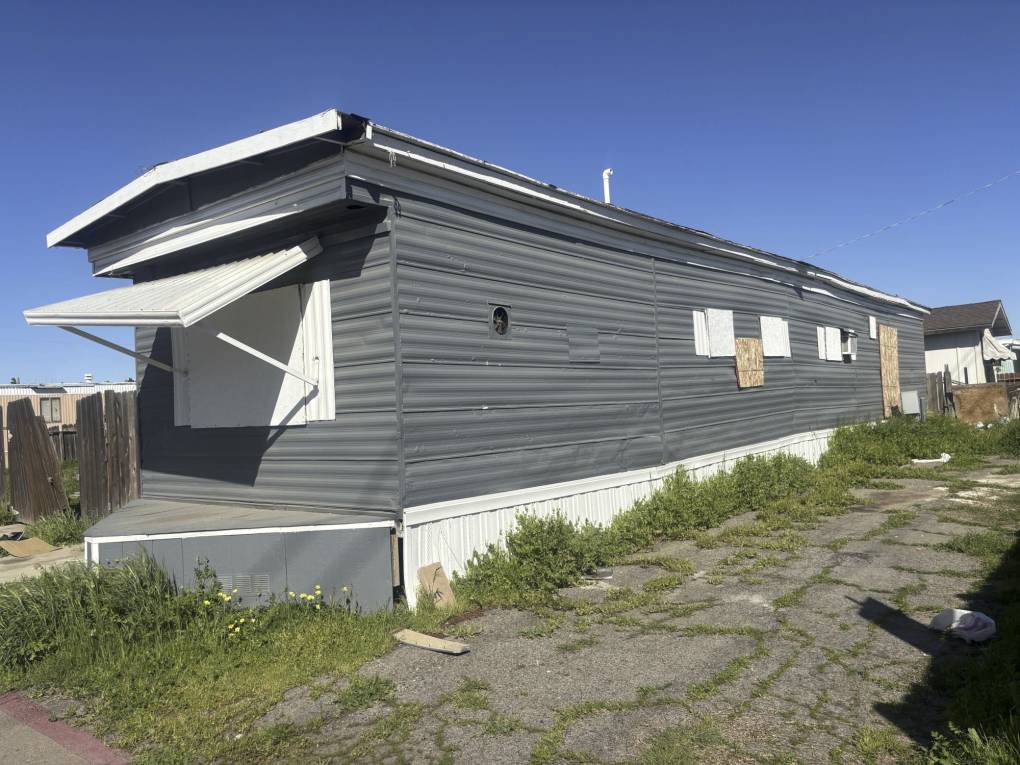
"caption": "A home at La Hacienda Mobile Estates in Fresno.",
"credit": "Madi Bolanos/The California Report",
"altTag": null,
"description": null,
"imgSizes": {
"medium": {
"file": "https://cdn.kqed.org/wp-content/uploads/sites/10/2025/04/F84AEA38-15C9-48B4-905A-8EA8C37A0B0F-SCALED-KQED-800x600.jpg",
"width": 800,
"height": 600,
"mimeType": "image/jpeg"
},
"large": {
"file": "https://cdn.kqed.org/wp-content/uploads/sites/10/2025/04/F84AEA38-15C9-48B4-905A-8EA8C37A0B0F-SCALED-KQED-1020x765.jpg",
"width": 1020,
"height": 765,
"mimeType": "image/jpeg"
},
"thumbnail": {
"file": "https://cdn.kqed.org/wp-content/uploads/sites/10/2025/04/F84AEA38-15C9-48B4-905A-8EA8C37A0B0F-SCALED-KQED-160x120.jpg",
"width": 160,
"height": 120,
"mimeType": "image/jpeg"
},
"1536x1536": {
"file": "https://cdn.kqed.org/wp-content/uploads/sites/10/2025/04/F84AEA38-15C9-48B4-905A-8EA8C37A0B0F-SCALED-KQED-1536x1152.jpg",
"width": 1536,
"height": 1152,
"mimeType": "image/jpeg"
},
"post-thumbnail": {
"file": "https://cdn.kqed.org/wp-content/uploads/sites/10/2025/04/F84AEA38-15C9-48B4-905A-8EA8C37A0B0F-SCALED-KQED-672x372.jpg",
"width": 672,
"height": 372,
"mimeType": "image/jpeg"
},
"twentyfourteen-full-width": {
"file": "https://cdn.kqed.org/wp-content/uploads/sites/10/2025/04/F84AEA38-15C9-48B4-905A-8EA8C37A0B0F-SCALED-KQED-1038x576.jpg",
"width": 1038,
"height": 576,
"mimeType": "image/jpeg"
},
"full-width": {
"file": "https://cdn.kqed.org/wp-content/uploads/sites/10/2025/04/F84AEA38-15C9-48B4-905A-8EA8C37A0B0F-SCALED-KQED-1920x1440.jpg",
"width": 1920,
"height": 1440,
"mimeType": "image/jpeg"
},
"kqedFullSize": {
"file": "https://cdn.kqed.org/wp-content/uploads/sites/10/2025/04/F84AEA38-15C9-48B4-905A-8EA8C37A0B0F-SCALED-KQED.jpg",
"width": 2000,
"height": 1500
}
},
"isLoading": false,
"fetchFailed": false
},
"news_12029251": {
"type": "attachments",
"id": "news_12029251",
"meta": {
"index": "attachments_1716263798",
"site": "news",
"id": "12029251",
"found": true
},
"title": "111524_Anatomy-Of-A-Sweep-JK_CM_05 copy",
"publishDate": 1740773938,
"status": "inherit",
"parent": 12029249,
"modified": 1740773975,
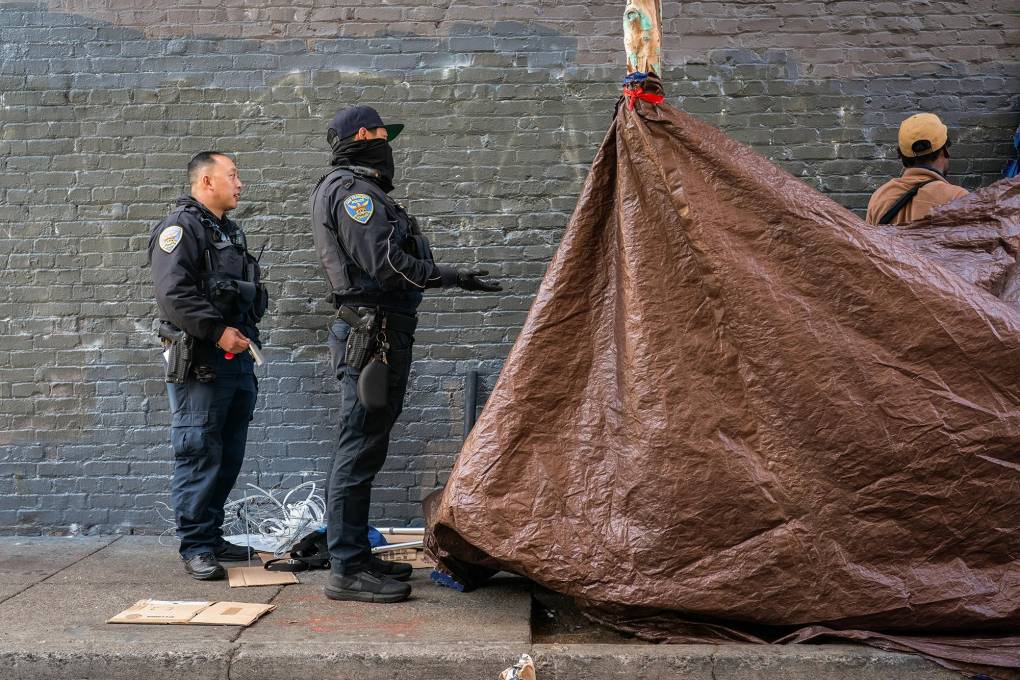
"caption": "San Francisco police officers instruct an unhoused person to move personal items that are blocking the sidewalk on Cedar Street in San Francisco on Nov. 15, 2024. Unhoused people on Cedar Street are forced to move their shelters and belongings on a regular basis by San Francisco city workers.",
"credit": "Jungho Kim for CalMatters",
"altTag": null,
"description": null,
"imgSizes": {
"medium": {
"file": "https://cdn.kqed.org/wp-content/uploads/sites/10/2025/02/111524_Anatomy-Of-A-Sweep-JK_CM_05-copy-800x533.jpg",
"width": 800,
"height": 533,
"mimeType": "image/jpeg"
},
"large": {
"file": "https://cdn.kqed.org/wp-content/uploads/sites/10/2025/02/111524_Anatomy-Of-A-Sweep-JK_CM_05-copy-1020x680.jpg",
"width": 1020,
"height": 680,
"mimeType": "image/jpeg"
},
"thumbnail": {
"file": "https://cdn.kqed.org/wp-content/uploads/sites/10/2025/02/111524_Anatomy-Of-A-Sweep-JK_CM_05-copy-160x107.jpg",
"width": 160,
"height": 107,
"mimeType": "image/jpeg"
},
"1536x1536": {
"file": "https://cdn.kqed.org/wp-content/uploads/sites/10/2025/02/111524_Anatomy-Of-A-Sweep-JK_CM_05-copy-1536x1024.jpg",
"width": 1536,
"height": 1024,
"mimeType": "image/jpeg"
},
"post-thumbnail": {
"file": "https://cdn.kqed.org/wp-content/uploads/sites/10/2025/02/111524_Anatomy-Of-A-Sweep-JK_CM_05-copy-672x372.jpg",
"width": 672,
"height": 372,
"mimeType": "image/jpeg"
},
"twentyfourteen-full-width": {
"file": "https://cdn.kqed.org/wp-content/uploads/sites/10/2025/02/111524_Anatomy-Of-A-Sweep-JK_CM_05-copy-1038x576.jpg",
"width": 1038,
"height": 576,
"mimeType": "image/jpeg"
},
"full-width": {
"file": "https://cdn.kqed.org/wp-content/uploads/sites/10/2025/02/111524_Anatomy-Of-A-Sweep-JK_CM_05-copy-1920x1280.jpg",
"width": 1920,
"height": 1280,
"mimeType": "image/jpeg"
},
"kqedFullSize": {
"file": "https://cdn.kqed.org/wp-content/uploads/sites/10/2025/02/111524_Anatomy-Of-A-Sweep-JK_CM_05-copy.jpg",
"width": 2000,
"height": 1333
}
},
"isLoading": false,
"fetchFailed": false
},
"news_12019948": {
"type": "attachments",
"id": "news_12019948",
"meta": {
"index": "attachments_1716263798",
"site": "news",
"id": "12019948",
"found": true
},
"title": "241203-FresnoCampingBan-74-BL_qed",
"publishDate": 1735432452,
"status": "inherit",
"parent": 12019944,
"modified": 1735578454,
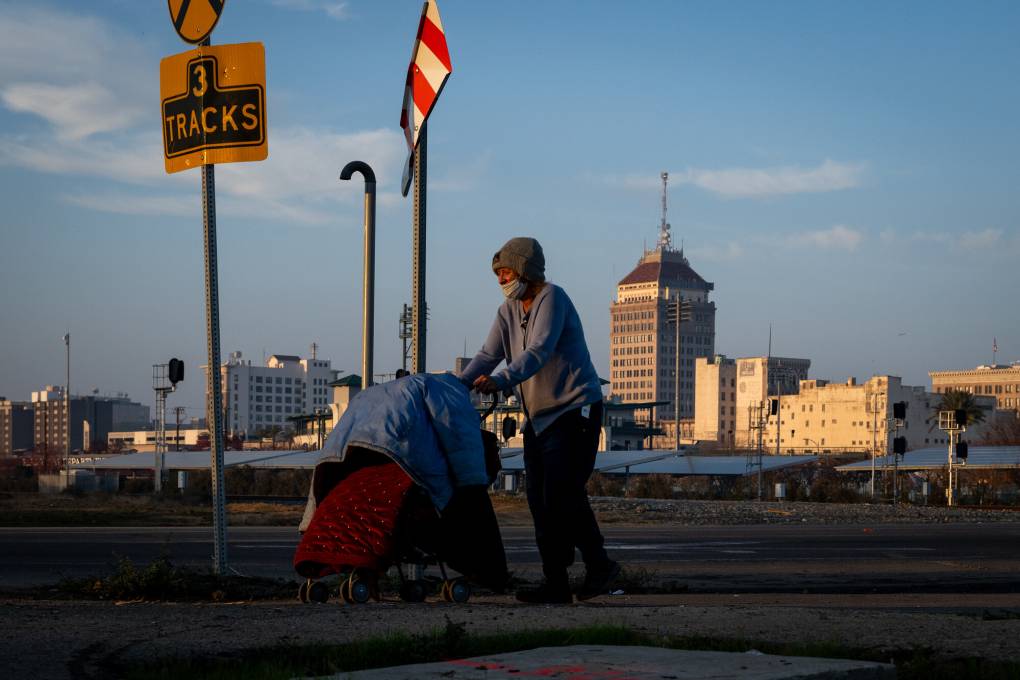
"caption": "An unhoused Fresno resident walks with the Tower District in downtown Fresno in the background, on Dec. 3, 2024.",
"credit": "Beth LaBerge/KQED",
"altTag": null,
"description": null,
"imgSizes": {
"medium": {
"file": "https://cdn.kqed.org/wp-content/uploads/sites/10/2024/12/241203-FresnoCampingBan-74-BL_qed-800x533.jpg",
"width": 800,
"height": 533,
"mimeType": "image/jpeg"
},
"large": {
"file": "https://cdn.kqed.org/wp-content/uploads/sites/10/2024/12/241203-FresnoCampingBan-74-BL_qed-1020x680.jpg",
"width": 1020,
"height": 680,
"mimeType": "image/jpeg"
},
"thumbnail": {
"file": "https://cdn.kqed.org/wp-content/uploads/sites/10/2024/12/241203-FresnoCampingBan-74-BL_qed-160x107.jpg",
"width": 160,
"height": 107,
"mimeType": "image/jpeg"
},
"1536x1536": {
"file": "https://cdn.kqed.org/wp-content/uploads/sites/10/2024/12/241203-FresnoCampingBan-74-BL_qed-1536x1024.jpg",
"width": 1536,
"height": 1024,
"mimeType": "image/jpeg"
},
"post-thumbnail": {
"file": "https://cdn.kqed.org/wp-content/uploads/sites/10/2024/12/241203-FresnoCampingBan-74-BL_qed-672x372.jpg",
"width": 672,
"height": 372,
"mimeType": "image/jpeg"
},
"twentyfourteen-full-width": {
"file": "https://cdn.kqed.org/wp-content/uploads/sites/10/2024/12/241203-FresnoCampingBan-74-BL_qed-1038x576.jpg",
"width": 1038,
"height": 576,
"mimeType": "image/jpeg"
},
"full-width": {
"file": "https://cdn.kqed.org/wp-content/uploads/sites/10/2024/12/241203-FresnoCampingBan-74-BL_qed-1920x1280.jpg",
"width": 1920,
"height": 1280,
"mimeType": "image/jpeg"
},
"kqedFullSize": {
"file": "https://cdn.kqed.org/wp-content/uploads/sites/10/2024/12/241203-FresnoCampingBan-74-BL_qed.jpg",
"width": 1999,
"height": 1333
}
},
"isLoading": false,
"fetchFailed": false
},
"news_12017613": {
"type": "attachments",
"id": "news_12017613",
"meta": {
"index": "attachments_1716263798",
"site": "news",
"id": "12017613",
"found": true
},
"title": "241203-FresnoCampingBan-23-BL",
"publishDate": 1733929164,
"status": "inherit",
"parent": 0,
"modified": 1735582524,
"caption": "An unhoused person packs a cart of their belongings after Officer Omar Khan, a police officer with the Homeless Assistance Response Team (HART), speaks with them about clearing the area in Fresno on Dec. 3, 2024, while Public Utilities Department employees begin to discard of items.",
"credit": "Beth LaBerge/KQED",
"altTag": null,
"description": null,
"imgSizes": {
"medium": {
"file": "https://cdn.kqed.org/wp-content/uploads/sites/10/2024/12/241203-FresnoCampingBan-23-BL-800x533.jpg",
"width": 800,
"height": 533,
"mimeType": "image/jpeg"
},
"large": {
"file": "https://cdn.kqed.org/wp-content/uploads/sites/10/2024/12/241203-FresnoCampingBan-23-BL-1020x679.jpg",
"width": 1020,
"height": 679,
"mimeType": "image/jpeg"
},
"thumbnail": {
"file": "https://cdn.kqed.org/wp-content/uploads/sites/10/2024/12/241203-FresnoCampingBan-23-BL-160x107.jpg",
"width": 160,
"height": 107,
"mimeType": "image/jpeg"
},
"1536x1536": {
"file": "https://cdn.kqed.org/wp-content/uploads/sites/10/2024/12/241203-FresnoCampingBan-23-BL-1536x1023.jpg",
"width": 1536,
"height": 1023,
"mimeType": "image/jpeg"
},
"post-thumbnail": {
"file": "https://cdn.kqed.org/wp-content/uploads/sites/10/2024/12/241203-FresnoCampingBan-23-BL-672x372.jpg",
"width": 672,
"height": 372,
"mimeType": "image/jpeg"
},
"twentyfourteen-full-width": {
"file": "https://cdn.kqed.org/wp-content/uploads/sites/10/2024/12/241203-FresnoCampingBan-23-BL-1038x576.jpg",
"width": 1038,
"height": 576,
"mimeType": "image/jpeg"
},
"full-width": {
"file": "https://cdn.kqed.org/wp-content/uploads/sites/10/2024/12/241203-FresnoCampingBan-23-BL-1920x1279.jpg",
"width": 1920,
"height": 1279,
"mimeType": "image/jpeg"
},
"kqedFullSize": {
"file": "https://cdn.kqed.org/wp-content/uploads/sites/10/2024/12/241203-FresnoCampingBan-23-BL.jpg",
"width": 2000,
"height": 1332
}
},
"isLoading": false,
"fetchFailed": false
}
},
"audioPlayerReducer": {
"postId": "stream_live",
"isPaused": true,
"isPlaying": false,
"pfsActive": false,
"pledgeModalIsOpen": true,
"playerDrawerIsOpen": false,
"liveAudioPlayStartedAt": 0,
"liveAudioPlayContext": ""
},
"authorsReducer": {
"byline_news_12036665": {
"type": "authors",
"id": "byline_news_12036665",
"meta": {
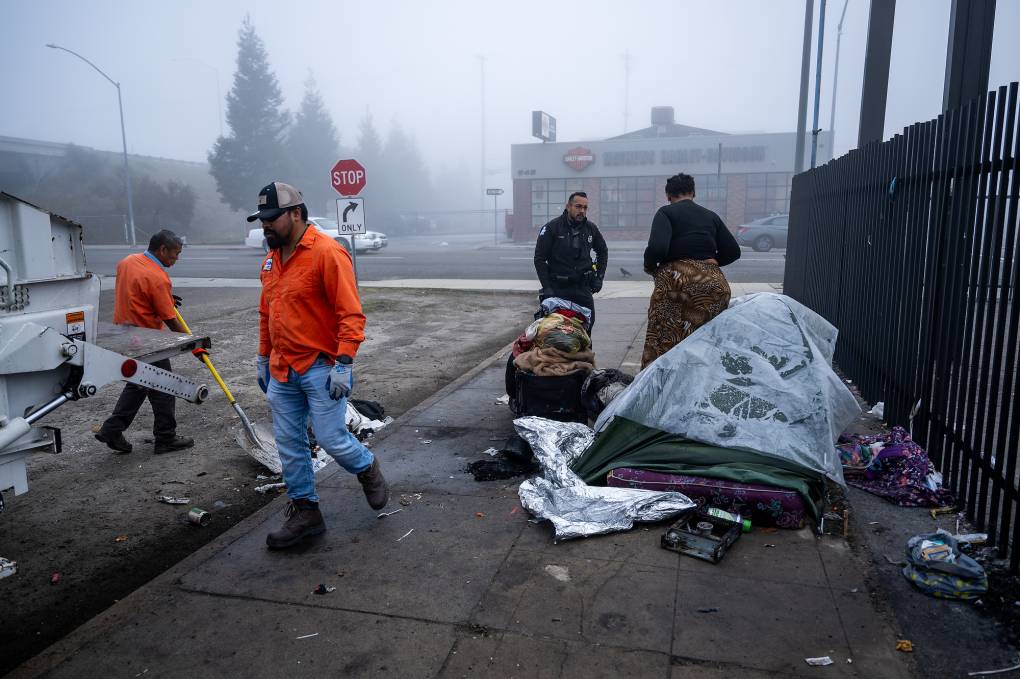
"override": true
},
"slug": "byline_news_12036665",
"name": "\u003ca href=\"https://calmatters.org/author/marisa-kendall/\">Marisa Kendall\u003c/a>, CalMatters",
"isLoading": false
},
"byline_news_12029249": {
"type": "authors",
"id": "byline_news_12029249",
"meta": {
"override": true
},
"slug": "byline_news_12029249",
"name": "\u003ca href=\"https://calmatters.org/author/marisa-kendall/\">Marisa Kendall\u003c/a> and \u003ca href=\"https://calmatters.org/author/katie-anastas/\">Katie Anastas\u003c/a>, CalMatters",
"isLoading": false
},
"vrancano": {
"type": "authors",
"id": "11276",
"meta": {
"index": "authors_1716337520",
"id": "11276",
"found": true
},
"name": "Vanessa Rancaño",
"firstName": "Vanessa",
"lastName": "Rancaño",
"slug": "vrancano",
"email": "vrancano@kqed.org",
"display_author_email": false,
"staff_mastheads": [
"news"
],
"title": "Reporter",
"bio": "Vanessa Rancaño is a features reporter for KQED. She’s also covered homelessness and education for the station and reported from the Central Valley. Her work has aired across public radio, from flagship national news shows to longform narrative podcasts. Before taking up a mic, she worked as a freelance print journalist. She’s been recognized with a number of national and regional awards. Vanessa grew up in California's Central Valley. She's a former NPR Kroc Fellow, and a graduate of the UC Berkeley Graduate School of Journalism.",
"avatar": "https://secure.gravatar.com/avatar/b3a383dfb0e7ee1c17568f2cf067904ab654d6e3de9743fc661f3c788ade1bed?s=600&d=blank&r=g",
"twitter": "vanessarancano",
"bluesky": null,
"facebook": null,
"instagram": null,
"linkedin": null,
"sites": [
{
"site": "arts",
"roles": [
"editor"
]
},
{
"site": "news",
"roles": [
"editor"
]
},
{
"site": "liveblog",
"roles": [
"contributor"
]
}
],
"headData": {
"title": "Vanessa Rancaño | KQED",
"description": "Reporter",
"ogImgSrc": "https://secure.gravatar.com/avatar/b3a383dfb0e7ee1c17568f2cf067904ab654d6e3de9743fc661f3c788ade1bed?s=600&d=blank&r=g",
"twImgSrc": "https://secure.gravatar.com/avatar/b3a383dfb0e7ee1c17568f2cf067904ab654d6e3de9743fc661f3c788ade1bed?s=600&d=blank&r=g"
},
"isLoading": false,
"link": "/author/vrancano"
},
"kmizuguchi": {
"type": "authors",
"id": "11739",
"meta": {
"index": "authors_1716337520",
"id": "11739",
"found": true
},
"name": "Keith Mizuguchi",
"firstName": "Keith",
"lastName": "Mizuguchi",
"slug": "kmizuguchi",
"email": "kmizuguchi@kqed.org",
"display_author_email": false,
"staff_mastheads": [],
"title": "KQED Contributor",
"bio": null,
"avatar": "https://secure.gravatar.com/avatar/64d8a7de0723d4099b9fe4e915136103febcc20809abce228ee4415bcb237023?s=600&d=blank&r=g",
"twitter": null,
"bluesky": null,
"facebook": null,
"instagram": null,
"linkedin": null,
"sites": [
{
"site": "news",
"roles": [
"editor"
]
},
{
"site": "science",
"roles": [
"editor"
]
}
],
"headData": {
"title": "Keith Mizuguchi | KQED",
"description": "KQED Contributor",
"ogImgSrc": "https://secure.gravatar.com/avatar/64d8a7de0723d4099b9fe4e915136103febcc20809abce228ee4415bcb237023?s=600&d=blank&r=g",
"twImgSrc": "https://secure.gravatar.com/avatar/64d8a7de0723d4099b9fe4e915136103febcc20809abce228ee4415bcb237023?s=600&d=blank&r=g"
},
"isLoading": false,
"link": "/author/kmizuguchi"
},
"mbolanos": {
"type": "authors",
"id": "11895",
"meta": {
"index": "authors_1716337520",
"id": "11895",
"found": true
},
"name": "Madi Bolaños",
"firstName": "Madi",
"lastName": "Bolaños",
"slug": "mbolanos",
"email": "mbolanos@kqed.org",
"display_author_email": false,
"staff_mastheads": [],
"title": "KQED Contributor",
"bio": null,
"avatar": "https://secure.gravatar.com/avatar/e6df5601c1f2d951e46a3fb42764330f?s=600&d=blank&r=g",
"twitter": null,
"bluesky": null,
"facebook": null,
"instagram": null,
"linkedin": null,
"sites": [
{
"site": "news",
"roles": [
"author"
]
}
],
"headData": {
"title": "Madi Bolaños | KQED",
"description": "KQED Contributor",
"ogImgSrc": "https://secure.gravatar.com/avatar/e6df5601c1f2d951e46a3fb42764330f?s=600&d=blank&r=g",
"twImgSrc": "https://secure.gravatar.com/avatar/e6df5601c1f2d951e46a3fb42764330f?s=600&d=blank&r=g"
},
"isLoading": false,
"link": "/author/mbolanos"
}
},
"pagesReducer": {
"news_tag_fresno": {
"type": "terms",
"id": "news_37",
"meta": {
"index": "terms_1716263798",
"site": "news",
"id": "37",
"score": 9.105345
},
"featImg": null,
"name": "Fresno",
"description": null,
"taxonomy": "tag",
"headData": {
"twImgId": null,
"twTitle": null,
"ogTitle": null,
"ogImgId": null,
"twDescription": null,
"description": null,
"title": "Fresno Archives | KQED News",
"ogDescription": null
},
"ttid": 37,
"slug": "fresno",
"isLoading": false,
"title": "Fresno",
"pageMeta": {
"site": "news",
"WpPageTemplate": "page-topic-editorial",
"currentPage": 1
},
"blocks": [
{
"blockName": "kqed/post-list",
"attrs": {
"layout": "cardArticle2",
"query": "posts/news?tag=fresno",
"seeMore": false,
"paginated": true,
"page": 1
}
},
{
"blockName": "kqed/ad"
}
]
}
},
"pfsSessionReducer": {},
"postsReducer": {
"stream_live": {
"type": "live",
"id": "stream_live",
"audioUrl": "https://streams.kqed.org/kqedradio",
"title": "Live Stream",
"excerpt": "Live Stream information currently unavailable.",
"link": "/radio",
"featImg": "",
"label": {
"name": "KQED Live",
"link": "/"
}
},
"stream_kqedNewscast": {
"type": "posts",
"id": "stream_kqedNewscast",
"audioUrl": "https://www.kqed.org/.stream/anon/radio/RDnews/newscast.mp3?_=1",
"title": "KQED Newscast",
"featImg": "",
"label": {
"name": "88.5 FM",
"link": "/"
}
},
"news_12074724": {
"type": "posts",
"id": "news_12074724",
"meta": {
"index": "posts_1716263798",
"site": "news",
"id": "12074724",
"score": null,
"sort": [
1772136979000
]
},
"guestAuthors": [],
"slug": "misinformation-leads-to-confusion-in-fresnos-immigrant-communities",
"title": "Misinformation Leads to Confusion in Fresno's Immigrant Communities",
"publishDate": 1772136979,
"format": "standard",
"headTitle": "Misinformation Leads to Confusion in Fresno’s Immigrant Communities | KQED",
"labelTerm": {},
"content": "\u003cp>\u003cb>Here are the morning’s top stories on Thursday, Feb. 26, 2026\u003c/b>\u003c/p>\n\u003cul>\n\u003cli style=\"font-weight: 400\">\u003cspan style=\"font-weight: 400\">In light of violent immigration enforcement in major cities like Chicago, LA and Minneapolis, immigrants around the country are wondering: could this happen in my community? \u003ca href=\"https://www.kvpr.org/government/2026-02-24/in-the-absence-of-major-ice-operations-in-fresno-fear-and-misinformation-have-taken-their-place\">In the Central Valley,\u003c/a> waiting for an answer to that question has given way to fear and misinformation.\u003c/span>\u003c/li>\n\u003cli style=\"font-weight: 400\">\u003cspan style=\"font-weight: 400\">The LA Unified School Board is meeting behind closed doors Thursday where they’re expected to discuss the status of Superintendent Alberto Carvalho. This comes a day after \u003ca href=\"https://laist.com/news/education/fbi-raid-lausd-superintendent-alberto-carvalho\">federal investigators raided his home\u003c/a> and office at the district’s headquarters.\u003c/span>\u003c/li>\n\u003cli style=\"font-weight: 400\">\u003cspan style=\"font-weight: 400\">An agent who is reportedly with the Department of Homeland Security is set to appear in court in Riverside Friday. He was charged with assault with a deadly weapon among other felonies. But \u003ca href=\"https://www.kqed.org/news/12074658/riverside-county-case-highlights-accountability-for-federal-immigration-agents\">holding him accountable might be difficult.\u003c/a>\u003c/span>\u003c/li>\n\u003c/ul>\n\u003ch2 class=\"ArtP-headline\">\u003ca href=\"https://www.kvpr.org/government/2026-02-24/in-the-absence-of-major-ice-operations-in-fresno-fear-and-misinformation-have-taken-their-place\">\u003cstrong>In the absence of major ICE operations in Fresno, fear and misinformation have taken their place\u003c/strong>\u003c/a>\u003c/h2>\n\u003cp>On a Friday night in late January, around 100 members of Fresno’s Southeast Asian community gathered in a banquet hall. They were there to discuss immigration concerns in light of aggressive and at-times-violent immigration enforcement recently carried out in Minneapolis and other cities.\u003c/p>\n\u003cp>“We had representatives from our Khmer community, our Lao community, our Mien community, and our Hmong community,” said May Gnia Her, who was in the front row of the gathering at The Fresno Center, a non-profit organization that serves members of Southeast Asian and other diaspora in the Fresno area. Her is the executive director of a different non-profit: Stone Soup Fresno, which runs a preschool and other services for both kids and adults.\u003c/p>\n\u003cp>Her is Hmong – an indigenous ethnic group from Southeast Asia and China – and she explains\u003ca class=\"Link\" href=\"https://www.kvpr.org/community/2025-12-18/weve-come-such-a-long-way-the-valleys-hmong-community-at-50-from-ashes-of-war-to-seeds-of-hope\" target=\"_blank\" rel=\"noopener\"> \u003cu>that the Hmong-American story is unique\u003c/u>\u003c/a>. Many Hmong people fled to the U.S. as refugees beginning in the 1970s. During the Vietnam War, countless Hmong people had risked their lives fighting alongside the U.S. in a parallel “Secret War” in neighboring Laos. As a result, tens of thousands of Hmong people died, and hundreds of thousands were no longer welcome in their communities. “We were left with no homeland,” Her said. “We were left with no villages, no place to go back.” Today, decades later, many who came to the U.S. as refugees have become naturalized U.S. citizens, and younger generations of Hmong-Americans who were born here were granted birthright citizenship.\u003c/p>\n\u003cp>Still, many say they’re afraid of being detained and even deported under a federal immigration crackdown by the second Trump administration. Local law enforcement agencies don’t have solid answers for the community, either. When asked whether federal immigration officials have ramped up their presence in the Valley, representatives of the Fresno Police Department and the Fresno and Madera County sheriff’s offices couldn’t say – though they did all confirm they don’t cooperate directly with ICE.\u003c/p>\n\u003cp>[ad fullwidth]\u003c/p>\n\u003cp>In the absence of information about whether the landscape is changing, some locals have taken it upon themselves to be immigration vigilantes, flooding social media with photos and videos purporting to show ICE agents in the community. And although a few of these videos likely did capture ICE agents, many were other local law enforcement operations. For instance, the Merced County Sheriff’s Office in mid-January confirmed that\u003ca class=\"Link\" href=\"https://www.facebook.com/streetnews.merced/posts/pfbid0VWcSR8SEtMDZRJsUssDQyb4fnewj7kiL9oKgMiz7EqWz4fmzbv5N7Rw5AZpQQwspl\" target=\"_blank\" rel=\"noopener\"> \u003cu>a set of videos claiming to shed light on ICE operations\u003c/u>\u003c/a> in fact captured a\u003ca class=\"Link\" href=\"https://themercedfocus.org/sheriff-says-arrest-operation-in-merced-was-not-ice-as-social-media-rumors-circulate/\" target=\"_blank\" rel=\"noopener\"> \u003cu>massive law enforcement operation being carried out by the California Department of Corrections and Rehabilitation\u003c/u>\u003c/a> and a handful of other law enforcement agencies. Misinformation in times like these can backfire, said Gregorio Matiaz, an immigration program manager with the non-profit Centro Binacional para el Desarrollo Indígena Oaxaqueño that provides services to the local indigenous Mexican community. “It’s causing more uncertainty and fear amongst the community,” he said.\u003c/p>\n\u003ch2 class=\"ArticlePage-headline\">\u003ca href=\"https://laist.com/news/education/fbi-raid-lausd-superintendent-alberto-carvalho\">\u003cstrong>FBI raids LAUSD superintendent’s home and office\u003c/strong>\u003c/a>\u003c/h2>\n\u003cp>Federal agents searched Los Angeles Unified School District headquarters and the San Pedro home of Superintendent Alberto Carvalho on Wednesday morning, the Department of Justice confirmed.\u003c/p>\n\u003cp>The reason for the searches is unknown. A DOJ spokesperson said the agency has a court-authorized warrant but declined to provide additional details. \u003ca href=\"https://www.wlrn.org/education/2026-02-25/fbi-raids-alberto-carvalho-miami-dade-los-angeles?_gl=1*1aeiqvt*_gcl_au*MTg0ODU5OTIzNC4xNzY5NjE0ODMzLjk0NTY2MTIwMC4xNzcwMDQxMzY0LjE3NzAwNDEzNjU.\">A home in Broward County was also searched\u003c/a> as part of an investigation related to Carvalho, the FBI’s Miami office confirmed. \u003ca href=\"https://www.latimes.com/california/story/2026-02-25/fbi-raid-lausd-search-warrants\">Multiple media reports\u003c/a> have found that the house is linked to Debra Kerr, a former consultant for the tech start-up AllHere. That company secured a contract with LA Unified to develop an AI chatbot for the district. It ultimately failed to deliver.\u003c/p>\n\u003cp>Within three months of its debut, AllHere, furloughed the bulk of its staff; its CEO \u003ca class=\"Link\" href=\"https://www.latimes.com/california/story/2024-11-19/founder-of-company-that-created-lausd-chatbot-charted-with-fraud\" target=\"_blank\" rel=\"noopener\" data-cms-ai=\"0\">was later charged with fraud\u003c/a>. The district defended the process it used to debut that chatbot, which cost $3 million.\u003c/p>\n\u003cp>The Los Angeles Unified School District Board of Education is scheduled to meet behind closed doors on Thursday to discuss the future of Superintendent Carvalho in the wake of the FBI raids.\u003c/p>\n\u003ch2 class=\"routes-Site-routes-Post-Title-__Title__title\">\u003ca href=\"https://www.kqed.org/news/12074658/riverside-county-case-highlights-accountability-for-federal-immigration-agents\">\u003cstrong>Riverside County case highlights accountability for federal immigration agents\u003c/strong>\u003c/a>\u003c/h2>\n\u003cp>\u003cstrong>\u003cem>This story, \u003c/em>\u003c/strong>\u003ca href=\"https://www.kvcrnews.org/local-news/2026-02-23/alleged-federal-immigration-agents-arrest-after-pointing-gun-at-riverside-county-teen-considered-extraordinary-legal-expert-says\">\u003cstrong>\u003cem>originally published by KVCR\u003c/em>\u003c/strong>\u003c/a>\u003cstrong>\u003cem>, contains language that may be inappropriate for young or sensitive readers.\u003c/em>\u003c/strong>\u003c/p>\n\u003cp>\u003ca href=\"https://www.kqed.org/news/tag/riverside-county\">Riverside County\u003c/a> prosecutors charged a man claiming to be a federal immigration officer with assault after he pulled a gun on a 17-year-old last November.\u003c/p>\n\u003cp>Gerardo Rodriguez, 46, was arrested after the incident by Riverside County Sheriff’s deputies at his home near Temecula’s wine country.\u003c/p>\n\u003cp>The case is moving through the courts as national scrutiny grows over how difficult it is to hold federal agents accountable. Experts claim legal actions in the last decade have curtailed people’s ability to sue, while the teenager’s attorney remains optimistic about holding Rodriguez accountable.\u003c/p>\n\u003cp>In-home surveillance video obtained by independent news outlet \u003ca href=\"https://lataco.com/gerardo-rodriguez-ice-arrested\">\u003cem>L.A. Taco\u003c/em>\u003c/a> shows Rodriguez walking in the middle of the block on Daybrook Terrace in Temecula, pointing his gun at an incoming pickup truck. “Stop, stop, slow down,” Rodriguez yells to the truck’s driver on video. “Freeze, police! Put the car in fucking park.” Deputies said Rodriguez wore a badge around his neck and identified himself as law enforcement. On video, Rodriguez is seen commanding the truck’s driver to get out of the car and sit on the curb.\u003c/p>\n\u003cp>The Riverside County Sheriff’s Department arrested Rodriguez at his home after investigators obtained a search warrant and collected evidence related to the incident. Rodriguez was arraigned in December, according to records obtained by KVCR, where he was charged with assault with a deadly weapon, child endangerment and false imprisonment. Rodriguez pleaded not guilty, and his private attorney, Michael Scaffidi, did not return calls requesting comment. U.S. Customs and Border Protection said the case is still under investigation. The agency would not confirm or deny that Rodriguez was employed by the Department of Homeland Security, which oversees both ICE and Border Protection. ICE officials have told multiple media outlets that Rodriguez was not employed by their agency.\u003c/p>\n\u003cp>[ad floatright]\u003c/p>\n\u003cp>Kevin Johnson is the dean of the UC Davis School of Law, who considers Rodriguez’s situation an “extraordinary case.” “It’s really rare for a state prosecutor’s office or a county prosecutor’s office to bring these kinds of charges against a federal law enforcement officer,” Johnson said. “And I assume at some point, there’ll be efforts to dismiss it before there’s any plea.” Johnson, an expert on immigration law, said that state court cases involving federal agents are often moved to federal court to be resolved. He added that in many cases, the federal government attempts to intervene to defend its employees.\u003c/p>\n\n",
"blocks": [],
"excerpt": "Central Valley authorities have not said whether federal immigration agents have ramped up their presence in the area.",
"status": "publish",
"parent": 0,
"modified": 1772136979,
"stats": {
"hasAudio": false,
"hasVideo": false,
"hasChartOrMap": false,
"iframeSrcs": [],
"hasGoogleForm": false,
"hasGallery": false,
"hasHearkenModule": false,
"hasPolis": false,
"paragraphCount": 19,
"wordCount": 1341
},
"headData": {
"title": "Misinformation Leads to Confusion in Fresno's Immigrant Communities | KQED",
"description": "Central Valley authorities have not said whether federal immigration agents have ramped up their presence in the area.",
"ogTitle": "",
"ogDescription": "",
"ogImgId": "",
"twTitle": "",
"twDescription": "",
"twImgId": "",
"schema": {
"@context": "https://schema.org",
"@type": "NewsArticle",
"headline": "Misinformation Leads to Confusion in Fresno's Immigrant Communities",
"datePublished": "2026-02-26T12:16:19-08:00",
"dateModified": "2026-02-26T12:16:19-08:00",
"image": "https://cdn.kqed.org/wp-content/uploads/2020/02/KQED-OG-Image@1x.png",
"isAccessibleForFree": "True",
"publisher": {
"@type": "NewsMediaOrganization",
"@id": "https://www.kqed.org/#organization",
"name": "KQED",
"logo": "https://cdn.kqed.org/wp-content/uploads/2020/02/KQED-OG-Image@1x.png",
"url": "https://www.kqed.org",
"sameAs": [
"https://www.facebook.com/KQED",
"https://twitter.com/KQED",
"https://www.instagram.com/kqed/",
"https://www.tiktok.com/@kqedofficial",
"https://www.linkedin.com/company/kqed",
"https://www.youtube.com/channel/UCeC0IOo7i1P_61zVUWbJ4nw"
]
}
}
},
"primaryCategory": {
"termId": 33520,
"slug": "podcast",
"name": "Podcast"
},
"source": "The California Report",
"sourceUrl": "https://www.kqed.org/news/tag/tcrarchive/",
"audioUrl": "https://www.podtrac.com/pts/redirect.mp3/traffic.megaphone.fm/KQINC6317470324.mp3?updated=1772118361",
"sticky": false,
"nprStoryId": "kqed-12074724",
"templateType": "standard",
"featuredImageType": "standard",
"excludeFromSiteSearch": "Include",
"articleAge": "0",
"path": "/news/12074724/misinformation-leads-to-confusion-in-fresnos-immigrant-communities",
"audioTrackLength": null,
"parsedContent": [
{
"type": "contentString",
"content": "\u003cdiv class=\"post-body\">\u003cp>\u003cp>\u003cb>Here are the morning’s top stories on Thursday, Feb. 26, 2026\u003c/b>\u003c/p>\n\u003cul>\n\u003cli style=\"font-weight: 400\">\u003cspan style=\"font-weight: 400\">In light of violent immigration enforcement in major cities like Chicago, LA and Minneapolis, immigrants around the country are wondering: could this happen in my community? \u003ca href=\"https://www.kvpr.org/government/2026-02-24/in-the-absence-of-major-ice-operations-in-fresno-fear-and-misinformation-have-taken-their-place\">In the Central Valley,\u003c/a> waiting for an answer to that question has given way to fear and misinformation.\u003c/span>\u003c/li>\n\u003cli style=\"font-weight: 400\">\u003cspan style=\"font-weight: 400\">The LA Unified School Board is meeting behind closed doors Thursday where they’re expected to discuss the status of Superintendent Alberto Carvalho. This comes a day after \u003ca href=\"https://laist.com/news/education/fbi-raid-lausd-superintendent-alberto-carvalho\">federal investigators raided his home\u003c/a> and office at the district’s headquarters.\u003c/span>\u003c/li>\n\u003cli style=\"font-weight: 400\">\u003cspan style=\"font-weight: 400\">An agent who is reportedly with the Department of Homeland Security is set to appear in court in Riverside Friday. He was charged with assault with a deadly weapon among other felonies. But \u003ca href=\"https://www.kqed.org/news/12074658/riverside-county-case-highlights-accountability-for-federal-immigration-agents\">holding him accountable might be difficult.\u003c/a>\u003c/span>\u003c/li>\n\u003c/ul>\n\u003ch2 class=\"ArtP-headline\">\u003ca href=\"https://www.kvpr.org/government/2026-02-24/in-the-absence-of-major-ice-operations-in-fresno-fear-and-misinformation-have-taken-their-place\">\u003cstrong>In the absence of major ICE operations in Fresno, fear and misinformation have taken their place\u003c/strong>\u003c/a>\u003c/h2>\n\u003cp>On a Friday night in late January, around 100 members of Fresno’s Southeast Asian community gathered in a banquet hall. They were there to discuss immigration concerns in light of aggressive and at-times-violent immigration enforcement recently carried out in Minneapolis and other cities.\u003c/p>\n\u003cp>“We had representatives from our Khmer community, our Lao community, our Mien community, and our Hmong community,” said May Gnia Her, who was in the front row of the gathering at The Fresno Center, a non-profit organization that serves members of Southeast Asian and other diaspora in the Fresno area. Her is the executive director of a different non-profit: Stone Soup Fresno, which runs a preschool and other services for both kids and adults.\u003c/p>\n\u003cp>Her is Hmong – an indigenous ethnic group from Southeast Asia and China – and she explains\u003ca class=\"Link\" href=\"https://www.kvpr.org/community/2025-12-18/weve-come-such-a-long-way-the-valleys-hmong-community-at-50-from-ashes-of-war-to-seeds-of-hope\" target=\"_blank\" rel=\"noopener\"> \u003cu>that the Hmong-American story is unique\u003c/u>\u003c/a>. Many Hmong people fled to the U.S. as refugees beginning in the 1970s. During the Vietnam War, countless Hmong people had risked their lives fighting alongside the U.S. in a parallel “Secret War” in neighboring Laos. As a result, tens of thousands of Hmong people died, and hundreds of thousands were no longer welcome in their communities. “We were left with no homeland,” Her said. “We were left with no villages, no place to go back.” Today, decades later, many who came to the U.S. as refugees have become naturalized U.S. citizens, and younger generations of Hmong-Americans who were born here were granted birthright citizenship.\u003c/p>\n\u003cp>Still, many say they’re afraid of being detained and even deported under a federal immigration crackdown by the second Trump administration. Local law enforcement agencies don’t have solid answers for the community, either. When asked whether federal immigration officials have ramped up their presence in the Valley, representatives of the Fresno Police Department and the Fresno and Madera County sheriff’s offices couldn’t say – though they did all confirm they don’t cooperate directly with ICE.\u003c/p>\n\u003cp>\u003c/p>\u003c/div>",
"attributes": {
"named": {},
"numeric": []
}
},
{
"type": "component",
"content": "",
"name": "ad",
"attributes": {
"named": {
"label": "fullwidth"
},
"numeric": [
"fullwidth"
]
}
},
{
"type": "contentString",
"content": "\u003cdiv class=\"post-body\">\u003cp>\u003c/p>\n\u003cp>In the absence of information about whether the landscape is changing, some locals have taken it upon themselves to be immigration vigilantes, flooding social media with photos and videos purporting to show ICE agents in the community. And although a few of these videos likely did capture ICE agents, many were other local law enforcement operations. For instance, the Merced County Sheriff’s Office in mid-January confirmed that\u003ca class=\"Link\" href=\"https://www.facebook.com/streetnews.merced/posts/pfbid0VWcSR8SEtMDZRJsUssDQyb4fnewj7kiL9oKgMiz7EqWz4fmzbv5N7Rw5AZpQQwspl\" target=\"_blank\" rel=\"noopener\"> \u003cu>a set of videos claiming to shed light on ICE operations\u003c/u>\u003c/a> in fact captured a\u003ca class=\"Link\" href=\"https://themercedfocus.org/sheriff-says-arrest-operation-in-merced-was-not-ice-as-social-media-rumors-circulate/\" target=\"_blank\" rel=\"noopener\"> \u003cu>massive law enforcement operation being carried out by the California Department of Corrections and Rehabilitation\u003c/u>\u003c/a> and a handful of other law enforcement agencies. Misinformation in times like these can backfire, said Gregorio Matiaz, an immigration program manager with the non-profit Centro Binacional para el Desarrollo Indígena Oaxaqueño that provides services to the local indigenous Mexican community. “It’s causing more uncertainty and fear amongst the community,” he said.\u003c/p>\n\u003ch2 class=\"ArticlePage-headline\">\u003ca href=\"https://laist.com/news/education/fbi-raid-lausd-superintendent-alberto-carvalho\">\u003cstrong>FBI raids LAUSD superintendent’s home and office\u003c/strong>\u003c/a>\u003c/h2>\n\u003cp>Federal agents searched Los Angeles Unified School District headquarters and the San Pedro home of Superintendent Alberto Carvalho on Wednesday morning, the Department of Justice confirmed.\u003c/p>\n\u003cp>The reason for the searches is unknown. A DOJ spokesperson said the agency has a court-authorized warrant but declined to provide additional details. \u003ca href=\"https://www.wlrn.org/education/2026-02-25/fbi-raids-alberto-carvalho-miami-dade-los-angeles?_gl=1*1aeiqvt*_gcl_au*MTg0ODU5OTIzNC4xNzY5NjE0ODMzLjk0NTY2MTIwMC4xNzcwMDQxMzY0LjE3NzAwNDEzNjU.\">A home in Broward County was also searched\u003c/a> as part of an investigation related to Carvalho, the FBI’s Miami office confirmed. \u003ca href=\"https://www.latimes.com/california/story/2026-02-25/fbi-raid-lausd-search-warrants\">Multiple media reports\u003c/a> have found that the house is linked to Debra Kerr, a former consultant for the tech start-up AllHere. That company secured a contract with LA Unified to develop an AI chatbot for the district. It ultimately failed to deliver.\u003c/p>\n\u003cp>Within three months of its debut, AllHere, furloughed the bulk of its staff; its CEO \u003ca class=\"Link\" href=\"https://www.latimes.com/california/story/2024-11-19/founder-of-company-that-created-lausd-chatbot-charted-with-fraud\" target=\"_blank\" rel=\"noopener\" data-cms-ai=\"0\">was later charged with fraud\u003c/a>. The district defended the process it used to debut that chatbot, which cost $3 million.\u003c/p>\n\u003cp>The Los Angeles Unified School District Board of Education is scheduled to meet behind closed doors on Thursday to discuss the future of Superintendent Carvalho in the wake of the FBI raids.\u003c/p>\n\u003ch2 class=\"routes-Site-routes-Post-Title-__Title__title\">\u003ca href=\"https://www.kqed.org/news/12074658/riverside-county-case-highlights-accountability-for-federal-immigration-agents\">\u003cstrong>Riverside County case highlights accountability for federal immigration agents\u003c/strong>\u003c/a>\u003c/h2>\n\u003cp>\u003cstrong>\u003cem>This story, \u003c/em>\u003c/strong>\u003ca href=\"https://www.kvcrnews.org/local-news/2026-02-23/alleged-federal-immigration-agents-arrest-after-pointing-gun-at-riverside-county-teen-considered-extraordinary-legal-expert-says\">\u003cstrong>\u003cem>originally published by KVCR\u003c/em>\u003c/strong>\u003c/a>\u003cstrong>\u003cem>, contains language that may be inappropriate for young or sensitive readers.\u003c/em>\u003c/strong>\u003c/p>\n\u003cp>\u003ca href=\"https://www.kqed.org/news/tag/riverside-county\">Riverside County\u003c/a> prosecutors charged a man claiming to be a federal immigration officer with assault after he pulled a gun on a 17-year-old last November.\u003c/p>\n\u003cp>Gerardo Rodriguez, 46, was arrested after the incident by Riverside County Sheriff’s deputies at his home near Temecula’s wine country.\u003c/p>\n\u003cp>The case is moving through the courts as national scrutiny grows over how difficult it is to hold federal agents accountable. Experts claim legal actions in the last decade have curtailed people’s ability to sue, while the teenager’s attorney remains optimistic about holding Rodriguez accountable.\u003c/p>\n\u003cp>In-home surveillance video obtained by independent news outlet \u003ca href=\"https://lataco.com/gerardo-rodriguez-ice-arrested\">\u003cem>L.A. Taco\u003c/em>\u003c/a> shows Rodriguez walking in the middle of the block on Daybrook Terrace in Temecula, pointing his gun at an incoming pickup truck. “Stop, stop, slow down,” Rodriguez yells to the truck’s driver on video. “Freeze, police! Put the car in fucking park.” Deputies said Rodriguez wore a badge around his neck and identified himself as law enforcement. On video, Rodriguez is seen commanding the truck’s driver to get out of the car and sit on the curb.\u003c/p>\n\u003cp>The Riverside County Sheriff’s Department arrested Rodriguez at his home after investigators obtained a search warrant and collected evidence related to the incident. Rodriguez was arraigned in December, according to records obtained by KVCR, where he was charged with assault with a deadly weapon, child endangerment and false imprisonment. Rodriguez pleaded not guilty, and his private attorney, Michael Scaffidi, did not return calls requesting comment. U.S. Customs and Border Protection said the case is still under investigation. The agency would not confirm or deny that Rodriguez was employed by the Department of Homeland Security, which oversees both ICE and Border Protection. ICE officials have told multiple media outlets that Rodriguez was not employed by their agency.\u003c/p>\n\u003cp>\u003c/p>\u003c/div>",
"attributes": {
"named": {},
"numeric": []
}
},
{
"type": "component",
"content": "",
"name": "ad",
"attributes": {
"named": {
"label": "floatright"
},
"numeric": [
"floatright"
]
}
},
{
"type": "contentString",
"content": "\u003cdiv class=\"post-body\">\u003cp>\u003c/p>\n\u003cp>Kevin Johnson is the dean of the UC Davis School of Law, who considers Rodriguez’s situation an “extraordinary case.” “It’s really rare for a state prosecutor’s office or a county prosecutor’s office to bring these kinds of charges against a federal law enforcement officer,” Johnson said. “And I assume at some point, there’ll be efforts to dismiss it before there’s any plea.” Johnson, an expert on immigration law, said that state court cases involving federal agents are often moved to federal court to be resolved. He added that in many cases, the federal government attempts to intervene to defend its employees.\u003c/p>\n\n\u003c/div>\u003c/p>",
"attributes": {
"named": {},
"numeric": []
}
}
],
"link": "/news/12074724/misinformation-leads-to-confusion-in-fresnos-immigrant-communities",
"authors": [
"11739"
],
"programs": [
"news_72"
],
"categories": [
"news_33520",
"news_34018"
],
"tags": [
"news_36569",
"news_36570",
"news_37",
"news_36568",
"news_21027",
"news_35910",
"news_24808",
"news_36567",
"news_20859",
"news_21998",
"news_21268"
],
"featImg": "news_12074725",
"label": "source_news_12074724"
},
"news_12072216": {
"type": "posts",
"id": "news_12072216",
"meta": {
"index": "posts_1716263798",
"site": "news",
"id": "12072216",
"score": null,
"sort": [
1770234652000
]
},
"guestAuthors": [],
"slug": "bad-bunnys-super-bowl-halftime-show-comes-at-politically-charged-time",
"title": "Bad Bunny's Super Bowl Halftime Show Comes at Politically Charged Time",
"publishDate": 1770234652,
"format": "standard",
"headTitle": "Bad Bunny’s Super Bowl Halftime Show Comes at Politically Charged Time | KQED",
"labelTerm": {},
"content": "\u003cp>\u003cb>Here are the morning’s top stories on Wednesday, Feb. 4, 2026\u003c/b>\u003c/p>\n\u003cul>\n\u003cli style=\"font-weight: 400;\">\u003cspan style=\"font-weight: 400;\">This weekend’s Super Bowl halftime show is expected to be one of the most-watched performances of the year, and this time it’s headlined by Bad Bunny. The global superstar \u003ca href=\"https://www.kqed.org/arts/13986188/super-bowl-2026-ice-levis-stadium-bad-bunny-politics-protest\">has never shied away from politics.\u003c/a> Just days ago at the Grammys, he used his acceptance speech to denounce ICE at a moment when immigration enforcement has become more aggressive in parts of the country, including here in California. So what does it mean for an artist like Bad Bunny to take the Super Bowl stage right now?\u003c/span>\u003c/li>\n\u003cli style=\"font-weight: 400;\">\u003cspan style=\"font-weight: 400;\">A naturalization ceremony in Fresno to swear in new U.S. citizens was abruptly cancelled recently. Many waiting for citizenship were thrown into confusion. \u003c/span>\u003c/li>\n\u003cli style=\"font-weight: 400;\">\u003cspan style=\"font-weight: 400;\">Up until now, police in California could cite drivers with an open container violation, if they found loose marijuana in a vehicle. But \u003ca href=\"https://calmatters.org/justice/2026/01/marijauna-laws-driving/\">a new ruling by the California Supreme Court\u003c/a> finds that police can’t issue a citation, or search the car, unless the pot they find is ready to be consumed.\u003c/span>\u003c/li>\n\u003c/ul>\n\u003ch2 class=\"routes-Site-routes-Post-Title-__Title__title\">\u003ca href=\"https://www.kqed.org/arts/13986188/super-bowl-2026-ice-levis-stadium-bad-bunny-politics-protest\">\u003cstrong>Football, Politics And Protest Are Likely to Clash At Sunday’s Super Bowl\u003c/strong>\u003c/a>\u003c/h2>\n\u003cp>Don’t tune into the Super Bowl hoping for a break from the tumultuous politics gripping the U.S. The \u003ca href=\"https://www.kqed.org/news/tag/nfl\">NFL\u003c/a> is facing pressure ahead of Sunday’s game between the Seattle Seahawks and the New England Patriots to take a more explicit stance against the Trump administration’s aggressive immigration enforcement. More than 184,000 people have signed a petition calling on the league to denounce \u003ca href=\"https://www.kqed.org/news/12071370/as-bay-area-gears-up-to-host-super-bowl-lx-and-bad-bunny-halftime-show-fears-of-ice-loom\">the potential presence of Immigration and Customs Enforcement\u003c/a> at the Super Bowl, which is being held at \u003ca href=\"https://www.kqed.org/news/tag/levis-stadium\">Levi’s Stadium\u003c/a>.\u003c/p>\n\u003cp>Meanwhile, anticipation is building around how \u003ca href=\"https://www.kqed.org/arts/tag/bad-bunny\">Bad Bunny\u003c/a>, the halftime show’s Spanish-speaking headliner, will address the moment. He has criticized President Donald Trump on everything from his hurricane response in his native Puerto Rico to his treatment of immigrants. On Sunday night, \u003ca href=\"https://www.kqed.org/arts/13986130/grammys-2026-10-takeaways-from-a-historic-chaotic-night\">he blasted ICE while accepting an award at the Grammys\u003c/a>. His latest tour skipped the continental U.S. because of fears that his fans could be targeted by immigration agents. Trump has said he doesn’t plan to attend this year’s game, unlike last year, and he has derided Bad Bunny as a “terrible choice.” A Republican senator is calling it “the woke bowl.” And a prominent conservative group plans to hold an alternative show that it hopes will steal attention from the main event.\u003c/p>\n\u003cp>“He’s used his music to speak out about social issues affecting Puerto Rico since the very beginning of his career and his latest album, “Debí Tirar Más Fotos”, puts his politics into much sharper focus,” said KQED Arts Editor Nastia Voynovskaya. “On the album he sings about Puerto Rico’s status as a U.S. Territory and he highlights the civic neglect and lack of investment and opportunities that forces Puerto Ricans to leave their homeland. This was the most streamed album on Spotify globally last year. And I think part of that reason is that it has themes that resonate with immigrants cross-culturally — about displacement, gentrification, and loving your people even when the powers that be don’t.”\u003c/p>\n\u003cp>The NFL, which is working to expand its appeal across the world, including into Latin America, said it never considered removing Bad Bunny from the halftime show even after criticism from Trump and some of his supporters. NFL Commissioner Roger Goodell on Monday described the singer as “one of the great artists in the world,” as well as someone who understands the power of the Super Bowl performance “to unite people and to be able to bring people together.” “I think artists in the past have done that. I think Bad Bunny understands that. And I think you’ll have a great performance,” Goodell told reporters during his annual Super Bowl press conference.\u003c/p>\n\u003ch2>\u003cstrong>Naturalization Ceremony Canceled In Fresno\u003c/strong>\u003c/h2>\n\u003cp>A naturalization ceremony in Fresno to swear in new U.S. citizens was abruptly cancelled last month. The naturalization ceremony is the final step before becoming a U.S. citizen. And the cancellation notice came from the federal government less than a day before the ceremony was scheduled for.\u003c/p>\n\u003cp>[ad fullwidth]\u003c/p>\n\u003cp>Gregorio Matiaz is with CBDIO, a non-profit that serves Indigenous Mexicans in the San Joaquin Valley. “Usually, these events are big. I would say more than 60 people, around that,” he said. U.S. Citizenship and Immigration Services would not confirm how many people were impacted by the cancellation, but said it was due to staffing constraints. It was scheduled to take place at the local USCIS filed office and has been rescheduled for February 20.\u003c/p>\n\u003cp>Matiaz said there’s a lot of confusion in the community. “What I’m hearing is a lot of fear, a lot of precautions when going out,” he said. Matiaz added that a last minute cancellation can also be a big hassle, because USCIS doesn’t provide interpreters and applicants all need to arrange their own.\u003c/p>\n\u003ch2>\u003ca href=\"https://calmatters.org/justice/2026/01/marijauna-laws-driving/\">\u003cstrong>Cops Have To Treat Marijuana In Your Car Differently After New CA Supreme Court Ruling\u003c/strong>\u003c/a>\u003c/h2>\n\u003cp>When it comes to impaired driving and the state’s open container law, a rolled and ready joint is more like a can of beer in giving police cause to search a car than a few crumbs of marijuana, according to the \u003ca href=\"https://calmatters.org/tag/california-supreme-court/\" target=\"_blank\" rel=\"noreferrer noopener\">California Supreme Court\u003c/a>. The court’s reasoning: You can smoke a joint and drink a beer, but loose marijuana isn’t readily consumable.\u003c/p>\n\u003cp>In a \u003ca href=\"https://www4.courts.ca.gov/opinions/documents/S287164.PDF\" target=\"_blank\" rel=\"noreferrer noopener\">ruling handed down last month\u003c/a>, the high court ruled that police must find marijuana in a condition that’s ready to be smoked if they are going to charge a driver with an open container violation. “We hold that at a minimum, to constitute a violation of (the open container law), marijuana in a vehicle must be of a usable quantity, in imminently usable condition, and readily accessible to an occupant,” wrote Associate Justice Goodwin Liu in a unanimous opinion.\u003c/p>\n\u003cp>Loose marijuana found on a car’s floorboards is like spilled beer, the court ruled. “In assessing whether the marijuana is imminently usable or readily accessible, courts should consider whether the marijuana could be consumed with minimal effort by an occupant of the vehicle,” the court found.\u003c/p>\n\u003cp>[ad floatright]\u003c/p>\n\u003cp>The ruling reversed a magistrate judge, trial court and the California Court of Appeal, which had all agreed that the loose marijuana constituted an open container violation and gave police cause to search a vehicle. \u003ca href=\"https://calmatters.org/tag/marijuana/\" target=\"_blank\" rel=\"noreferrer noopener\">Recreational marijuana\u003c/a> has been legal in California since 2016 when voters passed an initiative allowing it. It remains illegal under federal law.\u003c/p>\n\n",
"blocks": [],
"excerpt": "The global superstar has never shied away from politics and just denounced ICE at the Grammys.",
"status": "publish",
"parent": 0,
"modified": 1770249983,
"stats": {
"hasAudio": false,
"hasVideo": false,
"hasChartOrMap": false,
"iframeSrcs": [],
"hasGoogleForm": false,
"hasGallery": false,
"hasHearkenModule": false,
"hasPolis": false,
"paragraphCount": 14,
"wordCount": 1175
},
"headData": {
"title": "Bad Bunny's Super Bowl Halftime Show Comes at Politically Charged Time | KQED",
"description": "The global superstar has never shied away from politics and just denounced ICE at the Grammys.",
"ogTitle": "",
"ogDescription": "",
"ogImgId": "",
"twTitle": "",
"twDescription": "",
"twImgId": "",
"schema": {
"@context": "https://schema.org",
"@type": "NewsArticle",
"headline": "Bad Bunny's Super Bowl Halftime Show Comes at Politically Charged Time",
"datePublished": "2026-02-04T11:50:52-08:00",
"dateModified": "2026-02-04T16:06:23-08:00",
"image": "https://cdn.kqed.org/wp-content/uploads/2020/02/KQED-OG-Image@1x.png",
"isAccessibleForFree": "True",
"publisher": {
"@type": "NewsMediaOrganization",
"@id": "https://www.kqed.org/#organization",
"name": "KQED",
"logo": "https://cdn.kqed.org/wp-content/uploads/2020/02/KQED-OG-Image@1x.png",
"url": "https://www.kqed.org",
"sameAs": [
"https://www.facebook.com/KQED",
"https://twitter.com/KQED",
"https://www.instagram.com/kqed/",
"https://www.tiktok.com/@kqedofficial",
"https://www.linkedin.com/company/kqed",
"https://www.youtube.com/channel/UCeC0IOo7i1P_61zVUWbJ4nw"
]
}
}
},
"primaryCategory": {
"termId": 33520,
"slug": "podcast",
"name": "Podcast"
},
"source": "The California Report",
"sourceUrl": "https://www.kqed.org/news/tag/tcrarchive/",
"audioUrl": "https://www.podtrac.com/pts/redirect.mp3/traffic.megaphone.fm/KQINC3044416211.mp3?updated=1770216958",
"sticky": false,
"nprStoryId": "kqed-12072216",
"templateType": "standard",
"featuredImageType": "standard",
"excludeFromSiteSearch": "Include",
"articleAge": "0",
"path": "/news/12072216/bad-bunnys-super-bowl-halftime-show-comes-at-politically-charged-time",
"audioTrackLength": null,
"parsedContent": [
{
"type": "contentString",
"content": "\u003cdiv class=\"post-body\">\u003cp>\u003cp>\u003cb>Here are the morning’s top stories on Wednesday, Feb. 4, 2026\u003c/b>\u003c/p>\n\u003cul>\n\u003cli style=\"font-weight: 400;\">\u003cspan style=\"font-weight: 400;\">This weekend’s Super Bowl halftime show is expected to be one of the most-watched performances of the year, and this time it’s headlined by Bad Bunny. The global superstar \u003ca href=\"https://www.kqed.org/arts/13986188/super-bowl-2026-ice-levis-stadium-bad-bunny-politics-protest\">has never shied away from politics.\u003c/a> Just days ago at the Grammys, he used his acceptance speech to denounce ICE at a moment when immigration enforcement has become more aggressive in parts of the country, including here in California. So what does it mean for an artist like Bad Bunny to take the Super Bowl stage right now?\u003c/span>\u003c/li>\n\u003cli style=\"font-weight: 400;\">\u003cspan style=\"font-weight: 400;\">A naturalization ceremony in Fresno to swear in new U.S. citizens was abruptly cancelled recently. Many waiting for citizenship were thrown into confusion. \u003c/span>\u003c/li>\n\u003cli style=\"font-weight: 400;\">\u003cspan style=\"font-weight: 400;\">Up until now, police in California could cite drivers with an open container violation, if they found loose marijuana in a vehicle. But \u003ca href=\"https://calmatters.org/justice/2026/01/marijauna-laws-driving/\">a new ruling by the California Supreme Court\u003c/a> finds that police can’t issue a citation, or search the car, unless the pot they find is ready to be consumed.\u003c/span>\u003c/li>\n\u003c/ul>\n\u003ch2 class=\"routes-Site-routes-Post-Title-__Title__title\">\u003ca href=\"https://www.kqed.org/arts/13986188/super-bowl-2026-ice-levis-stadium-bad-bunny-politics-protest\">\u003cstrong>Football, Politics And Protest Are Likely to Clash At Sunday’s Super Bowl\u003c/strong>\u003c/a>\u003c/h2>\n\u003cp>Don’t tune into the Super Bowl hoping for a break from the tumultuous politics gripping the U.S. The \u003ca href=\"https://www.kqed.org/news/tag/nfl\">NFL\u003c/a> is facing pressure ahead of Sunday’s game between the Seattle Seahawks and the New England Patriots to take a more explicit stance against the Trump administration’s aggressive immigration enforcement. More than 184,000 people have signed a petition calling on the league to denounce \u003ca href=\"https://www.kqed.org/news/12071370/as-bay-area-gears-up-to-host-super-bowl-lx-and-bad-bunny-halftime-show-fears-of-ice-loom\">the potential presence of Immigration and Customs Enforcement\u003c/a> at the Super Bowl, which is being held at \u003ca href=\"https://www.kqed.org/news/tag/levis-stadium\">Levi’s Stadium\u003c/a>.\u003c/p>\n\u003cp>Meanwhile, anticipation is building around how \u003ca href=\"https://www.kqed.org/arts/tag/bad-bunny\">Bad Bunny\u003c/a>, the halftime show’s Spanish-speaking headliner, will address the moment. He has criticized President Donald Trump on everything from his hurricane response in his native Puerto Rico to his treatment of immigrants. On Sunday night, \u003ca href=\"https://www.kqed.org/arts/13986130/grammys-2026-10-takeaways-from-a-historic-chaotic-night\">he blasted ICE while accepting an award at the Grammys\u003c/a>. His latest tour skipped the continental U.S. because of fears that his fans could be targeted by immigration agents. Trump has said he doesn’t plan to attend this year’s game, unlike last year, and he has derided Bad Bunny as a “terrible choice.” A Republican senator is calling it “the woke bowl.” And a prominent conservative group plans to hold an alternative show that it hopes will steal attention from the main event.\u003c/p>\n\u003cp>“He’s used his music to speak out about social issues affecting Puerto Rico since the very beginning of his career and his latest album, “Debí Tirar Más Fotos”, puts his politics into much sharper focus,” said KQED Arts Editor Nastia Voynovskaya. “On the album he sings about Puerto Rico’s status as a U.S. Territory and he highlights the civic neglect and lack of investment and opportunities that forces Puerto Ricans to leave their homeland. This was the most streamed album on Spotify globally last year. And I think part of that reason is that it has themes that resonate with immigrants cross-culturally — about displacement, gentrification, and loving your people even when the powers that be don’t.”\u003c/p>\n\u003cp>The NFL, which is working to expand its appeal across the world, including into Latin America, said it never considered removing Bad Bunny from the halftime show even after criticism from Trump and some of his supporters. NFL Commissioner Roger Goodell on Monday described the singer as “one of the great artists in the world,” as well as someone who understands the power of the Super Bowl performance “to unite people and to be able to bring people together.” “I think artists in the past have done that. I think Bad Bunny understands that. And I think you’ll have a great performance,” Goodell told reporters during his annual Super Bowl press conference.\u003c/p>\n\u003ch2>\u003cstrong>Naturalization Ceremony Canceled In Fresno\u003c/strong>\u003c/h2>\n\u003cp>A naturalization ceremony in Fresno to swear in new U.S. citizens was abruptly cancelled last month. The naturalization ceremony is the final step before becoming a U.S. citizen. And the cancellation notice came from the federal government less than a day before the ceremony was scheduled for.\u003c/p>\n\u003cp>\u003c/p>\u003c/div>",
"attributes": {
"named": {},
"numeric": []
}
},
{
"type": "component",
"content": "",
"name": "ad",
"attributes": {
"named": {
"label": "fullwidth"
},
"numeric": [
"fullwidth"
]
}
},
{
"type": "contentString",
"content": "\u003cdiv class=\"post-body\">\u003cp>\u003c/p>\n\u003cp>Gregorio Matiaz is with CBDIO, a non-profit that serves Indigenous Mexicans in the San Joaquin Valley. “Usually, these events are big. I would say more than 60 people, around that,” he said. U.S. Citizenship and Immigration Services would not confirm how many people were impacted by the cancellation, but said it was due to staffing constraints. It was scheduled to take place at the local USCIS filed office and has been rescheduled for February 20.\u003c/p>\n\u003cp>Matiaz said there’s a lot of confusion in the community. “What I’m hearing is a lot of fear, a lot of precautions when going out,” he said. Matiaz added that a last minute cancellation can also be a big hassle, because USCIS doesn’t provide interpreters and applicants all need to arrange their own.\u003c/p>\n\u003ch2>\u003ca href=\"https://calmatters.org/justice/2026/01/marijauna-laws-driving/\">\u003cstrong>Cops Have To Treat Marijuana In Your Car Differently After New CA Supreme Court Ruling\u003c/strong>\u003c/a>\u003c/h2>\n\u003cp>When it comes to impaired driving and the state’s open container law, a rolled and ready joint is more like a can of beer in giving police cause to search a car than a few crumbs of marijuana, according to the \u003ca href=\"https://calmatters.org/tag/california-supreme-court/\" target=\"_blank\" rel=\"noreferrer noopener\">California Supreme Court\u003c/a>. The court’s reasoning: You can smoke a joint and drink a beer, but loose marijuana isn’t readily consumable.\u003c/p>\n\u003cp>In a \u003ca href=\"https://www4.courts.ca.gov/opinions/documents/S287164.PDF\" target=\"_blank\" rel=\"noreferrer noopener\">ruling handed down last month\u003c/a>, the high court ruled that police must find marijuana in a condition that’s ready to be smoked if they are going to charge a driver with an open container violation. “We hold that at a minimum, to constitute a violation of (the open container law), marijuana in a vehicle must be of a usable quantity, in imminently usable condition, and readily accessible to an occupant,” wrote Associate Justice Goodwin Liu in a unanimous opinion.\u003c/p>\n\u003cp>Loose marijuana found on a car’s floorboards is like spilled beer, the court ruled. “In assessing whether the marijuana is imminently usable or readily accessible, courts should consider whether the marijuana could be consumed with minimal effort by an occupant of the vehicle,” the court found.\u003c/p>\n\u003cp>\u003c/p>\u003c/div>",
"attributes": {
"named": {},
"numeric": []
}
},
{
"type": "component",
"content": "",
"name": "ad",
"attributes": {
"named": {
"label": "floatright"
},
"numeric": [
"floatright"
]
}
},
{
"type": "contentString",
"content": "\u003cdiv class=\"post-body\">\u003cp>\u003c/p>\n\u003cp>The ruling reversed a magistrate judge, trial court and the California Court of Appeal, which had all agreed that the loose marijuana constituted an open container violation and gave police cause to search a vehicle. \u003ca href=\"https://calmatters.org/tag/marijuana/\" target=\"_blank\" rel=\"noreferrer noopener\">Recreational marijuana\u003c/a> has been legal in California since 2016 when voters passed an initiative allowing it. It remains illegal under federal law.\u003c/p>\n\n\u003c/div>\u003c/p>",
"attributes": {
"named": {},
"numeric": []
}
}
],
"link": "/news/12072216/bad-bunnys-super-bowl-halftime-show-comes-at-politically-charged-time",
"authors": [
"11739"
],
"programs": [
"news_72"
],
"categories": [
"news_33520",
"news_34018"
],
"tags": [
"news_36445",
"news_37",
"news_36446",
"news_36460",
"news_102",
"news_36459",
"news_20089",
"news_783",
"news_21998",
"news_21268",
"news_22530"
],
"featImg": "news_12072217",
"label": "source_news_12072216"
},
"news_12069054": {
"type": "posts",
"id": "news_12069054",
"meta": {
"index": "posts_1716263798",
"site": "news",
"id": "12069054",
"score": null,
"sort": [
1767894992000
]
},
"guestAuthors": [],
"slug": "fresno-looks-to-shed-poverty-label",
"title": "Fresno Looks To Shed Poverty Label",
"publishDate": 1767894992,
"format": "audio",
"headTitle": "Fresno Looks To Shed Poverty Label | KQED",
"labelTerm": {},
"content": "\u003cp>\u003cb>Here are the morning’s top stories on Thursday, January 8, 2026\u003c/b>\u003c/p>\n\u003cul>\n\u003cli style=\"font-weight: 400\">\u003cspan style=\"font-weight: 400\">In 2005, a national report revealed that the U.S. city with the \u003ca href=\"https://www.kvpr.org/business-economy/2026-01-03/fresno-once-had-the-worst-poverty-in-the-nation-for-some-its-a-lasting-struggle\">highest rate of concentrated poverty\u003c/a> was Fresno. Now, 20 years later, we wondered: have those economic conditions changed?\u003c/span>\u003c/li>\n\u003cli style=\"font-weight: 400\">\u003cspan style=\"font-weight: 400\">High profile defense attorney Alan Jackson has announced that \u003ca href=\"https://laist.com/news/criminal-justice/high-profile-attorney-withdraws-from-reiner-case-arraignment-postponed\">he no longer represents Nick Reiner\u003c/a>, who stands accused of murdering his parents, Rob Reiner and Michele Singer Reiner, last month. \u003c/span>\u003c/li>\n\u003c/ul>\n\u003cp>\u003ca href=\"https://www.kvpr.org/business-economy/2026-01-03/fresno-once-had-the-worst-poverty-in-the-nation-for-some-its-a-lasting-struggle\">\u003cstrong style=\"font-size: 24px;text-align: right\">Fresno Once Had The Worst Poverty In The Nation. For Some, It’s A Lasting Struggle\u003c/strong>\u003c/a>\u003c/p>\n\u003cp>Yonas Paulos’s advocacy for homeless veterans is driven by his own struggles. Paulos, 56, is an immigrant from Ethiopia. He fled his home country to escape war and poverty. He said he first experienced homelessness as a child – and it left a lasting impact. “I never forgot how horrible it felt to be homeless at age seven,” Paulos said.\u003c/p>\n\u003cp>Paulos later settled in Fresno, where he lived for 40 years. In those decades, he still experienced periods of homelessness. The most recent was last summer. He said mental health struggles were factors. But also a divorce. Today, Paulos has a place he can finally call home.\u003c/p>\n\u003cp>But his home is no longer in Fresno. Paulos lives about an hour south in Kingsburg, where he says he found more affordable housing. He said rising costs in Fresno made it impossible for him to stay.\u003c/p>\n\u003cp>[ad fullwidth]\u003c/p>\n\u003cp>Paulos’ economic situation is playing out amid signs that Fresno’s economy is improving, after decades of its own economic instability. Fresno has long struggled with deep-rooted poverty. In 2005, a report by the nonprofit think-tank Brookings Institution broke this out in the open, revealing that \u003ca class=\"Link\" href=\"https://www.brookings.edu/wp-content/uploads/2016/06/20051012_Concentratedpoverty.pdf\" target=\"_blank\" rel=\"noopener\">\u003cu>Fresno had the highest concentration of poverty\u003c/u>\u003c/a> of any U.S. city. The study showed that a significant number of \u003ca class=\"Link\" href=\"https://www.brookings.edu/wp-content/uploads/2016/06/1024_concentrated_poverty.pdf\" target=\"_blank\" rel=\"noopener\">\u003cu>Fresno’s census tracts\u003c/u>\u003c/a> had at least 40 percent of residents living at or below the poverty line. Those findings left city officials with a big task ahead to improve conditions.\u003c/p>\n\u003cp>The non-profit\u003ca class=\"Link\" href=\"https://centralvalleycf.org/\" target=\"_blank\" rel=\"noopener\">\u003cu> Central Valley Community Foundation\u003c/u>\u003c/a> aims to create jobs and economic opportunities in the Fresno region. The organization has been the leading group helping to develop projects in recent years to boost the regional economy. It has sought to respond to evolving technological changes that could impact the workforce. \u003ca class=\"Link\" href=\"https://www.centralvalleycf.org/community-impact\" target=\"_blank\" rel=\"noopener\">\u003cu>It oversees initiatives\u003c/u>\u003c/a> around the food and farming industry, and seeks to build a private donor base to sustain future economic projects.\u003c/p>\n\u003cp>A recent report by the community foundation showed that some of that work – along with other potential factors in the wider economy – could be making a difference. The organization found that the rate of concentrated poverty in Fresno \u003ca class=\"Link\" href=\"https://central-valley-community-foundation.github.io/cvcf_dashboard/data_dashboard.html#economic-inclusion-share-of-people-experiencing-poverty-who-live-in-high-poverty-neighborhoods\" target=\"_blank\" rel=\"noopener\">\u003cu>has dropped by 68%\u003c/u>\u003c/a> since 2014.\u003c/p>\n\u003ch2 class=\"ArticlePage-headline\">\u003ca href=\"https://laist.com/news/criminal-justice/high-profile-attorney-withdraws-from-reiner-case-arraignment-postponed\">\u003cstrong>High-Profile Attorney Withdraws From Reiner Case\u003c/strong>\u003c/a>\u003c/h2>\n\u003cp>A high-profile defense attorney for Nick Reiner, who is accused of killing his famous parents in their Brentwood home, has stepped down from the case and arraignment has been pushed to next month.\u003c/p>\n\u003cp>Reiner, 32, was expected to be arraigned Wednesday morning in Los Angeles County Superior Court in connection with the deaths of his parents, Hollywood legend Rob Reiner and Michele Singer Reiner, last month. Instead, Nick Reiner’s lawyer, Alan Jackson, revealed to Judge Theresa McGonigle that he was withdrawing from the case. “Circumstances beyond our control, but more importantly, circumstances beyond Nick’s control have dictated that sadly it’s made it impossible for us to continue our representation of Nick,” Jackson told reporters after Reiner’s brief court appearance.\u003c/p>\n\u003cp>The attorney said he is “legally and ethically” prohibited from explaining why he would no longer represent Reiner. “We know the legal process will reveal the true facts of the circumstances surrounding this case,” Jackson continued. “We’ve investigated this matter top to bottom and front to back.“\u003c/p>\n\u003cp>\u003c/p>\n\u003cp>Rob Reiner, 78, and Michele Singer Reiner, 68, were found dead Dec. 14 after police were called to their home on South Chadbourne Avenue. Detectives with the Police Department’s elite Robbery Homicide Division, Homicide Special Section began an investigation and identified Reiner as the suspect, according to police. The younger Reiner was located and arrested near Exposition Park close to USC at approximately 9:15 p.m., according to police. He remains in jail on a no-bail status.\u003c/p>\n\n",
"blocks": [],
"excerpt": "A 2005 report found that Fresno had the highest concentration of poverty of any U.S. city.",
"status": "publish",
"parent": 0,
"modified": 1767894992,
"stats": {
"hasAudio": false,
"hasVideo": false,
"hasChartOrMap": false,
"iframeSrcs": [],
"hasGoogleForm": false,
"hasGallery": false,
"hasHearkenModule": false,
"hasPolis": false,
"paragraphCount": 14,
"wordCount": 754
},
"headData": {
"title": "Fresno Looks To Shed Poverty Label | KQED",
"description": "A 2005 report found that Fresno had the highest concentration of poverty of any U.S. city.",
"ogTitle": "",
"ogDescription": "",
"ogImgId": "",
"twTitle": "",
"twDescription": "",
"twImgId": "",
"schema": {
"@context": "https://schema.org",
"@type": "NewsArticle",
"headline": "Fresno Looks To Shed Poverty Label",
"datePublished": "2026-01-08T09:56:32-08:00",
"dateModified": "2026-01-08T09:56:32-08:00",
"image": "https://cdn.kqed.org/wp-content/uploads/2020/02/KQED-OG-Image@1x.png",
"isAccessibleForFree": "True",
"publisher": {
"@type": "NewsMediaOrganization",
"@id": "https://www.kqed.org/#organization",
"name": "KQED",
"logo": "https://cdn.kqed.org/wp-content/uploads/2020/02/KQED-OG-Image@1x.png",
"url": "https://www.kqed.org",
"sameAs": [
"https://www.facebook.com/KQED",
"https://twitter.com/KQED",
"https://www.instagram.com/kqed/",
"https://www.tiktok.com/@kqedofficial",
"https://www.linkedin.com/company/kqed",
"https://www.youtube.com/channel/UCeC0IOo7i1P_61zVUWbJ4nw"
]
}
}
},
"primaryCategory": {
"termId": 33520,
"slug": "podcast",
"name": "Podcast"
},
"source": "The California Report",
"sourceUrl": "https://www.kqed.org/news/tag/tcrarchive/",
"audioUrl": "https://www.podtrac.com/pts/redirect.mp3/traffic.megaphone.fm/KQINC7902936577.mp3?updated=1767884210",
"sticky": false,
"nprStoryId": "kqed-12069054",
"templateType": "standard",
"featuredImageType": "standard",
"excludeFromSiteSearch": "Include",
"articleAge": "0",
"path": "/news/12069054/fresno-looks-to-shed-poverty-label",
"audioTrackLength": null,
"parsedContent": [
{
"type": "contentString",
"content": "\u003cdiv class=\"post-body\">\u003cp>\u003cp>\u003cb>Here are the morning’s top stories on Thursday, January 8, 2026\u003c/b>\u003c/p>\n\u003cul>\n\u003cli style=\"font-weight: 400\">\u003cspan style=\"font-weight: 400\">In 2005, a national report revealed that the U.S. city with the \u003ca href=\"https://www.kvpr.org/business-economy/2026-01-03/fresno-once-had-the-worst-poverty-in-the-nation-for-some-its-a-lasting-struggle\">highest rate of concentrated poverty\u003c/a> was Fresno. Now, 20 years later, we wondered: have those economic conditions changed?\u003c/span>\u003c/li>\n\u003cli style=\"font-weight: 400\">\u003cspan style=\"font-weight: 400\">High profile defense attorney Alan Jackson has announced that \u003ca href=\"https://laist.com/news/criminal-justice/high-profile-attorney-withdraws-from-reiner-case-arraignment-postponed\">he no longer represents Nick Reiner\u003c/a>, who stands accused of murdering his parents, Rob Reiner and Michele Singer Reiner, last month. \u003c/span>\u003c/li>\n\u003c/ul>\n\u003cp>\u003ca href=\"https://www.kvpr.org/business-economy/2026-01-03/fresno-once-had-the-worst-poverty-in-the-nation-for-some-its-a-lasting-struggle\">\u003cstrong style=\"font-size: 24px;text-align: right\">Fresno Once Had The Worst Poverty In The Nation. For Some, It’s A Lasting Struggle\u003c/strong>\u003c/a>\u003c/p>\n\u003cp>Yonas Paulos’s advocacy for homeless veterans is driven by his own struggles. Paulos, 56, is an immigrant from Ethiopia. He fled his home country to escape war and poverty. He said he first experienced homelessness as a child – and it left a lasting impact. “I never forgot how horrible it felt to be homeless at age seven,” Paulos said.\u003c/p>\n\u003cp>Paulos later settled in Fresno, where he lived for 40 years. In those decades, he still experienced periods of homelessness. The most recent was last summer. He said mental health struggles were factors. But also a divorce. Today, Paulos has a place he can finally call home.\u003c/p>\n\u003cp>But his home is no longer in Fresno. Paulos lives about an hour south in Kingsburg, where he says he found more affordable housing. He said rising costs in Fresno made it impossible for him to stay.\u003c/p>\n\u003cp>\u003c/p>\u003c/div>",
"attributes": {
"named": {},
"numeric": []
}
},
{
"type": "component",
"content": "",
"name": "ad",
"attributes": {
"named": {
"label": "fullwidth"
},
"numeric": [
"fullwidth"
]
}
},
{
"type": "contentString",
"content": "\u003cdiv class=\"post-body\">\u003cp>\u003c/p>\n\u003cp>Paulos’ economic situation is playing out amid signs that Fresno’s economy is improving, after decades of its own economic instability. Fresno has long struggled with deep-rooted poverty. In 2005, a report by the nonprofit think-tank Brookings Institution broke this out in the open, revealing that \u003ca class=\"Link\" href=\"https://www.brookings.edu/wp-content/uploads/2016/06/20051012_Concentratedpoverty.pdf\" target=\"_blank\" rel=\"noopener\">\u003cu>Fresno had the highest concentration of poverty\u003c/u>\u003c/a> of any U.S. city. The study showed that a significant number of \u003ca class=\"Link\" href=\"https://www.brookings.edu/wp-content/uploads/2016/06/1024_concentrated_poverty.pdf\" target=\"_blank\" rel=\"noopener\">\u003cu>Fresno’s census tracts\u003c/u>\u003c/a> had at least 40 percent of residents living at or below the poverty line. Those findings left city officials with a big task ahead to improve conditions.\u003c/p>\n\u003cp>The non-profit\u003ca class=\"Link\" href=\"https://centralvalleycf.org/\" target=\"_blank\" rel=\"noopener\">\u003cu> Central Valley Community Foundation\u003c/u>\u003c/a> aims to create jobs and economic opportunities in the Fresno region. The organization has been the leading group helping to develop projects in recent years to boost the regional economy. It has sought to respond to evolving technological changes that could impact the workforce. \u003ca class=\"Link\" href=\"https://www.centralvalleycf.org/community-impact\" target=\"_blank\" rel=\"noopener\">\u003cu>It oversees initiatives\u003c/u>\u003c/a> around the food and farming industry, and seeks to build a private donor base to sustain future economic projects.\u003c/p>\n\u003cp>A recent report by the community foundation showed that some of that work – along with other potential factors in the wider economy – could be making a difference. The organization found that the rate of concentrated poverty in Fresno \u003ca class=\"Link\" href=\"https://central-valley-community-foundation.github.io/cvcf_dashboard/data_dashboard.html#economic-inclusion-share-of-people-experiencing-poverty-who-live-in-high-poverty-neighborhoods\" target=\"_blank\" rel=\"noopener\">\u003cu>has dropped by 68%\u003c/u>\u003c/a> since 2014.\u003c/p>\n\u003ch2 class=\"ArticlePage-headline\">\u003ca href=\"https://laist.com/news/criminal-justice/high-profile-attorney-withdraws-from-reiner-case-arraignment-postponed\">\u003cstrong>High-Profile Attorney Withdraws From Reiner Case\u003c/strong>\u003c/a>\u003c/h2>\n\u003cp>A high-profile defense attorney for Nick Reiner, who is accused of killing his famous parents in their Brentwood home, has stepped down from the case and arraignment has been pushed to next month.\u003c/p>\n\u003cp>Reiner, 32, was expected to be arraigned Wednesday morning in Los Angeles County Superior Court in connection with the deaths of his parents, Hollywood legend Rob Reiner and Michele Singer Reiner, last month. Instead, Nick Reiner’s lawyer, Alan Jackson, revealed to Judge Theresa McGonigle that he was withdrawing from the case. “Circumstances beyond our control, but more importantly, circumstances beyond Nick’s control have dictated that sadly it’s made it impossible for us to continue our representation of Nick,” Jackson told reporters after Reiner’s brief court appearance.\u003c/p>\n\u003cp>The attorney said he is “legally and ethically” prohibited from explaining why he would no longer represent Reiner. “We know the legal process will reveal the true facts of the circumstances surrounding this case,” Jackson continued. “We’ve investigated this matter top to bottom and front to back.“\u003c/p>\n\u003cp>\u003c/p>\n\u003cp>Rob Reiner, 78, and Michele Singer Reiner, 68, were found dead Dec. 14 after police were called to their home on South Chadbourne Avenue. Detectives with the Police Department’s elite Robbery Homicide Division, Homicide Special Section began an investigation and identified Reiner as the suspect, according to police. The younger Reiner was located and arrested near Exposition Park close to USC at approximately 9:15 p.m., according to police. He remains in jail on a no-bail status.\u003c/p>\n\n\u003c/div>\u003c/p>",
"attributes": {
"named": {},
"numeric": []
}
}
],
"link": "/news/12069054/fresno-looks-to-shed-poverty-label",
"authors": [
"11739"
],
"programs": [
"news_72"
],
"categories": [
"news_33520",
"news_34018"
],
"tags": [
"news_37",
"news_36329",
"news_36330",
"news_1585",
"news_36328",
"news_21998",
"news_21268"
],
"featImg": "news_12069055",
"label": "source_news_12069054"
},
"news_12068343": {
"type": "posts",
"id": "news_12068343",
"meta": {
"index": "posts_1716263798",
"site": "news",
"id": "12068343",
"score": null,
"sort": [
1766678443000
]
},
"guestAuthors": [],
"slug": "cricket-makes-its-way-to-the-central-valley",
"title": "Cricket Makes Its Way To The Central Valley",
"publishDate": 1766678443,
"format": "audio",
"headTitle": "Cricket Makes Its Way To The Central Valley | KQED",
"labelTerm": {},
"content": "\u003cp>\u003cb>Here are the morning’s top stories on Thursday, December 25, 2025…\u003c/b>\u003c/p>\n\u003cul>\n\u003cli style=\"font-weight: 400\">\u003cspan style=\"font-weight: 400\">When you drive or walk past a public park, one of the sounds you’ll likely hear is the thwack of a bat before seeing a ball flying through the air. But at some parks in Fresno, these aren’t due to that all-American sport you may be thinking of. \u003c/span>\u003c/li>\n\u003cli style=\"font-weight: 400\">\u003cspan style=\"font-weight: 400\">Some mental health clinicians are worried AI is coming for their jobs. In the Fall, more than 200 of them gathered for an online forum to learn more. \u003c/span>\u003c/li>\n\u003c/ul>\n\u003ch2 class=\"ArtP-headline\">\u003ca href=\"https://www.kvpr.org/community/2025-10-24/with-fresnos-first-public-cricket-pitches-players-anticipate-explosion-of-the-sport\">\u003cstrong>With Fresno’s First Public Cricket Pitches, Players Anticipate ‘Explosion’ Of The Sport\u003c/strong>\u003c/a>\u003c/h2>\n\u003cp>When Jajpal Singh Sidhu moved to Fresno last fall, he hardly knew anyone. Originally from Punjab, India, the 23-year-old tried to find community in a way that anyone else might: he searched for a club that played his favorite sport. There was just one problem. His favorite sport is relatively obscure in his new country. “When I was new here, [I was] trying to find people who play cricket,” he said.\u003c/p>\n\u003cp>Cricket, like baseball, is played with a ball and a bat – but the similarities end there. The game with worldwide appeal, which was created in England centuries before baseball became one of America’s favorite sports, involving wickets instead of bases and a long, rectangular pitch instead of a diamond. In India, Sidhu played in a national cricket league, and he came to the U.S. in the hopes of continuing the sport at a competitive level. After several months of searching, he came across the Fresno Cricket Club’s Facebook page. The rest is history. “I texted them, and they said they play in the evening… They asked me, ‘you can come tomorrow and join us,’” he said.\u003c/p>\n\u003cp>The \u003ca class=\"Link\" href=\"https://cricclubs.com/fresnocricketclub\" target=\"_blank\" rel=\"noopener\">\u003cu>Fresno Cricket Club\u003c/u>\u003c/a> is a professional group that has been in operation since 2007. But until recently, the club didn’t have a dedicated space to play or practice, and its hundred-odd members had to travel to the south or north of the state for tournaments.\u003c/p>\n\u003cp>But that is now changing. The City of Fresno earlier this summer installed cricket pitches at two city parks: Jaswant Singh Khalra Neighborhood Park in West Fresno, and the Fresno Regional Sports Complex downtown. Baldev Birk, president of the Fresno Cricket Club, is delighted. “I think the explosion of cricket that’s about to happen here in the Central Valley is going to be amazing, and it’s going to be something amazing to watch,” Birk said.\u003c/p>\n\u003ch2 class=\"routes-Site-routes-Post-Title-__Title__title\">\u003ca href=\"https://www.kqed.org/science/1999280/ai-safety-expert-warns-parents-to-watch-kids-in-wake-of-chatbot-ban\">\u003cstrong>AI Safety Expert Warns Parents To Watch Kids In Wake Of Chatbot Ban\u003c/strong>\u003c/a>\u003c/h2>\n\u003cp>A leading artificial intelligence researcher is warning that Character.AI’s plan to ban \u003ca href=\"https://www.kqed.org/news/12038154/kids-talking-ai-companion-chatbots-stanford-researchers-say-thats-bad-idea\">chatbots for kids\u003c/a> by late November may leave them susceptible to self-harm or suicide if they detach from an AI companion too quickly.\u003c/p>\n\u003cp>[ad fullwidth]\u003c/p>\n\u003cp>\u003ca href=\"https://publichealth.berkeley.edu/people/jodi-halpern\">Jodi Halpern\u003c/a>, a UC Berkeley bioethics professor, celebrated the ban overall, but wants parents to be on the lookout for \u003ca href=\"https://www.kqed.org/news/12034490/ai-companions-seductive-risk-teens-senators-want-more-guardrails\">emotional changes\u003c/a> or needs in the weeks following children’s separation from their chatbots.\u003c/p>\n\u003cp>“Parents do not realize that their kids love these bots and that they might feel like their best friend just died or their boyfriend just died,” Halpern said. “Seeing how deep these attachments are and aware that at least some suicidal behavior has been associated with the abrupt loss, I want parents to know that it could be a vulnerable time.”\u003c/p>\n\u003cp>Character.AI announced its \u003ca href=\"https://blog.character.ai/u18-chat-announcement/\">decision to disable chatbots\u003c/a> for kids in late October, in response to political pressure and \u003ca href=\"https://www.nytimes.com/2025/10/24/magazine/character-ai-chatbot-lawsuit-teen-suicide-free-speech.html\">news reports\u003c/a> of teens who had become suicidal after prolonged use.\u003c/p>\n\u003cp>\u003c/p>\n\u003cp>One of those teens, a 14-year-old boy from Florida, fell in love with his chatbot and spent days on end confiding in it and exchanging sexual fantasies. When his mother took away his phone as punishment for misbehaving at school, the boy became despondent, a state his mother interpreted after his death as a blend of withdrawal and grief.\u003c/p>\n\n",
"blocks": [],
"excerpt": "Earlier this year, the city of Fresno installed cricket pitches at two city parks.",
"status": "publish",
"parent": 0,
"modified": 1766599794,
"stats": {
"hasAudio": false,
"hasVideo": false,
"hasChartOrMap": false,
"iframeSrcs": [],
"hasGoogleForm": false,
"hasGallery": false,
"hasHearkenModule": false,
"hasPolis": false,
"paragraphCount": 12,
"wordCount": 705
},
"headData": {
"title": "Cricket Makes Its Way To The Central Valley | KQED",
"description": "Earlier this year, the city of Fresno installed cricket pitches at two city parks.",
"ogTitle": "",
"ogDescription": "",
"ogImgId": "",
"twTitle": "",
"twDescription": "",
"twImgId": "",
"schema": {
"@context": "https://schema.org",
"@type": "NewsArticle",
"headline": "Cricket Makes Its Way To The Central Valley",
"datePublished": "2025-12-25T08:00:43-08:00",
"dateModified": "2025-12-24T10:09:54-08:00",
"image": "https://cdn.kqed.org/wp-content/uploads/2020/02/KQED-OG-Image@1x.png",
"isAccessibleForFree": "True",
"publisher": {
"@type": "NewsMediaOrganization",
"@id": "https://www.kqed.org/#organization",
"name": "KQED",
"logo": "https://cdn.kqed.org/wp-content/uploads/2020/02/KQED-OG-Image@1x.png",
"url": "https://www.kqed.org",
"sameAs": [
"https://www.facebook.com/KQED",
"https://twitter.com/KQED",
"https://www.instagram.com/kqed/",
"https://www.tiktok.com/@kqedofficial",
"https://www.linkedin.com/company/kqed",
"https://www.youtube.com/channel/UCeC0IOo7i1P_61zVUWbJ4nw"
]
}
}
},
"primaryCategory": {
"termId": 33520,
"slug": "podcast",
"name": "Podcast"
},
"source": "The California Report",
"sourceUrl": "https://www.kqed.org/news/tag/tcrarchive/",
"sticky": false,
"templateType": "standard",
"featuredImageType": "standard",
"excludeFromSiteSearch": "Include",
"articleAge": "0",
"path": "/news/12068343/cricket-makes-its-way-to-the-central-valley",
"audioTrackLength": null,
"parsedContent": [
{
"type": "contentString",
"content": "\u003cdiv class=\"post-body\">\u003cp>\u003cp>\u003cb>Here are the morning’s top stories on Thursday, December 25, 2025…\u003c/b>\u003c/p>\n\u003cul>\n\u003cli style=\"font-weight: 400\">\u003cspan style=\"font-weight: 400\">When you drive or walk past a public park, one of the sounds you’ll likely hear is the thwack of a bat before seeing a ball flying through the air. But at some parks in Fresno, these aren’t due to that all-American sport you may be thinking of. \u003c/span>\u003c/li>\n\u003cli style=\"font-weight: 400\">\u003cspan style=\"font-weight: 400\">Some mental health clinicians are worried AI is coming for their jobs. In the Fall, more than 200 of them gathered for an online forum to learn more. \u003c/span>\u003c/li>\n\u003c/ul>\n\u003ch2 class=\"ArtP-headline\">\u003ca href=\"https://www.kvpr.org/community/2025-10-24/with-fresnos-first-public-cricket-pitches-players-anticipate-explosion-of-the-sport\">\u003cstrong>With Fresno’s First Public Cricket Pitches, Players Anticipate ‘Explosion’ Of The Sport\u003c/strong>\u003c/a>\u003c/h2>\n\u003cp>When Jajpal Singh Sidhu moved to Fresno last fall, he hardly knew anyone. Originally from Punjab, India, the 23-year-old tried to find community in a way that anyone else might: he searched for a club that played his favorite sport. There was just one problem. His favorite sport is relatively obscure in his new country. “When I was new here, [I was] trying to find people who play cricket,” he said.\u003c/p>\n\u003cp>Cricket, like baseball, is played with a ball and a bat – but the similarities end there. The game with worldwide appeal, which was created in England centuries before baseball became one of America’s favorite sports, involving wickets instead of bases and a long, rectangular pitch instead of a diamond. In India, Sidhu played in a national cricket league, and he came to the U.S. in the hopes of continuing the sport at a competitive level. After several months of searching, he came across the Fresno Cricket Club’s Facebook page. The rest is history. “I texted them, and they said they play in the evening… They asked me, ‘you can come tomorrow and join us,’” he said.\u003c/p>\n\u003cp>The \u003ca class=\"Link\" href=\"https://cricclubs.com/fresnocricketclub\" target=\"_blank\" rel=\"noopener\">\u003cu>Fresno Cricket Club\u003c/u>\u003c/a> is a professional group that has been in operation since 2007. But until recently, the club didn’t have a dedicated space to play or practice, and its hundred-odd members had to travel to the south or north of the state for tournaments.\u003c/p>\n\u003cp>But that is now changing. The City of Fresno earlier this summer installed cricket pitches at two city parks: Jaswant Singh Khalra Neighborhood Park in West Fresno, and the Fresno Regional Sports Complex downtown. Baldev Birk, president of the Fresno Cricket Club, is delighted. “I think the explosion of cricket that’s about to happen here in the Central Valley is going to be amazing, and it’s going to be something amazing to watch,” Birk said.\u003c/p>\n\u003ch2 class=\"routes-Site-routes-Post-Title-__Title__title\">\u003ca href=\"https://www.kqed.org/science/1999280/ai-safety-expert-warns-parents-to-watch-kids-in-wake-of-chatbot-ban\">\u003cstrong>AI Safety Expert Warns Parents To Watch Kids In Wake Of Chatbot Ban\u003c/strong>\u003c/a>\u003c/h2>\n\u003cp>A leading artificial intelligence researcher is warning that Character.AI’s plan to ban \u003ca href=\"https://www.kqed.org/news/12038154/kids-talking-ai-companion-chatbots-stanford-researchers-say-thats-bad-idea\">chatbots for kids\u003c/a> by late November may leave them susceptible to self-harm or suicide if they detach from an AI companion too quickly.\u003c/p>\n\u003cp>\u003c/p>\u003c/div>",
"attributes": {
"named": {},
"numeric": []
}
},
{
"type": "component",
"content": "",
"name": "ad",
"attributes": {
"named": {
"label": "fullwidth"
},
"numeric": [
"fullwidth"
]
}
},
{
"type": "contentString",
"content": "\u003cdiv class=\"post-body\">\u003cp>\u003c/p>\n\u003cp>\u003ca href=\"https://publichealth.berkeley.edu/people/jodi-halpern\">Jodi Halpern\u003c/a>, a UC Berkeley bioethics professor, celebrated the ban overall, but wants parents to be on the lookout for \u003ca href=\"https://www.kqed.org/news/12034490/ai-companions-seductive-risk-teens-senators-want-more-guardrails\">emotional changes\u003c/a> or needs in the weeks following children’s separation from their chatbots.\u003c/p>\n\u003cp>“Parents do not realize that their kids love these bots and that they might feel like their best friend just died or their boyfriend just died,” Halpern said. “Seeing how deep these attachments are and aware that at least some suicidal behavior has been associated with the abrupt loss, I want parents to know that it could be a vulnerable time.”\u003c/p>\n\u003cp>Character.AI announced its \u003ca href=\"https://blog.character.ai/u18-chat-announcement/\">decision to disable chatbots\u003c/a> for kids in late October, in response to political pressure and \u003ca href=\"https://www.nytimes.com/2025/10/24/magazine/character-ai-chatbot-lawsuit-teen-suicide-free-speech.html\">news reports\u003c/a> of teens who had become suicidal after prolonged use.\u003c/p>\n\u003cp>\u003c/p>\n\u003cp>One of those teens, a 14-year-old boy from Florida, fell in love with his chatbot and spent days on end confiding in it and exchanging sexual fantasies. When his mother took away his phone as punishment for misbehaving at school, the boy became despondent, a state his mother interpreted after his death as a blend of withdrawal and grief.\u003c/p>\n\n\u003c/div>\u003c/p>",
"attributes": {
"named": {},
"numeric": []
}
}
],
"link": "/news/12068343/cricket-makes-its-way-to-the-central-valley",
"authors": [
"11739"
],
"programs": [
"news_72"
],
"categories": [
"news_33520",
"news_34018"
],
"tags": [
"news_25184",
"news_36279",
"news_36280",
"news_37",
"news_36282",
"news_36281",
"news_21998",
"news_21268"
],
"featImg": "news_12068348",
"label": "source_news_12068343"
},
"news_12067389": {
"type": "posts",
"id": "news_12067389",
"meta": {
"index": "posts_1716263798",
"site": "news",
"id": "12067389",
"score": null,
"sort": [
1765915968000
]
},
"guestAuthors": [],
"slug": "the-trump-admin-has-all-but-stopped-reuniting-detained-migrant-children-with-their-families",
"title": "The Trump Admin Has All But Stopped Reuniting Detained Migrant Children With Their Families",
"publishDate": 1765915968,
"format": "audio",
"headTitle": "The Trump Admin Has All But Stopped Reuniting Detained Migrant Children With Their Families | KQED",
"labelTerm": {},
"content": "\u003cp>\u003cb>Here are the morning’s top stories on Tuesday, December 16, 2025…\u003c/b>\u003c/p>\n\u003cul>\n\u003cli style=\"font-weight: 400\">\u003cspan style=\"font-weight: 400\">For the last six weeks, children who crossed the US-Mexico border alone have been inexplicably stuck in federal custody at shelters across the country. The Trump administration has virtually stopped releasing these kids to their families and loved ones. It’s not saying why. But sources in the government agency that’s in charge of unaccompanied kids — and lawyers who help them — say they’ve never seen anything like this. \u003c/span>\u003c/li>\n\u003cli style=\"font-weight: 400\">\u003cspan style=\"font-weight: 400\">Federal authorities say they’ve \u003ca href=\"https://apnews.com/article/los-angeles-new-years-eve-turtle-liberation-arrests-a84a26742ecbd5fe813ab959162268d2\">thwarted a plot to bomb five locations\u003c/a> around Southern California on New Year’s Eve. The FBI has arrested four people who they say belong to an extremist anti-government group. \u003c/span>\u003c/li>\n\u003cli style=\"font-weight: 400\">\u003cspan style=\"font-weight: 400\">After a Supreme Court decision that allowed authorities to penalize people for sleeping outdoors, the City of Fresno was one of the first to enact its own anti-camping law. Now, \u003ca href=\"https://www.kvpr.org/local-news/2025-12-12/fresno-attorney-mounts-federal-legal-fight-against-citys-anti-camping-law\">a class action lawsuit\u003c/a> is challenging its legality.\u003c/span>\u003c/li>\n\u003c/ul>\n\u003ch2>\u003cstrong>Trump Administration Not Releasing Migrant Children To Families, Sponsors\u003c/strong>\u003c/h2>\n\u003cp>For more than a month, children who crossed the US-Mexico border alone have been inexplicably stuck in federal custody at shelters across the country. The Trump administration has all but stopped releasing these kids to their families and loved ones.\u003c/p>\n\u003cp>But sources in the government agency that’s in charge of unaccompanied kids — and lawyers who help them — tell The California Newsroom’s Mark Betancourt, they’ve never seen anything like this.\u003c/p>\n\u003cp>These kids crossed the border without a parent or guardian. And when they’re apprehended by immigration officials, they’re handed over to the Office of Refugee Resettlement, ORR, who generally puts them in group shelters across the country. In California, there are about 30 of these shelters, with about 300 kids.\u003c/p>\n\u003cp>Many of these kids actually came to the U.S. to join their parents or other family members. In immigration speak these adults are called sponsors, and they have to be vetted by the government to make sure they’re safe before the kids are released to them. But a source inside ORR said that since the start of November, the government has pretty much stopped releasing kids to sponsors, even those who had cleared the vetting process.\u003c/p>\n\u003cp>[ad fullwidth]\u003c/p>\n\u003cp>In the month of October, before this apparent moratorium, the government was releasing about four kids per day to sponsors – that’s like 115 kids for the month. But over the last month and a half, they’ve released only four kids total to sponsors.\u003c/p>\n\u003cp>\u003cb data-stringify-type=\"bold\">UPDATE: In a response received Wednesday after this episode aired, the Administration for Children and Families, which oversees ORR, said the office “has not issued a moratorium” on sponsor releases, but alluded to “enhanced vetting policies” for adults who will be caring for the children after their release. “ORR continues to discharge children to vetted sponsors when all statutory and safety requirements are fully met and when release is assessed to be appropriate given the child’s individual needs and circumstances,” ACF told the California Newsroom. “Each case is evaluated individually, and decisions are made based on child welfare best practices.”\u003c/b>\u003c/p>\n\u003ch2 class=\"Page-headline\">\u003ca href=\"https://apnews.com/article/los-angeles-new-years-eve-turtle-liberation-arrests-a84a26742ecbd5fe813ab959162268d2\">\u003cstrong>4 Charged With Plotting New Year’s Eve Attacks In Southern California\u003c/strong>\u003c/a>\u003c/h2>\n\u003cp>Federal authorities said Monday that \u003ca href=\"https://www.kvcrnews.org/local-news/2025-12-15/fbi-stops-new-years-eve-bomb-plot-in-lucerne-valley\">they foiled a plot to bomb multiple sites of two U.S. companies\u003c/a> on New Year’s Eve in Southern California after arresting members of an extremist anti-capitalist and anti-government group.\u003c/p>\n\u003cp>The four suspects were arrested Friday in the Mojave Desert east of Los Angeles as they were rehearsing their plot, First Assistant U.S. Attorney Bill Essayli said during a news conference. Officials showed reporters surveillance aerial footage of the suspects moving a large black object in the desert to a table. Officials said they were able to make the arrests before the suspects assembled a functional explosive device.\u003c/p>\n\u003cp>In the criminal complaint, the four suspects named are Audrey Illeene Carroll, 30; Zachary Aaron Page, 32; Dante Gaffield, 24; and Tina Lai, 41. They are all from the Los Angeles area, Essayli said.\u003c/p>\n\u003cp>Officials did not describe a motive but said they are members of an offshoot of a group dubbed the Turtle Island Liberation Front. The group calls for decolonization, tribal sovereignty and “the working class to rise up and fight back against capitalism,” according to the criminal complaint.\u003c/p>\n\u003ch2 class=\"ArtP-headline\">\u003ca href=\"https://www.kvpr.org/local-news/2025-12-12/fresno-attorney-mounts-federal-legal-fight-against-citys-anti-camping-law\">\u003cstrong>Fresno Attorney Mounts Federal Legal Fight Against City’s Anti-Camping Law\u003c/strong>\u003c/a>\u003c/h2>\n\u003cp>A Fresno-based attorney is mounting a class action lawsuit against the city over its anti-encampment law.\u003c/p>\n\u003cp>Attorney Kevin Little is challenging the constitutionality of the City of Fresno’s anti-encampment policy in the U.S District Court for the Eastern District of California. The lawsuit, filed last week, names Wickey TwoHands and Joseph Quinney as plaintiffs.\u003c/p>\n\u003cp>TwoHands made headlines earlier this year as the first unhoused person to be prosecuted by the City Attorney’s Office under the new law. TwoHands’ case was thrown out of court after a judge ruled that \u003ca class=\"Link\" href=\"https://fresnoland.org/2025/04/10/two-hands/\" target=\"_blank\" rel=\"noopener\">city prosecutors violated TwoHands’ right\u003c/a> to a speedy trial.\u003c/p>\n\u003cp>\u003c/p>\n\u003cp>The lawsuit alleges that the camping ban violates unhoused people’s civil rights. And it accuses authorities of discriminating against the elderly and the disabled when making arrests. “People’s mere existence is becoming illegal and this is now even worse for the unhoused community, which demographics show is disproportionately elderly and disabled,” Little said. Fresno City Attorney Andrew Janz responded that he looks forward to taking this case to the Supreme Court.\u003c/p>\n\n",
"blocks": [],
"excerpt": "The Trump administration has stopped releasing these kids to their families and loved ones, and is not saying why.",
"status": "publish",
"parent": 0,
"modified": 1766062557,
"stats": {
"hasAudio": false,
"hasVideo": false,
"hasChartOrMap": false,
"iframeSrcs": [],
"hasGoogleForm": false,
"hasGallery": false,
"hasHearkenModule": false,
"hasPolis": false,
"paragraphCount": 17,
"wordCount": 957
},
"headData": {
"title": "The Trump Admin Has All But Stopped Reuniting Detained Migrant Children With Their Families | KQED",
"description": "The Trump administration has stopped releasing these kids to their families and loved ones, and is not saying why.",
"ogTitle": "",
"ogDescription": "",
"ogImgId": "",
"twTitle": "",
"twDescription": "",
"twImgId": "",
"schema": {
"@context": "https://schema.org",
"@type": "NewsArticle",
"headline": "The Trump Admin Has All But Stopped Reuniting Detained Migrant Children With Their Families",
"datePublished": "2025-12-16T12:12:48-08:00",
"dateModified": "2025-12-18T04:55:57-08:00",
"image": "https://cdn.kqed.org/wp-content/uploads/2020/02/KQED-OG-Image@1x.png",
"isAccessibleForFree": "True",
"publisher": {
"@type": "NewsMediaOrganization",
"@id": "https://www.kqed.org/#organization",
"name": "KQED",
"logo": "https://cdn.kqed.org/wp-content/uploads/2020/02/KQED-OG-Image@1x.png",
"url": "https://www.kqed.org",
"sameAs": [
"https://www.facebook.com/KQED",
"https://twitter.com/KQED",
"https://www.instagram.com/kqed/",
"https://www.tiktok.com/@kqedofficial",
"https://www.linkedin.com/company/kqed",
"https://www.youtube.com/channel/UCeC0IOo7i1P_61zVUWbJ4nw"
]
}
}
},
"primaryCategory": {
"termId": 33520,
"slug": "podcast",
"name": "Podcast"
},
"source": "The California Report",
"sourceUrl": "https://www.kqed.org/news/tag/tcrarchive/",
"audioUrl": "https://www.podtrac.com/pts/redirect.mp3/traffic.megaphone.fm/KQINC3179956805.mp3?updated=1765899497",
"sticky": false,
"WpOldSlug": "most-unaccompanied-migrant-children-stuck-in-federal-custody",
"nprStoryId": "kqed-12067389",
"templateType": "standard",
"featuredImageType": "standard",
"excludeFromSiteSearch": "Include",
"articleAge": "0",
"path": "/news/12067389/the-trump-admin-has-all-but-stopped-reuniting-detained-migrant-children-with-their-families",
"audioTrackLength": null,
"parsedContent": [
{
"type": "contentString",
"content": "\u003cdiv class=\"post-body\">\u003cp>\u003cp>\u003cb>Here are the morning’s top stories on Tuesday, December 16, 2025…\u003c/b>\u003c/p>\n\u003cul>\n\u003cli style=\"font-weight: 400\">\u003cspan style=\"font-weight: 400\">For the last six weeks, children who crossed the US-Mexico border alone have been inexplicably stuck in federal custody at shelters across the country. The Trump administration has virtually stopped releasing these kids to their families and loved ones. It’s not saying why. But sources in the government agency that’s in charge of unaccompanied kids — and lawyers who help them — say they’ve never seen anything like this. \u003c/span>\u003c/li>\n\u003cli style=\"font-weight: 400\">\u003cspan style=\"font-weight: 400\">Federal authorities say they’ve \u003ca href=\"https://apnews.com/article/los-angeles-new-years-eve-turtle-liberation-arrests-a84a26742ecbd5fe813ab959162268d2\">thwarted a plot to bomb five locations\u003c/a> around Southern California on New Year’s Eve. The FBI has arrested four people who they say belong to an extremist anti-government group. \u003c/span>\u003c/li>\n\u003cli style=\"font-weight: 400\">\u003cspan style=\"font-weight: 400\">After a Supreme Court decision that allowed authorities to penalize people for sleeping outdoors, the City of Fresno was one of the first to enact its own anti-camping law. Now, \u003ca href=\"https://www.kvpr.org/local-news/2025-12-12/fresno-attorney-mounts-federal-legal-fight-against-citys-anti-camping-law\">a class action lawsuit\u003c/a> is challenging its legality.\u003c/span>\u003c/li>\n\u003c/ul>\n\u003ch2>\u003cstrong>Trump Administration Not Releasing Migrant Children To Families, Sponsors\u003c/strong>\u003c/h2>\n\u003cp>For more than a month, children who crossed the US-Mexico border alone have been inexplicably stuck in federal custody at shelters across the country. The Trump administration has all but stopped releasing these kids to their families and loved ones.\u003c/p>\n\u003cp>But sources in the government agency that’s in charge of unaccompanied kids — and lawyers who help them — tell The California Newsroom’s Mark Betancourt, they’ve never seen anything like this.\u003c/p>\n\u003cp>These kids crossed the border without a parent or guardian. And when they’re apprehended by immigration officials, they’re handed over to the Office of Refugee Resettlement, ORR, who generally puts them in group shelters across the country. In California, there are about 30 of these shelters, with about 300 kids.\u003c/p>\n\u003cp>Many of these kids actually came to the U.S. to join their parents or other family members. In immigration speak these adults are called sponsors, and they have to be vetted by the government to make sure they’re safe before the kids are released to them. But a source inside ORR said that since the start of November, the government has pretty much stopped releasing kids to sponsors, even those who had cleared the vetting process.\u003c/p>\n\u003cp>\u003c/p>\u003c/div>",
"attributes": {
"named": {},
"numeric": []
}
},
{
"type": "component",
"content": "",
"name": "ad",
"attributes": {
"named": {
"label": "fullwidth"
},
"numeric": [
"fullwidth"
]
}
},
{
"type": "contentString",
"content": "\u003cdiv class=\"post-body\">\u003cp>\u003c/p>\n\u003cp>In the month of October, before this apparent moratorium, the government was releasing about four kids per day to sponsors – that’s like 115 kids for the month. But over the last month and a half, they’ve released only four kids total to sponsors.\u003c/p>\n\u003cp>\u003cb data-stringify-type=\"bold\">UPDATE: In a response received Wednesday after this episode aired, the Administration for Children and Families, which oversees ORR, said the office “has not issued a moratorium” on sponsor releases, but alluded to “enhanced vetting policies” for adults who will be caring for the children after their release. “ORR continues to discharge children to vetted sponsors when all statutory and safety requirements are fully met and when release is assessed to be appropriate given the child’s individual needs and circumstances,” ACF told the California Newsroom. “Each case is evaluated individually, and decisions are made based on child welfare best practices.”\u003c/b>\u003c/p>\n\u003ch2 class=\"Page-headline\">\u003ca href=\"https://apnews.com/article/los-angeles-new-years-eve-turtle-liberation-arrests-a84a26742ecbd5fe813ab959162268d2\">\u003cstrong>4 Charged With Plotting New Year’s Eve Attacks In Southern California\u003c/strong>\u003c/a>\u003c/h2>\n\u003cp>Federal authorities said Monday that \u003ca href=\"https://www.kvcrnews.org/local-news/2025-12-15/fbi-stops-new-years-eve-bomb-plot-in-lucerne-valley\">they foiled a plot to bomb multiple sites of two U.S. companies\u003c/a> on New Year’s Eve in Southern California after arresting members of an extremist anti-capitalist and anti-government group.\u003c/p>\n\u003cp>The four suspects were arrested Friday in the Mojave Desert east of Los Angeles as they were rehearsing their plot, First Assistant U.S. Attorney Bill Essayli said during a news conference. Officials showed reporters surveillance aerial footage of the suspects moving a large black object in the desert to a table. Officials said they were able to make the arrests before the suspects assembled a functional explosive device.\u003c/p>\n\u003cp>In the criminal complaint, the four suspects named are Audrey Illeene Carroll, 30; Zachary Aaron Page, 32; Dante Gaffield, 24; and Tina Lai, 41. They are all from the Los Angeles area, Essayli said.\u003c/p>\n\u003cp>Officials did not describe a motive but said they are members of an offshoot of a group dubbed the Turtle Island Liberation Front. The group calls for decolonization, tribal sovereignty and “the working class to rise up and fight back against capitalism,” according to the criminal complaint.\u003c/p>\n\u003ch2 class=\"ArtP-headline\">\u003ca href=\"https://www.kvpr.org/local-news/2025-12-12/fresno-attorney-mounts-federal-legal-fight-against-citys-anti-camping-law\">\u003cstrong>Fresno Attorney Mounts Federal Legal Fight Against City’s Anti-Camping Law\u003c/strong>\u003c/a>\u003c/h2>\n\u003cp>A Fresno-based attorney is mounting a class action lawsuit against the city over its anti-encampment law.\u003c/p>\n\u003cp>Attorney Kevin Little is challenging the constitutionality of the City of Fresno’s anti-encampment policy in the U.S District Court for the Eastern District of California. The lawsuit, filed last week, names Wickey TwoHands and Joseph Quinney as plaintiffs.\u003c/p>\n\u003cp>TwoHands made headlines earlier this year as the first unhoused person to be prosecuted by the City Attorney’s Office under the new law. TwoHands’ case was thrown out of court after a judge ruled that \u003ca class=\"Link\" href=\"https://fresnoland.org/2025/04/10/two-hands/\" target=\"_blank\" rel=\"noopener\">city prosecutors violated TwoHands’ right\u003c/a> to a speedy trial.\u003c/p>\n\u003cp>\u003c/p>\n\u003cp>The lawsuit alleges that the camping ban violates unhoused people’s civil rights. And it accuses authorities of discriminating against the elderly and the disabled when making arrests. “People’s mere existence is becoming illegal and this is now even worse for the unhoused community, which demographics show is disproportionately elderly and disabled,” Little said. Fresno City Attorney Andrew Janz responded that he looks forward to taking this case to the Supreme Court.\u003c/p>\n\n\u003c/div>\u003c/p>",
"attributes": {
"named": {},
"numeric": []
}
}
],
"link": "/news/12067389/the-trump-admin-has-all-but-stopped-reuniting-detained-migrant-children-with-their-families",
"authors": [
"11739"
],
"programs": [
"news_72"
],
"categories": [
"news_33520",
"news_34018"
],
"tags": [
"news_36242",
"news_36243",
"news_34431",
"news_36244",
"news_425",
"news_37",
"news_4020",
"news_23524",
"news_36245",
"news_21998",
"news_21268"
],
"featImg": "news_12067390",
"label": "source_news_12067389"
},
"news_12054936": {
"type": "posts",
"id": "news_12054936",
"meta": {
"index": "posts_1716263798",
"site": "news",
"id": "12054936",
"score": null,
"sort": [
1757347245000
]
},
"guestAuthors": [],
"slug": "without-people-we-are-nothing-californias-farm-workforce-is-growing-older",
"title": "‘Without People, We Are Nothing’: California’s Farm Workforce Is Growing Older",
"publishDate": 1757347245,
"format": "standard",
"headTitle": "‘Without People, We Are Nothing’: California’s Farm Workforce Is Growing Older | KQED",
"labelTerm": {
"site": "news"
},
"content": "\u003cp>It’s a cool morning in the small farm town of Caruthers in \u003ca href=\"https://www.kqed.org/news/tag/fresno\">Fresno\u003c/a> County. The sun hasn’t risen yet, but Carmen, a mayordoma, or crew supervisor, hops out of her truck and begins prepping the tools her workers will need to harvest grapes: knives, containers, sheets of parchment paper. She’s expecting at least six people to show up.\u003c/p>\n\u003cp>That’s already a fraction of the crews she used to lead. After two decades in the fields herself, Carmen has spent the last four years as a supervisor. And lately, finding help is harder than ever.\u003c/p>\n\u003cp>“Young people don’t want to work in the fields anymore,” she said in Spanish. “And those who used to work here don’t have the strength.”\u003c/p>\n\u003cp>[ad fullwidth]\u003c/p>\n\u003cp>This morning, just three workers showed up — all of them over 40.\u003c/p>\n\u003cp>Carmen, 35, knows the work is tough and the Central Valley heat can be unforgiving. Like many parents who work in the field, she’s brought her kids to the fields so they can gain an appreciation for the work.\u003c/p>\n\u003cp>“And as an example of the kind of future they’ll have if they don’t pursue their education,” she said.\u003c/p>\n\u003cfigure id=\"attachment_12054922\" class=\"wp-caption aligncenter\" style=\"max-width: 2000px\">\u003cimg loading=\"lazy\" decoding=\"async\" class=\"size-full wp-image-12054922\" src=\"https://cdn.kqed.org/wp-content/uploads/sites/10/2025/09/20250903_FARMLABORCRISIS_GC-20-KQED.jpg\" alt=\"\" width=\"2000\" height=\"1333\" srcset=\"https://cdn.kqed.org/wp-content/uploads/sites/10/2025/09/20250903_FARMLABORCRISIS_GC-20-KQED.jpg 2000w, https://cdn.kqed.org/wp-content/uploads/sites/10/2025/09/20250903_FARMLABORCRISIS_GC-20-KQED-160x107.jpg 160w, https://cdn.kqed.org/wp-content/uploads/sites/10/2025/09/20250903_FARMLABORCRISIS_GC-20-KQED-1536x1024.jpg 1536w\" sizes=\"auto, (max-width: 2000px) 100vw, 2000px\">\u003cfigcaption class=\"wp-caption-text\">Carmen, a field supervisor, picks grapes at a field in Fresno on Sept. 3, 2025. \u003ccite>(Gina Castro for KQED)\u003c/cite>\u003c/figcaption>\u003c/figure>\n\u003cp>But there’s the contradiction. Even as she pushes her own children toward college, she knows that’s part of the reason her crews keep shrinking. What feels like a triumph for her family only deepens the challenge she faces each day as a supervisor.\u003c/p>\n\u003cp>Her experience reflects a larger shift: California’s farm labor force is aging, and few younger workers are stepping in to replace them. Meanwhile, the workforce is also under strain from the Trump Administration’s immigration policies.\u003c/p>\n\u003cp>In 1979, the average California farmworker was 30 years old. Today it’s 40, with many still laboring well into their 60s and 70s, according to Edward Flores, faculty director of the UC Merced Community and Labor Center, who has studied these changes.[aside postID=news_12052452 hero='https://cdn.kqed.org/wp-content/uploads/sites/10/2025/07/20250725_OAKLANDDAYLABORERS_GC-3-KQED.jpg']Beginning in the 1970s, the U.S. experienced one of the largest migration waves in modern history: hundreds of thousands of young men and women came from Mexico to California, filling farm jobs that fueled the state’s agricultural boom. In 1969, the largest group of farmworkers was between 16 and 25. By the 1990s, it had shifted to 25 to 34, and the average age has only continued to rise.\u003c/p>\n\u003cp>“If their parents have chronic health issues, struggle to make ends meet, and tell their kids to get an education instead, many children listen,” Flores said.\u003c/p>\n\u003cp>The UC Merced Community and Labor Center documents this trend in its report\u003ca href=\"https://clc.ucmerced.edu/sites/g/files/ufvvjh626/f/page/documents/a_golden_age.pdf?utm_source=chatgpt.com\"> \u003cem>A Golden Age: California’s Aging Immigrant Workforce and its Implications for Safety Net Policy\u003c/em>\u003c/a>. The research shows that California’s noncitizen workforce, especially in agriculture, is aging rapidly while being largely excluded from Social Security and unemployment benefits.\u003c/p>\n\u003cp>Flores, who co-authored the report, warns that this leaves many longtime farmworkers with no safety net.\u003c/p>\n\u003cp>“They harvest the food that we eat, but they cannot even afford to put food on their own table,” he said. “How do we care for those who have spent an entire lifetime in the fields and have no retirement?”\u003c/p>\n\u003cfigure id=\"attachment_12054920\" class=\"wp-caption aligncenter\" style=\"max-width: 2000px\">\u003cimg loading=\"lazy\" decoding=\"async\" class=\"size-full wp-image-12054920\" src=\"https://cdn.kqed.org/wp-content/uploads/sites/10/2025/09/20250903_FARMLABORCRISIS_GC-13-KQED.jpg\" alt=\"\" width=\"2000\" height=\"1333\" srcset=\"https://cdn.kqed.org/wp-content/uploads/sites/10/2025/09/20250903_FARMLABORCRISIS_GC-13-KQED.jpg 2000w, https://cdn.kqed.org/wp-content/uploads/sites/10/2025/09/20250903_FARMLABORCRISIS_GC-13-KQED-160x107.jpg 160w, https://cdn.kqed.org/wp-content/uploads/sites/10/2025/09/20250903_FARMLABORCRISIS_GC-13-KQED-1536x1024.jpg 1536w\" sizes=\"auto, (max-width: 2000px) 100vw, 2000px\">\u003cfigcaption class=\"wp-caption-text\">Farmworkers pick grapes at a field in Fresno on Sept. 3, 2025. \u003ccite>(Gina Castro for KQED)\u003c/cite>\u003c/figcaption>\u003c/figure>\n\u003cp>If California wants to attract new workers into agriculture, Flores argues, farm jobs need to pay enough to cover basic needs, come with stronger health and safety protections, and offer an economic safety net for workers as they age.\u003c/p>\n\u003cp>But demographics aren’t the only factor shaping who shows up to work. Recently, immigration enforcement has also kept crews thin.\u003c/p>\n\u003cp>The Trump administration has often sent mixed signals on immigration policy. Federal agents have carried out \u003ca href=\"https://www.cbsnews.com/news/more-than-300-arrested-immigration-raids-southern-california-farms-feds/\">raids on farms\u003c/a> in California, even as Trump has publicly \u003ca href=\"https://www.axios.com/2025/06/20/trump-immigration-raids-farms\">suggested\u003c/a> that farmworkers could be spared. Those contradictions have left growers scrambling and many crews living with uncertainty.[aside postID=science_1998136 hero='https://cdn.kqed.org/wp-content/uploads/sites/35/2025/07/250730-COMMUNITYFARM-08-KQED.jpg']Bryan Little of the California Farm Bureau said even the rumors of immigration enforcement have an impact on turnout.\u003c/p>\n\u003cp>“We’ve had scattered reports of people not showing up to complete harvesting operations,” he said.\u003c/p>\n\u003cp>That fear, layered on top of an already aging workforce, only deepens the shortage. And with fewer reliable hands, growers are already reshaping agriculture.\u003c/p>\n\u003cp>Little points to nut orchards, where once 20 workers harvested almonds with long poles, now a handful of people can run machines that shake trees and sweep nuts off the ground.\u003c/p>\n\u003cp>“Five people can do in half the time what 16 used to do all day,” Little said.\u003c/p>\n\u003cp>Some growers are experimenting with “assistive technologies,” like robotic carts that follow strawberry pickers down the rows. But Little cautions that without immigration reform and a more accessible guest worker program, those tools won’t be enough.\u003c/p>\n\u003cfigure id=\"attachment_12054919\" class=\"wp-caption aligncenter\" style=\"max-width: 2000px\">\u003cimg loading=\"lazy\" decoding=\"async\" class=\"wp-image-12054919 size-full\" src=\"https://cdn.kqed.org/wp-content/uploads/sites/10/2025/09/20250903_FARMLABORCRISIS_GC-10-KQED.jpg\" alt=\"\" width=\"2000\" height=\"1333\" srcset=\"https://cdn.kqed.org/wp-content/uploads/sites/10/2025/09/20250903_FARMLABORCRISIS_GC-10-KQED.jpg 2000w, https://cdn.kqed.org/wp-content/uploads/sites/10/2025/09/20250903_FARMLABORCRISIS_GC-10-KQED-160x107.jpg 160w, https://cdn.kqed.org/wp-content/uploads/sites/10/2025/09/20250903_FARMLABORCRISIS_GC-10-KQED-1536x1024.jpg 1536w\" sizes=\"auto, (max-width: 2000px) 100vw, 2000px\">\u003cfigcaption class=\"wp-caption-text\">Grapes hang on a vine in a field in Fresno on Sept. 3, 2025. \u003ccite>(Gina Castro for KQED)\u003c/cite>\u003c/figcaption>\u003c/figure>\n\u003cp>Farmers and advocates have been calling for that kind of change for decades, with little to show for it. The H2A program has long been criticized for being cumbersome and expensive.\u003c/p>\n\u003cp>Earlier this year, lawmakers \u003ca href=\"https://www.latimes.com/california/story/2025-03-12/california-farm-groups-look-to-stabilize-workforce-amid-crackdown-illegal-immigration\">reintroduced\u003c/a> the Farm Workforce Modernization Act, a bipartisan bill that would amend the guest worker program and create a path to legal status for longtime agricultural workers. But even after passing Congress in previous years, it remains stalled.\u003c/p>\n\u003cp>Colleges are also stepping in to address the gap. At Coalinga College, Dean Bobby Mahfoud said students often come in with outdated views of farm work.\u003c/p>\n\u003cp>“There’s a perception among young people that ag is just low-tech manual labor,” she said. “In reality, modern ag careers involve technology, sustainability, robotics, and data science.”\u003c/p>\n\u003cp>The school offers programs in plant science, irrigation systems, and precision agriculture. Dual enrollment lets high school students sample the coursework early.\u003c/p>\n\u003cfigure id=\"attachment_12054923\" class=\"wp-caption aligncenter\" style=\"max-width: 2000px\">\u003cimg loading=\"lazy\" decoding=\"async\" class=\"size-full wp-image-12054923\" src=\"https://cdn.kqed.org/wp-content/uploads/sites/10/2025/09/20250903_FARMLABORCRISIS_GC-26-KQED.jpg\" alt=\"\" width=\"2000\" height=\"1333\" srcset=\"https://cdn.kqed.org/wp-content/uploads/sites/10/2025/09/20250903_FARMLABORCRISIS_GC-26-KQED.jpg 2000w, https://cdn.kqed.org/wp-content/uploads/sites/10/2025/09/20250903_FARMLABORCRISIS_GC-26-KQED-160x107.jpg 160w, https://cdn.kqed.org/wp-content/uploads/sites/10/2025/09/20250903_FARMLABORCRISIS_GC-26-KQED-1536x1024.jpg 1536w\" sizes=\"auto, (max-width: 2000px) 100vw, 2000px\">\u003cfigcaption class=\"wp-caption-text\">A field of grapes in Fresno on Sept. 3, 2025. \u003ccite>(Gina Castro for KQED)\u003c/cite>\u003c/figcaption>\u003c/figure>\n\u003cp>“We’re trying to combat the perception,” Mahfoud said. “It looks a lot different than it used to look.”\u003c/p>\n\u003cp>Still, she admits that agriculture competes with other stable local employers, like state prisons and hospitals, which can offer clear benefits and retirement.\u003c/p>\n\u003cp>One of the few young people embracing agriculture is 27-year-old Francisco Marin. His parents harvested table grapes in Bakersfield, and he joined them during his high school summers. It was grueling work, long days in 100-degree heat for $9 an hour.\u003c/p>\n\u003cp>Instead of turning away, Francisco leaned in. He’s now training to become a licensed pest control advisor, a job that could pay upwards of $80,000 a year.\u003c/p>\n\u003cp>“My mom wanted me to hate the work so I’d stay in school,” he said. “But I fell in love with farming. Now she understands.”\u003c/p>\n\u003cp>Still, Francisco said he’s often the youngest in the field.\u003c/p>\n\u003cp>“I look around, and yeah, I’m one of the youngest guys there,” he said.\u003c/p>\n\u003cp>For Carmen, stories like Francisco’s are rare. In her crew, she only sees workers her age or older. Recruiting anyone under 30 feels impossible. She worries about what that means for the future of agriculture.\u003c/p>\n\u003cp>“Without people, we are nothing,” she said.\u003c/p>\n\u003cp>[ad floatright]\u003c/p>\n",
"blocks": [],
"excerpt": "California farms are facing a crisis as the workforce ages. In Caruthers, a grape harvest supervisor says recruiting anyone under 30 feels impossible. ",
"status": "publish",
"parent": 0,
"modified": 1757367063,
"stats": {
"hasAudio": false,
"hasVideo": false,
"hasChartOrMap": false,
"iframeSrcs": [],
"hasGoogleForm": false,
"hasGallery": false,
"hasHearkenModule": false,
"hasPolis": false,
"paragraphCount": 37,
"wordCount": 1309
},
"headData": {
"title": "‘Without People, We Are Nothing’: California’s Farm Workforce Is Growing Older | KQED",
"description": "California farms are facing a crisis as the workforce ages. In Caruthers, a grape harvest supervisor says recruiting anyone under 30 feels impossible. ",
"ogTitle": "",
"ogDescription": "",
"ogImgId": "",
"twTitle": "",
"twDescription": "",
"twImgId": "",
"schema": {
"@context": "https://schema.org",
"@type": "NewsArticle",
"headline": "‘Without People, We Are Nothing’: California’s Farm Workforce Is Growing Older",
"datePublished": "2025-09-08T09:00:45-07:00",
"dateModified": "2025-09-08T14:31:03-07:00",
"image": "https://cdn.kqed.org/wp-content/uploads/2020/02/KQED-OG-Image@1x.png",
"isAccessibleForFree": "True",
"publisher": {
"@type": "NewsMediaOrganization",
"@id": "https://www.kqed.org/#organization",
"name": "KQED",
"logo": "https://cdn.kqed.org/wp-content/uploads/2020/02/KQED-OG-Image@1x.png",
"url": "https://www.kqed.org",
"sameAs": [
"https://www.facebook.com/KQED",
"https://twitter.com/KQED",
"https://www.instagram.com/kqed/",
"https://www.tiktok.com/@kqedofficial",
"https://www.linkedin.com/company/kqed",
"https://www.youtube.com/channel/UCeC0IOo7i1P_61zVUWbJ4nw"
]
}
}
},
"primaryCategory": {
"termId": 34551,
"slug": "labor",
"name": "Labor"
},
"audioUrl": "https://traffic.omny.fm/d/clips/0af137ef-751e-4b19-a055-aaef00d2d578/ffca7e9f-6831-41c5-bcaf-aaef00f5a073/2304f0cf-97f2-4d5d-99b7-b3520113251c/audio.mp3",
"sticky": false,
"nprStoryId": "kqed-12054936",
"templateType": "standard",
"featuredImageType": "standard",
"excludeFromSiteSearch": "Include",
"articleAge": "0",
"path": "/news/12054936/without-people-we-are-nothing-californias-farm-workforce-is-growing-older",
"audioTrackLength": null,
"parsedContent": [
{
"type": "contentString",
"content": "\u003cdiv class=\"post-body\">\u003cp>\u003cp>It’s a cool morning in the small farm town of Caruthers in \u003ca href=\"https://www.kqed.org/news/tag/fresno\">Fresno\u003c/a> County. The sun hasn’t risen yet, but Carmen, a mayordoma, or crew supervisor, hops out of her truck and begins prepping the tools her workers will need to harvest grapes: knives, containers, sheets of parchment paper. She’s expecting at least six people to show up.\u003c/p>\n\u003cp>That’s already a fraction of the crews she used to lead. After two decades in the fields herself, Carmen has spent the last four years as a supervisor. And lately, finding help is harder than ever.\u003c/p>\n\u003cp>“Young people don’t want to work in the fields anymore,” she said in Spanish. “And those who used to work here don’t have the strength.”\u003c/p>\n\u003cp>\u003c/p>\u003c/div>",
"attributes": {
"named": {},
"numeric": []
}
},
{
"type": "component",
"content": "",
"name": "ad",
"attributes": {
"named": {
"label": "fullwidth"
},
"numeric": [
"fullwidth"
]
}
},
{
"type": "contentString",
"content": "\u003cdiv class=\"post-body\">\u003cp>\u003c/p>\n\u003cp>This morning, just three workers showed up — all of them over 40.\u003c/p>\n\u003cp>Carmen, 35, knows the work is tough and the Central Valley heat can be unforgiving. Like many parents who work in the field, she’s brought her kids to the fields so they can gain an appreciation for the work.\u003c/p>\n\u003cp>“And as an example of the kind of future they’ll have if they don’t pursue their education,” she said.\u003c/p>\n\u003cfigure id=\"attachment_12054922\" class=\"wp-caption aligncenter\" style=\"max-width: 2000px\">\u003cimg loading=\"lazy\" decoding=\"async\" class=\"size-full wp-image-12054922\" src=\"https://cdn.kqed.org/wp-content/uploads/sites/10/2025/09/20250903_FARMLABORCRISIS_GC-20-KQED.jpg\" alt=\"\" width=\"2000\" height=\"1333\" srcset=\"https://cdn.kqed.org/wp-content/uploads/sites/10/2025/09/20250903_FARMLABORCRISIS_GC-20-KQED.jpg 2000w, https://cdn.kqed.org/wp-content/uploads/sites/10/2025/09/20250903_FARMLABORCRISIS_GC-20-KQED-160x107.jpg 160w, https://cdn.kqed.org/wp-content/uploads/sites/10/2025/09/20250903_FARMLABORCRISIS_GC-20-KQED-1536x1024.jpg 1536w\" sizes=\"auto, (max-width: 2000px) 100vw, 2000px\">\u003cfigcaption class=\"wp-caption-text\">Carmen, a field supervisor, picks grapes at a field in Fresno on Sept. 3, 2025. \u003ccite>(Gina Castro for KQED)\u003c/cite>\u003c/figcaption>\u003c/figure>\n\u003cp>But there’s the contradiction. Even as she pushes her own children toward college, she knows that’s part of the reason her crews keep shrinking. What feels like a triumph for her family only deepens the challenge she faces each day as a supervisor.\u003c/p>\n\u003cp>Her experience reflects a larger shift: California’s farm labor force is aging, and few younger workers are stepping in to replace them. Meanwhile, the workforce is also under strain from the Trump Administration’s immigration policies.\u003c/p>\n\u003cp>In 1979, the average California farmworker was 30 years old. Today it’s 40, with many still laboring well into their 60s and 70s, according to Edward Flores, faculty director of the UC Merced Community and Labor Center, who has studied these changes.\u003c/p>\u003c/div>",
"attributes": {
"named": {},
"numeric": []
}
},
{
"type": "component",
"content": "",
"name": "aside",
"attributes": {
"named": {
"postid": "news_12052452",
"hero": "https://cdn.kqed.org/wp-content/uploads/sites/10/2025/07/20250725_OAKLANDDAYLABORERS_GC-3-KQED.jpg",
"label": ""
},
"numeric": []
}
},
{
"type": "contentString",
"content": "\u003cdiv class=\"post-body\">\u003cp>Beginning in the 1970s, the U.S. experienced one of the largest migration waves in modern history: hundreds of thousands of young men and women came from Mexico to California, filling farm jobs that fueled the state’s agricultural boom. In 1969, the largest group of farmworkers was between 16 and 25. By the 1990s, it had shifted to 25 to 34, and the average age has only continued to rise.\u003c/p>\n\u003cp>“If their parents have chronic health issues, struggle to make ends meet, and tell their kids to get an education instead, many children listen,” Flores said.\u003c/p>\n\u003cp>The UC Merced Community and Labor Center documents this trend in its report\u003ca href=\"https://clc.ucmerced.edu/sites/g/files/ufvvjh626/f/page/documents/a_golden_age.pdf?utm_source=chatgpt.com\"> \u003cem>A Golden Age: California’s Aging Immigrant Workforce and its Implications for Safety Net Policy\u003c/em>\u003c/a>. The research shows that California’s noncitizen workforce, especially in agriculture, is aging rapidly while being largely excluded from Social Security and unemployment benefits.\u003c/p>\n\u003cp>Flores, who co-authored the report, warns that this leaves many longtime farmworkers with no safety net.\u003c/p>\n\u003cp>“They harvest the food that we eat, but they cannot even afford to put food on their own table,” he said. “How do we care for those who have spent an entire lifetime in the fields and have no retirement?”\u003c/p>\n\u003cfigure id=\"attachment_12054920\" class=\"wp-caption aligncenter\" style=\"max-width: 2000px\">\u003cimg loading=\"lazy\" decoding=\"async\" class=\"size-full wp-image-12054920\" src=\"https://cdn.kqed.org/wp-content/uploads/sites/10/2025/09/20250903_FARMLABORCRISIS_GC-13-KQED.jpg\" alt=\"\" width=\"2000\" height=\"1333\" srcset=\"https://cdn.kqed.org/wp-content/uploads/sites/10/2025/09/20250903_FARMLABORCRISIS_GC-13-KQED.jpg 2000w, https://cdn.kqed.org/wp-content/uploads/sites/10/2025/09/20250903_FARMLABORCRISIS_GC-13-KQED-160x107.jpg 160w, https://cdn.kqed.org/wp-content/uploads/sites/10/2025/09/20250903_FARMLABORCRISIS_GC-13-KQED-1536x1024.jpg 1536w\" sizes=\"auto, (max-width: 2000px) 100vw, 2000px\">\u003cfigcaption class=\"wp-caption-text\">Farmworkers pick grapes at a field in Fresno on Sept. 3, 2025. \u003ccite>(Gina Castro for KQED)\u003c/cite>\u003c/figcaption>\u003c/figure>\n\u003cp>If California wants to attract new workers into agriculture, Flores argues, farm jobs need to pay enough to cover basic needs, come with stronger health and safety protections, and offer an economic safety net for workers as they age.\u003c/p>\n\u003cp>But demographics aren’t the only factor shaping who shows up to work. Recently, immigration enforcement has also kept crews thin.\u003c/p>\n\u003cp>The Trump administration has often sent mixed signals on immigration policy. Federal agents have carried out \u003ca href=\"https://www.cbsnews.com/news/more-than-300-arrested-immigration-raids-southern-california-farms-feds/\">raids on farms\u003c/a> in California, even as Trump has publicly \u003ca href=\"https://www.axios.com/2025/06/20/trump-immigration-raids-farms\">suggested\u003c/a> that farmworkers could be spared. Those contradictions have left growers scrambling and many crews living with uncertainty.\u003c/p>\u003c/div>",
"attributes": {
"named": {},
"numeric": []
}
},
{
"type": "component",
"content": "",
"name": "aside",
"attributes": {
"named": {
"postid": "science_1998136",
"hero": "https://cdn.kqed.org/wp-content/uploads/sites/35/2025/07/250730-COMMUNITYFARM-08-KQED.jpg",
"label": ""
},
"numeric": []
}
},
{
"type": "contentString",
"content": "\u003cdiv class=\"post-body\">\u003cp>Bryan Little of the California Farm Bureau said even the rumors of immigration enforcement have an impact on turnout.\u003c/p>\n\u003cp>“We’ve had scattered reports of people not showing up to complete harvesting operations,” he said.\u003c/p>\n\u003cp>That fear, layered on top of an already aging workforce, only deepens the shortage. And with fewer reliable hands, growers are already reshaping agriculture.\u003c/p>\n\u003cp>Little points to nut orchards, where once 20 workers harvested almonds with long poles, now a handful of people can run machines that shake trees and sweep nuts off the ground.\u003c/p>\n\u003cp>“Five people can do in half the time what 16 used to do all day,” Little said.\u003c/p>\n\u003cp>Some growers are experimenting with “assistive technologies,” like robotic carts that follow strawberry pickers down the rows. But Little cautions that without immigration reform and a more accessible guest worker program, those tools won’t be enough.\u003c/p>\n\u003cfigure id=\"attachment_12054919\" class=\"wp-caption aligncenter\" style=\"max-width: 2000px\">\u003cimg loading=\"lazy\" decoding=\"async\" class=\"wp-image-12054919 size-full\" src=\"https://cdn.kqed.org/wp-content/uploads/sites/10/2025/09/20250903_FARMLABORCRISIS_GC-10-KQED.jpg\" alt=\"\" width=\"2000\" height=\"1333\" srcset=\"https://cdn.kqed.org/wp-content/uploads/sites/10/2025/09/20250903_FARMLABORCRISIS_GC-10-KQED.jpg 2000w, https://cdn.kqed.org/wp-content/uploads/sites/10/2025/09/20250903_FARMLABORCRISIS_GC-10-KQED-160x107.jpg 160w, https://cdn.kqed.org/wp-content/uploads/sites/10/2025/09/20250903_FARMLABORCRISIS_GC-10-KQED-1536x1024.jpg 1536w\" sizes=\"auto, (max-width: 2000px) 100vw, 2000px\">\u003cfigcaption class=\"wp-caption-text\">Grapes hang on a vine in a field in Fresno on Sept. 3, 2025. \u003ccite>(Gina Castro for KQED)\u003c/cite>\u003c/figcaption>\u003c/figure>\n\u003cp>Farmers and advocates have been calling for that kind of change for decades, with little to show for it. The H2A program has long been criticized for being cumbersome and expensive.\u003c/p>\n\u003cp>Earlier this year, lawmakers \u003ca href=\"https://www.latimes.com/california/story/2025-03-12/california-farm-groups-look-to-stabilize-workforce-amid-crackdown-illegal-immigration\">reintroduced\u003c/a> the Farm Workforce Modernization Act, a bipartisan bill that would amend the guest worker program and create a path to legal status for longtime agricultural workers. But even after passing Congress in previous years, it remains stalled.\u003c/p>\n\u003cp>Colleges are also stepping in to address the gap. At Coalinga College, Dean Bobby Mahfoud said students often come in with outdated views of farm work.\u003c/p>\n\u003cp>“There’s a perception among young people that ag is just low-tech manual labor,” she said. “In reality, modern ag careers involve technology, sustainability, robotics, and data science.”\u003c/p>\n\u003cp>The school offers programs in plant science, irrigation systems, and precision agriculture. Dual enrollment lets high school students sample the coursework early.\u003c/p>\n\u003cfigure id=\"attachment_12054923\" class=\"wp-caption aligncenter\" style=\"max-width: 2000px\">\u003cimg loading=\"lazy\" decoding=\"async\" class=\"size-full wp-image-12054923\" src=\"https://cdn.kqed.org/wp-content/uploads/sites/10/2025/09/20250903_FARMLABORCRISIS_GC-26-KQED.jpg\" alt=\"\" width=\"2000\" height=\"1333\" srcset=\"https://cdn.kqed.org/wp-content/uploads/sites/10/2025/09/20250903_FARMLABORCRISIS_GC-26-KQED.jpg 2000w, https://cdn.kqed.org/wp-content/uploads/sites/10/2025/09/20250903_FARMLABORCRISIS_GC-26-KQED-160x107.jpg 160w, https://cdn.kqed.org/wp-content/uploads/sites/10/2025/09/20250903_FARMLABORCRISIS_GC-26-KQED-1536x1024.jpg 1536w\" sizes=\"auto, (max-width: 2000px) 100vw, 2000px\">\u003cfigcaption class=\"wp-caption-text\">A field of grapes in Fresno on Sept. 3, 2025. \u003ccite>(Gina Castro for KQED)\u003c/cite>\u003c/figcaption>\u003c/figure>\n\u003cp>“We’re trying to combat the perception,” Mahfoud said. “It looks a lot different than it used to look.”\u003c/p>\n\u003cp>Still, she admits that agriculture competes with other stable local employers, like state prisons and hospitals, which can offer clear benefits and retirement.\u003c/p>\n\u003cp>One of the few young people embracing agriculture is 27-year-old Francisco Marin. His parents harvested table grapes in Bakersfield, and he joined them during his high school summers. It was grueling work, long days in 100-degree heat for $9 an hour.\u003c/p>\n\u003cp>Instead of turning away, Francisco leaned in. He’s now training to become a licensed pest control advisor, a job that could pay upwards of $80,000 a year.\u003c/p>\n\u003cp>“My mom wanted me to hate the work so I’d stay in school,” he said. “But I fell in love with farming. Now she understands.”\u003c/p>\n\u003cp>Still, Francisco said he’s often the youngest in the field.\u003c/p>\n\u003cp>“I look around, and yeah, I’m one of the youngest guys there,” he said.\u003c/p>\n\u003cp>For Carmen, stories like Francisco’s are rare. In her crew, she only sees workers her age or older. Recruiting anyone under 30 feels impossible. She worries about what that means for the future of agriculture.\u003c/p>\n\u003cp>“Without people, we are nothing,” she said.\u003c/p>\n\u003cp>\u003c/p>\u003c/div>",
"attributes": {
"named": {},
"numeric": []
}
},
{
"type": "component",
"content": "",
"name": "ad",
"attributes": {
"named": {
"label": "floatright"
},
"numeric": [
"floatright"
]
}
},
{
"type": "contentString",
"content": "\u003cdiv class=\"post-body\">\u003cp>\u003c/p>\n\u003c/div>\u003c/p>",
"attributes": {
"named": {},
"numeric": []
}
}
],
"link": "/news/12054936/without-people-we-are-nothing-californias-farm-workforce-is-growing-older",
"authors": [
"11895"
],
"categories": [
"news_31795",
"news_1169",
"news_34551",
"news_8"
],
"tags": [
"news_18538",
"news_311",
"news_18163",
"news_18269",
"news_27626",
"news_37",
"news_20202",
"news_19904",
"news_3800"
],
"featImg": "news_12054921",
"label": "news"
},
"news_12051129": {
"type": "posts",
"id": "news_12051129",
"meta": {
"index": "posts_1716263798",
"site": "news",
"id": "12051129",
"score": null,
"sort": [
1754586015000
]
},
"guestAuthors": [],
"slug": "thousands-of-californians-could-lose-rental-assistance-amid-federal-housing-cuts",
"title": "Thousands of Californians Could Lose Rental Assistance Amid Federal Housing Cuts",
"publishDate": 1754586015,
"format": "standard",
"headTitle": "Thousands of Californians Could Lose Rental Assistance Amid Federal Housing Cuts | KQED",
"labelTerm": {
"site": "news"
},
"content": "\u003cp>Raye Michelle Vang knows what it’s like to start over.\u003c/p>\n\u003cp>The \u003ca href=\"https://www.kqed.org/news/tag/fresno\">Fresno\u003c/a> radio host and single mom of three said she wouldn’t be where she is today without the federal housing voucher she received nearly eight years ago. At the time, she was trying to leave an abusive relationship, raising two daughters, and pregnant with a third.\u003c/p>\n\u003cp>“I just thought, you know, what am I going to do? Am I going to go homeless with three kids?” Vang said.\u003c/p>\n\u003cp>[ad fullwidth]\u003c/p>\n\u003cp>She applied for a voucher on a whim, expecting to wait years. Instead, she was approved in a year. It changed everything.\u003c/p>\n\u003cp>The voucher, which pays 30% of her rent, allowed her to focus on providing for her daughters’ needs: diapers, new clothes and being present. She started taking communications classes at Clovis City College, where she landed the radio hosting job.\u003c/p>\n\u003cp>Vang now hosts a two-hour daily show on Hmong Radio where she speaks “Hmonglish.” She covers everything from parenting to voting in local elections.\u003c/p>\n\u003cfigure id=\"attachment_12051150\" class=\"wp-caption aligncenter\" style=\"max-width: 1080px\">\u003cimg loading=\"lazy\" decoding=\"async\" class=\"size-full wp-image-12051150\" src=\"https://cdn.kqed.org/wp-content/uploads/sites/10/2025/08/image-8.png\" alt=\"\" width=\"1080\" height=\"504\" srcset=\"https://cdn.kqed.org/wp-content/uploads/sites/10/2025/08/image-8.png 1080w, https://cdn.kqed.org/wp-content/uploads/sites/10/2025/08/image-8-160x75.png 160w\" sizes=\"auto, (max-width: 1080px) 100vw, 1080px\">\u003cfigcaption class=\"wp-caption-text\">Raye Michelle Vang (right) with her daughters at the Fresno Hmong New Year celebration in December 2024. \u003ccite>(Courtesy of Raye Michelle Vang)\u003c/cite>\u003c/figcaption>\u003c/figure>\n\u003cp>“I would have never even thought about trying this [radio show], because I would be working two to three jobs,” she said.\u003c/p>\n\u003cp>But now, Vang fears she and thousands of others could lose their safety net.\u003c/p>\n\u003cp>Under pressure from the Trump administration, Congress is proposing sweeping cuts to the Department of Housing and Urban Development’s budget and programs.\u003c/p>\n\u003cp>More than 900,000 Californians rely on federal housing assistance, and only 1 in 4 eligible residents currently receive help, according to the California Budget & Policy Center.[aside postID=news_12049612 hero='https://cdn.kqed.org/wp-content/uploads/sites/10/2025/07/250723-SHELTERFAMILIES-05-BL-KQED.jpg']“If Congress doesn’t act, we could see tens of thousands of people, including seniors, people with disabilities, and working parents, pushed out of their homes,” said Monica Davalos, a housing policy analyst with the California Budget & Policy Center.\u003c/p>\n\u003cp>The Trump administration’s proposal aims to cap assistance at two years for able-bodied adults.\u003c/p>\n\u003cp>If implemented, that time cap could strip rental assistance from an estimated 306,800 people across the state, according to the \u003ca href=\"https://url.us.m.mimecastprotect.com/s/7_F_ClYpANik10XLs1t3izBJNg?domain=cbpp.org\">Center on Budget and Policy Priorities\u003c/a>.\u003c/p>\n\u003cp>“It’s a heinous proposal that ignores the realities of California’s housing market and what it actually takes for people to get back on their feet,” she said.\u003c/p>\n\u003cp>Neither the House nor Senate budget bills currently include that proposal, but Davalos warns that it reflects the kind of policy direction that could still shape final negotiations.\u003c/p>\n\u003cp>Congress is expected to finalize a federal budget by Oct. 1.\u003c/p>\n\u003cp>If federal cuts go through, the Fresno Housing Authority said up to 15,000 people across Fresno County could lose their homes. Other programs that help people transition off assistance, like Family Self-Sufficiency or Jobs Plus, are also on the chopping block.\u003c/p>\n\u003cfigure id=\"attachment_12051136\" class=\"wp-caption aligncenter\" style=\"max-width: 2000px\">\u003cimg loading=\"lazy\" decoding=\"async\" class=\"size-full wp-image-12051136\" src=\"https://cdn.kqed.org/wp-content/uploads/sites/10/2025/08/Fresno-homeless-1_qed.jpg\" alt=\"\" width=\"2000\" height=\"1333\" srcset=\"https://cdn.kqed.org/wp-content/uploads/sites/10/2025/08/Fresno-homeless-1_qed.jpg 2000w, https://cdn.kqed.org/wp-content/uploads/sites/10/2025/08/Fresno-homeless-1_qed-160x107.jpg 160w, https://cdn.kqed.org/wp-content/uploads/sites/10/2025/08/Fresno-homeless-1_qed-1536x1024.jpg 1536w\" sizes=\"auto, (max-width: 2000px) 100vw, 2000px\">\u003cfigcaption class=\"wp-caption-text\">Housing advocates protest in Fresno on Dec. 11, 2021. \u003ccite>(Sasha Khoka/KQED)\u003c/cite>\u003c/figcaption>\u003c/figure>\n\u003cp>“It would totally restructure housing rental assistance across the state,” said Tyrone Williams, CEO of the Fresno Housing Authority. “Once they decide to cut this funding, we won’t be able to rein it back in.”\u003c/p>\n\u003cp>On top of the federal threats, Fresno is also facing the consequences of state-level setbacks.\u003c/p>\n\u003cp>In June, California’s Housing and Community Development department revoked the city’s pro-housing designation, a label that helped Fresno competitively apply for state housing grants. The city lost that status after falling behind on several key housing obligations.[aside postID=news_12049734 hero='https://cdn.kqed.org/wp-content/uploads/sites/10/2025/07/241203-FresnoCampingBan-25-BL_qed.jpg']“This doesn’t just limit funding,” said Marisa Moraza of \u003ca href=\"https://powercalifornia.org/history\">Power California\u003c/a>. “It reflects the city’s ongoing failure to meet the moment and to take bold action in a housing crisis.”\u003c/p>\n\u003cp>Advocates say Fresno’s housing strategy often focuses too much on new development and not enough on protecting the people already here.\u003c/p>\n\u003cp>“Over 50% of Fresno residents are renters,” Moraza said. “If we want to keep people housed, we have to protect them. That means rent caps, eviction defense, and deeply affordable units.”\u003c/p>\n\u003cp>Groups like Power CA Action and the Leadership Counsel for Justice and Accountability are pushing for stronger tenant protections, more community input, and investment in alternative housing models like land trusts or co-ops.\u003c/p>\n\u003cp>Vang is worried for herself and the neighbors she sees struggling.\u003c/p>\n\u003cp>“It’s like you finally catch your breath, and then you fall again,” she said. “We’re trying to get assistance. But you can’t get back on your feet in two years when you barely get a raise. You just can’t.”\u003c/p>\n\u003cp>If the voucher system is gutted, Vang would likely have to move her kids back into her parents’ house, which she called going back to “ground zero.”\u003c/p>\n\u003cp>\u003c/p>\n",
"blocks": [],
"excerpt": "Federal housing cuts could mean more than lost homes; they could undo years of hard-fought progress for some of the state’s most vulnerable residents.",
"status": "publish",
"parent": 0,
"modified": 1754599551,
"stats": {
"hasAudio": false,
"hasVideo": false,
"hasChartOrMap": false,
"iframeSrcs": [],
"hasGoogleForm": false,
"hasGallery": false,
"hasHearkenModule": false,
"hasPolis": false,
"paragraphCount": 27,
"wordCount": 865
},
"headData": {
"title": "Thousands of Californians Could Lose Rental Assistance Amid Federal Housing Cuts | KQED",
"description": "Federal housing cuts could mean more than lost homes; they could undo years of hard-fought progress for some of the state’s most vulnerable residents.",
"ogTitle": "",
"ogDescription": "",
"ogImgId": "",
"twTitle": "",
"twDescription": "",
"twImgId": "",
"schema": {
"@context": "https://schema.org",
"@type": "NewsArticle",
"headline": "Thousands of Californians Could Lose Rental Assistance Amid Federal Housing Cuts",
"datePublished": "2025-08-07T10:00:15-07:00",
"dateModified": "2025-08-07T13:45:51-07:00",
"image": "https://cdn.kqed.org/wp-content/uploads/2020/02/KQED-OG-Image@1x.png",
"isAccessibleForFree": "True",
"publisher": {
"@type": "NewsMediaOrganization",
"@id": "https://www.kqed.org/#organization",
"name": "KQED",
"logo": "https://cdn.kqed.org/wp-content/uploads/2020/02/KQED-OG-Image@1x.png",
"url": "https://www.kqed.org",
"sameAs": [
"https://www.facebook.com/KQED",
"https://twitter.com/KQED",
"https://www.instagram.com/kqed/",
"https://www.tiktok.com/@kqedofficial",
"https://www.linkedin.com/company/kqed",
"https://www.youtube.com/channel/UCeC0IOo7i1P_61zVUWbJ4nw"
]
}
}
},
"primaryCategory": {
"termId": 8,
"slug": "news",
"name": "News"
},
"sticky": false,
"nprStoryId": "kqed-12051129",
"templateType": "standard",
"featuredImageType": "standard",
"excludeFromSiteSearch": "Include",
"articleAge": "0",
"path": "/news/12051129/thousands-of-californians-could-lose-rental-assistance-amid-federal-housing-cuts",
"audioTrackLength": null,
"parsedContent": [
{
"type": "contentString",
"content": "\u003cdiv class=\"post-body\">\u003cp>\u003cp>Raye Michelle Vang knows what it’s like to start over.\u003c/p>\n\u003cp>The \u003ca href=\"https://www.kqed.org/news/tag/fresno\">Fresno\u003c/a> radio host and single mom of three said she wouldn’t be where she is today without the federal housing voucher she received nearly eight years ago. At the time, she was trying to leave an abusive relationship, raising two daughters, and pregnant with a third.\u003c/p>\n\u003cp>“I just thought, you know, what am I going to do? Am I going to go homeless with three kids?” Vang said.\u003c/p>\n\u003cp>\u003c/p>\u003c/div>",
"attributes": {
"named": {},
"numeric": []
}
},
{
"type": "component",
"content": "",
"name": "ad",
"attributes": {
"named": {
"label": "fullwidth"
},
"numeric": [
"fullwidth"
]
}
},
{
"type": "contentString",
"content": "\u003cdiv class=\"post-body\">\u003cp>\u003c/p>\n\u003cp>She applied for a voucher on a whim, expecting to wait years. Instead, she was approved in a year. It changed everything.\u003c/p>\n\u003cp>The voucher, which pays 30% of her rent, allowed her to focus on providing for her daughters’ needs: diapers, new clothes and being present. She started taking communications classes at Clovis City College, where she landed the radio hosting job.\u003c/p>\n\u003cp>Vang now hosts a two-hour daily show on Hmong Radio where she speaks “Hmonglish.” She covers everything from parenting to voting in local elections.\u003c/p>\n\u003cfigure id=\"attachment_12051150\" class=\"wp-caption aligncenter\" style=\"max-width: 1080px\">\u003cimg loading=\"lazy\" decoding=\"async\" class=\"size-full wp-image-12051150\" src=\"https://cdn.kqed.org/wp-content/uploads/sites/10/2025/08/image-8.png\" alt=\"\" width=\"1080\" height=\"504\" srcset=\"https://cdn.kqed.org/wp-content/uploads/sites/10/2025/08/image-8.png 1080w, https://cdn.kqed.org/wp-content/uploads/sites/10/2025/08/image-8-160x75.png 160w\" sizes=\"auto, (max-width: 1080px) 100vw, 1080px\">\u003cfigcaption class=\"wp-caption-text\">Raye Michelle Vang (right) with her daughters at the Fresno Hmong New Year celebration in December 2024. \u003ccite>(Courtesy of Raye Michelle Vang)\u003c/cite>\u003c/figcaption>\u003c/figure>\n\u003cp>“I would have never even thought about trying this [radio show], because I would be working two to three jobs,” she said.\u003c/p>\n\u003cp>But now, Vang fears she and thousands of others could lose their safety net.\u003c/p>\n\u003cp>Under pressure from the Trump administration, Congress is proposing sweeping cuts to the Department of Housing and Urban Development’s budget and programs.\u003c/p>\n\u003cp>More than 900,000 Californians rely on federal housing assistance, and only 1 in 4 eligible residents currently receive help, according to the California Budget & Policy Center.\u003c/p>\u003c/div>",
"attributes": {
"named": {},
"numeric": []
}
},
{
"type": "component",
"content": "",
"name": "aside",
"attributes": {
"named": {
"postid": "news_12049612",
"hero": "https://cdn.kqed.org/wp-content/uploads/sites/10/2025/07/250723-SHELTERFAMILIES-05-BL-KQED.jpg",
"label": ""
},
"numeric": []
}
},
{
"type": "contentString",
"content": "\u003cdiv class=\"post-body\">\u003cp>“If Congress doesn’t act, we could see tens of thousands of people, including seniors, people with disabilities, and working parents, pushed out of their homes,” said Monica Davalos, a housing policy analyst with the California Budget & Policy Center.\u003c/p>\n\u003cp>The Trump administration’s proposal aims to cap assistance at two years for able-bodied adults.\u003c/p>\n\u003cp>If implemented, that time cap could strip rental assistance from an estimated 306,800 people across the state, according to the \u003ca href=\"https://url.us.m.mimecastprotect.com/s/7_F_ClYpANik10XLs1t3izBJNg?domain=cbpp.org\">Center on Budget and Policy Priorities\u003c/a>.\u003c/p>\n\u003cp>“It’s a heinous proposal that ignores the realities of California’s housing market and what it actually takes for people to get back on their feet,” she said.\u003c/p>\n\u003cp>Neither the House nor Senate budget bills currently include that proposal, but Davalos warns that it reflects the kind of policy direction that could still shape final negotiations.\u003c/p>\n\u003cp>Congress is expected to finalize a federal budget by Oct. 1.\u003c/p>\n\u003cp>If federal cuts go through, the Fresno Housing Authority said up to 15,000 people across Fresno County could lose their homes. Other programs that help people transition off assistance, like Family Self-Sufficiency or Jobs Plus, are also on the chopping block.\u003c/p>\n\u003cfigure id=\"attachment_12051136\" class=\"wp-caption aligncenter\" style=\"max-width: 2000px\">\u003cimg loading=\"lazy\" decoding=\"async\" class=\"size-full wp-image-12051136\" src=\"https://cdn.kqed.org/wp-content/uploads/sites/10/2025/08/Fresno-homeless-1_qed.jpg\" alt=\"\" width=\"2000\" height=\"1333\" srcset=\"https://cdn.kqed.org/wp-content/uploads/sites/10/2025/08/Fresno-homeless-1_qed.jpg 2000w, https://cdn.kqed.org/wp-content/uploads/sites/10/2025/08/Fresno-homeless-1_qed-160x107.jpg 160w, https://cdn.kqed.org/wp-content/uploads/sites/10/2025/08/Fresno-homeless-1_qed-1536x1024.jpg 1536w\" sizes=\"auto, (max-width: 2000px) 100vw, 2000px\">\u003cfigcaption class=\"wp-caption-text\">Housing advocates protest in Fresno on Dec. 11, 2021. \u003ccite>(Sasha Khoka/KQED)\u003c/cite>\u003c/figcaption>\u003c/figure>\n\u003cp>“It would totally restructure housing rental assistance across the state,” said Tyrone Williams, CEO of the Fresno Housing Authority. “Once they decide to cut this funding, we won’t be able to rein it back in.”\u003c/p>\n\u003cp>On top of the federal threats, Fresno is also facing the consequences of state-level setbacks.\u003c/p>\n\u003cp>In June, California’s Housing and Community Development department revoked the city’s pro-housing designation, a label that helped Fresno competitively apply for state housing grants. The city lost that status after falling behind on several key housing obligations.\u003c/p>\u003c/div>",
"attributes": {
"named": {},
"numeric": []
}
},
{
"type": "component",
"content": "",
"name": "aside",
"attributes": {
"named": {
"postid": "news_12049734",
"hero": "https://cdn.kqed.org/wp-content/uploads/sites/10/2025/07/241203-FresnoCampingBan-25-BL_qed.jpg",
"label": ""
},
"numeric": []
}
},
{
"type": "contentString",
"content": "\u003cdiv class=\"post-body\">\u003cp>“This doesn’t just limit funding,” said Marisa Moraza of \u003ca href=\"https://powercalifornia.org/history\">Power California\u003c/a>. “It reflects the city’s ongoing failure to meet the moment and to take bold action in a housing crisis.”\u003c/p>\n\u003cp>Advocates say Fresno’s housing strategy often focuses too much on new development and not enough on protecting the people already here.\u003c/p>\n\u003cp>“Over 50% of Fresno residents are renters,” Moraza said. “If we want to keep people housed, we have to protect them. That means rent caps, eviction defense, and deeply affordable units.”\u003c/p>\n\u003cp>Groups like Power CA Action and the Leadership Counsel for Justice and Accountability are pushing for stronger tenant protections, more community input, and investment in alternative housing models like land trusts or co-ops.\u003c/p>\n\u003cp>Vang is worried for herself and the neighbors she sees struggling.\u003c/p>\n\u003cp>“It’s like you finally catch your breath, and then you fall again,” she said. “We’re trying to get assistance. But you can’t get back on your feet in two years when you barely get a raise. You just can’t.”\u003c/p>\n\u003cp>If the voucher system is gutted, Vang would likely have to move her kids back into her parents’ house, which she called going back to “ground zero.”\u003c/p>\n\u003cp>\u003c/p>\n\u003c/div>\u003c/p>",
"attributes": {
"named": {},
"numeric": []
}
}
],
"link": "/news/12051129/thousands-of-californians-could-lose-rental-assistance-amid-federal-housing-cuts",
"authors": [
"11895"
],
"categories": [
"news_31795",
"news_6266",
"news_8"
],
"tags": [
"news_3921",
"news_18538",
"news_311",
"news_1323",
"news_27626",
"news_37",
"news_1775",
"news_27208",
"news_17968",
"news_20967",
"news_35193",
"news_30777"
],
"featImg": "news_11980571",
"label": "news"
},
"news_12036665": {
"type": "posts",
"id": "news_12036665",
"meta": {
"index": "posts_1716263798",
"site": "news",
"id": "12036665",
"score": null,
"sort": [
1745010012000
]
},
"guestAuthors": [],
"slug": "what-happens-after-a-homeless-person-is-arrested-for-camping-often-not-much",
"title": "What Happens After a Homeless Person Is Arrested for Camping? Often, Not Much",
"publishDate": 1745010012,
"format": "standard",
"headTitle": "What Happens After a Homeless Person Is Arrested for Camping? Often, Not Much | KQED",
"labelTerm": {
"term": 18481,
"site": "news"
},
"content": "\u003cp>\u003cem>This story was originally published by \u003ca href=\"https://calmatters.org/\">CalMatters\u003c/a>. \u003ca href=\"https://calmatters.org/subscribe-to-calmatters/\">Sign up\u003c/a> for their newsletters.\u003c/em>\u003c/p>\n\u003cp>Wickey Two Hands sat at the defense table on a recent Thursday morning, holding in his lap the red baseball cap he’d doffed out of respect for the judge.\u003c/p>\n\u003cp>The 77-year-old homeless man was supposed to be the first person tried in court under an ordinance Fresno passed last year making it a crime to camp in all public places. Over the past six months, he’d spent hours in a courtroom, arriving early for each hearing. He’d packed up and moved his campsite multiple times, trying to find out-of-the-way spots where he could avoid getting arrested again.\u003c/p>\n\u003cp>But instead of sending Two Hands’ case before a jury, the judge — on the day trial was supposed to begin — dismissed all charges. The reason? The city waited too long to prosecute.\u003c/p>\n\u003cp>[ad fullwidth]\u003c/p>\n\u003cp>Two Hands’ case shines a spotlight on a contradiction seen around the state in recent months. California \u003ca href=\"https://calmatters.org/housing/homelessness/2024/09/camping-ban-ordinances/\">cities are passing\u003c/a> ordinances \u003ca href=\"https://www.fremont.gov/Home/Components/News/News/1255/1067\">left\u003c/a> and \u003ca href=\"https://www.sandiego.gov/police/services/neighborhood-policing-division/unsafe-camping\">right\u003c/a> that allow police to arrest or cite unhoused people for camping on their streets and sidewalks, or in their parks. Police are making arrests. But when it comes to prosecuting, trying or sentencing people for violating these ordinances, some cities haven’t been able to follow through. In many cases, prosecutors aren’t filing charges. If people are charged, their cases often are dismissed quickly. Two Hands’ case was a rarity for how close it came to trial. But in the end, it too was thrown out.\u003c/p>\n\u003cp>[aside postID=news_12005898 hero='https://cdn.kqed.org/wp-content/uploads/sites/10/2023/07/230701-FRESNO-UNHOUSED-HEAT-MHN-01-KQED-1020x680.jpg']\u003c/p>\n\u003cp>That has some wondering: what’s the point of arresting people at all?\u003c/p>\n\u003cp>Two Hands’ case was set to be a bellwether to see if Fresno’s camping ban — under which police have made several hundred arrests already — would hold up before a jury. The city and county — as well as Two Hands’ lawyer, activists and even local journalists — invested a considerable amount of resources in the case before it was ultimately dismissed last week without a trial or any public hearings on its merits.\u003c/p>\n\u003cp>“They wasted a lot of time and money pursuing this case,” said Ron Hochbaum, a law professor at the University of the Pacific who specializes in homelessness and poverty law. “When you think about all the people who were involved, from police to the city attorney’s office to judges and court clerks and so on. That’s probably hundreds of hours of work and thousands of dollars wasted. And that money would be better spent by simply offering Mr. Two Hands housing without arresting him.”\u003c/p>\n\u003cfigure id=\"attachment_12036675\" class=\"wp-caption aligncenter\" style=\"max-width: 2000px\">\u003cimg loading=\"lazy\" decoding=\"async\" class=\"size-full wp-image-12036675\" src=\"https://cdn.kqed.org/wp-content/uploads/sites/10/2025/04/020525-Homeless-Encampment-Sweep-Fresno-LV_CM_22-copy.jpg\" alt=\"\" width=\"2000\" height=\"1333\" srcset=\"https://cdn.kqed.org/wp-content/uploads/sites/10/2025/04/020525-Homeless-Encampment-Sweep-Fresno-LV_CM_22-copy.jpg 2000w, https://cdn.kqed.org/wp-content/uploads/sites/10/2025/04/020525-Homeless-Encampment-Sweep-Fresno-LV_CM_22-copy-800x533.jpg 800w, https://cdn.kqed.org/wp-content/uploads/sites/10/2025/04/020525-Homeless-Encampment-Sweep-Fresno-LV_CM_22-copy-1020x680.jpg 1020w, https://cdn.kqed.org/wp-content/uploads/sites/10/2025/04/020525-Homeless-Encampment-Sweep-Fresno-LV_CM_22-copy-160x107.jpg 160w, https://cdn.kqed.org/wp-content/uploads/sites/10/2025/04/020525-Homeless-Encampment-Sweep-Fresno-LV_CM_22-copy-1536x1024.jpg 1536w, https://cdn.kqed.org/wp-content/uploads/sites/10/2025/04/020525-Homeless-Encampment-Sweep-Fresno-LV_CM_22-copy-1920x1280.jpg 1920w\" sizes=\"auto, (max-width: 2000px) 100vw, 2000px\">\u003cfigcaption class=\"wp-caption-text\">Fresno Police and city workers conduct a homeless encampment sweep under a highway overpass in downtown on Feb. 3, 2025. \u003ccite>(Larry Valenzuela/CalMatters/CatchLight Local)\u003c/cite>\u003c/figcaption>\u003c/figure>\n\u003cfigure id=\"attachment_12036697\" class=\"wp-caption aligncenter\" style=\"max-width: 2000px\">\u003cimg loading=\"lazy\" decoding=\"async\" class=\"size-full wp-image-12036697\" src=\"https://cdn.kqed.org/wp-content/uploads/sites/10/2025/04/041025_Homeless-Case_AP_CM_26_DIPTYCH.jpg\" alt=\"\" width=\"2000\" height=\"1333\" srcset=\"https://cdn.kqed.org/wp-content/uploads/sites/10/2025/04/041025_Homeless-Case_AP_CM_26_DIPTYCH.jpg 2000w, https://cdn.kqed.org/wp-content/uploads/sites/10/2025/04/041025_Homeless-Case_AP_CM_26_DIPTYCH-800x533.jpg 800w, https://cdn.kqed.org/wp-content/uploads/sites/10/2025/04/041025_Homeless-Case_AP_CM_26_DIPTYCH-1020x680.jpg 1020w, https://cdn.kqed.org/wp-content/uploads/sites/10/2025/04/041025_Homeless-Case_AP_CM_26_DIPTYCH-160x107.jpg 160w, https://cdn.kqed.org/wp-content/uploads/sites/10/2025/04/041025_Homeless-Case_AP_CM_26_DIPTYCH-1536x1024.jpg 1536w, https://cdn.kqed.org/wp-content/uploads/sites/10/2025/04/041025_Homeless-Case_AP_CM_26_DIPTYCH-1920x1280.jpg 1920w\" sizes=\"auto, (max-width: 2000px) 100vw, 2000px\">\u003cfigcaption class=\"wp-caption-text\">Left: Brandi Nuse-Villegas, a resident who has worked with the unhoused community in Fresno for 10 years, holds a poster she designed in support of Wickey Two Hands. Right: Two Hands after his case was dismissed at the Fresno Superior Court on April 10, 2025. \u003ccite>(Adam Perez for CalMatters)\u003c/cite>\u003c/figcaption>\u003c/figure>\n\u003cp>CalMatters analyzed the resources that went into prosecuting Two Hands’ case:\u003c/p>\n\u003cp>At 8:40 a.m. on Oct. 14, 2024, two Fresno police officers came across Two Hands and his belongings on the side of the road and arrested him for camping in a public place and illegally possessing a shopping cart.\u003c/p>\n\u003cp>Over the next six months, Two Hands attended four hearings in three different courtrooms. Before each hearing, he dropped off his belongings at a friend’s house and then caught the bus to the downtown Fresno courthouse, sometimes arriving as much as an hour early so he didn’t miss anything. After court, an advocate sometimes drove him back to his campsite. On April 10, the day his trial was supposed to begin, he missed work to attend court, skipping his scheduled shift at a wrecking yard and with it, his chance to earn money for food and other necessities for the day.[aside postID=news_12029706 hero='https://cdn.kqed.org/wp-content/uploads/sites/10/2025/03/051424-OC-Shelter-JAH-CM-32-1020x680.jpg']City and county resources also went into each hearing. Public funds paid for the presence of a judge, a bailiff and staff from the city attorney’s office. The city brought on outside law firm Manning Kass to help prosecute the case.\u003c/p>\n\u003cp>Kevin Little, a private attorney who specializes in civil rights litigation, signed on to defend Two Hands pro bono. Little estimates he spent between 100 and 150 hours on Two Hands’ case. He had two additional staff members helping him, and they put in another 50 to 100 hours. The week the case was supposed to go to trial, Little said he spent a couple nights working in his office until 3 a.m.\u003c/p>\n\u003cp>Another attorney, Patience Milrod, was also in court on April 10. She was there to represent Pablo Orihuela, a Fresnoland journalist who had been \u003ca href=\"https://fresnoland.org/2025/04/10/two-hands/\">covering Two Hands’ case\u003c/a> and received a subpoena to testify on behalf of the prosecution. Attorney Karl Olson was standing by to contest a subpoena issued to Fresno Bee reporter Thaddeus Miller, \u003ca href=\"https://www.fresnobee.com/news/local/article304201836.html\">according\u003c/a> to the Bee.\u003c/p>\n\u003cp>In addition to Orihuela and Miller, journalists from CalMatters and ABC30 were there to cover the trial.\u003c/p>\n\u003cp>About two-dozen activists and local community members also showed up at the courthouse — some arriving as early as 7 a.m. despite work and childcare obligations — to support Two Hands on the day his trial was set to start. Activist Wes White drove two-and-a-half hours from Salinas to be there.\u003c/p>\n\u003cp>After all that, Judge Brian Alvarez dismissed the case. He found that the trial should have started by March 6, and going past that date would violate Two Hands’ right to a speedy trial. Two Hands’ supporters filed out of the courtroom and filled the hallway, cheering, until a bailiff asked them to keep it down.\u003c/p>\n\u003cfigure id=\"attachment_12036676\" class=\"wp-caption aligncenter\" style=\"max-width: 2000px\">\u003cimg loading=\"lazy\" decoding=\"async\" class=\"size-full wp-image-12036676\" src=\"https://cdn.kqed.org/wp-content/uploads/sites/10/2025/04/041025_Homeless-Case_AP_CM_39-copy.jpg\" alt=\"\" width=\"2000\" height=\"1333\" srcset=\"https://cdn.kqed.org/wp-content/uploads/sites/10/2025/04/041025_Homeless-Case_AP_CM_39-copy.jpg 2000w, https://cdn.kqed.org/wp-content/uploads/sites/10/2025/04/041025_Homeless-Case_AP_CM_39-copy-800x533.jpg 800w, https://cdn.kqed.org/wp-content/uploads/sites/10/2025/04/041025_Homeless-Case_AP_CM_39-copy-1020x680.jpg 1020w, https://cdn.kqed.org/wp-content/uploads/sites/10/2025/04/041025_Homeless-Case_AP_CM_39-copy-160x107.jpg 160w, https://cdn.kqed.org/wp-content/uploads/sites/10/2025/04/041025_Homeless-Case_AP_CM_39-copy-1536x1024.jpg 1536w, https://cdn.kqed.org/wp-content/uploads/sites/10/2025/04/041025_Homeless-Case_AP_CM_39-copy-1920x1280.jpg 1920w\" sizes=\"auto, (max-width: 2000px) 100vw, 2000px\">\u003cfigcaption class=\"wp-caption-text\">Wickey Two Hands’ attorney Kevin Little celebrates after Fresno Superior Court Judge Brian Alvarez dismisses his client’s trial on April 10, 2025. \u003ccite>(Adam Perez for CalMatters)\u003c/cite>\u003c/figcaption>\u003c/figure>\n\u003cp>“I’m really shocked by how much money and resources they put into this,” said advocate Dez Martinez, who recently helped Two Hands get into a shelter. “There was so much money used in this so they can make a point because they don’t want to lose a case. It just bothers me that they used that (many resources) and finances into punishing Wickey instead of doing what I did: sit down and talk to him, figure out why does he not want to go inside.”\u003c/p>\n\u003cp>The trial originally was set to start Feb. 20, but the city asked for a delay, which was granted by Judge Carlos Cabrera. Judge Alvarez appeared to disagree with that ruling.\u003c/p>\n\u003cp>The city blamed Two Hands’ team for the case getting thrown out. The defense’s subpoena request forced the city to review an extensive amount of documents, which took extra time, Deputy City Attorney Daniel Cisneros told the court. The city also had tried to prevent the case from going to trial by offering Two Hands a plea deal, which it said would come with a shelter bed. Two Hands declined, instead opting to try to clear his name through a trial.[aside postID=news_12030023 hero='https://cdn.kqed.org/wp-content/uploads/sites/10/2025/03/20250210_Unhoused-Ban_DMB_00270_qed-1020x680.jpg']“The City’s position is to continue to offer plea deals to defendants who accept housing and services offered by the City,” the city attorney’s office said in an emailed statement from Noemi Schwartz. “It is unfortunate that this defendant declined the services and housing offered by City at a congregate shelter at Travel Inn and will likely end up back on the streets without shelter and assistance.”\u003c/p>\n\u003cp>Fresno’s new camping ordinance \u003ca href=\"https://www.kqed.org/news/12005898/fresno-rolls-out-one-of-californias-most-aggressive-camping-bans\">went into effect\u003c/a> in September, making it a misdemeanor to sit, lie, sleep or camp in a public place. But most people arrested aren’t prosecuted, and even fewer come close to a trial. Fresno police made 322 arrests under that ordinance from October 2024 through January 2025. During that time, the city attorney’s office filed charges in just 132 camping cases. The defendant failed to show up in court in more than half of the cases in which charges were filed. Only one other case, in addition to Two Hands’, was listed as headed toward trial.\u003c/p>\n\u003cp>It’s a similar situation in other cities, from the Bay Area to Southern California. Police in Los Angeles made 238 camping arrests last year, and the city attorney’s office declined to file charges in two-thirds of those cases. In San Francisco, nearly four in five illegal lodging arrests made since August 2024 have not resulted in charges, according to the \u003ca href=\"https://www.sfchronicle.com/sf/article/illegal-lodging-arrests-are-soaring-in-s-f-20269807.php\">\u003cem>San Francisco Chronicle\u003c/em>\u003c/a>.\u003c/p>\n\u003cp>“Cities and district attorneys aren’t interested in prosecuting the cases because they know they don’t have enough room in jail and prisons to incarcerate everyone who is experiencing homelessness,” Hochbaum said. And they know slapping someone with a fine won’t stop them from sleeping outside, he said.\u003c/p>\n\u003cp>Instead, he said, many cities are using the threat of arrest to force unhoused people to move when they want to clear an encampment.\u003c/p>\n\u003cp>For the time being, Two Hands is sleeping inside after five years on the street. Martinez said she got him a 90-day stay at a city-run shelter — with no help from the city attorney’s office.\u003c/p>\n\u003cp>“(It’s) a pretty good day in my life,” Two Hands said outside the courthouse, after his case was dismissed. “Seventy-seven seasons I’ve been here, you know, I think I deserve it.”\u003c/p>\n\u003cp>While Two Hands was hesitant to accept a shelter bed at first, Martinez said after spending months talking to him, getting to know him and showing up at his side to his court dates, she won his trust. She promised to keep fighting to get Two Hands into permanent housing, sign him up for Social Security, help him access health care, and get him whatever else he needs.\u003c/p>\n\u003cp>“It’s not that he wants to stay outside,” Martinez said. “He’s tired. He doesn’t want to die on the sidewalk. He didn’t want to be given something and have it be taken away.”\u003c/p>\n\u003cp>Fresno still has yet to try anyone for sleeping outside, but that could change. Little is representing another unhoused man who was arrested for camping — and plans on bringing that case to trial.\u003c/p>\n\u003cp>“I hope the message the city gets,” Little said, “is leave the unhoused alone. Help them and don’t prosecute them. But if you are going to choose unfortunately to prosecute these cases, then you better come ready, because we’re not backing down.”\u003c/p>\n\u003cp>\u003cem>This article was \u003ca href=\"https://calmatters.org/housing/homelessness/2025/04/homeless-camping-california-trial/\">originally published on CalMatters\u003c/a> and was republished under the \u003ca href=\"https://creativecommons.org/licenses/by-nc-nd/4.0/\">Creative Commons Attribution-NonCommercial-NoDerivatives\u003c/a> license.\u003c/em>\u003c/p>\n\u003cp>[ad floatright]\u003c/p>\n",
"blocks": [],
"excerpt": "Wickey Two Hands was supposed to be the first person tried for camping in Fresno. Instead, after the city and county poured resources into his case, it was dismissed at the last minute.",
"status": "publish",
"parent": 0,
"modified": 1745015997,
"stats": {
"hasAudio": false,
"hasVideo": false,
"hasChartOrMap": false,
"iframeSrcs": [],
"hasGoogleForm": false,
"hasGallery": false,
"hasHearkenModule": false,
"hasPolis": false,
"paragraphCount": 33,
"wordCount": 1929
},
"headData": {
"title": "What Happens After a Homeless Person Is Arrested for Camping? Often, Not Much | KQED",
"description": "Wickey Two Hands was supposed to be the first person tried for camping in Fresno. Instead, after the city and county poured resources into his case, it was dismissed at the last minute.",
"ogTitle": "",
"ogDescription": "",
"ogImgId": "",
"twTitle": "",
"twDescription": "",
"twImgId": "",
"schema": {
"@context": "https://schema.org",
"@type": "NewsArticle",
"headline": "What Happens After a Homeless Person Is Arrested for Camping? Often, Not Much",
"datePublished": "2025-04-18T14:00:12-07:00",
"dateModified": "2025-04-18T15:39:57-07:00",
"image": "https://cdn.kqed.org/wp-content/uploads/2020/02/KQED-OG-Image@1x.png",
"isAccessibleForFree": "True",
"publisher": {
"@type": "NewsMediaOrganization",
"@id": "https://www.kqed.org/#organization",
"name": "KQED",
"logo": "https://cdn.kqed.org/wp-content/uploads/2020/02/KQED-OG-Image@1x.png",
"url": "https://www.kqed.org",
"sameAs": [
"https://www.facebook.com/KQED",
"https://twitter.com/KQED",
"https://www.instagram.com/kqed/",
"https://www.tiktok.com/@kqedofficial",
"https://www.linkedin.com/company/kqed",
"https://www.youtube.com/channel/UCeC0IOo7i1P_61zVUWbJ4nw"
]
}
}
},
"sticky": false,
"nprByline": "\u003ca href=\"https://calmatters.org/author/marisa-kendall/\">Marisa Kendall\u003c/a>, CalMatters",
"nprStoryId": "kqed-12036665",
"templateType": "standard",
"featuredImageType": "standard",
"excludeFromSiteSearch": "Include",
"showOnAuthorArchivePages": "No",
"articleAge": "0",
"path": "/news/12036665/what-happens-after-a-homeless-person-is-arrested-for-camping-often-not-much",
"audioTrackLength": null,
"parsedContent": [
{
"type": "contentString",
"content": "\u003cdiv class=\"post-body\">\u003cp>\u003cp>\u003cem>This story was originally published by \u003ca href=\"https://calmatters.org/\">CalMatters\u003c/a>. \u003ca href=\"https://calmatters.org/subscribe-to-calmatters/\">Sign up\u003c/a> for their newsletters.\u003c/em>\u003c/p>\n\u003cp>Wickey Two Hands sat at the defense table on a recent Thursday morning, holding in his lap the red baseball cap he’d doffed out of respect for the judge.\u003c/p>\n\u003cp>The 77-year-old homeless man was supposed to be the first person tried in court under an ordinance Fresno passed last year making it a crime to camp in all public places. Over the past six months, he’d spent hours in a courtroom, arriving early for each hearing. He’d packed up and moved his campsite multiple times, trying to find out-of-the-way spots where he could avoid getting arrested again.\u003c/p>\n\u003cp>But instead of sending Two Hands’ case before a jury, the judge — on the day trial was supposed to begin — dismissed all charges. The reason? The city waited too long to prosecute.\u003c/p>\n\u003cp>\u003c/p>\u003c/div>",
"attributes": {
"named": {},
"numeric": []
}
},
{
"type": "component",
"content": "",
"name": "ad",
"attributes": {
"named": {
"label": "fullwidth"
},
"numeric": [
"fullwidth"
]
}
},
{
"type": "contentString",
"content": "\u003cdiv class=\"post-body\">\u003cp>\u003c/p>\n\u003cp>Two Hands’ case shines a spotlight on a contradiction seen around the state in recent months. California \u003ca href=\"https://calmatters.org/housing/homelessness/2024/09/camping-ban-ordinances/\">cities are passing\u003c/a> ordinances \u003ca href=\"https://www.fremont.gov/Home/Components/News/News/1255/1067\">left\u003c/a> and \u003ca href=\"https://www.sandiego.gov/police/services/neighborhood-policing-division/unsafe-camping\">right\u003c/a> that allow police to arrest or cite unhoused people for camping on their streets and sidewalks, or in their parks. Police are making arrests. But when it comes to prosecuting, trying or sentencing people for violating these ordinances, some cities haven’t been able to follow through. In many cases, prosecutors aren’t filing charges. If people are charged, their cases often are dismissed quickly. Two Hands’ case was a rarity for how close it came to trial. But in the end, it too was thrown out.\u003c/p>\n\u003cp>\u003c/p>\u003c/div>",
"attributes": {
"named": {},
"numeric": []
}
},
{
"type": "component",
"content": "",
"name": "aside",
"attributes": {
"named": {
"postid": "news_12005898",
"hero": "https://cdn.kqed.org/wp-content/uploads/sites/10/2023/07/230701-FRESNO-UNHOUSED-HEAT-MHN-01-KQED-1020x680.jpg",
"label": ""
},
"numeric": []
}
},
{
"type": "contentString",
"content": "\u003cdiv class=\"post-body\">\u003cp>\u003c/p>\n\u003cp>That has some wondering: what’s the point of arresting people at all?\u003c/p>\n\u003cp>Two Hands’ case was set to be a bellwether to see if Fresno’s camping ban — under which police have made several hundred arrests already — would hold up before a jury. The city and county — as well as Two Hands’ lawyer, activists and even local journalists — invested a considerable amount of resources in the case before it was ultimately dismissed last week without a trial or any public hearings on its merits.\u003c/p>\n\u003cp>“They wasted a lot of time and money pursuing this case,” said Ron Hochbaum, a law professor at the University of the Pacific who specializes in homelessness and poverty law. “When you think about all the people who were involved, from police to the city attorney’s office to judges and court clerks and so on. That’s probably hundreds of hours of work and thousands of dollars wasted. And that money would be better spent by simply offering Mr. Two Hands housing without arresting him.”\u003c/p>\n\u003cfigure id=\"attachment_12036675\" class=\"wp-caption aligncenter\" style=\"max-width: 2000px\">\u003cimg loading=\"lazy\" decoding=\"async\" class=\"size-full wp-image-12036675\" src=\"https://cdn.kqed.org/wp-content/uploads/sites/10/2025/04/020525-Homeless-Encampment-Sweep-Fresno-LV_CM_22-copy.jpg\" alt=\"\" width=\"2000\" height=\"1333\" srcset=\"https://cdn.kqed.org/wp-content/uploads/sites/10/2025/04/020525-Homeless-Encampment-Sweep-Fresno-LV_CM_22-copy.jpg 2000w, https://cdn.kqed.org/wp-content/uploads/sites/10/2025/04/020525-Homeless-Encampment-Sweep-Fresno-LV_CM_22-copy-800x533.jpg 800w, https://cdn.kqed.org/wp-content/uploads/sites/10/2025/04/020525-Homeless-Encampment-Sweep-Fresno-LV_CM_22-copy-1020x680.jpg 1020w, https://cdn.kqed.org/wp-content/uploads/sites/10/2025/04/020525-Homeless-Encampment-Sweep-Fresno-LV_CM_22-copy-160x107.jpg 160w, https://cdn.kqed.org/wp-content/uploads/sites/10/2025/04/020525-Homeless-Encampment-Sweep-Fresno-LV_CM_22-copy-1536x1024.jpg 1536w, https://cdn.kqed.org/wp-content/uploads/sites/10/2025/04/020525-Homeless-Encampment-Sweep-Fresno-LV_CM_22-copy-1920x1280.jpg 1920w\" sizes=\"auto, (max-width: 2000px) 100vw, 2000px\">\u003cfigcaption class=\"wp-caption-text\">Fresno Police and city workers conduct a homeless encampment sweep under a highway overpass in downtown on Feb. 3, 2025. \u003ccite>(Larry Valenzuela/CalMatters/CatchLight Local)\u003c/cite>\u003c/figcaption>\u003c/figure>\n\u003cfigure id=\"attachment_12036697\" class=\"wp-caption aligncenter\" style=\"max-width: 2000px\">\u003cimg loading=\"lazy\" decoding=\"async\" class=\"size-full wp-image-12036697\" src=\"https://cdn.kqed.org/wp-content/uploads/sites/10/2025/04/041025_Homeless-Case_AP_CM_26_DIPTYCH.jpg\" alt=\"\" width=\"2000\" height=\"1333\" srcset=\"https://cdn.kqed.org/wp-content/uploads/sites/10/2025/04/041025_Homeless-Case_AP_CM_26_DIPTYCH.jpg 2000w, https://cdn.kqed.org/wp-content/uploads/sites/10/2025/04/041025_Homeless-Case_AP_CM_26_DIPTYCH-800x533.jpg 800w, https://cdn.kqed.org/wp-content/uploads/sites/10/2025/04/041025_Homeless-Case_AP_CM_26_DIPTYCH-1020x680.jpg 1020w, https://cdn.kqed.org/wp-content/uploads/sites/10/2025/04/041025_Homeless-Case_AP_CM_26_DIPTYCH-160x107.jpg 160w, https://cdn.kqed.org/wp-content/uploads/sites/10/2025/04/041025_Homeless-Case_AP_CM_26_DIPTYCH-1536x1024.jpg 1536w, https://cdn.kqed.org/wp-content/uploads/sites/10/2025/04/041025_Homeless-Case_AP_CM_26_DIPTYCH-1920x1280.jpg 1920w\" sizes=\"auto, (max-width: 2000px) 100vw, 2000px\">\u003cfigcaption class=\"wp-caption-text\">Left: Brandi Nuse-Villegas, a resident who has worked with the unhoused community in Fresno for 10 years, holds a poster she designed in support of Wickey Two Hands. Right: Two Hands after his case was dismissed at the Fresno Superior Court on April 10, 2025. \u003ccite>(Adam Perez for CalMatters)\u003c/cite>\u003c/figcaption>\u003c/figure>\n\u003cp>CalMatters analyzed the resources that went into prosecuting Two Hands’ case:\u003c/p>\n\u003cp>At 8:40 a.m. on Oct. 14, 2024, two Fresno police officers came across Two Hands and his belongings on the side of the road and arrested him for camping in a public place and illegally possessing a shopping cart.\u003c/p>\n\u003cp>Over the next six months, Two Hands attended four hearings in three different courtrooms. Before each hearing, he dropped off his belongings at a friend’s house and then caught the bus to the downtown Fresno courthouse, sometimes arriving as much as an hour early so he didn’t miss anything. After court, an advocate sometimes drove him back to his campsite. On April 10, the day his trial was supposed to begin, he missed work to attend court, skipping his scheduled shift at a wrecking yard and with it, his chance to earn money for food and other necessities for the day.\u003c/p>\u003c/div>",
"attributes": {
"named": {},
"numeric": []
}
},
{
"type": "component",
"content": "",
"name": "aside",
"attributes": {
"named": {
"postid": "news_12029706",
"hero": "https://cdn.kqed.org/wp-content/uploads/sites/10/2025/03/051424-OC-Shelter-JAH-CM-32-1020x680.jpg",
"label": ""
},
"numeric": []
}
},
{
"type": "contentString",
"content": "\u003cdiv class=\"post-body\">\u003cp>City and county resources also went into each hearing. Public funds paid for the presence of a judge, a bailiff and staff from the city attorney’s office. The city brought on outside law firm Manning Kass to help prosecute the case.\u003c/p>\n\u003cp>Kevin Little, a private attorney who specializes in civil rights litigation, signed on to defend Two Hands pro bono. Little estimates he spent between 100 and 150 hours on Two Hands’ case. He had two additional staff members helping him, and they put in another 50 to 100 hours. The week the case was supposed to go to trial, Little said he spent a couple nights working in his office until 3 a.m.\u003c/p>\n\u003cp>Another attorney, Patience Milrod, was also in court on April 10. She was there to represent Pablo Orihuela, a Fresnoland journalist who had been \u003ca href=\"https://fresnoland.org/2025/04/10/two-hands/\">covering Two Hands’ case\u003c/a> and received a subpoena to testify on behalf of the prosecution. Attorney Karl Olson was standing by to contest a subpoena issued to Fresno Bee reporter Thaddeus Miller, \u003ca href=\"https://www.fresnobee.com/news/local/article304201836.html\">according\u003c/a> to the Bee.\u003c/p>\n\u003cp>In addition to Orihuela and Miller, journalists from CalMatters and ABC30 were there to cover the trial.\u003c/p>\n\u003cp>About two-dozen activists and local community members also showed up at the courthouse — some arriving as early as 7 a.m. despite work and childcare obligations — to support Two Hands on the day his trial was set to start. Activist Wes White drove two-and-a-half hours from Salinas to be there.\u003c/p>\n\u003cp>After all that, Judge Brian Alvarez dismissed the case. He found that the trial should have started by March 6, and going past that date would violate Two Hands’ right to a speedy trial. Two Hands’ supporters filed out of the courtroom and filled the hallway, cheering, until a bailiff asked them to keep it down.\u003c/p>\n\u003cfigure id=\"attachment_12036676\" class=\"wp-caption aligncenter\" style=\"max-width: 2000px\">\u003cimg loading=\"lazy\" decoding=\"async\" class=\"size-full wp-image-12036676\" src=\"https://cdn.kqed.org/wp-content/uploads/sites/10/2025/04/041025_Homeless-Case_AP_CM_39-copy.jpg\" alt=\"\" width=\"2000\" height=\"1333\" srcset=\"https://cdn.kqed.org/wp-content/uploads/sites/10/2025/04/041025_Homeless-Case_AP_CM_39-copy.jpg 2000w, https://cdn.kqed.org/wp-content/uploads/sites/10/2025/04/041025_Homeless-Case_AP_CM_39-copy-800x533.jpg 800w, https://cdn.kqed.org/wp-content/uploads/sites/10/2025/04/041025_Homeless-Case_AP_CM_39-copy-1020x680.jpg 1020w, https://cdn.kqed.org/wp-content/uploads/sites/10/2025/04/041025_Homeless-Case_AP_CM_39-copy-160x107.jpg 160w, https://cdn.kqed.org/wp-content/uploads/sites/10/2025/04/041025_Homeless-Case_AP_CM_39-copy-1536x1024.jpg 1536w, https://cdn.kqed.org/wp-content/uploads/sites/10/2025/04/041025_Homeless-Case_AP_CM_39-copy-1920x1280.jpg 1920w\" sizes=\"auto, (max-width: 2000px) 100vw, 2000px\">\u003cfigcaption class=\"wp-caption-text\">Wickey Two Hands’ attorney Kevin Little celebrates after Fresno Superior Court Judge Brian Alvarez dismisses his client’s trial on April 10, 2025. \u003ccite>(Adam Perez for CalMatters)\u003c/cite>\u003c/figcaption>\u003c/figure>\n\u003cp>“I’m really shocked by how much money and resources they put into this,” said advocate Dez Martinez, who recently helped Two Hands get into a shelter. “There was so much money used in this so they can make a point because they don’t want to lose a case. It just bothers me that they used that (many resources) and finances into punishing Wickey instead of doing what I did: sit down and talk to him, figure out why does he not want to go inside.”\u003c/p>\n\u003cp>The trial originally was set to start Feb. 20, but the city asked for a delay, which was granted by Judge Carlos Cabrera. Judge Alvarez appeared to disagree with that ruling.\u003c/p>\n\u003cp>The city blamed Two Hands’ team for the case getting thrown out. The defense’s subpoena request forced the city to review an extensive amount of documents, which took extra time, Deputy City Attorney Daniel Cisneros told the court. The city also had tried to prevent the case from going to trial by offering Two Hands a plea deal, which it said would come with a shelter bed. Two Hands declined, instead opting to try to clear his name through a trial.\u003c/p>\u003c/div>",
"attributes": {
"named": {},
"numeric": []
}
},
{
"type": "component",
"content": "",
"name": "aside",
"attributes": {
"named": {
"postid": "news_12030023",
"hero": "https://cdn.kqed.org/wp-content/uploads/sites/10/2025/03/20250210_Unhoused-Ban_DMB_00270_qed-1020x680.jpg",
"label": ""
},
"numeric": []
}
},
{
"type": "contentString",
"content": "\u003cdiv class=\"post-body\">\u003cp>“The City’s position is to continue to offer plea deals to defendants who accept housing and services offered by the City,” the city attorney’s office said in an emailed statement from Noemi Schwartz. “It is unfortunate that this defendant declined the services and housing offered by City at a congregate shelter at Travel Inn and will likely end up back on the streets without shelter and assistance.”\u003c/p>\n\u003cp>Fresno’s new camping ordinance \u003ca href=\"https://www.kqed.org/news/12005898/fresno-rolls-out-one-of-californias-most-aggressive-camping-bans\">went into effect\u003c/a> in September, making it a misdemeanor to sit, lie, sleep or camp in a public place. But most people arrested aren’t prosecuted, and even fewer come close to a trial. Fresno police made 322 arrests under that ordinance from October 2024 through January 2025. During that time, the city attorney’s office filed charges in just 132 camping cases. The defendant failed to show up in court in more than half of the cases in which charges were filed. Only one other case, in addition to Two Hands’, was listed as headed toward trial.\u003c/p>\n\u003cp>It’s a similar situation in other cities, from the Bay Area to Southern California. Police in Los Angeles made 238 camping arrests last year, and the city attorney’s office declined to file charges in two-thirds of those cases. In San Francisco, nearly four in five illegal lodging arrests made since August 2024 have not resulted in charges, according to the \u003ca href=\"https://www.sfchronicle.com/sf/article/illegal-lodging-arrests-are-soaring-in-s-f-20269807.php\">\u003cem>San Francisco Chronicle\u003c/em>\u003c/a>.\u003c/p>\n\u003cp>“Cities and district attorneys aren’t interested in prosecuting the cases because they know they don’t have enough room in jail and prisons to incarcerate everyone who is experiencing homelessness,” Hochbaum said. And they know slapping someone with a fine won’t stop them from sleeping outside, he said.\u003c/p>\n\u003cp>Instead, he said, many cities are using the threat of arrest to force unhoused people to move when they want to clear an encampment.\u003c/p>\n\u003cp>For the time being, Two Hands is sleeping inside after five years on the street. Martinez said she got him a 90-day stay at a city-run shelter — with no help from the city attorney’s office.\u003c/p>\n\u003cp>“(It’s) a pretty good day in my life,” Two Hands said outside the courthouse, after his case was dismissed. “Seventy-seven seasons I’ve been here, you know, I think I deserve it.”\u003c/p>\n\u003cp>While Two Hands was hesitant to accept a shelter bed at first, Martinez said after spending months talking to him, getting to know him and showing up at his side to his court dates, she won his trust. She promised to keep fighting to get Two Hands into permanent housing, sign him up for Social Security, help him access health care, and get him whatever else he needs.\u003c/p>\n\u003cp>“It’s not that he wants to stay outside,” Martinez said. “He’s tired. He doesn’t want to die on the sidewalk. He didn’t want to be given something and have it be taken away.”\u003c/p>\n\u003cp>Fresno still has yet to try anyone for sleeping outside, but that could change. Little is representing another unhoused man who was arrested for camping — and plans on bringing that case to trial.\u003c/p>\n\u003cp>“I hope the message the city gets,” Little said, “is leave the unhoused alone. Help them and don’t prosecute them. But if you are going to choose unfortunately to prosecute these cases, then you better come ready, because we’re not backing down.”\u003c/p>\n\u003cp>\u003cem>This article was \u003ca href=\"https://calmatters.org/housing/homelessness/2025/04/homeless-camping-california-trial/\">originally published on CalMatters\u003c/a> and was republished under the \u003ca href=\"https://creativecommons.org/licenses/by-nc-nd/4.0/\">Creative Commons Attribution-NonCommercial-NoDerivatives\u003c/a> license.\u003c/em>\u003c/p>\n\u003cp>\u003c/p>\u003c/div>",
"attributes": {
"named": {},
"numeric": []
}
},
{
"type": "component",
"content": "",
"name": "ad",
"attributes": {
"named": {
"label": "floatright"
},
"numeric": [
"floatright"
]
}
},
{
"type": "contentString",
"content": "\u003cdiv class=\"post-body\">\u003cp>\u003c/p>\n\u003c/div>\u003c/p>",
"attributes": {
"named": {},
"numeric": []
}
}
],
"link": "/news/12036665/what-happens-after-a-homeless-person-is-arrested-for-camping-often-not-much",
"authors": [
"byline_news_12036665"
],
"categories": [
"news_6266",
"news_6188",
"news_8"
],
"tags": [
"news_34431",
"news_37",
"news_21214",
"news_4020"
],
"affiliates": [
"news_18481"
],
"featImg": "news_12036668",
"label": "news_18481"
},
"news_12034694": {
"type": "posts",
"id": "news_12034694",
"meta": {
"index": "posts_1716263798",
"site": "news",
"id": "12034694",
"score": null,
"sort": [
1744052892000
]
},
"guestAuthors": [],
"slug": "mobile-home-park-residents-at-forefront-of-battle-over-affordable-housing",
"title": "Mobile Home Park Residents At Forefront Of Battle Over Affordable Housing",
"publishDate": 1744052892,
"format": "audio",
"headTitle": "Mobile Home Park Residents At Forefront Of Battle Over Affordable Housing | KQED",
"labelTerm": {},
"content": "\u003cp>\u003cb>Here are the morning’s top stories on Monday, April 7, 2025…\u003c/b>\u003c/p>\n\u003cul>\n\u003cli style=\"font-weight: 400\">\u003cspan style=\"font-weight: 400\">A Fresno mobile home park has become ground zero in a fight to save one of the last bastions of affordable housing in California. But residents there are facing an uncertain future as they wait for a federal judge to decide who will take control of the place they call home: another corporate landlord or an affordable housing non-profit.\u003c/span>\u003c/li>\n\u003cli style=\"font-weight: 400\">\u003cspan style=\"font-weight: 400\">Thousands of people in the Bay Area \u003c/span>\u003ca href=\"https://www.kqed.org/news/12034641/protesters-slam-trump-and-musk-in-hands-off-rallies-across-the-us\">\u003cspan style=\"font-weight: 400\">joined protesters\u003c/span>\u003c/a>\u003cspan style=\"font-weight: 400\"> across the country over the weekend in taking to the streets to demonstrate against President Trump and Elon Musk, saying they’re taking the country in the wrong direction. \u003c/span>\u003c/li>\n\u003cli>Dozens of visas have been canceled for international students at California universities. This is part of \u003ca href=\"https://apnews.com/article/college-international-student-f1-visa-ice-trump-7a1d186c06a5fdb2f64506dcf208105a\">a crackdown\u003c/a> by the Trump administration targeting foreign students.\u003c/li>\n\u003c/ul>\n\u003ch2>\u003cstrong>Ownership Of Fresno Mobile Home Park Still Up In The Air\u003c/strong>\u003c/h2>\n\u003cp>La Hacienda Mobile Estates is tucked away on a busy street just off Highway 41 in Northeast Fresno. It sits behind a DMV and a battery storage plant. If you drive by, you might miss it. But inside, you’ll find scattered abandoned mobile homes and empty lots alongside trailers where some residents still live.\u003c/p>\n\u003cp>The park has been home to low income residents, farmworkers and some retired folk. It’s been in rough shape for a few years. Things got worse in 2021 when a series of fires broke out, including one that killed a resident. That’s when the city decided to step in and take over code enforcement from the state.\u003c/p>\n\u003cp>After several attempts to force the property owner to bring the park up to code, a receiver was appointed to oversee the clean-up. The receiver proposed selling the park. Attorney Mariah Thompson represents a group of people who live there. She says they had just one request. “The only thing we ask is that you do not sell it to Harmony Communities,” they told her. Harmony operates dozens of mobile home parks in California and Oregon. Residents were worried about the company’s history of purchasing mobile home parks, hiking up rent prices and in some cases, evicting tenants.\u003c/p>\n\u003cp>Despite the residents’ concerns, the city sold the park to Harmony in May 2022. After attempts to increase rent failed in court, residents said Harmony notified them of its plan to redevelop the property. The city also blocked that and then Harmony filed for bankruptcy. In November, a federal judge dismissed the case and appointed a trustee. A non-profit that works with low income families to build affordable housing agreed to purchase the park. But the trustee still has to consider other bids from other investors. And if a corporation decided to outbid the non-profit, the trustee would have to seriously consider it .\u003c/p>\n\u003ch2 class=\"routes-Site-routes-Post-Title-__Title__title\">\u003ca href=\"https://www.kqed.org/news/12034641/protesters-slam-trump-and-musk-in-hands-off-rallies-across-the-us\">Thousands Across Bay Area Join Nationwide Rallies Slamming Trump And Musk\u003c/a>\u003c/h2>\n\u003cp>Thousands of people turned out at protests across the Bay Area Saturday, joining \u003ca href=\"https://www.npr.org/2025/04/05/nx-s1-5353388/hands-off-protests-washington-dc\">crowds across the country\u003c/a> who say President Donald Trump is taking the country in the wrong direction.\u003c/p>\n\u003cp>[ad fullwidth]\u003c/p>\n\u003cp>So-called Hands Off! demonstrations were organized for more than 1,200 locations in all 50 states by more than 150 groups including civil rights organizations, labor unions, LBGTQ+ advocates, veterans and elections activists. The rallies appeared peaceful, with no immediate reports of arrests.\u003c/p>\n\u003cp>In Downtown Oakland, thousands gathered with signs supporting various government programs under threat from the Trump administration and Elon Musk’s Department of Government Efficiency.\u003c/p>\n\u003cp>“Hands off of all of it, hands off of our Medicaid, hands off of our VA nurses, hands off of our union rights,” said Katie Roemer, a registered nurse from Oakland. “The reason we have these services is because the people of our country have decided that is something that is important. That we take care of each other. And as nurses, we want to support that.”\u003c/p>\n\u003ch2>\u003cstrong>Visas Revoked For Some California International Students\u003c/strong>\u003c/h2>\n\u003cp>A \u003ca href=\"https://apnews.com/article/college-international-student-f1-visa-ice-trump-7a1d186c06a5fdb2f64506dcf208105a\">crackdown on foreign students\u003c/a> is alarming college leaders, who say the Trump administration is using new tactics and vague justifications to push some students out of the country.\u003c/p>\n\u003cp>Students stripped of their entry visas are receiving orders from the Department of Homeland Security to leave the country immediately — a break from past practice that often permitted them to stay and complete their studies.\u003c/p>\n\u003cp>\u003c/p>\n\u003cp>Some students have been targeted over \u003cspan class=\"LinkEnhancement\">\u003ca class=\"Link AnClick-LinkEnhancement\" href=\"https://apnews.com/article/trump-foreign-students-campus-gaza-protests-deportation-9e2d4abc1c158454da1f68c01062c9ef\" data-gtm-enhancement-style=\"LinkEnhancementA\">pro-Palestinian activism\u003c/a>\u003c/span> or criminal infractions — or even traffic violations. Others have been left wondering how they ran afoul of the government. Dozens of students and recent graduates at California universities have had \u003ca href=\"https://www.universityofcalifornia.edu/press-room/university-california-statement-international-students-visa-status-terminations\">their visas revoked. \u003c/a>It’s still unclear why that happened.\u003c/p>\n\n",
"blocks": [],
"excerpt": null,
"status": "publish",
"parent": 0,
"modified": 1744054085,
"stats": {
"hasAudio": false,
"hasVideo": false,
"hasChartOrMap": false,
"iframeSrcs": [],
"hasGoogleForm": false,
"hasGallery": false,
"hasHearkenModule": false,
"hasPolis": false,
"paragraphCount": 14,
"wordCount": 791
},
"headData": {
"title": "Mobile Home Park Residents At Forefront Of Battle Over Affordable Housing | KQED",
"description": "Here are the morning’s top stories on Monday, April 7, 2025… A Fresno mobile home park has become ground zero in a fight to save one of the last bastions of affordable housing in California. But residents there are facing an uncertain future as they wait for a federal judge to decide who will take control of the place they call home: another corporate landlord or an affordable housing non-profit. Thousands of people in the Bay Area joined protesters across the country over the weekend in taking to the streets to demonstrate against President Trump and Elon Musk, saying they’re",
"ogTitle": "",
"ogDescription": "",
"ogImgId": "",
"twTitle": "",
"twDescription": "",
"twImgId": "",
"schema": {
"@context": "https://schema.org",
"@type": "NewsArticle",
"headline": "Mobile Home Park Residents At Forefront Of Battle Over Affordable Housing",
"datePublished": "2025-04-07T12:08:12-07:00",
"dateModified": "2025-04-07T12:28:05-07:00",
"image": "https://cdn.kqed.org/wp-content/uploads/2020/02/KQED-OG-Image@1x.png",
"isAccessibleForFree": "True",
"publisher": {
"@type": "NewsMediaOrganization",
"@id": "https://www.kqed.org/#organization",
"name": "KQED",
"logo": "https://cdn.kqed.org/wp-content/uploads/2020/02/KQED-OG-Image@1x.png",
"url": "https://www.kqed.org",
"sameAs": [
"https://www.facebook.com/KQED",
"https://twitter.com/KQED",
"https://www.instagram.com/kqed/",
"https://www.tiktok.com/@kqedofficial",
"https://www.linkedin.com/company/kqed",
"https://www.youtube.com/channel/UCeC0IOo7i1P_61zVUWbJ4nw"
]
}
}
},
"source": "The California Report",
"sourceUrl": "https://www.kqed.org/news/tag/tcrarchive/",
"audioUrl": "https://www.podtrac.com/pts/redirect.mp3/chrt.fm/track/G6C7C3/traffic.megaphone.fm/KQINC3042850860.mp3?updated=1744036739",
"sticky": false,
"nprStoryId": "kqed-12034694",
"templateType": "standard",
"featuredImageType": "standard",
"excludeFromSiteSearch": "Include",
"articleAge": "0",
"path": "/news/12034694/mobile-home-park-residents-at-forefront-of-battle-over-affordable-housing",
"audioTrackLength": null,
"parsedContent": [
{
"type": "contentString",
"content": "\u003cdiv class=\"post-body\">\u003cp>\u003cp>\u003cb>Here are the morning’s top stories on Monday, April 7, 2025…\u003c/b>\u003c/p>\n\u003cul>\n\u003cli style=\"font-weight: 400\">\u003cspan style=\"font-weight: 400\">A Fresno mobile home park has become ground zero in a fight to save one of the last bastions of affordable housing in California. But residents there are facing an uncertain future as they wait for a federal judge to decide who will take control of the place they call home: another corporate landlord or an affordable housing non-profit.\u003c/span>\u003c/li>\n\u003cli style=\"font-weight: 400\">\u003cspan style=\"font-weight: 400\">Thousands of people in the Bay Area \u003c/span>\u003ca href=\"https://www.kqed.org/news/12034641/protesters-slam-trump-and-musk-in-hands-off-rallies-across-the-us\">\u003cspan style=\"font-weight: 400\">joined protesters\u003c/span>\u003c/a>\u003cspan style=\"font-weight: 400\"> across the country over the weekend in taking to the streets to demonstrate against President Trump and Elon Musk, saying they’re taking the country in the wrong direction. \u003c/span>\u003c/li>\n\u003cli>Dozens of visas have been canceled for international students at California universities. This is part of \u003ca href=\"https://apnews.com/article/college-international-student-f1-visa-ice-trump-7a1d186c06a5fdb2f64506dcf208105a\">a crackdown\u003c/a> by the Trump administration targeting foreign students.\u003c/li>\n\u003c/ul>\n\u003ch2>\u003cstrong>Ownership Of Fresno Mobile Home Park Still Up In The Air\u003c/strong>\u003c/h2>\n\u003cp>La Hacienda Mobile Estates is tucked away on a busy street just off Highway 41 in Northeast Fresno. It sits behind a DMV and a battery storage plant. If you drive by, you might miss it. But inside, you’ll find scattered abandoned mobile homes and empty lots alongside trailers where some residents still live.\u003c/p>\n\u003cp>The park has been home to low income residents, farmworkers and some retired folk. It’s been in rough shape for a few years. Things got worse in 2021 when a series of fires broke out, including one that killed a resident. That’s when the city decided to step in and take over code enforcement from the state.\u003c/p>\n\u003cp>After several attempts to force the property owner to bring the park up to code, a receiver was appointed to oversee the clean-up. The receiver proposed selling the park. Attorney Mariah Thompson represents a group of people who live there. She says they had just one request. “The only thing we ask is that you do not sell it to Harmony Communities,” they told her. Harmony operates dozens of mobile home parks in California and Oregon. Residents were worried about the company’s history of purchasing mobile home parks, hiking up rent prices and in some cases, evicting tenants.\u003c/p>\n\u003cp>Despite the residents’ concerns, the city sold the park to Harmony in May 2022. After attempts to increase rent failed in court, residents said Harmony notified them of its plan to redevelop the property. The city also blocked that and then Harmony filed for bankruptcy. In November, a federal judge dismissed the case and appointed a trustee. A non-profit that works with low income families to build affordable housing agreed to purchase the park. But the trustee still has to consider other bids from other investors. And if a corporation decided to outbid the non-profit, the trustee would have to seriously consider it .\u003c/p>\n\u003ch2 class=\"routes-Site-routes-Post-Title-__Title__title\">\u003ca href=\"https://www.kqed.org/news/12034641/protesters-slam-trump-and-musk-in-hands-off-rallies-across-the-us\">Thousands Across Bay Area Join Nationwide Rallies Slamming Trump And Musk\u003c/a>\u003c/h2>\n\u003cp>Thousands of people turned out at protests across the Bay Area Saturday, joining \u003ca href=\"https://www.npr.org/2025/04/05/nx-s1-5353388/hands-off-protests-washington-dc\">crowds across the country\u003c/a> who say President Donald Trump is taking the country in the wrong direction.\u003c/p>\n\u003cp>\u003c/p>\u003c/div>",
"attributes": {
"named": {},
"numeric": []
}
},
{
"type": "component",
"content": "",
"name": "ad",
"attributes": {
"named": {
"label": "fullwidth"
},
"numeric": [
"fullwidth"
]
}
},
{
"type": "contentString",
"content": "\u003cdiv class=\"post-body\">\u003cp>\u003c/p>\n\u003cp>So-called Hands Off! demonstrations were organized for more than 1,200 locations in all 50 states by more than 150 groups including civil rights organizations, labor unions, LBGTQ+ advocates, veterans and elections activists. The rallies appeared peaceful, with no immediate reports of arrests.\u003c/p>\n\u003cp>In Downtown Oakland, thousands gathered with signs supporting various government programs under threat from the Trump administration and Elon Musk’s Department of Government Efficiency.\u003c/p>\n\u003cp>“Hands off of all of it, hands off of our Medicaid, hands off of our VA nurses, hands off of our union rights,” said Katie Roemer, a registered nurse from Oakland. “The reason we have these services is because the people of our country have decided that is something that is important. That we take care of each other. And as nurses, we want to support that.”\u003c/p>\n\u003ch2>\u003cstrong>Visas Revoked For Some California International Students\u003c/strong>\u003c/h2>\n\u003cp>A \u003ca href=\"https://apnews.com/article/college-international-student-f1-visa-ice-trump-7a1d186c06a5fdb2f64506dcf208105a\">crackdown on foreign students\u003c/a> is alarming college leaders, who say the Trump administration is using new tactics and vague justifications to push some students out of the country.\u003c/p>\n\u003cp>Students stripped of their entry visas are receiving orders from the Department of Homeland Security to leave the country immediately — a break from past practice that often permitted them to stay and complete their studies.\u003c/p>\n\u003cp>\u003c/p>\n\u003cp>Some students have been targeted over \u003cspan class=\"LinkEnhancement\">\u003ca class=\"Link AnClick-LinkEnhancement\" href=\"https://apnews.com/article/trump-foreign-students-campus-gaza-protests-deportation-9e2d4abc1c158454da1f68c01062c9ef\" data-gtm-enhancement-style=\"LinkEnhancementA\">pro-Palestinian activism\u003c/a>\u003c/span> or criminal infractions — or even traffic violations. Others have been left wondering how they ran afoul of the government. Dozens of students and recent graduates at California universities have had \u003ca href=\"https://www.universityofcalifornia.edu/press-room/university-california-statement-international-students-visa-status-terminations\">their visas revoked. \u003c/a>It’s still unclear why that happened.\u003c/p>\n\n\u003c/div>\u003c/p>",
"attributes": {
"named": {},
"numeric": []
}
}
],
"link": "/news/12034694/mobile-home-park-residents-at-forefront-of-battle-over-affordable-housing",
"authors": [
"11739"
],
"categories": [
"news_33520",
"news_34018"
],
"tags": [
"news_35247",
"news_37",
"news_35245",
"news_35246",
"news_745",
"news_21998",
"news_21268",
"news_35248"
],
"featImg": "news_12034784",
"label": "source_news_12034694"
},
"news_12029249": {
"type": "posts",
"id": "news_12029249",
"meta": {
"index": "posts_1716263798",
"site": "news",
"id": "12029249",
"score": null,
"sort": [
1740843059000
]
},
"guestAuthors": [],
"slug": "look-theres-nowhere-else-to-go-inside-californias-crackdown-on-homeless-camps",
"title": "‘Look, There’s Nowhere Else to Go’: Inside California’s Crackdown on Homeless Camps",
"publishDate": 1740843059,
"format": "standard",
"headTitle": "‘Look, There’s Nowhere Else to Go’: Inside California’s Crackdown on Homeless Camps | KQED",
"labelTerm": {
"term": 18481,
"site": "news"
},
"content": "\u003cp>It’s been eight months since the U.S. Supreme Court \u003ca href=\"https://calmatters.org/housing/2024/06/california-homeless-camps-grants-pass-ruling/\">fundamentally changed\u003c/a> how cities in California and beyond can respond to homeless encampments, allowing them to clear camps and arrest people for sleeping outside — even when there’s nowhere else to sleep.\u003c/p>\n\u003cp>The \u003ca href=\"https://calmatters.org/housing/2024/06/california-homeless-camps-grants-pass-ruling/\">July ruling\u003c/a> in the case \u003ca href=\"https://www.supremecourt.gov/docket/docketfiles/html/public/23-175.html\">Grants Pass v. Johnson\u003c/a> upended six years of protections for unhoused people. It was a radical change, and it came as many Californians, from small business owners to Gov. Gavin Newsom, were fed up with regularly seeing tent camps that stretched for blocks, human feces smeared on sidewalks and people injecting drugs in the open. Once the Supreme Court gave the green light, even liberal strongholds such as San Francisco were quick to start removing camps — despite a collective outcry from activists supporting the rights of homeless Californians.\u003c/p>\n\u003cp>What has that meant for people living outside?\u003c/p>\n\u003cp>CalMatters spent four months interviewing experts, requesting data and making a dozen visits to encampments in San Francisco and Fresno to document enforcement efforts and follow the unhoused people displaced when their camps were cleared. Our public media partner, KPBS, did extensive reporting and visits to encampments in San Diego.\u003c/p>\n\u003cp>[ad fullwidth]\u003c/p>\n\u003cp>Experts agree clearing or “sweeping” encampments alone can’t end \u003ca href=\"https://calmatters.org/category/housing/homelessness/\">homelessness\u003c/a>. But here’s what we did see over and over as a result of sweeps in those cities: people becoming more likely to lose touch with support services, people losing essential items they need to get into housing (such as birth certificates) or to survive the elements (such as tents) and people still stuck on the streets — sometimes in new locations.\u003c/p>\n\u003cp>In some cases, cities try to pair enforcement with \u003ca href=\"https://calmatters.org/housing/2025/02/california-homeless-shelters-purgatory/\">offers of a shelter bed\u003c/a> or other services. But shelter is generally in short supply, and the types of programs available often don’t work for everyone on the street.\u003c/p>\n\u003cp>Cities are continuing with enforcement, anyway. Here’s what that looks like.\u003c/p>\n\u003ch2>San Francisco\u003c/h2>\n\u003cp>Linda Vazquez sat cross-legged on the sidewalk during an afternoon last fall, with two dogs in her lap and her hands cuffed behind her back. A police officer stood over her.\u003c/p>\n\u003cp>Beside her, balanced on a camp stove, sat the pot of chicharrones she’d been cooking for lunch.\u003c/p>\n\u003cp>Vazquez, 52, was clearly upset. “Because I did \u003cem>so \u003c/em>bad,” she yelled sarcastically at the officer, who was citing her for “unauthorized lodging,” a misdemeanor under California’s penal code. “This is the biggest crime ever.”[aside postID=news_12028502 hero='https://cdn.kqed.org/wp-content/uploads/sites/10/2025/02/Evelyn-Alfred-3.jpg']\u003c/p>\n\u003cp>The police didn’t end up taking Vazquez to jail, and instead gave her a slip of paper with a date to show up in court. They did confiscate the tarp she was sheltering under as “evidence,” making it harder for her to survive on the street.\u003c/p>\n\u003cp>The \u003ca href=\"https://calmatters.org/housing/homelessness/2025/02/california-homeless-camping-citation-trials/\">citation \u003c/a>was Vazquez’s second in two weeks.\u003c/p>\n\u003cp>Within hours, Vazquez was back, setting up camp in the same spot — a block that had essentially become hers. Vazquez was known throughout the neighborhood, always surrounded by dogs and friends. On any given day, you might find her cooking meals to share, giving away blankets and other provisions to her unhoused neighbors or hitting people who caused trouble on the block with a blast of water from her Super Soaker squirt gun. At night, she watched horror movies on a tablet in her tent.\u003c/p>\n\u003cp>Vazquez continued to camp there for the next three months and received at least one more citation.\u003c/p>\n\u003cp>“I said, ‘look, there’s nowhere else to go,’” Vazquez said. ‘“All the other places are doing the same thing. So where do you want me to go? Where do you want me to hide out?’”\u003c/p>\n\u003cp>A California native, Vazquez grew up bouncing between Modesto, Santa Cruz, Gilroy, Monterey and other places as her mother found work on different farms. Her life took a turn for the worse in her 20s when, she says, her former partner became abusive. She fled to San Francisco in 1998, and for the past few years has been bouncing between the street, shelters and subsidized housing placements.\u003c/p>\n\u003cp>Encampment removals in Vazquez’s neighborhood — a handful of alleys that run between Van Ness Avenue and Larkin Street at the edge of San Francisco’s Tenderloin neighborhood — have fallen into a predictable rhythm. There are sweeps nearly every Monday and Friday, regular as clockwork.\u003c/p>\n\u003cfigure id=\"attachment_12029253\" class=\"wp-caption aligncenter\" style=\"max-width: 1568px\">\u003cimg loading=\"lazy\" decoding=\"async\" class=\"size-full wp-image-12029253\" src=\"https://cdn.kqed.org/wp-content/uploads/sites/10/2025/02/111924_Anatomy-Of-A-Sweep-JK_CM_04-copy.jpg\" alt=\"\" width=\"1568\" height=\"1045\" srcset=\"https://cdn.kqed.org/wp-content/uploads/sites/10/2025/02/111924_Anatomy-Of-A-Sweep-JK_CM_04-copy.jpg 1568w, https://cdn.kqed.org/wp-content/uploads/sites/10/2025/02/111924_Anatomy-Of-A-Sweep-JK_CM_04-copy-800x533.jpg 800w, https://cdn.kqed.org/wp-content/uploads/sites/10/2025/02/111924_Anatomy-Of-A-Sweep-JK_CM_04-copy-1020x680.jpg 1020w, https://cdn.kqed.org/wp-content/uploads/sites/10/2025/02/111924_Anatomy-Of-A-Sweep-JK_CM_04-copy-160x107.jpg 160w, https://cdn.kqed.org/wp-content/uploads/sites/10/2025/02/111924_Anatomy-Of-A-Sweep-JK_CM_04-copy-1536x1024.jpg 1536w\" sizes=\"auto, (max-width: 1568px) 100vw, 1568px\">\u003cfigcaption class=\"wp-caption-text\">‘It’s ridiculous because, if it was actually sweeping, then I’d understand, but since it’s not actually sweeping, the fuck are you moving me for? Then I got to deal with all this shit, then all the toppings you want to put on it, like getting citations, going to jail and all that. Why?’ said Linda Vazquez, 52. Above, Vazquez tidies her belongings outside of her tent on Cedar Street in San Francisco on Nov. 19, 2024. \u003ccite>(Jungho Kim for CalMatters)\u003c/cite>\u003c/figcaption>\u003c/figure>\n\u003cfigure id=\"attachment_12029259\" class=\"wp-caption aligncenter\" style=\"max-width: 2500px\">\u003cimg loading=\"lazy\" decoding=\"async\" class=\"size-full wp-image-12029259\" src=\"https://cdn.kqed.org/wp-content/uploads/sites/10/2025/03/Copy-of-KQED-side-by-side-downpage-image.jpg\" alt=\"\" width=\"2500\" height=\"833\" srcset=\"https://cdn.kqed.org/wp-content/uploads/sites/10/2025/03/Copy-of-KQED-side-by-side-downpage-image.jpg 2500w, https://cdn.kqed.org/wp-content/uploads/sites/10/2025/03/Copy-of-KQED-side-by-side-downpage-image-800x267.jpg 800w, https://cdn.kqed.org/wp-content/uploads/sites/10/2025/03/Copy-of-KQED-side-by-side-downpage-image-1020x340.jpg 1020w, https://cdn.kqed.org/wp-content/uploads/sites/10/2025/03/Copy-of-KQED-side-by-side-downpage-image-160x53.jpg 160w, https://cdn.kqed.org/wp-content/uploads/sites/10/2025/03/Copy-of-KQED-side-by-side-downpage-image-1536x512.jpg 1536w, https://cdn.kqed.org/wp-content/uploads/sites/10/2025/03/Copy-of-KQED-side-by-side-downpage-image-2048x682.jpg 2048w, https://cdn.kqed.org/wp-content/uploads/sites/10/2025/03/Copy-of-KQED-side-by-side-downpage-image-1920x640.jpg 1920w\" sizes=\"auto, (max-width: 2500px) 100vw, 2500px\">\u003cfigcaption class=\"wp-caption-text\">Left: Linda Vazquez holds a citation for ‘unauthorized lodging’ from the San Francisco Police Department in San Francisco on Nov. 15, 2024. Right: An encampment on Cedar Street in San Francisco on Nov. 19, 2024. \u003ccite>(Jungho Kim for CalMatters)\u003c/cite>\u003c/figcaption>\u003c/figure>\n\u003cp>CalMatters visited that area about twice a week for five weeks last fall. During that time, city outreach teams spoke with people camping there 138 times, according to Jackie Thornhill, spokesperson for the city’s Department of Emergency Management. They placed people in shelter 27 times, and placed one person in permanent housing. Police made 16 arrests.\u003c/p>\n\u003cp>On most days during that five-week span, CalMatters saw several people camped on each block, despite the frequent sweeps. Their reasons for living on the street varied. Many couldn’t stand being in a shelter. One man said he once saw a fellow shelter resident get raped, and since then, he’s avoided those facilities at all costs. A woman CalMatters spoke with said she already had housing in a city-funded SRO, but she’s a victim of domestic violence, and her abuser found out where she lives. Now, she doesn’t feel safe going back.\u003c/p>\n\u003cp>A recent \u003ca href=\"https://calmatters.org/housing/2025/02/california-homeless-shelters-purgatory/\">CalMatters investigation\u003c/a> revealed that many California shelters are a purgatory — plagued by unsanitary and unsafe conditions, and operating with next-to-no oversight.\u003c/p>\n\u003cp>Many people opt to sleep on the street and try to be gone in the morning before the city shows up to kick them out.\u003c/p>\n\u003cp>It’s not uncommon for as many as a dozen city workers to participate in an encampment removal, including police, fire department paramedics and staff from the city’s Department of Emergency Management, Homeless Outreach Team and Encampment Resolution Team.\u003c/p>\n\u003cp>That work is coordinated by Mary Ellen Carroll, executive director of the city’s Department of Emergency Management. The goal, she said, is to clean up and offer people services.\u003c/p>\n\u003cp>“Sometimes people will get up and move around and come back after,” said Carroll, who was on site as her team cleaned up encampments in Vazquez’s neighborhood on a Friday afternoon last fall. “But…it’s a matter of consistency, to just keep coming and addressing.”\u003c/p>\n\u003cp>On that Friday, Carroll’s team spoke with 13 people camping in the alleyways between Van Ness and Larkin. None of them accepted a shelter bed. From January through early November 2024, her team engaged with people in that area 930 times, and referred people to shelter 180 times. In another 47 cases, the person already had housing or shelter.\u003c/p>\n\u003cp>Typically, only between 20% and 30% of people accept a shelter bed when it’s offered, according to the city.\u003c/p>\n\u003cp>With those low placement numbers, and with people returning over and over to camp on the same streets, are the city’s efforts helping?\u003c/p>\n\u003cp>“I think that it is helping, overall,” Carroll said. Clearing encampments is just part of a broader strategy that includes outreach and services, but it’s an important piece, she said.\u003c/p>\n\u003cp>To David Schmitz, a 60-year-old photographer who lives in an apartment overlooking the street where Vazquez camps, the encampment sweeps have made a difference. When he first moved in, about four months earlier, it was common to see at least a dozen tents on the street. People frequently urinated against his garage door, he said.\u003c/p>\n\u003cp>On the November afternoon that he spoke to CalMatters, the city had just finished a clean-up that left the street spotless — not a tent or piece of trash in sight. Schmitz said he’d never seen it so clean.\u003c/p>\n\u003cfigure id=\"attachment_12029262\" class=\"wp-caption aligncenter\" style=\"max-width: 1568px\">\u003cimg loading=\"lazy\" decoding=\"async\" class=\"size-full wp-image-12029262\" src=\"https://cdn.kqed.org/wp-content/uploads/sites/10/2025/03/111524_Anatomy-Of-A-Sweep-JK_CM_06-copy.jpg\" alt=\"\" width=\"1568\" height=\"1045\" srcset=\"https://cdn.kqed.org/wp-content/uploads/sites/10/2025/03/111524_Anatomy-Of-A-Sweep-JK_CM_06-copy.jpg 1568w, https://cdn.kqed.org/wp-content/uploads/sites/10/2025/03/111524_Anatomy-Of-A-Sweep-JK_CM_06-copy-800x533.jpg 800w, https://cdn.kqed.org/wp-content/uploads/sites/10/2025/03/111524_Anatomy-Of-A-Sweep-JK_CM_06-copy-1020x680.jpg 1020w, https://cdn.kqed.org/wp-content/uploads/sites/10/2025/03/111524_Anatomy-Of-A-Sweep-JK_CM_06-copy-160x107.jpg 160w, https://cdn.kqed.org/wp-content/uploads/sites/10/2025/03/111524_Anatomy-Of-A-Sweep-JK_CM_06-copy-1536x1024.jpg 1536w\" sizes=\"auto, (max-width: 1568px) 100vw, 1568px\">\u003cfigcaption class=\"wp-caption-text\">An unhoused man carries a tarp and some of his belongings across Polk Street during a homeless encampment sweep in San Francisco on Nov. 15, 2024. Unhoused people on Cedar Street are forced to move their shelters and belongings on a regular basis by San Francisco city workers. \u003ccite>(Jungho Kim for CalMatters)\u003c/cite>\u003c/figcaption>\u003c/figure>\n\u003cp>“I was euphoric,” he said. “I was like, this is amazing. This is what it could be like, you know. If it were like this … I would see my neighbors more. It wouldn’t be such an apocalyptic feeling to come out here.”\u003c/p>\n\u003cp>Not everyone caught camping gets cited or arrested. Police typically give people citations if they have pitched a tent or strung up a tarp, like Vazquez did, to use as shelter, but not if they are sleeping in the open on just a blanket, said Sgt. J. Ellison with the police department’s Healthy Streets Operation Center.\u003c/p>\n\u003cp>Ellison sees Vazquez frequently because many of the city’s shelter and transitional housing programs won’t allow all of Vazquez’s dogs. She has three, and she’s unwilling to give any up.\u003c/p>\n\u003cp>“I can’t leave them,” Vazquez said, “because I’ve had them since they were the size of my hand.”\u003c/p>\n\u003cp>Instead, nearly every Monday and Friday, Vazquez and her friends packed up everything they owned and moved around the corner, waiting there until the police and other city personnel left and they could return.\u003c/p>\n\u003cp>On a recent rainy Monday afternoon, Vazquez was sick, huddling in a small tent with a hairdryer on (using jumper cables to siphon power from a nearby street light) to keep warm. The city came three days earlier and took her larger, gray tent, tarps, portable heater and other belongings, she said. It was raining then, too, and Vazquez said she stood outside in the rain for hours until a friend could give her a new tent. All her clothes got soaked — as did the two paper camping citations that told her when she was supposed to appear in court.\u003c/p>\n\u003cp>The city was coming again that afternoon to clear the street.\u003c/p>\n\u003cp>“I don’t have no energy at all,” Vazquez said, sniffling and coughing. “But I have to move.”\u003c/p>\n\u003cp>Not long after, Vazquez found a hotel in San Francisco that agreed to take her and her three dogs. A room there costs $70 a day — money Vazquez pays with her disability benefits. She found the place on her own, without the city’s help, she said.\u003c/p>\n\u003cp>Vazquez isn’t sure how long she’ll be able to keep up with the payments. But she has a more pressing concern: The hotel is making her leave temporarily, so that it doesn’t have to grant her tenant’s rights.\u003c/p>\n\u003cp>Where will she go until she can return?\u003c/p>\n\u003cp>“I guess I’m going to be in a tent for three days,” she said. “And then I’m going to come back.”\u003c/p>\n\u003ch2>San Diego\u003c/h2>\n\u003cp>San Diego’s \u003ca href=\"https://www.kpbs.org/news/local/2023/07/31/san-diegos-unsafe-camping-ordinance-enforcement-begins\">unsafe camping ordinance\u003c/a> went into effect nearly a year before the U.S. Supreme Court’s Grants Pass decision. It prohibits tent camping in all public spaces if shelter beds are available, and near homeless shelters, schools, parks and transit centers regardless of shelter availability.\u003c/p>\n\u003cp>It also outlined the process for clearing encampments, reducing \u003ca href=\"https://www.sandiego.gov/homelessness-strategies-and-solutions/about/legal-settlements#:~:text=Isaiah%20Settlement%20(2011)&text=A%20one%2Dtime%20settlement%20payment,individuals%20could%20store%20personal%20belongings.\">a previous 72-hour\u003c/a> notice to just 24 hours. Part of the process includes the city’s Environmental Services Department posting neon green notices prior to clearing an encampment.\u003c/p>\n\u003cp>Aldea Secory has gotten used to it.\u003c/p>\n\u003cp>“Every other day, pretty much, they make us clean up and move,” she said. She and her husband found they could avoid the sweeps for a while if they stayed near the freeway, on state property the California Department of Transportation oversees.\u003c/p>\n\u003cp>“We were on the side of the freeway for, like, a month,” Secory said. Then, she said, the California Highway Patrol swept that site.\u003c/p>\n\u003cp>“That’s the last time we lost all our stuff,” she said. “It’s heartbreaking to come back to that. You have to start over again and again and again.”\u003c/p>\n\u003cp>Twenty-four hours after the green notices get posted on fences, light posts, tents or nearby vegetation, city staff take photos of the site and look through any remaining bags, boxes and other items that might contain valuable belongings, such as paperwork or medication.\u003c/p>\n\u003cfigure id=\"attachment_12029263\" class=\"wp-caption aligncenter\" style=\"max-width: 1568px\">\u003cimg loading=\"lazy\" decoding=\"async\" class=\"size-full wp-image-12029263\" src=\"https://cdn.kqed.org/wp-content/uploads/sites/10/2025/03/012125-NoticeSignEncampment-KPBS-CM-01-copy.jpg\" alt=\"\" width=\"1568\" height=\"1027\" srcset=\"https://cdn.kqed.org/wp-content/uploads/sites/10/2025/03/012125-NoticeSignEncampment-KPBS-CM-01-copy.jpg 1568w, https://cdn.kqed.org/wp-content/uploads/sites/10/2025/03/012125-NoticeSignEncampment-KPBS-CM-01-copy-800x524.jpg 800w, https://cdn.kqed.org/wp-content/uploads/sites/10/2025/03/012125-NoticeSignEncampment-KPBS-CM-01-copy-1020x668.jpg 1020w, https://cdn.kqed.org/wp-content/uploads/sites/10/2025/03/012125-NoticeSignEncampment-KPBS-CM-01-copy-160x105.jpg 160w, https://cdn.kqed.org/wp-content/uploads/sites/10/2025/03/012125-NoticeSignEncampment-KPBS-CM-01-copy-1536x1006.jpg 1536w\" sizes=\"auto, (max-width: 1568px) 100vw, 1568px\">\u003cfigcaption class=\"wp-caption-text\">A flyer giving 24 hours’ notice before an encampment cleanup hangs in Downtown San Diego on Jan. 21, 2025. \u003ccite>(Katie Anastas/KPBS)\u003c/cite>\u003c/figcaption>\u003c/figure>\n\u003cp>Franklin Coopersmith, deputy director of the Environmental Services Department’s Clean SD Division, said cleanup can take around 10 to 30 minutes in places with frequent sweeps, such as downtown surface streets. In more remote areas, like canyons, it can take several days.\u003c/p>\n\u003cp>Secory said she’s had valuable items discarded.\u003c/p>\n\u003cp>“They’ve thrown brand new things away,” she said. “I had a brand new $35, $40 bag of dog food just thrown away. Beds, clothes, it doesn’t matter. Birth certificates, medication. Doesn’t matter. They just throw it away.”\u003c/p>\n\u003cp>Personal items can get discarded for a few reasons, Coopersmith said.\u003c/p>\n\u003cp>Sometimes, he said, they’re in pockets or containers city employees might miss.\u003c/p>\n\u003cp>“A lot of times, too, people are storing them with food that’s spoiled or bags that have gotten wet and they’ve turned moldy,” he said. “We’re not going to be searching a moldy bag that might have a birth certificate at the very bottom of it. If they’re putting their ID or something next to a meth pipe, our code officers aren’t going to be going through that stuff to figure it out.”\u003c/p>\n\u003cp>“Any remaining items soiled with moisture, food, human waste, pet waste, insect infestation, drug paraphernalia or in disrepair are then discarded,” \u003ca href=\"https://www.sandiego.gov/homelessness-strategies-and-solutions/services/abatement\">their policy reads\u003c/a>.[aside postID=news_12026580 hero='https://cdn.kqed.org/wp-content/uploads/sites/10/2025/02/20250210_Unhoused-Ban_DMB_00250.jpg']\u003c/p>\n\u003cp>“Most people that are out there on the streets know that if it’s something important, they need to keep it close to them or in a place that’s easy for them to grab,” Coopersmith said.\u003c/p>\n\u003cp>After the cleanup, the city posts a yellow flyer with information on how to get those non-discarded items back. Coopersmith said they put the notices close to where they found the items. They’ll keep things in storage for up to 90 days and deliver them back to the owner, according to the city.\u003c/p>\n\u003cp>Secory and her husband now live in a tent at one of two campgrounds the city has created on vacant land. The sites, known as Safe Sleeping sites, are operated by Dreams for Change, a nonprofit that provides homeless services and food distribution. The\u003ca href=\"https://www.sandiego.gov/sites/default/files/dfc-safe-sleeping-program.pdf\"> city provides restrooms and wash stations\u003c/a> and pays the nonprofit to provide outdoor sleeping arrangements, a daily meal and a snack. San Diego Mayor Todd Gloria has \u003ca href=\"https://www.kpbs.org/news/public-safety/2024/09/20/providers-city-leaders-and-researchers-say-safe-parking-fills-critical-gap-in-shelter-services\">asked the U.S. Department of Housing and Urban Development\u003c/a> to consider those sites as shelters.\u003c/p>\n\u003cp>“Having somewhere to keep your stuff and not worry about it getting stolen or messed up, it’s a big help,” Secory said.\u003c/p>\n\u003cp>San Diego’s camping ordinance has made it more difficult for service providers like Jenni Wilkens to stay in contact with unhoused people. She manages the street health program at Father Joe’s Villages, a nonprofit that runs shelters and does outreach work. Staff from their Village Health Center visit encampments weekly to provide help such as wound care, substance use disorder counseling and prescription management.\u003c/p>\n\u003cp>“Prior to the ordinance going into effect, we had very, very tight relationships with the community members we were serving,” Wilkens said. “We always knew where we could find them. Follow-up was much, much easier. They knew where to expect us, and we just knew we were going to be able to find our folks. Since the camping ordinance passed, the abatement sweeps have been much more frequent and much more aggressive. So we have not been able to provide that quality follow-up care that we used to be able to provide, just because everybody is moving. We lose track of our patients.”\u003c/p>\n\u003cp>One of the patients, Lee Alirez, has high blood pressure. She’d been dealing with headaches, blurred vision and chest pain before she got diagnosed. Moving her camp frequently has made it hard to stay in contact with the health team.\u003c/p>\n\u003cp>“There was a couple of different times they couldn’t find me, and I was just literally across the street and around the corner,” Alirez said. “And that was in the midst of all that, trying to figure out what was going on with my blood pressure.”\u003c/p>\n\u003cfigure id=\"attachment_12029266\" class=\"wp-caption aligncenter\" style=\"max-width: 1568px\">\u003cimg loading=\"lazy\" decoding=\"async\" class=\"size-full wp-image-12029266\" src=\"https://cdn.kqed.org/wp-content/uploads/sites/10/2025/03/012825-MB_HOMELESS_MEDICAL-KPBS-CM-06-copy.jpg\" alt=\"\" width=\"1568\" height=\"1046\" srcset=\"https://cdn.kqed.org/wp-content/uploads/sites/10/2025/03/012825-MB_HOMELESS_MEDICAL-KPBS-CM-06-copy.jpg 1568w, https://cdn.kqed.org/wp-content/uploads/sites/10/2025/03/012825-MB_HOMELESS_MEDICAL-KPBS-CM-06-copy-800x534.jpg 800w, https://cdn.kqed.org/wp-content/uploads/sites/10/2025/03/012825-MB_HOMELESS_MEDICAL-KPBS-CM-06-copy-1020x680.jpg 1020w, https://cdn.kqed.org/wp-content/uploads/sites/10/2025/03/012825-MB_HOMELESS_MEDICAL-KPBS-CM-06-copy-160x107.jpg 160w, https://cdn.kqed.org/wp-content/uploads/sites/10/2025/03/012825-MB_HOMELESS_MEDICAL-KPBS-CM-06-copy-1536x1025.jpg 1536w\" sizes=\"auto, (max-width: 1568px) 100vw, 1568px\">\u003cfigcaption class=\"wp-caption-text\">Lee Alirez sits with her dog on Jan. 28, 2025. \u003ccite>(Matt Bowler/KPBS)\u003c/cite>\u003c/figcaption>\u003c/figure>\n\u003cp>In some cases, Wilkens said, the frequent movement has made people more likely to accept shelter. But many others have moved to state property — freeway onramps and offramps, overpasses and under bridges.\u003c/p>\n\u003cp>“My team can’t put themselves at risk to reach our patients,” she said. “We also can’t go to a location and ask them to cross back over the freeway to see us. So they’re just getting further and further away from resources.”\u003c/p>\n\u003cp>Steve Shebloski, a captain with the San Diego Police Department’s Neighborhood Policing Division, said the city’s police don’t have the resources or authority to enforce city ordinances on state land.\u003c/p>\n\u003cp>“I understand the frustration when people see an encampment go from city property, where it feels like officers are doing their job, and it goes right over the state property. That’s frustrating,” he said. “We can only do so much, and we have to focus on city property. And I don’t know if we can get into the world of policing 151 miles of state highways within the city.”\u003c/p>\n\u003cp>In July, Gov. Gavin Newsom \u003ca href=\"https://www.gov.ca.gov/wp-content/uploads/2024/07/2024-Encampments-EO-7-24.pdf\">ordered state agencies (PDF)\u003c/a> to clear encampments from state property.\u003c/p>\n\u003cp>A spokesperson for Caltrans District 11, which includes San Diego, wrote in an email that they prioritize removing encampments that present “a threat to infrastructure or people.” The agency gives a 48-hour notice to people in an encampment before a sweep, unless there’s an imminent safety risk, and gives social service providers and local governments two weeks’ notice so they can reach out to people staying there.\u003c/p>\n\u003cp>Shebloski said SDPD has been meeting with California Highway Patrol on how they can work together. But while the city’s neighborhood policing division has been active since 2018, Newsom’s executive order is less than a year old.\u003c/p>\n\u003cp>“When you look at Caltrans and CHP, they have commuters. We have residents,” he said. “I think this is kind of a new thing for them to dive into.”\u003c/p>\n\u003ch2>Fresno\u003c/h2>\n\u003cp>It’s become less common these days to see large homeless encampments in and around downtown Fresno.\u003c/p>\n\u003cp>But spend any time there, and you’ll see something else: People walking the streets, pushing carts and strollers loaded with blankets and other necessities.\u003c/p>\n\u003cp>The \u003ca href=\"https://www.kqed.org/news/12005898/fresno-rolls-out-one-of-californias-most-aggressive-camping-bans\">city\u003c/a> and \u003ca href=\"https://www.fresnobee.com/news/local/article291219750.html\">county\u003c/a> banned camping on all public property last year, but the area still struggles with a shortage of shelter beds. Now Robert Fox, 32, sleeps on the ground with no tent because it makes it easier to leave when the police come.\u003c/p>\n\u003cp>“If I gotta leave, all I gotta do is push the cart and get out of here,” Fox said. “Every morning we pack up and have our stuff ready to go. You can’t get attached to anything. You can’t get comfortable. You’re always on the move.”\u003c/p>\n\u003cp>Fox ended up outside after getting kicked out of a drug treatment program. He said he was selling drugs to raise money for new lodgings as the program’s end date approached. He spent a few nights at the nearby shelters, but to get a spot, he has to get in line early and spend hours waiting. If he does get a bed, he can’t bring all his belongings with him — so he worries about someone stealing what he has to leave on the street. It’s not worth it for one night inside, he said.\u003c/p>\n\u003cfigure id=\"attachment_12029269\" class=\"wp-caption aligncenter\" style=\"max-width: 1568px\">\u003cimg loading=\"lazy\" decoding=\"async\" class=\"size-full wp-image-12029269\" src=\"https://cdn.kqed.org/wp-content/uploads/sites/10/2025/03/020525-Homeless-Encampment-Sweep-Fresno-LV_CM_22-copy.jpg\" alt=\"\" width=\"1568\" height=\"1045\" srcset=\"https://cdn.kqed.org/wp-content/uploads/sites/10/2025/03/020525-Homeless-Encampment-Sweep-Fresno-LV_CM_22-copy.jpg 1568w, https://cdn.kqed.org/wp-content/uploads/sites/10/2025/03/020525-Homeless-Encampment-Sweep-Fresno-LV_CM_22-copy-800x533.jpg 800w, https://cdn.kqed.org/wp-content/uploads/sites/10/2025/03/020525-Homeless-Encampment-Sweep-Fresno-LV_CM_22-copy-1020x680.jpg 1020w, https://cdn.kqed.org/wp-content/uploads/sites/10/2025/03/020525-Homeless-Encampment-Sweep-Fresno-LV_CM_22-copy-160x107.jpg 160w, https://cdn.kqed.org/wp-content/uploads/sites/10/2025/03/020525-Homeless-Encampment-Sweep-Fresno-LV_CM_22-copy-1536x1024.jpg 1536w\" sizes=\"auto, (max-width: 1568px) 100vw, 1568px\">\u003cfigcaption class=\"wp-caption-text\">Fresno Police and city workers conduct a homeless encampment sweep under a highway overpass in downtown on Feb. 3, 2025. \u003ccite>(Larry Valenzuela/CalMatters/CatchLight Local)\u003c/cite>\u003c/figcaption>\u003c/figure>\n\u003cp>Instead, he now sleeps on an empty dirt lot behind the Poverello House and Fresno Mission shelters, next to a set of railroad tracks and beneath an overpass. It’s near the methadone clinic he visits daily to keep himself off heroin and fentanyl.\u003c/p>\n\u003cp>“If I had somewhere else to go, I wouldn’t be here,” Fox said. “Because they don’t really want us here.”\u003c/p>\n\u003cp>More than 100 people used to camp in the area around the Poverello House and Fresno Mission, and police mostly used to leave them alone, said advocates and people who live on the streets of Fresno.[aside postID=news_12019944 hero='https://cdn.kqed.org/wp-content/uploads/sites/10/2024/12/241203-FresnoCampingBan-74-BL_qed-1020x680.jpg']“Over time, people have gotten more scared to go down there,” said Dez Martinez, a formerly homeless advocate who founded the grassroots organization We Are Not Invisible. She said people worried about getting arrested as police began enforcing the new camping ordinance. “Ever since the ordinance went into effect, (there are) a lot less people. Now everybody’s going to ‘abandos’ (abandoned buildings).”\u003c/p>\n\u003cp>Last fall, the city removed a large homeless encampment that had spread across streets surrounding the shelters.\u003c/p>\n\u003cp>“It was not a very healthy and safe place for those that were camping there and for those nearby,” said Phil Skei, assistant director of the city’s Planning & Development Department.\u003c/p>\n\u003cp>The operation received a lot of fanfare — Mayor Jerry Dyer attended and \u003ca href=\"https://www.instagram.com/mayorjerrydyer/p/DB2N_R0yFNq/?img_index=1\">posted about it\u003c/a> on Instagram — and the city held dozens of shelter beds for people displaced from that area. Skei said the city brought 52 people into temporary shelter that day. Another roughly 30 left before the clean-up, and the city doesn’t know where they went.\u003c/p>\n\u003cp>While Skei says the city had a bed for everyone who wanted one that day, that’s not always the case.\u003c/p>\n\u003cp>“It’s a common occurrence where we show up to a place where there’s one person camping or two people camping and we don’t have shelter beds available that day,” Skei said.\u003c/p>\n\u003cfigure id=\"attachment_12029272\" class=\"wp-caption aligncenter\" style=\"max-width: 2500px\">\u003cimg loading=\"lazy\" decoding=\"async\" class=\"size-full wp-image-12029272\" src=\"https://cdn.kqed.org/wp-content/uploads/sites/10/2025/03/Copy-of-KQED-side-by-side-downpage-image-1.jpg\" alt=\"\" width=\"2500\" height=\"833\" srcset=\"https://cdn.kqed.org/wp-content/uploads/sites/10/2025/03/Copy-of-KQED-side-by-side-downpage-image-1.jpg 2500w, https://cdn.kqed.org/wp-content/uploads/sites/10/2025/03/Copy-of-KQED-side-by-side-downpage-image-1-800x267.jpg 800w, https://cdn.kqed.org/wp-content/uploads/sites/10/2025/03/Copy-of-KQED-side-by-side-downpage-image-1-1020x340.jpg 1020w, https://cdn.kqed.org/wp-content/uploads/sites/10/2025/03/Copy-of-KQED-side-by-side-downpage-image-1-160x53.jpg 160w, https://cdn.kqed.org/wp-content/uploads/sites/10/2025/03/Copy-of-KQED-side-by-side-downpage-image-1-1536x512.jpg 1536w, https://cdn.kqed.org/wp-content/uploads/sites/10/2025/03/Copy-of-KQED-side-by-side-downpage-image-1-2048x682.jpg 2048w, https://cdn.kqed.org/wp-content/uploads/sites/10/2025/03/Copy-of-KQED-side-by-side-downpage-image-1-1920x640.jpg 1920w\" sizes=\"auto, (max-width: 2500px) 100vw, 2500px\">\u003cfigcaption class=\"wp-caption-text\">Left: Activist Dez Martinez uses her phone to record police officers as they detain an unhoused person for questioning off the highway in Fresno on Jan. 30, 2025. Right: A homeless encampment located on a dirt lot in West Fresno on Jan. 30, 2025. \u003ccite>(Larry Valenzuela/CalMatters/CatchLight Local)\u003c/cite>\u003c/figcaption>\u003c/figure>\n\u003cp>By late January, three months after the Poverello House operation, the surrounding streets were still mostly clear. Martinez said she knows of people arrested after coming back to that area. Skei said in “a minority of cases,” the city does resort to arrests to keep areas from getting re-encamped.\u003c/p>\n\u003cp>But though the streets were empty, Fox wasn’t the only one sleeping on the dirt lot behind the shelters.\u003c/p>\n\u003cp>Leron Bell, 39, said officers with the California Highway Patrol make him move every few days. They usually give a warning of up to 20 minutes, he said, and if he doesn’t move fast enough, they start confiscating things he hasn’t packed up yet. So far, he’s lost a tent, a bicycle, a gas stove, his ID and his birth certificate, which he’s still having a hard time replacing.\u003c/p>\n\u003cp>“I try to rush,” Bell said, “hurry up and try to put as much as I can in either my shopping cart or my wagon.”\u003c/p>\n\u003cp>Once he’s packed, he goes to the other side of the railroad tracks and waits until the officers leave. He’s been in and out of shelters, but the strict rules make him feel like he’s in jail, he said.\u003c/p>\n\u003cp>“I hate having to start over,” Bell said, “but, it’s like, I’m doing my best as I can being homeless.”\u003c/p>\n\u003cp>Four miles away, another group of tents, makeshift shelters and vehicles was scattered across an empty dirt lot behind a Family Dollar store. That’s where Roy Tellez, 62, was living when CalMatters spoke to him this winter.\u003c/p>\n\u003cp>Recently, the police told him to pack up and leave his campside, so he did, he said. HHe was thirsty and needed water for his dog, so he pushed his cart, loaded with his belongings, to a store across the street. But police found him there and arrested him for camping, Tellez said.\u003c/p>\n\u003cp>He said he spent about four hours in jail — just long enough for people to steal all his belongings from where he left them on the street.\u003c/p>\n\u003cp>“What was the whole point?” he asked. “What was the inconvenience about?”\u003c/p>\n\u003cp>[ad floatright]\u003c/p>\n",
"blocks": [],
"excerpt": "CalMatters spent four months interviewing experts, requesting data and making a dozen visits to encampments in San Francisco and Fresno to document enforcement efforts and follow the unhoused people displaced when their camps were cleared. ",
"status": "publish",
"parent": 0,
"modified": 1741111529,
"stats": {
"hasAudio": false,
"hasVideo": false,
"hasChartOrMap": false,
"iframeSrcs": [],
"hasGoogleForm": false,
"hasGallery": false,
"hasHearkenModule": false,
"hasPolis": false,
"paragraphCount": 97,
"wordCount": 4506
},
"headData": {
"title": "‘Look, There’s Nowhere Else to Go’: Inside California’s Crackdown on Homeless Camps | KQED",
"description": "CalMatters spent four months interviewing experts, requesting data and making a dozen visits to encampments in San Francisco and Fresno to document enforcement efforts and follow the unhoused people displaced when their camps were cleared. ",
"ogTitle": "",
"ogDescription": "",
"ogImgId": "",
"twTitle": "",
"twDescription": "",
"twImgId": "",
"schema": {
"@context": "https://schema.org",
"@type": "NewsArticle",
"headline": "‘Look, There’s Nowhere Else to Go’: Inside California’s Crackdown on Homeless Camps",
"datePublished": "2025-03-01T07:30:59-08:00",
"dateModified": "2025-03-04T10:05:29-08:00",
"image": "https://cdn.kqed.org/wp-content/uploads/2020/02/KQED-OG-Image@1x.png",
"isAccessibleForFree": "True",
"publisher": {
"@type": "NewsMediaOrganization",
"@id": "https://www.kqed.org/#organization",
"name": "KQED",
"logo": "https://cdn.kqed.org/wp-content/uploads/2020/02/KQED-OG-Image@1x.png",
"url": "https://www.kqed.org",
"sameAs": [
"https://www.facebook.com/KQED",
"https://twitter.com/KQED",
"https://www.instagram.com/kqed/",
"https://www.tiktok.com/@kqedofficial",
"https://www.linkedin.com/company/kqed",
"https://www.youtube.com/channel/UCeC0IOo7i1P_61zVUWbJ4nw"
]
}
}
},
"sticky": false,
"nprByline": "\u003ca href=\"https://calmatters.org/author/marisa-kendall/\">Marisa Kendall\u003c/a> and \u003ca href=\"https://calmatters.org/author/katie-anastas/\">Katie Anastas\u003c/a>, CalMatters",
"nprStoryId": "kqed-12029249",
"templateType": "standard",
"featuredImageType": "standard",
"excludeFromSiteSearch": "Include",
"showOnAuthorArchivePages": "No",
"articleAge": "0",
"path": "/news/12029249/look-theres-nowhere-else-to-go-inside-californias-crackdown-on-homeless-camps",
"audioTrackLength": null,
"parsedContent": [
{
"type": "contentString",
"content": "\u003cdiv class=\"post-body\">\u003cp>\u003cp>It’s been eight months since the U.S. Supreme Court \u003ca href=\"https://calmatters.org/housing/2024/06/california-homeless-camps-grants-pass-ruling/\">fundamentally changed\u003c/a> how cities in California and beyond can respond to homeless encampments, allowing them to clear camps and arrest people for sleeping outside — even when there’s nowhere else to sleep.\u003c/p>\n\u003cp>The \u003ca href=\"https://calmatters.org/housing/2024/06/california-homeless-camps-grants-pass-ruling/\">July ruling\u003c/a> in the case \u003ca href=\"https://www.supremecourt.gov/docket/docketfiles/html/public/23-175.html\">Grants Pass v. Johnson\u003c/a> upended six years of protections for unhoused people. It was a radical change, and it came as many Californians, from small business owners to Gov. Gavin Newsom, were fed up with regularly seeing tent camps that stretched for blocks, human feces smeared on sidewalks and people injecting drugs in the open. Once the Supreme Court gave the green light, even liberal strongholds such as San Francisco were quick to start removing camps — despite a collective outcry from activists supporting the rights of homeless Californians.\u003c/p>\n\u003cp>What has that meant for people living outside?\u003c/p>\n\u003cp>CalMatters spent four months interviewing experts, requesting data and making a dozen visits to encampments in San Francisco and Fresno to document enforcement efforts and follow the unhoused people displaced when their camps were cleared. Our public media partner, KPBS, did extensive reporting and visits to encampments in San Diego.\u003c/p>\n\u003cp>\u003c/p>\u003c/div>",
"attributes": {
"named": {},
"numeric": []
}
},
{
"type": "component",
"content": "",
"name": "ad",
"attributes": {
"named": {
"label": "fullwidth"
},
"numeric": [
"fullwidth"
]
}
},
{
"type": "contentString",
"content": "\u003cdiv class=\"post-body\">\u003cp>\u003c/p>\n\u003cp>Experts agree clearing or “sweeping” encampments alone can’t end \u003ca href=\"https://calmatters.org/category/housing/homelessness/\">homelessness\u003c/a>. But here’s what we did see over and over as a result of sweeps in those cities: people becoming more likely to lose touch with support services, people losing essential items they need to get into housing (such as birth certificates) or to survive the elements (such as tents) and people still stuck on the streets — sometimes in new locations.\u003c/p>\n\u003cp>In some cases, cities try to pair enforcement with \u003ca href=\"https://calmatters.org/housing/2025/02/california-homeless-shelters-purgatory/\">offers of a shelter bed\u003c/a> or other services. But shelter is generally in short supply, and the types of programs available often don’t work for everyone on the street.\u003c/p>\n\u003cp>Cities are continuing with enforcement, anyway. Here’s what that looks like.\u003c/p>\n\u003ch2>San Francisco\u003c/h2>\n\u003cp>Linda Vazquez sat cross-legged on the sidewalk during an afternoon last fall, with two dogs in her lap and her hands cuffed behind her back. A police officer stood over her.\u003c/p>\n\u003cp>Beside her, balanced on a camp stove, sat the pot of chicharrones she’d been cooking for lunch.\u003c/p>\n\u003cp>Vazquez, 52, was clearly upset. “Because I did \u003cem>so \u003c/em>bad,” she yelled sarcastically at the officer, who was citing her for “unauthorized lodging,” a misdemeanor under California’s penal code. “This is the biggest crime ever.”\u003c/p>\u003c/div>",
"attributes": {
"named": {},
"numeric": []
}
},
{
"type": "component",
"content": "",
"name": "aside",
"attributes": {
"named": {
"postid": "news_12028502",
"hero": "https://cdn.kqed.org/wp-content/uploads/sites/10/2025/02/Evelyn-Alfred-3.jpg",
"label": ""
},
"numeric": []
}
},
{
"type": "contentString",
"content": "\u003cdiv class=\"post-body\">\u003cp>\u003c/p>\n\u003cp>The police didn’t end up taking Vazquez to jail, and instead gave her a slip of paper with a date to show up in court. They did confiscate the tarp she was sheltering under as “evidence,” making it harder for her to survive on the street.\u003c/p>\n\u003cp>The \u003ca href=\"https://calmatters.org/housing/homelessness/2025/02/california-homeless-camping-citation-trials/\">citation \u003c/a>was Vazquez’s second in two weeks.\u003c/p>\n\u003cp>Within hours, Vazquez was back, setting up camp in the same spot — a block that had essentially become hers. Vazquez was known throughout the neighborhood, always surrounded by dogs and friends. On any given day, you might find her cooking meals to share, giving away blankets and other provisions to her unhoused neighbors or hitting people who caused trouble on the block with a blast of water from her Super Soaker squirt gun. At night, she watched horror movies on a tablet in her tent.\u003c/p>\n\u003cp>Vazquez continued to camp there for the next three months and received at least one more citation.\u003c/p>\n\u003cp>“I said, ‘look, there’s nowhere else to go,’” Vazquez said. ‘“All the other places are doing the same thing. So where do you want me to go? Where do you want me to hide out?’”\u003c/p>\n\u003cp>A California native, Vazquez grew up bouncing between Modesto, Santa Cruz, Gilroy, Monterey and other places as her mother found work on different farms. Her life took a turn for the worse in her 20s when, she says, her former partner became abusive. She fled to San Francisco in 1998, and for the past few years has been bouncing between the street, shelters and subsidized housing placements.\u003c/p>\n\u003cp>Encampment removals in Vazquez’s neighborhood — a handful of alleys that run between Van Ness Avenue and Larkin Street at the edge of San Francisco’s Tenderloin neighborhood — have fallen into a predictable rhythm. There are sweeps nearly every Monday and Friday, regular as clockwork.\u003c/p>\n\u003cfigure id=\"attachment_12029253\" class=\"wp-caption aligncenter\" style=\"max-width: 1568px\">\u003cimg loading=\"lazy\" decoding=\"async\" class=\"size-full wp-image-12029253\" src=\"https://cdn.kqed.org/wp-content/uploads/sites/10/2025/02/111924_Anatomy-Of-A-Sweep-JK_CM_04-copy.jpg\" alt=\"\" width=\"1568\" height=\"1045\" srcset=\"https://cdn.kqed.org/wp-content/uploads/sites/10/2025/02/111924_Anatomy-Of-A-Sweep-JK_CM_04-copy.jpg 1568w, https://cdn.kqed.org/wp-content/uploads/sites/10/2025/02/111924_Anatomy-Of-A-Sweep-JK_CM_04-copy-800x533.jpg 800w, https://cdn.kqed.org/wp-content/uploads/sites/10/2025/02/111924_Anatomy-Of-A-Sweep-JK_CM_04-copy-1020x680.jpg 1020w, https://cdn.kqed.org/wp-content/uploads/sites/10/2025/02/111924_Anatomy-Of-A-Sweep-JK_CM_04-copy-160x107.jpg 160w, https://cdn.kqed.org/wp-content/uploads/sites/10/2025/02/111924_Anatomy-Of-A-Sweep-JK_CM_04-copy-1536x1024.jpg 1536w\" sizes=\"auto, (max-width: 1568px) 100vw, 1568px\">\u003cfigcaption class=\"wp-caption-text\">‘It’s ridiculous because, if it was actually sweeping, then I’d understand, but since it’s not actually sweeping, the fuck are you moving me for? Then I got to deal with all this shit, then all the toppings you want to put on it, like getting citations, going to jail and all that. Why?’ said Linda Vazquez, 52. Above, Vazquez tidies her belongings outside of her tent on Cedar Street in San Francisco on Nov. 19, 2024. \u003ccite>(Jungho Kim for CalMatters)\u003c/cite>\u003c/figcaption>\u003c/figure>\n\u003cfigure id=\"attachment_12029259\" class=\"wp-caption aligncenter\" style=\"max-width: 2500px\">\u003cimg loading=\"lazy\" decoding=\"async\" class=\"size-full wp-image-12029259\" src=\"https://cdn.kqed.org/wp-content/uploads/sites/10/2025/03/Copy-of-KQED-side-by-side-downpage-image.jpg\" alt=\"\" width=\"2500\" height=\"833\" srcset=\"https://cdn.kqed.org/wp-content/uploads/sites/10/2025/03/Copy-of-KQED-side-by-side-downpage-image.jpg 2500w, https://cdn.kqed.org/wp-content/uploads/sites/10/2025/03/Copy-of-KQED-side-by-side-downpage-image-800x267.jpg 800w, https://cdn.kqed.org/wp-content/uploads/sites/10/2025/03/Copy-of-KQED-side-by-side-downpage-image-1020x340.jpg 1020w, https://cdn.kqed.org/wp-content/uploads/sites/10/2025/03/Copy-of-KQED-side-by-side-downpage-image-160x53.jpg 160w, https://cdn.kqed.org/wp-content/uploads/sites/10/2025/03/Copy-of-KQED-side-by-side-downpage-image-1536x512.jpg 1536w, https://cdn.kqed.org/wp-content/uploads/sites/10/2025/03/Copy-of-KQED-side-by-side-downpage-image-2048x682.jpg 2048w, https://cdn.kqed.org/wp-content/uploads/sites/10/2025/03/Copy-of-KQED-side-by-side-downpage-image-1920x640.jpg 1920w\" sizes=\"auto, (max-width: 2500px) 100vw, 2500px\">\u003cfigcaption class=\"wp-caption-text\">Left: Linda Vazquez holds a citation for ‘unauthorized lodging’ from the San Francisco Police Department in San Francisco on Nov. 15, 2024. Right: An encampment on Cedar Street in San Francisco on Nov. 19, 2024. \u003ccite>(Jungho Kim for CalMatters)\u003c/cite>\u003c/figcaption>\u003c/figure>\n\u003cp>CalMatters visited that area about twice a week for five weeks last fall. During that time, city outreach teams spoke with people camping there 138 times, according to Jackie Thornhill, spokesperson for the city’s Department of Emergency Management. They placed people in shelter 27 times, and placed one person in permanent housing. Police made 16 arrests.\u003c/p>\n\u003cp>On most days during that five-week span, CalMatters saw several people camped on each block, despite the frequent sweeps. Their reasons for living on the street varied. Many couldn’t stand being in a shelter. One man said he once saw a fellow shelter resident get raped, and since then, he’s avoided those facilities at all costs. A woman CalMatters spoke with said she already had housing in a city-funded SRO, but she’s a victim of domestic violence, and her abuser found out where she lives. Now, she doesn’t feel safe going back.\u003c/p>\n\u003cp>A recent \u003ca href=\"https://calmatters.org/housing/2025/02/california-homeless-shelters-purgatory/\">CalMatters investigation\u003c/a> revealed that many California shelters are a purgatory — plagued by unsanitary and unsafe conditions, and operating with next-to-no oversight.\u003c/p>\n\u003cp>Many people opt to sleep on the street and try to be gone in the morning before the city shows up to kick them out.\u003c/p>\n\u003cp>It’s not uncommon for as many as a dozen city workers to participate in an encampment removal, including police, fire department paramedics and staff from the city’s Department of Emergency Management, Homeless Outreach Team and Encampment Resolution Team.\u003c/p>\n\u003cp>That work is coordinated by Mary Ellen Carroll, executive director of the city’s Department of Emergency Management. The goal, she said, is to clean up and offer people services.\u003c/p>\n\u003cp>“Sometimes people will get up and move around and come back after,” said Carroll, who was on site as her team cleaned up encampments in Vazquez’s neighborhood on a Friday afternoon last fall. “But…it’s a matter of consistency, to just keep coming and addressing.”\u003c/p>\n\u003cp>On that Friday, Carroll’s team spoke with 13 people camping in the alleyways between Van Ness and Larkin. None of them accepted a shelter bed. From January through early November 2024, her team engaged with people in that area 930 times, and referred people to shelter 180 times. In another 47 cases, the person already had housing or shelter.\u003c/p>\n\u003cp>Typically, only between 20% and 30% of people accept a shelter bed when it’s offered, according to the city.\u003c/p>\n\u003cp>With those low placement numbers, and with people returning over and over to camp on the same streets, are the city’s efforts helping?\u003c/p>\n\u003cp>“I think that it is helping, overall,” Carroll said. Clearing encampments is just part of a broader strategy that includes outreach and services, but it’s an important piece, she said.\u003c/p>\n\u003cp>To David Schmitz, a 60-year-old photographer who lives in an apartment overlooking the street where Vazquez camps, the encampment sweeps have made a difference. When he first moved in, about four months earlier, it was common to see at least a dozen tents on the street. People frequently urinated against his garage door, he said.\u003c/p>\n\u003cp>On the November afternoon that he spoke to CalMatters, the city had just finished a clean-up that left the street spotless — not a tent or piece of trash in sight. Schmitz said he’d never seen it so clean.\u003c/p>\n\u003cfigure id=\"attachment_12029262\" class=\"wp-caption aligncenter\" style=\"max-width: 1568px\">\u003cimg loading=\"lazy\" decoding=\"async\" class=\"size-full wp-image-12029262\" src=\"https://cdn.kqed.org/wp-content/uploads/sites/10/2025/03/111524_Anatomy-Of-A-Sweep-JK_CM_06-copy.jpg\" alt=\"\" width=\"1568\" height=\"1045\" srcset=\"https://cdn.kqed.org/wp-content/uploads/sites/10/2025/03/111524_Anatomy-Of-A-Sweep-JK_CM_06-copy.jpg 1568w, https://cdn.kqed.org/wp-content/uploads/sites/10/2025/03/111524_Anatomy-Of-A-Sweep-JK_CM_06-copy-800x533.jpg 800w, https://cdn.kqed.org/wp-content/uploads/sites/10/2025/03/111524_Anatomy-Of-A-Sweep-JK_CM_06-copy-1020x680.jpg 1020w, https://cdn.kqed.org/wp-content/uploads/sites/10/2025/03/111524_Anatomy-Of-A-Sweep-JK_CM_06-copy-160x107.jpg 160w, https://cdn.kqed.org/wp-content/uploads/sites/10/2025/03/111524_Anatomy-Of-A-Sweep-JK_CM_06-copy-1536x1024.jpg 1536w\" sizes=\"auto, (max-width: 1568px) 100vw, 1568px\">\u003cfigcaption class=\"wp-caption-text\">An unhoused man carries a tarp and some of his belongings across Polk Street during a homeless encampment sweep in San Francisco on Nov. 15, 2024. Unhoused people on Cedar Street are forced to move their shelters and belongings on a regular basis by San Francisco city workers. \u003ccite>(Jungho Kim for CalMatters)\u003c/cite>\u003c/figcaption>\u003c/figure>\n\u003cp>“I was euphoric,” he said. “I was like, this is amazing. This is what it could be like, you know. If it were like this … I would see my neighbors more. It wouldn’t be such an apocalyptic feeling to come out here.”\u003c/p>\n\u003cp>Not everyone caught camping gets cited or arrested. Police typically give people citations if they have pitched a tent or strung up a tarp, like Vazquez did, to use as shelter, but not if they are sleeping in the open on just a blanket, said Sgt. J. Ellison with the police department’s Healthy Streets Operation Center.\u003c/p>\n\u003cp>Ellison sees Vazquez frequently because many of the city’s shelter and transitional housing programs won’t allow all of Vazquez’s dogs. She has three, and she’s unwilling to give any up.\u003c/p>\n\u003cp>“I can’t leave them,” Vazquez said, “because I’ve had them since they were the size of my hand.”\u003c/p>\n\u003cp>Instead, nearly every Monday and Friday, Vazquez and her friends packed up everything they owned and moved around the corner, waiting there until the police and other city personnel left and they could return.\u003c/p>\n\u003cp>On a recent rainy Monday afternoon, Vazquez was sick, huddling in a small tent with a hairdryer on (using jumper cables to siphon power from a nearby street light) to keep warm. The city came three days earlier and took her larger, gray tent, tarps, portable heater and other belongings, she said. It was raining then, too, and Vazquez said she stood outside in the rain for hours until a friend could give her a new tent. All her clothes got soaked — as did the two paper camping citations that told her when she was supposed to appear in court.\u003c/p>\n\u003cp>The city was coming again that afternoon to clear the street.\u003c/p>\n\u003cp>“I don’t have no energy at all,” Vazquez said, sniffling and coughing. “But I have to move.”\u003c/p>\n\u003cp>Not long after, Vazquez found a hotel in San Francisco that agreed to take her and her three dogs. A room there costs $70 a day — money Vazquez pays with her disability benefits. She found the place on her own, without the city’s help, she said.\u003c/p>\n\u003cp>Vazquez isn’t sure how long she’ll be able to keep up with the payments. But she has a more pressing concern: The hotel is making her leave temporarily, so that it doesn’t have to grant her tenant’s rights.\u003c/p>\n\u003cp>Where will she go until she can return?\u003c/p>\n\u003cp>“I guess I’m going to be in a tent for three days,” she said. “And then I’m going to come back.”\u003c/p>\n\u003ch2>San Diego\u003c/h2>\n\u003cp>San Diego’s \u003ca href=\"https://www.kpbs.org/news/local/2023/07/31/san-diegos-unsafe-camping-ordinance-enforcement-begins\">unsafe camping ordinance\u003c/a> went into effect nearly a year before the U.S. Supreme Court’s Grants Pass decision. It prohibits tent camping in all public spaces if shelter beds are available, and near homeless shelters, schools, parks and transit centers regardless of shelter availability.\u003c/p>\n\u003cp>It also outlined the process for clearing encampments, reducing \u003ca href=\"https://www.sandiego.gov/homelessness-strategies-and-solutions/about/legal-settlements#:~:text=Isaiah%20Settlement%20(2011)&text=A%20one%2Dtime%20settlement%20payment,individuals%20could%20store%20personal%20belongings.\">a previous 72-hour\u003c/a> notice to just 24 hours. Part of the process includes the city’s Environmental Services Department posting neon green notices prior to clearing an encampment.\u003c/p>\n\u003cp>Aldea Secory has gotten used to it.\u003c/p>\n\u003cp>“Every other day, pretty much, they make us clean up and move,” she said. She and her husband found they could avoid the sweeps for a while if they stayed near the freeway, on state property the California Department of Transportation oversees.\u003c/p>\n\u003cp>“We were on the side of the freeway for, like, a month,” Secory said. Then, she said, the California Highway Patrol swept that site.\u003c/p>\n\u003cp>“That’s the last time we lost all our stuff,” she said. “It’s heartbreaking to come back to that. You have to start over again and again and again.”\u003c/p>\n\u003cp>Twenty-four hours after the green notices get posted on fences, light posts, tents or nearby vegetation, city staff take photos of the site and look through any remaining bags, boxes and other items that might contain valuable belongings, such as paperwork or medication.\u003c/p>\n\u003cfigure id=\"attachment_12029263\" class=\"wp-caption aligncenter\" style=\"max-width: 1568px\">\u003cimg loading=\"lazy\" decoding=\"async\" class=\"size-full wp-image-12029263\" src=\"https://cdn.kqed.org/wp-content/uploads/sites/10/2025/03/012125-NoticeSignEncampment-KPBS-CM-01-copy.jpg\" alt=\"\" width=\"1568\" height=\"1027\" srcset=\"https://cdn.kqed.org/wp-content/uploads/sites/10/2025/03/012125-NoticeSignEncampment-KPBS-CM-01-copy.jpg 1568w, https://cdn.kqed.org/wp-content/uploads/sites/10/2025/03/012125-NoticeSignEncampment-KPBS-CM-01-copy-800x524.jpg 800w, https://cdn.kqed.org/wp-content/uploads/sites/10/2025/03/012125-NoticeSignEncampment-KPBS-CM-01-copy-1020x668.jpg 1020w, https://cdn.kqed.org/wp-content/uploads/sites/10/2025/03/012125-NoticeSignEncampment-KPBS-CM-01-copy-160x105.jpg 160w, https://cdn.kqed.org/wp-content/uploads/sites/10/2025/03/012125-NoticeSignEncampment-KPBS-CM-01-copy-1536x1006.jpg 1536w\" sizes=\"auto, (max-width: 1568px) 100vw, 1568px\">\u003cfigcaption class=\"wp-caption-text\">A flyer giving 24 hours’ notice before an encampment cleanup hangs in Downtown San Diego on Jan. 21, 2025. \u003ccite>(Katie Anastas/KPBS)\u003c/cite>\u003c/figcaption>\u003c/figure>\n\u003cp>Franklin Coopersmith, deputy director of the Environmental Services Department’s Clean SD Division, said cleanup can take around 10 to 30 minutes in places with frequent sweeps, such as downtown surface streets. In more remote areas, like canyons, it can take several days.\u003c/p>\n\u003cp>Secory said she’s had valuable items discarded.\u003c/p>\n\u003cp>“They’ve thrown brand new things away,” she said. “I had a brand new $35, $40 bag of dog food just thrown away. Beds, clothes, it doesn’t matter. Birth certificates, medication. Doesn’t matter. They just throw it away.”\u003c/p>\n\u003cp>Personal items can get discarded for a few reasons, Coopersmith said.\u003c/p>\n\u003cp>Sometimes, he said, they’re in pockets or containers city employees might miss.\u003c/p>\n\u003cp>“A lot of times, too, people are storing them with food that’s spoiled or bags that have gotten wet and they’ve turned moldy,” he said. “We’re not going to be searching a moldy bag that might have a birth certificate at the very bottom of it. If they’re putting their ID or something next to a meth pipe, our code officers aren’t going to be going through that stuff to figure it out.”\u003c/p>\n\u003cp>“Any remaining items soiled with moisture, food, human waste, pet waste, insect infestation, drug paraphernalia or in disrepair are then discarded,” \u003ca href=\"https://www.sandiego.gov/homelessness-strategies-and-solutions/services/abatement\">their policy reads\u003c/a>.\u003c/p>\u003c/div>",
"attributes": {
"named": {},
"numeric": []
}
},
{
"type": "component",
"content": "",
"name": "aside",
"attributes": {
"named": {
"postid": "news_12026580",
"hero": "https://cdn.kqed.org/wp-content/uploads/sites/10/2025/02/20250210_Unhoused-Ban_DMB_00250.jpg",
"label": ""
},
"numeric": []
}
},
{
"type": "contentString",
"content": "\u003cdiv class=\"post-body\">\u003cp>\u003c/p>\n\u003cp>“Most people that are out there on the streets know that if it’s something important, they need to keep it close to them or in a place that’s easy for them to grab,” Coopersmith said.\u003c/p>\n\u003cp>After the cleanup, the city posts a yellow flyer with information on how to get those non-discarded items back. Coopersmith said they put the notices close to where they found the items. They’ll keep things in storage for up to 90 days and deliver them back to the owner, according to the city.\u003c/p>\n\u003cp>Secory and her husband now live in a tent at one of two campgrounds the city has created on vacant land. The sites, known as Safe Sleeping sites, are operated by Dreams for Change, a nonprofit that provides homeless services and food distribution. The\u003ca href=\"https://www.sandiego.gov/sites/default/files/dfc-safe-sleeping-program.pdf\"> city provides restrooms and wash stations\u003c/a> and pays the nonprofit to provide outdoor sleeping arrangements, a daily meal and a snack. San Diego Mayor Todd Gloria has \u003ca href=\"https://www.kpbs.org/news/public-safety/2024/09/20/providers-city-leaders-and-researchers-say-safe-parking-fills-critical-gap-in-shelter-services\">asked the U.S. Department of Housing and Urban Development\u003c/a> to consider those sites as shelters.\u003c/p>\n\u003cp>“Having somewhere to keep your stuff and not worry about it getting stolen or messed up, it’s a big help,” Secory said.\u003c/p>\n\u003cp>San Diego’s camping ordinance has made it more difficult for service providers like Jenni Wilkens to stay in contact with unhoused people. She manages the street health program at Father Joe’s Villages, a nonprofit that runs shelters and does outreach work. Staff from their Village Health Center visit encampments weekly to provide help such as wound care, substance use disorder counseling and prescription management.\u003c/p>\n\u003cp>“Prior to the ordinance going into effect, we had very, very tight relationships with the community members we were serving,” Wilkens said. “We always knew where we could find them. Follow-up was much, much easier. They knew where to expect us, and we just knew we were going to be able to find our folks. Since the camping ordinance passed, the abatement sweeps have been much more frequent and much more aggressive. So we have not been able to provide that quality follow-up care that we used to be able to provide, just because everybody is moving. We lose track of our patients.”\u003c/p>\n\u003cp>One of the patients, Lee Alirez, has high blood pressure. She’d been dealing with headaches, blurred vision and chest pain before she got diagnosed. Moving her camp frequently has made it hard to stay in contact with the health team.\u003c/p>\n\u003cp>“There was a couple of different times they couldn’t find me, and I was just literally across the street and around the corner,” Alirez said. “And that was in the midst of all that, trying to figure out what was going on with my blood pressure.”\u003c/p>\n\u003cfigure id=\"attachment_12029266\" class=\"wp-caption aligncenter\" style=\"max-width: 1568px\">\u003cimg loading=\"lazy\" decoding=\"async\" class=\"size-full wp-image-12029266\" src=\"https://cdn.kqed.org/wp-content/uploads/sites/10/2025/03/012825-MB_HOMELESS_MEDICAL-KPBS-CM-06-copy.jpg\" alt=\"\" width=\"1568\" height=\"1046\" srcset=\"https://cdn.kqed.org/wp-content/uploads/sites/10/2025/03/012825-MB_HOMELESS_MEDICAL-KPBS-CM-06-copy.jpg 1568w, https://cdn.kqed.org/wp-content/uploads/sites/10/2025/03/012825-MB_HOMELESS_MEDICAL-KPBS-CM-06-copy-800x534.jpg 800w, https://cdn.kqed.org/wp-content/uploads/sites/10/2025/03/012825-MB_HOMELESS_MEDICAL-KPBS-CM-06-copy-1020x680.jpg 1020w, https://cdn.kqed.org/wp-content/uploads/sites/10/2025/03/012825-MB_HOMELESS_MEDICAL-KPBS-CM-06-copy-160x107.jpg 160w, https://cdn.kqed.org/wp-content/uploads/sites/10/2025/03/012825-MB_HOMELESS_MEDICAL-KPBS-CM-06-copy-1536x1025.jpg 1536w\" sizes=\"auto, (max-width: 1568px) 100vw, 1568px\">\u003cfigcaption class=\"wp-caption-text\">Lee Alirez sits with her dog on Jan. 28, 2025. \u003ccite>(Matt Bowler/KPBS)\u003c/cite>\u003c/figcaption>\u003c/figure>\n\u003cp>In some cases, Wilkens said, the frequent movement has made people more likely to accept shelter. But many others have moved to state property — freeway onramps and offramps, overpasses and under bridges.\u003c/p>\n\u003cp>“My team can’t put themselves at risk to reach our patients,” she said. “We also can’t go to a location and ask them to cross back over the freeway to see us. So they’re just getting further and further away from resources.”\u003c/p>\n\u003cp>Steve Shebloski, a captain with the San Diego Police Department’s Neighborhood Policing Division, said the city’s police don’t have the resources or authority to enforce city ordinances on state land.\u003c/p>\n\u003cp>“I understand the frustration when people see an encampment go from city property, where it feels like officers are doing their job, and it goes right over the state property. That’s frustrating,” he said. “We can only do so much, and we have to focus on city property. And I don’t know if we can get into the world of policing 151 miles of state highways within the city.”\u003c/p>\n\u003cp>In July, Gov. Gavin Newsom \u003ca href=\"https://www.gov.ca.gov/wp-content/uploads/2024/07/2024-Encampments-EO-7-24.pdf\">ordered state agencies (PDF)\u003c/a> to clear encampments from state property.\u003c/p>\n\u003cp>A spokesperson for Caltrans District 11, which includes San Diego, wrote in an email that they prioritize removing encampments that present “a threat to infrastructure or people.” The agency gives a 48-hour notice to people in an encampment before a sweep, unless there’s an imminent safety risk, and gives social service providers and local governments two weeks’ notice so they can reach out to people staying there.\u003c/p>\n\u003cp>Shebloski said SDPD has been meeting with California Highway Patrol on how they can work together. But while the city’s neighborhood policing division has been active since 2018, Newsom’s executive order is less than a year old.\u003c/p>\n\u003cp>“When you look at Caltrans and CHP, they have commuters. We have residents,” he said. “I think this is kind of a new thing for them to dive into.”\u003c/p>\n\u003ch2>Fresno\u003c/h2>\n\u003cp>It’s become less common these days to see large homeless encampments in and around downtown Fresno.\u003c/p>\n\u003cp>But spend any time there, and you’ll see something else: People walking the streets, pushing carts and strollers loaded with blankets and other necessities.\u003c/p>\n\u003cp>The \u003ca href=\"https://www.kqed.org/news/12005898/fresno-rolls-out-one-of-californias-most-aggressive-camping-bans\">city\u003c/a> and \u003ca href=\"https://www.fresnobee.com/news/local/article291219750.html\">county\u003c/a> banned camping on all public property last year, but the area still struggles with a shortage of shelter beds. Now Robert Fox, 32, sleeps on the ground with no tent because it makes it easier to leave when the police come.\u003c/p>\n\u003cp>“If I gotta leave, all I gotta do is push the cart and get out of here,” Fox said. “Every morning we pack up and have our stuff ready to go. You can’t get attached to anything. You can’t get comfortable. You’re always on the move.”\u003c/p>\n\u003cp>Fox ended up outside after getting kicked out of a drug treatment program. He said he was selling drugs to raise money for new lodgings as the program’s end date approached. He spent a few nights at the nearby shelters, but to get a spot, he has to get in line early and spend hours waiting. If he does get a bed, he can’t bring all his belongings with him — so he worries about someone stealing what he has to leave on the street. It’s not worth it for one night inside, he said.\u003c/p>\n\u003cfigure id=\"attachment_12029269\" class=\"wp-caption aligncenter\" style=\"max-width: 1568px\">\u003cimg loading=\"lazy\" decoding=\"async\" class=\"size-full wp-image-12029269\" src=\"https://cdn.kqed.org/wp-content/uploads/sites/10/2025/03/020525-Homeless-Encampment-Sweep-Fresno-LV_CM_22-copy.jpg\" alt=\"\" width=\"1568\" height=\"1045\" srcset=\"https://cdn.kqed.org/wp-content/uploads/sites/10/2025/03/020525-Homeless-Encampment-Sweep-Fresno-LV_CM_22-copy.jpg 1568w, https://cdn.kqed.org/wp-content/uploads/sites/10/2025/03/020525-Homeless-Encampment-Sweep-Fresno-LV_CM_22-copy-800x533.jpg 800w, https://cdn.kqed.org/wp-content/uploads/sites/10/2025/03/020525-Homeless-Encampment-Sweep-Fresno-LV_CM_22-copy-1020x680.jpg 1020w, https://cdn.kqed.org/wp-content/uploads/sites/10/2025/03/020525-Homeless-Encampment-Sweep-Fresno-LV_CM_22-copy-160x107.jpg 160w, https://cdn.kqed.org/wp-content/uploads/sites/10/2025/03/020525-Homeless-Encampment-Sweep-Fresno-LV_CM_22-copy-1536x1024.jpg 1536w\" sizes=\"auto, (max-width: 1568px) 100vw, 1568px\">\u003cfigcaption class=\"wp-caption-text\">Fresno Police and city workers conduct a homeless encampment sweep under a highway overpass in downtown on Feb. 3, 2025. \u003ccite>(Larry Valenzuela/CalMatters/CatchLight Local)\u003c/cite>\u003c/figcaption>\u003c/figure>\n\u003cp>Instead, he now sleeps on an empty dirt lot behind the Poverello House and Fresno Mission shelters, next to a set of railroad tracks and beneath an overpass. It’s near the methadone clinic he visits daily to keep himself off heroin and fentanyl.\u003c/p>\n\u003cp>“If I had somewhere else to go, I wouldn’t be here,” Fox said. “Because they don’t really want us here.”\u003c/p>\n\u003cp>More than 100 people used to camp in the area around the Poverello House and Fresno Mission, and police mostly used to leave them alone, said advocates and people who live on the streets of Fresno.\u003c/p>\u003c/div>",
"attributes": {
"named": {},
"numeric": []
}
},
{
"type": "component",
"content": "",
"name": "aside",
"attributes": {
"named": {
"postid": "news_12019944",
"hero": "https://cdn.kqed.org/wp-content/uploads/sites/10/2024/12/241203-FresnoCampingBan-74-BL_qed-1020x680.jpg",
"label": ""
},
"numeric": []
}
},
{
"type": "contentString",
"content": "\u003cdiv class=\"post-body\">\u003cp>“Over time, people have gotten more scared to go down there,” said Dez Martinez, a formerly homeless advocate who founded the grassroots organization We Are Not Invisible. She said people worried about getting arrested as police began enforcing the new camping ordinance. “Ever since the ordinance went into effect, (there are) a lot less people. Now everybody’s going to ‘abandos’ (abandoned buildings).”\u003c/p>\n\u003cp>Last fall, the city removed a large homeless encampment that had spread across streets surrounding the shelters.\u003c/p>\n\u003cp>“It was not a very healthy and safe place for those that were camping there and for those nearby,” said Phil Skei, assistant director of the city’s Planning & Development Department.\u003c/p>\n\u003cp>The operation received a lot of fanfare — Mayor Jerry Dyer attended and \u003ca href=\"https://www.instagram.com/mayorjerrydyer/p/DB2N_R0yFNq/?img_index=1\">posted about it\u003c/a> on Instagram — and the city held dozens of shelter beds for people displaced from that area. Skei said the city brought 52 people into temporary shelter that day. Another roughly 30 left before the clean-up, and the city doesn’t know where they went.\u003c/p>\n\u003cp>While Skei says the city had a bed for everyone who wanted one that day, that’s not always the case.\u003c/p>\n\u003cp>“It’s a common occurrence where we show up to a place where there’s one person camping or two people camping and we don’t have shelter beds available that day,” Skei said.\u003c/p>\n\u003cfigure id=\"attachment_12029272\" class=\"wp-caption aligncenter\" style=\"max-width: 2500px\">\u003cimg loading=\"lazy\" decoding=\"async\" class=\"size-full wp-image-12029272\" src=\"https://cdn.kqed.org/wp-content/uploads/sites/10/2025/03/Copy-of-KQED-side-by-side-downpage-image-1.jpg\" alt=\"\" width=\"2500\" height=\"833\" srcset=\"https://cdn.kqed.org/wp-content/uploads/sites/10/2025/03/Copy-of-KQED-side-by-side-downpage-image-1.jpg 2500w, https://cdn.kqed.org/wp-content/uploads/sites/10/2025/03/Copy-of-KQED-side-by-side-downpage-image-1-800x267.jpg 800w, https://cdn.kqed.org/wp-content/uploads/sites/10/2025/03/Copy-of-KQED-side-by-side-downpage-image-1-1020x340.jpg 1020w, https://cdn.kqed.org/wp-content/uploads/sites/10/2025/03/Copy-of-KQED-side-by-side-downpage-image-1-160x53.jpg 160w, https://cdn.kqed.org/wp-content/uploads/sites/10/2025/03/Copy-of-KQED-side-by-side-downpage-image-1-1536x512.jpg 1536w, https://cdn.kqed.org/wp-content/uploads/sites/10/2025/03/Copy-of-KQED-side-by-side-downpage-image-1-2048x682.jpg 2048w, https://cdn.kqed.org/wp-content/uploads/sites/10/2025/03/Copy-of-KQED-side-by-side-downpage-image-1-1920x640.jpg 1920w\" sizes=\"auto, (max-width: 2500px) 100vw, 2500px\">\u003cfigcaption class=\"wp-caption-text\">Left: Activist Dez Martinez uses her phone to record police officers as they detain an unhoused person for questioning off the highway in Fresno on Jan. 30, 2025. Right: A homeless encampment located on a dirt lot in West Fresno on Jan. 30, 2025. \u003ccite>(Larry Valenzuela/CalMatters/CatchLight Local)\u003c/cite>\u003c/figcaption>\u003c/figure>\n\u003cp>By late January, three months after the Poverello House operation, the surrounding streets were still mostly clear. Martinez said she knows of people arrested after coming back to that area. Skei said in “a minority of cases,” the city does resort to arrests to keep areas from getting re-encamped.\u003c/p>\n\u003cp>But though the streets were empty, Fox wasn’t the only one sleeping on the dirt lot behind the shelters.\u003c/p>\n\u003cp>Leron Bell, 39, said officers with the California Highway Patrol make him move every few days. They usually give a warning of up to 20 minutes, he said, and if he doesn’t move fast enough, they start confiscating things he hasn’t packed up yet. So far, he’s lost a tent, a bicycle, a gas stove, his ID and his birth certificate, which he’s still having a hard time replacing.\u003c/p>\n\u003cp>“I try to rush,” Bell said, “hurry up and try to put as much as I can in either my shopping cart or my wagon.”\u003c/p>\n\u003cp>Once he’s packed, he goes to the other side of the railroad tracks and waits until the officers leave. He’s been in and out of shelters, but the strict rules make him feel like he’s in jail, he said.\u003c/p>\n\u003cp>“I hate having to start over,” Bell said, “but, it’s like, I’m doing my best as I can being homeless.”\u003c/p>\n\u003cp>Four miles away, another group of tents, makeshift shelters and vehicles was scattered across an empty dirt lot behind a Family Dollar store. That’s where Roy Tellez, 62, was living when CalMatters spoke to him this winter.\u003c/p>\n\u003cp>Recently, the police told him to pack up and leave his campside, so he did, he said. HHe was thirsty and needed water for his dog, so he pushed his cart, loaded with his belongings, to a store across the street. But police found him there and arrested him for camping, Tellez said.\u003c/p>\n\u003cp>He said he spent about four hours in jail — just long enough for people to steal all his belongings from where he left them on the street.\u003c/p>\n\u003cp>“What was the whole point?” he asked. “What was the inconvenience about?”\u003c/p>\n\u003cp>\u003c/p>\u003c/div>",
"attributes": {
"named": {},
"numeric": []
}
},
{
"type": "component",
"content": "",
"name": "ad",
"attributes": {
"named": {
"label": "floatright"
},
"numeric": [
"floatright"
]
}
},
{
"type": "contentString",
"content": "\u003cdiv class=\"post-body\">\u003cp>\u003c/p>\n\u003c/div>\u003c/p>",
"attributes": {
"named": {},
"numeric": []
}
}
],
"link": "/news/12029249/look-theres-nowhere-else-to-go-inside-californias-crackdown-on-homeless-camps",
"authors": [
"byline_news_12029249"
],
"categories": [
"news_6266",
"news_6188",
"news_8"
],
"tags": [
"news_37",
"news_21214",
"news_4020",
"news_1775",
"news_4486",
"news_38",
"news_29607"
],
"affiliates": [
"news_18481"
],
"featImg": "news_12029251",
"label": "news_18481"
},
"news_12019944": {
"type": "posts",
"id": "news_12019944",
"meta": {
"index": "posts_1716263798",
"site": "news",
"id": "12019944",
"score": null,
"sort": [
1736177802000
]
},
"guestAuthors": [],
"slug": "in-fresno-one-of-californias-toughest-new-camping-bans-comes-into-focus",
"title": "In Fresno, One of California's Toughest New Camping Bans Comes Into Focus",
"publishDate": 1736177802,
"format": "standard",
"headTitle": "In Fresno, One of California’s Toughest New Camping Bans Comes Into Focus | KQED",
"labelTerm": {
"site": "news"
},
"content": "\u003cp>On a foggy morning in early December, Fresno police Sgt. Steven Jaquez scanned the city streets for tents, shopping carts, strewn belongings, and their owners.\u003c/p>\n\u003cp>From behind the wheel of his patrol car, he pointed out a small group of mostly men sitting on the sidewalk drinking beers with bags and carts around them. As soon as they spotted him, they scrambled to their feet.\u003c/p>\n\u003cp>“They know there’s a good chance, ‘if I don’t get up and I don’t get moving, those cops are probably going to arrest me,'” said Jaquez, who supervises the department’s police team that responds to complaints about homeless encampments.\u003c/p>\n\u003cp>Since the Supreme Court \u003ca href=\"https://www.npr.org/2024/06/28/nx-s1-4992010/supreme-court-homeless-punish-sleeping-encampments\">\u003cu>empowered local governments to crack down\u003c/u>\u003c/a> on homeless encampments in June, at least 40 jurisdictions around California have enacted new laws or toughened existing ones, according to the National Homelessness Law Center.\u003c/p>\n\u003cp>\u003ca href=\"https://www.huduser.gov/portal/sites/default/files/pdf/2023-AHAR-Part-1.pdf\">\u003cu>The state is ground zero (PDF)\u003c/u>\u003c/a> for the nation’s homelessness crisis and NHLC says California’s new tally of camping bans is higher than any other state in the nation. Advocates for homeless people say that \u003ca href=\"https://librarystage.municode.com/ca/fresno/ordinances/code_of_ordinances?nodeId=1310244\">\u003cu>Fresno’s law\u003c/u>\u003c/a> is among the toughest in the state: banning camping, sitting or lying on public property anytime, anywhere.\u003c/p>\n\u003cfigure id=\"attachment_12017616\" class=\"wp-caption aligncenter\" style=\"max-width: 2000px\">\u003cimg loading=\"lazy\" decoding=\"async\" class=\"size-full wp-image-12017616\" src=\"https://cdn.kqed.org/wp-content/uploads/sites/10/2024/12/241203-FresnoCampingBan-39-BL.jpg\" alt=\"\" width=\"2000\" height=\"1332\" srcset=\"https://cdn.kqed.org/wp-content/uploads/sites/10/2024/12/241203-FresnoCampingBan-39-BL.jpg 2000w, https://cdn.kqed.org/wp-content/uploads/sites/10/2024/12/241203-FresnoCampingBan-39-BL-800x533.jpg 800w, https://cdn.kqed.org/wp-content/uploads/sites/10/2024/12/241203-FresnoCampingBan-39-BL-1020x679.jpg 1020w, https://cdn.kqed.org/wp-content/uploads/sites/10/2024/12/241203-FresnoCampingBan-39-BL-160x107.jpg 160w, https://cdn.kqed.org/wp-content/uploads/sites/10/2024/12/241203-FresnoCampingBan-39-BL-1536x1023.jpg 1536w, https://cdn.kqed.org/wp-content/uploads/sites/10/2024/12/241203-FresnoCampingBan-39-BL-1920x1279.jpg 1920w\" sizes=\"auto, (max-width: 2000px) 100vw, 2000px\">\u003cfigcaption class=\"wp-caption-text\">Members of the Fresno Police Department’s Homeless Assistance Response Team (HART) speak with Shannon Thom, an unhoused resident, in Fresno on Dec. 3, 2024. \u003ccite>(Beth LaBerge/KQED)\u003c/cite>\u003c/figcaption>\u003c/figure>\n\u003cp>City officials say the law is crafted to incentivize people to choose rehab by offering substance abuse treatment in lieu of arrest for violating the law — a misdemeanor punishable with up to a year in jail, a fine of up to $1,000 or both.\u003c/p>\n\u003cp>“Enough is enough,” Fresno City Councilmember Miguel Arias said in late September on \u003ca href=\"https://www.kqed.org/news/12005898/fresno-rolls-out-one-of-californias-most-aggressive-camping-bans\">\u003cu>the day the law went into effect\u003c/u>\u003c/a>. “It’s time for them to get the help or expect to go through withdrawals in a county jail.”\u003c/p>\n\u003cp>\u003ca href=\"https://docs.google.com/viewer?url=https%3A%2F%2Ffiles.hudexchange.info%2Freports%2Fpublished%2FCoC_PopSub_CoC_CA-514-2023_CA_2023.pdf\" target=\"_blank\" rel=\"noopener\">\u003cu>Only a subset of\u003c/u>\u003c/a> unhoused people in the area report being chronic substance users, according to data collected by the federal government. And city officials say they’re also trying to provide housing and services to people who don’t use drugs – but resources are limited.\u003c/p>\n\u003cp>The new policies in Fresno and across the state mark a dramatic shift from the pandemic, when the \u003ca href=\"https://nlihc.org/resource/cdc-advises-against-clearing-homeless-encampments-if-alternate-housing-not-available\">\u003cu>CDC advised encampments should be left in place\u003c/u>\u003c/a>. And as the number of people experiencing homelessness has spiked in the state — growing to more than \u003ca href=\"https://www.huduser.gov/portal/datasets/ahar/2023-ahar-part-1-pit-estimates-of-homelessness-in-the-us.html\">\u003cu>181,000 at last count\u003c/u>\u003c/a>\u003cu> \u003c/u>— voters have \u003ca href=\"https://www.ppic.org/blog/overwhelming-majorities-are-concerned-about-homelessness-support-many-policies-to-address-it/\">\u003cu>in turn become increasingly impatient\u003c/u>\u003c/a> for \u003ca href=\"https://www.latimes.com/homeless-housing/story/2021-12-01/la-voters-are-frustrated-impatient-over-persistent-homelessness-crisis\">\u003cu>a change from the status quo\u003c/u>\u003c/a>. Now, the reality of this new paradigm in Fresno is beginning to take shape.\u003c/p>\n\u003cp>[ad fullwidth]\u003c/p>\n\u003ch2>‘We really don’t know where to go’\u003c/h2>\n\u003cp>The day after the law went into effect in September, a homeless man named Amado Real was sitting with his friends on the sidewalk in front of a boarded-up building near downtown Fresno when police officers with the Homeless Assistance Response Team rolled up.\u003c/p>\n\u003cp>They told Real and the others they had to leave because of the new law, and offered to take them to a homeless services provider downtown.\u003c/p>\n\u003cp>Real and his girlfriend refused — Real later said because they feel it’s chaotic and dangerous down there, and they felt safer staying where they were.\u003c/p>\n\u003cp>“We really don’t know where to go,” Real said.\u003c/p>\n\u003cfigure id=\"attachment_12017614\" class=\"wp-caption aligncenter\" style=\"max-width: 2000px\">\u003cimg loading=\"lazy\" decoding=\"async\" class=\"size-full wp-image-12017614\" src=\"https://cdn.kqed.org/wp-content/uploads/sites/10/2024/12/241203-FresnoCampingBan-27-BL.jpg\" alt=\"\" width=\"2000\" height=\"1332\" srcset=\"https://cdn.kqed.org/wp-content/uploads/sites/10/2024/12/241203-FresnoCampingBan-27-BL.jpg 2000w, https://cdn.kqed.org/wp-content/uploads/sites/10/2024/12/241203-FresnoCampingBan-27-BL-800x533.jpg 800w, https://cdn.kqed.org/wp-content/uploads/sites/10/2024/12/241203-FresnoCampingBan-27-BL-1020x679.jpg 1020w, https://cdn.kqed.org/wp-content/uploads/sites/10/2024/12/241203-FresnoCampingBan-27-BL-160x107.jpg 160w, https://cdn.kqed.org/wp-content/uploads/sites/10/2024/12/241203-FresnoCampingBan-27-BL-1536x1023.jpg 1536w, https://cdn.kqed.org/wp-content/uploads/sites/10/2024/12/241203-FresnoCampingBan-27-BL-1920x1279.jpg 1920w\" sizes=\"auto, (max-width: 2000px) 100vw, 2000px\">\u003cfigcaption class=\"wp-caption-text\">Members of the Fresno Police Department’s Homeless Assistance Response Team (HART) stand near a group of unhoused residents after their camp was cleared in Fresno on Dec. 3, 2024. \u003ccite>(Beth LaBerge/KQED)\u003c/cite>\u003c/figcaption>\u003c/figure>\n\u003cp>That same sentiment was echoed by a number of homeless people in Fresno, though others said they had positive experiences getting services. A spokesperson for the city said that they’ve cleaned up an encampment around the service-provider to make it safer.\u003c/p>\n\u003cp>Real is exactly the kind of person city leaders say they’re targeting with the new law — a longtime heroin addict who has been living on the streets for over four years. Real said he grew up in Fresno and spends much of his time in the neighborhood where he was raised.\u003c/p>\n\u003cp>Three days into the crackdown, police had already told him to move along at least three times. He couldn’t sit in front of the boarded up building, in a gas station parking lot, or, just a couple minutes later, stand on the sidewalk around the corner.\u003c/p>\n\u003cp>“It’s like I don’t have any rights anymore,” the 59-year-old said. “I can’t even walk in my own neighborhood. I can’t even sit down. I can’t even be alive.”\u003c/p>\n\u003cp>This is the kind of “\u003ca href=\"https://www.fresnobee.com/news/local/article292931589.html\">\u003cu>tough love\u003c/u>\u003c/a>” leaders in Fresno have said they hope will force people to get off the streets. But three months after the law went into effect, Real wasn’t any closer to getting clean or housed.\u003c/p>\n\u003cp>Like other people living unsheltered in the city, he had found a way to camp out of public view and make do with fewer things, a change many business owners and residents welcome.\u003c/p>\n\u003cfigure id=\"attachment_12017613\" class=\"wp-caption aligncenter\" style=\"max-width: 2000px\">\u003cimg loading=\"lazy\" decoding=\"async\" class=\"size-full wp-image-12017613\" src=\"https://cdn.kqed.org/wp-content/uploads/sites/10/2024/12/241203-FresnoCampingBan-23-BL.jpg\" alt=\"\" width=\"2000\" height=\"1332\" srcset=\"https://cdn.kqed.org/wp-content/uploads/sites/10/2024/12/241203-FresnoCampingBan-23-BL.jpg 2000w, https://cdn.kqed.org/wp-content/uploads/sites/10/2024/12/241203-FresnoCampingBan-23-BL-800x533.jpg 800w, https://cdn.kqed.org/wp-content/uploads/sites/10/2024/12/241203-FresnoCampingBan-23-BL-1020x679.jpg 1020w, https://cdn.kqed.org/wp-content/uploads/sites/10/2024/12/241203-FresnoCampingBan-23-BL-160x107.jpg 160w, https://cdn.kqed.org/wp-content/uploads/sites/10/2024/12/241203-FresnoCampingBan-23-BL-1536x1023.jpg 1536w, https://cdn.kqed.org/wp-content/uploads/sites/10/2024/12/241203-FresnoCampingBan-23-BL-1920x1279.jpg 1920w\" sizes=\"auto, (max-width: 2000px) 100vw, 2000px\">\u003cfigcaption class=\"wp-caption-text\">An unhoused person packs a cart of their belongings after Officer Omar Khan, a police officer with the Homeless Assistance Response Team (HART), speaks with them about clearing the area in Fresno on Dec. 3, 2024, while Public Utilities Department employees begin to discard of items. \u003ccite>(Beth LaBerge/KQED)\u003c/cite>\u003c/figcaption>\u003c/figure>\n\u003cp>Mayor Jerry Dyer said the law is making a difference. “Behavior is changing for the better,” he said. “We’re still utilizing compassion and being humane in the way we approach people, but now there’s the accountability.”\u003c/p>\n\u003cp>By mid-December, a police spokesperson said they’d arrested more than 300 people. They also said only 15 people had accepted the treatment offer so far.\u003c/p>\n\u003cp>Real had predicted that kind of reluctant response. He said he’s been to rehab three times, and even started training as a drug counselor before he relapsed.\u003c/p>\n\u003cp>“You can’t force somebody into rehab. It’s not going to work,” he said. “I know that from experience.”\u003c/p>\n\u003ch2>‘The true long-term solution is housing’\u003c/h2>\n\u003cp>People arrested under the law can be offered the option of completing a six-month drug treatment program to avoid the arrest appearing on their criminal record, according to police training documents. But \u003ca href=\"https://docs.google.com/viewer?url=https%3A%2F%2Ffiles.hudexchange.info%2Freports%2Fpublished%2FCoC_PopSub_CoC_CA-514-2023_CA_2023.pdf\">\u003cu>only about a third \u003c/u>\u003c/a>report being chronic substance users.\u003c/p>\n\u003cp>\u003ca href=\"https://siepr.stanford.edu/publications/policy-brief/homelessness-california-causes-and-policy-considerations\">\u003cu>Research\u003c/u>\u003c/a> finds homelessness is caused by an interplay of both personal and structural factors; trauma, mental illness, discrimination and incarceration make people more vulnerable to ending up on the streets. Drug addiction can be a contributing factor, but experts say it’s the \u003ca href=\"https://homelessness.ucsf.edu/our-impact/studies/california-statewide-study-people-experiencing-homelessness\">\u003cu>precarity caused by\u003c/u>\u003c/a> poverty and high housing costs that drives widespread homelessness.\u003c/p>\n\u003cp>Between 2017 and last year, rents in Fresno County for a typical two-bedroom apartment increased more than 40%, \u003ca href=\"https://www.huduser.gov/portal/datasets/fmr/fmrs/FY2017_code/select_Geography.odn\">\u003cu>according to the federal government\u003c/u>\u003c/a>. During that time, the number of unhoused people in Fresno and the neighboring county \u003ca href=\"https://www.hudexchange.info/programs/coc/coc-homeless-populations-and-subpopulations-reports/?filter_Year=2023&filter_Scope=CoC&filter_State=CA&filter_CoC=CA-514&program=CoC&group=PopSub\">\u003cu>more than doubled\u003c/u>.\u003c/a>\u003c/p>\n\u003cfigure id=\"attachment_12017615\" class=\"wp-caption aligncenter\" style=\"max-width: 2000px\">\u003cimg loading=\"lazy\" decoding=\"async\" class=\"size-full wp-image-12017615\" src=\"https://cdn.kqed.org/wp-content/uploads/sites/10/2024/12/241203-FresnoCampingBan-56-BL.jpg\" alt=\"\" width=\"2000\" height=\"1332\" srcset=\"https://cdn.kqed.org/wp-content/uploads/sites/10/2024/12/241203-FresnoCampingBan-56-BL.jpg 2000w, https://cdn.kqed.org/wp-content/uploads/sites/10/2024/12/241203-FresnoCampingBan-56-BL-800x533.jpg 800w, https://cdn.kqed.org/wp-content/uploads/sites/10/2024/12/241203-FresnoCampingBan-56-BL-1020x679.jpg 1020w, https://cdn.kqed.org/wp-content/uploads/sites/10/2024/12/241203-FresnoCampingBan-56-BL-160x107.jpg 160w, https://cdn.kqed.org/wp-content/uploads/sites/10/2024/12/241203-FresnoCampingBan-56-BL-1536x1023.jpg 1536w, https://cdn.kqed.org/wp-content/uploads/sites/10/2024/12/241203-FresnoCampingBan-56-BL-1920x1279.jpg 1920w\" sizes=\"auto, (max-width: 2000px) 100vw, 2000px\">\u003cfigcaption class=\"wp-caption-text\">Gary Briggs, an unhoused resident in the Mayfair neighborhood of Fresno, moves a cart of items he was allowed to keep after the Homeless Assistance Response Team (HART) cleared his camp on Dec. 3, 2024, while carrying a kitten named Snowflake. \u003ccite>(Beth LaBerge/KQED)\u003c/cite>\u003c/figcaption>\u003c/figure>\n\u003cp>Officials emphasize that police and outreach workers regularly offer to connect people with housing and other services before they make an arrest.\u003c/p>\n\u003cp>But in Real’s case, he said it hasn’t led to actually being housed. Outreach workers have helped him sign up for a spot on the waitlist at an emergency shelter four times, he said, but he hasn’t followed up with them, and they haven’t followed up with him. He doesn’t have a phone, a watch, or a permanent address.\u003c/p>\n\u003cp>And despite efforts to provide more shelter beds and services, the city struggles to match demand. Dyer said Fresno spends about $15 million on shelter services per year, which helped fund about 1,400 year-round emergency shelter and transitional housing beds. And there were \u003ca href=\"https://fresnomaderahomeless.org/point-in-time\">\u003cu>nearly as many people\u003c/u>\u003c/a> sleeping in them, \u003ca href=\"https://files.hudexchange.info/reports/published/CoC_HIC_CoC_CA-514-2023_CA_2023.pdf\">\u003cu>according to federal data (PDF)\u003c/u>\u003c/a>.\u003c/p>\n\u003cp>Meanwhile, there were another 1,800 people \u003ca href=\"https://fresnomaderahomeless.org/point-in-time\">\u003cu>living unsheltered on Fresno’s streets\u003c/u>\u003c/a>.\u003c/p>\n\u003cp>“Based on our outreach, 90% of the unhoused are already waiting for services,” said Fresno civil rights and criminal defense attorney Kevin Little. “So it’s really a meaningless law to give them a choice between being arrested and seeking services that they already are waiting for.”\u003c/p>\n\u003cp>With the help of volunteers, Little said he has been interviewing unhoused people affected by the camping ban and preparing to file a lawsuit against the city.\u003c/p>\n\u003cp>He argued the law is leaving unhoused people worse off without actually solving anything, warning these arrests can set off a cascade of negative consequences that only further entrench people into homelessness — an \u003ca href=\"https://journals.sagepub.com/doi/full/10.1177/0003122419872671\">\u003cu>assertion\u003c/u>\u003c/a>\u003ca href=\"https://bmcpublichealth.biomedcentral.com/articles/10.1186/s12889-022-13227-4\">\u003cu>supported\u003c/u>\u003c/a> by \u003ca href=\"https://housingmatters.urban.org/research-summary/criminalizing-homelessness-creates-instability-unhoused-people\">\u003cu>research\u003c/u>\u003c/a>.[aside label=\"Related Stories\" postID=\"news_12005898,news_12009058,news_12005474,news_12018466\"]Jail booking logs in Fresno show the majority of people arrested on public camping charges are only held in custody for a matter of hours, just long enough to be processed. But advocates for the unhoused, and unhoused people themselves, say they can lose most of their belongings in the process and get separated from friends and pets.\u003c/p>\n\u003cp>According to the city, 51 people arrested on charges of public camping were prosecuted by the City Attorney’s Office by mid-December. Most of those cases were still working their way through the system; eight had been dismissed, and 17 defendants hadn’t shown up to court, likely earning them warrants for failing to appear.\u003c/p>\n\u003cp>Dyer dismissed concerns that the arrests are ineffectual, saying the camping ban is just one part of the city’s broader strategy to address homelessness, which includes investing in shelter and affordable housing.\u003c/p>\n\u003cp>“The true long-term solution is housing with services,” Dyer said, adding that he also sees a role for enforcement. “I do believe that it’s the necessary accountability that’s going to cause people to change behavior over the long run. And it is something that the people of Fresno expect.”\u003c/p>\n\u003cp>California’s \u003ca href=\"https://www.hcd.ca.gov/planning-and-community-development/housing-element-implementation-and-apr-dashboard\">Housing and Community Development Department shows\u003c/a> that Fresno completed some 780 low-income housing units between 2019 and last year, and a spokesperson for the city said hundreds more are in the works.\u003c/p>\n\u003cfigure id=\"attachment_12019473\" class=\"wp-caption aligncenter\" style=\"max-width: 1999px\">\u003cimg loading=\"lazy\" decoding=\"async\" class=\"size-full wp-image-12019473\" src=\"https://cdn.kqed.org/wp-content/uploads/sites/10/2024/12/241203-FresnoCampingBan-85-BL.jpg\" alt=\"\" width=\"1999\" height=\"1333\" srcset=\"https://cdn.kqed.org/wp-content/uploads/sites/10/2024/12/241203-FresnoCampingBan-85-BL.jpg 1999w, https://cdn.kqed.org/wp-content/uploads/sites/10/2024/12/241203-FresnoCampingBan-85-BL-800x533.jpg 800w, https://cdn.kqed.org/wp-content/uploads/sites/10/2024/12/241203-FresnoCampingBan-85-BL-1020x680.jpg 1020w, https://cdn.kqed.org/wp-content/uploads/sites/10/2024/12/241203-FresnoCampingBan-85-BL-160x107.jpg 160w, https://cdn.kqed.org/wp-content/uploads/sites/10/2024/12/241203-FresnoCampingBan-85-BL-1536x1024.jpg 1536w, https://cdn.kqed.org/wp-content/uploads/sites/10/2024/12/241203-FresnoCampingBan-85-BL-1920x1280.jpg 1920w\" sizes=\"auto, (max-width: 1999px) 100vw, 1999px\">\u003cfigcaption class=\"wp-caption-text\">Juan Rodriguez, an unhoused resident sits on G Street near the Poverello House in Fresno on Dec. 3, 2024. \u003ccite>(Beth LaBerge/KQED)\u003c/cite>\u003c/figcaption>\u003c/figure>\n\u003ch2>Mixed feelings among residents\u003c/h2>\n\u003cp>In interviews, residents expressed mixed feelings about the law. Some business owners said they relied on unhoused people as customers, others said they were glad to see police respond more quickly to complaints.\u003c/p>\n\u003cp>As Sgt. Jaquez worked his way around the city, following reported complaints from alley to sidewalk to overpass, more than one person approached him to express their gratitude for his team’s work.\u003c/p>\n\u003cp>Among them was Devonta Mayberry, who uses an electric wheelchair. He told Jaquez the clear sidewalks have transformed his ability to get around his neighborhood, and made his daughter feel safer walking around.\u003c/p>\n\u003cp>“Y’all finally getting this stuff cleaned up,” he said. “They’re doing drugs out here and then it’s babies right here. All we can do is call for help.”\u003c/p>\n\u003cp>“You hit me up on 311 if you have problems,” Jaquez said, referring to Fresno’s non-emergency phone number that connects residents to city services. “We’re trying to return neighborhoods back to people who live in the neighborhoods.”\u003c/p>\n\u003cp>In the roughly 25 years since he began work as a police officer in Fresno, Sgt. Jaquez said he has watched tent encampments take over parts of the city. After three years working with the department’s homelessness response team, he said he’s proud of his work cleaning up some of the larger camps. But even he doesn’t see this as a solution.\u003c/p>\n\u003cp>“Just moving them right now does not solve this problem,” he said. “But it gives a couple of hours, and then we’ll come back another time and deal with it again.”\u003c/p>\n\u003cp>[ad floatright]\u003c/p>\n",
"blocks": [],
"excerpt": "California has more camping bans than any other state. Advocates for homeless people say Fresno's law is among the toughest, banning camping, sitting or lying on public property anytime, anywhere. ",
"status": "publish",
"parent": 0,
"modified": 1742323924,
"stats": {
"hasAudio": false,
"hasVideo": false,
"hasChartOrMap": false,
"iframeSrcs": [],
"hasGoogleForm": false,
"hasGallery": false,
"hasHearkenModule": false,
"hasPolis": false,
"paragraphCount": 46,
"wordCount": 2125
},
"headData": {
"title": "In Fresno, One of California's Toughest New Camping Bans Comes Into Focus | KQED",
"description": "California has more camping bans than any other state. Advocates for homeless people say Fresno's law is among the toughest, banning camping, sitting or lying on public property anytime, anywhere. ",
"ogTitle": "",
"ogDescription": "",
"ogImgId": "",
"twTitle": "",
"twDescription": "",
"twImgId": "",
"schema": {
"@context": "https://schema.org",
"@type": "NewsArticle",
"headline": "In Fresno, One of California's Toughest New Camping Bans Comes Into Focus",
"datePublished": "2025-01-06T07:36:42-08:00",
"dateModified": "2025-03-18T11:52:04-07:00",
"image": "https://cdn.kqed.org/wp-content/uploads/2020/02/KQED-OG-Image@1x.png",
"isAccessibleForFree": "True",
"publisher": {
"@type": "NewsMediaOrganization",
"@id": "https://www.kqed.org/#organization",
"name": "KQED",
"logo": "https://cdn.kqed.org/wp-content/uploads/2020/02/KQED-OG-Image@1x.png",
"url": "https://www.kqed.org",
"sameAs": [
"https://www.facebook.com/KQED",
"https://twitter.com/KQED",
"https://www.instagram.com/kqed/",
"https://www.tiktok.com/@kqedofficial",
"https://www.linkedin.com/company/kqed",
"https://www.youtube.com/channel/UCeC0IOo7i1P_61zVUWbJ4nw"
]
}
}
},
"audioUrl": "https://traffic.omny.fm/d/clips/0af137ef-751e-4b19-a055-aaef00d2d578/ffca7e9f-6831-41c5-bcaf-aaef00f5a073/1fca80cc-7985-4608-a8cc-b256011418c5/audio.mp3",
"sticky": false,
"nprStoryId": "kqed-12019944",
"templateType": "standard",
"featuredImageType": "standard",
"excludeFromSiteSearch": "Include",
"showOnAuthorArchivePages": "No",
"articleAge": "0",
"path": "/news/12019944/in-fresno-one-of-californias-toughest-new-camping-bans-comes-into-focus",
"audioTrackLength": null,
"parsedContent": [
{
"type": "contentString",
"content": "\u003cdiv class=\"post-body\">\u003cp>\u003cp>On a foggy morning in early December, Fresno police Sgt. Steven Jaquez scanned the city streets for tents, shopping carts, strewn belongings, and their owners.\u003c/p>\n\u003cp>From behind the wheel of his patrol car, he pointed out a small group of mostly men sitting on the sidewalk drinking beers with bags and carts around them. As soon as they spotted him, they scrambled to their feet.\u003c/p>\n\u003cp>“They know there’s a good chance, ‘if I don’t get up and I don’t get moving, those cops are probably going to arrest me,'” said Jaquez, who supervises the department’s police team that responds to complaints about homeless encampments.\u003c/p>\n\u003cp>Since the Supreme Court \u003ca href=\"https://www.npr.org/2024/06/28/nx-s1-4992010/supreme-court-homeless-punish-sleeping-encampments\">\u003cu>empowered local governments to crack down\u003c/u>\u003c/a> on homeless encampments in June, at least 40 jurisdictions around California have enacted new laws or toughened existing ones, according to the National Homelessness Law Center.\u003c/p>\n\u003cp>\u003ca href=\"https://www.huduser.gov/portal/sites/default/files/pdf/2023-AHAR-Part-1.pdf\">\u003cu>The state is ground zero (PDF)\u003c/u>\u003c/a> for the nation’s homelessness crisis and NHLC says California’s new tally of camping bans is higher than any other state in the nation. Advocates for homeless people say that \u003ca href=\"https://librarystage.municode.com/ca/fresno/ordinances/code_of_ordinances?nodeId=1310244\">\u003cu>Fresno’s law\u003c/u>\u003c/a> is among the toughest in the state: banning camping, sitting or lying on public property anytime, anywhere.\u003c/p>\n\u003cfigure id=\"attachment_12017616\" class=\"wp-caption aligncenter\" style=\"max-width: 2000px\">\u003cimg loading=\"lazy\" decoding=\"async\" class=\"size-full wp-image-12017616\" src=\"https://cdn.kqed.org/wp-content/uploads/sites/10/2024/12/241203-FresnoCampingBan-39-BL.jpg\" alt=\"\" width=\"2000\" height=\"1332\" srcset=\"https://cdn.kqed.org/wp-content/uploads/sites/10/2024/12/241203-FresnoCampingBan-39-BL.jpg 2000w, https://cdn.kqed.org/wp-content/uploads/sites/10/2024/12/241203-FresnoCampingBan-39-BL-800x533.jpg 800w, https://cdn.kqed.org/wp-content/uploads/sites/10/2024/12/241203-FresnoCampingBan-39-BL-1020x679.jpg 1020w, https://cdn.kqed.org/wp-content/uploads/sites/10/2024/12/241203-FresnoCampingBan-39-BL-160x107.jpg 160w, https://cdn.kqed.org/wp-content/uploads/sites/10/2024/12/241203-FresnoCampingBan-39-BL-1536x1023.jpg 1536w, https://cdn.kqed.org/wp-content/uploads/sites/10/2024/12/241203-FresnoCampingBan-39-BL-1920x1279.jpg 1920w\" sizes=\"auto, (max-width: 2000px) 100vw, 2000px\">\u003cfigcaption class=\"wp-caption-text\">Members of the Fresno Police Department’s Homeless Assistance Response Team (HART) speak with Shannon Thom, an unhoused resident, in Fresno on Dec. 3, 2024. \u003ccite>(Beth LaBerge/KQED)\u003c/cite>\u003c/figcaption>\u003c/figure>\n\u003cp>City officials say the law is crafted to incentivize people to choose rehab by offering substance abuse treatment in lieu of arrest for violating the law — a misdemeanor punishable with up to a year in jail, a fine of up to $1,000 or both.\u003c/p>\n\u003cp>“Enough is enough,” Fresno City Councilmember Miguel Arias said in late September on \u003ca href=\"https://www.kqed.org/news/12005898/fresno-rolls-out-one-of-californias-most-aggressive-camping-bans\">\u003cu>the day the law went into effect\u003c/u>\u003c/a>. “It’s time for them to get the help or expect to go through withdrawals in a county jail.”\u003c/p>\n\u003cp>\u003ca href=\"https://docs.google.com/viewer?url=https%3A%2F%2Ffiles.hudexchange.info%2Freports%2Fpublished%2FCoC_PopSub_CoC_CA-514-2023_CA_2023.pdf\" target=\"_blank\" rel=\"noopener\">\u003cu>Only a subset of\u003c/u>\u003c/a> unhoused people in the area report being chronic substance users, according to data collected by the federal government. And city officials say they’re also trying to provide housing and services to people who don’t use drugs – but resources are limited.\u003c/p>\n\u003cp>The new policies in Fresno and across the state mark a dramatic shift from the pandemic, when the \u003ca href=\"https://nlihc.org/resource/cdc-advises-against-clearing-homeless-encampments-if-alternate-housing-not-available\">\u003cu>CDC advised encampments should be left in place\u003c/u>\u003c/a>. And as the number of people experiencing homelessness has spiked in the state — growing to more than \u003ca href=\"https://www.huduser.gov/portal/datasets/ahar/2023-ahar-part-1-pit-estimates-of-homelessness-in-the-us.html\">\u003cu>181,000 at last count\u003c/u>\u003c/a>\u003cu> \u003c/u>— voters have \u003ca href=\"https://www.ppic.org/blog/overwhelming-majorities-are-concerned-about-homelessness-support-many-policies-to-address-it/\">\u003cu>in turn become increasingly impatient\u003c/u>\u003c/a> for \u003ca href=\"https://www.latimes.com/homeless-housing/story/2021-12-01/la-voters-are-frustrated-impatient-over-persistent-homelessness-crisis\">\u003cu>a change from the status quo\u003c/u>\u003c/a>. Now, the reality of this new paradigm in Fresno is beginning to take shape.\u003c/p>\n\u003cp>\u003c/p>\u003c/div>",
"attributes": {
"named": {},
"numeric": []
}
},
{
"type": "component",
"content": "",
"name": "ad",
"attributes": {
"named": {
"label": "fullwidth"
},
"numeric": [
"fullwidth"
]
}
},
{
"type": "contentString",
"content": "\u003cdiv class=\"post-body\">\u003cp>\u003c/p>\n\u003ch2>‘We really don’t know where to go’\u003c/h2>\n\u003cp>The day after the law went into effect in September, a homeless man named Amado Real was sitting with his friends on the sidewalk in front of a boarded-up building near downtown Fresno when police officers with the Homeless Assistance Response Team rolled up.\u003c/p>\n\u003cp>They told Real and the others they had to leave because of the new law, and offered to take them to a homeless services provider downtown.\u003c/p>\n\u003cp>Real and his girlfriend refused — Real later said because they feel it’s chaotic and dangerous down there, and they felt safer staying where they were.\u003c/p>\n\u003cp>“We really don’t know where to go,” Real said.\u003c/p>\n\u003cfigure id=\"attachment_12017614\" class=\"wp-caption aligncenter\" style=\"max-width: 2000px\">\u003cimg loading=\"lazy\" decoding=\"async\" class=\"size-full wp-image-12017614\" src=\"https://cdn.kqed.org/wp-content/uploads/sites/10/2024/12/241203-FresnoCampingBan-27-BL.jpg\" alt=\"\" width=\"2000\" height=\"1332\" srcset=\"https://cdn.kqed.org/wp-content/uploads/sites/10/2024/12/241203-FresnoCampingBan-27-BL.jpg 2000w, https://cdn.kqed.org/wp-content/uploads/sites/10/2024/12/241203-FresnoCampingBan-27-BL-800x533.jpg 800w, https://cdn.kqed.org/wp-content/uploads/sites/10/2024/12/241203-FresnoCampingBan-27-BL-1020x679.jpg 1020w, https://cdn.kqed.org/wp-content/uploads/sites/10/2024/12/241203-FresnoCampingBan-27-BL-160x107.jpg 160w, https://cdn.kqed.org/wp-content/uploads/sites/10/2024/12/241203-FresnoCampingBan-27-BL-1536x1023.jpg 1536w, https://cdn.kqed.org/wp-content/uploads/sites/10/2024/12/241203-FresnoCampingBan-27-BL-1920x1279.jpg 1920w\" sizes=\"auto, (max-width: 2000px) 100vw, 2000px\">\u003cfigcaption class=\"wp-caption-text\">Members of the Fresno Police Department’s Homeless Assistance Response Team (HART) stand near a group of unhoused residents after their camp was cleared in Fresno on Dec. 3, 2024. \u003ccite>(Beth LaBerge/KQED)\u003c/cite>\u003c/figcaption>\u003c/figure>\n\u003cp>That same sentiment was echoed by a number of homeless people in Fresno, though others said they had positive experiences getting services. A spokesperson for the city said that they’ve cleaned up an encampment around the service-provider to make it safer.\u003c/p>\n\u003cp>Real is exactly the kind of person city leaders say they’re targeting with the new law — a longtime heroin addict who has been living on the streets for over four years. Real said he grew up in Fresno and spends much of his time in the neighborhood where he was raised.\u003c/p>\n\u003cp>Three days into the crackdown, police had already told him to move along at least three times. He couldn’t sit in front of the boarded up building, in a gas station parking lot, or, just a couple minutes later, stand on the sidewalk around the corner.\u003c/p>\n\u003cp>“It’s like I don’t have any rights anymore,” the 59-year-old said. “I can’t even walk in my own neighborhood. I can’t even sit down. I can’t even be alive.”\u003c/p>\n\u003cp>This is the kind of “\u003ca href=\"https://www.fresnobee.com/news/local/article292931589.html\">\u003cu>tough love\u003c/u>\u003c/a>” leaders in Fresno have said they hope will force people to get off the streets. But three months after the law went into effect, Real wasn’t any closer to getting clean or housed.\u003c/p>\n\u003cp>Like other people living unsheltered in the city, he had found a way to camp out of public view and make do with fewer things, a change many business owners and residents welcome.\u003c/p>\n\u003cfigure id=\"attachment_12017613\" class=\"wp-caption aligncenter\" style=\"max-width: 2000px\">\u003cimg loading=\"lazy\" decoding=\"async\" class=\"size-full wp-image-12017613\" src=\"https://cdn.kqed.org/wp-content/uploads/sites/10/2024/12/241203-FresnoCampingBan-23-BL.jpg\" alt=\"\" width=\"2000\" height=\"1332\" srcset=\"https://cdn.kqed.org/wp-content/uploads/sites/10/2024/12/241203-FresnoCampingBan-23-BL.jpg 2000w, https://cdn.kqed.org/wp-content/uploads/sites/10/2024/12/241203-FresnoCampingBan-23-BL-800x533.jpg 800w, https://cdn.kqed.org/wp-content/uploads/sites/10/2024/12/241203-FresnoCampingBan-23-BL-1020x679.jpg 1020w, https://cdn.kqed.org/wp-content/uploads/sites/10/2024/12/241203-FresnoCampingBan-23-BL-160x107.jpg 160w, https://cdn.kqed.org/wp-content/uploads/sites/10/2024/12/241203-FresnoCampingBan-23-BL-1536x1023.jpg 1536w, https://cdn.kqed.org/wp-content/uploads/sites/10/2024/12/241203-FresnoCampingBan-23-BL-1920x1279.jpg 1920w\" sizes=\"auto, (max-width: 2000px) 100vw, 2000px\">\u003cfigcaption class=\"wp-caption-text\">An unhoused person packs a cart of their belongings after Officer Omar Khan, a police officer with the Homeless Assistance Response Team (HART), speaks with them about clearing the area in Fresno on Dec. 3, 2024, while Public Utilities Department employees begin to discard of items. \u003ccite>(Beth LaBerge/KQED)\u003c/cite>\u003c/figcaption>\u003c/figure>\n\u003cp>Mayor Jerry Dyer said the law is making a difference. “Behavior is changing for the better,” he said. “We’re still utilizing compassion and being humane in the way we approach people, but now there’s the accountability.”\u003c/p>\n\u003cp>By mid-December, a police spokesperson said they’d arrested more than 300 people. They also said only 15 people had accepted the treatment offer so far.\u003c/p>\n\u003cp>Real had predicted that kind of reluctant response. He said he’s been to rehab three times, and even started training as a drug counselor before he relapsed.\u003c/p>\n\u003cp>“You can’t force somebody into rehab. It’s not going to work,” he said. “I know that from experience.”\u003c/p>\n\u003ch2>‘The true long-term solution is housing’\u003c/h2>\n\u003cp>People arrested under the law can be offered the option of completing a six-month drug treatment program to avoid the arrest appearing on their criminal record, according to police training documents. But \u003ca href=\"https://docs.google.com/viewer?url=https%3A%2F%2Ffiles.hudexchange.info%2Freports%2Fpublished%2FCoC_PopSub_CoC_CA-514-2023_CA_2023.pdf\">\u003cu>only about a third \u003c/u>\u003c/a>report being chronic substance users.\u003c/p>\n\u003cp>\u003ca href=\"https://siepr.stanford.edu/publications/policy-brief/homelessness-california-causes-and-policy-considerations\">\u003cu>Research\u003c/u>\u003c/a> finds homelessness is caused by an interplay of both personal and structural factors; trauma, mental illness, discrimination and incarceration make people more vulnerable to ending up on the streets. Drug addiction can be a contributing factor, but experts say it’s the \u003ca href=\"https://homelessness.ucsf.edu/our-impact/studies/california-statewide-study-people-experiencing-homelessness\">\u003cu>precarity caused by\u003c/u>\u003c/a> poverty and high housing costs that drives widespread homelessness.\u003c/p>\n\u003cp>Between 2017 and last year, rents in Fresno County for a typical two-bedroom apartment increased more than 40%, \u003ca href=\"https://www.huduser.gov/portal/datasets/fmr/fmrs/FY2017_code/select_Geography.odn\">\u003cu>according to the federal government\u003c/u>\u003c/a>. During that time, the number of unhoused people in Fresno and the neighboring county \u003ca href=\"https://www.hudexchange.info/programs/coc/coc-homeless-populations-and-subpopulations-reports/?filter_Year=2023&filter_Scope=CoC&filter_State=CA&filter_CoC=CA-514&program=CoC&group=PopSub\">\u003cu>more than doubled\u003c/u>.\u003c/a>\u003c/p>\n\u003cfigure id=\"attachment_12017615\" class=\"wp-caption aligncenter\" style=\"max-width: 2000px\">\u003cimg loading=\"lazy\" decoding=\"async\" class=\"size-full wp-image-12017615\" src=\"https://cdn.kqed.org/wp-content/uploads/sites/10/2024/12/241203-FresnoCampingBan-56-BL.jpg\" alt=\"\" width=\"2000\" height=\"1332\" srcset=\"https://cdn.kqed.org/wp-content/uploads/sites/10/2024/12/241203-FresnoCampingBan-56-BL.jpg 2000w, https://cdn.kqed.org/wp-content/uploads/sites/10/2024/12/241203-FresnoCampingBan-56-BL-800x533.jpg 800w, https://cdn.kqed.org/wp-content/uploads/sites/10/2024/12/241203-FresnoCampingBan-56-BL-1020x679.jpg 1020w, https://cdn.kqed.org/wp-content/uploads/sites/10/2024/12/241203-FresnoCampingBan-56-BL-160x107.jpg 160w, https://cdn.kqed.org/wp-content/uploads/sites/10/2024/12/241203-FresnoCampingBan-56-BL-1536x1023.jpg 1536w, https://cdn.kqed.org/wp-content/uploads/sites/10/2024/12/241203-FresnoCampingBan-56-BL-1920x1279.jpg 1920w\" sizes=\"auto, (max-width: 2000px) 100vw, 2000px\">\u003cfigcaption class=\"wp-caption-text\">Gary Briggs, an unhoused resident in the Mayfair neighborhood of Fresno, moves a cart of items he was allowed to keep after the Homeless Assistance Response Team (HART) cleared his camp on Dec. 3, 2024, while carrying a kitten named Snowflake. \u003ccite>(Beth LaBerge/KQED)\u003c/cite>\u003c/figcaption>\u003c/figure>\n\u003cp>Officials emphasize that police and outreach workers regularly offer to connect people with housing and other services before they make an arrest.\u003c/p>\n\u003cp>But in Real’s case, he said it hasn’t led to actually being housed. Outreach workers have helped him sign up for a spot on the waitlist at an emergency shelter four times, he said, but he hasn’t followed up with them, and they haven’t followed up with him. He doesn’t have a phone, a watch, or a permanent address.\u003c/p>\n\u003cp>And despite efforts to provide more shelter beds and services, the city struggles to match demand. Dyer said Fresno spends about $15 million on shelter services per year, which helped fund about 1,400 year-round emergency shelter and transitional housing beds. And there were \u003ca href=\"https://fresnomaderahomeless.org/point-in-time\">\u003cu>nearly as many people\u003c/u>\u003c/a> sleeping in them, \u003ca href=\"https://files.hudexchange.info/reports/published/CoC_HIC_CoC_CA-514-2023_CA_2023.pdf\">\u003cu>according to federal data (PDF)\u003c/u>\u003c/a>.\u003c/p>\n\u003cp>Meanwhile, there were another 1,800 people \u003ca href=\"https://fresnomaderahomeless.org/point-in-time\">\u003cu>living unsheltered on Fresno’s streets\u003c/u>\u003c/a>.\u003c/p>\n\u003cp>“Based on our outreach, 90% of the unhoused are already waiting for services,” said Fresno civil rights and criminal defense attorney Kevin Little. “So it’s really a meaningless law to give them a choice between being arrested and seeking services that they already are waiting for.”\u003c/p>\n\u003cp>With the help of volunteers, Little said he has been interviewing unhoused people affected by the camping ban and preparing to file a lawsuit against the city.\u003c/p>\n\u003cp>He argued the law is leaving unhoused people worse off without actually solving anything, warning these arrests can set off a cascade of negative consequences that only further entrench people into homelessness — an \u003ca href=\"https://journals.sagepub.com/doi/full/10.1177/0003122419872671\">\u003cu>assertion\u003c/u>\u003c/a>\u003ca href=\"https://bmcpublichealth.biomedcentral.com/articles/10.1186/s12889-022-13227-4\">\u003cu>supported\u003c/u>\u003c/a> by \u003ca href=\"https://housingmatters.urban.org/research-summary/criminalizing-homelessness-creates-instability-unhoused-people\">\u003cu>research\u003c/u>\u003c/a>.\u003c/p>\u003c/div>",
"attributes": {
"named": {},
"numeric": []
}
},
{
"type": "component",
"content": "",
"name": "aside",
"attributes": {
"named": {
"label": "Related Stories ",
"postid": "news_12005898,news_12009058,news_12005474,news_12018466"
},
"numeric": []
}
},
{
"type": "contentString",
"content": "\u003cdiv class=\"post-body\">\u003cp>Jail booking logs in Fresno show the majority of people arrested on public camping charges are only held in custody for a matter of hours, just long enough to be processed. But advocates for the unhoused, and unhoused people themselves, say they can lose most of their belongings in the process and get separated from friends and pets.\u003c/p>\n\u003cp>According to the city, 51 people arrested on charges of public camping were prosecuted by the City Attorney’s Office by mid-December. Most of those cases were still working their way through the system; eight had been dismissed, and 17 defendants hadn’t shown up to court, likely earning them warrants for failing to appear.\u003c/p>\n\u003cp>Dyer dismissed concerns that the arrests are ineffectual, saying the camping ban is just one part of the city’s broader strategy to address homelessness, which includes investing in shelter and affordable housing.\u003c/p>\n\u003cp>“The true long-term solution is housing with services,” Dyer said, adding that he also sees a role for enforcement. “I do believe that it’s the necessary accountability that’s going to cause people to change behavior over the long run. And it is something that the people of Fresno expect.”\u003c/p>\n\u003cp>California’s \u003ca href=\"https://www.hcd.ca.gov/planning-and-community-development/housing-element-implementation-and-apr-dashboard\">Housing and Community Development Department shows\u003c/a> that Fresno completed some 780 low-income housing units between 2019 and last year, and a spokesperson for the city said hundreds more are in the works.\u003c/p>\n\u003cfigure id=\"attachment_12019473\" class=\"wp-caption aligncenter\" style=\"max-width: 1999px\">\u003cimg loading=\"lazy\" decoding=\"async\" class=\"size-full wp-image-12019473\" src=\"https://cdn.kqed.org/wp-content/uploads/sites/10/2024/12/241203-FresnoCampingBan-85-BL.jpg\" alt=\"\" width=\"1999\" height=\"1333\" srcset=\"https://cdn.kqed.org/wp-content/uploads/sites/10/2024/12/241203-FresnoCampingBan-85-BL.jpg 1999w, https://cdn.kqed.org/wp-content/uploads/sites/10/2024/12/241203-FresnoCampingBan-85-BL-800x533.jpg 800w, https://cdn.kqed.org/wp-content/uploads/sites/10/2024/12/241203-FresnoCampingBan-85-BL-1020x680.jpg 1020w, https://cdn.kqed.org/wp-content/uploads/sites/10/2024/12/241203-FresnoCampingBan-85-BL-160x107.jpg 160w, https://cdn.kqed.org/wp-content/uploads/sites/10/2024/12/241203-FresnoCampingBan-85-BL-1536x1024.jpg 1536w, https://cdn.kqed.org/wp-content/uploads/sites/10/2024/12/241203-FresnoCampingBan-85-BL-1920x1280.jpg 1920w\" sizes=\"auto, (max-width: 1999px) 100vw, 1999px\">\u003cfigcaption class=\"wp-caption-text\">Juan Rodriguez, an unhoused resident sits on G Street near the Poverello House in Fresno on Dec. 3, 2024. \u003ccite>(Beth LaBerge/KQED)\u003c/cite>\u003c/figcaption>\u003c/figure>\n\u003ch2>Mixed feelings among residents\u003c/h2>\n\u003cp>In interviews, residents expressed mixed feelings about the law. Some business owners said they relied on unhoused people as customers, others said they were glad to see police respond more quickly to complaints.\u003c/p>\n\u003cp>As Sgt. Jaquez worked his way around the city, following reported complaints from alley to sidewalk to overpass, more than one person approached him to express their gratitude for his team’s work.\u003c/p>\n\u003cp>Among them was Devonta Mayberry, who uses an electric wheelchair. He told Jaquez the clear sidewalks have transformed his ability to get around his neighborhood, and made his daughter feel safer walking around.\u003c/p>\n\u003cp>“Y’all finally getting this stuff cleaned up,” he said. “They’re doing drugs out here and then it’s babies right here. All we can do is call for help.”\u003c/p>\n\u003cp>“You hit me up on 311 if you have problems,” Jaquez said, referring to Fresno’s non-emergency phone number that connects residents to city services. “We’re trying to return neighborhoods back to people who live in the neighborhoods.”\u003c/p>\n\u003cp>In the roughly 25 years since he began work as a police officer in Fresno, Sgt. Jaquez said he has watched tent encampments take over parts of the city. After three years working with the department’s homelessness response team, he said he’s proud of his work cleaning up some of the larger camps. But even he doesn’t see this as a solution.\u003c/p>\n\u003cp>“Just moving them right now does not solve this problem,” he said. “But it gives a couple of hours, and then we’ll come back another time and deal with it again.”\u003c/p>\n\u003cp>\u003c/p>\u003c/div>",
"attributes": {
"named": {},
"numeric": []
}
},
{
"type": "component",
"content": "",
"name": "ad",
"attributes": {
"named": {
"label": "floatright"
},
"numeric": [
"floatright"
]
}
},
{
"type": "contentString",
"content": "\u003cdiv class=\"post-body\">\u003cp>\u003c/p>\n\u003c/div>\u003c/p>",
"attributes": {
"named": {},
"numeric": []
}
}
],
"link": "/news/12019944/in-fresno-one-of-californias-toughest-new-camping-bans-comes-into-focus",
"authors": [
"11276"
],
"categories": [
"news_31795",
"news_6266",
"news_6188",
"news_8"
],
"tags": [
"news_27626",
"news_37",
"news_4020",
"news_1775"
],
"featImg": "news_12019948",
"label": "news"
},
"news_12019673": {
"type": "posts",
"id": "news_12019673",
"meta": {
"index": "posts_1716263798",
"site": "news",
"id": "12019673",
"score": null,
"sort": [
1735570848000
]
},
"guestAuthors": [],
"slug": "homelessness-still-a-problem-in-fresno-despite-tough-crackdown",
"title": "Homelessness Still A Problem In Fresno Despite Tough Crackdown",
"publishDate": 1735570848,
"format": "audio",
"headTitle": "Homelessness Still A Problem In Fresno Despite Tough Crackdown | KQED",
"labelTerm": {},
"content": "\u003cp>\u003cb>Here are the morning’s top stories on Monday, December 30, 2024…\u003c/b>\u003c/p>\n\u003cul>\n\u003cli>\u003cspan style=\"font-weight: 400\">Since the Supreme Court gave local governments greater power to police homelessness this summer, some 40 cities across California have passed anti-camping laws, according to the National Homelessness Law Center. One of the harshest crackdowns is in \u003c/span>\u003ca href=\"https://www.kqed.org/news/12005898/fresno-rolls-out-one-of-californias-most-aggressive-camping-bans\">\u003cspan style=\"font-weight: 400\">the city of Fresno. \u003c/span>\u003c/a>\u003cspan style=\"font-weight: 400\"> \u003c/span>\u003c/li>\n\u003c/ul>\n\u003ch2 class=\"routes-Site-routes-Post-Title-__Title__title\">\u003ca href=\"https://www.kqed.org/news/12019944/in-fresno-one-of-californias-toughest-new-camping-bans-comes-into-focus\">In Fresno, One Of California’s Toughest New Camping Bans Comes Into Focus\u003c/a>\u003c/h2>\n\u003cp>Since the Supreme Court \u003ca href=\"https://www.npr.org/2024/06/28/nx-s1-4992010/supreme-court-homeless-punish-sleeping-encampments\">\u003cu>empowered local governments to crack down\u003c/u>\u003c/a> on homeless encampments in June, at least 40 jurisdictions around California have enacted new laws or toughened existing ones, according to the National Homelessness Law Center.\u003c/p>\n\u003cp>\u003ca href=\"https://www.huduser.gov/portal/sites/default/files/pdf/2023-AHAR-Part-1.pdf\">\u003cu>The state is ground zero (PDF)\u003c/u>\u003c/a> for the nation’s homelessness crisis and NHLC says California’s new tally of camping bans is higher than any other state in the nation. Advocates for homeless people say that \u003ca href=\"https://librarystage.municode.com/ca/fresno/ordinances/code_of_ordinances?nodeId=1310244\">\u003cu>Fresno’s law\u003c/u>\u003c/a> is among the toughest in the state: banning camping, sitting or lying on public property anytime, anywhere.\u003c/p>\n\u003cp>City officials say the law is crafted to incentivize people to choose rehab by offering substance abuse treatment in lieu of arrest for violating the law — a misdemeanor punishable with up to a year in jail, a fine of up to $1,000 or both.\u003c/p>\n\u003cp>The new policies in Fresno and across the state mark a dramatic shift from the pandemic, when the \u003ca href=\"https://nlihc.org/resource/cdc-advises-against-clearing-homeless-encampments-if-alternate-housing-not-available\">\u003cu>CDC advised encampments should be left in place\u003c/u>\u003c/a>. And as the number of people experiencing homelessness has spiked in the state — growing to more than \u003ca href=\"https://www.huduser.gov/portal/datasets/ahar/2023-ahar-part-1-pit-estimates-of-homelessness-in-the-us.html\">\u003cu>181,000 at last count\u003c/u>\u003c/a>\u003cu> \u003c/u>— voters have \u003ca href=\"https://www.ppic.org/blog/overwhelming-majorities-are-concerned-about-homelessness-support-many-policies-to-address-it/\">\u003cu>in turn become increasingly impatient\u003c/u>\u003c/a> for \u003ca href=\"https://www.latimes.com/homeless-housing/story/2021-12-01/la-voters-are-frustrated-impatient-over-persistent-homelessness-crisis\">\u003cu>a change from the status quo\u003c/u>\u003c/a>. Now, the reality of this new paradigm in Fresno is beginning to take shape.\u003c/p>\n\u003cp>[ad fullwidth]\u003c/p>\u003cp>\u003c/p>\n",
"blocks": [],
"excerpt": "After a Supreme Court ruling on homeless encampments, Fresno enacted one of the toughest camping bans in the state.",
"status": "publish",
"parent": 0,
"modified": 1740516954,
"stats": {
"hasAudio": false,
"hasVideo": false,
"hasChartOrMap": false,
"iframeSrcs": [],
"hasGoogleForm": false,
"hasGallery": false,
"hasHearkenModule": false,
"hasPolis": false,
"paragraphCount": 7,
"wordCount": 305
},
"headData": {
"title": "Homelessness Still A Problem In Fresno Despite Tough Crackdown | KQED",
"description": "After a Supreme Court ruling on homeless encampments, Fresno enacted one of the toughest camping bans in the state.",
"ogTitle": "",
"ogDescription": "",
"ogImgId": "",
"twTitle": "",
"twDescription": "",
"twImgId": "",
"schema": {
"@context": "https://schema.org",
"@type": "NewsArticle",
"headline": "Homelessness Still A Problem In Fresno Despite Tough Crackdown",
"datePublished": "2024-12-30T07:00:48-08:00",
"dateModified": "2025-02-25T12:55:54-08:00",
"image": "https://cdn.kqed.org/wp-content/uploads/2020/02/KQED-OG-Image@1x.png",
"isAccessibleForFree": "True",
"publisher": {
"@type": "NewsMediaOrganization",
"@id": "https://www.kqed.org/#organization",
"name": "KQED",
"logo": "https://cdn.kqed.org/wp-content/uploads/2020/02/KQED-OG-Image@1x.png",
"url": "https://www.kqed.org",
"sameAs": [
"https://www.facebook.com/KQED",
"https://twitter.com/KQED",
"https://www.instagram.com/kqed/",
"https://www.tiktok.com/@kqedofficial",
"https://www.linkedin.com/company/kqed",
"https://www.youtube.com/channel/UCeC0IOo7i1P_61zVUWbJ4nw"
]
}
}
},
"source": "The California Report",
"sourceUrl": "https://www.kqed.org/news/tag/tcrarchive/",
"audioUrl": "https://www.podtrac.com/pts/redirect.mp3/chrt.fm/track/G6C7C3/traffic.megaphone.fm/KQINC2807068001.mp3?updated=1734989920",
"sticky": false,
"nprStoryId": "kqed-12019673",
"excludeFromSiteSearch": "Include",
"articleAge": "0",
"path": "/news/12019673/homelessness-still-a-problem-in-fresno-despite-tough-crackdown",
"audioTrackLength": null,
"parsedContent": [
{
"type": "contentString",
"content": "\u003cdiv class=\"post-body\">\u003cp>\u003cp>\u003cb>Here are the morning’s top stories on Monday, December 30, 2024…\u003c/b>\u003c/p>\n\u003cul>\n\u003cli>\u003cspan style=\"font-weight: 400\">Since the Supreme Court gave local governments greater power to police homelessness this summer, some 40 cities across California have passed anti-camping laws, according to the National Homelessness Law Center. One of the harshest crackdowns is in \u003c/span>\u003ca href=\"https://www.kqed.org/news/12005898/fresno-rolls-out-one-of-californias-most-aggressive-camping-bans\">\u003cspan style=\"font-weight: 400\">the city of Fresno. \u003c/span>\u003c/a>\u003cspan style=\"font-weight: 400\"> \u003c/span>\u003c/li>\n\u003c/ul>\n\u003ch2 class=\"routes-Site-routes-Post-Title-__Title__title\">\u003ca href=\"https://www.kqed.org/news/12019944/in-fresno-one-of-californias-toughest-new-camping-bans-comes-into-focus\">In Fresno, One Of California’s Toughest New Camping Bans Comes Into Focus\u003c/a>\u003c/h2>\n\u003cp>Since the Supreme Court \u003ca href=\"https://www.npr.org/2024/06/28/nx-s1-4992010/supreme-court-homeless-punish-sleeping-encampments\">\u003cu>empowered local governments to crack down\u003c/u>\u003c/a> on homeless encampments in June, at least 40 jurisdictions around California have enacted new laws or toughened existing ones, according to the National Homelessness Law Center.\u003c/p>\n\u003cp>\u003ca href=\"https://www.huduser.gov/portal/sites/default/files/pdf/2023-AHAR-Part-1.pdf\">\u003cu>The state is ground zero (PDF)\u003c/u>\u003c/a> for the nation’s homelessness crisis and NHLC says California’s new tally of camping bans is higher than any other state in the nation. Advocates for homeless people say that \u003ca href=\"https://librarystage.municode.com/ca/fresno/ordinances/code_of_ordinances?nodeId=1310244\">\u003cu>Fresno’s law\u003c/u>\u003c/a> is among the toughest in the state: banning camping, sitting or lying on public property anytime, anywhere.\u003c/p>\n\u003cp>City officials say the law is crafted to incentivize people to choose rehab by offering substance abuse treatment in lieu of arrest for violating the law — a misdemeanor punishable with up to a year in jail, a fine of up to $1,000 or both.\u003c/p>\n\u003cp>The new policies in Fresno and across the state mark a dramatic shift from the pandemic, when the \u003ca href=\"https://nlihc.org/resource/cdc-advises-against-clearing-homeless-encampments-if-alternate-housing-not-available\">\u003cu>CDC advised encampments should be left in place\u003c/u>\u003c/a>. And as the number of people experiencing homelessness has spiked in the state — growing to more than \u003ca href=\"https://www.huduser.gov/portal/datasets/ahar/2023-ahar-part-1-pit-estimates-of-homelessness-in-the-us.html\">\u003cu>181,000 at last count\u003c/u>\u003c/a>\u003cu> \u003c/u>— voters have \u003ca href=\"https://www.ppic.org/blog/overwhelming-majorities-are-concerned-about-homelessness-support-many-policies-to-address-it/\">\u003cu>in turn become increasingly impatient\u003c/u>\u003c/a> for \u003ca href=\"https://www.latimes.com/homeless-housing/story/2021-12-01/la-voters-are-frustrated-impatient-over-persistent-homelessness-crisis\">\u003cu>a change from the status quo\u003c/u>\u003c/a>. Now, the reality of this new paradigm in Fresno is beginning to take shape.\u003c/p>\n\u003cp>\u003c/p>\u003c/div>",
"attributes": {
"named": {},
"numeric": []
}
},
{
"type": "component",
"content": "",
"name": "ad",
"attributes": {
"named": {
"label": "fullwidth"
},
"numeric": [
"fullwidth"
]
}
},
{
"type": "contentString",
"content": "\u003cdiv class=\"post-body\">\u003cp>\u003c/p>\u003cp>\u003c/p>\n\u003c/div>\u003c/p>",
"attributes": {
"named": {},
"numeric": []
}
}
],
"link": "/news/12019673/homelessness-still-a-problem-in-fresno-despite-tough-crackdown",
"authors": [
"11739"
],
"programs": [
"news_72"
],
"categories": [
"news_33520",
"news_34018"
],
"tags": [
"news_37",
"news_4020",
"news_21998",
"news_21268"
],
"featImg": "news_12017613",
"label": "source_news_12019673"
}
},
"podcastsReducer": {
"isFetching": false,
"fetchFailed": false,
"hasFetched": false,
"podcasts": {}
},
"radioProgramsReducer": {
"isFetching": false,
"fetchFailed": false,
"hasFetched": false,
"radioPrograms": {}
},
"radioSearchSegmentsReducer": {},
"programsReducer": {
"all-things-considered": {
"id": "all-things-considered",
"title": "All Things Considered",
"info": "Every weekday, \u003cem>All Things Considered\u003c/em> hosts Robert Siegel, Audie Cornish, Ari Shapiro, and Kelly McEvers present the program's trademark mix of news, interviews, commentaries, reviews, and offbeat features. Michel Martin hosts on the weekends.",
"airtime": "MON-FRI 1pm-2pm, 4:30pm-6:30pm\u003cbr />SAT-SUN 5pm-6pm",
"imageSrc": "https://cdn.kqed.org/wp-content/uploads/2024/04/All-Things-Considered-Podcast-Tile-360x360-1.jpg",
"officialWebsiteLink": "https://www.npr.org/programs/all-things-considered/",
"meta": {
"site": "news",
"source": "npr"
},
"link": "/radio/program/all-things-considered"
},
"american-suburb-podcast": {
"id": "american-suburb-podcast",
"title": "American Suburb: The Podcast",
"tagline": "The flip side of gentrification, told through one town",
"info": "Gentrification is changing cities across America, forcing people from neighborhoods they have long called home. Call them the displaced. Now those priced out of the Bay Area are looking for a better life in an unlikely place. American Suburb follows this migration to one California town along the Delta, 45 miles from San Francisco. But is this once sleepy suburb ready for them?",
"imageSrc": "https://cdn.kqed.org/wp-content/uploads/2024/04/American-Suburb-Podcast-Tile-703x703-1.jpg",
"officialWebsiteLink": "/news/series/american-suburb-podcast",
"meta": {
"site": "news",
"source": "kqed",
"order": 19
},
"link": "/news/series/american-suburb-podcast/",
"subscribe": {
"npr": "https://rpb3r.app.goo.gl/RBrW",
"apple": "https://itunes.apple.com/WebObjects/MZStore.woa/wa/viewPodcast?mt=2&id=1287748328",
"tuneIn": "https://tunein.com/radio/American-Suburb-p1086805/",
"rss": "https://ww2.kqed.org/news/series/american-suburb-podcast/feed/podcast",
"google": "https://podcasts.google.com/feed/aHR0cHM6Ly9mZWVkcy5tZWdhcGhvbmUuZm0vS1FJTkMzMDExODgxNjA5"
}
},
"baycurious": {
"id": "baycurious",
"title": "Bay Curious",
"tagline": "Exploring the Bay Area, one question at a time",
"info": "KQED’s new podcast, Bay Curious, gets to the bottom of the mysteries — both profound and peculiar — that give the Bay Area its unique identity. And we’ll do it with your help! You ask the questions. You decide what Bay Curious investigates. And you join us on the journey to find the answers.",
"imageSrc": "https://cdn.kqed.org/wp-content/uploads/2024/04/Bay-Curious-Podcast-Tile-703x703-1.jpg",
"imageAlt": "KQED Bay Curious",
"officialWebsiteLink": "/news/series/baycurious",
"meta": {
"site": "news",
"source": "kqed",
"order": 3
},
"link": "/podcasts/baycurious",
"subscribe": {
"apple": "https://podcasts.apple.com/us/podcast/bay-curious/id1172473406",
"npr": "https://www.npr.org/podcasts/500557090/bay-curious",
"rss": "https://ww2.kqed.org/news/category/bay-curious-podcast/feed/podcast",
"amazon": "https://music.amazon.com/podcasts/9a90d476-aa04-455d-9a4c-0871ed6216d4/bay-curious",
"stitcher": "https://www.stitcher.com/podcast/kqed/bay-curious",
"spotify": "https://open.spotify.com/show/6O76IdmhixfijmhTZLIJ8k"
}
},
"bbc-world-service": {
"id": "bbc-world-service",
"title": "BBC World Service",
"info": "The day's top stories from BBC News compiled twice daily in the week, once at weekends.",
"airtime": "MON-FRI 9pm-10pm, TUE-FRI 1am-2am",
"imageSrc": "https://cdn.kqed.org/wp-content/uploads/2024/04/BBC-World-Service-Podcast-Tile-360x360-1.jpg",
"officialWebsiteLink": "https://www.bbc.co.uk/sounds/play/live:bbc_world_service",
"meta": {
"site": "news",
"source": "BBC World Service"
},
"link": "/radio/program/bbc-world-service",
"subscribe": {
"apple": "https://itunes.apple.com/us/podcast/global-news-podcast/id135067274?mt=2",
"tuneIn": "https://tunein.com/radio/BBC-World-Service-p455581/",
"rss": "https://podcasts.files.bbci.co.uk/p02nq0gn.rss"
}
},
"californiareport": {
"id": "californiareport",
"title": "The California Report",
"tagline": "California, day by day",
"info": "KQED’s statewide radio news program providing daily coverage of issues, trends and public policy decisions.",
"imageSrc": "https://cdn.kqed.org/wp-content/uploads/2024/04/The-California-Report-Podcast-Tile-703x703-1.jpg",
"imageAlt": "KQED The California Report",
"officialWebsiteLink": "/californiareport",
"meta": {
"site": "news",
"source": "kqed",
"order": 8
},
"link": "/californiareport",
"subscribe": {
"apple": "https://podcasts.apple.com/us/podcast/kqeds-the-california-report/id79681292",
"amazon": "https://music.amazon.com/podcasts/26099305-72af-4542-9dde-ac1807fe36d5/kqed-s-the-california-report",
"npr": "https://www.npr.org/podcasts/432285393/the-california-report",
"stitcher": "https://www.stitcher.com/podcast/kqedfm-kqeds-the-california-report-podcast-8838",
"rss": "https://ww2.kqed.org/news/tag/tcram/feed/podcast"
}
},
"californiareportmagazine": {
"id": "californiareportmagazine",
"title": "The California Report Magazine",
"tagline": "Your state, your stories",
"info": "Every week, The California Report Magazine takes you on a road trip for the ears: to visit the places and meet the people who make California unique. The in-depth storytelling podcast from the California Report.",
"airtime": "FRI 4:30pm-5pm, 6:30pm-7pm, 11pm-11:30pm",
"imageSrc": "https://cdn.kqed.org/wp-content/uploads/2024/04/The-California-Report-Magazine-Podcast-Tile-703x703-1.jpg",
"imageAlt": "KQED The California Report Magazine",
"officialWebsiteLink": "/californiareportmagazine",
"meta": {
"site": "news",
"source": "kqed",
"order": 10
},
"link": "/californiareportmagazine",
"subscribe": {
"apple": "https://podcasts.apple.com/us/podcast/the-california-report-magazine/id1314750545",
"google": "https://podcasts.google.com/feed/aHR0cHM6Ly9mZWVkcy5tZWdhcGhvbmUuZm0vS1FJTkM3NjkwNjk1OTAz",
"npr": "https://www.npr.org/podcasts/564733126/the-california-report-magazine",
"stitcher": "https://www.stitcher.com/podcast/kqed/the-california-report-magazine",
"rss": "https://ww2.kqed.org/news/tag/tcrmag/feed/podcast"
}
},
"city-arts": {
"id": "city-arts",
"title": "City Arts & Lectures",
"info": "A one-hour radio program to hear celebrated writers, artists and thinkers address contemporary ideas and values, often discussing the creative process. Please note: tapes or transcripts are not available",
"imageSrc": "https://ww2.kqed.org/radio/wp-content/uploads/sites/50/2018/05/cityartsandlecture-300x300.jpg",
"officialWebsiteLink": "https://www.cityarts.net/",
"airtime": "SUN 1pm-2pm, TUE 10pm, WED 1am",
"meta": {
"site": "news",
"source": "City Arts & Lectures"
},
"link": "https://www.cityarts.net",
"subscribe": {
"tuneIn": "https://tunein.com/radio/City-Arts-and-Lectures-p692/",
"rss": "https://www.cityarts.net/feed/"
}
},
"closealltabs": {
"id": "closealltabs",
"title": "Close All Tabs",
"tagline": "Your irreverent guide to the trends redefining our world",
"info": "Close All Tabs breaks down how digital culture shapes our world through thoughtful insights and irreverent humor.",
"imageSrc": "https://cdn.kqed.org/wp-content/uploads/2025/02/CAT_2_Tile-scaled.jpg",
"imageAlt": "KQED Close All Tabs",
"officialWebsiteLink": "/podcasts/closealltabs",
"meta": {
"site": "news",
"source": "kqed",
"order": 1
},
"link": "/podcasts/closealltabs",
"subscribe": {
"apple": "https://podcasts.apple.com/us/podcast/close-all-tabs/id214663465",
"rss": "https://feeds.megaphone.fm/KQINC6993880386",
"amazon": "https://music.amazon.com/podcasts/92d9d4ac-67a3-4eed-b10a-fb45d45b1ef2/close-all-tabs",
"spotify": "https://open.spotify.com/show/6LAJFHnGK1pYXYzv6SIol6?si=deb0cae19813417c"
}
},
"code-switch-life-kit": {
"id": "code-switch-life-kit",
"title": "Code Switch / Life Kit",
"info": "\u003cem>Code Switch\u003c/em>, which listeners will hear in the first part of the hour, has fearless and much-needed conversations about race. Hosted by journalists of color, the show tackles the subject of race head-on, exploring how it impacts every part of society — from politics and pop culture to history, sports and more.\u003cbr />\u003cbr />\u003cem>Life Kit\u003c/em>, which will be in the second part of the hour, guides you through spaces and feelings no one prepares you for — from finances to mental health, from workplace microaggressions to imposter syndrome, from relationships to parenting. The show features experts with real world experience and shares their knowledge. Because everyone needs a little help being human.\u003cbr />\u003cbr />\u003ca href=\"https://www.npr.org/podcasts/510312/codeswitch\">\u003cem>Code Switch\u003c/em> offical site and podcast\u003c/a>\u003cbr />\u003ca href=\"https://www.npr.org/lifekit\">\u003cem>Life Kit\u003c/em> offical site and podcast\u003c/a>\u003cbr />",
"airtime": "SUN 9pm-10pm",
"imageSrc": "https://cdn.kqed.org/wp-content/uploads/2024/04/Code-Switch-Life-Kit-Podcast-Tile-360x360-1.jpg",
"meta": {
"site": "radio",
"source": "npr"
},
"link": "/radio/program/code-switch-life-kit",
"subscribe": {
"apple": "https://podcasts.apple.com/podcast/1112190608?mt=2&at=11l79Y&ct=nprdirectory",
"google": "https://podcasts.google.com/feed/aHR0cHM6Ly93d3cubnByLm9yZy9yc3MvcG9kY2FzdC5waHA_aWQ9NTEwMzEy",
"spotify": "https://open.spotify.com/show/3bExJ9JQpkwNhoHvaIIuyV",
"rss": "https://feeds.npr.org/510312/podcast.xml"
}
},
"commonwealth-club": {
"id": "commonwealth-club",
"title": "Commonwealth Club of California Podcast",
"info": "The Commonwealth Club of California is the nation's oldest and largest public affairs forum. As a non-partisan forum, The Club brings to the public airwaves diverse viewpoints on important topics. The Club's weekly radio broadcast - the oldest in the U.S., dating back to 1924 - is carried across the nation on public radio stations and is now podcasting. Our website archive features audio of our recent programs, as well as selected speeches from our long and distinguished history. This podcast feed is usually updated twice a week and is always un-edited.",
"airtime": "THU 10pm, FRI 1am",
"imageSrc": "https://cdn.kqed.org/wp-content/uploads/2024/04/Commonwealth-Club-Podcast-Tile-360x360-1.jpg",
"officialWebsiteLink": "https://www.commonwealthclub.org/podcasts",
"meta": {
"site": "news",
"source": "Commonwealth Club of California"
},
"link": "/radio/program/commonwealth-club",
"subscribe": {
"apple": "https://itunes.apple.com/us/podcast/commonwealth-club-of-california-podcast/id976334034?mt=2",
"google": "https://podcasts.google.com/feed/aHR0cDovL3d3dy5jb21tb253ZWFsdGhjbHViLm9yZy9hdWRpby9wb2RjYXN0L3dlZWtseS54bWw",
"tuneIn": "https://tunein.com/radio/Commonwealth-Club-of-California-p1060/"
}
},
"forum": {
"id": "forum",
"title": "Forum",
"tagline": "The conversation starts here",
"info": "KQED’s live call-in program discussing local, state, national and international issues, as well as in-depth interviews.",
"airtime": "MON-FRI 9am-11am, 10pm-11pm",
"imageSrc": "https://cdn.kqed.org/wp-content/uploads/2024/04/Forum-Podcast-Tile-703x703-1.jpg",
"imageAlt": "KQED Forum with Mina Kim and Alexis Madrigal",
"officialWebsiteLink": "/forum",
"meta": {
"site": "news",
"source": "kqed",
"order": 9
},
"link": "/forum",
"subscribe": {
"apple": "https://podcasts.apple.com/us/podcast/kqeds-forum/id73329719",
"google": "https://podcasts.google.com/feed/aHR0cHM6Ly9mZWVkcy5tZWdhcGhvbmUuZm0vS1FJTkM5NTU3MzgxNjMz",
"npr": "https://www.npr.org/podcasts/432307980/forum",
"stitcher": "https://www.stitcher.com/podcast/kqedfm-kqeds-forum-podcast",
"rss": "https://feeds.megaphone.fm/KQINC9557381633"
}
},
"freakonomics-radio": {
"id": "freakonomics-radio",
"title": "Freakonomics Radio",
"info": "Freakonomics Radio is a one-hour award-winning podcast and public-radio project hosted by Stephen Dubner, with co-author Steve Levitt as a regular guest. It is produced in partnership with WNYC.",
"imageSrc": "https://ww2.kqed.org/news/wp-content/uploads/sites/10/2018/05/freakonomicsRadio.png",
"officialWebsiteLink": "http://freakonomics.com/",
"airtime": "SUN 1am-2am, SAT 3pm-4pm",
"meta": {
"site": "radio",
"source": "WNYC"
},
"link": "/radio/program/freakonomics-radio",
"subscribe": {
"npr": "https://rpb3r.app.goo.gl/4s8b",
"apple": "https://itunes.apple.com/us/podcast/freakonomics-radio/id354668519",
"tuneIn": "https://tunein.com/podcasts/WNYC-Podcasts/Freakonomics-Radio-p272293/",
"rss": "https://feeds.feedburner.com/freakonomicsradio"
}
},
"fresh-air": {
"id": "fresh-air",
"title": "Fresh Air",
"info": "Hosted by Terry Gross, \u003cem>Fresh Air from WHYY\u003c/em> is the Peabody Award-winning weekday magazine of contemporary arts and issues. One of public radio's most popular programs, Fresh Air features intimate conversations with today's biggest luminaries.",
"airtime": "MON-FRI 7pm-8pm",
"imageSrc": "https://cdn.kqed.org/wp-content/uploads/2024/04/Fresh-Air-Podcast-Tile-360x360-1.jpg",
"officialWebsiteLink": "https://www.npr.org/programs/fresh-air/",
"meta": {
"site": "radio",
"source": "npr"
},
"link": "/radio/program/fresh-air",
"subscribe": {
"npr": "https://rpb3r.app.goo.gl/4s8b",
"apple": "https://itunes.apple.com/WebObjects/MZStore.woa/wa/viewPodcast?s=143441&mt=2&id=214089682&at=11l79Y&ct=nprdirectory",
"tuneIn": "https://tunein.com/radio/Fresh-Air-p17/",
"rss": "https://feeds.npr.org/381444908/podcast.xml"
}
},
"here-and-now": {
"id": "here-and-now",
"title": "Here & Now",
"info": "A live production of NPR and WBUR Boston, in collaboration with stations across the country, Here & Now reflects the fluid world of news as it's happening in the middle of the day, with timely, in-depth news, interviews and conversation. Hosted by Robin Young, Jeremy Hobson and Tonya Mosley.",
"airtime": "MON-THU 11am-12pm",
"imageSrc": "https://cdn.kqed.org/wp-content/uploads/2024/04/Here-And-Now-Podcast-Tile-360x360-1.jpg",
"officialWebsiteLink": "http://www.wbur.org/hereandnow",
"meta": {
"site": "news",
"source": "npr"
},
"link": "/radio/program/here-and-now",
"subsdcribe": {
"apple": "https://itunes.apple.com/WebObjects/MZStore.woa/wa/viewPodcast?mt=2&id=426698661",
"tuneIn": "https://tunein.com/radio/Here--Now-p211/",
"rss": "https://feeds.npr.org/510051/podcast.xml"
}
},
"hidden-brain": {
"id": "hidden-brain",
"title": "Hidden Brain",
"info": "Shankar Vedantam uses science and storytelling to reveal the unconscious patterns that drive human behavior, shape our choices and direct our relationships.",
"imageSrc": "https://ww2.kqed.org/radio/wp-content/uploads/sites/50/2018/05/hiddenbrain.jpg",
"officialWebsiteLink": "https://www.npr.org/series/423302056/hidden-brain",
"airtime": "SUN 7pm-8pm",
"meta": {
"site": "news",
"source": "NPR"
},
"link": "/radio/program/hidden-brain",
"subscribe": {
"apple": "https://itunes.apple.com/us/podcast/hidden-brain/id1028908750?mt=2",
"tuneIn": "https://tunein.com/podcasts/Science-Podcasts/Hidden-Brain-p787503/",
"rss": "https://feeds.npr.org/510308/podcast.xml"
}
},
"how-i-built-this": {
"id": "how-i-built-this",
"title": "How I Built This with Guy Raz",
"info": "Guy Raz dives into the stories behind some of the world's best known companies. How I Built This weaves a narrative journey about innovators, entrepreneurs and idealists—and the movements they built.",
"imageSrc": "https://ww2.kqed.org/news/wp-content/uploads/sites/10/2018/05/howIBuiltThis.png",
"officialWebsiteLink": "https://www.npr.org/podcasts/510313/how-i-built-this",
"airtime": "SUN 7:30pm-8pm",
"meta": {
"site": "news",
"source": "npr"
},
"link": "/radio/program/how-i-built-this",
"subscribe": {
"npr": "https://rpb3r.app.goo.gl/3zxy",
"apple": "https://itunes.apple.com/us/podcast/how-i-built-this-with-guy-raz/id1150510297?mt=2",
"tuneIn": "https://tunein.com/podcasts/Arts--Culture-Podcasts/How-I-Built-This-p910896/",
"rss": "https://feeds.npr.org/510313/podcast.xml"
}
},
"hyphenacion": {
"id": "hyphenacion",
"title": "Hyphenación",
"tagline": "Where conversation and cultura meet",
"info": "What kind of no sabo word is Hyphenación? For us, it’s about living within a hyphenation. Like being a third-gen Mexican-American from the Texas border now living that Bay Area Chicano life. Like Xorje! Each week we bring together a couple of hyphenated Latinos to talk all about personal life choices: family, careers, relationships, belonging … everything is on the table. ",
"imageSrc": "https://cdn.kqed.org/wp-content/uploads/2025/03/Hyphenacion_FinalAssets_PodcastTile.png",
"imageAlt": "KQED Hyphenación",
"officialWebsiteLink": "/podcasts/hyphenacion",
"meta": {
"site": "news",
"source": "kqed",
"order": 15
},
"link": "/podcasts/hyphenacion",
"subscribe": {
"apple": "https://podcasts.apple.com/us/podcast/hyphenaci%C3%B3n/id1191591838",
"spotify": "https://open.spotify.com/show/2p3Fifq96nw9BPcmFdIq0o?si=39209f7b25774f38",
"youtube": "https://www.youtube.com/c/kqedarts",
"amazon": "https://music.amazon.com/podcasts/6c3dd23c-93fb-4aab-97ba-1725fa6315f1/hyphenaci%C3%B3n",
"rss": "https://feeds.megaphone.fm/KQINC2275451163"
}
},
"jerrybrown": {
"id": "jerrybrown",
"title": "The Political Mind of Jerry Brown",
"tagline": "Lessons from a lifetime in politics",
"info": "The Political Mind of Jerry Brown brings listeners the wisdom of the former Governor, Mayor, and presidential candidate. Scott Shafer interviewed Brown for more than 40 hours, covering the former governor's life and half-century in the political game – and Brown has some lessons he'd like to share. ",
"imageSrc": "https://cdn.kqed.org/wp-content/uploads/2024/04/The-Political-Mind-of-Jerry-Brown-Podcast-Tile-703x703-1.jpg",
"imageAlt": "KQED The Political Mind of Jerry Brown",
"officialWebsiteLink": "/podcasts/jerrybrown",
"meta": {
"site": "news",
"source": "kqed",
"order": 18
},
"link": "/podcasts/jerrybrown",
"subscribe": {
"npr": "https://www.npr.org/podcasts/790253322/the-political-mind-of-jerry-brown",
"apple": "https://itunes.apple.com/us/podcast/id1492194549",
"rss": "https://ww2.kqed.org/news/series/jerrybrown/feed/podcast/",
"tuneIn": "http://tun.in/pjGcK",
"stitcher": "https://www.stitcher.com/podcast/kqed/the-political-mind-of-jerry-brown",
"spotify": "https://open.spotify.com/show/54C1dmuyFyKMFttY6X2j6r?si=K8SgRCoISNK6ZbjpXrX5-w",
"amazon": "https://music.amazon.com/podcasts/44420f75-3b0e-4301-ab3b-16da6b09e543/the-political-mind-of-jerry-brown"
}
},
"latino-usa": {
"id": "latino-usa",
"title": "Latino USA",
"airtime": "MON 1am-2am, SUN 6pm-7pm",
"info": "Latino USA, the radio journal of news and culture, is the only national, English-language radio program produced from a Latino perspective.",
"imageSrc": "https://ww2.kqed.org/radio/wp-content/uploads/sites/50/2018/04/latinoUsa.jpg",
"officialWebsiteLink": "http://latinousa.org/",
"meta": {
"site": "news",
"source": "npr"
},
"link": "/radio/program/latino-usa",
"subscribe": {
"npr": "https://rpb3r.app.goo.gl/xtTd",
"apple": "https://itunes.apple.com/WebObjects/MZStore.woa/wa/viewPodcast?s=143441&mt=2&id=79681317&at=11l79Y&ct=nprdirectory",
"tuneIn": "https://tunein.com/radio/Latino-USA-p621/",
"rss": "https://feeds.npr.org/510016/podcast.xml"
}
},
"marketplace": {
"id": "marketplace",
"title": "Marketplace",
"info": "Our flagship program, helmed by Kai Ryssdal, examines what the day in money delivered, through stories, conversations, newsworthy numbers and more. Updated Monday through Friday at about 3:30 p.m. PT.",
"airtime": "MON-FRI 4pm-4:30pm, MON-WED 6:30pm-7pm",
"imageSrc": "https://cdn.kqed.org/wp-content/uploads/2024/04/Marketplace-Podcast-Tile-360x360-1.jpg",
"officialWebsiteLink": "https://www.marketplace.org/",
"meta": {
"site": "news",
"source": "American Public Media"
},
"link": "/radio/program/marketplace",
"subscribe": {
"apple": "https://itunes.apple.com/WebObjects/MZStore.woa/wa/viewPodcast?s=143441&mt=2&id=201853034&at=11l79Y&ct=nprdirectory",
"tuneIn": "https://tunein.com/radio/APM-Marketplace-p88/",
"rss": "https://feeds.publicradio.org/public_feeds/marketplace-pm/rss/rss"
}
},
"masters-of-scale": {
"id": "masters-of-scale",
"title": "Masters of Scale",
"info": "Masters of Scale is an original podcast in which LinkedIn co-founder and Greylock Partner Reid Hoffman sets out to describe and prove theories that explain how great entrepreneurs take their companies from zero to a gazillion in ingenious fashion.",
"airtime": "Every other Wednesday June 12 through October 16 at 8pm (repeats Thursdays at 2am)",
"imageSrc": "https://cdn.kqed.org/wp-content/uploads/2024/04/Masters-of-Scale-Podcast-Tile-360x360-1.jpg",
"officialWebsiteLink": "https://mastersofscale.com/",
"meta": {
"site": "radio",
"source": "WaitWhat"
},
"link": "/radio/program/masters-of-scale",
"subscribe": {
"apple": "http://mastersofscale.app.link/",
"rss": "https://rss.art19.com/masters-of-scale"
}
},
"mindshift": {
"id": "mindshift",
"title": "MindShift",
"tagline": "A podcast about the future of learning and how we raise our kids",
"info": "The MindShift podcast explores the innovations in education that are shaping how kids learn. Hosts Ki Sung and Katrina Schwartz introduce listeners to educators, researchers, parents and students who are developing effective ways to improve how kids learn. We cover topics like how fed-up administrators are developing surprising tactics to deal with classroom disruptions; how listening to podcasts are helping kids develop reading skills; the consequences of overparenting; and why interdisciplinary learning can engage students on all ends of the traditional achievement spectrum. This podcast is part of the MindShift education site, a division of KQED News. KQED is an NPR/PBS member station based in San Francisco. You can also visit the MindShift website for episodes and supplemental blog posts or tweet us \u003ca href=\"https://twitter.com/MindShiftKQED\">@MindShiftKQED\u003c/a> or visit us at \u003ca href=\"/mindshift\">MindShift.KQED.org\u003c/a>",
"imageSrc": "https://cdn.kqed.org/wp-content/uploads/2024/04/Mindshift-Podcast-Tile-703x703-1.jpg",
"imageAlt": "KQED MindShift: How We Will Learn",
"officialWebsiteLink": "/mindshift/",
"meta": {
"site": "news",
"source": "kqed",
"order": 12
},
"link": "/podcasts/mindshift",
"subscribe": {
"apple": "https://podcasts.apple.com/us/podcast/mindshift-podcast/id1078765985",
"google": "https://podcasts.google.com/feed/aHR0cHM6Ly9mZWVkcy5tZWdhcGhvbmUuZm0vS1FJTkM1NzY0NjAwNDI5",
"npr": "https://www.npr.org/podcasts/464615685/mind-shift-podcast",
"stitcher": "https://www.stitcher.com/podcast/kqed/stories-teachers-share",
"spotify": "https://open.spotify.com/show/0MxSpNYZKNprFLCl7eEtyx"
}
},
"morning-edition": {
"id": "morning-edition",
"title": "Morning Edition",
"info": "\u003cem>Morning Edition\u003c/em> takes listeners around the country and the world with multi-faceted stories and commentaries every weekday. Hosts Steve Inskeep, David Greene and Rachel Martin bring you the latest breaking news and features to prepare you for the day.",
"airtime": "MON-FRI 3am-9am",
"imageSrc": "https://cdn.kqed.org/wp-content/uploads/2024/04/Morning-Edition-Podcast-Tile-360x360-1.jpg",
"officialWebsiteLink": "https://www.npr.org/programs/morning-edition/",
"meta": {
"site": "news",
"source": "npr"
},
"link": "/radio/program/morning-edition"
},
"onourwatch": {
"id": "onourwatch",
"title": "On Our Watch",
"tagline": "Deeply-reported investigative journalism",
"info": "For decades, the process for how police police themselves has been inconsistent – if not opaque. In some states, like California, these proceedings were completely hidden. After a new police transparency law unsealed scores of internal affairs files, our reporters set out to examine these cases and the shadow world of police discipline. On Our Watch brings listeners into the rooms where officers are questioned and witnesses are interrogated to find out who this system is really protecting. Is it the officers, or the public they've sworn to serve?",
"imageSrc": "https://cdn.kqed.org/wp-content/uploads/2024/04/On-Our-Watch-Podcast-Tile-703x703-1.jpg",
"imageAlt": "On Our Watch from NPR and KQED",
"officialWebsiteLink": "/podcasts/onourwatch",
"meta": {
"site": "news",
"source": "kqed",
"order": 11
},
"link": "/podcasts/onourwatch",
"subscribe": {
"apple": "https://podcasts.apple.com/podcast/id1567098962",
"google": "https://podcasts.google.com/feed/aHR0cHM6Ly9mZWVkcy5ucHIub3JnLzUxMDM2MC9wb2RjYXN0LnhtbD9zYz1nb29nbGVwb2RjYXN0cw",
"npr": "https://rpb3r.app.goo.gl/onourwatch",
"spotify": "https://open.spotify.com/show/0OLWoyizopu6tY1XiuX70x",
"tuneIn": "https://tunein.com/radio/On-Our-Watch-p1436229/",
"stitcher": "https://www.stitcher.com/show/on-our-watch",
"rss": "https://feeds.npr.org/510360/podcast.xml"
}
},
"on-the-media": {
"id": "on-the-media",
"title": "On The Media",
"info": "Our weekly podcast explores how the media 'sausage' is made, casts an incisive eye on fluctuations in the marketplace of ideas, and examines threats to the freedom of information and expression in America and abroad. For one hour a week, the show tries to lift the veil from the process of \"making media,\" especially news media, because it's through that lens that we see the world and the world sees us",
"airtime": "SUN 2pm-3pm, MON 12am-1am",
"imageSrc": "https://ww2.kqed.org/radio/wp-content/uploads/sites/50/2018/04/onTheMedia.png",
"officialWebsiteLink": "https://www.wnycstudios.org/shows/otm",
"meta": {
"site": "news",
"source": "wnyc"
},
"link": "/radio/program/on-the-media",
"subscribe": {
"apple": "https://itunes.apple.com/us/podcast/on-the-media/id73330715?mt=2",
"tuneIn": "https://tunein.com/radio/On-the-Media-p69/",
"rss": "http://feeds.wnyc.org/onthemedia"
}
},
"pbs-newshour": {
"id": "pbs-newshour",
"title": "PBS NewsHour",
"info": "Analysis, background reports and updates from the PBS NewsHour putting today's news in context.",
"airtime": "MON-FRI 3pm-4pm",
"imageSrc": "https://cdn.kqed.org/wp-content/uploads/2024/04/PBS-News-Hour-Podcast-Tile-360x360-1.jpg",
"officialWebsiteLink": "https://www.pbs.org/newshour/",
"meta": {
"site": "news",
"source": "pbs"
},
"link": "/radio/program/pbs-newshour",
"subscribe": {
"apple": "https://itunes.apple.com/us/podcast/pbs-newshour-full-show/id394432287?mt=2",
"tuneIn": "https://tunein.com/radio/PBS-NewsHour---Full-Show-p425698/",
"rss": "https://www.pbs.org/newshour/feeds/rss/podcasts/show"
}
},
"perspectives": {
"id": "perspectives",
"title": "Perspectives",
"tagline": "KQED's series of daily listener commentaries since 1991",
"info": "KQED's series of daily listener commentaries since 1991.",
"imageSrc": "https://cdn.kqed.org/wp-content/uploads/2025/01/Perspectives_Tile_Final.jpg",
"imageAlt": "KQED Perspectives",
"officialWebsiteLink": "/perspectives/",
"meta": {
"site": "radio",
"source": "kqed",
"order": 14
},
"link": "/perspectives",
"subscribe": {
"apple": "https://podcasts.apple.com/us/podcast/id73801135",
"npr": "https://www.npr.org/podcasts/432309616/perspectives",
"rss": "https://ww2.kqed.org/perspectives/category/perspectives/feed/",
"google": "https://podcasts.google.com/feed/aHR0cHM6Ly93dzIua3FlZC5vcmcvcGVyc3BlY3RpdmVzL2NhdGVnb3J5L3BlcnNwZWN0aXZlcy9mZWVkLw"
}
},
"planet-money": {
"id": "planet-money",
"title": "Planet Money",
"info": "The economy explained. Imagine you could call up a friend and say, Meet me at the bar and tell me what's going on with the economy. Now imagine that's actually a fun evening.",
"airtime": "SUN 3pm-4pm",
"imageSrc": "https://ww2.kqed.org/radio/wp-content/uploads/sites/50/2018/04/planetmoney.jpg",
"officialWebsiteLink": "https://www.npr.org/sections/money/",
"meta": {
"site": "news",
"source": "npr"
},
"link": "/radio/program/planet-money",
"subscribe": {
"npr": "https://rpb3r.app.goo.gl/M4f5",
"apple": "https://itunes.apple.com/us/podcast/planet-money/id290783428?mt=2",
"tuneIn": "https://tunein.com/podcasts/Business--Economics-Podcasts/Planet-Money-p164680/",
"rss": "https://feeds.npr.org/510289/podcast.xml"
}
},
"politicalbreakdown": {
"id": "politicalbreakdown",
"title": "Political Breakdown",
"tagline": "Politics from a personal perspective",
"info": "Political Breakdown is a new series that explores the political intersection of California and the nation. Each week hosts Scott Shafer and Marisa Lagos are joined with a new special guest to unpack politics -- with personality — and offer an insider’s glimpse at how politics happens.",
"airtime": "THU 6:30pm-7pm",
"imageSrc": "https://cdn.kqed.org/wp-content/uploads/2024/04/Political-Breakdown-2024-Podcast-Tile-703x703-1.jpg",
"imageAlt": "KQED Political Breakdown",
"officialWebsiteLink": "/podcasts/politicalbreakdown",
"meta": {
"site": "radio",
"source": "kqed",
"order": 5
},
"link": "/podcasts/politicalbreakdown",
"subscribe": {
"apple": "https://podcasts.apple.com/us/podcast/political-breakdown/id1327641087",
"amazon": "https://music.amazon.com/podcasts/e0c2d153-ad36-4c8d-901d-f1da6a724824/political-breakdown",
"npr": "https://www.npr.org/podcasts/572155894/political-breakdown",
"stitcher": "https://www.stitcher.com/podcast/kqed/political-breakdown",
"spotify": "https://open.spotify.com/show/07RVyIjIdk2WDuVehvBMoN",
"rss": "https://ww2.kqed.org/news/tag/political-breakdown/feed/podcast"
}
},
"possible": {
"id": "possible",
"title": "Possible",
"info": "Possible is hosted by entrepreneur Reid Hoffman and writer Aria Finger. Together in Possible, Hoffman and Finger lead enlightening discussions about building a brighter collective future. The show features interviews with visionary guests like Trevor Noah, Sam Altman and Janette Sadik-Khan. Possible paints an optimistic portrait of the world we can create through science, policy, business, art and our shared humanity. It asks: What if everything goes right for once? How can we get there? Each episode also includes a short fiction story generated by advanced AI GPT-4, serving as a thought-provoking springboard to speculate how humanity could leverage technology for good.",
"airtime": "SUN 2pm",
"imageSrc": "https://cdn.kqed.org/wp-content/uploads/2024/04/Possible-Podcast-Tile-360x360-1.jpg",
"officialWebsiteLink": "https://www.possible.fm/",
"meta": {
"site": "news",
"source": "Possible"
},
"link": "/radio/program/possible",
"subscribe": {
"apple": "https://podcasts.apple.com/us/podcast/possible/id1677184070",
"spotify": "https://open.spotify.com/show/730YpdUSNlMyPQwNnyjp4k"
}
},
"pri-the-world": {
"id": "pri-the-world",
"title": "PRI's The World: Latest Edition",
"info": "Each weekday, host Marco Werman and his team of producers bring you the world's most interesting stories in an hour of radio that reminds us just how small our planet really is.",
"airtime": "MON-FRI 2pm-3pm",
"imageSrc": "https://cdn.kqed.org/wp-content/uploads/2024/04/The-World-Podcast-Tile-360x360-1.jpg",
"officialWebsiteLink": "https://www.pri.org/programs/the-world",
"meta": {
"site": "news",
"source": "PRI"
},
"link": "/radio/program/pri-the-world",
"subscribe": {
"apple": "https://itunes.apple.com/us/podcast/pris-the-world-latest-edition/id278196007?mt=2",
"tuneIn": "https://tunein.com/podcasts/News--Politics-Podcasts/PRIs-The-World-p24/",
"rss": "http://feeds.feedburner.com/pri/theworld"
}
},
"radiolab": {
"id": "radiolab",
"title": "Radiolab",
"info": "A two-time Peabody Award-winner, Radiolab is an investigation told through sounds and stories, and centered around one big idea. In the Radiolab world, information sounds like music and science and culture collide. Hosted by Jad Abumrad and Robert Krulwich, the show is designed for listeners who demand skepticism, but appreciate wonder. WNYC Studios is the producer of other leading podcasts including Freakonomics Radio, Death, Sex & Money, On the Media and many more.",
"airtime": "SUN 12am-1am, SAT 2pm-3pm",
"imageSrc": "https://ww2.kqed.org/radio/wp-content/uploads/sites/50/2018/04/radiolab1400.png",
"officialWebsiteLink": "https://www.wnycstudios.org/shows/radiolab/",
"meta": {
"site": "science",
"source": "WNYC"
},
"link": "/radio/program/radiolab",
"subscribe": {
"apple": "https://itunes.apple.com/us/podcast/radiolab/id152249110?mt=2",
"tuneIn": "https://tunein.com/radio/RadioLab-p68032/",
"rss": "https://feeds.wnyc.org/radiolab"
}
},
"reveal": {
"id": "reveal",
"title": "Reveal",
"info": "Created by The Center for Investigative Reporting and PRX, Reveal is public radios first one-hour weekly radio show and podcast dedicated to investigative reporting. Credible, fact based and without a partisan agenda, Reveal combines the power and artistry of driveway moment storytelling with data-rich reporting on critically important issues. The result is stories that inform and inspire, arming our listeners with information to right injustices, hold the powerful accountable and improve lives.Reveal is hosted by Al Letson and showcases the award-winning work of CIR and newsrooms large and small across the nation. In a radio and podcast market crowded with choices, Reveal focuses on important and often surprising stories that illuminate the world for our listeners.",
"airtime": "SAT 4pm-5pm",
"imageSrc": "https://ww2.kqed.org/radio/wp-content/uploads/sites/50/2018/04/reveal300px.png",
"officialWebsiteLink": "https://www.revealnews.org/episodes/",
"meta": {
"site": "news",
"source": "npr"
},
"link": "/radio/program/reveal",
"subscribe": {
"apple": "https://itunes.apple.com/us/podcast/reveal/id886009669",
"tuneIn": "https://tunein.com/radio/Reveal-p679597/",
"rss": "http://feeds.revealradio.org/revealpodcast"
}
},
"rightnowish": {
"id": "rightnowish",
"title": "Rightnowish",
"tagline": "Art is where you find it",
"info": "Rightnowish digs into life in the Bay Area right now… ish. Journalist Pendarvis Harshaw takes us to galleries painted on the sides of liquor stores in West Oakland. We'll dance in warehouses in the Bayview, make smoothies with kids in South Berkeley, and listen to classical music in a 1984 Cutlass Supreme in Richmond. Every week, Pen talks to movers and shakers about how the Bay Area shapes what they create, and how they shape the place we call home.",
"imageSrc": "https://cdn.kqed.org/wp-content/uploads/2024/04/Rightnowish-Podcast-Tile-500x500-1.jpg",
"imageAlt": "KQED Rightnowish with Pendarvis Harshaw",
"officialWebsiteLink": "/podcasts/rightnowish",
"meta": {
"site": "arts",
"source": "kqed",
"order": 16
},
"link": "/podcasts/rightnowish",
"subscribe": {
"npr": "https://www.npr.org/podcasts/721590300/rightnowish",
"rss": "https://ww2.kqed.org/arts/programs/rightnowish/feed/podcast",
"apple": "https://podcasts.apple.com/us/podcast/rightnowish/id1482187648",
"stitcher": "https://www.stitcher.com/podcast/kqed/rightnowish",
"google": "https://podcasts.google.com/feed/aHR0cHM6Ly9mZWVkcy5tZWdhcGhvbmUuZm0vS1FJTkMxMjU5MTY3NDc4",
"spotify": "https://open.spotify.com/show/7kEJuafTzTVan7B78ttz1I"
}
},
"science-friday": {
"id": "science-friday",
"title": "Science Friday",
"info": "Science Friday is a weekly science talk show, broadcast live over public radio stations nationwide. Each week, the show focuses on science topics that are in the news and tries to bring an educated, balanced discussion to bear on the scientific issues at hand. Panels of expert guests join host Ira Flatow, a veteran science journalist, to discuss science and to take questions from listeners during the call-in portion of the program.",
"airtime": "FRI 11am-1pm",
"imageSrc": "https://cdn.kqed.org/wp-content/uploads/2024/04/Science-Friday-Podcast-Tile-360x360-1.jpg",
"officialWebsiteLink": "https://www.wnycstudios.org/shows/science-friday",
"meta": {
"site": "news",
"source": "npr"
},
"link": "/radio/program/science-friday",
"subscribe": {
"apple": "https://itunes.apple.com/WebObjects/MZStore.woa/wa/viewPodcast?s=143441&mt=2&id=73329284&at=11l79Y&ct=nprdirectory",
"tuneIn": "https://tunein.com/radio/Science-Friday-p394/",
"rss": "http://feeds.wnyc.org/science-friday"
}
},
"snap-judgment": {
"id": "snap-judgment",
"title": "Snap Judgment",
"tagline": "Real stories with killer beats",
"info": "The Snap Judgment radio show and podcast mixes real stories with killer beats to produce cinematic, dramatic radio. Snap's musical brand of storytelling dares listeners to see the world through the eyes of another. This is storytelling... with a BEAT!! Snap first aired on public radio stations nationwide in July 2010. Today, Snap Judgment airs on over 450 public radio stations and is brought to the airwaves by KQED & PRX.",
"airtime": "SAT 1pm-2pm, 9pm-10pm",
"imageSrc": "https://cdn.kqed.org/wp-content/uploads/2024/05/Snap-Judgment-Podcast-Tile-703x703-1.jpg",
"imageAlt": "KQED Snap Judgment",
"officialWebsiteLink": "https://snapjudgment.org",
"meta": {
"site": "arts",
"source": "kqed",
"order": 4
},
"link": "https://snapjudgment.org",
"subscribe": {
"apple": "https://podcasts.apple.com/us/podcast/snap-judgment/id283657561",
"npr": "https://www.npr.org/podcasts/449018144/snap-judgment",
"stitcher": "https://www.pandora.com/podcast/snap-judgment/PC:241?source=stitcher-sunset",
"spotify": "https://open.spotify.com/show/3Cct7ZWmxHNAtLgBTqjC5v",
"rss": "https://snap.feed.snapjudgment.org/"
}
},
"soldout": {
"id": "soldout",
"title": "SOLD OUT: Rethinking Housing in America",
"tagline": "A new future for housing",
"info": "Sold Out: Rethinking Housing in America",
"imageSrc": "https://cdn.kqed.org/wp-content/uploads/2024/04/Sold-Out-Podcast-Tile-703x703-1.jpg",
"imageAlt": "KQED Sold Out: Rethinking Housing in America",
"officialWebsiteLink": "/podcasts/soldout",
"meta": {
"site": "news",
"source": "kqed",
"order": 13
},
"link": "/podcasts/soldout",
"subscribe": {
"npr": "https://www.npr.org/podcasts/911586047/s-o-l-d-o-u-t-a-new-future-for-housing",
"apple": "https://podcasts.apple.com/us/podcast/introducing-sold-out-rethinking-housing-in-america/id1531354937",
"rss": "https://feeds.megaphone.fm/soldout",
"spotify": "https://open.spotify.com/show/38dTBSk2ISFoPiyYNoKn1X",
"stitcher": "https://www.stitcher.com/podcast/kqed/sold-out-rethinking-housing-in-america",
"tunein": "https://tunein.com/radio/SOLD-OUT-Rethinking-Housing-in-America-p1365871/"
}
},
"spooked": {
"id": "spooked",
"title": "Spooked",
"tagline": "True-life supernatural stories",
"info": "",
"imageSrc": "https://cdn.kqed.org/wp-content/uploads/2024/10/Spooked-Podcast-Tile-703x703-1.jpg",
"imageAlt": "KQED Spooked",
"officialWebsiteLink": "https://spookedpodcast.org/",
"meta": {
"site": "news",
"source": "kqed",
"order": 7
},
"link": "https://spookedpodcast.org/",
"subscribe": {
"apple": "https://podcasts.apple.com/us/podcast/spooked/id1279361017",
"npr": "https://www.npr.org/podcasts/549547848/snap-judgment-presents-spooked",
"spotify": "https://open.spotify.com/show/76571Rfl3m7PLJQZKQIGCT",
"rss": "https://feeds.simplecast.com/TBotaapn"
}
},
"tech-nation": {
"id": "tech-nation",
"title": "Tech Nation Radio Podcast",
"info": "Tech Nation is a weekly public radio program, hosted by Dr. Moira Gunn. Founded in 1993, it has grown from a simple interview show to a multi-faceted production, featuring conversations with noted technology and science leaders, and a weekly science and technology-related commentary.",
"airtime": "FRI 10pm",
"imageSrc": "https://cdn.kqed.org/wp-content/uploads/2024/04/Tech-Nation-Radio-Podcast-Tile-360x360-1.jpg",
"officialWebsiteLink": "http://technation.podomatic.com/",
"meta": {
"site": "science",
"source": "Tech Nation Media"
},
"link": "/radio/program/tech-nation",
"subscribe": {
"rss": "https://technation.podomatic.com/rss2.xml"
}
},
"ted-radio-hour": {
"id": "ted-radio-hour",
"title": "TED Radio Hour",
"info": "The TED Radio Hour is a journey through fascinating ideas, astonishing inventions, fresh approaches to old problems, and new ways to think and create.",
"airtime": "SUN 3pm-4pm, SAT 10pm-11pm",
"imageSrc": "https://ww2.kqed.org/radio/wp-content/uploads/sites/50/2018/04/tedRadioHour.jpg",
"officialWebsiteLink": "https://www.npr.org/programs/ted-radio-hour/?showDate=2018-06-22",
"meta": {
"site": "news",
"source": "npr"
},
"link": "/radio/program/ted-radio-hour",
"subscribe": {
"npr": "https://rpb3r.app.goo.gl/8vsS",
"apple": "https://itunes.apple.com/WebObjects/MZStore.woa/wa/viewPodcast?s=143441&mt=2&id=523121474&at=11l79Y&ct=nprdirectory",
"tuneIn": "https://tunein.com/radio/TED-Radio-Hour-p418021/",
"rss": "https://feeds.npr.org/510298/podcast.xml"
}
},
"thebay": {
"id": "thebay",
"title": "The Bay",
"tagline": "Local news to keep you rooted",
"info": "Host Devin Katayama walks you through the biggest story of the day with reporters and newsmakers.",
"imageSrc": "https://cdn.kqed.org/wp-content/uploads/2024/04/The-Bay-Podcast-Tile-703x703-1.jpg",
"imageAlt": "KQED The Bay",
"officialWebsiteLink": "/podcasts/thebay",
"meta": {
"site": "radio",
"source": "kqed",
"order": 2
},
"link": "/podcasts/thebay",
"subscribe": {
"apple": "https://podcasts.apple.com/us/podcast/the-bay/id1350043452",
"amazon": "https://music.amazon.com/podcasts/d800ea4c-7a2c-42f2-b861-edaf78a5db0b/the-bay",
"npr": "https://www.npr.org/podcasts/586725995/the-bay",
"stitcher": "https://www.stitcher.com/podcast/kqed/the-bay",
"spotify": "https://open.spotify.com/show/4BIKBKIujizLHlIlBNaAqQ",
"rss": "https://feeds.megaphone.fm/KQINC8259786327"
}
},
"thelatest": {
"id": "thelatest",
"title": "The Latest",
"tagline": "Trusted local news in real time",
"info": "",
"imageSrc": "https://cdn.kqed.org/wp-content/uploads/2025/05/The-Latest-2025-Podcast-Tile-703x703-1.jpg",
"imageAlt": "KQED The Latest",
"officialWebsiteLink": "/thelatest",
"meta": {
"site": "news",
"source": "kqed",
"order": 6
},
"link": "/thelatest",
"subscribe": {
"apple": "https://podcasts.apple.com/us/podcast/the-latest-from-kqed/id1197721799",
"npr": "https://www.npr.org/podcasts/1257949365/the-latest-from-k-q-e-d",
"spotify": "https://open.spotify.com/show/5KIIXMgM9GTi5AepwOYvIZ?si=bd3053fec7244dba",
"rss": "https://feeds.megaphone.fm/KQINC9137121918"
}
},
"theleap": {
"id": "theleap",
"title": "The Leap",
"tagline": "What if you closed your eyes, and jumped?",
"info": "Stories about people making dramatic, risky changes, told by award-winning public radio reporter Judy Campbell.",
"imageSrc": "https://cdn.kqed.org/wp-content/uploads/2024/04/The-Leap-Podcast-Tile-703x703-1.jpg",
"imageAlt": "KQED The Leap",
"officialWebsiteLink": "/podcasts/theleap",
"meta": {
"site": "news",
"source": "kqed",
"order": 17
},
"link": "/podcasts/theleap",
"subscribe": {
"apple": "https://podcasts.apple.com/us/podcast/the-leap/id1046668171",
"npr": "https://www.npr.org/podcasts/447248267/the-leap",
"stitcher": "https://www.stitcher.com/podcast/kqed/the-leap",
"spotify": "https://open.spotify.com/show/3sSlVHHzU0ytLwuGs1SD1U",
"rss": "https://ww2.kqed.org/news/programs/the-leap/feed/podcast"
}
},
"the-moth-radio-hour": {
"id": "the-moth-radio-hour",
"title": "The Moth Radio Hour",
"info": "Since its launch in 1997, The Moth has presented thousands of true stories, told live and without notes, to standing-room-only crowds worldwide. Moth storytellers stand alone, under a spotlight, with only a microphone and a roomful of strangers. The storyteller and the audience embark on a high-wire act of shared experience which is both terrifying and exhilarating. Since 2008, The Moth podcast has featured many of our favorite stories told live on Moth stages around the country. For information on all of our programs and live events, visit themoth.org.",
"airtime": "SAT 8pm-9pm and SUN 11am-12pm",
"imageSrc": "https://ww2.kqed.org/radio/wp-content/uploads/sites/50/2018/04/theMoth.jpg",
"officialWebsiteLink": "https://themoth.org/",
"meta": {
"site": "arts",
"source": "prx"
},
"link": "/radio/program/the-moth-radio-hour",
"subscribe": {
"apple": "https://itunes.apple.com/us/podcast/the-moth-podcast/id275699983?mt=2",
"tuneIn": "https://tunein.com/radio/The-Moth-p273888/",
"rss": "http://feeds.themoth.org/themothpodcast"
}
},
"the-new-yorker-radio-hour": {
"id": "the-new-yorker-radio-hour",
"title": "The New Yorker Radio Hour",
"info": "The New Yorker Radio Hour is a weekly program presented by the magazine's editor, David Remnick, and produced by WNYC Studios and The New Yorker. Each episode features a diverse mix of interviews, profiles, storytelling, and an occasional burst of humor inspired by the magazine, and shaped by its writers, artists, and editors. This isn't a radio version of a magazine, but something all its own, reflecting the rich possibilities of audio storytelling and conversation. Theme music for the show was composed and performed by Merrill Garbus of tUnE-YArDs.",
"airtime": "SAT 10am-11am",
"imageSrc": "https://cdn.kqed.org/wp-content/uploads/2024/04/The-New-Yorker-Podcast-Tile-360x360-1.jpg",
"officialWebsiteLink": "https://www.wnycstudios.org/shows/tnyradiohour",
"meta": {
"site": "arts",
"source": "WNYC"
},
"link": "/radio/program/the-new-yorker-radio-hour",
"subscribe": {
"apple": "https://itunes.apple.com/us/podcast/id1050430296",
"tuneIn": "https://tunein.com/podcasts/WNYC-Podcasts/New-Yorker-Radio-Hour-p803804/",
"rss": "https://feeds.feedburner.com/newyorkerradiohour"
}
},
"the-sam-sanders-show": {
"id": "the-sam-sanders-show",
"title": "The Sam Sanders Show",
"info": "One of public radio's most dynamic voices, Sam Sanders helped launch The NPR Politics Podcast and hosted NPR's hit show It's Been A Minute. Now, the award-winning host returns with something brand new, The Sam Sanders Show. Every week, Sam Sanders and friends dig into the culture that shapes our lives: what's driving the biggest trends, how artists really think, and even the memes you can't stop scrolling past. Sam is beloved for his way of unpacking the world and bringing you up close to fresh currents and engaging conversations. The Sam Sanders Show is smart, funny and always a good time.",
"airtime": "FRI 12-1pm AND SAT 11am-12pm",
"imageSrc": "https://cdn.kqed.org/wp-content/uploads/2025/11/The-Sam-Sanders-Show-Podcast-Tile-400x400-1.jpg",
"officialWebsiteLink": "https://www.kcrw.com/shows/the-sam-sanders-show/latest",
"meta": {
"site": "arts",
"source": "KCRW"
},
"link": "https://www.kcrw.com/shows/the-sam-sanders-show/latest",
"subscribe": {
"rss": "https://feed.cdnstream1.com/zjb/feed/download/ac/28/59/ac28594c-e1d0-4231-8728-61865cdc80e8.xml"
}
},
"the-splendid-table": {
"id": "the-splendid-table",
"title": "The Splendid Table",
"info": "\u003cem>The Splendid Table\u003c/em> hosts our nation's conversations about cooking, sustainability and food culture.",
"imageSrc": "https://cdn.kqed.org/wp-content/uploads/2024/04/The-Splendid-Table-Podcast-Tile-360x360-1.jpg",
"officialWebsiteLink": "https://www.splendidtable.org/",
"airtime": "SUN 10-11 pm",
"meta": {
"site": "radio",
"source": "npr"
},
"link": "/radio/program/the-splendid-table"
},
"this-american-life": {
"id": "this-american-life",
"title": "This American Life",
"info": "This American Life is a weekly public radio show, heard by 2.2 million people on more than 500 stations. Another 2.5 million people download the weekly podcast. It is hosted by Ira Glass, produced in collaboration with Chicago Public Media, delivered to stations by PRX The Public Radio Exchange, and has won all of the major broadcasting awards.",
"airtime": "SAT 12pm-1pm, 7pm-8pm",
"imageSrc": "https://ww2.kqed.org/radio/wp-content/uploads/sites/50/2018/04/thisAmericanLife.png",
"officialWebsiteLink": "https://www.thisamericanlife.org/",
"meta": {
"site": "news",
"source": "wbez"
},
"link": "/radio/program/this-american-life",
"subscribe": {
"apple": "https://itunes.apple.com/WebObjects/MZStore.woa/wa/viewPodcast?s=143441&mt=2&id=201671138&at=11l79Y&ct=nprdirectory",
"rss": "https://www.thisamericanlife.org/podcast/rss.xml"
}
},
"tinydeskradio": {
"id": "tinydeskradio",
"title": "Tiny Desk Radio",
"info": "We're bringing the best of Tiny Desk to the airwaves, only on public radio.",
"airtime": "SUN 8pm and SAT 9pm",
"imageSrc": "https://cdn.kqed.org/wp-content/uploads/2025/04/300x300-For-Member-Station-Logo-Tiny-Desk-Radio-@2x.png",
"officialWebsiteLink": "https://www.npr.org/series/g-s1-52030/tiny-desk-radio",
"meta": {
"site": "news",
"source": "npr"
},
"link": "/radio/program/tinydeskradio",
"subscribe": {
"rss": "https://feeds.npr.org/g-s1-52030/rss.xml"
}
},
"wait-wait-dont-tell-me": {
"id": "wait-wait-dont-tell-me",
"title": "Wait Wait... Don't Tell Me!",
"info": "Peter Sagal and Bill Kurtis host the weekly NPR News quiz show alongside some of the best and brightest news and entertainment personalities.",
"airtime": "SUN 10am-11am, SAT 11am-12pm, SAT 6pm-7pm",
"imageSrc": "https://cdn.kqed.org/wp-content/uploads/2024/04/Wait-Wait-Podcast-Tile-300x300-1.jpg",
"officialWebsiteLink": "https://www.npr.org/programs/wait-wait-dont-tell-me/",
"meta": {
"site": "news",
"source": "npr"
},
"link": "/radio/program/wait-wait-dont-tell-me",
"subscribe": {
"npr": "https://rpb3r.app.goo.gl/Xogv",
"apple": "https://itunes.apple.com/WebObjects/MZStore.woa/wa/viewPodcast?s=143441&mt=2&id=121493804&at=11l79Y&ct=nprdirectory",
"tuneIn": "https://tunein.com/radio/Wait-Wait-Dont-Tell-Me-p46/",
"rss": "https://feeds.npr.org/344098539/podcast.xml"
}
},
"weekend-edition-saturday": {
"id": "weekend-edition-saturday",
"title": "Weekend Edition Saturday",
"info": "Weekend Edition Saturday wraps up the week's news and offers a mix of analysis and features on a wide range of topics, including arts, sports, entertainment, and human interest stories. The two-hour program is hosted by NPR's Peabody Award-winning Scott Simon.",
"airtime": "SAT 5am-10am",
"imageSrc": "https://cdn.kqed.org/wp-content/uploads/2024/04/Weekend-Edition-Podcast-Tile-360x360-1.jpg",
"officialWebsiteLink": "https://www.npr.org/programs/weekend-edition-saturday/",
"meta": {
"site": "news",
"source": "npr"
},
"link": "/radio/program/weekend-edition-saturday"
},
"weekend-edition-sunday": {
"id": "weekend-edition-sunday",
"title": "Weekend Edition Sunday",
"info": "Weekend Edition Sunday features interviews with newsmakers, artists, scientists, politicians, musicians, writers, theologians and historians. The program has covered news events from Nelson Mandela's 1990 release from a South African prison to the capture of Saddam Hussein.",
"airtime": "SUN 5am-10am",
"imageSrc": "https://cdn.kqed.org/wp-content/uploads/2024/04/Weekend-Edition-Podcast-Tile-360x360-1.jpg",
"officialWebsiteLink": "https://www.npr.org/programs/weekend-edition-sunday/",
"meta": {
"site": "news",
"source": "npr"
},
"link": "/radio/program/weekend-edition-sunday"
}
},
"racesReducer": {},
"racesGenElectionReducer": {},
"racesGenElection2026Reducer": {},
"racesGenElection2026PresidentialReducer": {},
"radioSchedulesReducer": {},
"listsReducer": {
"posts/news?tag=fresno": {
"isFetching": false,
"latestQuery": {
"from": 0,
"size": 12
},
"vitalsOnly": false,
"totalRequested": 12,
"isLoading": false,
"isLoadingMore": true,
"total": {
"value": 131,
"relation": "eq"
},
"items": [
"news_12074724",
"news_12072216",
"news_12069054",
"news_12068343",
"news_12067389",
"news_12054936",
"news_12051129",
"news_12036665",
"news_12034694",
"news_12029249",
"news_12019944",
"news_12019673"
],
"complete": true
}
},
"recallGuideReducer": {
"intros": {},
"policy": {},
"candidates": {}
},
"savedArticleReducer": {
"articles": [],
"status": {}
},
"newslettersReducer": {
"isFetching": false,
"fetchFailed": false,
"hasFetched": false,
"newsletters": {},
"isSubscribing": false,
"isUnsubscribing": false,
"subscribedNewsletters": {}
},
"termsReducer": {
"about": {
"name": "About",
"type": "terms",
"id": "about",
"slug": "about",
"link": "/about",
"taxonomy": "site"
},
"arts": {
"name": "Arts & Culture",
"grouping": [
"arts",
"pop",
"trulyca"
],
"description": "KQED Arts provides daily in-depth coverage of the Bay Area's music, art, film, performing arts, literature and arts news, as well as cultural commentary and criticism.",
"type": "terms",
"id": "arts",
"slug": "arts",
"link": "/arts",
"taxonomy": "site"
},
"artschool": {
"name": "Art School",
"parent": "arts",
"type": "terms",
"id": "artschool",
"slug": "artschool",
"link": "/artschool",
"taxonomy": "site"
},
"bayareabites": {
"name": "KQED food",
"grouping": [
"food",
"bayareabites",
"checkplease"
],
"parent": "food",
"type": "terms",
"id": "bayareabites",
"slug": "bayareabites",
"link": "/food",
"taxonomy": "site"
},
"bayareahiphop": {
"name": "Bay Area Hiphop",
"type": "terms",
"id": "bayareahiphop",
"slug": "bayareahiphop",
"link": "/bayareahiphop",
"taxonomy": "site"
},
"campaign21": {
"name": "Campaign 21",
"type": "terms",
"id": "campaign21",
"slug": "campaign21",
"link": "/campaign21",
"taxonomy": "site"
},
"careers": {
"name": "Careers",
"type": "terms",
"id": "careers",
"slug": "careers",
"link": "/careers",
"taxonomy": "site"
},
"checkplease": {
"name": "KQED food",
"grouping": [
"food",
"bayareabites",
"checkplease"
],
"parent": "food",
"type": "terms",
"id": "checkplease",
"slug": "checkplease",
"link": "/food",
"taxonomy": "site"
},
"education": {
"name": "Education",
"grouping": [
"education"
],
"type": "terms",
"id": "education",
"slug": "education",
"link": "/education",
"taxonomy": "site"
},
"elections": {
"name": "Elections",
"type": "terms",
"id": "elections",
"slug": "elections",
"link": "/elections",
"taxonomy": "site"
},
"events": {
"name": "Events",
"type": "terms",
"id": "events",
"slug": "events",
"link": "/events",
"taxonomy": "site"
},
"event": {
"name": "Event",
"alias": "events",
"type": "terms",
"id": "event",
"slug": "event",
"link": "/event",
"taxonomy": "site"
},
"filmschoolshorts": {
"name": "Film School Shorts",
"type": "terms",
"id": "filmschoolshorts",
"slug": "filmschoolshorts",
"link": "/filmschoolshorts",
"taxonomy": "site"
},
"food": {
"name": "KQED food",
"grouping": [
"food",
"bayareabites",
"checkplease"
],
"type": "terms",
"id": "food",
"slug": "food",
"link": "/food",
"taxonomy": "site"
},
"forum": {
"name": "Forum",
"relatedContentQuery": "posts/forum?",
"parent": "news",
"type": "terms",
"id": "forum",
"slug": "forum",
"link": "/forum",
"taxonomy": "site"
},
"futureofyou": {
"name": "Future of You",
"grouping": [
"science",
"futureofyou"
],
"parent": "science",
"type": "terms",
"id": "futureofyou",
"slug": "futureofyou",
"link": "/futureofyou",
"taxonomy": "site"
},
"jpepinheart": {
"name": "KQED food",
"relatedContentQuery": "posts/food,bayareabites,checkplease",
"parent": "food",
"type": "terms",
"id": "jpepinheart",
"slug": "jpepinheart",
"link": "/food",
"taxonomy": "site"
},
"liveblog": {
"name": "Live Blog",
"type": "terms",
"id": "liveblog",
"slug": "liveblog",
"link": "/liveblog",
"taxonomy": "site"
},
"livetv": {
"name": "Live TV",
"parent": "tv",
"type": "terms",
"id": "livetv",
"slug": "livetv",
"link": "/livetv",
"taxonomy": "site"
},
"lowdown": {
"name": "The Lowdown",
"relatedContentQuery": "posts/lowdown?",
"parent": "news",
"type": "terms",
"id": "lowdown",
"slug": "lowdown",
"link": "/lowdown",
"taxonomy": "site"
},
"mindshift": {
"name": "Mindshift",
"parent": "news",
"description": "MindShift explores the future of education by highlighting the innovative – and sometimes counterintuitive – ways educators and parents are helping all children succeed.",
"type": "terms",
"id": "mindshift",
"slug": "mindshift",
"link": "/mindshift",
"taxonomy": "site"
},
"news": {
"name": "News",
"grouping": [
"news",
"forum"
],
"type": "terms",
"id": "news",
"slug": "news",
"link": "/news",
"taxonomy": "site"
},
"newsletters": {
"name": "newsletters",
"type": "terms",
"id": "newsletters",
"slug": "newsletters",
"link": "/newsletters",
"taxonomy": "site"
},
"perspectives": {
"name": "Perspectives",
"parent": "radio",
"type": "terms",
"id": "perspectives",
"slug": "perspectives",
"link": "/perspectives",
"taxonomy": "site"
},
"podcasts": {
"name": "Podcasts",
"type": "terms",
"id": "podcasts",
"slug": "podcasts",
"link": "/podcasts",
"taxonomy": "site"
},
"pop": {
"name": "Pop",
"parent": "arts",
"type": "terms",
"id": "pop",
"slug": "pop",
"link": "/pop",
"taxonomy": "site"
},
"pressroom": {
"name": "Pressroom",
"type": "terms",
"id": "pressroom",
"slug": "pressroom",
"link": "/pressroom",
"taxonomy": "site"
},
"quest": {
"name": "Quest",
"parent": "science",
"type": "terms",
"id": "quest",
"slug": "quest",
"link": "/quest",
"taxonomy": "site"
},
"radio": {
"name": "Radio",
"grouping": [
"forum",
"perspectives"
],
"description": "Listen to KQED Public Radio – home of Forum and The California Report – on 88.5 FM in San Francisco, 89.3 FM in Sacramento, 88.3 FM in Santa Rosa and 88.1 FM in Martinez.",
"type": "terms",
"id": "radio",
"slug": "radio",
"link": "/radio",
"taxonomy": "site"
},
"root": {
"name": "KQED",
"image": "https://ww2.kqed.org/app/uploads/2020/02/KQED-OG-Image@1x.png",
"imageWidth": 1200,
"imageHeight": 630,
"headData": {
"title": "KQED | News, Radio, Podcasts, TV | Public Media for Northern California",
"description": "KQED provides public radio, television, and independent reporting on issues that matter to the Bay Area. We’re the NPR and PBS member station for Northern California."
},
"type": "terms",
"id": "root",
"slug": "root",
"link": "/root",
"taxonomy": "site"
},
"science": {
"name": "Science",
"grouping": [
"science",
"futureofyou"
],
"description": "KQED Science brings you award-winning science and environment coverage from the Bay Area and beyond.",
"type": "terms",
"id": "science",
"slug": "science",
"link": "/science",
"taxonomy": "site"
},
"stateofhealth": {
"name": "State of Health",
"parent": "science",
"type": "terms",
"id": "stateofhealth",
"slug": "stateofhealth",
"link": "/stateofhealth",
"taxonomy": "site"
},
"support": {
"name": "Support",
"type": "terms",
"id": "support",
"slug": "support",
"link": "/support",
"taxonomy": "site"
},
"thedolist": {
"name": "The Do List",
"parent": "arts",
"type": "terms",
"id": "thedolist",
"slug": "thedolist",
"link": "/thedolist",
"taxonomy": "site"
},
"trulyca": {
"name": "Truly CA",
"grouping": [
"arts",
"pop",
"trulyca"
],
"parent": "arts",
"type": "terms",
"id": "trulyca",
"slug": "trulyca",
"link": "/trulyca",
"taxonomy": "site"
},
"tv": {
"name": "TV",
"type": "terms",
"id": "tv",
"slug": "tv",
"link": "/tv",
"taxonomy": "site"
},
"voterguide": {
"name": "Voter Guide",
"parent": "elections",
"alias": "elections",
"type": "terms",
"id": "voterguide",
"slug": "voterguide",
"link": "/voterguide",
"taxonomy": "site"
},
"guiaelectoral": {
"name": "Guia Electoral",
"parent": "elections",
"alias": "elections",
"type": "terms",
"id": "guiaelectoral",
"slug": "guiaelectoral",
"link": "/guiaelectoral",
"taxonomy": "site"
},
"news_tag_fresno": {
"isLoading": true
},
"news_37": {
"type": "terms",
"id": "news_37",
"meta": {
"index": "terms_1716263798",
"site": "news",
"id": "37",
"found": true
},
"relationships": {},
"featImg": null,
"name": "Fresno",
"description": null,
"taxonomy": "tag",
"headData": {
"twImgId": null,
"twTitle": null,
"ogTitle": null,
"ogImgId": null,
"twDescription": null,
"description": null,
"title": "Fresno Archives | KQED News",
"ogDescription": null
},
"ttid": 37,
"slug": "fresno",
"isLoading": false,
"link": "/news/tag/fresno"
},
"source_news_12074724": {
"type": "terms",
"id": "source_news_12074724",
"meta": {
"override": true
},
"name": "The California Report",
"link": "https://www.kqed.org/news/tag/tcrarchive/",
"isLoading": false
},
"source_news_12072216": {
"type": "terms",
"id": "source_news_12072216",
"meta": {
"override": true
},
"name": "The California Report",
"link": "https://www.kqed.org/news/tag/tcrarchive/",
"isLoading": false
},
"source_news_12069054": {
"type": "terms",
"id": "source_news_12069054",
"meta": {
"override": true
},
"name": "The California Report",
"link": "https://www.kqed.org/news/tag/tcrarchive/",
"isLoading": false
},
"source_news_12068343": {
"type": "terms",
"id": "source_news_12068343",
"meta": {
"override": true
},
"name": "The California Report",
"link": "https://www.kqed.org/news/tag/tcrarchive/",
"isLoading": false
},
"source_news_12067389": {
"type": "terms",
"id": "source_news_12067389",
"meta": {
"override": true
},
"name": "The California Report",
"link": "https://www.kqed.org/news/tag/tcrarchive/",
"isLoading": false
},
"source_news_12034694": {
"type": "terms",
"id": "source_news_12034694",
"meta": {
"override": true
},
"name": "The California Report",
"link": "https://www.kqed.org/news/tag/tcrarchive/",
"isLoading": false
},
"source_news_12019673": {
"type": "terms",
"id": "source_news_12019673",
"meta": {
"override": true
},
"name": "The California Report",
"link": "https://www.kqed.org/news/tag/tcrarchive/",
"isLoading": false
},
"news_72": {
"type": "terms",
"id": "news_72",
"meta": {
"index": "terms_1716263798",
"site": "news",
"id": "72",
"found": true
},
"relationships": {},
"featImg": "https://ww2.kqed.org/app/uploads/sites/10/2014/10/TCR-2-Logo-Web-Banners-03.png",
"name": "The California Report",
"description": null,
"taxonomy": "program",
"headData": {
"twImgId": null,
"twTitle": null,
"ogTitle": null,
"ogImgId": null,
"twDescription": null,
"description": null,
"title": "The California Report Archives | KQED News",
"ogDescription": null
},
"ttid": 6969,
"slug": "the-california-report",
"isLoading": false,
"link": "/news/program/the-california-report"
},
"news_33520": {
"type": "terms",
"id": "news_33520",
"meta": {
"index": "terms_1716263798",
"site": "news",
"id": "33520",
"found": true
},
"relationships": {},
"featImg": null,
"name": "Podcast",
"description": null,
"taxonomy": "category",
"headData": {
"twImgId": null,
"twTitle": null,
"ogTitle": null,
"ogImgId": null,
"twDescription": null,
"description": null,
"title": "Podcast Archives | KQED News",
"ogDescription": null
},
"ttid": 33537,
"slug": "podcast",
"isLoading": false,
"link": "/news/category/podcast"
},
"news_34018": {
"type": "terms",
"id": "news_34018",
"meta": {
"index": "terms_1716263798",
"site": "news",
"id": "34018",
"found": true
},
"relationships": {},
"featImg": null,
"name": "tcr",
"description": null,
"taxonomy": "category",
"headData": {
"twImgId": null,
"twTitle": null,
"ogTitle": null,
"ogImgId": null,
"twDescription": null,
"description": null,
"title": "tcr Archives | KQED News",
"ogDescription": null
},
"ttid": 34035,
"slug": "tcr",
"isLoading": false,
"link": "/news/category/tcr"
},
"news_36569": {
"type": "terms",
"id": "news_36569",
"meta": {
"index": "terms_1716263798",
"site": "news",
"id": "36569",
"found": true
},
"relationships": {},
"name": "Alberto Carvalho",
"slug": "alberto-carvalho",
"taxonomy": "tag",
"description": null,
"featImg": null,
"headData": {
"title": "Alberto Carvalho | KQED News",
"description": null,
"ogTitle": null,
"ogDescription": null,
"ogImgId": null,
"twTitle": null,
"twDescription": null,
"twImgId": null
},
"ttid": 36586,
"isLoading": false,
"link": "/news/tag/alberto-carvalho"
},
"news_36570": {
"type": "terms",
"id": "news_36570",
"meta": {
"index": "terms_1716263798",
"site": "news",
"id": "36570",
"found": true
},
"relationships": {},
"name": "FBI raids",
"slug": "fbi-raids",
"taxonomy": "tag",
"description": null,
"featImg": null,
"headData": {
"title": "FBI raids | KQED News",
"description": null,
"ogTitle": null,
"ogDescription": null,
"ogImgId": null,
"twTitle": null,
"twDescription": null,
"twImgId": null
},
"ttid": 36587,
"isLoading": false,
"link": "/news/tag/fbi-raids"
},
"news_36568": {
"type": "terms",
"id": "news_36568",
"meta": {
"index": "terms_1716263798",
"site": "news",
"id": "36568",
"found": true
},
"relationships": {},
"name": "Hmong community",
"slug": "hmong-community",
"taxonomy": "tag",
"description": null,
"featImg": null,
"headData": {
"title": "Hmong community | KQED News",
"description": null,
"ogTitle": null,
"ogDescription": null,
"ogImgId": null,
"twTitle": null,
"twDescription": null,
"twImgId": null
},
"ttid": 36585,
"isLoading": false,
"link": "/news/tag/hmong-community"
},
"news_21027": {
"type": "terms",
"id": "news_21027",
"meta": {
"index": "terms_1716263798",
"site": "news",
"id": "21027",
"found": true
},
"relationships": {},
"featImg": null,
"name": "ICE",
"description": null,
"taxonomy": "tag",
"headData": {
"twImgId": null,
"twTitle": null,
"ogTitle": null,
"ogImgId": null,
"twDescription": null,
"description": null,
"title": "ICE Archives | KQED News",
"ogDescription": null
},
"ttid": 21044,
"slug": "ice",
"isLoading": false,
"link": "/news/tag/ice"
},
"news_35910": {
"type": "terms",
"id": "news_35910",
"meta": {
"index": "terms_1716263798",
"site": "news",
"id": "35910",
"found": true
},
"relationships": {},
"name": "immigration agents",
"slug": "immigration-agents",
"taxonomy": "tag",
"description": null,
"featImg": null,
"headData": {
"title": "immigration agents | KQED News",
"description": null,
"ogTitle": null,
"ogDescription": null,
"ogImgId": null,
"twTitle": null,
"twDescription": null,
"twImgId": null
},
"ttid": 35927,
"isLoading": false,
"link": "/news/tag/immigration-agents"
},
"news_24808": {
"type": "terms",
"id": "news_24808",
"meta": {
"index": "terms_1716263798",
"site": "news",
"id": "24808",
"found": true
},
"relationships": {},
"featImg": null,
"name": "Los Angeles Unified School District",
"description": null,
"taxonomy": "tag",
"headData": {
"twImgId": null,
"twTitle": null,
"ogTitle": null,
"ogImgId": null,
"twDescription": null,
"description": null,
"title": "Los Angeles Unified School District Archives | KQED News",
"ogDescription": null
},
"ttid": 24825,
"slug": "los-angeles-unified-school-district",
"isLoading": false,
"link": "/news/tag/los-angeles-unified-school-district"
},
"news_36567": {
"type": "terms",
"id": "news_36567",
"meta": {
"index": "terms_1716263798",
"site": "news",
"id": "36567",
"found": true
},
"relationships": {},
"name": "prosecution",
"slug": "prosecution",
"taxonomy": "tag",
"description": null,
"featImg": null,
"headData": {
"title": "prosecution | KQED News",
"description": null,
"ogTitle": null,
"ogDescription": null,
"ogImgId": null,
"twTitle": null,
"twDescription": null,
"twImgId": null
},
"ttid": 36584,
"isLoading": false,
"link": "/news/tag/prosecution"
},
"news_20859": {
"type": "terms",
"id": "news_20859",
"meta": {
"index": "terms_1716263798",
"site": "news",
"id": "20859",
"found": true
},
"relationships": {},
"featImg": null,
"name": "Riverside County",
"description": null,
"taxonomy": "tag",
"headData": {
"twImgId": null,
"twTitle": null,
"ogTitle": null,
"ogImgId": null,
"twDescription": null,
"description": null,
"title": "Riverside County Archives | KQED News",
"ogDescription": null
},
"ttid": 20876,
"slug": "riverside-county",
"isLoading": false,
"link": "/news/tag/riverside-county"
},
"news_21998": {
"type": "terms",
"id": "news_21998",
"meta": {
"index": "terms_1716263798",
"site": "news",
"id": "21998",
"found": true
},
"relationships": {},
"featImg": null,
"name": "TCRAM",
"description": null,
"taxonomy": "tag",
"headData": {
"twImgId": null,
"twTitle": null,
"ogTitle": null,
"ogImgId": null,
"twDescription": null,
"description": null,
"title": "TCRAM Archives | KQED News",
"ogDescription": null
},
"ttid": 22015,
"slug": "tcram",
"isLoading": false,
"link": "/news/tag/tcram"
},
"news_21268": {
"type": "terms",
"id": "news_21268",
"meta": {
"index": "terms_1716263798",
"site": "news",
"id": "21268",
"found": true
},
"relationships": {},
"featImg": null,
"name": "tcrarchive",
"description": null,
"taxonomy": "tag",
"headData": {
"twImgId": null,
"twTitle": null,
"ogTitle": null,
"ogImgId": null,
"twDescription": null,
"description": null,
"title": "tcrarchive Archives | KQED News",
"ogDescription": null
},
"ttid": 21285,
"slug": "tcrarchive",
"isLoading": false,
"link": "/news/tag/tcrarchive"
},
"news_36445": {
"type": "terms",
"id": "news_36445",
"meta": {
"index": "terms_1716263798",
"site": "news",
"id": "36445",
"found": true
},
"relationships": {},
"name": "Bad Bunny",
"slug": "bad-bunny",
"taxonomy": "tag",
"description": null,
"featImg": null,
"headData": {
"title": "Bad Bunny | KQED News",
"description": null,
"ogTitle": null,
"ogDescription": null,
"ogImgId": null,
"twTitle": null,
"twDescription": null,
"twImgId": null
},
"ttid": 36462,
"isLoading": false,
"link": "/news/tag/bad-bunny"
},
"news_36446": {
"type": "terms",
"id": "news_36446",
"meta": {
"index": "terms_1716263798",
"site": "news",
"id": "36446",
"found": true
},
"relationships": {},
"name": "halftime show",
"slug": "halftime-show",
"taxonomy": "tag",
"description": null,
"featImg": null,
"headData": {
"title": "halftime show | KQED News",
"description": null,
"ogTitle": null,
"ogDescription": null,
"ogImgId": null,
"twTitle": null,
"twDescription": null,
"twImgId": null
},
"ttid": 36463,
"isLoading": false,
"link": "/news/tag/halftime-show"
},
"news_36460": {
"type": "terms",
"id": "news_36460",
"meta": {
"index": "terms_1716263798",
"site": "news",
"id": "36460",
"found": true
},
"relationships": {},
"name": "impaired driving",
"slug": "impaired-driving",
"taxonomy": "tag",
"description": null,
"featImg": null,
"headData": {
"title": "impaired driving | KQED News",
"description": null,
"ogTitle": null,
"ogDescription": null,
"ogImgId": null,
"twTitle": null,
"twDescription": null,
"twImgId": null
},
"ttid": 36477,
"isLoading": false,
"link": "/news/tag/impaired-driving"
},
"news_102": {
"type": "terms",
"id": "news_102",
"meta": {
"index": "terms_1716263798",
"site": "news",
"id": "102",
"found": true
},
"relationships": {},
"featImg": null,
"name": "marijuana",
"description": null,
"taxonomy": "tag",
"headData": {
"twImgId": null,
"twTitle": null,
"ogTitle": null,
"ogImgId": null,
"twDescription": null,
"description": null,
"title": "marijuana Archives | KQED News",
"ogDescription": null
},
"ttid": 106,
"slug": "marijuana",
"isLoading": false,
"link": "/news/tag/marijuana"
},
"news_36459": {
"type": "terms",
"id": "news_36459",
"meta": {
"index": "terms_1716263798",
"site": "news",
"id": "36459",
"found": true
},
"relationships": {},
"name": "naturalization ceremony",
"slug": "naturalization-ceremony",
"taxonomy": "tag",
"description": null,
"featImg": null,
"headData": {
"title": "naturalization ceremony | KQED News",
"description": null,
"ogTitle": null,
"ogDescription": null,
"ogImgId": null,
"twTitle": null,
"twDescription": null,
"twImgId": null
},
"ttid": 36476,
"isLoading": false,
"link": "/news/tag/naturalization-ceremony"
},
"news_20089": {
"type": "terms",
"id": "news_20089",
"meta": {
"index": "terms_1716263798",
"site": "news",
"id": "20089",
"found": true
},
"relationships": {},
"featImg": null,
"name": "recreational marijuana",
"description": null,
"taxonomy": "tag",
"headData": {
"twImgId": null,
"twTitle": null,
"ogTitle": null,
"ogImgId": null,
"twDescription": null,
"description": null,
"title": "recreational marijuana Archives | KQED News",
"ogDescription": null
},
"ttid": 20106,
"slug": "recreational-marijuana",
"isLoading": false,
"link": "/news/tag/recreational-marijuana"
},
"news_783": {
"type": "terms",
"id": "news_783",
"meta": {
"index": "terms_1716263798",
"site": "news",
"id": "783",
"found": true
},
"relationships": {},
"featImg": null,
"name": "Super Bowl",
"description": null,
"taxonomy": "tag",
"headData": {
"twImgId": null,
"twTitle": null,
"ogTitle": null,
"ogImgId": null,
"twDescription": null,
"description": null,
"title": "Super Bowl Archives | KQED News",
"ogDescription": null
},
"ttid": 792,
"slug": "super-bowl",
"isLoading": false,
"link": "/news/tag/super-bowl"
},
"news_22530": {
"type": "terms",
"id": "news_22530",
"meta": {
"index": "terms_1716263798",
"site": "news",
"id": "22530",
"found": true
},
"relationships": {},
"featImg": null,
"name": "U.S.Citizenship and Immigration Services",
"description": null,
"taxonomy": "tag",
"headData": {
"twImgId": null,
"twTitle": null,
"ogTitle": null,
"ogImgId": null,
"twDescription": null,
"description": null,
"title": "U.S.Citizenship and Immigration Services Archives | KQED News",
"ogDescription": null
},
"ttid": 22547,
"slug": "u-s-citizenship-and-immigration-services",
"isLoading": false,
"link": "/news/tag/u-s-citizenship-and-immigration-services"
},
"news_36329": {
"type": "terms",
"id": "news_36329",
"meta": {
"index": "terms_1716263798",
"site": "news",
"id": "36329",
"found": true
},
"relationships": {},
"name": "Michele Singer Reiner",
"slug": "michele-singer-reiner",
"taxonomy": "tag",
"description": null,
"featImg": null,
"headData": {
"title": "Michele Singer Reiner | KQED News",
"description": null,
"ogTitle": null,
"ogDescription": null,
"ogImgId": null,
"twTitle": null,
"twDescription": null,
"twImgId": null
},
"ttid": 36346,
"isLoading": false,
"link": "/news/tag/michele-singer-reiner"
},
"news_36330": {
"type": "terms",
"id": "news_36330",
"meta": {
"index": "terms_1716263798",
"site": "news",
"id": "36330",
"found": true
},
"relationships": {},
"name": "Nick Reiner",
"slug": "nick-reiner",
"taxonomy": "tag",
"description": null,
"featImg": null,
"headData": {
"title": "Nick Reiner | KQED News",
"description": null,
"ogTitle": null,
"ogDescription": null,
"ogImgId": null,
"twTitle": null,
"twDescription": null,
"twImgId": null
},
"ttid": 36347,
"isLoading": false,
"link": "/news/tag/nick-reiner"
},
"news_1585": {
"type": "terms",
"id": "news_1585",
"meta": {
"index": "terms_1716263798",
"site": "news",
"id": "1585",
"found": true
},
"relationships": {},
"featImg": null,
"name": "poverty",
"description": null,
"taxonomy": "tag",
"headData": {
"twImgId": null,
"twTitle": null,
"ogTitle": null,
"ogImgId": null,
"twDescription": null,
"description": null,
"title": "poverty Archives | KQED News",
"ogDescription": null
},
"ttid": 1597,
"slug": "poverty",
"isLoading": false,
"link": "/news/tag/poverty"
},
"news_36328": {
"type": "terms",
"id": "news_36328",
"meta": {
"index": "terms_1716263798",
"site": "news",
"id": "36328",
"found": true
},
"relationships": {},
"name": "Rob Reiner",
"slug": "rob-reiner",
"taxonomy": "tag",
"description": null,
"featImg": null,
"headData": {
"title": "Rob Reiner | KQED News",
"description": null,
"ogTitle": null,
"ogDescription": null,
"ogImgId": null,
"twTitle": null,
"twDescription": null,
"twImgId": null
},
"ttid": 36345,
"isLoading": false,
"link": "/news/tag/rob-reiner"
},
"news_25184": {
"type": "terms",
"id": "news_25184",
"meta": {
"index": "terms_1716263798",
"site": "news",
"id": "25184",
"found": true
},
"relationships": {},
"featImg": null,
"name": "AI",
"description": null,
"taxonomy": "tag",
"headData": {
"twImgId": null,
"twTitle": null,
"ogTitle": null,
"ogImgId": null,
"twDescription": null,
"description": null,
"title": "AI Archives | KQED News",
"ogDescription": null
},
"ttid": 25201,
"slug": "ai",
"isLoading": false,
"link": "/news/tag/ai"
},
"news_36279": {
"type": "terms",
"id": "news_36279",
"meta": {
"index": "terms_1716263798",
"site": "news",
"id": "36279",
"found": true
},
"relationships": {},
"name": "chatbot",
"slug": "chatbot",
"taxonomy": "tag",
"description": null,
"featImg": null,
"headData": {
"title": "chatbot | KQED News",
"description": null,
"ogTitle": null,
"ogDescription": null,
"ogImgId": null,
"twTitle": null,
"twDescription": null,
"twImgId": null
},
"ttid": 36296,
"isLoading": false,
"link": "/news/tag/chatbot"
},
"news_36280": {
"type": "terms",
"id": "news_36280",
"meta": {
"index": "terms_1716263798",
"site": "news",
"id": "36280",
"found": true
},
"relationships": {},
"name": "cricket",
"slug": "cricket",
"taxonomy": "tag",
"description": null,
"featImg": null,
"headData": {
"title": "cricket | KQED News",
"description": null,
"ogTitle": null,
"ogDescription": null,
"ogImgId": null,
"twTitle": null,
"twDescription": null,
"twImgId": null
},
"ttid": 36297,
"isLoading": false,
"link": "/news/tag/cricket"
},
"news_36282": {
"type": "terms",
"id": "news_36282",
"meta": {
"index": "terms_1716263798",
"site": "news",
"id": "36282",
"found": true
},
"relationships": {},
"name": "kid safety",
"slug": "kid-safety",
"taxonomy": "tag",
"description": null,
"featImg": null,
"headData": {
"title": "kid safety | KQED News",
"description": null,
"ogTitle": null,
"ogDescription": null,
"ogImgId": null,
"twTitle": null,
"twDescription": null,
"twImgId": null
},
"ttid": 36299,
"isLoading": false,
"link": "/news/tag/kid-safety"
},
"news_36281": {
"type": "terms",
"id": "news_36281",
"meta": {
"index": "terms_1716263798",
"site": "news",
"id": "36281",
"found": true
},
"relationships": {},
"name": "public parks",
"slug": "public-parks",
"taxonomy": "tag",
"description": null,
"featImg": null,
"headData": {
"title": "public parks | KQED News",
"description": null,
"ogTitle": null,
"ogDescription": null,
"ogImgId": null,
"twTitle": null,
"twDescription": null,
"twImgId": null
},
"ttid": 36298,
"isLoading": false,
"link": "/news/tag/public-parks"
},
"news_36242": {
"type": "terms",
"id": "news_36242",
"meta": {
"index": "terms_1716263798",
"site": "news",
"id": "36242",
"found": true
},
"relationships": {},
"name": "anti-government group",
"slug": "anti-government-group",
"taxonomy": "tag",
"description": null,
"featImg": null,
"headData": {
"title": "anti-government group | KQED News",
"description": null,
"ogTitle": null,
"ogDescription": null,
"ogImgId": null,
"twTitle": null,
"twDescription": null,
"twImgId": null
},
"ttid": 36259,
"isLoading": false,
"link": "/news/tag/anti-government-group"
},
"news_36243": {
"type": "terms",
"id": "news_36243",
"meta": {
"index": "terms_1716263798",
"site": "news",
"id": "36243",
"found": true
},
"relationships": {},
"name": "bomb plot",
"slug": "bomb-plot",
"taxonomy": "tag",
"description": null,
"featImg": null,
"headData": {
"title": "bomb plot | KQED News",
"description": null,
"ogTitle": null,
"ogDescription": null,
"ogImgId": null,
"twTitle": null,
"twDescription": null,
"twImgId": null
},
"ttid": 36260,
"isLoading": false,
"link": "/news/tag/bomb-plot"
},
"news_34431": {
"type": "terms",
"id": "news_34431",
"meta": {
"index": "terms_1716263798",
"site": "news",
"id": "34431",
"found": true
},
"relationships": {},
"name": "camping ordinance",
"slug": "camping-ordinance",
"taxonomy": "tag",
"description": null,
"featImg": null,
"headData": {
"title": "camping ordinance | KQED News",
"description": null,
"ogTitle": null,
"ogDescription": null,
"ogImgId": null,
"twTitle": null,
"twDescription": null,
"twImgId": null
},
"ttid": 34448,
"isLoading": false,
"link": "/news/tag/camping-ordinance"
},
"news_36244": {
"type": "terms",
"id": "news_36244",
"meta": {
"index": "terms_1716263798",
"site": "news",
"id": "36244",
"found": true
},
"relationships": {},
"name": "custody",
"slug": "custody",
"taxonomy": "tag",
"description": null,
"featImg": null,
"headData": {
"title": "custody | KQED News",
"description": null,
"ogTitle": null,
"ogDescription": null,
"ogImgId": null,
"twTitle": null,
"twDescription": null,
"twImgId": null
},
"ttid": 36261,
"isLoading": false,
"link": "/news/tag/custody"
},
"news_425": {
"type": "terms",
"id": "news_425",
"meta": {
"index": "terms_1716263798",
"site": "news",
"id": "425",
"found": true
},
"relationships": {},
"featImg": null,
"name": "FBI",
"description": null,
"taxonomy": "tag",
"headData": {
"twImgId": null,
"twTitle": null,
"ogTitle": null,
"ogImgId": null,
"twDescription": null,
"description": null,
"title": "FBI Archives | KQED News",
"ogDescription": null
},
"ttid": 434,
"slug": "fbi",
"isLoading": false,
"link": "/news/tag/fbi"
},
"news_4020": {
"type": "terms",
"id": "news_4020",
"meta": {
"index": "terms_1716263798",
"site": "news",
"id": "4020",
"found": true
},
"relationships": {},
"name": "Homelessness",
"slug": "homelessness",
"taxonomy": "tag",
"description": null,
"featImg": null,
"headData": {
"title": "Homelessness | KQED News",
"description": null,
"ogTitle": null,
"ogDescription": null,
"ogImgId": null,
"twTitle": null,
"twDescription": null,
"twImgId": null,
"metaRobotsNoIndex": "index"
},
"ttid": 4039,
"isLoading": false,
"link": "/news/tag/homelessness"
},
"news_23524": {
"type": "terms",
"id": "news_23524",
"meta": {
"index": "terms_1716263798",
"site": "news",
"id": "23524",
"found": true
},
"relationships": {},
"featImg": null,
"name": "migrant children",
"description": null,
"taxonomy": "tag",
"headData": {
"twImgId": null,
"twTitle": null,
"ogTitle": null,
"ogImgId": null,
"twDescription": null,
"description": null,
"title": "migrant children Archives | KQED News",
"ogDescription": null
},
"ttid": 23541,
"slug": "migrant-children",
"isLoading": false,
"link": "/news/tag/migrant-children"
},
"news_36245": {
"type": "terms",
"id": "news_36245",
"meta": {
"index": "terms_1716263798",
"site": "news",
"id": "36245",
"found": true
},
"relationships": {},
"name": "shelters",
"slug": "shelters",
"taxonomy": "tag",
"description": null,
"featImg": null,
"headData": {
"title": "shelters | KQED News",
"description": null,
"ogTitle": null,
"ogDescription": null,
"ogImgId": null,
"twTitle": null,
"twDescription": null,
"twImgId": null
},
"ttid": 36262,
"isLoading": false,
"link": "/news/tag/shelters"
},
"news_31795": {
"type": "terms",
"id": "news_31795",
"meta": {
"index": "terms_1716263798",
"site": "news",
"id": "31795",
"found": true
},
"relationships": {},
"featImg": null,
"name": "California",
"description": null,
"taxonomy": "category",
"headData": {
"twImgId": null,
"twTitle": null,
"ogTitle": null,
"ogImgId": null,
"twDescription": null,
"description": null,
"title": "California Archives | KQED News",
"ogDescription": null
},
"ttid": 31812,
"slug": "california",
"isLoading": false,
"link": "/news/category/california"
},
"news_1169": {
"type": "terms",
"id": "news_1169",
"meta": {
"index": "terms_1716263798",
"site": "news",
"id": "1169",
"found": true
},
"relationships": {},
"featImg": null,
"name": "Immigration",
"description": null,
"taxonomy": "category",
"headData": {
"twImgId": null,
"twTitle": null,
"ogTitle": null,
"ogImgId": null,
"twDescription": null,
"description": null,
"title": "Immigration Archives | KQED News",
"ogDescription": null
},
"ttid": 1180,
"slug": "immigration",
"isLoading": false,
"link": "/news/category/immigration"
},
"news_34551": {
"type": "terms",
"id": "news_34551",
"meta": {
"index": "terms_1716263798",
"site": "news",
"id": "34551",
"found": true
},
"relationships": {},
"name": "Labor",
"slug": "labor",
"taxonomy": "category",
"description": "We examine worker safety, workplace regulation, employment trends and union organizing.",
"featImg": null,
"headData": {
"title": "Labor | KQED News",
"description": "We examine worker safety, workplace regulation, employment trends and union organizing.",
"ogTitle": null,
"ogDescription": null,
"ogImgId": null,
"twTitle": null,
"twDescription": null,
"twImgId": null
},
"ttid": 34568,
"isLoading": false,
"link": "/news/category/labor"
},
"news_8": {
"type": "terms",
"id": "news_8",
"meta": {
"index": "terms_1716263798",
"site": "news",
"id": "8",
"found": true
},
"relationships": {},
"featImg": null,
"name": "News",
"description": null,
"taxonomy": "category",
"headData": {
"twImgId": null,
"twTitle": null,
"ogTitle": null,
"ogImgId": null,
"twDescription": null,
"description": null,
"title": "News Archives | KQED News",
"ogDescription": null
},
"ttid": 8,
"slug": "news",
"isLoading": false,
"link": "/news/category/news"
},
"news_18538": {
"type": "terms",
"id": "news_18538",
"meta": {
"index": "terms_1716263798",
"site": "news",
"id": "18538",
"found": true
},
"relationships": {},
"featImg": null,
"name": "California",
"description": null,
"taxonomy": "tag",
"headData": {
"twImgId": null,
"twTitle": null,
"ogTitle": null,
"ogImgId": null,
"twDescription": null,
"description": null,
"title": "California Archives | KQED News",
"ogDescription": null
},
"ttid": 31,
"slug": "california",
"isLoading": false,
"link": "/news/tag/california"
},
"news_311": {
"type": "terms",
"id": "news_311",
"meta": {
"index": "terms_1716263798",
"site": "news",
"id": "311",
"found": true
},
"relationships": {},
"featImg": null,
"name": "Central Valley",
"description": null,
"taxonomy": "tag",
"headData": {
"twImgId": null,
"twTitle": null,
"ogTitle": null,
"ogImgId": null,
"twDescription": null,
"description": null,
"title": "Central Valley Archives | KQED News",
"ogDescription": null
},
"ttid": 319,
"slug": "central-valley",
"isLoading": false,
"link": "/news/tag/central-valley"
},
"news_18163": {
"type": "terms",
"id": "news_18163",
"meta": {
"index": "terms_1716263798",
"site": "news",
"id": "18163",
"found": true
},
"relationships": {},
"featImg": null,
"name": "Farmers",
"description": null,
"taxonomy": "tag",
"headData": {
"twImgId": null,
"twTitle": null,
"ogTitle": null,
"ogImgId": null,
"twDescription": null,
"description": null,
"title": "Farmers Archives | KQED News",
"ogDescription": null
},
"ttid": 18197,
"slug": "farmers",
"isLoading": false,
"link": "/news/tag/farmers"
},
"news_18269": {
"type": "terms",
"id": "news_18269",
"meta": {
"index": "terms_1716263798",
"site": "news",
"id": "18269",
"found": true
},
"relationships": {},
"featImg": null,
"name": "farmworkers",
"description": null,
"taxonomy": "tag",
"headData": {
"twImgId": null,
"twTitle": null,
"ogTitle": null,
"ogImgId": null,
"twDescription": null,
"description": null,
"title": "farmworkers Archives | KQED News",
"ogDescription": null
},
"ttid": 18303,
"slug": "farmworkers",
"isLoading": false,
"link": "/news/tag/farmworkers"
},
"news_27626": {
"type": "terms",
"id": "news_27626",
"meta": {
"index": "terms_1716263798",
"site": "news",
"id": "27626",
"found": true
},
"relationships": {},
"featImg": null,
"name": "featured-news",
"description": null,
"taxonomy": "tag",
"headData": {
"twImgId": null,
"twTitle": null,
"ogTitle": null,
"ogImgId": null,
"twDescription": null,
"description": null,
"title": "featured-news Archives | KQED News",
"ogDescription": null
},
"ttid": 27643,
"slug": "featured-news",
"isLoading": false,
"link": "/news/tag/featured-news"
},
"news_20202": {
"type": "terms",
"id": "news_20202",
"meta": {
"index": "terms_1716263798",
"site": "news",
"id": "20202",
"found": true
},
"relationships": {},
"featImg": null,
"name": "immigration",
"description": null,
"taxonomy": "tag",
"headData": {
"twImgId": null,
"twTitle": null,
"ogTitle": null,
"ogImgId": null,
"twDescription": null,
"description": null,
"title": "immigration Archives | KQED News",
"ogDescription": null
},
"ttid": 20219,
"slug": "immigration",
"isLoading": false,
"link": "/news/tag/immigration"
},
"news_19904": {
"type": "terms",
"id": "news_19904",
"meta": {
"index": "terms_1716263798",
"site": "news",
"id": "19904",
"found": true
},
"relationships": {},
"name": "Labor",
"slug": "labor",
"taxonomy": "tag",
"description": null,
"featImg": null,
"headData": {
"title": "Labor | KQED News",
"description": null,
"ogTitle": null,
"ogDescription": null,
"ogImgId": null,
"twTitle": null,
"twDescription": null,
"twImgId": null
},
"ttid": 19921,
"isLoading": false,
"link": "/news/tag/labor"
},
"news_3800": {
"type": "terms",
"id": "news_3800",
"meta": {
"index": "terms_1716263798",
"site": "news",
"id": "3800",
"found": true
},
"relationships": {},
"featImg": null,
"name": "vineyards",
"description": null,
"taxonomy": "tag",
"headData": {
"twImgId": null,
"twTitle": null,
"ogTitle": null,
"ogImgId": null,
"twDescription": null,
"description": null,
"title": "vineyards Archives | KQED News",
"ogDescription": null
},
"ttid": 3819,
"slug": "vineyards",
"isLoading": false,
"link": "/news/tag/vineyards"
},
"news_33738": {
"type": "terms",
"id": "news_33738",
"meta": {
"index": "terms_1716263798",
"site": "news",
"id": "33738",
"found": true
},
"relationships": {},
"featImg": null,
"name": "California",
"description": null,
"taxonomy": "interest",
"headData": {
"twImgId": null,
"twTitle": null,
"ogTitle": null,
"ogImgId": null,
"twDescription": null,
"description": null,
"title": "California Archives | KQED News",
"ogDescription": null
},
"ttid": 33755,
"slug": "california",
"isLoading": false,
"link": "/news/interest/california"
},
"news_33748": {
"type": "terms",
"id": "news_33748",
"meta": {
"index": "terms_1716263798",
"site": "news",
"id": "33748",
"found": true
},
"relationships": {},
"featImg": null,
"name": "Immigration",
"description": null,
"taxonomy": "interest",
"headData": {
"twImgId": null,
"twTitle": null,
"ogTitle": null,
"ogImgId": null,
"twDescription": null,
"description": null,
"title": "Immigration Archives | KQED News",
"ogDescription": null
},
"ttid": 33765,
"slug": "immigration",
"isLoading": false,
"link": "/news/interest/immigration"
},
"news_33733": {
"type": "terms",
"id": "news_33733",
"meta": {
"index": "terms_1716263798",
"site": "news",
"id": "33733",
"found": true
},
"relationships": {},
"featImg": null,
"name": "News",
"description": null,
"taxonomy": "interest",
"headData": {
"twImgId": null,
"twTitle": null,
"ogTitle": null,
"ogImgId": null,
"twDescription": null,
"description": null,
"title": "News Archives | KQED News",
"ogDescription": null
},
"ttid": 33750,
"slug": "news",
"isLoading": false,
"link": "/news/interest/news"
},
"news_6266": {
"type": "terms",
"id": "news_6266",
"meta": {
"index": "terms_1716263798",
"site": "news",
"id": "6266",
"found": true
},
"relationships": {},
"featImg": null,
"name": "Housing",
"description": null,
"taxonomy": "category",
"headData": {
"twImgId": null,
"twTitle": null,
"ogTitle": null,
"ogImgId": null,
"twDescription": null,
"description": null,
"title": "Housing Archives | KQED News",
"ogDescription": null
},
"ttid": 6290,
"slug": "housing",
"isLoading": false,
"link": "/news/category/housing"
},
"news_3921": {
"type": "terms",
"id": "news_3921",
"meta": {
"index": "terms_1716263798",
"site": "news",
"id": "3921",
"found": true
},
"relationships": {},
"featImg": null,
"name": "affordable housing",
"description": null,
"taxonomy": "tag",
"headData": {
"twImgId": null,
"twTitle": null,
"ogTitle": null,
"ogImgId": null,
"twDescription": null,
"description": null,
"title": "affordable housing Archives | KQED News",
"ogDescription": null
},
"ttid": 3940,
"slug": "affordable-housing",
"isLoading": false,
"link": "/news/tag/affordable-housing"
},
"news_1323": {
"type": "terms",
"id": "news_1323",
"meta": {
"index": "terms_1716263798",
"site": "news",
"id": "1323",
"found": true
},
"relationships": {},
"featImg": null,
"name": "Donald Trump",
"description": null,
"taxonomy": "tag",
"headData": {
"twImgId": null,
"twTitle": null,
"ogTitle": null,
"ogImgId": null,
"twDescription": null,
"description": null,
"title": "Donald Trump Archives | KQED News",
"ogDescription": null
},
"ttid": 1335,
"slug": "donald-trump",
"isLoading": false,
"link": "/news/tag/donald-trump"
},
"news_1775": {
"type": "terms",
"id": "news_1775",
"meta": {
"index": "terms_1716263798",
"site": "news",
"id": "1775",
"found": true
},
"relationships": {},
"featImg": null,
"name": "housing",
"description": null,
"taxonomy": "tag",
"headData": {
"twImgId": null,
"twTitle": null,
"ogTitle": null,
"ogImgId": null,
"twDescription": null,
"description": null,
"title": "housing Archives | KQED News",
"ogDescription": null
},
"ttid": 1790,
"slug": "housing",
"isLoading": false,
"link": "/news/tag/housing"
},
"news_27208": {
"type": "terms",
"id": "news_27208",
"meta": {
"index": "terms_1716263798",
"site": "news",
"id": "27208",
"found": true
},
"relationships": {},
"featImg": null,
"name": "housing affordability",
"description": null,
"taxonomy": "tag",
"headData": {
"twImgId": null,
"twTitle": null,
"ogTitle": null,
"ogImgId": null,
"twDescription": null,
"description": null,
"title": "housing affordability Archives | KQED News",
"ogDescription": null
},
"ttid": 27225,
"slug": "housing-affordability",
"isLoading": false,
"link": "/news/tag/housing-affordability"
},
"news_17968": {
"type": "terms",
"id": "news_17968",
"meta": {
"index": "terms_1716263798",
"site": "news",
"id": "17968",
"found": true
},
"relationships": {},
"name": "Politics",
"slug": "politics",
"taxonomy": "tag",
"description": null,
"featImg": null,
"headData": {
"title": "Politics | KQED News",
"description": null,
"ogTitle": null,
"ogDescription": null,
"ogImgId": null,
"twTitle": null,
"twDescription": null,
"twImgId": null
},
"ttid": 18002,
"isLoading": false,
"link": "/news/tag/politics"
},
"news_20967": {
"type": "terms",
"id": "news_20967",
"meta": {
"index": "terms_1716263798",
"site": "news",
"id": "20967",
"found": true
},
"relationships": {},
"featImg": null,
"name": "Rent",
"description": null,
"taxonomy": "tag",
"headData": {
"twImgId": null,
"twTitle": null,
"ogTitle": null,
"ogImgId": null,
"twDescription": null,
"description": null,
"title": "Rent Archives | KQED News",
"ogDescription": null
},
"ttid": 20984,
"slug": "rent",
"isLoading": false,
"link": "/news/tag/rent"
},
"news_35193": {
"type": "terms",
"id": "news_35193",
"meta": {
"index": "terms_1716263798",
"site": "news",
"id": "35193",
"found": true
},
"relationships": {},
"name": "rental assistance",
"slug": "rental-assistance",
"taxonomy": "tag",
"description": null,
"featImg": null,
"headData": {
"title": "rental assistance | KQED News",
"description": null,
"ogTitle": null,
"ogDescription": null,
"ogImgId": null,
"twTitle": null,
"twDescription": null,
"twImgId": null
},
"ttid": 35210,
"isLoading": false,
"link": "/news/tag/rental-assistance"
},
"news_30777": {
"type": "terms",
"id": "news_30777",
"meta": {
"index": "terms_1716263798",
"site": "news",
"id": "30777",
"found": true
},
"relationships": {},
"featImg": null,
"name": "vouchers",
"description": null,
"taxonomy": "tag",
"headData": {
"twImgId": null,
"twTitle": null,
"ogTitle": null,
"ogImgId": null,
"twDescription": null,
"description": null,
"title": "vouchers Archives | KQED News",
"ogDescription": null
},
"ttid": 30794,
"slug": "vouchers",
"isLoading": false,
"link": "/news/tag/vouchers"
},
"news_33739": {
"type": "terms",
"id": "news_33739",
"meta": {
"index": "terms_1716263798",
"site": "news",
"id": "33739",
"found": true
},
"relationships": {},
"featImg": null,
"name": "Housing",
"description": null,
"taxonomy": "interest",
"headData": {
"twImgId": null,
"twTitle": null,
"ogTitle": null,
"ogImgId": null,
"twDescription": null,
"description": null,
"title": "Housing Archives | KQED News",
"ogDescription": null
},
"ttid": 33756,
"slug": "housing",
"isLoading": false,
"link": "/news/interest/housing"
},
"news_6188": {
"type": "terms",
"id": "news_6188",
"meta": {
"index": "terms_1716263798",
"site": "news",
"id": "6188",
"found": true
},
"relationships": {},
"featImg": null,
"name": "Law and Justice",
"description": null,
"taxonomy": "category",
"headData": {
"twImgId": null,
"twTitle": null,
"ogTitle": null,
"ogImgId": null,
"twDescription": null,
"description": null,
"title": "Law and Justice Archives | KQED News",
"ogDescription": null
},
"ttid": 6212,
"slug": "law-and-justice",
"isLoading": false,
"link": "/news/category/law-and-justice"
},
"news_21214": {
"type": "terms",
"id": "news_21214",
"meta": {
"index": "terms_1716263798",
"site": "news",
"id": "21214",
"found": true
},
"relationships": {},
"featImg": null,
"name": "homeless encampments",
"description": null,
"taxonomy": "tag",
"headData": {
"twImgId": null,
"twTitle": null,
"ogTitle": null,
"ogImgId": null,
"twDescription": null,
"description": null,
"title": "homeless encampments Archives | KQED News",
"ogDescription": null
},
"ttid": 21231,
"slug": "homeless-encampments",
"isLoading": false,
"link": "/news/tag/homeless-encampments"
},
"news_18481": {
"type": "terms",
"id": "news_18481",
"meta": {
"index": "terms_1716263798",
"site": "news",
"id": "18481",
"found": true
},
"relationships": {},
"featImg": null,
"name": "CALmatters",
"description": null,
"taxonomy": "affiliate",
"headData": {
"twImgId": null,
"twTitle": null,
"ogTitle": null,
"ogImgId": null,
"twDescription": null,
"description": null,
"title": "CALmatters Archives | KQED Arts",
"ogDescription": null
},
"ttid": 18515,
"slug": "calmatters",
"isLoading": false,
"link": "/news/affiliate/calmatters"
},
"news_35247": {
"type": "terms",
"id": "news_35247",
"meta": {
"index": "terms_1716263798",
"site": "news",
"id": "35247",
"found": true
},
"relationships": {},
"name": "foreign students",
"slug": "foreign-students",
"taxonomy": "tag",
"description": null,
"featImg": null,
"headData": {
"title": "foreign students | KQED News",
"description": null,
"ogTitle": null,
"ogDescription": null,
"ogImgId": null,
"twTitle": null,
"twDescription": null,
"twImgId": null
},
"ttid": 35264,
"isLoading": false,
"link": "/news/tag/foreign-students"
},
"news_35245": {
"type": "terms",
"id": "news_35245",
"meta": {
"index": "terms_1716263798",
"site": "news",
"id": "35245",
"found": true
},
"relationships": {},
"name": "Hands Off",
"slug": "hands-off",
"taxonomy": "tag",
"description": null,
"featImg": null,
"headData": {
"title": "Hands Off | KQED News",
"description": null,
"ogTitle": null,
"ogDescription": null,
"ogImgId": null,
"twTitle": null,
"twDescription": null,
"twImgId": null
},
"ttid": 35262,
"isLoading": false,
"link": "/news/tag/hands-off"
},
"news_35246": {
"type": "terms",
"id": "news_35246",
"meta": {
"index": "terms_1716263798",
"site": "news",
"id": "35246",
"found": true
},
"relationships": {},
"name": "mobile home",
"slug": "mobile-home",
"taxonomy": "tag",
"description": null,
"featImg": null,
"headData": {
"title": "mobile home | KQED News",
"description": null,
"ogTitle": null,
"ogDescription": null,
"ogImgId": null,
"twTitle": null,
"twDescription": null,
"twImgId": null
},
"ttid": 35263,
"isLoading": false,
"link": "/news/tag/mobile-home"
},
"news_745": {
"type": "terms",
"id": "news_745",
"meta": {
"index": "terms_1716263798",
"site": "news",
"id": "745",
"found": true
},
"relationships": {},
"featImg": null,
"name": "protests",
"description": null,
"taxonomy": "tag",
"headData": {
"twImgId": null,
"twTitle": null,
"ogTitle": null,
"ogImgId": null,
"twDescription": null,
"description": null,
"title": "protests Archives | KQED News",
"ogDescription": null
},
"ttid": 754,
"slug": "protests",
"isLoading": false,
"link": "/news/tag/protests"
},
"news_35248": {
"type": "terms",
"id": "news_35248",
"meta": {
"index": "terms_1716263798",
"site": "news",
"id": "35248",
"found": true
},
"relationships": {},
"name": "visa",
"slug": "visa",
"taxonomy": "tag",
"description": null,
"featImg": null,
"headData": {
"title": "visa | KQED News",
"description": null,
"ogTitle": null,
"ogDescription": null,
"ogImgId": null,
"twTitle": null,
"twDescription": null,
"twImgId": null
},
"ttid": 35265,
"isLoading": false,
"link": "/news/tag/visa"
},
"news_4486": {
"type": "terms",
"id": "news_4486",
"meta": {
"index": "terms_1716263798",
"site": "news",
"id": "4486",
"found": true
},
"relationships": {},
"featImg": null,
"name": "San Diego",
"description": null,
"taxonomy": "tag",
"headData": {
"twImgId": null,
"twTitle": null,
"ogTitle": null,
"ogImgId": null,
"twDescription": null,
"description": null,
"title": "San Diego Archives | KQED News",
"ogDescription": null
},
"ttid": 4505,
"slug": "san-diego",
"isLoading": false,
"link": "/news/tag/san-diego"
},
"news_38": {
"type": "terms",
"id": "news_38",
"meta": {
"index": "terms_1716263798",
"site": "news",
"id": "38",
"found": true
},
"relationships": {},
"featImg": null,
"name": "San Francisco",
"description": null,
"taxonomy": "tag",
"headData": {
"twImgId": null,
"twTitle": null,
"ogTitle": null,
"ogImgId": null,
"twDescription": null,
"description": null,
"title": "San Francisco Archives | KQED News",
"ogDescription": null
},
"ttid": 58,
"slug": "san-francisco",
"isLoading": false,
"link": "/news/tag/san-francisco"
},
"news_29607": {
"type": "terms",
"id": "news_29607",
"meta": {
"index": "terms_1716263798",
"site": "news",
"id": "29607",
"found": true
},
"relationships": {},
"featImg": null,
"name": "unhoused",
"description": null,
"taxonomy": "tag",
"headData": {
"twImgId": null,
"twTitle": null,
"ogTitle": null,
"ogImgId": null,
"twDescription": null,
"description": null,
"title": "unhoused Archives | KQED News",
"ogDescription": null
},
"ttid": 29624,
"slug": "unhoused",
"isLoading": false,
"link": "/news/tag/unhoused"
},
"news_33729": {
"type": "terms",
"id": "news_33729",
"meta": {
"index": "terms_1716263798",
"site": "news",
"id": "33729",
"found": true
},
"relationships": {},
"featImg": null,
"name": "San Francisco",
"description": null,
"taxonomy": "interest",
"headData": {
"twImgId": null,
"twTitle": null,
"ogTitle": null,
"ogImgId": null,
"twDescription": null,
"description": null,
"title": "San Francisco Archives | KQED News",
"ogDescription": null
},
"ttid": 33746,
"slug": "san-francisco",
"isLoading": false,
"link": "/news/interest/san-francisco"
}
},
"userPermissionsReducer": {
"wpLoggedIn": false
},
"eventsReducer": {},
"fssReducer": {},
"tvDailyScheduleReducer": {},
"tvWeeklyScheduleReducer": {},
"tvPrimetimeScheduleReducer": {},
"tvMonthlyScheduleReducer": {},
"userAccountReducer": {
"user": {
"email": null,
"emailStatus": "EMAIL_UNVALIDATED",
"loggedStatus": "LOGGED_OUT",
"loggingChecked": false,
"articles": [],
"firstName": null,
"lastName": null,
"phoneNumber": null,
"fetchingMembership": false,
"membershipError": false,
"memberships": [
{
"id": null,
"startDate": null,
"firstName": null,
"lastName": null,
"familyNumber": null,
"memberNumber": null,
"memberSince": null,
"expirationDate": null,
"pfsEligible": false,
"isSustaining": false,
"membershipLevel": "Prospect",
"membershipStatus": "Non Member",
"lastGiftDate": null,
"renewalDate": null,
"lastDonationAmount": null
}
]
},
"authModal": {
"isOpen": false,
"view": "LANDING_VIEW"
},
"error": null
},
"youthMediaReducer": {},
"checkPleaseReducer": {
"filterData": {
"region": {
"key": "Restaurant Region",
"filters": [
"Any Region"
]
},
"cuisine": {
"key": "Restaurant Cuisine",
"filters": [
"Any Cuisine"
]
}
},
"restaurantDataById": {},
"restaurantIdsSorted": [],
"error": null
},
"userAgentReducer": {
"userAgent": "Mozilla/5.0 AppleWebKit/537.36 (KHTML, like Gecko; compatible; ClaudeBot/1.0; +claudebot@anthropic.com)",
"isBot": true
},
"requestOutcomesReducer": {
"notFound": []
}
}