Here are the morning’s top stories on Wednesday, Feb. 4, 2026
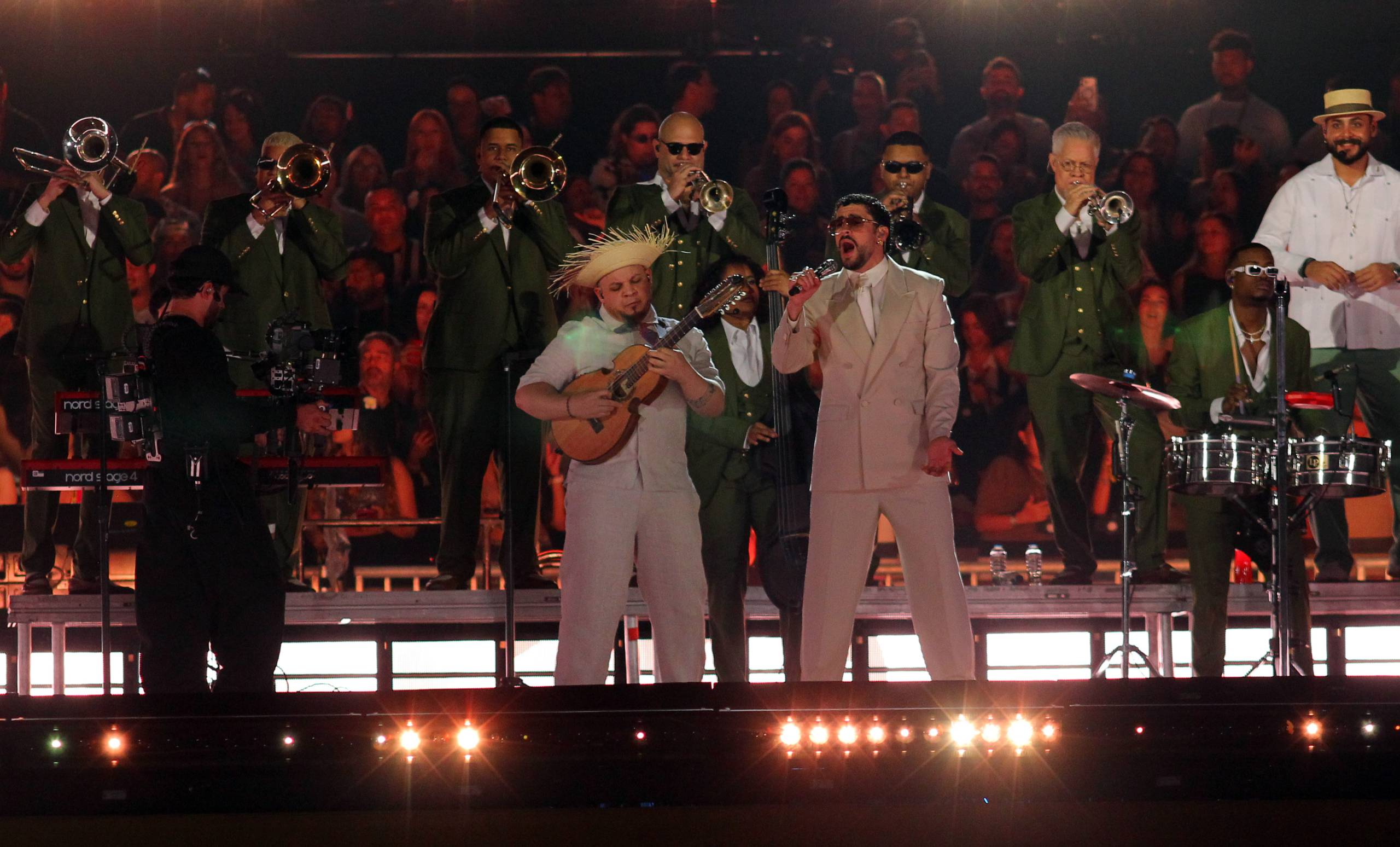
- This weekend’s Super Bowl halftime show is expected to be one of the most-watched performances of the year, and this time it’s headlined by Bad Bunny. The global superstar has never shied away from politics. Just days ago at the Grammys, he used his acceptance speech to denounce ICE at a moment when immigration enforcement has become more aggressive in parts of the country, including here in California. So what does it mean for an artist like Bad Bunny to take the Super Bowl stage right now?
- A naturalization ceremony in Fresno to swear in new U.S. citizens was abruptly cancelled recently. Many waiting for citizenship were thrown into confusion.
- Up until now, police in California could cite drivers with an open container violation, if they found loose marijuana in a vehicle. But a new ruling by the California Supreme Court finds that police can’t issue a citation, or search the car, unless the pot they find is ready to be consumed.
Football, Politics And Protest Are Likely to Clash At Sunday’s Super Bowl
Don’t tune into the Super Bowl hoping for a break from the tumultuous politics gripping the U.S. The NFL is facing pressure ahead of Sunday’s game between the Seattle Seahawks and the New England Patriots to take a more explicit stance against the Trump administration’s aggressive immigration enforcement. More than 184,000 people have signed a petition calling on the league to denounce the potential presence of Immigration and Customs Enforcement at the Super Bowl, which is being held at Levi’s Stadium.
Meanwhile, anticipation is building around how Bad Bunny, the halftime show’s Spanish-speaking headliner, will address the moment. He has criticized President Donald Trump on everything from his hurricane response in his native Puerto Rico to his treatment of immigrants. On Sunday night, he blasted ICE while accepting an award at the Grammys. His latest tour skipped the continental U.S. because of fears that his fans could be targeted by immigration agents. Trump has said he doesn’t plan to attend this year’s game, unlike last year, and he has derided Bad Bunny as a “terrible choice.” A Republican senator is calling it “the woke bowl.” And a prominent conservative group plans to hold an alternative show that it hopes will steal attention from the main event.
“He’s used his music to speak out about social issues affecting Puerto Rico since the very beginning of his career and his latest album, “Debí Tirar Más Fotos”, puts his politics into much sharper focus,” said KQED Arts Editor Nastia Voynovskaya. “On the album he sings about Puerto Rico’s status as a U.S. Territory and he highlights the civic neglect and lack of investment and opportunities that forces Puerto Ricans to leave their homeland. This was the most streamed album on Spotify globally last year. And I think part of that reason is that it has themes that resonate with immigrants cross-culturally — about displacement, gentrification, and loving your people even when the powers that be don’t.”
The NFL, which is working to expand its appeal across the world, including into Latin America, said it never considered removing Bad Bunny from the halftime show even after criticism from Trump and some of his supporters. NFL Commissioner Roger Goodell on Monday described the singer as “one of the great artists in the world,” as well as someone who understands the power of the Super Bowl performance “to unite people and to be able to bring people together.” “I think artists in the past have done that. I think Bad Bunny understands that. And I think you’ll have a great performance,” Goodell told reporters during his annual Super Bowl press conference.
Naturalization Ceremony Canceled In Fresno
A naturalization ceremony in Fresno to swear in new U.S. citizens was abruptly cancelled last month. The naturalization ceremony is the final step before becoming a U.S. citizen. And the cancellation notice came from the federal government less than a day before the ceremony was scheduled for.