window.__IS_SSR__=true
window.__INITIAL_STATE__={
"attachmentsReducer": {
"audio_0": {
"type": "attachments",
"id": "audio_0",
"imgSizes": {
"kqedFullSize": {
"file": "https://ww2.kqed.org/news/wp-content/themes/KQED-unified/img/audio_bgs/background0.jpg"
}
}
},
"audio_1": {
"type": "attachments",
"id": "audio_1",
"imgSizes": {
"kqedFullSize": {
"file": "https://ww2.kqed.org/news/wp-content/themes/KQED-unified/img/audio_bgs/background1.jpg"
}
}
},
"audio_2": {
"type": "attachments",
"id": "audio_2",
"imgSizes": {
"kqedFullSize": {
"file": "https://ww2.kqed.org/news/wp-content/themes/KQED-unified/img/audio_bgs/background2.jpg"
}
}
},
"audio_3": {
"type": "attachments",
"id": "audio_3",
"imgSizes": {
"kqedFullSize": {
"file": "https://ww2.kqed.org/news/wp-content/themes/KQED-unified/img/audio_bgs/background3.jpg"
}
}
},
"audio_4": {
"type": "attachments",
"id": "audio_4",
"imgSizes": {
"kqedFullSize": {
"file": "https://ww2.kqed.org/news/wp-content/themes/KQED-unified/img/audio_bgs/background4.jpg"
}
}
},
"placeholder": {
"type": "attachments",
"id": "placeholder",
"imgSizes": {
"thumbnail": {
"file": "https://cdn.kqed.org/wp-content/uploads/2024/12/KQED-Default-Image-816638274-2000x1333-1-160x107.jpg",
"width": 160,
"height": 107,
"mimeType": "image/jpeg"
},
"medium": {
"file": "https://cdn.kqed.org/wp-content/uploads/2024/12/KQED-Default-Image-816638274-2000x1333-1-800x533.jpg",
"width": 800,
"height": 533,
"mimeType": "image/jpeg"
},
"medium_large": {
"file": "https://cdn.kqed.org/wp-content/uploads/2024/12/KQED-Default-Image-816638274-2000x1333-1-768x512.jpg",
"width": 768,
"height": 512,
"mimeType": "image/jpeg"
},
"large": {
"file": "https://cdn.kqed.org/wp-content/uploads/2024/12/KQED-Default-Image-816638274-2000x1333-1-1020x680.jpg",
"width": 1020,
"height": 680,
"mimeType": "image/jpeg"
},
"1536x1536": {
"file": "https://cdn.kqed.org/wp-content/uploads/2024/12/KQED-Default-Image-816638274-2000x1333-1-1536x1024.jpg",
"width": 1536,
"height": 1024,
"mimeType": "image/jpeg"
},
"fd-lrg": {
"file": "https://cdn.kqed.org/wp-content/uploads/2024/12/KQED-Default-Image-816638274-2000x1333-1-1536x1024.jpg",
"width": 1536,
"height": 1024,
"mimeType": "image/jpeg"
},
"fd-med": {
"file": "https://cdn.kqed.org/wp-content/uploads/2024/12/KQED-Default-Image-816638274-2000x1333-1-1020x680.jpg",
"width": 1020,
"height": 680,
"mimeType": "image/jpeg"
},
"fd-sm": {
"file": "https://cdn.kqed.org/wp-content/uploads/2024/12/KQED-Default-Image-816638274-2000x1333-1-800x533.jpg",
"width": 800,
"height": 533,
"mimeType": "image/jpeg"
},
"post-thumbnail": {
"file": "https://cdn.kqed.org/wp-content/uploads/2024/12/KQED-Default-Image-816638274-2000x1333-1-672x372.jpg",
"width": 672,
"height": 372,
"mimeType": "image/jpeg"
},
"twentyfourteen-full-width": {
"file": "https://cdn.kqed.org/wp-content/uploads/2024/12/KQED-Default-Image-816638274-2000x1333-1-1038x576.jpg",
"width": 1038,
"height": 576,
"mimeType": "image/jpeg"
},
"xxsmall": {
"file": "https://cdn.kqed.org/wp-content/uploads/2024/12/KQED-Default-Image-816638274-2000x1333-1-160x107.jpg",
"width": 160,
"height": 107,
"mimeType": "image/jpeg"
},
"xsmall": {
"file": "https://cdn.kqed.org/wp-content/uploads/2024/12/KQED-Default-Image-816638274-2000x1333-1-672x372.jpg",
"width": 672,
"height": 372,
"mimeType": "image/jpeg"
},
"small": {
"file": "https://cdn.kqed.org/wp-content/uploads/2024/12/KQED-Default-Image-816638274-2000x1333-1-672x372.jpg",
"width": 672,
"height": 372,
"mimeType": "image/jpeg"
},
"xlarge": {
"file": "https://cdn.kqed.org/wp-content/uploads/2024/12/KQED-Default-Image-816638274-2000x1333-1-1020x680.jpg",
"width": 1020,
"height": 680,
"mimeType": "image/jpeg"
},
"full-width": {
"file": "https://cdn.kqed.org/wp-content/uploads/2024/12/KQED-Default-Image-816638274-2000x1333-1-1920x1280.jpg",
"width": 1920,
"height": 1280,
"mimeType": "image/jpeg"
},
"guest-author-32": {
"file": "https://cdn.kqed.org/wp-content/uploads/2025/01/KQED-Default-Image-816638274-1333x1333-1-160x160.jpg",
"width": 32,
"height": 32,
"mimeType": "image/jpeg"
},
"guest-author-50": {
"file": "https://cdn.kqed.org/wp-content/uploads/2025/01/KQED-Default-Image-816638274-1333x1333-1-160x160.jpg",
"width": 50,
"height": 50,
"mimeType": "image/jpeg"
},
"guest-author-64": {
"file": "https://cdn.kqed.org/wp-content/uploads/2025/01/KQED-Default-Image-816638274-1333x1333-1-160x160.jpg",
"width": 64,
"height": 64,
"mimeType": "image/jpeg"
},
"guest-author-96": {
"file": "https://cdn.kqed.org/wp-content/uploads/2025/01/KQED-Default-Image-816638274-1333x1333-1-160x160.jpg",
"width": 96,
"height": 96,
"mimeType": "image/jpeg"
},
"guest-author-128": {
"file": "https://cdn.kqed.org/wp-content/uploads/2025/01/KQED-Default-Image-816638274-1333x1333-1-160x160.jpg",
"width": 128,
"height": 128,
"mimeType": "image/jpeg"
},
"detail": {
"file": "https://cdn.kqed.org/wp-content/uploads/2025/01/KQED-Default-Image-816638274-1333x1333-1-160x160.jpg",
"width": 160,
"height": 160,
"mimeType": "image/jpeg"
},
"kqedFullSize": {
"file": "https://cdn.kqed.org/wp-content/uploads/2024/12/KQED-Default-Image-816638274-2000x1333-1.jpg",
"width": 2000,
"height": 1333
}
}
},
"news_11826063": {
"type": "attachments",
"id": "news_11826063",
"meta": {
"index": "attachments_1716263798",
"site": "news",
"id": "11826063",
"found": true
},
"parent": 11825276,
"imgSizes": {
"apple_news_ca_landscape_5_5": {
"file": "https://ww2.kqed.org/app/uploads/sites/10/2020/06/001_KQED_RestinSpirit_RS41181_IMG_4968-qut_v2-1044x783.jpg",
"width": 1044,
"mimeType": "image/jpeg",
"height": 783
},
"apple_news_ca_square_4_0": {
"file": "https://ww2.kqed.org/app/uploads/sites/10/2020/06/001_KQED_RestinSpirit_RS41181_IMG_4968-qut_v2-470x470.jpg",
"width": 470,
"mimeType": "image/jpeg",
"height": 470
},
"twentyfourteen-full-width": {
"file": "https://ww2.kqed.org/app/uploads/sites/10/2020/06/001_KQED_RestinSpirit_RS41181_IMG_4968-qut_v2-1038x576.jpg",
"width": 1038,
"mimeType": "image/jpeg",
"height": 576
},
"thumbnail": {
"file": "https://ww2.kqed.org/app/uploads/sites/10/2020/06/001_KQED_RestinSpirit_RS41181_IMG_4968-qut_v2-160x90.jpg",
"width": 160,
"mimeType": "image/jpeg",
"height": 90
},
"post-thumbnail": {
"file": "https://ww2.kqed.org/app/uploads/sites/10/2020/06/001_KQED_RestinSpirit_RS41181_IMG_4968-qut_v2-672x372.jpg",
"width": 672,
"mimeType": "image/jpeg",
"height": 372
},
"kqedFullSize": {
"file": "https://ww2.kqed.org/app/uploads/sites/10/2020/06/001_KQED_RestinSpirit_RS41181_IMG_4968-qut_v2.jpg",
"width": 1443,
"height": 812
},
"apple_news_ca_landscape_4_7": {
"file": "https://ww2.kqed.org/app/uploads/sites/10/2020/06/001_KQED_RestinSpirit_RS41181_IMG_4968-qut_v2-632x474.jpg",
"width": 632,
"mimeType": "image/jpeg",
"height": 474
},
"large": {
"file": "https://ww2.kqed.org/app/uploads/sites/10/2020/06/001_KQED_RestinSpirit_RS41181_IMG_4968-qut_v2-1020x574.jpg",
"width": 1020,
"mimeType": "image/jpeg",
"height": 574
},
"apple_news_ca_landscape_4_0": {
"file": "https://ww2.kqed.org/app/uploads/sites/10/2020/06/001_KQED_RestinSpirit_RS41181_IMG_4968-qut_v2-536x402.jpg",
"width": 536,
"mimeType": "image/jpeg",
"height": 402
},
"apple_news_ca_portrait_12_9": {
"file": "https://ww2.kqed.org/app/uploads/sites/10/2020/06/001_KQED_RestinSpirit_RS41181_IMG_4968-qut_v2-1122x812.jpg",
"width": 1122,
"mimeType": "image/jpeg",
"height": 812
},
"medium": {
"file": "https://ww2.kqed.org/app/uploads/sites/10/2020/06/001_KQED_RestinSpirit_RS41181_IMG_4968-qut_v2-800x450.jpg",
"width": 800,
"mimeType": "image/jpeg",
"height": 450
},
"apple_news_ca_portrait_4_0": {
"file": "https://ww2.kqed.org/app/uploads/sites/10/2020/06/001_KQED_RestinSpirit_RS41181_IMG_4968-qut_v2-354x472.jpg",
"width": 354,
"mimeType": "image/jpeg",
"height": 472
},
"apple_news_ca_portrait_9_7": {
"file": "https://ww2.kqed.org/app/uploads/sites/10/2020/06/001_KQED_RestinSpirit_RS41181_IMG_4968-qut_v2-840x812.jpg",
"width": 840,
"mimeType": "image/jpeg",
"height": 812
},
"apple_news_ca_square_9_7": {
"file": "https://ww2.kqed.org/app/uploads/sites/10/2020/06/001_KQED_RestinSpirit_RS41181_IMG_4968-qut_v2-1104x812.jpg",
"width": 1104,
"mimeType": "image/jpeg",
"height": 812
},
"apple_news_ca_portrait_4_7": {
"file": "https://ww2.kqed.org/app/uploads/sites/10/2020/06/001_KQED_RestinSpirit_RS41181_IMG_4968-qut_v2-414x552.jpg",
"width": 414,
"mimeType": "image/jpeg",
"height": 552
},
"apple_news_ca_portrait_5_5": {
"file": "https://ww2.kqed.org/app/uploads/sites/10/2020/06/001_KQED_RestinSpirit_RS41181_IMG_4968-qut_v2-687x812.jpg",
"width": 687,
"mimeType": "image/jpeg",
"height": 812
},
"apple_news_ca_square_4_7": {
"file": "https://ww2.kqed.org/app/uploads/sites/10/2020/06/001_KQED_RestinSpirit_RS41181_IMG_4968-qut_v2-550x550.jpg",
"width": 550,
"mimeType": "image/jpeg",
"height": 550
},
"apple_news_ca_landscape_9_7": {
"file": "https://ww2.kqed.org/app/uploads/sites/10/2020/06/001_KQED_RestinSpirit_RS41181_IMG_4968-qut_v2-1376x812.jpg",
"width": 1376,
"mimeType": "image/jpeg",
"height": 812
},
"apple_news_ca_square_5_5": {
"file": "https://ww2.kqed.org/app/uploads/sites/10/2020/06/001_KQED_RestinSpirit_RS41181_IMG_4968-qut_v2-912x812.jpg",
"width": 912,
"mimeType": "image/jpeg",
"height": 812
}
},
"publishDate": 1593042165,
"modified": 1627439433,
"caption": "Tras ser apartado de las iglesias católica y anglicana, el padre Antonio Castañeda predica en su nueva iglesia, la Iglesia del Espíritu Santo. Castañeda ha sido acusado de 22 cargos de agresión, agresión sexual, tentativa de agresión sexual e intento de impedir que un testigo/víctima lo acuse.",
"description": null,
"title": "001_KQED_RestinSpirit_RS41181_IMG_4968-qut_v2",
"credit": "Alexandra Hall/KQED",
"status": "inherit",
"altTag": "After being removed from the Catholic and Anglican churches, Father Antonio Castañeda preaches at his new church, Iglesia del Espíritu Santo, or Holy Spirit Church. Castañeda has been charged with 22 counts of battery, sexual battery, attempted sexual battery and attempt to prevent a witness/victim from prosecuting.",
"isLoading": false,
"fetchFailed": false
},
"news_11872076": {
"type": "attachments",
"id": "news_11872076",
"meta": {
"index": "attachments_1716263798",
"site": "news",
"id": "11872076",
"found": true
},
"parent": 11872046,
"imgSizes": {
"twentyfourteen-full-width": {
"file": "https://ww2.kqed.org/app/uploads/sites/10/2021/05/RS48881_GettyImages-1231697879-qut-1038x576.jpg",
"width": 1038,
"mimeType": "image/jpeg",
"height": 576
},
"thumbnail": {
"file": "https://ww2.kqed.org/app/uploads/sites/10/2021/05/RS48881_GettyImages-1231697879-qut-160x107.jpg",
"width": 160,
"mimeType": "image/jpeg",
"height": 107
},
"post-thumbnail": {
"file": "https://ww2.kqed.org/app/uploads/sites/10/2021/05/RS48881_GettyImages-1231697879-qut-672x372.jpg",
"width": 672,
"mimeType": "image/jpeg",
"height": 372
},
"kqedFullSize": {
"file": "https://ww2.kqed.org/app/uploads/sites/10/2021/05/RS48881_GettyImages-1231697879-qut.jpg",
"width": 1920,
"height": 1280
},
"large": {
"file": "https://ww2.kqed.org/app/uploads/sites/10/2021/05/RS48881_GettyImages-1231697879-qut-1020x680.jpg",
"width": 1020,
"mimeType": "image/jpeg",
"height": 680
},
"1536x1536": {
"file": "https://ww2.kqed.org/app/uploads/sites/10/2021/05/RS48881_GettyImages-1231697879-qut-1536x1024.jpg",
"width": 1536,
"mimeType": "image/jpeg",
"height": 1024
},
"medium": {
"file": "https://ww2.kqed.org/app/uploads/sites/10/2021/05/RS48881_GettyImages-1231697879-qut-800x533.jpg",
"width": 800,
"mimeType": "image/jpeg",
"height": 533
}
},
"publishDate": 1620080696,
"modified": 1620086748,
"caption": "A syringe is filled with a dose of the Johnson & Johnson/Janssen COVID-19 vaccine at a vaccination site organized by the United Farm Workers, Kern Medical and the Kern County Latino COVID-19 Task Force on March 13, 2021 in Delano. The San Joaquin Valley is home to some of the least vaccinated counties in California.",
"description": "A syringe is filled with a dose of the Johnson & Johnson Janssen COVID-19 vaccine at a vaccination site organized by the United Farm Workers, Kern Medical and the Kern County Latino COVID-19 Task Force on March 13, 2021 in Delano. The San Joaquin Valley is home to some of the least vaccinated counties in California.",
"title": "US-HEALTH-VIRUS-VACCINE",
"credit": "Patrick T. Fallon/AFP via Getty Images",
"status": "inherit",
"altTag": "worker fills a syringe",
"isLoading": false,
"fetchFailed": false
},
"news_11866138": {
"type": "attachments",
"id": "news_11866138",
"meta": {
"index": "attachments_1716263798",
"site": "news",
"id": "11866138",
"found": true
},
"parent": 11863423,
"imgSizes": {
"twentyfourteen-full-width": {
"file": "https://ww2.kqed.org/app/uploads/sites/10/2021/03/04-2-1038x576.jpg",
"width": 1038,
"mimeType": "image/jpeg",
"height": 576
},
"thumbnail": {
"file": "https://ww2.kqed.org/app/uploads/sites/10/2021/03/04-2-160x107.jpg",
"width": 160,
"mimeType": "image/jpeg",
"height": 107
},
"post-thumbnail": {
"file": "https://ww2.kqed.org/app/uploads/sites/10/2021/03/04-2-672x372.jpg",
"width": 672,
"mimeType": "image/jpeg",
"height": 372
},
"kqedFullSize": {
"file": "https://ww2.kqed.org/app/uploads/sites/10/2021/03/04-2-scaled.jpg",
"width": 2560,
"height": 1718
},
"2048x2048": {
"file": "https://ww2.kqed.org/app/uploads/sites/10/2021/03/04-2-2048x1374.jpg",
"width": 2048,
"mimeType": "image/jpeg",
"height": 1374
},
"large": {
"file": "https://ww2.kqed.org/app/uploads/sites/10/2021/03/04-2-1020x685.jpg",
"width": 1020,
"mimeType": "image/jpeg",
"height": 685
},
"1536x1536": {
"file": "https://ww2.kqed.org/app/uploads/sites/10/2021/03/04-2-1536x1031.jpg",
"width": 1536,
"mimeType": "image/jpeg",
"height": 1031
},
"full-width": {
"file": "https://ww2.kqed.org/app/uploads/sites/10/2021/03/04-2-1920x1289.jpg",
"width": 1920,
"mimeType": "image/jpeg",
"height": 1289
},
"medium": {
"file": "https://ww2.kqed.org/app/uploads/sites/10/2021/03/04-2-800x537.jpg",
"width": 800,
"mimeType": "image/jpeg",
"height": 537
}
},
"publishDate": 1616543285,
"modified": 1616798682,
"caption": "Maria Madrigal picks persimmons in a field near Poplar in the San Joaquin Valley, in a crew of Mexican immigrants. Many workers wear face masks or bandanas as a protection against spreading the coronavirus.",
"description": "Maria Madrigal picks persimmons in a field near Poplar, in the San Joaquin Valley, in a crew of Mexican immigrants. Many workers wear facemasks or bandannas as a protection against spreading the coronavirus.",
"title": "Farmworkers pick persimmons in a San Joaquin Valley grove",
"credit": "David Bacon",
"status": "inherit",
"altTag": null,
"isLoading": false,
"fetchFailed": false
},
"news_11726147": {
"type": "attachments",
"id": "news_11726147",
"meta": {
"index": "attachments_1716263798",
"site": "news",
"id": "11726147",
"found": true
},
"parent": 11726127,
"imgSizes": {
"twentyfourteen-full-width": {
"file": "https://ww2.kqed.org/app/uploads/sites/10/2019/02/RS35264_IMG_2974-qut-1038x576.jpg",
"width": 1038,
"mimeType": "image/jpeg",
"height": 576
},
"thumbnail": {
"file": "https://ww2.kqed.org/app/uploads/sites/10/2019/02/RS35264_IMG_2974-qut-160x107.jpg",
"width": 160,
"mimeType": "image/jpeg",
"height": 107
},
"post-thumbnail": {
"file": "https://ww2.kqed.org/app/uploads/sites/10/2019/02/RS35264_IMG_2974-qut-672x372.jpg",
"width": 672,
"mimeType": "image/jpeg",
"height": 372
},
"kqedFullSize": {
"file": "https://ww2.kqed.org/app/uploads/sites/10/2019/02/RS35264_IMG_2974-qut.jpg",
"width": 1920,
"height": 1280
},
"large": {
"file": "https://ww2.kqed.org/app/uploads/sites/10/2019/02/RS35264_IMG_2974-qut-1020x680.jpg",
"width": 1020,
"mimeType": "image/jpeg",
"height": 680
},
"complete_open_graph": {
"file": "https://ww2.kqed.org/app/uploads/sites/10/2019/02/RS35264_IMG_2974-qut-1200x800.jpg",
"width": 1200,
"mimeType": "image/jpeg",
"height": 800
},
"guest-author-50": {
"file": "https://ww2.kqed.org/app/uploads/sites/10/2019/02/RS35264_IMG_2974-qut-50x50.jpg",
"width": 50,
"mimeType": "image/jpeg",
"height": 50
},
"guest-author-96": {
"file": "https://ww2.kqed.org/app/uploads/sites/10/2019/02/RS35264_IMG_2974-qut-96x96.jpg",
"width": 96,
"mimeType": "image/jpeg",
"height": 96
},
"medium": {
"file": "https://ww2.kqed.org/app/uploads/sites/10/2019/02/RS35264_IMG_2974-qut-800x533.jpg",
"width": 800,
"mimeType": "image/jpeg",
"height": 533
},
"guest-author-64": {
"file": "https://ww2.kqed.org/app/uploads/sites/10/2019/02/RS35264_IMG_2974-qut-64x64.jpg",
"width": 64,
"mimeType": "image/jpeg",
"height": 64
},
"guest-author-32": {
"file": "https://ww2.kqed.org/app/uploads/sites/10/2019/02/RS35264_IMG_2974-qut-32x32.jpg",
"width": 32,
"mimeType": "image/jpeg",
"height": 32
},
"full-width": {
"file": "https://ww2.kqed.org/app/uploads/sites/10/2019/02/RS35264_IMG_2974-qut-1920x1280.jpg",
"width": 1920,
"mimeType": "image/jpeg",
"height": 1280
},
"detail": {
"file": "https://ww2.kqed.org/app/uploads/sites/10/2019/02/RS35264_IMG_2974-qut-150x150.jpg",
"width": 150,
"mimeType": "image/jpeg",
"height": 150
},
"guest-author-128": {
"file": "https://ww2.kqed.org/app/uploads/sites/10/2019/02/RS35264_IMG_2974-qut-128x128.jpg",
"width": 128,
"mimeType": "image/jpeg",
"height": 128
}
},
"publishDate": 1550111310,
"modified": 1614626179,
"caption": "Maria Paramo says her supervisor harassed her repeatedly and eventually assaulted her on the job. ",
"description": null,
"title": "RS35264_IMG_2974-qut",
"credit": "Alex Hall/KQED",
"status": "inherit",
"altTag": null,
"isLoading": false,
"fetchFailed": false
},
"news_11861198": {
"type": "attachments",
"id": "news_11861198",
"meta": {
"index": "attachments_1716263798",
"site": "news",
"id": "11861198",
"found": true
},
"parent": 11861010,
"imgSizes": {
"apple_news_ca_landscape_5_5": {
"file": "https://ww2.kqed.org/app/uploads/sites/10/2021/02/RS47225_IMG_5086-qut-1044x783.jpg",
"width": 1044,
"mimeType": "image/jpeg",
"height": 783
},
"apple_news_ca_square_4_0": {
"file": "https://ww2.kqed.org/app/uploads/sites/10/2021/02/RS47225_IMG_5086-qut-470x470.jpg",
"width": 470,
"mimeType": "image/jpeg",
"height": 470
},
"twentyfourteen-full-width": {
"file": "https://ww2.kqed.org/app/uploads/sites/10/2021/02/RS47225_IMG_5086-qut-1038x576.jpg",
"width": 1038,
"mimeType": "image/jpeg",
"height": 576
},
"thumbnail": {
"file": "https://ww2.kqed.org/app/uploads/sites/10/2021/02/RS47225_IMG_5086-qut-160x120.jpg",
"width": 160,
"mimeType": "image/jpeg",
"height": 120
},
"post-thumbnail": {
"file": "https://ww2.kqed.org/app/uploads/sites/10/2021/02/RS47225_IMG_5086-qut-672x372.jpg",
"width": 672,
"mimeType": "image/jpeg",
"height": 372
},
"kqedFullSize": {
"file": "https://ww2.kqed.org/app/uploads/sites/10/2021/02/RS47225_IMG_5086-qut.jpg",
"width": 1920,
"height": 1440
},
"apple_news_ca_landscape_4_7": {
"file": "https://ww2.kqed.org/app/uploads/sites/10/2021/02/RS47225_IMG_5086-qut-632x474.jpg",
"width": 632,
"mimeType": "image/jpeg",
"height": 474
},
"large": {
"file": "https://ww2.kqed.org/app/uploads/sites/10/2021/02/RS47225_IMG_5086-qut-1020x765.jpg",
"width": 1020,
"mimeType": "image/jpeg",
"height": 765
},
"apple_news_ca_landscape_4_0": {
"file": "https://ww2.kqed.org/app/uploads/sites/10/2021/02/RS47225_IMG_5086-qut-536x402.jpg",
"width": 536,
"mimeType": "image/jpeg",
"height": 402
},
"apple_news_ca_portrait_12_9": {
"file": "https://ww2.kqed.org/app/uploads/sites/10/2021/02/RS47225_IMG_5086-qut-1122x1440.jpg",
"width": 1122,
"mimeType": "image/jpeg",
"height": 1440
},
"medium": {
"file": "https://ww2.kqed.org/app/uploads/sites/10/2021/02/RS47225_IMG_5086-qut-800x600.jpg",
"width": 800,
"mimeType": "image/jpeg",
"height": 600
},
"apple_news_ca_portrait_4_0": {
"file": "https://ww2.kqed.org/app/uploads/sites/10/2021/02/RS47225_IMG_5086-qut-354x472.jpg",
"width": 354,
"mimeType": "image/jpeg",
"height": 472
},
"apple_news_ca_portrait_9_7": {
"file": "https://ww2.kqed.org/app/uploads/sites/10/2021/02/RS47225_IMG_5086-qut-840x1120.jpg",
"width": 840,
"mimeType": "image/jpeg",
"height": 1120
},
"apple_news_ca_landscape_12_9": {
"file": "https://ww2.kqed.org/app/uploads/sites/10/2021/02/RS47225_IMG_5086-qut-1832x1374.jpg",
"width": 1832,
"mimeType": "image/jpeg",
"height": 1374
},
"apple_news_ca_square_9_7": {
"file": "https://ww2.kqed.org/app/uploads/sites/10/2021/02/RS47225_IMG_5086-qut-1104x1104.jpg",
"width": 1104,
"mimeType": "image/jpeg",
"height": 1104
},
"1536x1536": {
"file": "https://ww2.kqed.org/app/uploads/sites/10/2021/02/RS47225_IMG_5086-qut-1536x1152.jpg",
"width": 1536,
"mimeType": "image/jpeg",
"height": 1152
},
"apple_news_ca_portrait_4_7": {
"file": "https://ww2.kqed.org/app/uploads/sites/10/2021/02/RS47225_IMG_5086-qut-414x552.jpg",
"width": 414,
"mimeType": "image/jpeg",
"height": 552
},
"apple_news_ca_square_12_9": {
"file": "https://ww2.kqed.org/app/uploads/sites/10/2021/02/RS47225_IMG_5086-qut-1472x1440.jpg",
"width": 1472,
"mimeType": "image/jpeg",
"height": 1440
},
"apple_news_ca_portrait_5_5": {
"file": "https://ww2.kqed.org/app/uploads/sites/10/2021/02/RS47225_IMG_5086-qut-687x916.jpg",
"width": 687,
"mimeType": "image/jpeg",
"height": 916
},
"apple_news_ca_square_4_7": {
"file": "https://ww2.kqed.org/app/uploads/sites/10/2021/02/RS47225_IMG_5086-qut-550x550.jpg",
"width": 550,
"mimeType": "image/jpeg",
"height": 550
},
"apple_news_ca_landscape_9_7": {
"file": "https://ww2.kqed.org/app/uploads/sites/10/2021/02/RS47225_IMG_5086-qut-1376x1032.jpg",
"width": 1376,
"mimeType": "image/jpeg",
"height": 1032
},
"apple_news_ca_square_5_5": {
"file": "https://ww2.kqed.org/app/uploads/sites/10/2021/02/RS47225_IMG_5086-qut-912x912.jpg",
"width": 912,
"mimeType": "image/jpeg",
"height": 912
}
},
"publishDate": 1613764623,
"modified": 1613778292,
"caption": "Generations of the Masumoto family gathered in Selma, CA in 2017 for a memorial service. Yoshi Masumoto Yamagiwa (center) is holding a photo of her brother, George Masumoto, who was killed fighting for the U.S. in World War 2, while his family was incarcerated in a prison camp for Japanese Americans in Gila River, Arizona. ",
"description": "Generations of the Masumoto family gathered in Selma, California, in 2017 for a memorial service. Yoshi Masumoto Yamagiwa (center) is holding a photo of her brother, George Masumoto, who was killed fighting for the U.S. in World War II, while his family was incarcerated in a prison camp for Japanese Americans in Gila River, Arizona. ",
"title": "RS47225_IMG_5086-qut",
"credit": "Courtesy Masumoto Family",
"status": "inherit",
"altTag": null,
"isLoading": false,
"fetchFailed": false
},
"news_11858842": {
"type": "attachments",
"id": "news_11858842",
"meta": {
"index": "attachments_1716263798",
"site": "news",
"id": "11858842",
"found": true
},
"parent": 11858631,
"imgSizes": {
"apple_news_ca_landscape_5_5": {
"file": "https://ww2.kqed.org/app/uploads/sites/10/2021/02/IMG_7177-1044x783.jpg",
"width": 1044,
"mimeType": "image/jpeg",
"height": 783
},
"apple_news_ca_square_4_0": {
"file": "https://ww2.kqed.org/app/uploads/sites/10/2021/02/IMG_7177-470x470.jpg",
"width": 470,
"mimeType": "image/jpeg",
"height": 470
},
"twentyfourteen-full-width": {
"file": "https://ww2.kqed.org/app/uploads/sites/10/2021/02/IMG_7177-1038x576.jpg",
"width": 1038,
"mimeType": "image/jpeg",
"height": 576
},
"thumbnail": {
"file": "https://ww2.kqed.org/app/uploads/sites/10/2021/02/IMG_7177-160x107.jpg",
"width": 160,
"mimeType": "image/jpeg",
"height": 107
},
"post-thumbnail": {
"file": "https://ww2.kqed.org/app/uploads/sites/10/2021/02/IMG_7177-672x372.jpg",
"width": 672,
"mimeType": "image/jpeg",
"height": 372
},
"kqedFullSize": {
"file": "https://ww2.kqed.org/app/uploads/sites/10/2021/02/IMG_7177-scaled.jpg",
"width": 2560,
"height": 1707
},
"2048x2048": {
"file": "https://ww2.kqed.org/app/uploads/sites/10/2021/02/IMG_7177-2048x1365.jpg",
"width": 2048,
"mimeType": "image/jpeg",
"height": 1365
},
"apple_news_ca_landscape_4_7": {
"file": "https://ww2.kqed.org/app/uploads/sites/10/2021/02/IMG_7177-632x474.jpg",
"width": 632,
"mimeType": "image/jpeg",
"height": 474
},
"large": {
"file": "https://ww2.kqed.org/app/uploads/sites/10/2021/02/IMG_7177-1020x680.jpg",
"width": 1020,
"mimeType": "image/jpeg",
"height": 680
},
"apple_news_ca_landscape_4_0": {
"file": "https://ww2.kqed.org/app/uploads/sites/10/2021/02/IMG_7177-536x402.jpg",
"width": 536,
"mimeType": "image/jpeg",
"height": 402
},
"apple_news_ca_portrait_12_9": {
"file": "https://ww2.kqed.org/app/uploads/sites/10/2021/02/IMG_7177-1122x1496.jpg",
"width": 1122,
"mimeType": "image/jpeg",
"height": 1496
},
"medium": {
"file": "https://ww2.kqed.org/app/uploads/sites/10/2021/02/IMG_7177-800x533.jpg",
"width": 800,
"mimeType": "image/jpeg",
"height": 533
},
"apple_news_ca_portrait_4_0": {
"file": "https://ww2.kqed.org/app/uploads/sites/10/2021/02/IMG_7177-354x472.jpg",
"width": 354,
"mimeType": "image/jpeg",
"height": 472
},
"apple_news_ca_portrait_9_7": {
"file": "https://ww2.kqed.org/app/uploads/sites/10/2021/02/IMG_7177-840x1120.jpg",
"width": 840,
"mimeType": "image/jpeg",
"height": 1120
},
"apple_news_ca_landscape_12_9": {
"file": "https://ww2.kqed.org/app/uploads/sites/10/2021/02/IMG_7177-1832x1374.jpg",
"width": 1832,
"mimeType": "image/jpeg",
"height": 1374
},
"apple_news_ca_square_9_7": {
"file": "https://ww2.kqed.org/app/uploads/sites/10/2021/02/IMG_7177-1104x1104.jpg",
"width": 1104,
"mimeType": "image/jpeg",
"height": 1104
},
"1536x1536": {
"file": "https://ww2.kqed.org/app/uploads/sites/10/2021/02/IMG_7177-1536x1024.jpg",
"width": 1536,
"mimeType": "image/jpeg",
"height": 1024
},
"apple_news_ca_portrait_4_7": {
"file": "https://ww2.kqed.org/app/uploads/sites/10/2021/02/IMG_7177-414x552.jpg",
"width": 414,
"mimeType": "image/jpeg",
"height": 552
},
"apple_news_ca_square_12_9": {
"file": "https://ww2.kqed.org/app/uploads/sites/10/2021/02/IMG_7177-1472x1472.jpg",
"width": 1472,
"mimeType": "image/jpeg",
"height": 1472
},
"apple_news_ca_portrait_5_5": {
"file": "https://ww2.kqed.org/app/uploads/sites/10/2021/02/IMG_7177-687x916.jpg",
"width": 687,
"mimeType": "image/jpeg",
"height": 916
},
"full-width": {
"file": "https://ww2.kqed.org/app/uploads/sites/10/2021/02/IMG_7177-1920x1280.jpg",
"width": 1920,
"mimeType": "image/jpeg",
"height": 1280
},
"apple_news_ca_square_4_7": {
"file": "https://ww2.kqed.org/app/uploads/sites/10/2021/02/IMG_7177-550x550.jpg",
"width": 550,
"mimeType": "image/jpeg",
"height": 550
},
"apple_news_ca_landscape_9_7": {
"file": "https://ww2.kqed.org/app/uploads/sites/10/2021/02/IMG_7177-1376x1032.jpg",
"width": 1376,
"mimeType": "image/jpeg",
"height": 1032
},
"apple_news_ca_square_5_5": {
"file": "https://ww2.kqed.org/app/uploads/sites/10/2021/02/IMG_7177-912x912.jpg",
"width": 912,
"mimeType": "image/jpeg",
"height": 912
}
},
"publishDate": 1612549580,
"modified": 1612575911,
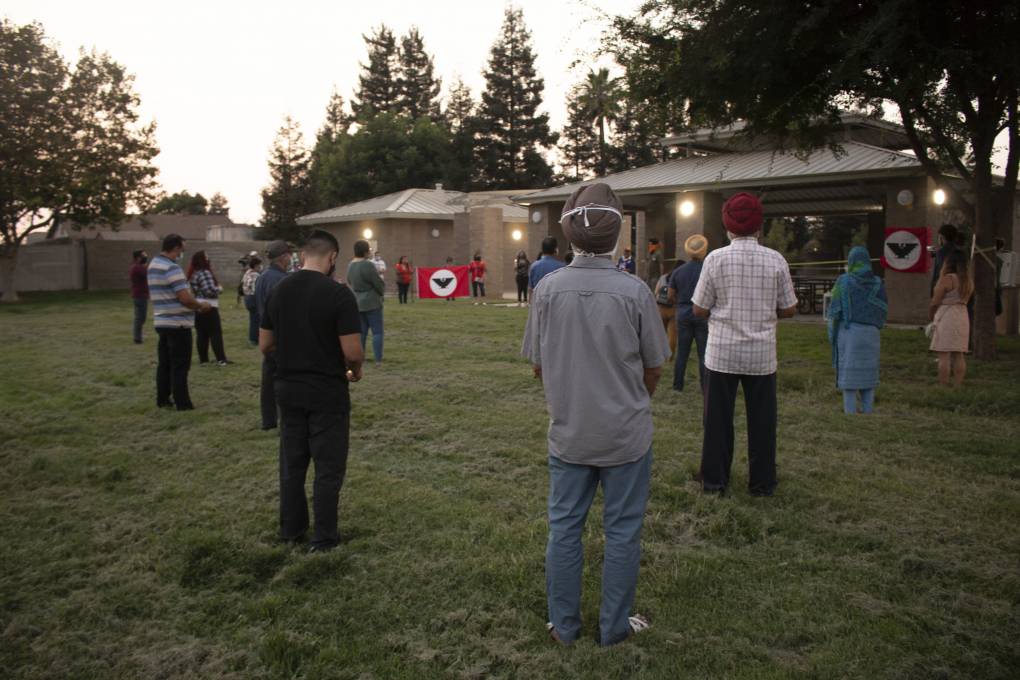
"caption": "Community members attend a memorial in Livingston, California for workers who died in connection to a major COVID-19 outbreak at a nearby Foster Farms plant.",
"description": "Community members attend a memorial in Livingston, California for workers who died in connection to a major COVID-19 outbreak at a nearby Foster Farms plant.",
"title": "IMG_7177",
"credit": "Alexandra Hall/KQED",
"status": "inherit",
"altTag": null,
"isLoading": false,
"fetchFailed": false
},
"news_11851980": {
"type": "attachments",
"id": "news_11851980",
"meta": {
"index": "attachments_1716263798",
"site": "news",
"id": "11851980",
"found": true
},
"parent": 11851959,
"imgSizes": {
"apple_news_ca_landscape_5_5": {
"file": "https://ww2.kqed.org/app/uploads/sites/10/2020/12/Line-photo-declaration-exhibit-C-resized-1044x783.jpg",
"width": 1044,
"mimeType": "image/jpeg",
"height": 783
},
"apple_news_ca_square_4_0": {
"file": "https://ww2.kqed.org/app/uploads/sites/10/2020/12/Line-photo-declaration-exhibit-C-resized-470x470.jpg",
"width": 470,
"mimeType": "image/jpeg",
"height": 470
},
"twentyfourteen-full-width": {
"file": "https://ww2.kqed.org/app/uploads/sites/10/2020/12/Line-photo-declaration-exhibit-C-resized-1038x576.jpg",
"width": 1038,
"mimeType": "image/jpeg",
"height": 576
},
"thumbnail": {
"file": "https://ww2.kqed.org/app/uploads/sites/10/2020/12/Line-photo-declaration-exhibit-C-resized-160x90.jpg",
"width": 160,
"mimeType": "image/jpeg",
"height": 90
},
"post-thumbnail": {
"file": "https://ww2.kqed.org/app/uploads/sites/10/2020/12/Line-photo-declaration-exhibit-C-resized-672x372.jpg",
"width": 672,
"mimeType": "image/jpeg",
"height": 372
},
"kqedFullSize": {
"file": "https://ww2.kqed.org/app/uploads/sites/10/2020/12/Line-photo-declaration-exhibit-C-resized.jpg",
"width": 1920,
"height": 1080
},
"apple_news_ca_landscape_4_7": {
"file": "https://ww2.kqed.org/app/uploads/sites/10/2020/12/Line-photo-declaration-exhibit-C-resized-632x474.jpg",
"width": 632,
"mimeType": "image/jpeg",
"height": 474
},
"large": {
"file": "https://ww2.kqed.org/app/uploads/sites/10/2020/12/Line-photo-declaration-exhibit-C-resized-1020x574.jpg",
"width": 1020,
"mimeType": "image/jpeg",
"height": 574
},
"apple_news_ca_landscape_4_0": {
"file": "https://ww2.kqed.org/app/uploads/sites/10/2020/12/Line-photo-declaration-exhibit-C-resized-536x402.jpg",
"width": 536,
"mimeType": "image/jpeg",
"height": 402
},
"apple_news_ca_portrait_12_9": {
"file": "https://ww2.kqed.org/app/uploads/sites/10/2020/12/Line-photo-declaration-exhibit-C-resized-1122x1080.jpg",
"width": 1122,
"mimeType": "image/jpeg",
"height": 1080
},
"medium": {
"file": "https://ww2.kqed.org/app/uploads/sites/10/2020/12/Line-photo-declaration-exhibit-C-resized-800x450.jpg",
"width": 800,
"mimeType": "image/jpeg",
"height": 450
},
"apple_news_ca_portrait_4_0": {
"file": "https://ww2.kqed.org/app/uploads/sites/10/2020/12/Line-photo-declaration-exhibit-C-resized-354x472.jpg",
"width": 354,
"mimeType": "image/jpeg",
"height": 472
},
"apple_news_ca_portrait_9_7": {
"file": "https://ww2.kqed.org/app/uploads/sites/10/2020/12/Line-photo-declaration-exhibit-C-resized-840x1080.jpg",
"width": 840,
"mimeType": "image/jpeg",
"height": 1080
},
"apple_news_ca_landscape_12_9": {
"file": "https://ww2.kqed.org/app/uploads/sites/10/2020/12/Line-photo-declaration-exhibit-C-resized-1832x1080.jpg",
"width": 1832,
"mimeType": "image/jpeg",
"height": 1080
},
"apple_news_ca_square_9_7": {
"file": "https://ww2.kqed.org/app/uploads/sites/10/2020/12/Line-photo-declaration-exhibit-C-resized-1104x1080.jpg",
"width": 1104,
"mimeType": "image/jpeg",
"height": 1080
},
"1536x1536": {
"file": "https://ww2.kqed.org/app/uploads/sites/10/2020/12/Line-photo-declaration-exhibit-C-resized-1536x864.jpg",
"width": 1536,
"mimeType": "image/jpeg",
"height": 864
},
"apple_news_ca_portrait_4_7": {
"file": "https://ww2.kqed.org/app/uploads/sites/10/2020/12/Line-photo-declaration-exhibit-C-resized-414x552.jpg",
"width": 414,
"mimeType": "image/jpeg",
"height": 552
},
"apple_news_ca_square_12_9": {
"file": "https://ww2.kqed.org/app/uploads/sites/10/2020/12/Line-photo-declaration-exhibit-C-resized-1472x1080.jpg",
"width": 1472,
"mimeType": "image/jpeg",
"height": 1080
},
"apple_news_ca_portrait_5_5": {
"file": "https://ww2.kqed.org/app/uploads/sites/10/2020/12/Line-photo-declaration-exhibit-C-resized-687x916.jpg",
"width": 687,
"mimeType": "image/jpeg",
"height": 916
},
"apple_news_ca_square_4_7": {
"file": "https://ww2.kqed.org/app/uploads/sites/10/2020/12/Line-photo-declaration-exhibit-C-resized-550x550.jpg",
"width": 550,
"mimeType": "image/jpeg",
"height": 550
},
"apple_news_ca_landscape_9_7": {
"file": "https://ww2.kqed.org/app/uploads/sites/10/2020/12/Line-photo-declaration-exhibit-C-resized-1376x1032.jpg",
"width": 1376,
"mimeType": "image/jpeg",
"height": 1032
},
"apple_news_ca_square_5_5": {
"file": "https://ww2.kqed.org/app/uploads/sites/10/2020/12/Line-photo-declaration-exhibit-C-resized-912x912.jpg",
"width": 912,
"mimeType": "image/jpeg",
"height": 912
}
},
"publishDate": 1608326882,
"modified": 1608333630,
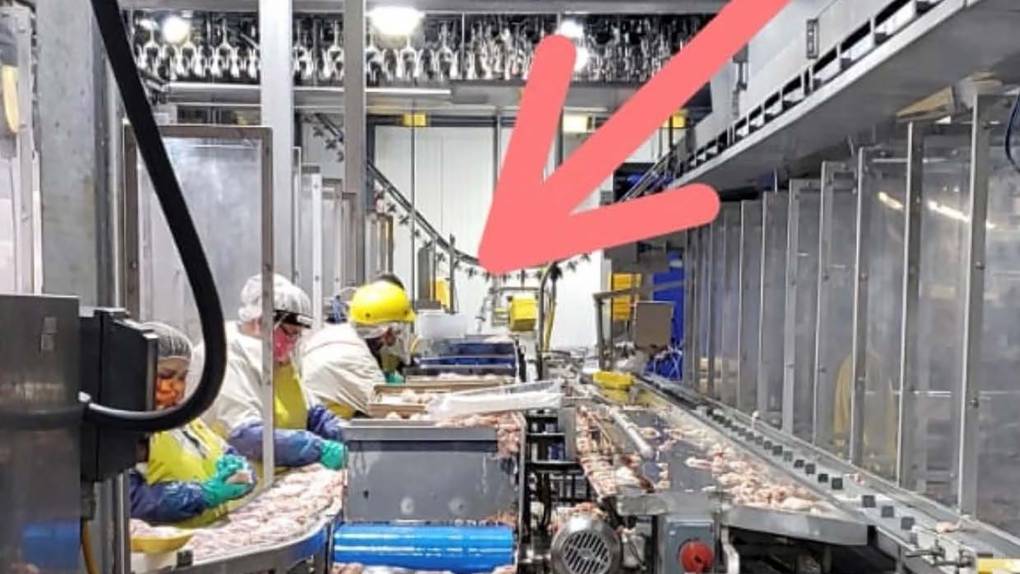
"caption": "A Sept. 16 photo taken by United Farm Workers organizer Oscar Mejia shows employees of Foster Farms' Livingston plant leaning past plastic dividers on the sorting line. Mejia added a large red arrow pointing to the workers, according to a declaration in a Dec. 17 lawsuit seeking to force the company to institute stronger COVID-19 safety protocols.",
"description": "A Sept. 16 photo taken by United Farm Workers organizer Oscar Mejia shows employees of Foster Farms' Livingston plant leaning past plastic dividers on the sorting line. Mejia added a large red arrow pointing to the workers, according to a declaration in a Dec. 17 lawsuit seeking to force the company to institute stronger COVID-19 safety protocols.",
"title": "Line photo declaration exhibit C resized",
"credit": "Oscar Mejia via court filings",
"status": "inherit",
"altTag": "\"\"",
"isLoading": false,
"fetchFailed": false
},
"news_11851260": {
"type": "attachments",
"id": "news_11851260",
"meta": {
"index": "attachments_1716263798",
"site": "news",
"id": "11851260",
"found": true
},
"parent": 11851259,
"imgSizes": {
"apple_news_ca_square_4_0": {
"file": "https://ww2.kqed.org/app/uploads/sites/10/2020/12/RS42905_GettyImages-874654336-qut-1020x680-1-470x470.jpg",
"width": 470,
"mimeType": "image/jpeg",
"height": 470
},
"twentyfourteen-full-width": {
"file": "https://ww2.kqed.org/app/uploads/sites/10/2020/12/RS42905_GettyImages-874654336-qut-1020x680-1-1020x576.jpg",
"width": 1020,
"mimeType": "image/jpeg",
"height": 576
},
"thumbnail": {
"file": "https://ww2.kqed.org/app/uploads/sites/10/2020/12/RS42905_GettyImages-874654336-qut-1020x680-1-160x107.jpg",
"width": 160,
"mimeType": "image/jpeg",
"height": 107
},
"post-thumbnail": {
"file": "https://ww2.kqed.org/app/uploads/sites/10/2020/12/RS42905_GettyImages-874654336-qut-1020x680-1-672x372.jpg",
"width": 672,
"mimeType": "image/jpeg",
"height": 372
},
"kqedFullSize": {
"file": "https://ww2.kqed.org/app/uploads/sites/10/2020/12/RS42905_GettyImages-874654336-qut-1020x680-1.jpg",
"width": 1020,
"height": 680
},
"apple_news_ca_landscape_4_7": {
"file": "https://ww2.kqed.org/app/uploads/sites/10/2020/12/RS42905_GettyImages-874654336-qut-1020x680-1-632x474.jpg",
"width": 632,
"mimeType": "image/jpeg",
"height": 474
},
"apple_news_ca_landscape_4_0": {
"file": "https://ww2.kqed.org/app/uploads/sites/10/2020/12/RS42905_GettyImages-874654336-qut-1020x680-1-536x402.jpg",
"width": 536,
"mimeType": "image/jpeg",
"height": 402
},
"medium": {
"file": "https://ww2.kqed.org/app/uploads/sites/10/2020/12/RS42905_GettyImages-874654336-qut-1020x680-1-800x533.jpg",
"width": 800,
"mimeType": "image/jpeg",
"height": 533
},
"apple_news_ca_portrait_4_0": {
"file": "https://ww2.kqed.org/app/uploads/sites/10/2020/12/RS42905_GettyImages-874654336-qut-1020x680-1-354x472.jpg",
"width": 354,
"mimeType": "image/jpeg",
"height": 472
},
"apple_news_ca_portrait_9_7": {
"file": "https://ww2.kqed.org/app/uploads/sites/10/2020/12/RS42905_GettyImages-874654336-qut-1020x680-1-840x680.jpg",
"width": 840,
"mimeType": "image/jpeg",
"height": 680
},
"apple_news_ca_portrait_4_7": {
"file": "https://ww2.kqed.org/app/uploads/sites/10/2020/12/RS42905_GettyImages-874654336-qut-1020x680-1-414x552.jpg",
"width": 414,
"mimeType": "image/jpeg",
"height": 552
},
"apple_news_ca_portrait_5_5": {
"file": "https://ww2.kqed.org/app/uploads/sites/10/2020/12/RS42905_GettyImages-874654336-qut-1020x680-1-687x680.jpg",
"width": 687,
"mimeType": "image/jpeg",
"height": 680
},
"apple_news_ca_square_4_7": {
"file": "https://ww2.kqed.org/app/uploads/sites/10/2020/12/RS42905_GettyImages-874654336-qut-1020x680-1-550x550.jpg",
"width": 550,
"mimeType": "image/jpeg",
"height": 550
},
"apple_news_ca_square_5_5": {
"file": "https://ww2.kqed.org/app/uploads/sites/10/2020/12/RS42905_GettyImages-874654336-qut-1020x680-1-912x680.jpg",
"width": 912,
"mimeType": "image/jpeg",
"height": 680
}
},
"publishDate": 1608076745,
"modified": 1608079874,
"caption": null,
"description": null,
"title": "RS42905_GettyImages-874654336-qut-1020x680",
"credit": "Justin Sullivan/Getty Image",
"status": "inherit",
"altTag": null,
"isLoading": false,
"fetchFailed": false
},
"news_11848398": {
"type": "attachments",
"id": "news_11848398",
"meta": {
"index": "attachments_1716263798",
"site": "news",
"id": "11848398",
"found": true
},
"parent": 11848262,
"imgSizes": {
"apple_news_ca_landscape_5_5": {
"file": "https://ww2.kqed.org/app/uploads/sites/10/2020/11/marquee_FINAL-1044x720.jpg",
"width": 1044,
"mimeType": "image/jpeg",
"height": 720
},
"apple_news_ca_square_4_0": {
"file": "https://ww2.kqed.org/app/uploads/sites/10/2020/11/marquee_FINAL-470x470.jpg",
"width": 470,
"mimeType": "image/jpeg",
"height": 470
},
"twentyfourteen-full-width": {
"file": "https://ww2.kqed.org/app/uploads/sites/10/2020/11/marquee_FINAL-1038x576.jpg",
"width": 1038,
"mimeType": "image/jpeg",
"height": 576
},
"thumbnail": {
"file": "https://ww2.kqed.org/app/uploads/sites/10/2020/11/marquee_FINAL-160x90.jpg",
"width": 160,
"mimeType": "image/jpeg",
"height": 90
},
"post-thumbnail": {
"file": "https://ww2.kqed.org/app/uploads/sites/10/2020/11/marquee_FINAL-672x372.jpg",
"width": 672,
"mimeType": "image/jpeg",
"height": 372
},
"kqedFullSize": {
"file": "https://ww2.kqed.org/app/uploads/sites/10/2020/11/marquee_FINAL.jpg",
"width": 1280,
"height": 720
},
"apple_news_ca_landscape_4_7": {
"file": "https://ww2.kqed.org/app/uploads/sites/10/2020/11/marquee_FINAL-632x474.jpg",
"width": 632,
"mimeType": "image/jpeg",
"height": 474
},
"large": {
"file": "https://ww2.kqed.org/app/uploads/sites/10/2020/11/marquee_FINAL-1020x574.jpg",
"width": 1020,
"mimeType": "image/jpeg",
"height": 574
},
"apple_news_ca_landscape_4_0": {
"file": "https://ww2.kqed.org/app/uploads/sites/10/2020/11/marquee_FINAL-536x402.jpg",
"width": 536,
"mimeType": "image/jpeg",
"height": 402
},
"apple_news_ca_portrait_12_9": {
"file": "https://ww2.kqed.org/app/uploads/sites/10/2020/11/marquee_FINAL-1122x720.jpg",
"width": 1122,
"mimeType": "image/jpeg",
"height": 720
},
"medium": {
"file": "https://ww2.kqed.org/app/uploads/sites/10/2020/11/marquee_FINAL-800x450.jpg",
"width": 800,
"mimeType": "image/jpeg",
"height": 450
},
"apple_news_ca_portrait_4_0": {
"file": "https://ww2.kqed.org/app/uploads/sites/10/2020/11/marquee_FINAL-354x472.jpg",
"width": 354,
"mimeType": "image/jpeg",
"height": 472
},
"apple_news_ca_portrait_9_7": {
"file": "https://ww2.kqed.org/app/uploads/sites/10/2020/11/marquee_FINAL-840x720.jpg",
"width": 840,
"mimeType": "image/jpeg",
"height": 720
},
"apple_news_ca_square_9_7": {
"file": "https://ww2.kqed.org/app/uploads/sites/10/2020/11/marquee_FINAL-1104x720.jpg",
"width": 1104,
"mimeType": "image/jpeg",
"height": 720
},
"apple_news_ca_portrait_4_7": {
"file": "https://ww2.kqed.org/app/uploads/sites/10/2020/11/marquee_FINAL-414x552.jpg",
"width": 414,
"mimeType": "image/jpeg",
"height": 552
},
"apple_news_ca_portrait_5_5": {
"file": "https://ww2.kqed.org/app/uploads/sites/10/2020/11/marquee_FINAL-687x720.jpg",
"width": 687,
"mimeType": "image/jpeg",
"height": 720
},
"apple_news_ca_square_4_7": {
"file": "https://ww2.kqed.org/app/uploads/sites/10/2020/11/marquee_FINAL-550x550.jpg",
"width": 550,
"mimeType": "image/jpeg",
"height": 550
},
"apple_news_ca_square_5_5": {
"file": "https://ww2.kqed.org/app/uploads/sites/10/2020/11/marquee_FINAL-912x720.jpg",
"width": 912,
"mimeType": "image/jpeg",
"height": 720
}
},
"publishDate": 1605920398,
"modified": 1605920398,
"caption": null,
"description": null,
"title": "marquee_FINAL",
"credit": null,
"status": "inherit",
"isLoading": false,
"fetchFailed": false
},
"news_11836903": {
"type": "attachments",
"id": "news_11836903",
"meta": {
"index": "attachments_1716263798",
"site": "news",
"id": "11836903",
"found": true
},
"parent": 11836899,
"imgSizes": {
"apple_news_ca_landscape_5_5": {
"file": "https://ww2.kqed.org/app/uploads/sites/10/2020/09/1920_2020_09_05-15.11.32.089-CDT-1044x783.jpg",
"width": 1044,
"mimeType": "image/jpeg",
"height": 783
},
"apple_news_ca_square_4_0": {
"file": "https://ww2.kqed.org/app/uploads/sites/10/2020/09/1920_2020_09_05-15.11.32.089-CDT-470x470.jpg",
"width": 470,
"mimeType": "image/jpeg",
"height": 470
},
"twentyfourteen-full-width": {
"file": "https://ww2.kqed.org/app/uploads/sites/10/2020/09/1920_2020_09_05-15.11.32.089-CDT-1038x576.jpg",
"width": 1038,
"mimeType": "image/jpeg",
"height": 576
},
"thumbnail": {
"file": "https://ww2.kqed.org/app/uploads/sites/10/2020/09/1920_2020_09_05-15.11.32.089-CDT-160x90.jpg",
"width": 160,
"mimeType": "image/jpeg",
"height": 90
},
"post-thumbnail": {
"file": "https://ww2.kqed.org/app/uploads/sites/10/2020/09/1920_2020_09_05-15.11.32.089-CDT-672x372.jpg",
"width": 672,
"mimeType": "image/jpeg",
"height": 372
},
"kqedFullSize": {
"file": "https://ww2.kqed.org/app/uploads/sites/10/2020/09/1920_2020_09_05-15.11.32.089-CDT.jpg",
"width": 1920,
"height": 1080
},
"apple_news_ca_landscape_4_7": {
"file": "https://ww2.kqed.org/app/uploads/sites/10/2020/09/1920_2020_09_05-15.11.32.089-CDT-632x474.jpg",
"width": 632,
"mimeType": "image/jpeg",
"height": 474
},
"large": {
"file": "https://ww2.kqed.org/app/uploads/sites/10/2020/09/1920_2020_09_05-15.11.32.089-CDT-1020x574.jpg",
"width": 1020,
"mimeType": "image/jpeg",
"height": 574
},
"apple_news_ca_landscape_4_0": {
"file": "https://ww2.kqed.org/app/uploads/sites/10/2020/09/1920_2020_09_05-15.11.32.089-CDT-536x402.jpg",
"width": 536,
"mimeType": "image/jpeg",
"height": 402
},
"apple_news_ca_portrait_12_9": {
"file": "https://ww2.kqed.org/app/uploads/sites/10/2020/09/1920_2020_09_05-15.11.32.089-CDT-1122x1080.jpg",
"width": 1122,
"mimeType": "image/jpeg",
"height": 1080
},
"medium": {
"file": "https://ww2.kqed.org/app/uploads/sites/10/2020/09/1920_2020_09_05-15.11.32.089-CDT-800x450.jpg",
"width": 800,
"mimeType": "image/jpeg",
"height": 450
},
"apple_news_ca_portrait_4_0": {
"file": "https://ww2.kqed.org/app/uploads/sites/10/2020/09/1920_2020_09_05-15.11.32.089-CDT-354x472.jpg",
"width": 354,
"mimeType": "image/jpeg",
"height": 472
},
"apple_news_ca_portrait_9_7": {
"file": "https://ww2.kqed.org/app/uploads/sites/10/2020/09/1920_2020_09_05-15.11.32.089-CDT-840x1080.jpg",
"width": 840,
"mimeType": "image/jpeg",
"height": 1080
},
"apple_news_ca_landscape_12_9": {
"file": "https://ww2.kqed.org/app/uploads/sites/10/2020/09/1920_2020_09_05-15.11.32.089-CDT-1832x1080.jpg",
"width": 1832,
"mimeType": "image/jpeg",
"height": 1080
},
"apple_news_ca_square_9_7": {
"file": "https://ww2.kqed.org/app/uploads/sites/10/2020/09/1920_2020_09_05-15.11.32.089-CDT-1104x1080.jpg",
"width": 1104,
"mimeType": "image/jpeg",
"height": 1080
},
"1536x1536": {
"file": "https://ww2.kqed.org/app/uploads/sites/10/2020/09/1920_2020_09_05-15.11.32.089-CDT-1536x864.jpg",
"width": 1536,
"mimeType": "image/jpeg",
"height": 864
},
"apple_news_ca_portrait_4_7": {
"file": "https://ww2.kqed.org/app/uploads/sites/10/2020/09/1920_2020_09_05-15.11.32.089-CDT-414x552.jpg",
"width": 414,
"mimeType": "image/jpeg",
"height": 552
},
"apple_news_ca_square_12_9": {
"file": "https://ww2.kqed.org/app/uploads/sites/10/2020/09/1920_2020_09_05-15.11.32.089-CDT-1472x1080.jpg",
"width": 1472,
"mimeType": "image/jpeg",
"height": 1080
},
"apple_news_ca_portrait_5_5": {
"file": "https://ww2.kqed.org/app/uploads/sites/10/2020/09/1920_2020_09_05-15.11.32.089-CDT-687x916.jpg",
"width": 687,
"mimeType": "image/jpeg",
"height": 916
},
"apple_news_ca_square_4_7": {
"file": "https://ww2.kqed.org/app/uploads/sites/10/2020/09/1920_2020_09_05-15.11.32.089-CDT-550x550.jpg",
"width": 550,
"mimeType": "image/jpeg",
"height": 550
},
"apple_news_ca_landscape_9_7": {
"file": "https://ww2.kqed.org/app/uploads/sites/10/2020/09/1920_2020_09_05-15.11.32.089-CDT-1376x1032.jpg",
"width": 1376,
"mimeType": "image/jpeg",
"height": 1032
},
"apple_news_ca_square_5_5": {
"file": "https://ww2.kqed.org/app/uploads/sites/10/2020/09/1920_2020_09_05-15.11.32.089-CDT-912x912.jpg",
"width": 912,
"mimeType": "image/jpeg",
"height": 912
}
},
"publishDate": 1599411841,
"modified": 1599411973,
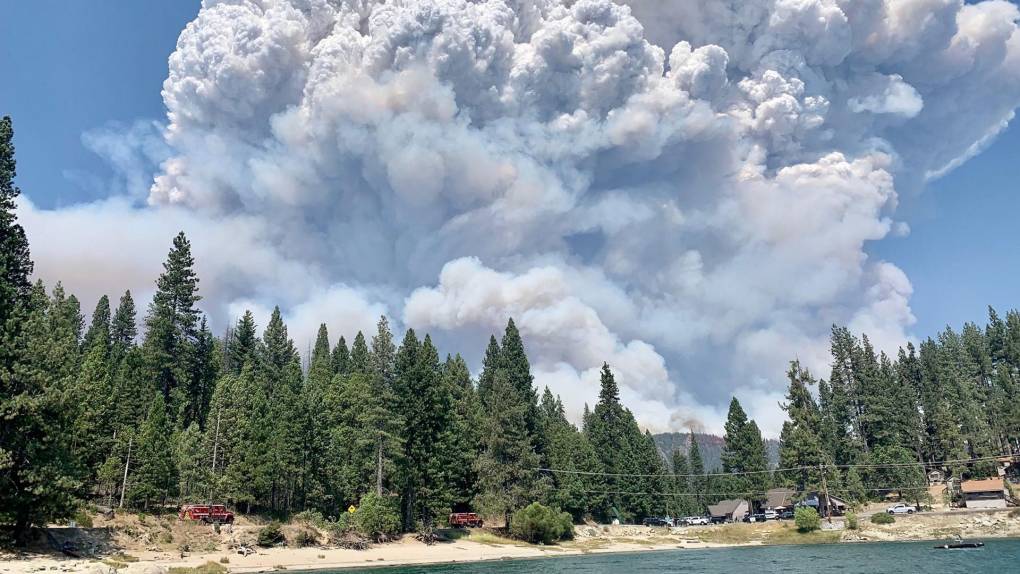
"caption": "On Friday September 4, 2020 the Creek Fire began. The fire is burning in the Big Creek area between Shaver Lake, Big Creek and Huntington Lake. The cause of the fire is under investigation.",
"description": null,
"title": "1920_2020_09_05-15.11.32.089-CDT",
"credit": "Courtesy of Sierra National Forest",
"status": "inherit",
"isLoading": false,
"fetchFailed": false
},
"news_11835553": {
"type": "attachments",
"id": "news_11835553",
"meta": {
"index": "attachments_1716263798",
"site": "news",
"id": "11835553",
"found": true
},
"parent": 11835284,
"imgSizes": {
"apple_news_ca_square_4_0": {
"file": "https://ww2.kqed.org/app/uploads/sites/10/2020/08/Gurleen-Mander-470x470.jpg",
"width": 470,
"mimeType": "image/jpeg",
"height": 470
},
"twentyfourteen-full-width": {
"file": "https://ww2.kqed.org/app/uploads/sites/10/2020/08/Gurleen-Mander-800x576.jpg",
"width": 800,
"mimeType": "image/jpeg",
"height": 576
},
"thumbnail": {
"file": "https://ww2.kqed.org/app/uploads/sites/10/2020/08/Gurleen-Mander-160x119.jpg",
"width": 160,
"mimeType": "image/jpeg",
"height": 119
},
"post-thumbnail": {
"file": "https://ww2.kqed.org/app/uploads/sites/10/2020/08/Gurleen-Mander-672x372.jpg",
"width": 672,
"mimeType": "image/jpeg",
"height": 372
},
"kqedFullSize": {
"file": "https://ww2.kqed.org/app/uploads/sites/10/2020/08/Gurleen-Mander.jpg",
"width": 800,
"height": 594
},
"apple_news_ca_landscape_4_7": {
"file": "https://ww2.kqed.org/app/uploads/sites/10/2020/08/Gurleen-Mander-632x474.jpg",
"width": 632,
"mimeType": "image/jpeg",
"height": 474
},
"apple_news_ca_portrait_4_7": {
"file": "https://ww2.kqed.org/app/uploads/sites/10/2020/08/Gurleen-Mander-414x552.jpg",
"width": 414,
"mimeType": "image/jpeg",
"height": 552
},
"apple_news_ca_portrait_5_5": {
"file": "https://ww2.kqed.org/app/uploads/sites/10/2020/08/Gurleen-Mander-687x594.jpg",
"width": 687,
"mimeType": "image/jpeg",
"height": 594
},
"apple_news_ca_square_4_7": {
"file": "https://ww2.kqed.org/app/uploads/sites/10/2020/08/Gurleen-Mander-550x550.jpg",
"width": 550,
"mimeType": "image/jpeg",
"height": 550
},
"apple_news_ca_landscape_4_0": {
"file": "https://ww2.kqed.org/app/uploads/sites/10/2020/08/Gurleen-Mander-536x402.jpg",
"width": 536,
"mimeType": "image/jpeg",
"height": 402
},
"apple_news_ca_portrait_4_0": {
"file": "https://ww2.kqed.org/app/uploads/sites/10/2020/08/Gurleen-Mander-354x472.jpg",
"width": 354,
"mimeType": "image/jpeg",
"height": 472
}
},
"publishDate": 1598563161,
"modified": 1598656050,
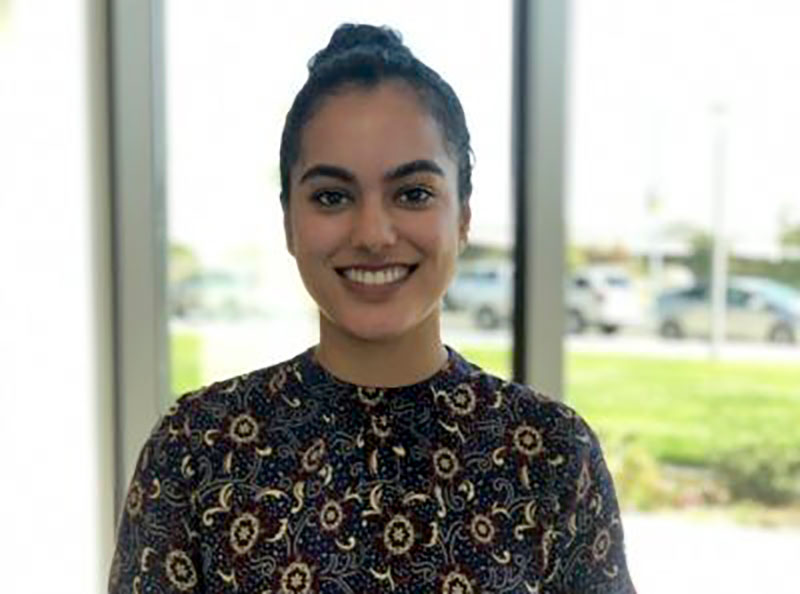
"caption": "Student and voting rights advocate Gurleen Kaur Mander.",
"description": "Student and voting rights advocate, Gurleen Kaur Mander.",
"title": "Gurleen-Mander",
"credit": "Courtesy Gurleen Kaur Mander",
"status": "inherit",
"isLoading": false,
"fetchFailed": false
},
"news_11835420": {
"type": "attachments",
"id": "news_11835420",
"meta": {
"index": "attachments_1716263798",
"site": "news",
"id": "11835420",
"found": true
},
"parent": 11835340,
"imgSizes": {
"apple_news_ca_landscape_5_5": {
"file": "https://ww2.kqed.org/app/uploads/sites/10/2020/08/FresnoJail6_v2-1044x783.jpg",
"width": 1044,
"mimeType": "image/jpeg",
"height": 783
},
"apple_news_ca_square_4_0": {
"file": "https://ww2.kqed.org/app/uploads/sites/10/2020/08/FresnoJail6_v2-470x470.jpg",
"width": 470,
"mimeType": "image/jpeg",
"height": 470
},
"twentyfourteen-full-width": {
"file": "https://ww2.kqed.org/app/uploads/sites/10/2020/08/FresnoJail6_v2-1038x576.jpg",
"width": 1038,
"mimeType": "image/jpeg",
"height": 576
},
"thumbnail": {
"file": "https://ww2.kqed.org/app/uploads/sites/10/2020/08/FresnoJail6_v2-160x90.jpg",
"width": 160,
"mimeType": "image/jpeg",
"height": 90
},
"post-thumbnail": {
"file": "https://ww2.kqed.org/app/uploads/sites/10/2020/08/FresnoJail6_v2-672x372.jpg",
"width": 672,
"mimeType": "image/jpeg",
"height": 372
},
"kqedFullSize": {
"file": "https://ww2.kqed.org/app/uploads/sites/10/2020/08/FresnoJail6_v2.jpg",
"width": 1920,
"height": 1080
},
"apple_news_ca_landscape_4_7": {
"file": "https://ww2.kqed.org/app/uploads/sites/10/2020/08/FresnoJail6_v2-632x474.jpg",
"width": 632,
"mimeType": "image/jpeg",
"height": 474
},
"large": {
"file": "https://ww2.kqed.org/app/uploads/sites/10/2020/08/FresnoJail6_v2-1020x574.jpg",
"width": 1020,
"mimeType": "image/jpeg",
"height": 574
},
"apple_news_ca_landscape_4_0": {
"file": "https://ww2.kqed.org/app/uploads/sites/10/2020/08/FresnoJail6_v2-536x402.jpg",
"width": 536,
"mimeType": "image/jpeg",
"height": 402
},
"apple_news_ca_portrait_12_9": {
"file": "https://ww2.kqed.org/app/uploads/sites/10/2020/08/FresnoJail6_v2-1122x1080.jpg",
"width": 1122,
"mimeType": "image/jpeg",
"height": 1080
},
"medium": {
"file": "https://ww2.kqed.org/app/uploads/sites/10/2020/08/FresnoJail6_v2-800x450.jpg",
"width": 800,
"mimeType": "image/jpeg",
"height": 450
},
"apple_news_ca_portrait_4_0": {
"file": "https://ww2.kqed.org/app/uploads/sites/10/2020/08/FresnoJail6_v2-354x472.jpg",
"width": 354,
"mimeType": "image/jpeg",
"height": 472
},
"apple_news_ca_portrait_9_7": {
"file": "https://ww2.kqed.org/app/uploads/sites/10/2020/08/FresnoJail6_v2-840x1080.jpg",
"width": 840,
"mimeType": "image/jpeg",
"height": 1080
},
"apple_news_ca_landscape_12_9": {
"file": "https://ww2.kqed.org/app/uploads/sites/10/2020/08/FresnoJail6_v2-1832x1080.jpg",
"width": 1832,
"mimeType": "image/jpeg",
"height": 1080
},
"apple_news_ca_square_9_7": {
"file": "https://ww2.kqed.org/app/uploads/sites/10/2020/08/FresnoJail6_v2-1104x1080.jpg",
"width": 1104,
"mimeType": "image/jpeg",
"height": 1080
},
"1536x1536": {
"file": "https://ww2.kqed.org/app/uploads/sites/10/2020/08/FresnoJail6_v2-1536x864.jpg",
"width": 1536,
"mimeType": "image/jpeg",
"height": 864
},
"apple_news_ca_portrait_4_7": {
"file": "https://ww2.kqed.org/app/uploads/sites/10/2020/08/FresnoJail6_v2-414x552.jpg",
"width": 414,
"mimeType": "image/jpeg",
"height": 552
},
"apple_news_ca_square_12_9": {
"file": "https://ww2.kqed.org/app/uploads/sites/10/2020/08/FresnoJail6_v2-1472x1080.jpg",
"width": 1472,
"mimeType": "image/jpeg",
"height": 1080
},
"apple_news_ca_portrait_5_5": {
"file": "https://ww2.kqed.org/app/uploads/sites/10/2020/08/FresnoJail6_v2-687x916.jpg",
"width": 687,
"mimeType": "image/jpeg",
"height": 916
},
"apple_news_ca_square_4_7": {
"file": "https://ww2.kqed.org/app/uploads/sites/10/2020/08/FresnoJail6_v2-550x550.jpg",
"width": 550,
"mimeType": "image/jpeg",
"height": 550
},
"apple_news_ca_landscape_9_7": {
"file": "https://ww2.kqed.org/app/uploads/sites/10/2020/08/FresnoJail6_v2-1376x1032.jpg",
"width": 1376,
"mimeType": "image/jpeg",
"height": 1032
},
"apple_news_ca_square_5_5": {
"file": "https://ww2.kqed.org/app/uploads/sites/10/2020/08/FresnoJail6_v2-912x912.jpg",
"width": 912,
"mimeType": "image/jpeg",
"height": 912
}
},
"publishDate": 1598490168,
"modified": 1598490263,
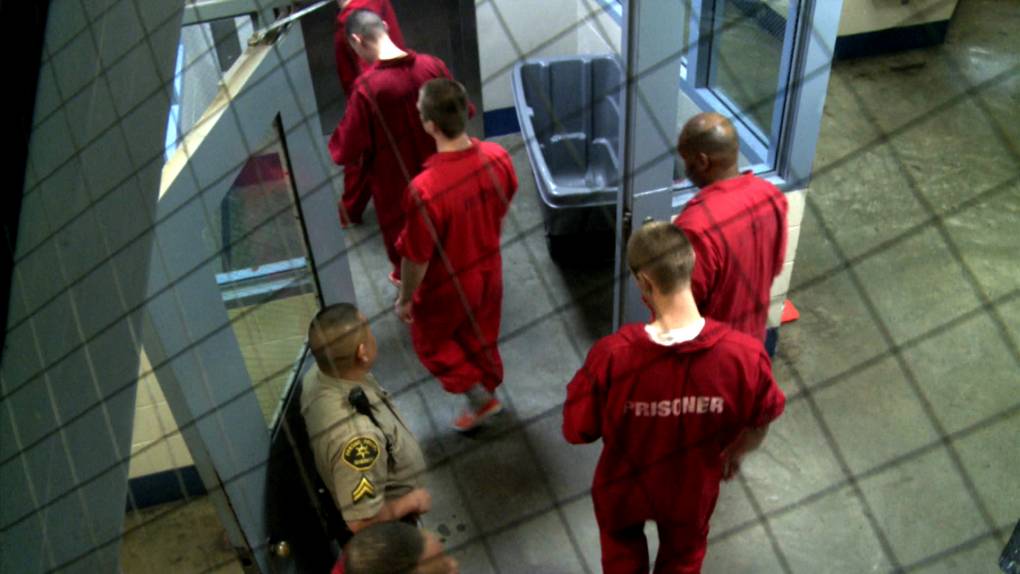
"caption": "More than 1,100 people in Fresno County Jail have tested positive for COVID-19 since the pandemic began — a tally that surpasses those at all but two state prisons.",
"description": "More than 1,100 people in Fresno County Jail have tested positive for COVID-19 since the pandemic began — a tally that surpasses those at all but two state prisons.",
"title": "FresnobCounty Jail 6",
"credit": "Monica Lam CIR/KQED",
"status": "inherit",
"isLoading": false,
"fetchFailed": false
}
},
"audioPlayerReducer": {
"postId": "stream_live",
"isPaused": true,
"isPlaying": false,
"pfsActive": false,
"pledgeModalIsOpen": true,
"playerDrawerIsOpen": false,
"liveAudioPlayStartedAt": 0,
"liveAudioPlayContext": ""
},
"authorsReducer": {
"byline_news_11836899": {
"type": "authors",
"id": "byline_news_11836899",
"meta": {
"override": true
},
"slug": "byline_news_11836899",
"name": "Associated Press",
"isLoading": false
},
"kqed": {
"type": "authors",
"id": "236",
"meta": {
"index": "authors_1716337520",
"id": "236",
"found": true
},
"name": "KQED News Staff",
"firstName": "KQED News Staff",
"lastName": null,
"slug": "kqed",
"email": "faq@kqed.org",
"display_author_email": false,
"staff_mastheads": [],
"title": null,
"bio": null,
"avatar": "https://secure.gravatar.com/avatar/ef0e801a68c4c54afa9180db14084167?s=600&d=blank&r=g",
"twitter": null,
"facebook": null,
"instagram": null,
"linkedin": null,
"sites": [
{
"site": "arts",
"roles": [
"contributor"
]
},
{
"site": "news",
"roles": [
"editor"
]
},
{
"site": "futureofyou",
"roles": [
"author"
]
}
],
"headData": {
"title": "KQED News Staff | KQED",
"description": null,
"ogImgSrc": "https://secure.gravatar.com/avatar/ef0e801a68c4c54afa9180db14084167?s=600&d=blank&r=g",
"twImgSrc": "https://secure.gravatar.com/avatar/ef0e801a68c4c54afa9180db14084167?s=600&d=blank&r=g"
},
"isLoading": false,
"link": "/author/kqed"
},
"sasha-khokha": {
"type": "authors",
"id": "254",
"meta": {
"index": "authors_1716337520",
"id": "254",
"found": true
},
"name": "Sasha Khokha",
"firstName": "Sasha",
"lastName": "Khokha",
"slug": "sasha-khokha",
"email": "skhokha@kqed.org",
"display_author_email": true,
"staff_mastheads": [
"news"
],
"title": "Host, The California Report Magazine",
"bio": "Sasha Khokha is the host of \u003cem>The California Report's \u003c/em> weekly magazine program, which takes listeners on sound-rich excursions to meet the people that make the Golden State unique -- through audio documentaries and long-form stories. As \u003cem>The California Report's\u003c/em> Central Valley Bureau Chief based in Fresno for nearly a dozen years, Sasha brought the lives and concerns of rural Californians to listeners around the state. Her reporting helped expose the hidden price immigrant women janitors and farmworkers may pay to keep their jobs: sexual assault at work. It inspired two new California laws to protect them from sexual harassment. She was a key member of the reporting team for the Frontline film \u003cem>Rape on the Night Shift, \u003c/em>which was nominated for two national Emmys. Sasha has also won a national Edward R. Murrow and a national PRNDI award for investigative reporting, as well as multiple prizes from the Society for Professional Journalists. Sasha is a proud alum of the UC Berkeley Graduate School of Journalism and Brown University and a member of the South Asian Journalists Association.",
"avatar": "https://secure.gravatar.com/avatar/e4b5e1541aaeea2aa356aa1fb2a68950?s=600&d=blank&r=g",
"twitter": "KQEDSashaKhokha",
"facebook": null,
"instagram": null,
"linkedin": null,
"sites": [
{
"site": "news",
"roles": [
"editor"
]
},
{
"site": "stateofhealth",
"roles": [
"author"
]
},
{
"site": "science",
"roles": [
"author"
]
},
{
"site": "quest",
"roles": [
"subscriber"
]
}
],
"headData": {
"title": "Sasha Khokha | KQED",
"description": "Host, The California Report Magazine",
"ogImgSrc": "https://secure.gravatar.com/avatar/e4b5e1541aaeea2aa356aa1fb2a68950?s=600&d=blank&r=g",
"twImgSrc": "https://secure.gravatar.com/avatar/e4b5e1541aaeea2aa356aa1fb2a68950?s=600&d=blank&r=g"
},
"isLoading": false,
"link": "/author/sasha-khokha"
},
"jsmall": {
"type": "authors",
"id": "6625",
"meta": {
"index": "authors_1716337520",
"id": "6625",
"found": true
},
"name": "Julie Small",
"firstName": "Julie",
"lastName": "Small",
"slug": "jsmall",
"email": "jsmall@kqed.org",
"display_author_email": true,
"staff_mastheads": [
"news"
],
"title": "KQED Contributor",
"bio": "Julie Small reports on criminal justice and immigration.\r\n\r\nShe was part of a team at KQED awarded a regional 2019 Edward R. Murrow award for continuing coverage of the Trump Administration's family separation policy.\r\n\r\nThe Society for Professional Journalists recognized Julie's 2018 \u003ca href=\"https://www.kqed.org/news/11636262/the-officer-tased-him-31-times-the-sheriff-called-his-death-an-accident\">reporting\u003c/a> on the San Joaquin County Sheriff's \u003ca href=\"https://www.kqed.org/news/11634689/autopsy-doctors-sheriff-overrode-death-findings-to-protect-law-enforcement\">interference\u003c/a> in death investigations with an Excellence in Journalism Award for Ongoing Coverage.\r\n\r\nJulie's\u003ca href=\"https://www.kqed.org/news/11039666/two-mentally-ill-inmates-died-one-month-in-santa-clara\"> reporting\u003c/a> with Lisa Pickoff-White on the treatment of mentally ill offenders in California jails earned a 2017 regional Edward R. Murrow Award for news reporting and an investigative reporting award from the SPJ of Northern California.\r\n\r\nBefore joining KQED, Julie covered government and politics in Sacramento for Southern California Public Radio (SCPR). Her 2010 \u003ca href=\"https://www.scpr.org/specials/prisonmedical/\">series\u003c/a> on lapses in California’s prison medical care also won a regional Edward R. Murrow Award for investigative reporting and a Golden Mic Award from the RTNDA of Southern California.\r\n\r\nJulie began her career in journalism in 2000 as the deputy foreign editor for public radio's \u003cem>Marketplace, \u003c/em>while earning her master's degree in journalism from USC’s Annenberg School of Communication.",
"avatar": "https://secure.gravatar.com/avatar/4baedf201468df97be97c2a9dd7585d0?s=600&d=blank&r=g",
"twitter": "@SmallRadio2",
"facebook": null,
"instagram": null,
"linkedin": null,
"sites": [
{
"site": "news",
"roles": [
"editor"
]
},
{
"site": "stateofhealth",
"roles": [
"author"
]
},
{
"site": "science",
"roles": [
"author"
]
}
],
"headData": {
"title": "Julie Small | KQED",
"description": "KQED Contributor",
"ogImgSrc": "https://secure.gravatar.com/avatar/4baedf201468df97be97c2a9dd7585d0?s=600&d=blank&r=g",
"twImgSrc": "https://secure.gravatar.com/avatar/4baedf201468df97be97c2a9dd7585d0?s=600&d=blank&r=g"
},
"isLoading": false,
"link": "/author/jsmall"
},
"dkatayama": {
"type": "authors",
"id": "7240",
"meta": {
"index": "authors_1716337520",
"id": "7240",
"found": true
},
"name": "Devin Katayama",
"firstName": "Devin",
"lastName": "Katayama",
"slug": "dkatayama",
"email": "dkatayama@kqed.org",
"display_author_email": true,
"staff_mastheads": [
"news"
],
"title": "Editor of Talent and Development",
"bio": "Devin Katayama is former Editor of Talent and Development for KQED. He supported our internship program and on-call staff by looking for equitable opportunities to improve the newsroom.\r\n\r\nHe previously hosted The Bay and American Suburb podcasts from KQED News. Prior to returning to the Bay Area in 2015, Devin was the education reporter for WFPL in Louisville and worked as a producer with radio stations in Chicago and Portland, OR. His work has appeared on NPR’s \u003cem>Morning Edition, All Things Considered, The Takeaway\u003c/em> and \u003cem>Here and Now.\u003c/em>\r\n\r\nDevin earned his MA in Journalism from Columbia College Chicago, where he was a Follett Fellow and the recipient of the 2011 Studs Terkel Community Media Workshop Scholarship for his story on Chicago's homeless youth. He won WBUR's 2014 Daniel Schorr award and a regional RTNDA Edward R. Murrow Award for his documentary \"At Risk\" that looked at issues facing some of Louisville's students. Devin has also received numerous local awards from the Associated Press and the Society of Professional Journalists.",
"avatar": "https://secure.gravatar.com/avatar/d0d2978a31002fb2de107921a8e18405?s=600&d=blank&r=g",
"twitter": "RadioDevin",
"facebook": null,
"instagram": null,
"linkedin": null,
"sites": [
{
"site": "arts",
"roles": []
},
{
"site": "news",
"roles": [
"author"
]
},
{
"site": "stateofhealth",
"roles": [
"author"
]
},
{
"site": "forum",
"roles": [
"editor"
]
},
{
"site": "perspectives",
"roles": [
"editor"
]
}
],
"headData": {
"title": "Devin Katayama | KQED",
"description": "Editor of Talent and Development",
"ogImgSrc": "https://secure.gravatar.com/avatar/d0d2978a31002fb2de107921a8e18405?s=600&d=blank&r=g",
"twImgSrc": "https://secure.gravatar.com/avatar/d0d2978a31002fb2de107921a8e18405?s=600&d=blank&r=g"
},
"isLoading": false,
"link": "/author/dkatayama"
},
"cveltman": {
"type": "authors",
"id": "8608",
"meta": {
"index": "authors_1716337520",
"id": "8608",
"found": true
},
"name": "Chloe Veltman",
"firstName": "Chloe",
"lastName": "Veltman",
"slug": "cveltman",
"email": "cveltman@kqed.org",
"display_author_email": true,
"staff_mastheads": [],
"title": "Arts and Culture Reporter",
"bio": "Chloe Veltman is a former arts and culture reporter for KQED. Prior to joining the organization, she launched and led the arts bureau at Colorado Public Radio, served as the Bay Area's culture columnist for the New York Times, and was the founder, host and executive producer of VoiceBox, a national award-winning weekly podcast/radio show and live events series all about the human voice. Chloe is the recipient of numerous prizes, grants and fellowships including a Webby Award for her work on interactive storytelling, both the John S Knight Journalism Fellowship and Humanities Center Fellowship at Stanford University, the Sundance Arts Writing Fellowship and a Library of Congress Research Fellowship. She is the author of the book \"On Acting\" and has appeared as a guest lecturer at Yale University and the San Francisco Conservatory of Music among other institutions. She holds a BA in english literature from King's College, Cambridge, and a Masters in Dramaturgy from the Central School of Speech and Drama/Harvard Institute for Advanced Theater Training.\r\n\u003ca href=\"https://www.chloeveltman.com\">www.chloeveltman.com\u003c/a>",
"avatar": "https://secure.gravatar.com/avatar/55403394b00a1ddab683952c2eb2cf85?s=600&d=blank&r=g",
"twitter": "chloeveltman",
"facebook": null,
"instagram": null,
"linkedin": null,
"sites": [
{
"site": "arts",
"roles": []
},
{
"site": "news",
"roles": [
"author"
]
},
{
"site": "pop",
"roles": [
"editor"
]
},
{
"site": "science",
"roles": []
}
],
"headData": {
"title": "Chloe Veltman | KQED",
"description": "Arts and Culture Reporter",
"ogImgSrc": "https://secure.gravatar.com/avatar/55403394b00a1ddab683952c2eb2cf85?s=600&d=blank&r=g",
"twImgSrc": "https://secure.gravatar.com/avatar/55403394b00a1ddab683952c2eb2cf85?s=600&d=blank&r=g"
},
"isLoading": false,
"link": "/author/cveltman"
},
"afont": {
"type": "authors",
"id": "8637",
"meta": {
"index": "authors_1716337520",
"id": "8637",
"found": true
},
"name": "Amanda Font",
"firstName": "Amanda",
"lastName": "Font",
"slug": "afont",
"email": "afont@kqed.org",
"display_author_email": false,
"staff_mastheads": [],
"title": "KQED Contributor",
"bio": "Amanda Font is a producer on \u003cem>The Latest\u003c/em> podcast, and the host and co-producer of the series \u003cem>Audible Cosmos\u003c/em>. She has previously worked as a producer and reporter on the \u003cem>Bay Curious\u003c/em> podcast, and director of \u003cem>The California Report Magazine\u003c/em>. She grew up in the deserts of Southern California and moved north for the trees. Amanda earned a B.A. from the BECA program at San Francisco State, where she worked in the university's radio station. Amanda Font is represented by SAG-AFTRA.",
"avatar": "https://secure.gravatar.com/avatar/d9e81cf0117d5849b9cfb7ab4b1422f1?s=600&d=blank&r=g",
"twitter": null,
"facebook": null,
"instagram": null,
"linkedin": null,
"sites": [
{
"site": "news",
"roles": [
"add_users",
"create_users"
]
},
{
"site": "science",
"roles": []
},
{
"site": "forum",
"roles": [
"administrator"
]
},
{
"site": "perspectives",
"roles": [
"administrator"
]
},
{
"site": "radio",
"roles": [
"administrator"
]
}
],
"headData": {
"title": "Amanda Font | KQED",
"description": "KQED Contributor",
"ogImgSrc": "https://secure.gravatar.com/avatar/d9e81cf0117d5849b9cfb7ab4b1422f1?s=600&d=blank&r=g",
"twImgSrc": "https://secure.gravatar.com/avatar/d9e81cf0117d5849b9cfb7ab4b1422f1?s=600&d=blank&r=g"
},
"isLoading": false,
"link": "/author/afont"
},
"ecruzguevarra": {
"type": "authors",
"id": "8654",
"meta": {
"index": "authors_1716337520",
"id": "8654",
"found": true
},
"name": "Ericka Cruz Guevarra",
"firstName": "Ericka",
"lastName": "Cruz Guevarra",
"slug": "ecruzguevarra",
"email": "ecruzguevarra@kqed.org",
"display_author_email": true,
"staff_mastheads": [
"news"
],
"title": "Producer, The Bay Podcast",
"bio": "Ericka Cruz Guevarra is host of \u003ca href=\"https://www.kqed.org/podcasts/thebay\">\u003cem>The Bay\u003c/em>\u003c/a> podcast at KQED. Before host, she was the show’s producer. Her work in that capacity includes a three-part reported series on policing in Vallejo, which won a 2020 excellence in journalism award from the Society of Professional Journalists. Ericka has worked as a breaking news reporter at Oregon Public Broadcasting, helped produce the Code Switch podcast, and was KQED’s inaugural Raul Ramirez Diversity Fund intern. She’s also an alumna of NPR’s Next Generation Radio program. Send her an email if you have strong feelings about whether Fairfield and Suisun City are the Bay. Ericka is represented by SAG-AFTRA.",
"avatar": "https://secure.gravatar.com/avatar/accefc1de4bafc7e234b69bcb9b6f6536c130fd84709bc3069ef11a78787e1bb?s=600&d=blank&r=g",
"twitter": "NotoriousECG",
"bluesky": null,
"facebook": null,
"instagram": null,
"linkedin": null,
"sites": [
{
"site": "arts",
"roles": [
"subscriber"
]
},
{
"site": "news",
"roles": [
"editor",
"manage_categories"
]
},
{
"site": "futureofyou",
"roles": [
"subscriber"
]
},
{
"site": "stateofhealth",
"roles": [
"subscriber"
]
},
{
"site": "science",
"roles": [
"editor"
]
},
{
"site": "forum",
"roles": [
"subscriber"
]
}
],
"headData": {
"title": "Ericka Cruz Guevarra | KQED",
"description": "Producer, The Bay Podcast",
"ogImgSrc": "https://secure.gravatar.com/avatar/accefc1de4bafc7e234b69bcb9b6f6536c130fd84709bc3069ef11a78787e1bb?s=600&d=blank&r=g",
"twImgSrc": "https://secure.gravatar.com/avatar/accefc1de4bafc7e234b69bcb9b6f6536c130fd84709bc3069ef11a78787e1bb?s=600&d=blank&r=g"
},
"isLoading": false,
"link": "/author/ecruzguevarra"
},
"kklein": {
"type": "authors",
"id": "11092",
"meta": {
"index": "authors_1716337520",
"id": "11092",
"found": true
},
"name": "Kerry Klein",
"firstName": "Kerry",
"lastName": "Klein",
"slug": "kklein",
"email": "kklein@kqed.org",
"display_author_email": false,
"staff_mastheads": [],
"title": null,
"bio": "Kerry Klein is a radio and print reporter based in Fresno. A geologist by training, she worked in the mining and geothermal energy industries before attending the Science Communication program at the University of California, Santa Cruz. Her work has appeared on Valley Public Radio, the San Jose Mercury News, the Salinas Californian and Slate, on topics ranging from drought and agriculture to space and roadkill. You can follow her on Twitter @einekleinekerry.",
"avatar": "https://secure.gravatar.com/avatar/b9e5d93e72b009b963ce5f1b5f68ecbd?s=600&d=blank&r=g",
"twitter": null,
"facebook": null,
"instagram": null,
"linkedin": null,
"sites": [
{
"site": "news",
"roles": [
"author"
]
},
{
"site": "science",
"roles": [
"author"
]
}
],
"headData": {
"title": "Kerry Klein | KQED",
"description": null,
"ogImgSrc": "https://secure.gravatar.com/avatar/b9e5d93e72b009b963ce5f1b5f68ecbd?s=600&d=blank&r=g",
"twImgSrc": "https://secure.gravatar.com/avatar/b9e5d93e72b009b963ce5f1b5f68ecbd?s=600&d=blank&r=g"
},
"isLoading": false,
"link": "/author/kklein"
},
"ahall": {
"type": "authors",
"id": "11490",
"meta": {
"index": "authors_1716337520",
"id": "11490",
"found": true
},
"name": "Alex Hall",
"firstName": "Alex",
"lastName": "Hall",
"slug": "ahall",
"email": "ahall@kqed.org",
"display_author_email": false,
"staff_mastheads": [
"news"
],
"title": "KQED Enterprise & Accountability Reporter",
"bio": "Alex Hall is KQED's Enterprise and Accountability Reporter. She previously covered the Central Valley for five years from KQED's bureau in Fresno. Before joining KQED, Alex was an investigative reporting fellow at Wisconsin Public Radio and the Wisconsin Center for Investigative Journalism. She has also worked as a bilingual producer for NPR's investigative unit and freelance video producer for Reuters TV on the Latin America desk. She got her start in journalism in South America, where she worked as a radio producer and Spanish-English translator for CNN Chile. Her documentary and investigation into the series of deadly COVID-19 outbreaks at Foster Farms won a national Edward R. Murrow award and was named an Investigative Reporters & Editors award finalist. Alex's reporting for Reveal on the Wisconsin dairy industry's reliance on undocumented immigrant labor was made into a film, Los Lecheros, which won a regional Edward R. Murrow award for best news documentary.",
"avatar": "https://secure.gravatar.com/avatar/defcbeb88b0bf591ff9af41f22644051?s=600&d=blank&r=g",
"twitter": "@chalexhall",
"facebook": null,
"instagram": null,
"linkedin": null,
"sites": [
{
"site": "news",
"roles": [
"editor"
]
},
{
"site": "liveblog",
"roles": [
"author"
]
}
],
"headData": {
"title": "Alex Hall | KQED",
"description": "KQED Enterprise & Accountability Reporter",
"ogImgSrc": "https://secure.gravatar.com/avatar/defcbeb88b0bf591ff9af41f22644051?s=600&d=blank&r=g",
"twImgSrc": "https://secure.gravatar.com/avatar/defcbeb88b0bf591ff9af41f22644051?s=600&d=blank&r=g"
},
"isLoading": false,
"link": "/author/ahall"
},
"kmoghadam": {
"type": "authors",
"id": "11637",
"meta": {
"index": "authors_1716337520",
"id": "11637",
"found": true
},
"name": "Kyana Moghadam",
"firstName": "Kyana",
"lastName": "Moghadam",
"slug": "kmoghadam",
"email": "kmoghadam@kqed.org",
"display_author_email": false,
"staff_mastheads": [
"news"
],
"title": "Senior Producer ",
"bio": "Kyana Moghadam is a senior producer at KQED. Prior to joining KQED, she was an audio producer and editor with Al Jazeera, Jetty Studios, VOX Media, Democracy Now!, and Global Press.",
"avatar": "https://secure.gravatar.com/avatar/cdbd6cb0b9e99deaa9eb618abdba56f265d374a2c614710aebeb4e58decbc5f0?s=600&d=blank&r=g",
"twitter": null,
"bluesky": null,
"facebook": null,
"instagram": null,
"linkedin": "https://www.linkedin.com/in/kyanamoghadam/",
"sites": [
{
"site": "",
"roles": [
"editor"
]
},
{
"site": "arts",
"roles": [
"editor"
]
},
{
"site": "news",
"roles": [
"administrator"
]
},
{
"site": "pop",
"roles": [
"editor"
]
},
{
"site": "about",
"roles": [
"editor"
]
},
{
"site": "forum",
"roles": [
"editor"
]
},
{
"site": "perspectives",
"roles": [
"editor"
]
},
{
"site": "podcasts",
"roles": [
"administrator"
]
}
],
"headData": {
"title": "Kyana Moghadam | KQED",
"description": "Senior Producer ",
"ogImgSrc": "https://secure.gravatar.com/avatar/cdbd6cb0b9e99deaa9eb618abdba56f265d374a2c614710aebeb4e58decbc5f0?s=600&d=blank&r=g",
"twImgSrc": "https://secure.gravatar.com/avatar/cdbd6cb0b9e99deaa9eb618abdba56f265d374a2c614710aebeb4e58decbc5f0?s=600&d=blank&r=g"
},
"isLoading": false,
"link": "/author/kmoghadam"
},
"amontecillo": {
"type": "authors",
"id": "11649",
"meta": {
"index": "authors_1716337520",
"id": "11649",
"found": true
},
"name": "Alan Montecillo",
"firstName": "Alan",
"lastName": "Montecillo",
"slug": "amontecillo",
"email": "amontecillo@kqed.org",
"display_author_email": false,
"staff_mastheads": [
"news"
],
"title": "KQED Contributor",
"bio": "Alan Montecillo is the senior editor of \u003cem>\u003ca href=\"http://kqed.org/thebay\">The Bay\u003c/a>, \u003c/em> KQED's local news podcast. Before moving to the Bay Area, he worked as a senior talk show producer for WILL in Champaign-Urbana, Illinois and at Oregon Public Broadcasting in Portland, Oregon. He has won journalism awards from the Society of Professional Journalists Northern California, the Public Media Journalists Association, The Signal Awards, and has also received a regional Edward R. Murrow award. Alan is a Filipino American from Hong Kong and a graduate of Reed College.",
"avatar": "https://secure.gravatar.com/avatar/268f53a2066899ea9efdd8a5900218b17c822d9862cbc9326cccec53ef41d349?s=600&d=blank&r=g",
"twitter": "alanmontecillo",
"bluesky": null,
"facebook": null,
"instagram": null,
"linkedin": null,
"sites": [
{
"site": "",
"roles": [
"editor"
]
},
{
"site": "news",
"roles": [
"editor",
"manage_categories"
]
}
],
"headData": {
"title": "Alan Montecillo | KQED",
"description": "KQED Contributor",
"ogImgSrc": "https://secure.gravatar.com/avatar/268f53a2066899ea9efdd8a5900218b17c822d9862cbc9326cccec53ef41d349?s=600&d=blank&r=g",
"twImgSrc": "https://secure.gravatar.com/avatar/268f53a2066899ea9efdd8a5900218b17c822d9862cbc9326cccec53ef41d349?s=600&d=blank&r=g"
},
"isLoading": false,
"link": "/author/amontecillo"
},
"harzate": {
"type": "authors",
"id": "11727",
"meta": {
"index": "authors_1716337520",
"id": "11727",
"found": true
},
"name": "Héctor Alejandro Arzate",
"firstName": "Héctor Alejandro",
"lastName": "Arzate",
"slug": "harzate",
"email": "harzate@kqed.org",
"display_author_email": false,
"staff_mastheads": [],
"title": "KQED Contributor",
"bio": null,
"avatar": "https://secure.gravatar.com/avatar/23c72c3afa19f2c6801c5db997a908d8?s=600&d=blank&r=g",
"twitter": null,
"facebook": null,
"instagram": null,
"linkedin": null,
"sites": [
{
"site": "news",
"roles": [
"author"
]
}
],
"headData": {
"title": "Héctor Alejandro Arzate | KQED",
"description": "KQED Contributor",
"ogImgSrc": "https://secure.gravatar.com/avatar/23c72c3afa19f2c6801c5db997a908d8?s=600&d=blank&r=g",
"twImgSrc": "https://secure.gravatar.com/avatar/23c72c3afa19f2c6801c5db997a908d8?s=600&d=blank&r=g"
},
"isLoading": false,
"link": "/author/harzate"
}
},
"pagesReducer": {
"news_tag_fresno": {
"type": "terms",
"id": "news_37",
"meta": {
"index": "terms_1716263798",
"site": "news",
"id": "37",
"score": 9.103885
},
"featImg": null,
"name": "Fresno",
"description": null,
"taxonomy": "tag",
"headData": {
"twImgId": null,
"twTitle": null,
"ogTitle": null,
"ogImgId": null,
"twDescription": null,
"description": null,
"title": "Fresno Archives | KQED News",
"ogDescription": null
},
"ttid": 37,
"slug": "fresno",
"isLoading": false,
"title": "Fresno",
"pageMeta": {
"site": "news",
"WpPageTemplate": "page-topic-editorial",
"currentPage": 4
},
"blocks": [
{
"blockName": "kqed/post-list",
"attrs": {
"layout": "cardArticle2",
"query": "posts/news?tag=fresno",
"seeMore": false,
"paginated": true,
"page": 4
}
},
{
"blockName": "kqed/ad"
}
]
}
},
"pfsSessionReducer": {},
"postsReducer": {
"stream_live": {
"type": "live",
"id": "stream_live",
"audioUrl": "https://streams.kqed.org/kqedradio",
"title": "Live Stream",
"excerpt": "Live Stream information currently unavailable.",
"link": "/radio",
"featImg": "",
"label": {
"name": "KQED Live",
"link": "/"
}
},
"stream_kqedNewscast": {
"type": "posts",
"id": "stream_kqedNewscast",
"audioUrl": "https://www.kqed.org/.stream/anon/radio/RDnews/newscast.mp3?_=1",
"title": "KQED Newscast",
"featImg": "",
"label": {
"name": "88.5 FM",
"link": "/"
}
},
"news_11882683": {
"type": "posts",
"id": "news_11882683",
"meta": {
"index": "posts_1716263798",
"site": "news",
"id": "11882683",
"score": null,
"sort": [
1628265912000
]
},
"guestAuthors": [],
"slug": "jugo-con-la-mente-de-la-gente-un-sacerdote-de-fresno-dejo-un-rastro-de-acusaciones-de-abuso-sexual",
"title": "'Jugó con las mentes de las personas': Un sacerdote de Fresno dejó un rastro de acusaciones de abuso sexual",
"publishDate": 1628265912,
"format": "audio",
"headTitle": "‘Jugó con las mentes de las personas’: Un sacerdote de Fresno dejó un rastro de acusaciones de abuso sexual | KQED",
"labelTerm": {
"term": 26731,
"site": "news"
},
"content": "\u003cp>\u003cem>Advertencia al lector: Algunos relatos de las denuncias de agresión sexual en esta historia contienen detalles explícitos y lenguaje fuerte que a algunas personas les pudieran incomodar o resultar ofensivos.\u003c/em>\u003c/p>\n\u003cp>\u003cem>\u003ca href=\"https://www.kqed.org/news/11825276/he-played-with-peoples-minds-fresno-priest-left-a-trail-of-sexual-abuse-allegations\" target=\"_blank\" rel=\"noopener noreferrer\">Read in English\u003c/a>\u003c/em>\u003c/p>\n\u003cp>\u003cem>\u003cstrong>Actualización, 8 de agosto de 2021:\u003c/strong>\u003c/em>\u003c/p>\n\u003cp>Desde la publicación de esta historia, varios ex feligreses que hablaron con KQED presentaron una demanda en contra del sacerdote de Fresno, Jesús Antonio Castañeda Serna, y la Diócesis Anglicana de San Joaquín, alegando que Castañeda los había agredido sexualmente. La demanda se resolvió.\u003c/p>\n\u003cp>Otras diez personas entablaron \u003ca href=\"https://www.documentcloud.org/documents/21012428-20210602094804722\" target=\"_blank\" rel=\"noopener noreferrer\">otra demanda\u003c/a> (sólo en inglés) en contra del sacerdote y su antiguo empleador en abril de 2021, alegando que el religioso los agredió sexualmente, o lo intentó. Una de ellas dice que era una menor de edad cuando esto sucedió.\u003c/p>\n\u003cp>Castañeda continúa predicando a sus seguidores en Fresno, ya sea a través de Facebook Live o en persona en eventos privados según antiguos miembros de la iglesia.\u003c/p>\n\u003cp>Desde finales de junio, seguía perteneciendo a World Communion of Christian Celtic Convergence Churches, una organización religiosa con sede en el Reino Unido, que lo aceptó como sacerdote en enero de 2018.\u003c/p>\n\u003cp>“El estatus del padre Antonio no ha cambiado. Estamos esperando que concluya el proceso legal debido en este caso”, dijo Bruce Taylor, arzobispo del grupo en Norteamérica.\u003c/p>\n\u003cp>Castañeda sigue en libertad bajo fianza, a la espera de un juicio previsto para marzo de 2022. Su abogado defensor, Ralph Torres, se negó a hacer comentarios sobre la demanda presentada a principios de este año. Más intentos de contactar a Castañeda no tuvieron éxito.\u003c/p>\n\u003cp>\u003cstrong>Historia Original:\u003c/strong>\u003c/p>\n\u003cp>Luis dijo que él no le podía decir a la doctora lo que en verdad había pasado.\u003c/p>\n\u003cp>Ya habían transcurrido varios días desde que notó sangre en su orina y los moretones en el área de la ingle.\u003c/p>\n\u003cp>El hombre de 40 años, oriundo de Jalisco, México, se había estado reuniendo con un popular sacerdote local en Fresno, Jesús Antonio Castañeda Serna, quien era conocido con el nombre de padre Antonio. Su familia lo había presentado con el padre Antonio con la esperanza de que el sacerdote le pudiera ayudar a Luis a mejorar su vida, ya que había batallado con la adicción a las metanfetaminas.\u003c/p>\n\u003cp>“Venía mucha gente a buscarlo”, dijo Luis, este no es su verdadero nombre. KQED no está utilizando los verdaderos nombres de los supuestos sobrevivientes al abuso sexual en esta historia. “Según los otros, era algo… un don de Dios que él tenía”, agregó.\u003c/p>\n\u003cp>En aquel entonces, el padre Antonio era el pastor principal de Nuestra Señora de Guadalupe, una congregación que ofrece servicios en español de la Diócesis Anglicana de San Joaquín. El carismático liderazgo del sacerdote atrajo a cientos de personas de la comunidad latina de Fresno y se rumoraba que por sus supuestos dotes de sanación se había ganado el sobrenombre de “el padrecito que hace milagros”.\u003c/p>\n\u003cp>Durante las sesiones en la oficina del padre Antonio, las cuales dice Luis que se llevaron a cabo durante varios años, él se acostaba en un banco o mesa para masajes vestido solo con su calzoncillo bóxer mientras el padre Antonio oraba y le frotaba aceite en la piel. La intensidad del masaje era tan brusca que el sacerdote con frecuencia le dejaba moretones, según testificó Luis.\u003c/p>\n\u003cp>[pullquote align=\"right\" size=\"medium\" citation=]‘Una investigación de KQED descubrió que Castañeda había sido acusado anteriormente y que se había trasladado de la Iglesia Católica a la Iglesia Anglicana y luego a otro grupo religioso sin someterse a una revisión completa de sus antecedentes, o a ninguna.’[/pullquote]\u003c/p>\n\u003cp>Él les dijo a su mamá y a su novia que se había lastimado en su trabajo de construcción. Era una explicación que le parecía más fácil, dijo él. Y ahora, en la clínica, el doctor le hizo más preguntas – preguntas que Luis dijo, no se sentía cómodo en contestar.\u003c/p>\n\u003cp>“No le dije (al doctor) que alguien me había tocado”, dijo Luis a KQED en noviembre de 2019. “Es difícil que un hombre toque otro… un adulto… toque a otro adulto. Entonces, con qué cara yo iba a decir, pues, me tocó, o…? Es un poco ridículo. Pero (…) porque la gente no iba a creerme lo que yo les iba a decir”.\u003c/p>\n\u003cp>Con el tiempo, Luis les dijo a las autoridades que fue durante esos masajes – que según el sacerdote eran necesarios para expulsar la ‘maldición’ de su cuerpo – que el padre Antonio abusó de él sexualmente.\u003c/p>\n\u003cfigure id=\"attachment_11826082\" class=\"wp-caption aligncenter\" style=\"max-width: 800px\">\u003cimg loading=\"lazy\" decoding=\"async\" class=\"wp-image-11826082 size-medium\" src=\"https://ww2.kqed.org/app/uploads/sites/10/2020/06/RS41170_IMG_6437-qut_v2-800x533.jpg\" alt=\"\" width=\"800\" height=\"533\" srcset=\"https://cdn.kqed.org/wp-content/uploads/sites/10/2020/06/RS41170_IMG_6437-qut_v2-800x533.jpg 800w, https://cdn.kqed.org/wp-content/uploads/sites/10/2020/06/RS41170_IMG_6437-qut_v2-1020x680.jpg 1020w, https://cdn.kqed.org/wp-content/uploads/sites/10/2020/06/RS41170_IMG_6437-qut_v2-160x107.jpg 160w, https://cdn.kqed.org/wp-content/uploads/sites/10/2020/06/RS41170_IMG_6437-qut_v2-1536x1024.jpg 1536w, https://cdn.kqed.org/wp-content/uploads/sites/10/2020/06/RS41170_IMG_6437-qut_v2.jpg 1920w\" sizes=\"(max-width: 800px) 100vw, 800px\">\u003cfigcaption class=\"wp-caption-text\">Luis fue uno de los al menos dos hombres que declararon ante los funcionarios de la iglesia anglicana que el padre Antonio Castañeda les había agredido sexualmente durante años, durante unos rituales de curación que incluían oraciones y masajes que, según el sacerdote, podían curarles de sus pecados sexuales. (Luis es un seudónimo. KQED no está utilizando los nombres reales de los presuntos supervivientes de agresiones sexuales en esta historia). \u003ccite>(Alexandra Hall/KQED)\u003c/cite>\u003c/figcaption>\u003c/figure>\n\u003cp>\u003cstrong>Una cura para maldiciones y pecados sexuales\u003c/strong>\u003cbr>\nEn 2017, varios hombres se presentaron con alegatos de que Castañeda había abusado sexualmente de los feligreses durante unos masajes que él les había dicho los curaría física o espiritualmente, dijo el obispo Eric Menees de la Diócesis Anglicana de San Joaquín.\u003c/p>\n\u003cp>“Todas las víctimas con las que me reuní al principio eran hombres indocumentados, así que acudir a la policía era algo que les daba miedo”, dijo Meneses.\u003c/p>\n\u003cp>Pero a principios de 2018, Luis y otros hombres estuvieron de acuerdo en ser entrevistados por detectives.\u003c/p>\n\u003cp>La otra supuesta víctima dijo a la policía que Castañeda le dijo que se masturbara frente a él en múltiples ocasiones, de acuerdo con información en una declaración a un investigador de la policía de Fresno para respaldar una orden de arresto. Él dijo que el sacerdote le dijo que tenía que ver su semen para determinar la ‘maldición’ exacta o la supuesta enfermedad que lo afligía. En una ocasión, el hombre dijo que Castañeda lo abrazó y le dijo que lo amaba “como un hombre ama a una mujer”.\u003c/p>\n\u003cp>Castañeda fue arrestado en febrero de 2019 y fue puesto en libertad bajo fianza al siguiente día. Más de 40 feligreses les dijeron a los funcionarios de la iglesia que ellos o alguien a quien ellos conocían había sido víctima de abuso por parte de Castañeda, dijo Menees a KQED por correo electrónico.\u003c/p>\n\u003cp>Hasta ahora, nueve personas – ocho hombres, incluyendo Luis, y una mujer – están en una lista de supuestas víctimas en el proceso penal, de acuerdo con los testimonios ante el juzgado. La policía dijo que la mayoría de las personas que se han presentado son indocumentadas.\u003c/p>\n\u003cp>Castañeda se enfrenta a \u003ca href=\"https://www.documentcloud.org/documents/6951672-AC-UPDATED-COMPLAINT.html\" target=\"_blank\" rel=\"noopener noreferrer\">22 cargos\u003c/a> (sólo en inglés) de agresión, agresión sexual, intento de agresión sexual e intento de disuadir a un testigo. Se esperaba que el juicio de su caso iniciara este año, pero se ha retrasado debido a la pandemia del coronavirus.\u003c/p>\n\u003cp>Una investigación realizada por KQED encontró que Castañeda se cambió de la Iglesia Católica a la Iglesia Anglicana y, después, a otro grupo religioso, sin pasar por una revisión completa de antecedentes o alguna revisión en lo absoluto.\u003c/p>\n\u003cp>Mientras está en espera de su juicio, Castañeda ya abrió una nueva iglesia donde sigue dirigiendo los servicios.\u003c/p>\n\u003cp>Castañeda ha negado todos los cargos a través de su abogado, Ralph Torres, quien dijo que los acusadores del sacerdote han malinterpretado una forma, según él, de sanación tradicional aceptada.\u003c/p>\n\u003cp>“Esto es algo cultural”, dijo Torres. “Este tipo de masajes de sanación pasa en todo Latinoamérica, México y los Estados Unidos. No hay nada inusual en cuanto a eso. Puede haber un malentendido, y fue algo que no apreciaron”, agregó.\u003c/p>\n\u003cp>Torres dijo que su cliente nunca abusó sexualmente de los feligreses y que “la verdad saldrá en el juicio”. Además declinó la solicitud de KQED de entrevistar a su cliente.\u003c/p>\n\u003cp>Las personas que testificaron en una \u003ca href=\"https://www.kqed.org/news/11781717/fresno-priest-accused-of-sexual-abuse-of-immigrant-parishioners-to-stand-trial\">\u003cu>audiencia preliminar\u003c/u>\u003c/a> (sólo en inglés) en el otoño de 2019 dijeron que el sacerdote les dijo que estaban maldecidos, les frotó los genitales con aceite o los convenció de que se masturbaran frente a él para que se curaran.\u003c/p>\n\u003cfigure id=\"attachment_11825816\" class=\"wp-caption aligncenter\" style=\"max-width: 800px\">\u003cimg loading=\"lazy\" decoding=\"async\" class=\"wp-image-11825816 size-medium\" style=\"font-weight: bold;background-color: transparent;color: #767676\" src=\"https://ww2.kqed.org/app/uploads/sites/10/2020/06/016_KQED_Fresno_RestinSpirit_05232020-800x533.jpg\" alt=\"\" width=\"800\" height=\"533\" srcset=\"https://cdn.kqed.org/wp-content/uploads/sites/10/2020/06/016_KQED_Fresno_RestinSpirit_05232020-800x533.jpg 800w, https://cdn.kqed.org/wp-content/uploads/sites/10/2020/06/016_KQED_Fresno_RestinSpirit_05232020-1020x680.jpg 1020w, https://cdn.kqed.org/wp-content/uploads/sites/10/2020/06/016_KQED_Fresno_RestinSpirit_05232020-160x107.jpg 160w, https://cdn.kqed.org/wp-content/uploads/sites/10/2020/06/016_KQED_Fresno_RestinSpirit_05232020-1536x1024.jpg 1536w, https://cdn.kqed.org/wp-content/uploads/sites/10/2020/06/016_KQED_Fresno_RestinSpirit_05232020.jpg 1920w\" sizes=\"(max-width: 800px) 100vw, 800px\">\u003cfigcaption class=\"wp-caption-text\">Una de las presuntas víctimas en el caso penal declaró que acudió a esta oficina en Fresno con su ex mujer para recibir asesoramiento del padre Antonio Castañeda y que fue llevado a una sala de conferencias y abusado por el sacerdote. \u003ccite>(Beth LaBerge/KQED)\u003c/cite>\u003c/figcaption>\u003c/figure>\n\u003cp>Algunos dijeron que ellos buscaron la guía de Castañeda durante tiempos difíciles en sus vidas: el fin de una relación, adicción al alcohol o a las drogas y, en un caso, la muerte de un hijo, según información de testimonio en el juzgado. Con frecuencia avergonzados y confusos sobre las sesiones en su oficina, pero con la esperanza de que los pudiera ayudar, algunos feligreses dijeron que ellos regresaron a Castañeda una y otra vez durante años. Otros mantuvieron el supuesto abuso escondido de sus propios familiares, de quienes después se enteraron que también fueron supuestas víctimas.\u003c/p>\n\u003cp>El caso plantea la problemática sobre la vulnerabilidad de los adultos, incluyendo inmigrantes indocumentados, al abuso sexual en la Iglesia, y revela cómo las instituciones religiosas están batallando por responder – décadas después de que saliera a la luz el encubrimiento sistemático de abuso sexual en la Iglesia católica.\u003c/p>\n\u003cp>“Uno se siente como que – ¿acaso todavía soy hombre? ¿O tan siquiera soy lo suficientemente hombre?”, una supuesta víctima en el caso le dijo a KQED. “Yo dejé que otro hombre me tocara. Uno siente como si le hubieran robado su identidad”.\u003c/p>\n\u003cp>\u003cstrong>Vengo a buscar al padrecito que hace milagros\u003c/strong>\u003cbr>\nAlgunos exfeligreses le dijeron a KQED que ellos creían que Castañeda en verdad sanaba a la gente, razón por la cual muchos han batallado en aceptar las acusaciones.\u003c/p>\n\u003cp>Castañeda vino a Fresno alrededor del 2007 y empezó a prepararse para ser un sacerdote anglicano. Los feligreses dijeron que él practicaba la sanación que incluía poner las manos en el cuerpo para curar enfermedades y hacía rituales de ‘limpiezas’ que incluían velas, sábanas y frotar aceite y sal en el cuerpo.\u003c/p>\n\u003cp>Bajo la dirección de Castañeda, los feligreses de Nuestra Señora dijeron que ellos fueron testigos de fenómenos que todavía no pueden explicar: hubo una historia de un paciente moribundo al que según ellos el padre logró sacar de asistencia médica para seguir con vida, el hombre que los feligreses dicen que se elevó del piso mientras ellos oraban por él en lo que parecía un exorcismo dirigido por el sacerdote, y la mujer cuyo cáncer Castañeda dijo que había curado – supuestamente al remover una masa de su cuerpo – enfrente de toda la congregación.\u003c/p>\n\u003cp>[pullquote align=\"right\" size=\"medium\" citation=\"Rosalina Rodriguez, ex feligresa de Nuestra Señora de Guadalupe\"]‘Jugaba con la mente de la gente. Decía: ‘Tienes cáncer’ o ‘Tienes esta enfermedad, tienes esto o aquello’. Y siempre le ponía enfermedades a la gente para poder curarla.’[/pullquote]\u003c/p>\n\u003cp>En las misas de sanación, Castañeda colocaba las manos sobre la cabeza de los feligreses y ellos caían al piso o “descansaban en el espíritu” – habiendo sido sobrecogidos por el Espíritu Santo, dijeron exfeligreses.\u003c/p>\n\u003cp>En una ocasión, en una venta de artículos de segunda mano que hizo la iglesia, una exfeligresa, Rosalina Rodríguez, dijo que ella se acuerda que una mujer dijo: “Vengo a buscar el padrecito que hace milagros”.\u003c/p>\n\u003cp>Rodríguez dijo que ella escuchó a Castañeda contestar: “Aquí no hay ningún padrecito que hace milagros. Los hace Dios”.\u003c/p>\n\u003cp>Si un feligrés necesitaba sanación, Castañeda lo veía en privado en su oficina, dijeron varios exmiembros de la congregación.\u003c/p>\n\u003cp>Reynaga dijo que ella y otros feligreses con frecuencia acompañaban a Castañeda a las casas para que él pudiera orar por las personas. Ella dijo que el sacerdote les dijo que algunos hombres necesitaban sanación porque una exesposa o una exnovia los había maldecido.\u003c/p>\n\u003cp>“Decía que sus partes íntimas estaban ‘atadas’ por lo que tenía que masajearlas”, dijo Reynaga, añadiendo que el sacerdote le pedía que saliera de la habitación en un momento determinado de la oración. Dijo que nunca lo vio tocar indebidamente a nadie.\u003c/p>\n\u003cfigure id=\"attachment_11825818\" class=\"wp-caption aligncenter\" style=\"max-width: 800px\">\u003cimg loading=\"lazy\" decoding=\"async\" class=\"wp-image-11825818 size-medium\" src=\"https://ww2.kqed.org/app/uploads/sites/10/2020/06/025_KQED_Fresno_RestinSpirit_05232020-800x533.jpg\" alt=\"\" width=\"800\" height=\"533\" srcset=\"https://cdn.kqed.org/wp-content/uploads/sites/10/2020/06/025_KQED_Fresno_RestinSpirit_05232020-800x533.jpg 800w, https://cdn.kqed.org/wp-content/uploads/sites/10/2020/06/025_KQED_Fresno_RestinSpirit_05232020-1020x680.jpg 1020w, https://cdn.kqed.org/wp-content/uploads/sites/10/2020/06/025_KQED_Fresno_RestinSpirit_05232020-160x107.jpg 160w, https://cdn.kqed.org/wp-content/uploads/sites/10/2020/06/025_KQED_Fresno_RestinSpirit_05232020-1536x1024.jpg 1536w, https://cdn.kqed.org/wp-content/uploads/sites/10/2020/06/025_KQED_Fresno_RestinSpirit_05232020.jpg 1920w\" sizes=\"(max-width: 800px) 100vw, 800px\">\u003cfigcaption class=\"wp-caption-text\">Rosa Reynaga, antigua asistente del padre Antonio Castañeda, dijo que ella y otros feligreses le acompañaban a menudo a las casas de la gente para que pudiera rezar por ellos. El sacerdote le pedía que saliera de la habitación en un momento determinado de la oración. Dice que nunca le vio tocar indebidamente a nadie. \u003ccite>(Beth LaBerge/KQED)\u003c/cite>\u003c/figcaption>\u003c/figure>\n\u003cp>Algunas supuestas víctimas dijeron que Castañeda tenía a otra persona en el cuarto ayudándole durante los supuestos masajes de oración. Personas que presenciaron los rituales de Castañeda dijeron que el sacerdote alegaba haber sacado sustancias amarillas o negras de los cuerpos de la gente.\u003c/p>\n\u003cp>Algunos feligreses dijeron que Castañeda también les dijo que él era un psicólogo autorizado. Fueron infructuosos los intentos por encontrar algún registro de que Castañeda estuviera autorizado para ejercer la psicología.\u003c/p>\n\u003cp>“Jugaba con la mente de las personas”, dijo Rodríguez. “Y les decía, usted tiene cáncer, o tiene esta enfermedad, tiene esta o aquella. Y siempre estaba poniendo enfermedades a las personas, para después tratar de curarlas”.\u003c/p>\n\u003cp>Los registros del juzgado muestran que un exfeligrés, José Magaña, le dijo a la policía que, en 2015, Castañeda le pidió que lo acompañara mientras oraba por un hombre joven que sufría de drogadicción. Magaña dijo que él vio que Castañeda metió la mano por uno de los huecos del calzoncillo bóxer del hombre y haló sus genitales mientras el hombre gritaba. Magaña le dijo a la policía que él se fue confuso y afectado espiritualmente.\u003c/p>\n\u003cp>Magaña dijo que él después le contó el incidente a sus compañeros feligreses. “Y les dije, ¿saben qué?, pasó eso, eso. (Y ellos dijeron), o no te preocupes, es que si lo hace pero es parte de la oración”, dijo Magaña. “Y dije, ‘pero es que no era necesario’”.\u003c/p>\n\u003cp>[pullquote align=\"right\" size=\"medium\" citation=\"Prof. Kristy Nabhan-Warren, Directora de Estudios Católicos, Universidad de Iowa\"]‘La gente podría decir, bueno, es un problema sólo de la Iglesia Católica. Yo diría que es un problema de concentración de poder y falta de supervisión.’[/pullquote]\u003c/p>\n\u003cp>En las tradiciones pentecostés y católica carismática es común que un líder de la fe se anuncie como un instrumento de Dios, dijo la profesora Kristy Nabhan-Warren, presidenta de estudios católicos en la Universidad de Iowa.\u003c/p>\n\u003cp>“Cada vez que estás ante un patriarcado fuerte o una concentración intensa de poder en alguna institución (…) tendrás abuso”, dijo. “La gente puede decir, bueno, es un problema que solo se da en la Iglesia Católica. Diría que es un problema de concentración de poder y falta de supervisión”, explicó.\u003c/p>\n\u003cp>\u003cstrong>Una acusación anterior\u003c/strong>\u003cbr>\nAños antes de que alguien hiciera una denuncia en Fresno, la Iglesia Católica en el estado de Washington había lidiado con una acusación de mala conducta en contra de Castañeda. Los registros que obtuvo KQED muestran que un exvoluntario de la iglesia alegó que Castañeda lo había tocado de manera inapropiada cuando Castañeda era pastor en la parroquia San Juan Diego, en Cowiche, a 20 minutos al noroeste de Yákima, Washington, de 2003 a 2005.\u003c/p>\n\u003cp>En 2007, cuando la Diócesis Anglicana de San Joaquín estaba considerando contratar a Castañeda, ellos solicitaron los servicios de Oxford Document Management Company para realizar una revisión de antecedentes.\u003c/p>\n\u003cp>La compañía mandó un cuestionario a la Diócesis Católica de Yákima, el anterior empleador de Castañeda, haciendo preguntas que incluyeron si él, en alguna vez, había tenido contacto sexual en un contexto profesional.\u003c/p>\n\u003cp>El obispo Carlos A. Sevilla de la Diócesis de Yákima \u003ca href=\"https://www.documentcloud.org/documents/6957627-Diocese-Corr-AC-May-24-2007-Re-AC-Questionaire.html\" target=\"_blank\" rel=\"noopener noreferrer\">contestó\u003c/a> (sólo en inglés), diciendo que él no podía responder el cuestionario, pero que Castañeda había sido dado de baja de su puesto clerical en la Iglesia Católica por “razones significativas y graves”. Una \u003ca href=\"https://www.documentcloud.org/documents/6957642-Fax-and-Memo.html\" target=\"_blank\" rel=\"noopener noreferrer\">carta de seguimiento\u003c/a> (sólo en inglés) dio detalles adicionales: Castañeda había violado el sello de confesión.\u003c/p>\n\u003cp>Sin embargo, Castañeda fue ordenado por la Diócesis Anglicana en 2008.\u003c/p>\n\u003cp>\u003c!-- iframe plugin v.4.3 wordpress.org/plugins/iframe/ -->\u003cbr>\n\u003ciframe loading=\"lazy\" src=\"https://cdn.knightlab.com/libs/timeline3/latest/embed/index.html?source=1NIcyRVlsmmpiyWx6vL-KLy28B0W5ofcPeMBvMv-Hwa4&font=Default&lang=en&initial_zoom=2&height=650\" width=\"100%\" height=\"650\" frameborder=\"0\" scrolling=\"yes\" class=\"iframe-class\">\u003c/iframe>\u003c/p>\n\u003cp>Con el tiempo, la Diócesis Católica prestó atención a la acusación del voluntario de la iglesia, según un memorándum interno que obtuvo KQED.\u003c/p>\n\u003cp>El \u003ca href=\"https://www.documentcloud.org/documents/6952052-Yakima-Investigator-Memo-4.html\" target=\"_blank\" rel=\"noopener noreferrer\">documento\u003c/a> (sólo en inglés), al que se le han eliminado muchas partes, hace un resumen de la conversación telefónica entre una investigadora privada y el hombre, quien dijo que le tenía miedo a Castañeda porque “había tenido una mala experiencia” con él. Él le dijo a la investigadora que Castañeda había “abusado de su poder” y a veces era “sexualmente agresivo” con él.\u003c/p>\n\u003cp>El hombre dijo que Castañeda le había pedido examinarlo después de haberle dicho al sacerdote que había descubierto un tumor en uno de sus testículos.\u003c/p>\n\u003cp>“La víctima le dijo que ya había ido al doctor a lo cual el padre Castañeda declaró: ‘Yo soy doctor y soy responsable de tu salud. Tienes que dejarme verlo’”, dice el documento. “La víctima dijo: ‘el padre Castañeda empezó a tocarme y a decirme que lo dejara revisar mis testículos’”.\u003c/p>\n\u003cp>Cuando la investigadora le preguntó si Castañeda había tocado el pene del hombre, él dijo, “Sí, allí y toda el área de mis testículos y luego él dijo que todo se veía bien”, de acuerdo con el documento.\u003c/p>\n\u003cp>El hombre dijo que él se molestó mucho con Castañeda y “le preguntó si ya estaba feliz”, dice el documento.\u003c/p>\n\u003cp>Después de la entrevista de la investigadora con el ex voluntario de la iglesia, la Diócesis Católica en Yákima \u003ca href=\"https://www.documentcloud.org/documents/6929503-Informing-of-Allegation.html\" target=\"_blank\" rel=\"noopener noreferrer\">notificó\u003c/a> (sólo en inglés) sobre la acusación a la Diócesis Anglicana de Fresno en agosto de 2009.\u003c/p>\n\u003cp>Pero el obispo anglicano de aquel entonces, John-David Schofield, \u003ca href=\"https://www.documentcloud.org/documents/6954448-Corr-W-Anglicans-Re-AC-July-Sept-2009-4.html\" target=\"_blank\" rel=\"noopener noreferrer\">respondió\u003c/a> (sólo en inglés) diciendo que él había entrevistado a Castañeda y que, “en la medida de mis capacidades, me parece que el Padre Antonio ha sido acusado falsamente”.\u003c/p>\n\u003cp>No está claro si los funcionarios diocesanos en Fresno en alguna ocasión dieron a conocer la acusación a los feligreses de Nuestra Señora de Guadalupe. Hay 15 feligreses actuales y anteriores – de los 23 entrevistados para este reportaje – que dijeron que a ellos nunca se les informó que se había registrado una acusación anterior en contra de Castañeda. Los ocho feligreses restantes no respondieron a las llamadas de seguimiento sobre si se les había informado.\u003c/p>\n\u003cp>Cuando se preguntó si los feligreses habían sido notificados de la acusación, el actual obispo de la diócesis, Menees, dijo en un correo electrónico: “Debido al proceso penal y civil pendiente, los abogados me han aconsejado que no haga comentario”.\u003c/p>\n\u003cp>[pullquote align=\"right\" size=\"medium\" citation=\"Luis (Luis es un seudónimo. KQED no utiliza los nombres reales de los presuntos supervivientes de agresiones sexuales en este reportaje.)\"]‘Empecé a darme cuenta de que, bueno, esto no estaba bien. No tenía ni idea de cuántas personas estaban pasando por lo mismo que yo.’[/pullquote]\u003c/p>\n\u003cp>Tres personas también levantaron una demanda legal en contra de Castañeda y de la Diócesis Anglicana. Ellos alegan que Castañeda abusó sexualmente de ellos y que el sacerdote y la iglesia violaron su confianza. En la demanda legal se alega que la iglesia fue negligente al contratar y supervisar a Castañeda, lo cual resultó en imposición de estrés emocional.\u003c/p>\n\u003cp>El año pasado, cuando la Diócesis de Yákima publicó su \u003ca href=\"https://www.documentcloud.org/documents/6774404-Yakima-Diocese-Abuse-Disclosure-List-07-09-19.html\" target=\"_blank\" rel=\"noopener noreferrer\">lista de sacerdotes acusados con fundamento\u003c/a> (sólo en inglés), Castañeda no estaba incluido. El monseñor Robert Siler explicó que eso se debe a que Castañeda nunca fue acusado de abusar de un menor.\u003c/p>\n\u003cp>“Yo creo que nuestro sistema legal reconoce que los adultos tienen más capacidad de decir, ‘no,’ y de hacer reportes y de presentarse”, dijo él.\u003c/p>\n\u003cp>Pero Siler dijo que la responsabilidad de no volver a cometer la ofensa queda en Castañeda – no en una iglesia que anteriormente lo empleó – y que “hicimos tanto como pudimos” para advertir a la Diócesis Anglicana.\u003c/p>\n\u003cp>“No me puedo imaginar que la Diócesis de Yákima tuviera los recursos para andar siguiéndolo con un anuncio que dijera, por ejemplo, ‘No se acerquen a este hombre’”, dijo él.\u003c/p>\n\u003cp>\u003cstrong>“Yo quería estar bien, así que regresé”\u003c/strong>\u003cbr>\nDe regreso en Fresno, Luis pensó que por fin estaba ganándose la confianza de su familia de nuevo al estar involucrado con la iglesia y al ir a la oficina de Castañeda para los masajes de oración.\u003c/p>\n\u003cp>Luis dijo que el sacerdote le dijo que como él había estado con tantas mujeres, él estaba maldito y que, para saber cómo es que tenía que ser sanado, tenía que ver su semen.\u003c/p>\n\u003cp>“El estaba en la oficina y me dijo: ‘Es que yo tengo que verlo, mi muchacho, yo tengo que sanarlo de eso que usted tiene. Y necesito verlo. Y yo le decía no’”, dijo Luis a KQED, añadiendo que el sacerdote empezó a pedirle que se quitara su calzoncillo bóxer para las sesiones.\u003c/p>\n\u003cp>Durante un masaje, Luis testificó, Castañeda colocó una toalla en su regazo y metió la mano por debajo de la toalla – jalándole fuerte de repente el pene. Luis dijo que él se tuvo que doblar repentinamente del dolor y trató de agarrar a Castañeda, pero no pudo.\u003c/p>\n\u003cp>Él le dijo a Castañeda que no le tocara allí.\u003c/p>\n\u003cp>Cuando Luis salió de la oficina, dijo que su calzoncillo bóxer estaba manchado de sangre. Luis dijo que sintió que Castañeda lo había manipulado a él y a otros feligreses que estaban “puros ansiosos de estar bien en nuestras vidas”.\u003c/p>\n\u003cfigure id=\"attachment_11826162\" class=\"wp-caption alignnone\" style=\"max-width: 800px\">\u003cimg loading=\"lazy\" decoding=\"async\" class=\"wp-image-11826162 size-medium\" src=\"https://ww2.kqed.org/app/uploads/sites/10/2020/06/011_KQED_Fresno_RestinSpirit_BW_05232020-800x533.jpg\" alt=\"\" width=\"800\" height=\"533\" srcset=\"https://cdn.kqed.org/wp-content/uploads/sites/10/2020/06/011_KQED_Fresno_RestinSpirit_BW_05232020-800x533.jpg 800w, https://cdn.kqed.org/wp-content/uploads/sites/10/2020/06/011_KQED_Fresno_RestinSpirit_BW_05232020-1020x680.jpg 1020w, https://cdn.kqed.org/wp-content/uploads/sites/10/2020/06/011_KQED_Fresno_RestinSpirit_BW_05232020-160x107.jpg 160w, https://cdn.kqed.org/wp-content/uploads/sites/10/2020/06/011_KQED_Fresno_RestinSpirit_BW_05232020-1536x1024.jpg 1536w, https://cdn.kqed.org/wp-content/uploads/sites/10/2020/06/011_KQED_Fresno_RestinSpirit_BW_05232020.jpg 1920w\" sizes=\"(max-width: 800px) 100vw, 800px\">\u003cfigcaption class=\"wp-caption-text\">Luis había luchado contra la adicción a la metanfetamina y esperaba poder ganarse de nuevo la confianza de su familia si seguía participando en la iglesia y acudía al despacho del padre Antonio Castañeda para recibir masajes de oración. Luis dijo que el sacerdote le dijo que, por haber estado con tantas mujeres, estaba maldito. Para saber cómo tenía que curarse, dijo que el sacerdote le dijo que tenía que ver su semen. \u003ccite>(Beth LaBerge/KQED)\u003c/cite>\u003c/figcaption>\u003c/figure>\n\u003cp>Luis después testificó que las sesiones con el padre Antonio se llevaron a cabo durante el curso de varios años, comenzando aproximadamente en 2014.\u003c/p>\n\u003cp>“Entonces, me metí esa espinita de que estoy mal o estoy cayendo otra vez en lo mismo. Entonces, yo no quería eso. Yo quería estar bien”, dijo Luis. “Volví a ir otra vez a sus sesiones”.\u003c/p>\n\u003cp>Pero el estar libre de drogas también le ha dado a Luis un sentido de claridad.\u003c/p>\n\u003cp>“Hasta que poco a poco, me fui dando cuenta de que pues, en realidad, no estaba bien lo que estaba pasando”, dijo él. “Yo no tenía ni idea de cuántas personas estaban pasando lo mismo que yo”.\u003c/p>\n\u003cp>\u003cstrong>Expulsado del sacerdocio de nuevo\u003c/strong>\u003cbr>\nEn el otoño de 2017, después de que varios feligreses de Nuestra Señora de Guadalupe contaron al obispo Menees de la Diócesis Anglicana sobre el ministerio de sanación del Padre Antonio, Menees dijo que él confrontó a Castañeda sobre las alegaciones.\u003c/p>\n\u003cp>“Su respuesta inmediata fue decir: ‘Sí, yo aprendí este ministerio de sanación en India’”, Menees dijo en una entrevista de junio de 2019 antes de declinar hacer más comentarios. “Y yo simplemente dije: ‘No, no lo hiciste’”.\u003c/p>\n\u003cp>Menees dijo que los sacerdotes con frecuencia ungen a los feligreses al hacer la señal de la cruz en la frente.\u003c/p>\n\u003cp>“El tocar cualquier otro lugar – y ciertamente quitarles la ropa – siempre sería absolutamente prohibido”, añadió él.\u003c/p>\n\u003cp>Aunque es común en algunos países de América Latina y en comunidades latinas en los Estados Unidos consultar a un sanador tradicional que usa masajes, el contacto es más para ayudar con músculos tensos o una torcedura, y nunca tiene que ver con tocar los genitales, dijo Mario González, subdirector de Centro la Familia, una organización sin fines de lucro que ayuda a víctimas de crímenes y trabaja con la Oficina del Fiscal del Distrito del Condado de Fresno.\u003c/p>\n\u003cp>“Yo no veo la razón por la que un (sanador) tuviera contacto con esa parte privada”, dijo González.\u003c/p>\n\u003cp>Es porque no existe una razón, dijo el profesor de psicología de UCLA, Paul R. Abramson, quien trabaja como testigo experto en casos de abuso sexual civiles y penales.\u003c/p>\n\u003cp>“Si tiene que ver con los genitales, la intención es sexual. Él está enfocándose en la gente que no va a ir a la policía”, dijo él.\u003c/p>\n\u003cp>Después de que los hombres se presentaron con la acusación, la Diócesis Anglicana suspendió de inmediato a Castañeda de sus obligaciones sacerdotales. Menees dijo que Castañeda firmó una declaración admitiendo algo de lo que se alegó.\u003c/p>\n\u003cp>Los registros del juzgado muestran que otro sacerdote de la Diócesis Anglicana de San Joaquín dijo a la policía que Castañeda estuvo de acuerdo con hacer un anuncio haciéndose responsable de sus acciones en una próxima misa de domingo, pero no se presentó.\u003c/p>\n\u003cp>Él fue removido permanentemente de la Iglesia Anglicana poco después de eso, dijo Menees, añadiendo que Castañeda después se retractó de su declaración.\u003c/p>\n\u003cp>La policía de Fresno investigó a Castañeda durante más de un año y lo arrestó en febrero de 2019. El siguiente día, la policía y los fiscales llevaron a cabo una conferencia de prensa urgiendo a que más víctimas se presentaran.\u003c/p>\n\u003cp>“Las víctimas con quienes se ha hecho contacto hasta ahora (son) hispanohablantes en su mayoría, y son indocumentados”, dijo Jerry Dyer, jefe de la policía de Fresno en aquel entonces. “Parece que son ellos de quien él está abusando.”\u003c/p>\n\u003cp>En la conferencia de prensa, Dyer dijo que los detectives creen que Castañeda ha abusado sexualmente de cientos de personas. Los oficiales obtuvieron ese cálculo al ver la cantidad de gente que se había presentado hasta ese entonces, y multiplicando la cantidad de años que Castañeda ha estado activo como sacerdote en California y en Washington, dijo Dyer después en una entrevista.\u003c/p>\n\u003cp>El feligrés Magaña dijo que él habló con varios hombres que le revelaron que ellos fueron víctimas de abuso después de que se hicieron públicas las acusaciones contra Castañeda.\u003c/p>\n\u003cp>“Les dije, ¿cómo permitieron?” dijo Magaña. “Querían sanar. Ellos estaban enfermos, querían sanar y así era. Así fue”.\u003c/p>\n\u003cfigure id=\"attachment_11825821\" class=\"wp-caption aligncenter\" style=\"max-width: 800px\">\u003cimg loading=\"lazy\" decoding=\"async\" class=\"wp-image-11825821 size-medium\" src=\"https://ww2.kqed.org/app/uploads/sites/10/2020/06/060_KQED_Fresno_RestinSpirit_05232020-800x533.jpg\" alt=\"\" width=\"800\" height=\"533\" srcset=\"https://cdn.kqed.org/wp-content/uploads/sites/10/2020/06/060_KQED_Fresno_RestinSpirit_05232020-800x533.jpg 800w, https://cdn.kqed.org/wp-content/uploads/sites/10/2020/06/060_KQED_Fresno_RestinSpirit_05232020-1020x680.jpg 1020w, https://cdn.kqed.org/wp-content/uploads/sites/10/2020/06/060_KQED_Fresno_RestinSpirit_05232020-160x107.jpg 160w, https://cdn.kqed.org/wp-content/uploads/sites/10/2020/06/060_KQED_Fresno_RestinSpirit_05232020-1536x1024.jpg 1536w, https://cdn.kqed.org/wp-content/uploads/sites/10/2020/06/060_KQED_Fresno_RestinSpirit_05232020.jpg 1920w\" sizes=\"(max-width: 800px) 100vw, 800px\">\u003cfigcaption class=\"wp-caption-text\">Luis es una de las al menos nueve personas que figuran como presuntas víctimas en la causa penal contra Jesús Antonio Castañeda Serna, o Padre Antonio Castañeda. Castañeda enfrenta a 22 cargos de agresión, agresión sexual, intento de agresión sexual e intento de disuadir a un testigo. \u003ccite>(Beth LaBerge/KQED)\u003c/cite>\u003c/figcaption>\u003c/figure>\n\u003cp>\u003cstrong>El sacerdote reinventado\u003c/strong>\u003cbr>\nVarios meses después de que Castañeda saliera de la cárcel bajo fianza, él llevó a cabo una misa de domingo dentro de un espacio rentado en Fresno en su nueva iglesia, Iglesia del Espíritu Santo.\u003c/p>\n\u003cp>Después de haber sido expulsado de las iglesias católica y anglicana, él fue ordenado como ministro por la World Communion of Christian Celtic Convergence Churches, con sede en el Reino Unido. El \u003ca href=\"http://www.celticconvergencechurch.org/\" target=\"_blank\" rel=\"noopener noreferrer\">sitio de Internet\u003c/a> (sólo en inglés) de la organización dice que está abierta a los obispos, sacerdotes y diáconos ordenados que “han fallado anteriormente en liderazgo de la iglesia”, independientemente de su “historia, estatus y daño”.\u003c/p>\n\u003cp>Menees dijo que muchos exmiembros de Nuestra Señora siguieron a Castañeda a su nueva iglesia.\u003c/p>\n\u003cp>“Él nunca tocó a nadie”, dijo Flor Hernández, quien, junto con su esposo, Javier Hernández, dejaron la iglesia anglicana para seguirlo.\u003c/p>\n\u003cp>Hernández, quien ha recolectado cartas de apoyo para el sacerdote, dijo que ella estuvo en el cuarto una o dos veces cuando Castañeda tuvo sesión personal con feligreses y nunca vio abuso.\u003c/p>\n\u003cp>“Cuando él hacía la misa, el lugar estaba repleto”, dijo ella mientras mostraba una fotografía de una iglesia llena hasta su capacidad y Castañeda sosteniendo sus manos sobre la cabeza de una mujer.\u003c/p>\n\u003cp>Durante la audiencia de juicio preliminar del sacerdote en el otoño de 2019, sus simpatizantes asistieron y se les oyó reírse, burlarse y sacudir la cabeza durante el testimonio de los testigos.\u003c/p>\n\u003cp>“Para mí, todo esto que sucedió fue celos, envidia”, dijo la feligresa Imelda Cruz después de uno de los servicios de domingo de Castañeda.\u003c/p>\n\u003cp>Los simpatizantes de Castañeda en repetidas ocasiones han señalado que algunos de los acusadores en un tiempo fueron los aliados más allegados del sacerdote y le ayudaron con su ministerio de sanación.\u003c/p>\n\u003cp>[ad fullwidth]\u003c/p>\n\u003cp>Bruce Taylor, el arzobispo para Norteamérica de la actual iglesia de Castañeda, dijo que la organización no hizo una revisión de antecedentes de Castañeda antes de contratarlo ya que él ya había sido ordenado y revisado por otras dos diócesis.\u003c/p>\n\u003cp>Taylor dijo que Castañeda se sometió a una evaluación psicológica y él exigió que el sacerdote fuera entrevistado por tres mujeres que, dijo él, fueron víctimas de abuso sexual durante la infancia.\u003c/p>\n\u003cp>“Las mujeres que tienen ese tipo de historial tiene un sexto sentido, dijo Taylor. “Ellas me llamaron y me dijeron: ‘No, él no es así. No, él no pudo haber hecho esto’”.\u003c/p>\n\u003cp>Taylor sugirió que los acusadores del sacerdote pudieran estar haciendo acusaciones falsas para obtener estatus legal.\u003c/p>\n\u003cp>“Los inmigrantes ilegales pueden llegar a obtener estatus legal si se comete un crimen en su contra. Esto pudiera ser un factor que motive las acusaciones falsas en contra del Padre Antonio”, dijo Taylor a KQED en correo electrónico.\u003c/p>\n\u003cp>Torres, el abogado de Castañeda, también les preguntó a los testigos en el juzgado si ellos hicieron solicitud para cambiar su estatus legal a cambio de testificar.\u003c/p>\n\u003cp>No está claro cuántas de las supuestas víctimas hayan solicitado la visa U – para víctimas de crímenes que cooperan con las agencias de ley en investigaciones o en proceso legal en casos penales. Pero los defensores comunitarios y la policía han retrocedido, diciendo que al presentarse los acusadores se ponen todavía bajo más escrutinio por parte de las autoridades federales.\u003c/p>\n\u003cp>“¿Quién inventaría tal mentira solo para obtener un documento? ¿Quién se expondrá a sí mismo ante casos de juzgado, a revisión de antecedentes penales, al criterio de USCIS (Servicio de Ciudadanía e Inmigración de Estados Unidos)?”, dijo González del Centro la Familia.\u003c/p>\n\u003cp>Mientras tanto, los feligreses de Castañeda siguieron acudiendo a sus servicios. Desde que la orden de California de quedarse en casa impuso restricciones temporales a los servicios religiosos en persona, el sacerdote ha estado dando sus sermones a los feligreses que asisten tanto en persona como virtualmente por Facebook Live.\u003c/p>\n\u003cp>“Tenemos fe en que la verdad va a salir”, dijo Flor Hernández.\u003c/p>\n\u003cp>¿Tienes información o casos para posibles historias que quieras compartir con nosotros? Puedes enviar un correo electrónico a la reportera: \u003ca href=\"mailto:ahall@kqed.org\" target=\"_blank\" rel=\"noopener noreferrer\">ahall@kqed.org | \u003c/a>Twitter \u003ca href=\"https://twitter.com/chalexhall\" target=\"_blank\" rel=\"noopener noreferrer\">@chalexhall\u003c/a>\u003c/p>\n\u003chr>\n\u003cp>\u003cem>Este artículo fue traducido por Raquel Arciniega y la periodista \u003ca href=\"https://twitter.com/soytapatia?lang=en\" target=\"_blank\" rel=\"noopener noreferrer\">María Peña \u003c/a>del equipo de KQED en Español. \u003c/em>\u003c/p>\n\u003cp>[ad floatright]\u003c/p>\n",
"blocks": [],
"excerpt": "Un sacerdote de Fresno, California, ha sido acusado de haber tocado de manera sexual mientras realizaba rituales de curación a por lo menos nueve adultos latinos exmiembros de su parroquia. Aseguraba que los curaría de supuestos ‘males’ y ‘pecados sexuales’. ¿Cómo sigue dirigiendo una congregación y por qué muchos seguidores todavía creen en su mensaje? ",
"status": "publish",
"parent": 0,
"modified": 1721119792,
"stats": {
"hasAudio": false,
"hasVideo": false,
"hasChartOrMap": true,
"iframeSrcs": [
"https://cdn.knightlab.com/libs/timeline3/latest/embed/index.html"
],
"hasGoogleForm": false,
"hasGallery": false,
"hasHearkenModule": false,
"hasPolis": false,
"paragraphCount": 125,
"wordCount": 6488
},
"headData": {
"title": "'Jugó con las mentes de las personas': Un sacerdote de Fresno dejó un rastro de acusaciones de abuso sexual | KQED",
"description": "Un sacerdote de Fresno, California, ha sido acusado de haber tocado de manera sexual mientras realizaba rituales de curación a por lo menos nueve adultos latinos exmiembros de su parroquia. Aseguraba que los curaría de supuestos ‘males’ y ‘pecados sexuales’. ¿Cómo sigue dirigiendo una congregación y por qué muchos seguidores todavía creen en su mensaje? ",
"ogTitle": "",
"ogDescription": "",
"ogImgId": "",
"twTitle": "",
"twDescription": "",
"twImgId": "",
"schema": {
"@context": "https://schema.org",
"@type": "NewsArticle",
"headline": "'Jugó con las mentes de las personas': Un sacerdote de Fresno dejó un rastro de acusaciones de abuso sexual",
"datePublished": "2021-08-06T09:05:12-07:00",
"dateModified": "2024-07-16T01:49:52-07:00",
"image": "https://cdn.kqed.org/wp-content/uploads/2020/02/KQED-OG-Image@1x.png",
"isAccessibleForFree": "True",
"publisher": {
"@type": "NewsMediaOrganization",
"@id": "https://www.kqed.org/#organization",
"name": "KQED",
"logo": "https://cdn.kqed.org/wp-content/uploads/2020/02/KQED-OG-Image@1x.png",
"url": "https://www.kqed.org",
"sameAs": [
"https://www.facebook.com/KQED",
"https://twitter.com/KQED",
"https://www.instagram.com/kqed/",
"https://www.tiktok.com/@kqedofficial",
"https://www.linkedin.com/company/kqed",
"https://www.youtube.com/channel/UCeC0IOo7i1P_61zVUWbJ4nw"
]
}
}
},
"audioUrl": "https://www.podtrac.com/pts/redirect.mp3/traffic.megaphone.fm/KQINC2813967323.mp3",
"sticky": false,
"path": "/news/11882683/jugo-con-la-mente-de-la-gente-un-sacerdote-de-fresno-dejo-un-rastro-de-acusaciones-de-abuso-sexual",
"audioDuration": 1676000,
"audioTrackLength": null,
"parsedContent": [
{
"type": "contentString",
"content": "\u003cdiv class=\"post-body\">\u003cp>\u003cp>\u003cem>Advertencia al lector: Algunos relatos de las denuncias de agresión sexual en esta historia contienen detalles explícitos y lenguaje fuerte que a algunas personas les pudieran incomodar o resultar ofensivos.\u003c/em>\u003c/p>\n\u003cp>\u003cem>\u003ca href=\"https://www.kqed.org/news/11825276/he-played-with-peoples-minds-fresno-priest-left-a-trail-of-sexual-abuse-allegations\" target=\"_blank\" rel=\"noopener noreferrer\">Read in English\u003c/a>\u003c/em>\u003c/p>\n\u003cp>\u003cem>\u003cstrong>Actualización, 8 de agosto de 2021:\u003c/strong>\u003c/em>\u003c/p>\n\u003cp>Desde la publicación de esta historia, varios ex feligreses que hablaron con KQED presentaron una demanda en contra del sacerdote de Fresno, Jesús Antonio Castañeda Serna, y la Diócesis Anglicana de San Joaquín, alegando que Castañeda los había agredido sexualmente. La demanda se resolvió.\u003c/p>\n\u003cp>Otras diez personas entablaron \u003ca href=\"https://www.documentcloud.org/documents/21012428-20210602094804722\" target=\"_blank\" rel=\"noopener noreferrer\">otra demanda\u003c/a> (sólo en inglés) en contra del sacerdote y su antiguo empleador en abril de 2021, alegando que el religioso los agredió sexualmente, o lo intentó. Una de ellas dice que era una menor de edad cuando esto sucedió.\u003c/p>\n\u003cp>Castañeda continúa predicando a sus seguidores en Fresno, ya sea a través de Facebook Live o en persona en eventos privados según antiguos miembros de la iglesia.\u003c/p>\n\u003cp>Desde finales de junio, seguía perteneciendo a World Communion of Christian Celtic Convergence Churches, una organización religiosa con sede en el Reino Unido, que lo aceptó como sacerdote en enero de 2018.\u003c/p>\n\u003cp>“El estatus del padre Antonio no ha cambiado. Estamos esperando que concluya el proceso legal debido en este caso”, dijo Bruce Taylor, arzobispo del grupo en Norteamérica.\u003c/p>\n\u003cp>Castañeda sigue en libertad bajo fianza, a la espera de un juicio previsto para marzo de 2022. Su abogado defensor, Ralph Torres, se negó a hacer comentarios sobre la demanda presentada a principios de este año. Más intentos de contactar a Castañeda no tuvieron éxito.\u003c/p>\n\u003cp>\u003cstrong>Historia Original:\u003c/strong>\u003c/p>\n\u003cp>Luis dijo que él no le podía decir a la doctora lo que en verdad había pasado.\u003c/p>\n\u003cp>Ya habían transcurrido varios días desde que notó sangre en su orina y los moretones en el área de la ingle.\u003c/p>\n\u003cp>El hombre de 40 años, oriundo de Jalisco, México, se había estado reuniendo con un popular sacerdote local en Fresno, Jesús Antonio Castañeda Serna, quien era conocido con el nombre de padre Antonio. Su familia lo había presentado con el padre Antonio con la esperanza de que el sacerdote le pudiera ayudar a Luis a mejorar su vida, ya que había batallado con la adicción a las metanfetaminas.\u003c/p>\n\u003cp>“Venía mucha gente a buscarlo”, dijo Luis, este no es su verdadero nombre. KQED no está utilizando los verdaderos nombres de los supuestos sobrevivientes al abuso sexual en esta historia. “Según los otros, era algo… un don de Dios que él tenía”, agregó.\u003c/p>\n\u003cp>En aquel entonces, el padre Antonio era el pastor principal de Nuestra Señora de Guadalupe, una congregación que ofrece servicios en español de la Diócesis Anglicana de San Joaquín. El carismático liderazgo del sacerdote atrajo a cientos de personas de la comunidad latina de Fresno y se rumoraba que por sus supuestos dotes de sanación se había ganado el sobrenombre de “el padrecito que hace milagros”.\u003c/p>\n\u003cp>Durante las sesiones en la oficina del padre Antonio, las cuales dice Luis que se llevaron a cabo durante varios años, él se acostaba en un banco o mesa para masajes vestido solo con su calzoncillo bóxer mientras el padre Antonio oraba y le frotaba aceite en la piel. La intensidad del masaje era tan brusca que el sacerdote con frecuencia le dejaba moretones, según testificó Luis.\u003c/p>\n\u003cp>\u003c/p>\u003c/div>",
"attributes": {
"named": {},
"numeric": []
}
},
{
"type": "component",
"content": "‘Una investigación de KQED descubrió que Castañeda había sido acusado anteriormente y que se había trasladado de la Iglesia Católica a la Iglesia Anglicana y luego a otro grupo religioso sin someterse a una revisión completa de sus antecedentes, o a ninguna.’",
"name": "pullquote",
"attributes": {
"named": {
"align": "right",
"size": "medium",
"label": "citation="
},
"numeric": [
"citation="
]
}
},
{
"type": "contentString",
"content": "\u003cdiv class=\"post-body\">\u003cp>\u003c/p>\n\u003cp>Él les dijo a su mamá y a su novia que se había lastimado en su trabajo de construcción. Era una explicación que le parecía más fácil, dijo él. Y ahora, en la clínica, el doctor le hizo más preguntas – preguntas que Luis dijo, no se sentía cómodo en contestar.\u003c/p>\n\u003cp>“No le dije (al doctor) que alguien me había tocado”, dijo Luis a KQED en noviembre de 2019. “Es difícil que un hombre toque otro… un adulto… toque a otro adulto. Entonces, con qué cara yo iba a decir, pues, me tocó, o…? Es un poco ridículo. Pero (…) porque la gente no iba a creerme lo que yo les iba a decir”.\u003c/p>\n\u003cp>Con el tiempo, Luis les dijo a las autoridades que fue durante esos masajes – que según el sacerdote eran necesarios para expulsar la ‘maldición’ de su cuerpo – que el padre Antonio abusó de él sexualmente.\u003c/p>\n\u003cfigure id=\"attachment_11826082\" class=\"wp-caption aligncenter\" style=\"max-width: 800px\">\u003cimg loading=\"lazy\" decoding=\"async\" class=\"wp-image-11826082 size-medium\" src=\"https://ww2.kqed.org/app/uploads/sites/10/2020/06/RS41170_IMG_6437-qut_v2-800x533.jpg\" alt=\"\" width=\"800\" height=\"533\" srcset=\"https://cdn.kqed.org/wp-content/uploads/sites/10/2020/06/RS41170_IMG_6437-qut_v2-800x533.jpg 800w, https://cdn.kqed.org/wp-content/uploads/sites/10/2020/06/RS41170_IMG_6437-qut_v2-1020x680.jpg 1020w, https://cdn.kqed.org/wp-content/uploads/sites/10/2020/06/RS41170_IMG_6437-qut_v2-160x107.jpg 160w, https://cdn.kqed.org/wp-content/uploads/sites/10/2020/06/RS41170_IMG_6437-qut_v2-1536x1024.jpg 1536w, https://cdn.kqed.org/wp-content/uploads/sites/10/2020/06/RS41170_IMG_6437-qut_v2.jpg 1920w\" sizes=\"(max-width: 800px) 100vw, 800px\">\u003cfigcaption class=\"wp-caption-text\">Luis fue uno de los al menos dos hombres que declararon ante los funcionarios de la iglesia anglicana que el padre Antonio Castañeda les había agredido sexualmente durante años, durante unos rituales de curación que incluían oraciones y masajes que, según el sacerdote, podían curarles de sus pecados sexuales. (Luis es un seudónimo. KQED no está utilizando los nombres reales de los presuntos supervivientes de agresiones sexuales en esta historia). \u003ccite>(Alexandra Hall/KQED)\u003c/cite>\u003c/figcaption>\u003c/figure>\n\u003cp>\u003cstrong>Una cura para maldiciones y pecados sexuales\u003c/strong>\u003cbr>\nEn 2017, varios hombres se presentaron con alegatos de que Castañeda había abusado sexualmente de los feligreses durante unos masajes que él les había dicho los curaría física o espiritualmente, dijo el obispo Eric Menees de la Diócesis Anglicana de San Joaquín.\u003c/p>\n\u003cp>“Todas las víctimas con las que me reuní al principio eran hombres indocumentados, así que acudir a la policía era algo que les daba miedo”, dijo Meneses.\u003c/p>\n\u003cp>Pero a principios de 2018, Luis y otros hombres estuvieron de acuerdo en ser entrevistados por detectives.\u003c/p>\n\u003cp>La otra supuesta víctima dijo a la policía que Castañeda le dijo que se masturbara frente a él en múltiples ocasiones, de acuerdo con información en una declaración a un investigador de la policía de Fresno para respaldar una orden de arresto. Él dijo que el sacerdote le dijo que tenía que ver su semen para determinar la ‘maldición’ exacta o la supuesta enfermedad que lo afligía. En una ocasión, el hombre dijo que Castañeda lo abrazó y le dijo que lo amaba “como un hombre ama a una mujer”.\u003c/p>\n\u003cp>Castañeda fue arrestado en febrero de 2019 y fue puesto en libertad bajo fianza al siguiente día. Más de 40 feligreses les dijeron a los funcionarios de la iglesia que ellos o alguien a quien ellos conocían había sido víctima de abuso por parte de Castañeda, dijo Menees a KQED por correo electrónico.\u003c/p>\n\u003cp>Hasta ahora, nueve personas – ocho hombres, incluyendo Luis, y una mujer – están en una lista de supuestas víctimas en el proceso penal, de acuerdo con los testimonios ante el juzgado. La policía dijo que la mayoría de las personas que se han presentado son indocumentadas.\u003c/p>\n\u003cp>Castañeda se enfrenta a \u003ca href=\"https://www.documentcloud.org/documents/6951672-AC-UPDATED-COMPLAINT.html\" target=\"_blank\" rel=\"noopener noreferrer\">22 cargos\u003c/a> (sólo en inglés) de agresión, agresión sexual, intento de agresión sexual e intento de disuadir a un testigo. Se esperaba que el juicio de su caso iniciara este año, pero se ha retrasado debido a la pandemia del coronavirus.\u003c/p>\n\u003cp>Una investigación realizada por KQED encontró que Castañeda se cambió de la Iglesia Católica a la Iglesia Anglicana y, después, a otro grupo religioso, sin pasar por una revisión completa de antecedentes o alguna revisión en lo absoluto.\u003c/p>\n\u003cp>Mientras está en espera de su juicio, Castañeda ya abrió una nueva iglesia donde sigue dirigiendo los servicios.\u003c/p>\n\u003cp>Castañeda ha negado todos los cargos a través de su abogado, Ralph Torres, quien dijo que los acusadores del sacerdote han malinterpretado una forma, según él, de sanación tradicional aceptada.\u003c/p>\n\u003cp>“Esto es algo cultural”, dijo Torres. “Este tipo de masajes de sanación pasa en todo Latinoamérica, México y los Estados Unidos. No hay nada inusual en cuanto a eso. Puede haber un malentendido, y fue algo que no apreciaron”, agregó.\u003c/p>\n\u003cp>Torres dijo que su cliente nunca abusó sexualmente de los feligreses y que “la verdad saldrá en el juicio”. Además declinó la solicitud de KQED de entrevistar a su cliente.\u003c/p>\n\u003cp>Las personas que testificaron en una \u003ca href=\"https://www.kqed.org/news/11781717/fresno-priest-accused-of-sexual-abuse-of-immigrant-parishioners-to-stand-trial\">\u003cu>audiencia preliminar\u003c/u>\u003c/a> (sólo en inglés) en el otoño de 2019 dijeron que el sacerdote les dijo que estaban maldecidos, les frotó los genitales con aceite o los convenció de que se masturbaran frente a él para que se curaran.\u003c/p>\n\u003cfigure id=\"attachment_11825816\" class=\"wp-caption aligncenter\" style=\"max-width: 800px\">\u003cimg loading=\"lazy\" decoding=\"async\" class=\"wp-image-11825816 size-medium\" style=\"font-weight: bold;background-color: transparent;color: #767676\" src=\"https://ww2.kqed.org/app/uploads/sites/10/2020/06/016_KQED_Fresno_RestinSpirit_05232020-800x533.jpg\" alt=\"\" width=\"800\" height=\"533\" srcset=\"https://cdn.kqed.org/wp-content/uploads/sites/10/2020/06/016_KQED_Fresno_RestinSpirit_05232020-800x533.jpg 800w, https://cdn.kqed.org/wp-content/uploads/sites/10/2020/06/016_KQED_Fresno_RestinSpirit_05232020-1020x680.jpg 1020w, https://cdn.kqed.org/wp-content/uploads/sites/10/2020/06/016_KQED_Fresno_RestinSpirit_05232020-160x107.jpg 160w, https://cdn.kqed.org/wp-content/uploads/sites/10/2020/06/016_KQED_Fresno_RestinSpirit_05232020-1536x1024.jpg 1536w, https://cdn.kqed.org/wp-content/uploads/sites/10/2020/06/016_KQED_Fresno_RestinSpirit_05232020.jpg 1920w\" sizes=\"(max-width: 800px) 100vw, 800px\">\u003cfigcaption class=\"wp-caption-text\">Una de las presuntas víctimas en el caso penal declaró que acudió a esta oficina en Fresno con su ex mujer para recibir asesoramiento del padre Antonio Castañeda y que fue llevado a una sala de conferencias y abusado por el sacerdote. \u003ccite>(Beth LaBerge/KQED)\u003c/cite>\u003c/figcaption>\u003c/figure>\n\u003cp>Algunos dijeron que ellos buscaron la guía de Castañeda durante tiempos difíciles en sus vidas: el fin de una relación, adicción al alcohol o a las drogas y, en un caso, la muerte de un hijo, según información de testimonio en el juzgado. Con frecuencia avergonzados y confusos sobre las sesiones en su oficina, pero con la esperanza de que los pudiera ayudar, algunos feligreses dijeron que ellos regresaron a Castañeda una y otra vez durante años. Otros mantuvieron el supuesto abuso escondido de sus propios familiares, de quienes después se enteraron que también fueron supuestas víctimas.\u003c/p>\n\u003cp>El caso plantea la problemática sobre la vulnerabilidad de los adultos, incluyendo inmigrantes indocumentados, al abuso sexual en la Iglesia, y revela cómo las instituciones religiosas están batallando por responder – décadas después de que saliera a la luz el encubrimiento sistemático de abuso sexual en la Iglesia católica.\u003c/p>\n\u003cp>“Uno se siente como que – ¿acaso todavía soy hombre? ¿O tan siquiera soy lo suficientemente hombre?”, una supuesta víctima en el caso le dijo a KQED. “Yo dejé que otro hombre me tocara. Uno siente como si le hubieran robado su identidad”.\u003c/p>\n\u003cp>\u003cstrong>Vengo a buscar al padrecito que hace milagros\u003c/strong>\u003cbr>\nAlgunos exfeligreses le dijeron a KQED que ellos creían que Castañeda en verdad sanaba a la gente, razón por la cual muchos han batallado en aceptar las acusaciones.\u003c/p>\n\u003cp>Castañeda vino a Fresno alrededor del 2007 y empezó a prepararse para ser un sacerdote anglicano. Los feligreses dijeron que él practicaba la sanación que incluía poner las manos en el cuerpo para curar enfermedades y hacía rituales de ‘limpiezas’ que incluían velas, sábanas y frotar aceite y sal en el cuerpo.\u003c/p>\n\u003cp>Bajo la dirección de Castañeda, los feligreses de Nuestra Señora dijeron que ellos fueron testigos de fenómenos que todavía no pueden explicar: hubo una historia de un paciente moribundo al que según ellos el padre logró sacar de asistencia médica para seguir con vida, el hombre que los feligreses dicen que se elevó del piso mientras ellos oraban por él en lo que parecía un exorcismo dirigido por el sacerdote, y la mujer cuyo cáncer Castañeda dijo que había curado – supuestamente al remover una masa de su cuerpo – enfrente de toda la congregación.\u003c/p>\n\u003cp>\u003c/p>\u003c/div>",
"attributes": {
"named": {},
"numeric": []
}
},
{
"type": "component",
"content": "‘Jugaba con la mente de la gente. Decía: ‘Tienes cáncer’ o ‘Tienes esta enfermedad, tienes esto o aquello’. Y siempre le ponía enfermedades a la gente para poder curarla.’",
"name": "pullquote",
"attributes": {
"named": {
"align": "right",
"size": "medium",
"citation": "Rosalina Rodriguez, ex feligresa de Nuestra Señora de Guadalupe",
"label": ""
},
"numeric": []
}
},
{
"type": "contentString",
"content": "\u003cdiv class=\"post-body\">\u003cp>\u003c/p>\n\u003cp>En las misas de sanación, Castañeda colocaba las manos sobre la cabeza de los feligreses y ellos caían al piso o “descansaban en el espíritu” – habiendo sido sobrecogidos por el Espíritu Santo, dijeron exfeligreses.\u003c/p>\n\u003cp>En una ocasión, en una venta de artículos de segunda mano que hizo la iglesia, una exfeligresa, Rosalina Rodríguez, dijo que ella se acuerda que una mujer dijo: “Vengo a buscar el padrecito que hace milagros”.\u003c/p>\n\u003cp>Rodríguez dijo que ella escuchó a Castañeda contestar: “Aquí no hay ningún padrecito que hace milagros. Los hace Dios”.\u003c/p>\n\u003cp>Si un feligrés necesitaba sanación, Castañeda lo veía en privado en su oficina, dijeron varios exmiembros de la congregación.\u003c/p>\n\u003cp>Reynaga dijo que ella y otros feligreses con frecuencia acompañaban a Castañeda a las casas para que él pudiera orar por las personas. Ella dijo que el sacerdote les dijo que algunos hombres necesitaban sanación porque una exesposa o una exnovia los había maldecido.\u003c/p>\n\u003cp>“Decía que sus partes íntimas estaban ‘atadas’ por lo que tenía que masajearlas”, dijo Reynaga, añadiendo que el sacerdote le pedía que saliera de la habitación en un momento determinado de la oración. Dijo que nunca lo vio tocar indebidamente a nadie.\u003c/p>\n\u003cfigure id=\"attachment_11825818\" class=\"wp-caption aligncenter\" style=\"max-width: 800px\">\u003cimg loading=\"lazy\" decoding=\"async\" class=\"wp-image-11825818 size-medium\" src=\"https://ww2.kqed.org/app/uploads/sites/10/2020/06/025_KQED_Fresno_RestinSpirit_05232020-800x533.jpg\" alt=\"\" width=\"800\" height=\"533\" srcset=\"https://cdn.kqed.org/wp-content/uploads/sites/10/2020/06/025_KQED_Fresno_RestinSpirit_05232020-800x533.jpg 800w, https://cdn.kqed.org/wp-content/uploads/sites/10/2020/06/025_KQED_Fresno_RestinSpirit_05232020-1020x680.jpg 1020w, https://cdn.kqed.org/wp-content/uploads/sites/10/2020/06/025_KQED_Fresno_RestinSpirit_05232020-160x107.jpg 160w, https://cdn.kqed.org/wp-content/uploads/sites/10/2020/06/025_KQED_Fresno_RestinSpirit_05232020-1536x1024.jpg 1536w, https://cdn.kqed.org/wp-content/uploads/sites/10/2020/06/025_KQED_Fresno_RestinSpirit_05232020.jpg 1920w\" sizes=\"(max-width: 800px) 100vw, 800px\">\u003cfigcaption class=\"wp-caption-text\">Rosa Reynaga, antigua asistente del padre Antonio Castañeda, dijo que ella y otros feligreses le acompañaban a menudo a las casas de la gente para que pudiera rezar por ellos. El sacerdote le pedía que saliera de la habitación en un momento determinado de la oración. Dice que nunca le vio tocar indebidamente a nadie. \u003ccite>(Beth LaBerge/KQED)\u003c/cite>\u003c/figcaption>\u003c/figure>\n\u003cp>Algunas supuestas víctimas dijeron que Castañeda tenía a otra persona en el cuarto ayudándole durante los supuestos masajes de oración. Personas que presenciaron los rituales de Castañeda dijeron que el sacerdote alegaba haber sacado sustancias amarillas o negras de los cuerpos de la gente.\u003c/p>\n\u003cp>Algunos feligreses dijeron que Castañeda también les dijo que él era un psicólogo autorizado. Fueron infructuosos los intentos por encontrar algún registro de que Castañeda estuviera autorizado para ejercer la psicología.\u003c/p>\n\u003cp>“Jugaba con la mente de las personas”, dijo Rodríguez. “Y les decía, usted tiene cáncer, o tiene esta enfermedad, tiene esta o aquella. Y siempre estaba poniendo enfermedades a las personas, para después tratar de curarlas”.\u003c/p>\n\u003cp>Los registros del juzgado muestran que un exfeligrés, José Magaña, le dijo a la policía que, en 2015, Castañeda le pidió que lo acompañara mientras oraba por un hombre joven que sufría de drogadicción. Magaña dijo que él vio que Castañeda metió la mano por uno de los huecos del calzoncillo bóxer del hombre y haló sus genitales mientras el hombre gritaba. Magaña le dijo a la policía que él se fue confuso y afectado espiritualmente.\u003c/p>\n\u003cp>Magaña dijo que él después le contó el incidente a sus compañeros feligreses. “Y les dije, ¿saben qué?, pasó eso, eso. (Y ellos dijeron), o no te preocupes, es que si lo hace pero es parte de la oración”, dijo Magaña. “Y dije, ‘pero es que no era necesario’”.\u003c/p>\n\u003cp>\u003c/p>\u003c/div>",
"attributes": {
"named": {},
"numeric": []
}
},
{
"type": "component",
"content": "‘La gente podría decir, bueno, es un problema sólo de la Iglesia Católica. Yo diría que es un problema de concentración de poder y falta de supervisión.’",
"name": "pullquote",
"attributes": {
"named": {
"align": "right",
"size": "medium",
"citation": "Prof. Kristy Nabhan-Warren, Directora de Estudios Católicos, Universidad de Iowa",
"label": ""
},
"numeric": []
}
},
{
"type": "contentString",
"content": "\u003cdiv class=\"post-body\">\u003cp>\u003c/p>\n\u003cp>En las tradiciones pentecostés y católica carismática es común que un líder de la fe se anuncie como un instrumento de Dios, dijo la profesora Kristy Nabhan-Warren, presidenta de estudios católicos en la Universidad de Iowa.\u003c/p>\n\u003cp>“Cada vez que estás ante un patriarcado fuerte o una concentración intensa de poder en alguna institución (…) tendrás abuso”, dijo. “La gente puede decir, bueno, es un problema que solo se da en la Iglesia Católica. Diría que es un problema de concentración de poder y falta de supervisión”, explicó.\u003c/p>\n\u003cp>\u003cstrong>Una acusación anterior\u003c/strong>\u003cbr>\nAños antes de que alguien hiciera una denuncia en Fresno, la Iglesia Católica en el estado de Washington había lidiado con una acusación de mala conducta en contra de Castañeda. Los registros que obtuvo KQED muestran que un exvoluntario de la iglesia alegó que Castañeda lo había tocado de manera inapropiada cuando Castañeda era pastor en la parroquia San Juan Diego, en Cowiche, a 20 minutos al noroeste de Yákima, Washington, de 2003 a 2005.\u003c/p>\n\u003cp>En 2007, cuando la Diócesis Anglicana de San Joaquín estaba considerando contratar a Castañeda, ellos solicitaron los servicios de Oxford Document Management Company para realizar una revisión de antecedentes.\u003c/p>\n\u003cp>La compañía mandó un cuestionario a la Diócesis Católica de Yákima, el anterior empleador de Castañeda, haciendo preguntas que incluyeron si él, en alguna vez, había tenido contacto sexual en un contexto profesional.\u003c/p>\n\u003cp>El obispo Carlos A. Sevilla de la Diócesis de Yákima \u003ca href=\"https://www.documentcloud.org/documents/6957627-Diocese-Corr-AC-May-24-2007-Re-AC-Questionaire.html\" target=\"_blank\" rel=\"noopener noreferrer\">contestó\u003c/a> (sólo en inglés), diciendo que él no podía responder el cuestionario, pero que Castañeda había sido dado de baja de su puesto clerical en la Iglesia Católica por “razones significativas y graves”. Una \u003ca href=\"https://www.documentcloud.org/documents/6957642-Fax-and-Memo.html\" target=\"_blank\" rel=\"noopener noreferrer\">carta de seguimiento\u003c/a> (sólo en inglés) dio detalles adicionales: Castañeda había violado el sello de confesión.\u003c/p>\n\u003cp>Sin embargo, Castañeda fue ordenado por la Diócesis Anglicana en 2008.\u003c/p>\n\u003cp>\u003c!-- iframe plugin v.4.3 wordpress.org/plugins/iframe/ -->\u003cbr>\n\u003ciframe loading=\"lazy\" src=\"https://cdn.knightlab.com/libs/timeline3/latest/embed/index.html?source=1NIcyRVlsmmpiyWx6vL-KLy28B0W5ofcPeMBvMv-Hwa4&font=Default&lang=en&initial_zoom=2&height=650\" width=\"100%\" height=\"650\" frameborder=\"0\" scrolling=\"yes\" class=\"iframe-class\">\u003c/iframe>\u003c/p>\n\u003cp>Con el tiempo, la Diócesis Católica prestó atención a la acusación del voluntario de la iglesia, según un memorándum interno que obtuvo KQED.\u003c/p>\n\u003cp>El \u003ca href=\"https://www.documentcloud.org/documents/6952052-Yakima-Investigator-Memo-4.html\" target=\"_blank\" rel=\"noopener noreferrer\">documento\u003c/a> (sólo en inglés), al que se le han eliminado muchas partes, hace un resumen de la conversación telefónica entre una investigadora privada y el hombre, quien dijo que le tenía miedo a Castañeda porque “había tenido una mala experiencia” con él. Él le dijo a la investigadora que Castañeda había “abusado de su poder” y a veces era “sexualmente agresivo” con él.\u003c/p>\n\u003cp>El hombre dijo que Castañeda le había pedido examinarlo después de haberle dicho al sacerdote que había descubierto un tumor en uno de sus testículos.\u003c/p>\n\u003cp>“La víctima le dijo que ya había ido al doctor a lo cual el padre Castañeda declaró: ‘Yo soy doctor y soy responsable de tu salud. Tienes que dejarme verlo’”, dice el documento. “La víctima dijo: ‘el padre Castañeda empezó a tocarme y a decirme que lo dejara revisar mis testículos’”.\u003c/p>\n\u003cp>Cuando la investigadora le preguntó si Castañeda había tocado el pene del hombre, él dijo, “Sí, allí y toda el área de mis testículos y luego él dijo que todo se veía bien”, de acuerdo con el documento.\u003c/p>\n\u003cp>El hombre dijo que él se molestó mucho con Castañeda y “le preguntó si ya estaba feliz”, dice el documento.\u003c/p>\n\u003cp>Después de la entrevista de la investigadora con el ex voluntario de la iglesia, la Diócesis Católica en Yákima \u003ca href=\"https://www.documentcloud.org/documents/6929503-Informing-of-Allegation.html\" target=\"_blank\" rel=\"noopener noreferrer\">notificó\u003c/a> (sólo en inglés) sobre la acusación a la Diócesis Anglicana de Fresno en agosto de 2009.\u003c/p>\n\u003cp>Pero el obispo anglicano de aquel entonces, John-David Schofield, \u003ca href=\"https://www.documentcloud.org/documents/6954448-Corr-W-Anglicans-Re-AC-July-Sept-2009-4.html\" target=\"_blank\" rel=\"noopener noreferrer\">respondió\u003c/a> (sólo en inglés) diciendo que él había entrevistado a Castañeda y que, “en la medida de mis capacidades, me parece que el Padre Antonio ha sido acusado falsamente”.\u003c/p>\n\u003cp>No está claro si los funcionarios diocesanos en Fresno en alguna ocasión dieron a conocer la acusación a los feligreses de Nuestra Señora de Guadalupe. Hay 15 feligreses actuales y anteriores – de los 23 entrevistados para este reportaje – que dijeron que a ellos nunca se les informó que se había registrado una acusación anterior en contra de Castañeda. Los ocho feligreses restantes no respondieron a las llamadas de seguimiento sobre si se les había informado.\u003c/p>\n\u003cp>Cuando se preguntó si los feligreses habían sido notificados de la acusación, el actual obispo de la diócesis, Menees, dijo en un correo electrónico: “Debido al proceso penal y civil pendiente, los abogados me han aconsejado que no haga comentario”.\u003c/p>\n\u003cp>\u003c/p>\u003c/div>",
"attributes": {
"named": {},
"numeric": []
}
},
{
"type": "component",
"content": "‘Empecé a darme cuenta de que, bueno, esto no estaba bien. No tenía ni idea de cuántas personas estaban pasando por lo mismo que yo.’",
"name": "pullquote",
"attributes": {
"named": {
"align": "right",
"size": "medium",
"citation": "Luis (Luis es un seudónimo. KQED no utiliza los nombres reales de los presuntos supervivientes de agresiones sexuales en este reportaje.)",
"label": ""
},
"numeric": []
}
},
{
"type": "contentString",
"content": "\u003cdiv class=\"post-body\">\u003cp>\u003c/p>\n\u003cp>Tres personas también levantaron una demanda legal en contra de Castañeda y de la Diócesis Anglicana. Ellos alegan que Castañeda abusó sexualmente de ellos y que el sacerdote y la iglesia violaron su confianza. En la demanda legal se alega que la iglesia fue negligente al contratar y supervisar a Castañeda, lo cual resultó en imposición de estrés emocional.\u003c/p>\n\u003cp>El año pasado, cuando la Diócesis de Yákima publicó su \u003ca href=\"https://www.documentcloud.org/documents/6774404-Yakima-Diocese-Abuse-Disclosure-List-07-09-19.html\" target=\"_blank\" rel=\"noopener noreferrer\">lista de sacerdotes acusados con fundamento\u003c/a> (sólo en inglés), Castañeda no estaba incluido. El monseñor Robert Siler explicó que eso se debe a que Castañeda nunca fue acusado de abusar de un menor.\u003c/p>\n\u003cp>“Yo creo que nuestro sistema legal reconoce que los adultos tienen más capacidad de decir, ‘no,’ y de hacer reportes y de presentarse”, dijo él.\u003c/p>\n\u003cp>Pero Siler dijo que la responsabilidad de no volver a cometer la ofensa queda en Castañeda – no en una iglesia que anteriormente lo empleó – y que “hicimos tanto como pudimos” para advertir a la Diócesis Anglicana.\u003c/p>\n\u003cp>“No me puedo imaginar que la Diócesis de Yákima tuviera los recursos para andar siguiéndolo con un anuncio que dijera, por ejemplo, ‘No se acerquen a este hombre’”, dijo él.\u003c/p>\n\u003cp>\u003cstrong>“Yo quería estar bien, así que regresé”\u003c/strong>\u003cbr>\nDe regreso en Fresno, Luis pensó que por fin estaba ganándose la confianza de su familia de nuevo al estar involucrado con la iglesia y al ir a la oficina de Castañeda para los masajes de oración.\u003c/p>\n\u003cp>Luis dijo que el sacerdote le dijo que como él había estado con tantas mujeres, él estaba maldito y que, para saber cómo es que tenía que ser sanado, tenía que ver su semen.\u003c/p>\n\u003cp>“El estaba en la oficina y me dijo: ‘Es que yo tengo que verlo, mi muchacho, yo tengo que sanarlo de eso que usted tiene. Y necesito verlo. Y yo le decía no’”, dijo Luis a KQED, añadiendo que el sacerdote empezó a pedirle que se quitara su calzoncillo bóxer para las sesiones.\u003c/p>\n\u003cp>Durante un masaje, Luis testificó, Castañeda colocó una toalla en su regazo y metió la mano por debajo de la toalla – jalándole fuerte de repente el pene. Luis dijo que él se tuvo que doblar repentinamente del dolor y trató de agarrar a Castañeda, pero no pudo.\u003c/p>\n\u003cp>Él le dijo a Castañeda que no le tocara allí.\u003c/p>\n\u003cp>Cuando Luis salió de la oficina, dijo que su calzoncillo bóxer estaba manchado de sangre. Luis dijo que sintió que Castañeda lo había manipulado a él y a otros feligreses que estaban “puros ansiosos de estar bien en nuestras vidas”.\u003c/p>\n\u003cfigure id=\"attachment_11826162\" class=\"wp-caption alignnone\" style=\"max-width: 800px\">\u003cimg loading=\"lazy\" decoding=\"async\" class=\"wp-image-11826162 size-medium\" src=\"https://ww2.kqed.org/app/uploads/sites/10/2020/06/011_KQED_Fresno_RestinSpirit_BW_05232020-800x533.jpg\" alt=\"\" width=\"800\" height=\"533\" srcset=\"https://cdn.kqed.org/wp-content/uploads/sites/10/2020/06/011_KQED_Fresno_RestinSpirit_BW_05232020-800x533.jpg 800w, https://cdn.kqed.org/wp-content/uploads/sites/10/2020/06/011_KQED_Fresno_RestinSpirit_BW_05232020-1020x680.jpg 1020w, https://cdn.kqed.org/wp-content/uploads/sites/10/2020/06/011_KQED_Fresno_RestinSpirit_BW_05232020-160x107.jpg 160w, https://cdn.kqed.org/wp-content/uploads/sites/10/2020/06/011_KQED_Fresno_RestinSpirit_BW_05232020-1536x1024.jpg 1536w, https://cdn.kqed.org/wp-content/uploads/sites/10/2020/06/011_KQED_Fresno_RestinSpirit_BW_05232020.jpg 1920w\" sizes=\"(max-width: 800px) 100vw, 800px\">\u003cfigcaption class=\"wp-caption-text\">Luis había luchado contra la adicción a la metanfetamina y esperaba poder ganarse de nuevo la confianza de su familia si seguía participando en la iglesia y acudía al despacho del padre Antonio Castañeda para recibir masajes de oración. Luis dijo que el sacerdote le dijo que, por haber estado con tantas mujeres, estaba maldito. Para saber cómo tenía que curarse, dijo que el sacerdote le dijo que tenía que ver su semen. \u003ccite>(Beth LaBerge/KQED)\u003c/cite>\u003c/figcaption>\u003c/figure>\n\u003cp>Luis después testificó que las sesiones con el padre Antonio se llevaron a cabo durante el curso de varios años, comenzando aproximadamente en 2014.\u003c/p>\n\u003cp>“Entonces, me metí esa espinita de que estoy mal o estoy cayendo otra vez en lo mismo. Entonces, yo no quería eso. Yo quería estar bien”, dijo Luis. “Volví a ir otra vez a sus sesiones”.\u003c/p>\n\u003cp>Pero el estar libre de drogas también le ha dado a Luis un sentido de claridad.\u003c/p>\n\u003cp>“Hasta que poco a poco, me fui dando cuenta de que pues, en realidad, no estaba bien lo que estaba pasando”, dijo él. “Yo no tenía ni idea de cuántas personas estaban pasando lo mismo que yo”.\u003c/p>\n\u003cp>\u003cstrong>Expulsado del sacerdocio de nuevo\u003c/strong>\u003cbr>\nEn el otoño de 2017, después de que varios feligreses de Nuestra Señora de Guadalupe contaron al obispo Menees de la Diócesis Anglicana sobre el ministerio de sanación del Padre Antonio, Menees dijo que él confrontó a Castañeda sobre las alegaciones.\u003c/p>\n\u003cp>“Su respuesta inmediata fue decir: ‘Sí, yo aprendí este ministerio de sanación en India’”, Menees dijo en una entrevista de junio de 2019 antes de declinar hacer más comentarios. “Y yo simplemente dije: ‘No, no lo hiciste’”.\u003c/p>\n\u003cp>Menees dijo que los sacerdotes con frecuencia ungen a los feligreses al hacer la señal de la cruz en la frente.\u003c/p>\n\u003cp>“El tocar cualquier otro lugar – y ciertamente quitarles la ropa – siempre sería absolutamente prohibido”, añadió él.\u003c/p>\n\u003cp>Aunque es común en algunos países de América Latina y en comunidades latinas en los Estados Unidos consultar a un sanador tradicional que usa masajes, el contacto es más para ayudar con músculos tensos o una torcedura, y nunca tiene que ver con tocar los genitales, dijo Mario González, subdirector de Centro la Familia, una organización sin fines de lucro que ayuda a víctimas de crímenes y trabaja con la Oficina del Fiscal del Distrito del Condado de Fresno.\u003c/p>\n\u003cp>“Yo no veo la razón por la que un (sanador) tuviera contacto con esa parte privada”, dijo González.\u003c/p>\n\u003cp>Es porque no existe una razón, dijo el profesor de psicología de UCLA, Paul R. Abramson, quien trabaja como testigo experto en casos de abuso sexual civiles y penales.\u003c/p>\n\u003cp>“Si tiene que ver con los genitales, la intención es sexual. Él está enfocándose en la gente que no va a ir a la policía”, dijo él.\u003c/p>\n\u003cp>Después de que los hombres se presentaron con la acusación, la Diócesis Anglicana suspendió de inmediato a Castañeda de sus obligaciones sacerdotales. Menees dijo que Castañeda firmó una declaración admitiendo algo de lo que se alegó.\u003c/p>\n\u003cp>Los registros del juzgado muestran que otro sacerdote de la Diócesis Anglicana de San Joaquín dijo a la policía que Castañeda estuvo de acuerdo con hacer un anuncio haciéndose responsable de sus acciones en una próxima misa de domingo, pero no se presentó.\u003c/p>\n\u003cp>Él fue removido permanentemente de la Iglesia Anglicana poco después de eso, dijo Menees, añadiendo que Castañeda después se retractó de su declaración.\u003c/p>\n\u003cp>La policía de Fresno investigó a Castañeda durante más de un año y lo arrestó en febrero de 2019. El siguiente día, la policía y los fiscales llevaron a cabo una conferencia de prensa urgiendo a que más víctimas se presentaran.\u003c/p>\n\u003cp>“Las víctimas con quienes se ha hecho contacto hasta ahora (son) hispanohablantes en su mayoría, y son indocumentados”, dijo Jerry Dyer, jefe de la policía de Fresno en aquel entonces. “Parece que son ellos de quien él está abusando.”\u003c/p>\n\u003cp>En la conferencia de prensa, Dyer dijo que los detectives creen que Castañeda ha abusado sexualmente de cientos de personas. Los oficiales obtuvieron ese cálculo al ver la cantidad de gente que se había presentado hasta ese entonces, y multiplicando la cantidad de años que Castañeda ha estado activo como sacerdote en California y en Washington, dijo Dyer después en una entrevista.\u003c/p>\n\u003cp>El feligrés Magaña dijo que él habló con varios hombres que le revelaron que ellos fueron víctimas de abuso después de que se hicieron públicas las acusaciones contra Castañeda.\u003c/p>\n\u003cp>“Les dije, ¿cómo permitieron?” dijo Magaña. “Querían sanar. Ellos estaban enfermos, querían sanar y así era. Así fue”.\u003c/p>\n\u003cfigure id=\"attachment_11825821\" class=\"wp-caption aligncenter\" style=\"max-width: 800px\">\u003cimg loading=\"lazy\" decoding=\"async\" class=\"wp-image-11825821 size-medium\" src=\"https://ww2.kqed.org/app/uploads/sites/10/2020/06/060_KQED_Fresno_RestinSpirit_05232020-800x533.jpg\" alt=\"\" width=\"800\" height=\"533\" srcset=\"https://cdn.kqed.org/wp-content/uploads/sites/10/2020/06/060_KQED_Fresno_RestinSpirit_05232020-800x533.jpg 800w, https://cdn.kqed.org/wp-content/uploads/sites/10/2020/06/060_KQED_Fresno_RestinSpirit_05232020-1020x680.jpg 1020w, https://cdn.kqed.org/wp-content/uploads/sites/10/2020/06/060_KQED_Fresno_RestinSpirit_05232020-160x107.jpg 160w, https://cdn.kqed.org/wp-content/uploads/sites/10/2020/06/060_KQED_Fresno_RestinSpirit_05232020-1536x1024.jpg 1536w, https://cdn.kqed.org/wp-content/uploads/sites/10/2020/06/060_KQED_Fresno_RestinSpirit_05232020.jpg 1920w\" sizes=\"(max-width: 800px) 100vw, 800px\">\u003cfigcaption class=\"wp-caption-text\">Luis es una de las al menos nueve personas que figuran como presuntas víctimas en la causa penal contra Jesús Antonio Castañeda Serna, o Padre Antonio Castañeda. Castañeda enfrenta a 22 cargos de agresión, agresión sexual, intento de agresión sexual e intento de disuadir a un testigo. \u003ccite>(Beth LaBerge/KQED)\u003c/cite>\u003c/figcaption>\u003c/figure>\n\u003cp>\u003cstrong>El sacerdote reinventado\u003c/strong>\u003cbr>\nVarios meses después de que Castañeda saliera de la cárcel bajo fianza, él llevó a cabo una misa de domingo dentro de un espacio rentado en Fresno en su nueva iglesia, Iglesia del Espíritu Santo.\u003c/p>\n\u003cp>Después de haber sido expulsado de las iglesias católica y anglicana, él fue ordenado como ministro por la World Communion of Christian Celtic Convergence Churches, con sede en el Reino Unido. El \u003ca href=\"http://www.celticconvergencechurch.org/\" target=\"_blank\" rel=\"noopener noreferrer\">sitio de Internet\u003c/a> (sólo en inglés) de la organización dice que está abierta a los obispos, sacerdotes y diáconos ordenados que “han fallado anteriormente en liderazgo de la iglesia”, independientemente de su “historia, estatus y daño”.\u003c/p>\n\u003cp>Menees dijo que muchos exmiembros de Nuestra Señora siguieron a Castañeda a su nueva iglesia.\u003c/p>\n\u003cp>“Él nunca tocó a nadie”, dijo Flor Hernández, quien, junto con su esposo, Javier Hernández, dejaron la iglesia anglicana para seguirlo.\u003c/p>\n\u003cp>Hernández, quien ha recolectado cartas de apoyo para el sacerdote, dijo que ella estuvo en el cuarto una o dos veces cuando Castañeda tuvo sesión personal con feligreses y nunca vio abuso.\u003c/p>\n\u003cp>“Cuando él hacía la misa, el lugar estaba repleto”, dijo ella mientras mostraba una fotografía de una iglesia llena hasta su capacidad y Castañeda sosteniendo sus manos sobre la cabeza de una mujer.\u003c/p>\n\u003cp>Durante la audiencia de juicio preliminar del sacerdote en el otoño de 2019, sus simpatizantes asistieron y se les oyó reírse, burlarse y sacudir la cabeza durante el testimonio de los testigos.\u003c/p>\n\u003cp>“Para mí, todo esto que sucedió fue celos, envidia”, dijo la feligresa Imelda Cruz después de uno de los servicios de domingo de Castañeda.\u003c/p>\n\u003cp>Los simpatizantes de Castañeda en repetidas ocasiones han señalado que algunos de los acusadores en un tiempo fueron los aliados más allegados del sacerdote y le ayudaron con su ministerio de sanación.\u003c/p>\n\u003cp>\u003c/p>\u003c/div>",
"attributes": {
"named": {},
"numeric": []
}
},
{
"type": "component",
"content": "",
"name": "ad",
"attributes": {
"named": {
"label": "fullwidth"
},
"numeric": [
"fullwidth"
]
}
},
{
"type": "contentString",
"content": "\u003cdiv class=\"post-body\">\u003cp>\u003c/p>\n\u003cp>Bruce Taylor, el arzobispo para Norteamérica de la actual iglesia de Castañeda, dijo que la organización no hizo una revisión de antecedentes de Castañeda antes de contratarlo ya que él ya había sido ordenado y revisado por otras dos diócesis.\u003c/p>\n\u003cp>Taylor dijo que Castañeda se sometió a una evaluación psicológica y él exigió que el sacerdote fuera entrevistado por tres mujeres que, dijo él, fueron víctimas de abuso sexual durante la infancia.\u003c/p>\n\u003cp>“Las mujeres que tienen ese tipo de historial tiene un sexto sentido, dijo Taylor. “Ellas me llamaron y me dijeron: ‘No, él no es así. No, él no pudo haber hecho esto’”.\u003c/p>\n\u003cp>Taylor sugirió que los acusadores del sacerdote pudieran estar haciendo acusaciones falsas para obtener estatus legal.\u003c/p>\n\u003cp>“Los inmigrantes ilegales pueden llegar a obtener estatus legal si se comete un crimen en su contra. Esto pudiera ser un factor que motive las acusaciones falsas en contra del Padre Antonio”, dijo Taylor a KQED en correo electrónico.\u003c/p>\n\u003cp>Torres, el abogado de Castañeda, también les preguntó a los testigos en el juzgado si ellos hicieron solicitud para cambiar su estatus legal a cambio de testificar.\u003c/p>\n\u003cp>No está claro cuántas de las supuestas víctimas hayan solicitado la visa U – para víctimas de crímenes que cooperan con las agencias de ley en investigaciones o en proceso legal en casos penales. Pero los defensores comunitarios y la policía han retrocedido, diciendo que al presentarse los acusadores se ponen todavía bajo más escrutinio por parte de las autoridades federales.\u003c/p>\n\u003cp>“¿Quién inventaría tal mentira solo para obtener un documento? ¿Quién se expondrá a sí mismo ante casos de juzgado, a revisión de antecedentes penales, al criterio de USCIS (Servicio de Ciudadanía e Inmigración de Estados Unidos)?”, dijo González del Centro la Familia.\u003c/p>\n\u003cp>Mientras tanto, los feligreses de Castañeda siguieron acudiendo a sus servicios. Desde que la orden de California de quedarse en casa impuso restricciones temporales a los servicios religiosos en persona, el sacerdote ha estado dando sus sermones a los feligreses que asisten tanto en persona como virtualmente por Facebook Live.\u003c/p>\n\u003cp>“Tenemos fe en que la verdad va a salir”, dijo Flor Hernández.\u003c/p>\n\u003cp>¿Tienes información o casos para posibles historias que quieras compartir con nosotros? Puedes enviar un correo electrónico a la reportera: \u003ca href=\"mailto:ahall@kqed.org\" target=\"_blank\" rel=\"noopener noreferrer\">ahall@kqed.org | \u003c/a>Twitter \u003ca href=\"https://twitter.com/chalexhall\" target=\"_blank\" rel=\"noopener noreferrer\">@chalexhall\u003c/a>\u003c/p>\n\u003chr>\n\u003cp>\u003cem>Este artículo fue traducido por Raquel Arciniega y la periodista \u003ca href=\"https://twitter.com/soytapatia?lang=en\" target=\"_blank\" rel=\"noopener noreferrer\">María Peña \u003c/a>del equipo de KQED en Español. \u003c/em>\u003c/p>\n\u003cp>\u003c/p>\u003c/div>",
"attributes": {
"named": {},
"numeric": []
}
},
{
"type": "component",
"content": "",
"name": "ad",
"attributes": {
"named": {
"label": "floatright"
},
"numeric": [
"floatright"
]
}
},
{
"type": "contentString",
"content": "\u003cdiv class=\"post-body\">\u003cp>\u003c/p>\n\u003c/div>\u003c/p>",
"attributes": {
"named": {},
"numeric": []
}
}
],
"link": "/news/11882683/jugo-con-la-mente-de-la-gente-un-sacerdote-de-fresno-dejo-un-rastro-de-acusaciones-de-abuso-sexual",
"authors": [
"11490"
],
"programs": [
"news_26731"
],
"series": [
"news_28487"
],
"categories": [
"news_1169",
"news_6188",
"news_8"
],
"tags": [
"news_29718",
"news_25609",
"news_28586",
"news_27626",
"news_37",
"news_28790",
"news_28640",
"news_27775",
"news_2700",
"news_24079",
"news_1527"
],
"featImg": "news_11826063",
"label": "news_26731"
},
"news_11872046": {
"type": "posts",
"id": "news_11872046",
"meta": {
"index": "posts_1716263798",
"site": "news",
"id": "11872046",
"score": null,
"sort": [
1620085210000
]
},
"guestAuthors": [],
"slug": "fresno-county-is-diverting-covid-vaccine-due-to-low-demand-why-dont-people-want-it",
"title": "Fresno County Is Diverting COVID Vaccine Due to Low Demand. Why Don’t People Want It?",
"publishDate": 1620085210,
"format": "audio",
"headTitle": "Fresno County Is Diverting COVID Vaccine Due to Low Demand. Why Don’t People Want It? | KQED",
"labelTerm": {
"term": 72,
"site": "news"
},
"content": "\u003cp>Celia Maldonado has made three appointments to get a COVID-19 vaccine since late March, and she’s canceled each one of them.\u003c/p>\n\u003cp>“I canceled an appointment just this week,” the 31-year-old second-grade dual Spanish/English language immersion teacher said. “I’ve been feeling super, super anxious about this whole vaccine thing because I feel like there’s no clear answer to my concerns. It’s sort of driving me crazy.”\u003c/p>\n\u003cp>Maldonado fears what unforeseen long-term side effects there could be to getting vaccinated, especially for pregnant women. Although guidance from the Centers for Disease Control and Prevention \u003ca href=\"https://www.cdc.gov/coronavirus/2019-ncov/vaccines/recommendations/pregnancy.html\">indicates there is no evidence that getting vaccinated causes problems with pregnancy\u003c/a> – and notes that pregnant people are actually at increased risk for severe illness if they get COVID – Maldonado’s feelings of uncertainty are stopping her from keeping an appointment.\u003c/p>\n\u003cp>“I just fear that unknown. I know [what] can happen to me if I get COVID. I don’t know exactly what can happen to me from getting this vaccine,” Maldonado said. “I’m not saying I don’t want to get it ever, I’m just saying I would prefer to wait until there’s more data.”\u003c/p>\n\u003cp>[pullquote size=\"medium\" align=\"right\" citation=\"Rais Vohra, Fresno County interim health officer\"]‘Just in the last couple of weeks, it’s really flipped … Now we have a lot more open appointments and we’re actually reserving less [vaccine] than our full allocations.’[/pullquote]Maldonado’s concerns predate the CDC and the U.S. Food and Drug Administration’s temporary recommendation to pause administration of the Johnson & Johnson vaccine, she said. And as a Latina, female, registered Democrat, she doesn’t fall into the categories typically associated with vaccine hesitancy, she said.\u003c/p>\n\u003cp>“I was listening to NPR the other day, and there was a report of, the people who are not vaccinated are right-wing, evangelicals, and this and this and that, and of course they put Latino people in there. And I’m like, well, that is the group of people I’m in,” said Maldonado. “But I’m not by any means, a Trumpist. I am a liberal. I feel like I should be on the side of getting a vaccine, but I’m just not.”\u003c/p>\n\u003cp>Maldonado, who lives in Fresno, is one of thousands who have not been vaccinated in that county, either because of hesitancy, barriers to access or some other reason. And now in response to the low demand, Fresno County’s Department of Public Health is diverting a portion of their allocated vaccines elsewhere, after local health officials were concerned the coveted doses they had once fought tooth and nail for would suddenly go to waste.\u003c/p>\n\u003cp>[aside postID=science_1972824 hero='https://ww2.kqed.org/app/uploads/sites/35/2022/02/vaccinations-california-1020x680.jpg']“We’ve kind of flipped from having all of our emails reflect, ‘Hey, when am I going to get my vaccine?’ to now having these other conversations about how do we reach out to people who aren’t necessarily in a rush,” said Dr. Rais Vohra, Fresno County’s interim health officer, in a recent county health briefing.\u003c/p>\n\u003cp>“For the first few months, we really were just focusing on trying to cater to that population that really wanted the vaccine and were in a rush to get it,” Vohra said. “And just in the last couple of weeks, it’s really flipped. And now we have a lot more open appointments and we’re actually reserving less than our full allocations just because that’s really what the local demand is at.”\u003c/p>\n\u003cfigure id=\"attachment_11872062\" class=\"wp-caption aligncenter\" style=\"max-width: 1920px\">\u003cimg loading=\"lazy\" decoding=\"async\" class=\"size-full wp-image-11872062\" src=\"https://ww2.kqed.org/app/uploads/sites/10/2021/05/Maldonado.jpg\" alt=\"\" width=\"1920\" height=\"2091\" srcset=\"https://cdn.kqed.org/wp-content/uploads/sites/10/2021/05/Maldonado.jpg 1920w, https://cdn.kqed.org/wp-content/uploads/sites/10/2021/05/Maldonado-800x871.jpg 800w, https://cdn.kqed.org/wp-content/uploads/sites/10/2021/05/Maldonado-1020x1111.jpg 1020w, https://cdn.kqed.org/wp-content/uploads/sites/10/2021/05/Maldonado-160x174.jpg 160w, https://cdn.kqed.org/wp-content/uploads/sites/10/2021/05/Maldonado-1410x1536.jpg 1410w, https://cdn.kqed.org/wp-content/uploads/sites/10/2021/05/Maldonado-1881x2048.jpg 1881w\" sizes=\"auto, (max-width: 1920px) 100vw, 1920px\">\u003cfigcaption class=\"wp-caption-text\">Celia Maldonado with her fiance, Finn Telles, and their dog Romina. Maldonado is concerned about long-term side effects from COVID-19 vaccines, especially when it comes to pregnant women. According to the CDC, there is no evidence getting vaccinated causes problems with pregnancy. \u003ccite>(Courtesy Celia Maldonado)\u003c/cite>\u003c/figcaption>\u003c/figure>\n\u003cp>In an effort to get more people vaccinated, local health officials are switching their strategy to focusing COVID-19 vaccine education and outreach in neighborhoods where people haven’t gotten a shot. Officials are also using social media to target young people, moving billboards urging people to get vaccinated to ZIP codes where less people have received the vaccine and preparing a survey to better understand people’s concerns.\u003c/p>\n\u003cp>“There’s still a lot of the same comments we’re hearing, and that is: ‘I can wait for it. It was developed way too fast. I’m not going to take it. It’s not safe,’ ” said Joe Prado, community health division manager for the Fresno County Department of Public Health.\u003c/p>\n\u003ch3>San Joaquin Valley, Rural Counties Among Least Vaccinated\u003c/h3>\n\u003cp>California’s San Joaquin Valley is home to some of the least vaccinated counties in the state. Rural counties also have a higher percentage of their populations not yet vaccinated, according to data from the California Department of Public Health, although those figures also include kids ages 15 and younger, who are not yet eligible to be vaccinated.\u003c/p>\n\u003cp>It’s unclear whether the higher rates of unvaccinated people are due to hesitancy, barriers to access, both, or some other reason.\u003c/p>\n\u003cp>Data shows a greater proportion of white, and in some cases Latino residents in some San Joaquin Valley counties, \u003ca href=\"https://covid19.ca.gov/vaccination-progress-data/\">have not been vaccinated\u003c/a> compared with the state as a whole. The same goes for people ages 18-49 in some parts of the region.\u003c/p>\n\u003cp>But simply looking at demographic data might be an oversimplification of the problem, according to some public health experts.\u003c/p>\n\u003cp>Dr. Rishi Goyal, director of medical humanities at Columbia University and an assistant professor of emergency medicine and comparative literature, is \u003ca href=\"https://worldprojects.columbia.edu/increasing-covid-19-vaccine-confidence\">leading a team\u003c/a> that’s looking at the language used around vaccine hesitancy on social media and online forums to figure out what drives it.\u003c/p>\n\u003cp>“There’s Somali immigrants in Minnesota that are vaccine hesitant, right?” Goyal said. “There are rural GOP populations that are hesitant. There are left-leaning, natural healing aficionados that are vaccine hesitant. And I think the one size fits all, or the blaming one group for the phenomenon will end up kind of putting us in the problem that we’re in, because we don’t know how to tackle the problem because we don’t even understand it.”\u003c/p>\n\u003cp>[ad fullwidth]\u003c/p>\n\u003cp>Dr. Kirsten Bibbins-Domingo, professor and chair of epidemiology and biostatistics at UCSF, strongly prefers not to use the term “vaccine hesitancy.”\u003c/p>\n\u003cp>“Because, in the end, I think most of the people who we put that label on are people who want to get their questions answered, right?” said Bibbins-Domingo. “And I think it is a little bit of a cop-out for us to label people as hesitant when all of the issues we are talking about are ones that we in public health should be thinking harder about overcoming.”\u003c/p>\n\u003ch3>‘People Are Just Scared’\u003c/h3>\n\u003cp>Heather Olson, a 37-year-old clinical dietician in Fresno, said she isn’t planning to get the vaccine either, at least for now. She works in the ICU unit at a local hospital handling alternative nutrition for patients who are placed on ventilators, including those hospitalized with COVID-19.\u003c/p>\n\u003cp>While health care workers were encouraged to get a COVID-19 vaccine early on, Olson said she wanted to wait and rely on her own immune system because she has already been exposed to COVID multiple times and hasn’t contracted it.\u003c/p>\n\u003cp>“I feel like my immune system has been doing a pretty good job on its own,” she said. “I figure there’s a lot of other people who need [the vaccine] a lot more at this time.”\u003c/p>\n\u003cp>“Most of the patients in the ICU with COVID have other comorbidities, too. That’s something I keep in mind,” Olson added. “Thankfully, I don’t have any of those comorbidities. But it is definitely something that I watch and see and think, you know, maybe I could be one of those people who just randomly gets a really bad case of it and it doesn’t matter how healthy I am,” she said. “I don’t want to have that attitude, where, like, ‘Oh it won’t happen to me.’ But at the same time, I kind of have that attitude.”\u003c/p>\n\u003cp>[aside postID=news_11859829 hero='https://ww2.kqed.org/app/uploads/sites/10/2021/02/ZCxYb-span-style-text-align-center-display-block-span-blank-map-2-copy-1038x576.png']“I question my own decision all the time. But I don’t think my decision is right for everyone, by any means,” Olson said.\u003c/p>\n\u003cp>“People are just scared,” said Dr. Lisa Rosenbaum, a cardiologist at Brigham and Women’s Hospital and an assistant professor at Harvard Medical School.\u003c/p>\n\u003cp>“They are scared of what’s not known, and that fear of the unknown for some is greater than the fear of the virus,” Rosenbaum said, adding that what health care providers and the public health community miss when they focus only on messaging is people’s need for what she calls “active listening.”\u003c/p>\n\u003cp>“It’s just so intuitive to us, when you’re trying to convince people to do something, to craft a message,” Rosenbaum said. “I think that the real work has to be done on the ground, talking to people, making them feel heard, making them feel understood and I don’t think any messaging campaign can overcome that.”\u003c/p>\n\u003cp>[ad floatright]\u003c/p>\n",
"blocks": [],
"excerpt": "The San Joaquin Valley has some of the least vaccinated counties in California. Local health officials are switching up their strategies.",
"status": "publish",
"parent": 0,
"modified": 1740699429,
"stats": {
"hasAudio": false,
"hasVideo": false,
"hasChartOrMap": false,
"iframeSrcs": [],
"hasGoogleForm": false,
"hasGallery": false,
"hasHearkenModule": false,
"hasPolis": false,
"paragraphCount": 29,
"wordCount": 1688
},
"headData": {
"title": "Fresno County Is Diverting COVID Vaccine Due to Low Demand. Why Don’t People Want It? | KQED",
"description": "The San Joaquin Valley has some of the least vaccinated counties in California. Local health officials are switching up their strategies.",
"ogTitle": "",
"ogDescription": "",
"ogImgId": "",
"twTitle": "",
"twDescription": "",
"twImgId": "",
"schema": {
"@context": "https://schema.org",
"@type": "NewsArticle",
"headline": "Fresno County Is Diverting COVID Vaccine Due to Low Demand. Why Don’t People Want It?",
"datePublished": "2021-05-03T16:40:10-07:00",
"dateModified": "2025-02-27T15:37:09-08:00",
"image": "https://cdn.kqed.org/wp-content/uploads/2020/02/KQED-OG-Image@1x.png",
"isAccessibleForFree": "True",
"publisher": {
"@type": "NewsMediaOrganization",
"@id": "https://www.kqed.org/#organization",
"name": "KQED",
"logo": "https://cdn.kqed.org/wp-content/uploads/2020/02/KQED-OG-Image@1x.png",
"url": "https://www.kqed.org",
"sameAs": [
"https://www.facebook.com/KQED",
"https://twitter.com/KQED",
"https://www.instagram.com/kqed/",
"https://www.tiktok.com/@kqedofficial",
"https://www.linkedin.com/company/kqed",
"https://www.youtube.com/channel/UCeC0IOo7i1P_61zVUWbJ4nw"
]
}
}
},
"audioUrl": "https://traffic.omny.fm/d/clips/0af137ef-751e-4b19-a055-aaef00d2d578/ffca7e9f-6831-41c5-bcaf-aaef00f5a073/8e67f443-f978-4088-9d21-ad1d01085aa9/audio.mp3",
"sticky": false,
"excludeFromSiteSearch": "Include",
"path": "/news/11872046/fresno-county-is-diverting-covid-vaccine-due-to-low-demand-why-dont-people-want-it",
"audioTrackLength": null,
"parsedContent": [
{
"type": "contentString",
"content": "\u003cdiv class=\"post-body\">\u003cp>\u003cp>Celia Maldonado has made three appointments to get a COVID-19 vaccine since late March, and she’s canceled each one of them.\u003c/p>\n\u003cp>“I canceled an appointment just this week,” the 31-year-old second-grade dual Spanish/English language immersion teacher said. “I’ve been feeling super, super anxious about this whole vaccine thing because I feel like there’s no clear answer to my concerns. It’s sort of driving me crazy.”\u003c/p>\n\u003cp>Maldonado fears what unforeseen long-term side effects there could be to getting vaccinated, especially for pregnant women. Although guidance from the Centers for Disease Control and Prevention \u003ca href=\"https://www.cdc.gov/coronavirus/2019-ncov/vaccines/recommendations/pregnancy.html\">indicates there is no evidence that getting vaccinated causes problems with pregnancy\u003c/a> – and notes that pregnant people are actually at increased risk for severe illness if they get COVID – Maldonado’s feelings of uncertainty are stopping her from keeping an appointment.\u003c/p>\n\u003cp>“I just fear that unknown. I know [what] can happen to me if I get COVID. I don’t know exactly what can happen to me from getting this vaccine,” Maldonado said. “I’m not saying I don’t want to get it ever, I’m just saying I would prefer to wait until there’s more data.”\u003c/p>\n\u003cp>\u003c/p>\u003c/div>",
"attributes": {
"named": {},
"numeric": []
}
},
{
"type": "component",
"content": "‘Just in the last couple of weeks, it’s really flipped … Now we have a lot more open appointments and we’re actually reserving less [vaccine] than our full allocations.’",
"name": "pullquote",
"attributes": {
"named": {
"size": "medium",
"align": "right",
"citation": "Rais Vohra, Fresno County interim health officer",
"label": ""
},
"numeric": []
}
},
{
"type": "contentString",
"content": "\u003cdiv class=\"post-body\">\u003cp>Maldonado’s concerns predate the CDC and the U.S. Food and Drug Administration’s temporary recommendation to pause administration of the Johnson & Johnson vaccine, she said. And as a Latina, female, registered Democrat, she doesn’t fall into the categories typically associated with vaccine hesitancy, she said.\u003c/p>\n\u003cp>“I was listening to NPR the other day, and there was a report of, the people who are not vaccinated are right-wing, evangelicals, and this and this and that, and of course they put Latino people in there. And I’m like, well, that is the group of people I’m in,” said Maldonado. “But I’m not by any means, a Trumpist. I am a liberal. I feel like I should be on the side of getting a vaccine, but I’m just not.”\u003c/p>\n\u003cp>Maldonado, who lives in Fresno, is one of thousands who have not been vaccinated in that county, either because of hesitancy, barriers to access or some other reason. And now in response to the low demand, Fresno County’s Department of Public Health is diverting a portion of their allocated vaccines elsewhere, after local health officials were concerned the coveted doses they had once fought tooth and nail for would suddenly go to waste.\u003c/p>\n\u003cp>\u003c/p>\u003c/div>",
"attributes": {
"named": {},
"numeric": []
}
},
{
"type": "component",
"content": "",
"name": "aside",
"attributes": {
"named": {
"postid": "science_1972824",
"hero": "https://ww2.kqed.org/app/uploads/sites/35/2022/02/vaccinations-california-1020x680.jpg",
"label": ""
},
"numeric": []
}
},
{
"type": "contentString",
"content": "\u003cdiv class=\"post-body\">\u003cp>“We’ve kind of flipped from having all of our emails reflect, ‘Hey, when am I going to get my vaccine?’ to now having these other conversations about how do we reach out to people who aren’t necessarily in a rush,” said Dr. Rais Vohra, Fresno County’s interim health officer, in a recent county health briefing.\u003c/p>\n\u003cp>“For the first few months, we really were just focusing on trying to cater to that population that really wanted the vaccine and were in a rush to get it,” Vohra said. “And just in the last couple of weeks, it’s really flipped. And now we have a lot more open appointments and we’re actually reserving less than our full allocations just because that’s really what the local demand is at.”\u003c/p>\n\u003cfigure id=\"attachment_11872062\" class=\"wp-caption aligncenter\" style=\"max-width: 1920px\">\u003cimg loading=\"lazy\" decoding=\"async\" class=\"size-full wp-image-11872062\" src=\"https://ww2.kqed.org/app/uploads/sites/10/2021/05/Maldonado.jpg\" alt=\"\" width=\"1920\" height=\"2091\" srcset=\"https://cdn.kqed.org/wp-content/uploads/sites/10/2021/05/Maldonado.jpg 1920w, https://cdn.kqed.org/wp-content/uploads/sites/10/2021/05/Maldonado-800x871.jpg 800w, https://cdn.kqed.org/wp-content/uploads/sites/10/2021/05/Maldonado-1020x1111.jpg 1020w, https://cdn.kqed.org/wp-content/uploads/sites/10/2021/05/Maldonado-160x174.jpg 160w, https://cdn.kqed.org/wp-content/uploads/sites/10/2021/05/Maldonado-1410x1536.jpg 1410w, https://cdn.kqed.org/wp-content/uploads/sites/10/2021/05/Maldonado-1881x2048.jpg 1881w\" sizes=\"auto, (max-width: 1920px) 100vw, 1920px\">\u003cfigcaption class=\"wp-caption-text\">Celia Maldonado with her fiance, Finn Telles, and their dog Romina. Maldonado is concerned about long-term side effects from COVID-19 vaccines, especially when it comes to pregnant women. According to the CDC, there is no evidence getting vaccinated causes problems with pregnancy. \u003ccite>(Courtesy Celia Maldonado)\u003c/cite>\u003c/figcaption>\u003c/figure>\n\u003cp>In an effort to get more people vaccinated, local health officials are switching their strategy to focusing COVID-19 vaccine education and outreach in neighborhoods where people haven’t gotten a shot. Officials are also using social media to target young people, moving billboards urging people to get vaccinated to ZIP codes where less people have received the vaccine and preparing a survey to better understand people’s concerns.\u003c/p>\n\u003cp>“There’s still a lot of the same comments we’re hearing, and that is: ‘I can wait for it. It was developed way too fast. I’m not going to take it. It’s not safe,’ ” said Joe Prado, community health division manager for the Fresno County Department of Public Health.\u003c/p>\n\u003ch3>San Joaquin Valley, Rural Counties Among Least Vaccinated\u003c/h3>\n\u003cp>California’s San Joaquin Valley is home to some of the least vaccinated counties in the state. Rural counties also have a higher percentage of their populations not yet vaccinated, according to data from the California Department of Public Health, although those figures also include kids ages 15 and younger, who are not yet eligible to be vaccinated.\u003c/p>\n\u003cp>It’s unclear whether the higher rates of unvaccinated people are due to hesitancy, barriers to access, both, or some other reason.\u003c/p>\n\u003cp>Data shows a greater proportion of white, and in some cases Latino residents in some San Joaquin Valley counties, \u003ca href=\"https://covid19.ca.gov/vaccination-progress-data/\">have not been vaccinated\u003c/a> compared with the state as a whole. The same goes for people ages 18-49 in some parts of the region.\u003c/p>\n\u003cp>But simply looking at demographic data might be an oversimplification of the problem, according to some public health experts.\u003c/p>\n\u003cp>Dr. Rishi Goyal, director of medical humanities at Columbia University and an assistant professor of emergency medicine and comparative literature, is \u003ca href=\"https://worldprojects.columbia.edu/increasing-covid-19-vaccine-confidence\">leading a team\u003c/a> that’s looking at the language used around vaccine hesitancy on social media and online forums to figure out what drives it.\u003c/p>\n\u003cp>“There’s Somali immigrants in Minnesota that are vaccine hesitant, right?” Goyal said. “There are rural GOP populations that are hesitant. There are left-leaning, natural healing aficionados that are vaccine hesitant. And I think the one size fits all, or the blaming one group for the phenomenon will end up kind of putting us in the problem that we’re in, because we don’t know how to tackle the problem because we don’t even understand it.”\u003c/p>\n\u003cp>\u003c/p>\u003c/div>",
"attributes": {
"named": {},
"numeric": []
}
},
{
"type": "component",
"content": "",
"name": "ad",
"attributes": {
"named": {
"label": "fullwidth"
},
"numeric": [
"fullwidth"
]
}
},
{
"type": "contentString",
"content": "\u003cdiv class=\"post-body\">\u003cp>\u003c/p>\n\u003cp>Dr. Kirsten Bibbins-Domingo, professor and chair of epidemiology and biostatistics at UCSF, strongly prefers not to use the term “vaccine hesitancy.”\u003c/p>\n\u003cp>“Because, in the end, I think most of the people who we put that label on are people who want to get their questions answered, right?” said Bibbins-Domingo. “And I think it is a little bit of a cop-out for us to label people as hesitant when all of the issues we are talking about are ones that we in public health should be thinking harder about overcoming.”\u003c/p>\n\u003ch3>‘People Are Just Scared’\u003c/h3>\n\u003cp>Heather Olson, a 37-year-old clinical dietician in Fresno, said she isn’t planning to get the vaccine either, at least for now. She works in the ICU unit at a local hospital handling alternative nutrition for patients who are placed on ventilators, including those hospitalized with COVID-19.\u003c/p>\n\u003cp>While health care workers were encouraged to get a COVID-19 vaccine early on, Olson said she wanted to wait and rely on her own immune system because she has already been exposed to COVID multiple times and hasn’t contracted it.\u003c/p>\n\u003cp>“I feel like my immune system has been doing a pretty good job on its own,” she said. “I figure there’s a lot of other people who need [the vaccine] a lot more at this time.”\u003c/p>\n\u003cp>“Most of the patients in the ICU with COVID have other comorbidities, too. That’s something I keep in mind,” Olson added. “Thankfully, I don’t have any of those comorbidities. But it is definitely something that I watch and see and think, you know, maybe I could be one of those people who just randomly gets a really bad case of it and it doesn’t matter how healthy I am,” she said. “I don’t want to have that attitude, where, like, ‘Oh it won’t happen to me.’ But at the same time, I kind of have that attitude.”\u003c/p>\n\u003cp>\u003c/p>\u003c/div>",
"attributes": {
"named": {},
"numeric": []
}
},
{
"type": "component",
"content": "",
"name": "aside",
"attributes": {
"named": {
"postid": "news_11859829",
"hero": "https://ww2.kqed.org/app/uploads/sites/10/2021/02/ZCxYb-span-style-text-align-center-display-block-span-blank-map-2-copy-1038x576.png",
"label": ""
},
"numeric": []
}
},
{
"type": "contentString",
"content": "\u003cdiv class=\"post-body\">\u003cp>“I question my own decision all the time. But I don’t think my decision is right for everyone, by any means,” Olson said.\u003c/p>\n\u003cp>“People are just scared,” said Dr. Lisa Rosenbaum, a cardiologist at Brigham and Women’s Hospital and an assistant professor at Harvard Medical School.\u003c/p>\n\u003cp>“They are scared of what’s not known, and that fear of the unknown for some is greater than the fear of the virus,” Rosenbaum said, adding that what health care providers and the public health community miss when they focus only on messaging is people’s need for what she calls “active listening.”\u003c/p>\n\u003cp>“It’s just so intuitive to us, when you’re trying to convince people to do something, to craft a message,” Rosenbaum said. “I think that the real work has to be done on the ground, talking to people, making them feel heard, making them feel understood and I don’t think any messaging campaign can overcome that.”\u003c/p>\n\u003cp>\u003c/p>\u003c/div>",
"attributes": {
"named": {},
"numeric": []
}
},
{
"type": "component",
"content": "",
"name": "ad",
"attributes": {
"named": {
"label": "floatright"
},
"numeric": [
"floatright"
]
}
},
{
"type": "contentString",
"content": "\u003cdiv class=\"post-body\">\u003cp>\u003c/p>\n\u003c/div>\u003c/p>",
"attributes": {
"named": {},
"numeric": []
}
}
],
"link": "/news/11872046/fresno-county-is-diverting-covid-vaccine-due-to-low-demand-why-dont-people-want-it",
"authors": [
"11490"
],
"programs": [
"news_72"
],
"categories": [
"news_457",
"news_8",
"news_33520"
],
"tags": [
"news_18538",
"news_27350",
"news_28801",
"news_27504",
"news_37",
"news_21216",
"news_312",
"news_17615",
"news_981"
],
"featImg": "news_11872076",
"label": "news_72"
},
"news_11863423": {
"type": "posts",
"id": "news_11863423",
"meta": {
"index": "posts_1716263798",
"site": "news",
"id": "11863423",
"score": null,
"sort": [
1616796026000
]
},
"parent": 0,
"labelTerm": {
"site": "news",
"term": 26731
},
"blocks": [],
"publishDate": 1616796026,
"format": "audio",
"disqusTitle": "‘Everybody’s Hoping to See You at Their Door’: Lila Downs Honors Essential Workers Through Song",
"title": "‘Everybody’s Hoping to See You at Their Door’: Lila Downs Honors Essential Workers Through Song",
"headTitle": "The California Report Magazine | KQED News",
"content": "\u003cp>It's been more than a year since the pandemic began. And while some Californians are looking back at a year of working from home and ordering groceries online, essential workers are marking a year of risking their lives to stock grocery shelves, work in restaurant kitchens or to harvest crops. And COVID-19 has taken an especially heavy toll on migrant farmworkers in the state.\u003c/p>\n\u003cp>\"This time has been more difficult,\" says Nicolasa González, an Indigenous Mixteca farmworker who lives in Fresno. \"We need to protect ourselves, but some of my co-workers have gotten sick.\"\u003c/p>\n\u003cp>Like González, musician Lila Downs has Indigenous roots in the Mexican state of Oaxaca. She's released a new song to honor essential workers called “Dark Eyes.\" The lyrics reflect on people locked inside their homes who are \"waiting for the dark eyes outside\" to deliver food and packages, saying \"everybody's hoping to see you at their door.\"\u003c/p>\n\u003cp>https://www.youtube.com/watch?v=bdC2gE3SNWw\u003c/p>\n\u003cp>“You see the harsh way that sometimes people are treated in the U.S.,” Downs \u003ca href=\"https://www.npr.org/2021/01/20/958437186/lila-downs-new-song-is-about-indigenous-workers-invisible-labor\">told NPR in a recent interview\u003c/a>. “There still is a lot of discrimination and racism, and it's a difficult thing to face, especially when they are the people who are providing our food.”\u003c/p>\n\u003cp>[ad fullwidth]\u003c/p>\n\u003cp>Proceeds from the song will benefit the \u003ca href=\"https://www.centrobinacional.org\">Centro Binacional para el Desarrollo Indígena Oaxaqueño\u003c/a> (CBDIO), a nonprofit based in Fresno that advocates for Indigenous migrant communities living throughout the Central Valley and Central Coast.\u003c/p>\n\u003cp>Sarait Martinez, CBDIO's executive director, says Indigenous immigrants from Oaxaca are crucial to the agriculture industry and keeping California fed.\u003c/p>\n\u003cp>“It’s not a coincidence that [Indigenous people] work in agriculture, because we know how to take care of the land and produce our food,” says Martinez, who is Zapoteca. “It’s because of [farmworkers] that we continue to have food on our tables.”\u003c/p>\n\u003cfigure id=\"attachment_11866139\" class=\"wp-caption aligncenter\" style=\"max-width: 800px\">\u003cimg class=\"size-medium wp-image-11866139\" src=\"https://ww2.kqed.org/app/uploads/sites/10/2021/03/03-800x537.jpg\" alt=\"\" width=\"800\" height=\"537\" srcset=\"https://ww2.kqed.org/app/uploads/sites/10/2021/03/03-800x537.jpg 800w, https://ww2.kqed.org/app/uploads/sites/10/2021/03/03-1020x685.jpg 1020w, https://ww2.kqed.org/app/uploads/sites/10/2021/03/03-160x107.jpg 160w, https://ww2.kqed.org/app/uploads/sites/10/2021/03/03-1536x1031.jpg 1536w, https://ww2.kqed.org/app/uploads/sites/10/2021/03/03-2048x1374.jpg 2048w, https://ww2.kqed.org/app/uploads/sites/10/2021/03/03-1920x1289.jpg 1920w\" sizes=\"(max-width: 800px) 100vw, 800px\">\u003cfigcaption class=\"wp-caption-text\">Manuel Ortiz’s hands show a lifetime of work. Ortiz came to the U.S. from Mexico as a bracero in the late 1950s, and spent decades working on farms in California and Washington. \u003ccite>(David Bacon)\u003c/cite>\u003c/figcaption>\u003c/figure>\n\u003cp>Still, farmworkers like González worry about getting sick on the job and losing wages as a result.\u003c/p>\n\u003cp>\"If that happens to me, how will I make enough to pay rent?\" says González, who harvests bell peppers and table grapes each season.\u003c/p>\n\u003cp>According to a \u003ca href=\"https://www.cirsinc.org/phocadownload/farmworker_vulnerability_covid-19_research-report_final_villarejo_07-26-2020.pdf\">study last year by the California Institute for Rural Studies\u003c/a>, agricultural workers in Monterey County were infected by COVID-19 at rates three times higher than non-agricultural workers. Meanwhile, \u003ca href=\"https://cerch.berkeley.edu/sites/default/files/ucb_csvs_white_paper_12_01_20_final_compressed.pdf\">a study from UC Berkeley\u003c/a> that followed 1,091 participants in the Salinas Valley found that farmworkers with lower levels of education or who spoke an Indigenous language had a higher test positivity rate of 23% for COVID-19.\u003c/p>\n\u003cp>Martinez says that language accessibility is key to keeping people safe. Proceeds from the song have helped CBDIO provide workers with information on testing and vaccine sites, in Indigenous languages like Zapoteco and Mixteco.\u003c/p>\n\u003cfigure id=\"attachment_11866140\" class=\"wp-caption alignnone\" style=\"max-width: 800px\">\u003cimg class=\"size-medium wp-image-11866140\" src=\"https://ww2.kqed.org/app/uploads/sites/10/2021/03/02-800x537.jpg\" alt=\"\" width=\"800\" height=\"537\" srcset=\"https://ww2.kqed.org/app/uploads/sites/10/2021/03/02-800x537.jpg 800w, https://ww2.kqed.org/app/uploads/sites/10/2021/03/02-1020x685.jpg 1020w, https://ww2.kqed.org/app/uploads/sites/10/2021/03/02-160x107.jpg 160w, https://ww2.kqed.org/app/uploads/sites/10/2021/03/02-1536x1031.jpg 1536w, https://ww2.kqed.org/app/uploads/sites/10/2021/03/02-2048x1374.jpg 2048w, https://ww2.kqed.org/app/uploads/sites/10/2021/03/02-1920x1289.jpg 1920w\" sizes=\"(max-width: 800px) 100vw, 800px\">\u003cfigcaption class=\"wp-caption-text\">A farmworker named Petra tosses the pluots into a bag held on her shoulders by a harness. When the bag is full, it can weigh 40 to 50 pounds. In July, the temperature rises to over 105 degrees. It seems counterintuitive, but farmworkers dress in multiple layers of clothing because it provides insulation from the heat. \u003ccite>(David Bacon)\u003c/cite>\u003c/figcaption>\u003c/figure>\n\u003cp>“When you think of farmworkers, you think of folks that speak Spanish,\" Martinez said. \"But Indigenous farmworkers have very different linguistic and cultural needs that we keep forgetting about. The song really helps us to bring visibility to our work.”\u003c/p>\n\u003cp>Martinez attributes the high COVID-19 rates for farmworkers to factors like substandard housing, a lack of reliable transportation and the exploitation of undocumented workers.\u003c/p>\n\u003cp>“I’m really hoping that as we go through the pandemic, we reflect on [working conditions],” Martinez says. “And really paint not only us as farmworkers as heroes, but [also people who deserve] respect and dignity. And that that translates into adequate policies that ensure that we have a living wage for farmworkers and full labor rights at the workplace.”\u003c/p>\n\u003cfigure id=\"attachment_11866141\" class=\"wp-caption alignnone\" style=\"max-width: 800px\">\u003cimg class=\"size-medium wp-image-11866141\" src=\"https://ww2.kqed.org/app/uploads/sites/10/2021/03/01-800x537.jpg\" alt=\"\" width=\"800\" height=\"537\" srcset=\"https://ww2.kqed.org/app/uploads/sites/10/2021/03/01-800x537.jpg 800w, https://ww2.kqed.org/app/uploads/sites/10/2021/03/01-1020x685.jpg 1020w, https://ww2.kqed.org/app/uploads/sites/10/2021/03/01-160x107.jpg 160w, https://ww2.kqed.org/app/uploads/sites/10/2021/03/01-1536x1031.jpg 1536w, https://ww2.kqed.org/app/uploads/sites/10/2021/03/01-2048x1374.jpg 2048w, https://ww2.kqed.org/app/uploads/sites/10/2021/03/01-1920x1289.jpg 1920w\" sizes=\"(max-width: 800px) 100vw, 800px\">\u003cfigcaption class=\"wp-caption-text\">Erika, a farmworker in Tulare County, California, carries her ladder from one row of pluot trees to the next. The ladder weighs about 30 pounds. \u003ccite>(David Bacon)\u003c/cite>\u003c/figcaption>\u003c/figure>\n\u003cp>With the help of proceeds from \"Dark Eyes,\" and a partnership with local counties, the CBDIO has provided some essential workers with direct financial relief checks of $500 each.\u003c/p>\n\u003cp>Martinez says that some families are using the money to cover hours lost from work if they need to quarantine or to support their kids' expenses during virtual school.\u003c/p>\n\u003cp>For González, who pays about $600 for rent each month, the fund has put food on the table during the offseason.\u003c/p>\n\u003cp>\u003c/p>\n\u003cp>\"I was able to pay rent and buy food, that what's helped me the most,\" González says. \"God bless them for supporting us and helping us.\"\u003c/p>\n\n",
"disqusIdentifier": "11863423 https://ww2.kqed.org/news/?p=11863423",
"disqusUrl": "https://ww2.kqed.org/news/2021/03/26/everybodys-hoping-to-see-you-at-their-door-lila-downs-song-honors-essential-workers/",
"stats": {
"hasVideo": true,
"hasChartOrMap": false,
"hasAudio": false,
"hasPolis": false,
"wordCount": 849,
"hasGoogleForm": false,
"hasGallery": false,
"hasHearkenModule": false,
"iframeSrcs": [],
"paragraphCount": 20
},
"modified": 1616798686,
"excerpt": "The lyrics reflect on people locked inside their home 'waiting for the dark eyes outside their door' to deliver food and packages. Proceeds from the song go to Indigenous farmworkers impacted by the pandemic. ",
"headData": {
"twImgId": "",
"twTitle": "",
"ogTitle": "",
"ogImgId": "",
"twDescription": "",
"description": "The lyrics reflect on people locked inside their home 'waiting for the dark eyes outside their door' to deliver food and packages. Proceeds from the song go to Indigenous farmworkers impacted by the pandemic. ",
"title": "‘Everybody’s Hoping to See You at Their Door’: Lila Downs Honors Essential Workers Through Song | KQED",
"ogDescription": "",
"schema": {
"@context": "https://schema.org",
"@type": "NewsArticle",
"headline": "‘Everybody’s Hoping to See You at Their Door’: Lila Downs Honors Essential Workers Through Song",
"datePublished": "2021-03-26T15:00:26-07:00",
"dateModified": "2021-03-26T15:44:46-07:00",
"image": "https://cdn.kqed.org/wp-content/uploads/2020/02/KQED-OG-Image@1x.png",
"isAccessibleForFree": "True",
"publisher": {
"@type": "NewsMediaOrganization",
"@id": "https://www.kqed.org/#organization",
"name": "KQED",
"logo": "https://cdn.kqed.org/wp-content/uploads/2020/02/KQED-OG-Image@1x.png",
"url": "https://www.kqed.org",
"sameAs": [
"https://www.facebook.com/KQED",
"https://twitter.com/KQED",
"https://www.instagram.com/kqed/",
"https://www.tiktok.com/@kqedofficial",
"https://www.linkedin.com/company/kqed",
"https://www.youtube.com/channel/UCeC0IOo7i1P_61zVUWbJ4nw"
]
}
}
},
"guestAuthors": [],
"slug": "everybodys-hoping-to-see-you-at-their-door-lila-downs-song-honors-essential-workers",
"status": "publish",
"audioUrl": "https://traffic.omny.fm/d/clips/0af137ef-751e-4b19-a055-aaef00d2d578/ffca7e9f-6831-4[…]f-aaef00f5a073/69d91d5b-195e-4ecb-822d-acf70135cd98/audio.mp3",
"path": "/news/11863423/everybodys-hoping-to-see-you-at-their-door-lila-downs-song-honors-essential-workers",
"audioTrackLength": null,
"parsedContent": [
{
"type": "contentString",
"content": "\u003cdiv class=\"post-body\">\u003cp>\u003cp>It's been more than a year since the pandemic began. And while some Californians are looking back at a year of working from home and ordering groceries online, essential workers are marking a year of risking their lives to stock grocery shelves, work in restaurant kitchens or to harvest crops. And COVID-19 has taken an especially heavy toll on migrant farmworkers in the state.\u003c/p>\n\u003cp>\"This time has been more difficult,\" says Nicolasa González, an Indigenous Mixteca farmworker who lives in Fresno. \"We need to protect ourselves, but some of my co-workers have gotten sick.\"\u003c/p>\n\u003cp>Like González, musician Lila Downs has Indigenous roots in the Mexican state of Oaxaca. She's released a new song to honor essential workers called “Dark Eyes.\" The lyrics reflect on people locked inside their homes who are \"waiting for the dark eyes outside\" to deliver food and packages, saying \"everybody's hoping to see you at their door.\"\u003c/p>\u003c/p>\u003cp>\u003cspan class='utils-parseShortcode-shortcodes-__youtubeShortcode__embedYoutube'>\n \u003cspan class='utils-parseShortcode-shortcodes-__youtubeShortcode__embedYoutubeInside'>\n \u003ciframe\n loading='lazy'\n class='utils-parseShortcode-shortcodes-__youtubeShortcode__youtubePlayer'\n type='text/html'\n src='//www.youtube.com/embed/bdC2gE3SNWw'\n title='//www.youtube.com/embed/bdC2gE3SNWw'\n allowfullscreen='true'\n style='border:0;'>\u003c/iframe>\n \u003c/span>\n \u003c/span>\u003c/p>\u003cp>\u003cp>“You see the harsh way that sometimes people are treated in the U.S.,” Downs \u003ca href=\"https://www.npr.org/2021/01/20/958437186/lila-downs-new-song-is-about-indigenous-workers-invisible-labor\">told NPR in a recent interview\u003c/a>. “There still is a lot of discrimination and racism, and it's a difficult thing to face, especially when they are the people who are providing our food.”\u003c/p>\n\u003cp>\u003c/p>\u003c/div>",
"attributes": {
"named": {},
"numeric": []
}
},
{
"type": "component",
"content": "",
"name": "ad",
"attributes": {
"named": {
"label": "fullwidth"
},
"numeric": [
"fullwidth"
]
}
},
{
"type": "contentString",
"content": "\u003cdiv class=\"post-body\">\u003cp>\u003c/p>\n\u003cp>Proceeds from the song will benefit the \u003ca href=\"https://www.centrobinacional.org\">Centro Binacional para el Desarrollo Indígena Oaxaqueño\u003c/a> (CBDIO), a nonprofit based in Fresno that advocates for Indigenous migrant communities living throughout the Central Valley and Central Coast.\u003c/p>\n\u003cp>Sarait Martinez, CBDIO's executive director, says Indigenous immigrants from Oaxaca are crucial to the agriculture industry and keeping California fed.\u003c/p>\n\u003cp>“It’s not a coincidence that [Indigenous people] work in agriculture, because we know how to take care of the land and produce our food,” says Martinez, who is Zapoteca. “It’s because of [farmworkers] that we continue to have food on our tables.”\u003c/p>\n\u003cfigure id=\"attachment_11866139\" class=\"wp-caption aligncenter\" style=\"max-width: 800px\">\u003cimg class=\"size-medium wp-image-11866139\" src=\"https://ww2.kqed.org/app/uploads/sites/10/2021/03/03-800x537.jpg\" alt=\"\" width=\"800\" height=\"537\" srcset=\"https://ww2.kqed.org/app/uploads/sites/10/2021/03/03-800x537.jpg 800w, https://ww2.kqed.org/app/uploads/sites/10/2021/03/03-1020x685.jpg 1020w, https://ww2.kqed.org/app/uploads/sites/10/2021/03/03-160x107.jpg 160w, https://ww2.kqed.org/app/uploads/sites/10/2021/03/03-1536x1031.jpg 1536w, https://ww2.kqed.org/app/uploads/sites/10/2021/03/03-2048x1374.jpg 2048w, https://ww2.kqed.org/app/uploads/sites/10/2021/03/03-1920x1289.jpg 1920w\" sizes=\"(max-width: 800px) 100vw, 800px\">\u003cfigcaption class=\"wp-caption-text\">Manuel Ortiz’s hands show a lifetime of work. Ortiz came to the U.S. from Mexico as a bracero in the late 1950s, and spent decades working on farms in California and Washington. \u003ccite>(David Bacon)\u003c/cite>\u003c/figcaption>\u003c/figure>\n\u003cp>Still, farmworkers like González worry about getting sick on the job and losing wages as a result.\u003c/p>\n\u003cp>\"If that happens to me, how will I make enough to pay rent?\" says González, who harvests bell peppers and table grapes each season.\u003c/p>\n\u003cp>According to a \u003ca href=\"https://www.cirsinc.org/phocadownload/farmworker_vulnerability_covid-19_research-report_final_villarejo_07-26-2020.pdf\">study last year by the California Institute for Rural Studies\u003c/a>, agricultural workers in Monterey County were infected by COVID-19 at rates three times higher than non-agricultural workers. Meanwhile, \u003ca href=\"https://cerch.berkeley.edu/sites/default/files/ucb_csvs_white_paper_12_01_20_final_compressed.pdf\">a study from UC Berkeley\u003c/a> that followed 1,091 participants in the Salinas Valley found that farmworkers with lower levels of education or who spoke an Indigenous language had a higher test positivity rate of 23% for COVID-19.\u003c/p>\n\u003cp>Martinez says that language accessibility is key to keeping people safe. Proceeds from the song have helped CBDIO provide workers with information on testing and vaccine sites, in Indigenous languages like Zapoteco and Mixteco.\u003c/p>\n\u003cfigure id=\"attachment_11866140\" class=\"wp-caption alignnone\" style=\"max-width: 800px\">\u003cimg class=\"size-medium wp-image-11866140\" src=\"https://ww2.kqed.org/app/uploads/sites/10/2021/03/02-800x537.jpg\" alt=\"\" width=\"800\" height=\"537\" srcset=\"https://ww2.kqed.org/app/uploads/sites/10/2021/03/02-800x537.jpg 800w, https://ww2.kqed.org/app/uploads/sites/10/2021/03/02-1020x685.jpg 1020w, https://ww2.kqed.org/app/uploads/sites/10/2021/03/02-160x107.jpg 160w, https://ww2.kqed.org/app/uploads/sites/10/2021/03/02-1536x1031.jpg 1536w, https://ww2.kqed.org/app/uploads/sites/10/2021/03/02-2048x1374.jpg 2048w, https://ww2.kqed.org/app/uploads/sites/10/2021/03/02-1920x1289.jpg 1920w\" sizes=\"(max-width: 800px) 100vw, 800px\">\u003cfigcaption class=\"wp-caption-text\">A farmworker named Petra tosses the pluots into a bag held on her shoulders by a harness. When the bag is full, it can weigh 40 to 50 pounds. In July, the temperature rises to over 105 degrees. It seems counterintuitive, but farmworkers dress in multiple layers of clothing because it provides insulation from the heat. \u003ccite>(David Bacon)\u003c/cite>\u003c/figcaption>\u003c/figure>\n\u003cp>“When you think of farmworkers, you think of folks that speak Spanish,\" Martinez said. \"But Indigenous farmworkers have very different linguistic and cultural needs that we keep forgetting about. The song really helps us to bring visibility to our work.”\u003c/p>\n\u003cp>Martinez attributes the high COVID-19 rates for farmworkers to factors like substandard housing, a lack of reliable transportation and the exploitation of undocumented workers.\u003c/p>\n\u003cp>“I’m really hoping that as we go through the pandemic, we reflect on [working conditions],” Martinez says. “And really paint not only us as farmworkers as heroes, but [also people who deserve] respect and dignity. And that that translates into adequate policies that ensure that we have a living wage for farmworkers and full labor rights at the workplace.”\u003c/p>\n\u003cfigure id=\"attachment_11866141\" class=\"wp-caption alignnone\" style=\"max-width: 800px\">\u003cimg class=\"size-medium wp-image-11866141\" src=\"https://ww2.kqed.org/app/uploads/sites/10/2021/03/01-800x537.jpg\" alt=\"\" width=\"800\" height=\"537\" srcset=\"https://ww2.kqed.org/app/uploads/sites/10/2021/03/01-800x537.jpg 800w, https://ww2.kqed.org/app/uploads/sites/10/2021/03/01-1020x685.jpg 1020w, https://ww2.kqed.org/app/uploads/sites/10/2021/03/01-160x107.jpg 160w, https://ww2.kqed.org/app/uploads/sites/10/2021/03/01-1536x1031.jpg 1536w, https://ww2.kqed.org/app/uploads/sites/10/2021/03/01-2048x1374.jpg 2048w, https://ww2.kqed.org/app/uploads/sites/10/2021/03/01-1920x1289.jpg 1920w\" sizes=\"(max-width: 800px) 100vw, 800px\">\u003cfigcaption class=\"wp-caption-text\">Erika, a farmworker in Tulare County, California, carries her ladder from one row of pluot trees to the next. The ladder weighs about 30 pounds. \u003ccite>(David Bacon)\u003c/cite>\u003c/figcaption>\u003c/figure>\n\u003cp>With the help of proceeds from \"Dark Eyes,\" and a partnership with local counties, the CBDIO has provided some essential workers with direct financial relief checks of $500 each.\u003c/p>\n\u003cp>Martinez says that some families are using the money to cover hours lost from work if they need to quarantine or to support their kids' expenses during virtual school.\u003c/p>\n\u003cp>For González, who pays about $600 for rent each month, the fund has put food on the table during the offseason.\u003c/p>\n\u003cp>\u003c/p>\n\u003cp>\"I was able to pay rent and buy food, that what's helped me the most,\" González says. \"God bless them for supporting us and helping us.\"\u003c/p>\n\n\u003c/div>\u003c/p>",
"attributes": {
"named": {},
"numeric": []
}
}
],
"link": "/news/11863423/everybodys-hoping-to-see-you-at-their-door-lila-downs-song-honors-essential-workers",
"authors": [
"11727"
],
"programs": [
"news_72",
"news_26731"
],
"categories": [
"news_223",
"news_24114",
"news_457",
"news_1169",
"news_8"
],
"tags": [
"news_19133",
"news_29278",
"news_311",
"news_18269",
"news_37",
"news_27966",
"news_29282",
"news_23121",
"news_29283",
"news_2403",
"news_29280",
"news_1425",
"news_29279",
"news_29281"
],
"featImg": "news_11866138",
"label": "news_26731"
},
"news_11862291": {
"type": "posts",
"id": "news_11862291",
"meta": {
"index": "posts_1716263798",
"site": "news",
"id": "11862291",
"score": null,
"sort": [
1614603629000
]
},
"guestAuthors": [],
"slug": "women-janitors-win-more-protections-from-rape-on-the-night-shift",
"title": "Women Janitors Win More Protections From Rape on the Night Shift",
"publishDate": 1614603629,
"format": "audio",
"headTitle": "Women Janitors Win More Protections From Rape on the Night Shift | KQED",
"labelTerm": {
"term": 72,
"site": "news"
},
"content": "\u003cp>The nation’s largest janitorial company,\u003ca href=\"https://www.abm.com/\"> ABM Industries,\u003c/a> has settled a lawsuit with three women janitors from Fresno who claimed the company fostered a sexually hostile work environment, emboldening supervisors to sexually harass and assault employees. The allegations against supervisors include making lewd sexual remarks, exposing genitals, displaying pornography, assault and attempted rape.\u003c/p>\n\u003cp>“I know we are not the only ones,” said plaintiff Maria Paramo. “This problem affects many workers, especially women in our industry, all across the country. I am proud to stand up for myself and others who cannot speak to say ‘ya basta’ [enough is enough].”\u003c/p>\n\u003cp>[ad fullwidth]\u003c/p>\n\u003cp>ABM provides janitorial services across the country. It was a focal point of KQED’s groundbreaking 2015 investigation \u003ca href=\"https://www.kqed.org/news/tag/night-shift\">“Rape on the Night Shift,\u003c/a>” produced in collaboration with \u003ca href=\"https://revealnews.org/\">Reveal from the Center for Investigative Reporting\u003c/a>, \u003ca href=\"https://www.pbs.org/wgbh/frontline/\">PBS Frontline\u003c/a>, \u003ca href=\"https://www.univision.com/\">Univision\u003c/a> and \u003ca href=\"https://journalism.berkeley.edu/programs/mj/investigative-reporting/\">UC Berkeley’s Investigative Reporting Program\u003c/a>. That investigation pointed to years of complaints against ABM, including a federal class-action lawsuit involving 21 women from the Central Valley.[pullquote size=\"medium\" align=\"right\" citation=\"Brenda Adams, senior attorney with Equal Rights Advocates\"]‘It is a very scary thing to be in their position: to work alone at night in a big empty building, to not speak English, to be paid minimum wage and have that be your sole source of income for your entire family, to be threatened with losing your job, threatened with immigration authorities, and threatened physically with harm.’[/pullquote]\u003c/p>\n\u003cp>This new settlement — developed with input from women janitors themselves — requires ABM janitorial operations across California to develop more robust safety protocols. That could include using a buddy system to pair up workers when dropping off supplies, and limiting supply drops to well-lit, outdoor areas. The settlement also requires the company to create goals of hiring and promoting more women to supervisory positions.\u003c/p>\n\u003cp>The case was first filed in 2019. Another plaintiff, Araceli Sanchez, said she endured 14 years of harassment while cleaning buildings, including sexual assault and attempted rape, from her supervisor, while working the night shift.\u003c/p>\n\u003cp>“He made me feel like a piece of trash, like I wasn’t worth anything,” Sanchez told The California Report \u003ca href=\"https://www.kqed.org/news/11726127/fresno-janitors-file-lawsuit-against-continued-rape-on-the-night-shift\">in 2019.\u003c/a> “Twice, he threatened me that if I told anyone, he would kill me. I felt like I didn’t have any rights. The company never told us we had any rights.”\u003c/p>\n\u003cfigure id=\"attachment_11726146\" class=\"wp-caption alignnone\" style=\"max-width: 800px\">\u003cimg loading=\"lazy\" decoding=\"async\" class=\"size-medium wp-image-11726146\" src=\"https://ww2.kqed.org/app/uploads/sites/10/2019/02/RS35265_IMG_2988-qut-800x533.jpg\" alt=\"\" width=\"800\" height=\"533\" srcset=\"https://cdn.kqed.org/wp-content/uploads/sites/10/2019/02/RS35265_IMG_2988-qut-800x533.jpg 800w, https://cdn.kqed.org/wp-content/uploads/sites/10/2019/02/RS35265_IMG_2988-qut-160x107.jpg 160w, https://cdn.kqed.org/wp-content/uploads/sites/10/2019/02/RS35265_IMG_2988-qut-1020x680.jpg 1020w, https://cdn.kqed.org/wp-content/uploads/sites/10/2019/02/RS35265_IMG_2988-qut-1200x800.jpg 1200w, https://cdn.kqed.org/wp-content/uploads/sites/10/2019/02/RS35265_IMG_2988-qut.jpg 1920w\" sizes=\"(max-width: 800px) 100vw, 800px\">\u003cfigcaption class=\"wp-caption-text\">Janitor Araceli Sanchez says she endured abuse at the hands of her supervisor for 14 years. \u003ccite>(Alex Hall/KQED)\u003c/cite>\u003c/figcaption>\u003c/figure>\n\u003cp>Sanchez, who cannot read or write in English or Spanish, claims she was required to sign company documents without any explanation of what they meant. The complaint alleged there were documents in her personnel file that contained signatures of her name but were not actually signed by her, including one detailing policies against harassment in the workplace.\u003c/p>\n\u003cp>“It is a very scary thing to be in their position: to work alone at night in a big empty building, to not speak English, to be paid minimum wage and have that be your sole source of income for your entire family, to be threatened with losing your job, threatened with immigration authorities, and threatened physically with harm,” said Brenda Adams, senior attorney with \u003ca href=\"https://www.equalrights.org/\">Equal Rights Advocates\u003c/a>, which filed the lawsuit in conjunction with Fresno law firm Lang, Richert and Patch.\u003c/p>\n\u003cp>[aside postID=\"news_11090957\" label=\"More on 'Rape on the Night Shift'\"]\u003c/p>\n\u003cp>“These women were vulnerable and supervisors knew that. And ABM threw them to the wolves,” added Adams.\u003c/p>\n\u003cp>The agreement also requires that sexual harassment training and resources be made available in English and Spanish, and be accessible to those with limited literacy by providing audio files and pictorial descriptions to janitors and supervisors.\u003c/p>\n\u003cp>“It addresses a major problem in the janitorial industry, which is you can have the best policies on the planet, but if people don’t understand them, it’s meaningless,” said Adams.\u003c/p>\n\u003cp>In a written statement to KQED, ABM Industries noted that the company is “committed to fostering a professional and safe working environment for all our employees and we have zero tolerance for sexual harassment. Upon learning of these alleged incidents, we took immediate action by suspending the accused individuals, retaining an independent third party to investigate the claims, following up with the employees on their wellbeing, and subsequently terminating the accused individuals immediately after our investigation concluded. We take any claim of sexual harassment very seriously and remain committed to providing a safe workplace for all.”\u003c/p>\n\u003cp>\u003c/p>\n",
"blocks": [],
"excerpt": "Three Fresno janitors have won a settlement against the nation's largest cleaning company.",
"status": "publish",
"parent": 0,
"modified": 1721156935,
"stats": {
"hasAudio": false,
"hasVideo": false,
"hasChartOrMap": false,
"iframeSrcs": [],
"hasGoogleForm": false,
"hasGallery": false,
"hasHearkenModule": false,
"hasPolis": false,
"paragraphCount": 15,
"wordCount": 776
},
"headData": {
"title": "Women Janitors Win More Protections From Rape on the Night Shift | KQED",
"description": "Three Fresno janitors have won a settlement against the nation's largest cleaning company.",
"ogTitle": "",
"ogDescription": "",
"ogImgId": "",
"twTitle": "",
"twDescription": "",
"twImgId": "",
"schema": {
"@context": "https://schema.org",
"@type": "NewsArticle",
"headline": "Women Janitors Win More Protections From Rape on the Night Shift",
"datePublished": "2021-03-01T05:00:29-08:00",
"dateModified": "2024-07-16T12:08:55-07:00",
"image": "https://cdn.kqed.org/wp-content/uploads/2020/02/KQED-OG-Image@1x.png",
"isAccessibleForFree": "True",
"publisher": {
"@type": "NewsMediaOrganization",
"@id": "https://www.kqed.org/#organization",
"name": "KQED",
"logo": "https://cdn.kqed.org/wp-content/uploads/2020/02/KQED-OG-Image@1x.png",
"url": "https://www.kqed.org",
"sameAs": [
"https://www.facebook.com/KQED",
"https://twitter.com/KQED",
"https://www.instagram.com/kqed/",
"https://www.tiktok.com/@kqedofficial",
"https://www.linkedin.com/company/kqed",
"https://www.youtube.com/channel/UCeC0IOo7i1P_61zVUWbJ4nw"
]
}
}
},
"audioUrl": "https://traffic.omny.fm/d/clips/0af137ef-751e-4b19-a055-aaef00d2d578/ffca7e9f-6831-41c5-bcaf-aaef00f5a073/4016ef04-45ae-4f68-9837-acde011fa8f5/audio.mp3",
"sticky": false,
"path": "/news/11862291/women-janitors-win-more-protections-from-rape-on-the-night-shift",
"audioDuration": 88000,
"audioTrackLength": null,
"parsedContent": [
{
"type": "contentString",
"content": "\u003cdiv class=\"post-body\">\u003cp>\u003cp>The nation’s largest janitorial company,\u003ca href=\"https://www.abm.com/\"> ABM Industries,\u003c/a> has settled a lawsuit with three women janitors from Fresno who claimed the company fostered a sexually hostile work environment, emboldening supervisors to sexually harass and assault employees. The allegations against supervisors include making lewd sexual remarks, exposing genitals, displaying pornography, assault and attempted rape.\u003c/p>\n\u003cp>“I know we are not the only ones,” said plaintiff Maria Paramo. “This problem affects many workers, especially women in our industry, all across the country. I am proud to stand up for myself and others who cannot speak to say ‘ya basta’ [enough is enough].”\u003c/p>\n\u003cp>\u003c/p>\u003c/div>",
"attributes": {
"named": {},
"numeric": []
}
},
{
"type": "component",
"content": "",
"name": "ad",
"attributes": {
"named": {
"label": "fullwidth"
},
"numeric": [
"fullwidth"
]
}
},
{
"type": "contentString",
"content": "\u003cdiv class=\"post-body\">\u003cp>\u003c/p>\n\u003cp>ABM provides janitorial services across the country. It was a focal point of KQED’s groundbreaking 2015 investigation \u003ca href=\"https://www.kqed.org/news/tag/night-shift\">“Rape on the Night Shift,\u003c/a>” produced in collaboration with \u003ca href=\"https://revealnews.org/\">Reveal from the Center for Investigative Reporting\u003c/a>, \u003ca href=\"https://www.pbs.org/wgbh/frontline/\">PBS Frontline\u003c/a>, \u003ca href=\"https://www.univision.com/\">Univision\u003c/a> and \u003ca href=\"https://journalism.berkeley.edu/programs/mj/investigative-reporting/\">UC Berkeley’s Investigative Reporting Program\u003c/a>. That investigation pointed to years of complaints against ABM, including a federal class-action lawsuit involving 21 women from the Central Valley.\u003c/p>\u003c/div>",
"attributes": {
"named": {},
"numeric": []
}
},
{
"type": "component",
"content": "‘It is a very scary thing to be in their position: to work alone at night in a big empty building, to not speak English, to be paid minimum wage and have that be your sole source of income for your entire family, to be threatened with losing your job, threatened with immigration authorities, and threatened physically with harm.’",
"name": "pullquote",
"attributes": {
"named": {
"size": "medium",
"align": "right",
"citation": "Brenda Adams, senior attorney with Equal Rights Advocates",
"label": ""
},
"numeric": []
}
},
{
"type": "contentString",
"content": "\u003cdiv class=\"post-body\">\u003cp>\u003c/p>\n\u003cp>This new settlement — developed with input from women janitors themselves — requires ABM janitorial operations across California to develop more robust safety protocols. That could include using a buddy system to pair up workers when dropping off supplies, and limiting supply drops to well-lit, outdoor areas. The settlement also requires the company to create goals of hiring and promoting more women to supervisory positions.\u003c/p>\n\u003cp>The case was first filed in 2019. Another plaintiff, Araceli Sanchez, said she endured 14 years of harassment while cleaning buildings, including sexual assault and attempted rape, from her supervisor, while working the night shift.\u003c/p>\n\u003cp>“He made me feel like a piece of trash, like I wasn’t worth anything,” Sanchez told The California Report \u003ca href=\"https://www.kqed.org/news/11726127/fresno-janitors-file-lawsuit-against-continued-rape-on-the-night-shift\">in 2019.\u003c/a> “Twice, he threatened me that if I told anyone, he would kill me. I felt like I didn’t have any rights. The company never told us we had any rights.”\u003c/p>\n\u003cfigure id=\"attachment_11726146\" class=\"wp-caption alignnone\" style=\"max-width: 800px\">\u003cimg loading=\"lazy\" decoding=\"async\" class=\"size-medium wp-image-11726146\" src=\"https://ww2.kqed.org/app/uploads/sites/10/2019/02/RS35265_IMG_2988-qut-800x533.jpg\" alt=\"\" width=\"800\" height=\"533\" srcset=\"https://cdn.kqed.org/wp-content/uploads/sites/10/2019/02/RS35265_IMG_2988-qut-800x533.jpg 800w, https://cdn.kqed.org/wp-content/uploads/sites/10/2019/02/RS35265_IMG_2988-qut-160x107.jpg 160w, https://cdn.kqed.org/wp-content/uploads/sites/10/2019/02/RS35265_IMG_2988-qut-1020x680.jpg 1020w, https://cdn.kqed.org/wp-content/uploads/sites/10/2019/02/RS35265_IMG_2988-qut-1200x800.jpg 1200w, https://cdn.kqed.org/wp-content/uploads/sites/10/2019/02/RS35265_IMG_2988-qut.jpg 1920w\" sizes=\"(max-width: 800px) 100vw, 800px\">\u003cfigcaption class=\"wp-caption-text\">Janitor Araceli Sanchez says she endured abuse at the hands of her supervisor for 14 years. \u003ccite>(Alex Hall/KQED)\u003c/cite>\u003c/figcaption>\u003c/figure>\n\u003cp>Sanchez, who cannot read or write in English or Spanish, claims she was required to sign company documents without any explanation of what they meant. The complaint alleged there were documents in her personnel file that contained signatures of her name but were not actually signed by her, including one detailing policies against harassment in the workplace.\u003c/p>\n\u003cp>“It is a very scary thing to be in their position: to work alone at night in a big empty building, to not speak English, to be paid minimum wage and have that be your sole source of income for your entire family, to be threatened with losing your job, threatened with immigration authorities, and threatened physically with harm,” said Brenda Adams, senior attorney with \u003ca href=\"https://www.equalrights.org/\">Equal Rights Advocates\u003c/a>, which filed the lawsuit in conjunction with Fresno law firm Lang, Richert and Patch.\u003c/p>\n\u003cp>\u003c/p>\u003c/div>",
"attributes": {
"named": {},
"numeric": []
}
},
{
"type": "component",
"content": "",
"name": "aside",
"attributes": {
"named": {
"postid": "news_11090957",
"label": "More on 'Rape on the Night Shift' "
},
"numeric": []
}
},
{
"type": "contentString",
"content": "\u003cdiv class=\"post-body\">\u003cp>\u003c/p>\n\u003cp>“These women were vulnerable and supervisors knew that. And ABM threw them to the wolves,” added Adams.\u003c/p>\n\u003cp>The agreement also requires that sexual harassment training and resources be made available in English and Spanish, and be accessible to those with limited literacy by providing audio files and pictorial descriptions to janitors and supervisors.\u003c/p>\n\u003cp>“It addresses a major problem in the janitorial industry, which is you can have the best policies on the planet, but if people don’t understand them, it’s meaningless,” said Adams.\u003c/p>\n\u003cp>In a written statement to KQED, ABM Industries noted that the company is “committed to fostering a professional and safe working environment for all our employees and we have zero tolerance for sexual harassment. Upon learning of these alleged incidents, we took immediate action by suspending the accused individuals, retaining an independent third party to investigate the claims, following up with the employees on their wellbeing, and subsequently terminating the accused individuals immediately after our investigation concluded. We take any claim of sexual harassment very seriously and remain committed to providing a safe workplace for all.”\u003c/p>\n\u003cp>\u003c/p>\n\u003c/div>\u003c/p>",
"attributes": {
"named": {},
"numeric": []
}
}
],
"link": "/news/11862291/women-janitors-win-more-protections-from-rape-on-the-night-shift",
"authors": [
"254"
],
"programs": [
"news_72"
],
"categories": [
"news_1758",
"news_1169",
"news_6188",
"news_8"
],
"tags": [
"news_18538",
"news_311",
"news_37",
"news_19948",
"news_22464",
"news_18239",
"news_4435",
"news_18262",
"news_2838",
"news_4569"
],
"featImg": "news_11726147",
"label": "news_72"
},
"news_11861010": {
"type": "posts",
"id": "news_11861010",
"meta": {
"index": "posts_1716263798",
"site": "news",
"id": "11861010",
"score": null,
"sort": [
1613776252000
]
},
"guestAuthors": [],
"slug": "memories-of-japanese-american-incarceration-across-generations",
"title": "Memories of Japanese American Incarceration, Across Generations",
"publishDate": 1613776252,
"format": "audio",
"headTitle": "Memories of Japanese American Incarceration, Across Generations | KQED",
"labelTerm": {
"term": 26731,
"site": "news"
},
"content": "\u003cp>For Japanese Americans across California, Feb. 19 marks the Day of Remembrance, the solemn anniversary of the day in 1942 when President Franklin Roosevelt signed \u003ca href=\"https://www.kqed.org/news/11802883/california-apologizes-but-scars-remain\">Executive Order 9066\u003c/a>, which led to the forced relocation and incarceration of more than 120,000 Japanese Americans in prison camps across the U.S.\u003c/p>\n\u003cp>As the Japanese Americans who experienced imprisonment get older, a California project wants to preserve their memories of what happened, while it’s still possible.\u003c/p>\n\u003cp>\u003ca href=\"https://www.yonseimemoryproject.com/\">The Yonsei Memory Project\u003c/a>, based in Fresno, is an intergenerational effort to capture family stories of World War II and beyond — and the diversity of the Japanese American experience in the Central Valley.\u003c/p>\n\u003cp>Today, Gov. Gavin Newsom \u003ca href=\"https://www.gov.ca.gov/2021/02/19/governor-newsom-issues-proclamation-declaring-a-day-of-remembrance-japanese-american-evacuation-2/\">signed a proclamation\u003c/a> to make Feb. 19 an official Day of Remembrance, calling the executive order “a decision motivated by discrimination and xenophobia” and “a betrayal of our most sacred values as a nation that we must never repeat.”\u003c/p>\n\u003cp>On this day in 2020, shortly before COVID-19 lockdowns began, Yonsei Memory Project organizers collaborated with \u003ca href=\"https://storycorps.org/\">StoryCorps\u003c/a> to record conversations between family members and friends across generations.\u003c/p>\n\u003cp>\u003ci>These interviews have been edited for brevity and clarity.\u003c/i>\u003c/p>\n\u003ch3>Gary Tsudama and Yutaka Yamamoto\u003c/h3>\n\u003cfigure id=\"attachment_11861094\" class=\"wp-caption aligncenter\" style=\"max-width: 800px\">\u003ca href=\"https://ww2.kqed.org/app/uploads/sites/10/2021/02/Gary-and-Yutaka.jpg\">\u003cimg loading=\"lazy\" decoding=\"async\" class=\"wp-image-11861094 size-medium\" src=\"https://ww2.kqed.org/app/uploads/sites/10/2021/02/Gary-and-Yutaka-800x503.jpg\" alt=\"\" width=\"800\" height=\"503\" srcset=\"https://cdn.kqed.org/wp-content/uploads/sites/10/2021/02/Gary-and-Yutaka-800x503.jpg 800w, https://cdn.kqed.org/wp-content/uploads/sites/10/2021/02/Gary-and-Yutaka-1020x641.jpg 1020w, https://cdn.kqed.org/wp-content/uploads/sites/10/2021/02/Gary-and-Yutaka-160x101.jpg 160w, https://cdn.kqed.org/wp-content/uploads/sites/10/2021/02/Gary-and-Yutaka-1536x966.jpg 1536w, https://cdn.kqed.org/wp-content/uploads/sites/10/2021/02/Gary-and-Yutaka.jpg 1920w\" sizes=\"(max-width: 800px) 100vw, 800px\">\u003c/a>\u003cfigcaption class=\"wp-caption-text\">Yutaka Yamamoto (left) and Gary Tsudama (right) have been friends since 1951. Both men were sent to incarceration camps as children during World War II. (Courtesy of StoryCorps)\u003c/figcaption>\u003c/figure>\n\u003cp>\u003cem>Lifelong friends Gary Tsudama, 95, and Yutaka Yamamoto, 88, on memories of the days after Japanese Americans were ordered to leave their homes:\u003c/em>\u003c/p>\n\u003cp>\u003cstrong>Gary\u003c/strong>: My dad came over from Hiroshima when he was 16 years old. He came into the city of Stockton and opened up a grocery store. When the war broke out, we were given the notice of one week to clean up our business, so my dad went around Stockton to find us some grocer who’d buy the stock that was in the store. He found a man to buy it for 60 cents on the dollar. My dad had to agree to it, and then he waited and waited for them to come pick it up. [The] day before we had to leave, he came and gave my dad 15 cents on the dollar. And my dad had no way to get out of it, so he took it.\u003c/p>\n\u003cp>\u003cstrong>Yutaka\u003c/strong>: At that time, nobody said we were Japanese. They used the nickname ‘Jap.’ That was one of the things that, to this day, I have never forgotten. It’s very painful to hear people call you a ‘Jap.’ I remember that was a big shock. I remember going to school. I was in the fourth grade then, and I told my teacher, who was a Caucasian, I wouldn’t be coming to school from tomorrow. And her only reply was, “Oh.” No, not goodbye or nothing.\u003c/p>\n\u003ch3>Harumi Sasaki\u003c/h3>\n\u003cfigure id=\"attachment_11861187\" class=\"wp-caption aligncenter\" style=\"max-width: 800px\">\u003ca href=\"https://ww2.kqed.org/app/uploads/sites/10/2021/02/Harumi-and-Nadine.jpg\">\u003cimg loading=\"lazy\" decoding=\"async\" class=\"wp-image-11861187 size-medium\" src=\"https://ww2.kqed.org/app/uploads/sites/10/2021/02/Harumi-and-Nadine-800x533.jpg\" alt=\"\" width=\"800\" height=\"533\" srcset=\"https://cdn.kqed.org/wp-content/uploads/sites/10/2021/02/Harumi-and-Nadine-800x533.jpg 800w, https://cdn.kqed.org/wp-content/uploads/sites/10/2021/02/Harumi-and-Nadine-1020x680.jpg 1020w, https://cdn.kqed.org/wp-content/uploads/sites/10/2021/02/Harumi-and-Nadine-160x107.jpg 160w, https://cdn.kqed.org/wp-content/uploads/sites/10/2021/02/Harumi-and-Nadine-1536x1024.jpg 1536w, https://cdn.kqed.org/wp-content/uploads/sites/10/2021/02/Harumi-and-Nadine.jpg 1920w\" sizes=\"(max-width: 800px) 100vw, 800px\">\u003c/a>\u003cfigcaption class=\"wp-caption-text\">Nadine Takeuchi with her mother Harumi Sasaki. Harumi was born in California, but her family returned to Japan during World War II, and witnessed the bombing of Hiroshima from the nearby countryside where they lived. (Courtesy of StoryCorps)\u003c/figcaption>\u003c/figure>\n\u003cp>\u003cem>Harumi Sasaki, 88, telling her daughter, Nadine Takeuchi, about watching the bombing of Hiroshima, from a cave in the mountains:\u003c/em>\u003c/p>\n\u003cp>\u003cstrong>Nadine\u003c/strong>: I know you were born in El Centro, California, but you never said what it was like. What did your parents do in El Centro?\u003c/p>\n\u003cp>\u003cstrong>Harumi\u003c/strong>: Picked strawberries. It was real hot. We played outside, and no shoes. [aside tag=\"internment,japanese-americans\" label=\"more coverage\"]\u003c/p>\n\u003cp>\u003cstrong>Nadine\u003c/strong>: How old were you when you moved to Japan?\u003c/p>\n\u003cp>\u003cstrong>Harumi\u003c/strong>: 4 or 5 years old.\u003c/p>\n\u003cp>\u003cstrong>Nadine\u003c/strong>: So as you were growing up, World War II was going on. [You were living in the countryside.] So what happened right before they dropped the bomb? Do you remember? Did you hear airplanes?\u003c/p>\n\u003cp>\u003cstrong>Harumi\u003c/strong>: Everybody was scared and hiding [in the cave]. A little later, we couldn’t hear the noise. So we thought, oh, OK. And then, the bomb came out, boom!\u003c/p>\n\u003cp>\u003cstrong>Nadine\u003c/strong>: You heard a big boom! Did you see it? What did it look like?\u003c/p>\n\u003cp>\u003cstrong>Harumi\u003c/strong>: Smoke, like a mushroom cloud. People are running into our village, little ones, adults, skin hanging, burned.\u003c/p>\n\u003cp>\u003cstrong>Nadine\u003c/strong>: [After the war] I remember you had a hard time getting back to California. Even though you were a United States citizen, and so was Dad. Why?\u003c/p>\n\u003cp>\u003cstrong>Harumi\u003c/strong>: Because they think we were a spy.\u003c/p>\n\u003cp>\u003cstrong>Nadine\u003c/strong>: Part of the reason was because Dad was in the camps and answered the questionnaire. He said he would not serve in the army and he would not be loyal to the United States because he was mad [about the treatment of Japanese Americans]. [ad fullwidth]\u003c/p>\n\u003ch3>\u003cstrong>The Masumoto Family\u003c/strong>\u003c/h3>\n\u003cfigure id=\"attachment_11861049\" class=\"wp-caption aligncenter\" style=\"max-width: 800px\">\u003ca href=\"https://ww2.kqed.org/app/uploads/sites/10/2021/02/RS47226_IMG_4620-qut.jpg\">\u003cimg loading=\"lazy\" decoding=\"async\" class=\"size-medium wp-image-11861049\" src=\"https://ww2.kqed.org/app/uploads/sites/10/2021/02/RS47226_IMG_4620-qut-800x600.jpg\" alt=\"\" width=\"800\" height=\"600\" srcset=\"https://cdn.kqed.org/wp-content/uploads/sites/10/2021/02/RS47226_IMG_4620-qut-800x600.jpg 800w, https://cdn.kqed.org/wp-content/uploads/sites/10/2021/02/RS47226_IMG_4620-qut-1020x765.jpg 1020w, https://cdn.kqed.org/wp-content/uploads/sites/10/2021/02/RS47226_IMG_4620-qut-160x120.jpg 160w, https://cdn.kqed.org/wp-content/uploads/sites/10/2021/02/RS47226_IMG_4620-qut-1536x1152.jpg 1536w, https://cdn.kqed.org/wp-content/uploads/sites/10/2021/02/RS47226_IMG_4620-qut-1832x1374.jpg 1832w, https://cdn.kqed.org/wp-content/uploads/sites/10/2021/02/RS47226_IMG_4620-qut-1376x1032.jpg 1376w, https://cdn.kqed.org/wp-content/uploads/sites/10/2021/02/RS47226_IMG_4620-qut-1044x783.jpg 1044w, https://cdn.kqed.org/wp-content/uploads/sites/10/2021/02/RS47226_IMG_4620-qut-632x474.jpg 632w, https://cdn.kqed.org/wp-content/uploads/sites/10/2021/02/RS47226_IMG_4620-qut-536x402.jpg 536w, https://cdn.kqed.org/wp-content/uploads/sites/10/2021/02/RS47226_IMG_4620-qut.jpg 1920w\" sizes=\"(max-width: 800px) 100vw, 800px\">\u003c/a>\u003cfigcaption class=\"wp-caption-text\">Nikiko Masumoto (pictured right), with her grandmother Carol and younger brother Korio in 2020. Carol met their grandfather as a teenager in an incarceration camp in Gila River, Arizona. \u003ccite>(Courtey of the Masumoto Family)\u003c/cite>\u003c/figcaption>\u003c/figure>\n\u003cp>\u003cem>Nikiko Masumoto, peach farmer, author, queer activist and co-founder of the Yonsei Memory Project:\u003c/em>\u003c/p>\n\u003cp>\u003cstrong>Nikiko\u003c/strong>: I’m Yonsei, which means fourth-generation Japanese American. My great grandparents immigrated from Japan. [We’re] this tipping point generation, because in most of our families, we’re the last generation to know personally the survivors of World War II and incarceration camps. Storytelling implores us to listen deeply. I think when we’re able to develop our skills of listening deeply, we can bear witness to each other’s pain and then, in turn, we can no longer become vectors of violence. We keep on trying to invite people in to listen. Because I think once someone’s story touches your heart, it transforms you in a way that you can no longer hate them. My wish is that we can continue to do those brave acts of deep listening.\u003c/p>\n\u003cp>\u003cem>Carol Masumoto, Nikiko’s grandmother, on lessons for the next generation\u003c/em>\u003c/p>\n\u003cp>\u003cstrong>Nikiko\u003c/strong>: What do you want me and my generation to remember about camp, and after camp?\u003c/p>\n\u003cp>\u003cstrong>Carol\u003c/strong>: It was a bad thing. My brother got wounded and died [in the war]. I mean, here we were in camp and then they died for our country.\u003c/p>\n\u003cp>\u003cstrong>Nikiko\u003c/strong>: Hopefully we’ll learn as a human population to be better to one another.\u003c/p>\n\u003cp>\u003cstrong>Carol\u003c/strong>: The younger generation is a lot more understanding, I noticed. Of course, there are more mixed-race people. You get a lot of good understanding, so we all get close to each other.\u003c/p>\n\u003cfigure id=\"attachment_11861090\" class=\"wp-caption aligncenter\" style=\"max-width: 800px\">\u003ca href=\"https://ww2.kqed.org/app/uploads/sites/10/2021/02/Mas-and-Marcy-Then-and-Now.jpg\">\u003cimg loading=\"lazy\" decoding=\"async\" class=\"wp-image-11861090 size-medium\" src=\"https://ww2.kqed.org/app/uploads/sites/10/2021/02/Mas-and-Marcy-Then-and-Now-800x450.jpg\" alt=\"\" width=\"800\" height=\"450\" srcset=\"https://cdn.kqed.org/wp-content/uploads/sites/10/2021/02/Mas-and-Marcy-Then-and-Now-800x450.jpg 800w, https://cdn.kqed.org/wp-content/uploads/sites/10/2021/02/Mas-and-Marcy-Then-and-Now-1020x574.jpg 1020w, https://cdn.kqed.org/wp-content/uploads/sites/10/2021/02/Mas-and-Marcy-Then-and-Now-160x90.jpg 160w, https://cdn.kqed.org/wp-content/uploads/sites/10/2021/02/Mas-and-Marcy-Then-and-Now-1536x864.jpg 1536w, https://cdn.kqed.org/wp-content/uploads/sites/10/2021/02/Mas-and-Marcy-Then-and-Now.jpg 1920w\" sizes=\"(max-width: 800px) 100vw, 800px\">\u003c/a>\u003cfigcaption class=\"wp-caption-text\">Marcy and David Mas Masumoto standing in a vineyard shortly after they became engaged in the early 80s (left) and in 2020 (right). \u003ccite>(Courtesy of the Masumoto Family)\u003c/cite>\u003c/figcaption>\u003c/figure>\n\u003cp>\u003cem>Marcy and Mas Masumoto (Nikiko’s parents) on the challenges of navigating racism against Japanese Americans in Marcy’s German American family\u003c/em>\u003c/p>\n\u003cp>\u003cstrong>Marcy\u003c/strong>: [My father’s] formative years were during World War II. He carried some very, very strong biases against Japanese, in particular, stemming from the war. The fact that you were Japanese American, he could not separate that. After about 30 years [of our marriage], on the outside, he seemed to be much more accepting. I’m not sure if actually he ever really was on the inside.\u003c/p>\n\u003cp>\u003cstrong>Mas\u003c/strong>: I think he represented a lot of America, especially during the war, when ‘these people were aliens and foreigners.’ Suddenly we were the enemy, based on how you looked. That led up to internment and Japanese American relocation during World War II. Your understanding of that story, that legacy part of our family history, and that part of me — when you could grasp that, understand it, it was love.\u003c/p>\n\u003ch3>\u003cstrong>Yuriko Uno Kaku\u003c/strong>\u003c/h3>\n\u003cfigure id=\"attachment_11861186\" class=\"wp-caption aligncenter\" style=\"max-width: 800px\">\u003ca href=\"https://ww2.kqed.org/app/uploads/sites/10/2021/02/Kaku.jpg\">\u003cimg loading=\"lazy\" decoding=\"async\" class=\"wp-image-11861186 size-medium\" src=\"https://ww2.kqed.org/app/uploads/sites/10/2021/02/Kaku-800x533.jpg\" alt=\"\" width=\"800\" height=\"533\" srcset=\"https://cdn.kqed.org/wp-content/uploads/sites/10/2021/02/Kaku-800x533.jpg 800w, https://cdn.kqed.org/wp-content/uploads/sites/10/2021/02/Kaku-1020x680.jpg 1020w, https://cdn.kqed.org/wp-content/uploads/sites/10/2021/02/Kaku-160x107.jpg 160w, https://cdn.kqed.org/wp-content/uploads/sites/10/2021/02/Kaku-1536x1024.jpg 1536w, https://cdn.kqed.org/wp-content/uploads/sites/10/2021/02/Kaku.jpg 1920w\" sizes=\"(max-width: 800px) 100vw, 800px\">\u003c/a>\u003cfigcaption class=\"wp-caption-text\">Yuriko Uno Kaku with her grandson, Karl Kaku, and granddaughter-in-law, Sasha Khokha. (Courtesy of StoryCorps)\u003c/figcaption>\u003c/figure>\n\u003cp>\u003cem>The California Report’s Sasha Khokha also participated in an interview with her own grandmother-in-law. \u003c/em>\u003cem>Yuriko Uno Kaku, 97, spoke with Khokha and Karl Kaku about living through the war in Japan as a Japanese American\u003c/em>\u003c/p>\n\u003cp>\u003cstrong>Yuriko\u003c/strong>: I was born in Oakland, grew up in Alameda until I was 9 years old. My dad was a good painter, did lots of watercolor. He painted this picture of Lake Merritt in 1914. Back then, there were no homes on the hills, it was wide open space.\u003c/p>\n\u003cfigure id=\"attachment_11861192\" class=\"wp-caption aligncenter\" style=\"max-width: 800px\">\u003ca href=\"https://ww2.kqed.org/app/uploads/sites/10/2021/02/Lake-Merritt-Painting.jpg\">\u003cimg loading=\"lazy\" decoding=\"async\" class=\"wp-image-11861192 size-medium\" src=\"https://ww2.kqed.org/app/uploads/sites/10/2021/02/Lake-Merritt-Painting-800x590.jpg\" alt=\"\" width=\"800\" height=\"590\" srcset=\"https://cdn.kqed.org/wp-content/uploads/sites/10/2021/02/Lake-Merritt-Painting-800x590.jpg 800w, https://cdn.kqed.org/wp-content/uploads/sites/10/2021/02/Lake-Merritt-Painting-1020x752.jpg 1020w, https://cdn.kqed.org/wp-content/uploads/sites/10/2021/02/Lake-Merritt-Painting-160x118.jpg 160w, https://cdn.kqed.org/wp-content/uploads/sites/10/2021/02/Lake-Merritt-Painting-1536x1132.jpg 1536w, https://cdn.kqed.org/wp-content/uploads/sites/10/2021/02/Lake-Merritt-Painting.jpg 1920w\" sizes=\"(max-width: 800px) 100vw, 800px\">\u003c/a>\u003cfigcaption class=\"wp-caption-text\">A watercolor painting of Oakland’s Lake Merritt, circa 1914, by Yuriko Uno Kaku’s father, Masamichi Uno. (Sasha Khoka/KQED)\u003c/figcaption>\u003c/figure>\n\u003cp>\u003cstrong>Sasha\u003c/strong>: Your family went back to live in Japan when you were 9, and when you were a young woman, the war broke out.\u003c/p>\n\u003cp>\u003cstrong>Yuriko\u003c/strong>: Born in the United States, [the Japanese government] thought we were the enemy. They came to check on us, the [Japanese equivalent of the] FBI. We just hid that we had anything to do with America.\u003c/p>\n\u003cp>\u003cstrong>Sasha\u003c/strong>: Did you stop speaking English during that time?\u003c/p>\n\u003cp>\u003cstrong>Yuriko\u003c/strong>: Yes, we did.\u003c/p>\n\u003cp>\u003cstrong>Sasha\u003c/strong>: At the same time that your family was trying to hide your Americanness in Tokyo, your family back here in California, incarcerated in the camps all around the country, were trying to prove their Americanness.\u003c/p>\n\u003cp>\u003cstrong>Yuriko\u003c/strong>: Yeah, my cousin \u003ca href=\"https://encyclopedia.densho.org/Edison_Uno/\">Edison Uno\u003c/a> did a big job with the Japanese American Citizens League [to help launch efforts to get reparations] for Japanese Americans.\u003c/p>\n\u003cp>[ad floatright]\u003c/p>\n",
"blocks": [],
"excerpt": "Shortly before COVID-19 lockdowns began, Yonsei Memory Project organizers collaborated with StoryCorps to record conversations between family members and friends to capture the complexity of Japanese American identity across generations. ",
"status": "publish",
"parent": 0,
"modified": 1721152416,
"stats": {
"hasAudio": false,
"hasVideo": false,
"hasChartOrMap": false,
"iframeSrcs": [],
"hasGoogleForm": false,
"hasGallery": false,
"hasHearkenModule": false,
"hasPolis": false,
"paragraphCount": 40,
"wordCount": 1546
},
"headData": {
"title": "Memories of Japanese American Incarceration, Across Generations | KQED",
"description": "Shortly before COVID-19 lockdowns began, Yonsei Memory Project organizers collaborated with StoryCorps to record conversations between family members and friends to capture the complexity of Japanese American identity across generations. ",
"ogTitle": "",
"ogDescription": "",
"ogImgId": "",
"twTitle": "",
"twDescription": "",
"twImgId": "",
"schema": {
"@context": "https://schema.org",
"@type": "NewsArticle",
"headline": "Memories of Japanese American Incarceration, Across Generations",
"datePublished": "2021-02-19T15:10:52-08:00",
"dateModified": "2024-07-16T10:53:36-07:00",
"image": "https://cdn.kqed.org/wp-content/uploads/2020/02/KQED-OG-Image@1x.png",
"isAccessibleForFree": "True",
"publisher": {
"@type": "NewsMediaOrganization",
"@id": "https://www.kqed.org/#organization",
"name": "KQED",
"logo": "https://cdn.kqed.org/wp-content/uploads/2020/02/KQED-OG-Image@1x.png",
"url": "https://www.kqed.org",
"sameAs": [
"https://www.facebook.com/KQED",
"https://twitter.com/KQED",
"https://www.instagram.com/kqed/",
"https://www.tiktok.com/@kqedofficial",
"https://www.linkedin.com/company/kqed",
"https://www.youtube.com/channel/UCeC0IOo7i1P_61zVUWbJ4nw"
]
}
}
},
"audioUrl": "https://www.podtrac.com/pts/redirect.mp3/traffic.megaphone.fm/KQINC3030064749.mp3",
"sticky": false,
"path": "/news/11861010/memories-of-japanese-american-incarceration-across-generations",
"audioTrackLength": null,
"parsedContent": [
{
"type": "contentString",
"content": "\u003cdiv class=\"post-body\">\u003cp>\u003cp>For Japanese Americans across California, Feb. 19 marks the Day of Remembrance, the solemn anniversary of the day in 1942 when President Franklin Roosevelt signed \u003ca href=\"https://www.kqed.org/news/11802883/california-apologizes-but-scars-remain\">Executive Order 9066\u003c/a>, which led to the forced relocation and incarceration of more than 120,000 Japanese Americans in prison camps across the U.S.\u003c/p>\n\u003cp>As the Japanese Americans who experienced imprisonment get older, a California project wants to preserve their memories of what happened, while it’s still possible.\u003c/p>\n\u003cp>\u003ca href=\"https://www.yonseimemoryproject.com/\">The Yonsei Memory Project\u003c/a>, based in Fresno, is an intergenerational effort to capture family stories of World War II and beyond — and the diversity of the Japanese American experience in the Central Valley.\u003c/p>\n\u003cp>Today, Gov. Gavin Newsom \u003ca href=\"https://www.gov.ca.gov/2021/02/19/governor-newsom-issues-proclamation-declaring-a-day-of-remembrance-japanese-american-evacuation-2/\">signed a proclamation\u003c/a> to make Feb. 19 an official Day of Remembrance, calling the executive order “a decision motivated by discrimination and xenophobia” and “a betrayal of our most sacred values as a nation that we must never repeat.”\u003c/p>\n\u003cp>On this day in 2020, shortly before COVID-19 lockdowns began, Yonsei Memory Project organizers collaborated with \u003ca href=\"https://storycorps.org/\">StoryCorps\u003c/a> to record conversations between family members and friends across generations.\u003c/p>\n\u003cp>\u003ci>These interviews have been edited for brevity and clarity.\u003c/i>\u003c/p>\n\u003ch3>Gary Tsudama and Yutaka Yamamoto\u003c/h3>\n\u003cfigure id=\"attachment_11861094\" class=\"wp-caption aligncenter\" style=\"max-width: 800px\">\u003ca href=\"https://ww2.kqed.org/app/uploads/sites/10/2021/02/Gary-and-Yutaka.jpg\">\u003cimg loading=\"lazy\" decoding=\"async\" class=\"wp-image-11861094 size-medium\" src=\"https://ww2.kqed.org/app/uploads/sites/10/2021/02/Gary-and-Yutaka-800x503.jpg\" alt=\"\" width=\"800\" height=\"503\" srcset=\"https://cdn.kqed.org/wp-content/uploads/sites/10/2021/02/Gary-and-Yutaka-800x503.jpg 800w, https://cdn.kqed.org/wp-content/uploads/sites/10/2021/02/Gary-and-Yutaka-1020x641.jpg 1020w, https://cdn.kqed.org/wp-content/uploads/sites/10/2021/02/Gary-and-Yutaka-160x101.jpg 160w, https://cdn.kqed.org/wp-content/uploads/sites/10/2021/02/Gary-and-Yutaka-1536x966.jpg 1536w, https://cdn.kqed.org/wp-content/uploads/sites/10/2021/02/Gary-and-Yutaka.jpg 1920w\" sizes=\"(max-width: 800px) 100vw, 800px\">\u003c/a>\u003cfigcaption class=\"wp-caption-text\">Yutaka Yamamoto (left) and Gary Tsudama (right) have been friends since 1951. Both men were sent to incarceration camps as children during World War II. (Courtesy of StoryCorps)\u003c/figcaption>\u003c/figure>\n\u003cp>\u003cem>Lifelong friends Gary Tsudama, 95, and Yutaka Yamamoto, 88, on memories of the days after Japanese Americans were ordered to leave their homes:\u003c/em>\u003c/p>\n\u003cp>\u003cstrong>Gary\u003c/strong>: My dad came over from Hiroshima when he was 16 years old. He came into the city of Stockton and opened up a grocery store. When the war broke out, we were given the notice of one week to clean up our business, so my dad went around Stockton to find us some grocer who’d buy the stock that was in the store. He found a man to buy it for 60 cents on the dollar. My dad had to agree to it, and then he waited and waited for them to come pick it up. [The] day before we had to leave, he came and gave my dad 15 cents on the dollar. And my dad had no way to get out of it, so he took it.\u003c/p>\n\u003cp>\u003cstrong>Yutaka\u003c/strong>: At that time, nobody said we were Japanese. They used the nickname ‘Jap.’ That was one of the things that, to this day, I have never forgotten. It’s very painful to hear people call you a ‘Jap.’ I remember that was a big shock. I remember going to school. I was in the fourth grade then, and I told my teacher, who was a Caucasian, I wouldn’t be coming to school from tomorrow. And her only reply was, “Oh.” No, not goodbye or nothing.\u003c/p>\n\u003ch3>Harumi Sasaki\u003c/h3>\n\u003cfigure id=\"attachment_11861187\" class=\"wp-caption aligncenter\" style=\"max-width: 800px\">\u003ca href=\"https://ww2.kqed.org/app/uploads/sites/10/2021/02/Harumi-and-Nadine.jpg\">\u003cimg loading=\"lazy\" decoding=\"async\" class=\"wp-image-11861187 size-medium\" src=\"https://ww2.kqed.org/app/uploads/sites/10/2021/02/Harumi-and-Nadine-800x533.jpg\" alt=\"\" width=\"800\" height=\"533\" srcset=\"https://cdn.kqed.org/wp-content/uploads/sites/10/2021/02/Harumi-and-Nadine-800x533.jpg 800w, https://cdn.kqed.org/wp-content/uploads/sites/10/2021/02/Harumi-and-Nadine-1020x680.jpg 1020w, https://cdn.kqed.org/wp-content/uploads/sites/10/2021/02/Harumi-and-Nadine-160x107.jpg 160w, https://cdn.kqed.org/wp-content/uploads/sites/10/2021/02/Harumi-and-Nadine-1536x1024.jpg 1536w, https://cdn.kqed.org/wp-content/uploads/sites/10/2021/02/Harumi-and-Nadine.jpg 1920w\" sizes=\"(max-width: 800px) 100vw, 800px\">\u003c/a>\u003cfigcaption class=\"wp-caption-text\">Nadine Takeuchi with her mother Harumi Sasaki. Harumi was born in California, but her family returned to Japan during World War II, and witnessed the bombing of Hiroshima from the nearby countryside where they lived. (Courtesy of StoryCorps)\u003c/figcaption>\u003c/figure>\n\u003cp>\u003cem>Harumi Sasaki, 88, telling her daughter, Nadine Takeuchi, about watching the bombing of Hiroshima, from a cave in the mountains:\u003c/em>\u003c/p>\n\u003cp>\u003cstrong>Nadine\u003c/strong>: I know you were born in El Centro, California, but you never said what it was like. What did your parents do in El Centro?\u003c/p>\n\u003cp>\u003cstrong>Harumi\u003c/strong>: Picked strawberries. It was real hot. We played outside, and no shoes. \u003c/p>\u003c/div>",
"attributes": {
"named": {},
"numeric": []
}
},
{
"type": "component",
"content": "",
"name": "aside",
"attributes": {
"named": {
"tag": "internment,japanese-americans",
"label": "more coverage "
},
"numeric": []
}
},
{
"type": "contentString",
"content": "\u003cdiv class=\"post-body\">\u003cp>\u003c/p>\n\u003cp>\u003cstrong>Nadine\u003c/strong>: How old were you when you moved to Japan?\u003c/p>\n\u003cp>\u003cstrong>Harumi\u003c/strong>: 4 or 5 years old.\u003c/p>\n\u003cp>\u003cstrong>Nadine\u003c/strong>: So as you were growing up, World War II was going on. [You were living in the countryside.] So what happened right before they dropped the bomb? Do you remember? Did you hear airplanes?\u003c/p>\n\u003cp>\u003cstrong>Harumi\u003c/strong>: Everybody was scared and hiding [in the cave]. A little later, we couldn’t hear the noise. So we thought, oh, OK. And then, the bomb came out, boom!\u003c/p>\n\u003cp>\u003cstrong>Nadine\u003c/strong>: You heard a big boom! Did you see it? What did it look like?\u003c/p>\n\u003cp>\u003cstrong>Harumi\u003c/strong>: Smoke, like a mushroom cloud. People are running into our village, little ones, adults, skin hanging, burned.\u003c/p>\n\u003cp>\u003cstrong>Nadine\u003c/strong>: [After the war] I remember you had a hard time getting back to California. Even though you were a United States citizen, and so was Dad. Why?\u003c/p>\n\u003cp>\u003cstrong>Harumi\u003c/strong>: Because they think we were a spy.\u003c/p>\n\u003cp>\u003cstrong>Nadine\u003c/strong>: Part of the reason was because Dad was in the camps and answered the questionnaire. He said he would not serve in the army and he would not be loyal to the United States because he was mad [about the treatment of Japanese Americans]. \u003c/p>\u003c/div>",
"attributes": {
"named": {},
"numeric": []
}
},
{
"type": "component",
"content": "",
"name": "ad",
"attributes": {
"named": {
"label": "fullwidth"
},
"numeric": [
"fullwidth"
]
}
},
{
"type": "contentString",
"content": "\u003cdiv class=\"post-body\">\u003cp>\u003c/p>\n\u003ch3>\u003cstrong>The Masumoto Family\u003c/strong>\u003c/h3>\n\u003cfigure id=\"attachment_11861049\" class=\"wp-caption aligncenter\" style=\"max-width: 800px\">\u003ca href=\"https://ww2.kqed.org/app/uploads/sites/10/2021/02/RS47226_IMG_4620-qut.jpg\">\u003cimg loading=\"lazy\" decoding=\"async\" class=\"size-medium wp-image-11861049\" src=\"https://ww2.kqed.org/app/uploads/sites/10/2021/02/RS47226_IMG_4620-qut-800x600.jpg\" alt=\"\" width=\"800\" height=\"600\" srcset=\"https://cdn.kqed.org/wp-content/uploads/sites/10/2021/02/RS47226_IMG_4620-qut-800x600.jpg 800w, https://cdn.kqed.org/wp-content/uploads/sites/10/2021/02/RS47226_IMG_4620-qut-1020x765.jpg 1020w, https://cdn.kqed.org/wp-content/uploads/sites/10/2021/02/RS47226_IMG_4620-qut-160x120.jpg 160w, https://cdn.kqed.org/wp-content/uploads/sites/10/2021/02/RS47226_IMG_4620-qut-1536x1152.jpg 1536w, https://cdn.kqed.org/wp-content/uploads/sites/10/2021/02/RS47226_IMG_4620-qut-1832x1374.jpg 1832w, https://cdn.kqed.org/wp-content/uploads/sites/10/2021/02/RS47226_IMG_4620-qut-1376x1032.jpg 1376w, https://cdn.kqed.org/wp-content/uploads/sites/10/2021/02/RS47226_IMG_4620-qut-1044x783.jpg 1044w, https://cdn.kqed.org/wp-content/uploads/sites/10/2021/02/RS47226_IMG_4620-qut-632x474.jpg 632w, https://cdn.kqed.org/wp-content/uploads/sites/10/2021/02/RS47226_IMG_4620-qut-536x402.jpg 536w, https://cdn.kqed.org/wp-content/uploads/sites/10/2021/02/RS47226_IMG_4620-qut.jpg 1920w\" sizes=\"(max-width: 800px) 100vw, 800px\">\u003c/a>\u003cfigcaption class=\"wp-caption-text\">Nikiko Masumoto (pictured right), with her grandmother Carol and younger brother Korio in 2020. Carol met their grandfather as a teenager in an incarceration camp in Gila River, Arizona. \u003ccite>(Courtey of the Masumoto Family)\u003c/cite>\u003c/figcaption>\u003c/figure>\n\u003cp>\u003cem>Nikiko Masumoto, peach farmer, author, queer activist and co-founder of the Yonsei Memory Project:\u003c/em>\u003c/p>\n\u003cp>\u003cstrong>Nikiko\u003c/strong>: I’m Yonsei, which means fourth-generation Japanese American. My great grandparents immigrated from Japan. [We’re] this tipping point generation, because in most of our families, we’re the last generation to know personally the survivors of World War II and incarceration camps. Storytelling implores us to listen deeply. I think when we’re able to develop our skills of listening deeply, we can bear witness to each other’s pain and then, in turn, we can no longer become vectors of violence. We keep on trying to invite people in to listen. Because I think once someone’s story touches your heart, it transforms you in a way that you can no longer hate them. My wish is that we can continue to do those brave acts of deep listening.\u003c/p>\n\u003cp>\u003cem>Carol Masumoto, Nikiko’s grandmother, on lessons for the next generation\u003c/em>\u003c/p>\n\u003cp>\u003cstrong>Nikiko\u003c/strong>: What do you want me and my generation to remember about camp, and after camp?\u003c/p>\n\u003cp>\u003cstrong>Carol\u003c/strong>: It was a bad thing. My brother got wounded and died [in the war]. I mean, here we were in camp and then they died for our country.\u003c/p>\n\u003cp>\u003cstrong>Nikiko\u003c/strong>: Hopefully we’ll learn as a human population to be better to one another.\u003c/p>\n\u003cp>\u003cstrong>Carol\u003c/strong>: The younger generation is a lot more understanding, I noticed. Of course, there are more mixed-race people. You get a lot of good understanding, so we all get close to each other.\u003c/p>\n\u003cfigure id=\"attachment_11861090\" class=\"wp-caption aligncenter\" style=\"max-width: 800px\">\u003ca href=\"https://ww2.kqed.org/app/uploads/sites/10/2021/02/Mas-and-Marcy-Then-and-Now.jpg\">\u003cimg loading=\"lazy\" decoding=\"async\" class=\"wp-image-11861090 size-medium\" src=\"https://ww2.kqed.org/app/uploads/sites/10/2021/02/Mas-and-Marcy-Then-and-Now-800x450.jpg\" alt=\"\" width=\"800\" height=\"450\" srcset=\"https://cdn.kqed.org/wp-content/uploads/sites/10/2021/02/Mas-and-Marcy-Then-and-Now-800x450.jpg 800w, https://cdn.kqed.org/wp-content/uploads/sites/10/2021/02/Mas-and-Marcy-Then-and-Now-1020x574.jpg 1020w, https://cdn.kqed.org/wp-content/uploads/sites/10/2021/02/Mas-and-Marcy-Then-and-Now-160x90.jpg 160w, https://cdn.kqed.org/wp-content/uploads/sites/10/2021/02/Mas-and-Marcy-Then-and-Now-1536x864.jpg 1536w, https://cdn.kqed.org/wp-content/uploads/sites/10/2021/02/Mas-and-Marcy-Then-and-Now.jpg 1920w\" sizes=\"(max-width: 800px) 100vw, 800px\">\u003c/a>\u003cfigcaption class=\"wp-caption-text\">Marcy and David Mas Masumoto standing in a vineyard shortly after they became engaged in the early 80s (left) and in 2020 (right). \u003ccite>(Courtesy of the Masumoto Family)\u003c/cite>\u003c/figcaption>\u003c/figure>\n\u003cp>\u003cem>Marcy and Mas Masumoto (Nikiko’s parents) on the challenges of navigating racism against Japanese Americans in Marcy’s German American family\u003c/em>\u003c/p>\n\u003cp>\u003cstrong>Marcy\u003c/strong>: [My father’s] formative years were during World War II. He carried some very, very strong biases against Japanese, in particular, stemming from the war. The fact that you were Japanese American, he could not separate that. After about 30 years [of our marriage], on the outside, he seemed to be much more accepting. I’m not sure if actually he ever really was on the inside.\u003c/p>\n\u003cp>\u003cstrong>Mas\u003c/strong>: I think he represented a lot of America, especially during the war, when ‘these people were aliens and foreigners.’ Suddenly we were the enemy, based on how you looked. That led up to internment and Japanese American relocation during World War II. Your understanding of that story, that legacy part of our family history, and that part of me — when you could grasp that, understand it, it was love.\u003c/p>\n\u003ch3>\u003cstrong>Yuriko Uno Kaku\u003c/strong>\u003c/h3>\n\u003cfigure id=\"attachment_11861186\" class=\"wp-caption aligncenter\" style=\"max-width: 800px\">\u003ca href=\"https://ww2.kqed.org/app/uploads/sites/10/2021/02/Kaku.jpg\">\u003cimg loading=\"lazy\" decoding=\"async\" class=\"wp-image-11861186 size-medium\" src=\"https://ww2.kqed.org/app/uploads/sites/10/2021/02/Kaku-800x533.jpg\" alt=\"\" width=\"800\" height=\"533\" srcset=\"https://cdn.kqed.org/wp-content/uploads/sites/10/2021/02/Kaku-800x533.jpg 800w, https://cdn.kqed.org/wp-content/uploads/sites/10/2021/02/Kaku-1020x680.jpg 1020w, https://cdn.kqed.org/wp-content/uploads/sites/10/2021/02/Kaku-160x107.jpg 160w, https://cdn.kqed.org/wp-content/uploads/sites/10/2021/02/Kaku-1536x1024.jpg 1536w, https://cdn.kqed.org/wp-content/uploads/sites/10/2021/02/Kaku.jpg 1920w\" sizes=\"(max-width: 800px) 100vw, 800px\">\u003c/a>\u003cfigcaption class=\"wp-caption-text\">Yuriko Uno Kaku with her grandson, Karl Kaku, and granddaughter-in-law, Sasha Khokha. (Courtesy of StoryCorps)\u003c/figcaption>\u003c/figure>\n\u003cp>\u003cem>The California Report’s Sasha Khokha also participated in an interview with her own grandmother-in-law. \u003c/em>\u003cem>Yuriko Uno Kaku, 97, spoke with Khokha and Karl Kaku about living through the war in Japan as a Japanese American\u003c/em>\u003c/p>\n\u003cp>\u003cstrong>Yuriko\u003c/strong>: I was born in Oakland, grew up in Alameda until I was 9 years old. My dad was a good painter, did lots of watercolor. He painted this picture of Lake Merritt in 1914. Back then, there were no homes on the hills, it was wide open space.\u003c/p>\n\u003cfigure id=\"attachment_11861192\" class=\"wp-caption aligncenter\" style=\"max-width: 800px\">\u003ca href=\"https://ww2.kqed.org/app/uploads/sites/10/2021/02/Lake-Merritt-Painting.jpg\">\u003cimg loading=\"lazy\" decoding=\"async\" class=\"wp-image-11861192 size-medium\" src=\"https://ww2.kqed.org/app/uploads/sites/10/2021/02/Lake-Merritt-Painting-800x590.jpg\" alt=\"\" width=\"800\" height=\"590\" srcset=\"https://cdn.kqed.org/wp-content/uploads/sites/10/2021/02/Lake-Merritt-Painting-800x590.jpg 800w, https://cdn.kqed.org/wp-content/uploads/sites/10/2021/02/Lake-Merritt-Painting-1020x752.jpg 1020w, https://cdn.kqed.org/wp-content/uploads/sites/10/2021/02/Lake-Merritt-Painting-160x118.jpg 160w, https://cdn.kqed.org/wp-content/uploads/sites/10/2021/02/Lake-Merritt-Painting-1536x1132.jpg 1536w, https://cdn.kqed.org/wp-content/uploads/sites/10/2021/02/Lake-Merritt-Painting.jpg 1920w\" sizes=\"(max-width: 800px) 100vw, 800px\">\u003c/a>\u003cfigcaption class=\"wp-caption-text\">A watercolor painting of Oakland’s Lake Merritt, circa 1914, by Yuriko Uno Kaku’s father, Masamichi Uno. (Sasha Khoka/KQED)\u003c/figcaption>\u003c/figure>\n\u003cp>\u003cstrong>Sasha\u003c/strong>: Your family went back to live in Japan when you were 9, and when you were a young woman, the war broke out.\u003c/p>\n\u003cp>\u003cstrong>Yuriko\u003c/strong>: Born in the United States, [the Japanese government] thought we were the enemy. They came to check on us, the [Japanese equivalent of the] FBI. We just hid that we had anything to do with America.\u003c/p>\n\u003cp>\u003cstrong>Sasha\u003c/strong>: Did you stop speaking English during that time?\u003c/p>\n\u003cp>\u003cstrong>Yuriko\u003c/strong>: Yes, we did.\u003c/p>\n\u003cp>\u003cstrong>Sasha\u003c/strong>: At the same time that your family was trying to hide your Americanness in Tokyo, your family back here in California, incarcerated in the camps all around the country, were trying to prove their Americanness.\u003c/p>\n\u003cp>\u003cstrong>Yuriko\u003c/strong>: Yeah, my cousin \u003ca href=\"https://encyclopedia.densho.org/Edison_Uno/\">Edison Uno\u003c/a> did a big job with the Japanese American Citizens League [to help launch efforts to get reparations] for Japanese Americans.\u003c/p>\n\u003cp>\u003c/p>\u003c/div>",
"attributes": {
"named": {},
"numeric": []
}
},
{
"type": "component",
"content": "",
"name": "ad",
"attributes": {
"named": {
"label": "floatright"
},
"numeric": [
"floatright"
]
}
},
{
"type": "contentString",
"content": "\u003cdiv class=\"post-body\">\u003cp>\u003c/p>\n\u003c/div>\u003c/p>",
"attributes": {
"named": {},
"numeric": []
}
}
],
"link": "/news/11861010/memories-of-japanese-american-incarceration-across-generations",
"authors": [
"254",
"8637"
],
"programs": [
"news_72",
"news_26731"
],
"categories": [
"news_223",
"news_8"
],
"tags": [
"news_29182",
"news_24788",
"news_20397",
"news_37",
"news_2842",
"news_17856",
"news_2266",
"news_6501",
"news_28704"
],
"affiliates": [
"news_29183"
],
"featImg": "news_11861198",
"label": "news_26731"
},
"news_11858631": {
"type": "posts",
"id": "news_11858631",
"meta": {
"index": "posts_1716263798",
"site": "news",
"id": "11858631",
"score": null,
"sort": [
1612573304000
]
},
"guestAuthors": [],
"slug": "these-numbers-seem-suspect-officials-didnt-trust-foster-farms-covid-19-data-during-plant-outbreak-emails-show",
"title": "‘These Numbers Seem Suspect’: Officials Didn’t Trust Foster Farms’ COVID-19 Data During Plant Outbreak, Emails Show",
"publishDate": 1612573304,
"format": "standard",
"headTitle": "‘These Numbers Seem Suspect’: Officials Didn’t Trust Foster Farms’ COVID-19 Data During Plant Outbreak, Emails Show | KQED",
"labelTerm": {},
"content": "\u003cp>[dropcap]B[/dropcap]y the time Merced County public health officials were able to track down accurate information about a COVID-19 outbreak at a local Foster Farms plant last year, seven workers were already dead, and more would die in the following weeks.\u003c/p>\n\u003cp>In mid-August, when the California Department of Public Health requested the number of positive cases, hospitalizations and deaths that were tied to the growing outbreak at the company’s plant in Livingston, Merced County’s supervising epidemiologist Kristynn Sullivan passed along the data, with the disclaimer that officials had just learned of five previously unreported deaths on Aug. 14.\u003c/p>\n\u003cp>“They [Foster Farms] did not inform us of any hospitalizations prior to 8/14, and as you know they did not inform the additional five fatalities until 8/14,” Sullivan wrote in an \u003ca href=\"https://beta.documentcloud.org/documents/20471636-sullivan-additional-five\" target=\"_blank\" rel=\"noopener noreferrer\">Aug. 20 email\u003c/a>.[pullquote align=\"right\" size=\"medium\" citation=\"Dr. Rebecca Nanyonjo-Kemp, Merced County public health director\"]‘This is one of the largest occupational fatalities experienced during COVID-19 in the state of California.’[/pullquote]Minutes later, Dr. Salvador Sandoval, the county’s health officer, sent a \u003ca class=\"c-link\" href=\"https://beta.documentcloud.org/documents/20471634-sandoval-eight\" target=\"_blank\" rel=\"noopener noreferrer\" data-stringify-link=\"https://beta.documentcloud.org/documents/20471634-sandoval-eight\" data-sk=\"tooltip_parent\">follow-up \u003c/a>email saying he’d just been informed by a union representative that another worker at the plant had died the night before: “Foster Farms hasn’t let us know about him. So now we have 8 deaths.”\u003c/p>\n\u003cp>In newly released emails from that time period, Merced County health officials repeatedly expressed skepticism about the outbreak information they were receiving from the poultry company, saying they believed the company hadn’t tested its entire workforce and was not providing reliable data. Ultimately, nearly 400 workers were sickened in connection to the \u003ca href=\"https://www.kqed.org/news/11833224/3-deaths-more-than-200-infections-in-coronavirus-outbreak-at-foster-farms-plant-livingston\" target=\"_blank\" rel=\"noopener noreferrer\">Livingston outbreak, \u003c/a>nine of whom died.\u003c/p>\n\u003cp>The information comes to light as Foster Farms argues, in an\u003ca href=\"https://www.kqed.org/news/11852681/judge-orders-foster-farms-to-comply-with-covid-19-safety-rules\"> ongoing court case,\u003c/a> that further oversight of the company’s efforts to protect its workers from COVID-19 is unwarranted. It also arises amid recently confirmed reports of another major outbreak at one of the company’s plants in Fresno, where at least 193 workers were infected late last year. Two of those workers died from complications related to COVID-19 in January, according to a California Division of Occupational Safety and Health (Cal/OSHA) spokesperson, raising that facility’s COVID-19 death toll to at least five.\u003c/p>\n\u003cp>The company argues it has aggressively implemented safety and testing protocols, and says it recently began administering the Moderna vaccine to 1,000 workers at the Fresno plant in partnership with the county’s public health department and Vons Pharmacy.\u003c/p>\n\u003cp>Foster Farms did not respond to questions about the emails. An earlier statement from the company said it is committed to the health and welfare of its employees.\u003c/p>\n\u003cp>The emails, obtained by KQED through public records requests, show a county health department struggling to coerce Foster Farms to fulfill its obligations under California law and report the deaths of its employees to Cal/OSHA.\u003c/p>\n\u003cp>In one of the obtained emails, sent in July, a county health official urged the company to report a recent fatality to the state.\u003c/p>\n\u003cp>“I have been trying to reach out to you about this matter. It is required that this information be shared with Cal OSHA within 24 hours of the death,” county Epidemiologist Sydney Loewen \u003ca href=\"https://beta.documentcloud.org/documents/20471631-first-death\" target=\"_blank\" rel=\"noopener noreferrer\">wrote in an email to the company\u003c/a> on July 22. “Please reach out to us ASAP. If we do not hear from you we will need to report the death ourselves.”\u003c/p>\n\u003cp>Two weeks later, on Aug. 5, a Merced County Department of Public Health \u003ca href=\"https://beta.documentcloud.org/documents/20469518-aug-5-directive-split\" target=\"_blank\" rel=\"noopener noreferrer\">directive\u003c/a> instructed Foster Farms to implement a new COVID-19 testing protocol and report any hospitalizations to the county. The following week, after consulting state health officials, it asked the company to also report any known deaths. A day later, on Aug. 14, the company reported five more deaths.\u003c/p>\n\u003cp>Records show that prior to Aug. 14, county health officials had been made aware of some deaths tied to the outbreak, but not all.\u003c/p>\n\u003cp>Merced County Public Health Director Dr. Rebecca Nanyonjo-Kemp later \u003ca href=\"https://mercedcountyca.new.swagit.com/videos/75731\">told the county Board of Supervisors\u003c/a> that the number of known COVID-19 deaths connected to the Livingston plant more than tripled that day.\u003c/p>\n\u003cp>[aside label=\"related coverage\" tag=\"foster-farms\"]“This is one of the largest occupational fatalities experienced during COVID-19 in the state of California,” she said at the mid-September meeting. “This is not \u003cem>not\u003c/em> a big deal. This is a significantly large deal.”\u003c/p>\n\u003cp>It’s unclear if, or when, the company reported the deaths and hospitalizations of its employees to Cal/OSHA. The agency provided the number of deaths and hospitalizations reported last year in connection to Foster Farms’ facilities in the region. KQED has requested and is waiting for clarification on which reports are specific to the Livingston plant. Failure to immediately report a workplace fatality, serious injury or illness to Cal/OSHA is punishable by a fine of at least $5,000.\u003c/p>\n\u003cp>The agency has recently come under fire from labor advocates and state legislators who say California’s system, which relies on employers self-reporting COVID-19 deaths and hospitalizations to regulators, has led to severe undercounting and inadequate data about outbreaks tied to workplaces. In an interview with \u003ca href=\"https://www.sacbee.com/news/coronavirus/article248847034.html\" target=\"_blank\" rel=\"noopener noreferrer\">The Sacramento Bee\u003c/a> this week, a Foster Farms spokesman defended the company’s record, insisting it had reported to the state at least 21 COVID-19 deaths tied to its California facilities.\u003c/p>\n\u003cp>Cal/OSHA has multiple open inspections at Foster Farms’ California facilities and has yet to issue any violations or penalties in connection with the outbreaks at the plants in Livingston or Fresno.\u003c/p>\n\u003cp>[ad fullwidth] “The emails demonstrate that it was a challenge to get accurate workplace data from the employer,” Ana Padilla, executive director of UC Merced’s Community and Labor Center, said. “We can’t wait for there to already be a massive workplace outbreak before any reporting happens. Workers deserve to know if their lives are at risk.”\u003c/p>\n\u003cp>[dropcap]A[/dropcap] preliminary injunction issued by a Merced County judge on Jan. 29 requires Foster Farms to continue complying with 20 COVID-19 workplace safety rules, the latest development in a \u003ca href=\"https://www.kqed.org/news/11851959/lawsuit-foster-farms-plant-operating-in-naked-disregard-of-covid-19-safety-rules\" target=\"_blank\" rel=\"noopener noreferrer\">lawsuit\u003c/a> filed against the company in December by the United Farm Workers union and two Livingston plant employees.\u003c/p>\n\u003cp>\u003cb>\u003c/b>Foster Farms’ attorneys have argued the \u003ca href=\"https://www.kqed.org/news/11852681/judge-orders-foster-farms-to-comply-with-covid-19-safety-rules\" target=\"_blank\" rel=\"noopener noreferrer\">court order\u003c/a> is an unnecessary overstep because Merced County’s health department and Cal/OSHA already exercise oversight of the plant.\u003c/p>\n\u003cp>But emails exchanged between late July and August show county health officials repeatedly expressed distrust of the information Foster Farms has reported about worker fatalities and infections.\u003c/p>\n\u003cp>State and county health officials involved in the July and August email exchanges did not respond to requests for comment. A CDPH spokesperson said the agency communicated at the time with local public health officials in all other counties where there are Foster Farms plants, “to offer technical assistance for workers protection and current or future outbreaks at other facilities.”\u003c/p>\n\u003cp>A Merced County spokesperson said the health department did not have anyone available to provide a response.\u003c/p>\n\u003cp>“The fact that these documents show pretty clearly that the county itself is concerned about their lack of transparency and the full truth of what they’re hearing, and the fact that they didn’t bother to report these deaths, is astonishing,” said Monique Alonso, one of the attorneys representing UFW in the civil suit against the company.\u003c/p>\n\u003cp>As of this week, 560 workers at the plant who were represented by the UFW voted to decertify the union. Elizabeth Strater, a UFW spokeswoman, said its civil case against the poultry company “will proceed.”\u003c/p>\n\u003cfigure id=\"attachment_11858934\" class=\"wp-caption aligncenter\" style=\"max-width: 1920px\">\u003ca href=\"https://ww2.kqed.org/app/uploads/sites/10/2021/02/RS47071_IMG_7323-qut.jpg\">\u003cimg loading=\"lazy\" decoding=\"async\" class=\"size-full wp-image-11858934\" src=\"https://ww2.kqed.org/app/uploads/sites/10/2021/02/RS47071_IMG_7323-qut.jpg\" alt=\"\" width=\"1920\" height=\"1280\" srcset=\"https://cdn.kqed.org/wp-content/uploads/sites/10/2021/02/RS47071_IMG_7323-qut.jpg 1920w, https://cdn.kqed.org/wp-content/uploads/sites/10/2021/02/RS47071_IMG_7323-qut-800x533.jpg 800w, https://cdn.kqed.org/wp-content/uploads/sites/10/2021/02/RS47071_IMG_7323-qut-1020x680.jpg 1020w, https://cdn.kqed.org/wp-content/uploads/sites/10/2021/02/RS47071_IMG_7323-qut-160x107.jpg 160w, https://cdn.kqed.org/wp-content/uploads/sites/10/2021/02/RS47071_IMG_7323-qut-1536x1024.jpg 1536w\" sizes=\"(max-width: 1920px) 100vw, 1920px\">\u003c/a>\u003cfigcaption class=\"wp-caption-text\">A truck rolls into Foster Farms’ S. Cherry Avenue facility in Fresno on Dec. 9, 2020. A major outbreak at the plant late last year infected at least 193 people. A Cal/OSHA spokesman recently confirmed two more employees of the facility have died from complications due to COVID-19 infection. \u003ccite>(Alexandra Hall/KQED)\u003c/cite>\u003c/figcaption>\u003c/figure>\n\u003cp>On Aug. 21, the day after county health officials learned of the eight total deaths, Foster Farms sent an email reporting that five workers at its Livingston plant had so far tested positive, of the 1,449 employees that it tested. But it said over a third of those test results were still pending. Robert O’Connor, the company’s veterinarian and senior vice president of technical operations, wrote to county health officials that “the prevalence detected is quite low.”\u003c/p>\n\u003cp>Several days later, Dr. Sandoval, Merced County’s health officer, \u003ca href=\"https://beta.documentcloud.org/documents/20471629-suspect-chart\" target=\"_blank\" rel=\"noopener noreferrer\">wrote\u003c/a> to colleagues, “These numbers seem suspect. I will try to find out if they are only checking regular employees, and not temporary workers, which I suspect.” He added, “The positivity rate is also way below our testing positivity rate of 12.1% overall in the county.”\u003c/p>\n\u003cp>Foster Farms has argued in court filings that, despite outbreaks tied to its workplaces, the testing positivity rate of its workers has been lower than the surrounding community.\u003c/p>\n\u003cp>That same day, while relaying to state officials the number of hospitalizations that Foster Farms had reported during a two-week period, Sullivan, the county’s epidemiologist, \u003ca href=\"https://beta.documentcloud.org/documents/20471637-sullivan-trust-the-least\" target=\"_blank\" rel=\"noopener noreferrer\">wrote\u003c/a>, “These are the numbers I trust the least. Because I don’t believe they have a consistent way of gathering this information.”\u003c/p>\n\u003cp>The emails show California’s public health department discussed reaching out to other local health departments where Foster Farms operates since it seemed to be difficult for county health officials to get information directly from the company.[pullquote align=\"right\" size=\"medium\" citation=\"Stephen Knight, executive director of Worksafe\"]‘This is pretty basic. We are trying to manage an infectious disease epidemic and the state public health department and the counties need good information to do that.’[/pullquote]“We’re thinking about putting out some messaging from CDPH to counties that have a FF facility in or around them to have them ask about employment at FF during case interviews,” Dr. Christina Armatas, a CDPH public health officer, wrote to county health officials on Aug. 22.\u003c/p>\n\u003cp>“It is darkly remarkable to see health officials discussing screening the public for Foster Farms employment as a risk factor in case interviews,” UFW spokeswoman Strater said. “This also shows that no outbreak is purely just a worksite issue — an outbreak is a public health issue that affects all of us. Workers and their communities deserve better. Essential should not mean sacrificial.”\u003c/p>\n\u003cp>Merced County personnel also requested that Foster Farms apply the more thorough testing efforts now being administered in Livingston to the company’s other plants.\u003c/p>\n\u003cp>“We are creating a Statewide standard for managing COVID-19 outbreaks in food processing facilities,” Merced County Environmental Health Division Director Vicki Jones wrote to the company on Aug. 13. “It would be very beneficial and appreciated if you could share these protocols with the other Foster Farms processing facilities in California, as I understand they are now beginning to deal with similar challenges.”\u003c/p>\n\u003cp>A new law, \u003ca href=\"https://leginfo.legislature.ca.gov/faces/billTextClient.xhtml?bill_id=201920200AB685\" target=\"_blank\" rel=\"noopener noreferrer\">AB 685\u003c/a>, which went into effect on Jan. 1, requires California employers to notify local health departments of COVID-19 outbreaks, positive cases and fatalities.\u003c/p>\n\u003cp>“We learned more and more, the longer that we were involved in that bill, the need for a clear, statewide reporting standard and a clear, publicly available database of where outbreaks were occurring. And we didn’t have either one of those,” said Mitch Steiger, legislative advocate with the California Labor Federation, which co-sponsored and helped develop the legislation.\u003c/p>\n\u003cp>The new law also requires local health departments to send the state all employer-reported COVID-19 outbreak data. To date, CDHP has \u003ca href=\"https://www.cdph.ca.gov/Programs/CID/DCDC/Pages/COVID-19/COVID-19-Outbreak-Data.aspx\">not posted any on its site\u003c/a>.\u003c/p>\n\u003cp>“The obligation to report to local health departments began recently and we will be providing information soon,” a CDPH spokesperson said.\u003c/p>\n\u003cp>“This is pretty basic. We are trying to manage an infectious disease epidemic and the state public health department and the counties need good information to do that,” said Stephen Knight, executive director of Worksafe, an advocacy group. “This data needs to be collected and reported properly. It’s increasingly clear and very concerning that that’s not happening.”\u003c/p>\n\u003cp>[ad floatright]\u003c/p>\n",
"blocks": [],
"excerpt": "Newly released records show public health officials doubted the information the poultry company provided during a COVID-19 outbreak last year that resulted in close to 400 infections and nine deaths.",
"status": "publish",
"parent": 0,
"modified": 1721124982,
"stats": {
"hasAudio": false,
"hasVideo": false,
"hasChartOrMap": false,
"iframeSrcs": [],
"hasGoogleForm": false,
"hasGallery": false,
"hasHearkenModule": false,
"hasPolis": false,
"paragraphCount": 39,
"wordCount": 2100
},
"headData": {
"title": "‘These Numbers Seem Suspect’: Officials Didn’t Trust Foster Farms’ COVID-19 Data During Plant Outbreak, Emails Show | KQED",
"description": "Newly released records show public health officials doubted the information the poultry company provided during a COVID-19 outbreak last year that resulted in close to 400 infections and nine deaths.",
"ogTitle": "",
"ogDescription": "",
"ogImgId": "",
"twTitle": "",
"twDescription": "",
"twImgId": "",
"schema": {
"@context": "https://schema.org",
"@type": "NewsArticle",
"headline": "‘These Numbers Seem Suspect’: Officials Didn’t Trust Foster Farms’ COVID-19 Data During Plant Outbreak, Emails Show",
"datePublished": "2021-02-05T17:01:44-08:00",
"dateModified": "2024-07-16T03:16:22-07:00",
"image": "https://cdn.kqed.org/wp-content/uploads/2020/02/KQED-OG-Image@1x.png",
"isAccessibleForFree": "True",
"publisher": {
"@type": "NewsMediaOrganization",
"@id": "https://www.kqed.org/#organization",
"name": "KQED",
"logo": "https://cdn.kqed.org/wp-content/uploads/2020/02/KQED-OG-Image@1x.png",
"url": "https://www.kqed.org",
"sameAs": [
"https://www.facebook.com/KQED",
"https://twitter.com/KQED",
"https://www.instagram.com/kqed/",
"https://www.tiktok.com/@kqedofficial",
"https://www.linkedin.com/company/kqed",
"https://www.youtube.com/channel/UCeC0IOo7i1P_61zVUWbJ4nw"
]
}
}
},
"sticky": false,
"path": "/news/11858631/these-numbers-seem-suspect-officials-didnt-trust-foster-farms-covid-19-data-during-plant-outbreak-emails-show",
"audioTrackLength": null,
"parsedContent": [
{
"type": "contentString",
"content": "\u003cdiv class=\"post-body\">\u003cp>\u003cp>\u003c/p>\u003cp>\u003cspan class=\"utils-parseShortcode-shortcodes-__dropcapShortcode__dropcap\">B\u003c/span>\u003c/p>\u003cp>y the time Merced County public health officials were able to track down accurate information about a COVID-19 outbreak at a local Foster Farms plant last year, seven workers were already dead, and more would die in the following weeks.\u003c/p>\n\u003cp>In mid-August, when the California Department of Public Health requested the number of positive cases, hospitalizations and deaths that were tied to the growing outbreak at the company’s plant in Livingston, Merced County’s supervising epidemiologist Kristynn Sullivan passed along the data, with the disclaimer that officials had just learned of five previously unreported deaths on Aug. 14.\u003c/p>\n\u003cp>“They [Foster Farms] did not inform us of any hospitalizations prior to 8/14, and as you know they did not inform the additional five fatalities until 8/14,” Sullivan wrote in an \u003ca href=\"https://beta.documentcloud.org/documents/20471636-sullivan-additional-five\" target=\"_blank\" rel=\"noopener noreferrer\">Aug. 20 email\u003c/a>.\u003c/p>\u003c/div>",
"attributes": {
"named": {},
"numeric": []
}
},
{
"type": "component",
"content": "‘This is one of the largest occupational fatalities experienced during COVID-19 in the state of California.’",
"name": "pullquote",
"attributes": {
"named": {
"align": "right",
"size": "medium",
"citation": "Dr. Rebecca Nanyonjo-Kemp, Merced County public health director",
"label": ""
},
"numeric": []
}
},
{
"type": "contentString",
"content": "\u003cdiv class=\"post-body\">\u003cp>Minutes later, Dr. Salvador Sandoval, the county’s health officer, sent a \u003ca class=\"c-link\" href=\"https://beta.documentcloud.org/documents/20471634-sandoval-eight\" target=\"_blank\" rel=\"noopener noreferrer\" data-stringify-link=\"https://beta.documentcloud.org/documents/20471634-sandoval-eight\" data-sk=\"tooltip_parent\">follow-up \u003c/a>email saying he’d just been informed by a union representative that another worker at the plant had died the night before: “Foster Farms hasn’t let us know about him. So now we have 8 deaths.”\u003c/p>\n\u003cp>In newly released emails from that time period, Merced County health officials repeatedly expressed skepticism about the outbreak information they were receiving from the poultry company, saying they believed the company hadn’t tested its entire workforce and was not providing reliable data. Ultimately, nearly 400 workers were sickened in connection to the \u003ca href=\"https://www.kqed.org/news/11833224/3-deaths-more-than-200-infections-in-coronavirus-outbreak-at-foster-farms-plant-livingston\" target=\"_blank\" rel=\"noopener noreferrer\">Livingston outbreak, \u003c/a>nine of whom died.\u003c/p>\n\u003cp>The information comes to light as Foster Farms argues, in an\u003ca href=\"https://www.kqed.org/news/11852681/judge-orders-foster-farms-to-comply-with-covid-19-safety-rules\"> ongoing court case,\u003c/a> that further oversight of the company’s efforts to protect its workers from COVID-19 is unwarranted. It also arises amid recently confirmed reports of another major outbreak at one of the company’s plants in Fresno, where at least 193 workers were infected late last year. Two of those workers died from complications related to COVID-19 in January, according to a California Division of Occupational Safety and Health (Cal/OSHA) spokesperson, raising that facility’s COVID-19 death toll to at least five.\u003c/p>\n\u003cp>The company argues it has aggressively implemented safety and testing protocols, and says it recently began administering the Moderna vaccine to 1,000 workers at the Fresno plant in partnership with the county’s public health department and Vons Pharmacy.\u003c/p>\n\u003cp>Foster Farms did not respond to questions about the emails. An earlier statement from the company said it is committed to the health and welfare of its employees.\u003c/p>\n\u003cp>The emails, obtained by KQED through public records requests, show a county health department struggling to coerce Foster Farms to fulfill its obligations under California law and report the deaths of its employees to Cal/OSHA.\u003c/p>\n\u003cp>In one of the obtained emails, sent in July, a county health official urged the company to report a recent fatality to the state.\u003c/p>\n\u003cp>“I have been trying to reach out to you about this matter. It is required that this information be shared with Cal OSHA within 24 hours of the death,” county Epidemiologist Sydney Loewen \u003ca href=\"https://beta.documentcloud.org/documents/20471631-first-death\" target=\"_blank\" rel=\"noopener noreferrer\">wrote in an email to the company\u003c/a> on July 22. “Please reach out to us ASAP. If we do not hear from you we will need to report the death ourselves.”\u003c/p>\n\u003cp>Two weeks later, on Aug. 5, a Merced County Department of Public Health \u003ca href=\"https://beta.documentcloud.org/documents/20469518-aug-5-directive-split\" target=\"_blank\" rel=\"noopener noreferrer\">directive\u003c/a> instructed Foster Farms to implement a new COVID-19 testing protocol and report any hospitalizations to the county. The following week, after consulting state health officials, it asked the company to also report any known deaths. A day later, on Aug. 14, the company reported five more deaths.\u003c/p>\n\u003cp>Records show that prior to Aug. 14, county health officials had been made aware of some deaths tied to the outbreak, but not all.\u003c/p>\n\u003cp>Merced County Public Health Director Dr. Rebecca Nanyonjo-Kemp later \u003ca href=\"https://mercedcountyca.new.swagit.com/videos/75731\">told the county Board of Supervisors\u003c/a> that the number of known COVID-19 deaths connected to the Livingston plant more than tripled that day.\u003c/p>\n\u003cp>\u003c/p>\u003c/div>",
"attributes": {
"named": {},
"numeric": []
}
},
{
"type": "component",
"content": "",
"name": "aside",
"attributes": {
"named": {
"label": "related coverage ",
"tag": "foster-farms"
},
"numeric": []
}
},
{
"type": "contentString",
"content": "\u003cdiv class=\"post-body\">\u003cp>“This is one of the largest occupational fatalities experienced during COVID-19 in the state of California,” she said at the mid-September meeting. “This is not \u003cem>not\u003c/em> a big deal. This is a significantly large deal.”\u003c/p>\n\u003cp>It’s unclear if, or when, the company reported the deaths and hospitalizations of its employees to Cal/OSHA. The agency provided the number of deaths and hospitalizations reported last year in connection to Foster Farms’ facilities in the region. KQED has requested and is waiting for clarification on which reports are specific to the Livingston plant. Failure to immediately report a workplace fatality, serious injury or illness to Cal/OSHA is punishable by a fine of at least $5,000.\u003c/p>\n\u003cp>The agency has recently come under fire from labor advocates and state legislators who say California’s system, which relies on employers self-reporting COVID-19 deaths and hospitalizations to regulators, has led to severe undercounting and inadequate data about outbreaks tied to workplaces. In an interview with \u003ca href=\"https://www.sacbee.com/news/coronavirus/article248847034.html\" target=\"_blank\" rel=\"noopener noreferrer\">The Sacramento Bee\u003c/a> this week, a Foster Farms spokesman defended the company’s record, insisting it had reported to the state at least 21 COVID-19 deaths tied to its California facilities.\u003c/p>\n\u003cp>Cal/OSHA has multiple open inspections at Foster Farms’ California facilities and has yet to issue any violations or penalties in connection with the outbreaks at the plants in Livingston or Fresno.\u003c/p>\n\u003cp>\u003c/p>\u003c/div>",
"attributes": {
"named": {},
"numeric": []
}
},
{
"type": "component",
"content": "",
"name": "ad",
"attributes": {
"named": {
"label": "fullwidth"
},
"numeric": [
"fullwidth"
]
}
},
{
"type": "contentString",
"content": "\u003cdiv class=\"post-body\">\u003cp> “The emails demonstrate that it was a challenge to get accurate workplace data from the employer,” Ana Padilla, executive director of UC Merced’s Community and Labor Center, said. “We can’t wait for there to already be a massive workplace outbreak before any reporting happens. Workers deserve to know if their lives are at risk.”\u003c/p>\n\u003cp>\u003c/p>\u003cp>\u003cspan class=\"utils-parseShortcode-shortcodes-__dropcapShortcode__dropcap\">A\u003c/span>\u003c/p>\u003cp> preliminary injunction issued by a Merced County judge on Jan. 29 requires Foster Farms to continue complying with 20 COVID-19 workplace safety rules, the latest development in a \u003ca href=\"https://www.kqed.org/news/11851959/lawsuit-foster-farms-plant-operating-in-naked-disregard-of-covid-19-safety-rules\" target=\"_blank\" rel=\"noopener noreferrer\">lawsuit\u003c/a> filed against the company in December by the United Farm Workers union and two Livingston plant employees.\u003c/p>\n\u003cp>\u003cb>\u003c/b>Foster Farms’ attorneys have argued the \u003ca href=\"https://www.kqed.org/news/11852681/judge-orders-foster-farms-to-comply-with-covid-19-safety-rules\" target=\"_blank\" rel=\"noopener noreferrer\">court order\u003c/a> is an unnecessary overstep because Merced County’s health department and Cal/OSHA already exercise oversight of the plant.\u003c/p>\n\u003cp>But emails exchanged between late July and August show county health officials repeatedly expressed distrust of the information Foster Farms has reported about worker fatalities and infections.\u003c/p>\n\u003cp>State and county health officials involved in the July and August email exchanges did not respond to requests for comment. A CDPH spokesperson said the agency communicated at the time with local public health officials in all other counties where there are Foster Farms plants, “to offer technical assistance for workers protection and current or future outbreaks at other facilities.”\u003c/p>\n\u003cp>A Merced County spokesperson said the health department did not have anyone available to provide a response.\u003c/p>\n\u003cp>“The fact that these documents show pretty clearly that the county itself is concerned about their lack of transparency and the full truth of what they’re hearing, and the fact that they didn’t bother to report these deaths, is astonishing,” said Monique Alonso, one of the attorneys representing UFW in the civil suit against the company.\u003c/p>\n\u003cp>As of this week, 560 workers at the plant who were represented by the UFW voted to decertify the union. Elizabeth Strater, a UFW spokeswoman, said its civil case against the poultry company “will proceed.”\u003c/p>\n\u003cfigure id=\"attachment_11858934\" class=\"wp-caption aligncenter\" style=\"max-width: 1920px\">\u003ca href=\"https://ww2.kqed.org/app/uploads/sites/10/2021/02/RS47071_IMG_7323-qut.jpg\">\u003cimg loading=\"lazy\" decoding=\"async\" class=\"size-full wp-image-11858934\" src=\"https://ww2.kqed.org/app/uploads/sites/10/2021/02/RS47071_IMG_7323-qut.jpg\" alt=\"\" width=\"1920\" height=\"1280\" srcset=\"https://cdn.kqed.org/wp-content/uploads/sites/10/2021/02/RS47071_IMG_7323-qut.jpg 1920w, https://cdn.kqed.org/wp-content/uploads/sites/10/2021/02/RS47071_IMG_7323-qut-800x533.jpg 800w, https://cdn.kqed.org/wp-content/uploads/sites/10/2021/02/RS47071_IMG_7323-qut-1020x680.jpg 1020w, https://cdn.kqed.org/wp-content/uploads/sites/10/2021/02/RS47071_IMG_7323-qut-160x107.jpg 160w, https://cdn.kqed.org/wp-content/uploads/sites/10/2021/02/RS47071_IMG_7323-qut-1536x1024.jpg 1536w\" sizes=\"(max-width: 1920px) 100vw, 1920px\">\u003c/a>\u003cfigcaption class=\"wp-caption-text\">A truck rolls into Foster Farms’ S. Cherry Avenue facility in Fresno on Dec. 9, 2020. A major outbreak at the plant late last year infected at least 193 people. A Cal/OSHA spokesman recently confirmed two more employees of the facility have died from complications due to COVID-19 infection. \u003ccite>(Alexandra Hall/KQED)\u003c/cite>\u003c/figcaption>\u003c/figure>\n\u003cp>On Aug. 21, the day after county health officials learned of the eight total deaths, Foster Farms sent an email reporting that five workers at its Livingston plant had so far tested positive, of the 1,449 employees that it tested. But it said over a third of those test results were still pending. Robert O’Connor, the company’s veterinarian and senior vice president of technical operations, wrote to county health officials that “the prevalence detected is quite low.”\u003c/p>\n\u003cp>Several days later, Dr. Sandoval, Merced County’s health officer, \u003ca href=\"https://beta.documentcloud.org/documents/20471629-suspect-chart\" target=\"_blank\" rel=\"noopener noreferrer\">wrote\u003c/a> to colleagues, “These numbers seem suspect. I will try to find out if they are only checking regular employees, and not temporary workers, which I suspect.” He added, “The positivity rate is also way below our testing positivity rate of 12.1% overall in the county.”\u003c/p>\n\u003cp>Foster Farms has argued in court filings that, despite outbreaks tied to its workplaces, the testing positivity rate of its workers has been lower than the surrounding community.\u003c/p>\n\u003cp>That same day, while relaying to state officials the number of hospitalizations that Foster Farms had reported during a two-week period, Sullivan, the county’s epidemiologist, \u003ca href=\"https://beta.documentcloud.org/documents/20471637-sullivan-trust-the-least\" target=\"_blank\" rel=\"noopener noreferrer\">wrote\u003c/a>, “These are the numbers I trust the least. Because I don’t believe they have a consistent way of gathering this information.”\u003c/p>\n\u003cp>The emails show California’s public health department discussed reaching out to other local health departments where Foster Farms operates since it seemed to be difficult for county health officials to get information directly from the company.\u003c/p>\u003c/div>",
"attributes": {
"named": {},
"numeric": []
}
},
{
"type": "component",
"content": "‘This is pretty basic. We are trying to manage an infectious disease epidemic and the state public health department and the counties need good information to do that.’",
"name": "pullquote",
"attributes": {
"named": {
"align": "right",
"size": "medium",
"citation": "Stephen Knight, executive director of Worksafe",
"label": ""
},
"numeric": []
}
},
{
"type": "contentString",
"content": "\u003cdiv class=\"post-body\">\u003cp>“We’re thinking about putting out some messaging from CDPH to counties that have a FF facility in or around them to have them ask about employment at FF during case interviews,” Dr. Christina Armatas, a CDPH public health officer, wrote to county health officials on Aug. 22.\u003c/p>\n\u003cp>“It is darkly remarkable to see health officials discussing screening the public for Foster Farms employment as a risk factor in case interviews,” UFW spokeswoman Strater said. “This also shows that no outbreak is purely just a worksite issue — an outbreak is a public health issue that affects all of us. Workers and their communities deserve better. Essential should not mean sacrificial.”\u003c/p>\n\u003cp>Merced County personnel also requested that Foster Farms apply the more thorough testing efforts now being administered in Livingston to the company’s other plants.\u003c/p>\n\u003cp>“We are creating a Statewide standard for managing COVID-19 outbreaks in food processing facilities,” Merced County Environmental Health Division Director Vicki Jones wrote to the company on Aug. 13. “It would be very beneficial and appreciated if you could share these protocols with the other Foster Farms processing facilities in California, as I understand they are now beginning to deal with similar challenges.”\u003c/p>\n\u003cp>A new law, \u003ca href=\"https://leginfo.legislature.ca.gov/faces/billTextClient.xhtml?bill_id=201920200AB685\" target=\"_blank\" rel=\"noopener noreferrer\">AB 685\u003c/a>, which went into effect on Jan. 1, requires California employers to notify local health departments of COVID-19 outbreaks, positive cases and fatalities.\u003c/p>\n\u003cp>“We learned more and more, the longer that we were involved in that bill, the need for a clear, statewide reporting standard and a clear, publicly available database of where outbreaks were occurring. And we didn’t have either one of those,” said Mitch Steiger, legislative advocate with the California Labor Federation, which co-sponsored and helped develop the legislation.\u003c/p>\n\u003cp>The new law also requires local health departments to send the state all employer-reported COVID-19 outbreak data. To date, CDHP has \u003ca href=\"https://www.cdph.ca.gov/Programs/CID/DCDC/Pages/COVID-19/COVID-19-Outbreak-Data.aspx\">not posted any on its site\u003c/a>.\u003c/p>\n\u003cp>“The obligation to report to local health departments began recently and we will be providing information soon,” a CDPH spokesperson said.\u003c/p>\n\u003cp>“This is pretty basic. We are trying to manage an infectious disease epidemic and the state public health department and the counties need good information to do that,” said Stephen Knight, executive director of Worksafe, an advocacy group. “This data needs to be collected and reported properly. It’s increasingly clear and very concerning that that’s not happening.”\u003c/p>\n\u003cp>\u003c/p>\u003c/div>",
"attributes": {
"named": {},
"numeric": []
}
},
{
"type": "component",
"content": "",
"name": "ad",
"attributes": {
"named": {
"label": "floatright"
},
"numeric": [
"floatright"
]
}
},
{
"type": "contentString",
"content": "\u003cdiv class=\"post-body\">\u003cp>\u003c/p>\n\u003c/div>\u003c/p>",
"attributes": {
"named": {},
"numeric": []
}
}
],
"link": "/news/11858631/these-numbers-seem-suspect-officials-didnt-trust-foster-farms-covid-19-data-during-plant-outbreak-emails-show",
"authors": [
"11490"
],
"programs": [
"news_72"
],
"categories": [
"news_24114",
"news_457",
"news_8"
],
"tags": [
"news_6145",
"news_5043",
"news_27504",
"news_28005",
"news_28400",
"news_37",
"news_21216",
"news_21328",
"news_23063"
],
"featImg": "news_11858842",
"label": "news"
},
"news_11851959": {
"type": "posts",
"id": "news_11851959",
"meta": {
"index": "posts_1716263798",
"site": "news",
"id": "11851959",
"score": null,
"sort": [
1608334119000
]
},
"parent": 0,
"labelTerm": {
"site": "news",
"term": 72
},
"blocks": [],
"publishDate": 1608334119,
"format": "audio",
"disqusTitle": "Lawsuit: Foster Farms Plant Operating in 'Naked Disregard' of COVID-19 Safety Rules",
"title": "Lawsuit: Foster Farms Plant Operating in 'Naked Disregard' of COVID-19 Safety Rules",
"headTitle": "The California Report | KQED News",
"content": "\u003cp>United Farm Workers of America and two employees of a Foster Farms poultry processing plant in the Central Valley have filed a lawsuit against the company, seeking an emergency court order to force Foster Farms to improve safety protocols at its Livingston complex.\u003c/p>\n\u003cp>In a complaint filed in Merced County Superior Court Thursday, attorneys for the union and Livingston plant employees argue Foster Farms puts workers at the plant at an increased risk of contracting and dying from COVID-19, accusing the company of operating in “naked disregard of both national and local guidelines.”\u003c/p>\n\u003cp>“Foster Farms requires employees to work substantially less than six feet apart from each other for prolonged periods of time with no plastic divider or similar protection between them, fails to rigorously or effectively enforce social distancing or even to supply masks, and fails to keep its workforce adequately informed of safety and sick leave protocol, including access to COVID leave pay,” the complaint says.\u003c/p>\n\u003cp>The lawsuit asks the court to immediately force Foster Farms to operate its Livingston complex in accordance with a Merced County health order issued in August and \u003ca href=\"https://www.kqed.org/news/11848307/california-approves-new-emergency-covid-19-workplace-protections\" target=\"_blank\" rel=\"noopener noreferrer\">emergency rules\u003c/a> recently enacted by California’s Division of Occupational Safety and Health (Cal/OSHA). [pullquote size=\"medium\" align=\"right\" citation=\"Plaintiffs Attorney Monique Alonso\"]'Their compliance has been incomplete, it’s been inconsistent, and they obviously need something a little stronger than the county of Merced saying you need to do this.'[/pullquote]\u003c/p>\n\u003cp>It does not ask that the plant be closed.\u003c/p>\n\u003cp>The suit also argues that Foster Farms’ operation of the Livingston facility constitutes an “unfair and unlawful business practice that gives it a competitive edge at the expense of its employees’ safety,” and a public nuisance that impacts the greater community.\u003c/p>\n\u003cp>Foster Farms “continues to ignore baseline workplace safety protocols, inexorably leading to further spread and infection in the Plant and community at large,” attorneys for the plaintiffs wrote in the complaint.\u003c/p>\n\u003cp>Merced County Superior Court Judge Donald Proietti declined to make an emergency ruling on Friday, instead opting to schedule a second hearing for Dec. 23.\u003c/p>\n\u003cp>“There are very significant issues that the court needs to look at before I make any type of emergency rulings,” Proietti said, “in light of what are federal emergency orders, statewide emergency orders, and with regard to a private commercial business operation, which is under operation as an essential industry.”\u003c/p>\n\u003cp>Foster Farms responded in court filings Friday that the lawsuit offers “allegations based primarily on anecdotal declarations and news articles that grossly misrepresent the substantial safety measures that Foster Poultry has implemented.”\u003c/p>\n\u003cp>The company also argues that regulatory agencies, including Cal/OSHA and the county health department, have primary responsibility to oversee operations at its plants, and the court shouldn’t intervene.\u003c/p>\n\u003cp>\"Foster Farms does not comment on active litigation in detail,\" the company said in a written statement Friday. \"We believe the current United Farm Workers lawsuit is without merit and have confidence that judicial review will find accordingly.\"\u003c/p>\n\u003cp>The company said it screens employees for symptoms, and follows the Centers for Disease Control and Prevention guidance, including mandatory mask wearing and workstation partitions. The plant is continuously cleaned, according to the company, and employee breaks are staggered. It is also installing portable air filters. Employees are also tested for COVID-19 continuously, according to Foster Farms.\u003c/p>\n\u003cp>Ira Brill, the company’s vice president of communications, said the positivity rates at the Livingston plant and two other facilities in Fresno have dropped in recent weeks.\u003c/p>\n\u003cp>“We continue to test all workers twice weekly at the Livingston plant and the positivity continues to be less than 1%,” Brill said Thursday through a public relations representative.\u003c/p>\n\u003cp>Monique Alonso, one of the attorneys representing plaintiffs in the case, said Foster Farms has not complied with the Aug. 28 Merced County health order.\u003c/p>\n\u003cp>“Their compliance has been incomplete, it’s been inconsistent, and they obviously need something a little stronger than the county of Merced saying you need to do this,” Alonso said.\u003c/p>\n\u003cp>Alonso’s co-counsel, UFW General Counsel Mario Martinez, called the lawsuit “a last resort and about protecting workers’ lives.”\u003c/p>\n\u003ch3>\u003cstrong>Livingston Plant Facing New Outbreak\u003c/strong>\u003c/h3>\n\u003cp>By early December, Merced County health officials added the Livingston facility to its list of outbreaks in the county for a second time. The plant was shut down for six days in September after \u003ca href=\"https://www.kqed.org/news/11833224/3-deaths-more-than-200-infections-in-coronavirus-outbreak-at-foster-farms-plant-livingston\" target=\"_blank\" rel=\"noopener noreferrer\">an outbreak\u003c/a> resulted in at least 392 workers testing positive for the coronavirus. Nine people infected in that first major outbreak died.\u003c/p>\n\u003cp>As of Dec. 10, at least 48 workers had tested positive in connection to the more recent outbreak, according to a Foster Farms email obtained by KQED.\u003c/p>\n\u003cp>Since reopening the plant in September, attorneys write in the lawsuit, Foster Farms has not fully complied with the Merced County health order.\u003c/p>\n\u003cp>“While the company made certain alterations following the September shutdown, its compliance has been irregular, ineffective, inconsistent or nonexistent — all emblematic of a basic disregard of worker health and safety,” attorneys wrote in the suit.\u003c/p>\n\u003cp>The lawsuit also includes eight declarations from plant employees, who describe working within 2 or 3 feet of one another, sometimes separated by plastic dividers or curtains, other times not.\u003c/p>\n\u003cp>One employee said in a declaration that she went to work during the temporary shutdown, despite the health order requiring her area of the plant to be closed. [aside postID=\"news_11850332,news_11835677,news_11833224\" label=\"Outbreaks at Foster Farms\"]\u003c/p>\n\u003cp>Employees also say they have often been responsible for supplying their own masks, although some say they were provided face shields. Cal/OSHA \u003ca href=\"https://www.dir.ca.gov/oshsb/documents/COVID-19-Prevention-Emergency-apprvdtxt.pdf\" target=\"_blank\" rel=\"noopener noreferrer\">emergency regulations\u003c/a> that went into effect Nov. 30 require employers to provide employees with face coverings and ensure they are worn.\u003c/p>\n\u003cp>“Before the Company gave the workers the plastic shields, I recall my foreperson handing out a flyer to us workers that had instructions about how to make our own masks with a piece of cloth or bandana to bring to work,” employee Maria Trinidad Madrigal said in a declaration. “Shortly after this, I recall that some workers received yellow face bandanas, but I did not.”\u003c/p>\n\u003cp>One employee described feeling ill and discovering she was COVID-19-positive at the same time as her brother and another co-worker.\u003c/p>\n\u003cp>“After two months in the hospital with COVID, my brother Arnulfo passed away,” Maria Delgado, a 17-year employee of the plant, said in a declaration.\u003c/p>\n\u003cp>“People come and go in the hallway while people are punching in and out. There are a lot of people in a small area and there is no social distancing or being 6 feet apart,” Delgado said.\u003c/p>\n\u003cp>Delgado and other workers claim they have never received training about what to do if they are experiencing symptoms of COVID-19, and that a lack of information has created fear among employees.\u003c/p>\n\u003cp>“There has been no information-spreading, meetings, or training from supervision with regards to COVID, either before or after the shutdown,” Delgado said. “The workers just talk amongst themselves about people getting sick. I have read information in a flyer and have seen paperwork on bulletin boards in the hallway at the company that says the number of people that have tested positive but do not know how often it is updated.”\u003c/p>\n\u003ch3>\u003cstrong>Outbreaks Span Multiple Central Valley Facilities\u003c/strong>\u003c/h3>\n\u003cp>There are two \u003ca href=\"https://www.kqed.org/news/11850332/covid-19-again-sweeps-through-foster-farms-plants-in-central-valley\" target=\"_blank\" rel=\"noopener noreferrer\">other active outbreaks\u003c/a> at Foster Farms facilities in the Central Valley in addition to the one in Merced County. Three employees at the company’s plants in Fresno have died from complications related to COVID-19.\u003c/p>\n\u003cp>At least 193 workers had tested positive at the company’s Cherry facility as of Dec. 8, according to Fresno County health officials.\u003c/p>\n\u003cfigure id=\"attachment_11851990\" class=\"wp-caption alignnone\" style=\"max-width: 1920px\">\u003cimg class=\"wp-image-11851990 size-full\" src=\"https://ww2.kqed.org/app/uploads/sites/10/2020/12/IMG_7323.jpg\" alt=\"\" width=\"1920\" height=\"1280\" srcset=\"https://ww2.kqed.org/app/uploads/sites/10/2020/12/IMG_7323.jpg 1920w, https://ww2.kqed.org/app/uploads/sites/10/2020/12/IMG_7323-800x533.jpg 800w, https://ww2.kqed.org/app/uploads/sites/10/2020/12/IMG_7323-1020x680.jpg 1020w, https://ww2.kqed.org/app/uploads/sites/10/2020/12/IMG_7323-160x107.jpg 160w, https://ww2.kqed.org/app/uploads/sites/10/2020/12/IMG_7323-1536x1024.jpg 1536w\" sizes=\"(max-width: 1920px) 100vw, 1920px\">\u003cfigcaption class=\"wp-caption-text\">A truck rolls into Foster Farms' S. Cherry Avenue facility in Fresno on Dec. 9. \u003ccite>(Alex Hall/KQED)\u003c/cite>\u003c/figcaption>\u003c/figure>\n\u003cp>An unknown number of workers have tested positive at the Belgravia plant, although Fresno County's director of public health, Dave Pomaville, said the number was substantially lower at that facility.\u003c/p>\n\u003cp>Cal/OSHA spokesman Frank Polizzi confirmed the agency has been notified of two workers who have died in connection to the company’s Cherry plant. Polizzi said Cal/OSHA was notified of one death on Sept. 20 and another on Nov. 25.\u003c/p>\n\u003cp>Cal/OSHA has five open inspections at the Livingston plant, and four at the plants in Fresno.\u003c/p>\n\u003cp>Foster Farms spokesman Brill confirmed on Dec. 11 that a worker at the company’s Belgravia plant had died since the start of the pandemic, bringing the total number of confirmed COVID-19 deaths at the company’s facilities in Fresno to three. But neither Foster Farms nor county health officials have confirmed the date of that death.\u003c/p>\n\u003cp>Foster Farms and Fresno County health officials have reported that fewer workers have tested positive at the company’s plants in Fresno in recent days. [ad fullwidth]\u003c/p>\n\u003cp>On Dec. 15, Fresno County Interim Health Officer Dr. Rais Vohra said in an email the positivity rate among asymptomatic individuals tested at the Cherry plant had dropped from 22% to 6% from Dec. 1 to Dec. 11.\u003c/p>\n\u003cp>“COVID-19 represents an unprecedented challenge to all who live and work in California,” the company said in a statement. “Foster Farms is committed to this task and to the ongoing protection of its workforce.”\u003c/p>\n\u003cp>Deep Singh, executive director of the Jakara Movement, a nonprofit that works within the Sikh Punjabi community and advocates for Foster Farms employees, said the lawsuit’s allegations are not surprising.\u003c/p>\n\u003cp>“After reading the lawsuit, we’re disappointed but not surprised that continuous complaints from workers and community organizations at the Livingston plant and other Foster Farms plants have not been resolved despite months of bringing attention to these safety matters, and months of Mr. Brill’s denials, sidesteps, pussyfooting and evasions,” he said.\u003c/p>\n\u003cp>[ad floatright]\u003c/p>\n",
"disqusIdentifier": "11851959 https://ww2.kqed.org/news/?p=11851959",
"disqusUrl": "https://ww2.kqed.org/news/2020/12/18/lawsuit-foster-farms-plant-operating-in-naked-disregard-of-covid-19-safety-rules/",
"stats": {
"hasVideo": false,
"hasChartOrMap": false,
"hasAudio": false,
"hasPolis": false,
"wordCount": 1682,
"hasGoogleForm": false,
"hasGallery": false,
"hasHearkenModule": false,
"iframeSrcs": [],
"paragraphCount": 43
},
"modified": 1611103295,
"excerpt": "Foster Farms argues the suit is without merit and that it has taken major steps to stop the spread of the coronavirus. ",
"headData": {
"twImgId": "",
"twTitle": "",
"ogTitle": "",
"ogImgId": "",
"twDescription": "",
"description": "Foster Farms argues the suit is without merit and that it has taken major steps to stop the spread of the coronavirus. ",
"title": "Lawsuit: Foster Farms Plant Operating in 'Naked Disregard' of COVID-19 Safety Rules | KQED",
"ogDescription": "",
"schema": {
"@context": "https://schema.org",
"@type": "NewsArticle",
"headline": "Lawsuit: Foster Farms Plant Operating in 'Naked Disregard' of COVID-19 Safety Rules",
"datePublished": "2020-12-18T15:28:39-08:00",
"dateModified": "2021-01-19T16:41:35-08:00",
"image": "https://cdn.kqed.org/wp-content/uploads/2020/02/KQED-OG-Image@1x.png",
"isAccessibleForFree": "True",
"publisher": {
"@type": "NewsMediaOrganization",
"@id": "https://www.kqed.org/#organization",
"name": "KQED",
"logo": "https://cdn.kqed.org/wp-content/uploads/2020/02/KQED-OG-Image@1x.png",
"url": "https://www.kqed.org",
"sameAs": [
"https://www.facebook.com/KQED",
"https://twitter.com/KQED",
"https://www.instagram.com/kqed/",
"https://www.tiktok.com/@kqedofficial",
"https://www.linkedin.com/company/kqed",
"https://www.youtube.com/channel/UCeC0IOo7i1P_61zVUWbJ4nw"
]
}
}
},
"guestAuthors": [],
"slug": "lawsuit-foster-farms-plant-operating-in-naked-disregard-of-covid-19-safety-rules",
"status": "publish",
"audioUrl": "https://traffic.omny.fm/d/clips/0af137ef-751e-4b19-a055-aaef00d2d578/ffca7e9f-6831-4[…]f-aaef00f5a073/6fc7ea47-5ec3-4c6e-9aab-ac950178c2cc/audio.mp3",
"path": "/news/11851959/lawsuit-foster-farms-plant-operating-in-naked-disregard-of-covid-19-safety-rules",
"audioTrackLength": null,
"parsedContent": [
{
"type": "contentString",
"content": "\u003cdiv class=\"post-body\">\u003cp>\u003cp>United Farm Workers of America and two employees of a Foster Farms poultry processing plant in the Central Valley have filed a lawsuit against the company, seeking an emergency court order to force Foster Farms to improve safety protocols at its Livingston complex.\u003c/p>\n\u003cp>In a complaint filed in Merced County Superior Court Thursday, attorneys for the union and Livingston plant employees argue Foster Farms puts workers at the plant at an increased risk of contracting and dying from COVID-19, accusing the company of operating in “naked disregard of both national and local guidelines.”\u003c/p>\n\u003cp>“Foster Farms requires employees to work substantially less than six feet apart from each other for prolonged periods of time with no plastic divider or similar protection between them, fails to rigorously or effectively enforce social distancing or even to supply masks, and fails to keep its workforce adequately informed of safety and sick leave protocol, including access to COVID leave pay,” the complaint says.\u003c/p>\n\u003cp>The lawsuit asks the court to immediately force Foster Farms to operate its Livingston complex in accordance with a Merced County health order issued in August and \u003ca href=\"https://www.kqed.org/news/11848307/california-approves-new-emergency-covid-19-workplace-protections\" target=\"_blank\" rel=\"noopener noreferrer\">emergency rules\u003c/a> recently enacted by California’s Division of Occupational Safety and Health (Cal/OSHA). \u003c/p>\u003c/div>",
"attributes": {
"named": {},
"numeric": []
}
},
{
"type": "component",
"content": "'Their compliance has been incomplete, it’s been inconsistent, and they obviously need something a little stronger than the county of Merced saying you need to do this.'",
"name": "pullquote",
"attributes": {
"named": {
"size": "medium",
"align": "right",
"citation": "Plaintiffs Attorney Monique Alonso",
"label": ""
},
"numeric": []
}
},
{
"type": "contentString",
"content": "\u003cdiv class=\"post-body\">\u003cp>\u003c/p>\n\u003cp>It does not ask that the plant be closed.\u003c/p>\n\u003cp>The suit also argues that Foster Farms’ operation of the Livingston facility constitutes an “unfair and unlawful business practice that gives it a competitive edge at the expense of its employees’ safety,” and a public nuisance that impacts the greater community.\u003c/p>\n\u003cp>Foster Farms “continues to ignore baseline workplace safety protocols, inexorably leading to further spread and infection in the Plant and community at large,” attorneys for the plaintiffs wrote in the complaint.\u003c/p>\n\u003cp>Merced County Superior Court Judge Donald Proietti declined to make an emergency ruling on Friday, instead opting to schedule a second hearing for Dec. 23.\u003c/p>\n\u003cp>“There are very significant issues that the court needs to look at before I make any type of emergency rulings,” Proietti said, “in light of what are federal emergency orders, statewide emergency orders, and with regard to a private commercial business operation, which is under operation as an essential industry.”\u003c/p>\n\u003cp>Foster Farms responded in court filings Friday that the lawsuit offers “allegations based primarily on anecdotal declarations and news articles that grossly misrepresent the substantial safety measures that Foster Poultry has implemented.”\u003c/p>\n\u003cp>The company also argues that regulatory agencies, including Cal/OSHA and the county health department, have primary responsibility to oversee operations at its plants, and the court shouldn’t intervene.\u003c/p>\n\u003cp>\"Foster Farms does not comment on active litigation in detail,\" the company said in a written statement Friday. \"We believe the current United Farm Workers lawsuit is without merit and have confidence that judicial review will find accordingly.\"\u003c/p>\n\u003cp>The company said it screens employees for symptoms, and follows the Centers for Disease Control and Prevention guidance, including mandatory mask wearing and workstation partitions. The plant is continuously cleaned, according to the company, and employee breaks are staggered. It is also installing portable air filters. Employees are also tested for COVID-19 continuously, according to Foster Farms.\u003c/p>\n\u003cp>Ira Brill, the company’s vice president of communications, said the positivity rates at the Livingston plant and two other facilities in Fresno have dropped in recent weeks.\u003c/p>\n\u003cp>“We continue to test all workers twice weekly at the Livingston plant and the positivity continues to be less than 1%,” Brill said Thursday through a public relations representative.\u003c/p>\n\u003cp>Monique Alonso, one of the attorneys representing plaintiffs in the case, said Foster Farms has not complied with the Aug. 28 Merced County health order.\u003c/p>\n\u003cp>“Their compliance has been incomplete, it’s been inconsistent, and they obviously need something a little stronger than the county of Merced saying you need to do this,” Alonso said.\u003c/p>\n\u003cp>Alonso’s co-counsel, UFW General Counsel Mario Martinez, called the lawsuit “a last resort and about protecting workers’ lives.”\u003c/p>\n\u003ch3>\u003cstrong>Livingston Plant Facing New Outbreak\u003c/strong>\u003c/h3>\n\u003cp>By early December, Merced County health officials added the Livingston facility to its list of outbreaks in the county for a second time. The plant was shut down for six days in September after \u003ca href=\"https://www.kqed.org/news/11833224/3-deaths-more-than-200-infections-in-coronavirus-outbreak-at-foster-farms-plant-livingston\" target=\"_blank\" rel=\"noopener noreferrer\">an outbreak\u003c/a> resulted in at least 392 workers testing positive for the coronavirus. Nine people infected in that first major outbreak died.\u003c/p>\n\u003cp>As of Dec. 10, at least 48 workers had tested positive in connection to the more recent outbreak, according to a Foster Farms email obtained by KQED.\u003c/p>\n\u003cp>Since reopening the plant in September, attorneys write in the lawsuit, Foster Farms has not fully complied with the Merced County health order.\u003c/p>\n\u003cp>“While the company made certain alterations following the September shutdown, its compliance has been irregular, ineffective, inconsistent or nonexistent — all emblematic of a basic disregard of worker health and safety,” attorneys wrote in the suit.\u003c/p>\n\u003cp>The lawsuit also includes eight declarations from plant employees, who describe working within 2 or 3 feet of one another, sometimes separated by plastic dividers or curtains, other times not.\u003c/p>\n\u003cp>One employee said in a declaration that she went to work during the temporary shutdown, despite the health order requiring her area of the plant to be closed. \u003c/p>\u003c/div>",
"attributes": {
"named": {},
"numeric": []
}
},
{
"type": "component",
"content": "",
"name": "aside",
"attributes": {
"named": {
"postid": "news_11850332,news_11835677,news_11833224",
"label": "Outbreaks at Foster Farms "
},
"numeric": []
}
},
{
"type": "contentString",
"content": "\u003cdiv class=\"post-body\">\u003cp>\u003c/p>\n\u003cp>Employees also say they have often been responsible for supplying their own masks, although some say they were provided face shields. Cal/OSHA \u003ca href=\"https://www.dir.ca.gov/oshsb/documents/COVID-19-Prevention-Emergency-apprvdtxt.pdf\" target=\"_blank\" rel=\"noopener noreferrer\">emergency regulations\u003c/a> that went into effect Nov. 30 require employers to provide employees with face coverings and ensure they are worn.\u003c/p>\n\u003cp>“Before the Company gave the workers the plastic shields, I recall my foreperson handing out a flyer to us workers that had instructions about how to make our own masks with a piece of cloth or bandana to bring to work,” employee Maria Trinidad Madrigal said in a declaration. “Shortly after this, I recall that some workers received yellow face bandanas, but I did not.”\u003c/p>\n\u003cp>One employee described feeling ill and discovering she was COVID-19-positive at the same time as her brother and another co-worker.\u003c/p>\n\u003cp>“After two months in the hospital with COVID, my brother Arnulfo passed away,” Maria Delgado, a 17-year employee of the plant, said in a declaration.\u003c/p>\n\u003cp>“People come and go in the hallway while people are punching in and out. There are a lot of people in a small area and there is no social distancing or being 6 feet apart,” Delgado said.\u003c/p>\n\u003cp>Delgado and other workers claim they have never received training about what to do if they are experiencing symptoms of COVID-19, and that a lack of information has created fear among employees.\u003c/p>\n\u003cp>“There has been no information-spreading, meetings, or training from supervision with regards to COVID, either before or after the shutdown,” Delgado said. “The workers just talk amongst themselves about people getting sick. I have read information in a flyer and have seen paperwork on bulletin boards in the hallway at the company that says the number of people that have tested positive but do not know how often it is updated.”\u003c/p>\n\u003ch3>\u003cstrong>Outbreaks Span Multiple Central Valley Facilities\u003c/strong>\u003c/h3>\n\u003cp>There are two \u003ca href=\"https://www.kqed.org/news/11850332/covid-19-again-sweeps-through-foster-farms-plants-in-central-valley\" target=\"_blank\" rel=\"noopener noreferrer\">other active outbreaks\u003c/a> at Foster Farms facilities in the Central Valley in addition to the one in Merced County. Three employees at the company’s plants in Fresno have died from complications related to COVID-19.\u003c/p>\n\u003cp>At least 193 workers had tested positive at the company’s Cherry facility as of Dec. 8, according to Fresno County health officials.\u003c/p>\n\u003cfigure id=\"attachment_11851990\" class=\"wp-caption alignnone\" style=\"max-width: 1920px\">\u003cimg class=\"wp-image-11851990 size-full\" src=\"https://ww2.kqed.org/app/uploads/sites/10/2020/12/IMG_7323.jpg\" alt=\"\" width=\"1920\" height=\"1280\" srcset=\"https://ww2.kqed.org/app/uploads/sites/10/2020/12/IMG_7323.jpg 1920w, https://ww2.kqed.org/app/uploads/sites/10/2020/12/IMG_7323-800x533.jpg 800w, https://ww2.kqed.org/app/uploads/sites/10/2020/12/IMG_7323-1020x680.jpg 1020w, https://ww2.kqed.org/app/uploads/sites/10/2020/12/IMG_7323-160x107.jpg 160w, https://ww2.kqed.org/app/uploads/sites/10/2020/12/IMG_7323-1536x1024.jpg 1536w\" sizes=\"(max-width: 1920px) 100vw, 1920px\">\u003cfigcaption class=\"wp-caption-text\">A truck rolls into Foster Farms' S. Cherry Avenue facility in Fresno on Dec. 9. \u003ccite>(Alex Hall/KQED)\u003c/cite>\u003c/figcaption>\u003c/figure>\n\u003cp>An unknown number of workers have tested positive at the Belgravia plant, although Fresno County's director of public health, Dave Pomaville, said the number was substantially lower at that facility.\u003c/p>\n\u003cp>Cal/OSHA spokesman Frank Polizzi confirmed the agency has been notified of two workers who have died in connection to the company’s Cherry plant. Polizzi said Cal/OSHA was notified of one death on Sept. 20 and another on Nov. 25.\u003c/p>\n\u003cp>Cal/OSHA has five open inspections at the Livingston plant, and four at the plants in Fresno.\u003c/p>\n\u003cp>Foster Farms spokesman Brill confirmed on Dec. 11 that a worker at the company’s Belgravia plant had died since the start of the pandemic, bringing the total number of confirmed COVID-19 deaths at the company’s facilities in Fresno to three. But neither Foster Farms nor county health officials have confirmed the date of that death.\u003c/p>\n\u003cp>Foster Farms and Fresno County health officials have reported that fewer workers have tested positive at the company’s plants in Fresno in recent days. \u003c/p>\u003c/div>",
"attributes": {
"named": {},
"numeric": []
}
},
{
"type": "component",
"content": "",
"name": "ad",
"attributes": {
"named": {
"label": "fullwidth"
},
"numeric": [
"fullwidth"
]
}
},
{
"type": "contentString",
"content": "\u003cdiv class=\"post-body\">\u003cp>\u003c/p>\n\u003cp>On Dec. 15, Fresno County Interim Health Officer Dr. Rais Vohra said in an email the positivity rate among asymptomatic individuals tested at the Cherry plant had dropped from 22% to 6% from Dec. 1 to Dec. 11.\u003c/p>\n\u003cp>“COVID-19 represents an unprecedented challenge to all who live and work in California,” the company said in a statement. “Foster Farms is committed to this task and to the ongoing protection of its workforce.”\u003c/p>\n\u003cp>Deep Singh, executive director of the Jakara Movement, a nonprofit that works within the Sikh Punjabi community and advocates for Foster Farms employees, said the lawsuit’s allegations are not surprising.\u003c/p>\n\u003cp>“After reading the lawsuit, we’re disappointed but not surprised that continuous complaints from workers and community organizations at the Livingston plant and other Foster Farms plants have not been resolved despite months of bringing attention to these safety matters, and months of Mr. Brill’s denials, sidesteps, pussyfooting and evasions,” he said.\u003c/p>\n\u003cp>\u003c/p>\u003c/div>",
"attributes": {
"named": {},
"numeric": []
}
},
{
"type": "component",
"content": "",
"name": "ad",
"attributes": {
"named": {
"label": "floatright"
},
"numeric": [
"floatright"
]
}
},
{
"type": "contentString",
"content": "\u003cdiv class=\"post-body\">\u003cp>\u003c/p>\n\u003c/div>\u003c/p>",
"attributes": {
"named": {},
"numeric": []
}
}
],
"link": "/news/11851959/lawsuit-foster-farms-plant-operating-in-naked-disregard-of-covid-19-safety-rules",
"authors": [
"11490"
],
"programs": [
"news_72"
],
"categories": [
"news_24114",
"news_457",
"news_8"
],
"tags": [
"news_27350",
"news_27504",
"news_28400",
"news_37",
"news_21216",
"news_21328"
],
"featImg": "news_11851980",
"label": "news_72"
},
"news_11851259": {
"type": "posts",
"id": "news_11851259",
"meta": {
"index": "posts_1716263798",
"site": "news",
"id": "11851259",
"score": null,
"sort": [
1608116449000
]
},
"guestAuthors": [],
"slug": "were-missing-a-lot-of-information-about-the-covid-19-outbreaks-at-foster-farm-plants",
"title": "We're Missing a Lot of Information About the COVID-19 Outbreaks at Foster Farms Plants",
"publishDate": 1608116449,
"format": "audio",
"headTitle": "We’re Missing a Lot of Information About the COVID-19 Outbreaks at Foster Farms Plants | KQED",
"labelTerm": {},
"content": "\u003cdiv class=\"c-message_kit__blocks c-message_kit__blocks--rich_text\">\n\u003cdiv class=\"c-message__message_blocks c-message__message_blocks--rich_text\">\n\u003cdiv class=\"p-block_kit_renderer\" data-qa=\"block-kit-renderer\">\n\u003cdiv class=\"p-block_kit_renderer__block_wrapper p-block_kit_renderer__block_wrapper--first\">\n\u003cdiv class=\"p-rich_text_block\" dir=\"auto\">\n\u003cdiv class=\"p-rich_text_section\">In August, a Foster Farms poultry processing plant in Livingston in Merced County was temporarily shut down because of a COVID-19 outbreak where at least 392 workers tested positive and nine workers died. Now, Foster Farms is facing outbreaks at three of the company’s plants in the Central Valley.\u003c/div>\n\u003cdiv>\u003c/div>\n\u003cdiv class=\"p-rich_text_section\">But it’s been really hard to get basic information about what’s going on about things like worker safety and who makes the final decisions. Today, we talk about what we do and don’t know about these outbreaks, and what this lack of information means for the general public and the company’s workers.\u003c/div>\n\u003cdiv>\u003c/div>\n\u003cdiv class=\"p-rich_text_section\">\u003cstrong>Guest: \u003c/strong>\u003ca href=\"https://twitter.com/chalexhall\">Alexandra Hall\u003c/a>, KQED Central Valley reporter\u003c/div>\n\u003c/div>\n\u003c/div>\n\u003c/div>\n\u003c/div>\n\u003c/div>\n\u003cdiv role=\"presentation\" data-qa=\"reply_bar\" data-stringify-ignore=\"true\">\u003c/div>\n\u003cdiv role=\"presentation\" data-qa=\"reply_bar\" data-stringify-ignore=\"true\">\n\u003ch5 id=\"embed-code\" class=\"inconsolata\">\n\u003c!-- iframe plugin v.4.3 wordpress.org/plugins/iframe/ -->\u003cbr>\n\u003ciframe loading=\"lazy\" frameborder=\"0\" height=\"200\" scrolling=\"no\" src=\"https://playlist.megaphone.fm?e=KQINC7347938473&light=true\" width=\"100%\" class=\"iframe-class\">\u003c/iframe>\u003cbr>\n\u003c/h5>\n\u003c/div>\n\u003cdiv role=\"presentation\" data-qa=\"reply_bar\" data-stringify-ignore=\"true\">Read the transcript \u003ca href=\"http://bit.ly/385aHKU\" target=\"_blank\" rel=\"noopener noreferrer\">here\u003c/a>.\u003c/div>\n\u003cp>[ad fullwidth]\u003c/p>\u003cp>\u003c/p>\n",
"blocks": [],
"excerpt": null,
"status": "publish",
"parent": 0,
"modified": 1721156116,
"stats": {
"hasAudio": true,
"hasVideo": false,
"hasChartOrMap": false,
"iframeSrcs": [],
"hasGoogleForm": false,
"hasGallery": false,
"hasHearkenModule": false,
"hasPolis": false,
"paragraphCount": 2,
"wordCount": 125
},
"headData": {
"title": "We're Missing a Lot of Information About the COVID-19 Outbreaks at Foster Farms Plants | KQED",
"description": "In August, a Foster Farms poultry processing plant in Livingston in Merced County was temporarily shut down because of a COVID-19 outbreak where at least 392 workers tested positive and nine workers died. Now, Foster Farms is facing outbreaks at three of the company’s plants in the Central Valley. But it’s been really hard to",
"ogTitle": "",
"ogDescription": "",
"ogImgId": "",
"twTitle": "",
"twDescription": "",
"twImgId": "",
"schema": {
"@context": "https://schema.org",
"@type": "NewsArticle",
"headline": "We're Missing a Lot of Information About the COVID-19 Outbreaks at Foster Farms Plants",
"datePublished": "2020-12-16T03:00:49-08:00",
"dateModified": "2024-07-16T11:55:16-07:00",
"image": "https://cdn.kqed.org/wp-content/uploads/2020/02/KQED-OG-Image@1x.png",
"isAccessibleForFree": "True",
"publisher": {
"@type": "NewsMediaOrganization",
"@id": "https://www.kqed.org/#organization",
"name": "KQED",
"logo": "https://cdn.kqed.org/wp-content/uploads/2020/02/KQED-OG-Image@1x.png",
"url": "https://www.kqed.org",
"sameAs": [
"https://www.facebook.com/KQED",
"https://twitter.com/KQED",
"https://www.instagram.com/kqed/",
"https://www.tiktok.com/@kqedofficial",
"https://www.linkedin.com/company/kqed",
"https://www.youtube.com/channel/UCeC0IOo7i1P_61zVUWbJ4nw"
]
}
}
},
"source": "The Bay",
"sourceUrl": "https://www.kqed.org/podcasts/thebay",
"audioUrl": "https://www.podtrac.com/pts/redirect.mp3/traffic.megaphone.fm/KQINC7347938473.mp3",
"sticky": false,
"path": "/news/11851259/were-missing-a-lot-of-information-about-the-covid-19-outbreaks-at-foster-farm-plants",
"audioTrackLength": null,
"parsedContent": [
{
"type": "contentString",
"content": "\u003cdiv class=\"post-body\">\u003cp>\u003cdiv class=\"c-message_kit__blocks c-message_kit__blocks--rich_text\">\n\u003cdiv class=\"c-message__message_blocks c-message__message_blocks--rich_text\">\n\u003cdiv class=\"p-block_kit_renderer\" data-qa=\"block-kit-renderer\">\n\u003cdiv class=\"p-block_kit_renderer__block_wrapper p-block_kit_renderer__block_wrapper--first\">\n\u003cdiv class=\"p-rich_text_block\" dir=\"auto\">\n\u003cdiv class=\"p-rich_text_section\">In August, a Foster Farms poultry processing plant in Livingston in Merced County was temporarily shut down because of a COVID-19 outbreak where at least 392 workers tested positive and nine workers died. Now, Foster Farms is facing outbreaks at three of the company’s plants in the Central Valley.\u003c/div>\n\u003cdiv>\u003c/div>\n\u003cdiv class=\"p-rich_text_section\">But it’s been really hard to get basic information about what’s going on about things like worker safety and who makes the final decisions. Today, we talk about what we do and don’t know about these outbreaks, and what this lack of information means for the general public and the company’s workers.\u003c/div>\n\u003cdiv>\u003c/div>\n\u003cdiv class=\"p-rich_text_section\">\u003cstrong>Guest: \u003c/strong>\u003ca href=\"https://twitter.com/chalexhall\">Alexandra Hall\u003c/a>, KQED Central Valley reporter\u003c/div>\n\u003c/div>\n\u003c/div>\n\u003c/div>\n\u003c/div>\n\u003c/div>\n\u003cdiv role=\"presentation\" data-qa=\"reply_bar\" data-stringify-ignore=\"true\">\u003c/div>\n\u003cdiv role=\"presentation\" data-qa=\"reply_bar\" data-stringify-ignore=\"true\">\n\u003ch5 id=\"embed-code\" class=\"inconsolata\">\n\u003c!-- iframe plugin v.4.3 wordpress.org/plugins/iframe/ -->\u003cbr>\n\u003ciframe loading=\"lazy\" frameborder=\"0\" height=\"200\" scrolling=\"no\" src=\"https://playlist.megaphone.fm?e=KQINC7347938473&light=true\" width=\"100%\" class=\"iframe-class\">\u003c/iframe>\u003cbr>\n\u003c/h5>\n\u003c/div>\n\u003cdiv role=\"presentation\" data-qa=\"reply_bar\" data-stringify-ignore=\"true\">Read the transcript \u003ca href=\"http://bit.ly/385aHKU\" target=\"_blank\" rel=\"noopener noreferrer\">here\u003c/a>.\u003c/div>\n\u003cp>\u003c/p>\u003c/div>",
"attributes": {
"named": {},
"numeric": []
}
},
{
"type": "component",
"content": "",
"name": "ad",
"attributes": {
"named": {
"label": "fullwidth"
},
"numeric": [
"fullwidth"
]
}
},
{
"type": "contentString",
"content": "\u003cdiv class=\"post-body\">\u003cp>\u003c/p>\u003cp>\u003c/p>\n\u003c/div>\u003c/p>",
"attributes": {
"named": {},
"numeric": []
}
}
],
"link": "/news/11851259/were-missing-a-lot-of-information-about-the-covid-19-outbreaks-at-foster-farm-plants",
"authors": [
"7240",
"11490",
"8654",
"11637",
"11649"
],
"programs": [
"news_28779"
],
"categories": [
"news_8",
"news_33520"
],
"tags": [
"news_28400",
"news_37",
"news_22598"
],
"featImg": "news_11851260",
"label": "source_news_11851259"
},
"news_11848262": {
"type": "posts",
"id": "news_11848262",
"meta": {
"index": "posts_1716263798",
"site": "news",
"id": "11848262",
"score": null,
"sort": [
1605920496000
]
},
"guestAuthors": [],
"slug": "covid-19-updates-from-fresno-and-san-jose-staying-safe-this-thanksgiving",
"title": "COVID-19 Updates From Fresno and San Jose, Staying Safe This Thanksgiving",
"publishDate": 1605920496,
"format": "video",
"headTitle": "COVID-19 Updates From Fresno and San Jose, Staying Safe This Thanksgiving | KQED",
"labelTerm": {
"term": 7052,
"site": "news"
},
"content": "\u003cp>\u003cb>Staying Safe This Thanksgiving\u003cbr>\n\u003c/b>\u003cspan style=\"font-weight: 400\">The Centers for Disease Control and Prevention has advised Americans not to travel for the Thanksgiving holiday, as the country logged more than 1 million new cases of COVID-19 in the past week alone. Still, with a vaccine likely to be approved in the coming weeks, there may be light at the end of the tunnel. Public health expert Dr. Robert Wachter likens the situation to watching a split-screen movie with horror on one side and hope on the other. \u003c/span>\u003c/p>\n\u003cp>\u003cb>Guests:\u003c/b>\u003c/p>\n\u003cul>\n\u003cli style=\"font-weight: 400\">\u003cspan style=\"font-weight: 400\">Dr. Robert Wachter, chair, UCSF Department of Medicine\u003c/span>\u003c/li>\n\u003c/ul>\n\u003cp>\u003cb>COVID-19 Updates From Santa Clara and Fresno\u003cbr>\n\u003c/b>\u003cspan style=\"font-weight: 400\">This week, Gov. Gavin Newsom said he was pulling the “emergency brake” and imposing a curfew prohibiting most nonessential work and activities between 10 p.m. and 5 a.m. The curfew applies to 41 counties in the “purple tier,” the state’s most restrictive category indicating “widespread risk” of COVID-19 transmission. We get reaction from the mayors of San Jose and Fresno.\u003c/span>\u003c/p>\n\u003cp>\u003cb>Guests:\u003c/b>\u003c/p>\n\u003cul>\n\u003cli style=\"font-weight: 400\">\u003cspan style=\"font-weight: 400\">Sam Liccardo, mayor of San Jose\u003c/span>\u003c/li>\n\u003cli style=\"font-weight: 400\">\u003cspan style=\"font-weight: 400\">Lee Brand, mayor of Fresno\u003c/span>\u003c/li>\n\u003c/ul>\n\u003cp>\u003cb>Something Beautiful: Mosaic Steps of San Francisco\u003cbr>\n\u003c/b>\u003cspan style=\"font-weight: 400\">Take a walk with us up some of San Francisco’s tiled staircases, including one boasting a mosaic of the sea and the stars.\u003c/span>\u003c/p>\n\u003cp>[ad fullwidth]\u003c/p>\u003cp>\u003c/p>\n",
"blocks": [],
"excerpt": null,
"status": "publish",
"parent": 0,
"modified": 1726006841,
"stats": {
"hasAudio": false,
"hasVideo": false,
"hasChartOrMap": false,
"iframeSrcs": [],
"hasGoogleForm": false,
"hasGallery": false,
"hasHearkenModule": false,
"hasPolis": false,
"paragraphCount": 7,
"wordCount": 221
},
"headData": {
"title": "COVID-19 Updates From Fresno and San Jose, Staying Safe This Thanksgiving | KQED",
"description": "Staying Safe This Thanksgiving The Centers for Disease Control and Prevention has advised Americans not to travel for the Thanksgiving holiday, as the country logged more than 1 million new cases of COVID-19 in the past week alone. Still, with a vaccine likely to be approved in the coming weeks, there may be light at the end of the tunnel. Public health expert Dr. Robert Wachter likens the situation to watching a split-screen movie with horror on one side and hope on the other. Guests: Dr. Robert Wachter, chair, UCSF Department of Medicine COVID-19 Updates From Santa Clara and Fresno",
"ogTitle": "",
"ogDescription": "",
"ogImgId": "",
"twTitle": "",
"twDescription": "",
"twImgId": "",
"schema": {
"@context": "https://schema.org",
"@type": "NewsArticle",
"headline": "COVID-19 Updates From Fresno and San Jose, Staying Safe This Thanksgiving",
"datePublished": "2020-11-20T17:01:36-08:00",
"dateModified": "2024-09-10T15:20:41-07:00",
"image": "https://cdn.kqed.org/wp-content/uploads/2020/02/KQED-OG-Image@1x.png",
"isAccessibleForFree": "True",
"publisher": {
"@type": "NewsMediaOrganization",
"@id": "https://www.kqed.org/#organization",
"name": "KQED",
"logo": "https://cdn.kqed.org/wp-content/uploads/2020/02/KQED-OG-Image@1x.png",
"url": "https://www.kqed.org",
"sameAs": [
"https://www.facebook.com/KQED",
"https://twitter.com/KQED",
"https://www.instagram.com/kqed/",
"https://www.tiktok.com/@kqedofficial",
"https://www.linkedin.com/company/kqed",
"https://www.youtube.com/channel/UCeC0IOo7i1P_61zVUWbJ4nw"
]
}
}
},
"videoEmbed": "https://youtu.be/US7w1JaDfPw ",
"sticky": false,
"path": "/news/11848262/covid-19-updates-from-fresno-and-san-jose-staying-safe-this-thanksgiving",
"audioTrackLength": null,
"parsedContent": [
{
"type": "contentString",
"content": "\u003cdiv class=\"post-body\">\u003cp>\u003cp>\u003cb>Staying Safe This Thanksgiving\u003cbr>\n\u003c/b>\u003cspan style=\"font-weight: 400\">The Centers for Disease Control and Prevention has advised Americans not to travel for the Thanksgiving holiday, as the country logged more than 1 million new cases of COVID-19 in the past week alone. Still, with a vaccine likely to be approved in the coming weeks, there may be light at the end of the tunnel. Public health expert Dr. Robert Wachter likens the situation to watching a split-screen movie with horror on one side and hope on the other. \u003c/span>\u003c/p>\n\u003cp>\u003cb>Guests:\u003c/b>\u003c/p>\n\u003cul>\n\u003cli style=\"font-weight: 400\">\u003cspan style=\"font-weight: 400\">Dr. Robert Wachter, chair, UCSF Department of Medicine\u003c/span>\u003c/li>\n\u003c/ul>\n\u003cp>\u003cb>COVID-19 Updates From Santa Clara and Fresno\u003cbr>\n\u003c/b>\u003cspan style=\"font-weight: 400\">This week, Gov. Gavin Newsom said he was pulling the “emergency brake” and imposing a curfew prohibiting most nonessential work and activities between 10 p.m. and 5 a.m. The curfew applies to 41 counties in the “purple tier,” the state’s most restrictive category indicating “widespread risk” of COVID-19 transmission. We get reaction from the mayors of San Jose and Fresno.\u003c/span>\u003c/p>\n\u003cp>\u003cb>Guests:\u003c/b>\u003c/p>\n\u003cul>\n\u003cli style=\"font-weight: 400\">\u003cspan style=\"font-weight: 400\">Sam Liccardo, mayor of San Jose\u003c/span>\u003c/li>\n\u003cli style=\"font-weight: 400\">\u003cspan style=\"font-weight: 400\">Lee Brand, mayor of Fresno\u003c/span>\u003c/li>\n\u003c/ul>\n\u003cp>\u003cb>Something Beautiful: Mosaic Steps of San Francisco\u003cbr>\n\u003c/b>\u003cspan style=\"font-weight: 400\">Take a walk with us up some of San Francisco’s tiled staircases, including one boasting a mosaic of the sea and the stars.\u003c/span>\u003c/p>\n\u003cp>\u003c/p>\u003c/div>",
"attributes": {
"named": {},
"numeric": []
}
},
{
"type": "component",
"content": "",
"name": "ad",
"attributes": {
"named": {
"label": "fullwidth"
},
"numeric": [
"fullwidth"
]
}
},
{
"type": "contentString",
"content": "\u003cdiv class=\"post-body\">\u003cp>\u003c/p>\u003cp>\u003c/p>\n\u003c/div>\u003c/p>",
"attributes": {
"named": {},
"numeric": []
}
}
],
"link": "/news/11848262/covid-19-updates-from-fresno-and-san-jose-staying-safe-this-thanksgiving",
"authors": [
"236"
],
"programs": [
"news_7052"
],
"categories": [
"news_223",
"news_457",
"news_28250",
"news_8",
"news_13",
"news_356"
],
"tags": [
"news_27504",
"news_28046",
"news_37",
"news_16",
"news_18543",
"news_20297",
"news_19177",
"news_6413",
"news_38",
"news_18541",
"news_293",
"news_922"
],
"featImg": "news_11848398",
"label": "news_7052"
},
"news_11836899": {
"type": "posts",
"id": "news_11836899",
"meta": {
"index": "posts_1716263798",
"site": "news",
"id": "11836899",
"score": null,
"sort": [
1599412795000
]
},
"guestAuthors": [],
"slug": "creek-fire-traps-campers-in-the-sierra-national-forest",
"title": "Creek Fire Traps Campers in the Sierra National Forest",
"publishDate": 1599412795,
"format": "standard",
"headTitle": "Creek Fire Traps Campers in the Sierra National Forest | KQED",
"labelTerm": {},
"content": "\u003cp>The Creek Fire continues to burn in the area north of Shaver Lake, northeast of Fresno. The fire has spread to 36,000 acres and as of Sunday morning, it was 0% contained.\u003c/p>\n\u003cp>Fast-spreading wildfires sent people fleeing Saturday, with the \u003ca href=\"https://www.fire.ca.gov/incidents/2020/9/4/creek-fire/\" target=\"_blank\" rel=\"noopener noreferrer\">Creek Fire\u003c/a> trapping campers near Mammoth Pool Reservoir in the Sierra National Forest. The fires came as a brutal heat wave pushed temperatures into triple digits in many parts of state.\u003c/p>\n\u003cp>The wildfire exploded to 56 square miles, jumped a river and compromised the only road into the Mammoth Pool Campground, national forest spokesman Dan Tune said.\u003c/p>\n\u003cp>https://twitter.com/dennisreports/status/1302635611803664386\u003c/p>\n\u003cp>The Fresno Fire Department tweeted late Saturday night that 63 people were rescued from the campground by military helicopters and that two of them were severely injured, 10 were moderately injured and 51 others had minor or no injuries.\u003c/p>\n\u003cp>[ad fullwidth]\u003c/p>\n\u003cp>https://twitter.com/FresnoFire/status/1302477057176211457\u003c/p>\n\u003cp>The Madera County Sheriff’s Department said in a tweet earlier Saturday that about 150 people were at the campground’s boat launch, and 10 of them were injured. “All are safe at this time,” the department tweeted.\u003c/p>\n\u003cp>On Sunday morning they tweeted Over 200 evacuated, 20 of those to area hospitals.\u003c/p>\n\u003cp>https://twitter.com/MaderaSheriff/status/1302637487844593664\u003c/p>\n\u003cp>Officers were also evacuating Beasore Meadows. a large ranch in the Sierra National Forest, on Saturday night, the department tweeted.\u003c/p>\n\u003cp>Tune said the campers were told to shelter in place until fire crews, aided by water-dropping aircraft, could gain access to the site. Tune said he didn’t know how close the fire was burning to the campsite.\u003c/p>\n\u003cp>“All our resources are working to make that escape route nice and safe for them,” he said.\u003c/p>\n\u003cp>https://twitter.com/Weather_West/status/1302634100843372544\u003c/p>\n\u003cp>The lake is 35 miles northeast of Fresno and surrounded by thick pine forests. It’s a popular destination for boating and fishing. Bone-dry conditions and the hot weather fueled the flames.\u003c/p>\n\u003cp>“Once the fire gets going, it creates its own weather, adding wind to increase the spread,” Tune said.\u003c/p>\n\u003cp>The fire broke out Friday evening. Crews worked through the night, and by Saturday morning authorities issued evacuation orders for lakeside communities and urged people seeking relief from the Labor Day weekend heat to stay away from the popular lake.\u003c/p>\n\u003cp>“Adjust your Labor Day weekend plans. Access to Shaver Lake is completely closed to the public due to the #CreekFire,” the Fresno County sheriff’s office tweeted after announcing evacuation orders for campsites and communities by the lake.\u003c/p>\n\u003cp>The California Highway Patrol shut State Route 168 to only allow access for emergency responders and evacuees.\u003c/p>\n\u003cp>Across the state, Cal Fire said nearly 12,500 firefighters were battling 22 major fires. Despite the heat, firefighters were able to contain two major fires in Monterey County. [aside postID=\"news_11834901\"]\u003c/p>\n\u003cp>California has seen 900 wildfires since Aug. 15, many of them started by thousands of lightening strikes. The blazes have burned more than 1.5 million acres. There have been eight fire deaths and nearly 3,300 structures destroyed.\u003c/p>\n\u003cp>The heat wave was expected to spread triple-digit temperatures over much of California through Monday. Officials urged people to conserve electricity to ease the strain on the state’s power grid.\u003c/p>\n\u003cp>Pacific Gas & Electric, warned customers Saturday that it might cut power starting Tuesday because of expected high winds and heat that could create even greater fire danger. Some of the state’s largest and deadliest fires in recent years have been sparked by downed power lines and other utility equipment.\u003c/p>\n\u003cp>\u003c/p>\n\u003cp>For the latest news on the wildfire, see \u003ca href=\"https://www.fresnobee.com/news/california/fires/article245531885.html\" target=\"_blank\" rel=\"noopener noreferrer\">The Fresno Bee Live Updates.\u003c/a>\u003c/p>\n\n",
"blocks": [],
"excerpt": "The wildfire burning near Shaver Lake exploded to 56 square miles, jumped a river and compromised the only road into the Mammoth Pool Campground, national forest spokesman Dan Tune said.",
"status": "publish",
"parent": 0,
"modified": 1722641209,
"stats": {
"hasAudio": false,
"hasVideo": false,
"hasChartOrMap": false,
"iframeSrcs": [],
"hasGoogleForm": false,
"hasGallery": false,
"hasHearkenModule": false,
"hasPolis": false,
"paragraphCount": 21,
"wordCount": 619
},
"headData": {
"title": "Creek Fire Traps Campers in the Sierra National Forest | KQED",
"description": "The wildfire burning near Shaver Lake exploded to 56 square miles, jumped a river and compromised the only road into the Mammoth Pool Campground, national forest spokesman Dan Tune said.",
"ogTitle": "",
"ogDescription": "",
"ogImgId": "",
"twTitle": "",
"twDescription": "",
"twImgId": "",
"schema": {
"@context": "https://schema.org",
"@type": "NewsArticle",
"headline": "Creek Fire Traps Campers in the Sierra National Forest",
"datePublished": "2020-09-06T10:19:55-07:00",
"dateModified": "2024-08-02T16:26:49-07:00",
"image": "https://cdn.kqed.org/wp-content/uploads/2020/02/KQED-OG-Image@1x.png",
"isAccessibleForFree": "True",
"publisher": {
"@type": "NewsMediaOrganization",
"@id": "https://www.kqed.org/#organization",
"name": "KQED",
"logo": "https://cdn.kqed.org/wp-content/uploads/2020/02/KQED-OG-Image@1x.png",
"url": "https://www.kqed.org",
"sameAs": [
"https://www.facebook.com/KQED",
"https://twitter.com/KQED",
"https://www.instagram.com/kqed/",
"https://www.tiktok.com/@kqedofficial",
"https://www.linkedin.com/company/kqed",
"https://www.youtube.com/channel/UCeC0IOo7i1P_61zVUWbJ4nw"
]
}
}
},
"source": "News",
"sourceUrl": "https://www.kqed.org/",
"sticky": false,
"nprByline": "Associated Press",
"path": "/news/11836899/creek-fire-traps-campers-in-the-sierra-national-forest",
"audioTrackLength": null,
"parsedContent": [
{
"type": "contentString",
"content": "\u003cdiv class=\"post-body\">\u003cp>\u003cp>The Creek Fire continues to burn in the area north of Shaver Lake, northeast of Fresno. The fire has spread to 36,000 acres and as of Sunday morning, it was 0% contained.\u003c/p>\n\u003cp>Fast-spreading wildfires sent people fleeing Saturday, with the \u003ca href=\"https://www.fire.ca.gov/incidents/2020/9/4/creek-fire/\" target=\"_blank\" rel=\"noopener noreferrer\">Creek Fire\u003c/a> trapping campers near Mammoth Pool Reservoir in the Sierra National Forest. The fires came as a brutal heat wave pushed temperatures into triple digits in many parts of state.\u003c/p>\n\u003cp>The wildfire exploded to 56 square miles, jumped a river and compromised the only road into the Mammoth Pool Campground, national forest spokesman Dan Tune said.\u003c/p>\u003c/p>\u003c/div>",
"attributes": {
"named": {},
"numeric": []
}
},
{
"type": "component",
"content": "",
"name": "singleTwitterStatus",
"attributes": {
"named": {
"id": "1302635611803664386"
},
"numeric": []
}
},
{
"type": "contentString",
"content": "\u003cdiv class=\"post-body\">\u003cp>\n\u003cp>The Fresno Fire Department tweeted late Saturday night that 63 people were rescued from the campground by military helicopters and that two of them were severely injured, 10 were moderately injured and 51 others had minor or no injuries.\u003c/p>\n\u003cp>\u003c/p>\u003c/div>",
"attributes": {
"named": {},
"numeric": []
}
},
{
"type": "component",
"content": "",
"name": "ad",
"attributes": {
"named": {
"label": "fullwidth"
},
"numeric": [
"fullwidth"
]
}
},
{
"type": "contentString",
"content": "\u003cdiv class=\"post-body\">\u003cp>\u003c/p>\u003c/p>\u003c/div>",
"attributes": {
"named": {},
"numeric": []
}
},
{
"type": "component",
"content": "",
"name": "singleTwitterStatus",
"attributes": {
"named": {
"id": "1302477057176211457"
},
"numeric": []
}
},
{
"type": "contentString",
"content": "\u003cdiv class=\"post-body\">\u003cp>\n\u003cp>The Madera County Sheriff’s Department said in a tweet earlier Saturday that about 150 people were at the campground’s boat launch, and 10 of them were injured. “All are safe at this time,” the department tweeted.\u003c/p>\n\u003cp>On Sunday morning they tweeted Over 200 evacuated, 20 of those to area hospitals.\u003c/p>\u003c/p>\u003c/div>",
"attributes": {
"named": {},
"numeric": []
}
},
{
"type": "component",
"content": "",
"name": "singleTwitterStatus",
"attributes": {
"named": {
"id": "1302637487844593664"
},
"numeric": []
}
},
{
"type": "contentString",
"content": "\u003cdiv class=\"post-body\">\u003cp>\n\u003cp>Officers were also evacuating Beasore Meadows. a large ranch in the Sierra National Forest, on Saturday night, the department tweeted.\u003c/p>\n\u003cp>Tune said the campers were told to shelter in place until fire crews, aided by water-dropping aircraft, could gain access to the site. Tune said he didn’t know how close the fire was burning to the campsite.\u003c/p>\n\u003cp>“All our resources are working to make that escape route nice and safe for them,” he said.\u003c/p>\u003c/p>\u003c/div>",
"attributes": {
"named": {},
"numeric": []
}
},
{
"type": "component",
"content": "",
"name": "singleTwitterStatus",
"attributes": {
"named": {
"id": "1302634100843372544"
},
"numeric": []
}
},
{
"type": "contentString",
"content": "\u003cdiv class=\"post-body\">\u003cp>\n\u003cp>The lake is 35 miles northeast of Fresno and surrounded by thick pine forests. It’s a popular destination for boating and fishing. Bone-dry conditions and the hot weather fueled the flames.\u003c/p>\n\u003cp>“Once the fire gets going, it creates its own weather, adding wind to increase the spread,” Tune said.\u003c/p>\n\u003cp>The fire broke out Friday evening. Crews worked through the night, and by Saturday morning authorities issued evacuation orders for lakeside communities and urged people seeking relief from the Labor Day weekend heat to stay away from the popular lake.\u003c/p>\n\u003cp>“Adjust your Labor Day weekend plans. Access to Shaver Lake is completely closed to the public due to the #CreekFire,” the Fresno County sheriff’s office tweeted after announcing evacuation orders for campsites and communities by the lake.\u003c/p>\n\u003cp>The California Highway Patrol shut State Route 168 to only allow access for emergency responders and evacuees.\u003c/p>\n\u003cp>Across the state, Cal Fire said nearly 12,500 firefighters were battling 22 major fires. Despite the heat, firefighters were able to contain two major fires in Monterey County. \u003c/p>\u003c/div>",
"attributes": {
"named": {},
"numeric": []
}
},
{
"type": "component",
"content": "",
"name": "aside",
"attributes": {
"named": {
"postid": "news_11834901",
"label": ""
},
"numeric": []
}
},
{
"type": "contentString",
"content": "\u003cdiv class=\"post-body\">\u003cp>\u003c/p>\n\u003cp>California has seen 900 wildfires since Aug. 15, many of them started by thousands of lightening strikes. The blazes have burned more than 1.5 million acres. There have been eight fire deaths and nearly 3,300 structures destroyed.\u003c/p>\n\u003cp>The heat wave was expected to spread triple-digit temperatures over much of California through Monday. Officials urged people to conserve electricity to ease the strain on the state’s power grid.\u003c/p>\n\u003cp>Pacific Gas & Electric, warned customers Saturday that it might cut power starting Tuesday because of expected high winds and heat that could create even greater fire danger. Some of the state’s largest and deadliest fires in recent years have been sparked by downed power lines and other utility equipment.\u003c/p>\n\u003cp>\u003c/p>\n\u003cp>For the latest news on the wildfire, see \u003ca href=\"https://www.fresnobee.com/news/california/fires/article245531885.html\" target=\"_blank\" rel=\"noopener noreferrer\">The Fresno Bee Live Updates.\u003c/a>\u003c/p>\n\n\u003c/div>\u003c/p>",
"attributes": {
"named": {},
"numeric": []
}
}
],
"link": "/news/11836899/creek-fire-traps-campers-in-the-sierra-national-forest",
"authors": [
"byline_news_11836899"
],
"categories": [
"news_8"
],
"tags": [
"news_22133",
"news_20023",
"news_37",
"news_18578",
"news_4463"
],
"featImg": "news_11836903",
"label": "source_news_11836899"
},
"news_11835284": {
"type": "posts",
"id": "news_11835284",
"meta": {
"index": "posts_1716263798",
"site": "news",
"id": "11835284",
"score": null,
"sort": [
1598646468000
]
},
"parent": 0,
"labelTerm": {
"site": "news",
"term": 26731
},
"blocks": [],
"publishDate": 1598646468,
"format": "standard",
"disqusTitle": "A Daughter of Refugees Restores Her Parents' Faith in Voting",
"title": "A Daughter of Refugees Restores Her Parents' Faith in Voting",
"headTitle": "The California Report Magazine | KQED News",
"content": "\u003cp>\u003cem>The 100th anniversary of the 19th Amendment, which enshrined women’s constitutional right to vote in the United States, was celebrated on Aug. 18, 2020. So we’re asking politically engaged women in our community to share their personal voting stories. \u003c/em>\u003c/p>\n\u003cp>\u003cem>\u003cstrong>Today: Gurleen Kaur Mander, student and voting rights advocate.\u003c/strong>\u003c/em>\u003c/p>\n\u003cul>\n\u003cli>\u003cstrong>\u003ca href=\"#share\">Want to share your own voting story?\u003c/a>\u003c/strong>\u003c/li>\n\u003c/ul>\n\u003cp>Many parents, teachers and other caregivers take it upon themselves to teach children about the importance of voting. Gurleen Kaur Mander tells a different story.\u003c/p>\n\u003cp>Mander is from a small town near Fresno. When she's not studying for her undergraduate degree, the 21-year-old student said she enjoys playing soccer and watching TV.\u003c/p>\n\u003cp>She's also a big fan of politics.\u003c/p>\n\u003cp>Mander is majoring in political science. She served as a poll worker in her teens. As a volunteer for the \u003ca href=\"https://www.lwv.org/\" target=\"_blank\" rel=\"noopener noreferrer\">League of Women Voters\u003c/a>, she does a lot of voter registration and education on campus (and more recently, because of COVID-19 restrictions, in the virtual space). \u003c/p>\n\u003cp>[ad fullwidth]\u003c/p>\n\u003cp>\"I explain to friends what the electoral college system is, what voting is and how the polling system works, because it can be a bit confusing if you're not really familiar with the system and the structure of voting,\" Mander said.\u003c/p>\n\u003cp>And in her household, she’s the one who’s been schooling her parents about the power of the vote.\u003c/p>\n\u003cp>\"They were just like, 'Oh, we don't want to vote,' \" Mander said. \"But I would be like, 'No, you should vote. You are a citizen of the United States. Your taxpayer money goes into the system. We should have a say in how things work.' \"\u003c/p>\n\u003cp>[aside label='Votes for Women' tag='19th-amendment-centennial']When her parents came to the U.S. from India as refugees in the early 1990s, they found jobs as farmworkers. Mander said her mom and dad came of age during the previous decade when India was in a state of political turmoil.\u003c/p>\n\u003cp>The assassination of Indira Gandhi by her Sikh bodyguards in 1984 led to days of violence against Sikh people in the capital Delhi and elsewhere. Thousands were killed or displaced.\u003c/p>\n\u003cp>Mander said events like the \u003ca href=\"https://qz.com/india/289671/i-lived-through-the-sikh-riots-and-30-years-later-im-not-ready-to-forgive-or-forget/\" target=\"_blank\" rel=\"noopener noreferrer\">Sikh Massacre\u003c/a> destroyed her parents’ belief in the democratic process.\u003c/p>\n\u003cp>She grew up hearing about how corruption in India was so widespread, voting was at worst suppressed, and at best, a pointless exercise.\u003c/p>\n\u003cp>So she said it took some persuasion to change her parents’ attitudes. But she finally got them on board.\u003c/p>\n\u003cp>\"Now they're telling my brother, like, 'Oh, you should vote, too.' They're telling their brothers and sisters, 'You guys should vote, too,' \" Mander said.\u003c/p>\n\u003cp>\"They actually took a really positive approach to it because they realize that we should really be a part of this system.\"\u003c/p>\n\u003ch3>\u003ca id=\"share\">\u003c/a>Now share your story with us\u003c/h3>\n\u003cp>Use the box below to tell us about the first time you voted. We'd love to potentially feature your experience on KQED:\u003c/p>\n\u003cdiv id=\"my-embedded-typeform\" style=\"width: 100%; height: 600px;\">\u003c/div>\n\u003cp>\u003cscript src=\"https://embed.typeform.com/embed.js\" type=\"text/javascript\">\u003c/script>\u003cbr>\n\u003cscript type=\"text/javascript\">\n window.addEventListener(\"DOMContentLoaded\", function() {\n var el = document.getElementById(\"my-embedded-typeform\");\n window.typeformEmbed.makeWidget(el, \"https://artskqed.typeform.com/to/Vn29pP6U\", {\n hideFooter: true,\n hideHeaders: true,\n opacity: 0\n });\n });\n\u003c/script>\u003c/p>\n\u003cp>\u003c/p>\n",
"disqusIdentifier": "11835284 https://ww2.kqed.org/news/?p=11835284",
"disqusUrl": "https://ww2.kqed.org/news/2020/08/28/a-daughter-of-refugees-restores-her-parents-faith-in-voting/",
"stats": {
"hasVideo": false,
"hasChartOrMap": false,
"hasAudio": false,
"hasPolis": false,
"wordCount": 525,
"hasGoogleForm": false,
"hasGallery": false,
"hasHearkenModule": false,
"iframeSrcs": [],
"paragraphCount": 20
},
"modified": 1598656093,
"excerpt": "Most parents take it upon themselves to teach their kids about the importance of voting. For Gurleen Kaur Mander, it was the other way around.",
"headData": {
"twImgId": "",
"twTitle": "",
"ogTitle": "",
"ogImgId": "",
"twDescription": "",
"description": "Most parents take it upon themselves to teach their kids about the importance of voting. For Gurleen Kaur Mander, it was the other way around.",
"title": "A Daughter of Refugees Restores Her Parents' Faith in Voting | KQED",
"ogDescription": "",
"schema": {
"@context": "https://schema.org",
"@type": "NewsArticle",
"headline": "A Daughter of Refugees Restores Her Parents' Faith in Voting",
"datePublished": "2020-08-28T13:27:48-07:00",
"dateModified": "2020-08-28T16:08:13-07:00",
"image": "https://cdn.kqed.org/wp-content/uploads/2020/02/KQED-OG-Image@1x.png",
"isAccessibleForFree": "True",
"publisher": {
"@type": "NewsMediaOrganization",
"@id": "https://www.kqed.org/#organization",
"name": "KQED",
"logo": "https://cdn.kqed.org/wp-content/uploads/2020/02/KQED-OG-Image@1x.png",
"url": "https://www.kqed.org",
"sameAs": [
"https://www.facebook.com/KQED",
"https://twitter.com/KQED",
"https://www.instagram.com/kqed/",
"https://www.tiktok.com/@kqedofficial",
"https://www.linkedin.com/company/kqed",
"https://www.youtube.com/channel/UCeC0IOo7i1P_61zVUWbJ4nw"
]
}
}
},
"guestAuthors": [],
"slug": "a-daughter-of-refugees-restores-her-parents-faith-in-voting",
"status": "publish",
"path": "/news/11835284/a-daughter-of-refugees-restores-her-parents-faith-in-voting",
"audioTrackLength": null,
"parsedContent": [
{
"type": "contentString",
"content": "\u003cdiv class=\"post-body\">\u003cp>\u003cp>\u003cem>The 100th anniversary of the 19th Amendment, which enshrined women’s constitutional right to vote in the United States, was celebrated on Aug. 18, 2020. So we’re asking politically engaged women in our community to share their personal voting stories. \u003c/em>\u003c/p>\n\u003cp>\u003cem>\u003cstrong>Today: Gurleen Kaur Mander, student and voting rights advocate.\u003c/strong>\u003c/em>\u003c/p>\n\u003cul>\n\u003cli>\u003cstrong>\u003ca href=\"#share\">Want to share your own voting story?\u003c/a>\u003c/strong>\u003c/li>\n\u003c/ul>\n\u003cp>Many parents, teachers and other caregivers take it upon themselves to teach children about the importance of voting. Gurleen Kaur Mander tells a different story.\u003c/p>\n\u003cp>Mander is from a small town near Fresno. When she's not studying for her undergraduate degree, the 21-year-old student said she enjoys playing soccer and watching TV.\u003c/p>\n\u003cp>She's also a big fan of politics.\u003c/p>\n\u003cp>Mander is majoring in political science. She served as a poll worker in her teens. As a volunteer for the \u003ca href=\"https://www.lwv.org/\" target=\"_blank\" rel=\"noopener noreferrer\">League of Women Voters\u003c/a>, she does a lot of voter registration and education on campus (and more recently, because of COVID-19 restrictions, in the virtual space). \u003c/p>\n\u003cp>\u003c/p>\u003c/div>",
"attributes": {
"named": {},
"numeric": []
}
},
{
"type": "component",
"content": "",
"name": "ad",
"attributes": {
"named": {
"label": "fullwidth"
},
"numeric": [
"fullwidth"
]
}
},
{
"type": "contentString",
"content": "\u003cdiv class=\"post-body\">\u003cp>\u003c/p>\n\u003cp>\"I explain to friends what the electoral college system is, what voting is and how the polling system works, because it can be a bit confusing if you're not really familiar with the system and the structure of voting,\" Mander said.\u003c/p>\n\u003cp>And in her household, she’s the one who’s been schooling her parents about the power of the vote.\u003c/p>\n\u003cp>\"They were just like, 'Oh, we don't want to vote,' \" Mander said. \"But I would be like, 'No, you should vote. You are a citizen of the United States. Your taxpayer money goes into the system. We should have a say in how things work.' \"\u003c/p>\n\u003cp>\u003c/p>\u003c/div>",
"attributes": {
"named": {},
"numeric": []
}
},
{
"type": "component",
"content": "",
"name": "aside",
"attributes": {
"named": {
"label": "Votes for Women ",
"tag": "19th-amendment-centennial"
},
"numeric": []
}
},
{
"type": "contentString",
"content": "\u003cdiv class=\"post-body\">\u003cp>When her parents came to the U.S. from India as refugees in the early 1990s, they found jobs as farmworkers. Mander said her mom and dad came of age during the previous decade when India was in a state of political turmoil.\u003c/p>\n\u003cp>The assassination of Indira Gandhi by her Sikh bodyguards in 1984 led to days of violence against Sikh people in the capital Delhi and elsewhere. Thousands were killed or displaced.\u003c/p>\n\u003cp>Mander said events like the \u003ca href=\"https://qz.com/india/289671/i-lived-through-the-sikh-riots-and-30-years-later-im-not-ready-to-forgive-or-forget/\" target=\"_blank\" rel=\"noopener noreferrer\">Sikh Massacre\u003c/a> destroyed her parents’ belief in the democratic process.\u003c/p>\n\u003cp>She grew up hearing about how corruption in India was so widespread, voting was at worst suppressed, and at best, a pointless exercise.\u003c/p>\n\u003cp>So she said it took some persuasion to change her parents’ attitudes. But she finally got them on board.\u003c/p>\n\u003cp>\"Now they're telling my brother, like, 'Oh, you should vote, too.' They're telling their brothers and sisters, 'You guys should vote, too,' \" Mander said.\u003c/p>\n\u003cp>\"They actually took a really positive approach to it because they realize that we should really be a part of this system.\"\u003c/p>\n\u003ch3>\u003ca id=\"share\">\u003c/a>Now share your story with us\u003c/h3>\n\u003cp>Use the box below to tell us about the first time you voted. We'd love to potentially feature your experience on KQED:\u003c/p>\n\u003cdiv id=\"my-embedded-typeform\" style=\"width: 100%; height: 600px;\">\u003c/div>\n\u003cp>\u003cscript src=\"https://embed.typeform.com/embed.js\" type=\"text/javascript\">\u003c/script>\u003cbr>\n\u003cscript type=\"text/javascript\">\n window.addEventListener(\"DOMContentLoaded\", function() {\n var el = document.getElementById(\"my-embedded-typeform\");\n window.typeformEmbed.makeWidget(el, \"https://artskqed.typeform.com/to/Vn29pP6U\", {\n hideFooter: true,\n hideHeaders: true,\n opacity: 0\n });\n });\n\u003c/script>\u003c/p>\n\u003cp>\u003c/p>\n\u003c/div>\u003c/p>",
"attributes": {
"named": {},
"numeric": []
}
}
],
"link": "/news/11835284/a-daughter-of-refugees-restores-her-parents-faith-in-voting",
"authors": [
"8608"
],
"programs": [
"news_26731"
],
"categories": [
"news_8",
"news_13"
],
"tags": [
"news_28415",
"news_37",
"news_20056",
"news_2027",
"news_23471"
],
"featImg": "news_11835553",
"label": "news_26731"
},
"news_11835340": {
"type": "posts",
"id": "news_11835340",
"meta": {
"index": "posts_1716263798",
"site": "news",
"id": "11835340",
"score": null,
"sort": [
1598564592000
]
},
"parent": 0,
"labelTerm": {
"site": "news"
},
"blocks": [],
"publishDate": 1598564592,
"format": "standard",
"disqusTitle": "Why a Massive COVID-19 Outbreak at Fresno County Jail Flew Under the Radar",
"title": "Why a Massive COVID-19 Outbreak at Fresno County Jail Flew Under the Radar",
"headTitle": "KQED News",
"content": "\u003cp>More than 1,100 people at the Fresno County Jail have tested positive for COVID-19 since the pandemic began. The running tally of infections at the county-run complex actually surpasses those at all but two state prisons in California. But unlike the state’s careful tracking and reporting of cases at prisons and nursing homes, data on COVID-19 infections in county jails have not been consistently collected or made readily available to the public.\u003c/p>\n\u003cp>Although the hundreds of thousands of people who pass through jails in California each year could be a vector for spreading the virus, each of the state’s 58 counties run their facilities independently, with varying approaches to tracking or reporting COVID-19 infections among inmates and staff.\u003c/p>\n\u003cp>Advocates say the lack of transparency around the COVID-19 outbreak in Fresno and other county-run jails obscures a serious public health risk not only for inmates and staff but also for the people in their communities.\u003c/p>\n\u003ch3>\u003cstrong>Fresno County Jail Outbreak\u003c/strong>\u003c/h3>\n\u003cp>The outbreak at the Fresno County Jail was discovered in mid-June, not by the sheriff’s office, but by state prison officials who were screening a group of inmates being transferred to Wasco State Prison near Bakersfield and found 13 who tested positive.\u003c/p>\n\u003cp>After that, Fresno County jail officials began widespread testing of inmates in two of the downtown Fresno jail’s three buildings, and the case count there exploded.\u003c/p>\n\u003cp>[ad fullwidth]\u003c/p>\n\u003cp>Since June, at least 1,115 inmates and 76 employees have tested positive, according to an Aug. 25 email from Fresno County Sheriff’s Office Public Information Officer Tony Botti. Of those, 21 inmates were at one time hospitalized. The agency has reported no deaths.\u003c/p>\n\u003cp>As of Aug. 25, 111 inmates were in quarantine, down from a peak of 901 earlier in the summer. However, the department has been unable to say how many of those were considered active cases at any given time.\u003c/p>\n\u003cp>“I don’t have a breakdown of how many are still … potentially infectious. We just lump them all together in quarantine and release them … once they clear their 13-day period,” Botti wrote in an earlier email.\u003c/p>\n\u003cp>Although the number of potentially contagious inmates has dropped precipitously since the outbreak’s peak, cumulative case counts are a consistent measure of the scale of outbreaks among facilities and agencies. They also represent the total number of people associated with a particular outbreak who could become a vector for transmitting the virus.\u003c/p>\n\u003ch3>\u003cstrong>How Fresno Compares\u003c/strong>\u003c/h3>\n\u003cp>The New York Times now ranks the outbreak in Fresno as the \u003ca href=\"https://www.nytimes.com/interactive/2020/us/coronavirus-us-cases.html\">12th largest cluster of cases\u003c/a> — including both inmates and staff — at a single facility in the country, but it’s not clear how other jails in California rank when not all counties are consistently reporting this information to public health officials.\u003c/p>\n\u003cp>[pullquote size=\"medium\" align=\"right\" citation=\"Kathleen Guneratne, senior staff attorney, ACLU of Northern California\"]'We have an extreme vacuum of information in the county jail system. The public needs to know about the risks jails are exposing members of their community to so they can protect themselves and those members.'[/pullquote]\u003c/p>\n\u003cp>The California Department of Public Health (CDPH) collects information on jails from county health officials, but won’t publish it because it is often “incomplete,” according to an Aug. 3 email from a spokesperson, who attributed the problem to the high volume of cases and inadequate resources for counties to report\u003cbr>\nthem.\u003c/p>\n\u003cp>“CDPH shares a wide variety of data about COVID-19 with the public to help general understanding about how the virus is impacting our communities,” the spokesperson wrote. “In considering which data to make available … CDPH considers the reliability and completeness of available data.”\u003c/p>\n\u003cp>Apparently, jail data has not made the cut.\u003c/p>\n\u003cp>One agency that does make COVID-19 data readily available is the \u003ca href=\"https://www.cdcr.ca.gov/covid19/population-status-tracking/\">California Department of Corrections and Rehabilitation\u003c/a>, which oversees the state’s prison system.\u003c/p>\n\u003cp>Currently the largest outbreak is at San Quentin State Prison, where more than 2,200 inmates have tested positive for the virus since the pandemic began, according to the agency's website. The next largest outbreak is rapidly expanding at Avenal State Prison, where more than 1,700 inmates were found to have COVID-19 —175 of whom were diagnosed in just the last two weeks.\u003c/p>\n\u003cp>If the Fresno County Jail were a prison, its cumulative number of cases during the pandemic among inmates would rank it the third largest outbreak — larger than 33 of California’s prisons.\u003c/p>\n\u003cp>[aside label=\"related coverage\" tag=\"cdcr\"]\u003c/p>\n\u003ch3>\u003cstrong>‘Substantial Vectors’ of COVID-19\u003c/strong>\u003c/h3>\n\u003cp>Unlike prisons, where inmates can be housed for decades as they serve out their sentences, jails typically hold people convicted of lesser crimes for a few months on average. Many people in jails are still awaiting trial and have yet to be convicted. The frequent turnover, combined with close quarters, can make jails hotbeds for the virus.\u003c/p>\n\u003cp>Lucia Tian, Chief Analytics Officer of the American Civil Liberties Union, was part of a data team that put together a report in April warning that outbreaks in jails could lead to \u003ca href=\"https://www.aclu.org/sites/default/files/field_document/aclu_covid19-jail-report_2020-8_1.pdf\">tens to hundreds of thousands more deaths\u003c/a> than forecasters had predicted early on in the pandemic.\u003c/p>\n\u003cp>“Jails are a really substantial vector for the spread of COVID-19,” Tian said, referring to jails as the “revolving doors of incarceration.”\u003c/p>\n\u003cp>In 2016, nearly 800,000 people were booked into California jails, according to an \u003ca href=\"https://www.ppic.org/blog/californias-incarcerated-population-plunges-to-new-low-during-covid-19/\">analysis\u003c/a> by the Public Policy Institute of California.\u003c/p>\n\u003cp>Advocates say the lack of information on COVID-19 at county jails could compromise safety both inside and outside of the facilities.\u003c/p>\n\u003cp>“It’s a public health issue all the way around,” said Elizabeth Diaz, Fresno County’s Public Defender. “Whether someone is incarcerated or is not, it affects the community as a whole.”\u003c/p>\n\u003cp>Diaz said she is concerned not only about the safety of inmates, but also of her staff — the public defenders who meet their clients in the jail and in court.\u003c/p>\n\u003cp>Kathleen Guneratne, a senior staff attorney with the ACLU of Northern California, said data on COVID-19 in jails is critical to ensuring an adequate public health response.\u003c/p>\n\u003cp>“We have an extreme vacuum of information in the county jail system,” Guneratne said. “The public needs to know about the risks jails are exposing members of their community to so they can protect themselves and those members.”\u003c/p>\n\u003ch3>\u003cstrong>Some Jails Providing Data\u003c/strong>\u003c/h3>\n\u003cp>Despite the lack of centralized data, some jail systems have reported large outbreaks on their websites.\u003c/p>\n\u003cp>As of Aug. 25, the Los Angeles County Sheriff’s Department \u003ca href=\"https://lasd.org/covid19updates/\">reported\u003c/a> 3,133 COVID-19 infections among inmates and 826 among staff; the Orange County Sheriff’s Department \u003ca href=\"https://www.ocsd.org/about_ocsd/covid_19\">confirmed\u003c/a> in excess of 529 cases among the incarcerated and 166 positive tests among employees; and the Alameda County Sheriff’s Office \u003ca href=\"https://www.alamedacountysheriff.org/admin_covid19.php\">reported\u003c/a> that 240 inmates and 53 employees tested positive.\u003c/p>\n\u003cp>Corresponding by email on Aug. 25, Santa Clara County officials stated that 173 people incarcerated in the jails and 39 employees had tested positive for the virus.\u003c/p>\n\u003cp>The Fresno County Sheriff’s Office, which does not make COVID-19 data available on its website, initially sent out press releases about the quarantine and outbreak but later stopped.\u003c/p>\n\u003cp>“It stirs up hysteria when things become so data driven,” spokesman Botti wrote in a July 21 email to media outlets. \"Once we reach the point of where our mass quarantine has ended, we will make an announcement.\"\u003c/p>\n\u003cp>Public Defender Diaz said the Sheriff’s Office provides her office with information about COVID-19 cases at Fresno's Jail when prompted.\u003c/p>\n\u003cp>“We ask the question and we get the answers. It’s not necessarily forthcoming,” she said.\u003c/p>\n\u003cp>In response to questions about transparency, Botti said, “I don’t agree that we have not been transparent with our COVID situation in the jail. We have regularly released numbers upon request to media members. We also proactively announced when we went into a large quarantine at the North Annex Jail due to a dozen inmates testing positive after a transfer to Wasco State Prison. We continued to provide regular updates of quarantine numbers.”\u003c/p>\n\u003cp>Botti said his office does not intend to publish COVID-19 numbers on its website, but that it will provide new jail-related numbers, on a weekly basis, upon request by media members.\u003c/p>\n\u003ch3>\u003cstrong>Advocates Call for State Oversight\u003c/strong>\u003c/h3>\n\u003cp>After months of pressure from advocacy groups, California’s Board of State and Community Corrections (BSCC) launched \u003ca href=\"https://public.tableau.com/profile/kstevens#!/vizhome/BSCCCOVID-19inDetentionFacilitiesDashboard/Instructions\">a dashboard\u003c/a> on July 31 of COVID-19 data in local detention facilities.\u003c/p>\n\u003cp>“We understand that the community has a great interest in this information,” said Linda Penner, who chairs the oversight board. “You'll be able to look at a county and, you know, with the click of a mouse, you'll be able to look at what happened last week and the week before.”\u003c/p>\n\u003cp>But advocates say it does not illustrate the full scope of jail outbreaks in the state. The data does not include infections that occurred during the first four months of the pandemic, making it impossible to see the full size of each facility’s outbreak.\u003c/p>\n\u003cp>Asking officials to provide virus data stretching back months “was a big lift for the counties when they are dealing with so many challenges related to the COVID-19 response,” wrote BSCC Director of Communications Tracie Cone in an Aug. 3 email. “Getting the cumulative numbers to date raised some concerns, specifically about accuracy.”\u003c/p>\n\u003cp>But without the total counts, advocates say, the dashboard is inadequate. Brian Goldstein, Director of Policy with the Center on Juvenile and Criminal Justice says it’s the wrong decision.\u003c/p>\n\u003cp>“Californians should be outraged,” Goldstein said. “The Board of State and Community Corrections remains willfully ignorant of conditions within jails and juvenile facilities.”\u003c/p>\n\u003cp>The ACLU’s Guneratne agreed. “It does not give us a very full picture of what is happening at the county levels to address the risk of contagion,” she said.\u003c/p>\n\u003cp>A month after the dashboard’s launch, three counties — Amador, Sacramento, and Tehama — have yet to contribute to it.\u003c/p>\n\u003ch3>\u003cstrong>Fresno County Ramps Up Testing\u003c/strong>\u003c/h3>\n\u003cp>Fresno County Sheriff Margaret Mims said her department’s response to the outbreak has been limited by space and the number of individual cells available for isolating inmates.\u003c/p>\n\u003cp>“Some jails have the ability to isolate inmates and quarantine them before they’re put into the general population. We don’t have that ability,” Mims said.\u003c/p>\n\u003cp>Fresno County’s jail has employed a system that quarantines groups of inmates together by color code — yellow for those with symptoms, orange for those known to have been exposed and red for those who tested positive — and then allows people to join the general population after 10 days of quarantine and three days of no symptoms.\u003c/p>\n\u003cp>[pullquote size=\"medium\" align=\"right\" citation=\"Fresno County Sheriff Margaret Mims\"]'Some jails have the ability to isolate inmates and quarantine them before they’re put into the general population. We don’t have that ability.'[/pullquote]\u003c/p>\n\u003cp>Advocates argue that containing the virus should also involve strategies for reducing jail populations like releasing pretrial offenders who pose no significant risk of harm to others or of fleeing and eliminating outstanding warrants for offenses like failing to appear in court.\u003c/p>\n\u003cp>According to the ACLU report on jails and COVID-19, Fresno County’s jail system at the beginning of the pandemic was the country’s 20th largest. Since March, however, Mims said the jail population had dropped from roughly 3,000 to 2,100 inmates, thanks largely to an emergency order from the state’s Judicial Council setting \u003ca href=\"https://newsroom.courts.ca.gov/news/judicial-council-adopts-new-rules-to-lower-jail-population-suspend-evictions-and-foreclosures\">bail at $0\u003c/a> for misdemeanors and lower-level felonies that was issued statewide in April and renewed locally in June.\u003c/p>\n\u003cp>The reduction in the incarcerated population made the jail’s color-coded quarantine system easier to carry out, Mims said, but she warned that the policy could backfire when it comes to public safety.\u003c/p>\n\u003cp>“We’ve had plenty of those offenders re-offend, and they came back to the jail after being arrested again,” she said. “So it’s a two-sided coin.”\u003c/p>\n\u003cp>[ad floatright]\u003c/p>\n\u003cp>The sheriff’s office has committed to testing all inmates for the disease weekly, as well as testing all new arrivals upon intake, according to Botti. All employees, 20 of whom were isolating at home as of last week, can also be tested weekly on a voluntary basis.\u003c/p>\n\n",
"disqusIdentifier": "11835340 https://ww2.kqed.org/news/?p=11835340",
"disqusUrl": "https://ww2.kqed.org/news/2020/08/27/why-a-massive-covid-19-outbreak-at-fresno-county-jail-flew-under-the-radar/",
"stats": {
"hasVideo": false,
"hasChartOrMap": false,
"hasAudio": false,
"hasPolis": false,
"wordCount": 2156,
"hasGoogleForm": false,
"hasGallery": false,
"hasHearkenModule": false,
"iframeSrcs": [],
"paragraphCount": 55
},
"modified": 1598629996,
"excerpt": "More than 1,100 people in Fresno County Jail have tested positive for COVID-19 since the pandemic began — a tally that surpasses those at all but two California state prisons.",
"headData": {
"twImgId": "",
"twTitle": "",
"ogTitle": "",
"ogImgId": "",
"twDescription": "",
"description": "More than 1,100 people in Fresno County Jail have tested positive for COVID-19 since the pandemic began — a tally that surpasses those at all but two California state prisons.",
"title": "Why a Massive COVID-19 Outbreak at Fresno County Jail Flew Under the Radar | KQED",
"ogDescription": "",
"schema": {
"@context": "https://schema.org",
"@type": "NewsArticle",
"headline": "Why a Massive COVID-19 Outbreak at Fresno County Jail Flew Under the Radar",
"datePublished": "2020-08-27T14:43:12-07:00",
"dateModified": "2020-08-28T08:53:16-07:00",
"image": "https://cdn.kqed.org/wp-content/uploads/2020/02/KQED-OG-Image@1x.png",
"isAccessibleForFree": "True",
"publisher": {
"@type": "NewsMediaOrganization",
"@id": "https://www.kqed.org/#organization",
"name": "KQED",
"logo": "https://cdn.kqed.org/wp-content/uploads/2020/02/KQED-OG-Image@1x.png",
"url": "https://www.kqed.org",
"sameAs": [
"https://www.facebook.com/KQED",
"https://twitter.com/KQED",
"https://www.instagram.com/kqed/",
"https://www.tiktok.com/@kqedofficial",
"https://www.linkedin.com/company/kqed",
"https://www.youtube.com/channel/UCeC0IOo7i1P_61zVUWbJ4nw"
]
}
}
},
"guestAuthors": [],
"slug": "why-a-massive-covid-19-outbreak-at-fresno-county-jail-flew-under-the-radar",
"status": "publish",
"subhead": "Lack of data on COVID-19 in California jails obscures severity and size of outbreaks ",
"path": "/news/11835340/why-a-massive-covid-19-outbreak-at-fresno-county-jail-flew-under-the-radar",
"audioTrackLength": null,
"parsedContent": [
{
"type": "contentString",
"content": "\u003cdiv class=\"post-body\">\u003cp>\u003cp>More than 1,100 people at the Fresno County Jail have tested positive for COVID-19 since the pandemic began. The running tally of infections at the county-run complex actually surpasses those at all but two state prisons in California. But unlike the state’s careful tracking and reporting of cases at prisons and nursing homes, data on COVID-19 infections in county jails have not been consistently collected or made readily available to the public.\u003c/p>\n\u003cp>Although the hundreds of thousands of people who pass through jails in California each year could be a vector for spreading the virus, each of the state’s 58 counties run their facilities independently, with varying approaches to tracking or reporting COVID-19 infections among inmates and staff.\u003c/p>\n\u003cp>Advocates say the lack of transparency around the COVID-19 outbreak in Fresno and other county-run jails obscures a serious public health risk not only for inmates and staff but also for the people in their communities.\u003c/p>\n\u003ch3>\u003cstrong>Fresno County Jail Outbreak\u003c/strong>\u003c/h3>\n\u003cp>The outbreak at the Fresno County Jail was discovered in mid-June, not by the sheriff’s office, but by state prison officials who were screening a group of inmates being transferred to Wasco State Prison near Bakersfield and found 13 who tested positive.\u003c/p>\n\u003cp>After that, Fresno County jail officials began widespread testing of inmates in two of the downtown Fresno jail’s three buildings, and the case count there exploded.\u003c/p>\n\u003cp>\u003c/p>\u003c/div>",
"attributes": {
"named": {},
"numeric": []
}
},
{
"type": "component",
"content": "",
"name": "ad",
"attributes": {
"named": {
"label": "fullwidth"
},
"numeric": [
"fullwidth"
]
}
},
{
"type": "contentString",
"content": "\u003cdiv class=\"post-body\">\u003cp>\u003c/p>\n\u003cp>Since June, at least 1,115 inmates and 76 employees have tested positive, according to an Aug. 25 email from Fresno County Sheriff’s Office Public Information Officer Tony Botti. Of those, 21 inmates were at one time hospitalized. The agency has reported no deaths.\u003c/p>\n\u003cp>As of Aug. 25, 111 inmates were in quarantine, down from a peak of 901 earlier in the summer. However, the department has been unable to say how many of those were considered active cases at any given time.\u003c/p>\n\u003cp>“I don’t have a breakdown of how many are still … potentially infectious. We just lump them all together in quarantine and release them … once they clear their 13-day period,” Botti wrote in an earlier email.\u003c/p>\n\u003cp>Although the number of potentially contagious inmates has dropped precipitously since the outbreak’s peak, cumulative case counts are a consistent measure of the scale of outbreaks among facilities and agencies. They also represent the total number of people associated with a particular outbreak who could become a vector for transmitting the virus.\u003c/p>\n\u003ch3>\u003cstrong>How Fresno Compares\u003c/strong>\u003c/h3>\n\u003cp>The New York Times now ranks the outbreak in Fresno as the \u003ca href=\"https://www.nytimes.com/interactive/2020/us/coronavirus-us-cases.html\">12th largest cluster of cases\u003c/a> — including both inmates and staff — at a single facility in the country, but it’s not clear how other jails in California rank when not all counties are consistently reporting this information to public health officials.\u003c/p>\n\u003cp>\u003c/p>\u003c/div>",
"attributes": {
"named": {},
"numeric": []
}
},
{
"type": "component",
"content": "'We have an extreme vacuum of information in the county jail system. The public needs to know about the risks jails are exposing members of their community to so they can protect themselves and those members.'",
"name": "pullquote",
"attributes": {
"named": {
"size": "medium",
"align": "right",
"citation": "Kathleen Guneratne, senior staff attorney, ACLU of Northern California",
"label": ""
},
"numeric": []
}
},
{
"type": "contentString",
"content": "\u003cdiv class=\"post-body\">\u003cp>\u003c/p>\n\u003cp>The California Department of Public Health (CDPH) collects information on jails from county health officials, but won’t publish it because it is often “incomplete,” according to an Aug. 3 email from a spokesperson, who attributed the problem to the high volume of cases and inadequate resources for counties to report\u003cbr>\nthem.\u003c/p>\n\u003cp>“CDPH shares a wide variety of data about COVID-19 with the public to help general understanding about how the virus is impacting our communities,” the spokesperson wrote. “In considering which data to make available … CDPH considers the reliability and completeness of available data.”\u003c/p>\n\u003cp>Apparently, jail data has not made the cut.\u003c/p>\n\u003cp>One agency that does make COVID-19 data readily available is the \u003ca href=\"https://www.cdcr.ca.gov/covid19/population-status-tracking/\">California Department of Corrections and Rehabilitation\u003c/a>, which oversees the state’s prison system.\u003c/p>\n\u003cp>Currently the largest outbreak is at San Quentin State Prison, where more than 2,200 inmates have tested positive for the virus since the pandemic began, according to the agency's website. The next largest outbreak is rapidly expanding at Avenal State Prison, where more than 1,700 inmates were found to have COVID-19 —175 of whom were diagnosed in just the last two weeks.\u003c/p>\n\u003cp>If the Fresno County Jail were a prison, its cumulative number of cases during the pandemic among inmates would rank it the third largest outbreak — larger than 33 of California’s prisons.\u003c/p>\n\u003cp>\u003c/p>\u003c/div>",
"attributes": {
"named": {},
"numeric": []
}
},
{
"type": "component",
"content": "",
"name": "aside",
"attributes": {
"named": {
"label": "related coverage ",
"tag": "cdcr"
},
"numeric": []
}
},
{
"type": "contentString",
"content": "\u003cdiv class=\"post-body\">\u003cp>\u003c/p>\n\u003ch3>\u003cstrong>‘Substantial Vectors’ of COVID-19\u003c/strong>\u003c/h3>\n\u003cp>Unlike prisons, where inmates can be housed for decades as they serve out their sentences, jails typically hold people convicted of lesser crimes for a few months on average. Many people in jails are still awaiting trial and have yet to be convicted. The frequent turnover, combined with close quarters, can make jails hotbeds for the virus.\u003c/p>\n\u003cp>Lucia Tian, Chief Analytics Officer of the American Civil Liberties Union, was part of a data team that put together a report in April warning that outbreaks in jails could lead to \u003ca href=\"https://www.aclu.org/sites/default/files/field_document/aclu_covid19-jail-report_2020-8_1.pdf\">tens to hundreds of thousands more deaths\u003c/a> than forecasters had predicted early on in the pandemic.\u003c/p>\n\u003cp>“Jails are a really substantial vector for the spread of COVID-19,” Tian said, referring to jails as the “revolving doors of incarceration.”\u003c/p>\n\u003cp>In 2016, nearly 800,000 people were booked into California jails, according to an \u003ca href=\"https://www.ppic.org/blog/californias-incarcerated-population-plunges-to-new-low-during-covid-19/\">analysis\u003c/a> by the Public Policy Institute of California.\u003c/p>\n\u003cp>Advocates say the lack of information on COVID-19 at county jails could compromise safety both inside and outside of the facilities.\u003c/p>\n\u003cp>“It’s a public health issue all the way around,” said Elizabeth Diaz, Fresno County’s Public Defender. “Whether someone is incarcerated or is not, it affects the community as a whole.”\u003c/p>\n\u003cp>Diaz said she is concerned not only about the safety of inmates, but also of her staff — the public defenders who meet their clients in the jail and in court.\u003c/p>\n\u003cp>Kathleen Guneratne, a senior staff attorney with the ACLU of Northern California, said data on COVID-19 in jails is critical to ensuring an adequate public health response.\u003c/p>\n\u003cp>“We have an extreme vacuum of information in the county jail system,” Guneratne said. “The public needs to know about the risks jails are exposing members of their community to so they can protect themselves and those members.”\u003c/p>\n\u003ch3>\u003cstrong>Some Jails Providing Data\u003c/strong>\u003c/h3>\n\u003cp>Despite the lack of centralized data, some jail systems have reported large outbreaks on their websites.\u003c/p>\n\u003cp>As of Aug. 25, the Los Angeles County Sheriff’s Department \u003ca href=\"https://lasd.org/covid19updates/\">reported\u003c/a> 3,133 COVID-19 infections among inmates and 826 among staff; the Orange County Sheriff’s Department \u003ca href=\"https://www.ocsd.org/about_ocsd/covid_19\">confirmed\u003c/a> in excess of 529 cases among the incarcerated and 166 positive tests among employees; and the Alameda County Sheriff’s Office \u003ca href=\"https://www.alamedacountysheriff.org/admin_covid19.php\">reported\u003c/a> that 240 inmates and 53 employees tested positive.\u003c/p>\n\u003cp>Corresponding by email on Aug. 25, Santa Clara County officials stated that 173 people incarcerated in the jails and 39 employees had tested positive for the virus.\u003c/p>\n\u003cp>The Fresno County Sheriff’s Office, which does not make COVID-19 data available on its website, initially sent out press releases about the quarantine and outbreak but later stopped.\u003c/p>\n\u003cp>“It stirs up hysteria when things become so data driven,” spokesman Botti wrote in a July 21 email to media outlets. \"Once we reach the point of where our mass quarantine has ended, we will make an announcement.\"\u003c/p>\n\u003cp>Public Defender Diaz said the Sheriff’s Office provides her office with information about COVID-19 cases at Fresno's Jail when prompted.\u003c/p>\n\u003cp>“We ask the question and we get the answers. It’s not necessarily forthcoming,” she said.\u003c/p>\n\u003cp>In response to questions about transparency, Botti said, “I don’t agree that we have not been transparent with our COVID situation in the jail. We have regularly released numbers upon request to media members. We also proactively announced when we went into a large quarantine at the North Annex Jail due to a dozen inmates testing positive after a transfer to Wasco State Prison. We continued to provide regular updates of quarantine numbers.”\u003c/p>\n\u003cp>Botti said his office does not intend to publish COVID-19 numbers on its website, but that it will provide new jail-related numbers, on a weekly basis, upon request by media members.\u003c/p>\n\u003ch3>\u003cstrong>Advocates Call for State Oversight\u003c/strong>\u003c/h3>\n\u003cp>After months of pressure from advocacy groups, California’s Board of State and Community Corrections (BSCC) launched \u003ca href=\"https://public.tableau.com/profile/kstevens#!/vizhome/BSCCCOVID-19inDetentionFacilitiesDashboard/Instructions\">a dashboard\u003c/a> on July 31 of COVID-19 data in local detention facilities.\u003c/p>\n\u003cp>“We understand that the community has a great interest in this information,” said Linda Penner, who chairs the oversight board. “You'll be able to look at a county and, you know, with the click of a mouse, you'll be able to look at what happened last week and the week before.”\u003c/p>\n\u003cp>But advocates say it does not illustrate the full scope of jail outbreaks in the state. The data does not include infections that occurred during the first four months of the pandemic, making it impossible to see the full size of each facility’s outbreak.\u003c/p>\n\u003cp>Asking officials to provide virus data stretching back months “was a big lift for the counties when they are dealing with so many challenges related to the COVID-19 response,” wrote BSCC Director of Communications Tracie Cone in an Aug. 3 email. “Getting the cumulative numbers to date raised some concerns, specifically about accuracy.”\u003c/p>\n\u003cp>But without the total counts, advocates say, the dashboard is inadequate. Brian Goldstein, Director of Policy with the Center on Juvenile and Criminal Justice says it’s the wrong decision.\u003c/p>\n\u003cp>“Californians should be outraged,” Goldstein said. “The Board of State and Community Corrections remains willfully ignorant of conditions within jails and juvenile facilities.”\u003c/p>\n\u003cp>The ACLU’s Guneratne agreed. “It does not give us a very full picture of what is happening at the county levels to address the risk of contagion,” she said.\u003c/p>\n\u003cp>A month after the dashboard’s launch, three counties — Amador, Sacramento, and Tehama — have yet to contribute to it.\u003c/p>\n\u003ch3>\u003cstrong>Fresno County Ramps Up Testing\u003c/strong>\u003c/h3>\n\u003cp>Fresno County Sheriff Margaret Mims said her department’s response to the outbreak has been limited by space and the number of individual cells available for isolating inmates.\u003c/p>\n\u003cp>“Some jails have the ability to isolate inmates and quarantine them before they’re put into the general population. We don’t have that ability,” Mims said.\u003c/p>\n\u003cp>Fresno County’s jail has employed a system that quarantines groups of inmates together by color code — yellow for those with symptoms, orange for those known to have been exposed and red for those who tested positive — and then allows people to join the general population after 10 days of quarantine and three days of no symptoms.\u003c/p>\n\u003cp>\u003c/p>\u003c/div>",
"attributes": {
"named": {},
"numeric": []
}
},
{
"type": "component",
"content": "'Some jails have the ability to isolate inmates and quarantine them before they’re put into the general population. We don’t have that ability.'",
"name": "pullquote",
"attributes": {
"named": {
"size": "medium",
"align": "right",
"citation": "Fresno County Sheriff Margaret Mims",
"label": ""
},
"numeric": []
}
},
{
"type": "contentString",
"content": "\u003cdiv class=\"post-body\">\u003cp>\u003c/p>\n\u003cp>Advocates argue that containing the virus should also involve strategies for reducing jail populations like releasing pretrial offenders who pose no significant risk of harm to others or of fleeing and eliminating outstanding warrants for offenses like failing to appear in court.\u003c/p>\n\u003cp>According to the ACLU report on jails and COVID-19, Fresno County’s jail system at the beginning of the pandemic was the country’s 20th largest. Since March, however, Mims said the jail population had dropped from roughly 3,000 to 2,100 inmates, thanks largely to an emergency order from the state’s Judicial Council setting \u003ca href=\"https://newsroom.courts.ca.gov/news/judicial-council-adopts-new-rules-to-lower-jail-population-suspend-evictions-and-foreclosures\">bail at $0\u003c/a> for misdemeanors and lower-level felonies that was issued statewide in April and renewed locally in June.\u003c/p>\n\u003cp>The reduction in the incarcerated population made the jail’s color-coded quarantine system easier to carry out, Mims said, but she warned that the policy could backfire when it comes to public safety.\u003c/p>\n\u003cp>“We’ve had plenty of those offenders re-offend, and they came back to the jail after being arrested again,” she said. “So it’s a two-sided coin.”\u003c/p>\n\u003cp>\u003c/p>\u003c/div>",
"attributes": {
"named": {},
"numeric": []
}
},
{
"type": "component",
"content": "",
"name": "ad",
"attributes": {
"named": {
"label": "floatright"
},
"numeric": [
"floatright"
]
}
},
{
"type": "contentString",
"content": "\u003cdiv class=\"post-body\">\u003cp>\u003c/p>\n\u003cp>The sheriff’s office has committed to testing all inmates for the disease weekly, as well as testing all new arrivals upon intake, according to Botti. All employees, 20 of whom were isolating at home as of last week, can also be tested weekly on a voluntary basis.\u003c/p>\n\n\u003c/div>\u003c/p>",
"attributes": {
"named": {},
"numeric": []
}
}
],
"link": "/news/11835340/why-a-massive-covid-19-outbreak-at-fresno-county-jail-flew-under-the-radar",
"authors": [
"11490",
"6625",
"11092"
],
"categories": [
"news_457",
"news_6188",
"news_8"
],
"tags": [
"news_1629",
"news_27350",
"news_27504",
"news_27626",
"news_37",
"news_2069"
],
"featImg": "news_11835420",
"label": "news"
}
},
"podcastsReducer": {
"isFetching": false,
"fetchFailed": false,
"hasFetched": false,
"podcasts": {}
},
"radioProgramsReducer": {
"isFetching": false,
"fetchFailed": false,
"hasFetched": false,
"radioPrograms": {}
},
"radioSearchSegmentsReducer": {},
"programsReducer": {
"all-things-considered": {
"id": "all-things-considered",
"title": "All Things Considered",
"info": "Every weekday, \u003cem>All Things Considered\u003c/em> hosts Robert Siegel, Audie Cornish, Ari Shapiro, and Kelly McEvers present the program's trademark mix of news, interviews, commentaries, reviews, and offbeat features. Michel Martin hosts on the weekends.",
"airtime": "MON-FRI 1pm-2pm, 4:30pm-6:30pm\u003cbr />SAT-SUN 5pm-6pm",
"imageSrc": "https://cdn.kqed.org/wp-content/uploads/2024/04/All-Things-Considered-Podcast-Tile-360x360-1.jpg",
"officialWebsiteLink": "https://www.npr.org/programs/all-things-considered/",
"meta": {
"site": "news",
"source": "npr"
},
"link": "/radio/program/all-things-considered"
},
"american-suburb-podcast": {
"id": "american-suburb-podcast",
"title": "American Suburb: The Podcast",
"tagline": "The flip side of gentrification, told through one town",
"info": "Gentrification is changing cities across America, forcing people from neighborhoods they have long called home. Call them the displaced. Now those priced out of the Bay Area are looking for a better life in an unlikely place. American Suburb follows this migration to one California town along the Delta, 45 miles from San Francisco. But is this once sleepy suburb ready for them?",
"imageSrc": "https://cdn.kqed.org/wp-content/uploads/2024/04/American-Suburb-Podcast-Tile-703x703-1.jpg",
"officialWebsiteLink": "/news/series/american-suburb-podcast",
"meta": {
"site": "news",
"source": "kqed",
"order": 19
},
"link": "/news/series/american-suburb-podcast/",
"subscribe": {
"npr": "https://rpb3r.app.goo.gl/RBrW",
"apple": "https://itunes.apple.com/WebObjects/MZStore.woa/wa/viewPodcast?mt=2&id=1287748328",
"tuneIn": "https://tunein.com/radio/American-Suburb-p1086805/",
"rss": "https://ww2.kqed.org/news/series/american-suburb-podcast/feed/podcast",
"google": "https://podcasts.google.com/feed/aHR0cHM6Ly9mZWVkcy5tZWdhcGhvbmUuZm0vS1FJTkMzMDExODgxNjA5"
}
},
"baycurious": {
"id": "baycurious",
"title": "Bay Curious",
"tagline": "Exploring the Bay Area, one question at a time",
"info": "KQED’s new podcast, Bay Curious, gets to the bottom of the mysteries — both profound and peculiar — that give the Bay Area its unique identity. And we’ll do it with your help! You ask the questions. You decide what Bay Curious investigates. And you join us on the journey to find the answers.",
"imageSrc": "https://cdn.kqed.org/wp-content/uploads/2024/04/Bay-Curious-Podcast-Tile-703x703-1.jpg",
"imageAlt": "KQED Bay Curious",
"officialWebsiteLink": "/news/series/baycurious",
"meta": {
"site": "news",
"source": "kqed",
"order": 3
},
"link": "/podcasts/baycurious",
"subscribe": {
"apple": "https://podcasts.apple.com/us/podcast/bay-curious/id1172473406",
"npr": "https://www.npr.org/podcasts/500557090/bay-curious",
"rss": "https://ww2.kqed.org/news/category/bay-curious-podcast/feed/podcast",
"amazon": "https://music.amazon.com/podcasts/9a90d476-aa04-455d-9a4c-0871ed6216d4/bay-curious",
"stitcher": "https://www.stitcher.com/podcast/kqed/bay-curious",
"spotify": "https://open.spotify.com/show/6O76IdmhixfijmhTZLIJ8k"
}
},
"bbc-world-service": {
"id": "bbc-world-service",
"title": "BBC World Service",
"info": "The day's top stories from BBC News compiled twice daily in the week, once at weekends.",
"airtime": "MON-FRI 9pm-10pm, TUE-FRI 1am-2am",
"imageSrc": "https://cdn.kqed.org/wp-content/uploads/2024/04/BBC-World-Service-Podcast-Tile-360x360-1.jpg",
"officialWebsiteLink": "https://www.bbc.co.uk/sounds/play/live:bbc_world_service",
"meta": {
"site": "news",
"source": "BBC World Service"
},
"link": "/radio/program/bbc-world-service",
"subscribe": {
"apple": "https://itunes.apple.com/us/podcast/global-news-podcast/id135067274?mt=2",
"tuneIn": "https://tunein.com/radio/BBC-World-Service-p455581/",
"rss": "https://podcasts.files.bbci.co.uk/p02nq0gn.rss"
}
},
"californiareport": {
"id": "californiareport",
"title": "The California Report",
"tagline": "California, day by day",
"info": "KQED’s statewide radio news program providing daily coverage of issues, trends and public policy decisions.",
"imageSrc": "https://cdn.kqed.org/wp-content/uploads/2024/04/The-California-Report-Podcast-Tile-703x703-1.jpg",
"imageAlt": "KQED The California Report",
"officialWebsiteLink": "/californiareport",
"meta": {
"site": "news",
"source": "kqed",
"order": 8
},
"link": "/californiareport",
"subscribe": {
"apple": "https://podcasts.apple.com/us/podcast/kqeds-the-california-report/id79681292",
"amazon": "https://music.amazon.com/podcasts/26099305-72af-4542-9dde-ac1807fe36d5/kqed-s-the-california-report",
"npr": "https://www.npr.org/podcasts/432285393/the-california-report",
"stitcher": "https://www.stitcher.com/podcast/kqedfm-kqeds-the-california-report-podcast-8838",
"rss": "https://ww2.kqed.org/news/tag/tcram/feed/podcast"
}
},
"californiareportmagazine": {
"id": "californiareportmagazine",
"title": "The California Report Magazine",
"tagline": "Your state, your stories",
"info": "Every week, The California Report Magazine takes you on a road trip for the ears: to visit the places and meet the people who make California unique. The in-depth storytelling podcast from the California Report.",
"airtime": "FRI 4:30pm-5pm, 6:30pm-7pm, 11pm-11:30pm",
"imageSrc": "https://cdn.kqed.org/wp-content/uploads/2024/04/The-California-Report-Magazine-Podcast-Tile-703x703-1.jpg",
"imageAlt": "KQED The California Report Magazine",
"officialWebsiteLink": "/californiareportmagazine",
"meta": {
"site": "news",
"source": "kqed",
"order": 10
},
"link": "/californiareportmagazine",
"subscribe": {
"apple": "https://podcasts.apple.com/us/podcast/the-california-report-magazine/id1314750545",
"google": "https://podcasts.google.com/feed/aHR0cHM6Ly9mZWVkcy5tZWdhcGhvbmUuZm0vS1FJTkM3NjkwNjk1OTAz",
"npr": "https://www.npr.org/podcasts/564733126/the-california-report-magazine",
"stitcher": "https://www.stitcher.com/podcast/kqed/the-california-report-magazine",
"rss": "https://ww2.kqed.org/news/tag/tcrmag/feed/podcast"
}
},
"city-arts": {
"id": "city-arts",
"title": "City Arts & Lectures",
"info": "A one-hour radio program to hear celebrated writers, artists and thinkers address contemporary ideas and values, often discussing the creative process. Please note: tapes or transcripts are not available",
"imageSrc": "https://ww2.kqed.org/radio/wp-content/uploads/sites/50/2018/05/cityartsandlecture-300x300.jpg",
"officialWebsiteLink": "https://www.cityarts.net/",
"airtime": "SUN 1pm-2pm, TUE 10pm, WED 1am",
"meta": {
"site": "news",
"source": "City Arts & Lectures"
},
"link": "https://www.cityarts.net",
"subscribe": {
"tuneIn": "https://tunein.com/radio/City-Arts-and-Lectures-p692/",
"rss": "https://www.cityarts.net/feed/"
}
},
"closealltabs": {
"id": "closealltabs",
"title": "Close All Tabs",
"tagline": "Your irreverent guide to the trends redefining our world",
"info": "Close All Tabs breaks down how digital culture shapes our world through thoughtful insights and irreverent humor.",
"imageSrc": "https://cdn.kqed.org/wp-content/uploads/2025/02/CAT_2_Tile-scaled.jpg",
"imageAlt": "KQED Close All Tabs",
"officialWebsiteLink": "/podcasts/closealltabs",
"meta": {
"site": "news",
"source": "kqed",
"order": 1
},
"link": "/podcasts/closealltabs",
"subscribe": {
"apple": "https://podcasts.apple.com/us/podcast/close-all-tabs/id214663465",
"rss": "https://feeds.megaphone.fm/KQINC6993880386",
"amazon": "https://music.amazon.com/podcasts/92d9d4ac-67a3-4eed-b10a-fb45d45b1ef2/close-all-tabs",
"spotify": "https://open.spotify.com/show/6LAJFHnGK1pYXYzv6SIol6?si=deb0cae19813417c"
}
},
"code-switch-life-kit": {
"id": "code-switch-life-kit",
"title": "Code Switch / Life Kit",
"info": "\u003cem>Code Switch\u003c/em>, which listeners will hear in the first part of the hour, has fearless and much-needed conversations about race. Hosted by journalists of color, the show tackles the subject of race head-on, exploring how it impacts every part of society — from politics and pop culture to history, sports and more.\u003cbr />\u003cbr />\u003cem>Life Kit\u003c/em>, which will be in the second part of the hour, guides you through spaces and feelings no one prepares you for — from finances to mental health, from workplace microaggressions to imposter syndrome, from relationships to parenting. The show features experts with real world experience and shares their knowledge. Because everyone needs a little help being human.\u003cbr />\u003cbr />\u003ca href=\"https://www.npr.org/podcasts/510312/codeswitch\">\u003cem>Code Switch\u003c/em> offical site and podcast\u003c/a>\u003cbr />\u003ca href=\"https://www.npr.org/lifekit\">\u003cem>Life Kit\u003c/em> offical site and podcast\u003c/a>\u003cbr />",
"airtime": "SUN 9pm-10pm",
"imageSrc": "https://cdn.kqed.org/wp-content/uploads/2024/04/Code-Switch-Life-Kit-Podcast-Tile-360x360-1.jpg",
"meta": {
"site": "radio",
"source": "npr"
},
"link": "/radio/program/code-switch-life-kit",
"subscribe": {
"apple": "https://podcasts.apple.com/podcast/1112190608?mt=2&at=11l79Y&ct=nprdirectory",
"google": "https://podcasts.google.com/feed/aHR0cHM6Ly93d3cubnByLm9yZy9yc3MvcG9kY2FzdC5waHA_aWQ9NTEwMzEy",
"spotify": "https://open.spotify.com/show/3bExJ9JQpkwNhoHvaIIuyV",
"rss": "https://feeds.npr.org/510312/podcast.xml"
}
},
"commonwealth-club": {
"id": "commonwealth-club",
"title": "Commonwealth Club of California Podcast",
"info": "The Commonwealth Club of California is the nation's oldest and largest public affairs forum. As a non-partisan forum, The Club brings to the public airwaves diverse viewpoints on important topics. The Club's weekly radio broadcast - the oldest in the U.S., dating back to 1924 - is carried across the nation on public radio stations and is now podcasting. Our website archive features audio of our recent programs, as well as selected speeches from our long and distinguished history. This podcast feed is usually updated twice a week and is always un-edited.",
"airtime": "THU 10pm, FRI 1am",
"imageSrc": "https://cdn.kqed.org/wp-content/uploads/2024/04/Commonwealth-Club-Podcast-Tile-360x360-1.jpg",
"officialWebsiteLink": "https://www.commonwealthclub.org/podcasts",
"meta": {
"site": "news",
"source": "Commonwealth Club of California"
},
"link": "/radio/program/commonwealth-club",
"subscribe": {
"apple": "https://itunes.apple.com/us/podcast/commonwealth-club-of-california-podcast/id976334034?mt=2",
"google": "https://podcasts.google.com/feed/aHR0cDovL3d3dy5jb21tb253ZWFsdGhjbHViLm9yZy9hdWRpby9wb2RjYXN0L3dlZWtseS54bWw",
"tuneIn": "https://tunein.com/radio/Commonwealth-Club-of-California-p1060/"
}
},
"forum": {
"id": "forum",
"title": "Forum",
"tagline": "The conversation starts here",
"info": "KQED’s live call-in program discussing local, state, national and international issues, as well as in-depth interviews.",
"airtime": "MON-FRI 9am-11am, 10pm-11pm",
"imageSrc": "https://cdn.kqed.org/wp-content/uploads/2024/04/Forum-Podcast-Tile-703x703-1.jpg",
"imageAlt": "KQED Forum with Mina Kim and Alexis Madrigal",
"officialWebsiteLink": "/forum",
"meta": {
"site": "news",
"source": "kqed",
"order": 9
},
"link": "/forum",
"subscribe": {
"apple": "https://podcasts.apple.com/us/podcast/kqeds-forum/id73329719",
"google": "https://podcasts.google.com/feed/aHR0cHM6Ly9mZWVkcy5tZWdhcGhvbmUuZm0vS1FJTkM5NTU3MzgxNjMz",
"npr": "https://www.npr.org/podcasts/432307980/forum",
"stitcher": "https://www.stitcher.com/podcast/kqedfm-kqeds-forum-podcast",
"rss": "https://feeds.megaphone.fm/KQINC9557381633"
}
},
"freakonomics-radio": {
"id": "freakonomics-radio",
"title": "Freakonomics Radio",
"info": "Freakonomics Radio is a one-hour award-winning podcast and public-radio project hosted by Stephen Dubner, with co-author Steve Levitt as a regular guest. It is produced in partnership with WNYC.",
"imageSrc": "https://ww2.kqed.org/news/wp-content/uploads/sites/10/2018/05/freakonomicsRadio.png",
"officialWebsiteLink": "http://freakonomics.com/",
"airtime": "SUN 1am-2am, SAT 3pm-4pm",
"meta": {
"site": "radio",
"source": "WNYC"
},
"link": "/radio/program/freakonomics-radio",
"subscribe": {
"npr": "https://rpb3r.app.goo.gl/4s8b",
"apple": "https://itunes.apple.com/us/podcast/freakonomics-radio/id354668519",
"tuneIn": "https://tunein.com/podcasts/WNYC-Podcasts/Freakonomics-Radio-p272293/",
"rss": "https://feeds.feedburner.com/freakonomicsradio"
}
},
"fresh-air": {
"id": "fresh-air",
"title": "Fresh Air",
"info": "Hosted by Terry Gross, \u003cem>Fresh Air from WHYY\u003c/em> is the Peabody Award-winning weekday magazine of contemporary arts and issues. One of public radio's most popular programs, Fresh Air features intimate conversations with today's biggest luminaries.",
"airtime": "MON-FRI 7pm-8pm",
"imageSrc": "https://cdn.kqed.org/wp-content/uploads/2024/04/Fresh-Air-Podcast-Tile-360x360-1.jpg",
"officialWebsiteLink": "https://www.npr.org/programs/fresh-air/",
"meta": {
"site": "radio",
"source": "npr"
},
"link": "/radio/program/fresh-air",
"subscribe": {
"npr": "https://rpb3r.app.goo.gl/4s8b",
"apple": "https://itunes.apple.com/WebObjects/MZStore.woa/wa/viewPodcast?s=143441&mt=2&id=214089682&at=11l79Y&ct=nprdirectory",
"tuneIn": "https://tunein.com/radio/Fresh-Air-p17/",
"rss": "https://feeds.npr.org/381444908/podcast.xml"
}
},
"here-and-now": {
"id": "here-and-now",
"title": "Here & Now",
"info": "A live production of NPR and WBUR Boston, in collaboration with stations across the country, Here & Now reflects the fluid world of news as it's happening in the middle of the day, with timely, in-depth news, interviews and conversation. Hosted by Robin Young, Jeremy Hobson and Tonya Mosley.",
"airtime": "MON-THU 11am-12pm",
"imageSrc": "https://cdn.kqed.org/wp-content/uploads/2024/04/Here-And-Now-Podcast-Tile-360x360-1.jpg",
"officialWebsiteLink": "http://www.wbur.org/hereandnow",
"meta": {
"site": "news",
"source": "npr"
},
"link": "/radio/program/here-and-now",
"subsdcribe": {
"apple": "https://itunes.apple.com/WebObjects/MZStore.woa/wa/viewPodcast?mt=2&id=426698661",
"tuneIn": "https://tunein.com/radio/Here--Now-p211/",
"rss": "https://feeds.npr.org/510051/podcast.xml"
}
},
"hidden-brain": {
"id": "hidden-brain",
"title": "Hidden Brain",
"info": "Shankar Vedantam uses science and storytelling to reveal the unconscious patterns that drive human behavior, shape our choices and direct our relationships.",
"imageSrc": "https://ww2.kqed.org/radio/wp-content/uploads/sites/50/2018/05/hiddenbrain.jpg",
"officialWebsiteLink": "https://www.npr.org/series/423302056/hidden-brain",
"airtime": "SUN 7pm-8pm",
"meta": {
"site": "news",
"source": "NPR"
},
"link": "/radio/program/hidden-brain",
"subscribe": {
"apple": "https://itunes.apple.com/us/podcast/hidden-brain/id1028908750?mt=2",
"tuneIn": "https://tunein.com/podcasts/Science-Podcasts/Hidden-Brain-p787503/",
"rss": "https://feeds.npr.org/510308/podcast.xml"
}
},
"how-i-built-this": {
"id": "how-i-built-this",
"title": "How I Built This with Guy Raz",
"info": "Guy Raz dives into the stories behind some of the world's best known companies. How I Built This weaves a narrative journey about innovators, entrepreneurs and idealists—and the movements they built.",
"imageSrc": "https://ww2.kqed.org/news/wp-content/uploads/sites/10/2018/05/howIBuiltThis.png",
"officialWebsiteLink": "https://www.npr.org/podcasts/510313/how-i-built-this",
"airtime": "SUN 7:30pm-8pm",
"meta": {
"site": "news",
"source": "npr"
},
"link": "/radio/program/how-i-built-this",
"subscribe": {
"npr": "https://rpb3r.app.goo.gl/3zxy",
"apple": "https://itunes.apple.com/us/podcast/how-i-built-this-with-guy-raz/id1150510297?mt=2",
"tuneIn": "https://tunein.com/podcasts/Arts--Culture-Podcasts/How-I-Built-This-p910896/",
"rss": "https://feeds.npr.org/510313/podcast.xml"
}
},
"hyphenacion": {
"id": "hyphenacion",
"title": "Hyphenación",
"tagline": "Where conversation and cultura meet",
"info": "What kind of no sabo word is Hyphenación? For us, it’s about living within a hyphenation. Like being a third-gen Mexican-American from the Texas border now living that Bay Area Chicano life. Like Xorje! Each week we bring together a couple of hyphenated Latinos to talk all about personal life choices: family, careers, relationships, belonging … everything is on the table. ",
"imageSrc": "https://cdn.kqed.org/wp-content/uploads/2025/03/Hyphenacion_FinalAssets_PodcastTile.png",
"imageAlt": "KQED Hyphenación",
"officialWebsiteLink": "/podcasts/hyphenacion",
"meta": {
"site": "news",
"source": "kqed",
"order": 15
},
"link": "/podcasts/hyphenacion",
"subscribe": {
"apple": "https://podcasts.apple.com/us/podcast/hyphenaci%C3%B3n/id1191591838",
"spotify": "https://open.spotify.com/show/2p3Fifq96nw9BPcmFdIq0o?si=39209f7b25774f38",
"youtube": "https://www.youtube.com/c/kqedarts",
"amazon": "https://music.amazon.com/podcasts/6c3dd23c-93fb-4aab-97ba-1725fa6315f1/hyphenaci%C3%B3n",
"rss": "https://feeds.megaphone.fm/KQINC2275451163"
}
},
"jerrybrown": {
"id": "jerrybrown",
"title": "The Political Mind of Jerry Brown",
"tagline": "Lessons from a lifetime in politics",
"info": "The Political Mind of Jerry Brown brings listeners the wisdom of the former Governor, Mayor, and presidential candidate. Scott Shafer interviewed Brown for more than 40 hours, covering the former governor's life and half-century in the political game – and Brown has some lessons he'd like to share. ",
"imageSrc": "https://cdn.kqed.org/wp-content/uploads/2024/04/The-Political-Mind-of-Jerry-Brown-Podcast-Tile-703x703-1.jpg",
"imageAlt": "KQED The Political Mind of Jerry Brown",
"officialWebsiteLink": "/podcasts/jerrybrown",
"meta": {
"site": "news",
"source": "kqed",
"order": 18
},
"link": "/podcasts/jerrybrown",
"subscribe": {
"npr": "https://www.npr.org/podcasts/790253322/the-political-mind-of-jerry-brown",
"apple": "https://itunes.apple.com/us/podcast/id1492194549",
"rss": "https://ww2.kqed.org/news/series/jerrybrown/feed/podcast/",
"tuneIn": "http://tun.in/pjGcK",
"stitcher": "https://www.stitcher.com/podcast/kqed/the-political-mind-of-jerry-brown",
"spotify": "https://open.spotify.com/show/54C1dmuyFyKMFttY6X2j6r?si=K8SgRCoISNK6ZbjpXrX5-w",
"amazon": "https://music.amazon.com/podcasts/44420f75-3b0e-4301-ab3b-16da6b09e543/the-political-mind-of-jerry-brown"
}
},
"latino-usa": {
"id": "latino-usa",
"title": "Latino USA",
"airtime": "MON 1am-2am, SUN 6pm-7pm",
"info": "Latino USA, the radio journal of news and culture, is the only national, English-language radio program produced from a Latino perspective.",
"imageSrc": "https://ww2.kqed.org/radio/wp-content/uploads/sites/50/2018/04/latinoUsa.jpg",
"officialWebsiteLink": "http://latinousa.org/",
"meta": {
"site": "news",
"source": "npr"
},
"link": "/radio/program/latino-usa",
"subscribe": {
"npr": "https://rpb3r.app.goo.gl/xtTd",
"apple": "https://itunes.apple.com/WebObjects/MZStore.woa/wa/viewPodcast?s=143441&mt=2&id=79681317&at=11l79Y&ct=nprdirectory",
"tuneIn": "https://tunein.com/radio/Latino-USA-p621/",
"rss": "https://feeds.npr.org/510016/podcast.xml"
}
},
"marketplace": {
"id": "marketplace",
"title": "Marketplace",
"info": "Our flagship program, helmed by Kai Ryssdal, examines what the day in money delivered, through stories, conversations, newsworthy numbers and more. Updated Monday through Friday at about 3:30 p.m. PT.",
"airtime": "MON-FRI 4pm-4:30pm, MON-WED 6:30pm-7pm",
"imageSrc": "https://cdn.kqed.org/wp-content/uploads/2024/04/Marketplace-Podcast-Tile-360x360-1.jpg",
"officialWebsiteLink": "https://www.marketplace.org/",
"meta": {
"site": "news",
"source": "American Public Media"
},
"link": "/radio/program/marketplace",
"subscribe": {
"apple": "https://itunes.apple.com/WebObjects/MZStore.woa/wa/viewPodcast?s=143441&mt=2&id=201853034&at=11l79Y&ct=nprdirectory",
"tuneIn": "https://tunein.com/radio/APM-Marketplace-p88/",
"rss": "https://feeds.publicradio.org/public_feeds/marketplace-pm/rss/rss"
}
},
"masters-of-scale": {
"id": "masters-of-scale",
"title": "Masters of Scale",
"info": "Masters of Scale is an original podcast in which LinkedIn co-founder and Greylock Partner Reid Hoffman sets out to describe and prove theories that explain how great entrepreneurs take their companies from zero to a gazillion in ingenious fashion.",
"airtime": "Every other Wednesday June 12 through October 16 at 8pm (repeats Thursdays at 2am)",
"imageSrc": "https://cdn.kqed.org/wp-content/uploads/2024/04/Masters-of-Scale-Podcast-Tile-360x360-1.jpg",
"officialWebsiteLink": "https://mastersofscale.com/",
"meta": {
"site": "radio",
"source": "WaitWhat"
},
"link": "/radio/program/masters-of-scale",
"subscribe": {
"apple": "http://mastersofscale.app.link/",
"rss": "https://rss.art19.com/masters-of-scale"
}
},
"mindshift": {
"id": "mindshift",
"title": "MindShift",
"tagline": "A podcast about the future of learning and how we raise our kids",
"info": "The MindShift podcast explores the innovations in education that are shaping how kids learn. Hosts Ki Sung and Katrina Schwartz introduce listeners to educators, researchers, parents and students who are developing effective ways to improve how kids learn. We cover topics like how fed-up administrators are developing surprising tactics to deal with classroom disruptions; how listening to podcasts are helping kids develop reading skills; the consequences of overparenting; and why interdisciplinary learning can engage students on all ends of the traditional achievement spectrum. This podcast is part of the MindShift education site, a division of KQED News. KQED is an NPR/PBS member station based in San Francisco. You can also visit the MindShift website for episodes and supplemental blog posts or tweet us \u003ca href=\"https://twitter.com/MindShiftKQED\">@MindShiftKQED\u003c/a> or visit us at \u003ca href=\"/mindshift\">MindShift.KQED.org\u003c/a>",
"imageSrc": "https://cdn.kqed.org/wp-content/uploads/2024/04/Mindshift-Podcast-Tile-703x703-1.jpg",
"imageAlt": "KQED MindShift: How We Will Learn",
"officialWebsiteLink": "/mindshift/",
"meta": {
"site": "news",
"source": "kqed",
"order": 12
},
"link": "/podcasts/mindshift",
"subscribe": {
"apple": "https://podcasts.apple.com/us/podcast/mindshift-podcast/id1078765985",
"google": "https://podcasts.google.com/feed/aHR0cHM6Ly9mZWVkcy5tZWdhcGhvbmUuZm0vS1FJTkM1NzY0NjAwNDI5",
"npr": "https://www.npr.org/podcasts/464615685/mind-shift-podcast",
"stitcher": "https://www.stitcher.com/podcast/kqed/stories-teachers-share",
"spotify": "https://open.spotify.com/show/0MxSpNYZKNprFLCl7eEtyx"
}
},
"morning-edition": {
"id": "morning-edition",
"title": "Morning Edition",
"info": "\u003cem>Morning Edition\u003c/em> takes listeners around the country and the world with multi-faceted stories and commentaries every weekday. Hosts Steve Inskeep, David Greene and Rachel Martin bring you the latest breaking news and features to prepare you for the day.",
"airtime": "MON-FRI 3am-9am",
"imageSrc": "https://cdn.kqed.org/wp-content/uploads/2024/04/Morning-Edition-Podcast-Tile-360x360-1.jpg",
"officialWebsiteLink": "https://www.npr.org/programs/morning-edition/",
"meta": {
"site": "news",
"source": "npr"
},
"link": "/radio/program/morning-edition"
},
"onourwatch": {
"id": "onourwatch",
"title": "On Our Watch",
"tagline": "Deeply-reported investigative journalism",
"info": "For decades, the process for how police police themselves has been inconsistent – if not opaque. In some states, like California, these proceedings were completely hidden. After a new police transparency law unsealed scores of internal affairs files, our reporters set out to examine these cases and the shadow world of police discipline. On Our Watch brings listeners into the rooms where officers are questioned and witnesses are interrogated to find out who this system is really protecting. Is it the officers, or the public they've sworn to serve?",
"imageSrc": "https://cdn.kqed.org/wp-content/uploads/2024/04/On-Our-Watch-Podcast-Tile-703x703-1.jpg",
"imageAlt": "On Our Watch from NPR and KQED",
"officialWebsiteLink": "/podcasts/onourwatch",
"meta": {
"site": "news",
"source": "kqed",
"order": 11
},
"link": "/podcasts/onourwatch",
"subscribe": {
"apple": "https://podcasts.apple.com/podcast/id1567098962",
"google": "https://podcasts.google.com/feed/aHR0cHM6Ly9mZWVkcy5ucHIub3JnLzUxMDM2MC9wb2RjYXN0LnhtbD9zYz1nb29nbGVwb2RjYXN0cw",
"npr": "https://rpb3r.app.goo.gl/onourwatch",
"spotify": "https://open.spotify.com/show/0OLWoyizopu6tY1XiuX70x",
"tuneIn": "https://tunein.com/radio/On-Our-Watch-p1436229/",
"stitcher": "https://www.stitcher.com/show/on-our-watch",
"rss": "https://feeds.npr.org/510360/podcast.xml"
}
},
"on-the-media": {
"id": "on-the-media",
"title": "On The Media",
"info": "Our weekly podcast explores how the media 'sausage' is made, casts an incisive eye on fluctuations in the marketplace of ideas, and examines threats to the freedom of information and expression in America and abroad. For one hour a week, the show tries to lift the veil from the process of \"making media,\" especially news media, because it's through that lens that we see the world and the world sees us",
"airtime": "SUN 2pm-3pm, MON 12am-1am",
"imageSrc": "https://ww2.kqed.org/radio/wp-content/uploads/sites/50/2018/04/onTheMedia.png",
"officialWebsiteLink": "https://www.wnycstudios.org/shows/otm",
"meta": {
"site": "news",
"source": "wnyc"
},
"link": "/radio/program/on-the-media",
"subscribe": {
"apple": "https://itunes.apple.com/us/podcast/on-the-media/id73330715?mt=2",
"tuneIn": "https://tunein.com/radio/On-the-Media-p69/",
"rss": "http://feeds.wnyc.org/onthemedia"
}
},
"pbs-newshour": {
"id": "pbs-newshour",
"title": "PBS NewsHour",
"info": "Analysis, background reports and updates from the PBS NewsHour putting today's news in context.",
"airtime": "MON-FRI 3pm-4pm",
"imageSrc": "https://cdn.kqed.org/wp-content/uploads/2024/04/PBS-News-Hour-Podcast-Tile-360x360-1.jpg",
"officialWebsiteLink": "https://www.pbs.org/newshour/",
"meta": {
"site": "news",
"source": "pbs"
},
"link": "/radio/program/pbs-newshour",
"subscribe": {
"apple": "https://itunes.apple.com/us/podcast/pbs-newshour-full-show/id394432287?mt=2",
"tuneIn": "https://tunein.com/radio/PBS-NewsHour---Full-Show-p425698/",
"rss": "https://www.pbs.org/newshour/feeds/rss/podcasts/show"
}
},
"perspectives": {
"id": "perspectives",
"title": "Perspectives",
"tagline": "KQED's series of daily listener commentaries since 1991",
"info": "KQED's series of daily listener commentaries since 1991.",
"imageSrc": "https://cdn.kqed.org/wp-content/uploads/2025/01/Perspectives_Tile_Final.jpg",
"imageAlt": "KQED Perspectives",
"officialWebsiteLink": "/perspectives/",
"meta": {
"site": "radio",
"source": "kqed",
"order": 14
},
"link": "/perspectives",
"subscribe": {
"apple": "https://podcasts.apple.com/us/podcast/id73801135",
"npr": "https://www.npr.org/podcasts/432309616/perspectives",
"rss": "https://ww2.kqed.org/perspectives/category/perspectives/feed/",
"google": "https://podcasts.google.com/feed/aHR0cHM6Ly93dzIua3FlZC5vcmcvcGVyc3BlY3RpdmVzL2NhdGVnb3J5L3BlcnNwZWN0aXZlcy9mZWVkLw"
}
},
"planet-money": {
"id": "planet-money",
"title": "Planet Money",
"info": "The economy explained. Imagine you could call up a friend and say, Meet me at the bar and tell me what's going on with the economy. Now imagine that's actually a fun evening.",
"airtime": "SUN 3pm-4pm",
"imageSrc": "https://ww2.kqed.org/radio/wp-content/uploads/sites/50/2018/04/planetmoney.jpg",
"officialWebsiteLink": "https://www.npr.org/sections/money/",
"meta": {
"site": "news",
"source": "npr"
},
"link": "/radio/program/planet-money",
"subscribe": {
"npr": "https://rpb3r.app.goo.gl/M4f5",
"apple": "https://itunes.apple.com/us/podcast/planet-money/id290783428?mt=2",
"tuneIn": "https://tunein.com/podcasts/Business--Economics-Podcasts/Planet-Money-p164680/",
"rss": "https://feeds.npr.org/510289/podcast.xml"
}
},
"politicalbreakdown": {
"id": "politicalbreakdown",
"title": "Political Breakdown",
"tagline": "Politics from a personal perspective",
"info": "Political Breakdown is a new series that explores the political intersection of California and the nation. Each week hosts Scott Shafer and Marisa Lagos are joined with a new special guest to unpack politics -- with personality — and offer an insider’s glimpse at how politics happens.",
"airtime": "THU 6:30pm-7pm",
"imageSrc": "https://cdn.kqed.org/wp-content/uploads/2024/04/Political-Breakdown-2024-Podcast-Tile-703x703-1.jpg",
"imageAlt": "KQED Political Breakdown",
"officialWebsiteLink": "/podcasts/politicalbreakdown",
"meta": {
"site": "radio",
"source": "kqed",
"order": 5
},
"link": "/podcasts/politicalbreakdown",
"subscribe": {
"apple": "https://podcasts.apple.com/us/podcast/political-breakdown/id1327641087",
"amazon": "https://music.amazon.com/podcasts/e0c2d153-ad36-4c8d-901d-f1da6a724824/political-breakdown",
"npr": "https://www.npr.org/podcasts/572155894/political-breakdown",
"stitcher": "https://www.stitcher.com/podcast/kqed/political-breakdown",
"spotify": "https://open.spotify.com/show/07RVyIjIdk2WDuVehvBMoN",
"rss": "https://ww2.kqed.org/news/tag/political-breakdown/feed/podcast"
}
},
"possible": {
"id": "possible",
"title": "Possible",
"info": "Possible is hosted by entrepreneur Reid Hoffman and writer Aria Finger. Together in Possible, Hoffman and Finger lead enlightening discussions about building a brighter collective future. The show features interviews with visionary guests like Trevor Noah, Sam Altman and Janette Sadik-Khan. Possible paints an optimistic portrait of the world we can create through science, policy, business, art and our shared humanity. It asks: What if everything goes right for once? How can we get there? Each episode also includes a short fiction story generated by advanced AI GPT-4, serving as a thought-provoking springboard to speculate how humanity could leverage technology for good.",
"airtime": "SUN 2pm",
"imageSrc": "https://cdn.kqed.org/wp-content/uploads/2024/04/Possible-Podcast-Tile-360x360-1.jpg",
"officialWebsiteLink": "https://www.possible.fm/",
"meta": {
"site": "news",
"source": "Possible"
},
"link": "/radio/program/possible",
"subscribe": {
"apple": "https://podcasts.apple.com/us/podcast/possible/id1677184070",
"spotify": "https://open.spotify.com/show/730YpdUSNlMyPQwNnyjp4k"
}
},
"pri-the-world": {
"id": "pri-the-world",
"title": "PRI's The World: Latest Edition",
"info": "Each weekday, host Marco Werman and his team of producers bring you the world's most interesting stories in an hour of radio that reminds us just how small our planet really is.",
"airtime": "MON-FRI 2pm-3pm",
"imageSrc": "https://cdn.kqed.org/wp-content/uploads/2024/04/The-World-Podcast-Tile-360x360-1.jpg",
"officialWebsiteLink": "https://www.pri.org/programs/the-world",
"meta": {
"site": "news",
"source": "PRI"
},
"link": "/radio/program/pri-the-world",
"subscribe": {
"apple": "https://itunes.apple.com/us/podcast/pris-the-world-latest-edition/id278196007?mt=2",
"tuneIn": "https://tunein.com/podcasts/News--Politics-Podcasts/PRIs-The-World-p24/",
"rss": "http://feeds.feedburner.com/pri/theworld"
}
},
"radiolab": {
"id": "radiolab",
"title": "Radiolab",
"info": "A two-time Peabody Award-winner, Radiolab is an investigation told through sounds and stories, and centered around one big idea. In the Radiolab world, information sounds like music and science and culture collide. Hosted by Jad Abumrad and Robert Krulwich, the show is designed for listeners who demand skepticism, but appreciate wonder. WNYC Studios is the producer of other leading podcasts including Freakonomics Radio, Death, Sex & Money, On the Media and many more.",
"airtime": "SUN 12am-1am, SAT 2pm-3pm",
"imageSrc": "https://ww2.kqed.org/radio/wp-content/uploads/sites/50/2018/04/radiolab1400.png",
"officialWebsiteLink": "https://www.wnycstudios.org/shows/radiolab/",
"meta": {
"site": "science",
"source": "WNYC"
},
"link": "/radio/program/radiolab",
"subscribe": {
"apple": "https://itunes.apple.com/us/podcast/radiolab/id152249110?mt=2",
"tuneIn": "https://tunein.com/radio/RadioLab-p68032/",
"rss": "https://feeds.wnyc.org/radiolab"
}
},
"reveal": {
"id": "reveal",
"title": "Reveal",
"info": "Created by The Center for Investigative Reporting and PRX, Reveal is public radios first one-hour weekly radio show and podcast dedicated to investigative reporting. Credible, fact based and without a partisan agenda, Reveal combines the power and artistry of driveway moment storytelling with data-rich reporting on critically important issues. The result is stories that inform and inspire, arming our listeners with information to right injustices, hold the powerful accountable and improve lives.Reveal is hosted by Al Letson and showcases the award-winning work of CIR and newsrooms large and small across the nation. In a radio and podcast market crowded with choices, Reveal focuses on important and often surprising stories that illuminate the world for our listeners.",
"airtime": "SAT 4pm-5pm",
"imageSrc": "https://ww2.kqed.org/radio/wp-content/uploads/sites/50/2018/04/reveal300px.png",
"officialWebsiteLink": "https://www.revealnews.org/episodes/",
"meta": {
"site": "news",
"source": "npr"
},
"link": "/radio/program/reveal",
"subscribe": {
"apple": "https://itunes.apple.com/us/podcast/reveal/id886009669",
"tuneIn": "https://tunein.com/radio/Reveal-p679597/",
"rss": "http://feeds.revealradio.org/revealpodcast"
}
},
"rightnowish": {
"id": "rightnowish",
"title": "Rightnowish",
"tagline": "Art is where you find it",
"info": "Rightnowish digs into life in the Bay Area right now… ish. Journalist Pendarvis Harshaw takes us to galleries painted on the sides of liquor stores in West Oakland. We'll dance in warehouses in the Bayview, make smoothies with kids in South Berkeley, and listen to classical music in a 1984 Cutlass Supreme in Richmond. Every week, Pen talks to movers and shakers about how the Bay Area shapes what they create, and how they shape the place we call home.",
"imageSrc": "https://cdn.kqed.org/wp-content/uploads/2024/04/Rightnowish-Podcast-Tile-500x500-1.jpg",
"imageAlt": "KQED Rightnowish with Pendarvis Harshaw",
"officialWebsiteLink": "/podcasts/rightnowish",
"meta": {
"site": "arts",
"source": "kqed",
"order": 16
},
"link": "/podcasts/rightnowish",
"subscribe": {
"npr": "https://www.npr.org/podcasts/721590300/rightnowish",
"rss": "https://ww2.kqed.org/arts/programs/rightnowish/feed/podcast",
"apple": "https://podcasts.apple.com/us/podcast/rightnowish/id1482187648",
"stitcher": "https://www.stitcher.com/podcast/kqed/rightnowish",
"google": "https://podcasts.google.com/feed/aHR0cHM6Ly9mZWVkcy5tZWdhcGhvbmUuZm0vS1FJTkMxMjU5MTY3NDc4",
"spotify": "https://open.spotify.com/show/7kEJuafTzTVan7B78ttz1I"
}
},
"science-friday": {
"id": "science-friday",
"title": "Science Friday",
"info": "Science Friday is a weekly science talk show, broadcast live over public radio stations nationwide. Each week, the show focuses on science topics that are in the news and tries to bring an educated, balanced discussion to bear on the scientific issues at hand. Panels of expert guests join host Ira Flatow, a veteran science journalist, to discuss science and to take questions from listeners during the call-in portion of the program.",
"airtime": "FRI 11am-1pm",
"imageSrc": "https://cdn.kqed.org/wp-content/uploads/2024/04/Science-Friday-Podcast-Tile-360x360-1.jpg",
"officialWebsiteLink": "https://www.wnycstudios.org/shows/science-friday",
"meta": {
"site": "news",
"source": "npr"
},
"link": "/radio/program/science-friday",
"subscribe": {
"apple": "https://itunes.apple.com/WebObjects/MZStore.woa/wa/viewPodcast?s=143441&mt=2&id=73329284&at=11l79Y&ct=nprdirectory",
"tuneIn": "https://tunein.com/radio/Science-Friday-p394/",
"rss": "http://feeds.wnyc.org/science-friday"
}
},
"snap-judgment": {
"id": "snap-judgment",
"title": "Snap Judgment",
"tagline": "Real stories with killer beats",
"info": "The Snap Judgment radio show and podcast mixes real stories with killer beats to produce cinematic, dramatic radio. Snap's musical brand of storytelling dares listeners to see the world through the eyes of another. This is storytelling... with a BEAT!! Snap first aired on public radio stations nationwide in July 2010. Today, Snap Judgment airs on over 450 public radio stations and is brought to the airwaves by KQED & PRX.",
"airtime": "SAT 1pm-2pm, 9pm-10pm",
"imageSrc": "https://cdn.kqed.org/wp-content/uploads/2024/05/Snap-Judgment-Podcast-Tile-703x703-1.jpg",
"imageAlt": "KQED Snap Judgment",
"officialWebsiteLink": "https://snapjudgment.org",
"meta": {
"site": "arts",
"source": "kqed",
"order": 4
},
"link": "https://snapjudgment.org",
"subscribe": {
"apple": "https://podcasts.apple.com/us/podcast/snap-judgment/id283657561",
"npr": "https://www.npr.org/podcasts/449018144/snap-judgment",
"stitcher": "https://www.pandora.com/podcast/snap-judgment/PC:241?source=stitcher-sunset",
"spotify": "https://open.spotify.com/show/3Cct7ZWmxHNAtLgBTqjC5v",
"rss": "https://snap.feed.snapjudgment.org/"
}
},
"soldout": {
"id": "soldout",
"title": "SOLD OUT: Rethinking Housing in America",
"tagline": "A new future for housing",
"info": "Sold Out: Rethinking Housing in America",
"imageSrc": "https://cdn.kqed.org/wp-content/uploads/2024/04/Sold-Out-Podcast-Tile-703x703-1.jpg",
"imageAlt": "KQED Sold Out: Rethinking Housing in America",
"officialWebsiteLink": "/podcasts/soldout",
"meta": {
"site": "news",
"source": "kqed",
"order": 13
},
"link": "/podcasts/soldout",
"subscribe": {
"npr": "https://www.npr.org/podcasts/911586047/s-o-l-d-o-u-t-a-new-future-for-housing",
"apple": "https://podcasts.apple.com/us/podcast/introducing-sold-out-rethinking-housing-in-america/id1531354937",
"rss": "https://feeds.megaphone.fm/soldout",
"spotify": "https://open.spotify.com/show/38dTBSk2ISFoPiyYNoKn1X",
"stitcher": "https://www.stitcher.com/podcast/kqed/sold-out-rethinking-housing-in-america",
"tunein": "https://tunein.com/radio/SOLD-OUT-Rethinking-Housing-in-America-p1365871/"
}
},
"spooked": {
"id": "spooked",
"title": "Spooked",
"tagline": "True-life supernatural stories",
"info": "",
"imageSrc": "https://cdn.kqed.org/wp-content/uploads/2024/10/Spooked-Podcast-Tile-703x703-1.jpg",
"imageAlt": "KQED Spooked",
"officialWebsiteLink": "https://spookedpodcast.org/",
"meta": {
"site": "news",
"source": "kqed",
"order": 7
},
"link": "https://spookedpodcast.org/",
"subscribe": {
"apple": "https://podcasts.apple.com/us/podcast/spooked/id1279361017",
"npr": "https://www.npr.org/podcasts/549547848/snap-judgment-presents-spooked",
"spotify": "https://open.spotify.com/show/76571Rfl3m7PLJQZKQIGCT",
"rss": "https://feeds.simplecast.com/TBotaapn"
}
},
"tech-nation": {
"id": "tech-nation",
"title": "Tech Nation Radio Podcast",
"info": "Tech Nation is a weekly public radio program, hosted by Dr. Moira Gunn. Founded in 1993, it has grown from a simple interview show to a multi-faceted production, featuring conversations with noted technology and science leaders, and a weekly science and technology-related commentary.",
"airtime": "FRI 10pm",
"imageSrc": "https://cdn.kqed.org/wp-content/uploads/2024/04/Tech-Nation-Radio-Podcast-Tile-360x360-1.jpg",
"officialWebsiteLink": "http://technation.podomatic.com/",
"meta": {
"site": "science",
"source": "Tech Nation Media"
},
"link": "/radio/program/tech-nation",
"subscribe": {
"rss": "https://technation.podomatic.com/rss2.xml"
}
},
"ted-radio-hour": {
"id": "ted-radio-hour",
"title": "TED Radio Hour",
"info": "The TED Radio Hour is a journey through fascinating ideas, astonishing inventions, fresh approaches to old problems, and new ways to think and create.",
"airtime": "SUN 3pm-4pm, SAT 10pm-11pm",
"imageSrc": "https://ww2.kqed.org/radio/wp-content/uploads/sites/50/2018/04/tedRadioHour.jpg",
"officialWebsiteLink": "https://www.npr.org/programs/ted-radio-hour/?showDate=2018-06-22",
"meta": {
"site": "news",
"source": "npr"
},
"link": "/radio/program/ted-radio-hour",
"subscribe": {
"npr": "https://rpb3r.app.goo.gl/8vsS",
"apple": "https://itunes.apple.com/WebObjects/MZStore.woa/wa/viewPodcast?s=143441&mt=2&id=523121474&at=11l79Y&ct=nprdirectory",
"tuneIn": "https://tunein.com/radio/TED-Radio-Hour-p418021/",
"rss": "https://feeds.npr.org/510298/podcast.xml"
}
},
"thebay": {
"id": "thebay",
"title": "The Bay",
"tagline": "Local news to keep you rooted",
"info": "Host Devin Katayama walks you through the biggest story of the day with reporters and newsmakers.",
"imageSrc": "https://cdn.kqed.org/wp-content/uploads/2024/04/The-Bay-Podcast-Tile-703x703-1.jpg",
"imageAlt": "KQED The Bay",
"officialWebsiteLink": "/podcasts/thebay",
"meta": {
"site": "radio",
"source": "kqed",
"order": 2
},
"link": "/podcasts/thebay",
"subscribe": {
"apple": "https://podcasts.apple.com/us/podcast/the-bay/id1350043452",
"amazon": "https://music.amazon.com/podcasts/d800ea4c-7a2c-42f2-b861-edaf78a5db0b/the-bay",
"npr": "https://www.npr.org/podcasts/586725995/the-bay",
"stitcher": "https://www.stitcher.com/podcast/kqed/the-bay",
"spotify": "https://open.spotify.com/show/4BIKBKIujizLHlIlBNaAqQ",
"rss": "https://feeds.megaphone.fm/KQINC8259786327"
}
},
"thelatest": {
"id": "thelatest",
"title": "The Latest",
"tagline": "Trusted local news in real time",
"info": "",
"imageSrc": "https://cdn.kqed.org/wp-content/uploads/2025/05/The-Latest-2025-Podcast-Tile-703x703-1.jpg",
"imageAlt": "KQED The Latest",
"officialWebsiteLink": "/thelatest",
"meta": {
"site": "news",
"source": "kqed",
"order": 6
},
"link": "/thelatest",
"subscribe": {
"apple": "https://podcasts.apple.com/us/podcast/the-latest-from-kqed/id1197721799",
"npr": "https://www.npr.org/podcasts/1257949365/the-latest-from-k-q-e-d",
"spotify": "https://open.spotify.com/show/5KIIXMgM9GTi5AepwOYvIZ?si=bd3053fec7244dba",
"rss": "https://feeds.megaphone.fm/KQINC9137121918"
}
},
"theleap": {
"id": "theleap",
"title": "The Leap",
"tagline": "What if you closed your eyes, and jumped?",
"info": "Stories about people making dramatic, risky changes, told by award-winning public radio reporter Judy Campbell.",
"imageSrc": "https://cdn.kqed.org/wp-content/uploads/2024/04/The-Leap-Podcast-Tile-703x703-1.jpg",
"imageAlt": "KQED The Leap",
"officialWebsiteLink": "/podcasts/theleap",
"meta": {
"site": "news",
"source": "kqed",
"order": 17
},
"link": "/podcasts/theleap",
"subscribe": {
"apple": "https://podcasts.apple.com/us/podcast/the-leap/id1046668171",
"npr": "https://www.npr.org/podcasts/447248267/the-leap",
"stitcher": "https://www.stitcher.com/podcast/kqed/the-leap",
"spotify": "https://open.spotify.com/show/3sSlVHHzU0ytLwuGs1SD1U",
"rss": "https://ww2.kqed.org/news/programs/the-leap/feed/podcast"
}
},
"the-moth-radio-hour": {
"id": "the-moth-radio-hour",
"title": "The Moth Radio Hour",
"info": "Since its launch in 1997, The Moth has presented thousands of true stories, told live and without notes, to standing-room-only crowds worldwide. Moth storytellers stand alone, under a spotlight, with only a microphone and a roomful of strangers. The storyteller and the audience embark on a high-wire act of shared experience which is both terrifying and exhilarating. Since 2008, The Moth podcast has featured many of our favorite stories told live on Moth stages around the country. For information on all of our programs and live events, visit themoth.org.",
"airtime": "SAT 8pm-9pm and SUN 11am-12pm",
"imageSrc": "https://ww2.kqed.org/radio/wp-content/uploads/sites/50/2018/04/theMoth.jpg",
"officialWebsiteLink": "https://themoth.org/",
"meta": {
"site": "arts",
"source": "prx"
},
"link": "/radio/program/the-moth-radio-hour",
"subscribe": {
"apple": "https://itunes.apple.com/us/podcast/the-moth-podcast/id275699983?mt=2",
"tuneIn": "https://tunein.com/radio/The-Moth-p273888/",
"rss": "http://feeds.themoth.org/themothpodcast"
}
},
"the-new-yorker-radio-hour": {
"id": "the-new-yorker-radio-hour",
"title": "The New Yorker Radio Hour",
"info": "The New Yorker Radio Hour is a weekly program presented by the magazine's editor, David Remnick, and produced by WNYC Studios and The New Yorker. Each episode features a diverse mix of interviews, profiles, storytelling, and an occasional burst of humor inspired by the magazine, and shaped by its writers, artists, and editors. This isn't a radio version of a magazine, but something all its own, reflecting the rich possibilities of audio storytelling and conversation. Theme music for the show was composed and performed by Merrill Garbus of tUnE-YArDs.",
"airtime": "SAT 10am-11am",
"imageSrc": "https://cdn.kqed.org/wp-content/uploads/2024/04/The-New-Yorker-Podcast-Tile-360x360-1.jpg",
"officialWebsiteLink": "https://www.wnycstudios.org/shows/tnyradiohour",
"meta": {
"site": "arts",
"source": "WNYC"
},
"link": "/radio/program/the-new-yorker-radio-hour",
"subscribe": {
"apple": "https://itunes.apple.com/us/podcast/id1050430296",
"tuneIn": "https://tunein.com/podcasts/WNYC-Podcasts/New-Yorker-Radio-Hour-p803804/",
"rss": "https://feeds.feedburner.com/newyorkerradiohour"
}
},
"the-sam-sanders-show": {
"id": "the-sam-sanders-show",
"title": "The Sam Sanders Show",
"info": "One of public radio's most dynamic voices, Sam Sanders helped launch The NPR Politics Podcast and hosted NPR's hit show It's Been A Minute. Now, the award-winning host returns with something brand new, The Sam Sanders Show. Every week, Sam Sanders and friends dig into the culture that shapes our lives: what's driving the biggest trends, how artists really think, and even the memes you can't stop scrolling past. Sam is beloved for his way of unpacking the world and bringing you up close to fresh currents and engaging conversations. The Sam Sanders Show is smart, funny and always a good time.",
"airtime": "FRI 12-1pm AND SAT 11am-12pm",
"imageSrc": "https://cdn.kqed.org/wp-content/uploads/2025/11/The-Sam-Sanders-Show-Podcast-Tile-400x400-1.jpg",
"officialWebsiteLink": "https://www.kcrw.com/shows/the-sam-sanders-show/latest",
"meta": {
"site": "arts",
"source": "KCRW"
},
"link": "https://www.kcrw.com/shows/the-sam-sanders-show/latest",
"subscribe": {
"rss": "https://feed.cdnstream1.com/zjb/feed/download/ac/28/59/ac28594c-e1d0-4231-8728-61865cdc80e8.xml"
}
},
"the-splendid-table": {
"id": "the-splendid-table",
"title": "The Splendid Table",
"info": "\u003cem>The Splendid Table\u003c/em> hosts our nation's conversations about cooking, sustainability and food culture.",
"imageSrc": "https://cdn.kqed.org/wp-content/uploads/2024/04/The-Splendid-Table-Podcast-Tile-360x360-1.jpg",
"officialWebsiteLink": "https://www.splendidtable.org/",
"airtime": "SUN 10-11 pm",
"meta": {
"site": "radio",
"source": "npr"
},
"link": "/radio/program/the-splendid-table"
},
"this-american-life": {
"id": "this-american-life",
"title": "This American Life",
"info": "This American Life is a weekly public radio show, heard by 2.2 million people on more than 500 stations. Another 2.5 million people download the weekly podcast. It is hosted by Ira Glass, produced in collaboration with Chicago Public Media, delivered to stations by PRX The Public Radio Exchange, and has won all of the major broadcasting awards.",
"airtime": "SAT 12pm-1pm, 7pm-8pm",
"imageSrc": "https://ww2.kqed.org/radio/wp-content/uploads/sites/50/2018/04/thisAmericanLife.png",
"officialWebsiteLink": "https://www.thisamericanlife.org/",
"meta": {
"site": "news",
"source": "wbez"
},
"link": "/radio/program/this-american-life",
"subscribe": {
"apple": "https://itunes.apple.com/WebObjects/MZStore.woa/wa/viewPodcast?s=143441&mt=2&id=201671138&at=11l79Y&ct=nprdirectory",
"rss": "https://www.thisamericanlife.org/podcast/rss.xml"
}
},
"tinydeskradio": {
"id": "tinydeskradio",
"title": "Tiny Desk Radio",
"info": "We're bringing the best of Tiny Desk to the airwaves, only on public radio.",
"airtime": "SUN 8pm and SAT 9pm",
"imageSrc": "https://cdn.kqed.org/wp-content/uploads/2025/04/300x300-For-Member-Station-Logo-Tiny-Desk-Radio-@2x.png",
"officialWebsiteLink": "https://www.npr.org/series/g-s1-52030/tiny-desk-radio",
"meta": {
"site": "news",
"source": "npr"
},
"link": "/radio/program/tinydeskradio",
"subscribe": {
"rss": "https://feeds.npr.org/g-s1-52030/rss.xml"
}
},
"wait-wait-dont-tell-me": {
"id": "wait-wait-dont-tell-me",
"title": "Wait Wait... Don't Tell Me!",
"info": "Peter Sagal and Bill Kurtis host the weekly NPR News quiz show alongside some of the best and brightest news and entertainment personalities.",
"airtime": "SUN 10am-11am, SAT 11am-12pm, SAT 6pm-7pm",
"imageSrc": "https://cdn.kqed.org/wp-content/uploads/2024/04/Wait-Wait-Podcast-Tile-300x300-1.jpg",
"officialWebsiteLink": "https://www.npr.org/programs/wait-wait-dont-tell-me/",
"meta": {
"site": "news",
"source": "npr"
},
"link": "/radio/program/wait-wait-dont-tell-me",
"subscribe": {
"npr": "https://rpb3r.app.goo.gl/Xogv",
"apple": "https://itunes.apple.com/WebObjects/MZStore.woa/wa/viewPodcast?s=143441&mt=2&id=121493804&at=11l79Y&ct=nprdirectory",
"tuneIn": "https://tunein.com/radio/Wait-Wait-Dont-Tell-Me-p46/",
"rss": "https://feeds.npr.org/344098539/podcast.xml"
}
},
"weekend-edition-saturday": {
"id": "weekend-edition-saturday",
"title": "Weekend Edition Saturday",
"info": "Weekend Edition Saturday wraps up the week's news and offers a mix of analysis and features on a wide range of topics, including arts, sports, entertainment, and human interest stories. The two-hour program is hosted by NPR's Peabody Award-winning Scott Simon.",
"airtime": "SAT 5am-10am",
"imageSrc": "https://cdn.kqed.org/wp-content/uploads/2024/04/Weekend-Edition-Podcast-Tile-360x360-1.jpg",
"officialWebsiteLink": "https://www.npr.org/programs/weekend-edition-saturday/",
"meta": {
"site": "news",
"source": "npr"
},
"link": "/radio/program/weekend-edition-saturday"
},
"weekend-edition-sunday": {
"id": "weekend-edition-sunday",
"title": "Weekend Edition Sunday",
"info": "Weekend Edition Sunday features interviews with newsmakers, artists, scientists, politicians, musicians, writers, theologians and historians. The program has covered news events from Nelson Mandela's 1990 release from a South African prison to the capture of Saddam Hussein.",
"airtime": "SUN 5am-10am",
"imageSrc": "https://cdn.kqed.org/wp-content/uploads/2024/04/Weekend-Edition-Podcast-Tile-360x360-1.jpg",
"officialWebsiteLink": "https://www.npr.org/programs/weekend-edition-sunday/",
"meta": {
"site": "news",
"source": "npr"
},
"link": "/radio/program/weekend-edition-sunday"
}
},
"racesReducer": {},
"racesGenElectionReducer": {},
"racesGenElection2026Reducer": {},
"radioSchedulesReducer": {},
"listsReducer": {
"posts/news?tag=fresno": {
"isFetching": false,
"latestQuery": {
"from": 36,
"size": 12
},
"vitalsOnly": false,
"totalRequested": 12,
"isLoading": false,
"isLoadingMore": true,
"total": {
"value": 131,
"relation": "eq"
},
"items": [
"news_11882683",
"news_11872046",
"news_11863423",
"news_11862291",
"news_11861010",
"news_11858631",
"news_11851959",
"news_11851259",
"news_11848262",
"news_11836899",
"news_11835284",
"news_11835340"
],
"complete": true
}
},
"recallGuideReducer": {
"intros": {},
"policy": {},
"candidates": {}
},
"savedArticleReducer": {
"articles": [],
"status": {}
},
"newslettersReducer": {
"isFetching": false,
"fetchFailed": false,
"hasFetched": false,
"newsletters": {},
"isSubscribing": false,
"isUnsubscribing": false,
"subscribedNewsletters": {}
},
"termsReducer": {
"about": {
"name": "About",
"type": "terms",
"id": "about",
"slug": "about",
"link": "/about",
"taxonomy": "site"
},
"arts": {
"name": "Arts & Culture",
"grouping": [
"arts",
"pop",
"trulyca"
],
"description": "KQED Arts provides daily in-depth coverage of the Bay Area's music, art, film, performing arts, literature and arts news, as well as cultural commentary and criticism.",
"type": "terms",
"id": "arts",
"slug": "arts",
"link": "/arts",
"taxonomy": "site"
},
"artschool": {
"name": "Art School",
"parent": "arts",
"type": "terms",
"id": "artschool",
"slug": "artschool",
"link": "/artschool",
"taxonomy": "site"
},
"bayareabites": {
"name": "KQED food",
"grouping": [
"food",
"bayareabites",
"checkplease"
],
"parent": "food",
"type": "terms",
"id": "bayareabites",
"slug": "bayareabites",
"link": "/food",
"taxonomy": "site"
},
"bayareahiphop": {
"name": "Bay Area Hiphop",
"type": "terms",
"id": "bayareahiphop",
"slug": "bayareahiphop",
"link": "/bayareahiphop",
"taxonomy": "site"
},
"campaign21": {
"name": "Campaign 21",
"type": "terms",
"id": "campaign21",
"slug": "campaign21",
"link": "/campaign21",
"taxonomy": "site"
},
"careers": {
"name": "Careers",
"type": "terms",
"id": "careers",
"slug": "careers",
"link": "/careers",
"taxonomy": "site"
},
"checkplease": {
"name": "KQED food",
"grouping": [
"food",
"bayareabites",
"checkplease"
],
"parent": "food",
"type": "terms",
"id": "checkplease",
"slug": "checkplease",
"link": "/food",
"taxonomy": "site"
},
"education": {
"name": "Education",
"grouping": [
"education"
],
"type": "terms",
"id": "education",
"slug": "education",
"link": "/education",
"taxonomy": "site"
},
"elections": {
"name": "Elections",
"type": "terms",
"id": "elections",
"slug": "elections",
"link": "/elections",
"taxonomy": "site"
},
"events": {
"name": "Events",
"type": "terms",
"id": "events",
"slug": "events",
"link": "/events",
"taxonomy": "site"
},
"event": {
"name": "Event",
"alias": "events",
"type": "terms",
"id": "event",
"slug": "event",
"link": "/event",
"taxonomy": "site"
},
"filmschoolshorts": {
"name": "Film School Shorts",
"type": "terms",
"id": "filmschoolshorts",
"slug": "filmschoolshorts",
"link": "/filmschoolshorts",
"taxonomy": "site"
},
"food": {
"name": "KQED food",
"grouping": [
"food",
"bayareabites",
"checkplease"
],
"type": "terms",
"id": "food",
"slug": "food",
"link": "/food",
"taxonomy": "site"
},
"forum": {
"name": "Forum",
"relatedContentQuery": "posts/forum?",
"parent": "news",
"type": "terms",
"id": "forum",
"slug": "forum",
"link": "/forum",
"taxonomy": "site"
},
"futureofyou": {
"name": "Future of You",
"grouping": [
"science",
"futureofyou"
],
"parent": "science",
"type": "terms",
"id": "futureofyou",
"slug": "futureofyou",
"link": "/futureofyou",
"taxonomy": "site"
},
"jpepinheart": {
"name": "KQED food",
"relatedContentQuery": "posts/food,bayareabites,checkplease",
"parent": "food",
"type": "terms",
"id": "jpepinheart",
"slug": "jpepinheart",
"link": "/food",
"taxonomy": "site"
},
"liveblog": {
"name": "Live Blog",
"type": "terms",
"id": "liveblog",
"slug": "liveblog",
"link": "/liveblog",
"taxonomy": "site"
},
"livetv": {
"name": "Live TV",
"parent": "tv",
"type": "terms",
"id": "livetv",
"slug": "livetv",
"link": "/livetv",
"taxonomy": "site"
},
"lowdown": {
"name": "The Lowdown",
"relatedContentQuery": "posts/lowdown?",
"parent": "news",
"type": "terms",
"id": "lowdown",
"slug": "lowdown",
"link": "/lowdown",
"taxonomy": "site"
},
"mindshift": {
"name": "Mindshift",
"parent": "news",
"description": "MindShift explores the future of education by highlighting the innovative – and sometimes counterintuitive – ways educators and parents are helping all children succeed.",
"type": "terms",
"id": "mindshift",
"slug": "mindshift",
"link": "/mindshift",
"taxonomy": "site"
},
"news": {
"name": "News",
"grouping": [
"news",
"forum"
],
"type": "terms",
"id": "news",
"slug": "news",
"link": "/news",
"taxonomy": "site"
},
"newsletters": {
"name": "newsletters",
"type": "terms",
"id": "newsletters",
"slug": "newsletters",
"link": "/newsletters",
"taxonomy": "site"
},
"perspectives": {
"name": "Perspectives",
"parent": "radio",
"type": "terms",
"id": "perspectives",
"slug": "perspectives",
"link": "/perspectives",
"taxonomy": "site"
},
"podcasts": {
"name": "Podcasts",
"type": "terms",
"id": "podcasts",
"slug": "podcasts",
"link": "/podcasts",
"taxonomy": "site"
},
"pop": {
"name": "Pop",
"parent": "arts",
"type": "terms",
"id": "pop",
"slug": "pop",
"link": "/pop",
"taxonomy": "site"
},
"pressroom": {
"name": "Pressroom",
"type": "terms",
"id": "pressroom",
"slug": "pressroom",
"link": "/pressroom",
"taxonomy": "site"
},
"quest": {
"name": "Quest",
"parent": "science",
"type": "terms",
"id": "quest",
"slug": "quest",
"link": "/quest",
"taxonomy": "site"
},
"radio": {
"name": "Radio",
"grouping": [
"forum",
"perspectives"
],
"description": "Listen to KQED Public Radio – home of Forum and The California Report – on 88.5 FM in San Francisco, 89.3 FM in Sacramento, 88.3 FM in Santa Rosa and 88.1 FM in Martinez.",
"type": "terms",
"id": "radio",
"slug": "radio",
"link": "/radio",
"taxonomy": "site"
},
"root": {
"name": "KQED",
"image": "https://ww2.kqed.org/app/uploads/2020/02/KQED-OG-Image@1x.png",
"imageWidth": 1200,
"imageHeight": 630,
"headData": {
"title": "KQED | News, Radio, Podcasts, TV | Public Media for Northern California",
"description": "KQED provides public radio, television, and independent reporting on issues that matter to the Bay Area. We’re the NPR and PBS member station for Northern California."
},
"type": "terms",
"id": "root",
"slug": "root",
"link": "/root",
"taxonomy": "site"
},
"science": {
"name": "Science",
"grouping": [
"science",
"futureofyou"
],
"description": "KQED Science brings you award-winning science and environment coverage from the Bay Area and beyond.",
"type": "terms",
"id": "science",
"slug": "science",
"link": "/science",
"taxonomy": "site"
},
"stateofhealth": {
"name": "State of Health",
"parent": "science",
"type": "terms",
"id": "stateofhealth",
"slug": "stateofhealth",
"link": "/stateofhealth",
"taxonomy": "site"
},
"support": {
"name": "Support",
"type": "terms",
"id": "support",
"slug": "support",
"link": "/support",
"taxonomy": "site"
},
"thedolist": {
"name": "The Do List",
"parent": "arts",
"type": "terms",
"id": "thedolist",
"slug": "thedolist",
"link": "/thedolist",
"taxonomy": "site"
},
"trulyca": {
"name": "Truly CA",
"grouping": [
"arts",
"pop",
"trulyca"
],
"parent": "arts",
"type": "terms",
"id": "trulyca",
"slug": "trulyca",
"link": "/trulyca",
"taxonomy": "site"
},
"tv": {
"name": "TV",
"type": "terms",
"id": "tv",
"slug": "tv",
"link": "/tv",
"taxonomy": "site"
},
"voterguide": {
"name": "Voter Guide",
"parent": "elections",
"alias": "elections",
"type": "terms",
"id": "voterguide",
"slug": "voterguide",
"link": "/voterguide",
"taxonomy": "site"
},
"guiaelectoral": {
"name": "Guia Electoral",
"parent": "elections",
"alias": "elections",
"type": "terms",
"id": "guiaelectoral",
"slug": "guiaelectoral",
"link": "/guiaelectoral",
"taxonomy": "site"
},
"news_tag_fresno": {
"isLoading": true
},
"news_37": {
"type": "terms",
"id": "news_37",
"meta": {
"index": "terms_1716263798",
"site": "news",
"id": "37",
"found": true
},
"relationships": {},
"featImg": null,
"name": "Fresno",
"description": null,
"taxonomy": "tag",
"headData": {
"twImgId": null,
"twTitle": null,
"ogTitle": null,
"ogImgId": null,
"twDescription": null,
"description": null,
"title": "Fresno Archives | KQED News",
"ogDescription": null
},
"ttid": 37,
"slug": "fresno",
"isLoading": false,
"link": "/news/tag/fresno"
},
"source_news_11851259": {
"type": "terms",
"id": "source_news_11851259",
"meta": {
"override": true
},
"name": "The Bay",
"link": "https://www.kqed.org/podcasts/thebay",
"isLoading": false
},
"source_news_11836899": {
"type": "terms",
"id": "source_news_11836899",
"meta": {
"override": true
},
"name": "News",
"link": "https://www.kqed.org/",
"isLoading": false
},
"news_26731": {
"type": "terms",
"id": "news_26731",
"meta": {
"index": "terms_1716263798",
"site": "news",
"id": "26731",
"found": true
},
"relationships": {},
"featImg": null,
"name": "The California Report Magazine",
"description": null,
"taxonomy": "program",
"headData": {
"twImgId": null,
"twTitle": null,
"ogTitle": null,
"ogImgId": null,
"twDescription": null,
"description": null,
"title": "The California Report Magazine Archives | KQED News",
"ogDescription": null
},
"ttid": 26748,
"slug": "the-california-report-magazine",
"isLoading": false,
"link": "/news/program/the-california-report-magazine"
},
"news_28487": {
"type": "terms",
"id": "news_28487",
"meta": {
"index": "terms_1716263798",
"site": "news",
"id": "28487",
"found": true
},
"relationships": {},
"featImg": null,
"name": "KQED en Espanol",
"description": null,
"taxonomy": "series",
"headData": {
"twImgId": null,
"twTitle": null,
"ogTitle": null,
"ogImgId": null,
"twDescription": null,
"description": null,
"title": "KQED en Espanol Archives | KQED News",
"ogDescription": null
},
"ttid": 28504,
"slug": "kqed-en-espanol",
"isLoading": false,
"link": "/news/series/kqed-en-espanol"
},
"news_1169": {
"type": "terms",
"id": "news_1169",
"meta": {
"index": "terms_1716263798",
"site": "news",
"id": "1169",
"found": true
},
"relationships": {},
"featImg": null,
"name": "Immigration",
"description": null,
"taxonomy": "category",
"headData": {
"twImgId": null,
"twTitle": null,
"ogTitle": null,
"ogImgId": null,
"twDescription": null,
"description": null,
"title": "Immigration Archives | KQED News",
"ogDescription": null
},
"ttid": 1180,
"slug": "immigration",
"isLoading": false,
"link": "/news/category/immigration"
},
"news_6188": {
"type": "terms",
"id": "news_6188",
"meta": {
"index": "terms_1716263798",
"site": "news",
"id": "6188",
"found": true
},
"relationships": {},
"featImg": null,
"name": "Law and Justice",
"description": null,
"taxonomy": "category",
"headData": {
"twImgId": null,
"twTitle": null,
"ogTitle": null,
"ogImgId": null,
"twDescription": null,
"description": null,
"title": "Law and Justice Archives | KQED News",
"ogDescription": null
},
"ttid": 6212,
"slug": "law-and-justice",
"isLoading": false,
"link": "/news/category/law-and-justice"
},
"news_8": {
"type": "terms",
"id": "news_8",
"meta": {
"index": "terms_1716263798",
"site": "news",
"id": "8",
"found": true
},
"relationships": {},
"featImg": null,
"name": "News",
"description": null,
"taxonomy": "category",
"headData": {
"twImgId": null,
"twTitle": null,
"ogTitle": null,
"ogImgId": null,
"twDescription": null,
"description": null,
"title": "News Archives | KQED News",
"ogDescription": null
},
"ttid": 8,
"slug": "news",
"isLoading": false,
"link": "/news/category/news"
},
"news_29718": {
"type": "terms",
"id": "news_29718",
"meta": {
"index": "terms_1716263798",
"site": "news",
"id": "29718",
"found": true
},
"relationships": {},
"name": "abuso sexual",
"slug": "abuso-sexual",
"taxonomy": "tag",
"description": null,
"featImg": null,
"headData": {
"title": "abuso sexual | KQED News",
"description": null,
"ogTitle": null,
"ogDescription": null,
"ogImgId": null,
"twTitle": null,
"twDescription": null,
"twImgId": null,
"metaRobotsNoIndex": "noindex"
},
"ttid": 29735,
"isLoading": false,
"link": "/news/tag/abuso-sexual"
},
"news_25609": {
"type": "terms",
"id": "news_25609",
"meta": {
"index": "terms_1716263798",
"site": "news",
"id": "25609",
"found": true
},
"relationships": {},
"featImg": null,
"name": "Catholic Church sexual abuse",
"description": null,
"taxonomy": "tag",
"headData": {
"twImgId": null,
"twTitle": null,
"ogTitle": null,
"ogImgId": null,
"twDescription": null,
"description": null,
"title": "Catholic Church sexual abuse Archives | KQED News",
"ogDescription": null
},
"ttid": 25626,
"slug": "catholic-church-sexual-abuse",
"isLoading": false,
"link": "/news/tag/catholic-church-sexual-abuse"
},
"news_28586": {
"type": "terms",
"id": "news_28586",
"meta": {
"index": "terms_1716263798",
"site": "news",
"id": "28586",
"found": true
},
"relationships": {},
"featImg": null,
"name": "en español",
"description": null,
"taxonomy": "tag",
"headData": {
"twImgId": null,
"twTitle": null,
"ogTitle": null,
"ogImgId": null,
"twDescription": null,
"description": null,
"title": "en español Archives | KQED News",
"ogDescription": null
},
"ttid": 28603,
"slug": "en-espanol",
"isLoading": false,
"link": "/news/tag/en-espanol"
},
"news_27626": {
"type": "terms",
"id": "news_27626",
"meta": {
"index": "terms_1716263798",
"site": "news",
"id": "27626",
"found": true
},
"relationships": {},
"featImg": null,
"name": "featured-news",
"description": null,
"taxonomy": "tag",
"headData": {
"twImgId": null,
"twTitle": null,
"ogTitle": null,
"ogImgId": null,
"twDescription": null,
"description": null,
"title": "featured-news Archives | KQED News",
"ogDescription": null
},
"ttid": 27643,
"slug": "featured-news",
"isLoading": false,
"link": "/news/tag/featured-news"
},
"news_28790": {
"type": "terms",
"id": "news_28790",
"meta": {
"index": "terms_1716263798",
"site": "news",
"id": "28790",
"found": true
},
"relationships": {},
"featImg": null,
"name": "inmigrantes",
"description": null,
"taxonomy": "tag",
"headData": {
"twImgId": null,
"twTitle": null,
"ogTitle": null,
"ogImgId": null,
"twDescription": null,
"description": null,
"title": "inmigrantes Archives | KQED News",
"ogDescription": null
},
"ttid": 28807,
"slug": "inmigrantes",
"isLoading": false,
"link": "/news/tag/inmigrantes"
},
"news_28640": {
"type": "terms",
"id": "news_28640",
"meta": {
"index": "terms_1716263798",
"site": "news",
"id": "28640",
"found": true
},
"relationships": {},
"featImg": null,
"name": "inmigrantes indocumentados",
"description": null,
"taxonomy": "tag",
"headData": {
"twImgId": null,
"twTitle": null,
"ogTitle": null,
"ogImgId": null,
"twDescription": null,
"description": null,
"title": "inmigrantes indocumentados Archives | KQED News",
"ogDescription": null
},
"ttid": 28657,
"slug": "inmigrantes-indocumentados",
"isLoading": false,
"link": "/news/tag/inmigrantes-indocumentados"
},
"news_27775": {
"type": "terms",
"id": "news_27775",
"meta": {
"index": "terms_1716263798",
"site": "news",
"id": "27775",
"found": true
},
"relationships": {},
"featImg": null,
"name": "kqed en español",
"description": null,
"taxonomy": "tag",
"headData": {
"twImgId": null,
"twTitle": null,
"ogTitle": null,
"ogImgId": null,
"twDescription": null,
"description": null,
"title": "kqed en español Archives | KQED News",
"ogDescription": null
},
"ttid": 27792,
"slug": "kqed-en-espanol",
"isLoading": false,
"link": "/news/tag/kqed-en-espanol"
},
"news_2700": {
"type": "terms",
"id": "news_2700",
"meta": {
"index": "terms_1716263798",
"site": "news",
"id": "2700",
"found": true
},
"relationships": {},
"featImg": null,
"name": "sexual abuse",
"description": null,
"taxonomy": "tag",
"headData": {
"twImgId": null,
"twTitle": null,
"ogTitle": null,
"ogImgId": null,
"twDescription": null,
"description": null,
"title": "sexual abuse Archives | KQED News",
"ogDescription": null
},
"ttid": 2718,
"slug": "sexual-abuse",
"isLoading": false,
"link": "/news/tag/sexual-abuse"
},
"news_24079": {
"type": "terms",
"id": "news_24079",
"meta": {
"index": "terms_1716263798",
"site": "news",
"id": "24079",
"found": true
},
"relationships": {},
"featImg": null,
"name": "sexual abuse by priests",
"description": null,
"taxonomy": "tag",
"headData": {
"twImgId": null,
"twTitle": null,
"ogTitle": null,
"ogImgId": null,
"twDescription": null,
"description": null,
"title": "sexual abuse by priests Archives | KQED News",
"ogDescription": null
},
"ttid": 24096,
"slug": "sexual-abuse-by-priests",
"isLoading": false,
"link": "/news/tag/sexual-abuse-by-priests"
},
"news_1527": {
"type": "terms",
"id": "news_1527",
"meta": {
"index": "terms_1716263798",
"site": "news",
"id": "1527",
"found": true
},
"relationships": {},
"featImg": null,
"name": "sexual assault",
"description": null,
"taxonomy": "tag",
"headData": {
"twImgId": null,
"twTitle": null,
"ogTitle": null,
"ogImgId": null,
"twDescription": null,
"description": null,
"title": "sexual assault Archives | KQED News",
"ogDescription": null
},
"ttid": 1539,
"slug": "sexual-assault",
"isLoading": false,
"link": "/news/tag/sexual-assault"
},
"news_72": {
"type": "terms",
"id": "news_72",
"meta": {
"index": "terms_1716263798",
"site": "news",
"id": "72",
"found": true
},
"relationships": {},
"featImg": "https://ww2.kqed.org/app/uploads/sites/10/2014/10/TCR-2-Logo-Web-Banners-03.png",
"name": "The California Report",
"description": null,
"taxonomy": "program",
"headData": {
"twImgId": null,
"twTitle": null,
"ogTitle": null,
"ogImgId": null,
"twDescription": null,
"description": null,
"title": "The California Report Archives | KQED News",
"ogDescription": null
},
"ttid": 6969,
"slug": "the-california-report",
"isLoading": false,
"link": "/news/program/the-california-report"
},
"news_457": {
"type": "terms",
"id": "news_457",
"meta": {
"index": "terms_1716263798",
"site": "news",
"id": "457",
"found": true
},
"relationships": {},
"featImg": null,
"name": "Health",
"description": null,
"taxonomy": "category",
"headData": {
"twImgId": null,
"twTitle": null,
"ogTitle": null,
"ogImgId": null,
"twDescription": null,
"description": null,
"title": "Health Archives | KQED News",
"ogDescription": null
},
"ttid": 16998,
"slug": "health",
"isLoading": false,
"link": "/news/category/health"
},
"news_33520": {
"type": "terms",
"id": "news_33520",
"meta": {
"index": "terms_1716263798",
"site": "news",
"id": "33520",
"found": true
},
"relationships": {},
"featImg": null,
"name": "Podcast",
"description": null,
"taxonomy": "category",
"headData": {
"twImgId": null,
"twTitle": null,
"ogTitle": null,
"ogImgId": null,
"twDescription": null,
"description": null,
"title": "Podcast Archives | KQED News",
"ogDescription": null
},
"ttid": 33537,
"slug": "podcast",
"isLoading": false,
"link": "/news/category/podcast"
},
"news_18538": {
"type": "terms",
"id": "news_18538",
"meta": {
"index": "terms_1716263798",
"site": "news",
"id": "18538",
"found": true
},
"relationships": {},
"featImg": null,
"name": "California",
"description": null,
"taxonomy": "tag",
"headData": {
"twImgId": null,
"twTitle": null,
"ogTitle": null,
"ogImgId": null,
"twDescription": null,
"description": null,
"title": "California Archives | KQED News",
"ogDescription": null
},
"ttid": 31,
"slug": "california",
"isLoading": false,
"link": "/news/tag/california"
},
"news_27350": {
"type": "terms",
"id": "news_27350",
"meta": {
"index": "terms_1716263798",
"site": "news",
"id": "27350",
"found": true
},
"relationships": {},
"featImg": null,
"name": "coronavirus",
"description": null,
"taxonomy": "tag",
"headData": {
"twImgId": null,
"twTitle": null,
"ogTitle": null,
"ogImgId": null,
"twDescription": null,
"description": null,
"title": "coronavirus Archives | KQED News",
"ogDescription": null
},
"ttid": 27367,
"slug": "coronavirus",
"isLoading": false,
"link": "/news/tag/coronavirus"
},
"news_28801": {
"type": "terms",
"id": "news_28801",
"meta": {
"index": "terms_1716263798",
"site": "news",
"id": "28801",
"found": true
},
"relationships": {},
"name": "COVID vaccines",
"slug": "covid-vaccines",
"taxonomy": "tag",
"description": null,
"featImg": null,
"headData": {
"title": "COVID vaccines | KQED News",
"description": null,
"ogTitle": null,
"ogDescription": null,
"ogImgId": null,
"twTitle": null,
"twDescription": null,
"twImgId": null
},
"ttid": 28818,
"isLoading": false,
"link": "/news/tag/covid-vaccines"
},
"news_27504": {
"type": "terms",
"id": "news_27504",
"meta": {
"index": "terms_1716263798",
"site": "news",
"id": "27504",
"found": true
},
"relationships": {},
"featImg": null,
"name": "covid-19",
"description": null,
"taxonomy": "tag",
"headData": {
"twImgId": null,
"twTitle": null,
"ogTitle": null,
"ogImgId": null,
"twDescription": null,
"description": null,
"title": "covid-19 Archives | KQED News",
"ogDescription": null
},
"ttid": 27521,
"slug": "covid-19",
"isLoading": false,
"link": "/news/tag/covid-19"
},
"news_21216": {
"type": "terms",
"id": "news_21216",
"meta": {
"index": "terms_1716263798",
"site": "news",
"id": "21216",
"found": true
},
"relationships": {},
"featImg": null,
"name": "Fresno County",
"description": null,
"taxonomy": "tag",
"headData": {
"twImgId": null,
"twTitle": null,
"ogTitle": null,
"ogImgId": null,
"twDescription": null,
"description": null,
"title": "Fresno County Archives | KQED News",
"ogDescription": null
},
"ttid": 21233,
"slug": "fresno-county",
"isLoading": false,
"link": "/news/tag/fresno-county"
},
"news_312": {
"type": "terms",
"id": "news_312",
"meta": {
"index": "terms_1716263798",
"site": "news",
"id": "312",
"found": true
},
"relationships": {},
"featImg": null,
"name": "San Joaquin Valley",
"description": null,
"taxonomy": "tag",
"headData": {
"twImgId": null,
"twTitle": null,
"ogTitle": null,
"ogImgId": null,
"twDescription": null,
"description": null,
"title": "San Joaquin Valley Archives | KQED News",
"ogDescription": null
},
"ttid": 320,
"slug": "san-joaquin-valley",
"isLoading": false,
"link": "/news/tag/san-joaquin-valley"
},
"news_17615": {
"type": "terms",
"id": "news_17615",
"meta": {
"index": "terms_1716263798",
"site": "news",
"id": "17615",
"found": true
},
"relationships": {},
"featImg": null,
"name": "vaccinations",
"description": null,
"taxonomy": "tag",
"headData": {
"twImgId": null,
"twTitle": null,
"ogTitle": null,
"ogImgId": null,
"twDescription": null,
"description": null,
"title": "vaccinations Archives | KQED News",
"ogDescription": null
},
"ttid": 17649,
"slug": "vaccinations",
"isLoading": false,
"link": "/news/tag/vaccinations"
},
"news_981": {
"type": "terms",
"id": "news_981",
"meta": {
"index": "terms_1716263798",
"site": "news",
"id": "981",
"found": true
},
"relationships": {},
"name": "Vaccines",
"slug": "vaccines",
"taxonomy": "tag",
"description": null,
"featImg": null,
"headData": {
"title": "Vaccines | KQED News",
"description": null,
"ogTitle": null,
"ogDescription": null,
"ogImgId": null,
"twTitle": null,
"twDescription": null,
"twImgId": null
},
"ttid": 991,
"isLoading": false,
"link": "/news/tag/vaccines"
},
"news_223": {
"type": "terms",
"id": "news_223",
"meta": {
"index": "terms_1716263798",
"site": "news",
"id": "223",
"found": true
},
"relationships": {},
"featImg": null,
"name": "Arts and Culture",
"description": null,
"taxonomy": "category",
"headData": {
"twImgId": null,
"twTitle": null,
"ogTitle": null,
"ogImgId": null,
"twDescription": null,
"description": null,
"title": "Arts and Culture Archives | KQED News",
"ogDescription": null
},
"ttid": 231,
"slug": "arts-and-culture",
"isLoading": false,
"link": "/news/category/arts-and-culture"
},
"news_24114": {
"type": "terms",
"id": "news_24114",
"meta": {
"index": "terms_1716263798",
"site": "news",
"id": "24114",
"found": true
},
"relationships": {},
"featImg": null,
"name": "Food",
"description": null,
"taxonomy": "category",
"headData": {
"twImgId": null,
"twTitle": null,
"ogTitle": null,
"ogImgId": null,
"twDescription": null,
"description": null,
"title": "Food Archives | KQED News",
"ogDescription": null
},
"ttid": 24131,
"slug": "food",
"isLoading": false,
"link": "/news/category/food"
},
"news_19133": {
"type": "terms",
"id": "news_19133",
"meta": {
"index": "terms_1716263798",
"site": "news",
"id": "19133",
"found": true
},
"relationships": {},
"featImg": null,
"name": "Arts",
"description": null,
"taxonomy": "tag",
"headData": {
"twImgId": null,
"twTitle": null,
"ogTitle": null,
"ogImgId": null,
"twDescription": null,
"description": null,
"title": "Arts Archives | KQED News",
"ogDescription": null
},
"ttid": 19150,
"slug": "arts",
"isLoading": false,
"link": "/news/tag/arts"
},
"news_29278": {
"type": "terms",
"id": "news_29278",
"meta": {
"index": "terms_1716263798",
"site": "news",
"id": "29278",
"found": true
},
"relationships": {},
"featImg": null,
"name": "Central Coast",
"description": null,
"taxonomy": "tag",
"headData": {
"twImgId": null,
"twTitle": null,
"ogTitle": null,
"ogImgId": null,
"twDescription": null,
"description": null,
"title": "Central Coast Archives | KQED News",
"ogDescription": null
},
"ttid": 29295,
"slug": "central-coast",
"isLoading": false,
"link": "/news/tag/central-coast"
},
"news_311": {
"type": "terms",
"id": "news_311",
"meta": {
"index": "terms_1716263798",
"site": "news",
"id": "311",
"found": true
},
"relationships": {},
"featImg": null,
"name": "Central Valley",
"description": null,
"taxonomy": "tag",
"headData": {
"twImgId": null,
"twTitle": null,
"ogTitle": null,
"ogImgId": null,
"twDescription": null,
"description": null,
"title": "Central Valley Archives | KQED News",
"ogDescription": null
},
"ttid": 319,
"slug": "central-valley",
"isLoading": false,
"link": "/news/tag/central-valley"
},
"news_18269": {
"type": "terms",
"id": "news_18269",
"meta": {
"index": "terms_1716263798",
"site": "news",
"id": "18269",
"found": true
},
"relationships": {},
"featImg": null,
"name": "farmworkers",
"description": null,
"taxonomy": "tag",
"headData": {
"twImgId": null,
"twTitle": null,
"ogTitle": null,
"ogImgId": null,
"twDescription": null,
"description": null,
"title": "farmworkers Archives | KQED News",
"ogDescription": null
},
"ttid": 18303,
"slug": "farmworkers",
"isLoading": false,
"link": "/news/tag/farmworkers"
},
"news_27966": {
"type": "terms",
"id": "news_27966",
"meta": {
"index": "terms_1716263798",
"site": "news",
"id": "27966",
"found": true
},
"relationships": {},
"featImg": null,
"name": "indigenous",
"description": null,
"taxonomy": "tag",
"headData": {
"twImgId": null,
"twTitle": null,
"ogTitle": null,
"ogImgId": null,
"twDescription": null,
"description": null,
"title": "indigenous Archives | KQED News",
"ogDescription": null
},
"ttid": 27983,
"slug": "indigenous",
"isLoading": false,
"link": "/news/tag/indigenous"
},
"news_23121": {
"type": "terms",
"id": "news_23121",
"meta": {
"index": "terms_1716263798",
"site": "news",
"id": "23121",
"found": true
},
"relationships": {},
"featImg": null,
"name": "Mexican Americans",
"description": null,
"taxonomy": "tag",
"headData": {
"twImgId": null,
"twTitle": null,
"ogTitle": null,
"ogImgId": null,
"twDescription": null,
"description": null,
"title": "Mexican Americans Archives | KQED News",
"ogDescription": null
},
"ttid": 23138,
"slug": "mexican-americans",
"isLoading": false,
"link": "/news/tag/mexican-americans"
},
"news_29283": {
"type": "terms",
"id": "news_29283",
"meta": {
"index": "terms_1716263798",
"site": "news",
"id": "29283",
"found": true
},
"relationships": {},
"featImg": null,
"name": "Mexican music",
"description": null,
"taxonomy": "tag",
"headData": {
"twImgId": null,
"twTitle": null,
"ogTitle": null,
"ogImgId": null,
"twDescription": null,
"description": null,
"title": "Mexican music Archives | KQED News",
"ogDescription": null
},
"ttid": 29300,
"slug": "mexican-music",
"isLoading": false,
"link": "/news/tag/mexican-music"
},
"news_2403": {
"type": "terms",
"id": "news_2403",
"meta": {
"index": "terms_1716263798",
"site": "news",
"id": "2403",
"found": true
},
"relationships": {},
"featImg": null,
"name": "Mexico",
"description": null,
"taxonomy": "tag",
"headData": {
"twImgId": null,
"twTitle": null,
"ogTitle": null,
"ogImgId": null,
"twDescription": null,
"description": null,
"title": "Mexico Archives | KQED News",
"ogDescription": null
},
"ttid": 2418,
"slug": "mexico",
"isLoading": false,
"link": "/news/tag/mexico"
},
"news_1425": {
"type": "terms",
"id": "news_1425",
"meta": {
"index": "terms_1716263798",
"site": "news",
"id": "1425",
"found": true
},
"relationships": {},
"featImg": null,
"name": "music",
"description": null,
"taxonomy": "tag",
"headData": {
"twImgId": null,
"twTitle": null,
"ogTitle": null,
"ogImgId": null,
"twDescription": null,
"description": null,
"title": "music Archives | KQED News",
"ogDescription": null
},
"ttid": 1437,
"slug": "music",
"isLoading": false,
"link": "/news/tag/music"
},
"news_1758": {
"type": "terms",
"id": "news_1758",
"meta": {
"index": "terms_1716263798",
"site": "news",
"id": "1758",
"found": true
},
"relationships": {},
"featImg": null,
"name": "Economy",
"description": null,
"taxonomy": "category",
"headData": {
"twImgId": null,
"twTitle": null,
"ogTitle": null,
"ogImgId": null,
"twDescription": null,
"description": "Full coverage of the economy",
"title": "Economy Archives | KQED News",
"ogDescription": null
},
"ttid": 2648,
"slug": "economy",
"isLoading": false,
"link": "/news/category/economy"
},
"news_19948": {
"type": "terms",
"id": "news_19948",
"meta": {
"index": "terms_1716263798",
"site": "news",
"id": "19948",
"found": true
},
"relationships": {},
"featImg": null,
"name": "Janitors",
"description": null,
"taxonomy": "tag",
"headData": {
"twImgId": null,
"twTitle": null,
"ogTitle": null,
"ogImgId": null,
"twDescription": null,
"description": null,
"title": "Janitors Archives | KQED News",
"ogDescription": null
},
"ttid": 19965,
"slug": "janitors",
"isLoading": false,
"link": "/news/tag/janitors"
},
"news_22464": {
"type": "terms",
"id": "news_22464",
"meta": {
"index": "terms_1716263798",
"site": "news",
"id": "22464",
"found": true
},
"relationships": {},
"featImg": null,
"name": "Me Too",
"description": null,
"taxonomy": "tag",
"headData": {
"twImgId": null,
"twTitle": null,
"ogTitle": null,
"ogImgId": null,
"twDescription": null,
"description": null,
"title": "Me Too Archives | KQED News",
"ogDescription": null
},
"ttid": 22481,
"slug": "me-too",
"isLoading": false,
"link": "/news/tag/me-too"
},
"news_18239": {
"type": "terms",
"id": "news_18239",
"meta": {
"index": "terms_1716263798",
"site": "news",
"id": "18239",
"found": true
},
"relationships": {},
"featImg": "https://ww2.kqed.org/app/uploads/sites/10/2015/06/rotns1.jpg",
"name": "Night Shift",
"description": "\u003ca href=\"http://ww2.kqed.org/news/wp-content/uploads/sites/10/2015/06/rotns2.jpg\">\u003cimg class=\"aligncenter size-full wp-image-10573271\" src=\"http://ww2.kqed.org/news/wp-content/uploads/sites/10/2015/06/rotns2.jpg\" alt=\"rotns\" width=\"1920\" height=\"803\" />\u003c/a>\r\n\r\n\u003ca href=\"http://ww2.kqed.org/news/tag/night-shift\">\u003cimg class=\"alignleft size-full wp-image-10573152\" style=\"margin-right: 20px; margin-left: 55px;\" src=\"http://ww2.kqed.org/news/wp-content/uploads/sites/10/2015/06/kqed.jpg\" alt=\"kqed\" width=\"83\" height=\"25\" />\u003c/a>\u003ca href=\"http://www.pbs.org/wgbh/pages/frontline/rape-on-the-night-shift/\">\u003cimg class=\"alignleft size-full wp-image-10573151\" style=\"margin-right: 20px;\" src=\"http://ww2.kqed.org/news/wp-content/uploads/sites/10/2015/06/frontline.jpg\" alt=\"frontline\" width=\"93\" height=\"30\" />\u003c/a>\u003ca href=\"http://noticias.univision.com/article/2375918/2015-06-21/estados-unidos/noticias/violacion-de-un-sueno-jornada-nocturna\">\u003cimg class=\"alignleft size-full wp-image-10573154\" style=\"margin-right: 20px;\" src=\"http://ww2.kqed.org/news/wp-content/uploads/sites/10/2015/06/univision.jpg\" alt=\"univision\" width=\"58\" height=\"50\" />\u003c/a>\u003ca href=\"https://www.revealnews.org/\">\u003cimg class=\"alignleft size-full wp-image-10573155\" style=\"margin-right: 20px;\" src=\"http://ww2.kqed.org/news/wp-content/uploads/sites/10/2015/06/reveal.jpg\" alt=\"reveal\" width=\"123\" height=\"44\" />\u003c/a>\u003ca href=\"https://investigativereportingprogram.com/\">\u003cimg class=\"alignleft size-full wp-image-10573156\" style=\"margin-right: 60px;\" src=\"http://ww2.kqed.org/news/wp-content/uploads/sites/10/2015/06/irp2.jpg\" alt=\"irp2\" width=\"110\" height=\"48\" />\u003c/a>\r\n\r\n\u003cbr clear=\"all\"/>\r\n- \u003ca href=\"https://www.revealnews.org/article/nations-largest-janitorial-company-faces-new-allegations-of-rape/\" target=\"_blank\">Updated reporting \u003c/a> from Reveal on the nation's largest janitorial company\r\n- How a group of janitors \u003ca href=\"https://www.revealnews.org/article/a-group-of-janitors-started-a-movement-to-stop-sexual-abuse/\" target=\"_blank\">started a movement\u003c/a> to stop sexual abuse\r\n- Frontline's updated \u003ca href=\"http://www.pbs.org/wgbh/pages/frontline/rape-on-the-night-shift/\" target=\"_blank\">\"Rape on the Night Shift\" documentary\u003c/a>\r\n- \u003ca href=\"https://www.revealnews.org/article/under-cover-of-darkness-female-janitors-face-rape-and-assault/\" target=\"_blank\">Original in-depth report by Reveal\u003c/a>\r\n- \u003ca href=\"https://www.univision.com/noticias/violacion-de-un-sueno\" target=\"_blank\">Univision: en español\u003c/a>\r\n- Tweet with \u003ca href=\"https://twitter.com/hashtag/TheNightShift?src=hash\" target=\"_blank\">#TheNightShift\u003c/a>",
"taxonomy": "tag",
"headData": {
"twImgId": null,
"twTitle": null,
"ogTitle": null,
"ogImgId": null,
"twDescription": null,
"description": "- Updated reporting from Reveal on the nation's largest janitorial company - How a group of janitors started a movement to stop sexual abuse - Frontline's updated \"Rape on the Night Shift\" documentary - Original in-depth report by Reveal - Univision: en español - Tweet with #TheNightShift",
"title": "Night Shift Archives | KQED News",
"ogDescription": null
},
"ttid": 18273,
"slug": "night-shift",
"isLoading": false,
"link": "/news/tag/night-shift"
},
"news_4435": {
"type": "terms",
"id": "news_4435",
"meta": {
"index": "terms_1716263798",
"site": "news",
"id": "4435",
"found": true
},
"relationships": {},
"featImg": null,
"name": "Rape",
"description": null,
"taxonomy": "tag",
"headData": {
"twImgId": null,
"twTitle": null,
"ogTitle": null,
"ogImgId": null,
"twDescription": null,
"description": null,
"title": "Rape Archives | KQED News",
"ogDescription": null
},
"ttid": 4454,
"slug": "rape",
"isLoading": false,
"link": "/news/tag/rape"
},
"news_18262": {
"type": "terms",
"id": "news_18262",
"meta": {
"index": "terms_1716263798",
"site": "news",
"id": "18262",
"found": true
},
"relationships": {},
"name": "Rape on the Night Shift",
"slug": "rape-on-the-night-shift",
"taxonomy": "tag",
"description": null,
"featImg": null,
"headData": {
"title": "Rape on the Night Shift | KQED News",
"description": null,
"ogTitle": null,
"ogDescription": null,
"ogImgId": null,
"twTitle": null,
"twDescription": null,
"twImgId": null,
"metaRobotsNoIndex": "noindex"
},
"ttid": 18296,
"isLoading": false,
"link": "/news/tag/rape-on-the-night-shift"
},
"news_2838": {
"type": "terms",
"id": "news_2838",
"meta": {
"index": "terms_1716263798",
"site": "news",
"id": "2838",
"found": true
},
"relationships": {},
"featImg": null,
"name": "sexual harassment",
"description": null,
"taxonomy": "tag",
"headData": {
"twImgId": null,
"twTitle": null,
"ogTitle": null,
"ogImgId": null,
"twDescription": null,
"description": null,
"title": "sexual harassment Archives | KQED News",
"ogDescription": null
},
"ttid": 2856,
"slug": "sexual-harassment",
"isLoading": false,
"link": "/news/tag/sexual-harassment"
},
"news_4569": {
"type": "terms",
"id": "news_4569",
"meta": {
"index": "terms_1716263798",
"site": "news",
"id": "4569",
"found": true
},
"relationships": {},
"featImg": null,
"name": "Workers",
"description": null,
"taxonomy": "tag",
"headData": {
"twImgId": null,
"twTitle": null,
"ogTitle": null,
"ogImgId": null,
"twDescription": null,
"description": null,
"title": "Workers Archives | KQED News",
"ogDescription": null
},
"ttid": 4588,
"slug": "workers",
"isLoading": false,
"link": "/news/tag/workers"
},
"news_29182": {
"type": "terms",
"id": "news_29182",
"meta": {
"index": "terms_1716263798",
"site": "news",
"id": "29182",
"found": true
},
"relationships": {},
"featImg": null,
"name": "AAPI",
"description": null,
"taxonomy": "tag",
"headData": {
"twImgId": null,
"twTitle": null,
"ogTitle": null,
"ogImgId": null,
"twDescription": null,
"description": null,
"title": "AAPI Archives | KQED News",
"ogDescription": null
},
"ttid": 29199,
"slug": "aapi",
"isLoading": false,
"link": "/news/tag/aapi"
},
"news_24788": {
"type": "terms",
"id": "news_24788",
"meta": {
"index": "terms_1716263798",
"site": "news",
"id": "24788",
"found": true
},
"relationships": {},
"featImg": null,
"name": "Asian American",
"description": null,
"taxonomy": "tag",
"headData": {
"twImgId": null,
"twTitle": null,
"ogTitle": null,
"ogImgId": null,
"twDescription": null,
"description": null,
"title": "Asian American Archives | KQED News",
"ogDescription": null
},
"ttid": 24805,
"slug": "asian-american",
"isLoading": false,
"link": "/news/tag/asian-american"
},
"news_20397": {
"type": "terms",
"id": "news_20397",
"meta": {
"index": "terms_1716263798",
"site": "news",
"id": "20397",
"found": true
},
"relationships": {},
"featImg": null,
"name": "California history",
"description": null,
"taxonomy": "tag",
"headData": {
"twImgId": null,
"twTitle": null,
"ogTitle": null,
"ogImgId": null,
"twDescription": null,
"description": null,
"title": "California history Archives | KQED News",
"ogDescription": null
},
"ttid": 20414,
"slug": "california-history",
"isLoading": false,
"link": "/news/tag/california-history"
},
"news_2842": {
"type": "terms",
"id": "news_2842",
"meta": {
"index": "terms_1716263798",
"site": "news",
"id": "2842",
"found": true
},
"relationships": {},
"featImg": null,
"name": "incarceration",
"description": null,
"taxonomy": "tag",
"headData": {
"twImgId": null,
"twTitle": null,
"ogTitle": null,
"ogImgId": null,
"twDescription": null,
"description": null,
"title": "incarceration Archives | KQED News",
"ogDescription": null
},
"ttid": 2860,
"slug": "incarceration",
"isLoading": false,
"link": "/news/tag/incarceration"
},
"news_17856": {
"type": "terms",
"id": "news_17856",
"meta": {
"index": "terms_1716263798",
"site": "news",
"id": "17856",
"found": true
},
"relationships": {},
"featImg": null,
"name": "Japanese Americans",
"description": null,
"taxonomy": "tag",
"headData": {
"twImgId": null,
"twTitle": null,
"ogTitle": null,
"ogImgId": null,
"twDescription": null,
"description": null,
"title": "Japanese Americans Archives | KQED News",
"ogDescription": null
},
"ttid": 17890,
"slug": "japanese-americans",
"isLoading": false,
"link": "/news/tag/japanese-americans"
},
"news_2266": {
"type": "terms",
"id": "news_2266",
"meta": {
"index": "terms_1716263798",
"site": "news",
"id": "2266",
"found": true
},
"relationships": {},
"featImg": null,
"name": "Oakland history",
"description": null,
"taxonomy": "tag",
"headData": {
"twImgId": null,
"twTitle": null,
"ogTitle": null,
"ogImgId": null,
"twDescription": null,
"description": null,
"title": "Oakland history Archives | KQED News",
"ogDescription": null
},
"ttid": 2281,
"slug": "oakland-history",
"isLoading": false,
"link": "/news/tag/oakland-history"
},
"news_6501": {
"type": "terms",
"id": "news_6501",
"meta": {
"index": "terms_1716263798",
"site": "news",
"id": "6501",
"found": true
},
"relationships": {},
"featImg": null,
"name": "racial profiling",
"description": null,
"taxonomy": "tag",
"headData": {
"twImgId": null,
"twTitle": null,
"ogTitle": null,
"ogImgId": null,
"twDescription": null,
"description": null,
"title": "racial profiling Archives | KQED News",
"ogDescription": null
},
"ttid": 6525,
"slug": "racial-profiling",
"isLoading": false,
"link": "/news/tag/racial-profiling"
},
"news_28704": {
"type": "terms",
"id": "news_28704",
"meta": {
"index": "terms_1716263798",
"site": "news",
"id": "28704",
"found": true
},
"relationships": {},
"name": "storycorps",
"slug": "storycorps",
"taxonomy": "tag",
"description": null,
"featImg": null,
"headData": {
"title": "storycorps | KQED News",
"description": null,
"ogTitle": null,
"ogDescription": null,
"ogImgId": null,
"twTitle": null,
"twDescription": null,
"twImgId": null,
"metaRobotsNoIndex": "noindex"
},
"ttid": 28721,
"isLoading": false,
"link": "/news/tag/storycorps"
},
"news_29183": {
"type": "terms",
"id": "news_29183",
"meta": {
"index": "terms_1716263798",
"site": "news",
"id": "29183",
"found": true
},
"relationships": {},
"featImg": null,
"name": "Storycorps",
"description": null,
"taxonomy": "affiliate",
"headData": {
"twImgId": null,
"twTitle": null,
"ogTitle": null,
"ogImgId": null,
"twDescription": null,
"description": null,
"title": "Storycorps Archives | KQED Arts",
"ogDescription": null
},
"ttid": 29200,
"slug": "storycorps",
"isLoading": false,
"link": "/news/affiliate/storycorps"
},
"news_6145": {
"type": "terms",
"id": "news_6145",
"meta": {
"index": "terms_1716263798",
"site": "news",
"id": "6145",
"found": true
},
"relationships": {},
"featImg": null,
"name": "Cal-OSHA",
"description": null,
"taxonomy": "tag",
"headData": {
"twImgId": null,
"twTitle": null,
"ogTitle": null,
"ogImgId": null,
"twDescription": null,
"description": null,
"title": "Cal-OSHA Archives | KQED News",
"ogDescription": null
},
"ttid": 6169,
"slug": "cal-osha",
"isLoading": false,
"link": "/news/tag/cal-osha"
},
"news_5043": {
"type": "terms",
"id": "news_5043",
"meta": {
"index": "terms_1716263798",
"site": "news",
"id": "5043",
"found": true
},
"relationships": {},
"featImg": null,
"name": "CalOSHA",
"description": null,
"taxonomy": "tag",
"headData": {
"twImgId": null,
"twTitle": null,
"ogTitle": null,
"ogImgId": null,
"twDescription": null,
"description": null,
"title": "CalOSHA Archives | KQED News",
"ogDescription": null
},
"ttid": 5063,
"slug": "calosha",
"isLoading": false,
"link": "/news/tag/calosha"
},
"news_28005": {
"type": "terms",
"id": "news_28005",
"meta": {
"index": "terms_1716263798",
"site": "news",
"id": "28005",
"found": true
},
"relationships": {},
"featImg": null,
"name": "covid-19 deaths",
"description": null,
"taxonomy": "tag",
"headData": {
"twImgId": null,
"twTitle": null,
"ogTitle": null,
"ogImgId": null,
"twDescription": null,
"description": null,
"title": "covid-19 deaths Archives | KQED News",
"ogDescription": null
},
"ttid": 28022,
"slug": "covid-19-deaths",
"isLoading": false,
"link": "/news/tag/covid-19-deaths"
},
"news_28400": {
"type": "terms",
"id": "news_28400",
"meta": {
"index": "terms_1716263798",
"site": "news",
"id": "28400",
"found": true
},
"relationships": {},
"featImg": null,
"name": "Foster Farms",
"description": null,
"taxonomy": "tag",
"headData": {
"twImgId": null,
"twTitle": null,
"ogTitle": null,
"ogImgId": null,
"twDescription": null,
"description": null,
"title": "Foster Farms Archives | KQED News",
"ogDescription": null
},
"ttid": 28417,
"slug": "foster-farms",
"isLoading": false,
"link": "/news/tag/foster-farms"
},
"news_21328": {
"type": "terms",
"id": "news_21328",
"meta": {
"index": "terms_1716263798",
"site": "news",
"id": "21328",
"found": true
},
"relationships": {},
"featImg": null,
"name": "Merced County",
"description": null,
"taxonomy": "tag",
"headData": {
"twImgId": null,
"twTitle": null,
"ogTitle": null,
"ogImgId": null,
"twDescription": null,
"description": null,
"title": "Merced County Archives | KQED News",
"ogDescription": null
},
"ttid": 21345,
"slug": "merced-county",
"isLoading": false,
"link": "/news/tag/merced-county"
},
"news_23063": {
"type": "terms",
"id": "news_23063",
"meta": {
"index": "terms_1716263798",
"site": "news",
"id": "23063",
"found": true
},
"relationships": {},
"featImg": null,
"name": "workplace safety",
"description": null,
"taxonomy": "tag",
"headData": {
"twImgId": null,
"twTitle": null,
"ogTitle": null,
"ogImgId": null,
"twDescription": null,
"description": null,
"title": "workplace safety Archives | KQED News",
"ogDescription": null
},
"ttid": 23080,
"slug": "workplace-safety",
"isLoading": false,
"link": "/news/tag/workplace-safety"
},
"news_28779": {
"type": "terms",
"id": "news_28779",
"meta": {
"index": "terms_1716263798",
"site": "news",
"id": "28779",
"found": true
},
"relationships": {},
"featImg": null,
"name": "The Bay",
"description": null,
"taxonomy": "program",
"headData": {
"twImgId": null,
"twTitle": null,
"ogTitle": null,
"ogImgId": null,
"twDescription": null,
"description": "The Bay is a daily news and culture program from KQED that covers the latest headlines, trends, and stories that matter to the Bay Area.",
"title": "The Bay Area Archives | KQED",
"ogDescription": null
},
"ttid": 28796,
"slug": "the-bay",
"isLoading": false,
"link": "/news/program/the-bay"
},
"news_22598": {
"type": "terms",
"id": "news_22598",
"meta": {
"index": "terms_1716263798",
"site": "news",
"id": "22598",
"found": true
},
"relationships": {},
"featImg": null,
"name": "The Bay",
"description": "\u003cimg class=\"alignnone size-medium wp-image-11638190\" src=\"https://ww2.kqed.org/news/wp-content/uploads/sites/10/2018/02/TheBay_1200x6301.png\" alt=\"\" />\r\n\u003cbr/>\r\n\r\nEvery good story starts local. So that’s where we start. \u003ci>The Bay\u003c/i> is storytelling for daily news. KQED host Devin Katayama talks with reporters to help us make sense of what’s happening in the Bay Area. One story. One conversation. One idea.\r\n\r\n\u003cstrong>Subscribe to The Bay:\u003c/strong>\r\n\r\n\u003ca href=\"https://itunes.apple.com/us/podcast/the-bay/id1350043452?mt=2\">\u003cimg src=\"https://ww2.kqed.org/news/wp-content/uploads/sites/10/2018/01/Listen_on_Apple_Podcasts_sRGB_US-e1515635079510.png\" />\u003c/a>",
"taxonomy": "tag",
"headData": {
"twImgId": null,
"twTitle": null,
"ogTitle": null,
"ogImgId": null,
"twDescription": null,
"description": "Every good story starts local. So that’s where we start. The Bay is storytelling for daily news. KQED host Devin Katayama talks with reporters to help us make sense of what’s happening in the Bay Area. One story. One conversation. One idea. Subscribe to The Bay:",
"title": "The Bay Archives | KQED News",
"ogDescription": null
},
"ttid": 22615,
"slug": "the-bay",
"isLoading": false,
"link": "/news/tag/the-bay"
},
"news_7052": {
"type": "terms",
"id": "news_7052",
"meta": {
"index": "terms_1716263798",
"site": "news",
"id": "7052",
"found": true
},
"relationships": {
"ogImgId": {
"data": {
"type": "attachments",
"id": "news_117396"
}
}
},
"featImg": "https://ww2.kqed.org/app/uploads/sites/10/2014/10/KQED-Newsroom-Logo-Web-Banners-051.png",
"name": "KQED Newsroom",
"description": null,
"taxonomy": "program",
"headData": {
"twImgId": null,
"twTitle": null,
"ogTitle": "KQED Newsroom",
"ogImgId": "news_117396",
"twDescription": null,
"description": "KQED Newsroom airs every Friday on KQED-9",
"title": "KQED Newsroom | KQED Arts",
"ogDescription": "KQED Newsroom is our weekly show highlighting the issues that matter most to the people of Northern California."
},
"ttid": 7078,
"slug": "kqed-newsroom",
"isLoading": false,
"link": "/news/program/kqed-newsroom"
},
"news_28250": {
"type": "terms",
"id": "news_28250",
"meta": {
"index": "terms_1716263798",
"site": "news",
"id": "28250",
"found": true
},
"relationships": {},
"featImg": null,
"name": "Local",
"description": null,
"taxonomy": "category",
"headData": {
"twImgId": null,
"twTitle": null,
"ogTitle": null,
"ogImgId": null,
"twDescription": null,
"description": null,
"title": "Local Archives | KQED News",
"ogDescription": null
},
"ttid": 28267,
"slug": "local",
"isLoading": false,
"link": "/news/category/local"
},
"news_13": {
"type": "terms",
"id": "news_13",
"meta": {
"index": "terms_1716263798",
"site": "news",
"id": "13",
"found": true
},
"relationships": {},
"name": "Politics",
"slug": "politics",
"taxonomy": "category",
"description": null,
"featImg": null,
"headData": {
"title": "Politics | KQED News",
"description": null,
"ogTitle": null,
"ogDescription": null,
"ogImgId": null,
"twTitle": null,
"twDescription": null,
"twImgId": null
},
"ttid": 13,
"isLoading": false,
"link": "/news/category/politics"
},
"news_356": {
"type": "terms",
"id": "news_356",
"meta": {
"index": "terms_1716263798",
"site": "news",
"id": "356",
"found": true
},
"relationships": {},
"featImg": null,
"name": "Science",
"description": null,
"taxonomy": "category",
"headData": {
"twImgId": null,
"twTitle": null,
"ogTitle": null,
"ogImgId": null,
"twDescription": null,
"description": null,
"title": "Science Archives | KQED News",
"ogDescription": null
},
"ttid": 364,
"slug": "science",
"isLoading": false,
"link": "/news/category/science"
},
"news_28046": {
"type": "terms",
"id": "news_28046",
"meta": {
"index": "terms_1716263798",
"site": "news",
"id": "28046",
"found": true
},
"relationships": {},
"featImg": null,
"name": "curfews",
"description": null,
"taxonomy": "tag",
"headData": {
"twImgId": null,
"twTitle": null,
"ogTitle": null,
"ogImgId": null,
"twDescription": null,
"description": null,
"title": "curfews Archives | KQED News",
"ogDescription": null
},
"ttid": 28063,
"slug": "curfews",
"isLoading": false,
"link": "/news/tag/curfews"
},
"news_16": {
"type": "terms",
"id": "news_16",
"meta": {
"index": "terms_1716263798",
"site": "news",
"id": "16",
"found": true
},
"relationships": {},
"featImg": null,
"name": "Gavin Newsom",
"description": null,
"taxonomy": "tag",
"headData": {
"twImgId": null,
"twTitle": null,
"ogTitle": null,
"ogImgId": null,
"twDescription": null,
"description": null,
"title": "Gavin Newsom Archives | KQED News",
"ogDescription": null
},
"ttid": 16,
"slug": "gavin-newsom",
"isLoading": false,
"link": "/news/tag/gavin-newsom"
},
"news_18543": {
"type": "terms",
"id": "news_18543",
"meta": {
"index": "terms_1716263798",
"site": "news",
"id": "18543",
"found": true
},
"relationships": {},
"featImg": null,
"name": "Health",
"description": null,
"taxonomy": "tag",
"headData": {
"twImgId": null,
"twTitle": null,
"ogTitle": null,
"ogImgId": null,
"twDescription": null,
"description": null,
"title": "Health Archives | KQED News",
"ogDescription": null
},
"ttid": 466,
"slug": "health",
"isLoading": false,
"link": "/news/tag/health"
},
"news_20297": {
"type": "terms",
"id": "news_20297",
"meta": {
"index": "terms_1716263798",
"site": "news",
"id": "20297",
"found": true
},
"relationships": {},
"featImg": "https://ww2.kqed.org/app/uploads/sites/10/2014/10/KQED-Newsroom-Logo-Web-Banners-051.png",
"name": "KQED Newsroom Full Episodes",
"description": null,
"taxonomy": "tag",
"headData": {
"twImgId": null,
"twTitle": null,
"ogTitle": null,
"ogImgId": null,
"twDescription": null,
"description": null,
"title": "KQED Newsroom Full Episodes Archives | KQED News",
"ogDescription": null
},
"ttid": 20314,
"slug": "kqed-newsroom-episode",
"isLoading": false,
"link": "/news/tag/kqed-newsroom-episode"
},
"news_19177": {
"type": "terms",
"id": "news_19177",
"meta": {
"index": "terms_1716263798",
"site": "news",
"id": "19177",
"found": true
},
"relationships": {},
"featImg": null,
"name": "kqed-newsroom-featured",
"description": null,
"taxonomy": "tag",
"headData": {
"twImgId": null,
"twTitle": null,
"ogTitle": null,
"ogImgId": null,
"twDescription": null,
"description": null,
"title": "kqed-newsroom-featured Archives | KQED News",
"ogDescription": null
},
"ttid": 19194,
"slug": "kqed-newsroom-featured",
"isLoading": false,
"link": "/news/tag/kqed-newsroom-featured"
},
"news_6413": {
"type": "terms",
"id": "news_6413",
"meta": {
"index": "terms_1716263798",
"site": "news",
"id": "6413",
"found": true
},
"relationships": {},
"featImg": null,
"name": "Sam Liccardo",
"description": null,
"taxonomy": "tag",
"headData": {
"twImgId": null,
"twTitle": null,
"ogTitle": null,
"ogImgId": null,
"twDescription": null,
"description": null,
"title": "Sam Liccardo Archives | KQED News",
"ogDescription": null
},
"ttid": 6437,
"slug": "sam-liccardo",
"isLoading": false,
"link": "/news/tag/sam-liccardo"
},
"news_38": {
"type": "terms",
"id": "news_38",
"meta": {
"index": "terms_1716263798",
"site": "news",
"id": "38",
"found": true
},
"relationships": {},
"featImg": null,
"name": "San Francisco",
"description": null,
"taxonomy": "tag",
"headData": {
"twImgId": null,
"twTitle": null,
"ogTitle": null,
"ogImgId": null,
"twDescription": null,
"description": null,
"title": "San Francisco Archives | KQED News",
"ogDescription": null
},
"ttid": 58,
"slug": "san-francisco",
"isLoading": false,
"link": "/news/tag/san-francisco"
},
"news_18541": {
"type": "terms",
"id": "news_18541",
"meta": {
"index": "terms_1716263798",
"site": "news",
"id": "18541",
"found": true
},
"relationships": {},
"featImg": null,
"name": "San Jose",
"description": null,
"taxonomy": "tag",
"headData": {
"twImgId": null,
"twTitle": null,
"ogTitle": null,
"ogImgId": null,
"twDescription": null,
"description": null,
"title": "San Jose Archives | KQED News",
"ogDescription": null
},
"ttid": 91,
"slug": "san-jose",
"isLoading": false,
"link": "/news/tag/san-jose"
},
"news_293": {
"type": "terms",
"id": "news_293",
"meta": {
"index": "terms_1716263798",
"site": "news",
"id": "293",
"found": true
},
"relationships": {},
"featImg": null,
"name": "Thanksgiving",
"description": null,
"taxonomy": "tag",
"headData": {
"twImgId": null,
"twTitle": null,
"ogTitle": null,
"ogImgId": null,
"twDescription": null,
"description": null,
"title": "Thanksgiving Archives | KQED News",
"ogDescription": null
},
"ttid": 301,
"slug": "thanksgiving",
"isLoading": false,
"link": "/news/tag/thanksgiving"
},
"news_922": {
"type": "terms",
"id": "news_922",
"meta": {
"index": "terms_1716263798",
"site": "news",
"id": "922",
"found": true
},
"relationships": {},
"featImg": null,
"name": "ucsf",
"description": null,
"taxonomy": "tag",
"headData": {
"twImgId": null,
"twTitle": null,
"ogTitle": null,
"ogImgId": null,
"twDescription": null,
"description": null,
"title": "ucsf Archives | KQED News",
"ogDescription": null
},
"ttid": 932,
"slug": "ucsf",
"isLoading": false,
"link": "/news/tag/ucsf"
},
"news_22133": {
"type": "terms",
"id": "news_22133",
"meta": {
"index": "terms_1716263798",
"site": "news",
"id": "22133",
"found": true
},
"relationships": {},
"featImg": null,
"name": "Creek Fire",
"description": null,
"taxonomy": "tag",
"headData": {
"twImgId": null,
"twTitle": null,
"ogTitle": null,
"ogImgId": null,
"twDescription": null,
"description": null,
"title": "Creek Fire Archives | KQED News",
"ogDescription": null
},
"ttid": 22150,
"slug": "creek-fire",
"isLoading": false,
"link": "/news/tag/creek-fire"
},
"news_20023": {
"type": "terms",
"id": "news_20023",
"meta": {
"index": "terms_1716263798",
"site": "news",
"id": "20023",
"found": true
},
"relationships": {},
"featImg": null,
"name": "environment",
"description": null,
"taxonomy": "tag",
"headData": {
"twImgId": null,
"twTitle": null,
"ogTitle": null,
"ogImgId": null,
"twDescription": null,
"description": null,
"title": "environment Archives | KQED News",
"ogDescription": null
},
"ttid": 20040,
"slug": "environment",
"isLoading": false,
"link": "/news/tag/environment"
},
"news_18578": {
"type": "terms",
"id": "news_18578",
"meta": {
"index": "terms_1716263798",
"site": "news",
"id": "18578",
"found": true
},
"relationships": {},
"featImg": null,
"name": "heat wave",
"description": null,
"taxonomy": "tag",
"headData": {
"twImgId": null,
"twTitle": null,
"ogTitle": null,
"ogImgId": null,
"twDescription": null,
"description": null,
"title": "heat wave Archives | KQED News",
"ogDescription": null
},
"ttid": 18595,
"slug": "heat-wave",
"isLoading": false,
"link": "/news/tag/heat-wave"
},
"news_4463": {
"type": "terms",
"id": "news_4463",
"meta": {
"index": "terms_1716263798",
"site": "news",
"id": "4463",
"found": true
},
"relationships": {},
"featImg": null,
"name": "wildfires",
"description": null,
"taxonomy": "tag",
"headData": {
"twImgId": null,
"twTitle": null,
"ogTitle": null,
"ogImgId": null,
"twDescription": null,
"description": null,
"title": "wildfires Archives | KQED News",
"ogDescription": null
},
"ttid": 4482,
"slug": "wildfires",
"isLoading": false,
"link": "/news/tag/wildfires"
},
"news_28415": {
"type": "terms",
"id": "news_28415",
"meta": {
"index": "terms_1716263798",
"site": "news",
"id": "28415",
"found": true
},
"relationships": {},
"name": "19th Amendment Centennial",
"slug": "19th-amendment-centennial",
"taxonomy": "tag",
"description": null,
"featImg": null,
"headData": {
"title": "19th Amendment Centennial | KQED News",
"description": null,
"ogTitle": null,
"ogDescription": null,
"ogImgId": null,
"twTitle": null,
"twDescription": null,
"twImgId": null,
"metaRobotsNoIndex": "noindex"
},
"ttid": 28432,
"isLoading": false,
"link": "/news/tag/19th-amendment-centennial"
},
"news_20056": {
"type": "terms",
"id": "news_20056",
"meta": {
"index": "terms_1716263798",
"site": "news",
"id": "20056",
"found": true
},
"relationships": {},
"featImg": null,
"name": "Sikh Community",
"description": null,
"taxonomy": "tag",
"headData": {
"twImgId": null,
"twTitle": null,
"ogTitle": null,
"ogImgId": null,
"twDescription": null,
"description": null,
"title": "Sikh Community Archives | KQED News",
"ogDescription": null
},
"ttid": 20073,
"slug": "sikh-community",
"isLoading": false,
"link": "/news/tag/sikh-community"
},
"news_2027": {
"type": "terms",
"id": "news_2027",
"meta": {
"index": "terms_1716263798",
"site": "news",
"id": "2027",
"found": true
},
"relationships": {},
"featImg": null,
"name": "voting",
"description": null,
"taxonomy": "tag",
"headData": {
"twImgId": null,
"twTitle": null,
"ogTitle": null,
"ogImgId": null,
"twDescription": null,
"description": null,
"title": "voting Archives | KQED News",
"ogDescription": null
},
"ttid": 2042,
"slug": "voting",
"isLoading": false,
"link": "/news/tag/voting"
},
"news_23471": {
"type": "terms",
"id": "news_23471",
"meta": {
"index": "terms_1716263798",
"site": "news",
"id": "23471",
"found": true
},
"relationships": {},
"featImg": null,
"name": "voting rights",
"description": null,
"taxonomy": "tag",
"headData": {
"twImgId": null,
"twTitle": null,
"ogTitle": null,
"ogImgId": null,
"twDescription": null,
"description": null,
"title": "voting rights Archives | KQED News",
"ogDescription": null
},
"ttid": 23488,
"slug": "voting-rights",
"isLoading": false,
"link": "/news/tag/voting-rights"
},
"news_1629": {
"type": "terms",
"id": "news_1629",
"meta": {
"index": "terms_1716263798",
"site": "news",
"id": "1629",
"found": true
},
"relationships": {},
"featImg": null,
"name": "CDCR",
"description": null,
"taxonomy": "tag",
"headData": {
"twImgId": null,
"twTitle": null,
"ogTitle": null,
"ogImgId": null,
"twDescription": null,
"description": null,
"title": "CDCR Archives | KQED News",
"ogDescription": null
},
"ttid": 1641,
"slug": "cdcr",
"isLoading": false,
"link": "/news/tag/cdcr"
},
"news_2069": {
"type": "terms",
"id": "news_2069",
"meta": {
"index": "terms_1716263798",
"site": "news",
"id": "2069",
"found": true
},
"relationships": {},
"featImg": null,
"name": "Jails",
"description": null,
"taxonomy": "tag",
"headData": {
"twImgId": null,
"twTitle": null,
"ogTitle": null,
"ogImgId": null,
"twDescription": null,
"description": null,
"title": "Jails Archives | KQED News",
"ogDescription": null
},
"ttid": 2084,
"slug": "jails",
"isLoading": false,
"link": "/news/tag/jails"
}
},
"userPermissionsReducer": {
"wpLoggedIn": false
},
"eventsReducer": {},
"fssReducer": {},
"tvDailyScheduleReducer": {},
"tvWeeklyScheduleReducer": {},
"tvPrimetimeScheduleReducer": {},
"tvMonthlyScheduleReducer": {},
"userAccountReducer": {
"user": {
"email": null,
"emailStatus": "EMAIL_UNVALIDATED",
"loggedStatus": "LOGGED_OUT",
"loggingChecked": false,
"articles": [],
"firstName": null,
"lastName": null,
"phoneNumber": null,
"fetchingMembership": false,
"membershipError": false,
"memberships": [
{
"id": null,
"startDate": null,
"firstName": null,
"lastName": null,
"familyNumber": null,
"memberNumber": null,
"memberSince": null,
"expirationDate": null,
"pfsEligible": false,
"isSustaining": false,
"membershipLevel": "Prospect",
"membershipStatus": "Non Member",
"lastGiftDate": null,
"renewalDate": null,
"lastDonationAmount": null
}
]
},
"authModal": {
"isOpen": false,
"view": "LANDING_VIEW"
},
"error": null
},
"youthMediaReducer": {},
"checkPleaseReducer": {
"filterData": {
"region": {
"key": "Restaurant Region",
"filters": [
"Any Region"
]
},
"cuisine": {
"key": "Restaurant Cuisine",
"filters": [
"Any Cuisine"
]
}
},
"restaurantDataById": {},
"restaurantIdsSorted": [],
"error": null
},
"userAgentReducer": {
"userAgent": "Mozilla/5.0 AppleWebKit/537.36 (KHTML, like Gecko; compatible; ClaudeBot/1.0; +claudebot@anthropic.com)",
"isBot": true
},
"requestOutcomesReducer": {
"notFound": []
}
}