window.__IS_SSR__=true
window.__INITIAL_STATE__={
"attachmentsReducer": {
"audio_0": {
"type": "attachments",
"id": "audio_0",
"imgSizes": {
"kqedFullSize": {
"file": "https://ww2.kqed.org/news/wp-content/themes/KQED-unified/img/audio_bgs/background0.jpg"
}
}
},
"audio_1": {
"type": "attachments",
"id": "audio_1",
"imgSizes": {
"kqedFullSize": {
"file": "https://ww2.kqed.org/news/wp-content/themes/KQED-unified/img/audio_bgs/background1.jpg"
}
}
},
"audio_2": {
"type": "attachments",
"id": "audio_2",
"imgSizes": {
"kqedFullSize": {
"file": "https://ww2.kqed.org/news/wp-content/themes/KQED-unified/img/audio_bgs/background2.jpg"
}
}
},
"audio_3": {
"type": "attachments",
"id": "audio_3",
"imgSizes": {
"kqedFullSize": {
"file": "https://ww2.kqed.org/news/wp-content/themes/KQED-unified/img/audio_bgs/background3.jpg"
}
}
},
"audio_4": {
"type": "attachments",
"id": "audio_4",
"imgSizes": {
"kqedFullSize": {
"file": "https://ww2.kqed.org/news/wp-content/themes/KQED-unified/img/audio_bgs/background4.jpg"
}
}
},
"placeholder": {
"type": "attachments",
"id": "placeholder",
"imgSizes": {
"thumbnail": {
"file": "https://cdn.kqed.org/wp-content/uploads/2024/12/KQED-Default-Image-816638274-2000x1333-1-160x107.jpg",
"width": 160,
"height": 107,
"mimeType": "image/jpeg"
},
"medium": {
"file": "https://cdn.kqed.org/wp-content/uploads/2024/12/KQED-Default-Image-816638274-2000x1333-1-800x533.jpg",
"width": 800,
"height": 533,
"mimeType": "image/jpeg"
},
"medium_large": {
"file": "https://cdn.kqed.org/wp-content/uploads/2024/12/KQED-Default-Image-816638274-2000x1333-1-768x512.jpg",
"width": 768,
"height": 512,
"mimeType": "image/jpeg"
},
"large": {
"file": "https://cdn.kqed.org/wp-content/uploads/2024/12/KQED-Default-Image-816638274-2000x1333-1-1020x680.jpg",
"width": 1020,
"height": 680,
"mimeType": "image/jpeg"
},
"1536x1536": {
"file": "https://cdn.kqed.org/wp-content/uploads/2024/12/KQED-Default-Image-816638274-2000x1333-1-1536x1024.jpg",
"width": 1536,
"height": 1024,
"mimeType": "image/jpeg"
},
"fd-lrg": {
"file": "https://cdn.kqed.org/wp-content/uploads/2024/12/KQED-Default-Image-816638274-2000x1333-1-1536x1024.jpg",
"width": 1536,
"height": 1024,
"mimeType": "image/jpeg"
},
"fd-med": {
"file": "https://cdn.kqed.org/wp-content/uploads/2024/12/KQED-Default-Image-816638274-2000x1333-1-1020x680.jpg",
"width": 1020,
"height": 680,
"mimeType": "image/jpeg"
},
"fd-sm": {
"file": "https://cdn.kqed.org/wp-content/uploads/2024/12/KQED-Default-Image-816638274-2000x1333-1-800x533.jpg",
"width": 800,
"height": 533,
"mimeType": "image/jpeg"
},
"post-thumbnail": {
"file": "https://cdn.kqed.org/wp-content/uploads/2024/12/KQED-Default-Image-816638274-2000x1333-1-672x372.jpg",
"width": 672,
"height": 372,
"mimeType": "image/jpeg"
},
"twentyfourteen-full-width": {
"file": "https://cdn.kqed.org/wp-content/uploads/2024/12/KQED-Default-Image-816638274-2000x1333-1-1038x576.jpg",
"width": 1038,
"height": 576,
"mimeType": "image/jpeg"
},
"xxsmall": {
"file": "https://cdn.kqed.org/wp-content/uploads/2024/12/KQED-Default-Image-816638274-2000x1333-1-160x107.jpg",
"width": 160,
"height": 107,
"mimeType": "image/jpeg"
},
"xsmall": {
"file": "https://cdn.kqed.org/wp-content/uploads/2024/12/KQED-Default-Image-816638274-2000x1333-1-672x372.jpg",
"width": 672,
"height": 372,
"mimeType": "image/jpeg"
},
"small": {
"file": "https://cdn.kqed.org/wp-content/uploads/2024/12/KQED-Default-Image-816638274-2000x1333-1-672x372.jpg",
"width": 672,
"height": 372,
"mimeType": "image/jpeg"
},
"xlarge": {
"file": "https://cdn.kqed.org/wp-content/uploads/2024/12/KQED-Default-Image-816638274-2000x1333-1-1020x680.jpg",
"width": 1020,
"height": 680,
"mimeType": "image/jpeg"
},
"full-width": {
"file": "https://cdn.kqed.org/wp-content/uploads/2024/12/KQED-Default-Image-816638274-2000x1333-1-1920x1280.jpg",
"width": 1920,
"height": 1280,
"mimeType": "image/jpeg"
},
"guest-author-32": {
"file": "https://cdn.kqed.org/wp-content/uploads/2025/01/KQED-Default-Image-816638274-1333x1333-1-160x160.jpg",
"width": 32,
"height": 32,
"mimeType": "image/jpeg"
},
"guest-author-50": {
"file": "https://cdn.kqed.org/wp-content/uploads/2025/01/KQED-Default-Image-816638274-1333x1333-1-160x160.jpg",
"width": 50,
"height": 50,
"mimeType": "image/jpeg"
},
"guest-author-64": {
"file": "https://cdn.kqed.org/wp-content/uploads/2025/01/KQED-Default-Image-816638274-1333x1333-1-160x160.jpg",
"width": 64,
"height": 64,
"mimeType": "image/jpeg"
},
"guest-author-96": {
"file": "https://cdn.kqed.org/wp-content/uploads/2025/01/KQED-Default-Image-816638274-1333x1333-1-160x160.jpg",
"width": 96,
"height": 96,
"mimeType": "image/jpeg"
},
"guest-author-128": {
"file": "https://cdn.kqed.org/wp-content/uploads/2025/01/KQED-Default-Image-816638274-1333x1333-1-160x160.jpg",
"width": 128,
"height": 128,
"mimeType": "image/jpeg"
},
"detail": {
"file": "https://cdn.kqed.org/wp-content/uploads/2025/01/KQED-Default-Image-816638274-1333x1333-1-160x160.jpg",
"width": 160,
"height": 160,
"mimeType": "image/jpeg"
},
"kqedFullSize": {
"file": "https://cdn.kqed.org/wp-content/uploads/2024/12/KQED-Default-Image-816638274-2000x1333-1.jpg",
"width": 2000,
"height": 1333
}
}
},
"news_11839736": {
"type": "attachments",
"id": "news_11839736",
"meta": {
"index": "attachments_1716263798",
"site": "news",
"id": "11839736",
"found": true
},
"parent": 11839689,
"imgSizes": {
"apple_news_ca_landscape_5_5": {
"file": "https://ww2.kqed.org/app/uploads/sites/10/2020/09/RS45073_GettyImages-1228709067-qut-1044x783.jpg",
"width": 1044,
"mimeType": "image/jpeg",
"height": 783
},
"apple_news_ca_square_4_0": {
"file": "https://ww2.kqed.org/app/uploads/sites/10/2020/09/RS45073_GettyImages-1228709067-qut-470x470.jpg",
"width": 470,
"mimeType": "image/jpeg",
"height": 470
},
"twentyfourteen-full-width": {
"file": "https://ww2.kqed.org/app/uploads/sites/10/2020/09/RS45073_GettyImages-1228709067-qut-1038x576.jpg",
"width": 1038,
"mimeType": "image/jpeg",
"height": 576
},
"thumbnail": {
"file": "https://ww2.kqed.org/app/uploads/sites/10/2020/09/RS45073_GettyImages-1228709067-qut-160x107.jpg",
"width": 160,
"mimeType": "image/jpeg",
"height": 107
},
"post-thumbnail": {
"file": "https://ww2.kqed.org/app/uploads/sites/10/2020/09/RS45073_GettyImages-1228709067-qut-672x372.jpg",
"width": 672,
"mimeType": "image/jpeg",
"height": 372
},
"kqedFullSize": {
"file": "https://ww2.kqed.org/app/uploads/sites/10/2020/09/RS45073_GettyImages-1228709067-qut.jpg",
"width": 1920,
"height": 1280
},
"apple_news_ca_landscape_4_7": {
"file": "https://ww2.kqed.org/app/uploads/sites/10/2020/09/RS45073_GettyImages-1228709067-qut-632x474.jpg",
"width": 632,
"mimeType": "image/jpeg",
"height": 474
},
"large": {
"file": "https://ww2.kqed.org/app/uploads/sites/10/2020/09/RS45073_GettyImages-1228709067-qut-1020x680.jpg",
"width": 1020,
"mimeType": "image/jpeg",
"height": 680
},
"apple_news_ca_landscape_4_0": {
"file": "https://ww2.kqed.org/app/uploads/sites/10/2020/09/RS45073_GettyImages-1228709067-qut-536x402.jpg",
"width": 536,
"mimeType": "image/jpeg",
"height": 402
},
"apple_news_ca_portrait_12_9": {
"file": "https://ww2.kqed.org/app/uploads/sites/10/2020/09/RS45073_GettyImages-1228709067-qut-1122x1280.jpg",
"width": 1122,
"mimeType": "image/jpeg",
"height": 1280
},
"medium": {
"file": "https://ww2.kqed.org/app/uploads/sites/10/2020/09/RS45073_GettyImages-1228709067-qut-800x533.jpg",
"width": 800,
"mimeType": "image/jpeg",
"height": 533
},
"apple_news_ca_portrait_4_0": {
"file": "https://ww2.kqed.org/app/uploads/sites/10/2020/09/RS45073_GettyImages-1228709067-qut-354x472.jpg",
"width": 354,
"mimeType": "image/jpeg",
"height": 472
},
"apple_news_ca_portrait_9_7": {
"file": "https://ww2.kqed.org/app/uploads/sites/10/2020/09/RS45073_GettyImages-1228709067-qut-840x1120.jpg",
"width": 840,
"mimeType": "image/jpeg",
"height": 1120
},
"apple_news_ca_landscape_12_9": {
"file": "https://ww2.kqed.org/app/uploads/sites/10/2020/09/RS45073_GettyImages-1228709067-qut-1832x1280.jpg",
"width": 1832,
"mimeType": "image/jpeg",
"height": 1280
},
"apple_news_ca_square_9_7": {
"file": "https://ww2.kqed.org/app/uploads/sites/10/2020/09/RS45073_GettyImages-1228709067-qut-1104x1104.jpg",
"width": 1104,
"mimeType": "image/jpeg",
"height": 1104
},
"1536x1536": {
"file": "https://ww2.kqed.org/app/uploads/sites/10/2020/09/RS45073_GettyImages-1228709067-qut-1536x1024.jpg",
"width": 1536,
"mimeType": "image/jpeg",
"height": 1024
},
"apple_news_ca_portrait_4_7": {
"file": "https://ww2.kqed.org/app/uploads/sites/10/2020/09/RS45073_GettyImages-1228709067-qut-414x552.jpg",
"width": 414,
"mimeType": "image/jpeg",
"height": 552
},
"apple_news_ca_square_12_9": {
"file": "https://ww2.kqed.org/app/uploads/sites/10/2020/09/RS45073_GettyImages-1228709067-qut-1472x1280.jpg",
"width": 1472,
"mimeType": "image/jpeg",
"height": 1280
},
"apple_news_ca_portrait_5_5": {
"file": "https://ww2.kqed.org/app/uploads/sites/10/2020/09/RS45073_GettyImages-1228709067-qut-687x916.jpg",
"width": 687,
"mimeType": "image/jpeg",
"height": 916
},
"apple_news_ca_square_4_7": {
"file": "https://ww2.kqed.org/app/uploads/sites/10/2020/09/RS45073_GettyImages-1228709067-qut-550x550.jpg",
"width": 550,
"mimeType": "image/jpeg",
"height": 550
},
"apple_news_ca_landscape_9_7": {
"file": "https://ww2.kqed.org/app/uploads/sites/10/2020/09/RS45073_GettyImages-1228709067-qut-1376x1032.jpg",
"width": 1376,
"mimeType": "image/jpeg",
"height": 1032
},
"apple_news_ca_square_5_5": {
"file": "https://ww2.kqed.org/app/uploads/sites/10/2020/09/RS45073_GettyImages-1228709067-qut-912x912.jpg",
"width": 912,
"mimeType": "image/jpeg",
"height": 912
}
},
"publishDate": 1601067567,
"modified": 1650031172,
"caption": null,
"description": "Sen. Dianne Feinstein pays her respects to the late Supreme Court Justice Ruth Bader Ginsburg as she lies in state in the Statuary Hall of the US Capitol, on Sept. 25, 2020.",
"title": "Justice Ruth Bader Ginsburg Lies In State At US Capitol Building",
"credit": "Erin Schaff/Getty Images",
"status": "inherit",
"altTag": "Sen. Dianne Feinstein pays her respects to the late Supreme Court Justice Ruth Bader Ginsburg as she lies in state in the Statuary Hall of the US Capitol, on Sept. 25, 2020.",
"isLoading": false,
"fetchFailed": false
},
"news_11839225": {
"type": "attachments",
"id": "news_11839225",
"meta": {
"index": "attachments_1716263798",
"site": "news",
"id": "11839225",
"found": true
},
"parent": 11839213,
"imgSizes": {
"apple_news_ca_landscape_5_5": {
"file": "https://ww2.kqed.org/app/uploads/sites/10/2020/09/RS42887_002_KQED_SanFrancisco_ClosedBusiness_04202020-qut-1044x783.jpg",
"width": 1044,
"mimeType": "image/jpeg",
"height": 783
},
"apple_news_ca_square_4_0": {
"file": "https://ww2.kqed.org/app/uploads/sites/10/2020/09/RS42887_002_KQED_SanFrancisco_ClosedBusiness_04202020-qut-470x470.jpg",
"width": 470,
"mimeType": "image/jpeg",
"height": 470
},
"twentyfourteen-full-width": {
"file": "https://ww2.kqed.org/app/uploads/sites/10/2020/09/RS42887_002_KQED_SanFrancisco_ClosedBusiness_04202020-qut-1038x576.jpg",
"width": 1038,
"mimeType": "image/jpeg",
"height": 576
},
"thumbnail": {
"file": "https://ww2.kqed.org/app/uploads/sites/10/2020/09/RS42887_002_KQED_SanFrancisco_ClosedBusiness_04202020-qut-160x107.jpg",
"width": 160,
"mimeType": "image/jpeg",
"height": 107
},
"post-thumbnail": {
"file": "https://ww2.kqed.org/app/uploads/sites/10/2020/09/RS42887_002_KQED_SanFrancisco_ClosedBusiness_04202020-qut-672x372.jpg",
"width": 672,
"mimeType": "image/jpeg",
"height": 372
},
"kqedFullSize": {
"file": "https://ww2.kqed.org/app/uploads/sites/10/2020/09/RS42887_002_KQED_SanFrancisco_ClosedBusiness_04202020-qut.jpg",
"width": 1920,
"height": 1280
},
"apple_news_ca_landscape_4_7": {
"file": "https://ww2.kqed.org/app/uploads/sites/10/2020/09/RS42887_002_KQED_SanFrancisco_ClosedBusiness_04202020-qut-632x474.jpg",
"width": 632,
"mimeType": "image/jpeg",
"height": 474
},
"large": {
"file": "https://ww2.kqed.org/app/uploads/sites/10/2020/09/RS42887_002_KQED_SanFrancisco_ClosedBusiness_04202020-qut-1020x680.jpg",
"width": 1020,
"mimeType": "image/jpeg",
"height": 680
},
"apple_news_ca_landscape_4_0": {
"file": "https://ww2.kqed.org/app/uploads/sites/10/2020/09/RS42887_002_KQED_SanFrancisco_ClosedBusiness_04202020-qut-536x402.jpg",
"width": 536,
"mimeType": "image/jpeg",
"height": 402
},
"apple_news_ca_portrait_12_9": {
"file": "https://ww2.kqed.org/app/uploads/sites/10/2020/09/RS42887_002_KQED_SanFrancisco_ClosedBusiness_04202020-qut-1122x1280.jpg",
"width": 1122,
"mimeType": "image/jpeg",
"height": 1280
},
"medium": {
"file": "https://ww2.kqed.org/app/uploads/sites/10/2020/09/RS42887_002_KQED_SanFrancisco_ClosedBusiness_04202020-qut-800x533.jpg",
"width": 800,
"mimeType": "image/jpeg",
"height": 533
},
"apple_news_ca_portrait_4_0": {
"file": "https://ww2.kqed.org/app/uploads/sites/10/2020/09/RS42887_002_KQED_SanFrancisco_ClosedBusiness_04202020-qut-354x472.jpg",
"width": 354,
"mimeType": "image/jpeg",
"height": 472
},
"apple_news_ca_portrait_9_7": {
"file": "https://ww2.kqed.org/app/uploads/sites/10/2020/09/RS42887_002_KQED_SanFrancisco_ClosedBusiness_04202020-qut-840x1120.jpg",
"width": 840,
"mimeType": "image/jpeg",
"height": 1120
},
"apple_news_ca_landscape_12_9": {
"file": "https://ww2.kqed.org/app/uploads/sites/10/2020/09/RS42887_002_KQED_SanFrancisco_ClosedBusiness_04202020-qut-1832x1280.jpg",
"width": 1832,
"mimeType": "image/jpeg",
"height": 1280
},
"apple_news_ca_square_9_7": {
"file": "https://ww2.kqed.org/app/uploads/sites/10/2020/09/RS42887_002_KQED_SanFrancisco_ClosedBusiness_04202020-qut-1104x1104.jpg",
"width": 1104,
"mimeType": "image/jpeg",
"height": 1104
},
"1536x1536": {
"file": "https://ww2.kqed.org/app/uploads/sites/10/2020/09/RS42887_002_KQED_SanFrancisco_ClosedBusiness_04202020-qut-1536x1024.jpg",
"width": 1536,
"mimeType": "image/jpeg",
"height": 1024
},
"apple_news_ca_portrait_4_7": {
"file": "https://ww2.kqed.org/app/uploads/sites/10/2020/09/RS42887_002_KQED_SanFrancisco_ClosedBusiness_04202020-qut-414x552.jpg",
"width": 414,
"mimeType": "image/jpeg",
"height": 552
},
"apple_news_ca_square_12_9": {
"file": "https://ww2.kqed.org/app/uploads/sites/10/2020/09/RS42887_002_KQED_SanFrancisco_ClosedBusiness_04202020-qut-1472x1280.jpg",
"width": 1472,
"mimeType": "image/jpeg",
"height": 1280
},
"apple_news_ca_portrait_5_5": {
"file": "https://ww2.kqed.org/app/uploads/sites/10/2020/09/RS42887_002_KQED_SanFrancisco_ClosedBusiness_04202020-qut-687x916.jpg",
"width": 687,
"mimeType": "image/jpeg",
"height": 916
},
"apple_news_ca_square_4_7": {
"file": "https://ww2.kqed.org/app/uploads/sites/10/2020/09/RS42887_002_KQED_SanFrancisco_ClosedBusiness_04202020-qut-550x550.jpg",
"width": 550,
"mimeType": "image/jpeg",
"height": 550
},
"apple_news_ca_landscape_9_7": {
"file": "https://ww2.kqed.org/app/uploads/sites/10/2020/09/RS42887_002_KQED_SanFrancisco_ClosedBusiness_04202020-qut-1376x1032.jpg",
"width": 1376,
"mimeType": "image/jpeg",
"height": 1032
},
"apple_news_ca_square_5_5": {
"file": "https://ww2.kqed.org/app/uploads/sites/10/2020/09/RS42887_002_KQED_SanFrancisco_ClosedBusiness_04202020-qut-912x912.jpg",
"width": 912,
"mimeType": "image/jpeg",
"height": 912
}
},
"publishDate": 1600828861,
"modified": 1600828905,
"caption": "A bicyclist rides past closed shops in Fisherman's Wharf on April 20, 2020.",
"description": null,
"title": "A bicyclist rides past closed shops in Fisherman's Wharf on April 20, 2020.",
"credit": "Beth LaBerge/KQED",
"status": "inherit",
"isLoading": false,
"fetchFailed": false
},
"news_11839219": {
"type": "attachments",
"id": "news_11839219",
"meta": {
"index": "attachments_1716263798",
"site": "news",
"id": "11839219",
"found": true
},
"parent": 11839164,
"imgSizes": {
"apple_news_ca_landscape_5_5": {
"file": "https://ww2.kqed.org/app/uploads/sites/10/2020/09/RS16556_IMG_0695-qut-1044x783.jpg",
"width": 1044,
"mimeType": "image/jpeg",
"height": 783
},
"apple_news_ca_square_4_0": {
"file": "https://ww2.kqed.org/app/uploads/sites/10/2020/09/RS16556_IMG_0695-qut-470x470.jpg",
"width": 470,
"mimeType": "image/jpeg",
"height": 470
},
"twentyfourteen-full-width": {
"file": "https://ww2.kqed.org/app/uploads/sites/10/2020/09/RS16556_IMG_0695-qut-1038x576.jpg",
"width": 1038,
"mimeType": "image/jpeg",
"height": 576
},
"thumbnail": {
"file": "https://ww2.kqed.org/app/uploads/sites/10/2020/09/RS16556_IMG_0695-qut-160x91.jpg",
"width": 160,
"mimeType": "image/jpeg",
"height": 91
},
"post-thumbnail": {
"file": "https://ww2.kqed.org/app/uploads/sites/10/2020/09/RS16556_IMG_0695-qut-672x372.jpg",
"width": 672,
"mimeType": "image/jpeg",
"height": 372
},
"kqedFullSize": {
"file": "https://ww2.kqed.org/app/uploads/sites/10/2020/09/RS16556_IMG_0695-qut.jpg",
"width": 1920,
"height": 1086
},
"apple_news_ca_landscape_4_7": {
"file": "https://ww2.kqed.org/app/uploads/sites/10/2020/09/RS16556_IMG_0695-qut-632x474.jpg",
"width": 632,
"mimeType": "image/jpeg",
"height": 474
},
"large": {
"file": "https://ww2.kqed.org/app/uploads/sites/10/2020/09/RS16556_IMG_0695-qut-1020x577.jpg",
"width": 1020,
"mimeType": "image/jpeg",
"height": 577
},
"apple_news_ca_landscape_4_0": {
"file": "https://ww2.kqed.org/app/uploads/sites/10/2020/09/RS16556_IMG_0695-qut-536x402.jpg",
"width": 536,
"mimeType": "image/jpeg",
"height": 402
},
"apple_news_ca_portrait_12_9": {
"file": "https://ww2.kqed.org/app/uploads/sites/10/2020/09/RS16556_IMG_0695-qut-1122x1086.jpg",
"width": 1122,
"mimeType": "image/jpeg",
"height": 1086
},
"medium": {
"file": "https://ww2.kqed.org/app/uploads/sites/10/2020/09/RS16556_IMG_0695-qut-800x453.jpg",
"width": 800,
"mimeType": "image/jpeg",
"height": 453
},
"apple_news_ca_portrait_4_0": {
"file": "https://ww2.kqed.org/app/uploads/sites/10/2020/09/RS16556_IMG_0695-qut-354x472.jpg",
"width": 354,
"mimeType": "image/jpeg",
"height": 472
},
"apple_news_ca_portrait_9_7": {
"file": "https://ww2.kqed.org/app/uploads/sites/10/2020/09/RS16556_IMG_0695-qut-840x1086.jpg",
"width": 840,
"mimeType": "image/jpeg",
"height": 1086
},
"apple_news_ca_landscape_12_9": {
"file": "https://ww2.kqed.org/app/uploads/sites/10/2020/09/RS16556_IMG_0695-qut-1832x1086.jpg",
"width": 1832,
"mimeType": "image/jpeg",
"height": 1086
},
"apple_news_ca_square_9_7": {
"file": "https://ww2.kqed.org/app/uploads/sites/10/2020/09/RS16556_IMG_0695-qut-1104x1086.jpg",
"width": 1104,
"mimeType": "image/jpeg",
"height": 1086
},
"1536x1536": {
"file": "https://ww2.kqed.org/app/uploads/sites/10/2020/09/RS16556_IMG_0695-qut-1536x869.jpg",
"width": 1536,
"mimeType": "image/jpeg",
"height": 869
},
"apple_news_ca_portrait_4_7": {
"file": "https://ww2.kqed.org/app/uploads/sites/10/2020/09/RS16556_IMG_0695-qut-414x552.jpg",
"width": 414,
"mimeType": "image/jpeg",
"height": 552
},
"apple_news_ca_square_12_9": {
"file": "https://ww2.kqed.org/app/uploads/sites/10/2020/09/RS16556_IMG_0695-qut-1472x1086.jpg",
"width": 1472,
"mimeType": "image/jpeg",
"height": 1086
},
"apple_news_ca_portrait_5_5": {
"file": "https://ww2.kqed.org/app/uploads/sites/10/2020/09/RS16556_IMG_0695-qut-687x916.jpg",
"width": 687,
"mimeType": "image/jpeg",
"height": 916
},
"apple_news_ca_square_4_7": {
"file": "https://ww2.kqed.org/app/uploads/sites/10/2020/09/RS16556_IMG_0695-qut-550x550.jpg",
"width": 550,
"mimeType": "image/jpeg",
"height": 550
},
"apple_news_ca_landscape_9_7": {
"file": "https://ww2.kqed.org/app/uploads/sites/10/2020/09/RS16556_IMG_0695-qut-1376x1032.jpg",
"width": 1376,
"mimeType": "image/jpeg",
"height": 1032
},
"apple_news_ca_square_5_5": {
"file": "https://ww2.kqed.org/app/uploads/sites/10/2020/09/RS16556_IMG_0695-qut-912x912.jpg",
"width": 912,
"mimeType": "image/jpeg",
"height": 912
}
},
"publishDate": 1600827335,
"modified": 1600827416,
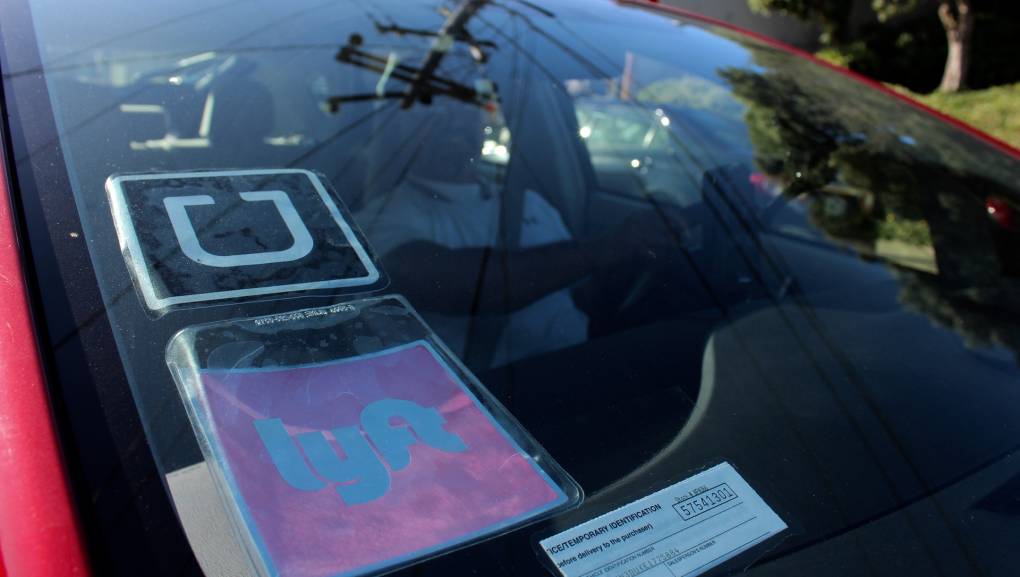
"caption": "A Lyft and Uber driver fiddles with his smartphone as he prepares to pick up a customer on Aug. 31, 2015.",
"description": null,
"title": "RS16556_IMG_0695-qut",
"credit": "Ericka Cruz Guevarra/KQED",
"status": "inherit",
"isLoading": false,
"fetchFailed": false
},
"news_11838872": {
"type": "attachments",
"id": "news_11838872",
"meta": {
"index": "attachments_1716263798",
"site": "news",
"id": "11838872",
"found": true
},
"parent": 11838859,
"imgSizes": {
"apple_news_ca_landscape_5_5": {
"file": "https://ww2.kqed.org/app/uploads/sites/10/2020/09/027_KQED_SanFrancisco_RGBVigil_09182020-1-1044x783.jpg",
"width": 1044,
"mimeType": "image/jpeg",
"height": 783
},
"apple_news_ca_square_4_0": {
"file": "https://ww2.kqed.org/app/uploads/sites/10/2020/09/027_KQED_SanFrancisco_RGBVigil_09182020-1-470x470.jpg",
"width": 470,
"mimeType": "image/jpeg",
"height": 470
},
"twentyfourteen-full-width": {
"file": "https://ww2.kqed.org/app/uploads/sites/10/2020/09/027_KQED_SanFrancisco_RGBVigil_09182020-1-1038x576.jpg",
"width": 1038,
"mimeType": "image/jpeg",
"height": 576
},
"thumbnail": {
"file": "https://ww2.kqed.org/app/uploads/sites/10/2020/09/027_KQED_SanFrancisco_RGBVigil_09182020-1-160x107.jpg",
"width": 160,
"mimeType": "image/jpeg",
"height": 107
},
"post-thumbnail": {
"file": "https://ww2.kqed.org/app/uploads/sites/10/2020/09/027_KQED_SanFrancisco_RGBVigil_09182020-1-672x372.jpg",
"width": 672,
"mimeType": "image/jpeg",
"height": 372
},
"kqedFullSize": {
"file": "https://ww2.kqed.org/app/uploads/sites/10/2020/09/027_KQED_SanFrancisco_RGBVigil_09182020-1.jpg",
"width": 1920,
"height": 1280
},
"apple_news_ca_landscape_4_7": {
"file": "https://ww2.kqed.org/app/uploads/sites/10/2020/09/027_KQED_SanFrancisco_RGBVigil_09182020-1-632x474.jpg",
"width": 632,
"mimeType": "image/jpeg",
"height": 474
},
"large": {
"file": "https://ww2.kqed.org/app/uploads/sites/10/2020/09/027_KQED_SanFrancisco_RGBVigil_09182020-1-1020x680.jpg",
"width": 1020,
"mimeType": "image/jpeg",
"height": 680
},
"apple_news_ca_landscape_4_0": {
"file": "https://ww2.kqed.org/app/uploads/sites/10/2020/09/027_KQED_SanFrancisco_RGBVigil_09182020-1-536x402.jpg",
"width": 536,
"mimeType": "image/jpeg",
"height": 402
},
"apple_news_ca_portrait_12_9": {
"file": "https://ww2.kqed.org/app/uploads/sites/10/2020/09/027_KQED_SanFrancisco_RGBVigil_09182020-1-1122x1280.jpg",
"width": 1122,
"mimeType": "image/jpeg",
"height": 1280
},
"medium": {
"file": "https://ww2.kqed.org/app/uploads/sites/10/2020/09/027_KQED_SanFrancisco_RGBVigil_09182020-1-800x533.jpg",
"width": 800,
"mimeType": "image/jpeg",
"height": 533
},
"apple_news_ca_portrait_4_0": {
"file": "https://ww2.kqed.org/app/uploads/sites/10/2020/09/027_KQED_SanFrancisco_RGBVigil_09182020-1-354x472.jpg",
"width": 354,
"mimeType": "image/jpeg",
"height": 472
},
"apple_news_ca_portrait_9_7": {
"file": "https://ww2.kqed.org/app/uploads/sites/10/2020/09/027_KQED_SanFrancisco_RGBVigil_09182020-1-840x1120.jpg",
"width": 840,
"mimeType": "image/jpeg",
"height": 1120
},
"apple_news_ca_landscape_12_9": {
"file": "https://ww2.kqed.org/app/uploads/sites/10/2020/09/027_KQED_SanFrancisco_RGBVigil_09182020-1-1832x1280.jpg",
"width": 1832,
"mimeType": "image/jpeg",
"height": 1280
},
"apple_news_ca_square_9_7": {
"file": "https://ww2.kqed.org/app/uploads/sites/10/2020/09/027_KQED_SanFrancisco_RGBVigil_09182020-1-1104x1104.jpg",
"width": 1104,
"mimeType": "image/jpeg",
"height": 1104
},
"1536x1536": {
"file": "https://ww2.kqed.org/app/uploads/sites/10/2020/09/027_KQED_SanFrancisco_RGBVigil_09182020-1-1536x1024.jpg",
"width": 1536,
"mimeType": "image/jpeg",
"height": 1024
},
"apple_news_ca_portrait_4_7": {
"file": "https://ww2.kqed.org/app/uploads/sites/10/2020/09/027_KQED_SanFrancisco_RGBVigil_09182020-1-414x552.jpg",
"width": 414,
"mimeType": "image/jpeg",
"height": 552
},
"apple_news_ca_square_12_9": {
"file": "https://ww2.kqed.org/app/uploads/sites/10/2020/09/027_KQED_SanFrancisco_RGBVigil_09182020-1-1472x1280.jpg",
"width": 1472,
"mimeType": "image/jpeg",
"height": 1280
},
"apple_news_ca_portrait_5_5": {
"file": "https://ww2.kqed.org/app/uploads/sites/10/2020/09/027_KQED_SanFrancisco_RGBVigil_09182020-1-687x916.jpg",
"width": 687,
"mimeType": "image/jpeg",
"height": 916
},
"apple_news_ca_square_4_7": {
"file": "https://ww2.kqed.org/app/uploads/sites/10/2020/09/027_KQED_SanFrancisco_RGBVigil_09182020-1-550x550.jpg",
"width": 550,
"mimeType": "image/jpeg",
"height": 550
},
"apple_news_ca_landscape_9_7": {
"file": "https://ww2.kqed.org/app/uploads/sites/10/2020/09/027_KQED_SanFrancisco_RGBVigil_09182020-1-1376x1032.jpg",
"width": 1376,
"mimeType": "image/jpeg",
"height": 1032
},
"apple_news_ca_square_5_5": {
"file": "https://ww2.kqed.org/app/uploads/sites/10/2020/09/027_KQED_SanFrancisco_RGBVigil_09182020-1-912x912.jpg",
"width": 912,
"mimeType": "image/jpeg",
"height": 912
}
},
"publishDate": 1600495594,
"modified": 1600712766,
"caption": "Betty Doerr brought her Justice Ruth Bader Ginsburg figurine that she bought at Cliff's Variety to the candlelit vigil in Ginsburg's honor on Sept. 18, 2020. ",
"description": null,
"title": "027_KQED_SanFrancisco_RGBVigil_09182020-(1)",
"credit": "Beth LaBerge/KQED",
"status": "inherit",
"isLoading": false,
"fetchFailed": false
},
"news_11838010": {
"type": "attachments",
"id": "news_11838010",
"meta": {
"index": "attachments_1716263798",
"site": "news",
"id": "11838010",
"found": true
},
"parent": 11838007,
"imgSizes": {
"apple_news_ca_landscape_5_5": {
"file": "https://ww2.kqed.org/app/uploads/sites/10/2020/09/RS43869_001_KQED_Richmond_TPS_07072020-qut-1044x783.jpg",
"width": 1044,
"mimeType": "image/jpeg",
"height": 783
},
"apple_news_ca_square_4_0": {
"file": "https://ww2.kqed.org/app/uploads/sites/10/2020/09/RS43869_001_KQED_Richmond_TPS_07072020-qut-470x470.jpg",
"width": 470,
"mimeType": "image/jpeg",
"height": 470
},
"twentyfourteen-full-width": {
"file": "https://ww2.kqed.org/app/uploads/sites/10/2020/09/RS43869_001_KQED_Richmond_TPS_07072020-qut-1038x576.jpg",
"width": 1038,
"mimeType": "image/jpeg",
"height": 576
},
"thumbnail": {
"file": "https://ww2.kqed.org/app/uploads/sites/10/2020/09/RS43869_001_KQED_Richmond_TPS_07072020-qut-160x107.jpg",
"width": 160,
"mimeType": "image/jpeg",
"height": 107
},
"post-thumbnail": {
"file": "https://ww2.kqed.org/app/uploads/sites/10/2020/09/RS43869_001_KQED_Richmond_TPS_07072020-qut-672x372.jpg",
"width": 672,
"mimeType": "image/jpeg",
"height": 372
},
"kqedFullSize": {
"file": "https://ww2.kqed.org/app/uploads/sites/10/2020/09/RS43869_001_KQED_Richmond_TPS_07072020-qut.jpg",
"width": 1920,
"height": 1280
},
"apple_news_ca_landscape_4_7": {
"file": "https://ww2.kqed.org/app/uploads/sites/10/2020/09/RS43869_001_KQED_Richmond_TPS_07072020-qut-632x474.jpg",
"width": 632,
"mimeType": "image/jpeg",
"height": 474
},
"large": {
"file": "https://ww2.kqed.org/app/uploads/sites/10/2020/09/RS43869_001_KQED_Richmond_TPS_07072020-qut-1020x680.jpg",
"width": 1020,
"mimeType": "image/jpeg",
"height": 680
},
"apple_news_ca_landscape_4_0": {
"file": "https://ww2.kqed.org/app/uploads/sites/10/2020/09/RS43869_001_KQED_Richmond_TPS_07072020-qut-536x402.jpg",
"width": 536,
"mimeType": "image/jpeg",
"height": 402
},
"apple_news_ca_portrait_12_9": {
"file": "https://ww2.kqed.org/app/uploads/sites/10/2020/09/RS43869_001_KQED_Richmond_TPS_07072020-qut-1122x1280.jpg",
"width": 1122,
"mimeType": "image/jpeg",
"height": 1280
},
"medium": {
"file": "https://ww2.kqed.org/app/uploads/sites/10/2020/09/RS43869_001_KQED_Richmond_TPS_07072020-qut-800x533.jpg",
"width": 800,
"mimeType": "image/jpeg",
"height": 533
},
"apple_news_ca_portrait_4_0": {
"file": "https://ww2.kqed.org/app/uploads/sites/10/2020/09/RS43869_001_KQED_Richmond_TPS_07072020-qut-354x472.jpg",
"width": 354,
"mimeType": "image/jpeg",
"height": 472
},
"apple_news_ca_portrait_9_7": {
"file": "https://ww2.kqed.org/app/uploads/sites/10/2020/09/RS43869_001_KQED_Richmond_TPS_07072020-qut-840x1120.jpg",
"width": 840,
"mimeType": "image/jpeg",
"height": 1120
},
"apple_news_ca_landscape_12_9": {
"file": "https://ww2.kqed.org/app/uploads/sites/10/2020/09/RS43869_001_KQED_Richmond_TPS_07072020-qut-1832x1280.jpg",
"width": 1832,
"mimeType": "image/jpeg",
"height": 1280
},
"apple_news_ca_square_9_7": {
"file": "https://ww2.kqed.org/app/uploads/sites/10/2020/09/RS43869_001_KQED_Richmond_TPS_07072020-qut-1104x1104.jpg",
"width": 1104,
"mimeType": "image/jpeg",
"height": 1104
},
"1536x1536": {
"file": "https://ww2.kqed.org/app/uploads/sites/10/2020/09/RS43869_001_KQED_Richmond_TPS_07072020-qut-1536x1024.jpg",
"width": 1536,
"mimeType": "image/jpeg",
"height": 1024
},
"apple_news_ca_portrait_4_7": {
"file": "https://ww2.kqed.org/app/uploads/sites/10/2020/09/RS43869_001_KQED_Richmond_TPS_07072020-qut-414x552.jpg",
"width": 414,
"mimeType": "image/jpeg",
"height": 552
},
"apple_news_ca_square_12_9": {
"file": "https://ww2.kqed.org/app/uploads/sites/10/2020/09/RS43869_001_KQED_Richmond_TPS_07072020-qut-1472x1280.jpg",
"width": 1472,
"mimeType": "image/jpeg",
"height": 1280
},
"apple_news_ca_portrait_5_5": {
"file": "https://ww2.kqed.org/app/uploads/sites/10/2020/09/RS43869_001_KQED_Richmond_TPS_07072020-qut-687x916.jpg",
"width": 687,
"mimeType": "image/jpeg",
"height": 916
},
"apple_news_ca_square_4_7": {
"file": "https://ww2.kqed.org/app/uploads/sites/10/2020/09/RS43869_001_KQED_Richmond_TPS_07072020-qut-550x550.jpg",
"width": 550,
"mimeType": "image/jpeg",
"height": 550
},
"apple_news_ca_landscape_9_7": {
"file": "https://ww2.kqed.org/app/uploads/sites/10/2020/09/RS43869_001_KQED_Richmond_TPS_07072020-qut-1376x1032.jpg",
"width": 1376,
"mimeType": "image/jpeg",
"height": 1032
},
"apple_news_ca_square_5_5": {
"file": "https://ww2.kqed.org/app/uploads/sites/10/2020/09/RS43869_001_KQED_Richmond_TPS_07072020-qut-912x912.jpg",
"width": 912,
"mimeType": "image/jpeg",
"height": 912
}
},
"publishDate": 1600195704,
"modified": 1600286950,
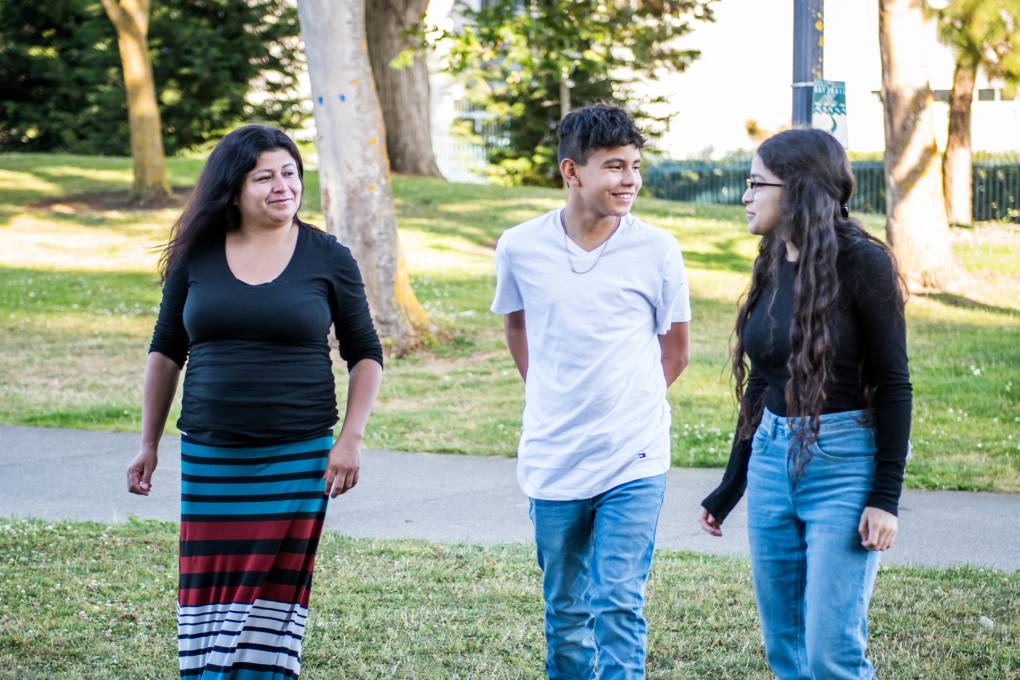
"caption": "Cristina Morales (left) walks in Richmond, California with her children Diego and Crista, who are U.S. citizens, on July 7, 2020. Morales is one of more than 400,000 immigrants who would lose their permits to live and work in the U.S. after an appeals court ruling this week.",
"description": "Cristina Morales (left) walks in Richmond, California with her children Diego and Crista, who are U.S. citizens, on July 7, 2020. Morales is one of more than 400,000 immigrants who would lose their permits to live and work in the U.S. after an appeals court ruling this week.",
"title": "RS43869_001_KQED_Richmond_TPS_07072020-qut",
"credit": "Beth LaBerge/KQED",
"status": "inherit",
"isLoading": false,
"fetchFailed": false
},
"news_11837945": {
"type": "attachments",
"id": "news_11837945",
"meta": {
"index": "attachments_1716263798",
"site": "news",
"id": "11837945",
"found": true
},
"parent": 11837756,
"imgSizes": {
"apple_news_ca_square_4_0": {
"file": "https://ww2.kqed.org/app/uploads/sites/10/2020/09/1920_RS4026_CSULongBeachstudentunion-470x470.jpg",
"width": 470,
"mimeType": "image/jpeg",
"height": 470
},
"thumbnail": {
"file": "https://ww2.kqed.org/app/uploads/sites/10/2020/09/1920_RS4026_CSULongBeachstudentunion-160x90.jpg",
"width": 160,
"mimeType": "image/jpeg",
"height": 90
},
"post-thumbnail": {
"file": "https://ww2.kqed.org/app/uploads/sites/10/2020/09/1920_RS4026_CSULongBeachstudentunion-672x372.jpg",
"width": 672,
"mimeType": "image/jpeg",
"height": 372
},
"kqedFullSize": {
"file": "https://ww2.kqed.org/app/uploads/sites/10/2020/09/1920_RS4026_CSULongBeachstudentunion.jpg",
"width": 994,
"height": 558
},
"apple_news_ca_landscape_4_7": {
"file": "https://ww2.kqed.org/app/uploads/sites/10/2020/09/1920_RS4026_CSULongBeachstudentunion-632x474.jpg",
"width": 632,
"mimeType": "image/jpeg",
"height": 474
},
"apple_news_ca_landscape_4_0": {
"file": "https://ww2.kqed.org/app/uploads/sites/10/2020/09/1920_RS4026_CSULongBeachstudentunion-536x402.jpg",
"width": 536,
"mimeType": "image/jpeg",
"height": 402
},
"medium": {
"file": "https://ww2.kqed.org/app/uploads/sites/10/2020/09/1920_RS4026_CSULongBeachstudentunion-800x449.jpg",
"width": 800,
"mimeType": "image/jpeg",
"height": 449
},
"apple_news_ca_portrait_4_0": {
"file": "https://ww2.kqed.org/app/uploads/sites/10/2020/09/1920_RS4026_CSULongBeachstudentunion-354x472.jpg",
"width": 354,
"mimeType": "image/jpeg",
"height": 472
},
"apple_news_ca_portrait_9_7": {
"file": "https://ww2.kqed.org/app/uploads/sites/10/2020/09/1920_RS4026_CSULongBeachstudentunion-840x558.jpg",
"width": 840,
"mimeType": "image/jpeg",
"height": 558
},
"apple_news_ca_portrait_4_7": {
"file": "https://ww2.kqed.org/app/uploads/sites/10/2020/09/1920_RS4026_CSULongBeachstudentunion-414x552.jpg",
"width": 414,
"mimeType": "image/jpeg",
"height": 552
},
"apple_news_ca_portrait_5_5": {
"file": "https://ww2.kqed.org/app/uploads/sites/10/2020/09/1920_RS4026_CSULongBeachstudentunion-687x558.jpg",
"width": 687,
"mimeType": "image/jpeg",
"height": 558
},
"apple_news_ca_square_4_7": {
"file": "https://ww2.kqed.org/app/uploads/sites/10/2020/09/1920_RS4026_CSULongBeachstudentunion-550x550.jpg",
"width": 550,
"mimeType": "image/jpeg",
"height": 550
},
"apple_news_ca_square_5_5": {
"file": "https://ww2.kqed.org/app/uploads/sites/10/2020/09/1920_RS4026_CSULongBeachstudentunion-912x558.jpg",
"width": 912,
"mimeType": "image/jpeg",
"height": 558
}
},
"publishDate": 1600130465,
"modified": 1600130535,
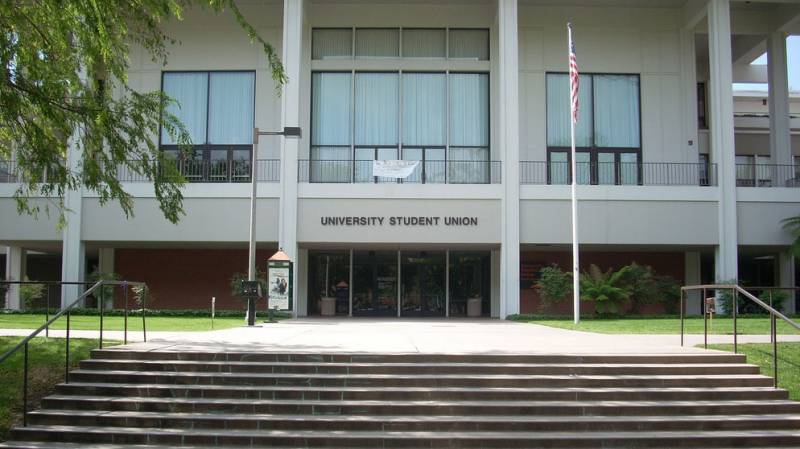
"caption": "The Student Union building at CSU Long Beach (2015).",
"description": null,
"title": "1920_RS4026_CSULongBeachstudentunion",
"credit": "Chris/Flickr",
"status": "inherit",
"isLoading": false,
"fetchFailed": false
},
"news_11837797": {
"type": "attachments",
"id": "news_11837797",
"meta": {
"index": "attachments_1716263798",
"site": "news",
"id": "11837797",
"found": true
},
"parent": 11837787,
"imgSizes": {
"apple_news_ca_landscape_5_5": {
"file": "https://ww2.kqed.org/app/uploads/sites/10/2020/09/10.RS44875_068_KQED_BigBasin_Fire_09102020-qut-1044x783.jpg",
"width": 1044,
"mimeType": "image/jpeg",
"height": 783
},
"apple_news_ca_square_4_0": {
"file": "https://ww2.kqed.org/app/uploads/sites/10/2020/09/10.RS44875_068_KQED_BigBasin_Fire_09102020-qut-470x470.jpg",
"width": 470,
"mimeType": "image/jpeg",
"height": 470
},
"twentyfourteen-full-width": {
"file": "https://ww2.kqed.org/app/uploads/sites/10/2020/09/10.RS44875_068_KQED_BigBasin_Fire_09102020-qut-1038x576.jpg",
"width": 1038,
"mimeType": "image/jpeg",
"height": 576
},
"thumbnail": {
"file": "https://ww2.kqed.org/app/uploads/sites/10/2020/09/10.RS44875_068_KQED_BigBasin_Fire_09102020-qut-160x107.jpg",
"width": 160,
"mimeType": "image/jpeg",
"height": 107
},
"post-thumbnail": {
"file": "https://ww2.kqed.org/app/uploads/sites/10/2020/09/10.RS44875_068_KQED_BigBasin_Fire_09102020-qut-672x372.jpg",
"width": 672,
"mimeType": "image/jpeg",
"height": 372
},
"kqedFullSize": {
"file": "https://ww2.kqed.org/app/uploads/sites/10/2020/09/10.RS44875_068_KQED_BigBasin_Fire_09102020-qut.jpg",
"width": 1920,
"height": 1280
},
"apple_news_ca_landscape_4_7": {
"file": "https://ww2.kqed.org/app/uploads/sites/10/2020/09/10.RS44875_068_KQED_BigBasin_Fire_09102020-qut-632x474.jpg",
"width": 632,
"mimeType": "image/jpeg",
"height": 474
},
"large": {
"file": "https://ww2.kqed.org/app/uploads/sites/10/2020/09/10.RS44875_068_KQED_BigBasin_Fire_09102020-qut-1020x680.jpg",
"width": 1020,
"mimeType": "image/jpeg",
"height": 680
},
"apple_news_ca_landscape_4_0": {
"file": "https://ww2.kqed.org/app/uploads/sites/10/2020/09/10.RS44875_068_KQED_BigBasin_Fire_09102020-qut-536x402.jpg",
"width": 536,
"mimeType": "image/jpeg",
"height": 402
},
"apple_news_ca_portrait_12_9": {
"file": "https://ww2.kqed.org/app/uploads/sites/10/2020/09/10.RS44875_068_KQED_BigBasin_Fire_09102020-qut-1122x1280.jpg",
"width": 1122,
"mimeType": "image/jpeg",
"height": 1280
},
"medium": {
"file": "https://ww2.kqed.org/app/uploads/sites/10/2020/09/10.RS44875_068_KQED_BigBasin_Fire_09102020-qut-800x533.jpg",
"width": 800,
"mimeType": "image/jpeg",
"height": 533
},
"apple_news_ca_portrait_4_0": {
"file": "https://ww2.kqed.org/app/uploads/sites/10/2020/09/10.RS44875_068_KQED_BigBasin_Fire_09102020-qut-354x472.jpg",
"width": 354,
"mimeType": "image/jpeg",
"height": 472
},
"apple_news_ca_portrait_9_7": {
"file": "https://ww2.kqed.org/app/uploads/sites/10/2020/09/10.RS44875_068_KQED_BigBasin_Fire_09102020-qut-840x1120.jpg",
"width": 840,
"mimeType": "image/jpeg",
"height": 1120
},
"apple_news_ca_landscape_12_9": {
"file": "https://ww2.kqed.org/app/uploads/sites/10/2020/09/10.RS44875_068_KQED_BigBasin_Fire_09102020-qut-1832x1280.jpg",
"width": 1832,
"mimeType": "image/jpeg",
"height": 1280
},
"apple_news_ca_square_9_7": {
"file": "https://ww2.kqed.org/app/uploads/sites/10/2020/09/10.RS44875_068_KQED_BigBasin_Fire_09102020-qut-1104x1104.jpg",
"width": 1104,
"mimeType": "image/jpeg",
"height": 1104
},
"1536x1536": {
"file": "https://ww2.kqed.org/app/uploads/sites/10/2020/09/10.RS44875_068_KQED_BigBasin_Fire_09102020-qut-1536x1024.jpg",
"width": 1536,
"mimeType": "image/jpeg",
"height": 1024
},
"apple_news_ca_portrait_4_7": {
"file": "https://ww2.kqed.org/app/uploads/sites/10/2020/09/10.RS44875_068_KQED_BigBasin_Fire_09102020-qut-414x552.jpg",
"width": 414,
"mimeType": "image/jpeg",
"height": 552
},
"apple_news_ca_square_12_9": {
"file": "https://ww2.kqed.org/app/uploads/sites/10/2020/09/10.RS44875_068_KQED_BigBasin_Fire_09102020-qut-1472x1280.jpg",
"width": 1472,
"mimeType": "image/jpeg",
"height": 1280
},
"apple_news_ca_portrait_5_5": {
"file": "https://ww2.kqed.org/app/uploads/sites/10/2020/09/10.RS44875_068_KQED_BigBasin_Fire_09102020-qut-687x916.jpg",
"width": 687,
"mimeType": "image/jpeg",
"height": 916
},
"apple_news_ca_square_4_7": {
"file": "https://ww2.kqed.org/app/uploads/sites/10/2020/09/10.RS44875_068_KQED_BigBasin_Fire_09102020-qut-550x550.jpg",
"width": 550,
"mimeType": "image/jpeg",
"height": 550
},
"apple_news_ca_landscape_9_7": {
"file": "https://ww2.kqed.org/app/uploads/sites/10/2020/09/10.RS44875_068_KQED_BigBasin_Fire_09102020-qut-1376x1032.jpg",
"width": 1376,
"mimeType": "image/jpeg",
"height": 1032
},
"apple_news_ca_square_5_5": {
"file": "https://ww2.kqed.org/app/uploads/sites/10/2020/09/10.RS44875_068_KQED_BigBasin_Fire_09102020-qut-912x912.jpg",
"width": 912,
"mimeType": "image/jpeg",
"height": 912
}
},
"publishDate": 1600013423,
"modified": 1600119354,
"caption": "Sandra Raya, Senior Park Aid for Interpretors, looks at a burned redwood branches at Big Basin Redwoods State Park on Sept. 10, 2020.",
"description": null,
"title": "_10.RS44875_068_KQED_BigBasin_Fire_09102020-qut",
"credit": "Beth LaBerge/KQED",
"status": "inherit",
"isLoading": false,
"fetchFailed": false
},
"news_11833922": {
"type": "attachments",
"id": "news_11833922",
"meta": {
"index": "attachments_1716263798",
"site": "news",
"id": "11833922",
"found": true
},
"parent": 11833699,
"imgSizes": {
"apple_news_ca_landscape_5_5": {
"file": "https://ww2.kqed.org/app/uploads/sites/10/2020/08/Power-Outage-Map-Screencap-1044x783.jpg",
"width": 1044,
"mimeType": "image/jpeg",
"height": 783
},
"apple_news_ca_square_4_0": {
"file": "https://ww2.kqed.org/app/uploads/sites/10/2020/08/Power-Outage-Map-Screencap-470x470.jpg",
"width": 470,
"mimeType": "image/jpeg",
"height": 470
},
"twentyfourteen-full-width": {
"file": "https://ww2.kqed.org/app/uploads/sites/10/2020/08/Power-Outage-Map-Screencap-1038x576.jpg",
"width": 1038,
"mimeType": "image/jpeg",
"height": 576
},
"thumbnail": {
"file": "https://ww2.kqed.org/app/uploads/sites/10/2020/08/Power-Outage-Map-Screencap-160x106.jpg",
"width": 160,
"mimeType": "image/jpeg",
"height": 106
},
"post-thumbnail": {
"file": "https://ww2.kqed.org/app/uploads/sites/10/2020/08/Power-Outage-Map-Screencap-672x372.jpg",
"width": 672,
"mimeType": "image/jpeg",
"height": 372
},
"kqedFullSize": {
"file": "https://ww2.kqed.org/app/uploads/sites/10/2020/08/Power-Outage-Map-Screencap.jpg",
"width": 1400,
"height": 925
},
"apple_news_ca_landscape_4_7": {
"file": "https://ww2.kqed.org/app/uploads/sites/10/2020/08/Power-Outage-Map-Screencap-632x474.jpg",
"width": 632,
"mimeType": "image/jpeg",
"height": 474
},
"large": {
"file": "https://ww2.kqed.org/app/uploads/sites/10/2020/08/Power-Outage-Map-Screencap-1020x674.jpg",
"width": 1020,
"mimeType": "image/jpeg",
"height": 674
},
"apple_news_ca_landscape_4_0": {
"file": "https://ww2.kqed.org/app/uploads/sites/10/2020/08/Power-Outage-Map-Screencap-536x402.jpg",
"width": 536,
"mimeType": "image/jpeg",
"height": 402
},
"apple_news_ca_portrait_12_9": {
"file": "https://ww2.kqed.org/app/uploads/sites/10/2020/08/Power-Outage-Map-Screencap-1122x925.jpg",
"width": 1122,
"mimeType": "image/jpeg",
"height": 925
},
"medium": {
"file": "https://ww2.kqed.org/app/uploads/sites/10/2020/08/Power-Outage-Map-Screencap-800x529.jpg",
"width": 800,
"mimeType": "image/jpeg",
"height": 529
},
"apple_news_ca_portrait_4_0": {
"file": "https://ww2.kqed.org/app/uploads/sites/10/2020/08/Power-Outage-Map-Screencap-354x472.jpg",
"width": 354,
"mimeType": "image/jpeg",
"height": 472
},
"apple_news_ca_portrait_9_7": {
"file": "https://ww2.kqed.org/app/uploads/sites/10/2020/08/Power-Outage-Map-Screencap-840x925.jpg",
"width": 840,
"mimeType": "image/jpeg",
"height": 925
},
"apple_news_ca_square_9_7": {
"file": "https://ww2.kqed.org/app/uploads/sites/10/2020/08/Power-Outage-Map-Screencap-1104x925.jpg",
"width": 1104,
"mimeType": "image/jpeg",
"height": 925
},
"apple_news_ca_portrait_4_7": {
"file": "https://ww2.kqed.org/app/uploads/sites/10/2020/08/Power-Outage-Map-Screencap-414x552.jpg",
"width": 414,
"mimeType": "image/jpeg",
"height": 552
},
"apple_news_ca_portrait_5_5": {
"file": "https://ww2.kqed.org/app/uploads/sites/10/2020/08/Power-Outage-Map-Screencap-687x916.jpg",
"width": 687,
"mimeType": "image/jpeg",
"height": 916
},
"apple_news_ca_square_4_7": {
"file": "https://ww2.kqed.org/app/uploads/sites/10/2020/08/Power-Outage-Map-Screencap-550x550.jpg",
"width": 550,
"mimeType": "image/jpeg",
"height": 550
},
"apple_news_ca_landscape_9_7": {
"file": "https://ww2.kqed.org/app/uploads/sites/10/2020/08/Power-Outage-Map-Screencap-1376x925.jpg",
"width": 1376,
"mimeType": "image/jpeg",
"height": 925
},
"apple_news_ca_square_5_5": {
"file": "https://ww2.kqed.org/app/uploads/sites/10/2020/08/Power-Outage-Map-Screencap-912x912.jpg",
"width": 912,
"mimeType": "image/jpeg",
"height": 912
}
},
"publishDate": 1597787872,
"modified": 1597787933,
"caption": null,
"description": null,
"title": "Power-Outage-Map-Screencap",
"credit": "ESRI/KQED",
"status": "inherit",
"isLoading": false,
"fetchFailed": false
},
"news_11836827": {
"type": "attachments",
"id": "news_11836827",
"meta": {
"index": "attachments_1716263798",
"site": "news",
"id": "11836827",
"found": true
},
"parent": 11836824,
"imgSizes": {
"apple_news_ca_landscape_5_5": {
"file": "https://ww2.kqed.org/app/uploads/sites/10/2020/09/GettyImages-699683202-1044x783.jpg",
"width": 1044,
"mimeType": "image/jpeg",
"height": 783
},
"apple_news_ca_square_4_0": {
"file": "https://ww2.kqed.org/app/uploads/sites/10/2020/09/GettyImages-699683202-470x470.jpg",
"width": 470,
"mimeType": "image/jpeg",
"height": 470
},
"twentyfourteen-full-width": {
"file": "https://ww2.kqed.org/app/uploads/sites/10/2020/09/GettyImages-699683202-1038x576.jpg",
"width": 1038,
"mimeType": "image/jpeg",
"height": 576
},
"thumbnail": {
"file": "https://ww2.kqed.org/app/uploads/sites/10/2020/09/GettyImages-699683202-160x107.jpg",
"width": 160,
"mimeType": "image/jpeg",
"height": 107
},
"post-thumbnail": {
"file": "https://ww2.kqed.org/app/uploads/sites/10/2020/09/GettyImages-699683202-672x372.jpg",
"width": 672,
"mimeType": "image/jpeg",
"height": 372
},
"kqedFullSize": {
"file": "https://ww2.kqed.org/app/uploads/sites/10/2020/09/GettyImages-699683202-scaled.jpg",
"width": 2560,
"height": 1707
},
"2048x2048": {
"file": "https://ww2.kqed.org/app/uploads/sites/10/2020/09/GettyImages-699683202-2048x1365.jpg",
"width": 2048,
"mimeType": "image/jpeg",
"height": 1365
},
"apple_news_ca_landscape_4_7": {
"file": "https://ww2.kqed.org/app/uploads/sites/10/2020/09/GettyImages-699683202-632x474.jpg",
"width": 632,
"mimeType": "image/jpeg",
"height": 474
},
"large": {
"file": "https://ww2.kqed.org/app/uploads/sites/10/2020/09/GettyImages-699683202-1020x680.jpg",
"width": 1020,
"mimeType": "image/jpeg",
"height": 680
},
"apple_news_ca_landscape_4_0": {
"file": "https://ww2.kqed.org/app/uploads/sites/10/2020/09/GettyImages-699683202-536x402.jpg",
"width": 536,
"mimeType": "image/jpeg",
"height": 402
},
"apple_news_ca_portrait_12_9": {
"file": "https://ww2.kqed.org/app/uploads/sites/10/2020/09/GettyImages-699683202-1122x1496.jpg",
"width": 1122,
"mimeType": "image/jpeg",
"height": 1496
},
"medium": {
"file": "https://ww2.kqed.org/app/uploads/sites/10/2020/09/GettyImages-699683202-800x533.jpg",
"width": 800,
"mimeType": "image/jpeg",
"height": 533
},
"apple_news_ca_portrait_4_0": {
"file": "https://ww2.kqed.org/app/uploads/sites/10/2020/09/GettyImages-699683202-354x472.jpg",
"width": 354,
"mimeType": "image/jpeg",
"height": 472
},
"apple_news_ca_portrait_9_7": {
"file": "https://ww2.kqed.org/app/uploads/sites/10/2020/09/GettyImages-699683202-840x1120.jpg",
"width": 840,
"mimeType": "image/jpeg",
"height": 1120
},
"apple_news_ca_landscape_12_9": {
"file": "https://ww2.kqed.org/app/uploads/sites/10/2020/09/GettyImages-699683202-1832x1374.jpg",
"width": 1832,
"mimeType": "image/jpeg",
"height": 1374
},
"apple_news_ca_square_9_7": {
"file": "https://ww2.kqed.org/app/uploads/sites/10/2020/09/GettyImages-699683202-1104x1104.jpg",
"width": 1104,
"mimeType": "image/jpeg",
"height": 1104
},
"1536x1536": {
"file": "https://ww2.kqed.org/app/uploads/sites/10/2020/09/GettyImages-699683202-1536x1024.jpg",
"width": 1536,
"mimeType": "image/jpeg",
"height": 1024
},
"apple_news_ca_portrait_4_7": {
"file": "https://ww2.kqed.org/app/uploads/sites/10/2020/09/GettyImages-699683202-414x552.jpg",
"width": 414,
"mimeType": "image/jpeg",
"height": 552
},
"apple_news_ca_square_12_9": {
"file": "https://ww2.kqed.org/app/uploads/sites/10/2020/09/GettyImages-699683202-1472x1472.jpg",
"width": 1472,
"mimeType": "image/jpeg",
"height": 1472
},
"apple_news_ca_portrait_5_5": {
"file": "https://ww2.kqed.org/app/uploads/sites/10/2020/09/GettyImages-699683202-687x916.jpg",
"width": 687,
"mimeType": "image/jpeg",
"height": 916
},
"full-width": {
"file": "https://ww2.kqed.org/app/uploads/sites/10/2020/09/GettyImages-699683202-1920x1280.jpg",
"width": 1920,
"mimeType": "image/jpeg",
"height": 1280
},
"apple_news_ca_square_4_7": {
"file": "https://ww2.kqed.org/app/uploads/sites/10/2020/09/GettyImages-699683202-550x550.jpg",
"width": 550,
"mimeType": "image/jpeg",
"height": 550
},
"apple_news_ca_landscape_9_7": {
"file": "https://ww2.kqed.org/app/uploads/sites/10/2020/09/GettyImages-699683202-1376x1032.jpg",
"width": 1376,
"mimeType": "image/jpeg",
"height": 1032
},
"apple_news_ca_square_5_5": {
"file": "https://ww2.kqed.org/app/uploads/sites/10/2020/09/GettyImages-699683202-912x912.jpg",
"width": 912,
"mimeType": "image/jpeg",
"height": 912
}
},
"publishDate": 1599274191,
"modified": 1599275001,
"caption": "Older adults, children and those with underlying health conditions are more vulnerable to the heat, but public health experts say everyone should take precautions, including drinking lots of water.",
"description": null,
"title": "GettyImages-699683202",
"credit": "Miguel Medina/AFP via Getty Images",
"status": "inherit",
"isLoading": false,
"fetchFailed": false
},
"news_11836754": {
"type": "attachments",
"id": "news_11836754",
"meta": {
"index": "attachments_1716263798",
"site": "news",
"id": "11836754",
"found": true
},
"parent": 11836745,
"imgSizes": {
"apple_news_ca_landscape_5_5": {
"file": "https://ww2.kqed.org/app/uploads/sites/10/2020/09/open-road-1-1044x783.jpg",
"width": 1044,
"mimeType": "image/jpeg",
"height": 783
},
"apple_news_ca_square_4_0": {
"file": "https://ww2.kqed.org/app/uploads/sites/10/2020/09/open-road-1-470x470.jpg",
"width": 470,
"mimeType": "image/jpeg",
"height": 470
},
"twentyfourteen-full-width": {
"file": "https://ww2.kqed.org/app/uploads/sites/10/2020/09/open-road-1-1038x576.jpg",
"width": 1038,
"mimeType": "image/jpeg",
"height": 576
},
"thumbnail": {
"file": "https://ww2.kqed.org/app/uploads/sites/10/2020/09/open-road-1-160x108.jpg",
"width": 160,
"mimeType": "image/jpeg",
"height": 108
},
"post-thumbnail": {
"file": "https://ww2.kqed.org/app/uploads/sites/10/2020/09/open-road-1-672x372.jpg",
"width": 672,
"mimeType": "image/jpeg",
"height": 372
},
"kqedFullSize": {
"file": "https://ww2.kqed.org/app/uploads/sites/10/2020/09/open-road-1.jpg",
"width": 1900,
"height": 1280
},
"apple_news_ca_landscape_4_7": {
"file": "https://ww2.kqed.org/app/uploads/sites/10/2020/09/open-road-1-632x474.jpg",
"width": 632,
"mimeType": "image/jpeg",
"height": 474
},
"large": {
"file": "https://ww2.kqed.org/app/uploads/sites/10/2020/09/open-road-1-1020x687.jpg",
"width": 1020,
"mimeType": "image/jpeg",
"height": 687
},
"apple_news_ca_landscape_4_0": {
"file": "https://ww2.kqed.org/app/uploads/sites/10/2020/09/open-road-1-536x402.jpg",
"width": 536,
"mimeType": "image/jpeg",
"height": 402
},
"apple_news_ca_portrait_12_9": {
"file": "https://ww2.kqed.org/app/uploads/sites/10/2020/09/open-road-1-1122x1280.jpg",
"width": 1122,
"mimeType": "image/jpeg",
"height": 1280
},
"medium": {
"file": "https://ww2.kqed.org/app/uploads/sites/10/2020/09/open-road-1-800x539.jpg",
"width": 800,
"mimeType": "image/jpeg",
"height": 539
},
"apple_news_ca_portrait_4_0": {
"file": "https://ww2.kqed.org/app/uploads/sites/10/2020/09/open-road-1-354x472.jpg",
"width": 354,
"mimeType": "image/jpeg",
"height": 472
},
"apple_news_ca_portrait_9_7": {
"file": "https://ww2.kqed.org/app/uploads/sites/10/2020/09/open-road-1-840x1120.jpg",
"width": 840,
"mimeType": "image/jpeg",
"height": 1120
},
"apple_news_ca_landscape_12_9": {
"file": "https://ww2.kqed.org/app/uploads/sites/10/2020/09/open-road-1-1832x1280.jpg",
"width": 1832,
"mimeType": "image/jpeg",
"height": 1280
},
"apple_news_ca_square_9_7": {
"file": "https://ww2.kqed.org/app/uploads/sites/10/2020/09/open-road-1-1104x1104.jpg",
"width": 1104,
"mimeType": "image/jpeg",
"height": 1104
},
"1536x1536": {
"file": "https://ww2.kqed.org/app/uploads/sites/10/2020/09/open-road-1-1536x1035.jpg",
"width": 1536,
"mimeType": "image/jpeg",
"height": 1035
},
"apple_news_ca_portrait_4_7": {
"file": "https://ww2.kqed.org/app/uploads/sites/10/2020/09/open-road-1-414x552.jpg",
"width": 414,
"mimeType": "image/jpeg",
"height": 552
},
"apple_news_ca_square_12_9": {
"file": "https://ww2.kqed.org/app/uploads/sites/10/2020/09/open-road-1-1472x1280.jpg",
"width": 1472,
"mimeType": "image/jpeg",
"height": 1280
},
"apple_news_ca_portrait_5_5": {
"file": "https://ww2.kqed.org/app/uploads/sites/10/2020/09/open-road-1-687x916.jpg",
"width": 687,
"mimeType": "image/jpeg",
"height": 916
},
"apple_news_ca_square_4_7": {
"file": "https://ww2.kqed.org/app/uploads/sites/10/2020/09/open-road-1-550x550.jpg",
"width": 550,
"mimeType": "image/jpeg",
"height": 550
},
"apple_news_ca_landscape_9_7": {
"file": "https://ww2.kqed.org/app/uploads/sites/10/2020/09/open-road-1-1376x1032.jpg",
"width": 1376,
"mimeType": "image/jpeg",
"height": 1032
},
"apple_news_ca_square_5_5": {
"file": "https://ww2.kqed.org/app/uploads/sites/10/2020/09/open-road-1-912x912.jpg",
"width": 912,
"mimeType": "image/jpeg",
"height": 912
}
},
"publishDate": 1599247874,
"modified": 1599247940,
"caption": "Travel restrictions due to COVID-19 are still in place in California. How can you travel safely?",
"description": null,
"title": "travelrestrictions",
"credit": "Pixabay/Pexels",
"status": "inherit",
"isLoading": false,
"fetchFailed": false
},
"news_11836023": {
"type": "attachments",
"id": "news_11836023",
"meta": {
"index": "attachments_1716263798",
"site": "news",
"id": "11836023",
"found": true
},
"parent": 11836017,
"imgSizes": {
"apple_news_ca_landscape_5_5": {
"file": "https://ww2.kqed.org/app/uploads/sites/10/2020/08/1920_Diaz-1044x783.jpg",
"width": 1044,
"mimeType": "image/jpeg",
"height": 783
},
"apple_news_ca_square_4_0": {
"file": "https://ww2.kqed.org/app/uploads/sites/10/2020/08/1920_Diaz-470x470.jpg",
"width": 470,
"mimeType": "image/jpeg",
"height": 470
},
"twentyfourteen-full-width": {
"file": "https://ww2.kqed.org/app/uploads/sites/10/2020/08/1920_Diaz-1038x576.jpg",
"width": 1038,
"mimeType": "image/jpeg",
"height": 576
},
"thumbnail": {
"file": "https://ww2.kqed.org/app/uploads/sites/10/2020/08/1920_Diaz-160x90.jpg",
"width": 160,
"mimeType": "image/jpeg",
"height": 90
},
"post-thumbnail": {
"file": "https://ww2.kqed.org/app/uploads/sites/10/2020/08/1920_Diaz-672x372.jpg",
"width": 672,
"mimeType": "image/jpeg",
"height": 372
},
"kqedFullSize": {
"file": "https://ww2.kqed.org/app/uploads/sites/10/2020/08/1920_Diaz.jpg",
"width": 1872,
"height": 1052
},
"apple_news_ca_landscape_4_7": {
"file": "https://ww2.kqed.org/app/uploads/sites/10/2020/08/1920_Diaz-632x474.jpg",
"width": 632,
"mimeType": "image/jpeg",
"height": 474
},
"large": {
"file": "https://ww2.kqed.org/app/uploads/sites/10/2020/08/1920_Diaz-1020x573.jpg",
"width": 1020,
"mimeType": "image/jpeg",
"height": 573
},
"apple_news_ca_landscape_4_0": {
"file": "https://ww2.kqed.org/app/uploads/sites/10/2020/08/1920_Diaz-536x402.jpg",
"width": 536,
"mimeType": "image/jpeg",
"height": 402
},
"apple_news_ca_portrait_12_9": {
"file": "https://ww2.kqed.org/app/uploads/sites/10/2020/08/1920_Diaz-1122x1052.jpg",
"width": 1122,
"mimeType": "image/jpeg",
"height": 1052
},
"medium": {
"file": "https://ww2.kqed.org/app/uploads/sites/10/2020/08/1920_Diaz-800x450.jpg",
"width": 800,
"mimeType": "image/jpeg",
"height": 450
},
"apple_news_ca_portrait_4_0": {
"file": "https://ww2.kqed.org/app/uploads/sites/10/2020/08/1920_Diaz-354x472.jpg",
"width": 354,
"mimeType": "image/jpeg",
"height": 472
},
"apple_news_ca_portrait_9_7": {
"file": "https://ww2.kqed.org/app/uploads/sites/10/2020/08/1920_Diaz-840x1052.jpg",
"width": 840,
"mimeType": "image/jpeg",
"height": 1052
},
"apple_news_ca_landscape_12_9": {
"file": "https://ww2.kqed.org/app/uploads/sites/10/2020/08/1920_Diaz-1832x1052.jpg",
"width": 1832,
"mimeType": "image/jpeg",
"height": 1052
},
"apple_news_ca_square_9_7": {
"file": "https://ww2.kqed.org/app/uploads/sites/10/2020/08/1920_Diaz-1104x1052.jpg",
"width": 1104,
"mimeType": "image/jpeg",
"height": 1052
},
"1536x1536": {
"file": "https://ww2.kqed.org/app/uploads/sites/10/2020/08/1920_Diaz-1536x863.jpg",
"width": 1536,
"mimeType": "image/jpeg",
"height": 863
},
"apple_news_ca_portrait_4_7": {
"file": "https://ww2.kqed.org/app/uploads/sites/10/2020/08/1920_Diaz-414x552.jpg",
"width": 414,
"mimeType": "image/jpeg",
"height": 552
},
"apple_news_ca_square_12_9": {
"file": "https://ww2.kqed.org/app/uploads/sites/10/2020/08/1920_Diaz-1472x1052.jpg",
"width": 1472,
"mimeType": "image/jpeg",
"height": 1052
},
"apple_news_ca_portrait_5_5": {
"file": "https://ww2.kqed.org/app/uploads/sites/10/2020/08/1920_Diaz-687x916.jpg",
"width": 687,
"mimeType": "image/jpeg",
"height": 916
},
"apple_news_ca_square_4_7": {
"file": "https://ww2.kqed.org/app/uploads/sites/10/2020/08/1920_Diaz-550x550.jpg",
"width": 550,
"mimeType": "image/jpeg",
"height": 550
},
"apple_news_ca_landscape_9_7": {
"file": "https://ww2.kqed.org/app/uploads/sites/10/2020/08/1920_Diaz-1376x1032.jpg",
"width": 1376,
"mimeType": "image/jpeg",
"height": 1032
},
"apple_news_ca_square_5_5": {
"file": "https://ww2.kqed.org/app/uploads/sites/10/2020/08/1920_Diaz-912x912.jpg",
"width": 912,
"mimeType": "image/jpeg",
"height": 912
}
},
"publishDate": 1598798475,
"modified": 1598910474,
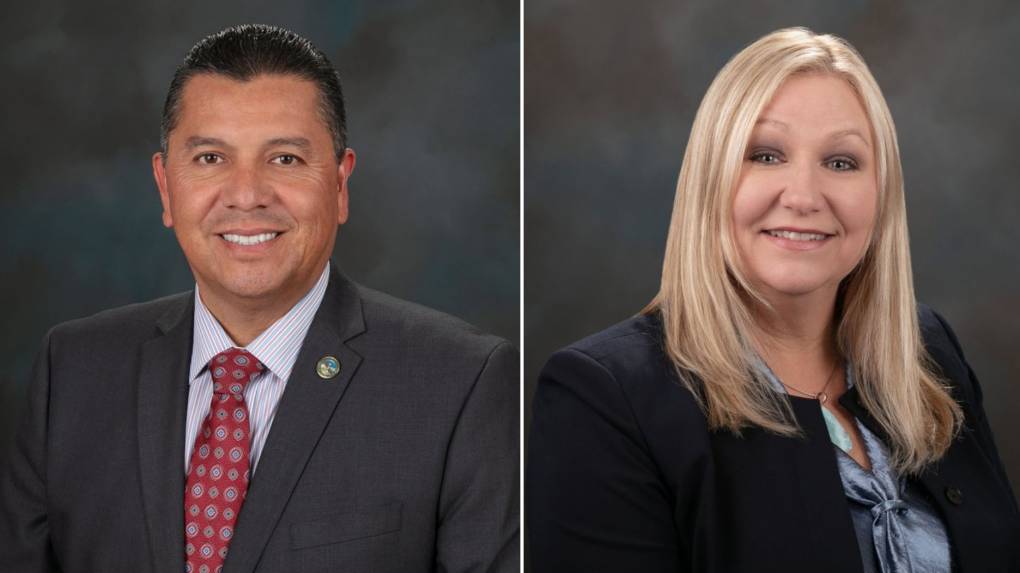
"caption": "Ralph Diaz(left), CDCR Secretary, will be retiring effective Oct. 1, 2020. Kathleen Allison (right) will replace him.",
"description": null,
"title": "1920_Diaz",
"credit": "Courtesy of CDCR",
"status": "inherit",
"isLoading": false,
"fetchFailed": false
},
"news_11835675": {
"type": "attachments",
"id": "news_11835675",
"meta": {
"index": "attachments_1716263798",
"site": "news",
"id": "11835675",
"found": true
},
"parent": 11835565,
"imgSizes": {
"apple_news_ca_landscape_5_5": {
"file": "https://ww2.kqed.org/app/uploads/sites/10/2020/08/RS39211__M6A0746-qut-1044x783.jpg",
"width": 1044,
"mimeType": "image/jpeg",
"height": 783
},
"apple_news_ca_square_4_0": {
"file": "https://ww2.kqed.org/app/uploads/sites/10/2020/08/RS39211__M6A0746-qut-470x470.jpg",
"width": 470,
"mimeType": "image/jpeg",
"height": 470
},
"twentyfourteen-full-width": {
"file": "https://ww2.kqed.org/app/uploads/sites/10/2020/08/RS39211__M6A0746-qut-1038x576.jpg",
"width": 1038,
"mimeType": "image/jpeg",
"height": 576
},
"thumbnail": {
"file": "https://ww2.kqed.org/app/uploads/sites/10/2020/08/RS39211__M6A0746-qut-160x107.jpg",
"width": 160,
"mimeType": "image/jpeg",
"height": 107
},
"post-thumbnail": {
"file": "https://ww2.kqed.org/app/uploads/sites/10/2020/08/RS39211__M6A0746-qut-672x372.jpg",
"width": 672,
"mimeType": "image/jpeg",
"height": 372
},
"kqedFullSize": {
"file": "https://ww2.kqed.org/app/uploads/sites/10/2020/08/RS39211__M6A0746-qut.jpg",
"width": 1920,
"height": 1280
},
"apple_news_ca_landscape_4_7": {
"file": "https://ww2.kqed.org/app/uploads/sites/10/2020/08/RS39211__M6A0746-qut-632x474.jpg",
"width": 632,
"mimeType": "image/jpeg",
"height": 474
},
"large": {
"file": "https://ww2.kqed.org/app/uploads/sites/10/2020/08/RS39211__M6A0746-qut-1020x680.jpg",
"width": 1020,
"mimeType": "image/jpeg",
"height": 680
},
"apple_news_ca_landscape_4_0": {
"file": "https://ww2.kqed.org/app/uploads/sites/10/2020/08/RS39211__M6A0746-qut-536x402.jpg",
"width": 536,
"mimeType": "image/jpeg",
"height": 402
},
"apple_news_ca_portrait_12_9": {
"file": "https://ww2.kqed.org/app/uploads/sites/10/2020/08/RS39211__M6A0746-qut-1122x1280.jpg",
"width": 1122,
"mimeType": "image/jpeg",
"height": 1280
},
"medium": {
"file": "https://ww2.kqed.org/app/uploads/sites/10/2020/08/RS39211__M6A0746-qut-800x533.jpg",
"width": 800,
"mimeType": "image/jpeg",
"height": 533
},
"apple_news_ca_portrait_4_0": {
"file": "https://ww2.kqed.org/app/uploads/sites/10/2020/08/RS39211__M6A0746-qut-354x472.jpg",
"width": 354,
"mimeType": "image/jpeg",
"height": 472
},
"apple_news_ca_portrait_9_7": {
"file": "https://ww2.kqed.org/app/uploads/sites/10/2020/08/RS39211__M6A0746-qut-840x1120.jpg",
"width": 840,
"mimeType": "image/jpeg",
"height": 1120
},
"apple_news_ca_landscape_12_9": {
"file": "https://ww2.kqed.org/app/uploads/sites/10/2020/08/RS39211__M6A0746-qut-1832x1280.jpg",
"width": 1832,
"mimeType": "image/jpeg",
"height": 1280
},
"apple_news_ca_square_9_7": {
"file": "https://ww2.kqed.org/app/uploads/sites/10/2020/08/RS39211__M6A0746-qut-1104x1104.jpg",
"width": 1104,
"mimeType": "image/jpeg",
"height": 1104
},
"1536x1536": {
"file": "https://ww2.kqed.org/app/uploads/sites/10/2020/08/RS39211__M6A0746-qut-1536x1024.jpg",
"width": 1536,
"mimeType": "image/jpeg",
"height": 1024
},
"apple_news_ca_portrait_4_7": {
"file": "https://ww2.kqed.org/app/uploads/sites/10/2020/08/RS39211__M6A0746-qut-414x552.jpg",
"width": 414,
"mimeType": "image/jpeg",
"height": 552
},
"apple_news_ca_square_12_9": {
"file": "https://ww2.kqed.org/app/uploads/sites/10/2020/08/RS39211__M6A0746-qut-1472x1280.jpg",
"width": 1472,
"mimeType": "image/jpeg",
"height": 1280
},
"apple_news_ca_portrait_5_5": {
"file": "https://ww2.kqed.org/app/uploads/sites/10/2020/08/RS39211__M6A0746-qut-687x916.jpg",
"width": 687,
"mimeType": "image/jpeg",
"height": 916
},
"apple_news_ca_square_4_7": {
"file": "https://ww2.kqed.org/app/uploads/sites/10/2020/08/RS39211__M6A0746-qut-550x550.jpg",
"width": 550,
"mimeType": "image/jpeg",
"height": 550
},
"apple_news_ca_landscape_9_7": {
"file": "https://ww2.kqed.org/app/uploads/sites/10/2020/08/RS39211__M6A0746-qut-1376x1032.jpg",
"width": 1376,
"mimeType": "image/jpeg",
"height": 1032
},
"apple_news_ca_square_5_5": {
"file": "https://ww2.kqed.org/app/uploads/sites/10/2020/08/RS39211__M6A0746-qut-912x912.jpg",
"width": 912,
"mimeType": "image/jpeg",
"height": 912
}
},
"publishDate": 1598578088,
"modified": 1609856611,
"caption": null,
"description": "Gov. Gavin Newsom announced the COVID-19 Tenant Relief Act of 2020 on Friday.",
"title": "RS39211__M6A0746-qut",
"credit": "Sruti Mamidanna/KQED",
"status": "inherit",
"altTag": "Gov. Gavin Newsom announced the COVID-19 Tenant Relief Act of 2020 on Friday.",
"isLoading": false,
"fetchFailed": false
}
},
"audioPlayerReducer": {
"postId": "stream_live",
"isPaused": true,
"isPlaying": false,
"pfsActive": false,
"pledgeModalIsOpen": true,
"playerDrawerIsOpen": false,
"liveAudioPlayStartedAt": 0,
"liveAudioPlayContext": ""
},
"authorsReducer": {
"byline_news_11837756": {
"type": "authors",
"id": "byline_news_11837756",
"meta": {
"override": true
},
"slug": "byline_news_11837756",
"name": "Associated Press",
"isLoading": false
},
"byline_news_11836017": {
"type": "authors",
"id": "byline_news_11836017",
"meta": {
"override": true
},
"slug": "byline_news_11836017",
"name": "Don Thompson \u003cbr> Associated Press",
"isLoading": false
},
"lisapickoffwhite-2": {
"type": "authors",
"id": "199",
"meta": {
"index": "authors_1716337520",
"id": "199",
"found": true
},
"name": "Lisa Pickoff-White",
"firstName": "Lisa",
"lastName": "Pickoff-White",
"slug": "lisapickoffwhite-2",
"email": "lpickoffwhite@kqed.org",
"display_author_email": false,
"staff_mastheads": [
"news"
],
"title": "Data Journalist, Senior Producer",
"bio": "Lisa Pickoff-White is KQED's data reporter. Lisa specializes in simplifying complex topics and bringing them to life through compelling visuals, including photography and data visualizations. She previously has worked at the Center for Investigative Reporting and other national outlets. Her work has been honored with awards from the Online News Association, Investigative Reporters and Editors, the Society of Professional Journalists and SXSW Interactive. \u003cstrong> \u003c/strong>",
"avatar": "https://secure.gravatar.com/avatar/5513c5f3967df792aa65bee2501e84d6?s=600&d=blank&r=g",
"twitter": "pickoffwhite",
"facebook": null,
"instagram": null,
"linkedin": null,
"sites": [
{
"site": "",
"roles": [
"editor"
]
},
{
"site": "arts",
"roles": []
},
{
"site": "news",
"roles": [
"administrator"
]
},
{
"site": "about",
"roles": [
"editor"
]
},
{
"site": "stateofhealth",
"roles": [
"administrator"
]
},
{
"site": "science",
"roles": [
"editor"
]
},
{
"site": "quest",
"roles": [
"editor"
]
},
{
"site": "forum",
"roles": [
"editor"
]
}
],
"headData": {
"title": "Lisa Pickoff-White | KQED",
"description": "Data Journalist, Senior Producer",
"ogImgSrc": "https://secure.gravatar.com/avatar/5513c5f3967df792aa65bee2501e84d6?s=600&d=blank&r=g",
"twImgSrc": "https://secure.gravatar.com/avatar/5513c5f3967df792aa65bee2501e84d6?s=600&d=blank&r=g"
},
"isLoading": false,
"link": "/author/lisapickoffwhite-2"
},
"scottshafer": {
"type": "authors",
"id": "255",
"meta": {
"index": "authors_1716337520",
"id": "255",
"found": true
},
"name": "Scott Shafer",
"firstName": "Scott",
"lastName": "Shafer",
"slug": "scottshafer",
"email": "sshafer@kqed.org",
"display_author_email": false,
"staff_mastheads": [
"news"
],
"title": "KQED Contributor",
"bio": "Scott Shafer is a senior editor with the KQED Politics and Government desk. He is co-host of Political Breakdown, the award-winning radio show and podcast with a personal take on the world of politics. Scott came to KQED in 1998 to host the statewide\u003cem> California Report\u003c/em>. Prior to that he had extended stints in politics and government\u003cem>.\u003c/em> He uses that inside experience at KQED in his, reporting, hosting and analysis for the politics desk. Scott collaborated \u003cem>Political Breakdown a\u003c/em>nd on \u003cem>The Political Mind of Jerry Brown, \u003c/em>an eight-part series about the life and extraordinary political career of the former governor. For fun, he plays water polo with the San Francisco Tsunami.",
"avatar": "https://secure.gravatar.com/avatar/a62ebae45b79d7aed1a39a0e3bf68104?s=600&d=blank&r=g",
"twitter": "scottshafer",
"bluesky": null,
"facebook": null,
"instagram": null,
"linkedin": null,
"sites": [
{
"site": "news",
"roles": [
"editor"
]
},
{
"site": "stateofhealth",
"roles": [
"author"
]
},
{
"site": "science",
"roles": [
"author"
]
},
{
"site": "forum",
"roles": [
"subscriber"
]
},
{
"site": "liveblog",
"roles": [
"author"
]
}
],
"headData": {
"title": "Scott Shafer | KQED",
"description": "KQED Contributor",
"ogImgSrc": "https://secure.gravatar.com/avatar/a62ebae45b79d7aed1a39a0e3bf68104?s=600&d=blank&r=g",
"twImgSrc": "https://secure.gravatar.com/avatar/a62ebae45b79d7aed1a39a0e3bf68104?s=600&d=blank&r=g"
},
"isLoading": false,
"link": "/author/scottshafer"
},
"mlagos": {
"type": "authors",
"id": "3239",
"meta": {
"index": "authors_1716337520",
"id": "3239",
"found": true
},
"name": "Marisa Lagos",
"firstName": "Marisa",
"lastName": "Lagos",
"slug": "mlagos",
"email": "mlagos@kqed.org",
"display_author_email": false,
"staff_mastheads": [
"news"
],
"title": "KQED Contributor",
"bio": "Marisa Lagos is a correspondent for KQED’s California Politics and Government Desk and co-hosts the award-winning show and podcast, Political Breakdown. At KQED, Lagos also conducts reporting, analysis and investigations into state, local and national politics for radio, TV, online and onstage. In 2022, she and co-host, Scott Shafer, moderated the only gubernatorial debate in California. In 2020, the \u003ci>Washington Post\u003c/i> named her one of the top political journalists in California; she was nominated for a Peabody and won several other awards for her work investigating the 2017 California wildfires. She has worked at the \u003ci>San Francisco Chronicle\u003c/i>, \u003ci>San Francisco Examiner\u003c/i> and \u003ci>Los Angeles Times\u003c/i>. A UC Santa Barbara graduate, she lives in San Francisco with her two sons and husband.",
"avatar": "https://secure.gravatar.com/avatar/a261a0d3696fc066871ef96b85b5e7d2?s=600&d=blank&r=g",
"twitter": "@mlagos",
"facebook": null,
"instagram": null,
"linkedin": null,
"sites": [
{
"site": "arts",
"roles": [
"author"
]
},
{
"site": "news",
"roles": [
"editor"
]
},
{
"site": "science",
"roles": [
"editor"
]
},
{
"site": "forum",
"roles": [
"author"
]
},
{
"site": "liveblog",
"roles": [
"author"
]
}
],
"headData": {
"title": "Marisa Lagos | KQED",
"description": "KQED Contributor",
"ogImgSrc": "https://secure.gravatar.com/avatar/a261a0d3696fc066871ef96b85b5e7d2?s=600&d=blank&r=g",
"twImgSrc": "https://secure.gravatar.com/avatar/a261a0d3696fc066871ef96b85b5e7d2?s=600&d=blank&r=g"
},
"isLoading": false,
"link": "/author/mlagos"
},
"carlysevern": {
"type": "authors",
"id": "3243",
"meta": {
"index": "authors_1716337520",
"id": "3243",
"found": true
},
"name": "Carly Severn",
"firstName": "Carly",
"lastName": "Severn",
"slug": "carlysevern",
"email": "csevern@kqed.org",
"display_author_email": false,
"staff_mastheads": [
"news"
],
"title": "Senior Editor, Audience News ",
"bio": "Carly is KQED's Senior Editor of Audience News on the Digital News team, and has reported for the California Report Magazine, Bay Curious and KQED Arts. She's formerly the host of \u003ca href=\"http://ww2.kqed.org/pop/category/the-cooler/\" rel=\"noopener noreferrer\">The Cooler\u003c/a> podcast.",
"avatar": "https://secure.gravatar.com/avatar/2d8d6765f186e64c798cf7f0c8088a41?s=600&d=blank&r=g",
"twitter": "teacupinthebay",
"facebook": null,
"instagram": null,
"linkedin": null,
"sites": [
{
"site": "",
"roles": [
"editor"
]
},
{
"site": "arts",
"roles": [
"editor"
]
},
{
"site": "news",
"roles": [
"administrator"
]
},
{
"site": "pop",
"roles": [
"editor"
]
},
{
"site": "futureofyou",
"roles": [
"editor"
]
},
{
"site": "about",
"roles": [
"administrator"
]
},
{
"site": "mindshift",
"roles": [
"editor"
]
},
{
"site": "bayareabites",
"roles": [
"editor"
]
},
{
"site": "stateofhealth",
"roles": [
"editor"
]
},
{
"site": "science",
"roles": [
"editor"
]
},
{
"site": "food",
"roles": [
"contributor"
]
},
{
"site": "forum",
"roles": [
"editor"
]
},
{
"site": "perspectives",
"roles": [
"administrator"
]
},
{
"site": "liveblog",
"roles": [
"editor"
]
}
],
"headData": {
"title": "Carly Severn | KQED",
"description": "Senior Editor, Audience News ",
"ogImgSrc": "https://secure.gravatar.com/avatar/2d8d6765f186e64c798cf7f0c8088a41?s=600&d=blank&r=g",
"twImgSrc": "https://secure.gravatar.com/avatar/2d8d6765f186e64c798cf7f0c8088a41?s=600&d=blank&r=g"
},
"isLoading": false,
"link": "/author/carlysevern"
},
"fjhabvala": {
"type": "authors",
"id": "8659",
"meta": {
"index": "authors_1716337520",
"id": "8659",
"found": true
},
"name": "Farida Jhabvala Romero",
"firstName": "Farida",
"lastName": "Jhabvala Romero",
"slug": "fjhabvala",
"email": "fjhabvala@kqed.org",
"display_author_email": true,
"staff_mastheads": [
"news"
],
"title": "KQED Contributor",
"bio": "\u003cspan style=\"font-weight: 400;\">Farida Jhabvala Romero is a Labor Correspondent for KQED. She previously covered immigration. Farida was \u003ca href=\"https://www.ccnma.org/2022-most-influential-latina-journalists\">named\u003c/a> one of the 10 Most Influential Latina Journalists in California in 2022 by the California Chicano News Media Association. Her work has won awards from the Society of Professional Journalists (Northern California), as well as a national and regional Edward M. Murrow Award for the collaborative reporting projects “Dangerous Air” and “Graying California.” \u003c/span>\u003cspan style=\"font-weight: 400;\">Before joining KQED, Farida worked as a producer at Radio Bilingüe, a national public radio network. Farida earned her master’s degree in journalism from Stanford University.\u003c/span>",
"avatar": "https://secure.gravatar.com/avatar/c3ab27c5554b67b478f80971e515aa02?s=600&d=blank&r=g",
"twitter": "FaridaJhabvala",
"facebook": null,
"instagram": null,
"linkedin": "https://www.linkedin.com/in/faridajhabvala/",
"sites": [
{
"site": "news",
"roles": [
"editor"
]
},
{
"site": "stateofhealth",
"roles": [
"author"
]
}
],
"headData": {
"title": "Farida Jhabvala Romero | KQED",
"description": "KQED Contributor",
"ogImgSrc": "https://secure.gravatar.com/avatar/c3ab27c5554b67b478f80971e515aa02?s=600&d=blank&r=g",
"twImgSrc": "https://secure.gravatar.com/avatar/c3ab27c5554b67b478f80971e515aa02?s=600&d=blank&r=g"
},
"isLoading": false,
"link": "/author/fjhabvala"
},
"mpeterson": {
"type": "authors",
"id": "11223",
"meta": {
"index": "authors_1716337520",
"id": "11223",
"found": true
},
"name": "Molly Peterson",
"firstName": "Molly",
"lastName": "Peterson",
"slug": "mpeterson",
"email": "mpeterson@kqed.org",
"display_author_email": false,
"staff_mastheads": [],
"title": null,
"bio": "Molly Peterson reports for KQED science and news on climate change, catastrophe and risk. Previously she was environment correspondent at Southern California Public Radio. Her work has also appeared at The New York Times, The Guardian, on NPR, at High Country News, on Code Switch, and other national outlets. She has been honored with awards from Public Radio News Directors Incorporated, Investigative Reporters and Editors, the Society for Professional Journalists, the Los Angeles Press Club, and RTNDA Edward R. Murrow awards, among others.",
"avatar": "https://secure.gravatar.com/avatar/7908e2807131f776cc8165c649530b05?s=600&d=blank&r=g",
"twitter": "Mollydacious",
"facebook": null,
"instagram": "https://www.instagram.com/radiomolly/",
"linkedin": null,
"sites": [
{
"site": "news",
"roles": [
"subscriber"
]
},
{
"site": "futureofyou",
"roles": [
"editor"
]
},
{
"site": "science",
"roles": [
"editor"
]
}
],
"headData": {
"title": "Molly Peterson | KQED",
"description": null,
"ogImgSrc": "https://secure.gravatar.com/avatar/7908e2807131f776cc8165c649530b05?s=600&d=blank&r=g",
"twImgSrc": "https://secure.gravatar.com/avatar/7908e2807131f776cc8165c649530b05?s=600&d=blank&r=g"
},
"isLoading": false,
"link": "/author/mpeterson"
},
"mfharvin": {
"type": "authors",
"id": "11583",
"meta": {
"index": "authors_1716337520",
"id": "11583",
"found": true
},
"name": "Mary Franklin Harvin",
"firstName": "Mary Franklin",
"lastName": "Harvin",
"slug": "mfharvin",
"email": "mfharvin@KQED.org",
"display_author_email": false,
"staff_mastheads": [
"news"
],
"title": "KQED Contributor",
"bio": null,
"avatar": "https://secure.gravatar.com/avatar/0e53510a7d48cfbdebfc9b11357d845f?s=600&d=blank&r=g",
"twitter": "EmEffHarvin",
"facebook": null,
"instagram": null,
"linkedin": null,
"sites": [
{
"site": "news",
"roles": [
"author",
"edit_others_posts"
]
},
{
"site": "science",
"roles": [
"editor"
]
}
],
"headData": {
"title": "Mary Franklin Harvin | KQED",
"description": "KQED Contributor",
"ogImgSrc": "https://secure.gravatar.com/avatar/0e53510a7d48cfbdebfc9b11357d845f?s=600&d=blank&r=g",
"twImgSrc": "https://secure.gravatar.com/avatar/0e53510a7d48cfbdebfc9b11357d845f?s=600&d=blank&r=g"
},
"isLoading": false,
"link": "/author/mfharvin"
},
"lsarah": {
"type": "authors",
"id": "11626",
"meta": {
"index": "authors_1716337520",
"id": "11626",
"found": true
},
"name": "Lakshmi Sarah",
"firstName": "Lakshmi",
"lastName": "Sarah",
"slug": "lsarah",
"email": "lsarah@kqed.org",
"display_author_email": false,
"staff_mastheads": [],
"title": "Digital Producer",
"bio": "Lakshmi Sarah is an educator, author and journalist with a focus on innovative storytelling. She has worked with newspapers, radio and magazines from Ahmedabad, India to Los Angeles, California. She has written and produced for Die Zeit, Global Voices, AJ+, KQED, Fusion Media Group and the New York Times.",
"avatar": "https://secure.gravatar.com/avatar/652dcaecd8b28826fc17a8b2d6bb4e93?s=600&d=blank&r=g",
"twitter": "lakitalki",
"facebook": null,
"instagram": "https://www.instagram.com/laki.talki/",
"linkedin": "https://www.linkedin.com/in/lakisarah/",
"sites": [
{
"site": "arts",
"roles": []
},
{
"site": "news",
"roles": []
},
{
"site": "bayareabites",
"roles": []
},
{
"site": "science",
"roles": []
}
],
"headData": {
"title": "Lakshmi Sarah | KQED",
"description": "Digital Producer",
"ogImgSrc": "https://secure.gravatar.com/avatar/652dcaecd8b28826fc17a8b2d6bb4e93?s=600&d=blank&r=g",
"twImgSrc": "https://secure.gravatar.com/avatar/652dcaecd8b28826fc17a8b2d6bb4e93?s=600&d=blank&r=g"
},
"isLoading": false,
"link": "/author/lsarah"
},
"blaberge": {
"type": "authors",
"id": "11667",
"meta": {
"index": "authors_1716337520",
"id": "11667",
"found": true
},
"name": "Beth LaBerge",
"firstName": "Beth",
"lastName": "LaBerge",
"slug": "blaberge",
"email": "blaberge@KQED.org",
"display_author_email": true,
"staff_mastheads": [
"news"
],
"title": "Photographer, News",
"bio": "Beth LaBerge is a visual journalist for \u003ca href=\"https://www.kqed.org/news\">KQED News\u003c/a>.",
"avatar": "https://secure.gravatar.com/avatar/15e224cd55918d1876693b8280954875?s=600&d=blank&r=g",
"twitter": null,
"facebook": null,
"instagram": "https://www.instagram.com/bethlaberge/",
"linkedin": null,
"sites": [
{
"site": "arts",
"roles": [
"editor"
]
},
{
"site": "news",
"roles": [
"editor"
]
},
{
"site": "science",
"roles": [
"editor",
"contributor",
"author"
]
},
{
"site": "liveblog",
"roles": [
"editor"
]
}
],
"headData": {
"title": "Beth LaBerge | KQED",
"description": "Photographer, News",
"ogImgSrc": "https://secure.gravatar.com/avatar/15e224cd55918d1876693b8280954875?s=600&d=blank&r=g",
"twImgSrc": "https://secure.gravatar.com/avatar/15e224cd55918d1876693b8280954875?s=600&d=blank&r=g"
},
"isLoading": false,
"link": "/author/blaberge"
},
"jrodriguez": {
"type": "authors",
"id": "11690",
"meta": {
"index": "authors_1716337520",
"id": "11690",
"found": true
},
"name": "Joe Fitzgerald Rodriguez",
"firstName": "Joe",
"lastName": "Fitzgerald Rodriguez",
"slug": "jrodriguez",
"email": "jrodriguez@kqed.org",
"display_author_email": true,
"staff_mastheads": [
"news"
],
"title": "Reporter and Producer",
"bio": "Joe Fitzgerald Rodriguez is a reporter and digital producer for KQED covering politics. Joe most recently wrote for the \u003cem>San Francisco Examiner\u003c/em> as a political columnist covering The City. He was raised in San Francisco and has spent his reporting career in his beloved, foggy, city by the bay. Joe was 12-years-old when he conducted his first interview in journalism, grilling former San Francisco Mayor Willie Brown for the Marina Middle School newspaper, \u003cem>The Penguin Press, \u003c/em>and he continues to report on the San Francisco Bay Area to this day.",
"avatar": "https://secure.gravatar.com/avatar/2247beb0564c1e9c62228d5649d2edac?s=600&d=blank&r=g",
"twitter": "FitztheReporter",
"facebook": null,
"instagram": "https://www.instagram.com/fitzthereporter/",
"linkedin": null,
"sites": [
{
"site": "",
"roles": [
"editor"
]
},
{
"site": "arts",
"roles": [
"editor"
]
},
{
"site": "news",
"roles": [
"editor"
]
},
{
"site": "science",
"roles": [
"editor"
]
},
{
"site": "elections",
"roles": [
"editor"
]
},
{
"site": "liveblog",
"roles": [
"editor"
]
}
],
"headData": {
"title": "Joe Fitzgerald Rodriguez | KQED",
"description": "Reporter and Producer",
"ogImgSrc": "https://secure.gravatar.com/avatar/2247beb0564c1e9c62228d5649d2edac?s=600&d=blank&r=g",
"twImgSrc": "https://secure.gravatar.com/avatar/2247beb0564c1e9c62228d5649d2edac?s=600&d=blank&r=g"
},
"isLoading": false,
"link": "/author/jrodriguez"
}
},
"pagesReducer": {
"news_tag_california": {
"type": "terms",
"id": "news_18538",
"meta": {
"index": "terms_1716263798",
"site": "news",
"id": "18538",
"score": 6.8450828
},
"featImg": null,
"name": "California",
"description": null,
"taxonomy": "tag",
"headData": {
"twImgId": null,
"twTitle": null,
"ogTitle": null,
"ogImgId": null,
"twDescription": null,
"description": null,
"title": "California Archives | KQED News",
"ogDescription": null
},
"ttid": 31,
"slug": "california",
"isLoading": false,
"title": "California",
"pageMeta": {
"site": "news",
"WpPageTemplate": "page-topic-editorial",
"currentPage": 195
},
"blocks": [
{
"blockName": "kqed/post-list",
"attrs": {
"layout": "cardArticle2",
"query": "posts/news?tag=california",
"seeMore": false,
"paginated": true,
"page": 195
}
},
{
"blockName": "kqed/ad"
}
]
}
},
"pfsSessionReducer": {},
"postsReducer": {
"stream_live": {
"type": "live",
"id": "stream_live",
"audioUrl": "https://streams.kqed.org/kqedradio",
"title": "Live Stream",
"excerpt": "Live Stream information currently unavailable.",
"link": "/radio",
"featImg": "",
"label": {
"name": "KQED Live",
"link": "/"
}
},
"stream_kqedNewscast": {
"type": "posts",
"id": "stream_kqedNewscast",
"audioUrl": "https://www.kqed.org/.stream/anon/radio/RDnews/newscast.mp3?_=1",
"title": "KQED Newscast",
"featImg": "",
"label": {
"name": "88.5 FM",
"link": "/"
}
},
"news_11839689": {
"type": "posts",
"id": "news_11839689",
"meta": {
"index": "posts_1716263798",
"site": "news",
"id": "11839689",
"score": null,
"sort": [
1601067859000
]
},
"parent": 0,
"labelTerm": {
"site": "news"
},
"blocks": [],
"publishDate": 1601067859,
"format": "standard",
"disqusTitle": "Can Feinstein Lead Supreme Court Battle? Some Democrats Have Doubts",
"title": "Can Feinstein Lead Supreme Court Battle? Some Democrats Have Doubts",
"headTitle": "KQED News",
"content": "\u003cp>As the nation waits to see who President Trump will name to the U.S. Supreme Court seat vacated by the death of Justice Ruth Bader Ginsburg, there are whispers about whether Sen. Dianne Feinstein — the ranking Democrat on the Senate Judiciary Committee — is the right person to lead the fight against the confirmation.\u003c/p>\n\u003cp>Feinstein has long been to the right of many California Democrats, and over her decades in public service she's never been a favorite of the progressive wing of the party. In recent years, the 87-year-old senator has angered some for being too collegial and bipartisan at a time when many Democrats are ready to fight.\u003c/p>\n\u003cp>This week, Politico \u003ca href=\"https://www.politico.com/news/2020/09/23/dianne-feinstein-supreme-court-battle-420357\">published a story\u003c/a> citing more than a dozen unnamed Democratic sources expressing concern about whether Feinstein is “capable of leading the aggressive effort Democrats need” to fight whomever Trump names.\u003c/p>\n\u003cp>And while most people are reticent to challenge the powerful senior senator on the record, some progressive leaders in California did speak out this week when Feinstein said she would not support ending the filibuster — the arcane Senate rule that lets the minority party block legislation. Ending the filibuster is a long-term goal of progressive Democrats.\u003c/p>\n\u003cp>“Filibusters are a relic from the time of segregation,” said San Jose Assemblyman Ash Kalra.\u003c/p>\n\u003cp>As the first Indian American to serve in the state Legislature, Kalra is emblematic of the new face of the party. He supported former California Senate President Kevin de León in 2016 when the fellow Democrat unsuccessfully challenged Feinstein.\u003c/p>\n\u003cp>Kalra says it’s important for Democrats to make clear to Republicans that if they push through a nomination before the election — “go nuclear,” as he put it — that all options are on the table.\u003c/p>\n\u003cp>[ad fullwidth]\u003c/p>\n\u003cp>“For the senator to already say that, you know, she likes the filibuster because of some historic sense of attachment, I think is out of tune with where we need to be as a Democratic Party and certainly not in step with the fight that Californians are willing to put up right now,” Kalra said.\u003c/p>\n\u003cp>Loyola Law School Professor Jessica Levinson said practically speaking, the outcome of the Supreme Court nomination fight will be the same no matter how Feinstein performs in any confirmation hearings.\u003c/p>\n\u003cp>\"All of this is important, but probably doesn't matter because Republicans have the votes,” she said.\u003c/p>\n\u003cp>But politically?\u003c/p>\n\u003cp>“It does matter,” Levinson added. “I mean, how much is that going to swing the swing voters in the swing states? I don't know. But you certainly don't want to feed a narrative of the Democratic Party being controlled by people who are essentially too old to have the position.”\u003c/p>\n\u003cp>But not everyone on the party’s left flank is worried that Feinstein can’t handle the heat.\u003c/p>\n\u003cp>Congressman Ro Khanna, who co-chaired Bernie Sanders’ national campaign, also supported Feinstein’s opponent in 2016 and said she’s wrong on the filibuster question. But he believes she performed well during the last, contentious Supreme Court confirmation fight over now-Justice Brett Kavanaugh two years ago — despite the fact that some Democrats are still angry that she \u003ca href=\"https://www.washingtonpost.com/powerpost/why-didnt-she-bring-it-up-feinstein-under-scrutiny-for-handling-of-allegations-against-kavanaugh/2018/09/18/0ace9e24-bb78-11e8-9812-a389be6690af_story.html\">sat on sexual assault allegations against him for several weeks\u003c/a>.\u003c/p>\n\u003cp>“I think she's up for it,” Khanna said. “She was a vocal opponent of Kavanaugh and helped lead the strategy. She understands what is at stake. And I have confidence that she will fight this effectively.”\u003c/p>\n\u003cp>[aside label='Related Coverage' tag='u-s-supreme-court']Feinstein’s office did not make her available for an interview, but the senator spoke Thursday in a Judiciary Committee hearing about what’s at stake. And she expressed outrage at President Trump’s \u003ca href=\"https://www.nytimes.com/2020/09/23/us/politics/trump-power-transfer-2020-election.html\">refusal to commit to a peaceful transfer of power\u003c/a> should he lose the election.\u003c/p>\n\u003cp>“We lost Justice Ginsburg last Friday, just 46 days before the election. When there was a vacancy 10 months before the last election, the Senate refused to consider the nomination,” she said.\u003c/p>\n\u003cp>“So let me be clear. Neither this committee nor the Senate should consider a nomination at this time. I recognize I don't have the power to carry through, but I feel it very deeply. The next president, whether Joe Biden or Donald Trump, should make the decision who to nominate. If things move forward and a nominee is confirmed before a new president is inaugurated, it is deeply concerning.\"\u003c/p>\n\u003cp>\u003c/p>\n",
"disqusIdentifier": "11839689 https://ww2.kqed.org/news/?p=11839689",
"disqusUrl": "https://ww2.kqed.org/news/2020/09/25/can-feinstein-lead-supreme-court-battle-some-democrats-have-doubts/",
"stats": {
"hasVideo": false,
"hasChartOrMap": false,
"hasAudio": false,
"hasPolis": false,
"wordCount": 771,
"hasGoogleForm": false,
"hasGallery": false,
"hasHearkenModule": false,
"iframeSrcs": [],
"paragraphCount": 20
},
"modified": 1601068845,
"excerpt": "As the ranking Democrat on the Senate Judiciary Committee, Sen. Dianne Feinstein is facing questions about her ability to lead the charge against President Trump's Supreme Court nominee.",
"headData": {
"twImgId": "",
"twTitle": "",
"ogTitle": "",
"ogImgId": "",
"twDescription": "",
"description": "As the ranking Democrat on the Senate Judiciary Committee, Sen. Dianne Feinstein is facing questions about her ability to lead the charge against President Trump's Supreme Court nominee.",
"title": "Can Feinstein Lead Supreme Court Battle? Some Democrats Have Doubts | KQED",
"ogDescription": "",
"schema": {
"@context": "https://schema.org",
"@type": "NewsArticle",
"headline": "Can Feinstein Lead Supreme Court Battle? Some Democrats Have Doubts",
"datePublished": "2020-09-25T14:04:19-07:00",
"dateModified": "2020-09-25T14:20:45-07:00",
"image": "https://cdn.kqed.org/wp-content/uploads/2020/02/KQED-OG-Image@1x.png",
"isAccessibleForFree": "True",
"publisher": {
"@type": "NewsMediaOrganization",
"@id": "https://www.kqed.org/#organization",
"name": "KQED",
"logo": "https://cdn.kqed.org/wp-content/uploads/2020/02/KQED-OG-Image@1x.png",
"url": "https://www.kqed.org",
"sameAs": [
"https://www.facebook.com/KQED",
"https://twitter.com/KQED",
"https://www.instagram.com/kqed/",
"https://www.tiktok.com/@kqedofficial",
"https://www.linkedin.com/company/kqed",
"https://www.youtube.com/channel/UCeC0IOo7i1P_61zVUWbJ4nw"
]
}
}
},
"guestAuthors": [],
"slug": "can-feinstein-lead-supreme-court-battle-some-democrats-have-doubts",
"status": "publish",
"subhead": "Some wonder whether the 87-year-old senator is up to guiding Democrats' strategy.",
"path": "/news/11839689/can-feinstein-lead-supreme-court-battle-some-democrats-have-doubts",
"audioTrackLength": null,
"parsedContent": [
{
"type": "contentString",
"content": "\u003cdiv class=\"post-body\">\u003cp>\u003cp>As the nation waits to see who President Trump will name to the U.S. Supreme Court seat vacated by the death of Justice Ruth Bader Ginsburg, there are whispers about whether Sen. Dianne Feinstein — the ranking Democrat on the Senate Judiciary Committee — is the right person to lead the fight against the confirmation.\u003c/p>\n\u003cp>Feinstein has long been to the right of many California Democrats, and over her decades in public service she's never been a favorite of the progressive wing of the party. In recent years, the 87-year-old senator has angered some for being too collegial and bipartisan at a time when many Democrats are ready to fight.\u003c/p>\n\u003cp>This week, Politico \u003ca href=\"https://www.politico.com/news/2020/09/23/dianne-feinstein-supreme-court-battle-420357\">published a story\u003c/a> citing more than a dozen unnamed Democratic sources expressing concern about whether Feinstein is “capable of leading the aggressive effort Democrats need” to fight whomever Trump names.\u003c/p>\n\u003cp>And while most people are reticent to challenge the powerful senior senator on the record, some progressive leaders in California did speak out this week when Feinstein said she would not support ending the filibuster — the arcane Senate rule that lets the minority party block legislation. Ending the filibuster is a long-term goal of progressive Democrats.\u003c/p>\n\u003cp>“Filibusters are a relic from the time of segregation,” said San Jose Assemblyman Ash Kalra.\u003c/p>\n\u003cp>As the first Indian American to serve in the state Legislature, Kalra is emblematic of the new face of the party. He supported former California Senate President Kevin de León in 2016 when the fellow Democrat unsuccessfully challenged Feinstein.\u003c/p>\n\u003cp>Kalra says it’s important for Democrats to make clear to Republicans that if they push through a nomination before the election — “go nuclear,” as he put it — that all options are on the table.\u003c/p>\n\u003cp>\u003c/p>\u003c/div>",
"attributes": {
"named": {},
"numeric": []
}
},
{
"type": "component",
"content": "",
"name": "ad",
"attributes": {
"named": {
"label": "fullwidth"
},
"numeric": [
"fullwidth"
]
}
},
{
"type": "contentString",
"content": "\u003cdiv class=\"post-body\">\u003cp>\u003c/p>\n\u003cp>“For the senator to already say that, you know, she likes the filibuster because of some historic sense of attachment, I think is out of tune with where we need to be as a Democratic Party and certainly not in step with the fight that Californians are willing to put up right now,” Kalra said.\u003c/p>\n\u003cp>Loyola Law School Professor Jessica Levinson said practically speaking, the outcome of the Supreme Court nomination fight will be the same no matter how Feinstein performs in any confirmation hearings.\u003c/p>\n\u003cp>\"All of this is important, but probably doesn't matter because Republicans have the votes,” she said.\u003c/p>\n\u003cp>But politically?\u003c/p>\n\u003cp>“It does matter,” Levinson added. “I mean, how much is that going to swing the swing voters in the swing states? I don't know. But you certainly don't want to feed a narrative of the Democratic Party being controlled by people who are essentially too old to have the position.”\u003c/p>\n\u003cp>But not everyone on the party’s left flank is worried that Feinstein can’t handle the heat.\u003c/p>\n\u003cp>Congressman Ro Khanna, who co-chaired Bernie Sanders’ national campaign, also supported Feinstein’s opponent in 2016 and said she’s wrong on the filibuster question. But he believes she performed well during the last, contentious Supreme Court confirmation fight over now-Justice Brett Kavanaugh two years ago — despite the fact that some Democrats are still angry that she \u003ca href=\"https://www.washingtonpost.com/powerpost/why-didnt-she-bring-it-up-feinstein-under-scrutiny-for-handling-of-allegations-against-kavanaugh/2018/09/18/0ace9e24-bb78-11e8-9812-a389be6690af_story.html\">sat on sexual assault allegations against him for several weeks\u003c/a>.\u003c/p>\n\u003cp>“I think she's up for it,” Khanna said. “She was a vocal opponent of Kavanaugh and helped lead the strategy. She understands what is at stake. And I have confidence that she will fight this effectively.”\u003c/p>\n\u003cp>\u003c/p>\u003c/div>",
"attributes": {
"named": {},
"numeric": []
}
},
{
"type": "component",
"content": "",
"name": "aside",
"attributes": {
"named": {
"label": "Related Coverage ",
"tag": "u-s-supreme-court"
},
"numeric": []
}
},
{
"type": "contentString",
"content": "\u003cdiv class=\"post-body\">\u003cp>Feinstein’s office did not make her available for an interview, but the senator spoke Thursday in a Judiciary Committee hearing about what’s at stake. And she expressed outrage at President Trump’s \u003ca href=\"https://www.nytimes.com/2020/09/23/us/politics/trump-power-transfer-2020-election.html\">refusal to commit to a peaceful transfer of power\u003c/a> should he lose the election.\u003c/p>\n\u003cp>“We lost Justice Ginsburg last Friday, just 46 days before the election. When there was a vacancy 10 months before the last election, the Senate refused to consider the nomination,” she said.\u003c/p>\n\u003cp>“So let me be clear. Neither this committee nor the Senate should consider a nomination at this time. I recognize I don't have the power to carry through, but I feel it very deeply. The next president, whether Joe Biden or Donald Trump, should make the decision who to nominate. If things move forward and a nominee is confirmed before a new president is inaugurated, it is deeply concerning.\"\u003c/p>\n\u003cp>\u003c/p>\n\u003c/div>\u003c/p>",
"attributes": {
"named": {},
"numeric": []
}
}
],
"link": "/news/11839689/can-feinstein-lead-supreme-court-battle-some-democrats-have-doubts",
"authors": [
"3239"
],
"categories": [
"news_6188",
"news_8",
"news_13"
],
"tags": [
"news_18538",
"news_274",
"news_17968",
"news_22467",
"news_1172"
],
"featImg": "news_11839736",
"label": "news"
},
"news_11839213": {
"type": "posts",
"id": "news_11839213",
"meta": {
"index": "posts_1716263798",
"site": "news",
"id": "11839213",
"score": null,
"sort": [
1600866079000
]
},
"parent": 0,
"labelTerm": {
"site": "news"
},
"blocks": [],
"publishDate": 1600866079,
"format": "audio",
"disqusTitle": "State Report Asks for Reforms, but Many May Not See Unemployment Benefits Until January",
"title": "State Report Asks for Reforms, but Many May Not See Unemployment Benefits Until January",
"headTitle": "KQED News",
"content": "\u003cp>Lawmakers and advocates are eager to see California’s Employment Development Department (EDD) implement reforms recommended by a state-backed task force in a \u003ca href=\"https://www.govops.ca.gov/wp-content/uploads/sites/11/2020/09/Detailed-Assessment.pdf\" target=\"_blank\" rel=\"noopener noreferrer\">new report\u003c/a>.\u003c/p>\n\u003cp>The department has been under scrutiny since early in the pandemic for its dated digital resources and inefficient staffing structure. These shortfalls, among others, have led to more than a million Californians — \u003ca href=\"https://www.mercurynews.com/2020/09/21/coronavirus-edd-unemployment-payments-backlog-jobs-layoff-economy/\" target=\"_blank\" rel=\"noopener noreferrer\">1.6 million,\u003c/a> according to the latest figures — getting by with staggered payments or, in some cases, receiving no payments at all.\u003c/p>\n\u003cp>In addition to the technological shortfalls and lack of staffing, the state task force's report – called a \"strike team\" by Gov. Gavin Newsom – also highlighted how the department's own priorities have contributed to the bottlenecks that are keeping Californians from getting their benefits.\u003c/p>\n\u003cp>This came as no surprise to Daniela Urban, an attorney with Legal Aid at Work and founder of the \u003ca href=\"https://www.rightscenter.org/\" target=\"_blank\" rel=\"noopener noreferrer\">Center for Workers’ Rights in Sacramento\u003c/a>. [aside tag=\"unemployment\" label=\"More Related Stories\"]\u003c/p>\n\u003cp>“EDD has had a history, and it's pointed out in the strike team report, of their belief that their need to combat fraud is of utmost importance,\" Urban said, \"we see that come into conflict with claimants’ ability to access benefits in many ways.”\u003c/p>\n\u003cp>According to the report, more than 20,000 claims per day are diverted to be hand processed. Most of those diversions, the report says, are related to identity verification issues: In other words, EDD is taking these extra steps to prove these claims aren’t fraudulent. The reason it takes so long besides sheer numbers is, as of now, claimants have to physically mail these documents into the agency — there’s no digital uploading.\u003c/p>\n\u003cp>According to Assemblymember David Chiu, who’s been critical of the department since the pandemic started, these extra efforts are doing more harm than good.\u003c/p>\n\u003cp>[ad fullwidth]\u003c/p>\n\u003cp>“On the one hand, the current identity verification processes have not been able to address existing fraud efforts by sophisticated criminals,\" Chiu said. \"On the other hand, the identity verification has blocked honest Californians from being able to access the benefits that they are due. So it has been the worst of both worlds.”\u003c/p>\n\u003cp>https://twitter.com/CA_EDD/status/1307696415808708610\u003c/p>\n\u003cp>In response to the recommendations of the strike team, the department will pause accepting new claims \u003ca href=\"https://www.kqed.org/news/11838939/california-to-pause-accepting-unemployment-claims-until-oct-5\" target=\"_blank\" rel=\"noopener noreferrer\">for the next two weeks\u003c/a> to implement a new digital identity verification system called ID.me, which will allow applicants to submit identification materials online.\u003c/p>\n\u003cp>https://twitter.com/DavidChiu/status/1308076078888439808\u003c/p>\n\u003cp>In July, EDD told lawmakers its backlog of more than one million people would be cleared by the end of September. Now the agency has pushed this timeline out to the end of January.\u003c/p>\n\u003cp>Chiu says he and his colleagues will be monitoring EDD’s actions closely in the wake of the report, and if they don’t see improvements soon, he says there will be legitimate questions around whether the agency’s leadership should continue as is.\u003c/p>\n\u003cp>Urban says claimants who have not been able to access the benefits they are entitled to should monitor EDD’s newsroom for updates and reach out to advocacy groups like hers for guidance. Those who are currently receiving benefits should make sure they continue to recertify on time and answer claim forms questions correctly.\u003c/p>\n\u003cp>\u003c/p>\n",
"disqusIdentifier": "11839213 https://ww2.kqed.org/news/?p=11839213",
"disqusUrl": "https://ww2.kqed.org/news/2020/09/23/state-report-asks-for-reforms-but-many-may-not-see-unemployment-benefits-until-january/",
"stats": {
"hasVideo": false,
"hasChartOrMap": false,
"hasAudio": false,
"hasPolis": false,
"wordCount": 561,
"hasGoogleForm": false,
"hasGallery": false,
"hasHearkenModule": false,
"iframeSrcs": [],
"paragraphCount": 14
},
"modified": 1600890428,
"excerpt": "In addition to the technological shortfalls and lack of staffing, the strike team report also highlighted how the department's own priorities have contributed to the bottlenecks that are keeping Californians from getting their benefits.",
"headData": {
"twImgId": "",
"twTitle": "",
"ogTitle": "",
"ogImgId": "",
"twDescription": "",
"description": "In addition to the technological shortfalls and lack of staffing, the strike team report also highlighted how the department's own priorities have contributed to the bottlenecks that are keeping Californians from getting their benefits.",
"title": "State Report Asks for Reforms, but Many May Not See Unemployment Benefits Until January | KQED",
"ogDescription": "",
"schema": {
"@context": "https://schema.org",
"@type": "NewsArticle",
"headline": "State Report Asks for Reforms, but Many May Not See Unemployment Benefits Until January",
"datePublished": "2020-09-23T06:01:19-07:00",
"dateModified": "2020-09-23T12:47:08-07:00",
"image": "https://cdn.kqed.org/wp-content/uploads/2020/02/KQED-OG-Image@1x.png",
"isAccessibleForFree": "True",
"publisher": {
"@type": "NewsMediaOrganization",
"@id": "https://www.kqed.org/#organization",
"name": "KQED",
"logo": "https://cdn.kqed.org/wp-content/uploads/2020/02/KQED-OG-Image@1x.png",
"url": "https://www.kqed.org",
"sameAs": [
"https://www.facebook.com/KQED",
"https://twitter.com/KQED",
"https://www.instagram.com/kqed/",
"https://www.tiktok.com/@kqedofficial",
"https://www.linkedin.com/company/kqed",
"https://www.youtube.com/channel/UCeC0IOo7i1P_61zVUWbJ4nw"
]
}
}
},
"guestAuthors": [],
"slug": "state-report-asks-for-reforms-but-many-may-not-see-unemployment-benefits-until-january",
"status": "publish",
"audioUrl": "https://traffic.omny.fm/d/clips/0af137ef-751e-4b19-a055-aaef00d2d578/ffca7e9f-6831-41c5-bcaf-aaef00f5a073/310933c3-c48a-4955-ac6d-ac3e010bcbb5/audio.mp3",
"path": "/news/11839213/state-report-asks-for-reforms-but-many-may-not-see-unemployment-benefits-until-january",
"audioDuration": 145000,
"audioTrackLength": null,
"parsedContent": [
{
"type": "contentString",
"content": "\u003cdiv class=\"post-body\">\u003cp>\u003cp>Lawmakers and advocates are eager to see California’s Employment Development Department (EDD) implement reforms recommended by a state-backed task force in a \u003ca href=\"https://www.govops.ca.gov/wp-content/uploads/sites/11/2020/09/Detailed-Assessment.pdf\" target=\"_blank\" rel=\"noopener noreferrer\">new report\u003c/a>.\u003c/p>\n\u003cp>The department has been under scrutiny since early in the pandemic for its dated digital resources and inefficient staffing structure. These shortfalls, among others, have led to more than a million Californians — \u003ca href=\"https://www.mercurynews.com/2020/09/21/coronavirus-edd-unemployment-payments-backlog-jobs-layoff-economy/\" target=\"_blank\" rel=\"noopener noreferrer\">1.6 million,\u003c/a> according to the latest figures — getting by with staggered payments or, in some cases, receiving no payments at all.\u003c/p>\n\u003cp>In addition to the technological shortfalls and lack of staffing, the state task force's report – called a \"strike team\" by Gov. Gavin Newsom – also highlighted how the department's own priorities have contributed to the bottlenecks that are keeping Californians from getting their benefits.\u003c/p>\n\u003cp>This came as no surprise to Daniela Urban, an attorney with Legal Aid at Work and founder of the \u003ca href=\"https://www.rightscenter.org/\" target=\"_blank\" rel=\"noopener noreferrer\">Center for Workers’ Rights in Sacramento\u003c/a>. \u003c/p>\u003c/div>",
"attributes": {
"named": {},
"numeric": []
}
},
{
"type": "component",
"content": "",
"name": "aside",
"attributes": {
"named": {
"tag": "unemployment",
"label": "More Related Stories "
},
"numeric": []
}
},
{
"type": "contentString",
"content": "\u003cdiv class=\"post-body\">\u003cp>\u003c/p>\n\u003cp>“EDD has had a history, and it's pointed out in the strike team report, of their belief that their need to combat fraud is of utmost importance,\" Urban said, \"we see that come into conflict with claimants’ ability to access benefits in many ways.”\u003c/p>\n\u003cp>According to the report, more than 20,000 claims per day are diverted to be hand processed. Most of those diversions, the report says, are related to identity verification issues: In other words, EDD is taking these extra steps to prove these claims aren’t fraudulent. The reason it takes so long besides sheer numbers is, as of now, claimants have to physically mail these documents into the agency — there’s no digital uploading.\u003c/p>\n\u003cp>According to Assemblymember David Chiu, who’s been critical of the department since the pandemic started, these extra efforts are doing more harm than good.\u003c/p>\n\u003cp>\u003c/p>\u003c/div>",
"attributes": {
"named": {},
"numeric": []
}
},
{
"type": "component",
"content": "",
"name": "ad",
"attributes": {
"named": {
"label": "fullwidth"
},
"numeric": [
"fullwidth"
]
}
},
{
"type": "contentString",
"content": "\u003cdiv class=\"post-body\">\u003cp>\u003c/p>\n\u003cp>“On the one hand, the current identity verification processes have not been able to address existing fraud efforts by sophisticated criminals,\" Chiu said. \"On the other hand, the identity verification has blocked honest Californians from being able to access the benefits that they are due. So it has been the worst of both worlds.”\u003c/p>\u003c/p>\u003c/div>",
"attributes": {
"named": {},
"numeric": []
}
},
{
"type": "component",
"content": "",
"name": "singleTwitterStatus",
"attributes": {
"named": {
"id": "1307696415808708610"
},
"numeric": []
}
},
{
"type": "contentString",
"content": "\u003cdiv class=\"post-body\">\u003cp>\n\u003cp>In response to the recommendations of the strike team, the department will pause accepting new claims \u003ca href=\"https://www.kqed.org/news/11838939/california-to-pause-accepting-unemployment-claims-until-oct-5\" target=\"_blank\" rel=\"noopener noreferrer\">for the next two weeks\u003c/a> to implement a new digital identity verification system called ID.me, which will allow applicants to submit identification materials online.\u003c/p>\u003c/p>\u003c/div>",
"attributes": {
"named": {},
"numeric": []
}
},
{
"type": "component",
"content": "",
"name": "singleTwitterStatus",
"attributes": {
"named": {
"id": "1308076078888439808"
},
"numeric": []
}
},
{
"type": "contentString",
"content": "\u003cdiv class=\"post-body\">\u003cp>\n\u003cp>In July, EDD told lawmakers its backlog of more than one million people would be cleared by the end of September. Now the agency has pushed this timeline out to the end of January.\u003c/p>\n\u003cp>Chiu says he and his colleagues will be monitoring EDD’s actions closely in the wake of the report, and if they don’t see improvements soon, he says there will be legitimate questions around whether the agency’s leadership should continue as is.\u003c/p>\n\u003cp>Urban says claimants who have not been able to access the benefits they are entitled to should monitor EDD’s newsroom for updates and reach out to advocacy groups like hers for guidance. Those who are currently receiving benefits should make sure they continue to recertify on time and answer claim forms questions correctly.\u003c/p>\n\u003cp>\u003c/p>\n\u003c/div>\u003c/p>",
"attributes": {
"named": {},
"numeric": []
}
}
],
"link": "/news/11839213/state-report-asks-for-reforms-but-many-may-not-see-unemployment-benefits-until-january",
"authors": [
"11583"
],
"categories": [
"news_1758",
"news_8"
],
"tags": [
"news_18538",
"news_28339",
"news_27626",
"news_1760",
"news_631",
"news_27765"
],
"featImg": "news_11839225",
"label": "news"
},
"news_11839164": {
"type": "posts",
"id": "news_11839164",
"meta": {
"index": "posts_1716263798",
"site": "news",
"id": "11839164",
"score": null,
"sort": [
1600848046000
]
},
"guestAuthors": [],
"slug": "poll-voters-cool-to-measure-backed-by-uber-and-lyft",
"title": "Poll: Voters Cool to Measure Backed by Uber and Lyft",
"publishDate": 1600848046,
"format": "standard",
"headTitle": "Poll: Voters Cool to Measure Backed by Uber and Lyft | KQED",
"labelTerm": {
"site": "news"
},
"content": "\u003cp>A new\u003ca href=\"https://www.igs.berkeley.edu/research/berkeley-igs-poll\" target=\"_blank\" rel=\"noopener noreferrer\"> poll\u003c/a> finds that voters are closely divided on a November ballot measure that would allow companies like Uber, Lyft and DoorDash to continue treating their workers as contractors rather than employees, with the measure currently far short of the majority support it will need to pass.\u003c/p>\n\u003cp>The \u003ca href=\"https://www.igs.berkeley.edu/research/berkeley-igs-poll\">UC Berkeley Institute of Governmental Studies poll\u003c/a> finds that \u003ca href=\"https://voterguide.sos.ca.gov/propositions/22/\" target=\"_blank\" rel=\"noopener noreferrer\">Proposition 22\u003c/a> is favored by 39% of likely voters, while 36% oppose it and 25% are undecided.\u003c/p>\n\u003cp>“In general, a proposition like this, polling just 39% [support] … would probably be at least a slight underdog in terms of its chances for passage,” said IGS co-director Eric Schickler, a UC Berkeley political science professor.\u003c/p>\n\u003cp>If passed, companies with so-called “gig workers” could get around a recently enacted state law, \u003ca href=\"http://leginfo.legislature.ca.gov/faces/billHistoryClient.xhtml?bill_id=201920200AB5\" target=\"_blank\" rel=\"noopener noreferrer\">Assembly Bill 5\u003c/a>, which was crafted to comply with a 2018 \u003ca href=\"https://scocal.stanford.edu/opinion/dynamex-operations-west-inc-v-superior-court-34584\" target=\"_blank\" rel=\"noopener noreferrer\">ruling\u003c/a> from the California Supreme Court defining when workers could qualify as independent contractors rather than employees.\u003c/p>\n\u003cp>According to the poll, Democrats are more likely than Republicans to oppose Proposition 22, while no party preference voters are more evenly divided, with 41% in favor, 33% opposed and 26% undecided.\u003c/p>\n\u003cp>[ad fullwidth]\u003c/p>\n\u003cp>Support for the measure was lowest (31%) in the San Francisco Bay Area, which is home to many tech companies that support it. Support was highest in Orange and San Diego Counties, the Central Valley and the Inland Empire. The proposition was not supported by a majority of voters in any part of the state, the poll found, and about a quarter of voters in all regions are undecided.\u003c/p>\n\u003cp>The poll also found that the measure is, not surprisingly, strongly opposed by organized labor, which is hoping to unionize gig workers. Likely voters living in union households oppose the measure (32% yes, 44% no) more than those living in non-union households (41% yes, 34% no).\u003c/p>\n\u003cp>The poll found higher support among Black and Asian/Pacific Islander voters than among Latino or white voters, although for all groups, approval fell well short of 50%.\u003c/p>\n\u003cp>The Yes on 22 campaign has raised at least $184 million, including at least $30 million each from Uber, Lyft and Doordash. Two other companies — Instacart and Postmates — have also kicked in $10 million for the Yes campaign. Opponents, made up mostly of organized labor, have raised just $10 million.\u003c/p>\n\u003cp>The poll also found \u003ca href=\"https://voterguide.sos.ca.gov/propositions/15/\" target=\"_blank\" rel=\"noopener noreferrer\">Proposition 15\u003c/a>, which would raise taxes on commercial and industrial property worth $3 million or more, ahead 49% to 34% with 17% undecided.\u003c/p>\n\u003cfigure id=\"attachment_11839297\" class=\"wp-caption aligncenter\" style=\"max-width: 2049px\">\u003ca href=\"https://ww2.kqed.org/app/uploads/sites/10/2020/09/IDNEA-nbsp-nbsp-nbsp-nbsp-nbsp-nbsp-nbsp-nbsp-nbsp-nbsp-nbsp-nbsp-nbsp-voter-preferences-on-four-california-ballot-measures-in-november-nbsp-.png\">\u003cimg loading=\"lazy\" decoding=\"async\" class=\"size-full wp-image-11839297\" src=\"https://ww2.kqed.org/app/uploads/sites/10/2020/09/IDNEA-nbsp-nbsp-nbsp-nbsp-nbsp-nbsp-nbsp-nbsp-nbsp-nbsp-nbsp-nbsp-nbsp-voter-preferences-on-four-california-ballot-measures-in-november-nbsp-.png\" alt=\"\" width=\"2049\" height=\"833\" srcset=\"https://cdn.kqed.org/wp-content/uploads/sites/10/2020/09/IDNEA-nbsp-nbsp-nbsp-nbsp-nbsp-nbsp-nbsp-nbsp-nbsp-nbsp-nbsp-nbsp-nbsp-voter-preferences-on-four-california-ballot-measures-in-november-nbsp-.png 2049w, https://cdn.kqed.org/wp-content/uploads/sites/10/2020/09/IDNEA-nbsp-nbsp-nbsp-nbsp-nbsp-nbsp-nbsp-nbsp-nbsp-nbsp-nbsp-nbsp-nbsp-voter-preferences-on-four-california-ballot-measures-in-november-nbsp--800x325.png 800w, https://cdn.kqed.org/wp-content/uploads/sites/10/2020/09/IDNEA-nbsp-nbsp-nbsp-nbsp-nbsp-nbsp-nbsp-nbsp-nbsp-nbsp-nbsp-nbsp-nbsp-voter-preferences-on-four-california-ballot-measures-in-november-nbsp--1020x415.png 1020w, https://cdn.kqed.org/wp-content/uploads/sites/10/2020/09/IDNEA-nbsp-nbsp-nbsp-nbsp-nbsp-nbsp-nbsp-nbsp-nbsp-nbsp-nbsp-nbsp-nbsp-voter-preferences-on-four-california-ballot-measures-in-november-nbsp--160x65.png 160w, https://cdn.kqed.org/wp-content/uploads/sites/10/2020/09/IDNEA-nbsp-nbsp-nbsp-nbsp-nbsp-nbsp-nbsp-nbsp-nbsp-nbsp-nbsp-nbsp-nbsp-voter-preferences-on-four-california-ballot-measures-in-november-nbsp--1536x624.png 1536w, https://cdn.kqed.org/wp-content/uploads/sites/10/2020/09/IDNEA-nbsp-nbsp-nbsp-nbsp-nbsp-nbsp-nbsp-nbsp-nbsp-nbsp-nbsp-nbsp-nbsp-voter-preferences-on-four-california-ballot-measures-in-november-nbsp--1920x781.png 1920w\" sizes=\"(max-width: 2049px) 100vw, 2049px\">\u003c/a>\u003cfigcaption class=\"wp-caption-text\">Source: UC Berkeley Institute of Governmental Studies poll \u003ccite>(Matthew Green/KQED)\u003c/cite>\u003c/figcaption>\u003c/figure>\n\u003cp>Support was strongest among Democrats, renters and voters under the age of 50 who favor creating a so-called “split roll” that would separate commercial and industrial property from residential property and agricultural land, all of which are currently taxed based on original purchase price. Proposition 15 would require commercial and industrial property to be reassessed and taxed at market value, or what it could be sold for, rather than purchase price.\u003c/p>\n\u003cp>“As of now, the proposition is running ahead among no-party-preference voters. And so, I think if that coalition holds up, I think it’s in [a] good position to pass,” Schickler said.\u003c/p>\n\u003cp>Both campaigns have raised a significant amount of money, with supporters pulling in at least $40 million from labor unions and other left-leaning groups, while opponents have raised $29 million from business groups.\u003c/p>\n\u003cp>\u003ca href=\"https://voterguide.sos.ca.gov/propositions/16/\" target=\"_blank\" rel=\"noopener noreferrer\">Proposition 16\u003c/a>, which would reverse California’s ban on affirmative action in public education and hiring, is far behind with just 33% of registered voters supporting it and 41% opposed, while 26% are undecided, according to the poll.\u003c/p>\n\u003cp>[aside tag=\"politics\" label=\"More Related Stories\"]Voters are evenly divided on Proposition 21, which would expand local government’s authority to put rent control on residential properties in California that are more than 15 years old. In the poll, 37% of voters said they support the measure, while 37% are opposed and 26% are undecided.\u003c/p>\n\u003cp>Overall, the poll makes clear that with mail-in ballots expected to arrive within the next two weeks, a relatively high number of likely voters remain undecided on all four measures.\u003c/p>\n\u003cp>“It tends to be the case that undecided voters are more likely to vote no in the end,” Schickler said. “If you’re not sure about a proposition, I think more often than not, voters tend to decide to vote no.”\u003c/p>\n\u003cp>Schickler noted that with so much attention on the presidential race, “it’s hard for these propositions to break through and get the kind of attention that would really help voters decide where they stand.”\u003c/p>\n\u003cp>\u003c/p>\n\u003cp>The Berkeley IGS poll was administered in Spanish and English from Sept. 9-15 among 7,198 registered voters, 5,942 of whom were considered likely to vote. The results are accurate within plus or minus 2 percentage points.\u003c/p>\n\n",
"blocks": [],
"excerpt": "With the pandemic, wildfires and the presidential election attracting so much attention, ballot measures are finding it hard to break through.",
"status": "publish",
"parent": 0,
"modified": 1729028089,
"stats": {
"hasAudio": false,
"hasVideo": false,
"hasChartOrMap": false,
"iframeSrcs": [],
"hasGoogleForm": false,
"hasGallery": false,
"hasHearkenModule": false,
"hasPolis": false,
"paragraphCount": 21,
"wordCount": 825
},
"headData": {
"title": "Poll: Voters Cool to Measure Backed by Uber and Lyft | KQED",
"description": "With the pandemic, wildfires and the presidential election attracting so much attention, ballot measures are finding it hard to break through.",
"ogTitle": "",
"ogDescription": "",
"ogImgId": "",
"twTitle": "",
"twDescription": "",
"twImgId": "",
"schema": {
"@context": "https://schema.org",
"@type": "NewsArticle",
"headline": "Poll: Voters Cool to Measure Backed by Uber and Lyft",
"datePublished": "2020-09-23T01:00:46-07:00",
"dateModified": "2024-10-15T14:34:49-07:00",
"image": "https://cdn.kqed.org/wp-content/uploads/2020/02/KQED-OG-Image@1x.png",
"isAccessibleForFree": "True",
"publisher": {
"@type": "NewsMediaOrganization",
"@id": "https://www.kqed.org/#organization",
"name": "KQED",
"logo": "https://cdn.kqed.org/wp-content/uploads/2020/02/KQED-OG-Image@1x.png",
"url": "https://www.kqed.org",
"sameAs": [
"https://www.facebook.com/KQED",
"https://twitter.com/KQED",
"https://www.instagram.com/kqed/",
"https://www.tiktok.com/@kqedofficial",
"https://www.linkedin.com/company/kqed",
"https://www.youtube.com/channel/UCeC0IOo7i1P_61zVUWbJ4nw"
]
}
}
},
"sticky": false,
"path": "/news/11839164/poll-voters-cool-to-measure-backed-by-uber-and-lyft",
"audioTrackLength": null,
"parsedContent": [
{
"type": "contentString",
"content": "\u003cdiv class=\"post-body\">\u003cp>\u003cp>A new\u003ca href=\"https://www.igs.berkeley.edu/research/berkeley-igs-poll\" target=\"_blank\" rel=\"noopener noreferrer\"> poll\u003c/a> finds that voters are closely divided on a November ballot measure that would allow companies like Uber, Lyft and DoorDash to continue treating their workers as contractors rather than employees, with the measure currently far short of the majority support it will need to pass.\u003c/p>\n\u003cp>The \u003ca href=\"https://www.igs.berkeley.edu/research/berkeley-igs-poll\">UC Berkeley Institute of Governmental Studies poll\u003c/a> finds that \u003ca href=\"https://voterguide.sos.ca.gov/propositions/22/\" target=\"_blank\" rel=\"noopener noreferrer\">Proposition 22\u003c/a> is favored by 39% of likely voters, while 36% oppose it and 25% are undecided.\u003c/p>\n\u003cp>“In general, a proposition like this, polling just 39% [support] … would probably be at least a slight underdog in terms of its chances for passage,” said IGS co-director Eric Schickler, a UC Berkeley political science professor.\u003c/p>\n\u003cp>If passed, companies with so-called “gig workers” could get around a recently enacted state law, \u003ca href=\"http://leginfo.legislature.ca.gov/faces/billHistoryClient.xhtml?bill_id=201920200AB5\" target=\"_blank\" rel=\"noopener noreferrer\">Assembly Bill 5\u003c/a>, which was crafted to comply with a 2018 \u003ca href=\"https://scocal.stanford.edu/opinion/dynamex-operations-west-inc-v-superior-court-34584\" target=\"_blank\" rel=\"noopener noreferrer\">ruling\u003c/a> from the California Supreme Court defining when workers could qualify as independent contractors rather than employees.\u003c/p>\n\u003cp>According to the poll, Democrats are more likely than Republicans to oppose Proposition 22, while no party preference voters are more evenly divided, with 41% in favor, 33% opposed and 26% undecided.\u003c/p>\n\u003cp>\u003c/p>\u003c/div>",
"attributes": {
"named": {},
"numeric": []
}
},
{
"type": "component",
"content": "",
"name": "ad",
"attributes": {
"named": {
"label": "fullwidth"
},
"numeric": [
"fullwidth"
]
}
},
{
"type": "contentString",
"content": "\u003cdiv class=\"post-body\">\u003cp>\u003c/p>\n\u003cp>Support for the measure was lowest (31%) in the San Francisco Bay Area, which is home to many tech companies that support it. Support was highest in Orange and San Diego Counties, the Central Valley and the Inland Empire. The proposition was not supported by a majority of voters in any part of the state, the poll found, and about a quarter of voters in all regions are undecided.\u003c/p>\n\u003cp>The poll also found that the measure is, not surprisingly, strongly opposed by organized labor, which is hoping to unionize gig workers. Likely voters living in union households oppose the measure (32% yes, 44% no) more than those living in non-union households (41% yes, 34% no).\u003c/p>\n\u003cp>The poll found higher support among Black and Asian/Pacific Islander voters than among Latino or white voters, although for all groups, approval fell well short of 50%.\u003c/p>\n\u003cp>The Yes on 22 campaign has raised at least $184 million, including at least $30 million each from Uber, Lyft and Doordash. Two other companies — Instacart and Postmates — have also kicked in $10 million for the Yes campaign. Opponents, made up mostly of organized labor, have raised just $10 million.\u003c/p>\n\u003cp>The poll also found \u003ca href=\"https://voterguide.sos.ca.gov/propositions/15/\" target=\"_blank\" rel=\"noopener noreferrer\">Proposition 15\u003c/a>, which would raise taxes on commercial and industrial property worth $3 million or more, ahead 49% to 34% with 17% undecided.\u003c/p>\n\u003cfigure id=\"attachment_11839297\" class=\"wp-caption aligncenter\" style=\"max-width: 2049px\">\u003ca href=\"https://ww2.kqed.org/app/uploads/sites/10/2020/09/IDNEA-nbsp-nbsp-nbsp-nbsp-nbsp-nbsp-nbsp-nbsp-nbsp-nbsp-nbsp-nbsp-nbsp-voter-preferences-on-four-california-ballot-measures-in-november-nbsp-.png\">\u003cimg loading=\"lazy\" decoding=\"async\" class=\"size-full wp-image-11839297\" src=\"https://ww2.kqed.org/app/uploads/sites/10/2020/09/IDNEA-nbsp-nbsp-nbsp-nbsp-nbsp-nbsp-nbsp-nbsp-nbsp-nbsp-nbsp-nbsp-nbsp-voter-preferences-on-four-california-ballot-measures-in-november-nbsp-.png\" alt=\"\" width=\"2049\" height=\"833\" srcset=\"https://cdn.kqed.org/wp-content/uploads/sites/10/2020/09/IDNEA-nbsp-nbsp-nbsp-nbsp-nbsp-nbsp-nbsp-nbsp-nbsp-nbsp-nbsp-nbsp-nbsp-voter-preferences-on-four-california-ballot-measures-in-november-nbsp-.png 2049w, https://cdn.kqed.org/wp-content/uploads/sites/10/2020/09/IDNEA-nbsp-nbsp-nbsp-nbsp-nbsp-nbsp-nbsp-nbsp-nbsp-nbsp-nbsp-nbsp-nbsp-voter-preferences-on-four-california-ballot-measures-in-november-nbsp--800x325.png 800w, https://cdn.kqed.org/wp-content/uploads/sites/10/2020/09/IDNEA-nbsp-nbsp-nbsp-nbsp-nbsp-nbsp-nbsp-nbsp-nbsp-nbsp-nbsp-nbsp-nbsp-voter-preferences-on-four-california-ballot-measures-in-november-nbsp--1020x415.png 1020w, https://cdn.kqed.org/wp-content/uploads/sites/10/2020/09/IDNEA-nbsp-nbsp-nbsp-nbsp-nbsp-nbsp-nbsp-nbsp-nbsp-nbsp-nbsp-nbsp-nbsp-voter-preferences-on-four-california-ballot-measures-in-november-nbsp--160x65.png 160w, https://cdn.kqed.org/wp-content/uploads/sites/10/2020/09/IDNEA-nbsp-nbsp-nbsp-nbsp-nbsp-nbsp-nbsp-nbsp-nbsp-nbsp-nbsp-nbsp-nbsp-voter-preferences-on-four-california-ballot-measures-in-november-nbsp--1536x624.png 1536w, https://cdn.kqed.org/wp-content/uploads/sites/10/2020/09/IDNEA-nbsp-nbsp-nbsp-nbsp-nbsp-nbsp-nbsp-nbsp-nbsp-nbsp-nbsp-nbsp-nbsp-voter-preferences-on-four-california-ballot-measures-in-november-nbsp--1920x781.png 1920w\" sizes=\"(max-width: 2049px) 100vw, 2049px\">\u003c/a>\u003cfigcaption class=\"wp-caption-text\">Source: UC Berkeley Institute of Governmental Studies poll \u003ccite>(Matthew Green/KQED)\u003c/cite>\u003c/figcaption>\u003c/figure>\n\u003cp>Support was strongest among Democrats, renters and voters under the age of 50 who favor creating a so-called “split roll” that would separate commercial and industrial property from residential property and agricultural land, all of which are currently taxed based on original purchase price. Proposition 15 would require commercial and industrial property to be reassessed and taxed at market value, or what it could be sold for, rather than purchase price.\u003c/p>\n\u003cp>“As of now, the proposition is running ahead among no-party-preference voters. And so, I think if that coalition holds up, I think it’s in [a] good position to pass,” Schickler said.\u003c/p>\n\u003cp>Both campaigns have raised a significant amount of money, with supporters pulling in at least $40 million from labor unions and other left-leaning groups, while opponents have raised $29 million from business groups.\u003c/p>\n\u003cp>\u003ca href=\"https://voterguide.sos.ca.gov/propositions/16/\" target=\"_blank\" rel=\"noopener noreferrer\">Proposition 16\u003c/a>, which would reverse California’s ban on affirmative action in public education and hiring, is far behind with just 33% of registered voters supporting it and 41% opposed, while 26% are undecided, according to the poll.\u003c/p>\n\u003cp>\u003c/p>\u003c/div>",
"attributes": {
"named": {},
"numeric": []
}
},
{
"type": "component",
"content": "",
"name": "aside",
"attributes": {
"named": {
"tag": "politics",
"label": "More Related Stories "
},
"numeric": []
}
},
{
"type": "contentString",
"content": "\u003cdiv class=\"post-body\">\u003cp>Voters are evenly divided on Proposition 21, which would expand local government’s authority to put rent control on residential properties in California that are more than 15 years old. In the poll, 37% of voters said they support the measure, while 37% are opposed and 26% are undecided.\u003c/p>\n\u003cp>Overall, the poll makes clear that with mail-in ballots expected to arrive within the next two weeks, a relatively high number of likely voters remain undecided on all four measures.\u003c/p>\n\u003cp>“It tends to be the case that undecided voters are more likely to vote no in the end,” Schickler said. “If you’re not sure about a proposition, I think more often than not, voters tend to decide to vote no.”\u003c/p>\n\u003cp>Schickler noted that with so much attention on the presidential race, “it’s hard for these propositions to break through and get the kind of attention that would really help voters decide where they stand.”\u003c/p>\n\u003cp>\u003c/p>\n\u003cp>The Berkeley IGS poll was administered in Spanish and English from Sept. 9-15 among 7,198 registered voters, 5,942 of whom were considered likely to vote. The results are accurate within plus or minus 2 percentage points.\u003c/p>\n\n\u003c/div>\u003c/p>",
"attributes": {
"named": {},
"numeric": []
}
}
],
"link": "/news/11839164/poll-voters-cool-to-measure-backed-by-uber-and-lyft",
"authors": [
"255"
],
"categories": [
"news_8",
"news_13",
"news_248"
],
"tags": [
"news_18538",
"news_28756",
"news_17968",
"news_24473",
"news_28581",
"news_1631"
],
"featImg": "news_11839219",
"label": "news"
},
"news_11838883": {
"type": "posts",
"id": "news_11838883",
"meta": {
"index": "posts_1716263798",
"site": "news",
"id": "11838883",
"score": null,
"sort": [
1600606871000
]
},
"guestAuthors": [],
"slug": "ginsburgs-death-creates-a-political-minefield-for-the-u-s-senate",
"title": "Ginsburg's Death Scrambles 2020 Election Politics",
"publishDate": 1600606871,
"format": "audio",
"headTitle": "Ginsburg’s Death Scrambles 2020 Election Politics | KQED",
"labelTerm": {
"site": "news"
},
"content": "\u003cp>Replacing Supreme Court Justice Ruth Bader Ginsburg, a liberal icon, with a staunchly conservative justice has long been the wish of Republicans, including President Trump.\u003c/p>\n\u003cp>But the death of Ginsburg on Friday also creates a sudden and unexpected minefield for Republicans in the U.S. Senate, who are at risk of losing their narrow majority in the November election.\u003c/p>\n\u003cp>Democrats in general, and in California in particular, also have a lot riding on the outcome of what is sure to be an epic political battle with implications that could last decades. And it’s unclear who will benefit from the new campaign landscape.\u003c/p>\n\u003cp>Former California Democratic Sen. Barbara Boxer believes Republicans would be making a mistake to muscle through a nominee so close to the presidential election.\u003c/p>\n\u003cp>“This election already is insane and fraught with foreign interference and voter suppression and everything, and now it looks like my former Republican colleagues are going to push ahead and be hypocrites and push an appointment forward,” Boxer said. “And I think that will throw a torch into the Senate, literally. And I think it will change everything.”\u003c/p>\n\u003cp>[ad fullwidth]\u003c/p>\n\u003cp>Boxer, along with Sen. Dianne Feinstein, D-California, was elected in the 1992 “Year of the Woman” following the contentious confirmation of Justice Clarence Thomas to the Supreme Court.\u003c/p>\n\u003cp>She was also there in 2016 when Republicans blocked a vote on former President Barack Obama’s choice to fill a seat left vacant after the death of Justice Antonin Scalia, saying it was too close to the election — which at that point was more than eight months away.\u003c/p>\n\u003cp>“And they’re just being hypocrites and double dealers and everything else. You cannot do that. You cannot just change every other day because it suits your needs,” Boxer said.\u003c/p>\n\u003cp>On the other hand, Ginsburg’s death allows Trump to do something he desperately needs: change the subject. Every day he defends his handling of the pandemic or denies allegations published in books by former disgruntled former is a day he’s losing.\u003c/p>\n\u003cp>Trump and Senate Majority Leader Mitch McConnell, R-Kentucky, are vowing to vote on a Republican nominee in the coming weeks, even though the election is just over 40 days away. The timing of any hearings is not yet clear.\u003c/p>\n\u003cp>“If he does it before the election, it’s going to put his vulnerable senators in a very bad place,” Boxer said. But she added, “Either way, if he does it after the election, I think the Republican Party will be dead and buried.”\u003c/p>\n\u003cp>https://twitter.com/NPR/status/1307348835300188162\u003c/p>\n\u003cp>But it’s not really clear what a rushed confirmation would mean politically. And Democrats also have a lot riding on how the White House and McConnell proceed.\u003c/p>\n\u003cp>As a member of the Senate Judiciary Committee, Sen. Kamala Harris, D-California, could be pressed to leave the campaign trail if confirmation hearings are set before the election. This would give Harris, known for her sharp and politically polarizing questioning of Trump nominees, a high-profile role, but not one she would necessarily want or benefit from.\u003c/p>\n\u003cp>A confirmation battle could be a good organizing tool for Democrats. But if it consumes progressive interest groups’ time and money, it could also distract from the larger issue of getting Democrats out to vote for the Biden-Harris ticket and for the Democratic Senate candidates in states they’re hoping to flip.\u003c/p>\n\u003cp>[pullquote size=\"medium\" align=\"right\" citation=\"former California Sen. Barbara Boxer\"]“I think that will throw a torch into the Senate, literally. And I think it will change everything.”[/pullquote]\u003c/p>\n\u003cp>Politics aside, states like California have a lot riding on who replaces Ginsburg. Stanford Law School professor Pamela Karlan said issues involving consumer rights, for example, could more easily be wiped away by a more conservative court.\u003c/p>\n\u003cp>“California has a lot of progressive laws and there are conservatives who would like to challenge a lot of those laws,” Karlan said. “And Ruth Bader Ginsburg was somebody who was not going to find preemption of state consumer rights issues or preemption of a state’s right to go to court.”\u003c/p>\n\u003cp>Karlan also said that issues involving immigration and immigrants’ rights, so important in a state like California, would also be at higher risk if the court shifts further to the right.\u003c/p>\n\u003cp>Women’s groups worry about the court striking down Roe v. Wade, the landmark Supreme Court ruling establishing a woman’s right to an abortion and preventing states from banning the procedure outright. The future of LGBT rights, the fate of the Affordable Care Act and even potential legal issues emanating from the November election could also be determined by a sharply more conservative court.\u003c/p>\n\u003cp>UC Berkeley Law Professor Amanda Tyler clerked for Ginsburg and is writing a book based on an on-stage conversation with her last fall. Asked what kind of person she thought Ginsburg would want as a replacement, Tyler initially said, “It’s impossible to fill her shoes. She was a legend.”\u003c/p>\n\u003cp>But, Tyler added, “if she were able to speak to it, she would say probably that she would want somebody who believes that the Constitution was a document for all of us, that the story of our Constitution is a story of being ever more welcoming and inclusive. And that we have to constantly be vigilant about working to ensure that we are building a more perfect union.”\u003c/p>\n\u003cp>Tyler went on to say she was concerned about how a bitter confirmation process would affect the court.\u003c/p>\n\u003cp>“I think it’s important for the institution that is the Supreme Court that it not be the central issue in this election,” Tyler said. “I realize that with her passing, that is in some respects almost inevitable, that it will be a major issue. But I think that (Ginsburg), like all the justices, would prefer to keep the court as insulated as possible from politics. Again, that is also not entirely possible.”\u003c/p>\n\u003cp>Democratic presidential nominee Joe Biden echoed many Democrats Friday, including Harris, his running mate, and Feinstein, in saying no one should be nominated before the presidential inauguration in January. Biden chaired the Senate Judiciary Committee during the contentious confirmation hearings for Clarence Thomas.\u003c/p>\n\u003cp>https://twitter.com/KamalaHarris/status/1307328451343515648\u003c/p>\n\u003cp>In a tweet, President Trump, who recently released a list of potential court nominees he would choose from, pressured Biden to say who he would name if he won the presidency.[aside tag=\"politics\" label=\"More political coverage\"]Karlan, the Stanford law professor, thinks that’s a bad idea.\u003c/p>\n\u003cp>“It would be a mistake for him to say who he would nominate before (the election),” Karlan said. “You know, one of the things that’s really important, and we saw this with the Brett Kavanaugh hearings, you need to do some vetting, some serious vetting before you put somebody up,” she noted.\u003c/p>\n\u003cp>“And, you know, the FBI is not under Joe Biden’s control right now. It’s under Donald Trump’s control. So, he can’t do the kind of vetting that a president would want to do.”\u003c/p>\n\u003cp>Karlan also said that Biden’s nomination decision would be determined in part by whether Democrats control the Senate in 2021.\u003c/p>\n\u003cp>Boxer agrees.\u003c/p>\n\u003cp>“If I were advising Joe on this, and believe me, he has plenty of people who are, I would say, ‘Describe the type of human being you’d put on,’ ” she said. “And you know what? It should be someone like Ruth Bader Ginsburg who had a passion for justice, a passion for equality.”\u003c/p>\n\u003cp>Ginsburg’s death has roiled an already high-anxiety campaign season, leaving uncertain what impact it will have on the election.\u003c/p>\n\u003cp>Although Ginsburg’s death is a huge loss for liberals, Boxer sees the vacancy as ultimately being an advantage for Democrats.\u003c/p>\n\u003cp>[ad floatright]\u003c/p>\n\u003cp>“If the young voters, who really had an affection for Ruth and really understand that nothing’s happening (on things like) climate change, if they get themselves up and say 60% or 55% of them vote, I think they’ll be guaranteeing that we will have Joe Biden as president. I do,” Boxer said.\u003c/p>\n\n",
"blocks": [],
"excerpt": "The death of a Supreme Court icon makes an unsettled election even more fraught.",
"status": "publish",
"parent": 0,
"modified": 1722891913,
"stats": {
"hasAudio": false,
"hasVideo": false,
"hasChartOrMap": false,
"iframeSrcs": [],
"hasGoogleForm": false,
"hasGallery": false,
"hasHearkenModule": false,
"hasPolis": false,
"paragraphCount": 35,
"wordCount": 1423
},
"headData": {
"title": "Ginsburg's Death Scrambles 2020 Election Politics | KQED",
"description": "The death of a Supreme Court icon makes an unsettled election even more fraught.",
"ogTitle": "",
"ogDescription": "",
"ogImgId": "",
"twTitle": "",
"twDescription": "",
"twImgId": "",
"schema": {
"@context": "https://schema.org",
"@type": "NewsArticle",
"headline": "Ginsburg's Death Scrambles 2020 Election Politics",
"datePublished": "2020-09-20T06:01:11-07:00",
"dateModified": "2024-08-05T14:05:13-07:00",
"image": "https://cdn.kqed.org/wp-content/uploads/2020/02/KQED-OG-Image@1x.png",
"isAccessibleForFree": "True",
"publisher": {
"@type": "NewsMediaOrganization",
"@id": "https://www.kqed.org/#organization",
"name": "KQED",
"logo": "https://cdn.kqed.org/wp-content/uploads/2020/02/KQED-OG-Image@1x.png",
"url": "https://www.kqed.org",
"sameAs": [
"https://www.facebook.com/KQED",
"https://twitter.com/KQED",
"https://www.instagram.com/kqed/",
"https://www.tiktok.com/@kqedofficial",
"https://www.linkedin.com/company/kqed",
"https://www.youtube.com/channel/UCeC0IOo7i1P_61zVUWbJ4nw"
]
}
}
},
"audioUrl": "https://traffic.omny.fm/d/clips/0af137ef-751e-4b19-a055-aaef00d2d578/ffca7e9f-6831-41c5-bcaf-aaef00f5a073/244d5b26-9a52-49d2-a578-ac3d01286e31/audio.mp3",
"sticky": false,
"subhead": "Liberal Icon's Passing Could the Affect November Election — But How? ",
"path": "/news/11838883/ginsburgs-death-creates-a-political-minefield-for-the-u-s-senate",
"audioDuration": 416000,
"audioTrackLength": null,
"parsedContent": [
{
"type": "contentString",
"content": "\u003cdiv class=\"post-body\">\u003cp>\u003cp>Replacing Supreme Court Justice Ruth Bader Ginsburg, a liberal icon, with a staunchly conservative justice has long been the wish of Republicans, including President Trump.\u003c/p>\n\u003cp>But the death of Ginsburg on Friday also creates a sudden and unexpected minefield for Republicans in the U.S. Senate, who are at risk of losing their narrow majority in the November election.\u003c/p>\n\u003cp>Democrats in general, and in California in particular, also have a lot riding on the outcome of what is sure to be an epic political battle with implications that could last decades. And it’s unclear who will benefit from the new campaign landscape.\u003c/p>\n\u003cp>Former California Democratic Sen. Barbara Boxer believes Republicans would be making a mistake to muscle through a nominee so close to the presidential election.\u003c/p>\n\u003cp>“This election already is insane and fraught with foreign interference and voter suppression and everything, and now it looks like my former Republican colleagues are going to push ahead and be hypocrites and push an appointment forward,” Boxer said. “And I think that will throw a torch into the Senate, literally. And I think it will change everything.”\u003c/p>\n\u003cp>\u003c/p>\u003c/div>",
"attributes": {
"named": {},
"numeric": []
}
},
{
"type": "component",
"content": "",
"name": "ad",
"attributes": {
"named": {
"label": "fullwidth"
},
"numeric": [
"fullwidth"
]
}
},
{
"type": "contentString",
"content": "\u003cdiv class=\"post-body\">\u003cp>\u003c/p>\n\u003cp>Boxer, along with Sen. Dianne Feinstein, D-California, was elected in the 1992 “Year of the Woman” following the contentious confirmation of Justice Clarence Thomas to the Supreme Court.\u003c/p>\n\u003cp>She was also there in 2016 when Republicans blocked a vote on former President Barack Obama’s choice to fill a seat left vacant after the death of Justice Antonin Scalia, saying it was too close to the election — which at that point was more than eight months away.\u003c/p>\n\u003cp>“And they’re just being hypocrites and double dealers and everything else. You cannot do that. You cannot just change every other day because it suits your needs,” Boxer said.\u003c/p>\n\u003cp>On the other hand, Ginsburg’s death allows Trump to do something he desperately needs: change the subject. Every day he defends his handling of the pandemic or denies allegations published in books by former disgruntled former is a day he’s losing.\u003c/p>\n\u003cp>Trump and Senate Majority Leader Mitch McConnell, R-Kentucky, are vowing to vote on a Republican nominee in the coming weeks, even though the election is just over 40 days away. The timing of any hearings is not yet clear.\u003c/p>\n\u003cp>“If he does it before the election, it’s going to put his vulnerable senators in a very bad place,” Boxer said. But she added, “Either way, if he does it after the election, I think the Republican Party will be dead and buried.”\u003c/p>\u003c/p>\u003c/div>",
"attributes": {
"named": {},
"numeric": []
}
},
{
"type": "component",
"content": "",
"name": "singleTwitterStatus",
"attributes": {
"named": {
"id": "1307348835300188162"
},
"numeric": []
}
},
{
"type": "contentString",
"content": "\u003cdiv class=\"post-body\">\u003cp>\n\u003cp>But it’s not really clear what a rushed confirmation would mean politically. And Democrats also have a lot riding on how the White House and McConnell proceed.\u003c/p>\n\u003cp>As a member of the Senate Judiciary Committee, Sen. Kamala Harris, D-California, could be pressed to leave the campaign trail if confirmation hearings are set before the election. This would give Harris, known for her sharp and politically polarizing questioning of Trump nominees, a high-profile role, but not one she would necessarily want or benefit from.\u003c/p>\n\u003cp>A confirmation battle could be a good organizing tool for Democrats. But if it consumes progressive interest groups’ time and money, it could also distract from the larger issue of getting Democrats out to vote for the Biden-Harris ticket and for the Democratic Senate candidates in states they’re hoping to flip.\u003c/p>\n\u003cp>\u003c/p>\u003c/div>",
"attributes": {
"named": {},
"numeric": []
}
},
{
"type": "component",
"content": "“I think that will throw a torch into the Senate, literally. And I think it will change everything.”",
"name": "pullquote",
"attributes": {
"named": {
"size": "medium",
"align": "right",
"citation": "former California Sen. Barbara Boxer",
"label": ""
},
"numeric": []
}
},
{
"type": "contentString",
"content": "\u003cdiv class=\"post-body\">\u003cp>\u003c/p>\n\u003cp>Politics aside, states like California have a lot riding on who replaces Ginsburg. Stanford Law School professor Pamela Karlan said issues involving consumer rights, for example, could more easily be wiped away by a more conservative court.\u003c/p>\n\u003cp>“California has a lot of progressive laws and there are conservatives who would like to challenge a lot of those laws,” Karlan said. “And Ruth Bader Ginsburg was somebody who was not going to find preemption of state consumer rights issues or preemption of a state’s right to go to court.”\u003c/p>\n\u003cp>Karlan also said that issues involving immigration and immigrants’ rights, so important in a state like California, would also be at higher risk if the court shifts further to the right.\u003c/p>\n\u003cp>Women’s groups worry about the court striking down Roe v. Wade, the landmark Supreme Court ruling establishing a woman’s right to an abortion and preventing states from banning the procedure outright. The future of LGBT rights, the fate of the Affordable Care Act and even potential legal issues emanating from the November election could also be determined by a sharply more conservative court.\u003c/p>\n\u003cp>UC Berkeley Law Professor Amanda Tyler clerked for Ginsburg and is writing a book based on an on-stage conversation with her last fall. Asked what kind of person she thought Ginsburg would want as a replacement, Tyler initially said, “It’s impossible to fill her shoes. She was a legend.”\u003c/p>\n\u003cp>But, Tyler added, “if she were able to speak to it, she would say probably that she would want somebody who believes that the Constitution was a document for all of us, that the story of our Constitution is a story of being ever more welcoming and inclusive. And that we have to constantly be vigilant about working to ensure that we are building a more perfect union.”\u003c/p>\n\u003cp>Tyler went on to say she was concerned about how a bitter confirmation process would affect the court.\u003c/p>\n\u003cp>“I think it’s important for the institution that is the Supreme Court that it not be the central issue in this election,” Tyler said. “I realize that with her passing, that is in some respects almost inevitable, that it will be a major issue. But I think that (Ginsburg), like all the justices, would prefer to keep the court as insulated as possible from politics. Again, that is also not entirely possible.”\u003c/p>\n\u003cp>Democratic presidential nominee Joe Biden echoed many Democrats Friday, including Harris, his running mate, and Feinstein, in saying no one should be nominated before the presidential inauguration in January. Biden chaired the Senate Judiciary Committee during the contentious confirmation hearings for Clarence Thomas.\u003c/p>\u003c/p>\u003c/div>",
"attributes": {
"named": {},
"numeric": []
}
},
{
"type": "component",
"content": "",
"name": "singleTwitterStatus",
"attributes": {
"named": {
"id": "1307328451343515648"
},
"numeric": []
}
},
{
"type": "contentString",
"content": "\u003cdiv class=\"post-body\">\u003cp>\n\u003cp>In a tweet, President Trump, who recently released a list of potential court nominees he would choose from, pressured Biden to say who he would name if he won the presidency.\u003c/p>\u003c/div>",
"attributes": {
"named": {},
"numeric": []
}
},
{
"type": "component",
"content": "",
"name": "aside",
"attributes": {
"named": {
"tag": "politics",
"label": "More political coverage "
},
"numeric": []
}
},
{
"type": "contentString",
"content": "\u003cdiv class=\"post-body\">\u003cp>Karlan, the Stanford law professor, thinks that’s a bad idea.\u003c/p>\n\u003cp>“It would be a mistake for him to say who he would nominate before (the election),” Karlan said. “You know, one of the things that’s really important, and we saw this with the Brett Kavanaugh hearings, you need to do some vetting, some serious vetting before you put somebody up,” she noted.\u003c/p>\n\u003cp>“And, you know, the FBI is not under Joe Biden’s control right now. It’s under Donald Trump’s control. So, he can’t do the kind of vetting that a president would want to do.”\u003c/p>\n\u003cp>Karlan also said that Biden’s nomination decision would be determined in part by whether Democrats control the Senate in 2021.\u003c/p>\n\u003cp>Boxer agrees.\u003c/p>\n\u003cp>“If I were advising Joe on this, and believe me, he has plenty of people who are, I would say, ‘Describe the type of human being you’d put on,’ ” she said. “And you know what? It should be someone like Ruth Bader Ginsburg who had a passion for justice, a passion for equality.”\u003c/p>\n\u003cp>Ginsburg’s death has roiled an already high-anxiety campaign season, leaving uncertain what impact it will have on the election.\u003c/p>\n\u003cp>Although Ginsburg’s death is a huge loss for liberals, Boxer sees the vacancy as ultimately being an advantage for Democrats.\u003c/p>\n\u003cp>\u003c/p>\u003c/div>",
"attributes": {
"named": {},
"numeric": []
}
},
{
"type": "component",
"content": "",
"name": "ad",
"attributes": {
"named": {
"label": "floatright"
},
"numeric": [
"floatright"
]
}
},
{
"type": "contentString",
"content": "\u003cdiv class=\"post-body\">\u003cp>\u003c/p>\n\u003cp>“If the young voters, who really had an affection for Ruth and really understand that nothing’s happening (on things like) climate change, if they get themselves up and say 60% or 55% of them vote, I think they’ll be guaranteeing that we will have Joe Biden as president. I do,” Boxer said.\u003c/p>\n\n\u003c/div>\u003c/p>",
"attributes": {
"named": {},
"numeric": []
}
}
],
"link": "/news/11838883/ginsburgs-death-creates-a-political-minefield-for-the-u-s-senate",
"authors": [
"255"
],
"categories": [
"news_6188",
"news_8",
"news_13"
],
"tags": [
"news_34",
"news_18538",
"news_28756",
"news_27626",
"news_61",
"news_17968",
"news_22467",
"news_1172"
],
"featImg": "news_11838872",
"label": "news"
},
"news_11838007": {
"type": "posts",
"id": "news_11838007",
"meta": {
"index": "posts_1716263798",
"site": "news",
"id": "11838007",
"score": null,
"sort": [
1600203434000
]
},
"parent": 0,
"labelTerm": {
"site": "news"
},
"blocks": [],
"publishDate": 1600203434,
"format": "audio",
"disqusTitle": "'So Painful': 400,000 Could Face Deportation After Appeals Court Ruling",
"title": "'So Painful': 400,000 Could Face Deportation After Appeals Court Ruling",
"headTitle": "KQED News",
"content": "\u003cp>\u003cem>\u003ca href=\"https://www.kqed.org/news/11838218/tan-doloroso-400-mil-inmigrantes-podrian-ser-deportados-luego-del-fallo-a-favor-de-trump\">Leer en español\u003c/a>\u003c/em>\u003c/p>\n\u003cp>More than 400,000 immigrants, most of whom have long lived in the United States, could lose humanitarian protections and be deported as early as next year after an appeals court ruled Monday in favor of the Trump administration.\u003c/p>\n\u003cp>In a 2-1 ruling, a panel of judges at the 9th U.S. Circuit Court of Appeals in Pasadena dissolved a lower court’s order that had blocked immigration officials from ending a program called Temporary Protected Status for nationals of six countries: El Salvador, Haiti, Honduras, Nepal, Nicaragua and Sudan.\u003c/p>\n\u003cp>Plaintiff Cristina Morales, a TPS holder originally from El Salvador, has lived most of her life in the U.S. Both of her children were born in this country, \u003ca href=\"https://www.kqed.org/news/11828006/bay-area-teen-awaits-ruling-on-humanitarian-protections-for-mom-and-other-immigrants\" target=\"_blank\" rel=\"noopener noreferrer\">including 16-year-old Crista Ramos\u003c/a>, the lead plaintiff in the case, Ramos v. Wolf.\u003c/p>\n\u003cp>[pullquote size=\"medium\" align=\"right\" citation=\"Plaintiff Cristina Morales, a TPS holder originally from El Salvador\"]'I feel angry, I feel frustrated. ... The fear of being separated from my family is so real, it’s so painful.'[/pullquote]\u003c/p>\n\u003cp>Morales, a teaching assistant from the Bay Area city of San Pablo, said she received the news that the court had sided with the Trump administration via text, while reading a book to a class of second graders over Zoom.\u003c/p>\n\u003cp>“I had to swallow my feelings and go on with the lesson,” said Morales, 39. “I feel angry, I feel frustrated. ... The fear of being separated from my family is so real, it’s so painful.”\u003c/p>\n\u003cp>An estimated 270,000 American children have parents with TPS, which allows people to legally live and work in the U.S. but does not offer a path to citizenship.\u003c/p>\n\u003cp>The earliest that immigration officials could rescind work permits for nationals of El Salvador is Nov. 5, 2021, said ACLU attorney Ahilan Arulanantham. Immigrants from the other impacted countries would see their protections expire as soon as March 5, he added.\u003c/p>\n\u003cfigure id=\"attachment_11838038\" class=\"wp-caption alignnone\" style=\"max-width: 800px\">\u003cimg class=\"size-medium wp-image-11838038\" src=\"https://ww2.kqed.org/app/uploads/sites/10/2020/09/RS43877_010_KQED_Richmond_TPS_07072020-qut-800x533.jpg\" alt=\"\" width=\"800\" height=\"533\" srcset=\"https://ww2.kqed.org/app/uploads/sites/10/2020/09/RS43877_010_KQED_Richmond_TPS_07072020-qut-800x533.jpg 800w, https://ww2.kqed.org/app/uploads/sites/10/2020/09/RS43877_010_KQED_Richmond_TPS_07072020-qut-1020x680.jpg 1020w, https://ww2.kqed.org/app/uploads/sites/10/2020/09/RS43877_010_KQED_Richmond_TPS_07072020-qut-160x107.jpg 160w, https://ww2.kqed.org/app/uploads/sites/10/2020/09/RS43877_010_KQED_Richmond_TPS_07072020-qut-1536x1024.jpg 1536w, https://ww2.kqed.org/app/uploads/sites/10/2020/09/RS43877_010_KQED_Richmond_TPS_07072020-qut.jpg 1920w\" sizes=\"(max-width: 800px) 100vw, 800px\">\u003cfigcaption class=\"wp-caption-text\">Crista Ramos sits at Marina Park in Richmond with her mother Cristina Morales, father Edgar Ramos and brother Diego on July 7, 2020. \u003ccite>(Beth LaBerge/KQED)\u003c/cite>\u003c/figcaption>\u003c/figure>\n\u003ch3>U.S. Has Offered Relief for Three Decades\u003c/h3>\n\u003cp>Congress created TPS in 1990 to provide humanitarian relief to noncitizens residing in the U.S. who couldn’t return safely to home countries that were ravaged by war or natural disasters.\u003c/p>\n\u003cp>The secretary of the Department of Homeland Security designates the countries that are eligible for the protections, and can extend them after periodic review every six to 18 months.\u003c/p>\n\u003cp>Immigrants from El Salvador, a country with one of the world’s highest murder rates, have been eligible for the relief for nearly 20 years.\u003c/p>\n\u003cp>Starting in 2017, the Trump administration announced a series of TPS terminations, arguing the protections were no longer needed because the original earthquakes and other conditions that led to the designations had been resolved.\u003c/p>\n\u003cp>Trump officials have extended the relief for those from Somalia, South Sudan, Syria and Yemen, who represent about 2% of current TPS holders.\u003c/p>\n\u003cp>[ad fullwidth]\u003c/p>\n\u003ch3>Appeals Court Sides With Trump Administration\u003c/h3>\n\u003cp>A group of impacted TPS holders and their U.S. citizen children sued in 2018 to keep their families together in this country.\u003c/p>\n\u003cp>The plaintiffs argued in court that Trump officials had made an unexplained change to their approach for determining whether people with TPS could safely return to their home countries, in violation of federal rule-making laws. They also claimed the decisions to end the relief were motivated by Trump’s racism against non-white immigrants.\u003c/p>\n\u003cp>On Monday, Circuit Judges Consuelo Callahan and Ryan Nelson disagreed with those arguments. They noted that past administrations designated and \u003ca href=\"https://www.everycrsreport.com/files/20200401_RS20844_91460572a0f416f013d508c6afb7a68f60a29b80.pdf\" target=\"_blank\" rel=\"noopener noreferrer\">subsequently ended\u003c/a> the relief for nationals of 12 countries, including Bosnia-Herzegovina, Kuwait and Rwanda.\u003c/p>\n\u003cp>[pullquote size=\"medium\" align=\"right\" citation=\"Wilna Destin, TPS holder originally from Haiti\"]'We are not going to stop, we are going to keep fighting until we get what we deserve for our families, for our children.'[/pullquote]\u003c/p>\n\u003cp>Callahan, an appointee of President George W. Bush, and Nelson, an appointee of President Trump, found the court didn’t have the authority to review the Department of Homeland Security conclusions on TPS, and that the plaintiffs lacked evidence linking Trump’s alleged discriminatory intent to the specific terminations.\u003c/p>\n\u003cp>“While the record contains substantial evidence that White House officials sought to influence the Secretaries’ TPS decisions, and that the Secretaries sought and acted to conform their TPS decisions to the President’s immigration policy, we find these facts neither unusual nor improper,” wrote Callahan in the majority’s opinion.\u003c/p>\n\u003cp>In a 40-page dissent, Judge Morgan Christen wrote that the court could decide on the issue and that plaintiffs had shown that DHS officials interpreted the TPS statute in a way that starkly differed from previous administrations.\u003c/p>\n\u003cp>“The consequences of the majority’s decision are monumental, but the majority’s reasoning is deeply flawed,” wrote Christen, an Obama appointee.\u003c/p>\n\u003cp>In a call with reporters, the ACLU’s Arulanantham, the top counsel for TPS holders in the case, said they would seek a review from a larger panel at the 9th Circuit and could also ask the U.S. Supreme Court to intervene.\u003c/p>\n\u003cp>A spokesperson with DHS said the agency is “very pleased” with the court’s ruling.\u003c/p>\n\u003cp>“The circumstances that led to the temporary designation in each of the countries in question ... fundamentally changed, and DHS withdrew their TPS designations,” said the spokesperson. “These changes have been a landmark of DHS during the Trump administration.”\u003c/p>\n\u003cp>The appeals court decision officially covers TPS holders from El Salvador, Haiti, Nicaragua and Sudan. But immigrants from Honduras and Nepal, who sued separately, are also included, after a legal agreement with government officials, said Arulanantham.\u003c/p>\n\u003cfigure id=\"attachment_11838037\" class=\"wp-caption alignnone\" style=\"max-width: 800px\">\u003cimg class=\"size-medium wp-image-11838037\" src=\"https://ww2.kqed.org/app/uploads/sites/10/2020/09/RS43880_012_KQED_Richmond_TPS_07072020-qut-800x533.jpg\" alt=\"\" width=\"800\" height=\"533\" srcset=\"https://ww2.kqed.org/app/uploads/sites/10/2020/09/RS43880_012_KQED_Richmond_TPS_07072020-qut-800x533.jpg 800w, https://ww2.kqed.org/app/uploads/sites/10/2020/09/RS43880_012_KQED_Richmond_TPS_07072020-qut-1020x680.jpg 1020w, https://ww2.kqed.org/app/uploads/sites/10/2020/09/RS43880_012_KQED_Richmond_TPS_07072020-qut-160x107.jpg 160w, https://ww2.kqed.org/app/uploads/sites/10/2020/09/RS43880_012_KQED_Richmond_TPS_07072020-qut-1536x1024.jpg 1536w, https://ww2.kqed.org/app/uploads/sites/10/2020/09/RS43880_012_KQED_Richmond_TPS_07072020-qut.jpg 1920w\" sizes=\"(max-width: 800px) 100vw, 800px\">\u003cfigcaption class=\"wp-caption-text\">Crista Ramos walks through Marina Park in Richmond with her mother Cristina Morales, father Edgar Ramos and brother Diego on July 7, 2020. \u003ccite>(Beth LaBerge/KQED)\u003c/cite>\u003c/figcaption>\u003c/figure>\n\u003ch3>‘Another Disaster’\u003c/h3>\n\u003cp>Wilna Destin, a plaintiff from Haiti who lives in Florida, said the court’s order came as a shock. She and her husband recently recovered from COVID-19, and now they are getting ready for several approaching hurricanes, she said.\u003c/p>\n\u003cp>[aside tag=\"immigration\" label=\"related coverage\"]\u003c/p>\n\u003cp>“We have coronavirus, we have hurricanes. Now for me this is another disaster for the TPS [community],” said Destin, the mother of two U.S. citizen children, one of whom is also a plaintiff. “It’s not fair for us and it’s very sad.”\u003c/p>\n\u003cp>Destin and other TPS holders vowed to continue to pressure Congress and an upcoming administration to keep the protections in place.\u003c/p>\n\u003cp>“We are not going to stop, we are going to keep fighting until we get what we deserve for our families, for our children,” Destin said.\u003c/p>\n\u003cp>Last year, the House of Representatives passed the American Dream and Promise Act, introduced by Congresswoman Lucille Roybal-Allard, D-California, which would offer a path to U.S. citizenship to beneficiaries of TPS and Deferred Action for Childhood Arrivals, or DACA. The U.S. Senate has not taken up the bill.\u003c/p>\n\u003cp>A bus with 20 TPS holders will travel to 54 cities, en route to Washington, D.C., stopping in San Francisco later this month, to call on Congress to save the protections, according to the \u003ca href=\"https://www.facebook.com/NorCalTPS/\">NorCal TPS Coalition\u003c/a>.\u003c/p>\n\u003cp>[ad floatright]\u003c/p>\n",
"disqusIdentifier": "11838007 https://ww2.kqed.org/news/?p=11838007",
"disqusUrl": "https://ww2.kqed.org/news/2020/09/15/so-painful-400000-could-face-deportation-after-appeals-court-ruling/",
"stats": {
"hasVideo": false,
"hasChartOrMap": false,
"hasAudio": false,
"hasPolis": false,
"wordCount": 1250,
"hasGoogleForm": false,
"hasGallery": false,
"hasHearkenModule": false,
"iframeSrcs": [],
"paragraphCount": 35
},
"modified": 1600288645,
"excerpt": "Judges allow the Trump administration to end Temporary Protected Status for most holders as early as next year.",
"headData": {
"twImgId": "",
"twTitle": "",
"ogTitle": "",
"ogImgId": "",
"twDescription": "",
"description": "Judges allow the Trump administration to end Temporary Protected Status for most holders as early as next year.",
"title": "'So Painful': 400,000 Could Face Deportation After Appeals Court Ruling | KQED",
"ogDescription": "",
"schema": {
"@context": "https://schema.org",
"@type": "NewsArticle",
"headline": "'So Painful': 400,000 Could Face Deportation After Appeals Court Ruling",
"datePublished": "2020-09-15T13:57:14-07:00",
"dateModified": "2020-09-16T13:37:25-07:00",
"image": "https://cdn.kqed.org/wp-content/uploads/2020/02/KQED-OG-Image@1x.png",
"isAccessibleForFree": "True",
"publisher": {
"@type": "NewsMediaOrganization",
"@id": "https://www.kqed.org/#organization",
"name": "KQED",
"logo": "https://cdn.kqed.org/wp-content/uploads/2020/02/KQED-OG-Image@1x.png",
"url": "https://www.kqed.org",
"sameAs": [
"https://www.facebook.com/KQED",
"https://twitter.com/KQED",
"https://www.instagram.com/kqed/",
"https://www.tiktok.com/@kqedofficial",
"https://www.linkedin.com/company/kqed",
"https://www.youtube.com/channel/UCeC0IOo7i1P_61zVUWbJ4nw"
]
}
}
},
"guestAuthors": [],
"slug": "so-painful-400000-could-face-deportation-after-appeals-court-ruling",
"status": "publish",
"audioUrl": "https://traffic.omny.fm/d/clips/0af137ef-751e-4b19-a055-aaef00d2d578/ffca7e9f-6831-41c5-bcaf-aaef00f5a073/5f9d0495-338a-4e56-bc80-ac3701102a9e/audio.mp3",
"path": "/news/11838007/so-painful-400000-could-face-deportation-after-appeals-court-ruling",
"audioDuration": 97000,
"audioTrackLength": null,
"parsedContent": [
{
"type": "contentString",
"content": "\u003cdiv class=\"post-body\">\u003cp>\u003cp>\u003cem>\u003ca href=\"https://www.kqed.org/news/11838218/tan-doloroso-400-mil-inmigrantes-podrian-ser-deportados-luego-del-fallo-a-favor-de-trump\">Leer en español\u003c/a>\u003c/em>\u003c/p>\n\u003cp>More than 400,000 immigrants, most of whom have long lived in the United States, could lose humanitarian protections and be deported as early as next year after an appeals court ruled Monday in favor of the Trump administration.\u003c/p>\n\u003cp>In a 2-1 ruling, a panel of judges at the 9th U.S. Circuit Court of Appeals in Pasadena dissolved a lower court’s order that had blocked immigration officials from ending a program called Temporary Protected Status for nationals of six countries: El Salvador, Haiti, Honduras, Nepal, Nicaragua and Sudan.\u003c/p>\n\u003cp>Plaintiff Cristina Morales, a TPS holder originally from El Salvador, has lived most of her life in the U.S. Both of her children were born in this country, \u003ca href=\"https://www.kqed.org/news/11828006/bay-area-teen-awaits-ruling-on-humanitarian-protections-for-mom-and-other-immigrants\" target=\"_blank\" rel=\"noopener noreferrer\">including 16-year-old Crista Ramos\u003c/a>, the lead plaintiff in the case, Ramos v. Wolf.\u003c/p>\n\u003cp>\u003c/p>\u003c/div>",
"attributes": {
"named": {},
"numeric": []
}
},
{
"type": "component",
"content": "'I feel angry, I feel frustrated. ... The fear of being separated from my family is so real, it’s so painful.'",
"name": "pullquote",
"attributes": {
"named": {
"size": "medium",
"align": "right",
"citation": "Plaintiff Cristina Morales, a TPS holder originally from El Salvador",
"label": ""
},
"numeric": []
}
},
{
"type": "contentString",
"content": "\u003cdiv class=\"post-body\">\u003cp>\u003c/p>\n\u003cp>Morales, a teaching assistant from the Bay Area city of San Pablo, said she received the news that the court had sided with the Trump administration via text, while reading a book to a class of second graders over Zoom.\u003c/p>\n\u003cp>“I had to swallow my feelings and go on with the lesson,” said Morales, 39. “I feel angry, I feel frustrated. ... The fear of being separated from my family is so real, it’s so painful.”\u003c/p>\n\u003cp>An estimated 270,000 American children have parents with TPS, which allows people to legally live and work in the U.S. but does not offer a path to citizenship.\u003c/p>\n\u003cp>The earliest that immigration officials could rescind work permits for nationals of El Salvador is Nov. 5, 2021, said ACLU attorney Ahilan Arulanantham. Immigrants from the other impacted countries would see their protections expire as soon as March 5, he added.\u003c/p>\n\u003cfigure id=\"attachment_11838038\" class=\"wp-caption alignnone\" style=\"max-width: 800px\">\u003cimg class=\"size-medium wp-image-11838038\" src=\"https://ww2.kqed.org/app/uploads/sites/10/2020/09/RS43877_010_KQED_Richmond_TPS_07072020-qut-800x533.jpg\" alt=\"\" width=\"800\" height=\"533\" srcset=\"https://ww2.kqed.org/app/uploads/sites/10/2020/09/RS43877_010_KQED_Richmond_TPS_07072020-qut-800x533.jpg 800w, https://ww2.kqed.org/app/uploads/sites/10/2020/09/RS43877_010_KQED_Richmond_TPS_07072020-qut-1020x680.jpg 1020w, https://ww2.kqed.org/app/uploads/sites/10/2020/09/RS43877_010_KQED_Richmond_TPS_07072020-qut-160x107.jpg 160w, https://ww2.kqed.org/app/uploads/sites/10/2020/09/RS43877_010_KQED_Richmond_TPS_07072020-qut-1536x1024.jpg 1536w, https://ww2.kqed.org/app/uploads/sites/10/2020/09/RS43877_010_KQED_Richmond_TPS_07072020-qut.jpg 1920w\" sizes=\"(max-width: 800px) 100vw, 800px\">\u003cfigcaption class=\"wp-caption-text\">Crista Ramos sits at Marina Park in Richmond with her mother Cristina Morales, father Edgar Ramos and brother Diego on July 7, 2020. \u003ccite>(Beth LaBerge/KQED)\u003c/cite>\u003c/figcaption>\u003c/figure>\n\u003ch3>U.S. Has Offered Relief for Three Decades\u003c/h3>\n\u003cp>Congress created TPS in 1990 to provide humanitarian relief to noncitizens residing in the U.S. who couldn’t return safely to home countries that were ravaged by war or natural disasters.\u003c/p>\n\u003cp>The secretary of the Department of Homeland Security designates the countries that are eligible for the protections, and can extend them after periodic review every six to 18 months.\u003c/p>\n\u003cp>Immigrants from El Salvador, a country with one of the world’s highest murder rates, have been eligible for the relief for nearly 20 years.\u003c/p>\n\u003cp>Starting in 2017, the Trump administration announced a series of TPS terminations, arguing the protections were no longer needed because the original earthquakes and other conditions that led to the designations had been resolved.\u003c/p>\n\u003cp>Trump officials have extended the relief for those from Somalia, South Sudan, Syria and Yemen, who represent about 2% of current TPS holders.\u003c/p>\n\u003cp>\u003c/p>\u003c/div>",
"attributes": {
"named": {},
"numeric": []
}
},
{
"type": "component",
"content": "",
"name": "ad",
"attributes": {
"named": {
"label": "fullwidth"
},
"numeric": [
"fullwidth"
]
}
},
{
"type": "contentString",
"content": "\u003cdiv class=\"post-body\">\u003cp>\u003c/p>\n\u003ch3>Appeals Court Sides With Trump Administration\u003c/h3>\n\u003cp>A group of impacted TPS holders and their U.S. citizen children sued in 2018 to keep their families together in this country.\u003c/p>\n\u003cp>The plaintiffs argued in court that Trump officials had made an unexplained change to their approach for determining whether people with TPS could safely return to their home countries, in violation of federal rule-making laws. They also claimed the decisions to end the relief were motivated by Trump’s racism against non-white immigrants.\u003c/p>\n\u003cp>On Monday, Circuit Judges Consuelo Callahan and Ryan Nelson disagreed with those arguments. They noted that past administrations designated and \u003ca href=\"https://www.everycrsreport.com/files/20200401_RS20844_91460572a0f416f013d508c6afb7a68f60a29b80.pdf\" target=\"_blank\" rel=\"noopener noreferrer\">subsequently ended\u003c/a> the relief for nationals of 12 countries, including Bosnia-Herzegovina, Kuwait and Rwanda.\u003c/p>\n\u003cp>\u003c/p>\u003c/div>",
"attributes": {
"named": {},
"numeric": []
}
},
{
"type": "component",
"content": "'We are not going to stop, we are going to keep fighting until we get what we deserve for our families, for our children.'",
"name": "pullquote",
"attributes": {
"named": {
"size": "medium",
"align": "right",
"citation": "Wilna Destin, TPS holder originally from Haiti",
"label": ""
},
"numeric": []
}
},
{
"type": "contentString",
"content": "\u003cdiv class=\"post-body\">\u003cp>\u003c/p>\n\u003cp>Callahan, an appointee of President George W. Bush, and Nelson, an appointee of President Trump, found the court didn’t have the authority to review the Department of Homeland Security conclusions on TPS, and that the plaintiffs lacked evidence linking Trump’s alleged discriminatory intent to the specific terminations.\u003c/p>\n\u003cp>“While the record contains substantial evidence that White House officials sought to influence the Secretaries’ TPS decisions, and that the Secretaries sought and acted to conform their TPS decisions to the President’s immigration policy, we find these facts neither unusual nor improper,” wrote Callahan in the majority’s opinion.\u003c/p>\n\u003cp>In a 40-page dissent, Judge Morgan Christen wrote that the court could decide on the issue and that plaintiffs had shown that DHS officials interpreted the TPS statute in a way that starkly differed from previous administrations.\u003c/p>\n\u003cp>“The consequences of the majority’s decision are monumental, but the majority’s reasoning is deeply flawed,” wrote Christen, an Obama appointee.\u003c/p>\n\u003cp>In a call with reporters, the ACLU’s Arulanantham, the top counsel for TPS holders in the case, said they would seek a review from a larger panel at the 9th Circuit and could also ask the U.S. Supreme Court to intervene.\u003c/p>\n\u003cp>A spokesperson with DHS said the agency is “very pleased” with the court’s ruling.\u003c/p>\n\u003cp>“The circumstances that led to the temporary designation in each of the countries in question ... fundamentally changed, and DHS withdrew their TPS designations,” said the spokesperson. “These changes have been a landmark of DHS during the Trump administration.”\u003c/p>\n\u003cp>The appeals court decision officially covers TPS holders from El Salvador, Haiti, Nicaragua and Sudan. But immigrants from Honduras and Nepal, who sued separately, are also included, after a legal agreement with government officials, said Arulanantham.\u003c/p>\n\u003cfigure id=\"attachment_11838037\" class=\"wp-caption alignnone\" style=\"max-width: 800px\">\u003cimg class=\"size-medium wp-image-11838037\" src=\"https://ww2.kqed.org/app/uploads/sites/10/2020/09/RS43880_012_KQED_Richmond_TPS_07072020-qut-800x533.jpg\" alt=\"\" width=\"800\" height=\"533\" srcset=\"https://ww2.kqed.org/app/uploads/sites/10/2020/09/RS43880_012_KQED_Richmond_TPS_07072020-qut-800x533.jpg 800w, https://ww2.kqed.org/app/uploads/sites/10/2020/09/RS43880_012_KQED_Richmond_TPS_07072020-qut-1020x680.jpg 1020w, https://ww2.kqed.org/app/uploads/sites/10/2020/09/RS43880_012_KQED_Richmond_TPS_07072020-qut-160x107.jpg 160w, https://ww2.kqed.org/app/uploads/sites/10/2020/09/RS43880_012_KQED_Richmond_TPS_07072020-qut-1536x1024.jpg 1536w, https://ww2.kqed.org/app/uploads/sites/10/2020/09/RS43880_012_KQED_Richmond_TPS_07072020-qut.jpg 1920w\" sizes=\"(max-width: 800px) 100vw, 800px\">\u003cfigcaption class=\"wp-caption-text\">Crista Ramos walks through Marina Park in Richmond with her mother Cristina Morales, father Edgar Ramos and brother Diego on July 7, 2020. \u003ccite>(Beth LaBerge/KQED)\u003c/cite>\u003c/figcaption>\u003c/figure>\n\u003ch3>‘Another Disaster’\u003c/h3>\n\u003cp>Wilna Destin, a plaintiff from Haiti who lives in Florida, said the court’s order came as a shock. She and her husband recently recovered from COVID-19, and now they are getting ready for several approaching hurricanes, she said.\u003c/p>\n\u003cp>\u003c/p>\u003c/div>",
"attributes": {
"named": {},
"numeric": []
}
},
{
"type": "component",
"content": "",
"name": "aside",
"attributes": {
"named": {
"tag": "immigration",
"label": "related coverage "
},
"numeric": []
}
},
{
"type": "contentString",
"content": "\u003cdiv class=\"post-body\">\u003cp>\u003c/p>\n\u003cp>“We have coronavirus, we have hurricanes. Now for me this is another disaster for the TPS [community],” said Destin, the mother of two U.S. citizen children, one of whom is also a plaintiff. “It’s not fair for us and it’s very sad.”\u003c/p>\n\u003cp>Destin and other TPS holders vowed to continue to pressure Congress and an upcoming administration to keep the protections in place.\u003c/p>\n\u003cp>“We are not going to stop, we are going to keep fighting until we get what we deserve for our families, for our children,” Destin said.\u003c/p>\n\u003cp>Last year, the House of Representatives passed the American Dream and Promise Act, introduced by Congresswoman Lucille Roybal-Allard, D-California, which would offer a path to U.S. citizenship to beneficiaries of TPS and Deferred Action for Childhood Arrivals, or DACA. The U.S. Senate has not taken up the bill.\u003c/p>\n\u003cp>A bus with 20 TPS holders will travel to 54 cities, en route to Washington, D.C., stopping in San Francisco later this month, to call on Congress to save the protections, according to the \u003ca href=\"https://www.facebook.com/NorCalTPS/\">NorCal TPS Coalition\u003c/a>.\u003c/p>\n\u003cp>\u003c/p>\u003c/div>",
"attributes": {
"named": {},
"numeric": []
}
},
{
"type": "component",
"content": "",
"name": "ad",
"attributes": {
"named": {
"label": "floatright"
},
"numeric": [
"floatright"
]
}
},
{
"type": "contentString",
"content": "\u003cdiv class=\"post-body\">\u003cp>\u003c/p>\n\u003c/div>\u003c/p>",
"attributes": {
"named": {},
"numeric": []
}
}
],
"link": "/news/11838007/so-painful-400000-could-face-deportation-after-appeals-court-ruling",
"authors": [
"8659"
],
"categories": [
"news_1169",
"news_8"
],
"tags": [
"news_18538",
"news_1323",
"news_20202",
"news_22335"
],
"featImg": "news_11838010",
"label": "news"
},
"news_11837756": {
"type": "posts",
"id": "news_11837756",
"meta": {
"index": "posts_1716263798",
"site": "news",
"id": "11837756",
"score": null,
"sort": [
1600178754000
]
},
"guestAuthors": [],
"slug": "csu-campuses-to-keep-classes-online-next-term",
"title": "CSU Campuses to Keep Classes Online for Spring Semester",
"publishDate": 1600178754,
"format": "standard",
"headTitle": "CSU Campuses to Keep Classes Online for Spring Semester | KQED",
"labelTerm": {},
"content": "\u003cp>Officials at California State University, the country’s largest four-year public university system, said last week that classes at all 23 campuses will stay primarily online when the next term begins in January, due to expected increases in coronavirus cases later this year.\u003c/p>\n\u003cp>“This decision is the only responsible one available to us at this time,” Chancellor Timothy White said in a message to faculty, staff and 480,000 undergraduate students.\u003c/p>\n\u003cp>In May, CSU was among the first large U.S. universities to announce that most classes this fall would be online because of the pandemic. Currently, less than 10% of courses like labs and other hands-on classes are being taught in person, and on-campus housing has been significantly reduced.\u003c/p>\n\u003cp>“The virus continues to spread. There is no vaccine and there likely will not be one widely available any time soon,” White said. “A larger wave continues to be forecast for the period between October and December, coupled with seasonal influenza; this will undoubtedly be a daunting challenge for us.”\u003c/p>\n\u003cp>He also cited “an insufficient testing and contact-tracing infrastructure” as reasons for the “regrettable but necessary decision” to continue the next term virtually.\u003c/p>\n\u003cp>[ad fullwidth]\u003c/p>\n\u003cp>The move comes after several CSU campuses, including San Diego State and CSU Chico, recently halted in-person classes following on-campus outbreaks just days after the start of the fall semester.\u003c/p>\n\u003cp>For students, especially those in San Francisco, the decision to continue classes remotely through the spring comes with significant pros and cons. “On one hand, I am extremely grateful — it’s very apparent as we have seen across the country, college-aged people cannot be trusted to make informed health decisions,” said Siobhán Eagen, a senior at San Francisco State University, majoring in journalism.\u003c/p>\n\u003cfigure id=\"attachment_11837965\" class=\"wp-caption alignnone\" style=\"max-width: 800px\">\u003cimg loading=\"lazy\" decoding=\"async\" class=\"size-medium wp-image-11837965\" src=\"https://ww2.kqed.org/app/uploads/sites/10/2020/09/1920_IMG_20200914_203958-800x450.jpg\" alt=\"\" width=\"800\" height=\"450\">\u003cfigcaption class=\"wp-caption-text\">SF State student, Siobhán Eagen sheltered in place at her campus apartment from March to May. \u003ccite>(Courtesy of Siobhán Eagen)\u003c/cite>\u003c/figcaption>\u003c/figure>\n\u003cp>Eagen said she is grateful to be part of the CSU system, but she is also heartbroken. “The place I loved myself the most is in an educational setting. I loved being in school,” she said. Her education has been important, especially as someone who faced homelessness and didn’t receive much family support.\u003c/p>\n\u003cp>[aside tag=\"education, college\" label=\"More Related Stories\"]But she’s also been able to save money, she said, and recently moved to San Diego. Eagen said her roommate is also saving money this year — and won’t have to take out loans to pay for housing in San Francisco. “It feels almost sick to look at the bright side,” she said.\u003c/p>\n\u003cp>CSU spokesperson Mike Uhlenkamp told KQED that “health and safety is the first priority.”\u003c/p>\n\u003cp>He said tuition will remain the same, though there are variations at each campus in regards to fees for housing and parking — which students will not need to pay, unless they are among the small percentage living on campus.\u003c/p>\n\u003cp>Uhlenkamp said that while enrollment at SFSU has “dipped a little bit,” overall enrollment is expected to remain roughly the same across the 23-campus system, where some students are still living on campus in single rooms, and about 7% of coursework is being conducted in person.\u003c/p>\n\u003cp>He also noted that campuses remain open and many are investing in additional software and hardware to loan out to students, including iPads, Chromebooks and Wi-Fi hotspots. Some campuses are also securing parking lots for students to access Wi-Fi in their cars.\u003c/p>\n\u003cp>\u003c/p>\n\u003cp>\u003cem>KQED’s Julie Chang contributed to this report.\u003c/em>\u003c/p>\n\n",
"blocks": [],
"excerpt": "'The health and safety is the first priority,' said CSU spokesperson Mike Uhlenkamp of the decision to continue virtual learning for the next term. ",
"status": "publish",
"parent": 0,
"modified": 1721126446,
"stats": {
"hasAudio": false,
"hasVideo": false,
"hasChartOrMap": false,
"iframeSrcs": [],
"hasGoogleForm": false,
"hasGallery": false,
"hasHearkenModule": false,
"hasPolis": false,
"paragraphCount": 16,
"wordCount": 618
},
"headData": {
"title": "CSU Campuses to Keep Classes Online for Spring Semester | KQED",
"description": "'The health and safety is the first priority,' said CSU spokesperson Mike Uhlenkamp of the decision to continue virtual learning for the next term. ",
"ogTitle": "",
"ogDescription": "",
"ogImgId": "",
"twTitle": "",
"twDescription": "",
"twImgId": "",
"schema": {
"@context": "https://schema.org",
"@type": "NewsArticle",
"headline": "CSU Campuses to Keep Classes Online for Spring Semester",
"datePublished": "2020-09-15T07:05:54-07:00",
"dateModified": "2024-07-16T03:40:46-07:00",
"image": "https://cdn.kqed.org/wp-content/uploads/2020/02/KQED-OG-Image@1x.png",
"isAccessibleForFree": "True",
"publisher": {
"@type": "NewsMediaOrganization",
"@id": "https://www.kqed.org/#organization",
"name": "KQED",
"logo": "https://cdn.kqed.org/wp-content/uploads/2020/02/KQED-OG-Image@1x.png",
"url": "https://www.kqed.org",
"sameAs": [
"https://www.facebook.com/KQED",
"https://twitter.com/KQED",
"https://www.instagram.com/kqed/",
"https://www.tiktok.com/@kqedofficial",
"https://www.linkedin.com/company/kqed",
"https://www.youtube.com/channel/UCeC0IOo7i1P_61zVUWbJ4nw"
]
}
}
},
"source": "News",
"sourceUrl": "https://www.kqed.org/",
"sticky": false,
"nprByline": "Associated Press",
"path": "/news/11837756/csu-campuses-to-keep-classes-online-next-term",
"audioTrackLength": null,
"parsedContent": [
{
"type": "contentString",
"content": "\u003cdiv class=\"post-body\">\u003cp>\u003cp>Officials at California State University, the country’s largest four-year public university system, said last week that classes at all 23 campuses will stay primarily online when the next term begins in January, due to expected increases in coronavirus cases later this year.\u003c/p>\n\u003cp>“This decision is the only responsible one available to us at this time,” Chancellor Timothy White said in a message to faculty, staff and 480,000 undergraduate students.\u003c/p>\n\u003cp>In May, CSU was among the first large U.S. universities to announce that most classes this fall would be online because of the pandemic. Currently, less than 10% of courses like labs and other hands-on classes are being taught in person, and on-campus housing has been significantly reduced.\u003c/p>\n\u003cp>“The virus continues to spread. There is no vaccine and there likely will not be one widely available any time soon,” White said. “A larger wave continues to be forecast for the period between October and December, coupled with seasonal influenza; this will undoubtedly be a daunting challenge for us.”\u003c/p>\n\u003cp>He also cited “an insufficient testing and contact-tracing infrastructure” as reasons for the “regrettable but necessary decision” to continue the next term virtually.\u003c/p>\n\u003cp>\u003c/p>\u003c/div>",
"attributes": {
"named": {},
"numeric": []
}
},
{
"type": "component",
"content": "",
"name": "ad",
"attributes": {
"named": {
"label": "fullwidth"
},
"numeric": [
"fullwidth"
]
}
},
{
"type": "contentString",
"content": "\u003cdiv class=\"post-body\">\u003cp>\u003c/p>\n\u003cp>The move comes after several CSU campuses, including San Diego State and CSU Chico, recently halted in-person classes following on-campus outbreaks just days after the start of the fall semester.\u003c/p>\n\u003cp>For students, especially those in San Francisco, the decision to continue classes remotely through the spring comes with significant pros and cons. “On one hand, I am extremely grateful — it’s very apparent as we have seen across the country, college-aged people cannot be trusted to make informed health decisions,” said Siobhán Eagen, a senior at San Francisco State University, majoring in journalism.\u003c/p>\n\u003cfigure id=\"attachment_11837965\" class=\"wp-caption alignnone\" style=\"max-width: 800px\">\u003cimg loading=\"lazy\" decoding=\"async\" class=\"size-medium wp-image-11837965\" src=\"https://ww2.kqed.org/app/uploads/sites/10/2020/09/1920_IMG_20200914_203958-800x450.jpg\" alt=\"\" width=\"800\" height=\"450\">\u003cfigcaption class=\"wp-caption-text\">SF State student, Siobhán Eagen sheltered in place at her campus apartment from March to May. \u003ccite>(Courtesy of Siobhán Eagen)\u003c/cite>\u003c/figcaption>\u003c/figure>\n\u003cp>Eagen said she is grateful to be part of the CSU system, but she is also heartbroken. “The place I loved myself the most is in an educational setting. I loved being in school,” she said. Her education has been important, especially as someone who faced homelessness and didn’t receive much family support.\u003c/p>\n\u003cp>\u003c/p>\u003c/div>",
"attributes": {
"named": {},
"numeric": []
}
},
{
"type": "component",
"content": "",
"name": "aside",
"attributes": {
"named": {
"tag": "education, college",
"label": "More Related Stories "
},
"numeric": []
}
},
{
"type": "contentString",
"content": "\u003cdiv class=\"post-body\">\u003cp>But she’s also been able to save money, she said, and recently moved to San Diego. Eagen said her roommate is also saving money this year — and won’t have to take out loans to pay for housing in San Francisco. “It feels almost sick to look at the bright side,” she said.\u003c/p>\n\u003cp>CSU spokesperson Mike Uhlenkamp told KQED that “health and safety is the first priority.”\u003c/p>\n\u003cp>He said tuition will remain the same, though there are variations at each campus in regards to fees for housing and parking — which students will not need to pay, unless they are among the small percentage living on campus.\u003c/p>\n\u003cp>Uhlenkamp said that while enrollment at SFSU has “dipped a little bit,” overall enrollment is expected to remain roughly the same across the 23-campus system, where some students are still living on campus in single rooms, and about 7% of coursework is being conducted in person.\u003c/p>\n\u003cp>He also noted that campuses remain open and many are investing in additional software and hardware to loan out to students, including iPads, Chromebooks and Wi-Fi hotspots. Some campuses are also securing parking lots for students to access Wi-Fi in their cars.\u003c/p>\n\u003cp>\u003c/p>\n\u003cp>\u003cem>KQED’s Julie Chang contributed to this report.\u003c/em>\u003c/p>\n\n\u003c/div>\u003c/p>",
"attributes": {
"named": {},
"numeric": []
}
}
],
"link": "/news/11837756/csu-campuses-to-keep-classes-online-next-term",
"authors": [
"byline_news_11837756"
],
"categories": [
"news_18540",
"news_457",
"news_8"
],
"tags": [
"news_18538",
"news_27350",
"news_27504",
"news_18738",
"news_20013",
"news_4843"
],
"featImg": "news_11837945",
"label": "source_news_11837756"
},
"news_11837787": {
"type": "posts",
"id": "news_11837787",
"meta": {
"index": "posts_1716263798",
"site": "news",
"id": "11837787",
"score": null,
"sort": [
1600020119000
]
},
"guestAuthors": [],
"slug": "the-week-in-photos-an-orange-sky-to-a-charred-big-basin",
"title": "The Week in Photos — an Orange Sky to a Charred Big Basin",
"publishDate": 1600020119,
"format": "standard",
"headTitle": "The Week in Photos — an Orange Sky to a Charred Big Basin | KQED",
"labelTerm": {},
"content": "\u003cp>What happened this week? It’s hard to tell through all that smoke. Here’s a recap — in photos.\u003c/p>\n\u003cp>And after you’ve had time to take a look, hear more from KQED’s photographer Beth LaBerge in this week’s episode of \u003ca href=\"https://www.kqed.org/news/11837333/photographing-orange-skies-and-a-historic-year\" target=\"_blank\" rel=\"noopener noreferrer\">The Bay\u003c/a>.\u003c/p>\n\u003ch3>\u003ca href=\"https://www.kqed.org/arts/13886045/people-are-surfing-under-smoky-orange-skies-in-san-francisco\" target=\"_blank\" rel=\"noopener noreferrer\">People Are Surfing Under Smoky Orange Skies in San Francisco\u003c/a>\u003c/h3>\n\u003cfigure id=\"attachment_11837339\" class=\"wp-caption alignnone\" style=\"max-width: 800px\">\u003cimg loading=\"lazy\" decoding=\"async\" class=\"size-medium wp-image-11837339\" src=\"https://ww2.kqed.org/app/uploads/sites/10/2020/09/RS44801_017_KQED_SanFrancisco_OrangeSky_09092020-qut-800x533.jpg\" alt=\"\" width=\"800\" height=\"533\" srcset=\"https://cdn.kqed.org/wp-content/uploads/sites/10/2020/09/RS44801_017_KQED_SanFrancisco_OrangeSky_09092020-qut-800x533.jpg 800w, https://cdn.kqed.org/wp-content/uploads/sites/10/2020/09/RS44801_017_KQED_SanFrancisco_OrangeSky_09092020-qut-1020x680.jpg 1020w, https://cdn.kqed.org/wp-content/uploads/sites/10/2020/09/RS44801_017_KQED_SanFrancisco_OrangeSky_09092020-qut-160x107.jpg 160w, https://cdn.kqed.org/wp-content/uploads/sites/10/2020/09/RS44801_017_KQED_SanFrancisco_OrangeSky_09092020-qut-1536x1024.jpg 1536w, https://cdn.kqed.org/wp-content/uploads/sites/10/2020/09/RS44801_017_KQED_SanFrancisco_OrangeSky_09092020-qut.jpg 1920w\" sizes=\"(max-width: 800px) 100vw, 800px\">\u003cfigcaption class=\"wp-caption-text\">Matt Cowdrey, Mark Paiz and Kyle Ortega get ready to paddle out and surf Ocean Beach in San Francisco under an orange-red sky caused by wildfires on Sept. 9, 2020. \u003ccite>(Beth LaBerge/KQED)\u003c/cite>\u003c/figcaption>\u003c/figure>\n\u003cp>When the Bay Area woke up on Sept. 9, the skies were deep orange. Some saw it as a sign of the apocalypse and went back to bed. Others played David Bowie or watched “Blade Runner 2049.” Just about everyone else took photos.\u003c/p>\n\u003cfigure id=\"attachment_11837799\" class=\"wp-caption alignnone\" style=\"max-width: 800px\">\u003cimg loading=\"lazy\" decoding=\"async\" class=\"size-medium wp-image-11837799\" src=\"https://ww2.kqed.org/app/uploads/sites/10/2020/09/RS44804_026_KQED_SanFrancisco_OrangeSky_09092020-qut-800x533.jpg\" alt=\"\" width=\"800\" height=\"533\" srcset=\"https://cdn.kqed.org/wp-content/uploads/sites/10/2020/09/RS44804_026_KQED_SanFrancisco_OrangeSky_09092020-qut-800x533.jpg 800w, https://cdn.kqed.org/wp-content/uploads/sites/10/2020/09/RS44804_026_KQED_SanFrancisco_OrangeSky_09092020-qut-1020x680.jpg 1020w, https://cdn.kqed.org/wp-content/uploads/sites/10/2020/09/RS44804_026_KQED_SanFrancisco_OrangeSky_09092020-qut-160x107.jpg 160w, https://cdn.kqed.org/wp-content/uploads/sites/10/2020/09/RS44804_026_KQED_SanFrancisco_OrangeSky_09092020-qut-1536x1024.jpg 1536w, https://cdn.kqed.org/wp-content/uploads/sites/10/2020/09/RS44804_026_KQED_SanFrancisco_OrangeSky_09092020-qut.jpg 1920w\" sizes=\"(max-width: 800px) 100vw, 800px\">\u003cfigcaption class=\"wp-caption-text\">A surfer catches a wave at Ocean Beach in San Francisco under an orange-red sky caused by wildfires on Sept. 9, 2020. \u003ccite>(Beth LaBerge/KQED)\u003c/cite>\u003c/figcaption>\u003c/figure>\n\u003cp>And then there’s the group of surfers at Ocean Beach who said, “You know what? Let’s hit the waves.” (\u003ca href=\"https://www.kqed.org/arts/13886045/people-are-surfing-under-smoky-orange-skies-in-san-francisco\" target=\"_blank\" rel=\"noopener noreferrer\">Full story\u003c/a>)\u003c/p>\n\u003ch3>\u003ca href=\"https://www.kqed.org/science/1969409/no-you-didnt-wake-up-to-the-apocalypse-wildfire-smoke-turns-bay-area-sky-orange-and-dark\" target=\"_blank\" rel=\"noopener noreferrer\">No, You Didn’t Wake Up to the Apocalypse. Wildfire Smoke Turns Bay Area Sky Orange and Dark\u003c/a>\u003c/h3>\n\u003cfigure id=\"attachment_11837807\" class=\"wp-caption alignnone\" style=\"max-width: 800px\">\u003cimg loading=\"lazy\" decoding=\"async\" class=\"wp-image-11837807 size-medium\" src=\"https://ww2.kqed.org/app/uploads/sites/10/2020/09/RS44791_005_KQED_SanFrancisco_OrangeSky_09092020-qut-1-800x533.jpg\" alt=\"\" width=\"800\" height=\"533\" srcset=\"https://cdn.kqed.org/wp-content/uploads/sites/10/2020/09/RS44791_005_KQED_SanFrancisco_OrangeSky_09092020-qut-1-800x533.jpg 800w, https://cdn.kqed.org/wp-content/uploads/sites/10/2020/09/RS44791_005_KQED_SanFrancisco_OrangeSky_09092020-qut-1-1020x680.jpg 1020w, https://cdn.kqed.org/wp-content/uploads/sites/10/2020/09/RS44791_005_KQED_SanFrancisco_OrangeSky_09092020-qut-1-160x107.jpg 160w, https://cdn.kqed.org/wp-content/uploads/sites/10/2020/09/RS44791_005_KQED_SanFrancisco_OrangeSky_09092020-qut-1-1536x1024.jpg 1536w, https://cdn.kqed.org/wp-content/uploads/sites/10/2020/09/RS44791_005_KQED_SanFrancisco_OrangeSky_09092020-qut-1.jpg 1920w\" sizes=\"(max-width: 800px) 100vw, 800px\">\u003cfigcaption class=\"wp-caption-text\">A view of the San Francisco skyline from Dolores Park in San Francisco on Sept. 9, 2020. \u003ccite>(Beth LaBerge/KQED)\u003c/cite>\u003c/figcaption>\u003c/figure>\n\u003cp>Dense smoke plumes from several large wildfires burning in parts of Northern California and even Oregon are blocking out the sun, shrouding the Bay Area in an orange glow.\u003c/p>\n\u003cp>[ad fullwidth]\u003c/p>\n\u003cp>“We have multiple layers of clouds down near our regular marine layer,” said Jan Null, a meteorologist with Golden Gate Weather Services. “Up above, we have three or four different layers of smoke coming from a variety of fires as far away as Oregon; some fires to the east of Chico.”\u003c/p>\n\u003cfigure id=\"attachment_11837720\" class=\"wp-caption alignnone\" style=\"max-width: 800px\">\u003cimg loading=\"lazy\" decoding=\"async\" class=\"size-medium wp-image-11837720\" src=\"https://ww2.kqed.org/app/uploads/sites/10/2020/09/RS44794_008_KQED_SanFrancisco_OrangeSky_09092020-qut-1020x680-1-800x533.jpg\" alt=\"Featured image\" width=\"800\" height=\"533\" srcset=\"https://cdn.kqed.org/wp-content/uploads/sites/10/2020/09/RS44794_008_KQED_SanFrancisco_OrangeSky_09092020-qut-1020x680-1-800x533.jpg 800w, https://cdn.kqed.org/wp-content/uploads/sites/10/2020/09/RS44794_008_KQED_SanFrancisco_OrangeSky_09092020-qut-1020x680-1-160x107.jpg 160w, https://cdn.kqed.org/wp-content/uploads/sites/10/2020/09/RS44794_008_KQED_SanFrancisco_OrangeSky_09092020-qut-1020x680-1.jpg 1020w\" sizes=\"(max-width: 800px) 100vw, 800px\">\u003cfigcaption class=\"wp-caption-text\">Shombe Randall, empleado del servicio postal, entrega correos en el vecindario Sunset de San Francisco el 9 de septiembre del 2020. (Beth LaBerge/KQED) \u003ccite>(Beth LaBerge/KQED)\u003c/cite>\u003c/figcaption>\u003c/figure>\n\u003cp>Those layers, which cover most of the western two-thirds of California and are filtering out the sun, are made up of different densities of smoke. “In some cases, some of those plumes are 20 or 30,000 feet where they’re being risen up by the heat from these fires,” Null said. (\u003ca href=\"https://www.kqed.org/science/1969409/no-you-didnt-wake-up-to-the-apocalypse-wildfire-smoke-turns-bay-area-sky-orange-and-dark\" target=\"_blank\" rel=\"noopener noreferrer\">Full story\u003c/a>)\u003c/p>\n\u003ch3>\u003ca href=\"https://www.kqed.org/news/11837196/after-fire-a-charred-big-basin-looks-to-the-future-and-new-life\" target=\"_blank\" rel=\"noopener noreferrer\">After Fire, a Charred Big Basin Looks to the Future — and New Life\u003c/a>\u003c/h3>\n\u003cfigure id=\"attachment_11837796\" class=\"wp-caption alignnone\" style=\"max-width: 800px\">\u003cimg loading=\"lazy\" decoding=\"async\" class=\"size-medium wp-image-11837796\" src=\"https://ww2.kqed.org/app/uploads/sites/10/2020/09/2.RS44842_034_KQED_BigBasin_Fire_09102020-qut-800x533.jpg\" alt=\"\" width=\"800\" height=\"533\" srcset=\"https://cdn.kqed.org/wp-content/uploads/sites/10/2020/09/2.RS44842_034_KQED_BigBasin_Fire_09102020-qut-800x533.jpg 800w, https://cdn.kqed.org/wp-content/uploads/sites/10/2020/09/2.RS44842_034_KQED_BigBasin_Fire_09102020-qut-1020x679.jpg 1020w, https://cdn.kqed.org/wp-content/uploads/sites/10/2020/09/2.RS44842_034_KQED_BigBasin_Fire_09102020-qut-160x107.jpg 160w, https://cdn.kqed.org/wp-content/uploads/sites/10/2020/09/2.RS44842_034_KQED_BigBasin_Fire_09102020-qut-1536x1022.jpg 1536w, https://cdn.kqed.org/wp-content/uploads/sites/10/2020/09/2.RS44842_034_KQED_BigBasin_Fire_09102020-qut.jpg 1920w\" sizes=\"(max-width: 800px) 100vw, 800px\">\u003cfigcaption class=\"wp-caption-text\">Redwood trees at Big Basin Redwoods State Park on Sept. 10, 2020, after the CZU Lightning Complex wildfire burned much of the area. \u003ccite>(Beth LaBerge/KQED)\u003c/cite>\u003c/figcaption>\u003c/figure>\n\u003cp>Before the wildfire that tore through in August 2020 forced its closure, Big Basin Redwoods State Park received about 250,000 visitors a year from around the world.\u003c/p>\n\u003cp>The ancient redwoods they came to see are some of the tallest living things on the planet. And when it was confirmed that many of those trees had in fact survived the huge CZU Lightning Complex fire, there was widespread relief.\u003c/p>\n\u003cfigure id=\"attachment_11837800\" class=\"wp-caption alignnone\" style=\"max-width: 800px\">\u003cimg loading=\"lazy\" decoding=\"async\" class=\"size-medium wp-image-11837800\" src=\"https://ww2.kqed.org/app/uploads/sites/10/2020/09/3.RS44849_041_KQED_BigBasin_Fire_09102020-qut-800x533.jpg\" alt=\"\" width=\"800\" height=\"533\" srcset=\"https://cdn.kqed.org/wp-content/uploads/sites/10/2020/09/3.RS44849_041_KQED_BigBasin_Fire_09102020-qut-800x533.jpg 800w, https://cdn.kqed.org/wp-content/uploads/sites/10/2020/09/3.RS44849_041_KQED_BigBasin_Fire_09102020-qut-1020x679.jpg 1020w, https://cdn.kqed.org/wp-content/uploads/sites/10/2020/09/3.RS44849_041_KQED_BigBasin_Fire_09102020-qut-160x107.jpg 160w, https://cdn.kqed.org/wp-content/uploads/sites/10/2020/09/3.RS44849_041_KQED_BigBasin_Fire_09102020-qut-1536x1022.jpg 1536w, https://cdn.kqed.org/wp-content/uploads/sites/10/2020/09/3.RS44849_041_KQED_BigBasin_Fire_09102020-qut.jpg 1920w\" sizes=\"(max-width: 800px) 100vw, 800px\">\u003cfigcaption class=\"wp-caption-text\">Two California Park Rangers walk through Big Basin Redwoods State Park near the park headquarters on Sept. 10, 2020. \u003ccite>(Beth LaBerge/KQED)\u003c/cite>\u003c/figcaption>\u003c/figure>\n\u003cp>The recovery of Big Basin is being supported by a huge fundraising effort by the Sempervirens Fund — California’s oldest land trust, established in 1900.\u003c/p>\n\u003cp>Founded by a handful of redwoods enthusiasts in the Santa Cruz mountains, the Sempervirens Fund was responsible for lobbying for the creation of Big Basin itself in 1902, making it California’s very first state park. Now, 120 years later, it’s working with the park through its biggest crisis yet.\u003c/p>\n\u003cfigure id=\"attachment_11837798\" class=\"wp-caption alignnone\" style=\"max-width: 800px\">\u003cimg loading=\"lazy\" decoding=\"async\" class=\"size-medium wp-image-11837798\" src=\"https://ww2.kqed.org/app/uploads/sites/10/2020/09/1.RS44884_080_KQED_BigBasin_Fire_09102020-qut-800x533.jpg\" alt=\"\" width=\"800\" height=\"533\" srcset=\"https://cdn.kqed.org/wp-content/uploads/sites/10/2020/09/1.RS44884_080_KQED_BigBasin_Fire_09102020-qut-800x533.jpg 800w, https://cdn.kqed.org/wp-content/uploads/sites/10/2020/09/1.RS44884_080_KQED_BigBasin_Fire_09102020-qut-1020x680.jpg 1020w, https://cdn.kqed.org/wp-content/uploads/sites/10/2020/09/1.RS44884_080_KQED_BigBasin_Fire_09102020-qut-160x107.jpg 160w, https://cdn.kqed.org/wp-content/uploads/sites/10/2020/09/1.RS44884_080_KQED_BigBasin_Fire_09102020-qut-1536x1024.jpg 1536w, https://cdn.kqed.org/wp-content/uploads/sites/10/2020/09/1.RS44884_080_KQED_BigBasin_Fire_09102020-qut.jpg 1920w\" sizes=\"(max-width: 800px) 100vw, 800px\">\u003cfigcaption class=\"wp-caption-text\">The remnants of a parking attendant structure at Big Basin Redwoods State Park on Sept. 10, 2020. \u003ccite>(Beth LaBerge/KQED)\u003c/cite>\u003c/figcaption>\u003c/figure>\n\u003cp>“Things will definitely look different,” said Sempervirens Fund Executive Director Sara Barth. (\u003ca href=\"https://www.kqed.org/news/11837196/after-fire-a-charred-big-basin-looks-to-the-future-and-new-life\" target=\"_blank\" rel=\"noopener noreferrer\">Full story\u003c/a>)\u003c/p>\n\u003ch3>\u003ca href=\"https://www.kqed.org/news/11837511/whats-lost-in-bay-area-asian-culture-when-sf-eviction-moratorium-ends\" target=\"_blank\" rel=\"noopener noreferrer\">What’s Lost in Bay Area Asian Culture When SF Eviction Moratorium Ends?\u003c/a>\u003c/h3>\n\u003cfigure id=\"attachment_11837801\" class=\"wp-caption alignnone\" style=\"max-width: 800px\">\u003cimg loading=\"lazy\" decoding=\"async\" class=\"size-medium wp-image-11837801\" src=\"https://ww2.kqed.org/app/uploads/sites/10/2020/09/RS44738_016_KQED_Chinatown_Businesses_09022020-qut-800x533.jpg\" alt=\"\" width=\"800\" height=\"533\" srcset=\"https://cdn.kqed.org/wp-content/uploads/sites/10/2020/09/RS44738_016_KQED_Chinatown_Businesses_09022020-qut-800x533.jpg 800w, https://cdn.kqed.org/wp-content/uploads/sites/10/2020/09/RS44738_016_KQED_Chinatown_Businesses_09022020-qut-1020x680.jpg 1020w, https://cdn.kqed.org/wp-content/uploads/sites/10/2020/09/RS44738_016_KQED_Chinatown_Businesses_09022020-qut-160x107.jpg 160w, https://cdn.kqed.org/wp-content/uploads/sites/10/2020/09/RS44738_016_KQED_Chinatown_Businesses_09022020-qut-1536x1024.jpg 1536w, https://cdn.kqed.org/wp-content/uploads/sites/10/2020/09/RS44738_016_KQED_Chinatown_Businesses_09022020-qut.jpg 1920w\" sizes=\"(max-width: 800px) 100vw, 800px\">\u003cfigcaption class=\"wp-caption-text\">Diners eat outside at the Washington Bakery and Restaurant in San Francisco’s Chinatown on Sept. 2, 2020. \u003ccite>(Beth LaBerge/KQED)\u003c/cite>\u003c/figcaption>\u003c/figure>\n\u003cp>“A lot of people, mostly older people, come every day to sit down and just have a cup of coffee, or a cup of \u003ci>lai chai,\u003c/i>” Tilly Tsang said. “They just want to see if they know anybody so they can chat, chat, chat.”\u003c/p>\n\u003cp>\u003ci>Lai chai,\u003c/i> or milk tea, is one of the many Hong Kong staples that Tsang has offered at her restaurant, a local favorite, for over two decades, along with their beloved baked pork chop rice plates and salt and pepper chicken wings. Her loyal customers include Chinatown residents who live in single-room occupancy hotels (SROs). They treat Tsang’s restaurant, and other immigrant and family-owned businesses, as an essential place to catch up and socialize with one another because many of their cramped buildings lack common areas.\u003c/p>\n\u003cfigure id=\"attachment_11837802\" class=\"wp-caption alignnone\" style=\"max-width: 800px\">\u003cimg loading=\"lazy\" decoding=\"async\" class=\"size-medium wp-image-11837802\" src=\"https://ww2.kqed.org/app/uploads/sites/10/2020/09/RS44739_017_KQED_Chinatown_Businesses_09022020-qut-1-800x533.jpg\" alt=\"\" width=\"800\" height=\"533\" srcset=\"https://cdn.kqed.org/wp-content/uploads/sites/10/2020/09/RS44739_017_KQED_Chinatown_Businesses_09022020-qut-1-800x533.jpg 800w, https://cdn.kqed.org/wp-content/uploads/sites/10/2020/09/RS44739_017_KQED_Chinatown_Businesses_09022020-qut-1-1020x680.jpg 1020w, https://cdn.kqed.org/wp-content/uploads/sites/10/2020/09/RS44739_017_KQED_Chinatown_Businesses_09022020-qut-1-160x107.jpg 160w, https://cdn.kqed.org/wp-content/uploads/sites/10/2020/09/RS44739_017_KQED_Chinatown_Businesses_09022020-qut-1-1536x1024.jpg 1536w, https://cdn.kqed.org/wp-content/uploads/sites/10/2020/09/RS44739_017_KQED_Chinatown_Businesses_09022020-qut-1.jpg 1920w\" sizes=\"(max-width: 800px) 100vw, 800px\">\u003cfigcaption class=\"wp-caption-text\">Jade Zhu takes an order at a dining table outside of the Washington Bakery and Restaurant in San Francisco’s Chinatown on Sept. 2, 2020. \u003ccite>(Beth LaBerge/KQED)\u003c/cite>\u003c/figcaption>\u003c/figure>\n\u003cp>But since the COVID-19 pandemic, small business owners like Tsang are facing the devastating reality that many will not survive. Tens of thousands have already permanently closed in the United States, and it is uncertain when another round of federal government assistance will arrive. Aid from the federal Paycheck Protection Program has largely run out for those who could get it.\u003c/p>\n\u003cfigure id=\"attachment_11837803\" class=\"wp-caption alignnone\" style=\"max-width: 800px\">\u003cimg loading=\"lazy\" decoding=\"async\" class=\"size-medium wp-image-11837803\" src=\"https://ww2.kqed.org/app/uploads/sites/10/2020/09/RS44757_036_KQED_SOMAPilipinas_Businesses_09022020-qut-800x533.jpg\" alt=\"\" width=\"800\" height=\"533\" srcset=\"https://cdn.kqed.org/wp-content/uploads/sites/10/2020/09/RS44757_036_KQED_SOMAPilipinas_Businesses_09022020-qut-800x533.jpg 800w, https://cdn.kqed.org/wp-content/uploads/sites/10/2020/09/RS44757_036_KQED_SOMAPilipinas_Businesses_09022020-qut-1020x680.jpg 1020w, https://cdn.kqed.org/wp-content/uploads/sites/10/2020/09/RS44757_036_KQED_SOMAPilipinas_Businesses_09022020-qut-160x107.jpg 160w, https://cdn.kqed.org/wp-content/uploads/sites/10/2020/09/RS44757_036_KQED_SOMAPilipinas_Businesses_09022020-qut-1536x1024.jpg 1536w, https://cdn.kqed.org/wp-content/uploads/sites/10/2020/09/RS44757_036_KQED_SOMAPilipinas_Businesses_09022020-qut.jpg 1920w\" sizes=\"(max-width: 800px) 100vw, 800px\">\u003cfigcaption class=\"wp-caption-text\">Rita’s Catering & Eatery serving Filipino cuisine from a food truck in the SOMA Pilipinas neighborhood in San Francisco on Sept. 2, 2020. \u003ccite>(Beth LaBerge/KQED)\u003c/cite>\u003c/figcaption>\u003c/figure>\n\u003cp>\u003c/p>\n\u003cp>Eviction moratoriums have prevented more San Francisco businesses from folding, but the city’s \u003ca href=\"https://oewd.org/sites/default/files/Documents/Guidance%20Temporary%20Moratorium%20on%20Commercial%20Evictions_v8.12.2020%20expires%209.14.20.pdf\">commercial eviction moratorium\u003c/a> ends on Sept. 14. That means commercial tenants will have until Monday to pay back missed rent payments – which for many add up to six months rent – or else landlords can start evicting them as early as October. Locals fear that once commercial evictions begin, those who depend on the businesses for jobs, culture and community will be displaced, and the cultural landscape of San Francisco will be irreparably harmed. (\u003ca href=\"https://www.kqed.org/news/11837511/whats-lost-in-bay-area-asian-culture-when-sf-eviction-moratorium-ends\" target=\"_blank\" rel=\"noopener noreferrer\">Full story\u003c/a>)\u003c/p>\n\n",
"blocks": [],
"excerpt": "Orange sky, Big Basin Redwoods State Park and some of the businesses impacted by San Francisco's commercial eviction moratorium coming to an end.",
"status": "publish",
"parent": 0,
"modified": 1721126353,
"stats": {
"hasAudio": false,
"hasVideo": false,
"hasChartOrMap": false,
"iframeSrcs": [],
"hasGoogleForm": false,
"hasGallery": false,
"hasHearkenModule": false,
"hasPolis": false,
"paragraphCount": 18,
"wordCount": 1039
},
"headData": {
"title": "The Week in Photos — an Orange Sky to a Charred Big Basin | KQED",
"description": "Orange sky, Big Basin Redwoods State Park and some of the businesses impacted by San Francisco's commercial eviction moratorium coming to an end.",
"ogTitle": "",
"ogDescription": "",
"ogImgId": "",
"twTitle": "",
"twDescription": "",
"twImgId": "",
"schema": {
"@context": "https://schema.org",
"@type": "NewsArticle",
"headline": "The Week in Photos — an Orange Sky to a Charred Big Basin",
"datePublished": "2020-09-13T11:01:59-07:00",
"dateModified": "2024-07-16T03:39:13-07:00",
"image": "https://cdn.kqed.org/wp-content/uploads/2020/02/KQED-OG-Image@1x.png",
"isAccessibleForFree": "True",
"publisher": {
"@type": "NewsMediaOrganization",
"@id": "https://www.kqed.org/#organization",
"name": "KQED",
"logo": "https://cdn.kqed.org/wp-content/uploads/2020/02/KQED-OG-Image@1x.png",
"url": "https://www.kqed.org",
"sameAs": [
"https://www.facebook.com/KQED",
"https://twitter.com/KQED",
"https://www.instagram.com/kqed/",
"https://www.tiktok.com/@kqedofficial",
"https://www.linkedin.com/company/kqed",
"https://www.youtube.com/channel/UCeC0IOo7i1P_61zVUWbJ4nw"
]
}
}
},
"source": "News",
"sourceUrl": "https://www.kqed.org/",
"sticky": false,
"path": "/news/11837787/the-week-in-photos-an-orange-sky-to-a-charred-big-basin",
"audioTrackLength": null,
"parsedContent": [
{
"type": "contentString",
"content": "\u003cdiv class=\"post-body\">\u003cp>\u003cp>What happened this week? It’s hard to tell through all that smoke. Here’s a recap — in photos.\u003c/p>\n\u003cp>And after you’ve had time to take a look, hear more from KQED’s photographer Beth LaBerge in this week’s episode of \u003ca href=\"https://www.kqed.org/news/11837333/photographing-orange-skies-and-a-historic-year\" target=\"_blank\" rel=\"noopener noreferrer\">The Bay\u003c/a>.\u003c/p>\n\u003ch3>\u003ca href=\"https://www.kqed.org/arts/13886045/people-are-surfing-under-smoky-orange-skies-in-san-francisco\" target=\"_blank\" rel=\"noopener noreferrer\">People Are Surfing Under Smoky Orange Skies in San Francisco\u003c/a>\u003c/h3>\n\u003cfigure id=\"attachment_11837339\" class=\"wp-caption alignnone\" style=\"max-width: 800px\">\u003cimg loading=\"lazy\" decoding=\"async\" class=\"size-medium wp-image-11837339\" src=\"https://ww2.kqed.org/app/uploads/sites/10/2020/09/RS44801_017_KQED_SanFrancisco_OrangeSky_09092020-qut-800x533.jpg\" alt=\"\" width=\"800\" height=\"533\" srcset=\"https://cdn.kqed.org/wp-content/uploads/sites/10/2020/09/RS44801_017_KQED_SanFrancisco_OrangeSky_09092020-qut-800x533.jpg 800w, https://cdn.kqed.org/wp-content/uploads/sites/10/2020/09/RS44801_017_KQED_SanFrancisco_OrangeSky_09092020-qut-1020x680.jpg 1020w, https://cdn.kqed.org/wp-content/uploads/sites/10/2020/09/RS44801_017_KQED_SanFrancisco_OrangeSky_09092020-qut-160x107.jpg 160w, https://cdn.kqed.org/wp-content/uploads/sites/10/2020/09/RS44801_017_KQED_SanFrancisco_OrangeSky_09092020-qut-1536x1024.jpg 1536w, https://cdn.kqed.org/wp-content/uploads/sites/10/2020/09/RS44801_017_KQED_SanFrancisco_OrangeSky_09092020-qut.jpg 1920w\" sizes=\"(max-width: 800px) 100vw, 800px\">\u003cfigcaption class=\"wp-caption-text\">Matt Cowdrey, Mark Paiz and Kyle Ortega get ready to paddle out and surf Ocean Beach in San Francisco under an orange-red sky caused by wildfires on Sept. 9, 2020. \u003ccite>(Beth LaBerge/KQED)\u003c/cite>\u003c/figcaption>\u003c/figure>\n\u003cp>When the Bay Area woke up on Sept. 9, the skies were deep orange. Some saw it as a sign of the apocalypse and went back to bed. Others played David Bowie or watched “Blade Runner 2049.” Just about everyone else took photos.\u003c/p>\n\u003cfigure id=\"attachment_11837799\" class=\"wp-caption alignnone\" style=\"max-width: 800px\">\u003cimg loading=\"lazy\" decoding=\"async\" class=\"size-medium wp-image-11837799\" src=\"https://ww2.kqed.org/app/uploads/sites/10/2020/09/RS44804_026_KQED_SanFrancisco_OrangeSky_09092020-qut-800x533.jpg\" alt=\"\" width=\"800\" height=\"533\" srcset=\"https://cdn.kqed.org/wp-content/uploads/sites/10/2020/09/RS44804_026_KQED_SanFrancisco_OrangeSky_09092020-qut-800x533.jpg 800w, https://cdn.kqed.org/wp-content/uploads/sites/10/2020/09/RS44804_026_KQED_SanFrancisco_OrangeSky_09092020-qut-1020x680.jpg 1020w, https://cdn.kqed.org/wp-content/uploads/sites/10/2020/09/RS44804_026_KQED_SanFrancisco_OrangeSky_09092020-qut-160x107.jpg 160w, https://cdn.kqed.org/wp-content/uploads/sites/10/2020/09/RS44804_026_KQED_SanFrancisco_OrangeSky_09092020-qut-1536x1024.jpg 1536w, https://cdn.kqed.org/wp-content/uploads/sites/10/2020/09/RS44804_026_KQED_SanFrancisco_OrangeSky_09092020-qut.jpg 1920w\" sizes=\"(max-width: 800px) 100vw, 800px\">\u003cfigcaption class=\"wp-caption-text\">A surfer catches a wave at Ocean Beach in San Francisco under an orange-red sky caused by wildfires on Sept. 9, 2020. \u003ccite>(Beth LaBerge/KQED)\u003c/cite>\u003c/figcaption>\u003c/figure>\n\u003cp>And then there’s the group of surfers at Ocean Beach who said, “You know what? Let’s hit the waves.” (\u003ca href=\"https://www.kqed.org/arts/13886045/people-are-surfing-under-smoky-orange-skies-in-san-francisco\" target=\"_blank\" rel=\"noopener noreferrer\">Full story\u003c/a>)\u003c/p>\n\u003ch3>\u003ca href=\"https://www.kqed.org/science/1969409/no-you-didnt-wake-up-to-the-apocalypse-wildfire-smoke-turns-bay-area-sky-orange-and-dark\" target=\"_blank\" rel=\"noopener noreferrer\">No, You Didn’t Wake Up to the Apocalypse. Wildfire Smoke Turns Bay Area Sky Orange and Dark\u003c/a>\u003c/h3>\n\u003cfigure id=\"attachment_11837807\" class=\"wp-caption alignnone\" style=\"max-width: 800px\">\u003cimg loading=\"lazy\" decoding=\"async\" class=\"wp-image-11837807 size-medium\" src=\"https://ww2.kqed.org/app/uploads/sites/10/2020/09/RS44791_005_KQED_SanFrancisco_OrangeSky_09092020-qut-1-800x533.jpg\" alt=\"\" width=\"800\" height=\"533\" srcset=\"https://cdn.kqed.org/wp-content/uploads/sites/10/2020/09/RS44791_005_KQED_SanFrancisco_OrangeSky_09092020-qut-1-800x533.jpg 800w, https://cdn.kqed.org/wp-content/uploads/sites/10/2020/09/RS44791_005_KQED_SanFrancisco_OrangeSky_09092020-qut-1-1020x680.jpg 1020w, https://cdn.kqed.org/wp-content/uploads/sites/10/2020/09/RS44791_005_KQED_SanFrancisco_OrangeSky_09092020-qut-1-160x107.jpg 160w, https://cdn.kqed.org/wp-content/uploads/sites/10/2020/09/RS44791_005_KQED_SanFrancisco_OrangeSky_09092020-qut-1-1536x1024.jpg 1536w, https://cdn.kqed.org/wp-content/uploads/sites/10/2020/09/RS44791_005_KQED_SanFrancisco_OrangeSky_09092020-qut-1.jpg 1920w\" sizes=\"(max-width: 800px) 100vw, 800px\">\u003cfigcaption class=\"wp-caption-text\">A view of the San Francisco skyline from Dolores Park in San Francisco on Sept. 9, 2020. \u003ccite>(Beth LaBerge/KQED)\u003c/cite>\u003c/figcaption>\u003c/figure>\n\u003cp>Dense smoke plumes from several large wildfires burning in parts of Northern California and even Oregon are blocking out the sun, shrouding the Bay Area in an orange glow.\u003c/p>\n\u003cp>\u003c/p>\u003c/div>",
"attributes": {
"named": {},
"numeric": []
}
},
{
"type": "component",
"content": "",
"name": "ad",
"attributes": {
"named": {
"label": "fullwidth"
},
"numeric": [
"fullwidth"
]
}
},
{
"type": "contentString",
"content": "\u003cdiv class=\"post-body\">\u003cp>\u003c/p>\n\u003cp>“We have multiple layers of clouds down near our regular marine layer,” said Jan Null, a meteorologist with Golden Gate Weather Services. “Up above, we have three or four different layers of smoke coming from a variety of fires as far away as Oregon; some fires to the east of Chico.”\u003c/p>\n\u003cfigure id=\"attachment_11837720\" class=\"wp-caption alignnone\" style=\"max-width: 800px\">\u003cimg loading=\"lazy\" decoding=\"async\" class=\"size-medium wp-image-11837720\" src=\"https://ww2.kqed.org/app/uploads/sites/10/2020/09/RS44794_008_KQED_SanFrancisco_OrangeSky_09092020-qut-1020x680-1-800x533.jpg\" alt=\"Featured image\" width=\"800\" height=\"533\" srcset=\"https://cdn.kqed.org/wp-content/uploads/sites/10/2020/09/RS44794_008_KQED_SanFrancisco_OrangeSky_09092020-qut-1020x680-1-800x533.jpg 800w, https://cdn.kqed.org/wp-content/uploads/sites/10/2020/09/RS44794_008_KQED_SanFrancisco_OrangeSky_09092020-qut-1020x680-1-160x107.jpg 160w, https://cdn.kqed.org/wp-content/uploads/sites/10/2020/09/RS44794_008_KQED_SanFrancisco_OrangeSky_09092020-qut-1020x680-1.jpg 1020w\" sizes=\"(max-width: 800px) 100vw, 800px\">\u003cfigcaption class=\"wp-caption-text\">Shombe Randall, empleado del servicio postal, entrega correos en el vecindario Sunset de San Francisco el 9 de septiembre del 2020. (Beth LaBerge/KQED) \u003ccite>(Beth LaBerge/KQED)\u003c/cite>\u003c/figcaption>\u003c/figure>\n\u003cp>Those layers, which cover most of the western two-thirds of California and are filtering out the sun, are made up of different densities of smoke. “In some cases, some of those plumes are 20 or 30,000 feet where they’re being risen up by the heat from these fires,” Null said. (\u003ca href=\"https://www.kqed.org/science/1969409/no-you-didnt-wake-up-to-the-apocalypse-wildfire-smoke-turns-bay-area-sky-orange-and-dark\" target=\"_blank\" rel=\"noopener noreferrer\">Full story\u003c/a>)\u003c/p>\n\u003ch3>\u003ca href=\"https://www.kqed.org/news/11837196/after-fire-a-charred-big-basin-looks-to-the-future-and-new-life\" target=\"_blank\" rel=\"noopener noreferrer\">After Fire, a Charred Big Basin Looks to the Future — and New Life\u003c/a>\u003c/h3>\n\u003cfigure id=\"attachment_11837796\" class=\"wp-caption alignnone\" style=\"max-width: 800px\">\u003cimg loading=\"lazy\" decoding=\"async\" class=\"size-medium wp-image-11837796\" src=\"https://ww2.kqed.org/app/uploads/sites/10/2020/09/2.RS44842_034_KQED_BigBasin_Fire_09102020-qut-800x533.jpg\" alt=\"\" width=\"800\" height=\"533\" srcset=\"https://cdn.kqed.org/wp-content/uploads/sites/10/2020/09/2.RS44842_034_KQED_BigBasin_Fire_09102020-qut-800x533.jpg 800w, https://cdn.kqed.org/wp-content/uploads/sites/10/2020/09/2.RS44842_034_KQED_BigBasin_Fire_09102020-qut-1020x679.jpg 1020w, https://cdn.kqed.org/wp-content/uploads/sites/10/2020/09/2.RS44842_034_KQED_BigBasin_Fire_09102020-qut-160x107.jpg 160w, https://cdn.kqed.org/wp-content/uploads/sites/10/2020/09/2.RS44842_034_KQED_BigBasin_Fire_09102020-qut-1536x1022.jpg 1536w, https://cdn.kqed.org/wp-content/uploads/sites/10/2020/09/2.RS44842_034_KQED_BigBasin_Fire_09102020-qut.jpg 1920w\" sizes=\"(max-width: 800px) 100vw, 800px\">\u003cfigcaption class=\"wp-caption-text\">Redwood trees at Big Basin Redwoods State Park on Sept. 10, 2020, after the CZU Lightning Complex wildfire burned much of the area. \u003ccite>(Beth LaBerge/KQED)\u003c/cite>\u003c/figcaption>\u003c/figure>\n\u003cp>Before the wildfire that tore through in August 2020 forced its closure, Big Basin Redwoods State Park received about 250,000 visitors a year from around the world.\u003c/p>\n\u003cp>The ancient redwoods they came to see are some of the tallest living things on the planet. And when it was confirmed that many of those trees had in fact survived the huge CZU Lightning Complex fire, there was widespread relief.\u003c/p>\n\u003cfigure id=\"attachment_11837800\" class=\"wp-caption alignnone\" style=\"max-width: 800px\">\u003cimg loading=\"lazy\" decoding=\"async\" class=\"size-medium wp-image-11837800\" src=\"https://ww2.kqed.org/app/uploads/sites/10/2020/09/3.RS44849_041_KQED_BigBasin_Fire_09102020-qut-800x533.jpg\" alt=\"\" width=\"800\" height=\"533\" srcset=\"https://cdn.kqed.org/wp-content/uploads/sites/10/2020/09/3.RS44849_041_KQED_BigBasin_Fire_09102020-qut-800x533.jpg 800w, https://cdn.kqed.org/wp-content/uploads/sites/10/2020/09/3.RS44849_041_KQED_BigBasin_Fire_09102020-qut-1020x679.jpg 1020w, https://cdn.kqed.org/wp-content/uploads/sites/10/2020/09/3.RS44849_041_KQED_BigBasin_Fire_09102020-qut-160x107.jpg 160w, https://cdn.kqed.org/wp-content/uploads/sites/10/2020/09/3.RS44849_041_KQED_BigBasin_Fire_09102020-qut-1536x1022.jpg 1536w, https://cdn.kqed.org/wp-content/uploads/sites/10/2020/09/3.RS44849_041_KQED_BigBasin_Fire_09102020-qut.jpg 1920w\" sizes=\"(max-width: 800px) 100vw, 800px\">\u003cfigcaption class=\"wp-caption-text\">Two California Park Rangers walk through Big Basin Redwoods State Park near the park headquarters on Sept. 10, 2020. \u003ccite>(Beth LaBerge/KQED)\u003c/cite>\u003c/figcaption>\u003c/figure>\n\u003cp>The recovery of Big Basin is being supported by a huge fundraising effort by the Sempervirens Fund — California’s oldest land trust, established in 1900.\u003c/p>\n\u003cp>Founded by a handful of redwoods enthusiasts in the Santa Cruz mountains, the Sempervirens Fund was responsible for lobbying for the creation of Big Basin itself in 1902, making it California’s very first state park. Now, 120 years later, it’s working with the park through its biggest crisis yet.\u003c/p>\n\u003cfigure id=\"attachment_11837798\" class=\"wp-caption alignnone\" style=\"max-width: 800px\">\u003cimg loading=\"lazy\" decoding=\"async\" class=\"size-medium wp-image-11837798\" src=\"https://ww2.kqed.org/app/uploads/sites/10/2020/09/1.RS44884_080_KQED_BigBasin_Fire_09102020-qut-800x533.jpg\" alt=\"\" width=\"800\" height=\"533\" srcset=\"https://cdn.kqed.org/wp-content/uploads/sites/10/2020/09/1.RS44884_080_KQED_BigBasin_Fire_09102020-qut-800x533.jpg 800w, https://cdn.kqed.org/wp-content/uploads/sites/10/2020/09/1.RS44884_080_KQED_BigBasin_Fire_09102020-qut-1020x680.jpg 1020w, https://cdn.kqed.org/wp-content/uploads/sites/10/2020/09/1.RS44884_080_KQED_BigBasin_Fire_09102020-qut-160x107.jpg 160w, https://cdn.kqed.org/wp-content/uploads/sites/10/2020/09/1.RS44884_080_KQED_BigBasin_Fire_09102020-qut-1536x1024.jpg 1536w, https://cdn.kqed.org/wp-content/uploads/sites/10/2020/09/1.RS44884_080_KQED_BigBasin_Fire_09102020-qut.jpg 1920w\" sizes=\"(max-width: 800px) 100vw, 800px\">\u003cfigcaption class=\"wp-caption-text\">The remnants of a parking attendant structure at Big Basin Redwoods State Park on Sept. 10, 2020. \u003ccite>(Beth LaBerge/KQED)\u003c/cite>\u003c/figcaption>\u003c/figure>\n\u003cp>“Things will definitely look different,” said Sempervirens Fund Executive Director Sara Barth. (\u003ca href=\"https://www.kqed.org/news/11837196/after-fire-a-charred-big-basin-looks-to-the-future-and-new-life\" target=\"_blank\" rel=\"noopener noreferrer\">Full story\u003c/a>)\u003c/p>\n\u003ch3>\u003ca href=\"https://www.kqed.org/news/11837511/whats-lost-in-bay-area-asian-culture-when-sf-eviction-moratorium-ends\" target=\"_blank\" rel=\"noopener noreferrer\">What’s Lost in Bay Area Asian Culture When SF Eviction Moratorium Ends?\u003c/a>\u003c/h3>\n\u003cfigure id=\"attachment_11837801\" class=\"wp-caption alignnone\" style=\"max-width: 800px\">\u003cimg loading=\"lazy\" decoding=\"async\" class=\"size-medium wp-image-11837801\" src=\"https://ww2.kqed.org/app/uploads/sites/10/2020/09/RS44738_016_KQED_Chinatown_Businesses_09022020-qut-800x533.jpg\" alt=\"\" width=\"800\" height=\"533\" srcset=\"https://cdn.kqed.org/wp-content/uploads/sites/10/2020/09/RS44738_016_KQED_Chinatown_Businesses_09022020-qut-800x533.jpg 800w, https://cdn.kqed.org/wp-content/uploads/sites/10/2020/09/RS44738_016_KQED_Chinatown_Businesses_09022020-qut-1020x680.jpg 1020w, https://cdn.kqed.org/wp-content/uploads/sites/10/2020/09/RS44738_016_KQED_Chinatown_Businesses_09022020-qut-160x107.jpg 160w, https://cdn.kqed.org/wp-content/uploads/sites/10/2020/09/RS44738_016_KQED_Chinatown_Businesses_09022020-qut-1536x1024.jpg 1536w, https://cdn.kqed.org/wp-content/uploads/sites/10/2020/09/RS44738_016_KQED_Chinatown_Businesses_09022020-qut.jpg 1920w\" sizes=\"(max-width: 800px) 100vw, 800px\">\u003cfigcaption class=\"wp-caption-text\">Diners eat outside at the Washington Bakery and Restaurant in San Francisco’s Chinatown on Sept. 2, 2020. \u003ccite>(Beth LaBerge/KQED)\u003c/cite>\u003c/figcaption>\u003c/figure>\n\u003cp>“A lot of people, mostly older people, come every day to sit down and just have a cup of coffee, or a cup of \u003ci>lai chai,\u003c/i>” Tilly Tsang said. “They just want to see if they know anybody so they can chat, chat, chat.”\u003c/p>\n\u003cp>\u003ci>Lai chai,\u003c/i> or milk tea, is one of the many Hong Kong staples that Tsang has offered at her restaurant, a local favorite, for over two decades, along with their beloved baked pork chop rice plates and salt and pepper chicken wings. Her loyal customers include Chinatown residents who live in single-room occupancy hotels (SROs). They treat Tsang’s restaurant, and other immigrant and family-owned businesses, as an essential place to catch up and socialize with one another because many of their cramped buildings lack common areas.\u003c/p>\n\u003cfigure id=\"attachment_11837802\" class=\"wp-caption alignnone\" style=\"max-width: 800px\">\u003cimg loading=\"lazy\" decoding=\"async\" class=\"size-medium wp-image-11837802\" src=\"https://ww2.kqed.org/app/uploads/sites/10/2020/09/RS44739_017_KQED_Chinatown_Businesses_09022020-qut-1-800x533.jpg\" alt=\"\" width=\"800\" height=\"533\" srcset=\"https://cdn.kqed.org/wp-content/uploads/sites/10/2020/09/RS44739_017_KQED_Chinatown_Businesses_09022020-qut-1-800x533.jpg 800w, https://cdn.kqed.org/wp-content/uploads/sites/10/2020/09/RS44739_017_KQED_Chinatown_Businesses_09022020-qut-1-1020x680.jpg 1020w, https://cdn.kqed.org/wp-content/uploads/sites/10/2020/09/RS44739_017_KQED_Chinatown_Businesses_09022020-qut-1-160x107.jpg 160w, https://cdn.kqed.org/wp-content/uploads/sites/10/2020/09/RS44739_017_KQED_Chinatown_Businesses_09022020-qut-1-1536x1024.jpg 1536w, https://cdn.kqed.org/wp-content/uploads/sites/10/2020/09/RS44739_017_KQED_Chinatown_Businesses_09022020-qut-1.jpg 1920w\" sizes=\"(max-width: 800px) 100vw, 800px\">\u003cfigcaption class=\"wp-caption-text\">Jade Zhu takes an order at a dining table outside of the Washington Bakery and Restaurant in San Francisco’s Chinatown on Sept. 2, 2020. \u003ccite>(Beth LaBerge/KQED)\u003c/cite>\u003c/figcaption>\u003c/figure>\n\u003cp>But since the COVID-19 pandemic, small business owners like Tsang are facing the devastating reality that many will not survive. Tens of thousands have already permanently closed in the United States, and it is uncertain when another round of federal government assistance will arrive. Aid from the federal Paycheck Protection Program has largely run out for those who could get it.\u003c/p>\n\u003cfigure id=\"attachment_11837803\" class=\"wp-caption alignnone\" style=\"max-width: 800px\">\u003cimg loading=\"lazy\" decoding=\"async\" class=\"size-medium wp-image-11837803\" src=\"https://ww2.kqed.org/app/uploads/sites/10/2020/09/RS44757_036_KQED_SOMAPilipinas_Businesses_09022020-qut-800x533.jpg\" alt=\"\" width=\"800\" height=\"533\" srcset=\"https://cdn.kqed.org/wp-content/uploads/sites/10/2020/09/RS44757_036_KQED_SOMAPilipinas_Businesses_09022020-qut-800x533.jpg 800w, https://cdn.kqed.org/wp-content/uploads/sites/10/2020/09/RS44757_036_KQED_SOMAPilipinas_Businesses_09022020-qut-1020x680.jpg 1020w, https://cdn.kqed.org/wp-content/uploads/sites/10/2020/09/RS44757_036_KQED_SOMAPilipinas_Businesses_09022020-qut-160x107.jpg 160w, https://cdn.kqed.org/wp-content/uploads/sites/10/2020/09/RS44757_036_KQED_SOMAPilipinas_Businesses_09022020-qut-1536x1024.jpg 1536w, https://cdn.kqed.org/wp-content/uploads/sites/10/2020/09/RS44757_036_KQED_SOMAPilipinas_Businesses_09022020-qut.jpg 1920w\" sizes=\"(max-width: 800px) 100vw, 800px\">\u003cfigcaption class=\"wp-caption-text\">Rita’s Catering & Eatery serving Filipino cuisine from a food truck in the SOMA Pilipinas neighborhood in San Francisco on Sept. 2, 2020. \u003ccite>(Beth LaBerge/KQED)\u003c/cite>\u003c/figcaption>\u003c/figure>\n\u003cp>\u003c/p>\n\u003cp>Eviction moratoriums have prevented more San Francisco businesses from folding, but the city’s \u003ca href=\"https://oewd.org/sites/default/files/Documents/Guidance%20Temporary%20Moratorium%20on%20Commercial%20Evictions_v8.12.2020%20expires%209.14.20.pdf\">commercial eviction moratorium\u003c/a> ends on Sept. 14. That means commercial tenants will have until Monday to pay back missed rent payments – which for many add up to six months rent – or else landlords can start evicting them as early as October. Locals fear that once commercial evictions begin, those who depend on the businesses for jobs, culture and community will be displaced, and the cultural landscape of San Francisco will be irreparably harmed. (\u003ca href=\"https://www.kqed.org/news/11837511/whats-lost-in-bay-area-asian-culture-when-sf-eviction-moratorium-ends\" target=\"_blank\" rel=\"noopener noreferrer\">Full story\u003c/a>)\u003c/p>\n\n\u003c/div>\u003c/p>",
"attributes": {
"named": {},
"numeric": []
}
}
],
"link": "/news/11837787/the-week-in-photos-an-orange-sky-to-a-charred-big-basin",
"authors": [
"11626",
"11667"
],
"categories": [
"news_8"
],
"tags": [
"news_18538",
"news_20023",
"news_27626",
"news_2672",
"news_4463"
],
"featImg": "news_11837797",
"label": "source_news_11837787"
},
"news_11833699": {
"type": "posts",
"id": "news_11833699",
"meta": {
"index": "posts_1716263798",
"site": "news",
"id": "11833699",
"score": null,
"sort": [
1599602434000
]
},
"parent": 0,
"labelTerm": {
"site": "news"
},
"blocks": [],
"publishDate": 1599602434,
"format": "aside",
"disqusTitle": "Are PG&E Shutoffs Happening? California Power Outages in Real Time",
"title": "Are PG&E Shutoffs Happening? California Power Outages in Real Time",
"headTitle": "KQED News",
"content": "\u003cp>PG&E shutoffs \u003ca href=\"https://www.kqed.org/news/11836990/pge-shutoffs-are-here-again-what-to-know-about-power-outages-today\">are back\u003c/a>. Power outages due to rolling blackouts are occurring across the state due to heat.\u003c/p>\n\u003cp>If you're wondering where power outages are happening — or want to know if you might be affected by an upcoming shutoff — these power outage maps show where electricity has been shut off by either California grid operators or utility companies like PG&E, and how many customers are being affected.\u003cbr>\nWhy are outages happening? The shutoffs are a result of either:\u003c/p>\n\u003cul>\n\u003cli>Rolling blackouts ordered by the California Independent System Operator (California ISO) to conserve electricity and keep the state's power grid from becoming overloaded when demand exceeds supply, or\u003c/li>\n\u003cli>Because of so-called Public Safety Power Shutoff events, which are initiated by utilities to reduce the risk of wildfires sparked by electrical equipment when fire risk is high.\u003c/li>\n\u003c/ul>\n\u003cp>Use the maps, or use the search bar in the top right corner of the maps to search by address.\u003c/p>\n\u003ch2>All Major Power Outages By Area (Planned and Unplanned)\u003c/h2>\n\u003cp>\u003cimg src=\"https://ww2.kqed.org/app/uploads/sites/10/2020/08/poweroutagearea.jpg\" alt=\"\" width=\"300\" height=\"50\" class=\"alignleft size-full wp-image-11837102\" srcset=\"https://ww2.kqed.org/app/uploads/sites/10/2020/08/poweroutagearea.jpg 300w, https://ww2.kqed.org/app/uploads/sites/10/2020/08/poweroutagearea-160x27.jpg 160w\" sizes=\"(max-width: 300px) 100vw, 300px\">\u003c/p>\n\u003cdiv>\n\u003c!-- iframe plugin v.4.3 wordpress.org/plugins/iframe/ -->\u003cbr>\n\u003ciframe width=\"800\" height=\"600\" frameborder=\"0\" scrolling=\"no\" marginheight=\"0\" marginwidth=\"0\" title=\"Planned Power Outages in California\" src=\"//www.arcgis.com/apps/Embed/index.html?webmap=af8cc40174284c938c7ee0a9c6d9b9d9&extent=-123.4212,37.0038,-120.4769,38.7125&zoom=true&previewImage=false&scale=true&search=true&searchextent=false&legend=true&disable_scroll=true&theme=light\" class=\"iframe-class\">\u003c/iframe>\n\u003c/div>\n\u003ch2>All Power Outages, By Number of Customers Affected\u003c/h2>\n\u003cp>\u003cimg src=\"https://ww2.kqed.org/app/uploads/sites/10/2020/08/legendpower.jpg\" alt=\"\" width=\"300\" height=\"50\" class=\"alignleft size-full wp-image-11833904\" srcset=\"https://ww2.kqed.org/app/uploads/sites/10/2020/08/legendpower.jpg 300w, https://ww2.kqed.org/app/uploads/sites/10/2020/08/legendpower-160x27.jpg 160w\" sizes=\"(max-width: 300px) 100vw, 300px\">\u003c/p>\n\u003cdiv>\n\u003c!-- iframe plugin v.4.3 wordpress.org/plugins/iframe/ -->\u003cbr>\n\u003ciframe width=\"800\" height=\"700\" frameborder=\"0\" scrolling=\"no\" marginheight=\"0\" marginwidth=\"0\" title=\"California Power Outages\" src=\"//www.arcgis.com/apps/Embed/index.html?webmap=cf9ecc5f0c9a4247b0b836888cfe8b01&extent=-123.7519,36.0567,-120.1923,39.4774&zoom=true&previewImage=false&scale=true&search=true&searchextent=true&legend=true&disable_scroll=true&theme=light\" class=\"iframe-class\">\u003c/iframe>\n\u003c/div>\n\u003cp>Outage data and Public Safety Power Shutoff area data are distributed by the \u003ca href=\"https://gis.data.ca.gov/datasets/CalEMA::power-outage-incidents?geometry=-171.562%2C-88.438%2C171.562%2C88.438&where=(OutageStatus%20%3D%20%27Active%27)\" rel=\"noopener noreferrer\" target=\"_blank\">California Department of Emergency Services\u003c/a> and updates every 15 minutes, or as the feed is available. \u003c/p>\n\u003cp>Note: These maps also include power outages not as a result of planned shutoffs or rolling blackouts. \u003c/p>\n\u003cp>To report an outage, please \u003ca href=\"https://m.pge.com/#outages\" rel=\"noopener noreferrer\" target=\"_blank\">contact PG&E\u003c/a>.\u003cbr>\n[ad fullwidth]\u003c/p>\n\u003cp>[aside align=\"center\" tag=\"pge\" label=\"More PG&E Coverage\"]\u003c/p>\n\u003cp>\u003c/p>\n",
"disqusIdentifier": "11833699 https://ww2.kqed.org/news/?p=11833699",
"disqusUrl": "https://ww2.kqed.org/news/2020/09/08/check-out-california-power-outages-in-real-time/",
"stats": {
"hasVideo": false,
"hasChartOrMap": true,
"hasAudio": false,
"hasPolis": false,
"wordCount": 248,
"hasGoogleForm": false,
"hasGallery": false,
"hasHearkenModule": false,
"iframeSrcs": [
"//www.arcgis.com/apps/Embed/index.html"
],
"paragraphCount": 10
},
"modified": 1599689093,
"excerpt": "This power outage map shows where electricity has been shut off by PG&E and other utilities across California.",
"headData": {
"twImgId": "",
"twTitle": "",
"ogTitle": "",
"ogImgId": "",
"twDescription": "",
"description": "This power outage map shows where electricity has been shut off by PG&E and other utilities across California.",
"title": "Are PG&E Shutoffs Happening? California Power Outages in Real Time | KQED",
"ogDescription": "",
"schema": {
"@context": "https://schema.org",
"@type": "NewsArticle",
"headline": "Are PG&E Shutoffs Happening? California Power Outages in Real Time",
"datePublished": "2020-09-08T15:00:34-07:00",
"dateModified": "2020-09-09T15:04:53-07:00",
"image": "https://cdn.kqed.org/wp-content/uploads/2020/02/KQED-OG-Image@1x.png",
"isAccessibleForFree": "True",
"publisher": {
"@type": "NewsMediaOrganization",
"@id": "https://www.kqed.org/#organization",
"name": "KQED",
"logo": "https://cdn.kqed.org/wp-content/uploads/2020/02/KQED-OG-Image@1x.png",
"url": "https://www.kqed.org",
"sameAs": [
"https://www.facebook.com/KQED",
"https://twitter.com/KQED",
"https://www.instagram.com/kqed/",
"https://www.tiktok.com/@kqedofficial",
"https://www.linkedin.com/company/kqed",
"https://www.youtube.com/channel/UCeC0IOo7i1P_61zVUWbJ4nw"
]
}
}
},
"guestAuthors": [],
"slug": "check-out-california-power-outages-in-real-time",
"status": "publish",
"path": "/news/11833699/check-out-california-power-outages-in-real-time",
"audioTrackLength": null,
"parsedContent": [
{
"type": "contentString",
"content": "\u003cdiv class=\"post-body\">\u003cp>\u003cp>PG&E shutoffs \u003ca href=\"https://www.kqed.org/news/11836990/pge-shutoffs-are-here-again-what-to-know-about-power-outages-today\">are back\u003c/a>. Power outages due to rolling blackouts are occurring across the state due to heat.\u003c/p>\n\u003cp>If you're wondering where power outages are happening — or want to know if you might be affected by an upcoming shutoff — these power outage maps show where electricity has been shut off by either California grid operators or utility companies like PG&E, and how many customers are being affected.\u003cbr>\nWhy are outages happening? The shutoffs are a result of either:\u003c/p>\n\u003cul>\n\u003cli>Rolling blackouts ordered by the California Independent System Operator (California ISO) to conserve electricity and keep the state's power grid from becoming overloaded when demand exceeds supply, or\u003c/li>\n\u003cli>Because of so-called Public Safety Power Shutoff events, which are initiated by utilities to reduce the risk of wildfires sparked by electrical equipment when fire risk is high.\u003c/li>\n\u003c/ul>\n\u003cp>Use the maps, or use the search bar in the top right corner of the maps to search by address.\u003c/p>\n\u003ch2>All Major Power Outages By Area (Planned and Unplanned)\u003c/h2>\n\u003cp>\u003cimg src=\"https://ww2.kqed.org/app/uploads/sites/10/2020/08/poweroutagearea.jpg\" alt=\"\" width=\"300\" height=\"50\" class=\"alignleft size-full wp-image-11837102\" srcset=\"https://ww2.kqed.org/app/uploads/sites/10/2020/08/poweroutagearea.jpg 300w, https://ww2.kqed.org/app/uploads/sites/10/2020/08/poweroutagearea-160x27.jpg 160w\" sizes=\"(max-width: 300px) 100vw, 300px\">\u003c/p>\n\u003cdiv>\n\u003c!-- iframe plugin v.4.3 wordpress.org/plugins/iframe/ -->\u003cbr>\n\u003ciframe width=\"800\" height=\"600\" frameborder=\"0\" scrolling=\"no\" marginheight=\"0\" marginwidth=\"0\" title=\"Planned Power Outages in California\" src=\"//www.arcgis.com/apps/Embed/index.html?webmap=af8cc40174284c938c7ee0a9c6d9b9d9&extent=-123.4212,37.0038,-120.4769,38.7125&zoom=true&previewImage=false&scale=true&search=true&searchextent=false&legend=true&disable_scroll=true&theme=light\" class=\"iframe-class\">\u003c/iframe>\n\u003c/div>\n\u003ch2>All Power Outages, By Number of Customers Affected\u003c/h2>\n\u003cp>\u003cimg src=\"https://ww2.kqed.org/app/uploads/sites/10/2020/08/legendpower.jpg\" alt=\"\" width=\"300\" height=\"50\" class=\"alignleft size-full wp-image-11833904\" srcset=\"https://ww2.kqed.org/app/uploads/sites/10/2020/08/legendpower.jpg 300w, https://ww2.kqed.org/app/uploads/sites/10/2020/08/legendpower-160x27.jpg 160w\" sizes=\"(max-width: 300px) 100vw, 300px\">\u003c/p>\n\u003cdiv>\n\u003c!-- iframe plugin v.4.3 wordpress.org/plugins/iframe/ -->\u003cbr>\n\u003ciframe width=\"800\" height=\"700\" frameborder=\"0\" scrolling=\"no\" marginheight=\"0\" marginwidth=\"0\" title=\"California Power Outages\" src=\"//www.arcgis.com/apps/Embed/index.html?webmap=cf9ecc5f0c9a4247b0b836888cfe8b01&extent=-123.7519,36.0567,-120.1923,39.4774&zoom=true&previewImage=false&scale=true&search=true&searchextent=true&legend=true&disable_scroll=true&theme=light\" class=\"iframe-class\">\u003c/iframe>\n\u003c/div>\n\u003cp>Outage data and Public Safety Power Shutoff area data are distributed by the \u003ca href=\"https://gis.data.ca.gov/datasets/CalEMA::power-outage-incidents?geometry=-171.562%2C-88.438%2C171.562%2C88.438&where=(OutageStatus%20%3D%20%27Active%27)\" rel=\"noopener noreferrer\" target=\"_blank\">California Department of Emergency Services\u003c/a> and updates every 15 minutes, or as the feed is available. \u003c/p>\n\u003cp>Note: These maps also include power outages not as a result of planned shutoffs or rolling blackouts. \u003c/p>\n\u003cp>To report an outage, please \u003ca href=\"https://m.pge.com/#outages\" rel=\"noopener noreferrer\" target=\"_blank\">contact PG&E\u003c/a>.\u003cbr>\n\u003c/p>\u003c/div>",
"attributes": {
"named": {},
"numeric": []
}
},
{
"type": "component",
"content": "",
"name": "ad",
"attributes": {
"named": {
"label": "fullwidth"
},
"numeric": [
"fullwidth"
]
}
},
{
"type": "contentString",
"content": "\u003cdiv class=\"post-body\">\u003cp>\u003c/p>\n\u003cp>\u003c/p>\u003c/div>",
"attributes": {
"named": {},
"numeric": []
}
},
{
"type": "component",
"content": "",
"name": "aside",
"attributes": {
"named": {
"align": "center",
"tag": "pge",
"label": "More PG&E Coverage "
},
"numeric": []
}
},
{
"type": "contentString",
"content": "\u003cdiv class=\"post-body\">\u003cp>\u003c/p>\n\u003cp>\u003c/p>\n\u003c/div>\u003c/p>",
"attributes": {
"named": {},
"numeric": []
}
}
],
"link": "/news/11833699/check-out-california-power-outages-in-real-time",
"authors": [
"199"
],
"categories": [
"news_19906",
"news_8"
],
"tags": [
"news_18538",
"news_140",
"news_1084",
"news_26806",
"news_26915",
"news_25816",
"news_23900"
],
"featImg": "news_11833922",
"label": "news"
},
"news_11836824": {
"type": "posts",
"id": "news_11836824",
"meta": {
"index": "posts_1716263798",
"site": "news",
"id": "11836824",
"score": null,
"sort": [
1599275223000
]
},
"parent": 0,
"labelTerm": {
"site": "news"
},
"blocks": [],
"publishDate": 1599275223,
"format": "standard",
"disqusTitle": "How to Survive the California Heat Wave",
"title": "How to Survive the California Heat Wave",
"headTitle": "KQED News",
"content": "\u003cp>\u003cem>Looking for 2021 heat wave information? \u003ca href=\"https://www.kqed.org/news/11878134/bay-area-heat-wave-how-to-stay-safe-during-dangerously-hot-weather\">We have a newer version of this story.\u003c/a>\u003c/em>\u003c/p>\n\u003cul>\n\u003cli>\u003ca href=\"#tips\">\u003cstrong>Take me right to the survival tips.\u003c/strong>\u003c/a>\u003c/li>\n\u003c/ul>\n\u003cp>Like we needed one more thing: The California heat wave is adding yet another health risk to the ones the Bay Area is already facing this year.\u003c/p>\n\u003cp>The Bay Area is facing scorching temperatures Sunday and Monday, reaching 100 degrees in some areas. The National Weather Service issued a heat advisory for Sunday and Monday.\u003c/p>\n\u003cp>To make matters worse, northerly winds are expected to carry smoke from the August Complex and North Complex blazes to the Bay Area. Sunday's Spare the Air alert is the 35th issued so far this year, cautioning people to stay indoors if possible.\u003c/p>\n\u003cp>Extreme heat compounds ongoing threats from wildfires and the coronavirus.\u003c/p>\n\u003cp>[ad fullwidth]\u003c/p>\n\u003cp>https://twitter.com/NWSBayArea/status/1309943722168082432\u003c/p>\n\u003cp>“We're at the center of an unfortunate Venn diagram with multiple overlapping emergencies,” says Dr. Rohan Radhakrishna, a deputy health officer in Contra Costa County. “We have \u003ca href=\"https://www.kqed.org/news/11836398/who-is-most-vulnerable-to-wildfire-smoke-poverty-and-racism-play-a-part\">racism, social inequity\u003c/a>, \u003ca href=\"https://www.kqed.org/science/1968913/how-climate-change-is-contributing-to-californias-bad-fire-seasons\">climate change\u003c/a>, \u003ca href=\"https://www.kqed.org/science/1969271/making-sense-of-purple-air-vs-airnow-and-a-new-map-to-rule-them-all\">poor air\u003c/a> and \u003ca href=\"https://www.kqed.org/science/1967987/cracking-the-potentially-deadly-connection-between-air-quality-and-coronavirus\">a virus\u003c/a>.”\u003c/p>\n\u003cp>Everyone should watch out for heat – and some of us really aren’t ready for it.\u003c/p>\n\u003cp>Some people are vulnerable physically, such as older adults, infants and children – all of whom don’t sweat as well as most people. Others are vulnerable because of underlying conditions: people with heart and lung conditions, asthma sufferers, people who are overweight, people with diabetes. (Yes, pets are vulnerable too.)\u003c/p>\n\u003ch3>Everyone Is at Risk From Extreme Weather, Climate Change and Other Conditions\u003c/h3>\n\u003cp>\u003cstrong>Your body isn’t prepared for sudden heat spikes. \u003c/strong>\u003cbr>\nIt’s possible to get used to heat – but not overnight. “It takes almost two weeks for your body to acclimate to the heat,” says Dr. Naveena Bobba, who directs Public Health Emergency Preparedness and Response for the San Francisco Department of Public Health.\u003c/p>\n\u003cp>\u003cstrong>You don’t need triple-digit temperatures for heat to be a threat in the Bay Area. \u003c/strong>\u003cbr>\nEven 85 degrees can be dangerous; in San Francisco, health officials say they start keeping an eye out when temperatures get that high. People who live in cooler climates can get heat-sick at lower temperatures, partly because they can't adjust quickly. And nighttime temperatures are rising, depriving people of the ability to cool down overnight – before temperatures heat up their bodies again the next day.\u003c/p>\n\u003cp>\u003cstrong>Where you live can make you more vulnerable to extreme heat. \u003c/strong>\u003cbr>\nThe last time the Bay Area had a major heat wave in 2017, 79 percent of people killed by heat began to get sick at home. In Contra Costa and in Santa Clara counties, homes that had their temperature and humidity measured over a period of time became hotter inside than out, and held onto heat longer. At night, houses might be 15-20 degrees warmer inside than it is outside.\u003c/p>\n\u003cp>That’s a problem for people who can’t afford or don’t have air conditioning, says the Public Health Institute’s Linda Rudolph: “When the nighttime temperatures don't go down, which is what's increasingly happening with climate change, it's harder for them to get that kind of physiological rest period.”\u003cbr>\n\u003ca id=\"tips\">\u003c/a>\u003c/p>\n\u003ch3>Here’s How You Can Cope\u003c/h3>\n\u003cp>\u003cstrong>DO: Drink lots of water. \u003c/strong>\u003cbr>\n\"People lose huge amounts of fluid from their body when it's hot. So the key message is drink, drink, drink – nonalcoholic, please,” says Dr. Gina Solomon, with the Public Health Institute (PHI).\u003c/p>\n\u003cp>\u003cstrong>DO: Check on your neighbors. \u003c/strong>\u003cbr>\n“During these unprecedented times, it's most important that we're neighborly and that we care for those who may be vulnerable to the impacts of smoke, heat and the virus,” Radhakrishna says.\u003c/p>\n\u003cp>\u003cstrong>DO: Take cool baths or showers. \u003c/strong>\u003cbr>\nAn allover drench is great, but there are other ways to cool down quick, like freezing a bandanna and putting it around your neck (efficient), or sticking your head inside the freezer (inefficient).\u003cspan style=\"font-weight: 400;\">[aside tag='heatwave' label='Related Coverage']\u003c/span>\u003c/p>\n\u003cp>Senior science editor Kat Snow recommends putting your feet in icy water, or, when you head off to bed, wrapping some ice cubes in a kitchen towel or two and putting them on the soles of your feet. \"In hostile environment training, they teach that cooling your body’s pulse-points, including behind your neck, inside your elbows, and behind your knees, can bring quick relief.\"\u003c/p>\n\u003cp>\u003cstrong>DO: Become familiar with the signs of heat illness.\u003c/strong>\u003cbr>\nHeat exhaustion happens when your body has lost too much water and salt. You may notice symptoms such as cramps, headache, nausea, tiredness, or dizziness. Heat stroke happens when your body can no longer control its temperature, and your core temperature begins to rise. You may have a throbbing headache, nausea, confusion, or hot, dry skin.\u003c/p>\n\u003cp>\u003ca href=\"https://www.cdph.ca.gov/Programs/EPO/pages/bi_natural-disasters_extreme-heat_tips-for-treating-heat-related-illness.aspx\">This website\u003c/a> from the state department of public health has the lowdown, with special sections for older people, infants and pets.\u003c/p>\n\u003cp>\u003cstrong>DON’T: Eat spicy food. \u003c/strong>\u003cbr>\n“Spicy food causes your blood vessels to dilate. That probably makes you sweat a little bit more,” Solomon says. “That's okay, but then just make sure you drink enough.”\u003c/p>\n\u003cp>“Eating heavy meals, large portions, fatty meals, sugary beverages, alcoholic beverages and spicy food can challenge the body when it's already undergoing stress from feeling hot,” Radhakrishna says. “Best to keep things blander, cooler, simpler, smaller portions during a heat event.”\u003c/p>\n\u003cp>\u003cstrong>AVOID: Alcohol and caffeine. \u003c/strong>\u003cbr>\nOr at the very least, know that you still need to drink water to offset them. That’s because they’re both potent diuretics: that is, they cause you to go to the bathroom. “That reduces your body water,” Solomon points out. “You might think that drinking alcohol or drinking a lot of coffee would be helpful, but it's less helpful than you think.”\u003c/p>\n\u003cp>\u003cstrong>AND: If you’re choosing between a stuffy house and smoke pollution...\u003c/strong>\u003cbr>\nFirst keep the windows closed. That’s advice from Mary Griffin, a nurse who leads the home care division for the non-profit Institute on Aging. Griffin says to use a filter setting, if you can, on the air conditioner, and use fans if you can’t.\u003c/p>\n\u003cp>\"A lot of people have these air conditioners that are in the window and they're really not very good when there's smoke out there, bringing air in from outside,\" Griffin says. \"So we're saying use fans instead in the house because the fans will help circulate air in the house and not bring in outside air.\"\u003c/p>\n\u003cp>That \u003ca href=\"https://www.scientificamerican.com/article/fans-may-be-okay-for-muggy-days-but-avoid-them-in-extreme-dry-heat/\">may not work as well\u003c/a> in extreme and dry heat events. The trouble with fans, says Contra Costa County’s Radhakrishna, is that when temperatures hit the mid-90s, they start to just move hot air around, helping it to become drier, which doesn’t help.\u003c/p>\n\u003cp>PHI’s Solomon points out that in a battle between two threats, heat-related illness can kill people quickly.\u003c/p>\n\u003cp>“Air pollution isn't good for people, but it's less likely to kill you right away,” she says. “If you end up in a furnace situation in a closed house with no air conditioning, that's immediately dangerous to your health,” Solomon says.\u003c/p>\n\u003cp>She points out that counties are still running cooling centers, socially distanced. Alameda County public officials \u003ca href=\"https://covid-19.acgov.org/covid19-assets/docs/health-safety/wildfire-smoke-faq-2020.08.28.pdf\">offer tips about protecting health against smoke\u003c/a> that include keeping cool in air-conditioned malls, which are open at 25% capacity. And there’s always the frozen food aisle...\u003c/p>\n\u003cp>\u003cstrong>BUT BE CAREFUL:\u003c/strong> Wear a mask, use hand sanitizer, and maintain social distance in public places. There’s still a pandemic, after all.\u003c/p>\n\u003cp>[ad floatright]\u003c/p>\n\u003cp>\u003cem>Bay City News contributed to this report. \u003c/em>\u003c/p>\n\n",
"disqusIdentifier": "11836824 https://ww2.kqed.org/news/?p=11836824",
"disqusUrl": "https://ww2.kqed.org/news/2020/09/04/how-to-cope-with-the-california-heat-wave/",
"stats": {
"hasVideo": false,
"hasChartOrMap": false,
"hasAudio": false,
"hasPolis": false,
"wordCount": 1313,
"hasGoogleForm": false,
"hasGallery": false,
"hasHearkenModule": false,
"iframeSrcs": [],
"paragraphCount": 31
},
"modified": 1623870993,
"excerpt": "As California continues to face heat waves and wildfire smoke during the coronavirus pandemic, here are some tips on how best to stay cool and safeguard your health. ",
"headData": {
"twImgId": "",
"twTitle": "",
"ogTitle": "",
"ogImgId": "",
"twDescription": "",
"description": "As California continues to face heat waves and wildfire smoke during the coronavirus pandemic, here are some tips on how best to stay cool and safeguard your health. ",
"title": "How to Survive the California Heat Wave | KQED",
"ogDescription": "",
"schema": {
"@context": "https://schema.org",
"@type": "NewsArticle",
"headline": "How to Survive the California Heat Wave",
"datePublished": "2020-09-04T20:07:03-07:00",
"dateModified": "2021-06-16T12:16:33-07:00",
"image": "https://cdn.kqed.org/wp-content/uploads/2020/02/KQED-OG-Image@1x.png",
"isAccessibleForFree": "True",
"publisher": {
"@type": "NewsMediaOrganization",
"@id": "https://www.kqed.org/#organization",
"name": "KQED",
"logo": "https://cdn.kqed.org/wp-content/uploads/2020/02/KQED-OG-Image@1x.png",
"url": "https://www.kqed.org",
"sameAs": [
"https://www.facebook.com/KQED",
"https://twitter.com/KQED",
"https://www.instagram.com/kqed/",
"https://www.tiktok.com/@kqedofficial",
"https://www.linkedin.com/company/kqed",
"https://www.youtube.com/channel/UCeC0IOo7i1P_61zVUWbJ4nw"
]
}
}
},
"guestAuthors": [],
"slug": "how-to-cope-with-the-california-heat-wave",
"status": "publish",
"WpOldSlug": "how-to-survive-the-california-heat-wave",
"path": "/news/11836824/how-to-cope-with-the-california-heat-wave",
"audioTrackLength": null,
"parsedContent": [
{
"type": "contentString",
"content": "\u003cdiv class=\"post-body\">\u003cp>\u003cp>\u003cem>Looking for 2021 heat wave information? \u003ca href=\"https://www.kqed.org/news/11878134/bay-area-heat-wave-how-to-stay-safe-during-dangerously-hot-weather\">We have a newer version of this story.\u003c/a>\u003c/em>\u003c/p>\n\u003cul>\n\u003cli>\u003ca href=\"#tips\">\u003cstrong>Take me right to the survival tips.\u003c/strong>\u003c/a>\u003c/li>\n\u003c/ul>\n\u003cp>Like we needed one more thing: The California heat wave is adding yet another health risk to the ones the Bay Area is already facing this year.\u003c/p>\n\u003cp>The Bay Area is facing scorching temperatures Sunday and Monday, reaching 100 degrees in some areas. The National Weather Service issued a heat advisory for Sunday and Monday.\u003c/p>\n\u003cp>To make matters worse, northerly winds are expected to carry smoke from the August Complex and North Complex blazes to the Bay Area. Sunday's Spare the Air alert is the 35th issued so far this year, cautioning people to stay indoors if possible.\u003c/p>\n\u003cp>Extreme heat compounds ongoing threats from wildfires and the coronavirus.\u003c/p>\n\u003cp>\u003c/p>\u003c/div>",
"attributes": {
"named": {},
"numeric": []
}
},
{
"type": "component",
"content": "",
"name": "ad",
"attributes": {
"named": {
"label": "fullwidth"
},
"numeric": [
"fullwidth"
]
}
},
{
"type": "contentString",
"content": "\u003cdiv class=\"post-body\">\u003cp>\u003c/p>\u003c/p>\u003c/div>",
"attributes": {
"named": {},
"numeric": []
}
},
{
"type": "component",
"content": "",
"name": "singleTwitterStatus",
"attributes": {
"named": {
"id": "1309943722168082432"
},
"numeric": []
}
},
{
"type": "contentString",
"content": "\u003cdiv class=\"post-body\">\u003cp>\n\u003cp>“We're at the center of an unfortunate Venn diagram with multiple overlapping emergencies,” says Dr. Rohan Radhakrishna, a deputy health officer in Contra Costa County. “We have \u003ca href=\"https://www.kqed.org/news/11836398/who-is-most-vulnerable-to-wildfire-smoke-poverty-and-racism-play-a-part\">racism, social inequity\u003c/a>, \u003ca href=\"https://www.kqed.org/science/1968913/how-climate-change-is-contributing-to-californias-bad-fire-seasons\">climate change\u003c/a>, \u003ca href=\"https://www.kqed.org/science/1969271/making-sense-of-purple-air-vs-airnow-and-a-new-map-to-rule-them-all\">poor air\u003c/a> and \u003ca href=\"https://www.kqed.org/science/1967987/cracking-the-potentially-deadly-connection-between-air-quality-and-coronavirus\">a virus\u003c/a>.”\u003c/p>\n\u003cp>Everyone should watch out for heat – and some of us really aren’t ready for it.\u003c/p>\n\u003cp>Some people are vulnerable physically, such as older adults, infants and children – all of whom don’t sweat as well as most people. Others are vulnerable because of underlying conditions: people with heart and lung conditions, asthma sufferers, people who are overweight, people with diabetes. (Yes, pets are vulnerable too.)\u003c/p>\n\u003ch3>Everyone Is at Risk From Extreme Weather, Climate Change and Other Conditions\u003c/h3>\n\u003cp>\u003cstrong>Your body isn’t prepared for sudden heat spikes. \u003c/strong>\u003cbr>\nIt’s possible to get used to heat – but not overnight. “It takes almost two weeks for your body to acclimate to the heat,” says Dr. Naveena Bobba, who directs Public Health Emergency Preparedness and Response for the San Francisco Department of Public Health.\u003c/p>\n\u003cp>\u003cstrong>You don’t need triple-digit temperatures for heat to be a threat in the Bay Area. \u003c/strong>\u003cbr>\nEven 85 degrees can be dangerous; in San Francisco, health officials say they start keeping an eye out when temperatures get that high. People who live in cooler climates can get heat-sick at lower temperatures, partly because they can't adjust quickly. And nighttime temperatures are rising, depriving people of the ability to cool down overnight – before temperatures heat up their bodies again the next day.\u003c/p>\n\u003cp>\u003cstrong>Where you live can make you more vulnerable to extreme heat. \u003c/strong>\u003cbr>\nThe last time the Bay Area had a major heat wave in 2017, 79 percent of people killed by heat began to get sick at home. In Contra Costa and in Santa Clara counties, homes that had their temperature and humidity measured over a period of time became hotter inside than out, and held onto heat longer. At night, houses might be 15-20 degrees warmer inside than it is outside.\u003c/p>\n\u003cp>That’s a problem for people who can’t afford or don’t have air conditioning, says the Public Health Institute’s Linda Rudolph: “When the nighttime temperatures don't go down, which is what's increasingly happening with climate change, it's harder for them to get that kind of physiological rest period.”\u003cbr>\n\u003ca id=\"tips\">\u003c/a>\u003c/p>\n\u003ch3>Here’s How You Can Cope\u003c/h3>\n\u003cp>\u003cstrong>DO: Drink lots of water. \u003c/strong>\u003cbr>\n\"People lose huge amounts of fluid from their body when it's hot. So the key message is drink, drink, drink – nonalcoholic, please,” says Dr. Gina Solomon, with the Public Health Institute (PHI).\u003c/p>\n\u003cp>\u003cstrong>DO: Check on your neighbors. \u003c/strong>\u003cbr>\n“During these unprecedented times, it's most important that we're neighborly and that we care for those who may be vulnerable to the impacts of smoke, heat and the virus,” Radhakrishna says.\u003c/p>\n\u003cp>\u003cstrong>DO: Take cool baths or showers. \u003c/strong>\u003cbr>\nAn allover drench is great, but there are other ways to cool down quick, like freezing a bandanna and putting it around your neck (efficient), or sticking your head inside the freezer (inefficient).\u003cspan style=\"font-weight: 400;\">\u003c/p>\u003c/div>",
"attributes": {
"named": {},
"numeric": []
}
},
{
"type": "component",
"content": "",
"name": "aside",
"attributes": {
"named": {
"tag": "heatwave",
"label": "Related Coverage "
},
"numeric": []
}
},
{
"type": "contentString",
"content": "\u003cdiv class=\"post-body\">\u003cp>\u003c/span>\u003c/p>\n\u003cp>Senior science editor Kat Snow recommends putting your feet in icy water, or, when you head off to bed, wrapping some ice cubes in a kitchen towel or two and putting them on the soles of your feet. \"In hostile environment training, they teach that cooling your body’s pulse-points, including behind your neck, inside your elbows, and behind your knees, can bring quick relief.\"\u003c/p>\n\u003cp>\u003cstrong>DO: Become familiar with the signs of heat illness.\u003c/strong>\u003cbr>\nHeat exhaustion happens when your body has lost too much water and salt. You may notice symptoms such as cramps, headache, nausea, tiredness, or dizziness. Heat stroke happens when your body can no longer control its temperature, and your core temperature begins to rise. You may have a throbbing headache, nausea, confusion, or hot, dry skin.\u003c/p>\n\u003cp>\u003ca href=\"https://www.cdph.ca.gov/Programs/EPO/pages/bi_natural-disasters_extreme-heat_tips-for-treating-heat-related-illness.aspx\">This website\u003c/a> from the state department of public health has the lowdown, with special sections for older people, infants and pets.\u003c/p>\n\u003cp>\u003cstrong>DON’T: Eat spicy food. \u003c/strong>\u003cbr>\n“Spicy food causes your blood vessels to dilate. That probably makes you sweat a little bit more,” Solomon says. “That's okay, but then just make sure you drink enough.”\u003c/p>\n\u003cp>“Eating heavy meals, large portions, fatty meals, sugary beverages, alcoholic beverages and spicy food can challenge the body when it's already undergoing stress from feeling hot,” Radhakrishna says. “Best to keep things blander, cooler, simpler, smaller portions during a heat event.”\u003c/p>\n\u003cp>\u003cstrong>AVOID: Alcohol and caffeine. \u003c/strong>\u003cbr>\nOr at the very least, know that you still need to drink water to offset them. That’s because they’re both potent diuretics: that is, they cause you to go to the bathroom. “That reduces your body water,” Solomon points out. “You might think that drinking alcohol or drinking a lot of coffee would be helpful, but it's less helpful than you think.”\u003c/p>\n\u003cp>\u003cstrong>AND: If you’re choosing between a stuffy house and smoke pollution...\u003c/strong>\u003cbr>\nFirst keep the windows closed. That’s advice from Mary Griffin, a nurse who leads the home care division for the non-profit Institute on Aging. Griffin says to use a filter setting, if you can, on the air conditioner, and use fans if you can’t.\u003c/p>\n\u003cp>\"A lot of people have these air conditioners that are in the window and they're really not very good when there's smoke out there, bringing air in from outside,\" Griffin says. \"So we're saying use fans instead in the house because the fans will help circulate air in the house and not bring in outside air.\"\u003c/p>\n\u003cp>That \u003ca href=\"https://www.scientificamerican.com/article/fans-may-be-okay-for-muggy-days-but-avoid-them-in-extreme-dry-heat/\">may not work as well\u003c/a> in extreme and dry heat events. The trouble with fans, says Contra Costa County’s Radhakrishna, is that when temperatures hit the mid-90s, they start to just move hot air around, helping it to become drier, which doesn’t help.\u003c/p>\n\u003cp>PHI’s Solomon points out that in a battle between two threats, heat-related illness can kill people quickly.\u003c/p>\n\u003cp>“Air pollution isn't good for people, but it's less likely to kill you right away,” she says. “If you end up in a furnace situation in a closed house with no air conditioning, that's immediately dangerous to your health,” Solomon says.\u003c/p>\n\u003cp>She points out that counties are still running cooling centers, socially distanced. Alameda County public officials \u003ca href=\"https://covid-19.acgov.org/covid19-assets/docs/health-safety/wildfire-smoke-faq-2020.08.28.pdf\">offer tips about protecting health against smoke\u003c/a> that include keeping cool in air-conditioned malls, which are open at 25% capacity. And there’s always the frozen food aisle...\u003c/p>\n\u003cp>\u003cstrong>BUT BE CAREFUL:\u003c/strong> Wear a mask, use hand sanitizer, and maintain social distance in public places. There’s still a pandemic, after all.\u003c/p>\n\u003cp>\u003c/p>\u003c/div>",
"attributes": {
"named": {},
"numeric": []
}
},
{
"type": "component",
"content": "",
"name": "ad",
"attributes": {
"named": {
"label": "floatright"
},
"numeric": [
"floatright"
]
}
},
{
"type": "contentString",
"content": "\u003cdiv class=\"post-body\">\u003cp>\u003c/p>\n\u003cp>\u003cem>Bay City News contributed to this report. \u003c/em>\u003c/p>\n\n\u003c/div>\u003c/p>",
"attributes": {
"named": {},
"numeric": []
}
}
],
"link": "/news/11836824/how-to-cope-with-the-california-heat-wave",
"authors": [
"11223"
],
"categories": [
"news_19906",
"news_457",
"news_8",
"news_356"
],
"tags": [
"news_18538",
"news_27350",
"news_18578",
"news_19960"
],
"featImg": "news_11836827",
"label": "news"
},
"news_11836745": {
"type": "posts",
"id": "news_11836745",
"meta": {
"index": "posts_1716263798",
"site": "news",
"id": "11836745",
"score": null,
"sort": [
1599251667000
]
},
"guestAuthors": [],
"slug": "travel-restrictions-during-covid-19-in-california",
"title": "Travel Restrictions During COVID-19: Can I Take a Trip in California?",
"publishDate": 1599251667,
"format": "image",
"headTitle": "Travel Restrictions During COVID-19: Can I Take a Trip in California? | KQED",
"labelTerm": {},
"content": "\u003cp>\u003cem>This story was updated November 13 at 10 a.m. An \u003ca href=\"https://www.kqed.org/news/11829403/summer-travel-during-covid-19-in-california-can-i-do-it-safely\">earlier version\u003c/a> of this story was published on July 22.\u003c/em>\u003c/p>\n\u003cp>\u003cstrong>Go straight to:\u003c/strong>\u003c/p>\n\u003cul>\n\u003cli>\u003cstrong>\u003ca href=\"#official\">Official travel restrictions in California\u003c/a>\u003c/strong>\u003c/li>\n\u003cli>\u003cstrong>\u003ca href=\"#fly\">Is it safe to fly?\u003c/a>\u003c/strong>\u003c/li>\n\u003cli>\u003cstrong>\u003ca href=\"#road\">Road trips during COVID-19\u003c/a>\u003c/strong>\u003c/li>\n\u003cli>\u003cstrong>\u003ca href=\"#hotel\">Staying in hotels and Airbnbs\u003c/a>\u003c/strong>\u003c/li>\n\u003c/ul>\n\u003cp>If you’re wondering about the official advice for travel in California, eight months into shelter-in-place, it’s still “limit your travel.”\u003c/p>\n\u003cp>And yet people \u003cem>are\u003c/em> traveling. Hotels are being reserved. Airbnbs are being booked. Airports are busy. As the holiday season fast approaches, people are wondering if — and how — they might visit family for traditional gatherings, while also reducing the risk of spreading COVID-19.\u003c/p>\n\u003cp>So we looked at guidance from the state of California and the Centers for Disease Control and Prevention (CDC), as well as these Bay Area medical experts:\u003c/p>\n\u003cul>\n\u003cli>\u003cstrong>Dr. Yvonne Maldonado\u003c/strong>, senior associate dean, faculty development and diversity, professor of pediatrics (infectious diseases) and of health research and policy at Stanford University\u003c/li>\n\u003cli>\u003cstrong>Dr. Peter Chin-Hong\u003c/strong>, professor of medicine, associate dean for regional campuses at UCSF\u003c/li>\n\u003c/ul>\n\u003ch3>\u003ca id=\"official\">\u003c/a>What Are the Official Rules on Traveling?\u003c/h3>\n\u003cp>It depends on who you ask.\u003c/p>\n\u003cp>On November 13, Gov. Gavin Newsom joined the governors of Oregon and Washington in \u003ca href=\"https://www.kqed.org/coronavirusliveupdates/news/11847404/newsom-urges-against-out-of-state-travel-advises-quarantine-for-those-who-do\">issuing a travel advisory\u003c/a> urging people entering their states or returning from travel outside their states to self-quarantine to slow the spread of the coronavirus. \u003ca href=\"https://www.cdph.ca.gov/Programs/CID/DCDC/Pages/COVID-19/Travel-Advisory.aspx\">The advisories\u003c/a> urge against non-essential out-of-state travel, ask people to self-quarantine for 14 days after arriving from another state or country and encourage residents to stay local.\u003cspan style=\"font-weight: 400;\">[aside postID=\"news_11846759\"]\u003c/span>\u003c/p>\n\u003cp>This state guidance comes on the heels of \u003ca href=\"https://cchealth.org/press-releases/2020/1109-ABAHO-Holiday-Recommendations.pdf\" target=\"_blank\" rel=\"noopener noreferrer\">recommendations\u003c/a> that were recently released by the nine Bay Area counties plus the city of Berkeley around travel, with the holidays specifically in mind. The guidance states that “nonessential travel, including holiday travel, is not recommended. Traveling outside the Bay Area will increase your chance of getting infected and spreading the virus to others after your return.”\u003c/p>\n\u003cfigure id=\"attachment_11829698\" class=\"wp-caption alignnone\" style=\"max-width: 1900px\">\u003cimg loading=\"lazy\" decoding=\"async\" class=\"size-full wp-image-11829698\" src=\"https://ww2.kqed.org/app/uploads/sites/10/2020/07/bixby.jpg\" alt=\"\" width=\"1900\" height=\"1280\" srcset=\"https://cdn.kqed.org/wp-content/uploads/sites/10/2020/07/bixby.jpg 1900w, https://cdn.kqed.org/wp-content/uploads/sites/10/2020/07/bixby-800x539.jpg 800w, https://cdn.kqed.org/wp-content/uploads/sites/10/2020/07/bixby-1020x687.jpg 1020w, https://cdn.kqed.org/wp-content/uploads/sites/10/2020/07/bixby-160x108.jpg 160w, https://cdn.kqed.org/wp-content/uploads/sites/10/2020/07/bixby-1536x1035.jpg 1536w\" sizes=\"(max-width: 1900px) 100vw, 1900px\">\u003cfigcaption class=\"wp-caption-text\">Destinations like Big Sur are usually popular tourist hotspots. \u003ccite>(Kelsey Johnson/Pexels)\u003c/cite>\u003c/figcaption>\u003c/figure>\n\u003cp>The\u003ca href=\"https://covid19.ca.gov/stay-home-except-for-essential-needs/#:~:text=All%20individuals%20living%20in%20the,the%20Questions%20%26%20Answers%20below).\"> state’s own travel guidance\u003c/a> still reiterates that travel should really only be for work or in urgent situations right now, and still asks you to “avoid (traveling) long distances for vacations or pleasure as much as possible” to help slow the spread of the coronavirus. But they \u003cem>also\u003c/em> offer\u003ca href=\"https://www.cdc.gov/coronavirus/2019-ncov/travelers/travel-in-the-us.html\"> this specific guidance\u003c/a> to consider from the CDC, “before traveling away from your community”:\u003c/p>\n\u003cul>\n\u003cli>Is the coronavirus spreading where you are traveling?\u003c/li>\n\u003cli>Are you or those you are traveling with more likely to get very sick from coronavirus?\u003c/li>\n\u003cli>Will you be able to keep 6 feet of physical distance from others during or after your trip?\u003c/li>\n\u003c/ul>\n\u003cp>The state’s official tourism body, Visit California, says that COVID-19 travel restrictions due to the coronavirus pandemic “\u003ca href=\"https://www.visitcalifornia.com/latest-covid-19-coronavirus\">still allow travel in California\u003c/a>, and many tourism assets have reopened.” They also urge you to consider the impact of wildfires in the state on your plans.\u003c/p>\n\u003cp>So, essentially, recreational travel is still discouraged right now. But if you’re determined to travel despite the official guidance, or if you absolutely have to travel for an essential reason, there are at least certain strategies you might employ to reduce the risk of spreading the coronavirus as much as possible.\u003c/p>\n\u003ch3>What Are the Safety Basics for Travel?\u003c/h3>\n\u003cp>The basic rules for any travel right now are the same for being outside your home at any time: wear your mask, distance as much as possible and wash your hands. Everything else would be about being an informed consumer and using your best judgement to keep risk as low as possible.\u003c/p>\n\u003cp>Per the state’s guidance, \u003ca href=\"https://covid19.ca.gov/stay-home-except-for-essential-needs/#:~:text=All%20individuals%20living%20in%20the,the%20Questions%20%26%20Answers%20below).\">do not travel if you are sick\u003c/a>, or if someone in your household has had the coronavirus in the last two weeks. Do not travel with someone who is sick.\u003c/p>\n\u003cp>The state also recommends that if you choose to travel, you need to start by doing some in-depth planning. Check in on what COVID-19 infection and hospitalization rates are like with the local health department where you live, with the health department at your ultimate destination — and with health departments along your planned route, too.\u003c/p>\n\u003ch3>Can I Travel to See My Family for the Holidays?\u003c/h3>\n\u003cp>A lot of people are wondering this right now, especially as the pandemic has prevented many families from maintaining their usual physical contact for months now.\u003c/p>\n\u003cfigure id=\"attachment_11829707\" class=\"wp-caption aligncenter\" style=\"max-width: 1900px\">\u003cimg loading=\"lazy\" decoding=\"async\" class=\"size-full wp-image-11829707\" src=\"https://ww2.kqed.org/app/uploads/sites/10/2020/07/family.jpg\" alt=\"\" width=\"1900\" height=\"1280\" srcset=\"https://cdn.kqed.org/wp-content/uploads/sites/10/2020/07/family.jpg 1900w, https://cdn.kqed.org/wp-content/uploads/sites/10/2020/07/family-800x539.jpg 800w, https://cdn.kqed.org/wp-content/uploads/sites/10/2020/07/family-1020x687.jpg 1020w, https://cdn.kqed.org/wp-content/uploads/sites/10/2020/07/family-160x108.jpg 160w, https://cdn.kqed.org/wp-content/uploads/sites/10/2020/07/family-1536x1035.jpg 1536w\" sizes=\"(max-width: 1900px) 100vw, 1900px\">\u003cfigcaption class=\"wp-caption-text\">With usual visits disrupted by the pandemic, many people are craving tips to see family \u003ccite>(Andrea Piacquadio/Pexels)\u003c/cite>\u003c/figcaption>\u003c/figure>\n\u003cp>While doctors say there’s no way to completely eliminate the risk of catching or spreading the novel coronavirus when venturing out, there are things you can do to reduce the risk. The \u003ca href=\"https://cchealth.org/press-releases/2020/1109-ABAHO-Holiday-Recommendations.pdf\" target=\"_blank\" rel=\"noopener noreferrer\">recommendations \u003c/a> released by Bay Area public health officers contains tips for for doing just that, with travel for the holidays specifically in mind.\u003c/p>\n\u003cp>If you travel outside the Bay Area, this guidance “strongly” recommends a self-imposed quarantine for 14 days when you return “if your activities while travelling put you at higher risk of getting COVID-19.” Such activities are defined as including:\u003c/p>\n\u003cul>\n\u003cli>“Spending time within 6 feet of people you do not normally live with, while you or anyone around you was not wearing a face mask – especially if you were indoors”\u003c/li>\n\u003cli>“Traveling on planes, buses, trains, public transportation, or other shared vehicles, if face masks were not worn at all times by both you and the other people in the vehicle.”\u003c/li>\n\u003c/ul>\n\u003cp>For folks who are determined to travel, and want to minimize their risk, we also created \u003ca href=\"https://www.kqed.org/science/1966305/quiz-planning-a-summer-trip-to-visit-family-check-your-covid-19-travel-risk\">this short checklist quiz\u003c/a> in consultation with medical experts and government health guidelines, to help you keep track of your household’s distancing habits and test for leaks in your stay-at-home bubble.\u003c/p>\n\u003cp>When you try the quiz you’ll be reminded that taking precautions will reduce, but can’t eliminate, your risk.\u003c/p>\n\u003ch3>\u003ca id=\"fly\">\u003c/a>What if I Really Have to Fly?\u003c/h3>\n\u003cp>As the CDC says, flying will increase your risk for COVID-19. Even though their guidance confirms that most viruses and other germs don’t actually spread easily \u003cem>on\u003c/em> flights because of how air circulates and is filtered on airplanes, this kind of travel means you’re spending prolonged time in security lines and airport terminals, where you can be brought into close contact not just with others, but with surfaces that could be harboring the coronavirus. Being in an assigned seat also makes social distancing hard.\u003c/p>\n\u003cp>Both our experts — Dr. Yvonne Maldonado and Dr. Peter Chin-Hong — said \u003cem>they\u003c/em> really wouldn’t get on an airplane right now unless they absolutely had to — in the case of, say, a family emergency. But if you absolutely must get on a domestic flight, they recommend investigating the airline’s safety policies before you fly.\u003c/p>\n\u003cp>Do they keep middle seats empty to enable social distancing? Do they enforce face coverings?\u003c/p>\n\u003cp>Bring disinfectant wipes and wipe down your seat and anything you touch in the bathroom, if you use it. Keep the air vent on by your seat, and choose a seat as close to the window as possible and as far away from where other people are sitting as possible. Bring your own food or make sure your food is pre-packaged if you purchase it in the airport or on the plane.\u003c/p>\n\u003cp>And wear your mask at all times.\u003c/p>\n\u003cfigure id=\"attachment_11829701\" class=\"wp-caption aligncenter\" style=\"max-width: 1900px\">\u003cimg loading=\"lazy\" decoding=\"async\" class=\"size-full wp-image-11829701\" src=\"https://ww2.kqed.org/app/uploads/sites/10/2020/07/air-travel.jpg\" alt=\"\" width=\"1900\" height=\"1280\" srcset=\"https://cdn.kqed.org/wp-content/uploads/sites/10/2020/07/air-travel.jpg 1900w, https://cdn.kqed.org/wp-content/uploads/sites/10/2020/07/air-travel-800x539.jpg 800w, https://cdn.kqed.org/wp-content/uploads/sites/10/2020/07/air-travel-1020x687.jpg 1020w, https://cdn.kqed.org/wp-content/uploads/sites/10/2020/07/air-travel-160x108.jpg 160w, https://cdn.kqed.org/wp-content/uploads/sites/10/2020/07/air-travel-1536x1035.jpg 1536w\" sizes=\"(max-width: 1900px) 100vw, 1900px\">\u003cfigcaption class=\"wp-caption-text\">The airline industry has been hit hard by the COVID-19 pandemic \u003ccite>(Sourav Mishra/Pexels)\u003c/cite>\u003c/figcaption>\u003c/figure>\n\u003cp>What if someone’s sick with COVID-19 on your flight? The CDC says pilots have to notify them of all illnesses on a flight, and if a traveler is deemed a risk to public health, they’ll collaborate to contact any passengers or crew who might have been exposed.\u003c/p>\n\u003cp>For that reason, says the CDC, make sure you give the airline your up-to-date, reliable contact information when making your reservation — so they can find you, to tell you if you’ve been in contact with someone with the coronavirus.\u003c/p>\n\u003ch3>Are Some Places Safer to Travel to Than Others?\u003c/h3>\n\u003cp>Dr. Chin-Hong advises that much like you’d research the weather at a potential destination, you should look up the COVID-19 case numbers and risk levels. Are their case numbers rising? Are they at risk of an overwhelmed health care system — one that wouldn’t be able to care for you, if you got sick too? How far would you have to drive home if things got bad?\u003c/p>\n\u003cp>Take a look at a county tracker \u003ca href=\"https://laist.com/projects/2020/coronavirus-tracker/app/california/index.html\">like this one\u003c/a> or the state’s own county monitoring list, and do your research. And remember that the more densely populated a place, the harder it will be to maintain social distancing.\u003c/p>\n\u003cp>Also, while you may normally love exploring new regions when there \u003cem>isn’t\u003c/em> a pandemic raging, Dr. Maldonado says this is still “not the time” to experiment with new travel destinations and all the unknowns they entail. Having a degree of familiarity with where you’re going — and whether the health care system could support you if you got sick and where the hospitals are — is still incredibly important right now.\u003c/p>\n\u003ch3>I’m Choosing to Stay in a Rural Area With a Small Population. That Should Be OK, Right?\u003c/h3>\n\u003cp>Unsurprisingly, the rural outdoors is generally safer than urban areas for COVID-19 risk right now, confirm Maldonado and Chin-Hong.\u003c/p>\n\u003cp>But just because a county is rural doesn’t necessarily mean its COVID-19 rates are low. And even if they are, remember that you’re the one potentially bringing in a risk of COVID-19.\u003c/p>\n\u003cp>In sparsely populated area, residents might not feel the “need” to wear a mask regularly, so be prepared to potentially be the only one wearing a mask in rural areas, and stick to your own values on the issue. Even if people are giving you odd looks.\u003c/p>\n\u003cfigure id=\"attachment_11829704\" class=\"wp-caption aligncenter\" style=\"max-width: 1900px\">\u003cimg loading=\"lazy\" decoding=\"async\" class=\"size-full wp-image-11829704\" src=\"https://ww2.kqed.org/app/uploads/sites/10/2020/07/cabin.jpg\" alt=\"\" width=\"1900\" height=\"1280\" srcset=\"https://cdn.kqed.org/wp-content/uploads/sites/10/2020/07/cabin.jpg 1900w, https://cdn.kqed.org/wp-content/uploads/sites/10/2020/07/cabin-800x539.jpg 800w, https://cdn.kqed.org/wp-content/uploads/sites/10/2020/07/cabin-1020x687.jpg 1020w, https://cdn.kqed.org/wp-content/uploads/sites/10/2020/07/cabin-160x108.jpg 160w, https://cdn.kqed.org/wp-content/uploads/sites/10/2020/07/cabin-1536x1035.jpg 1536w\" sizes=\"(max-width: 1900px) 100vw, 1900px\">\u003cfigcaption class=\"wp-caption-text\">Rural areas aren’t without COVID-19 risks right now \u003ccite>(Johannes Plenio/Pexels)\u003c/cite>\u003c/figcaption>\u003c/figure>\n\u003cp>And if you’re going really rural, and you’re solo, make sure people know where you are — in case you get sick.\u003c/p>\n\u003cp>[ad fullwidth]\u003c/p>\n\u003ch3>\u003ca id=\"road\">\u003c/a>If Driving Is Safer, How Can I Road Trip Safely?\u003c/h3>\n\u003cp>Making your trip in a car undoubtedly reduces your risk of contracting or spreading COVID-19 because of how contained you are from others. It’s way less risky than taking a plane or a train right now. But by leaving your household and hitting the road, you’re still running the risk of spreading the coronavirus, and should take precautions — especially if you’re planning to drive longer distances.\u003c/p>\n\u003cp>Unless you’re purposefully limiting your mileage, you’re going to need to get out of your car at certain times. It’s smart to plan your route and be aware of the COVID-19 risks in the areas you’re driving through — if you’re driving through a hot spot, you may wish to limit your stops.\u003c/p>\n\u003cp>Bring an ample supply of wipes to keep your car disinfected by wiping the steering wheel, surfaces, gearstick, parking brake and inside the dashboard every time you return to your car from a gas station, rest stop, restaurant or lodging — basically, from anywhere you’re around people or touching surfaces.\u003c/p>\n\u003cp>Keep a sealed bag in your car for disposing of your used wipes and gloves. Stash your mask(s) safely somewhere where you can easily and quickly grab it.\u003c/p>\n\u003cp>You’re almost certainly going to need to stop for gas, so remember to wipe down gas pump handles with your disinfectant wipes. You might consider bringing a supply of gloves to wear when refueling and using gas station restrooms — just remember to avoid touching your face when you’re wearing them. When stopping for gas, wear your mask at all times.\u003c/p>\n\u003cfigure id=\"attachment_11829688\" class=\"wp-caption aligncenter\" style=\"max-width: 1900px\">\u003cimg loading=\"lazy\" decoding=\"async\" class=\"size-full wp-image-11829688\" src=\"https://ww2.kqed.org/app/uploads/sites/10/2020/07/road-trip.jpg\" alt=\"\" width=\"1900\" height=\"1280\" srcset=\"https://cdn.kqed.org/wp-content/uploads/sites/10/2020/07/road-trip.jpg 1900w, https://cdn.kqed.org/wp-content/uploads/sites/10/2020/07/road-trip-800x539.jpg 800w, https://cdn.kqed.org/wp-content/uploads/sites/10/2020/07/road-trip-1020x687.jpg 1020w, https://cdn.kqed.org/wp-content/uploads/sites/10/2020/07/road-trip-160x108.jpg 160w, https://cdn.kqed.org/wp-content/uploads/sites/10/2020/07/road-trip-1536x1035.jpg 1536w\" sizes=\"(max-width: 1900px) 100vw, 1900px\">\u003cfigcaption class=\"wp-caption-text\">Driving is undoubtedly safer than some other forms of transportation, but precautions are still necessary \u003ccite>(Kei Scampa/Pexels)\u003c/cite>\u003c/figcaption>\u003c/figure>\n\u003cp>When stopping for food, always consider drive-thru, grab-and-go or takeout over in-restaurant dining. With the potential for breaking social distance, decreased ventilation, increased time in one spot and the risk of surface transmission, indoor dining really is a “perfect storm,” Maldonado says. Any time you spend inside somewhere like a restaurant will really increase your risk of contracting or spreading COVID-19. And if you do decide to dine indoors and spot that it’s a buffet, turn right around, Chin-Hong advises.\u003c/p>\n\u003cp>If you’re renting a car, consider the rental company’s cleaning and pick-up policies. And it goes without saying that now is not the time to be giving rides to strangers or picking up hitchhikers, either.\u003c/p>\n\u003ch3>Are Hotels OK to Stay in Right Now?\u003c/h3>\n\u003cp>They’re open again after initial closures, that’s for sure. So if you’re planning to stay in a hotel, it’s up to you to do your due diligence and research their COVID-19 policies and prevention practices before you make a reservation.\u003c/p>\n\u003cp>The \u003ca href=\"https://www.cdc.gov/coronavirus/2019-ncov/daily-life-coping/personal-social-activities.html#hotel\">CDC recommends\u003c/a> considering the following:\u003c/p>\n\u003cul>\n\u003cli>Call and ask if all staff are wearing face coverings at work\u003c/li>\n\u003cli>Make the most of options for online reservation and check-in, mobile room key and contactless payment\u003c/li>\n\u003cli>Ask about any extra prevention practices being implemented by the hotel, such as plexiglass barriers at check-in counters, and physical distancing signs in the lobby\u003c/li>\n\u003cli>Ask if the hotel has updated policies about cleaning and disinfecting or removing frequently touched surfaces and items (such as pens, room keys, tables, phones, doorknobs, light switches, elevator buttons, water fountains, ATMs/card payment stations, business center computers and printers, ice/vending machines and remote controls)\u003c/li>\n\u003c/ul>\n\u003cfigure id=\"attachment_11829702\" class=\"wp-caption alignnone\" style=\"max-width: 1900px\">\u003cimg loading=\"lazy\" decoding=\"async\" class=\"size-full wp-image-11829702\" src=\"https://ww2.kqed.org/app/uploads/sites/10/2020/07/hotel.jpg\" alt=\"\" width=\"1900\" height=\"1280\" srcset=\"https://cdn.kqed.org/wp-content/uploads/sites/10/2020/07/hotel.jpg 1900w, https://cdn.kqed.org/wp-content/uploads/sites/10/2020/07/hotel-800x539.jpg 800w, https://cdn.kqed.org/wp-content/uploads/sites/10/2020/07/hotel-1020x687.jpg 1020w, https://cdn.kqed.org/wp-content/uploads/sites/10/2020/07/hotel-160x108.jpg 160w, https://cdn.kqed.org/wp-content/uploads/sites/10/2020/07/hotel-1536x1035.jpg 1536w\" sizes=\"(max-width: 1900px) 100vw, 1900px\">\u003cfigcaption class=\"wp-caption-text\">The CDC has guidance for people who need (or choose) to stay in hotels during the pandemic \u003ccite>(Francesco Ungaro/Pexels)\u003c/cite>\u003c/figcaption>\u003c/figure>\n\u003cp>If you decide to stay in a hotel, the CDC recommends the following practices:\u003c/p>\n\u003cul>\n\u003cli>Wear face coverings — especially in the lobby or other common areas — and limit close contact with others\u003c/li>\n\u003cli>Minimize use of areas that may lead to close contact (within 6 feet) with other people as much as possible, like break rooms, outside patios, inside lounging areas, dining areas/kitchens, game rooms, pools, hot tubs, saunas, spas, salons and fitness centers\u003c/li>\n\u003cli>Consider taking the stairs — otherwise wait to use the elevator until you can either ride alone or only with people from your household.\u003c/li>\n\u003cli>Choose contactless options when possible, like room service orders for example\u003c/li>\n\u003c/ul>\n\u003cp>If you want to further clean your room upon arrival, here’s \u003ca href=\"https://www.cdc.gov/coronavirus/2019-ncov/prevent-getting-sick/cleaning-disinfection.html#clean-disinfect\">the cleaning protocol\u003c/a> the CDC recommends.\u003c/p>\n\u003ch3>\u003ca id=\"hotel\">\u003c/a>How Can I Safely Stay in an Airbnb or a Similar Rental Property?\u003c/h3>\n\u003cp>If you’re reserving a self-contained property, you’ll certainly be encountering fewer people than you would in a hotel. “Self check-in” is often a filter on rental property searches, which will allow you to remove the need to interact with your hosts.\u003c/p>\n\u003cfigure id=\"attachment_11829703\" class=\"wp-caption aligncenter\" style=\"max-width: 1900px\">\u003cimg loading=\"lazy\" decoding=\"async\" class=\"size-full wp-image-11829703\" src=\"https://ww2.kqed.org/app/uploads/sites/10/2020/07/airbnb.jpg\" alt=\"\" width=\"1900\" height=\"1280\" srcset=\"https://cdn.kqed.org/wp-content/uploads/sites/10/2020/07/airbnb.jpg 1900w, https://cdn.kqed.org/wp-content/uploads/sites/10/2020/07/airbnb-800x539.jpg 800w, https://cdn.kqed.org/wp-content/uploads/sites/10/2020/07/airbnb-1020x687.jpg 1020w, https://cdn.kqed.org/wp-content/uploads/sites/10/2020/07/airbnb-160x108.jpg 160w, https://cdn.kqed.org/wp-content/uploads/sites/10/2020/07/airbnb-1536x1035.jpg 1536w\" sizes=\"(max-width: 1900px) 100vw, 1900px\">\u003cfigcaption class=\"wp-caption-text\">Rental services like Airbnb are still open for business \u003ccite>(John Tekeridis/Pexels)\u003c/cite>\u003c/figcaption>\u003c/figure>\n\u003cp>Drs. Maldonado and Chin-Hong stress the importance of checking the reviews for anywhere you’re considering staying.\u003c/p>\n\u003cp>Many owners are promising enhanced COVID-19 cleaning procedures, and increased spacing between guests. You’ll want to know that they’re cleaning and disinfecting anywhere you’re going to stay, especially if someone was there right before you. If a place has zero reviews, you’re lacking potentially crucial information — so you may choose not to book such a property.\u003c/p>\n\u003cp>You might consider messaging or chatting with an owner or host to drill down on their policies and cleaning practices. They’ll understand: this is a pandemic. And if they don’t? Don’t stay there.\u003c/p>\n\u003cp>When it comes to travel in general, you basically want to assess what Dr. Chin-Hong calls the “COVID-19 values” of the place you’re staying, as well as the surrounding area. Talk to people, like hotel owners or locals: Are people taking COVID-19 seriously? Have they been masking?\u003c/p>\n\u003ch3>OK, I Traveled… and Now I’m Worried I Might Have COVID-19. How Long After I Return Should I Get Tested?\u003c/h3>\n\u003cp>Maldonado and Chin-Hong confirm that there’s a window of around two to 14 days from when you are exposed to when your symptoms show, or when you would test positive. The average length of time for this is about five days. That means, our experts say, that getting a test five days after you return from traveling is a good rule of thumb.\u003c/p>\n\u003cp>They advise being extra sure to maintain your usual pandemic protocol of keeping social distance and wearing a facial covering in public before you get your test. These precautions mean you can be somewhat reassured that even if you \u003cem>did\u003c/em> contract COVID-19 on your travels, the risk that you’ve infected others is much lowered.\u003c/p>\n\u003ch3>Is International Travel Off the Table Right Now?\u003c/h3>\n\u003cp>Basically, yes. The CDC’s guidance, which they say is “updated frequently,” still recommends that you \u003ca href=\"https://www.cdc.gov/coronavirus/2019-ncov/travelers/faqs.html\">avoid all nonessential international travel\u003c/a> because of the COVID-19 pandemic.\u003c/p>\n\u003cp>In addition to the significant risk long-haul international flights pose to spreading the coronavirus globally, you could find yourself stuck in multiple sticky situations even if you’re able to book a flight. For one thing, several countries are currently barring entry to travelers from the United States.\u003c/p>\n\u003cp>Even before you leave, plans and reserved tickets could be thrown into total disarray as airlines are canceling many international flights and travel within another country can be totally unpredictable. If you manage to get \u003cem>on\u003c/em> your flight without cancellation, the country to which you’re traveling could change its travel rules and deny you entry as a noncitizen with very little notice.\u003c/p>\n\u003cfigure id=\"attachment_11829695\" class=\"wp-caption aligncenter\" style=\"max-width: 1900px\">\u003cimg loading=\"lazy\" decoding=\"async\" class=\"size-full wp-image-11829695\" src=\"https://ww2.kqed.org/app/uploads/sites/10/2020/07/plane.jpg\" alt=\"\" width=\"1900\" height=\"1280\" srcset=\"https://cdn.kqed.org/wp-content/uploads/sites/10/2020/07/plane.jpg 1900w, https://cdn.kqed.org/wp-content/uploads/sites/10/2020/07/plane-800x539.jpg 800w, https://cdn.kqed.org/wp-content/uploads/sites/10/2020/07/plane-1020x687.jpg 1020w, https://cdn.kqed.org/wp-content/uploads/sites/10/2020/07/plane-160x108.jpg 160w, https://cdn.kqed.org/wp-content/uploads/sites/10/2020/07/plane-1536x1035.jpg 1536w\" sizes=\"(max-width: 1900px) 100vw, 1900px\">\u003cfigcaption class=\"wp-caption-text\">Right now, international travel is strongly discouraged. \u003ccite>(C. Cagnin/Pexels)\u003c/cite>\u003c/figcaption>\u003c/figure>\n\u003cp>Even if you \u003cem>do\u003c/em> manage to enter another country, you could be exposing yourself to an overwhelmed health care system, where your access to potentially urgent medical care if you contract COVID-19 would not be guaranteed. This isn’t to mention the possibility of travel restrictions within that country, and with bordering nations.\u003c/p>\n\u003cp>Lastly, as the CDC warns, choosing to travel internationally right now might mean having to remain outside the United States for “an indefinite length of time.”\u003c/p>\n\u003ch3>What Else Should I Consider When I’m on My Trip?\u003c/h3>\n\u003cp>The big takeaway? If you decide to go against official guidance and travel this fall, this isn’t going to be a “normal” vacation. You will be 100% less carefree than you might usually be on your time off, and you’ll be doing things like:\u003c/p>\n\u003cul>\n\u003cli>Planning your route to check it doesn’t take you through any COVID-19 hot spots, rather than taking the scenic route\u003c/li>\n\u003cli>Choosing a restaurant based on how far apart their outside tables are, rather than what you see on their menu\u003c/li>\n\u003cli>Arriving at your rental property and disinfecting the surfaces, rather than jumping in the pool straightaway\u003c/li>\n\u003cli>Strolling 20 minutes into a downtown area where you’re staying and having to turn back because you’ve realized you’ve forgotten your mask\u003c/li>\n\u003c/ul>\n\u003cp>If all of this sounds incredibly stressful, you might reconsider why you’re choosing to take a trip right now — and potentially redesign your plans.\u003c/p>\n\u003cp>If you’re looking for rest and relaxation, it may be that, in 2020, traveling \u003cem>isn’t\u003c/em> what’s going to provide it.\u003c/p>\n\u003cp>[ad floatright]\u003c/p>\n",
"blocks": [],
"excerpt": "Travel restrictions are in place during the coronavirus pandemic, but some are still choosing to go on trips and vacations.",
"status": "publish",
"parent": 0,
"modified": 1721150705,
"stats": {
"hasAudio": false,
"hasVideo": false,
"hasChartOrMap": false,
"iframeSrcs": [],
"hasGoogleForm": false,
"hasGallery": false,
"hasHearkenModule": false,
"hasPolis": false,
"paragraphCount": 61,
"wordCount": 3351
},
"headData": {
"title": "Travel Restrictions During COVID-19: Can I Take a Trip in California? | KQED",
"description": "Travel restrictions are in place during the coronavirus pandemic, but some are still choosing to go on trips and vacations.",
"ogTitle": "",
"ogDescription": "",
"ogImgId": "",
"twTitle": "",
"twDescription": "",
"twImgId": "",
"socialDescription": "Travel restrictions are in place during the coronavirus pandemic, but some are still choosing to go on trips and vacations.",
"schema": {
"@context": "https://schema.org",
"@type": "NewsArticle",
"headline": "Travel Restrictions During COVID-19: Can I Take a Trip in California?",
"datePublished": "2020-09-04T13:34:27-07:00",
"dateModified": "2024-07-16T10:25:05-07:00",
"image": "https://cdn.kqed.org/wp-content/uploads/2020/02/KQED-OG-Image@1x.png",
"isAccessibleForFree": "True",
"publisher": {
"@type": "NewsMediaOrganization",
"@id": "https://www.kqed.org/#organization",
"name": "KQED",
"logo": "https://cdn.kqed.org/wp-content/uploads/2020/02/KQED-OG-Image@1x.png",
"url": "https://www.kqed.org",
"sameAs": [
"https://www.facebook.com/KQED",
"https://twitter.com/KQED",
"https://www.instagram.com/kqed/",
"https://www.tiktok.com/@kqedofficial",
"https://www.linkedin.com/company/kqed",
"https://www.youtube.com/channel/UCeC0IOo7i1P_61zVUWbJ4nw"
]
}
}
},
"source": "Coronavirus",
"sourceUrl": "https://www.kqed.org/coronavirus",
"audioUrl": "https://traffic.omny.fm/d/clips/0af137ef-751e-4b19-a055-aaef00d2d578/ffca7e9f-6831-41c5-bcaf-aaef00f5a073/8f7e443c-4228-4b88-b3cd-ac080133a07f/audio.mp3",
"sticky": false,
"path": "/news/11836745/travel-restrictions-during-covid-19-in-california",
"audioDuration": 274000,
"audioTrackLength": null,
"parsedContent": [
{
"type": "contentString",
"content": "\u003cdiv class=\"post-body\">\u003cp>\u003cp>\u003cem>This story was updated November 13 at 10 a.m. An \u003ca href=\"https://www.kqed.org/news/11829403/summer-travel-during-covid-19-in-california-can-i-do-it-safely\">earlier version\u003c/a> of this story was published on July 22.\u003c/em>\u003c/p>\n\u003cp>\u003cstrong>Go straight to:\u003c/strong>\u003c/p>\n\u003cul>\n\u003cli>\u003cstrong>\u003ca href=\"#official\">Official travel restrictions in California\u003c/a>\u003c/strong>\u003c/li>\n\u003cli>\u003cstrong>\u003ca href=\"#fly\">Is it safe to fly?\u003c/a>\u003c/strong>\u003c/li>\n\u003cli>\u003cstrong>\u003ca href=\"#road\">Road trips during COVID-19\u003c/a>\u003c/strong>\u003c/li>\n\u003cli>\u003cstrong>\u003ca href=\"#hotel\">Staying in hotels and Airbnbs\u003c/a>\u003c/strong>\u003c/li>\n\u003c/ul>\n\u003cp>If you’re wondering about the official advice for travel in California, eight months into shelter-in-place, it’s still “limit your travel.”\u003c/p>\n\u003cp>And yet people \u003cem>are\u003c/em> traveling. Hotels are being reserved. Airbnbs are being booked. Airports are busy. As the holiday season fast approaches, people are wondering if — and how — they might visit family for traditional gatherings, while also reducing the risk of spreading COVID-19.\u003c/p>\n\u003cp>So we looked at guidance from the state of California and the Centers for Disease Control and Prevention (CDC), as well as these Bay Area medical experts:\u003c/p>\n\u003cul>\n\u003cli>\u003cstrong>Dr. Yvonne Maldonado\u003c/strong>, senior associate dean, faculty development and diversity, professor of pediatrics (infectious diseases) and of health research and policy at Stanford University\u003c/li>\n\u003cli>\u003cstrong>Dr. Peter Chin-Hong\u003c/strong>, professor of medicine, associate dean for regional campuses at UCSF\u003c/li>\n\u003c/ul>\n\u003ch3>\u003ca id=\"official\">\u003c/a>What Are the Official Rules on Traveling?\u003c/h3>\n\u003cp>It depends on who you ask.\u003c/p>\n\u003cp>On November 13, Gov. Gavin Newsom joined the governors of Oregon and Washington in \u003ca href=\"https://www.kqed.org/coronavirusliveupdates/news/11847404/newsom-urges-against-out-of-state-travel-advises-quarantine-for-those-who-do\">issuing a travel advisory\u003c/a> urging people entering their states or returning from travel outside their states to self-quarantine to slow the spread of the coronavirus. \u003ca href=\"https://www.cdph.ca.gov/Programs/CID/DCDC/Pages/COVID-19/Travel-Advisory.aspx\">The advisories\u003c/a> urge against non-essential out-of-state travel, ask people to self-quarantine for 14 days after arriving from another state or country and encourage residents to stay local.\u003cspan style=\"font-weight: 400;\">\u003c/p>\u003c/div>",
"attributes": {
"named": {},
"numeric": []
}
},
{
"type": "component",
"content": "",
"name": "aside",
"attributes": {
"named": {
"postid": "news_11846759",
"label": ""
},
"numeric": []
}
},
{
"type": "contentString",
"content": "\u003cdiv class=\"post-body\">\u003cp>\u003c/span>\u003c/p>\n\u003cp>This state guidance comes on the heels of \u003ca href=\"https://cchealth.org/press-releases/2020/1109-ABAHO-Holiday-Recommendations.pdf\" target=\"_blank\" rel=\"noopener noreferrer\">recommendations\u003c/a> that were recently released by the nine Bay Area counties plus the city of Berkeley around travel, with the holidays specifically in mind. The guidance states that “nonessential travel, including holiday travel, is not recommended. Traveling outside the Bay Area will increase your chance of getting infected and spreading the virus to others after your return.”\u003c/p>\n\u003cfigure id=\"attachment_11829698\" class=\"wp-caption alignnone\" style=\"max-width: 1900px\">\u003cimg loading=\"lazy\" decoding=\"async\" class=\"size-full wp-image-11829698\" src=\"https://ww2.kqed.org/app/uploads/sites/10/2020/07/bixby.jpg\" alt=\"\" width=\"1900\" height=\"1280\" srcset=\"https://cdn.kqed.org/wp-content/uploads/sites/10/2020/07/bixby.jpg 1900w, https://cdn.kqed.org/wp-content/uploads/sites/10/2020/07/bixby-800x539.jpg 800w, https://cdn.kqed.org/wp-content/uploads/sites/10/2020/07/bixby-1020x687.jpg 1020w, https://cdn.kqed.org/wp-content/uploads/sites/10/2020/07/bixby-160x108.jpg 160w, https://cdn.kqed.org/wp-content/uploads/sites/10/2020/07/bixby-1536x1035.jpg 1536w\" sizes=\"(max-width: 1900px) 100vw, 1900px\">\u003cfigcaption class=\"wp-caption-text\">Destinations like Big Sur are usually popular tourist hotspots. \u003ccite>(Kelsey Johnson/Pexels)\u003c/cite>\u003c/figcaption>\u003c/figure>\n\u003cp>The\u003ca href=\"https://covid19.ca.gov/stay-home-except-for-essential-needs/#:~:text=All%20individuals%20living%20in%20the,the%20Questions%20%26%20Answers%20below).\"> state’s own travel guidance\u003c/a> still reiterates that travel should really only be for work or in urgent situations right now, and still asks you to “avoid (traveling) long distances for vacations or pleasure as much as possible” to help slow the spread of the coronavirus. But they \u003cem>also\u003c/em> offer\u003ca href=\"https://www.cdc.gov/coronavirus/2019-ncov/travelers/travel-in-the-us.html\"> this specific guidance\u003c/a> to consider from the CDC, “before traveling away from your community”:\u003c/p>\n\u003cul>\n\u003cli>Is the coronavirus spreading where you are traveling?\u003c/li>\n\u003cli>Are you or those you are traveling with more likely to get very sick from coronavirus?\u003c/li>\n\u003cli>Will you be able to keep 6 feet of physical distance from others during or after your trip?\u003c/li>\n\u003c/ul>\n\u003cp>The state’s official tourism body, Visit California, says that COVID-19 travel restrictions due to the coronavirus pandemic “\u003ca href=\"https://www.visitcalifornia.com/latest-covid-19-coronavirus\">still allow travel in California\u003c/a>, and many tourism assets have reopened.” They also urge you to consider the impact of wildfires in the state on your plans.\u003c/p>\n\u003cp>So, essentially, recreational travel is still discouraged right now. But if you’re determined to travel despite the official guidance, or if you absolutely have to travel for an essential reason, there are at least certain strategies you might employ to reduce the risk of spreading the coronavirus as much as possible.\u003c/p>\n\u003ch3>What Are the Safety Basics for Travel?\u003c/h3>\n\u003cp>The basic rules for any travel right now are the same for being outside your home at any time: wear your mask, distance as much as possible and wash your hands. Everything else would be about being an informed consumer and using your best judgement to keep risk as low as possible.\u003c/p>\n\u003cp>Per the state’s guidance, \u003ca href=\"https://covid19.ca.gov/stay-home-except-for-essential-needs/#:~:text=All%20individuals%20living%20in%20the,the%20Questions%20%26%20Answers%20below).\">do not travel if you are sick\u003c/a>, or if someone in your household has had the coronavirus in the last two weeks. Do not travel with someone who is sick.\u003c/p>\n\u003cp>The state also recommends that if you choose to travel, you need to start by doing some in-depth planning. Check in on what COVID-19 infection and hospitalization rates are like with the local health department where you live, with the health department at your ultimate destination — and with health departments along your planned route, too.\u003c/p>\n\u003ch3>Can I Travel to See My Family for the Holidays?\u003c/h3>\n\u003cp>A lot of people are wondering this right now, especially as the pandemic has prevented many families from maintaining their usual physical contact for months now.\u003c/p>\n\u003cfigure id=\"attachment_11829707\" class=\"wp-caption aligncenter\" style=\"max-width: 1900px\">\u003cimg loading=\"lazy\" decoding=\"async\" class=\"size-full wp-image-11829707\" src=\"https://ww2.kqed.org/app/uploads/sites/10/2020/07/family.jpg\" alt=\"\" width=\"1900\" height=\"1280\" srcset=\"https://cdn.kqed.org/wp-content/uploads/sites/10/2020/07/family.jpg 1900w, https://cdn.kqed.org/wp-content/uploads/sites/10/2020/07/family-800x539.jpg 800w, https://cdn.kqed.org/wp-content/uploads/sites/10/2020/07/family-1020x687.jpg 1020w, https://cdn.kqed.org/wp-content/uploads/sites/10/2020/07/family-160x108.jpg 160w, https://cdn.kqed.org/wp-content/uploads/sites/10/2020/07/family-1536x1035.jpg 1536w\" sizes=\"(max-width: 1900px) 100vw, 1900px\">\u003cfigcaption class=\"wp-caption-text\">With usual visits disrupted by the pandemic, many people are craving tips to see family \u003ccite>(Andrea Piacquadio/Pexels)\u003c/cite>\u003c/figcaption>\u003c/figure>\n\u003cp>While doctors say there’s no way to completely eliminate the risk of catching or spreading the novel coronavirus when venturing out, there are things you can do to reduce the risk. The \u003ca href=\"https://cchealth.org/press-releases/2020/1109-ABAHO-Holiday-Recommendations.pdf\" target=\"_blank\" rel=\"noopener noreferrer\">recommendations \u003c/a> released by Bay Area public health officers contains tips for for doing just that, with travel for the holidays specifically in mind.\u003c/p>\n\u003cp>If you travel outside the Bay Area, this guidance “strongly” recommends a self-imposed quarantine for 14 days when you return “if your activities while travelling put you at higher risk of getting COVID-19.” Such activities are defined as including:\u003c/p>\n\u003cul>\n\u003cli>“Spending time within 6 feet of people you do not normally live with, while you or anyone around you was not wearing a face mask – especially if you were indoors”\u003c/li>\n\u003cli>“Traveling on planes, buses, trains, public transportation, or other shared vehicles, if face masks were not worn at all times by both you and the other people in the vehicle.”\u003c/li>\n\u003c/ul>\n\u003cp>For folks who are determined to travel, and want to minimize their risk, we also created \u003ca href=\"https://www.kqed.org/science/1966305/quiz-planning-a-summer-trip-to-visit-family-check-your-covid-19-travel-risk\">this short checklist quiz\u003c/a> in consultation with medical experts and government health guidelines, to help you keep track of your household’s distancing habits and test for leaks in your stay-at-home bubble.\u003c/p>\n\u003cp>When you try the quiz you’ll be reminded that taking precautions will reduce, but can’t eliminate, your risk.\u003c/p>\n\u003ch3>\u003ca id=\"fly\">\u003c/a>What if I Really Have to Fly?\u003c/h3>\n\u003cp>As the CDC says, flying will increase your risk for COVID-19. Even though their guidance confirms that most viruses and other germs don’t actually spread easily \u003cem>on\u003c/em> flights because of how air circulates and is filtered on airplanes, this kind of travel means you’re spending prolonged time in security lines and airport terminals, where you can be brought into close contact not just with others, but with surfaces that could be harboring the coronavirus. Being in an assigned seat also makes social distancing hard.\u003c/p>\n\u003cp>Both our experts — Dr. Yvonne Maldonado and Dr. Peter Chin-Hong — said \u003cem>they\u003c/em> really wouldn’t get on an airplane right now unless they absolutely had to — in the case of, say, a family emergency. But if you absolutely must get on a domestic flight, they recommend investigating the airline’s safety policies before you fly.\u003c/p>\n\u003cp>Do they keep middle seats empty to enable social distancing? Do they enforce face coverings?\u003c/p>\n\u003cp>Bring disinfectant wipes and wipe down your seat and anything you touch in the bathroom, if you use it. Keep the air vent on by your seat, and choose a seat as close to the window as possible and as far away from where other people are sitting as possible. Bring your own food or make sure your food is pre-packaged if you purchase it in the airport or on the plane.\u003c/p>\n\u003cp>And wear your mask at all times.\u003c/p>\n\u003cfigure id=\"attachment_11829701\" class=\"wp-caption aligncenter\" style=\"max-width: 1900px\">\u003cimg loading=\"lazy\" decoding=\"async\" class=\"size-full wp-image-11829701\" src=\"https://ww2.kqed.org/app/uploads/sites/10/2020/07/air-travel.jpg\" alt=\"\" width=\"1900\" height=\"1280\" srcset=\"https://cdn.kqed.org/wp-content/uploads/sites/10/2020/07/air-travel.jpg 1900w, https://cdn.kqed.org/wp-content/uploads/sites/10/2020/07/air-travel-800x539.jpg 800w, https://cdn.kqed.org/wp-content/uploads/sites/10/2020/07/air-travel-1020x687.jpg 1020w, https://cdn.kqed.org/wp-content/uploads/sites/10/2020/07/air-travel-160x108.jpg 160w, https://cdn.kqed.org/wp-content/uploads/sites/10/2020/07/air-travel-1536x1035.jpg 1536w\" sizes=\"(max-width: 1900px) 100vw, 1900px\">\u003cfigcaption class=\"wp-caption-text\">The airline industry has been hit hard by the COVID-19 pandemic \u003ccite>(Sourav Mishra/Pexels)\u003c/cite>\u003c/figcaption>\u003c/figure>\n\u003cp>What if someone’s sick with COVID-19 on your flight? The CDC says pilots have to notify them of all illnesses on a flight, and if a traveler is deemed a risk to public health, they’ll collaborate to contact any passengers or crew who might have been exposed.\u003c/p>\n\u003cp>For that reason, says the CDC, make sure you give the airline your up-to-date, reliable contact information when making your reservation — so they can find you, to tell you if you’ve been in contact with someone with the coronavirus.\u003c/p>\n\u003ch3>Are Some Places Safer to Travel to Than Others?\u003c/h3>\n\u003cp>Dr. Chin-Hong advises that much like you’d research the weather at a potential destination, you should look up the COVID-19 case numbers and risk levels. Are their case numbers rising? Are they at risk of an overwhelmed health care system — one that wouldn’t be able to care for you, if you got sick too? How far would you have to drive home if things got bad?\u003c/p>\n\u003cp>Take a look at a county tracker \u003ca href=\"https://laist.com/projects/2020/coronavirus-tracker/app/california/index.html\">like this one\u003c/a> or the state’s own county monitoring list, and do your research. And remember that the more densely populated a place, the harder it will be to maintain social distancing.\u003c/p>\n\u003cp>Also, while you may normally love exploring new regions when there \u003cem>isn’t\u003c/em> a pandemic raging, Dr. Maldonado says this is still “not the time” to experiment with new travel destinations and all the unknowns they entail. Having a degree of familiarity with where you’re going — and whether the health care system could support you if you got sick and where the hospitals are — is still incredibly important right now.\u003c/p>\n\u003ch3>I’m Choosing to Stay in a Rural Area With a Small Population. That Should Be OK, Right?\u003c/h3>\n\u003cp>Unsurprisingly, the rural outdoors is generally safer than urban areas for COVID-19 risk right now, confirm Maldonado and Chin-Hong.\u003c/p>\n\u003cp>But just because a county is rural doesn’t necessarily mean its COVID-19 rates are low. And even if they are, remember that you’re the one potentially bringing in a risk of COVID-19.\u003c/p>\n\u003cp>In sparsely populated area, residents might not feel the “need” to wear a mask regularly, so be prepared to potentially be the only one wearing a mask in rural areas, and stick to your own values on the issue. Even if people are giving you odd looks.\u003c/p>\n\u003cfigure id=\"attachment_11829704\" class=\"wp-caption aligncenter\" style=\"max-width: 1900px\">\u003cimg loading=\"lazy\" decoding=\"async\" class=\"size-full wp-image-11829704\" src=\"https://ww2.kqed.org/app/uploads/sites/10/2020/07/cabin.jpg\" alt=\"\" width=\"1900\" height=\"1280\" srcset=\"https://cdn.kqed.org/wp-content/uploads/sites/10/2020/07/cabin.jpg 1900w, https://cdn.kqed.org/wp-content/uploads/sites/10/2020/07/cabin-800x539.jpg 800w, https://cdn.kqed.org/wp-content/uploads/sites/10/2020/07/cabin-1020x687.jpg 1020w, https://cdn.kqed.org/wp-content/uploads/sites/10/2020/07/cabin-160x108.jpg 160w, https://cdn.kqed.org/wp-content/uploads/sites/10/2020/07/cabin-1536x1035.jpg 1536w\" sizes=\"(max-width: 1900px) 100vw, 1900px\">\u003cfigcaption class=\"wp-caption-text\">Rural areas aren’t without COVID-19 risks right now \u003ccite>(Johannes Plenio/Pexels)\u003c/cite>\u003c/figcaption>\u003c/figure>\n\u003cp>And if you’re going really rural, and you’re solo, make sure people know where you are — in case you get sick.\u003c/p>\n\u003cp>\u003c/p>\u003c/div>",
"attributes": {
"named": {},
"numeric": []
}
},
{
"type": "component",
"content": "",
"name": "ad",
"attributes": {
"named": {
"label": "fullwidth"
},
"numeric": [
"fullwidth"
]
}
},
{
"type": "contentString",
"content": "\u003cdiv class=\"post-body\">\u003cp>\u003c/p>\n\u003ch3>\u003ca id=\"road\">\u003c/a>If Driving Is Safer, How Can I Road Trip Safely?\u003c/h3>\n\u003cp>Making your trip in a car undoubtedly reduces your risk of contracting or spreading COVID-19 because of how contained you are from others. It’s way less risky than taking a plane or a train right now. But by leaving your household and hitting the road, you’re still running the risk of spreading the coronavirus, and should take precautions — especially if you’re planning to drive longer distances.\u003c/p>\n\u003cp>Unless you’re purposefully limiting your mileage, you’re going to need to get out of your car at certain times. It’s smart to plan your route and be aware of the COVID-19 risks in the areas you’re driving through — if you’re driving through a hot spot, you may wish to limit your stops.\u003c/p>\n\u003cp>Bring an ample supply of wipes to keep your car disinfected by wiping the steering wheel, surfaces, gearstick, parking brake and inside the dashboard every time you return to your car from a gas station, rest stop, restaurant or lodging — basically, from anywhere you’re around people or touching surfaces.\u003c/p>\n\u003cp>Keep a sealed bag in your car for disposing of your used wipes and gloves. Stash your mask(s) safely somewhere where you can easily and quickly grab it.\u003c/p>\n\u003cp>You’re almost certainly going to need to stop for gas, so remember to wipe down gas pump handles with your disinfectant wipes. You might consider bringing a supply of gloves to wear when refueling and using gas station restrooms — just remember to avoid touching your face when you’re wearing them. When stopping for gas, wear your mask at all times.\u003c/p>\n\u003cfigure id=\"attachment_11829688\" class=\"wp-caption aligncenter\" style=\"max-width: 1900px\">\u003cimg loading=\"lazy\" decoding=\"async\" class=\"size-full wp-image-11829688\" src=\"https://ww2.kqed.org/app/uploads/sites/10/2020/07/road-trip.jpg\" alt=\"\" width=\"1900\" height=\"1280\" srcset=\"https://cdn.kqed.org/wp-content/uploads/sites/10/2020/07/road-trip.jpg 1900w, https://cdn.kqed.org/wp-content/uploads/sites/10/2020/07/road-trip-800x539.jpg 800w, https://cdn.kqed.org/wp-content/uploads/sites/10/2020/07/road-trip-1020x687.jpg 1020w, https://cdn.kqed.org/wp-content/uploads/sites/10/2020/07/road-trip-160x108.jpg 160w, https://cdn.kqed.org/wp-content/uploads/sites/10/2020/07/road-trip-1536x1035.jpg 1536w\" sizes=\"(max-width: 1900px) 100vw, 1900px\">\u003cfigcaption class=\"wp-caption-text\">Driving is undoubtedly safer than some other forms of transportation, but precautions are still necessary \u003ccite>(Kei Scampa/Pexels)\u003c/cite>\u003c/figcaption>\u003c/figure>\n\u003cp>When stopping for food, always consider drive-thru, grab-and-go or takeout over in-restaurant dining. With the potential for breaking social distance, decreased ventilation, increased time in one spot and the risk of surface transmission, indoor dining really is a “perfect storm,” Maldonado says. Any time you spend inside somewhere like a restaurant will really increase your risk of contracting or spreading COVID-19. And if you do decide to dine indoors and spot that it’s a buffet, turn right around, Chin-Hong advises.\u003c/p>\n\u003cp>If you’re renting a car, consider the rental company’s cleaning and pick-up policies. And it goes without saying that now is not the time to be giving rides to strangers or picking up hitchhikers, either.\u003c/p>\n\u003ch3>Are Hotels OK to Stay in Right Now?\u003c/h3>\n\u003cp>They’re open again after initial closures, that’s for sure. So if you’re planning to stay in a hotel, it’s up to you to do your due diligence and research their COVID-19 policies and prevention practices before you make a reservation.\u003c/p>\n\u003cp>The \u003ca href=\"https://www.cdc.gov/coronavirus/2019-ncov/daily-life-coping/personal-social-activities.html#hotel\">CDC recommends\u003c/a> considering the following:\u003c/p>\n\u003cul>\n\u003cli>Call and ask if all staff are wearing face coverings at work\u003c/li>\n\u003cli>Make the most of options for online reservation and check-in, mobile room key and contactless payment\u003c/li>\n\u003cli>Ask about any extra prevention practices being implemented by the hotel, such as plexiglass barriers at check-in counters, and physical distancing signs in the lobby\u003c/li>\n\u003cli>Ask if the hotel has updated policies about cleaning and disinfecting or removing frequently touched surfaces and items (such as pens, room keys, tables, phones, doorknobs, light switches, elevator buttons, water fountains, ATMs/card payment stations, business center computers and printers, ice/vending machines and remote controls)\u003c/li>\n\u003c/ul>\n\u003cfigure id=\"attachment_11829702\" class=\"wp-caption alignnone\" style=\"max-width: 1900px\">\u003cimg loading=\"lazy\" decoding=\"async\" class=\"size-full wp-image-11829702\" src=\"https://ww2.kqed.org/app/uploads/sites/10/2020/07/hotel.jpg\" alt=\"\" width=\"1900\" height=\"1280\" srcset=\"https://cdn.kqed.org/wp-content/uploads/sites/10/2020/07/hotel.jpg 1900w, https://cdn.kqed.org/wp-content/uploads/sites/10/2020/07/hotel-800x539.jpg 800w, https://cdn.kqed.org/wp-content/uploads/sites/10/2020/07/hotel-1020x687.jpg 1020w, https://cdn.kqed.org/wp-content/uploads/sites/10/2020/07/hotel-160x108.jpg 160w, https://cdn.kqed.org/wp-content/uploads/sites/10/2020/07/hotel-1536x1035.jpg 1536w\" sizes=\"(max-width: 1900px) 100vw, 1900px\">\u003cfigcaption class=\"wp-caption-text\">The CDC has guidance for people who need (or choose) to stay in hotels during the pandemic \u003ccite>(Francesco Ungaro/Pexels)\u003c/cite>\u003c/figcaption>\u003c/figure>\n\u003cp>If you decide to stay in a hotel, the CDC recommends the following practices:\u003c/p>\n\u003cul>\n\u003cli>Wear face coverings — especially in the lobby or other common areas — and limit close contact with others\u003c/li>\n\u003cli>Minimize use of areas that may lead to close contact (within 6 feet) with other people as much as possible, like break rooms, outside patios, inside lounging areas, dining areas/kitchens, game rooms, pools, hot tubs, saunas, spas, salons and fitness centers\u003c/li>\n\u003cli>Consider taking the stairs — otherwise wait to use the elevator until you can either ride alone or only with people from your household.\u003c/li>\n\u003cli>Choose contactless options when possible, like room service orders for example\u003c/li>\n\u003c/ul>\n\u003cp>If you want to further clean your room upon arrival, here’s \u003ca href=\"https://www.cdc.gov/coronavirus/2019-ncov/prevent-getting-sick/cleaning-disinfection.html#clean-disinfect\">the cleaning protocol\u003c/a> the CDC recommends.\u003c/p>\n\u003ch3>\u003ca id=\"hotel\">\u003c/a>How Can I Safely Stay in an Airbnb or a Similar Rental Property?\u003c/h3>\n\u003cp>If you’re reserving a self-contained property, you’ll certainly be encountering fewer people than you would in a hotel. “Self check-in” is often a filter on rental property searches, which will allow you to remove the need to interact with your hosts.\u003c/p>\n\u003cfigure id=\"attachment_11829703\" class=\"wp-caption aligncenter\" style=\"max-width: 1900px\">\u003cimg loading=\"lazy\" decoding=\"async\" class=\"size-full wp-image-11829703\" src=\"https://ww2.kqed.org/app/uploads/sites/10/2020/07/airbnb.jpg\" alt=\"\" width=\"1900\" height=\"1280\" srcset=\"https://cdn.kqed.org/wp-content/uploads/sites/10/2020/07/airbnb.jpg 1900w, https://cdn.kqed.org/wp-content/uploads/sites/10/2020/07/airbnb-800x539.jpg 800w, https://cdn.kqed.org/wp-content/uploads/sites/10/2020/07/airbnb-1020x687.jpg 1020w, https://cdn.kqed.org/wp-content/uploads/sites/10/2020/07/airbnb-160x108.jpg 160w, https://cdn.kqed.org/wp-content/uploads/sites/10/2020/07/airbnb-1536x1035.jpg 1536w\" sizes=\"(max-width: 1900px) 100vw, 1900px\">\u003cfigcaption class=\"wp-caption-text\">Rental services like Airbnb are still open for business \u003ccite>(John Tekeridis/Pexels)\u003c/cite>\u003c/figcaption>\u003c/figure>\n\u003cp>Drs. Maldonado and Chin-Hong stress the importance of checking the reviews for anywhere you’re considering staying.\u003c/p>\n\u003cp>Many owners are promising enhanced COVID-19 cleaning procedures, and increased spacing between guests. You’ll want to know that they’re cleaning and disinfecting anywhere you’re going to stay, especially if someone was there right before you. If a place has zero reviews, you’re lacking potentially crucial information — so you may choose not to book such a property.\u003c/p>\n\u003cp>You might consider messaging or chatting with an owner or host to drill down on their policies and cleaning practices. They’ll understand: this is a pandemic. And if they don’t? Don’t stay there.\u003c/p>\n\u003cp>When it comes to travel in general, you basically want to assess what Dr. Chin-Hong calls the “COVID-19 values” of the place you’re staying, as well as the surrounding area. Talk to people, like hotel owners or locals: Are people taking COVID-19 seriously? Have they been masking?\u003c/p>\n\u003ch3>OK, I Traveled… and Now I’m Worried I Might Have COVID-19. How Long After I Return Should I Get Tested?\u003c/h3>\n\u003cp>Maldonado and Chin-Hong confirm that there’s a window of around two to 14 days from when you are exposed to when your symptoms show, or when you would test positive. The average length of time for this is about five days. That means, our experts say, that getting a test five days after you return from traveling is a good rule of thumb.\u003c/p>\n\u003cp>They advise being extra sure to maintain your usual pandemic protocol of keeping social distance and wearing a facial covering in public before you get your test. These precautions mean you can be somewhat reassured that even if you \u003cem>did\u003c/em> contract COVID-19 on your travels, the risk that you’ve infected others is much lowered.\u003c/p>\n\u003ch3>Is International Travel Off the Table Right Now?\u003c/h3>\n\u003cp>Basically, yes. The CDC’s guidance, which they say is “updated frequently,” still recommends that you \u003ca href=\"https://www.cdc.gov/coronavirus/2019-ncov/travelers/faqs.html\">avoid all nonessential international travel\u003c/a> because of the COVID-19 pandemic.\u003c/p>\n\u003cp>In addition to the significant risk long-haul international flights pose to spreading the coronavirus globally, you could find yourself stuck in multiple sticky situations even if you’re able to book a flight. For one thing, several countries are currently barring entry to travelers from the United States.\u003c/p>\n\u003cp>Even before you leave, plans and reserved tickets could be thrown into total disarray as airlines are canceling many international flights and travel within another country can be totally unpredictable. If you manage to get \u003cem>on\u003c/em> your flight without cancellation, the country to which you’re traveling could change its travel rules and deny you entry as a noncitizen with very little notice.\u003c/p>\n\u003cfigure id=\"attachment_11829695\" class=\"wp-caption aligncenter\" style=\"max-width: 1900px\">\u003cimg loading=\"lazy\" decoding=\"async\" class=\"size-full wp-image-11829695\" src=\"https://ww2.kqed.org/app/uploads/sites/10/2020/07/plane.jpg\" alt=\"\" width=\"1900\" height=\"1280\" srcset=\"https://cdn.kqed.org/wp-content/uploads/sites/10/2020/07/plane.jpg 1900w, https://cdn.kqed.org/wp-content/uploads/sites/10/2020/07/plane-800x539.jpg 800w, https://cdn.kqed.org/wp-content/uploads/sites/10/2020/07/plane-1020x687.jpg 1020w, https://cdn.kqed.org/wp-content/uploads/sites/10/2020/07/plane-160x108.jpg 160w, https://cdn.kqed.org/wp-content/uploads/sites/10/2020/07/plane-1536x1035.jpg 1536w\" sizes=\"(max-width: 1900px) 100vw, 1900px\">\u003cfigcaption class=\"wp-caption-text\">Right now, international travel is strongly discouraged. \u003ccite>(C. Cagnin/Pexels)\u003c/cite>\u003c/figcaption>\u003c/figure>\n\u003cp>Even if you \u003cem>do\u003c/em> manage to enter another country, you could be exposing yourself to an overwhelmed health care system, where your access to potentially urgent medical care if you contract COVID-19 would not be guaranteed. This isn’t to mention the possibility of travel restrictions within that country, and with bordering nations.\u003c/p>\n\u003cp>Lastly, as the CDC warns, choosing to travel internationally right now might mean having to remain outside the United States for “an indefinite length of time.”\u003c/p>\n\u003ch3>What Else Should I Consider When I’m on My Trip?\u003c/h3>\n\u003cp>The big takeaway? If you decide to go against official guidance and travel this fall, this isn’t going to be a “normal” vacation. You will be 100% less carefree than you might usually be on your time off, and you’ll be doing things like:\u003c/p>\n\u003cul>\n\u003cli>Planning your route to check it doesn’t take you through any COVID-19 hot spots, rather than taking the scenic route\u003c/li>\n\u003cli>Choosing a restaurant based on how far apart their outside tables are, rather than what you see on their menu\u003c/li>\n\u003cli>Arriving at your rental property and disinfecting the surfaces, rather than jumping in the pool straightaway\u003c/li>\n\u003cli>Strolling 20 minutes into a downtown area where you’re staying and having to turn back because you’ve realized you’ve forgotten your mask\u003c/li>\n\u003c/ul>\n\u003cp>If all of this sounds incredibly stressful, you might reconsider why you’re choosing to take a trip right now — and potentially redesign your plans.\u003c/p>\n\u003cp>If you’re looking for rest and relaxation, it may be that, in 2020, traveling \u003cem>isn’t\u003c/em> what’s going to provide it.\u003c/p>\n\u003cp>\u003c/p>\u003c/div>",
"attributes": {
"named": {},
"numeric": []
}
},
{
"type": "component",
"content": "",
"name": "ad",
"attributes": {
"named": {
"label": "floatright"
},
"numeric": [
"floatright"
]
}
},
{
"type": "contentString",
"content": "\u003cdiv class=\"post-body\">\u003cp>\u003c/p>\n\u003c/div>\u003c/p>",
"attributes": {
"named": {},
"numeric": []
}
}
],
"link": "/news/11836745/travel-restrictions-during-covid-19-in-california",
"authors": [
"3243"
],
"categories": [
"news_1758",
"news_457",
"news_8",
"news_1397"
],
"tags": [
"news_20281",
"news_18538",
"news_27350",
"news_29029",
"news_27504",
"news_27660",
"news_27808",
"news_1855"
],
"featImg": "news_11836754",
"label": "source_news_11836745"
},
"news_11836017": {
"type": "posts",
"id": "news_11836017",
"meta": {
"index": "posts_1716263798",
"site": "news",
"id": "11836017",
"score": null,
"sort": [
1598800296000
]
},
"guestAuthors": [],
"slug": "prison-chief-retires-amid-virus-protests",
"title": "California Prison Chief Retires Amid Virus, Protests",
"publishDate": 1598800296,
"format": "standard",
"headTitle": "California Prison Chief Retires Amid Virus, Protests | KQED",
"labelTerm": {},
"content": "\u003cp>Ralph Diaz, corrections secretary for the state, is retiring after two years in a job that Gov. Gavin Newsom on Friday said involved “unparalleled challenges” — most recently coronavirus outbreaks that swept through state prisons and led to calls for new leadership amid increasing social pressure to ease mass incarceration.\u003c/p>\n\u003cp>Diaz will retire Oct. 1 after 30 years with the California Department of Corrections and Rehabilitation.\u003c/p>\n\u003cp>Newsom named department veteran Kathleen Allison to replace Diaz, also effective Oct. 1.\u003c/p>\n\u003cp>The governor praised Diaz for overseeing “incredible transformation as well as unparalleled challenges” and said he had “truly met the moment.”\u003c/p>\n\u003cp>https://twitter.com/ellabakercenter/status/1277386110130368513\u003c/p>\n\u003cp>[ad fullwidth]\u003c/p>\n\u003cp>Some lawmakers and advocates have been far more critical, particularly after a botched transfer of inmates from a Southern California prison spread the coronavirus throughout San Quentin State Prison. Twenty-six inmates and a correctional sergeant have since died there, and more than 2,200 inmates and 276 staff were infected at the peak of the outbreak.\u003c/p>\n\u003cp>Assemblyman Marc Levine, D-Marin County, on Friday called the outbreak at state prisons “a preventable public health disaster and a failure of the department’s leadership at the highest level,” leading to the deaths of 57 inmates and nine employees statewide.\u003c/p>\n\u003cp>https://twitter.com/AsmMarcLevine/status/1281365583599218690\u003c/p>\n\u003cp>“These infections and deaths are inexcusable,” he said, calling for “new leadership” and expressing the hope that Allison’s background in health care “will help her prioritize the public health needs of CDCR staff and incarcerated persons across California.”\u003c/p>\n\u003cp>State Sen. Mike McGuire, D-Santa Rosa, last month also called the outbreak “a failure of leadership” but did not comment Friday.\u003c/p>\n\u003cp>Protesters calling for widespread inmate releases to help slow the spread of the coronavirus have recently held vigils outside the homes of both Diaz and Newsom.\u003c/p>\n\u003cp>Newsom’s announcement said Diaz had “worked tirelessly” to ease prison virus outbreaks, noting the number of infections is now at its lowest level since late May.\u003c/p>\n\u003cp>The state has sped the releases of more than 9,000 inmates who were nearing the end of their sentences as one response to the pandemic. It also halted admissions from county jails, with the combination lowering the prison population to levels not seen in 30 years.\u003c/p>\n\u003cp>That and other steps to significantly reduce and shorten prison sentences have led to criticism from law enforcement officials that the state is endangering public safety, and criticism from reform groups that it isn’t going far enough.\u003c/p>\n\u003cp>For his part, Diaz cited the department’s “transformative focus on rehabilitation” that he said “will continue to result in safer prisons, healthier communities and lower recidivism.” [aside label=\"more san quentin coverage\" tag=\"san-quentin\"]\u003c/p>\n\u003cp>Allison, 55, of Sacramento, will be the third woman to lead the department, but the first to be designated “secretary” instead of “director.”\u003c/p>\n\u003cp>Ruth Rushen was director in 1980-1982 and Jeanne Woodford in 2004-2005, before what was then the Department of Corrections and the Youth and Adult Correctional Agency were reorganized into the current agency.\u003c/p>\n\u003cp>Allison started with the department in 1987 as a medical technician assistant, rising to warden, director of adult prisons and undersecretary of operations. Her new position pays $279,216 and requires Senate confirmation.\u003c/p>\n\u003cp>Newsom said he is confident that Allison will continue to focus on “rehabilitative opportunities for individuals both inside and outside of prison, and continuing the path for restorative justice.”\u003c/p>\n\u003cp>\u003c/p>\n\u003cp>Jeff Macomber, 50, of Sacramento, who started as a correctional officer in 1992, will become undersecretary for operations on Oct. 1. That job pays $208,872 and also requires Senate confirmation.\u003c/p>\n\n",
"blocks": [],
"excerpt": "Ralph Diaz, corrections secretary for the state is retiring after two years in the job. His retirement comes after criticism for his handling of the coronavirus outbreaks that swept state prisons and increasing social pressure to ease mass incarceration.",
"status": "publish",
"parent": 0,
"modified": 1738778276,
"stats": {
"hasAudio": false,
"hasVideo": false,
"hasChartOrMap": false,
"iframeSrcs": [],
"hasGoogleForm": false,
"hasGallery": false,
"hasHearkenModule": false,
"hasPolis": false,
"paragraphCount": 20,
"wordCount": 631
},
"headData": {
"title": "California Prison Chief Retires Amid Virus, Protests | KQED",
"description": "Ralph Diaz, corrections secretary for the state is retiring after two years in the job. His retirement comes after criticism for his handling of the coronavirus outbreaks that swept state prisons and increasing social pressure to ease mass incarceration.",
"ogTitle": "",
"ogDescription": "",
"ogImgId": "",
"twTitle": "",
"twDescription": "",
"twImgId": "",
"schema": {
"@context": "https://schema.org",
"@type": "NewsArticle",
"headline": "California Prison Chief Retires Amid Virus, Protests",
"datePublished": "2020-08-30T08:11:36-07:00",
"dateModified": "2025-02-05T09:57:56-08:00",
"image": "https://cdn.kqed.org/wp-content/uploads/2020/02/KQED-OG-Image@1x.png",
"isAccessibleForFree": "True",
"publisher": {
"@type": "NewsMediaOrganization",
"@id": "https://www.kqed.org/#organization",
"name": "KQED",
"logo": "https://cdn.kqed.org/wp-content/uploads/2020/02/KQED-OG-Image@1x.png",
"url": "https://www.kqed.org",
"sameAs": [
"https://www.facebook.com/KQED",
"https://twitter.com/KQED",
"https://www.instagram.com/kqed/",
"https://www.tiktok.com/@kqedofficial",
"https://www.linkedin.com/company/kqed",
"https://www.youtube.com/channel/UCeC0IOo7i1P_61zVUWbJ4nw"
]
}
}
},
"source": "News",
"sourceUrl": "https://www.kqed.org/",
"sticky": false,
"nprByline": "Don Thompson \u003cbr> Associated Press",
"path": "/news/11836017/prison-chief-retires-amid-virus-protests",
"audioTrackLength": null,
"parsedContent": [
{
"type": "contentString",
"content": "\u003cdiv class=\"post-body\">\u003cp>\u003cp>Ralph Diaz, corrections secretary for the state, is retiring after two years in a job that Gov. Gavin Newsom on Friday said involved “unparalleled challenges” — most recently coronavirus outbreaks that swept through state prisons and led to calls for new leadership amid increasing social pressure to ease mass incarceration.\u003c/p>\n\u003cp>Diaz will retire Oct. 1 after 30 years with the California Department of Corrections and Rehabilitation.\u003c/p>\n\u003cp>Newsom named department veteran Kathleen Allison to replace Diaz, also effective Oct. 1.\u003c/p>\n\u003cp>The governor praised Diaz for overseeing “incredible transformation as well as unparalleled challenges” and said he had “truly met the moment.”\u003c/p>\u003c/p>\u003c/div>",
"attributes": {
"named": {},
"numeric": []
}
},
{
"type": "component",
"content": "",
"name": "singleTwitterStatus",
"attributes": {
"named": {
"id": "1277386110130368513"
},
"numeric": []
}
},
{
"type": "contentString",
"content": "\u003cdiv class=\"post-body\">\u003cp>\n\u003cp>\u003c/p>\u003c/div>",
"attributes": {
"named": {},
"numeric": []
}
},
{
"type": "component",
"content": "",
"name": "ad",
"attributes": {
"named": {
"label": "fullwidth"
},
"numeric": [
"fullwidth"
]
}
},
{
"type": "contentString",
"content": "\u003cdiv class=\"post-body\">\u003cp>\u003c/p>\n\u003cp>Some lawmakers and advocates have been far more critical, particularly after a botched transfer of inmates from a Southern California prison spread the coronavirus throughout San Quentin State Prison. Twenty-six inmates and a correctional sergeant have since died there, and more than 2,200 inmates and 276 staff were infected at the peak of the outbreak.\u003c/p>\n\u003cp>Assemblyman Marc Levine, D-Marin County, on Friday called the outbreak at state prisons “a preventable public health disaster and a failure of the department’s leadership at the highest level,” leading to the deaths of 57 inmates and nine employees statewide.\u003c/p>\u003c/p>\u003c/div>",
"attributes": {
"named": {},
"numeric": []
}
},
{
"type": "component",
"content": "",
"name": "singleTwitterStatus",
"attributes": {
"named": {
"id": "1281365583599218690"
},
"numeric": []
}
},
{
"type": "contentString",
"content": "\u003cdiv class=\"post-body\">\u003cp>\n\u003cp>“These infections and deaths are inexcusable,” he said, calling for “new leadership” and expressing the hope that Allison’s background in health care “will help her prioritize the public health needs of CDCR staff and incarcerated persons across California.”\u003c/p>\n\u003cp>State Sen. Mike McGuire, D-Santa Rosa, last month also called the outbreak “a failure of leadership” but did not comment Friday.\u003c/p>\n\u003cp>Protesters calling for widespread inmate releases to help slow the spread of the coronavirus have recently held vigils outside the homes of both Diaz and Newsom.\u003c/p>\n\u003cp>Newsom’s announcement said Diaz had “worked tirelessly” to ease prison virus outbreaks, noting the number of infections is now at its lowest level since late May.\u003c/p>\n\u003cp>The state has sped the releases of more than 9,000 inmates who were nearing the end of their sentences as one response to the pandemic. It also halted admissions from county jails, with the combination lowering the prison population to levels not seen in 30 years.\u003c/p>\n\u003cp>That and other steps to significantly reduce and shorten prison sentences have led to criticism from law enforcement officials that the state is endangering public safety, and criticism from reform groups that it isn’t going far enough.\u003c/p>\n\u003cp>For his part, Diaz cited the department’s “transformative focus on rehabilitation” that he said “will continue to result in safer prisons, healthier communities and lower recidivism.” \u003c/p>\u003c/div>",
"attributes": {
"named": {},
"numeric": []
}
},
{
"type": "component",
"content": "",
"name": "aside",
"attributes": {
"named": {
"label": "more san quentin coverage ",
"tag": "san-quentin"
},
"numeric": []
}
},
{
"type": "contentString",
"content": "\u003cdiv class=\"post-body\">\u003cp>\u003c/p>\n\u003cp>Allison, 55, of Sacramento, will be the third woman to lead the department, but the first to be designated “secretary” instead of “director.”\u003c/p>\n\u003cp>Ruth Rushen was director in 1980-1982 and Jeanne Woodford in 2004-2005, before what was then the Department of Corrections and the Youth and Adult Correctional Agency were reorganized into the current agency.\u003c/p>\n\u003cp>Allison started with the department in 1987 as a medical technician assistant, rising to warden, director of adult prisons and undersecretary of operations. Her new position pays $279,216 and requires Senate confirmation.\u003c/p>\n\u003cp>Newsom said he is confident that Allison will continue to focus on “rehabilitative opportunities for individuals both inside and outside of prison, and continuing the path for restorative justice.”\u003c/p>\n\u003cp>\u003c/p>\n\u003cp>Jeff Macomber, 50, of Sacramento, who started as a correctional officer in 1992, will become undersecretary for operations on Oct. 1. That job pays $208,872 and also requires Senate confirmation.\u003c/p>\n\n\u003c/div>\u003c/p>",
"attributes": {
"named": {},
"numeric": []
}
}
],
"link": "/news/11836017/prison-chief-retires-amid-virus-protests",
"authors": [
"byline_news_11836017"
],
"categories": [
"news_8"
],
"tags": [
"news_18538",
"news_1629",
"news_27350",
"news_27504",
"news_2687",
"news_1471",
"news_486",
"news_23"
],
"featImg": "news_11836023",
"label": "source_news_11836017"
},
"news_11835565": {
"type": "posts",
"id": "news_11835565",
"meta": {
"index": "posts_1716263798",
"site": "news",
"id": "11835565",
"score": null,
"sort": [
1598647024000
]
},
"parent": 0,
"labelTerm": {
"site": "news"
},
"blocks": [],
"publishDate": 1598647024,
"format": "standard",
"disqusTitle": "Newsom Announces New Statewide Eviction Moratorium — But Major Concessions May Threaten Tenants",
"title": "Newsom Announces New Statewide Eviction Moratorium — But Major Concessions May Threaten Tenants",
"headTitle": "KQED News",
"content": "\u003cp>A statewide eviction moratorium bill announced by Gov. Gavin Newsom and state Assemblymember David Chiu, D-San Francisco, may soon protect millions of Californians struggling to pay rent during the pandemic, if approved by lawmakers. But tenants groups are concerned that this bill leaves many Californians still vulnerable to eviction.\u003c/p>\n\u003cp>After weeks of intensive negotiation between lawmakers, advocates for tenants and advocates for landlords, Newsom announced Assembly Bill 3088 on Friday, known officially as the COVID-19 Tenant Relief Act of 2020.\u003c/p>\n\u003cp>If you're a California tenant who has faced a pandemic-related financial hardship, the bill will shield you from eviction, with some caveats.\u003c/p>\n\u003cp>[pullquote size=\"medium\" align=\"right\" citation=\"Assemblymember David Chiu\"]'I'll be the first to say this proposal has shortcomings. We wanted more. We fought for more.'[/pullquote]\u003c/p>\n\u003cp>Already, landlord groups like the California Apartment Association \u003ca href=\"https://caanet.org/caa-negotiates-upcoming-covid-19-tenant-relief-act/\">are hailing the bill\u003c/a> as a \"more sensible approach\" than Chiu's previous bill, \u003ca href=\"https://leginfo.legislature.ca.gov/faces/billTextClient.xhtml?bill_id=201920200AB1436\">AB 1436\u003c/a>, which they said amounted to \"free rent\" for tenants.\u003c/p>\n\u003cp>But some tenant groups said the new bill didn't go far enough. The Alliance of Californians for Community Empowerment were among those that rallied at the Capitol this week to fight for stronger protections. In a \u003ca href=\"https://twitter.com/CalOrganize/status/1299072822539509761?s=19\">series of tweets\u003c/a>, the group criticized the compromise bill as \"complicated and burdensome for tenants.\"\u003c/p>\n\u003cp>[ad fullwidth]\u003c/p>\n\u003cp>\"Gavin Newsom is literally about to make a deal that could throw millions of Californians out of their homes in the coming months amidst a pandemic – most of them poor, Black and Latinx. If that's not cold-blooded racism, we're not sure what is,\" the organization wrote on Twitter Thursday, as the compromise bill was in its last day of negotiations.\u003c/p>\n\u003cp>https://twitter.com/CalOrganize/status/1299072822539509761?s=19\u003c/p>\n\u003cp>The bill comes right under the wire, since Monday marks the end of the legislative session. The state Senate is poised to vote on the COVID-19 relief act on Monday, but the bill will face a high hurdle – a two-thirds majority – to pass. Then it will make its way back to the Assembly for a final vote and the governor’s signature.\u003c/p>\n\u003cp>On Friday, Newsom said at his noon press conference he was \"pleased\" and \"grateful\" that \"people that don't always see eye to eye, don't always agree,\" came together across their differences to create a compromise bill to help tenants.\u003c/p>\n\u003cp>They \"worked very hard over a long period of weeks, not just days,\" he said, \"to accommodate not only for tenants, millions of people at risk of eviction, to accommodate for timing when those evictions will occur, to accommodate for small landlords that rightfully are concerned about not being able to pay their mortgages.\"\u003c/p>\n\u003cp>Both previous tenant protection bills, AB 1436 and Senate Bill 1410, authored by state Sen. Anna M. Caballero, D-Salinas, are now off the table. Caballero, Chiu, Newsom and advocates for tenants and landlords hammered out the compromise bill over the last few weeks.\u003c/p>\n\u003ch3>How It Works\u003c/h3>\n\u003cp>Notably, the legislation doesn't stop \u003cem>all\u003c/em> evictions. And the provisions to protect renters come with timelines attached.\u003c/p>\n\u003cp>Here are the main tenant protection provisions in the bill:\u003c/p>\n\u003cul>\n\u003cli>\u003cstrong>Full protections:\u003c/strong> Any rent missed between March 1 and Aug. 31 will be converted to civil debt. This means landlords can take tenants to small claims court for any missed rent — but they can't evict you for not paying it.\u003c/li>\n\u003cli>\u003cstrong>Protections with a caveat:\u003c/strong> Rents missed between Sept. 1 and Jan. 31 are a different story, however. Tenants \u003cem>must pay\u003c/em> 25% of rent within that period or else they'll be open to eviction. The remaining 75% of their rent is treated as a civil debt, just like the provision for missed rent from between March 1 and August 31.\u003c/li>\n\u003cli>\u003cstrong>More time:\u003c/strong> Also under the new law, the usual three-day notice to evict that landlords post – mandatory before they go through the court process to evict a tenant – is now a 15-day-notice.\u003c/li>\n\u003cli>\u003cstrong>How to file:\u003c/strong> That notice is also how a tenant begins protecting themselves from eviction: Once a landlord has posted a 15-day notice, a tenant can file with their landlord that they have a pandemic-related hardship.\u003c/li>\n\u003c/ul>\n\u003cp>\u003cstrong>Caveats and Concessions\u003c/strong>\u003c/p>\n\u003cp>A former version of this compromise bill – Assembly Bill 1436 – also authored by Chiu, would've allowed anyone to file an attestation that they were experiencing a pandemic-caused financial hardship to qualify for eviction protection. Now, that requirement is tighter.\u003c/p>\n\u003cul>\n\u003cli>\u003cstrong>Perjury:\u003c/strong> Under the new version of the bill, tenants must swear under penalty of perjury that they are enduring a pandemic-related hardship. Tenant advocates are worried that may scare off undocumented immigrants and other vulnerable populations from filing for those protections in the first place.\u003c/li>\n\u003cli>\u003cstrong>Means-testing:\u003c/strong> If a tenant earns 130% of a county's area median income or higher, a landlord can ask for them to produce \u003cem>proof \u003c/em>of a pandemic-related financial hardship, like a layoff or wage-reduction notice from an employer.\u003c/li>\n\u003cli>\u003cstrong>No more eviction moratoriums:\u003c/strong> Eviction moratoriums previously passed by cities and counties will be grandfathered in, but they won't be able to pass any extensions specifically for evictions regarding non-payment of rent. While some of them are stronger than the state's provisions, some are set to expire after 30 days.\u003c/li>\n\u003cli>\u003cstrong>Courts:\u003c/strong> Courts will face a tighter time frame, too. They'll have until just Oct. 5 to begin processing evictions for non-payment of rent in non-COVID cases, though sources familiar with the negotiations suggest courts may find themselves scrambling to ramp up staff in time.\u003c/li>\n\u003cli>\u003cstrong>Property owners:\u003c/strong> Mortgage forbearance is now out of the picture. Under pressure from groups representing small property owners, Chiu had amended AB 1436 to allow property owners – even non-landlords – to make late mortgage payments. Under pressure from the banking industry, that's now gone.\u003c/li>\n\u003c/ul>\n\u003cp>Despite concerns from tenant organizations, the California Apartment Association, representing landlords, were supportive of the compromise.\u003c/p>\n\u003cp>[aside label='Related Coverage' tag='eviction-moratorium']“We’ve been working around the clock with lawmakers and the governor’s office to make sure the legislation is fair and balanced,” said Debra Carlton, executive vice president of state public affairs at the California Apartment Association, in a statement. \"Our goal has been to provide both help for tenants who are truly affected by COVID-19, as well as compensation for landlords, especially mom and pop owners, at risk of foreclosure after several months without rent payments.\"\u003c/p>\n\u003cp>When asked to describe negotiations with the California Apartment Association and lawmakers who had their ear, Chiu noted \"the landlord industry is an incredibly powerful force in Sacramento,\" making tenant bills notoriously hard to pass.\u003c/p>\n\u003cp>\"I'll be the first to say this proposal has shortcomings. We wanted more. We fought for more,\" Chiu said. While the bill won't halt all evictions, \"it will prevent many evictions and delay even more.\"\u003c/p>\n\u003cp>But, he added, \"turning away from an imperfect proposal and allowing all evictions to resume immediately without any protections is just not an option. The consequences are too dire.\"\u003c/p>\n\u003cp>[ad floatright]\u003c/p>\n",
"disqusIdentifier": "11835565 https://ww2.kqed.org/news/?p=11835565",
"disqusUrl": "https://ww2.kqed.org/news/2020/08/28/newsom-announces-new-statewide-eviction-moratorium-but-major-concessions-may-threaten-tenants/",
"stats": {
"hasVideo": false,
"hasChartOrMap": false,
"hasAudio": false,
"hasPolis": false,
"wordCount": 1200,
"hasGoogleForm": false,
"hasGallery": false,
"hasHearkenModule": false,
"iframeSrcs": [],
"paragraphCount": 22
},
"modified": 1598658246,
"excerpt": "If you're a California tenant who's faced a pandemic-related financial hardship, a newly proposed bill could shield you from evictions, with some caveats.",
"headData": {
"twImgId": "",
"twTitle": "",
"ogTitle": "",
"ogImgId": "",
"twDescription": "",
"description": "If you're a California tenant who's faced a pandemic-related financial hardship, a newly proposed bill could shield you from eviction. With some caveats.",
"title": "Newsom Announces New Statewide Eviction Moratorium — But Major Concessions May Threaten Tenants | KQED",
"ogDescription": "",
"schema": {
"@context": "https://schema.org",
"@type": "NewsArticle",
"headline": "Newsom Announces New Statewide Eviction Moratorium — But Major Concessions May Threaten Tenants",
"datePublished": "2020-08-28T13:37:04-07:00",
"dateModified": "2020-08-28T16:44:06-07:00",
"image": "https://cdn.kqed.org/wp-content/uploads/2020/02/KQED-OG-Image@1x.png",
"isAccessibleForFree": "True",
"publisher": {
"@type": "NewsMediaOrganization",
"@id": "https://www.kqed.org/#organization",
"name": "KQED",
"logo": "https://cdn.kqed.org/wp-content/uploads/2020/02/KQED-OG-Image@1x.png",
"url": "https://www.kqed.org",
"sameAs": [
"https://www.facebook.com/KQED",
"https://twitter.com/KQED",
"https://www.instagram.com/kqed/",
"https://www.tiktok.com/@kqedofficial",
"https://www.linkedin.com/company/kqed",
"https://www.youtube.com/channel/UCeC0IOo7i1P_61zVUWbJ4nw"
]
}
}
},
"guestAuthors": [],
"slug": "newsom-announces-new-statewide-eviction-moratorium-but-major-concessions-may-threaten-tenants",
"status": "publish",
"path": "/news/11835565/newsom-announces-new-statewide-eviction-moratorium-but-major-concessions-may-threaten-tenants",
"audioTrackLength": null,
"parsedContent": [
{
"type": "contentString",
"content": "\u003cdiv class=\"post-body\">\u003cp>\u003cp>A statewide eviction moratorium bill announced by Gov. Gavin Newsom and state Assemblymember David Chiu, D-San Francisco, may soon protect millions of Californians struggling to pay rent during the pandemic, if approved by lawmakers. But tenants groups are concerned that this bill leaves many Californians still vulnerable to eviction.\u003c/p>\n\u003cp>After weeks of intensive negotiation between lawmakers, advocates for tenants and advocates for landlords, Newsom announced Assembly Bill 3088 on Friday, known officially as the COVID-19 Tenant Relief Act of 2020.\u003c/p>\n\u003cp>If you're a California tenant who has faced a pandemic-related financial hardship, the bill will shield you from eviction, with some caveats.\u003c/p>\n\u003cp>\u003c/p>\u003c/div>",
"attributes": {
"named": {},
"numeric": []
}
},
{
"type": "component",
"content": "'I'll be the first to say this proposal has shortcomings. We wanted more. We fought for more.'",
"name": "pullquote",
"attributes": {
"named": {
"size": "medium",
"align": "right",
"citation": "Assemblymember David Chiu",
"label": ""
},
"numeric": []
}
},
{
"type": "contentString",
"content": "\u003cdiv class=\"post-body\">\u003cp>\u003c/p>\n\u003cp>Already, landlord groups like the California Apartment Association \u003ca href=\"https://caanet.org/caa-negotiates-upcoming-covid-19-tenant-relief-act/\">are hailing the bill\u003c/a> as a \"more sensible approach\" than Chiu's previous bill, \u003ca href=\"https://leginfo.legislature.ca.gov/faces/billTextClient.xhtml?bill_id=201920200AB1436\">AB 1436\u003c/a>, which they said amounted to \"free rent\" for tenants.\u003c/p>\n\u003cp>But some tenant groups said the new bill didn't go far enough. The Alliance of Californians for Community Empowerment were among those that rallied at the Capitol this week to fight for stronger protections. In a \u003ca href=\"https://twitter.com/CalOrganize/status/1299072822539509761?s=19\">series of tweets\u003c/a>, the group criticized the compromise bill as \"complicated and burdensome for tenants.\"\u003c/p>\n\u003cp>\u003c/p>\u003c/div>",
"attributes": {
"named": {},
"numeric": []
}
},
{
"type": "component",
"content": "",
"name": "ad",
"attributes": {
"named": {
"label": "fullwidth"
},
"numeric": [
"fullwidth"
]
}
},
{
"type": "contentString",
"content": "\u003cdiv class=\"post-body\">\u003cp>\u003c/p>\n\u003cp>\"Gavin Newsom is literally about to make a deal that could throw millions of Californians out of their homes in the coming months amidst a pandemic – most of them poor, Black and Latinx. If that's not cold-blooded racism, we're not sure what is,\" the organization wrote on Twitter Thursday, as the compromise bill was in its last day of negotiations.\u003c/p>\u003c/p>\u003c/div>",
"attributes": {
"named": {},
"numeric": []
}
},
{
"type": "component",
"content": "",
"name": "singleTwitterStatus",
"attributes": {
"named": {
"id": "1299072822539509761"
},
"numeric": []
}
},
{
"type": "contentString",
"content": "\u003cdiv class=\"post-body\">\u003cp>\n\u003cp>The bill comes right under the wire, since Monday marks the end of the legislative session. The state Senate is poised to vote on the COVID-19 relief act on Monday, but the bill will face a high hurdle – a two-thirds majority – to pass. Then it will make its way back to the Assembly for a final vote and the governor’s signature.\u003c/p>\n\u003cp>On Friday, Newsom said at his noon press conference he was \"pleased\" and \"grateful\" that \"people that don't always see eye to eye, don't always agree,\" came together across their differences to create a compromise bill to help tenants.\u003c/p>\n\u003cp>They \"worked very hard over a long period of weeks, not just days,\" he said, \"to accommodate not only for tenants, millions of people at risk of eviction, to accommodate for timing when those evictions will occur, to accommodate for small landlords that rightfully are concerned about not being able to pay their mortgages.\"\u003c/p>\n\u003cp>Both previous tenant protection bills, AB 1436 and Senate Bill 1410, authored by state Sen. Anna M. Caballero, D-Salinas, are now off the table. Caballero, Chiu, Newsom and advocates for tenants and landlords hammered out the compromise bill over the last few weeks.\u003c/p>\n\u003ch3>How It Works\u003c/h3>\n\u003cp>Notably, the legislation doesn't stop \u003cem>all\u003c/em> evictions. And the provisions to protect renters come with timelines attached.\u003c/p>\n\u003cp>Here are the main tenant protection provisions in the bill:\u003c/p>\n\u003cul>\n\u003cli>\u003cstrong>Full protections:\u003c/strong> Any rent missed between March 1 and Aug. 31 will be converted to civil debt. This means landlords can take tenants to small claims court for any missed rent — but they can't evict you for not paying it.\u003c/li>\n\u003cli>\u003cstrong>Protections with a caveat:\u003c/strong> Rents missed between Sept. 1 and Jan. 31 are a different story, however. Tenants \u003cem>must pay\u003c/em> 25% of rent within that period or else they'll be open to eviction. The remaining 75% of their rent is treated as a civil debt, just like the provision for missed rent from between March 1 and August 31.\u003c/li>\n\u003cli>\u003cstrong>More time:\u003c/strong> Also under the new law, the usual three-day notice to evict that landlords post – mandatory before they go through the court process to evict a tenant – is now a 15-day-notice.\u003c/li>\n\u003cli>\u003cstrong>How to file:\u003c/strong> That notice is also how a tenant begins protecting themselves from eviction: Once a landlord has posted a 15-day notice, a tenant can file with their landlord that they have a pandemic-related hardship.\u003c/li>\n\u003c/ul>\n\u003cp>\u003cstrong>Caveats and Concessions\u003c/strong>\u003c/p>\n\u003cp>A former version of this compromise bill – Assembly Bill 1436 – also authored by Chiu, would've allowed anyone to file an attestation that they were experiencing a pandemic-caused financial hardship to qualify for eviction protection. Now, that requirement is tighter.\u003c/p>\n\u003cul>\n\u003cli>\u003cstrong>Perjury:\u003c/strong> Under the new version of the bill, tenants must swear under penalty of perjury that they are enduring a pandemic-related hardship. Tenant advocates are worried that may scare off undocumented immigrants and other vulnerable populations from filing for those protections in the first place.\u003c/li>\n\u003cli>\u003cstrong>Means-testing:\u003c/strong> If a tenant earns 130% of a county's area median income or higher, a landlord can ask for them to produce \u003cem>proof \u003c/em>of a pandemic-related financial hardship, like a layoff or wage-reduction notice from an employer.\u003c/li>\n\u003cli>\u003cstrong>No more eviction moratoriums:\u003c/strong> Eviction moratoriums previously passed by cities and counties will be grandfathered in, but they won't be able to pass any extensions specifically for evictions regarding non-payment of rent. While some of them are stronger than the state's provisions, some are set to expire after 30 days.\u003c/li>\n\u003cli>\u003cstrong>Courts:\u003c/strong> Courts will face a tighter time frame, too. They'll have until just Oct. 5 to begin processing evictions for non-payment of rent in non-COVID cases, though sources familiar with the negotiations suggest courts may find themselves scrambling to ramp up staff in time.\u003c/li>\n\u003cli>\u003cstrong>Property owners:\u003c/strong> Mortgage forbearance is now out of the picture. Under pressure from groups representing small property owners, Chiu had amended AB 1436 to allow property owners – even non-landlords – to make late mortgage payments. Under pressure from the banking industry, that's now gone.\u003c/li>\n\u003c/ul>\n\u003cp>Despite concerns from tenant organizations, the California Apartment Association, representing landlords, were supportive of the compromise.\u003c/p>\n\u003cp>\u003c/p>\u003c/div>",
"attributes": {
"named": {},
"numeric": []
}
},
{
"type": "component",
"content": "",
"name": "aside",
"attributes": {
"named": {
"label": "Related Coverage ",
"tag": "eviction-moratorium"
},
"numeric": []
}
},
{
"type": "contentString",
"content": "\u003cdiv class=\"post-body\">\u003cp>“We’ve been working around the clock with lawmakers and the governor’s office to make sure the legislation is fair and balanced,” said Debra Carlton, executive vice president of state public affairs at the California Apartment Association, in a statement. \"Our goal has been to provide both help for tenants who are truly affected by COVID-19, as well as compensation for landlords, especially mom and pop owners, at risk of foreclosure after several months without rent payments.\"\u003c/p>\n\u003cp>When asked to describe negotiations with the California Apartment Association and lawmakers who had their ear, Chiu noted \"the landlord industry is an incredibly powerful force in Sacramento,\" making tenant bills notoriously hard to pass.\u003c/p>\n\u003cp>\"I'll be the first to say this proposal has shortcomings. We wanted more. We fought for more,\" Chiu said. While the bill won't halt all evictions, \"it will prevent many evictions and delay even more.\"\u003c/p>\n\u003cp>But, he added, \"turning away from an imperfect proposal and allowing all evictions to resume immediately without any protections is just not an option. The consequences are too dire.\"\u003c/p>\n\u003cp>\u003c/p>\u003c/div>",
"attributes": {
"named": {},
"numeric": []
}
},
{
"type": "component",
"content": "",
"name": "ad",
"attributes": {
"named": {
"label": "floatright"
},
"numeric": [
"floatright"
]
}
},
{
"type": "contentString",
"content": "\u003cdiv class=\"post-body\">\u003cp>\u003c/p>\n\u003c/div>\u003c/p>",
"attributes": {
"named": {},
"numeric": []
}
}
],
"link": "/news/11835565/newsom-announces-new-statewide-eviction-moratorium-but-major-concessions-may-threaten-tenants",
"authors": [
"11690"
],
"categories": [
"news_6266",
"news_8",
"news_13"
],
"tags": [
"news_18538",
"news_27350",
"news_27504",
"news_28461",
"news_167",
"news_21883",
"news_27701",
"news_18372",
"news_27626",
"news_16",
"news_27660",
"news_17968",
"news_20967",
"news_27707"
],
"featImg": "news_11835675",
"label": "news"
}
},
"podcastsReducer": {
"isFetching": false,
"fetchFailed": false,
"hasFetched": false,
"podcasts": {}
},
"radioProgramsReducer": {
"isFetching": false,
"fetchFailed": false,
"hasFetched": false,
"radioPrograms": {}
},
"programsReducer": {
"all-things-considered": {
"id": "all-things-considered",
"title": "All Things Considered",
"info": "Every weekday, \u003cem>All Things Considered\u003c/em> hosts Robert Siegel, Audie Cornish, Ari Shapiro, and Kelly McEvers present the program's trademark mix of news, interviews, commentaries, reviews, and offbeat features. Michel Martin hosts on the weekends.",
"airtime": "MON-FRI 1pm-2pm, 4:30pm-6:30pm\u003cbr />SAT-SUN 5pm-6pm",
"imageSrc": "https://cdn.kqed.org/wp-content/uploads/2024/04/All-Things-Considered-Podcast-Tile-360x360-1.jpg",
"officialWebsiteLink": "https://www.npr.org/programs/all-things-considered/",
"meta": {
"site": "news",
"source": "npr"
},
"link": "/radio/program/all-things-considered"
},
"american-suburb-podcast": {
"id": "american-suburb-podcast",
"title": "American Suburb: The Podcast",
"tagline": "The flip side of gentrification, told through one town",
"info": "Gentrification is changing cities across America, forcing people from neighborhoods they have long called home. Call them the displaced. Now those priced out of the Bay Area are looking for a better life in an unlikely place. American Suburb follows this migration to one California town along the Delta, 45 miles from San Francisco. But is this once sleepy suburb ready for them?",
"imageSrc": "https://cdn.kqed.org/wp-content/uploads/2024/04/American-Suburb-Podcast-Tile-703x703-1.jpg",
"officialWebsiteLink": "/news/series/american-suburb-podcast",
"meta": {
"site": "news",
"source": "kqed",
"order": 19
},
"link": "/news/series/american-suburb-podcast/",
"subscribe": {
"npr": "https://rpb3r.app.goo.gl/RBrW",
"apple": "https://itunes.apple.com/WebObjects/MZStore.woa/wa/viewPodcast?mt=2&id=1287748328",
"tuneIn": "https://tunein.com/radio/American-Suburb-p1086805/",
"rss": "https://ww2.kqed.org/news/series/american-suburb-podcast/feed/podcast",
"google": "https://podcasts.google.com/feed/aHR0cHM6Ly9mZWVkcy5tZWdhcGhvbmUuZm0vS1FJTkMzMDExODgxNjA5"
}
},
"baycurious": {
"id": "baycurious",
"title": "Bay Curious",
"tagline": "Exploring the Bay Area, one question at a time",
"info": "KQED’s new podcast, Bay Curious, gets to the bottom of the mysteries — both profound and peculiar — that give the Bay Area its unique identity. And we’ll do it with your help! You ask the questions. You decide what Bay Curious investigates. And you join us on the journey to find the answers.",
"imageSrc": "https://cdn.kqed.org/wp-content/uploads/2024/04/Bay-Curious-Podcast-Tile-703x703-1.jpg",
"imageAlt": "KQED Bay Curious",
"officialWebsiteLink": "/news/series/baycurious",
"meta": {
"site": "news",
"source": "kqed",
"order": 3
},
"link": "/podcasts/baycurious",
"subscribe": {
"apple": "https://podcasts.apple.com/us/podcast/bay-curious/id1172473406",
"npr": "https://www.npr.org/podcasts/500557090/bay-curious",
"rss": "https://ww2.kqed.org/news/category/bay-curious-podcast/feed/podcast",
"amazon": "https://music.amazon.com/podcasts/9a90d476-aa04-455d-9a4c-0871ed6216d4/bay-curious",
"stitcher": "https://www.stitcher.com/podcast/kqed/bay-curious",
"spotify": "https://open.spotify.com/show/6O76IdmhixfijmhTZLIJ8k"
}
},
"bbc-world-service": {
"id": "bbc-world-service",
"title": "BBC World Service",
"info": "The day's top stories from BBC News compiled twice daily in the week, once at weekends.",
"airtime": "MON-FRI 9pm-10pm, TUE-FRI 1am-2am",
"imageSrc": "https://cdn.kqed.org/wp-content/uploads/2024/04/BBC-World-Service-Podcast-Tile-360x360-1.jpg",
"officialWebsiteLink": "https://www.bbc.co.uk/sounds/play/live:bbc_world_service",
"meta": {
"site": "news",
"source": "BBC World Service"
},
"link": "/radio/program/bbc-world-service",
"subscribe": {
"apple": "https://itunes.apple.com/us/podcast/global-news-podcast/id135067274?mt=2",
"tuneIn": "https://tunein.com/radio/BBC-World-Service-p455581/",
"rss": "https://podcasts.files.bbci.co.uk/p02nq0gn.rss"
}
},
"californiareport": {
"id": "californiareport",
"title": "The California Report",
"tagline": "California, day by day",
"info": "KQED’s statewide radio news program providing daily coverage of issues, trends and public policy decisions.",
"imageSrc": "https://cdn.kqed.org/wp-content/uploads/2024/04/The-California-Report-Podcast-Tile-703x703-1.jpg",
"imageAlt": "KQED The California Report",
"officialWebsiteLink": "/californiareport",
"meta": {
"site": "news",
"source": "kqed",
"order": 8
},
"link": "/californiareport",
"subscribe": {
"apple": "https://podcasts.apple.com/us/podcast/kqeds-the-california-report/id79681292",
"amazon": "https://music.amazon.com/podcasts/26099305-72af-4542-9dde-ac1807fe36d5/kqed-s-the-california-report",
"npr": "https://www.npr.org/podcasts/432285393/the-california-report",
"stitcher": "https://www.stitcher.com/podcast/kqedfm-kqeds-the-california-report-podcast-8838",
"rss": "https://ww2.kqed.org/news/tag/tcram/feed/podcast"
}
},
"californiareportmagazine": {
"id": "californiareportmagazine",
"title": "The California Report Magazine",
"tagline": "Your state, your stories",
"info": "Every week, The California Report Magazine takes you on a road trip for the ears: to visit the places and meet the people who make California unique. The in-depth storytelling podcast from the California Report.",
"airtime": "FRI 4:30pm-5pm, 6:30pm-7pm, 11pm-11:30pm",
"imageSrc": "https://cdn.kqed.org/wp-content/uploads/2024/04/The-California-Report-Magazine-Podcast-Tile-703x703-1.jpg",
"imageAlt": "KQED The California Report Magazine",
"officialWebsiteLink": "/californiareportmagazine",
"meta": {
"site": "news",
"source": "kqed",
"order": 10
},
"link": "/californiareportmagazine",
"subscribe": {
"apple": "https://podcasts.apple.com/us/podcast/the-california-report-magazine/id1314750545",
"google": "https://podcasts.google.com/feed/aHR0cHM6Ly9mZWVkcy5tZWdhcGhvbmUuZm0vS1FJTkM3NjkwNjk1OTAz",
"npr": "https://www.npr.org/podcasts/564733126/the-california-report-magazine",
"stitcher": "https://www.stitcher.com/podcast/kqed/the-california-report-magazine",
"rss": "https://ww2.kqed.org/news/tag/tcrmag/feed/podcast"
}
},
"city-arts": {
"id": "city-arts",
"title": "City Arts & Lectures",
"info": "A one-hour radio program to hear celebrated writers, artists and thinkers address contemporary ideas and values, often discussing the creative process. Please note: tapes or transcripts are not available",
"imageSrc": "https://ww2.kqed.org/radio/wp-content/uploads/sites/50/2018/05/cityartsandlecture-300x300.jpg",
"officialWebsiteLink": "https://www.cityarts.net/",
"airtime": "SUN 1pm-2pm, TUE 10pm, WED 1am",
"meta": {
"site": "news",
"source": "City Arts & Lectures"
},
"link": "https://www.cityarts.net",
"subscribe": {
"tuneIn": "https://tunein.com/radio/City-Arts-and-Lectures-p692/",
"rss": "https://www.cityarts.net/feed/"
}
},
"closealltabs": {
"id": "closealltabs",
"title": "Close All Tabs",
"tagline": "Your irreverent guide to the trends redefining our world",
"info": "Close All Tabs breaks down how digital culture shapes our world through thoughtful insights and irreverent humor.",
"imageSrc": "https://cdn.kqed.org/wp-content/uploads/2025/02/CAT_2_Tile-scaled.jpg",
"imageAlt": "KQED Close All Tabs",
"officialWebsiteLink": "/podcasts/closealltabs",
"meta": {
"site": "news",
"source": "kqed",
"order": 1
},
"link": "/podcasts/closealltabs",
"subscribe": {
"apple": "https://podcasts.apple.com/us/podcast/close-all-tabs/id214663465",
"rss": "https://feeds.megaphone.fm/KQINC6993880386",
"amazon": "https://music.amazon.com/podcasts/92d9d4ac-67a3-4eed-b10a-fb45d45b1ef2/close-all-tabs",
"spotify": "https://open.spotify.com/show/6LAJFHnGK1pYXYzv6SIol6?si=deb0cae19813417c"
}
},
"code-switch-life-kit": {
"id": "code-switch-life-kit",
"title": "Code Switch / Life Kit",
"info": "\u003cem>Code Switch\u003c/em>, which listeners will hear in the first part of the hour, has fearless and much-needed conversations about race. Hosted by journalists of color, the show tackles the subject of race head-on, exploring how it impacts every part of society — from politics and pop culture to history, sports and more.\u003cbr />\u003cbr />\u003cem>Life Kit\u003c/em>, which will be in the second part of the hour, guides you through spaces and feelings no one prepares you for — from finances to mental health, from workplace microaggressions to imposter syndrome, from relationships to parenting. The show features experts with real world experience and shares their knowledge. Because everyone needs a little help being human.\u003cbr />\u003cbr />\u003ca href=\"https://www.npr.org/podcasts/510312/codeswitch\">\u003cem>Code Switch\u003c/em> offical site and podcast\u003c/a>\u003cbr />\u003ca href=\"https://www.npr.org/lifekit\">\u003cem>Life Kit\u003c/em> offical site and podcast\u003c/a>\u003cbr />",
"airtime": "SUN 9pm-10pm",
"imageSrc": "https://cdn.kqed.org/wp-content/uploads/2024/04/Code-Switch-Life-Kit-Podcast-Tile-360x360-1.jpg",
"meta": {
"site": "radio",
"source": "npr"
},
"link": "/radio/program/code-switch-life-kit",
"subscribe": {
"apple": "https://podcasts.apple.com/podcast/1112190608?mt=2&at=11l79Y&ct=nprdirectory",
"google": "https://podcasts.google.com/feed/aHR0cHM6Ly93d3cubnByLm9yZy9yc3MvcG9kY2FzdC5waHA_aWQ9NTEwMzEy",
"spotify": "https://open.spotify.com/show/3bExJ9JQpkwNhoHvaIIuyV",
"rss": "https://feeds.npr.org/510312/podcast.xml"
}
},
"commonwealth-club": {
"id": "commonwealth-club",
"title": "Commonwealth Club of California Podcast",
"info": "The Commonwealth Club of California is the nation's oldest and largest public affairs forum. As a non-partisan forum, The Club brings to the public airwaves diverse viewpoints on important topics. The Club's weekly radio broadcast - the oldest in the U.S., dating back to 1924 - is carried across the nation on public radio stations and is now podcasting. Our website archive features audio of our recent programs, as well as selected speeches from our long and distinguished history. This podcast feed is usually updated twice a week and is always un-edited.",
"airtime": "THU 10pm, FRI 1am",
"imageSrc": "https://cdn.kqed.org/wp-content/uploads/2024/04/Commonwealth-Club-Podcast-Tile-360x360-1.jpg",
"officialWebsiteLink": "https://www.commonwealthclub.org/podcasts",
"meta": {
"site": "news",
"source": "Commonwealth Club of California"
},
"link": "/radio/program/commonwealth-club",
"subscribe": {
"apple": "https://itunes.apple.com/us/podcast/commonwealth-club-of-california-podcast/id976334034?mt=2",
"google": "https://podcasts.google.com/feed/aHR0cDovL3d3dy5jb21tb253ZWFsdGhjbHViLm9yZy9hdWRpby9wb2RjYXN0L3dlZWtseS54bWw",
"tuneIn": "https://tunein.com/radio/Commonwealth-Club-of-California-p1060/"
}
},
"forum": {
"id": "forum",
"title": "Forum",
"tagline": "The conversation starts here",
"info": "KQED’s live call-in program discussing local, state, national and international issues, as well as in-depth interviews.",
"airtime": "MON-FRI 9am-11am, 10pm-11pm",
"imageSrc": "https://cdn.kqed.org/wp-content/uploads/2024/04/Forum-Podcast-Tile-703x703-1.jpg",
"imageAlt": "KQED Forum with Mina Kim and Alexis Madrigal",
"officialWebsiteLink": "/forum",
"meta": {
"site": "news",
"source": "kqed",
"order": 9
},
"link": "/forum",
"subscribe": {
"apple": "https://podcasts.apple.com/us/podcast/kqeds-forum/id73329719",
"google": "https://podcasts.google.com/feed/aHR0cHM6Ly9mZWVkcy5tZWdhcGhvbmUuZm0vS1FJTkM5NTU3MzgxNjMz",
"npr": "https://www.npr.org/podcasts/432307980/forum",
"stitcher": "https://www.stitcher.com/podcast/kqedfm-kqeds-forum-podcast",
"rss": "https://feeds.megaphone.fm/KQINC9557381633"
}
},
"freakonomics-radio": {
"id": "freakonomics-radio",
"title": "Freakonomics Radio",
"info": "Freakonomics Radio is a one-hour award-winning podcast and public-radio project hosted by Stephen Dubner, with co-author Steve Levitt as a regular guest. It is produced in partnership with WNYC.",
"imageSrc": "https://ww2.kqed.org/news/wp-content/uploads/sites/10/2018/05/freakonomicsRadio.png",
"officialWebsiteLink": "http://freakonomics.com/",
"airtime": "SUN 1am-2am, SAT 3pm-4pm",
"meta": {
"site": "radio",
"source": "WNYC"
},
"link": "/radio/program/freakonomics-radio",
"subscribe": {
"npr": "https://rpb3r.app.goo.gl/4s8b",
"apple": "https://itunes.apple.com/us/podcast/freakonomics-radio/id354668519",
"tuneIn": "https://tunein.com/podcasts/WNYC-Podcasts/Freakonomics-Radio-p272293/",
"rss": "https://feeds.feedburner.com/freakonomicsradio"
}
},
"fresh-air": {
"id": "fresh-air",
"title": "Fresh Air",
"info": "Hosted by Terry Gross, \u003cem>Fresh Air from WHYY\u003c/em> is the Peabody Award-winning weekday magazine of contemporary arts and issues. One of public radio's most popular programs, Fresh Air features intimate conversations with today's biggest luminaries.",
"airtime": "MON-FRI 7pm-8pm",
"imageSrc": "https://cdn.kqed.org/wp-content/uploads/2024/04/Fresh-Air-Podcast-Tile-360x360-1.jpg",
"officialWebsiteLink": "https://www.npr.org/programs/fresh-air/",
"meta": {
"site": "radio",
"source": "npr"
},
"link": "/radio/program/fresh-air",
"subscribe": {
"npr": "https://rpb3r.app.goo.gl/4s8b",
"apple": "https://itunes.apple.com/WebObjects/MZStore.woa/wa/viewPodcast?s=143441&mt=2&id=214089682&at=11l79Y&ct=nprdirectory",
"tuneIn": "https://tunein.com/radio/Fresh-Air-p17/",
"rss": "https://feeds.npr.org/381444908/podcast.xml"
}
},
"here-and-now": {
"id": "here-and-now",
"title": "Here & Now",
"info": "A live production of NPR and WBUR Boston, in collaboration with stations across the country, Here & Now reflects the fluid world of news as it's happening in the middle of the day, with timely, in-depth news, interviews and conversation. Hosted by Robin Young, Jeremy Hobson and Tonya Mosley.",
"airtime": "MON-THU 11am-12pm",
"imageSrc": "https://cdn.kqed.org/wp-content/uploads/2024/04/Here-And-Now-Podcast-Tile-360x360-1.jpg",
"officialWebsiteLink": "http://www.wbur.org/hereandnow",
"meta": {
"site": "news",
"source": "npr"
},
"link": "/radio/program/here-and-now",
"subsdcribe": {
"apple": "https://itunes.apple.com/WebObjects/MZStore.woa/wa/viewPodcast?mt=2&id=426698661",
"tuneIn": "https://tunein.com/radio/Here--Now-p211/",
"rss": "https://feeds.npr.org/510051/podcast.xml"
}
},
"hidden-brain": {
"id": "hidden-brain",
"title": "Hidden Brain",
"info": "Shankar Vedantam uses science and storytelling to reveal the unconscious patterns that drive human behavior, shape our choices and direct our relationships.",
"imageSrc": "https://ww2.kqed.org/radio/wp-content/uploads/sites/50/2018/05/hiddenbrain.jpg",
"officialWebsiteLink": "https://www.npr.org/series/423302056/hidden-brain",
"airtime": "SUN 7pm-8pm",
"meta": {
"site": "news",
"source": "NPR"
},
"link": "/radio/program/hidden-brain",
"subscribe": {
"apple": "https://itunes.apple.com/us/podcast/hidden-brain/id1028908750?mt=2",
"tuneIn": "https://tunein.com/podcasts/Science-Podcasts/Hidden-Brain-p787503/",
"rss": "https://feeds.npr.org/510308/podcast.xml"
}
},
"how-i-built-this": {
"id": "how-i-built-this",
"title": "How I Built This with Guy Raz",
"info": "Guy Raz dives into the stories behind some of the world's best known companies. How I Built This weaves a narrative journey about innovators, entrepreneurs and idealists—and the movements they built.",
"imageSrc": "https://ww2.kqed.org/news/wp-content/uploads/sites/10/2018/05/howIBuiltThis.png",
"officialWebsiteLink": "https://www.npr.org/podcasts/510313/how-i-built-this",
"airtime": "SUN 7:30pm-8pm",
"meta": {
"site": "news",
"source": "npr"
},
"link": "/radio/program/how-i-built-this",
"subscribe": {
"npr": "https://rpb3r.app.goo.gl/3zxy",
"apple": "https://itunes.apple.com/us/podcast/how-i-built-this-with-guy-raz/id1150510297?mt=2",
"tuneIn": "https://tunein.com/podcasts/Arts--Culture-Podcasts/How-I-Built-This-p910896/",
"rss": "https://feeds.npr.org/510313/podcast.xml"
}
},
"hyphenacion": {
"id": "hyphenacion",
"title": "Hyphenación",
"tagline": "Where conversation and cultura meet",
"info": "What kind of no sabo word is Hyphenación? For us, it’s about living within a hyphenation. Like being a third-gen Mexican-American from the Texas border now living that Bay Area Chicano life. Like Xorje! Each week we bring together a couple of hyphenated Latinos to talk all about personal life choices: family, careers, relationships, belonging … everything is on the table. ",
"imageSrc": "https://cdn.kqed.org/wp-content/uploads/2025/03/Hyphenacion_FinalAssets_PodcastTile.png",
"imageAlt": "KQED Hyphenación",
"officialWebsiteLink": "/podcasts/hyphenacion",
"meta": {
"site": "news",
"source": "kqed",
"order": 15
},
"link": "/podcasts/hyphenacion",
"subscribe": {
"apple": "https://podcasts.apple.com/us/podcast/hyphenaci%C3%B3n/id1191591838",
"spotify": "https://open.spotify.com/show/2p3Fifq96nw9BPcmFdIq0o?si=39209f7b25774f38",
"youtube": "https://www.youtube.com/c/kqedarts",
"amazon": "https://music.amazon.com/podcasts/6c3dd23c-93fb-4aab-97ba-1725fa6315f1/hyphenaci%C3%B3n",
"rss": "https://feeds.megaphone.fm/KQINC2275451163"
}
},
"jerrybrown": {
"id": "jerrybrown",
"title": "The Political Mind of Jerry Brown",
"tagline": "Lessons from a lifetime in politics",
"info": "The Political Mind of Jerry Brown brings listeners the wisdom of the former Governor, Mayor, and presidential candidate. Scott Shafer interviewed Brown for more than 40 hours, covering the former governor's life and half-century in the political game – and Brown has some lessons he'd like to share. ",
"imageSrc": "https://cdn.kqed.org/wp-content/uploads/2024/04/The-Political-Mind-of-Jerry-Brown-Podcast-Tile-703x703-1.jpg",
"imageAlt": "KQED The Political Mind of Jerry Brown",
"officialWebsiteLink": "/podcasts/jerrybrown",
"meta": {
"site": "news",
"source": "kqed",
"order": 18
},
"link": "/podcasts/jerrybrown",
"subscribe": {
"npr": "https://www.npr.org/podcasts/790253322/the-political-mind-of-jerry-brown",
"apple": "https://itunes.apple.com/us/podcast/id1492194549",
"rss": "https://ww2.kqed.org/news/series/jerrybrown/feed/podcast/",
"tuneIn": "http://tun.in/pjGcK",
"stitcher": "https://www.stitcher.com/podcast/kqed/the-political-mind-of-jerry-brown",
"spotify": "https://open.spotify.com/show/54C1dmuyFyKMFttY6X2j6r?si=K8SgRCoISNK6ZbjpXrX5-w",
"amazon": "https://music.amazon.com/podcasts/44420f75-3b0e-4301-ab3b-16da6b09e543/the-political-mind-of-jerry-brown"
}
},
"latino-usa": {
"id": "latino-usa",
"title": "Latino USA",
"airtime": "MON 1am-2am, SUN 6pm-7pm",
"info": "Latino USA, the radio journal of news and culture, is the only national, English-language radio program produced from a Latino perspective.",
"imageSrc": "https://ww2.kqed.org/radio/wp-content/uploads/sites/50/2018/04/latinoUsa.jpg",
"officialWebsiteLink": "http://latinousa.org/",
"meta": {
"site": "news",
"source": "npr"
},
"link": "/radio/program/latino-usa",
"subscribe": {
"npr": "https://rpb3r.app.goo.gl/xtTd",
"apple": "https://itunes.apple.com/WebObjects/MZStore.woa/wa/viewPodcast?s=143441&mt=2&id=79681317&at=11l79Y&ct=nprdirectory",
"tuneIn": "https://tunein.com/radio/Latino-USA-p621/",
"rss": "https://feeds.npr.org/510016/podcast.xml"
}
},
"marketplace": {
"id": "marketplace",
"title": "Marketplace",
"info": "Our flagship program, helmed by Kai Ryssdal, examines what the day in money delivered, through stories, conversations, newsworthy numbers and more. Updated Monday through Friday at about 3:30 p.m. PT.",
"airtime": "MON-FRI 4pm-4:30pm, MON-WED 6:30pm-7pm",
"imageSrc": "https://cdn.kqed.org/wp-content/uploads/2024/04/Marketplace-Podcast-Tile-360x360-1.jpg",
"officialWebsiteLink": "https://www.marketplace.org/",
"meta": {
"site": "news",
"source": "American Public Media"
},
"link": "/radio/program/marketplace",
"subscribe": {
"apple": "https://itunes.apple.com/WebObjects/MZStore.woa/wa/viewPodcast?s=143441&mt=2&id=201853034&at=11l79Y&ct=nprdirectory",
"tuneIn": "https://tunein.com/radio/APM-Marketplace-p88/",
"rss": "https://feeds.publicradio.org/public_feeds/marketplace-pm/rss/rss"
}
},
"masters-of-scale": {
"id": "masters-of-scale",
"title": "Masters of Scale",
"info": "Masters of Scale is an original podcast in which LinkedIn co-founder and Greylock Partner Reid Hoffman sets out to describe and prove theories that explain how great entrepreneurs take their companies from zero to a gazillion in ingenious fashion.",
"airtime": "Every other Wednesday June 12 through October 16 at 8pm (repeats Thursdays at 2am)",
"imageSrc": "https://cdn.kqed.org/wp-content/uploads/2024/04/Masters-of-Scale-Podcast-Tile-360x360-1.jpg",
"officialWebsiteLink": "https://mastersofscale.com/",
"meta": {
"site": "radio",
"source": "WaitWhat"
},
"link": "/radio/program/masters-of-scale",
"subscribe": {
"apple": "http://mastersofscale.app.link/",
"rss": "https://rss.art19.com/masters-of-scale"
}
},
"mindshift": {
"id": "mindshift",
"title": "MindShift",
"tagline": "A podcast about the future of learning and how we raise our kids",
"info": "The MindShift podcast explores the innovations in education that are shaping how kids learn. Hosts Ki Sung and Katrina Schwartz introduce listeners to educators, researchers, parents and students who are developing effective ways to improve how kids learn. We cover topics like how fed-up administrators are developing surprising tactics to deal with classroom disruptions; how listening to podcasts are helping kids develop reading skills; the consequences of overparenting; and why interdisciplinary learning can engage students on all ends of the traditional achievement spectrum. This podcast is part of the MindShift education site, a division of KQED News. KQED is an NPR/PBS member station based in San Francisco. You can also visit the MindShift website for episodes and supplemental blog posts or tweet us \u003ca href=\"https://twitter.com/MindShiftKQED\">@MindShiftKQED\u003c/a> or visit us at \u003ca href=\"/mindshift\">MindShift.KQED.org\u003c/a>",
"imageSrc": "https://cdn.kqed.org/wp-content/uploads/2024/04/Mindshift-Podcast-Tile-703x703-1.jpg",
"imageAlt": "KQED MindShift: How We Will Learn",
"officialWebsiteLink": "/mindshift/",
"meta": {
"site": "news",
"source": "kqed",
"order": 12
},
"link": "/podcasts/mindshift",
"subscribe": {
"apple": "https://podcasts.apple.com/us/podcast/mindshift-podcast/id1078765985",
"google": "https://podcasts.google.com/feed/aHR0cHM6Ly9mZWVkcy5tZWdhcGhvbmUuZm0vS1FJTkM1NzY0NjAwNDI5",
"npr": "https://www.npr.org/podcasts/464615685/mind-shift-podcast",
"stitcher": "https://www.stitcher.com/podcast/kqed/stories-teachers-share",
"spotify": "https://open.spotify.com/show/0MxSpNYZKNprFLCl7eEtyx"
}
},
"morning-edition": {
"id": "morning-edition",
"title": "Morning Edition",
"info": "\u003cem>Morning Edition\u003c/em> takes listeners around the country and the world with multi-faceted stories and commentaries every weekday. Hosts Steve Inskeep, David Greene and Rachel Martin bring you the latest breaking news and features to prepare you for the day.",
"airtime": "MON-FRI 3am-9am",
"imageSrc": "https://cdn.kqed.org/wp-content/uploads/2024/04/Morning-Edition-Podcast-Tile-360x360-1.jpg",
"officialWebsiteLink": "https://www.npr.org/programs/morning-edition/",
"meta": {
"site": "news",
"source": "npr"
},
"link": "/radio/program/morning-edition"
},
"onourwatch": {
"id": "onourwatch",
"title": "On Our Watch",
"tagline": "Deeply-reported investigative journalism",
"info": "For decades, the process for how police police themselves has been inconsistent – if not opaque. In some states, like California, these proceedings were completely hidden. After a new police transparency law unsealed scores of internal affairs files, our reporters set out to examine these cases and the shadow world of police discipline. On Our Watch brings listeners into the rooms where officers are questioned and witnesses are interrogated to find out who this system is really protecting. Is it the officers, or the public they've sworn to serve?",
"imageSrc": "https://cdn.kqed.org/wp-content/uploads/2024/04/On-Our-Watch-Podcast-Tile-703x703-1.jpg",
"imageAlt": "On Our Watch from NPR and KQED",
"officialWebsiteLink": "/podcasts/onourwatch",
"meta": {
"site": "news",
"source": "kqed",
"order": 11
},
"link": "/podcasts/onourwatch",
"subscribe": {
"apple": "https://podcasts.apple.com/podcast/id1567098962",
"google": "https://podcasts.google.com/feed/aHR0cHM6Ly9mZWVkcy5ucHIub3JnLzUxMDM2MC9wb2RjYXN0LnhtbD9zYz1nb29nbGVwb2RjYXN0cw",
"npr": "https://rpb3r.app.goo.gl/onourwatch",
"spotify": "https://open.spotify.com/show/0OLWoyizopu6tY1XiuX70x",
"tuneIn": "https://tunein.com/radio/On-Our-Watch-p1436229/",
"stitcher": "https://www.stitcher.com/show/on-our-watch",
"rss": "https://feeds.npr.org/510360/podcast.xml"
}
},
"on-the-media": {
"id": "on-the-media",
"title": "On The Media",
"info": "Our weekly podcast explores how the media 'sausage' is made, casts an incisive eye on fluctuations in the marketplace of ideas, and examines threats to the freedom of information and expression in America and abroad. For one hour a week, the show tries to lift the veil from the process of \"making media,\" especially news media, because it's through that lens that we see the world and the world sees us",
"airtime": "SUN 2pm-3pm, MON 12am-1am",
"imageSrc": "https://ww2.kqed.org/radio/wp-content/uploads/sites/50/2018/04/onTheMedia.png",
"officialWebsiteLink": "https://www.wnycstudios.org/shows/otm",
"meta": {
"site": "news",
"source": "wnyc"
},
"link": "/radio/program/on-the-media",
"subscribe": {
"apple": "https://itunes.apple.com/us/podcast/on-the-media/id73330715?mt=2",
"tuneIn": "https://tunein.com/radio/On-the-Media-p69/",
"rss": "http://feeds.wnyc.org/onthemedia"
}
},
"pbs-newshour": {
"id": "pbs-newshour",
"title": "PBS NewsHour",
"info": "Analysis, background reports and updates from the PBS NewsHour putting today's news in context.",
"airtime": "MON-FRI 3pm-4pm",
"imageSrc": "https://cdn.kqed.org/wp-content/uploads/2024/04/PBS-News-Hour-Podcast-Tile-360x360-1.jpg",
"officialWebsiteLink": "https://www.pbs.org/newshour/",
"meta": {
"site": "news",
"source": "pbs"
},
"link": "/radio/program/pbs-newshour",
"subscribe": {
"apple": "https://itunes.apple.com/us/podcast/pbs-newshour-full-show/id394432287?mt=2",
"tuneIn": "https://tunein.com/radio/PBS-NewsHour---Full-Show-p425698/",
"rss": "https://www.pbs.org/newshour/feeds/rss/podcasts/show"
}
},
"perspectives": {
"id": "perspectives",
"title": "Perspectives",
"tagline": "KQED's series of daily listener commentaries since 1991",
"info": "KQED's series of daily listener commentaries since 1991.",
"imageSrc": "https://cdn.kqed.org/wp-content/uploads/2025/01/Perspectives_Tile_Final.jpg",
"imageAlt": "KQED Perspectives",
"officialWebsiteLink": "/perspectives/",
"meta": {
"site": "radio",
"source": "kqed",
"order": 14
},
"link": "/perspectives",
"subscribe": {
"apple": "https://podcasts.apple.com/us/podcast/id73801135",
"npr": "https://www.npr.org/podcasts/432309616/perspectives",
"rss": "https://ww2.kqed.org/perspectives/category/perspectives/feed/",
"google": "https://podcasts.google.com/feed/aHR0cHM6Ly93dzIua3FlZC5vcmcvcGVyc3BlY3RpdmVzL2NhdGVnb3J5L3BlcnNwZWN0aXZlcy9mZWVkLw"
}
},
"planet-money": {
"id": "planet-money",
"title": "Planet Money",
"info": "The economy explained. Imagine you could call up a friend and say, Meet me at the bar and tell me what's going on with the economy. Now imagine that's actually a fun evening.",
"airtime": "SUN 3pm-4pm",
"imageSrc": "https://ww2.kqed.org/radio/wp-content/uploads/sites/50/2018/04/planetmoney.jpg",
"officialWebsiteLink": "https://www.npr.org/sections/money/",
"meta": {
"site": "news",
"source": "npr"
},
"link": "/radio/program/planet-money",
"subscribe": {
"npr": "https://rpb3r.app.goo.gl/M4f5",
"apple": "https://itunes.apple.com/us/podcast/planet-money/id290783428?mt=2",
"tuneIn": "https://tunein.com/podcasts/Business--Economics-Podcasts/Planet-Money-p164680/",
"rss": "https://feeds.npr.org/510289/podcast.xml"
}
},
"politicalbreakdown": {
"id": "politicalbreakdown",
"title": "Political Breakdown",
"tagline": "Politics from a personal perspective",
"info": "Political Breakdown is a new series that explores the political intersection of California and the nation. Each week hosts Scott Shafer and Marisa Lagos are joined with a new special guest to unpack politics -- with personality — and offer an insider’s glimpse at how politics happens.",
"airtime": "THU 6:30pm-7pm",
"imageSrc": "https://cdn.kqed.org/wp-content/uploads/2024/04/Political-Breakdown-2024-Podcast-Tile-703x703-1.jpg",
"imageAlt": "KQED Political Breakdown",
"officialWebsiteLink": "/podcasts/politicalbreakdown",
"meta": {
"site": "radio",
"source": "kqed",
"order": 5
},
"link": "/podcasts/politicalbreakdown",
"subscribe": {
"apple": "https://podcasts.apple.com/us/podcast/political-breakdown/id1327641087",
"amazon": "https://music.amazon.com/podcasts/e0c2d153-ad36-4c8d-901d-f1da6a724824/political-breakdown",
"npr": "https://www.npr.org/podcasts/572155894/political-breakdown",
"stitcher": "https://www.stitcher.com/podcast/kqed/political-breakdown",
"spotify": "https://open.spotify.com/show/07RVyIjIdk2WDuVehvBMoN",
"rss": "https://ww2.kqed.org/news/tag/political-breakdown/feed/podcast"
}
},
"possible": {
"id": "possible",
"title": "Possible",
"info": "Possible is hosted by entrepreneur Reid Hoffman and writer Aria Finger. Together in Possible, Hoffman and Finger lead enlightening discussions about building a brighter collective future. The show features interviews with visionary guests like Trevor Noah, Sam Altman and Janette Sadik-Khan. Possible paints an optimistic portrait of the world we can create through science, policy, business, art and our shared humanity. It asks: What if everything goes right for once? How can we get there? Each episode also includes a short fiction story generated by advanced AI GPT-4, serving as a thought-provoking springboard to speculate how humanity could leverage technology for good.",
"airtime": "SUN 2pm",
"imageSrc": "https://cdn.kqed.org/wp-content/uploads/2024/04/Possible-Podcast-Tile-360x360-1.jpg",
"officialWebsiteLink": "https://www.possible.fm/",
"meta": {
"site": "news",
"source": "Possible"
},
"link": "/radio/program/possible",
"subscribe": {
"apple": "https://podcasts.apple.com/us/podcast/possible/id1677184070",
"spotify": "https://open.spotify.com/show/730YpdUSNlMyPQwNnyjp4k"
}
},
"pri-the-world": {
"id": "pri-the-world",
"title": "PRI's The World: Latest Edition",
"info": "Each weekday, host Marco Werman and his team of producers bring you the world's most interesting stories in an hour of radio that reminds us just how small our planet really is.",
"airtime": "MON-FRI 2pm-3pm",
"imageSrc": "https://cdn.kqed.org/wp-content/uploads/2024/04/The-World-Podcast-Tile-360x360-1.jpg",
"officialWebsiteLink": "https://www.pri.org/programs/the-world",
"meta": {
"site": "news",
"source": "PRI"
},
"link": "/radio/program/pri-the-world",
"subscribe": {
"apple": "https://itunes.apple.com/us/podcast/pris-the-world-latest-edition/id278196007?mt=2",
"tuneIn": "https://tunein.com/podcasts/News--Politics-Podcasts/PRIs-The-World-p24/",
"rss": "http://feeds.feedburner.com/pri/theworld"
}
},
"radiolab": {
"id": "radiolab",
"title": "Radiolab",
"info": "A two-time Peabody Award-winner, Radiolab is an investigation told through sounds and stories, and centered around one big idea. In the Radiolab world, information sounds like music and science and culture collide. Hosted by Jad Abumrad and Robert Krulwich, the show is designed for listeners who demand skepticism, but appreciate wonder. WNYC Studios is the producer of other leading podcasts including Freakonomics Radio, Death, Sex & Money, On the Media and many more.",
"airtime": "SUN 12am-1am, SAT 2pm-3pm",
"imageSrc": "https://ww2.kqed.org/radio/wp-content/uploads/sites/50/2018/04/radiolab1400.png",
"officialWebsiteLink": "https://www.wnycstudios.org/shows/radiolab/",
"meta": {
"site": "science",
"source": "WNYC"
},
"link": "/radio/program/radiolab",
"subscribe": {
"apple": "https://itunes.apple.com/us/podcast/radiolab/id152249110?mt=2",
"tuneIn": "https://tunein.com/radio/RadioLab-p68032/",
"rss": "https://feeds.wnyc.org/radiolab"
}
},
"reveal": {
"id": "reveal",
"title": "Reveal",
"info": "Created by The Center for Investigative Reporting and PRX, Reveal is public radios first one-hour weekly radio show and podcast dedicated to investigative reporting. Credible, fact based and without a partisan agenda, Reveal combines the power and artistry of driveway moment storytelling with data-rich reporting on critically important issues. The result is stories that inform and inspire, arming our listeners with information to right injustices, hold the powerful accountable and improve lives.Reveal is hosted by Al Letson and showcases the award-winning work of CIR and newsrooms large and small across the nation. In a radio and podcast market crowded with choices, Reveal focuses on important and often surprising stories that illuminate the world for our listeners.",
"airtime": "SAT 4pm-5pm",
"imageSrc": "https://ww2.kqed.org/radio/wp-content/uploads/sites/50/2018/04/reveal300px.png",
"officialWebsiteLink": "https://www.revealnews.org/episodes/",
"meta": {
"site": "news",
"source": "npr"
},
"link": "/radio/program/reveal",
"subscribe": {
"apple": "https://itunes.apple.com/us/podcast/reveal/id886009669",
"tuneIn": "https://tunein.com/radio/Reveal-p679597/",
"rss": "http://feeds.revealradio.org/revealpodcast"
}
},
"rightnowish": {
"id": "rightnowish",
"title": "Rightnowish",
"tagline": "Art is where you find it",
"info": "Rightnowish digs into life in the Bay Area right now… ish. Journalist Pendarvis Harshaw takes us to galleries painted on the sides of liquor stores in West Oakland. We'll dance in warehouses in the Bayview, make smoothies with kids in South Berkeley, and listen to classical music in a 1984 Cutlass Supreme in Richmond. Every week, Pen talks to movers and shakers about how the Bay Area shapes what they create, and how they shape the place we call home.",
"imageSrc": "https://cdn.kqed.org/wp-content/uploads/2024/04/Rightnowish-Podcast-Tile-500x500-1.jpg",
"imageAlt": "KQED Rightnowish with Pendarvis Harshaw",
"officialWebsiteLink": "/podcasts/rightnowish",
"meta": {
"site": "arts",
"source": "kqed",
"order": 16
},
"link": "/podcasts/rightnowish",
"subscribe": {
"npr": "https://www.npr.org/podcasts/721590300/rightnowish",
"rss": "https://ww2.kqed.org/arts/programs/rightnowish/feed/podcast",
"apple": "https://podcasts.apple.com/us/podcast/rightnowish/id1482187648",
"stitcher": "https://www.stitcher.com/podcast/kqed/rightnowish",
"google": "https://podcasts.google.com/feed/aHR0cHM6Ly9mZWVkcy5tZWdhcGhvbmUuZm0vS1FJTkMxMjU5MTY3NDc4",
"spotify": "https://open.spotify.com/show/7kEJuafTzTVan7B78ttz1I"
}
},
"science-friday": {
"id": "science-friday",
"title": "Science Friday",
"info": "Science Friday is a weekly science talk show, broadcast live over public radio stations nationwide. Each week, the show focuses on science topics that are in the news and tries to bring an educated, balanced discussion to bear on the scientific issues at hand. Panels of expert guests join host Ira Flatow, a veteran science journalist, to discuss science and to take questions from listeners during the call-in portion of the program.",
"airtime": "FRI 11am-1pm",
"imageSrc": "https://cdn.kqed.org/wp-content/uploads/2024/04/Science-Friday-Podcast-Tile-360x360-1.jpg",
"officialWebsiteLink": "https://www.wnycstudios.org/shows/science-friday",
"meta": {
"site": "news",
"source": "npr"
},
"link": "/radio/program/science-friday",
"subscribe": {
"apple": "https://itunes.apple.com/WebObjects/MZStore.woa/wa/viewPodcast?s=143441&mt=2&id=73329284&at=11l79Y&ct=nprdirectory",
"tuneIn": "https://tunein.com/radio/Science-Friday-p394/",
"rss": "http://feeds.wnyc.org/science-friday"
}
},
"snap-judgment": {
"id": "snap-judgment",
"title": "Snap Judgment",
"tagline": "Real stories with killer beats",
"info": "The Snap Judgment radio show and podcast mixes real stories with killer beats to produce cinematic, dramatic radio. Snap's musical brand of storytelling dares listeners to see the world through the eyes of another. This is storytelling... with a BEAT!! Snap first aired on public radio stations nationwide in July 2010. Today, Snap Judgment airs on over 450 public radio stations and is brought to the airwaves by KQED & PRX.",
"airtime": "SAT 1pm-2pm, 9pm-10pm",
"imageSrc": "https://cdn.kqed.org/wp-content/uploads/2024/05/Snap-Judgment-Podcast-Tile-703x703-1.jpg",
"imageAlt": "KQED Snap Judgment",
"officialWebsiteLink": "https://snapjudgment.org",
"meta": {
"site": "arts",
"source": "kqed",
"order": 4
},
"link": "https://snapjudgment.org",
"subscribe": {
"apple": "https://podcasts.apple.com/us/podcast/snap-judgment/id283657561",
"npr": "https://www.npr.org/podcasts/449018144/snap-judgment",
"stitcher": "https://www.pandora.com/podcast/snap-judgment/PC:241?source=stitcher-sunset",
"spotify": "https://open.spotify.com/show/3Cct7ZWmxHNAtLgBTqjC5v",
"rss": "https://snap.feed.snapjudgment.org/"
}
},
"soldout": {
"id": "soldout",
"title": "SOLD OUT: Rethinking Housing in America",
"tagline": "A new future for housing",
"info": "Sold Out: Rethinking Housing in America",
"imageSrc": "https://cdn.kqed.org/wp-content/uploads/2024/04/Sold-Out-Podcast-Tile-703x703-1.jpg",
"imageAlt": "KQED Sold Out: Rethinking Housing in America",
"officialWebsiteLink": "/podcasts/soldout",
"meta": {
"site": "news",
"source": "kqed",
"order": 13
},
"link": "/podcasts/soldout",
"subscribe": {
"npr": "https://www.npr.org/podcasts/911586047/s-o-l-d-o-u-t-a-new-future-for-housing",
"apple": "https://podcasts.apple.com/us/podcast/introducing-sold-out-rethinking-housing-in-america/id1531354937",
"rss": "https://feeds.megaphone.fm/soldout",
"spotify": "https://open.spotify.com/show/38dTBSk2ISFoPiyYNoKn1X",
"stitcher": "https://www.stitcher.com/podcast/kqed/sold-out-rethinking-housing-in-america",
"tunein": "https://tunein.com/radio/SOLD-OUT-Rethinking-Housing-in-America-p1365871/"
}
},
"spooked": {
"id": "spooked",
"title": "Spooked",
"tagline": "True-life supernatural stories",
"info": "",
"imageSrc": "https://cdn.kqed.org/wp-content/uploads/2024/10/Spooked-Podcast-Tile-703x703-1.jpg",
"imageAlt": "KQED Spooked",
"officialWebsiteLink": "https://spookedpodcast.org/",
"meta": {
"site": "news",
"source": "kqed",
"order": 7
},
"link": "https://spookedpodcast.org/",
"subscribe": {
"apple": "https://podcasts.apple.com/us/podcast/spooked/id1279361017",
"npr": "https://www.npr.org/podcasts/549547848/snap-judgment-presents-spooked",
"spotify": "https://open.spotify.com/show/76571Rfl3m7PLJQZKQIGCT",
"rss": "https://feeds.simplecast.com/TBotaapn"
}
},
"tech-nation": {
"id": "tech-nation",
"title": "Tech Nation Radio Podcast",
"info": "Tech Nation is a weekly public radio program, hosted by Dr. Moira Gunn. Founded in 1993, it has grown from a simple interview show to a multi-faceted production, featuring conversations with noted technology and science leaders, and a weekly science and technology-related commentary.",
"airtime": "FRI 10pm",
"imageSrc": "https://cdn.kqed.org/wp-content/uploads/2024/04/Tech-Nation-Radio-Podcast-Tile-360x360-1.jpg",
"officialWebsiteLink": "http://technation.podomatic.com/",
"meta": {
"site": "science",
"source": "Tech Nation Media"
},
"link": "/radio/program/tech-nation",
"subscribe": {
"rss": "https://technation.podomatic.com/rss2.xml"
}
},
"ted-radio-hour": {
"id": "ted-radio-hour",
"title": "TED Radio Hour",
"info": "The TED Radio Hour is a journey through fascinating ideas, astonishing inventions, fresh approaches to old problems, and new ways to think and create.",
"airtime": "SUN 3pm-4pm, SAT 10pm-11pm",
"imageSrc": "https://ww2.kqed.org/radio/wp-content/uploads/sites/50/2018/04/tedRadioHour.jpg",
"officialWebsiteLink": "https://www.npr.org/programs/ted-radio-hour/?showDate=2018-06-22",
"meta": {
"site": "news",
"source": "npr"
},
"link": "/radio/program/ted-radio-hour",
"subscribe": {
"npr": "https://rpb3r.app.goo.gl/8vsS",
"apple": "https://itunes.apple.com/WebObjects/MZStore.woa/wa/viewPodcast?s=143441&mt=2&id=523121474&at=11l79Y&ct=nprdirectory",
"tuneIn": "https://tunein.com/radio/TED-Radio-Hour-p418021/",
"rss": "https://feeds.npr.org/510298/podcast.xml"
}
},
"thebay": {
"id": "thebay",
"title": "The Bay",
"tagline": "Local news to keep you rooted",
"info": "Host Devin Katayama walks you through the biggest story of the day with reporters and newsmakers.",
"imageSrc": "https://cdn.kqed.org/wp-content/uploads/2024/04/The-Bay-Podcast-Tile-703x703-1.jpg",
"imageAlt": "KQED The Bay",
"officialWebsiteLink": "/podcasts/thebay",
"meta": {
"site": "radio",
"source": "kqed",
"order": 2
},
"link": "/podcasts/thebay",
"subscribe": {
"apple": "https://podcasts.apple.com/us/podcast/the-bay/id1350043452",
"amazon": "https://music.amazon.com/podcasts/d800ea4c-7a2c-42f2-b861-edaf78a5db0b/the-bay",
"npr": "https://www.npr.org/podcasts/586725995/the-bay",
"stitcher": "https://www.stitcher.com/podcast/kqed/the-bay",
"spotify": "https://open.spotify.com/show/4BIKBKIujizLHlIlBNaAqQ",
"rss": "https://feeds.megaphone.fm/KQINC8259786327"
}
},
"thelatest": {
"id": "thelatest",
"title": "The Latest",
"tagline": "Trusted local news in real time",
"info": "",
"imageSrc": "https://cdn.kqed.org/wp-content/uploads/2025/05/The-Latest-2025-Podcast-Tile-703x703-1.jpg",
"imageAlt": "KQED The Latest",
"officialWebsiteLink": "/thelatest",
"meta": {
"site": "news",
"source": "kqed",
"order": 6
},
"link": "/thelatest",
"subscribe": {
"apple": "https://podcasts.apple.com/us/podcast/the-latest-from-kqed/id1197721799",
"npr": "https://www.npr.org/podcasts/1257949365/the-latest-from-k-q-e-d",
"spotify": "https://open.spotify.com/show/5KIIXMgM9GTi5AepwOYvIZ?si=bd3053fec7244dba",
"rss": "https://feeds.megaphone.fm/KQINC9137121918"
}
},
"theleap": {
"id": "theleap",
"title": "The Leap",
"tagline": "What if you closed your eyes, and jumped?",
"info": "Stories about people making dramatic, risky changes, told by award-winning public radio reporter Judy Campbell.",
"imageSrc": "https://cdn.kqed.org/wp-content/uploads/2024/04/The-Leap-Podcast-Tile-703x703-1.jpg",
"imageAlt": "KQED The Leap",
"officialWebsiteLink": "/podcasts/theleap",
"meta": {
"site": "news",
"source": "kqed",
"order": 17
},
"link": "/podcasts/theleap",
"subscribe": {
"apple": "https://podcasts.apple.com/us/podcast/the-leap/id1046668171",
"npr": "https://www.npr.org/podcasts/447248267/the-leap",
"stitcher": "https://www.stitcher.com/podcast/kqed/the-leap",
"spotify": "https://open.spotify.com/show/3sSlVHHzU0ytLwuGs1SD1U",
"rss": "https://ww2.kqed.org/news/programs/the-leap/feed/podcast"
}
},
"the-moth-radio-hour": {
"id": "the-moth-radio-hour",
"title": "The Moth Radio Hour",
"info": "Since its launch in 1997, The Moth has presented thousands of true stories, told live and without notes, to standing-room-only crowds worldwide. Moth storytellers stand alone, under a spotlight, with only a microphone and a roomful of strangers. The storyteller and the audience embark on a high-wire act of shared experience which is both terrifying and exhilarating. Since 2008, The Moth podcast has featured many of our favorite stories told live on Moth stages around the country. For information on all of our programs and live events, visit themoth.org.",
"airtime": "SAT 8pm-9pm and SUN 11am-12pm",
"imageSrc": "https://ww2.kqed.org/radio/wp-content/uploads/sites/50/2018/04/theMoth.jpg",
"officialWebsiteLink": "https://themoth.org/",
"meta": {
"site": "arts",
"source": "prx"
},
"link": "/radio/program/the-moth-radio-hour",
"subscribe": {
"apple": "https://itunes.apple.com/us/podcast/the-moth-podcast/id275699983?mt=2",
"tuneIn": "https://tunein.com/radio/The-Moth-p273888/",
"rss": "http://feeds.themoth.org/themothpodcast"
}
},
"the-new-yorker-radio-hour": {
"id": "the-new-yorker-radio-hour",
"title": "The New Yorker Radio Hour",
"info": "The New Yorker Radio Hour is a weekly program presented by the magazine's editor, David Remnick, and produced by WNYC Studios and The New Yorker. Each episode features a diverse mix of interviews, profiles, storytelling, and an occasional burst of humor inspired by the magazine, and shaped by its writers, artists, and editors. This isn't a radio version of a magazine, but something all its own, reflecting the rich possibilities of audio storytelling and conversation. Theme music for the show was composed and performed by Merrill Garbus of tUnE-YArDs.",
"airtime": "SAT 10am-11am",
"imageSrc": "https://cdn.kqed.org/wp-content/uploads/2024/04/The-New-Yorker-Podcast-Tile-360x360-1.jpg",
"officialWebsiteLink": "https://www.wnycstudios.org/shows/tnyradiohour",
"meta": {
"site": "arts",
"source": "WNYC"
},
"link": "/radio/program/the-new-yorker-radio-hour",
"subscribe": {
"apple": "https://itunes.apple.com/us/podcast/id1050430296",
"tuneIn": "https://tunein.com/podcasts/WNYC-Podcasts/New-Yorker-Radio-Hour-p803804/",
"rss": "https://feeds.feedburner.com/newyorkerradiohour"
}
},
"the-sam-sanders-show": {
"id": "the-sam-sanders-show",
"title": "The Sam Sanders Show",
"info": "One of public radio's most dynamic voices, Sam Sanders helped launch The NPR Politics Podcast and hosted NPR's hit show It's Been A Minute. Now, the award-winning host returns with something brand new, The Sam Sanders Show. Every week, Sam Sanders and friends dig into the culture that shapes our lives: what's driving the biggest trends, how artists really think, and even the memes you can't stop scrolling past. Sam is beloved for his way of unpacking the world and bringing you up close to fresh currents and engaging conversations. The Sam Sanders Show is smart, funny and always a good time.",
"airtime": "FRI 12-1pm AND SAT 11am-12pm",
"imageSrc": "https://cdn.kqed.org/wp-content/uploads/2025/11/The-Sam-Sanders-Show-Podcast-Tile-400x400-1.jpg",
"officialWebsiteLink": "https://www.kcrw.com/shows/the-sam-sanders-show/latest",
"meta": {
"site": "arts",
"source": "KCRW"
},
"link": "https://www.kcrw.com/shows/the-sam-sanders-show/latest",
"subscribe": {
"rss": "https://feed.cdnstream1.com/zjb/feed/download/ac/28/59/ac28594c-e1d0-4231-8728-61865cdc80e8.xml"
}
},
"the-splendid-table": {
"id": "the-splendid-table",
"title": "The Splendid Table",
"info": "\u003cem>The Splendid Table\u003c/em> hosts our nation's conversations about cooking, sustainability and food culture.",
"imageSrc": "https://cdn.kqed.org/wp-content/uploads/2024/04/The-Splendid-Table-Podcast-Tile-360x360-1.jpg",
"officialWebsiteLink": "https://www.splendidtable.org/",
"airtime": "SUN 10-11 pm",
"meta": {
"site": "radio",
"source": "npr"
},
"link": "/radio/program/the-splendid-table"
},
"this-american-life": {
"id": "this-american-life",
"title": "This American Life",
"info": "This American Life is a weekly public radio show, heard by 2.2 million people on more than 500 stations. Another 2.5 million people download the weekly podcast. It is hosted by Ira Glass, produced in collaboration with Chicago Public Media, delivered to stations by PRX The Public Radio Exchange, and has won all of the major broadcasting awards.",
"airtime": "SAT 12pm-1pm, 7pm-8pm",
"imageSrc": "https://ww2.kqed.org/radio/wp-content/uploads/sites/50/2018/04/thisAmericanLife.png",
"officialWebsiteLink": "https://www.thisamericanlife.org/",
"meta": {
"site": "news",
"source": "wbez"
},
"link": "/radio/program/this-american-life",
"subscribe": {
"apple": "https://itunes.apple.com/WebObjects/MZStore.woa/wa/viewPodcast?s=143441&mt=2&id=201671138&at=11l79Y&ct=nprdirectory",
"rss": "https://www.thisamericanlife.org/podcast/rss.xml"
}
},
"tinydeskradio": {
"id": "tinydeskradio",
"title": "Tiny Desk Radio",
"info": "We're bringing the best of Tiny Desk to the airwaves, only on public radio.",
"airtime": "SUN 8pm and SAT 9pm",
"imageSrc": "https://cdn.kqed.org/wp-content/uploads/2025/04/300x300-For-Member-Station-Logo-Tiny-Desk-Radio-@2x.png",
"officialWebsiteLink": "https://www.npr.org/series/g-s1-52030/tiny-desk-radio",
"meta": {
"site": "news",
"source": "npr"
},
"link": "/radio/program/tinydeskradio",
"subscribe": {
"rss": "https://feeds.npr.org/g-s1-52030/rss.xml"
}
},
"wait-wait-dont-tell-me": {
"id": "wait-wait-dont-tell-me",
"title": "Wait Wait... Don't Tell Me!",
"info": "Peter Sagal and Bill Kurtis host the weekly NPR News quiz show alongside some of the best and brightest news and entertainment personalities.",
"airtime": "SUN 10am-11am, SAT 11am-12pm, SAT 6pm-7pm",
"imageSrc": "https://cdn.kqed.org/wp-content/uploads/2024/04/Wait-Wait-Podcast-Tile-300x300-1.jpg",
"officialWebsiteLink": "https://www.npr.org/programs/wait-wait-dont-tell-me/",
"meta": {
"site": "news",
"source": "npr"
},
"link": "/radio/program/wait-wait-dont-tell-me",
"subscribe": {
"npr": "https://rpb3r.app.goo.gl/Xogv",
"apple": "https://itunes.apple.com/WebObjects/MZStore.woa/wa/viewPodcast?s=143441&mt=2&id=121493804&at=11l79Y&ct=nprdirectory",
"tuneIn": "https://tunein.com/radio/Wait-Wait-Dont-Tell-Me-p46/",
"rss": "https://feeds.npr.org/344098539/podcast.xml"
}
},
"weekend-edition-saturday": {
"id": "weekend-edition-saturday",
"title": "Weekend Edition Saturday",
"info": "Weekend Edition Saturday wraps up the week's news and offers a mix of analysis and features on a wide range of topics, including arts, sports, entertainment, and human interest stories. The two-hour program is hosted by NPR's Peabody Award-winning Scott Simon.",
"airtime": "SAT 5am-10am",
"imageSrc": "https://cdn.kqed.org/wp-content/uploads/2024/04/Weekend-Edition-Podcast-Tile-360x360-1.jpg",
"officialWebsiteLink": "https://www.npr.org/programs/weekend-edition-saturday/",
"meta": {
"site": "news",
"source": "npr"
},
"link": "/radio/program/weekend-edition-saturday"
},
"weekend-edition-sunday": {
"id": "weekend-edition-sunday",
"title": "Weekend Edition Sunday",
"info": "Weekend Edition Sunday features interviews with newsmakers, artists, scientists, politicians, musicians, writers, theologians and historians. The program has covered news events from Nelson Mandela's 1990 release from a South African prison to the capture of Saddam Hussein.",
"airtime": "SUN 5am-10am",
"imageSrc": "https://cdn.kqed.org/wp-content/uploads/2024/04/Weekend-Edition-Podcast-Tile-360x360-1.jpg",
"officialWebsiteLink": "https://www.npr.org/programs/weekend-edition-sunday/",
"meta": {
"site": "news",
"source": "npr"
},
"link": "/radio/program/weekend-edition-sunday"
}
},
"racesReducer": {},
"racesGenElectionReducer": {},
"racesGenElection2026Reducer": {},
"radioSchedulesReducer": {},
"listsReducer": {
"posts/news?tag=california": {
"isFetching": false,
"latestQuery": {
"from": 2328,
"size": 12
},
"vitalsOnly": false,
"totalRequested": 12,
"isLoading": false,
"isLoadingMore": true,
"total": {
"value": 2769,
"relation": "eq"
},
"items": [
"news_11839689",
"news_11839213",
"news_11839164",
"news_11838883",
"news_11838007",
"news_11837756",
"news_11837787",
"news_11833699",
"news_11836824",
"news_11836745",
"news_11836017",
"news_11835565"
],
"complete": true
}
},
"recallGuideReducer": {
"intros": {},
"policy": {},
"candidates": {}
},
"savedArticleReducer": {
"articles": [],
"status": {}
},
"newslettersReducer": {
"isFetching": false,
"fetchFailed": false,
"hasFetched": false,
"newsletters": {},
"isSubscribing": false,
"isUnsubscribing": false,
"subscribedNewsletters": {}
},
"termsReducer": {
"about": {
"name": "About",
"type": "terms",
"id": "about",
"slug": "about",
"link": "/about",
"taxonomy": "site"
},
"arts": {
"name": "Arts & Culture",
"grouping": [
"arts",
"pop",
"trulyca"
],
"description": "KQED Arts provides daily in-depth coverage of the Bay Area's music, art, film, performing arts, literature and arts news, as well as cultural commentary and criticism.",
"type": "terms",
"id": "arts",
"slug": "arts",
"link": "/arts",
"taxonomy": "site"
},
"artschool": {
"name": "Art School",
"parent": "arts",
"type": "terms",
"id": "artschool",
"slug": "artschool",
"link": "/artschool",
"taxonomy": "site"
},
"bayareabites": {
"name": "KQED food",
"grouping": [
"food",
"bayareabites",
"checkplease"
],
"parent": "food",
"type": "terms",
"id": "bayareabites",
"slug": "bayareabites",
"link": "/food",
"taxonomy": "site"
},
"bayareahiphop": {
"name": "Bay Area Hiphop",
"type": "terms",
"id": "bayareahiphop",
"slug": "bayareahiphop",
"link": "/bayareahiphop",
"taxonomy": "site"
},
"campaign21": {
"name": "Campaign 21",
"type": "terms",
"id": "campaign21",
"slug": "campaign21",
"link": "/campaign21",
"taxonomy": "site"
},
"careers": {
"name": "Careers",
"type": "terms",
"id": "careers",
"slug": "careers",
"link": "/careers",
"taxonomy": "site"
},
"checkplease": {
"name": "KQED food",
"grouping": [
"food",
"bayareabites",
"checkplease"
],
"parent": "food",
"type": "terms",
"id": "checkplease",
"slug": "checkplease",
"link": "/food",
"taxonomy": "site"
},
"education": {
"name": "Education",
"grouping": [
"education"
],
"type": "terms",
"id": "education",
"slug": "education",
"link": "/education",
"taxonomy": "site"
},
"elections": {
"name": "Elections",
"type": "terms",
"id": "elections",
"slug": "elections",
"link": "/elections",
"taxonomy": "site"
},
"events": {
"name": "Events",
"type": "terms",
"id": "events",
"slug": "events",
"link": "/events",
"taxonomy": "site"
},
"event": {
"name": "Event",
"alias": "events",
"type": "terms",
"id": "event",
"slug": "event",
"link": "/event",
"taxonomy": "site"
},
"filmschoolshorts": {
"name": "Film School Shorts",
"type": "terms",
"id": "filmschoolshorts",
"slug": "filmschoolshorts",
"link": "/filmschoolshorts",
"taxonomy": "site"
},
"food": {
"name": "KQED food",
"grouping": [
"food",
"bayareabites",
"checkplease"
],
"type": "terms",
"id": "food",
"slug": "food",
"link": "/food",
"taxonomy": "site"
},
"forum": {
"name": "Forum",
"relatedContentQuery": "posts/forum?",
"parent": "news",
"type": "terms",
"id": "forum",
"slug": "forum",
"link": "/forum",
"taxonomy": "site"
},
"futureofyou": {
"name": "Future of You",
"grouping": [
"science",
"futureofyou"
],
"parent": "science",
"type": "terms",
"id": "futureofyou",
"slug": "futureofyou",
"link": "/futureofyou",
"taxonomy": "site"
},
"jpepinheart": {
"name": "KQED food",
"relatedContentQuery": "posts/food,bayareabites,checkplease",
"parent": "food",
"type": "terms",
"id": "jpepinheart",
"slug": "jpepinheart",
"link": "/food",
"taxonomy": "site"
},
"liveblog": {
"name": "Live Blog",
"type": "terms",
"id": "liveblog",
"slug": "liveblog",
"link": "/liveblog",
"taxonomy": "site"
},
"livetv": {
"name": "Live TV",
"parent": "tv",
"type": "terms",
"id": "livetv",
"slug": "livetv",
"link": "/livetv",
"taxonomy": "site"
},
"lowdown": {
"name": "The Lowdown",
"relatedContentQuery": "posts/lowdown?",
"parent": "news",
"type": "terms",
"id": "lowdown",
"slug": "lowdown",
"link": "/lowdown",
"taxonomy": "site"
},
"mindshift": {
"name": "Mindshift",
"parent": "news",
"description": "MindShift explores the future of education by highlighting the innovative – and sometimes counterintuitive – ways educators and parents are helping all children succeed.",
"type": "terms",
"id": "mindshift",
"slug": "mindshift",
"link": "/mindshift",
"taxonomy": "site"
},
"news": {
"name": "News",
"grouping": [
"news",
"forum"
],
"type": "terms",
"id": "news",
"slug": "news",
"link": "/news",
"taxonomy": "site"
},
"newsletters": {
"name": "newsletters",
"type": "terms",
"id": "newsletters",
"slug": "newsletters",
"link": "/newsletters",
"taxonomy": "site"
},
"perspectives": {
"name": "Perspectives",
"parent": "radio",
"type": "terms",
"id": "perspectives",
"slug": "perspectives",
"link": "/perspectives",
"taxonomy": "site"
},
"podcasts": {
"name": "Podcasts",
"type": "terms",
"id": "podcasts",
"slug": "podcasts",
"link": "/podcasts",
"taxonomy": "site"
},
"pop": {
"name": "Pop",
"parent": "arts",
"type": "terms",
"id": "pop",
"slug": "pop",
"link": "/pop",
"taxonomy": "site"
},
"pressroom": {
"name": "Pressroom",
"type": "terms",
"id": "pressroom",
"slug": "pressroom",
"link": "/pressroom",
"taxonomy": "site"
},
"quest": {
"name": "Quest",
"parent": "science",
"type": "terms",
"id": "quest",
"slug": "quest",
"link": "/quest",
"taxonomy": "site"
},
"radio": {
"name": "Radio",
"grouping": [
"forum",
"perspectives"
],
"description": "Listen to KQED Public Radio – home of Forum and The California Report – on 88.5 FM in San Francisco, 89.3 FM in Sacramento, 88.3 FM in Santa Rosa and 88.1 FM in Martinez.",
"type": "terms",
"id": "radio",
"slug": "radio",
"link": "/radio",
"taxonomy": "site"
},
"root": {
"name": "KQED",
"image": "https://ww2.kqed.org/app/uploads/2020/02/KQED-OG-Image@1x.png",
"imageWidth": 1200,
"imageHeight": 630,
"headData": {
"title": "KQED | News, Radio, Podcasts, TV | Public Media for Northern California",
"description": "KQED provides public radio, television, and independent reporting on issues that matter to the Bay Area. We’re the NPR and PBS member station for Northern California."
},
"type": "terms",
"id": "root",
"slug": "root",
"link": "/root",
"taxonomy": "site"
},
"science": {
"name": "Science",
"grouping": [
"science",
"futureofyou"
],
"description": "KQED Science brings you award-winning science and environment coverage from the Bay Area and beyond.",
"type": "terms",
"id": "science",
"slug": "science",
"link": "/science",
"taxonomy": "site"
},
"stateofhealth": {
"name": "State of Health",
"parent": "science",
"type": "terms",
"id": "stateofhealth",
"slug": "stateofhealth",
"link": "/stateofhealth",
"taxonomy": "site"
},
"support": {
"name": "Support",
"type": "terms",
"id": "support",
"slug": "support",
"link": "/support",
"taxonomy": "site"
},
"thedolist": {
"name": "The Do List",
"parent": "arts",
"type": "terms",
"id": "thedolist",
"slug": "thedolist",
"link": "/thedolist",
"taxonomy": "site"
},
"trulyca": {
"name": "Truly CA",
"grouping": [
"arts",
"pop",
"trulyca"
],
"parent": "arts",
"type": "terms",
"id": "trulyca",
"slug": "trulyca",
"link": "/trulyca",
"taxonomy": "site"
},
"tv": {
"name": "TV",
"type": "terms",
"id": "tv",
"slug": "tv",
"link": "/tv",
"taxonomy": "site"
},
"voterguide": {
"name": "Voter Guide",
"parent": "elections",
"alias": "elections",
"type": "terms",
"id": "voterguide",
"slug": "voterguide",
"link": "/voterguide",
"taxonomy": "site"
},
"guiaelectoral": {
"name": "Guia Electoral",
"parent": "elections",
"alias": "elections",
"type": "terms",
"id": "guiaelectoral",
"slug": "guiaelectoral",
"link": "/guiaelectoral",
"taxonomy": "site"
},
"news_tag_california": {
"isLoading": true
},
"news_18538": {
"type": "terms",
"id": "news_18538",
"meta": {
"index": "terms_1716263798",
"site": "news",
"id": "18538",
"found": true
},
"relationships": {},
"featImg": null,
"name": "California",
"description": null,
"taxonomy": "tag",
"headData": {
"twImgId": null,
"twTitle": null,
"ogTitle": null,
"ogImgId": null,
"twDescription": null,
"description": null,
"title": "California Archives | KQED News",
"ogDescription": null
},
"ttid": 31,
"slug": "california",
"isLoading": false,
"link": "/news/tag/california"
},
"source_news_11837756": {
"type": "terms",
"id": "source_news_11837756",
"meta": {
"override": true
},
"name": "News",
"link": "https://www.kqed.org/",
"isLoading": false
},
"source_news_11837787": {
"type": "terms",
"id": "source_news_11837787",
"meta": {
"override": true
},
"name": "News",
"link": "https://www.kqed.org/",
"isLoading": false
},
"source_news_11836745": {
"type": "terms",
"id": "source_news_11836745",
"meta": {
"override": true
},
"name": "Coronavirus",
"link": "https://www.kqed.org/coronavirus",
"isLoading": false
},
"source_news_11836017": {
"type": "terms",
"id": "source_news_11836017",
"meta": {
"override": true
},
"name": "News",
"link": "https://www.kqed.org/",
"isLoading": false
},
"news_6188": {
"type": "terms",
"id": "news_6188",
"meta": {
"index": "terms_1716263798",
"site": "news",
"id": "6188",
"found": true
},
"relationships": {},
"featImg": null,
"name": "Law and Justice",
"description": null,
"taxonomy": "category",
"headData": {
"twImgId": null,
"twTitle": null,
"ogTitle": null,
"ogImgId": null,
"twDescription": null,
"description": null,
"title": "Law and Justice Archives | KQED News",
"ogDescription": null
},
"ttid": 6212,
"slug": "law-and-justice",
"isLoading": false,
"link": "/news/category/law-and-justice"
},
"news_8": {
"type": "terms",
"id": "news_8",
"meta": {
"index": "terms_1716263798",
"site": "news",
"id": "8",
"found": true
},
"relationships": {},
"featImg": null,
"name": "News",
"description": null,
"taxonomy": "category",
"headData": {
"twImgId": null,
"twTitle": null,
"ogTitle": null,
"ogImgId": null,
"twDescription": null,
"description": null,
"title": "News Archives | KQED News",
"ogDescription": null
},
"ttid": 8,
"slug": "news",
"isLoading": false,
"link": "/news/category/news"
},
"news_13": {
"type": "terms",
"id": "news_13",
"meta": {
"index": "terms_1716263798",
"site": "news",
"id": "13",
"found": true
},
"relationships": {},
"name": "Politics",
"slug": "politics",
"taxonomy": "category",
"description": null,
"featImg": null,
"headData": {
"title": "Politics | KQED News",
"description": null,
"ogTitle": null,
"ogDescription": null,
"ogImgId": null,
"twTitle": null,
"twDescription": null,
"twImgId": null
},
"ttid": 13,
"isLoading": false,
"link": "/news/category/politics"
},
"news_274": {
"type": "terms",
"id": "news_274",
"meta": {
"index": "terms_1716263798",
"site": "news",
"id": "274",
"found": true
},
"relationships": {},
"featImg": null,
"name": "Dianne Feinstein",
"description": null,
"taxonomy": "tag",
"headData": {
"twImgId": null,
"twTitle": null,
"ogTitle": null,
"ogImgId": null,
"twDescription": null,
"description": null,
"title": "Dianne Feinstein Archives | KQED News",
"ogDescription": null
},
"ttid": 282,
"slug": "dianne-feinstein",
"isLoading": false,
"link": "/news/tag/dianne-feinstein"
},
"news_17968": {
"type": "terms",
"id": "news_17968",
"meta": {
"index": "terms_1716263798",
"site": "news",
"id": "17968",
"found": true
},
"relationships": {},
"name": "Politics",
"slug": "politics",
"taxonomy": "tag",
"description": null,
"featImg": null,
"headData": {
"title": "Politics | KQED News",
"description": null,
"ogTitle": null,
"ogDescription": null,
"ogImgId": null,
"twTitle": null,
"twDescription": null,
"twImgId": null
},
"ttid": 18002,
"isLoading": false,
"link": "/news/tag/politics"
},
"news_22467": {
"type": "terms",
"id": "news_22467",
"meta": {
"index": "terms_1716263798",
"site": "news",
"id": "22467",
"found": true
},
"relationships": {},
"featImg": null,
"name": "Ruth Bader Ginsburg",
"description": null,
"taxonomy": "tag",
"headData": {
"twImgId": null,
"twTitle": null,
"ogTitle": null,
"ogImgId": null,
"twDescription": null,
"description": null,
"title": "Ruth Bader Ginsburg Archives | KQED News",
"ogDescription": null
},
"ttid": 22484,
"slug": "ruth-bader-ginsburg",
"isLoading": false,
"link": "/news/tag/ruth-bader-ginsburg"
},
"news_1172": {
"type": "terms",
"id": "news_1172",
"meta": {
"index": "terms_1716263798",
"site": "news",
"id": "1172",
"found": true
},
"relationships": {},
"featImg": null,
"name": "U.S. Supreme Court",
"description": null,
"taxonomy": "tag",
"headData": {
"twImgId": null,
"twTitle": null,
"ogTitle": null,
"ogImgId": null,
"twDescription": null,
"description": null,
"title": "U.S. Supreme Court Archives | KQED News",
"ogDescription": null
},
"ttid": 1183,
"slug": "u-s-supreme-court",
"isLoading": false,
"link": "/news/tag/u-s-supreme-court"
},
"news_1758": {
"type": "terms",
"id": "news_1758",
"meta": {
"index": "terms_1716263798",
"site": "news",
"id": "1758",
"found": true
},
"relationships": {},
"featImg": null,
"name": "Economy",
"description": null,
"taxonomy": "category",
"headData": {
"twImgId": null,
"twTitle": null,
"ogTitle": null,
"ogImgId": null,
"twDescription": null,
"description": "Full coverage of the economy",
"title": "Economy Archives | KQED News",
"ogDescription": null
},
"ttid": 2648,
"slug": "economy",
"isLoading": false,
"link": "/news/category/economy"
},
"news_28339": {
"type": "terms",
"id": "news_28339",
"meta": {
"index": "terms_1716263798",
"site": "news",
"id": "28339",
"found": true
},
"relationships": {},
"featImg": null,
"name": "EDD",
"description": null,
"taxonomy": "tag",
"headData": {
"twImgId": null,
"twTitle": null,
"ogTitle": null,
"ogImgId": null,
"twDescription": null,
"description": null,
"title": "EDD Archives | KQED News",
"ogDescription": null
},
"ttid": 28356,
"slug": "edd",
"isLoading": false,
"link": "/news/tag/edd"
},
"news_27626": {
"type": "terms",
"id": "news_27626",
"meta": {
"index": "terms_1716263798",
"site": "news",
"id": "27626",
"found": true
},
"relationships": {},
"featImg": null,
"name": "featured-news",
"description": null,
"taxonomy": "tag",
"headData": {
"twImgId": null,
"twTitle": null,
"ogTitle": null,
"ogImgId": null,
"twDescription": null,
"description": null,
"title": "featured-news Archives | KQED News",
"ogDescription": null
},
"ttid": 27643,
"slug": "featured-news",
"isLoading": false,
"link": "/news/tag/featured-news"
},
"news_1760": {
"type": "terms",
"id": "news_1760",
"meta": {
"index": "terms_1716263798",
"site": "news",
"id": "1760",
"found": true
},
"relationships": {},
"featImg": null,
"name": "Jobs",
"description": null,
"taxonomy": "tag",
"headData": {
"twImgId": null,
"twTitle": null,
"ogTitle": null,
"ogImgId": null,
"twDescription": null,
"description": null,
"title": "Jobs Archives | KQED News",
"ogDescription": null
},
"ttid": 1773,
"slug": "jobs",
"isLoading": false,
"link": "/news/tag/jobs"
},
"news_631": {
"type": "terms",
"id": "news_631",
"meta": {
"index": "terms_1716263798",
"site": "news",
"id": "631",
"found": true
},
"relationships": {},
"featImg": null,
"name": "unemployment",
"description": null,
"taxonomy": "tag",
"headData": {
"twImgId": null,
"twTitle": null,
"ogTitle": null,
"ogImgId": null,
"twDescription": null,
"description": null,
"title": "unemployment Archives | KQED News",
"ogDescription": null
},
"ttid": 640,
"slug": "unemployment",
"isLoading": false,
"link": "/news/tag/unemployment"
},
"news_27765": {
"type": "terms",
"id": "news_27765",
"meta": {
"index": "terms_1716263798",
"site": "news",
"id": "27765",
"found": true
},
"relationships": {},
"featImg": null,
"name": "unemployment insurance",
"description": null,
"taxonomy": "tag",
"headData": {
"twImgId": null,
"twTitle": null,
"ogTitle": null,
"ogImgId": null,
"twDescription": null,
"description": null,
"title": "unemployment insurance Archives | KQED News",
"ogDescription": null
},
"ttid": 27782,
"slug": "unemployment-insurance",
"isLoading": false,
"link": "/news/tag/unemployment-insurance"
},
"news_248": {
"type": "terms",
"id": "news_248",
"meta": {
"index": "terms_1716263798",
"site": "news",
"id": "248",
"found": true
},
"relationships": {},
"featImg": null,
"name": "Technology",
"description": null,
"taxonomy": "category",
"headData": {
"twImgId": null,
"twTitle": null,
"ogTitle": null,
"ogImgId": null,
"twDescription": null,
"description": null,
"title": "Technology Archives | KQED News",
"ogDescription": null
},
"ttid": 256,
"slug": "technology",
"isLoading": false,
"link": "/news/category/technology"
},
"news_28756": {
"type": "terms",
"id": "news_28756",
"meta": {
"index": "terms_1716263798",
"site": "news",
"id": "28756",
"found": true
},
"relationships": {},
"name": "Election 2020",
"slug": "election-2020",
"taxonomy": "tag",
"description": null,
"featImg": null,
"headData": {
"title": "Election 2020 | KQED News",
"description": null,
"ogTitle": null,
"ogDescription": null,
"ogImgId": null,
"twTitle": null,
"twDescription": null,
"twImgId": null
},
"ttid": 28773,
"isLoading": false,
"link": "/news/tag/election-2020"
},
"news_24473": {
"type": "terms",
"id": "news_24473",
"meta": {
"index": "terms_1716263798",
"site": "news",
"id": "24473",
"found": true
},
"relationships": {},
"featImg": null,
"name": "polls",
"description": null,
"taxonomy": "tag",
"headData": {
"twImgId": null,
"twTitle": null,
"ogTitle": null,
"ogImgId": null,
"twDescription": null,
"description": null,
"title": "polls Archives | KQED News",
"ogDescription": null
},
"ttid": 24490,
"slug": "polls",
"isLoading": false,
"link": "/news/tag/polls"
},
"news_28581": {
"type": "terms",
"id": "news_28581",
"meta": {
"index": "terms_1716263798",
"site": "news",
"id": "28581",
"found": true
},
"relationships": {},
"featImg": null,
"name": "prop 22",
"description": null,
"taxonomy": "tag",
"headData": {
"twImgId": null,
"twTitle": null,
"ogTitle": null,
"ogImgId": null,
"twDescription": null,
"description": null,
"title": "prop 22 Archives | KQED News",
"ogDescription": null
},
"ttid": 28598,
"slug": "prop-22",
"isLoading": false,
"link": "/news/tag/prop-22"
},
"news_1631": {
"type": "terms",
"id": "news_1631",
"meta": {
"index": "terms_1716263798",
"site": "news",
"id": "1631",
"found": true
},
"relationships": {},
"name": "Technology",
"slug": "technology",
"taxonomy": "tag",
"description": null,
"featImg": null,
"headData": {
"title": "Technology | KQED News",
"description": null,
"ogTitle": null,
"ogDescription": null,
"ogImgId": null,
"twTitle": null,
"twDescription": null,
"twImgId": null
},
"ttid": 1643,
"isLoading": false,
"link": "/news/tag/technology"
},
"news_34": {
"type": "terms",
"id": "news_34",
"meta": {
"index": "terms_1716263798",
"site": "news",
"id": "34",
"found": true
},
"relationships": {},
"featImg": null,
"name": "Barbara Boxer",
"description": null,
"taxonomy": "tag",
"headData": {
"twImgId": null,
"twTitle": null,
"ogTitle": null,
"ogImgId": null,
"twDescription": null,
"description": null,
"title": "Barbara Boxer Archives | KQED News",
"ogDescription": null
},
"ttid": 34,
"slug": "barbara-boxer",
"isLoading": false,
"link": "/news/tag/barbara-boxer"
},
"news_61": {
"type": "terms",
"id": "news_61",
"meta": {
"index": "terms_1716263798",
"site": "news",
"id": "61",
"found": true
},
"relationships": {},
"name": "Kamala Harris",
"slug": "kamala-harris",
"taxonomy": "tag",
"description": "Browse all our stories on Vice President Kamala Harris, including archive coverage of her accomplishments — and controversies — during her time in Bay Area and California politics before 2020.\r\n\r\nThe Oakland-born, Berkeley-raised Harris was San Francisco district attorney from 2004–10, California attorney general from 2011–17 and United States senator for California from 2017–21. In 2020, she became the first woman, the first Black woman and the first South Asian woman to be elected to vice president.",
"featImg": null,
"headData": {
"title": "Kamala Harris Archives | KQED News",
"description": "Browse all our stories on Vice President Kamala Harris, including archive coverage of her accomplishments — and controversies — during her time in Bay Area and California politics before 2020. The Oakland-born, Berkeley-raised Harris was San Francisco district attorney from 2004–10, California attorney general from 2011–17 and United States senator for California from 2017–21. In 2020, she became the first woman, the first Black woman and the first South Asian woman to be elected to vice president.",
"ogTitle": null,
"ogDescription": null,
"ogImgId": null,
"twTitle": null,
"twDescription": null,
"twImgId": null
},
"ttid": 62,
"isLoading": false,
"link": "/news/tag/kamala-harris"
},
"news_1169": {
"type": "terms",
"id": "news_1169",
"meta": {
"index": "terms_1716263798",
"site": "news",
"id": "1169",
"found": true
},
"relationships": {},
"featImg": null,
"name": "Immigration",
"description": null,
"taxonomy": "category",
"headData": {
"twImgId": null,
"twTitle": null,
"ogTitle": null,
"ogImgId": null,
"twDescription": null,
"description": null,
"title": "Immigration Archives | KQED News",
"ogDescription": null
},
"ttid": 1180,
"slug": "immigration",
"isLoading": false,
"link": "/news/category/immigration"
},
"news_1323": {
"type": "terms",
"id": "news_1323",
"meta": {
"index": "terms_1716263798",
"site": "news",
"id": "1323",
"found": true
},
"relationships": {},
"featImg": null,
"name": "Donald Trump",
"description": null,
"taxonomy": "tag",
"headData": {
"twImgId": null,
"twTitle": null,
"ogTitle": null,
"ogImgId": null,
"twDescription": null,
"description": null,
"title": "Donald Trump Archives | KQED News",
"ogDescription": null
},
"ttid": 1335,
"slug": "donald-trump",
"isLoading": false,
"link": "/news/tag/donald-trump"
},
"news_20202": {
"type": "terms",
"id": "news_20202",
"meta": {
"index": "terms_1716263798",
"site": "news",
"id": "20202",
"found": true
},
"relationships": {},
"featImg": null,
"name": "immigration",
"description": null,
"taxonomy": "tag",
"headData": {
"twImgId": null,
"twTitle": null,
"ogTitle": null,
"ogImgId": null,
"twDescription": null,
"description": null,
"title": "immigration Archives | KQED News",
"ogDescription": null
},
"ttid": 20219,
"slug": "immigration",
"isLoading": false,
"link": "/news/tag/immigration"
},
"news_22335": {
"type": "terms",
"id": "news_22335",
"meta": {
"index": "terms_1716263798",
"site": "news",
"id": "22335",
"found": true
},
"relationships": {},
"featImg": null,
"name": "Temporary Protected Status",
"description": null,
"taxonomy": "tag",
"headData": {
"twImgId": null,
"twTitle": null,
"ogTitle": null,
"ogImgId": null,
"twDescription": null,
"description": null,
"title": "Temporary Protected Status Archives | KQED News",
"ogDescription": null
},
"ttid": 22352,
"slug": "temporary-protected-status",
"isLoading": false,
"link": "/news/tag/temporary-protected-status"
},
"news_18540": {
"type": "terms",
"id": "news_18540",
"meta": {
"index": "terms_1716263798",
"site": "news",
"id": "18540",
"found": true
},
"relationships": {},
"featImg": null,
"name": "Education",
"description": null,
"taxonomy": "category",
"headData": {
"twImgId": null,
"twTitle": null,
"ogTitle": null,
"ogImgId": null,
"twDescription": null,
"description": null,
"title": "Education Archives | KQED News",
"ogDescription": null
},
"ttid": 2595,
"slug": "education",
"isLoading": false,
"link": "/news/category/education"
},
"news_457": {
"type": "terms",
"id": "news_457",
"meta": {
"index": "terms_1716263798",
"site": "news",
"id": "457",
"found": true
},
"relationships": {},
"featImg": null,
"name": "Health",
"description": null,
"taxonomy": "category",
"headData": {
"twImgId": null,
"twTitle": null,
"ogTitle": null,
"ogImgId": null,
"twDescription": null,
"description": null,
"title": "Health Archives | KQED News",
"ogDescription": null
},
"ttid": 16998,
"slug": "health",
"isLoading": false,
"link": "/news/category/health"
},
"news_27350": {
"type": "terms",
"id": "news_27350",
"meta": {
"index": "terms_1716263798",
"site": "news",
"id": "27350",
"found": true
},
"relationships": {},
"featImg": null,
"name": "coronavirus",
"description": null,
"taxonomy": "tag",
"headData": {
"twImgId": null,
"twTitle": null,
"ogTitle": null,
"ogImgId": null,
"twDescription": null,
"description": null,
"title": "coronavirus Archives | KQED News",
"ogDescription": null
},
"ttid": 27367,
"slug": "coronavirus",
"isLoading": false,
"link": "/news/tag/coronavirus"
},
"news_27504": {
"type": "terms",
"id": "news_27504",
"meta": {
"index": "terms_1716263798",
"site": "news",
"id": "27504",
"found": true
},
"relationships": {},
"featImg": null,
"name": "covid-19",
"description": null,
"taxonomy": "tag",
"headData": {
"twImgId": null,
"twTitle": null,
"ogTitle": null,
"ogImgId": null,
"twDescription": null,
"description": null,
"title": "covid-19 Archives | KQED News",
"ogDescription": null
},
"ttid": 27521,
"slug": "covid-19",
"isLoading": false,
"link": "/news/tag/covid-19"
},
"news_18738": {
"type": "terms",
"id": "news_18738",
"meta": {
"index": "terms_1716263798",
"site": "news",
"id": "18738",
"found": true
},
"relationships": {},
"featImg": null,
"name": "CSU",
"description": null,
"taxonomy": "tag",
"headData": {
"twImgId": null,
"twTitle": null,
"ogTitle": null,
"ogImgId": null,
"twDescription": null,
"description": null,
"title": "CSU Archives | KQED News",
"ogDescription": null
},
"ttid": 18755,
"slug": "csu",
"isLoading": false,
"link": "/news/tag/csu"
},
"news_20013": {
"type": "terms",
"id": "news_20013",
"meta": {
"index": "terms_1716263798",
"site": "news",
"id": "20013",
"found": true
},
"relationships": {},
"featImg": null,
"name": "education",
"description": null,
"taxonomy": "tag",
"headData": {
"twImgId": null,
"twTitle": null,
"ogTitle": null,
"ogImgId": null,
"twDescription": null,
"description": null,
"title": "education Archives | KQED News",
"ogDescription": null
},
"ttid": 20030,
"slug": "education",
"isLoading": false,
"link": "/news/tag/education"
},
"news_4843": {
"type": "terms",
"id": "news_4843",
"meta": {
"index": "terms_1716263798",
"site": "news",
"id": "4843",
"found": true
},
"relationships": {},
"featImg": null,
"name": "higher education",
"description": null,
"taxonomy": "tag",
"headData": {
"twImgId": null,
"twTitle": null,
"ogTitle": null,
"ogImgId": null,
"twDescription": null,
"description": null,
"title": "higher education Archives | KQED News",
"ogDescription": null
},
"ttid": 4862,
"slug": "higher-education",
"isLoading": false,
"link": "/news/tag/higher-education"
},
"news_20023": {
"type": "terms",
"id": "news_20023",
"meta": {
"index": "terms_1716263798",
"site": "news",
"id": "20023",
"found": true
},
"relationships": {},
"featImg": null,
"name": "environment",
"description": null,
"taxonomy": "tag",
"headData": {
"twImgId": null,
"twTitle": null,
"ogTitle": null,
"ogImgId": null,
"twDescription": null,
"description": null,
"title": "environment Archives | KQED News",
"ogDescription": null
},
"ttid": 20040,
"slug": "environment",
"isLoading": false,
"link": "/news/tag/environment"
},
"news_2672": {
"type": "terms",
"id": "news_2672",
"meta": {
"index": "terms_1716263798",
"site": "news",
"id": "2672",
"found": true
},
"relationships": {},
"featImg": null,
"name": "Photography",
"description": "Witness the Bay Area through captivating images and compelling narratives. Explore the latest visually-driven storytelling by KQED and immerse yourself in the heart of our community.",
"taxonomy": "tag",
"headData": {
"twImgId": null,
"twTitle": null,
"ogTitle": null,
"ogImgId": null,
"twDescription": null,
"description": "Witness the Bay Area through captivating images and compelling narratives. Explore the latest visually-driven storytelling by KQED and immerse yourself in the heart of our community.",
"title": "Photography Archives | KQED News",
"ogDescription": null
},
"ttid": 2689,
"slug": "photography",
"isLoading": false,
"link": "/news/tag/photography"
},
"news_4463": {
"type": "terms",
"id": "news_4463",
"meta": {
"index": "terms_1716263798",
"site": "news",
"id": "4463",
"found": true
},
"relationships": {},
"featImg": null,
"name": "wildfires",
"description": null,
"taxonomy": "tag",
"headData": {
"twImgId": null,
"twTitle": null,
"ogTitle": null,
"ogImgId": null,
"twDescription": null,
"description": null,
"title": "wildfires Archives | KQED News",
"ogDescription": null
},
"ttid": 4482,
"slug": "wildfires",
"isLoading": false,
"link": "/news/tag/wildfires"
},
"news_19906": {
"type": "terms",
"id": "news_19906",
"meta": {
"index": "terms_1716263798",
"site": "news",
"id": "19906",
"found": true
},
"relationships": {},
"featImg": null,
"name": "Environment",
"description": null,
"taxonomy": "category",
"headData": {
"twImgId": null,
"twTitle": null,
"ogTitle": null,
"ogImgId": null,
"twDescription": null,
"description": null,
"title": "Environment Archives | KQED News",
"ogDescription": null
},
"ttid": 19923,
"slug": "environment",
"isLoading": false,
"link": "/news/category/environment"
},
"news_140": {
"type": "terms",
"id": "news_140",
"meta": {
"index": "terms_1716263798",
"site": "news",
"id": "140",
"found": true
},
"relationships": {},
"featImg": null,
"name": "PG&E",
"description": null,
"taxonomy": "tag",
"headData": {
"twImgId": null,
"twTitle": null,
"ogTitle": null,
"ogImgId": null,
"twDescription": null,
"description": null,
"title": "PG&E Archives | KQED News",
"ogDescription": null
},
"ttid": 144,
"slug": "pge",
"isLoading": false,
"link": "/news/tag/pge"
},
"news_1084": {
"type": "terms",
"id": "news_1084",
"meta": {
"index": "terms_1716263798",
"site": "news",
"id": "1084",
"found": true
},
"relationships": {},
"featImg": null,
"name": "power outage",
"description": null,
"taxonomy": "tag",
"headData": {
"twImgId": null,
"twTitle": null,
"ogTitle": null,
"ogImgId": null,
"twDescription": null,
"description": null,
"title": "power outage Archives | KQED News",
"ogDescription": null
},
"ttid": 1095,
"slug": "power-outage",
"isLoading": false,
"link": "/news/tag/power-outage"
},
"news_26806": {
"type": "terms",
"id": "news_26806",
"meta": {
"index": "terms_1716263798",
"site": "news",
"id": "26806",
"found": true
},
"relationships": {},
"featImg": null,
"name": "psps",
"description": null,
"taxonomy": "tag",
"headData": {
"twImgId": null,
"twTitle": null,
"ogTitle": null,
"ogImgId": null,
"twDescription": null,
"description": null,
"title": "psps Archives | KQED News",
"ogDescription": null
},
"ttid": 26823,
"slug": "psps",
"isLoading": false,
"link": "/news/tag/psps"
},
"news_26915": {
"type": "terms",
"id": "news_26915",
"meta": {
"index": "terms_1716263798",
"site": "news",
"id": "26915",
"found": true
},
"relationships": {},
"featImg": null,
"name": "public safety power shutoff",
"description": null,
"taxonomy": "tag",
"headData": {
"twImgId": null,
"twTitle": null,
"ogTitle": null,
"ogImgId": null,
"twDescription": null,
"description": null,
"title": "public safety power shutoff Archives | KQED News",
"ogDescription": null
},
"ttid": 26932,
"slug": "public-safety-power-shutoff",
"isLoading": false,
"link": "/news/tag/public-safety-power-shutoff"
},
"news_25816": {
"type": "terms",
"id": "news_25816",
"meta": {
"index": "terms_1716263798",
"site": "news",
"id": "25816",
"found": true
},
"relationships": {},
"featImg": null,
"name": "public safety power shutoffs",
"description": null,
"taxonomy": "tag",
"headData": {
"twImgId": null,
"twTitle": null,
"ogTitle": null,
"ogImgId": null,
"twDescription": null,
"description": null,
"title": "public safety power shutoffs Archives | KQED News",
"ogDescription": null
},
"ttid": 25833,
"slug": "public-safety-power-shutoffs",
"isLoading": false,
"link": "/news/tag/public-safety-power-shutoffs"
},
"news_23900": {
"type": "terms",
"id": "news_23900",
"meta": {
"index": "terms_1716263798",
"site": "news",
"id": "23900",
"found": true
},
"relationships": {},
"featImg": null,
"name": "utilities",
"description": null,
"taxonomy": "tag",
"headData": {
"twImgId": null,
"twTitle": null,
"ogTitle": null,
"ogImgId": null,
"twDescription": null,
"description": null,
"title": "utilities Archives | KQED News",
"ogDescription": null
},
"ttid": 23917,
"slug": "utilities",
"isLoading": false,
"link": "/news/tag/utilities"
},
"news_356": {
"type": "terms",
"id": "news_356",
"meta": {
"index": "terms_1716263798",
"site": "news",
"id": "356",
"found": true
},
"relationships": {},
"featImg": null,
"name": "Science",
"description": null,
"taxonomy": "category",
"headData": {
"twImgId": null,
"twTitle": null,
"ogTitle": null,
"ogImgId": null,
"twDescription": null,
"description": null,
"title": "Science Archives | KQED News",
"ogDescription": null
},
"ttid": 364,
"slug": "science",
"isLoading": false,
"link": "/news/category/science"
},
"news_18578": {
"type": "terms",
"id": "news_18578",
"meta": {
"index": "terms_1716263798",
"site": "news",
"id": "18578",
"found": true
},
"relationships": {},
"featImg": null,
"name": "heat wave",
"description": null,
"taxonomy": "tag",
"headData": {
"twImgId": null,
"twTitle": null,
"ogTitle": null,
"ogImgId": null,
"twDescription": null,
"description": null,
"title": "heat wave Archives | KQED News",
"ogDescription": null
},
"ttid": 18595,
"slug": "heat-wave",
"isLoading": false,
"link": "/news/tag/heat-wave"
},
"news_19960": {
"type": "terms",
"id": "news_19960",
"meta": {
"index": "terms_1716263798",
"site": "news",
"id": "19960",
"found": true
},
"relationships": {},
"featImg": null,
"name": "public health",
"description": null,
"taxonomy": "tag",
"headData": {
"twImgId": null,
"twTitle": null,
"ogTitle": null,
"ogImgId": null,
"twDescription": null,
"description": null,
"title": "public health Archives | KQED News",
"ogDescription": null
},
"ttid": 19977,
"slug": "public-health",
"isLoading": false,
"link": "/news/tag/public-health"
},
"news_1397": {
"type": "terms",
"id": "news_1397",
"meta": {
"index": "terms_1716263798",
"site": "news",
"id": "1397",
"found": true
},
"relationships": {},
"featImg": null,
"name": "Transportation",
"description": null,
"taxonomy": "category",
"headData": {
"twImgId": null,
"twTitle": null,
"ogTitle": null,
"ogImgId": null,
"twDescription": null,
"description": null,
"title": "Transportation Archives | KQED News",
"ogDescription": null
},
"ttid": 1409,
"slug": "transportation",
"isLoading": false,
"link": "/news/category/transportation"
},
"news_20281": {
"type": "terms",
"id": "news_20281",
"meta": {
"index": "terms_1716263798",
"site": "news",
"id": "20281",
"found": true
},
"relationships": {},
"featImg": null,
"name": "air travel",
"description": null,
"taxonomy": "tag",
"headData": {
"twImgId": null,
"twTitle": null,
"ogTitle": null,
"ogImgId": null,
"twDescription": null,
"description": null,
"title": "air travel Archives | KQED News",
"ogDescription": null
},
"ttid": 20298,
"slug": "air-travel",
"isLoading": false,
"link": "/news/tag/air-travel"
},
"news_29029": {
"type": "terms",
"id": "news_29029",
"meta": {
"index": "terms_1716263798",
"site": "news",
"id": "29029",
"found": true
},
"relationships": {},
"featImg": null,
"name": "Coronavirus Resources and Explainers",
"description": null,
"taxonomy": "tag",
"headData": {
"twImgId": null,
"twTitle": null,
"ogTitle": null,
"ogImgId": null,
"twDescription": null,
"description": null,
"title": "Coronavirus Resources and Explainers Archives | KQED News",
"ogDescription": null
},
"ttid": 29046,
"slug": "coronavirus-resources-and-explainers",
"isLoading": false,
"link": "/news/tag/coronavirus-resources-and-explainers"
},
"news_27660": {
"type": "terms",
"id": "news_27660",
"meta": {
"index": "terms_1716263798",
"site": "news",
"id": "27660",
"found": true
},
"relationships": {},
"featImg": null,
"name": "pandemic",
"description": null,
"taxonomy": "tag",
"headData": {
"twImgId": null,
"twTitle": null,
"ogTitle": null,
"ogImgId": null,
"twDescription": null,
"description": null,
"title": "pandemic Archives | KQED News",
"ogDescription": null
},
"ttid": 27677,
"slug": "pandemic",
"isLoading": false,
"link": "/news/tag/pandemic"
},
"news_27808": {
"type": "terms",
"id": "news_27808",
"meta": {
"index": "terms_1716263798",
"site": "news",
"id": "27808",
"found": true
},
"relationships": {},
"featImg": null,
"name": "resource",
"description": null,
"taxonomy": "tag",
"headData": {
"twImgId": null,
"twTitle": null,
"ogTitle": null,
"ogImgId": null,
"twDescription": null,
"description": null,
"title": "resource Archives | KQED News",
"ogDescription": null
},
"ttid": 27825,
"slug": "resource",
"isLoading": false,
"link": "/news/tag/resource"
},
"news_1855": {
"type": "terms",
"id": "news_1855",
"meta": {
"index": "terms_1716263798",
"site": "news",
"id": "1855",
"found": true
},
"relationships": {},
"featImg": null,
"name": "travel",
"description": null,
"taxonomy": "tag",
"headData": {
"twImgId": null,
"twTitle": null,
"ogTitle": null,
"ogImgId": null,
"twDescription": null,
"description": null,
"title": "travel Archives | KQED News",
"ogDescription": null
},
"ttid": 1870,
"slug": "travel",
"isLoading": false,
"link": "/news/tag/travel"
},
"news_1629": {
"type": "terms",
"id": "news_1629",
"meta": {
"index": "terms_1716263798",
"site": "news",
"id": "1629",
"found": true
},
"relationships": {},
"featImg": null,
"name": "CDCR",
"description": null,
"taxonomy": "tag",
"headData": {
"twImgId": null,
"twTitle": null,
"ogTitle": null,
"ogImgId": null,
"twDescription": null,
"description": null,
"title": "CDCR Archives | KQED News",
"ogDescription": null
},
"ttid": 1641,
"slug": "cdcr",
"isLoading": false,
"link": "/news/tag/cdcr"
},
"news_2687": {
"type": "terms",
"id": "news_2687",
"meta": {
"index": "terms_1716263798",
"site": "news",
"id": "2687",
"found": true
},
"relationships": {},
"featImg": null,
"name": "jail",
"description": null,
"taxonomy": "tag",
"headData": {
"twImgId": null,
"twTitle": null,
"ogTitle": null,
"ogImgId": null,
"twDescription": null,
"description": null,
"title": "jail Archives | KQED News",
"ogDescription": null
},
"ttid": 2704,
"slug": "jail",
"isLoading": false,
"link": "/news/tag/jail"
},
"news_1471": {
"type": "terms",
"id": "news_1471",
"meta": {
"index": "terms_1716263798",
"site": "news",
"id": "1471",
"found": true
},
"relationships": {},
"featImg": null,
"name": "prisons",
"description": null,
"taxonomy": "tag",
"headData": {
"twImgId": null,
"twTitle": null,
"ogTitle": null,
"ogImgId": null,
"twDescription": null,
"description": null,
"title": "prisons Archives | KQED News",
"ogDescription": null
},
"ttid": 1483,
"slug": "prisons",
"isLoading": false,
"link": "/news/tag/prisons"
},
"news_486": {
"type": "terms",
"id": "news_486",
"meta": {
"index": "terms_1716263798",
"site": "news",
"id": "486",
"found": true
},
"relationships": {},
"featImg": null,
"name": "San Quentin",
"description": null,
"taxonomy": "tag",
"headData": {
"twImgId": null,
"twTitle": null,
"ogTitle": null,
"ogImgId": null,
"twDescription": null,
"description": null,
"title": "San Quentin Archives | KQED News",
"ogDescription": null
},
"ttid": 495,
"slug": "san-quentin",
"isLoading": false,
"link": "/news/tag/san-quentin"
},
"news_23": {
"type": "terms",
"id": "news_23",
"meta": {
"index": "terms_1716263798",
"site": "news",
"id": "23",
"found": true
},
"relationships": {},
"featImg": null,
"name": "San Quentin State Prison",
"description": null,
"taxonomy": "tag",
"headData": {
"twImgId": null,
"twTitle": null,
"ogTitle": null,
"ogImgId": null,
"twDescription": null,
"description": null,
"title": "San Quentin State Prison Archives | KQED News",
"ogDescription": null
},
"ttid": 23,
"slug": "san-quentin-state-prison",
"isLoading": false,
"link": "/news/tag/san-quentin-state-prison"
},
"news_6266": {
"type": "terms",
"id": "news_6266",
"meta": {
"index": "terms_1716263798",
"site": "news",
"id": "6266",
"found": true
},
"relationships": {},
"featImg": null,
"name": "Housing",
"description": null,
"taxonomy": "category",
"headData": {
"twImgId": null,
"twTitle": null,
"ogTitle": null,
"ogImgId": null,
"twDescription": null,
"description": null,
"title": "Housing Archives | KQED News",
"ogDescription": null
},
"ttid": 6290,
"slug": "housing",
"isLoading": false,
"link": "/news/category/housing"
},
"news_167": {
"type": "terms",
"id": "news_167",
"meta": {
"index": "terms_1716263798",
"site": "news",
"id": "167",
"found": true
},
"relationships": {},
"featImg": null,
"name": "David Chiu",
"description": null,
"taxonomy": "tag",
"headData": {
"twImgId": null,
"twTitle": null,
"ogTitle": null,
"ogImgId": null,
"twDescription": null,
"description": null,
"title": "David Chiu Archives | KQED News",
"ogDescription": null
},
"ttid": 174,
"slug": "david-chiu",
"isLoading": false,
"link": "/news/tag/david-chiu"
},
"news_21883": {
"type": "terms",
"id": "news_21883",
"meta": {
"index": "terms_1716263798",
"site": "news",
"id": "21883",
"found": true
},
"relationships": {},
"featImg": null,
"name": "eviction",
"description": null,
"taxonomy": "tag",
"headData": {
"twImgId": null,
"twTitle": null,
"ogTitle": null,
"ogImgId": null,
"twDescription": null,
"description": null,
"title": "eviction Archives | KQED News",
"ogDescription": null
},
"ttid": 21900,
"slug": "eviction",
"isLoading": false,
"link": "/news/tag/eviction"
},
"news_27701": {
"type": "terms",
"id": "news_27701",
"meta": {
"index": "terms_1716263798",
"site": "news",
"id": "27701",
"found": true
},
"relationships": {},
"featImg": null,
"name": "eviction moratorium",
"description": null,
"taxonomy": "tag",
"headData": {
"twImgId": null,
"twTitle": null,
"ogTitle": null,
"ogImgId": null,
"twDescription": null,
"description": null,
"title": "eviction moratorium Archives | KQED News",
"ogDescription": null
},
"ttid": 27718,
"slug": "eviction-moratorium",
"isLoading": false,
"link": "/news/tag/eviction-moratorium"
},
"news_18372": {
"type": "terms",
"id": "news_18372",
"meta": {
"index": "terms_1716263798",
"site": "news",
"id": "18372",
"found": true
},
"relationships": {},
"featImg": null,
"name": "evictions",
"description": null,
"taxonomy": "tag",
"headData": {
"twImgId": null,
"twTitle": null,
"ogTitle": null,
"ogImgId": null,
"twDescription": null,
"description": null,
"title": "evictions Archives | KQED News",
"ogDescription": null
},
"ttid": 18406,
"slug": "evictions",
"isLoading": false,
"link": "/news/tag/evictions"
},
"news_16": {
"type": "terms",
"id": "news_16",
"meta": {
"index": "terms_1716263798",
"site": "news",
"id": "16",
"found": true
},
"relationships": {},
"featImg": null,
"name": "Gavin Newsom",
"description": null,
"taxonomy": "tag",
"headData": {
"twImgId": null,
"twTitle": null,
"ogTitle": null,
"ogImgId": null,
"twDescription": null,
"description": null,
"title": "Gavin Newsom Archives | KQED News",
"ogDescription": null
},
"ttid": 16,
"slug": "gavin-newsom",
"isLoading": false,
"link": "/news/tag/gavin-newsom"
},
"news_20967": {
"type": "terms",
"id": "news_20967",
"meta": {
"index": "terms_1716263798",
"site": "news",
"id": "20967",
"found": true
},
"relationships": {},
"featImg": null,
"name": "Rent",
"description": null,
"taxonomy": "tag",
"headData": {
"twImgId": null,
"twTitle": null,
"ogTitle": null,
"ogImgId": null,
"twDescription": null,
"description": null,
"title": "Rent Archives | KQED News",
"ogDescription": null
},
"ttid": 20984,
"slug": "rent",
"isLoading": false,
"link": "/news/tag/rent"
},
"news_27707": {
"type": "terms",
"id": "news_27707",
"meta": {
"index": "terms_1716263798",
"site": "news",
"id": "27707",
"found": true
},
"relationships": {},
"featImg": null,
"name": "tenants",
"description": null,
"taxonomy": "tag",
"headData": {
"twImgId": null,
"twTitle": null,
"ogTitle": null,
"ogImgId": null,
"twDescription": null,
"description": null,
"title": "tenants Archives | KQED News",
"ogDescription": null
},
"ttid": 27724,
"slug": "tenants",
"isLoading": false,
"link": "/news/tag/tenants"
}
},
"userPermissionsReducer": {
"wpLoggedIn": false
},
"eventsReducer": {},
"fssReducer": {},
"tvDailyScheduleReducer": {},
"tvWeeklyScheduleReducer": {},
"tvPrimetimeScheduleReducer": {},
"tvMonthlyScheduleReducer": {},
"userAccountReducer": {
"user": {
"email": null,
"emailStatus": "EMAIL_UNVALIDATED",
"loggedStatus": "LOGGED_OUT",
"loggingChecked": false,
"articles": [],
"firstName": null,
"lastName": null,
"phoneNumber": null,
"fetchingMembership": false,
"membershipError": false,
"memberships": [
{
"id": null,
"startDate": null,
"firstName": null,
"lastName": null,
"familyNumber": null,
"memberNumber": null,
"memberSince": null,
"expirationDate": null,
"pfsEligible": false,
"isSustaining": false,
"membershipLevel": "Prospect",
"membershipStatus": "Non Member",
"lastGiftDate": null,
"renewalDate": null,
"lastDonationAmount": null
}
]
},
"authModal": {
"isOpen": false,
"view": "LANDING_VIEW"
},
"error": null
},
"youthMediaReducer": {},
"checkPleaseReducer": {
"filterData": {
"region": {
"key": "Restaurant Region",
"filters": [
"Any Region"
]
},
"cuisine": {
"key": "Restaurant Cuisine",
"filters": [
"Any Cuisine"
]
}
},
"restaurantDataById": {},
"restaurantIdsSorted": [],
"error": null
},
"userAgentReducer": {
"userAgent": "Mozilla/5.0 AppleWebKit/537.36 (KHTML, like Gecko; compatible; ClaudeBot/1.0; +claudebot@anthropic.com)",
"isBot": true
}
}