window.__IS_SSR__=true
window.__INITIAL_STATE__={
"attachmentsReducer": {
"audio_0": {
"type": "attachments",
"id": "audio_0",
"imgSizes": {
"kqedFullSize": {
"file": "https://ww2.kqed.org/news/wp-content/themes/KQED-unified/img/audio_bgs/background0.jpg"
}
}
},
"audio_1": {
"type": "attachments",
"id": "audio_1",
"imgSizes": {
"kqedFullSize": {
"file": "https://ww2.kqed.org/news/wp-content/themes/KQED-unified/img/audio_bgs/background1.jpg"
}
}
},
"audio_2": {
"type": "attachments",
"id": "audio_2",
"imgSizes": {
"kqedFullSize": {
"file": "https://ww2.kqed.org/news/wp-content/themes/KQED-unified/img/audio_bgs/background2.jpg"
}
}
},
"audio_3": {
"type": "attachments",
"id": "audio_3",
"imgSizes": {
"kqedFullSize": {
"file": "https://ww2.kqed.org/news/wp-content/themes/KQED-unified/img/audio_bgs/background3.jpg"
}
}
},
"audio_4": {
"type": "attachments",
"id": "audio_4",
"imgSizes": {
"kqedFullSize": {
"file": "https://ww2.kqed.org/news/wp-content/themes/KQED-unified/img/audio_bgs/background4.jpg"
}
}
},
"placeholder": {
"type": "attachments",
"id": "placeholder",
"imgSizes": {
"thumbnail": {
"file": "https://cdn.kqed.org/wp-content/uploads/2024/12/KQED-Default-Image-816638274-2000x1333-1-160x107.jpg",
"width": 160,
"height": 107,
"mimeType": "image/jpeg"
},
"medium": {
"file": "https://cdn.kqed.org/wp-content/uploads/2024/12/KQED-Default-Image-816638274-2000x1333-1-800x533.jpg",
"width": 800,
"height": 533,
"mimeType": "image/jpeg"
},
"medium_large": {
"file": "https://cdn.kqed.org/wp-content/uploads/2024/12/KQED-Default-Image-816638274-2000x1333-1-768x512.jpg",
"width": 768,
"height": 512,
"mimeType": "image/jpeg"
},
"large": {
"file": "https://cdn.kqed.org/wp-content/uploads/2024/12/KQED-Default-Image-816638274-2000x1333-1-1020x680.jpg",
"width": 1020,
"height": 680,
"mimeType": "image/jpeg"
},
"1536x1536": {
"file": "https://cdn.kqed.org/wp-content/uploads/2024/12/KQED-Default-Image-816638274-2000x1333-1-1536x1024.jpg",
"width": 1536,
"height": 1024,
"mimeType": "image/jpeg"
},
"fd-lrg": {
"file": "https://cdn.kqed.org/wp-content/uploads/2024/12/KQED-Default-Image-816638274-2000x1333-1-1536x1024.jpg",
"width": 1536,
"height": 1024,
"mimeType": "image/jpeg"
},
"fd-med": {
"file": "https://cdn.kqed.org/wp-content/uploads/2024/12/KQED-Default-Image-816638274-2000x1333-1-1020x680.jpg",
"width": 1020,
"height": 680,
"mimeType": "image/jpeg"
},
"fd-sm": {
"file": "https://cdn.kqed.org/wp-content/uploads/2024/12/KQED-Default-Image-816638274-2000x1333-1-800x533.jpg",
"width": 800,
"height": 533,
"mimeType": "image/jpeg"
},
"post-thumbnail": {
"file": "https://cdn.kqed.org/wp-content/uploads/2024/12/KQED-Default-Image-816638274-2000x1333-1-672x372.jpg",
"width": 672,
"height": 372,
"mimeType": "image/jpeg"
},
"twentyfourteen-full-width": {
"file": "https://cdn.kqed.org/wp-content/uploads/2024/12/KQED-Default-Image-816638274-2000x1333-1-1038x576.jpg",
"width": 1038,
"height": 576,
"mimeType": "image/jpeg"
},
"xxsmall": {
"file": "https://cdn.kqed.org/wp-content/uploads/2024/12/KQED-Default-Image-816638274-2000x1333-1-160x107.jpg",
"width": 160,
"height": 107,
"mimeType": "image/jpeg"
},
"xsmall": {
"file": "https://cdn.kqed.org/wp-content/uploads/2024/12/KQED-Default-Image-816638274-2000x1333-1-672x372.jpg",
"width": 672,
"height": 372,
"mimeType": "image/jpeg"
},
"small": {
"file": "https://cdn.kqed.org/wp-content/uploads/2024/12/KQED-Default-Image-816638274-2000x1333-1-672x372.jpg",
"width": 672,
"height": 372,
"mimeType": "image/jpeg"
},
"xlarge": {
"file": "https://cdn.kqed.org/wp-content/uploads/2024/12/KQED-Default-Image-816638274-2000x1333-1-1020x680.jpg",
"width": 1020,
"height": 680,
"mimeType": "image/jpeg"
},
"full-width": {
"file": "https://cdn.kqed.org/wp-content/uploads/2024/12/KQED-Default-Image-816638274-2000x1333-1-1920x1280.jpg",
"width": 1920,
"height": 1280,
"mimeType": "image/jpeg"
},
"guest-author-32": {
"file": "https://cdn.kqed.org/wp-content/uploads/2025/01/KQED-Default-Image-816638274-1333x1333-1-160x160.jpg",
"width": 32,
"height": 32,
"mimeType": "image/jpeg"
},
"guest-author-50": {
"file": "https://cdn.kqed.org/wp-content/uploads/2025/01/KQED-Default-Image-816638274-1333x1333-1-160x160.jpg",
"width": 50,
"height": 50,
"mimeType": "image/jpeg"
},
"guest-author-64": {
"file": "https://cdn.kqed.org/wp-content/uploads/2025/01/KQED-Default-Image-816638274-1333x1333-1-160x160.jpg",
"width": 64,
"height": 64,
"mimeType": "image/jpeg"
},
"guest-author-96": {
"file": "https://cdn.kqed.org/wp-content/uploads/2025/01/KQED-Default-Image-816638274-1333x1333-1-160x160.jpg",
"width": 96,
"height": 96,
"mimeType": "image/jpeg"
},
"guest-author-128": {
"file": "https://cdn.kqed.org/wp-content/uploads/2025/01/KQED-Default-Image-816638274-1333x1333-1-160x160.jpg",
"width": 128,
"height": 128,
"mimeType": "image/jpeg"
},
"detail": {
"file": "https://cdn.kqed.org/wp-content/uploads/2025/01/KQED-Default-Image-816638274-1333x1333-1-160x160.jpg",
"width": 160,
"height": 160,
"mimeType": "image/jpeg"
},
"kqedFullSize": {
"file": "https://cdn.kqed.org/wp-content/uploads/2024/12/KQED-Default-Image-816638274-2000x1333-1.jpg",
"width": 2000,
"height": 1333
}
}
},
"news_11804603": {
"type": "attachments",
"id": "news_11804603",
"meta": {
"index": "attachments_1716263798",
"site": "news",
"id": "11804603",
"found": true
},
"parent": 11804529,
"imgSizes": {
"apple_news_ca_square_4_0": {
"file": "https://ww2.kqed.org/app/uploads/sites/10/2020/03/GettyImages-1204820408-470x470.jpg",
"width": 470,
"mimeType": "image/jpeg",
"height": 470
},
"twentyfourteen-full-width": {
"file": "https://ww2.kqed.org/app/uploads/sites/10/2020/03/GettyImages-1204820408-1024x576.jpg",
"width": 1024,
"mimeType": "image/jpeg",
"height": 576
},
"thumbnail": {
"file": "https://ww2.kqed.org/app/uploads/sites/10/2020/03/GettyImages-1204820408-160x105.jpg",
"width": 160,
"mimeType": "image/jpeg",
"height": 105
},
"post-thumbnail": {
"file": "https://ww2.kqed.org/app/uploads/sites/10/2020/03/GettyImages-1204820408-672x372.jpg",
"width": 672,
"mimeType": "image/jpeg",
"height": 372
},
"kqedFullSize": {
"file": "https://ww2.kqed.org/app/uploads/sites/10/2020/03/GettyImages-1204820408.jpg",
"width": 1024,
"height": 671
},
"apple_news_ca_landscape_4_7": {
"file": "https://ww2.kqed.org/app/uploads/sites/10/2020/03/GettyImages-1204820408-632x474.jpg",
"width": 632,
"mimeType": "image/jpeg",
"height": 474
},
"large": {
"file": "https://ww2.kqed.org/app/uploads/sites/10/2020/03/GettyImages-1204820408-1020x668.jpg",
"width": 1020,
"mimeType": "image/jpeg",
"height": 668
},
"apple_news_ca_landscape_4_0": {
"file": "https://ww2.kqed.org/app/uploads/sites/10/2020/03/GettyImages-1204820408-536x402.jpg",
"width": 536,
"mimeType": "image/jpeg",
"height": 402
},
"medium": {
"file": "https://ww2.kqed.org/app/uploads/sites/10/2020/03/GettyImages-1204820408-800x524.jpg",
"width": 800,
"mimeType": "image/jpeg",
"height": 524
},
"apple_news_ca_portrait_4_0": {
"file": "https://ww2.kqed.org/app/uploads/sites/10/2020/03/GettyImages-1204820408-354x472.jpg",
"width": 354,
"mimeType": "image/jpeg",
"height": 472
},
"apple_news_ca_portrait_9_7": {
"file": "https://ww2.kqed.org/app/uploads/sites/10/2020/03/GettyImages-1204820408-840x671.jpg",
"width": 840,
"mimeType": "image/jpeg",
"height": 671
},
"apple_news_ca_portrait_4_7": {
"file": "https://ww2.kqed.org/app/uploads/sites/10/2020/03/GettyImages-1204820408-414x552.jpg",
"width": 414,
"mimeType": "image/jpeg",
"height": 552
},
"apple_news_ca_portrait_5_5": {
"file": "https://ww2.kqed.org/app/uploads/sites/10/2020/03/GettyImages-1204820408-687x671.jpg",
"width": 687,
"mimeType": "image/jpeg",
"height": 671
},
"apple_news_ca_square_4_7": {
"file": "https://ww2.kqed.org/app/uploads/sites/10/2020/03/GettyImages-1204820408-550x550.jpg",
"width": 550,
"mimeType": "image/jpeg",
"height": 550
},
"apple_news_ca_square_5_5": {
"file": "https://ww2.kqed.org/app/uploads/sites/10/2020/03/GettyImages-1204820408-912x671.jpg",
"width": 912,
"mimeType": "image/jpeg",
"height": 671
}
},
"publishDate": 1583192246,
"modified": 1583460545,
"caption": "Angela Marie Volpe casts her ballot after a yoga class at the YMCA in Burbank, California, on March 2, 2020, during early voting for the California presidential primary election ahead of Super Tuesday.",
"description": "Angela Marie Volpe casts her ballot after a yoga class at the YMCA in Burbank, California, on March 2, 2020, during early voting for the California presidential primary election ahead of Super Tuesday.",
"title": "US-POLITICS-VOTE-DEMOCRATS-PRIMARY",
"credit": "Robyn Beck/AFP",
"status": "inherit",
"isLoading": false,
"fetchFailed": false
},
"news_11769729": {
"type": "attachments",
"id": "news_11769729",
"meta": {
"index": "attachments_1716263798",
"site": "news",
"id": "11769729",
"found": true
},
"parent": 11769482,
"imgSizes": {
"apple_news_ca_landscape_5_5": {
"file": "https://ww2.kqed.org/app/uploads/sites/10/2019/08/Elizabeth-Warren-DNC-1044x783.jpg",
"width": 1044,
"mimeType": "image/jpeg",
"height": 783
},
"apple_news_ca_square_4_0": {
"file": "https://ww2.kqed.org/app/uploads/sites/10/2019/08/Elizabeth-Warren-DNC-470x470.jpg",
"width": 470,
"mimeType": "image/jpeg",
"height": 470
},
"twentyfourteen-full-width": {
"file": "https://ww2.kqed.org/app/uploads/sites/10/2019/08/Elizabeth-Warren-DNC-1038x576.jpg",
"width": 1038,
"mimeType": "image/jpeg",
"height": 576
},
"thumbnail": {
"file": "https://ww2.kqed.org/app/uploads/sites/10/2019/08/Elizabeth-Warren-DNC-160x107.jpg",
"width": 160,
"mimeType": "image/jpeg",
"height": 107
},
"post-thumbnail": {
"file": "https://ww2.kqed.org/app/uploads/sites/10/2019/08/Elizabeth-Warren-DNC-672x372.jpg",
"width": 672,
"mimeType": "image/jpeg",
"height": 372
},
"kqedFullSize": {
"file": "https://ww2.kqed.org/app/uploads/sites/10/2019/08/Elizabeth-Warren-DNC.jpg",
"width": 1920,
"height": 1283
},
"apple_news_ca_landscape_4_7": {
"file": "https://ww2.kqed.org/app/uploads/sites/10/2019/08/Elizabeth-Warren-DNC-632x474.jpg",
"width": 632,
"mimeType": "image/jpeg",
"height": 474
},
"large": {
"file": "https://ww2.kqed.org/app/uploads/sites/10/2019/08/Elizabeth-Warren-DNC-1020x682.jpg",
"width": 1020,
"mimeType": "image/jpeg",
"height": 682
},
"complete_open_graph": {
"file": "https://ww2.kqed.org/app/uploads/sites/10/2019/08/Elizabeth-Warren-DNC-1200x802.jpg",
"width": 1200,
"mimeType": "image/jpeg",
"height": 802
},
"apple_news_ca_landscape_4_0": {
"file": "https://ww2.kqed.org/app/uploads/sites/10/2019/08/Elizabeth-Warren-DNC-536x402.jpg",
"width": 536,
"mimeType": "image/jpeg",
"height": 402
},
"apple_news_ca_portrait_12_9": {
"file": "https://ww2.kqed.org/app/uploads/sites/10/2019/08/Elizabeth-Warren-DNC-1122x1283.jpg",
"width": 1122,
"mimeType": "image/jpeg",
"height": 1283
},
"medium": {
"file": "https://ww2.kqed.org/app/uploads/sites/10/2019/08/Elizabeth-Warren-DNC-800x535.jpg",
"width": 800,
"mimeType": "image/jpeg",
"height": 535
},
"apple_news_ca_portrait_4_0": {
"file": "https://ww2.kqed.org/app/uploads/sites/10/2019/08/Elizabeth-Warren-DNC-354x472.jpg",
"width": 354,
"mimeType": "image/jpeg",
"height": 472
},
"apple_news_ca_portrait_9_7": {
"file": "https://ww2.kqed.org/app/uploads/sites/10/2019/08/Elizabeth-Warren-DNC-840x1120.jpg",
"width": 840,
"mimeType": "image/jpeg",
"height": 1120
},
"apple_news_ca_landscape_12_9": {
"file": "https://ww2.kqed.org/app/uploads/sites/10/2019/08/Elizabeth-Warren-DNC-1832x1283.jpg",
"width": 1832,
"mimeType": "image/jpeg",
"height": 1283
},
"apple_news_ca_square_9_7": {
"file": "https://ww2.kqed.org/app/uploads/sites/10/2019/08/Elizabeth-Warren-DNC-1104x1104.jpg",
"width": 1104,
"mimeType": "image/jpeg",
"height": 1104
},
"apple_news_ca_portrait_4_7": {
"file": "https://ww2.kqed.org/app/uploads/sites/10/2019/08/Elizabeth-Warren-DNC-414x552.jpg",
"width": 414,
"mimeType": "image/jpeg",
"height": 552
},
"apple_news_ca_square_12_9": {
"file": "https://ww2.kqed.org/app/uploads/sites/10/2019/08/Elizabeth-Warren-DNC-1472x1283.jpg",
"width": 1472,
"mimeType": "image/jpeg",
"height": 1283
},
"apple_news_ca_portrait_5_5": {
"file": "https://ww2.kqed.org/app/uploads/sites/10/2019/08/Elizabeth-Warren-DNC-687x916.jpg",
"width": 687,
"mimeType": "image/jpeg",
"height": 916
},
"full-width": {
"file": "https://ww2.kqed.org/app/uploads/sites/10/2019/08/Elizabeth-Warren-DNC-1920x1283.jpg",
"width": 1920,
"mimeType": "image/jpeg",
"height": 1283
},
"apple_news_ca_square_4_7": {
"file": "https://ww2.kqed.org/app/uploads/sites/10/2019/08/Elizabeth-Warren-DNC-550x550.jpg",
"width": 550,
"mimeType": "image/jpeg",
"height": 550
},
"apple_news_ca_landscape_9_7": {
"file": "https://ww2.kqed.org/app/uploads/sites/10/2019/08/Elizabeth-Warren-DNC-1376x1032.jpg",
"width": 1376,
"mimeType": "image/jpeg",
"height": 1032
},
"apple_news_ca_square_5_5": {
"file": "https://ww2.kqed.org/app/uploads/sites/10/2019/08/Elizabeth-Warren-DNC-912x912.jpg",
"width": 912,
"mimeType": "image/jpeg",
"height": 912
}
},
"publishDate": 1566610121,
"modified": 1566610205,
"caption": "Sen. Elizabeth Warren called for 'attacking corruption head-on' in her remarks to the DNC's summer meeting in San Francisco on Friday.",
"description": "Sen. Elizabeth Warren called for 'attacking corruption head-on' in her remarks to the DNC's summer meeting in San Francisco on Friday.",
"title": "Elizabeth-Warren-DNC",
"credit": "Stephanie Lister/KQED",
"status": "inherit",
"isLoading": false,
"fetchFailed": false
},
"news_11805395": {
"type": "attachments",
"id": "news_11805395",
"meta": {
"index": "attachments_1716263798",
"site": "news",
"id": "11805395",
"found": true
},
"parent": 11805392,
"imgSizes": {
"apple_news_ca_landscape_5_5": {
"file": "https://ww2.kqed.org/app/uploads/sites/10/2020/03/ca-socialists-photo-1-1044x783.jpg",
"width": 1044,
"mimeType": "image/jpeg",
"height": 783
},
"apple_news_ca_square_4_0": {
"file": "https://ww2.kqed.org/app/uploads/sites/10/2020/03/ca-socialists-photo-1-470x470.jpg",
"width": 470,
"mimeType": "image/jpeg",
"height": 470
},
"twentyfourteen-full-width": {
"file": "https://ww2.kqed.org/app/uploads/sites/10/2020/03/ca-socialists-photo-1-1038x576.jpg",
"width": 1038,
"mimeType": "image/jpeg",
"height": 576
},
"thumbnail": {
"file": "https://ww2.kqed.org/app/uploads/sites/10/2020/03/ca-socialists-photo-1-160x110.jpg",
"width": 160,
"mimeType": "image/jpeg",
"height": 110
},
"post-thumbnail": {
"file": "https://ww2.kqed.org/app/uploads/sites/10/2020/03/ca-socialists-photo-1-672x372.jpg",
"width": 672,
"mimeType": "image/jpeg",
"height": 372
},
"kqedFullSize": {
"file": "https://ww2.kqed.org/app/uploads/sites/10/2020/03/ca-socialists-photo-1.jpg",
"width": 1920,
"height": 1315
},
"apple_news_ca_landscape_4_7": {
"file": "https://ww2.kqed.org/app/uploads/sites/10/2020/03/ca-socialists-photo-1-632x474.jpg",
"width": 632,
"mimeType": "image/jpeg",
"height": 474
},
"large": {
"file": "https://ww2.kqed.org/app/uploads/sites/10/2020/03/ca-socialists-photo-1-1020x699.jpg",
"width": 1020,
"mimeType": "image/jpeg",
"height": 699
},
"apple_news_ca_landscape_4_0": {
"file": "https://ww2.kqed.org/app/uploads/sites/10/2020/03/ca-socialists-photo-1-536x402.jpg",
"width": 536,
"mimeType": "image/jpeg",
"height": 402
},
"apple_news_ca_portrait_12_9": {
"file": "https://ww2.kqed.org/app/uploads/sites/10/2020/03/ca-socialists-photo-1-1122x1315.jpg",
"width": 1122,
"mimeType": "image/jpeg",
"height": 1315
},
"medium": {
"file": "https://ww2.kqed.org/app/uploads/sites/10/2020/03/ca-socialists-photo-1-800x548.jpg",
"width": 800,
"mimeType": "image/jpeg",
"height": 548
},
"apple_news_ca_portrait_4_0": {
"file": "https://ww2.kqed.org/app/uploads/sites/10/2020/03/ca-socialists-photo-1-354x472.jpg",
"width": 354,
"mimeType": "image/jpeg",
"height": 472
},
"apple_news_ca_portrait_9_7": {
"file": "https://ww2.kqed.org/app/uploads/sites/10/2020/03/ca-socialists-photo-1-840x1120.jpg",
"width": 840,
"mimeType": "image/jpeg",
"height": 1120
},
"apple_news_ca_landscape_12_9": {
"file": "https://ww2.kqed.org/app/uploads/sites/10/2020/03/ca-socialists-photo-1-1832x1315.jpg",
"width": 1832,
"mimeType": "image/jpeg",
"height": 1315
},
"apple_news_ca_square_9_7": {
"file": "https://ww2.kqed.org/app/uploads/sites/10/2020/03/ca-socialists-photo-1-1104x1104.jpg",
"width": 1104,
"mimeType": "image/jpeg",
"height": 1104
},
"apple_news_ca_portrait_4_7": {
"file": "https://ww2.kqed.org/app/uploads/sites/10/2020/03/ca-socialists-photo-1-414x552.jpg",
"width": 414,
"mimeType": "image/jpeg",
"height": 552
},
"apple_news_ca_square_12_9": {
"file": "https://ww2.kqed.org/app/uploads/sites/10/2020/03/ca-socialists-photo-1-1472x1315.jpg",
"width": 1472,
"mimeType": "image/jpeg",
"height": 1315
},
"apple_news_ca_portrait_5_5": {
"file": "https://ww2.kqed.org/app/uploads/sites/10/2020/03/ca-socialists-photo-1-687x916.jpg",
"width": 687,
"mimeType": "image/jpeg",
"height": 916
},
"full-width": {
"file": "https://ww2.kqed.org/app/uploads/sites/10/2020/03/ca-socialists-photo-1-1920x1315.jpg",
"width": 1920,
"mimeType": "image/jpeg",
"height": 1315
},
"apple_news_ca_square_4_7": {
"file": "https://ww2.kqed.org/app/uploads/sites/10/2020/03/ca-socialists-photo-1-550x550.jpg",
"width": 550,
"mimeType": "image/jpeg",
"height": 550
},
"apple_news_ca_landscape_9_7": {
"file": "https://ww2.kqed.org/app/uploads/sites/10/2020/03/ca-socialists-photo-1-1376x1032.jpg",
"width": 1376,
"mimeType": "image/jpeg",
"height": 1032
},
"apple_news_ca_square_5_5": {
"file": "https://ww2.kqed.org/app/uploads/sites/10/2020/03/ca-socialists-photo-1-912x912.jpg",
"width": 912,
"mimeType": "image/jpeg",
"height": 912
}
},
"publishDate": 1583378913,
"modified": 1583379139,
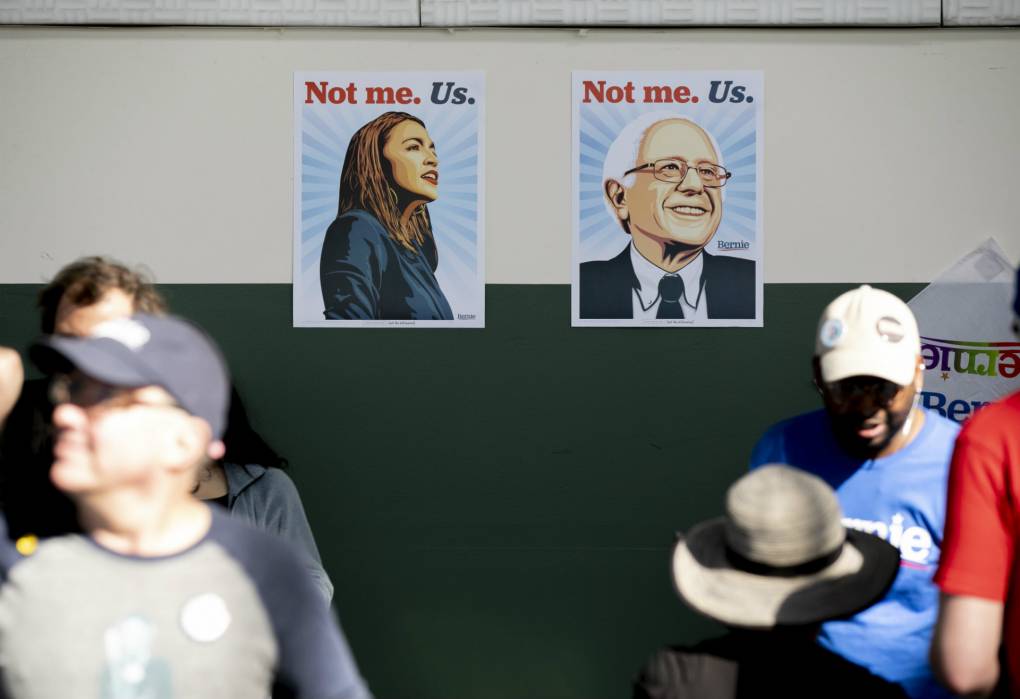
"caption": "Posters of U.S. Representative Alexandria Ocasio-Cortez and democratic presidential candidate Bernie Sanders at a Sanders campaign rally in Richmond, CA on February 17, 2020. ",
"description": null,
"title": "CA socialists photo 1",
"credit": "AnneWernikoff/CalMatters",
"status": "inherit",
"isLoading": false,
"fetchFailed": false
},
"news_11804292": {
"type": "attachments",
"id": "news_11804292",
"meta": {
"index": "attachments_1716263798",
"site": "news",
"id": "11804292",
"found": true
},
"parent": 11804290,
"imgSizes": {
"apple_news_ca_landscape_5_5": {
"file": "https://ww2.kqed.org/app/uploads/sites/10/2020/02/Mayor-Breed-Overdose-1044x783.jpg",
"width": 1044,
"mimeType": "image/jpeg",
"height": 783
},
"apple_news_ca_square_4_0": {
"file": "https://ww2.kqed.org/app/uploads/sites/10/2020/02/Mayor-Breed-Overdose-470x470.jpg",
"width": 470,
"mimeType": "image/jpeg",
"height": 470
},
"twentyfourteen-full-width": {
"file": "https://ww2.kqed.org/app/uploads/sites/10/2020/02/Mayor-Breed-Overdose-1038x576.jpg",
"width": 1038,
"mimeType": "image/jpeg",
"height": 576
},
"thumbnail": {
"file": "https://ww2.kqed.org/app/uploads/sites/10/2020/02/Mayor-Breed-Overdose-160x120.jpg",
"width": 160,
"mimeType": "image/jpeg",
"height": 120
},
"post-thumbnail": {
"file": "https://ww2.kqed.org/app/uploads/sites/10/2020/02/Mayor-Breed-Overdose-672x372.jpg",
"width": 672,
"mimeType": "image/jpeg",
"height": 372
},
"kqedFullSize": {
"file": "https://ww2.kqed.org/app/uploads/sites/10/2020/02/Mayor-Breed-Overdose-e1583373998769.jpg",
"width": 1920,
"height": 1436
},
"apple_news_ca_landscape_4_7": {
"file": "https://ww2.kqed.org/app/uploads/sites/10/2020/02/Mayor-Breed-Overdose-632x474.jpg",
"width": 632,
"mimeType": "image/jpeg",
"height": 474
},
"large": {
"file": "https://ww2.kqed.org/app/uploads/sites/10/2020/02/Mayor-Breed-Overdose-1020x763.jpg",
"width": 1020,
"mimeType": "image/jpeg",
"height": 763
},
"apple_news_ca_landscape_4_0": {
"file": "https://ww2.kqed.org/app/uploads/sites/10/2020/02/Mayor-Breed-Overdose-536x402.jpg",
"width": 536,
"mimeType": "image/jpeg",
"height": 402
},
"apple_news_ca_portrait_12_9": {
"file": "https://ww2.kqed.org/app/uploads/sites/10/2020/02/Mayor-Breed-Overdose-1122x1496.jpg",
"width": 1122,
"mimeType": "image/jpeg",
"height": 1496
},
"medium": {
"file": "https://ww2.kqed.org/app/uploads/sites/10/2020/02/Mayor-Breed-Overdose-800x598.jpg",
"width": 800,
"mimeType": "image/jpeg",
"height": 598
},
"apple_news_ca_portrait_4_0": {
"file": "https://ww2.kqed.org/app/uploads/sites/10/2020/02/Mayor-Breed-Overdose-354x472.jpg",
"width": 354,
"mimeType": "image/jpeg",
"height": 472
},
"apple_news_ca_portrait_9_7": {
"file": "https://ww2.kqed.org/app/uploads/sites/10/2020/02/Mayor-Breed-Overdose-840x1120.jpg",
"width": 840,
"mimeType": "image/jpeg",
"height": 1120
},
"apple_news_ca_landscape_12_9": {
"file": "https://ww2.kqed.org/app/uploads/sites/10/2020/02/Mayor-Breed-Overdose-1832x1374.jpg",
"width": 1832,
"mimeType": "image/jpeg",
"height": 1374
},
"apple_news_ca_square_9_7": {
"file": "https://ww2.kqed.org/app/uploads/sites/10/2020/02/Mayor-Breed-Overdose-1104x1104.jpg",
"width": 1104,
"mimeType": "image/jpeg",
"height": 1104
},
"apple_news_ca_portrait_4_7": {
"file": "https://ww2.kqed.org/app/uploads/sites/10/2020/02/Mayor-Breed-Overdose-414x552.jpg",
"width": 414,
"mimeType": "image/jpeg",
"height": 552
},
"apple_news_ca_square_12_9": {
"file": "https://ww2.kqed.org/app/uploads/sites/10/2020/02/Mayor-Breed-Overdose-1472x1472.jpg",
"width": 1472,
"mimeType": "image/jpeg",
"height": 1472
},
"apple_news_ca_portrait_5_5": {
"file": "https://ww2.kqed.org/app/uploads/sites/10/2020/02/Mayor-Breed-Overdose-687x916.jpg",
"width": 687,
"mimeType": "image/jpeg",
"height": 916
},
"full-width": {
"file": "https://ww2.kqed.org/app/uploads/sites/10/2020/02/Mayor-Breed-Overdose-1920x1436.jpg",
"width": 1920,
"mimeType": "image/jpeg",
"height": 1436
},
"apple_news_ca_square_4_7": {
"file": "https://ww2.kqed.org/app/uploads/sites/10/2020/02/Mayor-Breed-Overdose-550x550.jpg",
"width": 550,
"mimeType": "image/jpeg",
"height": 550
},
"apple_news_ca_landscape_9_7": {
"file": "https://ww2.kqed.org/app/uploads/sites/10/2020/02/Mayor-Breed-Overdose-1376x1032.jpg",
"width": 1376,
"mimeType": "image/jpeg",
"height": 1032
},
"apple_news_ca_square_5_5": {
"file": "https://ww2.kqed.org/app/uploads/sites/10/2020/02/Mayor-Breed-Overdose-912x912.jpg",
"width": 912,
"mimeType": "image/jpeg",
"height": 912
}
},
"publishDate": 1582936708,
"modified": 1583373991,
"caption": "Speaking to reporters at Glide Memorial Church in the Tenderloin District on Wed., Feb. 26, San Francisco Mayor London Breed and Supervisor Matt Haney discuss a proposal to open supervised injection sites in the city.",
"description": null,
"title": "Mayor Breed Overdose",
"credit": "Shannon Lin/KQED",
"status": "inherit",
"isLoading": false,
"fetchFailed": false
},
"news_11805083": {
"type": "attachments",
"id": "news_11805083",
"meta": {
"index": "attachments_1716263798",
"site": "news",
"id": "11805083",
"found": true
},
"title": "Image from iOS (1)",
"publishDate": 1583311643,
"status": "inherit",
"parent": 0,
"modified": 1746628206,
"caption": "Bernie Sanders supporters celebrate his victory in California at the Sanders headquarters in San Francisco’s Mission District on Tuesday, Mar. 3, 2020.",
"credit": "Beth LaBerge/KQED",
"altTag": "Bernie Sanders supporters celebrate his victory in California at the Sanders headquarters in San Francisco’s Mission District on Tuesday, Mar. 3, 2020.",
"description": "Bernie Sanders supporters celebrate his victory in California at the Sanders headquarters in San Francisco’s Mission District on Tuesday, Mar. 3, 2020.",
"imgSizes": {
"medium": {
"file": "https://cdn.kqed.org/wp-content/uploads/sites/10/2020/03/Image-from-iOS-1-scaled-800x534.jpg",
"width": 800,
"height": 534,
"mimeType": "image/jpeg"
},
"large": {
"file": "https://cdn.kqed.org/wp-content/uploads/sites/10/2020/03/Image-from-iOS-1-scaled-1020x680.jpg",
"width": 1020,
"height": 680,
"mimeType": "image/jpeg"
},
"thumbnail": {
"file": "https://cdn.kqed.org/wp-content/uploads/sites/10/2020/03/Image-from-iOS-1-scaled-160x107.jpg",
"width": 160,
"height": 107,
"mimeType": "image/jpeg"
},
"1536x1536": {
"file": "https://cdn.kqed.org/wp-content/uploads/sites/10/2020/03/Image-from-iOS-1-scaled-1536x1025.jpg",
"width": 1536,
"height": 1025,
"mimeType": "image/jpeg"
},
"2048x2048": {
"file": "https://cdn.kqed.org/wp-content/uploads/sites/10/2020/03/Image-from-iOS-1-scaled-2048x1366.jpg",
"width": 2048,
"height": 1366,
"mimeType": "image/jpeg"
},
"post-thumbnail": {
"file": "https://cdn.kqed.org/wp-content/uploads/sites/10/2020/03/Image-from-iOS-1-scaled-672x372.jpg",
"width": 672,
"height": 372,
"mimeType": "image/jpeg"
},
"twentyfourteen-full-width": {
"file": "https://cdn.kqed.org/wp-content/uploads/sites/10/2020/03/Image-from-iOS-1-scaled-1038x576.jpg",
"width": 1038,
"height": 576,
"mimeType": "image/jpeg"
},
"full-width": {
"file": "https://cdn.kqed.org/wp-content/uploads/sites/10/2020/03/Image-from-iOS-1-scaled-1920x1281.jpg",
"width": 1920,
"height": 1281,
"mimeType": "image/jpeg"
},
"kqedFullSize": {
"file": "https://cdn.kqed.org/wp-content/uploads/sites/10/2020/03/Image-from-iOS-1-scaled-scaled.jpg",
"width": 2560,
"height": 1708
}
},
"isLoading": false,
"fetchFailed": false
},
"news_11805292": {
"type": "attachments",
"id": "news_11805292",
"meta": {
"index": "attachments_1716263798",
"site": "news",
"id": "11805292",
"found": true
},
"parent": 11805288,
"imgSizes": {
"apple_news_ca_landscape_5_5": {
"file": "https://ww2.kqed.org/app/uploads/sites/10/2020/03/headtohead_030420_final-1044x783.png",
"width": 1044,
"mimeType": "image/png",
"height": 783
},
"apple_news_ca_square_4_0": {
"file": "https://ww2.kqed.org/app/uploads/sites/10/2020/03/headtohead_030420_final-470x470.png",
"width": 470,
"mimeType": "image/png",
"height": 470
},
"twentyfourteen-full-width": {
"file": "https://ww2.kqed.org/app/uploads/sites/10/2020/03/headtohead_030420_final-1038x576.png",
"width": 1038,
"mimeType": "image/png",
"height": 576
},
"thumbnail": {
"file": "https://ww2.kqed.org/app/uploads/sites/10/2020/03/headtohead_030420_final-160x106.png",
"width": 160,
"mimeType": "image/png",
"height": 106
},
"post-thumbnail": {
"file": "https://ww2.kqed.org/app/uploads/sites/10/2020/03/headtohead_030420_final-672x372.png",
"width": 672,
"mimeType": "image/png",
"height": 372
},
"kqedFullSize": {
"file": "https://ww2.kqed.org/app/uploads/sites/10/2020/03/headtohead_030420_final.png",
"width": 1920,
"height": 1272
},
"apple_news_ca_landscape_4_7": {
"file": "https://ww2.kqed.org/app/uploads/sites/10/2020/03/headtohead_030420_final-632x474.png",
"width": 632,
"mimeType": "image/png",
"height": 474
},
"large": {
"file": "https://ww2.kqed.org/app/uploads/sites/10/2020/03/headtohead_030420_final-1020x676.png",
"width": 1020,
"mimeType": "image/png",
"height": 676
},
"apple_news_ca_landscape_4_0": {
"file": "https://ww2.kqed.org/app/uploads/sites/10/2020/03/headtohead_030420_final-536x402.png",
"width": 536,
"mimeType": "image/png",
"height": 402
},
"apple_news_ca_portrait_12_9": {
"file": "https://ww2.kqed.org/app/uploads/sites/10/2020/03/headtohead_030420_final-1122x1272.png",
"width": 1122,
"mimeType": "image/png",
"height": 1272
},
"medium": {
"file": "https://ww2.kqed.org/app/uploads/sites/10/2020/03/headtohead_030420_final-800x530.png",
"width": 800,
"mimeType": "image/png",
"height": 530
},
"apple_news_ca_portrait_4_0": {
"file": "https://ww2.kqed.org/app/uploads/sites/10/2020/03/headtohead_030420_final-354x472.png",
"width": 354,
"mimeType": "image/png",
"height": 472
},
"apple_news_ca_portrait_9_7": {
"file": "https://ww2.kqed.org/app/uploads/sites/10/2020/03/headtohead_030420_final-840x1120.png",
"width": 840,
"mimeType": "image/png",
"height": 1120
},
"apple_news_ca_landscape_12_9": {
"file": "https://ww2.kqed.org/app/uploads/sites/10/2020/03/headtohead_030420_final-1832x1272.png",
"width": 1832,
"mimeType": "image/png",
"height": 1272
},
"apple_news_ca_square_9_7": {
"file": "https://ww2.kqed.org/app/uploads/sites/10/2020/03/headtohead_030420_final-1104x1104.png",
"width": 1104,
"mimeType": "image/png",
"height": 1104
},
"apple_news_ca_portrait_4_7": {
"file": "https://ww2.kqed.org/app/uploads/sites/10/2020/03/headtohead_030420_final-414x552.png",
"width": 414,
"mimeType": "image/png",
"height": 552
},
"apple_news_ca_square_12_9": {
"file": "https://ww2.kqed.org/app/uploads/sites/10/2020/03/headtohead_030420_final-1472x1272.png",
"width": 1472,
"mimeType": "image/png",
"height": 1272
},
"apple_news_ca_portrait_5_5": {
"file": "https://ww2.kqed.org/app/uploads/sites/10/2020/03/headtohead_030420_final-687x916.png",
"width": 687,
"mimeType": "image/png",
"height": 916
},
"full-width": {
"file": "https://ww2.kqed.org/app/uploads/sites/10/2020/03/headtohead_030420_final-1920x1272.png",
"width": 1920,
"mimeType": "image/png",
"height": 1272
},
"apple_news_ca_square_4_7": {
"file": "https://ww2.kqed.org/app/uploads/sites/10/2020/03/headtohead_030420_final-550x550.png",
"width": 550,
"mimeType": "image/png",
"height": 550
},
"apple_news_ca_landscape_9_7": {
"file": "https://ww2.kqed.org/app/uploads/sites/10/2020/03/headtohead_030420_final-1376x1032.png",
"width": 1376,
"mimeType": "image/png",
"height": 1032
},
"apple_news_ca_square_5_5": {
"file": "https://ww2.kqed.org/app/uploads/sites/10/2020/03/headtohead_030420_final-912x912.png",
"width": 912,
"mimeType": "image/png",
"height": 912
}
},
"publishDate": 1583354225,
"modified": 1583354260,
"caption": null,
"description": null,
"title": "headtohead_030420_final",
"credit": null,
"status": "inherit",
"isLoading": false,
"fetchFailed": false
},
"news_11805134": {
"type": "attachments",
"id": "news_11805134",
"meta": {
"index": "attachments_1716263798",
"site": "news",
"id": "11805134",
"found": true
},
"parent": 11804205,
"imgSizes": {
"apple_news_ca_landscape_5_5": {
"file": "https://ww2.kqed.org/app/uploads/sites/10/2021/03/Newsom.Prop13-1044x783.jpg",
"width": 1044,
"mimeType": "image/jpeg",
"height": 783
},
"apple_news_ca_square_4_0": {
"file": "https://ww2.kqed.org/app/uploads/sites/10/2021/03/Newsom.Prop13-470x470.jpg",
"width": 470,
"mimeType": "image/jpeg",
"height": 470
},
"twentyfourteen-full-width": {
"file": "https://ww2.kqed.org/app/uploads/sites/10/2021/03/Newsom.Prop13-1038x576.jpg",
"width": 1038,
"mimeType": "image/jpeg",
"height": 576
},
"thumbnail": {
"file": "https://ww2.kqed.org/app/uploads/sites/10/2021/03/Newsom.Prop13-160x90.jpg",
"width": 160,
"mimeType": "image/jpeg",
"height": 90
},
"post-thumbnail": {
"file": "https://ww2.kqed.org/app/uploads/sites/10/2021/03/Newsom.Prop13-672x372.jpg",
"width": 672,
"mimeType": "image/jpeg",
"height": 372
},
"kqedFullSize": {
"file": "https://ww2.kqed.org/app/uploads/sites/10/2021/03/Newsom.Prop13.jpg",
"width": 1920,
"height": 1080
},
"apple_news_ca_landscape_4_7": {
"file": "https://ww2.kqed.org/app/uploads/sites/10/2021/03/Newsom.Prop13-632x474.jpg",
"width": 632,
"mimeType": "image/jpeg",
"height": 474
},
"large": {
"file": "https://ww2.kqed.org/app/uploads/sites/10/2021/03/Newsom.Prop13-1020x574.jpg",
"width": 1020,
"mimeType": "image/jpeg",
"height": 574
},
"apple_news_ca_landscape_4_0": {
"file": "https://ww2.kqed.org/app/uploads/sites/10/2021/03/Newsom.Prop13-536x402.jpg",
"width": 536,
"mimeType": "image/jpeg",
"height": 402
},
"apple_news_ca_portrait_12_9": {
"file": "https://ww2.kqed.org/app/uploads/sites/10/2021/03/Newsom.Prop13-1122x1080.jpg",
"width": 1122,
"mimeType": "image/jpeg",
"height": 1080
},
"medium": {
"file": "https://ww2.kqed.org/app/uploads/sites/10/2021/03/Newsom.Prop13-800x450.jpg",
"width": 800,
"mimeType": "image/jpeg",
"height": 450
},
"apple_news_ca_portrait_4_0": {
"file": "https://ww2.kqed.org/app/uploads/sites/10/2021/03/Newsom.Prop13-354x472.jpg",
"width": 354,
"mimeType": "image/jpeg",
"height": 472
},
"apple_news_ca_portrait_9_7": {
"file": "https://ww2.kqed.org/app/uploads/sites/10/2021/03/Newsom.Prop13-840x1080.jpg",
"width": 840,
"mimeType": "image/jpeg",
"height": 1080
},
"apple_news_ca_landscape_12_9": {
"file": "https://ww2.kqed.org/app/uploads/sites/10/2021/03/Newsom.Prop13-1832x1080.jpg",
"width": 1832,
"mimeType": "image/jpeg",
"height": 1080
},
"apple_news_ca_square_9_7": {
"file": "https://ww2.kqed.org/app/uploads/sites/10/2021/03/Newsom.Prop13-1104x1080.jpg",
"width": 1104,
"mimeType": "image/jpeg",
"height": 1080
},
"apple_news_ca_portrait_4_7": {
"file": "https://ww2.kqed.org/app/uploads/sites/10/2021/03/Newsom.Prop13-414x552.jpg",
"width": 414,
"mimeType": "image/jpeg",
"height": 552
},
"apple_news_ca_square_12_9": {
"file": "https://ww2.kqed.org/app/uploads/sites/10/2021/03/Newsom.Prop13-1472x1080.jpg",
"width": 1472,
"mimeType": "image/jpeg",
"height": 1080
},
"apple_news_ca_portrait_5_5": {
"file": "https://ww2.kqed.org/app/uploads/sites/10/2021/03/Newsom.Prop13-687x916.jpg",
"width": 687,
"mimeType": "image/jpeg",
"height": 916
},
"full-width": {
"file": "https://ww2.kqed.org/app/uploads/sites/10/2021/03/Newsom.Prop13-1920x1080.jpg",
"width": 1920,
"mimeType": "image/jpeg",
"height": 1080
},
"apple_news_ca_square_4_7": {
"file": "https://ww2.kqed.org/app/uploads/sites/10/2021/03/Newsom.Prop13-550x550.jpg",
"width": 550,
"mimeType": "image/jpeg",
"height": 550
},
"apple_news_ca_landscape_9_7": {
"file": "https://ww2.kqed.org/app/uploads/sites/10/2021/03/Newsom.Prop13-1376x1032.jpg",
"width": 1376,
"mimeType": "image/jpeg",
"height": 1032
},
"apple_news_ca_square_5_5": {
"file": "https://ww2.kqed.org/app/uploads/sites/10/2021/03/Newsom.Prop13-912x912.jpg",
"width": 912,
"mimeType": "image/jpeg",
"height": 912
}
},
"publishDate": 1583317001,
"modified": 1583350830,
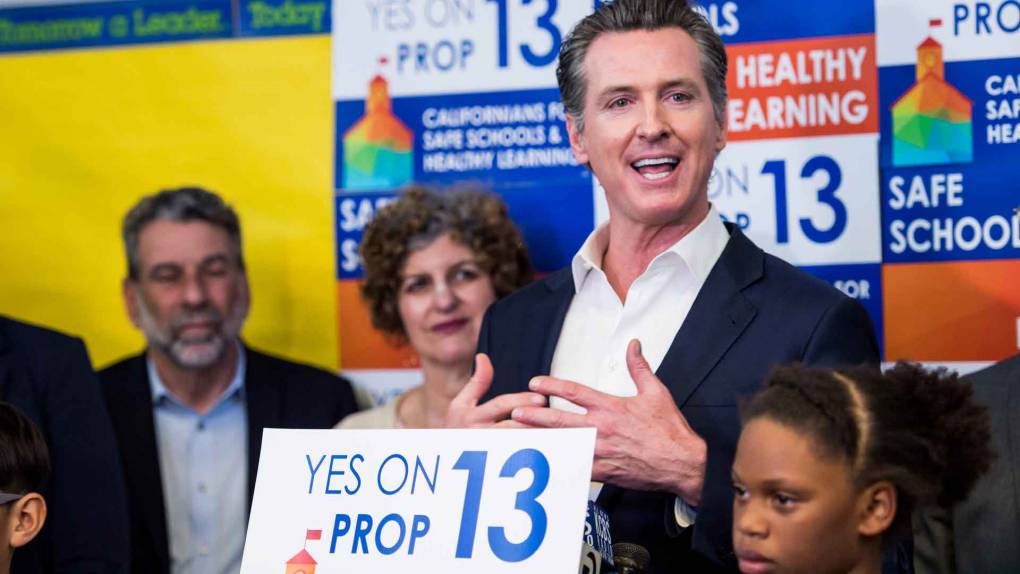
"caption": "Gov. Gavin Newsom visits Manzanita Community Elementary School in Oakland in support of Proposition 13 on Mar. 2, 2020.\n",
"description": "Gavin Newsom visits Manzanita Community Elementary School in Oakland in support of Proposition 13 on Mar. 2, 2020.\n\n",
"title": "Newsom.Prop13",
"credit": "Beth LaBerge/KQED",
"status": "inherit",
"isLoading": false,
"fetchFailed": false
},
"news_11805166": {
"type": "attachments",
"id": "news_11805166",
"meta": {
"index": "attachments_1716263798",
"site": "news",
"id": "11805166",
"found": true
},
"parent": 11805164,
"imgSizes": {
"apple_news_ca_landscape_5_5": {
"file": "https://ww2.kqed.org/app/uploads/sites/10/2020/03/Bloomberg_COVER-1044x783.jpg",
"width": 1044,
"mimeType": "image/jpeg",
"height": 783
},
"apple_news_ca_square_4_0": {
"file": "https://ww2.kqed.org/app/uploads/sites/10/2020/03/Bloomberg_COVER-470x470.jpg",
"width": 470,
"mimeType": "image/jpeg",
"height": 470
},
"twentyfourteen-full-width": {
"file": "https://ww2.kqed.org/app/uploads/sites/10/2020/03/Bloomberg_COVER-1038x576.jpg",
"width": 1038,
"mimeType": "image/jpeg",
"height": 576
},
"thumbnail": {
"file": "https://ww2.kqed.org/app/uploads/sites/10/2020/03/Bloomberg_COVER-160x90.jpg",
"width": 160,
"mimeType": "image/jpeg",
"height": 90
},
"post-thumbnail": {
"file": "https://ww2.kqed.org/app/uploads/sites/10/2020/03/Bloomberg_COVER-672x372.jpg",
"width": 672,
"mimeType": "image/jpeg",
"height": 372
},
"kqedFullSize": {
"file": "https://ww2.kqed.org/app/uploads/sites/10/2020/03/Bloomberg_COVER.jpg",
"width": 1920,
"height": 1080
},
"apple_news_ca_landscape_4_7": {
"file": "https://ww2.kqed.org/app/uploads/sites/10/2020/03/Bloomberg_COVER-632x474.jpg",
"width": 632,
"mimeType": "image/jpeg",
"height": 474
},
"large": {
"file": "https://ww2.kqed.org/app/uploads/sites/10/2020/03/Bloomberg_COVER-1020x574.jpg",
"width": 1020,
"mimeType": "image/jpeg",
"height": 574
},
"apple_news_ca_landscape_4_0": {
"file": "https://ww2.kqed.org/app/uploads/sites/10/2020/03/Bloomberg_COVER-536x402.jpg",
"width": 536,
"mimeType": "image/jpeg",
"height": 402
},
"apple_news_ca_portrait_12_9": {
"file": "https://ww2.kqed.org/app/uploads/sites/10/2020/03/Bloomberg_COVER-1122x1080.jpg",
"width": 1122,
"mimeType": "image/jpeg",
"height": 1080
},
"medium": {
"file": "https://ww2.kqed.org/app/uploads/sites/10/2020/03/Bloomberg_COVER-800x450.jpg",
"width": 800,
"mimeType": "image/jpeg",
"height": 450
},
"apple_news_ca_portrait_4_0": {
"file": "https://ww2.kqed.org/app/uploads/sites/10/2020/03/Bloomberg_COVER-354x472.jpg",
"width": 354,
"mimeType": "image/jpeg",
"height": 472
},
"apple_news_ca_portrait_9_7": {
"file": "https://ww2.kqed.org/app/uploads/sites/10/2020/03/Bloomberg_COVER-840x1080.jpg",
"width": 840,
"mimeType": "image/jpeg",
"height": 1080
},
"apple_news_ca_landscape_12_9": {
"file": "https://ww2.kqed.org/app/uploads/sites/10/2020/03/Bloomberg_COVER-1832x1080.jpg",
"width": 1832,
"mimeType": "image/jpeg",
"height": 1080
},
"apple_news_ca_square_9_7": {
"file": "https://ww2.kqed.org/app/uploads/sites/10/2020/03/Bloomberg_COVER-1104x1080.jpg",
"width": 1104,
"mimeType": "image/jpeg",
"height": 1080
},
"apple_news_ca_portrait_4_7": {
"file": "https://ww2.kqed.org/app/uploads/sites/10/2020/03/Bloomberg_COVER-414x552.jpg",
"width": 414,
"mimeType": "image/jpeg",
"height": 552
},
"apple_news_ca_square_12_9": {
"file": "https://ww2.kqed.org/app/uploads/sites/10/2020/03/Bloomberg_COVER-1472x1080.jpg",
"width": 1472,
"mimeType": "image/jpeg",
"height": 1080
},
"apple_news_ca_portrait_5_5": {
"file": "https://ww2.kqed.org/app/uploads/sites/10/2020/03/Bloomberg_COVER-687x916.jpg",
"width": 687,
"mimeType": "image/jpeg",
"height": 916
},
"full-width": {
"file": "https://ww2.kqed.org/app/uploads/sites/10/2020/03/Bloomberg_COVER-1920x1080.jpg",
"width": 1920,
"mimeType": "image/jpeg",
"height": 1080
},
"apple_news_ca_square_4_7": {
"file": "https://ww2.kqed.org/app/uploads/sites/10/2020/03/Bloomberg_COVER-550x550.jpg",
"width": 550,
"mimeType": "image/jpeg",
"height": 550
},
"apple_news_ca_landscape_9_7": {
"file": "https://ww2.kqed.org/app/uploads/sites/10/2020/03/Bloomberg_COVER-1376x1032.jpg",
"width": 1376,
"mimeType": "image/jpeg",
"height": 1032
},
"apple_news_ca_square_5_5": {
"file": "https://ww2.kqed.org/app/uploads/sites/10/2020/03/Bloomberg_COVER-912x912.jpg",
"width": 912,
"mimeType": "image/jpeg",
"height": 912
}
},
"publishDate": 1583335602,
"modified": 1583335660,
"caption": "Democratic presidential candidate former New York City mayor Mike Bloomberg waves to his supporters at his Super Tuesday night event in West Palm Beach, Florida.",
"description": "Democratic presidential candidate former New York City mayor Mike Bloomberg waves to his supporters at his Super Tuesday night event in West Palm Beach, Florida.",
"title": "Bloomberg_COVER",
"credit": "Joe Raedle/Getty Images",
"status": "inherit",
"isLoading": false,
"fetchFailed": false
},
"news_11805159": {
"type": "attachments",
"id": "news_11805159",
"meta": {
"index": "attachments_1716263798",
"site": "news",
"id": "11805159",
"found": true
},
"parent": 11804008,
"imgSizes": {
"apple_news_ca_landscape_5_5": {
"file": "https://ww2.kqed.org/app/uploads/sites/10/2020/03/bidenbernie1-1044x783.jpg",
"width": 1044,
"mimeType": "image/jpeg",
"height": 783
},
"apple_news_ca_square_4_0": {
"file": "https://ww2.kqed.org/app/uploads/sites/10/2020/03/bidenbernie1-470x470.jpg",
"width": 470,
"mimeType": "image/jpeg",
"height": 470
},
"twentyfourteen-full-width": {
"file": "https://ww2.kqed.org/app/uploads/sites/10/2020/03/bidenbernie1-1038x576.jpg",
"width": 1038,
"mimeType": "image/jpeg",
"height": 576
},
"thumbnail": {
"file": "https://ww2.kqed.org/app/uploads/sites/10/2020/03/bidenbernie1-160x107.jpg",
"width": 160,
"mimeType": "image/jpeg",
"height": 107
},
"post-thumbnail": {
"file": "https://ww2.kqed.org/app/uploads/sites/10/2020/03/bidenbernie1-672x372.jpg",
"width": 672,
"mimeType": "image/jpeg",
"height": 372
},
"kqedFullSize": {
"file": "https://ww2.kqed.org/app/uploads/sites/10/2020/03/bidenbernie1.jpg",
"width": 1920,
"height": 1280
},
"apple_news_ca_landscape_4_7": {
"file": "https://ww2.kqed.org/app/uploads/sites/10/2020/03/bidenbernie1-632x474.jpg",
"width": 632,
"mimeType": "image/jpeg",
"height": 474
},
"large": {
"file": "https://ww2.kqed.org/app/uploads/sites/10/2020/03/bidenbernie1-1020x680.jpg",
"width": 1020,
"mimeType": "image/jpeg",
"height": 680
},
"apple_news_ca_landscape_4_0": {
"file": "https://ww2.kqed.org/app/uploads/sites/10/2020/03/bidenbernie1-536x402.jpg",
"width": 536,
"mimeType": "image/jpeg",
"height": 402
},
"apple_news_ca_portrait_12_9": {
"file": "https://ww2.kqed.org/app/uploads/sites/10/2020/03/bidenbernie1-1122x1280.jpg",
"width": 1122,
"mimeType": "image/jpeg",
"height": 1280
},
"medium": {
"file": "https://ww2.kqed.org/app/uploads/sites/10/2020/03/bidenbernie1-800x533.jpg",
"width": 800,
"mimeType": "image/jpeg",
"height": 533
},
"apple_news_ca_portrait_4_0": {
"file": "https://ww2.kqed.org/app/uploads/sites/10/2020/03/bidenbernie1-354x472.jpg",
"width": 354,
"mimeType": "image/jpeg",
"height": 472
},
"apple_news_ca_portrait_9_7": {
"file": "https://ww2.kqed.org/app/uploads/sites/10/2020/03/bidenbernie1-840x1120.jpg",
"width": 840,
"mimeType": "image/jpeg",
"height": 1120
},
"apple_news_ca_landscape_12_9": {
"file": "https://ww2.kqed.org/app/uploads/sites/10/2020/03/bidenbernie1-1832x1280.jpg",
"width": 1832,
"mimeType": "image/jpeg",
"height": 1280
},
"apple_news_ca_square_9_7": {
"file": "https://ww2.kqed.org/app/uploads/sites/10/2020/03/bidenbernie1-1104x1104.jpg",
"width": 1104,
"mimeType": "image/jpeg",
"height": 1104
},
"apple_news_ca_portrait_4_7": {
"file": "https://ww2.kqed.org/app/uploads/sites/10/2020/03/bidenbernie1-414x552.jpg",
"width": 414,
"mimeType": "image/jpeg",
"height": 552
},
"apple_news_ca_square_12_9": {
"file": "https://ww2.kqed.org/app/uploads/sites/10/2020/03/bidenbernie1-1472x1280.jpg",
"width": 1472,
"mimeType": "image/jpeg",
"height": 1280
},
"apple_news_ca_portrait_5_5": {
"file": "https://ww2.kqed.org/app/uploads/sites/10/2020/03/bidenbernie1-687x916.jpg",
"width": 687,
"mimeType": "image/jpeg",
"height": 916
},
"full-width": {
"file": "https://ww2.kqed.org/app/uploads/sites/10/2020/03/bidenbernie1-1920x1280.jpg",
"width": 1920,
"mimeType": "image/jpeg",
"height": 1280
},
"apple_news_ca_square_4_7": {
"file": "https://ww2.kqed.org/app/uploads/sites/10/2020/03/bidenbernie1-550x550.jpg",
"width": 550,
"mimeType": "image/jpeg",
"height": 550
},
"apple_news_ca_landscape_9_7": {
"file": "https://ww2.kqed.org/app/uploads/sites/10/2020/03/bidenbernie1-1376x1032.jpg",
"width": 1376,
"mimeType": "image/jpeg",
"height": 1032
},
"apple_news_ca_square_5_5": {
"file": "https://ww2.kqed.org/app/uploads/sites/10/2020/03/bidenbernie1-912x912.jpg",
"width": 912,
"mimeType": "image/jpeg",
"height": 912
}
},
"publishDate": 1583332257,
"modified": 1583332372,
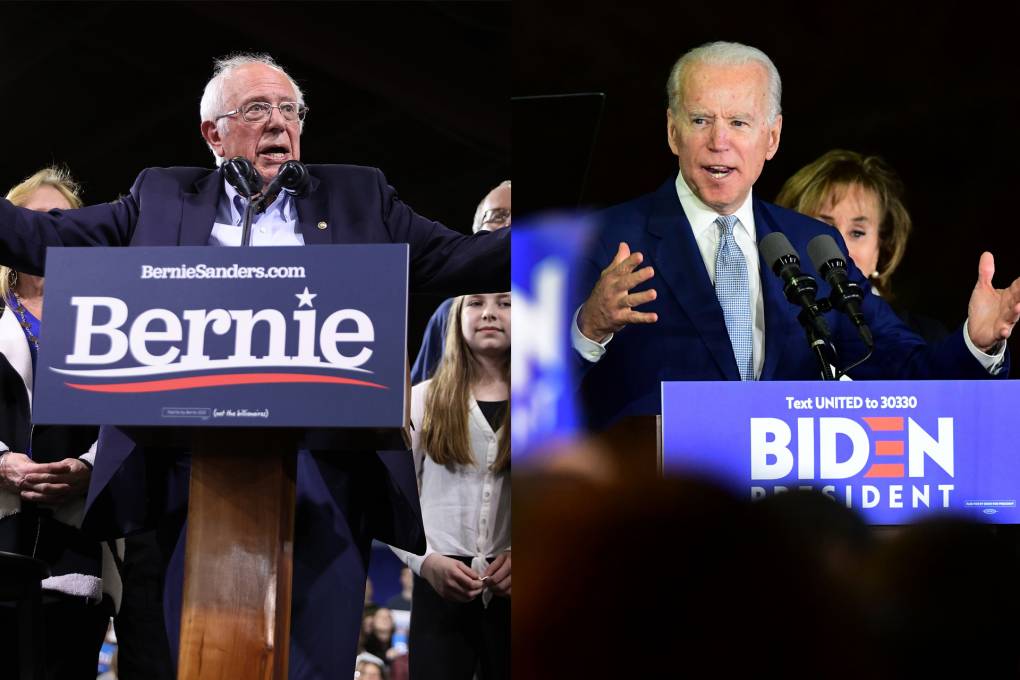
"caption": " 1,357 Democratic delegates are at stake as voters cast their ballots in 14 states and American Samoa on what is known as Super Tuesday. ",
"description": " 1,357 Democratic delegates are at stake as voters cast their ballots in 14 states and American Samoa on what is known as Super Tuesday. ",
"title": "bidenbernie1",
"credit": "Both photos by Frederic J. Brown/AFP/Getty Images",
"status": "inherit",
"isLoading": false,
"fetchFailed": false
},
"news_11805067": {
"type": "attachments",
"id": "news_11805067",
"meta": {
"index": "attachments_1716263798",
"site": "news",
"id": "11805067",
"found": true
},
"parent": 11805018,
"imgSizes": {
"apple_news_ca_landscape_5_5": {
"file": "https://ww2.kqed.org/app/uploads/sites/10/2020/03/M6A7389-1044x783.jpg",
"width": 1044,
"mimeType": "image/jpeg",
"height": 783
},
"apple_news_ca_square_4_0": {
"file": "https://ww2.kqed.org/app/uploads/sites/10/2020/03/M6A7389-470x470.jpg",
"width": 470,
"mimeType": "image/jpeg",
"height": 470
},
"twentyfourteen-full-width": {
"file": "https://ww2.kqed.org/app/uploads/sites/10/2020/03/M6A7389-1038x576.jpg",
"width": 1038,
"mimeType": "image/jpeg",
"height": 576
},
"thumbnail": {
"file": "https://ww2.kqed.org/app/uploads/sites/10/2020/03/M6A7389-160x107.jpg",
"width": 160,
"mimeType": "image/jpeg",
"height": 107
},
"post-thumbnail": {
"file": "https://ww2.kqed.org/app/uploads/sites/10/2020/03/M6A7389-672x372.jpg",
"width": 672,
"mimeType": "image/jpeg",
"height": 372
},
"kqedFullSize": {
"file": "https://ww2.kqed.org/app/uploads/sites/10/2020/03/M6A7389.jpg",
"width": 2500,
"height": 1667
},
"apple_news_ca_landscape_4_7": {
"file": "https://ww2.kqed.org/app/uploads/sites/10/2020/03/M6A7389-632x474.jpg",
"width": 632,
"mimeType": "image/jpeg",
"height": 474
},
"large": {
"file": "https://ww2.kqed.org/app/uploads/sites/10/2020/03/M6A7389-1020x680.jpg",
"width": 1020,
"mimeType": "image/jpeg",
"height": 680
},
"apple_news_ca_landscape_4_0": {
"file": "https://ww2.kqed.org/app/uploads/sites/10/2020/03/M6A7389-536x402.jpg",
"width": 536,
"mimeType": "image/jpeg",
"height": 402
},
"apple_news_ca_portrait_12_9": {
"file": "https://ww2.kqed.org/app/uploads/sites/10/2020/03/M6A7389-1122x1496.jpg",
"width": 1122,
"mimeType": "image/jpeg",
"height": 1496
},
"medium": {
"file": "https://ww2.kqed.org/app/uploads/sites/10/2020/03/M6A7389-800x533.jpg",
"width": 800,
"mimeType": "image/jpeg",
"height": 533
},
"apple_news_ca_portrait_4_0": {
"file": "https://ww2.kqed.org/app/uploads/sites/10/2020/03/M6A7389-354x472.jpg",
"width": 354,
"mimeType": "image/jpeg",
"height": 472
},
"apple_news_ca_portrait_9_7": {
"file": "https://ww2.kqed.org/app/uploads/sites/10/2020/03/M6A7389-840x1120.jpg",
"width": 840,
"mimeType": "image/jpeg",
"height": 1120
},
"apple_news_ca_landscape_12_9": {
"file": "https://ww2.kqed.org/app/uploads/sites/10/2020/03/M6A7389-1832x1374.jpg",
"width": 1832,
"mimeType": "image/jpeg",
"height": 1374
},
"apple_news_ca_square_9_7": {
"file": "https://ww2.kqed.org/app/uploads/sites/10/2020/03/M6A7389-1104x1104.jpg",
"width": 1104,
"mimeType": "image/jpeg",
"height": 1104
},
"apple_news_ca_portrait_4_7": {
"file": "https://ww2.kqed.org/app/uploads/sites/10/2020/03/M6A7389-414x552.jpg",
"width": 414,
"mimeType": "image/jpeg",
"height": 552
},
"apple_news_ca_square_12_9": {
"file": "https://ww2.kqed.org/app/uploads/sites/10/2020/03/M6A7389-1472x1472.jpg",
"width": 1472,
"mimeType": "image/jpeg",
"height": 1472
},
"apple_news_ca_portrait_5_5": {
"file": "https://ww2.kqed.org/app/uploads/sites/10/2020/03/M6A7389-687x916.jpg",
"width": 687,
"mimeType": "image/jpeg",
"height": 916
},
"full-width": {
"file": "https://ww2.kqed.org/app/uploads/sites/10/2020/03/M6A7389-1920x1280.jpg",
"width": 1920,
"mimeType": "image/jpeg",
"height": 1280
},
"apple_news_ca_square_4_7": {
"file": "https://ww2.kqed.org/app/uploads/sites/10/2020/03/M6A7389-550x550.jpg",
"width": 550,
"mimeType": "image/jpeg",
"height": 550
},
"apple_news_ca_landscape_9_7": {
"file": "https://ww2.kqed.org/app/uploads/sites/10/2020/03/M6A7389-1376x1032.jpg",
"width": 1376,
"mimeType": "image/jpeg",
"height": 1032
},
"apple_news_ca_square_5_5": {
"file": "https://ww2.kqed.org/app/uploads/sites/10/2020/03/M6A7389-912x912.jpg",
"width": 912,
"mimeType": "image/jpeg",
"height": 912
}
},
"publishDate": 1583309311,
"modified": 1583311566,
"caption": "Bernie Sanders campaign headquarters on Super Tuesday, March 3, 2020.",
"description": "Bernie Sanders campaign headquarters on Super Tuesday, March 3, 2020.",
"title": "_M6A7389",
"credit": "Stephanie Lister/KQED",
"status": "inherit",
"isLoading": false,
"fetchFailed": false
},
"news_11805099": {
"type": "attachments",
"id": "news_11805099",
"meta": {
"index": "attachments_1716263798",
"site": "news",
"id": "11805099",
"found": true
},
"parent": 11805061,
"imgSizes": {
"apple_news_ca_landscape_5_5": {
"file": "https://ww2.kqed.org/app/uploads/sites/10/2020/03/RS41300_001_RS41299_IMG_1966_Edited-qut-1044x783.jpg",
"width": 1044,
"mimeType": "image/jpeg",
"height": 783
},
"apple_news_ca_square_4_0": {
"file": "https://ww2.kqed.org/app/uploads/sites/10/2020/03/RS41300_001_RS41299_IMG_1966_Edited-qut-470x470.jpg",
"width": 470,
"mimeType": "image/jpeg",
"height": 470
},
"twentyfourteen-full-width": {
"file": "https://ww2.kqed.org/app/uploads/sites/10/2020/03/RS41300_001_RS41299_IMG_1966_Edited-qut-1038x576.jpg",
"width": 1038,
"mimeType": "image/jpeg",
"height": 576
},
"thumbnail": {
"file": "https://ww2.kqed.org/app/uploads/sites/10/2020/03/RS41300_001_RS41299_IMG_1966_Edited-qut-160x118.jpg",
"width": 160,
"mimeType": "image/jpeg",
"height": 118
},
"post-thumbnail": {
"file": "https://ww2.kqed.org/app/uploads/sites/10/2020/03/RS41300_001_RS41299_IMG_1966_Edited-qut-672x372.jpg",
"width": 672,
"mimeType": "image/jpeg",
"height": 372
},
"kqedFullSize": {
"file": "https://ww2.kqed.org/app/uploads/sites/10/2020/03/RS41300_001_RS41299_IMG_1966_Edited-qut.jpg",
"width": 1920,
"height": 1420
},
"apple_news_ca_landscape_4_7": {
"file": "https://ww2.kqed.org/app/uploads/sites/10/2020/03/RS41300_001_RS41299_IMG_1966_Edited-qut-632x474.jpg",
"width": 632,
"mimeType": "image/jpeg",
"height": 474
},
"large": {
"file": "https://ww2.kqed.org/app/uploads/sites/10/2020/03/RS41300_001_RS41299_IMG_1966_Edited-qut-1020x754.jpg",
"width": 1020,
"mimeType": "image/jpeg",
"height": 754
},
"apple_news_ca_landscape_4_0": {
"file": "https://ww2.kqed.org/app/uploads/sites/10/2020/03/RS41300_001_RS41299_IMG_1966_Edited-qut-536x402.jpg",
"width": 536,
"mimeType": "image/jpeg",
"height": 402
},
"apple_news_ca_portrait_12_9": {
"file": "https://ww2.kqed.org/app/uploads/sites/10/2020/03/RS41300_001_RS41299_IMG_1966_Edited-qut-1122x1420.jpg",
"width": 1122,
"mimeType": "image/jpeg",
"height": 1420
},
"medium": {
"file": "https://ww2.kqed.org/app/uploads/sites/10/2020/03/RS41300_001_RS41299_IMG_1966_Edited-qut-800x592.jpg",
"width": 800,
"mimeType": "image/jpeg",
"height": 592
},
"apple_news_ca_portrait_4_0": {
"file": "https://ww2.kqed.org/app/uploads/sites/10/2020/03/RS41300_001_RS41299_IMG_1966_Edited-qut-354x472.jpg",
"width": 354,
"mimeType": "image/jpeg",
"height": 472
},
"apple_news_ca_portrait_9_7": {
"file": "https://ww2.kqed.org/app/uploads/sites/10/2020/03/RS41300_001_RS41299_IMG_1966_Edited-qut-840x1120.jpg",
"width": 840,
"mimeType": "image/jpeg",
"height": 1120
},
"apple_news_ca_landscape_12_9": {
"file": "https://ww2.kqed.org/app/uploads/sites/10/2020/03/RS41300_001_RS41299_IMG_1966_Edited-qut-1832x1374.jpg",
"width": 1832,
"mimeType": "image/jpeg",
"height": 1374
},
"apple_news_ca_square_9_7": {
"file": "https://ww2.kqed.org/app/uploads/sites/10/2020/03/RS41300_001_RS41299_IMG_1966_Edited-qut-1104x1104.jpg",
"width": 1104,
"mimeType": "image/jpeg",
"height": 1104
},
"apple_news_ca_portrait_4_7": {
"file": "https://ww2.kqed.org/app/uploads/sites/10/2020/03/RS41300_001_RS41299_IMG_1966_Edited-qut-414x552.jpg",
"width": 414,
"mimeType": "image/jpeg",
"height": 552
},
"apple_news_ca_square_12_9": {
"file": "https://ww2.kqed.org/app/uploads/sites/10/2020/03/RS41300_001_RS41299_IMG_1966_Edited-qut-1472x1420.jpg",
"width": 1472,
"mimeType": "image/jpeg",
"height": 1420
},
"apple_news_ca_portrait_5_5": {
"file": "https://ww2.kqed.org/app/uploads/sites/10/2020/03/RS41300_001_RS41299_IMG_1966_Edited-qut-687x916.jpg",
"width": 687,
"mimeType": "image/jpeg",
"height": 916
},
"full-width": {
"file": "https://ww2.kqed.org/app/uploads/sites/10/2020/03/RS41300_001_RS41299_IMG_1966_Edited-qut-1920x1420.jpg",
"width": 1920,
"mimeType": "image/jpeg",
"height": 1420
},
"apple_news_ca_square_4_7": {
"file": "https://ww2.kqed.org/app/uploads/sites/10/2020/03/RS41300_001_RS41299_IMG_1966_Edited-qut-550x550.jpg",
"width": 550,
"mimeType": "image/jpeg",
"height": 550
},
"apple_news_ca_landscape_9_7": {
"file": "https://ww2.kqed.org/app/uploads/sites/10/2020/03/RS41300_001_RS41299_IMG_1966_Edited-qut-1376x1032.jpg",
"width": 1376,
"mimeType": "image/jpeg",
"height": 1032
},
"apple_news_ca_square_5_5": {
"file": "https://ww2.kqed.org/app/uploads/sites/10/2020/03/RS41300_001_RS41299_IMG_1966_Edited-qut-912x912.jpg",
"width": 912,
"mimeType": "image/jpeg",
"height": 912
}
},
"publishDate": 1583312795,
"modified": 1583312851,
"caption": "The fight has pit neighbors, who dread the heavy congestion of roads, against city leaders and environmental groups, who said they want to use the land for recreation and preservation, and are willing to allow for some development in order to make that happen.",
"description": "The fight has pit neighbors, who dread the heavy congestion of roads, against city leaders and environmental groups, who said they want to use the land for recreation and preservation, and are willing to allow for some development in order to make that happen.",
"title": "Danville",
"credit": "Beth LaBerge/KQED",
"status": "inherit",
"isLoading": false,
"fetchFailed": false
},
"news_11803467": {
"type": "attachments",
"id": "news_11803467",
"meta": {
"index": "attachments_1716263798",
"site": "news",
"id": "11803467",
"found": true
},
"parent": 11803124,
"imgSizes": {
"apple_news_ca_landscape_5_5": {
"file": "https://ww2.kqed.org/app/uploads/sites/10/2020/02/EmptyStorefrontsHaight-1044x783.jpg",
"width": 1044,
"mimeType": "image/jpeg",
"height": 783
},
"apple_news_ca_square_4_0": {
"file": "https://ww2.kqed.org/app/uploads/sites/10/2020/02/EmptyStorefrontsHaight-470x470.jpg",
"width": 470,
"mimeType": "image/jpeg",
"height": 470
},
"twentyfourteen-full-width": {
"file": "https://ww2.kqed.org/app/uploads/sites/10/2020/02/EmptyStorefrontsHaight-1038x576.jpg",
"width": 1038,
"mimeType": "image/jpeg",
"height": 576
},
"thumbnail": {
"file": "https://ww2.kqed.org/app/uploads/sites/10/2020/02/EmptyStorefrontsHaight-160x107.jpg",
"width": 160,
"mimeType": "image/jpeg",
"height": 107
},
"post-thumbnail": {
"file": "https://ww2.kqed.org/app/uploads/sites/10/2020/02/EmptyStorefrontsHaight-672x372.jpg",
"width": 672,
"mimeType": "image/jpeg",
"height": 372
},
"kqedFullSize": {
"file": "https://ww2.kqed.org/app/uploads/sites/10/2020/02/EmptyStorefrontsHaight.jpg",
"width": 1920,
"height": 1280
},
"apple_news_ca_landscape_4_7": {
"file": "https://ww2.kqed.org/app/uploads/sites/10/2020/02/EmptyStorefrontsHaight-632x474.jpg",
"width": 632,
"mimeType": "image/jpeg",
"height": 474
},
"large": {
"file": "https://ww2.kqed.org/app/uploads/sites/10/2020/02/EmptyStorefrontsHaight-1020x680.jpg",
"width": 1020,
"mimeType": "image/jpeg",
"height": 680
},
"apple_news_ca_landscape_4_0": {
"file": "https://ww2.kqed.org/app/uploads/sites/10/2020/02/EmptyStorefrontsHaight-536x402.jpg",
"width": 536,
"mimeType": "image/jpeg",
"height": 402
},
"apple_news_ca_portrait_12_9": {
"file": "https://ww2.kqed.org/app/uploads/sites/10/2020/02/EmptyStorefrontsHaight-1122x1280.jpg",
"width": 1122,
"mimeType": "image/jpeg",
"height": 1280
},
"medium": {
"file": "https://ww2.kqed.org/app/uploads/sites/10/2020/02/EmptyStorefrontsHaight-800x533.jpg",
"width": 800,
"mimeType": "image/jpeg",
"height": 533
},
"apple_news_ca_portrait_4_0": {
"file": "https://ww2.kqed.org/app/uploads/sites/10/2020/02/EmptyStorefrontsHaight-354x472.jpg",
"width": 354,
"mimeType": "image/jpeg",
"height": 472
},
"apple_news_ca_portrait_9_7": {
"file": "https://ww2.kqed.org/app/uploads/sites/10/2020/02/EmptyStorefrontsHaight-840x1120.jpg",
"width": 840,
"mimeType": "image/jpeg",
"height": 1120
},
"apple_news_ca_landscape_12_9": {
"file": "https://ww2.kqed.org/app/uploads/sites/10/2020/02/EmptyStorefrontsHaight-1832x1280.jpg",
"width": 1832,
"mimeType": "image/jpeg",
"height": 1280
},
"apple_news_ca_square_9_7": {
"file": "https://ww2.kqed.org/app/uploads/sites/10/2020/02/EmptyStorefrontsHaight-1104x1104.jpg",
"width": 1104,
"mimeType": "image/jpeg",
"height": 1104
},
"apple_news_ca_portrait_4_7": {
"file": "https://ww2.kqed.org/app/uploads/sites/10/2020/02/EmptyStorefrontsHaight-414x552.jpg",
"width": 414,
"mimeType": "image/jpeg",
"height": 552
},
"apple_news_ca_square_12_9": {
"file": "https://ww2.kqed.org/app/uploads/sites/10/2020/02/EmptyStorefrontsHaight-1472x1280.jpg",
"width": 1472,
"mimeType": "image/jpeg",
"height": 1280
},
"apple_news_ca_portrait_5_5": {
"file": "https://ww2.kqed.org/app/uploads/sites/10/2020/02/EmptyStorefrontsHaight-687x916.jpg",
"width": 687,
"mimeType": "image/jpeg",
"height": 916
},
"full-width": {
"file": "https://ww2.kqed.org/app/uploads/sites/10/2020/02/EmptyStorefrontsHaight-1920x1280.jpg",
"width": 1920,
"mimeType": "image/jpeg",
"height": 1280
},
"apple_news_ca_square_4_7": {
"file": "https://ww2.kqed.org/app/uploads/sites/10/2020/02/EmptyStorefrontsHaight-550x550.jpg",
"width": 550,
"mimeType": "image/jpeg",
"height": 550
},
"apple_news_ca_landscape_9_7": {
"file": "https://ww2.kqed.org/app/uploads/sites/10/2020/02/EmptyStorefrontsHaight-1376x1032.jpg",
"width": 1376,
"mimeType": "image/jpeg",
"height": 1032
},
"apple_news_ca_square_5_5": {
"file": "https://ww2.kqed.org/app/uploads/sites/10/2020/02/EmptyStorefrontsHaight-912x912.jpg",
"width": 912,
"mimeType": "image/jpeg",
"height": 912
}
},
"publishDate": 1582683060,
"modified": 1582683136,
"caption": "A woman walks past a series of empty Upper Haight storefronts in San Francisco on Tuesday, Feb. 25, 2020. The store on the left was previously occupied by Kids Only, which closed in 2016. The store on the right housed X Generation, which closed in 2017.",
"description": "A woman walks past a series of empty Upper Haight storefronts in San Francisco on Tuesday, Feb. 25, 2020. The store on the left was previously occupied by Kids Only, which closed in 2016. The store on the right housed X Generation, which closed in 2017.",
"title": "EmptyStorefrontsHaight",
"credit": "Beth LaBerge/KQED",
"status": "inherit",
"isLoading": false,
"fetchFailed": false
}
},
"audioPlayerReducer": {
"postId": "stream_live",
"isPaused": true,
"isPlaying": false,
"pfsActive": false,
"pledgeModalIsOpen": true,
"playerDrawerIsOpen": false,
"liveAudioPlayStartedAt": 0,
"liveAudioPlayContext": ""
},
"authorsReducer": {
"byline_news_11805450": {
"type": "authors",
"id": "byline_news_11805450",
"meta": {
"override": true
},
"slug": "byline_news_11805450",
"name": "Will Weissert, Associated Press",
"isLoading": false
},
"byline_news_11805392": {
"type": "authors",
"id": "byline_news_11805392",
"meta": {
"override": true
},
"slug": "byline_news_11805392",
"name": "Ben Christopher",
"isLoading": false
},
"byline_news_11805164": {
"type": "authors",
"id": "byline_news_11805164",
"meta": {
"override": true
},
"slug": "byline_news_11805164",
"name": "Kathleen Ronayne and Alexandra Jaffe, Associated Press",
"isLoading": false
},
"gmarzorati": {
"type": "authors",
"id": "227",
"meta": {
"index": "authors_1716337520",
"id": "227",
"found": true
},
"name": "Guy Marzorati",
"firstName": "Guy",
"lastName": "Marzorati",
"slug": "gmarzorati",
"email": "gmarzorati@KQED.org",
"display_author_email": true,
"staff_mastheads": [
"news"
],
"title": "Correspondent",
"bio": "Guy Marzorati is a correspondent on KQED's California Politics and Government Desk, based in San Jose. A graduate of Santa Clara University, Guy joined KQED in 2013. He reports on state and local politics and produces KQED's digital voter guide.",
"avatar": "https://secure.gravatar.com/avatar/e7038b8dbfd55b104369b76b1cd0b9de?s=600&d=blank&r=g",
"twitter": "guymarzorati",
"facebook": null,
"instagram": null,
"linkedin": null,
"sites": [
{
"site": "",
"roles": [
"editor"
]
},
{
"site": "news",
"roles": [
"editor"
]
},
{
"site": "science",
"roles": [
"editor"
]
},
{
"site": "forum",
"roles": [
"editor"
]
},
{
"site": "elections",
"roles": [
"editor"
]
},
{
"site": "liveblog",
"roles": [
"editor"
]
}
],
"headData": {
"title": "Guy Marzorati | KQED",
"description": "Correspondent",
"ogImgSrc": "https://secure.gravatar.com/avatar/e7038b8dbfd55b104369b76b1cd0b9de?s=600&d=blank&r=g",
"twImgSrc": "https://secure.gravatar.com/avatar/e7038b8dbfd55b104369b76b1cd0b9de?s=600&d=blank&r=g"
},
"isLoading": false,
"link": "/author/gmarzorati"
},
"scottshafer": {
"type": "authors",
"id": "255",
"meta": {
"index": "authors_1716337520",
"id": "255",
"found": true
},
"name": "Scott Shafer",
"firstName": "Scott",
"lastName": "Shafer",
"slug": "scottshafer",
"email": "sshafer@kqed.org",
"display_author_email": false,
"staff_mastheads": [
"news"
],
"title": "KQED Contributor",
"bio": "Scott Shafer is a senior editor with the KQED Politics and Government desk. He is co-host of Political Breakdown, the award-winning radio show and podcast with a personal take on the world of politics. Scott came to KQED in 1998 to host the statewide\u003cem> California Report\u003c/em>. Prior to that he had extended stints in politics and government\u003cem>.\u003c/em> He uses that inside experience at KQED in his, reporting, hosting and analysis for the politics desk. Scott collaborated \u003cem>Political Breakdown a\u003c/em>nd on \u003cem>The Political Mind of Jerry Brown, \u003c/em>an eight-part series about the life and extraordinary political career of the former governor. For fun, he plays water polo with the San Francisco Tsunami.",
"avatar": "https://secure.gravatar.com/avatar/a62ebae45b79d7aed1a39a0e3bf68104?s=600&d=blank&r=g",
"twitter": "scottshafer",
"bluesky": null,
"facebook": null,
"instagram": null,
"linkedin": null,
"sites": [
{
"site": "news",
"roles": [
"editor"
]
},
{
"site": "stateofhealth",
"roles": [
"author"
]
},
{
"site": "science",
"roles": [
"author"
]
},
{
"site": "forum",
"roles": [
"subscriber"
]
},
{
"site": "liveblog",
"roles": [
"author"
]
}
],
"headData": {
"title": "Scott Shafer | KQED",
"description": "KQED Contributor",
"ogImgSrc": "https://secure.gravatar.com/avatar/a62ebae45b79d7aed1a39a0e3bf68104?s=600&d=blank&r=g",
"twImgSrc": "https://secure.gravatar.com/avatar/a62ebae45b79d7aed1a39a0e3bf68104?s=600&d=blank&r=g"
},
"isLoading": false,
"link": "/author/scottshafer"
},
"markfiore": {
"type": "authors",
"id": "3236",
"meta": {
"index": "authors_1716337520",
"id": "3236",
"found": true
},
"name": "Mark Fiore",
"firstName": "Mark",
"lastName": "Fiore",
"slug": "markfiore",
"email": "mark@markfiore.com",
"display_author_email": false,
"staff_mastheads": [
"news"
],
"title": "KQED News Cartoonist",
"bio": "\u003ca href=\"http://www.MarkFiore.com\">MarkFiore.com\u003c/a> | \u003ca href=\"https://twitter.com/markfiore\">Follow on Twitter\u003c/a> | \u003ca href=\"https://www.facebook.com/pages/Mark-Fiore-Animated-Political-Cartoons/94451707396?ref=bookmarks\">Facebook\u003c/a> | \u003ca href=\"mailto:mark@markfiore.com\">email\u003c/a>\r\n\r\nPulitzer Prize-winner, Mark Fiore, who the Wall Street Journal has called “the undisputed guru of the form,” creates animated political cartoons in San Francisco, where his work has been featured regularly on the San Francisco Chronicle’s web site, SFGate.com. His work has appeared on Newsweek.com, Slate.com, CBSNews.com, MotherJones.com, DailyKos.com and NPR’s web site. Fiore’s political animation has appeared on CNN, Frontline, Bill Moyers Journal, Salon.com and cable and broadcast outlets across the globe.\r\n\r\nBeginning his professional life by drawing traditional political cartoons for newspapers, Fiore’s work appeared in publications ranging from the Washington Post to the Los Angeles Times. In the late 1990s, he began to experiment with animating political cartoons and, after a short stint at the San Jose Mercury News as their staff cartoonist, Fiore devoted all his energies to animation.\r\nGrowing up in California, Fiore also spent a good portion of his life in the backwoods of Idaho. It was this combination that shaped him politically. Mark majored in political science at Colorado College, where, in a perfect send-off for a cartoonist, he received his diploma in 1991 as commencement speaker Dick Cheney smiled approvingly.\r\nMark Fiore was awarded the Pulitzer Prize for political cartooning in 2010, a Robert F. Kennedy Journalism Award in 2004 and has twice received an Online Journalism Award for commentary from the Online News Association (2002, 2008). Fiore has received two awards for his work in new media from the National Cartoonists Society (2001, 2002), and in 2006 received The James Madison Freedom of Information Award from The Society of Professional Journalists.",
"avatar": "https://secure.gravatar.com/avatar/fc4e2a612b15b67bad0c6f0e1db4ca9b?s=600&d=blank&r=g",
"twitter": "MarkFiore",
"facebook": null,
"instagram": "https://www.instagram.com/markfiore/?hl=en",
"linkedin": null,
"sites": [
{
"site": "arts",
"roles": [
"contributor"
]
},
{
"site": "news",
"roles": [
"editor"
]
},
{
"site": "futureofyou",
"roles": [
"editor"
]
},
{
"site": "science",
"roles": [
"editor"
]
}
],
"headData": {
"title": "Mark Fiore | KQED",
"description": "KQED News Cartoonist",
"ogImgSrc": "https://secure.gravatar.com/avatar/fc4e2a612b15b67bad0c6f0e1db4ca9b?s=600&d=blank&r=g",
"twImgSrc": "https://secure.gravatar.com/avatar/fc4e2a612b15b67bad0c6f0e1db4ca9b?s=600&d=blank&r=g"
},
"isLoading": false,
"link": "/author/markfiore"
},
"mlagos": {
"type": "authors",
"id": "3239",
"meta": {
"index": "authors_1716337520",
"id": "3239",
"found": true
},
"name": "Marisa Lagos",
"firstName": "Marisa",
"lastName": "Lagos",
"slug": "mlagos",
"email": "mlagos@kqed.org",
"display_author_email": false,
"staff_mastheads": [
"news"
],
"title": "KQED Contributor",
"bio": "Marisa Lagos is a correspondent for KQED’s California Politics and Government Desk and co-hosts the award-winning show and podcast, Political Breakdown. At KQED, Lagos also conducts reporting, analysis and investigations into state, local and national politics for radio, TV, online and onstage. In 2022, she and co-host, Scott Shafer, moderated the only gubernatorial debate in California. In 2020, the \u003ci>Washington Post\u003c/i> named her one of the top political journalists in California; she was nominated for a Peabody and won several other awards for her work investigating the 2017 California wildfires. She has worked at the \u003ci>San Francisco Chronicle\u003c/i>, \u003ci>San Francisco Examiner\u003c/i> and \u003ci>Los Angeles Times\u003c/i>. A UC Santa Barbara graduate, she lives in San Francisco with her two sons and husband.",
"avatar": "https://secure.gravatar.com/avatar/a261a0d3696fc066871ef96b85b5e7d2?s=600&d=blank&r=g",
"twitter": "@mlagos",
"facebook": null,
"instagram": null,
"linkedin": null,
"sites": [
{
"site": "arts",
"roles": [
"author"
]
},
{
"site": "news",
"roles": [
"editor"
]
},
{
"site": "science",
"roles": [
"editor"
]
},
{
"site": "forum",
"roles": [
"author"
]
},
{
"site": "liveblog",
"roles": [
"author"
]
}
],
"headData": {
"title": "Marisa Lagos | KQED",
"description": "KQED Contributor",
"ogImgSrc": "https://secure.gravatar.com/avatar/a261a0d3696fc066871ef96b85b5e7d2?s=600&d=blank&r=g",
"twImgSrc": "https://secure.gravatar.com/avatar/a261a0d3696fc066871ef96b85b5e7d2?s=600&d=blank&r=g"
},
"isLoading": false,
"link": "/author/mlagos"
},
"sheraz-sadiq": {
"type": "authors",
"id": "6176",
"meta": {
"index": "authors_1716337520",
"id": "6176",
"found": true
},
"name": "Sheraz Sadiq",
"firstName": "Sheraz",
"lastName": "Sadiq",
"slug": "sheraz-sadiq",
"email": "ssadiq@kqed.org",
"display_author_email": false,
"staff_mastheads": [],
"title": "KQED Contributor",
"bio": "Sheraz Sadiq is an Emmy Award-winning producer at San Francisco PBS affiliate KQED. In 2012, he received the AAAS Kavli Science Journalism award for a story he produced about the seismic retrofit of the Hetch Hetchy water delivery system which serves the San Francisco Bay Area. In addition to producing television content for KQED Science, he has also created online features and written news articles on scientific subjects ranging from astronomy to synthetic biology.",
"avatar": "https://secure.gravatar.com/avatar/9731b29e144af1965b0b7eaa56555561?s=600&d=blank&r=g",
"twitter": null,
"facebook": null,
"instagram": null,
"linkedin": null,
"sites": [
{
"site": "arts",
"roles": []
},
{
"site": "news",
"roles": []
},
{
"site": "futureofyou",
"roles": []
},
{
"site": "science",
"roles": []
},
{
"site": "quest",
"roles": [
"leadcoordinator"
]
}
],
"headData": {
"title": "Sheraz Sadiq | KQED",
"description": "KQED Contributor",
"ogImgSrc": "https://secure.gravatar.com/avatar/9731b29e144af1965b0b7eaa56555561?s=600&d=blank&r=g",
"twImgSrc": "https://secure.gravatar.com/avatar/9731b29e144af1965b0b7eaa56555561?s=600&d=blank&r=g"
},
"isLoading": false,
"link": "/author/sheraz-sadiq"
},
"dkatayama": {
"type": "authors",
"id": "7240",
"meta": {
"index": "authors_1716337520",
"id": "7240",
"found": true
},
"name": "Devin Katayama",
"firstName": "Devin",
"lastName": "Katayama",
"slug": "dkatayama",
"email": "dkatayama@kqed.org",
"display_author_email": true,
"staff_mastheads": [
"news"
],
"title": "Editor of Talent and Development",
"bio": "Devin Katayama is former Editor of Talent and Development for KQED. He supported our internship program and on-call staff by looking for equitable opportunities to improve the newsroom.\r\n\r\nHe previously hosted The Bay and American Suburb podcasts from KQED News. Prior to returning to the Bay Area in 2015, Devin was the education reporter for WFPL in Louisville and worked as a producer with radio stations in Chicago and Portland, OR. His work has appeared on NPR’s \u003cem>Morning Edition, All Things Considered, The Takeaway\u003c/em> and \u003cem>Here and Now.\u003c/em>\r\n\r\nDevin earned his MA in Journalism from Columbia College Chicago, where he was a Follett Fellow and the recipient of the 2011 Studs Terkel Community Media Workshop Scholarship for his story on Chicago's homeless youth. He won WBUR's 2014 Daniel Schorr award and a regional RTNDA Edward R. Murrow Award for his documentary \"At Risk\" that looked at issues facing some of Louisville's students. Devin has also received numerous local awards from the Associated Press and the Society of Professional Journalists.",
"avatar": "https://secure.gravatar.com/avatar/d0d2978a31002fb2de107921a8e18405?s=600&d=blank&r=g",
"twitter": "RadioDevin",
"facebook": null,
"instagram": null,
"linkedin": null,
"sites": [
{
"site": "arts",
"roles": []
},
{
"site": "news",
"roles": [
"author"
]
},
{
"site": "stateofhealth",
"roles": [
"author"
]
},
{
"site": "forum",
"roles": [
"editor"
]
},
{
"site": "perspectives",
"roles": [
"editor"
]
}
],
"headData": {
"title": "Devin Katayama | KQED",
"description": "Editor of Talent and Development",
"ogImgSrc": "https://secure.gravatar.com/avatar/d0d2978a31002fb2de107921a8e18405?s=600&d=blank&r=g",
"twImgSrc": "https://secure.gravatar.com/avatar/d0d2978a31002fb2de107921a8e18405?s=600&d=blank&r=g"
},
"isLoading": false,
"link": "/author/dkatayama"
},
"ecruzguevarra": {
"type": "authors",
"id": "8654",
"meta": {
"index": "authors_1716337520",
"id": "8654",
"found": true
},
"name": "Ericka Cruz Guevarra",
"firstName": "Ericka",
"lastName": "Cruz Guevarra",
"slug": "ecruzguevarra",
"email": "ecruzguevarra@kqed.org",
"display_author_email": true,
"staff_mastheads": [
"news"
],
"title": "Producer, The Bay Podcast",
"bio": "Ericka Cruz Guevarra is host of \u003ca href=\"https://www.kqed.org/podcasts/thebay\">\u003cem>The Bay\u003c/em>\u003c/a> podcast at KQED. Before host, she was the show’s producer. Her work in that capacity includes a three-part reported series on policing in Vallejo, which won a 2020 excellence in journalism award from the Society of Professional Journalists. Ericka has worked as a breaking news reporter at Oregon Public Broadcasting, helped produce the Code Switch podcast, and was KQED’s inaugural Raul Ramirez Diversity Fund intern. She’s also an alumna of NPR’s Next Generation Radio program. Send her an email if you have strong feelings about whether Fairfield and Suisun City are the Bay. Ericka is represented by SAG-AFTRA.",
"avatar": "https://secure.gravatar.com/avatar/accefc1de4bafc7e234b69bcb9b6f6536c130fd84709bc3069ef11a78787e1bb?s=600&d=blank&r=g",
"twitter": "NotoriousECG",
"bluesky": null,
"facebook": null,
"instagram": null,
"linkedin": null,
"sites": [
{
"site": "arts",
"roles": [
"subscriber"
]
},
{
"site": "news",
"roles": [
"editor",
"manage_categories"
]
},
{
"site": "futureofyou",
"roles": [
"subscriber"
]
},
{
"site": "stateofhealth",
"roles": [
"subscriber"
]
},
{
"site": "science",
"roles": [
"editor"
]
},
{
"site": "forum",
"roles": [
"subscriber"
]
}
],
"headData": {
"title": "Ericka Cruz Guevarra | KQED",
"description": "Producer, The Bay Podcast",
"ogImgSrc": "https://secure.gravatar.com/avatar/accefc1de4bafc7e234b69bcb9b6f6536c130fd84709bc3069ef11a78787e1bb?s=600&d=blank&r=g",
"twImgSrc": "https://secure.gravatar.com/avatar/accefc1de4bafc7e234b69bcb9b6f6536c130fd84709bc3069ef11a78787e1bb?s=600&d=blank&r=g"
},
"isLoading": false,
"link": "/author/ecruzguevarra"
},
"korr": {
"type": "authors",
"id": "11200",
"meta": {
"index": "authors_1716337520",
"id": "11200",
"found": true
},
"name": "Katie Orr",
"firstName": "Katie",
"lastName": "Orr",
"slug": "korr",
"email": "korr@kqed.org",
"display_author_email": false,
"staff_mastheads": [],
"title": "KQED Contributor",
"bio": "Katie Orr was a Sacramento-based reporter for KQED's Politics and Government Desk, covering the state Capitol and a variety of issues including women in politics, voting and elections and legislation. Prior to joining KQED in 2016, Katie was state government reporter for Capital Public Radio in Sacramento. She's also worked for KPBS in San Diego, where she covered City Hall.\r\n\r\nKatie received her masters degree in political science from San Diego State University and holds a Bachelors degree in broadcast journalism from Arizona State University.\r\n\r\nIn 2015 Katie won a national Clarion Award for a series of stories she did on women in California politics. She's been honored by the Society for Professional Journalists and, in 2013, was named by \u003cem>The Washington Post\u003c/em> as one of the country's top state Capitol reporters. She's also reported for the award-winning documentary series \u003cem>The View from Here \u003c/em>and was part of the team that won national PRNDI and Gabriel Awards in 2015. She lives in Sacramento with her husband. Twitter: @1KatieOrr",
"avatar": "https://secure.gravatar.com/avatar/41a40b25845adc78f50808670860449e?s=600&d=blank&r=g",
"twitter": "1katieorr",
"facebook": null,
"instagram": null,
"linkedin": null,
"sites": [
{
"site": "news",
"roles": [
"subscriber"
]
},
{
"site": "stateofhealth",
"roles": [
"author"
]
},
{
"site": "forum",
"roles": [
"author"
]
}
],
"headData": {
"title": "Katie Orr | KQED",
"description": "KQED Contributor",
"ogImgSrc": "https://secure.gravatar.com/avatar/41a40b25845adc78f50808670860449e?s=600&d=blank&r=g",
"twImgSrc": "https://secure.gravatar.com/avatar/41a40b25845adc78f50808670860449e?s=600&d=blank&r=g"
},
"isLoading": false,
"link": "/author/korr"
},
"vrancano": {
"type": "authors",
"id": "11276",
"meta": {
"index": "authors_1716337520",
"id": "11276",
"found": true
},
"name": "Vanessa Rancaño",
"firstName": "Vanessa",
"lastName": "Rancaño",
"slug": "vrancano",
"email": "vrancano@kqed.org",
"display_author_email": false,
"staff_mastheads": [
"news"
],
"title": "Reporter",
"bio": "Vanessa Rancaño is a features reporter for KQED. She’s also covered homelessness and education for the station and reported from the Central Valley. Her work has aired across public radio, from flagship national news shows to longform narrative podcasts. Before taking up a mic, she worked as a freelance print journalist. She’s been recognized with a number of national and regional awards. Vanessa grew up in California's Central Valley. She's a former NPR Kroc Fellow, and a graduate of the UC Berkeley Graduate School of Journalism.",
"avatar": "https://secure.gravatar.com/avatar/b3a383dfb0e7ee1c17568f2cf067904ab654d6e3de9743fc661f3c788ade1bed?s=600&d=blank&r=g",
"twitter": "vanessarancano",
"bluesky": null,
"facebook": null,
"instagram": null,
"linkedin": null,
"sites": [
{
"site": "arts",
"roles": [
"editor"
]
},
{
"site": "news",
"roles": [
"editor"
]
},
{
"site": "liveblog",
"roles": [
"contributor"
]
}
],
"headData": {
"title": "Vanessa Rancaño | KQED",
"description": "Reporter",
"ogImgSrc": "https://secure.gravatar.com/avatar/b3a383dfb0e7ee1c17568f2cf067904ab654d6e3de9743fc661f3c788ade1bed?s=600&d=blank&r=g",
"twImgSrc": "https://secure.gravatar.com/avatar/b3a383dfb0e7ee1c17568f2cf067904ab654d6e3de9743fc661f3c788ade1bed?s=600&d=blank&r=g"
},
"isLoading": false,
"link": "/author/vrancano"
},
"katewolffe": {
"type": "authors",
"id": "11523",
"meta": {
"index": "authors_1716337520",
"id": "11523",
"found": true
},
"name": "Kate Wolffe",
"firstName": "Kate",
"lastName": "Wolffe",
"slug": "katewolffe",
"email": "kwolffe@kqed.org",
"display_author_email": true,
"staff_mastheads": [
"news"
],
"title": "KQED Reporter + Weekend Host",
"bio": "Kate Wolffe reports on local Bay Area happenings for KQED, and hosts the news on weekend afternoons. She joined KQED in 2018 as an intern on the Forum team, before moving to cover topics ranging from politics to criminal justice to homelessness. A Bay Area native and UC Berkeley graduate, Kate loves to discover new corners of the region.",
"avatar": "https://secure.gravatar.com/avatar/22455f14db824a03ee252f73052fe939?s=600&d=blank&r=g",
"twitter": "katewolffe",
"facebook": null,
"instagram": null,
"linkedin": null,
"sites": [
{
"site": "arts",
"roles": [
"editor"
]
},
{
"site": "news",
"roles": [
"author",
"edit_others_posts"
]
},
{
"site": "forum",
"roles": [
"editor"
]
}
],
"headData": {
"title": "Kate Wolffe | KQED",
"description": "KQED Reporter + Weekend Host",
"ogImgSrc": "https://secure.gravatar.com/avatar/22455f14db824a03ee252f73052fe939?s=600&d=blank&r=g",
"twImgSrc": "https://secure.gravatar.com/avatar/22455f14db824a03ee252f73052fe939?s=600&d=blank&r=g"
},
"isLoading": false,
"link": "/author/katewolffe"
},
"jchang": {
"type": "authors",
"id": "11642",
"meta": {
"index": "authors_1716337520",
"id": "11642",
"found": true
},
"name": "Julie Chang",
"firstName": "Julie",
"lastName": "Chang",
"slug": "jchang",
"email": "jchang@kqed.org",
"display_author_email": false,
"staff_mastheads": [
"news"
],
"title": "KQED Contributor",
"bio": "Julie Chang is a reporter and producer (and occasional anchor) with the radio and digital teams at KQED. Before KQED, she worked at WAMU 88.5 in Washington D.C. and 89.3 KPCC in Los Angeles County. Her work has been featured on NPR’s Morning Edition and All Things Considered, Here & Now, the New York Times, and more. Julie graduated from UC Berkeley’s Graduate School of Journalism. She previously taught English at Pasadena City College, Fullerton College and Cal Poly Pomona. Julie earned her M.A. in English from Cal Poly Pomona and her B.A. in English from UCI with a minor in criminology.",
"avatar": "https://secure.gravatar.com/avatar/a7afce94ef127082c5475116b4a3b77d?s=600&d=blank&r=g",
"twitter": "BayAreaJulie",
"facebook": null,
"instagram": null,
"linkedin": "https://www.linkedin.com/in/julieyc/",
"sites": [
{
"site": "",
"roles": [
"editor"
]
},
{
"site": "news",
"roles": [
"author"
]
},
{
"site": "science",
"roles": [
"editor"
]
}
],
"headData": {
"title": "Julie Chang | KQED",
"description": "KQED Contributor",
"ogImgSrc": "https://secure.gravatar.com/avatar/a7afce94ef127082c5475116b4a3b77d?s=600&d=blank&r=g",
"twImgSrc": "https://secure.gravatar.com/avatar/a7afce94ef127082c5475116b4a3b77d?s=600&d=blank&r=g"
},
"isLoading": false,
"link": "/author/jchang"
},
"amontecillo": {
"type": "authors",
"id": "11649",
"meta": {
"index": "authors_1716337520",
"id": "11649",
"found": true
},
"name": "Alan Montecillo",
"firstName": "Alan",
"lastName": "Montecillo",
"slug": "amontecillo",
"email": "amontecillo@kqed.org",
"display_author_email": false,
"staff_mastheads": [
"news"
],
"title": "KQED Contributor",
"bio": "Alan Montecillo is the senior editor of \u003cem>\u003ca href=\"http://kqed.org/thebay\">The Bay\u003c/a>, \u003c/em> KQED's local news podcast. Before moving to the Bay Area, he worked as a senior talk show producer for WILL in Champaign-Urbana, Illinois and at Oregon Public Broadcasting in Portland, Oregon. He has won journalism awards from the Society of Professional Journalists Northern California, the Public Media Journalists Association, The Signal Awards, and has also received a regional Edward R. Murrow award. Alan is a Filipino American from Hong Kong and a graduate of Reed College.",
"avatar": "https://secure.gravatar.com/avatar/d5e4e7a76481969ccba76f4e2b5ccabc?s=600&d=blank&r=g",
"twitter": "alanmontecillo",
"facebook": null,
"instagram": null,
"linkedin": null,
"sites": [
{
"site": "",
"roles": [
"editor"
]
},
{
"site": "news",
"roles": [
"editor",
"manage_categories"
]
}
],
"headData": {
"title": "Alan Montecillo | KQED",
"description": "KQED Contributor",
"ogImgSrc": "https://secure.gravatar.com/avatar/d5e4e7a76481969ccba76f4e2b5ccabc?s=600&d=blank&r=g",
"twImgSrc": "https://secure.gravatar.com/avatar/d5e4e7a76481969ccba76f4e2b5ccabc?s=600&d=blank&r=g"
},
"isLoading": false,
"link": "/author/amontecillo"
},
"slin": {
"type": "authors",
"id": "11680",
"meta": {
"index": "authors_1716337520",
"id": "11680",
"found": true
},
"name": "Shannon Lin",
"firstName": "Shannon",
"lastName": "Lin",
"slug": "slin",
"email": "slin@KQED.org",
"display_author_email": false,
"staff_mastheads": [
"news"
],
"title": "KQED Contributor",
"bio": null,
"avatar": "https://secure.gravatar.com/avatar/933be81059ee104afe4b7976547cf552?s=600&d=blank&r=g",
"twitter": null,
"facebook": null,
"instagram": null,
"linkedin": null,
"sites": [
{
"site": "news",
"roles": [
"subscriber"
]
},
{
"site": "forum",
"roles": [
"editor"
]
}
],
"headData": {
"title": "Shannon Lin | KQED",
"description": "KQED Contributor",
"ogImgSrc": "https://secure.gravatar.com/avatar/933be81059ee104afe4b7976547cf552?s=600&d=blank&r=g",
"twImgSrc": "https://secure.gravatar.com/avatar/933be81059ee104afe4b7976547cf552?s=600&d=blank&r=g"
},
"isLoading": false,
"link": "/author/slin"
}
},
"pagesReducer": {
"news_tag_politics": {
"type": "terms",
"id": "news_17968",
"meta": {
"index": "terms_1716263798",
"site": "news",
"id": "17968",
"score": 8.003003
},
"name": "Politics",
"slug": "politics",
"taxonomy": "tag",
"description": null,
"featImg": null,
"headData": {
"title": "Politics | KQED News",
"description": null,
"ogTitle": null,
"ogDescription": null,
"ogImgId": null,
"twTitle": null,
"twDescription": null,
"twImgId": null
},
"ttid": 18002,
"isLoading": false,
"title": "Politics",
"pageMeta": {
"site": "news",
"WpPageTemplate": "page-topic-editorial",
"currentPage": 218
},
"blocks": [
{
"blockName": "kqed/post-list",
"attrs": {
"layout": "cardArticle2",
"query": "posts/news?tag=politics",
"seeMore": false,
"paginated": true,
"page": 218
}
},
{
"blockName": "kqed/ad"
}
]
}
},
"pfsSessionReducer": {},
"postsReducer": {
"stream_live": {
"type": "live",
"id": "stream_live",
"audioUrl": "https://streams.kqed.org/kqedradio",
"title": "Live Stream",
"excerpt": "Live Stream information currently unavailable.",
"link": "/radio",
"featImg": "",
"label": {
"name": "KQED Live",
"link": "/"
}
},
"stream_kqedNewscast": {
"type": "posts",
"id": "stream_kqedNewscast",
"audioUrl": "https://www.kqed.org/.stream/anon/radio/RDnews/newscast.mp3?_=1",
"title": "KQED Newscast",
"featImg": "",
"label": {
"name": "88.5 FM",
"link": "/"
}
},
"news_11805477": {
"type": "posts",
"id": "news_11805477",
"meta": {
"index": "posts_1716263798",
"site": "news",
"id": "11805477",
"score": null,
"sort": [
1583459645000
]
},
"parent": 0,
"labelTerm": {
"site": "news",
"term": 72
},
"blocks": [],
"publishDate": 1583459645,
"format": "standard",
"disqusTitle": "Lawmakers Demand Changes to Los Angeles Voting After Long Lines and Delays",
"title": "Lawmakers Demand Changes to Los Angeles Voting After Long Lines and Delays",
"headTitle": "The California Report | KQED News",
"content": "\u003cp>California officials are demanding changes to Los Angeles County's voting process after some Angelenos waited hours to cast ballots during California's primary election on Tuesday.\u003c/p>\n\u003cp>State Sen. Ben Allen, D-Santa Monica, announced Thursday that he'll introduce legislation for the general election that would require the county to either mail every voter a ballot or open more locations where votes can be cast.\u003c/p>\n\u003cp>\"What we’re trying to do is avoid this from happening ever again,\" Allen said. \"If we send everybody a vote-by-mail ballot or we increase the number of vote centers, in both cases it will lessen the types of problems that we saw on Tuesday.\"\u003c/p>\n\u003cp>The primary election was the debut of new voting procedures for California's largest county, stemming from the passage of the Voters Choice Act in 2016.\u003c/p>\n\u003cp>Los Angeles voters could cast ballots at larger vote centers (which replaced neighborhood polling places) either by turning in a mailed ballot there or by using new ballot marking devices to vote.\u003c/p>\n\u003cp>[ad fullwidth]\u003c/p>\n\u003cp>The $300 million overhaul \u003ca href=\"https://www.kqed.org/news/11805202/counties-throughout-the-golden-state-experience-voting-glitches-lines\" target=\"_blank\" rel=\"noopener noreferrer\">ran into extensive problems on Tuesday\u003c/a>. Far more voters opted to cast ballots in person than officials predicted, leading to long lines. The delays were exacerbated by slow machines and a state law allowing same-day voter registration.\u003c/p>\n\u003cp>\"In Los Angeles County, too many voters faced unacceptably long wait times,\" Secretary of State Alex Padilla said in a statement on Thursday. \"Voters who waited patiently for hours deserve our praise for their commitment to democracy. Voters deserve better.\"\u003c/p>\n\u003cp>In a \u003ca href=\"https://www.documentcloud.org/documents/6796364-Dean-Logan-2020-Primary.html\" target=\"_blank\" rel=\"noopener noreferrer\">letter\u003c/a> to Los Angeles County Registrar Dean Logan, Padilla told Logan to make plans to send every registered voter a vote-by-mail ballot 29 days before the November election. In addition, Padilla wanted him to address concerns over voting logistics, training, equipment and resources.\u003c/p>\n\u003cp>This is a far cry from the rather sanguine attitude Padilla expressed when KQED asked him about problems seen the weekend of Feb. 22, when he voted early in Los Angeles.\u003c/p>\n\u003cp>\"You know, every election there's issues here and there. Maybe a late opening or, you know, the air conditioning is not working and those sorts of things. And, you know, today is no different,\" Padilla said.\u003c/p>\n\u003cp>When KQED's Saul Gonzalez noted that one voting center he just visited lacked power, printers weren't working and workers complained about a lack of training, Padilla pushed back.\u003c/p>\n\u003cp>\"I'd rather find that out 11 days before the election than on Election Day itself. Look, here's the good news. This isn't our first go round with the Voters Choice Act,\" Padilla said, calling the voting experience in 2018 \"overall a resounding success.\"\u003c/p>\n\u003cp>The Voters Choice Act, written by Sen. Allen and signed by then-Gov. Jerry Brown in 2016, allowed select counties to mail a ballot to every registered voter and replace polling places with vote centers, which, though fewer in number, would open early to allow ballots to be cast in the days leading up to Election Day.\u003c/p>\n\u003cp>The law applied differently to Los Angeles County, allowing for a hybrid of mail and in-person voting at vote centers. Voting officials in L.A said that switching to an all-mail election would poorly serve students and those with shifting addresses in a county with low percentages of early voters.\u003c/p>\n\u003cp>\"L.A. raised a lot of concerns. They were concerned about logistics, they were concerned about funding,\" Allen said. \"Ultimately, we should have been more aggressive with them and I’m trying to rectify that with this bill.\"\u003c/p>\n\u003cp>Allen said the proposal, which hasn't been put into print, would give the county the option of mailing more ballots or opening more vote centers.\u003c/p>\n\u003cp>\"We’d give the county the choice, but we’d actually hope that the county would do both,\" he said.\u003c/p>\n\u003cp>The Voters Choice Act came without extra funding for counties, and Allen said the state would likely need to help Los Angeles expand options for the fall.\u003c/p>\n\u003cp>\"I will certainly advocate for the state to step up and assist,\" he said. \"I think the county will have to put up some money and I think the state should help out as well.\"\u003c/p>\n\u003cp>Los Angeles had to deal with a rare confluence of changes: a new, untested voting system; voting centers replacing neighborhood polling places; a competitive and fast-changing presidential primary that caused voters to hold onto vote-by-mail ballots and bring them in; and complicated rules that allow No Party Preference voters to vote in the Democratic primary if they requested a crossover ballot.\u003c/p>\n\u003cp>All those things proved to be overwhelming.\u003c/p>\n\u003cp>\"It was definitely a perfect storm situation, especially for Los Angeles, where not only were they conducting a presidential primary election, which, you know, is semi-closed and has never gone smoothly in Los Angeles and all the years I've been watching elections,\" said Kim Alexander, president of the California Voter Foundation.\u003c/p>\n\u003cp>\"I think that we are better off using less technology in the voting process and not more. That was my big takeaway this election,\" Alexander added.\u003c/p>\n\u003cp>Los Angeles wasn't the only county experiencing problems with voting Tuesday. In Fresno County, one of the jurisdiction that switched over the vote center system, Registrar of Voters Brandi Orth reported problems Tuesday morning with the ability to connect to state's voter database.\u003c/p>\n\u003cp>\"Five to seven of the Secretary of State’s servers had to be rebooted,\" she told reporters.\u003c/p>\n\u003cp>\u003c/p>\n\u003cp>According to the Secretary of State's Office, 15 counties had problems with \"connectivity\" to the state voter database, including some counties that were not ones which, like L.A., had moved to the regional vote center model.\u003c/p>\n\n",
"disqusIdentifier": "11805477 https://ww2.kqed.org/news/?p=11805477",
"disqusUrl": "https://ww2.kqed.org/news/2020/03/05/lawmakers-demand-changes-to-los-angeles-voting-after-long-lines-and-delays/",
"stats": {
"hasVideo": false,
"hasChartOrMap": false,
"hasAudio": false,
"hasPolis": false,
"wordCount": 957,
"hasGoogleForm": false,
"hasGallery": false,
"hasHearkenModule": false,
"iframeSrcs": [],
"paragraphCount": 28
},
"modified": 1584742176,
"excerpt": "State Sen. Ben Allen, D-Santa Monica, said he'll introduce legislation to expand voting options in Los Angeles in the fall. ",
"headData": {
"twImgId": "",
"twTitle": "",
"ogTitle": "",
"ogImgId": "",
"twDescription": "",
"description": "State Sen. Ben Allen, D-Santa Monica, said he'll introduce legislation to expand voting options in Los Angeles in the fall. ",
"title": "Lawmakers Demand Changes to Los Angeles Voting After Long Lines and Delays | KQED",
"ogDescription": "",
"schema": {
"@context": "https://schema.org",
"@type": "NewsArticle",
"headline": "Lawmakers Demand Changes to Los Angeles Voting After Long Lines and Delays",
"datePublished": "2020-03-05T17:54:05-08:00",
"dateModified": "2020-03-20T15:09:36-07:00",
"image": "https://cdn.kqed.org/wp-content/uploads/2020/02/KQED-OG-Image@1x.png",
"isAccessibleForFree": "True",
"publisher": {
"@type": "NewsMediaOrganization",
"@id": "https://www.kqed.org/#organization",
"name": "KQED",
"logo": "https://cdn.kqed.org/wp-content/uploads/2020/02/KQED-OG-Image@1x.png",
"url": "https://www.kqed.org",
"sameAs": [
"https://www.facebook.com/KQED",
"https://twitter.com/KQED",
"https://www.instagram.com/kqed/",
"https://www.tiktok.com/@kqedofficial",
"https://www.linkedin.com/company/kqed",
"https://www.youtube.com/channel/UCeC0IOo7i1P_61zVUWbJ4nw"
]
}
}
},
"guestAuthors": [],
"slug": "lawmakers-demand-changes-to-los-angeles-voting-after-long-lines-and-delays",
"status": "publish",
"path": "/news/11805477/lawmakers-demand-changes-to-los-angeles-voting-after-long-lines-and-delays",
"audioUrl": "https://traffic.omny.fm/d/clips/0af137ef-751e-4b19-a055-aaef00d2d578/ffca7e9f-6831-41c5-bcaf-aaef00f5a073/21a3dce8-44cc-4ffe-8ea8-ab76011df7fd/audio.mp3",
"audioDuration": 82000,
"audioTrackLength": null,
"parsedContent": [
{
"type": "contentString",
"content": "\u003cdiv class=\"post-body\">\u003cp>\u003cp>California officials are demanding changes to Los Angeles County's voting process after some Angelenos waited hours to cast ballots during California's primary election on Tuesday.\u003c/p>\n\u003cp>State Sen. Ben Allen, D-Santa Monica, announced Thursday that he'll introduce legislation for the general election that would require the county to either mail every voter a ballot or open more locations where votes can be cast.\u003c/p>\n\u003cp>\"What we’re trying to do is avoid this from happening ever again,\" Allen said. \"If we send everybody a vote-by-mail ballot or we increase the number of vote centers, in both cases it will lessen the types of problems that we saw on Tuesday.\"\u003c/p>\n\u003cp>The primary election was the debut of new voting procedures for California's largest county, stemming from the passage of the Voters Choice Act in 2016.\u003c/p>\n\u003cp>Los Angeles voters could cast ballots at larger vote centers (which replaced neighborhood polling places) either by turning in a mailed ballot there or by using new ballot marking devices to vote.\u003c/p>\n\u003cp>\u003c/p>\u003c/div>",
"attributes": {
"named": {},
"numeric": []
}
},
{
"type": "component",
"content": "",
"name": "ad",
"attributes": {
"named": {
"label": "fullwidth"
},
"numeric": [
"fullwidth"
]
}
},
{
"type": "contentString",
"content": "\u003cdiv class=\"post-body\">\u003cp>\u003c/p>\n\u003cp>The $300 million overhaul \u003ca href=\"https://www.kqed.org/news/11805202/counties-throughout-the-golden-state-experience-voting-glitches-lines\" target=\"_blank\" rel=\"noopener noreferrer\">ran into extensive problems on Tuesday\u003c/a>. Far more voters opted to cast ballots in person than officials predicted, leading to long lines. The delays were exacerbated by slow machines and a state law allowing same-day voter registration.\u003c/p>\n\u003cp>\"In Los Angeles County, too many voters faced unacceptably long wait times,\" Secretary of State Alex Padilla said in a statement on Thursday. \"Voters who waited patiently for hours deserve our praise for their commitment to democracy. Voters deserve better.\"\u003c/p>\n\u003cp>In a \u003ca href=\"https://www.documentcloud.org/documents/6796364-Dean-Logan-2020-Primary.html\" target=\"_blank\" rel=\"noopener noreferrer\">letter\u003c/a> to Los Angeles County Registrar Dean Logan, Padilla told Logan to make plans to send every registered voter a vote-by-mail ballot 29 days before the November election. In addition, Padilla wanted him to address concerns over voting logistics, training, equipment and resources.\u003c/p>\n\u003cp>This is a far cry from the rather sanguine attitude Padilla expressed when KQED asked him about problems seen the weekend of Feb. 22, when he voted early in Los Angeles.\u003c/p>\n\u003cp>\"You know, every election there's issues here and there. Maybe a late opening or, you know, the air conditioning is not working and those sorts of things. And, you know, today is no different,\" Padilla said.\u003c/p>\n\u003cp>When KQED's Saul Gonzalez noted that one voting center he just visited lacked power, printers weren't working and workers complained about a lack of training, Padilla pushed back.\u003c/p>\n\u003cp>\"I'd rather find that out 11 days before the election than on Election Day itself. Look, here's the good news. This isn't our first go round with the Voters Choice Act,\" Padilla said, calling the voting experience in 2018 \"overall a resounding success.\"\u003c/p>\n\u003cp>The Voters Choice Act, written by Sen. Allen and signed by then-Gov. Jerry Brown in 2016, allowed select counties to mail a ballot to every registered voter and replace polling places with vote centers, which, though fewer in number, would open early to allow ballots to be cast in the days leading up to Election Day.\u003c/p>\n\u003cp>The law applied differently to Los Angeles County, allowing for a hybrid of mail and in-person voting at vote centers. Voting officials in L.A said that switching to an all-mail election would poorly serve students and those with shifting addresses in a county with low percentages of early voters.\u003c/p>\n\u003cp>\"L.A. raised a lot of concerns. They were concerned about logistics, they were concerned about funding,\" Allen said. \"Ultimately, we should have been more aggressive with them and I’m trying to rectify that with this bill.\"\u003c/p>\n\u003cp>Allen said the proposal, which hasn't been put into print, would give the county the option of mailing more ballots or opening more vote centers.\u003c/p>\n\u003cp>\"We’d give the county the choice, but we’d actually hope that the county would do both,\" he said.\u003c/p>\n\u003cp>The Voters Choice Act came without extra funding for counties, and Allen said the state would likely need to help Los Angeles expand options for the fall.\u003c/p>\n\u003cp>\"I will certainly advocate for the state to step up and assist,\" he said. \"I think the county will have to put up some money and I think the state should help out as well.\"\u003c/p>\n\u003cp>Los Angeles had to deal with a rare confluence of changes: a new, untested voting system; voting centers replacing neighborhood polling places; a competitive and fast-changing presidential primary that caused voters to hold onto vote-by-mail ballots and bring them in; and complicated rules that allow No Party Preference voters to vote in the Democratic primary if they requested a crossover ballot.\u003c/p>\n\u003cp>All those things proved to be overwhelming.\u003c/p>\n\u003cp>\"It was definitely a perfect storm situation, especially for Los Angeles, where not only were they conducting a presidential primary election, which, you know, is semi-closed and has never gone smoothly in Los Angeles and all the years I've been watching elections,\" said Kim Alexander, president of the California Voter Foundation.\u003c/p>\n\u003cp>\"I think that we are better off using less technology in the voting process and not more. That was my big takeaway this election,\" Alexander added.\u003c/p>\n\u003cp>Los Angeles wasn't the only county experiencing problems with voting Tuesday. In Fresno County, one of the jurisdiction that switched over the vote center system, Registrar of Voters Brandi Orth reported problems Tuesday morning with the ability to connect to state's voter database.\u003c/p>\n\u003cp>\"Five to seven of the Secretary of State’s servers had to be rebooted,\" she told reporters.\u003c/p>\n\u003cp>\u003c/p>\n\u003cp>According to the Secretary of State's Office, 15 counties had problems with \"connectivity\" to the state voter database, including some counties that were not ones which, like L.A., had moved to the regional vote center model.\u003c/p>\n\n\u003c/div>\u003c/p>",
"attributes": {
"named": {},
"numeric": []
}
}
],
"link": "/news/11805477/lawmakers-demand-changes-to-los-angeles-voting-after-long-lines-and-delays",
"authors": [
"227",
"255"
],
"programs": [
"news_72"
],
"categories": [
"news_8",
"news_13"
],
"tags": [
"news_23420",
"news_27370",
"news_17968",
"news_2027"
],
"featImg": "news_11804603",
"label": "news_72"
},
"news_11805450": {
"type": "posts",
"id": "news_11805450",
"meta": {
"index": "posts_1716263798",
"site": "news",
"id": "11805450",
"score": null,
"sort": [
1583441791000
]
},
"parent": 0,
"labelTerm": {},
"blocks": [],
"publishDate": 1583441791,
"format": "standard",
"disqusTitle": "Warren's Out, But Tells Supporters That Campaign Made a 'Lasting Difference'",
"title": "Warren's Out, But Tells Supporters That Campaign Made a 'Lasting Difference'",
"headTitle": "KQED News",
"content": "\u003cp>Elizabeth Warren, who electrified progressives with her “plan for everything” and strong message of economic populism, dropped out of the Democratic presidential race on Thursday, days after the onetime front-runner failed to win a single Super Tuesday state, not even her own.\u003c/p>\n\u003cp>For much of the past year, her campaign had all the markers of success: robust poll numbers, impressive fundraising and a sprawling political infrastructure that featured staffers on the ground across the country. But once voting began in February, she never found a reliable base of supporters as Democrats coalesced around Vermont Sen. Bernie Sanders, her progressive rival, and former Vice President Joe Biden, who established himself as the leading centrist in the race.\u003c/p>\n\u003cp>“I refuse to let disappointment blind me — or you — to what we've accomplished,\" Warren told her campaign staff on a call Thursday. “We didn't reach our goal, but what we have done together — what you have done — has made a lasting difference. It's not the scale of the difference we wanted to make, but it matters.\"\u003c/p>\n\u003cp>Warren's exit leaves the Democratic field with just one female candidate: Hawaii Rep. Tulsi Gabbard, who has collected only one delegate toward the nomination. That is a frustrating twist for a party that once boasted the most diverse presidential field in history and harnessed the votes and energy of women to retake control of the House, primarily with female candidates, in 2018.\u003c/p>\n\u003cp>Despite Warren's disappointing finish, she offers the potential of a coveted endorsement to Sanders and Biden, who are effectively the last candidates in the Democratic contest. She spoke with both men on Wednesday, according to their campaigns. She hasn't made a decision and is assessing who would best uphold her agenda, according to a person familiar with her deliberations who spoke on condition of anonymity to discuss private conversations.\u003c/p>\n\u003cp>[ad fullwidth]\u003c/p>\n\u003cp>In an interview after Warren's departure was announced, Toni Van Pelt, the president of the National Organization for Women, urged her not to back Sanders.\u003c/p>\n\u003cp>“She has a lot of leverage right now. We do trust her to make the right decisions on how to proceed. But we’d like her not to rush into this,” Van Pelt said. “We think that our constituents, our members, will not necessarily think of Sanders as the best choice. We wouldn’t have the Violence Against Women Act if it wasn’t for Biden’s leadership. So, we know that he’s performed. Sanders doesn’t have a record. He’s really, as far as we know, done next to nothing for women and for our issues and for the things that are our priorities.”\u003c/p>\n\u003cp>[aside label=\"Election 2020\" tag=\"election2020\"]\u003c/p>\n\u003cp>Warren's campaign began with enormous promise. Last summer, she drew tens of thousands of supporters to Manhattan's Washington Square Park, a scene that was repeated in places like Washington state and Minnesota.\u003c/p>\n\u003cp>She had a compelling message, calling for “structural change” to the American political system to reorder the nation's economy in the name of fairness. She had a signature populist proposal for a 2% wealth tax she wanted to impose on households worth more than $50 million that prompted chants of “Two cents! Two cents!\" at rallies across the country.\u003c/p>\n\u003cp>Warren hit her stride as she hammered the idea that more moderate Democratic candidates, including Biden, weren’t ambitious enough to roll back President Trump's policies and were too reliant on political consultants and fickle polling. And she drew strength in the #MeToo era, especially after a wave of female candidates helped Democrats take control of the U.S. House in 2018.\u003c/p>\n\u003cp>But there was also tumult, notably after she released a DNA test in response to goading by Trump to prove she had Native American ancestry. Instead of quieting critics who had questioned her claims, however, the test offended many tribal leaders who rejected undergoing the genetic test as culturally insensitive, and it didn’t stop Trump and other Republicans from gleefully deriding her as “Pocahontas.\"\u003c/p>\n\u003cp>Warren couldn't consolidate the support of the Democratic Party’s most liberal wing against Sanders.\u003c/p>\n\u003cp>Both supported universal, government-sponsored health care under a “Medicare for All” program, tuition-free public college, aggressive measures to fight climate change as part of the “Green New Deal,” and forgoing big fundraisers in favor of small donations fueled by the internet.\u003c/p>\n\u003cp>Warren's poll numbers began to slip after a series of debates in which she repeatedly refused to answer direct questions about whether she would raise taxes on the middle class to pay for Medicare for All.\u003c/p>\n\u003cp>When Warren finally moved to correct the problem, her support eroded further. She moved away from a full endorsement of Medicare for All, announcing that she'd work with Congress to transition the country to the program over three years. In the meantime, she said, many Americans could “choose” to remain with their current, private health insurance plans, which most people have through their employers. Biden and other rivals pounced, calling Warren a flip-flopper, and her standing with progressives sagged.\u003c/p>\n\u003cp>Sanders, meanwhile, wasted little time capitalizing on the contrast by boasting that he would ship a full Medicare for All program for congressional approval during his first week in the White House. After long avoiding direct conflict, Warren and Sanders clashed in January after she said Sanders had suggested during a private meeting in 2018 that a woman couldn’t win the White House. Sanders denied that, and Warren refused to shake his outstretched hand after a debate in Iowa.\u003c/p>\n\u003cp>Warren got a foil for all of her opposition to powerful billionaires when former New York Mayor Mike Bloomberg entered the race. During a debate in Las Vegas just before Nevada's caucus, Warren hammered Bloomberg, and the ex-mayor's lackluster response touched off events that ended with him leaving the race on Wednesday.\u003c/p>\n\u003cp>For Warren, that led to a sharp rise in fundraising but didn't translate to electoral success. She tried to stress her ability to unite the fractured Democratic party, but that message fell flat.\u003c/p>\n\u003cp>By South Carolina, an outside political group began pouring more than $11 million into TV advertising on Warren's behalf, forcing her to say that, although she rejected super PACs, she'd accept their help as long as other candidates did.\u003c/p>\n\u003cp>Still the longer Warren stayed in the race, the more questions she faced about why she was doing so with little hope of winning — and she started to sound like a candidate who was slowly coming to terms with that.\u003c/p>\n\u003cp>[ad floatright]\u003c/p>\n\u003cp>“I’m not somebody who has been looking at myself in the mirror since I was 12 years old saying, ‘You should run for president,’ ” Warren said aboard her campaign bus on the eve of the New Hampshire primary. “I started running for office later than anyone who is in this, so it was never about the office — it was about what we could do to repair our economy, what we could do to mend a democracy that's being pulled apart. That’s what I want to see happen, and I just want to see it happen.”\u003c/p>\n\n",
"disqusIdentifier": "11805450 https://ww2.kqed.org/news/?p=11805450",
"disqusUrl": "https://ww2.kqed.org/news/2020/03/05/warren-ends-2020-presidential-bid-after-a-disappointing-super-tuesday/",
"stats": {
"hasVideo": false,
"hasChartOrMap": false,
"hasAudio": false,
"hasPolis": false,
"wordCount": 1244,
"hasGoogleForm": false,
"hasGallery": false,
"hasHearkenModule": false,
"iframeSrcs": [],
"paragraphCount": 24
},
"modified": 1584742181,
"excerpt": "Sen. Elizabeth Warren has spoken to front-runners Bernie Sanders and Joe Biden but hasn't endorsed anyone.",
"headData": {
"twImgId": "",
"twTitle": "",
"ogTitle": "",
"ogImgId": "",
"twDescription": "",
"description": "Sen. Elizabeth Warren has spoken to front-runners Bernie Sanders and Joe Biden but hasn't endorsed anyone.",
"title": "Warren's Out, But Tells Supporters That Campaign Made a 'Lasting Difference' | KQED",
"ogDescription": "",
"schema": {
"@context": "https://schema.org",
"@type": "NewsArticle",
"headline": "Warren's Out, But Tells Supporters That Campaign Made a 'Lasting Difference'",
"datePublished": "2020-03-05T12:56:31-08:00",
"dateModified": "2020-03-20T15:09:41-07:00",
"image": "https://cdn.kqed.org/wp-content/uploads/2020/02/KQED-OG-Image@1x.png",
"isAccessibleForFree": "True",
"publisher": {
"@type": "NewsMediaOrganization",
"@id": "https://www.kqed.org/#organization",
"name": "KQED",
"logo": "https://cdn.kqed.org/wp-content/uploads/2020/02/KQED-OG-Image@1x.png",
"url": "https://www.kqed.org",
"sameAs": [
"https://www.facebook.com/KQED",
"https://twitter.com/KQED",
"https://www.instagram.com/kqed/",
"https://www.tiktok.com/@kqedofficial",
"https://www.linkedin.com/company/kqed",
"https://www.youtube.com/channel/UCeC0IOo7i1P_61zVUWbJ4nw"
]
}
}
},
"guestAuthors": [],
"slug": "warren-ends-2020-presidential-bid-after-a-disappointing-super-tuesday",
"status": "publish",
"sourceUrl": "https://www.kqed.org/elections/",
"nprByline": "Will Weissert, Associated Press",
"source": "Election 2020",
"path": "/news/11805450/warren-ends-2020-presidential-bid-after-a-disappointing-super-tuesday",
"audioTrackLength": null,
"parsedContent": [
{
"type": "contentString",
"content": "\u003cdiv class=\"post-body\">\u003cp>\u003cp>Elizabeth Warren, who electrified progressives with her “plan for everything” and strong message of economic populism, dropped out of the Democratic presidential race on Thursday, days after the onetime front-runner failed to win a single Super Tuesday state, not even her own.\u003c/p>\n\u003cp>For much of the past year, her campaign had all the markers of success: robust poll numbers, impressive fundraising and a sprawling political infrastructure that featured staffers on the ground across the country. But once voting began in February, she never found a reliable base of supporters as Democrats coalesced around Vermont Sen. Bernie Sanders, her progressive rival, and former Vice President Joe Biden, who established himself as the leading centrist in the race.\u003c/p>\n\u003cp>“I refuse to let disappointment blind me — or you — to what we've accomplished,\" Warren told her campaign staff on a call Thursday. “We didn't reach our goal, but what we have done together — what you have done — has made a lasting difference. It's not the scale of the difference we wanted to make, but it matters.\"\u003c/p>\n\u003cp>Warren's exit leaves the Democratic field with just one female candidate: Hawaii Rep. Tulsi Gabbard, who has collected only one delegate toward the nomination. That is a frustrating twist for a party that once boasted the most diverse presidential field in history and harnessed the votes and energy of women to retake control of the House, primarily with female candidates, in 2018.\u003c/p>\n\u003cp>Despite Warren's disappointing finish, she offers the potential of a coveted endorsement to Sanders and Biden, who are effectively the last candidates in the Democratic contest. She spoke with both men on Wednesday, according to their campaigns. She hasn't made a decision and is assessing who would best uphold her agenda, according to a person familiar with her deliberations who spoke on condition of anonymity to discuss private conversations.\u003c/p>\n\u003cp>\u003c/p>\u003c/div>",
"attributes": {
"named": {},
"numeric": []
}
},
{
"type": "component",
"content": "",
"name": "ad",
"attributes": {
"named": {
"label": "fullwidth"
},
"numeric": [
"fullwidth"
]
}
},
{
"type": "contentString",
"content": "\u003cdiv class=\"post-body\">\u003cp>\u003c/p>\n\u003cp>In an interview after Warren's departure was announced, Toni Van Pelt, the president of the National Organization for Women, urged her not to back Sanders.\u003c/p>\n\u003cp>“She has a lot of leverage right now. We do trust her to make the right decisions on how to proceed. But we’d like her not to rush into this,” Van Pelt said. “We think that our constituents, our members, will not necessarily think of Sanders as the best choice. We wouldn’t have the Violence Against Women Act if it wasn’t for Biden’s leadership. So, we know that he’s performed. Sanders doesn’t have a record. He’s really, as far as we know, done next to nothing for women and for our issues and for the things that are our priorities.”\u003c/p>\n\u003cp>\u003c/p>\u003c/div>",
"attributes": {
"named": {},
"numeric": []
}
},
{
"type": "component",
"content": "",
"name": "aside",
"attributes": {
"named": {
"label": "Election 2020 ",
"tag": "election2020"
},
"numeric": []
}
},
{
"type": "contentString",
"content": "\u003cdiv class=\"post-body\">\u003cp>\u003c/p>\n\u003cp>Warren's campaign began with enormous promise. Last summer, she drew tens of thousands of supporters to Manhattan's Washington Square Park, a scene that was repeated in places like Washington state and Minnesota.\u003c/p>\n\u003cp>She had a compelling message, calling for “structural change” to the American political system to reorder the nation's economy in the name of fairness. She had a signature populist proposal for a 2% wealth tax she wanted to impose on households worth more than $50 million that prompted chants of “Two cents! Two cents!\" at rallies across the country.\u003c/p>\n\u003cp>Warren hit her stride as she hammered the idea that more moderate Democratic candidates, including Biden, weren’t ambitious enough to roll back President Trump's policies and were too reliant on political consultants and fickle polling. And she drew strength in the #MeToo era, especially after a wave of female candidates helped Democrats take control of the U.S. House in 2018.\u003c/p>\n\u003cp>But there was also tumult, notably after she released a DNA test in response to goading by Trump to prove she had Native American ancestry. Instead of quieting critics who had questioned her claims, however, the test offended many tribal leaders who rejected undergoing the genetic test as culturally insensitive, and it didn’t stop Trump and other Republicans from gleefully deriding her as “Pocahontas.\"\u003c/p>\n\u003cp>Warren couldn't consolidate the support of the Democratic Party’s most liberal wing against Sanders.\u003c/p>\n\u003cp>Both supported universal, government-sponsored health care under a “Medicare for All” program, tuition-free public college, aggressive measures to fight climate change as part of the “Green New Deal,” and forgoing big fundraisers in favor of small donations fueled by the internet.\u003c/p>\n\u003cp>Warren's poll numbers began to slip after a series of debates in which she repeatedly refused to answer direct questions about whether she would raise taxes on the middle class to pay for Medicare for All.\u003c/p>\n\u003cp>When Warren finally moved to correct the problem, her support eroded further. She moved away from a full endorsement of Medicare for All, announcing that she'd work with Congress to transition the country to the program over three years. In the meantime, she said, many Americans could “choose” to remain with their current, private health insurance plans, which most people have through their employers. Biden and other rivals pounced, calling Warren a flip-flopper, and her standing with progressives sagged.\u003c/p>\n\u003cp>Sanders, meanwhile, wasted little time capitalizing on the contrast by boasting that he would ship a full Medicare for All program for congressional approval during his first week in the White House. After long avoiding direct conflict, Warren and Sanders clashed in January after she said Sanders had suggested during a private meeting in 2018 that a woman couldn’t win the White House. Sanders denied that, and Warren refused to shake his outstretched hand after a debate in Iowa.\u003c/p>\n\u003cp>Warren got a foil for all of her opposition to powerful billionaires when former New York Mayor Mike Bloomberg entered the race. During a debate in Las Vegas just before Nevada's caucus, Warren hammered Bloomberg, and the ex-mayor's lackluster response touched off events that ended with him leaving the race on Wednesday.\u003c/p>\n\u003cp>For Warren, that led to a sharp rise in fundraising but didn't translate to electoral success. She tried to stress her ability to unite the fractured Democratic party, but that message fell flat.\u003c/p>\n\u003cp>By South Carolina, an outside political group began pouring more than $11 million into TV advertising on Warren's behalf, forcing her to say that, although she rejected super PACs, she'd accept their help as long as other candidates did.\u003c/p>\n\u003cp>Still the longer Warren stayed in the race, the more questions she faced about why she was doing so with little hope of winning — and she started to sound like a candidate who was slowly coming to terms with that.\u003c/p>\n\u003cp>\u003c/p>\u003c/div>",
"attributes": {
"named": {},
"numeric": []
}
},
{
"type": "component",
"content": "",
"name": "ad",
"attributes": {
"named": {
"label": "floatright"
},
"numeric": [
"floatright"
]
}
},
{
"type": "contentString",
"content": "\u003cdiv class=\"post-body\">\u003cp>\u003c/p>\n\u003cp>“I’m not somebody who has been looking at myself in the mirror since I was 12 years old saying, ‘You should run for president,’ ” Warren said aboard her campaign bus on the eve of the New Hampshire primary. “I started running for office later than anyone who is in this, so it was never about the office — it was about what we could do to repair our economy, what we could do to mend a democracy that's being pulled apart. That’s what I want to see happen, and I just want to see it happen.”\u003c/p>\n\n\u003c/div>\u003c/p>",
"attributes": {
"named": {},
"numeric": []
}
}
],
"link": "/news/11805450/warren-ends-2020-presidential-bid-after-a-disappointing-super-tuesday",
"authors": [
"byline_news_11805450"
],
"categories": [
"news_8",
"news_13"
],
"tags": [
"news_27370",
"news_24972",
"news_17968"
],
"featImg": "news_11769729",
"label": "source_news_11805450"
},
"news_11805392": {
"type": "posts",
"id": "news_11805392",
"meta": {
"index": "posts_1716263798",
"site": "news",
"id": "11805392",
"score": null,
"sort": [
1583420416000
]
},
"guestAuthors": [],
"slug": "california-democrats-embrace-a-socialist-weve-been-here-before",
"title": "California Democrats Embrace a Socialist? We’ve Been Here Before",
"publishDate": 1583420416,
"format": "standard",
"headTitle": "California Democrats Embrace a Socialist? We’ve Been Here Before | KQED",
"labelTerm": {},
"content": "\u003cp>Ballots are still being tallied, but if nothing else, Sen. Bernie Sanders’ robust showing in the California Democratic primary proves this: In the state that gave the nation Richard Nixon, Ronald Reagan and the anti-tax revolt, a decisive chunk of the Democratic electorate is no longer allergic to the word “socialism.”\u003c/p>\n\u003cp>It’s a political milestone in California history. But it’s not a new one.\u003c/p>\n\u003cp>In Depression-era 1934, Upton Sinclair, the muckraking author of “The Jungle,” ran seeking the Democratic nomination for governor and won it decisively, racking up more than 50% of the vote.\u003c/p>\n\u003cp>Like Sanders, Sinclair was a long-time self-described socialist — though without the “Democratic” suffix that the Vermont senator favors today.\u003c/p>\n\u003cfigure id=\"attachment_11805394\" class=\"wp-caption aligncenter\" style=\"max-width: 1920px\">\u003cimg loading=\"lazy\" decoding=\"async\" src=\"https://ww2.kqed.org/app/uploads/sites/10/2020/03/ca-socialists-photo-2.jpg\" alt=\"\" width=\"1920\" height=\"1371\" class=\"size-full wp-image-11805394\" srcset=\"https://cdn.kqed.org/wp-content/uploads/sites/10/2020/03/ca-socialists-photo-2.jpg 1920w, https://cdn.kqed.org/wp-content/uploads/sites/10/2020/03/ca-socialists-photo-2-160x114.jpg 160w, https://cdn.kqed.org/wp-content/uploads/sites/10/2020/03/ca-socialists-photo-2-800x571.jpg 800w, https://cdn.kqed.org/wp-content/uploads/sites/10/2020/03/ca-socialists-photo-2-1020x728.jpg 1020w\" sizes=\"(max-width: 1920px) 100vw, 1920px\">\u003cfigcaption class=\"wp-caption-text\">Glass negative of a young Upton Sinclair. \u003ccite>(Bain News Service/U.S. Library of Congress)\u003c/cite>\u003c/figcaption>\u003c/figure>\n\u003cp>And like Sanders, Sinclair led a grassroots political movement that existed outside the formal Democratic Party structure, seeking to usher young radicals into the party and radical policies into the mainstream. He, too, drew skepticism and disdain from the “establishment” of his time. Even President Franklin Roosevelt refused to endorse him.\u003c/p>\n\u003cp>Sinclair went onto lose the general election for governor in a three-way race, after a \u003ca href=\"https://www.kcet.org/shows/lost-la/the-socialist-who-won-a-democratic-primary-and-the-dirty-hollywood-politics-that-sunk#_ftn3\">concerted opposition campaign\u003c/a> from the right that equated his policies with Communism. But historians say his campaign offered a strong, leftward shove to both California Democratic politics and the national policy agenda of FDR’s New Deal. Stanley Mosk, who cast his first vote for Sinclair and would go on to become associate justice of the California Supreme Court, \u003ca href=\"https://books.google.com/books?id=G7kWXsKpJTEC&pg=PA26&lpg=PA26&dq=%E2%80%9Cthe+acorn+from+which+evolved+the+tree+of+whatever+liberalism+we+have+in+California.%E2%80%9D&source=bl&ots=fjyVlwNkbi&sig=ACfU3U00ZKdeO5eBzDx7dNXi7c1jZF0V7g&hl=en&sa=X&ved=2ahUKEwjQ4fboy__nAhVPo54KHXsuDZQQ6AEwA3oECAwQAQ#v=onepage&q=%E2%80%9Cthe%20acorn%20from%20which%20evolved%20the%20tree%20of%20whatever%20liberalism%20we%20have%20in%20California.%E2%80%9D&f=false\">recalled Sinclair’s campaign\u003c/a> as “the acorn from which evolved the tree of whatever liberalism we have in California.”\u003c/p>\n\u003cp>But as the Cold War set in, the “s”-word became an epithet and an electoral nonstarter in mainstream California politics. There were exceptions — such as the 1970 election of Berkeley Rep. Ronald Dellums, the first Democratic Socialist sent to Congress in the post-WWII era — but they proved the rule.\u003c/p>\n\u003cfigure id=\"attachment_11805397\" class=\"wp-caption alignright\" style=\"max-width: 429px\">\u003cimg loading=\"lazy\" decoding=\"async\" src=\"https://ww2.kqed.org/app/uploads/sites/10/2020/03/ca-socialists-cartoon-2.jpg\" alt=\"\" width=\"429\" height=\"554\" class=\"size-full wp-image-11805397\" srcset=\"https://cdn.kqed.org/wp-content/uploads/sites/10/2020/03/ca-socialists-cartoon-2.jpg 429w, https://cdn.kqed.org/wp-content/uploads/sites/10/2020/03/ca-socialists-cartoon-2-160x207.jpg 160w\" sizes=\"(max-width: 429px) 100vw, 429px\">\u003cfigcaption class=\"wp-caption-text\">A political cartoon from the 1930s. \u003ccite>(Image via University of Washington Civil Rights and Labor History Consortium)\u003c/cite>\u003c/figcaption>\u003c/figure>\n\u003cp>Then Sanders turned in a surprise showing in his 2016 bid for president, winning 46% of the California primary vote to Hillary Clinton’s 53%.\u003c/p>\n\u003cp>Now he is forecasted to ultimately win the 2020 California Democratic primary, although the counting may take days if not weeks.\u003c/p>\n\u003cp>So would a Sanders victory suggest that the socialist label might be ready for a comeback here? Maybe. Note that San Francisco recently elected Chesa Boudin, the son of the leftist militants, as its district attorney.\u003c/p>\n\u003cp>As moderate former Vice President Joe Biden turned in a strong showing in several of the Super Tuesday states where results rolled in early, the final pre-election California polls indicated that Sanders \u003ca href=\"https://projects.fivethirtyeight.com/2020-primary-forecast/california/\">was winning with a third of the vote here\u003c/a> — and \u003ca href=\"https://escholarship.org/uc/item/5pn3k5pb\">showing particular strength with young voters and Latinos while leading in every region statewide\u003c/a>.\u003c/p>\n\u003cp>The FiveThirtyEight model gave him a \u003ca href=\"https://projects.fivethirtyeight.com/2020-primary-forecast/california/\">76% chance of winning the popular vote\u003c/a> in the state. And preliminary exit polls by Edison Research indicating that Californians voting Democratic in 2020 are more liberal than in previous years.\u003c/p>\n\u003cp>What that also means: Two-thirds of voters in the California Democratic primary expected to vote for candidates \u003cem>not\u003c/em> named Bernie Sanders.\u003c/p>\n\u003cp>“What does socialism mean here now?” said Lawrence Rosenthal, chair of the Center for Right-Wing Studies at UC Berkeley. “Does it carry the boogeyman qualities it had before the (Berlin) Wall fell, which was considerable? Whether it still has electoral legs in California or anywhere else is a really good question.”\u003c/p>\n\u003cp>And if there’s any question that the voters who rallied to the Vermont senator in California somehow neglected to notice the “Democratic Socialist” label he’s been proudly boasting for years, consider a \u003ca href=\"https://www.cbsnews.com/news/super-tuesday-poll-2020-sanders-biden-california-texas-delegates-battleground-tracker/\">recent CBS poll\u003c/a>. Taken the week before Election Day, the survey found that 57% of likely Democratic primary voters in the state had either a “very positive” or “somewhat positive” view of socialism, compared to only 45% who felt the same about capitalism.\u003c/p>\n\u003cp>Though pollsters don’t regularly ask about “socialism,” that appears consistent with views among Democratic voters nationwide. A \u003ca href=\"https://news.gallup.com/poll/240725/democrats-positive-socialism-capitalism.aspx\">Gallup national survey\u003c/a> from 2018 found a nearly identical breakdown, with 57% holding favorable views of socialism and 47% backing capitalism.\u003c/p>\n\u003cp>That was driven by the responses of market-skeptical young respondents. It was also unique to self-described Democrats. On the whole, only 37% of the 1,505 adults surveyed reported feeling positive about socialism.\u003c/p>\n\u003cp>[ad fullwidth]\u003c/p>\n\u003cp>That may be remarkable for the post-Cold War era, but compared to the 1934 race for governor, the 2020 presidential primary in California looks awfully familiar, said Greg Mitchell, author of “The Campaign of the Century: Upton Sinclair’s Race for Governor of California and the Birth of Media Politics.”\u003c/p>\n\u003cp>Prior to running, Sinclair changed his party affiliation from registered Socialist to Democrat in order to run in the primary, said Mitchell. Under party pressure, \u003ca href=\"https://www.usatoday.com/story/news/politics/elections/2019/03/05/sen-bernie-sanders-signs-pledge-declaring-democrat-2020/3074461002/\">Sanders did the same\u003c/a>.\u003c/p>\n\u003cp>And like the Vermont senator, Sinclair’s electoral ambitions were undergirded by a political movement, called the “End Poverty in California” campaign, that existed independent of the party establishment and billed itself as EPIC.\u003c/p>\n\u003cp>“They formed thousands of grassroots clubs across the state,” said Mitchell, who called it “the greatest mass movement in the state’s history.”\u003c/p>\n\u003cp>But the party establishment balked. “Though desperate to fend off ‘the socialist carpetbagger,’ ” \u003ca href=\"https://depts.washington.edu/epic34/campaign.shtml\">wrote University of Washington historian James Gregory\u003c/a>, “the party’s bitterly antagonistic factions could not unite around an alternative candidate for the upcoming primary election.”\u003c/p>\n\u003cp>[aside label=\"Election 2020\" tag=\"election-2020\"]\u003c/p>\n\u003cp>Sinclair ended up losing the gubernatorial election to Republican Frank Merriam. But his “End Poverty” campaign put pressure on the Roosevelt administration to expand many of the programs that made up the New Deal.\u003c/p>\n\u003cp>Apparently Sinclair himself was tickled by the effect of his failed campaign on Washington policymakers. “It appears that Mr. Hopkins has a plan which he calls EPIA, and it means ‘End Poverty in America,’ ” he wrote in a \u003ca href=\"https://books.google.com/books?id=OqqpXJy-fRwC&pg=PA228&lpg=PA228&dq=%22differs+from+Mr.+Sinclair%E2%80%99s+in+detail,+but+not+in+principle%22+new+york+times&source=bl&ots=BiZC0zA5jt&sig=ACfU3U2O79HMDRW6I27kiGloZvzLp0kCBA&hl=en&sa=X&ved=2ahUKEwiY5PaGz__nAhWVpp4KHbe4DckQ6AEwAHoECAUQAQ#v=onepage&q=%22differs%20from%20Mr.%20Sinclair%E2%80%99s%20in%20detail%2C%20but%20not%20in%20principle%22%20new%20york%20times&f=false\">post-campaign memoir\u003c/a>, referring to Harry Hopkins, who administered the Works Progress Administration for Roosevelt. “Well, well, well!”\u003c/p>\n\u003cp>In fact, Sinclair’s campaign provided the “impetus behind the creation of the Works Progress Administration, which in 1935 replaced the patchwork of emergency relief programs that Sinclair had loudly attacked,” according to Gregory.\u003c/p>\n\u003cp>Likewise, Sanders, in failing to win the Democratic nomination in 2016, left an indelible ideological mark on the party. Four years ago, he was the only high-profile voice calling for “Medicare for All.” This campaign season, many of the party’s most notable presidential hopefuls (including California Sen. Kamala Harris) \u003ca href=\"https://www.latimes.com/politics/story/2019-07-28/kamala-harris-releases-medicare-for-all-plan\">signed on to the idea\u003c/a> — at least in part.\u003c/p>\n\u003cp>But Sanders’ and Sinclair’s twin brands of socialism aren’t directly comparable, said Mitchell.\u003c/p>\n\u003cp>While most of Sanders’ policy prescriptions — a single payer health insurance system, free university education — would not be considered radical in many western democracies, Sinclair’s socialism was the real deal. He proposed confiscating underused land and factories and collectivizing them into state paid workers’ co-ops that would produce goods for barter.\u003c/p>\n\u003cp>Another plan that earned Sinclair the wrath of the Hollywood studios: “He wanted to set up a state movie studio and put all these unemployed people throughout Hollywood to work making state-funded films,” said Mitchell. “That’s an example of a real socialist plan.”\u003c/p>\n\u003cfigure id=\"attachment_11805396\" class=\"wp-caption alignleft\" style=\"max-width: 462px\">\u003cimg loading=\"lazy\" decoding=\"async\" src=\"https://ww2.kqed.org/app/uploads/sites/10/2020/03/ca-socialists-cartoon.jpg\" alt=\"\" width=\"462\" height=\"539\" class=\"size-full wp-image-11805396\" srcset=\"https://cdn.kqed.org/wp-content/uploads/sites/10/2020/03/ca-socialists-cartoon.jpg 462w, https://cdn.kqed.org/wp-content/uploads/sites/10/2020/03/ca-socialists-cartoon-160x187.jpg 160w\" sizes=\"(max-width: 462px) 100vw, 462px\">\u003cfigcaption class=\"wp-caption-text\">A Chicago Tribune political cartoon from the 1930s. \u003ccite>(Image via University of Washington Civil Rights and Labor History Consortium)\u003c/cite>\u003c/figcaption>\u003c/figure>\n\u003cp>Socialism as a political brand in California never really recovered. The next decade, the United States entered World War II and, following that, the Cold War. That, along with the massive increase in military-related spending and employment in California that came along with it, made the state fertile ground for a new generation of conservative leaders running on anti-communist political rhetoric. In Orange County, Richard Nixon ascended the electoral ladder, from congressman to U.S. senator, by \u003ca href=\"https://www.latimes.com/archives/la-xpm-1994-04-27-ss-51093-story.html\">repeatedly accusing his Democratic opponents\u003c/a> of being “pink.” In Hollywood, an actor named Ronald Reagan launched the beginnings of his career in conservative politics by testifying against alleged communist sympathizers.\u003c/p>\n\u003cp>Of course “socialism” and “capitalism” are squishy words.\u003c/p>\n\u003cp>When conservatives and conservative media warn of the peril of socialism, they \u003ca href=\"https://www.foxnews.com/media/venezuelan-refugee-hugo-chavez-bernie-sanders\">often point to Venezuela\u003c/a>, which has suffered prolonged economic and political turmoil under Nicolás Maduro’s United Socialist Party.\u003c/p>\n\u003cp>When Sanders and his supporters speak of the virtues of “Democratic Socialism” (with an emphasis on “democratic”), they offer up a very different set of touchstones: Franklin Roosevelt, Martin Luther King Jr. and the expansive safety nets enjoyed in otherwise fairly market-oriented economies like Denmark and Sweden.\u003c/p>\n\u003cp>And though Sanders may inveigh against “the billionaire class,” you would not see The New York Times refer to him as leading a movement “against the profit system,” a \u003ca href=\"https://books.google.com/books?id=UFLmoiIvbuwC&pg=PA94&lpg=PA94&dq=the+first+serious+movement+against+the+profit+system+in+the+United+States&source=bl&ots=H5arg7hV-g&sig=ACfU3U3Y8jEKFxYjwzLrcU4JuqVMHFCnCA&hl=en&sa=X&ved=2ahUKEwjgr4G6vP_nAhWOlp4KHa4-Ay0Q6AEwAHoECAcQAQ#v=onepage&q=the%20first%20serious%20movement%20against%20the%20profit%20system%20in%20the%20United%20States&f=false\">description it applied to Sinclair\u003c/a>.\u003c/p>\n\u003cp>Sanders himself has defined his ideology as one that mimics countries with “\u003ca href=\"https://www.vox.com/2020/2/24/21149460/bernie-sanders-2020-democratic-primary-socialist-socialism\">successful records\u003c/a> in fighting and implementing programs for the middle class and working families” and completes “the \u003ca href=\"https://www.newyorker.com/news/dispatch/the-many-tangled-american-definitions-of-socialism\">unfinished business\u003c/a> of the New Deal.”\u003c/p>\n\u003cp>He might just as easily point to the \u003ca href=\"https://calmatters.org/explainers/democratic-presidential-candidates-to-make-us-like-california/\">recent politics of California\u003c/a>, said Bill Whalen, a fellow at Stanford’s Hoover Institution and a former speechwriter for Gov. Arnold Schwarzenegger.\u003c/p>\n\u003cp>“How different is the Bernie agenda from the agenda of Democrats in Sacramento?” he said.\u003c/p>\n\u003cp>Gov. Newsom ran for office in 2018 on a promise to introduce a Medicare for All-like health insurance program and a universal early child care program. Sanders supports both.\u003c/p>\n\u003cp>“What we call Democratic Socialism is not that different from what Newsom wants,” said Whalen. That could be taken as an indication of just far left California Democrats have shifted — or just how imprecise the term “socialism” really is.\u003c/p>\n\u003cp>“A lot of this comes down to packaging,” Whalen said. “In California, you hear about many of the same policy ideas described with the term ‘progressive.’ ”\u003c/p>\n\u003cp>While that bit of rebranding might help win over older voters whose political compasses were set during the Cold War, younger voters — a disproportionate number of whom have no recollection of the Iron Curtain — aren’t as likely to find the term off-putting.\u003c/p>\n\u003cp>Those are also voters who have spent much of their lives hearing conservatives fix Democratic policies of all kinds as “socialist,” said UC Berkeley’s Rosenthall.\u003c/p>\n\u003cp>“If you follow something like the Tea Party throughout the Obama years,” he said, “equating Obama, who was rather modest in his liberalism, with socialism and communism was a kind of taken for granted point of view.”\u003c/p>\n\u003cp>That, said Rosenthall, may have taken the sting out of what was once a damning characterization.\u003c/p>\n\u003cp>Ironically, it was Pete Buttigieg, the former presidential candidate who later firmly positioned himself as a centrist alternative to Sanders, who most \u003ca href=\"https://www.axios.com/pete-buttigieg-republicans-crazy-socialists-democratic-debate-571f1353-adcd-4e3d-bd03-70450bb14ad1.html\">clearly articulated that view\u003c/a> in one of the early televised debates.\u003c/p>\n\u003cp>[ad floatright]\u003c/p>\n",
"blocks": [],
"excerpt": "In the state that gave the nation Richard Nixon, Ronald Reagan and the anti-tax revolt, a decisive chunk of the Democratic electorate is no longer allergic to the word “socialism.” It’s a political milestone in California history. But it’s not a new one.",
"status": "publish",
"parent": 0,
"modified": 1721117602,
"stats": {
"hasAudio": false,
"hasVideo": false,
"hasChartOrMap": false,
"iframeSrcs": [],
"hasGoogleForm": false,
"hasGallery": false,
"hasHearkenModule": false,
"hasPolis": false,
"paragraphCount": 48,
"wordCount": 1939
},
"headData": {
"title": "California Democrats Embrace a Socialist? We’ve Been Here Before | KQED",
"description": "In the state that gave the nation Richard Nixon, Ronald Reagan and the anti-tax revolt, a decisive chunk of the Democratic electorate is no longer allergic to the word “socialism.” It’s a political milestone in California history. But it’s not a new one.",
"ogTitle": "",
"ogDescription": "",
"ogImgId": "",
"twTitle": "",
"twDescription": "",
"twImgId": "",
"schema": {
"@context": "https://schema.org",
"@type": "NewsArticle",
"headline": "California Democrats Embrace a Socialist? We’ve Been Here Before",
"datePublished": "2020-03-05T07:00:16-08:00",
"dateModified": "2024-07-16T01:13:22-07:00",
"image": "https://cdn.kqed.org/wp-content/uploads/2020/02/KQED-OG-Image@1x.png",
"isAccessibleForFree": "True",
"publisher": {
"@type": "NewsMediaOrganization",
"@id": "https://www.kqed.org/#organization",
"name": "KQED",
"logo": "https://cdn.kqed.org/wp-content/uploads/2020/02/KQED-OG-Image@1x.png",
"url": "https://www.kqed.org",
"sameAs": [
"https://www.facebook.com/KQED",
"https://twitter.com/KQED",
"https://www.instagram.com/kqed/",
"https://www.tiktok.com/@kqedofficial",
"https://www.linkedin.com/company/kqed",
"https://www.youtube.com/channel/UCeC0IOo7i1P_61zVUWbJ4nw"
]
}
}
},
"source": "CalMatters",
"sourceUrl": "https://calmatters.org/blogs/california-election-2020/2020/03/california-democrats-bernie-sanders-socialism-upton-sinclair/",
"sticky": false,
"nprByline": "Ben Christopher",
"path": "/news/11805392/california-democrats-embrace-a-socialist-weve-been-here-before",
"audioTrackLength": null,
"parsedContent": [
{
"type": "contentString",
"content": "\u003cdiv class=\"post-body\">\u003cp>\u003cp>Ballots are still being tallied, but if nothing else, Sen. Bernie Sanders’ robust showing in the California Democratic primary proves this: In the state that gave the nation Richard Nixon, Ronald Reagan and the anti-tax revolt, a decisive chunk of the Democratic electorate is no longer allergic to the word “socialism.”\u003c/p>\n\u003cp>It’s a political milestone in California history. But it’s not a new one.\u003c/p>\n\u003cp>In Depression-era 1934, Upton Sinclair, the muckraking author of “The Jungle,” ran seeking the Democratic nomination for governor and won it decisively, racking up more than 50% of the vote.\u003c/p>\n\u003cp>Like Sanders, Sinclair was a long-time self-described socialist — though without the “Democratic” suffix that the Vermont senator favors today.\u003c/p>\n\u003cfigure id=\"attachment_11805394\" class=\"wp-caption aligncenter\" style=\"max-width: 1920px\">\u003cimg loading=\"lazy\" decoding=\"async\" src=\"https://ww2.kqed.org/app/uploads/sites/10/2020/03/ca-socialists-photo-2.jpg\" alt=\"\" width=\"1920\" height=\"1371\" class=\"size-full wp-image-11805394\" srcset=\"https://cdn.kqed.org/wp-content/uploads/sites/10/2020/03/ca-socialists-photo-2.jpg 1920w, https://cdn.kqed.org/wp-content/uploads/sites/10/2020/03/ca-socialists-photo-2-160x114.jpg 160w, https://cdn.kqed.org/wp-content/uploads/sites/10/2020/03/ca-socialists-photo-2-800x571.jpg 800w, https://cdn.kqed.org/wp-content/uploads/sites/10/2020/03/ca-socialists-photo-2-1020x728.jpg 1020w\" sizes=\"(max-width: 1920px) 100vw, 1920px\">\u003cfigcaption class=\"wp-caption-text\">Glass negative of a young Upton Sinclair. \u003ccite>(Bain News Service/U.S. Library of Congress)\u003c/cite>\u003c/figcaption>\u003c/figure>\n\u003cp>And like Sanders, Sinclair led a grassroots political movement that existed outside the formal Democratic Party structure, seeking to usher young radicals into the party and radical policies into the mainstream. He, too, drew skepticism and disdain from the “establishment” of his time. Even President Franklin Roosevelt refused to endorse him.\u003c/p>\n\u003cp>Sinclair went onto lose the general election for governor in a three-way race, after a \u003ca href=\"https://www.kcet.org/shows/lost-la/the-socialist-who-won-a-democratic-primary-and-the-dirty-hollywood-politics-that-sunk#_ftn3\">concerted opposition campaign\u003c/a> from the right that equated his policies with Communism. But historians say his campaign offered a strong, leftward shove to both California Democratic politics and the national policy agenda of FDR’s New Deal. Stanley Mosk, who cast his first vote for Sinclair and would go on to become associate justice of the California Supreme Court, \u003ca href=\"https://books.google.com/books?id=G7kWXsKpJTEC&pg=PA26&lpg=PA26&dq=%E2%80%9Cthe+acorn+from+which+evolved+the+tree+of+whatever+liberalism+we+have+in+California.%E2%80%9D&source=bl&ots=fjyVlwNkbi&sig=ACfU3U00ZKdeO5eBzDx7dNXi7c1jZF0V7g&hl=en&sa=X&ved=2ahUKEwjQ4fboy__nAhVPo54KHXsuDZQQ6AEwA3oECAwQAQ#v=onepage&q=%E2%80%9Cthe%20acorn%20from%20which%20evolved%20the%20tree%20of%20whatever%20liberalism%20we%20have%20in%20California.%E2%80%9D&f=false\">recalled Sinclair’s campaign\u003c/a> as “the acorn from which evolved the tree of whatever liberalism we have in California.”\u003c/p>\n\u003cp>But as the Cold War set in, the “s”-word became an epithet and an electoral nonstarter in mainstream California politics. There were exceptions — such as the 1970 election of Berkeley Rep. Ronald Dellums, the first Democratic Socialist sent to Congress in the post-WWII era — but they proved the rule.\u003c/p>\n\u003cfigure id=\"attachment_11805397\" class=\"wp-caption alignright\" style=\"max-width: 429px\">\u003cimg loading=\"lazy\" decoding=\"async\" src=\"https://ww2.kqed.org/app/uploads/sites/10/2020/03/ca-socialists-cartoon-2.jpg\" alt=\"\" width=\"429\" height=\"554\" class=\"size-full wp-image-11805397\" srcset=\"https://cdn.kqed.org/wp-content/uploads/sites/10/2020/03/ca-socialists-cartoon-2.jpg 429w, https://cdn.kqed.org/wp-content/uploads/sites/10/2020/03/ca-socialists-cartoon-2-160x207.jpg 160w\" sizes=\"(max-width: 429px) 100vw, 429px\">\u003cfigcaption class=\"wp-caption-text\">A political cartoon from the 1930s. \u003ccite>(Image via University of Washington Civil Rights and Labor History Consortium)\u003c/cite>\u003c/figcaption>\u003c/figure>\n\u003cp>Then Sanders turned in a surprise showing in his 2016 bid for president, winning 46% of the California primary vote to Hillary Clinton’s 53%.\u003c/p>\n\u003cp>Now he is forecasted to ultimately win the 2020 California Democratic primary, although the counting may take days if not weeks.\u003c/p>\n\u003cp>So would a Sanders victory suggest that the socialist label might be ready for a comeback here? Maybe. Note that San Francisco recently elected Chesa Boudin, the son of the leftist militants, as its district attorney.\u003c/p>\n\u003cp>As moderate former Vice President Joe Biden turned in a strong showing in several of the Super Tuesday states where results rolled in early, the final pre-election California polls indicated that Sanders \u003ca href=\"https://projects.fivethirtyeight.com/2020-primary-forecast/california/\">was winning with a third of the vote here\u003c/a> — and \u003ca href=\"https://escholarship.org/uc/item/5pn3k5pb\">showing particular strength with young voters and Latinos while leading in every region statewide\u003c/a>.\u003c/p>\n\u003cp>The FiveThirtyEight model gave him a \u003ca href=\"https://projects.fivethirtyeight.com/2020-primary-forecast/california/\">76% chance of winning the popular vote\u003c/a> in the state. And preliminary exit polls by Edison Research indicating that Californians voting Democratic in 2020 are more liberal than in previous years.\u003c/p>\n\u003cp>What that also means: Two-thirds of voters in the California Democratic primary expected to vote for candidates \u003cem>not\u003c/em> named Bernie Sanders.\u003c/p>\n\u003cp>“What does socialism mean here now?” said Lawrence Rosenthal, chair of the Center for Right-Wing Studies at UC Berkeley. “Does it carry the boogeyman qualities it had before the (Berlin) Wall fell, which was considerable? Whether it still has electoral legs in California or anywhere else is a really good question.”\u003c/p>\n\u003cp>And if there’s any question that the voters who rallied to the Vermont senator in California somehow neglected to notice the “Democratic Socialist” label he’s been proudly boasting for years, consider a \u003ca href=\"https://www.cbsnews.com/news/super-tuesday-poll-2020-sanders-biden-california-texas-delegates-battleground-tracker/\">recent CBS poll\u003c/a>. Taken the week before Election Day, the survey found that 57% of likely Democratic primary voters in the state had either a “very positive” or “somewhat positive” view of socialism, compared to only 45% who felt the same about capitalism.\u003c/p>\n\u003cp>Though pollsters don’t regularly ask about “socialism,” that appears consistent with views among Democratic voters nationwide. A \u003ca href=\"https://news.gallup.com/poll/240725/democrats-positive-socialism-capitalism.aspx\">Gallup national survey\u003c/a> from 2018 found a nearly identical breakdown, with 57% holding favorable views of socialism and 47% backing capitalism.\u003c/p>\n\u003cp>That was driven by the responses of market-skeptical young respondents. It was also unique to self-described Democrats. On the whole, only 37% of the 1,505 adults surveyed reported feeling positive about socialism.\u003c/p>\n\u003cp>\u003c/p>\u003c/div>",
"attributes": {
"named": {},
"numeric": []
}
},
{
"type": "component",
"content": "",
"name": "ad",
"attributes": {
"named": {
"label": "fullwidth"
},
"numeric": [
"fullwidth"
]
}
},
{
"type": "contentString",
"content": "\u003cdiv class=\"post-body\">\u003cp>\u003c/p>\n\u003cp>That may be remarkable for the post-Cold War era, but compared to the 1934 race for governor, the 2020 presidential primary in California looks awfully familiar, said Greg Mitchell, author of “The Campaign of the Century: Upton Sinclair’s Race for Governor of California and the Birth of Media Politics.”\u003c/p>\n\u003cp>Prior to running, Sinclair changed his party affiliation from registered Socialist to Democrat in order to run in the primary, said Mitchell. Under party pressure, \u003ca href=\"https://www.usatoday.com/story/news/politics/elections/2019/03/05/sen-bernie-sanders-signs-pledge-declaring-democrat-2020/3074461002/\">Sanders did the same\u003c/a>.\u003c/p>\n\u003cp>And like the Vermont senator, Sinclair’s electoral ambitions were undergirded by a political movement, called the “End Poverty in California” campaign, that existed independent of the party establishment and billed itself as EPIC.\u003c/p>\n\u003cp>“They formed thousands of grassroots clubs across the state,” said Mitchell, who called it “the greatest mass movement in the state’s history.”\u003c/p>\n\u003cp>But the party establishment balked. “Though desperate to fend off ‘the socialist carpetbagger,’ ” \u003ca href=\"https://depts.washington.edu/epic34/campaign.shtml\">wrote University of Washington historian James Gregory\u003c/a>, “the party’s bitterly antagonistic factions could not unite around an alternative candidate for the upcoming primary election.”\u003c/p>\n\u003cp>\u003c/p>\u003c/div>",
"attributes": {
"named": {},
"numeric": []
}
},
{
"type": "component",
"content": "",
"name": "aside",
"attributes": {
"named": {
"label": "Election 2020 ",
"tag": "election-2020"
},
"numeric": []
}
},
{
"type": "contentString",
"content": "\u003cdiv class=\"post-body\">\u003cp>\u003c/p>\n\u003cp>Sinclair ended up losing the gubernatorial election to Republican Frank Merriam. But his “End Poverty” campaign put pressure on the Roosevelt administration to expand many of the programs that made up the New Deal.\u003c/p>\n\u003cp>Apparently Sinclair himself was tickled by the effect of his failed campaign on Washington policymakers. “It appears that Mr. Hopkins has a plan which he calls EPIA, and it means ‘End Poverty in America,’ ” he wrote in a \u003ca href=\"https://books.google.com/books?id=OqqpXJy-fRwC&pg=PA228&lpg=PA228&dq=%22differs+from+Mr.+Sinclair%E2%80%99s+in+detail,+but+not+in+principle%22+new+york+times&source=bl&ots=BiZC0zA5jt&sig=ACfU3U2O79HMDRW6I27kiGloZvzLp0kCBA&hl=en&sa=X&ved=2ahUKEwiY5PaGz__nAhWVpp4KHbe4DckQ6AEwAHoECAUQAQ#v=onepage&q=%22differs%20from%20Mr.%20Sinclair%E2%80%99s%20in%20detail%2C%20but%20not%20in%20principle%22%20new%20york%20times&f=false\">post-campaign memoir\u003c/a>, referring to Harry Hopkins, who administered the Works Progress Administration for Roosevelt. “Well, well, well!”\u003c/p>\n\u003cp>In fact, Sinclair’s campaign provided the “impetus behind the creation of the Works Progress Administration, which in 1935 replaced the patchwork of emergency relief programs that Sinclair had loudly attacked,” according to Gregory.\u003c/p>\n\u003cp>Likewise, Sanders, in failing to win the Democratic nomination in 2016, left an indelible ideological mark on the party. Four years ago, he was the only high-profile voice calling for “Medicare for All.” This campaign season, many of the party’s most notable presidential hopefuls (including California Sen. Kamala Harris) \u003ca href=\"https://www.latimes.com/politics/story/2019-07-28/kamala-harris-releases-medicare-for-all-plan\">signed on to the idea\u003c/a> — at least in part.\u003c/p>\n\u003cp>But Sanders’ and Sinclair’s twin brands of socialism aren’t directly comparable, said Mitchell.\u003c/p>\n\u003cp>While most of Sanders’ policy prescriptions — a single payer health insurance system, free university education — would not be considered radical in many western democracies, Sinclair’s socialism was the real deal. He proposed confiscating underused land and factories and collectivizing them into state paid workers’ co-ops that would produce goods for barter.\u003c/p>\n\u003cp>Another plan that earned Sinclair the wrath of the Hollywood studios: “He wanted to set up a state movie studio and put all these unemployed people throughout Hollywood to work making state-funded films,” said Mitchell. “That’s an example of a real socialist plan.”\u003c/p>\n\u003cfigure id=\"attachment_11805396\" class=\"wp-caption alignleft\" style=\"max-width: 462px\">\u003cimg loading=\"lazy\" decoding=\"async\" src=\"https://ww2.kqed.org/app/uploads/sites/10/2020/03/ca-socialists-cartoon.jpg\" alt=\"\" width=\"462\" height=\"539\" class=\"size-full wp-image-11805396\" srcset=\"https://cdn.kqed.org/wp-content/uploads/sites/10/2020/03/ca-socialists-cartoon.jpg 462w, https://cdn.kqed.org/wp-content/uploads/sites/10/2020/03/ca-socialists-cartoon-160x187.jpg 160w\" sizes=\"(max-width: 462px) 100vw, 462px\">\u003cfigcaption class=\"wp-caption-text\">A Chicago Tribune political cartoon from the 1930s. \u003ccite>(Image via University of Washington Civil Rights and Labor History Consortium)\u003c/cite>\u003c/figcaption>\u003c/figure>\n\u003cp>Socialism as a political brand in California never really recovered. The next decade, the United States entered World War II and, following that, the Cold War. That, along with the massive increase in military-related spending and employment in California that came along with it, made the state fertile ground for a new generation of conservative leaders running on anti-communist political rhetoric. In Orange County, Richard Nixon ascended the electoral ladder, from congressman to U.S. senator, by \u003ca href=\"https://www.latimes.com/archives/la-xpm-1994-04-27-ss-51093-story.html\">repeatedly accusing his Democratic opponents\u003c/a> of being “pink.” In Hollywood, an actor named Ronald Reagan launched the beginnings of his career in conservative politics by testifying against alleged communist sympathizers.\u003c/p>\n\u003cp>Of course “socialism” and “capitalism” are squishy words.\u003c/p>\n\u003cp>When conservatives and conservative media warn of the peril of socialism, they \u003ca href=\"https://www.foxnews.com/media/venezuelan-refugee-hugo-chavez-bernie-sanders\">often point to Venezuela\u003c/a>, which has suffered prolonged economic and political turmoil under Nicolás Maduro’s United Socialist Party.\u003c/p>\n\u003cp>When Sanders and his supporters speak of the virtues of “Democratic Socialism” (with an emphasis on “democratic”), they offer up a very different set of touchstones: Franklin Roosevelt, Martin Luther King Jr. and the expansive safety nets enjoyed in otherwise fairly market-oriented economies like Denmark and Sweden.\u003c/p>\n\u003cp>And though Sanders may inveigh against “the billionaire class,” you would not see The New York Times refer to him as leading a movement “against the profit system,” a \u003ca href=\"https://books.google.com/books?id=UFLmoiIvbuwC&pg=PA94&lpg=PA94&dq=the+first+serious+movement+against+the+profit+system+in+the+United+States&source=bl&ots=H5arg7hV-g&sig=ACfU3U3Y8jEKFxYjwzLrcU4JuqVMHFCnCA&hl=en&sa=X&ved=2ahUKEwjgr4G6vP_nAhWOlp4KHa4-Ay0Q6AEwAHoECAcQAQ#v=onepage&q=the%20first%20serious%20movement%20against%20the%20profit%20system%20in%20the%20United%20States&f=false\">description it applied to Sinclair\u003c/a>.\u003c/p>\n\u003cp>Sanders himself has defined his ideology as one that mimics countries with “\u003ca href=\"https://www.vox.com/2020/2/24/21149460/bernie-sanders-2020-democratic-primary-socialist-socialism\">successful records\u003c/a> in fighting and implementing programs for the middle class and working families” and completes “the \u003ca href=\"https://www.newyorker.com/news/dispatch/the-many-tangled-american-definitions-of-socialism\">unfinished business\u003c/a> of the New Deal.”\u003c/p>\n\u003cp>He might just as easily point to the \u003ca href=\"https://calmatters.org/explainers/democratic-presidential-candidates-to-make-us-like-california/\">recent politics of California\u003c/a>, said Bill Whalen, a fellow at Stanford’s Hoover Institution and a former speechwriter for Gov. Arnold Schwarzenegger.\u003c/p>\n\u003cp>“How different is the Bernie agenda from the agenda of Democrats in Sacramento?” he said.\u003c/p>\n\u003cp>Gov. Newsom ran for office in 2018 on a promise to introduce a Medicare for All-like health insurance program and a universal early child care program. Sanders supports both.\u003c/p>\n\u003cp>“What we call Democratic Socialism is not that different from what Newsom wants,” said Whalen. That could be taken as an indication of just far left California Democrats have shifted — or just how imprecise the term “socialism” really is.\u003c/p>\n\u003cp>“A lot of this comes down to packaging,” Whalen said. “In California, you hear about many of the same policy ideas described with the term ‘progressive.’ ”\u003c/p>\n\u003cp>While that bit of rebranding might help win over older voters whose political compasses were set during the Cold War, younger voters — a disproportionate number of whom have no recollection of the Iron Curtain — aren’t as likely to find the term off-putting.\u003c/p>\n\u003cp>Those are also voters who have spent much of their lives hearing conservatives fix Democratic policies of all kinds as “socialist,” said UC Berkeley’s Rosenthall.\u003c/p>\n\u003cp>“If you follow something like the Tea Party throughout the Obama years,” he said, “equating Obama, who was rather modest in his liberalism, with socialism and communism was a kind of taken for granted point of view.”\u003c/p>\n\u003cp>That, said Rosenthall, may have taken the sting out of what was once a damning characterization.\u003c/p>\n\u003cp>Ironically, it was Pete Buttigieg, the former presidential candidate who later firmly positioned himself as a centrist alternative to Sanders, who most \u003ca href=\"https://www.axios.com/pete-buttigieg-republicans-crazy-socialists-democratic-debate-571f1353-adcd-4e3d-bd03-70450bb14ad1.html\">clearly articulated that view\u003c/a> in one of the early televised debates.\u003c/p>\n\u003cp>\u003c/p>\u003c/div>",
"attributes": {
"named": {},
"numeric": []
}
},
{
"type": "component",
"content": "",
"name": "ad",
"attributes": {
"named": {
"label": "floatright"
},
"numeric": [
"floatright"
]
}
},
{
"type": "contentString",
"content": "\u003cdiv class=\"post-body\">\u003cp>\u003c/p>\n\u003c/div>\u003c/p>",
"attributes": {
"named": {},
"numeric": []
}
}
],
"link": "/news/11805392/california-democrats-embrace-a-socialist-weve-been-here-before",
"authors": [
"byline_news_11805392"
],
"programs": [
"news_72"
],
"categories": [
"news_8",
"news_13"
],
"tags": [
"news_19442",
"news_6317",
"news_17968"
],
"featImg": "news_11805395",
"label": "source_news_11805392"
},
"news_11804290": {
"type": "posts",
"id": "news_11804290",
"meta": {
"index": "posts_1716263798",
"site": "news",
"id": "11804290",
"score": null,
"sort": [
1583374218000
]
},
"guestAuthors": [],
"slug": "us-attorney-threatens-legal-action-if-san-francisco-opens-supervised-injection-sites",
"title": "US Attorney Threatens Legal Action if San Francisco Opens Supervised Injection Sites",
"publishDate": 1583374218,
"format": "standard",
"headTitle": "US Attorney Threatens Legal Action if San Francisco Opens Supervised Injection Sites | KQED",
"labelTerm": {
"site": "news"
},
"content": "\u003cp>The federal government threatened legal action against San Francisco on Tuesday if the city follows through on a proposal to open supervised drug injection sites.\u003c/p>\n\u003cp>“Facilitating or tolerating illicit intravenous drug use may feel compassionate in the moment, but it is not compassionate,” David Anderson, the U.S. Attorney for Northern District of California, said in a statement. “Adding medical supervision to such inherently destructive conduct does not change poison into medicine. The U.S. Attorney’s Office will respond to supervised injection sites by enforcing federal law.”\u003c/p>\n\u003cp>The warning comes in response to a bill recently proposed by San Francisco Mayor London Breed and Supervisor Matt Haney that would allow nonprofits in the city to open and operate the injection sites, where drug users could also receive medical assistance and rehabilitation services.\u003c/p>\n\u003cp>[aside label=\"related coverage\" tag=\"safe-injection-sites\"]Breed, who has long advocated for safe injection sites in the city, said she is “very clear” in understanding “the threat posed by the federal administration,” but still intends to move forward with the measure, which she formally introduced at a Board of Supervisors meeting Tuesday. Steps would be taken, she said, to shield city workers from any ramifications should the Trump administration pursue legal action.\u003c/p>\n\u003cp>“[This] is an opportunity to do something different that may make people uncomfortable but could actually turn things around for this city and for the people we’re trying to help,” Breed said during a press conference last Wednesday at Glide Memorial Church in the Tenderloin District.\u003c/p>\n\u003cp>But even if San Francisco passes the proposed measure, the city still can’t legally open any sites unless the state Legislature approves a separate bill — \u003ca href=\"https://leginfo.legislature.ca.gov/faces/billTextClient.xhtml?bill_id=201920200AB362\">AB 362\u003c/a> — that would grant legal protection to facility operators. That measure is expected to be taken up later this year.\u003c/p>\n\u003cp>The city’s legislation comes amid a notable uptick in drug overdose deaths in San Francisco, with a \u003ca href=\"https://www.sfdph.org/dph/hc/HCAgen/HCAgen2020/Feb%2018/0218%202020%20Health%20Commission%20Overdose%20FinalF.pdf\">27% increase\u003c/a> in 2019 over the previous year, according to the city’s Department of Public Health. Particularly alarming has been the spike in fatal heroin and fentanyl overdoses, which more than doubled — from 90 in 2018 to 234 last year, the \u003ca href=\"https://www.sfchronicle.com/bayarea/article/Fentanyl-heroin-overdoses-in-San-Francisco-more-14993628.php\">San Francisco Chronicle reported\u003c/a>, based on preliminary statistics from the city’s medical examiner’s office.\u003c/p>\n\u003cp>Roughly 24,500 people in San Francisco inject drugs, city officials estimate, many in public.\u003c/p>\n\u003cp>\u003ca href=\"https://www.ncbi.nlm.nih.gov/pubmed/9269214\" target=\"_blank\" rel=\"noopener noreferrer\">Multiple studies\u003c/a> have shown the effectiveness of supervised injection sites in reducing fatal drug overdoses and the spread of injection-related diseases. There are currently \u003ca href=\"https://www.npr.org/sections/health-shots/2018/09/07/645609248/whats-the-evidence-that-supervised-drug-injection-sites-save-lives\">at least 100 sites\u003c/a> worldwide — mostly in Europe — but none within the United States, where the treatment approach remains highly controversial and has been staunchly opposed by the Trump administration. Still, San Francisco is among at least a dozen cities that have considered opening supervised injection sites to stem recent jumps in overdose deaths.\u003c/p>\n\u003cp>[ad fullwidth]\u003c/p>\n\u003cp>San Francisco’s proposed legislation comes just days after a Philadelphia nonprofit \u003ca href=\"https://www.nbcphiladelphia.com/news/local/supervised-injection-site-no-longer-opening-at-south-philly-plaza/2309477/\">postponed plans\u003c/a> to open what would have been the first supervised injection site in the United States, amid \u003ca href=\"https://6abc.com/5978005/\">mounting pushback\u003c/a> from residents and local lawmakers.\u003c/p>\n\u003cp>The cancellation marks an about-face following a significant court ruling handed down by a federal judge in late February determining that the Philadelphia site would not violate federal drug laws, despite efforts by federal prosecutors to block it.\u003c/p>\n\u003cp>Corey Davis, director of the Harm Reduction Legal Project in Los Angeles, said the judge’s ruling may foreshadow what’s to come in California if federal prosecutors pursue litigation.\u003c/p>\n\u003cp>“Judges have found weight in precedent cases from their peers, so they may look to what fellow judges have ruled,” Davis said. He noted, however, that San Francisco’s district court would not be legally bound to the ruling in Philadelphia. “There is no clear legal answer as of yet.”\u003c/p>\n\u003cp>\u003c/p>\n",
"blocks": [],
"excerpt": "The warning comes in response to a recently proposed bill that would allow nonprofits in the city to open and operate the injection sites.",
"status": "publish",
"parent": 0,
"modified": 1721118285,
"stats": {
"hasAudio": false,
"hasVideo": false,
"hasChartOrMap": false,
"iframeSrcs": [],
"hasGoogleForm": false,
"hasGallery": false,
"hasHearkenModule": false,
"hasPolis": false,
"paragraphCount": 15,
"wordCount": 660
},
"headData": {
"title": "US Attorney Threatens Legal Action if San Francisco Opens Supervised Injection Sites | KQED",
"description": "The warning comes in response to a recently proposed bill that would allow nonprofits in the city to open and operate the injection sites.",
"ogTitle": "",
"ogDescription": "",
"ogImgId": "",
"twTitle": "",
"twDescription": "",
"twImgId": "",
"schema": {
"@context": "https://schema.org",
"@type": "NewsArticle",
"headline": "US Attorney Threatens Legal Action if San Francisco Opens Supervised Injection Sites",
"datePublished": "2020-03-04T18:10:18-08:00",
"dateModified": "2024-07-16T01:24:45-07:00",
"image": "https://cdn.kqed.org/wp-content/uploads/2020/02/KQED-OG-Image@1x.png",
"isAccessibleForFree": "True",
"publisher": {
"@type": "NewsMediaOrganization",
"@id": "https://www.kqed.org/#organization",
"name": "KQED",
"logo": "https://cdn.kqed.org/wp-content/uploads/2020/02/KQED-OG-Image@1x.png",
"url": "https://www.kqed.org",
"sameAs": [
"https://www.facebook.com/KQED",
"https://twitter.com/KQED",
"https://www.instagram.com/kqed/",
"https://www.tiktok.com/@kqedofficial",
"https://www.linkedin.com/company/kqed",
"https://www.youtube.com/channel/UCeC0IOo7i1P_61zVUWbJ4nw"
]
}
}
},
"sticky": false,
"path": "/news/11804290/us-attorney-threatens-legal-action-if-san-francisco-opens-supervised-injection-sites",
"audioUrl": "https://traffic.omny.fm/d/clips/0af137ef-751e-4b19-a055-aaef00d2d578/ffca7e9f-6831-41c5-bcaf-aaef00f5a073/a3cbcf44-0647-4cd6-92aa-ab73014481eb/audio.mp3",
"audioDuration": 68000,
"audioTrackLength": null,
"parsedContent": [
{
"type": "contentString",
"content": "\u003cdiv class=\"post-body\">\u003cp>\u003cp>The federal government threatened legal action against San Francisco on Tuesday if the city follows through on a proposal to open supervised drug injection sites.\u003c/p>\n\u003cp>“Facilitating or tolerating illicit intravenous drug use may feel compassionate in the moment, but it is not compassionate,” David Anderson, the U.S. Attorney for Northern District of California, said in a statement. “Adding medical supervision to such inherently destructive conduct does not change poison into medicine. The U.S. Attorney’s Office will respond to supervised injection sites by enforcing federal law.”\u003c/p>\n\u003cp>The warning comes in response to a bill recently proposed by San Francisco Mayor London Breed and Supervisor Matt Haney that would allow nonprofits in the city to open and operate the injection sites, where drug users could also receive medical assistance and rehabilitation services.\u003c/p>\n\u003cp>\u003c/p>\u003c/div>",
"attributes": {
"named": {},
"numeric": []
}
},
{
"type": "component",
"content": "",
"name": "aside",
"attributes": {
"named": {
"label": "related coverage ",
"tag": "safe-injection-sites"
},
"numeric": []
}
},
{
"type": "contentString",
"content": "\u003cdiv class=\"post-body\">\u003cp>Breed, who has long advocated for safe injection sites in the city, said she is “very clear” in understanding “the threat posed by the federal administration,” but still intends to move forward with the measure, which she formally introduced at a Board of Supervisors meeting Tuesday. Steps would be taken, she said, to shield city workers from any ramifications should the Trump administration pursue legal action.\u003c/p>\n\u003cp>“[This] is an opportunity to do something different that may make people uncomfortable but could actually turn things around for this city and for the people we’re trying to help,” Breed said during a press conference last Wednesday at Glide Memorial Church in the Tenderloin District.\u003c/p>\n\u003cp>But even if San Francisco passes the proposed measure, the city still can’t legally open any sites unless the state Legislature approves a separate bill — \u003ca href=\"https://leginfo.legislature.ca.gov/faces/billTextClient.xhtml?bill_id=201920200AB362\">AB 362\u003c/a> — that would grant legal protection to facility operators. That measure is expected to be taken up later this year.\u003c/p>\n\u003cp>The city’s legislation comes amid a notable uptick in drug overdose deaths in San Francisco, with a \u003ca href=\"https://www.sfdph.org/dph/hc/HCAgen/HCAgen2020/Feb%2018/0218%202020%20Health%20Commission%20Overdose%20FinalF.pdf\">27% increase\u003c/a> in 2019 over the previous year, according to the city’s Department of Public Health. Particularly alarming has been the spike in fatal heroin and fentanyl overdoses, which more than doubled — from 90 in 2018 to 234 last year, the \u003ca href=\"https://www.sfchronicle.com/bayarea/article/Fentanyl-heroin-overdoses-in-San-Francisco-more-14993628.php\">San Francisco Chronicle reported\u003c/a>, based on preliminary statistics from the city’s medical examiner’s office.\u003c/p>\n\u003cp>Roughly 24,500 people in San Francisco inject drugs, city officials estimate, many in public.\u003c/p>\n\u003cp>\u003ca href=\"https://www.ncbi.nlm.nih.gov/pubmed/9269214\" target=\"_blank\" rel=\"noopener noreferrer\">Multiple studies\u003c/a> have shown the effectiveness of supervised injection sites in reducing fatal drug overdoses and the spread of injection-related diseases. There are currently \u003ca href=\"https://www.npr.org/sections/health-shots/2018/09/07/645609248/whats-the-evidence-that-supervised-drug-injection-sites-save-lives\">at least 100 sites\u003c/a> worldwide — mostly in Europe — but none within the United States, where the treatment approach remains highly controversial and has been staunchly opposed by the Trump administration. Still, San Francisco is among at least a dozen cities that have considered opening supervised injection sites to stem recent jumps in overdose deaths.\u003c/p>\n\u003cp>\u003c/p>\u003c/div>",
"attributes": {
"named": {},
"numeric": []
}
},
{
"type": "component",
"content": "",
"name": "ad",
"attributes": {
"named": {
"label": "fullwidth"
},
"numeric": [
"fullwidth"
]
}
},
{
"type": "contentString",
"content": "\u003cdiv class=\"post-body\">\u003cp>\u003c/p>\n\u003cp>San Francisco’s proposed legislation comes just days after a Philadelphia nonprofit \u003ca href=\"https://www.nbcphiladelphia.com/news/local/supervised-injection-site-no-longer-opening-at-south-philly-plaza/2309477/\">postponed plans\u003c/a> to open what would have been the first supervised injection site in the United States, amid \u003ca href=\"https://6abc.com/5978005/\">mounting pushback\u003c/a> from residents and local lawmakers.\u003c/p>\n\u003cp>The cancellation marks an about-face following a significant court ruling handed down by a federal judge in late February determining that the Philadelphia site would not violate federal drug laws, despite efforts by federal prosecutors to block it.\u003c/p>\n\u003cp>Corey Davis, director of the Harm Reduction Legal Project in Los Angeles, said the judge’s ruling may foreshadow what’s to come in California if federal prosecutors pursue litigation.\u003c/p>\n\u003cp>“Judges have found weight in precedent cases from their peers, so they may look to what fellow judges have ruled,” Davis said. He noted, however, that San Francisco’s district court would not be legally bound to the ruling in Philadelphia. “There is no clear legal answer as of yet.”\u003c/p>\n\u003cp>\u003c/p>\n\u003c/div>\u003c/p>",
"attributes": {
"named": {},
"numeric": []
}
}
],
"link": "/news/11804290/us-attorney-threatens-legal-action-if-san-francisco-opens-supervised-injection-sites",
"authors": [
"11680"
],
"categories": [
"news_457",
"news_6188",
"news_8",
"news_13"
],
"tags": [
"news_18543",
"news_6931",
"news_25468",
"news_17968",
"news_24074"
],
"featImg": "news_11804292",
"label": "news"
},
"news_11805316": {
"type": "posts",
"id": "news_11805316",
"meta": {
"index": "posts_1716263798",
"site": "news",
"id": "11805316",
"score": null,
"sort": [
1583370263000
]
},
"guestAuthors": [],
"slug": "sanders-focus-on-latino-voters-in-california-pays-off",
"title": "Sanders' Focus on Latino Voters in California Pays Off",
"publishDate": 1583370263,
"format": "standard",
"headTitle": "Sanders’ Focus on Latino Voters in California Pays Off | KQED",
"labelTerm": {},
"content": "\u003cp>In the run up to Tuesday’s California presidential primary, \u003ca class=\"c-link\" href=\"https://www.ppic.org/wp-content/uploads/crosstabs-time-trends-methodology-0220.pdf\" target=\"_blank\" rel=\"noopener noreferrer\" aria-describedby=\"slack-kit-tooltip\">polls\u003c/a> found Latino voters were particularly excited about voting for Vermont Sen. Bernie Sanders in the Democratic race. Sanders, in turn, focused a lot of attention on Latinos, who make up\u003ca href=\"https://www.ppic.org/publication/race-and-voting-in-california/\" target=\"_blank\" rel=\"noopener noreferrer\"> about one third\u003c/a> of the electorate in the state. And his strategy appears to have worked — with \u003ca href=\"https://www.kqed.org/news/11804008/bernie-sanders-wins-golden-state-as-biden-racks-up-wins\" target=\"_blank\" rel=\"noopener noreferrer\">Sanders leading the primary\u003c/a> with nearly 34% of the vote as of the latest count on March 4.\u003c/p>\n\u003cp>At a \u003ca href=\"https://www.kqed.org/news/11804459/bernie-sanders-rallies-supporters-in-san-jose-ahead-of-california-primary\">rally in San Jose\u003c/a> the weekend before the primary, Sanders supporters got pumped up for Tuesday’s election. Among them was Abby Gonzalez, who said she has been “feeling the Bern” since she was a college student during the 2016 election.\u003c/p>\n\u003cp>“I just feel like his policies and his energy [are] still relevant and much needed,” she said.\u003c/p>\n\u003cp>That’s exactly the energy Sanders’ campaign is trying to generate — with voters in general and Latinos in particular — as he vies for the Democratic nomination. The campaign had an extensive ground game in California leading up to the primary and reached out to Latino voters all over the state.\u003c/p>\n\u003cp>[pullquote size=\"medium\" align=\"right\" citation=\"USC sociology professor Manuel Pastor\"]“In a place like California, where there’s so many mixed-status families, the way in which the Trump administration has tried to launch a kind of wave of deportations is affecting families, businesses and communities.”[/pullquote]\u003c/p>\n\u003cp>Christian Arana is with the \u003ca href=\"https://latinocf.org/\" target=\"_blank\" rel=\"noopener noreferrer\">Latino Community Foundation\u003c/a>. He said the Sanders campaign made a concerted effort to reach Latinos in their communities.\u003c/p>\n\u003cp>“He went to places like Fresno City College, Roosevelt High School in East L.A.,” Arana said.\u003c/p>\n\u003cp>The campaign also offered a broad message to Latino voters, which was crucial. On the eve of the primary, the Latino Community Foundation, Univision and Latino Decisions\u003ca href=\"https://mcusercontent.com/f364c17d610fc07fe37e23263/files/cb98d797-7827-42fd-abca-c34040757ce7/UnivisionPolling_CA_Latino_weighted.pdf\" target=\"_blank\" rel=\"noopener noreferrer\"> released a poll of Latino voters\u003c/a>.\u003c/p>\n\u003cp>“We found that lowering the costs of health care was the top issue for Latinos in the state,” Arana said. “It wasn’t immigration, although immigration is a very big issue for us.”\u003c/p>\n\u003cp>The Latino population is vast and diverse, and there are differences in voting patterns, particularly when it comes to age and location. For instance, while the poll found nearly half of those aged 18 to 49 favored Sanders as the Democratic nominee, just 28% of voters 50 and older supported him.\u003c/p>\n\u003cp>USC Sociology Professor Manuel Pastor said the divides grow when you consider the Latino populations in other states — such as Texas, which former Vice President Joe Biden won.\u003c/p>\n\u003cp>“Texas is a more conservative Hispanic voting population, one that’s a bit more traditional,” Pastor said. “On the other hand, California has a younger, more left-leaning Latino population.”\u003c/p>\n\u003cp>[aside tag=\"election2020\" label=\"Election 2020\"]\u003c/p>\n\u003cp>Sanders faces additional challenges. Biden has proven he can count on support from \u003ca href=\"https://www.kqed.org/news/11805196/who-black-latino-and-asian-american-voters-supported-on-super-tuesday\" target=\"_blank\" rel=\"noopener noreferrer\">other large voting blocks\u003c/a>, including African Americans. And Paul Mitchell, with the bipartisan voter data company \u003ca href=\"https://www.politicaldata.com/\" target=\"_blank\" rel=\"noopener noreferrer\">Political Data\u003c/a>, said it remains to be seen whether Sanders can draw enough new voters to the polls to remain competitive in upcoming primaries.\u003c/p>\n\u003cp>“One of his big selling points was that he was going to be getting people to turn out that hadn’t turned out in a presidential primary in years,” Mitchell said. “I think it’s still an open question as to whether or not his candidacy was effectively doing that in the primary.”\u003c/p>\n\u003cp>And while support for Sanders is high, Pastor suspects Latinos will still come out to vote in the November general election regardless of whether he’s the nominee.\u003c/p>\n\u003cp>“In a place like California, where there’s so many mixed-status families, the way in which the Trump administration has tried to launch a kind of wave of deportations is affecting families, businesses and communities,” Pastor said.\u003c/p>\n\u003cp>That, plus growing income inequality, leads Pastor to believe a lot of Latinos will likely be willing to vote for almost any candidate who goes up against President Trump.\u003c/p>\n\u003cp>[ad fullwidth]\u003c/p>\n\u003cp>\u003c/p>\n",
"blocks": [],
"excerpt": "Sanders is popular with Latino voters, but their support for him varies depending on age and location.",
"status": "publish",
"parent": 0,
"modified": 1722892299,
"stats": {
"hasAudio": false,
"hasVideo": false,
"hasChartOrMap": false,
"iframeSrcs": [],
"hasGoogleForm": false,
"hasGallery": false,
"hasHearkenModule": false,
"hasPolis": false,
"paragraphCount": 20,
"wordCount": 697
},
"headData": {
"title": "Sanders' Focus on Latino Voters in California Pays Off | KQED",
"description": "Sen. Bernie Sanders has made a big effort to reach out to Latino voters in California and it may have paid off for him in a primary win.",
"ogTitle": "",
"ogDescription": "",
"ogImgId": "",
"twTitle": "",
"twDescription": "",
"twImgId": "",
"socialDescription": "Sen. Bernie Sanders has made a big effort to reach out to Latino voters in California and it may have paid off for him in a primary win.",
"schema": {
"@context": "https://schema.org",
"@type": "NewsArticle",
"headline": "Sanders' Focus on Latino Voters in California Pays Off",
"datePublished": "2020-03-04T17:04:23-08:00",
"dateModified": "2024-08-05T14:11:39-07:00",
"image": "https://cdn.kqed.org/wp-content/uploads/2020/02/KQED-OG-Image@1x.png",
"isAccessibleForFree": "True",
"publisher": {
"@type": "NewsMediaOrganization",
"@id": "https://www.kqed.org/#organization",
"name": "KQED",
"logo": "https://cdn.kqed.org/wp-content/uploads/2020/02/KQED-OG-Image@1x.png",
"url": "https://www.kqed.org",
"sameAs": [
"https://www.facebook.com/KQED",
"https://twitter.com/KQED",
"https://www.instagram.com/kqed/",
"https://www.tiktok.com/@kqedofficial",
"https://www.linkedin.com/company/kqed",
"https://www.youtube.com/channel/UCeC0IOo7i1P_61zVUWbJ4nw"
]
}
}
},
"source": "Election 2020",
"sourceUrl": "http://kqed.org/elections",
"sticky": false,
"templateType": "standard",
"featuredImageType": "standard",
"path": "/news/11805316/sanders-focus-on-latino-voters-in-california-pays-off",
"audioUrl": "https://traffic.omny.fm/d/clips/0af137ef-751e-4b19-a055-aaef00d2d578/ffca7e9f-6831-41c5-bcaf-aaef00f5a073/a4f4967d-395d-4736-a081-ab750134adc4/audio.mp3",
"audioDuration": 190000,
"audioTrackLength": null,
"parsedContent": [
{
"type": "contentString",
"content": "\u003cdiv class=\"post-body\">\u003cp>\u003cp>In the run up to Tuesday’s California presidential primary, \u003ca class=\"c-link\" href=\"https://www.ppic.org/wp-content/uploads/crosstabs-time-trends-methodology-0220.pdf\" target=\"_blank\" rel=\"noopener noreferrer\" aria-describedby=\"slack-kit-tooltip\">polls\u003c/a> found Latino voters were particularly excited about voting for Vermont Sen. Bernie Sanders in the Democratic race. Sanders, in turn, focused a lot of attention on Latinos, who make up\u003ca href=\"https://www.ppic.org/publication/race-and-voting-in-california/\" target=\"_blank\" rel=\"noopener noreferrer\"> about one third\u003c/a> of the electorate in the state. And his strategy appears to have worked — with \u003ca href=\"https://www.kqed.org/news/11804008/bernie-sanders-wins-golden-state-as-biden-racks-up-wins\" target=\"_blank\" rel=\"noopener noreferrer\">Sanders leading the primary\u003c/a> with nearly 34% of the vote as of the latest count on March 4.\u003c/p>\n\u003cp>At a \u003ca href=\"https://www.kqed.org/news/11804459/bernie-sanders-rallies-supporters-in-san-jose-ahead-of-california-primary\">rally in San Jose\u003c/a> the weekend before the primary, Sanders supporters got pumped up for Tuesday’s election. Among them was Abby Gonzalez, who said she has been “feeling the Bern” since she was a college student during the 2016 election.\u003c/p>\n\u003cp>“I just feel like his policies and his energy [are] still relevant and much needed,” she said.\u003c/p>\n\u003cp>That’s exactly the energy Sanders’ campaign is trying to generate — with voters in general and Latinos in particular — as he vies for the Democratic nomination. The campaign had an extensive ground game in California leading up to the primary and reached out to Latino voters all over the state.\u003c/p>\n\u003cp>\u003c/p>\u003c/div>",
"attributes": {
"named": {},
"numeric": []
}
},
{
"type": "component",
"content": "“In a place like California, where there’s so many mixed-status families, the way in which the Trump administration has tried to launch a kind of wave of deportations is affecting families, businesses and communities.”",
"name": "pullquote",
"attributes": {
"named": {
"size": "medium",
"align": "right",
"citation": "USC sociology professor Manuel Pastor",
"label": ""
},
"numeric": []
}
},
{
"type": "contentString",
"content": "\u003cdiv class=\"post-body\">\u003cp>\u003c/p>\n\u003cp>Christian Arana is with the \u003ca href=\"https://latinocf.org/\" target=\"_blank\" rel=\"noopener noreferrer\">Latino Community Foundation\u003c/a>. He said the Sanders campaign made a concerted effort to reach Latinos in their communities.\u003c/p>\n\u003cp>“He went to places like Fresno City College, Roosevelt High School in East L.A.,” Arana said.\u003c/p>\n\u003cp>The campaign also offered a broad message to Latino voters, which was crucial. On the eve of the primary, the Latino Community Foundation, Univision and Latino Decisions\u003ca href=\"https://mcusercontent.com/f364c17d610fc07fe37e23263/files/cb98d797-7827-42fd-abca-c34040757ce7/UnivisionPolling_CA_Latino_weighted.pdf\" target=\"_blank\" rel=\"noopener noreferrer\"> released a poll of Latino voters\u003c/a>.\u003c/p>\n\u003cp>“We found that lowering the costs of health care was the top issue for Latinos in the state,” Arana said. “It wasn’t immigration, although immigration is a very big issue for us.”\u003c/p>\n\u003cp>The Latino population is vast and diverse, and there are differences in voting patterns, particularly when it comes to age and location. For instance, while the poll found nearly half of those aged 18 to 49 favored Sanders as the Democratic nominee, just 28% of voters 50 and older supported him.\u003c/p>\n\u003cp>USC Sociology Professor Manuel Pastor said the divides grow when you consider the Latino populations in other states — such as Texas, which former Vice President Joe Biden won.\u003c/p>\n\u003cp>“Texas is a more conservative Hispanic voting population, one that’s a bit more traditional,” Pastor said. “On the other hand, California has a younger, more left-leaning Latino population.”\u003c/p>\n\u003cp>\u003c/p>\u003c/div>",
"attributes": {
"named": {},
"numeric": []
}
},
{
"type": "component",
"content": "",
"name": "aside",
"attributes": {
"named": {
"tag": "election2020",
"label": "Election 2020 "
},
"numeric": []
}
},
{
"type": "contentString",
"content": "\u003cdiv class=\"post-body\">\u003cp>\u003c/p>\n\u003cp>Sanders faces additional challenges. Biden has proven he can count on support from \u003ca href=\"https://www.kqed.org/news/11805196/who-black-latino-and-asian-american-voters-supported-on-super-tuesday\" target=\"_blank\" rel=\"noopener noreferrer\">other large voting blocks\u003c/a>, including African Americans. And Paul Mitchell, with the bipartisan voter data company \u003ca href=\"https://www.politicaldata.com/\" target=\"_blank\" rel=\"noopener noreferrer\">Political Data\u003c/a>, said it remains to be seen whether Sanders can draw enough new voters to the polls to remain competitive in upcoming primaries.\u003c/p>\n\u003cp>“One of his big selling points was that he was going to be getting people to turn out that hadn’t turned out in a presidential primary in years,” Mitchell said. “I think it’s still an open question as to whether or not his candidacy was effectively doing that in the primary.”\u003c/p>\n\u003cp>And while support for Sanders is high, Pastor suspects Latinos will still come out to vote in the November general election regardless of whether he’s the nominee.\u003c/p>\n\u003cp>“In a place like California, where there’s so many mixed-status families, the way in which the Trump administration has tried to launch a kind of wave of deportations is affecting families, businesses and communities,” Pastor said.\u003c/p>\n\u003cp>That, plus growing income inequality, leads Pastor to believe a lot of Latinos will likely be willing to vote for almost any candidate who goes up against President Trump.\u003c/p>\n\u003cp>\u003c/p>\u003c/div>",
"attributes": {
"named": {},
"numeric": []
}
},
{
"type": "component",
"content": "",
"name": "ad",
"attributes": {
"named": {
"label": "fullwidth"
},
"numeric": [
"fullwidth"
]
}
},
{
"type": "contentString",
"content": "\u003cdiv class=\"post-body\">\u003cp>\u003c/p>\n\u003cp>\u003c/p>\n\u003c/div>\u003c/p>",
"attributes": {
"named": {},
"numeric": []
}
}
],
"link": "/news/11805316/sanders-focus-on-latino-voters-in-california-pays-off",
"authors": [
"11200"
],
"programs": [
"news_72"
],
"categories": [
"news_8",
"news_13"
],
"tags": [
"news_19442",
"news_18538",
"news_28756",
"news_27419",
"news_19542",
"news_27600",
"news_17968"
],
"featImg": "news_11805083",
"label": "source_news_11805316"
},
"news_11805288": {
"type": "posts",
"id": "news_11805288",
"meta": {
"index": "posts_1716263798",
"site": "news",
"id": "11805288",
"score": null,
"sort": [
1583357111000
]
},
"parent": 0,
"labelTerm": {
"site": "news",
"term": 18515
},
"blocks": [],
"publishDate": 1583357111,
"format": "standard",
"disqusTitle": "The Simplified Democratic Race Is On",
"title": "The Simplified Democratic Race Is On",
"headTitle": "Mark Fiore: Drawn to the Bay | KQED News",
"content": "\u003cp>Vermont Sen. Bernie Sanders' victory in California and former Vice President Joe Biden's success on Super Tuesday turned the Democratic primary into a \u003ca href=\"http://bit.ly/fioretwo-wayrace\">two-way race\u003c/a>.\u003c/p>\n\u003cp>Even though it will be a while before final results are in — and all the delegates are sorted out — it looks like Biden had a very good day on Tuesday and Sanders won California as expected.\u003c/p>\n\u003cp>Now all Democrats need to do is figure out how to square the circle of a candidate who loves to tout \"revolution\" and one who is the moderate establishment's clear choice.\u003c/p>\n\u003cp>Viva democracy!\u003c/p>\n\u003cp>[ad fullwidth]\u003c/p>\u003cp>\u003c/p>\n",
"disqusIdentifier": "11805288 https://ww2.kqed.org/news/?p=11805288",
"disqusUrl": "https://ww2.kqed.org/news/2020/03/04/the-simplified-democratic-race-is-on/",
"stats": {
"hasVideo": false,
"hasChartOrMap": false,
"hasAudio": false,
"hasPolis": false,
"wordCount": 101,
"hasGoogleForm": false,
"hasGallery": false,
"hasHearkenModule": false,
"iframeSrcs": [],
"paragraphCount": 6
},
"modified": 1584742210,
"excerpt": "Bernie Sanders' victory in California and Joe Biden's success on Super Tuesday turned the Democratic primary into a two-way race. ",
"headData": {
"twImgId": "",
"twTitle": "",
"ogTitle": "",
"ogImgId": "",
"twDescription": "",
"description": "Bernie Sanders' victory in California and Joe Biden's success on Super Tuesday turned the Democratic primary into a two-way race. ",
"title": "The Simplified Democratic Race Is On | KQED",
"ogDescription": "",
"schema": {
"@context": "https://schema.org",
"@type": "NewsArticle",
"headline": "The Simplified Democratic Race Is On",
"datePublished": "2020-03-04T13:25:11-08:00",
"dateModified": "2020-03-20T15:10:10-07:00",
"image": "https://cdn.kqed.org/wp-content/uploads/2020/02/KQED-OG-Image@1x.png",
"isAccessibleForFree": "True",
"publisher": {
"@type": "NewsMediaOrganization",
"@id": "https://www.kqed.org/#organization",
"name": "KQED",
"logo": "https://cdn.kqed.org/wp-content/uploads/2020/02/KQED-OG-Image@1x.png",
"url": "https://www.kqed.org",
"sameAs": [
"https://www.facebook.com/KQED",
"https://twitter.com/KQED",
"https://www.instagram.com/kqed/",
"https://www.tiktok.com/@kqedofficial",
"https://www.linkedin.com/company/kqed",
"https://www.youtube.com/channel/UCeC0IOo7i1P_61zVUWbJ4nw"
]
}
}
},
"guestAuthors": [],
"slug": "the-simplified-democratic-race-is-on",
"status": "publish",
"path": "/news/11805288/the-simplified-democratic-race-is-on",
"audioTrackLength": null,
"parsedContent": [
{
"type": "contentString",
"content": "\u003cdiv class=\"post-body\">\u003cp>\u003cp>Vermont Sen. Bernie Sanders' victory in California and former Vice President Joe Biden's success on Super Tuesday turned the Democratic primary into a \u003ca href=\"http://bit.ly/fioretwo-wayrace\">two-way race\u003c/a>.\u003c/p>\n\u003cp>Even though it will be a while before final results are in — and all the delegates are sorted out — it looks like Biden had a very good day on Tuesday and Sanders won California as expected.\u003c/p>\n\u003cp>Now all Democrats need to do is figure out how to square the circle of a candidate who loves to tout \"revolution\" and one who is the moderate establishment's clear choice.\u003c/p>\n\u003cp>Viva democracy!\u003c/p>\n\u003cp>\u003c/p>\u003c/div>",
"attributes": {
"named": {},
"numeric": []
}
},
{
"type": "component",
"content": "",
"name": "ad",
"attributes": {
"named": {
"label": "fullwidth"
},
"numeric": [
"fullwidth"
]
}
},
{
"type": "contentString",
"content": "\u003cdiv class=\"post-body\">\u003cp>\u003c/p>\u003cp>\u003c/p>\n\u003c/div>\u003c/p>",
"attributes": {
"named": {},
"numeric": []
}
}
],
"link": "/news/11805288/the-simplified-democratic-race-is-on",
"authors": [
"3236"
],
"series": [
"news_18515"
],
"categories": [
"news_8",
"news_13"
],
"tags": [
"news_19442",
"news_717",
"news_20949",
"news_17968",
"news_27440"
],
"featImg": "news_11805292",
"label": "news_18515"
},
"news_11804205": {
"type": "posts",
"id": "news_11804205",
"meta": {
"index": "posts_1716263798",
"site": "news",
"id": "11804205",
"score": null,
"sort": [
1583337042000
]
},
"guestAuthors": [],
"slug": "close-results-for-proposition-13-californias-15b-school-bond",
"title": "Proposition 13, California's $15 Billion School Bond, Headed for Likely Defeat",
"publishDate": 1583337042,
"format": "standard",
"headTitle": "Proposition 13, California’s $15 Billion School Bond, Headed for Likely Defeat | KQED",
"labelTerm": {},
"content": "\u003cp>\u003cem>Updated Friday, 4:15 p.m.\u003c/em>\u003c/p>\n\u003cp>The California primary election’s only statewide measure, which asked voters to consider borrowing billions of dollars to fund school construction projects, appears headed for defeat.\u003c/p>\n\u003cp>With support from just over 44% of voters as of \u003ca href=\"https://electionresults.sos.ca.gov/returns/ballot-measures\">Friday afternoon\u003c/a>, Proposition 13 was far short of the simple majority it needs to pass. Continued updates to voting results will be posted by the California Secretary of State \u003ca href=\"https://electionresults.sos.ca.gov/returns/ballot-measures\">here\u003c/a>.\u003c/p>\n\u003cp>Backers of the measure — the largest school facility bond in state history — argued that the money is desperately needed to retrofit aging facilities, keep students safe and encourage learning. The most high-profile opposition came from the Howard Jarvis Taxpayers Association, which routinely rejects increased taxation.\u003c/p>\n\u003cp>\u003ca href=\"https://voterguide.sos.ca.gov/propositions/13/index.htm\" target=\"_blank\" rel=\"noopener noreferrer\">Proposition 13\u003c/a> — no relation to the much-contested 1978 measure that changed how property is assessed in California — asked voters to authorize $15 billion in bonds for K-12 schools, community colleges and state universities.\u003c/p>\n\u003cp>[ad fullwidth]\u003c/p>\n\u003cp>The \u003ca href=\"https://lao.ca.gov/BallotAnalysis/Proposition?number=13&year=2020\" target=\"_blank\" rel=\"noopener noreferrer\">Legislative Analyst’s Office estimated\u003c/a> that Proposition 13 would cost taxpayers another $11 billion in interest, raising the total to $26 billion.\u003c/p>\n\u003cp>Howard Jarvis Taxpayers Association President Jon Coupal \u003ca href=\"https://edsource.org/2020/voters-should-reject-this-proposition-13/623659\" target=\"_blank\" rel=\"noopener noreferrer\">criticized the measure\u003c/a> for putting Californians deeper into debt at a time when the state is bringing in record revenue.\u003c/p>\n\u003cp>But school leaders warned that conditions in their schools are dire.\u003c/p>\n\u003cp>“We have schools that are literally held together with duct tape,” said Tony Wold, associate superintendent of business services for the West Contra Costa Unified School District. “We need to do earthquake safety. We have two comprehensive high schools that have no windows.”\u003c/p>\n\u003cfigure id=\"attachment_11805136\" class=\"wp-caption aligncenter\" style=\"max-width: 800px\">\u003cimg loading=\"lazy\" decoding=\"async\" class=\"size-medium wp-image-11805136\" src=\"https://ww2.kqed.org/app/uploads/sites/10/2021/03/Libby.Prop13-800x533.jpg\" alt=\"Libby Schaaf visits Manzanita Community Elementary School in Oakland in support of Proposition 13 on Mar. 2, 2020.\" width=\"800\" height=\"533\" srcset=\"https://cdn.kqed.org/wp-content/uploads/sites/10/2021/03/Libby.Prop13-800x533.jpg 800w, https://cdn.kqed.org/wp-content/uploads/sites/10/2021/03/Libby.Prop13-160x107.jpg 160w, https://cdn.kqed.org/wp-content/uploads/sites/10/2021/03/Libby.Prop13-1020x679.jpg 1020w, https://cdn.kqed.org/wp-content/uploads/sites/10/2021/03/Libby.Prop13.jpg 1920w\" sizes=\"(max-width: 800px) 100vw, 800px\">\u003cfigcaption class=\"wp-caption-text\">Oakland Mayor Libby Schaaf visits Manzanita Community Elementary School in Oakland in support of Proposition 13 on Mar. 2, 2020. \u003ccite>(Beth LaBerge/KQED)\u003c/cite>\u003c/figcaption>\u003c/figure>\n\u003cp>About 70% of California’s K-12 schools are more than 25 years old, \u003ca href=\"https://www.ppic.org/publication/bonds-for-k-12-school-facilities-in-california/\" target=\"_blank\" rel=\"noopener noreferrer\">according to the Public Policy Institute of California\u003c/a>, and districts are projected to need more than $100 billion to rehabilitate facilities in the next two years.\u003c/p>\n\u003cp>Wold estimates that in West Contra Costa Unified School District alone there are more than a billion dollars in unmet needs.\u003c/p>\n\u003cp>Critics of Proposition 13 said an increase in local bonds, which would raise property taxes if passed, was imprudent in the face of an unprecedented housing crisis. Coupal argued that increased property taxes would be passed along to renters in some cases, or overburden strapped homeowners.\u003c/p>\n\u003cp>Berkeley resident Mary Behm-Steinberg was one of many voters who faced both Proposition 13 and a local school bond this election. Though she supports robust taxation in general, she said for homeowners like her who rely on a fixed income, any increase in property taxes is painful.\u003c/p>\n\u003cp>“It just doesn’t follow that everybody who has a house has money,” she said, arguing that local bonds disproportionately hurt the elderly and those with disabilities. “For some people this will cut to the bone.”\u003c/p>\n\u003cp>\u003c/p>\n\u003cp>Since 1998, Californians have approved five statewide education bond measures. The most recent, in 2016, borrowed $7 billion for K-12 education and $2 billion for community colleges.\u003c/p>\n\n",
"blocks": [],
"excerpt": "Voters appear to be rejecting a statewide measure to borrow billions of dollars to fund school construction projects.",
"status": "publish",
"parent": 0,
"modified": 1721124308,
"stats": {
"hasAudio": false,
"hasVideo": false,
"hasChartOrMap": false,
"iframeSrcs": [],
"hasGoogleForm": false,
"hasGallery": false,
"hasHearkenModule": false,
"hasPolis": false,
"paragraphCount": 17,
"wordCount": 517
},
"headData": {
"title": "Proposition 13, California's $15 Billion School Bond, Headed for Likely Defeat | KQED",
"description": "Voters appear to be rejecting a statewide measure to borrow billions of dollars to fund school construction projects.",
"ogTitle": "",
"ogDescription": "",
"ogImgId": "",
"twTitle": "",
"twDescription": "",
"twImgId": "",
"schema": {
"@context": "https://schema.org",
"@type": "NewsArticle",
"headline": "Proposition 13, California's $15 Billion School Bond, Headed for Likely Defeat",
"datePublished": "2020-03-04T07:50:42-08:00",
"dateModified": "2024-07-16T03:05:08-07:00",
"image": "https://cdn.kqed.org/wp-content/uploads/2020/02/KQED-OG-Image@1x.png",
"isAccessibleForFree": "True",
"publisher": {
"@type": "NewsMediaOrganization",
"@id": "https://www.kqed.org/#organization",
"name": "KQED",
"logo": "https://cdn.kqed.org/wp-content/uploads/2020/02/KQED-OG-Image@1x.png",
"url": "https://www.kqed.org",
"sameAs": [
"https://www.facebook.com/KQED",
"https://twitter.com/KQED",
"https://www.instagram.com/kqed/",
"https://www.tiktok.com/@kqedofficial",
"https://www.linkedin.com/company/kqed",
"https://www.youtube.com/channel/UCeC0IOo7i1P_61zVUWbJ4nw"
]
}
}
},
"source": "Election 2020",
"sourceUrl": "https://www.kqed.org/elections",
"sticky": false,
"templateType": "standard",
"featuredImageType": "standard",
"justInHeadline": "Proposition 13, California's $15B school bond, headed for defeat",
"justInDateAndTime": 1583342580,
"path": "/news/11804205/close-results-for-proposition-13-californias-15b-school-bond",
"audioTrackLength": null,
"parsedContent": [
{
"type": "contentString",
"content": "\u003cdiv class=\"post-body\">\u003cp>\u003cp>\u003cem>Updated Friday, 4:15 p.m.\u003c/em>\u003c/p>\n\u003cp>The California primary election’s only statewide measure, which asked voters to consider borrowing billions of dollars to fund school construction projects, appears headed for defeat.\u003c/p>\n\u003cp>With support from just over 44% of voters as of \u003ca href=\"https://electionresults.sos.ca.gov/returns/ballot-measures\">Friday afternoon\u003c/a>, Proposition 13 was far short of the simple majority it needs to pass. Continued updates to voting results will be posted by the California Secretary of State \u003ca href=\"https://electionresults.sos.ca.gov/returns/ballot-measures\">here\u003c/a>.\u003c/p>\n\u003cp>Backers of the measure — the largest school facility bond in state history — argued that the money is desperately needed to retrofit aging facilities, keep students safe and encourage learning. The most high-profile opposition came from the Howard Jarvis Taxpayers Association, which routinely rejects increased taxation.\u003c/p>\n\u003cp>\u003ca href=\"https://voterguide.sos.ca.gov/propositions/13/index.htm\" target=\"_blank\" rel=\"noopener noreferrer\">Proposition 13\u003c/a> — no relation to the much-contested 1978 measure that changed how property is assessed in California — asked voters to authorize $15 billion in bonds for K-12 schools, community colleges and state universities.\u003c/p>\n\u003cp>\u003c/p>\u003c/div>",
"attributes": {
"named": {},
"numeric": []
}
},
{
"type": "component",
"content": "",
"name": "ad",
"attributes": {
"named": {
"label": "fullwidth"
},
"numeric": [
"fullwidth"
]
}
},
{
"type": "contentString",
"content": "\u003cdiv class=\"post-body\">\u003cp>\u003c/p>\n\u003cp>The \u003ca href=\"https://lao.ca.gov/BallotAnalysis/Proposition?number=13&year=2020\" target=\"_blank\" rel=\"noopener noreferrer\">Legislative Analyst’s Office estimated\u003c/a> that Proposition 13 would cost taxpayers another $11 billion in interest, raising the total to $26 billion.\u003c/p>\n\u003cp>Howard Jarvis Taxpayers Association President Jon Coupal \u003ca href=\"https://edsource.org/2020/voters-should-reject-this-proposition-13/623659\" target=\"_blank\" rel=\"noopener noreferrer\">criticized the measure\u003c/a> for putting Californians deeper into debt at a time when the state is bringing in record revenue.\u003c/p>\n\u003cp>But school leaders warned that conditions in their schools are dire.\u003c/p>\n\u003cp>“We have schools that are literally held together with duct tape,” said Tony Wold, associate superintendent of business services for the West Contra Costa Unified School District. “We need to do earthquake safety. We have two comprehensive high schools that have no windows.”\u003c/p>\n\u003cfigure id=\"attachment_11805136\" class=\"wp-caption aligncenter\" style=\"max-width: 800px\">\u003cimg loading=\"lazy\" decoding=\"async\" class=\"size-medium wp-image-11805136\" src=\"https://ww2.kqed.org/app/uploads/sites/10/2021/03/Libby.Prop13-800x533.jpg\" alt=\"Libby Schaaf visits Manzanita Community Elementary School in Oakland in support of Proposition 13 on Mar. 2, 2020.\" width=\"800\" height=\"533\" srcset=\"https://cdn.kqed.org/wp-content/uploads/sites/10/2021/03/Libby.Prop13-800x533.jpg 800w, https://cdn.kqed.org/wp-content/uploads/sites/10/2021/03/Libby.Prop13-160x107.jpg 160w, https://cdn.kqed.org/wp-content/uploads/sites/10/2021/03/Libby.Prop13-1020x679.jpg 1020w, https://cdn.kqed.org/wp-content/uploads/sites/10/2021/03/Libby.Prop13.jpg 1920w\" sizes=\"(max-width: 800px) 100vw, 800px\">\u003cfigcaption class=\"wp-caption-text\">Oakland Mayor Libby Schaaf visits Manzanita Community Elementary School in Oakland in support of Proposition 13 on Mar. 2, 2020. \u003ccite>(Beth LaBerge/KQED)\u003c/cite>\u003c/figcaption>\u003c/figure>\n\u003cp>About 70% of California’s K-12 schools are more than 25 years old, \u003ca href=\"https://www.ppic.org/publication/bonds-for-k-12-school-facilities-in-california/\" target=\"_blank\" rel=\"noopener noreferrer\">according to the Public Policy Institute of California\u003c/a>, and districts are projected to need more than $100 billion to rehabilitate facilities in the next two years.\u003c/p>\n\u003cp>Wold estimates that in West Contra Costa Unified School District alone there are more than a billion dollars in unmet needs.\u003c/p>\n\u003cp>Critics of Proposition 13 said an increase in local bonds, which would raise property taxes if passed, was imprudent in the face of an unprecedented housing crisis. Coupal argued that increased property taxes would be passed along to renters in some cases, or overburden strapped homeowners.\u003c/p>\n\u003cp>Berkeley resident Mary Behm-Steinberg was one of many voters who faced both Proposition 13 and a local school bond this election. Though she supports robust taxation in general, she said for homeowners like her who rely on a fixed income, any increase in property taxes is painful.\u003c/p>\n\u003cp>“It just doesn’t follow that everybody who has a house has money,” she said, arguing that local bonds disproportionately hurt the elderly and those with disabilities. “For some people this will cut to the bone.”\u003c/p>\n\u003cp>\u003c/p>\n\u003cp>Since 1998, Californians have approved five statewide education bond measures. The most recent, in 2016, borrowed $7 billion for K-12 education and $2 billion for community colleges.\u003c/p>\n\n\u003c/div>\u003c/p>",
"attributes": {
"named": {},
"numeric": []
}
}
],
"link": "/news/11804205/close-results-for-proposition-13-californias-15b-school-bond",
"authors": [
"11276"
],
"categories": [
"news_18540",
"news_8",
"news_13"
],
"tags": [
"news_18538",
"news_20013",
"news_28756",
"news_17968",
"news_725",
"news_2998",
"news_423"
],
"featImg": "news_11805134",
"label": "source_news_11804205"
},
"news_11805164": {
"type": "posts",
"id": "news_11805164",
"meta": {
"index": "posts_1716263798",
"site": "news",
"id": "11805164",
"score": null,
"sort": [
1583335776000
]
},
"guestAuthors": [],
"slug": "bloomberg-drops-out-of-presidential-race-endorses-biden",
"title": "Bloomberg Drops Out of Presidential Race, Endorses Biden",
"publishDate": 1583335776,
"format": "standard",
"headTitle": "Bloomberg Drops Out of Presidential Race, Endorses Biden | KQED",
"labelTerm": {},
"content": "\u003cp>Billionaire Mike Bloomberg ended his bid for the Democratic presidential nomination on Wednesday and endorsed former Vice President Joe Biden. It was a stunning collapse for the former New York City mayor, who had his 2020 hopes on the Super Tuesday states and pumped more than $500 million of his own fortune into the campaign.\u003c/p>\n\u003cp>Bloomberg announced his departure from the race after a disappointing finish on Super Tuesday in the slate of states that account for almost one-third of the total delegates available in the Democratic nominating contest. He won only the territory of American Samoa and picked up several dozen delegates elsewhere. Biden, meanwhile, won big in Southern states where Bloomberg had poured tens of millions of dollars and even cautiously hoped for a victory.\u003c/p>\n\u003cp>Two of his former Democratic rivals, Amy Klobuchar and Pete Buttigieg, dropped out of the race and endorsed Biden as the moderate alternative to Vermont Sen. Bernie Sanders just the day before Super Tuesday.\u003c/p>\n\u003ch2>Unable to Win Votes, Despite Millions Spent\u003c/h2>\n\u003cp>Bloomberg ran an unprecedented campaign from the start. His late entrance into the race in November prompted him to skip campaigning in the first four voting states of Iowa, New Hampshire, Nevada and South Carolina. He hung his success on Super Tuesday, spending at least $180 million on advertising in those states, but had planned to continue deep into the primary calendar, already spending millions on advertising in states like Florida, Michigan and Pennsylvania. Before results poured in on Tuesday, he projected confidence while campaigning in Florida, only to have his aides say the campaign would reassess the next day.\u003c/p>\n\u003cp>[aside tag=\"election2020\" label=\"Election 2020\"]Voters ultimately rejected Bloomberg’s argument that he was the candidate best poised to take on Republican President Donald Trump. The president, for his part, had paid close attention to the Democratic nominating contest and had been especially fixated on Bloomberg. Trump regularly railed against his fellow New Yorker on Twitter, mocking his short stature by calling him “Mini Mike” and claiming Bloomberg was the candidate he wanted to run against. On Tuesday, he called the results a “complete destruction” of Bloomberg’s reputation.\u003c/p>\n\u003cp>[ad fullwidth]\u003c/p>\n\u003cp>Bloomberg, 78, is one of the world’s richest men, worth an estimated $61 billion. His fortune flows from the financial data and media company that bears his name, which he started in the 1980s. In addition to serving 12 years as New York mayor, he endeared himself to progressive groups by pouring hundreds of millions of dollars into fighting climate change and curbing gun violence.\u003c/p>\n\u003cp>In the early weeks of his campaign, he used his vast fortune to introduce himself to voters outside New York on his own terms, and his rivals accused him of trying to buy the party’s nomination and the White House. As voting drew closer, the former Republican was forced to confront his Democratic rivals head on by appearing alongside them on a debate stage. His first performance was shaky and uneven and caused voters to view him with a more critical eye.\u003c/p>\n\u003ch2>Mayoral and Business Dealings Overshadowed Campaign\u003c/h2>\n\u003cp>Bloomberg proved unable to overcome consistent criticism of New York’s use of the stop-and-frisk police practice under his tenure as mayor, which disproportionately targeted young black and Latino men for searches aimed at finding weapons. The practice ended after a federal judge declared it unconstitutional, and Bloomberg apologized for using it weeks before announcing his presidential run.\u003c/p>\n\u003cp>He similarly faced pointed criticism — primarily from rival Elizabeth Warren — about the treatment of women at his company, Bloomberg LP. Under pressure from Warren, he said in mid-February he would release three women who sued him for harassment or discrimination complaints from confidentiality agreements. Women who worked for Bloomberg were featured in a commercial praising Bloomberg’s and the company’s treatment of women, and his longtime partner Diana Taylor defended him as a champion of women.\u003c/p>\n\u003cp>Bloomberg was dogged by accusations he was trying to buy the Democratic presidential nomination. His vast fortune proved a perfect foil for Sanders, who has said billionaires should not exist at all. Indeed, Bloomberg had a vast circle of influence from his spending on key causes like gun control as well as his philanthropic efforts to boost American cities and provide leadership training for mayors. Dozens of prominent mayors rallied behind his candidacy.\u003c/p>\n\u003cp>That, combined with Biden’s resurgence in South Carolina and the rallying of the party’s moderate wing behind him, doomed Bloomberg’s case that he was the best candidate to take on both Sanders and Trump.\u003c/p>\n\u003cp>\u003c/p>\n\u003cp>What’s next for Bloomberg is unclear. He’d pledged to keep campaign offices open in key general election battleground states to help the Democrats defeat Trump even if he lost the party’s nomination. But Sanders’ campaign has said they do not want the help.\u003c/p>\n\n",
"blocks": [],
"excerpt": "The former New York City mayor pumped more than $500 million of his own fortune into the campaign.",
"status": "publish",
"parent": 0,
"modified": 1728430791,
"stats": {
"hasAudio": false,
"hasVideo": false,
"hasChartOrMap": false,
"iframeSrcs": [],
"hasGoogleForm": false,
"hasGallery": false,
"hasHearkenModule": false,
"hasPolis": false,
"paragraphCount": 14,
"wordCount": 830
},
"headData": {
"title": "Bloomberg Drops Out of Presidential Race, Endorses Biden | KQED",
"description": "The former New York City mayor pumped more than $500 million of his own fortune into the campaign.",
"ogTitle": "",
"ogDescription": "",
"ogImgId": "",
"twTitle": "",
"twDescription": "",
"twImgId": "",
"schema": {
"@context": "https://schema.org",
"@type": "NewsArticle",
"headline": "Bloomberg Drops Out of Presidential Race, Endorses Biden",
"datePublished": "2020-03-04T07:29:36-08:00",
"dateModified": "2024-10-08T16:39:51-07:00",
"image": "https://cdn.kqed.org/wp-content/uploads/2020/02/KQED-OG-Image@1x.png",
"isAccessibleForFree": "True",
"publisher": {
"@type": "NewsMediaOrganization",
"@id": "https://www.kqed.org/#organization",
"name": "KQED",
"logo": "https://cdn.kqed.org/wp-content/uploads/2020/02/KQED-OG-Image@1x.png",
"url": "https://www.kqed.org",
"sameAs": [
"https://www.facebook.com/KQED",
"https://twitter.com/KQED",
"https://www.instagram.com/kqed/",
"https://www.tiktok.com/@kqedofficial",
"https://www.linkedin.com/company/kqed",
"https://www.youtube.com/channel/UCeC0IOo7i1P_61zVUWbJ4nw"
]
}
}
},
"source": "Election 2020",
"sourceUrl": "https://www.kqed.org/elections/",
"sticky": false,
"nprByline": "Kathleen Ronayne and Alexandra Jaffe, Associated Press",
"templateType": "standard",
"featuredImageType": "standard",
"justInHeadline": "Bloomberg drops out of presidential race, endorses Biden",
"justInDateAndTime": 1583334960,
"path": "/news/11805164/bloomberg-drops-out-of-presidential-race-endorses-biden",
"audioTrackLength": null,
"parsedContent": [
{
"type": "contentString",
"content": "\u003cdiv class=\"post-body\">\u003cp>\u003cp>Billionaire Mike Bloomberg ended his bid for the Democratic presidential nomination on Wednesday and endorsed former Vice President Joe Biden. It was a stunning collapse for the former New York City mayor, who had his 2020 hopes on the Super Tuesday states and pumped more than $500 million of his own fortune into the campaign.\u003c/p>\n\u003cp>Bloomberg announced his departure from the race after a disappointing finish on Super Tuesday in the slate of states that account for almost one-third of the total delegates available in the Democratic nominating contest. He won only the territory of American Samoa and picked up several dozen delegates elsewhere. Biden, meanwhile, won big in Southern states where Bloomberg had poured tens of millions of dollars and even cautiously hoped for a victory.\u003c/p>\n\u003cp>Two of his former Democratic rivals, Amy Klobuchar and Pete Buttigieg, dropped out of the race and endorsed Biden as the moderate alternative to Vermont Sen. Bernie Sanders just the day before Super Tuesday.\u003c/p>\n\u003ch2>Unable to Win Votes, Despite Millions Spent\u003c/h2>\n\u003cp>Bloomberg ran an unprecedented campaign from the start. His late entrance into the race in November prompted him to skip campaigning in the first four voting states of Iowa, New Hampshire, Nevada and South Carolina. He hung his success on Super Tuesday, spending at least $180 million on advertising in those states, but had planned to continue deep into the primary calendar, already spending millions on advertising in states like Florida, Michigan and Pennsylvania. Before results poured in on Tuesday, he projected confidence while campaigning in Florida, only to have his aides say the campaign would reassess the next day.\u003c/p>\n\u003cp>\u003c/p>\u003c/div>",
"attributes": {
"named": {},
"numeric": []
}
},
{
"type": "component",
"content": "",
"name": "aside",
"attributes": {
"named": {
"tag": "election2020",
"label": "Election 2020 "
},
"numeric": []
}
},
{
"type": "contentString",
"content": "\u003cdiv class=\"post-body\">\u003cp>Voters ultimately rejected Bloomberg’s argument that he was the candidate best poised to take on Republican President Donald Trump. The president, for his part, had paid close attention to the Democratic nominating contest and had been especially fixated on Bloomberg. Trump regularly railed against his fellow New Yorker on Twitter, mocking his short stature by calling him “Mini Mike” and claiming Bloomberg was the candidate he wanted to run against. On Tuesday, he called the results a “complete destruction” of Bloomberg’s reputation.\u003c/p>\n\u003cp>\u003c/p>\u003c/div>",
"attributes": {
"named": {},
"numeric": []
}
},
{
"type": "component",
"content": "",
"name": "ad",
"attributes": {
"named": {
"label": "fullwidth"
},
"numeric": [
"fullwidth"
]
}
},
{
"type": "contentString",
"content": "\u003cdiv class=\"post-body\">\u003cp>\u003c/p>\n\u003cp>Bloomberg, 78, is one of the world’s richest men, worth an estimated $61 billion. His fortune flows from the financial data and media company that bears his name, which he started in the 1980s. In addition to serving 12 years as New York mayor, he endeared himself to progressive groups by pouring hundreds of millions of dollars into fighting climate change and curbing gun violence.\u003c/p>\n\u003cp>In the early weeks of his campaign, he used his vast fortune to introduce himself to voters outside New York on his own terms, and his rivals accused him of trying to buy the party’s nomination and the White House. As voting drew closer, the former Republican was forced to confront his Democratic rivals head on by appearing alongside them on a debate stage. His first performance was shaky and uneven and caused voters to view him with a more critical eye.\u003c/p>\n\u003ch2>Mayoral and Business Dealings Overshadowed Campaign\u003c/h2>\n\u003cp>Bloomberg proved unable to overcome consistent criticism of New York’s use of the stop-and-frisk police practice under his tenure as mayor, which disproportionately targeted young black and Latino men for searches aimed at finding weapons. The practice ended after a federal judge declared it unconstitutional, and Bloomberg apologized for using it weeks before announcing his presidential run.\u003c/p>\n\u003cp>He similarly faced pointed criticism — primarily from rival Elizabeth Warren — about the treatment of women at his company, Bloomberg LP. Under pressure from Warren, he said in mid-February he would release three women who sued him for harassment or discrimination complaints from confidentiality agreements. Women who worked for Bloomberg were featured in a commercial praising Bloomberg’s and the company’s treatment of women, and his longtime partner Diana Taylor defended him as a champion of women.\u003c/p>\n\u003cp>Bloomberg was dogged by accusations he was trying to buy the Democratic presidential nomination. His vast fortune proved a perfect foil for Sanders, who has said billionaires should not exist at all. Indeed, Bloomberg had a vast circle of influence from his spending on key causes like gun control as well as his philanthropic efforts to boost American cities and provide leadership training for mayors. Dozens of prominent mayors rallied behind his candidacy.\u003c/p>\n\u003cp>That, combined with Biden’s resurgence in South Carolina and the rallying of the party’s moderate wing behind him, doomed Bloomberg’s case that he was the best candidate to take on both Sanders and Trump.\u003c/p>\n\u003cp>\u003c/p>\n\u003cp>What’s next for Bloomberg is unclear. He’d pledged to keep campaign offices open in key general election battleground states to help the Democrats defeat Trump even if he lost the party’s nomination. But Sanders’ campaign has said they do not want the help.\u003c/p>\n\n\u003c/div>\u003c/p>",
"attributes": {
"named": {},
"numeric": []
}
}
],
"link": "/news/11805164/bloomberg-drops-out-of-presidential-race-endorses-biden",
"authors": [
"byline_news_11805164"
],
"categories": [
"news_8"
],
"tags": [
"news_28756",
"news_17968",
"news_27440"
],
"featImg": "news_11805166",
"label": "source_news_11805164"
},
"news_11804008": {
"type": "posts",
"id": "news_11804008",
"meta": {
"index": "posts_1716263798",
"site": "news",
"id": "11804008",
"score": null,
"sort": [
1583331918000
]
},
"guestAuthors": [],
"slug": "bernie-sanders-wins-golden-state-as-biden-racks-up-wins",
"title": "Bernie Sanders Leads in California as Biden Dominates Elsewhere",
"publishDate": 1583331918,
"format": "standard",
"headTitle": "Bernie Sanders Leads in California as Biden Dominates Elsewhere | KQED",
"labelTerm": {},
"content": "\u003cp>Vermont Sen. Bernie Sanders continued along his path to victory in California Wednesday morning as former Vice President Joe Biden surged in the majority of other Super Tuesday states, pushing the Democratic primary into a new phase: A two-way race.\u003c/p>\n\u003cp>Biden’s strength, particularly in southern states with large black populations, came just days after a decisive win in South Carolina that prompted two other center-left candidates — Minnesota Sen. Amy Klobuchar and former South Bend, Indiana Mayor Pete Buttigieg — to drop out and throw their support behind the former vice president. Klobuchar’s endorsement in particular seemed to give Biden a key boost in Minnesota.\u003c/p>\n\u003cp>But Sanders, who has been leading in polls in California for weeks, jumped into a strong lead as soon as the polls closed in the Golden State; he also won Vermont, Utah and Colorado, and was right on Biden’s heels in Texas.\u003c/p>\n\u003cfigure id=\"attachment_11805093\" class=\"wp-caption aligncenter\" style=\"max-width: 800px\">\u003cimg loading=\"lazy\" decoding=\"async\" class=\"size-medium wp-image-11805093\" src=\"https://ww2.kqed.org/app/uploads/sites/10/2020/03/Joe-Biden-greets-supporters-at-Buttercup--800x450.jpg\" alt=\"Joe Biden, the former vice president, greets supporters at Buttercup Diner in the Jack London District of Oakland as he vies for California's 415 delegates on Super Tuesday, March 3, 2020.\" width=\"800\" height=\"450\" srcset=\"https://cdn.kqed.org/wp-content/uploads/sites/10/2020/03/Joe-Biden-greets-supporters-at-Buttercup--800x450.jpg 800w, https://cdn.kqed.org/wp-content/uploads/sites/10/2020/03/Joe-Biden-greets-supporters-at-Buttercup--160x90.jpg 160w, https://cdn.kqed.org/wp-content/uploads/sites/10/2020/03/Joe-Biden-greets-supporters-at-Buttercup--1020x574.jpg 1020w, https://cdn.kqed.org/wp-content/uploads/sites/10/2020/03/Joe-Biden-greets-supporters-at-Buttercup-.jpg 1920w\" sizes=\"(max-width: 800px) 100vw, 800px\">\u003cfigcaption class=\"wp-caption-text\">Joe Biden, the former vice president, greets supporters at Buttercup Diner in the Jack London District of Oakland as he vies for California’s 415 delegates on Super Tuesday, March 3, 2020. \u003ccite>(Sam Lefebvre/KQED)\u003c/cite>\u003c/figcaption>\u003c/figure>\n\u003cp>\u003cspan style=\"font-weight: 400\">Massachusetts Sen. Elizabeth Warren and former New York Mayor Michael Bloomberg, who spent half-a-billion dollars of his own money in the past three months, didn’t win a single state on Tuesday. Bloomberg\u003ca href=\"https://www.kqed.org/news/11805164/bloomberg-drops-out-of-presidential-race-endorses-biden\"> dropped out of the race Wednesday morning\u003c/a>, saying there was no path for him to win the nomination. He endorsed Biden and pledged to consider using his vast personal fortune to defeat President Trump in November. \u003c/span>\u003c/p>\n\u003cp>\u003cspan style=\"font-weight: 400\">Warren, meanwhile, was\u003ca href=\"https://twitter.com/asmamk/status/1235224320915304449\"> reportedly assessing what’s next for her campaign\u003c/a> with close aides. \u003c/span>\u003c/p>\n\u003cp>[ad fullwidth]\u003c/p>\n\u003cp>Both Biden and Sanders claimed victory Tuesday night even before the polls had closed in California.\u003c/p>\n\u003cp>“For those who have been knocked down, counted out, left behind — this is your campaign,” Biden told supporters in Los Angeles. “Just a few days ago, the critics and pundits had declared the campaign dead. … I am here to report we are very much alive, and make no mistake about it: This campaign will send Donald Trump packing.”\u003c/p>\n\u003cfigure id=\"attachment_11805090\" class=\"wp-caption aligncenter\" style=\"max-width: 800px\">\u003cimg loading=\"lazy\" decoding=\"async\" class=\"size-medium wp-image-11805090\" src=\"https://ww2.kqed.org/app/uploads/sites/10/2020/03/M6A7351-800x533.jpg\" alt=\"Patrick Jacobson takes a selfie with a cardboard cut out of Bernie Sanders after the Vermont Senator won the California Primary on Super Tuesday. Jacobson does community building at Bridge Art and Storage Space where lots of political art is created. He said he felt “smiles from within" after Sanders' victory.\" width=\"800\" height=\"533\" srcset=\"https://cdn.kqed.org/wp-content/uploads/sites/10/2020/03/M6A7351-800x533.jpg 800w, https://cdn.kqed.org/wp-content/uploads/sites/10/2020/03/M6A7351-160x107.jpg 160w, https://cdn.kqed.org/wp-content/uploads/sites/10/2020/03/M6A7351-1020x680.jpg 1020w, https://cdn.kqed.org/wp-content/uploads/sites/10/2020/03/M6A7351-1920x1280.jpg 1920w\" sizes=\"(max-width: 800px) 100vw, 800px\">\u003cfigcaption class=\"wp-caption-text\">Patrick Jacobson takes a selfie with a cardboard cut out of Bernie Sanders after the Vermont Senator won the California Primary on Super Tuesday. Jacobson does community building at Bridge Art and Storage Space where lots of political art is created. He said he felt “smiles from within” after Sanders’ victory. \u003ccite>(Stephanie Lister/KQED)\u003c/cite>\u003c/figcaption>\u003c/figure>\n\u003cp>Sanders struck a similarly upbeat tone in his home state of Vermont.\u003c/p>\n\u003cp>“Tonight I tell you with absolute confidence that we are gonna win the Democratic nomination, and we are going to defeat the most dangerous president in the history of this country,” he said. “We are not only taking on the corporate establishment — we are taking on the political establishment.”\u003c/p>\n\u003cp>Warren’s path forward is less clear — though she doesn’t seem in any hurry to get out of the race.\u003c/p>\n\u003cp>Warren supporter and San Francisco Assemblyman David Chiu, who was with the Senator Monday night before in L.A., said that Warren isn’t going anywhere.\u003c/p>\n\u003cp>“She has said repeatedly in recent days that she’s in it to stay,” Chiu said on KQED late Tuesday. “She is, in many polls, everyone’s No. 2 choice. We’ll obviously see what happens in the coming weeks and months.”\u003c/p>\n\u003cfigure id=\"attachment_11805104\" class=\"wp-caption aligncenter\" style=\"max-width: 800px\">\u003cimg loading=\"lazy\" decoding=\"async\" class=\"size-medium wp-image-11805104\" src=\"https://ww2.kqed.org/app/uploads/sites/10/2020/03/Warren.Oakland-800x533.jpg\" alt=\"An Elizabeth Warren supporter watches results come in at a Democratic watch party at Manny’s in San Francisco on Tuesday, Mar. 3, 2020.\" width=\"800\" height=\"533\" srcset=\"https://cdn.kqed.org/wp-content/uploads/sites/10/2020/03/Warren.Oakland-800x533.jpg 800w, https://cdn.kqed.org/wp-content/uploads/sites/10/2020/03/Warren.Oakland-160x107.jpg 160w, https://cdn.kqed.org/wp-content/uploads/sites/10/2020/03/Warren.Oakland-1020x680.jpg 1020w, https://cdn.kqed.org/wp-content/uploads/sites/10/2020/03/Warren.Oakland.jpg 1920w\" sizes=\"(max-width: 800px) 100vw, 800px\">\u003cfigcaption class=\"wp-caption-text\">An Elizabeth Warren supporter watches results come in at a Democratic watch party at Manny’s in San Francisco on Tuesday, Mar. 3, 2020. \u003ccite>(Beth LaBerge/KQED)\u003c/cite>\u003c/figcaption>\u003c/figure>\n\u003cp>One possible scenario for Warren, Chiu acknowledged, would be the potential for a brokered convention. If no candidate goes into the Democratic National Convention in Milwaukee with a majority of delegates, Warren could be a consensus pick, Chiu argued.\u003c/p>\n\u003cp>“Given how competitive this race is, and given how we still don’t have the numbers for the candidates in the race, it is a real possibility we could see a brokered convention,” Chiu said.\u003c/p>\n\u003cp>With California’s vote counting expected to take weeks, she might have some reason to bide her time.\u003c/p>\n\u003cfigure id=\"attachment_11805094\" class=\"wp-caption aligncenter\" style=\"max-width: 800px\">\u003cimg loading=\"lazy\" decoding=\"async\" class=\"size-medium wp-image-11805094\" src=\"https://ww2.kqed.org/app/uploads/sites/10/2020/03/Biden-leaves-Buttercup-event-1-800x450.jpg\" alt=\"Joe Biden, the former vice president, greets supporters at Buttercup Diner in the Jack London District of Oakland as he vies for California's 415 delegates on Super Tuesday, March 3, 2020.\" width=\"800\" height=\"450\" srcset=\"https://cdn.kqed.org/wp-content/uploads/sites/10/2020/03/Biden-leaves-Buttercup-event-1-800x450.jpg 800w, https://cdn.kqed.org/wp-content/uploads/sites/10/2020/03/Biden-leaves-Buttercup-event-1-160x90.jpg 160w, https://cdn.kqed.org/wp-content/uploads/sites/10/2020/03/Biden-leaves-Buttercup-event-1-1020x574.jpg 1020w, https://cdn.kqed.org/wp-content/uploads/sites/10/2020/03/Biden-leaves-Buttercup-event-1.jpg 1920w\" sizes=\"(max-width: 800px) 100vw, 800px\">\u003cfigcaption class=\"wp-caption-text\">Joe Biden, the former vice president, greets supporters at Buttercup Diner in the Jack London District of Oakland as he vies for California’s 415 delegates on Super Tuesday, March 3, 2020. \u003ccite>(Sam Lefebvre/KQED)\u003c/cite>\u003c/figcaption>\u003c/figure>\n\u003cp>Vote-by-mail ballots in California are still permitted to arrive at election centers through Friday. Between those ballots and the tens of thousands of provisional ballots cast Tuesday, it \u003ca href=\"https://www.kqed.org/news/11799938/no-california-isnt-iowa-but-dont-expect-definitive-results-on-election-night-either\">could take weeks\u003c/a> to sort out exactly how many delegates each candidate will actually pick up in California.\u003c/p>\n\u003cp>Pollster David Binder said one difference this year is that many voters in California and other states waited until the last minute to choose their candidate.\u003c/p>\n\u003cp>“We saw it all across the country, in which voters were looking at a multitude of candidates that they liked,” he said on KQED. “So this time, California was voting a little more toward the end than we’ve seen in previous elections, because voters took a while to make up their minds.”\u003c/p>\n\u003cfigure id=\"attachment_11805086\" class=\"wp-caption aligncenter\" style=\"max-width: 800px\">\u003cimg loading=\"lazy\" decoding=\"async\" class=\"size-medium wp-image-11805086\" src=\"https://ww2.kqed.org/app/uploads/sites/10/2020/03/M6A7325-800x533.jpg\" alt=\"Bernie Sanders supporters sing karaoke at campaign headquarters after the Senator's victory in California on Tuesday, March 3, 2020 in Oakland, Ca.\" width=\"800\" height=\"533\" srcset=\"https://cdn.kqed.org/wp-content/uploads/sites/10/2020/03/M6A7325-800x533.jpg 800w, https://cdn.kqed.org/wp-content/uploads/sites/10/2020/03/M6A7325-160x107.jpg 160w, https://cdn.kqed.org/wp-content/uploads/sites/10/2020/03/M6A7325-1020x680.jpg 1020w, https://cdn.kqed.org/wp-content/uploads/sites/10/2020/03/M6A7325-1920x1280.jpg 1920w\" sizes=\"(max-width: 800px) 100vw, 800px\">\u003cfigcaption class=\"wp-caption-text\">Bernie Sanders supporters sing karaoke at campaign headquarters after the Senator’s victory in California on Tuesday, March 3, 2020 in Oakland, Ca. \u003ccite>(Stephanie Lister/KQED)\u003c/cite>\u003c/figcaption>\u003c/figure>\n\u003cp>Even with its 415 delegates, the Golden State isn’t the only big prize on Super Tuesday. With 14 states and one territory going to the polls, \u003ca href=\"https://www.npr.org/2020/02/10/799979293/how-many-delegates-do-the-2020-presidential-democratic-candidates-have\">a total of 1,357 delegates are up for grabs Tuesday night\u003c/a>. California’s 415 delegates are the biggest bounty, but Texas has another 228. North Carolina has 110, and there are another 190 between Virginia and Massachusetts.\u003c/p>\n\u003cp>To win the nomination at the Democratic National Convention this summer, a candidate needs 1,991 delegates on the first ballot. But the way delegates are awarded isn’t directly proportional to the percentage of votes they get in any state: A candidate must hit a 15% vote threshold to even be eligible for delegates.\u003c/p>\n\u003cp>In California, delegates are split between the state’s 53 congressional districts (271 delegates) and statewide (144 delegates). So to get any congressional district delegates, a candidate will have to post at least 15% support in that district; or, to be eligible for statewide delegates, they will have to receive 15% of the statewide vote total.\u003c/p>\n\u003cp>This means that delegate totals will take awhile to sort out — and that could blunt California’s impact on the larger Democratic primary, by robbing anyone outside the top one or two candidates of momentum before the next primary contests on March 10.\u003c/p>\n\u003cfigure id=\"attachment_11805091\" class=\"wp-caption aligncenter\" style=\"max-width: 800px\">\u003cimg loading=\"lazy\" decoding=\"async\" class=\"size-medium wp-image-11805091\" src=\"https://ww2.kqed.org/app/uploads/sites/10/2020/03/M6A7398-800x533.jpg\" alt=\"Mike Bloomberg's empty campaign headquarters office in Downtown Oakland on the night of Super Tuesday, March 3, 2020.\" width=\"800\" height=\"533\" srcset=\"https://cdn.kqed.org/wp-content/uploads/sites/10/2020/03/M6A7398-800x533.jpg 800w, https://cdn.kqed.org/wp-content/uploads/sites/10/2020/03/M6A7398-160x107.jpg 160w, https://cdn.kqed.org/wp-content/uploads/sites/10/2020/03/M6A7398-1020x680.jpg 1020w, https://cdn.kqed.org/wp-content/uploads/sites/10/2020/03/M6A7398-1920x1280.jpg 1920w\" sizes=\"(max-width: 800px) 100vw, 800px\">\u003cfigcaption class=\"wp-caption-text\">Mike Bloomberg’s empty campaign headquarters office in Downtown Oakland on the night of Super Tuesday, March 3, 2020. \u003ccite>(Stephanie Lister/KQED)\u003c/cite>\u003c/figcaption>\u003c/figure>\n\u003cp>California traditionally has held its primary in June — making the delegate-rich state among the last to weigh in, and diluting its power to help decide the nominee. So in 2017, former Gov. Jerry Brown \u003ca href=\"https://www.kqed.org/news/11619488/gov-brown-signs-bill-moving-california-primary-to-march\">signed a bill moving up the primary to Super Tuesday\u003c/a> — a change supporters hoped would not only make California more relevant in the nomination process, but also give voters here more of a chance to interact with candidates.\u003c/p>\n\u003cp>In large part, it worked. While candidates have historically used California as a virtual ATM, courting donors then flying to smaller states for events, this year voters around the state have seen more rallies and other campaigning in their backyards. The \u003ca href=\"https://www.kqed.org/news/11801970/pete-buttigieg-makes-his-pitch-to-middle-of-the-road-voters-in-the-central-valley\">Central Valley in particular received far more attention than in years past\u003c/a>.\u003c/p>\n\u003cp>[ad floatright]\u003c/p>\n\u003cp>\u003c!-- iframe plugin v.4.3 wordpress.org/plugins/iframe/ -->\u003cbr>\n\u003ciframe loading=\"lazy\" id=\"iframe_88c24a725ff699bc74a693fb0477ef08\" style=\"overflow: hidden; min-width: 100%; border: none;\" src=\"https://elections.ap.org/widgets/content/88c24a725ff699bc74a693fb0477ef08\" width=\"100%\" height=\"700px;\" frameborder=\"1\" allowfullscreen=\"allowfullscreen\" scrolling=\"yes\" class=\"iframe-class\">\u003c/iframe>\u003c/p>\n\n",
"blocks": [],
"excerpt": "The Associated Press called California for Bernie Sanders, while former Vice President Joe Biden surged in other states. ",
"status": "publish",
"parent": 0,
"modified": 1722892306,
"stats": {
"hasAudio": false,
"hasVideo": false,
"hasChartOrMap": true,
"iframeSrcs": [
"https://elections.ap.org/widgets/content/88c24a725ff699bc74a693fb0477ef08"
],
"hasGoogleForm": false,
"hasGallery": false,
"hasHearkenModule": false,
"hasPolis": false,
"paragraphCount": 27,
"wordCount": 1285
},
"headData": {
"title": "Bernie Sanders Leads in California as Biden Dominates Elsewhere | KQED",
"description": "The Associated Press called California for Bernie Sanders, while former Vice President Joe Biden surged in other states. ",
"ogTitle": "",
"ogDescription": "",
"ogImgId": "",
"twTitle": "",
"twDescription": "",
"twImgId": "",
"schema": {
"@context": "https://schema.org",
"@type": "NewsArticle",
"headline": "Bernie Sanders Leads in California as Biden Dominates Elsewhere",
"datePublished": "2020-03-04T06:25:18-08:00",
"dateModified": "2024-08-05T14:11:46-07:00",
"image": "https://cdn.kqed.org/wp-content/uploads/2020/02/KQED-OG-Image@1x.png",
"isAccessibleForFree": "True",
"publisher": {
"@type": "NewsMediaOrganization",
"@id": "https://www.kqed.org/#organization",
"name": "KQED",
"logo": "https://cdn.kqed.org/wp-content/uploads/2020/02/KQED-OG-Image@1x.png",
"url": "https://www.kqed.org",
"sameAs": [
"https://www.facebook.com/KQED",
"https://twitter.com/KQED",
"https://www.instagram.com/kqed/",
"https://www.tiktok.com/@kqedofficial",
"https://www.linkedin.com/company/kqed",
"https://www.youtube.com/channel/UCeC0IOo7i1P_61zVUWbJ4nw"
]
}
}
},
"source": "Election 2020",
"sourceUrl": "https://www.kqed.org/elections",
"sticky": false,
"templateType": "standard",
"featuredImageType": "standard",
"justInHeadline": "Sanders wins California's presidential primary",
"justInDateAndTime": 1583331900,
"path": "/news/11804008/bernie-sanders-wins-golden-state-as-biden-racks-up-wins",
"audioTrackLength": null,
"parsedContent": [
{
"type": "contentString",
"content": "\u003cdiv class=\"post-body\">\u003cp>\u003cp>Vermont Sen. Bernie Sanders continued along his path to victory in California Wednesday morning as former Vice President Joe Biden surged in the majority of other Super Tuesday states, pushing the Democratic primary into a new phase: A two-way race.\u003c/p>\n\u003cp>Biden’s strength, particularly in southern states with large black populations, came just days after a decisive win in South Carolina that prompted two other center-left candidates — Minnesota Sen. Amy Klobuchar and former South Bend, Indiana Mayor Pete Buttigieg — to drop out and throw their support behind the former vice president. Klobuchar’s endorsement in particular seemed to give Biden a key boost in Minnesota.\u003c/p>\n\u003cp>But Sanders, who has been leading in polls in California for weeks, jumped into a strong lead as soon as the polls closed in the Golden State; he also won Vermont, Utah and Colorado, and was right on Biden’s heels in Texas.\u003c/p>\n\u003cfigure id=\"attachment_11805093\" class=\"wp-caption aligncenter\" style=\"max-width: 800px\">\u003cimg loading=\"lazy\" decoding=\"async\" class=\"size-medium wp-image-11805093\" src=\"https://ww2.kqed.org/app/uploads/sites/10/2020/03/Joe-Biden-greets-supporters-at-Buttercup--800x450.jpg\" alt=\"Joe Biden, the former vice president, greets supporters at Buttercup Diner in the Jack London District of Oakland as he vies for California's 415 delegates on Super Tuesday, March 3, 2020.\" width=\"800\" height=\"450\" srcset=\"https://cdn.kqed.org/wp-content/uploads/sites/10/2020/03/Joe-Biden-greets-supporters-at-Buttercup--800x450.jpg 800w, https://cdn.kqed.org/wp-content/uploads/sites/10/2020/03/Joe-Biden-greets-supporters-at-Buttercup--160x90.jpg 160w, https://cdn.kqed.org/wp-content/uploads/sites/10/2020/03/Joe-Biden-greets-supporters-at-Buttercup--1020x574.jpg 1020w, https://cdn.kqed.org/wp-content/uploads/sites/10/2020/03/Joe-Biden-greets-supporters-at-Buttercup-.jpg 1920w\" sizes=\"(max-width: 800px) 100vw, 800px\">\u003cfigcaption class=\"wp-caption-text\">Joe Biden, the former vice president, greets supporters at Buttercup Diner in the Jack London District of Oakland as he vies for California’s 415 delegates on Super Tuesday, March 3, 2020. \u003ccite>(Sam Lefebvre/KQED)\u003c/cite>\u003c/figcaption>\u003c/figure>\n\u003cp>\u003cspan style=\"font-weight: 400\">Massachusetts Sen. Elizabeth Warren and former New York Mayor Michael Bloomberg, who spent half-a-billion dollars of his own money in the past three months, didn’t win a single state on Tuesday. Bloomberg\u003ca href=\"https://www.kqed.org/news/11805164/bloomberg-drops-out-of-presidential-race-endorses-biden\"> dropped out of the race Wednesday morning\u003c/a>, saying there was no path for him to win the nomination. He endorsed Biden and pledged to consider using his vast personal fortune to defeat President Trump in November. \u003c/span>\u003c/p>\n\u003cp>\u003cspan style=\"font-weight: 400\">Warren, meanwhile, was\u003ca href=\"https://twitter.com/asmamk/status/1235224320915304449\"> reportedly assessing what’s next for her campaign\u003c/a> with close aides. \u003c/span>\u003c/p>\n\u003cp>\u003c/p>\u003c/div>",
"attributes": {
"named": {},
"numeric": []
}
},
{
"type": "component",
"content": "",
"name": "ad",
"attributes": {
"named": {
"label": "fullwidth"
},
"numeric": [
"fullwidth"
]
}
},
{
"type": "contentString",
"content": "\u003cdiv class=\"post-body\">\u003cp>\u003c/p>\n\u003cp>Both Biden and Sanders claimed victory Tuesday night even before the polls had closed in California.\u003c/p>\n\u003cp>“For those who have been knocked down, counted out, left behind — this is your campaign,” Biden told supporters in Los Angeles. “Just a few days ago, the critics and pundits had declared the campaign dead. … I am here to report we are very much alive, and make no mistake about it: This campaign will send Donald Trump packing.”\u003c/p>\n\u003cfigure id=\"attachment_11805090\" class=\"wp-caption aligncenter\" style=\"max-width: 800px\">\u003cimg loading=\"lazy\" decoding=\"async\" class=\"size-medium wp-image-11805090\" src=\"https://ww2.kqed.org/app/uploads/sites/10/2020/03/M6A7351-800x533.jpg\" alt=\"Patrick Jacobson takes a selfie with a cardboard cut out of Bernie Sanders after the Vermont Senator won the California Primary on Super Tuesday. Jacobson does community building at Bridge Art and Storage Space where lots of political art is created. He said he felt “smiles from within" after Sanders' victory.\" width=\"800\" height=\"533\" srcset=\"https://cdn.kqed.org/wp-content/uploads/sites/10/2020/03/M6A7351-800x533.jpg 800w, https://cdn.kqed.org/wp-content/uploads/sites/10/2020/03/M6A7351-160x107.jpg 160w, https://cdn.kqed.org/wp-content/uploads/sites/10/2020/03/M6A7351-1020x680.jpg 1020w, https://cdn.kqed.org/wp-content/uploads/sites/10/2020/03/M6A7351-1920x1280.jpg 1920w\" sizes=\"(max-width: 800px) 100vw, 800px\">\u003cfigcaption class=\"wp-caption-text\">Patrick Jacobson takes a selfie with a cardboard cut out of Bernie Sanders after the Vermont Senator won the California Primary on Super Tuesday. Jacobson does community building at Bridge Art and Storage Space where lots of political art is created. He said he felt “smiles from within” after Sanders’ victory. \u003ccite>(Stephanie Lister/KQED)\u003c/cite>\u003c/figcaption>\u003c/figure>\n\u003cp>Sanders struck a similarly upbeat tone in his home state of Vermont.\u003c/p>\n\u003cp>“Tonight I tell you with absolute confidence that we are gonna win the Democratic nomination, and we are going to defeat the most dangerous president in the history of this country,” he said. “We are not only taking on the corporate establishment — we are taking on the political establishment.”\u003c/p>\n\u003cp>Warren’s path forward is less clear — though she doesn’t seem in any hurry to get out of the race.\u003c/p>\n\u003cp>Warren supporter and San Francisco Assemblyman David Chiu, who was with the Senator Monday night before in L.A., said that Warren isn’t going anywhere.\u003c/p>\n\u003cp>“She has said repeatedly in recent days that she’s in it to stay,” Chiu said on KQED late Tuesday. “She is, in many polls, everyone’s No. 2 choice. We’ll obviously see what happens in the coming weeks and months.”\u003c/p>\n\u003cfigure id=\"attachment_11805104\" class=\"wp-caption aligncenter\" style=\"max-width: 800px\">\u003cimg loading=\"lazy\" decoding=\"async\" class=\"size-medium wp-image-11805104\" src=\"https://ww2.kqed.org/app/uploads/sites/10/2020/03/Warren.Oakland-800x533.jpg\" alt=\"An Elizabeth Warren supporter watches results come in at a Democratic watch party at Manny’s in San Francisco on Tuesday, Mar. 3, 2020.\" width=\"800\" height=\"533\" srcset=\"https://cdn.kqed.org/wp-content/uploads/sites/10/2020/03/Warren.Oakland-800x533.jpg 800w, https://cdn.kqed.org/wp-content/uploads/sites/10/2020/03/Warren.Oakland-160x107.jpg 160w, https://cdn.kqed.org/wp-content/uploads/sites/10/2020/03/Warren.Oakland-1020x680.jpg 1020w, https://cdn.kqed.org/wp-content/uploads/sites/10/2020/03/Warren.Oakland.jpg 1920w\" sizes=\"(max-width: 800px) 100vw, 800px\">\u003cfigcaption class=\"wp-caption-text\">An Elizabeth Warren supporter watches results come in at a Democratic watch party at Manny’s in San Francisco on Tuesday, Mar. 3, 2020. \u003ccite>(Beth LaBerge/KQED)\u003c/cite>\u003c/figcaption>\u003c/figure>\n\u003cp>One possible scenario for Warren, Chiu acknowledged, would be the potential for a brokered convention. If no candidate goes into the Democratic National Convention in Milwaukee with a majority of delegates, Warren could be a consensus pick, Chiu argued.\u003c/p>\n\u003cp>“Given how competitive this race is, and given how we still don’t have the numbers for the candidates in the race, it is a real possibility we could see a brokered convention,” Chiu said.\u003c/p>\n\u003cp>With California’s vote counting expected to take weeks, she might have some reason to bide her time.\u003c/p>\n\u003cfigure id=\"attachment_11805094\" class=\"wp-caption aligncenter\" style=\"max-width: 800px\">\u003cimg loading=\"lazy\" decoding=\"async\" class=\"size-medium wp-image-11805094\" src=\"https://ww2.kqed.org/app/uploads/sites/10/2020/03/Biden-leaves-Buttercup-event-1-800x450.jpg\" alt=\"Joe Biden, the former vice president, greets supporters at Buttercup Diner in the Jack London District of Oakland as he vies for California's 415 delegates on Super Tuesday, March 3, 2020.\" width=\"800\" height=\"450\" srcset=\"https://cdn.kqed.org/wp-content/uploads/sites/10/2020/03/Biden-leaves-Buttercup-event-1-800x450.jpg 800w, https://cdn.kqed.org/wp-content/uploads/sites/10/2020/03/Biden-leaves-Buttercup-event-1-160x90.jpg 160w, https://cdn.kqed.org/wp-content/uploads/sites/10/2020/03/Biden-leaves-Buttercup-event-1-1020x574.jpg 1020w, https://cdn.kqed.org/wp-content/uploads/sites/10/2020/03/Biden-leaves-Buttercup-event-1.jpg 1920w\" sizes=\"(max-width: 800px) 100vw, 800px\">\u003cfigcaption class=\"wp-caption-text\">Joe Biden, the former vice president, greets supporters at Buttercup Diner in the Jack London District of Oakland as he vies for California’s 415 delegates on Super Tuesday, March 3, 2020. \u003ccite>(Sam Lefebvre/KQED)\u003c/cite>\u003c/figcaption>\u003c/figure>\n\u003cp>Vote-by-mail ballots in California are still permitted to arrive at election centers through Friday. Between those ballots and the tens of thousands of provisional ballots cast Tuesday, it \u003ca href=\"https://www.kqed.org/news/11799938/no-california-isnt-iowa-but-dont-expect-definitive-results-on-election-night-either\">could take weeks\u003c/a> to sort out exactly how many delegates each candidate will actually pick up in California.\u003c/p>\n\u003cp>Pollster David Binder said one difference this year is that many voters in California and other states waited until the last minute to choose their candidate.\u003c/p>\n\u003cp>“We saw it all across the country, in which voters were looking at a multitude of candidates that they liked,” he said on KQED. “So this time, California was voting a little more toward the end than we’ve seen in previous elections, because voters took a while to make up their minds.”\u003c/p>\n\u003cfigure id=\"attachment_11805086\" class=\"wp-caption aligncenter\" style=\"max-width: 800px\">\u003cimg loading=\"lazy\" decoding=\"async\" class=\"size-medium wp-image-11805086\" src=\"https://ww2.kqed.org/app/uploads/sites/10/2020/03/M6A7325-800x533.jpg\" alt=\"Bernie Sanders supporters sing karaoke at campaign headquarters after the Senator's victory in California on Tuesday, March 3, 2020 in Oakland, Ca.\" width=\"800\" height=\"533\" srcset=\"https://cdn.kqed.org/wp-content/uploads/sites/10/2020/03/M6A7325-800x533.jpg 800w, https://cdn.kqed.org/wp-content/uploads/sites/10/2020/03/M6A7325-160x107.jpg 160w, https://cdn.kqed.org/wp-content/uploads/sites/10/2020/03/M6A7325-1020x680.jpg 1020w, https://cdn.kqed.org/wp-content/uploads/sites/10/2020/03/M6A7325-1920x1280.jpg 1920w\" sizes=\"(max-width: 800px) 100vw, 800px\">\u003cfigcaption class=\"wp-caption-text\">Bernie Sanders supporters sing karaoke at campaign headquarters after the Senator’s victory in California on Tuesday, March 3, 2020 in Oakland, Ca. \u003ccite>(Stephanie Lister/KQED)\u003c/cite>\u003c/figcaption>\u003c/figure>\n\u003cp>Even with its 415 delegates, the Golden State isn’t the only big prize on Super Tuesday. With 14 states and one territory going to the polls, \u003ca href=\"https://www.npr.org/2020/02/10/799979293/how-many-delegates-do-the-2020-presidential-democratic-candidates-have\">a total of 1,357 delegates are up for grabs Tuesday night\u003c/a>. California’s 415 delegates are the biggest bounty, but Texas has another 228. North Carolina has 110, and there are another 190 between Virginia and Massachusetts.\u003c/p>\n\u003cp>To win the nomination at the Democratic National Convention this summer, a candidate needs 1,991 delegates on the first ballot. But the way delegates are awarded isn’t directly proportional to the percentage of votes they get in any state: A candidate must hit a 15% vote threshold to even be eligible for delegates.\u003c/p>\n\u003cp>In California, delegates are split between the state’s 53 congressional districts (271 delegates) and statewide (144 delegates). So to get any congressional district delegates, a candidate will have to post at least 15% support in that district; or, to be eligible for statewide delegates, they will have to receive 15% of the statewide vote total.\u003c/p>\n\u003cp>This means that delegate totals will take awhile to sort out — and that could blunt California’s impact on the larger Democratic primary, by robbing anyone outside the top one or two candidates of momentum before the next primary contests on March 10.\u003c/p>\n\u003cfigure id=\"attachment_11805091\" class=\"wp-caption aligncenter\" style=\"max-width: 800px\">\u003cimg loading=\"lazy\" decoding=\"async\" class=\"size-medium wp-image-11805091\" src=\"https://ww2.kqed.org/app/uploads/sites/10/2020/03/M6A7398-800x533.jpg\" alt=\"Mike Bloomberg's empty campaign headquarters office in Downtown Oakland on the night of Super Tuesday, March 3, 2020.\" width=\"800\" height=\"533\" srcset=\"https://cdn.kqed.org/wp-content/uploads/sites/10/2020/03/M6A7398-800x533.jpg 800w, https://cdn.kqed.org/wp-content/uploads/sites/10/2020/03/M6A7398-160x107.jpg 160w, https://cdn.kqed.org/wp-content/uploads/sites/10/2020/03/M6A7398-1020x680.jpg 1020w, https://cdn.kqed.org/wp-content/uploads/sites/10/2020/03/M6A7398-1920x1280.jpg 1920w\" sizes=\"(max-width: 800px) 100vw, 800px\">\u003cfigcaption class=\"wp-caption-text\">Mike Bloomberg’s empty campaign headquarters office in Downtown Oakland on the night of Super Tuesday, March 3, 2020. \u003ccite>(Stephanie Lister/KQED)\u003c/cite>\u003c/figcaption>\u003c/figure>\n\u003cp>California traditionally has held its primary in June — making the delegate-rich state among the last to weigh in, and diluting its power to help decide the nominee. So in 2017, former Gov. Jerry Brown \u003ca href=\"https://www.kqed.org/news/11619488/gov-brown-signs-bill-moving-california-primary-to-march\">signed a bill moving up the primary to Super Tuesday\u003c/a> — a change supporters hoped would not only make California more relevant in the nomination process, but also give voters here more of a chance to interact with candidates.\u003c/p>\n\u003cp>In large part, it worked. While candidates have historically used California as a virtual ATM, courting donors then flying to smaller states for events, this year voters around the state have seen more rallies and other campaigning in their backyards. The \u003ca href=\"https://www.kqed.org/news/11801970/pete-buttigieg-makes-his-pitch-to-middle-of-the-road-voters-in-the-central-valley\">Central Valley in particular received far more attention than in years past\u003c/a>.\u003c/p>\n\u003cp>\u003c/p>\u003c/div>",
"attributes": {
"named": {},
"numeric": []
}
},
{
"type": "component",
"content": "",
"name": "ad",
"attributes": {
"named": {
"label": "floatright"
},
"numeric": [
"floatright"
]
}
},
{
"type": "contentString",
"content": "\u003cdiv class=\"post-body\">\u003cp>\u003c/p>\n\u003cp>\u003c!-- iframe plugin v.4.3 wordpress.org/plugins/iframe/ -->\u003cbr>\n\u003ciframe loading=\"lazy\" id=\"iframe_88c24a725ff699bc74a693fb0477ef08\" style=\"overflow: hidden; min-width: 100%; border: none;\" src=\"https://elections.ap.org/widgets/content/88c24a725ff699bc74a693fb0477ef08\" width=\"100%\" height=\"700px;\" frameborder=\"1\" allowfullscreen=\"allowfullscreen\" scrolling=\"yes\" class=\"iframe-class\">\u003c/iframe>\u003c/p>\n\n\u003c/div>\u003c/p>",
"attributes": {
"named": {},
"numeric": []
}
}
],
"link": "/news/11804008/bernie-sanders-wins-golden-state-as-biden-racks-up-wins",
"authors": [
"3239"
],
"programs": [
"news_72"
],
"categories": [
"news_8",
"news_13"
],
"tags": [
"news_25267",
"news_19442",
"news_18538",
"news_26255",
"news_28756",
"news_27419",
"news_24972",
"news_19542",
"news_717",
"news_25126",
"news_17968"
],
"featImg": "news_11805159",
"label": "source_news_11804008"
},
"news_11805018": {
"type": "posts",
"id": "news_11805018",
"meta": {
"index": "posts_1716263798",
"site": "news",
"id": "11805018",
"score": null,
"sort": [
1583319617000
]
},
"parent": 0,
"labelTerm": {},
"blocks": [],
"publishDate": 1583319617,
"format": "audio",
"title": "Sanders Won California, But Hella Votes Are Still Being Counted",
"headTitle": "Sanders Won California, But Hella Votes Are Still Being Counted | KQED",
"content": "\u003cp>California’s primary has normally been in June. But this time, we joined 13 other states and voted on Super Tuesday.\u003c/p>\n\u003cp>Shortly after polls closed, the Associated Press called the race in California for Bernie Sanders. So we checked back in with KQED political reporter Marisa Lagos and Eishin Chikamatsu, a Bay Area volunteer for the Bernie Sanders campaign, to talk about what’s next.\u003c/p>\n\u003cp>Guests: \u003ca href=\"http://twitter.com/mlagos\">Marisa Lagos\u003c/a>, KQED politics reporter, and Eishin Chikamatsu, volunteer with the Bernie Sanders campaign.\u003c/p>\n\u003cp>Listen to \u003ca href=\"https://www.kqed.org/news/11804235/campaigning-for-sanders-and-warren-in-the-bay-when-politics-is-personal\">Monday’s episode\u003c/a> featuring Eishin’s backstory as a campaign volunteer.\u003c/p>\n\u003cp>Get the latest Election 2020 results from \u003ca href=\"https://www.kqed.org/elections\">KQED.org/elections\u003c/a>.\u003c/p>\n\u003cp>[ad fullwidth]\u003c/p>\u003cp>\u003c/p>\n",
"stats": {
"hasVideo": false,
"hasChartOrMap": false,
"hasAudio": false,
"hasPolis": false,
"wordCount": 109,
"hasGoogleForm": false,
"hasGallery": false,
"hasHearkenModule": false,
"iframeSrcs": [],
"paragraphCount": 7
},
"modified": 1700694418,
"excerpt": "The AP called California for Bernie Sanders, but we won't know the full results for a while.",
"headData": {
"twImgId": "",
"twTitle": "",
"ogTitle": "",
"ogImgId": "",
"twDescription": "",
"description": "The AP called California for Bernie Sanders, but we won't know the full results for a while.",
"title": "Sanders Won California, But Hella Votes Are Still Being Counted | KQED",
"ogDescription": "",
"schema": {
"@context": "https://schema.org",
"@type": "NewsArticle",
"headline": "Sanders Won California, But Hella Votes Are Still Being Counted",
"datePublished": "2020-03-04T03:00:17-08:00",
"dateModified": "2023-11-22T15:06:58-08:00",
"image": "https://cdn.kqed.org/wp-content/uploads/2020/02/KQED-OG-Image@1x.png",
"isAccessibleForFree": "True",
"publisher": {
"@type": "NewsMediaOrganization",
"@id": "https://www.kqed.org/#organization",
"name": "KQED",
"logo": "https://cdn.kqed.org/wp-content/uploads/2020/02/KQED-OG-Image@1x.png",
"url": "https://www.kqed.org",
"sameAs": [
"https://www.facebook.com/KQED",
"https://twitter.com/KQED",
"https://www.instagram.com/kqed/",
"https://www.tiktok.com/@kqedofficial",
"https://www.linkedin.com/company/kqed",
"https://www.youtube.com/channel/UCeC0IOo7i1P_61zVUWbJ4nw"
]
}
}
},
"guestAuthors": [],
"slug": "what-happened-in-california-on-super-tuesday",
"status": "publish",
"sourceUrl": "https://www.kqed.org/podcasts/thebay",
"audioUrl": "https://www.kqed.org/.stream/anon/radio/thebay/2020/03/SuperTuesdayEdit6mixdown.mp3",
"source": "The Bay",
"path": "/news/11805018/what-happened-in-california-on-super-tuesday",
"audioDuration": 867000,
"audioTrackLength": null,
"parsedContent": [
{
"type": "contentString",
"content": "\u003cdiv class=\"post-body\">\u003cp>\u003cp>California’s primary has normally been in June. But this time, we joined 13 other states and voted on Super Tuesday.\u003c/p>\n\u003cp>Shortly after polls closed, the Associated Press called the race in California for Bernie Sanders. So we checked back in with KQED political reporter Marisa Lagos and Eishin Chikamatsu, a Bay Area volunteer for the Bernie Sanders campaign, to talk about what’s next.\u003c/p>\n\u003cp>Guests: \u003ca href=\"http://twitter.com/mlagos\">Marisa Lagos\u003c/a>, KQED politics reporter, and Eishin Chikamatsu, volunteer with the Bernie Sanders campaign.\u003c/p>\n\u003cp>Listen to \u003ca href=\"https://www.kqed.org/news/11804235/campaigning-for-sanders-and-warren-in-the-bay-when-politics-is-personal\">Monday’s episode\u003c/a> featuring Eishin’s backstory as a campaign volunteer.\u003c/p>\n\u003cp>Get the latest Election 2020 results from \u003ca href=\"https://www.kqed.org/elections\">KQED.org/elections\u003c/a>.\u003c/p>\n\u003cp>\u003c/p>\u003c/div>",
"attributes": {
"named": {},
"numeric": []
}
},
{
"type": "component",
"content": "",
"name": "ad",
"attributes": {
"named": {
"label": "fullwidth"
},
"numeric": [
"fullwidth"
]
}
},
{
"type": "contentString",
"content": "\u003cdiv class=\"post-body\">\u003cp>\u003c/p>\u003cp>\u003c/p>\n\u003c/div>\u003c/p>",
"attributes": {
"named": {},
"numeric": []
}
}
],
"link": "/news/11805018/what-happened-in-california-on-super-tuesday",
"authors": [
"7240",
"3239",
"8654",
"11649"
],
"programs": [
"news_28779"
],
"categories": [
"news_8",
"news_33520"
],
"tags": [
"news_19442",
"news_6317",
"news_28756",
"news_717",
"news_17968",
"news_27440",
"news_22598"
],
"featImg": "news_11805067",
"label": "source_news_11805018"
},
"news_11805061": {
"type": "posts",
"id": "news_11805061",
"meta": {
"index": "posts_1716263798",
"site": "news",
"id": "11805061",
"score": null,
"sort": [
1583314253000
]
},
"guestAuthors": [],
"slug": "contentious-open-space-measure-in-danville-too-close-to-call",
"title": "Contentious Open Space Measure in Danville Too Close to Call",
"publishDate": 1583314253,
"format": "standard",
"headTitle": "Contentious Open Space Measure in Danville Too Close to Call | KQED",
"labelTerm": {},
"content": "\u003cp>Measure Y, the hotly contested open space initiative in the East Bay city of Danville, was still ahead as of March 6.\u003c/p>\n\u003cp>Voters were \u003ca href=\"https://www.kqed.org/news/11800869/a-danville-ballot-measure-sparks-debate-over-open-space\">asked to \u003c/a>authorize residential and trail development on a privately owned 400-acre plot of land. Support for the development plans have so far received more than 54% support, with all precincts reporting. For ongoing results see KQED’s \u003ca href=\"https://www.kqed.org/elections/results/contracosta\">updated election result page\u003c/a>. County election officials will officially announce whether the measure passed a month after the election.\u003c/p>\n\u003cp>The measure has pit neighbors, who dread the heavy road congestion, against city leaders and environmental groups who want to use the land for recreation and preservation and are willing to allow for some development in order to make that happen.\u003c/p>\n\u003cp>The land is south of the entrance to Mount Diablo State Park. For 70 years, it’s been owned by the Magee family as a ranch, and the proprietors reaped tax benefits through \u003ca href=\"https://www.conservation.ca.gov/dlrp/lca\">California’s Williamson Act\u003c/a> to keep the land undeveloped. [aside tag=\"election2020\" label=\"More Coverage\"]\u003c/p>\n\u003cp>In July of last year, the Danville Town Council unanimously approved developer Davidon Homes’ plan for the latest development, dubbed Magee Preserve. The plan would cluster 69 single-family homes on 29 acres and permanently dedicate the remaining 381 acres as an open space for hiking and biking trails.\u003c/p>\n\u003cp>But neighbors pushed back and accrued enough signatures to fight the plan with this ballot measure.\u003c/p>\n\u003cp>If it passes, the developer can begin building. If the measure fails, the deal brokered by the city — 10 years in the making — will die, and the owners will have to go back to the drawing board.\u003c/p>\n\u003cp>Danville Mayor Karen Stepper, who has championed the measure, said the “no” voters were being unrealistic.\u003c/p>\n\u003cp>“I think that people who vote no think that they can just stop all projects and all development,” she said. “That is absolutely not true, and especially right now in the state of California, where building has been given such a high priority.” [ad fullwidth]\u003c/p>\n\u003cp>Confusingly, both sides of the debate said they were for “open space” in the run up to Election Day. The “No” side formed the “Danville Open Space Committee,” while the “Yes” side’s signs proclaimed “Yes on Open Space and Trails.”\u003c/p>\n\u003cp>Stepper said the confusion over the names may have led to complications with voting.\u003c/p>\n\u003cp>“I think that when people don’t quite understand the two sides, then sometimes they don’t understand what the benefits are,” she said.\u003c/p>\n\u003cp>Bob Nealis, the head of the “No” campaign, is a close neighbor of the Magee property. He said he’s still hoping for a victory, despite trailing slightly.\u003c/p>\n\u003cp>Regardless, he said the campaign and Danville residents will live with the outcome, whatever it is.\u003c/p>\n\u003cp>“If it passes, then that development is going to begin and they’ll do it,” he said. “We certainly hope that some of the things we forecasted as a result of this development don’t come to pass, but we’ll all just live with it and move on.”\u003c/p>\n\u003cp>\u003c/p>\n",
"blocks": [],
"excerpt": "The measure has pit neighbors, who dread heavy road congestion, against city leaders and environmental groups who say they want to use the land for recreation and preservation. ",
"status": "publish",
"parent": 0,
"modified": 1721124157,
"stats": {
"hasAudio": false,
"hasVideo": false,
"hasChartOrMap": false,
"iframeSrcs": [],
"hasGoogleForm": false,
"hasGallery": false,
"hasHearkenModule": false,
"hasPolis": false,
"paragraphCount": 16,
"wordCount": 545
},
"headData": {
"title": "Contentious Open Space Measure in Danville Too Close to Call | KQED",
"description": "The measure has pit neighbors, who dread heavy road congestion, against city leaders and environmental groups who say they want to use the land for recreation and preservation. ",
"ogTitle": "",
"ogDescription": "",
"ogImgId": "",
"twTitle": "",
"twDescription": "",
"twImgId": "",
"schema": {
"@context": "https://schema.org",
"@type": "NewsArticle",
"headline": "Contentious Open Space Measure in Danville Too Close to Call",
"datePublished": "2020-03-04T01:30:53-08:00",
"dateModified": "2024-07-16T03:02:37-07:00",
"image": "https://cdn.kqed.org/wp-content/uploads/2020/02/KQED-OG-Image@1x.png",
"isAccessibleForFree": "True",
"publisher": {
"@type": "NewsMediaOrganization",
"@id": "https://www.kqed.org/#organization",
"name": "KQED",
"logo": "https://cdn.kqed.org/wp-content/uploads/2020/02/KQED-OG-Image@1x.png",
"url": "https://www.kqed.org",
"sameAs": [
"https://www.facebook.com/KQED",
"https://twitter.com/KQED",
"https://www.instagram.com/kqed/",
"https://www.tiktok.com/@kqedofficial",
"https://www.linkedin.com/company/kqed",
"https://www.youtube.com/channel/UCeC0IOo7i1P_61zVUWbJ4nw"
]
}
}
},
"source": "Election 2020",
"sourceUrl": "https://www.kqed.org/elections",
"sticky": false,
"templateType": "standard",
"featuredImageType": "standard",
"justInHeadline": "Measure Y in Danville is too close to call",
"justInDateAndTime": 1583349900,
"path": "/news/11805061/contentious-open-space-measure-in-danville-too-close-to-call",
"audioTrackLength": null,
"parsedContent": [
{
"type": "contentString",
"content": "\u003cdiv class=\"post-body\">\u003cp>\u003cp>Measure Y, the hotly contested open space initiative in the East Bay city of Danville, was still ahead as of March 6.\u003c/p>\n\u003cp>Voters were \u003ca href=\"https://www.kqed.org/news/11800869/a-danville-ballot-measure-sparks-debate-over-open-space\">asked to \u003c/a>authorize residential and trail development on a privately owned 400-acre plot of land. Support for the development plans have so far received more than 54% support, with all precincts reporting. For ongoing results see KQED’s \u003ca href=\"https://www.kqed.org/elections/results/contracosta\">updated election result page\u003c/a>. County election officials will officially announce whether the measure passed a month after the election.\u003c/p>\n\u003cp>The measure has pit neighbors, who dread the heavy road congestion, against city leaders and environmental groups who want to use the land for recreation and preservation and are willing to allow for some development in order to make that happen.\u003c/p>\n\u003cp>The land is south of the entrance to Mount Diablo State Park. For 70 years, it’s been owned by the Magee family as a ranch, and the proprietors reaped tax benefits through \u003ca href=\"https://www.conservation.ca.gov/dlrp/lca\">California’s Williamson Act\u003c/a> to keep the land undeveloped. \u003c/p>\u003c/div>",
"attributes": {
"named": {},
"numeric": []
}
},
{
"type": "component",
"content": "",
"name": "aside",
"attributes": {
"named": {
"tag": "election2020",
"label": "More Coverage "
},
"numeric": []
}
},
{
"type": "contentString",
"content": "\u003cdiv class=\"post-body\">\u003cp>\u003c/p>\n\u003cp>In July of last year, the Danville Town Council unanimously approved developer Davidon Homes’ plan for the latest development, dubbed Magee Preserve. The plan would cluster 69 single-family homes on 29 acres and permanently dedicate the remaining 381 acres as an open space for hiking and biking trails.\u003c/p>\n\u003cp>But neighbors pushed back and accrued enough signatures to fight the plan with this ballot measure.\u003c/p>\n\u003cp>If it passes, the developer can begin building. If the measure fails, the deal brokered by the city — 10 years in the making — will die, and the owners will have to go back to the drawing board.\u003c/p>\n\u003cp>Danville Mayor Karen Stepper, who has championed the measure, said the “no” voters were being unrealistic.\u003c/p>\n\u003cp>“I think that people who vote no think that they can just stop all projects and all development,” she said. “That is absolutely not true, and especially right now in the state of California, where building has been given such a high priority.” \u003c/p>\u003c/div>",
"attributes": {
"named": {},
"numeric": []
}
},
{
"type": "component",
"content": "",
"name": "ad",
"attributes": {
"named": {
"label": "fullwidth"
},
"numeric": [
"fullwidth"
]
}
},
{
"type": "contentString",
"content": "\u003cdiv class=\"post-body\">\u003cp>\u003c/p>\n\u003cp>Confusingly, both sides of the debate said they were for “open space” in the run up to Election Day. The “No” side formed the “Danville Open Space Committee,” while the “Yes” side’s signs proclaimed “Yes on Open Space and Trails.”\u003c/p>\n\u003cp>Stepper said the confusion over the names may have led to complications with voting.\u003c/p>\n\u003cp>“I think that when people don’t quite understand the two sides, then sometimes they don’t understand what the benefits are,” she said.\u003c/p>\n\u003cp>Bob Nealis, the head of the “No” campaign, is a close neighbor of the Magee property. He said he’s still hoping for a victory, despite trailing slightly.\u003c/p>\n\u003cp>Regardless, he said the campaign and Danville residents will live with the outcome, whatever it is.\u003c/p>\n\u003cp>“If it passes, then that development is going to begin and they’ll do it,” he said. “We certainly hope that some of the things we forecasted as a result of this development don’t come to pass, but we’ll all just live with it and move on.”\u003c/p>\n\u003cp>\u003c/p>\n\u003c/div>\u003c/p>",
"attributes": {
"named": {},
"numeric": []
}
}
],
"link": "/news/11805061/contentious-open-space-measure-in-danville-too-close-to-call",
"authors": [
"11523"
],
"categories": [
"news_19906",
"news_8",
"news_13"
],
"tags": [
"news_1467",
"news_24531",
"news_28756",
"news_23394",
"news_17968"
],
"featImg": "news_11805099",
"label": "source_news_11805061"
},
"news_11804433": {
"type": "posts",
"id": "news_11804433",
"meta": {
"index": "posts_1716263798",
"site": "news",
"id": "11804433",
"score": null,
"sort": [
1583314076000
]
},
"guestAuthors": [],
"slug": "proposed-tax-on-vacant-storefronts-in-san-francisco-still-too-close-to-call",
"title": "Proposed Tax on Vacant SF Storefronts on Track to Narrowly Pass",
"publishDate": 1583314076,
"format": "standard",
"headTitle": "Proposed Tax on Vacant SF Storefronts on Track to Narrowly Pass | KQED",
"labelTerm": {},
"content": "\u003cp>\u003cem>Updated Friday, 4:30 p.m.\u003c/em>\u003c/p>\n\u003cp>\u003ca href=\"https://voterguide.sfelections.org/en/vacancy-tax\" target=\"_blank\" rel=\"noopener noreferrer\">Proposition D\u003c/a>, known as the vacancy tax, has been one of San Francisco’s most contentious battles this election season. Empty storefronts pepper neighborhoods all over the city, and complaints have mounted over the years.\u003c/p>\n\u003cp>As of Friday afternoon, the measure appeared likely to pass, with \u003ca href=\"https://sfelections.sfgov.org/march-3-2020-election-results-summary\">about 69% support\u003c/a>, inching past the necessary two-thirds majority threshold. But with many vote by mail ballots still being counted, the contest remained too close to call. \u003c/p>\n\u003cp>For up to date vote counts see \u003ca href=\"https://www.kqed.org/elections/results\">KQED’s election result page\u003c/a>. County election officials will officially announce whether the measure passed a month after the election.\u003c/p>\n\u003cp>The measure, championed by District 3 Supervisor Aaron Peskin, would tax property owners in the city’s roughly 40 \u003ca href=\"https://default.sfplanning.org/plans-and-programs/in-your-neighborhood/invest-in-neighborhoods/excelsior-strategy/EOMWG_PlanningCode720_ExcelsiorOuterMission.pdf\" target=\"_blank\" rel=\"noopener noreferrer\">commercial districts\u003c/a> for keeping a storefront vacant for more than 182 days in year. The tax starts at $250 per street-facing linear foot of ground-floor retail space for the first year. That number would double to $500 the second year and again to $1,000 every year thereafter.\u003c/p>\n\u003cp>[ad fullwidth]\u003c/p>\n\u003cp>If it passes, it would be the first tax of its kind in any major U.S. city.\u003c/p>\n\u003cp>The tax would go into effect in 2021 and would pay into a new fund for small businesses in San Francisco. The city estimates it could bring in up to $5 million a year. This vacancy tax would not apply to certain nonprofit organizations.\u003c/p>\n\u003cp>The \u003ca href=\"https://www.neighborsforsmallbusiness.com/\" target=\"_blank\" rel=\"noopener noreferrer\">Yes on D\u003c/a> campaign included business and merchant associations, as well as elected officials, including every city supervisor and Mayor London Breed. They argued that some landowners have raised rents to unaffordable levels as rising property values have pushed up rent prices.\u003c/p>\n\u003cp>“More often than not, in my experience, it’s been all about the rent, and there are many landlords that are holding out for businesses that can pay a higher rent, whether that’s a chain or restaurant or what have you,” said Rick Karp, owner of Cole Hardware. He added that property owners “have an economic incentive to keep a building vacant where they can write off the lost [revenue] that they’ve had from a previous tenant as an expense.”\u003c/p>\n\u003cp>After polls closed on election night, Yes on D campaign manager Daniel Anderson expressed optimism that Proposition D would prevail.\u003c/p>\n\u003cp>“What’s clear is that San Franciscans are excited with this measure,” he said. “They want to see something done to reduce these vacancies, to protect small businesses and to revitalize our merchant corridors.”\u003c/p>\n\u003cp>[aside tag=\"election2020\" label=\"More Election Coverage\"]\u003c/p>\n\u003cp>Those opposed to the measure included local real estate organizations and individual property owners, as well as the San Francisco Republican Party. They say businesses aren’t immune to economic forces, namely the rise of online shopping and changing consumer behavior.\u003c/p>\n\u003cp>“Online buying is impacting the marketplace of these neighborhoods,” said Mark Borsuk, a San Francisco real estate broker and attorney. He said this is especially true in San Francisco where “we have so many new residents — young and very savvy, using technology — who want to purchase things online and not necessarily go to the store.”\u003c/p>\n\u003cp>Borsuk said landowners want to rent out their spaces, and they’ve been trying very hard to do so. He argued that city bureaucracy has thrown wrench after wrench into their plans, including painstakingly slow permitting processes and multiple inspections.\u003c/p>\n\u003cp>Jay Cheng, public policy director for the San Francisco Chamber of Commerce, which also opposed the measure, agreed.\u003c/p>\n\u003cp>\u003c/p>\n\u003cp>“I think Proposition D is not going to fully address the issue of storefront vacancies or helping small businesses thrive in San Francisco,” he said. “I think those solutions are much deeper. They’re within zoning reforms, they’re in planning code changes, they’re in more flexible rules for small businesses.”\u003c/p>\n\n",
"blocks": [],
"excerpt": "Proposition D targets vacant city storefronts. If it passes, it would be the first tax of its kind in any major U.S. city.",
"status": "publish",
"parent": 0,
"modified": 1728430798,
"stats": {
"hasAudio": false,
"hasVideo": false,
"hasChartOrMap": false,
"iframeSrcs": [],
"hasGoogleForm": false,
"hasGallery": false,
"hasHearkenModule": false,
"hasPolis": false,
"paragraphCount": 19,
"wordCount": 662
},
"headData": {
"title": "Proposed Tax on Vacant SF Storefronts on Track to Narrowly Pass | KQED",
"description": "Proposition D targets vacant city storefronts. If it passes, it would be the first tax of its kind in any major U.S. city.",
"ogTitle": "",
"ogDescription": "",
"ogImgId": "",
"twTitle": "",
"twDescription": "",
"twImgId": "",
"schema": {
"@context": "https://schema.org",
"@type": "NewsArticle",
"headline": "Proposed Tax on Vacant SF Storefronts on Track to Narrowly Pass",
"datePublished": "2020-03-04T01:27:56-08:00",
"dateModified": "2024-10-08T16:39:58-07:00",
"image": "https://cdn.kqed.org/wp-content/uploads/2020/02/KQED-OG-Image@1x.png",
"isAccessibleForFree": "True",
"publisher": {
"@type": "NewsMediaOrganization",
"@id": "https://www.kqed.org/#organization",
"name": "KQED",
"logo": "https://cdn.kqed.org/wp-content/uploads/2020/02/KQED-OG-Image@1x.png",
"url": "https://www.kqed.org",
"sameAs": [
"https://www.facebook.com/KQED",
"https://twitter.com/KQED",
"https://www.instagram.com/kqed/",
"https://www.tiktok.com/@kqedofficial",
"https://www.linkedin.com/company/kqed",
"https://www.youtube.com/channel/UCeC0IOo7i1P_61zVUWbJ4nw"
]
}
}
},
"source": "Election 2020",
"sourceUrl": "https://www.kqed.org/elections",
"sticky": false,
"templateType": "standard",
"featuredImageType": "standard",
"justInHeadline": "Proposed tax on vacant SF storefronts too close to call",
"justInDateAndTime": 1583346420,
"path": "/news/11804433/proposed-tax-on-vacant-storefronts-in-san-francisco-still-too-close-to-call",
"audioTrackLength": null,
"parsedContent": [
{
"type": "contentString",
"content": "\u003cdiv class=\"post-body\">\u003cp>\u003cp>\u003cem>Updated Friday, 4:30 p.m.\u003c/em>\u003c/p>\n\u003cp>\u003ca href=\"https://voterguide.sfelections.org/en/vacancy-tax\" target=\"_blank\" rel=\"noopener noreferrer\">Proposition D\u003c/a>, known as the vacancy tax, has been one of San Francisco’s most contentious battles this election season. Empty storefronts pepper neighborhoods all over the city, and complaints have mounted over the years.\u003c/p>\n\u003cp>As of Friday afternoon, the measure appeared likely to pass, with \u003ca href=\"https://sfelections.sfgov.org/march-3-2020-election-results-summary\">about 69% support\u003c/a>, inching past the necessary two-thirds majority threshold. But with many vote by mail ballots still being counted, the contest remained too close to call. \u003c/p>\n\u003cp>For up to date vote counts see \u003ca href=\"https://www.kqed.org/elections/results\">KQED’s election result page\u003c/a>. County election officials will officially announce whether the measure passed a month after the election.\u003c/p>\n\u003cp>The measure, championed by District 3 Supervisor Aaron Peskin, would tax property owners in the city’s roughly 40 \u003ca href=\"https://default.sfplanning.org/plans-and-programs/in-your-neighborhood/invest-in-neighborhoods/excelsior-strategy/EOMWG_PlanningCode720_ExcelsiorOuterMission.pdf\" target=\"_blank\" rel=\"noopener noreferrer\">commercial districts\u003c/a> for keeping a storefront vacant for more than 182 days in year. The tax starts at $250 per street-facing linear foot of ground-floor retail space for the first year. That number would double to $500 the second year and again to $1,000 every year thereafter.\u003c/p>\n\u003cp>\u003c/p>\u003c/div>",
"attributes": {
"named": {},
"numeric": []
}
},
{
"type": "component",
"content": "",
"name": "ad",
"attributes": {
"named": {
"label": "fullwidth"
},
"numeric": [
"fullwidth"
]
}
},
{
"type": "contentString",
"content": "\u003cdiv class=\"post-body\">\u003cp>\u003c/p>\n\u003cp>If it passes, it would be the first tax of its kind in any major U.S. city.\u003c/p>\n\u003cp>The tax would go into effect in 2021 and would pay into a new fund for small businesses in San Francisco. The city estimates it could bring in up to $5 million a year. This vacancy tax would not apply to certain nonprofit organizations.\u003c/p>\n\u003cp>The \u003ca href=\"https://www.neighborsforsmallbusiness.com/\" target=\"_blank\" rel=\"noopener noreferrer\">Yes on D\u003c/a> campaign included business and merchant associations, as well as elected officials, including every city supervisor and Mayor London Breed. They argued that some landowners have raised rents to unaffordable levels as rising property values have pushed up rent prices.\u003c/p>\n\u003cp>“More often than not, in my experience, it’s been all about the rent, and there are many landlords that are holding out for businesses that can pay a higher rent, whether that’s a chain or restaurant or what have you,” said Rick Karp, owner of Cole Hardware. He added that property owners “have an economic incentive to keep a building vacant where they can write off the lost [revenue] that they’ve had from a previous tenant as an expense.”\u003c/p>\n\u003cp>After polls closed on election night, Yes on D campaign manager Daniel Anderson expressed optimism that Proposition D would prevail.\u003c/p>\n\u003cp>“What’s clear is that San Franciscans are excited with this measure,” he said. “They want to see something done to reduce these vacancies, to protect small businesses and to revitalize our merchant corridors.”\u003c/p>\n\u003cp>\u003c/p>\u003c/div>",
"attributes": {
"named": {},
"numeric": []
}
},
{
"type": "component",
"content": "",
"name": "aside",
"attributes": {
"named": {
"tag": "election2020",
"label": "More Election Coverage "
},
"numeric": []
}
},
{
"type": "contentString",
"content": "\u003cdiv class=\"post-body\">\u003cp>\u003c/p>\n\u003cp>Those opposed to the measure included local real estate organizations and individual property owners, as well as the San Francisco Republican Party. They say businesses aren’t immune to economic forces, namely the rise of online shopping and changing consumer behavior.\u003c/p>\n\u003cp>“Online buying is impacting the marketplace of these neighborhoods,” said Mark Borsuk, a San Francisco real estate broker and attorney. He said this is especially true in San Francisco where “we have so many new residents — young and very savvy, using technology — who want to purchase things online and not necessarily go to the store.”\u003c/p>\n\u003cp>Borsuk said landowners want to rent out their spaces, and they’ve been trying very hard to do so. He argued that city bureaucracy has thrown wrench after wrench into their plans, including painstakingly slow permitting processes and multiple inspections.\u003c/p>\n\u003cp>Jay Cheng, public policy director for the San Francisco Chamber of Commerce, which also opposed the measure, agreed.\u003c/p>\n\u003cp>\u003c/p>\n\u003cp>“I think Proposition D is not going to fully address the issue of storefront vacancies or helping small businesses thrive in San Francisco,” he said. “I think those solutions are much deeper. They’re within zoning reforms, they’re in planning code changes, they’re in more flexible rules for small businesses.”\u003c/p>\n\n\u003c/div>\u003c/p>",
"attributes": {
"named": {},
"numeric": []
}
}
],
"link": "/news/11804433/proposed-tax-on-vacant-storefronts-in-san-francisco-still-too-close-to-call",
"authors": [
"11642",
"6176"
],
"categories": [
"news_1758",
"news_8",
"news_13"
],
"tags": [
"news_28756",
"news_17968",
"news_38"
],
"featImg": "news_11803467",
"label": "source_news_11804433"
}
},
"podcastsReducer": {
"isFetching": false,
"fetchFailed": false,
"hasFetched": false,
"podcasts": {}
},
"radioProgramsReducer": {
"isFetching": false,
"fetchFailed": false,
"hasFetched": false,
"radioPrograms": {}
},
"programsReducer": {
"all-things-considered": {
"id": "all-things-considered",
"title": "All Things Considered",
"info": "Every weekday, \u003cem>All Things Considered\u003c/em> hosts Robert Siegel, Audie Cornish, Ari Shapiro, and Kelly McEvers present the program's trademark mix of news, interviews, commentaries, reviews, and offbeat features. Michel Martin hosts on the weekends.",
"airtime": "MON-FRI 1pm-2pm, 4:30pm-6:30pm\u003cbr />SAT-SUN 5pm-6pm",
"imageSrc": "https://cdn.kqed.org/wp-content/uploads/2024/04/All-Things-Considered-Podcast-Tile-360x360-1.jpg",
"officialWebsiteLink": "https://www.npr.org/programs/all-things-considered/",
"meta": {
"site": "news",
"source": "npr"
},
"link": "/radio/program/all-things-considered"
},
"american-suburb-podcast": {
"id": "american-suburb-podcast",
"title": "American Suburb: The Podcast",
"tagline": "The flip side of gentrification, told through one town",
"info": "Gentrification is changing cities across America, forcing people from neighborhoods they have long called home. Call them the displaced. Now those priced out of the Bay Area are looking for a better life in an unlikely place. American Suburb follows this migration to one California town along the Delta, 45 miles from San Francisco. But is this once sleepy suburb ready for them?",
"imageSrc": "https://cdn.kqed.org/wp-content/uploads/2024/04/American-Suburb-Podcast-Tile-703x703-1.jpg",
"officialWebsiteLink": "/news/series/american-suburb-podcast",
"meta": {
"site": "news",
"source": "kqed",
"order": 19
},
"link": "/news/series/american-suburb-podcast/",
"subscribe": {
"npr": "https://rpb3r.app.goo.gl/RBrW",
"apple": "https://itunes.apple.com/WebObjects/MZStore.woa/wa/viewPodcast?mt=2&id=1287748328",
"tuneIn": "https://tunein.com/radio/American-Suburb-p1086805/",
"rss": "https://ww2.kqed.org/news/series/american-suburb-podcast/feed/podcast",
"google": "https://podcasts.google.com/feed/aHR0cHM6Ly9mZWVkcy5tZWdhcGhvbmUuZm0vS1FJTkMzMDExODgxNjA5"
}
},
"baycurious": {
"id": "baycurious",
"title": "Bay Curious",
"tagline": "Exploring the Bay Area, one question at a time",
"info": "KQED’s new podcast, Bay Curious, gets to the bottom of the mysteries — both profound and peculiar — that give the Bay Area its unique identity. And we’ll do it with your help! You ask the questions. You decide what Bay Curious investigates. And you join us on the journey to find the answers.",
"imageSrc": "https://cdn.kqed.org/wp-content/uploads/2024/04/Bay-Curious-Podcast-Tile-703x703-1.jpg",
"imageAlt": "KQED Bay Curious",
"officialWebsiteLink": "/news/series/baycurious",
"meta": {
"site": "news",
"source": "kqed",
"order": 3
},
"link": "/podcasts/baycurious",
"subscribe": {
"apple": "https://podcasts.apple.com/us/podcast/bay-curious/id1172473406",
"npr": "https://www.npr.org/podcasts/500557090/bay-curious",
"rss": "https://ww2.kqed.org/news/category/bay-curious-podcast/feed/podcast",
"amazon": "https://music.amazon.com/podcasts/9a90d476-aa04-455d-9a4c-0871ed6216d4/bay-curious",
"stitcher": "https://www.stitcher.com/podcast/kqed/bay-curious",
"spotify": "https://open.spotify.com/show/6O76IdmhixfijmhTZLIJ8k"
}
},
"bbc-world-service": {
"id": "bbc-world-service",
"title": "BBC World Service",
"info": "The day's top stories from BBC News compiled twice daily in the week, once at weekends.",
"airtime": "MON-FRI 9pm-10pm, TUE-FRI 1am-2am",
"imageSrc": "https://cdn.kqed.org/wp-content/uploads/2024/04/BBC-World-Service-Podcast-Tile-360x360-1.jpg",
"officialWebsiteLink": "https://www.bbc.co.uk/sounds/play/live:bbc_world_service",
"meta": {
"site": "news",
"source": "BBC World Service"
},
"link": "/radio/program/bbc-world-service",
"subscribe": {
"apple": "https://itunes.apple.com/us/podcast/global-news-podcast/id135067274?mt=2",
"tuneIn": "https://tunein.com/radio/BBC-World-Service-p455581/",
"rss": "https://podcasts.files.bbci.co.uk/p02nq0gn.rss"
}
},
"californiareport": {
"id": "californiareport",
"title": "The California Report",
"tagline": "California, day by day",
"info": "KQED’s statewide radio news program providing daily coverage of issues, trends and public policy decisions.",
"imageSrc": "https://cdn.kqed.org/wp-content/uploads/2024/04/The-California-Report-Podcast-Tile-703x703-1.jpg",
"imageAlt": "KQED The California Report",
"officialWebsiteLink": "/californiareport",
"meta": {
"site": "news",
"source": "kqed",
"order": 8
},
"link": "/californiareport",
"subscribe": {
"apple": "https://podcasts.apple.com/us/podcast/kqeds-the-california-report/id79681292",
"amazon": "https://music.amazon.com/podcasts/26099305-72af-4542-9dde-ac1807fe36d5/kqed-s-the-california-report",
"npr": "https://www.npr.org/podcasts/432285393/the-california-report",
"stitcher": "https://www.stitcher.com/podcast/kqedfm-kqeds-the-california-report-podcast-8838",
"rss": "https://ww2.kqed.org/news/tag/tcram/feed/podcast"
}
},
"californiareportmagazine": {
"id": "californiareportmagazine",
"title": "The California Report Magazine",
"tagline": "Your state, your stories",
"info": "Every week, The California Report Magazine takes you on a road trip for the ears: to visit the places and meet the people who make California unique. The in-depth storytelling podcast from the California Report.",
"airtime": "FRI 4:30pm-5pm, 6:30pm-7pm, 11pm-11:30pm",
"imageSrc": "https://cdn.kqed.org/wp-content/uploads/2024/04/The-California-Report-Magazine-Podcast-Tile-703x703-1.jpg",
"imageAlt": "KQED The California Report Magazine",
"officialWebsiteLink": "/californiareportmagazine",
"meta": {
"site": "news",
"source": "kqed",
"order": 10
},
"link": "/californiareportmagazine",
"subscribe": {
"apple": "https://podcasts.apple.com/us/podcast/the-california-report-magazine/id1314750545",
"google": "https://podcasts.google.com/feed/aHR0cHM6Ly9mZWVkcy5tZWdhcGhvbmUuZm0vS1FJTkM3NjkwNjk1OTAz",
"npr": "https://www.npr.org/podcasts/564733126/the-california-report-magazine",
"stitcher": "https://www.stitcher.com/podcast/kqed/the-california-report-magazine",
"rss": "https://ww2.kqed.org/news/tag/tcrmag/feed/podcast"
}
},
"city-arts": {
"id": "city-arts",
"title": "City Arts & Lectures",
"info": "A one-hour radio program to hear celebrated writers, artists and thinkers address contemporary ideas and values, often discussing the creative process. Please note: tapes or transcripts are not available",
"imageSrc": "https://ww2.kqed.org/radio/wp-content/uploads/sites/50/2018/05/cityartsandlecture-300x300.jpg",
"officialWebsiteLink": "https://www.cityarts.net/",
"airtime": "SUN 1pm-2pm, TUE 10pm, WED 1am",
"meta": {
"site": "news",
"source": "City Arts & Lectures"
},
"link": "https://www.cityarts.net",
"subscribe": {
"tuneIn": "https://tunein.com/radio/City-Arts-and-Lectures-p692/",
"rss": "https://www.cityarts.net/feed/"
}
},
"closealltabs": {
"id": "closealltabs",
"title": "Close All Tabs",
"tagline": "Your irreverent guide to the trends redefining our world",
"info": "Close All Tabs breaks down how digital culture shapes our world through thoughtful insights and irreverent humor.",
"imageSrc": "https://cdn.kqed.org/wp-content/uploads/2025/02/CAT_2_Tile-scaled.jpg",
"imageAlt": "KQED Close All Tabs",
"officialWebsiteLink": "/podcasts/closealltabs",
"meta": {
"site": "news",
"source": "kqed",
"order": 1
},
"link": "/podcasts/closealltabs",
"subscribe": {
"apple": "https://podcasts.apple.com/us/podcast/close-all-tabs/id214663465",
"rss": "https://feeds.megaphone.fm/KQINC6993880386",
"amazon": "https://music.amazon.com/podcasts/92d9d4ac-67a3-4eed-b10a-fb45d45b1ef2/close-all-tabs",
"spotify": "https://open.spotify.com/show/6LAJFHnGK1pYXYzv6SIol6?si=deb0cae19813417c"
}
},
"code-switch-life-kit": {
"id": "code-switch-life-kit",
"title": "Code Switch / Life Kit",
"info": "\u003cem>Code Switch\u003c/em>, which listeners will hear in the first part of the hour, has fearless and much-needed conversations about race. Hosted by journalists of color, the show tackles the subject of race head-on, exploring how it impacts every part of society — from politics and pop culture to history, sports and more.\u003cbr />\u003cbr />\u003cem>Life Kit\u003c/em>, which will be in the second part of the hour, guides you through spaces and feelings no one prepares you for — from finances to mental health, from workplace microaggressions to imposter syndrome, from relationships to parenting. The show features experts with real world experience and shares their knowledge. Because everyone needs a little help being human.\u003cbr />\u003cbr />\u003ca href=\"https://www.npr.org/podcasts/510312/codeswitch\">\u003cem>Code Switch\u003c/em> offical site and podcast\u003c/a>\u003cbr />\u003ca href=\"https://www.npr.org/lifekit\">\u003cem>Life Kit\u003c/em> offical site and podcast\u003c/a>\u003cbr />",
"airtime": "SUN 9pm-10pm",
"imageSrc": "https://cdn.kqed.org/wp-content/uploads/2024/04/Code-Switch-Life-Kit-Podcast-Tile-360x360-1.jpg",
"meta": {
"site": "radio",
"source": "npr"
},
"link": "/radio/program/code-switch-life-kit",
"subscribe": {
"apple": "https://podcasts.apple.com/podcast/1112190608?mt=2&at=11l79Y&ct=nprdirectory",
"google": "https://podcasts.google.com/feed/aHR0cHM6Ly93d3cubnByLm9yZy9yc3MvcG9kY2FzdC5waHA_aWQ9NTEwMzEy",
"spotify": "https://open.spotify.com/show/3bExJ9JQpkwNhoHvaIIuyV",
"rss": "https://feeds.npr.org/510312/podcast.xml"
}
},
"commonwealth-club": {
"id": "commonwealth-club",
"title": "Commonwealth Club of California Podcast",
"info": "The Commonwealth Club of California is the nation's oldest and largest public affairs forum. As a non-partisan forum, The Club brings to the public airwaves diverse viewpoints on important topics. The Club's weekly radio broadcast - the oldest in the U.S., dating back to 1924 - is carried across the nation on public radio stations and is now podcasting. Our website archive features audio of our recent programs, as well as selected speeches from our long and distinguished history. This podcast feed is usually updated twice a week and is always un-edited.",
"airtime": "THU 10pm, FRI 1am",
"imageSrc": "https://cdn.kqed.org/wp-content/uploads/2024/04/Commonwealth-Club-Podcast-Tile-360x360-1.jpg",
"officialWebsiteLink": "https://www.commonwealthclub.org/podcasts",
"meta": {
"site": "news",
"source": "Commonwealth Club of California"
},
"link": "/radio/program/commonwealth-club",
"subscribe": {
"apple": "https://itunes.apple.com/us/podcast/commonwealth-club-of-california-podcast/id976334034?mt=2",
"google": "https://podcasts.google.com/feed/aHR0cDovL3d3dy5jb21tb253ZWFsdGhjbHViLm9yZy9hdWRpby9wb2RjYXN0L3dlZWtseS54bWw",
"tuneIn": "https://tunein.com/radio/Commonwealth-Club-of-California-p1060/"
}
},
"forum": {
"id": "forum",
"title": "Forum",
"tagline": "The conversation starts here",
"info": "KQED’s live call-in program discussing local, state, national and international issues, as well as in-depth interviews.",
"airtime": "MON-FRI 9am-11am, 10pm-11pm",
"imageSrc": "https://cdn.kqed.org/wp-content/uploads/2024/04/Forum-Podcast-Tile-703x703-1.jpg",
"imageAlt": "KQED Forum with Mina Kim and Alexis Madrigal",
"officialWebsiteLink": "/forum",
"meta": {
"site": "news",
"source": "kqed",
"order": 9
},
"link": "/forum",
"subscribe": {
"apple": "https://podcasts.apple.com/us/podcast/kqeds-forum/id73329719",
"google": "https://podcasts.google.com/feed/aHR0cHM6Ly9mZWVkcy5tZWdhcGhvbmUuZm0vS1FJTkM5NTU3MzgxNjMz",
"npr": "https://www.npr.org/podcasts/432307980/forum",
"stitcher": "https://www.stitcher.com/podcast/kqedfm-kqeds-forum-podcast",
"rss": "https://feeds.megaphone.fm/KQINC9557381633"
}
},
"freakonomics-radio": {
"id": "freakonomics-radio",
"title": "Freakonomics Radio",
"info": "Freakonomics Radio is a one-hour award-winning podcast and public-radio project hosted by Stephen Dubner, with co-author Steve Levitt as a regular guest. It is produced in partnership with WNYC.",
"imageSrc": "https://ww2.kqed.org/news/wp-content/uploads/sites/10/2018/05/freakonomicsRadio.png",
"officialWebsiteLink": "http://freakonomics.com/",
"airtime": "SUN 1am-2am, SAT 3pm-4pm",
"meta": {
"site": "radio",
"source": "WNYC"
},
"link": "/radio/program/freakonomics-radio",
"subscribe": {
"npr": "https://rpb3r.app.goo.gl/4s8b",
"apple": "https://itunes.apple.com/us/podcast/freakonomics-radio/id354668519",
"tuneIn": "https://tunein.com/podcasts/WNYC-Podcasts/Freakonomics-Radio-p272293/",
"rss": "https://feeds.feedburner.com/freakonomicsradio"
}
},
"fresh-air": {
"id": "fresh-air",
"title": "Fresh Air",
"info": "Hosted by Terry Gross, \u003cem>Fresh Air from WHYY\u003c/em> is the Peabody Award-winning weekday magazine of contemporary arts and issues. One of public radio's most popular programs, Fresh Air features intimate conversations with today's biggest luminaries.",
"airtime": "MON-FRI 7pm-8pm",
"imageSrc": "https://cdn.kqed.org/wp-content/uploads/2024/04/Fresh-Air-Podcast-Tile-360x360-1.jpg",
"officialWebsiteLink": "https://www.npr.org/programs/fresh-air/",
"meta": {
"site": "radio",
"source": "npr"
},
"link": "/radio/program/fresh-air",
"subscribe": {
"npr": "https://rpb3r.app.goo.gl/4s8b",
"apple": "https://itunes.apple.com/WebObjects/MZStore.woa/wa/viewPodcast?s=143441&mt=2&id=214089682&at=11l79Y&ct=nprdirectory",
"tuneIn": "https://tunein.com/radio/Fresh-Air-p17/",
"rss": "https://feeds.npr.org/381444908/podcast.xml"
}
},
"here-and-now": {
"id": "here-and-now",
"title": "Here & Now",
"info": "A live production of NPR and WBUR Boston, in collaboration with stations across the country, Here & Now reflects the fluid world of news as it's happening in the middle of the day, with timely, in-depth news, interviews and conversation. Hosted by Robin Young, Jeremy Hobson and Tonya Mosley.",
"airtime": "MON-THU 11am-12pm",
"imageSrc": "https://cdn.kqed.org/wp-content/uploads/2024/04/Here-And-Now-Podcast-Tile-360x360-1.jpg",
"officialWebsiteLink": "http://www.wbur.org/hereandnow",
"meta": {
"site": "news",
"source": "npr"
},
"link": "/radio/program/here-and-now",
"subsdcribe": {
"apple": "https://itunes.apple.com/WebObjects/MZStore.woa/wa/viewPodcast?mt=2&id=426698661",
"tuneIn": "https://tunein.com/radio/Here--Now-p211/",
"rss": "https://feeds.npr.org/510051/podcast.xml"
}
},
"hidden-brain": {
"id": "hidden-brain",
"title": "Hidden Brain",
"info": "Shankar Vedantam uses science and storytelling to reveal the unconscious patterns that drive human behavior, shape our choices and direct our relationships.",
"imageSrc": "https://ww2.kqed.org/radio/wp-content/uploads/sites/50/2018/05/hiddenbrain.jpg",
"officialWebsiteLink": "https://www.npr.org/series/423302056/hidden-brain",
"airtime": "SUN 7pm-8pm",
"meta": {
"site": "news",
"source": "NPR"
},
"link": "/radio/program/hidden-brain",
"subscribe": {
"apple": "https://itunes.apple.com/us/podcast/hidden-brain/id1028908750?mt=2",
"tuneIn": "https://tunein.com/podcasts/Science-Podcasts/Hidden-Brain-p787503/",
"rss": "https://feeds.npr.org/510308/podcast.xml"
}
},
"how-i-built-this": {
"id": "how-i-built-this",
"title": "How I Built This with Guy Raz",
"info": "Guy Raz dives into the stories behind some of the world's best known companies. How I Built This weaves a narrative journey about innovators, entrepreneurs and idealists—and the movements they built.",
"imageSrc": "https://ww2.kqed.org/news/wp-content/uploads/sites/10/2018/05/howIBuiltThis.png",
"officialWebsiteLink": "https://www.npr.org/podcasts/510313/how-i-built-this",
"airtime": "SUN 7:30pm-8pm",
"meta": {
"site": "news",
"source": "npr"
},
"link": "/radio/program/how-i-built-this",
"subscribe": {
"npr": "https://rpb3r.app.goo.gl/3zxy",
"apple": "https://itunes.apple.com/us/podcast/how-i-built-this-with-guy-raz/id1150510297?mt=2",
"tuneIn": "https://tunein.com/podcasts/Arts--Culture-Podcasts/How-I-Built-This-p910896/",
"rss": "https://feeds.npr.org/510313/podcast.xml"
}
},
"hyphenacion": {
"id": "hyphenacion",
"title": "Hyphenación",
"tagline": "Where conversation and cultura meet",
"info": "What kind of no sabo word is Hyphenación? For us, it’s about living within a hyphenation. Like being a third-gen Mexican-American from the Texas border now living that Bay Area Chicano life. Like Xorje! Each week we bring together a couple of hyphenated Latinos to talk all about personal life choices: family, careers, relationships, belonging … everything is on the table. ",
"imageSrc": "https://cdn.kqed.org/wp-content/uploads/2025/03/Hyphenacion_FinalAssets_PodcastTile.png",
"imageAlt": "KQED Hyphenación",
"officialWebsiteLink": "/podcasts/hyphenacion",
"meta": {
"site": "news",
"source": "kqed",
"order": 15
},
"link": "/podcasts/hyphenacion",
"subscribe": {
"apple": "https://podcasts.apple.com/us/podcast/hyphenaci%C3%B3n/id1191591838",
"spotify": "https://open.spotify.com/show/2p3Fifq96nw9BPcmFdIq0o?si=39209f7b25774f38",
"youtube": "https://www.youtube.com/c/kqedarts",
"amazon": "https://music.amazon.com/podcasts/6c3dd23c-93fb-4aab-97ba-1725fa6315f1/hyphenaci%C3%B3n",
"rss": "https://feeds.megaphone.fm/KQINC2275451163"
}
},
"jerrybrown": {
"id": "jerrybrown",
"title": "The Political Mind of Jerry Brown",
"tagline": "Lessons from a lifetime in politics",
"info": "The Political Mind of Jerry Brown brings listeners the wisdom of the former Governor, Mayor, and presidential candidate. Scott Shafer interviewed Brown for more than 40 hours, covering the former governor's life and half-century in the political game – and Brown has some lessons he'd like to share. ",
"imageSrc": "https://cdn.kqed.org/wp-content/uploads/2024/04/The-Political-Mind-of-Jerry-Brown-Podcast-Tile-703x703-1.jpg",
"imageAlt": "KQED The Political Mind of Jerry Brown",
"officialWebsiteLink": "/podcasts/jerrybrown",
"meta": {
"site": "news",
"source": "kqed",
"order": 18
},
"link": "/podcasts/jerrybrown",
"subscribe": {
"npr": "https://www.npr.org/podcasts/790253322/the-political-mind-of-jerry-brown",
"apple": "https://itunes.apple.com/us/podcast/id1492194549",
"rss": "https://ww2.kqed.org/news/series/jerrybrown/feed/podcast/",
"tuneIn": "http://tun.in/pjGcK",
"stitcher": "https://www.stitcher.com/podcast/kqed/the-political-mind-of-jerry-brown",
"spotify": "https://open.spotify.com/show/54C1dmuyFyKMFttY6X2j6r?si=K8SgRCoISNK6ZbjpXrX5-w",
"amazon": "https://music.amazon.com/podcasts/44420f75-3b0e-4301-ab3b-16da6b09e543/the-political-mind-of-jerry-brown"
}
},
"latino-usa": {
"id": "latino-usa",
"title": "Latino USA",
"airtime": "MON 1am-2am, SUN 6pm-7pm",
"info": "Latino USA, the radio journal of news and culture, is the only national, English-language radio program produced from a Latino perspective.",
"imageSrc": "https://ww2.kqed.org/radio/wp-content/uploads/sites/50/2018/04/latinoUsa.jpg",
"officialWebsiteLink": "http://latinousa.org/",
"meta": {
"site": "news",
"source": "npr"
},
"link": "/radio/program/latino-usa",
"subscribe": {
"npr": "https://rpb3r.app.goo.gl/xtTd",
"apple": "https://itunes.apple.com/WebObjects/MZStore.woa/wa/viewPodcast?s=143441&mt=2&id=79681317&at=11l79Y&ct=nprdirectory",
"tuneIn": "https://tunein.com/radio/Latino-USA-p621/",
"rss": "https://feeds.npr.org/510016/podcast.xml"
}
},
"marketplace": {
"id": "marketplace",
"title": "Marketplace",
"info": "Our flagship program, helmed by Kai Ryssdal, examines what the day in money delivered, through stories, conversations, newsworthy numbers and more. Updated Monday through Friday at about 3:30 p.m. PT.",
"airtime": "MON-FRI 4pm-4:30pm, MON-WED 6:30pm-7pm",
"imageSrc": "https://cdn.kqed.org/wp-content/uploads/2024/04/Marketplace-Podcast-Tile-360x360-1.jpg",
"officialWebsiteLink": "https://www.marketplace.org/",
"meta": {
"site": "news",
"source": "American Public Media"
},
"link": "/radio/program/marketplace",
"subscribe": {
"apple": "https://itunes.apple.com/WebObjects/MZStore.woa/wa/viewPodcast?s=143441&mt=2&id=201853034&at=11l79Y&ct=nprdirectory",
"tuneIn": "https://tunein.com/radio/APM-Marketplace-p88/",
"rss": "https://feeds.publicradio.org/public_feeds/marketplace-pm/rss/rss"
}
},
"masters-of-scale": {
"id": "masters-of-scale",
"title": "Masters of Scale",
"info": "Masters of Scale is an original podcast in which LinkedIn co-founder and Greylock Partner Reid Hoffman sets out to describe and prove theories that explain how great entrepreneurs take their companies from zero to a gazillion in ingenious fashion.",
"airtime": "Every other Wednesday June 12 through October 16 at 8pm (repeats Thursdays at 2am)",
"imageSrc": "https://cdn.kqed.org/wp-content/uploads/2024/04/Masters-of-Scale-Podcast-Tile-360x360-1.jpg",
"officialWebsiteLink": "https://mastersofscale.com/",
"meta": {
"site": "radio",
"source": "WaitWhat"
},
"link": "/radio/program/masters-of-scale",
"subscribe": {
"apple": "http://mastersofscale.app.link/",
"rss": "https://rss.art19.com/masters-of-scale"
}
},
"mindshift": {
"id": "mindshift",
"title": "MindShift",
"tagline": "A podcast about the future of learning and how we raise our kids",
"info": "The MindShift podcast explores the innovations in education that are shaping how kids learn. Hosts Ki Sung and Katrina Schwartz introduce listeners to educators, researchers, parents and students who are developing effective ways to improve how kids learn. We cover topics like how fed-up administrators are developing surprising tactics to deal with classroom disruptions; how listening to podcasts are helping kids develop reading skills; the consequences of overparenting; and why interdisciplinary learning can engage students on all ends of the traditional achievement spectrum. This podcast is part of the MindShift education site, a division of KQED News. KQED is an NPR/PBS member station based in San Francisco. You can also visit the MindShift website for episodes and supplemental blog posts or tweet us \u003ca href=\"https://twitter.com/MindShiftKQED\">@MindShiftKQED\u003c/a> or visit us at \u003ca href=\"/mindshift\">MindShift.KQED.org\u003c/a>",
"imageSrc": "https://cdn.kqed.org/wp-content/uploads/2024/04/Mindshift-Podcast-Tile-703x703-1.jpg",
"imageAlt": "KQED MindShift: How We Will Learn",
"officialWebsiteLink": "/mindshift/",
"meta": {
"site": "news",
"source": "kqed",
"order": 12
},
"link": "/podcasts/mindshift",
"subscribe": {
"apple": "https://podcasts.apple.com/us/podcast/mindshift-podcast/id1078765985",
"google": "https://podcasts.google.com/feed/aHR0cHM6Ly9mZWVkcy5tZWdhcGhvbmUuZm0vS1FJTkM1NzY0NjAwNDI5",
"npr": "https://www.npr.org/podcasts/464615685/mind-shift-podcast",
"stitcher": "https://www.stitcher.com/podcast/kqed/stories-teachers-share",
"spotify": "https://open.spotify.com/show/0MxSpNYZKNprFLCl7eEtyx"
}
},
"morning-edition": {
"id": "morning-edition",
"title": "Morning Edition",
"info": "\u003cem>Morning Edition\u003c/em> takes listeners around the country and the world with multi-faceted stories and commentaries every weekday. Hosts Steve Inskeep, David Greene and Rachel Martin bring you the latest breaking news and features to prepare you for the day.",
"airtime": "MON-FRI 3am-9am",
"imageSrc": "https://cdn.kqed.org/wp-content/uploads/2024/04/Morning-Edition-Podcast-Tile-360x360-1.jpg",
"officialWebsiteLink": "https://www.npr.org/programs/morning-edition/",
"meta": {
"site": "news",
"source": "npr"
},
"link": "/radio/program/morning-edition"
},
"onourwatch": {
"id": "onourwatch",
"title": "On Our Watch",
"tagline": "Deeply-reported investigative journalism",
"info": "For decades, the process for how police police themselves has been inconsistent – if not opaque. In some states, like California, these proceedings were completely hidden. After a new police transparency law unsealed scores of internal affairs files, our reporters set out to examine these cases and the shadow world of police discipline. On Our Watch brings listeners into the rooms where officers are questioned and witnesses are interrogated to find out who this system is really protecting. Is it the officers, or the public they've sworn to serve?",
"imageSrc": "https://cdn.kqed.org/wp-content/uploads/2024/04/On-Our-Watch-Podcast-Tile-703x703-1.jpg",
"imageAlt": "On Our Watch from NPR and KQED",
"officialWebsiteLink": "/podcasts/onourwatch",
"meta": {
"site": "news",
"source": "kqed",
"order": 11
},
"link": "/podcasts/onourwatch",
"subscribe": {
"apple": "https://podcasts.apple.com/podcast/id1567098962",
"google": "https://podcasts.google.com/feed/aHR0cHM6Ly9mZWVkcy5ucHIub3JnLzUxMDM2MC9wb2RjYXN0LnhtbD9zYz1nb29nbGVwb2RjYXN0cw",
"npr": "https://rpb3r.app.goo.gl/onourwatch",
"spotify": "https://open.spotify.com/show/0OLWoyizopu6tY1XiuX70x",
"tuneIn": "https://tunein.com/radio/On-Our-Watch-p1436229/",
"stitcher": "https://www.stitcher.com/show/on-our-watch",
"rss": "https://feeds.npr.org/510360/podcast.xml"
}
},
"on-the-media": {
"id": "on-the-media",
"title": "On The Media",
"info": "Our weekly podcast explores how the media 'sausage' is made, casts an incisive eye on fluctuations in the marketplace of ideas, and examines threats to the freedom of information and expression in America and abroad. For one hour a week, the show tries to lift the veil from the process of \"making media,\" especially news media, because it's through that lens that we see the world and the world sees us",
"airtime": "SUN 2pm-3pm, MON 12am-1am",
"imageSrc": "https://ww2.kqed.org/radio/wp-content/uploads/sites/50/2018/04/onTheMedia.png",
"officialWebsiteLink": "https://www.wnycstudios.org/shows/otm",
"meta": {
"site": "news",
"source": "wnyc"
},
"link": "/radio/program/on-the-media",
"subscribe": {
"apple": "https://itunes.apple.com/us/podcast/on-the-media/id73330715?mt=2",
"tuneIn": "https://tunein.com/radio/On-the-Media-p69/",
"rss": "http://feeds.wnyc.org/onthemedia"
}
},
"pbs-newshour": {
"id": "pbs-newshour",
"title": "PBS NewsHour",
"info": "Analysis, background reports and updates from the PBS NewsHour putting today's news in context.",
"airtime": "MON-FRI 3pm-4pm",
"imageSrc": "https://cdn.kqed.org/wp-content/uploads/2024/04/PBS-News-Hour-Podcast-Tile-360x360-1.jpg",
"officialWebsiteLink": "https://www.pbs.org/newshour/",
"meta": {
"site": "news",
"source": "pbs"
},
"link": "/radio/program/pbs-newshour",
"subscribe": {
"apple": "https://itunes.apple.com/us/podcast/pbs-newshour-full-show/id394432287?mt=2",
"tuneIn": "https://tunein.com/radio/PBS-NewsHour---Full-Show-p425698/",
"rss": "https://www.pbs.org/newshour/feeds/rss/podcasts/show"
}
},
"perspectives": {
"id": "perspectives",
"title": "Perspectives",
"tagline": "KQED's series of daily listener commentaries since 1991",
"info": "KQED's series of daily listener commentaries since 1991.",
"imageSrc": "https://cdn.kqed.org/wp-content/uploads/2025/01/Perspectives_Tile_Final.jpg",
"imageAlt": "KQED Perspectives",
"officialWebsiteLink": "/perspectives/",
"meta": {
"site": "radio",
"source": "kqed",
"order": 14
},
"link": "/perspectives",
"subscribe": {
"apple": "https://podcasts.apple.com/us/podcast/id73801135",
"npr": "https://www.npr.org/podcasts/432309616/perspectives",
"rss": "https://ww2.kqed.org/perspectives/category/perspectives/feed/",
"google": "https://podcasts.google.com/feed/aHR0cHM6Ly93dzIua3FlZC5vcmcvcGVyc3BlY3RpdmVzL2NhdGVnb3J5L3BlcnNwZWN0aXZlcy9mZWVkLw"
}
},
"planet-money": {
"id": "planet-money",
"title": "Planet Money",
"info": "The economy explained. Imagine you could call up a friend and say, Meet me at the bar and tell me what's going on with the economy. Now imagine that's actually a fun evening.",
"airtime": "SUN 3pm-4pm",
"imageSrc": "https://ww2.kqed.org/radio/wp-content/uploads/sites/50/2018/04/planetmoney.jpg",
"officialWebsiteLink": "https://www.npr.org/sections/money/",
"meta": {
"site": "news",
"source": "npr"
},
"link": "/radio/program/planet-money",
"subscribe": {
"npr": "https://rpb3r.app.goo.gl/M4f5",
"apple": "https://itunes.apple.com/us/podcast/planet-money/id290783428?mt=2",
"tuneIn": "https://tunein.com/podcasts/Business--Economics-Podcasts/Planet-Money-p164680/",
"rss": "https://feeds.npr.org/510289/podcast.xml"
}
},
"politicalbreakdown": {
"id": "politicalbreakdown",
"title": "Political Breakdown",
"tagline": "Politics from a personal perspective",
"info": "Political Breakdown is a new series that explores the political intersection of California and the nation. Each week hosts Scott Shafer and Marisa Lagos are joined with a new special guest to unpack politics -- with personality — and offer an insider’s glimpse at how politics happens.",
"airtime": "THU 6:30pm-7pm",
"imageSrc": "https://cdn.kqed.org/wp-content/uploads/2024/04/Political-Breakdown-2024-Podcast-Tile-703x703-1.jpg",
"imageAlt": "KQED Political Breakdown",
"officialWebsiteLink": "/podcasts/politicalbreakdown",
"meta": {
"site": "radio",
"source": "kqed",
"order": 5
},
"link": "/podcasts/politicalbreakdown",
"subscribe": {
"apple": "https://podcasts.apple.com/us/podcast/political-breakdown/id1327641087",
"amazon": "https://music.amazon.com/podcasts/e0c2d153-ad36-4c8d-901d-f1da6a724824/political-breakdown",
"npr": "https://www.npr.org/podcasts/572155894/political-breakdown",
"stitcher": "https://www.stitcher.com/podcast/kqed/political-breakdown",
"spotify": "https://open.spotify.com/show/07RVyIjIdk2WDuVehvBMoN",
"rss": "https://ww2.kqed.org/news/tag/political-breakdown/feed/podcast"
}
},
"possible": {
"id": "possible",
"title": "Possible",
"info": "Possible is hosted by entrepreneur Reid Hoffman and writer Aria Finger. Together in Possible, Hoffman and Finger lead enlightening discussions about building a brighter collective future. The show features interviews with visionary guests like Trevor Noah, Sam Altman and Janette Sadik-Khan. Possible paints an optimistic portrait of the world we can create through science, policy, business, art and our shared humanity. It asks: What if everything goes right for once? How can we get there? Each episode also includes a short fiction story generated by advanced AI GPT-4, serving as a thought-provoking springboard to speculate how humanity could leverage technology for good.",
"airtime": "SUN 2pm",
"imageSrc": "https://cdn.kqed.org/wp-content/uploads/2024/04/Possible-Podcast-Tile-360x360-1.jpg",
"officialWebsiteLink": "https://www.possible.fm/",
"meta": {
"site": "news",
"source": "Possible"
},
"link": "/radio/program/possible",
"subscribe": {
"apple": "https://podcasts.apple.com/us/podcast/possible/id1677184070",
"spotify": "https://open.spotify.com/show/730YpdUSNlMyPQwNnyjp4k"
}
},
"pri-the-world": {
"id": "pri-the-world",
"title": "PRI's The World: Latest Edition",
"info": "Each weekday, host Marco Werman and his team of producers bring you the world's most interesting stories in an hour of radio that reminds us just how small our planet really is.",
"airtime": "MON-FRI 2pm-3pm",
"imageSrc": "https://cdn.kqed.org/wp-content/uploads/2024/04/The-World-Podcast-Tile-360x360-1.jpg",
"officialWebsiteLink": "https://www.pri.org/programs/the-world",
"meta": {
"site": "news",
"source": "PRI"
},
"link": "/radio/program/pri-the-world",
"subscribe": {
"apple": "https://itunes.apple.com/us/podcast/pris-the-world-latest-edition/id278196007?mt=2",
"tuneIn": "https://tunein.com/podcasts/News--Politics-Podcasts/PRIs-The-World-p24/",
"rss": "http://feeds.feedburner.com/pri/theworld"
}
},
"radiolab": {
"id": "radiolab",
"title": "Radiolab",
"info": "A two-time Peabody Award-winner, Radiolab is an investigation told through sounds and stories, and centered around one big idea. In the Radiolab world, information sounds like music and science and culture collide. Hosted by Jad Abumrad and Robert Krulwich, the show is designed for listeners who demand skepticism, but appreciate wonder. WNYC Studios is the producer of other leading podcasts including Freakonomics Radio, Death, Sex & Money, On the Media and many more.",
"airtime": "SUN 12am-1am, SAT 2pm-3pm",
"imageSrc": "https://ww2.kqed.org/radio/wp-content/uploads/sites/50/2018/04/radiolab1400.png",
"officialWebsiteLink": "https://www.wnycstudios.org/shows/radiolab/",
"meta": {
"site": "science",
"source": "WNYC"
},
"link": "/radio/program/radiolab",
"subscribe": {
"apple": "https://itunes.apple.com/us/podcast/radiolab/id152249110?mt=2",
"tuneIn": "https://tunein.com/radio/RadioLab-p68032/",
"rss": "https://feeds.wnyc.org/radiolab"
}
},
"reveal": {
"id": "reveal",
"title": "Reveal",
"info": "Created by The Center for Investigative Reporting and PRX, Reveal is public radios first one-hour weekly radio show and podcast dedicated to investigative reporting. Credible, fact based and without a partisan agenda, Reveal combines the power and artistry of driveway moment storytelling with data-rich reporting on critically important issues. The result is stories that inform and inspire, arming our listeners with information to right injustices, hold the powerful accountable and improve lives.Reveal is hosted by Al Letson and showcases the award-winning work of CIR and newsrooms large and small across the nation. In a radio and podcast market crowded with choices, Reveal focuses on important and often surprising stories that illuminate the world for our listeners.",
"airtime": "SAT 4pm-5pm",
"imageSrc": "https://ww2.kqed.org/radio/wp-content/uploads/sites/50/2018/04/reveal300px.png",
"officialWebsiteLink": "https://www.revealnews.org/episodes/",
"meta": {
"site": "news",
"source": "npr"
},
"link": "/radio/program/reveal",
"subscribe": {
"apple": "https://itunes.apple.com/us/podcast/reveal/id886009669",
"tuneIn": "https://tunein.com/radio/Reveal-p679597/",
"rss": "http://feeds.revealradio.org/revealpodcast"
}
},
"rightnowish": {
"id": "rightnowish",
"title": "Rightnowish",
"tagline": "Art is where you find it",
"info": "Rightnowish digs into life in the Bay Area right now… ish. Journalist Pendarvis Harshaw takes us to galleries painted on the sides of liquor stores in West Oakland. We'll dance in warehouses in the Bayview, make smoothies with kids in South Berkeley, and listen to classical music in a 1984 Cutlass Supreme in Richmond. Every week, Pen talks to movers and shakers about how the Bay Area shapes what they create, and how they shape the place we call home.",
"imageSrc": "https://cdn.kqed.org/wp-content/uploads/2024/04/Rightnowish-Podcast-Tile-500x500-1.jpg",
"imageAlt": "KQED Rightnowish with Pendarvis Harshaw",
"officialWebsiteLink": "/podcasts/rightnowish",
"meta": {
"site": "arts",
"source": "kqed",
"order": 16
},
"link": "/podcasts/rightnowish",
"subscribe": {
"npr": "https://www.npr.org/podcasts/721590300/rightnowish",
"rss": "https://ww2.kqed.org/arts/programs/rightnowish/feed/podcast",
"apple": "https://podcasts.apple.com/us/podcast/rightnowish/id1482187648",
"stitcher": "https://www.stitcher.com/podcast/kqed/rightnowish",
"google": "https://podcasts.google.com/feed/aHR0cHM6Ly9mZWVkcy5tZWdhcGhvbmUuZm0vS1FJTkMxMjU5MTY3NDc4",
"spotify": "https://open.spotify.com/show/7kEJuafTzTVan7B78ttz1I"
}
},
"science-friday": {
"id": "science-friday",
"title": "Science Friday",
"info": "Science Friday is a weekly science talk show, broadcast live over public radio stations nationwide. Each week, the show focuses on science topics that are in the news and tries to bring an educated, balanced discussion to bear on the scientific issues at hand. Panels of expert guests join host Ira Flatow, a veteran science journalist, to discuss science and to take questions from listeners during the call-in portion of the program.",
"airtime": "FRI 11am-1pm",
"imageSrc": "https://cdn.kqed.org/wp-content/uploads/2024/04/Science-Friday-Podcast-Tile-360x360-1.jpg",
"officialWebsiteLink": "https://www.wnycstudios.org/shows/science-friday",
"meta": {
"site": "news",
"source": "npr"
},
"link": "/radio/program/science-friday",
"subscribe": {
"apple": "https://itunes.apple.com/WebObjects/MZStore.woa/wa/viewPodcast?s=143441&mt=2&id=73329284&at=11l79Y&ct=nprdirectory",
"tuneIn": "https://tunein.com/radio/Science-Friday-p394/",
"rss": "http://feeds.wnyc.org/science-friday"
}
},
"snap-judgment": {
"id": "snap-judgment",
"title": "Snap Judgment",
"tagline": "Real stories with killer beats",
"info": "The Snap Judgment radio show and podcast mixes real stories with killer beats to produce cinematic, dramatic radio. Snap's musical brand of storytelling dares listeners to see the world through the eyes of another. This is storytelling... with a BEAT!! Snap first aired on public radio stations nationwide in July 2010. Today, Snap Judgment airs on over 450 public radio stations and is brought to the airwaves by KQED & PRX.",
"airtime": "SAT 1pm-2pm, 9pm-10pm",
"imageSrc": "https://cdn.kqed.org/wp-content/uploads/2024/05/Snap-Judgment-Podcast-Tile-703x703-1.jpg",
"imageAlt": "KQED Snap Judgment",
"officialWebsiteLink": "https://snapjudgment.org",
"meta": {
"site": "arts",
"source": "kqed",
"order": 4
},
"link": "https://snapjudgment.org",
"subscribe": {
"apple": "https://podcasts.apple.com/us/podcast/snap-judgment/id283657561",
"npr": "https://www.npr.org/podcasts/449018144/snap-judgment",
"stitcher": "https://www.pandora.com/podcast/snap-judgment/PC:241?source=stitcher-sunset",
"spotify": "https://open.spotify.com/show/3Cct7ZWmxHNAtLgBTqjC5v",
"rss": "https://snap.feed.snapjudgment.org/"
}
},
"soldout": {
"id": "soldout",
"title": "SOLD OUT: Rethinking Housing in America",
"tagline": "A new future for housing",
"info": "Sold Out: Rethinking Housing in America",
"imageSrc": "https://cdn.kqed.org/wp-content/uploads/2024/04/Sold-Out-Podcast-Tile-703x703-1.jpg",
"imageAlt": "KQED Sold Out: Rethinking Housing in America",
"officialWebsiteLink": "/podcasts/soldout",
"meta": {
"site": "news",
"source": "kqed",
"order": 13
},
"link": "/podcasts/soldout",
"subscribe": {
"npr": "https://www.npr.org/podcasts/911586047/s-o-l-d-o-u-t-a-new-future-for-housing",
"apple": "https://podcasts.apple.com/us/podcast/introducing-sold-out-rethinking-housing-in-america/id1531354937",
"rss": "https://feeds.megaphone.fm/soldout",
"spotify": "https://open.spotify.com/show/38dTBSk2ISFoPiyYNoKn1X",
"stitcher": "https://www.stitcher.com/podcast/kqed/sold-out-rethinking-housing-in-america",
"tunein": "https://tunein.com/radio/SOLD-OUT-Rethinking-Housing-in-America-p1365871/"
}
},
"spooked": {
"id": "spooked",
"title": "Spooked",
"tagline": "True-life supernatural stories",
"info": "",
"imageSrc": "https://cdn.kqed.org/wp-content/uploads/2024/10/Spooked-Podcast-Tile-703x703-1.jpg",
"imageAlt": "KQED Spooked",
"officialWebsiteLink": "https://spookedpodcast.org/",
"meta": {
"site": "news",
"source": "kqed",
"order": 7
},
"link": "https://spookedpodcast.org/",
"subscribe": {
"apple": "https://podcasts.apple.com/us/podcast/spooked/id1279361017",
"npr": "https://www.npr.org/podcasts/549547848/snap-judgment-presents-spooked",
"spotify": "https://open.spotify.com/show/76571Rfl3m7PLJQZKQIGCT",
"rss": "https://feeds.simplecast.com/TBotaapn"
}
},
"tech-nation": {
"id": "tech-nation",
"title": "Tech Nation Radio Podcast",
"info": "Tech Nation is a weekly public radio program, hosted by Dr. Moira Gunn. Founded in 1993, it has grown from a simple interview show to a multi-faceted production, featuring conversations with noted technology and science leaders, and a weekly science and technology-related commentary.",
"airtime": "FRI 10pm",
"imageSrc": "https://cdn.kqed.org/wp-content/uploads/2024/04/Tech-Nation-Radio-Podcast-Tile-360x360-1.jpg",
"officialWebsiteLink": "http://technation.podomatic.com/",
"meta": {
"site": "science",
"source": "Tech Nation Media"
},
"link": "/radio/program/tech-nation",
"subscribe": {
"rss": "https://technation.podomatic.com/rss2.xml"
}
},
"ted-radio-hour": {
"id": "ted-radio-hour",
"title": "TED Radio Hour",
"info": "The TED Radio Hour is a journey through fascinating ideas, astonishing inventions, fresh approaches to old problems, and new ways to think and create.",
"airtime": "SUN 3pm-4pm, SAT 10pm-11pm",
"imageSrc": "https://ww2.kqed.org/radio/wp-content/uploads/sites/50/2018/04/tedRadioHour.jpg",
"officialWebsiteLink": "https://www.npr.org/programs/ted-radio-hour/?showDate=2018-06-22",
"meta": {
"site": "news",
"source": "npr"
},
"link": "/radio/program/ted-radio-hour",
"subscribe": {
"npr": "https://rpb3r.app.goo.gl/8vsS",
"apple": "https://itunes.apple.com/WebObjects/MZStore.woa/wa/viewPodcast?s=143441&mt=2&id=523121474&at=11l79Y&ct=nprdirectory",
"tuneIn": "https://tunein.com/radio/TED-Radio-Hour-p418021/",
"rss": "https://feeds.npr.org/510298/podcast.xml"
}
},
"thebay": {
"id": "thebay",
"title": "The Bay",
"tagline": "Local news to keep you rooted",
"info": "Host Devin Katayama walks you through the biggest story of the day with reporters and newsmakers.",
"imageSrc": "https://cdn.kqed.org/wp-content/uploads/2024/04/The-Bay-Podcast-Tile-703x703-1.jpg",
"imageAlt": "KQED The Bay",
"officialWebsiteLink": "/podcasts/thebay",
"meta": {
"site": "radio",
"source": "kqed",
"order": 2
},
"link": "/podcasts/thebay",
"subscribe": {
"apple": "https://podcasts.apple.com/us/podcast/the-bay/id1350043452",
"amazon": "https://music.amazon.com/podcasts/d800ea4c-7a2c-42f2-b861-edaf78a5db0b/the-bay",
"npr": "https://www.npr.org/podcasts/586725995/the-bay",
"stitcher": "https://www.stitcher.com/podcast/kqed/the-bay",
"spotify": "https://open.spotify.com/show/4BIKBKIujizLHlIlBNaAqQ",
"rss": "https://feeds.megaphone.fm/KQINC8259786327"
}
},
"thelatest": {
"id": "thelatest",
"title": "The Latest",
"tagline": "Trusted local news in real time",
"info": "",
"imageSrc": "https://cdn.kqed.org/wp-content/uploads/2025/05/The-Latest-2025-Podcast-Tile-703x703-1.jpg",
"imageAlt": "KQED The Latest",
"officialWebsiteLink": "/thelatest",
"meta": {
"site": "news",
"source": "kqed",
"order": 6
},
"link": "/thelatest",
"subscribe": {
"apple": "https://podcasts.apple.com/us/podcast/the-latest-from-kqed/id1197721799",
"npr": "https://www.npr.org/podcasts/1257949365/the-latest-from-k-q-e-d",
"spotify": "https://open.spotify.com/show/5KIIXMgM9GTi5AepwOYvIZ?si=bd3053fec7244dba",
"rss": "https://feeds.megaphone.fm/KQINC9137121918"
}
},
"theleap": {
"id": "theleap",
"title": "The Leap",
"tagline": "What if you closed your eyes, and jumped?",
"info": "Stories about people making dramatic, risky changes, told by award-winning public radio reporter Judy Campbell.",
"imageSrc": "https://cdn.kqed.org/wp-content/uploads/2024/04/The-Leap-Podcast-Tile-703x703-1.jpg",
"imageAlt": "KQED The Leap",
"officialWebsiteLink": "/podcasts/theleap",
"meta": {
"site": "news",
"source": "kqed",
"order": 17
},
"link": "/podcasts/theleap",
"subscribe": {
"apple": "https://podcasts.apple.com/us/podcast/the-leap/id1046668171",
"npr": "https://www.npr.org/podcasts/447248267/the-leap",
"stitcher": "https://www.stitcher.com/podcast/kqed/the-leap",
"spotify": "https://open.spotify.com/show/3sSlVHHzU0ytLwuGs1SD1U",
"rss": "https://ww2.kqed.org/news/programs/the-leap/feed/podcast"
}
},
"the-moth-radio-hour": {
"id": "the-moth-radio-hour",
"title": "The Moth Radio Hour",
"info": "Since its launch in 1997, The Moth has presented thousands of true stories, told live and without notes, to standing-room-only crowds worldwide. Moth storytellers stand alone, under a spotlight, with only a microphone and a roomful of strangers. The storyteller and the audience embark on a high-wire act of shared experience which is both terrifying and exhilarating. Since 2008, The Moth podcast has featured many of our favorite stories told live on Moth stages around the country. For information on all of our programs and live events, visit themoth.org.",
"airtime": "SAT 8pm-9pm and SUN 11am-12pm",
"imageSrc": "https://ww2.kqed.org/radio/wp-content/uploads/sites/50/2018/04/theMoth.jpg",
"officialWebsiteLink": "https://themoth.org/",
"meta": {
"site": "arts",
"source": "prx"
},
"link": "/radio/program/the-moth-radio-hour",
"subscribe": {
"apple": "https://itunes.apple.com/us/podcast/the-moth-podcast/id275699983?mt=2",
"tuneIn": "https://tunein.com/radio/The-Moth-p273888/",
"rss": "http://feeds.themoth.org/themothpodcast"
}
},
"the-new-yorker-radio-hour": {
"id": "the-new-yorker-radio-hour",
"title": "The New Yorker Radio Hour",
"info": "The New Yorker Radio Hour is a weekly program presented by the magazine's editor, David Remnick, and produced by WNYC Studios and The New Yorker. Each episode features a diverse mix of interviews, profiles, storytelling, and an occasional burst of humor inspired by the magazine, and shaped by its writers, artists, and editors. This isn't a radio version of a magazine, but something all its own, reflecting the rich possibilities of audio storytelling and conversation. Theme music for the show was composed and performed by Merrill Garbus of tUnE-YArDs.",
"airtime": "SAT 10am-11am",
"imageSrc": "https://cdn.kqed.org/wp-content/uploads/2024/04/The-New-Yorker-Podcast-Tile-360x360-1.jpg",
"officialWebsiteLink": "https://www.wnycstudios.org/shows/tnyradiohour",
"meta": {
"site": "arts",
"source": "WNYC"
},
"link": "/radio/program/the-new-yorker-radio-hour",
"subscribe": {
"apple": "https://itunes.apple.com/us/podcast/id1050430296",
"tuneIn": "https://tunein.com/podcasts/WNYC-Podcasts/New-Yorker-Radio-Hour-p803804/",
"rss": "https://feeds.feedburner.com/newyorkerradiohour"
}
},
"the-sam-sanders-show": {
"id": "the-sam-sanders-show",
"title": "The Sam Sanders Show",
"info": "One of public radio's most dynamic voices, Sam Sanders helped launch The NPR Politics Podcast and hosted NPR's hit show It's Been A Minute. Now, the award-winning host returns with something brand new, The Sam Sanders Show. Every week, Sam Sanders and friends dig into the culture that shapes our lives: what's driving the biggest trends, how artists really think, and even the memes you can't stop scrolling past. Sam is beloved for his way of unpacking the world and bringing you up close to fresh currents and engaging conversations. The Sam Sanders Show is smart, funny and always a good time.",
"airtime": "FRI 12-1pm AND SAT 11am-12pm",
"imageSrc": "https://cdn.kqed.org/wp-content/uploads/2025/11/The-Sam-Sanders-Show-Podcast-Tile-400x400-1.jpg",
"officialWebsiteLink": "https://www.kcrw.com/shows/the-sam-sanders-show/latest",
"meta": {
"site": "arts",
"source": "KCRW"
},
"link": "https://www.kcrw.com/shows/the-sam-sanders-show/latest",
"subscribe": {
"rss": "https://feed.cdnstream1.com/zjb/feed/download/ac/28/59/ac28594c-e1d0-4231-8728-61865cdc80e8.xml"
}
},
"the-splendid-table": {
"id": "the-splendid-table",
"title": "The Splendid Table",
"info": "\u003cem>The Splendid Table\u003c/em> hosts our nation's conversations about cooking, sustainability and food culture.",
"imageSrc": "https://cdn.kqed.org/wp-content/uploads/2024/04/The-Splendid-Table-Podcast-Tile-360x360-1.jpg",
"officialWebsiteLink": "https://www.splendidtable.org/",
"airtime": "SUN 10-11 pm",
"meta": {
"site": "radio",
"source": "npr"
},
"link": "/radio/program/the-splendid-table"
},
"this-american-life": {
"id": "this-american-life",
"title": "This American Life",
"info": "This American Life is a weekly public radio show, heard by 2.2 million people on more than 500 stations. Another 2.5 million people download the weekly podcast. It is hosted by Ira Glass, produced in collaboration with Chicago Public Media, delivered to stations by PRX The Public Radio Exchange, and has won all of the major broadcasting awards.",
"airtime": "SAT 12pm-1pm, 7pm-8pm",
"imageSrc": "https://ww2.kqed.org/radio/wp-content/uploads/sites/50/2018/04/thisAmericanLife.png",
"officialWebsiteLink": "https://www.thisamericanlife.org/",
"meta": {
"site": "news",
"source": "wbez"
},
"link": "/radio/program/this-american-life",
"subscribe": {
"apple": "https://itunes.apple.com/WebObjects/MZStore.woa/wa/viewPodcast?s=143441&mt=2&id=201671138&at=11l79Y&ct=nprdirectory",
"rss": "https://www.thisamericanlife.org/podcast/rss.xml"
}
},
"tinydeskradio": {
"id": "tinydeskradio",
"title": "Tiny Desk Radio",
"info": "We're bringing the best of Tiny Desk to the airwaves, only on public radio.",
"airtime": "SUN 8pm and SAT 9pm",
"imageSrc": "https://cdn.kqed.org/wp-content/uploads/2025/04/300x300-For-Member-Station-Logo-Tiny-Desk-Radio-@2x.png",
"officialWebsiteLink": "https://www.npr.org/series/g-s1-52030/tiny-desk-radio",
"meta": {
"site": "news",
"source": "npr"
},
"link": "/radio/program/tinydeskradio",
"subscribe": {
"rss": "https://feeds.npr.org/g-s1-52030/rss.xml"
}
},
"wait-wait-dont-tell-me": {
"id": "wait-wait-dont-tell-me",
"title": "Wait Wait... Don't Tell Me!",
"info": "Peter Sagal and Bill Kurtis host the weekly NPR News quiz show alongside some of the best and brightest news and entertainment personalities.",
"airtime": "SUN 10am-11am, SAT 11am-12pm, SAT 6pm-7pm",
"imageSrc": "https://cdn.kqed.org/wp-content/uploads/2024/04/Wait-Wait-Podcast-Tile-300x300-1.jpg",
"officialWebsiteLink": "https://www.npr.org/programs/wait-wait-dont-tell-me/",
"meta": {
"site": "news",
"source": "npr"
},
"link": "/radio/program/wait-wait-dont-tell-me",
"subscribe": {
"npr": "https://rpb3r.app.goo.gl/Xogv",
"apple": "https://itunes.apple.com/WebObjects/MZStore.woa/wa/viewPodcast?s=143441&mt=2&id=121493804&at=11l79Y&ct=nprdirectory",
"tuneIn": "https://tunein.com/radio/Wait-Wait-Dont-Tell-Me-p46/",
"rss": "https://feeds.npr.org/344098539/podcast.xml"
}
},
"weekend-edition-saturday": {
"id": "weekend-edition-saturday",
"title": "Weekend Edition Saturday",
"info": "Weekend Edition Saturday wraps up the week's news and offers a mix of analysis and features on a wide range of topics, including arts, sports, entertainment, and human interest stories. The two-hour program is hosted by NPR's Peabody Award-winning Scott Simon.",
"airtime": "SAT 5am-10am",
"imageSrc": "https://cdn.kqed.org/wp-content/uploads/2024/04/Weekend-Edition-Podcast-Tile-360x360-1.jpg",
"officialWebsiteLink": "https://www.npr.org/programs/weekend-edition-saturday/",
"meta": {
"site": "news",
"source": "npr"
},
"link": "/radio/program/weekend-edition-saturday"
},
"weekend-edition-sunday": {
"id": "weekend-edition-sunday",
"title": "Weekend Edition Sunday",
"info": "Weekend Edition Sunday features interviews with newsmakers, artists, scientists, politicians, musicians, writers, theologians and historians. The program has covered news events from Nelson Mandela's 1990 release from a South African prison to the capture of Saddam Hussein.",
"airtime": "SUN 5am-10am",
"imageSrc": "https://cdn.kqed.org/wp-content/uploads/2024/04/Weekend-Edition-Podcast-Tile-360x360-1.jpg",
"officialWebsiteLink": "https://www.npr.org/programs/weekend-edition-sunday/",
"meta": {
"site": "news",
"source": "npr"
},
"link": "/radio/program/weekend-edition-sunday"
}
},
"racesReducer": {},
"racesGenElectionReducer": {},
"racesGenElection2026Reducer": {},
"radioSchedulesReducer": {},
"listsReducer": {
"posts/news?tag=politics": {
"isFetching": false,
"latestQuery": {
"from": 2604,
"size": 12
},
"vitalsOnly": false,
"totalRequested": 12,
"isLoading": false,
"isLoadingMore": true,
"total": {
"value": 3254,
"relation": "eq"
},
"items": [
"news_11805477",
"news_11805450",
"news_11805392",
"news_11804290",
"news_11805316",
"news_11805288",
"news_11804205",
"news_11805164",
"news_11804008",
"news_11805018",
"news_11805061",
"news_11804433"
],
"complete": true
}
},
"recallGuideReducer": {
"intros": {},
"policy": {},
"candidates": {}
},
"savedArticleReducer": {
"articles": [],
"status": {}
},
"newslettersReducer": {
"isFetching": false,
"fetchFailed": false,
"hasFetched": false,
"newsletters": {},
"isSubscribing": false,
"isUnsubscribing": false,
"subscribedNewsletters": {}
},
"termsReducer": {
"about": {
"name": "About",
"type": "terms",
"id": "about",
"slug": "about",
"link": "/about",
"taxonomy": "site"
},
"arts": {
"name": "Arts & Culture",
"grouping": [
"arts",
"pop",
"trulyca"
],
"description": "KQED Arts provides daily in-depth coverage of the Bay Area's music, art, film, performing arts, literature and arts news, as well as cultural commentary and criticism.",
"type": "terms",
"id": "arts",
"slug": "arts",
"link": "/arts",
"taxonomy": "site"
},
"artschool": {
"name": "Art School",
"parent": "arts",
"type": "terms",
"id": "artschool",
"slug": "artschool",
"link": "/artschool",
"taxonomy": "site"
},
"bayareabites": {
"name": "KQED food",
"grouping": [
"food",
"bayareabites",
"checkplease"
],
"parent": "food",
"type": "terms",
"id": "bayareabites",
"slug": "bayareabites",
"link": "/food",
"taxonomy": "site"
},
"bayareahiphop": {
"name": "Bay Area Hiphop",
"type": "terms",
"id": "bayareahiphop",
"slug": "bayareahiphop",
"link": "/bayareahiphop",
"taxonomy": "site"
},
"campaign21": {
"name": "Campaign 21",
"type": "terms",
"id": "campaign21",
"slug": "campaign21",
"link": "/campaign21",
"taxonomy": "site"
},
"careers": {
"name": "Careers",
"type": "terms",
"id": "careers",
"slug": "careers",
"link": "/careers",
"taxonomy": "site"
},
"checkplease": {
"name": "KQED food",
"grouping": [
"food",
"bayareabites",
"checkplease"
],
"parent": "food",
"type": "terms",
"id": "checkplease",
"slug": "checkplease",
"link": "/food",
"taxonomy": "site"
},
"education": {
"name": "Education",
"grouping": [
"education"
],
"type": "terms",
"id": "education",
"slug": "education",
"link": "/education",
"taxonomy": "site"
},
"elections": {
"name": "Elections",
"type": "terms",
"id": "elections",
"slug": "elections",
"link": "/elections",
"taxonomy": "site"
},
"events": {
"name": "Events",
"type": "terms",
"id": "events",
"slug": "events",
"link": "/events",
"taxonomy": "site"
},
"event": {
"name": "Event",
"alias": "events",
"type": "terms",
"id": "event",
"slug": "event",
"link": "/event",
"taxonomy": "site"
},
"filmschoolshorts": {
"name": "Film School Shorts",
"type": "terms",
"id": "filmschoolshorts",
"slug": "filmschoolshorts",
"link": "/filmschoolshorts",
"taxonomy": "site"
},
"food": {
"name": "KQED food",
"grouping": [
"food",
"bayareabites",
"checkplease"
],
"type": "terms",
"id": "food",
"slug": "food",
"link": "/food",
"taxonomy": "site"
},
"forum": {
"name": "Forum",
"relatedContentQuery": "posts/forum?",
"parent": "news",
"type": "terms",
"id": "forum",
"slug": "forum",
"link": "/forum",
"taxonomy": "site"
},
"futureofyou": {
"name": "Future of You",
"grouping": [
"science",
"futureofyou"
],
"parent": "science",
"type": "terms",
"id": "futureofyou",
"slug": "futureofyou",
"link": "/futureofyou",
"taxonomy": "site"
},
"jpepinheart": {
"name": "KQED food",
"relatedContentQuery": "posts/food,bayareabites,checkplease",
"parent": "food",
"type": "terms",
"id": "jpepinheart",
"slug": "jpepinheart",
"link": "/food",
"taxonomy": "site"
},
"liveblog": {
"name": "Live Blog",
"type": "terms",
"id": "liveblog",
"slug": "liveblog",
"link": "/liveblog",
"taxonomy": "site"
},
"livetv": {
"name": "Live TV",
"parent": "tv",
"type": "terms",
"id": "livetv",
"slug": "livetv",
"link": "/livetv",
"taxonomy": "site"
},
"lowdown": {
"name": "The Lowdown",
"relatedContentQuery": "posts/lowdown?",
"parent": "news",
"type": "terms",
"id": "lowdown",
"slug": "lowdown",
"link": "/lowdown",
"taxonomy": "site"
},
"mindshift": {
"name": "Mindshift",
"parent": "news",
"description": "MindShift explores the future of education by highlighting the innovative – and sometimes counterintuitive – ways educators and parents are helping all children succeed.",
"type": "terms",
"id": "mindshift",
"slug": "mindshift",
"link": "/mindshift",
"taxonomy": "site"
},
"news": {
"name": "News",
"grouping": [
"news",
"forum"
],
"type": "terms",
"id": "news",
"slug": "news",
"link": "/news",
"taxonomy": "site"
},
"newsletters": {
"name": "newsletters",
"type": "terms",
"id": "newsletters",
"slug": "newsletters",
"link": "/newsletters",
"taxonomy": "site"
},
"perspectives": {
"name": "Perspectives",
"parent": "radio",
"type": "terms",
"id": "perspectives",
"slug": "perspectives",
"link": "/perspectives",
"taxonomy": "site"
},
"podcasts": {
"name": "Podcasts",
"type": "terms",
"id": "podcasts",
"slug": "podcasts",
"link": "/podcasts",
"taxonomy": "site"
},
"pop": {
"name": "Pop",
"parent": "arts",
"type": "terms",
"id": "pop",
"slug": "pop",
"link": "/pop",
"taxonomy": "site"
},
"pressroom": {
"name": "Pressroom",
"type": "terms",
"id": "pressroom",
"slug": "pressroom",
"link": "/pressroom",
"taxonomy": "site"
},
"quest": {
"name": "Quest",
"parent": "science",
"type": "terms",
"id": "quest",
"slug": "quest",
"link": "/quest",
"taxonomy": "site"
},
"radio": {
"name": "Radio",
"grouping": [
"forum",
"perspectives"
],
"description": "Listen to KQED Public Radio – home of Forum and The California Report – on 88.5 FM in San Francisco, 89.3 FM in Sacramento, 88.3 FM in Santa Rosa and 88.1 FM in Martinez.",
"type": "terms",
"id": "radio",
"slug": "radio",
"link": "/radio",
"taxonomy": "site"
},
"root": {
"name": "KQED",
"image": "https://ww2.kqed.org/app/uploads/2020/02/KQED-OG-Image@1x.png",
"imageWidth": 1200,
"imageHeight": 630,
"headData": {
"title": "KQED | News, Radio, Podcasts, TV | Public Media for Northern California",
"description": "KQED provides public radio, television, and independent reporting on issues that matter to the Bay Area. We’re the NPR and PBS member station for Northern California."
},
"type": "terms",
"id": "root",
"slug": "root",
"link": "/root",
"taxonomy": "site"
},
"science": {
"name": "Science",
"grouping": [
"science",
"futureofyou"
],
"description": "KQED Science brings you award-winning science and environment coverage from the Bay Area and beyond.",
"type": "terms",
"id": "science",
"slug": "science",
"link": "/science",
"taxonomy": "site"
},
"stateofhealth": {
"name": "State of Health",
"parent": "science",
"type": "terms",
"id": "stateofhealth",
"slug": "stateofhealth",
"link": "/stateofhealth",
"taxonomy": "site"
},
"support": {
"name": "Support",
"type": "terms",
"id": "support",
"slug": "support",
"link": "/support",
"taxonomy": "site"
},
"thedolist": {
"name": "The Do List",
"parent": "arts",
"type": "terms",
"id": "thedolist",
"slug": "thedolist",
"link": "/thedolist",
"taxonomy": "site"
},
"trulyca": {
"name": "Truly CA",
"grouping": [
"arts",
"pop",
"trulyca"
],
"parent": "arts",
"type": "terms",
"id": "trulyca",
"slug": "trulyca",
"link": "/trulyca",
"taxonomy": "site"
},
"tv": {
"name": "TV",
"type": "terms",
"id": "tv",
"slug": "tv",
"link": "/tv",
"taxonomy": "site"
},
"voterguide": {
"name": "Voter Guide",
"parent": "elections",
"alias": "elections",
"type": "terms",
"id": "voterguide",
"slug": "voterguide",
"link": "/voterguide",
"taxonomy": "site"
},
"guiaelectoral": {
"name": "Guia Electoral",
"parent": "elections",
"alias": "elections",
"type": "terms",
"id": "guiaelectoral",
"slug": "guiaelectoral",
"link": "/guiaelectoral",
"taxonomy": "site"
},
"news_tag_politics": {
"isLoading": true
},
"news_17968": {
"type": "terms",
"id": "news_17968",
"meta": {
"index": "terms_1716263798",
"site": "news",
"id": "17968",
"found": true
},
"relationships": {},
"name": "Politics",
"slug": "politics",
"taxonomy": "tag",
"description": null,
"featImg": null,
"headData": {
"title": "Politics | KQED News",
"description": null,
"ogTitle": null,
"ogDescription": null,
"ogImgId": null,
"twTitle": null,
"twDescription": null,
"twImgId": null
},
"ttid": 18002,
"isLoading": false,
"link": "/news/tag/politics"
},
"source_news_11805450": {
"type": "terms",
"id": "source_news_11805450",
"meta": {
"override": true
},
"name": "Election 2020",
"link": "https://www.kqed.org/elections/",
"isLoading": false
},
"source_news_11805392": {
"type": "terms",
"id": "source_news_11805392",
"meta": {
"override": true
},
"name": "CalMatters",
"link": "https://calmatters.org/blogs/california-election-2020/2020/03/california-democrats-bernie-sanders-socialism-upton-sinclair/",
"isLoading": false
},
"source_news_11805316": {
"type": "terms",
"id": "source_news_11805316",
"meta": {
"override": true
},
"name": "Election 2020",
"link": "http://kqed.org/elections",
"isLoading": false
},
"source_news_11804205": {
"type": "terms",
"id": "source_news_11804205",
"meta": {
"override": true
},
"name": "Election 2020",
"link": "https://www.kqed.org/elections",
"isLoading": false
},
"source_news_11805164": {
"type": "terms",
"id": "source_news_11805164",
"meta": {
"override": true
},
"name": "Election 2020",
"link": "https://www.kqed.org/elections/",
"isLoading": false
},
"source_news_11804008": {
"type": "terms",
"id": "source_news_11804008",
"meta": {
"override": true
},
"name": "Election 2020",
"link": "https://www.kqed.org/elections",
"isLoading": false
},
"source_news_11805018": {
"type": "terms",
"id": "source_news_11805018",
"meta": {
"override": true
},
"name": "The Bay",
"link": "https://www.kqed.org/podcasts/thebay",
"isLoading": false
},
"source_news_11805061": {
"type": "terms",
"id": "source_news_11805061",
"meta": {
"override": true
},
"name": "Election 2020",
"link": "https://www.kqed.org/elections",
"isLoading": false
},
"source_news_11804433": {
"type": "terms",
"id": "source_news_11804433",
"meta": {
"override": true
},
"name": "Election 2020",
"link": "https://www.kqed.org/elections",
"isLoading": false
},
"news_72": {
"type": "terms",
"id": "news_72",
"meta": {
"index": "terms_1716263798",
"site": "news",
"id": "72",
"found": true
},
"relationships": {},
"featImg": "https://ww2.kqed.org/app/uploads/sites/10/2014/10/TCR-2-Logo-Web-Banners-03.png",
"name": "The California Report",
"description": null,
"taxonomy": "program",
"headData": {
"twImgId": null,
"twTitle": null,
"ogTitle": null,
"ogImgId": null,
"twDescription": null,
"description": null,
"title": "The California Report Archives | KQED News",
"ogDescription": null
},
"ttid": 6969,
"slug": "the-california-report",
"isLoading": false,
"link": "/news/program/the-california-report"
},
"news_8": {
"type": "terms",
"id": "news_8",
"meta": {
"index": "terms_1716263798",
"site": "news",
"id": "8",
"found": true
},
"relationships": {},
"featImg": null,
"name": "News",
"description": null,
"taxonomy": "category",
"headData": {
"twImgId": null,
"twTitle": null,
"ogTitle": null,
"ogImgId": null,
"twDescription": null,
"description": null,
"title": "News Archives | KQED News",
"ogDescription": null
},
"ttid": 8,
"slug": "news",
"isLoading": false,
"link": "/news/category/news"
},
"news_13": {
"type": "terms",
"id": "news_13",
"meta": {
"index": "terms_1716263798",
"site": "news",
"id": "13",
"found": true
},
"relationships": {},
"name": "Politics",
"slug": "politics",
"taxonomy": "category",
"description": null,
"featImg": null,
"headData": {
"title": "Politics | KQED News",
"description": null,
"ogTitle": null,
"ogDescription": null,
"ogImgId": null,
"twTitle": null,
"twDescription": null,
"twImgId": null
},
"ttid": 13,
"isLoading": false,
"link": "/news/category/politics"
},
"news_27370": {
"type": "terms",
"id": "news_27370",
"meta": {
"index": "terms_1716263798",
"site": "news",
"id": "27370",
"found": true
},
"relationships": {},
"name": "Election2020",
"slug": "election2020",
"taxonomy": "tag",
"description": null,
"featImg": null,
"headData": {
"title": "Election2020 | KQED News",
"description": null,
"ogTitle": null,
"ogDescription": null,
"ogImgId": null,
"twTitle": null,
"twDescription": null,
"twImgId": null
},
"ttid": 27387,
"isLoading": false,
"link": "/news/tag/election2020"
},
"news_2027": {
"type": "terms",
"id": "news_2027",
"meta": {
"index": "terms_1716263798",
"site": "news",
"id": "2027",
"found": true
},
"relationships": {},
"featImg": null,
"name": "voting",
"description": null,
"taxonomy": "tag",
"headData": {
"twImgId": null,
"twTitle": null,
"ogTitle": null,
"ogImgId": null,
"twDescription": null,
"description": null,
"title": "voting Archives | KQED News",
"ogDescription": null
},
"ttid": 2042,
"slug": "voting",
"isLoading": false,
"link": "/news/tag/voting"
},
"news_24972": {
"type": "terms",
"id": "news_24972",
"meta": {
"index": "terms_1716263798",
"site": "news",
"id": "24972",
"found": true
},
"relationships": {},
"featImg": null,
"name": "Elizabeth Warren",
"description": null,
"taxonomy": "tag",
"headData": {
"twImgId": null,
"twTitle": null,
"ogTitle": null,
"ogImgId": null,
"twDescription": null,
"description": null,
"title": "Elizabeth Warren Archives | KQED News",
"ogDescription": null
},
"ttid": 24989,
"slug": "elizabeth-warren",
"isLoading": false,
"link": "/news/tag/elizabeth-warren"
},
"news_19442": {
"type": "terms",
"id": "news_19442",
"meta": {
"index": "terms_1716263798",
"site": "news",
"id": "19442",
"found": true
},
"relationships": {},
"featImg": null,
"name": "Bernie Sanders",
"description": null,
"taxonomy": "tag",
"headData": {
"twImgId": null,
"twTitle": null,
"ogTitle": null,
"ogImgId": null,
"twDescription": null,
"description": null,
"title": "Bernie Sanders Archives | KQED News",
"ogDescription": null
},
"ttid": 19459,
"slug": "bernie-sanders",
"isLoading": false,
"link": "/news/tag/bernie-sanders"
},
"news_6317": {
"type": "terms",
"id": "news_6317",
"meta": {
"index": "terms_1716263798",
"site": "news",
"id": "6317",
"found": true
},
"relationships": {},
"featImg": null,
"name": "California primary",
"description": null,
"taxonomy": "tag",
"headData": {
"twImgId": null,
"twTitle": null,
"ogTitle": null,
"ogImgId": null,
"twDescription": null,
"description": null,
"title": "California primary Archives | KQED News",
"ogDescription": null
},
"ttid": 6341,
"slug": "california-primary",
"isLoading": false,
"link": "/news/tag/california-primary"
},
"news_457": {
"type": "terms",
"id": "news_457",
"meta": {
"index": "terms_1716263798",
"site": "news",
"id": "457",
"found": true
},
"relationships": {},
"featImg": null,
"name": "Health",
"description": null,
"taxonomy": "category",
"headData": {
"twImgId": null,
"twTitle": null,
"ogTitle": null,
"ogImgId": null,
"twDescription": null,
"description": null,
"title": "Health Archives | KQED News",
"ogDescription": null
},
"ttid": 16998,
"slug": "health",
"isLoading": false,
"link": "/news/category/health"
},
"news_6188": {
"type": "terms",
"id": "news_6188",
"meta": {
"index": "terms_1716263798",
"site": "news",
"id": "6188",
"found": true
},
"relationships": {},
"featImg": null,
"name": "Law and Justice",
"description": null,
"taxonomy": "category",
"headData": {
"twImgId": null,
"twTitle": null,
"ogTitle": null,
"ogImgId": null,
"twDescription": null,
"description": null,
"title": "Law and Justice Archives | KQED News",
"ogDescription": null
},
"ttid": 6212,
"slug": "law-and-justice",
"isLoading": false,
"link": "/news/category/law-and-justice"
},
"news_18543": {
"type": "terms",
"id": "news_18543",
"meta": {
"index": "terms_1716263798",
"site": "news",
"id": "18543",
"found": true
},
"relationships": {},
"featImg": null,
"name": "Health",
"description": null,
"taxonomy": "tag",
"headData": {
"twImgId": null,
"twTitle": null,
"ogTitle": null,
"ogImgId": null,
"twDescription": null,
"description": null,
"title": "Health Archives | KQED News",
"ogDescription": null
},
"ttid": 466,
"slug": "health",
"isLoading": false,
"link": "/news/tag/health"
},
"news_6931": {
"type": "terms",
"id": "news_6931",
"meta": {
"index": "terms_1716263798",
"site": "news",
"id": "6931",
"found": true
},
"relationships": {},
"featImg": null,
"name": "London Breed",
"description": null,
"taxonomy": "tag",
"headData": {
"twImgId": null,
"twTitle": null,
"ogTitle": null,
"ogImgId": null,
"twDescription": null,
"description": null,
"title": "London Breed Archives | KQED News",
"ogDescription": null
},
"ttid": 6955,
"slug": "london-breed",
"isLoading": false,
"link": "/news/tag/london-breed"
},
"news_25468": {
"type": "terms",
"id": "news_25468",
"meta": {
"index": "terms_1716263798",
"site": "news",
"id": "25468",
"found": true
},
"relationships": {},
"featImg": null,
"name": "Matt Haney",
"description": null,
"taxonomy": "tag",
"headData": {
"twImgId": null,
"twTitle": null,
"ogTitle": null,
"ogImgId": null,
"twDescription": null,
"description": null,
"title": "Matt Haney Archives | KQED News",
"ogDescription": null
},
"ttid": 25485,
"slug": "matt-haney",
"isLoading": false,
"link": "/news/tag/matt-haney"
},
"news_24074": {
"type": "terms",
"id": "news_24074",
"meta": {
"index": "terms_1716263798",
"site": "news",
"id": "24074",
"found": true
},
"relationships": {},
"featImg": null,
"name": "safe injection sites",
"description": null,
"taxonomy": "tag",
"headData": {
"twImgId": null,
"twTitle": null,
"ogTitle": null,
"ogImgId": null,
"twDescription": null,
"description": null,
"title": "safe injection sites Archives | KQED News",
"ogDescription": null
},
"ttid": 24091,
"slug": "safe-injection-sites",
"isLoading": false,
"link": "/news/tag/safe-injection-sites"
},
"news_18538": {
"type": "terms",
"id": "news_18538",
"meta": {
"index": "terms_1716263798",
"site": "news",
"id": "18538",
"found": true
},
"relationships": {},
"featImg": null,
"name": "California",
"description": null,
"taxonomy": "tag",
"headData": {
"twImgId": null,
"twTitle": null,
"ogTitle": null,
"ogImgId": null,
"twDescription": null,
"description": null,
"title": "California Archives | KQED News",
"ogDescription": null
},
"ttid": 31,
"slug": "california",
"isLoading": false,
"link": "/news/tag/california"
},
"news_28756": {
"type": "terms",
"id": "news_28756",
"meta": {
"index": "terms_1716263798",
"site": "news",
"id": "28756",
"found": true
},
"relationships": {},
"name": "Election 2020",
"slug": "election-2020",
"taxonomy": "tag",
"description": null,
"featImg": null,
"headData": {
"title": "Election 2020 | KQED News",
"description": null,
"ogTitle": null,
"ogDescription": null,
"ogImgId": null,
"twTitle": null,
"twDescription": null,
"twImgId": null
},
"ttid": 28773,
"isLoading": false,
"link": "/news/tag/election-2020"
},
"news_27419": {
"type": "terms",
"id": "news_27419",
"meta": {
"index": "terms_1716263798",
"site": "news",
"id": "27419",
"found": true
},
"relationships": {},
"featImg": null,
"name": "election2020-featured",
"description": null,
"taxonomy": "tag",
"headData": {
"twImgId": null,
"twTitle": null,
"ogTitle": null,
"ogImgId": null,
"twDescription": null,
"description": null,
"title": "election2020-featured Archives | KQED News",
"ogDescription": null
},
"ttid": 27436,
"slug": "election2020-featured",
"isLoading": false,
"link": "/news/tag/election2020-featured"
},
"news_19542": {
"type": "terms",
"id": "news_19542",
"meta": {
"index": "terms_1716263798",
"site": "news",
"id": "19542",
"found": true
},
"relationships": {},
"featImg": null,
"name": "featured",
"description": null,
"taxonomy": "tag",
"headData": {
"twImgId": null,
"twTitle": null,
"ogTitle": null,
"ogImgId": null,
"twDescription": null,
"description": null,
"title": "featured Archives | KQED News",
"ogDescription": null
},
"ttid": 19559,
"slug": "featured",
"isLoading": false,
"link": "/news/tag/featured"
},
"news_27600": {
"type": "terms",
"id": "news_27600",
"meta": {
"index": "terms_1716263798",
"site": "news",
"id": "27600",
"found": true
},
"relationships": {},
"featImg": null,
"name": "Latino voters",
"description": null,
"taxonomy": "tag",
"headData": {
"twImgId": null,
"twTitle": null,
"ogTitle": null,
"ogImgId": null,
"twDescription": null,
"description": null,
"title": "Latino voters Archives | KQED News",
"ogDescription": null
},
"ttid": 27617,
"slug": "latino-voters",
"isLoading": false,
"link": "/news/tag/latino-voters"
},
"news_18515": {
"type": "terms",
"id": "news_18515",
"meta": {
"index": "terms_1716263798",
"site": "news",
"id": "18515",
"found": true
},
"relationships": {},
"featImg": "https://ww2.kqed.org/app/uploads/sites/10/2015/09/DrawnBayHeader.jpg",
"name": "Mark Fiore: Drawn to the Bay",
"description": "\"Mark Fiore: Drawn to the Bay\" is a look at the Bay Area through the eyes of a longtime local cartoonist. Sometimes current, sometimes quirky, always interesting and engaging, you can find Drawn to the Bay here and on KQED’s Facebook, Twitter and Instagram feeds Monday through Friday. Mark Fiore is a Pulitzer Prize-winning political animator and cartoonist who hatched in California before the Intertubes were even invented.\r\n",
"taxonomy": "series",
"headData": {
"twImgId": null,
"twTitle": null,
"ogTitle": null,
"ogImgId": null,
"twDescription": null,
"description": "\"Mark Fiore: Drawn to the Bay\" is a look at the Bay Area through the eyes of a longtime local cartoonist. Sometimes current, sometimes quirky, always interesting and engaging, you can find Drawn to the Bay here and on KQED’s Facebook, Twitter and Instagram feeds Monday through Friday. Mark Fiore is a Pulitzer Prize-winning political animator and cartoonist who hatched in California before the Intertubes were even invented.",
"title": "Mark Fiore: Drawn to the Bay Archives | KQED News",
"ogDescription": null
},
"ttid": 18549,
"slug": "mark-fiore-drawn-to-the-bay",
"isLoading": false,
"link": "/news/series/mark-fiore-drawn-to-the-bay"
},
"news_717": {
"type": "terms",
"id": "news_717",
"meta": {
"index": "terms_1716263798",
"site": "news",
"id": "717",
"found": true
},
"relationships": {},
"featImg": null,
"name": "Joe Biden",
"description": null,
"taxonomy": "tag",
"headData": {
"twImgId": null,
"twTitle": null,
"ogTitle": null,
"ogImgId": null,
"twDescription": null,
"description": null,
"title": "Joe Biden Archives | KQED News",
"ogDescription": null
},
"ttid": 726,
"slug": "joe-biden",
"isLoading": false,
"link": "/news/tag/joe-biden"
},
"news_20949": {
"type": "terms",
"id": "news_20949",
"meta": {
"index": "terms_1716263798",
"site": "news",
"id": "20949",
"found": true
},
"relationships": {},
"featImg": null,
"name": "mark-fiore-drawn-to-the-bay-featured",
"description": null,
"taxonomy": "tag",
"headData": {
"twImgId": null,
"twTitle": null,
"ogTitle": null,
"ogImgId": null,
"twDescription": null,
"description": null,
"title": "mark-fiore-drawn-to-the-bay-featured Archives | KQED News",
"ogDescription": null
},
"ttid": 20966,
"slug": "mark-fiore-drawn-to-the-bay-featured",
"isLoading": false,
"link": "/news/tag/mark-fiore-drawn-to-the-bay-featured"
},
"news_27440": {
"type": "terms",
"id": "news_27440",
"meta": {
"index": "terms_1716263798",
"site": "news",
"id": "27440",
"found": true
},
"relationships": {},
"featImg": null,
"name": "Super Tuesday",
"description": null,
"taxonomy": "tag",
"headData": {
"twImgId": null,
"twTitle": null,
"ogTitle": null,
"ogImgId": null,
"twDescription": null,
"description": null,
"title": "Super Tuesday Archives | KQED News",
"ogDescription": null
},
"ttid": 27457,
"slug": "super-tuesday",
"isLoading": false,
"link": "/news/tag/super-tuesday"
},
"news_18540": {
"type": "terms",
"id": "news_18540",
"meta": {
"index": "terms_1716263798",
"site": "news",
"id": "18540",
"found": true
},
"relationships": {},
"featImg": null,
"name": "Education",
"description": null,
"taxonomy": "category",
"headData": {
"twImgId": null,
"twTitle": null,
"ogTitle": null,
"ogImgId": null,
"twDescription": null,
"description": null,
"title": "Education Archives | KQED News",
"ogDescription": null
},
"ttid": 2595,
"slug": "education",
"isLoading": false,
"link": "/news/category/education"
},
"news_20013": {
"type": "terms",
"id": "news_20013",
"meta": {
"index": "terms_1716263798",
"site": "news",
"id": "20013",
"found": true
},
"relationships": {},
"featImg": null,
"name": "education",
"description": null,
"taxonomy": "tag",
"headData": {
"twImgId": null,
"twTitle": null,
"ogTitle": null,
"ogImgId": null,
"twDescription": null,
"description": null,
"title": "education Archives | KQED News",
"ogDescription": null
},
"ttid": 20030,
"slug": "education",
"isLoading": false,
"link": "/news/tag/education"
},
"news_725": {
"type": "terms",
"id": "news_725",
"meta": {
"index": "terms_1716263798",
"site": "news",
"id": "725",
"found": true
},
"relationships": {},
"featImg": null,
"name": "Proposition 13",
"description": null,
"taxonomy": "tag",
"headData": {
"twImgId": null,
"twTitle": null,
"ogTitle": null,
"ogImgId": null,
"twDescription": null,
"description": null,
"title": "Proposition 13 Archives | KQED News",
"ogDescription": null
},
"ttid": 734,
"slug": "proposition-13",
"isLoading": false,
"link": "/news/tag/proposition-13"
},
"news_2998": {
"type": "terms",
"id": "news_2998",
"meta": {
"index": "terms_1716263798",
"site": "news",
"id": "2998",
"found": true
},
"relationships": {},
"featImg": null,
"name": "schools",
"description": null,
"taxonomy": "tag",
"headData": {
"twImgId": null,
"twTitle": null,
"ogTitle": null,
"ogImgId": null,
"twDescription": null,
"description": null,
"title": "schools Archives | KQED News",
"ogDescription": null
},
"ttid": 3016,
"slug": "schools",
"isLoading": false,
"link": "/news/tag/schools"
},
"news_423": {
"type": "terms",
"id": "news_423",
"meta": {
"index": "terms_1716263798",
"site": "news",
"id": "423",
"found": true
},
"relationships": {},
"featImg": null,
"name": "taxes",
"description": null,
"taxonomy": "tag",
"headData": {
"twImgId": null,
"twTitle": null,
"ogTitle": null,
"ogImgId": null,
"twDescription": null,
"description": null,
"title": "taxes Archives | KQED News",
"ogDescription": null
},
"ttid": 432,
"slug": "taxes",
"isLoading": false,
"link": "/news/tag/taxes"
},
"news_25267": {
"type": "terms",
"id": "news_25267",
"meta": {
"index": "terms_1716263798",
"site": "news",
"id": "25267",
"found": true
},
"relationships": {},
"featImg": null,
"name": "Amy Klobuchar",
"description": null,
"taxonomy": "tag",
"headData": {
"twImgId": null,
"twTitle": null,
"ogTitle": null,
"ogImgId": null,
"twDescription": null,
"description": null,
"title": "Amy Klobuchar Archives | KQED News",
"ogDescription": null
},
"ttid": 25284,
"slug": "amy-klobuchar",
"isLoading": false,
"link": "/news/tag/amy-klobuchar"
},
"news_26255": {
"type": "terms",
"id": "news_26255",
"meta": {
"index": "terms_1716263798",
"site": "news",
"id": "26255",
"found": true
},
"relationships": {},
"featImg": null,
"name": "democratic primary",
"description": null,
"taxonomy": "tag",
"headData": {
"twImgId": null,
"twTitle": null,
"ogTitle": null,
"ogImgId": null,
"twDescription": null,
"description": null,
"title": "democratic primary Archives | KQED News",
"ogDescription": null
},
"ttid": 26272,
"slug": "democratic-primary",
"isLoading": false,
"link": "/news/tag/democratic-primary"
},
"news_25126": {
"type": "terms",
"id": "news_25126",
"meta": {
"index": "terms_1716263798",
"site": "news",
"id": "25126",
"found": true
},
"relationships": {},
"featImg": null,
"name": "Pete Buttigieg",
"description": null,
"taxonomy": "tag",
"headData": {
"twImgId": null,
"twTitle": null,
"ogTitle": null,
"ogImgId": null,
"twDescription": null,
"description": null,
"title": "Pete Buttigieg Archives | KQED News",
"ogDescription": null
},
"ttid": 25143,
"slug": "pete-buttigieg",
"isLoading": false,
"link": "/news/tag/pete-buttigieg"
},
"news_28779": {
"type": "terms",
"id": "news_28779",
"meta": {
"index": "terms_1716263798",
"site": "news",
"id": "28779",
"found": true
},
"relationships": {},
"featImg": null,
"name": "The Bay",
"description": null,
"taxonomy": "program",
"headData": {
"twImgId": null,
"twTitle": null,
"ogTitle": null,
"ogImgId": null,
"twDescription": null,
"description": "The Bay is a daily news and culture program from KQED that covers the latest headlines, trends, and stories that matter to the Bay Area.",
"title": "The Bay Area Archives | KQED",
"ogDescription": null
},
"ttid": 28796,
"slug": "the-bay",
"isLoading": false,
"link": "/news/program/the-bay"
},
"news_33520": {
"type": "terms",
"id": "news_33520",
"meta": {
"index": "terms_1716263798",
"site": "news",
"id": "33520",
"found": true
},
"relationships": {},
"featImg": null,
"name": "Podcast",
"description": null,
"taxonomy": "category",
"headData": {
"twImgId": null,
"twTitle": null,
"ogTitle": null,
"ogImgId": null,
"twDescription": null,
"description": null,
"title": "Podcast Archives | KQED News",
"ogDescription": null
},
"ttid": 33537,
"slug": "podcast",
"isLoading": false,
"link": "/news/category/podcast"
},
"news_22598": {
"type": "terms",
"id": "news_22598",
"meta": {
"index": "terms_1716263798",
"site": "news",
"id": "22598",
"found": true
},
"relationships": {},
"featImg": null,
"name": "The Bay",
"description": "\u003cimg class=\"alignnone size-medium wp-image-11638190\" src=\"https://ww2.kqed.org/news/wp-content/uploads/sites/10/2018/02/TheBay_1200x6301.png\" alt=\"\" />\r\n\u003cbr/>\r\n\r\nEvery good story starts local. So that’s where we start. \u003ci>The Bay\u003c/i> is storytelling for daily news. KQED host Devin Katayama talks with reporters to help us make sense of what’s happening in the Bay Area. One story. One conversation. One idea.\r\n\r\n\u003cstrong>Subscribe to The Bay:\u003c/strong>\r\n\r\n\u003ca href=\"https://itunes.apple.com/us/podcast/the-bay/id1350043452?mt=2\">\u003cimg src=\"https://ww2.kqed.org/news/wp-content/uploads/sites/10/2018/01/Listen_on_Apple_Podcasts_sRGB_US-e1515635079510.png\" />\u003c/a>",
"taxonomy": "tag",
"headData": {
"twImgId": null,
"twTitle": null,
"ogTitle": null,
"ogImgId": null,
"twDescription": null,
"description": "Every good story starts local. So that’s where we start. The Bay is storytelling for daily news. KQED host Devin Katayama talks with reporters to help us make sense of what’s happening in the Bay Area. One story. One conversation. One idea. Subscribe to The Bay:",
"title": "The Bay Archives | KQED News",
"ogDescription": null
},
"ttid": 22615,
"slug": "the-bay",
"isLoading": false,
"link": "/news/tag/the-bay"
},
"news_19906": {
"type": "terms",
"id": "news_19906",
"meta": {
"index": "terms_1716263798",
"site": "news",
"id": "19906",
"found": true
},
"relationships": {},
"featImg": null,
"name": "Environment",
"description": null,
"taxonomy": "category",
"headData": {
"twImgId": null,
"twTitle": null,
"ogTitle": null,
"ogImgId": null,
"twDescription": null,
"description": null,
"title": "Environment Archives | KQED News",
"ogDescription": null
},
"ttid": 19923,
"slug": "environment",
"isLoading": false,
"link": "/news/category/environment"
},
"news_1467": {
"type": "terms",
"id": "news_1467",
"meta": {
"index": "terms_1716263798",
"site": "news",
"id": "1467",
"found": true
},
"relationships": {},
"featImg": null,
"name": "Contra Costa County",
"description": null,
"taxonomy": "tag",
"headData": {
"twImgId": null,
"twTitle": null,
"ogTitle": null,
"ogImgId": null,
"twDescription": null,
"description": null,
"title": "Contra Costa County Archives | KQED News",
"ogDescription": null
},
"ttid": 1479,
"slug": "contra-costa-county",
"isLoading": false,
"link": "/news/tag/contra-costa-county"
},
"news_24531": {
"type": "terms",
"id": "news_24531",
"meta": {
"index": "terms_1716263798",
"site": "news",
"id": "24531",
"found": true
},
"relationships": {},
"featImg": null,
"name": "Danville",
"description": null,
"taxonomy": "tag",
"headData": {
"twImgId": null,
"twTitle": null,
"ogTitle": null,
"ogImgId": null,
"twDescription": null,
"description": null,
"title": "Danville Archives | KQED News",
"ogDescription": null
},
"ttid": 24548,
"slug": "danville",
"isLoading": false,
"link": "/news/tag/danville"
},
"news_23394": {
"type": "terms",
"id": "news_23394",
"meta": {
"index": "terms_1716263798",
"site": "news",
"id": "23394",
"found": true
},
"relationships": {},
"featImg": null,
"name": "elections",
"description": null,
"taxonomy": "tag",
"headData": {
"twImgId": null,
"twTitle": null,
"ogTitle": null,
"ogImgId": null,
"twDescription": null,
"description": null,
"title": "elections Archives | KQED News",
"ogDescription": null
},
"ttid": 23411,
"slug": "elections",
"isLoading": false,
"link": "/news/tag/elections"
},
"news_1758": {
"type": "terms",
"id": "news_1758",
"meta": {
"index": "terms_1716263798",
"site": "news",
"id": "1758",
"found": true
},
"relationships": {},
"featImg": null,
"name": "Economy",
"description": null,
"taxonomy": "category",
"headData": {
"twImgId": null,
"twTitle": null,
"ogTitle": null,
"ogImgId": null,
"twDescription": null,
"description": "Full coverage of the economy",
"title": "Economy Archives | KQED News",
"ogDescription": null
},
"ttid": 2648,
"slug": "economy",
"isLoading": false,
"link": "/news/category/economy"
},
"news_38": {
"type": "terms",
"id": "news_38",
"meta": {
"index": "terms_1716263798",
"site": "news",
"id": "38",
"found": true
},
"relationships": {},
"featImg": null,
"name": "San Francisco",
"description": null,
"taxonomy": "tag",
"headData": {
"twImgId": null,
"twTitle": null,
"ogTitle": null,
"ogImgId": null,
"twDescription": null,
"description": null,
"title": "San Francisco Archives | KQED News",
"ogDescription": null
},
"ttid": 58,
"slug": "san-francisco",
"isLoading": false,
"link": "/news/tag/san-francisco"
}
},
"userPermissionsReducer": {
"wpLoggedIn": false
},
"eventsReducer": {},
"fssReducer": {},
"tvDailyScheduleReducer": {},
"tvWeeklyScheduleReducer": {},
"tvPrimetimeScheduleReducer": {},
"tvMonthlyScheduleReducer": {},
"userAccountReducer": {
"user": {
"email": null,
"emailStatus": "EMAIL_UNVALIDATED",
"loggedStatus": "LOGGED_OUT",
"loggingChecked": false,
"articles": [],
"firstName": null,
"lastName": null,
"phoneNumber": null,
"fetchingMembership": false,
"membershipError": false,
"memberships": [
{
"id": null,
"startDate": null,
"firstName": null,
"lastName": null,
"familyNumber": null,
"memberNumber": null,
"memberSince": null,
"expirationDate": null,
"pfsEligible": false,
"isSustaining": false,
"membershipLevel": "Prospect",
"membershipStatus": "Non Member",
"lastGiftDate": null,
"renewalDate": null,
"lastDonationAmount": null
}
]
},
"authModal": {
"isOpen": false,
"view": "LANDING_VIEW"
},
"error": null
},
"youthMediaReducer": {},
"checkPleaseReducer": {
"filterData": {
"region": {
"key": "Restaurant Region",
"filters": [
"Any Region"
]
},
"cuisine": {
"key": "Restaurant Cuisine",
"filters": [
"Any Cuisine"
]
}
},
"restaurantDataById": {},
"restaurantIdsSorted": [],
"error": null
},
"userAgentReducer": {
"userAgent": "Mozilla/5.0 AppleWebKit/537.36 (KHTML, like Gecko; compatible; ClaudeBot/1.0; +claudebot@anthropic.com)",
"isBot": true
}
}