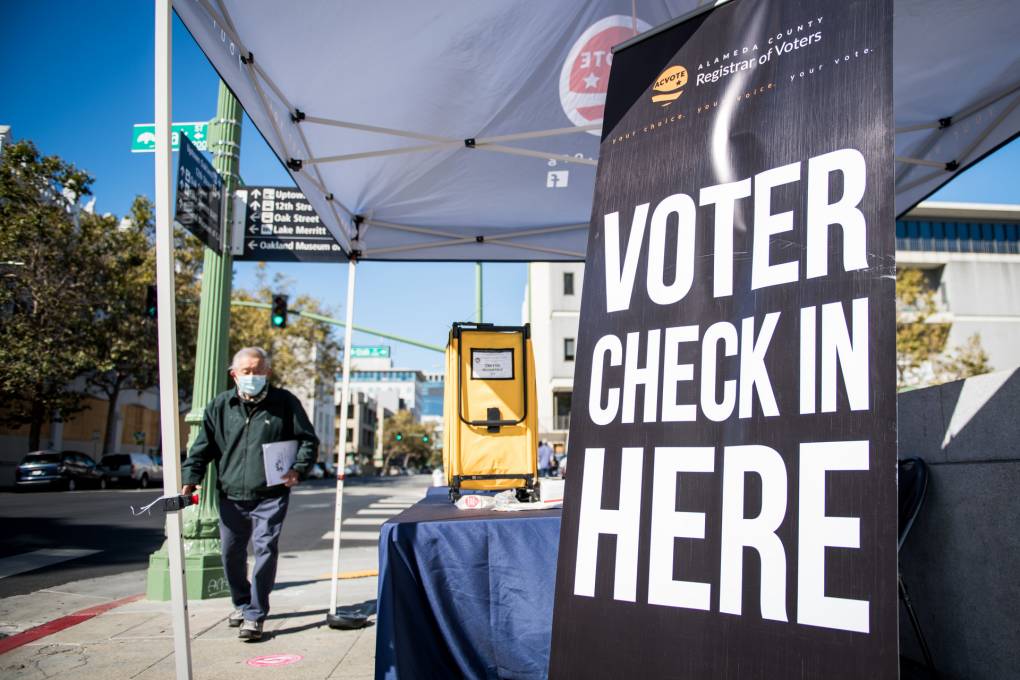
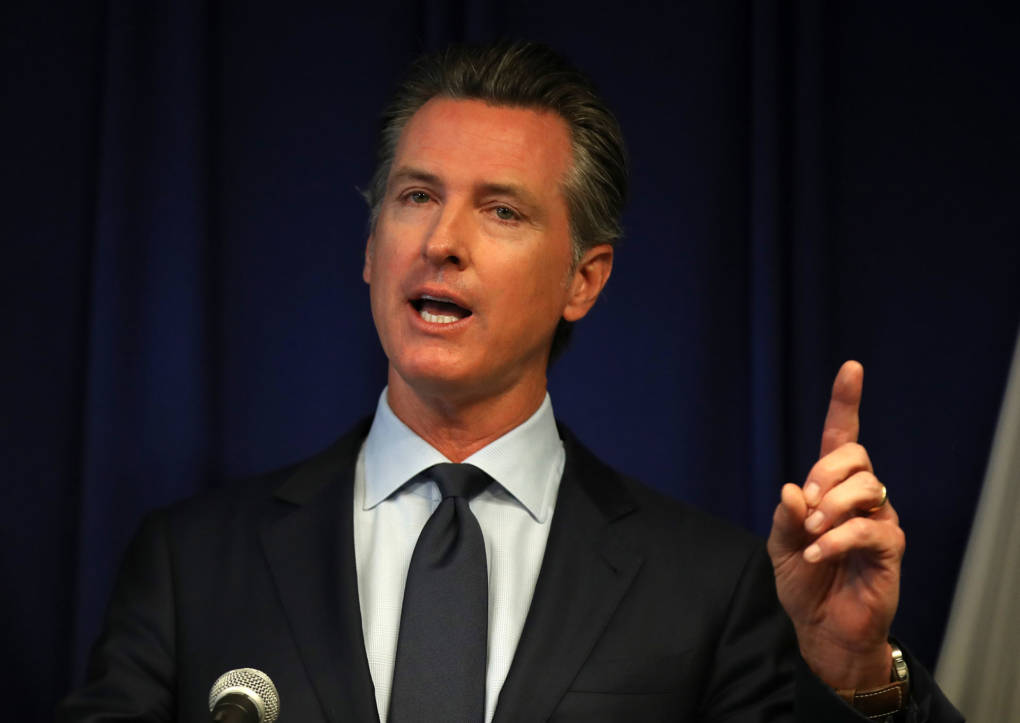
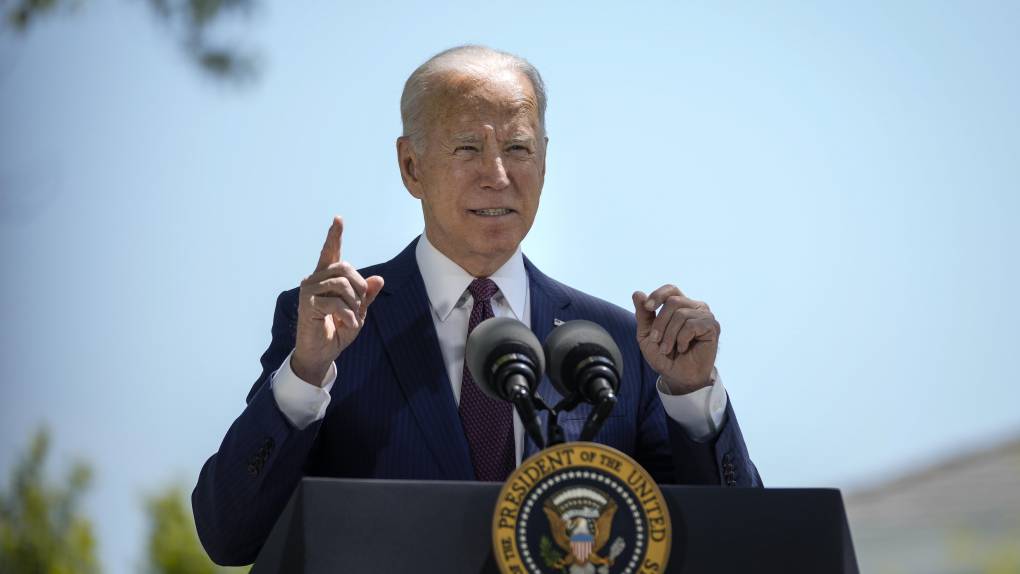
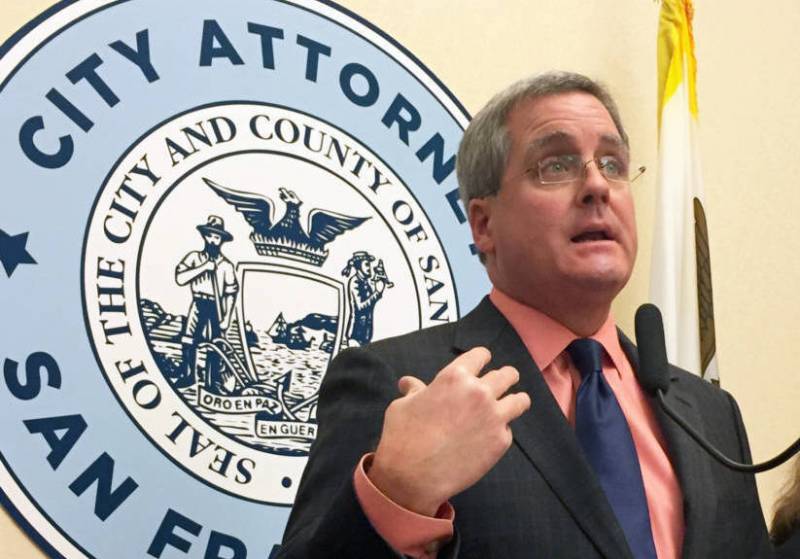
window.__IS_SSR__=true
window.__INITIAL_STATE__={
"attachmentsReducer": {
"audio_0": {
"type": "attachments",
"id": "audio_0",
"imgSizes": {
"kqedFullSize": {
"file": "https://ww2.kqed.org/news/wp-content/themes/KQED-unified/img/audio_bgs/background0.jpg"
}
}
},
"audio_1": {
"type": "attachments",
"id": "audio_1",
"imgSizes": {
"kqedFullSize": {
"file": "https://ww2.kqed.org/news/wp-content/themes/KQED-unified/img/audio_bgs/background1.jpg"
}
}
},
"audio_2": {
"type": "attachments",
"id": "audio_2",
"imgSizes": {
"kqedFullSize": {
"file": "https://ww2.kqed.org/news/wp-content/themes/KQED-unified/img/audio_bgs/background2.jpg"
}
}
},
"audio_3": {
"type": "attachments",
"id": "audio_3",
"imgSizes": {
"kqedFullSize": {
"file": "https://ww2.kqed.org/news/wp-content/themes/KQED-unified/img/audio_bgs/background3.jpg"
}
}
},
"audio_4": {
"type": "attachments",
"id": "audio_4",
"imgSizes": {
"kqedFullSize": {
"file": "https://ww2.kqed.org/news/wp-content/themes/KQED-unified/img/audio_bgs/background4.jpg"
}
}
},
"placeholder": {
"type": "attachments",
"id": "placeholder",
"imgSizes": {
"thumbnail": {
"file": "https://cdn.kqed.org/wp-content/uploads/2024/12/KQED-Default-Image-816638274-2000x1333-1-160x107.jpg",
"width": 160,
"height": 107,
"mimeType": "image/jpeg"
},
"medium": {
"file": "https://cdn.kqed.org/wp-content/uploads/2024/12/KQED-Default-Image-816638274-2000x1333-1-800x533.jpg",
"width": 800,
"height": 533,
"mimeType": "image/jpeg"
},
"medium_large": {
"file": "https://cdn.kqed.org/wp-content/uploads/2024/12/KQED-Default-Image-816638274-2000x1333-1-768x512.jpg",
"width": 768,
"height": 512,
"mimeType": "image/jpeg"
},
"large": {
"file": "https://cdn.kqed.org/wp-content/uploads/2024/12/KQED-Default-Image-816638274-2000x1333-1-1020x680.jpg",
"width": 1020,
"height": 680,
"mimeType": "image/jpeg"
},
"1536x1536": {
"file": "https://cdn.kqed.org/wp-content/uploads/2024/12/KQED-Default-Image-816638274-2000x1333-1-1536x1024.jpg",
"width": 1536,
"height": 1024,
"mimeType": "image/jpeg"
},
"fd-lrg": {
"file": "https://cdn.kqed.org/wp-content/uploads/2024/12/KQED-Default-Image-816638274-2000x1333-1-1536x1024.jpg",
"width": 1536,
"height": 1024,
"mimeType": "image/jpeg"
},
"fd-med": {
"file": "https://cdn.kqed.org/wp-content/uploads/2024/12/KQED-Default-Image-816638274-2000x1333-1-1020x680.jpg",
"width": 1020,
"height": 680,
"mimeType": "image/jpeg"
},
"fd-sm": {
"file": "https://cdn.kqed.org/wp-content/uploads/2024/12/KQED-Default-Image-816638274-2000x1333-1-800x533.jpg",
"width": 800,
"height": 533,
"mimeType": "image/jpeg"
},
"post-thumbnail": {
"file": "https://cdn.kqed.org/wp-content/uploads/2024/12/KQED-Default-Image-816638274-2000x1333-1-672x372.jpg",
"width": 672,
"height": 372,
"mimeType": "image/jpeg"
},
"twentyfourteen-full-width": {
"file": "https://cdn.kqed.org/wp-content/uploads/2024/12/KQED-Default-Image-816638274-2000x1333-1-1038x576.jpg",
"width": 1038,
"height": 576,
"mimeType": "image/jpeg"
},
"xxsmall": {
"file": "https://cdn.kqed.org/wp-content/uploads/2024/12/KQED-Default-Image-816638274-2000x1333-1-160x107.jpg",
"width": 160,
"height": 107,
"mimeType": "image/jpeg"
},
"xsmall": {
"file": "https://cdn.kqed.org/wp-content/uploads/2024/12/KQED-Default-Image-816638274-2000x1333-1-672x372.jpg",
"width": 672,
"height": 372,
"mimeType": "image/jpeg"
},
"small": {
"file": "https://cdn.kqed.org/wp-content/uploads/2024/12/KQED-Default-Image-816638274-2000x1333-1-672x372.jpg",
"width": 672,
"height": 372,
"mimeType": "image/jpeg"
},
"xlarge": {
"file": "https://cdn.kqed.org/wp-content/uploads/2024/12/KQED-Default-Image-816638274-2000x1333-1-1020x680.jpg",
"width": 1020,
"height": 680,
"mimeType": "image/jpeg"
},
"full-width": {
"file": "https://cdn.kqed.org/wp-content/uploads/2024/12/KQED-Default-Image-816638274-2000x1333-1-1920x1280.jpg",
"width": 1920,
"height": 1280,
"mimeType": "image/jpeg"
},
"guest-author-32": {
"file": "https://cdn.kqed.org/wp-content/uploads/2025/01/KQED-Default-Image-816638274-1333x1333-1-160x160.jpg",
"width": 32,
"height": 32,
"mimeType": "image/jpeg"
},
"guest-author-50": {
"file": "https://cdn.kqed.org/wp-content/uploads/2025/01/KQED-Default-Image-816638274-1333x1333-1-160x160.jpg",
"width": 50,
"height": 50,
"mimeType": "image/jpeg"
},
"guest-author-64": {
"file": "https://cdn.kqed.org/wp-content/uploads/2025/01/KQED-Default-Image-816638274-1333x1333-1-160x160.jpg",
"width": 64,
"height": 64,
"mimeType": "image/jpeg"
},
"guest-author-96": {
"file": "https://cdn.kqed.org/wp-content/uploads/2025/01/KQED-Default-Image-816638274-1333x1333-1-160x160.jpg",
"width": 96,
"height": 96,
"mimeType": "image/jpeg"
},
"guest-author-128": {
"file": "https://cdn.kqed.org/wp-content/uploads/2025/01/KQED-Default-Image-816638274-1333x1333-1-160x160.jpg",
"width": 128,
"height": 128,
"mimeType": "image/jpeg"
},
"detail": {
"file": "https://cdn.kqed.org/wp-content/uploads/2025/01/KQED-Default-Image-816638274-1333x1333-1-160x160.jpg",
"width": 160,
"height": 160,
"mimeType": "image/jpeg"
},
"kqedFullSize": {
"file": "https://cdn.kqed.org/wp-content/uploads/2024/12/KQED-Default-Image-816638274-2000x1333-1.jpg",
"width": 2000,
"height": 1333
}
}
},
"news_11872268": {
"type": "attachments",
"id": "news_11872268",
"meta": {
"index": "attachments_1716263798",
"site": "news",
"id": "11872268",
"found": true
},
"parent": 11872266,
"imgSizes": {
"twentyfourteen-full-width": {
"file": "https://ww2.kqed.org/app/uploads/sites/10/2021/05/Shamann-Walton-1038x576.jpg",
"width": 1038,
"mimeType": "image/jpeg",
"height": 576
},
"thumbnail": {
"file": "https://ww2.kqed.org/app/uploads/sites/10/2021/05/Shamann-Walton-160x112.jpg",
"width": 160,
"mimeType": "image/jpeg",
"height": 112
},
"post-thumbnail": {
"file": "https://ww2.kqed.org/app/uploads/sites/10/2021/05/Shamann-Walton-672x372.jpg",
"width": 672,
"mimeType": "image/jpeg",
"height": 372
},
"kqedFullSize": {
"file": "https://ww2.kqed.org/app/uploads/sites/10/2021/05/Shamann-Walton.jpg",
"width": 1920,
"height": 1339
},
"large": {
"file": "https://ww2.kqed.org/app/uploads/sites/10/2021/05/Shamann-Walton-1020x711.jpg",
"width": 1020,
"mimeType": "image/jpeg",
"height": 711
},
"1536x1536": {
"file": "https://ww2.kqed.org/app/uploads/sites/10/2021/05/Shamann-Walton-1536x1071.jpg",
"width": 1536,
"mimeType": "image/jpeg",
"height": 1071
},
"medium": {
"file": "https://ww2.kqed.org/app/uploads/sites/10/2021/05/Shamann-Walton-800x558.jpg",
"width": 800,
"mimeType": "image/jpeg",
"height": 558
}
},
"publishDate": 1620230746,
"modified": 1620230806,
"caption": "San Francisco Board of Supervisors President Shamann Walton, who introduced the reparations task force proposal, pictured in 2018.",
"description": "San Francisco Board of Supervisors President Shamann Walton, who introduced the reparations task force proposal, pictured in 2018.",
"title": "Shamann-Walton",
"credit": "Sonja Hutson/KQED",
"status": "inherit",
"altTag": null,
"isLoading": false,
"fetchFailed": false
},
"news_11872220": {
"type": "attachments",
"id": "news_11872220",
"meta": {
"index": "attachments_1716263798",
"site": "news",
"id": "11872220",
"found": true
},
"parent": 11872161,
"imgSizes": {
"twentyfourteen-full-width": {
"file": "https://ww2.kqed.org/app/uploads/sites/10/2021/05/RS45480_028_KQED_Oakland_RegistrarofVoters_10272020-qut-1038x576.jpg",
"width": 1038,
"mimeType": "image/jpeg",
"height": 576
},
"thumbnail": {
"file": "https://ww2.kqed.org/app/uploads/sites/10/2021/05/RS45480_028_KQED_Oakland_RegistrarofVoters_10272020-qut-160x107.jpg",
"width": 160,
"mimeType": "image/jpeg",
"height": 107
},
"post-thumbnail": {
"file": "https://ww2.kqed.org/app/uploads/sites/10/2021/05/RS45480_028_KQED_Oakland_RegistrarofVoters_10272020-qut-672x372.jpg",
"width": 672,
"mimeType": "image/jpeg",
"height": 372
},
"kqedFullSize": {
"file": "https://ww2.kqed.org/app/uploads/sites/10/2021/05/RS45480_028_KQED_Oakland_RegistrarofVoters_10272020-qut.jpg",
"width": 1920,
"height": 1280
},
"large": {
"file": "https://ww2.kqed.org/app/uploads/sites/10/2021/05/RS45480_028_KQED_Oakland_RegistrarofVoters_10272020-qut-1020x680.jpg",
"width": 1020,
"mimeType": "image/jpeg",
"height": 680
},
"1536x1536": {
"file": "https://ww2.kqed.org/app/uploads/sites/10/2021/05/RS45480_028_KQED_Oakland_RegistrarofVoters_10272020-qut-1536x1024.jpg",
"width": 1536,
"mimeType": "image/jpeg",
"height": 1024
},
"medium": {
"file": "https://ww2.kqed.org/app/uploads/sites/10/2021/05/RS45480_028_KQED_Oakland_RegistrarofVoters_10272020-qut-800x533.jpg",
"width": 800,
"mimeType": "image/jpeg",
"height": 533
}
},
"publishDate": 1620169627,
"modified": 1620174617,
"caption": "A voter check-in tent at the Alameda County Registrar of Voters on Oct. 27, 2020.",
"description": "A voter check-in tent at the Alameda County Registrar of Voters on Oct. 27, 2020.",
"title": "RS45480_028_KQED_Oakland_RegistrarofVoters_10272020-qut",
"credit": "Beth LaBerge/KQED",
"status": "inherit",
"altTag": null,
"isLoading": false,
"fetchFailed": false
},
"news_11784774": {
"type": "attachments",
"id": "news_11784774",
"meta": {
"index": "attachments_1716263798",
"site": "news",
"id": "11784774",
"found": true
},
"parent": 11784769,
"imgSizes": {
"apple_news_ca_landscape_5_5": {
"file": "https://ww2.kqed.org/app/uploads/sites/10/2019/11/gavin-newsom-1920-1044x783.jpg",
"width": 1044,
"mimeType": "image/jpeg",
"height": 783
},
"apple_news_ca_square_4_0": {
"file": "https://ww2.kqed.org/app/uploads/sites/10/2019/11/gavin-newsom-1920-470x470.jpg",
"width": 470,
"mimeType": "image/jpeg",
"height": 470
},
"twentyfourteen-full-width": {
"file": "https://ww2.kqed.org/app/uploads/sites/10/2019/11/gavin-newsom-1920-1038x576.jpg",
"width": 1038,
"mimeType": "image/jpeg",
"height": 576
},
"thumbnail": {
"file": "https://ww2.kqed.org/app/uploads/sites/10/2019/11/gavin-newsom-1920-160x113.jpg",
"width": 160,
"mimeType": "image/jpeg",
"height": 113
},
"post-thumbnail": {
"file": "https://ww2.kqed.org/app/uploads/sites/10/2019/11/gavin-newsom-1920-672x372.jpg",
"width": 672,
"mimeType": "image/jpeg",
"height": 372
},
"kqedFullSize": {
"file": "https://ww2.kqed.org/app/uploads/sites/10/2019/11/gavin-newsom-1920.jpg",
"width": 1920,
"height": 1360
},
"apple_news_ca_landscape_4_7": {
"file": "https://ww2.kqed.org/app/uploads/sites/10/2019/11/gavin-newsom-1920-632x474.jpg",
"width": 632,
"mimeType": "image/jpeg",
"height": 474
},
"large": {
"file": "https://ww2.kqed.org/app/uploads/sites/10/2019/11/gavin-newsom-1920-1020x723.jpg",
"width": 1020,
"mimeType": "image/jpeg",
"height": 723
},
"complete_open_graph": {
"file": "https://ww2.kqed.org/app/uploads/sites/10/2019/11/gavin-newsom-1920-1200x850.jpg",
"width": 1200,
"mimeType": "image/jpeg",
"height": 850
},
"apple_news_ca_landscape_4_0": {
"file": "https://ww2.kqed.org/app/uploads/sites/10/2019/11/gavin-newsom-1920-536x402.jpg",
"width": 536,
"mimeType": "image/jpeg",
"height": 402
},
"apple_news_ca_portrait_12_9": {
"file": "https://ww2.kqed.org/app/uploads/sites/10/2019/11/gavin-newsom-1920-1122x1360.jpg",
"width": 1122,
"mimeType": "image/jpeg",
"height": 1360
},
"medium": {
"file": "https://ww2.kqed.org/app/uploads/sites/10/2019/11/gavin-newsom-1920-800x567.jpg",
"width": 800,
"mimeType": "image/jpeg",
"height": 567
},
"apple_news_ca_portrait_4_0": {
"file": "https://ww2.kqed.org/app/uploads/sites/10/2019/11/gavin-newsom-1920-354x472.jpg",
"width": 354,
"mimeType": "image/jpeg",
"height": 472
},
"apple_news_ca_portrait_9_7": {
"file": "https://ww2.kqed.org/app/uploads/sites/10/2019/11/gavin-newsom-1920-840x1120.jpg",
"width": 840,
"mimeType": "image/jpeg",
"height": 1120
},
"apple_news_ca_landscape_12_9": {
"file": "https://ww2.kqed.org/app/uploads/sites/10/2019/11/gavin-newsom-1920-1832x1360.jpg",
"width": 1832,
"mimeType": "image/jpeg",
"height": 1360
},
"apple_news_ca_square_9_7": {
"file": "https://ww2.kqed.org/app/uploads/sites/10/2019/11/gavin-newsom-1920-1104x1104.jpg",
"width": 1104,
"mimeType": "image/jpeg",
"height": 1104
},
"apple_news_ca_portrait_4_7": {
"file": "https://ww2.kqed.org/app/uploads/sites/10/2019/11/gavin-newsom-1920-414x552.jpg",
"width": 414,
"mimeType": "image/jpeg",
"height": 552
},
"apple_news_ca_square_12_9": {
"file": "https://ww2.kqed.org/app/uploads/sites/10/2019/11/gavin-newsom-1920-1472x1360.jpg",
"width": 1472,
"mimeType": "image/jpeg",
"height": 1360
},
"apple_news_ca_portrait_5_5": {
"file": "https://ww2.kqed.org/app/uploads/sites/10/2019/11/gavin-newsom-1920-687x916.jpg",
"width": 687,
"mimeType": "image/jpeg",
"height": 916
},
"full-width": {
"file": "https://ww2.kqed.org/app/uploads/sites/10/2019/11/gavin-newsom-1920-1920x1360.jpg",
"width": 1920,
"mimeType": "image/jpeg",
"height": 1360
},
"apple_news_ca_square_4_7": {
"file": "https://ww2.kqed.org/app/uploads/sites/10/2019/11/gavin-newsom-1920-550x550.jpg",
"width": 550,
"mimeType": "image/jpeg",
"height": 550
},
"apple_news_ca_landscape_9_7": {
"file": "https://ww2.kqed.org/app/uploads/sites/10/2019/11/gavin-newsom-1920-1376x1032.jpg",
"width": 1376,
"mimeType": "image/jpeg",
"height": 1032
},
"apple_news_ca_square_5_5": {
"file": "https://ww2.kqed.org/app/uploads/sites/10/2019/11/gavin-newsom-1920-912x912.jpg",
"width": 912,
"mimeType": "image/jpeg",
"height": 912
}
},
"publishDate": 1572894782,
"modified": 1620067483,
"caption": "California Gov. Gavin Newsom speaks during a news conference at the California Justice Department on Sept. 18, 2019 in Sacramento.",
"description": "California Gov. Gavin Newsom speaks during a news conference at the California Justice Department on Sept. 18, 2019, in Sacramento.",
"title": "gavin-newsom-1920",
"credit": "Justin Sullivan/Getty Images",
"status": "inherit",
"altTag": "California Gov. Gavin Newsom speaks during a news conference at the California Justice Department on Sept. 18, 2019, in Sacramento.",
"isLoading": false,
"fetchFailed": false
},
"news_11871644": {
"type": "attachments",
"id": "news_11871644",
"meta": {
"index": "attachments_1716263798",
"site": "news",
"id": "11871644",
"found": true
},
"parent": 11871643,
"imgSizes": {
"twentyfourteen-full-width": {
"file": "https://ww2.kqed.org/app/uploads/sites/10/2021/04/ap21119054577419_wide-0382bccbcb8a7196abf57ced977d88d4f0fd5399-1038x576.jpg",
"width": 1038,
"mimeType": "image/jpeg",
"height": 576
},
"thumbnail": {
"file": "https://ww2.kqed.org/app/uploads/sites/10/2021/04/ap21119054577419_wide-0382bccbcb8a7196abf57ced977d88d4f0fd5399-160x90.jpg",
"width": 160,
"mimeType": "image/jpeg",
"height": 90
},
"post-thumbnail": {
"file": "https://ww2.kqed.org/app/uploads/sites/10/2021/04/ap21119054577419_wide-0382bccbcb8a7196abf57ced977d88d4f0fd5399-672x372.jpg",
"width": 672,
"mimeType": "image/jpeg",
"height": 372
},
"kqedFullSize": {
"file": "https://ww2.kqed.org/app/uploads/sites/10/2021/04/ap21119054577419_wide-0382bccbcb8a7196abf57ced977d88d4f0fd5399.jpg",
"width": 2464,
"height": 1386
},
"2048x2048": {
"file": "https://ww2.kqed.org/app/uploads/sites/10/2021/04/ap21119054577419_wide-0382bccbcb8a7196abf57ced977d88d4f0fd5399-2048x1152.jpg",
"width": 2048,
"mimeType": "image/jpeg",
"height": 1152
},
"large": {
"file": "https://ww2.kqed.org/app/uploads/sites/10/2021/04/ap21119054577419_wide-0382bccbcb8a7196abf57ced977d88d4f0fd5399-1020x574.jpg",
"width": 1020,
"mimeType": "image/jpeg",
"height": 574
},
"1536x1536": {
"file": "https://ww2.kqed.org/app/uploads/sites/10/2021/04/ap21119054577419_wide-0382bccbcb8a7196abf57ced977d88d4f0fd5399-1536x864.jpg",
"width": 1536,
"mimeType": "image/jpeg",
"height": 864
},
"full-width": {
"file": "https://ww2.kqed.org/app/uploads/sites/10/2021/04/ap21119054577419_wide-0382bccbcb8a7196abf57ced977d88d4f0fd5399-1920x1080.jpg",
"width": 1920,
"mimeType": "image/jpeg",
"height": 1080
},
"medium": {
"file": "https://ww2.kqed.org/app/uploads/sites/10/2021/04/ap21119054577419_wide-0382bccbcb8a7196abf57ced977d88d4f0fd5399-800x450.jpg",
"width": 800,
"mimeType": "image/jpeg",
"height": 450
}
},
"publishDate": 1619717319,
"modified": 1619722608,
"caption": "President Biden addresses a joint session of Congress on April 28, 2021 in the House Chamber at the U.S. Capitol in Washington, D.C.",
"description": "President Joe Biden addresses a joint session of Congress, Wednesday, April 28, 2021, in the House Chamber at the U.S. Capitol in Washington. (Melina Mara/The Washington Post via AP, Pool)",
"title": "President Biden addresses a joint session of Congress Wednesday evening in the U.S. Capitol.",
"credit": "Melina Mara/The Washington Post via AP, Pool",
"status": "inherit",
"altTag": null,
"isLoading": false,
"fetchFailed": false
},
"news_11871524": {
"type": "attachments",
"id": "news_11871524",
"meta": {
"index": "attachments_1716263798",
"site": "news",
"id": "11871524",
"found": true
},
"parent": 11871509,
"imgSizes": {
"twentyfourteen-full-width": {
"file": "https://ww2.kqed.org/app/uploads/sites/10/2021/04/1920_GettyImages-1232562722-1038x576.jpg",
"width": 1038,
"mimeType": "image/jpeg",
"height": 576
},
"thumbnail": {
"file": "https://ww2.kqed.org/app/uploads/sites/10/2021/04/1920_GettyImages-1232562722-160x90.jpg",
"width": 160,
"mimeType": "image/jpeg",
"height": 90
},
"post-thumbnail": {
"file": "https://ww2.kqed.org/app/uploads/sites/10/2021/04/1920_GettyImages-1232562722-672x372.jpg",
"width": 672,
"mimeType": "image/jpeg",
"height": 372
},
"kqedFullSize": {
"file": "https://ww2.kqed.org/app/uploads/sites/10/2021/04/1920_GettyImages-1232562722-scaled.jpg",
"width": 2560,
"height": 1440
},
"2048x2048": {
"file": "https://ww2.kqed.org/app/uploads/sites/10/2021/04/1920_GettyImages-1232562722-2048x1152.jpg",
"width": 2048,
"mimeType": "image/jpeg",
"height": 1152
},
"large": {
"file": "https://ww2.kqed.org/app/uploads/sites/10/2021/04/1920_GettyImages-1232562722-1020x574.jpg",
"width": 1020,
"mimeType": "image/jpeg",
"height": 574
},
"1536x1536": {
"file": "https://ww2.kqed.org/app/uploads/sites/10/2021/04/1920_GettyImages-1232562722-1536x864.jpg",
"width": 1536,
"mimeType": "image/jpeg",
"height": 864
},
"full-width": {
"file": "https://ww2.kqed.org/app/uploads/sites/10/2021/04/1920_GettyImages-1232562722-1920x1080.jpg",
"width": 1920,
"mimeType": "image/jpeg",
"height": 1080
},
"medium": {
"file": "https://ww2.kqed.org/app/uploads/sites/10/2021/04/1920_GettyImages-1232562722-800x450.jpg",
"width": 800,
"mimeType": "image/jpeg",
"height": 450
}
},
"publishDate": 1619642424,
"modified": 1619644027,
"caption": "President Biden speaks about updated CDC mask guidance on the North Lawn of the White House on April 27, 2021 in Washington, D.C. ",
"description": null,
"title": "President Biden Delivers Remarks On Administration's COVID-19 Response",
"credit": "Drew Angerer/Getty Images",
"status": "inherit",
"altTag": null,
"isLoading": false,
"fetchFailed": false
},
"news_11871316": {
"type": "attachments",
"id": "news_11871316",
"meta": {
"index": "attachments_1716263798",
"site": "news",
"id": "11871316",
"found": true
},
"parent": 11871191,
"imgSizes": {
"thumbnail": {
"file": "https://ww2.kqed.org/app/uploads/sites/10/2021/04/08132019_Herrera-1020x769-qut-1020x769-1-160x112.jpeg",
"width": 160,
"mimeType": "image/jpeg",
"height": 112
},
"post-thumbnail": {
"file": "https://ww2.kqed.org/app/uploads/sites/10/2021/04/08132019_Herrera-1020x769-qut-1020x769-1-672x372.jpeg",
"width": 672,
"mimeType": "image/jpeg",
"height": 372
},
"kqedFullSize": {
"file": "https://ww2.kqed.org/app/uploads/sites/10/2021/04/08132019_Herrera-1020x769-qut-1020x769-1.jpeg",
"width": 823,
"height": 575
},
"medium": {
"file": "https://ww2.kqed.org/app/uploads/sites/10/2021/04/08132019_Herrera-1020x769-qut-1020x769-1-800x559.jpeg",
"width": 800,
"mimeType": "image/jpeg",
"height": 559
}
},
"publishDate": 1619543312,
"modified": 1619543332,
"caption": "San Francisco City Attorney Dennis Herrera in January 2017.",
"description": null,
"title": "08132019_Herrera-1020x769-qut-1020x769",
"credit": "Ryan Levi/KQED",
"status": "inherit",
"altTag": null,
"isLoading": false,
"fetchFailed": false
},
"news_11871245": {
"type": "attachments",
"id": "news_11871245",
"meta": {
"index": "attachments_1716263798",
"site": "news",
"id": "11871245",
"found": true
},
"parent": 11870959,
"imgSizes": {
"twentyfourteen-full-width": {
"file": "https://ww2.kqed.org/app/uploads/sites/10/2021/04/RS48060_004_SanFrancisco_NewsomBontaPressConference_03242021-qut-1038x576.jpg",
"width": 1038,
"mimeType": "image/jpeg",
"height": 576
},
"thumbnail": {
"file": "https://ww2.kqed.org/app/uploads/sites/10/2021/04/RS48060_004_SanFrancisco_NewsomBontaPressConference_03242021-qut-160x107.jpg",
"width": 160,
"mimeType": "image/jpeg",
"height": 107
},
"post-thumbnail": {
"file": "https://ww2.kqed.org/app/uploads/sites/10/2021/04/RS48060_004_SanFrancisco_NewsomBontaPressConference_03242021-qut-672x372.jpg",
"width": 672,
"mimeType": "image/jpeg",
"height": 372
},
"kqedFullSize": {
"file": "https://ww2.kqed.org/app/uploads/sites/10/2021/04/RS48060_004_SanFrancisco_NewsomBontaPressConference_03242021-qut.jpg",
"width": 1920,
"height": 1278
},
"large": {
"file": "https://ww2.kqed.org/app/uploads/sites/10/2021/04/RS48060_004_SanFrancisco_NewsomBontaPressConference_03242021-qut-1020x679.jpg",
"width": 1020,
"mimeType": "image/jpeg",
"height": 679
},
"1536x1536": {
"file": "https://ww2.kqed.org/app/uploads/sites/10/2021/04/RS48060_004_SanFrancisco_NewsomBontaPressConference_03242021-qut-1536x1022.jpg",
"width": 1536,
"mimeType": "image/jpeg",
"height": 1022
},
"medium": {
"file": "https://ww2.kqed.org/app/uploads/sites/10/2021/04/RS48060_004_SanFrancisco_NewsomBontaPressConference_03242021-qut-800x533.jpg",
"width": 800,
"mimeType": "image/jpeg",
"height": 533
}
},
"publishDate": 1619476077,
"modified": 1626132929,
"caption": "Gov. Gavin Newsom at a press conference in San Francisco on March 24, 2021.",
"description": "Gov. Gavin Newsom, pictured at a press conference in San Francisco on March 24, 2021.",
"title": "RS48060_004_SanFrancisco_NewsomBontaPressConference_03242021-qut",
"credit": "Beth LaBerge/KQED",
"status": "inherit",
"altTag": "Newsom speaking",
"isLoading": false,
"fetchFailed": false
},
"news_11855888": {
"type": "attachments",
"id": "news_11855888",
"meta": {
"index": "attachments_1716263798",
"site": "news",
"id": "11855888",
"found": true
},
"parent": 11855880,
"imgSizes": {
"apple_news_ca_landscape_5_5": {
"file": "https://ww2.kqed.org/app/uploads/sites/10/2021/01/RS35164_02052019_capitol-qut-1044x783.jpg",
"width": 1044,
"mimeType": "image/jpeg",
"height": 783
},
"apple_news_ca_square_4_0": {
"file": "https://ww2.kqed.org/app/uploads/sites/10/2021/01/RS35164_02052019_capitol-qut-470x470.jpg",
"width": 470,
"mimeType": "image/jpeg",
"height": 470
},
"twentyfourteen-full-width": {
"file": "https://ww2.kqed.org/app/uploads/sites/10/2021/01/RS35164_02052019_capitol-qut-1038x576.jpg",
"width": 1038,
"mimeType": "image/jpeg",
"height": 576
},
"thumbnail": {
"file": "https://ww2.kqed.org/app/uploads/sites/10/2021/01/RS35164_02052019_capitol-qut-160x107.jpg",
"width": 160,
"mimeType": "image/jpeg",
"height": 107
},
"post-thumbnail": {
"file": "https://ww2.kqed.org/app/uploads/sites/10/2021/01/RS35164_02052019_capitol-qut-672x372.jpg",
"width": 672,
"mimeType": "image/jpeg",
"height": 372
},
"kqedFullSize": {
"file": "https://ww2.kqed.org/app/uploads/sites/10/2021/01/RS35164_02052019_capitol-qut.jpg",
"width": 1920,
"height": 1280
},
"apple_news_ca_landscape_4_7": {
"file": "https://ww2.kqed.org/app/uploads/sites/10/2021/01/RS35164_02052019_capitol-qut-632x474.jpg",
"width": 632,
"mimeType": "image/jpeg",
"height": 474
},
"large": {
"file": "https://ww2.kqed.org/app/uploads/sites/10/2021/01/RS35164_02052019_capitol-qut-1020x680.jpg",
"width": 1020,
"mimeType": "image/jpeg",
"height": 680
},
"apple_news_ca_landscape_4_0": {
"file": "https://ww2.kqed.org/app/uploads/sites/10/2021/01/RS35164_02052019_capitol-qut-536x402.jpg",
"width": 536,
"mimeType": "image/jpeg",
"height": 402
},
"apple_news_ca_portrait_12_9": {
"file": "https://ww2.kqed.org/app/uploads/sites/10/2021/01/RS35164_02052019_capitol-qut-1122x1280.jpg",
"width": 1122,
"mimeType": "image/jpeg",
"height": 1280
},
"medium": {
"file": "https://ww2.kqed.org/app/uploads/sites/10/2021/01/RS35164_02052019_capitol-qut-800x533.jpg",
"width": 800,
"mimeType": "image/jpeg",
"height": 533
},
"apple_news_ca_portrait_4_0": {
"file": "https://ww2.kqed.org/app/uploads/sites/10/2021/01/RS35164_02052019_capitol-qut-354x472.jpg",
"width": 354,
"mimeType": "image/jpeg",
"height": 472
},
"apple_news_ca_portrait_9_7": {
"file": "https://ww2.kqed.org/app/uploads/sites/10/2021/01/RS35164_02052019_capitol-qut-840x1120.jpg",
"width": 840,
"mimeType": "image/jpeg",
"height": 1120
},
"apple_news_ca_landscape_12_9": {
"file": "https://ww2.kqed.org/app/uploads/sites/10/2021/01/RS35164_02052019_capitol-qut-1832x1280.jpg",
"width": 1832,
"mimeType": "image/jpeg",
"height": 1280
},
"apple_news_ca_square_9_7": {
"file": "https://ww2.kqed.org/app/uploads/sites/10/2021/01/RS35164_02052019_capitol-qut-1104x1104.jpg",
"width": 1104,
"mimeType": "image/jpeg",
"height": 1104
},
"1536x1536": {
"file": "https://ww2.kqed.org/app/uploads/sites/10/2021/01/RS35164_02052019_capitol-qut-1536x1024.jpg",
"width": 1536,
"mimeType": "image/jpeg",
"height": 1024
},
"apple_news_ca_portrait_4_7": {
"file": "https://ww2.kqed.org/app/uploads/sites/10/2021/01/RS35164_02052019_capitol-qut-414x552.jpg",
"width": 414,
"mimeType": "image/jpeg",
"height": 552
},
"apple_news_ca_square_12_9": {
"file": "https://ww2.kqed.org/app/uploads/sites/10/2021/01/RS35164_02052019_capitol-qut-1472x1280.jpg",
"width": 1472,
"mimeType": "image/jpeg",
"height": 1280
},
"apple_news_ca_portrait_5_5": {
"file": "https://ww2.kqed.org/app/uploads/sites/10/2021/01/RS35164_02052019_capitol-qut-687x916.jpg",
"width": 687,
"mimeType": "image/jpeg",
"height": 916
},
"apple_news_ca_square_4_7": {
"file": "https://ww2.kqed.org/app/uploads/sites/10/2021/01/RS35164_02052019_capitol-qut-550x550.jpg",
"width": 550,
"mimeType": "image/jpeg",
"height": 550
},
"apple_news_ca_landscape_9_7": {
"file": "https://ww2.kqed.org/app/uploads/sites/10/2021/01/RS35164_02052019_capitol-qut-1376x1032.jpg",
"width": 1376,
"mimeType": "image/jpeg",
"height": 1032
},
"apple_news_ca_square_5_5": {
"file": "https://ww2.kqed.org/app/uploads/sites/10/2021/01/RS35164_02052019_capitol-qut-912x912.jpg",
"width": 912,
"mimeType": "image/jpeg",
"height": 912
}
},
"publishDate": 1611020198,
"modified": 1619473203,
"caption": "The U.S. Capitol Building seen on Feb. 5, 2019 in Washington, D.C. ",
"description": null,
"title": "President Trump Delivers State Of The Union Address To Joint Session Of Congress",
"credit": "Zach Gibson/Getty Images",
"status": "inherit",
"altTag": null,
"isLoading": false,
"fetchFailed": false
},
"news_11871196": {
"type": "attachments",
"id": "news_11871196",
"meta": {
"index": "attachments_1716263798",
"site": "news",
"id": "11871196",
"found": true
},
"parent": 11870960,
"imgSizes": {
"twentyfourteen-full-width": {
"file": "https://ww2.kqed.org/app/uploads/sites/10/2021/04/640CCA2F-92BC-4AC5-951D-500670C7FCF1-1024x576.jpeg",
"width": 1024,
"mimeType": "image/jpeg",
"height": 576
},
"thumbnail": {
"file": "https://ww2.kqed.org/app/uploads/sites/10/2021/04/640CCA2F-92BC-4AC5-951D-500670C7FCF1-160x104.jpeg",
"width": 160,
"mimeType": "image/jpeg",
"height": 104
},
"post-thumbnail": {
"file": "https://ww2.kqed.org/app/uploads/sites/10/2021/04/640CCA2F-92BC-4AC5-951D-500670C7FCF1-672x372.jpeg",
"width": 672,
"mimeType": "image/jpeg",
"height": 372
},
"kqedFullSize": {
"file": "https://ww2.kqed.org/app/uploads/sites/10/2021/04/640CCA2F-92BC-4AC5-951D-500670C7FCF1.jpeg",
"width": 1024,
"height": 668
},
"large": {
"file": "https://ww2.kqed.org/app/uploads/sites/10/2021/04/640CCA2F-92BC-4AC5-951D-500670C7FCF1-1020x665.jpeg",
"width": 1020,
"mimeType": "image/jpeg",
"height": 665
},
"medium": {
"file": "https://ww2.kqed.org/app/uploads/sites/10/2021/04/640CCA2F-92BC-4AC5-951D-500670C7FCF1-800x522.jpeg",
"width": 800,
"mimeType": "image/jpeg",
"height": 522
}
},
"publishDate": 1619466677,
"modified": 1619467043,
"caption": "Then-Lt. Gov. Cruz Bustamante speaks at a news conference at the state Capitol in Sacramento on July 24, 2003, announcing the date for California's first ever recall election – of then-Gov. Gray Davis.",
"description": null,
"title": "640CCA2F-92BC-4AC5-951D-500670C7FCF1",
"credit": "David Paul Morris/Getty Images",
"status": "inherit",
"altTag": null,
"isLoading": false,
"fetchFailed": false
},
"news_11871178": {
"type": "attachments",
"id": "news_11871178",
"meta": {
"index": "attachments_1716263798",
"site": "news",
"id": "11871178",
"found": true
},
"parent": 11871170,
"imgSizes": {
"twentyfourteen-full-width": {
"file": "https://ww2.kqed.org/app/uploads/sites/10/2021/04/homesweet_042621_final-1038x576.png",
"width": 1038,
"mimeType": "image/png",
"height": 576
},
"thumbnail": {
"file": "https://ww2.kqed.org/app/uploads/sites/10/2021/04/homesweet_042621_final-160x107.png",
"width": 160,
"mimeType": "image/png",
"height": 107
},
"post-thumbnail": {
"file": "https://ww2.kqed.org/app/uploads/sites/10/2021/04/homesweet_042621_final-672x372.png",
"width": 672,
"mimeType": "image/png",
"height": 372
},
"kqedFullSize": {
"file": "https://ww2.kqed.org/app/uploads/sites/10/2021/04/homesweet_042621_final.png",
"width": 1920,
"height": 1289
},
"large": {
"file": "https://ww2.kqed.org/app/uploads/sites/10/2021/04/homesweet_042621_final-1020x685.png",
"width": 1020,
"mimeType": "image/png",
"height": 685
},
"1536x1536": {
"file": "https://ww2.kqed.org/app/uploads/sites/10/2021/04/homesweet_042621_final-1536x1031.png",
"width": 1536,
"mimeType": "image/png",
"height": 1031
},
"medium": {
"file": "https://ww2.kqed.org/app/uploads/sites/10/2021/04/homesweet_042621_final-800x537.png",
"width": 800,
"mimeType": "image/png",
"height": 537
}
},
"publishDate": 1619462388,
"modified": 1619462486,
"caption": null,
"description": null,
"title": "homesweet_042621_final",
"credit": null,
"status": "inherit",
"altTag": "A Mark Fiore cartoon showing an octopus-style monster representing Wedgewood, Inc, a notorious house-flipping corporation, losing one of its arms that are grabbing houses to Jocelyn Foreman, who successfully used SB 1079 to purchase her home back from the company.",
"isLoading": false,
"fetchFailed": false
},
"news_11870923": {
"type": "attachments",
"id": "news_11870923",
"meta": {
"index": "attachments_1716263798",
"site": "news",
"id": "11870923",
"found": true
},
"parent": 11870922,
"imgSizes": {
"twentyfourteen-full-width": {
"file": "https://ww2.kqed.org/app/uploads/sites/10/2021/04/RS48084_028_SanFrancisco_NewsomBontaPressConference_03242021-qut-1038x576.jpg",
"width": 1038,
"mimeType": "image/jpeg",
"height": 576
},
"thumbnail": {
"file": "https://ww2.kqed.org/app/uploads/sites/10/2021/04/RS48084_028_SanFrancisco_NewsomBontaPressConference_03242021-qut-160x107.jpg",
"width": 160,
"mimeType": "image/jpeg",
"height": 107
},
"post-thumbnail": {
"file": "https://ww2.kqed.org/app/uploads/sites/10/2021/04/RS48084_028_SanFrancisco_NewsomBontaPressConference_03242021-qut-672x372.jpg",
"width": 672,
"mimeType": "image/jpeg",
"height": 372
},
"kqedFullSize": {
"file": "https://ww2.kqed.org/app/uploads/sites/10/2021/04/RS48084_028_SanFrancisco_NewsomBontaPressConference_03242021-qut.jpg",
"width": 1920,
"height": 1278
},
"large": {
"file": "https://ww2.kqed.org/app/uploads/sites/10/2021/04/RS48084_028_SanFrancisco_NewsomBontaPressConference_03242021-qut-1020x679.jpg",
"width": 1020,
"mimeType": "image/jpeg",
"height": 679
},
"1536x1536": {
"file": "https://ww2.kqed.org/app/uploads/sites/10/2021/04/RS48084_028_SanFrancisco_NewsomBontaPressConference_03242021-qut-1536x1022.jpg",
"width": 1536,
"mimeType": "image/jpeg",
"height": 1022
},
"medium": {
"file": "https://ww2.kqed.org/app/uploads/sites/10/2021/04/RS48084_028_SanFrancisco_NewsomBontaPressConference_03242021-qut-800x533.jpg",
"width": 800,
"mimeType": "image/jpeg",
"height": 533
}
},
"publishDate": 1619206040,
"modified": 1619206051,
"caption": "East Bay Assemblyman Rob Bonta speaks during a press conference in San Francisco on March 24, 2021, where Governor Gavin Newsom announced his nomination for California attorney general.",
"description": null,
"title": "RS48084_028_SanFrancisco_NewsomBontaPressConference_03242021-qut",
"credit": "Beth LaBerge/KQED",
"status": "inherit",
"altTag": null,
"isLoading": false,
"fetchFailed": false
},
"news_11870879": {
"type": "attachments",
"id": "news_11870879",
"meta": {
"index": "attachments_1716263798",
"site": "news",
"id": "11870879",
"found": true
},
"parent": 11870787,
"imgSizes": {
"twentyfourteen-full-width": {
"file": "https://ww2.kqed.org/app/uploads/sites/10/2021/04/RS48254_006_Oakland_SchoolReopening_03302021-qut-1038x576.jpg",
"width": 1038,
"mimeType": "image/jpeg",
"height": 576
},
"thumbnail": {
"file": "https://ww2.kqed.org/app/uploads/sites/10/2021/04/RS48254_006_Oakland_SchoolReopening_03302021-qut-160x107.jpg",
"width": 160,
"mimeType": "image/jpeg",
"height": 107
},
"post-thumbnail": {
"file": "https://ww2.kqed.org/app/uploads/sites/10/2021/04/RS48254_006_Oakland_SchoolReopening_03302021-qut-672x372.jpg",
"width": 672,
"mimeType": "image/jpeg",
"height": 372
},
"kqedFullSize": {
"file": "https://ww2.kqed.org/app/uploads/sites/10/2021/04/RS48254_006_Oakland_SchoolReopening_03302021-qut.jpg",
"width": 1920,
"height": 1280
},
"large": {
"file": "https://ww2.kqed.org/app/uploads/sites/10/2021/04/RS48254_006_Oakland_SchoolReopening_03302021-qut-1020x680.jpg",
"width": 1020,
"mimeType": "image/jpeg",
"height": 680
},
"1536x1536": {
"file": "https://ww2.kqed.org/app/uploads/sites/10/2021/04/RS48254_006_Oakland_SchoolReopening_03302021-qut-1536x1024.jpg",
"width": 1536,
"mimeType": "image/jpeg",
"height": 1024
},
"medium": {
"file": "https://ww2.kqed.org/app/uploads/sites/10/2021/04/RS48254_006_Oakland_SchoolReopening_03302021-qut-800x533.jpg",
"width": 800,
"mimeType": "image/jpeg",
"height": 533
}
},
"publishDate": 1619193380,
"modified": 1619222498,
"caption": "A sign in front of Sankofa United Elementary School in North Oakland on March 30, 2021 welcomes students back to the classroom.",
"description": null,
"title": "RS48254_006_Oakland_SchoolReopening_03302021-qut",
"credit": "Beth LaBerge/KQED",
"status": "inherit",
"altTag": null,
"isLoading": false,
"fetchFailed": false
}
},
"audioPlayerReducer": {
"postId": "stream_live",
"isPaused": true,
"isPlaying": false,
"pfsActive": false,
"pledgeModalIsOpen": true,
"playerDrawerIsOpen": false,
"liveAudioPlayStartedAt": 0,
"liveAudioPlayContext": ""
},
"authorsReducer": {
"byline_news_11872266": {
"type": "authors",
"id": "byline_news_11872266",
"meta": {
"override": true
},
"slug": "byline_news_11872266",
"name": "Olga R. Rodriguez \u003cbr> The Associated Press",
"isLoading": false
},
"byline_news_11871643": {
"type": "authors",
"id": "byline_news_11871643",
"meta": {
"override": true
},
"slug": "byline_news_11871643",
"name": "NPR Staff",
"isLoading": false
},
"byline_news_11871509": {
"type": "authors",
"id": "byline_news_11871509",
"meta": {
"override": true
},
"slug": "byline_news_11871509",
"name": "Chloee Weiner",
"isLoading": false
},
"gmarzorati": {
"type": "authors",
"id": "227",
"meta": {
"index": "authors_1716337520",
"id": "227",
"found": true
},
"name": "Guy Marzorati",
"firstName": "Guy",
"lastName": "Marzorati",
"slug": "gmarzorati",
"email": "gmarzorati@KQED.org",
"display_author_email": true,
"staff_mastheads": [
"news"
],
"title": "Correspondent",
"bio": "Guy Marzorati is a correspondent on KQED's California Politics and Government Desk, based in San Jose. A graduate of Santa Clara University, Guy joined KQED in 2013. He reports on state and local politics and produces KQED's digital voter guide.",
"avatar": "https://secure.gravatar.com/avatar/e7038b8dbfd55b104369b76b1cd0b9de?s=600&d=blank&r=g",
"twitter": "guymarzorati",
"facebook": null,
"instagram": null,
"linkedin": null,
"sites": [
{
"site": "",
"roles": [
"editor"
]
},
{
"site": "news",
"roles": [
"editor"
]
},
{
"site": "science",
"roles": [
"editor"
]
},
{
"site": "forum",
"roles": [
"editor"
]
},
{
"site": "elections",
"roles": [
"editor"
]
},
{
"site": "liveblog",
"roles": [
"editor"
]
}
],
"headData": {
"title": "Guy Marzorati | KQED",
"description": "Correspondent",
"ogImgSrc": "https://secure.gravatar.com/avatar/e7038b8dbfd55b104369b76b1cd0b9de?s=600&d=blank&r=g",
"twImgSrc": "https://secure.gravatar.com/avatar/e7038b8dbfd55b104369b76b1cd0b9de?s=600&d=blank&r=g"
},
"isLoading": false,
"link": "/author/gmarzorati"
},
"kqednewsstaffandwires": {
"type": "authors",
"id": "237",
"meta": {
"index": "authors_1716337520",
"id": "237",
"found": true
},
"name": "KQED News Staff and Wires",
"firstName": "KQED News Staff and Wires",
"lastName": null,
"slug": "kqednewsstaffandwires",
"email": "onlinenewsstaff@kqed.org",
"display_author_email": false,
"staff_mastheads": [],
"title": null,
"bio": null,
"avatar": "https://secure.gravatar.com/avatar/72295af8ebbfbd19a4948f5271285664?s=600&d=blank&r=g",
"twitter": null,
"facebook": null,
"instagram": null,
"linkedin": null,
"sites": [
{
"site": "arts",
"roles": [
"contributor"
]
},
{
"site": "news",
"roles": [
"contributor"
]
},
{
"site": "lowdown",
"roles": [
"author"
]
},
{
"site": "stateofhealth",
"roles": [
"contributor"
]
},
{
"site": "food",
"roles": [
"author"
]
}
],
"headData": {
"title": "KQED News Staff and Wires | KQED",
"description": null,
"ogImgSrc": "https://secure.gravatar.com/avatar/72295af8ebbfbd19a4948f5271285664?s=600&d=blank&r=g",
"twImgSrc": "https://secure.gravatar.com/avatar/72295af8ebbfbd19a4948f5271285664?s=600&d=blank&r=g"
},
"isLoading": false,
"link": "/author/kqednewsstaffandwires"
},
"scottshafer": {
"type": "authors",
"id": "255",
"meta": {
"index": "authors_1716337520",
"id": "255",
"found": true
},
"name": "Scott Shafer",
"firstName": "Scott",
"lastName": "Shafer",
"slug": "scottshafer",
"email": "sshafer@kqed.org",
"display_author_email": false,
"staff_mastheads": [
"news"
],
"title": "KQED Contributor",
"bio": "Scott Shafer is a senior editor with the KQED Politics and Government desk. He is co-host of Political Breakdown, the award-winning radio show and podcast with a personal take on the world of politics. Scott came to KQED in 1998 to host the statewide\u003cem> California Report\u003c/em>. Prior to that he had extended stints in politics and government\u003cem>.\u003c/em> He uses that inside experience at KQED in his, reporting, hosting and analysis for the politics desk. Scott collaborated \u003cem>Political Breakdown a\u003c/em>nd on \u003cem>The Political Mind of Jerry Brown, \u003c/em>an eight-part series about the life and extraordinary political career of the former governor. For fun, he plays water polo with the San Francisco Tsunami.",
"avatar": "https://secure.gravatar.com/avatar/a62ebae45b79d7aed1a39a0e3bf68104?s=600&d=blank&r=g",
"twitter": "scottshafer",
"bluesky": null,
"facebook": null,
"instagram": null,
"linkedin": null,
"sites": [
{
"site": "news",
"roles": [
"editor"
]
},
{
"site": "stateofhealth",
"roles": [
"author"
]
},
{
"site": "science",
"roles": [
"author"
]
},
{
"site": "forum",
"roles": [
"subscriber"
]
},
{
"site": "liveblog",
"roles": [
"author"
]
}
],
"headData": {
"title": "Scott Shafer | KQED",
"description": "KQED Contributor",
"ogImgSrc": "https://secure.gravatar.com/avatar/a62ebae45b79d7aed1a39a0e3bf68104?s=600&d=blank&r=g",
"twImgSrc": "https://secure.gravatar.com/avatar/a62ebae45b79d7aed1a39a0e3bf68104?s=600&d=blank&r=g"
},
"isLoading": false,
"link": "/author/scottshafer"
},
"markfiore": {
"type": "authors",
"id": "3236",
"meta": {
"index": "authors_1716337520",
"id": "3236",
"found": true
},
"name": "Mark Fiore",
"firstName": "Mark",
"lastName": "Fiore",
"slug": "markfiore",
"email": "mark@markfiore.com",
"display_author_email": false,
"staff_mastheads": [
"news"
],
"title": "KQED News Cartoonist",
"bio": "\u003ca href=\"http://www.MarkFiore.com\">MarkFiore.com\u003c/a> | \u003ca href=\"https://twitter.com/markfiore\">Follow on Twitter\u003c/a> | \u003ca href=\"https://www.facebook.com/pages/Mark-Fiore-Animated-Political-Cartoons/94451707396?ref=bookmarks\">Facebook\u003c/a> | \u003ca href=\"mailto:mark@markfiore.com\">email\u003c/a>\r\n\r\nPulitzer Prize-winner, Mark Fiore, who the Wall Street Journal has called “the undisputed guru of the form,” creates animated political cartoons in San Francisco, where his work has been featured regularly on the San Francisco Chronicle’s web site, SFGate.com. His work has appeared on Newsweek.com, Slate.com, CBSNews.com, MotherJones.com, DailyKos.com and NPR’s web site. Fiore’s political animation has appeared on CNN, Frontline, Bill Moyers Journal, Salon.com and cable and broadcast outlets across the globe.\r\n\r\nBeginning his professional life by drawing traditional political cartoons for newspapers, Fiore’s work appeared in publications ranging from the Washington Post to the Los Angeles Times. In the late 1990s, he began to experiment with animating political cartoons and, after a short stint at the San Jose Mercury News as their staff cartoonist, Fiore devoted all his energies to animation.\r\nGrowing up in California, Fiore also spent a good portion of his life in the backwoods of Idaho. It was this combination that shaped him politically. Mark majored in political science at Colorado College, where, in a perfect send-off for a cartoonist, he received his diploma in 1991 as commencement speaker Dick Cheney smiled approvingly.\r\nMark Fiore was awarded the Pulitzer Prize for political cartooning in 2010, a Robert F. Kennedy Journalism Award in 2004 and has twice received an Online Journalism Award for commentary from the Online News Association (2002, 2008). Fiore has received two awards for his work in new media from the National Cartoonists Society (2001, 2002), and in 2006 received The James Madison Freedom of Information Award from The Society of Professional Journalists.",
"avatar": "https://secure.gravatar.com/avatar/fc4e2a612b15b67bad0c6f0e1db4ca9b?s=600&d=blank&r=g",
"twitter": "MarkFiore",
"facebook": null,
"instagram": "https://www.instagram.com/markfiore/?hl=en",
"linkedin": null,
"sites": [
{
"site": "arts",
"roles": [
"contributor"
]
},
{
"site": "news",
"roles": [
"editor"
]
},
{
"site": "futureofyou",
"roles": [
"editor"
]
},
{
"site": "science",
"roles": [
"editor"
]
}
],
"headData": {
"title": "Mark Fiore | KQED",
"description": "KQED News Cartoonist",
"ogImgSrc": "https://secure.gravatar.com/avatar/fc4e2a612b15b67bad0c6f0e1db4ca9b?s=600&d=blank&r=g",
"twImgSrc": "https://secure.gravatar.com/avatar/fc4e2a612b15b67bad0c6f0e1db4ca9b?s=600&d=blank&r=g"
},
"isLoading": false,
"link": "/author/markfiore"
},
"mlagos": {
"type": "authors",
"id": "3239",
"meta": {
"index": "authors_1716337520",
"id": "3239",
"found": true
},
"name": "Marisa Lagos",
"firstName": "Marisa",
"lastName": "Lagos",
"slug": "mlagos",
"email": "mlagos@kqed.org",
"display_author_email": false,
"staff_mastheads": [
"news"
],
"title": "KQED Contributor",
"bio": "Marisa Lagos is a correspondent for KQED’s California Politics and Government Desk and co-hosts the award-winning show and podcast, Political Breakdown. At KQED, Lagos also conducts reporting, analysis and investigations into state, local and national politics for radio, TV, online and onstage. In 2022, she and co-host, Scott Shafer, moderated the only gubernatorial debate in California. In 2020, the \u003ci>Washington Post\u003c/i> named her one of the top political journalists in California; she was nominated for a Peabody and won several other awards for her work investigating the 2017 California wildfires. She has worked at the \u003ci>San Francisco Chronicle\u003c/i>, \u003ci>San Francisco Examiner\u003c/i> and \u003ci>Los Angeles Times\u003c/i>. A UC Santa Barbara graduate, she lives in San Francisco with her two sons and husband.",
"avatar": "https://secure.gravatar.com/avatar/a261a0d3696fc066871ef96b85b5e7d2?s=600&d=blank&r=g",
"twitter": "@mlagos",
"facebook": null,
"instagram": null,
"linkedin": null,
"sites": [
{
"site": "arts",
"roles": [
"author"
]
},
{
"site": "news",
"roles": [
"editor"
]
},
{
"site": "science",
"roles": [
"editor"
]
},
{
"site": "forum",
"roles": [
"author"
]
},
{
"site": "liveblog",
"roles": [
"author"
]
}
],
"headData": {
"title": "Marisa Lagos | KQED",
"description": "KQED Contributor",
"ogImgSrc": "https://secure.gravatar.com/avatar/a261a0d3696fc066871ef96b85b5e7d2?s=600&d=blank&r=g",
"twImgSrc": "https://secure.gravatar.com/avatar/a261a0d3696fc066871ef96b85b5e7d2?s=600&d=blank&r=g"
},
"isLoading": false,
"link": "/author/mlagos"
},
"dkatayama": {
"type": "authors",
"id": "7240",
"meta": {
"index": "authors_1716337520",
"id": "7240",
"found": true
},
"name": "Devin Katayama",
"firstName": "Devin",
"lastName": "Katayama",
"slug": "dkatayama",
"email": "dkatayama@kqed.org",
"display_author_email": true,
"staff_mastheads": [
"news"
],
"title": "Editor of Talent and Development",
"bio": "Devin Katayama is former Editor of Talent and Development for KQED. He supported our internship program and on-call staff by looking for equitable opportunities to improve the newsroom.\r\n\r\nHe previously hosted The Bay and American Suburb podcasts from KQED News. Prior to returning to the Bay Area in 2015, Devin was the education reporter for WFPL in Louisville and worked as a producer with radio stations in Chicago and Portland, OR. His work has appeared on NPR’s \u003cem>Morning Edition, All Things Considered, The Takeaway\u003c/em> and \u003cem>Here and Now.\u003c/em>\r\n\r\nDevin earned his MA in Journalism from Columbia College Chicago, where he was a Follett Fellow and the recipient of the 2011 Studs Terkel Community Media Workshop Scholarship for his story on Chicago's homeless youth. He won WBUR's 2014 Daniel Schorr award and a regional RTNDA Edward R. Murrow Award for his documentary \"At Risk\" that looked at issues facing some of Louisville's students. Devin has also received numerous local awards from the Associated Press and the Society of Professional Journalists.",
"avatar": "https://secure.gravatar.com/avatar/d0d2978a31002fb2de107921a8e18405?s=600&d=blank&r=g",
"twitter": "RadioDevin",
"facebook": null,
"instagram": null,
"linkedin": null,
"sites": [
{
"site": "arts",
"roles": []
},
{
"site": "news",
"roles": [
"author"
]
},
{
"site": "stateofhealth",
"roles": [
"author"
]
},
{
"site": "forum",
"roles": [
"editor"
]
},
{
"site": "perspectives",
"roles": [
"editor"
]
}
],
"headData": {
"title": "Devin Katayama | KQED",
"description": "Editor of Talent and Development",
"ogImgSrc": "https://secure.gravatar.com/avatar/d0d2978a31002fb2de107921a8e18405?s=600&d=blank&r=g",
"twImgSrc": "https://secure.gravatar.com/avatar/d0d2978a31002fb2de107921a8e18405?s=600&d=blank&r=g"
},
"isLoading": false,
"link": "/author/dkatayama"
},
"ecruzguevarra": {
"type": "authors",
"id": "8654",
"meta": {
"index": "authors_1716337520",
"id": "8654",
"found": true
},
"name": "Ericka Cruz Guevarra",
"firstName": "Ericka",
"lastName": "Cruz Guevarra",
"slug": "ecruzguevarra",
"email": "ecruzguevarra@kqed.org",
"display_author_email": true,
"staff_mastheads": [
"news"
],
"title": "Producer, The Bay Podcast",
"bio": "Ericka Cruz Guevarra is host of \u003ca href=\"https://www.kqed.org/podcasts/thebay\">\u003cem>The Bay\u003c/em>\u003c/a> podcast at KQED. Before host, she was the show’s producer. Her work in that capacity includes a three-part reported series on policing in Vallejo, which won a 2020 excellence in journalism award from the Society of Professional Journalists. Ericka has worked as a breaking news reporter at Oregon Public Broadcasting, helped produce the Code Switch podcast, and was KQED’s inaugural Raul Ramirez Diversity Fund intern. She’s also an alumna of NPR’s Next Generation Radio program. Send her an email if you have strong feelings about whether Fairfield and Suisun City are the Bay. Ericka is represented by SAG-AFTRA.",
"avatar": "https://secure.gravatar.com/avatar/accefc1de4bafc7e234b69bcb9b6f6536c130fd84709bc3069ef11a78787e1bb?s=600&d=blank&r=g",
"twitter": "NotoriousECG",
"bluesky": null,
"facebook": null,
"instagram": null,
"linkedin": null,
"sites": [
{
"site": "arts",
"roles": [
"subscriber"
]
},
{
"site": "news",
"roles": [
"editor",
"manage_categories"
]
},
{
"site": "futureofyou",
"roles": [
"subscriber"
]
},
{
"site": "stateofhealth",
"roles": [
"subscriber"
]
},
{
"site": "science",
"roles": [
"editor"
]
},
{
"site": "forum",
"roles": [
"subscriber"
]
}
],
"headData": {
"title": "Ericka Cruz Guevarra | KQED",
"description": "Producer, The Bay Podcast",
"ogImgSrc": "https://secure.gravatar.com/avatar/accefc1de4bafc7e234b69bcb9b6f6536c130fd84709bc3069ef11a78787e1bb?s=600&d=blank&r=g",
"twImgSrc": "https://secure.gravatar.com/avatar/accefc1de4bafc7e234b69bcb9b6f6536c130fd84709bc3069ef11a78787e1bb?s=600&d=blank&r=g"
},
"isLoading": false,
"link": "/author/ecruzguevarra"
},
"jrodriguez": {
"type": "authors",
"id": "11690",
"meta": {
"index": "authors_1716337520",
"id": "11690",
"found": true
},
"name": "Joe Fitzgerald Rodriguez",
"firstName": "Joe",
"lastName": "Fitzgerald Rodriguez",
"slug": "jrodriguez",
"email": "jrodriguez@kqed.org",
"display_author_email": true,
"staff_mastheads": [
"news"
],
"title": "Reporter and Producer",
"bio": "Joe Fitzgerald Rodriguez is a reporter and digital producer for KQED covering politics. Joe most recently wrote for the \u003cem>San Francisco Examiner\u003c/em> as a political columnist covering The City. He was raised in San Francisco and has spent his reporting career in his beloved, foggy, city by the bay. Joe was 12-years-old when he conducted his first interview in journalism, grilling former San Francisco Mayor Willie Brown for the Marina Middle School newspaper, \u003cem>The Penguin Press, \u003c/em>and he continues to report on the San Francisco Bay Area to this day.",
"avatar": "https://secure.gravatar.com/avatar/2247beb0564c1e9c62228d5649d2edac?s=600&d=blank&r=g",
"twitter": "FitztheReporter",
"facebook": null,
"instagram": "https://www.instagram.com/fitzthereporter/",
"linkedin": null,
"sites": [
{
"site": "",
"roles": [
"editor"
]
},
{
"site": "arts",
"roles": [
"editor"
]
},
{
"site": "news",
"roles": [
"editor"
]
},
{
"site": "science",
"roles": [
"editor"
]
},
{
"site": "elections",
"roles": [
"editor"
]
},
{
"site": "liveblog",
"roles": [
"editor"
]
}
],
"headData": {
"title": "Joe Fitzgerald Rodriguez | KQED",
"description": "Reporter and Producer",
"ogImgSrc": "https://secure.gravatar.com/avatar/2247beb0564c1e9c62228d5649d2edac?s=600&d=blank&r=g",
"twImgSrc": "https://secure.gravatar.com/avatar/2247beb0564c1e9c62228d5649d2edac?s=600&d=blank&r=g"
},
"isLoading": false,
"link": "/author/jrodriguez"
}
},
"pagesReducer": {
"news_tag_politics": {
"type": "terms",
"id": "news_17968",
"meta": {
"index": "terms_1716263798",
"site": "news",
"id": "17968",
"score": 8.003165
},
"name": "Politics",
"slug": "politics",
"taxonomy": "tag",
"description": null,
"featImg": null,
"headData": {
"title": "Politics | KQED News",
"description": null,
"ogTitle": null,
"ogDescription": null,
"ogImgId": null,
"twTitle": null,
"twDescription": null,
"twImgId": null
},
"ttid": 18002,
"isLoading": false,
"title": "Politics",
"pageMeta": {
"site": "news",
"WpPageTemplate": "page-topic-editorial",
"currentPage": 190
},
"blocks": [
{
"blockName": "kqed/post-list",
"attrs": {
"layout": "cardArticle2",
"query": "posts/news?tag=politics",
"seeMore": false,
"paginated": true,
"page": 190
}
},
{
"blockName": "kqed/ad"
}
]
}
},
"pfsSessionReducer": {},
"postsReducer": {
"stream_live": {
"type": "live",
"id": "stream_live",
"audioUrl": "https://streams.kqed.org/kqedradio",
"title": "Live Stream",
"excerpt": "Live Stream information currently unavailable.",
"link": "/radio",
"featImg": "",
"label": {
"name": "KQED Live",
"link": "/"
}
},
"stream_kqedNewscast": {
"type": "posts",
"id": "stream_kqedNewscast",
"audioUrl": "https://www.kqed.org/.stream/anon/radio/RDnews/newscast.mp3?_=1",
"title": "KQED Newscast",
"featImg": "",
"label": {
"name": "88.5 FM",
"link": "/"
}
},
"news_11872266": {
"type": "posts",
"id": "news_11872266",
"meta": {
"index": "posts_1716263798",
"site": "news",
"id": "11872266",
"score": null,
"sort": [
1620231211000
]
},
"guestAuthors": [],
"slug": "san-francisco-approves-task-force-to-study-reparations-for-black-residents",
"title": "San Francisco Approves Task Force to Study Reparations for Black Residents",
"publishDate": 1620231211,
"format": "standard",
"headTitle": "San Francisco Approves Task Force to Study Reparations for Black Residents | KQED",
"labelTerm": {
"site": "news"
},
"content": "\u003cp>San Francisco officials on Tuesday approved a task force that will study financial compensation, community programs and other ways to make reparations to the descendants of slaves, becoming the largest city to take such a step.\u003c/p>\n\u003cp>The Board of Supervisors voted unanimously to appoint the 15-member African American Reparations Advisory Committee, including Black people who have been displaced from San Francisco, have been incarcerated or have experienced homelessness, among other criteria. \u003c/p>\n\u003cp>“The appointments of this reparations advisory committee is an historical event, as I am unaware of any other legislated body in place to prioritize injustices and create a true reparations plan in a package for Black people,” said Board President Shamann Walton, who introduced the proposal.\u003c/p>\n\u003cp>In the next two years, the committee will have to submit a final draft that, according to the legislation, should determine “the scope of and eligibility for a citywide reparations program … to make whole those who have been wronged or who continue to suffer harm from past wrongs.”\u003c/p>\n\u003cp>The committee will seek input from the Black community on ways to improve education, housing, violence prevention, workforce development and other areas. \u003c/p>\n\u003cp>[ad fullwidth]\u003c/p>\n\u003cp>San Francisco once had a thriving Black population. But gentrification and the high cost of living have pushed them out. Black San Franciscans now comprise 5% of the city’s population but 35% of its people experiencing homelessness. The average income for a Black household is $31,000, compared with $110,000 for white families, according to the mayor’s office. \u003c/p>\n\u003cp>[aside label='Related Coverage' tag='reparations']\u003c/p>\n\u003cp>“San Francisco has the opportunity to lead the way in addressing the harm that far too many African Americans families have experienced,” said Sheryl Davis, director of the city’s Human Rights Commission. \u003c/p>\n\u003cp>Since last summer’s reckoning over racial injustice following George Floyd’s death, state lawmakers in California, Maryland, New Jersey, New York and Oregon — where Democrats control the legislatures — introduced or hoped to revive proposals to study the possibility. \u003c/p>\n\u003cp>But their efforts have mostly stalled. California is the only state to approve a commission to study reparations statewide and how they might work.\u003c/p>\n\u003cp>\u003c/p>\n\u003cp>In March, Evanston, Illinois, became one of the first U.S. cities to offer Black residents reparations. In Asheville, North Carolina, the city council voted unanimously last July in favor of reparations for Black residents that would take the form of helping businesses and providing housing and health care. Other local governments, including in Amherst, Massachusetts, Providence, Rhode Island, and Iowa City, Iowa, are considering whether or how to grant some form of reparations.\u003c/p>\n\n",
"blocks": [],
"excerpt": "The Board of Supervisors voted unanimously to appoint the 15-member committee, which includes Black people who have been displaced from San Francisco, have been incarcerated or have experienced homelessness.\r\n",
"status": "publish",
"parent": 0,
"modified": 1721129297,
"stats": {
"hasAudio": false,
"hasVideo": false,
"hasChartOrMap": false,
"iframeSrcs": [],
"hasGoogleForm": false,
"hasGallery": false,
"hasHearkenModule": false,
"hasPolis": false,
"paragraphCount": 13,
"wordCount": 441
},
"headData": {
"title": "San Francisco Approves Task Force to Study Reparations for Black Residents | KQED",
"description": "The Board of Supervisors voted unanimously to appoint the 15-member committee, which includes Black people who have been displaced from San Francisco, have been incarcerated or have experienced homelessness.\r\n",
"ogTitle": "",
"ogDescription": "",
"ogImgId": "",
"twTitle": "",
"twDescription": "",
"twImgId": "",
"schema": {
"@context": "https://schema.org",
"@type": "NewsArticle",
"headline": "San Francisco Approves Task Force to Study Reparations for Black Residents",
"datePublished": "2021-05-05T09:13:31-07:00",
"dateModified": "2024-07-16T04:28:17-07:00",
"image": "https://cdn.kqed.org/wp-content/uploads/2020/02/KQED-OG-Image@1x.png",
"isAccessibleForFree": "True",
"publisher": {
"@type": "NewsMediaOrganization",
"@id": "https://www.kqed.org/#organization",
"name": "KQED",
"logo": "https://cdn.kqed.org/wp-content/uploads/2020/02/KQED-OG-Image@1x.png",
"url": "https://www.kqed.org",
"sameAs": [
"https://www.facebook.com/KQED",
"https://twitter.com/KQED",
"https://www.instagram.com/kqed/",
"https://www.tiktok.com/@kqedofficial",
"https://www.linkedin.com/company/kqed",
"https://www.youtube.com/channel/UCeC0IOo7i1P_61zVUWbJ4nw"
]
}
}
},
"sticky": false,
"nprByline": "Olga R. Rodriguez \u003cbr> The Associated Press",
"path": "/news/11872266/san-francisco-approves-task-force-to-study-reparations-for-black-residents",
"audioTrackLength": null,
"parsedContent": [
{
"type": "contentString",
"content": "\u003cdiv class=\"post-body\">\u003cp>\u003cp>San Francisco officials on Tuesday approved a task force that will study financial compensation, community programs and other ways to make reparations to the descendants of slaves, becoming the largest city to take such a step.\u003c/p>\n\u003cp>The Board of Supervisors voted unanimously to appoint the 15-member African American Reparations Advisory Committee, including Black people who have been displaced from San Francisco, have been incarcerated or have experienced homelessness, among other criteria. \u003c/p>\n\u003cp>“The appointments of this reparations advisory committee is an historical event, as I am unaware of any other legislated body in place to prioritize injustices and create a true reparations plan in a package for Black people,” said Board President Shamann Walton, who introduced the proposal.\u003c/p>\n\u003cp>In the next two years, the committee will have to submit a final draft that, according to the legislation, should determine “the scope of and eligibility for a citywide reparations program … to make whole those who have been wronged or who continue to suffer harm from past wrongs.”\u003c/p>\n\u003cp>The committee will seek input from the Black community on ways to improve education, housing, violence prevention, workforce development and other areas. \u003c/p>\n\u003cp>\u003c/p>\u003c/div>",
"attributes": {
"named": {},
"numeric": []
}
},
{
"type": "component",
"content": "",
"name": "ad",
"attributes": {
"named": {
"label": "fullwidth"
},
"numeric": [
"fullwidth"
]
}
},
{
"type": "contentString",
"content": "\u003cdiv class=\"post-body\">\u003cp>\u003c/p>\n\u003cp>San Francisco once had a thriving Black population. But gentrification and the high cost of living have pushed them out. Black San Franciscans now comprise 5% of the city’s population but 35% of its people experiencing homelessness. The average income for a Black household is $31,000, compared with $110,000 for white families, according to the mayor’s office. \u003c/p>\n\u003cp>\u003c/p>\u003c/div>",
"attributes": {
"named": {},
"numeric": []
}
},
{
"type": "component",
"content": "",
"name": "aside",
"attributes": {
"named": {
"label": "Related Coverage ",
"tag": "reparations"
},
"numeric": []
}
},
{
"type": "contentString",
"content": "\u003cdiv class=\"post-body\">\u003cp>\u003c/p>\n\u003cp>“San Francisco has the opportunity to lead the way in addressing the harm that far too many African Americans families have experienced,” said Sheryl Davis, director of the city’s Human Rights Commission. \u003c/p>\n\u003cp>Since last summer’s reckoning over racial injustice following George Floyd’s death, state lawmakers in California, Maryland, New Jersey, New York and Oregon — where Democrats control the legislatures — introduced or hoped to revive proposals to study the possibility. \u003c/p>\n\u003cp>But their efforts have mostly stalled. California is the only state to approve a commission to study reparations statewide and how they might work.\u003c/p>\n\u003cp>\u003c/p>\n\u003cp>In March, Evanston, Illinois, became one of the first U.S. cities to offer Black residents reparations. In Asheville, North Carolina, the city council voted unanimously last July in favor of reparations for Black residents that would take the form of helping businesses and providing housing and health care. Other local governments, including in Amherst, Massachusetts, Providence, Rhode Island, and Iowa City, Iowa, are considering whether or how to grant some form of reparations.\u003c/p>\n\n\u003c/div>\u003c/p>",
"attributes": {
"named": {},
"numeric": []
}
}
],
"link": "/news/11872266/san-francisco-approves-task-force-to-study-reparations-for-black-residents",
"authors": [
"byline_news_11872266"
],
"categories": [
"news_8",
"news_13"
],
"tags": [
"news_17968",
"news_2923",
"news_38",
"news_28121"
],
"featImg": "news_11872268",
"label": "news"
},
"news_11872161": {
"type": "posts",
"id": "news_11872161",
"meta": {
"index": "posts_1716263798",
"site": "news",
"id": "11872161",
"score": null,
"sort": [
1620175803000
]
},
"guestAuthors": [],
"slug": "voting-rights-advocates-take-aim-at-alameda-registrar-after-devastating-errors-in-2020-election",
"title": "Voting Rights Advocates Take Aim at Alameda Registrar After 'Devastating Errors' in 2020 Election",
"publishDate": 1620175803,
"format": "audio",
"headTitle": "Voting Rights Advocates Take Aim at Alameda Registrar After ‘Devastating Errors’ in 2020 Election | KQED",
"labelTerm": {
"site": "news"
},
"content": "\u003cp>Voting rights advocates lobbed criticisms at the top elections official in Alameda County, and the county’s five-member board of supervisors, during a Tuesday hearing reviewing the 2020 election.\u003c/p>\n\u003cp>For the first time since a series of \u003ca href=\"https://www.kqed.org/news/11851601/voting-issues-in-alameda-county-raise-questions-about-election-management\" target=\"_blank\" rel=\"noopener noreferrer\">issues plagued the county in the administration\u003c/a> of the November election, Alameda County Registrar Tim Dupuis spoke publicly before the board to defend his office. He also detailed his plans to improve the voting process before the county is set to hold multiple elections later this year.\u003c/p>\n\u003cp>But voting rights attorneys at the hearing expressed little confidence in the county’s elections leadership after an election in which ballots were inadvertently discarded, ballot language requirements were flouted and advocates struggled to communicate with the registrar’s office.\u003c/p>\n\u003cp>“I am sorry to say that I have never felt that this office and its leadership meet the standards set by the elections officials around the rest of California,” \u003ca href=\"https://twitter.com/_jonathanstein?lang=en\">Jonathan Mehta Stein\u003c/a>, executive director of California Common Cause, told the board. “I felt this way before the devastating errors in the November 2020 elections.”\u003c/p>\n\u003cp>[aside label=\"More on Alameda County voting issues\" postID=\"news_11851601\"]\u003c/p>\n\u003cp>Dupuis reminded supervisors that his office had to implement changes in the voting process amid the COVID-19 pandemic while facing historic levels of voter turnout. Only after a fiery public comment from Stein did supervisors vow to revisit the issue before future elections.\u003c/p>\n\u003cp>“The pandemic hit right as we were finishing the [March 2020] primary, and to layer [high turnout] on top of it makes this one of the most historic November elections we’ve seen in this county,” said Dupuis. \u003cspan style=\"font-weight: 400\">“Something of this scale always has opportunities for improvement.”\u003c/span>\u003c/p>\n\u003cp>Helen Hutchison, a board member and former president of \u003ca href=\"https://lwvc.org/about/people/helen-hutchison\">the League of Women Voters of California\u003c/a>, said Alameda was hardly alone among counties dealing with unique circumstances.\u003c/p>\n\u003cp>“All elections officials in California were under the same pressures as Alameda County in this November election, but no other county had such a high number of reported problems,” she said.\u003c/p>\n\u003cp>[ad fullwidth]\u003c/p>\n\u003cp>The election issues first cropped up when voting began in October. The county was late in setting up the majority of the 60 drop boxes it used to collect mail ballots, citing a delay from a vendor.\u003c/p>\n\u003cp>Voting rights advocates have been especially critical of the county’s failure to meet language access requirements for limited English proficient voters. By law, voting sites must display sample ballots in locally prevalent languages.\u003c/p>\n\u003cp>A 2014 estimate from The Greenlining Insitute found that Alameda County has more than 117,000 limited-English proficient citizens of voting age. Similar language access failures in the past have \u003ca href=\"https://www.justice.gov/crt/cases-raising-claims-under-language-minority-provisions-voting-rights-act\" target=\"_blank\" rel=\"noopener noreferrer\">landed the county under consent decrees\u003c/a> with the U.S. Department of Justice.\u003c/p>\n\u003cp>Attorneys for the ACLU and Asian Americans Advancing Justice — Asian Law Caucus said that many voting sites in Alameda County did not post such sample ballots, \u003ca href=\"https://www.advancingjustice-alc.org/wp-content/uploads/2020/09/Language-Access-November-2020-.pdf\">known as facsimile ballots\u003c/a>, or make them available in looseleaf form. And poll workers at some sites did not know about the sample ballot requirements, the attorneys say.\u003c/p>\n\u003cp>Dupuis said the county’s switch to countywide voting, in which voters can cast their ballot at any location rather than being assigned to a specific polling place, made the printing requirement “not practical.”\u003c/p>\n\u003cp>“We would have had to print out at least 10,000 facsimile ballots for all 100 of our locations, which would be confusing to our voters [and] would also be difficult to manage,” he said.\u003c/p>\n\u003cp>Advocates countered that the county could have at least posted a sample ballot for each language, which they only did after prodding from voting rights lawyers, or set up a designated area in the voting location with sample ballot information.\u003c/p>\n\u003cp>The registrar’s process for training poll workers was also questioned, specifically in an incident that voting rights advocates said led to the disenfranchisement of \u003ca href=\"https://www.kqed.org/news/11851601/voting-issues-in-alameda-county-raise-questions-about-election-management\">more than 100 voters who left a Mills College polling place with their ballot in hand\u003c/a>.\u003c/p>\n\u003cp>For more than three days, poll workers at the site mistakenly told voters that the ballots they printed from touchscreen machines were receipts.\u003c/p>\n\u003cp>“We don’t know precisely how that came across,” said Dupuis, who said the county was able to track down and process 35 of the estimated 160 ballots taken home by voters.\u003c/p>\n\u003cp>Going forward, the registrar committed to adding signage, reminding voters that the printout is their ballot, along with a prompt on the touchscreen to deposit the printed ballot into a trolley.\u003c/p>\n\u003cp>Poll workers at the location said they were not properly trained and that the registrar’s office was not responsive to their requests for help.\u003c/p>\n\u003cp>“This is unacceptable,” said Claire Calderón, one of the Mills College poll workers at the site who spoke at Tuesday’s hearing. “We were volunteers with inadequate training who reached out repeatedly for help navigating brand new systems, and we were repeatedly dismissed.”\u003c/p>\n\u003cp>[pullquote size=\"medium\" align=\"right\" citation=\"Jonathan Mehta Stein, executive director, California Common Cause\"]‘I am sorry to say that I have never felt that this office and its leadership meet the standards set by the elections officials around the rest of California.’[/pullquote]\u003c/p>\n\u003cp>Following the presentation, supervisors were complimentary of Dupuis, and none of the supervisors questioned the registrar about the issues raised by advocates.\u003c/p>\n\u003cp>“I’m highly confident that you’re running a great program,” said Supervisor David Haubert.\u003c/p>\n\u003cp>Moments later, Mehta Stein, of California Common Cause, blasted the board during his public comment.\u003c/p>\n\u003cp>“I cannot help but notice that none of the supervisors today used their opportunity after the presentation to address the Mills College situation or to speak up for disenfranchised constituents,” he said.\u003c/p>\n\u003cp>Supervisors Keith Carson and Nate Miley responded that the board’s Personnel, Administration and Legislation committee could consider further action before the county’s next election, a June 29 primary for the vacant 18th Assembly District.\u003c/p>\n\u003cp>And while they recommended forming a working group of county officials and voting rights advocates, no formal action was taken.\u003c/p>\n\u003cp>“We do take these matters very seriously,” said Miley. “This is the first time we’ve had public condemnation of this nature.”\u003c/p>\n\u003cp>The county will also have to prepare for a potential runoff in the AD 18 race, along with a gubernatorial recall election and an Alameda County Employees’ Retirement Association election later this year.\u003c/p>\n\u003cp>“I was pleasantly surprised by the turn that it took, the tone toward the end of the meeting,” said ACLU voting rights attorney Christina Fletes-Romo, in an interview after the hearing. “We want to have a collaborative relationship with this registrar.”\u003c/p>\n\u003cp>[ad floatright]\u003c/p>\n",
"blocks": [],
"excerpt": "For the first time since issues arose in the November election, Registrar Tim Dupuis spoke publicly before the Alameda County Board of Supervisors. ",
"status": "publish",
"parent": 0,
"modified": 1728430473,
"stats": {
"hasAudio": false,
"hasVideo": false,
"hasChartOrMap": false,
"iframeSrcs": [],
"hasGoogleForm": false,
"hasGallery": false,
"hasHearkenModule": false,
"hasPolis": false,
"paragraphCount": 34,
"wordCount": 1149
},
"headData": {
"title": "Voting Rights Advocates Take Aim at Alameda Registrar After 'Devastating Errors' in 2020 Election | KQED",
"description": "For the first time since issues arose in the November election, Registrar Tim Dupuis spoke publicly before the Alameda County Board of Supervisors. ",
"ogTitle": "",
"ogDescription": "",
"ogImgId": "",
"twTitle": "",
"twDescription": "",
"twImgId": "",
"schema": {
"@context": "https://schema.org",
"@type": "NewsArticle",
"headline": "Voting Rights Advocates Take Aim at Alameda Registrar After 'Devastating Errors' in 2020 Election",
"datePublished": "2021-05-04T17:50:03-07:00",
"dateModified": "2024-10-08T16:34:33-07:00",
"image": "https://cdn.kqed.org/wp-content/uploads/2020/02/KQED-OG-Image@1x.png",
"isAccessibleForFree": "True",
"publisher": {
"@type": "NewsMediaOrganization",
"@id": "https://www.kqed.org/#organization",
"name": "KQED",
"logo": "https://cdn.kqed.org/wp-content/uploads/2020/02/KQED-OG-Image@1x.png",
"url": "https://www.kqed.org",
"sameAs": [
"https://www.facebook.com/KQED",
"https://twitter.com/KQED",
"https://www.instagram.com/kqed/",
"https://www.tiktok.com/@kqedofficial",
"https://www.linkedin.com/company/kqed",
"https://www.youtube.com/channel/UCeC0IOo7i1P_61zVUWbJ4nw"
]
}
}
},
"audioUrl": "https://www.kqed.org/.stream/anon/radio/RDnews/2021/05/MarzoratiAlamedaRegistrar.mp3",
"sticky": false,
"path": "/news/11872161/voting-rights-advocates-take-aim-at-alameda-registrar-after-devastating-errors-in-2020-election",
"audioDuration": 104000,
"audioTrackLength": null,
"parsedContent": [
{
"type": "contentString",
"content": "\u003cdiv class=\"post-body\">\u003cp>\u003cp>Voting rights advocates lobbed criticisms at the top elections official in Alameda County, and the county’s five-member board of supervisors, during a Tuesday hearing reviewing the 2020 election.\u003c/p>\n\u003cp>For the first time since a series of \u003ca href=\"https://www.kqed.org/news/11851601/voting-issues-in-alameda-county-raise-questions-about-election-management\" target=\"_blank\" rel=\"noopener noreferrer\">issues plagued the county in the administration\u003c/a> of the November election, Alameda County Registrar Tim Dupuis spoke publicly before the board to defend his office. He also detailed his plans to improve the voting process before the county is set to hold multiple elections later this year.\u003c/p>\n\u003cp>But voting rights attorneys at the hearing expressed little confidence in the county’s elections leadership after an election in which ballots were inadvertently discarded, ballot language requirements were flouted and advocates struggled to communicate with the registrar’s office.\u003c/p>\n\u003cp>“I am sorry to say that I have never felt that this office and its leadership meet the standards set by the elections officials around the rest of California,” \u003ca href=\"https://twitter.com/_jonathanstein?lang=en\">Jonathan Mehta Stein\u003c/a>, executive director of California Common Cause, told the board. “I felt this way before the devastating errors in the November 2020 elections.”\u003c/p>\n\u003cp>\u003c/p>\u003c/div>",
"attributes": {
"named": {},
"numeric": []
}
},
{
"type": "component",
"content": "",
"name": "aside",
"attributes": {
"named": {
"label": "More on Alameda County voting issues ",
"postid": "news_11851601"
},
"numeric": []
}
},
{
"type": "contentString",
"content": "\u003cdiv class=\"post-body\">\u003cp>\u003c/p>\n\u003cp>Dupuis reminded supervisors that his office had to implement changes in the voting process amid the COVID-19 pandemic while facing historic levels of voter turnout. Only after a fiery public comment from Stein did supervisors vow to revisit the issue before future elections.\u003c/p>\n\u003cp>“The pandemic hit right as we were finishing the [March 2020] primary, and to layer [high turnout] on top of it makes this one of the most historic November elections we’ve seen in this county,” said Dupuis. \u003cspan style=\"font-weight: 400\">“Something of this scale always has opportunities for improvement.”\u003c/span>\u003c/p>\n\u003cp>Helen Hutchison, a board member and former president of \u003ca href=\"https://lwvc.org/about/people/helen-hutchison\">the League of Women Voters of California\u003c/a>, said Alameda was hardly alone among counties dealing with unique circumstances.\u003c/p>\n\u003cp>“All elections officials in California were under the same pressures as Alameda County in this November election, but no other county had such a high number of reported problems,” she said.\u003c/p>\n\u003cp>\u003c/p>\u003c/div>",
"attributes": {
"named": {},
"numeric": []
}
},
{
"type": "component",
"content": "",
"name": "ad",
"attributes": {
"named": {
"label": "fullwidth"
},
"numeric": [
"fullwidth"
]
}
},
{
"type": "contentString",
"content": "\u003cdiv class=\"post-body\">\u003cp>\u003c/p>\n\u003cp>The election issues first cropped up when voting began in October. The county was late in setting up the majority of the 60 drop boxes it used to collect mail ballots, citing a delay from a vendor.\u003c/p>\n\u003cp>Voting rights advocates have been especially critical of the county’s failure to meet language access requirements for limited English proficient voters. By law, voting sites must display sample ballots in locally prevalent languages.\u003c/p>\n\u003cp>A 2014 estimate from The Greenlining Insitute found that Alameda County has more than 117,000 limited-English proficient citizens of voting age. Similar language access failures in the past have \u003ca href=\"https://www.justice.gov/crt/cases-raising-claims-under-language-minority-provisions-voting-rights-act\" target=\"_blank\" rel=\"noopener noreferrer\">landed the county under consent decrees\u003c/a> with the U.S. Department of Justice.\u003c/p>\n\u003cp>Attorneys for the ACLU and Asian Americans Advancing Justice — Asian Law Caucus said that many voting sites in Alameda County did not post such sample ballots, \u003ca href=\"https://www.advancingjustice-alc.org/wp-content/uploads/2020/09/Language-Access-November-2020-.pdf\">known as facsimile ballots\u003c/a>, or make them available in looseleaf form. And poll workers at some sites did not know about the sample ballot requirements, the attorneys say.\u003c/p>\n\u003cp>Dupuis said the county’s switch to countywide voting, in which voters can cast their ballot at any location rather than being assigned to a specific polling place, made the printing requirement “not practical.”\u003c/p>\n\u003cp>“We would have had to print out at least 10,000 facsimile ballots for all 100 of our locations, which would be confusing to our voters [and] would also be difficult to manage,” he said.\u003c/p>\n\u003cp>Advocates countered that the county could have at least posted a sample ballot for each language, which they only did after prodding from voting rights lawyers, or set up a designated area in the voting location with sample ballot information.\u003c/p>\n\u003cp>The registrar’s process for training poll workers was also questioned, specifically in an incident that voting rights advocates said led to the disenfranchisement of \u003ca href=\"https://www.kqed.org/news/11851601/voting-issues-in-alameda-county-raise-questions-about-election-management\">more than 100 voters who left a Mills College polling place with their ballot in hand\u003c/a>.\u003c/p>\n\u003cp>For more than three days, poll workers at the site mistakenly told voters that the ballots they printed from touchscreen machines were receipts.\u003c/p>\n\u003cp>“We don’t know precisely how that came across,” said Dupuis, who said the county was able to track down and process 35 of the estimated 160 ballots taken home by voters.\u003c/p>\n\u003cp>Going forward, the registrar committed to adding signage, reminding voters that the printout is their ballot, along with a prompt on the touchscreen to deposit the printed ballot into a trolley.\u003c/p>\n\u003cp>Poll workers at the location said they were not properly trained and that the registrar’s office was not responsive to their requests for help.\u003c/p>\n\u003cp>“This is unacceptable,” said Claire Calderón, one of the Mills College poll workers at the site who spoke at Tuesday’s hearing. “We were volunteers with inadequate training who reached out repeatedly for help navigating brand new systems, and we were repeatedly dismissed.”\u003c/p>\n\u003cp>\u003c/p>\u003c/div>",
"attributes": {
"named": {},
"numeric": []
}
},
{
"type": "component",
"content": "‘I am sorry to say that I have never felt that this office and its leadership meet the standards set by the elections officials around the rest of California.’",
"name": "pullquote",
"attributes": {
"named": {
"size": "medium",
"align": "right",
"citation": "Jonathan Mehta Stein, executive director, California Common Cause",
"label": ""
},
"numeric": []
}
},
{
"type": "contentString",
"content": "\u003cdiv class=\"post-body\">\u003cp>\u003c/p>\n\u003cp>Following the presentation, supervisors were complimentary of Dupuis, and none of the supervisors questioned the registrar about the issues raised by advocates.\u003c/p>\n\u003cp>“I’m highly confident that you’re running a great program,” said Supervisor David Haubert.\u003c/p>\n\u003cp>Moments later, Mehta Stein, of California Common Cause, blasted the board during his public comment.\u003c/p>\n\u003cp>“I cannot help but notice that none of the supervisors today used their opportunity after the presentation to address the Mills College situation or to speak up for disenfranchised constituents,” he said.\u003c/p>\n\u003cp>Supervisors Keith Carson and Nate Miley responded that the board’s Personnel, Administration and Legislation committee could consider further action before the county’s next election, a June 29 primary for the vacant 18th Assembly District.\u003c/p>\n\u003cp>And while they recommended forming a working group of county officials and voting rights advocates, no formal action was taken.\u003c/p>\n\u003cp>“We do take these matters very seriously,” said Miley. “This is the first time we’ve had public condemnation of this nature.”\u003c/p>\n\u003cp>The county will also have to prepare for a potential runoff in the AD 18 race, along with a gubernatorial recall election and an Alameda County Employees’ Retirement Association election later this year.\u003c/p>\n\u003cp>“I was pleasantly surprised by the turn that it took, the tone toward the end of the meeting,” said ACLU voting rights attorney Christina Fletes-Romo, in an interview after the hearing. “We want to have a collaborative relationship with this registrar.”\u003c/p>\n\u003cp>\u003c/p>\u003c/div>",
"attributes": {
"named": {},
"numeric": []
}
},
{
"type": "component",
"content": "",
"name": "ad",
"attributes": {
"named": {
"label": "floatright"
},
"numeric": [
"floatright"
]
}
},
{
"type": "contentString",
"content": "\u003cdiv class=\"post-body\">\u003cp>\u003c/p>\n\u003c/div>\u003c/p>",
"attributes": {
"named": {},
"numeric": []
}
}
],
"link": "/news/11872161/voting-rights-advocates-take-aim-at-alameda-registrar-after-devastating-errors-in-2020-election",
"authors": [
"227"
],
"categories": [
"news_8",
"news_13"
],
"tags": [
"news_260",
"news_28756",
"news_27626",
"news_17968"
],
"featImg": "news_11872220",
"label": "news"
},
"news_11871957": {
"type": "posts",
"id": "news_11871957",
"meta": {
"index": "posts_1716263798",
"site": "news",
"id": "11871957",
"score": null,
"sort": [
1619918354000
]
},
"parent": 0,
"labelTerm": {
"site": "news"
},
"blocks": [],
"publishDate": 1619918354,
"format": "standard",
"disqusTitle": "Newsom: Recall Pushed by 'Extreme Right Wingers' Must Be Defeated",
"title": "Newsom: Recall Pushed by 'Extreme Right Wingers' Must Be Defeated",
"headTitle": "KQED News",
"content": "\u003cp>Only days after a recall campaign aimed at Gov. Gavin Newsom \u003ca href=\"https://www.kqed.org/news/11870959/newsom-recall-campaign-officially-has-enough-valid-signatures-to-force-election\">passed its highest hurdle yet toward making the ballot\u003c/a>, California Democrats used their annual party convention to rally grassroots activists around fighting what many described as a Republican power grab.\u003c/p>\n\u003cp>In a prerecorded speech for the convention, held virtually, Newsom spent most of his three-minute remarks reminding Democrats of all the COVID-19 problems California inherited from the Trump administration and the steps he took to protect the state from the deadly pandemic.\u003c/p>\n\u003cp>\"Donald Trump did everything in his power to ignore the real realities of COVID-19, California,\" Newsom said. \"We took a completely different path, one paved by data, health and science.\"\u003c/p>\n\u003cp>Newsom, who critics say in fact let politics, not data, drive his pandemic-related decisions to reopen the economy and schools, pushed back against his critics who he claimed are trying to reverse California's progressive policies.\u003c/p>\n\u003cp>\"National Republicans and extreme right-wingers, they're not sitting back,\" he said. \"They're throwing everything they can at their recall power grab, all in hopes — all in hopes — of rolling back all the important progress we have made together. And we can't let them win. If we place our faith over fear, perseverance and optimism over hate and division, the power — it's in our hands.\"\u003c/p>\n\u003cp>[ad fullwidth]\u003c/p>\n\u003cp>Newsom was followed by Vice President Harris, whose speech capped an afternoon of speakers by recalling how she and Newsom both were elected to offices in California in 2003, calling him \"our friend and governor.\"\u003c/p>\n\u003cp>\"I've seen firsthand what a leader he is and how he really does put his heart into his work on behalf of the people of California, and President Joe Biden and I support him 100%,\" Harris said, telling the convention that \"because of your hard work, we're going to keep Gov. Gavin Newsom in Sacramento and help Democrats everywhere win in 2022.\"\u003c/p>\n\u003cp>Harris, who never said the word \"Republican,\" touted the Biden administration's $2 trillion American Jobs Plan, stressing the importance of investing in access to affordable broadband, clean drinking water, clean energy and what she called \"the care infrastructure,\" which includes affordable child care.\u003c/p>\n\u003cp>[aside postID=\"news_11870960\" label=\"Recall history\"]\u003c/p>\n\u003cp>Earlier Saturday, former Gov. Jerry Brown appeared in a short, folksy video shot at his ranch in Colusa County. Without mentioning Newsom, Brown said, \"Yeah, we got rid of Trump but we still got lots of problems.\"\u003c/p>\n\u003cp>The Newsom recall is expected to be one of the highest-profile political events in this off political year, and it's already attracting international media attention based in part on the entry of transgender reality TV star Caitlyn Jenner into the race to replace Newsom.\u003c/p>\n\u003cp>The governor is also using the recall to raise large sums of money to fight it. The campaigns for and against the recall are not subject to campaign contribution limits, and Newsom is taking full advantage of that, accepting donations as large as $250,000.\u003c/p>\n\u003cp>The election, expected to occur later this year, likely in November, will be just the second time in state history that voters will determine whether a sitting governor should be booted out before a regularly scheduled election. Gov. Gray Davis, who lost his recall and was replaced by Arnold Schwarzenegger, was the first in 2003.\u003c/p>\n\u003cp>https://twitter.com/Caitlyn_Jenner/status/1387147498783916034?ref_src=twsrc%5Egoogle%7Ctwcamp%5Eserp%7Ctwgr%5Etweet\u003c/p>\n\u003cp>Participants at the convention included the party's most active members, and conventions like this are considered one of the best ways to build momentum and excitement among party members. The lack of in-person interaction makes that goal a bit more elusive as caucuses gather in virtual chat rooms to chew over issues and organizing strategies.\u003c/p>\n\u003cp>Prerecorded speeches from House Speaker Nancy Pelosi, Harris, Newsom and other party luminaries simply lacked the excitement of live speeches, with no standing ovations, chanting or unscripted moments. The only live reaction came from online viewers adding their comments in the chat.\u003c/p>\n\u003cp>Former California Democratic Party Chair John Burton, known for his obscenity-laden comments didn't disappoint, urging delegates to defeat the recall and \"teach Republicans that they can't fuck with us.\"\u003c/p>\n\u003cp>Unlike past years' Democratic conventions, this one did not feature a controversial and divisive run for party chair. Recent chair races have led to bitter divisions between the party's most liberal members and those that hew more toward the center. Current chair Rusty Hicks, \u003ca href=\"https://www.kqed.org/news/11751703/california-democrats-elect-l-a-labor-leader-as-party-chair\">who took over the party in 2019\u003c/a> when the previous chair, Eric Bauman, resigned in a scandal, had solid support from labor and other key elements of the Democratic Party and did not face a serious challenge.\u003c/p>\n\u003cp>He easily defeated former State Superintendent of Public Instruction Delaine Eastin by better than two to one to win another term as party chair.\u003c/p>\n\u003cp>https://twitter.com/scottshafer/status/1388628464975048707\u003c/p>\n\u003cp>In addition to focusing on the recall, speakers urged Democrats to get vaccinated, while also touting steps Newsom and the Legislature have taken to help small businesses and entrepreneurs struggling to stay afloat. Other touchstone issues included combating gun violence, climate change, hate crimes against the Asian community and racism within the criminal justice system.\u003c/p>\n\u003cp>Recorded videos sprinkled throughout the convention livestream included many featuring front-line workers, small business owners and others thanking Newsom for supporting them during the pandemic, an apparent effort to undermine Republican messages blaming Newsom for failure to lead during the health crisis.\u003c/p>\n\u003cp>As California emerges from the pandemic — the state now has one of the very lowest COVID-19 rates in the nation — look for party activists and politicians to also emerge from Zoom and head to the streets for what is likely to be a very nasty recall campaign later this year.\u003c/p>\n\u003cp>\u003c/p>\n\u003cp>\u003cem>KQED's Holly McDede contributed to this report.\u003c/em>\u003c/p>\n\n",
"disqusIdentifier": "11871957 https://ww2.kqed.org/news/?p=11871957",
"disqusUrl": "https://ww2.kqed.org/news/2021/05/01/newsom-recall-pushed-by-extreme-right-wingers-must-be-defeated/",
"stats": {
"hasVideo": false,
"hasChartOrMap": false,
"hasAudio": false,
"hasPolis": false,
"wordCount": 976,
"hasGoogleForm": false,
"hasGallery": false,
"hasHearkenModule": false,
"iframeSrcs": [],
"paragraphCount": 24
},
"modified": 1620070423,
"excerpt": "Gov. Gavin Newsom, who critics say in fact let politics, not data, drive his pandemic-related decisions to reopen the economy and schools, pushed back against his critics who he claimed are trying to reverse progressive California's policies.",
"headData": {
"twImgId": "",
"twTitle": "",
"ogTitle": "",
"ogImgId": "",
"twDescription": "",
"description": "Gov. Gavin Newsom, who critics say in fact let politics, not data, drive his pandemic-related decisions to reopen the economy and schools, pushed back against his critics who he claimed are trying to reverse progressive California's policies.",
"title": "Newsom: Recall Pushed by 'Extreme Right Wingers' Must Be Defeated | KQED",
"ogDescription": "",
"schema": {
"@context": "https://schema.org",
"@type": "NewsArticle",
"headline": "Newsom: Recall Pushed by 'Extreme Right Wingers' Must Be Defeated",
"datePublished": "2021-05-01T18:19:14-07:00",
"dateModified": "2021-05-03T12:33:43-07:00",
"image": "https://cdn.kqed.org/wp-content/uploads/2020/02/KQED-OG-Image@1x.png",
"isAccessibleForFree": "True",
"publisher": {
"@type": "NewsMediaOrganization",
"@id": "https://www.kqed.org/#organization",
"name": "KQED",
"logo": "https://cdn.kqed.org/wp-content/uploads/2020/02/KQED-OG-Image@1x.png",
"url": "https://www.kqed.org",
"sameAs": [
"https://www.facebook.com/KQED",
"https://twitter.com/KQED",
"https://www.instagram.com/kqed/",
"https://www.tiktok.com/@kqedofficial",
"https://www.linkedin.com/company/kqed",
"https://www.youtube.com/channel/UCeC0IOo7i1P_61zVUWbJ4nw"
]
}
}
},
"guestAuthors": [],
"slug": "newsom-recall-pushed-by-extreme-right-wingers-must-be-defeated",
"status": "publish",
"path": "/news/11871957/newsom-recall-pushed-by-extreme-right-wingers-must-be-defeated",
"audioTrackLength": null,
"parsedContent": [
{
"type": "contentString",
"content": "\u003cdiv class=\"post-body\">\u003cp>\u003cp>Only days after a recall campaign aimed at Gov. Gavin Newsom \u003ca href=\"https://www.kqed.org/news/11870959/newsom-recall-campaign-officially-has-enough-valid-signatures-to-force-election\">passed its highest hurdle yet toward making the ballot\u003c/a>, California Democrats used their annual party convention to rally grassroots activists around fighting what many described as a Republican power grab.\u003c/p>\n\u003cp>In a prerecorded speech for the convention, held virtually, Newsom spent most of his three-minute remarks reminding Democrats of all the COVID-19 problems California inherited from the Trump administration and the steps he took to protect the state from the deadly pandemic.\u003c/p>\n\u003cp>\"Donald Trump did everything in his power to ignore the real realities of COVID-19, California,\" Newsom said. \"We took a completely different path, one paved by data, health and science.\"\u003c/p>\n\u003cp>Newsom, who critics say in fact let politics, not data, drive his pandemic-related decisions to reopen the economy and schools, pushed back against his critics who he claimed are trying to reverse California's progressive policies.\u003c/p>\n\u003cp>\"National Republicans and extreme right-wingers, they're not sitting back,\" he said. \"They're throwing everything they can at their recall power grab, all in hopes — all in hopes — of rolling back all the important progress we have made together. And we can't let them win. If we place our faith over fear, perseverance and optimism over hate and division, the power — it's in our hands.\"\u003c/p>\n\u003cp>\u003c/p>\u003c/div>",
"attributes": {
"named": {},
"numeric": []
}
},
{
"type": "component",
"content": "",
"name": "ad",
"attributes": {
"named": {
"label": "fullwidth"
},
"numeric": [
"fullwidth"
]
}
},
{
"type": "contentString",
"content": "\u003cdiv class=\"post-body\">\u003cp>\u003c/p>\n\u003cp>Newsom was followed by Vice President Harris, whose speech capped an afternoon of speakers by recalling how she and Newsom both were elected to offices in California in 2003, calling him \"our friend and governor.\"\u003c/p>\n\u003cp>\"I've seen firsthand what a leader he is and how he really does put his heart into his work on behalf of the people of California, and President Joe Biden and I support him 100%,\" Harris said, telling the convention that \"because of your hard work, we're going to keep Gov. Gavin Newsom in Sacramento and help Democrats everywhere win in 2022.\"\u003c/p>\n\u003cp>Harris, who never said the word \"Republican,\" touted the Biden administration's $2 trillion American Jobs Plan, stressing the importance of investing in access to affordable broadband, clean drinking water, clean energy and what she called \"the care infrastructure,\" which includes affordable child care.\u003c/p>\n\u003cp>\u003c/p>\u003c/div>",
"attributes": {
"named": {},
"numeric": []
}
},
{
"type": "component",
"content": "",
"name": "aside",
"attributes": {
"named": {
"postid": "news_11870960",
"label": "Recall history "
},
"numeric": []
}
},
{
"type": "contentString",
"content": "\u003cdiv class=\"post-body\">\u003cp>\u003c/p>\n\u003cp>Earlier Saturday, former Gov. Jerry Brown appeared in a short, folksy video shot at his ranch in Colusa County. Without mentioning Newsom, Brown said, \"Yeah, we got rid of Trump but we still got lots of problems.\"\u003c/p>\n\u003cp>The Newsom recall is expected to be one of the highest-profile political events in this off political year, and it's already attracting international media attention based in part on the entry of transgender reality TV star Caitlyn Jenner into the race to replace Newsom.\u003c/p>\n\u003cp>The governor is also using the recall to raise large sums of money to fight it. The campaigns for and against the recall are not subject to campaign contribution limits, and Newsom is taking full advantage of that, accepting donations as large as $250,000.\u003c/p>\n\u003cp>The election, expected to occur later this year, likely in November, will be just the second time in state history that voters will determine whether a sitting governor should be booted out before a regularly scheduled election. Gov. Gray Davis, who lost his recall and was replaced by Arnold Schwarzenegger, was the first in 2003.\u003c/p>\u003c/p>\u003c/div>",
"attributes": {
"named": {},
"numeric": []
}
},
{
"type": "component",
"content": "",
"name": "singleTwitterStatus",
"attributes": {
"named": {
"id": "1387147498783916034"
},
"numeric": []
}
},
{
"type": "contentString",
"content": "\u003cdiv class=\"post-body\">\u003cp>\n\u003cp>Participants at the convention included the party's most active members, and conventions like this are considered one of the best ways to build momentum and excitement among party members. The lack of in-person interaction makes that goal a bit more elusive as caucuses gather in virtual chat rooms to chew over issues and organizing strategies.\u003c/p>\n\u003cp>Prerecorded speeches from House Speaker Nancy Pelosi, Harris, Newsom and other party luminaries simply lacked the excitement of live speeches, with no standing ovations, chanting or unscripted moments. The only live reaction came from online viewers adding their comments in the chat.\u003c/p>\n\u003cp>Former California Democratic Party Chair John Burton, known for his obscenity-laden comments didn't disappoint, urging delegates to defeat the recall and \"teach Republicans that they can't fuck with us.\"\u003c/p>\n\u003cp>Unlike past years' Democratic conventions, this one did not feature a controversial and divisive run for party chair. Recent chair races have led to bitter divisions between the party's most liberal members and those that hew more toward the center. Current chair Rusty Hicks, \u003ca href=\"https://www.kqed.org/news/11751703/california-democrats-elect-l-a-labor-leader-as-party-chair\">who took over the party in 2019\u003c/a> when the previous chair, Eric Bauman, resigned in a scandal, had solid support from labor and other key elements of the Democratic Party and did not face a serious challenge.\u003c/p>\n\u003cp>He easily defeated former State Superintendent of Public Instruction Delaine Eastin by better than two to one to win another term as party chair.\u003c/p>\u003c/p>\u003c/div>",
"attributes": {
"named": {},
"numeric": []
}
},
{
"type": "component",
"content": "",
"name": "singleTwitterStatus",
"attributes": {
"named": {
"id": "1388628464975048707"
},
"numeric": []
}
},
{
"type": "contentString",
"content": "\u003cdiv class=\"post-body\">\u003cp>\n\u003cp>In addition to focusing on the recall, speakers urged Democrats to get vaccinated, while also touting steps Newsom and the Legislature have taken to help small businesses and entrepreneurs struggling to stay afloat. Other touchstone issues included combating gun violence, climate change, hate crimes against the Asian community and racism within the criminal justice system.\u003c/p>\n\u003cp>Recorded videos sprinkled throughout the convention livestream included many featuring front-line workers, small business owners and others thanking Newsom for supporting them during the pandemic, an apparent effort to undermine Republican messages blaming Newsom for failure to lead during the health crisis.\u003c/p>\n\u003cp>As California emerges from the pandemic — the state now has one of the very lowest COVID-19 rates in the nation — look for party activists and politicians to also emerge from Zoom and head to the streets for what is likely to be a very nasty recall campaign later this year.\u003c/p>\n\u003cp>\u003c/p>\n\u003cp>\u003cem>KQED's Holly McDede contributed to this report.\u003c/em>\u003c/p>\n\n\u003c/div>\u003c/p>",
"attributes": {
"named": {},
"numeric": []
}
}
],
"link": "/news/11871957/newsom-recall-pushed-by-extreme-right-wingers-must-be-defeated",
"authors": [
"255"
],
"categories": [
"news_8",
"news_13"
],
"tags": [
"news_29417",
"news_27626",
"news_16",
"news_30",
"news_61",
"news_17827",
"news_28988",
"news_17968",
"news_21509"
],
"featImg": "news_11784774",
"label": "news"
},
"news_11871643": {
"type": "posts",
"id": "news_11871643",
"meta": {
"index": "posts_1716263798",
"site": "news",
"id": "11871643",
"score": null,
"sort": [
1619718162000
]
},
"guestAuthors": [],
"slug": "president-bidens-address-to-congress-annotated",
"title": "President Biden's Address to Congress, Annotated",
"publishDate": 1619718162,
"format": "standard",
"headTitle": "President Biden’s Address to Congress, Annotated | KQED",
"labelTerm": {
"site": "news"
},
"content": "\u003cdiv class=\"storyMajorUpdateDate\">\u003cstrong>Updated April 28, 2021 at 11:30 PM ET\u003c/strong>\u003c/div>\n\u003cp>“America is on the move again,” President Biden \u003ca href=\"https://www.npr.org/2021/04/28/989109808/biden-plans-to-tout-pandemic-achievements-make-case-for-huge-investments\">said in his first address to a joint session of Congress\u003c/a> Wednesday night, remarks given amid the coronavirus pandemic.\u003c/p>\n\u003cp>The speech came nearly 100 days into his presidency, and was delivered to a Capitol chamber with \u003ca href=\"https://www.npr.org/2021/04/28/991441110/bidens-joint-address-to-congress-will-have-smaller-crowds-less-fanfare\">reduced occupancy\u003c/a>, as a result of the pandemic.\u003c/p>\n\u003cp>Biden used his address to make the case for \u003ca href=\"https://www.npr.org/2021/04/28/991357190/white-house-proposes-massive-spending-on-children-and-families\">huge new investments\u003c/a> and tax reforms to overhaul the U.S. economy.\u003c/p>\n\u003cp>Here’s video of the full address, and below that NPR reporters provided fact checks and analysis of Biden’s remarks:\u003c/p>\n\u003cp>https://youtu.be/gjXdyZHcr1k\u003c/p>\n\u003cp>[ad fullwidth]\u003c/p>\n\u003cp>\u003c!-- iframe plugin v.4.3 wordpress.org/plugins/iframe/ -->\u003cbr>\n\u003ciframe loading=\"lazy\" src=\"https://apps.npr.org/factchecks/20210428-sotu/child.html?initialWidth=763&childId=responsive-embed-20210428-sotu&parentTitle=Fact%20Check%3A%20President%20Biden%27s%20Address%20To%20Congress%20%3A%20NPR&parentUrl=https%3A%2F%2Fwww.npr.org%2F2021%2F04%2F28%2F989120226%2Fbidens-address-to-congress-annotated\" width=\"100%\" height=\"2000\" scrolling=\"yes\" class=\"iframe-class\" frameborder=\"0\">\u003c/iframe>\u003c/p>\n\u003chr>\n\u003cp>\u003cem>\u003c/em>\u003c/p>\n\u003cdiv class=\"fullattribution\">Copyright 2021 NPR. To see more, visit https://www.npr.org.\u003cimg decoding=\"async\" src=\"https://www.google-analytics.com/__utm.gif?utmac=UA-5828686-4&utmdt=President+Biden%27s+Address+To+Congress%2C+Annotated&utme=8(APIKey)9(MDAxOTAwOTE4MDEyMTkxMDAzNjczZDljZA004)\">\u003c/div>\n\u003cp>\u003c/p>\n\u003cp>\u003c/p>\n\n",
"blocks": [],
"excerpt": "NPR reporters provide fact-checks and analysis of President Biden's first address to a joint session of Congress.",
"status": "publish",
"parent": 0,
"modified": 1721129257,
"stats": {
"hasAudio": false,
"hasVideo": false,
"hasChartOrMap": true,
"iframeSrcs": [
"https://apps.npr.org/factchecks/20210428-sotu/child.html"
],
"hasGoogleForm": false,
"hasGallery": false,
"hasHearkenModule": false,
"hasPolis": false,
"paragraphCount": 9,
"wordCount": 124
},
"headData": {
"title": "President Biden's Address to Congress, Annotated | KQED",
"description": "NPR reporters provide fact-checks and analysis of President Biden's first address to a joint session of Congress.",
"ogTitle": "",
"ogDescription": "",
"ogImgId": "",
"twTitle": "",
"twDescription": "",
"twImgId": "",
"schema": {
"@context": "https://schema.org",
"@type": "NewsArticle",
"headline": "President Biden's Address to Congress, Annotated",
"datePublished": "2021-04-29T10:42:42-07:00",
"dateModified": "2024-07-16T04:27:37-07:00",
"image": "https://cdn.kqed.org/wp-content/uploads/2020/02/KQED-OG-Image@1x.png",
"isAccessibleForFree": "True",
"publisher": {
"@type": "NewsMediaOrganization",
"@id": "https://www.kqed.org/#organization",
"name": "KQED",
"logo": "https://cdn.kqed.org/wp-content/uploads/2020/02/KQED-OG-Image@1x.png",
"url": "https://www.kqed.org",
"sameAs": [
"https://www.facebook.com/KQED",
"https://twitter.com/KQED",
"https://www.instagram.com/kqed/",
"https://www.tiktok.com/@kqedofficial",
"https://www.linkedin.com/company/kqed",
"https://www.youtube.com/channel/UCeC0IOo7i1P_61zVUWbJ4nw"
]
}
}
},
"sticky": false,
"nprImageCredit": "Melina Mara",
"nprByline": "NPR Staff",
"nprImageAgency": "Pool/The Washington Post via AP",
"nprStoryId": "989120226",
"nprApiLink": "http://api.npr.org/query?id=989120226&apiKey=MDAxOTAwOTE4MDEyMTkxMDAzNjczZDljZA004",
"nprHtmlLink": "https://www.npr.org/2021/04/28/989120226/bidens-address-to-congress-annotated?ft=nprml&f=989120226",
"nprRetrievedStory": "1",
"nprPubDate": "Wed, 28 Apr 2021 23:30:00 -0400",
"nprStoryDate": "Wed, 28 Apr 2021 20:00:38 -0400",
"nprLastModifiedDate": "Wed, 28 Apr 2021 23:30:21 -0400",
"path": "/news/11871643/president-bidens-address-to-congress-annotated",
"audioTrackLength": null,
"parsedContent": [
{
"type": "contentString",
"content": "\u003cdiv class=\"post-body\">\u003cp>\u003cdiv class=\"storyMajorUpdateDate\">\u003cstrong>Updated April 28, 2021 at 11:30 PM ET\u003c/strong>\u003c/div>\n\u003cp>“America is on the move again,” President Biden \u003ca href=\"https://www.npr.org/2021/04/28/989109808/biden-plans-to-tout-pandemic-achievements-make-case-for-huge-investments\">said in his first address to a joint session of Congress\u003c/a> Wednesday night, remarks given amid the coronavirus pandemic.\u003c/p>\n\u003cp>The speech came nearly 100 days into his presidency, and was delivered to a Capitol chamber with \u003ca href=\"https://www.npr.org/2021/04/28/991441110/bidens-joint-address-to-congress-will-have-smaller-crowds-less-fanfare\">reduced occupancy\u003c/a>, as a result of the pandemic.\u003c/p>\n\u003cp>Biden used his address to make the case for \u003ca href=\"https://www.npr.org/2021/04/28/991357190/white-house-proposes-massive-spending-on-children-and-families\">huge new investments\u003c/a> and tax reforms to overhaul the U.S. economy.\u003c/p>\n\u003cp>Here’s video of the full address, and below that NPR reporters provided fact checks and analysis of Biden’s remarks:\u003c/p>\u003c/p>\u003cp>\u003cspan class='utils-parseShortcode-shortcodes-__youtubeShortcode__embedYoutube'>\n \u003cspan class='utils-parseShortcode-shortcodes-__youtubeShortcode__embedYoutubeInside'>\n \u003ciframe\n loading='lazy'\n class='utils-parseShortcode-shortcodes-__youtubeShortcode__youtubePlayer'\n type='text/html'\n src='//www.youtube.com/embed/gjXdyZHcr1k'\n title='//www.youtube.com/embed/gjXdyZHcr1k'\n allowfullscreen='true'\n style='border:0;'>\u003c/iframe>\n \u003c/span>\n \u003c/span>\u003c/p>\u003cp>\u003cp>\u003c/p>\u003c/div>",
"attributes": {
"named": {},
"numeric": []
}
},
{
"type": "component",
"content": "",
"name": "ad",
"attributes": {
"named": {
"label": "fullwidth"
},
"numeric": [
"fullwidth"
]
}
},
{
"type": "contentString",
"content": "\u003cdiv class=\"post-body\">\u003cp>\u003c/p>\n\u003cp>\u003c!-- iframe plugin v.4.3 wordpress.org/plugins/iframe/ -->\u003cbr>\n\u003ciframe loading=\"lazy\" src=\"https://apps.npr.org/factchecks/20210428-sotu/child.html?initialWidth=763&childId=responsive-embed-20210428-sotu&parentTitle=Fact%20Check%3A%20President%20Biden%27s%20Address%20To%20Congress%20%3A%20NPR&parentUrl=https%3A%2F%2Fwww.npr.org%2F2021%2F04%2F28%2F989120226%2Fbidens-address-to-congress-annotated\" width=\"100%\" height=\"2000\" scrolling=\"yes\" class=\"iframe-class\" frameborder=\"0\">\u003c/iframe>\u003c/p>\n\u003chr>\n\u003cp>\u003cem>\u003c/em>\u003c/p>\n\u003cdiv class=\"fullattribution\">Copyright 2021 NPR. To see more, visit https://www.npr.org.\u003cimg decoding=\"async\" src=\"https://www.google-analytics.com/__utm.gif?utmac=UA-5828686-4&utmdt=President+Biden%27s+Address+To+Congress%2C+Annotated&utme=8(APIKey)9(MDAxOTAwOTE4MDEyMTkxMDAzNjczZDljZA004)\">\u003c/div>\n\u003cp>\u003c/p>\n\u003cp>\u003c/p>\n\n\u003c/div>\u003c/p>",
"attributes": {
"named": {},
"numeric": []
}
}
],
"link": "/news/11871643/president-bidens-address-to-congress-annotated",
"authors": [
"byline_news_11871643"
],
"categories": [
"news_8",
"news_13"
],
"tags": [
"news_20149",
"news_717",
"news_17968"
],
"featImg": "news_11871644",
"label": "news"
},
"news_11871509": {
"type": "posts",
"id": "news_11871509",
"meta": {
"index": "posts_1716263798",
"site": "news",
"id": "11871509",
"score": null,
"sort": [
1619642825000
]
},
"guestAuthors": [],
"slug": "what-you-need-to-know-ahead-of-bidens-address-to-a-joint-session-of-congress",
"title": "What You Need to Know Ahead of Biden's Address to a Joint Session of Congress",
"publishDate": 1619642825,
"format": "standard",
"headTitle": "What You Need to Know Ahead of Biden’s Address to a Joint Session of Congress | KQED",
"labelTerm": {},
"content": "\u003cp>President Biden is set to address a joint session of Congress for the first time on Wednesday night, on the eve of his 100th day in office. He’ll be delivering the address later into his term than most presidents have traditionally done so, giving him a bigger window to draw from as he looks to highlight early accomplishments.\u003c/p>\n\u003cp>Amid the coronavirus pandemic, the speech will feel both familiar and unique all at once. Some traditions — like the president’s walk down the aisle of the House chamber — will be the same. But the president will also be masked as he enters what will be a noticeably less crowded, more socially distanced chamber.\u003c/p>\n\u003cp>Here’s what you need to know ahead of Wednesday night’s speech.\u003c/p>\n\u003ch3>\u003cstrong>What time is the address?\u003c/strong>\u003c/h3>\n\u003cp>The speech is set to begin around 6 p.m. PT. You can listen to NPR’s simulcast of the event on NPR.org, on KQED.org, on the NPR One app or on your local NPR member station. \u003ca href=\"https://www.npr.org/stations/\" target=\"_blank\" rel=\"noopener noreferrer\">Find your station here.\u003c/a>\u003c/p>\n\u003cp>NPR will also provide additional coverage and analysis of Biden’s address and the Republican response on NPR.org.\u003c/p>\n\u003ch3>\u003cstrong>What will Biden talk about? \u003c/strong>\u003c/h3>\n\u003cp>Biden made a \u003ca href=\"https://www.npr.org/2021/04/26/990305593/100-days-how-biden-has-fared-so-far-on-his-promises\" target=\"_blank\" rel=\"noopener noreferrer\">number of promises\u003c/a> ahead of the 100-day mark, from rolling out a vaccination plan to establishing the U.S. as an international leader on climate change. Wednesday’s speech will allow the president to reflect on his achievements — like pushing his signature $1.9 trillion \u003ca href=\"https://www.npr.org/sections/coronavirus-live-updates/2021/03/09/974841565/heres-whats-in-the-american-rescue-plan-as-it-heads-toward-final-passage\" target=\"_blank\" rel=\"noopener noreferrer\">coronavirus relief package\u003c/a> through Congress and getting \u003ca href=\"https://www.npr.org/2021/04/21/989487650/biden-says-goal-of-200-million-covid-19-vaccinations-in-100-days-has-been-met\" target=\"_blank\" rel=\"noopener noreferrer\">200 million\u003c/a> shots in arms in his first 100 days.\u003c/p>\n\u003cp>[ad fullwidth]\u003c/p>\n\u003cp>But he may also take on more difficult subjects, including migration on the southern border, which has posed an early test for his administration.\u003c/p>\n\u003cp>Biden is expected to use the address as an opportunity to pitch \u003ca href=\"https://www.npr.org/991357190\" target=\"_blank\" rel=\"noopener noreferrer\">his newly unveiled American Families Plan\u003c/a>, which focuses on child care and education largely paid for by higher taxes on wealthy Americans. That’s in addition to his \u003ca href=\"https://www.npr.org/2021/04/08/985217680/with-his-legacy-in-mind-biden-seeks-u-s-transformation-with-infrastructure-plan\" target=\"_blank\" rel=\"noopener noreferrer\">$2.3 trillion infrastructure proposal\u003c/a>, which has sparked \u003ca href=\"https://www.npr.org/2021/04/15/987229254/biden-infrastructure-push-highlights-economic-gender-gaps\" target=\"_blank\" rel=\"noopener noreferrer\">debate\u003c/a> among lawmakers about what should be included under the infrastructure umbrella.\u003c/p>\n\u003cp>At a briefing Tuesday, White House press secretary Jen Psaki said the American Families Plan will be the major policy focus of the address. But she said Biden will also discuss immigration, gun safety, the pandemic and police reform. The speech will come just eight days after former Minneapolis police officer Derek Chauvin was \u003ca href=\"https://www.npr.org/sections/trial-over-killing-of-george-floyd/2021/04/20/987777911/court-says-jury-has-reached-verdict-in-derek-chauvins-murder-trial\" target=\"_blank\" rel=\"noopener noreferrer\">found guilty\u003c/a> on all counts for the death of George Floyd last year.\u003c/p>\n\u003cp>“[Biden] was in the Senate for 36 years. He also sat through eight [years] as the vice president, and he certainly recognizes the important opportunity that this offers,” Psaki said of the address.\u003c/p>\n\u003ch3>\u003cstrong>How will this speech look different from past years’ speeches?\u003c/strong>\u003c/h3>\n\u003cp>Traditionally, all members of Congress and their (often high-profile) guests gather in the House chamber. But with COVID-19 protocols in place, only a fraction of members will be in attendance, and they will be unable to bring guests. [aside tag=\"politics\" label=\"More Related Stories\"]\u003c/p>\n\u003cp>Around 200 people in all are expected at the speech, instead of the roughly 1,600 who typically attend. First lady Jill Biden will be in the audience, along with Vice President Harris and second gentleman Doug Emhoff. Chief Justice John Roberts will be the only Supreme Court justice in attendance, and while Defense Secretary Lloyd Austin and Secretary of State Antony Blinken will be there, most of the Cabinet will not.\u003c/p>\n\u003cp>There will be no first lady’s box, which is typically filled with attendees invited by the president’s family. And given the scaled-back nature of the event, Psaki confirmed Tuesday that there will be no “designated survivor” for the address. (A designated survivor is an administration official who sits out a major presidential address in case of a disaster scenario.)\u003c/p>\n\u003cp>Another difference this year will be who is seated behind the president. Tradition calls for the vice president and the speaker of the House to appear behind the president when he addresses a joint session of Congress. This year, that will be Harris and House Speaker Nancy Pelosi — the first time two women will be in the frame. Biden will also be the first president to deliver the speech in front of a mask-wearing audience.\u003c/p>\n\u003ch3>\u003cstrong>Who is delivering the Republican response? \u003c/strong>\u003c/h3>\n\u003cp>Tim Scott of South Carolina, the only Black Republican in the Senate, will \u003ca href=\"https://www.npr.org/2021/04/22/989993117/republican-sen-tim-scott-will-deliver-gop-response-to-biden-address\" target=\"_blank\" rel=\"noopener noreferrer\">deliver\u003c/a> the Republican response. Scott has been central to negotiations in Congress around \u003ca href=\"https://www.npr.org/sections/trial-over-killing-of-george-floyd/2021/04/21/989500468/where-efforts-to-overhaul-policing-stand-in-congress-after-chauvin-verdict\" target=\"_blank\" rel=\"noopener noreferrer\">policing legislation\u003c/a> and unveiled a plan last year that would reduce, though not ban, the use of chokeholds.\u003c/p>\n\u003cp>“We face serious challenges on multiple fronts, but I am as confident as I have ever been in the promise and potential of America,” Scott said in a statement. “I look forward to having an honest conversation with the American people and sharing Republicans’ optimistic vision for expanding opportunity and empowering working families.”\u003c/p>\n\u003cp>\u003c/p>\n\u003cp>Though the response is often an opportunity to raise the speaker’s political profile, Scott has said he doesn’t plan to run for office again following his 2022 reelection race.\u003c/p>\n\u003cdiv class=\"fullattribution\">Copyright 2021 NPR. To see more, visit https://www.npr.org.\u003cimg decoding=\"async\" src=\"https://www.google-analytics.com/__utm.gif?utmac=UA-5828686-4&utmdt=Here%27s+What+You+Need+To+Know+Ahead+Of+Biden%27s+Address+To+A+Joint+Session+Of+Congress&utme=8(APIKey)9(MDAxOTAwOTE4MDEyMTkxMDAzNjczZDljZA004)\">\u003c/div>\n\n",
"blocks": [],
"excerpt": "Wednesday's speech will be familiar and unique all at once. The president will still enter down the aisle of the House chamber. But he will also be addressing a masked, socially distanced audience.",
"status": "publish",
"parent": 0,
"modified": 1722644898,
"stats": {
"hasAudio": false,
"hasVideo": false,
"hasChartOrMap": false,
"iframeSrcs": [],
"hasGoogleForm": false,
"hasGallery": false,
"hasHearkenModule": false,
"hasPolis": false,
"paragraphCount": 19,
"wordCount": 888
},
"headData": {
"title": "What You Need to Know Ahead of Biden's Address to a Joint Session of Congress | KQED",
"description": "Wednesday's speech will be familiar and unique all at once. The president will still enter down the aisle of the House chamber. But he will also be addressing a masked, socially distanced audience.",
"ogTitle": "",
"ogDescription": "",
"ogImgId": "",
"twTitle": "",
"twDescription": "",
"twImgId": "",
"schema": {
"@context": "https://schema.org",
"@type": "NewsArticle",
"headline": "What You Need to Know Ahead of Biden's Address to a Joint Session of Congress",
"datePublished": "2021-04-28T13:47:05-07:00",
"dateModified": "2024-08-02T17:28:18-07:00",
"image": "https://cdn.kqed.org/wp-content/uploads/2020/02/KQED-OG-Image@1x.png",
"isAccessibleForFree": "True",
"publisher": {
"@type": "NewsMediaOrganization",
"@id": "https://www.kqed.org/#organization",
"name": "KQED",
"logo": "https://cdn.kqed.org/wp-content/uploads/2020/02/KQED-OG-Image@1x.png",
"url": "https://www.kqed.org",
"sameAs": [
"https://www.facebook.com/KQED",
"https://twitter.com/KQED",
"https://www.instagram.com/kqed/",
"https://www.tiktok.com/@kqedofficial",
"https://www.linkedin.com/company/kqed",
"https://www.youtube.com/channel/UCeC0IOo7i1P_61zVUWbJ4nw"
]
}
}
},
"source": "NPR",
"sourceUrl": "https://www.npr.org/",
"sticky": false,
"nprImageCredit": "Evan Vucci",
"nprByline": "Chloee Weiner",
"nprImageAgency": "AP",
"nprStoryId": "991248585",
"nprApiLink": "http://api.npr.org/query?id=991248585&apiKey=MDAxOTAwOTE4MDEyMTkxMDAzNjczZDljZA004",
"nprHtmlLink": "https://www.npr.org/2021/04/28/991248585/heres-what-you-need-to-know-ahead-of-bidens-address-to-a-joint-session-of-congre?ft=nprml&f=991248585",
"nprRetrievedStory": "1",
"nprPubDate": "Wed, 28 Apr 2021 10:37:00 -0400",
"nprStoryDate": "Wed, 28 Apr 2021 06:00:26 -0400",
"nprLastModifiedDate": "Wed, 28 Apr 2021 10:37:11 -0400",
"path": "/news/11871509/what-you-need-to-know-ahead-of-bidens-address-to-a-joint-session-of-congress",
"audioTrackLength": null,
"parsedContent": [
{
"type": "contentString",
"content": "\u003cdiv class=\"post-body\">\u003cp>\u003cp>President Biden is set to address a joint session of Congress for the first time on Wednesday night, on the eve of his 100th day in office. He’ll be delivering the address later into his term than most presidents have traditionally done so, giving him a bigger window to draw from as he looks to highlight early accomplishments.\u003c/p>\n\u003cp>Amid the coronavirus pandemic, the speech will feel both familiar and unique all at once. Some traditions — like the president’s walk down the aisle of the House chamber — will be the same. But the president will also be masked as he enters what will be a noticeably less crowded, more socially distanced chamber.\u003c/p>\n\u003cp>Here’s what you need to know ahead of Wednesday night’s speech.\u003c/p>\n\u003ch3>\u003cstrong>What time is the address?\u003c/strong>\u003c/h3>\n\u003cp>The speech is set to begin around 6 p.m. PT. You can listen to NPR’s simulcast of the event on NPR.org, on KQED.org, on the NPR One app or on your local NPR member station. \u003ca href=\"https://www.npr.org/stations/\" target=\"_blank\" rel=\"noopener noreferrer\">Find your station here.\u003c/a>\u003c/p>\n\u003cp>NPR will also provide additional coverage and analysis of Biden’s address and the Republican response on NPR.org.\u003c/p>\n\u003ch3>\u003cstrong>What will Biden talk about? \u003c/strong>\u003c/h3>\n\u003cp>Biden made a \u003ca href=\"https://www.npr.org/2021/04/26/990305593/100-days-how-biden-has-fared-so-far-on-his-promises\" target=\"_blank\" rel=\"noopener noreferrer\">number of promises\u003c/a> ahead of the 100-day mark, from rolling out a vaccination plan to establishing the U.S. as an international leader on climate change. Wednesday’s speech will allow the president to reflect on his achievements — like pushing his signature $1.9 trillion \u003ca href=\"https://www.npr.org/sections/coronavirus-live-updates/2021/03/09/974841565/heres-whats-in-the-american-rescue-plan-as-it-heads-toward-final-passage\" target=\"_blank\" rel=\"noopener noreferrer\">coronavirus relief package\u003c/a> through Congress and getting \u003ca href=\"https://www.npr.org/2021/04/21/989487650/biden-says-goal-of-200-million-covid-19-vaccinations-in-100-days-has-been-met\" target=\"_blank\" rel=\"noopener noreferrer\">200 million\u003c/a> shots in arms in his first 100 days.\u003c/p>\n\u003cp>\u003c/p>\u003c/div>",
"attributes": {
"named": {},
"numeric": []
}
},
{
"type": "component",
"content": "",
"name": "ad",
"attributes": {
"named": {
"label": "fullwidth"
},
"numeric": [
"fullwidth"
]
}
},
{
"type": "contentString",
"content": "\u003cdiv class=\"post-body\">\u003cp>\u003c/p>\n\u003cp>But he may also take on more difficult subjects, including migration on the southern border, which has posed an early test for his administration.\u003c/p>\n\u003cp>Biden is expected to use the address as an opportunity to pitch \u003ca href=\"https://www.npr.org/991357190\" target=\"_blank\" rel=\"noopener noreferrer\">his newly unveiled American Families Plan\u003c/a>, which focuses on child care and education largely paid for by higher taxes on wealthy Americans. That’s in addition to his \u003ca href=\"https://www.npr.org/2021/04/08/985217680/with-his-legacy-in-mind-biden-seeks-u-s-transformation-with-infrastructure-plan\" target=\"_blank\" rel=\"noopener noreferrer\">$2.3 trillion infrastructure proposal\u003c/a>, which has sparked \u003ca href=\"https://www.npr.org/2021/04/15/987229254/biden-infrastructure-push-highlights-economic-gender-gaps\" target=\"_blank\" rel=\"noopener noreferrer\">debate\u003c/a> among lawmakers about what should be included under the infrastructure umbrella.\u003c/p>\n\u003cp>At a briefing Tuesday, White House press secretary Jen Psaki said the American Families Plan will be the major policy focus of the address. But she said Biden will also discuss immigration, gun safety, the pandemic and police reform. The speech will come just eight days after former Minneapolis police officer Derek Chauvin was \u003ca href=\"https://www.npr.org/sections/trial-over-killing-of-george-floyd/2021/04/20/987777911/court-says-jury-has-reached-verdict-in-derek-chauvins-murder-trial\" target=\"_blank\" rel=\"noopener noreferrer\">found guilty\u003c/a> on all counts for the death of George Floyd last year.\u003c/p>\n\u003cp>“[Biden] was in the Senate for 36 years. He also sat through eight [years] as the vice president, and he certainly recognizes the important opportunity that this offers,” Psaki said of the address.\u003c/p>\n\u003ch3>\u003cstrong>How will this speech look different from past years’ speeches?\u003c/strong>\u003c/h3>\n\u003cp>Traditionally, all members of Congress and their (often high-profile) guests gather in the House chamber. But with COVID-19 protocols in place, only a fraction of members will be in attendance, and they will be unable to bring guests. \u003c/p>\u003c/div>",
"attributes": {
"named": {},
"numeric": []
}
},
{
"type": "component",
"content": "",
"name": "aside",
"attributes": {
"named": {
"tag": "politics",
"label": "More Related Stories "
},
"numeric": []
}
},
{
"type": "contentString",
"content": "\u003cdiv class=\"post-body\">\u003cp>\u003c/p>\n\u003cp>Around 200 people in all are expected at the speech, instead of the roughly 1,600 who typically attend. First lady Jill Biden will be in the audience, along with Vice President Harris and second gentleman Doug Emhoff. Chief Justice John Roberts will be the only Supreme Court justice in attendance, and while Defense Secretary Lloyd Austin and Secretary of State Antony Blinken will be there, most of the Cabinet will not.\u003c/p>\n\u003cp>There will be no first lady’s box, which is typically filled with attendees invited by the president’s family. And given the scaled-back nature of the event, Psaki confirmed Tuesday that there will be no “designated survivor” for the address. (A designated survivor is an administration official who sits out a major presidential address in case of a disaster scenario.)\u003c/p>\n\u003cp>Another difference this year will be who is seated behind the president. Tradition calls for the vice president and the speaker of the House to appear behind the president when he addresses a joint session of Congress. This year, that will be Harris and House Speaker Nancy Pelosi — the first time two women will be in the frame. Biden will also be the first president to deliver the speech in front of a mask-wearing audience.\u003c/p>\n\u003ch3>\u003cstrong>Who is delivering the Republican response? \u003c/strong>\u003c/h3>\n\u003cp>Tim Scott of South Carolina, the only Black Republican in the Senate, will \u003ca href=\"https://www.npr.org/2021/04/22/989993117/republican-sen-tim-scott-will-deliver-gop-response-to-biden-address\" target=\"_blank\" rel=\"noopener noreferrer\">deliver\u003c/a> the Republican response. Scott has been central to negotiations in Congress around \u003ca href=\"https://www.npr.org/sections/trial-over-killing-of-george-floyd/2021/04/21/989500468/where-efforts-to-overhaul-policing-stand-in-congress-after-chauvin-verdict\" target=\"_blank\" rel=\"noopener noreferrer\">policing legislation\u003c/a> and unveiled a plan last year that would reduce, though not ban, the use of chokeholds.\u003c/p>\n\u003cp>“We face serious challenges on multiple fronts, but I am as confident as I have ever been in the promise and potential of America,” Scott said in a statement. “I look forward to having an honest conversation with the American people and sharing Republicans’ optimistic vision for expanding opportunity and empowering working families.”\u003c/p>\n\u003cp>\u003c/p>\n\u003cp>Though the response is often an opportunity to raise the speaker’s political profile, Scott has said he doesn’t plan to run for office again following his 2022 reelection race.\u003c/p>\n\u003cdiv class=\"fullattribution\">Copyright 2021 NPR. To see more, visit https://www.npr.org.\u003cimg decoding=\"async\" src=\"https://www.google-analytics.com/__utm.gif?utmac=UA-5828686-4&utmdt=Here%27s+What+You+Need+To+Know+Ahead+Of+Biden%27s+Address+To+A+Joint+Session+Of+Congress&utme=8(APIKey)9(MDAxOTAwOTE4MDEyMTkxMDAzNjczZDljZA004)\">\u003c/div>\n\n\u003c/div>\u003c/p>",
"attributes": {
"named": {},
"numeric": []
}
}
],
"link": "/news/11871509/what-you-need-to-know-ahead-of-bidens-address-to-a-joint-session-of-congress",
"authors": [
"byline_news_11871509"
],
"categories": [
"news_8",
"news_13"
],
"tags": [
"news_20149",
"news_717",
"news_17968"
],
"featImg": "news_11871524",
"label": "source_news_11871509"
},
"news_11871191": {
"type": "posts",
"id": "news_11871191",
"meta": {
"index": "posts_1716263798",
"site": "news",
"id": "11871191",
"score": null,
"sort": [
1619481538000
]
},
"parent": 0,
"labelTerm": {
"site": "news"
},
"blocks": [],
"publishDate": 1619481538,
"format": "audio",
"disqusTitle": "SF City Attorney Dennis Herrera Tapped to Take Over Scandal-Laden Public Utilities Commission That He Investigated",
"title": "SF City Attorney Dennis Herrera Tapped to Take Over Scandal-Laden Public Utilities Commission That He Investigated",
"headTitle": "KQED News",
"content": "\u003cp>Over the past year, San Francisco City Attorney Dennis Herrera has rooted out wrongdoing in an expansive, still unfolding city corruption scandal.\u003c/p>\n\u003cp>Now, Herrera has been tapped to lead one of the agencies at the center of that scandal — the San Francisco Public Utilities Commission — a move announced Monday by Mayor London Breed.\u003c/p>\n\u003cp>As head of the city's water and power agency, Herrera would be tasked with reducing San Francisco's dependency on PG&E, California's largest utility, which has itself drawn heavy scrutiny in recent years.\u003c/p>\n\u003cp>The move would also leave an empty seat at the helm of the City Attorney's Office, leading to a potential power shuffle in city government. Those rumored to be vying for the seat include two sitting supervisors, the head of the local Democratic Party and a state assemblymember.\u003c/p>\n\u003cp>https://twitter.com/LondonBreed/status/1386728480360988674\u003c/p>\n\u003cp>While some of those rumored to be potential candidates denied a run outright, former city supervisors David Campos and Jane Kim, and current Assemblymember David Chiu, D-San Francisco, both responded to inquiries with statements that left the door open.\u003c/p>\n\u003cp>If recommended by the SFPUC, Herrera would assume the general manager position previously held by Harlan Kelly, \u003ca href=\"https://www.kqed.org/news/11849113/u-s-attorney-charges-san-francisco-department-head-with-fraud-in-connection-to-bribery-scheme\">who stepped down in November after being charged\u003c/a> by the U.S. attorney's office in the city's sprawling corruption scandal. Attorneys alleged Kelly accepted dinners and a lavish trip to China paid for by a city permitting agent — who has since pleaded guilty — in exchange for favorable treatment securing contracts.\u003c/p>\n\u003cp>As head of the agency, Herrera told KQED he'd be ready to clean house.\u003c/p>\n\u003cp>[aside label=\"related coverage\" tag=\"san-francisco-corruption\"]\"There's obviously been a void of leadership at the Public Utilities Commission,\" he said. \"And the mayor and I, in the course of our discussions about the executive leadership of that agency, each came to the conclusion that putting the city's top watchdog in that position would do a great deal to help restore the legacy and the reputation of that agency and at the same time demonstrate our city's commitment to bringing affordable public power to San Francisco.\"\u003c/p>\n\u003cp>In a statement, Breed said she's \"proud\" to nominate Herrera for the role.\u003c/p>\n\u003cp>\"Dennis has been a great champion in San Francisco across a wide range of issues,\" she said.\u003c/p>\n\u003cp>Herrera was initially elected as city attorney in 2001, the first Latino to ever hold that office, and has been subsequently reelected five times. His office played a key role in the U.S. Supreme Court's landmark gay marriage equality case and staunchly defended San Francisco's status as a sanctuary city against relentless attacks by the Trump administration.\u003c/p>\n\u003cp>But it's Herrera's pivotal work investigating City Hall corruption that has some officials concerned about the prospect of him switching roles now.\u003c/p>\n\u003cp>Supervisor Matt Haney, who represents parts of the South of Market and Tenderloin neighborhoods, said he's worried Herrera is leaving the City Attorney's Office as the corruption investigation into Kelly and other city department heads continues.\u003c/p>\n\u003cp>Importantly, Haney noted, Herrera's successor would be appointed by Breed, who had strong political alliances with at least three officials deeply embroiled in the scandal, including Kelly, his wife Naomi Kelly — the former city administrator — and former Public Works Director Mohammed Nuru.\u003c/p>\n\u003cp>\"You're taking somebody who is leading a corruption investigation, moving them, and then having the executive branch, the mayor, which is the body that's under investigation, appointing the replacement,\" Haney said. \"I think that should be of concern to the residents of San Francisco who really want to make sure that we have effective, ethical government with integrity.\"\u003c/p>\n\u003cp>Haney added, \"I respect Dennis Herrera and think he's a strong leader.\" But he called the role change \"highly unusual.\"\u003c/p>\n\u003cp>[ad fullwidth]\u003c/p>\n\u003cp>Supervisors Catherine Stefani and Rafael Mandelman, who represent the Marina and Pacific Heights neighborhoods and the Castro, Noe Valley, and Mission neighborhoods, respectively, are also among the growing group rumored to be eyeing the city attorney job. Neither responded to a request for comment.\u003c/p>\n\u003cp>David Campos, now the chair of the San Francisco Democratic Party, told KQED, \"I haven't decided but I'm seriously considering it.\"\u003c/p>\n\u003cp>As for Jane Kim, she responded by text, \"Last I checked, we still have a city attorney!\" When asked if she would run when he leaves, she said, \"Let's chat then.\"\u003c/p>\n\u003cp>Meanwhile, state Sen. Scott Wiener, D-San Francisco, who once worked in the City Attorney's Office under Herrera, is also rumored to be considering the seat, although he told KQED he was not interested.\u003c/p>\n\u003cp>Assemblymember Chiu, meanwhile called Herrera a \"model of public service\" and an inspired choice to lead the SFPUC.\u003c/p>\n\u003cp>Asked about his interest in replacing Herrera, Chiu said, \"I haven't had time to give today's news the consideration it deserves.\"\u003c/p>\n\u003cp>He added, \"Throughout my career, I've always considered where I can best serve the city I love, and will continue to do that.\"\u003c/p>\n\u003cp>As for the ongoing corruption probe, at least one figure who was prominently involved in it isn't too worried about any future city attorney throwing a wrench in the works. Dave Anderson, the former U.S. attorney who led the federal criminal probe into the scandal (as opposed to Herrera's office, which pursued a civil investigation), said he expected the investigation to continue unimpeded.\u003c/p>\n\u003cp>\"I would expect continuity in the public corruption investigation because there is continuity in the team that's actually driving the investigation forward day to day,\" he said, noting that other leading attorneys in Herrera's office who will remain in place even if he steps down.\u003c/p>\n\u003cp>When asked for his response, Herrera sought to calm any fears.\u003c/p>\n\u003cp>Taking a role at the SFPUC \"should actually alleviate people's concerns, that you have the city's top watchdog also going over to head the PUC,\" he said. \"If there's anybody that's going to send a message that unethical or illegal conduct is not going to be tolerated, and is going to show that they're willing to cooperate with investigations and further them, it's me, since I started this public corruption investigation myself.\"\u003c/p>\n\u003cp>\u003cem>KQED's Alex Emslie contributed to this story.\u003c/em>\u003c/p>\n\u003cp>[ad floatright]\u003c/p>\n",
"disqusIdentifier": "11871191 https://ww2.kqed.org/news/?p=11871191",
"disqusUrl": "https://ww2.kqed.org/news/2021/04/26/sf-city-attorney-dennis-herrera-tapped-to-take-over-scandal-laden-public-utilities-commission-that-he-investigated/",
"stats": {
"hasVideo": false,
"hasChartOrMap": false,
"hasAudio": false,
"hasPolis": false,
"wordCount": 1055,
"hasGoogleForm": false,
"hasGallery": false,
"hasHearkenModule": false,
"iframeSrcs": [],
"paragraphCount": 30
},
"modified": 1619543496,
"excerpt": "As head of the city's utility agency, Herrera would be leading the same agency that his current office investigated as part of its sprawling city corruption probe.",
"headData": {
"twImgId": "",
"twTitle": "",
"ogTitle": "",
"ogImgId": "",
"twDescription": "",
"description": "As head of the city's utility agency, Herrera would be leading the same agency that his current office investigated as part of its sprawling city corruption probe.",
"title": "SF City Attorney Dennis Herrera Tapped to Take Over Scandal-Laden Public Utilities Commission That He Investigated | KQED",
"ogDescription": "",
"schema": {
"@context": "https://schema.org",
"@type": "NewsArticle",
"headline": "SF City Attorney Dennis Herrera Tapped to Take Over Scandal-Laden Public Utilities Commission That He Investigated",
"datePublished": "2021-04-26T16:58:58-07:00",
"dateModified": "2021-04-27T10:11:36-07:00",
"image": "https://cdn.kqed.org/wp-content/uploads/2020/02/KQED-OG-Image@1x.png",
"isAccessibleForFree": "True",
"publisher": {
"@type": "NewsMediaOrganization",
"@id": "https://www.kqed.org/#organization",
"name": "KQED",
"logo": "https://cdn.kqed.org/wp-content/uploads/2020/02/KQED-OG-Image@1x.png",
"url": "https://www.kqed.org",
"sameAs": [
"https://www.facebook.com/KQED",
"https://twitter.com/KQED",
"https://www.instagram.com/kqed/",
"https://www.tiktok.com/@kqedofficial",
"https://www.linkedin.com/company/kqed",
"https://www.youtube.com/channel/UCeC0IOo7i1P_61zVUWbJ4nw"
]
}
}
},
"guestAuthors": [],
"slug": "sf-city-attorney-dennis-herrera-tapped-to-take-over-scandal-laden-public-utilities-commission-that-he-investigated",
"status": "publish",
"audioUrl": "https://ww2.kqed.org/app/uploads/sites/10/2021/04/EmslieSFPUC20210426.mp3",
"path": "/news/11871191/sf-city-attorney-dennis-herrera-tapped-to-take-over-scandal-laden-public-utilities-commission-that-he-investigated",
"audioTrackLength": null,
"parsedContent": [
{
"type": "contentString",
"content": "\u003cdiv class=\"post-body\">\u003cp>\u003cp>Over the past year, San Francisco City Attorney Dennis Herrera has rooted out wrongdoing in an expansive, still unfolding city corruption scandal.\u003c/p>\n\u003cp>Now, Herrera has been tapped to lead one of the agencies at the center of that scandal — the San Francisco Public Utilities Commission — a move announced Monday by Mayor London Breed.\u003c/p>\n\u003cp>As head of the city's water and power agency, Herrera would be tasked with reducing San Francisco's dependency on PG&E, California's largest utility, which has itself drawn heavy scrutiny in recent years.\u003c/p>\n\u003cp>The move would also leave an empty seat at the helm of the City Attorney's Office, leading to a potential power shuffle in city government. Those rumored to be vying for the seat include two sitting supervisors, the head of the local Democratic Party and a state assemblymember.\u003c/p>\u003c/p>\u003c/div>",
"attributes": {
"named": {},
"numeric": []
}
},
{
"type": "component",
"content": "",
"name": "singleTwitterStatus",
"attributes": {
"named": {
"id": "1386728480360988674"
},
"numeric": []
}
},
{
"type": "contentString",
"content": "\u003cdiv class=\"post-body\">\u003cp>\n\u003cp>While some of those rumored to be potential candidates denied a run outright, former city supervisors David Campos and Jane Kim, and current Assemblymember David Chiu, D-San Francisco, both responded to inquiries with statements that left the door open.\u003c/p>\n\u003cp>If recommended by the SFPUC, Herrera would assume the general manager position previously held by Harlan Kelly, \u003ca href=\"https://www.kqed.org/news/11849113/u-s-attorney-charges-san-francisco-department-head-with-fraud-in-connection-to-bribery-scheme\">who stepped down in November after being charged\u003c/a> by the U.S. attorney's office in the city's sprawling corruption scandal. Attorneys alleged Kelly accepted dinners and a lavish trip to China paid for by a city permitting agent — who has since pleaded guilty — in exchange for favorable treatment securing contracts.\u003c/p>\n\u003cp>As head of the agency, Herrera told KQED he'd be ready to clean house.\u003c/p>\n\u003cp>\u003c/p>\u003c/div>",
"attributes": {
"named": {},
"numeric": []
}
},
{
"type": "component",
"content": "",
"name": "aside",
"attributes": {
"named": {
"label": "related coverage ",
"tag": "san-francisco-corruption"
},
"numeric": []
}
},
{
"type": "contentString",
"content": "\u003cdiv class=\"post-body\">\u003cp>\"There's obviously been a void of leadership at the Public Utilities Commission,\" he said. \"And the mayor and I, in the course of our discussions about the executive leadership of that agency, each came to the conclusion that putting the city's top watchdog in that position would do a great deal to help restore the legacy and the reputation of that agency and at the same time demonstrate our city's commitment to bringing affordable public power to San Francisco.\"\u003c/p>\n\u003cp>In a statement, Breed said she's \"proud\" to nominate Herrera for the role.\u003c/p>\n\u003cp>\"Dennis has been a great champion in San Francisco across a wide range of issues,\" she said.\u003c/p>\n\u003cp>Herrera was initially elected as city attorney in 2001, the first Latino to ever hold that office, and has been subsequently reelected five times. His office played a key role in the U.S. Supreme Court's landmark gay marriage equality case and staunchly defended San Francisco's status as a sanctuary city against relentless attacks by the Trump administration.\u003c/p>\n\u003cp>But it's Herrera's pivotal work investigating City Hall corruption that has some officials concerned about the prospect of him switching roles now.\u003c/p>\n\u003cp>Supervisor Matt Haney, who represents parts of the South of Market and Tenderloin neighborhoods, said he's worried Herrera is leaving the City Attorney's Office as the corruption investigation into Kelly and other city department heads continues.\u003c/p>\n\u003cp>Importantly, Haney noted, Herrera's successor would be appointed by Breed, who had strong political alliances with at least three officials deeply embroiled in the scandal, including Kelly, his wife Naomi Kelly — the former city administrator — and former Public Works Director Mohammed Nuru.\u003c/p>\n\u003cp>\"You're taking somebody who is leading a corruption investigation, moving them, and then having the executive branch, the mayor, which is the body that's under investigation, appointing the replacement,\" Haney said. \"I think that should be of concern to the residents of San Francisco who really want to make sure that we have effective, ethical government with integrity.\"\u003c/p>\n\u003cp>Haney added, \"I respect Dennis Herrera and think he's a strong leader.\" But he called the role change \"highly unusual.\"\u003c/p>\n\u003cp>\u003c/p>\u003c/div>",
"attributes": {
"named": {},
"numeric": []
}
},
{
"type": "component",
"content": "",
"name": "ad",
"attributes": {
"named": {
"label": "fullwidth"
},
"numeric": [
"fullwidth"
]
}
},
{
"type": "contentString",
"content": "\u003cdiv class=\"post-body\">\u003cp>\u003c/p>\n\u003cp>Supervisors Catherine Stefani and Rafael Mandelman, who represent the Marina and Pacific Heights neighborhoods and the Castro, Noe Valley, and Mission neighborhoods, respectively, are also among the growing group rumored to be eyeing the city attorney job. Neither responded to a request for comment.\u003c/p>\n\u003cp>David Campos, now the chair of the San Francisco Democratic Party, told KQED, \"I haven't decided but I'm seriously considering it.\"\u003c/p>\n\u003cp>As for Jane Kim, she responded by text, \"Last I checked, we still have a city attorney!\" When asked if she would run when he leaves, she said, \"Let's chat then.\"\u003c/p>\n\u003cp>Meanwhile, state Sen. Scott Wiener, D-San Francisco, who once worked in the City Attorney's Office under Herrera, is also rumored to be considering the seat, although he told KQED he was not interested.\u003c/p>\n\u003cp>Assemblymember Chiu, meanwhile called Herrera a \"model of public service\" and an inspired choice to lead the SFPUC.\u003c/p>\n\u003cp>Asked about his interest in replacing Herrera, Chiu said, \"I haven't had time to give today's news the consideration it deserves.\"\u003c/p>\n\u003cp>He added, \"Throughout my career, I've always considered where I can best serve the city I love, and will continue to do that.\"\u003c/p>\n\u003cp>As for the ongoing corruption probe, at least one figure who was prominently involved in it isn't too worried about any future city attorney throwing a wrench in the works. Dave Anderson, the former U.S. attorney who led the federal criminal probe into the scandal (as opposed to Herrera's office, which pursued a civil investigation), said he expected the investigation to continue unimpeded.\u003c/p>\n\u003cp>\"I would expect continuity in the public corruption investigation because there is continuity in the team that's actually driving the investigation forward day to day,\" he said, noting that other leading attorneys in Herrera's office who will remain in place even if he steps down.\u003c/p>\n\u003cp>When asked for his response, Herrera sought to calm any fears.\u003c/p>\n\u003cp>Taking a role at the SFPUC \"should actually alleviate people's concerns, that you have the city's top watchdog also going over to head the PUC,\" he said. \"If there's anybody that's going to send a message that unethical or illegal conduct is not going to be tolerated, and is going to show that they're willing to cooperate with investigations and further them, it's me, since I started this public corruption investigation myself.\"\u003c/p>\n\u003cp>\u003cem>KQED's Alex Emslie contributed to this story.\u003c/em>\u003c/p>\n\u003cp>\u003c/p>\u003c/div>",
"attributes": {
"named": {},
"numeric": []
}
},
{
"type": "component",
"content": "",
"name": "ad",
"attributes": {
"named": {
"label": "floatright"
},
"numeric": [
"floatright"
]
}
},
{
"type": "contentString",
"content": "\u003cdiv class=\"post-body\">\u003cp>\u003c/p>\n\u003c/div>\u003c/p>",
"attributes": {
"named": {},
"numeric": []
}
}
],
"link": "/news/11871191/sf-city-attorney-dennis-herrera-tapped-to-take-over-scandal-laden-public-utilities-commission-that-he-investigated",
"authors": [
"11690"
],
"categories": [
"news_8",
"news_13"
],
"tags": [
"news_19522",
"news_1692",
"news_1323",
"news_27626",
"news_29220",
"news_6931",
"news_25468",
"news_28865",
"news_17968",
"news_38",
"news_28545"
],
"featImg": "news_11871316",
"label": "news"
},
"news_11870959": {
"type": "posts",
"id": "news_11870959",
"meta": {
"index": "posts_1716263798",
"site": "news",
"id": "11870959",
"score": null,
"sort": [
1619476197000
]
},
"parent": 0,
"labelTerm": {
"site": "news",
"term": 72
},
"blocks": [],
"publishDate": 1619476197,
"format": "audio",
"disqusTitle": "Newsom Recall Campaign Officially Has Enough Valid Signatures to Force Election",
"title": "Newsom Recall Campaign Officially Has Enough Valid Signatures to Force Election",
"headTitle": "The California Report | KQED News",
"content": "\u003cp>The campaign to recall Gov. Gavin Newsom from office has submitted enough valid signatures to force an election later this year, according to updated totals from county election officials released on Monday.\u003c/p>\n\u003cp>By clearing the threshold of 1,495,709 valid voter signatures, the campaign has set the stage for the political event of the year: just the second gubernatorial recall election in California history and a direct challenge to the Democratic leadership of the nation’s largest state.\u003c/p>\n\u003cp>\"Today is not about the politicians, it's about the people and it's about democracy in action,\" said Randy Economy, senior adviser to the recall campaign.\u003c/p>\n\u003cp>As of Monday, counties reported 1,626,042 valid signatures in support of the recall election.\u003c/p>\n\u003cp>“This now triggers the next phase of the recall process, a 30-business-day period in which voters may submit written requests to county Registrars of Voters to remove their names from the recall petition,” said Secretary of State Shirley Weber in a statement. “A recall election will be held unless a sufficient number of signatures are withdrawn.\"\u003c/p>\n\u003cp>[ad fullwidth]\u003c/p>\n\u003cp>A KQED analysis of the Secretary of State's data found strong support for the recall petition in the Gold Country counties of Amador, Calaveras and Tuolumne, where 18-19% of registered voters signed on.\u003c/p>\n\u003cp>Support for the recall petition was among the lowest in the Bay Area counties of Marin (where 1.5% of registered voters signed the petition), San Francisco (1.8%), San Mateo (2.0%), Alameda (2.7%) and Santa Clara (4.7%).\u003c/p>\n\u003cp>With the recall now heading to the ballot, opponents of Newsom will have to shape an argument for replacing him that can win over voters in deep blue California, where Newsom won 62% of the vote against Republican John Cox three years ago.\u003c/p>\n\u003cp>\"The people of California were locked down by Gov. Newsom,\" Economy added. \"His constant demand to make this about him and his edicts and his way or the highway I think is the thing that actually was his demise.\"\u003c/p>\n\u003cp>Just 40% of likely voters support recalling the governor, according to polling released last month by the Public Policy Institute of California, with 56% of likely voters opposed.\u003c/p>\n\u003cp>And Newsom’s job approval ratings have remained remarkably steady for more than a year in most polls.\u003c/p>\n\u003cp>“This election will be about two different visions for California,\" said Juan Rodriguez, campaign manager for the campaign opposing the recall.\u003c/p>\n\u003cp>\"The Republican recall – backed by partisan, pro-Trump, and far-right forces – threatens our values as Californians and seeks to undo the important progress we’ve made under Gov. Newsom - fighting COVID, supporting families who are struggling, protecting our environment, common-sense gun safety laws. There’s simply too much at stake – we will win.”\u003c/p>\n\u003cp>Despite their confidence, Newsom and his political advisers acknowledge that any ballot challenge needs to be taken seriously — after all, the campaign to qualify an election also began as a long shot. In February 2020, former Yolo County Sheriff’s Deputy Orrin Heatlie filed a recall petition that criticized a litany of Newsom positions, from immigration and taxation to water policy and the death penalty.\u003c/p>\n\u003cfigure id=\"attachment_11865133\" class=\"wp-caption aligncenter\" style=\"max-width: 2560px\">\u003cimg class=\"size-full wp-image-11865133\" src=\"https://ww2.kqed.org/app/uploads/sites/10/2021/03/GettyImages-1231447209-scaled.jpg\" alt=\"\" width=\"2560\" height=\"1707\" srcset=\"https://ww2.kqed.org/app/uploads/sites/10/2021/03/GettyImages-1231447209-scaled.jpg 2560w, https://ww2.kqed.org/app/uploads/sites/10/2021/03/GettyImages-1231447209-800x534.jpg 800w, https://ww2.kqed.org/app/uploads/sites/10/2021/03/GettyImages-1231447209-1020x680.jpg 1020w, https://ww2.kqed.org/app/uploads/sites/10/2021/03/GettyImages-1231447209-160x107.jpg 160w, https://ww2.kqed.org/app/uploads/sites/10/2021/03/GettyImages-1231447209-1536x1024.jpg 1536w, https://ww2.kqed.org/app/uploads/sites/10/2021/03/GettyImages-1231447209-2048x1366.jpg 2048w, https://ww2.kqed.org/app/uploads/sites/10/2021/03/GettyImages-1231447209-1920x1281.jpg 1920w\" sizes=\"(max-width: 2560px) 100vw, 2560px\">\u003cfigcaption class=\"wp-caption-text\">A man signs a petition as activists gather signatures in a recall effort against Gov. Gavin Newsom near Pasadena City Hall on Feb. 28, 2021. \u003ccite>(David McNew/AFP via Getty Images)\u003c/cite>\u003c/figcaption>\u003c/figure>\n\u003cp>When Newsom received national plaudits for his early handling of the COVID-19 pandemic, the push to remove the governor seemed destined to follow a handful of earlier recall attempts into obscurity.\u003c/p>\n\u003cp>But on Nov. 6, a Sacramento Superior Court judge granted the recall campaign a four-month extension to collect signatures, moving the deadline to March 17 as California entered its worst months of the pandemic.\u003c/p>\n\u003cp>Coincidentally, that night, Newsom attended a dinner at the upscale French Laundry restaurant in the Napa Valley, ignoring his own guidance to avoid gatherings with mixed households. The dinner, when revealed, combined with increased frustration over school and business closures, propelled a surge in voter signatures.\u003c/p>\n\u003cp>[aside label=\"More on the recall effort\" tag=\"newsom-recall\"]The milestone reached Monday by the recall campaign is an early step in the long process toward an election that will likely take place toward the end of 2021.\u003c/p>\n\u003cp>Election officials in all 58 counties have until the end of the month to finish processing signatures. More than 100,000 petitions are still awaiting review. Secretary of State Weber has now kicked off a required 30-day period for voters to withdraw their name from the recall petition.\u003c/p>\n\u003cp>Former state Senate President Pro Tem Don Perata has launched a political action committee to contact voters and convince them to remove their names, though the identity of petition signers is not publicly available.\u003c/p>\n\u003cp>“There will be a variety of different hunches, and some data, some science and a lot of probably prayers and late-night hours, that we can mail to a couple million people and ask them, 'Did you really know what you were doing?' ” Perata said in an interview.\u003c/p>\n\u003cp>When the withdrawal window ends, Weber will determine if enough signatures remain to proceed with the election. After that, the Department of Finance and state legislative committees will likely spend the remainder of the summer analyzing the election’s costs. That would leave Lt. Gov. Eleni Kounalakis to set the election for 60 to 80 days later, likely in November or December.\u003c/p>\n\u003cp>Whenever the date is, all voters will be mailed a ballot just as they were for the November presidential election. That could drive up costs for county election officials in charge of putting on the election, said Kim Alexander, president of the California Voter Foundation.\u003c/p>\n\u003cp>\"The registrars are anticipating that it could cost as much as $400 million to conduct this special recall election later this year,\" she said. \"Given the cost of mailing everybody a ballot as well as providing in-person voting options, that seems about right.\"\u003c/p>\n\u003cp>Last year, the federal government picked up the tab for many of the voting services offered by California counties.\u003c/p>\n\u003cp>\"We don't see that money out there this time, for this election and yet those costs are going to continue to be high,\" added Alexander.\u003c/p>\n\u003cp>Several Republicans have already announced their intention to run for governor, including former San Diego Mayor Kevin Faulconer, businessman Cox and a real wildcard — reality TV star Caitlyn Jenner, who \u003ca href=\"https://www.kqed.org/news/11870889/caitlyn-jenner-announces-run-for-california-governor\" target=\"_blank\" rel=\"noopener noreferrer\">announced her candidacy\u003c/a> on Friday.\u003c/p>\n\u003cp>[ad floatright]\u003c/p>\n\u003cp>\u003cem>This post has been updated.\u003c/em>\u003c/p>\n\n",
"disqusIdentifier": "11870959 https://ww2.kqed.org/news/?p=11870959",
"disqusUrl": "https://ww2.kqed.org/news/2021/04/26/newsom-recall-campaign-officially-has-enough-valid-signatures-to-force-election/",
"stats": {
"hasVideo": false,
"hasChartOrMap": false,
"hasAudio": false,
"hasPolis": false,
"wordCount": 1096,
"hasGoogleForm": false,
"hasGallery": false,
"hasHearkenModule": false,
"iframeSrcs": [],
"paragraphCount": 30
},
"modified": 1619625393,
"excerpt": "An update posted Monday shows county election officials have validated enough voter signatures to force a recall election of Gov. Gavin Newsom later this year.",
"headData": {
"twImgId": "",
"twTitle": "",
"ogTitle": "",
"ogImgId": "",
"twDescription": "",
"description": "An update posted Monday shows county election officials have validated enough voter signatures to force a recall election of Gov. Gavin Newsom later this year.",
"title": "Newsom Recall Campaign Officially Has Enough Valid Signatures to Force Election | KQED",
"ogDescription": "",
"schema": {
"@context": "https://schema.org",
"@type": "NewsArticle",
"headline": "Newsom Recall Campaign Officially Has Enough Valid Signatures to Force Election",
"datePublished": "2021-04-26T15:29:57-07:00",
"dateModified": "2021-04-28T08:56:33-07:00",
"image": "https://cdn.kqed.org/wp-content/uploads/2020/02/KQED-OG-Image@1x.png",
"isAccessibleForFree": "True",
"publisher": {
"@type": "NewsMediaOrganization",
"@id": "https://www.kqed.org/#organization",
"name": "KQED",
"logo": "https://cdn.kqed.org/wp-content/uploads/2020/02/KQED-OG-Image@1x.png",
"url": "https://www.kqed.org",
"sameAs": [
"https://www.facebook.com/KQED",
"https://twitter.com/KQED",
"https://www.instagram.com/kqed/",
"https://www.tiktok.com/@kqedofficial",
"https://www.linkedin.com/company/kqed",
"https://www.youtube.com/channel/UCeC0IOo7i1P_61zVUWbJ4nw"
]
}
}
},
"guestAuthors": [],
"slug": "newsom-recall-campaign-officially-has-enough-valid-signatures-to-force-election",
"status": "publish",
"audioUrl": "https://traffic.omny.fm/d/clips/0af137ef-751e-4b19-a055-aaef00d2d578/ffca7e9f-6831-41c5-bcaf-aaef00f5a073/bd3c47f7-ea45-46b2-a35e-ad170104e9f4/audio.mp3",
"path": "/news/11870959/newsom-recall-campaign-officially-has-enough-valid-signatures-to-force-election",
"audioDuration": 73000,
"audioTrackLength": null,
"parsedContent": [
{
"type": "contentString",
"content": "\u003cdiv class=\"post-body\">\u003cp>\u003cp>The campaign to recall Gov. Gavin Newsom from office has submitted enough valid signatures to force an election later this year, according to updated totals from county election officials released on Monday.\u003c/p>\n\u003cp>By clearing the threshold of 1,495,709 valid voter signatures, the campaign has set the stage for the political event of the year: just the second gubernatorial recall election in California history and a direct challenge to the Democratic leadership of the nation’s largest state.\u003c/p>\n\u003cp>\"Today is not about the politicians, it's about the people and it's about democracy in action,\" said Randy Economy, senior adviser to the recall campaign.\u003c/p>\n\u003cp>As of Monday, counties reported 1,626,042 valid signatures in support of the recall election.\u003c/p>\n\u003cp>“This now triggers the next phase of the recall process, a 30-business-day period in which voters may submit written requests to county Registrars of Voters to remove their names from the recall petition,” said Secretary of State Shirley Weber in a statement. “A recall election will be held unless a sufficient number of signatures are withdrawn.\"\u003c/p>\n\u003cp>\u003c/p>\u003c/div>",
"attributes": {
"named": {},
"numeric": []
}
},
{
"type": "component",
"content": "",
"name": "ad",
"attributes": {
"named": {
"label": "fullwidth"
},
"numeric": [
"fullwidth"
]
}
},
{
"type": "contentString",
"content": "\u003cdiv class=\"post-body\">\u003cp>\u003c/p>\n\u003cp>A KQED analysis of the Secretary of State's data found strong support for the recall petition in the Gold Country counties of Amador, Calaveras and Tuolumne, where 18-19% of registered voters signed on.\u003c/p>\n\u003cp>Support for the recall petition was among the lowest in the Bay Area counties of Marin (where 1.5% of registered voters signed the petition), San Francisco (1.8%), San Mateo (2.0%), Alameda (2.7%) and Santa Clara (4.7%).\u003c/p>\n\u003cp>With the recall now heading to the ballot, opponents of Newsom will have to shape an argument for replacing him that can win over voters in deep blue California, where Newsom won 62% of the vote against Republican John Cox three years ago.\u003c/p>\n\u003cp>\"The people of California were locked down by Gov. Newsom,\" Economy added. \"His constant demand to make this about him and his edicts and his way or the highway I think is the thing that actually was his demise.\"\u003c/p>\n\u003cp>Just 40% of likely voters support recalling the governor, according to polling released last month by the Public Policy Institute of California, with 56% of likely voters opposed.\u003c/p>\n\u003cp>And Newsom’s job approval ratings have remained remarkably steady for more than a year in most polls.\u003c/p>\n\u003cp>“This election will be about two different visions for California,\" said Juan Rodriguez, campaign manager for the campaign opposing the recall.\u003c/p>\n\u003cp>\"The Republican recall – backed by partisan, pro-Trump, and far-right forces – threatens our values as Californians and seeks to undo the important progress we’ve made under Gov. Newsom - fighting COVID, supporting families who are struggling, protecting our environment, common-sense gun safety laws. There’s simply too much at stake – we will win.”\u003c/p>\n\u003cp>Despite their confidence, Newsom and his political advisers acknowledge that any ballot challenge needs to be taken seriously — after all, the campaign to qualify an election also began as a long shot. In February 2020, former Yolo County Sheriff’s Deputy Orrin Heatlie filed a recall petition that criticized a litany of Newsom positions, from immigration and taxation to water policy and the death penalty.\u003c/p>\n\u003cfigure id=\"attachment_11865133\" class=\"wp-caption aligncenter\" style=\"max-width: 2560px\">\u003cimg class=\"size-full wp-image-11865133\" src=\"https://ww2.kqed.org/app/uploads/sites/10/2021/03/GettyImages-1231447209-scaled.jpg\" alt=\"\" width=\"2560\" height=\"1707\" srcset=\"https://ww2.kqed.org/app/uploads/sites/10/2021/03/GettyImages-1231447209-scaled.jpg 2560w, https://ww2.kqed.org/app/uploads/sites/10/2021/03/GettyImages-1231447209-800x534.jpg 800w, https://ww2.kqed.org/app/uploads/sites/10/2021/03/GettyImages-1231447209-1020x680.jpg 1020w, https://ww2.kqed.org/app/uploads/sites/10/2021/03/GettyImages-1231447209-160x107.jpg 160w, https://ww2.kqed.org/app/uploads/sites/10/2021/03/GettyImages-1231447209-1536x1024.jpg 1536w, https://ww2.kqed.org/app/uploads/sites/10/2021/03/GettyImages-1231447209-2048x1366.jpg 2048w, https://ww2.kqed.org/app/uploads/sites/10/2021/03/GettyImages-1231447209-1920x1281.jpg 1920w\" sizes=\"(max-width: 2560px) 100vw, 2560px\">\u003cfigcaption class=\"wp-caption-text\">A man signs a petition as activists gather signatures in a recall effort against Gov. Gavin Newsom near Pasadena City Hall on Feb. 28, 2021. \u003ccite>(David McNew/AFP via Getty Images)\u003c/cite>\u003c/figcaption>\u003c/figure>\n\u003cp>When Newsom received national plaudits for his early handling of the COVID-19 pandemic, the push to remove the governor seemed destined to follow a handful of earlier recall attempts into obscurity.\u003c/p>\n\u003cp>But on Nov. 6, a Sacramento Superior Court judge granted the recall campaign a four-month extension to collect signatures, moving the deadline to March 17 as California entered its worst months of the pandemic.\u003c/p>\n\u003cp>Coincidentally, that night, Newsom attended a dinner at the upscale French Laundry restaurant in the Napa Valley, ignoring his own guidance to avoid gatherings with mixed households. The dinner, when revealed, combined with increased frustration over school and business closures, propelled a surge in voter signatures.\u003c/p>\n\u003cp>\u003c/p>\u003c/div>",
"attributes": {
"named": {},
"numeric": []
}
},
{
"type": "component",
"content": "",
"name": "aside",
"attributes": {
"named": {
"label": "More on the recall effort ",
"tag": "newsom-recall"
},
"numeric": []
}
},
{
"type": "contentString",
"content": "\u003cdiv class=\"post-body\">\u003cp>The milestone reached Monday by the recall campaign is an early step in the long process toward an election that will likely take place toward the end of 2021.\u003c/p>\n\u003cp>Election officials in all 58 counties have until the end of the month to finish processing signatures. More than 100,000 petitions are still awaiting review. Secretary of State Weber has now kicked off a required 30-day period for voters to withdraw their name from the recall petition.\u003c/p>\n\u003cp>Former state Senate President Pro Tem Don Perata has launched a political action committee to contact voters and convince them to remove their names, though the identity of petition signers is not publicly available.\u003c/p>\n\u003cp>“There will be a variety of different hunches, and some data, some science and a lot of probably prayers and late-night hours, that we can mail to a couple million people and ask them, 'Did you really know what you were doing?' ” Perata said in an interview.\u003c/p>\n\u003cp>When the withdrawal window ends, Weber will determine if enough signatures remain to proceed with the election. After that, the Department of Finance and state legislative committees will likely spend the remainder of the summer analyzing the election’s costs. That would leave Lt. Gov. Eleni Kounalakis to set the election for 60 to 80 days later, likely in November or December.\u003c/p>\n\u003cp>Whenever the date is, all voters will be mailed a ballot just as they were for the November presidential election. That could drive up costs for county election officials in charge of putting on the election, said Kim Alexander, president of the California Voter Foundation.\u003c/p>\n\u003cp>\"The registrars are anticipating that it could cost as much as $400 million to conduct this special recall election later this year,\" she said. \"Given the cost of mailing everybody a ballot as well as providing in-person voting options, that seems about right.\"\u003c/p>\n\u003cp>Last year, the federal government picked up the tab for many of the voting services offered by California counties.\u003c/p>\n\u003cp>\"We don't see that money out there this time, for this election and yet those costs are going to continue to be high,\" added Alexander.\u003c/p>\n\u003cp>Several Republicans have already announced their intention to run for governor, including former San Diego Mayor Kevin Faulconer, businessman Cox and a real wildcard — reality TV star Caitlyn Jenner, who \u003ca href=\"https://www.kqed.org/news/11870889/caitlyn-jenner-announces-run-for-california-governor\" target=\"_blank\" rel=\"noopener noreferrer\">announced her candidacy\u003c/a> on Friday.\u003c/p>\n\u003cp>\u003c/p>\u003c/div>",
"attributes": {
"named": {},
"numeric": []
}
},
{
"type": "component",
"content": "",
"name": "ad",
"attributes": {
"named": {
"label": "floatright"
},
"numeric": [
"floatright"
]
}
},
{
"type": "contentString",
"content": "\u003cdiv class=\"post-body\">\u003cp>\u003c/p>\n\u003cp>\u003cem>This post has been updated.\u003c/em>\u003c/p>\n\n\u003c/div>\u003c/p>",
"attributes": {
"named": {},
"numeric": []
}
}
],
"link": "/news/11870959/newsom-recall-campaign-officially-has-enough-valid-signatures-to-force-election",
"authors": [
"227"
],
"programs": [
"news_72"
],
"categories": [
"news_8",
"news_13"
],
"tags": [
"news_18538",
"news_27626",
"news_16",
"news_28988",
"news_17968",
"news_21509"
],
"featImg": "news_11871245",
"label": "news_72"
},
"news_11871194": {
"type": "posts",
"id": "news_11871194",
"meta": {
"index": "posts_1716263798",
"site": "news",
"id": "11871194",
"score": null,
"sort": [
1619470268000
]
},
"guestAuthors": [],
"slug": "california-will-lose-a-house-seat-for-the-first-time",
"title": "California Will Lose a House Seat for the First Time",
"publishDate": 1619470268,
"format": "standard",
"headTitle": "California Will Lose a House Seat for the First Time | KQED",
"labelTerm": {
"site": "news"
},
"content": "\u003cp>California, for decades a symbol of boundless growth and opportunity that attracted people from across the country and abroad, has seen its population growth stall and is losing a U.S. House of Representatives seat for the first time in its 170-year history.\u003c/p>\n\u003cp>Census Bureau population data released Monday is \u003ca href=\"https://www.npr.org/2021/04/26/983082132/census-to-release-1st-results-that-shift-electoral-college-house-seats\">used to determine how the nation’s 435 House seats are allocated\u003c/a>. California remains the most populous state by far with nearly 39.58 million people, but it is growing more slowly than other states and will see its House delegation drop from 53 to 52.\u003c/p>\n\u003cp>California’s population grew by about 2.3 million people since the 2010 Census, but has been nearly flat since 2017.\u003c/p>\n\u003cp>“It’s certainly a remarkable result given the broader history of the state, which has been just almost relentless population growth,” said Eric McGhee, a senior fellow at the Public Policy Institute of California who studies political redistricting. “The state has just been booming almost since day one, so to have it be slowing down this much is really historically unprecedented.”\u003c/p>\n\u003cp>This means influence will shift to faster-growing states such as Arizona, Florida and Texas, where business-friendly policies and lower costs of living have fueled high-octane growth over the past decade. \u003c/p>\n\u003cp>Texas gained two seats while Florida added one.\u003c/p>\n\u003cp>[ad fullwidth]\u003c/p>\n\u003cp>Texas politicians have long sought to woo California residents and businesses. During the pandemic, companies like Oracle and Hewlett Packard Enterprise announced plans to relocate headquarters to from California to Texas.\u003c/p>\n\u003cp>“There will be gloating — political gloating — I can guarantee it,” said Sherry Bebitch Jeffe, a professor of public policy communication at the University of Southern California.\u003c/p>\n\u003cp>California’s loss of a House seat also means a possible dip in federal funding for Medi-Cal, the health insurance program for low-income people, as well as less money for highways, schools and a wide array of social services that are based on population.\u003c/p>\n\u003cp>The number of seats in Congress is fixed at 435 and the Census Bureau uses a population-based formula to decide how many seats each state gets. That means if one state loses, another one gains.\u003c/p>\n\u003cp>More U.S. residents moving out of California than into the state is just one factor driving California’s slower growth, though demographers say more data is needed to understand who has left and why in recent years. In fact, California has lost more residents to other states than it gained for all but three of the past roughly 30 years, McGhee said.\u003c/p>\n\u003cp>Those losses typically are offset by international immigration into the state, something that’s slowed in recent years, he said. Births also are declining while deaths are increasing, a phenomenon across the U.S. that’s more pronounced in California.\u003c/p>\n\u003cp>[aside label='Related Coverage' tag='census-2020']In a memo released by the state’s finance department shortly after the Census figures were announced, officials pointed to both natural and political developments as reasons why California’s overall population growth rate didn’t keep pace with the national rate over the last 10 years. \u003c/p>\n\u003cp>Both California and the nation’s fertility rates fell over the last decade, but California’s fell at about twice the national rate, officials said.\u003c/p>\n\u003cp>“This faster-than-national decline in fertility yielded 350,000 fewer children in California over this 10-year period,” the memo stated.\u003c/p>\n\u003cp>The memo also pointed to the impact of Trump administration immigration policies on California’s net migration numbers. \u003c/p>\n\u003cp>“Domestic flows out to other states were more than offset by international migrants,” the memo stated. “However, federal immigration policy decisions in the last half of the decade, accompanied and perhaps exacerbated by an officially pronounced federal view of immigration overall, slowed California’s migration-related growth.” \u003c/p>\n\u003cp>Specifically, state finance officials called out Trump administration reductions in H-1B visas and asylum applications, noting that asylum applications fell “from approximately 100,000 in 2016 to approximately 30,000 in 2019,” and saying California is historically home to 30% of the total national asylum population.\u003c/p>\n\u003ch3>‘It Will Be a Blip’\u003c/h3>\n\u003cp>Just because California’s growth has slowed doesn’t mean the state is in decline.\u003c/p>\n\u003cp>“California tends to go through boom and bust cycles,” said Beth Jarosz, a senior research associate at the Population Reference Bureau.\u003c/p>\n\u003cp>The growth in recent years has been historically low. Since the last census, California’s population grew 6.1%, which ranked 24th nationally.\u003c/p>\n\u003cp>Bob Shrum, director of University of Southern California’s Dornsife Center for the Political Future, said he expects the overall impact of the loss of a congressional seat to be marginal, even on federal funding. That’s because California will still have far more seats than any other state.\u003c/p>\n\u003cp>“It will be a blip,” Shrum said. “It will be talked about by Republicans and (Gov.) Greg Abbott in Texas, but it won’t make any fundamental difference to the fortunes and future of the state.”\u003c/p>\n\u003cp>Now that the number of congressional seats is known, states can embark on the decennial process of redrawing congressional maps, known as redistricting. That process won’t start until late summer or fall because of a delay in releasing neighborhood-level population data.\u003c/p>\n\u003cp>California is among several states that use a commission to draw state legislative and congressional districts. Voters in 2008 created an independent Citizens Redistricting Commission that took the power to draw the lines away from the state Legislature. The group has already begun a months-long process of seeking community feedback and taking other input.\u003c/p>\n\u003cp>It has not yet decided if it will try to tweak the maps or start from scratch, said Sara Sadhwani, a member of the commission and assistant professor of politics at Pomona College.\u003c/p>\n\u003cp>That means, for now, it’s too soon to know how the lines will change and which incumbent politicians could lose their seats or find themselves fighting with colleagues to stay in Congress.\u003c/p>\n\u003cp>Paul Mitchell, a redistricting consultant who owns Sacramento-based Redistricting Partners, said while losing a House seat isn’t great, California actually worked hard to limit its losses.\u003c/p>\n\u003cp>“The state spent $200 million on working with community-based organizations, and doing phone banking and texting, and, when it was appropriate, doing actual in-person outreach in communities to try to bolster the completion of census forms,” Mitchell said. \u003c/p>\n\u003cp>“We grew more than other states that actually gained congressional districts. Our 2 million population growth is just not the same 7.5% national rate of growth. And that’s why we’re losing a congressional district. But we’re still growing.”\u003c/p>\n\u003cp>\u003cem>This story includes reporting from The Associated Press’s Kathleen Ronayne and KQED’s Katie Orr and David Marks.\u003c/em>\u003c/p>\n\u003cp>[ad floatright]\u003c/p>\n",
"blocks": [],
"excerpt": "Following the release of new U.S. census data, California will lose a seat in the U.S. House of Representatives for the first time in 170 years of statehood.",
"status": "publish",
"parent": 0,
"modified": 1729801601,
"stats": {
"hasAudio": false,
"hasVideo": false,
"hasChartOrMap": false,
"iframeSrcs": [],
"hasGoogleForm": false,
"hasGallery": false,
"hasHearkenModule": false,
"hasPolis": false,
"paragraphCount": 33,
"wordCount": 1179
},
"headData": {
"title": "California Will Lose a House Seat for the First Time | KQED",
"description": "Following the release of new U.S. census data, California will lose a seat in the U.S. House of Representatives for the first time in 170 years of statehood.",
"ogTitle": "",
"ogDescription": "",
"ogImgId": "",
"twTitle": "",
"twDescription": "",
"twImgId": "",
"schema": {
"@context": "https://schema.org",
"@type": "NewsArticle",
"headline": "California Will Lose a House Seat for the First Time",
"datePublished": "2021-04-26T13:51:08-07:00",
"dateModified": "2024-10-24T13:26:41-07:00",
"image": "https://cdn.kqed.org/wp-content/uploads/2020/02/KQED-OG-Image@1x.png",
"isAccessibleForFree": "True",
"publisher": {
"@type": "NewsMediaOrganization",
"@id": "https://www.kqed.org/#organization",
"name": "KQED",
"logo": "https://cdn.kqed.org/wp-content/uploads/2020/02/KQED-OG-Image@1x.png",
"url": "https://www.kqed.org",
"sameAs": [
"https://www.facebook.com/KQED",
"https://twitter.com/KQED",
"https://www.instagram.com/kqed/",
"https://www.tiktok.com/@kqedofficial",
"https://www.linkedin.com/company/kqed",
"https://www.youtube.com/channel/UCeC0IOo7i1P_61zVUWbJ4nw"
]
}
}
},
"sticky": false,
"path": "/news/11871194/california-will-lose-a-house-seat-for-the-first-time",
"audioTrackLength": null,
"parsedContent": [
{
"type": "contentString",
"content": "\u003cdiv class=\"post-body\">\u003cp>\u003cp>California, for decades a symbol of boundless growth and opportunity that attracted people from across the country and abroad, has seen its population growth stall and is losing a U.S. House of Representatives seat for the first time in its 170-year history.\u003c/p>\n\u003cp>Census Bureau population data released Monday is \u003ca href=\"https://www.npr.org/2021/04/26/983082132/census-to-release-1st-results-that-shift-electoral-college-house-seats\">used to determine how the nation’s 435 House seats are allocated\u003c/a>. California remains the most populous state by far with nearly 39.58 million people, but it is growing more slowly than other states and will see its House delegation drop from 53 to 52.\u003c/p>\n\u003cp>California’s population grew by about 2.3 million people since the 2010 Census, but has been nearly flat since 2017.\u003c/p>\n\u003cp>“It’s certainly a remarkable result given the broader history of the state, which has been just almost relentless population growth,” said Eric McGhee, a senior fellow at the Public Policy Institute of California who studies political redistricting. “The state has just been booming almost since day one, so to have it be slowing down this much is really historically unprecedented.”\u003c/p>\n\u003cp>This means influence will shift to faster-growing states such as Arizona, Florida and Texas, where business-friendly policies and lower costs of living have fueled high-octane growth over the past decade. \u003c/p>\n\u003cp>Texas gained two seats while Florida added one.\u003c/p>\n\u003cp>\u003c/p>\u003c/div>",
"attributes": {
"named": {},
"numeric": []
}
},
{
"type": "component",
"content": "",
"name": "ad",
"attributes": {
"named": {
"label": "fullwidth"
},
"numeric": [
"fullwidth"
]
}
},
{
"type": "contentString",
"content": "\u003cdiv class=\"post-body\">\u003cp>\u003c/p>\n\u003cp>Texas politicians have long sought to woo California residents and businesses. During the pandemic, companies like Oracle and Hewlett Packard Enterprise announced plans to relocate headquarters to from California to Texas.\u003c/p>\n\u003cp>“There will be gloating — political gloating — I can guarantee it,” said Sherry Bebitch Jeffe, a professor of public policy communication at the University of Southern California.\u003c/p>\n\u003cp>California’s loss of a House seat also means a possible dip in federal funding for Medi-Cal, the health insurance program for low-income people, as well as less money for highways, schools and a wide array of social services that are based on population.\u003c/p>\n\u003cp>The number of seats in Congress is fixed at 435 and the Census Bureau uses a population-based formula to decide how many seats each state gets. That means if one state loses, another one gains.\u003c/p>\n\u003cp>More U.S. residents moving out of California than into the state is just one factor driving California’s slower growth, though demographers say more data is needed to understand who has left and why in recent years. In fact, California has lost more residents to other states than it gained for all but three of the past roughly 30 years, McGhee said.\u003c/p>\n\u003cp>Those losses typically are offset by international immigration into the state, something that’s slowed in recent years, he said. Births also are declining while deaths are increasing, a phenomenon across the U.S. that’s more pronounced in California.\u003c/p>\n\u003cp>\u003c/p>\u003c/div>",
"attributes": {
"named": {},
"numeric": []
}
},
{
"type": "component",
"content": "",
"name": "aside",
"attributes": {
"named": {
"label": "Related Coverage ",
"tag": "census-2020"
},
"numeric": []
}
},
{
"type": "contentString",
"content": "\u003cdiv class=\"post-body\">\u003cp>In a memo released by the state’s finance department shortly after the Census figures were announced, officials pointed to both natural and political developments as reasons why California’s overall population growth rate didn’t keep pace with the national rate over the last 10 years. \u003c/p>\n\u003cp>Both California and the nation’s fertility rates fell over the last decade, but California’s fell at about twice the national rate, officials said.\u003c/p>\n\u003cp>“This faster-than-national decline in fertility yielded 350,000 fewer children in California over this 10-year period,” the memo stated.\u003c/p>\n\u003cp>The memo also pointed to the impact of Trump administration immigration policies on California’s net migration numbers. \u003c/p>\n\u003cp>“Domestic flows out to other states were more than offset by international migrants,” the memo stated. “However, federal immigration policy decisions in the last half of the decade, accompanied and perhaps exacerbated by an officially pronounced federal view of immigration overall, slowed California’s migration-related growth.” \u003c/p>\n\u003cp>Specifically, state finance officials called out Trump administration reductions in H-1B visas and asylum applications, noting that asylum applications fell “from approximately 100,000 in 2016 to approximately 30,000 in 2019,” and saying California is historically home to 30% of the total national asylum population.\u003c/p>\n\u003ch3>‘It Will Be a Blip’\u003c/h3>\n\u003cp>Just because California’s growth has slowed doesn’t mean the state is in decline.\u003c/p>\n\u003cp>“California tends to go through boom and bust cycles,” said Beth Jarosz, a senior research associate at the Population Reference Bureau.\u003c/p>\n\u003cp>The growth in recent years has been historically low. Since the last census, California’s population grew 6.1%, which ranked 24th nationally.\u003c/p>\n\u003cp>Bob Shrum, director of University of Southern California’s Dornsife Center for the Political Future, said he expects the overall impact of the loss of a congressional seat to be marginal, even on federal funding. That’s because California will still have far more seats than any other state.\u003c/p>\n\u003cp>“It will be a blip,” Shrum said. “It will be talked about by Republicans and (Gov.) Greg Abbott in Texas, but it won’t make any fundamental difference to the fortunes and future of the state.”\u003c/p>\n\u003cp>Now that the number of congressional seats is known, states can embark on the decennial process of redrawing congressional maps, known as redistricting. That process won’t start until late summer or fall because of a delay in releasing neighborhood-level population data.\u003c/p>\n\u003cp>California is among several states that use a commission to draw state legislative and congressional districts. Voters in 2008 created an independent Citizens Redistricting Commission that took the power to draw the lines away from the state Legislature. The group has already begun a months-long process of seeking community feedback and taking other input.\u003c/p>\n\u003cp>It has not yet decided if it will try to tweak the maps or start from scratch, said Sara Sadhwani, a member of the commission and assistant professor of politics at Pomona College.\u003c/p>\n\u003cp>That means, for now, it’s too soon to know how the lines will change and which incumbent politicians could lose their seats or find themselves fighting with colleagues to stay in Congress.\u003c/p>\n\u003cp>Paul Mitchell, a redistricting consultant who owns Sacramento-based Redistricting Partners, said while losing a House seat isn’t great, California actually worked hard to limit its losses.\u003c/p>\n\u003cp>“The state spent $200 million on working with community-based organizations, and doing phone banking and texting, and, when it was appropriate, doing actual in-person outreach in communities to try to bolster the completion of census forms,” Mitchell said. \u003c/p>\n\u003cp>“We grew more than other states that actually gained congressional districts. Our 2 million population growth is just not the same 7.5% national rate of growth. And that’s why we’re losing a congressional district. But we’re still growing.”\u003c/p>\n\u003cp>\u003cem>This story includes reporting from The Associated Press’s Kathleen Ronayne and KQED’s Katie Orr and David Marks.\u003c/em>\u003c/p>\n\u003cp>\u003c/p>\u003c/div>",
"attributes": {
"named": {},
"numeric": []
}
},
{
"type": "component",
"content": "",
"name": "ad",
"attributes": {
"named": {
"label": "floatright"
},
"numeric": [
"floatright"
]
}
},
{
"type": "contentString",
"content": "\u003cdiv class=\"post-body\">\u003cp>\u003c/p>\n\u003c/div>\u003c/p>",
"attributes": {
"named": {},
"numeric": []
}
}
],
"link": "/news/11871194/california-will-lose-a-house-seat-for-the-first-time",
"authors": [
"237"
],
"categories": [
"news_8",
"news_13"
],
"tags": [
"news_18538",
"news_25535",
"news_17968",
"news_27553",
"news_387"
],
"featImg": "news_11855888",
"label": "news"
},
"news_11870960": {
"type": "posts",
"id": "news_11870960",
"meta": {
"index": "posts_1716263798",
"site": "news",
"id": "11870960",
"score": null,
"sort": [
1619468532000
]
},
"guestAuthors": [],
"slug": "should-a-democrat-run-in-the-newsom-recall-we-asked-cruz-bustamante",
"title": "Should a Democrat Run in the Newsom Recall? We Asked Cruz Bustamante",
"publishDate": 1619468532,
"format": "standard",
"headTitle": "Should a Democrat Run in the Newsom Recall? We Asked Cruz Bustamante | KQED",
"labelTerm": {
"site": "news"
},
"content": "\u003cp>With Gov. Gavin Newsom likely facing a recall election later this year, Democrats are hoping to learn from what some see as the hard lessons from 2003, when voters approved the recall of then-Gov. Gray Davis, replacing him with Republican Arnold Schwarzenegger.\u003c/p>\n\u003cp>Lesson number one: Make sure no credible Democrat runs as an alternate to Newsom on the ballot. So far, California Democrats have solidly lined up against the recall, which Newsom framed as a “partisan power grab,” with none indicating any clear intention of running. That’s partly due to Newsom’s relative political strength and the likelihood that anger over the pandemic — which has helped fuel the effort — will be largely forgotten by the time voters cast ballots.\u003c/p>\n\u003cp>But in 2003, with Davis’ approval rating underwater and sinking fast, at least one Democrat saw the need – or opportunity – to run as a replacement candidate.\u003c/p>\n\u003cp>At first, then-Lt. Gov. Cruz Bustamante said he “absolutely, 100%” would not run. But then he did.\u003c/p>\n\u003cp>“I’m here to tell everyone to vote ‘No’ on the recall and ‘Yes’ on Bustamante,” he said at the time, before a bank of TV cameras.\u003c/p>\n\u003cp>[ad fullwidth]\u003c/p>\n\u003cp>Garry South was Davis’ campaign consultant at the time.\u003c/p>\n\u003cp>“To say ‘No’ on the recall, ‘Yes’ on Bustamante was oxymoronic to the average voter. People didn’t get what it meant. It was completely, utterly disingenuous,” South said recently.\u003c/p>\n\u003cp>But as Bustamante recently told KQED, he was trying to be a kind of insurance policy for Democrats.\u003c/p>\n\u003cp>“What tipped the scales was when Arnold announced,” said Bustamante, who is now a political consultant. “I decided to run in this race in order to protect the state against the kind of politics that I believe Arnold would bring to the state.”\u003c/p>\n\u003cp>Reflecting back on that decision, Bustamante insisted it had nothing to do with the frosty relationship he had with Davis.\u003c/p>\n\u003cp>But South says Bustamante’s decision to renege on his promise and run was pure political opportunism and calculation.\u003c/p>\n\u003cp>South claims that months earlier, Bustamante had quietly asked the California Attorney General’s Office if there would be a conflict with him, as lieutenant governor, running during the recall while also setting the date for the election.\u003c/p>\n\u003cp>“So all of his protestations about, you know, getting dragged into this thing with a public draft, ‘Oh Cruz, you got to run, you got to run,’ is all a bunch of crap. He was plotting to do this from the very beginning,” South said.\u003c/p>\n\u003cp>While some Democrats fumed when Bustamante entered the race, GOP consultant Sean Walsh says the Schwarzenegger team had a very different reaction.\u003c/p>\n\u003cp>“High fives, low fives, toasts, tequila shots. Rum raisin ice cream: It was a party all the way around if you were a Republican,” Walsh recalled.\u003c/p>\n\u003cp>[aside label=\"related coverage\" tag=\"recall\"]Walsh believes that the entrance of a major Democrat into the replacement race completely reshuffled the recall deck.\u003c/p>\n\u003cp>“Once Cruz Bustamante made that decision to get into the race, it was like the breaking of the dam,” Walsh said. “All bets were off [because if] a Democrat thinks that Gray Davis isn’t doing what he should be doing and he’s the lieutenant governor, well, my goodness then there is something to be had here. … And it opened up.”\u003c/p>\n\u003cp>At the time, Davis’ approval ratings were historically low – in the 20s. So beating the recall was always going to be a tough climb.\u003c/p>\n\u003cp>But South says by jumping in, Bustamante caused even more problems for Davis. For one, it upended the message that the recall was a Republican plot, an effort to reverse results of an election that happened less than a year earlier. And some voters saw it as a kind of twofer — a way to replace the disliked Davis with the first Latino governor.\u003c/p>\n\u003cp>“So Arnold was clearly our biggest problem, but Bustamante was a close second,” South said.\u003c/p>\n\u003cp>Bustamante — a Central Valley Democrat — had a hard time raising money and was no match for the star power of Schwarzenegger.\u003c/p>\n\u003cp>“I knew what the consequences would be. If I lost, it may shorten my career. And I made the decision to run despite that,” Bustamante said.\u003c/p>\n\u003cp>Looking back now, Bustamante describes his decision to run as “selfless.”\u003c/p>\n\u003cp>“Frankly, I was taking one for the team,” he said, meaning the Democratic Party.\u003c/p>\n\u003cp>But “the team” sure didn’t appreciate it. Not only was Davis recalled, but Bustamante finished with just 31% of the vote, far behind the winner.\u003c/p>\n\u003cp>Three years later, Bustamante — who was still lieutenant governor — ran for state insurance commissioner, losing to a novice Republican, Steve Poizner. That made him the last incumbent Democrat to lose a statewide election.\u003c/p>\n\u003cp>So if Bustamante had it to do over again, would he make the same choice?\u003c/p>\n\u003cp>“We all make decisions in life, and if you know what the outcome is going to be and you can you still make that decision, then I have no regrets,” Bustamante said. “So whatever came after that, is it good or bad? It just is. I’m very at peace with all of that. I have no regrets.”\u003c/p>\n\u003cp>To Democrats like Garry South, Bustamante was a big reason Davis lost. Not surprisingly, Bustamante views things differently.\u003c/p>\n\u003cp>“I think they were looking for someone to use as a scapegoat and they have for the last two decades said continuously that he lost because of my entering the race,” Bustamante said.\u003c/p>\n\u003cp>He’s not alone. Fernando Guerra, a political science professor at Loyola Marymount University in Los Angeles, says Davis’ loss was due to bigger factors than his lieutenant governor being in the race.\u003c/p>\n\u003cp>And Guerra thinks now it’s a mistake for Democrats to count on Newsom being popular enough to beat back the recall, which will likely be held in November.\u003c/p>\n\u003cp>“What happens if there are tremendous wildfires out of control and the state doesn’t respond appropriately? What happens if the scandal with the Employment [Development] Department continues and gets even worse? What happens if there is another French Laundry moment? Given his career? He’s very capable of doing that,” Guerra said.\u003c/p>\n\u003cp>By stopping Democrats from running, Guerra says, the party runs the risk of “handing the governorship to a Republican.”\u003c/p>\n\u003cp>“That is political malpractice. The Democrats need to have a strategy and be prepared and coordinated,” he said.\u003c/p>\n\u003cp>Eighteen years later, Bustamante dismisses the current recall against Gov. Newsom and does not think it’s necessary for a Democrat to run. \u003c/p>\n\u003cp>“This recall is improper and without merit,” he said, adding that unlike Davis, “I think, frankly, that Newsom is going to win handily.”\u003c/p>\n\u003cp>Nonetheless, Newsom’s advisers are circling the wagons to make sure no other Democrat jumps into the race while his campaign focuses its fire on Republican challengers, including the latest entrant, Caitlyn Jenner.\u003c/p>\n\u003cp>[ad floatright]\u003c/p>\n\u003cp>But at least one Democrat is rumored to be considering making a run — former Los Angeles Mayor Antonio Villaraigosa, who declined to comment for this story.\u003c/p>\n\n",
"blocks": [],
"excerpt": "Democrats are hoping to learn from what some see as the hard lessons from 2003, when voters approved the recall of then-Gov. Gray Davis, replacing him with Republican Arnold Schwarzenegger.",
"status": "publish",
"parent": 0,
"modified": 1721129253,
"stats": {
"hasAudio": false,
"hasVideo": false,
"hasChartOrMap": false,
"iframeSrcs": [],
"hasGoogleForm": false,
"hasGallery": false,
"hasHearkenModule": false,
"hasPolis": false,
"paragraphCount": 41,
"wordCount": 1256
},
"headData": {
"title": "Should a Democrat Run in the Newsom Recall? We Asked Cruz Bustamante | KQED",
"description": "Democrats are hoping to learn from what some see as the hard lessons from 2003, when voters approved the recall of then-Gov. Gray Davis, replacing him with Republican Arnold Schwarzenegger.",
"ogTitle": "",
"ogDescription": "",
"ogImgId": "",
"twTitle": "",
"twDescription": "",
"twImgId": "",
"schema": {
"@context": "https://schema.org",
"@type": "NewsArticle",
"headline": "Should a Democrat Run in the Newsom Recall? We Asked Cruz Bustamante",
"datePublished": "2021-04-26T13:22:12-07:00",
"dateModified": "2024-07-16T04:27:33-07:00",
"image": "https://cdn.kqed.org/wp-content/uploads/2020/02/KQED-OG-Image@1x.png",
"isAccessibleForFree": "True",
"publisher": {
"@type": "NewsMediaOrganization",
"@id": "https://www.kqed.org/#organization",
"name": "KQED",
"logo": "https://cdn.kqed.org/wp-content/uploads/2020/02/KQED-OG-Image@1x.png",
"url": "https://www.kqed.org",
"sameAs": [
"https://www.facebook.com/KQED",
"https://twitter.com/KQED",
"https://www.instagram.com/kqed/",
"https://www.tiktok.com/@kqedofficial",
"https://www.linkedin.com/company/kqed",
"https://www.youtube.com/channel/UCeC0IOo7i1P_61zVUWbJ4nw"
]
}
}
},
"audioUrl": "https://traffic.omny.fm/d/clips/0af137ef-751e-4b19-a055-aaef00d2d578/ffca7e9f-6831-41c5-bcaf-aaef00f5a073/f8c45c38-26d8-46fc-b1b3-ad16010de425/audio.mp3",
"sticky": false,
"path": "/news/11870960/should-a-democrat-run-in-the-newsom-recall-we-asked-cruz-bustamante",
"audioTrackLength": null,
"parsedContent": [
{
"type": "contentString",
"content": "\u003cdiv class=\"post-body\">\u003cp>\u003cp>With Gov. Gavin Newsom likely facing a recall election later this year, Democrats are hoping to learn from what some see as the hard lessons from 2003, when voters approved the recall of then-Gov. Gray Davis, replacing him with Republican Arnold Schwarzenegger.\u003c/p>\n\u003cp>Lesson number one: Make sure no credible Democrat runs as an alternate to Newsom on the ballot. So far, California Democrats have solidly lined up against the recall, which Newsom framed as a “partisan power grab,” with none indicating any clear intention of running. That’s partly due to Newsom’s relative political strength and the likelihood that anger over the pandemic — which has helped fuel the effort — will be largely forgotten by the time voters cast ballots.\u003c/p>\n\u003cp>But in 2003, with Davis’ approval rating underwater and sinking fast, at least one Democrat saw the need – or opportunity – to run as a replacement candidate.\u003c/p>\n\u003cp>At first, then-Lt. Gov. Cruz Bustamante said he “absolutely, 100%” would not run. But then he did.\u003c/p>\n\u003cp>“I’m here to tell everyone to vote ‘No’ on the recall and ‘Yes’ on Bustamante,” he said at the time, before a bank of TV cameras.\u003c/p>\n\u003cp>\u003c/p>\u003c/div>",
"attributes": {
"named": {},
"numeric": []
}
},
{
"type": "component",
"content": "",
"name": "ad",
"attributes": {
"named": {
"label": "fullwidth"
},
"numeric": [
"fullwidth"
]
}
},
{
"type": "contentString",
"content": "\u003cdiv class=\"post-body\">\u003cp>\u003c/p>\n\u003cp>Garry South was Davis’ campaign consultant at the time.\u003c/p>\n\u003cp>“To say ‘No’ on the recall, ‘Yes’ on Bustamante was oxymoronic to the average voter. People didn’t get what it meant. It was completely, utterly disingenuous,” South said recently.\u003c/p>\n\u003cp>But as Bustamante recently told KQED, he was trying to be a kind of insurance policy for Democrats.\u003c/p>\n\u003cp>“What tipped the scales was when Arnold announced,” said Bustamante, who is now a political consultant. “I decided to run in this race in order to protect the state against the kind of politics that I believe Arnold would bring to the state.”\u003c/p>\n\u003cp>Reflecting back on that decision, Bustamante insisted it had nothing to do with the frosty relationship he had with Davis.\u003c/p>\n\u003cp>But South says Bustamante’s decision to renege on his promise and run was pure political opportunism and calculation.\u003c/p>\n\u003cp>South claims that months earlier, Bustamante had quietly asked the California Attorney General’s Office if there would be a conflict with him, as lieutenant governor, running during the recall while also setting the date for the election.\u003c/p>\n\u003cp>“So all of his protestations about, you know, getting dragged into this thing with a public draft, ‘Oh Cruz, you got to run, you got to run,’ is all a bunch of crap. He was plotting to do this from the very beginning,” South said.\u003c/p>\n\u003cp>While some Democrats fumed when Bustamante entered the race, GOP consultant Sean Walsh says the Schwarzenegger team had a very different reaction.\u003c/p>\n\u003cp>“High fives, low fives, toasts, tequila shots. Rum raisin ice cream: It was a party all the way around if you were a Republican,” Walsh recalled.\u003c/p>\n\u003cp>\u003c/p>\u003c/div>",
"attributes": {
"named": {},
"numeric": []
}
},
{
"type": "component",
"content": "",
"name": "aside",
"attributes": {
"named": {
"label": "related coverage ",
"tag": "recall"
},
"numeric": []
}
},
{
"type": "contentString",
"content": "\u003cdiv class=\"post-body\">\u003cp>Walsh believes that the entrance of a major Democrat into the replacement race completely reshuffled the recall deck.\u003c/p>\n\u003cp>“Once Cruz Bustamante made that decision to get into the race, it was like the breaking of the dam,” Walsh said. “All bets were off [because if] a Democrat thinks that Gray Davis isn’t doing what he should be doing and he’s the lieutenant governor, well, my goodness then there is something to be had here. … And it opened up.”\u003c/p>\n\u003cp>At the time, Davis’ approval ratings were historically low – in the 20s. So beating the recall was always going to be a tough climb.\u003c/p>\n\u003cp>But South says by jumping in, Bustamante caused even more problems for Davis. For one, it upended the message that the recall was a Republican plot, an effort to reverse results of an election that happened less than a year earlier. And some voters saw it as a kind of twofer — a way to replace the disliked Davis with the first Latino governor.\u003c/p>\n\u003cp>“So Arnold was clearly our biggest problem, but Bustamante was a close second,” South said.\u003c/p>\n\u003cp>Bustamante — a Central Valley Democrat — had a hard time raising money and was no match for the star power of Schwarzenegger.\u003c/p>\n\u003cp>“I knew what the consequences would be. If I lost, it may shorten my career. And I made the decision to run despite that,” Bustamante said.\u003c/p>\n\u003cp>Looking back now, Bustamante describes his decision to run as “selfless.”\u003c/p>\n\u003cp>“Frankly, I was taking one for the team,” he said, meaning the Democratic Party.\u003c/p>\n\u003cp>But “the team” sure didn’t appreciate it. Not only was Davis recalled, but Bustamante finished with just 31% of the vote, far behind the winner.\u003c/p>\n\u003cp>Three years later, Bustamante — who was still lieutenant governor — ran for state insurance commissioner, losing to a novice Republican, Steve Poizner. That made him the last incumbent Democrat to lose a statewide election.\u003c/p>\n\u003cp>So if Bustamante had it to do over again, would he make the same choice?\u003c/p>\n\u003cp>“We all make decisions in life, and if you know what the outcome is going to be and you can you still make that decision, then I have no regrets,” Bustamante said. “So whatever came after that, is it good or bad? It just is. I’m very at peace with all of that. I have no regrets.”\u003c/p>\n\u003cp>To Democrats like Garry South, Bustamante was a big reason Davis lost. Not surprisingly, Bustamante views things differently.\u003c/p>\n\u003cp>“I think they were looking for someone to use as a scapegoat and they have for the last two decades said continuously that he lost because of my entering the race,” Bustamante said.\u003c/p>\n\u003cp>He’s not alone. Fernando Guerra, a political science professor at Loyola Marymount University in Los Angeles, says Davis’ loss was due to bigger factors than his lieutenant governor being in the race.\u003c/p>\n\u003cp>And Guerra thinks now it’s a mistake for Democrats to count on Newsom being popular enough to beat back the recall, which will likely be held in November.\u003c/p>\n\u003cp>“What happens if there are tremendous wildfires out of control and the state doesn’t respond appropriately? What happens if the scandal with the Employment [Development] Department continues and gets even worse? What happens if there is another French Laundry moment? Given his career? He’s very capable of doing that,” Guerra said.\u003c/p>\n\u003cp>By stopping Democrats from running, Guerra says, the party runs the risk of “handing the governorship to a Republican.”\u003c/p>\n\u003cp>“That is political malpractice. The Democrats need to have a strategy and be prepared and coordinated,” he said.\u003c/p>\n\u003cp>Eighteen years later, Bustamante dismisses the current recall against Gov. Newsom and does not think it’s necessary for a Democrat to run. \u003c/p>\n\u003cp>“This recall is improper and without merit,” he said, adding that unlike Davis, “I think, frankly, that Newsom is going to win handily.”\u003c/p>\n\u003cp>Nonetheless, Newsom’s advisers are circling the wagons to make sure no other Democrat jumps into the race while his campaign focuses its fire on Republican challengers, including the latest entrant, Caitlyn Jenner.\u003c/p>\n\u003cp>\u003c/p>\u003c/div>",
"attributes": {
"named": {},
"numeric": []
}
},
{
"type": "component",
"content": "",
"name": "ad",
"attributes": {
"named": {
"label": "floatright"
},
"numeric": [
"floatright"
]
}
},
{
"type": "contentString",
"content": "\u003cdiv class=\"post-body\">\u003cp>\u003c/p>\n\u003cp>But at least one Democrat is rumored to be considering making a run — former Los Angeles Mayor Antonio Villaraigosa, who declined to comment for this story.\u003c/p>\n\n\u003c/div>\u003c/p>",
"attributes": {
"named": {},
"numeric": []
}
}
],
"link": "/news/11870960/should-a-democrat-run-in-the-newsom-recall-we-asked-cruz-bustamante",
"authors": [
"255"
],
"categories": [
"news_8",
"news_13"
],
"tags": [
"news_29125",
"news_28988",
"news_17968",
"news_21509"
],
"featImg": "news_11871196",
"label": "news"
},
"news_11871170": {
"type": "posts",
"id": "news_11871170",
"meta": {
"index": "posts_1716263798",
"site": "news",
"id": "11871170",
"score": null,
"sort": [
1619463894000
]
},
"guestAuthors": [],
"slug": "a-home-improvement-story",
"title": "A Home Improvement Story",
"publishDate": 1619463894,
"format": "standard",
"headTitle": "A Home Improvement Story | KQED",
"labelTerm": {
"term": 18515,
"site": "news"
},
"content": "\u003cp>How do you keep a house-flipping corporation from taking your home?\u003c/p>\n\u003cp>With a \u003ca href=\"http://bit.ly/fiorehomesweet1079\">lot of help from your friends (and a state law)\u003c/a>.\u003c/p>\n\u003cp>Thanks to \u003ca href=\"https://sd09.senate.ca.gov/news/20200928-governor-signs-sb-1079-homes-homeowners-not-corporations\">Senate Bill 1079\u003c/a>, the Northern California Land Trust and her supporters in the community, Jocelyn Foreman was able to fend off Wedgewood Inc., a corporation \u003ca href=\"https://www.kqed.org/news/11796082/vacant-once-more\">infamous for flipping homes\u003c/a>, evicting tenants and driving up home prices.\u003c/p>\n\u003cp>One down, \u003ca href=\"https://www.kqed.org/news/11868037/grandma-challenges-real-estate-giant-in-early-test-of-new-california-law\">about 700 Wedgewood-owned homes across California to go\u003c/a> …\u003c/p>\n\u003cp>[ad fullwidth]\u003c/p>\n\u003cp>\u003c/p>\n",
"blocks": [],
"excerpt": "How do you keep a house-flipping corporation from taking your home? With a lot of help from your friends (and a state law).",
"status": "publish",
"parent": 0,
"modified": 1721129230,
"stats": {
"hasAudio": false,
"hasVideo": false,
"hasChartOrMap": false,
"iframeSrcs": [],
"hasGoogleForm": false,
"hasGallery": false,
"hasHearkenModule": false,
"hasPolis": false,
"paragraphCount": 6,
"wordCount": 76
},
"headData": {
"title": "A Home Improvement Story | KQED",
"description": "How do you keep a house-flipping corporation from taking your home? With a lot of help from your friends (and a state law).",
"ogTitle": "",
"ogDescription": "",
"ogImgId": "",
"twTitle": "",
"twDescription": "",
"twImgId": "",
"schema": {
"@context": "https://schema.org",
"@type": "NewsArticle",
"headline": "A Home Improvement Story",
"datePublished": "2021-04-26T12:04:54-07:00",
"dateModified": "2024-07-16T04:27:10-07:00",
"image": "https://cdn.kqed.org/wp-content/uploads/2020/02/KQED-OG-Image@1x.png",
"isAccessibleForFree": "True",
"publisher": {
"@type": "NewsMediaOrganization",
"@id": "https://www.kqed.org/#organization",
"name": "KQED",
"logo": "https://cdn.kqed.org/wp-content/uploads/2020/02/KQED-OG-Image@1x.png",
"url": "https://www.kqed.org",
"sameAs": [
"https://www.facebook.com/KQED",
"https://twitter.com/KQED",
"https://www.instagram.com/kqed/",
"https://www.tiktok.com/@kqedofficial",
"https://www.linkedin.com/company/kqed",
"https://www.youtube.com/channel/UCeC0IOo7i1P_61zVUWbJ4nw"
]
}
}
},
"sticky": false,
"path": "/news/11871170/a-home-improvement-story",
"audioTrackLength": null,
"parsedContent": [
{
"type": "contentString",
"content": "\u003cdiv class=\"post-body\">\u003cp>\u003cp>How do you keep a house-flipping corporation from taking your home?\u003c/p>\n\u003cp>With a \u003ca href=\"http://bit.ly/fiorehomesweet1079\">lot of help from your friends (and a state law)\u003c/a>.\u003c/p>\n\u003cp>Thanks to \u003ca href=\"https://sd09.senate.ca.gov/news/20200928-governor-signs-sb-1079-homes-homeowners-not-corporations\">Senate Bill 1079\u003c/a>, the Northern California Land Trust and her supporters in the community, Jocelyn Foreman was able to fend off Wedgewood Inc., a corporation \u003ca href=\"https://www.kqed.org/news/11796082/vacant-once-more\">infamous for flipping homes\u003c/a>, evicting tenants and driving up home prices.\u003c/p>\n\u003cp>One down, \u003ca href=\"https://www.kqed.org/news/11868037/grandma-challenges-real-estate-giant-in-early-test-of-new-california-law\">about 700 Wedgewood-owned homes across California to go\u003c/a> …\u003c/p>\n\u003cp>\u003c/p>\u003c/div>",
"attributes": {
"named": {},
"numeric": []
}
},
{
"type": "component",
"content": "",
"name": "ad",
"attributes": {
"named": {
"label": "fullwidth"
},
"numeric": [
"fullwidth"
]
}
},
{
"type": "contentString",
"content": "\u003cdiv class=\"post-body\">\u003cp>\u003c/p>\n\u003cp>\u003c/p>\n\u003c/div>\u003c/p>",
"attributes": {
"named": {},
"numeric": []
}
}
],
"link": "/news/11871170/a-home-improvement-story",
"authors": [
"3236"
],
"series": [
"news_18515"
],
"categories": [
"news_6266",
"news_6188",
"news_13"
],
"tags": [
"news_3921",
"news_24805",
"news_20949",
"news_17968",
"news_27065"
],
"featImg": "news_11871178",
"label": "news_18515"
},
"news_11870922": {
"type": "posts",
"id": "news_11870922",
"meta": {
"index": "posts_1716263798",
"site": "news",
"id": "11870922",
"score": null,
"sort": [
1619431257000
]
},
"guestAuthors": [],
"slug": "rob-bonta-supports-police-accountability-now-hes-californias-attorney-general",
"title": "Rob Bonta Supports Police Accountability. Now He’s California’s Attorney General",
"publishDate": 1619431257,
"format": "audio",
"headTitle": "Rob Bonta Supports Police Accountability. Now He’s California’s Attorney General | KQED",
"labelTerm": {},
"content": "\u003cp>\u003cspan style=\"font-weight: 400\">The state Legislature last week confirmed East Bay Assemblymember Rob Bonta as California’s new attorney general. His confirmation happened the same week former Minneapolis police officer Derek Chauvin was convicted of murdering George Floyd. Bonta, the first Filipino American to take the position, has been a longtime supporter of more police accountability and takes over the AG role at a time when there’s momentum around police accountability in California and across the country. While there’s a lot of power in the AG position, there are also limits to the job. \u003c/span>\u003c/p>\n\u003cp>\u003cspan style=\"font-weight: 400\">Guest: \u003ca href=\"https://www.kqed.org/author/mlagos\">Marisa Lagos\u003c/a>, KQED politics correspondent\u003c/span>\u003c/p>\n\u003cp>Episode transcript \u003ca href=\"https://bit.ly/3vyGnT5\">here\u003c/a>.\u003c/p>\n\u003cp>\u003c!-- iframe plugin v.4.3 wordpress.org/plugins/iframe/ -->\u003cbr>\n\u003ciframe loading=\"lazy\" frameborder=\"0\" height=\"200\" scrolling=\"no\" src=\"https://playlist.megaphone.fm?e=KQINC2304103711&light=true\" width=\"100%\" class=\"iframe-class\">\u003c/iframe>\u003c/p>\n\u003cp>\u003ci>\u003cspan style=\"font-weight: 400\">Subscribe to our newsletter \u003c/span>\u003c/i>\u003ca href=\"https://docs.google.com/forms/d/e/1FAIpQLSfeiQTfCnzwvOkxyTf8kUNPHsaoishgMkbMpQ25W5UpHOn9bw/viewform\">\u003ci>\u003cspan style=\"font-weight: 400\">here\u003c/span>\u003c/i>\u003c/a>\u003ci>\u003cspan style=\"font-weight: 400\">.\u003c/span>\u003c/i>\u003c/p>\n\u003cp>[ad fullwidth]\u003c/p>\n\u003cp>\u003c/p>\n\u003cp>\u003ci>\u003cspan style=\"font-weight: 400\">Subscribe to \u003c/span>\u003c/i>\u003ca href=\"https://www.kqed.org/news/tag/the-bay\">\u003ci>\u003cspan style=\"font-weight: 400\">The Bay\u003c/span>\u003c/i>\u003c/a>\u003ci>\u003cspan style=\"font-weight: 400\"> to hear more local Bay Area stories like this one. New episodes are released Monday, Wednesday and Friday at 3 a.m. Find The Bay on \u003c/span>\u003c/i>\u003ca href=\"https://podcasts.apple.com/us/podcast/the-bay/id1350043452?mt=2\">\u003ci>\u003cspan style=\"font-weight: 400\">Apple Podcasts\u003c/span>\u003c/i>\u003c/a>\u003ci>\u003cspan style=\"font-weight: 400\">, \u003c/span>\u003c/i>\u003ca href=\"https://open.spotify.com/show/4BIKBKIujizLHlIlBNaAqQ\">\u003ci>\u003cspan style=\"font-weight: 400\">Spotify\u003c/span>\u003c/i>\u003c/a>\u003ci>\u003cspan style=\"font-weight: 400\">, \u003c/span>\u003c/i>\u003ca href=\"https://www.stitcher.com/podcast/kqed/the-bay\">\u003ci>\u003cspan style=\"font-weight: 400\">Stitcher\u003c/span>\u003c/i>\u003c/a>\u003ci>\u003cspan style=\"font-weight: 400\">, NPR One or via \u003c/span>\u003c/i>\u003ca href=\"https://www.amazon.com/KQED-The-Bay-Flash-Briefing/dp/B07H6YYV23\">\u003ci>\u003cspan style=\"font-weight: 400\">Alexa\u003c/span>\u003c/i>\u003c/a>\u003cspan style=\"font-weight: 400\">. \u003c/span>\u003c/p>\n\n",
"blocks": [],
"excerpt": null,
"status": "publish",
"parent": 0,
"modified": 1727137229,
"stats": {
"hasAudio": true,
"hasVideo": false,
"hasChartOrMap": false,
"iframeSrcs": [],
"hasGoogleForm": false,
"hasGallery": false,
"hasHearkenModule": false,
"hasPolis": false,
"paragraphCount": 8,
"wordCount": 153
},
"headData": {
"title": "Rob Bonta Supports Police Accountability. Now He’s California’s Attorney General | KQED",
"description": "The state Legislature last week confirmed East Bay Assemblymember Rob Bonta as California’s new attorney general. His confirmation happened the same week former Minneapolis police officer Derek Chauvin was convicted of murdering George Floyd. Bonta, the first Filipino American to take the position, has been a longtime supporter of more police accountability and takes over the AG role at a time when there’s momentum around police accountability in California and across the country. While there’s a lot of power in the AG position, there are also limits to the job. Guest: Marisa Lagos, KQED politics correspondent Episode transcript here. Subscribe",
"ogTitle": "",
"ogDescription": "",
"ogImgId": "",
"twTitle": "",
"twDescription": "",
"twImgId": "",
"schema": {
"@context": "https://schema.org",
"@type": "NewsArticle",
"headline": "Rob Bonta Supports Police Accountability. Now He’s California’s Attorney General",
"datePublished": "2021-04-26T03:00:57-07:00",
"dateModified": "2024-09-23T17:20:29-07:00",
"image": "https://cdn.kqed.org/wp-content/uploads/2020/02/KQED-OG-Image@1x.png",
"isAccessibleForFree": "True",
"publisher": {
"@type": "NewsMediaOrganization",
"@id": "https://www.kqed.org/#organization",
"name": "KQED",
"logo": "https://cdn.kqed.org/wp-content/uploads/2020/02/KQED-OG-Image@1x.png",
"url": "https://www.kqed.org",
"sameAs": [
"https://www.facebook.com/KQED",
"https://twitter.com/KQED",
"https://www.instagram.com/kqed/",
"https://www.tiktok.com/@kqedofficial",
"https://www.linkedin.com/company/kqed",
"https://www.youtube.com/channel/UCeC0IOo7i1P_61zVUWbJ4nw"
]
}
}
},
"source": "The Bay",
"sourceUrl": "https://www.kqed.org/podcasts/thebay",
"audioUrl": "https://www.podtrac.com/pts/redirect.mp3/traffic.megaphone.fm/KQINC2304103711.mp3",
"sticky": false,
"path": "/news/11870922/rob-bonta-supports-police-accountability-now-hes-californias-attorney-general",
"audioTrackLength": null,
"parsedContent": [
{
"type": "contentString",
"content": "\u003cdiv class=\"post-body\">\u003cp>\u003cp>\u003cspan style=\"font-weight: 400\">The state Legislature last week confirmed East Bay Assemblymember Rob Bonta as California’s new attorney general. His confirmation happened the same week former Minneapolis police officer Derek Chauvin was convicted of murdering George Floyd. Bonta, the first Filipino American to take the position, has been a longtime supporter of more police accountability and takes over the AG role at a time when there’s momentum around police accountability in California and across the country. While there’s a lot of power in the AG position, there are also limits to the job. \u003c/span>\u003c/p>\n\u003cp>\u003cspan style=\"font-weight: 400\">Guest: \u003ca href=\"https://www.kqed.org/author/mlagos\">Marisa Lagos\u003c/a>, KQED politics correspondent\u003c/span>\u003c/p>\n\u003cp>Episode transcript \u003ca href=\"https://bit.ly/3vyGnT5\">here\u003c/a>.\u003c/p>\n\u003cp>\u003c!-- iframe plugin v.4.3 wordpress.org/plugins/iframe/ -->\u003cbr>\n\u003ciframe loading=\"lazy\" frameborder=\"0\" height=\"200\" scrolling=\"no\" src=\"https://playlist.megaphone.fm?e=KQINC2304103711&light=true\" width=\"100%\" class=\"iframe-class\">\u003c/iframe>\u003c/p>\n\u003cp>\u003ci>\u003cspan style=\"font-weight: 400\">Subscribe to our newsletter \u003c/span>\u003c/i>\u003ca href=\"https://docs.google.com/forms/d/e/1FAIpQLSfeiQTfCnzwvOkxyTf8kUNPHsaoishgMkbMpQ25W5UpHOn9bw/viewform\">\u003ci>\u003cspan style=\"font-weight: 400\">here\u003c/span>\u003c/i>\u003c/a>\u003ci>\u003cspan style=\"font-weight: 400\">.\u003c/span>\u003c/i>\u003c/p>\n\u003cp>\u003c/p>\u003c/div>",
"attributes": {
"named": {},
"numeric": []
}
},
{
"type": "component",
"content": "",
"name": "ad",
"attributes": {
"named": {
"label": "fullwidth"
},
"numeric": [
"fullwidth"
]
}
},
{
"type": "contentString",
"content": "\u003cdiv class=\"post-body\">\u003cp>\u003c/p>\n\u003cp>\u003c/p>\n\u003cp>\u003ci>\u003cspan style=\"font-weight: 400\">Subscribe to \u003c/span>\u003c/i>\u003ca href=\"https://www.kqed.org/news/tag/the-bay\">\u003ci>\u003cspan style=\"font-weight: 400\">The Bay\u003c/span>\u003c/i>\u003c/a>\u003ci>\u003cspan style=\"font-weight: 400\"> to hear more local Bay Area stories like this one. New episodes are released Monday, Wednesday and Friday at 3 a.m. Find The Bay on \u003c/span>\u003c/i>\u003ca href=\"https://podcasts.apple.com/us/podcast/the-bay/id1350043452?mt=2\">\u003ci>\u003cspan style=\"font-weight: 400\">Apple Podcasts\u003c/span>\u003c/i>\u003c/a>\u003ci>\u003cspan style=\"font-weight: 400\">, \u003c/span>\u003c/i>\u003ca href=\"https://open.spotify.com/show/4BIKBKIujizLHlIlBNaAqQ\">\u003ci>\u003cspan style=\"font-weight: 400\">Spotify\u003c/span>\u003c/i>\u003c/a>\u003ci>\u003cspan style=\"font-weight: 400\">, \u003c/span>\u003c/i>\u003ca href=\"https://www.stitcher.com/podcast/kqed/the-bay\">\u003ci>\u003cspan style=\"font-weight: 400\">Stitcher\u003c/span>\u003c/i>\u003c/a>\u003ci>\u003cspan style=\"font-weight: 400\">, NPR One or via \u003c/span>\u003c/i>\u003ca href=\"https://www.amazon.com/KQED-The-Bay-Flash-Briefing/dp/B07H6YYV23\">\u003ci>\u003cspan style=\"font-weight: 400\">Alexa\u003c/span>\u003c/i>\u003c/a>\u003cspan style=\"font-weight: 400\">. \u003c/span>\u003c/p>\n\n\u003c/div>\u003c/p>",
"attributes": {
"named": {},
"numeric": []
}
}
],
"link": "/news/11870922/rob-bonta-supports-police-accountability-now-hes-californias-attorney-general",
"authors": [
"8654",
"7240",
"3239"
],
"programs": [
"news_28779"
],
"categories": [
"news_8",
"news_33520"
],
"tags": [
"news_17968",
"news_3674",
"news_22598"
],
"featImg": "news_11870923",
"label": "source_news_11870922"
},
"news_11870787": {
"type": "posts",
"id": "news_11870787",
"meta": {
"index": "posts_1716263798",
"site": "news",
"id": "11870787",
"score": null,
"sort": [
1619424050000
]
},
"parent": 0,
"labelTerm": {
"site": "news"
},
"blocks": [],
"publishDate": 1619424050,
"format": "standard",
"disqusTitle": "Will California Lawmakers Allow Distance Learning to Continue Next Year?",
"title": "Will California Lawmakers Allow Distance Learning to Continue Next Year?",
"headTitle": "KQED News",
"content": "\u003cp>California schools have moved to reopen at a lunch-line pace this year.\u003c/p>\n\u003cp>Despite billions of dollars funneled from the state Capitol, the share of districts offering full-time, in-person learning ranks among the lowest in the U.S.\u003c/p>\n\u003cp>But as more districts begin opening their doors, typically in a hybrid format, state lawmakers are turning their focus to next school year as part of the annual state budget process.\u003c/p>\n\u003cp>And despite declarations from Gov. Gavin Newsom, state legislators, school officials and teachers unions that classroom instruction is the best form of education for most students, many of those involved in budget discussions say the state’s spending plan could once again allow for distance or hybrid learning in the fall.\u003c/p>\n\u003cp>That possibility is a reflection of the fact that the COVID-19 pandemic may have forever changed the way school is taught in the state. After more than a year of remote instruction, some families have \u003ca href=\"https://www.kqed.org/news/11869776/were-not-a-monolith-some-black-and-brown-parents-in-oakland-feel-conflicted-as-in-person-learning-returns\" target=\"_blank\" rel=\"noopener noreferrer\">come to prefer that setup for their children.\u003c/a>[pullquote align=\"right\" size=\"medium\" citation=\"Kevin Gordon, president of Capitol Advisors\"]'What we're hearing very broadly from schools all across the state is that they do want to have some level of flexibility to continue to provide distance learning for some families.'[/pullquote]\"What we're hearing very broadly from schools all across the state is that they do want to have some level of flexibility to continue to provide distance learning for some families,\" said Kevin Gordon, president of Capitol Advisors, a lobbying firm representing hundreds of California school districts.\u003c/p>\n\u003cp>But any continuation of distance learning in the fall would also be a political risk for Newsom, who has been criticized for the slow pace of California's school reopening and will likely face a recall election toward the end of the year.\u003c/p>\n\u003cp>And districts acknowledge the need for some limits on distance learning in the state budget, Gordon said, to ensure that the goal of full-time, in-person instruction is not diluted through local deliberations and negotiations with labor unions.\u003c/p>\n\u003cp>\"I think there is a genuine fear and I think a legitimate fear that if the Legislature doesn't have some guardrails on a future distance learning strategy, that there are going to be different kinds of pressure that would water down the effort to get kids back into an in-person instruction approach,\" he said.\u003c/p>\n\u003cp>That delicate balance has been elusive during this current school year. In June, Newsom \u003ca href=\"https://leginfo.legislature.ca.gov/faces/billTextClient.xhtml?bill_id=201920200SB98\" target=\"_blank\" rel=\"noopener noreferrer\">signed a budget bill\u003c/a> that authorized distance learning and lowered the requirement for instructional minutes.\u003c/p>\n\u003cp>As California's coronavirus caseload waxed and waned over the last year, the budget ensured that decisions over whether to open classrooms would ultimately be left to local school boards, who frequently \u003ca href=\"https://www.kqed.org/news/11861466/sfusd-isnt-alone-escalating-pressures-facing-lawmakers-in-school-reopening-debate-across-bay-area\" target=\"_blank\" rel=\"noopener noreferrer\">faced competing pressures\u003c/a> from parents and teachers unions, often resulting in gridlock.\u003c/p>\n\u003cp>Despite \u003ca href=\"https://www.kqed.org/news/11863208/california-legislature-approves-plan-to-reopen-schools\" target=\"_blank\" rel=\"noopener noreferrer\">billions in state incentive grants to reopen classrooms\u003c/a>, just 17% of California districts have so far returned to full in-person learning, \u003ca href=\"https://www.returntolearntracker.net/\" target=\"_blank\" rel=\"noopener noreferrer\">the 10th-lowest mark among states in the U.S.\u003c/a>, according to data gathered by the American Enterprise Institute and the College Crisis Initiative of Davidson College earlier this month.\u003c/p>\n\u003cp>Now, Newsom and legislators must again decide whether to give districts such deference in the state's next spending plan, which the Legislature must pass before June 15 — although pieces of the budget can be adopted later in the summer.\u003c/p>\n\u003cp>A return to pre-pandemic rules would mean only students approved for independent study or those in non-classroom-based charter schools could enroll in distance learning.\u003c/p>\n\u003cp>Newsom's press office \u003ca href=\"https://twitter.com/GovPressOffice/status/1383835528500445185\" target=\"_blank\" rel=\"noopener noreferrer\">tweeted this week\u003c/a> that the governor did not include an extension of this year's distance learning allowance in his initial 2021-2022 budget proposal unveiled in January.\u003c/p>\n\u003cp>https://twitter.com/GovPressOffice/status/1383835528500445185\u003c/p>\n\u003cp>\"It's up to the democratic process to confirm the Gov’s position, in spring budget negotiations w the Leg[islature],\" the tweet stated.\u003c/p>\n\u003cp>But recently, Newsom has only gone so far as to say he expects a return to in-person instruction in the fall.\u003c/p>\n\u003cp>\"Mandates are often not looked upon as favorably as you would like to think,\" he said earlier this month during a visit to a Santa Rosa elementary school.\u003c/p>\n\u003cp>And while some Democrats, \u003ca href=\"https://www.sfchronicle.com/education/article/Newsom-California-schools-should-fully-reopen-in-16101323.php\" target=\"_blank\" rel=\"noopener noreferrer\">including state Sen. Scott Wiener, \u003c/a>D-San Francisco, have called for an end to distance learning in the fall, others are taking a wait-and-see approach.\u003c/p>\n\u003cp>[aside label=\"related coverage\" tag=\"school-reopening\"]\"It’s our goal to take a hard look at the time we do the budget as to what the circumstances are of the pandemic at that point, and decide if there’s tweaks or changes that we want to make,\" said state Sen. John Laird, D-Santa Cruz, chair of the Senate's budget subcommittee on education.\u003c/p>\n\u003cp>The state's largest teachers union, the California Teachers Association, is also calling for legislators to preserve the option of distance learning in the budget and leave the final decision to local school districts.\u003c/p>\n\u003cp>\"It has to be a community-based decision where everyone comes together to decide on what's best for them,\" said E. Toby Boyd, the union's president.\u003c/p>\n\u003cp>While the recall campaign has made shuttered schools a key part of its attack on Newsom, key Republicans in the state Legislature share the CTA's desire for\u003ca href=\"https://www.kqed.org/news/11863474/local-control-in-reopening-debate-puts-scrutiny-on-elected-school-boards\" target=\"_blank\" rel=\"noopener noreferrer\"> local control\u003c/a> over decisions to reopen in the fall.\u003c/p>\n\u003cp>\"I think ultimately the healthiest way to proceed is to give the school districts the ability to make the choices that best meet the needs of their region or their district,\" said state Sen. Rosilicie Ochoa Bogh, R-Yucaipa, the lone Republican on the budget education subcommittee.\u003c/p>\n\u003cp>\"We don't know what the health environment will be in the fall,\" she added. \"I think it's our responsibility to make sure that we have accommodations for families that can't or won't vaccinate.\"\u003c/p>\n\u003cp>[ad fullwidth]\u003c/p>\n\u003cp>For parent advocates pushing for a full return to classroom learning, the idea of local decision-making conjures up the prospect of repeating what happened this spring, when prolonged negotiations resulted in something less than a full return to the pre-pandemic school schedule.\u003c/p>\n\u003cp>Large Bay Area districts such as San Francisco, Oakland and Fremont have opted to pass up millions of dollars in state funding by not returning all elementary and some older students to class, a requirement of the incentive bill.\u003c/p>\n\u003cp>\"If the state allows so much flexibility that it’s really up to the districts, then we’re going to see this huge variation with what children are actually able to access in terms of high-quality, in-person instruction,\" said Meredith Willa Dodson, co-founder of Decreasing the Distance, a school reopening advocacy group in San Francisco created during the pandemic.\u003c/p>\n\u003cp>Dodson said her group is scrambling to shift its lobbying efforts to the state Capitol before budget negotiations move into high gear after Newsom releases his revised budget in May.\u003c/p>\n\u003cp>“Since we’ve been around, we haven’t even approached thinking about state advocacy until the last few weeks,\" she said.\u003c/p>\n\u003cp>[ad floatright]\u003c/p>\n",
"disqusIdentifier": "11870787 https://ww2.kqed.org/news/?p=11870787",
"disqusUrl": "https://ww2.kqed.org/news/2021/04/26/will-california-lawmakers-allow-distance-learning-to-continue-next-year/",
"stats": {
"hasVideo": false,
"hasChartOrMap": false,
"hasAudio": false,
"hasPolis": false,
"wordCount": 1192,
"hasGoogleForm": false,
"hasGallery": false,
"hasHearkenModule": false,
"iframeSrcs": [],
"paragraphCount": 31
},
"modified": 1619463440,
"excerpt": "Gov. Gavin Newsom and legislators must decide whether to include an allowance for distance learning in the June state budget. ",
"headData": {
"twImgId": "",
"twTitle": "",
"ogTitle": "",
"ogImgId": "",
"twDescription": "",
"description": "Gov. Gavin Newsom and legislators must decide whether to include an allowance for distance learning in the June state budget. ",
"title": "Will California Lawmakers Allow Distance Learning to Continue Next Year? | KQED",
"ogDescription": "",
"schema": {
"@context": "https://schema.org",
"@type": "NewsArticle",
"headline": "Will California Lawmakers Allow Distance Learning to Continue Next Year?",
"datePublished": "2021-04-26T01:00:50-07:00",
"dateModified": "2021-04-26T11:57:20-07:00",
"image": "https://cdn.kqed.org/wp-content/uploads/2020/02/KQED-OG-Image@1x.png",
"isAccessibleForFree": "True",
"publisher": {
"@type": "NewsMediaOrganization",
"@id": "https://www.kqed.org/#organization",
"name": "KQED",
"logo": "https://cdn.kqed.org/wp-content/uploads/2020/02/KQED-OG-Image@1x.png",
"url": "https://www.kqed.org",
"sameAs": [
"https://www.facebook.com/KQED",
"https://twitter.com/KQED",
"https://www.instagram.com/kqed/",
"https://www.tiktok.com/@kqedofficial",
"https://www.linkedin.com/company/kqed",
"https://www.youtube.com/channel/UCeC0IOo7i1P_61zVUWbJ4nw"
]
}
}
},
"guestAuthors": [],
"slug": "will-california-lawmakers-allow-distance-learning-to-continue-next-year",
"status": "publish",
"path": "/news/11870787/will-california-lawmakers-allow-distance-learning-to-continue-next-year",
"audioTrackLength": null,
"parsedContent": [
{
"type": "contentString",
"content": "\u003cdiv class=\"post-body\">\u003cp>\u003cp>California schools have moved to reopen at a lunch-line pace this year.\u003c/p>\n\u003cp>Despite billions of dollars funneled from the state Capitol, the share of districts offering full-time, in-person learning ranks among the lowest in the U.S.\u003c/p>\n\u003cp>But as more districts begin opening their doors, typically in a hybrid format, state lawmakers are turning their focus to next school year as part of the annual state budget process.\u003c/p>\n\u003cp>And despite declarations from Gov. Gavin Newsom, state legislators, school officials and teachers unions that classroom instruction is the best form of education for most students, many of those involved in budget discussions say the state’s spending plan could once again allow for distance or hybrid learning in the fall.\u003c/p>\n\u003cp>That possibility is a reflection of the fact that the COVID-19 pandemic may have forever changed the way school is taught in the state. After more than a year of remote instruction, some families have \u003ca href=\"https://www.kqed.org/news/11869776/were-not-a-monolith-some-black-and-brown-parents-in-oakland-feel-conflicted-as-in-person-learning-returns\" target=\"_blank\" rel=\"noopener noreferrer\">come to prefer that setup for their children.\u003c/a>\u003c/p>\u003c/div>",
"attributes": {
"named": {},
"numeric": []
}
},
{
"type": "component",
"content": "'What we're hearing very broadly from schools all across the state is that they do want to have some level of flexibility to continue to provide distance learning for some families.'",
"name": "pullquote",
"attributes": {
"named": {
"align": "right",
"size": "medium",
"citation": "Kevin Gordon, president of Capitol Advisors",
"label": ""
},
"numeric": []
}
},
{
"type": "contentString",
"content": "\u003cdiv class=\"post-body\">\u003cp>\"What we're hearing very broadly from schools all across the state is that they do want to have some level of flexibility to continue to provide distance learning for some families,\" said Kevin Gordon, president of Capitol Advisors, a lobbying firm representing hundreds of California school districts.\u003c/p>\n\u003cp>But any continuation of distance learning in the fall would also be a political risk for Newsom, who has been criticized for the slow pace of California's school reopening and will likely face a recall election toward the end of the year.\u003c/p>\n\u003cp>And districts acknowledge the need for some limits on distance learning in the state budget, Gordon said, to ensure that the goal of full-time, in-person instruction is not diluted through local deliberations and negotiations with labor unions.\u003c/p>\n\u003cp>\"I think there is a genuine fear and I think a legitimate fear that if the Legislature doesn't have some guardrails on a future distance learning strategy, that there are going to be different kinds of pressure that would water down the effort to get kids back into an in-person instruction approach,\" he said.\u003c/p>\n\u003cp>That delicate balance has been elusive during this current school year. In June, Newsom \u003ca href=\"https://leginfo.legislature.ca.gov/faces/billTextClient.xhtml?bill_id=201920200SB98\" target=\"_blank\" rel=\"noopener noreferrer\">signed a budget bill\u003c/a> that authorized distance learning and lowered the requirement for instructional minutes.\u003c/p>\n\u003cp>As California's coronavirus caseload waxed and waned over the last year, the budget ensured that decisions over whether to open classrooms would ultimately be left to local school boards, who frequently \u003ca href=\"https://www.kqed.org/news/11861466/sfusd-isnt-alone-escalating-pressures-facing-lawmakers-in-school-reopening-debate-across-bay-area\" target=\"_blank\" rel=\"noopener noreferrer\">faced competing pressures\u003c/a> from parents and teachers unions, often resulting in gridlock.\u003c/p>\n\u003cp>Despite \u003ca href=\"https://www.kqed.org/news/11863208/california-legislature-approves-plan-to-reopen-schools\" target=\"_blank\" rel=\"noopener noreferrer\">billions in state incentive grants to reopen classrooms\u003c/a>, just 17% of California districts have so far returned to full in-person learning, \u003ca href=\"https://www.returntolearntracker.net/\" target=\"_blank\" rel=\"noopener noreferrer\">the 10th-lowest mark among states in the U.S.\u003c/a>, according to data gathered by the American Enterprise Institute and the College Crisis Initiative of Davidson College earlier this month.\u003c/p>\n\u003cp>Now, Newsom and legislators must again decide whether to give districts such deference in the state's next spending plan, which the Legislature must pass before June 15 — although pieces of the budget can be adopted later in the summer.\u003c/p>\n\u003cp>A return to pre-pandemic rules would mean only students approved for independent study or those in non-classroom-based charter schools could enroll in distance learning.\u003c/p>\n\u003cp>Newsom's press office \u003ca href=\"https://twitter.com/GovPressOffice/status/1383835528500445185\" target=\"_blank\" rel=\"noopener noreferrer\">tweeted this week\u003c/a> that the governor did not include an extension of this year's distance learning allowance in his initial 2021-2022 budget proposal unveiled in January.\u003c/p>\u003c/p>\u003c/div>",
"attributes": {
"named": {},
"numeric": []
}
},
{
"type": "component",
"content": "",
"name": "singleTwitterStatus",
"attributes": {
"named": {
"id": "1383835528500445185"
},
"numeric": []
}
},
{
"type": "contentString",
"content": "\u003cdiv class=\"post-body\">\u003cp>\n\u003cp>\"It's up to the democratic process to confirm the Gov’s position, in spring budget negotiations w the Leg[islature],\" the tweet stated.\u003c/p>\n\u003cp>But recently, Newsom has only gone so far as to say he expects a return to in-person instruction in the fall.\u003c/p>\n\u003cp>\"Mandates are often not looked upon as favorably as you would like to think,\" he said earlier this month during a visit to a Santa Rosa elementary school.\u003c/p>\n\u003cp>And while some Democrats, \u003ca href=\"https://www.sfchronicle.com/education/article/Newsom-California-schools-should-fully-reopen-in-16101323.php\" target=\"_blank\" rel=\"noopener noreferrer\">including state Sen. Scott Wiener, \u003c/a>D-San Francisco, have called for an end to distance learning in the fall, others are taking a wait-and-see approach.\u003c/p>\n\u003cp>\u003c/p>\u003c/div>",
"attributes": {
"named": {},
"numeric": []
}
},
{
"type": "component",
"content": "",
"name": "aside",
"attributes": {
"named": {
"label": "related coverage ",
"tag": "school-reopening"
},
"numeric": []
}
},
{
"type": "contentString",
"content": "\u003cdiv class=\"post-body\">\u003cp>\"It’s our goal to take a hard look at the time we do the budget as to what the circumstances are of the pandemic at that point, and decide if there’s tweaks or changes that we want to make,\" said state Sen. John Laird, D-Santa Cruz, chair of the Senate's budget subcommittee on education.\u003c/p>\n\u003cp>The state's largest teachers union, the California Teachers Association, is also calling for legislators to preserve the option of distance learning in the budget and leave the final decision to local school districts.\u003c/p>\n\u003cp>\"It has to be a community-based decision where everyone comes together to decide on what's best for them,\" said E. Toby Boyd, the union's president.\u003c/p>\n\u003cp>While the recall campaign has made shuttered schools a key part of its attack on Newsom, key Republicans in the state Legislature share the CTA's desire for\u003ca href=\"https://www.kqed.org/news/11863474/local-control-in-reopening-debate-puts-scrutiny-on-elected-school-boards\" target=\"_blank\" rel=\"noopener noreferrer\"> local control\u003c/a> over decisions to reopen in the fall.\u003c/p>\n\u003cp>\"I think ultimately the healthiest way to proceed is to give the school districts the ability to make the choices that best meet the needs of their region or their district,\" said state Sen. Rosilicie Ochoa Bogh, R-Yucaipa, the lone Republican on the budget education subcommittee.\u003c/p>\n\u003cp>\"We don't know what the health environment will be in the fall,\" she added. \"I think it's our responsibility to make sure that we have accommodations for families that can't or won't vaccinate.\"\u003c/p>\n\u003cp>\u003c/p>\u003c/div>",
"attributes": {
"named": {},
"numeric": []
}
},
{
"type": "component",
"content": "",
"name": "ad",
"attributes": {
"named": {
"label": "fullwidth"
},
"numeric": [
"fullwidth"
]
}
},
{
"type": "contentString",
"content": "\u003cdiv class=\"post-body\">\u003cp>\u003c/p>\n\u003cp>For parent advocates pushing for a full return to classroom learning, the idea of local decision-making conjures up the prospect of repeating what happened this spring, when prolonged negotiations resulted in something less than a full return to the pre-pandemic school schedule.\u003c/p>\n\u003cp>Large Bay Area districts such as San Francisco, Oakland and Fremont have opted to pass up millions of dollars in state funding by not returning all elementary and some older students to class, a requirement of the incentive bill.\u003c/p>\n\u003cp>\"If the state allows so much flexibility that it’s really up to the districts, then we’re going to see this huge variation with what children are actually able to access in terms of high-quality, in-person instruction,\" said Meredith Willa Dodson, co-founder of Decreasing the Distance, a school reopening advocacy group in San Francisco created during the pandemic.\u003c/p>\n\u003cp>Dodson said her group is scrambling to shift its lobbying efforts to the state Capitol before budget negotiations move into high gear after Newsom releases his revised budget in May.\u003c/p>\n\u003cp>“Since we’ve been around, we haven’t even approached thinking about state advocacy until the last few weeks,\" she said.\u003c/p>\n\u003cp>\u003c/p>\u003c/div>",
"attributes": {
"named": {},
"numeric": []
}
},
{
"type": "component",
"content": "",
"name": "ad",
"attributes": {
"named": {
"label": "floatright"
},
"numeric": [
"floatright"
]
}
},
{
"type": "contentString",
"content": "\u003cdiv class=\"post-body\">\u003cp>\u003c/p>\n\u003c/div>\u003c/p>",
"attributes": {
"named": {},
"numeric": []
}
}
],
"link": "/news/11870787/will-california-lawmakers-allow-distance-learning-to-continue-next-year",
"authors": [
"227"
],
"categories": [
"news_18540",
"news_8"
],
"tags": [
"news_2704",
"news_20013",
"news_16",
"news_17968",
"news_28267"
],
"featImg": "news_11870879",
"label": "news"
}
},
"podcastsReducer": {
"isFetching": false,
"fetchFailed": false,
"hasFetched": false,
"podcasts": {}
},
"radioProgramsReducer": {
"isFetching": false,
"fetchFailed": false,
"hasFetched": false,
"radioPrograms": {}
},
"programsReducer": {
"all-things-considered": {
"id": "all-things-considered",
"title": "All Things Considered",
"info": "Every weekday, \u003cem>All Things Considered\u003c/em> hosts Robert Siegel, Audie Cornish, Ari Shapiro, and Kelly McEvers present the program's trademark mix of news, interviews, commentaries, reviews, and offbeat features. Michel Martin hosts on the weekends.",
"airtime": "MON-FRI 1pm-2pm, 4:30pm-6:30pm\u003cbr />SAT-SUN 5pm-6pm",
"imageSrc": "https://cdn.kqed.org/wp-content/uploads/2024/04/All-Things-Considered-Podcast-Tile-360x360-1.jpg",
"officialWebsiteLink": "https://www.npr.org/programs/all-things-considered/",
"meta": {
"site": "news",
"source": "npr"
},
"link": "/radio/program/all-things-considered"
},
"american-suburb-podcast": {
"id": "american-suburb-podcast",
"title": "American Suburb: The Podcast",
"tagline": "The flip side of gentrification, told through one town",
"info": "Gentrification is changing cities across America, forcing people from neighborhoods they have long called home. Call them the displaced. Now those priced out of the Bay Area are looking for a better life in an unlikely place. American Suburb follows this migration to one California town along the Delta, 45 miles from San Francisco. But is this once sleepy suburb ready for them?",
"imageSrc": "https://cdn.kqed.org/wp-content/uploads/2024/04/American-Suburb-Podcast-Tile-703x703-1.jpg",
"officialWebsiteLink": "/news/series/american-suburb-podcast",
"meta": {
"site": "news",
"source": "kqed",
"order": 19
},
"link": "/news/series/american-suburb-podcast/",
"subscribe": {
"npr": "https://rpb3r.app.goo.gl/RBrW",
"apple": "https://itunes.apple.com/WebObjects/MZStore.woa/wa/viewPodcast?mt=2&id=1287748328",
"tuneIn": "https://tunein.com/radio/American-Suburb-p1086805/",
"rss": "https://ww2.kqed.org/news/series/american-suburb-podcast/feed/podcast",
"google": "https://podcasts.google.com/feed/aHR0cHM6Ly9mZWVkcy5tZWdhcGhvbmUuZm0vS1FJTkMzMDExODgxNjA5"
}
},
"baycurious": {
"id": "baycurious",
"title": "Bay Curious",
"tagline": "Exploring the Bay Area, one question at a time",
"info": "KQED’s new podcast, Bay Curious, gets to the bottom of the mysteries — both profound and peculiar — that give the Bay Area its unique identity. And we’ll do it with your help! You ask the questions. You decide what Bay Curious investigates. And you join us on the journey to find the answers.",
"imageSrc": "https://cdn.kqed.org/wp-content/uploads/2024/04/Bay-Curious-Podcast-Tile-703x703-1.jpg",
"imageAlt": "KQED Bay Curious",
"officialWebsiteLink": "/news/series/baycurious",
"meta": {
"site": "news",
"source": "kqed",
"order": 3
},
"link": "/podcasts/baycurious",
"subscribe": {
"apple": "https://podcasts.apple.com/us/podcast/bay-curious/id1172473406",
"npr": "https://www.npr.org/podcasts/500557090/bay-curious",
"rss": "https://ww2.kqed.org/news/category/bay-curious-podcast/feed/podcast",
"amazon": "https://music.amazon.com/podcasts/9a90d476-aa04-455d-9a4c-0871ed6216d4/bay-curious",
"stitcher": "https://www.stitcher.com/podcast/kqed/bay-curious",
"spotify": "https://open.spotify.com/show/6O76IdmhixfijmhTZLIJ8k"
}
},
"bbc-world-service": {
"id": "bbc-world-service",
"title": "BBC World Service",
"info": "The day's top stories from BBC News compiled twice daily in the week, once at weekends.",
"airtime": "MON-FRI 9pm-10pm, TUE-FRI 1am-2am",
"imageSrc": "https://cdn.kqed.org/wp-content/uploads/2024/04/BBC-World-Service-Podcast-Tile-360x360-1.jpg",
"officialWebsiteLink": "https://www.bbc.co.uk/sounds/play/live:bbc_world_service",
"meta": {
"site": "news",
"source": "BBC World Service"
},
"link": "/radio/program/bbc-world-service",
"subscribe": {
"apple": "https://itunes.apple.com/us/podcast/global-news-podcast/id135067274?mt=2",
"tuneIn": "https://tunein.com/radio/BBC-World-Service-p455581/",
"rss": "https://podcasts.files.bbci.co.uk/p02nq0gn.rss"
}
},
"californiareport": {
"id": "californiareport",
"title": "The California Report",
"tagline": "California, day by day",
"info": "KQED’s statewide radio news program providing daily coverage of issues, trends and public policy decisions.",
"imageSrc": "https://cdn.kqed.org/wp-content/uploads/2024/04/The-California-Report-Podcast-Tile-703x703-1.jpg",
"imageAlt": "KQED The California Report",
"officialWebsiteLink": "/californiareport",
"meta": {
"site": "news",
"source": "kqed",
"order": 8
},
"link": "/californiareport",
"subscribe": {
"apple": "https://podcasts.apple.com/us/podcast/kqeds-the-california-report/id79681292",
"amazon": "https://music.amazon.com/podcasts/26099305-72af-4542-9dde-ac1807fe36d5/kqed-s-the-california-report",
"npr": "https://www.npr.org/podcasts/432285393/the-california-report",
"stitcher": "https://www.stitcher.com/podcast/kqedfm-kqeds-the-california-report-podcast-8838",
"rss": "https://ww2.kqed.org/news/tag/tcram/feed/podcast"
}
},
"californiareportmagazine": {
"id": "californiareportmagazine",
"title": "The California Report Magazine",
"tagline": "Your state, your stories",
"info": "Every week, The California Report Magazine takes you on a road trip for the ears: to visit the places and meet the people who make California unique. The in-depth storytelling podcast from the California Report.",
"airtime": "FRI 4:30pm-5pm, 6:30pm-7pm, 11pm-11:30pm",
"imageSrc": "https://cdn.kqed.org/wp-content/uploads/2024/04/The-California-Report-Magazine-Podcast-Tile-703x703-1.jpg",
"imageAlt": "KQED The California Report Magazine",
"officialWebsiteLink": "/californiareportmagazine",
"meta": {
"site": "news",
"source": "kqed",
"order": 10
},
"link": "/californiareportmagazine",
"subscribe": {
"apple": "https://podcasts.apple.com/us/podcast/the-california-report-magazine/id1314750545",
"google": "https://podcasts.google.com/feed/aHR0cHM6Ly9mZWVkcy5tZWdhcGhvbmUuZm0vS1FJTkM3NjkwNjk1OTAz",
"npr": "https://www.npr.org/podcasts/564733126/the-california-report-magazine",
"stitcher": "https://www.stitcher.com/podcast/kqed/the-california-report-magazine",
"rss": "https://ww2.kqed.org/news/tag/tcrmag/feed/podcast"
}
},
"city-arts": {
"id": "city-arts",
"title": "City Arts & Lectures",
"info": "A one-hour radio program to hear celebrated writers, artists and thinkers address contemporary ideas and values, often discussing the creative process. Please note: tapes or transcripts are not available",
"imageSrc": "https://ww2.kqed.org/radio/wp-content/uploads/sites/50/2018/05/cityartsandlecture-300x300.jpg",
"officialWebsiteLink": "https://www.cityarts.net/",
"airtime": "SUN 1pm-2pm, TUE 10pm, WED 1am",
"meta": {
"site": "news",
"source": "City Arts & Lectures"
},
"link": "https://www.cityarts.net",
"subscribe": {
"tuneIn": "https://tunein.com/radio/City-Arts-and-Lectures-p692/",
"rss": "https://www.cityarts.net/feed/"
}
},
"closealltabs": {
"id": "closealltabs",
"title": "Close All Tabs",
"tagline": "Your irreverent guide to the trends redefining our world",
"info": "Close All Tabs breaks down how digital culture shapes our world through thoughtful insights and irreverent humor.",
"imageSrc": "https://cdn.kqed.org/wp-content/uploads/2025/02/CAT_2_Tile-scaled.jpg",
"imageAlt": "KQED Close All Tabs",
"officialWebsiteLink": "/podcasts/closealltabs",
"meta": {
"site": "news",
"source": "kqed",
"order": 1
},
"link": "/podcasts/closealltabs",
"subscribe": {
"apple": "https://podcasts.apple.com/us/podcast/close-all-tabs/id214663465",
"rss": "https://feeds.megaphone.fm/KQINC6993880386",
"amazon": "https://music.amazon.com/podcasts/92d9d4ac-67a3-4eed-b10a-fb45d45b1ef2/close-all-tabs",
"spotify": "https://open.spotify.com/show/6LAJFHnGK1pYXYzv6SIol6?si=deb0cae19813417c"
}
},
"code-switch-life-kit": {
"id": "code-switch-life-kit",
"title": "Code Switch / Life Kit",
"info": "\u003cem>Code Switch\u003c/em>, which listeners will hear in the first part of the hour, has fearless and much-needed conversations about race. Hosted by journalists of color, the show tackles the subject of race head-on, exploring how it impacts every part of society — from politics and pop culture to history, sports and more.\u003cbr />\u003cbr />\u003cem>Life Kit\u003c/em>, which will be in the second part of the hour, guides you through spaces and feelings no one prepares you for — from finances to mental health, from workplace microaggressions to imposter syndrome, from relationships to parenting. The show features experts with real world experience and shares their knowledge. Because everyone needs a little help being human.\u003cbr />\u003cbr />\u003ca href=\"https://www.npr.org/podcasts/510312/codeswitch\">\u003cem>Code Switch\u003c/em> offical site and podcast\u003c/a>\u003cbr />\u003ca href=\"https://www.npr.org/lifekit\">\u003cem>Life Kit\u003c/em> offical site and podcast\u003c/a>\u003cbr />",
"airtime": "SUN 9pm-10pm",
"imageSrc": "https://cdn.kqed.org/wp-content/uploads/2024/04/Code-Switch-Life-Kit-Podcast-Tile-360x360-1.jpg",
"meta": {
"site": "radio",
"source": "npr"
},
"link": "/radio/program/code-switch-life-kit",
"subscribe": {
"apple": "https://podcasts.apple.com/podcast/1112190608?mt=2&at=11l79Y&ct=nprdirectory",
"google": "https://podcasts.google.com/feed/aHR0cHM6Ly93d3cubnByLm9yZy9yc3MvcG9kY2FzdC5waHA_aWQ9NTEwMzEy",
"spotify": "https://open.spotify.com/show/3bExJ9JQpkwNhoHvaIIuyV",
"rss": "https://feeds.npr.org/510312/podcast.xml"
}
},
"commonwealth-club": {
"id": "commonwealth-club",
"title": "Commonwealth Club of California Podcast",
"info": "The Commonwealth Club of California is the nation's oldest and largest public affairs forum. As a non-partisan forum, The Club brings to the public airwaves diverse viewpoints on important topics. The Club's weekly radio broadcast - the oldest in the U.S., dating back to 1924 - is carried across the nation on public radio stations and is now podcasting. Our website archive features audio of our recent programs, as well as selected speeches from our long and distinguished history. This podcast feed is usually updated twice a week and is always un-edited.",
"airtime": "THU 10pm, FRI 1am",
"imageSrc": "https://cdn.kqed.org/wp-content/uploads/2024/04/Commonwealth-Club-Podcast-Tile-360x360-1.jpg",
"officialWebsiteLink": "https://www.commonwealthclub.org/podcasts",
"meta": {
"site": "news",
"source": "Commonwealth Club of California"
},
"link": "/radio/program/commonwealth-club",
"subscribe": {
"apple": "https://itunes.apple.com/us/podcast/commonwealth-club-of-california-podcast/id976334034?mt=2",
"google": "https://podcasts.google.com/feed/aHR0cDovL3d3dy5jb21tb253ZWFsdGhjbHViLm9yZy9hdWRpby9wb2RjYXN0L3dlZWtseS54bWw",
"tuneIn": "https://tunein.com/radio/Commonwealth-Club-of-California-p1060/"
}
},
"forum": {
"id": "forum",
"title": "Forum",
"tagline": "The conversation starts here",
"info": "KQED’s live call-in program discussing local, state, national and international issues, as well as in-depth interviews.",
"airtime": "MON-FRI 9am-11am, 10pm-11pm",
"imageSrc": "https://cdn.kqed.org/wp-content/uploads/2024/04/Forum-Podcast-Tile-703x703-1.jpg",
"imageAlt": "KQED Forum with Mina Kim and Alexis Madrigal",
"officialWebsiteLink": "/forum",
"meta": {
"site": "news",
"source": "kqed",
"order": 9
},
"link": "/forum",
"subscribe": {
"apple": "https://podcasts.apple.com/us/podcast/kqeds-forum/id73329719",
"google": "https://podcasts.google.com/feed/aHR0cHM6Ly9mZWVkcy5tZWdhcGhvbmUuZm0vS1FJTkM5NTU3MzgxNjMz",
"npr": "https://www.npr.org/podcasts/432307980/forum",
"stitcher": "https://www.stitcher.com/podcast/kqedfm-kqeds-forum-podcast",
"rss": "https://feeds.megaphone.fm/KQINC9557381633"
}
},
"freakonomics-radio": {
"id": "freakonomics-radio",
"title": "Freakonomics Radio",
"info": "Freakonomics Radio is a one-hour award-winning podcast and public-radio project hosted by Stephen Dubner, with co-author Steve Levitt as a regular guest. It is produced in partnership with WNYC.",
"imageSrc": "https://ww2.kqed.org/news/wp-content/uploads/sites/10/2018/05/freakonomicsRadio.png",
"officialWebsiteLink": "http://freakonomics.com/",
"airtime": "SUN 1am-2am, SAT 3pm-4pm",
"meta": {
"site": "radio",
"source": "WNYC"
},
"link": "/radio/program/freakonomics-radio",
"subscribe": {
"npr": "https://rpb3r.app.goo.gl/4s8b",
"apple": "https://itunes.apple.com/us/podcast/freakonomics-radio/id354668519",
"tuneIn": "https://tunein.com/podcasts/WNYC-Podcasts/Freakonomics-Radio-p272293/",
"rss": "https://feeds.feedburner.com/freakonomicsradio"
}
},
"fresh-air": {
"id": "fresh-air",
"title": "Fresh Air",
"info": "Hosted by Terry Gross, \u003cem>Fresh Air from WHYY\u003c/em> is the Peabody Award-winning weekday magazine of contemporary arts and issues. One of public radio's most popular programs, Fresh Air features intimate conversations with today's biggest luminaries.",
"airtime": "MON-FRI 7pm-8pm",
"imageSrc": "https://cdn.kqed.org/wp-content/uploads/2024/04/Fresh-Air-Podcast-Tile-360x360-1.jpg",
"officialWebsiteLink": "https://www.npr.org/programs/fresh-air/",
"meta": {
"site": "radio",
"source": "npr"
},
"link": "/radio/program/fresh-air",
"subscribe": {
"npr": "https://rpb3r.app.goo.gl/4s8b",
"apple": "https://itunes.apple.com/WebObjects/MZStore.woa/wa/viewPodcast?s=143441&mt=2&id=214089682&at=11l79Y&ct=nprdirectory",
"tuneIn": "https://tunein.com/radio/Fresh-Air-p17/",
"rss": "https://feeds.npr.org/381444908/podcast.xml"
}
},
"here-and-now": {
"id": "here-and-now",
"title": "Here & Now",
"info": "A live production of NPR and WBUR Boston, in collaboration with stations across the country, Here & Now reflects the fluid world of news as it's happening in the middle of the day, with timely, in-depth news, interviews and conversation. Hosted by Robin Young, Jeremy Hobson and Tonya Mosley.",
"airtime": "MON-THU 11am-12pm",
"imageSrc": "https://cdn.kqed.org/wp-content/uploads/2024/04/Here-And-Now-Podcast-Tile-360x360-1.jpg",
"officialWebsiteLink": "http://www.wbur.org/hereandnow",
"meta": {
"site": "news",
"source": "npr"
},
"link": "/radio/program/here-and-now",
"subsdcribe": {
"apple": "https://itunes.apple.com/WebObjects/MZStore.woa/wa/viewPodcast?mt=2&id=426698661",
"tuneIn": "https://tunein.com/radio/Here--Now-p211/",
"rss": "https://feeds.npr.org/510051/podcast.xml"
}
},
"hidden-brain": {
"id": "hidden-brain",
"title": "Hidden Brain",
"info": "Shankar Vedantam uses science and storytelling to reveal the unconscious patterns that drive human behavior, shape our choices and direct our relationships.",
"imageSrc": "https://ww2.kqed.org/radio/wp-content/uploads/sites/50/2018/05/hiddenbrain.jpg",
"officialWebsiteLink": "https://www.npr.org/series/423302056/hidden-brain",
"airtime": "SUN 7pm-8pm",
"meta": {
"site": "news",
"source": "NPR"
},
"link": "/radio/program/hidden-brain",
"subscribe": {
"apple": "https://itunes.apple.com/us/podcast/hidden-brain/id1028908750?mt=2",
"tuneIn": "https://tunein.com/podcasts/Science-Podcasts/Hidden-Brain-p787503/",
"rss": "https://feeds.npr.org/510308/podcast.xml"
}
},
"how-i-built-this": {
"id": "how-i-built-this",
"title": "How I Built This with Guy Raz",
"info": "Guy Raz dives into the stories behind some of the world's best known companies. How I Built This weaves a narrative journey about innovators, entrepreneurs and idealists—and the movements they built.",
"imageSrc": "https://ww2.kqed.org/news/wp-content/uploads/sites/10/2018/05/howIBuiltThis.png",
"officialWebsiteLink": "https://www.npr.org/podcasts/510313/how-i-built-this",
"airtime": "SUN 7:30pm-8pm",
"meta": {
"site": "news",
"source": "npr"
},
"link": "/radio/program/how-i-built-this",
"subscribe": {
"npr": "https://rpb3r.app.goo.gl/3zxy",
"apple": "https://itunes.apple.com/us/podcast/how-i-built-this-with-guy-raz/id1150510297?mt=2",
"tuneIn": "https://tunein.com/podcasts/Arts--Culture-Podcasts/How-I-Built-This-p910896/",
"rss": "https://feeds.npr.org/510313/podcast.xml"
}
},
"hyphenacion": {
"id": "hyphenacion",
"title": "Hyphenación",
"tagline": "Where conversation and cultura meet",
"info": "What kind of no sabo word is Hyphenación? For us, it’s about living within a hyphenation. Like being a third-gen Mexican-American from the Texas border now living that Bay Area Chicano life. Like Xorje! Each week we bring together a couple of hyphenated Latinos to talk all about personal life choices: family, careers, relationships, belonging … everything is on the table. ",
"imageSrc": "https://cdn.kqed.org/wp-content/uploads/2025/03/Hyphenacion_FinalAssets_PodcastTile.png",
"imageAlt": "KQED Hyphenación",
"officialWebsiteLink": "/podcasts/hyphenacion",
"meta": {
"site": "news",
"source": "kqed",
"order": 15
},
"link": "/podcasts/hyphenacion",
"subscribe": {
"apple": "https://podcasts.apple.com/us/podcast/hyphenaci%C3%B3n/id1191591838",
"spotify": "https://open.spotify.com/show/2p3Fifq96nw9BPcmFdIq0o?si=39209f7b25774f38",
"youtube": "https://www.youtube.com/c/kqedarts",
"amazon": "https://music.amazon.com/podcasts/6c3dd23c-93fb-4aab-97ba-1725fa6315f1/hyphenaci%C3%B3n",
"rss": "https://feeds.megaphone.fm/KQINC2275451163"
}
},
"jerrybrown": {
"id": "jerrybrown",
"title": "The Political Mind of Jerry Brown",
"tagline": "Lessons from a lifetime in politics",
"info": "The Political Mind of Jerry Brown brings listeners the wisdom of the former Governor, Mayor, and presidential candidate. Scott Shafer interviewed Brown for more than 40 hours, covering the former governor's life and half-century in the political game – and Brown has some lessons he'd like to share. ",
"imageSrc": "https://cdn.kqed.org/wp-content/uploads/2024/04/The-Political-Mind-of-Jerry-Brown-Podcast-Tile-703x703-1.jpg",
"imageAlt": "KQED The Political Mind of Jerry Brown",
"officialWebsiteLink": "/podcasts/jerrybrown",
"meta": {
"site": "news",
"source": "kqed",
"order": 18
},
"link": "/podcasts/jerrybrown",
"subscribe": {
"npr": "https://www.npr.org/podcasts/790253322/the-political-mind-of-jerry-brown",
"apple": "https://itunes.apple.com/us/podcast/id1492194549",
"rss": "https://ww2.kqed.org/news/series/jerrybrown/feed/podcast/",
"tuneIn": "http://tun.in/pjGcK",
"stitcher": "https://www.stitcher.com/podcast/kqed/the-political-mind-of-jerry-brown",
"spotify": "https://open.spotify.com/show/54C1dmuyFyKMFttY6X2j6r?si=K8SgRCoISNK6ZbjpXrX5-w",
"amazon": "https://music.amazon.com/podcasts/44420f75-3b0e-4301-ab3b-16da6b09e543/the-political-mind-of-jerry-brown"
}
},
"latino-usa": {
"id": "latino-usa",
"title": "Latino USA",
"airtime": "MON 1am-2am, SUN 6pm-7pm",
"info": "Latino USA, the radio journal of news and culture, is the only national, English-language radio program produced from a Latino perspective.",
"imageSrc": "https://ww2.kqed.org/radio/wp-content/uploads/sites/50/2018/04/latinoUsa.jpg",
"officialWebsiteLink": "http://latinousa.org/",
"meta": {
"site": "news",
"source": "npr"
},
"link": "/radio/program/latino-usa",
"subscribe": {
"npr": "https://rpb3r.app.goo.gl/xtTd",
"apple": "https://itunes.apple.com/WebObjects/MZStore.woa/wa/viewPodcast?s=143441&mt=2&id=79681317&at=11l79Y&ct=nprdirectory",
"tuneIn": "https://tunein.com/radio/Latino-USA-p621/",
"rss": "https://feeds.npr.org/510016/podcast.xml"
}
},
"marketplace": {
"id": "marketplace",
"title": "Marketplace",
"info": "Our flagship program, helmed by Kai Ryssdal, examines what the day in money delivered, through stories, conversations, newsworthy numbers and more. Updated Monday through Friday at about 3:30 p.m. PT.",
"airtime": "MON-FRI 4pm-4:30pm, MON-WED 6:30pm-7pm",
"imageSrc": "https://cdn.kqed.org/wp-content/uploads/2024/04/Marketplace-Podcast-Tile-360x360-1.jpg",
"officialWebsiteLink": "https://www.marketplace.org/",
"meta": {
"site": "news",
"source": "American Public Media"
},
"link": "/radio/program/marketplace",
"subscribe": {
"apple": "https://itunes.apple.com/WebObjects/MZStore.woa/wa/viewPodcast?s=143441&mt=2&id=201853034&at=11l79Y&ct=nprdirectory",
"tuneIn": "https://tunein.com/radio/APM-Marketplace-p88/",
"rss": "https://feeds.publicradio.org/public_feeds/marketplace-pm/rss/rss"
}
},
"masters-of-scale": {
"id": "masters-of-scale",
"title": "Masters of Scale",
"info": "Masters of Scale is an original podcast in which LinkedIn co-founder and Greylock Partner Reid Hoffman sets out to describe and prove theories that explain how great entrepreneurs take their companies from zero to a gazillion in ingenious fashion.",
"airtime": "Every other Wednesday June 12 through October 16 at 8pm (repeats Thursdays at 2am)",
"imageSrc": "https://cdn.kqed.org/wp-content/uploads/2024/04/Masters-of-Scale-Podcast-Tile-360x360-1.jpg",
"officialWebsiteLink": "https://mastersofscale.com/",
"meta": {
"site": "radio",
"source": "WaitWhat"
},
"link": "/radio/program/masters-of-scale",
"subscribe": {
"apple": "http://mastersofscale.app.link/",
"rss": "https://rss.art19.com/masters-of-scale"
}
},
"mindshift": {
"id": "mindshift",
"title": "MindShift",
"tagline": "A podcast about the future of learning and how we raise our kids",
"info": "The MindShift podcast explores the innovations in education that are shaping how kids learn. Hosts Ki Sung and Katrina Schwartz introduce listeners to educators, researchers, parents and students who are developing effective ways to improve how kids learn. We cover topics like how fed-up administrators are developing surprising tactics to deal with classroom disruptions; how listening to podcasts are helping kids develop reading skills; the consequences of overparenting; and why interdisciplinary learning can engage students on all ends of the traditional achievement spectrum. This podcast is part of the MindShift education site, a division of KQED News. KQED is an NPR/PBS member station based in San Francisco. You can also visit the MindShift website for episodes and supplemental blog posts or tweet us \u003ca href=\"https://twitter.com/MindShiftKQED\">@MindShiftKQED\u003c/a> or visit us at \u003ca href=\"/mindshift\">MindShift.KQED.org\u003c/a>",
"imageSrc": "https://cdn.kqed.org/wp-content/uploads/2024/04/Mindshift-Podcast-Tile-703x703-1.jpg",
"imageAlt": "KQED MindShift: How We Will Learn",
"officialWebsiteLink": "/mindshift/",
"meta": {
"site": "news",
"source": "kqed",
"order": 12
},
"link": "/podcasts/mindshift",
"subscribe": {
"apple": "https://podcasts.apple.com/us/podcast/mindshift-podcast/id1078765985",
"google": "https://podcasts.google.com/feed/aHR0cHM6Ly9mZWVkcy5tZWdhcGhvbmUuZm0vS1FJTkM1NzY0NjAwNDI5",
"npr": "https://www.npr.org/podcasts/464615685/mind-shift-podcast",
"stitcher": "https://www.stitcher.com/podcast/kqed/stories-teachers-share",
"spotify": "https://open.spotify.com/show/0MxSpNYZKNprFLCl7eEtyx"
}
},
"morning-edition": {
"id": "morning-edition",
"title": "Morning Edition",
"info": "\u003cem>Morning Edition\u003c/em> takes listeners around the country and the world with multi-faceted stories and commentaries every weekday. Hosts Steve Inskeep, David Greene and Rachel Martin bring you the latest breaking news and features to prepare you for the day.",
"airtime": "MON-FRI 3am-9am",
"imageSrc": "https://cdn.kqed.org/wp-content/uploads/2024/04/Morning-Edition-Podcast-Tile-360x360-1.jpg",
"officialWebsiteLink": "https://www.npr.org/programs/morning-edition/",
"meta": {
"site": "news",
"source": "npr"
},
"link": "/radio/program/morning-edition"
},
"onourwatch": {
"id": "onourwatch",
"title": "On Our Watch",
"tagline": "Deeply-reported investigative journalism",
"info": "For decades, the process for how police police themselves has been inconsistent – if not opaque. In some states, like California, these proceedings were completely hidden. After a new police transparency law unsealed scores of internal affairs files, our reporters set out to examine these cases and the shadow world of police discipline. On Our Watch brings listeners into the rooms where officers are questioned and witnesses are interrogated to find out who this system is really protecting. Is it the officers, or the public they've sworn to serve?",
"imageSrc": "https://cdn.kqed.org/wp-content/uploads/2024/04/On-Our-Watch-Podcast-Tile-703x703-1.jpg",
"imageAlt": "On Our Watch from NPR and KQED",
"officialWebsiteLink": "/podcasts/onourwatch",
"meta": {
"site": "news",
"source": "kqed",
"order": 11
},
"link": "/podcasts/onourwatch",
"subscribe": {
"apple": "https://podcasts.apple.com/podcast/id1567098962",
"google": "https://podcasts.google.com/feed/aHR0cHM6Ly9mZWVkcy5ucHIub3JnLzUxMDM2MC9wb2RjYXN0LnhtbD9zYz1nb29nbGVwb2RjYXN0cw",
"npr": "https://rpb3r.app.goo.gl/onourwatch",
"spotify": "https://open.spotify.com/show/0OLWoyizopu6tY1XiuX70x",
"tuneIn": "https://tunein.com/radio/On-Our-Watch-p1436229/",
"stitcher": "https://www.stitcher.com/show/on-our-watch",
"rss": "https://feeds.npr.org/510360/podcast.xml"
}
},
"on-the-media": {
"id": "on-the-media",
"title": "On The Media",
"info": "Our weekly podcast explores how the media 'sausage' is made, casts an incisive eye on fluctuations in the marketplace of ideas, and examines threats to the freedom of information and expression in America and abroad. For one hour a week, the show tries to lift the veil from the process of \"making media,\" especially news media, because it's through that lens that we see the world and the world sees us",
"airtime": "SUN 2pm-3pm, MON 12am-1am",
"imageSrc": "https://ww2.kqed.org/radio/wp-content/uploads/sites/50/2018/04/onTheMedia.png",
"officialWebsiteLink": "https://www.wnycstudios.org/shows/otm",
"meta": {
"site": "news",
"source": "wnyc"
},
"link": "/radio/program/on-the-media",
"subscribe": {
"apple": "https://itunes.apple.com/us/podcast/on-the-media/id73330715?mt=2",
"tuneIn": "https://tunein.com/radio/On-the-Media-p69/",
"rss": "http://feeds.wnyc.org/onthemedia"
}
},
"pbs-newshour": {
"id": "pbs-newshour",
"title": "PBS NewsHour",
"info": "Analysis, background reports and updates from the PBS NewsHour putting today's news in context.",
"airtime": "MON-FRI 3pm-4pm",
"imageSrc": "https://cdn.kqed.org/wp-content/uploads/2024/04/PBS-News-Hour-Podcast-Tile-360x360-1.jpg",
"officialWebsiteLink": "https://www.pbs.org/newshour/",
"meta": {
"site": "news",
"source": "pbs"
},
"link": "/radio/program/pbs-newshour",
"subscribe": {
"apple": "https://itunes.apple.com/us/podcast/pbs-newshour-full-show/id394432287?mt=2",
"tuneIn": "https://tunein.com/radio/PBS-NewsHour---Full-Show-p425698/",
"rss": "https://www.pbs.org/newshour/feeds/rss/podcasts/show"
}
},
"perspectives": {
"id": "perspectives",
"title": "Perspectives",
"tagline": "KQED's series of daily listener commentaries since 1991",
"info": "KQED's series of daily listener commentaries since 1991.",
"imageSrc": "https://cdn.kqed.org/wp-content/uploads/2025/01/Perspectives_Tile_Final.jpg",
"imageAlt": "KQED Perspectives",
"officialWebsiteLink": "/perspectives/",
"meta": {
"site": "radio",
"source": "kqed",
"order": 14
},
"link": "/perspectives",
"subscribe": {
"apple": "https://podcasts.apple.com/us/podcast/id73801135",
"npr": "https://www.npr.org/podcasts/432309616/perspectives",
"rss": "https://ww2.kqed.org/perspectives/category/perspectives/feed/",
"google": "https://podcasts.google.com/feed/aHR0cHM6Ly93dzIua3FlZC5vcmcvcGVyc3BlY3RpdmVzL2NhdGVnb3J5L3BlcnNwZWN0aXZlcy9mZWVkLw"
}
},
"planet-money": {
"id": "planet-money",
"title": "Planet Money",
"info": "The economy explained. Imagine you could call up a friend and say, Meet me at the bar and tell me what's going on with the economy. Now imagine that's actually a fun evening.",
"airtime": "SUN 3pm-4pm",
"imageSrc": "https://ww2.kqed.org/radio/wp-content/uploads/sites/50/2018/04/planetmoney.jpg",
"officialWebsiteLink": "https://www.npr.org/sections/money/",
"meta": {
"site": "news",
"source": "npr"
},
"link": "/radio/program/planet-money",
"subscribe": {
"npr": "https://rpb3r.app.goo.gl/M4f5",
"apple": "https://itunes.apple.com/us/podcast/planet-money/id290783428?mt=2",
"tuneIn": "https://tunein.com/podcasts/Business--Economics-Podcasts/Planet-Money-p164680/",
"rss": "https://feeds.npr.org/510289/podcast.xml"
}
},
"politicalbreakdown": {
"id": "politicalbreakdown",
"title": "Political Breakdown",
"tagline": "Politics from a personal perspective",
"info": "Political Breakdown is a new series that explores the political intersection of California and the nation. Each week hosts Scott Shafer and Marisa Lagos are joined with a new special guest to unpack politics -- with personality — and offer an insider’s glimpse at how politics happens.",
"airtime": "THU 6:30pm-7pm",
"imageSrc": "https://cdn.kqed.org/wp-content/uploads/2024/04/Political-Breakdown-2024-Podcast-Tile-703x703-1.jpg",
"imageAlt": "KQED Political Breakdown",
"officialWebsiteLink": "/podcasts/politicalbreakdown",
"meta": {
"site": "radio",
"source": "kqed",
"order": 5
},
"link": "/podcasts/politicalbreakdown",
"subscribe": {
"apple": "https://podcasts.apple.com/us/podcast/political-breakdown/id1327641087",
"amazon": "https://music.amazon.com/podcasts/e0c2d153-ad36-4c8d-901d-f1da6a724824/political-breakdown",
"npr": "https://www.npr.org/podcasts/572155894/political-breakdown",
"stitcher": "https://www.stitcher.com/podcast/kqed/political-breakdown",
"spotify": "https://open.spotify.com/show/07RVyIjIdk2WDuVehvBMoN",
"rss": "https://ww2.kqed.org/news/tag/political-breakdown/feed/podcast"
}
},
"possible": {
"id": "possible",
"title": "Possible",
"info": "Possible is hosted by entrepreneur Reid Hoffman and writer Aria Finger. Together in Possible, Hoffman and Finger lead enlightening discussions about building a brighter collective future. The show features interviews with visionary guests like Trevor Noah, Sam Altman and Janette Sadik-Khan. Possible paints an optimistic portrait of the world we can create through science, policy, business, art and our shared humanity. It asks: What if everything goes right for once? How can we get there? Each episode also includes a short fiction story generated by advanced AI GPT-4, serving as a thought-provoking springboard to speculate how humanity could leverage technology for good.",
"airtime": "SUN 2pm",
"imageSrc": "https://cdn.kqed.org/wp-content/uploads/2024/04/Possible-Podcast-Tile-360x360-1.jpg",
"officialWebsiteLink": "https://www.possible.fm/",
"meta": {
"site": "news",
"source": "Possible"
},
"link": "/radio/program/possible",
"subscribe": {
"apple": "https://podcasts.apple.com/us/podcast/possible/id1677184070",
"spotify": "https://open.spotify.com/show/730YpdUSNlMyPQwNnyjp4k"
}
},
"pri-the-world": {
"id": "pri-the-world",
"title": "PRI's The World: Latest Edition",
"info": "Each weekday, host Marco Werman and his team of producers bring you the world's most interesting stories in an hour of radio that reminds us just how small our planet really is.",
"airtime": "MON-FRI 2pm-3pm",
"imageSrc": "https://cdn.kqed.org/wp-content/uploads/2024/04/The-World-Podcast-Tile-360x360-1.jpg",
"officialWebsiteLink": "https://www.pri.org/programs/the-world",
"meta": {
"site": "news",
"source": "PRI"
},
"link": "/radio/program/pri-the-world",
"subscribe": {
"apple": "https://itunes.apple.com/us/podcast/pris-the-world-latest-edition/id278196007?mt=2",
"tuneIn": "https://tunein.com/podcasts/News--Politics-Podcasts/PRIs-The-World-p24/",
"rss": "http://feeds.feedburner.com/pri/theworld"
}
},
"radiolab": {
"id": "radiolab",
"title": "Radiolab",
"info": "A two-time Peabody Award-winner, Radiolab is an investigation told through sounds and stories, and centered around one big idea. In the Radiolab world, information sounds like music and science and culture collide. Hosted by Jad Abumrad and Robert Krulwich, the show is designed for listeners who demand skepticism, but appreciate wonder. WNYC Studios is the producer of other leading podcasts including Freakonomics Radio, Death, Sex & Money, On the Media and many more.",
"airtime": "SUN 12am-1am, SAT 2pm-3pm",
"imageSrc": "https://ww2.kqed.org/radio/wp-content/uploads/sites/50/2018/04/radiolab1400.png",
"officialWebsiteLink": "https://www.wnycstudios.org/shows/radiolab/",
"meta": {
"site": "science",
"source": "WNYC"
},
"link": "/radio/program/radiolab",
"subscribe": {
"apple": "https://itunes.apple.com/us/podcast/radiolab/id152249110?mt=2",
"tuneIn": "https://tunein.com/radio/RadioLab-p68032/",
"rss": "https://feeds.wnyc.org/radiolab"
}
},
"reveal": {
"id": "reveal",
"title": "Reveal",
"info": "Created by The Center for Investigative Reporting and PRX, Reveal is public radios first one-hour weekly radio show and podcast dedicated to investigative reporting. Credible, fact based and without a partisan agenda, Reveal combines the power and artistry of driveway moment storytelling with data-rich reporting on critically important issues. The result is stories that inform and inspire, arming our listeners with information to right injustices, hold the powerful accountable and improve lives.Reveal is hosted by Al Letson and showcases the award-winning work of CIR and newsrooms large and small across the nation. In a radio and podcast market crowded with choices, Reveal focuses on important and often surprising stories that illuminate the world for our listeners.",
"airtime": "SAT 4pm-5pm",
"imageSrc": "https://ww2.kqed.org/radio/wp-content/uploads/sites/50/2018/04/reveal300px.png",
"officialWebsiteLink": "https://www.revealnews.org/episodes/",
"meta": {
"site": "news",
"source": "npr"
},
"link": "/radio/program/reveal",
"subscribe": {
"apple": "https://itunes.apple.com/us/podcast/reveal/id886009669",
"tuneIn": "https://tunein.com/radio/Reveal-p679597/",
"rss": "http://feeds.revealradio.org/revealpodcast"
}
},
"rightnowish": {
"id": "rightnowish",
"title": "Rightnowish",
"tagline": "Art is where you find it",
"info": "Rightnowish digs into life in the Bay Area right now… ish. Journalist Pendarvis Harshaw takes us to galleries painted on the sides of liquor stores in West Oakland. We'll dance in warehouses in the Bayview, make smoothies with kids in South Berkeley, and listen to classical music in a 1984 Cutlass Supreme in Richmond. Every week, Pen talks to movers and shakers about how the Bay Area shapes what they create, and how they shape the place we call home.",
"imageSrc": "https://cdn.kqed.org/wp-content/uploads/2024/04/Rightnowish-Podcast-Tile-500x500-1.jpg",
"imageAlt": "KQED Rightnowish with Pendarvis Harshaw",
"officialWebsiteLink": "/podcasts/rightnowish",
"meta": {
"site": "arts",
"source": "kqed",
"order": 16
},
"link": "/podcasts/rightnowish",
"subscribe": {
"npr": "https://www.npr.org/podcasts/721590300/rightnowish",
"rss": "https://ww2.kqed.org/arts/programs/rightnowish/feed/podcast",
"apple": "https://podcasts.apple.com/us/podcast/rightnowish/id1482187648",
"stitcher": "https://www.stitcher.com/podcast/kqed/rightnowish",
"google": "https://podcasts.google.com/feed/aHR0cHM6Ly9mZWVkcy5tZWdhcGhvbmUuZm0vS1FJTkMxMjU5MTY3NDc4",
"spotify": "https://open.spotify.com/show/7kEJuafTzTVan7B78ttz1I"
}
},
"science-friday": {
"id": "science-friday",
"title": "Science Friday",
"info": "Science Friday is a weekly science talk show, broadcast live over public radio stations nationwide. Each week, the show focuses on science topics that are in the news and tries to bring an educated, balanced discussion to bear on the scientific issues at hand. Panels of expert guests join host Ira Flatow, a veteran science journalist, to discuss science and to take questions from listeners during the call-in portion of the program.",
"airtime": "FRI 11am-1pm",
"imageSrc": "https://cdn.kqed.org/wp-content/uploads/2024/04/Science-Friday-Podcast-Tile-360x360-1.jpg",
"officialWebsiteLink": "https://www.wnycstudios.org/shows/science-friday",
"meta": {
"site": "news",
"source": "npr"
},
"link": "/radio/program/science-friday",
"subscribe": {
"apple": "https://itunes.apple.com/WebObjects/MZStore.woa/wa/viewPodcast?s=143441&mt=2&id=73329284&at=11l79Y&ct=nprdirectory",
"tuneIn": "https://tunein.com/radio/Science-Friday-p394/",
"rss": "http://feeds.wnyc.org/science-friday"
}
},
"snap-judgment": {
"id": "snap-judgment",
"title": "Snap Judgment",
"tagline": "Real stories with killer beats",
"info": "The Snap Judgment radio show and podcast mixes real stories with killer beats to produce cinematic, dramatic radio. Snap's musical brand of storytelling dares listeners to see the world through the eyes of another. This is storytelling... with a BEAT!! Snap first aired on public radio stations nationwide in July 2010. Today, Snap Judgment airs on over 450 public radio stations and is brought to the airwaves by KQED & PRX.",
"airtime": "SAT 1pm-2pm, 9pm-10pm",
"imageSrc": "https://cdn.kqed.org/wp-content/uploads/2024/05/Snap-Judgment-Podcast-Tile-703x703-1.jpg",
"imageAlt": "KQED Snap Judgment",
"officialWebsiteLink": "https://snapjudgment.org",
"meta": {
"site": "arts",
"source": "kqed",
"order": 4
},
"link": "https://snapjudgment.org",
"subscribe": {
"apple": "https://podcasts.apple.com/us/podcast/snap-judgment/id283657561",
"npr": "https://www.npr.org/podcasts/449018144/snap-judgment",
"stitcher": "https://www.pandora.com/podcast/snap-judgment/PC:241?source=stitcher-sunset",
"spotify": "https://open.spotify.com/show/3Cct7ZWmxHNAtLgBTqjC5v",
"rss": "https://snap.feed.snapjudgment.org/"
}
},
"soldout": {
"id": "soldout",
"title": "SOLD OUT: Rethinking Housing in America",
"tagline": "A new future for housing",
"info": "Sold Out: Rethinking Housing in America",
"imageSrc": "https://cdn.kqed.org/wp-content/uploads/2024/04/Sold-Out-Podcast-Tile-703x703-1.jpg",
"imageAlt": "KQED Sold Out: Rethinking Housing in America",
"officialWebsiteLink": "/podcasts/soldout",
"meta": {
"site": "news",
"source": "kqed",
"order": 13
},
"link": "/podcasts/soldout",
"subscribe": {
"npr": "https://www.npr.org/podcasts/911586047/s-o-l-d-o-u-t-a-new-future-for-housing",
"apple": "https://podcasts.apple.com/us/podcast/introducing-sold-out-rethinking-housing-in-america/id1531354937",
"rss": "https://feeds.megaphone.fm/soldout",
"spotify": "https://open.spotify.com/show/38dTBSk2ISFoPiyYNoKn1X",
"stitcher": "https://www.stitcher.com/podcast/kqed/sold-out-rethinking-housing-in-america",
"tunein": "https://tunein.com/radio/SOLD-OUT-Rethinking-Housing-in-America-p1365871/"
}
},
"spooked": {
"id": "spooked",
"title": "Spooked",
"tagline": "True-life supernatural stories",
"info": "",
"imageSrc": "https://cdn.kqed.org/wp-content/uploads/2024/10/Spooked-Podcast-Tile-703x703-1.jpg",
"imageAlt": "KQED Spooked",
"officialWebsiteLink": "https://spookedpodcast.org/",
"meta": {
"site": "news",
"source": "kqed",
"order": 7
},
"link": "https://spookedpodcast.org/",
"subscribe": {
"apple": "https://podcasts.apple.com/us/podcast/spooked/id1279361017",
"npr": "https://www.npr.org/podcasts/549547848/snap-judgment-presents-spooked",
"spotify": "https://open.spotify.com/show/76571Rfl3m7PLJQZKQIGCT",
"rss": "https://feeds.simplecast.com/TBotaapn"
}
},
"tech-nation": {
"id": "tech-nation",
"title": "Tech Nation Radio Podcast",
"info": "Tech Nation is a weekly public radio program, hosted by Dr. Moira Gunn. Founded in 1993, it has grown from a simple interview show to a multi-faceted production, featuring conversations with noted technology and science leaders, and a weekly science and technology-related commentary.",
"airtime": "FRI 10pm",
"imageSrc": "https://cdn.kqed.org/wp-content/uploads/2024/04/Tech-Nation-Radio-Podcast-Tile-360x360-1.jpg",
"officialWebsiteLink": "http://technation.podomatic.com/",
"meta": {
"site": "science",
"source": "Tech Nation Media"
},
"link": "/radio/program/tech-nation",
"subscribe": {
"rss": "https://technation.podomatic.com/rss2.xml"
}
},
"ted-radio-hour": {
"id": "ted-radio-hour",
"title": "TED Radio Hour",
"info": "The TED Radio Hour is a journey through fascinating ideas, astonishing inventions, fresh approaches to old problems, and new ways to think and create.",
"airtime": "SUN 3pm-4pm, SAT 10pm-11pm",
"imageSrc": "https://ww2.kqed.org/radio/wp-content/uploads/sites/50/2018/04/tedRadioHour.jpg",
"officialWebsiteLink": "https://www.npr.org/programs/ted-radio-hour/?showDate=2018-06-22",
"meta": {
"site": "news",
"source": "npr"
},
"link": "/radio/program/ted-radio-hour",
"subscribe": {
"npr": "https://rpb3r.app.goo.gl/8vsS",
"apple": "https://itunes.apple.com/WebObjects/MZStore.woa/wa/viewPodcast?s=143441&mt=2&id=523121474&at=11l79Y&ct=nprdirectory",
"tuneIn": "https://tunein.com/radio/TED-Radio-Hour-p418021/",
"rss": "https://feeds.npr.org/510298/podcast.xml"
}
},
"thebay": {
"id": "thebay",
"title": "The Bay",
"tagline": "Local news to keep you rooted",
"info": "Host Devin Katayama walks you through the biggest story of the day with reporters and newsmakers.",
"imageSrc": "https://cdn.kqed.org/wp-content/uploads/2024/04/The-Bay-Podcast-Tile-703x703-1.jpg",
"imageAlt": "KQED The Bay",
"officialWebsiteLink": "/podcasts/thebay",
"meta": {
"site": "radio",
"source": "kqed",
"order": 2
},
"link": "/podcasts/thebay",
"subscribe": {
"apple": "https://podcasts.apple.com/us/podcast/the-bay/id1350043452",
"amazon": "https://music.amazon.com/podcasts/d800ea4c-7a2c-42f2-b861-edaf78a5db0b/the-bay",
"npr": "https://www.npr.org/podcasts/586725995/the-bay",
"stitcher": "https://www.stitcher.com/podcast/kqed/the-bay",
"spotify": "https://open.spotify.com/show/4BIKBKIujizLHlIlBNaAqQ",
"rss": "https://feeds.megaphone.fm/KQINC8259786327"
}
},
"thelatest": {
"id": "thelatest",
"title": "The Latest",
"tagline": "Trusted local news in real time",
"info": "",
"imageSrc": "https://cdn.kqed.org/wp-content/uploads/2025/05/The-Latest-2025-Podcast-Tile-703x703-1.jpg",
"imageAlt": "KQED The Latest",
"officialWebsiteLink": "/thelatest",
"meta": {
"site": "news",
"source": "kqed",
"order": 6
},
"link": "/thelatest",
"subscribe": {
"apple": "https://podcasts.apple.com/us/podcast/the-latest-from-kqed/id1197721799",
"npr": "https://www.npr.org/podcasts/1257949365/the-latest-from-k-q-e-d",
"spotify": "https://open.spotify.com/show/5KIIXMgM9GTi5AepwOYvIZ?si=bd3053fec7244dba",
"rss": "https://feeds.megaphone.fm/KQINC9137121918"
}
},
"theleap": {
"id": "theleap",
"title": "The Leap",
"tagline": "What if you closed your eyes, and jumped?",
"info": "Stories about people making dramatic, risky changes, told by award-winning public radio reporter Judy Campbell.",
"imageSrc": "https://cdn.kqed.org/wp-content/uploads/2024/04/The-Leap-Podcast-Tile-703x703-1.jpg",
"imageAlt": "KQED The Leap",
"officialWebsiteLink": "/podcasts/theleap",
"meta": {
"site": "news",
"source": "kqed",
"order": 17
},
"link": "/podcasts/theleap",
"subscribe": {
"apple": "https://podcasts.apple.com/us/podcast/the-leap/id1046668171",
"npr": "https://www.npr.org/podcasts/447248267/the-leap",
"stitcher": "https://www.stitcher.com/podcast/kqed/the-leap",
"spotify": "https://open.spotify.com/show/3sSlVHHzU0ytLwuGs1SD1U",
"rss": "https://ww2.kqed.org/news/programs/the-leap/feed/podcast"
}
},
"the-moth-radio-hour": {
"id": "the-moth-radio-hour",
"title": "The Moth Radio Hour",
"info": "Since its launch in 1997, The Moth has presented thousands of true stories, told live and without notes, to standing-room-only crowds worldwide. Moth storytellers stand alone, under a spotlight, with only a microphone and a roomful of strangers. The storyteller and the audience embark on a high-wire act of shared experience which is both terrifying and exhilarating. Since 2008, The Moth podcast has featured many of our favorite stories told live on Moth stages around the country. For information on all of our programs and live events, visit themoth.org.",
"airtime": "SAT 8pm-9pm and SUN 11am-12pm",
"imageSrc": "https://ww2.kqed.org/radio/wp-content/uploads/sites/50/2018/04/theMoth.jpg",
"officialWebsiteLink": "https://themoth.org/",
"meta": {
"site": "arts",
"source": "prx"
},
"link": "/radio/program/the-moth-radio-hour",
"subscribe": {
"apple": "https://itunes.apple.com/us/podcast/the-moth-podcast/id275699983?mt=2",
"tuneIn": "https://tunein.com/radio/The-Moth-p273888/",
"rss": "http://feeds.themoth.org/themothpodcast"
}
},
"the-new-yorker-radio-hour": {
"id": "the-new-yorker-radio-hour",
"title": "The New Yorker Radio Hour",
"info": "The New Yorker Radio Hour is a weekly program presented by the magazine's editor, David Remnick, and produced by WNYC Studios and The New Yorker. Each episode features a diverse mix of interviews, profiles, storytelling, and an occasional burst of humor inspired by the magazine, and shaped by its writers, artists, and editors. This isn't a radio version of a magazine, but something all its own, reflecting the rich possibilities of audio storytelling and conversation. Theme music for the show was composed and performed by Merrill Garbus of tUnE-YArDs.",
"airtime": "SAT 10am-11am",
"imageSrc": "https://cdn.kqed.org/wp-content/uploads/2024/04/The-New-Yorker-Podcast-Tile-360x360-1.jpg",
"officialWebsiteLink": "https://www.wnycstudios.org/shows/tnyradiohour",
"meta": {
"site": "arts",
"source": "WNYC"
},
"link": "/radio/program/the-new-yorker-radio-hour",
"subscribe": {
"apple": "https://itunes.apple.com/us/podcast/id1050430296",
"tuneIn": "https://tunein.com/podcasts/WNYC-Podcasts/New-Yorker-Radio-Hour-p803804/",
"rss": "https://feeds.feedburner.com/newyorkerradiohour"
}
},
"the-sam-sanders-show": {
"id": "the-sam-sanders-show",
"title": "The Sam Sanders Show",
"info": "One of public radio's most dynamic voices, Sam Sanders helped launch The NPR Politics Podcast and hosted NPR's hit show It's Been A Minute. Now, the award-winning host returns with something brand new, The Sam Sanders Show. Every week, Sam Sanders and friends dig into the culture that shapes our lives: what's driving the biggest trends, how artists really think, and even the memes you can't stop scrolling past. Sam is beloved for his way of unpacking the world and bringing you up close to fresh currents and engaging conversations. The Sam Sanders Show is smart, funny and always a good time.",
"airtime": "FRI 12-1pm AND SAT 11am-12pm",
"imageSrc": "https://cdn.kqed.org/wp-content/uploads/2025/11/The-Sam-Sanders-Show-Podcast-Tile-400x400-1.jpg",
"officialWebsiteLink": "https://www.kcrw.com/shows/the-sam-sanders-show/latest",
"meta": {
"site": "arts",
"source": "KCRW"
},
"link": "https://www.kcrw.com/shows/the-sam-sanders-show/latest",
"subscribe": {
"rss": "https://feed.cdnstream1.com/zjb/feed/download/ac/28/59/ac28594c-e1d0-4231-8728-61865cdc80e8.xml"
}
},
"the-splendid-table": {
"id": "the-splendid-table",
"title": "The Splendid Table",
"info": "\u003cem>The Splendid Table\u003c/em> hosts our nation's conversations about cooking, sustainability and food culture.",
"imageSrc": "https://cdn.kqed.org/wp-content/uploads/2024/04/The-Splendid-Table-Podcast-Tile-360x360-1.jpg",
"officialWebsiteLink": "https://www.splendidtable.org/",
"airtime": "SUN 10-11 pm",
"meta": {
"site": "radio",
"source": "npr"
},
"link": "/radio/program/the-splendid-table"
},
"this-american-life": {
"id": "this-american-life",
"title": "This American Life",
"info": "This American Life is a weekly public radio show, heard by 2.2 million people on more than 500 stations. Another 2.5 million people download the weekly podcast. It is hosted by Ira Glass, produced in collaboration with Chicago Public Media, delivered to stations by PRX The Public Radio Exchange, and has won all of the major broadcasting awards.",
"airtime": "SAT 12pm-1pm, 7pm-8pm",
"imageSrc": "https://ww2.kqed.org/radio/wp-content/uploads/sites/50/2018/04/thisAmericanLife.png",
"officialWebsiteLink": "https://www.thisamericanlife.org/",
"meta": {
"site": "news",
"source": "wbez"
},
"link": "/radio/program/this-american-life",
"subscribe": {
"apple": "https://itunes.apple.com/WebObjects/MZStore.woa/wa/viewPodcast?s=143441&mt=2&id=201671138&at=11l79Y&ct=nprdirectory",
"rss": "https://www.thisamericanlife.org/podcast/rss.xml"
}
},
"tinydeskradio": {
"id": "tinydeskradio",
"title": "Tiny Desk Radio",
"info": "We're bringing the best of Tiny Desk to the airwaves, only on public radio.",
"airtime": "SUN 8pm and SAT 9pm",
"imageSrc": "https://cdn.kqed.org/wp-content/uploads/2025/04/300x300-For-Member-Station-Logo-Tiny-Desk-Radio-@2x.png",
"officialWebsiteLink": "https://www.npr.org/series/g-s1-52030/tiny-desk-radio",
"meta": {
"site": "news",
"source": "npr"
},
"link": "/radio/program/tinydeskradio",
"subscribe": {
"rss": "https://feeds.npr.org/g-s1-52030/rss.xml"
}
},
"wait-wait-dont-tell-me": {
"id": "wait-wait-dont-tell-me",
"title": "Wait Wait... Don't Tell Me!",
"info": "Peter Sagal and Bill Kurtis host the weekly NPR News quiz show alongside some of the best and brightest news and entertainment personalities.",
"airtime": "SUN 10am-11am, SAT 11am-12pm, SAT 6pm-7pm",
"imageSrc": "https://cdn.kqed.org/wp-content/uploads/2024/04/Wait-Wait-Podcast-Tile-300x300-1.jpg",
"officialWebsiteLink": "https://www.npr.org/programs/wait-wait-dont-tell-me/",
"meta": {
"site": "news",
"source": "npr"
},
"link": "/radio/program/wait-wait-dont-tell-me",
"subscribe": {
"npr": "https://rpb3r.app.goo.gl/Xogv",
"apple": "https://itunes.apple.com/WebObjects/MZStore.woa/wa/viewPodcast?s=143441&mt=2&id=121493804&at=11l79Y&ct=nprdirectory",
"tuneIn": "https://tunein.com/radio/Wait-Wait-Dont-Tell-Me-p46/",
"rss": "https://feeds.npr.org/344098539/podcast.xml"
}
},
"weekend-edition-saturday": {
"id": "weekend-edition-saturday",
"title": "Weekend Edition Saturday",
"info": "Weekend Edition Saturday wraps up the week's news and offers a mix of analysis and features on a wide range of topics, including arts, sports, entertainment, and human interest stories. The two-hour program is hosted by NPR's Peabody Award-winning Scott Simon.",
"airtime": "SAT 5am-10am",
"imageSrc": "https://cdn.kqed.org/wp-content/uploads/2024/04/Weekend-Edition-Podcast-Tile-360x360-1.jpg",
"officialWebsiteLink": "https://www.npr.org/programs/weekend-edition-saturday/",
"meta": {
"site": "news",
"source": "npr"
},
"link": "/radio/program/weekend-edition-saturday"
},
"weekend-edition-sunday": {
"id": "weekend-edition-sunday",
"title": "Weekend Edition Sunday",
"info": "Weekend Edition Sunday features interviews with newsmakers, artists, scientists, politicians, musicians, writers, theologians and historians. The program has covered news events from Nelson Mandela's 1990 release from a South African prison to the capture of Saddam Hussein.",
"airtime": "SUN 5am-10am",
"imageSrc": "https://cdn.kqed.org/wp-content/uploads/2024/04/Weekend-Edition-Podcast-Tile-360x360-1.jpg",
"officialWebsiteLink": "https://www.npr.org/programs/weekend-edition-sunday/",
"meta": {
"site": "news",
"source": "npr"
},
"link": "/radio/program/weekend-edition-sunday"
}
},
"racesReducer": {},
"racesGenElectionReducer": {},
"racesGenElection2026Reducer": {},
"radioSchedulesReducer": {},
"listsReducer": {
"posts/news?tag=politics": {
"isFetching": false,
"latestQuery": {
"from": 2268,
"size": 12
},
"vitalsOnly": false,
"totalRequested": 12,
"isLoading": false,
"isLoadingMore": true,
"total": {
"value": 3255,
"relation": "eq"
},
"items": [
"news_11872266",
"news_11872161",
"news_11871957",
"news_11871643",
"news_11871509",
"news_11871191",
"news_11870959",
"news_11871194",
"news_11870960",
"news_11871170",
"news_11870922",
"news_11870787"
],
"complete": true
}
},
"recallGuideReducer": {
"intros": {},
"policy": {},
"candidates": {}
},
"savedArticleReducer": {
"articles": [],
"status": {}
},
"newslettersReducer": {
"isFetching": false,
"fetchFailed": false,
"hasFetched": false,
"newsletters": {},
"isSubscribing": false,
"isUnsubscribing": false,
"subscribedNewsletters": {}
},
"termsReducer": {
"about": {
"name": "About",
"type": "terms",
"id": "about",
"slug": "about",
"link": "/about",
"taxonomy": "site"
},
"arts": {
"name": "Arts & Culture",
"grouping": [
"arts",
"pop",
"trulyca"
],
"description": "KQED Arts provides daily in-depth coverage of the Bay Area's music, art, film, performing arts, literature and arts news, as well as cultural commentary and criticism.",
"type": "terms",
"id": "arts",
"slug": "arts",
"link": "/arts",
"taxonomy": "site"
},
"artschool": {
"name": "Art School",
"parent": "arts",
"type": "terms",
"id": "artschool",
"slug": "artschool",
"link": "/artschool",
"taxonomy": "site"
},
"bayareabites": {
"name": "KQED food",
"grouping": [
"food",
"bayareabites",
"checkplease"
],
"parent": "food",
"type": "terms",
"id": "bayareabites",
"slug": "bayareabites",
"link": "/food",
"taxonomy": "site"
},
"bayareahiphop": {
"name": "Bay Area Hiphop",
"type": "terms",
"id": "bayareahiphop",
"slug": "bayareahiphop",
"link": "/bayareahiphop",
"taxonomy": "site"
},
"campaign21": {
"name": "Campaign 21",
"type": "terms",
"id": "campaign21",
"slug": "campaign21",
"link": "/campaign21",
"taxonomy": "site"
},
"careers": {
"name": "Careers",
"type": "terms",
"id": "careers",
"slug": "careers",
"link": "/careers",
"taxonomy": "site"
},
"checkplease": {
"name": "KQED food",
"grouping": [
"food",
"bayareabites",
"checkplease"
],
"parent": "food",
"type": "terms",
"id": "checkplease",
"slug": "checkplease",
"link": "/food",
"taxonomy": "site"
},
"education": {
"name": "Education",
"grouping": [
"education"
],
"type": "terms",
"id": "education",
"slug": "education",
"link": "/education",
"taxonomy": "site"
},
"elections": {
"name": "Elections",
"type": "terms",
"id": "elections",
"slug": "elections",
"link": "/elections",
"taxonomy": "site"
},
"events": {
"name": "Events",
"type": "terms",
"id": "events",
"slug": "events",
"link": "/events",
"taxonomy": "site"
},
"event": {
"name": "Event",
"alias": "events",
"type": "terms",
"id": "event",
"slug": "event",
"link": "/event",
"taxonomy": "site"
},
"filmschoolshorts": {
"name": "Film School Shorts",
"type": "terms",
"id": "filmschoolshorts",
"slug": "filmschoolshorts",
"link": "/filmschoolshorts",
"taxonomy": "site"
},
"food": {
"name": "KQED food",
"grouping": [
"food",
"bayareabites",
"checkplease"
],
"type": "terms",
"id": "food",
"slug": "food",
"link": "/food",
"taxonomy": "site"
},
"forum": {
"name": "Forum",
"relatedContentQuery": "posts/forum?",
"parent": "news",
"type": "terms",
"id": "forum",
"slug": "forum",
"link": "/forum",
"taxonomy": "site"
},
"futureofyou": {
"name": "Future of You",
"grouping": [
"science",
"futureofyou"
],
"parent": "science",
"type": "terms",
"id": "futureofyou",
"slug": "futureofyou",
"link": "/futureofyou",
"taxonomy": "site"
},
"jpepinheart": {
"name": "KQED food",
"relatedContentQuery": "posts/food,bayareabites,checkplease",
"parent": "food",
"type": "terms",
"id": "jpepinheart",
"slug": "jpepinheart",
"link": "/food",
"taxonomy": "site"
},
"liveblog": {
"name": "Live Blog",
"type": "terms",
"id": "liveblog",
"slug": "liveblog",
"link": "/liveblog",
"taxonomy": "site"
},
"livetv": {
"name": "Live TV",
"parent": "tv",
"type": "terms",
"id": "livetv",
"slug": "livetv",
"link": "/livetv",
"taxonomy": "site"
},
"lowdown": {
"name": "The Lowdown",
"relatedContentQuery": "posts/lowdown?",
"parent": "news",
"type": "terms",
"id": "lowdown",
"slug": "lowdown",
"link": "/lowdown",
"taxonomy": "site"
},
"mindshift": {
"name": "Mindshift",
"parent": "news",
"description": "MindShift explores the future of education by highlighting the innovative – and sometimes counterintuitive – ways educators and parents are helping all children succeed.",
"type": "terms",
"id": "mindshift",
"slug": "mindshift",
"link": "/mindshift",
"taxonomy": "site"
},
"news": {
"name": "News",
"grouping": [
"news",
"forum"
],
"type": "terms",
"id": "news",
"slug": "news",
"link": "/news",
"taxonomy": "site"
},
"newsletters": {
"name": "newsletters",
"type": "terms",
"id": "newsletters",
"slug": "newsletters",
"link": "/newsletters",
"taxonomy": "site"
},
"perspectives": {
"name": "Perspectives",
"parent": "radio",
"type": "terms",
"id": "perspectives",
"slug": "perspectives",
"link": "/perspectives",
"taxonomy": "site"
},
"podcasts": {
"name": "Podcasts",
"type": "terms",
"id": "podcasts",
"slug": "podcasts",
"link": "/podcasts",
"taxonomy": "site"
},
"pop": {
"name": "Pop",
"parent": "arts",
"type": "terms",
"id": "pop",
"slug": "pop",
"link": "/pop",
"taxonomy": "site"
},
"pressroom": {
"name": "Pressroom",
"type": "terms",
"id": "pressroom",
"slug": "pressroom",
"link": "/pressroom",
"taxonomy": "site"
},
"quest": {
"name": "Quest",
"parent": "science",
"type": "terms",
"id": "quest",
"slug": "quest",
"link": "/quest",
"taxonomy": "site"
},
"radio": {
"name": "Radio",
"grouping": [
"forum",
"perspectives"
],
"description": "Listen to KQED Public Radio – home of Forum and The California Report – on 88.5 FM in San Francisco, 89.3 FM in Sacramento, 88.3 FM in Santa Rosa and 88.1 FM in Martinez.",
"type": "terms",
"id": "radio",
"slug": "radio",
"link": "/radio",
"taxonomy": "site"
},
"root": {
"name": "KQED",
"image": "https://ww2.kqed.org/app/uploads/2020/02/KQED-OG-Image@1x.png",
"imageWidth": 1200,
"imageHeight": 630,
"headData": {
"title": "KQED | News, Radio, Podcasts, TV | Public Media for Northern California",
"description": "KQED provides public radio, television, and independent reporting on issues that matter to the Bay Area. We’re the NPR and PBS member station for Northern California."
},
"type": "terms",
"id": "root",
"slug": "root",
"link": "/root",
"taxonomy": "site"
},
"science": {
"name": "Science",
"grouping": [
"science",
"futureofyou"
],
"description": "KQED Science brings you award-winning science and environment coverage from the Bay Area and beyond.",
"type": "terms",
"id": "science",
"slug": "science",
"link": "/science",
"taxonomy": "site"
},
"stateofhealth": {
"name": "State of Health",
"parent": "science",
"type": "terms",
"id": "stateofhealth",
"slug": "stateofhealth",
"link": "/stateofhealth",
"taxonomy": "site"
},
"support": {
"name": "Support",
"type": "terms",
"id": "support",
"slug": "support",
"link": "/support",
"taxonomy": "site"
},
"thedolist": {
"name": "The Do List",
"parent": "arts",
"type": "terms",
"id": "thedolist",
"slug": "thedolist",
"link": "/thedolist",
"taxonomy": "site"
},
"trulyca": {
"name": "Truly CA",
"grouping": [
"arts",
"pop",
"trulyca"
],
"parent": "arts",
"type": "terms",
"id": "trulyca",
"slug": "trulyca",
"link": "/trulyca",
"taxonomy": "site"
},
"tv": {
"name": "TV",
"type": "terms",
"id": "tv",
"slug": "tv",
"link": "/tv",
"taxonomy": "site"
},
"voterguide": {
"name": "Voter Guide",
"parent": "elections",
"alias": "elections",
"type": "terms",
"id": "voterguide",
"slug": "voterguide",
"link": "/voterguide",
"taxonomy": "site"
},
"guiaelectoral": {
"name": "Guia Electoral",
"parent": "elections",
"alias": "elections",
"type": "terms",
"id": "guiaelectoral",
"slug": "guiaelectoral",
"link": "/guiaelectoral",
"taxonomy": "site"
},
"news_tag_politics": {
"isLoading": true
},
"news_17968": {
"type": "terms",
"id": "news_17968",
"meta": {
"index": "terms_1716263798",
"site": "news",
"id": "17968",
"found": true
},
"relationships": {},
"name": "Politics",
"slug": "politics",
"taxonomy": "tag",
"description": null,
"featImg": null,
"headData": {
"title": "Politics | KQED News",
"description": null,
"ogTitle": null,
"ogDescription": null,
"ogImgId": null,
"twTitle": null,
"twDescription": null,
"twImgId": null
},
"ttid": 18002,
"isLoading": false,
"link": "/news/tag/politics"
},
"source_news_11871509": {
"type": "terms",
"id": "source_news_11871509",
"meta": {
"override": true
},
"name": "NPR",
"link": "https://www.npr.org/",
"isLoading": false
},
"source_news_11870922": {
"type": "terms",
"id": "source_news_11870922",
"meta": {
"override": true
},
"name": "The Bay",
"link": "https://www.kqed.org/podcasts/thebay",
"isLoading": false
},
"news_8": {
"type": "terms",
"id": "news_8",
"meta": {
"index": "terms_1716263798",
"site": "news",
"id": "8",
"found": true
},
"relationships": {},
"featImg": null,
"name": "News",
"description": null,
"taxonomy": "category",
"headData": {
"twImgId": null,
"twTitle": null,
"ogTitle": null,
"ogImgId": null,
"twDescription": null,
"description": null,
"title": "News Archives | KQED News",
"ogDescription": null
},
"ttid": 8,
"slug": "news",
"isLoading": false,
"link": "/news/category/news"
},
"news_13": {
"type": "terms",
"id": "news_13",
"meta": {
"index": "terms_1716263798",
"site": "news",
"id": "13",
"found": true
},
"relationships": {},
"name": "Politics",
"slug": "politics",
"taxonomy": "category",
"description": null,
"featImg": null,
"headData": {
"title": "Politics | KQED News",
"description": null,
"ogTitle": null,
"ogDescription": null,
"ogImgId": null,
"twTitle": null,
"twDescription": null,
"twImgId": null
},
"ttid": 13,
"isLoading": false,
"link": "/news/category/politics"
},
"news_2923": {
"type": "terms",
"id": "news_2923",
"meta": {
"index": "terms_1716263798",
"site": "news",
"id": "2923",
"found": true
},
"relationships": {},
"featImg": null,
"name": "reparations",
"description": null,
"taxonomy": "tag",
"headData": {
"twImgId": null,
"twTitle": null,
"ogTitle": null,
"ogImgId": null,
"twDescription": null,
"description": null,
"title": "reparations Archives | KQED News",
"ogDescription": null
},
"ttid": 2941,
"slug": "reparations",
"isLoading": false,
"link": "/news/tag/reparations"
},
"news_38": {
"type": "terms",
"id": "news_38",
"meta": {
"index": "terms_1716263798",
"site": "news",
"id": "38",
"found": true
},
"relationships": {},
"featImg": null,
"name": "San Francisco",
"description": null,
"taxonomy": "tag",
"headData": {
"twImgId": null,
"twTitle": null,
"ogTitle": null,
"ogImgId": null,
"twDescription": null,
"description": null,
"title": "San Francisco Archives | KQED News",
"ogDescription": null
},
"ttid": 58,
"slug": "san-francisco",
"isLoading": false,
"link": "/news/tag/san-francisco"
},
"news_28121": {
"type": "terms",
"id": "news_28121",
"meta": {
"index": "terms_1716263798",
"site": "news",
"id": "28121",
"found": true
},
"relationships": {},
"name": "Shamann Walton",
"slug": "shamann-walton",
"taxonomy": "tag",
"description": null,
"featImg": null,
"headData": {
"title": "Shamann Walton | KQED News",
"description": null,
"ogTitle": null,
"ogDescription": null,
"ogImgId": null,
"twTitle": null,
"twDescription": null,
"twImgId": null,
"metaRobotsNoIndex": "noindex"
},
"ttid": 28138,
"isLoading": false,
"link": "/news/tag/shamann-walton"
},
"news_260": {
"type": "terms",
"id": "news_260",
"meta": {
"index": "terms_1716263798",
"site": "news",
"id": "260",
"found": true
},
"relationships": {},
"featImg": null,
"name": "Alameda County",
"description": null,
"taxonomy": "tag",
"headData": {
"twImgId": null,
"twTitle": null,
"ogTitle": null,
"ogImgId": null,
"twDescription": null,
"description": null,
"title": "Alameda County Archives | KQED News",
"ogDescription": null
},
"ttid": 268,
"slug": "alameda-county",
"isLoading": false,
"link": "/news/tag/alameda-county"
},
"news_28756": {
"type": "terms",
"id": "news_28756",
"meta": {
"index": "terms_1716263798",
"site": "news",
"id": "28756",
"found": true
},
"relationships": {},
"name": "Election 2020",
"slug": "election-2020",
"taxonomy": "tag",
"description": null,
"featImg": null,
"headData": {
"title": "Election 2020 | KQED News",
"description": null,
"ogTitle": null,
"ogDescription": null,
"ogImgId": null,
"twTitle": null,
"twDescription": null,
"twImgId": null
},
"ttid": 28773,
"isLoading": false,
"link": "/news/tag/election-2020"
},
"news_27626": {
"type": "terms",
"id": "news_27626",
"meta": {
"index": "terms_1716263798",
"site": "news",
"id": "27626",
"found": true
},
"relationships": {},
"featImg": null,
"name": "featured-news",
"description": null,
"taxonomy": "tag",
"headData": {
"twImgId": null,
"twTitle": null,
"ogTitle": null,
"ogImgId": null,
"twDescription": null,
"description": null,
"title": "featured-news Archives | KQED News",
"ogDescription": null
},
"ttid": 27643,
"slug": "featured-news",
"isLoading": false,
"link": "/news/tag/featured-news"
},
"news_16": {
"type": "terms",
"id": "news_16",
"meta": {
"index": "terms_1716263798",
"site": "news",
"id": "16",
"found": true
},
"relationships": {},
"featImg": null,
"name": "Gavin Newsom",
"description": null,
"taxonomy": "tag",
"headData": {
"twImgId": null,
"twTitle": null,
"ogTitle": null,
"ogImgId": null,
"twDescription": null,
"description": null,
"title": "Gavin Newsom Archives | KQED News",
"ogDescription": null
},
"ttid": 16,
"slug": "gavin-newsom",
"isLoading": false,
"link": "/news/tag/gavin-newsom"
},
"news_30": {
"type": "terms",
"id": "news_30",
"meta": {
"index": "terms_1716263798",
"site": "news",
"id": "30",
"found": true
},
"relationships": {},
"featImg": null,
"name": "Jerry Brown",
"description": null,
"taxonomy": "tag",
"headData": {
"twImgId": null,
"twTitle": null,
"ogTitle": null,
"ogImgId": null,
"twDescription": null,
"description": null,
"title": "Jerry Brown Archives | KQED News",
"ogDescription": null
},
"ttid": 30,
"slug": "jerry-brown",
"isLoading": false,
"link": "/news/tag/jerry-brown"
},
"news_61": {
"type": "terms",
"id": "news_61",
"meta": {
"index": "terms_1716263798",
"site": "news",
"id": "61",
"found": true
},
"relationships": {},
"name": "Kamala Harris",
"slug": "kamala-harris",
"taxonomy": "tag",
"description": "Browse all our stories on Vice President Kamala Harris, including archive coverage of her accomplishments — and controversies — during her time in Bay Area and California politics before 2020.\r\n\r\nThe Oakland-born, Berkeley-raised Harris was San Francisco district attorney from 2004–10, California attorney general from 2011–17 and United States senator for California from 2017–21. In 2020, she became the first woman, the first Black woman and the first South Asian woman to be elected to vice president.",
"featImg": null,
"headData": {
"title": "Kamala Harris Archives | KQED News",
"description": "Browse all our stories on Vice President Kamala Harris, including archive coverage of her accomplishments — and controversies — during her time in Bay Area and California politics before 2020. The Oakland-born, Berkeley-raised Harris was San Francisco district attorney from 2004–10, California attorney general from 2011–17 and United States senator for California from 2017–21. In 2020, she became the first woman, the first Black woman and the first South Asian woman to be elected to vice president.",
"ogTitle": null,
"ogDescription": null,
"ogImgId": null,
"twTitle": null,
"twDescription": null,
"twImgId": null
},
"ttid": 62,
"isLoading": false,
"link": "/news/tag/kamala-harris"
},
"news_28988": {
"type": "terms",
"id": "news_28988",
"meta": {
"index": "terms_1716263798",
"site": "news",
"id": "28988",
"found": true
},
"relationships": {},
"featImg": null,
"name": "Newsom Recall",
"description": "KQED's coverage of the 2021 recall election.",
"taxonomy": "tag",
"headData": {
"twImgId": null,
"twTitle": null,
"ogTitle": null,
"ogImgId": null,
"twDescription": null,
"description": "KQED's coverage of the 2021 recall election.",
"title": "Newsom Recall Archives | KQED News",
"ogDescription": null
},
"ttid": 29005,
"slug": "newsom-recall",
"isLoading": false,
"link": "/news/tag/newsom-recall"
},
"news_21509": {
"type": "terms",
"id": "news_21509",
"meta": {
"index": "terms_1716263798",
"site": "news",
"id": "21509",
"found": true
},
"relationships": {},
"featImg": null,
"name": "recall",
"description": null,
"taxonomy": "tag",
"headData": {
"twImgId": null,
"twTitle": null,
"ogTitle": null,
"ogImgId": null,
"twDescription": null,
"description": null,
"title": "recall Archives | KQED News",
"ogDescription": null
},
"ttid": 21526,
"slug": "recall",
"isLoading": false,
"link": "/news/tag/recall"
},
"news_20149": {
"type": "terms",
"id": "news_20149",
"meta": {
"index": "terms_1716263798",
"site": "news",
"id": "20149",
"found": true
},
"relationships": {},
"featImg": null,
"name": "Congress",
"description": null,
"taxonomy": "tag",
"headData": {
"twImgId": null,
"twTitle": null,
"ogTitle": null,
"ogImgId": null,
"twDescription": null,
"description": null,
"title": "Congress Archives | KQED News",
"ogDescription": null
},
"ttid": 20166,
"slug": "congress",
"isLoading": false,
"link": "/news/tag/congress"
},
"news_717": {
"type": "terms",
"id": "news_717",
"meta": {
"index": "terms_1716263798",
"site": "news",
"id": "717",
"found": true
},
"relationships": {},
"featImg": null,
"name": "Joe Biden",
"description": null,
"taxonomy": "tag",
"headData": {
"twImgId": null,
"twTitle": null,
"ogTitle": null,
"ogImgId": null,
"twDescription": null,
"description": null,
"title": "Joe Biden Archives | KQED News",
"ogDescription": null
},
"ttid": 726,
"slug": "joe-biden",
"isLoading": false,
"link": "/news/tag/joe-biden"
},
"news_19522": {
"type": "terms",
"id": "news_19522",
"meta": {
"index": "terms_1716263798",
"site": "news",
"id": "19522",
"found": true
},
"relationships": {},
"featImg": null,
"name": "corruption",
"description": null,
"taxonomy": "tag",
"headData": {
"twImgId": null,
"twTitle": null,
"ogTitle": null,
"ogImgId": null,
"twDescription": null,
"description": null,
"title": "corruption Archives | KQED News",
"ogDescription": null
},
"ttid": 19539,
"slug": "corruption",
"isLoading": false,
"link": "/news/tag/corruption"
},
"news_1692": {
"type": "terms",
"id": "news_1692",
"meta": {
"index": "terms_1716263798",
"site": "news",
"id": "1692",
"found": true
},
"relationships": {},
"featImg": null,
"name": "Dennis Herrera",
"description": null,
"taxonomy": "tag",
"headData": {
"twImgId": null,
"twTitle": null,
"ogTitle": null,
"ogImgId": null,
"twDescription": null,
"description": null,
"title": "Dennis Herrera Archives | KQED News",
"ogDescription": null
},
"ttid": 1704,
"slug": "dennis-herrera",
"isLoading": false,
"link": "/news/tag/dennis-herrera"
},
"news_1323": {
"type": "terms",
"id": "news_1323",
"meta": {
"index": "terms_1716263798",
"site": "news",
"id": "1323",
"found": true
},
"relationships": {},
"featImg": null,
"name": "Donald Trump",
"description": null,
"taxonomy": "tag",
"headData": {
"twImgId": null,
"twTitle": null,
"ogTitle": null,
"ogImgId": null,
"twDescription": null,
"description": null,
"title": "Donald Trump Archives | KQED News",
"ogDescription": null
},
"ttid": 1335,
"slug": "donald-trump",
"isLoading": false,
"link": "/news/tag/donald-trump"
},
"news_29220": {
"type": "terms",
"id": "news_29220",
"meta": {
"index": "terms_1716263798",
"site": "news",
"id": "29220",
"found": true
},
"relationships": {},
"featImg": null,
"name": "harlan kelly",
"description": null,
"taxonomy": "tag",
"headData": {
"twImgId": null,
"twTitle": null,
"ogTitle": null,
"ogImgId": null,
"twDescription": null,
"description": null,
"title": "harlan kelly Archives | KQED News",
"ogDescription": null
},
"ttid": 29237,
"slug": "harlan-kelly",
"isLoading": false,
"link": "/news/tag/harlan-kelly"
},
"news_6931": {
"type": "terms",
"id": "news_6931",
"meta": {
"index": "terms_1716263798",
"site": "news",
"id": "6931",
"found": true
},
"relationships": {},
"featImg": null,
"name": "London Breed",
"description": null,
"taxonomy": "tag",
"headData": {
"twImgId": null,
"twTitle": null,
"ogTitle": null,
"ogImgId": null,
"twDescription": null,
"description": null,
"title": "London Breed Archives | KQED News",
"ogDescription": null
},
"ttid": 6955,
"slug": "london-breed",
"isLoading": false,
"link": "/news/tag/london-breed"
},
"news_25468": {
"type": "terms",
"id": "news_25468",
"meta": {
"index": "terms_1716263798",
"site": "news",
"id": "25468",
"found": true
},
"relationships": {},
"featImg": null,
"name": "Matt Haney",
"description": null,
"taxonomy": "tag",
"headData": {
"twImgId": null,
"twTitle": null,
"ogTitle": null,
"ogImgId": null,
"twDescription": null,
"description": null,
"title": "Matt Haney Archives | KQED News",
"ogDescription": null
},
"ttid": 25485,
"slug": "matt-haney",
"isLoading": false,
"link": "/news/tag/matt-haney"
},
"news_28865": {
"type": "terms",
"id": "news_28865",
"meta": {
"index": "terms_1716263798",
"site": "news",
"id": "28865",
"found": true
},
"relationships": {},
"featImg": null,
"name": "Nuru scandal",
"description": null,
"taxonomy": "tag",
"headData": {
"twImgId": null,
"twTitle": null,
"ogTitle": null,
"ogImgId": null,
"twDescription": null,
"description": null,
"title": "Nuru scandal Archives | KQED News",
"ogDescription": null
},
"ttid": 28882,
"slug": "nuru-scandal",
"isLoading": false,
"link": "/news/tag/nuru-scandal"
},
"news_28545": {
"type": "terms",
"id": "news_28545",
"meta": {
"index": "terms_1716263798",
"site": "news",
"id": "28545",
"found": true
},
"relationships": {},
"featImg": null,
"name": "San Francisco corruption",
"description": null,
"taxonomy": "tag",
"headData": {
"twImgId": null,
"twTitle": null,
"ogTitle": null,
"ogImgId": null,
"twDescription": null,
"description": null,
"title": "San Francisco corruption Archives | KQED News",
"ogDescription": null
},
"ttid": 28562,
"slug": "san-francisco-corruption",
"isLoading": false,
"link": "/news/tag/san-francisco-corruption"
},
"news_72": {
"type": "terms",
"id": "news_72",
"meta": {
"index": "terms_1716263798",
"site": "news",
"id": "72",
"found": true
},
"relationships": {},
"featImg": "https://ww2.kqed.org/app/uploads/sites/10/2014/10/TCR-2-Logo-Web-Banners-03.png",
"name": "The California Report",
"description": null,
"taxonomy": "program",
"headData": {
"twImgId": null,
"twTitle": null,
"ogTitle": null,
"ogImgId": null,
"twDescription": null,
"description": null,
"title": "The California Report Archives | KQED News",
"ogDescription": null
},
"ttid": 6969,
"slug": "the-california-report",
"isLoading": false,
"link": "/news/program/the-california-report"
},
"news_18538": {
"type": "terms",
"id": "news_18538",
"meta": {
"index": "terms_1716263798",
"site": "news",
"id": "18538",
"found": true
},
"relationships": {},
"featImg": null,
"name": "California",
"description": null,
"taxonomy": "tag",
"headData": {
"twImgId": null,
"twTitle": null,
"ogTitle": null,
"ogImgId": null,
"twDescription": null,
"description": null,
"title": "California Archives | KQED News",
"ogDescription": null
},
"ttid": 31,
"slug": "california",
"isLoading": false,
"link": "/news/tag/california"
},
"news_25535": {
"type": "terms",
"id": "news_25535",
"meta": {
"index": "terms_1716263798",
"site": "news",
"id": "25535",
"found": true
},
"relationships": {},
"featImg": null,
"name": "Census 2020",
"description": null,
"taxonomy": "tag",
"headData": {
"twImgId": null,
"twTitle": null,
"ogTitle": null,
"ogImgId": null,
"twDescription": null,
"description": null,
"title": "Census 2020 Archives | KQED News",
"ogDescription": null
},
"ttid": 25552,
"slug": "census-2020",
"isLoading": false,
"link": "/news/tag/census-2020"
},
"news_27553": {
"type": "terms",
"id": "news_27553",
"meta": {
"index": "terms_1716263798",
"site": "news",
"id": "27553",
"found": true
},
"relationships": {},
"featImg": null,
"name": "U.S. Census Bureau",
"description": null,
"taxonomy": "tag",
"headData": {
"twImgId": null,
"twTitle": null,
"ogTitle": null,
"ogImgId": null,
"twDescription": null,
"description": null,
"title": "U.S. Census Bureau Archives | KQED News",
"ogDescription": null
},
"ttid": 27570,
"slug": "u-s-census-bureau",
"isLoading": false,
"link": "/news/tag/u-s-census-bureau"
},
"news_387": {
"type": "terms",
"id": "news_387",
"meta": {
"index": "terms_1716263798",
"site": "news",
"id": "387",
"found": true
},
"relationships": {},
"featImg": null,
"name": "U.S. House of Representatives",
"description": null,
"taxonomy": "tag",
"headData": {
"twImgId": null,
"twTitle": null,
"ogTitle": null,
"ogImgId": null,
"twDescription": null,
"description": null,
"title": "U.S. House of Representatives Archives | KQED News",
"ogDescription": null
},
"ttid": 395,
"slug": "u-s-house-of-representatives",
"isLoading": false,
"link": "/news/tag/u-s-house-of-representatives"
},
"news_29125": {
"type": "terms",
"id": "news_29125",
"meta": {
"index": "terms_1716263798",
"site": "news",
"id": "29125",
"found": true
},
"relationships": {},
"featImg": null,
"name": "california governor",
"description": null,
"taxonomy": "tag",
"headData": {
"twImgId": null,
"twTitle": null,
"ogTitle": null,
"ogImgId": null,
"twDescription": null,
"description": null,
"title": "california governor Archives | KQED News",
"ogDescription": null
},
"ttid": 29142,
"slug": "california-governor",
"isLoading": false,
"link": "/news/tag/california-governor"
},
"news_18515": {
"type": "terms",
"id": "news_18515",
"meta": {
"index": "terms_1716263798",
"site": "news",
"id": "18515",
"found": true
},
"relationships": {},
"featImg": "https://ww2.kqed.org/app/uploads/sites/10/2015/09/DrawnBayHeader.jpg",
"name": "Mark Fiore: Drawn to the Bay",
"description": "\"Mark Fiore: Drawn to the Bay\" is a look at the Bay Area through the eyes of a longtime local cartoonist. Sometimes current, sometimes quirky, always interesting and engaging, you can find Drawn to the Bay here and on KQED’s Facebook, Twitter and Instagram feeds Monday through Friday. Mark Fiore is a Pulitzer Prize-winning political animator and cartoonist who hatched in California before the Intertubes were even invented.\r\n",
"taxonomy": "series",
"headData": {
"twImgId": null,
"twTitle": null,
"ogTitle": null,
"ogImgId": null,
"twDescription": null,
"description": "\"Mark Fiore: Drawn to the Bay\" is a look at the Bay Area through the eyes of a longtime local cartoonist. Sometimes current, sometimes quirky, always interesting and engaging, you can find Drawn to the Bay here and on KQED’s Facebook, Twitter and Instagram feeds Monday through Friday. Mark Fiore is a Pulitzer Prize-winning political animator and cartoonist who hatched in California before the Intertubes were even invented.",
"title": "Mark Fiore: Drawn to the Bay Archives | KQED News",
"ogDescription": null
},
"ttid": 18549,
"slug": "mark-fiore-drawn-to-the-bay",
"isLoading": false,
"link": "/news/series/mark-fiore-drawn-to-the-bay"
},
"news_6266": {
"type": "terms",
"id": "news_6266",
"meta": {
"index": "terms_1716263798",
"site": "news",
"id": "6266",
"found": true
},
"relationships": {},
"featImg": null,
"name": "Housing",
"description": null,
"taxonomy": "category",
"headData": {
"twImgId": null,
"twTitle": null,
"ogTitle": null,
"ogImgId": null,
"twDescription": null,
"description": null,
"title": "Housing Archives | KQED News",
"ogDescription": null
},
"ttid": 6290,
"slug": "housing",
"isLoading": false,
"link": "/news/category/housing"
},
"news_6188": {
"type": "terms",
"id": "news_6188",
"meta": {
"index": "terms_1716263798",
"site": "news",
"id": "6188",
"found": true
},
"relationships": {},
"featImg": null,
"name": "Law and Justice",
"description": null,
"taxonomy": "category",
"headData": {
"twImgId": null,
"twTitle": null,
"ogTitle": null,
"ogImgId": null,
"twDescription": null,
"description": null,
"title": "Law and Justice Archives | KQED News",
"ogDescription": null
},
"ttid": 6212,
"slug": "law-and-justice",
"isLoading": false,
"link": "/news/category/law-and-justice"
},
"news_3921": {
"type": "terms",
"id": "news_3921",
"meta": {
"index": "terms_1716263798",
"site": "news",
"id": "3921",
"found": true
},
"relationships": {},
"featImg": null,
"name": "affordable housing",
"description": null,
"taxonomy": "tag",
"headData": {
"twImgId": null,
"twTitle": null,
"ogTitle": null,
"ogImgId": null,
"twDescription": null,
"description": null,
"title": "affordable housing Archives | KQED News",
"ogDescription": null
},
"ttid": 3940,
"slug": "affordable-housing",
"isLoading": false,
"link": "/news/tag/affordable-housing"
},
"news_24805": {
"type": "terms",
"id": "news_24805",
"meta": {
"index": "terms_1716263798",
"site": "news",
"id": "24805",
"found": true
},
"relationships": {},
"featImg": null,
"name": "affordable housing crisis",
"description": null,
"taxonomy": "tag",
"headData": {
"twImgId": null,
"twTitle": null,
"ogTitle": null,
"ogImgId": null,
"twDescription": null,
"description": null,
"title": "affordable housing crisis Archives | KQED News",
"ogDescription": null
},
"ttid": 24822,
"slug": "affordable-housing-crisis",
"isLoading": false,
"link": "/news/tag/affordable-housing-crisis"
},
"news_20949": {
"type": "terms",
"id": "news_20949",
"meta": {
"index": "terms_1716263798",
"site": "news",
"id": "20949",
"found": true
},
"relationships": {},
"featImg": null,
"name": "mark-fiore-drawn-to-the-bay-featured",
"description": null,
"taxonomy": "tag",
"headData": {
"twImgId": null,
"twTitle": null,
"ogTitle": null,
"ogImgId": null,
"twDescription": null,
"description": null,
"title": "mark-fiore-drawn-to-the-bay-featured Archives | KQED News",
"ogDescription": null
},
"ttid": 20966,
"slug": "mark-fiore-drawn-to-the-bay-featured",
"isLoading": false,
"link": "/news/tag/mark-fiore-drawn-to-the-bay-featured"
},
"news_27065": {
"type": "terms",
"id": "news_27065",
"meta": {
"index": "terms_1716263798",
"site": "news",
"id": "27065",
"found": true
},
"relationships": {},
"name": "real estate speculation",
"slug": "real-estate-speculation",
"taxonomy": "tag",
"description": null,
"featImg": null,
"headData": {
"title": "real estate speculation | KQED News",
"description": null,
"ogTitle": null,
"ogDescription": null,
"ogImgId": null,
"twTitle": null,
"twDescription": null,
"twImgId": null,
"metaRobotsNoIndex": "noindex"
},
"ttid": 27082,
"isLoading": false,
"link": "/news/tag/real-estate-speculation"
},
"news_28779": {
"type": "terms",
"id": "news_28779",
"meta": {
"index": "terms_1716263798",
"site": "news",
"id": "28779",
"found": true
},
"relationships": {},
"featImg": null,
"name": "The Bay",
"description": null,
"taxonomy": "program",
"headData": {
"twImgId": null,
"twTitle": null,
"ogTitle": null,
"ogImgId": null,
"twDescription": null,
"description": "The Bay is a daily news and culture program from KQED that covers the latest headlines, trends, and stories that matter to the Bay Area.",
"title": "The Bay Area Archives | KQED",
"ogDescription": null
},
"ttid": 28796,
"slug": "the-bay",
"isLoading": false,
"link": "/news/program/the-bay"
},
"news_33520": {
"type": "terms",
"id": "news_33520",
"meta": {
"index": "terms_1716263798",
"site": "news",
"id": "33520",
"found": true
},
"relationships": {},
"featImg": null,
"name": "Podcast",
"description": null,
"taxonomy": "category",
"headData": {
"twImgId": null,
"twTitle": null,
"ogTitle": null,
"ogImgId": null,
"twDescription": null,
"description": null,
"title": "Podcast Archives | KQED News",
"ogDescription": null
},
"ttid": 33537,
"slug": "podcast",
"isLoading": false,
"link": "/news/category/podcast"
},
"news_3674": {
"type": "terms",
"id": "news_3674",
"meta": {
"index": "terms_1716263798",
"site": "news",
"id": "3674",
"found": true
},
"relationships": {},
"featImg": null,
"name": "Rob Bonta",
"description": null,
"taxonomy": "tag",
"headData": {
"twImgId": null,
"twTitle": null,
"ogTitle": null,
"ogImgId": null,
"twDescription": null,
"description": null,
"title": "Rob Bonta Archives | KQED News",
"ogDescription": null
},
"ttid": 3692,
"slug": "rob-bonta",
"isLoading": false,
"link": "/news/tag/rob-bonta"
},
"news_22598": {
"type": "terms",
"id": "news_22598",
"meta": {
"index": "terms_1716263798",
"site": "news",
"id": "22598",
"found": true
},
"relationships": {},
"featImg": null,
"name": "The Bay",
"description": "\u003cimg class=\"alignnone size-medium wp-image-11638190\" src=\"https://ww2.kqed.org/news/wp-content/uploads/sites/10/2018/02/TheBay_1200x6301.png\" alt=\"\" />\r\n\u003cbr/>\r\n\r\nEvery good story starts local. So that’s where we start. \u003ci>The Bay\u003c/i> is storytelling for daily news. KQED host Devin Katayama talks with reporters to help us make sense of what’s happening in the Bay Area. One story. One conversation. One idea.\r\n\r\n\u003cstrong>Subscribe to The Bay:\u003c/strong>\r\n\r\n\u003ca href=\"https://itunes.apple.com/us/podcast/the-bay/id1350043452?mt=2\">\u003cimg src=\"https://ww2.kqed.org/news/wp-content/uploads/sites/10/2018/01/Listen_on_Apple_Podcasts_sRGB_US-e1515635079510.png\" />\u003c/a>",
"taxonomy": "tag",
"headData": {
"twImgId": null,
"twTitle": null,
"ogTitle": null,
"ogImgId": null,
"twDescription": null,
"description": "Every good story starts local. So that’s where we start. The Bay is storytelling for daily news. KQED host Devin Katayama talks with reporters to help us make sense of what’s happening in the Bay Area. One story. One conversation. One idea. Subscribe to The Bay:",
"title": "The Bay Archives | KQED News",
"ogDescription": null
},
"ttid": 22615,
"slug": "the-bay",
"isLoading": false,
"link": "/news/tag/the-bay"
},
"news_18540": {
"type": "terms",
"id": "news_18540",
"meta": {
"index": "terms_1716263798",
"site": "news",
"id": "18540",
"found": true
},
"relationships": {},
"featImg": null,
"name": "Education",
"description": null,
"taxonomy": "category",
"headData": {
"twImgId": null,
"twTitle": null,
"ogTitle": null,
"ogImgId": null,
"twDescription": null,
"description": null,
"title": "Education Archives | KQED News",
"ogDescription": null
},
"ttid": 2595,
"slug": "education",
"isLoading": false,
"link": "/news/category/education"
},
"news_2704": {
"type": "terms",
"id": "news_2704",
"meta": {
"index": "terms_1716263798",
"site": "news",
"id": "2704",
"found": true
},
"relationships": {},
"featImg": null,
"name": "California Legislature",
"description": null,
"taxonomy": "tag",
"headData": {
"twImgId": null,
"twTitle": null,
"ogTitle": null,
"ogImgId": null,
"twDescription": null,
"description": null,
"title": "California Legislature Archives | KQED News",
"ogDescription": null
},
"ttid": 2722,
"slug": "california-legislature",
"isLoading": false,
"link": "/news/tag/california-legislature"
},
"news_20013": {
"type": "terms",
"id": "news_20013",
"meta": {
"index": "terms_1716263798",
"site": "news",
"id": "20013",
"found": true
},
"relationships": {},
"featImg": null,
"name": "education",
"description": null,
"taxonomy": "tag",
"headData": {
"twImgId": null,
"twTitle": null,
"ogTitle": null,
"ogImgId": null,
"twDescription": null,
"description": null,
"title": "education Archives | KQED News",
"ogDescription": null
},
"ttid": 20030,
"slug": "education",
"isLoading": false,
"link": "/news/tag/education"
},
"news_28267": {
"type": "terms",
"id": "news_28267",
"meta": {
"index": "terms_1716263798",
"site": "news",
"id": "28267",
"found": true
},
"relationships": {},
"featImg": null,
"name": "school reopening",
"description": null,
"taxonomy": "tag",
"headData": {
"twImgId": null,
"twTitle": null,
"ogTitle": null,
"ogImgId": null,
"twDescription": null,
"description": null,
"title": "school reopening Archives | KQED News",
"ogDescription": null
},
"ttid": 28284,
"slug": "school-reopening",
"isLoading": false,
"link": "/news/tag/school-reopening"
}
},
"userPermissionsReducer": {
"wpLoggedIn": false
},
"eventsReducer": {},
"fssReducer": {},
"tvDailyScheduleReducer": {},
"tvWeeklyScheduleReducer": {},
"tvPrimetimeScheduleReducer": {},
"tvMonthlyScheduleReducer": {},
"userAccountReducer": {
"user": {
"email": null,
"emailStatus": "EMAIL_UNVALIDATED",
"loggedStatus": "LOGGED_OUT",
"loggingChecked": false,
"articles": [],
"firstName": null,
"lastName": null,
"phoneNumber": null,
"fetchingMembership": false,
"membershipError": false,
"memberships": [
{
"id": null,
"startDate": null,
"firstName": null,
"lastName": null,
"familyNumber": null,
"memberNumber": null,
"memberSince": null,
"expirationDate": null,
"pfsEligible": false,
"isSustaining": false,
"membershipLevel": "Prospect",
"membershipStatus": "Non Member",
"lastGiftDate": null,
"renewalDate": null,
"lastDonationAmount": null
}
]
},
"authModal": {
"isOpen": false,
"view": "LANDING_VIEW"
},
"error": null
},
"youthMediaReducer": {},
"checkPleaseReducer": {
"filterData": {
"region": {
"key": "Restaurant Region",
"filters": [
"Any Region"
]
},
"cuisine": {
"key": "Restaurant Cuisine",
"filters": [
"Any Cuisine"
]
}
},
"restaurantDataById": {},
"restaurantIdsSorted": [],
"error": null
},
"userAgentReducer": {
"userAgent": "Mozilla/5.0 AppleWebKit/537.36 (KHTML, like Gecko; compatible; ClaudeBot/1.0; +claudebot@anthropic.com)",
"isBot": true
}
}