window.__IS_SSR__=true
window.__INITIAL_STATE__={
"attachmentsReducer": {
"audio_0": {
"type": "attachments",
"id": "audio_0",
"imgSizes": {
"kqedFullSize": {
"file": "https://ww2.kqed.org/news/wp-content/themes/KQED-unified/img/audio_bgs/background0.jpg"
}
}
},
"audio_1": {
"type": "attachments",
"id": "audio_1",
"imgSizes": {
"kqedFullSize": {
"file": "https://ww2.kqed.org/news/wp-content/themes/KQED-unified/img/audio_bgs/background1.jpg"
}
}
},
"audio_2": {
"type": "attachments",
"id": "audio_2",
"imgSizes": {
"kqedFullSize": {
"file": "https://ww2.kqed.org/news/wp-content/themes/KQED-unified/img/audio_bgs/background2.jpg"
}
}
},
"audio_3": {
"type": "attachments",
"id": "audio_3",
"imgSizes": {
"kqedFullSize": {
"file": "https://ww2.kqed.org/news/wp-content/themes/KQED-unified/img/audio_bgs/background3.jpg"
}
}
},
"audio_4": {
"type": "attachments",
"id": "audio_4",
"imgSizes": {
"kqedFullSize": {
"file": "https://ww2.kqed.org/news/wp-content/themes/KQED-unified/img/audio_bgs/background4.jpg"
}
}
},
"placeholder": {
"type": "attachments",
"id": "placeholder",
"imgSizes": {
"thumbnail": {
"file": "https://cdn.kqed.org/wp-content/uploads/2024/12/KQED-Default-Image-816638274-2000x1333-1-160x107.jpg",
"width": 160,
"height": 107,
"mimeType": "image/jpeg"
},
"medium": {
"file": "https://cdn.kqed.org/wp-content/uploads/2024/12/KQED-Default-Image-816638274-2000x1333-1-800x533.jpg",
"width": 800,
"height": 533,
"mimeType": "image/jpeg"
},
"medium_large": {
"file": "https://cdn.kqed.org/wp-content/uploads/2024/12/KQED-Default-Image-816638274-2000x1333-1-768x512.jpg",
"width": 768,
"height": 512,
"mimeType": "image/jpeg"
},
"large": {
"file": "https://cdn.kqed.org/wp-content/uploads/2024/12/KQED-Default-Image-816638274-2000x1333-1-1020x680.jpg",
"width": 1020,
"height": 680,
"mimeType": "image/jpeg"
},
"1536x1536": {
"file": "https://cdn.kqed.org/wp-content/uploads/2024/12/KQED-Default-Image-816638274-2000x1333-1-1536x1024.jpg",
"width": 1536,
"height": 1024,
"mimeType": "image/jpeg"
},
"fd-lrg": {
"file": "https://cdn.kqed.org/wp-content/uploads/2024/12/KQED-Default-Image-816638274-2000x1333-1-1536x1024.jpg",
"width": 1536,
"height": 1024,
"mimeType": "image/jpeg"
},
"fd-med": {
"file": "https://cdn.kqed.org/wp-content/uploads/2024/12/KQED-Default-Image-816638274-2000x1333-1-1020x680.jpg",
"width": 1020,
"height": 680,
"mimeType": "image/jpeg"
},
"fd-sm": {
"file": "https://cdn.kqed.org/wp-content/uploads/2024/12/KQED-Default-Image-816638274-2000x1333-1-800x533.jpg",
"width": 800,
"height": 533,
"mimeType": "image/jpeg"
},
"post-thumbnail": {
"file": "https://cdn.kqed.org/wp-content/uploads/2024/12/KQED-Default-Image-816638274-2000x1333-1-672x372.jpg",
"width": 672,
"height": 372,
"mimeType": "image/jpeg"
},
"twentyfourteen-full-width": {
"file": "https://cdn.kqed.org/wp-content/uploads/2024/12/KQED-Default-Image-816638274-2000x1333-1-1038x576.jpg",
"width": 1038,
"height": 576,
"mimeType": "image/jpeg"
},
"xxsmall": {
"file": "https://cdn.kqed.org/wp-content/uploads/2024/12/KQED-Default-Image-816638274-2000x1333-1-160x107.jpg",
"width": 160,
"height": 107,
"mimeType": "image/jpeg"
},
"xsmall": {
"file": "https://cdn.kqed.org/wp-content/uploads/2024/12/KQED-Default-Image-816638274-2000x1333-1-672x372.jpg",
"width": 672,
"height": 372,
"mimeType": "image/jpeg"
},
"small": {
"file": "https://cdn.kqed.org/wp-content/uploads/2024/12/KQED-Default-Image-816638274-2000x1333-1-672x372.jpg",
"width": 672,
"height": 372,
"mimeType": "image/jpeg"
},
"xlarge": {
"file": "https://cdn.kqed.org/wp-content/uploads/2024/12/KQED-Default-Image-816638274-2000x1333-1-1020x680.jpg",
"width": 1020,
"height": 680,
"mimeType": "image/jpeg"
},
"full-width": {
"file": "https://cdn.kqed.org/wp-content/uploads/2024/12/KQED-Default-Image-816638274-2000x1333-1-1920x1280.jpg",
"width": 1920,
"height": 1280,
"mimeType": "image/jpeg"
},
"guest-author-32": {
"file": "https://cdn.kqed.org/wp-content/uploads/2025/01/KQED-Default-Image-816638274-1333x1333-1-160x160.jpg",
"width": 32,
"height": 32,
"mimeType": "image/jpeg"
},
"guest-author-50": {
"file": "https://cdn.kqed.org/wp-content/uploads/2025/01/KQED-Default-Image-816638274-1333x1333-1-160x160.jpg",
"width": 50,
"height": 50,
"mimeType": "image/jpeg"
},
"guest-author-64": {
"file": "https://cdn.kqed.org/wp-content/uploads/2025/01/KQED-Default-Image-816638274-1333x1333-1-160x160.jpg",
"width": 64,
"height": 64,
"mimeType": "image/jpeg"
},
"guest-author-96": {
"file": "https://cdn.kqed.org/wp-content/uploads/2025/01/KQED-Default-Image-816638274-1333x1333-1-160x160.jpg",
"width": 96,
"height": 96,
"mimeType": "image/jpeg"
},
"guest-author-128": {
"file": "https://cdn.kqed.org/wp-content/uploads/2025/01/KQED-Default-Image-816638274-1333x1333-1-160x160.jpg",
"width": 128,
"height": 128,
"mimeType": "image/jpeg"
},
"detail": {
"file": "https://cdn.kqed.org/wp-content/uploads/2025/01/KQED-Default-Image-816638274-1333x1333-1-160x160.jpg",
"width": 160,
"height": 160,
"mimeType": "image/jpeg"
},
"kqedFullSize": {
"file": "https://cdn.kqed.org/wp-content/uploads/2024/12/KQED-Default-Image-816638274-2000x1333-1.jpg",
"width": 2000,
"height": 1333
}
}
},
"news_11855241": {
"type": "attachments",
"id": "news_11855241",
"meta": {
"index": "attachments_1716263798",
"site": "news",
"id": "11855241",
"found": true
},
"parent": 11855166,
"imgSizes": {
"apple_news_ca_landscape_5_5": {
"file": "https://ww2.kqed.org/app/uploads/sites/10/2021/01/RS45277_001_KQED_ElectionStockPhotos_JoyOkochi_10082020-qut-1044x783.jpg",
"width": 1044,
"mimeType": "image/jpeg",
"height": 783
},
"apple_news_ca_square_4_0": {
"file": "https://ww2.kqed.org/app/uploads/sites/10/2021/01/RS45277_001_KQED_ElectionStockPhotos_JoyOkochi_10082020-qut-470x470.jpg",
"width": 470,
"mimeType": "image/jpeg",
"height": 470
},
"twentyfourteen-full-width": {
"file": "https://ww2.kqed.org/app/uploads/sites/10/2021/01/RS45277_001_KQED_ElectionStockPhotos_JoyOkochi_10082020-qut-1038x576.jpg",
"width": 1038,
"mimeType": "image/jpeg",
"height": 576
},
"thumbnail": {
"file": "https://ww2.kqed.org/app/uploads/sites/10/2021/01/RS45277_001_KQED_ElectionStockPhotos_JoyOkochi_10082020-qut-160x107.jpg",
"width": 160,
"mimeType": "image/jpeg",
"height": 107
},
"post-thumbnail": {
"file": "https://ww2.kqed.org/app/uploads/sites/10/2021/01/RS45277_001_KQED_ElectionStockPhotos_JoyOkochi_10082020-qut-672x372.jpg",
"width": 672,
"mimeType": "image/jpeg",
"height": 372
},
"kqedFullSize": {
"file": "https://ww2.kqed.org/app/uploads/sites/10/2021/01/RS45277_001_KQED_ElectionStockPhotos_JoyOkochi_10082020-qut.jpg",
"width": 1920,
"height": 1280
},
"apple_news_ca_landscape_4_7": {
"file": "https://ww2.kqed.org/app/uploads/sites/10/2021/01/RS45277_001_KQED_ElectionStockPhotos_JoyOkochi_10082020-qut-632x474.jpg",
"width": 632,
"mimeType": "image/jpeg",
"height": 474
},
"large": {
"file": "https://ww2.kqed.org/app/uploads/sites/10/2021/01/RS45277_001_KQED_ElectionStockPhotos_JoyOkochi_10082020-qut-1020x680.jpg",
"width": 1020,
"mimeType": "image/jpeg",
"height": 680
},
"apple_news_ca_landscape_4_0": {
"file": "https://ww2.kqed.org/app/uploads/sites/10/2021/01/RS45277_001_KQED_ElectionStockPhotos_JoyOkochi_10082020-qut-536x402.jpg",
"width": 536,
"mimeType": "image/jpeg",
"height": 402
},
"apple_news_ca_portrait_12_9": {
"file": "https://ww2.kqed.org/app/uploads/sites/10/2021/01/RS45277_001_KQED_ElectionStockPhotos_JoyOkochi_10082020-qut-1122x1280.jpg",
"width": 1122,
"mimeType": "image/jpeg",
"height": 1280
},
"medium": {
"file": "https://ww2.kqed.org/app/uploads/sites/10/2021/01/RS45277_001_KQED_ElectionStockPhotos_JoyOkochi_10082020-qut-800x533.jpg",
"width": 800,
"mimeType": "image/jpeg",
"height": 533
},
"apple_news_ca_portrait_4_0": {
"file": "https://ww2.kqed.org/app/uploads/sites/10/2021/01/RS45277_001_KQED_ElectionStockPhotos_JoyOkochi_10082020-qut-354x472.jpg",
"width": 354,
"mimeType": "image/jpeg",
"height": 472
},
"apple_news_ca_portrait_9_7": {
"file": "https://ww2.kqed.org/app/uploads/sites/10/2021/01/RS45277_001_KQED_ElectionStockPhotos_JoyOkochi_10082020-qut-840x1120.jpg",
"width": 840,
"mimeType": "image/jpeg",
"height": 1120
},
"apple_news_ca_landscape_12_9": {
"file": "https://ww2.kqed.org/app/uploads/sites/10/2021/01/RS45277_001_KQED_ElectionStockPhotos_JoyOkochi_10082020-qut-1832x1280.jpg",
"width": 1832,
"mimeType": "image/jpeg",
"height": 1280
},
"apple_news_ca_square_9_7": {
"file": "https://ww2.kqed.org/app/uploads/sites/10/2021/01/RS45277_001_KQED_ElectionStockPhotos_JoyOkochi_10082020-qut-1104x1104.jpg",
"width": 1104,
"mimeType": "image/jpeg",
"height": 1104
},
"1536x1536": {
"file": "https://ww2.kqed.org/app/uploads/sites/10/2021/01/RS45277_001_KQED_ElectionStockPhotos_JoyOkochi_10082020-qut-1536x1024.jpg",
"width": 1536,
"mimeType": "image/jpeg",
"height": 1024
},
"apple_news_ca_portrait_4_7": {
"file": "https://ww2.kqed.org/app/uploads/sites/10/2021/01/RS45277_001_KQED_ElectionStockPhotos_JoyOkochi_10082020-qut-414x552.jpg",
"width": 414,
"mimeType": "image/jpeg",
"height": 552
},
"apple_news_ca_square_12_9": {
"file": "https://ww2.kqed.org/app/uploads/sites/10/2021/01/RS45277_001_KQED_ElectionStockPhotos_JoyOkochi_10082020-qut-1472x1280.jpg",
"width": 1472,
"mimeType": "image/jpeg",
"height": 1280
},
"apple_news_ca_portrait_5_5": {
"file": "https://ww2.kqed.org/app/uploads/sites/10/2021/01/RS45277_001_KQED_ElectionStockPhotos_JoyOkochi_10082020-qut-687x916.jpg",
"width": 687,
"mimeType": "image/jpeg",
"height": 916
},
"apple_news_ca_square_4_7": {
"file": "https://ww2.kqed.org/app/uploads/sites/10/2021/01/RS45277_001_KQED_ElectionStockPhotos_JoyOkochi_10082020-qut-550x550.jpg",
"width": 550,
"mimeType": "image/jpeg",
"height": 550
},
"apple_news_ca_landscape_9_7": {
"file": "https://ww2.kqed.org/app/uploads/sites/10/2021/01/RS45277_001_KQED_ElectionStockPhotos_JoyOkochi_10082020-qut-1376x1032.jpg",
"width": 1376,
"mimeType": "image/jpeg",
"height": 1032
},
"apple_news_ca_square_5_5": {
"file": "https://ww2.kqed.org/app/uploads/sites/10/2021/01/RS45277_001_KQED_ElectionStockPhotos_JoyOkochi_10082020-qut-912x912.jpg",
"width": 912,
"mimeType": "image/jpeg",
"height": 912
}
},
"publishDate": 1610583879,
"modified": 1632792976,
"caption": "Joy Okochi drops her mail-in ballot into a U.S. Postal Service mailbox in San Francisco on Oct. 8, 2020.",
"description": null,
"title": "RS45277_001_KQED_ElectionStockPhotos_JoyOkochi_10082020-qut",
"credit": "Beth LaBerge/KQED",
"status": "inherit",
"altTag": "A hand slides a ballot into a blue postal box.",
"isLoading": false,
"fetchFailed": false
},
"news_11890097": {
"type": "attachments",
"id": "news_11890097",
"meta": {
"index": "attachments_1716263798",
"site": "news",
"id": "11890097",
"found": true
},
"parent": 11890078,
"imgSizes": {
"twentyfourteen-full-width": {
"file": "https://ww2.kqed.org/app/uploads/sites/10/2021/09/done_092721_final-1038x576.png",
"width": 1038,
"mimeType": "image/png",
"height": 576
},
"thumbnail": {
"file": "https://ww2.kqed.org/app/uploads/sites/10/2021/09/done_092721_final-160x107.png",
"width": 160,
"mimeType": "image/png",
"height": 107
},
"post-thumbnail": {
"file": "https://ww2.kqed.org/app/uploads/sites/10/2021/09/done_092721_final-672x372.png",
"width": 672,
"mimeType": "image/png",
"height": 372
},
"kqedFullSize": {
"file": "https://ww2.kqed.org/app/uploads/sites/10/2021/09/done_092721_final.png",
"width": 1920,
"height": 1287
},
"large": {
"file": "https://ww2.kqed.org/app/uploads/sites/10/2021/09/done_092721_final-1020x684.png",
"width": 1020,
"mimeType": "image/png",
"height": 684
},
"1536x1536": {
"file": "https://ww2.kqed.org/app/uploads/sites/10/2021/09/done_092721_final-1536x1030.png",
"width": 1536,
"mimeType": "image/png",
"height": 1030
},
"medium": {
"file": "https://ww2.kqed.org/app/uploads/sites/10/2021/09/done_092721_final-800x536.png",
"width": 800,
"mimeType": "image/png",
"height": 536
}
},
"publishDate": 1632781673,
"modified": 1632791808,
"caption": null,
"description": null,
"title": "done_092721_final",
"credit": null,
"status": "inherit",
"altTag": "Cartoon: A man with a moving box saying, \"Great! Think you'll be done by Friday?\" to a construction crew promising 660,000 more housing units.",
"isLoading": false,
"fetchFailed": false
},
"news_11889168": {
"type": "attachments",
"id": "news_11889168",
"meta": {
"index": "attachments_1716263798",
"site": "news",
"id": "11889168",
"found": true
},
"parent": 11889147,
"imgSizes": {
"twentyfourteen-full-width": {
"file": "https://ww2.kqed.org/app/uploads/sites/10/2021/09/GettyImages-1235263134-1038x576.jpg",
"width": 1038,
"mimeType": "image/jpeg",
"height": 576
},
"thumbnail": {
"file": "https://ww2.kqed.org/app/uploads/sites/10/2021/09/GettyImages-1235263134-160x106.jpg",
"width": 160,
"mimeType": "image/jpeg",
"height": 106
},
"post-thumbnail": {
"file": "https://ww2.kqed.org/app/uploads/sites/10/2021/09/GettyImages-1235263134-672x372.jpg",
"width": 672,
"mimeType": "image/jpeg",
"height": 372
},
"kqedFullSize": {
"file": "https://ww2.kqed.org/app/uploads/sites/10/2021/09/GettyImages-1235263134-scaled.jpg",
"width": 2560,
"height": 1703
},
"2048x2048": {
"file": "https://ww2.kqed.org/app/uploads/sites/10/2021/09/GettyImages-1235263134-2048x1362.jpg",
"width": 2048,
"mimeType": "image/jpeg",
"height": 1362
},
"large": {
"file": "https://ww2.kqed.org/app/uploads/sites/10/2021/09/GettyImages-1235263134-1020x679.jpg",
"width": 1020,
"mimeType": "image/jpeg",
"height": 679
},
"1536x1536": {
"file": "https://ww2.kqed.org/app/uploads/sites/10/2021/09/GettyImages-1235263134-1536x1022.jpg",
"width": 1536,
"mimeType": "image/jpeg",
"height": 1022
},
"full-width": {
"file": "https://ww2.kqed.org/app/uploads/sites/10/2021/09/GettyImages-1235263134-1920x1277.jpg",
"width": 1920,
"mimeType": "image/jpeg",
"height": 1277
},
"medium": {
"file": "https://ww2.kqed.org/app/uploads/sites/10/2021/09/GettyImages-1235263134-800x532.jpg",
"width": 800,
"mimeType": "image/jpeg",
"height": 532
}
},
"publishDate": 1632173914,
"modified": 1632184299,
"caption": "Supporters of recall election candidate Larry Elder, awaiting his appearance at his election night party, watch as television news reports the defeat of the election, in Costa Mesa on Sept. 14, 2021. As of Sept. 20, more than 63% of voters voted against the recall.",
"description": "Supporters of the recall election candidate Larry Elder watch as television news reports the defeat of the recall election, as they await Elder at his election night party, in Costa Mesa on September 14, 2021.",
"title": "US-VOTE-POLITICS-CALIFORNIA",
"credit": "Robyn Beck/AFP via Getty Images",
"status": "inherit",
"altTag": "A person clutching an American flag and a Larry Elder poster wears a face mask and bandana printed with the flag.",
"isLoading": false,
"fetchFailed": false
},
"news_11888489": {
"type": "attachments",
"id": "news_11888489",
"meta": {
"index": "attachments_1716263798",
"site": "news",
"id": "11888489",
"found": true
},
"parent": 11888480,
"imgSizes": {
"twentyfourteen-full-width": {
"file": "https://ww2.kqed.org/app/uploads/sites/10/2021/09/depori9ofucejcwer-1038x576.jpg",
"width": 1038,
"mimeType": "image/jpeg",
"height": 576
},
"thumbnail": {
"file": "https://ww2.kqed.org/app/uploads/sites/10/2021/09/depori9ofucejcwer-160x107.jpg",
"width": 160,
"mimeType": "image/jpeg",
"height": 107
},
"post-thumbnail": {
"file": "https://ww2.kqed.org/app/uploads/sites/10/2021/09/depori9ofucejcwer-672x372.jpg",
"width": 672,
"mimeType": "image/jpeg",
"height": 372
},
"kqedFullSize": {
"file": "https://ww2.kqed.org/app/uploads/sites/10/2021/09/depori9ofucejcwer.jpg",
"width": 1350,
"height": 900
},
"large": {
"file": "https://ww2.kqed.org/app/uploads/sites/10/2021/09/depori9ofucejcwer-1020x680.jpg",
"width": 1020,
"mimeType": "image/jpeg",
"height": 680
},
"medium": {
"file": "https://ww2.kqed.org/app/uploads/sites/10/2021/09/depori9ofucejcwer-800x533.jpg",
"width": 800,
"mimeType": "image/jpeg",
"height": 533
}
},
"publishDate": 1631650260,
"modified": 1632174156,
"caption": "Activists, including those from the National Union of Healthcare Workers (NUHW), demonstrate in Sacramento on June 15, 2021, to push Gov. Gavin Newsom to enact single-payer health care and defend him from the Republican-driven recall campaign. \"I expect him to lead on California accomplishing single-payer and being an example for the rest of the country,\" said Sal Rosselli, president of NUHW.",
"description": "Activists, including those from the National Union of Healthcare Workers (NUHW), demonstrate in Sacramento on June 15, 2021 to push Gov. Gavin Newsom to enact single-payer health care and defend him from the Republican-driven recall campaign.",
"title": "depori9ofucejcwer",
"credit": "Angela Hart/California Healthline",
"status": "inherit",
"altTag": "Protesters hold up a sign that reads, \"Medicare for All! Defeat the Recall! Healthy California Now.\"",
"isLoading": false,
"fetchFailed": false
},
"news_11889065": {
"type": "attachments",
"id": "news_11889065",
"meta": {
"index": "attachments_1716263798",
"site": "news",
"id": "11889065",
"found": true
},
"parent": 11889062,
"imgSizes": {
"twentyfourteen-full-width": {
"file": "https://ww2.kqed.org/app/uploads/sites/10/2021/09/Matt-Shupe-headshot-1038x576.jpg",
"width": 1038,
"mimeType": "image/jpeg",
"height": 576
},
"thumbnail": {
"file": "https://ww2.kqed.org/app/uploads/sites/10/2021/09/Matt-Shupe-headshot-160x106.jpg",
"width": 160,
"mimeType": "image/jpeg",
"height": 106
},
"post-thumbnail": {
"file": "https://ww2.kqed.org/app/uploads/sites/10/2021/09/Matt-Shupe-headshot-672x372.jpg",
"width": 672,
"mimeType": "image/jpeg",
"height": 372
},
"kqedFullSize": {
"file": "https://ww2.kqed.org/app/uploads/sites/10/2021/09/Matt-Shupe-headshot.jpg",
"width": 2048,
"height": 1363
},
"large": {
"file": "https://ww2.kqed.org/app/uploads/sites/10/2021/09/Matt-Shupe-headshot-1020x679.jpg",
"width": 1020,
"mimeType": "image/jpeg",
"height": 679
},
"1536x1536": {
"file": "https://ww2.kqed.org/app/uploads/sites/10/2021/09/Matt-Shupe-headshot-1536x1022.jpg",
"width": 1536,
"mimeType": "image/jpeg",
"height": 1022
},
"full-width": {
"file": "https://ww2.kqed.org/app/uploads/sites/10/2021/09/Matt-Shupe-headshot-1920x1278.jpg",
"width": 1920,
"mimeType": "image/jpeg",
"height": 1278
},
"medium": {
"file": "https://ww2.kqed.org/app/uploads/sites/10/2021/09/Matt-Shupe-headshot-800x532.jpg",
"width": 800,
"mimeType": "image/jpeg",
"height": 532
}
},
"publishDate": 1631920371,
"modified": 1631920371,
"caption": null,
"description": null,
"title": "Matt Shupe headshot",
"credit": null,
"status": "inherit",
"altTag": null,
"isLoading": false,
"fetchFailed": false
},
"news_11888654": {
"type": "attachments",
"id": "news_11888654",
"meta": {
"index": "attachments_1716263798",
"site": "news",
"id": "11888654",
"found": true
},
"parent": 11888634,
"imgSizes": {
"twentyfourteen-full-width": {
"file": "https://ww2.kqed.org/app/uploads/sites/10/2021/09/GettyImages-1340327673-1024x576.jpg",
"width": 1024,
"mimeType": "image/jpeg",
"height": 576
},
"thumbnail": {
"file": "https://ww2.kqed.org/app/uploads/sites/10/2021/09/GettyImages-1340327673-160x108.jpg",
"width": 160,
"mimeType": "image/jpeg",
"height": 108
},
"post-thumbnail": {
"file": "https://ww2.kqed.org/app/uploads/sites/10/2021/09/GettyImages-1340327673-672x372.jpg",
"width": 672,
"mimeType": "image/jpeg",
"height": 372
},
"kqedFullSize": {
"file": "https://ww2.kqed.org/app/uploads/sites/10/2021/09/GettyImages-1340327673.jpg",
"width": 1024,
"height": 688
},
"large": {
"file": "https://ww2.kqed.org/app/uploads/sites/10/2021/09/GettyImages-1340327673-1020x685.jpg",
"width": 1020,
"mimeType": "image/jpeg",
"height": 685
},
"medium": {
"file": "https://ww2.kqed.org/app/uploads/sites/10/2021/09/GettyImages-1340327673-800x538.jpg",
"width": 800,
"mimeType": "image/jpeg",
"height": 538
}
},
"publishDate": 1631684738,
"modified": 1657139508,
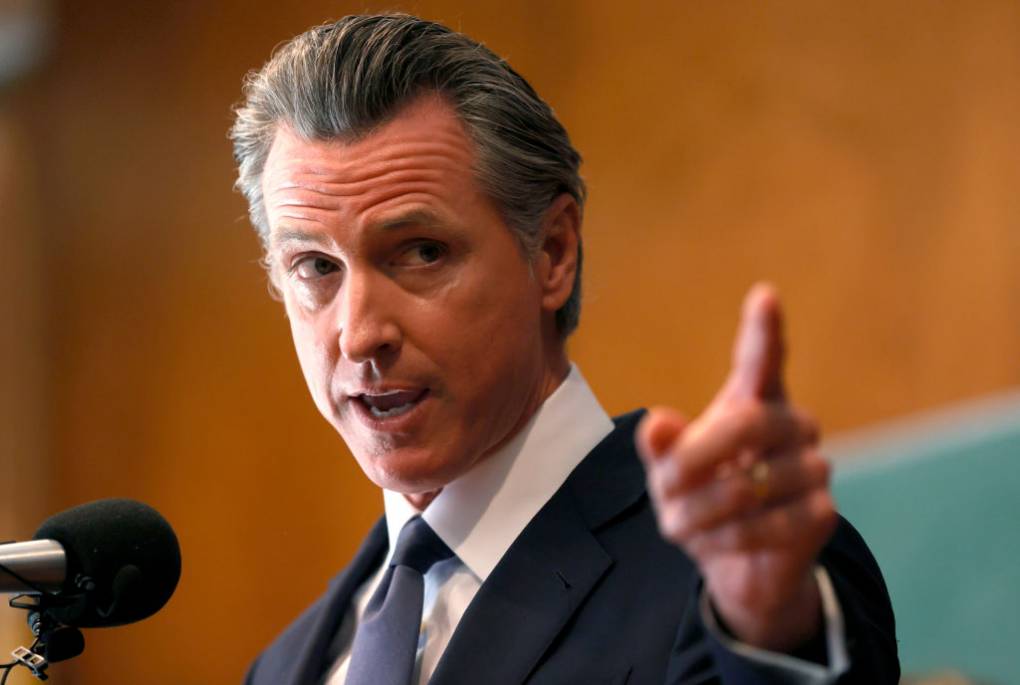
"caption": "California Gov. Gavin Newsom speaks to union workers and volunteers on Election Day at the IBEW Local 6 union hall on Sept. 14, 2021, in San Francisco.",
"description": null,
"title": "California Governor Gavin Newsom Meets With Campaign Staff And Volunteer On Day Of Recall Election Vote",
"credit": "Justin Sullivan/Getty Images",
"status": "inherit",
"altTag": "Gavin Newsom points to his left as he speaks.",
"isLoading": false,
"fetchFailed": false
},
"news_11888568": {
"type": "attachments",
"id": "news_11888568",
"meta": {
"index": "attachments_1716263798",
"site": "news",
"id": "11888568",
"found": true
},
"parent": 11888259,
"imgSizes": {
"twentyfourteen-full-width": {
"file": "https://ww2.kqed.org/app/uploads/sites/10/2021/09/021_SanFrancisco_NewsomRecallEvent_09142021-1038x576.jpg",
"width": 1038,
"mimeType": "image/jpeg",
"height": 576
},
"thumbnail": {
"file": "https://ww2.kqed.org/app/uploads/sites/10/2021/09/021_SanFrancisco_NewsomRecallEvent_09142021-160x107.jpg",
"width": 160,
"mimeType": "image/jpeg",
"height": 107
},
"post-thumbnail": {
"file": "https://ww2.kqed.org/app/uploads/sites/10/2021/09/021_SanFrancisco_NewsomRecallEvent_09142021-672x372.jpg",
"width": 672,
"mimeType": "image/jpeg",
"height": 372
},
"kqedFullSize": {
"file": "https://ww2.kqed.org/app/uploads/sites/10/2021/09/021_SanFrancisco_NewsomRecallEvent_09142021.jpg",
"width": 1920,
"height": 1280
},
"large": {
"file": "https://ww2.kqed.org/app/uploads/sites/10/2021/09/021_SanFrancisco_NewsomRecallEvent_09142021-1020x680.jpg",
"width": 1020,
"mimeType": "image/jpeg",
"height": 680
},
"1536x1536": {
"file": "https://ww2.kqed.org/app/uploads/sites/10/2021/09/021_SanFrancisco_NewsomRecallEvent_09142021-1536x1024.jpg",
"width": 1536,
"mimeType": "image/jpeg",
"height": 1024
},
"medium": {
"file": "https://ww2.kqed.org/app/uploads/sites/10/2021/09/021_SanFrancisco_NewsomRecallEvent_09142021-800x533.jpg",
"width": 800,
"mimeType": "image/jpeg",
"height": 533
}
},
"publishDate": 1631661700,
"modified": 1631726554,
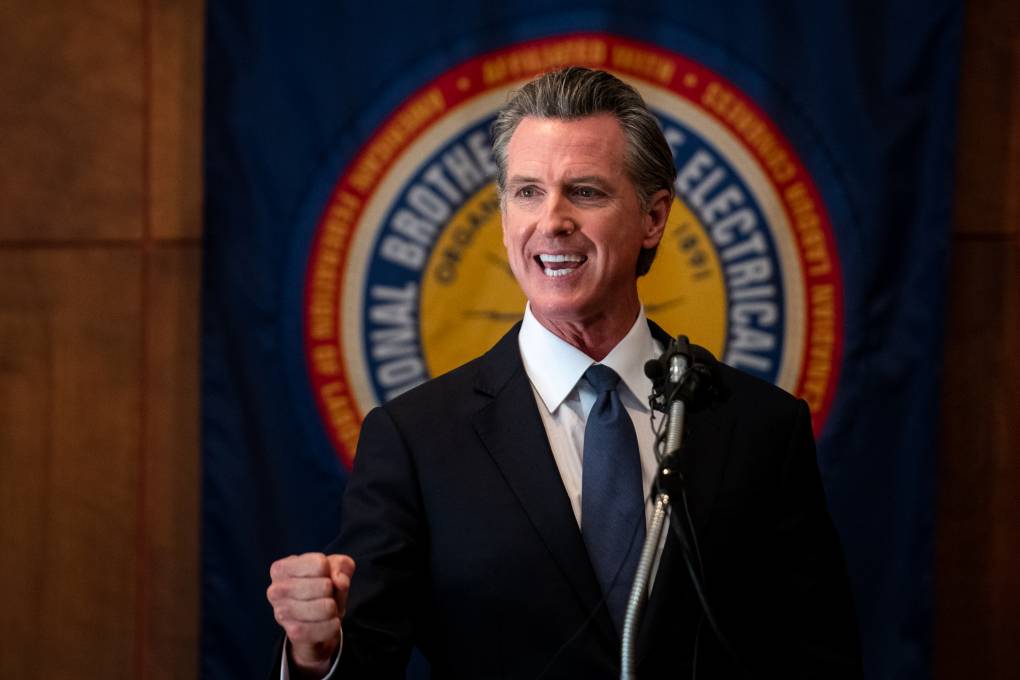
"caption": "Gov. Gavin Newsom speaks with union members and volunteers at the International Brotherhood of Electrical Workers Local 6 union hall in San Francisco on Sept. 14, 2021, just hours before polls closed in the state's second-ever gubernatorial recall election.",
"description": null,
"title": "021_SanFrancisco_NewsomRecallEvent_09142021",
"credit": "Beth LaBerge/KQED",
"status": "inherit",
"altTag": "Gov. Newsom speaks flexing his right fist in front of an IBEW union symbol.",
"isLoading": false,
"fetchFailed": false
},
"news_11888528": {
"type": "attachments",
"id": "news_11888528",
"meta": {
"index": "attachments_1716263798",
"site": "news",
"id": "11888528",
"found": true
},
"parent": 11888513,
"imgSizes": {
"twentyfourteen-full-width": {
"file": "https://ww2.kqed.org/app/uploads/sites/10/2021/09/GettyImages-1235242010-1038x576.jpg",
"width": 1038,
"mimeType": "image/jpeg",
"height": 576
},
"thumbnail": {
"file": "https://ww2.kqed.org/app/uploads/sites/10/2021/09/GettyImages-1235242010-160x107.jpg",
"width": 160,
"mimeType": "image/jpeg",
"height": 107
},
"post-thumbnail": {
"file": "https://ww2.kqed.org/app/uploads/sites/10/2021/09/GettyImages-1235242010-672x372.jpg",
"width": 672,
"mimeType": "image/jpeg",
"height": 372
},
"kqedFullSize": {
"file": "https://ww2.kqed.org/app/uploads/sites/10/2021/09/GettyImages-1235242010-scaled.jpg",
"width": 2560,
"height": 1707
},
"2048x2048": {
"file": "https://ww2.kqed.org/app/uploads/sites/10/2021/09/GettyImages-1235242010-2048x1365.jpg",
"width": 2048,
"mimeType": "image/jpeg",
"height": 1365
},
"large": {
"file": "https://ww2.kqed.org/app/uploads/sites/10/2021/09/GettyImages-1235242010-1020x680.jpg",
"width": 1020,
"mimeType": "image/jpeg",
"height": 680
},
"1536x1536": {
"file": "https://ww2.kqed.org/app/uploads/sites/10/2021/09/GettyImages-1235242010-1536x1024.jpg",
"width": 1536,
"mimeType": "image/jpeg",
"height": 1024
},
"full-width": {
"file": "https://ww2.kqed.org/app/uploads/sites/10/2021/09/GettyImages-1235242010-1920x1280.jpg",
"width": 1920,
"mimeType": "image/jpeg",
"height": 1280
},
"medium": {
"file": "https://ww2.kqed.org/app/uploads/sites/10/2021/09/GettyImages-1235242010-800x533.jpg",
"width": 800,
"mimeType": "image/jpeg",
"height": 533
}
},
"publishDate": 1631655230,
"modified": 1631655680,
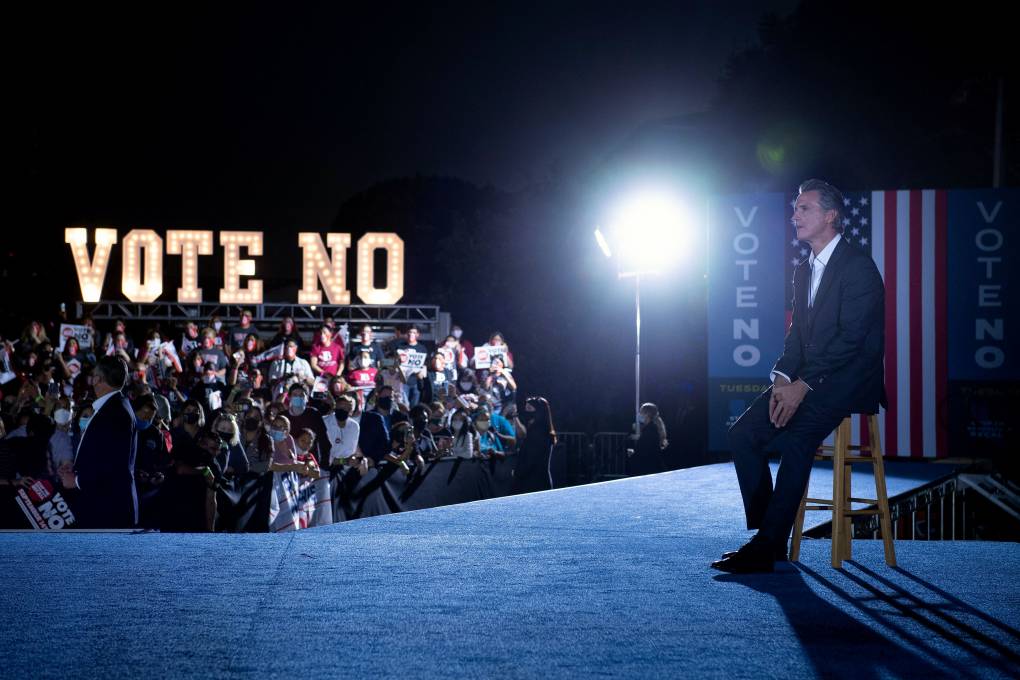
"caption": "Gov. Gavin Newsom listens while US President Joe Biden speaks during a campaign event at Long Beach City Collage in Long Beach on September 13, 2021. Biden kicked off a visit to scorched western states Monday to hammer home his case on climate change and big public investments, as well as to campaign in California's recall election.",
"description": "California Governor Gavin Newsom listens while US President Joe Biden speaks during a campaign event at Long Beach City Collage in Long Beach, California on September 13, 2021. - US President Joe Biden kicked off a visit to scorched western states Monday to hammer home his case on climate change and big public investments, as well as to campaign in California's recall election.",
"title": "US-POLITICS-BIDEN",
"credit": "Brendan Smialowski/AFP via Getty Images",
"status": "inherit",
"altTag": "Gov. Gavin Newsom sits on a stool and behind him is a crowd at his rally, also visible is a \"Vote No\" sign.",
"isLoading": false,
"fetchFailed": false
},
"news_11888388": {
"type": "attachments",
"id": "news_11888388",
"meta": {
"index": "attachments_1716263798",
"site": "news",
"id": "11888388",
"found": true
},
"parent": 11888358,
"imgSizes": {
"twentyfourteen-full-width": {
"file": "https://ww2.kqed.org/app/uploads/sites/10/2021/09/RS51419_010_Oakland_ItzelDiazandFamily_09092021-qut-1038x576.jpg",
"width": 1038,
"mimeType": "image/jpeg",
"height": 576
},
"thumbnail": {
"file": "https://ww2.kqed.org/app/uploads/sites/10/2021/09/RS51419_010_Oakland_ItzelDiazandFamily_09092021-qut-160x107.jpg",
"width": 160,
"mimeType": "image/jpeg",
"height": 107
},
"post-thumbnail": {
"file": "https://ww2.kqed.org/app/uploads/sites/10/2021/09/RS51419_010_Oakland_ItzelDiazandFamily_09092021-qut-672x372.jpg",
"width": 672,
"mimeType": "image/jpeg",
"height": 372
},
"kqedFullSize": {
"file": "https://ww2.kqed.org/app/uploads/sites/10/2021/09/RS51419_010_Oakland_ItzelDiazandFamily_09092021-qut.jpg",
"width": 1920,
"height": 1280
},
"large": {
"file": "https://ww2.kqed.org/app/uploads/sites/10/2021/09/RS51419_010_Oakland_ItzelDiazandFamily_09092021-qut-1020x680.jpg",
"width": 1020,
"mimeType": "image/jpeg",
"height": 680
},
"1536x1536": {
"file": "https://ww2.kqed.org/app/uploads/sites/10/2021/09/RS51419_010_Oakland_ItzelDiazandFamily_09092021-qut-1536x1024.jpg",
"width": 1536,
"mimeType": "image/jpeg",
"height": 1024
},
"medium": {
"file": "https://ww2.kqed.org/app/uploads/sites/10/2021/09/RS51419_010_Oakland_ItzelDiazandFamily_09092021-qut-800x533.jpg",
"width": 800,
"mimeType": "image/jpeg",
"height": 533
}
},
"publishDate": 1631579330,
"modified": 1631669615,
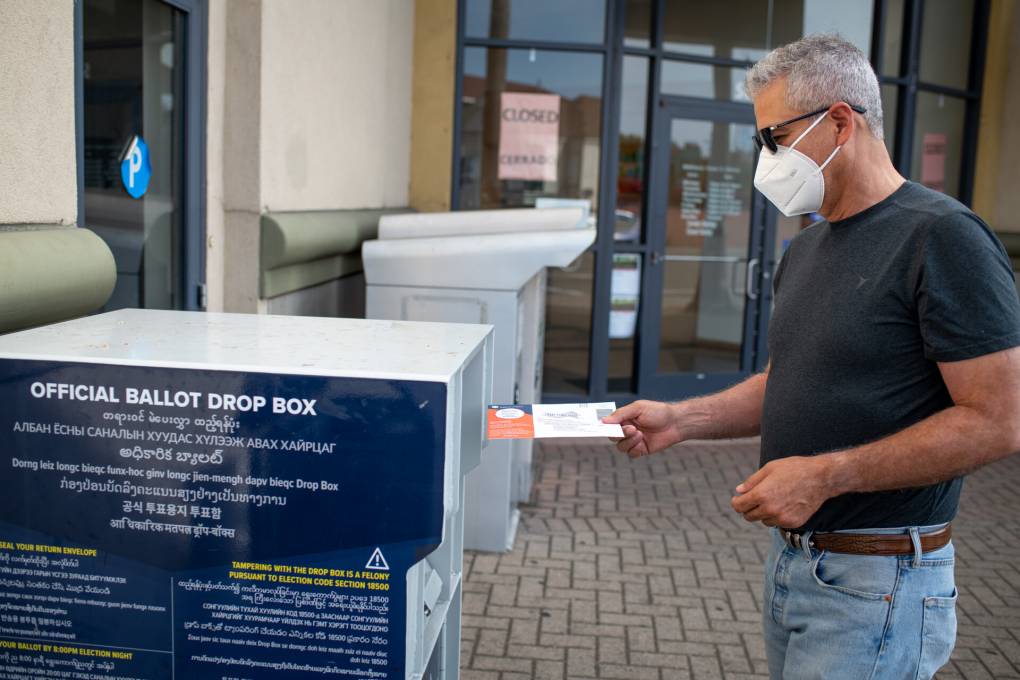
"caption": "Porfirio Diaz slides his California gubernatorial recall election ballot into a drop box in Oakland's Fruitvale District on Sept. 9, 2021.",
"description": null,
"title": "RS51419_010_Oakland_ItzelDiazandFamily_09092021-qut",
"credit": "Beth LaBerge/KQED",
"status": "inherit",
"altTag": "A man in a T-shirt and mask slides a ballot into a drop box.",
"isLoading": false,
"fetchFailed": false
},
"news_11888415": {
"type": "attachments",
"id": "news_11888415",
"meta": {
"index": "attachments_1716263798",
"site": "news",
"id": "11888415",
"found": true
},
"parent": 11888367,
"imgSizes": {
"thumbnail": {
"file": "https://ww2.kqed.org/app/uploads/sites/10/2021/09/ead4e1d1-fc28-4d66-818d-38c96af30a84-160x107.png",
"width": 160,
"mimeType": "image/png",
"height": 107
},
"post-thumbnail": {
"file": "https://ww2.kqed.org/app/uploads/sites/10/2021/09/ead4e1d1-fc28-4d66-818d-38c96af30a84-672x372.png",
"width": 672,
"mimeType": "image/png",
"height": 372
},
"kqedFullSize": {
"file": "https://ww2.kqed.org/app/uploads/sites/10/2021/09/ead4e1d1-fc28-4d66-818d-38c96af30a84.png",
"width": 798,
"height": 532
}
},
"publishDate": 1631608059,
"modified": 1631608123,
"caption": null,
"description": null,
"title": "ead4e1d1-fc28-4d66-818d-38c96af30a84",
"credit": null,
"status": "inherit",
"altTag": "Sandra Celedon smiles at the camera and behind her a sign that reads, \"Fresno\" is visible.",
"isLoading": false,
"fetchFailed": false
},
"news_11888165": {
"type": "attachments",
"id": "news_11888165",
"meta": {
"index": "attachments_1716263798",
"site": "news",
"id": "11888165",
"found": true
},
"parent": 11888162,
"imgSizes": {
"twentyfourteen-full-width": {
"file": "https://ww2.kqed.org/app/uploads/sites/10/2021/09/RS51414_005_Oakland_ItzelDiazandFamily_09092021-qut-1038x576.jpg",
"width": 1038,
"mimeType": "image/jpeg",
"height": 576
},
"thumbnail": {
"file": "https://ww2.kqed.org/app/uploads/sites/10/2021/09/RS51414_005_Oakland_ItzelDiazandFamily_09092021-qut-160x107.jpg",
"width": 160,
"mimeType": "image/jpeg",
"height": 107
},
"post-thumbnail": {
"file": "https://ww2.kqed.org/app/uploads/sites/10/2021/09/RS51414_005_Oakland_ItzelDiazandFamily_09092021-qut-672x372.jpg",
"width": 672,
"mimeType": "image/jpeg",
"height": 372
},
"kqedFullSize": {
"file": "https://ww2.kqed.org/app/uploads/sites/10/2021/09/RS51414_005_Oakland_ItzelDiazandFamily_09092021-qut.jpg",
"width": 1920,
"height": 1280
},
"large": {
"file": "https://ww2.kqed.org/app/uploads/sites/10/2021/09/RS51414_005_Oakland_ItzelDiazandFamily_09092021-qut-1020x680.jpg",
"width": 1020,
"mimeType": "image/jpeg",
"height": 680
},
"1536x1536": {
"file": "https://ww2.kqed.org/app/uploads/sites/10/2021/09/RS51414_005_Oakland_ItzelDiazandFamily_09092021-qut-1536x1024.jpg",
"width": 1536,
"mimeType": "image/jpeg",
"height": 1024
},
"medium": {
"file": "https://ww2.kqed.org/app/uploads/sites/10/2021/09/RS51414_005_Oakland_ItzelDiazandFamily_09092021-qut-800x533.jpg",
"width": 800,
"mimeType": "image/jpeg",
"height": 533
}
},
"publishDate": 1631418421,
"modified": 1631580367,
"caption": "Itzel Diaz, an independent voter from Oakland's Fruitvale District, looks over her California gubernatorial recall election ballot on Sept. 9, 2021.",
"description": null,
"title": "RS51414_005_Oakland_ItzelDiazandFamily_09092021-qut",
"credit": "Beth LaBerge/KQED",
"status": "inherit",
"altTag": "A woman wearing a mask and a T-shirt looks at her ballot.",
"isLoading": false,
"fetchFailed": false
},
"news_11847170": {
"type": "attachments",
"id": "news_11847170",
"meta": {
"index": "attachments_1716263798",
"site": "news",
"id": "11847170",
"found": true
},
"parent": 11847064,
"imgSizes": {
"apple_news_ca_landscape_5_5": {
"file": "https://ww2.kqed.org/app/uploads/sites/10/2020/11/RS45375_017_KQED_SanMateo_ElectionsOffice_10212020-qut-1044x783.jpg",
"width": 1044,
"mimeType": "image/jpeg",
"height": 783
},
"apple_news_ca_square_4_0": {
"file": "https://ww2.kqed.org/app/uploads/sites/10/2020/11/RS45375_017_KQED_SanMateo_ElectionsOffice_10212020-qut-470x470.jpg",
"width": 470,
"mimeType": "image/jpeg",
"height": 470
},
"twentyfourteen-full-width": {
"file": "https://ww2.kqed.org/app/uploads/sites/10/2020/11/RS45375_017_KQED_SanMateo_ElectionsOffice_10212020-qut-1038x576.jpg",
"width": 1038,
"mimeType": "image/jpeg",
"height": 576
},
"thumbnail": {
"file": "https://ww2.kqed.org/app/uploads/sites/10/2020/11/RS45375_017_KQED_SanMateo_ElectionsOffice_10212020-qut-160x107.jpg",
"width": 160,
"mimeType": "image/jpeg",
"height": 107
},
"post-thumbnail": {
"file": "https://ww2.kqed.org/app/uploads/sites/10/2020/11/RS45375_017_KQED_SanMateo_ElectionsOffice_10212020-qut-672x372.jpg",
"width": 672,
"mimeType": "image/jpeg",
"height": 372
},
"kqedFullSize": {
"file": "https://ww2.kqed.org/app/uploads/sites/10/2020/11/RS45375_017_KQED_SanMateo_ElectionsOffice_10212020-qut.jpg",
"width": 1920,
"height": 1278
},
"apple_news_ca_landscape_4_7": {
"file": "https://ww2.kqed.org/app/uploads/sites/10/2020/11/RS45375_017_KQED_SanMateo_ElectionsOffice_10212020-qut-632x474.jpg",
"width": 632,
"mimeType": "image/jpeg",
"height": 474
},
"large": {
"file": "https://ww2.kqed.org/app/uploads/sites/10/2020/11/RS45375_017_KQED_SanMateo_ElectionsOffice_10212020-qut-1020x679.jpg",
"width": 1020,
"mimeType": "image/jpeg",
"height": 679
},
"apple_news_ca_landscape_4_0": {
"file": "https://ww2.kqed.org/app/uploads/sites/10/2020/11/RS45375_017_KQED_SanMateo_ElectionsOffice_10212020-qut-536x402.jpg",
"width": 536,
"mimeType": "image/jpeg",
"height": 402
},
"apple_news_ca_portrait_12_9": {
"file": "https://ww2.kqed.org/app/uploads/sites/10/2020/11/RS45375_017_KQED_SanMateo_ElectionsOffice_10212020-qut-1122x1278.jpg",
"width": 1122,
"mimeType": "image/jpeg",
"height": 1278
},
"medium": {
"file": "https://ww2.kqed.org/app/uploads/sites/10/2020/11/RS45375_017_KQED_SanMateo_ElectionsOffice_10212020-qut-800x533.jpg",
"width": 800,
"mimeType": "image/jpeg",
"height": 533
},
"apple_news_ca_portrait_4_0": {
"file": "https://ww2.kqed.org/app/uploads/sites/10/2020/11/RS45375_017_KQED_SanMateo_ElectionsOffice_10212020-qut-354x472.jpg",
"width": 354,
"mimeType": "image/jpeg",
"height": 472
},
"apple_news_ca_portrait_9_7": {
"file": "https://ww2.kqed.org/app/uploads/sites/10/2020/11/RS45375_017_KQED_SanMateo_ElectionsOffice_10212020-qut-840x1120.jpg",
"width": 840,
"mimeType": "image/jpeg",
"height": 1120
},
"apple_news_ca_landscape_12_9": {
"file": "https://ww2.kqed.org/app/uploads/sites/10/2020/11/RS45375_017_KQED_SanMateo_ElectionsOffice_10212020-qut-1832x1278.jpg",
"width": 1832,
"mimeType": "image/jpeg",
"height": 1278
},
"apple_news_ca_square_9_7": {
"file": "https://ww2.kqed.org/app/uploads/sites/10/2020/11/RS45375_017_KQED_SanMateo_ElectionsOffice_10212020-qut-1104x1104.jpg",
"width": 1104,
"mimeType": "image/jpeg",
"height": 1104
},
"1536x1536": {
"file": "https://ww2.kqed.org/app/uploads/sites/10/2020/11/RS45375_017_KQED_SanMateo_ElectionsOffice_10212020-qut-1536x1022.jpg",
"width": 1536,
"mimeType": "image/jpeg",
"height": 1022
},
"apple_news_ca_portrait_4_7": {
"file": "https://ww2.kqed.org/app/uploads/sites/10/2020/11/RS45375_017_KQED_SanMateo_ElectionsOffice_10212020-qut-414x552.jpg",
"width": 414,
"mimeType": "image/jpeg",
"height": 552
},
"apple_news_ca_square_12_9": {
"file": "https://ww2.kqed.org/app/uploads/sites/10/2020/11/RS45375_017_KQED_SanMateo_ElectionsOffice_10212020-qut-1472x1278.jpg",
"width": 1472,
"mimeType": "image/jpeg",
"height": 1278
},
"apple_news_ca_portrait_5_5": {
"file": "https://ww2.kqed.org/app/uploads/sites/10/2020/11/RS45375_017_KQED_SanMateo_ElectionsOffice_10212020-qut-687x916.jpg",
"width": 687,
"mimeType": "image/jpeg",
"height": 916
},
"apple_news_ca_square_4_7": {
"file": "https://ww2.kqed.org/app/uploads/sites/10/2020/11/RS45375_017_KQED_SanMateo_ElectionsOffice_10212020-qut-550x550.jpg",
"width": 550,
"mimeType": "image/jpeg",
"height": 550
},
"apple_news_ca_landscape_9_7": {
"file": "https://ww2.kqed.org/app/uploads/sites/10/2020/11/RS45375_017_KQED_SanMateo_ElectionsOffice_10212020-qut-1376x1032.jpg",
"width": 1376,
"mimeType": "image/jpeg",
"height": 1032
},
"apple_news_ca_square_5_5": {
"file": "https://ww2.kqed.org/app/uploads/sites/10/2020/11/RS45375_017_KQED_SanMateo_ElectionsOffice_10212020-qut-912x912.jpg",
"width": 912,
"mimeType": "image/jpeg",
"height": 912
}
},
"publishDate": 1605195774,
"modified": 1631575737,
"caption": "An election employee works in the mail cleaning section, which includes arranging the ballots with their barcodes facing in one direction, at the San Mateo County Elections Office on Oct. 21, 2020.",
"description": "An election employee works in the mail cleaning section, which includes arranging the ballots with their barcodes facing in one direction, at the San Mateo County Elections Office on Oct. 21, 2020.",
"title": "RS45375_017_KQED_SanMateo_ElectionsOffice_10212020-qut",
"credit": "Beth LaBerge/KQED",
"status": "inherit",
"altTag": "A woman in short sleeves and a mask sits at a fold-out table in front of baskets of mail.",
"isLoading": false,
"fetchFailed": false
}
},
"audioPlayerReducer": {
"postId": "stream_live",
"isPaused": true,
"isPlaying": false,
"pfsActive": false,
"pledgeModalIsOpen": true,
"playerDrawerIsOpen": false,
"liveAudioPlayStartedAt": 0,
"liveAudioPlayContext": ""
},
"authorsReducer": {
"byline_news_11889147": {
"type": "authors",
"id": "byline_news_11889147",
"meta": {
"override": true
},
"slug": "byline_news_11889147",
"name": "Kathleen Ronayne, Michael R. Blood \u003cbr> The Associated Press",
"isLoading": false
},
"byline_news_11888513": {
"type": "authors",
"id": "byline_news_11888513",
"meta": {
"override": true
},
"slug": "byline_news_11888513",
"name": "\u003ca href=\"https://calmatters.org/author/laurel-rosenhall/\">Laurel Rosenhall\u003c/a>",
"isLoading": false
},
"gmarzorati": {
"type": "authors",
"id": "227",
"meta": {
"index": "authors_1716337520",
"id": "227",
"found": true
},
"name": "Guy Marzorati",
"firstName": "Guy",
"lastName": "Marzorati",
"slug": "gmarzorati",
"email": "gmarzorati@KQED.org",
"display_author_email": true,
"staff_mastheads": [
"news"
],
"title": "Correspondent",
"bio": "Guy Marzorati is a correspondent on KQED's California Politics and Government Desk, based in San Jose. A graduate of Santa Clara University, Guy joined KQED in 2013. He reports on state and local politics and produces KQED's digital voter guide.",
"avatar": "https://secure.gravatar.com/avatar/e7038b8dbfd55b104369b76b1cd0b9de?s=600&d=blank&r=g",
"twitter": "guymarzorati",
"facebook": null,
"instagram": null,
"linkedin": null,
"sites": [
{
"site": "",
"roles": [
"editor"
]
},
{
"site": "news",
"roles": [
"editor"
]
},
{
"site": "science",
"roles": [
"editor"
]
},
{
"site": "forum",
"roles": [
"editor"
]
},
{
"site": "elections",
"roles": [
"editor"
]
},
{
"site": "liveblog",
"roles": [
"editor"
]
}
],
"headData": {
"title": "Guy Marzorati | KQED",
"description": "Correspondent",
"ogImgSrc": "https://secure.gravatar.com/avatar/e7038b8dbfd55b104369b76b1cd0b9de?s=600&d=blank&r=g",
"twImgSrc": "https://secure.gravatar.com/avatar/e7038b8dbfd55b104369b76b1cd0b9de?s=600&d=blank&r=g"
},
"isLoading": false,
"link": "/author/gmarzorati"
},
"kqed": {
"type": "authors",
"id": "236",
"meta": {
"index": "authors_1716337520",
"id": "236",
"found": true
},
"name": "KQED News Staff",
"firstName": "KQED News Staff",
"lastName": null,
"slug": "kqed",
"email": "faq@kqed.org",
"display_author_email": false,
"staff_mastheads": [],
"title": null,
"bio": null,
"avatar": "https://secure.gravatar.com/avatar/ef0e801a68c4c54afa9180db14084167?s=600&d=blank&r=g",
"twitter": null,
"facebook": null,
"instagram": null,
"linkedin": null,
"sites": [
{
"site": "arts",
"roles": [
"contributor"
]
},
{
"site": "news",
"roles": [
"editor"
]
},
{
"site": "futureofyou",
"roles": [
"author"
]
}
],
"headData": {
"title": "KQED News Staff | KQED",
"description": null,
"ogImgSrc": "https://secure.gravatar.com/avatar/ef0e801a68c4c54afa9180db14084167?s=600&d=blank&r=g",
"twImgSrc": "https://secure.gravatar.com/avatar/ef0e801a68c4c54afa9180db14084167?s=600&d=blank&r=g"
},
"isLoading": false,
"link": "/author/kqed"
},
"scottshafer": {
"type": "authors",
"id": "255",
"meta": {
"index": "authors_1716337520",
"id": "255",
"found": true
},
"name": "Scott Shafer",
"firstName": "Scott",
"lastName": "Shafer",
"slug": "scottshafer",
"email": "sshafer@kqed.org",
"display_author_email": false,
"staff_mastheads": [
"news"
],
"title": "KQED Contributor",
"bio": "Scott Shafer is a senior editor with the KQED Politics and Government desk. He is co-host of Political Breakdown, the award-winning radio show and podcast with a personal take on the world of politics. Scott came to KQED in 1998 to host the statewide\u003cem> California Report\u003c/em>. Prior to that he had extended stints in politics and government\u003cem>.\u003c/em> He uses that inside experience at KQED in his, reporting, hosting and analysis for the politics desk. Scott collaborated \u003cem>Political Breakdown a\u003c/em>nd on \u003cem>The Political Mind of Jerry Brown, \u003c/em>an eight-part series about the life and extraordinary political career of the former governor. For fun, he plays water polo with the San Francisco Tsunami.",
"avatar": "https://secure.gravatar.com/avatar/a62ebae45b79d7aed1a39a0e3bf68104?s=600&d=blank&r=g",
"twitter": "scottshafer",
"bluesky": null,
"facebook": null,
"instagram": null,
"linkedin": null,
"sites": [
{
"site": "news",
"roles": [
"editor"
]
},
{
"site": "stateofhealth",
"roles": [
"author"
]
},
{
"site": "science",
"roles": [
"author"
]
},
{
"site": "forum",
"roles": [
"subscriber"
]
},
{
"site": "liveblog",
"roles": [
"author"
]
}
],
"headData": {
"title": "Scott Shafer | KQED",
"description": "KQED Contributor",
"ogImgSrc": "https://secure.gravatar.com/avatar/a62ebae45b79d7aed1a39a0e3bf68104?s=600&d=blank&r=g",
"twImgSrc": "https://secure.gravatar.com/avatar/a62ebae45b79d7aed1a39a0e3bf68104?s=600&d=blank&r=g"
},
"isLoading": false,
"link": "/author/scottshafer"
},
"matthewgreen": {
"type": "authors",
"id": "1263",
"meta": {
"index": "authors_1716337520",
"id": "1263",
"found": true
},
"name": "Matthew Green",
"firstName": "Matthew",
"lastName": "Green",
"slug": "matthewgreen",
"email": "mgreen@kqed.org",
"display_author_email": false,
"staff_mastheads": [],
"title": "KQED Editor/Reporter",
"bio": "Matthew Green is a digital media producer for KQED News. He previously produced \u003ca href=\"http://www.kqed.org/lowdown\">The Lowdown\u003c/a>, KQED’s multimedia news education blog. Matthew's written for numerous Bay Area publications, including the Oakland Tribune and San Francisco Chronicle. He also taught journalism classes at Fremont High School in East Oakland.\r\n\r\nEmail: mgreen@kqed.org; Twitter: @MGreenKQED",
"avatar": "https://secure.gravatar.com/avatar/3bf498d1267ca02c8494f33d8cfc575e?s=600&d=blank&r=g",
"twitter": "MGreenKQED",
"facebook": null,
"instagram": null,
"linkedin": null,
"sites": [
{
"site": "news",
"roles": []
},
{
"site": "lowdown",
"roles": []
},
{
"site": "science",
"roles": []
},
{
"site": "education",
"roles": []
},
{
"site": "quest",
"roles": []
},
{
"site": "liveblog",
"roles": []
}
],
"headData": {
"title": "Matthew Green | KQED",
"description": "KQED Editor/Reporter",
"ogImgSrc": "https://secure.gravatar.com/avatar/3bf498d1267ca02c8494f33d8cfc575e?s=600&d=blank&r=g",
"twImgSrc": "https://secure.gravatar.com/avatar/3bf498d1267ca02c8494f33d8cfc575e?s=600&d=blank&r=g"
},
"isLoading": false,
"link": "/author/matthewgreen"
},
"markfiore": {
"type": "authors",
"id": "3236",
"meta": {
"index": "authors_1716337520",
"id": "3236",
"found": true
},
"name": "Mark Fiore",
"firstName": "Mark",
"lastName": "Fiore",
"slug": "markfiore",
"email": "mark@markfiore.com",
"display_author_email": false,
"staff_mastheads": [
"news"
],
"title": "KQED News Cartoonist",
"bio": "\u003ca href=\"http://www.MarkFiore.com\">MarkFiore.com\u003c/a> | \u003ca href=\"https://twitter.com/markfiore\">Follow on Twitter\u003c/a> | \u003ca href=\"https://www.facebook.com/pages/Mark-Fiore-Animated-Political-Cartoons/94451707396?ref=bookmarks\">Facebook\u003c/a> | \u003ca href=\"mailto:mark@markfiore.com\">email\u003c/a>\r\n\r\nPulitzer Prize-winner, Mark Fiore, who the Wall Street Journal has called “the undisputed guru of the form,” creates animated political cartoons in San Francisco, where his work has been featured regularly on the San Francisco Chronicle’s web site, SFGate.com. His work has appeared on Newsweek.com, Slate.com, CBSNews.com, MotherJones.com, DailyKos.com and NPR’s web site. Fiore’s political animation has appeared on CNN, Frontline, Bill Moyers Journal, Salon.com and cable and broadcast outlets across the globe.\r\n\r\nBeginning his professional life by drawing traditional political cartoons for newspapers, Fiore’s work appeared in publications ranging from the Washington Post to the Los Angeles Times. In the late 1990s, he began to experiment with animating political cartoons and, after a short stint at the San Jose Mercury News as their staff cartoonist, Fiore devoted all his energies to animation.\r\nGrowing up in California, Fiore also spent a good portion of his life in the backwoods of Idaho. It was this combination that shaped him politically. Mark majored in political science at Colorado College, where, in a perfect send-off for a cartoonist, he received his diploma in 1991 as commencement speaker Dick Cheney smiled approvingly.\r\nMark Fiore was awarded the Pulitzer Prize for political cartooning in 2010, a Robert F. Kennedy Journalism Award in 2004 and has twice received an Online Journalism Award for commentary from the Online News Association (2002, 2008). Fiore has received two awards for his work in new media from the National Cartoonists Society (2001, 2002), and in 2006 received The James Madison Freedom of Information Award from The Society of Professional Journalists.",
"avatar": "https://secure.gravatar.com/avatar/fc4e2a612b15b67bad0c6f0e1db4ca9b?s=600&d=blank&r=g",
"twitter": "MarkFiore",
"facebook": null,
"instagram": "https://www.instagram.com/markfiore/?hl=en",
"linkedin": null,
"sites": [
{
"site": "arts",
"roles": [
"contributor"
]
},
{
"site": "news",
"roles": [
"editor"
]
},
{
"site": "futureofyou",
"roles": [
"editor"
]
},
{
"site": "science",
"roles": [
"editor"
]
}
],
"headData": {
"title": "Mark Fiore | KQED",
"description": "KQED News Cartoonist",
"ogImgSrc": "https://secure.gravatar.com/avatar/fc4e2a612b15b67bad0c6f0e1db4ca9b?s=600&d=blank&r=g",
"twImgSrc": "https://secure.gravatar.com/avatar/fc4e2a612b15b67bad0c6f0e1db4ca9b?s=600&d=blank&r=g"
},
"isLoading": false,
"link": "/author/markfiore"
},
"mlagos": {
"type": "authors",
"id": "3239",
"meta": {
"index": "authors_1716337520",
"id": "3239",
"found": true
},
"name": "Marisa Lagos",
"firstName": "Marisa",
"lastName": "Lagos",
"slug": "mlagos",
"email": "mlagos@kqed.org",
"display_author_email": false,
"staff_mastheads": [
"news"
],
"title": "KQED Contributor",
"bio": "Marisa Lagos is a correspondent for KQED’s California Politics and Government Desk and co-hosts the award-winning show and podcast, Political Breakdown. At KQED, Lagos also conducts reporting, analysis and investigations into state, local and national politics for radio, TV, online and onstage. In 2022, she and co-host, Scott Shafer, moderated the only gubernatorial debate in California. In 2020, the \u003ci>Washington Post\u003c/i> named her one of the top political journalists in California; she was nominated for a Peabody and won several other awards for her work investigating the 2017 California wildfires. She has worked at the \u003ci>San Francisco Chronicle\u003c/i>, \u003ci>San Francisco Examiner\u003c/i> and \u003ci>Los Angeles Times\u003c/i>. A UC Santa Barbara graduate, she lives in San Francisco with her two sons and husband.",
"avatar": "https://secure.gravatar.com/avatar/a261a0d3696fc066871ef96b85b5e7d2?s=600&d=blank&r=g",
"twitter": "@mlagos",
"facebook": null,
"instagram": null,
"linkedin": null,
"sites": [
{
"site": "arts",
"roles": [
"author"
]
},
{
"site": "news",
"roles": [
"editor"
]
},
{
"site": "science",
"roles": [
"editor"
]
},
{
"site": "forum",
"roles": [
"author"
]
},
{
"site": "liveblog",
"roles": [
"author"
]
}
],
"headData": {
"title": "Marisa Lagos | KQED",
"description": "KQED Contributor",
"ogImgSrc": "https://secure.gravatar.com/avatar/a261a0d3696fc066871ef96b85b5e7d2?s=600&d=blank&r=g",
"twImgSrc": "https://secure.gravatar.com/avatar/a261a0d3696fc066871ef96b85b5e7d2?s=600&d=blank&r=g"
},
"isLoading": false,
"link": "/author/mlagos"
},
"carlysevern": {
"type": "authors",
"id": "3243",
"meta": {
"index": "authors_1716337520",
"id": "3243",
"found": true
},
"name": "Carly Severn",
"firstName": "Carly",
"lastName": "Severn",
"slug": "carlysevern",
"email": "csevern@kqed.org",
"display_author_email": false,
"staff_mastheads": [
"news"
],
"title": "Senior Editor, Audience News ",
"bio": "Carly is KQED's Senior Editor of Audience News on the Digital News team, and has reported for the California Report Magazine, Bay Curious and KQED Arts. She's formerly the host of \u003ca href=\"http://ww2.kqed.org/pop/category/the-cooler/\" rel=\"noopener noreferrer\">The Cooler\u003c/a> podcast.",
"avatar": "https://secure.gravatar.com/avatar/2d8d6765f186e64c798cf7f0c8088a41?s=600&d=blank&r=g",
"twitter": "teacupinthebay",
"facebook": null,
"instagram": null,
"linkedin": null,
"sites": [
{
"site": "",
"roles": [
"editor"
]
},
{
"site": "arts",
"roles": [
"editor"
]
},
{
"site": "news",
"roles": [
"administrator"
]
},
{
"site": "pop",
"roles": [
"editor"
]
},
{
"site": "futureofyou",
"roles": [
"editor"
]
},
{
"site": "about",
"roles": [
"administrator"
]
},
{
"site": "mindshift",
"roles": [
"editor"
]
},
{
"site": "bayareabites",
"roles": [
"editor"
]
},
{
"site": "stateofhealth",
"roles": [
"editor"
]
},
{
"site": "science",
"roles": [
"editor"
]
},
{
"site": "food",
"roles": [
"contributor"
]
},
{
"site": "forum",
"roles": [
"editor"
]
},
{
"site": "perspectives",
"roles": [
"administrator"
]
},
{
"site": "liveblog",
"roles": [
"editor"
]
}
],
"headData": {
"title": "Carly Severn | KQED",
"description": "Senior Editor, Audience News ",
"ogImgSrc": "https://secure.gravatar.com/avatar/2d8d6765f186e64c798cf7f0c8088a41?s=600&d=blank&r=g",
"twImgSrc": "https://secure.gravatar.com/avatar/2d8d6765f186e64c798cf7f0c8088a41?s=600&d=blank&r=g"
},
"isLoading": false,
"link": "/author/carlysevern"
},
"ecruzguevarra": {
"type": "authors",
"id": "8654",
"meta": {
"index": "authors_1716337520",
"id": "8654",
"found": true
},
"name": "Ericka Cruz Guevarra",
"firstName": "Ericka",
"lastName": "Cruz Guevarra",
"slug": "ecruzguevarra",
"email": "ecruzguevarra@kqed.org",
"display_author_email": true,
"staff_mastheads": [
"news"
],
"title": "Producer, The Bay Podcast",
"bio": "Ericka Cruz Guevarra is host of \u003ca href=\"https://www.kqed.org/podcasts/thebay\">\u003cem>The Bay\u003c/em>\u003c/a> podcast at KQED. Before host, she was the show’s producer. Her work in that capacity includes a three-part reported series on policing in Vallejo, which won a 2020 excellence in journalism award from the Society of Professional Journalists. Ericka has worked as a breaking news reporter at Oregon Public Broadcasting, helped produce the Code Switch podcast, and was KQED’s inaugural Raul Ramirez Diversity Fund intern. She’s also an alumna of NPR’s Next Generation Radio program. Send her an email if you have strong feelings about whether Fairfield and Suisun City are the Bay. Ericka is represented by SAG-AFTRA.",
"avatar": "https://secure.gravatar.com/avatar/accefc1de4bafc7e234b69bcb9b6f6536c130fd84709bc3069ef11a78787e1bb?s=600&d=blank&r=g",
"twitter": "NotoriousECG",
"bluesky": null,
"facebook": null,
"instagram": null,
"linkedin": null,
"sites": [
{
"site": "arts",
"roles": [
"subscriber"
]
},
{
"site": "news",
"roles": [
"editor",
"manage_categories"
]
},
{
"site": "futureofyou",
"roles": [
"subscriber"
]
},
{
"site": "stateofhealth",
"roles": [
"subscriber"
]
},
{
"site": "science",
"roles": [
"editor"
]
},
{
"site": "forum",
"roles": [
"subscriber"
]
}
],
"headData": {
"title": "Ericka Cruz Guevarra | KQED",
"description": "Producer, The Bay Podcast",
"ogImgSrc": "https://secure.gravatar.com/avatar/accefc1de4bafc7e234b69bcb9b6f6536c130fd84709bc3069ef11a78787e1bb?s=600&d=blank&r=g",
"twImgSrc": "https://secure.gravatar.com/avatar/accefc1de4bafc7e234b69bcb9b6f6536c130fd84709bc3069ef11a78787e1bb?s=600&d=blank&r=g"
},
"isLoading": false,
"link": "/author/ecruzguevarra"
},
"korr": {
"type": "authors",
"id": "11200",
"meta": {
"index": "authors_1716337520",
"id": "11200",
"found": true
},
"name": "Katie Orr",
"firstName": "Katie",
"lastName": "Orr",
"slug": "korr",
"email": "korr@kqed.org",
"display_author_email": false,
"staff_mastheads": [],
"title": "KQED Contributor",
"bio": "Katie Orr was a Sacramento-based reporter for KQED's Politics and Government Desk, covering the state Capitol and a variety of issues including women in politics, voting and elections and legislation. Prior to joining KQED in 2016, Katie was state government reporter for Capital Public Radio in Sacramento. She's also worked for KPBS in San Diego, where she covered City Hall.\r\n\r\nKatie received her masters degree in political science from San Diego State University and holds a Bachelors degree in broadcast journalism from Arizona State University.\r\n\r\nIn 2015 Katie won a national Clarion Award for a series of stories she did on women in California politics. She's been honored by the Society for Professional Journalists and, in 2013, was named by \u003cem>The Washington Post\u003c/em> as one of the country's top state Capitol reporters. She's also reported for the award-winning documentary series \u003cem>The View from Here \u003c/em>and was part of the team that won national PRNDI and Gabriel Awards in 2015. She lives in Sacramento with her husband. Twitter: @1KatieOrr",
"avatar": "https://secure.gravatar.com/avatar/41a40b25845adc78f50808670860449e?s=600&d=blank&r=g",
"twitter": "1katieorr",
"facebook": null,
"instagram": null,
"linkedin": null,
"sites": [
{
"site": "news",
"roles": [
"subscriber"
]
},
{
"site": "stateofhealth",
"roles": [
"author"
]
},
{
"site": "forum",
"roles": [
"author"
]
}
],
"headData": {
"title": "Katie Orr | KQED",
"description": "KQED Contributor",
"ogImgSrc": "https://secure.gravatar.com/avatar/41a40b25845adc78f50808670860449e?s=600&d=blank&r=g",
"twImgSrc": "https://secure.gravatar.com/avatar/41a40b25845adc78f50808670860449e?s=600&d=blank&r=g"
},
"isLoading": false,
"link": "/author/korr"
},
"lblanco": {
"type": "authors",
"id": "11357",
"meta": {
"index": "authors_1716337520",
"id": "11357",
"found": true
},
"name": "Lina Blanco",
"firstName": "Lina",
"lastName": "Blanco",
"slug": "lblanco",
"email": "lblanco@kqed.org",
"display_author_email": false,
"staff_mastheads": [],
"title": null,
"bio": "Lina was a Senior Engagement Platforms Manager for KQED News, producing engagement strategies on social media at \u003ca href=\"https://twitter.com/KQEDnews\">@KQEDNews, \u003c/a>via \u003ca href=\"https://www.kqed.org/about/newsletters/\">KQED's daily newsletter\u003c/a> as well as texting campaigns with KQED readers and listeners. She also co-produces for KQED's bilingual news hub \u003ca href=\"https://www.instagram.com/kqedenespanol/\">KQED en Español\u003c/a>.\r\n\r\nLina previously worked for \u003ca href=\"https://kqed.org/arts\">KQED Arts\u003c/a> — supporting audience engagement efforts on the weekly \u003ca href=\"https://www.kqed.org/podcasts/rightnowish\">\u003cem>Rightnowish\u003c/em> \u003c/a>podcast, Webby-winning video series \u003ca href=\"https://www.kqed.org/if-cities-could-dance\">\u003cem>If Cities Could Dance\u003c/em>\u003c/a>, and daily Arts & Culture reporting. She won a \u003ca href=\"https://www.kqed.org/pressroom/10884/murrow\">National 2019 Edward R. Murrow Award for Excellence in Social Media\u003c/a> for KQED's series \u003cem>The Hustle\u003c/em>.\r\n\r\nBefore KQED, Lina worked as a graphic designer and digital storytelling facilitator at the \u003ca href=\"https://www.nativehealth.org/\">Native American Health Center\u003c/a>.\r\n\r\nShe's mom to a senior Chihuahua (plus one black cat) and lives in West Sonoma County on a small farmstead.",
"avatar": "https://secure.gravatar.com/avatar/77ec326d67223c38a436b87bcfd2a2e8?s=600&d=mm&r=g",
"twitter": "LinaBlanco",
"facebook": null,
"instagram": null,
"linkedin": null,
"sites": [
{
"site": "arts",
"roles": [
"subscriber"
]
},
{
"site": "news",
"roles": [
"subscriber"
]
},
{
"site": "pop",
"roles": [
"administrator"
]
},
{
"site": "about",
"roles": [
"administrator"
]
},
{
"site": "bayareabites",
"roles": [
"editor"
]
},
{
"site": "science",
"roles": [
"editor"
]
},
{
"site": "checkplease",
"roles": [
"editor"
]
},
{
"site": "food",
"roles": []
},
{
"site": "perspectives",
"roles": [
"editor"
]
}
],
"headData": {
"title": "Lina Blanco | KQED",
"description": null,
"ogImgSrc": "https://secure.gravatar.com/avatar/77ec326d67223c38a436b87bcfd2a2e8?s=600&d=mm&r=g",
"twImgSrc": "https://secure.gravatar.com/avatar/77ec326d67223c38a436b87bcfd2a2e8?s=600&d=mm&r=g"
},
"isLoading": false,
"link": "/author/lblanco"
},
"amontecillo": {
"type": "authors",
"id": "11649",
"meta": {
"index": "authors_1716337520",
"id": "11649",
"found": true
},
"name": "Alan Montecillo",
"firstName": "Alan",
"lastName": "Montecillo",
"slug": "amontecillo",
"email": "amontecillo@kqed.org",
"display_author_email": false,
"staff_mastheads": [
"news"
],
"title": "KQED Contributor",
"bio": "Alan Montecillo is the senior editor of \u003cem>\u003ca href=\"http://kqed.org/thebay\">The Bay\u003c/a>, \u003c/em> KQED's local news podcast. Before moving to the Bay Area, he worked as a senior talk show producer for WILL in Champaign-Urbana, Illinois and at Oregon Public Broadcasting in Portland, Oregon. He has won journalism awards from the Society of Professional Journalists Northern California, the Public Media Journalists Association, The Signal Awards, and has also received a regional Edward R. Murrow award. Alan is a Filipino American from Hong Kong and a graduate of Reed College.",
"avatar": "https://secure.gravatar.com/avatar/268f53a2066899ea9efdd8a5900218b17c822d9862cbc9326cccec53ef41d349?s=600&d=blank&r=g",
"twitter": "alanmontecillo",
"bluesky": null,
"facebook": null,
"instagram": null,
"linkedin": null,
"sites": [
{
"site": "",
"roles": [
"editor"
]
},
{
"site": "news",
"roles": [
"editor",
"manage_categories"
]
}
],
"headData": {
"title": "Alan Montecillo | KQED",
"description": "KQED Contributor",
"ogImgSrc": "https://secure.gravatar.com/avatar/268f53a2066899ea9efdd8a5900218b17c822d9862cbc9326cccec53ef41d349?s=600&d=blank&r=g",
"twImgSrc": "https://secure.gravatar.com/avatar/268f53a2066899ea9efdd8a5900218b17c822d9862cbc9326cccec53ef41d349?s=600&d=blank&r=g"
},
"isLoading": false,
"link": "/author/amontecillo"
},
"imendoza": {
"type": "authors",
"id": "11673",
"meta": {
"index": "authors_1716337520",
"id": "11673",
"found": true
},
"name": "Isabeth Mendoza",
"firstName": "Isabeth",
"lastName": "Mendoza",
"slug": "imendoza",
"email": "imendoza@KQED.org",
"display_author_email": true,
"staff_mastheads": [
"news"
],
"title": "Engagement Producer",
"bio": "Isabeth \"Isa\" Mendoza is a former Engagement Producer for KQED's slate of podcasts. Isabeth is a bilingual audio journalist from Southeast Los Angeles and her interests are in wellness, social justice, lifestyle, arts and culture. Previously, she worked on Truth Be Told and as a freelancer for NPR’s Weekend Edition, Roxane Gay and Tressie McMillan Cottom’s Hear to Slay, KCRW's Bodies, and Feeling My Flo podcast. Isabeth is an NPR Next Generation Radio alum, an IWMF Gwen Ifill Fellow, and a previous NPR National Desk intern. She holds a Master’s in Public Health from Emory University and a Bachelor of Arts from UC Berkeley.",
"avatar": "https://secure.gravatar.com/avatar/122e7c21a0daf743684d9988238ef02f?s=600&d=blank&r=g",
"twitter": "IsabethKahlo",
"facebook": null,
"instagram": null,
"linkedin": null,
"sites": [
{
"site": "arts",
"roles": [
"contributor"
]
},
{
"site": "news",
"roles": [
"author"
]
},
{
"site": "podcasts",
"roles": [
"editor"
]
}
],
"headData": {
"title": "Isabeth Mendoza | KQED",
"description": "Engagement Producer",
"ogImgSrc": "https://secure.gravatar.com/avatar/122e7c21a0daf743684d9988238ef02f?s=600&d=blank&r=g",
"twImgSrc": "https://secure.gravatar.com/avatar/122e7c21a0daf743684d9988238ef02f?s=600&d=blank&r=g"
},
"isLoading": false,
"link": "/author/imendoza"
},
"mpena": {
"type": "authors",
"id": "11747",
"meta": {
"index": "authors_1716337520",
"id": "11747",
"found": true
},
"name": "Maria Peña",
"firstName": "Maria",
"lastName": "Peña",
"slug": "mpena",
"email": "mpena@kqed.org",
"display_author_email": false,
"staff_mastheads": [
"news",
"science",
"arts"
],
"title": "Digital Producer for KQED/KQED en Español",
"bio": null,
"avatar": "https://secure.gravatar.com/avatar/f4cc097f49fb7d2080458aaa1558ca10?s=600&d=blank&r=g",
"twitter": "soytapatia",
"facebook": null,
"instagram": null,
"linkedin": "www.linkedin.com/in/mariaespinosapena",
"sites": [
{
"site": "arts",
"roles": [
"editor"
]
},
{
"site": "news",
"roles": [
"editor"
]
},
{
"site": "science",
"roles": [
"editor"
]
},
{
"site": "elections",
"roles": [
"editor"
]
}
],
"headData": {
"title": "Maria Peña | KQED",
"description": "Digital Producer for KQED/KQED en Español",
"ogImgSrc": "https://secure.gravatar.com/avatar/f4cc097f49fb7d2080458aaa1558ca10?s=600&d=blank&r=g",
"twImgSrc": "https://secure.gravatar.com/avatar/f4cc097f49fb7d2080458aaa1558ca10?s=600&d=blank&r=g"
},
"isLoading": false,
"link": "/author/mpena"
},
"cbeale": {
"type": "authors",
"id": "11749",
"meta": {
"index": "authors_1716337520",
"id": "11749",
"found": true
},
"name": "Christopher Beale",
"firstName": "Christopher",
"lastName": "Beale",
"slug": "cbeale",
"email": "cbeale@kqed.org",
"display_author_email": true,
"staff_mastheads": [
"news"
],
"title": "Engineer/Producer/Reporter",
"bio": "\u003ca href=\"https://linktr.ee/realchrisjbeale\" rel=\"noopener noreferrer\">Christopher J. Beale\u003c/a> is an award winning journalist, audio engineer, and media host living in San Francisco. \r\n\r\nChristopher works primarily as an audio engineer at KQED and serves as the sound designer for both the Bay Curious and Rightnowish podcasts. He is the host and producer of the LGBTQIA podcast and radio segment \u003ca href=\"https://stereotypespodcast.org\">Stereotypes\u003c/a>.",
"avatar": "https://secure.gravatar.com/avatar/dc485bf84788eb7e7414eb638e72407e?s=600&d=blank&r=g",
"twitter": "realchrisjbeale",
"facebook": null,
"instagram": "http://instagram.com/realchrisjbeale",
"linkedin": null,
"sites": [
{
"site": "arts",
"roles": [
"contributor"
]
},
{
"site": "news",
"roles": [
"editor"
]
},
{
"site": "forum",
"roles": [
"editor"
]
}
],
"headData": {
"title": "Christopher Beale | KQED",
"description": "Engineer/Producer/Reporter",
"ogImgSrc": "https://secure.gravatar.com/avatar/dc485bf84788eb7e7414eb638e72407e?s=600&d=blank&r=g",
"twImgSrc": "https://secure.gravatar.com/avatar/dc485bf84788eb7e7414eb638e72407e?s=600&d=blank&r=g"
},
"isLoading": false,
"link": "/author/cbeale"
}
},
"pagesReducer": {
"news_tag_politics": {
"type": "terms",
"id": "news_17968",
"meta": {
"index": "terms_1716263798",
"site": "news",
"id": "17968",
"score": 8.003286
},
"name": "Politics",
"slug": "politics",
"taxonomy": "tag",
"description": null,
"featImg": null,
"headData": {
"title": "Politics | KQED News",
"description": null,
"ogTitle": null,
"ogDescription": null,
"ogImgId": null,
"twTitle": null,
"twDescription": null,
"twImgId": null
},
"ttid": 18002,
"isLoading": false,
"title": "Politics",
"pageMeta": {
"site": "news",
"WpPageTemplate": "page-topic-editorial",
"currentPage": 183
},
"blocks": [
{
"blockName": "kqed/post-list",
"attrs": {
"layout": "cardArticle2",
"query": "posts/news?tag=politics",
"seeMore": false,
"paginated": true,
"page": 183
}
},
{
"blockName": "kqed/ad"
}
]
}
},
"pfsSessionReducer": {},
"postsReducer": {
"stream_live": {
"type": "live",
"id": "stream_live",
"audioUrl": "https://streams.kqed.org/kqedradio",
"title": "Live Stream",
"excerpt": "Live Stream information currently unavailable.",
"link": "/radio",
"featImg": "",
"label": {
"name": "KQED Live",
"link": "/"
}
},
"stream_kqedNewscast": {
"type": "posts",
"id": "stream_kqedNewscast",
"audioUrl": "https://www.kqed.org/.stream/anon/radio/RDnews/newscast.mp3?_=1",
"title": "KQED Newscast",
"featImg": "",
"label": {
"name": "88.5 FM",
"link": "/"
}
},
"news_11890023": {
"type": "posts",
"id": "news_11890023",
"meta": {
"index": "posts_1716263798",
"site": "news",
"id": "11890023",
"score": null,
"sort": [
1632788503000
]
},
"parent": 0,
"labelTerm": {
"site": "news"
},
"blocks": [],
"publishDate": 1632788503,
"format": "standard",
"disqusTitle": "California Adopts Vote-by-Mail System for All Future Elections",
"title": "California Adopts Vote-by-Mail System for All Future Elections",
"headTitle": "KQED News",
"content": "\u003cp>California voters will continue to automatically receive ballots in the mail in all future state and local elections, under a bill signed by Gov. Gavin Newsom on Monday.\u003c/p>\n\u003cp>After experimenting with a universal vote-by-mail system during the coronavirus pandemic — resulting in near-record high turnout — California will now become the eighth state in the U.S. to make the change permanent.\u003c/p>\n\u003cp>“As states across our country continue to enact undemocratic voter suppression laws, California is increasing voter access, expanding voting options and bolstering elections' integrity and transparency,” said Newsom in a statement announcing his intention to sign \u003ca href=\"https://leginfo.legislature.ca.gov/faces/billTextClient.xhtml?bill_id=202120220AB37\">Assembly Bill 37\u003c/a>.\u003c/p>\n\u003cp>[pullquote align=\"right\" size=\"medium\" citation=\"Assembly Marc Berman, D-Menlo Park\"]'I don't care who you vote for, I just want you to vote. And mailing a ballot to everybody makes it easier for them to vote and that's something that's good for California.'[/pullquote]\u003c/p>\n\u003cp>The move was applauded by voting rights advocates who credit the system with simplifying the voting process for Californians. Ballots are mailed out a month before elections and can be returned to county drop boxes, to voting sites or through the Postal Service, at no charge.\u003c/p>\n\u003cp>A \u003ca href=\"https://www.ppic.org/publication/vote-by-mail-and-voter-turnout-in-the-pandemic-election/\" target=\"_blank\" rel=\"noopener noreferrer\">study released by the Public Policy Institute of California\u003c/a>, or PPIC, earlier this year found that mailing voters a ballot by default was the most effective prescription for boosting voter participation.\u003c/p>\n\u003cp>\"The larger turnout that we saw in the recall election, the general election for 2020 that was the greatest [turnout] we had since Harry Truman was president — these are good things,\" Assemblymember Marc Berman, D-Menlo Park, who wrote the law, told KQED.\u003c/p>\n\u003cp>\"I don't care who you vote for, I just want you to vote,\" Berman added. \"And mailing a ballot to everybody makes it easier for them to vote and that's something that's good for California.\"\u003c/p>\n\u003cp>Universal mail-in voting, however, is not a permanent cure for voter apathy, as evidenced by a handful of special legislative elections this year in which fewer than a third of registered voters cast ballots, despite everybody receiving one.\u003c/p>\n\u003cp>But in this month's recall election, millions of ballots were cast before Election Day, helping push voter turnout to 57%, higher than some regularly scheduled gubernatorial votes in the past.\u003c/p>\n\u003cp>[ad fullwidth]\"Vote-by-mail has significantly increased participation of eligible voters,\" said Secretary of State Shirley Weber, in a statement. \"Voters like having options for returning their ballot whether by mail, at a secure drop box, a voting center or at a traditional polling station.\"\u003c/p>\n\u003cp>Sending every voter a ballot with prepaid postage also has driven up the cost of elections in the state. The recent recall vote cost at least $276 million, according to estimates compiled by the state Department of Finance. And counties likely will need financial assistance from the state to cover the cost of future all-mail elections.\u003c/p>\n\u003cp>Staff for the state Assembly Appropriations Committee estimated that the new law will result in counties mailing ballots to 2.3 million additional registered voters — those who had not previously opted to vote by mail — at an additional cost of $4 million for printing and mailing.\u003c/p>\n\u003cp>In future elections, voters will still be able to cast ballots in person, even as an increasing number of Californians prefer to fill out their ballots at home — an option available to all voters in the state since 1979.\u003c/p>\n\u003cp>A decade ago, a majority of voters still cast their ballots at traditional polling places. The shift to vote by mail has accelerated since then, particularly in the last five years, when more than a dozen counties began sending ballots to voters by default, under the 2016 Voter’s Choice Act.\u003c/p>\n\u003cp>[aside label=\"related coverage\" tag=\"mail-in-voting\"]Last year, after Newsom signed legislation to pilot a universal vote-by-mail system in the 2020 election, 86% of voters cast a mail ballot. In February, the vote-by-mail expansion was extended through the end of 2021.\u003c/p>\n\u003cp>None of the 28 Republicans in the state Legislature voted for AB 37, continuing the partisan divide over voting by mail that widened after the 2020 election.\u003c/p>\n\u003cp>Mail-in voting has not been shown to favor either political party at the polls, and Republicans in California have historically embraced it. In 2020, nine GOP legislators voted for a bill to send all voters a ballot by default for that year’s general election.\u003c/p>\n\u003cp>But in the wake of former President Donald Trump’s unfounded attacks on universal mail-in voting (which he claims, without evidence, is rife with fraud), just 13% of Republicans in California now have a great deal of confidence in the state’s voting system, according to a PPIC poll out this month.\u003c/p>\n\u003cp>\"I was really happy that we had bipartisan support in 2020 and I was pretty frustrated that we didn't have that in 2021,\" said Berman. \"I believe that there were Republicans that wanted to vote for this bill but who felt the pressure from their party and from the far right to not support it.\"\u003c/p>\n\u003cp>As AB 37 made its way through the Legislature, Republicans argued that an expansion of mail-in balloting was not necessary as the pandemic receded in the state and returning to the polls poised less of a health risk.\u003c/p>\n\u003cp>As the state shifts from Election Day voting to a month of mail-in ballot casting, the bill signed by Newsom also expands the window for county election officials to process ballots.\u003c/p>\n\u003cp>Election workers will be able to prepare ballots for counting (but not actually tally the results) up to 30 days before Election Day, adding time to review the signatures voters fill out on their ballot envelopes. The new law also allows county registrars to count ballots received up to seven days after polls close, as long as they were postmarked by Election Day.\u003c/p>\n\u003cp>\u003c/p>\n",
"disqusIdentifier": "11890023 https://ww2.kqed.org/news/?p=11890023",
"disqusUrl": "https://ww2.kqed.org/news/2021/09/27/california-adopts-vote-by-mail-system-for-all-future-elections/",
"stats": {
"hasVideo": false,
"hasChartOrMap": false,
"hasAudio": false,
"hasPolis": false,
"wordCount": 995,
"hasGoogleForm": false,
"hasGallery": false,
"hasHearkenModule": false,
"iframeSrcs": [],
"paragraphCount": 24
},
"modified": 1632872531,
"excerpt": "Governor Gavin Newsom signed Assembly Bill 37, making California the eighth state to automatically send all voters a ballot.",
"headData": {
"twImgId": "",
"twTitle": "",
"ogTitle": "",
"ogImgId": "",
"twDescription": "",
"description": "Governor Gavin Newsom signed Assembly Bill 37, making California the eighth state to automatically send all voters a ballot.",
"title": "California Adopts Vote-by-Mail System for All Future Elections | KQED",
"ogDescription": "",
"schema": {
"@context": "https://schema.org",
"@type": "NewsArticle",
"headline": "California Adopts Vote-by-Mail System for All Future Elections",
"datePublished": "2021-09-27T17:21:43-07:00",
"dateModified": "2021-09-28T16:42:11-07:00",
"image": "https://cdn.kqed.org/wp-content/uploads/2020/02/KQED-OG-Image@1x.png",
"isAccessibleForFree": "True",
"publisher": {
"@type": "NewsMediaOrganization",
"@id": "https://www.kqed.org/#organization",
"name": "KQED",
"logo": "https://cdn.kqed.org/wp-content/uploads/2020/02/KQED-OG-Image@1x.png",
"url": "https://www.kqed.org",
"sameAs": [
"https://www.facebook.com/KQED",
"https://twitter.com/KQED",
"https://www.instagram.com/kqed/",
"https://www.tiktok.com/@kqedofficial",
"https://www.linkedin.com/company/kqed",
"https://www.youtube.com/channel/UCeC0IOo7i1P_61zVUWbJ4nw"
]
}
}
},
"guestAuthors": [],
"slug": "california-adopts-vote-by-mail-system-for-all-future-elections",
"status": "publish",
"audioUrl": "https://traffic.omny.fm/d/clips/0af137ef-751e-4b19-a055-aaef00d2d578/ffca7e9f-6831-41c5-bcaf-aaef00f5a073/d4667b36-62f1-4b8d-87d1-adb101841e74/audio.mp3",
"path": "/news/11890023/california-adopts-vote-by-mail-system-for-all-future-elections",
"audioTrackLength": null,
"parsedContent": [
{
"type": "contentString",
"content": "\u003cdiv class=\"post-body\">\u003cp>\u003cp>California voters will continue to automatically receive ballots in the mail in all future state and local elections, under a bill signed by Gov. Gavin Newsom on Monday.\u003c/p>\n\u003cp>After experimenting with a universal vote-by-mail system during the coronavirus pandemic — resulting in near-record high turnout — California will now become the eighth state in the U.S. to make the change permanent.\u003c/p>\n\u003cp>“As states across our country continue to enact undemocratic voter suppression laws, California is increasing voter access, expanding voting options and bolstering elections' integrity and transparency,” said Newsom in a statement announcing his intention to sign \u003ca href=\"https://leginfo.legislature.ca.gov/faces/billTextClient.xhtml?bill_id=202120220AB37\">Assembly Bill 37\u003c/a>.\u003c/p>\n\u003cp>\u003c/p>\u003c/div>",
"attributes": {
"named": {},
"numeric": []
}
},
{
"type": "component",
"content": "'I don't care who you vote for, I just want you to vote. And mailing a ballot to everybody makes it easier for them to vote and that's something that's good for California.'",
"name": "pullquote",
"attributes": {
"named": {
"align": "right",
"size": "medium",
"citation": "Assembly Marc Berman, D-Menlo Park",
"label": ""
},
"numeric": []
}
},
{
"type": "contentString",
"content": "\u003cdiv class=\"post-body\">\u003cp>\u003c/p>\n\u003cp>The move was applauded by voting rights advocates who credit the system with simplifying the voting process for Californians. Ballots are mailed out a month before elections and can be returned to county drop boxes, to voting sites or through the Postal Service, at no charge.\u003c/p>\n\u003cp>A \u003ca href=\"https://www.ppic.org/publication/vote-by-mail-and-voter-turnout-in-the-pandemic-election/\" target=\"_blank\" rel=\"noopener noreferrer\">study released by the Public Policy Institute of California\u003c/a>, or PPIC, earlier this year found that mailing voters a ballot by default was the most effective prescription for boosting voter participation.\u003c/p>\n\u003cp>\"The larger turnout that we saw in the recall election, the general election for 2020 that was the greatest [turnout] we had since Harry Truman was president — these are good things,\" Assemblymember Marc Berman, D-Menlo Park, who wrote the law, told KQED.\u003c/p>\n\u003cp>\"I don't care who you vote for, I just want you to vote,\" Berman added. \"And mailing a ballot to everybody makes it easier for them to vote and that's something that's good for California.\"\u003c/p>\n\u003cp>Universal mail-in voting, however, is not a permanent cure for voter apathy, as evidenced by a handful of special legislative elections this year in which fewer than a third of registered voters cast ballots, despite everybody receiving one.\u003c/p>\n\u003cp>But in this month's recall election, millions of ballots were cast before Election Day, helping push voter turnout to 57%, higher than some regularly scheduled gubernatorial votes in the past.\u003c/p>\n\u003cp>\u003c/p>\u003c/div>",
"attributes": {
"named": {},
"numeric": []
}
},
{
"type": "component",
"content": "",
"name": "ad",
"attributes": {
"named": {
"label": "fullwidth"
},
"numeric": [
"fullwidth"
]
}
},
{
"type": "contentString",
"content": "\u003cdiv class=\"post-body\">\u003cp>\"Vote-by-mail has significantly increased participation of eligible voters,\" said Secretary of State Shirley Weber, in a statement. \"Voters like having options for returning their ballot whether by mail, at a secure drop box, a voting center or at a traditional polling station.\"\u003c/p>\n\u003cp>Sending every voter a ballot with prepaid postage also has driven up the cost of elections in the state. The recent recall vote cost at least $276 million, according to estimates compiled by the state Department of Finance. And counties likely will need financial assistance from the state to cover the cost of future all-mail elections.\u003c/p>\n\u003cp>Staff for the state Assembly Appropriations Committee estimated that the new law will result in counties mailing ballots to 2.3 million additional registered voters — those who had not previously opted to vote by mail — at an additional cost of $4 million for printing and mailing.\u003c/p>\n\u003cp>In future elections, voters will still be able to cast ballots in person, even as an increasing number of Californians prefer to fill out their ballots at home — an option available to all voters in the state since 1979.\u003c/p>\n\u003cp>A decade ago, a majority of voters still cast their ballots at traditional polling places. The shift to vote by mail has accelerated since then, particularly in the last five years, when more than a dozen counties began sending ballots to voters by default, under the 2016 Voter’s Choice Act.\u003c/p>\n\u003cp>\u003c/p>\u003c/div>",
"attributes": {
"named": {},
"numeric": []
}
},
{
"type": "component",
"content": "",
"name": "aside",
"attributes": {
"named": {
"label": "related coverage ",
"tag": "mail-in-voting"
},
"numeric": []
}
},
{
"type": "contentString",
"content": "\u003cdiv class=\"post-body\">\u003cp>Last year, after Newsom signed legislation to pilot a universal vote-by-mail system in the 2020 election, 86% of voters cast a mail ballot. In February, the vote-by-mail expansion was extended through the end of 2021.\u003c/p>\n\u003cp>None of the 28 Republicans in the state Legislature voted for AB 37, continuing the partisan divide over voting by mail that widened after the 2020 election.\u003c/p>\n\u003cp>Mail-in voting has not been shown to favor either political party at the polls, and Republicans in California have historically embraced it. In 2020, nine GOP legislators voted for a bill to send all voters a ballot by default for that year’s general election.\u003c/p>\n\u003cp>But in the wake of former President Donald Trump’s unfounded attacks on universal mail-in voting (which he claims, without evidence, is rife with fraud), just 13% of Republicans in California now have a great deal of confidence in the state’s voting system, according to a PPIC poll out this month.\u003c/p>\n\u003cp>\"I was really happy that we had bipartisan support in 2020 and I was pretty frustrated that we didn't have that in 2021,\" said Berman. \"I believe that there were Republicans that wanted to vote for this bill but who felt the pressure from their party and from the far right to not support it.\"\u003c/p>\n\u003cp>As AB 37 made its way through the Legislature, Republicans argued that an expansion of mail-in balloting was not necessary as the pandemic receded in the state and returning to the polls poised less of a health risk.\u003c/p>\n\u003cp>As the state shifts from Election Day voting to a month of mail-in ballot casting, the bill signed by Newsom also expands the window for county election officials to process ballots.\u003c/p>\n\u003cp>Election workers will be able to prepare ballots for counting (but not actually tally the results) up to 30 days before Election Day, adding time to review the signatures voters fill out on their ballot envelopes. The new law also allows county registrars to count ballots received up to seven days after polls close, as long as they were postmarked by Election Day.\u003c/p>\n\u003cp>\u003c/p>\n\u003c/div>\u003c/p>",
"attributes": {
"named": {},
"numeric": []
}
}
],
"link": "/news/11890023/california-adopts-vote-by-mail-system-for-all-future-elections",
"authors": [
"227"
],
"categories": [
"news_8",
"news_13"
],
"tags": [
"news_23394",
"news_27626",
"news_16",
"news_28403",
"news_17968",
"news_19319"
],
"featImg": "news_11855241",
"label": "news"
},
"news_11890078": {
"type": "posts",
"id": "news_11890078",
"meta": {
"index": "posts_1716263798",
"site": "news",
"id": "11890078",
"score": null,
"sort": [
1632785341000
]
},
"guestAuthors": [],
"slug": "demanding-supply",
"title": "Demanding Supply",
"publishDate": 1632785341,
"format": "aside",
"headTitle": "Demanding Supply | KQED",
"labelTerm": {
"term": 18515,
"site": "news"
},
"content": "\u003cp>\u003ca href=\"https://ww2.kqed.org/app/uploads/sites/10/2021/09/done_092721_final.png\">\u003cimg loading=\"lazy\" decoding=\"async\" class=\"alignnone size-full wp-image-11890097\" src=\"https://ww2.kqed.org/app/uploads/sites/10/2021/09/done_092721_final.png\" alt=\"Cartoon: shows a man with a moving box saying, "great! Think you'll be done by Friday?" as he stands next to a woman holding a box labeled, "eviction moratorium ending." They both look hopefully a construction crew promising 660,000 more housing units.\" width=\"1920\" height=\"1287\" srcset=\"https://cdn.kqed.org/wp-content/uploads/sites/10/2021/09/done_092721_final.png 1920w, https://cdn.kqed.org/wp-content/uploads/sites/10/2021/09/done_092721_final-800x536.png 800w, https://cdn.kqed.org/wp-content/uploads/sites/10/2021/09/done_092721_final-1020x684.png 1020w, https://cdn.kqed.org/wp-content/uploads/sites/10/2021/09/done_092721_final-160x107.png 160w, https://cdn.kqed.org/wp-content/uploads/sites/10/2021/09/done_092721_final-1536x1030.png 1536w\" sizes=\"(max-width: 1920px) 100vw, 1920px\">\u003c/a>\u003c/p>\n\u003cp>California’s eviction moratorium is set to expire Thursday, just a few weeks after \u003ca href=\"https://www.kqed.org/news/11889113/in-one-week-newsom-signed-three-major-housing-bills-heres-what-they-mean\">Gov. Gavin Newsom signed three groundbreaking housing bills\u003c/a>.\u003c/p>\n\u003cp>Here is \u003ca href=\"https://bit.ly/fiorecovidrentrelief\">KQED’s guide to COVID-19 rent relief\u003c/a>.\u003c/p>\n\u003cp>Unfortunately, the increase in housing stock from laws like \u003ca href=\"https://leginfo.legislature.ca.gov/faces/billNavClient.xhtml?bill_id=202120220SB9\">SB 9\u003c/a> and \u003ca href=\"https://leginfo.legislature.ca.gov/faces/billNavClient.xhtml?bill_id=202120220SB10\">SB 10\u003c/a> won’t be around in time for people who are facing eviction in the short term.\u003c/p>\n\u003cp>It’ll likely take several years for these laws to have any substantial impact on the state’s housing shortage.\u003c/p>\n\u003cp>With housing in short supply, prices skyrocketing and evictions looming, it’s time to start swinging those hammers.\u003c/p>\n\u003cp>[ad fullwidth]\u003c/p>\n\u003cp>\u003c/p>\n",
"blocks": [],
"excerpt": "Just a few weeks after Gov. Newsom signed three groundbreaking housing bills, California's eviction moratorium is set to expire.",
"status": "publish",
"parent": 0,
"modified": 1721130728,
"stats": {
"hasAudio": false,
"hasVideo": false,
"hasChartOrMap": false,
"iframeSrcs": [],
"hasGoogleForm": false,
"hasGallery": false,
"hasHearkenModule": false,
"hasPolis": false,
"paragraphCount": 8,
"wordCount": 108
},
"headData": {
"title": "Demanding Supply | KQED",
"description": "Just a few weeks after Gov. Newsom signed three groundbreaking housing bills, California's eviction moratorium is set to expire.",
"ogTitle": "",
"ogDescription": "",
"ogImgId": "",
"twTitle": "",
"twDescription": "",
"twImgId": "",
"schema": {
"@context": "https://schema.org",
"@type": "NewsArticle",
"headline": "Demanding Supply",
"datePublished": "2021-09-27T16:29:01-07:00",
"dateModified": "2024-07-16T04:52:08-07:00",
"image": "https://cdn.kqed.org/wp-content/uploads/2020/02/KQED-OG-Image@1x.png",
"isAccessibleForFree": "True",
"publisher": {
"@type": "NewsMediaOrganization",
"@id": "https://www.kqed.org/#organization",
"name": "KQED",
"logo": "https://cdn.kqed.org/wp-content/uploads/2020/02/KQED-OG-Image@1x.png",
"url": "https://www.kqed.org",
"sameAs": [
"https://www.facebook.com/KQED",
"https://twitter.com/KQED",
"https://www.instagram.com/kqed/",
"https://www.tiktok.com/@kqedofficial",
"https://www.linkedin.com/company/kqed",
"https://www.youtube.com/channel/UCeC0IOo7i1P_61zVUWbJ4nw"
]
}
}
},
"sticky": false,
"path": "/news/11890078/demanding-supply",
"audioTrackLength": null,
"parsedContent": [
{
"type": "contentString",
"content": "\u003cdiv class=\"post-body\">\u003cp>\u003cp>\u003ca href=\"https://ww2.kqed.org/app/uploads/sites/10/2021/09/done_092721_final.png\">\u003cimg loading=\"lazy\" decoding=\"async\" class=\"alignnone size-full wp-image-11890097\" src=\"https://ww2.kqed.org/app/uploads/sites/10/2021/09/done_092721_final.png\" alt=\"Cartoon: shows a man with a moving box saying, "great! Think you'll be done by Friday?" as he stands next to a woman holding a box labeled, "eviction moratorium ending." They both look hopefully a construction crew promising 660,000 more housing units.\" width=\"1920\" height=\"1287\" srcset=\"https://cdn.kqed.org/wp-content/uploads/sites/10/2021/09/done_092721_final.png 1920w, https://cdn.kqed.org/wp-content/uploads/sites/10/2021/09/done_092721_final-800x536.png 800w, https://cdn.kqed.org/wp-content/uploads/sites/10/2021/09/done_092721_final-1020x684.png 1020w, https://cdn.kqed.org/wp-content/uploads/sites/10/2021/09/done_092721_final-160x107.png 160w, https://cdn.kqed.org/wp-content/uploads/sites/10/2021/09/done_092721_final-1536x1030.png 1536w\" sizes=\"(max-width: 1920px) 100vw, 1920px\">\u003c/a>\u003c/p>\n\u003cp>California’s eviction moratorium is set to expire Thursday, just a few weeks after \u003ca href=\"https://www.kqed.org/news/11889113/in-one-week-newsom-signed-three-major-housing-bills-heres-what-they-mean\">Gov. Gavin Newsom signed three groundbreaking housing bills\u003c/a>.\u003c/p>\n\u003cp>Here is \u003ca href=\"https://bit.ly/fiorecovidrentrelief\">KQED’s guide to COVID-19 rent relief\u003c/a>.\u003c/p>\n\u003cp>Unfortunately, the increase in housing stock from laws like \u003ca href=\"https://leginfo.legislature.ca.gov/faces/billNavClient.xhtml?bill_id=202120220SB9\">SB 9\u003c/a> and \u003ca href=\"https://leginfo.legislature.ca.gov/faces/billNavClient.xhtml?bill_id=202120220SB10\">SB 10\u003c/a> won’t be around in time for people who are facing eviction in the short term.\u003c/p>\n\u003cp>It’ll likely take several years for these laws to have any substantial impact on the state’s housing shortage.\u003c/p>\n\u003cp>With housing in short supply, prices skyrocketing and evictions looming, it’s time to start swinging those hammers.\u003c/p>\n\u003cp>\u003c/p>\u003c/div>",
"attributes": {
"named": {},
"numeric": []
}
},
{
"type": "component",
"content": "",
"name": "ad",
"attributes": {
"named": {
"label": "fullwidth"
},
"numeric": [
"fullwidth"
]
}
},
{
"type": "contentString",
"content": "\u003cdiv class=\"post-body\">\u003cp>\u003c/p>\n\u003cp>\u003c/p>\n\u003c/div>\u003c/p>",
"attributes": {
"named": {},
"numeric": []
}
}
],
"link": "/news/11890078/demanding-supply",
"authors": [
"3236"
],
"series": [
"news_18515"
],
"categories": [
"news_6266",
"news_8",
"news_13"
],
"tags": [
"news_27350",
"news_27504",
"news_27701",
"news_18372",
"news_20949",
"news_27660",
"news_17968"
],
"featImg": "news_11890097",
"label": "news_18515"
},
"news_11889147": {
"type": "posts",
"id": "news_11889147",
"meta": {
"index": "posts_1716263798",
"site": "news",
"id": "11889147",
"score": null,
"sort": [
1632172539000
]
},
"guestAuthors": [],
"slug": "almost-like-two-states-recall-results-highlight-californias-geopolitical-divisions",
"title": "'Almost Like Two States': Recall Results Highlight California's Geopolitical Divisions",
"publishDate": 1632172539,
"format": "standard",
"headTitle": "‘Almost Like Two States’: Recall Results Highlight California’s Geopolitical Divisions | KQED",
"labelTerm": {
"site": "news"
},
"content": "\u003cp>The California recall election was a blowout win for Gov. Gavin Newsom that reinforced the state’s political divisions: The Democratic governor won big support in coastal areas and urban centers, while the rural north and agricultural inland, with far fewer voters, largely wanted him gone.\u003c/p>\n\u003cp>“It’s almost like two states,” Menlo College political scientist Melissa Michelson said.\u003c/p>\n\u003cp>[pullquote align=\"right\" size=\"medium\" citation=\"Prof. Melissa Michelson, Menlo College\"]‘It’s almost like two states.’[/pullquote]Though California is a liberal stronghold where Democrats hold every statewide office and have two-thirds majorities in the Legislature, it is also home to deeply conservative areas. Those residents have long felt alienated from Sacramento, where Democrats have been in full control for more than a decade.\u003c/p>\n\u003cp>A conservative movement in far Northern California has for years sought to break away and create its own state to better reflect the area’s political sensitivities.\u003c/p>\n\u003cp>While Republicans still are able to win some local elections, the party hasn’t captured a statewide race since 2006. Last year, then-President Donald Trump got 6 million votes in California in 2020 — more than any Republican presidential candidate before him — but still lost in a landslide to Democrat Joe Biden, who won nearly 64% of the votes.\u003cbr>\n[ad fullwidth]\u003cbr>\nRepublicans hold just 11 of the state’s 53 U.S. House seats, but their strongholds don’t have nearly enough votes to overcome Los Angeles, the San Francisco Bay Area and other Democratic areas in statewide elections. And counties such as San Diego and especially Orange, respectively the second- and third-most populated, used to be mainly Republican but no longer are.\u003c/p>\n\u003cp>With about 85% of the recall ballots counted, those opposed to retiring Newsom early had 64%. In San Diego, “no” on the recall was winning by 17 percentage points and in Orange it was up by 4 points.\u003c/p>\n\u003cp>Fresno, the 10th-most populated county, was the largest where the recall was leading. But it was only ahead by 1 percentage point.\u003c/p>\n\u003cp>[aside postID=\"news_11888358\" hero=\"https://ww2.kqed.org/app/uploads/sites/10/2021/09/RS51419_010_Oakland_ItzelDiazandFamily_09092021-qut-1020x680.jpg\"]Jeffrey Cummins, a professor of political science at California State University, Fresno, said the results reinforce that Newsom’s partisan critics represent “a pretty small share of the population.”\u003c/p>\n\u003cp>“They are very vocal about that disdain for Sacramento and state government in particular, and the recall just gave them … a national platform to voice their opposition to the direction the state is headed,” he said.\u003c/p>\n\u003cp>GOP organizers of the recall failed to broaden their appeal and even struggled to turn out Republicans in their core areas. For example, Kern County — most of which is represented in Congress by House Minority Leader Kevin McCarthy — will have less than 50% turnout when all the votes are counted. Statewide turnout is projected at about 55%.\u003c/p>\n\u003cp>Los Angeles County — with 10 million people, the largest county in the nation — is the state’s Democratic nucleus, where statewide elections can be won or lost depending on turnout. With 3 million Democrats, it accounts for nearly one-third of the party’s statewide total.\u003c/p>\n\u003cp>“We were in the LA media market more than any other. And that was intentional,” Newsom campaign spokesperson Nathan Click said. It apparently worked — Newsom got nearly 71% support there.\u003c/p>\n\u003cp>It’s long been true that Democrats tend to dominate in urban areas across the U.S., with Republicans more prevalent in rural and farming areas. But deep, geographic polarization wasn’t always a marker in California politics.\u003c/p>\n\u003cp>[pullquote align=\"right\" size=\"medium\" citation=\"Nathan Click, Spokesperson for Newsom campaign\"]‘We were in the LA media market more than any other. And that was intentional.’[/pullquote]There’s no single cause of the current divide. But causes include the early 1990s recession and the closing of military bases and the collapse of the defense industry, which prompted many white, working-class residents to leave the state.\u003c/p>\n\u003cp>California’s economy became more focused on a rising Silicon Valley and the entertainment industry, both liberal bastions. At the same time, the state grew more diverse as millions of Latino and Asian people moved in. Over time, the coastal areas where most of the population lives grew more diverse and Democratic.\u003c/p>\n\u003cp>Eric McGhee, a senior fellow at the nonpartisan Public Policy Institute of California, said a decade ago the geographic divide largely was defined by the San Francisco and Los Angeles areas, but San Diego, Orange and San Bernardino counties, with a combined population of 8.5 million people, all have become more diverse and Democratic.\u003c/p>\n\u003cp>Since his first days in office, Newsom has promised to not ignore the Central Valley and has made it a point to travel there on a regular basis. He backs the controversial high-speed rail project under construction in the region and has vowed to provide more drinking water to areas that lack it.\u003c/p>\n\u003cp>[aside label ='Related Coverage' tag='recall-election']But his administration has also alienated farmers, the backbone of the region’s economy, with restrictions on water usage amid a drought.\u003c/p>\n\u003cp>Newsom on Wednesday pledged to respect and work hard on behalf of those who supported him and those who didn’t.\u003c/p>\n\u003cp>“Those who voted ‘yes,’ they matter. I care. And I want them to know I’m going to do my best to have their backs as well,” he said.\u003c/p>\n\u003cp>But the reality is that Newsom can’t make everyone happy.\u003c/p>\n\u003cp>“Newsom is governing a very large and very diverse state, and it’s hard to be attentive to the very liberal coasts and the more moderate or even conservative [areas],” said Jessica Trounstine, a political science professor at the University of California, Merced, in the state’s Central Valley.\u003cbr>\n[ad fullwidth]\u003c/p>\n\u003cp>\u003c/p>\n",
"blocks": [],
"excerpt": "The results of the Newsom recall confirmed what many thought about California: Democrats tend to dominate cities, and Republicans are more prevalent in rural areas. But geographic polarization wasn't always the rule in Golden State politics.",
"status": "publish",
"parent": 0,
"modified": 1728425573,
"stats": {
"hasAudio": false,
"hasVideo": false,
"hasChartOrMap": false,
"iframeSrcs": [],
"hasGoogleForm": false,
"hasGallery": false,
"hasHearkenModule": false,
"hasPolis": false,
"paragraphCount": 23,
"wordCount": 1009
},
"headData": {
"title": "'Almost Like Two States': Recall Results Highlight California's Geopolitical Divisions | KQED",
"description": "The results of the Newsom recall confirmed what many thought about California: Democrats tend to dominate cities, and Republicans are more prevalent in rural areas. But geographic polarization wasn't always the rule in Golden State politics.",
"ogTitle": "",
"ogDescription": "",
"ogImgId": "news_11889168",
"twTitle": "",
"twDescription": "",
"twImgId": "news_11889168",
"schema": {
"@context": "https://schema.org",
"@type": "NewsArticle",
"headline": "'Almost Like Two States': Recall Results Highlight California's Geopolitical Divisions",
"datePublished": "2021-09-20T14:15:39-07:00",
"dateModified": "2024-10-08T15:12:53-07:00",
"image": "https://cdn.kqed.org/wp-content/uploads/2020/02/KQED-OG-Image@1x.png",
"isAccessibleForFree": "True",
"publisher": {
"@type": "NewsMediaOrganization",
"@id": "https://www.kqed.org/#organization",
"name": "KQED",
"logo": "https://cdn.kqed.org/wp-content/uploads/2020/02/KQED-OG-Image@1x.png",
"url": "https://www.kqed.org",
"sameAs": [
"https://www.facebook.com/KQED",
"https://twitter.com/KQED",
"https://www.instagram.com/kqed/",
"https://www.tiktok.com/@kqedofficial",
"https://www.linkedin.com/company/kqed",
"https://www.youtube.com/channel/UCeC0IOo7i1P_61zVUWbJ4nw"
]
}
}
},
"sticky": false,
"nprByline": "Kathleen Ronayne, Michael R. Blood \u003cbr> The Associated Press",
"path": "/news/11889147/almost-like-two-states-recall-results-highlight-californias-geopolitical-divisions",
"audioTrackLength": null,
"parsedContent": [
{
"type": "contentString",
"content": "\u003cdiv class=\"post-body\">\u003cp>\u003cp>The California recall election was a blowout win for Gov. Gavin Newsom that reinforced the state’s political divisions: The Democratic governor won big support in coastal areas and urban centers, while the rural north and agricultural inland, with far fewer voters, largely wanted him gone.\u003c/p>\n\u003cp>“It’s almost like two states,” Menlo College political scientist Melissa Michelson said.\u003c/p>\n\u003cp>\u003c/p>\u003c/div>",
"attributes": {
"named": {},
"numeric": []
}
},
{
"type": "component",
"content": "‘It’s almost like two states.’",
"name": "pullquote",
"attributes": {
"named": {
"align": "right",
"size": "medium",
"citation": "Prof. Melissa Michelson, Menlo College",
"label": ""
},
"numeric": []
}
},
{
"type": "contentString",
"content": "\u003cdiv class=\"post-body\">\u003cp>Though California is a liberal stronghold where Democrats hold every statewide office and have two-thirds majorities in the Legislature, it is also home to deeply conservative areas. Those residents have long felt alienated from Sacramento, where Democrats have been in full control for more than a decade.\u003c/p>\n\u003cp>A conservative movement in far Northern California has for years sought to break away and create its own state to better reflect the area’s political sensitivities.\u003c/p>\n\u003cp>While Republicans still are able to win some local elections, the party hasn’t captured a statewide race since 2006. Last year, then-President Donald Trump got 6 million votes in California in 2020 — more than any Republican presidential candidate before him — but still lost in a landslide to Democrat Joe Biden, who won nearly 64% of the votes.\u003cbr>\n\u003c/p>\u003c/div>",
"attributes": {
"named": {},
"numeric": []
}
},
{
"type": "component",
"content": "",
"name": "ad",
"attributes": {
"named": {
"label": "fullwidth"
},
"numeric": [
"fullwidth"
]
}
},
{
"type": "contentString",
"content": "\u003cdiv class=\"post-body\">\u003cp>\u003cbr>\nRepublicans hold just 11 of the state’s 53 U.S. House seats, but their strongholds don’t have nearly enough votes to overcome Los Angeles, the San Francisco Bay Area and other Democratic areas in statewide elections. And counties such as San Diego and especially Orange, respectively the second- and third-most populated, used to be mainly Republican but no longer are.\u003c/p>\n\u003cp>With about 85% of the recall ballots counted, those opposed to retiring Newsom early had 64%. In San Diego, “no” on the recall was winning by 17 percentage points and in Orange it was up by 4 points.\u003c/p>\n\u003cp>Fresno, the 10th-most populated county, was the largest where the recall was leading. But it was only ahead by 1 percentage point.\u003c/p>\n\u003cp>\u003c/p>\u003c/div>",
"attributes": {
"named": {},
"numeric": []
}
},
{
"type": "component",
"content": "",
"name": "aside",
"attributes": {
"named": {
"postid": "news_11888358",
"hero": "https://ww2.kqed.org/app/uploads/sites/10/2021/09/RS51419_010_Oakland_ItzelDiazandFamily_09092021-qut-1020x680.jpg",
"label": ""
},
"numeric": []
}
},
{
"type": "contentString",
"content": "\u003cdiv class=\"post-body\">\u003cp>Jeffrey Cummins, a professor of political science at California State University, Fresno, said the results reinforce that Newsom’s partisan critics represent “a pretty small share of the population.”\u003c/p>\n\u003cp>“They are very vocal about that disdain for Sacramento and state government in particular, and the recall just gave them … a national platform to voice their opposition to the direction the state is headed,” he said.\u003c/p>\n\u003cp>GOP organizers of the recall failed to broaden their appeal and even struggled to turn out Republicans in their core areas. For example, Kern County — most of which is represented in Congress by House Minority Leader Kevin McCarthy — will have less than 50% turnout when all the votes are counted. Statewide turnout is projected at about 55%.\u003c/p>\n\u003cp>Los Angeles County — with 10 million people, the largest county in the nation — is the state’s Democratic nucleus, where statewide elections can be won or lost depending on turnout. With 3 million Democrats, it accounts for nearly one-third of the party’s statewide total.\u003c/p>\n\u003cp>“We were in the LA media market more than any other. And that was intentional,” Newsom campaign spokesperson Nathan Click said. It apparently worked — Newsom got nearly 71% support there.\u003c/p>\n\u003cp>It’s long been true that Democrats tend to dominate in urban areas across the U.S., with Republicans more prevalent in rural and farming areas. But deep, geographic polarization wasn’t always a marker in California politics.\u003c/p>\n\u003cp>\u003c/p>\u003c/div>",
"attributes": {
"named": {},
"numeric": []
}
},
{
"type": "component",
"content": "‘We were in the LA media market more than any other. And that was intentional.’",
"name": "pullquote",
"attributes": {
"named": {
"align": "right",
"size": "medium",
"citation": "Nathan Click, Spokesperson for Newsom campaign",
"label": ""
},
"numeric": []
}
},
{
"type": "contentString",
"content": "\u003cdiv class=\"post-body\">\u003cp>There’s no single cause of the current divide. But causes include the early 1990s recession and the closing of military bases and the collapse of the defense industry, which prompted many white, working-class residents to leave the state.\u003c/p>\n\u003cp>California’s economy became more focused on a rising Silicon Valley and the entertainment industry, both liberal bastions. At the same time, the state grew more diverse as millions of Latino and Asian people moved in. Over time, the coastal areas where most of the population lives grew more diverse and Democratic.\u003c/p>\n\u003cp>Eric McGhee, a senior fellow at the nonpartisan Public Policy Institute of California, said a decade ago the geographic divide largely was defined by the San Francisco and Los Angeles areas, but San Diego, Orange and San Bernardino counties, with a combined population of 8.5 million people, all have become more diverse and Democratic.\u003c/p>\n\u003cp>Since his first days in office, Newsom has promised to not ignore the Central Valley and has made it a point to travel there on a regular basis. He backs the controversial high-speed rail project under construction in the region and has vowed to provide more drinking water to areas that lack it.\u003c/p>\n\u003cp>\u003c/p>\u003c/div>",
"attributes": {
"named": {},
"numeric": []
}
},
{
"type": "component",
"content": "",
"name": "aside",
"attributes": {
"named": {
"label": "Related Coverage ",
"tag": "recall-election"
},
"numeric": []
}
},
{
"type": "contentString",
"content": "\u003cdiv class=\"post-body\">\u003cp>But his administration has also alienated farmers, the backbone of the region’s economy, with restrictions on water usage amid a drought.\u003c/p>\n\u003cp>Newsom on Wednesday pledged to respect and work hard on behalf of those who supported him and those who didn’t.\u003c/p>\n\u003cp>“Those who voted ‘yes,’ they matter. I care. And I want them to know I’m going to do my best to have their backs as well,” he said.\u003c/p>\n\u003cp>But the reality is that Newsom can’t make everyone happy.\u003c/p>\n\u003cp>“Newsom is governing a very large and very diverse state, and it’s hard to be attentive to the very liberal coasts and the more moderate or even conservative [areas],” said Jessica Trounstine, a political science professor at the University of California, Merced, in the state’s Central Valley.\u003cbr>\n\u003c/p>\u003c/div>",
"attributes": {
"named": {},
"numeric": []
}
},
{
"type": "component",
"content": "",
"name": "ad",
"attributes": {
"named": {
"label": "fullwidth"
},
"numeric": [
"fullwidth"
]
}
},
{
"type": "contentString",
"content": "\u003cdiv class=\"post-body\">\u003cp>\u003c/p>\n\u003cp>\u003c/p>\n\u003c/div>\u003c/p>",
"attributes": {
"named": {},
"numeric": []
}
}
],
"link": "/news/11889147/almost-like-two-states-recall-results-highlight-californias-geopolitical-divisions",
"authors": [
"byline_news_11889147"
],
"categories": [
"news_8",
"news_13"
],
"tags": [
"news_37",
"news_29678",
"news_28988",
"news_17968",
"news_21509",
"news_29647",
"news_386"
],
"featImg": "news_11889168",
"label": "news"
},
"news_11889013": {
"type": "posts",
"id": "news_11889013",
"meta": {
"index": "posts_1716263798",
"site": "news",
"id": "11889013",
"score": null,
"sort": [
1632135625000
]
},
"guestAuthors": [],
"slug": "labor-helped-newsom-beat-back-recall-now-they-expect-him-to-show-up-for-them",
"title": "Labor Helped Newsom Beat Back Recall. Now They Expect Him to Show Up for Them",
"publishDate": 1632135625,
"format": "standard",
"headTitle": "Labor Helped Newsom Beat Back Recall. Now They Expect Him to Show Up for Them | KQED",
"labelTerm": {
"term": 72,
"site": "news"
},
"content": "\u003cp>Labor unions put a massive effort into helping Gov. Gavin Newsom defeat the recent recall attempt against him. Labor-sponsored get-out-the-vote campaigns rallied tens of thousands of volunteers to make millions of phone calls and texts and knock on hundreds of thousands of doors throughout the state.\u003c/p>\n\u003cp>The California Labor Federation’s spokesperson Steve Smith said it was one of the largest such efforts in the state’s history. And, he said, unions now expect to see their hard work pay off.\u003c/p>\n\u003cp>“We’ve got a lot of work to do on COVID protections, on restoring our economy, on tackling income inequality,” Smith said. ” And we expect big things to happen over the course of the next several years on those issues and others.”\u003c/p>\n\u003cp>Smith says the Labor Federation’s legislative agenda isn’t set for next year yet. But he said they want the governor to support efforts to raise worker pay, improve protections for gig workers and lessen income inequality.\u003c/p>\n\u003cp>Still, Smith said labor’s primary motivation was preventing a Republican from winning the governor’s office. Unions were especially worried about Larry Elder, a right-wing radio host who led with voters among candidates seeking to replace Newsom.\u003c/p>\n\u003cp>[ad fullwidth]\u003c/p>\n\u003cp>“We’ve made a lot of progress, not just under Governor Newsom, but for the last couple of decades on workers’ rights,” Smith said. “We’re a national leader on workers’ rights and that was under threat with this recall. Any one of those Republicans, especially Larry Elder, would have taken us in the wrong direction at light speed.”\u003c/p>\n\u003cp>Max Arias, executive director of the Service Employees International Union Local 99, said the defeat of the recall was a huge victory for working people — one they hope to build on.\u003c/p>\n\u003cp>“Thousands and thousands of volunteers and members didn’t turn out because they have a specific expectation of the governor,” Arias said. “They turned out because that is exactly how we build power. And we expect and hope that the governor will continue to work in partnership with working people.”\u003c/p>\n\u003cp>The union turnout came at a crucial time for Newsom. A \u003ca href=\"https://news.berkeley.edu/2021/07/27/newsom-holds-only-slim-margin-in-recall-vote-berkeley-igs-poll-finds/\">late July poll\u003c/a> showed the governor barely beating the recall, largely due to Democrats being unengaged in the election. The Labor Federation’s Smith said the union’s get out the vote campaign was able to mobilize quickly to turn out their voters.\u003c/p>\n\u003cp>“It was undertaken over the course of, really, eight weeks that we had from the time the program ramped up to Election Day,” Smith said.\u003cem> \u003c/em>\u003c/p>\n\u003cp>\u003c/p>\n\u003cp>Overall, union members made over 31 million phone calls to potential voters and knocked on 1.5 million doors. The SEIU alone spent $6 million fighting the recall. The union said it was focused on turning out communities of color. According to the Political Data Inc. election tracker, \u003ca href=\"https://www.politicaldata.com/2021-special-election-tracker/\">total voter turnout \u003c/a>\u003ca href=\"https://www.politicaldata.com/2021-special-election-tracker/\">so far \u003c/a>\u003ca href=\"https://www.politicaldata.com/2021-special-election-tracker/\"> is about 44%\u003c/a>. Turnout stands at 40% for for Latino voters, 43% for Asian voters and 40% for African American voters.\u003c/p>\n\n",
"blocks": [],
"excerpt": "Labor organizations made a massive effort to defend Gov. Gavin Newsom. They're hoping he remembers in coming years.",
"status": "publish",
"parent": 0,
"modified": 1723498243,
"stats": {
"hasAudio": false,
"hasVideo": false,
"hasChartOrMap": false,
"iframeSrcs": [],
"hasGoogleForm": false,
"hasGallery": false,
"hasHearkenModule": false,
"hasPolis": false,
"paragraphCount": 13,
"wordCount": 529
},
"headData": {
"title": "Labor Helped Newsom Beat Back Recall. Now They Expect Him to Show Up for Them | KQED",
"description": "Labor organizations made a massive effort to defend Gov. Gavin Newsom. They're hoping he remembers in coming years.",
"ogTitle": "",
"ogDescription": "",
"ogImgId": "",
"twTitle": "",
"twDescription": "",
"twImgId": "",
"schema": {
"@context": "https://schema.org",
"@type": "NewsArticle",
"headline": "Labor Helped Newsom Beat Back Recall. Now They Expect Him to Show Up for Them",
"datePublished": "2021-09-20T04:00:25-07:00",
"dateModified": "2024-08-12T14:30:43-07:00",
"image": "https://cdn.kqed.org/wp-content/uploads/2020/02/KQED-OG-Image@1x.png",
"isAccessibleForFree": "True",
"publisher": {
"@type": "NewsMediaOrganization",
"@id": "https://www.kqed.org/#organization",
"name": "KQED",
"logo": "https://cdn.kqed.org/wp-content/uploads/2020/02/KQED-OG-Image@1x.png",
"url": "https://www.kqed.org",
"sameAs": [
"https://www.facebook.com/KQED",
"https://twitter.com/KQED",
"https://www.instagram.com/kqed/",
"https://www.tiktok.com/@kqedofficial",
"https://www.linkedin.com/company/kqed",
"https://www.youtube.com/channel/UCeC0IOo7i1P_61zVUWbJ4nw"
]
}
}
},
"sticky": false,
"path": "/news/11889013/labor-helped-newsom-beat-back-recall-now-they-expect-him-to-show-up-for-them",
"audioTrackLength": null,
"parsedContent": [
{
"type": "contentString",
"content": "\u003cdiv class=\"post-body\">\u003cp>\u003cp>Labor unions put a massive effort into helping Gov. Gavin Newsom defeat the recent recall attempt against him. Labor-sponsored get-out-the-vote campaigns rallied tens of thousands of volunteers to make millions of phone calls and texts and knock on hundreds of thousands of doors throughout the state.\u003c/p>\n\u003cp>The California Labor Federation’s spokesperson Steve Smith said it was one of the largest such efforts in the state’s history. And, he said, unions now expect to see their hard work pay off.\u003c/p>\n\u003cp>“We’ve got a lot of work to do on COVID protections, on restoring our economy, on tackling income inequality,” Smith said. ” And we expect big things to happen over the course of the next several years on those issues and others.”\u003c/p>\n\u003cp>Smith says the Labor Federation’s legislative agenda isn’t set for next year yet. But he said they want the governor to support efforts to raise worker pay, improve protections for gig workers and lessen income inequality.\u003c/p>\n\u003cp>Still, Smith said labor’s primary motivation was preventing a Republican from winning the governor’s office. Unions were especially worried about Larry Elder, a right-wing radio host who led with voters among candidates seeking to replace Newsom.\u003c/p>\n\u003cp>\u003c/p>\u003c/div>",
"attributes": {
"named": {},
"numeric": []
}
},
{
"type": "component",
"content": "",
"name": "ad",
"attributes": {
"named": {
"label": "fullwidth"
},
"numeric": [
"fullwidth"
]
}
},
{
"type": "contentString",
"content": "\u003cdiv class=\"post-body\">\u003cp>\u003c/p>\n\u003cp>“We’ve made a lot of progress, not just under Governor Newsom, but for the last couple of decades on workers’ rights,” Smith said. “We’re a national leader on workers’ rights and that was under threat with this recall. Any one of those Republicans, especially Larry Elder, would have taken us in the wrong direction at light speed.”\u003c/p>\n\u003cp>Max Arias, executive director of the Service Employees International Union Local 99, said the defeat of the recall was a huge victory for working people — one they hope to build on.\u003c/p>\n\u003cp>“Thousands and thousands of volunteers and members didn’t turn out because they have a specific expectation of the governor,” Arias said. “They turned out because that is exactly how we build power. And we expect and hope that the governor will continue to work in partnership with working people.”\u003c/p>\n\u003cp>The union turnout came at a crucial time for Newsom. A \u003ca href=\"https://news.berkeley.edu/2021/07/27/newsom-holds-only-slim-margin-in-recall-vote-berkeley-igs-poll-finds/\">late July poll\u003c/a> showed the governor barely beating the recall, largely due to Democrats being unengaged in the election. The Labor Federation’s Smith said the union’s get out the vote campaign was able to mobilize quickly to turn out their voters.\u003c/p>\n\u003cp>“It was undertaken over the course of, really, eight weeks that we had from the time the program ramped up to Election Day,” Smith said.\u003cem> \u003c/em>\u003c/p>\n\u003cp>\u003c/p>\n\u003cp>Overall, union members made over 31 million phone calls to potential voters and knocked on 1.5 million doors. The SEIU alone spent $6 million fighting the recall. The union said it was focused on turning out communities of color. According to the Political Data Inc. election tracker, \u003ca href=\"https://www.politicaldata.com/2021-special-election-tracker/\">total voter turnout \u003c/a>\u003ca href=\"https://www.politicaldata.com/2021-special-election-tracker/\">so far \u003c/a>\u003ca href=\"https://www.politicaldata.com/2021-special-election-tracker/\"> is about 44%\u003c/a>. Turnout stands at 40% for for Latino voters, 43% for Asian voters and 40% for African American voters.\u003c/p>\n\n\u003c/div>\u003c/p>",
"attributes": {
"named": {},
"numeric": []
}
}
],
"link": "/news/11889013/labor-helped-newsom-beat-back-recall-now-they-expect-him-to-show-up-for-them",
"authors": [
"11200"
],
"programs": [
"news_72"
],
"categories": [
"news_8",
"news_13"
],
"tags": [
"news_29465",
"news_27626",
"news_19904",
"news_20482",
"news_28988",
"news_17968",
"news_214"
],
"featImg": "news_11888489",
"label": "news_72"
},
"news_11889062": {
"type": "posts",
"id": "news_11889062",
"meta": {
"index": "posts_1716263798",
"site": "news",
"id": "11889062",
"score": null,
"sort": [
1631925054000
]
},
"guestAuthors": [],
"slug": "gop-strategist-matt-shupe-this-week-in-california-politics",
"title": "GOP Strategist Matt Shupe | This Week in California Politics",
"publishDate": 1631925054,
"format": "video",
"headTitle": "GOP Strategist Matt Shupe | This Week in California Politics | KQED",
"labelTerm": {
"term": 7052,
"site": "news"
},
"content": "\u003cp>\u003cb>The Future of California’s Republican Party\u003cbr>\n\u003c/b>\u003cspan style=\"font-weight: 400\">After Gov. Gavin Newsom soundly beat back a recall attempt in Tuesday’s election, Republican strategist Matt Shupe tweeted, “What will we change moving forward? … We cannot continue to do the same thing over and over and over again.” He joins us to share his perspective on what needs to change for California’s GOP. \u003c/span>\u003c/p>\n\u003cp>\u003cspan style=\"font-weight: 400\">Guest:\u003c/span>\u003c/p>\n\u003cul>\n\u003cli style=\"font-weight: 400\">\u003cspan style=\"font-weight: 400\">Matt Shupe,\u003c/span> \u003cspan style=\"font-weight: 400\">Principal at Praetorian Public Relations \u003c/span>\u003c/li>\n\u003c/ul>\n\u003cp>\u003cb>This Week in California Politics\u003cbr>\n\u003c/b>\u003cspan style=\"font-weight: 400\">Now that it’s back to the business of governing for Gov. Gavin Newsom, what bills are waiting on his desk for a signature — or a veto? And there’s already talk of amending the recall process which just cost taxpayers an estimated $300 million.\u003c/span>\u003c/p>\n\u003cp>\u003cspan style=\"font-weight: 400\">Guests:\u003c/span>\u003c/p>\n\u003cul>\n\u003cli style=\"font-weight: 400\">\u003cspan style=\"font-weight: 400\">Carla Marinucci, POLITICO senior writer\u003c/span>\u003c/li>\n\u003cli style=\"font-weight: 400\">\u003cspan style=\"font-weight: 400\">Guy Marzorati, KQED politics and government reporter\u003c/span>\u003c/li>\n\u003c/ul>\n\u003cp>\u003cb>Something Beautiful: Lands End\u003cbr>\n\u003c/b>\u003cspan style=\"font-weight: 400\">Take a stroll with us along the windy shores of San Francisco’s Lands End. \u003c/span>\u003c/p>\n\u003cp>[ad fullwidth]\u003c/p>\u003cp>\u003c/p>\n",
"blocks": [],
"excerpt": null,
"status": "publish",
"parent": 0,
"modified": 1727130540,
"stats": {
"hasAudio": false,
"hasVideo": false,
"hasChartOrMap": false,
"iframeSrcs": [],
"hasGoogleForm": false,
"hasGallery": false,
"hasHearkenModule": false,
"hasPolis": false,
"paragraphCount": 7,
"wordCount": 166
},
"headData": {
"title": "GOP Strategist Matt Shupe | This Week in California Politics | KQED",
"description": "The Future of California’s Republican Party After Gov. Gavin Newsom soundly beat back a recall attempt in Tuesday’s election, Republican strategist Matt Shupe tweeted, “What will we change moving forward? … We cannot continue to do the same thing over and over and over again.” He joins us to share his perspective on what needs to change for California’s GOP. Guest: Matt Shupe, Principal at Praetorian Public Relations This Week in California Politics Now that it’s back to the business of governing for Gov. Gavin Newsom, what bills are waiting on his desk for a signature — or a veto?",
"ogTitle": "",
"ogDescription": "",
"ogImgId": "",
"twTitle": "",
"twDescription": "",
"twImgId": "",
"schema": {
"@context": "https://schema.org",
"@type": "NewsArticle",
"headline": "GOP Strategist Matt Shupe | This Week in California Politics",
"datePublished": "2021-09-17T17:30:54-07:00",
"dateModified": "2024-09-23T15:29:00-07:00",
"image": "https://cdn.kqed.org/wp-content/uploads/2020/02/KQED-OG-Image@1x.png",
"isAccessibleForFree": "True",
"publisher": {
"@type": "NewsMediaOrganization",
"@id": "https://www.kqed.org/#organization",
"name": "KQED",
"logo": "https://cdn.kqed.org/wp-content/uploads/2020/02/KQED-OG-Image@1x.png",
"url": "https://www.kqed.org",
"sameAs": [
"https://www.facebook.com/KQED",
"https://twitter.com/KQED",
"https://www.instagram.com/kqed/",
"https://www.tiktok.com/@kqedofficial",
"https://www.linkedin.com/company/kqed",
"https://www.youtube.com/channel/UCeC0IOo7i1P_61zVUWbJ4nw"
]
}
}
},
"videoEmbed": " https://youtu.be/CqIMXSqrfO0",
"sticky": false,
"path": "/news/11889062/gop-strategist-matt-shupe-this-week-in-california-politics",
"audioTrackLength": null,
"parsedContent": [
{
"type": "contentString",
"content": "\u003cdiv class=\"post-body\">\u003cp>\u003cp>\u003cb>The Future of California’s Republican Party\u003cbr>\n\u003c/b>\u003cspan style=\"font-weight: 400\">After Gov. Gavin Newsom soundly beat back a recall attempt in Tuesday’s election, Republican strategist Matt Shupe tweeted, “What will we change moving forward? … We cannot continue to do the same thing over and over and over again.” He joins us to share his perspective on what needs to change for California’s GOP. \u003c/span>\u003c/p>\n\u003cp>\u003cspan style=\"font-weight: 400\">Guest:\u003c/span>\u003c/p>\n\u003cul>\n\u003cli style=\"font-weight: 400\">\u003cspan style=\"font-weight: 400\">Matt Shupe,\u003c/span> \u003cspan style=\"font-weight: 400\">Principal at Praetorian Public Relations \u003c/span>\u003c/li>\n\u003c/ul>\n\u003cp>\u003cb>This Week in California Politics\u003cbr>\n\u003c/b>\u003cspan style=\"font-weight: 400\">Now that it’s back to the business of governing for Gov. Gavin Newsom, what bills are waiting on his desk for a signature — or a veto? And there’s already talk of amending the recall process which just cost taxpayers an estimated $300 million.\u003c/span>\u003c/p>\n\u003cp>\u003cspan style=\"font-weight: 400\">Guests:\u003c/span>\u003c/p>\n\u003cul>\n\u003cli style=\"font-weight: 400\">\u003cspan style=\"font-weight: 400\">Carla Marinucci, POLITICO senior writer\u003c/span>\u003c/li>\n\u003cli style=\"font-weight: 400\">\u003cspan style=\"font-weight: 400\">Guy Marzorati, KQED politics and government reporter\u003c/span>\u003c/li>\n\u003c/ul>\n\u003cp>\u003cb>Something Beautiful: Lands End\u003cbr>\n\u003c/b>\u003cspan style=\"font-weight: 400\">Take a stroll with us along the windy shores of San Francisco’s Lands End. \u003c/span>\u003c/p>\n\u003cp>\u003c/p>\u003c/div>",
"attributes": {
"named": {},
"numeric": []
}
},
{
"type": "component",
"content": "",
"name": "ad",
"attributes": {
"named": {
"label": "fullwidth"
},
"numeric": [
"fullwidth"
]
}
},
{
"type": "contentString",
"content": "\u003cdiv class=\"post-body\">\u003cp>\u003c/p>\u003cp>\u003c/p>\n\u003c/div>\u003c/p>",
"attributes": {
"named": {},
"numeric": []
}
}
],
"link": "/news/11889062/gop-strategist-matt-shupe-this-week-in-california-politics",
"authors": [
"236"
],
"programs": [
"news_7052"
],
"categories": [
"news_1758",
"news_6266",
"news_6188",
"news_28250",
"news_8",
"news_13"
],
"tags": [
"news_262",
"news_16",
"news_23289",
"news_20297",
"news_19177",
"news_3833",
"news_29678",
"news_17968"
],
"featImg": "news_11889065",
"label": "news_7052"
},
"news_11888634": {
"type": "posts",
"id": "news_11888634",
"meta": {
"index": "posts_1716263798",
"site": "news",
"id": "11888634",
"score": null,
"sort": [
1631700055000
]
},
"parent": 0,
"labelTerm": {},
"blocks": [],
"publishDate": 1631700055,
"format": "audio",
"title": "Gov. Gavin Newsom Easily Defeats the Recall",
"headTitle": "Gov. Gavin Newsom Easily Defeats the Recall | KQED",
"content": "\u003cp>\u003cspan style=\"font-weight: 400\">\u003cspan data-react-class=\"shared/components/HtmlEditor\" data-react-props='{\"sanitizedValue\":null,\"inputName\":\"episode[summary]\"}' data-react-cache-id=\"shared/components/HtmlEditor-0\">Nineteen months, 46 candidates, and hundreds of millions of dollars later, Gov. Gavin Newsom has easily defeated the effort to remove him from office.\u003c/span> It marks the end of a campaign that was first launched in February 2020 by a retired Yolo County sheriff’s deputy. \u003c/span>\u003c/p>\n\u003cp>\u003cspan style=\"font-weight: 400\">The governor will stay in office until at least January 2023, when his first term ends — or longer, if he wins reelection next year.\u003c/span>\u003c/p>\n\u003cp>\u003cb>Guest\u003c/b>\u003cspan style=\"font-weight: 400\">: \u003ca href=\"https://twitter.com/mlagos\">Marisa Lagos\u003c/a>, political correspondent for KQED and co-host of the \u003ca href=\"https://www.kqed.org/podcasts/politicalbreakdown\">Political Breakdown podcast \u003c/a>\u003c/span>\u003c/p>\n\u003cp>\u003ca href=\"https://drive.google.com/file/d/1syVAuUNnMwpzUkOnv0dPjIfc9ksNMgkB/view?usp=sharing\">Episode transcript\u003c/a>\u003c/p>\n\u003cp id=\"embed-code\" class=\"inconsolata\">\n\u003c!-- iframe plugin v.4.3 wordpress.org/plugins/iframe/ -->\u003cbr>\n\u003ciframe loading=\"lazy\" frameborder=\"0\" height=\"200\" scrolling=\"no\" src=\"https://playlist.megaphone.fm?e=KQINC8790603678&light=true\" width=\"100%\" class=\"iframe-class\">\u003c/iframe>\n\u003c/p>\n\u003cp>[ad fullwidth]\u003c/p>\n\u003cp>\u003c/p>\n\u003cp>\u003ci>Follow \u003c/i>\u003ca href=\"https://www.kqed.org/news/tag/the-bay\">\u003ci>The Bay\u003c/i>\u003c/a>\u003ci> to hear more local Bay Area stories like this one. New episodes are released Monday, Wednesday and Friday at 3 a.m. Find The Bay on \u003c/i>\u003ca href=\"https://podcasts.apple.com/us/podcast/the-bay/id1350043452?mt=2\">\u003ci>Apple Podcasts\u003c/i>\u003c/a>\u003ci>, \u003c/i>\u003ca href=\"https://open.spotify.com/show/4BIKBKIujizLHlIlBNaAqQ\">\u003ci>Spotify\u003c/i>\u003c/a>\u003ci>, \u003c/i>\u003ca href=\"https://www.stitcher.com/podcast/kqed/the-bay\">\u003ci>Stitcher\u003c/i>\u003c/a>\u003ci>, and NPR One or via \u003c/i>\u003ca href=\"https://www.amazon.com/KQED-The-Bay-Flash-Briefing/dp/B07H6YYV23\">\u003ci>Alexa\u003c/i>\u003c/a>.\u003c/p>\n\n",
"stats": {
"hasVideo": false,
"hasChartOrMap": false,
"hasAudio": true,
"hasPolis": false,
"wordCount": 132,
"hasGoogleForm": false,
"hasGallery": false,
"hasHearkenModule": false,
"iframeSrcs": [],
"paragraphCount": 7
},
"modified": 1700692637,
"excerpt": null,
"headData": {
"twImgId": "",
"twTitle": "",
"ogTitle": "",
"ogImgId": "",
"twDescription": "",
"description": "Nineteen months, 46 candidates, and hundreds of millions of dollars later, Gov. Gavin Newsom has easily defeated the effort to remove him from office. It marks the end of a campaign that was first launched in February 2020 by a retired Yolo County sheriff’s deputy. The governor will stay in office until at least January",
"title": "Gov. Gavin Newsom Easily Defeats the Recall | KQED",
"ogDescription": "",
"schema": {
"@context": "https://schema.org",
"@type": "NewsArticle",
"headline": "Gov. Gavin Newsom Easily Defeats the Recall",
"datePublished": "2021-09-15T03:00:55-07:00",
"dateModified": "2023-11-22T14:37:17-08:00",
"image": "https://cdn.kqed.org/wp-content/uploads/2020/02/KQED-OG-Image@1x.png",
"isAccessibleForFree": "True",
"publisher": {
"@type": "NewsMediaOrganization",
"@id": "https://www.kqed.org/#organization",
"name": "KQED",
"logo": "https://cdn.kqed.org/wp-content/uploads/2020/02/KQED-OG-Image@1x.png",
"url": "https://www.kqed.org",
"sameAs": [
"https://www.facebook.com/KQED",
"https://twitter.com/KQED",
"https://www.instagram.com/kqed/",
"https://www.tiktok.com/@kqedofficial",
"https://www.linkedin.com/company/kqed",
"https://www.youtube.com/channel/UCeC0IOo7i1P_61zVUWbJ4nw"
]
}
}
},
"guestAuthors": [],
"slug": "gov-gavin-newsom-easily-defeats-the-recall",
"status": "publish",
"sourceUrl": "https://www.kqed.org/podcasts/thebay",
"audioUrl": "https://www.podtrac.com/pts/redirect.mp3/traffic.megaphone.fm/KQINC8790603678.mp3?updated=1631699668",
"source": "The Bay",
"path": "/news/11888634/gov-gavin-newsom-easily-defeats-the-recall",
"audioTrackLength": null,
"parsedContent": [
{
"type": "contentString",
"content": "\u003cdiv class=\"post-body\">\u003cp>\u003cp>\u003cspan style=\"font-weight: 400\">\u003cspan data-react-class=\"shared/components/HtmlEditor\" data-react-props='{\"sanitizedValue\":null,\"inputName\":\"episode[summary]\"}' data-react-cache-id=\"shared/components/HtmlEditor-0\">Nineteen months, 46 candidates, and hundreds of millions of dollars later, Gov. Gavin Newsom has easily defeated the effort to remove him from office.\u003c/span> It marks the end of a campaign that was first launched in February 2020 by a retired Yolo County sheriff’s deputy. \u003c/span>\u003c/p>\n\u003cp>\u003cspan style=\"font-weight: 400\">The governor will stay in office until at least January 2023, when his first term ends — or longer, if he wins reelection next year.\u003c/span>\u003c/p>\n\u003cp>\u003cb>Guest\u003c/b>\u003cspan style=\"font-weight: 400\">: \u003ca href=\"https://twitter.com/mlagos\">Marisa Lagos\u003c/a>, political correspondent for KQED and co-host of the \u003ca href=\"https://www.kqed.org/podcasts/politicalbreakdown\">Political Breakdown podcast \u003c/a>\u003c/span>\u003c/p>\n\u003cp>\u003ca href=\"https://drive.google.com/file/d/1syVAuUNnMwpzUkOnv0dPjIfc9ksNMgkB/view?usp=sharing\">Episode transcript\u003c/a>\u003c/p>\n\u003cp id=\"embed-code\" class=\"inconsolata\">\n\u003c!-- iframe plugin v.4.3 wordpress.org/plugins/iframe/ -->\u003cbr>\n\u003ciframe loading=\"lazy\" frameborder=\"0\" height=\"200\" scrolling=\"no\" src=\"https://playlist.megaphone.fm?e=KQINC8790603678&light=true\" width=\"100%\" class=\"iframe-class\">\u003c/iframe>\n\u003c/p>\n\u003cp>\u003c/p>\u003c/div>",
"attributes": {
"named": {},
"numeric": []
}
},
{
"type": "component",
"content": "",
"name": "ad",
"attributes": {
"named": {
"label": "fullwidth"
},
"numeric": [
"fullwidth"
]
}
},
{
"type": "contentString",
"content": "\u003cdiv class=\"post-body\">\u003cp>\u003c/p>\n\u003cp>\u003c/p>\n\u003cp>\u003ci>Follow \u003c/i>\u003ca href=\"https://www.kqed.org/news/tag/the-bay\">\u003ci>The Bay\u003c/i>\u003c/a>\u003ci> to hear more local Bay Area stories like this one. New episodes are released Monday, Wednesday and Friday at 3 a.m. Find The Bay on \u003c/i>\u003ca href=\"https://podcasts.apple.com/us/podcast/the-bay/id1350043452?mt=2\">\u003ci>Apple Podcasts\u003c/i>\u003c/a>\u003ci>, \u003c/i>\u003ca href=\"https://open.spotify.com/show/4BIKBKIujizLHlIlBNaAqQ\">\u003ci>Spotify\u003c/i>\u003c/a>\u003ci>, \u003c/i>\u003ca href=\"https://www.stitcher.com/podcast/kqed/the-bay\">\u003ci>Stitcher\u003c/i>\u003c/a>\u003ci>, and NPR One or via \u003c/i>\u003ca href=\"https://www.amazon.com/KQED-The-Bay-Flash-Briefing/dp/B07H6YYV23\">\u003ci>Alexa\u003c/i>\u003c/a>.\u003c/p>\n\n\u003c/div>\u003c/p>",
"attributes": {
"named": {},
"numeric": []
}
}
],
"link": "/news/11888634/gov-gavin-newsom-easily-defeats-the-recall",
"authors": [
"11649",
"3239",
"11749",
"8654"
],
"programs": [
"news_28779"
],
"categories": [
"news_8",
"news_33520"
],
"tags": [
"news_16",
"news_17968",
"news_29647",
"news_22598"
],
"featImg": "news_11888654",
"label": "source_news_11888634"
},
"news_11888259": {
"type": "posts",
"id": "news_11888259",
"meta": {
"index": "posts_1716263798",
"site": "news",
"id": "11888259",
"score": null,
"sort": [
1631677941000
]
},
"guestAuthors": [],
"slug": "newsom-prevails-in-california-recall-election-holds-onto-job-as-governor",
"title": "Newsom Soundly Defeats California Recall Effort, Holds Onto Job as Governor",
"publishDate": 1631677941,
"format": "standard",
"headTitle": "Newsom Soundly Defeats California Recall Effort, Holds Onto Job as Governor | KQED",
"labelTerm": {
"site": "news"
},
"content": "\u003cp>California Democratic Gov. Gavin Newsom beat back a recall election effort Tuesday, ending a months-long campaign with a resounding victory that served to vindicate his leadership of the state through the COVID-19 pandemic.\u003c/p>\n\u003cp>Less than an hour after polls closed, a tally of mostly early returns showed voters had decisively rejected the recall effort — by an almost 2-1 margin — according to results from the California Secretary of State’s Office, prompting the Associated Press to \u003ca href=\"https://apnews.com/article/california-recall-results-gavin-newsom-a590782877be099d44f1766b2d138394\">call the race\u003c/a>.\u003c/p>\n\u003cp>“‘No’ is not the only thing that was expressed tonight. I want to focus on what we said yes to as a state. We said yes to science, we said yes to vaccines, we said yes to ending this pandemic,” Newsom told reporters in Sacramento minutes after the results were announced.\u003c/p>\n\u003cp>“I’m humbled and grateful to the millions and millions of Californians that exercise their fundamental right to vote and express themselves so overwhelmingly by rejecting the division, by rejecting the cynicism, by rejecting so much of the negativity that’s defined our politics in this country over the course of so many years,” he said.\u003c/p>\n\u003cp>Tuesday’s vote brings to a close a campaign that in politics began a lifetime ago — in the early weeks of 2020.[aside postID=\"news_11888358\" hero=\"https://ww2.kqed.org/app/uploads/sites/10/2021/09/RS51419_010_Oakland_ItzelDiazandFamily_09092021-qut-1020x680.jpg\"]The petition to remove Newsom from office, launched by retired Yolo County sheriff’s deputy Orrin Heatlie, was one of six that had been circulated by the governor’s opponents since he took office in January 2019.\u003c/p>\n\u003cp>Getting the vote to the ballot took an \u003ca href=\"https://apnews.com/article/entertainment-health-elections-california-coronavirus-pandemic-c4cbdfdfa832495d19b4c1639f1cfb90\">unlikely synchronization of political fortune and Newsom’s own missteps\u003c/a>. In early November, a Sacramento judge gave the recall campaign an additional four months to collect signatures, citing the difficulties in distributing petitions during the state’s coronavirus stay-at-home order. Later that same day, Newsom dined at the upscale French Laundry restaurant in Napa Valley, against his own guidance to avoid gatherings as the spread of COVID-19 picked up pace.\u003c/p>\n\u003cp>The dinner became the enduring symbol of the recall campaign and fodder for the most convincing attack against the governor: that he failed to practice what he preached.\u003c/p>\n\u003cp>https://twitter.com/GavinNewsom/status/1437994196934135814\u003c/p>\n\u003cp>While that sentiment did not ultimately prove strong enough to convince a majority of voters to support his ouster, polls show it continues to trail him.\u003c/p>\n\u003cp>In a UC Berkeley Institute of Governmental Studies (IGS) survey conducted \u003ca href=\"https://escholarship.org/uc/item/1g8696rv\">this month\u003c/a>, 56% of likely voters agreed with the following statement: “Through his own actions, Newsom has demonstrated that the strict policies and behaviors that he wants others to follow during the pandemic don’t apply to him.”\u003c/p>\n\u003cp>Voter discontent snowballed in early December when Newsom instituted \u003ca href=\"https://www.kqed.org/news/11849487/newsom-to-impose-sweeping-new-stay-at-home-order-as-covid-19-rates-soar\">a second round of sweeping closures\u003c/a> of businesses and activities, even shuttering outdoor dining, as COVID infection rates soared statewide. And midway into the academic year, as most California kids were still attending classes virtually, many faulted the governor for not doing more to open schools — and lambasting him for \u003ca href=\"https://www.politico.com/states/california/story/2020/10/30/newsom-sends-his-children-back-to-school-classrooms-in-california-1332811\">sending his own four children\u003c/a> back to private school.\u003c/p>\n\u003cp>Those mounting frustrations spurred his detractors into action. Instead of waiting for the 2022 gubernatorial election, thousands of voters signed petitions to put the governor’s fate on the ballot this year.\u003c/p>\n\u003cp>“A few months ago, I mean, there was a great opening where Republicans really could have taken advantage of the situation in California and introduced a candidate that could have been able to triangulate with the electorate,” Luis Alvarado, a Republican consultant, told KQED. “But once again, I think as Republicans, we sometimes just don’t understand the map or we just truly believe that miracles can happen.”\u003c/p>\n\u003cfigure id=\"attachment_11888658\" class=\"wp-caption aligncenter\" style=\"max-width: 1920px\">\u003ca href=\"https://ww2.kqed.org/app/uploads/sites/10/2021/09/Image-from-iOS-scaled-e1631686696478.jpg\">\u003cimg loading=\"lazy\" decoding=\"async\" class=\"wp-image-11888658 size-full\" src=\"https://ww2.kqed.org/app/uploads/sites/10/2021/09/Image-from-iOS-scaled-e1631686696478.jpg\" alt=\"A group of masked Newsom supporters cheer and throw their hands in the air.\" width=\"1920\" height=\"1278\">\u003c/a>\u003cfigcaption class=\"wp-caption-text\">Recall opponents celebrate Tuesday night at Manny’s in San Francisco, after the race was called in Newsom’s favor. \u003ccite>(Beth LaBerge/KQED)\u003c/cite>\u003c/figcaption>\u003c/figure>\n\u003cp>In the months since the recall campaign \u003ca href=\"https://www.kqed.org/news/11870959/newsom-recall-campaign-officially-has-enough-valid-signatures-to-force-election\" target=\"_blank\" rel=\"noopener noreferrer\">reached its milestone for \u003c/a>\u003ca href=\"https://www.kqed.org/news/11870959/newsom-recall-campaign-officially-has-enough-valid-signatures-to-force-election\" target=\"_blank\" rel=\"noopener noreferrer\">signatures\u003c/a> — \u003ca href=\"https://www.sos.ca.gov/elections/upcoming-elections/2021-ca-gov-recall/newsom-recall-faqs\">12% of total votes cast\u003c/a> in the 2018 gubernatorial election — the greatest danger to Newsom has been Democratic voter apathy, not a tidal wave of voter discontent.\u003c/p>\n\u003cp>“You have to really look back and say that late July period when Republicans were engaged and really not so much the other voters was an aberration,” IGS Director Mark DiCamillo said. As Democratic and independent voters became more engaged over the last month, he noted, the race reflected “that big Democratic advantage that you usually see in statewide elections.”\u003c/p>\n\u003cp>Polling of the entire electorate on the recall question has remained remarkably steady, and notably similar to the results of the 2018 governor’s race. The last IGS preelection survey put support for the recall at 38% of likely voters — the same percentage of votes received by Republican John Cox (a current recall candidate) three years ago when he ran against Newsom and was handily defeated.\u003c/p>\n\u003cp>“It’s pretty much playing out as we expected,” said DiCamillo, who anticipated Newsom’s margin would narrow slightly — to about a 25-point advantage — as more day-of votes, in support of the recall, were tallied. “Still, it’s a big win for Gavin Newsom.”\u003c/p>\n\u003cp>But over the summer, as a total of 46 candidates threw their hats into the ring, pollsters predicted a smaller and more conservative electorate for the recall election — a dynamic that could pose a threat to Newsom, with the thinking that many Democrats would skip the off-year vote.\u003c/p>\n\u003cp>Fears of a low-turnout election were exacerbated by the decision of Democratic state lawmakers to speed up the recall process. In June, as COVID rates plummeted and vaccines became widely available, they approved a change in state election law that allowed the vote to be moved up, to mid-September, in the hopes of capturing the post-pandemic goodwill of voters.\u003c/p>\n\u003cp>Instead, the start of voting coincided with the rise of the coronavirus delta variant in the state, largely affecting the unvaccinated. And by early August, \u003ca href=\"https://projects.fivethirtyeight.com/california-recall-polls/\">polls\u003c/a> suggested Newsom faced the real risk of being removed from office.\u003c/p>\n\u003cp>https://twitter.com/chalexhall/status/1437994898251157504\u003c/p>\n\u003cp>But the resurgence of the virus also allowed Newsom to draw his clearest contrast between himself and the candidates hoping to replace him, most notably conservative radio talk show host Larry Elder.\u003c/p>\n\u003cp>In late July, Newsom announced vaccine mandates for \u003ca href=\"https://www.kqed.org/news/11882436/california-requiring-proof-of-vaccine-or-weekly-testing-for-health-workers-and-state-employees\" target=\"_blank\" rel=\"noopener noreferrer\">California state employees, health care workers\u003c/a> and \u003ca href=\"https://www.kqed.org/news/11884606/newsom-mandates-covid-vaccines-or-regular-tests-for-all-california-teachers\" target=\"_blank\" rel=\"noopener noreferrer\">school staff\u003c/a>, along with a \u003ca href=\"https://www.kqed.org/news/11880805/california-to-require-face-masks-at-schools-this-fall\" target=\"_blank\" rel=\"noopener noreferrer\">mask requirement for school children\u003c/a> — orders that Elder promised to revoke on Day One if elected.\u003c/p>\n\u003cp>“This [recall] is something that is bigger than any of this election stuff, which is that we are in a pandemic,” state Sen. Steve Glazer, D-Orinda, told KQED Tuesday night, referring to the last 18 months as “the most traumatic time in American history.”\u003c/p>\n\u003cp>“Gavin’s had his stumbles in this space, but he also has led in this space. And the consequences go beyond partisanship,” Glazer said. “It’s bigger than the recall. It’s trust in government, it’s trust in science.”\u003c/p>\n\u003cp>Elder’s dominance of the replacement candidate field also presented Newsom’s campaign with the foil it was desperately searching for — after previous attempts to try to link the recall to Republican voter suppression efforts or the Jan. 6 U.S. Capitol attack fell flat.\u003c/p>\n\u003cp>But Elder’s emergence as the clear favorite for replacing Newsom — on the second question on the ballot — allowed the governor to turn the race from a referendum to a choice: Newsom spent the final days of the campaign slamming Elder’s conservative positions on climate policy, abortion and the minimum wage.\u003c/p>\n\u003cp>“[Republicans] don’t understand that when you have a candidate that is truly aligned with Trumpism … that doesn’t actually resonate with Californians,” Alvarado, the GOP consultant, said.\u003c/p>\n\u003cp>Although Elder remained the overwhelming favorite among voters who filled in the second question — garnering the support of well over 40% of those voters — he received nowhere near the number of votes needed to oust Newsom. Even before the votes had been counted, he and his supporters \u003ca href=\"https://www.kqed.org/news/11888445/officials-fear-a-new-normal-as-republicans-make-baseless-california-fraud-claims\">blamed the outcome \u003c/a>on election\u003ca href=\"https://www.kqed.org/news/11888445/officials-fear-a-new-normal-as-republicans-make-baseless-california-fraud-claims\"> fraud\u003c/a>.\u003c/p>\n\u003cp>[aside tag=\"newsom-recall\" label=\"More Recall Election Coverage\"]“I think the rhetoric we heard about, that Mr. Elder was espousing, is antiquated and racist and classist and sexist,” said Holly Mitchell, a Democratic Los Angeles County supervisor. “And that white supremacist ideology lost tonight. And I couldn’t be more proud of my fellow Californians.”\u003c/p>\n\u003cp>Mitchell said the vast number of challenges California faces, from creating more affordable housing to addressing environmental and health crises, is what “for me, made this recall effort and the money wasted so deeply offensive.”\u003c/p>\n\u003cp>“We have real work to do,” she said, calling the contest an unnecessary distraction. “But we’re back on track and we’ll all be back to work first thing in the morning, representing the needs of California residents.”\u003c/p>\n\u003cp>Tuesday’s vote could end up being the last gubernatorial recall held under the current rules, which were enacted by voters and added to the state constitution in 1911, \u003ca href=\"https://theconversation.com/california-recall-theres-a-method-to-what-looks-like-madness-167622\">an effort\u003c/a> by Progressives to curb rampant political corruption.\u003c/p>\n\u003cp>Leading state Democratic officials, \u003ca href=\"https://www.capradio.org/articles/2021/07/20/some-serious-problems-with-california-recall-laws-secretary-of-state-says/\" target=\"_blank\" rel=\"noopener noreferrer\">including Secretary of State Shirley Weber\u003c/a>, have already voiced support for reexamining the process. \u003ca href=\"https://www.nytimes.com/2021/09/09/opinion/california-recall-newsom.html\">Advocates for reform\u003c/a> note that other states with recall provisions have much higher thresholds for reaching the ballot, such as requiring a greater percentage of signatures or sanctioning it only if an official is convicted of an act of malfeasance or a serious crime.\u003c/p>\n\u003cp>Tuesday’s vote is only the \u003ca href=\"https://www.npr.org/2021/09/13/1036533187/californias-newsom-is-only-the-4th-governor-to-face-a-recall-vote\">fourth gubernatorial recall election\u003c/a> in U.S. history. Two of those challenges have been in California — the last in 2003, when actor Arnold Schwarzenegger successfully ousted then-Gov. Gray Davis.\u003c/p>\n\u003cp>And while three-quarters of the voters surveyed in the IGS poll said they support retaining the recall provision, \u003ca href=\"https://escholarship.org/uc/item/6kt7w3ts\" target=\"_blank\" rel=\"noopener noreferrer\">most said they were open to various changes\u003c/a> that would make it harder to remove state officials from office.\u003c/p>\n\u003cp>“I think the legislators coming out of this may choose to do what is most advantageous to perhaps the majority party. I mean, that’s the way politics works. The winning side gets to decide the next move,” DiCamillo, the director of IGS, said.\u003c/p>\n\u003cp>“But I think for voters, they do want to see some reform. So it really becomes a question of what those specific reforms are and whether they seem fair.”\u003c/p>\n\u003cp>\u003cem>KQED’s Matthew Green contributed reporting to this post.\u003c/em>\u003c/p>\n\u003cp>[ad fullwidth]\u003c/p>\n\u003cp>[ad floatright]\u003c/p>\n",
"blocks": [],
"excerpt": "A solid majority voted to keep Gov. Gavin Newsom in office despite a concerted effort by his mostly Republican opponents to oust him, well over a year before the end of his elected term.",
"status": "publish",
"parent": 0,
"modified": 1723498256,
"stats": {
"hasAudio": false,
"hasVideo": false,
"hasChartOrMap": false,
"iframeSrcs": [],
"hasGoogleForm": false,
"hasGallery": false,
"hasHearkenModule": false,
"hasPolis": false,
"paragraphCount": 39,
"wordCount": 1830
},
"headData": {
"title": "Newsom Soundly Defeats California Recall Effort, Holds Onto Job as Governor | KQED",
"description": "A solid majority voted to keep Gov. Gavin Newsom in office despite a concerted effort by his mostly Republican opponents to oust him, well over a year before the end of his elected term.",
"ogTitle": "",
"ogDescription": "",
"ogImgId": "",
"twTitle": "",
"twDescription": "",
"twImgId": "",
"schema": {
"@context": "https://schema.org",
"@type": "NewsArticle",
"headline": "Newsom Soundly Defeats California Recall Effort, Holds Onto Job as Governor",
"datePublished": "2021-09-14T20:52:21-07:00",
"dateModified": "2024-08-12T14:30:56-07:00",
"image": "https://cdn.kqed.org/wp-content/uploads/2020/02/KQED-OG-Image@1x.png",
"isAccessibleForFree": "True",
"publisher": {
"@type": "NewsMediaOrganization",
"@id": "https://www.kqed.org/#organization",
"name": "KQED",
"logo": "https://cdn.kqed.org/wp-content/uploads/2020/02/KQED-OG-Image@1x.png",
"url": "https://www.kqed.org",
"sameAs": [
"https://www.facebook.com/KQED",
"https://twitter.com/KQED",
"https://www.instagram.com/kqed/",
"https://www.tiktok.com/@kqedofficial",
"https://www.linkedin.com/company/kqed",
"https://www.youtube.com/channel/UCeC0IOo7i1P_61zVUWbJ4nw"
]
}
}
},
"sticky": false,
"path": "/news/11888259/newsom-prevails-in-california-recall-election-holds-onto-job-as-governor",
"audioTrackLength": null,
"parsedContent": [
{
"type": "contentString",
"content": "\u003cdiv class=\"post-body\">\u003cp>\u003cp>California Democratic Gov. Gavin Newsom beat back a recall election effort Tuesday, ending a months-long campaign with a resounding victory that served to vindicate his leadership of the state through the COVID-19 pandemic.\u003c/p>\n\u003cp>Less than an hour after polls closed, a tally of mostly early returns showed voters had decisively rejected the recall effort — by an almost 2-1 margin — according to results from the California Secretary of State’s Office, prompting the Associated Press to \u003ca href=\"https://apnews.com/article/california-recall-results-gavin-newsom-a590782877be099d44f1766b2d138394\">call the race\u003c/a>.\u003c/p>\n\u003cp>“‘No’ is not the only thing that was expressed tonight. I want to focus on what we said yes to as a state. We said yes to science, we said yes to vaccines, we said yes to ending this pandemic,” Newsom told reporters in Sacramento minutes after the results were announced.\u003c/p>\n\u003cp>“I’m humbled and grateful to the millions and millions of Californians that exercise their fundamental right to vote and express themselves so overwhelmingly by rejecting the division, by rejecting the cynicism, by rejecting so much of the negativity that’s defined our politics in this country over the course of so many years,” he said.\u003c/p>\n\u003cp>Tuesday’s vote brings to a close a campaign that in politics began a lifetime ago — in the early weeks of 2020.\u003c/p>\u003c/div>",
"attributes": {
"named": {},
"numeric": []
}
},
{
"type": "component",
"content": "",
"name": "aside",
"attributes": {
"named": {
"postid": "news_11888358",
"hero": "https://ww2.kqed.org/app/uploads/sites/10/2021/09/RS51419_010_Oakland_ItzelDiazandFamily_09092021-qut-1020x680.jpg",
"label": ""
},
"numeric": []
}
},
{
"type": "contentString",
"content": "\u003cdiv class=\"post-body\">\u003cp>The petition to remove Newsom from office, launched by retired Yolo County sheriff’s deputy Orrin Heatlie, was one of six that had been circulated by the governor’s opponents since he took office in January 2019.\u003c/p>\n\u003cp>Getting the vote to the ballot took an \u003ca href=\"https://apnews.com/article/entertainment-health-elections-california-coronavirus-pandemic-c4cbdfdfa832495d19b4c1639f1cfb90\">unlikely synchronization of political fortune and Newsom’s own missteps\u003c/a>. In early November, a Sacramento judge gave the recall campaign an additional four months to collect signatures, citing the difficulties in distributing petitions during the state’s coronavirus stay-at-home order. Later that same day, Newsom dined at the upscale French Laundry restaurant in Napa Valley, against his own guidance to avoid gatherings as the spread of COVID-19 picked up pace.\u003c/p>\n\u003cp>The dinner became the enduring symbol of the recall campaign and fodder for the most convincing attack against the governor: that he failed to practice what he preached.\u003c/p>\u003c/p>\u003c/div>",
"attributes": {
"named": {},
"numeric": []
}
},
{
"type": "component",
"content": "",
"name": "singleTwitterStatus",
"attributes": {
"named": {
"id": "1437994196934135814"
},
"numeric": []
}
},
{
"type": "contentString",
"content": "\u003cdiv class=\"post-body\">\u003cp>\n\u003cp>While that sentiment did not ultimately prove strong enough to convince a majority of voters to support his ouster, polls show it continues to trail him.\u003c/p>\n\u003cp>In a UC Berkeley Institute of Governmental Studies (IGS) survey conducted \u003ca href=\"https://escholarship.org/uc/item/1g8696rv\">this month\u003c/a>, 56% of likely voters agreed with the following statement: “Through his own actions, Newsom has demonstrated that the strict policies and behaviors that he wants others to follow during the pandemic don’t apply to him.”\u003c/p>\n\u003cp>Voter discontent snowballed in early December when Newsom instituted \u003ca href=\"https://www.kqed.org/news/11849487/newsom-to-impose-sweeping-new-stay-at-home-order-as-covid-19-rates-soar\">a second round of sweeping closures\u003c/a> of businesses and activities, even shuttering outdoor dining, as COVID infection rates soared statewide. And midway into the academic year, as most California kids were still attending classes virtually, many faulted the governor for not doing more to open schools — and lambasting him for \u003ca href=\"https://www.politico.com/states/california/story/2020/10/30/newsom-sends-his-children-back-to-school-classrooms-in-california-1332811\">sending his own four children\u003c/a> back to private school.\u003c/p>\n\u003cp>Those mounting frustrations spurred his detractors into action. Instead of waiting for the 2022 gubernatorial election, thousands of voters signed petitions to put the governor’s fate on the ballot this year.\u003c/p>\n\u003cp>“A few months ago, I mean, there was a great opening where Republicans really could have taken advantage of the situation in California and introduced a candidate that could have been able to triangulate with the electorate,” Luis Alvarado, a Republican consultant, told KQED. “But once again, I think as Republicans, we sometimes just don’t understand the map or we just truly believe that miracles can happen.”\u003c/p>\n\u003cfigure id=\"attachment_11888658\" class=\"wp-caption aligncenter\" style=\"max-width: 1920px\">\u003ca href=\"https://ww2.kqed.org/app/uploads/sites/10/2021/09/Image-from-iOS-scaled-e1631686696478.jpg\">\u003cimg loading=\"lazy\" decoding=\"async\" class=\"wp-image-11888658 size-full\" src=\"https://ww2.kqed.org/app/uploads/sites/10/2021/09/Image-from-iOS-scaled-e1631686696478.jpg\" alt=\"A group of masked Newsom supporters cheer and throw their hands in the air.\" width=\"1920\" height=\"1278\">\u003c/a>\u003cfigcaption class=\"wp-caption-text\">Recall opponents celebrate Tuesday night at Manny’s in San Francisco, after the race was called in Newsom’s favor. \u003ccite>(Beth LaBerge/KQED)\u003c/cite>\u003c/figcaption>\u003c/figure>\n\u003cp>In the months since the recall campaign \u003ca href=\"https://www.kqed.org/news/11870959/newsom-recall-campaign-officially-has-enough-valid-signatures-to-force-election\" target=\"_blank\" rel=\"noopener noreferrer\">reached its milestone for \u003c/a>\u003ca href=\"https://www.kqed.org/news/11870959/newsom-recall-campaign-officially-has-enough-valid-signatures-to-force-election\" target=\"_blank\" rel=\"noopener noreferrer\">signatures\u003c/a> — \u003ca href=\"https://www.sos.ca.gov/elections/upcoming-elections/2021-ca-gov-recall/newsom-recall-faqs\">12% of total votes cast\u003c/a> in the 2018 gubernatorial election — the greatest danger to Newsom has been Democratic voter apathy, not a tidal wave of voter discontent.\u003c/p>\n\u003cp>“You have to really look back and say that late July period when Republicans were engaged and really not so much the other voters was an aberration,” IGS Director Mark DiCamillo said. As Democratic and independent voters became more engaged over the last month, he noted, the race reflected “that big Democratic advantage that you usually see in statewide elections.”\u003c/p>\n\u003cp>Polling of the entire electorate on the recall question has remained remarkably steady, and notably similar to the results of the 2018 governor’s race. The last IGS preelection survey put support for the recall at 38% of likely voters — the same percentage of votes received by Republican John Cox (a current recall candidate) three years ago when he ran against Newsom and was handily defeated.\u003c/p>\n\u003cp>“It’s pretty much playing out as we expected,” said DiCamillo, who anticipated Newsom’s margin would narrow slightly — to about a 25-point advantage — as more day-of votes, in support of the recall, were tallied. “Still, it’s a big win for Gavin Newsom.”\u003c/p>\n\u003cp>But over the summer, as a total of 46 candidates threw their hats into the ring, pollsters predicted a smaller and more conservative electorate for the recall election — a dynamic that could pose a threat to Newsom, with the thinking that many Democrats would skip the off-year vote.\u003c/p>\n\u003cp>Fears of a low-turnout election were exacerbated by the decision of Democratic state lawmakers to speed up the recall process. In June, as COVID rates plummeted and vaccines became widely available, they approved a change in state election law that allowed the vote to be moved up, to mid-September, in the hopes of capturing the post-pandemic goodwill of voters.\u003c/p>\n\u003cp>Instead, the start of voting coincided with the rise of the coronavirus delta variant in the state, largely affecting the unvaccinated. And by early August, \u003ca href=\"https://projects.fivethirtyeight.com/california-recall-polls/\">polls\u003c/a> suggested Newsom faced the real risk of being removed from office.\u003c/p>\u003c/p>\u003c/div>",
"attributes": {
"named": {},
"numeric": []
}
},
{
"type": "component",
"content": "",
"name": "singleTwitterStatus",
"attributes": {
"named": {
"id": "1437994898251157504"
},
"numeric": []
}
},
{
"type": "contentString",
"content": "\u003cdiv class=\"post-body\">\u003cp>\n\u003cp>But the resurgence of the virus also allowed Newsom to draw his clearest contrast between himself and the candidates hoping to replace him, most notably conservative radio talk show host Larry Elder.\u003c/p>\n\u003cp>In late July, Newsom announced vaccine mandates for \u003ca href=\"https://www.kqed.org/news/11882436/california-requiring-proof-of-vaccine-or-weekly-testing-for-health-workers-and-state-employees\" target=\"_blank\" rel=\"noopener noreferrer\">California state employees, health care workers\u003c/a> and \u003ca href=\"https://www.kqed.org/news/11884606/newsom-mandates-covid-vaccines-or-regular-tests-for-all-california-teachers\" target=\"_blank\" rel=\"noopener noreferrer\">school staff\u003c/a>, along with a \u003ca href=\"https://www.kqed.org/news/11880805/california-to-require-face-masks-at-schools-this-fall\" target=\"_blank\" rel=\"noopener noreferrer\">mask requirement for school children\u003c/a> — orders that Elder promised to revoke on Day One if elected.\u003c/p>\n\u003cp>“This [recall] is something that is bigger than any of this election stuff, which is that we are in a pandemic,” state Sen. Steve Glazer, D-Orinda, told KQED Tuesday night, referring to the last 18 months as “the most traumatic time in American history.”\u003c/p>\n\u003cp>“Gavin’s had his stumbles in this space, but he also has led in this space. And the consequences go beyond partisanship,” Glazer said. “It’s bigger than the recall. It’s trust in government, it’s trust in science.”\u003c/p>\n\u003cp>Elder’s dominance of the replacement candidate field also presented Newsom’s campaign with the foil it was desperately searching for — after previous attempts to try to link the recall to Republican voter suppression efforts or the Jan. 6 U.S. Capitol attack fell flat.\u003c/p>\n\u003cp>But Elder’s emergence as the clear favorite for replacing Newsom — on the second question on the ballot — allowed the governor to turn the race from a referendum to a choice: Newsom spent the final days of the campaign slamming Elder’s conservative positions on climate policy, abortion and the minimum wage.\u003c/p>\n\u003cp>“[Republicans] don’t understand that when you have a candidate that is truly aligned with Trumpism … that doesn’t actually resonate with Californians,” Alvarado, the GOP consultant, said.\u003c/p>\n\u003cp>Although Elder remained the overwhelming favorite among voters who filled in the second question — garnering the support of well over 40% of those voters — he received nowhere near the number of votes needed to oust Newsom. Even before the votes had been counted, he and his supporters \u003ca href=\"https://www.kqed.org/news/11888445/officials-fear-a-new-normal-as-republicans-make-baseless-california-fraud-claims\">blamed the outcome \u003c/a>on election\u003ca href=\"https://www.kqed.org/news/11888445/officials-fear-a-new-normal-as-republicans-make-baseless-california-fraud-claims\"> fraud\u003c/a>.\u003c/p>\n\u003cp>\u003c/p>\u003c/div>",
"attributes": {
"named": {},
"numeric": []
}
},
{
"type": "component",
"content": "",
"name": "aside",
"attributes": {
"named": {
"tag": "newsom-recall",
"label": "More Recall Election Coverage "
},
"numeric": []
}
},
{
"type": "contentString",
"content": "\u003cdiv class=\"post-body\">\u003cp>“I think the rhetoric we heard about, that Mr. Elder was espousing, is antiquated and racist and classist and sexist,” said Holly Mitchell, a Democratic Los Angeles County supervisor. “And that white supremacist ideology lost tonight. And I couldn’t be more proud of my fellow Californians.”\u003c/p>\n\u003cp>Mitchell said the vast number of challenges California faces, from creating more affordable housing to addressing environmental and health crises, is what “for me, made this recall effort and the money wasted so deeply offensive.”\u003c/p>\n\u003cp>“We have real work to do,” she said, calling the contest an unnecessary distraction. “But we’re back on track and we’ll all be back to work first thing in the morning, representing the needs of California residents.”\u003c/p>\n\u003cp>Tuesday’s vote could end up being the last gubernatorial recall held under the current rules, which were enacted by voters and added to the state constitution in 1911, \u003ca href=\"https://theconversation.com/california-recall-theres-a-method-to-what-looks-like-madness-167622\">an effort\u003c/a> by Progressives to curb rampant political corruption.\u003c/p>\n\u003cp>Leading state Democratic officials, \u003ca href=\"https://www.capradio.org/articles/2021/07/20/some-serious-problems-with-california-recall-laws-secretary-of-state-says/\" target=\"_blank\" rel=\"noopener noreferrer\">including Secretary of State Shirley Weber\u003c/a>, have already voiced support for reexamining the process. \u003ca href=\"https://www.nytimes.com/2021/09/09/opinion/california-recall-newsom.html\">Advocates for reform\u003c/a> note that other states with recall provisions have much higher thresholds for reaching the ballot, such as requiring a greater percentage of signatures or sanctioning it only if an official is convicted of an act of malfeasance or a serious crime.\u003c/p>\n\u003cp>Tuesday’s vote is only the \u003ca href=\"https://www.npr.org/2021/09/13/1036533187/californias-newsom-is-only-the-4th-governor-to-face-a-recall-vote\">fourth gubernatorial recall election\u003c/a> in U.S. history. Two of those challenges have been in California — the last in 2003, when actor Arnold Schwarzenegger successfully ousted then-Gov. Gray Davis.\u003c/p>\n\u003cp>And while three-quarters of the voters surveyed in the IGS poll said they support retaining the recall provision, \u003ca href=\"https://escholarship.org/uc/item/6kt7w3ts\" target=\"_blank\" rel=\"noopener noreferrer\">most said they were open to various changes\u003c/a> that would make it harder to remove state officials from office.\u003c/p>\n\u003cp>“I think the legislators coming out of this may choose to do what is most advantageous to perhaps the majority party. I mean, that’s the way politics works. The winning side gets to decide the next move,” DiCamillo, the director of IGS, said.\u003c/p>\n\u003cp>“But I think for voters, they do want to see some reform. So it really becomes a question of what those specific reforms are and whether they seem fair.”\u003c/p>\n\u003cp>\u003cem>KQED’s Matthew Green contributed reporting to this post.\u003c/em>\u003c/p>\n\u003cp>\u003c/p>\u003c/div>",
"attributes": {
"named": {},
"numeric": []
}
},
{
"type": "component",
"content": "",
"name": "ad",
"attributes": {
"named": {
"label": "fullwidth"
},
"numeric": [
"fullwidth"
]
}
},
{
"type": "contentString",
"content": "\u003cdiv class=\"post-body\">\u003cp>\u003c/p>\n\u003cp>\u003c/p>\u003c/div>",
"attributes": {
"named": {},
"numeric": []
}
},
{
"type": "component",
"content": "",
"name": "ad",
"attributes": {
"named": {
"label": "floatright"
},
"numeric": [
"floatright"
]
}
},
{
"type": "contentString",
"content": "\u003cdiv class=\"post-body\">\u003cp>\u003c/p>\n\u003c/div>\u003c/p>",
"attributes": {
"named": {},
"numeric": []
}
}
],
"link": "/news/11888259/newsom-prevails-in-california-recall-election-holds-onto-job-as-governor",
"authors": [
"227"
],
"categories": [
"news_8",
"news_13"
],
"tags": [
"news_29465",
"news_27626",
"news_16",
"news_28988",
"news_17968",
"news_29647"
],
"featImg": "news_11888568",
"label": "news"
},
"news_11888513": {
"type": "posts",
"id": "news_11888513",
"meta": {
"index": "posts_1716263798",
"site": "news",
"id": "11888513",
"score": null,
"sort": [
1631664230000
]
},
"guestAuthors": [],
"slug": "heres-three-different-ways-the-recall-election-could-go",
"title": "Here's Three Different Ways the Recall Election Could Go",
"publishDate": 1631664230,
"format": "standard",
"headTitle": "Here’s Three Different Ways the Recall Election Could Go | KQED",
"labelTerm": {},
"content": "\u003cp>\u003cem>Don’t have time to read the whole post? Jump to a specific recall election scenario:\u003c/em>\u003c/p>\n\u003cul>\n\u003cli>\u003cstrong>\u003ca href=\"#wins\">Newsom defeats the election by a lot.\u003c/a>\u003c/strong>\u003c/li>\n\u003cli>\u003cstrong>\u003ca href=\"#little\">Newsom survives — but by a small margin.\u003c/a>\u003c/strong>\u003c/li>\n\u003cli>\u003cstrong>\u003ca href=\"#loses\">Newsom is removed from office.\u003c/a>\u003c/strong>\u003c/li>\n\u003c/ul>\n\u003cp>For nearly 25 years, Gov. Gavin Newsom rose through the ranks of California politics without ever losing an election, buoyed by connections to powerful San Francisco Democrats and a willingness to take risks — like sanctioning marriage equality — that put him at the vanguard of his party.\u003c/p>\n\u003cp>Then came the coronavirus pandemic.\u003c/p>\n\u003cp>The governor’s attention-grabbing style — implementing the nation’s first stay-at-home order in March 2020, then dining at an exclusive wine country restaurant as he told people to stay home to avoid a winter surge — rubbed enough Californians the wrong way that 1.7 million voters launched the second gubernatorial recall in state history.\u003c/p>\n\u003cp>To fight back, the Democratic leader of one of the nation’s bluest states returned to what helped him succeed in the early days: connections to fellow Democrats and well-calculated policy risks — this time, to fight COVID-19.\u003c/p>\n\u003cp>At a campaign rally in Long Beach on Monday night, President Joe Biden heaped praise on Newsom’s management of the pandemic. Newsom this summer made California the first state in the nation to \u003ca href=\"https://calmatters.org/health/2021/07/california-vaccine-requirements-workers/\">require vaccines for health care workers and state employees\u003c/a>.\u003c/p>\n\u003cp>“Gavin Newsom has had the courage to lead, to stand up for science,” Biden said. “He’s been one of the leading governors in the nation protecting people and vaccinating his state.”\u003c/p>\n\u003cp>Echoing Newsom’s campaign message framing the GOP-led recall as an act of “Trumpism,” Biden described the leading Republican candidate — talk radio host \u003ca href=\"https://calmatters.org/projects/newsom-recall-candidates-larry-elder/\">Larry Elder\u003c/a> — as “the clone of Donald Trump.”\u003c/p>\n\u003cp>“Can you imagine him being governor of this state? You can’t let that happen,” said Biden, who beat Trump in California last year \u003ca href=\"https://elections.cdn.sos.ca.gov/sov/2020-general/sov/18-presidential.pdf\">by 30 points\u003c/a>.\u003c/p>\n\u003cfigure id=\"attachment_11888533\" class=\"wp-caption alignnone\" style=\"max-width: 2560px\">\u003cimg loading=\"lazy\" decoding=\"async\" class=\"wp-image-11888533 size-full\" src=\"https://ww2.kqed.org/app/uploads/sites/10/2021/09/GettyImages-1235242589-scaled.jpg\" alt=\"President Joe Biden and Gov. Gavin Newsom, waving, smile as they stand stand before an American flag.\" width=\"2560\" height=\"1708\" srcset=\"https://cdn.kqed.org/wp-content/uploads/sites/10/2021/09/GettyImages-1235242589-scaled.jpg 2560w, https://cdn.kqed.org/wp-content/uploads/sites/10/2021/09/GettyImages-1235242589-800x534.jpg 800w, https://cdn.kqed.org/wp-content/uploads/sites/10/2021/09/GettyImages-1235242589-1020x680.jpg 1020w, https://cdn.kqed.org/wp-content/uploads/sites/10/2021/09/GettyImages-1235242589-160x107.jpg 160w, https://cdn.kqed.org/wp-content/uploads/sites/10/2021/09/GettyImages-1235242589-1536x1025.jpg 1536w, https://cdn.kqed.org/wp-content/uploads/sites/10/2021/09/GettyImages-1235242589-2048x1366.jpg 2048w, https://cdn.kqed.org/wp-content/uploads/sites/10/2021/09/GettyImages-1235242589-1920x1281.jpg 1920w\" sizes=\"(max-width: 2560px) 100vw, 2560px\">\u003cfigcaption class=\"wp-caption-text\">President Joe Biden and Gov. Gavin Newsom wave to the crowd as they campaign to keep the governor in office at Long Beach City College on the eve of the last day of the special election to recall the governor on Sept. 13, 2021, in Long Beach. Forty-six candidates, mostly Republicans, ran to overthrow the governor in the recall election a year ahead of the regularly scheduled gubernatorial vote. \u003ccite>( David McNew/Getty Images)\u003c/cite>\u003c/figcaption>\u003c/figure>\n\u003cp>Hosting the president the day before the election is just one sign of how much the power of incumbency has boosted Newsom in this race. With no legal cap on his fundraising against the recall, Newsom \u003ca href=\"https://calmatters.org/politics/2021/05/gavin-newsom-recall-money/\">raised five times as much as all his opponents combined\u003c/a>.\u003c/p>\n\u003cp>Newsom’s team managed to haul $5.5 million from the Democratic Governors Association, $3 million from Netflix CEO Reed Hastings and more than $7.6 million from public employee unions. He ran ads featuring nationally known Democrats including former President Barack Obama and U.S. Sens. Bernie Sanders and Elizabeth Warren.\u003c/p>\n\u003cp>And the governor used the trappings of his office in unusual, attention-grabbing ways. He blasted critics “promoting partisan political power grabs” \u003ca href=\"https://calmatters.org/politics/2021/03/newsom-pandemic-response-voters/\">during a State of the State speech\u003c/a> on the field of Dodger Stadium that served as an unofficial campaign kickoff. He \u003ca href=\"https://calmatters.org/politics/2021/05/gavin-newsom-spending-spree-california-budget/\">used an enormous $76 billion state budget surplus\u003c/a> to address pandemic-induced hardships, \u003ca href=\"https://calmatters.org/projects/newsom-recall-retirees-stimulus-payments/\">sending $600 stimulus payments to most Californians\u003c/a> — checks that landed just before the election.\u003cbr>\n[ad fullwidth]\u003cbr>\nIn the final days of the campaign, Newsom leaned into COVID even further, contrasting his vaccine and mask requirements with his GOP opponents who say they’ll repeal them — and hammering a message of fear. “What’s at stake in the Sept. 14 recall? It’s a matter of life and death,” \u003ca href=\"https://youtu.be/8DbZC0alxSE\">one Newsom ad says\u003c/a>.\u003c/p>\n\u003cp>[pullquote align=\"right\" size=\"medium\" citation=\"Rob Stutzman, Republican consultant\"]‘One of the ironies of this recall is that COVID got him into trouble and COVID is going to … probably help him defeat this thing in a landslide.’[/pullquote]Having persuaded prominent Democrats to stay out of the race to replace him, Newsom finished the campaign betting that the pandemic that fueled populist angst to take him down will also stimulate the support he needs to keep his job.\u003c/p>\n\u003cp>“One of the ironies of this recall is that COVID got him into trouble and COVID is going to, in the end, probably help him defeat this thing in a landslide,” said GOP consultant Rob Stutzman.\u003c/p>\n\u003cp>Did Newsom’s strategy work? We’ll find out after polls close tonight at 8 p.m. It may take elections officials a few days to determine the results, depending on how close the race is. Here’s a look at the three possible scenarios:\u003c/p>\n\u003cfigure id=\"attachment_11888552\" class=\"wp-caption alignnone\" style=\"max-width: 2560px\">\u003cimg loading=\"lazy\" decoding=\"async\" class=\"wp-image-11888552 size-full\" src=\"https://ww2.kqed.org/app/uploads/sites/10/2021/09/GettyImages-1323741590-scaled.jpg\" alt=\"Gov. Newsom throws a few small lottery balls into the air in front of the Universal Studios globe statue.\" width=\"2560\" height=\"1701\" srcset=\"https://cdn.kqed.org/wp-content/uploads/sites/10/2021/09/GettyImages-1323741590-scaled.jpg 2560w, https://cdn.kqed.org/wp-content/uploads/sites/10/2021/09/GettyImages-1323741590-800x532.jpg 800w, https://cdn.kqed.org/wp-content/uploads/sites/10/2021/09/GettyImages-1323741590-1020x678.jpg 1020w, https://cdn.kqed.org/wp-content/uploads/sites/10/2021/09/GettyImages-1323741590-160x106.jpg 160w, https://cdn.kqed.org/wp-content/uploads/sites/10/2021/09/GettyImages-1323741590-1536x1021.jpg 1536w, https://cdn.kqed.org/wp-content/uploads/sites/10/2021/09/GettyImages-1323741590-2048x1361.jpg 2048w, https://cdn.kqed.org/wp-content/uploads/sites/10/2021/09/GettyImages-1323741590-1920x1276.jpg 1920w\" sizes=\"(max-width: 2560px) 100vw, 2560px\">\u003cfigcaption class=\"wp-caption-text\">Gov. Gavin Newsom attends a press conference marking the official reopening of the state of California at Universal Studios Hollywood on June 15, 2021, in Universal City. At the press conference, Newsom also selected 10 state residents to receive $1.5 million each as part of the final cash prize drawing in the state’s Vax for the Win program. \u003ccite>(Alberto E. Rodriguez/Getty Images)\u003c/cite>\u003c/figcaption>\u003c/figure>\n\u003ch3>\u003ca id=\"wins\">\u003c/a>Newsom defeats the election by a lot\u003c/h3>\n\u003cp>Newsom’s effort to win reelection in 2022 kicks off as soon as the recall votes are tallied. If the governor beats back the recall by a double-digit margin — \u003ca href=\"https://projects.fivethirtyeight.com/california-recall-polls/?cid=rrpromo\">as recent polls indicate is likely\u003c/a> — he could claim an authority that could empower him in at least two ways.\u003c/p>\n\u003cp>First, he could continue governing the final year of this term with the same priorities he’s had all along — for enacting progressive social policy and taking a relatively strict approach to managing the coronavirus pandemic. Second, he could coast toward the 2022 campaign without fear of a credible challenger from his own party.\u003c/p>\n\u003cp>[aside postID=\"news_11888162\" hero=\"https://ww2.kqed.org/app/uploads/sites/10/2021/09/RS51414_005_Oakland_ItzelDiazandFamily_09092021-qut-1020x680.jpg\"]An overwhelming victory also could demonstrate to \u003ca href=\"https://www.theatlantic.com/politics/archive/2021/09/the-california-recall-could-be-a-road-map-for-democrats/620020/\">other Democrats on the ballot\u003c/a> next year that leaning into COVID vaccine mandates — and painting GOP resistance to them as a public health danger — is a successful strategy.\u003c/p>\n\u003cp>“It’s a great thing when good public policy winds up with good politics,” said Ace Smith, Newsom’s longtime political strategist.\u003c/p>\n\u003cp>Stutzman agreed, saying that a big margin for Newsom would show that voters favor his strict approach on vaccines.\u003c/p>\n\u003cp>“His team figured out that once a majority of voters were vaccinated, it becomes a popular idea to put forward policies that are in the best interest of those who are vaccinated,” said Stutzman, who worked on Arnold Schwarzenegger’s successful campaign in the 2003 recall.\u003c/p>\n\u003cp>“They figured it out before the White House did.”\u003c/p>\n\u003cp>President Biden \u003ca href=\"https://apnews.com/article/lifestyle-joe-biden-business-health-travel-a1670ffa08f1f2eab42c675d99f1d9ad\">required federal government employees to get vaccinated\u003c/a> days after Newsom’s first announcement. He then followed it up last week with a \u003ca href=\"https://www.nytimes.com/2021/09/09/us/politics/biden-vaccine-federal-workers.html\">broader mandate for employees at private companies\u003c/a>.\u003c/p>\n\u003cp>But even if Newsom pulls through by a large margin, a show of strength now does not guarantee long-term political success. Any ambitions Newsom may have to run for president will be shaped by a lot more than defeating this recall, said Democratic strategist Paul Maslin.\u003c/p>\n\u003cp>“What he does on a host of issues that are very difficult over the next year — or the next five years if he has a second term — will be much more important to how he is judged,” Maslin said.\u003c/p>\n\u003cp>[pullquote align=\"right\" size=\"medium\" citation=\"Paul Maslin, Democratic strategist\"]‘If [Newsom] does win by a significant margin, it will reinforce [his] status … what it says about the rest of his career is unknowable.’[/pullquote]“Ultimately I don’t know that it will mean that much in the story of Gavin Newsom or California. It will be sort of a diversion that he had to respond to.”\u003c/p>\n\u003cp>Maslin, who worked on campaigns against the 2003 recall of former Gov. Gray Davis and for the failed recall of Republican former Wisconsin Gov. Scott Walker, pointed to the example of Walker, who \u003ca href=\"https://www.npr.org/sections/itsallpolitics/2012/06/05/154384654/live-blog-wisconsin-decides-governors-fate-in-recall-vote\">beat back a recall in 2012\u003c/a>, won reelection in 2014 and was seen as a strong contender for the GOP presidential nomination in 2016.\u003c/p>\n\u003cp>But Walker’s \u003ca href=\"https://www.npr.org/sections/itsallpolitics/2015/09/21/442313437/reports-scott-walker-ending-presidential-campaign\">presidential campaign flopped\u003c/a>. And then in 2018, he ran for reelection as governor — and lost.\u003c/p>\n\u003cp>“Newsom was always going to be the huge favorite for reelection, and if he does win by a significant margin, it will reinforce that status,” Maslin said. “What it says about the rest of his career is unknowable.”\u003c/p>\n\u003cfigure id=\"attachment_11888553\" class=\"wp-caption alignnone\" style=\"max-width: 2560px\">\u003cimg loading=\"lazy\" decoding=\"async\" class=\"wp-image-11888553 size-full\" src=\"https://ww2.kqed.org/app/uploads/sites/10/2021/09/GettyImages-1235242314-scaled.jpg\" alt='Gov. Gavin Newsom stands at a podium with a stern look, a large lighted sign beyond him that says, \"Vote.\"' width=\"2560\" height=\"1707\" srcset=\"https://cdn.kqed.org/wp-content/uploads/sites/10/2021/09/GettyImages-1235242314-scaled.jpg 2560w, https://cdn.kqed.org/wp-content/uploads/sites/10/2021/09/GettyImages-1235242314-800x533.jpg 800w, https://cdn.kqed.org/wp-content/uploads/sites/10/2021/09/GettyImages-1235242314-1020x680.jpg 1020w, https://cdn.kqed.org/wp-content/uploads/sites/10/2021/09/GettyImages-1235242314-160x107.jpg 160w, https://cdn.kqed.org/wp-content/uploads/sites/10/2021/09/GettyImages-1235242314-1536x1024.jpg 1536w, https://cdn.kqed.org/wp-content/uploads/sites/10/2021/09/GettyImages-1235242314-2048x1365.jpg 2048w, https://cdn.kqed.org/wp-content/uploads/sites/10/2021/09/GettyImages-1235242314-1920x1280.jpg 1920w\" sizes=\"(max-width: 2560px) 100vw, 2560px\">\u003cfigcaption class=\"wp-caption-text\">Gov. Gavin Newsom speaks during a campaign event with President Joe Biden at Long Beach City College in Long Beach on Sept. 13, 2021. “If [Newsom] limps out of this, there will be some blood in the water,” said Steve Maviglio, a Democratic political consultant. \u003ccite>(Brendan Smialowski/AFP via Getty Images)\u003c/cite>\u003c/figcaption>\u003c/figure>\n\u003ch3>\u003ca id=\"little\">\u003c/a>Newsom survives by a little\u003c/h3>\n\u003cp>Defeating the recall by a narrow margin — \u003ca href=\"https://elections.cdn.sos.ca.gov/sov/2018-general/sov/21-governor.pdf\">significantly less than his 24-percentage-point\u003c/a> win over Republican \u003ca href=\"https://calmatters.org/projects/newsom-recall-candidates-john-cox/\">John Cox in 2018\u003c/a> — could weaken Newsom as he heads into reelection next year.\u003c/p>\n\u003cp>“If he limps out of this, there will be some blood in the water,” said Steve Maviglio, a Democratic political consultant. “Another Democrat will think they could do better and they can take him on.”\u003c/p>\n\u003cp>[aside postID=\"news_11888182\" hero=\"https://ww2.kqed.org/app/uploads/sites/10/2021/07/Capitol-1180x787-3-1020x680.jpeg\"]Republicans who backed the recall could claim a kind of victory from weakening the governor, even if they failed to throw him out of office. Some of them already are.\u003c/p>\n\u003cp>“He’s spent $80 million, he’s in the fight of his life, he’s called in the president and the vice president,” said Anne Dunsmore, a recall campaign manager.\u003c/p>\n\u003cp>“He’s taking it seriously and he’s using a lot of resources to combat us … We’ve already won. We’ve made our point.”\u003c/p>\n\u003cp>A narrow win would also likely trigger lawsuits over the validity of the election results. Conservative commentators have already begun saying, \u003ca href=\"https://calmatters.org/politics/2021/08/newsom-recall-election-fraud-myths/\">with no evidence\u003c/a>, that voter fraud \u003ca href=\"https://www.nytimes.com/2021/09/12/us/politics/gop-voter-fraud-california-recall.html\">will be to blame if Newsom\u003c/a> remains in office. Former President Donald Trump \u003ca href=\"https://twitter.com/LATSeema/status/1437461490232037380?s=20\">issued a statement\u003c/a> Monday calling the recall “another giant Election Scam.”\u003c/p>\n\u003cp>Elder has said he \u003ca href=\"https://www.cnn.com/2021/09/08/politics/larry-elder-claims-california-recall/index.html\">plans to file lawsuits over election irregularities\u003c/a>. His website \u003ca href=\"https://stopcafraud.com/\">links to another site\u003c/a> that asks voters to sign a petition “demanding a special session of the California legislature to investigate and ameliorate the twisted results of this 2021 Recall Election of Governor Gavin Newsom.”\u003c/p>\n\u003cp>Newsom called Elder’s stance “an extension of the Big Lie” that Trump stoked about his loss last year.\u003c/p>\n\u003cp>“The election hasn’t even happened and now they’re all fanning election fraud,” Newsom said Friday. “I encourage voters to come out in overwhelming numbers … So we can put all this nonsense to rest.”\u003c/p>\n\u003cfigure id=\"attachment_11888537\" class=\"wp-caption alignnone\" style=\"max-width: 2560px\">\u003cimg loading=\"lazy\" decoding=\"async\" class=\"wp-image-11888537 size-full\" src=\"https://ww2.kqed.org/app/uploads/sites/10/2021/09/GettyImages-1235237923-scaled.jpg\" alt='Larry Elder stands near a podium sign that reads, \"Yes on Recall, The People v. Newsom.\"' width=\"2560\" height=\"1494\" srcset=\"https://cdn.kqed.org/wp-content/uploads/sites/10/2021/09/GettyImages-1235237923-scaled.jpg 2560w, https://cdn.kqed.org/wp-content/uploads/sites/10/2021/09/GettyImages-1235237923-800x467.jpg 800w, https://cdn.kqed.org/wp-content/uploads/sites/10/2021/09/GettyImages-1235237923-1020x595.jpg 1020w, https://cdn.kqed.org/wp-content/uploads/sites/10/2021/09/GettyImages-1235237923-160x93.jpg 160w, https://cdn.kqed.org/wp-content/uploads/sites/10/2021/09/GettyImages-1235237923-1536x897.jpg 1536w, https://cdn.kqed.org/wp-content/uploads/sites/10/2021/09/GettyImages-1235237923-2048x1196.jpg 2048w, https://cdn.kqed.org/wp-content/uploads/sites/10/2021/09/GettyImages-1235237923-1920x1121.jpg 1920w\" sizes=\"(max-width: 2560px) 100vw, 2560px\">\u003cfigcaption class=\"wp-caption-text\">Gubernatorial recall candidate Larry Elder looks on as he is introduced at an event in Monterey Park, California, on Sept. 13, 2021, the last day before the Sept. 14 recall election of California Gov. Gavin Newsom. \u003ccite>(Frederic J. BROWN/AFP via Getty Images)\u003c/cite>\u003c/figcaption>\u003c/figure>\n\u003ch3>\u003ca id=\"loses\">\u003c/a>Newsom is removed from office\u003c/h3>\n\u003cp>More recent polls have consistently indicated that it’s unlikely the recall will prevail. If voters do throw Newsom out of office, it will show\u003ca href=\"https://calmatters.org/politics/2021/09/newsom-recall-poll-campaign/\"> how difficult it is for pollsters to predict an unusual election\u003c/a> such as a gubernatorial recall, where it can be hard to measure how many voters will turn out.\u003c/p>\n\u003cp>So far, older and white voters are returning their ballots at a higher rate than other demographic groups, \u003ca href=\"https://www.politicaldata.com/2021-special-election-tracker/\">according to tabulations by Political Data Inc.\u003c/a> If the recall is successful, it may be because \u003ca href=\"https://calmatters.org/projects/newsom-recall-young-voters/\">younger voters\u003c/a> and \u003ca href=\"https://calmatters.org/projects/newsom-recall-latino-voters/\">Latino voters\u003c/a> — key blocs in the Democratic coalition — don’t cast ballots, or vote to recall Newsom.\u003c/p>\n\u003cp>[aside postID=\"news_11886134\" hero=\"https://ww2.kqed.org/app/uploads/sites/10/2021/08/GettyImages-2586310-1020x740.jpg\"]A successful recall would be a huge victory for the California GOP, which has been beleaguered and shrinking for many years. If Newsom is recalled, the new governor — most likely talk radio host Elder — would be sworn in by the end of October.\u003c/p>\n\u003cp>Though a Republican governor \u003ca href=\"https://calmatters.org/politics/2021/08/newsom-recall-republicans-govern/\">would face many hurdles enacting new laws\u003c/a> because of the huge majority Democrats have in the Legislature, he could have the chance to make a significant political appointment, should Democratic U.S. Sen. Dianne Feinstein, who is 88, become unable to finish her term. Elder has said he would appoint a Republican to her seat.\u003c/p>\n\u003cp>That’s why Democrat Christine Pelosi said that if Newsom is recalled, California lawmakers should immediately call a special session and change the rules for how political vacancies are filled in the Senate and state constitutional offices.\u003c/p>\n\u003cp>Right now, there are few limits on whom the governor can appoint to those positions. Pelosi, the daughter of House Speaker Nancy Pelosi and an officer with the California Democratic Party, said the rules could be changed to require replacement by someone from the same party as the outgoing official.\u003c/p>\n\u003cp>“The Legislature can do that,” she said. “And in my view they should.”\u003c/p>\n\u003cp>Every governor since 1960 has faced an attempted recall, but most efforts fell short of the signatures needed to qualify for the ballot. Would liberal activists try to recall a Republican winner of this recall?\u003c/p>\n\u003cp>It’s possible. But it seems unlikely, given the time involved in mounting a recall and the regularly scheduled gubernatorial election next year.\u003c/p>\n\u003cp>“Timing wise, it doesn’t make sense,” Pelosi said.\u003c/p>\n\u003ch3>And no matter what …\u003c/h3>\n\u003cp>Expect California lawmakers to begin working on possible changes to the recall process. Whether there will be bipartisan support for an overhaul is unclear. But Democratic leaders said they intend to start examining the recall rules later this year or early next year.\u003c/p>\n\u003cp>[aside label ='Related Coverage' tag='recall-election']“We’ve heard that people want change, and we in the Legislature will take a look at that,” state Senate leader Toni Atkins told reporters on Friday.\u003c/p>\n\u003cp>Assembly Speaker Anthony Rendon echoed her view, saying the recall system “was set up a century ago. The extent to which it’s still valid in its current form … merits discussion.”\u003c/p>\n\u003cp>Surveys have shown that California voters \u003ca href=\"https://www.igs.berkeley.edu/research/berkeley-igs-poll\">support changing the recall rules\u003c/a>. Potential changes could include a runoff if no replacement candidate receives a majority of the vote, making it harder for recalls to qualify for the ballot and limiting recalls to situations where a public official has broken the law.\u003c/p>\n\u003cp>Such changes would require approval from voters. So any plan that lawmakers come up with would likely go on the ballot next year in the form of a statewide initiative.\u003c/p>\n\u003cp>That’s right: Voting in the recall election ends this Tuesday. But recall rules may be on the ballot next year.\u003c/p>\n\u003cp>\u003cem>CalMatters reporter Mikhail Zinshteyn contributed to this story.\u003c/em>\u003cbr>\n[ad fullwidth]\u003c/p>\n\u003cp>[ad floatright]\u003c/p>\n",
"blocks": [],
"excerpt": "With a few hours left in the California recall election, we look at three different possible scenarios for the outcome.",
"status": "publish",
"parent": 0,
"modified": 1721129235,
"stats": {
"hasAudio": false,
"hasVideo": false,
"hasChartOrMap": false,
"iframeSrcs": [],
"hasGoogleForm": false,
"hasGallery": false,
"hasHearkenModule": false,
"hasPolis": false,
"paragraphCount": 56,
"wordCount": 2583
},
"headData": {
"title": "Here's Three Different Ways the Recall Election Could Go | KQED",
"description": "With a few hours left in the California recall election, we look at three different possible scenarios for the outcome.",
"ogTitle": "",
"ogDescription": "",
"ogImgId": "",
"twTitle": "",
"twDescription": "",
"twImgId": "",
"schema": {
"@context": "https://schema.org",
"@type": "NewsArticle",
"headline": "Here's Three Different Ways the Recall Election Could Go",
"datePublished": "2021-09-14T17:03:50-07:00",
"dateModified": "2024-07-16T04:27:15-07:00",
"image": "https://cdn.kqed.org/wp-content/uploads/2020/02/KQED-OG-Image@1x.png",
"isAccessibleForFree": "True",
"publisher": {
"@type": "NewsMediaOrganization",
"@id": "https://www.kqed.org/#organization",
"name": "KQED",
"logo": "https://cdn.kqed.org/wp-content/uploads/2020/02/KQED-OG-Image@1x.png",
"url": "https://www.kqed.org",
"sameAs": [
"https://www.facebook.com/KQED",
"https://twitter.com/KQED",
"https://www.instagram.com/kqed/",
"https://www.tiktok.com/@kqedofficial",
"https://www.linkedin.com/company/kqed",
"https://www.youtube.com/channel/UCeC0IOo7i1P_61zVUWbJ4nw"
]
}
}
},
"source": "CalMatters",
"sourceUrl": "https://calmatters.org/",
"sticky": false,
"nprByline": "\u003ca href=\"https://calmatters.org/author/laurel-rosenhall/\">Laurel Rosenhall\u003c/a>",
"path": "/news/11888513/heres-three-different-ways-the-recall-election-could-go",
"audioTrackLength": null,
"parsedContent": [
{
"type": "contentString",
"content": "\u003cdiv class=\"post-body\">\u003cp>\u003cp>\u003cem>Don’t have time to read the whole post? Jump to a specific recall election scenario:\u003c/em>\u003c/p>\n\u003cul>\n\u003cli>\u003cstrong>\u003ca href=\"#wins\">Newsom defeats the election by a lot.\u003c/a>\u003c/strong>\u003c/li>\n\u003cli>\u003cstrong>\u003ca href=\"#little\">Newsom survives — but by a small margin.\u003c/a>\u003c/strong>\u003c/li>\n\u003cli>\u003cstrong>\u003ca href=\"#loses\">Newsom is removed from office.\u003c/a>\u003c/strong>\u003c/li>\n\u003c/ul>\n\u003cp>For nearly 25 years, Gov. Gavin Newsom rose through the ranks of California politics without ever losing an election, buoyed by connections to powerful San Francisco Democrats and a willingness to take risks — like sanctioning marriage equality — that put him at the vanguard of his party.\u003c/p>\n\u003cp>Then came the coronavirus pandemic.\u003c/p>\n\u003cp>The governor’s attention-grabbing style — implementing the nation’s first stay-at-home order in March 2020, then dining at an exclusive wine country restaurant as he told people to stay home to avoid a winter surge — rubbed enough Californians the wrong way that 1.7 million voters launched the second gubernatorial recall in state history.\u003c/p>\n\u003cp>To fight back, the Democratic leader of one of the nation’s bluest states returned to what helped him succeed in the early days: connections to fellow Democrats and well-calculated policy risks — this time, to fight COVID-19.\u003c/p>\n\u003cp>At a campaign rally in Long Beach on Monday night, President Joe Biden heaped praise on Newsom’s management of the pandemic. Newsom this summer made California the first state in the nation to \u003ca href=\"https://calmatters.org/health/2021/07/california-vaccine-requirements-workers/\">require vaccines for health care workers and state employees\u003c/a>.\u003c/p>\n\u003cp>“Gavin Newsom has had the courage to lead, to stand up for science,” Biden said. “He’s been one of the leading governors in the nation protecting people and vaccinating his state.”\u003c/p>\n\u003cp>Echoing Newsom’s campaign message framing the GOP-led recall as an act of “Trumpism,” Biden described the leading Republican candidate — talk radio host \u003ca href=\"https://calmatters.org/projects/newsom-recall-candidates-larry-elder/\">Larry Elder\u003c/a> — as “the clone of Donald Trump.”\u003c/p>\n\u003cp>“Can you imagine him being governor of this state? You can’t let that happen,” said Biden, who beat Trump in California last year \u003ca href=\"https://elections.cdn.sos.ca.gov/sov/2020-general/sov/18-presidential.pdf\">by 30 points\u003c/a>.\u003c/p>\n\u003cfigure id=\"attachment_11888533\" class=\"wp-caption alignnone\" style=\"max-width: 2560px\">\u003cimg loading=\"lazy\" decoding=\"async\" class=\"wp-image-11888533 size-full\" src=\"https://ww2.kqed.org/app/uploads/sites/10/2021/09/GettyImages-1235242589-scaled.jpg\" alt=\"President Joe Biden and Gov. Gavin Newsom, waving, smile as they stand stand before an American flag.\" width=\"2560\" height=\"1708\" srcset=\"https://cdn.kqed.org/wp-content/uploads/sites/10/2021/09/GettyImages-1235242589-scaled.jpg 2560w, https://cdn.kqed.org/wp-content/uploads/sites/10/2021/09/GettyImages-1235242589-800x534.jpg 800w, https://cdn.kqed.org/wp-content/uploads/sites/10/2021/09/GettyImages-1235242589-1020x680.jpg 1020w, https://cdn.kqed.org/wp-content/uploads/sites/10/2021/09/GettyImages-1235242589-160x107.jpg 160w, https://cdn.kqed.org/wp-content/uploads/sites/10/2021/09/GettyImages-1235242589-1536x1025.jpg 1536w, https://cdn.kqed.org/wp-content/uploads/sites/10/2021/09/GettyImages-1235242589-2048x1366.jpg 2048w, https://cdn.kqed.org/wp-content/uploads/sites/10/2021/09/GettyImages-1235242589-1920x1281.jpg 1920w\" sizes=\"(max-width: 2560px) 100vw, 2560px\">\u003cfigcaption class=\"wp-caption-text\">President Joe Biden and Gov. Gavin Newsom wave to the crowd as they campaign to keep the governor in office at Long Beach City College on the eve of the last day of the special election to recall the governor on Sept. 13, 2021, in Long Beach. Forty-six candidates, mostly Republicans, ran to overthrow the governor in the recall election a year ahead of the regularly scheduled gubernatorial vote. \u003ccite>( David McNew/Getty Images)\u003c/cite>\u003c/figcaption>\u003c/figure>\n\u003cp>Hosting the president the day before the election is just one sign of how much the power of incumbency has boosted Newsom in this race. With no legal cap on his fundraising against the recall, Newsom \u003ca href=\"https://calmatters.org/politics/2021/05/gavin-newsom-recall-money/\">raised five times as much as all his opponents combined\u003c/a>.\u003c/p>\n\u003cp>Newsom’s team managed to haul $5.5 million from the Democratic Governors Association, $3 million from Netflix CEO Reed Hastings and more than $7.6 million from public employee unions. He ran ads featuring nationally known Democrats including former President Barack Obama and U.S. Sens. Bernie Sanders and Elizabeth Warren.\u003c/p>\n\u003cp>And the governor used the trappings of his office in unusual, attention-grabbing ways. He blasted critics “promoting partisan political power grabs” \u003ca href=\"https://calmatters.org/politics/2021/03/newsom-pandemic-response-voters/\">during a State of the State speech\u003c/a> on the field of Dodger Stadium that served as an unofficial campaign kickoff. He \u003ca href=\"https://calmatters.org/politics/2021/05/gavin-newsom-spending-spree-california-budget/\">used an enormous $76 billion state budget surplus\u003c/a> to address pandemic-induced hardships, \u003ca href=\"https://calmatters.org/projects/newsom-recall-retirees-stimulus-payments/\">sending $600 stimulus payments to most Californians\u003c/a> — checks that landed just before the election.\u003cbr>\n\u003c/p>\u003c/div>",
"attributes": {
"named": {},
"numeric": []
}
},
{
"type": "component",
"content": "",
"name": "ad",
"attributes": {
"named": {
"label": "fullwidth"
},
"numeric": [
"fullwidth"
]
}
},
{
"type": "contentString",
"content": "\u003cdiv class=\"post-body\">\u003cp>\u003cbr>\nIn the final days of the campaign, Newsom leaned into COVID even further, contrasting his vaccine and mask requirements with his GOP opponents who say they’ll repeal them — and hammering a message of fear. “What’s at stake in the Sept. 14 recall? It’s a matter of life and death,” \u003ca href=\"https://youtu.be/8DbZC0alxSE\">one Newsom ad says\u003c/a>.\u003c/p>\n\u003cp>\u003c/p>\u003c/div>",
"attributes": {
"named": {},
"numeric": []
}
},
{
"type": "component",
"content": "‘One of the ironies of this recall is that COVID got him into trouble and COVID is going to … probably help him defeat this thing in a landslide.’",
"name": "pullquote",
"attributes": {
"named": {
"align": "right",
"size": "medium",
"citation": "Rob Stutzman, Republican consultant",
"label": ""
},
"numeric": []
}
},
{
"type": "contentString",
"content": "\u003cdiv class=\"post-body\">\u003cp>Having persuaded prominent Democrats to stay out of the race to replace him, Newsom finished the campaign betting that the pandemic that fueled populist angst to take him down will also stimulate the support he needs to keep his job.\u003c/p>\n\u003cp>“One of the ironies of this recall is that COVID got him into trouble and COVID is going to, in the end, probably help him defeat this thing in a landslide,” said GOP consultant Rob Stutzman.\u003c/p>\n\u003cp>Did Newsom’s strategy work? We’ll find out after polls close tonight at 8 p.m. It may take elections officials a few days to determine the results, depending on how close the race is. Here’s a look at the three possible scenarios:\u003c/p>\n\u003cfigure id=\"attachment_11888552\" class=\"wp-caption alignnone\" style=\"max-width: 2560px\">\u003cimg loading=\"lazy\" decoding=\"async\" class=\"wp-image-11888552 size-full\" src=\"https://ww2.kqed.org/app/uploads/sites/10/2021/09/GettyImages-1323741590-scaled.jpg\" alt=\"Gov. Newsom throws a few small lottery balls into the air in front of the Universal Studios globe statue.\" width=\"2560\" height=\"1701\" srcset=\"https://cdn.kqed.org/wp-content/uploads/sites/10/2021/09/GettyImages-1323741590-scaled.jpg 2560w, https://cdn.kqed.org/wp-content/uploads/sites/10/2021/09/GettyImages-1323741590-800x532.jpg 800w, https://cdn.kqed.org/wp-content/uploads/sites/10/2021/09/GettyImages-1323741590-1020x678.jpg 1020w, https://cdn.kqed.org/wp-content/uploads/sites/10/2021/09/GettyImages-1323741590-160x106.jpg 160w, https://cdn.kqed.org/wp-content/uploads/sites/10/2021/09/GettyImages-1323741590-1536x1021.jpg 1536w, https://cdn.kqed.org/wp-content/uploads/sites/10/2021/09/GettyImages-1323741590-2048x1361.jpg 2048w, https://cdn.kqed.org/wp-content/uploads/sites/10/2021/09/GettyImages-1323741590-1920x1276.jpg 1920w\" sizes=\"(max-width: 2560px) 100vw, 2560px\">\u003cfigcaption class=\"wp-caption-text\">Gov. Gavin Newsom attends a press conference marking the official reopening of the state of California at Universal Studios Hollywood on June 15, 2021, in Universal City. At the press conference, Newsom also selected 10 state residents to receive $1.5 million each as part of the final cash prize drawing in the state’s Vax for the Win program. \u003ccite>(Alberto E. Rodriguez/Getty Images)\u003c/cite>\u003c/figcaption>\u003c/figure>\n\u003ch3>\u003ca id=\"wins\">\u003c/a>Newsom defeats the election by a lot\u003c/h3>\n\u003cp>Newsom’s effort to win reelection in 2022 kicks off as soon as the recall votes are tallied. If the governor beats back the recall by a double-digit margin — \u003ca href=\"https://projects.fivethirtyeight.com/california-recall-polls/?cid=rrpromo\">as recent polls indicate is likely\u003c/a> — he could claim an authority that could empower him in at least two ways.\u003c/p>\n\u003cp>First, he could continue governing the final year of this term with the same priorities he’s had all along — for enacting progressive social policy and taking a relatively strict approach to managing the coronavirus pandemic. Second, he could coast toward the 2022 campaign without fear of a credible challenger from his own party.\u003c/p>\n\u003cp>\u003c/p>\u003c/div>",
"attributes": {
"named": {},
"numeric": []
}
},
{
"type": "component",
"content": "",
"name": "aside",
"attributes": {
"named": {
"postid": "news_11888162",
"hero": "https://ww2.kqed.org/app/uploads/sites/10/2021/09/RS51414_005_Oakland_ItzelDiazandFamily_09092021-qut-1020x680.jpg",
"label": ""
},
"numeric": []
}
},
{
"type": "contentString",
"content": "\u003cdiv class=\"post-body\">\u003cp>An overwhelming victory also could demonstrate to \u003ca href=\"https://www.theatlantic.com/politics/archive/2021/09/the-california-recall-could-be-a-road-map-for-democrats/620020/\">other Democrats on the ballot\u003c/a> next year that leaning into COVID vaccine mandates — and painting GOP resistance to them as a public health danger — is a successful strategy.\u003c/p>\n\u003cp>“It’s a great thing when good public policy winds up with good politics,” said Ace Smith, Newsom’s longtime political strategist.\u003c/p>\n\u003cp>Stutzman agreed, saying that a big margin for Newsom would show that voters favor his strict approach on vaccines.\u003c/p>\n\u003cp>“His team figured out that once a majority of voters were vaccinated, it becomes a popular idea to put forward policies that are in the best interest of those who are vaccinated,” said Stutzman, who worked on Arnold Schwarzenegger’s successful campaign in the 2003 recall.\u003c/p>\n\u003cp>“They figured it out before the White House did.”\u003c/p>\n\u003cp>President Biden \u003ca href=\"https://apnews.com/article/lifestyle-joe-biden-business-health-travel-a1670ffa08f1f2eab42c675d99f1d9ad\">required federal government employees to get vaccinated\u003c/a> days after Newsom’s first announcement. He then followed it up last week with a \u003ca href=\"https://www.nytimes.com/2021/09/09/us/politics/biden-vaccine-federal-workers.html\">broader mandate for employees at private companies\u003c/a>.\u003c/p>\n\u003cp>But even if Newsom pulls through by a large margin, a show of strength now does not guarantee long-term political success. Any ambitions Newsom may have to run for president will be shaped by a lot more than defeating this recall, said Democratic strategist Paul Maslin.\u003c/p>\n\u003cp>“What he does on a host of issues that are very difficult over the next year — or the next five years if he has a second term — will be much more important to how he is judged,” Maslin said.\u003c/p>\n\u003cp>\u003c/p>\u003c/div>",
"attributes": {
"named": {},
"numeric": []
}
},
{
"type": "component",
"content": "‘If [Newsom] does win by a significant margin, it will reinforce [his] status … what it says about the rest of his career is unknowable.’",
"name": "pullquote",
"attributes": {
"named": {
"align": "right",
"size": "medium",
"citation": "Paul Maslin, Democratic strategist",
"label": ""
},
"numeric": []
}
},
{
"type": "contentString",
"content": "\u003cdiv class=\"post-body\">\u003cp>“Ultimately I don’t know that it will mean that much in the story of Gavin Newsom or California. It will be sort of a diversion that he had to respond to.”\u003c/p>\n\u003cp>Maslin, who worked on campaigns against the 2003 recall of former Gov. Gray Davis and for the failed recall of Republican former Wisconsin Gov. Scott Walker, pointed to the example of Walker, who \u003ca href=\"https://www.npr.org/sections/itsallpolitics/2012/06/05/154384654/live-blog-wisconsin-decides-governors-fate-in-recall-vote\">beat back a recall in 2012\u003c/a>, won reelection in 2014 and was seen as a strong contender for the GOP presidential nomination in 2016.\u003c/p>\n\u003cp>But Walker’s \u003ca href=\"https://www.npr.org/sections/itsallpolitics/2015/09/21/442313437/reports-scott-walker-ending-presidential-campaign\">presidential campaign flopped\u003c/a>. And then in 2018, he ran for reelection as governor — and lost.\u003c/p>\n\u003cp>“Newsom was always going to be the huge favorite for reelection, and if he does win by a significant margin, it will reinforce that status,” Maslin said. “What it says about the rest of his career is unknowable.”\u003c/p>\n\u003cfigure id=\"attachment_11888553\" class=\"wp-caption alignnone\" style=\"max-width: 2560px\">\u003cimg loading=\"lazy\" decoding=\"async\" class=\"wp-image-11888553 size-full\" src=\"https://ww2.kqed.org/app/uploads/sites/10/2021/09/GettyImages-1235242314-scaled.jpg\" alt='Gov. Gavin Newsom stands at a podium with a stern look, a large lighted sign beyond him that says, \"Vote.\"' width=\"2560\" height=\"1707\" srcset=\"https://cdn.kqed.org/wp-content/uploads/sites/10/2021/09/GettyImages-1235242314-scaled.jpg 2560w, https://cdn.kqed.org/wp-content/uploads/sites/10/2021/09/GettyImages-1235242314-800x533.jpg 800w, https://cdn.kqed.org/wp-content/uploads/sites/10/2021/09/GettyImages-1235242314-1020x680.jpg 1020w, https://cdn.kqed.org/wp-content/uploads/sites/10/2021/09/GettyImages-1235242314-160x107.jpg 160w, https://cdn.kqed.org/wp-content/uploads/sites/10/2021/09/GettyImages-1235242314-1536x1024.jpg 1536w, https://cdn.kqed.org/wp-content/uploads/sites/10/2021/09/GettyImages-1235242314-2048x1365.jpg 2048w, https://cdn.kqed.org/wp-content/uploads/sites/10/2021/09/GettyImages-1235242314-1920x1280.jpg 1920w\" sizes=\"(max-width: 2560px) 100vw, 2560px\">\u003cfigcaption class=\"wp-caption-text\">Gov. Gavin Newsom speaks during a campaign event with President Joe Biden at Long Beach City College in Long Beach on Sept. 13, 2021. “If [Newsom] limps out of this, there will be some blood in the water,” said Steve Maviglio, a Democratic political consultant. \u003ccite>(Brendan Smialowski/AFP via Getty Images)\u003c/cite>\u003c/figcaption>\u003c/figure>\n\u003ch3>\u003ca id=\"little\">\u003c/a>Newsom survives by a little\u003c/h3>\n\u003cp>Defeating the recall by a narrow margin — \u003ca href=\"https://elections.cdn.sos.ca.gov/sov/2018-general/sov/21-governor.pdf\">significantly less than his 24-percentage-point\u003c/a> win over Republican \u003ca href=\"https://calmatters.org/projects/newsom-recall-candidates-john-cox/\">John Cox in 2018\u003c/a> — could weaken Newsom as he heads into reelection next year.\u003c/p>\n\u003cp>“If he limps out of this, there will be some blood in the water,” said Steve Maviglio, a Democratic political consultant. “Another Democrat will think they could do better and they can take him on.”\u003c/p>\n\u003cp>\u003c/p>\u003c/div>",
"attributes": {
"named": {},
"numeric": []
}
},
{
"type": "component",
"content": "",
"name": "aside",
"attributes": {
"named": {
"postid": "news_11888182",
"hero": "https://ww2.kqed.org/app/uploads/sites/10/2021/07/Capitol-1180x787-3-1020x680.jpeg",
"label": ""
},
"numeric": []
}
},
{
"type": "contentString",
"content": "\u003cdiv class=\"post-body\">\u003cp>Republicans who backed the recall could claim a kind of victory from weakening the governor, even if they failed to throw him out of office. Some of them already are.\u003c/p>\n\u003cp>“He’s spent $80 million, he’s in the fight of his life, he’s called in the president and the vice president,” said Anne Dunsmore, a recall campaign manager.\u003c/p>\n\u003cp>“He’s taking it seriously and he’s using a lot of resources to combat us … We’ve already won. We’ve made our point.”\u003c/p>\n\u003cp>A narrow win would also likely trigger lawsuits over the validity of the election results. Conservative commentators have already begun saying, \u003ca href=\"https://calmatters.org/politics/2021/08/newsom-recall-election-fraud-myths/\">with no evidence\u003c/a>, that voter fraud \u003ca href=\"https://www.nytimes.com/2021/09/12/us/politics/gop-voter-fraud-california-recall.html\">will be to blame if Newsom\u003c/a> remains in office. Former President Donald Trump \u003ca href=\"https://twitter.com/LATSeema/status/1437461490232037380?s=20\">issued a statement\u003c/a> Monday calling the recall “another giant Election Scam.”\u003c/p>\n\u003cp>Elder has said he \u003ca href=\"https://www.cnn.com/2021/09/08/politics/larry-elder-claims-california-recall/index.html\">plans to file lawsuits over election irregularities\u003c/a>. His website \u003ca href=\"https://stopcafraud.com/\">links to another site\u003c/a> that asks voters to sign a petition “demanding a special session of the California legislature to investigate and ameliorate the twisted results of this 2021 Recall Election of Governor Gavin Newsom.”\u003c/p>\n\u003cp>Newsom called Elder’s stance “an extension of the Big Lie” that Trump stoked about his loss last year.\u003c/p>\n\u003cp>“The election hasn’t even happened and now they’re all fanning election fraud,” Newsom said Friday. “I encourage voters to come out in overwhelming numbers … So we can put all this nonsense to rest.”\u003c/p>\n\u003cfigure id=\"attachment_11888537\" class=\"wp-caption alignnone\" style=\"max-width: 2560px\">\u003cimg loading=\"lazy\" decoding=\"async\" class=\"wp-image-11888537 size-full\" src=\"https://ww2.kqed.org/app/uploads/sites/10/2021/09/GettyImages-1235237923-scaled.jpg\" alt='Larry Elder stands near a podium sign that reads, \"Yes on Recall, The People v. Newsom.\"' width=\"2560\" height=\"1494\" srcset=\"https://cdn.kqed.org/wp-content/uploads/sites/10/2021/09/GettyImages-1235237923-scaled.jpg 2560w, https://cdn.kqed.org/wp-content/uploads/sites/10/2021/09/GettyImages-1235237923-800x467.jpg 800w, https://cdn.kqed.org/wp-content/uploads/sites/10/2021/09/GettyImages-1235237923-1020x595.jpg 1020w, https://cdn.kqed.org/wp-content/uploads/sites/10/2021/09/GettyImages-1235237923-160x93.jpg 160w, https://cdn.kqed.org/wp-content/uploads/sites/10/2021/09/GettyImages-1235237923-1536x897.jpg 1536w, https://cdn.kqed.org/wp-content/uploads/sites/10/2021/09/GettyImages-1235237923-2048x1196.jpg 2048w, https://cdn.kqed.org/wp-content/uploads/sites/10/2021/09/GettyImages-1235237923-1920x1121.jpg 1920w\" sizes=\"(max-width: 2560px) 100vw, 2560px\">\u003cfigcaption class=\"wp-caption-text\">Gubernatorial recall candidate Larry Elder looks on as he is introduced at an event in Monterey Park, California, on Sept. 13, 2021, the last day before the Sept. 14 recall election of California Gov. Gavin Newsom. \u003ccite>(Frederic J. BROWN/AFP via Getty Images)\u003c/cite>\u003c/figcaption>\u003c/figure>\n\u003ch3>\u003ca id=\"loses\">\u003c/a>Newsom is removed from office\u003c/h3>\n\u003cp>More recent polls have consistently indicated that it’s unlikely the recall will prevail. If voters do throw Newsom out of office, it will show\u003ca href=\"https://calmatters.org/politics/2021/09/newsom-recall-poll-campaign/\"> how difficult it is for pollsters to predict an unusual election\u003c/a> such as a gubernatorial recall, where it can be hard to measure how many voters will turn out.\u003c/p>\n\u003cp>So far, older and white voters are returning their ballots at a higher rate than other demographic groups, \u003ca href=\"https://www.politicaldata.com/2021-special-election-tracker/\">according to tabulations by Political Data Inc.\u003c/a> If the recall is successful, it may be because \u003ca href=\"https://calmatters.org/projects/newsom-recall-young-voters/\">younger voters\u003c/a> and \u003ca href=\"https://calmatters.org/projects/newsom-recall-latino-voters/\">Latino voters\u003c/a> — key blocs in the Democratic coalition — don’t cast ballots, or vote to recall Newsom.\u003c/p>\n\u003cp>\u003c/p>\u003c/div>",
"attributes": {
"named": {},
"numeric": []
}
},
{
"type": "component",
"content": "",
"name": "aside",
"attributes": {
"named": {
"postid": "news_11886134",
"hero": "https://ww2.kqed.org/app/uploads/sites/10/2021/08/GettyImages-2586310-1020x740.jpg",
"label": ""
},
"numeric": []
}
},
{
"type": "contentString",
"content": "\u003cdiv class=\"post-body\">\u003cp>A successful recall would be a huge victory for the California GOP, which has been beleaguered and shrinking for many years. If Newsom is recalled, the new governor — most likely talk radio host Elder — would be sworn in by the end of October.\u003c/p>\n\u003cp>Though a Republican governor \u003ca href=\"https://calmatters.org/politics/2021/08/newsom-recall-republicans-govern/\">would face many hurdles enacting new laws\u003c/a> because of the huge majority Democrats have in the Legislature, he could have the chance to make a significant political appointment, should Democratic U.S. Sen. Dianne Feinstein, who is 88, become unable to finish her term. Elder has said he would appoint a Republican to her seat.\u003c/p>\n\u003cp>That’s why Democrat Christine Pelosi said that if Newsom is recalled, California lawmakers should immediately call a special session and change the rules for how political vacancies are filled in the Senate and state constitutional offices.\u003c/p>\n\u003cp>Right now, there are few limits on whom the governor can appoint to those positions. Pelosi, the daughter of House Speaker Nancy Pelosi and an officer with the California Democratic Party, said the rules could be changed to require replacement by someone from the same party as the outgoing official.\u003c/p>\n\u003cp>“The Legislature can do that,” she said. “And in my view they should.”\u003c/p>\n\u003cp>Every governor since 1960 has faced an attempted recall, but most efforts fell short of the signatures needed to qualify for the ballot. Would liberal activists try to recall a Republican winner of this recall?\u003c/p>\n\u003cp>It’s possible. But it seems unlikely, given the time involved in mounting a recall and the regularly scheduled gubernatorial election next year.\u003c/p>\n\u003cp>“Timing wise, it doesn’t make sense,” Pelosi said.\u003c/p>\n\u003ch3>And no matter what …\u003c/h3>\n\u003cp>Expect California lawmakers to begin working on possible changes to the recall process. Whether there will be bipartisan support for an overhaul is unclear. But Democratic leaders said they intend to start examining the recall rules later this year or early next year.\u003c/p>\n\u003cp>\u003c/p>\u003c/div>",
"attributes": {
"named": {},
"numeric": []
}
},
{
"type": "component",
"content": "",
"name": "aside",
"attributes": {
"named": {
"label": "Related Coverage ",
"tag": "recall-election"
},
"numeric": []
}
},
{
"type": "contentString",
"content": "\u003cdiv class=\"post-body\">\u003cp>“We’ve heard that people want change, and we in the Legislature will take a look at that,” state Senate leader Toni Atkins told reporters on Friday.\u003c/p>\n\u003cp>Assembly Speaker Anthony Rendon echoed her view, saying the recall system “was set up a century ago. The extent to which it’s still valid in its current form … merits discussion.”\u003c/p>\n\u003cp>Surveys have shown that California voters \u003ca href=\"https://www.igs.berkeley.edu/research/berkeley-igs-poll\">support changing the recall rules\u003c/a>. Potential changes could include a runoff if no replacement candidate receives a majority of the vote, making it harder for recalls to qualify for the ballot and limiting recalls to situations where a public official has broken the law.\u003c/p>\n\u003cp>Such changes would require approval from voters. So any plan that lawmakers come up with would likely go on the ballot next year in the form of a statewide initiative.\u003c/p>\n\u003cp>That’s right: Voting in the recall election ends this Tuesday. But recall rules may be on the ballot next year.\u003c/p>\n\u003cp>\u003cem>CalMatters reporter Mikhail Zinshteyn contributed to this story.\u003c/em>\u003cbr>\n\u003c/p>\u003c/div>",
"attributes": {
"named": {},
"numeric": []
}
},
{
"type": "component",
"content": "",
"name": "ad",
"attributes": {
"named": {
"label": "fullwidth"
},
"numeric": [
"fullwidth"
]
}
},
{
"type": "contentString",
"content": "\u003cdiv class=\"post-body\">\u003cp>\u003c/p>\n\u003cp>\u003c/p>\u003c/div>",
"attributes": {
"named": {},
"numeric": []
}
},
{
"type": "component",
"content": "",
"name": "ad",
"attributes": {
"named": {
"label": "floatright"
},
"numeric": [
"floatright"
]
}
},
{
"type": "contentString",
"content": "\u003cdiv class=\"post-body\">\u003cp>\u003c/p>\n\u003c/div>\u003c/p>",
"attributes": {
"named": {},
"numeric": []
}
}
],
"link": "/news/11888513/heres-three-different-ways-the-recall-election-could-go",
"authors": [
"byline_news_11888513"
],
"categories": [
"news_8",
"news_13"
],
"tags": [
"news_29465",
"news_176",
"news_16",
"news_717",
"news_29678",
"news_17968",
"news_21509",
"news_29647",
"news_386"
],
"affiliates": [
"news_18481"
],
"featImg": "news_11888528",
"label": "source_news_11888513"
},
"news_11888358": {
"type": "posts",
"id": "news_11888358",
"meta": {
"index": "posts_1716263798",
"site": "news",
"id": "11888358",
"score": null,
"sort": [
1631660424000
]
},
"guestAuthors": [],
"slug": "california-recall-election-results",
"title": "California Recall Live Election Results",
"publishDate": 1631660424,
"format": "standard",
"headTitle": "California Recall Live Election Results | KQED",
"labelTerm": {
"site": "news"
},
"content": "\u003cp>Polls closed across the state closed at 8 p.m., and results are now trickling in. This page will automatically update throughout the night.\u003c/p>\n\u003cp>\u003c!-- iframe plugin v.4.3 wordpress.org/plugins/iframe/ -->\u003cbr>\n\u003ciframe loading=\"lazy\" src=\"https://apps.npr.org/elections21-governors/#/states/CA/\" width=\"800\" height=\"1500\" scrolling=\"yes\" class=\"iframe-class\" frameborder=\"0\">\u003c/iframe>\u003c/p>\n\u003cp>[ad fullwidth]\u003c/p>\u003cp>\u003c/p>\n",
"blocks": [],
"excerpt": "Polls have now closed and the vote counting has begun. Here's a live, continuously updated tally of recall results. ",
"status": "publish",
"parent": 0,
"modified": 1721130561,
"stats": {
"hasAudio": false,
"hasVideo": false,
"hasChartOrMap": true,
"iframeSrcs": [
"https://apps.npr.org/elections21-governors/#/states/CA/"
],
"hasGoogleForm": false,
"hasGallery": false,
"hasHearkenModule": false,
"hasPolis": false,
"paragraphCount": 4,
"wordCount": 26
},
"headData": {
"title": "California Recall Live Election Results | KQED",
"description": "Polls have now closed and the vote counting has begun. Here's a live, continuously updated tally of recall results. ",
"ogTitle": "",
"ogDescription": "",
"ogImgId": "",
"twTitle": "",
"twDescription": "",
"twImgId": "",
"schema": {
"@context": "https://schema.org",
"@type": "NewsArticle",
"headline": "California Recall Live Election Results",
"datePublished": "2021-09-14T16:00:24-07:00",
"dateModified": "2024-07-16T04:49:21-07:00",
"image": "https://cdn.kqed.org/wp-content/uploads/2020/02/KQED-OG-Image@1x.png",
"isAccessibleForFree": "True",
"publisher": {
"@type": "NewsMediaOrganization",
"@id": "https://www.kqed.org/#organization",
"name": "KQED",
"logo": "https://cdn.kqed.org/wp-content/uploads/2020/02/KQED-OG-Image@1x.png",
"url": "https://www.kqed.org",
"sameAs": [
"https://www.facebook.com/KQED",
"https://twitter.com/KQED",
"https://www.instagram.com/kqed/",
"https://www.tiktok.com/@kqedofficial",
"https://www.linkedin.com/company/kqed",
"https://www.youtube.com/channel/UCeC0IOo7i1P_61zVUWbJ4nw"
]
}
}
},
"sticky": false,
"path": "/news/11888358/california-recall-election-results",
"audioTrackLength": null,
"parsedContent": [
{
"type": "contentString",
"content": "\u003cdiv class=\"post-body\">\u003cp>\u003cp>Polls closed across the state closed at 8 p.m., and results are now trickling in. This page will automatically update throughout the night.\u003c/p>\n\u003cp>\u003c!-- iframe plugin v.4.3 wordpress.org/plugins/iframe/ -->\u003cbr>\n\u003ciframe loading=\"lazy\" src=\"https://apps.npr.org/elections21-governors/#/states/CA/\" width=\"800\" height=\"1500\" scrolling=\"yes\" class=\"iframe-class\" frameborder=\"0\">\u003c/iframe>\u003c/p>\n\u003cp>\u003c/p>\u003c/div>",
"attributes": {
"named": {},
"numeric": []
}
},
{
"type": "component",
"content": "",
"name": "ad",
"attributes": {
"named": {
"label": "fullwidth"
},
"numeric": [
"fullwidth"
]
}
},
{
"type": "contentString",
"content": "\u003cdiv class=\"post-body\">\u003cp>\u003c/p>\u003cp>\u003c/p>\n\u003c/div>\u003c/p>",
"attributes": {
"named": {},
"numeric": []
}
}
],
"link": "/news/11888358/california-recall-election-results",
"authors": [
"1263"
],
"categories": [
"news_8",
"news_13"
],
"tags": [
"news_29465",
"news_27626",
"news_28988",
"news_17968"
],
"featImg": "news_11888388",
"label": "news"
},
"news_11888367": {
"type": "posts",
"id": "news_11888367",
"meta": {
"index": "posts_1716263798",
"site": "news",
"id": "11888367",
"score": null,
"sort": [
1631628059000
]
},
"guestAuthors": [],
"slug": "want-to-get-a-measure-on-the-ballot-this-is-how-you-do-it",
"title": "Want to Get a Measure on the Ballot? This Is How You Do It",
"publishDate": 1631628059,
"format": "aside",
"headTitle": "Want to Get a Measure on the Ballot? This Is How You Do It | KQED",
"labelTerm": {
"term": 28975,
"site": "news"
},
"content": "\u003cp>\u003cem>The Bay’s How To newsletter series (\u003ca href=\"https://docs.google.com/forms/d/e/1FAIpQLSfeiQTfCnzwvOkxyTf8kUNPHsaoishgMkbMpQ25W5UpHOn9bw/viewform\">sign up here\u003c/a>) is an extension of \u003ca href=\"https://www.kqed.org/bythepeople\">By the People\u003c/a> episodes that look into how democracy functions in the spaces around us — and where, exactly, each of us can plug in. These features include changemakers who have learned how to get involved locally and now are sharing their step-by-step guides.\u003c/em>\u003c/p>\n\u003cp>\u003cimg loading=\"lazy\" decoding=\"async\" class=\"aligncenter wp-image-11888461 size-medium\" src=\"https://ww2.kqed.org/app/uploads/sites/10/2021/09/How-To-Headers-4-800x200.png\" alt='A graphic with a picture of Sandra Celedon called \"How to Get a Measure on the Ballot.\"' width=\"800\" height=\"200\" srcset=\"https://cdn.kqed.org/wp-content/uploads/sites/10/2021/09/How-To-Headers-4-800x200.png 800w, https://cdn.kqed.org/wp-content/uploads/sites/10/2021/09/How-To-Headers-4-1020x255.png 1020w, https://cdn.kqed.org/wp-content/uploads/sites/10/2021/09/How-To-Headers-4-160x40.png 160w, https://cdn.kqed.org/wp-content/uploads/sites/10/2021/09/How-To-Headers-4-1536x384.png 1536w, https://cdn.kqed.org/wp-content/uploads/sites/10/2021/09/How-To-Headers-4.png 1584w\" sizes=\"(max-width: 800px) 100vw, 800px\">\u003c/p>\n\u003cp>If \u003ca href=\"https://www.kqed.org/news/11881651/maybe-you-should-run-for-office-heres-how\">running for office\u003c/a> isn’t your thing, maybe working with your neighbors to change a local issue is.\u003c/p>\n\u003cp>Let’s say you want to propose a new law for the state of California or your own city or county. You can, through the ballot!\u003c/p>\n\u003cp>And if lawmakers pass something you are not in favor of, guess what? You can start \u003ca href=\"https://ballotpedia.org/Veto_referendum\">a process to revoke it\u003c/a>.\u003c/p>\n\u003cp>Only \u003ca href=\"https://ballotpedia.org/Ballot_measure\">24 states\u003c/a> offer residents the chance to submit statewide ballot measure initiatives, and \u003ca href=\"https://ballotpedia.org/History_of_Initiative_and_Referendum_in_California\">California is one of them\u003c/a>. Ballot measures propose new laws that can apply to cities and/or counties or to the entire state (then called propositions). Both need to be voted on and are included in voting ballots alongside the candidates running for office.\u003c/p>\n\u003cp>Ballot measures allow California voters to make new laws, change or repeal existing laws, change the state constitution, or approve a bond measure, without having to rely on lawmakers to do so. As a matter of fact, the 2021 recall election against Gov. Gavin Newsom is partly the result of a voter initiative.\u003c/p>\n\u003cp>The California secretary of state has compiled \u003ca href=\"https://elections.cdn.sos.ca.gov/ballot-measures/pdf/statewide-initiative-guide.pdf\">an extensive guide on how to navigate the bureaucracy and paperwork when organizing to get a measure on the state ballot\u003c/a>.\u003c/p>\n\u003cp>\u003cimg loading=\"lazy\" decoding=\"async\" class=\"aligncenter wp-image-11888453 size-medium\" src=\"https://ww2.kqed.org/app/uploads/sites/10/2021/09/2-800x450.png\" alt=\"A graphic titled "Steps for an initiative to become law" with 6 steps available at Rob Bonta's Ballot Initiative website. \" width=\"800\" height=\"450\" srcset=\"https://cdn.kqed.org/wp-content/uploads/sites/10/2021/09/2-800x450.png 800w, https://cdn.kqed.org/wp-content/uploads/sites/10/2021/09/2-1020x574.png 1020w, https://cdn.kqed.org/wp-content/uploads/sites/10/2021/09/2-160x90.png 160w, https://cdn.kqed.org/wp-content/uploads/sites/10/2021/09/2.png 1280w\" sizes=\"(max-width: 800px) 100vw, 800px\">\u003c/p>\n\u003cp>If you want to make a change in your city or county, getting a measure on a local ballot is also an option in California and that can happen through one of two paths:\u003c/p>\n\u003col>\n\u003cli>\u003cstrong>Direct\u003c/strong>: You collect the needed signatures and your initiative goes straight to the ballot.\u003c/li>\n\u003cli>\u003cstrong>Indirect\u003c/strong>: You submit your initiative and it goes to a legislative body (like a city council), which then votes on it.\u003c/li>\n\u003c/ol>\n\u003cp>Where you live determines the rules you have to follow to successfully submit a ballot measure. It’s important to know the procedures and timeline because it can be an intricate and lengthy process.\u003c/p>\n\u003cp>For starters, many cities in California, like San Francisco, Oakland, Sacramento, San José and Fresno, are “charter cities.” This means that they each have their own process for getting a measure on their local ballots.\u003c/p>\n\u003cp>[pullquote align=\"right\" size=\"medium\" citation=\"Sandra Celedon, organizer, Fresno for Parks\"]‘Taking issues to the ballot is the pinnacle of people-led movements.’[/pullquote]If you live in a charter city and want to know what the process is like, you can call the city directly (reach out to the city clerk) and ask for what their process looks like, or you can check their website (\u003ca href=\"https://sfelections.sfgov.org/sites/default/files/Documents/candidates/2020Nov/Nov2020_MeasuresGuide_updated22120.pdf\">here’s an example from San Francisco\u003c/a>).\u003c/p>\n\u003cp>If you don’t live in a charter city, you should still contact your city clerk, who should walk you through the next steps. Your ballot initiative will eventually go to a legislative body (like your city council), who then can do one of three things:\u003c/p>\n\u003col>\n\u003cli>Pass your ballot initiative without having to put it on a ballot for voter approval.\u003c/li>\n\u003cli>Approve the ballot initiative to be placed on the ballot for approval.\u003c/li>\n\u003cli>Ask for a report on the impact of the initiative, although \u003ca href=\"https://ballotpedia.org/Laws_governing_local_ballot_measures_in_California\">that is rare\u003c/a>.\u003c/li>\n\u003c/ol>\n\u003cp>Sandra Celedon and \u003ca href=\"https://click.email.kqed.org/?qs=a8449da0086608c3266738bc923bcd4cd689bafc408c8e47544d7093aa19ed1fa19076c2e12826911e49aa36a8f823ce46d9c5b403a815f5\">Fresno for Parks\u003c/a> are an example of a successful local community- and youth-led ballot initiative. Celedon was part of the group that identified a community issue, gathered signatures and wrote Measure P aimed to provide clean, safe neighborhood parks, trails and recreational and art programs throughout Fresno back in 2018.\u003c/p>\n\u003cp>“Taking issues to the ballot is the pinnacle of people-led movements,” Celedon told KQED. While there were \u003ca href=\"https://www.fresnobee.com/news/politics-government/article247933200.html\">ups and downs\u003c/a>, Measure P passed and Celedon shared her tips with us:\u003cbr>\n[ad fullwidth]\u003c/p>\n\u003ch3>1. Get community and data to inform your issue\u003c/h3>\n\u003cp>Make sure issues connect to your community’s concerns and priorities. Even if they seem important to you, it may not be for your neighbors.\u003c/p>\n\u003cp>[aside postID=\"news_11883205\" hero=\"https://ww2.kqed.org/app/uploads/sites/10/2021/07/HOW-TO-Newsletter-Graphic-43-1.png\"]When Celedon began organizing back in 2017, some advocates believed housing was the most pressing issue to address. But when they hosted a town hall that 300 people showed up to, some young people asked Celedon why they weren’t focusing on parks.\u003c/p>\n\u003cp>Celedon asked why they should, and one young person said, “Well, they suck! They don’t have any working bathrooms, there’s no grass, there’s no activities, and there aren’t any nearby.”\u003c/p>\n\u003cp>Celedon called it a “gut check and humility point.”\u003c/p>\n\u003cp>The bottom line for Celedon and her team was to make long-lasting change in response to the concerns and priorities the community was highlighting. It is essential to take the time to hear what the community wants and needs, and to be flexible enough to shift priorities to meet those needs.\u003c/p>\n\u003cp>The group quickly got to work and surveyed young people in the community to see if they also thought parks were an issue worth focusing on. Turns out they did.\u003c/p>\n\u003cp>“They understood how parks connected to land use, neighborhoods, wellness and all of the things that we now take as fact,“ says Celedon.\u003c/p>\n\u003cp>At this point, Celedon and advocates didn’t really know about issues facing parks, like the complexities of land use and development in Fresno. So research had to be done.\u003c/p>\n\u003cp>[pullquote align=\"right\" size=\"medium\" citation=\"Sandra Celedon, Fresno for Parks organizer\"]‘[The youth] understood how parks connected to land use, neighborhoods, wellness and all of the things that we now take as fact.’[/pullquote]Celedon suggests looking at public city documents, like budgets, and comparing them to other cities. Research national organizations that conduct annual studies and compile statistics on your issue. All of the information that organizers were learning was then shared back with the community.\u003c/p>\n\u003cp>“We hosted huge community meetings of 300 to 400 people — at one point 900 — to just really break it down,” says Celedon. “We said, ‘Here’s what we understand. What do others understand? What do we want to learn more about?’ And then we started to bring in other experts to confirm we understood what was happening with land use and development in Fresno.”\u003c/p>\n\u003cp>It’s also important to continuously survey your community. “We had been running citywide voter surveys every year,” Celedon says. “We were just calling folks and asking, ‘Why do you care about parks? Would you be willing to pay more for parks?’”\u003c/p>\n\u003cp>These surveys, plus door-to-door canvassing, allowed the coalition to build relationships with residents, obtain more than 35,000 signatures and set the foundation for funding.\u003c/p>\n\u003cp>\u003cem>Note: Certain local bond and tax measures require approval by a \u003ca href=\"https://www.sos.ca.gov/elections/ballot-measures\">55% or a two-thirds vote of the electorate\u003c/a>. A statewide ballot measure can be approved by a majority vote of the people. Unless a city charter specifies anything different, 10% of registered voters are needed to pass a measure (not bond or tax), but check your county or city laws for the required percentage of votes it needs to pass.\u003c/em>\u003c/p>\n\u003cp>\u003cimg loading=\"lazy\" decoding=\"async\" class=\"aligncenter wp-image-11888452 size-medium\" src=\"https://ww2.kqed.org/app/uploads/sites/10/2021/09/1-800x450.png\" alt='A graphic titled \"Get Community & Data to Inform Your Issue,\" with 4 steps that are covered in the article.' width=\"800\" height=\"450\" srcset=\"https://cdn.kqed.org/wp-content/uploads/sites/10/2021/09/1-800x450.png 800w, https://cdn.kqed.org/wp-content/uploads/sites/10/2021/09/1-1020x574.png 1020w, https://cdn.kqed.org/wp-content/uploads/sites/10/2021/09/1-160x90.png 160w, https://cdn.kqed.org/wp-content/uploads/sites/10/2021/09/1.png 1280w\" sizes=\"(max-width: 800px) 100vw, 800px\">\u003c/p>\n\u003ch3>2. Launch your campaign\u003c/h3>\n\u003cp>[aside postID=\"news_11881651\" hero=\"https://ww2.kqed.org/app/uploads/sites/10/2020/11/alexlee_horizontal-copy-1376x1032.jpg\"]Once you’ve identified the issue your community cares about and have the data to prove why it’s important, it’s time to increase the public’s awareness.\u003c/p>\n\u003cp>Fresno for Parks decided to do a communication campaign using city bus ads to highlight the statistics they discovered through their research. When the ads were being placed on buses, an employee notified them they weren’t going to run the ads, \u003ca href=\"https://www.fresnobee.com/news/local/article22569339.html?utm_medium=Email&utm_source=ExactTarget&utm_campaign=The%20Bay&mc_key=00Q1Y00001wB9IBUA0\">claiming they were too political\u003c/a>.\u003c/p>\n\u003cp>“That was the biggest gift the city could have given us because it actually got us tons of free media,” says Celedon.\u003c/p>\n\u003cp>At press conferences, the coalition shared more data like the fact that the parks budget makes up 4% of general fund spending, while police make up about half.\u003c/p>\n\u003ch3>3. Get that money!\u003c/h3>\n\u003cp>Everything takes money. You will need to explain how your proposed measure will be funded if it’s passed into law. So, it’s helpful to know off the bat whether voters are willing to see their tax money used to support their proposal.\u003c/p>\n\u003cp>For Fresno for Parks, their annual surveys informed them early on that they had the financial support of residents. They also asked for help from \u003ca href=\"https://www.tpl.org/\">The Trust for Public Land\u003c/a>, a national organization that provides annual park scores. They conducted a study to find out all the ways parks can be funded and how other communities were doing it.\u003c/p>\n\u003cp>Ultimately, Measure P’s funding source was a 3/8-cent city sales tax — a sales tax increase smaller than 1 cent per purchase — that ensured visitors and non-Fresno residents also paid.\u003c/p>\n\u003cp>Another thing that costs money is the campaign in favor of the measure itself, plus any potential legal fees.\u003c/p>\n\u003cp>Under \u003ca href=\"https://www.centralvalleycf.org/advocacy\">federal law\u003c/a>, support for ballot measures is considered a form of direct lobbying, and such support may take many forms. Fresno for Parks got money from the nonprofit \u003ca href=\"https://www.centralvalleycf.org/\">Central Valley Community Foundation\u003c/a>, which had just received an endowment specifically for parks.\u003c/p>\n\u003cp>According to the IRS, under what’s called the expenditure test, an organization’s tax-exempt status will not be jeopardized if the amount \u003ca href=\"https://www.irs.gov/charities-non-profits/measuring-lobbying-activity-expenditure-test\">does not exceed a specific amount\u003c/a>. This amount usually depends on the size of the organization.\u003c/p>\n\u003cp>These are just some examples highlighting the financial needs and costs of an initiative. It is by no means \u003ca href=\"https://oag.ca.gov/initiatives\">a comprehensive list\u003c/a>, but rather a reality to consider for this process.\u003c/p>\n\u003ch3>4. No losses, only setbacks\u003c/h3>\n\u003cp>The process may be arduous and slow, but Celedon says you have to stay committed. Measure P \u003ca href=\"https://www.fresnobee.com/news/politics-government/article247933200.html\">faced a lot of opposition\u003c/a> from prominent city officials. The “Vote No On Measure P” campaign was backed by Fresno’s former mayor, police chief, and fire chief and the Fresno Chamber of Commerce.\u003c/p>\n\u003cp>[aside label ='Related Coverage' tag='fresno']In the 2018 local elections, Measure P received about 52% of the yes vote after votes were certified. But the city of Fresno argued that the ballot measure needed a two-thirds majority to pass, not a simple majority.\u003c/p>\n\u003cp>The dispute carried on until December 2020 — more than two years after the election — when California’s Fifth District Court of Appeal \u003ca href=\"https://www.fresnobee.com/news/politics-government/article247933200.html\">overturned the opinion of a lower court\u003c/a>. Ultimately, Measure P passed thanks to that successful appeal, and since then the city has approved a \u003ca href=\"https://www.fresnoforparks.com/commissioners\">Parks, Recreation, and Arts Commission\u003c/a> to oversee Measure P expenditures. The commission is currently \u003ca href=\"https://twitter.com/fresnoforparks/status/1428838794975842304\">accepting project proposals for parks, trails and arts\u003c/a>.\u003c/p>\n\u003cp>You can follow Fresno for Parks \u003ca href=\"https://twitter.com/fresnoforparks\">on Twitter\u003c/a> to see how they are ensuring the proper planning, budgeting and projects made possible by Measure P.\u003c/p>\n\u003cp>Search for information about \u003ca href=\"https://ballotpedia.org/November_3,_2020_ballot_measures_in_California\">the local ballot measures on the recent November 2020 ballot in California\u003c/a>.\u003c/p>\n\u003cp>\u003cimg loading=\"lazy\" decoding=\"async\" class=\"aligncenter wp-image-11888454 size-medium\" src=\"https://ww2.kqed.org/app/uploads/sites/10/2021/09/3-2-800x450.png\" alt='A chart reads \"Tips on Getting a Measure on the Ballot\" with 4 categories, which are covered in the article.' width=\"800\" height=\"450\" srcset=\"https://cdn.kqed.org/wp-content/uploads/sites/10/2021/09/3-2-800x450.png 800w, https://cdn.kqed.org/wp-content/uploads/sites/10/2021/09/3-2-1020x574.png 1020w, https://cdn.kqed.org/wp-content/uploads/sites/10/2021/09/3-2-160x90.png 160w, https://cdn.kqed.org/wp-content/uploads/sites/10/2021/09/3-2.png 1280w\" sizes=\"(max-width: 800px) 100vw, 800px\">\u003c/p>\n\u003chr>\n\u003cp>\u003cem>Isabeth Mendoza is the engagement producer for The Bay, a podcast that explores local news every Monday, Wednesday and Friday. We launched a newsletter and episode series called \u003ca href=\"https://www.kqed.org/bythepeople\">By the People\u003c/a> shortly after Election Day in the U.S. in 2020. The purpose of the series was to look into how democracy functions in the spaces around us, and by extension \u003ca href=\"https://docs.google.com/forms/d/e/1FAIpQLSfeiQTfCnzwvOkxyTf8kUNPHsaoishgMkbMpQ25W5UpHOn9bw/viewform'\">the newsletter\u003c/a> continued the conversation focusing on how to plug in. We looked at how to run for office, how to use digital spaces for advocacy and how to get a measure on a ballot. If any of these spark your curiosity, keep reading because we break it down for you in simple how-to guides.\u003c/em>\u003cbr>\n[ad fullwidth]\u003c/p>\n\u003cp>[ad floatright]\u003c/p>\n",
"blocks": [],
"excerpt": "Many California cities offer its residents the chance to submit ballot measure initiatives, and KQED spoke to an expert to understand how to successfully submit a measure at the local level.",
"status": "publish",
"parent": 0,
"modified": 1721127805,
"stats": {
"hasAudio": false,
"hasVideo": false,
"hasChartOrMap": false,
"iframeSrcs": [],
"hasGoogleForm": false,
"hasGallery": false,
"hasHearkenModule": false,
"hasPolis": false,
"paragraphCount": 49,
"wordCount": 2025
},
"headData": {
"title": "Want to Get a Measure on the Ballot? This Is How You Do It | KQED",
"description": "Many California cities offer its residents the chance to submit ballot measure initiatives, and KQED spoke to an expert to understand how to successfully submit a measure at the local level.",
"ogTitle": "",
"ogDescription": "",
"ogImgId": "",
"twTitle": "",
"twDescription": "",
"twImgId": "",
"schema": {
"@context": "https://schema.org",
"@type": "NewsArticle",
"headline": "Want to Get a Measure on the Ballot? This Is How You Do It",
"datePublished": "2021-09-14T07:00:59-07:00",
"dateModified": "2024-07-16T04:03:25-07:00",
"image": "https://cdn.kqed.org/wp-content/uploads/2020/02/KQED-OG-Image@1x.png",
"isAccessibleForFree": "True",
"publisher": {
"@type": "NewsMediaOrganization",
"@id": "https://www.kqed.org/#organization",
"name": "KQED",
"logo": "https://cdn.kqed.org/wp-content/uploads/2020/02/KQED-OG-Image@1x.png",
"url": "https://www.kqed.org",
"sameAs": [
"https://www.facebook.com/KQED",
"https://twitter.com/KQED",
"https://www.instagram.com/kqed/",
"https://www.tiktok.com/@kqedofficial",
"https://www.linkedin.com/company/kqed",
"https://www.youtube.com/channel/UCeC0IOo7i1P_61zVUWbJ4nw"
]
}
}
},
"sticky": false,
"path": "/news/11888367/want-to-get-a-measure-on-the-ballot-this-is-how-you-do-it",
"audioTrackLength": null,
"parsedContent": [
{
"type": "contentString",
"content": "\u003cdiv class=\"post-body\">\u003cp>\u003cp>\u003cem>The Bay’s How To newsletter series (\u003ca href=\"https://docs.google.com/forms/d/e/1FAIpQLSfeiQTfCnzwvOkxyTf8kUNPHsaoishgMkbMpQ25W5UpHOn9bw/viewform\">sign up here\u003c/a>) is an extension of \u003ca href=\"https://www.kqed.org/bythepeople\">By the People\u003c/a> episodes that look into how democracy functions in the spaces around us — and where, exactly, each of us can plug in. These features include changemakers who have learned how to get involved locally and now are sharing their step-by-step guides.\u003c/em>\u003c/p>\n\u003cp>\u003cimg loading=\"lazy\" decoding=\"async\" class=\"aligncenter wp-image-11888461 size-medium\" src=\"https://ww2.kqed.org/app/uploads/sites/10/2021/09/How-To-Headers-4-800x200.png\" alt='A graphic with a picture of Sandra Celedon called \"How to Get a Measure on the Ballot.\"' width=\"800\" height=\"200\" srcset=\"https://cdn.kqed.org/wp-content/uploads/sites/10/2021/09/How-To-Headers-4-800x200.png 800w, https://cdn.kqed.org/wp-content/uploads/sites/10/2021/09/How-To-Headers-4-1020x255.png 1020w, https://cdn.kqed.org/wp-content/uploads/sites/10/2021/09/How-To-Headers-4-160x40.png 160w, https://cdn.kqed.org/wp-content/uploads/sites/10/2021/09/How-To-Headers-4-1536x384.png 1536w, https://cdn.kqed.org/wp-content/uploads/sites/10/2021/09/How-To-Headers-4.png 1584w\" sizes=\"(max-width: 800px) 100vw, 800px\">\u003c/p>\n\u003cp>If \u003ca href=\"https://www.kqed.org/news/11881651/maybe-you-should-run-for-office-heres-how\">running for office\u003c/a> isn’t your thing, maybe working with your neighbors to change a local issue is.\u003c/p>\n\u003cp>Let’s say you want to propose a new law for the state of California or your own city or county. You can, through the ballot!\u003c/p>\n\u003cp>And if lawmakers pass something you are not in favor of, guess what? You can start \u003ca href=\"https://ballotpedia.org/Veto_referendum\">a process to revoke it\u003c/a>.\u003c/p>\n\u003cp>Only \u003ca href=\"https://ballotpedia.org/Ballot_measure\">24 states\u003c/a> offer residents the chance to submit statewide ballot measure initiatives, and \u003ca href=\"https://ballotpedia.org/History_of_Initiative_and_Referendum_in_California\">California is one of them\u003c/a>. Ballot measures propose new laws that can apply to cities and/or counties or to the entire state (then called propositions). Both need to be voted on and are included in voting ballots alongside the candidates running for office.\u003c/p>\n\u003cp>Ballot measures allow California voters to make new laws, change or repeal existing laws, change the state constitution, or approve a bond measure, without having to rely on lawmakers to do so. As a matter of fact, the 2021 recall election against Gov. Gavin Newsom is partly the result of a voter initiative.\u003c/p>\n\u003cp>The California secretary of state has compiled \u003ca href=\"https://elections.cdn.sos.ca.gov/ballot-measures/pdf/statewide-initiative-guide.pdf\">an extensive guide on how to navigate the bureaucracy and paperwork when organizing to get a measure on the state ballot\u003c/a>.\u003c/p>\n\u003cp>\u003cimg loading=\"lazy\" decoding=\"async\" class=\"aligncenter wp-image-11888453 size-medium\" src=\"https://ww2.kqed.org/app/uploads/sites/10/2021/09/2-800x450.png\" alt=\"A graphic titled "Steps for an initiative to become law" with 6 steps available at Rob Bonta's Ballot Initiative website. \" width=\"800\" height=\"450\" srcset=\"https://cdn.kqed.org/wp-content/uploads/sites/10/2021/09/2-800x450.png 800w, https://cdn.kqed.org/wp-content/uploads/sites/10/2021/09/2-1020x574.png 1020w, https://cdn.kqed.org/wp-content/uploads/sites/10/2021/09/2-160x90.png 160w, https://cdn.kqed.org/wp-content/uploads/sites/10/2021/09/2.png 1280w\" sizes=\"(max-width: 800px) 100vw, 800px\">\u003c/p>\n\u003cp>If you want to make a change in your city or county, getting a measure on a local ballot is also an option in California and that can happen through one of two paths:\u003c/p>\n\u003col>\n\u003cli>\u003cstrong>Direct\u003c/strong>: You collect the needed signatures and your initiative goes straight to the ballot.\u003c/li>\n\u003cli>\u003cstrong>Indirect\u003c/strong>: You submit your initiative and it goes to a legislative body (like a city council), which then votes on it.\u003c/li>\n\u003c/ol>\n\u003cp>Where you live determines the rules you have to follow to successfully submit a ballot measure. It’s important to know the procedures and timeline because it can be an intricate and lengthy process.\u003c/p>\n\u003cp>For starters, many cities in California, like San Francisco, Oakland, Sacramento, San José and Fresno, are “charter cities.” This means that they each have their own process for getting a measure on their local ballots.\u003c/p>\n\u003cp>\u003c/p>\u003c/div>",
"attributes": {
"named": {},
"numeric": []
}
},
{
"type": "component",
"content": "‘Taking issues to the ballot is the pinnacle of people-led movements.’",
"name": "pullquote",
"attributes": {
"named": {
"align": "right",
"size": "medium",
"citation": "Sandra Celedon, organizer, Fresno for Parks",
"label": ""
},
"numeric": []
}
},
{
"type": "contentString",
"content": "\u003cdiv class=\"post-body\">\u003cp>If you live in a charter city and want to know what the process is like, you can call the city directly (reach out to the city clerk) and ask for what their process looks like, or you can check their website (\u003ca href=\"https://sfelections.sfgov.org/sites/default/files/Documents/candidates/2020Nov/Nov2020_MeasuresGuide_updated22120.pdf\">here’s an example from San Francisco\u003c/a>).\u003c/p>\n\u003cp>If you don’t live in a charter city, you should still contact your city clerk, who should walk you through the next steps. Your ballot initiative will eventually go to a legislative body (like your city council), who then can do one of three things:\u003c/p>\n\u003col>\n\u003cli>Pass your ballot initiative without having to put it on a ballot for voter approval.\u003c/li>\n\u003cli>Approve the ballot initiative to be placed on the ballot for approval.\u003c/li>\n\u003cli>Ask for a report on the impact of the initiative, although \u003ca href=\"https://ballotpedia.org/Laws_governing_local_ballot_measures_in_California\">that is rare\u003c/a>.\u003c/li>\n\u003c/ol>\n\u003cp>Sandra Celedon and \u003ca href=\"https://click.email.kqed.org/?qs=a8449da0086608c3266738bc923bcd4cd689bafc408c8e47544d7093aa19ed1fa19076c2e12826911e49aa36a8f823ce46d9c5b403a815f5\">Fresno for Parks\u003c/a> are an example of a successful local community- and youth-led ballot initiative. Celedon was part of the group that identified a community issue, gathered signatures and wrote Measure P aimed to provide clean, safe neighborhood parks, trails and recreational and art programs throughout Fresno back in 2018.\u003c/p>\n\u003cp>“Taking issues to the ballot is the pinnacle of people-led movements,” Celedon told KQED. While there were \u003ca href=\"https://www.fresnobee.com/news/politics-government/article247933200.html\">ups and downs\u003c/a>, Measure P passed and Celedon shared her tips with us:\u003cbr>\n\u003c/p>\u003c/div>",
"attributes": {
"named": {},
"numeric": []
}
},
{
"type": "component",
"content": "",
"name": "ad",
"attributes": {
"named": {
"label": "fullwidth"
},
"numeric": [
"fullwidth"
]
}
},
{
"type": "contentString",
"content": "\u003cdiv class=\"post-body\">\u003cp>\u003c/p>\n\u003ch3>1. Get community and data to inform your issue\u003c/h3>\n\u003cp>Make sure issues connect to your community’s concerns and priorities. Even if they seem important to you, it may not be for your neighbors.\u003c/p>\n\u003cp>\u003c/p>\u003c/div>",
"attributes": {
"named": {},
"numeric": []
}
},
{
"type": "component",
"content": "",
"name": "aside",
"attributes": {
"named": {
"postid": "news_11883205",
"hero": "https://ww2.kqed.org/app/uploads/sites/10/2021/07/HOW-TO-Newsletter-Graphic-43-1.png",
"label": ""
},
"numeric": []
}
},
{
"type": "contentString",
"content": "\u003cdiv class=\"post-body\">\u003cp>When Celedon began organizing back in 2017, some advocates believed housing was the most pressing issue to address. But when they hosted a town hall that 300 people showed up to, some young people asked Celedon why they weren’t focusing on parks.\u003c/p>\n\u003cp>Celedon asked why they should, and one young person said, “Well, they suck! They don’t have any working bathrooms, there’s no grass, there’s no activities, and there aren’t any nearby.”\u003c/p>\n\u003cp>Celedon called it a “gut check and humility point.”\u003c/p>\n\u003cp>The bottom line for Celedon and her team was to make long-lasting change in response to the concerns and priorities the community was highlighting. It is essential to take the time to hear what the community wants and needs, and to be flexible enough to shift priorities to meet those needs.\u003c/p>\n\u003cp>The group quickly got to work and surveyed young people in the community to see if they also thought parks were an issue worth focusing on. Turns out they did.\u003c/p>\n\u003cp>“They understood how parks connected to land use, neighborhoods, wellness and all of the things that we now take as fact,“ says Celedon.\u003c/p>\n\u003cp>At this point, Celedon and advocates didn’t really know about issues facing parks, like the complexities of land use and development in Fresno. So research had to be done.\u003c/p>\n\u003cp>\u003c/p>\u003c/div>",
"attributes": {
"named": {},
"numeric": []
}
},
{
"type": "component",
"content": "‘[The youth] understood how parks connected to land use, neighborhoods, wellness and all of the things that we now take as fact.’",
"name": "pullquote",
"attributes": {
"named": {
"align": "right",
"size": "medium",
"citation": "Sandra Celedon, Fresno for Parks organizer",
"label": ""
},
"numeric": []
}
},
{
"type": "contentString",
"content": "\u003cdiv class=\"post-body\">\u003cp>Celedon suggests looking at public city documents, like budgets, and comparing them to other cities. Research national organizations that conduct annual studies and compile statistics on your issue. All of the information that organizers were learning was then shared back with the community.\u003c/p>\n\u003cp>“We hosted huge community meetings of 300 to 400 people — at one point 900 — to just really break it down,” says Celedon. “We said, ‘Here’s what we understand. What do others understand? What do we want to learn more about?’ And then we started to bring in other experts to confirm we understood what was happening with land use and development in Fresno.”\u003c/p>\n\u003cp>It’s also important to continuously survey your community. “We had been running citywide voter surveys every year,” Celedon says. “We were just calling folks and asking, ‘Why do you care about parks? Would you be willing to pay more for parks?’”\u003c/p>\n\u003cp>These surveys, plus door-to-door canvassing, allowed the coalition to build relationships with residents, obtain more than 35,000 signatures and set the foundation for funding.\u003c/p>\n\u003cp>\u003cem>Note: Certain local bond and tax measures require approval by a \u003ca href=\"https://www.sos.ca.gov/elections/ballot-measures\">55% or a two-thirds vote of the electorate\u003c/a>. A statewide ballot measure can be approved by a majority vote of the people. Unless a city charter specifies anything different, 10% of registered voters are needed to pass a measure (not bond or tax), but check your county or city laws for the required percentage of votes it needs to pass.\u003c/em>\u003c/p>\n\u003cp>\u003cimg loading=\"lazy\" decoding=\"async\" class=\"aligncenter wp-image-11888452 size-medium\" src=\"https://ww2.kqed.org/app/uploads/sites/10/2021/09/1-800x450.png\" alt='A graphic titled \"Get Community & Data to Inform Your Issue,\" with 4 steps that are covered in the article.' width=\"800\" height=\"450\" srcset=\"https://cdn.kqed.org/wp-content/uploads/sites/10/2021/09/1-800x450.png 800w, https://cdn.kqed.org/wp-content/uploads/sites/10/2021/09/1-1020x574.png 1020w, https://cdn.kqed.org/wp-content/uploads/sites/10/2021/09/1-160x90.png 160w, https://cdn.kqed.org/wp-content/uploads/sites/10/2021/09/1.png 1280w\" sizes=\"(max-width: 800px) 100vw, 800px\">\u003c/p>\n\u003ch3>2. Launch your campaign\u003c/h3>\n\u003cp>\u003c/p>\u003c/div>",
"attributes": {
"named": {},
"numeric": []
}
},
{
"type": "component",
"content": "",
"name": "aside",
"attributes": {
"named": {
"postid": "news_11881651",
"hero": "https://ww2.kqed.org/app/uploads/sites/10/2020/11/alexlee_horizontal-copy-1376x1032.jpg",
"label": ""
},
"numeric": []
}
},
{
"type": "contentString",
"content": "\u003cdiv class=\"post-body\">\u003cp>Once you’ve identified the issue your community cares about and have the data to prove why it’s important, it’s time to increase the public’s awareness.\u003c/p>\n\u003cp>Fresno for Parks decided to do a communication campaign using city bus ads to highlight the statistics they discovered through their research. When the ads were being placed on buses, an employee notified them they weren’t going to run the ads, \u003ca href=\"https://www.fresnobee.com/news/local/article22569339.html?utm_medium=Email&utm_source=ExactTarget&utm_campaign=The%20Bay&mc_key=00Q1Y00001wB9IBUA0\">claiming they were too political\u003c/a>.\u003c/p>\n\u003cp>“That was the biggest gift the city could have given us because it actually got us tons of free media,” says Celedon.\u003c/p>\n\u003cp>At press conferences, the coalition shared more data like the fact that the parks budget makes up 4% of general fund spending, while police make up about half.\u003c/p>\n\u003ch3>3. Get that money!\u003c/h3>\n\u003cp>Everything takes money. You will need to explain how your proposed measure will be funded if it’s passed into law. So, it’s helpful to know off the bat whether voters are willing to see their tax money used to support their proposal.\u003c/p>\n\u003cp>For Fresno for Parks, their annual surveys informed them early on that they had the financial support of residents. They also asked for help from \u003ca href=\"https://www.tpl.org/\">The Trust for Public Land\u003c/a>, a national organization that provides annual park scores. They conducted a study to find out all the ways parks can be funded and how other communities were doing it.\u003c/p>\n\u003cp>Ultimately, Measure P’s funding source was a 3/8-cent city sales tax — a sales tax increase smaller than 1 cent per purchase — that ensured visitors and non-Fresno residents also paid.\u003c/p>\n\u003cp>Another thing that costs money is the campaign in favor of the measure itself, plus any potential legal fees.\u003c/p>\n\u003cp>Under \u003ca href=\"https://www.centralvalleycf.org/advocacy\">federal law\u003c/a>, support for ballot measures is considered a form of direct lobbying, and such support may take many forms. Fresno for Parks got money from the nonprofit \u003ca href=\"https://www.centralvalleycf.org/\">Central Valley Community Foundation\u003c/a>, which had just received an endowment specifically for parks.\u003c/p>\n\u003cp>According to the IRS, under what’s called the expenditure test, an organization’s tax-exempt status will not be jeopardized if the amount \u003ca href=\"https://www.irs.gov/charities-non-profits/measuring-lobbying-activity-expenditure-test\">does not exceed a specific amount\u003c/a>. This amount usually depends on the size of the organization.\u003c/p>\n\u003cp>These are just some examples highlighting the financial needs and costs of an initiative. It is by no means \u003ca href=\"https://oag.ca.gov/initiatives\">a comprehensive list\u003c/a>, but rather a reality to consider for this process.\u003c/p>\n\u003ch3>4. No losses, only setbacks\u003c/h3>\n\u003cp>The process may be arduous and slow, but Celedon says you have to stay committed. Measure P \u003ca href=\"https://www.fresnobee.com/news/politics-government/article247933200.html\">faced a lot of opposition\u003c/a> from prominent city officials. The “Vote No On Measure P” campaign was backed by Fresno’s former mayor, police chief, and fire chief and the Fresno Chamber of Commerce.\u003c/p>\n\u003cp>\u003c/p>\u003c/div>",
"attributes": {
"named": {},
"numeric": []
}
},
{
"type": "component",
"content": "",
"name": "aside",
"attributes": {
"named": {
"label": "Related Coverage ",
"tag": "fresno"
},
"numeric": []
}
},
{
"type": "contentString",
"content": "\u003cdiv class=\"post-body\">\u003cp>In the 2018 local elections, Measure P received about 52% of the yes vote after votes were certified. But the city of Fresno argued that the ballot measure needed a two-thirds majority to pass, not a simple majority.\u003c/p>\n\u003cp>The dispute carried on until December 2020 — more than two years after the election — when California’s Fifth District Court of Appeal \u003ca href=\"https://www.fresnobee.com/news/politics-government/article247933200.html\">overturned the opinion of a lower court\u003c/a>. Ultimately, Measure P passed thanks to that successful appeal, and since then the city has approved a \u003ca href=\"https://www.fresnoforparks.com/commissioners\">Parks, Recreation, and Arts Commission\u003c/a> to oversee Measure P expenditures. The commission is currently \u003ca href=\"https://twitter.com/fresnoforparks/status/1428838794975842304\">accepting project proposals for parks, trails and arts\u003c/a>.\u003c/p>\n\u003cp>You can follow Fresno for Parks \u003ca href=\"https://twitter.com/fresnoforparks\">on Twitter\u003c/a> to see how they are ensuring the proper planning, budgeting and projects made possible by Measure P.\u003c/p>\n\u003cp>Search for information about \u003ca href=\"https://ballotpedia.org/November_3,_2020_ballot_measures_in_California\">the local ballot measures on the recent November 2020 ballot in California\u003c/a>.\u003c/p>\n\u003cp>\u003cimg loading=\"lazy\" decoding=\"async\" class=\"aligncenter wp-image-11888454 size-medium\" src=\"https://ww2.kqed.org/app/uploads/sites/10/2021/09/3-2-800x450.png\" alt='A chart reads \"Tips on Getting a Measure on the Ballot\" with 4 categories, which are covered in the article.' width=\"800\" height=\"450\" srcset=\"https://cdn.kqed.org/wp-content/uploads/sites/10/2021/09/3-2-800x450.png 800w, https://cdn.kqed.org/wp-content/uploads/sites/10/2021/09/3-2-1020x574.png 1020w, https://cdn.kqed.org/wp-content/uploads/sites/10/2021/09/3-2-160x90.png 160w, https://cdn.kqed.org/wp-content/uploads/sites/10/2021/09/3-2.png 1280w\" sizes=\"(max-width: 800px) 100vw, 800px\">\u003c/p>\n\u003chr>\n\u003cp>\u003cem>Isabeth Mendoza is the engagement producer for The Bay, a podcast that explores local news every Monday, Wednesday and Friday. We launched a newsletter and episode series called \u003ca href=\"https://www.kqed.org/bythepeople\">By the People\u003c/a> shortly after Election Day in the U.S. in 2020. The purpose of the series was to look into how democracy functions in the spaces around us, and by extension \u003ca href=\"https://docs.google.com/forms/d/e/1FAIpQLSfeiQTfCnzwvOkxyTf8kUNPHsaoishgMkbMpQ25W5UpHOn9bw/viewform'\">the newsletter\u003c/a> continued the conversation focusing on how to plug in. We looked at how to run for office, how to use digital spaces for advocacy and how to get a measure on a ballot. If any of these spark your curiosity, keep reading because we break it down for you in simple how-to guides.\u003c/em>\u003cbr>\n\u003c/p>\u003c/div>",
"attributes": {
"named": {},
"numeric": []
}
},
{
"type": "component",
"content": "",
"name": "ad",
"attributes": {
"named": {
"label": "fullwidth"
},
"numeric": [
"fullwidth"
]
}
},
{
"type": "contentString",
"content": "\u003cdiv class=\"post-body\">\u003cp>\u003c/p>\n\u003cp>\u003c/p>\u003c/div>",
"attributes": {
"named": {},
"numeric": []
}
},
{
"type": "component",
"content": "",
"name": "ad",
"attributes": {
"named": {
"label": "floatright"
},
"numeric": [
"floatright"
]
}
},
{
"type": "contentString",
"content": "\u003cdiv class=\"post-body\">\u003cp>\u003c/p>\n\u003c/div>\u003c/p>",
"attributes": {
"named": {},
"numeric": []
}
}
],
"link": "/news/11888367/want-to-get-a-measure-on-the-ballot-this-is-how-you-do-it",
"authors": [
"11673"
],
"series": [
"news_28975"
],
"categories": [
"news_8",
"news_13"
],
"tags": [
"news_21077",
"news_20053",
"news_18862",
"news_28976",
"news_28843",
"news_23394",
"news_20023",
"news_37",
"news_19904",
"news_23732",
"news_2905",
"news_17968",
"news_29647"
],
"featImg": "news_11888415",
"label": "news_28975"
},
"news_11888162": {
"type": "posts",
"id": "news_11888162",
"meta": {
"index": "posts_1716263798",
"site": "news",
"id": "11888162",
"score": null,
"sort": [
1631574253000
]
},
"guestAuthors": [],
"slug": "can-recall-ads-in-spanish-sway-latino-voters-two-families-weigh-in",
"title": "Can Recall Ads in Spanish Sway Latino Voters? Two Families Weigh In",
"publishDate": 1631574253,
"format": "standard",
"headTitle": "Can Recall Ads in Spanish Sway Latino Voters? Two Families Weigh In | KQED",
"labelTerm": {
"site": "news"
},
"content": "\u003cp>Tomorrow (Tuesday) is the \u003ca href=\"https://www.kqed.org/recall\" target=\"_blank\" rel=\"noopener noreferrer\">last day to vote in California’s recall election\u003c/a>, and heading into the final stretch, campaigns on both sides are trying hard to sway Latinos, who make up a sizable chunk of the electorate.\u003c/p>\n\u003cp>Latinos represent 35% of California’s adult population, but account for only 21% of those most likely to vote — nearly 60% of whom are registered Democrats — according to the \u003ca href=\"https://www.ppic.org/wp-content/uploads/JTF_RaceandVotingJTF.pdf\">Public Policy Institute of California\u003c/a>. California’s Latino voters have also helped hand Democrats a complete lock on the Legislature.\u003c/p>\n\u003cp>“No politician can take Latino votes and our community for granted,” Olga Miranda, president of SEIU Local 87, said at a recent phone- banking event to persuade voters to reject the recall of Gov. Gavin Newsom.\u003c/p>\n\u003cp>[aside postID='news_11884716,news_11885191' hero='https://ww2.kqed.org/app/uploads/sites/10/2021/08/Newsom-Picture.jpg']\u003ca href=\"https://www.kqed.org/news/11843511/more-important-than-ever-the-race-to-boost-californias-latino-vote\" target=\"_blank\" rel=\"noopener noreferrer\">In addition to phone banks, rallies and grassroots-level organizing\u003c/a>, both sides of the recall contest have in recent weeks pumped the airwaves — and social media platforms — with Spanish-language television and radio ads to garner crucial Latino votes.\u003c/p>\n\u003cp>\u003ca href=\"https://socialinnovation.usc.edu/staff/manuel-pastor/#:~:text=Manuel%20Pastor%20is%20a%20Distinguished,D.\" target=\"_blank\" rel=\"noopener noreferrer\">Manuel Pastor\u003c/a>, director of the Equity Research Institute at the University of Southern California, said this recall election shows how campaign messaging to Latino voters has evolved from the days when candidates would just say a few words in Spanish.\u003c/p>\n\u003cp>“I think you’re starting to see some level of sophistication, which is not so much around what kind of Spanish you speak as it is around what kind of issues you address and whether or not they actually hit people where they live,” he said.\u003c/p>\n\u003cp>Hector Barajas, a Republican political consultant working on the effort to remove Newsom, said people of color, and Latinos in particular, have borne the brunt of the pandemic, both financially and physically. The pro-recall campaign leans into that frustration, betting that families who’ve been pushed to the margins will vote to remove Newsom.\u003c/p>\n\u003cp>For example, a \u003ca href=\"https://rescuecalifornia.org/rescue-california-launches-statewide-spanish-language-radio-ad-to-recall-gavin-newsom/\" target=\"_blank\" rel=\"noopener noreferrer\">Spanish-language radio ad from the conservative group Rescue California\u003c/a> directly blames Newsom for the hardship that many working families in the state have experienced, emphasizing the high cost of living and the negative impact that online learning has had on children.\u003c/p>\n\u003cp>Meanwhile, opponents of the recall — who are labeling the effort a “\u003ca href=\"https://stoptherepublicanrecall.com/\" target=\"_blank\" rel=\"noopener noreferrer\">Republican power grab\u003c/a>” — have tried to cast a light on the anti-immigrant stances of some key players behind the campaign, in a defensive effort to scare and mobilize Spanish-speaking Latino voters.\u003c/p>\n\u003cp>But are either of these strategies actually effective in engaging the Latino electorate? Earlier this month, KQED sat down with two families — one from the East Bay and one from the Central Valley, representing different political and regional perspectives — to hear their thoughts on how to successfully earn their votes.\u003c/p>\n\u003cp>KQED’s María Peña and Lina Blanco facilitated two intimate focus groups with the families to record their responses to nine Spanish-language political ads from both sides of the recall effort, as well as spots from two recall candidates: Kevin Faulconer and Larry Elder.\u003c/p>\n\u003ch3>Turning our mics to families\u003c/h3>\n\u003cp>In our first focus group, we spoke with three members of the Díaz family, representing two generations: Itzel, who considers herself independent or nonpartisan, and her parents María de Jesus and Porfirio, who are both registered Democrats. All three were born in Jalisco, Mexico, and voted in the U.S. for the first time in the 2020 presidential election. They all speak Spanish as their first language and call Oakland home.\u003c/p>\n\u003cfigure id=\"attachment_11888163\" class=\"wp-caption aligncenter\" style=\"max-width: 1920px\">\u003cimg loading=\"lazy\" decoding=\"async\" class=\"wp-image-11888163 size-full\" src=\"https://ww2.kqed.org/app/uploads/sites/10/2021/09/RS51425_017_Oakland_ItzelDiazandFamily_09092021-qut.jpg\" alt=\"A smiling family poses at a dining room table, the parents seated side by side and the adult daughter leaning on her father's shoulder.\" width=\"1920\" height=\"1280\" srcset=\"https://cdn.kqed.org/wp-content/uploads/sites/10/2021/09/RS51425_017_Oakland_ItzelDiazandFamily_09092021-qut.jpg 1920w, https://cdn.kqed.org/wp-content/uploads/sites/10/2021/09/RS51425_017_Oakland_ItzelDiazandFamily_09092021-qut-800x533.jpg 800w, https://cdn.kqed.org/wp-content/uploads/sites/10/2021/09/RS51425_017_Oakland_ItzelDiazandFamily_09092021-qut-1020x680.jpg 1020w, https://cdn.kqed.org/wp-content/uploads/sites/10/2021/09/RS51425_017_Oakland_ItzelDiazandFamily_09092021-qut-160x107.jpg 160w, https://cdn.kqed.org/wp-content/uploads/sites/10/2021/09/RS51425_017_Oakland_ItzelDiazandFamily_09092021-qut-1536x1024.jpg 1536w\" sizes=\"(max-width: 1920px) 100vw, 1920px\">\u003cfigcaption class=\"wp-caption-text\">Itzel Diaz and her parents, Maria and Porfirio Diaz, in their Oakland home on Sept. 9, 2021, after dropping off their ballots for California’s gubernatorial recall election. \u003ccite>(Beth LaBerge/KQED)\u003c/cite>\u003c/figcaption>\u003c/figure>\n\u003cp>The second focus group included three members of the Avila family, who also represent two generations: Debbie and her brother Obed, as well as their mother Adela. All three are registered Republicans, self-identify as Mexican American, and speak Spanish fluently. Debbie and Adela live in Modesto and Obed lives in Merced.\u003c/p>\n\u003cfigure id=\"attachment_11888230\" class=\"wp-caption aligncenter\" style=\"max-width: 640px\">\u003cimg loading=\"lazy\" decoding=\"async\" class=\"wp-image-11888230 size-large\" src=\"https://ww2.kqed.org/app/uploads/sites/10/2021/09/DebbieAdelaAvila-1020x574.jpg\" alt=\"Side-by-side photos of an adult daughter and her mother, both smiling.\" width=\"640\" height=\"360\" srcset=\"https://cdn.kqed.org/wp-content/uploads/sites/10/2021/09/DebbieAdelaAvila-1020x574.jpg 1020w, https://cdn.kqed.org/wp-content/uploads/sites/10/2021/09/DebbieAdelaAvila-800x450.jpg 800w, https://cdn.kqed.org/wp-content/uploads/sites/10/2021/09/DebbieAdelaAvila-160x90.jpg 160w, https://cdn.kqed.org/wp-content/uploads/sites/10/2021/09/DebbieAdelaAvila-1536x864.jpg 1536w, https://cdn.kqed.org/wp-content/uploads/sites/10/2021/09/DebbieAdelaAvila.jpg 1920w\" sizes=\"(max-width: 640px) 100vw, 640px\">\u003cfigcaption class=\"wp-caption-text\">Debbie and Adela Avila in Modesto on Sept. 12, 2021. \u003ccite>(Courtesy of the Avila family)\u003c/cite>\u003c/figcaption>\u003c/figure>\n\u003cp>In both bilingual conversations, we asked participants the same questions:\u003c/p>\n\u003cul>\n\u003cli>“How do each of these ads make you feel?”\u003c/li>\n\u003cli>“What stood out to you while watching them?”\u003c/li>\n\u003cli>“On a scale of 1 to 5, how likely are you to vote YES or NO on the recall after watching each one?”\u003c/li>\n\u003c/ul>\n\u003cp>KQED then opened the floor for participants to suggest strategies politicians should consider implementing in future elections to better reach and engage Latino voters.\u003c/p>\n\u003ch3>A range of reactions\u003c/h3>\n\u003cp>Itzel, the independent voter from Oakland, said she was initially struck by Kevin Faulconer’s fluency in Spanish. She had grown used to seeing political ads where a politician would speak just a phrase of Spanish here or there and consider it enough to win her vote. Yet, she was most taken by how staged she thought the casting seemed, and \u003ca href=\"https://youtu.be/5g-OgDeAGao\" target=\"_blank\" rel=\"noopener noreferrer\">the general lack of Latino representation on-screen\u003c/a>.\u003c/p>\n\u003cp>“I felt it was like a series of checkboxes. It’s the way they think what Hispanics look like. I didn’t see a representation of Afro-Latinos or queer Latinos,” she said of the Faulconer ad. “It’s very obvious who they think are not going to vote for them.”\u003c/p>\n\u003cp>Her father, Porfirio, agreed, saying Faulconer’s ad tailored its message toward well-to-do Latinos. Like Itzel, he believes this reveals how little most politicians and strategists seem to know about California’s incredibly diverse Latino population, and how many political ads seem designed to only reach\u003cb> \u003c/b>a selective few.\u003c/p>\n\u003cp>After viewing Spanish-language ads for Elder — \u003ca href=\"https://www.electelder.com/news/larry-elder-campaign-releases-spanish-ads/\" target=\"_blank\" rel=\"noopener noreferrer\">one of the candidate speaking from his office\u003c/a> and another \u003ca href=\"https://www.sacbee.com/opinion/article253950243.html\">voiced by former Democratic state Senate Majority Leader Gloria Romero\u003c/a>, who recently endorsed him — Itzel called them “horrible,” both in content and delivery. She noted that Elder’s accent felt very forced.\u003c/p>\n\u003ch3>‘Lack of imagination’\u003c/h3>\n\u003cp>But what frustrated Itzel most was that both ads emphasized school closures during the pandemic and the negative impact it has had on youth.\u003c/p>\n\u003cp>“The schools did not close. The classes continued online and the children continued learning,” she said. “They do not mention the effort, the operation and the infrastructure that it took [to get] digital access to a lot of those children that never had it before,” she said.[pullquote size='medium' align='right' citation='Itzel Díaz, independent voter in Oakland']‘I feel offended in that sense that I mean really, they think that with pure fear they are going to convince us? What a lack of imagination.’[/pullquote]But Itzel also said she felt offended by the three anti-recall spots paid for by Gov. Gavin Newsom’s campaign — including one that claimed Republicans backing the recall were the same anti-immigrant politicians who support \u003ca href=\"https://youtu.be/21lxnsuj1Sg\" target=\"_blank\" rel=\"noopener noreferrer\">embedding microchips into immigrants\u003c/a>. Trying to reach Latinos with fear-based messaging, she said, may have worked 20 or 30 years ago, but not today.\u003c/p>\n\u003cp>“They are ignoring the fact that there are a lot of very well-educated people in the community. That is, people are very well-informed right now,” she said. “I feel offended in that sense that I mean really, they think that with pure fear they are going to convince us? What a lack of imagination.”\u003c/p>\n\u003cp>Instead, she believes the anti-recall effort should have focused more on the legislative victories of recent years. This year alone, California lawmakers \u003ca href=\"https://www.kqed.org/news/11879724/so-thankful-california-to-offer-medi-cal-to-235000-undocumented-californians\" target=\"_blank\" rel=\"noopener noreferrer\">expanded Medi-Cal eligibility \u003c/a>to lower-income adults 50 and older, regardless of immigration status, and provided an \u003ca href=\"https://www.kqed.org/news/11862122/how-to-get-your-california-stimulus-check-and-other-tax-credits-youre-entitled-to\" target=\"_blank\" rel=\"noopener noreferrer\">additional $600 to undocumented taxpayers who earn less than $75,000\u003c/a> and were ineligible for federal stimulus payments.\u003cstrong> \u003c/strong>\u003c/p>\n\u003cp>“Something that disappoints me, frustrates me is that they are focusing 100% on fear [and] on the trauma that people already have,” Itzel said, calling that strategy completely unnecessary. “[Newsom] has done so many things to support the Latino community. I feel he missed an opportunity.”\u003c/p>\n\u003cp>Porfirio agreed with his daughter’s criticism. He wished the campaign would stop spending so much money on resources to produce fear-based ads and instead emphasize specific ways in which Newsom’s administration has supported the Latino community.\u003c/p>\n\u003cp>“They are very rushed, they look as if they waited too long to prepare for this election,” he said of the Newsom campaign’s ad strategy, which he claims has had no impact on him. “Sadly, it’s the approach they take in every election, right? To scare people with negativity and leave aside the positive contribution. It’s as if they keep betting on that, as if they believe it has more impact.”\u003c/p>\n\u003cp>Meanwhile, Obed Avila, from Merced, a Republican and former Marine, said he wasn’t swayed by an \u003ca href=\"https://youtu.be/j8zSmXltm18\" target=\"_blank\" rel=\"noopener noreferrer\">anti-recall ad paid for by the California Latino PAC\u003c/a>, linking recall proponents to supporters of Proposition 187, the 1994 ballot measure that targeted the state’s undocumented immigrants.\u003c/p>\n\u003cp>“A lot of the stuff is a little bit one-sided,” he said.\u003c/p>\n\u003cp>But his sister, Debbie, also a Republican, disagrees. She said the anti-recall ad brought her back to that infamous ballot measure from nearly 30 years ago.[aside postID='news_11857451' hero='https://cdn.kqed.org/wp-content/uploads/sites/10/2021/01/022_KQED_SanFrancisco_PollingPlaces_11032020-1020x680.jpg']“I remember the feeling of being treated like a second-class citizen,” she said, through tears. “I have a lot of pride in my family. Of my dad and the hard labor that he’s done in the field, and even my mom who’s sitting next to me, and the work of ‘mi gente.'”\u003c/p>\n\u003cp>Even though Debbie personally dislikes Newsom, she plans to vote against the recall because she refuses to align herself with candidates who backed the Trump administration. She said she also supported Newsom’s mandate to shut down the state during the pandemic.\u003c/p>\n\u003cp>“I think that shutting down the state was a difficult decision, but I feel that it needed to be done,” she said. She believes the move helped save lives and curb the spread of COVID-19 in her community, even though she knows many people are still suffering from the pandemic’s economic impact.\u003c/p>\n\u003cp>And while Debbie’s no vote on the recall may seem like an unexpected one for a registered Republican, she said she was also swayed by her support for recent Democratic state legislation helping undocumented seniors.\u003c/p>\n\u003cp>“I don’t see a Republican candidate who would have fought for our undocumented seniors [who’ve] worked in the fields their entire lives, and many of them still are working in the fields today,” she said.\u003c/p>\n\u003ch3>‘Yo voto con mi fe’\u003c/h3>\n\u003cp>Adela — Debbie and Obed’s mother — who worked as a farm laborer and a teacher for decades, said her spiritual views are the most important factor when deciding whom to vote for. “Yo voto con mi fe [faith],” she said. “I don’t look at what other people are doing. I vote if they tell me what their plans are and if I agree with their plans, I’ll vote for them. If not, I won’t.”[pullquote size='medium' align='right' citation='Debbie Avila, registered Republican in Modesto']‘I have a lot of pride in my family — of my dad and the hard labor that he’s done in the field, and even my mom who’s sitting next to me, and the work of ‘mi gente.”[/pullquote]Both Adela and Obed said they were frustrated that both Faulconer and Elder shared so little information about themselves or their plans for how to implement change as governor.\u003c/p>\n\u003cp>“They can make promises, but show me how you’re going to fix it, what your plan is,” Obed said.\u003c/p>\n\u003cp>As a general contractor, Obed has worked on several affordable housing projects for unhoused communities in the Central Valley, but is frustrated by what he sees as money wasted. “I’ve seen millions and billions of dollars being wasted just for a temporary Band-Aid. I want to see how they’re going to do these solutions to win my vote.”\u003c/p>\n\u003cp>And though Obed said he likes Larry Elder the most out of all the candidates, \u003ca href=\"https://www.electelder.com/news/larry-elder-campaign-releases-spanish-ads/\">he didn’t find his Spanish ad effective at all\u003c/a>. His sister Debbie agreed.\u003c/p>\n\u003cp>“Instead of 30 seconds and spending, you know, the thousands and probably millions of dollars he’s using to put this on the air on radio ads or TV ads, I wish he would have used that to tell me who [Elder] is as a candidate, and what his plan is for the state,” she said.\u003c/p>\n\u003cfigure id=\"attachment_11888164\" class=\"wp-caption aligncenter\" style=\"max-width: 1920px\">\u003cimg loading=\"lazy\" decoding=\"async\" class=\"wp-image-11888164 size-full\" src=\"https://ww2.kqed.org/app/uploads/sites/10/2021/09/RS51410_001_Oakland_ItzelDiazandFamily_09092021-qut.jpg\" alt=\"A man fills out his ballot at a dining room table, with his wife in the background in another room.\" width=\"1920\" height=\"1280\" srcset=\"https://cdn.kqed.org/wp-content/uploads/sites/10/2021/09/RS51410_001_Oakland_ItzelDiazandFamily_09092021-qut.jpg 1920w, https://cdn.kqed.org/wp-content/uploads/sites/10/2021/09/RS51410_001_Oakland_ItzelDiazandFamily_09092021-qut-800x533.jpg 800w, https://cdn.kqed.org/wp-content/uploads/sites/10/2021/09/RS51410_001_Oakland_ItzelDiazandFamily_09092021-qut-1020x680.jpg 1020w, https://cdn.kqed.org/wp-content/uploads/sites/10/2021/09/RS51410_001_Oakland_ItzelDiazandFamily_09092021-qut-160x107.jpg 160w, https://cdn.kqed.org/wp-content/uploads/sites/10/2021/09/RS51410_001_Oakland_ItzelDiazandFamily_09092021-qut-1536x1024.jpg 1536w\" sizes=\"(max-width: 1920px) 100vw, 1920px\">\u003cfigcaption class=\"wp-caption-text\">Porfirio Diaz fills out his mail-in ballot for California’s gubernatorial recall election at his home in Oakland on Sept. 9, 2021. \u003ccite>(Beth LaBerge/KQED)\u003c/cite>\u003c/figcaption>\u003c/figure>\n\u003ch3>Missed opportunities and the road ahead\u003c/h3>\n\u003cp>So how should politicians transform their campaign strategies to more meaningfully connect with Latino voters?\u003c/p>\n\u003cp>Nearly every participant agreed that while it was encouraging to see candidates attempt to speak Spanish or run ads in Spanish, the ads they watched had no impact on who they would decide to vote for, nor did the messages apply to their everyday lives. Simply seeing ads in Spanish wasn’t enough for them to not feel like an afterthought in a last-minute campaign effort, they said. Instead, they wanted to see the candidates address issues that really affected their day-to-day lives.[aside postID='news_11886210' hero='https://cdn.kqed.org/wp-content/uploads/sites/10/2021/08/RS51191_IMG_3342-qut-1020x765.jpg']The Díaz and Avila families made it clear they are both deeply committed to their community’s well-being. Debbie and Adela, from Modesto, want to see politicians coming to communities in the Central Valley, introducing themselves to residents and learning about their biggest concerns.\u003c/p>\n\u003cp>And, both families said, politicians need to continue that relationship-building process with Latino communities year-round — not just at election time.\u003c/p>\n\u003cp>“They need to invite us to the table, and many times they don’t invite us to the table,” Debbie said. “I would love it if they had an advisory committee that had people from all walks of life. It would be nice to even see undocumented folks and see teenagers. There’s a lot of wisdom to what they have to say.”\u003c/p>\n\u003cp>Porfirio, in Oakland, also stressed that in addition to politicians reaching out to people in his community, Latino voters must also exercise their right to vote and hold legislators accountable for addressing their needs.\u003c/p>\n\u003cp>“In Mexico … I never missed an election. I always believe that this is one of the most important civil rights. Not only should we demand it, but we should also defend it,” he said. “We have not valued the importance that we have, or we have not believed it. We have not demanded it.”\u003c/p>\n\u003cp>\u003cstrong>Hear more of our conversation with the Díaz and Avila families on KQED’s \u003ca href=\"https://www.kqed.org/podcasts/thebay\" target=\"_blank\" rel=\"noopener noreferrer\">\u003cem>The Bay\u003c/em>\u003c/a> podcast below.\u003c/strong>\u003c/p>\n\u003cp>\u003c!-- iframe plugin v.4.3 wordpress.org/plugins/iframe/ -->\u003cbr>\n\u003ciframe loading=\"lazy\" frameborder=\"0\" height=\"200\" scrolling=\"no\" src=\"https://playlist.megaphone.fm?e=KQINC7373530706&light=true\" width=\"100%\" class=\"iframe-class\">\u003c/iframe>\u003c/p>\n\u003cp>[ad fullwidth]\u003c/p>\n\u003cp>[ad floatright]\u003c/p>\n",
"blocks": [],
"excerpt": "Both sides of the gubernatorial recall effort are pumping the airwaves with Spanish-language ads in the hopes of winning over California's large Latino voting block. KQED recently spoke with two very different Latino families to gauge their reactions.\r\n",
"status": "publish",
"parent": 0,
"modified": 1727130547,
"stats": {
"hasAudio": true,
"hasVideo": false,
"hasChartOrMap": false,
"iframeSrcs": [],
"hasGoogleForm": false,
"hasGallery": false,
"hasHearkenModule": false,
"hasPolis": false,
"paragraphCount": 48,
"wordCount": 2625
},
"headData": {
"title": "Can Recall Ads in Spanish Sway Latino Voters? Two Families Weigh In | KQED",
"description": "Both sides of the gubernatorial recall effort are pumping the airwaves with Spanish-language ads in the hopes of winning over California's large Latino voting block. KQED recently spoke with two very different Latino families to gauge their reactions.\r\n",
"ogTitle": "",
"ogDescription": "",
"ogImgId": "",
"twTitle": "",
"twDescription": "",
"twImgId": "",
"schema": {
"@context": "https://schema.org",
"@type": "NewsArticle",
"headline": "Can Recall Ads in Spanish Sway Latino Voters? Two Families Weigh In",
"datePublished": "2021-09-13T16:04:13-07:00",
"dateModified": "2024-09-23T15:29:07-07:00",
"image": "https://cdn.kqed.org/wp-content/uploads/2020/02/KQED-OG-Image@1x.png",
"isAccessibleForFree": "True",
"publisher": {
"@type": "NewsMediaOrganization",
"@id": "https://www.kqed.org/#organization",
"name": "KQED",
"logo": "https://cdn.kqed.org/wp-content/uploads/2020/02/KQED-OG-Image@1x.png",
"url": "https://www.kqed.org",
"sameAs": [
"https://www.facebook.com/KQED",
"https://twitter.com/KQED",
"https://www.instagram.com/kqed/",
"https://www.tiktok.com/@kqedofficial",
"https://www.linkedin.com/company/kqed",
"https://www.youtube.com/channel/UCeC0IOo7i1P_61zVUWbJ4nw"
]
}
}
},
"sticky": false,
"path": "/news/11888162/can-recall-ads-in-spanish-sway-latino-voters-two-families-weigh-in",
"audioTrackLength": null,
"parsedContent": [
{
"type": "contentString",
"content": "\u003cdiv class=\"post-body\">\u003cp>\u003cp>Tomorrow (Tuesday) is the \u003ca href=\"https://www.kqed.org/recall\" target=\"_blank\" rel=\"noopener noreferrer\">last day to vote in California’s recall election\u003c/a>, and heading into the final stretch, campaigns on both sides are trying hard to sway Latinos, who make up a sizable chunk of the electorate.\u003c/p>\n\u003cp>Latinos represent 35% of California’s adult population, but account for only 21% of those most likely to vote — nearly 60% of whom are registered Democrats — according to the \u003ca href=\"https://www.ppic.org/wp-content/uploads/JTF_RaceandVotingJTF.pdf\">Public Policy Institute of California\u003c/a>. California’s Latino voters have also helped hand Democrats a complete lock on the Legislature.\u003c/p>\n\u003cp>“No politician can take Latino votes and our community for granted,” Olga Miranda, president of SEIU Local 87, said at a recent phone- banking event to persuade voters to reject the recall of Gov. Gavin Newsom.\u003c/p>\n\u003cp>\u003c/p>\u003c/div>",
"attributes": {
"named": {},
"numeric": []
}
},
{
"type": "component",
"content": "",
"name": "aside",
"attributes": {
"named": {
"postid": "news_11884716,news_11885191",
"hero": "https://ww2.kqed.org/app/uploads/sites/10/2021/08/Newsom-Picture.jpg",
"label": ""
},
"numeric": []
}
},
{
"type": "contentString",
"content": "\u003cdiv class=\"post-body\">\u003cp>\u003ca href=\"https://www.kqed.org/news/11843511/more-important-than-ever-the-race-to-boost-californias-latino-vote\" target=\"_blank\" rel=\"noopener noreferrer\">In addition to phone banks, rallies and grassroots-level organizing\u003c/a>, both sides of the recall contest have in recent weeks pumped the airwaves — and social media platforms — with Spanish-language television and radio ads to garner crucial Latino votes.\u003c/p>\n\u003cp>\u003ca href=\"https://socialinnovation.usc.edu/staff/manuel-pastor/#:~:text=Manuel%20Pastor%20is%20a%20Distinguished,D.\" target=\"_blank\" rel=\"noopener noreferrer\">Manuel Pastor\u003c/a>, director of the Equity Research Institute at the University of Southern California, said this recall election shows how campaign messaging to Latino voters has evolved from the days when candidates would just say a few words in Spanish.\u003c/p>\n\u003cp>“I think you’re starting to see some level of sophistication, which is not so much around what kind of Spanish you speak as it is around what kind of issues you address and whether or not they actually hit people where they live,” he said.\u003c/p>\n\u003cp>Hector Barajas, a Republican political consultant working on the effort to remove Newsom, said people of color, and Latinos in particular, have borne the brunt of the pandemic, both financially and physically. The pro-recall campaign leans into that frustration, betting that families who’ve been pushed to the margins will vote to remove Newsom.\u003c/p>\n\u003cp>For example, a \u003ca href=\"https://rescuecalifornia.org/rescue-california-launches-statewide-spanish-language-radio-ad-to-recall-gavin-newsom/\" target=\"_blank\" rel=\"noopener noreferrer\">Spanish-language radio ad from the conservative group Rescue California\u003c/a> directly blames Newsom for the hardship that many working families in the state have experienced, emphasizing the high cost of living and the negative impact that online learning has had on children.\u003c/p>\n\u003cp>Meanwhile, opponents of the recall — who are labeling the effort a “\u003ca href=\"https://stoptherepublicanrecall.com/\" target=\"_blank\" rel=\"noopener noreferrer\">Republican power grab\u003c/a>” — have tried to cast a light on the anti-immigrant stances of some key players behind the campaign, in a defensive effort to scare and mobilize Spanish-speaking Latino voters.\u003c/p>\n\u003cp>But are either of these strategies actually effective in engaging the Latino electorate? Earlier this month, KQED sat down with two families — one from the East Bay and one from the Central Valley, representing different political and regional perspectives — to hear their thoughts on how to successfully earn their votes.\u003c/p>\n\u003cp>KQED’s María Peña and Lina Blanco facilitated two intimate focus groups with the families to record their responses to nine Spanish-language political ads from both sides of the recall effort, as well as spots from two recall candidates: Kevin Faulconer and Larry Elder.\u003c/p>\n\u003ch3>Turning our mics to families\u003c/h3>\n\u003cp>In our first focus group, we spoke with three members of the Díaz family, representing two generations: Itzel, who considers herself independent or nonpartisan, and her parents María de Jesus and Porfirio, who are both registered Democrats. All three were born in Jalisco, Mexico, and voted in the U.S. for the first time in the 2020 presidential election. They all speak Spanish as their first language and call Oakland home.\u003c/p>\n\u003cfigure id=\"attachment_11888163\" class=\"wp-caption aligncenter\" style=\"max-width: 1920px\">\u003cimg loading=\"lazy\" decoding=\"async\" class=\"wp-image-11888163 size-full\" src=\"https://ww2.kqed.org/app/uploads/sites/10/2021/09/RS51425_017_Oakland_ItzelDiazandFamily_09092021-qut.jpg\" alt=\"A smiling family poses at a dining room table, the parents seated side by side and the adult daughter leaning on her father's shoulder.\" width=\"1920\" height=\"1280\" srcset=\"https://cdn.kqed.org/wp-content/uploads/sites/10/2021/09/RS51425_017_Oakland_ItzelDiazandFamily_09092021-qut.jpg 1920w, https://cdn.kqed.org/wp-content/uploads/sites/10/2021/09/RS51425_017_Oakland_ItzelDiazandFamily_09092021-qut-800x533.jpg 800w, https://cdn.kqed.org/wp-content/uploads/sites/10/2021/09/RS51425_017_Oakland_ItzelDiazandFamily_09092021-qut-1020x680.jpg 1020w, https://cdn.kqed.org/wp-content/uploads/sites/10/2021/09/RS51425_017_Oakland_ItzelDiazandFamily_09092021-qut-160x107.jpg 160w, https://cdn.kqed.org/wp-content/uploads/sites/10/2021/09/RS51425_017_Oakland_ItzelDiazandFamily_09092021-qut-1536x1024.jpg 1536w\" sizes=\"(max-width: 1920px) 100vw, 1920px\">\u003cfigcaption class=\"wp-caption-text\">Itzel Diaz and her parents, Maria and Porfirio Diaz, in their Oakland home on Sept. 9, 2021, after dropping off their ballots for California’s gubernatorial recall election. \u003ccite>(Beth LaBerge/KQED)\u003c/cite>\u003c/figcaption>\u003c/figure>\n\u003cp>The second focus group included three members of the Avila family, who also represent two generations: Debbie and her brother Obed, as well as their mother Adela. All three are registered Republicans, self-identify as Mexican American, and speak Spanish fluently. Debbie and Adela live in Modesto and Obed lives in Merced.\u003c/p>\n\u003cfigure id=\"attachment_11888230\" class=\"wp-caption aligncenter\" style=\"max-width: 640px\">\u003cimg loading=\"lazy\" decoding=\"async\" class=\"wp-image-11888230 size-large\" src=\"https://ww2.kqed.org/app/uploads/sites/10/2021/09/DebbieAdelaAvila-1020x574.jpg\" alt=\"Side-by-side photos of an adult daughter and her mother, both smiling.\" width=\"640\" height=\"360\" srcset=\"https://cdn.kqed.org/wp-content/uploads/sites/10/2021/09/DebbieAdelaAvila-1020x574.jpg 1020w, https://cdn.kqed.org/wp-content/uploads/sites/10/2021/09/DebbieAdelaAvila-800x450.jpg 800w, https://cdn.kqed.org/wp-content/uploads/sites/10/2021/09/DebbieAdelaAvila-160x90.jpg 160w, https://cdn.kqed.org/wp-content/uploads/sites/10/2021/09/DebbieAdelaAvila-1536x864.jpg 1536w, https://cdn.kqed.org/wp-content/uploads/sites/10/2021/09/DebbieAdelaAvila.jpg 1920w\" sizes=\"(max-width: 640px) 100vw, 640px\">\u003cfigcaption class=\"wp-caption-text\">Debbie and Adela Avila in Modesto on Sept. 12, 2021. \u003ccite>(Courtesy of the Avila family)\u003c/cite>\u003c/figcaption>\u003c/figure>\n\u003cp>In both bilingual conversations, we asked participants the same questions:\u003c/p>\n\u003cul>\n\u003cli>“How do each of these ads make you feel?”\u003c/li>\n\u003cli>“What stood out to you while watching them?”\u003c/li>\n\u003cli>“On a scale of 1 to 5, how likely are you to vote YES or NO on the recall after watching each one?”\u003c/li>\n\u003c/ul>\n\u003cp>KQED then opened the floor for participants to suggest strategies politicians should consider implementing in future elections to better reach and engage Latino voters.\u003c/p>\n\u003ch3>A range of reactions\u003c/h3>\n\u003cp>Itzel, the independent voter from Oakland, said she was initially struck by Kevin Faulconer’s fluency in Spanish. She had grown used to seeing political ads where a politician would speak just a phrase of Spanish here or there and consider it enough to win her vote. Yet, she was most taken by how staged she thought the casting seemed, and \u003ca href=\"https://youtu.be/5g-OgDeAGao\" target=\"_blank\" rel=\"noopener noreferrer\">the general lack of Latino representation on-screen\u003c/a>.\u003c/p>\n\u003cp>“I felt it was like a series of checkboxes. It’s the way they think what Hispanics look like. I didn’t see a representation of Afro-Latinos or queer Latinos,” she said of the Faulconer ad. “It’s very obvious who they think are not going to vote for them.”\u003c/p>\n\u003cp>Her father, Porfirio, agreed, saying Faulconer’s ad tailored its message toward well-to-do Latinos. Like Itzel, he believes this reveals how little most politicians and strategists seem to know about California’s incredibly diverse Latino population, and how many political ads seem designed to only reach\u003cb> \u003c/b>a selective few.\u003c/p>\n\u003cp>After viewing Spanish-language ads for Elder — \u003ca href=\"https://www.electelder.com/news/larry-elder-campaign-releases-spanish-ads/\" target=\"_blank\" rel=\"noopener noreferrer\">one of the candidate speaking from his office\u003c/a> and another \u003ca href=\"https://www.sacbee.com/opinion/article253950243.html\">voiced by former Democratic state Senate Majority Leader Gloria Romero\u003c/a>, who recently endorsed him — Itzel called them “horrible,” both in content and delivery. She noted that Elder’s accent felt very forced.\u003c/p>\n\u003ch3>‘Lack of imagination’\u003c/h3>\n\u003cp>But what frustrated Itzel most was that both ads emphasized school closures during the pandemic and the negative impact it has had on youth.\u003c/p>\n\u003cp>“The schools did not close. The classes continued online and the children continued learning,” she said. “They do not mention the effort, the operation and the infrastructure that it took [to get] digital access to a lot of those children that never had it before,” she said.\u003c/p>\u003c/div>",
"attributes": {
"named": {},
"numeric": []
}
},
{
"type": "component",
"content": "‘I feel offended in that sense that I mean really, they think that with pure fear they are going to convince us? What a lack of imagination.’",
"name": "pullquote",
"attributes": {
"named": {
"size": "medium",
"align": "right",
"citation": "Itzel Díaz, independent voter in Oakland",
"label": ""
},
"numeric": []
}
},
{
"type": "contentString",
"content": "\u003cdiv class=\"post-body\">\u003cp>But Itzel also said she felt offended by the three anti-recall spots paid for by Gov. Gavin Newsom’s campaign — including one that claimed Republicans backing the recall were the same anti-immigrant politicians who support \u003ca href=\"https://youtu.be/21lxnsuj1Sg\" target=\"_blank\" rel=\"noopener noreferrer\">embedding microchips into immigrants\u003c/a>. Trying to reach Latinos with fear-based messaging, she said, may have worked 20 or 30 years ago, but not today.\u003c/p>\n\u003cp>“They are ignoring the fact that there are a lot of very well-educated people in the community. That is, people are very well-informed right now,” she said. “I feel offended in that sense that I mean really, they think that with pure fear they are going to convince us? What a lack of imagination.”\u003c/p>\n\u003cp>Instead, she believes the anti-recall effort should have focused more on the legislative victories of recent years. This year alone, California lawmakers \u003ca href=\"https://www.kqed.org/news/11879724/so-thankful-california-to-offer-medi-cal-to-235000-undocumented-californians\" target=\"_blank\" rel=\"noopener noreferrer\">expanded Medi-Cal eligibility \u003c/a>to lower-income adults 50 and older, regardless of immigration status, and provided an \u003ca href=\"https://www.kqed.org/news/11862122/how-to-get-your-california-stimulus-check-and-other-tax-credits-youre-entitled-to\" target=\"_blank\" rel=\"noopener noreferrer\">additional $600 to undocumented taxpayers who earn less than $75,000\u003c/a> and were ineligible for federal stimulus payments.\u003cstrong> \u003c/strong>\u003c/p>\n\u003cp>“Something that disappoints me, frustrates me is that they are focusing 100% on fear [and] on the trauma that people already have,” Itzel said, calling that strategy completely unnecessary. “[Newsom] has done so many things to support the Latino community. I feel he missed an opportunity.”\u003c/p>\n\u003cp>Porfirio agreed with his daughter’s criticism. He wished the campaign would stop spending so much money on resources to produce fear-based ads and instead emphasize specific ways in which Newsom’s administration has supported the Latino community.\u003c/p>\n\u003cp>“They are very rushed, they look as if they waited too long to prepare for this election,” he said of the Newsom campaign’s ad strategy, which he claims has had no impact on him. “Sadly, it’s the approach they take in every election, right? To scare people with negativity and leave aside the positive contribution. It’s as if they keep betting on that, as if they believe it has more impact.”\u003c/p>\n\u003cp>Meanwhile, Obed Avila, from Merced, a Republican and former Marine, said he wasn’t swayed by an \u003ca href=\"https://youtu.be/j8zSmXltm18\" target=\"_blank\" rel=\"noopener noreferrer\">anti-recall ad paid for by the California Latino PAC\u003c/a>, linking recall proponents to supporters of Proposition 187, the 1994 ballot measure that targeted the state’s undocumented immigrants.\u003c/p>\n\u003cp>“A lot of the stuff is a little bit one-sided,” he said.\u003c/p>\n\u003cp>But his sister, Debbie, also a Republican, disagrees. She said the anti-recall ad brought her back to that infamous ballot measure from nearly 30 years ago.\u003c/p>\u003c/div>",
"attributes": {
"named": {},
"numeric": []
}
},
{
"type": "component",
"content": "",
"name": "aside",
"attributes": {
"named": {
"postid": "news_11857451",
"hero": "https://cdn.kqed.org/wp-content/uploads/sites/10/2021/01/022_KQED_SanFrancisco_PollingPlaces_11032020-1020x680.jpg",
"label": ""
},
"numeric": []
}
},
{
"type": "contentString",
"content": "\u003cdiv class=\"post-body\">\u003cp>“I remember the feeling of being treated like a second-class citizen,” she said, through tears. “I have a lot of pride in my family. Of my dad and the hard labor that he’s done in the field, and even my mom who’s sitting next to me, and the work of ‘mi gente.'”\u003c/p>\n\u003cp>Even though Debbie personally dislikes Newsom, she plans to vote against the recall because she refuses to align herself with candidates who backed the Trump administration. She said she also supported Newsom’s mandate to shut down the state during the pandemic.\u003c/p>\n\u003cp>“I think that shutting down the state was a difficult decision, but I feel that it needed to be done,” she said. She believes the move helped save lives and curb the spread of COVID-19 in her community, even though she knows many people are still suffering from the pandemic’s economic impact.\u003c/p>\n\u003cp>And while Debbie’s no vote on the recall may seem like an unexpected one for a registered Republican, she said she was also swayed by her support for recent Democratic state legislation helping undocumented seniors.\u003c/p>\n\u003cp>“I don’t see a Republican candidate who would have fought for our undocumented seniors [who’ve] worked in the fields their entire lives, and many of them still are working in the fields today,” she said.\u003c/p>\n\u003ch3>‘Yo voto con mi fe’\u003c/h3>\n\u003cp>Adela — Debbie and Obed’s mother — who worked as a farm laborer and a teacher for decades, said her spiritual views are the most important factor when deciding whom to vote for. “Yo voto con mi fe [faith],” she said. “I don’t look at what other people are doing. I vote if they tell me what their plans are and if I agree with their plans, I’ll vote for them. If not, I won’t.”\u003c/p>\u003c/div>",
"attributes": {
"named": {},
"numeric": []
}
},
{
"type": "component",
"content": "‘I have a lot of pride in my family — of my dad and the hard labor that he’s done in the field, and even my mom who’s sitting next to me, and the work of ‘mi gente.”",
"name": "pullquote",
"attributes": {
"named": {
"size": "medium",
"align": "right",
"citation": "Debbie Avila, registered Republican in Modesto",
"label": ""
},
"numeric": []
}
},
{
"type": "contentString",
"content": "\u003cdiv class=\"post-body\">\u003cp>Both Adela and Obed said they were frustrated that both Faulconer and Elder shared so little information about themselves or their plans for how to implement change as governor.\u003c/p>\n\u003cp>“They can make promises, but show me how you’re going to fix it, what your plan is,” Obed said.\u003c/p>\n\u003cp>As a general contractor, Obed has worked on several affordable housing projects for unhoused communities in the Central Valley, but is frustrated by what he sees as money wasted. “I’ve seen millions and billions of dollars being wasted just for a temporary Band-Aid. I want to see how they’re going to do these solutions to win my vote.”\u003c/p>\n\u003cp>And though Obed said he likes Larry Elder the most out of all the candidates, \u003ca href=\"https://www.electelder.com/news/larry-elder-campaign-releases-spanish-ads/\">he didn’t find his Spanish ad effective at all\u003c/a>. His sister Debbie agreed.\u003c/p>\n\u003cp>“Instead of 30 seconds and spending, you know, the thousands and probably millions of dollars he’s using to put this on the air on radio ads or TV ads, I wish he would have used that to tell me who [Elder] is as a candidate, and what his plan is for the state,” she said.\u003c/p>\n\u003cfigure id=\"attachment_11888164\" class=\"wp-caption aligncenter\" style=\"max-width: 1920px\">\u003cimg loading=\"lazy\" decoding=\"async\" class=\"wp-image-11888164 size-full\" src=\"https://ww2.kqed.org/app/uploads/sites/10/2021/09/RS51410_001_Oakland_ItzelDiazandFamily_09092021-qut.jpg\" alt=\"A man fills out his ballot at a dining room table, with his wife in the background in another room.\" width=\"1920\" height=\"1280\" srcset=\"https://cdn.kqed.org/wp-content/uploads/sites/10/2021/09/RS51410_001_Oakland_ItzelDiazandFamily_09092021-qut.jpg 1920w, https://cdn.kqed.org/wp-content/uploads/sites/10/2021/09/RS51410_001_Oakland_ItzelDiazandFamily_09092021-qut-800x533.jpg 800w, https://cdn.kqed.org/wp-content/uploads/sites/10/2021/09/RS51410_001_Oakland_ItzelDiazandFamily_09092021-qut-1020x680.jpg 1020w, https://cdn.kqed.org/wp-content/uploads/sites/10/2021/09/RS51410_001_Oakland_ItzelDiazandFamily_09092021-qut-160x107.jpg 160w, https://cdn.kqed.org/wp-content/uploads/sites/10/2021/09/RS51410_001_Oakland_ItzelDiazandFamily_09092021-qut-1536x1024.jpg 1536w\" sizes=\"(max-width: 1920px) 100vw, 1920px\">\u003cfigcaption class=\"wp-caption-text\">Porfirio Diaz fills out his mail-in ballot for California’s gubernatorial recall election at his home in Oakland on Sept. 9, 2021. \u003ccite>(Beth LaBerge/KQED)\u003c/cite>\u003c/figcaption>\u003c/figure>\n\u003ch3>Missed opportunities and the road ahead\u003c/h3>\n\u003cp>So how should politicians transform their campaign strategies to more meaningfully connect with Latino voters?\u003c/p>\n\u003cp>Nearly every participant agreed that while it was encouraging to see candidates attempt to speak Spanish or run ads in Spanish, the ads they watched had no impact on who they would decide to vote for, nor did the messages apply to their everyday lives. Simply seeing ads in Spanish wasn’t enough for them to not feel like an afterthought in a last-minute campaign effort, they said. Instead, they wanted to see the candidates address issues that really affected their day-to-day lives.\u003c/p>\u003c/div>",
"attributes": {
"named": {},
"numeric": []
}
},
{
"type": "component",
"content": "",
"name": "aside",
"attributes": {
"named": {
"postid": "news_11886210",
"hero": "https://cdn.kqed.org/wp-content/uploads/sites/10/2021/08/RS51191_IMG_3342-qut-1020x765.jpg",
"label": ""
},
"numeric": []
}
},
{
"type": "contentString",
"content": "\u003cdiv class=\"post-body\">\u003cp>The Díaz and Avila families made it clear they are both deeply committed to their community’s well-being. Debbie and Adela, from Modesto, want to see politicians coming to communities in the Central Valley, introducing themselves to residents and learning about their biggest concerns.\u003c/p>\n\u003cp>And, both families said, politicians need to continue that relationship-building process with Latino communities year-round — not just at election time.\u003c/p>\n\u003cp>“They need to invite us to the table, and many times they don’t invite us to the table,” Debbie said. “I would love it if they had an advisory committee that had people from all walks of life. It would be nice to even see undocumented folks and see teenagers. There’s a lot of wisdom to what they have to say.”\u003c/p>\n\u003cp>Porfirio, in Oakland, also stressed that in addition to politicians reaching out to people in his community, Latino voters must also exercise their right to vote and hold legislators accountable for addressing their needs.\u003c/p>\n\u003cp>“In Mexico … I never missed an election. I always believe that this is one of the most important civil rights. Not only should we demand it, but we should also defend it,” he said. “We have not valued the importance that we have, or we have not believed it. We have not demanded it.”\u003c/p>\n\u003cp>\u003cstrong>Hear more of our conversation with the Díaz and Avila families on KQED’s \u003ca href=\"https://www.kqed.org/podcasts/thebay\" target=\"_blank\" rel=\"noopener noreferrer\">\u003cem>The Bay\u003c/em>\u003c/a> podcast below.\u003c/strong>\u003c/p>\n\u003cp>\u003c!-- iframe plugin v.4.3 wordpress.org/plugins/iframe/ -->\u003cbr>\n\u003ciframe loading=\"lazy\" frameborder=\"0\" height=\"200\" scrolling=\"no\" src=\"https://playlist.megaphone.fm?e=KQINC7373530706&light=true\" width=\"100%\" class=\"iframe-class\">\u003c/iframe>\u003c/p>\n\u003cp>\u003c/p>\u003c/div>",
"attributes": {
"named": {},
"numeric": []
}
},
{
"type": "component",
"content": "",
"name": "ad",
"attributes": {
"named": {
"label": "fullwidth"
},
"numeric": [
"fullwidth"
]
}
},
{
"type": "contentString",
"content": "\u003cdiv class=\"post-body\">\u003cp>\u003c/p>\n\u003cp>\u003c/p>\u003c/div>",
"attributes": {
"named": {},
"numeric": []
}
},
{
"type": "component",
"content": "",
"name": "ad",
"attributes": {
"named": {
"label": "floatright"
},
"numeric": [
"floatright"
]
}
},
{
"type": "contentString",
"content": "\u003cdiv class=\"post-body\">\u003cp>\u003c/p>\n\u003c/div>\u003c/p>",
"attributes": {
"named": {},
"numeric": []
}
}
],
"link": "/news/11888162/can-recall-ads-in-spanish-sway-latino-voters-two-families-weigh-in",
"authors": [
"11357",
"11747",
"255"
],
"categories": [
"news_8",
"news_13"
],
"tags": [
"news_311",
"news_23394",
"news_5973",
"news_29678",
"news_27600",
"news_18142",
"news_28988",
"news_17968",
"news_29647"
],
"featImg": "news_11888165",
"label": "news"
},
"news_11887958": {
"type": "posts",
"id": "news_11887958",
"meta": {
"index": "posts_1716263798",
"site": "news",
"id": "11887958",
"score": null,
"sort": [
1631573622000
]
},
"parent": 0,
"labelTerm": {
"site": "news"
},
"blocks": [],
"publishDate": 1631573622,
"format": "standard",
"disqusTitle": "California Recall Election Result: When Will We Know?",
"title": "California Recall Election Result: When Will We Know?",
"headTitle": "KQED News",
"content": "\u003cp>On Tuesday, voting ends in California’s contentious and highly anticipated recall election in which voters will decide whether Gavin Newsom will be replaced as governor.\u003c/p>\n\u003cp>While many Californians will vote on Sept. 14 itself, a large number of voters will already have cast their ballots by mail-in voting or by taking advantage of early in-person voting around the state.\u003c/p>\n\u003cp>But what about the California recall election results? When might we get a definitive answer on whether Newsom will be recalled? And how \u003cem>do\u003c/em> elections get called?\u003c/p>\n\u003ch3>What does early voting mean for getting results on election night and beyond?\u003c/h3>\n\u003cp>Election officials expect to report a large number of returns shortly after polls close at 8 p.m, especially in counties where many voters have already cast their ballots.\u003c/p>\n\u003cp>\"The first returns will be the vote-by-mail ballots we've counted to date,\" said Lynda Roberts, registrar of voters in Marin County, where turnout is already above 50%. \"We'll be updating throughout the night as we get polling place returns.\"\u003c/p>\n\u003cp>In the days after the election, officials will continue to count votes — mostly ballots dropped off at voting locations on Election Day, said Deva Marie Proto, the Sonoma County registrar of voters.\u003c/p>\n\u003cp>\"We'll need a few days to do all of the signature checking and processing of those,\" she added.\u003c/p>\n\u003cp>In 2020, Republicans were much less likely than Democrats to vote early by mail, in part because then-President Donald Trump repeatedly claimed — without evidence — that voting by mail was unsafe and susceptible to fraud.\u003c/p>\n\u003cp>If that trend continues, the results in the recall election could swing back and forth on election night, depending on which types of votes are being reported: mail ballots or in-person votes.\u003c/p>\n\u003cp>Most California voters cast their ballots by mail, a trend that accelerated during the pandemic since many voters were reluctant to enter crowded polling places on Election Day. About 87% of California voters cast their ballots by mail in last year’s presidential election.\u003c/p>\n\u003ch3>\u003cstrong>How long will the actual vote counting take?\u003c/strong>\u003c/h3>\n\u003cp>The explosion of early voting may beef up the initial vote counts released in the Bay Area, but election officials say a few factors will dictate how long the entire vote count will take.\u003c/p>\n\u003cp>For one, \u003ca href=\"https://www.kqed.org/news/11885679/how-to-fill-out-your-recall-ballot-and-how-to-correct-a-mistake\">ballots mailed on Election Day can still be counted\u003c/a>, as long as they are postmarked by Sept. 14 and received by county elections officials by Sept. 21. If you're planning to return your mail-in ballot close to Election Day, it's probably wise to use a county drop box or submit your ballot at a voting location to avoid having your ballot miss the last U.S. Postal Service collection on Sept. 14. \u003ca href=\"https://www.kqed.org/news/11885994/newsom-recall-election-find-your-early-voting-site-or-ballot-drop-off-location\">Find your nearest drop box or voting location.\u003c/a>\u003c/p>\n\u003cp>And California's \u003ca href=\"https://www.sos.ca.gov/elections/voter-registration/same-day-reg\">same-day voter registration (also known as conditional registration) rules\u003c/a> allow voters to show up at a voting location and register on Election Day, while casting a provisional ballot that will be further checked by election workers.\u003cspan style=\"font-weight: 400;\">[aside postID=news_11839465,news_11840343,news_11841201]\u003c/span>\u003c/p>\n\u003cp>The number of provisional votes cast is usually a good indicator of how many ballots are left to count after Election Day, John Gardner, Solano County assistant registrar of voters, told KQED in 2020.\u003c/p>\n\u003cp>“That usually tells us how long we’ll need to go,\" Gardner said. \"Prior to Election Day, it’s really hard to say.”\u003c/p>\n\u003cp>Mail-in ballots take longer to process than in-person votes because election officials must remove the ballots from their envelopes, check the voter’s registration and make sure that the voter’s signature on the envelope matches the one on file. Then the votes can be counted.\u003c/p>\n\u003cp>When voters cast ballots in person, officials perform security measures at the polling place so that the votes can be counted soon after the polls close.\u003c/p>\n\u003cp>If the recall is successful, the deadline to certify the results of the election is Oct. 22. Throughout September and into October, election workers will process late-arriving ballots and work with voters to \u003ca href=\"https://www.kqed.org/news/11885679/how-to-fill-out-your-recall-ballot-and-how-to-correct-a-mistake\">\"cure\" ballots and address any mismatched signatures on ballot envelopes\u003c/a>.\u003c/p>\n\u003cfigure id=\"attachment_11887907\" class=\"wp-caption alignnone\" style=\"max-width: 2560px\">\u003cimg class=\"wp-image-11887907 size-full\" src=\"https://ww2.kqed.org/app/uploads/sites/10/2021/09/GettyImages-1339151147-scaled.jpg\" alt=\"Gov. Newsom gestures behind a podium in front of a massive California flag.\" width=\"2560\" height=\"1669\" srcset=\"https://ww2.kqed.org/app/uploads/sites/10/2021/09/GettyImages-1339151147-scaled.jpg 2560w, https://ww2.kqed.org/app/uploads/sites/10/2021/09/GettyImages-1339151147-800x522.jpg 800w, https://ww2.kqed.org/app/uploads/sites/10/2021/09/GettyImages-1339151147-1020x665.jpg 1020w, https://ww2.kqed.org/app/uploads/sites/10/2021/09/GettyImages-1339151147-160x104.jpg 160w, https://ww2.kqed.org/app/uploads/sites/10/2021/09/GettyImages-1339151147-1536x1002.jpg 1536w, https://ww2.kqed.org/app/uploads/sites/10/2021/09/GettyImages-1339151147-2048x1335.jpg 2048w, https://ww2.kqed.org/app/uploads/sites/10/2021/09/GettyImages-1339151147-1920x1252.jpg 1920w\" sizes=\"(max-width: 2560px) 100vw, 2560px\">\u003cfigcaption class=\"wp-caption-text\">California Gov. Gavin Newsom speaks during a No on the Recall campaign event at the IBEW-NECA Joint Apprenticeship Training Committee center on Sept. 8, 2021, in San Leandro, California. \u003ccite>(Justin Sullivan/Getty Images)\u003c/cite>\u003c/figcaption>\u003c/figure>\n\u003ch3>\u003cstrong>If a result is clear, who declares a winner?\u003c/strong>\u003c/h3>\n\u003cp>Election officials are in the business of processing and counting ballots, not calling races.\u003c/p>\n\u003cp>\"We don't call the election or predict the election,\" said Proto, the Sonoma County registrar.\u003c/p>\n\u003cp>In our coverage of national and state races, KQED relies on the races called by The Associated Press (AP), which are based on data analyses that include vote counts as well as polling research.\u003c/p>\n\u003cp>Winners are declared only when AP is fully confident a race has been won — defined most simply as the point when the number of remaining votes do not provide a path to victory for a trailing candidate.\u003c/p>\n\u003cp>Before Election Day, AP analysts study county-by-county election results for past races, vote-counting procedures, recount requirements and changes to state election laws, relying on information from AP’s election research group.\u003c/p>\n\u003cp>On election night, they study the incoming votes and are in constant contact with AP’s vote count team, in search of the latest information about what’s been counted so far and how many ballots may still be left to count.\u003c/p>\n\u003cp>One thing to note: If the recall fails, the question of who would replace Newsom would be irrelevant. This means AP will only declare a winner among the replacement candidates if the vote to recall Newsom is successful.\u003c/p>\n\u003cp>That's not to say that we \u003cem>won't\u003c/em> hear about the performance of the replacement candidates, not least because the top vote-getter on the replacement ballot could become obvious before the outcome of the recall vote is decided. AP says it'll report on the status of the replacement election in its news coverage, but will not declare a winner unless Newsom is recalled.\u003c/p>\n\u003ch3>When will The Associated Press call the recall election?\u003c/h3>\n\u003cp>It's hard to say, exactly, what the timing will be given the unique nature of the recall election and the fact that there will be two results to watch: the fate of the recall question itself, and the race among candidates vying to potentially replace Newsom if he is removed from office.\u003c/p>\n\u003cp>In 2020,\u003ca href=\"https://twitter.com/AP_Politics/status/1235052762380959745\"> The Associated Press called California for Bernie Sanders\u003c/a> in the presidential primary the minute polls closed at 8 p.m. Pacific Time. In the November general election, \u003ca href=\"https://twitter.com/AP_Politics/status/1323837736755843074\">the AP called California for Joe Biden at the same time\u003c/a>: 8 p.m Pacific Time.\u003c/p>\n\u003cp>But in 2018, when Newsom captured the governorship by a historic margin, \u003ca href=\"https://twitter.com/AP_Politics/status/1060034330242805760\">it took until 9 p.m. Pacific Time for AP\u003c/a> to declare him the winner.\u003c/p>\n\u003cp>[ad fullwidth]\u003c/p>\n\u003ch3>\u003cstrong>What happens to my ballot after it's counted?\u003c/strong>\u003c/h3>\n\u003cp>Just because your ballot has been counted does not mean it's on the fast track to the paper shredder.\u003c/p>\n\u003cp>State law requires election officials to hold on to polling place ballots and paper copies, along with vote-by-mail ballots and envelopes, for 22 months after the election.\u003c/p>\n\u003cp>Those counted ballots are traditionally used in the state-mandated election audit — a manual tally in which election workers hand-count all the votes in 1% of precincts.\u003c/p>\n\u003cp>\"The paper ballot is the official record,\" said Gardner, in Solano County. \"If there’s ever a court case, we go back to that paper record.\"\u003c/p>\n\u003cp>\u003cem>This post contains reporting from The Associated Press.\u003c/em>\u003c/p>\n\u003cp>[ad floatright]\u003c/p>\n",
"disqusIdentifier": "11887958 https://ww2.kqed.org/news/?p=11887958",
"disqusUrl": "https://ww2.kqed.org/news/2021/09/13/california-recall-election-result-when-will-we-know/",
"stats": {
"hasVideo": false,
"hasChartOrMap": false,
"hasAudio": false,
"hasPolis": false,
"wordCount": 1285,
"hasGoogleForm": false,
"hasGallery": false,
"hasHearkenModule": false,
"iframeSrcs": [],
"paragraphCount": 36
},
"modified": 1631577561,
"excerpt": "California recall election results: What kind of vote counts might be released on Election Day? Who calls races? We have answers.",
"headData": {
"twImgId": "",
"twTitle": "",
"ogTitle": "",
"ogImgId": "",
"twDescription": "",
"description": "California recall election results: What kind of vote counts might be released on Election Day? Who calls races? We have answers.",
"title": "California Recall Election Result: When Will We Know? | KQED",
"ogDescription": "",
"schema": {
"@context": "https://schema.org",
"@type": "NewsArticle",
"headline": "California Recall Election Result: When Will We Know?",
"datePublished": "2021-09-13T15:53:42-07:00",
"dateModified": "2021-09-13T16:59:21-07:00",
"image": "https://cdn.kqed.org/wp-content/uploads/2020/02/KQED-OG-Image@1x.png",
"isAccessibleForFree": "True",
"publisher": {
"@type": "NewsMediaOrganization",
"@id": "https://www.kqed.org/#organization",
"name": "KQED",
"logo": "https://cdn.kqed.org/wp-content/uploads/2020/02/KQED-OG-Image@1x.png",
"url": "https://www.kqed.org",
"sameAs": [
"https://www.facebook.com/KQED",
"https://twitter.com/KQED",
"https://www.instagram.com/kqed/",
"https://www.tiktok.com/@kqedofficial",
"https://www.linkedin.com/company/kqed",
"https://www.youtube.com/channel/UCeC0IOo7i1P_61zVUWbJ4nw"
]
}
}
},
"guestAuthors": [],
"slug": "california-recall-election-result-when-will-we-know",
"status": "publish",
"path": "/news/11887958/california-recall-election-result-when-will-we-know",
"audioTrackLength": null,
"parsedContent": [
{
"type": "contentString",
"content": "\u003cdiv class=\"post-body\">\u003cp>\u003cp>On Tuesday, voting ends in California’s contentious and highly anticipated recall election in which voters will decide whether Gavin Newsom will be replaced as governor.\u003c/p>\n\u003cp>While many Californians will vote on Sept. 14 itself, a large number of voters will already have cast their ballots by mail-in voting or by taking advantage of early in-person voting around the state.\u003c/p>\n\u003cp>But what about the California recall election results? When might we get a definitive answer on whether Newsom will be recalled? And how \u003cem>do\u003c/em> elections get called?\u003c/p>\n\u003ch3>What does early voting mean for getting results on election night and beyond?\u003c/h3>\n\u003cp>Election officials expect to report a large number of returns shortly after polls close at 8 p.m, especially in counties where many voters have already cast their ballots.\u003c/p>\n\u003cp>\"The first returns will be the vote-by-mail ballots we've counted to date,\" said Lynda Roberts, registrar of voters in Marin County, where turnout is already above 50%. \"We'll be updating throughout the night as we get polling place returns.\"\u003c/p>\n\u003cp>In the days after the election, officials will continue to count votes — mostly ballots dropped off at voting locations on Election Day, said Deva Marie Proto, the Sonoma County registrar of voters.\u003c/p>\n\u003cp>\"We'll need a few days to do all of the signature checking and processing of those,\" she added.\u003c/p>\n\u003cp>In 2020, Republicans were much less likely than Democrats to vote early by mail, in part because then-President Donald Trump repeatedly claimed — without evidence — that voting by mail was unsafe and susceptible to fraud.\u003c/p>\n\u003cp>If that trend continues, the results in the recall election could swing back and forth on election night, depending on which types of votes are being reported: mail ballots or in-person votes.\u003c/p>\n\u003cp>Most California voters cast their ballots by mail, a trend that accelerated during the pandemic since many voters were reluctant to enter crowded polling places on Election Day. About 87% of California voters cast their ballots by mail in last year’s presidential election.\u003c/p>\n\u003ch3>\u003cstrong>How long will the actual vote counting take?\u003c/strong>\u003c/h3>\n\u003cp>The explosion of early voting may beef up the initial vote counts released in the Bay Area, but election officials say a few factors will dictate how long the entire vote count will take.\u003c/p>\n\u003cp>For one, \u003ca href=\"https://www.kqed.org/news/11885679/how-to-fill-out-your-recall-ballot-and-how-to-correct-a-mistake\">ballots mailed on Election Day can still be counted\u003c/a>, as long as they are postmarked by Sept. 14 and received by county elections officials by Sept. 21. If you're planning to return your mail-in ballot close to Election Day, it's probably wise to use a county drop box or submit your ballot at a voting location to avoid having your ballot miss the last U.S. Postal Service collection on Sept. 14. \u003ca href=\"https://www.kqed.org/news/11885994/newsom-recall-election-find-your-early-voting-site-or-ballot-drop-off-location\">Find your nearest drop box or voting location.\u003c/a>\u003c/p>\n\u003cp>And California's \u003ca href=\"https://www.sos.ca.gov/elections/voter-registration/same-day-reg\">same-day voter registration (also known as conditional registration) rules\u003c/a> allow voters to show up at a voting location and register on Election Day, while casting a provisional ballot that will be further checked by election workers.\u003cspan style=\"font-weight: 400;\">\u003c/p>\u003c/div>",
"attributes": {
"named": {},
"numeric": []
}
},
{
"type": "component",
"content": "",
"name": "aside",
"attributes": {
"named": {
"postid": "news_11839465,news_11840343,news_11841201",
"label": ""
},
"numeric": []
}
},
{
"type": "contentString",
"content": "\u003cdiv class=\"post-body\">\u003cp>\u003c/span>\u003c/p>\n\u003cp>The number of provisional votes cast is usually a good indicator of how many ballots are left to count after Election Day, John Gardner, Solano County assistant registrar of voters, told KQED in 2020.\u003c/p>\n\u003cp>“That usually tells us how long we’ll need to go,\" Gardner said. \"Prior to Election Day, it’s really hard to say.”\u003c/p>\n\u003cp>Mail-in ballots take longer to process than in-person votes because election officials must remove the ballots from their envelopes, check the voter’s registration and make sure that the voter’s signature on the envelope matches the one on file. Then the votes can be counted.\u003c/p>\n\u003cp>When voters cast ballots in person, officials perform security measures at the polling place so that the votes can be counted soon after the polls close.\u003c/p>\n\u003cp>If the recall is successful, the deadline to certify the results of the election is Oct. 22. Throughout September and into October, election workers will process late-arriving ballots and work with voters to \u003ca href=\"https://www.kqed.org/news/11885679/how-to-fill-out-your-recall-ballot-and-how-to-correct-a-mistake\">\"cure\" ballots and address any mismatched signatures on ballot envelopes\u003c/a>.\u003c/p>\n\u003cfigure id=\"attachment_11887907\" class=\"wp-caption alignnone\" style=\"max-width: 2560px\">\u003cimg class=\"wp-image-11887907 size-full\" src=\"https://ww2.kqed.org/app/uploads/sites/10/2021/09/GettyImages-1339151147-scaled.jpg\" alt=\"Gov. Newsom gestures behind a podium in front of a massive California flag.\" width=\"2560\" height=\"1669\" srcset=\"https://ww2.kqed.org/app/uploads/sites/10/2021/09/GettyImages-1339151147-scaled.jpg 2560w, https://ww2.kqed.org/app/uploads/sites/10/2021/09/GettyImages-1339151147-800x522.jpg 800w, https://ww2.kqed.org/app/uploads/sites/10/2021/09/GettyImages-1339151147-1020x665.jpg 1020w, https://ww2.kqed.org/app/uploads/sites/10/2021/09/GettyImages-1339151147-160x104.jpg 160w, https://ww2.kqed.org/app/uploads/sites/10/2021/09/GettyImages-1339151147-1536x1002.jpg 1536w, https://ww2.kqed.org/app/uploads/sites/10/2021/09/GettyImages-1339151147-2048x1335.jpg 2048w, https://ww2.kqed.org/app/uploads/sites/10/2021/09/GettyImages-1339151147-1920x1252.jpg 1920w\" sizes=\"(max-width: 2560px) 100vw, 2560px\">\u003cfigcaption class=\"wp-caption-text\">California Gov. Gavin Newsom speaks during a No on the Recall campaign event at the IBEW-NECA Joint Apprenticeship Training Committee center on Sept. 8, 2021, in San Leandro, California. \u003ccite>(Justin Sullivan/Getty Images)\u003c/cite>\u003c/figcaption>\u003c/figure>\n\u003ch3>\u003cstrong>If a result is clear, who declares a winner?\u003c/strong>\u003c/h3>\n\u003cp>Election officials are in the business of processing and counting ballots, not calling races.\u003c/p>\n\u003cp>\"We don't call the election or predict the election,\" said Proto, the Sonoma County registrar.\u003c/p>\n\u003cp>In our coverage of national and state races, KQED relies on the races called by The Associated Press (AP), which are based on data analyses that include vote counts as well as polling research.\u003c/p>\n\u003cp>Winners are declared only when AP is fully confident a race has been won — defined most simply as the point when the number of remaining votes do not provide a path to victory for a trailing candidate.\u003c/p>\n\u003cp>Before Election Day, AP analysts study county-by-county election results for past races, vote-counting procedures, recount requirements and changes to state election laws, relying on information from AP’s election research group.\u003c/p>\n\u003cp>On election night, they study the incoming votes and are in constant contact with AP’s vote count team, in search of the latest information about what’s been counted so far and how many ballots may still be left to count.\u003c/p>\n\u003cp>One thing to note: If the recall fails, the question of who would replace Newsom would be irrelevant. This means AP will only declare a winner among the replacement candidates if the vote to recall Newsom is successful.\u003c/p>\n\u003cp>That's not to say that we \u003cem>won't\u003c/em> hear about the performance of the replacement candidates, not least because the top vote-getter on the replacement ballot could become obvious before the outcome of the recall vote is decided. AP says it'll report on the status of the replacement election in its news coverage, but will not declare a winner unless Newsom is recalled.\u003c/p>\n\u003ch3>When will The Associated Press call the recall election?\u003c/h3>\n\u003cp>It's hard to say, exactly, what the timing will be given the unique nature of the recall election and the fact that there will be two results to watch: the fate of the recall question itself, and the race among candidates vying to potentially replace Newsom if he is removed from office.\u003c/p>\n\u003cp>In 2020,\u003ca href=\"https://twitter.com/AP_Politics/status/1235052762380959745\"> The Associated Press called California for Bernie Sanders\u003c/a> in the presidential primary the minute polls closed at 8 p.m. Pacific Time. In the November general election, \u003ca href=\"https://twitter.com/AP_Politics/status/1323837736755843074\">the AP called California for Joe Biden at the same time\u003c/a>: 8 p.m Pacific Time.\u003c/p>\n\u003cp>But in 2018, when Newsom captured the governorship by a historic margin, \u003ca href=\"https://twitter.com/AP_Politics/status/1060034330242805760\">it took until 9 p.m. Pacific Time for AP\u003c/a> to declare him the winner.\u003c/p>\n\u003cp>\u003c/p>\u003c/div>",
"attributes": {
"named": {},
"numeric": []
}
},
{
"type": "component",
"content": "",
"name": "ad",
"attributes": {
"named": {
"label": "fullwidth"
},
"numeric": [
"fullwidth"
]
}
},
{
"type": "contentString",
"content": "\u003cdiv class=\"post-body\">\u003cp>\u003c/p>\n\u003ch3>\u003cstrong>What happens to my ballot after it's counted?\u003c/strong>\u003c/h3>\n\u003cp>Just because your ballot has been counted does not mean it's on the fast track to the paper shredder.\u003c/p>\n\u003cp>State law requires election officials to hold on to polling place ballots and paper copies, along with vote-by-mail ballots and envelopes, for 22 months after the election.\u003c/p>\n\u003cp>Those counted ballots are traditionally used in the state-mandated election audit — a manual tally in which election workers hand-count all the votes in 1% of precincts.\u003c/p>\n\u003cp>\"The paper ballot is the official record,\" said Gardner, in Solano County. \"If there’s ever a court case, we go back to that paper record.\"\u003c/p>\n\u003cp>\u003cem>This post contains reporting from The Associated Press.\u003c/em>\u003c/p>\n\u003cp>\u003c/p>\u003c/div>",
"attributes": {
"named": {},
"numeric": []
}
},
{
"type": "component",
"content": "",
"name": "ad",
"attributes": {
"named": {
"label": "floatright"
},
"numeric": [
"floatright"
]
}
},
{
"type": "contentString",
"content": "\u003cdiv class=\"post-body\">\u003cp>\u003c/p>\n\u003c/div>\u003c/p>",
"attributes": {
"named": {},
"numeric": []
}
}
],
"link": "/news/11887958/california-recall-election-result-when-will-we-know",
"authors": [
"227",
"3243"
],
"categories": [
"news_8",
"news_13"
],
"tags": [
"news_29465",
"news_28639",
"news_27626",
"news_16",
"news_28404",
"news_17968",
"news_2027"
],
"featImg": "news_11847170",
"label": "news"
}
},
"podcastsReducer": {
"isFetching": false,
"fetchFailed": false,
"hasFetched": false,
"podcasts": {}
},
"radioProgramsReducer": {
"isFetching": false,
"fetchFailed": false,
"hasFetched": false,
"radioPrograms": {}
},
"programsReducer": {
"all-things-considered": {
"id": "all-things-considered",
"title": "All Things Considered",
"info": "Every weekday, \u003cem>All Things Considered\u003c/em> hosts Robert Siegel, Audie Cornish, Ari Shapiro, and Kelly McEvers present the program's trademark mix of news, interviews, commentaries, reviews, and offbeat features. Michel Martin hosts on the weekends.",
"airtime": "MON-FRI 1pm-2pm, 4:30pm-6:30pm\u003cbr />SAT-SUN 5pm-6pm",
"imageSrc": "https://cdn.kqed.org/wp-content/uploads/2024/04/All-Things-Considered-Podcast-Tile-360x360-1.jpg",
"officialWebsiteLink": "https://www.npr.org/programs/all-things-considered/",
"meta": {
"site": "news",
"source": "npr"
},
"link": "/radio/program/all-things-considered"
},
"american-suburb-podcast": {
"id": "american-suburb-podcast",
"title": "American Suburb: The Podcast",
"tagline": "The flip side of gentrification, told through one town",
"info": "Gentrification is changing cities across America, forcing people from neighborhoods they have long called home. Call them the displaced. Now those priced out of the Bay Area are looking for a better life in an unlikely place. American Suburb follows this migration to one California town along the Delta, 45 miles from San Francisco. But is this once sleepy suburb ready for them?",
"imageSrc": "https://cdn.kqed.org/wp-content/uploads/2024/04/American-Suburb-Podcast-Tile-703x703-1.jpg",
"officialWebsiteLink": "/news/series/american-suburb-podcast",
"meta": {
"site": "news",
"source": "kqed",
"order": 19
},
"link": "/news/series/american-suburb-podcast/",
"subscribe": {
"npr": "https://rpb3r.app.goo.gl/RBrW",
"apple": "https://itunes.apple.com/WebObjects/MZStore.woa/wa/viewPodcast?mt=2&id=1287748328",
"tuneIn": "https://tunein.com/radio/American-Suburb-p1086805/",
"rss": "https://ww2.kqed.org/news/series/american-suburb-podcast/feed/podcast",
"google": "https://podcasts.google.com/feed/aHR0cHM6Ly9mZWVkcy5tZWdhcGhvbmUuZm0vS1FJTkMzMDExODgxNjA5"
}
},
"baycurious": {
"id": "baycurious",
"title": "Bay Curious",
"tagline": "Exploring the Bay Area, one question at a time",
"info": "KQED’s new podcast, Bay Curious, gets to the bottom of the mysteries — both profound and peculiar — that give the Bay Area its unique identity. And we’ll do it with your help! You ask the questions. You decide what Bay Curious investigates. And you join us on the journey to find the answers.",
"imageSrc": "https://cdn.kqed.org/wp-content/uploads/2024/04/Bay-Curious-Podcast-Tile-703x703-1.jpg",
"imageAlt": "KQED Bay Curious",
"officialWebsiteLink": "/news/series/baycurious",
"meta": {
"site": "news",
"source": "kqed",
"order": 3
},
"link": "/podcasts/baycurious",
"subscribe": {
"apple": "https://podcasts.apple.com/us/podcast/bay-curious/id1172473406",
"npr": "https://www.npr.org/podcasts/500557090/bay-curious",
"rss": "https://ww2.kqed.org/news/category/bay-curious-podcast/feed/podcast",
"amazon": "https://music.amazon.com/podcasts/9a90d476-aa04-455d-9a4c-0871ed6216d4/bay-curious",
"stitcher": "https://www.stitcher.com/podcast/kqed/bay-curious",
"spotify": "https://open.spotify.com/show/6O76IdmhixfijmhTZLIJ8k"
}
},
"bbc-world-service": {
"id": "bbc-world-service",
"title": "BBC World Service",
"info": "The day's top stories from BBC News compiled twice daily in the week, once at weekends.",
"airtime": "MON-FRI 9pm-10pm, TUE-FRI 1am-2am",
"imageSrc": "https://cdn.kqed.org/wp-content/uploads/2024/04/BBC-World-Service-Podcast-Tile-360x360-1.jpg",
"officialWebsiteLink": "https://www.bbc.co.uk/sounds/play/live:bbc_world_service",
"meta": {
"site": "news",
"source": "BBC World Service"
},
"link": "/radio/program/bbc-world-service",
"subscribe": {
"apple": "https://itunes.apple.com/us/podcast/global-news-podcast/id135067274?mt=2",
"tuneIn": "https://tunein.com/radio/BBC-World-Service-p455581/",
"rss": "https://podcasts.files.bbci.co.uk/p02nq0gn.rss"
}
},
"californiareport": {
"id": "californiareport",
"title": "The California Report",
"tagline": "California, day by day",
"info": "KQED’s statewide radio news program providing daily coverage of issues, trends and public policy decisions.",
"imageSrc": "https://cdn.kqed.org/wp-content/uploads/2024/04/The-California-Report-Podcast-Tile-703x703-1.jpg",
"imageAlt": "KQED The California Report",
"officialWebsiteLink": "/californiareport",
"meta": {
"site": "news",
"source": "kqed",
"order": 8
},
"link": "/californiareport",
"subscribe": {
"apple": "https://podcasts.apple.com/us/podcast/kqeds-the-california-report/id79681292",
"amazon": "https://music.amazon.com/podcasts/26099305-72af-4542-9dde-ac1807fe36d5/kqed-s-the-california-report",
"npr": "https://www.npr.org/podcasts/432285393/the-california-report",
"stitcher": "https://www.stitcher.com/podcast/kqedfm-kqeds-the-california-report-podcast-8838",
"rss": "https://ww2.kqed.org/news/tag/tcram/feed/podcast"
}
},
"californiareportmagazine": {
"id": "californiareportmagazine",
"title": "The California Report Magazine",
"tagline": "Your state, your stories",
"info": "Every week, The California Report Magazine takes you on a road trip for the ears: to visit the places and meet the people who make California unique. The in-depth storytelling podcast from the California Report.",
"airtime": "FRI 4:30pm-5pm, 6:30pm-7pm, 11pm-11:30pm",
"imageSrc": "https://cdn.kqed.org/wp-content/uploads/2024/04/The-California-Report-Magazine-Podcast-Tile-703x703-1.jpg",
"imageAlt": "KQED The California Report Magazine",
"officialWebsiteLink": "/californiareportmagazine",
"meta": {
"site": "news",
"source": "kqed",
"order": 10
},
"link": "/californiareportmagazine",
"subscribe": {
"apple": "https://podcasts.apple.com/us/podcast/the-california-report-magazine/id1314750545",
"google": "https://podcasts.google.com/feed/aHR0cHM6Ly9mZWVkcy5tZWdhcGhvbmUuZm0vS1FJTkM3NjkwNjk1OTAz",
"npr": "https://www.npr.org/podcasts/564733126/the-california-report-magazine",
"stitcher": "https://www.stitcher.com/podcast/kqed/the-california-report-magazine",
"rss": "https://ww2.kqed.org/news/tag/tcrmag/feed/podcast"
}
},
"city-arts": {
"id": "city-arts",
"title": "City Arts & Lectures",
"info": "A one-hour radio program to hear celebrated writers, artists and thinkers address contemporary ideas and values, often discussing the creative process. Please note: tapes or transcripts are not available",
"imageSrc": "https://ww2.kqed.org/radio/wp-content/uploads/sites/50/2018/05/cityartsandlecture-300x300.jpg",
"officialWebsiteLink": "https://www.cityarts.net/",
"airtime": "SUN 1pm-2pm, TUE 10pm, WED 1am",
"meta": {
"site": "news",
"source": "City Arts & Lectures"
},
"link": "https://www.cityarts.net",
"subscribe": {
"tuneIn": "https://tunein.com/radio/City-Arts-and-Lectures-p692/",
"rss": "https://www.cityarts.net/feed/"
}
},
"closealltabs": {
"id": "closealltabs",
"title": "Close All Tabs",
"tagline": "Your irreverent guide to the trends redefining our world",
"info": "Close All Tabs breaks down how digital culture shapes our world through thoughtful insights and irreverent humor.",
"imageSrc": "https://cdn.kqed.org/wp-content/uploads/2025/02/CAT_2_Tile-scaled.jpg",
"imageAlt": "KQED Close All Tabs",
"officialWebsiteLink": "/podcasts/closealltabs",
"meta": {
"site": "news",
"source": "kqed",
"order": 1
},
"link": "/podcasts/closealltabs",
"subscribe": {
"apple": "https://podcasts.apple.com/us/podcast/close-all-tabs/id214663465",
"rss": "https://feeds.megaphone.fm/KQINC6993880386",
"amazon": "https://music.amazon.com/podcasts/92d9d4ac-67a3-4eed-b10a-fb45d45b1ef2/close-all-tabs",
"spotify": "https://open.spotify.com/show/6LAJFHnGK1pYXYzv6SIol6?si=deb0cae19813417c"
}
},
"code-switch-life-kit": {
"id": "code-switch-life-kit",
"title": "Code Switch / Life Kit",
"info": "\u003cem>Code Switch\u003c/em>, which listeners will hear in the first part of the hour, has fearless and much-needed conversations about race. Hosted by journalists of color, the show tackles the subject of race head-on, exploring how it impacts every part of society — from politics and pop culture to history, sports and more.\u003cbr />\u003cbr />\u003cem>Life Kit\u003c/em>, which will be in the second part of the hour, guides you through spaces and feelings no one prepares you for — from finances to mental health, from workplace microaggressions to imposter syndrome, from relationships to parenting. The show features experts with real world experience and shares their knowledge. Because everyone needs a little help being human.\u003cbr />\u003cbr />\u003ca href=\"https://www.npr.org/podcasts/510312/codeswitch\">\u003cem>Code Switch\u003c/em> offical site and podcast\u003c/a>\u003cbr />\u003ca href=\"https://www.npr.org/lifekit\">\u003cem>Life Kit\u003c/em> offical site and podcast\u003c/a>\u003cbr />",
"airtime": "SUN 9pm-10pm",
"imageSrc": "https://cdn.kqed.org/wp-content/uploads/2024/04/Code-Switch-Life-Kit-Podcast-Tile-360x360-1.jpg",
"meta": {
"site": "radio",
"source": "npr"
},
"link": "/radio/program/code-switch-life-kit",
"subscribe": {
"apple": "https://podcasts.apple.com/podcast/1112190608?mt=2&at=11l79Y&ct=nprdirectory",
"google": "https://podcasts.google.com/feed/aHR0cHM6Ly93d3cubnByLm9yZy9yc3MvcG9kY2FzdC5waHA_aWQ9NTEwMzEy",
"spotify": "https://open.spotify.com/show/3bExJ9JQpkwNhoHvaIIuyV",
"rss": "https://feeds.npr.org/510312/podcast.xml"
}
},
"commonwealth-club": {
"id": "commonwealth-club",
"title": "Commonwealth Club of California Podcast",
"info": "The Commonwealth Club of California is the nation's oldest and largest public affairs forum. As a non-partisan forum, The Club brings to the public airwaves diverse viewpoints on important topics. The Club's weekly radio broadcast - the oldest in the U.S., dating back to 1924 - is carried across the nation on public radio stations and is now podcasting. Our website archive features audio of our recent programs, as well as selected speeches from our long and distinguished history. This podcast feed is usually updated twice a week and is always un-edited.",
"airtime": "THU 10pm, FRI 1am",
"imageSrc": "https://cdn.kqed.org/wp-content/uploads/2024/04/Commonwealth-Club-Podcast-Tile-360x360-1.jpg",
"officialWebsiteLink": "https://www.commonwealthclub.org/podcasts",
"meta": {
"site": "news",
"source": "Commonwealth Club of California"
},
"link": "/radio/program/commonwealth-club",
"subscribe": {
"apple": "https://itunes.apple.com/us/podcast/commonwealth-club-of-california-podcast/id976334034?mt=2",
"google": "https://podcasts.google.com/feed/aHR0cDovL3d3dy5jb21tb253ZWFsdGhjbHViLm9yZy9hdWRpby9wb2RjYXN0L3dlZWtseS54bWw",
"tuneIn": "https://tunein.com/radio/Commonwealth-Club-of-California-p1060/"
}
},
"forum": {
"id": "forum",
"title": "Forum",
"tagline": "The conversation starts here",
"info": "KQED’s live call-in program discussing local, state, national and international issues, as well as in-depth interviews.",
"airtime": "MON-FRI 9am-11am, 10pm-11pm",
"imageSrc": "https://cdn.kqed.org/wp-content/uploads/2024/04/Forum-Podcast-Tile-703x703-1.jpg",
"imageAlt": "KQED Forum with Mina Kim and Alexis Madrigal",
"officialWebsiteLink": "/forum",
"meta": {
"site": "news",
"source": "kqed",
"order": 9
},
"link": "/forum",
"subscribe": {
"apple": "https://podcasts.apple.com/us/podcast/kqeds-forum/id73329719",
"google": "https://podcasts.google.com/feed/aHR0cHM6Ly9mZWVkcy5tZWdhcGhvbmUuZm0vS1FJTkM5NTU3MzgxNjMz",
"npr": "https://www.npr.org/podcasts/432307980/forum",
"stitcher": "https://www.stitcher.com/podcast/kqedfm-kqeds-forum-podcast",
"rss": "https://feeds.megaphone.fm/KQINC9557381633"
}
},
"freakonomics-radio": {
"id": "freakonomics-radio",
"title": "Freakonomics Radio",
"info": "Freakonomics Radio is a one-hour award-winning podcast and public-radio project hosted by Stephen Dubner, with co-author Steve Levitt as a regular guest. It is produced in partnership with WNYC.",
"imageSrc": "https://ww2.kqed.org/news/wp-content/uploads/sites/10/2018/05/freakonomicsRadio.png",
"officialWebsiteLink": "http://freakonomics.com/",
"airtime": "SUN 1am-2am, SAT 3pm-4pm",
"meta": {
"site": "radio",
"source": "WNYC"
},
"link": "/radio/program/freakonomics-radio",
"subscribe": {
"npr": "https://rpb3r.app.goo.gl/4s8b",
"apple": "https://itunes.apple.com/us/podcast/freakonomics-radio/id354668519",
"tuneIn": "https://tunein.com/podcasts/WNYC-Podcasts/Freakonomics-Radio-p272293/",
"rss": "https://feeds.feedburner.com/freakonomicsradio"
}
},
"fresh-air": {
"id": "fresh-air",
"title": "Fresh Air",
"info": "Hosted by Terry Gross, \u003cem>Fresh Air from WHYY\u003c/em> is the Peabody Award-winning weekday magazine of contemporary arts and issues. One of public radio's most popular programs, Fresh Air features intimate conversations with today's biggest luminaries.",
"airtime": "MON-FRI 7pm-8pm",
"imageSrc": "https://cdn.kqed.org/wp-content/uploads/2024/04/Fresh-Air-Podcast-Tile-360x360-1.jpg",
"officialWebsiteLink": "https://www.npr.org/programs/fresh-air/",
"meta": {
"site": "radio",
"source": "npr"
},
"link": "/radio/program/fresh-air",
"subscribe": {
"npr": "https://rpb3r.app.goo.gl/4s8b",
"apple": "https://itunes.apple.com/WebObjects/MZStore.woa/wa/viewPodcast?s=143441&mt=2&id=214089682&at=11l79Y&ct=nprdirectory",
"tuneIn": "https://tunein.com/radio/Fresh-Air-p17/",
"rss": "https://feeds.npr.org/381444908/podcast.xml"
}
},
"here-and-now": {
"id": "here-and-now",
"title": "Here & Now",
"info": "A live production of NPR and WBUR Boston, in collaboration with stations across the country, Here & Now reflects the fluid world of news as it's happening in the middle of the day, with timely, in-depth news, interviews and conversation. Hosted by Robin Young, Jeremy Hobson and Tonya Mosley.",
"airtime": "MON-THU 11am-12pm",
"imageSrc": "https://cdn.kqed.org/wp-content/uploads/2024/04/Here-And-Now-Podcast-Tile-360x360-1.jpg",
"officialWebsiteLink": "http://www.wbur.org/hereandnow",
"meta": {
"site": "news",
"source": "npr"
},
"link": "/radio/program/here-and-now",
"subsdcribe": {
"apple": "https://itunes.apple.com/WebObjects/MZStore.woa/wa/viewPodcast?mt=2&id=426698661",
"tuneIn": "https://tunein.com/radio/Here--Now-p211/",
"rss": "https://feeds.npr.org/510051/podcast.xml"
}
},
"hidden-brain": {
"id": "hidden-brain",
"title": "Hidden Brain",
"info": "Shankar Vedantam uses science and storytelling to reveal the unconscious patterns that drive human behavior, shape our choices and direct our relationships.",
"imageSrc": "https://ww2.kqed.org/radio/wp-content/uploads/sites/50/2018/05/hiddenbrain.jpg",
"officialWebsiteLink": "https://www.npr.org/series/423302056/hidden-brain",
"airtime": "SUN 7pm-8pm",
"meta": {
"site": "news",
"source": "NPR"
},
"link": "/radio/program/hidden-brain",
"subscribe": {
"apple": "https://itunes.apple.com/us/podcast/hidden-brain/id1028908750?mt=2",
"tuneIn": "https://tunein.com/podcasts/Science-Podcasts/Hidden-Brain-p787503/",
"rss": "https://feeds.npr.org/510308/podcast.xml"
}
},
"how-i-built-this": {
"id": "how-i-built-this",
"title": "How I Built This with Guy Raz",
"info": "Guy Raz dives into the stories behind some of the world's best known companies. How I Built This weaves a narrative journey about innovators, entrepreneurs and idealists—and the movements they built.",
"imageSrc": "https://ww2.kqed.org/news/wp-content/uploads/sites/10/2018/05/howIBuiltThis.png",
"officialWebsiteLink": "https://www.npr.org/podcasts/510313/how-i-built-this",
"airtime": "SUN 7:30pm-8pm",
"meta": {
"site": "news",
"source": "npr"
},
"link": "/radio/program/how-i-built-this",
"subscribe": {
"npr": "https://rpb3r.app.goo.gl/3zxy",
"apple": "https://itunes.apple.com/us/podcast/how-i-built-this-with-guy-raz/id1150510297?mt=2",
"tuneIn": "https://tunein.com/podcasts/Arts--Culture-Podcasts/How-I-Built-This-p910896/",
"rss": "https://feeds.npr.org/510313/podcast.xml"
}
},
"hyphenacion": {
"id": "hyphenacion",
"title": "Hyphenación",
"tagline": "Where conversation and cultura meet",
"info": "What kind of no sabo word is Hyphenación? For us, it’s about living within a hyphenation. Like being a third-gen Mexican-American from the Texas border now living that Bay Area Chicano life. Like Xorje! Each week we bring together a couple of hyphenated Latinos to talk all about personal life choices: family, careers, relationships, belonging … everything is on the table. ",
"imageSrc": "https://cdn.kqed.org/wp-content/uploads/2025/03/Hyphenacion_FinalAssets_PodcastTile.png",
"imageAlt": "KQED Hyphenación",
"officialWebsiteLink": "/podcasts/hyphenacion",
"meta": {
"site": "news",
"source": "kqed",
"order": 15
},
"link": "/podcasts/hyphenacion",
"subscribe": {
"apple": "https://podcasts.apple.com/us/podcast/hyphenaci%C3%B3n/id1191591838",
"spotify": "https://open.spotify.com/show/2p3Fifq96nw9BPcmFdIq0o?si=39209f7b25774f38",
"youtube": "https://www.youtube.com/c/kqedarts",
"amazon": "https://music.amazon.com/podcasts/6c3dd23c-93fb-4aab-97ba-1725fa6315f1/hyphenaci%C3%B3n",
"rss": "https://feeds.megaphone.fm/KQINC2275451163"
}
},
"jerrybrown": {
"id": "jerrybrown",
"title": "The Political Mind of Jerry Brown",
"tagline": "Lessons from a lifetime in politics",
"info": "The Political Mind of Jerry Brown brings listeners the wisdom of the former Governor, Mayor, and presidential candidate. Scott Shafer interviewed Brown for more than 40 hours, covering the former governor's life and half-century in the political game – and Brown has some lessons he'd like to share. ",
"imageSrc": "https://cdn.kqed.org/wp-content/uploads/2024/04/The-Political-Mind-of-Jerry-Brown-Podcast-Tile-703x703-1.jpg",
"imageAlt": "KQED The Political Mind of Jerry Brown",
"officialWebsiteLink": "/podcasts/jerrybrown",
"meta": {
"site": "news",
"source": "kqed",
"order": 18
},
"link": "/podcasts/jerrybrown",
"subscribe": {
"npr": "https://www.npr.org/podcasts/790253322/the-political-mind-of-jerry-brown",
"apple": "https://itunes.apple.com/us/podcast/id1492194549",
"rss": "https://ww2.kqed.org/news/series/jerrybrown/feed/podcast/",
"tuneIn": "http://tun.in/pjGcK",
"stitcher": "https://www.stitcher.com/podcast/kqed/the-political-mind-of-jerry-brown",
"spotify": "https://open.spotify.com/show/54C1dmuyFyKMFttY6X2j6r?si=K8SgRCoISNK6ZbjpXrX5-w",
"amazon": "https://music.amazon.com/podcasts/44420f75-3b0e-4301-ab3b-16da6b09e543/the-political-mind-of-jerry-brown"
}
},
"latino-usa": {
"id": "latino-usa",
"title": "Latino USA",
"airtime": "MON 1am-2am, SUN 6pm-7pm",
"info": "Latino USA, the radio journal of news and culture, is the only national, English-language radio program produced from a Latino perspective.",
"imageSrc": "https://ww2.kqed.org/radio/wp-content/uploads/sites/50/2018/04/latinoUsa.jpg",
"officialWebsiteLink": "http://latinousa.org/",
"meta": {
"site": "news",
"source": "npr"
},
"link": "/radio/program/latino-usa",
"subscribe": {
"npr": "https://rpb3r.app.goo.gl/xtTd",
"apple": "https://itunes.apple.com/WebObjects/MZStore.woa/wa/viewPodcast?s=143441&mt=2&id=79681317&at=11l79Y&ct=nprdirectory",
"tuneIn": "https://tunein.com/radio/Latino-USA-p621/",
"rss": "https://feeds.npr.org/510016/podcast.xml"
}
},
"marketplace": {
"id": "marketplace",
"title": "Marketplace",
"info": "Our flagship program, helmed by Kai Ryssdal, examines what the day in money delivered, through stories, conversations, newsworthy numbers and more. Updated Monday through Friday at about 3:30 p.m. PT.",
"airtime": "MON-FRI 4pm-4:30pm, MON-WED 6:30pm-7pm",
"imageSrc": "https://cdn.kqed.org/wp-content/uploads/2024/04/Marketplace-Podcast-Tile-360x360-1.jpg",
"officialWebsiteLink": "https://www.marketplace.org/",
"meta": {
"site": "news",
"source": "American Public Media"
},
"link": "/radio/program/marketplace",
"subscribe": {
"apple": "https://itunes.apple.com/WebObjects/MZStore.woa/wa/viewPodcast?s=143441&mt=2&id=201853034&at=11l79Y&ct=nprdirectory",
"tuneIn": "https://tunein.com/radio/APM-Marketplace-p88/",
"rss": "https://feeds.publicradio.org/public_feeds/marketplace-pm/rss/rss"
}
},
"masters-of-scale": {
"id": "masters-of-scale",
"title": "Masters of Scale",
"info": "Masters of Scale is an original podcast in which LinkedIn co-founder and Greylock Partner Reid Hoffman sets out to describe and prove theories that explain how great entrepreneurs take their companies from zero to a gazillion in ingenious fashion.",
"airtime": "Every other Wednesday June 12 through October 16 at 8pm (repeats Thursdays at 2am)",
"imageSrc": "https://cdn.kqed.org/wp-content/uploads/2024/04/Masters-of-Scale-Podcast-Tile-360x360-1.jpg",
"officialWebsiteLink": "https://mastersofscale.com/",
"meta": {
"site": "radio",
"source": "WaitWhat"
},
"link": "/radio/program/masters-of-scale",
"subscribe": {
"apple": "http://mastersofscale.app.link/",
"rss": "https://rss.art19.com/masters-of-scale"
}
},
"mindshift": {
"id": "mindshift",
"title": "MindShift",
"tagline": "A podcast about the future of learning and how we raise our kids",
"info": "The MindShift podcast explores the innovations in education that are shaping how kids learn. Hosts Ki Sung and Katrina Schwartz introduce listeners to educators, researchers, parents and students who are developing effective ways to improve how kids learn. We cover topics like how fed-up administrators are developing surprising tactics to deal with classroom disruptions; how listening to podcasts are helping kids develop reading skills; the consequences of overparenting; and why interdisciplinary learning can engage students on all ends of the traditional achievement spectrum. This podcast is part of the MindShift education site, a division of KQED News. KQED is an NPR/PBS member station based in San Francisco. You can also visit the MindShift website for episodes and supplemental blog posts or tweet us \u003ca href=\"https://twitter.com/MindShiftKQED\">@MindShiftKQED\u003c/a> or visit us at \u003ca href=\"/mindshift\">MindShift.KQED.org\u003c/a>",
"imageSrc": "https://cdn.kqed.org/wp-content/uploads/2024/04/Mindshift-Podcast-Tile-703x703-1.jpg",
"imageAlt": "KQED MindShift: How We Will Learn",
"officialWebsiteLink": "/mindshift/",
"meta": {
"site": "news",
"source": "kqed",
"order": 12
},
"link": "/podcasts/mindshift",
"subscribe": {
"apple": "https://podcasts.apple.com/us/podcast/mindshift-podcast/id1078765985",
"google": "https://podcasts.google.com/feed/aHR0cHM6Ly9mZWVkcy5tZWdhcGhvbmUuZm0vS1FJTkM1NzY0NjAwNDI5",
"npr": "https://www.npr.org/podcasts/464615685/mind-shift-podcast",
"stitcher": "https://www.stitcher.com/podcast/kqed/stories-teachers-share",
"spotify": "https://open.spotify.com/show/0MxSpNYZKNprFLCl7eEtyx"
}
},
"morning-edition": {
"id": "morning-edition",
"title": "Morning Edition",
"info": "\u003cem>Morning Edition\u003c/em> takes listeners around the country and the world with multi-faceted stories and commentaries every weekday. Hosts Steve Inskeep, David Greene and Rachel Martin bring you the latest breaking news and features to prepare you for the day.",
"airtime": "MON-FRI 3am-9am",
"imageSrc": "https://cdn.kqed.org/wp-content/uploads/2024/04/Morning-Edition-Podcast-Tile-360x360-1.jpg",
"officialWebsiteLink": "https://www.npr.org/programs/morning-edition/",
"meta": {
"site": "news",
"source": "npr"
},
"link": "/radio/program/morning-edition"
},
"onourwatch": {
"id": "onourwatch",
"title": "On Our Watch",
"tagline": "Deeply-reported investigative journalism",
"info": "For decades, the process for how police police themselves has been inconsistent – if not opaque. In some states, like California, these proceedings were completely hidden. After a new police transparency law unsealed scores of internal affairs files, our reporters set out to examine these cases and the shadow world of police discipline. On Our Watch brings listeners into the rooms where officers are questioned and witnesses are interrogated to find out who this system is really protecting. Is it the officers, or the public they've sworn to serve?",
"imageSrc": "https://cdn.kqed.org/wp-content/uploads/2024/04/On-Our-Watch-Podcast-Tile-703x703-1.jpg",
"imageAlt": "On Our Watch from NPR and KQED",
"officialWebsiteLink": "/podcasts/onourwatch",
"meta": {
"site": "news",
"source": "kqed",
"order": 11
},
"link": "/podcasts/onourwatch",
"subscribe": {
"apple": "https://podcasts.apple.com/podcast/id1567098962",
"google": "https://podcasts.google.com/feed/aHR0cHM6Ly9mZWVkcy5ucHIub3JnLzUxMDM2MC9wb2RjYXN0LnhtbD9zYz1nb29nbGVwb2RjYXN0cw",
"npr": "https://rpb3r.app.goo.gl/onourwatch",
"spotify": "https://open.spotify.com/show/0OLWoyizopu6tY1XiuX70x",
"tuneIn": "https://tunein.com/radio/On-Our-Watch-p1436229/",
"stitcher": "https://www.stitcher.com/show/on-our-watch",
"rss": "https://feeds.npr.org/510360/podcast.xml"
}
},
"on-the-media": {
"id": "on-the-media",
"title": "On The Media",
"info": "Our weekly podcast explores how the media 'sausage' is made, casts an incisive eye on fluctuations in the marketplace of ideas, and examines threats to the freedom of information and expression in America and abroad. For one hour a week, the show tries to lift the veil from the process of \"making media,\" especially news media, because it's through that lens that we see the world and the world sees us",
"airtime": "SUN 2pm-3pm, MON 12am-1am",
"imageSrc": "https://ww2.kqed.org/radio/wp-content/uploads/sites/50/2018/04/onTheMedia.png",
"officialWebsiteLink": "https://www.wnycstudios.org/shows/otm",
"meta": {
"site": "news",
"source": "wnyc"
},
"link": "/radio/program/on-the-media",
"subscribe": {
"apple": "https://itunes.apple.com/us/podcast/on-the-media/id73330715?mt=2",
"tuneIn": "https://tunein.com/radio/On-the-Media-p69/",
"rss": "http://feeds.wnyc.org/onthemedia"
}
},
"pbs-newshour": {
"id": "pbs-newshour",
"title": "PBS NewsHour",
"info": "Analysis, background reports and updates from the PBS NewsHour putting today's news in context.",
"airtime": "MON-FRI 3pm-4pm",
"imageSrc": "https://cdn.kqed.org/wp-content/uploads/2024/04/PBS-News-Hour-Podcast-Tile-360x360-1.jpg",
"officialWebsiteLink": "https://www.pbs.org/newshour/",
"meta": {
"site": "news",
"source": "pbs"
},
"link": "/radio/program/pbs-newshour",
"subscribe": {
"apple": "https://itunes.apple.com/us/podcast/pbs-newshour-full-show/id394432287?mt=2",
"tuneIn": "https://tunein.com/radio/PBS-NewsHour---Full-Show-p425698/",
"rss": "https://www.pbs.org/newshour/feeds/rss/podcasts/show"
}
},
"perspectives": {
"id": "perspectives",
"title": "Perspectives",
"tagline": "KQED's series of daily listener commentaries since 1991",
"info": "KQED's series of daily listener commentaries since 1991.",
"imageSrc": "https://cdn.kqed.org/wp-content/uploads/2025/01/Perspectives_Tile_Final.jpg",
"imageAlt": "KQED Perspectives",
"officialWebsiteLink": "/perspectives/",
"meta": {
"site": "radio",
"source": "kqed",
"order": 14
},
"link": "/perspectives",
"subscribe": {
"apple": "https://podcasts.apple.com/us/podcast/id73801135",
"npr": "https://www.npr.org/podcasts/432309616/perspectives",
"rss": "https://ww2.kqed.org/perspectives/category/perspectives/feed/",
"google": "https://podcasts.google.com/feed/aHR0cHM6Ly93dzIua3FlZC5vcmcvcGVyc3BlY3RpdmVzL2NhdGVnb3J5L3BlcnNwZWN0aXZlcy9mZWVkLw"
}
},
"planet-money": {
"id": "planet-money",
"title": "Planet Money",
"info": "The economy explained. Imagine you could call up a friend and say, Meet me at the bar and tell me what's going on with the economy. Now imagine that's actually a fun evening.",
"airtime": "SUN 3pm-4pm",
"imageSrc": "https://ww2.kqed.org/radio/wp-content/uploads/sites/50/2018/04/planetmoney.jpg",
"officialWebsiteLink": "https://www.npr.org/sections/money/",
"meta": {
"site": "news",
"source": "npr"
},
"link": "/radio/program/planet-money",
"subscribe": {
"npr": "https://rpb3r.app.goo.gl/M4f5",
"apple": "https://itunes.apple.com/us/podcast/planet-money/id290783428?mt=2",
"tuneIn": "https://tunein.com/podcasts/Business--Economics-Podcasts/Planet-Money-p164680/",
"rss": "https://feeds.npr.org/510289/podcast.xml"
}
},
"politicalbreakdown": {
"id": "politicalbreakdown",
"title": "Political Breakdown",
"tagline": "Politics from a personal perspective",
"info": "Political Breakdown is a new series that explores the political intersection of California and the nation. Each week hosts Scott Shafer and Marisa Lagos are joined with a new special guest to unpack politics -- with personality — and offer an insider’s glimpse at how politics happens.",
"airtime": "THU 6:30pm-7pm",
"imageSrc": "https://cdn.kqed.org/wp-content/uploads/2024/04/Political-Breakdown-2024-Podcast-Tile-703x703-1.jpg",
"imageAlt": "KQED Political Breakdown",
"officialWebsiteLink": "/podcasts/politicalbreakdown",
"meta": {
"site": "radio",
"source": "kqed",
"order": 5
},
"link": "/podcasts/politicalbreakdown",
"subscribe": {
"apple": "https://podcasts.apple.com/us/podcast/political-breakdown/id1327641087",
"amazon": "https://music.amazon.com/podcasts/e0c2d153-ad36-4c8d-901d-f1da6a724824/political-breakdown",
"npr": "https://www.npr.org/podcasts/572155894/political-breakdown",
"stitcher": "https://www.stitcher.com/podcast/kqed/political-breakdown",
"spotify": "https://open.spotify.com/show/07RVyIjIdk2WDuVehvBMoN",
"rss": "https://ww2.kqed.org/news/tag/political-breakdown/feed/podcast"
}
},
"possible": {
"id": "possible",
"title": "Possible",
"info": "Possible is hosted by entrepreneur Reid Hoffman and writer Aria Finger. Together in Possible, Hoffman and Finger lead enlightening discussions about building a brighter collective future. The show features interviews with visionary guests like Trevor Noah, Sam Altman and Janette Sadik-Khan. Possible paints an optimistic portrait of the world we can create through science, policy, business, art and our shared humanity. It asks: What if everything goes right for once? How can we get there? Each episode also includes a short fiction story generated by advanced AI GPT-4, serving as a thought-provoking springboard to speculate how humanity could leverage technology for good.",
"airtime": "SUN 2pm",
"imageSrc": "https://cdn.kqed.org/wp-content/uploads/2024/04/Possible-Podcast-Tile-360x360-1.jpg",
"officialWebsiteLink": "https://www.possible.fm/",
"meta": {
"site": "news",
"source": "Possible"
},
"link": "/radio/program/possible",
"subscribe": {
"apple": "https://podcasts.apple.com/us/podcast/possible/id1677184070",
"spotify": "https://open.spotify.com/show/730YpdUSNlMyPQwNnyjp4k"
}
},
"pri-the-world": {
"id": "pri-the-world",
"title": "PRI's The World: Latest Edition",
"info": "Each weekday, host Marco Werman and his team of producers bring you the world's most interesting stories in an hour of radio that reminds us just how small our planet really is.",
"airtime": "MON-FRI 2pm-3pm",
"imageSrc": "https://cdn.kqed.org/wp-content/uploads/2024/04/The-World-Podcast-Tile-360x360-1.jpg",
"officialWebsiteLink": "https://www.pri.org/programs/the-world",
"meta": {
"site": "news",
"source": "PRI"
},
"link": "/radio/program/pri-the-world",
"subscribe": {
"apple": "https://itunes.apple.com/us/podcast/pris-the-world-latest-edition/id278196007?mt=2",
"tuneIn": "https://tunein.com/podcasts/News--Politics-Podcasts/PRIs-The-World-p24/",
"rss": "http://feeds.feedburner.com/pri/theworld"
}
},
"radiolab": {
"id": "radiolab",
"title": "Radiolab",
"info": "A two-time Peabody Award-winner, Radiolab is an investigation told through sounds and stories, and centered around one big idea. In the Radiolab world, information sounds like music and science and culture collide. Hosted by Jad Abumrad and Robert Krulwich, the show is designed for listeners who demand skepticism, but appreciate wonder. WNYC Studios is the producer of other leading podcasts including Freakonomics Radio, Death, Sex & Money, On the Media and many more.",
"airtime": "SUN 12am-1am, SAT 2pm-3pm",
"imageSrc": "https://ww2.kqed.org/radio/wp-content/uploads/sites/50/2018/04/radiolab1400.png",
"officialWebsiteLink": "https://www.wnycstudios.org/shows/radiolab/",
"meta": {
"site": "science",
"source": "WNYC"
},
"link": "/radio/program/radiolab",
"subscribe": {
"apple": "https://itunes.apple.com/us/podcast/radiolab/id152249110?mt=2",
"tuneIn": "https://tunein.com/radio/RadioLab-p68032/",
"rss": "https://feeds.wnyc.org/radiolab"
}
},
"reveal": {
"id": "reveal",
"title": "Reveal",
"info": "Created by The Center for Investigative Reporting and PRX, Reveal is public radios first one-hour weekly radio show and podcast dedicated to investigative reporting. Credible, fact based and without a partisan agenda, Reveal combines the power and artistry of driveway moment storytelling with data-rich reporting on critically important issues. The result is stories that inform and inspire, arming our listeners with information to right injustices, hold the powerful accountable and improve lives.Reveal is hosted by Al Letson and showcases the award-winning work of CIR and newsrooms large and small across the nation. In a radio and podcast market crowded with choices, Reveal focuses on important and often surprising stories that illuminate the world for our listeners.",
"airtime": "SAT 4pm-5pm",
"imageSrc": "https://ww2.kqed.org/radio/wp-content/uploads/sites/50/2018/04/reveal300px.png",
"officialWebsiteLink": "https://www.revealnews.org/episodes/",
"meta": {
"site": "news",
"source": "npr"
},
"link": "/radio/program/reveal",
"subscribe": {
"apple": "https://itunes.apple.com/us/podcast/reveal/id886009669",
"tuneIn": "https://tunein.com/radio/Reveal-p679597/",
"rss": "http://feeds.revealradio.org/revealpodcast"
}
},
"rightnowish": {
"id": "rightnowish",
"title": "Rightnowish",
"tagline": "Art is where you find it",
"info": "Rightnowish digs into life in the Bay Area right now… ish. Journalist Pendarvis Harshaw takes us to galleries painted on the sides of liquor stores in West Oakland. We'll dance in warehouses in the Bayview, make smoothies with kids in South Berkeley, and listen to classical music in a 1984 Cutlass Supreme in Richmond. Every week, Pen talks to movers and shakers about how the Bay Area shapes what they create, and how they shape the place we call home.",
"imageSrc": "https://cdn.kqed.org/wp-content/uploads/2024/04/Rightnowish-Podcast-Tile-500x500-1.jpg",
"imageAlt": "KQED Rightnowish with Pendarvis Harshaw",
"officialWebsiteLink": "/podcasts/rightnowish",
"meta": {
"site": "arts",
"source": "kqed",
"order": 16
},
"link": "/podcasts/rightnowish",
"subscribe": {
"npr": "https://www.npr.org/podcasts/721590300/rightnowish",
"rss": "https://ww2.kqed.org/arts/programs/rightnowish/feed/podcast",
"apple": "https://podcasts.apple.com/us/podcast/rightnowish/id1482187648",
"stitcher": "https://www.stitcher.com/podcast/kqed/rightnowish",
"google": "https://podcasts.google.com/feed/aHR0cHM6Ly9mZWVkcy5tZWdhcGhvbmUuZm0vS1FJTkMxMjU5MTY3NDc4",
"spotify": "https://open.spotify.com/show/7kEJuafTzTVan7B78ttz1I"
}
},
"science-friday": {
"id": "science-friday",
"title": "Science Friday",
"info": "Science Friday is a weekly science talk show, broadcast live over public radio stations nationwide. Each week, the show focuses on science topics that are in the news and tries to bring an educated, balanced discussion to bear on the scientific issues at hand. Panels of expert guests join host Ira Flatow, a veteran science journalist, to discuss science and to take questions from listeners during the call-in portion of the program.",
"airtime": "FRI 11am-1pm",
"imageSrc": "https://cdn.kqed.org/wp-content/uploads/2024/04/Science-Friday-Podcast-Tile-360x360-1.jpg",
"officialWebsiteLink": "https://www.wnycstudios.org/shows/science-friday",
"meta": {
"site": "news",
"source": "npr"
},
"link": "/radio/program/science-friday",
"subscribe": {
"apple": "https://itunes.apple.com/WebObjects/MZStore.woa/wa/viewPodcast?s=143441&mt=2&id=73329284&at=11l79Y&ct=nprdirectory",
"tuneIn": "https://tunein.com/radio/Science-Friday-p394/",
"rss": "http://feeds.wnyc.org/science-friday"
}
},
"snap-judgment": {
"id": "snap-judgment",
"title": "Snap Judgment",
"tagline": "Real stories with killer beats",
"info": "The Snap Judgment radio show and podcast mixes real stories with killer beats to produce cinematic, dramatic radio. Snap's musical brand of storytelling dares listeners to see the world through the eyes of another. This is storytelling... with a BEAT!! Snap first aired on public radio stations nationwide in July 2010. Today, Snap Judgment airs on over 450 public radio stations and is brought to the airwaves by KQED & PRX.",
"airtime": "SAT 1pm-2pm, 9pm-10pm",
"imageSrc": "https://cdn.kqed.org/wp-content/uploads/2024/05/Snap-Judgment-Podcast-Tile-703x703-1.jpg",
"imageAlt": "KQED Snap Judgment",
"officialWebsiteLink": "https://snapjudgment.org",
"meta": {
"site": "arts",
"source": "kqed",
"order": 4
},
"link": "https://snapjudgment.org",
"subscribe": {
"apple": "https://podcasts.apple.com/us/podcast/snap-judgment/id283657561",
"npr": "https://www.npr.org/podcasts/449018144/snap-judgment",
"stitcher": "https://www.pandora.com/podcast/snap-judgment/PC:241?source=stitcher-sunset",
"spotify": "https://open.spotify.com/show/3Cct7ZWmxHNAtLgBTqjC5v",
"rss": "https://snap.feed.snapjudgment.org/"
}
},
"soldout": {
"id": "soldout",
"title": "SOLD OUT: Rethinking Housing in America",
"tagline": "A new future for housing",
"info": "Sold Out: Rethinking Housing in America",
"imageSrc": "https://cdn.kqed.org/wp-content/uploads/2024/04/Sold-Out-Podcast-Tile-703x703-1.jpg",
"imageAlt": "KQED Sold Out: Rethinking Housing in America",
"officialWebsiteLink": "/podcasts/soldout",
"meta": {
"site": "news",
"source": "kqed",
"order": 13
},
"link": "/podcasts/soldout",
"subscribe": {
"npr": "https://www.npr.org/podcasts/911586047/s-o-l-d-o-u-t-a-new-future-for-housing",
"apple": "https://podcasts.apple.com/us/podcast/introducing-sold-out-rethinking-housing-in-america/id1531354937",
"rss": "https://feeds.megaphone.fm/soldout",
"spotify": "https://open.spotify.com/show/38dTBSk2ISFoPiyYNoKn1X",
"stitcher": "https://www.stitcher.com/podcast/kqed/sold-out-rethinking-housing-in-america",
"tunein": "https://tunein.com/radio/SOLD-OUT-Rethinking-Housing-in-America-p1365871/"
}
},
"spooked": {
"id": "spooked",
"title": "Spooked",
"tagline": "True-life supernatural stories",
"info": "",
"imageSrc": "https://cdn.kqed.org/wp-content/uploads/2024/10/Spooked-Podcast-Tile-703x703-1.jpg",
"imageAlt": "KQED Spooked",
"officialWebsiteLink": "https://spookedpodcast.org/",
"meta": {
"site": "news",
"source": "kqed",
"order": 7
},
"link": "https://spookedpodcast.org/",
"subscribe": {
"apple": "https://podcasts.apple.com/us/podcast/spooked/id1279361017",
"npr": "https://www.npr.org/podcasts/549547848/snap-judgment-presents-spooked",
"spotify": "https://open.spotify.com/show/76571Rfl3m7PLJQZKQIGCT",
"rss": "https://feeds.simplecast.com/TBotaapn"
}
},
"tech-nation": {
"id": "tech-nation",
"title": "Tech Nation Radio Podcast",
"info": "Tech Nation is a weekly public radio program, hosted by Dr. Moira Gunn. Founded in 1993, it has grown from a simple interview show to a multi-faceted production, featuring conversations with noted technology and science leaders, and a weekly science and technology-related commentary.",
"airtime": "FRI 10pm",
"imageSrc": "https://cdn.kqed.org/wp-content/uploads/2024/04/Tech-Nation-Radio-Podcast-Tile-360x360-1.jpg",
"officialWebsiteLink": "http://technation.podomatic.com/",
"meta": {
"site": "science",
"source": "Tech Nation Media"
},
"link": "/radio/program/tech-nation",
"subscribe": {
"rss": "https://technation.podomatic.com/rss2.xml"
}
},
"ted-radio-hour": {
"id": "ted-radio-hour",
"title": "TED Radio Hour",
"info": "The TED Radio Hour is a journey through fascinating ideas, astonishing inventions, fresh approaches to old problems, and new ways to think and create.",
"airtime": "SUN 3pm-4pm, SAT 10pm-11pm",
"imageSrc": "https://ww2.kqed.org/radio/wp-content/uploads/sites/50/2018/04/tedRadioHour.jpg",
"officialWebsiteLink": "https://www.npr.org/programs/ted-radio-hour/?showDate=2018-06-22",
"meta": {
"site": "news",
"source": "npr"
},
"link": "/radio/program/ted-radio-hour",
"subscribe": {
"npr": "https://rpb3r.app.goo.gl/8vsS",
"apple": "https://itunes.apple.com/WebObjects/MZStore.woa/wa/viewPodcast?s=143441&mt=2&id=523121474&at=11l79Y&ct=nprdirectory",
"tuneIn": "https://tunein.com/radio/TED-Radio-Hour-p418021/",
"rss": "https://feeds.npr.org/510298/podcast.xml"
}
},
"thebay": {
"id": "thebay",
"title": "The Bay",
"tagline": "Local news to keep you rooted",
"info": "Host Devin Katayama walks you through the biggest story of the day with reporters and newsmakers.",
"imageSrc": "https://cdn.kqed.org/wp-content/uploads/2024/04/The-Bay-Podcast-Tile-703x703-1.jpg",
"imageAlt": "KQED The Bay",
"officialWebsiteLink": "/podcasts/thebay",
"meta": {
"site": "radio",
"source": "kqed",
"order": 2
},
"link": "/podcasts/thebay",
"subscribe": {
"apple": "https://podcasts.apple.com/us/podcast/the-bay/id1350043452",
"amazon": "https://music.amazon.com/podcasts/d800ea4c-7a2c-42f2-b861-edaf78a5db0b/the-bay",
"npr": "https://www.npr.org/podcasts/586725995/the-bay",
"stitcher": "https://www.stitcher.com/podcast/kqed/the-bay",
"spotify": "https://open.spotify.com/show/4BIKBKIujizLHlIlBNaAqQ",
"rss": "https://feeds.megaphone.fm/KQINC8259786327"
}
},
"thelatest": {
"id": "thelatest",
"title": "The Latest",
"tagline": "Trusted local news in real time",
"info": "",
"imageSrc": "https://cdn.kqed.org/wp-content/uploads/2025/05/The-Latest-2025-Podcast-Tile-703x703-1.jpg",
"imageAlt": "KQED The Latest",
"officialWebsiteLink": "/thelatest",
"meta": {
"site": "news",
"source": "kqed",
"order": 6
},
"link": "/thelatest",
"subscribe": {
"apple": "https://podcasts.apple.com/us/podcast/the-latest-from-kqed/id1197721799",
"npr": "https://www.npr.org/podcasts/1257949365/the-latest-from-k-q-e-d",
"spotify": "https://open.spotify.com/show/5KIIXMgM9GTi5AepwOYvIZ?si=bd3053fec7244dba",
"rss": "https://feeds.megaphone.fm/KQINC9137121918"
}
},
"theleap": {
"id": "theleap",
"title": "The Leap",
"tagline": "What if you closed your eyes, and jumped?",
"info": "Stories about people making dramatic, risky changes, told by award-winning public radio reporter Judy Campbell.",
"imageSrc": "https://cdn.kqed.org/wp-content/uploads/2024/04/The-Leap-Podcast-Tile-703x703-1.jpg",
"imageAlt": "KQED The Leap",
"officialWebsiteLink": "/podcasts/theleap",
"meta": {
"site": "news",
"source": "kqed",
"order": 17
},
"link": "/podcasts/theleap",
"subscribe": {
"apple": "https://podcasts.apple.com/us/podcast/the-leap/id1046668171",
"npr": "https://www.npr.org/podcasts/447248267/the-leap",
"stitcher": "https://www.stitcher.com/podcast/kqed/the-leap",
"spotify": "https://open.spotify.com/show/3sSlVHHzU0ytLwuGs1SD1U",
"rss": "https://ww2.kqed.org/news/programs/the-leap/feed/podcast"
}
},
"the-moth-radio-hour": {
"id": "the-moth-radio-hour",
"title": "The Moth Radio Hour",
"info": "Since its launch in 1997, The Moth has presented thousands of true stories, told live and without notes, to standing-room-only crowds worldwide. Moth storytellers stand alone, under a spotlight, with only a microphone and a roomful of strangers. The storyteller and the audience embark on a high-wire act of shared experience which is both terrifying and exhilarating. Since 2008, The Moth podcast has featured many of our favorite stories told live on Moth stages around the country. For information on all of our programs and live events, visit themoth.org.",
"airtime": "SAT 8pm-9pm and SUN 11am-12pm",
"imageSrc": "https://ww2.kqed.org/radio/wp-content/uploads/sites/50/2018/04/theMoth.jpg",
"officialWebsiteLink": "https://themoth.org/",
"meta": {
"site": "arts",
"source": "prx"
},
"link": "/radio/program/the-moth-radio-hour",
"subscribe": {
"apple": "https://itunes.apple.com/us/podcast/the-moth-podcast/id275699983?mt=2",
"tuneIn": "https://tunein.com/radio/The-Moth-p273888/",
"rss": "http://feeds.themoth.org/themothpodcast"
}
},
"the-new-yorker-radio-hour": {
"id": "the-new-yorker-radio-hour",
"title": "The New Yorker Radio Hour",
"info": "The New Yorker Radio Hour is a weekly program presented by the magazine's editor, David Remnick, and produced by WNYC Studios and The New Yorker. Each episode features a diverse mix of interviews, profiles, storytelling, and an occasional burst of humor inspired by the magazine, and shaped by its writers, artists, and editors. This isn't a radio version of a magazine, but something all its own, reflecting the rich possibilities of audio storytelling and conversation. Theme music for the show was composed and performed by Merrill Garbus of tUnE-YArDs.",
"airtime": "SAT 10am-11am",
"imageSrc": "https://cdn.kqed.org/wp-content/uploads/2024/04/The-New-Yorker-Podcast-Tile-360x360-1.jpg",
"officialWebsiteLink": "https://www.wnycstudios.org/shows/tnyradiohour",
"meta": {
"site": "arts",
"source": "WNYC"
},
"link": "/radio/program/the-new-yorker-radio-hour",
"subscribe": {
"apple": "https://itunes.apple.com/us/podcast/id1050430296",
"tuneIn": "https://tunein.com/podcasts/WNYC-Podcasts/New-Yorker-Radio-Hour-p803804/",
"rss": "https://feeds.feedburner.com/newyorkerradiohour"
}
},
"the-sam-sanders-show": {
"id": "the-sam-sanders-show",
"title": "The Sam Sanders Show",
"info": "One of public radio's most dynamic voices, Sam Sanders helped launch The NPR Politics Podcast and hosted NPR's hit show It's Been A Minute. Now, the award-winning host returns with something brand new, The Sam Sanders Show. Every week, Sam Sanders and friends dig into the culture that shapes our lives: what's driving the biggest trends, how artists really think, and even the memes you can't stop scrolling past. Sam is beloved for his way of unpacking the world and bringing you up close to fresh currents and engaging conversations. The Sam Sanders Show is smart, funny and always a good time.",
"airtime": "FRI 12-1pm AND SAT 11am-12pm",
"imageSrc": "https://cdn.kqed.org/wp-content/uploads/2025/11/The-Sam-Sanders-Show-Podcast-Tile-400x400-1.jpg",
"officialWebsiteLink": "https://www.kcrw.com/shows/the-sam-sanders-show/latest",
"meta": {
"site": "arts",
"source": "KCRW"
},
"link": "https://www.kcrw.com/shows/the-sam-sanders-show/latest",
"subscribe": {
"rss": "https://feed.cdnstream1.com/zjb/feed/download/ac/28/59/ac28594c-e1d0-4231-8728-61865cdc80e8.xml"
}
},
"the-splendid-table": {
"id": "the-splendid-table",
"title": "The Splendid Table",
"info": "\u003cem>The Splendid Table\u003c/em> hosts our nation's conversations about cooking, sustainability and food culture.",
"imageSrc": "https://cdn.kqed.org/wp-content/uploads/2024/04/The-Splendid-Table-Podcast-Tile-360x360-1.jpg",
"officialWebsiteLink": "https://www.splendidtable.org/",
"airtime": "SUN 10-11 pm",
"meta": {
"site": "radio",
"source": "npr"
},
"link": "/radio/program/the-splendid-table"
},
"this-american-life": {
"id": "this-american-life",
"title": "This American Life",
"info": "This American Life is a weekly public radio show, heard by 2.2 million people on more than 500 stations. Another 2.5 million people download the weekly podcast. It is hosted by Ira Glass, produced in collaboration with Chicago Public Media, delivered to stations by PRX The Public Radio Exchange, and has won all of the major broadcasting awards.",
"airtime": "SAT 12pm-1pm, 7pm-8pm",
"imageSrc": "https://ww2.kqed.org/radio/wp-content/uploads/sites/50/2018/04/thisAmericanLife.png",
"officialWebsiteLink": "https://www.thisamericanlife.org/",
"meta": {
"site": "news",
"source": "wbez"
},
"link": "/radio/program/this-american-life",
"subscribe": {
"apple": "https://itunes.apple.com/WebObjects/MZStore.woa/wa/viewPodcast?s=143441&mt=2&id=201671138&at=11l79Y&ct=nprdirectory",
"rss": "https://www.thisamericanlife.org/podcast/rss.xml"
}
},
"tinydeskradio": {
"id": "tinydeskradio",
"title": "Tiny Desk Radio",
"info": "We're bringing the best of Tiny Desk to the airwaves, only on public radio.",
"airtime": "SUN 8pm and SAT 9pm",
"imageSrc": "https://cdn.kqed.org/wp-content/uploads/2025/04/300x300-For-Member-Station-Logo-Tiny-Desk-Radio-@2x.png",
"officialWebsiteLink": "https://www.npr.org/series/g-s1-52030/tiny-desk-radio",
"meta": {
"site": "news",
"source": "npr"
},
"link": "/radio/program/tinydeskradio",
"subscribe": {
"rss": "https://feeds.npr.org/g-s1-52030/rss.xml"
}
},
"wait-wait-dont-tell-me": {
"id": "wait-wait-dont-tell-me",
"title": "Wait Wait... Don't Tell Me!",
"info": "Peter Sagal and Bill Kurtis host the weekly NPR News quiz show alongside some of the best and brightest news and entertainment personalities.",
"airtime": "SUN 10am-11am, SAT 11am-12pm, SAT 6pm-7pm",
"imageSrc": "https://cdn.kqed.org/wp-content/uploads/2024/04/Wait-Wait-Podcast-Tile-300x300-1.jpg",
"officialWebsiteLink": "https://www.npr.org/programs/wait-wait-dont-tell-me/",
"meta": {
"site": "news",
"source": "npr"
},
"link": "/radio/program/wait-wait-dont-tell-me",
"subscribe": {
"npr": "https://rpb3r.app.goo.gl/Xogv",
"apple": "https://itunes.apple.com/WebObjects/MZStore.woa/wa/viewPodcast?s=143441&mt=2&id=121493804&at=11l79Y&ct=nprdirectory",
"tuneIn": "https://tunein.com/radio/Wait-Wait-Dont-Tell-Me-p46/",
"rss": "https://feeds.npr.org/344098539/podcast.xml"
}
},
"weekend-edition-saturday": {
"id": "weekend-edition-saturday",
"title": "Weekend Edition Saturday",
"info": "Weekend Edition Saturday wraps up the week's news and offers a mix of analysis and features on a wide range of topics, including arts, sports, entertainment, and human interest stories. The two-hour program is hosted by NPR's Peabody Award-winning Scott Simon.",
"airtime": "SAT 5am-10am",
"imageSrc": "https://cdn.kqed.org/wp-content/uploads/2024/04/Weekend-Edition-Podcast-Tile-360x360-1.jpg",
"officialWebsiteLink": "https://www.npr.org/programs/weekend-edition-saturday/",
"meta": {
"site": "news",
"source": "npr"
},
"link": "/radio/program/weekend-edition-saturday"
},
"weekend-edition-sunday": {
"id": "weekend-edition-sunday",
"title": "Weekend Edition Sunday",
"info": "Weekend Edition Sunday features interviews with newsmakers, artists, scientists, politicians, musicians, writers, theologians and historians. The program has covered news events from Nelson Mandela's 1990 release from a South African prison to the capture of Saddam Hussein.",
"airtime": "SUN 5am-10am",
"imageSrc": "https://cdn.kqed.org/wp-content/uploads/2024/04/Weekend-Edition-Podcast-Tile-360x360-1.jpg",
"officialWebsiteLink": "https://www.npr.org/programs/weekend-edition-sunday/",
"meta": {
"site": "news",
"source": "npr"
},
"link": "/radio/program/weekend-edition-sunday"
}
},
"racesReducer": {},
"racesGenElectionReducer": {},
"racesGenElection2026Reducer": {},
"radioSchedulesReducer": {},
"listsReducer": {
"posts/news?tag=politics": {
"isFetching": false,
"latestQuery": {
"from": 2184,
"size": 12
},
"vitalsOnly": false,
"totalRequested": 12,
"isLoading": false,
"isLoadingMore": true,
"total": {
"value": 3255,
"relation": "eq"
},
"items": [
"news_11890023",
"news_11890078",
"news_11889147",
"news_11889013",
"news_11889062",
"news_11888634",
"news_11888259",
"news_11888513",
"news_11888358",
"news_11888367",
"news_11888162",
"news_11887958"
],
"complete": true
}
},
"recallGuideReducer": {
"intros": {},
"policy": {},
"candidates": {}
},
"savedArticleReducer": {
"articles": [],
"status": {}
},
"newslettersReducer": {
"isFetching": false,
"fetchFailed": false,
"hasFetched": false,
"newsletters": {},
"isSubscribing": false,
"isUnsubscribing": false,
"subscribedNewsletters": {}
},
"termsReducer": {
"about": {
"name": "About",
"type": "terms",
"id": "about",
"slug": "about",
"link": "/about",
"taxonomy": "site"
},
"arts": {
"name": "Arts & Culture",
"grouping": [
"arts",
"pop",
"trulyca"
],
"description": "KQED Arts provides daily in-depth coverage of the Bay Area's music, art, film, performing arts, literature and arts news, as well as cultural commentary and criticism.",
"type": "terms",
"id": "arts",
"slug": "arts",
"link": "/arts",
"taxonomy": "site"
},
"artschool": {
"name": "Art School",
"parent": "arts",
"type": "terms",
"id": "artschool",
"slug": "artschool",
"link": "/artschool",
"taxonomy": "site"
},
"bayareabites": {
"name": "KQED food",
"grouping": [
"food",
"bayareabites",
"checkplease"
],
"parent": "food",
"type": "terms",
"id": "bayareabites",
"slug": "bayareabites",
"link": "/food",
"taxonomy": "site"
},
"bayareahiphop": {
"name": "Bay Area Hiphop",
"type": "terms",
"id": "bayareahiphop",
"slug": "bayareahiphop",
"link": "/bayareahiphop",
"taxonomy": "site"
},
"campaign21": {
"name": "Campaign 21",
"type": "terms",
"id": "campaign21",
"slug": "campaign21",
"link": "/campaign21",
"taxonomy": "site"
},
"careers": {
"name": "Careers",
"type": "terms",
"id": "careers",
"slug": "careers",
"link": "/careers",
"taxonomy": "site"
},
"checkplease": {
"name": "KQED food",
"grouping": [
"food",
"bayareabites",
"checkplease"
],
"parent": "food",
"type": "terms",
"id": "checkplease",
"slug": "checkplease",
"link": "/food",
"taxonomy": "site"
},
"education": {
"name": "Education",
"grouping": [
"education"
],
"type": "terms",
"id": "education",
"slug": "education",
"link": "/education",
"taxonomy": "site"
},
"elections": {
"name": "Elections",
"type": "terms",
"id": "elections",
"slug": "elections",
"link": "/elections",
"taxonomy": "site"
},
"events": {
"name": "Events",
"type": "terms",
"id": "events",
"slug": "events",
"link": "/events",
"taxonomy": "site"
},
"event": {
"name": "Event",
"alias": "events",
"type": "terms",
"id": "event",
"slug": "event",
"link": "/event",
"taxonomy": "site"
},
"filmschoolshorts": {
"name": "Film School Shorts",
"type": "terms",
"id": "filmschoolshorts",
"slug": "filmschoolshorts",
"link": "/filmschoolshorts",
"taxonomy": "site"
},
"food": {
"name": "KQED food",
"grouping": [
"food",
"bayareabites",
"checkplease"
],
"type": "terms",
"id": "food",
"slug": "food",
"link": "/food",
"taxonomy": "site"
},
"forum": {
"name": "Forum",
"relatedContentQuery": "posts/forum?",
"parent": "news",
"type": "terms",
"id": "forum",
"slug": "forum",
"link": "/forum",
"taxonomy": "site"
},
"futureofyou": {
"name": "Future of You",
"grouping": [
"science",
"futureofyou"
],
"parent": "science",
"type": "terms",
"id": "futureofyou",
"slug": "futureofyou",
"link": "/futureofyou",
"taxonomy": "site"
},
"jpepinheart": {
"name": "KQED food",
"relatedContentQuery": "posts/food,bayareabites,checkplease",
"parent": "food",
"type": "terms",
"id": "jpepinheart",
"slug": "jpepinheart",
"link": "/food",
"taxonomy": "site"
},
"liveblog": {
"name": "Live Blog",
"type": "terms",
"id": "liveblog",
"slug": "liveblog",
"link": "/liveblog",
"taxonomy": "site"
},
"livetv": {
"name": "Live TV",
"parent": "tv",
"type": "terms",
"id": "livetv",
"slug": "livetv",
"link": "/livetv",
"taxonomy": "site"
},
"lowdown": {
"name": "The Lowdown",
"relatedContentQuery": "posts/lowdown?",
"parent": "news",
"type": "terms",
"id": "lowdown",
"slug": "lowdown",
"link": "/lowdown",
"taxonomy": "site"
},
"mindshift": {
"name": "Mindshift",
"parent": "news",
"description": "MindShift explores the future of education by highlighting the innovative – and sometimes counterintuitive – ways educators and parents are helping all children succeed.",
"type": "terms",
"id": "mindshift",
"slug": "mindshift",
"link": "/mindshift",
"taxonomy": "site"
},
"news": {
"name": "News",
"grouping": [
"news",
"forum"
],
"type": "terms",
"id": "news",
"slug": "news",
"link": "/news",
"taxonomy": "site"
},
"newsletters": {
"name": "newsletters",
"type": "terms",
"id": "newsletters",
"slug": "newsletters",
"link": "/newsletters",
"taxonomy": "site"
},
"perspectives": {
"name": "Perspectives",
"parent": "radio",
"type": "terms",
"id": "perspectives",
"slug": "perspectives",
"link": "/perspectives",
"taxonomy": "site"
},
"podcasts": {
"name": "Podcasts",
"type": "terms",
"id": "podcasts",
"slug": "podcasts",
"link": "/podcasts",
"taxonomy": "site"
},
"pop": {
"name": "Pop",
"parent": "arts",
"type": "terms",
"id": "pop",
"slug": "pop",
"link": "/pop",
"taxonomy": "site"
},
"pressroom": {
"name": "Pressroom",
"type": "terms",
"id": "pressroom",
"slug": "pressroom",
"link": "/pressroom",
"taxonomy": "site"
},
"quest": {
"name": "Quest",
"parent": "science",
"type": "terms",
"id": "quest",
"slug": "quest",
"link": "/quest",
"taxonomy": "site"
},
"radio": {
"name": "Radio",
"grouping": [
"forum",
"perspectives"
],
"description": "Listen to KQED Public Radio – home of Forum and The California Report – on 88.5 FM in San Francisco, 89.3 FM in Sacramento, 88.3 FM in Santa Rosa and 88.1 FM in Martinez.",
"type": "terms",
"id": "radio",
"slug": "radio",
"link": "/radio",
"taxonomy": "site"
},
"root": {
"name": "KQED",
"image": "https://ww2.kqed.org/app/uploads/2020/02/KQED-OG-Image@1x.png",
"imageWidth": 1200,
"imageHeight": 630,
"headData": {
"title": "KQED | News, Radio, Podcasts, TV | Public Media for Northern California",
"description": "KQED provides public radio, television, and independent reporting on issues that matter to the Bay Area. We’re the NPR and PBS member station for Northern California."
},
"type": "terms",
"id": "root",
"slug": "root",
"link": "/root",
"taxonomy": "site"
},
"science": {
"name": "Science",
"grouping": [
"science",
"futureofyou"
],
"description": "KQED Science brings you award-winning science and environment coverage from the Bay Area and beyond.",
"type": "terms",
"id": "science",
"slug": "science",
"link": "/science",
"taxonomy": "site"
},
"stateofhealth": {
"name": "State of Health",
"parent": "science",
"type": "terms",
"id": "stateofhealth",
"slug": "stateofhealth",
"link": "/stateofhealth",
"taxonomy": "site"
},
"support": {
"name": "Support",
"type": "terms",
"id": "support",
"slug": "support",
"link": "/support",
"taxonomy": "site"
},
"thedolist": {
"name": "The Do List",
"parent": "arts",
"type": "terms",
"id": "thedolist",
"slug": "thedolist",
"link": "/thedolist",
"taxonomy": "site"
},
"trulyca": {
"name": "Truly CA",
"grouping": [
"arts",
"pop",
"trulyca"
],
"parent": "arts",
"type": "terms",
"id": "trulyca",
"slug": "trulyca",
"link": "/trulyca",
"taxonomy": "site"
},
"tv": {
"name": "TV",
"type": "terms",
"id": "tv",
"slug": "tv",
"link": "/tv",
"taxonomy": "site"
},
"voterguide": {
"name": "Voter Guide",
"parent": "elections",
"alias": "elections",
"type": "terms",
"id": "voterguide",
"slug": "voterguide",
"link": "/voterguide",
"taxonomy": "site"
},
"guiaelectoral": {
"name": "Guia Electoral",
"parent": "elections",
"alias": "elections",
"type": "terms",
"id": "guiaelectoral",
"slug": "guiaelectoral",
"link": "/guiaelectoral",
"taxonomy": "site"
},
"news_tag_politics": {
"isLoading": true
},
"news_17968": {
"type": "terms",
"id": "news_17968",
"meta": {
"index": "terms_1716263798",
"site": "news",
"id": "17968",
"found": true
},
"relationships": {},
"name": "Politics",
"slug": "politics",
"taxonomy": "tag",
"description": null,
"featImg": null,
"headData": {
"title": "Politics | KQED News",
"description": null,
"ogTitle": null,
"ogDescription": null,
"ogImgId": null,
"twTitle": null,
"twDescription": null,
"twImgId": null
},
"ttid": 18002,
"isLoading": false,
"link": "/news/tag/politics"
},
"source_news_11888634": {
"type": "terms",
"id": "source_news_11888634",
"meta": {
"override": true
},
"name": "The Bay",
"link": "https://www.kqed.org/podcasts/thebay",
"isLoading": false
},
"source_news_11888513": {
"type": "terms",
"id": "source_news_11888513",
"meta": {
"override": true
},
"name": "CalMatters",
"link": "https://calmatters.org/",
"isLoading": false
},
"news_8": {
"type": "terms",
"id": "news_8",
"meta": {
"index": "terms_1716263798",
"site": "news",
"id": "8",
"found": true
},
"relationships": {},
"featImg": null,
"name": "News",
"description": null,
"taxonomy": "category",
"headData": {
"twImgId": null,
"twTitle": null,
"ogTitle": null,
"ogImgId": null,
"twDescription": null,
"description": null,
"title": "News Archives | KQED News",
"ogDescription": null
},
"ttid": 8,
"slug": "news",
"isLoading": false,
"link": "/news/category/news"
},
"news_13": {
"type": "terms",
"id": "news_13",
"meta": {
"index": "terms_1716263798",
"site": "news",
"id": "13",
"found": true
},
"relationships": {},
"name": "Politics",
"slug": "politics",
"taxonomy": "category",
"description": null,
"featImg": null,
"headData": {
"title": "Politics | KQED News",
"description": null,
"ogTitle": null,
"ogDescription": null,
"ogImgId": null,
"twTitle": null,
"twDescription": null,
"twImgId": null
},
"ttid": 13,
"isLoading": false,
"link": "/news/category/politics"
},
"news_23394": {
"type": "terms",
"id": "news_23394",
"meta": {
"index": "terms_1716263798",
"site": "news",
"id": "23394",
"found": true
},
"relationships": {},
"featImg": null,
"name": "elections",
"description": null,
"taxonomy": "tag",
"headData": {
"twImgId": null,
"twTitle": null,
"ogTitle": null,
"ogImgId": null,
"twDescription": null,
"description": null,
"title": "elections Archives | KQED News",
"ogDescription": null
},
"ttid": 23411,
"slug": "elections",
"isLoading": false,
"link": "/news/tag/elections"
},
"news_27626": {
"type": "terms",
"id": "news_27626",
"meta": {
"index": "terms_1716263798",
"site": "news",
"id": "27626",
"found": true
},
"relationships": {},
"featImg": null,
"name": "featured-news",
"description": null,
"taxonomy": "tag",
"headData": {
"twImgId": null,
"twTitle": null,
"ogTitle": null,
"ogImgId": null,
"twDescription": null,
"description": null,
"title": "featured-news Archives | KQED News",
"ogDescription": null
},
"ttid": 27643,
"slug": "featured-news",
"isLoading": false,
"link": "/news/tag/featured-news"
},
"news_16": {
"type": "terms",
"id": "news_16",
"meta": {
"index": "terms_1716263798",
"site": "news",
"id": "16",
"found": true
},
"relationships": {},
"featImg": null,
"name": "Gavin Newsom",
"description": null,
"taxonomy": "tag",
"headData": {
"twImgId": null,
"twTitle": null,
"ogTitle": null,
"ogImgId": null,
"twDescription": null,
"description": null,
"title": "Gavin Newsom Archives | KQED News",
"ogDescription": null
},
"ttid": 16,
"slug": "gavin-newsom",
"isLoading": false,
"link": "/news/tag/gavin-newsom"
},
"news_28403": {
"type": "terms",
"id": "news_28403",
"meta": {
"index": "terms_1716263798",
"site": "news",
"id": "28403",
"found": true
},
"relationships": {},
"featImg": null,
"name": "mail-in voting",
"description": null,
"taxonomy": "tag",
"headData": {
"twImgId": null,
"twTitle": null,
"ogTitle": null,
"ogImgId": null,
"twDescription": null,
"description": null,
"title": "mail-in voting Archives | KQED News",
"ogDescription": null
},
"ttid": 28420,
"slug": "mail-in-voting",
"isLoading": false,
"link": "/news/tag/mail-in-voting"
},
"news_19319": {
"type": "terms",
"id": "news_19319",
"meta": {
"index": "terms_1716263798",
"site": "news",
"id": "19319",
"found": true
},
"relationships": {},
"featImg": null,
"name": "vote-by-mail",
"description": null,
"taxonomy": "tag",
"headData": {
"twImgId": null,
"twTitle": null,
"ogTitle": null,
"ogImgId": null,
"twDescription": null,
"description": null,
"title": "vote-by-mail Archives | KQED News",
"ogDescription": null
},
"ttid": 19336,
"slug": "vote-by-mail",
"isLoading": false,
"link": "/news/tag/vote-by-mail"
},
"news_18515": {
"type": "terms",
"id": "news_18515",
"meta": {
"index": "terms_1716263798",
"site": "news",
"id": "18515",
"found": true
},
"relationships": {},
"featImg": "https://ww2.kqed.org/app/uploads/sites/10/2015/09/DrawnBayHeader.jpg",
"name": "Mark Fiore: Drawn to the Bay",
"description": "\"Mark Fiore: Drawn to the Bay\" is a look at the Bay Area through the eyes of a longtime local cartoonist. Sometimes current, sometimes quirky, always interesting and engaging, you can find Drawn to the Bay here and on KQED’s Facebook, Twitter and Instagram feeds Monday through Friday. Mark Fiore is a Pulitzer Prize-winning political animator and cartoonist who hatched in California before the Intertubes were even invented.\r\n",
"taxonomy": "series",
"headData": {
"twImgId": null,
"twTitle": null,
"ogTitle": null,
"ogImgId": null,
"twDescription": null,
"description": "\"Mark Fiore: Drawn to the Bay\" is a look at the Bay Area through the eyes of a longtime local cartoonist. Sometimes current, sometimes quirky, always interesting and engaging, you can find Drawn to the Bay here and on KQED’s Facebook, Twitter and Instagram feeds Monday through Friday. Mark Fiore is a Pulitzer Prize-winning political animator and cartoonist who hatched in California before the Intertubes were even invented.",
"title": "Mark Fiore: Drawn to the Bay Archives | KQED News",
"ogDescription": null
},
"ttid": 18549,
"slug": "mark-fiore-drawn-to-the-bay",
"isLoading": false,
"link": "/news/series/mark-fiore-drawn-to-the-bay"
},
"news_6266": {
"type": "terms",
"id": "news_6266",
"meta": {
"index": "terms_1716263798",
"site": "news",
"id": "6266",
"found": true
},
"relationships": {},
"featImg": null,
"name": "Housing",
"description": null,
"taxonomy": "category",
"headData": {
"twImgId": null,
"twTitle": null,
"ogTitle": null,
"ogImgId": null,
"twDescription": null,
"description": null,
"title": "Housing Archives | KQED News",
"ogDescription": null
},
"ttid": 6290,
"slug": "housing",
"isLoading": false,
"link": "/news/category/housing"
},
"news_27350": {
"type": "terms",
"id": "news_27350",
"meta": {
"index": "terms_1716263798",
"site": "news",
"id": "27350",
"found": true
},
"relationships": {},
"featImg": null,
"name": "coronavirus",
"description": null,
"taxonomy": "tag",
"headData": {
"twImgId": null,
"twTitle": null,
"ogTitle": null,
"ogImgId": null,
"twDescription": null,
"description": null,
"title": "coronavirus Archives | KQED News",
"ogDescription": null
},
"ttid": 27367,
"slug": "coronavirus",
"isLoading": false,
"link": "/news/tag/coronavirus"
},
"news_27504": {
"type": "terms",
"id": "news_27504",
"meta": {
"index": "terms_1716263798",
"site": "news",
"id": "27504",
"found": true
},
"relationships": {},
"featImg": null,
"name": "covid-19",
"description": null,
"taxonomy": "tag",
"headData": {
"twImgId": null,
"twTitle": null,
"ogTitle": null,
"ogImgId": null,
"twDescription": null,
"description": null,
"title": "covid-19 Archives | KQED News",
"ogDescription": null
},
"ttid": 27521,
"slug": "covid-19",
"isLoading": false,
"link": "/news/tag/covid-19"
},
"news_27701": {
"type": "terms",
"id": "news_27701",
"meta": {
"index": "terms_1716263798",
"site": "news",
"id": "27701",
"found": true
},
"relationships": {},
"featImg": null,
"name": "eviction moratorium",
"description": null,
"taxonomy": "tag",
"headData": {
"twImgId": null,
"twTitle": null,
"ogTitle": null,
"ogImgId": null,
"twDescription": null,
"description": null,
"title": "eviction moratorium Archives | KQED News",
"ogDescription": null
},
"ttid": 27718,
"slug": "eviction-moratorium",
"isLoading": false,
"link": "/news/tag/eviction-moratorium"
},
"news_18372": {
"type": "terms",
"id": "news_18372",
"meta": {
"index": "terms_1716263798",
"site": "news",
"id": "18372",
"found": true
},
"relationships": {},
"featImg": null,
"name": "evictions",
"description": null,
"taxonomy": "tag",
"headData": {
"twImgId": null,
"twTitle": null,
"ogTitle": null,
"ogImgId": null,
"twDescription": null,
"description": null,
"title": "evictions Archives | KQED News",
"ogDescription": null
},
"ttid": 18406,
"slug": "evictions",
"isLoading": false,
"link": "/news/tag/evictions"
},
"news_20949": {
"type": "terms",
"id": "news_20949",
"meta": {
"index": "terms_1716263798",
"site": "news",
"id": "20949",
"found": true
},
"relationships": {},
"featImg": null,
"name": "mark-fiore-drawn-to-the-bay-featured",
"description": null,
"taxonomy": "tag",
"headData": {
"twImgId": null,
"twTitle": null,
"ogTitle": null,
"ogImgId": null,
"twDescription": null,
"description": null,
"title": "mark-fiore-drawn-to-the-bay-featured Archives | KQED News",
"ogDescription": null
},
"ttid": 20966,
"slug": "mark-fiore-drawn-to-the-bay-featured",
"isLoading": false,
"link": "/news/tag/mark-fiore-drawn-to-the-bay-featured"
},
"news_27660": {
"type": "terms",
"id": "news_27660",
"meta": {
"index": "terms_1716263798",
"site": "news",
"id": "27660",
"found": true
},
"relationships": {},
"featImg": null,
"name": "pandemic",
"description": null,
"taxonomy": "tag",
"headData": {
"twImgId": null,
"twTitle": null,
"ogTitle": null,
"ogImgId": null,
"twDescription": null,
"description": null,
"title": "pandemic Archives | KQED News",
"ogDescription": null
},
"ttid": 27677,
"slug": "pandemic",
"isLoading": false,
"link": "/news/tag/pandemic"
},
"news_37": {
"type": "terms",
"id": "news_37",
"meta": {
"index": "terms_1716263798",
"site": "news",
"id": "37",
"found": true
},
"relationships": {},
"featImg": null,
"name": "Fresno",
"description": null,
"taxonomy": "tag",
"headData": {
"twImgId": null,
"twTitle": null,
"ogTitle": null,
"ogImgId": null,
"twDescription": null,
"description": null,
"title": "Fresno Archives | KQED News",
"ogDescription": null
},
"ttid": 37,
"slug": "fresno",
"isLoading": false,
"link": "/news/tag/fresno"
},
"news_29678": {
"type": "terms",
"id": "news_29678",
"meta": {
"index": "terms_1716263798",
"site": "news",
"id": "29678",
"found": true
},
"relationships": {},
"featImg": null,
"name": "Larry Elder",
"description": null,
"taxonomy": "tag",
"headData": {
"twImgId": null,
"twTitle": null,
"ogTitle": null,
"ogImgId": null,
"twDescription": null,
"description": null,
"title": "Larry Elder Archives | KQED News",
"ogDescription": null
},
"ttid": 29695,
"slug": "larry-elder",
"isLoading": false,
"link": "/news/tag/larry-elder"
},
"news_28988": {
"type": "terms",
"id": "news_28988",
"meta": {
"index": "terms_1716263798",
"site": "news",
"id": "28988",
"found": true
},
"relationships": {},
"featImg": null,
"name": "Newsom Recall",
"description": "KQED's coverage of the 2021 recall election.",
"taxonomy": "tag",
"headData": {
"twImgId": null,
"twTitle": null,
"ogTitle": null,
"ogImgId": null,
"twDescription": null,
"description": "KQED's coverage of the 2021 recall election.",
"title": "Newsom Recall Archives | KQED News",
"ogDescription": null
},
"ttid": 29005,
"slug": "newsom-recall",
"isLoading": false,
"link": "/news/tag/newsom-recall"
},
"news_21509": {
"type": "terms",
"id": "news_21509",
"meta": {
"index": "terms_1716263798",
"site": "news",
"id": "21509",
"found": true
},
"relationships": {},
"featImg": null,
"name": "recall",
"description": null,
"taxonomy": "tag",
"headData": {
"twImgId": null,
"twTitle": null,
"ogTitle": null,
"ogImgId": null,
"twDescription": null,
"description": null,
"title": "recall Archives | KQED News",
"ogDescription": null
},
"ttid": 21526,
"slug": "recall",
"isLoading": false,
"link": "/news/tag/recall"
},
"news_29647": {
"type": "terms",
"id": "news_29647",
"meta": {
"index": "terms_1716263798",
"site": "news",
"id": "29647",
"found": true
},
"relationships": {},
"featImg": null,
"name": "Recall election",
"description": null,
"taxonomy": "tag",
"headData": {
"twImgId": null,
"twTitle": null,
"ogTitle": null,
"ogImgId": null,
"twDescription": null,
"description": null,
"title": "Recall election Archives | KQED News",
"ogDescription": null
},
"ttid": 29664,
"slug": "recall-election",
"isLoading": false,
"link": "/news/tag/recall-election"
},
"news_386": {
"type": "terms",
"id": "news_386",
"meta": {
"index": "terms_1716263798",
"site": "news",
"id": "386",
"found": true
},
"relationships": {},
"featImg": null,
"name": "Republicans",
"description": null,
"taxonomy": "tag",
"headData": {
"twImgId": null,
"twTitle": null,
"ogTitle": null,
"ogImgId": null,
"twDescription": null,
"description": null,
"title": "Republicans Archives | KQED News",
"ogDescription": null
},
"ttid": 394,
"slug": "republicans",
"isLoading": false,
"link": "/news/tag/republicans"
},
"news_72": {
"type": "terms",
"id": "news_72",
"meta": {
"index": "terms_1716263798",
"site": "news",
"id": "72",
"found": true
},
"relationships": {},
"featImg": "https://ww2.kqed.org/app/uploads/sites/10/2014/10/TCR-2-Logo-Web-Banners-03.png",
"name": "The California Report",
"description": null,
"taxonomy": "program",
"headData": {
"twImgId": null,
"twTitle": null,
"ogTitle": null,
"ogImgId": null,
"twDescription": null,
"description": null,
"title": "The California Report Archives | KQED News",
"ogDescription": null
},
"ttid": 6969,
"slug": "the-california-report",
"isLoading": false,
"link": "/news/program/the-california-report"
},
"news_29465": {
"type": "terms",
"id": "news_29465",
"meta": {
"index": "terms_1716263798",
"site": "news",
"id": "29465",
"found": true
},
"relationships": {},
"featImg": null,
"name": "california recall",
"description": null,
"taxonomy": "tag",
"headData": {
"twImgId": null,
"twTitle": null,
"ogTitle": null,
"ogImgId": null,
"twDescription": null,
"description": null,
"title": "california recall Archives | KQED News",
"ogDescription": null
},
"ttid": 29482,
"slug": "california-recall",
"isLoading": false,
"link": "/news/tag/california-recall"
},
"news_19904": {
"type": "terms",
"id": "news_19904",
"meta": {
"index": "terms_1716263798",
"site": "news",
"id": "19904",
"found": true
},
"relationships": {},
"name": "Labor",
"slug": "labor",
"taxonomy": "tag",
"description": null,
"featImg": null,
"headData": {
"title": "Labor | KQED News",
"description": null,
"ogTitle": null,
"ogDescription": null,
"ogImgId": null,
"twTitle": null,
"twDescription": null,
"twImgId": null
},
"ttid": 19921,
"isLoading": false,
"link": "/news/tag/labor"
},
"news_20482": {
"type": "terms",
"id": "news_20482",
"meta": {
"index": "terms_1716263798",
"site": "news",
"id": "20482",
"found": true
},
"relationships": {},
"featImg": null,
"name": "labor unions",
"description": null,
"taxonomy": "tag",
"headData": {
"twImgId": null,
"twTitle": null,
"ogTitle": null,
"ogImgId": null,
"twDescription": null,
"description": null,
"title": "labor unions Archives | KQED News",
"ogDescription": null
},
"ttid": 20499,
"slug": "labor-unions",
"isLoading": false,
"link": "/news/tag/labor-unions"
},
"news_214": {
"type": "terms",
"id": "news_214",
"meta": {
"index": "terms_1716263798",
"site": "news",
"id": "214",
"found": true
},
"relationships": {},
"featImg": null,
"name": "SEIU",
"description": null,
"taxonomy": "tag",
"headData": {
"twImgId": null,
"twTitle": null,
"ogTitle": null,
"ogImgId": null,
"twDescription": null,
"description": null,
"title": "SEIU Archives | KQED News",
"ogDescription": null
},
"ttid": 222,
"slug": "seiu",
"isLoading": false,
"link": "/news/tag/seiu"
},
"news_7052": {
"type": "terms",
"id": "news_7052",
"meta": {
"index": "terms_1716263798",
"site": "news",
"id": "7052",
"found": true
},
"relationships": {
"ogImgId": {
"data": {
"type": "attachments",
"id": "news_117396"
}
}
},
"featImg": "https://ww2.kqed.org/app/uploads/sites/10/2014/10/KQED-Newsroom-Logo-Web-Banners-051.png",
"name": "KQED Newsroom",
"description": null,
"taxonomy": "program",
"headData": {
"twImgId": null,
"twTitle": null,
"ogTitle": "KQED Newsroom",
"ogImgId": "news_117396",
"twDescription": null,
"description": "KQED Newsroom airs every Friday on KQED-9",
"title": "KQED Newsroom | KQED Arts",
"ogDescription": "KQED Newsroom is our weekly show highlighting the issues that matter most to the people of Northern California."
},
"ttid": 7078,
"slug": "kqed-newsroom",
"isLoading": false,
"link": "/news/program/kqed-newsroom"
},
"news_1758": {
"type": "terms",
"id": "news_1758",
"meta": {
"index": "terms_1716263798",
"site": "news",
"id": "1758",
"found": true
},
"relationships": {},
"featImg": null,
"name": "Economy",
"description": null,
"taxonomy": "category",
"headData": {
"twImgId": null,
"twTitle": null,
"ogTitle": null,
"ogImgId": null,
"twDescription": null,
"description": "Full coverage of the economy",
"title": "Economy Archives | KQED News",
"ogDescription": null
},
"ttid": 2648,
"slug": "economy",
"isLoading": false,
"link": "/news/category/economy"
},
"news_6188": {
"type": "terms",
"id": "news_6188",
"meta": {
"index": "terms_1716263798",
"site": "news",
"id": "6188",
"found": true
},
"relationships": {},
"featImg": null,
"name": "Law and Justice",
"description": null,
"taxonomy": "category",
"headData": {
"twImgId": null,
"twTitle": null,
"ogTitle": null,
"ogImgId": null,
"twDescription": null,
"description": null,
"title": "Law and Justice Archives | KQED News",
"ogDescription": null
},
"ttid": 6212,
"slug": "law-and-justice",
"isLoading": false,
"link": "/news/category/law-and-justice"
},
"news_28250": {
"type": "terms",
"id": "news_28250",
"meta": {
"index": "terms_1716263798",
"site": "news",
"id": "28250",
"found": true
},
"relationships": {},
"featImg": null,
"name": "Local",
"description": null,
"taxonomy": "category",
"headData": {
"twImgId": null,
"twTitle": null,
"ogTitle": null,
"ogImgId": null,
"twDescription": null,
"description": null,
"title": "Local Archives | KQED News",
"ogDescription": null
},
"ttid": 28267,
"slug": "local",
"isLoading": false,
"link": "/news/category/local"
},
"news_262": {
"type": "terms",
"id": "news_262",
"meta": {
"index": "terms_1716263798",
"site": "news",
"id": "262",
"found": true
},
"relationships": {},
"featImg": null,
"name": "Carla Marinucci",
"description": null,
"taxonomy": "tag",
"headData": {
"twImgId": null,
"twTitle": null,
"ogTitle": null,
"ogImgId": null,
"twDescription": null,
"description": null,
"title": "Carla Marinucci Archives | KQED News",
"ogDescription": null
},
"ttid": 270,
"slug": "carla-marinucci",
"isLoading": false,
"link": "/news/tag/carla-marinucci"
},
"news_23289": {
"type": "terms",
"id": "news_23289",
"meta": {
"index": "terms_1716263798",
"site": "news",
"id": "23289",
"found": true
},
"relationships": {},
"featImg": null,
"name": "Guy Marzorati",
"description": null,
"taxonomy": "tag",
"headData": {
"twImgId": null,
"twTitle": null,
"ogTitle": null,
"ogImgId": null,
"twDescription": null,
"description": null,
"title": "Guy Marzorati Archives | KQED News",
"ogDescription": null
},
"ttid": 23306,
"slug": "guy-marzorati",
"isLoading": false,
"link": "/news/tag/guy-marzorati"
},
"news_20297": {
"type": "terms",
"id": "news_20297",
"meta": {
"index": "terms_1716263798",
"site": "news",
"id": "20297",
"found": true
},
"relationships": {},
"featImg": "https://ww2.kqed.org/app/uploads/sites/10/2014/10/KQED-Newsroom-Logo-Web-Banners-051.png",
"name": "KQED Newsroom Full Episodes",
"description": null,
"taxonomy": "tag",
"headData": {
"twImgId": null,
"twTitle": null,
"ogTitle": null,
"ogImgId": null,
"twDescription": null,
"description": null,
"title": "KQED Newsroom Full Episodes Archives | KQED News",
"ogDescription": null
},
"ttid": 20314,
"slug": "kqed-newsroom-episode",
"isLoading": false,
"link": "/news/tag/kqed-newsroom-episode"
},
"news_19177": {
"type": "terms",
"id": "news_19177",
"meta": {
"index": "terms_1716263798",
"site": "news",
"id": "19177",
"found": true
},
"relationships": {},
"featImg": null,
"name": "kqed-newsroom-featured",
"description": null,
"taxonomy": "tag",
"headData": {
"twImgId": null,
"twTitle": null,
"ogTitle": null,
"ogImgId": null,
"twDescription": null,
"description": null,
"title": "kqed-newsroom-featured Archives | KQED News",
"ogDescription": null
},
"ttid": 19194,
"slug": "kqed-newsroom-featured",
"isLoading": false,
"link": "/news/tag/kqed-newsroom-featured"
},
"news_3833": {
"type": "terms",
"id": "news_3833",
"meta": {
"index": "terms_1716263798",
"site": "news",
"id": "3833",
"found": true
},
"relationships": {},
"name": "Lands End",
"slug": "lands-end",
"taxonomy": "tag",
"description": null,
"featImg": null,
"headData": {
"title": "Lands End | KQED News",
"description": null,
"ogTitle": null,
"ogDescription": null,
"ogImgId": null,
"twTitle": null,
"twDescription": null,
"twImgId": null,
"metaRobotsNoIndex": "noindex"
},
"ttid": 3852,
"isLoading": false,
"link": "/news/tag/lands-end"
},
"news_28779": {
"type": "terms",
"id": "news_28779",
"meta": {
"index": "terms_1716263798",
"site": "news",
"id": "28779",
"found": true
},
"relationships": {},
"featImg": null,
"name": "The Bay",
"description": null,
"taxonomy": "program",
"headData": {
"twImgId": null,
"twTitle": null,
"ogTitle": null,
"ogImgId": null,
"twDescription": null,
"description": "The Bay is a daily news and culture program from KQED that covers the latest headlines, trends, and stories that matter to the Bay Area.",
"title": "The Bay Area Archives | KQED",
"ogDescription": null
},
"ttid": 28796,
"slug": "the-bay",
"isLoading": false,
"link": "/news/program/the-bay"
},
"news_33520": {
"type": "terms",
"id": "news_33520",
"meta": {
"index": "terms_1716263798",
"site": "news",
"id": "33520",
"found": true
},
"relationships": {},
"featImg": null,
"name": "Podcast",
"description": null,
"taxonomy": "category",
"headData": {
"twImgId": null,
"twTitle": null,
"ogTitle": null,
"ogImgId": null,
"twDescription": null,
"description": null,
"title": "Podcast Archives | KQED News",
"ogDescription": null
},
"ttid": 33537,
"slug": "podcast",
"isLoading": false,
"link": "/news/category/podcast"
},
"news_22598": {
"type": "terms",
"id": "news_22598",
"meta": {
"index": "terms_1716263798",
"site": "news",
"id": "22598",
"found": true
},
"relationships": {},
"featImg": null,
"name": "The Bay",
"description": "\u003cimg class=\"alignnone size-medium wp-image-11638190\" src=\"https://ww2.kqed.org/news/wp-content/uploads/sites/10/2018/02/TheBay_1200x6301.png\" alt=\"\" />\r\n\u003cbr/>\r\n\r\nEvery good story starts local. So that’s where we start. \u003ci>The Bay\u003c/i> is storytelling for daily news. KQED host Devin Katayama talks with reporters to help us make sense of what’s happening in the Bay Area. One story. One conversation. One idea.\r\n\r\n\u003cstrong>Subscribe to The Bay:\u003c/strong>\r\n\r\n\u003ca href=\"https://itunes.apple.com/us/podcast/the-bay/id1350043452?mt=2\">\u003cimg src=\"https://ww2.kqed.org/news/wp-content/uploads/sites/10/2018/01/Listen_on_Apple_Podcasts_sRGB_US-e1515635079510.png\" />\u003c/a>",
"taxonomy": "tag",
"headData": {
"twImgId": null,
"twTitle": null,
"ogTitle": null,
"ogImgId": null,
"twDescription": null,
"description": "Every good story starts local. So that’s where we start. The Bay is storytelling for daily news. KQED host Devin Katayama talks with reporters to help us make sense of what’s happening in the Bay Area. One story. One conversation. One idea. Subscribe to The Bay:",
"title": "The Bay Archives | KQED News",
"ogDescription": null
},
"ttid": 22615,
"slug": "the-bay",
"isLoading": false,
"link": "/news/tag/the-bay"
},
"news_176": {
"type": "terms",
"id": "news_176",
"meta": {
"index": "terms_1716263798",
"site": "news",
"id": "176",
"found": true
},
"relationships": {},
"featImg": null,
"name": "Democrats",
"description": null,
"taxonomy": "tag",
"headData": {
"twImgId": null,
"twTitle": null,
"ogTitle": null,
"ogImgId": null,
"twDescription": null,
"description": null,
"title": "Democrats Archives | KQED News",
"ogDescription": null
},
"ttid": 183,
"slug": "democrats",
"isLoading": false,
"link": "/news/tag/democrats"
},
"news_717": {
"type": "terms",
"id": "news_717",
"meta": {
"index": "terms_1716263798",
"site": "news",
"id": "717",
"found": true
},
"relationships": {},
"featImg": null,
"name": "Joe Biden",
"description": null,
"taxonomy": "tag",
"headData": {
"twImgId": null,
"twTitle": null,
"ogTitle": null,
"ogImgId": null,
"twDescription": null,
"description": null,
"title": "Joe Biden Archives | KQED News",
"ogDescription": null
},
"ttid": 726,
"slug": "joe-biden",
"isLoading": false,
"link": "/news/tag/joe-biden"
},
"news_18481": {
"type": "terms",
"id": "news_18481",
"meta": {
"index": "terms_1716263798",
"site": "news",
"id": "18481",
"found": true
},
"relationships": {},
"featImg": null,
"name": "CALmatters",
"description": null,
"taxonomy": "affiliate",
"headData": {
"twImgId": null,
"twTitle": null,
"ogTitle": null,
"ogImgId": null,
"twDescription": null,
"description": null,
"title": "CALmatters Archives | KQED Arts",
"ogDescription": null
},
"ttid": 18515,
"slug": "calmatters",
"isLoading": false,
"link": "/news/affiliate/calmatters"
},
"news_28975": {
"type": "terms",
"id": "news_28975",
"meta": {
"index": "terms_1716263798",
"site": "news",
"id": "28975",
"found": true
},
"relationships": {},
"featImg": null,
"name": "By The People",
"description": null,
"taxonomy": "series",
"headData": {
"twImgId": null,
"twTitle": null,
"ogTitle": null,
"ogImgId": null,
"twDescription": null,
"description": null,
"title": "By The People Archives | KQED News",
"ogDescription": null
},
"ttid": 28992,
"slug": "by-the-people",
"isLoading": false,
"link": "/news/series/by-the-people"
},
"news_21077": {
"type": "terms",
"id": "news_21077",
"meta": {
"index": "terms_1716263798",
"site": "news",
"id": "21077",
"found": true
},
"relationships": {},
"featImg": null,
"name": "activism",
"description": null,
"taxonomy": "tag",
"headData": {
"twImgId": null,
"twTitle": null,
"ogTitle": null,
"ogImgId": null,
"twDescription": null,
"description": null,
"title": "activism Archives | KQED News",
"ogDescription": null
},
"ttid": 21094,
"slug": "activism",
"isLoading": false,
"link": "/news/tag/activism"
},
"news_20053": {
"type": "terms",
"id": "news_20053",
"meta": {
"index": "terms_1716263798",
"site": "news",
"id": "20053",
"found": true
},
"relationships": {},
"featImg": null,
"name": "ballot initiative",
"description": null,
"taxonomy": "tag",
"headData": {
"twImgId": null,
"twTitle": null,
"ogTitle": null,
"ogImgId": null,
"twDescription": null,
"description": null,
"title": "ballot initiative Archives | KQED News",
"ogDescription": null
},
"ttid": 20070,
"slug": "ballot-initiative",
"isLoading": false,
"link": "/news/tag/ballot-initiative"
},
"news_18862": {
"type": "terms",
"id": "news_18862",
"meta": {
"index": "terms_1716263798",
"site": "news",
"id": "18862",
"found": true
},
"relationships": {},
"featImg": null,
"name": "ballot measures",
"description": null,
"taxonomy": "tag",
"headData": {
"twImgId": null,
"twTitle": null,
"ogTitle": null,
"ogImgId": null,
"twDescription": null,
"description": null,
"title": "ballot measures Archives | KQED News",
"ogDescription": null
},
"ttid": 18879,
"slug": "ballot-measures",
"isLoading": false,
"link": "/news/tag/ballot-measures"
},
"news_28976": {
"type": "terms",
"id": "news_28976",
"meta": {
"index": "terms_1716263798",
"site": "news",
"id": "28976",
"found": true
},
"relationships": {},
"featImg": null,
"name": "bythepeople",
"description": null,
"taxonomy": "tag",
"headData": {
"twImgId": null,
"twTitle": null,
"ogTitle": null,
"ogImgId": null,
"twDescription": null,
"description": null,
"title": "bythepeople Archives | KQED News",
"ogDescription": null
},
"ttid": 28993,
"slug": "bythepeople",
"isLoading": false,
"link": "/news/tag/bythepeople"
},
"news_28843": {
"type": "terms",
"id": "news_28843",
"meta": {
"index": "terms_1716263798",
"site": "news",
"id": "28843",
"found": true
},
"relationships": {},
"featImg": null,
"name": "democracy",
"description": null,
"taxonomy": "tag",
"headData": {
"twImgId": null,
"twTitle": null,
"ogTitle": null,
"ogImgId": null,
"twDescription": null,
"description": null,
"title": "democracy Archives | KQED News",
"ogDescription": null
},
"ttid": 28860,
"slug": "democracy",
"isLoading": false,
"link": "/news/tag/democracy"
},
"news_20023": {
"type": "terms",
"id": "news_20023",
"meta": {
"index": "terms_1716263798",
"site": "news",
"id": "20023",
"found": true
},
"relationships": {},
"featImg": null,
"name": "environment",
"description": null,
"taxonomy": "tag",
"headData": {
"twImgId": null,
"twTitle": null,
"ogTitle": null,
"ogImgId": null,
"twDescription": null,
"description": null,
"title": "environment Archives | KQED News",
"ogDescription": null
},
"ttid": 20040,
"slug": "environment",
"isLoading": false,
"link": "/news/tag/environment"
},
"news_23732": {
"type": "terms",
"id": "news_23732",
"meta": {
"index": "terms_1716263798",
"site": "news",
"id": "23732",
"found": true
},
"relationships": {},
"featImg": null,
"name": "Organizing",
"description": null,
"taxonomy": "tag",
"headData": {
"twImgId": null,
"twTitle": null,
"ogTitle": null,
"ogImgId": null,
"twDescription": null,
"description": null,
"title": "Organizing Archives | KQED News",
"ogDescription": null
},
"ttid": 23749,
"slug": "organizing",
"isLoading": false,
"link": "/news/tag/organizing"
},
"news_2905": {
"type": "terms",
"id": "news_2905",
"meta": {
"index": "terms_1716263798",
"site": "news",
"id": "2905",
"found": true
},
"relationships": {},
"featImg": null,
"name": "parks",
"description": null,
"taxonomy": "tag",
"headData": {
"twImgId": null,
"twTitle": null,
"ogTitle": null,
"ogImgId": null,
"twDescription": null,
"description": null,
"title": "parks Archives | KQED News",
"ogDescription": null
},
"ttid": 2923,
"slug": "parks",
"isLoading": false,
"link": "/news/tag/parks"
},
"news_311": {
"type": "terms",
"id": "news_311",
"meta": {
"index": "terms_1716263798",
"site": "news",
"id": "311",
"found": true
},
"relationships": {},
"featImg": null,
"name": "Central Valley",
"description": null,
"taxonomy": "tag",
"headData": {
"twImgId": null,
"twTitle": null,
"ogTitle": null,
"ogImgId": null,
"twDescription": null,
"description": null,
"title": "Central Valley Archives | KQED News",
"ogDescription": null
},
"ttid": 319,
"slug": "central-valley",
"isLoading": false,
"link": "/news/tag/central-valley"
},
"news_5973": {
"type": "terms",
"id": "news_5973",
"meta": {
"index": "terms_1716263798",
"site": "news",
"id": "5973",
"found": true
},
"relationships": {},
"featImg": null,
"name": "Kevin Faulconer",
"description": null,
"taxonomy": "tag",
"headData": {
"twImgId": null,
"twTitle": null,
"ogTitle": null,
"ogImgId": null,
"twDescription": null,
"description": null,
"title": "Kevin Faulconer Archives | KQED News",
"ogDescription": null
},
"ttid": 5997,
"slug": "kevin-faulconer",
"isLoading": false,
"link": "/news/tag/kevin-faulconer"
},
"news_27600": {
"type": "terms",
"id": "news_27600",
"meta": {
"index": "terms_1716263798",
"site": "news",
"id": "27600",
"found": true
},
"relationships": {},
"featImg": null,
"name": "Latino voters",
"description": null,
"taxonomy": "tag",
"headData": {
"twImgId": null,
"twTitle": null,
"ogTitle": null,
"ogImgId": null,
"twDescription": null,
"description": null,
"title": "Latino voters Archives | KQED News",
"ogDescription": null
},
"ttid": 27617,
"slug": "latino-voters",
"isLoading": false,
"link": "/news/tag/latino-voters"
},
"news_18142": {
"type": "terms",
"id": "news_18142",
"meta": {
"index": "terms_1716263798",
"site": "news",
"id": "18142",
"found": true
},
"relationships": {},
"featImg": null,
"name": "Latinos",
"description": null,
"taxonomy": "tag",
"headData": {
"twImgId": null,
"twTitle": null,
"ogTitle": null,
"ogImgId": null,
"twDescription": null,
"description": null,
"title": "Latinos Archives | KQED News",
"ogDescription": null
},
"ttid": 18176,
"slug": "latinos",
"isLoading": false,
"link": "/news/tag/latinos"
},
"news_28639": {
"type": "terms",
"id": "news_28639",
"meta": {
"index": "terms_1716263798",
"site": "news",
"id": "28639",
"found": true
},
"relationships": {},
"featImg": null,
"name": "Election Explainers",
"description": null,
"taxonomy": "tag",
"headData": {
"twImgId": null,
"twTitle": null,
"ogTitle": null,
"ogImgId": null,
"twDescription": null,
"description": null,
"title": "Election Explainers Archives | KQED News",
"ogDescription": null
},
"ttid": 28656,
"slug": "election-explainers",
"isLoading": false,
"link": "/news/tag/election-explainers"
},
"news_28404": {
"type": "terms",
"id": "news_28404",
"meta": {
"index": "terms_1716263798",
"site": "news",
"id": "28404",
"found": true
},
"relationships": {},
"featImg": null,
"name": "mail-in ballots",
"description": null,
"taxonomy": "tag",
"headData": {
"twImgId": null,
"twTitle": null,
"ogTitle": null,
"ogImgId": null,
"twDescription": null,
"description": null,
"title": "mail-in ballots Archives | KQED News",
"ogDescription": null
},
"ttid": 28421,
"slug": "mail-in-ballots",
"isLoading": false,
"link": "/news/tag/mail-in-ballots"
},
"news_2027": {
"type": "terms",
"id": "news_2027",
"meta": {
"index": "terms_1716263798",
"site": "news",
"id": "2027",
"found": true
},
"relationships": {},
"featImg": null,
"name": "voting",
"description": null,
"taxonomy": "tag",
"headData": {
"twImgId": null,
"twTitle": null,
"ogTitle": null,
"ogImgId": null,
"twDescription": null,
"description": null,
"title": "voting Archives | KQED News",
"ogDescription": null
},
"ttid": 2042,
"slug": "voting",
"isLoading": false,
"link": "/news/tag/voting"
}
},
"userPermissionsReducer": {
"wpLoggedIn": false
},
"eventsReducer": {},
"fssReducer": {},
"tvDailyScheduleReducer": {},
"tvWeeklyScheduleReducer": {},
"tvPrimetimeScheduleReducer": {},
"tvMonthlyScheduleReducer": {},
"userAccountReducer": {
"user": {
"email": null,
"emailStatus": "EMAIL_UNVALIDATED",
"loggedStatus": "LOGGED_OUT",
"loggingChecked": false,
"articles": [],
"firstName": null,
"lastName": null,
"phoneNumber": null,
"fetchingMembership": false,
"membershipError": false,
"memberships": [
{
"id": null,
"startDate": null,
"firstName": null,
"lastName": null,
"familyNumber": null,
"memberNumber": null,
"memberSince": null,
"expirationDate": null,
"pfsEligible": false,
"isSustaining": false,
"membershipLevel": "Prospect",
"membershipStatus": "Non Member",
"lastGiftDate": null,
"renewalDate": null,
"lastDonationAmount": null
}
]
},
"authModal": {
"isOpen": false,
"view": "LANDING_VIEW"
},
"error": null
},
"youthMediaReducer": {},
"checkPleaseReducer": {
"filterData": {
"region": {
"key": "Restaurant Region",
"filters": [
"Any Region"
]
},
"cuisine": {
"key": "Restaurant Cuisine",
"filters": [
"Any Cuisine"
]
}
},
"restaurantDataById": {},
"restaurantIdsSorted": [],
"error": null
},
"userAgentReducer": {
"userAgent": "Mozilla/5.0 AppleWebKit/537.36 (KHTML, like Gecko; compatible; ClaudeBot/1.0; +claudebot@anthropic.com)",
"isBot": true
}
}