window.__IS_SSR__=true
window.__INITIAL_STATE__={
"attachmentsReducer": {
"audio_0": {
"type": "attachments",
"id": "audio_0",
"imgSizes": {
"kqedFullSize": {
"file": "https://ww2.kqed.org/news/wp-content/themes/KQED-unified/img/audio_bgs/background0.jpg"
}
}
},
"audio_1": {
"type": "attachments",
"id": "audio_1",
"imgSizes": {
"kqedFullSize": {
"file": "https://ww2.kqed.org/news/wp-content/themes/KQED-unified/img/audio_bgs/background1.jpg"
}
}
},
"audio_2": {
"type": "attachments",
"id": "audio_2",
"imgSizes": {
"kqedFullSize": {
"file": "https://ww2.kqed.org/news/wp-content/themes/KQED-unified/img/audio_bgs/background2.jpg"
}
}
},
"audio_3": {
"type": "attachments",
"id": "audio_3",
"imgSizes": {
"kqedFullSize": {
"file": "https://ww2.kqed.org/news/wp-content/themes/KQED-unified/img/audio_bgs/background3.jpg"
}
}
},
"audio_4": {
"type": "attachments",
"id": "audio_4",
"imgSizes": {
"kqedFullSize": {
"file": "https://ww2.kqed.org/news/wp-content/themes/KQED-unified/img/audio_bgs/background4.jpg"
}
}
},
"placeholder": {
"type": "attachments",
"id": "placeholder",
"imgSizes": {
"thumbnail": {
"file": "https://cdn.kqed.org/wp-content/uploads/2024/12/KQED-Default-Image-816638274-2000x1333-1-160x107.jpg",
"width": 160,
"height": 107,
"mimeType": "image/jpeg"
},
"medium": {
"file": "https://cdn.kqed.org/wp-content/uploads/2024/12/KQED-Default-Image-816638274-2000x1333-1-800x533.jpg",
"width": 800,
"height": 533,
"mimeType": "image/jpeg"
},
"medium_large": {
"file": "https://cdn.kqed.org/wp-content/uploads/2024/12/KQED-Default-Image-816638274-2000x1333-1-768x512.jpg",
"width": 768,
"height": 512,
"mimeType": "image/jpeg"
},
"large": {
"file": "https://cdn.kqed.org/wp-content/uploads/2024/12/KQED-Default-Image-816638274-2000x1333-1-1020x680.jpg",
"width": 1020,
"height": 680,
"mimeType": "image/jpeg"
},
"1536x1536": {
"file": "https://cdn.kqed.org/wp-content/uploads/2024/12/KQED-Default-Image-816638274-2000x1333-1-1536x1024.jpg",
"width": 1536,
"height": 1024,
"mimeType": "image/jpeg"
},
"fd-lrg": {
"file": "https://cdn.kqed.org/wp-content/uploads/2024/12/KQED-Default-Image-816638274-2000x1333-1-1536x1024.jpg",
"width": 1536,
"height": 1024,
"mimeType": "image/jpeg"
},
"fd-med": {
"file": "https://cdn.kqed.org/wp-content/uploads/2024/12/KQED-Default-Image-816638274-2000x1333-1-1020x680.jpg",
"width": 1020,
"height": 680,
"mimeType": "image/jpeg"
},
"fd-sm": {
"file": "https://cdn.kqed.org/wp-content/uploads/2024/12/KQED-Default-Image-816638274-2000x1333-1-800x533.jpg",
"width": 800,
"height": 533,
"mimeType": "image/jpeg"
},
"post-thumbnail": {
"file": "https://cdn.kqed.org/wp-content/uploads/2024/12/KQED-Default-Image-816638274-2000x1333-1-672x372.jpg",
"width": 672,
"height": 372,
"mimeType": "image/jpeg"
},
"twentyfourteen-full-width": {
"file": "https://cdn.kqed.org/wp-content/uploads/2024/12/KQED-Default-Image-816638274-2000x1333-1-1038x576.jpg",
"width": 1038,
"height": 576,
"mimeType": "image/jpeg"
},
"xxsmall": {
"file": "https://cdn.kqed.org/wp-content/uploads/2024/12/KQED-Default-Image-816638274-2000x1333-1-160x107.jpg",
"width": 160,
"height": 107,
"mimeType": "image/jpeg"
},
"xsmall": {
"file": "https://cdn.kqed.org/wp-content/uploads/2024/12/KQED-Default-Image-816638274-2000x1333-1-672x372.jpg",
"width": 672,
"height": 372,
"mimeType": "image/jpeg"
},
"small": {
"file": "https://cdn.kqed.org/wp-content/uploads/2024/12/KQED-Default-Image-816638274-2000x1333-1-672x372.jpg",
"width": 672,
"height": 372,
"mimeType": "image/jpeg"
},
"xlarge": {
"file": "https://cdn.kqed.org/wp-content/uploads/2024/12/KQED-Default-Image-816638274-2000x1333-1-1020x680.jpg",
"width": 1020,
"height": 680,
"mimeType": "image/jpeg"
},
"full-width": {
"file": "https://cdn.kqed.org/wp-content/uploads/2024/12/KQED-Default-Image-816638274-2000x1333-1-1920x1280.jpg",
"width": 1920,
"height": 1280,
"mimeType": "image/jpeg"
},
"guest-author-32": {
"file": "https://cdn.kqed.org/wp-content/uploads/2025/01/KQED-Default-Image-816638274-1333x1333-1-160x160.jpg",
"width": 32,
"height": 32,
"mimeType": "image/jpeg"
},
"guest-author-50": {
"file": "https://cdn.kqed.org/wp-content/uploads/2025/01/KQED-Default-Image-816638274-1333x1333-1-160x160.jpg",
"width": 50,
"height": 50,
"mimeType": "image/jpeg"
},
"guest-author-64": {
"file": "https://cdn.kqed.org/wp-content/uploads/2025/01/KQED-Default-Image-816638274-1333x1333-1-160x160.jpg",
"width": 64,
"height": 64,
"mimeType": "image/jpeg"
},
"guest-author-96": {
"file": "https://cdn.kqed.org/wp-content/uploads/2025/01/KQED-Default-Image-816638274-1333x1333-1-160x160.jpg",
"width": 96,
"height": 96,
"mimeType": "image/jpeg"
},
"guest-author-128": {
"file": "https://cdn.kqed.org/wp-content/uploads/2025/01/KQED-Default-Image-816638274-1333x1333-1-160x160.jpg",
"width": 128,
"height": 128,
"mimeType": "image/jpeg"
},
"detail": {
"file": "https://cdn.kqed.org/wp-content/uploads/2025/01/KQED-Default-Image-816638274-1333x1333-1-160x160.jpg",
"width": 160,
"height": 160,
"mimeType": "image/jpeg"
},
"kqedFullSize": {
"file": "https://cdn.kqed.org/wp-content/uploads/2024/12/KQED-Default-Image-816638274-2000x1333-1.jpg",
"width": 2000,
"height": 1333
}
}
},
"news_11896244": {
"type": "attachments",
"id": "news_11896244",
"meta": {
"index": "attachments_1716263798",
"site": "news",
"id": "11896244",
"found": true
},
"parent": 11896237,
"imgSizes": {
"twentyfourteen-full-width": {
"file": "https://ww2.kqed.org/app/uploads/sites/10/2021/11/GettyImages-1353464121-1024x576.jpg",
"width": 1024,
"mimeType": "image/jpeg",
"height": 576
},
"thumbnail": {
"file": "https://ww2.kqed.org/app/uploads/sites/10/2021/11/GettyImages-1353464121-160x107.jpg",
"width": 160,
"mimeType": "image/jpeg",
"height": 107
},
"post-thumbnail": {
"file": "https://ww2.kqed.org/app/uploads/sites/10/2021/11/GettyImages-1353464121-672x372.jpg",
"width": 672,
"mimeType": "image/jpeg",
"height": 372
},
"kqedFullSize": {
"file": "https://ww2.kqed.org/app/uploads/sites/10/2021/11/GettyImages-1353464121.jpg",
"width": 1024,
"height": 685
},
"large": {
"file": "https://ww2.kqed.org/app/uploads/sites/10/2021/11/GettyImages-1353464121-1020x682.jpg",
"width": 1020,
"mimeType": "image/jpeg",
"height": 682
},
"medium": {
"file": "https://ww2.kqed.org/app/uploads/sites/10/2021/11/GettyImages-1353464121-800x535.jpg",
"width": 800,
"mimeType": "image/jpeg",
"height": 535
}
},
"publishDate": 1637016439,
"modified": 1637025062,
"caption": "California Attorney General Rob Bonta, right, speaks during a news conference outside an Amazon distribution facility on Nov. 15, 2021, in San Francisco. Bonta announced that Amazon will have to pay a $500,000 fine after the company failed to adequately notify workers and officials about coronavirus cases at its facilities.",
"description": null,
"title": "California Attorney General Bob Bonta Announces Action Against Tech Firm",
"credit": "Justin Sullivan/Getty Images",
"status": "inherit",
"altTag": "California Attorney General Rob Bonta stands at a lectern in front of a large warehouse, flanked by two people on his right and a COVID safety sign on his left.",
"isLoading": false,
"fetchFailed": false
},
"news_11896042": {
"type": "attachments",
"id": "news_11896042",
"meta": {
"index": "attachments_1716263798",
"site": "news",
"id": "11896042",
"found": true
},
"parent": 11896039,
"imgSizes": {
"twentyfourteen-full-width": {
"file": "https://ww2.kqed.org/app/uploads/sites/10/2021/11/GettyImages-1236495836-1024x576.jpg",
"width": 1024,
"mimeType": "image/jpeg",
"height": 576
},
"thumbnail": {
"file": "https://ww2.kqed.org/app/uploads/sites/10/2021/11/GettyImages-1236495836-160x107.jpg",
"width": 160,
"mimeType": "image/jpeg",
"height": 107
},
"post-thumbnail": {
"file": "https://ww2.kqed.org/app/uploads/sites/10/2021/11/GettyImages-1236495836-672x372.jpg",
"width": 672,
"mimeType": "image/jpeg",
"height": 372
},
"kqedFullSize": {
"file": "https://ww2.kqed.org/app/uploads/sites/10/2021/11/GettyImages-1236495836.jpg",
"width": 1024,
"height": 683
},
"large": {
"file": "https://ww2.kqed.org/app/uploads/sites/10/2021/11/GettyImages-1236495836-1020x680.jpg",
"width": 1020,
"mimeType": "image/jpeg",
"height": 680
},
"medium": {
"file": "https://ww2.kqed.org/app/uploads/sites/10/2021/11/GettyImages-1236495836-800x534.jpg",
"width": 800,
"mimeType": "image/jpeg",
"height": 534
}
},
"publishDate": 1636695880,
"modified": 1636695902,
"caption": "A general view is seen of the Action Hub during the COP26 UN Climate Change Conference in Glasgow on November 11, 2021. - Experts on Thursday cautiously welcomed a joint pact by China and the United States to accelerate climate action this decade, as COP26 negotiations edged towards their end with no clear plan to limit heating to 1.5C.",
"description": null,
"title": "BRITAIN-UN-CLIMATE-COP26",
"credit": "(Photo by PAUL ELLIS/AFP via Getty Images)",
"status": "inherit",
"altTag": null,
"isLoading": false,
"fetchFailed": false
},
"news_11896030": {
"type": "attachments",
"id": "news_11896030",
"meta": {
"index": "attachments_1716263798",
"site": "news",
"id": "11896030",
"found": true
},
"parent": 11895983,
"imgSizes": {
"twentyfourteen-full-width": {
"file": "https://ww2.kqed.org/app/uploads/sites/10/2021/11/image-2-1038x576.png",
"width": 1038,
"mimeType": "image/png",
"height": 576
},
"thumbnail": {
"file": "https://ww2.kqed.org/app/uploads/sites/10/2021/11/image-2-160x107.png",
"width": 160,
"mimeType": "image/png",
"height": 107
},
"post-thumbnail": {
"file": "https://ww2.kqed.org/app/uploads/sites/10/2021/11/image-2-672x372.png",
"width": 672,
"mimeType": "image/png",
"height": 372
},
"kqedFullSize": {
"file": "https://ww2.kqed.org/app/uploads/sites/10/2021/11/image-2.png",
"width": 1617,
"height": 1077
},
"large": {
"file": "https://ww2.kqed.org/app/uploads/sites/10/2021/11/image-2-1020x679.png",
"width": 1020,
"mimeType": "image/png",
"height": 679
},
"1536x1536": {
"file": "https://ww2.kqed.org/app/uploads/sites/10/2021/11/image-2-1536x1023.png",
"width": 1536,
"mimeType": "image/png",
"height": 1023
},
"medium": {
"file": "https://ww2.kqed.org/app/uploads/sites/10/2021/11/image-2-800x533.png",
"width": 800,
"mimeType": "image/png",
"height": 533
}
},
"publishDate": 1636685367,
"modified": 1636755293,
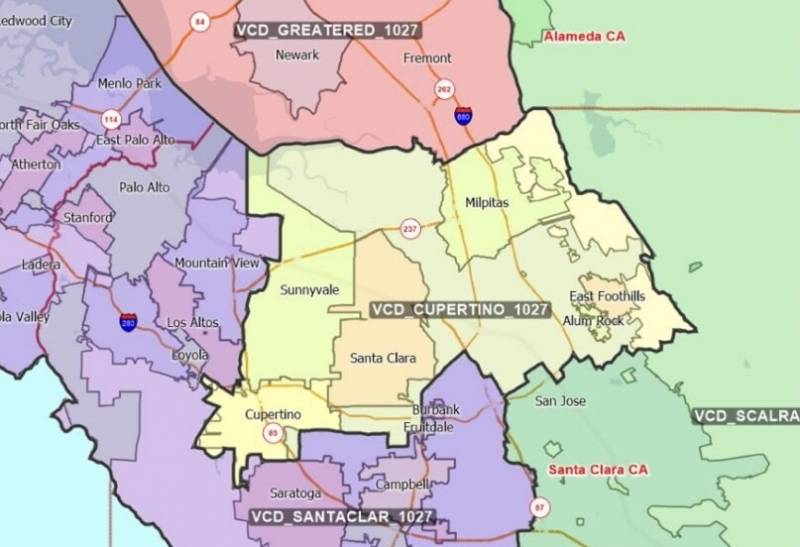
"caption": "The draft map released by the California Citizens Redistricting Commission on November 10, 2021 includes a Congressional district (shown in blue) covering cities currently represented by Democrats Congressmembers Mike Thompson and John Garamendi.",
"description": "The draft map released by the California Citizens Redistricting Commission on Nov. 10, 2021, includes a congressional district (shown in blue) covering cities currently represented by Democratic Reps. Mike Thompson and John Garamendi.",
"title": "image (2)",
"credit": "Citizens Redistricting Commission",
"status": "inherit",
"altTag": "A section of one of the draft redistricting maps that includes the North Bay and far north counties.",
"isLoading": false,
"fetchFailed": false
},
"news_11895908": {
"type": "attachments",
"id": "news_11895908",
"meta": {
"index": "attachments_1716263798",
"site": "news",
"id": "11895908",
"found": true
},
"parent": 11895797,
"imgSizes": {
"twentyfourteen-full-width": {
"file": "https://ww2.kqed.org/app/uploads/sites/10/2021/11/110521-Redistricting-Election-MG-CM-01-1038x576.jpg",
"width": 1038,
"mimeType": "image/jpeg",
"height": 576
},
"thumbnail": {
"file": "https://ww2.kqed.org/app/uploads/sites/10/2021/11/110521-Redistricting-Election-MG-CM-01-160x120.jpg",
"width": 160,
"mimeType": "image/jpeg",
"height": 120
},
"post-thumbnail": {
"file": "https://ww2.kqed.org/app/uploads/sites/10/2021/11/110521-Redistricting-Election-MG-CM-01-672x372.jpg",
"width": 672,
"mimeType": "image/jpeg",
"height": 372
},
"kqedFullSize": {
"file": "https://ww2.kqed.org/app/uploads/sites/10/2021/11/110521-Redistricting-Election-MG-CM-01.jpg",
"width": 1665,
"height": 1249
},
"large": {
"file": "https://ww2.kqed.org/app/uploads/sites/10/2021/11/110521-Redistricting-Election-MG-CM-01-1020x765.jpg",
"width": 1020,
"mimeType": "image/jpeg",
"height": 765
},
"1536x1536": {
"file": "https://ww2.kqed.org/app/uploads/sites/10/2021/11/110521-Redistricting-Election-MG-CM-01-1536x1152.jpg",
"width": 1536,
"mimeType": "image/jpeg",
"height": 1152
},
"medium": {
"file": "https://ww2.kqed.org/app/uploads/sites/10/2021/11/110521-Redistricting-Election-MG-CM-01-800x600.jpg",
"width": 800,
"mimeType": "image/jpeg",
"height": 600
}
},
"publishDate": 1636589938,
"modified": 1636590116,
"caption": "The main responsibility of the Citizens Redistricting Commission is to ensure every district in the state — 52 for Congress, 80 for state Assembly and 40 for state Senate — has about the same number of people. That’s about 761,000 Californians in each congressional district, about 988,000 in state Senate districts and 494,000 in Assembly districts.",
"description": "The main responsibility of the Citizens Redistricting Commission is to ensure every district in the state — 52 for Congress, 80 for state Assembly and 40 for state Senate — has about the same number of people.",
"title": "110521-Redistricting-Election-MG-CM-01",
"credit": "Illustration by Miguel Gutierrez Jr., CalMatters; iStock",
"status": "inherit",
"altTag": "A drawing of an electoral box next to a geographic map that has had superimposed electoral district lines.",
"isLoading": false,
"fetchFailed": false
},
"news_11848529": {
"type": "attachments",
"id": "news_11848529",
"meta": {
"index": "attachments_1716263798",
"site": "news",
"id": "11848529",
"found": true
},
"parent": 11848521,
"imgSizes": {
"apple_news_ca_landscape_5_5": {
"file": "https://ww2.kqed.org/app/uploads/sites/10/2020/11/RS40220__M6A1817-qut-1044x783.jpg",
"width": 1044,
"mimeType": "image/jpeg",
"height": 783
},
"apple_news_ca_square_4_0": {
"file": "https://ww2.kqed.org/app/uploads/sites/10/2020/11/RS40220__M6A1817-qut-470x470.jpg",
"width": 470,
"mimeType": "image/jpeg",
"height": 470
},
"twentyfourteen-full-width": {
"file": "https://ww2.kqed.org/app/uploads/sites/10/2020/11/RS40220__M6A1817-qut-1038x576.jpg",
"width": 1038,
"mimeType": "image/jpeg",
"height": 576
},
"thumbnail": {
"file": "https://ww2.kqed.org/app/uploads/sites/10/2020/11/RS40220__M6A1817-qut-160x107.jpg",
"width": 160,
"mimeType": "image/jpeg",
"height": 107
},
"post-thumbnail": {
"file": "https://ww2.kqed.org/app/uploads/sites/10/2020/11/RS40220__M6A1817-qut-672x372.jpg",
"width": 672,
"mimeType": "image/jpeg",
"height": 372
},
"kqedFullSize": {
"file": "https://ww2.kqed.org/app/uploads/sites/10/2020/11/RS40220__M6A1817-qut.jpg",
"width": 1920,
"height": 1280
},
"apple_news_ca_landscape_4_7": {
"file": "https://ww2.kqed.org/app/uploads/sites/10/2020/11/RS40220__M6A1817-qut-632x474.jpg",
"width": 632,
"mimeType": "image/jpeg",
"height": 474
},
"large": {
"file": "https://ww2.kqed.org/app/uploads/sites/10/2020/11/RS40220__M6A1817-qut-1020x680.jpg",
"width": 1020,
"mimeType": "image/jpeg",
"height": 680
},
"apple_news_ca_landscape_4_0": {
"file": "https://ww2.kqed.org/app/uploads/sites/10/2020/11/RS40220__M6A1817-qut-536x402.jpg",
"width": 536,
"mimeType": "image/jpeg",
"height": 402
},
"apple_news_ca_portrait_12_9": {
"file": "https://ww2.kqed.org/app/uploads/sites/10/2020/11/RS40220__M6A1817-qut-1122x1280.jpg",
"width": 1122,
"mimeType": "image/jpeg",
"height": 1280
},
"medium": {
"file": "https://ww2.kqed.org/app/uploads/sites/10/2020/11/RS40220__M6A1817-qut-800x533.jpg",
"width": 800,
"mimeType": "image/jpeg",
"height": 533
},
"apple_news_ca_portrait_4_0": {
"file": "https://ww2.kqed.org/app/uploads/sites/10/2020/11/RS40220__M6A1817-qut-354x472.jpg",
"width": 354,
"mimeType": "image/jpeg",
"height": 472
},
"apple_news_ca_portrait_9_7": {
"file": "https://ww2.kqed.org/app/uploads/sites/10/2020/11/RS40220__M6A1817-qut-840x1120.jpg",
"width": 840,
"mimeType": "image/jpeg",
"height": 1120
},
"apple_news_ca_landscape_12_9": {
"file": "https://ww2.kqed.org/app/uploads/sites/10/2020/11/RS40220__M6A1817-qut-1832x1280.jpg",
"width": 1832,
"mimeType": "image/jpeg",
"height": 1280
},
"apple_news_ca_square_9_7": {
"file": "https://ww2.kqed.org/app/uploads/sites/10/2020/11/RS40220__M6A1817-qut-1104x1104.jpg",
"width": 1104,
"mimeType": "image/jpeg",
"height": 1104
},
"1536x1536": {
"file": "https://ww2.kqed.org/app/uploads/sites/10/2020/11/RS40220__M6A1817-qut-1536x1024.jpg",
"width": 1536,
"mimeType": "image/jpeg",
"height": 1024
},
"apple_news_ca_portrait_4_7": {
"file": "https://ww2.kqed.org/app/uploads/sites/10/2020/11/RS40220__M6A1817-qut-414x552.jpg",
"width": 414,
"mimeType": "image/jpeg",
"height": 552
},
"apple_news_ca_square_12_9": {
"file": "https://ww2.kqed.org/app/uploads/sites/10/2020/11/RS40220__M6A1817-qut-1472x1280.jpg",
"width": 1472,
"mimeType": "image/jpeg",
"height": 1280
},
"apple_news_ca_portrait_5_5": {
"file": "https://ww2.kqed.org/app/uploads/sites/10/2020/11/RS40220__M6A1817-qut-687x916.jpg",
"width": 687,
"mimeType": "image/jpeg",
"height": 916
},
"apple_news_ca_square_4_7": {
"file": "https://ww2.kqed.org/app/uploads/sites/10/2020/11/RS40220__M6A1817-qut-550x550.jpg",
"width": 550,
"mimeType": "image/jpeg",
"height": 550
},
"apple_news_ca_landscape_9_7": {
"file": "https://ww2.kqed.org/app/uploads/sites/10/2020/11/RS40220__M6A1817-qut-1376x1032.jpg",
"width": 1376,
"mimeType": "image/jpeg",
"height": 1032
},
"apple_news_ca_square_5_5": {
"file": "https://ww2.kqed.org/app/uploads/sites/10/2020/11/RS40220__M6A1817-qut-912x912.jpg",
"width": 912,
"mimeType": "image/jpeg",
"height": 912
}
},
"publishDate": 1606168935,
"modified": 1636570090,
"caption": "San Francisco District Attorney Chesa Boudin, pictured in 2019.",
"description": "San Francisco District Attorney Chesa Boudin, pictured in 2019.",
"title": "RS40220__M6A1817-qut",
"credit": "Stephanie Lister/KQED",
"status": "inherit",
"altTag": "Chesa Boudin wears a suit and stands in front of a crowd at night with a serious face.",
"isLoading": false,
"fetchFailed": false
},
"news_11895679": {
"type": "attachments",
"id": "news_11895679",
"meta": {
"index": "attachments_1716263798",
"site": "news",
"id": "11895679",
"found": true
},
"parent": 11895646,
"imgSizes": {
"twentyfourteen-full-width": {
"file": "https://ww2.kqed.org/app/uploads/sites/10/2021/11/FDTv9lRUcAITLzg-1038x576.jpg",
"width": 1038,
"mimeType": "image/jpeg",
"height": 576
},
"thumbnail": {
"file": "https://ww2.kqed.org/app/uploads/sites/10/2021/11/FDTv9lRUcAITLzg-160x120.jpg",
"width": 160,
"mimeType": "image/jpeg",
"height": 120
},
"post-thumbnail": {
"file": "https://ww2.kqed.org/app/uploads/sites/10/2021/11/FDTv9lRUcAITLzg-672x372.jpg",
"width": 672,
"mimeType": "image/jpeg",
"height": 372
},
"kqedFullSize": {
"file": "https://ww2.kqed.org/app/uploads/sites/10/2021/11/FDTv9lRUcAITLzg.jpg",
"width": 1200,
"height": 900
},
"large": {
"file": "https://ww2.kqed.org/app/uploads/sites/10/2021/11/FDTv9lRUcAITLzg-1020x765.jpg",
"width": 1020,
"mimeType": "image/jpeg",
"height": 765
},
"medium": {
"file": "https://ww2.kqed.org/app/uploads/sites/10/2021/11/FDTv9lRUcAITLzg-800x600.jpg",
"width": 800,
"mimeType": "image/jpeg",
"height": 600
}
},
"publishDate": 1636489553,
"modified": 1636516230,
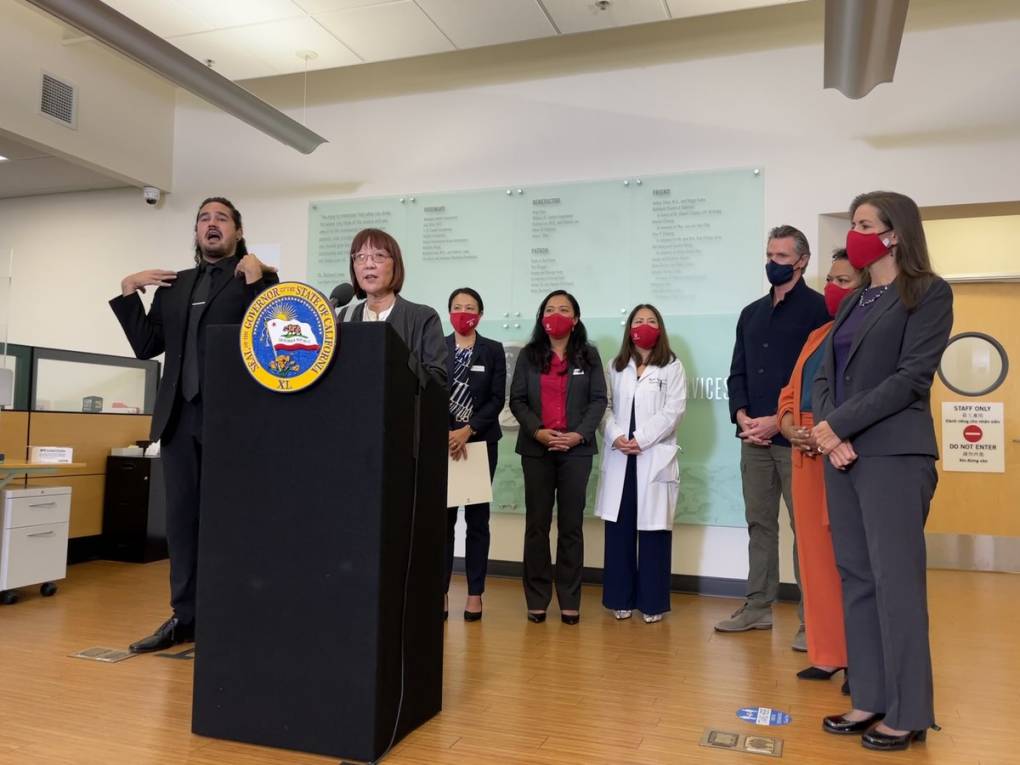
"caption": "Alameda County Supervisor Wilma Chan speaks at Gov. Gavin Newsom's booster shot press conference at Asian Health Services in Oakland on Oct. 27, 2021. Newsom, Assemblymember Mia Bonta and Oakland Mayor Libby Schaaf stand to the right.",
"description": null,
"title": "FDTv9lRUcAITLzg",
"credit": "Silin Huang/ Field Representative with Asm. Mia Bonta",
"status": "inherit",
"altTag": "Wilma Chan stands indoors at a lectern next to a man, apparently an ASL interpreter, gesturing with his hands on his shoulders. Six people stand in a circle at a distance behind her, listening politely.",
"isLoading": false,
"fetchFailed": false
},
"news_11895433": {
"type": "attachments",
"id": "news_11895433",
"meta": {
"index": "attachments_1716263798",
"site": "news",
"id": "11895433",
"found": true
},
"parent": 11895368,
"imgSizes": {
"thumbnail": {
"file": "https://ww2.kqed.org/app/uploads/sites/10/2021/11/RS52162_IMG_3608-qut-160x109.jpg",
"width": 160,
"mimeType": "image/jpeg",
"height": 109
},
"post-thumbnail": {
"file": "https://ww2.kqed.org/app/uploads/sites/10/2021/11/RS52162_IMG_3608-qut-672x372.jpg",
"width": 672,
"mimeType": "image/jpeg",
"height": 372
},
"kqedFullSize": {
"file": "https://ww2.kqed.org/app/uploads/sites/10/2021/11/RS52162_IMG_3608-qut.jpg",
"width": 807,
"height": 552
},
"medium": {
"file": "https://ww2.kqed.org/app/uploads/sites/10/2021/11/RS52162_IMG_3608-qut-800x547.jpg",
"width": 800,
"mimeType": "image/jpeg",
"height": 547
}
},
"publishDate": 1636164661,
"modified": 1636164671,
"caption": "The Citizens Redistricting Commission's proposed visualization of congressional maps released on Oct. 26, 2021. The nonpartisan commission has said it will release a formal draft of the state's district maps on Nov. 10.",
"description": null,
"title": "RS52162_IMG_3608-qut",
"credit": null,
"status": "inherit",
"altTag": null,
"isLoading": false,
"fetchFailed": false
},
"news_11895054": {
"type": "attachments",
"id": "news_11895054",
"meta": {
"index": "attachments_1716263798",
"site": "news",
"id": "11895054",
"found": true
},
"parent": 11895041,
"imgSizes": {
"twentyfourteen-full-width": {
"file": "https://ww2.kqed.org/app/uploads/sites/10/2021/11/3-CHAN-2K-1-1038x576.jpeg",
"width": 1038,
"mimeType": "image/jpeg",
"height": 576
},
"thumbnail": {
"file": "https://ww2.kqed.org/app/uploads/sites/10/2021/11/3-CHAN-2K-1-160x121.jpeg",
"width": 160,
"mimeType": "image/jpeg",
"height": 121
},
"post-thumbnail": {
"file": "https://ww2.kqed.org/app/uploads/sites/10/2021/11/3-CHAN-2K-1-672x372.jpeg",
"width": 672,
"mimeType": "image/jpeg",
"height": 372
},
"kqedFullSize": {
"file": "https://ww2.kqed.org/app/uploads/sites/10/2021/11/3-CHAN-2K-1.jpeg",
"width": 1911,
"height": 1446
},
"large": {
"file": "https://ww2.kqed.org/app/uploads/sites/10/2021/11/3-CHAN-2K-1-1020x772.jpeg",
"width": 1020,
"mimeType": "image/jpeg",
"height": 772
},
"1536x1536": {
"file": "https://ww2.kqed.org/app/uploads/sites/10/2021/11/3-CHAN-2K-1-1536x1162.jpeg",
"width": 1536,
"mimeType": "image/jpeg",
"height": 1162
},
"medium": {
"file": "https://ww2.kqed.org/app/uploads/sites/10/2021/11/3-CHAN-2K-1-800x605.jpeg",
"width": 800,
"mimeType": "image/jpeg",
"height": 605
}
},
"publishDate": 1635983245,
"modified": 1635990273,
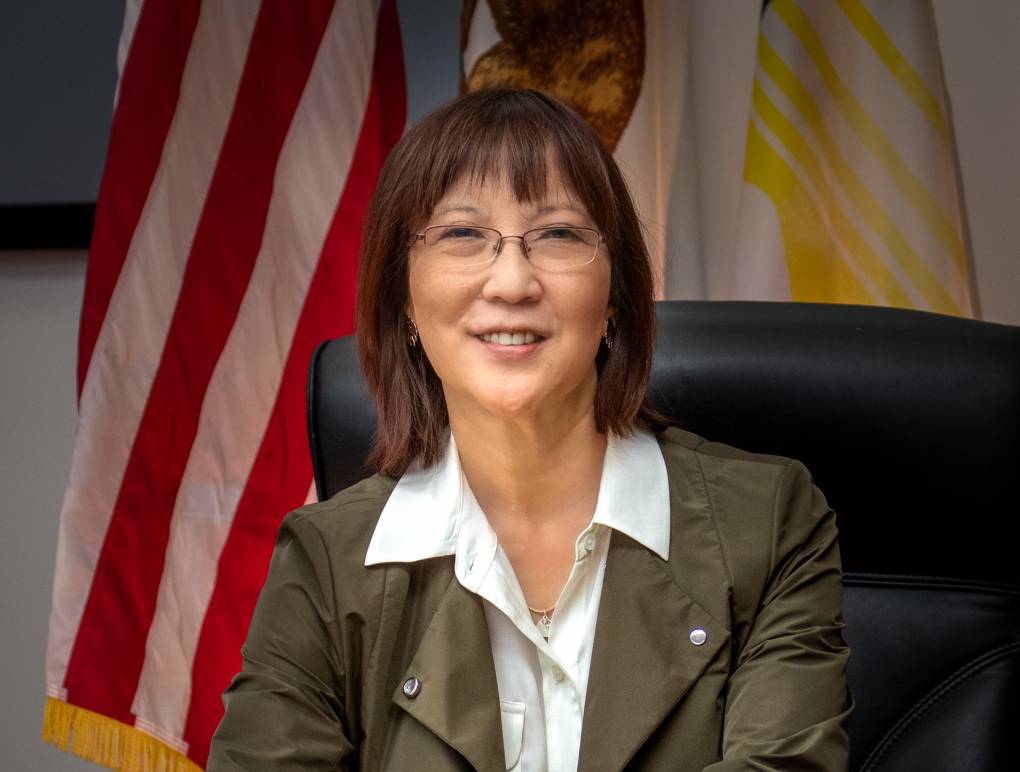
"caption": "Alameda County Supervisor Wilma Chan, who died after being hit by a car in Alameda on Nov. 3, 2021. ",
"description": null,
"title": "3-CHAN-2K",
"credit": "Alameda County Board of Supervisors",
"status": "inherit",
"altTag": "A woman, smiling and wearing glasses, an olive blazer, and a white blouse with a wide collar sits, at a desk in front of an American flag.",
"isLoading": false,
"fetchFailed": false
},
"news_11895001": {
"type": "attachments",
"id": "news_11895001",
"meta": {
"index": "attachments_1716263798",
"site": "news",
"id": "11895001",
"found": true
},
"parent": 11894991,
"imgSizes": {
"twentyfourteen-full-width": {
"file": "https://ww2.kqed.org/app/uploads/sites/10/2021/11/Screen-Shot-2021-11-03-at-2.31.43-PM-1038x576.png",
"width": 1038,
"mimeType": "image/png",
"height": 576
},
"thumbnail": {
"file": "https://ww2.kqed.org/app/uploads/sites/10/2021/11/Screen-Shot-2021-11-03-at-2.31.43-PM-160x89.png",
"width": 160,
"mimeType": "image/png",
"height": 89
},
"post-thumbnail": {
"file": "https://ww2.kqed.org/app/uploads/sites/10/2021/11/Screen-Shot-2021-11-03-at-2.31.43-PM-672x372.png",
"width": 672,
"mimeType": "image/png",
"height": 372
},
"kqedFullSize": {
"file": "https://ww2.kqed.org/app/uploads/sites/10/2021/11/Screen-Shot-2021-11-03-at-2.31.43-PM-e1635975175477.png",
"width": 1454,
"height": 812
},
"large": {
"file": "https://ww2.kqed.org/app/uploads/sites/10/2021/11/Screen-Shot-2021-11-03-at-2.31.43-PM-1020x570.png",
"width": 1020,
"mimeType": "image/png",
"height": 570
},
"medium": {
"file": "https://ww2.kqed.org/app/uploads/sites/10/2021/11/Screen-Shot-2021-11-03-at-2.31.43-PM-800x447.png",
"width": 800,
"mimeType": "image/png",
"height": 447
}
},
"publishDate": 1635975157,
"modified": 1636050878,
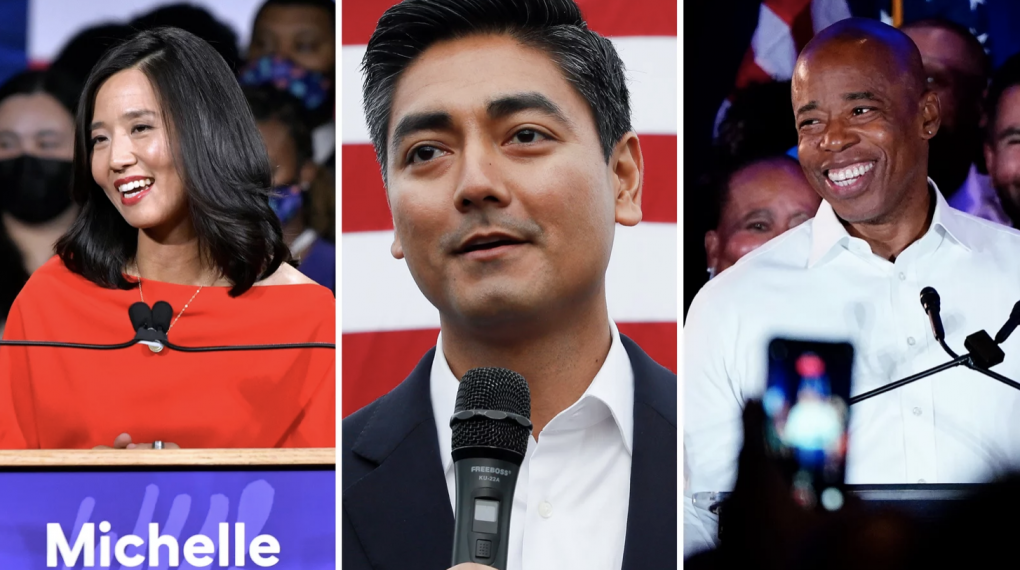
"caption": "Michelle Wu has been elected mayor of Boston, Aftab Pureval has been elected mayor of Cincinnati and Eric Adams has been elected mayor of New York.",
"description": null,
"title": "Screen Shot 2021-11-03 at 2.31.43 PM",
"credit": "Josh Reynolds, John Minchillo and Frank Franklin II/AP",
"status": "inherit",
"altTag": "Three photos: A woman in a red dress looking to the left, a close-up of a man wearing a black suit jacket and white dress shirt and a man wearing a white dress shirt standing in front of a microphone.",
"isLoading": false,
"fetchFailed": false
},
"news_11894302": {
"type": "attachments",
"id": "news_11894302",
"meta": {
"index": "attachments_1716263798",
"site": "news",
"id": "11894302",
"found": true
},
"parent": 11894065,
"imgSizes": {
"twentyfourteen-full-width": {
"file": "https://ww2.kqed.org/app/uploads/sites/10/2021/10/Autumn_Siva_petitions_credit_Recall_SF_School_Board-1-1038x576.jpeg",
"width": 1038,
"mimeType": "image/jpeg",
"height": 576
},
"thumbnail": {
"file": "https://ww2.kqed.org/app/uploads/sites/10/2021/10/Autumn_Siva_petitions_credit_Recall_SF_School_Board-1-160x120.jpeg",
"width": 160,
"mimeType": "image/jpeg",
"height": 120
},
"post-thumbnail": {
"file": "https://ww2.kqed.org/app/uploads/sites/10/2021/10/Autumn_Siva_petitions_credit_Recall_SF_School_Board-1-672x372.jpeg",
"width": 672,
"mimeType": "image/jpeg",
"height": 372
},
"kqedFullSize": {
"file": "https://ww2.kqed.org/app/uploads/sites/10/2021/10/Autumn_Siva_petitions_credit_Recall_SF_School_Board-1-scaled-e1635468698126.jpeg",
"width": 1920,
"height": 1440
},
"2048x2048": {
"file": "https://ww2.kqed.org/app/uploads/sites/10/2021/10/Autumn_Siva_petitions_credit_Recall_SF_School_Board-1-2048x1536.jpeg",
"width": 2048,
"mimeType": "image/jpeg",
"height": 1536
},
"large": {
"file": "https://ww2.kqed.org/app/uploads/sites/10/2021/10/Autumn_Siva_petitions_credit_Recall_SF_School_Board-1-1020x765.jpeg",
"width": 1020,
"mimeType": "image/jpeg",
"height": 765
},
"1536x1536": {
"file": "https://ww2.kqed.org/app/uploads/sites/10/2021/10/Autumn_Siva_petitions_credit_Recall_SF_School_Board-1-1536x1152.jpeg",
"width": 1536,
"mimeType": "image/jpeg",
"height": 1152
},
"full-width": {
"file": "https://ww2.kqed.org/app/uploads/sites/10/2021/10/Autumn_Siva_petitions_credit_Recall_SF_School_Board-1-1920x1440.jpeg",
"width": 1920,
"mimeType": "image/jpeg",
"height": 1440
},
"medium": {
"file": "https://ww2.kqed.org/app/uploads/sites/10/2021/10/Autumn_Siva_petitions_credit_Recall_SF_School_Board-1-800x600.jpeg",
"width": 800,
"mimeType": "image/jpeg",
"height": 600
}
},
"publishDate": 1635468575,
"modified": 1635540677,
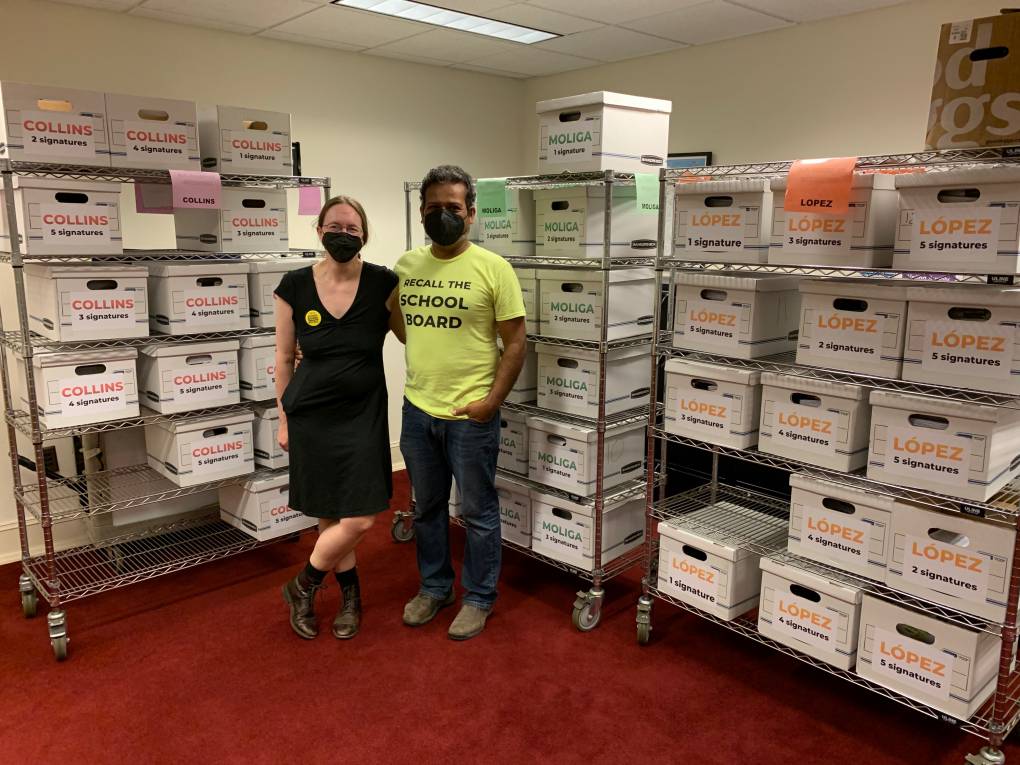
"caption": "Autumn Looijen, left, and Siva Raj, co-founders of the Recall SF School Board campaign, stand in front of boxes filled with signed petitions to put the effort on the ballot.",
"description": null,
"title": "Autumn_Siva_petitions_credit_Recall_SF_School_Board (1)",
"credit": "Recall SF School Board",
"status": "inherit",
"altTag": "A man and a woman, smiling and arm in arm, stand at the corner of two walls stacked with election filing boxes.",
"isLoading": false,
"fetchFailed": false
},
"news_11894361": {
"type": "attachments",
"id": "news_11894361",
"meta": {
"index": "attachments_1716263798",
"site": "news",
"id": "11894361",
"found": true
},
"parent": 11894003,
"imgSizes": {
"twentyfourteen-full-width": {
"file": "https://ww2.kqed.org/app/uploads/sites/10/2021/10/Bay_Area_by_Sentinel-2_2019-03-11_small_version-1038x576.jpeg",
"width": 1038,
"mimeType": "image/jpeg",
"height": 576
},
"thumbnail": {
"file": "https://ww2.kqed.org/app/uploads/sites/10/2021/10/Bay_Area_by_Sentinel-2_2019-03-11_small_version-160x113.jpeg",
"width": 160,
"mimeType": "image/jpeg",
"height": 113
},
"post-thumbnail": {
"file": "https://ww2.kqed.org/app/uploads/sites/10/2021/10/Bay_Area_by_Sentinel-2_2019-03-11_small_version-672x372.jpeg",
"width": 672,
"mimeType": "image/jpeg",
"height": 372
},
"kqedFullSize": {
"file": "https://ww2.kqed.org/app/uploads/sites/10/2021/10/Bay_Area_by_Sentinel-2_2019-03-11_small_version.jpeg",
"width": 1920,
"height": 1355
},
"large": {
"file": "https://ww2.kqed.org/app/uploads/sites/10/2021/10/Bay_Area_by_Sentinel-2_2019-03-11_small_version-1020x720.jpeg",
"width": 1020,
"mimeType": "image/jpeg",
"height": 720
},
"1536x1536": {
"file": "https://ww2.kqed.org/app/uploads/sites/10/2021/10/Bay_Area_by_Sentinel-2_2019-03-11_small_version-1536x1084.jpeg",
"width": 1536,
"mimeType": "image/jpeg",
"height": 1084
},
"medium": {
"file": "https://ww2.kqed.org/app/uploads/sites/10/2021/10/Bay_Area_by_Sentinel-2_2019-03-11_small_version-800x565.jpeg",
"width": 800,
"mimeType": "image/jpeg",
"height": 565
}
},
"publishDate": 1635532610,
"modified": 1635532965,
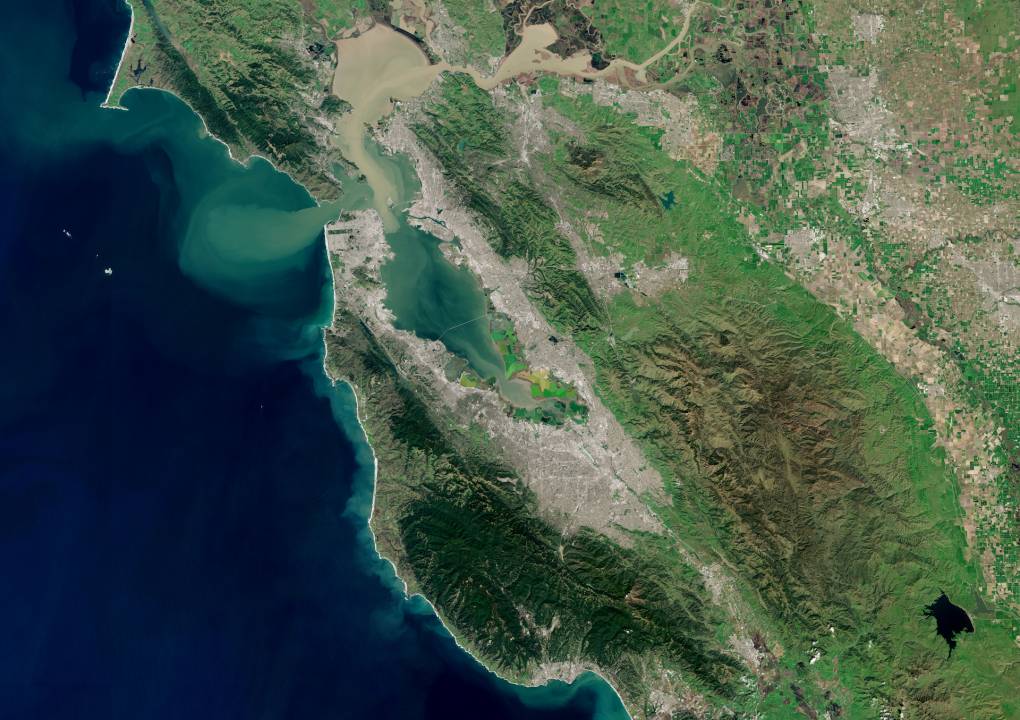
"caption": "A 2019 satellite image of the Bay Area. Changing demographics could significantly alter how the region is redistricted.",
"description": null,
"title": "Bay_Area_by_Sentinel-2,_2019-03-11_(small_version)",
"credit": "Courtesy of \u003ca href=\"https://scihub.copernicus.eu/dhus/#/home\">Copernicus\u003c/a>",
"status": "inherit",
"altTag": null,
"isLoading": false,
"fetchFailed": false
},
"news_11892809": {
"type": "attachments",
"id": "news_11892809",
"meta": {
"index": "attachments_1716263798",
"site": "news",
"id": "11892809",
"found": true
},
"parent": 0,
"imgSizes": {
"twentyfourteen-full-width": {
"file": "https://ww2.kqed.org/app/uploads/sites/10/2021/10/schoolbd-1038x576.png",
"width": 1038,
"mimeType": "image/png",
"height": 576
},
"thumbnail": {
"file": "https://ww2.kqed.org/app/uploads/sites/10/2021/10/schoolbd-160x106.png",
"width": 160,
"mimeType": "image/png",
"height": 106
},
"post-thumbnail": {
"file": "https://ww2.kqed.org/app/uploads/sites/10/2021/10/schoolbd-672x372.png",
"width": 672,
"mimeType": "image/png",
"height": 372
},
"kqedFullSize": {
"file": "https://ww2.kqed.org/app/uploads/sites/10/2021/10/schoolbd.png",
"width": 1523,
"height": 1009
},
"large": {
"file": "https://ww2.kqed.org/app/uploads/sites/10/2021/10/schoolbd-1020x676.png",
"width": 1020,
"mimeType": "image/png",
"height": 676
},
"medium": {
"file": "https://ww2.kqed.org/app/uploads/sites/10/2021/10/schoolbd-800x530.png",
"width": 800,
"mimeType": "image/png",
"height": 530
}
},
"publishDate": 1634605133,
"modified": 1645035820,
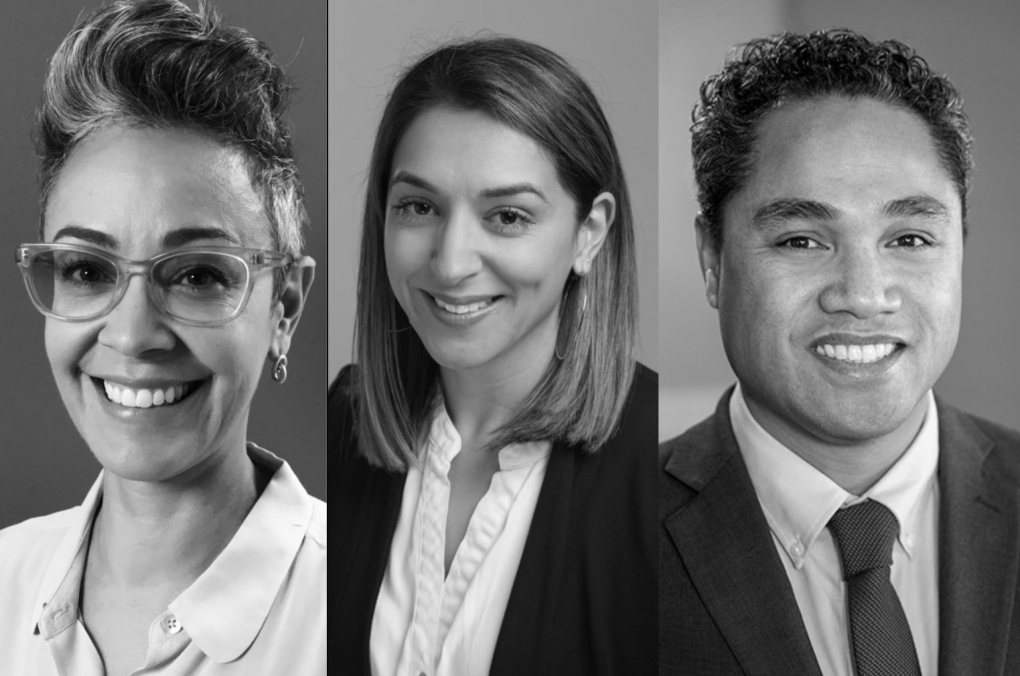
"caption": "Former San Francisco School Commissioner Alison M. Collins (left), former Board President Gabriela López and former Vice President Faauuga Moliga. All three lost their seats on the San Francisco Board of Education recall election on Feb. 15, 2022.",
"description": null,
"title": "schoolbd",
"credit": "Individual headshots courtesy of San Francisco Board of Education",
"status": "inherit",
"altTag": "Black-and-white head shots of two women and one man.",
"isLoading": false,
"fetchFailed": false
}
},
"audioPlayerReducer": {
"postId": "stream_live",
"isPaused": true,
"isPlaying": false,
"pfsActive": false,
"pledgeModalIsOpen": true,
"playerDrawerIsOpen": false,
"liveAudioPlayStartedAt": 0,
"liveAudioPlayContext": ""
},
"authorsReducer": {
"byline_news_11896237": {
"type": "authors",
"id": "byline_news_11896237",
"meta": {
"override": true
},
"slug": "byline_news_11896237",
"name": "Don Thompson\u003cbr>The Associated Press",
"isLoading": false
},
"byline_news_11895797": {
"type": "authors",
"id": "byline_news_11895797",
"meta": {
"override": true
},
"slug": "byline_news_11895797",
"name": "\u003ca href=\"https://calmatters.org/author/sameea-kamal/\">Sameea Kamal\u003c/a>",
"isLoading": false
},
"byline_news_11895782": {
"type": "authors",
"id": "byline_news_11895782",
"meta": {
"override": true
},
"slug": "byline_news_11895782",
"name": "Janie Har \u003cbr> The Associated Press",
"isLoading": false
},
"byline_news_11894991": {
"type": "authors",
"id": "byline_news_11894991",
"meta": {
"override": true
},
"slug": "byline_news_11894991",
"name": "Joe Hernandez",
"isLoading": false
},
"gmarzorati": {
"type": "authors",
"id": "227",
"meta": {
"index": "authors_1716337520",
"id": "227",
"found": true
},
"name": "Guy Marzorati",
"firstName": "Guy",
"lastName": "Marzorati",
"slug": "gmarzorati",
"email": "gmarzorati@KQED.org",
"display_author_email": true,
"staff_mastheads": [
"news"
],
"title": "Correspondent",
"bio": "Guy Marzorati is a correspondent on KQED's California Politics and Government Desk, based in San Jose. A graduate of Santa Clara University, Guy joined KQED in 2013. He reports on state and local politics and produces KQED's digital voter guide.",
"avatar": "https://secure.gravatar.com/avatar/e7038b8dbfd55b104369b76b1cd0b9de?s=600&d=blank&r=g",
"twitter": "guymarzorati",
"facebook": null,
"instagram": null,
"linkedin": null,
"sites": [
{
"site": "",
"roles": [
"editor"
]
},
{
"site": "news",
"roles": [
"editor"
]
},
{
"site": "science",
"roles": [
"editor"
]
},
{
"site": "forum",
"roles": [
"editor"
]
},
{
"site": "elections",
"roles": [
"editor"
]
},
{
"site": "liveblog",
"roles": [
"editor"
]
}
],
"headData": {
"title": "Guy Marzorati | KQED",
"description": "Correspondent",
"ogImgSrc": "https://secure.gravatar.com/avatar/e7038b8dbfd55b104369b76b1cd0b9de?s=600&d=blank&r=g",
"twImgSrc": "https://secure.gravatar.com/avatar/e7038b8dbfd55b104369b76b1cd0b9de?s=600&d=blank&r=g"
},
"isLoading": false,
"link": "/author/gmarzorati"
},
"minakim": {
"type": "authors",
"id": "243",
"meta": {
"index": "authors_1716337520",
"id": "243",
"found": true
},
"name": "Mina Kim",
"firstName": "Mina",
"lastName": "Kim",
"slug": "minakim",
"email": "mkim@kqed.org",
"display_author_email": false,
"staff_mastheads": [
"news"
],
"title": "Host, Forum",
"bio": "Mina Kim is host of the 10 a.m. statewide hour of Forum; a live daily talk show for curious Californians on issues that matter to the state and nation, with a particular emphasis on race and equity.\r\n\r\nBefore joining the Forum team, Mina was KQED’s evening news anchor, and health reporter for The California Report. Her award-winning work has included natural disasters in Napa and gun violence in Oakland. Mina grew up in St. John’s, Newfoundland.",
"avatar": "https://secure.gravatar.com/avatar/145ce657a2d08cb86d93686beb958982?s=600&d=blank&r=g",
"twitter": "mkimreporter",
"facebook": null,
"instagram": null,
"linkedin": null,
"sites": [
{
"site": "news",
"roles": [
"contributor"
]
},
{
"site": "stateofhealth",
"roles": [
"author"
]
},
{
"site": "forum",
"roles": [
"editor"
]
}
],
"headData": {
"title": "Mina Kim | KQED",
"description": "Host, Forum",
"ogImgSrc": "https://secure.gravatar.com/avatar/145ce657a2d08cb86d93686beb958982?s=600&d=blank&r=g",
"twImgSrc": "https://secure.gravatar.com/avatar/145ce657a2d08cb86d93686beb958982?s=600&d=blank&r=g"
},
"isLoading": false,
"link": "/author/minakim"
},
"matthewgreen": {
"type": "authors",
"id": "1263",
"meta": {
"index": "authors_1716337520",
"id": "1263",
"found": true
},
"name": "Matthew Green",
"firstName": "Matthew",
"lastName": "Green",
"slug": "matthewgreen",
"email": "mgreen@kqed.org",
"display_author_email": false,
"staff_mastheads": [],
"title": "KQED Editor/Reporter",
"bio": "Matthew Green is a digital media producer for KQED News. He previously produced \u003ca href=\"http://www.kqed.org/lowdown\">The Lowdown\u003c/a>, KQED’s multimedia news education blog. Matthew's written for numerous Bay Area publications, including the Oakland Tribune and San Francisco Chronicle. He also taught journalism classes at Fremont High School in East Oakland.\r\n\r\nEmail: mgreen@kqed.org; Twitter: @MGreenKQED",
"avatar": "https://secure.gravatar.com/avatar/3bf498d1267ca02c8494f33d8cfc575e?s=600&d=blank&r=g",
"twitter": "MGreenKQED",
"facebook": null,
"instagram": null,
"linkedin": null,
"sites": [
{
"site": "news",
"roles": []
},
{
"site": "lowdown",
"roles": []
},
{
"site": "science",
"roles": []
},
{
"site": "education",
"roles": []
},
{
"site": "quest",
"roles": []
},
{
"site": "liveblog",
"roles": []
}
],
"headData": {
"title": "Matthew Green | KQED",
"description": "KQED Editor/Reporter",
"ogImgSrc": "https://secure.gravatar.com/avatar/3bf498d1267ca02c8494f33d8cfc575e?s=600&d=blank&r=g",
"twImgSrc": "https://secure.gravatar.com/avatar/3bf498d1267ca02c8494f33d8cfc575e?s=600&d=blank&r=g"
},
"isLoading": false,
"link": "/author/matthewgreen"
},
"ecruzguevarra": {
"type": "authors",
"id": "8654",
"meta": {
"index": "authors_1716337520",
"id": "8654",
"found": true
},
"name": "Ericka Cruz Guevarra",
"firstName": "Ericka",
"lastName": "Cruz Guevarra",
"slug": "ecruzguevarra",
"email": "ecruzguevarra@kqed.org",
"display_author_email": true,
"staff_mastheads": [
"news"
],
"title": "Producer, The Bay Podcast",
"bio": "Ericka Cruz Guevarra is host of \u003ca href=\"https://www.kqed.org/podcasts/thebay\">\u003cem>The Bay\u003c/em>\u003c/a> podcast at KQED. Before host, she was the show’s producer. Her work in that capacity includes a three-part reported series on policing in Vallejo, which won a 2020 excellence in journalism award from the Society of Professional Journalists. Ericka has worked as a breaking news reporter at Oregon Public Broadcasting, helped produce the Code Switch podcast, and was KQED’s inaugural Raul Ramirez Diversity Fund intern. She’s also an alumna of NPR’s Next Generation Radio program. Send her an email if you have strong feelings about whether Fairfield and Suisun City are the Bay. Ericka is represented by SAG-AFTRA.",
"avatar": "https://secure.gravatar.com/avatar/accefc1de4bafc7e234b69bcb9b6f6536c130fd84709bc3069ef11a78787e1bb?s=600&d=blank&r=g",
"twitter": "NotoriousECG",
"bluesky": null,
"facebook": null,
"instagram": null,
"linkedin": null,
"sites": [
{
"site": "arts",
"roles": [
"subscriber"
]
},
{
"site": "news",
"roles": [
"editor",
"manage_categories"
]
},
{
"site": "futureofyou",
"roles": [
"subscriber"
]
},
{
"site": "stateofhealth",
"roles": [
"subscriber"
]
},
{
"site": "science",
"roles": [
"editor"
]
},
{
"site": "forum",
"roles": [
"subscriber"
]
}
],
"headData": {
"title": "Ericka Cruz Guevarra | KQED",
"description": "Producer, The Bay Podcast",
"ogImgSrc": "https://secure.gravatar.com/avatar/accefc1de4bafc7e234b69bcb9b6f6536c130fd84709bc3069ef11a78787e1bb?s=600&d=blank&r=g",
"twImgSrc": "https://secure.gravatar.com/avatar/accefc1de4bafc7e234b69bcb9b6f6536c130fd84709bc3069ef11a78787e1bb?s=600&d=blank&r=g"
},
"isLoading": false,
"link": "/author/ecruzguevarra"
},
"vrancano": {
"type": "authors",
"id": "11276",
"meta": {
"index": "authors_1716337520",
"id": "11276",
"found": true
},
"name": "Vanessa Rancaño",
"firstName": "Vanessa",
"lastName": "Rancaño",
"slug": "vrancano",
"email": "vrancano@kqed.org",
"display_author_email": false,
"staff_mastheads": [
"news"
],
"title": "Reporter",
"bio": "Vanessa Rancaño is a features reporter for KQED. She’s also covered homelessness and education for the station and reported from the Central Valley. Her work has aired across public radio, from flagship national news shows to longform narrative podcasts. Before taking up a mic, she worked as a freelance print journalist. She’s been recognized with a number of national and regional awards. Vanessa grew up in California's Central Valley. She's a former NPR Kroc Fellow, and a graduate of the UC Berkeley Graduate School of Journalism.",
"avatar": "https://secure.gravatar.com/avatar/b3a383dfb0e7ee1c17568f2cf067904ab654d6e3de9743fc661f3c788ade1bed?s=600&d=blank&r=g",
"twitter": "vanessarancano",
"bluesky": null,
"facebook": null,
"instagram": null,
"linkedin": null,
"sites": [
{
"site": "arts",
"roles": [
"editor"
]
},
{
"site": "news",
"roles": [
"editor"
]
},
{
"site": "liveblog",
"roles": [
"contributor"
]
}
],
"headData": {
"title": "Vanessa Rancaño | KQED",
"description": "Reporter",
"ogImgSrc": "https://secure.gravatar.com/avatar/b3a383dfb0e7ee1c17568f2cf067904ab654d6e3de9743fc661f3c788ade1bed?s=600&d=blank&r=g",
"twImgSrc": "https://secure.gravatar.com/avatar/b3a383dfb0e7ee1c17568f2cf067904ab654d6e3de9743fc661f3c788ade1bed?s=600&d=blank&r=g"
},
"isLoading": false,
"link": "/author/vrancano"
},
"rdillon": {
"type": "authors",
"id": "11495",
"meta": {
"index": "authors_1716337520",
"id": "11495",
"found": true
},
"name": "Raquel Maria Dillon",
"firstName": "Raquel Maria",
"lastName": "Dillon",
"slug": "rdillon",
"email": "rdillon@kqed.org",
"display_author_email": false,
"staff_mastheads": [],
"title": null,
"bio": "Raquel Maria Dillon was a reporter and host for KQED News. Previously, she produced the daily statewide California Report, edited newscasts, and covered health and education stories. Before returning to the Bay Area in 2016, she worked in Los Angeles as a wire reporter and one-woman-band video journalist for the Associated Press, where she shot, edited and reported breaking news and features across the West. Her work has appeared online and in print around the globe, and also on NPR’s Morning Edition, All Things Considered, Here and Now, Marketplace, On The Media, and Studio 360. She previously edited and mentored up-and-coming reporters at KALW, produced social videos for Timeline.com, and was a local TV news videographer for KTVU and digital producer for KNTV. She got her start as a Radio News Trainee at KQED, produced a weekly public affairs roundtable show for OPB, and covered health and politics at New Hampshire Public Radio. She has a BA in political science from Barnard College and a MA in video journalism from UC Berkeley, where she was awarded the Faith Fancher Scholarship and a Student Emmy. She has received numerous local awards from the Associated Press and the Society of Professional Journalists.",
"avatar": "https://secure.gravatar.com/avatar/b8e02ae982913d0950df605910267c1b?s=600&d=blank&r=g",
"twitter": "RaquelMDillon",
"facebook": null,
"instagram": null,
"linkedin": null,
"sites": [
{
"site": "news",
"roles": [
"subscriber"
]
},
{
"site": "stateofhealth",
"roles": [
"editor"
]
},
{
"site": "science",
"roles": [
"editor"
]
},
{
"site": "forum",
"roles": [
"editor"
]
}
],
"headData": {
"title": "Raquel Maria Dillon | KQED",
"description": null,
"ogImgSrc": "https://secure.gravatar.com/avatar/b8e02ae982913d0950df605910267c1b?s=600&d=blank&r=g",
"twImgSrc": "https://secure.gravatar.com/avatar/b8e02ae982913d0950df605910267c1b?s=600&d=blank&r=g"
},
"isLoading": false,
"link": "/author/rdillon"
},
"mfharvin": {
"type": "authors",
"id": "11583",
"meta": {
"index": "authors_1716337520",
"id": "11583",
"found": true
},
"name": "Mary Franklin Harvin",
"firstName": "Mary Franklin",
"lastName": "Harvin",
"slug": "mfharvin",
"email": "mfharvin@KQED.org",
"display_author_email": false,
"staff_mastheads": [
"news"
],
"title": "KQED Contributor",
"bio": null,
"avatar": "https://secure.gravatar.com/avatar/0e53510a7d48cfbdebfc9b11357d845f?s=600&d=blank&r=g",
"twitter": "EmEffHarvin",
"facebook": null,
"instagram": null,
"linkedin": null,
"sites": [
{
"site": "news",
"roles": [
"author",
"edit_others_posts"
]
},
{
"site": "science",
"roles": [
"editor"
]
}
],
"headData": {
"title": "Mary Franklin Harvin | KQED",
"description": "KQED Contributor",
"ogImgSrc": "https://secure.gravatar.com/avatar/0e53510a7d48cfbdebfc9b11357d845f?s=600&d=blank&r=g",
"twImgSrc": "https://secure.gravatar.com/avatar/0e53510a7d48cfbdebfc9b11357d845f?s=600&d=blank&r=g"
},
"isLoading": false,
"link": "/author/mfharvin"
},
"amontecillo": {
"type": "authors",
"id": "11649",
"meta": {
"index": "authors_1716337520",
"id": "11649",
"found": true
},
"name": "Alan Montecillo",
"firstName": "Alan",
"lastName": "Montecillo",
"slug": "amontecillo",
"email": "amontecillo@kqed.org",
"display_author_email": false,
"staff_mastheads": [
"news"
],
"title": "KQED Contributor",
"bio": "Alan Montecillo is the senior editor of \u003cem>\u003ca href=\"http://kqed.org/thebay\">The Bay\u003c/a>, \u003c/em> KQED's local news podcast. Before moving to the Bay Area, he worked as a senior talk show producer for WILL in Champaign-Urbana, Illinois and at Oregon Public Broadcasting in Portland, Oregon. He has won journalism awards from the Society of Professional Journalists Northern California, the Public Media Journalists Association, The Signal Awards, and has also received a regional Edward R. Murrow award. Alan is a Filipino American from Hong Kong and a graduate of Reed College.",
"avatar": "https://secure.gravatar.com/avatar/268f53a2066899ea9efdd8a5900218b17c822d9862cbc9326cccec53ef41d349?s=600&d=blank&r=g",
"twitter": "alanmontecillo",
"bluesky": null,
"facebook": null,
"instagram": null,
"linkedin": null,
"sites": [
{
"site": "",
"roles": [
"editor"
]
},
{
"site": "news",
"roles": [
"editor",
"manage_categories"
]
}
],
"headData": {
"title": "Alan Montecillo | KQED",
"description": "KQED Contributor",
"ogImgSrc": "https://secure.gravatar.com/avatar/268f53a2066899ea9efdd8a5900218b17c822d9862cbc9326cccec53ef41d349?s=600&d=blank&r=g",
"twImgSrc": "https://secure.gravatar.com/avatar/268f53a2066899ea9efdd8a5900218b17c822d9862cbc9326cccec53ef41d349?s=600&d=blank&r=g"
},
"isLoading": false,
"link": "/author/amontecillo"
},
"swhitney": {
"type": "authors",
"id": "11784",
"meta": {
"index": "authors_1716337520",
"id": "11784",
"found": true
},
"name": "Spencer Whitney",
"firstName": "Spencer",
"lastName": "Whitney",
"slug": "swhitney",
"email": "swhitney@kqed.org",
"display_author_email": false,
"staff_mastheads": [],
"title": "KQED Digital Editor",
"bio": "Spencer Whitney is currently a Digital Editor for KQED News. Prior to joining KQED News, Spencer worked as the Multimedia Editor at the Oakland Post and an Assistant Editor in the Editorial department at the San Francisco Chronicle. He attended Howard University as an undergraduate and interned with SiriusXM. He also attended UC Berkeley's Graduate School of Journalism and had the opportunity to write for the hyperlocal news sites Richmond Confidential and Oakland North.",
"avatar": "https://secure.gravatar.com/avatar/e33ff4fd8b8f0d2796f36472fb32607ca8fc46ef5e537dcfdbdee688d8ea5b80?s=600&d=mm&r=g",
"twitter": null,
"bluesky": null,
"facebook": null,
"instagram": null,
"linkedin": null,
"sites": [
{
"site": "arts",
"roles": [
"editor"
]
},
{
"site": "news",
"roles": [
"editor"
]
},
{
"site": "science",
"roles": [
"editor"
]
},
{
"site": "perspectives",
"roles": [
"editor"
]
}
],
"headData": {
"title": "Spencer Whitney | KQED",
"description": "KQED Digital Editor",
"ogImgSrc": "https://secure.gravatar.com/avatar/e33ff4fd8b8f0d2796f36472fb32607ca8fc46ef5e537dcfdbdee688d8ea5b80?s=600&d=mm&r=g",
"twImgSrc": "https://secure.gravatar.com/avatar/e33ff4fd8b8f0d2796f36472fb32607ca8fc46ef5e537dcfdbdee688d8ea5b80?s=600&d=mm&r=g"
},
"isLoading": false,
"link": "/author/swhitney"
}
},
"pagesReducer": {
"news_tag_politics": {
"type": "terms",
"id": "news_17968",
"meta": {
"index": "terms_1716263798",
"site": "news",
"id": "17968",
"score": 8.003286
},
"name": "Politics",
"slug": "politics",
"taxonomy": "tag",
"description": null,
"featImg": null,
"headData": {
"title": "Politics | KQED News",
"description": null,
"ogTitle": null,
"ogDescription": null,
"ogImgId": null,
"twTitle": null,
"twDescription": null,
"twImgId": null
},
"ttid": 18002,
"isLoading": false,
"title": "Politics",
"pageMeta": {
"site": "news",
"WpPageTemplate": "page-topic-editorial",
"currentPage": 181
},
"blocks": [
{
"blockName": "kqed/post-list",
"attrs": {
"layout": "cardArticle2",
"query": "posts/news?tag=politics",
"seeMore": false,
"paginated": true,
"page": 181
}
},
{
"blockName": "kqed/ad"
}
]
}
},
"pfsSessionReducer": {},
"postsReducer": {
"stream_live": {
"type": "live",
"id": "stream_live",
"audioUrl": "https://streams.kqed.org/kqedradio",
"title": "Live Stream",
"excerpt": "Live Stream information currently unavailable.",
"link": "/radio",
"featImg": "",
"label": {
"name": "KQED Live",
"link": "/"
}
},
"stream_kqedNewscast": {
"type": "posts",
"id": "stream_kqedNewscast",
"audioUrl": "https://www.kqed.org/.stream/anon/radio/RDnews/newscast.mp3?_=1",
"title": "KQED Newscast",
"featImg": "",
"label": {
"name": "88.5 FM",
"link": "/"
}
},
"news_11896237": {
"type": "posts",
"id": "news_11896237",
"meta": {
"index": "posts_1716263798",
"site": "news",
"id": "11896237",
"score": null,
"sort": [
1637016818000
]
},
"guestAuthors": [],
"slug": "amazon-to-pay-california-500000-for-failing-to-properly-inform-employees-of-workplace-covid-cases",
"title": "Amazon to Pay California $500,000 for Failing to Properly Inform Employees of Workplace COVID Cases",
"publishDate": 1637016818,
"format": "standard",
"headTitle": "Amazon to Pay California $500,000 for Failing to Properly Inform Employees of Workplace COVID Cases | KQED",
"labelTerm": {
"term": 18481,
"site": "news"
},
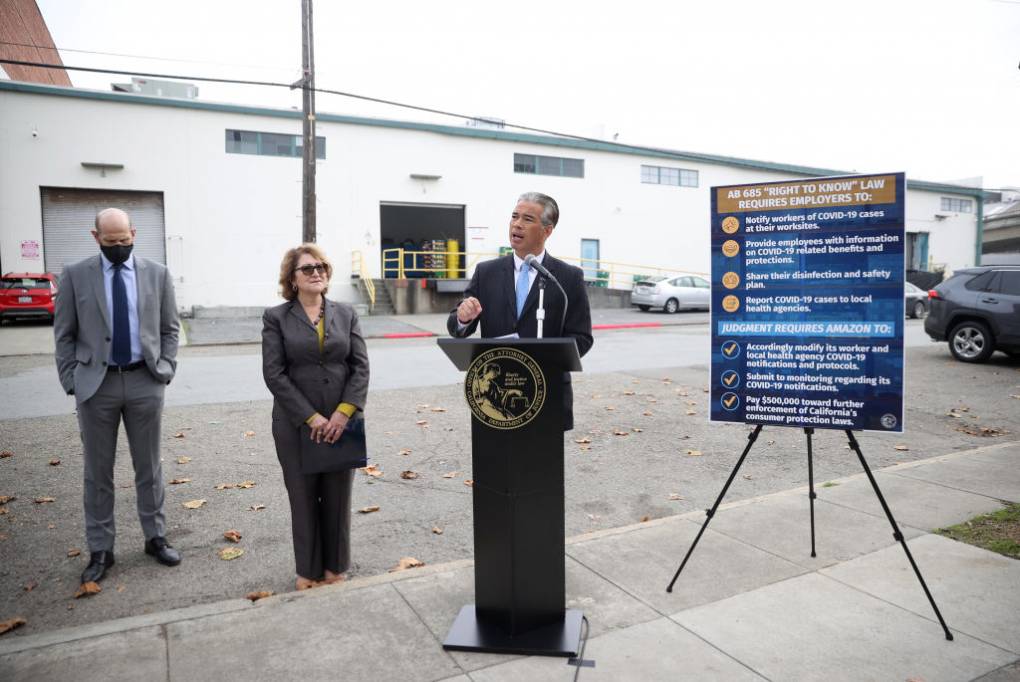
"content": "\u003cp>Amazon has agreed to pay a half-million-dollar fine and be monitored by California officials to ensure it properly notifies its workers about new coronavirus cases, the state’s attorney general announced Monday.\u003c/p>\n\u003cp>Amazon employs about 150,000 people in California, most of whom work at the company’s 100 “fulfillment centers” — sprawling warehouses throughout the state where orders are packed and shipped. The agreement, which must be approved by a judge, requires the Seattle-based retailer to notify its workers within a day when new coronavirus cases are discovered in their workplaces.\u003c/p>\n\u003cp>Amazon also agreed to notify local health agencies of new virus cases within 48 hours, and to stop issuing notices that Attorney General Rob Bonta says do not adequately inform employees of their rights related to the pandemic, or of steps the company is taking to ensure worker safety.\u003c/p>\n\u003cp>“As the company enjoyed booming and historic sales with its stock price doubling, Amazon failed to adequately notify warehouse workers and local health agencies of COVID-19 case numbers, often leaving them unable to effectively track the spread of the virus,” Bonta told reporters in San Francisco at an event held across the street from an Amazon warehouse.\u003c/p>\n\u003cp>“This left many workers understandably terrified and powerless to make informed decisions to protect themselves and to protect their loved ones,” he added.\u003c/p>\n\u003cp>[ad fullwidth]\u003c/p>\n\u003cp>Amazon spokesperson Barbara Agrait said in a statement that the company was “glad to have this resolved and to see that the AG found no substantive issues with the safety measures in our buildings.”\u003c/p>\n\u003cp>[aside label=\"related coverage\" tag=\"amazon\"]The agreement stems from actions taken last year by then-state Attorney General Xavier Becerra, who now heads the U.S. Health and Human Services Department. Becerra in December asked a judge to order Amazon to comply with subpoenas that his office issued months earlier as part of its investigation into how the company was protecting workers from the virus.\u003c/p>\n\u003cp>The state attorney general’s office first disclosed the investigation in a July 2020 filing in a San Francisco Superior Court case in which an employee accused the company of not doing enough to safeguard staff.\u003c/p>\n\u003cp>It’s unclear how many Amazon employees have been exposed to the virus at work over the course of the pandemic. In October 2020, the company disclosed that nearly 20,000 of its front-line U.S. workers had tested positive or were presumed infected.\u003c/p>\n\u003cp>The judgment, which applies only in California, requires the company to allow the attorney general’s office to monitor its employee virus notifications for a year, and to pay the half-million-dollar settlement, which will go toward enforcement of the state’s consumer protection laws.\u003c/p>\n\u003cp>Bonta said the judgment is the first of its kind in the U.S., and complies with a state \u003ca href=\"https://leginfo.legislature.ca.gov/faces/billNavClient.xhtml?bill_id=201920200AB685\">“right-to-know” law\u003c/a> that took effect last year, requiring employers to notify workers of coronavirus cases at worksites, inform them of pandemic-related protections and safety plans, and report all cases to local health agencies.\u003c/p>\n\u003cp>Both the \u003ca href=\"https://oag.ca.gov/system/files/attachments/press-docs/amazon_complaint.pdf\">complaint\u003c/a> and \u003ca href=\"https://oag.ca.gov/system/files/attachments/press-docs/amazon_stipj.pdf\">stipulation\u003c/a> were filed with the Sacramento County Superior Court on Monday.\u003c/p>\n\u003cp>State Assembly Majority Leader Eloise Gómez Reyes, D-San Bernardino, who introduced the bill, said it was enacted after lawmakers heard stories of workers who were not told that they might have been exposed. Many California companies have since complied, she said, but some “found loopholes and they either failed or chose not to comply with the law.”\u003c/p>\n\u003cp>The agreement comes as Amazon hires a slew of additional temporary workers in preparation for the holiday crush of package deliveries. Bonta said compliance is particularly important as the state prepares for another possible winter surge in cases as more people travel and gather indoors for the holidays.\u003c/p>\n\u003cp>\u003ca href=\"https://leginfo.legislature.ca.gov/faces/billNavClient.xhtml?bill_id=202120220AB701\">California this year also became the first state to prohibit big retailers from firing warehouse workers for missing quotas that interfere with bathroom and rest breaks.\u003c/a>\u003c/p>\n\u003cp>\u003c/p>\n\u003cp>That law prohibits companies like Amazon from disciplining workers for following health and safety laws, and allows employees to sue their employers over unsafe quotas or undue retaliation.\u003c/p>\n\n",
"blocks": [],
"excerpt": "The judgment, which applies only in California, requires Amazon to allow the attorney general's office to monitor its virus notifications for a year, and to pay the half-million-dollar settlement that will go to enforce the state’s consumer protection laws.",
"status": "publish",
"parent": 0,
"modified": 1727137223,
"stats": {
"hasAudio": false,
"hasVideo": false,
"hasChartOrMap": false,
"iframeSrcs": [],
"hasGoogleForm": false,
"hasGallery": false,
"hasHearkenModule": false,
"hasPolis": false,
"paragraphCount": 18,
"wordCount": 707
},
"headData": {
"title": "Amazon to Pay California $500,000 for Failing to Properly Inform Employees of Workplace COVID Cases | KQED",
"description": "The judgment, which applies only in California, requires Amazon to allow the attorney general's office to monitor its virus notifications for a year, and to pay the half-million-dollar settlement that will go to enforce the state’s consumer protection laws.",
"ogTitle": "",
"ogDescription": "",
"ogImgId": "",
"twTitle": "",
"twDescription": "",
"twImgId": "",
"schema": {
"@context": "https://schema.org",
"@type": "NewsArticle",
"headline": "Amazon to Pay California $500,000 for Failing to Properly Inform Employees of Workplace COVID Cases",
"datePublished": "2021-11-15T14:53:38-08:00",
"dateModified": "2024-09-23T17:20:23-07:00",
"image": "https://cdn.kqed.org/wp-content/uploads/2020/02/KQED-OG-Image@1x.png",
"isAccessibleForFree": "True",
"publisher": {
"@type": "NewsMediaOrganization",
"@id": "https://www.kqed.org/#organization",
"name": "KQED",
"logo": "https://cdn.kqed.org/wp-content/uploads/2020/02/KQED-OG-Image@1x.png",
"url": "https://www.kqed.org",
"sameAs": [
"https://www.facebook.com/KQED",
"https://twitter.com/KQED",
"https://www.instagram.com/kqed/",
"https://www.tiktok.com/@kqedofficial",
"https://www.linkedin.com/company/kqed",
"https://www.youtube.com/channel/UCeC0IOo7i1P_61zVUWbJ4nw"
]
}
}
},
"sticky": false,
"nprByline": "Don Thompson\u003cbr>The Associated Press",
"excludeFromSiteSearch": "Include",
"path": "/news/11896237/amazon-to-pay-california-500000-for-failing-to-properly-inform-employees-of-workplace-covid-cases",
"audioTrackLength": null,
"parsedContent": [
{
"type": "contentString",
"content": "\u003cdiv class=\"post-body\">\u003cp>\u003cp>Amazon has agreed to pay a half-million-dollar fine and be monitored by California officials to ensure it properly notifies its workers about new coronavirus cases, the state’s attorney general announced Monday.\u003c/p>\n\u003cp>Amazon employs about 150,000 people in California, most of whom work at the company’s 100 “fulfillment centers” — sprawling warehouses throughout the state where orders are packed and shipped. The agreement, which must be approved by a judge, requires the Seattle-based retailer to notify its workers within a day when new coronavirus cases are discovered in their workplaces.\u003c/p>\n\u003cp>Amazon also agreed to notify local health agencies of new virus cases within 48 hours, and to stop issuing notices that Attorney General Rob Bonta says do not adequately inform employees of their rights related to the pandemic, or of steps the company is taking to ensure worker safety.\u003c/p>\n\u003cp>“As the company enjoyed booming and historic sales with its stock price doubling, Amazon failed to adequately notify warehouse workers and local health agencies of COVID-19 case numbers, often leaving them unable to effectively track the spread of the virus,” Bonta told reporters in San Francisco at an event held across the street from an Amazon warehouse.\u003c/p>\n\u003cp>“This left many workers understandably terrified and powerless to make informed decisions to protect themselves and to protect their loved ones,” he added.\u003c/p>\n\u003cp>\u003c/p>\u003c/div>",
"attributes": {
"named": {},
"numeric": []
}
},
{
"type": "component",
"content": "",
"name": "ad",
"attributes": {
"named": {
"label": "fullwidth"
},
"numeric": [
"fullwidth"
]
}
},
{
"type": "contentString",
"content": "\u003cdiv class=\"post-body\">\u003cp>\u003c/p>\n\u003cp>Amazon spokesperson Barbara Agrait said in a statement that the company was “glad to have this resolved and to see that the AG found no substantive issues with the safety measures in our buildings.”\u003c/p>\n\u003cp>\u003c/p>\u003c/div>",
"attributes": {
"named": {},
"numeric": []
}
},
{
"type": "component",
"content": "",
"name": "aside",
"attributes": {
"named": {
"label": "related coverage ",
"tag": "amazon"
},
"numeric": []
}
},
{
"type": "contentString",
"content": "\u003cdiv class=\"post-body\">\u003cp>The agreement stems from actions taken last year by then-state Attorney General Xavier Becerra, who now heads the U.S. Health and Human Services Department. Becerra in December asked a judge to order Amazon to comply with subpoenas that his office issued months earlier as part of its investigation into how the company was protecting workers from the virus.\u003c/p>\n\u003cp>The state attorney general’s office first disclosed the investigation in a July 2020 filing in a San Francisco Superior Court case in which an employee accused the company of not doing enough to safeguard staff.\u003c/p>\n\u003cp>It’s unclear how many Amazon employees have been exposed to the virus at work over the course of the pandemic. In October 2020, the company disclosed that nearly 20,000 of its front-line U.S. workers had tested positive or were presumed infected.\u003c/p>\n\u003cp>The judgment, which applies only in California, requires the company to allow the attorney general’s office to monitor its employee virus notifications for a year, and to pay the half-million-dollar settlement, which will go toward enforcement of the state’s consumer protection laws.\u003c/p>\n\u003cp>Bonta said the judgment is the first of its kind in the U.S., and complies with a state \u003ca href=\"https://leginfo.legislature.ca.gov/faces/billNavClient.xhtml?bill_id=201920200AB685\">“right-to-know” law\u003c/a> that took effect last year, requiring employers to notify workers of coronavirus cases at worksites, inform them of pandemic-related protections and safety plans, and report all cases to local health agencies.\u003c/p>\n\u003cp>Both the \u003ca href=\"https://oag.ca.gov/system/files/attachments/press-docs/amazon_complaint.pdf\">complaint\u003c/a> and \u003ca href=\"https://oag.ca.gov/system/files/attachments/press-docs/amazon_stipj.pdf\">stipulation\u003c/a> were filed with the Sacramento County Superior Court on Monday.\u003c/p>\n\u003cp>State Assembly Majority Leader Eloise Gómez Reyes, D-San Bernardino, who introduced the bill, said it was enacted after lawmakers heard stories of workers who were not told that they might have been exposed. Many California companies have since complied, she said, but some “found loopholes and they either failed or chose not to comply with the law.”\u003c/p>\n\u003cp>The agreement comes as Amazon hires a slew of additional temporary workers in preparation for the holiday crush of package deliveries. Bonta said compliance is particularly important as the state prepares for another possible winter surge in cases as more people travel and gather indoors for the holidays.\u003c/p>\n\u003cp>\u003ca href=\"https://leginfo.legislature.ca.gov/faces/billNavClient.xhtml?bill_id=202120220AB701\">California this year also became the first state to prohibit big retailers from firing warehouse workers for missing quotas that interfere with bathroom and rest breaks.\u003c/a>\u003c/p>\n\u003cp>\u003c/p>\n\u003cp>That law prohibits companies like Amazon from disciplining workers for following health and safety laws, and allows employees to sue their employers over unsafe quotas or undue retaliation.\u003c/p>\n\n\u003c/div>\u003c/p>",
"attributes": {
"named": {},
"numeric": []
}
}
],
"link": "/news/11896237/amazon-to-pay-california-500000-for-failing-to-properly-inform-employees-of-workplace-covid-cases",
"authors": [
"byline_news_11896237"
],
"categories": [
"news_8"
],
"tags": [
"news_1611",
"news_27504",
"news_17968",
"news_3674",
"news_23063"
],
"affiliates": [
"news_18481"
],
"featImg": "news_11896244",
"label": "news_18481"
},
"news_11896039": {
"type": "posts",
"id": "news_11896039",
"meta": {
"index": "posts_1716263798",
"site": "news",
"id": "11896039",
"score": null,
"sort": [
1636714857000
]
},
"guestAuthors": [],
"slug": "the-california-latinos-at-cop26",
"title": "The California Latinos at COP26",
"publishDate": 1636714857,
"format": "audio",
"headTitle": "The California Latinos at COP26 | KQED",
"labelTerm": {},
"content": "\u003cp>California sent many representatives to the 2021 United Nations Climate Change Conference in Glasgow, Scotland — including many Latinos, who are California’s largest ethnic group and are also \u003ca href=\"https://www.pewresearch.org/fact-tank/2021/10/04/most-u-s-latinos-say-global-climate-change-and-other-environmental-issues-impact-their-local-communities/\" target=\"_blank\" rel=\"noopener noreferrer\">more likely to say that climate change affects their local community\u003c/a>.\u003c/p>\n\u003cp>They include some of the state’s most powerful people, academics, leaders of non-profits, and activists. They also include protesters who are skeptical that this summit will lead to meaningful climate action.\u003c/p>\n\u003cp>\u003cstrong>Guest: \u003c/strong>\u003ca href=\"https://twitter.com/RaquelMDillon\" target=\"_blank\" rel=\"noopener noreferrer\">Raquel Maria Dillon\u003c/a>, KQED reporter\u003c/p>\n\u003cp>\u003cem>This episode was produced by Alan Montecillo and Mary Franklin Harvin, and hosted by Ericka Cruz Guevarra.\u003c/em>\u003c/p>\n\u003cp id=\"embed-code\" class=\"inconsolata\">\n\u003c!-- iframe plugin v.4.3 wordpress.org/plugins/iframe/ -->\u003cbr>\n\u003ciframe loading=\"lazy\" frameborder=\"0\" height=\"200\" scrolling=\"no\" src=\"https://playlist.megaphone.fm?e=KQINC5643783190&light=true\" width=\"100%\" class=\"iframe-class\">\u003c/iframe>\n\u003c/p>\n\u003cp>[ad fullwidth]\u003c/p>\n\u003cp>\u003c/p>\n\u003cp>\u003ca href=\"https://kqed.applytojob.com/apply/2Sdl1NZQzF/FullTime-Producer-The-Bay-Podcast\" target=\"_blank\" rel=\"noopener noreferrer\">\u003cem>KQED is hiring a producer for The Bay.\u003c/em>\u003c/a>\u003cem> This is a full-time job with benefits, based in the Bay Area. Please apply by Dec. 1.\u003c/em>\u003c/p>\n\n",
"blocks": [],
"excerpt": null,
"status": "publish",
"parent": 0,
"modified": 1727905311,
"stats": {
"hasAudio": true,
"hasVideo": false,
"hasChartOrMap": false,
"iframeSrcs": [],
"hasGoogleForm": false,
"hasGallery": false,
"hasHearkenModule": false,
"hasPolis": false,
"paragraphCount": 7,
"wordCount": 126
},
"headData": {
"title": "The California Latinos at COP26 | KQED",
"description": "California sent many representatives to the 2021 United Nations Climate Change Conference in Glasgow, Scotland — including many Latinos, who are California's largest ethnic group and are also more likely to say that climate change affects their local community. They include some of the state's most powerful people, academics, leaders of non-profits, and activists. They also include protesters who are skeptical that this summit will lead to meaningful climate action. Guest: Raquel Maria Dillon, KQED reporter This episode was produced by Alan Montecillo and Mary Franklin Harvin, and hosted by Ericka Cruz Guevarra. KQED is hiring a producer for The",
"ogTitle": "",
"ogDescription": "",
"ogImgId": "",
"twTitle": "",
"twDescription": "",
"twImgId": "",
"schema": {
"@context": "https://schema.org",
"@type": "NewsArticle",
"headline": "The California Latinos at COP26",
"datePublished": "2021-11-12T03:00:57-08:00",
"dateModified": "2024-10-02T14:41:51-07:00",
"image": "https://cdn.kqed.org/wp-content/uploads/2020/02/KQED-OG-Image@1x.png",
"isAccessibleForFree": "True",
"publisher": {
"@type": "NewsMediaOrganization",
"@id": "https://www.kqed.org/#organization",
"name": "KQED",
"logo": "https://cdn.kqed.org/wp-content/uploads/2020/02/KQED-OG-Image@1x.png",
"url": "https://www.kqed.org",
"sameAs": [
"https://www.facebook.com/KQED",
"https://twitter.com/KQED",
"https://www.instagram.com/kqed/",
"https://www.tiktok.com/@kqedofficial",
"https://www.linkedin.com/company/kqed",
"https://www.youtube.com/channel/UCeC0IOo7i1P_61zVUWbJ4nw"
]
}
}
},
"source": "The Bay",
"sourceUrl": "https://www.kqed.org/podcasts/thebay",
"audioUrl": "https://www.podtrac.com/pts/redirect.mp3/traffic.megaphone.fm/KQINC5643783190.mp3?updated=1636696318",
"sticky": false,
"excludeFromSiteSearch": "Include",
"path": "/news/11896039/the-california-latinos-at-cop26",
"audioTrackLength": null,
"parsedContent": [
{
"type": "contentString",
"content": "\u003cdiv class=\"post-body\">\u003cp>\u003cp>California sent many representatives to the 2021 United Nations Climate Change Conference in Glasgow, Scotland — including many Latinos, who are California’s largest ethnic group and are also \u003ca href=\"https://www.pewresearch.org/fact-tank/2021/10/04/most-u-s-latinos-say-global-climate-change-and-other-environmental-issues-impact-their-local-communities/\" target=\"_blank\" rel=\"noopener noreferrer\">more likely to say that climate change affects their local community\u003c/a>.\u003c/p>\n\u003cp>They include some of the state’s most powerful people, academics, leaders of non-profits, and activists. They also include protesters who are skeptical that this summit will lead to meaningful climate action.\u003c/p>\n\u003cp>\u003cstrong>Guest: \u003c/strong>\u003ca href=\"https://twitter.com/RaquelMDillon\" target=\"_blank\" rel=\"noopener noreferrer\">Raquel Maria Dillon\u003c/a>, KQED reporter\u003c/p>\n\u003cp>\u003cem>This episode was produced by Alan Montecillo and Mary Franklin Harvin, and hosted by Ericka Cruz Guevarra.\u003c/em>\u003c/p>\n\u003cp id=\"embed-code\" class=\"inconsolata\">\n\u003c!-- iframe plugin v.4.3 wordpress.org/plugins/iframe/ -->\u003cbr>\n\u003ciframe loading=\"lazy\" frameborder=\"0\" height=\"200\" scrolling=\"no\" src=\"https://playlist.megaphone.fm?e=KQINC5643783190&light=true\" width=\"100%\" class=\"iframe-class\">\u003c/iframe>\n\u003c/p>\n\u003cp>\u003c/p>\u003c/div>",
"attributes": {
"named": {},
"numeric": []
}
},
{
"type": "component",
"content": "",
"name": "ad",
"attributes": {
"named": {
"label": "fullwidth"
},
"numeric": [
"fullwidth"
]
}
},
{
"type": "contentString",
"content": "\u003cdiv class=\"post-body\">\u003cp>\u003c/p>\n\u003cp>\u003c/p>\n\u003cp>\u003ca href=\"https://kqed.applytojob.com/apply/2Sdl1NZQzF/FullTime-Producer-The-Bay-Podcast\" target=\"_blank\" rel=\"noopener noreferrer\">\u003cem>KQED is hiring a producer for The Bay.\u003c/em>\u003c/a>\u003cem> This is a full-time job with benefits, based in the Bay Area. Please apply by Dec. 1.\u003c/em>\u003c/p>\n\n\u003c/div>\u003c/p>",
"attributes": {
"named": {},
"numeric": []
}
}
],
"link": "/news/11896039/the-california-latinos-at-cop26",
"authors": [
"8654",
"11495",
"11583",
"11649"
],
"programs": [
"news_28779"
],
"categories": [
"news_34165",
"news_8",
"news_33520"
],
"tags": [
"news_19204",
"news_20605",
"news_17968",
"news_22598"
],
"featImg": "news_11896042",
"label": "source_news_11896039"
},
"news_11895983": {
"type": "posts",
"id": "news_11895983",
"meta": {
"index": "posts_1716263798",
"site": "news",
"id": "11895983",
"score": null,
"sort": [
1636707641000
]
},
"parent": 0,
"labelTerm": {
"site": "news"
},
"blocks": [],
"publishDate": 1636707641,
"format": "standard",
"disqusTitle": "The Redistricting Draft Maps Are Here. This Is How They Could Change Politics in the Bay Area",
"title": "The Redistricting Draft Maps Are Here. This Is How They Could Change Politics in the Bay Area",
"headTitle": "KQED News",
"content": "\u003cp>The California Citizens Redistricting Commission took a key step Wednesday night toward setting the state's future political lines, approving a first draft of maps for state Senate, Assembly and U.S. House districts after three days of marathon meetings that came after months of public deliberation.\u003c/p>\n\u003cp>Now, the panel will take at least two weeks of public comment on their plans before making any changes. Final maps, which set in place district boundaries for the next decade, will need to be approved by Dec. 27.\u003c/p>\n\u003cp>Here are some takeaways on how the commission's lines could affect the political representation of Bay Area residents.\u003c/p>\n\u003cp>https://twitter.com/WeDrawTheLines/status/1458651754443120641\u003c/p>\n\u003ch3>\u003cstrong>Congressional musical chairs \u003c/strong>\u003c/h3>\n\u003cp>The volunteer commissioners are responsible for drawing district lines that contain equal populations, protect the political voice of communities of color and language minorities and take into account \"communities of interest,\" such as cities, neighborhoods, demographic groups\u003cstrong> \u003c/strong>or clusters of industry.\u003c/p>\n\u003cp>[aside postID=\"news_11895797\" hero=\"https://ww2.kqed.org/app/uploads/sites/10/2021/11/110521-Redistricting-Election-MG-CM-01-1020x765.jpg\"]They do \u003cem>not\u003c/em> consider the current location (or feelings) of incumbent politicians. That's why the proposed lines fracture some current districts — like the one with the seat currently held by Democratic Rep. John Garamendi.\u003c/p>\n\u003cp>Solano County cities currently represented by Garamendi like Vacaville and Dixon are now joined in a district with Napa and Sonoma county cities represented by fellow Democrat Mike Thompson. That could lead Garamendi to run against Thompson or shift to a different district.\u003c/p>\n\u003cp>But keep in mind, a lot could change to avoid an incumbent-vs.-incumbent clash. For one, congressmembers don't have to live in the district they serve, so an incumbent could theoretically run in a more favorable district. And if any member of the Bay Area congressional delegation were to retire, another safe Democratic seat would open for the taking.\u003c/p>\n\u003cfigure id=\"attachment_11896025\" class=\"wp-caption alignnone\" style=\"max-width: 1479px\">\u003cimg class=\"wp-image-11896025 size-full\" src=\"https://ww2.kqed.org/app/uploads/sites/10/2021/11/52495_transform.jpeg\" alt=\"\" width=\"1479\" height=\"828\" srcset=\"https://ww2.kqed.org/app/uploads/sites/10/2021/11/52495_transform.jpeg 1479w, https://ww2.kqed.org/app/uploads/sites/10/2021/11/52495_transform-800x448.jpeg 800w, https://ww2.kqed.org/app/uploads/sites/10/2021/11/52495_transform-1020x571.jpeg 1020w, https://ww2.kqed.org/app/uploads/sites/10/2021/11/52495_transform-160x90.jpeg 160w\" sizes=\"(max-width: 1479px) 100vw, 1479px\">\u003cfigcaption class=\"wp-caption-text\">The draft redistricting maps no longer split San Francisco's Assembly district into clean east-west lines. \u003ccite>(Citizens Redistricting Commission)\u003c/cite>\u003c/figcaption>\u003c/figure>\n\u003ch3>\u003cstrong>San Francisco Assembly split\u003c/strong>\u003c/h3>\n\u003cp>The maps split San Francisco into two Assembly districts, but instead of a straight east-west split, the western district forms a \"v\" shape, from the Richmond District south to Daly City and back north into the Bayview.\u003c/p>\n\u003cp>[aside postID=\"news_11894003\" hero=\"https://ww2.kqed.org/app/uploads/sites/10/2021/10/Bay_Area_by_Sentinel-2_2019-03-11_small_version-1020x720.jpeg\"]These lines were informed by testimony to the commission that uniting Chinese communities in the Richmond, Sunset, Visitacion Valley and Bayview with Filipino neighborhoods in Daly City \u003ca href=\"https://www.kqed.org/news/11894003/booming-asian-population-could-gain-bigger-influence-in-new-bay-area-voter-maps\" target=\"_blank\" rel=\"noopener noreferrer\">would result in a strong voice for working-class communities and their shared needs\u003c/a>, such as culturally specific social services.\u003c/p>\n\u003cp>But critics of the maps said the \u003ca href=\"https://www.kqed.org/news/11895368/drawing-new-political-maps-for-the-bay\" target=\"_blank\" rel=\"noopener noreferrer\">consolidation of those diverse Asian communities is to the detriment\u003c/a> of Asian, Black and Latino residents in San Francisco's other Assembly district.\u003cstrong> \u003c/strong>In that east SF seat, the white citizens-of-voting-age population would jump from 39% under the current lines to 56% in the draft map, according to data provided by the Chinese American Voters Education Committee.\u003c/p>\n\u003ch3>\u003cstrong>Tri-Valley splintered \u003c/strong>\u003c/h3>\n\u003cp>The commission has struggled with how to group the Tri-Valley, a handful of towns and cities spanning eastern Contra Costa and Alameda counties. Some early map ideas even paired the region with cities in the Central Valley like Tracy.\u003c/p>\n\u003cp>Despite the \u003ca href=\"https://www.pleasantonweekly.com/news/2021/11/02/tri-valley-mayors-highlight-regional-collaboration-during-annual-summit\" target=\"_blank\" rel=\"noopener noreferrer\">wishes of the region's five mayors to remain in one district\u003c/a>, the draft maps put Pleasanton and Livermore in a separate Assembly and Congressional district from Danville, San Ramon and parts of Dublin.\u003c/p>\n\u003cp>And it's not just Tri-Valley advocates pushing for a change here: A representative with the group Bay Rising, which works to build political power for communities of color, asked the commission on Wednesday to separate the city of Hayward from the \"much richer, much whiter\" Tri-Valley.\u003c/p>\n\u003cfigure id=\"attachment_11896022\" class=\"wp-caption alignnone\" style=\"max-width: 1285px\">\u003cimg class=\"wp-image-11896022 size-full\" src=\"https://ww2.kqed.org/app/uploads/sites/10/2021/11/RS52493_IMG_3650-qut.jpg\" alt=\"\" width=\"1285\" height=\"828\" srcset=\"https://ww2.kqed.org/app/uploads/sites/10/2021/11/RS52493_IMG_3650-qut.jpg 1285w, https://ww2.kqed.org/app/uploads/sites/10/2021/11/RS52493_IMG_3650-qut-800x515.jpg 800w, https://ww2.kqed.org/app/uploads/sites/10/2021/11/RS52493_IMG_3650-qut-1020x657.jpg 1020w, https://ww2.kqed.org/app/uploads/sites/10/2021/11/RS52493_IMG_3650-qut-160x103.jpg 160w\" sizes=\"(max-width: 1285px) 100vw, 1285px\">\u003cfigcaption class=\"wp-caption-text\">A proposed state Assembly district stretches north from Napa to more conservative counties. \u003ccite>(Citizens Redistricting Commission)\u003c/cite>\u003c/figcaption>\u003c/figure>\n\u003ch3>\u003cstrong>Any chance for Republicans to represent the Bay Area?\u003c/strong>\u003c/h3>\n\u003cp>No Republican has represented a piece of the Bay Area in Congress or the state legislature since 2018, when Tri-Valley Assemblymember Catharine Baker lost her bid for a third term.\u003c/p>\n\u003cp>If there's any hope for Republicans in these new draft maps, it's in a proposed Assembly district which stretches more than 150 miles north from American Canyon, in southern Napa County, to conservative Tehama County.\u003c/p>\n\u003cp>The lack of population growth in the northern regions of the state forced the commission to pull district lines far south in order to loop in the required population. Despite this district's inclusion of red counties like Tehama, Colusa and Glenn, Democrats would still have a 16% voter registration advantage thanks to more liberal voters in Yolo and Napa counties being included, according to an analysis by the California Target Book.\u003c/p>\n\u003ch3>\u003cstrong>More community input 'really critical' \u003c/strong>\u003c/h3>\n\u003cp>As they neared their deadline to complete these draft maps, redistricting commissioners admitted they simply ran out of time to enact some changes they had been mulling over.\u003c/p>\n\u003cp>On Tuesday, commissioners labored to combine Vallejo and Richmond into a state Assembly district (as they had done in the congressional maps) — citing a desire to unite historically Black communities and workers who commute daily up or down I-80, giving them a stronger say in a single district.\u003c/p>\n\u003cp>But after a lengthy debate, the commissioners couldn't draw a district within the required population limits, and decided to table the idea.\u003c/p>\n\u003cp>It could be an idea the commission revisits after hearing public feedback, which starts next week.\u003c/p>\n\u003cp>\"By approving these maps and going forward, it gives us 14 days to get community input from communities before we hit the holidays and I think that's really critical,\" said Commissioner Pedro Toledo.\u003cbr>\n[ad fullwidth]\u003c/p>\n\u003cp>\u003c/p>\n",
"disqusIdentifier": "11895983 https://ww2.kqed.org/news/?p=11895983",
"disqusUrl": "https://ww2.kqed.org/news/2021/11/12/the-redistricting-draft-maps-are-here-this-is-how-they-could-change-politics-in-the-bay-area/",
"stats": {
"hasVideo": false,
"hasChartOrMap": false,
"hasAudio": false,
"hasPolis": false,
"wordCount": 970,
"hasGoogleForm": false,
"hasGallery": false,
"hasHearkenModule": false,
"iframeSrcs": [],
"paragraphCount": 22
},
"modified": 1636759096,
"excerpt": "Five takeaways from the draft maps published by the California Citizens Redistricting Commission this week.",
"headData": {
"twImgId": "",
"twTitle": "",
"ogTitle": "",
"ogImgId": "",
"twDescription": "",
"description": "Five takeaways from the draft maps published by the California Citizens Redistricting Commission this week.",
"title": "The Redistricting Draft Maps Are Here. This Is How They Could Change Politics in the Bay Area | KQED",
"ogDescription": "",
"schema": {
"@context": "https://schema.org",
"@type": "NewsArticle",
"headline": "The Redistricting Draft Maps Are Here. This Is How They Could Change Politics in the Bay Area",
"datePublished": "2021-11-12T01:00:41-08:00",
"dateModified": "2021-11-12T15:18:16-08:00",
"image": "https://cdn.kqed.org/wp-content/uploads/2020/02/KQED-OG-Image@1x.png",
"isAccessibleForFree": "True",
"publisher": {
"@type": "NewsMediaOrganization",
"@id": "https://www.kqed.org/#organization",
"name": "KQED",
"logo": "https://cdn.kqed.org/wp-content/uploads/2020/02/KQED-OG-Image@1x.png",
"url": "https://www.kqed.org",
"sameAs": [
"https://www.facebook.com/KQED",
"https://twitter.com/KQED",
"https://www.instagram.com/kqed/",
"https://www.tiktok.com/@kqedofficial",
"https://www.linkedin.com/company/kqed",
"https://www.youtube.com/channel/UCeC0IOo7i1P_61zVUWbJ4nw"
]
}
}
},
"guestAuthors": [],
"slug": "the-redistricting-draft-maps-are-here-this-is-how-they-could-change-politics-in-the-bay-area",
"status": "publish",
"audioUrl": "https://www.kqed.org/.stream/anon/radio/RDnews/2021/11/SilerMarzoratiNewPoliticalMaps2Way.mp3",
"excludeFromSiteSearch": "Include",
"path": "/news/11895983/the-redistricting-draft-maps-are-here-this-is-how-they-could-change-politics-in-the-bay-area",
"audioTrackLength": null,
"parsedContent": [
{
"type": "contentString",
"content": "\u003cdiv class=\"post-body\">\u003cp>\u003cp>The California Citizens Redistricting Commission took a key step Wednesday night toward setting the state's future political lines, approving a first draft of maps for state Senate, Assembly and U.S. House districts after three days of marathon meetings that came after months of public deliberation.\u003c/p>\n\u003cp>Now, the panel will take at least two weeks of public comment on their plans before making any changes. Final maps, which set in place district boundaries for the next decade, will need to be approved by Dec. 27.\u003c/p>\n\u003cp>Here are some takeaways on how the commission's lines could affect the political representation of Bay Area residents.\u003c/p>\u003c/p>\u003c/div>",
"attributes": {
"named": {},
"numeric": []
}
},
{
"type": "component",
"content": "",
"name": "singleTwitterStatus",
"attributes": {
"named": {
"id": "1458651754443120641"
},
"numeric": []
}
},
{
"type": "contentString",
"content": "\u003cdiv class=\"post-body\">\u003cp>\n\u003ch3>\u003cstrong>Congressional musical chairs \u003c/strong>\u003c/h3>\n\u003cp>The volunteer commissioners are responsible for drawing district lines that contain equal populations, protect the political voice of communities of color and language minorities and take into account \"communities of interest,\" such as cities, neighborhoods, demographic groups\u003cstrong> \u003c/strong>or clusters of industry.\u003c/p>\n\u003cp>\u003c/p>\u003c/div>",
"attributes": {
"named": {},
"numeric": []
}
},
{
"type": "component",
"content": "",
"name": "aside",
"attributes": {
"named": {
"postid": "news_11895797",
"hero": "https://ww2.kqed.org/app/uploads/sites/10/2021/11/110521-Redistricting-Election-MG-CM-01-1020x765.jpg",
"label": ""
},
"numeric": []
}
},
{
"type": "contentString",
"content": "\u003cdiv class=\"post-body\">\u003cp>They do \u003cem>not\u003c/em> consider the current location (or feelings) of incumbent politicians. That's why the proposed lines fracture some current districts — like the one with the seat currently held by Democratic Rep. John Garamendi.\u003c/p>\n\u003cp>Solano County cities currently represented by Garamendi like Vacaville and Dixon are now joined in a district with Napa and Sonoma county cities represented by fellow Democrat Mike Thompson. That could lead Garamendi to run against Thompson or shift to a different district.\u003c/p>\n\u003cp>But keep in mind, a lot could change to avoid an incumbent-vs.-incumbent clash. For one, congressmembers don't have to live in the district they serve, so an incumbent could theoretically run in a more favorable district. And if any member of the Bay Area congressional delegation were to retire, another safe Democratic seat would open for the taking.\u003c/p>\n\u003cfigure id=\"attachment_11896025\" class=\"wp-caption alignnone\" style=\"max-width: 1479px\">\u003cimg class=\"wp-image-11896025 size-full\" src=\"https://ww2.kqed.org/app/uploads/sites/10/2021/11/52495_transform.jpeg\" alt=\"\" width=\"1479\" height=\"828\" srcset=\"https://ww2.kqed.org/app/uploads/sites/10/2021/11/52495_transform.jpeg 1479w, https://ww2.kqed.org/app/uploads/sites/10/2021/11/52495_transform-800x448.jpeg 800w, https://ww2.kqed.org/app/uploads/sites/10/2021/11/52495_transform-1020x571.jpeg 1020w, https://ww2.kqed.org/app/uploads/sites/10/2021/11/52495_transform-160x90.jpeg 160w\" sizes=\"(max-width: 1479px) 100vw, 1479px\">\u003cfigcaption class=\"wp-caption-text\">The draft redistricting maps no longer split San Francisco's Assembly district into clean east-west lines. \u003ccite>(Citizens Redistricting Commission)\u003c/cite>\u003c/figcaption>\u003c/figure>\n\u003ch3>\u003cstrong>San Francisco Assembly split\u003c/strong>\u003c/h3>\n\u003cp>The maps split San Francisco into two Assembly districts, but instead of a straight east-west split, the western district forms a \"v\" shape, from the Richmond District south to Daly City and back north into the Bayview.\u003c/p>\n\u003cp>\u003c/p>\u003c/div>",
"attributes": {
"named": {},
"numeric": []
}
},
{
"type": "component",
"content": "",
"name": "aside",
"attributes": {
"named": {
"postid": "news_11894003",
"hero": "https://ww2.kqed.org/app/uploads/sites/10/2021/10/Bay_Area_by_Sentinel-2_2019-03-11_small_version-1020x720.jpeg",
"label": ""
},
"numeric": []
}
},
{
"type": "contentString",
"content": "\u003cdiv class=\"post-body\">\u003cp>These lines were informed by testimony to the commission that uniting Chinese communities in the Richmond, Sunset, Visitacion Valley and Bayview with Filipino neighborhoods in Daly City \u003ca href=\"https://www.kqed.org/news/11894003/booming-asian-population-could-gain-bigger-influence-in-new-bay-area-voter-maps\" target=\"_blank\" rel=\"noopener noreferrer\">would result in a strong voice for working-class communities and their shared needs\u003c/a>, such as culturally specific social services.\u003c/p>\n\u003cp>But critics of the maps said the \u003ca href=\"https://www.kqed.org/news/11895368/drawing-new-political-maps-for-the-bay\" target=\"_blank\" rel=\"noopener noreferrer\">consolidation of those diverse Asian communities is to the detriment\u003c/a> of Asian, Black and Latino residents in San Francisco's other Assembly district.\u003cstrong> \u003c/strong>In that east SF seat, the white citizens-of-voting-age population would jump from 39% under the current lines to 56% in the draft map, according to data provided by the Chinese American Voters Education Committee.\u003c/p>\n\u003ch3>\u003cstrong>Tri-Valley splintered \u003c/strong>\u003c/h3>\n\u003cp>The commission has struggled with how to group the Tri-Valley, a handful of towns and cities spanning eastern Contra Costa and Alameda counties. Some early map ideas even paired the region with cities in the Central Valley like Tracy.\u003c/p>\n\u003cp>Despite the \u003ca href=\"https://www.pleasantonweekly.com/news/2021/11/02/tri-valley-mayors-highlight-regional-collaboration-during-annual-summit\" target=\"_blank\" rel=\"noopener noreferrer\">wishes of the region's five mayors to remain in one district\u003c/a>, the draft maps put Pleasanton and Livermore in a separate Assembly and Congressional district from Danville, San Ramon and parts of Dublin.\u003c/p>\n\u003cp>And it's not just Tri-Valley advocates pushing for a change here: A representative with the group Bay Rising, which works to build political power for communities of color, asked the commission on Wednesday to separate the city of Hayward from the \"much richer, much whiter\" Tri-Valley.\u003c/p>\n\u003cfigure id=\"attachment_11896022\" class=\"wp-caption alignnone\" style=\"max-width: 1285px\">\u003cimg class=\"wp-image-11896022 size-full\" src=\"https://ww2.kqed.org/app/uploads/sites/10/2021/11/RS52493_IMG_3650-qut.jpg\" alt=\"\" width=\"1285\" height=\"828\" srcset=\"https://ww2.kqed.org/app/uploads/sites/10/2021/11/RS52493_IMG_3650-qut.jpg 1285w, https://ww2.kqed.org/app/uploads/sites/10/2021/11/RS52493_IMG_3650-qut-800x515.jpg 800w, https://ww2.kqed.org/app/uploads/sites/10/2021/11/RS52493_IMG_3650-qut-1020x657.jpg 1020w, https://ww2.kqed.org/app/uploads/sites/10/2021/11/RS52493_IMG_3650-qut-160x103.jpg 160w\" sizes=\"(max-width: 1285px) 100vw, 1285px\">\u003cfigcaption class=\"wp-caption-text\">A proposed state Assembly district stretches north from Napa to more conservative counties. \u003ccite>(Citizens Redistricting Commission)\u003c/cite>\u003c/figcaption>\u003c/figure>\n\u003ch3>\u003cstrong>Any chance for Republicans to represent the Bay Area?\u003c/strong>\u003c/h3>\n\u003cp>No Republican has represented a piece of the Bay Area in Congress or the state legislature since 2018, when Tri-Valley Assemblymember Catharine Baker lost her bid for a third term.\u003c/p>\n\u003cp>If there's any hope for Republicans in these new draft maps, it's in a proposed Assembly district which stretches more than 150 miles north from American Canyon, in southern Napa County, to conservative Tehama County.\u003c/p>\n\u003cp>The lack of population growth in the northern regions of the state forced the commission to pull district lines far south in order to loop in the required population. Despite this district's inclusion of red counties like Tehama, Colusa and Glenn, Democrats would still have a 16% voter registration advantage thanks to more liberal voters in Yolo and Napa counties being included, according to an analysis by the California Target Book.\u003c/p>\n\u003ch3>\u003cstrong>More community input 'really critical' \u003c/strong>\u003c/h3>\n\u003cp>As they neared their deadline to complete these draft maps, redistricting commissioners admitted they simply ran out of time to enact some changes they had been mulling over.\u003c/p>\n\u003cp>On Tuesday, commissioners labored to combine Vallejo and Richmond into a state Assembly district (as they had done in the congressional maps) — citing a desire to unite historically Black communities and workers who commute daily up or down I-80, giving them a stronger say in a single district.\u003c/p>\n\u003cp>But after a lengthy debate, the commissioners couldn't draw a district within the required population limits, and decided to table the idea.\u003c/p>\n\u003cp>It could be an idea the commission revisits after hearing public feedback, which starts next week.\u003c/p>\n\u003cp>\"By approving these maps and going forward, it gives us 14 days to get community input from communities before we hit the holidays and I think that's really critical,\" said Commissioner Pedro Toledo.\u003cbr>\n\u003c/p>\u003c/div>",
"attributes": {
"named": {},
"numeric": []
}
},
{
"type": "component",
"content": "",
"name": "ad",
"attributes": {
"named": {
"label": "fullwidth"
},
"numeric": [
"fullwidth"
]
}
},
{
"type": "contentString",
"content": "\u003cdiv class=\"post-body\">\u003cp>\u003c/p>\n\u003cp>\u003c/p>\n\u003c/div>\u003c/p>",
"attributes": {
"named": {},
"numeric": []
}
}
],
"link": "/news/11895983/the-redistricting-draft-maps-are-here-this-is-how-they-could-change-politics-in-the-bay-area",
"authors": [
"227"
],
"categories": [
"news_28250",
"news_8",
"news_13"
],
"tags": [
"news_29954",
"news_332",
"news_1537",
"news_24484",
"news_17968",
"news_282"
],
"featImg": "news_11896030",
"label": "news"
},
"news_11895797": {
"type": "posts",
"id": "news_11895797",
"meta": {
"index": "posts_1716263798",
"site": "news",
"id": "11895797",
"score": null,
"sort": [
1636590603000
]
},
"guestAuthors": [],
"slug": "californias-redistricting-commission-performs-a-tricky-balancing-act-in-redrawing-states-political-lines",
"title": "California's Redistricting Commission Performs a Tricky Balancing Act in Redrawing State's Political Lines",
"publishDate": 1636590603,
"format": "standard",
"headTitle": "California’s Redistricting Commission Performs a Tricky Balancing Act in Redrawing State’s Political Lines | KQED",
"labelTerm": {
"term": 18481,
"site": "news"
},
"content": "\u003cp>A congressional map that splits Long Beach into two. The city of Fresno divided into three congressional districts. A state Assembly district in the Central Valley that could reduce the power of Latino voters.\u003c/p>\n\u003cp>These are only a few of the potential flash points as California’s independent redistricting commission slogs through its third week of working on early drafts of new legislative and congressional districts for the 2022 election and beyond — and as it prepares to release its official preliminary maps today.\u003c/p>\n\u003cp>[aside postID=\"news_11894003\" hero=\"https://ww2.kqed.org/app/uploads/sites/10/2021/10/Bay_Area_by_Sentinel-2_2019-03-11_small_version-1020x720.jpeg\"]But redrawing lines in response to public comments, advocacy groups’ pleas and commissioners’ own concerns can require cascading changes elsewhere, or could even mean blowing up entire statewide maps. And the pressure is on because commissioners face a compressed timeline.\u003c/p>\n\u003cp>Their foremost duty is to ensure every district in the state — 52 for Congress, 80 for state Assembly and 40 for state Senate — has about the same number of people. That’s about 761,000 Californians in each congressional district, about 988,000 in state Senate districts and 494,000 in Assembly districts. That can get complicated fast while trying to meet other requirements, such as not diluting any ethnic group’s vote and keeping districts geographically compact.\u003c/p>\n\u003cp>It’s even more complex this year because California is losing a congressional seat for the first time ever — and much of the tension centers on those maps. A series of marathon and at-times confusing meetings isn’t helping matters, either.\u003c/p>\n\u003cp>The commissioners have been discussing rounds of regional “visualizations” — \u003ca href=\"https://www.wedrawthelinesca.org/11_7_9_21\">hypothetical scenarios based on their direction to the line-drawers\u003c/a> — while trying to incorporate some of the public input they’ve been receiving along the way, and in some cases going back to the drawing board.\u003c/p>\n\u003cp>In the first round of visualizations, for example, two longtime Black members of Congress were put in the same district in Los Angeles. That was fixed in the second round, but had ripple effects.\u003c/p>\n\u003cp>The panel is reviewing \u003ca href=\"https://d3n8a8pro7vhmx.cloudfront.net/ccrc/pages/10/attachments/original/1636074960/Agenda_-_Line_Drawing_Meetings_11.7-11.9.21_Final.pdf?1636074960\">the fourth set of these visualizations\u003c/a>, and worked late into Tuesday night. But there were apparently so many issues with \u003ca href=\"https://drive.google.com/file/d/1mQLTaP34jpKCHNLrR1rIcLur0WAB3Tja/view\">the third set of congressional districts\u003c/a> — where the biggest changes from existing districts are expected — that after a closed session Sunday, \u003ca href=\"https://twitter.com/CATargetBook/status/1457470063573749761?s=20\">the commission removed them from its website\u003c/a> until Monday.\u003cbr>\n[pullquote size='large' align='right']Redrawing lines in response to public comments, advocacy groups’ pleas and commissioners’ own concerns can require cascading changes elsewhere.[/pullquote]\u003cbr>\n“Basically what we’re saying is, ‘The map is a hot mess.’ Is that correct?” Commissioner Sara Sadhwani said at Monday’s meeting, referring to congressional districts in San Diego.\u003c/p>\n\u003cp>Nonetheless, the commission still plans to release its \u003ca href=\"https://twitter.com/WeDrawTheLines/status/1458227353285324804?s=20\">official preliminary maps on Wednesday\u003c/a>, ahead of a \u003ca href=\"https://d3n8a8pro7vhmx.cloudfront.net/ccrc/pages/10/attachments/original/1635536062/Agenda_11.15.21_%28DRAFT_-1%29_%281%29.pdf?1635536062\">November 15 deadline\u003c/a>. After that, \u003ca href=\"https://www.wedrawthelinesca.org/meetings\">no changes can be made for two weeks as public comment meetings start November 17\u003c/a>.\u003c/p>\n\u003cp>Then, there could still be significant changes between the preliminary maps and the final maps, which are due to the secretary of state’s office by a court-ordered deadline of December 27.\u003c/p>\n\u003cp>https://twitter.com/WeDrawTheLines/status/1456381250441134089\u003c/p>\n\u003cp>Especially given the condensed timeline, the preliminary maps won’t be perfect, said Fredy Ceja, communications director for the commission. The \u003ca href=\"https://twitter.com/CATargetBook/status/1458206538867175425?s=20\">commission is already acknowledging\u003c/a> that some districts still need a lot of work and that it will be doing \u003ca href=\"https://www.wedrawthelinesca.org/meetings\">a lot of line-drawing next month\u003c/a>.\u003c/p>\n\u003cp>[pullquote align=\"right\" size=\"medium\" citation=\"Fredy Ceja, communications director, California Citizens Redistricting Commission\"]‘You get instances where there’s conflicting public opinion or comment, where members of a community say they want to either go northeast, south or west.’[/pullquote]“The commissioners have been very, very responsive to the community. So if the community has said, ‘Hey, we want to stay lumped together with this community,’ they try to make that a possibility,” he told CalMatters.\u003c/p>\n\u003cp>“And of course, you get instances where there’s conflicting public opinion or comment, where members of a community say they want to either go northeast, south or west. They’re trying to weigh those conflicting opinions. But they’ve done it with a smile on their face nonetheless. I think they’re pretty excited to be at this juncture.”\u003c/p>\n\u003cp>Others aren’t as thrilled — either by the potential districts or \u003ca href=\"https://twitter.com/CATargetBook/status/1457580057010978822?s=20\">the convoluted deliberations so far\u003c/a>.\u003c/p>\n\u003cp>[ad fullwidth]\u003c/p>\n\u003ch3>Partisan jockeying\u003c/h3>\n\u003cp>Despite the mapping being done by an independent commission with a mix of Republicans, Democrats and independent members, the changes in districts still have ramifications for both parties — and \u003ca href=\"https://calmatters.org/politics/2021/09/california-congressional-districts-hidden-partisanship/\">hidden partisanship that continues to creep in\u003c/a>.\u003c/p>\n\u003cp>[aside postID=\"news_11895368\" hero=\"https://ww2.kqed.org/app/uploads/sites/10/2021/11/RS52162_IMG_3608-qut.jpg\"]And with control of Congress up for grabs, a lot of attention in California and across the country is focused on any built-in advantages for Democrats or Republicans in the new U.S. House districts heading into the 2022 election. That focus heightened after Republican wins in the Nov. 2 elections, including Glenn Youngkin flipping the Virginia governor seat.\u003c/p>\n\u003cp>California Democratic Party chair \u003ca href=\"https://twitter.com/rustyhicks/status/1456335589779943438?s=20\">Rusty Hicks warned that Republicans could take the House\u003c/a> by flipping only \u003ca href=\"https://pressgallery.house.gov/member-data/party-breakdown\">five seats nationally\u003c/a>, which they could achieve through gerrymandering, and said \u003ca href=\"https://twitter.com/rustyhicks/status/1457835888197529601?s=20\">some of the most competitive races are in the state\u003c/a>.\u003c/p>\n\u003cp>Rep. Kevin McCarthy — a Bakersfield Republican who hopes to replace Rep. Nancy Pelosi of San Francisco as House speaker — \u003ca href=\"https://www.sacbee.com/news/politics-government/capitol-alert/article255545466.html\">claimed that any Democrat who won in 2020 by 16 percentage points or less would have to fight for their seat next year\u003c/a>. That would include six California House Democrats. But McCarthy, himself, could have a mostly new district, based on the latest draft maps.\u003c/p>\n\u003cp>Currently, \u003ca href=\"https://ballotpedia.org/List_of_United_States_Representatives_from_California\">Republicans hold 11 of California’s 53 U.S. House seats\u003c/a>. The second round of maps suggested nine seats with an advantage for Republicans, according to an analysis by California Target Book, a political data firm.\u003c/p>\n\u003cp>The third set of lines showed nine districts where incumbents — some Republicans including Rep. Devin Nunes, as well as Democrats including Rep. Mike Levin — \u003ca href=\"https://elections.cdn.sos.ca.gov/ror/15day-recall-2021/congressional.pdf\">could face more competitive races, based on voter registration\u003c/a>.\u003c/p>\n\u003cfigure id=\"attachment_11872220\" class=\"wp-caption alignnone\" style=\"max-width: 1920px\">\u003cimg loading=\"lazy\" decoding=\"async\" class=\"size-full wp-image-11872220\" src=\"https://ww2.kqed.org/app/uploads/sites/10/2021/05/RS45480_028_KQED_Oakland_RegistrarofVoters_10272020-qut.jpg\" alt=\"\" width=\"1920\" height=\"1280\" srcset=\"https://cdn.kqed.org/wp-content/uploads/sites/10/2021/05/RS45480_028_KQED_Oakland_RegistrarofVoters_10272020-qut.jpg 1920w, https://cdn.kqed.org/wp-content/uploads/sites/10/2021/05/RS45480_028_KQED_Oakland_RegistrarofVoters_10272020-qut-800x533.jpg 800w, https://cdn.kqed.org/wp-content/uploads/sites/10/2021/05/RS45480_028_KQED_Oakland_RegistrarofVoters_10272020-qut-1020x680.jpg 1020w, https://cdn.kqed.org/wp-content/uploads/sites/10/2021/05/RS45480_028_KQED_Oakland_RegistrarofVoters_10272020-qut-160x107.jpg 160w, https://cdn.kqed.org/wp-content/uploads/sites/10/2021/05/RS45480_028_KQED_Oakland_RegistrarofVoters_10272020-qut-1536x1024.jpg 1536w\" sizes=\"(max-width: 1920px) 100vw, 1920px\">\u003cfigcaption class=\"wp-caption-text\">A voter check-in tent at the Alameda County Registrar of Voters on Oct. 27, 2020. \u003ccite>(Beth LaBerge/KQED)\u003c/cite>\u003c/figcaption>\u003c/figure>\n\u003ch3>Diluting voting power?\u003c/h3>\n\u003cp>Of the many challenges that the census data delay caused, the Voting Rights Act data analysis may have been one of the most consequential.\u003c/p>\n\u003cp>After population numbers, the second highest criteria is that the district lines must comply with the federal Voting Rights Act — specifically, ensuring that people of color have equal access to electing representatives of their choice.\u003c/p>\n\u003cp>In the initial scenarios, observers quickly flagged that longtime Reps. Karen Bass and Maxine Waters — both prominent Black Democrats — ended up in the same Los Angeles district. While that potential conflict was lessened because Bass is already running for Los Angeles mayor, the draft map resulted in only one L.A. district with at least 30% African American voters and likely to elect a Black representative.\u003c/p>\n\u003cp>That criticism was resolved in \u003ca href=\"https://twitter.com/myBlackCounts/status/1455699739651969027?s=20\">the second round of visualizations\u003c/a> released and debated last week, which included two LA districts with at least 30% Black voter registration. The latest maps keep those lines.\u003c/p>\n\u003cp>But James Woodson, policy director for the California Black Census and Redistricting Hub, said concerns remain about congressional districts that split Black communities throughout the Bay Area, particularly in Pittsburg and Antioch.\u003c/p>\n\u003cp>“It’s important that Black communities are kept together in this area,” Woodson said, pointing to the lack of resources for lower-income residents.\u003c/p>\n\u003cp>Woodson said the Hub also remains concerned about the “packing” of Black voters in Los Angeles into fewer Assembly districts and limiting their “political voice.”\u003c/p>\n\u003cp>After releasing draft maps for the Central Valley, the commission was inundated with calls from residents of both Kern and Fresno counties, who were strongly opposed to being grouped together in a congressional district.\u003c/p>\n\u003cp>Kern County residents spoke of concerns about competing water interests, as well as health equity, while residents from Fresno raised issues with the dilution of Latino votes by combining them with Kern County. But in the latest maps, they’re still together.\u003c/p>\n\u003cp>Fresno County residents also called in with their opposition to the city of Fresno being split into three different congressional districts.\u003c/p>\n\u003ch3>Defining community\u003c/h3>\n\u003cp>One of the cascading effects of preserving two Los Angeles congressional districts with sizable Black populations was breaking up Long Beach.\u003c/p>\n\u003cp>Commissioners noted the community input they heard from a broad swath of people in Long Beach, including the \u003ca href=\"https://twitter.com/eqca/status/1457461426159697920?s=20\">LGBTQ+\u003c/a> and \u003ca href=\"https://smallpdf.com/file#s=0c5a5a4e-768b-45d2-91b3-d69c04149535\">Latinx communities\u003c/a>, asking to unite the city in one congressional district. Now, Democrats Alan Lowenthal and Nanette Diaz Barragán represent parts of Long Beach.\u003c/p>\n\u003cp>In this week’s maps, Long Beach was split into two congressional districts. While commissioners acknowledged that wasn’t ideal, they said they wanted to be fair to other cities that were divided, including Irvine and other smaller cities.\u003c/p>\n\u003cp>If commissioners want to preserve the districts in Los Angeles and keep Long Beach together, however, they may need to cross county lines, something they initially tried to avoid.\u003c/p>\n\u003cp>Any changes to Long Beach could have a domino effect on the Vietnamese community in Orange County, which, despite residents’ calls to be grouped together as a community of interest, is primarily in a congressional district that divides Westminster and Garden Grove.\u003c/p>\n\u003cp>Another flash point is San Diego, where commissioners on Monday tried to create more Voting Rights Act districts with at least 50% voting-age populations of people of color, \u003ca href=\"https://www.sandiegouniontribune.com/news/politics/story/2021-11-07/state-redistricting\">including one to preserve a Latino voting bloc in the southern part of the county\u003c/a>.\u003c/p>\n\u003cp>[aside label ='Related Coverage' tag='politics']This week’s discussions did yield wins for some groups. The commission was able to keep the Hmong community in Central California together. Across congressional and legislative maps, most Native American tribes also were kept together.\u003c/p>\n\u003cp>And while the lines could change, \u003ca href=\"https://twitter.com/eqca/status/1457401281274777601?s=20\">Equality California, the largest LGBTQ+ civil rights group, hailed the congressional districts in San Francisco\u003c/a> for keeping the community together.\u003c/p>\n\u003cp>“This is a good draft for reactions,” commission Chair Trena Turner said Monday night after completing the latest round of congressional maps. “We feel better about the reactions.”\u003cbr>\n[ad fullwidth]\u003c/p>\n\u003cp>[ad floatright]\u003c/p>\n",
"blocks": [],
"excerpt": "The Citizens Redistricting Commission, California's independent redistricting commission, walks a fine line in balancing the interests and demands of multiple groups across the state as it drafts new legislative and congressional districts.",
"status": "publish",
"parent": 0,
"modified": 1728425564,
"stats": {
"hasAudio": false,
"hasVideo": false,
"hasChartOrMap": false,
"iframeSrcs": [],
"hasGoogleForm": false,
"hasGallery": false,
"hasHearkenModule": false,
"hasPolis": false,
"paragraphCount": 41,
"wordCount": 1763
},
"headData": {
"title": "California's Redistricting Commission Performs a Tricky Balancing Act in Redrawing State's Political Lines | KQED",
"description": "The Citizens Redistricting Commission, California's independent redistricting commission, walks a fine line in balancing the interests and demands of multiple groups across the state as it drafts new legislative and congressional districts.",
"ogTitle": "",
"ogDescription": "",
"ogImgId": "",
"twTitle": "",
"twDescription": "",
"twImgId": "",
"schema": {
"@context": "https://schema.org",
"@type": "NewsArticle",
"headline": "California's Redistricting Commission Performs a Tricky Balancing Act in Redrawing State's Political Lines",
"datePublished": "2021-11-10T16:30:03-08:00",
"dateModified": "2024-10-08T15:12:44-07:00",
"image": "https://cdn.kqed.org/wp-content/uploads/2020/02/KQED-OG-Image@1x.png",
"isAccessibleForFree": "True",
"publisher": {
"@type": "NewsMediaOrganization",
"@id": "https://www.kqed.org/#organization",
"name": "KQED",
"logo": "https://cdn.kqed.org/wp-content/uploads/2020/02/KQED-OG-Image@1x.png",
"url": "https://www.kqed.org",
"sameAs": [
"https://www.facebook.com/KQED",
"https://twitter.com/KQED",
"https://www.instagram.com/kqed/",
"https://www.tiktok.com/@kqedofficial",
"https://www.linkedin.com/company/kqed",
"https://www.youtube.com/channel/UCeC0IOo7i1P_61zVUWbJ4nw"
]
}
}
},
"sticky": false,
"nprByline": "\u003ca href=\"https://calmatters.org/author/sameea-kamal/\">Sameea Kamal\u003c/a>",
"excludeFromSiteSearch": "Include",
"path": "/news/11895797/californias-redistricting-commission-performs-a-tricky-balancing-act-in-redrawing-states-political-lines",
"audioTrackLength": null,
"parsedContent": [
{
"type": "contentString",
"content": "\u003cdiv class=\"post-body\">\u003cp>\u003cp>A congressional map that splits Long Beach into two. The city of Fresno divided into three congressional districts. A state Assembly district in the Central Valley that could reduce the power of Latino voters.\u003c/p>\n\u003cp>These are only a few of the potential flash points as California’s independent redistricting commission slogs through its third week of working on early drafts of new legislative and congressional districts for the 2022 election and beyond — and as it prepares to release its official preliminary maps today.\u003c/p>\n\u003cp>\u003c/p>\u003c/div>",
"attributes": {
"named": {},
"numeric": []
}
},
{
"type": "component",
"content": "",
"name": "aside",
"attributes": {
"named": {
"postid": "news_11894003",
"hero": "https://ww2.kqed.org/app/uploads/sites/10/2021/10/Bay_Area_by_Sentinel-2_2019-03-11_small_version-1020x720.jpeg",
"label": ""
},
"numeric": []
}
},
{
"type": "contentString",
"content": "\u003cdiv class=\"post-body\">\u003cp>But redrawing lines in response to public comments, advocacy groups’ pleas and commissioners’ own concerns can require cascading changes elsewhere, or could even mean blowing up entire statewide maps. And the pressure is on because commissioners face a compressed timeline.\u003c/p>\n\u003cp>Their foremost duty is to ensure every district in the state — 52 for Congress, 80 for state Assembly and 40 for state Senate — has about the same number of people. That’s about 761,000 Californians in each congressional district, about 988,000 in state Senate districts and 494,000 in Assembly districts. That can get complicated fast while trying to meet other requirements, such as not diluting any ethnic group’s vote and keeping districts geographically compact.\u003c/p>\n\u003cp>It’s even more complex this year because California is losing a congressional seat for the first time ever — and much of the tension centers on those maps. A series of marathon and at-times confusing meetings isn’t helping matters, either.\u003c/p>\n\u003cp>The commissioners have been discussing rounds of regional “visualizations” — \u003ca href=\"https://www.wedrawthelinesca.org/11_7_9_21\">hypothetical scenarios based on their direction to the line-drawers\u003c/a> — while trying to incorporate some of the public input they’ve been receiving along the way, and in some cases going back to the drawing board.\u003c/p>\n\u003cp>In the first round of visualizations, for example, two longtime Black members of Congress were put in the same district in Los Angeles. That was fixed in the second round, but had ripple effects.\u003c/p>\n\u003cp>The panel is reviewing \u003ca href=\"https://d3n8a8pro7vhmx.cloudfront.net/ccrc/pages/10/attachments/original/1636074960/Agenda_-_Line_Drawing_Meetings_11.7-11.9.21_Final.pdf?1636074960\">the fourth set of these visualizations\u003c/a>, and worked late into Tuesday night. But there were apparently so many issues with \u003ca href=\"https://drive.google.com/file/d/1mQLTaP34jpKCHNLrR1rIcLur0WAB3Tja/view\">the third set of congressional districts\u003c/a> — where the biggest changes from existing districts are expected — that after a closed session Sunday, \u003ca href=\"https://twitter.com/CATargetBook/status/1457470063573749761?s=20\">the commission removed them from its website\u003c/a> until Monday.\u003cbr>\n\u003c/p>\u003c/div>",
"attributes": {
"named": {},
"numeric": []
}
},
{
"type": "component",
"content": "Redrawing lines in response to public comments, advocacy groups’ pleas and commissioners’ own concerns can require cascading changes elsewhere.",
"name": "pullquote",
"attributes": {
"named": {
"size": "large",
"align": "right",
"label": ""
},
"numeric": []
}
},
{
"type": "contentString",
"content": "\u003cdiv class=\"post-body\">\u003cp>\u003cbr>\n“Basically what we’re saying is, ‘The map is a hot mess.’ Is that correct?” Commissioner Sara Sadhwani said at Monday’s meeting, referring to congressional districts in San Diego.\u003c/p>\n\u003cp>Nonetheless, the commission still plans to release its \u003ca href=\"https://twitter.com/WeDrawTheLines/status/1458227353285324804?s=20\">official preliminary maps on Wednesday\u003c/a>, ahead of a \u003ca href=\"https://d3n8a8pro7vhmx.cloudfront.net/ccrc/pages/10/attachments/original/1635536062/Agenda_11.15.21_%28DRAFT_-1%29_%281%29.pdf?1635536062\">November 15 deadline\u003c/a>. After that, \u003ca href=\"https://www.wedrawthelinesca.org/meetings\">no changes can be made for two weeks as public comment meetings start November 17\u003c/a>.\u003c/p>\n\u003cp>Then, there could still be significant changes between the preliminary maps and the final maps, which are due to the secretary of state’s office by a court-ordered deadline of December 27.\u003c/p>\u003c/p>\u003c/div>",
"attributes": {
"named": {},
"numeric": []
}
},
{
"type": "component",
"content": "",
"name": "singleTwitterStatus",
"attributes": {
"named": {
"id": "1456381250441134089"
},
"numeric": []
}
},
{
"type": "contentString",
"content": "\u003cdiv class=\"post-body\">\u003cp>\n\u003cp>Especially given the condensed timeline, the preliminary maps won’t be perfect, said Fredy Ceja, communications director for the commission. The \u003ca href=\"https://twitter.com/CATargetBook/status/1458206538867175425?s=20\">commission is already acknowledging\u003c/a> that some districts still need a lot of work and that it will be doing \u003ca href=\"https://www.wedrawthelinesca.org/meetings\">a lot of line-drawing next month\u003c/a>.\u003c/p>\n\u003cp>\u003c/p>\u003c/div>",
"attributes": {
"named": {},
"numeric": []
}
},
{
"type": "component",
"content": "‘You get instances where there’s conflicting public opinion or comment, where members of a community say they want to either go northeast, south or west.’",
"name": "pullquote",
"attributes": {
"named": {
"align": "right",
"size": "medium",
"citation": "Fredy Ceja, communications director, California Citizens Redistricting Commission",
"label": ""
},
"numeric": []
}
},
{
"type": "contentString",
"content": "\u003cdiv class=\"post-body\">\u003cp>“The commissioners have been very, very responsive to the community. So if the community has said, ‘Hey, we want to stay lumped together with this community,’ they try to make that a possibility,” he told CalMatters.\u003c/p>\n\u003cp>“And of course, you get instances where there’s conflicting public opinion or comment, where members of a community say they want to either go northeast, south or west. They’re trying to weigh those conflicting opinions. But they’ve done it with a smile on their face nonetheless. I think they’re pretty excited to be at this juncture.”\u003c/p>\n\u003cp>Others aren’t as thrilled — either by the potential districts or \u003ca href=\"https://twitter.com/CATargetBook/status/1457580057010978822?s=20\">the convoluted deliberations so far\u003c/a>.\u003c/p>\n\u003cp>\u003c/p>\u003c/div>",
"attributes": {
"named": {},
"numeric": []
}
},
{
"type": "component",
"content": "",
"name": "ad",
"attributes": {
"named": {
"label": "fullwidth"
},
"numeric": [
"fullwidth"
]
}
},
{
"type": "contentString",
"content": "\u003cdiv class=\"post-body\">\u003cp>\u003c/p>\n\u003ch3>Partisan jockeying\u003c/h3>\n\u003cp>Despite the mapping being done by an independent commission with a mix of Republicans, Democrats and independent members, the changes in districts still have ramifications for both parties — and \u003ca href=\"https://calmatters.org/politics/2021/09/california-congressional-districts-hidden-partisanship/\">hidden partisanship that continues to creep in\u003c/a>.\u003c/p>\n\u003cp>\u003c/p>\u003c/div>",
"attributes": {
"named": {},
"numeric": []
}
},
{
"type": "component",
"content": "",
"name": "aside",
"attributes": {
"named": {
"postid": "news_11895368",
"hero": "https://ww2.kqed.org/app/uploads/sites/10/2021/11/RS52162_IMG_3608-qut.jpg",
"label": ""
},
"numeric": []
}
},
{
"type": "contentString",
"content": "\u003cdiv class=\"post-body\">\u003cp>And with control of Congress up for grabs, a lot of attention in California and across the country is focused on any built-in advantages for Democrats or Republicans in the new U.S. House districts heading into the 2022 election. That focus heightened after Republican wins in the Nov. 2 elections, including Glenn Youngkin flipping the Virginia governor seat.\u003c/p>\n\u003cp>California Democratic Party chair \u003ca href=\"https://twitter.com/rustyhicks/status/1456335589779943438?s=20\">Rusty Hicks warned that Republicans could take the House\u003c/a> by flipping only \u003ca href=\"https://pressgallery.house.gov/member-data/party-breakdown\">five seats nationally\u003c/a>, which they could achieve through gerrymandering, and said \u003ca href=\"https://twitter.com/rustyhicks/status/1457835888197529601?s=20\">some of the most competitive races are in the state\u003c/a>.\u003c/p>\n\u003cp>Rep. Kevin McCarthy — a Bakersfield Republican who hopes to replace Rep. Nancy Pelosi of San Francisco as House speaker — \u003ca href=\"https://www.sacbee.com/news/politics-government/capitol-alert/article255545466.html\">claimed that any Democrat who won in 2020 by 16 percentage points or less would have to fight for their seat next year\u003c/a>. That would include six California House Democrats. But McCarthy, himself, could have a mostly new district, based on the latest draft maps.\u003c/p>\n\u003cp>Currently, \u003ca href=\"https://ballotpedia.org/List_of_United_States_Representatives_from_California\">Republicans hold 11 of California’s 53 U.S. House seats\u003c/a>. The second round of maps suggested nine seats with an advantage for Republicans, according to an analysis by California Target Book, a political data firm.\u003c/p>\n\u003cp>The third set of lines showed nine districts where incumbents — some Republicans including Rep. Devin Nunes, as well as Democrats including Rep. Mike Levin — \u003ca href=\"https://elections.cdn.sos.ca.gov/ror/15day-recall-2021/congressional.pdf\">could face more competitive races, based on voter registration\u003c/a>.\u003c/p>\n\u003cfigure id=\"attachment_11872220\" class=\"wp-caption alignnone\" style=\"max-width: 1920px\">\u003cimg loading=\"lazy\" decoding=\"async\" class=\"size-full wp-image-11872220\" src=\"https://ww2.kqed.org/app/uploads/sites/10/2021/05/RS45480_028_KQED_Oakland_RegistrarofVoters_10272020-qut.jpg\" alt=\"\" width=\"1920\" height=\"1280\" srcset=\"https://cdn.kqed.org/wp-content/uploads/sites/10/2021/05/RS45480_028_KQED_Oakland_RegistrarofVoters_10272020-qut.jpg 1920w, https://cdn.kqed.org/wp-content/uploads/sites/10/2021/05/RS45480_028_KQED_Oakland_RegistrarofVoters_10272020-qut-800x533.jpg 800w, https://cdn.kqed.org/wp-content/uploads/sites/10/2021/05/RS45480_028_KQED_Oakland_RegistrarofVoters_10272020-qut-1020x680.jpg 1020w, https://cdn.kqed.org/wp-content/uploads/sites/10/2021/05/RS45480_028_KQED_Oakland_RegistrarofVoters_10272020-qut-160x107.jpg 160w, https://cdn.kqed.org/wp-content/uploads/sites/10/2021/05/RS45480_028_KQED_Oakland_RegistrarofVoters_10272020-qut-1536x1024.jpg 1536w\" sizes=\"(max-width: 1920px) 100vw, 1920px\">\u003cfigcaption class=\"wp-caption-text\">A voter check-in tent at the Alameda County Registrar of Voters on Oct. 27, 2020. \u003ccite>(Beth LaBerge/KQED)\u003c/cite>\u003c/figcaption>\u003c/figure>\n\u003ch3>Diluting voting power?\u003c/h3>\n\u003cp>Of the many challenges that the census data delay caused, the Voting Rights Act data analysis may have been one of the most consequential.\u003c/p>\n\u003cp>After population numbers, the second highest criteria is that the district lines must comply with the federal Voting Rights Act — specifically, ensuring that people of color have equal access to electing representatives of their choice.\u003c/p>\n\u003cp>In the initial scenarios, observers quickly flagged that longtime Reps. Karen Bass and Maxine Waters — both prominent Black Democrats — ended up in the same Los Angeles district. While that potential conflict was lessened because Bass is already running for Los Angeles mayor, the draft map resulted in only one L.A. district with at least 30% African American voters and likely to elect a Black representative.\u003c/p>\n\u003cp>That criticism was resolved in \u003ca href=\"https://twitter.com/myBlackCounts/status/1455699739651969027?s=20\">the second round of visualizations\u003c/a> released and debated last week, which included two LA districts with at least 30% Black voter registration. The latest maps keep those lines.\u003c/p>\n\u003cp>But James Woodson, policy director for the California Black Census and Redistricting Hub, said concerns remain about congressional districts that split Black communities throughout the Bay Area, particularly in Pittsburg and Antioch.\u003c/p>\n\u003cp>“It’s important that Black communities are kept together in this area,” Woodson said, pointing to the lack of resources for lower-income residents.\u003c/p>\n\u003cp>Woodson said the Hub also remains concerned about the “packing” of Black voters in Los Angeles into fewer Assembly districts and limiting their “political voice.”\u003c/p>\n\u003cp>After releasing draft maps for the Central Valley, the commission was inundated with calls from residents of both Kern and Fresno counties, who were strongly opposed to being grouped together in a congressional district.\u003c/p>\n\u003cp>Kern County residents spoke of concerns about competing water interests, as well as health equity, while residents from Fresno raised issues with the dilution of Latino votes by combining them with Kern County. But in the latest maps, they’re still together.\u003c/p>\n\u003cp>Fresno County residents also called in with their opposition to the city of Fresno being split into three different congressional districts.\u003c/p>\n\u003ch3>Defining community\u003c/h3>\n\u003cp>One of the cascading effects of preserving two Los Angeles congressional districts with sizable Black populations was breaking up Long Beach.\u003c/p>\n\u003cp>Commissioners noted the community input they heard from a broad swath of people in Long Beach, including the \u003ca href=\"https://twitter.com/eqca/status/1457461426159697920?s=20\">LGBTQ+\u003c/a> and \u003ca href=\"https://smallpdf.com/file#s=0c5a5a4e-768b-45d2-91b3-d69c04149535\">Latinx communities\u003c/a>, asking to unite the city in one congressional district. Now, Democrats Alan Lowenthal and Nanette Diaz Barragán represent parts of Long Beach.\u003c/p>\n\u003cp>In this week’s maps, Long Beach was split into two congressional districts. While commissioners acknowledged that wasn’t ideal, they said they wanted to be fair to other cities that were divided, including Irvine and other smaller cities.\u003c/p>\n\u003cp>If commissioners want to preserve the districts in Los Angeles and keep Long Beach together, however, they may need to cross county lines, something they initially tried to avoid.\u003c/p>\n\u003cp>Any changes to Long Beach could have a domino effect on the Vietnamese community in Orange County, which, despite residents’ calls to be grouped together as a community of interest, is primarily in a congressional district that divides Westminster and Garden Grove.\u003c/p>\n\u003cp>Another flash point is San Diego, where commissioners on Monday tried to create more Voting Rights Act districts with at least 50% voting-age populations of people of color, \u003ca href=\"https://www.sandiegouniontribune.com/news/politics/story/2021-11-07/state-redistricting\">including one to preserve a Latino voting bloc in the southern part of the county\u003c/a>.\u003c/p>\n\u003cp>\u003c/p>\u003c/div>",
"attributes": {
"named": {},
"numeric": []
}
},
{
"type": "component",
"content": "",
"name": "aside",
"attributes": {
"named": {
"label": "Related Coverage ",
"tag": "politics"
},
"numeric": []
}
},
{
"type": "contentString",
"content": "\u003cdiv class=\"post-body\">\u003cp>This week’s discussions did yield wins for some groups. The commission was able to keep the Hmong community in Central California together. Across congressional and legislative maps, most Native American tribes also were kept together.\u003c/p>\n\u003cp>And while the lines could change, \u003ca href=\"https://twitter.com/eqca/status/1457401281274777601?s=20\">Equality California, the largest LGBTQ+ civil rights group, hailed the congressional districts in San Francisco\u003c/a> for keeping the community together.\u003c/p>\n\u003cp>“This is a good draft for reactions,” commission Chair Trena Turner said Monday night after completing the latest round of congressional maps. “We feel better about the reactions.”\u003cbr>\n\u003c/p>\u003c/div>",
"attributes": {
"named": {},
"numeric": []
}
},
{
"type": "component",
"content": "",
"name": "ad",
"attributes": {
"named": {
"label": "fullwidth"
},
"numeric": [
"fullwidth"
]
}
},
{
"type": "contentString",
"content": "\u003cdiv class=\"post-body\">\u003cp>\u003c/p>\n\u003cp>\u003c/p>\u003c/div>",
"attributes": {
"named": {},
"numeric": []
}
},
{
"type": "component",
"content": "",
"name": "ad",
"attributes": {
"named": {
"label": "floatright"
},
"numeric": [
"floatright"
]
}
},
{
"type": "contentString",
"content": "\u003cdiv class=\"post-body\">\u003cp>\u003c/p>\n\u003c/div>\u003c/p>",
"attributes": {
"named": {},
"numeric": []
}
}
],
"link": "/news/11895797/californias-redistricting-commission-performs-a-tricky-balancing-act-in-redrawing-states-political-lines",
"authors": [
"byline_news_11895797"
],
"categories": [
"news_8"
],
"tags": [
"news_26244",
"news_18538",
"news_29954",
"news_332",
"news_21405",
"news_1891",
"news_4",
"news_17968",
"news_282"
],
"affiliates": [
"news_18481"
],
"featImg": "news_11895908",
"label": "news_18481"
},
"news_11895782": {
"type": "posts",
"id": "news_11895782",
"meta": {
"index": "posts_1716263798",
"site": "news",
"id": "11895782",
"score": null,
"sort": [
1636571135000
]
},
"guestAuthors": [],
"slug": "sf-voters-will-decide-whether-to-recall-da-chesa-boudin-in-june-election",
"title": "With Date Set on Recall Election of SF DA Chesa Boudin, Campaigns Kick Into High Gear",
"publishDate": 1636571135,
"format": "standard",
"headTitle": "With Date Set on Recall Election of SF DA Chesa Boudin, Campaigns Kick Into High Gear | KQED",
"labelTerm": {
"site": "news"
},
"content": "\u003cp>Elections officials announced Tuesday that a recall election against San Francisco District Attorney Chesa Boudin will appear on the ballot in June, giving residents a chance to keep or oust the former public defender who has been a prosecutor for less than two years.\u003c/p>\n\u003cp>Critics say Boudin, 41, has failed to prosecute repeat offenders, allowing them to commit more crimes that have contributed to the deterioration of the city’s quality of life. His supporters say his progressive policies of ending mass incarceration and promoting restorative justice are what San Francisco wants and that he’s being blamed unfairly for problems that have vexed the city for years.\u003c/p>\n\u003cp>[aside postID=\"news_11894065\" hero=\"https://ww2.kqed.org/app/uploads/sites/10/2021/10/Autumn_Siva_petitions_credit_Recall_SF_School_Board-1-1020x765.jpeg\"]The recall effort was widely expected to make the ballot after backers submitted about 80,000 signatures in October, more than the 51,325 required. The June 7 election will be consolidated with the California statewide primary election.\u003c/p>\n\u003cp>“We have tremendous momentum on our side that is growing daily in every corner of San Francisco,” said recall campaign chair Mary Jung in a statement, also pledging to “help ensure San Francisco has a DA that makes public safety their No. 1 priority.”\u003c/p>\n\u003cp>The recall campaign also makes the case that Boudin has failed to properly prosecute serial offenders. Julie Edwards, a spokesperson for the anti-recall campaign, however, argues that Boudin’s prosecution rate is about the same as his predecessors.\u003c/p>\n\u003cp>According to data released by the DA’s office, \u003ca href=\"https://www.sfdistrictattorney.org/policy/da-stat/\">Boudin filed charges in more than 52%\u003c/a> of the roughly 2,600 arrests made in the city in 2020. The filing rate was similar under Boudin’s predecessor, George Gascón, during his first four years in office, but it gradually increased, reaching 67% by 2019, when he stepped down. So far this year, however, Boudin’s filing rate is notably higher than it was last year — currently exceeding 67%.\u003c/p>\n\u003cp>Edwards also argues that the recall effort is a “Republican power grab,” a claim that recall advocates rejected in a statement shared with KQED.\u003c/p>\n\u003cp>“Boudin was elected to reform our criminal justice system to make our city safer and expand services to victims,” Edwards said. “That’s what he has been doing. That’s what he’ll continue to do.”\u003c/p>\n\u003cp>Boudin was elected district attorney in 2019 as part of a national wave of progressive prosecutors determined to reform the criminal justice system. He was a baby when his parents as Weathermen radicals were sentenced to long prison terms for their roles in a 1981 robbery that left two police officers and a security guard dead.\u003c/p>\n\u003cp>Kathy Boudin was paroled in 2003. David Gilbert \u003ca href=\"https://apnews.com/article/san-francisco-california-elections-recall-elections-crime-f8d56f34394b6d171057a32c3558dc38\">was granted parole last month\u003c/a>.\u003c/p>\n\u003cp>In January, Boudin came under fire after a parolee allegedly \u003ca href=\"https://apnews.com/article/san-francisco-police-robbery-eb8da5d44f7ef8467c3ca2b521676258\">ran a red light in a stolen car and killed two women on New Year’s Eve\u003c/a>. The police union said Boudin’s office missed several chances to prosecute Troy McAlister and hold him in jail, including days earlier when he was arrested for alleged car theft.\u003c/p>\n\u003cp>Boudin at the time said charging McAlister with a nonviolent crime would not necessarily have put him behind bars and off the streets.\u003c/p>\n\u003cp>[aside postID=\"news_11853808\" hero=\"https://ww2.kqed.org/app/uploads/sites/10/2019/10/San-Francisco-District-Attorney_candidate_Chesa-Boudin-qut-1020x680.jpg\"]San Francisco voters will also get the chance in February \u003ca href=\"https://apnews.com/article/elections-education-san-francisco-school-boards-municipal-elections-848dc744d1f88f6411fef54edb2867f5\">to recall three members of the scandal-plagued San Francisco Board of Education\u003c/a>. The board drew national attention last year when it moved ahead with a plan to rename nearly four dozen schools as part of a racial reckoning while classrooms stayed shuttered, even as other districts opened to in-class instruction. The renaming plan was scrapped.\u003c/p>\n\u003cp>Mayor London Breed, a Democrat who did not support Boudin in the DA’s race, has not expressed an opinion on his recall. She would name his replacement should the recall succeed.\u003c/p>\n\u003cp>Breed, however, said Tuesday in a statement that \u003ca href=\"https://www.sfchronicle.com/sf/article/Mayor-Breed-backs-recall-of-three-San-Francisco-16607126.php?utm_campaign=CMS%20Sharing%20Tools%20(Premium)&utm_source=t.co&utm_medium=referral\">she supports the recall of all three school board members\u003c/a>, saying the board’s priorities were misplaced. She would also get to name their replacements should they lose.\u003c/p>\n\u003cp>In September, Californians widely rejected a recall of Gov. Gavin Newsom.\u003c/p>\n\u003cp>\u003cem>This post includes reporting from KQED’s Azul Dahlstrom-Eckman.\u003c/em>\u003cbr>\n[ad fullwidth]\u003c/p>\n\u003cp>\u003c/p>\n",
"blocks": [],
"excerpt": "San Francisco District Attorney Chesa Boudin will face a recall election on June 7, after recall backers submitted about 80,000 signatures in October.",
"status": "publish",
"parent": 0,
"modified": 1721131398,
"stats": {
"hasAudio": false,
"hasVideo": false,
"hasChartOrMap": false,
"iframeSrcs": [],
"hasGoogleForm": false,
"hasGallery": false,
"hasHearkenModule": false,
"hasPolis": false,
"paragraphCount": 18,
"wordCount": 742
},
"headData": {
"title": "With Date Set on Recall Election of SF DA Chesa Boudin, Campaigns Kick Into High Gear | KQED",
"description": "San Francisco District Attorney Chesa Boudin will face a recall election on June 7, after recall backers submitted about 80,000 signatures in October.",
"ogTitle": "With Date Set on Recall Election of SF DA Chesa Boudin, Campaigns Kick into High Gear",
"ogDescription": "",
"ogImgId": "",
"twTitle": "With Date Set on Recall Election of SF DA Chesa Boudin, Campaigns Kick into High Gear",
"twDescription": "",
"twImgId": "",
"schema": {
"@context": "https://schema.org",
"@type": "NewsArticle",
"headline": "With Date Set on Recall Election of SF DA Chesa Boudin, Campaigns Kick Into High Gear",
"datePublished": "2021-11-10T11:05:35-08:00",
"dateModified": "2024-07-16T05:03:18-07:00",
"image": "https://cdn.kqed.org/wp-content/uploads/2020/02/KQED-OG-Image@1x.png",
"isAccessibleForFree": "True",
"publisher": {
"@type": "NewsMediaOrganization",
"@id": "https://www.kqed.org/#organization",
"name": "KQED",
"logo": "https://cdn.kqed.org/wp-content/uploads/2020/02/KQED-OG-Image@1x.png",
"url": "https://www.kqed.org",
"sameAs": [
"https://www.facebook.com/KQED",
"https://twitter.com/KQED",
"https://www.instagram.com/kqed/",
"https://www.tiktok.com/@kqedofficial",
"https://www.linkedin.com/company/kqed",
"https://www.youtube.com/channel/UCeC0IOo7i1P_61zVUWbJ4nw"
]
}
}
},
"audioUrl": "https://www.kqed.org/.stream/anon/radio/RDnews/2021/11/DahlstromEckmanBoudinRecall20211110.mp3",
"sticky": false,
"nprByline": "Janie Har \u003cbr> The Associated Press",
"excludeFromSiteSearch": "Include",
"path": "/news/11895782/sf-voters-will-decide-whether-to-recall-da-chesa-boudin-in-june-election",
"audioTrackLength": null,
"parsedContent": [
{
"type": "contentString",
"content": "\u003cdiv class=\"post-body\">\u003cp>\u003cp>Elections officials announced Tuesday that a recall election against San Francisco District Attorney Chesa Boudin will appear on the ballot in June, giving residents a chance to keep or oust the former public defender who has been a prosecutor for less than two years.\u003c/p>\n\u003cp>Critics say Boudin, 41, has failed to prosecute repeat offenders, allowing them to commit more crimes that have contributed to the deterioration of the city’s quality of life. His supporters say his progressive policies of ending mass incarceration and promoting restorative justice are what San Francisco wants and that he’s being blamed unfairly for problems that have vexed the city for years.\u003c/p>\n\u003cp>\u003c/p>\u003c/div>",
"attributes": {
"named": {},
"numeric": []
}
},
{
"type": "component",
"content": "",
"name": "aside",
"attributes": {
"named": {
"postid": "news_11894065",
"hero": "https://ww2.kqed.org/app/uploads/sites/10/2021/10/Autumn_Siva_petitions_credit_Recall_SF_School_Board-1-1020x765.jpeg",
"label": ""
},
"numeric": []
}
},
{
"type": "contentString",
"content": "\u003cdiv class=\"post-body\">\u003cp>The recall effort was widely expected to make the ballot after backers submitted about 80,000 signatures in October, more than the 51,325 required. The June 7 election will be consolidated with the California statewide primary election.\u003c/p>\n\u003cp>“We have tremendous momentum on our side that is growing daily in every corner of San Francisco,” said recall campaign chair Mary Jung in a statement, also pledging to “help ensure San Francisco has a DA that makes public safety their No. 1 priority.”\u003c/p>\n\u003cp>The recall campaign also makes the case that Boudin has failed to properly prosecute serial offenders. Julie Edwards, a spokesperson for the anti-recall campaign, however, argues that Boudin’s prosecution rate is about the same as his predecessors.\u003c/p>\n\u003cp>According to data released by the DA’s office, \u003ca href=\"https://www.sfdistrictattorney.org/policy/da-stat/\">Boudin filed charges in more than 52%\u003c/a> of the roughly 2,600 arrests made in the city in 2020. The filing rate was similar under Boudin’s predecessor, George Gascón, during his first four years in office, but it gradually increased, reaching 67% by 2019, when he stepped down. So far this year, however, Boudin’s filing rate is notably higher than it was last year — currently exceeding 67%.\u003c/p>\n\u003cp>Edwards also argues that the recall effort is a “Republican power grab,” a claim that recall advocates rejected in a statement shared with KQED.\u003c/p>\n\u003cp>“Boudin was elected to reform our criminal justice system to make our city safer and expand services to victims,” Edwards said. “That’s what he has been doing. That’s what he’ll continue to do.”\u003c/p>\n\u003cp>Boudin was elected district attorney in 2019 as part of a national wave of progressive prosecutors determined to reform the criminal justice system. He was a baby when his parents as Weathermen radicals were sentenced to long prison terms for their roles in a 1981 robbery that left two police officers and a security guard dead.\u003c/p>\n\u003cp>Kathy Boudin was paroled in 2003. David Gilbert \u003ca href=\"https://apnews.com/article/san-francisco-california-elections-recall-elections-crime-f8d56f34394b6d171057a32c3558dc38\">was granted parole last month\u003c/a>.\u003c/p>\n\u003cp>In January, Boudin came under fire after a parolee allegedly \u003ca href=\"https://apnews.com/article/san-francisco-police-robbery-eb8da5d44f7ef8467c3ca2b521676258\">ran a red light in a stolen car and killed two women on New Year’s Eve\u003c/a>. The police union said Boudin’s office missed several chances to prosecute Troy McAlister and hold him in jail, including days earlier when he was arrested for alleged car theft.\u003c/p>\n\u003cp>Boudin at the time said charging McAlister with a nonviolent crime would not necessarily have put him behind bars and off the streets.\u003c/p>\n\u003cp>\u003c/p>\u003c/div>",
"attributes": {
"named": {},
"numeric": []
}
},
{
"type": "component",
"content": "",
"name": "aside",
"attributes": {
"named": {
"postid": "news_11853808",
"hero": "https://ww2.kqed.org/app/uploads/sites/10/2019/10/San-Francisco-District-Attorney_candidate_Chesa-Boudin-qut-1020x680.jpg",
"label": ""
},
"numeric": []
}
},
{
"type": "contentString",
"content": "\u003cdiv class=\"post-body\">\u003cp>San Francisco voters will also get the chance in February \u003ca href=\"https://apnews.com/article/elections-education-san-francisco-school-boards-municipal-elections-848dc744d1f88f6411fef54edb2867f5\">to recall three members of the scandal-plagued San Francisco Board of Education\u003c/a>. The board drew national attention last year when it moved ahead with a plan to rename nearly four dozen schools as part of a racial reckoning while classrooms stayed shuttered, even as other districts opened to in-class instruction. The renaming plan was scrapped.\u003c/p>\n\u003cp>Mayor London Breed, a Democrat who did not support Boudin in the DA’s race, has not expressed an opinion on his recall. She would name his replacement should the recall succeed.\u003c/p>\n\u003cp>Breed, however, said Tuesday in a statement that \u003ca href=\"https://www.sfchronicle.com/sf/article/Mayor-Breed-backs-recall-of-three-San-Francisco-16607126.php?utm_campaign=CMS%20Sharing%20Tools%20(Premium)&utm_source=t.co&utm_medium=referral\">she supports the recall of all three school board members\u003c/a>, saying the board’s priorities were misplaced. She would also get to name their replacements should they lose.\u003c/p>\n\u003cp>In September, Californians widely rejected a recall of Gov. Gavin Newsom.\u003c/p>\n\u003cp>\u003cem>This post includes reporting from KQED’s Azul Dahlstrom-Eckman.\u003c/em>\u003cbr>\n\u003c/p>\u003c/div>",
"attributes": {
"named": {},
"numeric": []
}
},
{
"type": "component",
"content": "",
"name": "ad",
"attributes": {
"named": {
"label": "fullwidth"
},
"numeric": [
"fullwidth"
]
}
},
{
"type": "contentString",
"content": "\u003cdiv class=\"post-body\">\u003cp>\u003c/p>\n\u003cp>\u003c/p>\n\u003c/div>\u003c/p>",
"attributes": {
"named": {},
"numeric": []
}
}
],
"link": "/news/11895782/sf-voters-will-decide-whether-to-recall-da-chesa-boudin-in-june-election",
"authors": [
"byline_news_11895782"
],
"categories": [
"news_8",
"news_13"
],
"tags": [
"news_24162",
"news_17968",
"news_38",
"news_559"
],
"featImg": "news_11848529",
"label": "news"
},
"news_11895646": {
"type": "posts",
"id": "news_11895646",
"meta": {
"index": "posts_1716263798",
"site": "news",
"id": "11895646",
"score": null,
"sort": [
1636552811000
]
},
"guestAuthors": [],
"slug": "alameda-county-supervisor-wilma-chan-remembered-as-champion-for-inclusion-and-equity",
"title": "Alameda County Supervisor Wilma Chan Remembered as 'Champion for Inclusion and Equity'",
"publishDate": 1636552811,
"format": "standard",
"headTitle": "Alameda County Supervisor Wilma Chan Remembered as ‘Champion for Inclusion and Equity’ | KQED",
"labelTerm": {
"site": "news"
},
"content": "\u003cp>Since the sudden death of Alameda County Supervisor Wilma Chan last week, a slew of colleagues, community leaders and journalists have paid tribute to the longstanding Democratic politician, reflecting on her many notable achievements over her storied three-decade career representing East Bay communities.\u003c/p>\n\u003cp>“I covered Supervisor Wilma Chan for a decade,” journalist Steven Tavares, founder of East Bay Citizen, \u003ca href=\"https://twitter.com/eastbaycitizen/status/1456044800117915649?s=20\">wrote on Twitter\u003c/a>. “The superlatives you’re going to hear in the coming hours and days about her career in public service is warranted. She was a champion for children, seniors, and those struggling to survive.”\u003c/p>\n\u003cp>[pullquote align=\"right\" size=\"medium\" citation=\"Mia Bonta, state Assemblymember\"]‘Supervisor Chan was a fierce warrior for children and families and elders, and what I will remember most about her is just the way that she was [so] no-nonsense, get it done, get it done right.’[/pullquote]Chan, 72, \u003ca href=\"https://www.kqed.org/news/11895041/alameda-county-supervisor-wilma-chan-dies-after-being-hit-by-vehicle\">died last Wednesday after being struck by a car \u003c/a>while walking her dog across the street in the city of Alameda, where she lived.\u003c/p>\n\u003cp>A political trailblazer, Chan in 1994 became the first Asian American to win a seat on the county Board of Supervisors, and later became the first Asian American majority leader of the state Assembly.\u003c/p>\n\u003cp>She left Sacramento in 2006 after serving three terms in the Assembly, and four years later ran successfully again for her original seat on the Board of Supervisors, where she served until her death. She was known as a staunch advocate for seniors, children and families, and championed a variety of health and anti-poverty programs throughout her tenure. In 2016, Chan called for a “New War on Poverty” that focused on providing jobs, education and other social services for county residents.\u003c/p>\n\u003cp>“Supervisor Chan was a fierce warrior for children and families and elders, and what I will remember most about her is just the way that she was [so] no-nonsense, get it done, get it done right, and [a] collaborator in the work and in her approach to ensuring that East Bay families were taken care of,” Assemblymember Mia Bonta, D-Oakland, said \u003ca href=\"https://www.kqed.org/forum/2010101886344/remembering-alameda-county-supervisor-wilma-chan\">on KQED’s Forum show on Friday\u003c/a>.\u003c/p>\n\u003cp>Bonta, a recently elected legislator, said she had just been working with Chan on a piece of legislation around healthy food access.\u003c/p>\n\u003cp>“I was super excited as a new legislator coming into the state Assembly to really be able to take that concept and that pilot and to expand it out, in part because of her leadership in making sure that we could recognize that food is a basic need that we all have a right to,” she said.\u003c/p>\n\u003cp>Chan firmly believed that access to healthy food, safe housing and quality education were all basic human rights that every one of her constituents deserved to have, Bonta added.\u003c/p>\n\u003cp>“And she was so incredibly effective at making sure that would happen,” she said. “I think across the county, and the state quite frankly, you will see traces of things that she felt passionately about, and was able to bring coalitions together to really make [that] happen for people in the East Bay and throughout Alameda County — both as a legislator and then as a supervisor. So she is leaving an incredibly huge void for our community,” Bonta said.\u003c/p>\n\u003cp>Alice Lai-Bitker, a former president of the Alameda County Board of Supervisors, first met Chan in 1990, while volunteering for her successful campaign for a seat on the Oakland school board. Lai-Bitker went on to work as an aide for her during Chan’s first stint as a county supervisor.\u003c/p>\n\u003cp>“She was a wonderful boss and she had great vision and leadership skills,” Lai-Bitker told KQED after learning of her death. “She was a great role model.”[aside label=\"Related Stories\" postID=\"news_11895041,forum_2010101886344\"]At a recent private memorial service for Chan, one attendee described her as a “quiet storm,” Lai-Bitker recalled on the Friday Forum show.\u003c/p>\n\u003cp>“It kind of stuck in my mind,” she said. “Someone was using [that] metaphor to basically say she is so powerful, but she has her own quiet way of leadership, at [getting] things done.”\u003c/p>\n\u003cp>Lai-Bitker remembers when Chan first began serving on the board of supervisors in the mid-1990s, and was shocked to learn that so many of her constituents did not have health insurance.\u003c/p>\n\u003cp>“So immediately she knew that something needed to be done,” Lai-Bitker said. “And she started organizing a task force and got all the important stakeholders together … in a room on a regular basis to look at how we can make the system change to make sure people can have health coverage.”\u003c/p>\n\u003cp>While in the state Assembly, Chan became chair of the health committee, and wrote bills to limit hospital costs and increase transparency in patient billing. Those efforts included her Hospital Fair Pricing Act of 2006, which protected uninsured Californians from high hospital bills, and legislation (vetoed by Gov. Arnold Schwarzenegger) to expand health coverage to every child in the state.\u003c/p>\n\u003cp>Micky Duxbury, a criminal justice activist representing the justice team at the First Unitarian Church in Oakland, called into Forum to also praise Chan’s steadfast commitment to criminal justice reform.\u003c/p>\n\u003cp>As a supervisor, Duxbury said, Chan pushed back against an effort to significantly increase funding for the county sheriff’s office, and was one of the the board’s fiercest advocates for ending the Urban Shield emergency training program, which she and other opponents criticized as overly militarized.\u003c/p>\n\u003cp>\u003ca href=\"https://www.ktvu.com/news/alameda-countys-controversial-urban-shield-coming-to-an-end\">The program ended in 2019\u003c/a> when federal funding was pulled, following a board of supervisors vote to dramatically overhaul the initiative.\u003c/p>\n\u003cp class=\"tr-paragraph\" data-pm-slice='2 2 [\"paragraph-wrapper\",{}]'>“So I just want to underline the incredible, shocking, devastating loss,” Duxbury said, “and her humble, low-ego, gets-things-done [nature], and her ferociousness.”\u003c/p>\n\u003cp>Chan is survived by two children and two grandchildren.\u003c/p>\n\u003cp>\u003cem>This post includes previous reporting from KQED’s Guy Marzorati.\u003c/em>\u003cbr>\n[ad fullwidth]\u003c/p>\n\u003cp>\u003c/p>\n",
"blocks": [],
"excerpt": "Alameda County Supervisor Wilma Chan, who died last week after being hit by a motorist, was remembered by her colleagues as a fierce advocate for seniors, children and families, who championed health and anti-poverty programs.",
"status": "publish",
"parent": 0,
"modified": 1721131327,
"stats": {
"hasAudio": false,
"hasVideo": false,
"hasChartOrMap": false,
"iframeSrcs": [],
"hasGoogleForm": false,
"hasGallery": false,
"hasHearkenModule": false,
"hasPolis": false,
"paragraphCount": 22,
"wordCount": 1022
},
"headData": {
"title": "Alameda County Supervisor Wilma Chan Remembered as 'Champion for Inclusion and Equity' | KQED",
"description": "Alameda County Supervisor Wilma Chan, who died last week after being hit by a motorist, was remembered by her colleagues as a fierce advocate for seniors, children and families, who championed health and anti-poverty programs.",
"ogTitle": "",
"ogDescription": "",
"ogImgId": "",
"twTitle": "",
"twDescription": "",
"twImgId": "",
"schema": {
"@context": "https://schema.org",
"@type": "NewsArticle",
"headline": "Alameda County Supervisor Wilma Chan Remembered as 'Champion for Inclusion and Equity'",
"datePublished": "2021-11-10T06:00:11-08:00",
"dateModified": "2024-07-16T05:02:07-07:00",
"image": "https://cdn.kqed.org/wp-content/uploads/2020/02/KQED-OG-Image@1x.png",
"isAccessibleForFree": "True",
"publisher": {
"@type": "NewsMediaOrganization",
"@id": "https://www.kqed.org/#organization",
"name": "KQED",
"logo": "https://cdn.kqed.org/wp-content/uploads/2020/02/KQED-OG-Image@1x.png",
"url": "https://www.kqed.org",
"sameAs": [
"https://www.facebook.com/KQED",
"https://twitter.com/KQED",
"https://www.instagram.com/kqed/",
"https://www.tiktok.com/@kqedofficial",
"https://www.linkedin.com/company/kqed",
"https://www.youtube.com/channel/UCeC0IOo7i1P_61zVUWbJ4nw"
]
}
}
},
"audioUrl": "https://www.podtrac.com/pts/redirect.mp3/traffic.megaphone.fm/KQINC4172058121.mp3",
"sticky": false,
"excludeFromSiteSearch": "Include",
"path": "/news/11895646/alameda-county-supervisor-wilma-chan-remembered-as-champion-for-inclusion-and-equity",
"audioTrackLength": null,
"parsedContent": [
{
"type": "contentString",
"content": "\u003cdiv class=\"post-body\">\u003cp>\u003cp>Since the sudden death of Alameda County Supervisor Wilma Chan last week, a slew of colleagues, community leaders and journalists have paid tribute to the longstanding Democratic politician, reflecting on her many notable achievements over her storied three-decade career representing East Bay communities.\u003c/p>\n\u003cp>“I covered Supervisor Wilma Chan for a decade,” journalist Steven Tavares, founder of East Bay Citizen, \u003ca href=\"https://twitter.com/eastbaycitizen/status/1456044800117915649?s=20\">wrote on Twitter\u003c/a>. “The superlatives you’re going to hear in the coming hours and days about her career in public service is warranted. She was a champion for children, seniors, and those struggling to survive.”\u003c/p>\n\u003cp>\u003c/p>\u003c/div>",
"attributes": {
"named": {},
"numeric": []
}
},
{
"type": "component",
"content": "‘Supervisor Chan was a fierce warrior for children and families and elders, and what I will remember most about her is just the way that she was [so] no-nonsense, get it done, get it done right.’",
"name": "pullquote",
"attributes": {
"named": {
"align": "right",
"size": "medium",
"citation": "Mia Bonta, state Assemblymember",
"label": ""
},
"numeric": []
}
},
{
"type": "contentString",
"content": "\u003cdiv class=\"post-body\">\u003cp>Chan, 72, \u003ca href=\"https://www.kqed.org/news/11895041/alameda-county-supervisor-wilma-chan-dies-after-being-hit-by-vehicle\">died last Wednesday after being struck by a car \u003c/a>while walking her dog across the street in the city of Alameda, where she lived.\u003c/p>\n\u003cp>A political trailblazer, Chan in 1994 became the first Asian American to win a seat on the county Board of Supervisors, and later became the first Asian American majority leader of the state Assembly.\u003c/p>\n\u003cp>She left Sacramento in 2006 after serving three terms in the Assembly, and four years later ran successfully again for her original seat on the Board of Supervisors, where she served until her death. She was known as a staunch advocate for seniors, children and families, and championed a variety of health and anti-poverty programs throughout her tenure. In 2016, Chan called for a “New War on Poverty” that focused on providing jobs, education and other social services for county residents.\u003c/p>\n\u003cp>“Supervisor Chan was a fierce warrior for children and families and elders, and what I will remember most about her is just the way that she was [so] no-nonsense, get it done, get it done right, and [a] collaborator in the work and in her approach to ensuring that East Bay families were taken care of,” Assemblymember Mia Bonta, D-Oakland, said \u003ca href=\"https://www.kqed.org/forum/2010101886344/remembering-alameda-county-supervisor-wilma-chan\">on KQED’s Forum show on Friday\u003c/a>.\u003c/p>\n\u003cp>Bonta, a recently elected legislator, said she had just been working with Chan on a piece of legislation around healthy food access.\u003c/p>\n\u003cp>“I was super excited as a new legislator coming into the state Assembly to really be able to take that concept and that pilot and to expand it out, in part because of her leadership in making sure that we could recognize that food is a basic need that we all have a right to,” she said.\u003c/p>\n\u003cp>Chan firmly believed that access to healthy food, safe housing and quality education were all basic human rights that every one of her constituents deserved to have, Bonta added.\u003c/p>\n\u003cp>“And she was so incredibly effective at making sure that would happen,” she said. “I think across the county, and the state quite frankly, you will see traces of things that she felt passionately about, and was able to bring coalitions together to really make [that] happen for people in the East Bay and throughout Alameda County — both as a legislator and then as a supervisor. So she is leaving an incredibly huge void for our community,” Bonta said.\u003c/p>\n\u003cp>Alice Lai-Bitker, a former president of the Alameda County Board of Supervisors, first met Chan in 1990, while volunteering for her successful campaign for a seat on the Oakland school board. Lai-Bitker went on to work as an aide for her during Chan’s first stint as a county supervisor.\u003c/p>\n\u003cp>“She was a wonderful boss and she had great vision and leadership skills,” Lai-Bitker told KQED after learning of her death. “She was a great role model.”\u003c/p>\u003c/div>",
"attributes": {
"named": {},
"numeric": []
}
},
{
"type": "component",
"content": "",
"name": "aside",
"attributes": {
"named": {
"label": "Related Stories ",
"postid": "news_11895041,forum_2010101886344"
},
"numeric": []
}
},
{
"type": "contentString",
"content": "\u003cdiv class=\"post-body\">\u003cp>At a recent private memorial service for Chan, one attendee described her as a “quiet storm,” Lai-Bitker recalled on the Friday Forum show.\u003c/p>\n\u003cp>“It kind of stuck in my mind,” she said. “Someone was using [that] metaphor to basically say she is so powerful, but she has her own quiet way of leadership, at [getting] things done.”\u003c/p>\n\u003cp>Lai-Bitker remembers when Chan first began serving on the board of supervisors in the mid-1990s, and was shocked to learn that so many of her constituents did not have health insurance.\u003c/p>\n\u003cp>“So immediately she knew that something needed to be done,” Lai-Bitker said. “And she started organizing a task force and got all the important stakeholders together … in a room on a regular basis to look at how we can make the system change to make sure people can have health coverage.”\u003c/p>\n\u003cp>While in the state Assembly, Chan became chair of the health committee, and wrote bills to limit hospital costs and increase transparency in patient billing. Those efforts included her Hospital Fair Pricing Act of 2006, which protected uninsured Californians from high hospital bills, and legislation (vetoed by Gov. Arnold Schwarzenegger) to expand health coverage to every child in the state.\u003c/p>\n\u003cp>Micky Duxbury, a criminal justice activist representing the justice team at the First Unitarian Church in Oakland, called into Forum to also praise Chan’s steadfast commitment to criminal justice reform.\u003c/p>\n\u003cp>As a supervisor, Duxbury said, Chan pushed back against an effort to significantly increase funding for the county sheriff’s office, and was one of the the board’s fiercest advocates for ending the Urban Shield emergency training program, which she and other opponents criticized as overly militarized.\u003c/p>\n\u003cp>\u003ca href=\"https://www.ktvu.com/news/alameda-countys-controversial-urban-shield-coming-to-an-end\">The program ended in 2019\u003c/a> when federal funding was pulled, following a board of supervisors vote to dramatically overhaul the initiative.\u003c/p>\n\u003cp class=\"tr-paragraph\" data-pm-slice='2 2 [\"paragraph-wrapper\",{}]'>“So I just want to underline the incredible, shocking, devastating loss,” Duxbury said, “and her humble, low-ego, gets-things-done [nature], and her ferociousness.”\u003c/p>\n\u003cp>Chan is survived by two children and two grandchildren.\u003c/p>\n\u003cp>\u003cem>This post includes previous reporting from KQED’s Guy Marzorati.\u003c/em>\u003cbr>\n\u003c/p>\u003c/div>",
"attributes": {
"named": {},
"numeric": []
}
},
{
"type": "component",
"content": "",
"name": "ad",
"attributes": {
"named": {
"label": "fullwidth"
},
"numeric": [
"fullwidth"
]
}
},
{
"type": "contentString",
"content": "\u003cdiv class=\"post-body\">\u003cp>\u003c/p>\n\u003cp>\u003c/p>\n\u003c/div>\u003c/p>",
"attributes": {
"named": {},
"numeric": []
}
}
],
"link": "/news/11895646/alameda-county-supervisor-wilma-chan-remembered-as-champion-for-inclusion-and-equity",
"authors": [
"11784",
"1263",
"243"
],
"categories": [
"news_8"
],
"tags": [
"news_17968",
"news_854",
"news_30212"
],
"featImg": "news_11895679",
"label": "news"
},
"news_11895368": {
"type": "posts",
"id": "news_11895368",
"meta": {
"index": "posts_1716263798",
"site": "news",
"id": "11895368",
"score": null,
"sort": [
1636369216000
]
},
"parent": 0,
"labelTerm": {},
"blocks": [],
"publishDate": 1636369216,
"format": "audio",
"title": "Drawing the Bay Area's New Political Maps",
"headTitle": "Drawing the Bay Area’s New Political Maps | KQED",
"content": "\u003cp>What if parts of the Bay and parts of the Central Valley were represented by the same person in the U.S. House of Representatives? What about Filipino voters in Daly City and Chinese voters in the western part San Francisco? Or South Asians living in Santa Clara County?\u003c/p>\n\u003cp>These are just a few of the thorny questions being debated right now during California’s redistricting process. Soon, California will have a new political map that will decide how we’re all represented — in the state legislature and in the U.S. House — for the next decade. And unlike most states where politicians are in charge of redistricting, California \u003ca href=\"https://www.wedrawthelinesca.org/\">has a public process\u003c/a> where residents can make their voices heard.\u003c/p>\n\u003cp>\u003cb>Guest: \u003c/b>\u003ca href=\"https://twitter.com/GuyMarzorati\">Guy Marzorati\u003c/a>, KQED politics and government reporter and producer of the Political Breakdown podcast\u003c/p>\n\u003cp id=\"embed-code\" class=\"inconsolata\">\n\u003c!-- iframe plugin v.4.3 wordpress.org/plugins/iframe/ -->\u003cbr>\n\u003ciframe loading=\"lazy\" frameborder=\"0\" height=\"200\" scrolling=\"no\" src=\"https://playlist.megaphone.fm?e=KQINC5925575860&light=true\" width=\"100%\" class=\"iframe-class\">\u003c/iframe>\n\u003c/p>\n\u003cp>\u003ci>Follow \u003c/i>\u003ca href=\"https://www.kqed.org/news/tag/the-bay\">\u003ci>The Bay\u003c/i>\u003c/a>\u003ci> to hear more local Bay Area stories like this one. New episodes are released Monday, Wednesday and Friday at 3 a.m. Find The Bay on \u003c/i>\u003ca href=\"https://podcasts.apple.com/us/podcast/the-bay/id1350043452?mt=2\">\u003ci>Apple Podcasts\u003c/i>\u003c/a>\u003ci>, \u003c/i>\u003ca href=\"https://open.spotify.com/show/4BIKBKIujizLHlIlBNaAqQ\">\u003ci>Spotify\u003c/i>\u003c/a>\u003ci>, \u003c/i>\u003ca href=\"https://www.stitcher.com/podcast/kqed/the-bay\">\u003ci>Stitcher\u003c/i>\u003c/a>\u003ci>, NPR One or via \u003c/i>\u003ca href=\"https://www.amazon.com/KQED-The-Bay-Flash-Briefing/dp/B07H6YYV23\">\u003ci>Alexa\u003c/i>\u003c/a>.\u003c/p>\n\u003cp>[ad fullwidth]\u003c/p>\u003cp>\u003c/p>\n",
"stats": {
"hasVideo": false,
"hasChartOrMap": false,
"hasAudio": true,
"hasPolis": false,
"wordCount": 179,
"hasGoogleForm": false,
"hasGallery": false,
"hasHearkenModule": false,
"iframeSrcs": [],
"paragraphCount": 6
},
"modified": 1700691027,
"excerpt": null,
"headData": {
"twImgId": "",
"twTitle": "",
"ogTitle": "",
"ogImgId": "",
"twDescription": "",
"description": "What if parts of the Bay and parts of the Central Valley were represented by the same person in the U.S. House of Representatives? What about Filipino voters in Daly City and Chinese voters in the western part San Francisco? Or South Asians living in Santa Clara County? These are just a few of the",
"title": "Drawing the Bay Area's New Political Maps | KQED",
"ogDescription": "",
"schema": {
"@context": "https://schema.org",
"@type": "NewsArticle",
"headline": "Drawing the Bay Area's New Political Maps",
"datePublished": "2021-11-08T03:00:16-08:00",
"dateModified": "2023-11-22T14:10:27-08:00",
"image": "https://cdn.kqed.org/wp-content/uploads/2020/02/KQED-OG-Image@1x.png",
"isAccessibleForFree": "True",
"publisher": {
"@type": "NewsMediaOrganization",
"@id": "https://www.kqed.org/#organization",
"name": "KQED",
"logo": "https://cdn.kqed.org/wp-content/uploads/2020/02/KQED-OG-Image@1x.png",
"url": "https://www.kqed.org",
"sameAs": [
"https://www.facebook.com/KQED",
"https://twitter.com/KQED",
"https://www.instagram.com/kqed/",
"https://www.tiktok.com/@kqedofficial",
"https://www.linkedin.com/company/kqed",
"https://www.youtube.com/channel/UCeC0IOo7i1P_61zVUWbJ4nw"
]
}
}
},
"guestAuthors": [],
"slug": "drawing-new-political-maps-for-the-bay",
"status": "publish",
"sourceUrl": "https://www.kqed.org/podcasts/thebay",
"audioUrl": "https://www.podtrac.com/pts/redirect.mp3/traffic.megaphone.fm/KQINC5925575860.mp3?updated=1636164095",
"excludeFromSiteSearch": "Include",
"source": "The Bay",
"path": "/news/11895368/drawing-new-political-maps-for-the-bay",
"audioTrackLength": null,
"parsedContent": [
{
"type": "contentString",
"content": "\u003cdiv class=\"post-body\">\u003cp>\u003cp>What if parts of the Bay and parts of the Central Valley were represented by the same person in the U.S. House of Representatives? What about Filipino voters in Daly City and Chinese voters in the western part San Francisco? Or South Asians living in Santa Clara County?\u003c/p>\n\u003cp>These are just a few of the thorny questions being debated right now during California’s redistricting process. Soon, California will have a new political map that will decide how we’re all represented — in the state legislature and in the U.S. House — for the next decade. And unlike most states where politicians are in charge of redistricting, California \u003ca href=\"https://www.wedrawthelinesca.org/\">has a public process\u003c/a> where residents can make their voices heard.\u003c/p>\n\u003cp>\u003cb>Guest: \u003c/b>\u003ca href=\"https://twitter.com/GuyMarzorati\">Guy Marzorati\u003c/a>, KQED politics and government reporter and producer of the Political Breakdown podcast\u003c/p>\n\u003cp id=\"embed-code\" class=\"inconsolata\">\n\u003c!-- iframe plugin v.4.3 wordpress.org/plugins/iframe/ -->\u003cbr>\n\u003ciframe loading=\"lazy\" frameborder=\"0\" height=\"200\" scrolling=\"no\" src=\"https://playlist.megaphone.fm?e=KQINC5925575860&light=true\" width=\"100%\" class=\"iframe-class\">\u003c/iframe>\n\u003c/p>\n\u003cp>\u003ci>Follow \u003c/i>\u003ca href=\"https://www.kqed.org/news/tag/the-bay\">\u003ci>The Bay\u003c/i>\u003c/a>\u003ci> to hear more local Bay Area stories like this one. New episodes are released Monday, Wednesday and Friday at 3 a.m. Find The Bay on \u003c/i>\u003ca href=\"https://podcasts.apple.com/us/podcast/the-bay/id1350043452?mt=2\">\u003ci>Apple Podcasts\u003c/i>\u003c/a>\u003ci>, \u003c/i>\u003ca href=\"https://open.spotify.com/show/4BIKBKIujizLHlIlBNaAqQ\">\u003ci>Spotify\u003c/i>\u003c/a>\u003ci>, \u003c/i>\u003ca href=\"https://www.stitcher.com/podcast/kqed/the-bay\">\u003ci>Stitcher\u003c/i>\u003c/a>\u003ci>, NPR One or via \u003c/i>\u003ca href=\"https://www.amazon.com/KQED-The-Bay-Flash-Briefing/dp/B07H6YYV23\">\u003ci>Alexa\u003c/i>\u003c/a>.\u003c/p>\n\u003cp>\u003c/p>\u003c/div>",
"attributes": {
"named": {},
"numeric": []
}
},
{
"type": "component",
"content": "",
"name": "ad",
"attributes": {
"named": {
"label": "fullwidth"
},
"numeric": [
"fullwidth"
]
}
},
{
"type": "contentString",
"content": "\u003cdiv class=\"post-body\">\u003cp>\u003c/p>\u003cp>\u003c/p>\n\u003c/div>\u003c/p>",
"attributes": {
"named": {},
"numeric": []
}
}
],
"link": "/news/11895368/drawing-new-political-maps-for-the-bay",
"authors": [
"8654",
"227",
"11583",
"11649"
],
"programs": [
"news_28779"
],
"categories": [
"news_8",
"news_33520"
],
"tags": [
"news_17968",
"news_282",
"news_22598"
],
"featImg": "news_11895433",
"label": "source_news_11895368"
},
"news_11895041": {
"type": "posts",
"id": "news_11895041",
"meta": {
"index": "posts_1716263798",
"site": "news",
"id": "11895041",
"score": null,
"sort": [
1635985668000
]
},
"guestAuthors": [],
"slug": "alameda-county-supervisor-wilma-chan-dies-after-being-hit-by-vehicle",
"title": "Alameda County Supervisor Wilma Chan Dies After Being Hit by Vehicle",
"publishDate": 1635985668,
"format": "standard",
"headTitle": "Alameda County Supervisor Wilma Chan Dies After Being Hit by Vehicle | KQED",
"labelTerm": {
"site": "news"
},
"content": "\u003cp>Alameda County Supervisor Wilma Chan, an advocate for health care access and a political trailblazer for Asian Americans in the East Bay, died Wednesday afternoon after being hit by a vehicle while walking her dog across the street in the city of Alameda, her staff said.\u003c/p>\n\u003cp>Chan, 72, suffered a serious head injury and was rushed to Highland Hospital, where doctors were unable to revive her. She was pronounced dead at 2:30 p.m.\u003c/p>\n\u003cp>In 1994, Chan became the first Asian American to win election to the Alameda County Board of Supervisors, representing the 3rd District, which includes the cities of Alameda, San Leandro and sections of East Oakland and Chinatown. The longstanding Democratic politician was elected to the state Assembly in 2000, representing the 16th District, where she served three terms and became that house’s first Asian American majority leader.\u003c/p>\n\u003cp>In 2010, Chan reclaimed her seat on the county Board of Supervisors, a post she had held ever since.\u003c/p>\n\u003cp>“During her 30-year career in public service, Supervisor Chan had been a staunch advocate for children, families, the elderly, affordable housing, and health care for the uninsured,” Dave Brown, Chan’s chief of staff, wrote in a statement.\u003c/p>\n\u003cp>https://twitter.com/AsmMiaBonta/status/1456052551955062786\u003c/p>\n\u003cp>“Many of us who came after her, she helped us and laid the foundation,” said Alice Lai-Bitker, the former president of the board.\u003c/p>\n\u003cp>Lai-Bitker remembers first meeting Chan as a volunteer — hoping to help Chan in her run for the Oakland school board.\u003c/p>\n\u003cp>“I went to a campaign party — I couldn’t even get in the door,” said Lai-Bitker, who went on to campaign for Chan during her run for supervisor, and serve as an aide in her office.\u003c/p>\n\u003cp>“She was a wonderful boss and she had great vision and leadership skills,” said Lai-Bitker. “She was a great role model.”\u003c/p>\n\u003cp>While in the state Assembly, Chan became chair of the health committee, and wrote bills to limit hospital costs and increase transparency in patient billing.\u003c/p>\n\u003cp>“Wilma Chan was smart, she was savvy, she was principled and she was pragmatic and that made her extraordinarily effective as a health care champion and on other issues as well,” said Anthony Wright, executive director of Health Access California, a health care consumer advocacy group.\u003c/p>\n\u003cp>Wright points to Chan’s Hospital Fair Pricing Act of 2006, which protected uninsured Californians from high hospital bills and her legislation (vetoed by Governor Arnold Schwarzenegger) to expand health coverage to all children in the state.\u003c/p>\n\u003cp>And Wright argues that Chan deserves credit for the expansion of health care nationwide: A bill she wrote to increase transparency of health care costs led to the disclosure of expensive medical bills. Those bills were cited in national coverage during the debate over the Affordable Care Act in 2010.\u003c/p>\n\u003cp>[ad fullwidth]\u003c/p>\n\u003cp>“The tragedy of her loss is you can only imagine how much more she could have given and done,” Wright added.\u003c/p>\n\u003cp>Assemblymember Mia Bonta, D-Alameda, said she had just begun working with Chan on food justice legislation.\u003c/p>\n\u003cp>“[The bill] would allow every child and low-income person to have the fundamental right to feel like they could go to sleep with the nutrition that they needed,” said Bonta.\u003c/p>\n\u003cp>“She’s going to be incredibly missed,” Bonta added.\u003c/p>\n\u003cp>The city of Alameda released a statement, not naming Chan, that detailed a pedestrian-vehicle collision that occurred on Wednesday at around 8 a.m. at the intersection of Shore Line Drive and Grand Street, which has a three-way stop sign. The city had already \u003ca href=\"https://www.alamedaca.gov/files/assets/public/departments/alameda/transportation/vision-zero/highinjurycorridors_allmodesupdate.pdf\">labeled it a “high crash intersection,”\u003c/a> and said safety enhancements had been added last year in an effort to make pedestrians more visible to motorists.\u003c/p>\n\u003cp>The driver, “an adult female, remained on the scene and is cooperating with the investigation,” the statement read. “At this time, the cause of the collision is yet to be determined.”\u003c/p>\n\u003cp>Chan is survived by two children and two grandchildren.\u003c/p>\n\u003cp>\u003c/p>\n",
"blocks": [],
"excerpt": "The longtime Democratic politician suffered a serious head injury after being struck by a vehicle while walking her dog in Alameda. Chan, 72, was rushed to Highland Hospital, where doctors were unable to revive her.",
"status": "publish",
"parent": 0,
"modified": 1721131354,
"stats": {
"hasAudio": false,
"hasVideo": false,
"hasChartOrMap": false,
"iframeSrcs": [],
"hasGoogleForm": false,
"hasGallery": false,
"hasHearkenModule": false,
"hasPolis": false,
"paragraphCount": 22,
"wordCount": 691
},
"headData": {
"title": "Alameda County Supervisor Wilma Chan Dies After Being Hit by Vehicle | KQED",
"description": "The longtime Democratic politician suffered a serious head injury after being struck by a vehicle while walking her dog in Alameda. Chan, 72, was rushed to Highland Hospital, where doctors were unable to revive her.",
"ogTitle": "",
"ogDescription": "",
"ogImgId": "",
"twTitle": "",
"twDescription": "",
"twImgId": "",
"schema": {
"@context": "https://schema.org",
"@type": "NewsArticle",
"headline": "Alameda County Supervisor Wilma Chan Dies After Being Hit by Vehicle",
"datePublished": "2021-11-03T17:27:48-07:00",
"dateModified": "2024-07-16T05:02:34-07:00",
"image": "https://cdn.kqed.org/wp-content/uploads/2020/02/KQED-OG-Image@1x.png",
"isAccessibleForFree": "True",
"publisher": {
"@type": "NewsMediaOrganization",
"@id": "https://www.kqed.org/#organization",
"name": "KQED",
"logo": "https://cdn.kqed.org/wp-content/uploads/2020/02/KQED-OG-Image@1x.png",
"url": "https://www.kqed.org",
"sameAs": [
"https://www.facebook.com/KQED",
"https://twitter.com/KQED",
"https://www.instagram.com/kqed/",
"https://www.tiktok.com/@kqedofficial",
"https://www.linkedin.com/company/kqed",
"https://www.youtube.com/channel/UCeC0IOo7i1P_61zVUWbJ4nw"
]
}
}
},
"sticky": false,
"excludeFromSiteSearch": "Include",
"path": "/news/11895041/alameda-county-supervisor-wilma-chan-dies-after-being-hit-by-vehicle",
"audioTrackLength": null,
"parsedContent": [
{
"type": "contentString",
"content": "\u003cdiv class=\"post-body\">\u003cp>\u003cp>Alameda County Supervisor Wilma Chan, an advocate for health care access and a political trailblazer for Asian Americans in the East Bay, died Wednesday afternoon after being hit by a vehicle while walking her dog across the street in the city of Alameda, her staff said.\u003c/p>\n\u003cp>Chan, 72, suffered a serious head injury and was rushed to Highland Hospital, where doctors were unable to revive her. She was pronounced dead at 2:30 p.m.\u003c/p>\n\u003cp>In 1994, Chan became the first Asian American to win election to the Alameda County Board of Supervisors, representing the 3rd District, which includes the cities of Alameda, San Leandro and sections of East Oakland and Chinatown. The longstanding Democratic politician was elected to the state Assembly in 2000, representing the 16th District, where she served three terms and became that house’s first Asian American majority leader.\u003c/p>\n\u003cp>In 2010, Chan reclaimed her seat on the county Board of Supervisors, a post she had held ever since.\u003c/p>\n\u003cp>“During her 30-year career in public service, Supervisor Chan had been a staunch advocate for children, families, the elderly, affordable housing, and health care for the uninsured,” Dave Brown, Chan’s chief of staff, wrote in a statement.\u003c/p>\u003c/p>\u003c/div>",
"attributes": {
"named": {},
"numeric": []
}
},
{
"type": "component",
"content": "",
"name": "singleTwitterStatus",
"attributes": {
"named": {
"id": "1456052551955062786"
},
"numeric": []
}
},
{
"type": "contentString",
"content": "\u003cdiv class=\"post-body\">\u003cp>\n\u003cp>“Many of us who came after her, she helped us and laid the foundation,” said Alice Lai-Bitker, the former president of the board.\u003c/p>\n\u003cp>Lai-Bitker remembers first meeting Chan as a volunteer — hoping to help Chan in her run for the Oakland school board.\u003c/p>\n\u003cp>“I went to a campaign party — I couldn’t even get in the door,” said Lai-Bitker, who went on to campaign for Chan during her run for supervisor, and serve as an aide in her office.\u003c/p>\n\u003cp>“She was a wonderful boss and she had great vision and leadership skills,” said Lai-Bitker. “She was a great role model.”\u003c/p>\n\u003cp>While in the state Assembly, Chan became chair of the health committee, and wrote bills to limit hospital costs and increase transparency in patient billing.\u003c/p>\n\u003cp>“Wilma Chan was smart, she was savvy, she was principled and she was pragmatic and that made her extraordinarily effective as a health care champion and on other issues as well,” said Anthony Wright, executive director of Health Access California, a health care consumer advocacy group.\u003c/p>\n\u003cp>Wright points to Chan’s Hospital Fair Pricing Act of 2006, which protected uninsured Californians from high hospital bills and her legislation (vetoed by Governor Arnold Schwarzenegger) to expand health coverage to all children in the state.\u003c/p>\n\u003cp>And Wright argues that Chan deserves credit for the expansion of health care nationwide: A bill she wrote to increase transparency of health care costs led to the disclosure of expensive medical bills. Those bills were cited in national coverage during the debate over the Affordable Care Act in 2010.\u003c/p>\n\u003cp>\u003c/p>\u003c/div>",
"attributes": {
"named": {},
"numeric": []
}
},
{
"type": "component",
"content": "",
"name": "ad",
"attributes": {
"named": {
"label": "fullwidth"
},
"numeric": [
"fullwidth"
]
}
},
{
"type": "contentString",
"content": "\u003cdiv class=\"post-body\">\u003cp>\u003c/p>\n\u003cp>“The tragedy of her loss is you can only imagine how much more she could have given and done,” Wright added.\u003c/p>\n\u003cp>Assemblymember Mia Bonta, D-Alameda, said she had just begun working with Chan on food justice legislation.\u003c/p>\n\u003cp>“[The bill] would allow every child and low-income person to have the fundamental right to feel like they could go to sleep with the nutrition that they needed,” said Bonta.\u003c/p>\n\u003cp>“She’s going to be incredibly missed,” Bonta added.\u003c/p>\n\u003cp>The city of Alameda released a statement, not naming Chan, that detailed a pedestrian-vehicle collision that occurred on Wednesday at around 8 a.m. at the intersection of Shore Line Drive and Grand Street, which has a three-way stop sign. The city had already \u003ca href=\"https://www.alamedaca.gov/files/assets/public/departments/alameda/transportation/vision-zero/highinjurycorridors_allmodesupdate.pdf\">labeled it a “high crash intersection,”\u003c/a> and said safety enhancements had been added last year in an effort to make pedestrians more visible to motorists.\u003c/p>\n\u003cp>The driver, “an adult female, remained on the scene and is cooperating with the investigation,” the statement read. “At this time, the cause of the collision is yet to be determined.”\u003c/p>\n\u003cp>Chan is survived by two children and two grandchildren.\u003c/p>\n\u003cp>\u003c/p>\n\u003c/div>\u003c/p>",
"attributes": {
"named": {},
"numeric": []
}
}
],
"link": "/news/11895041/alameda-county-supervisor-wilma-chan-dies-after-being-hit-by-vehicle",
"authors": [
"227",
"1263"
],
"categories": [
"news_8"
],
"tags": [
"news_18848",
"news_260",
"news_17968"
],
"featImg": "news_11895054",
"label": "news"
},
"news_11894991": {
"type": "posts",
"id": "news_11894991",
"meta": {
"index": "posts_1716263798",
"site": "news",
"id": "11894991",
"score": null,
"sort": [
1635977162000
]
},
"guestAuthors": [],
"slug": "in-elections-across-the-country-candidates-of-color-made-history",
"title": "In Elections Across the Country, Candidates of Color Make History",
"publishDate": 1635977162,
"format": "standard",
"headTitle": "In Elections Across the Country, Candidates of Color Make History | KQED",
"labelTerm": {},
"content": "\u003cdiv class=\"storyMajorUpdateDate\">\u003cem>Updated Wednesday at 7:01 a.m. PT\u003c/em>\u003c/div>\n\u003cdiv>\u003c/div>\n\u003cp>People of color made history on election night in 2021, bringing diversity to leadership roles in some of America’s biggest cities, and in some states as well.\u003c/p>\n\u003cp>Boston, New York, Pittsburgh and Dearborn, Mich., were among the places that a majority of voters embraced candidates of color.\u003c/p>\n\u003cp>Here’s a rundown of some of the most high-profile wins — a list that we’ll be updating as \u003ca href=\"https://www.npr.org/2021/11/03/1051713890/election-analysis-virginia-new-jersey-democrats\">results continue to come in\u003c/a>:\u003c/p>\n\u003ch3>Michelle Wu is the first woman and person of color to be elected Boston’s mayor\u003c/h3>\n\u003cp>The city councilor and daughter of Taiwanese immigrants broke Boston’s 199-year streak of white, male city leaders. Michelle Wu defeated fellow Democratic City Councilor Annissa Essaibi George, a self-described first-generation Arab-Polish American.\u003c/p>\n\u003cp>As NPR’s Vanessa Romo reports, “For many, the race came down to competing visions of the future, with Essaibi George’s version cast as more of the old guard and Wu’s perceived as new-school Boston.” \u003ca href=\"https://www.npr.org/2021/11/02/1051720391/boston-mayor-michelle-wu-elected\">Here are some of Wu’s priorities.\u003c/a>\u003c/p>\n\u003ch3>Pittsburgh elects Ed Gainey, the city’s first Black mayor\u003c/h3>\n\u003cfigure id=\"attachment_11895002\" class=\"wp-caption aligncenter\" style=\"max-width: 1920px\">\u003ca href=\"https://ww2.kqed.org/app/uploads/sites/10/2021/11/GettyImages-984401086-scaled-e1635975938383.jpg\">\u003cimg loading=\"lazy\" decoding=\"async\" class=\"size-full wp-image-11895002\" src=\"https://ww2.kqed.org/app/uploads/sites/10/2021/11/GettyImages-984401086-scaled-e1635975938383.jpg\" alt=\"A man wearing a suit and glasses stands at a podium with a microphone with several people behind and to the side of him.\" width=\"1920\" height=\"1282\">\u003c/a>\u003cfigcaption class=\"wp-caption-text\">State Rep. Ed Gainey speaks during a protest calling for justice for Antwon Rose II on June 26, 2018, in downtown Pittsburgh. \u003ccite>(Justin Merriman/Getty Images)\u003c/cite>\u003c/figcaption>\u003c/figure>\n\u003cp>The western Pennsylvania metropolis, which is \u003ca href=\"https://www.census.gov/quickfacts/pittsburghcitypennsylvania\">23% Black\u003c/a>, largely \u003ca href=\"https://results.enr.clarityelections.com/PA/Allegheny/111176/web.278093/#/summary?category=C_4&subcategory=C_4_8\">favored the Democrat Ed Gainey\u003c/a> over Republican challenger Tony Moreno. \u003ca href=\"https://gaineyformayor.com/meet-ed/\">Gainey was born and raised by a single mother in Pittsburgh\u003c/a>, where he lived in public housing and later found a career in politics.\u003c/p>\n\u003cp>“We know how people have talked about Pittsburgh, how siloed it is, how segregated it is,” \u003ca href=\"https://www.wesa.fm/politics-government/2021-11-02/you-proved-that-we-can-have-a-city-for-all-gainey-becomes-pittsburghs-first-black-mayor\">Gainey told supporters\u003c/a> on Tuesday, according to NPR member station WESA. “But today, you changed that.”\u003c/p>\n\u003ch3>Eric Adams becomes the second Black man to lead New York City\u003c/h3>\n\u003cp>New Yorkers chose Democrat Eric Adams, a former police department captain, as the city’s second Black mayor. It was a lopsided victory for Adams, a former state senator who is currently the Brooklyn borough president.\u003c/p>\n\u003cp>\u003ca href=\"https://gothamist.com/news/eric-adams-victory-nyc-mayor\">“I am you,” he told supporters Tuesday night\u003c/a>, according to the Gothamist website. “For a young man from south Jamaica Queens that grew up with all the challenges that New Yorkers face, it is not just a victory over adversity, it is a vindication of faith.”\u003c/p>\n\u003cp>Adams ran on a promise to improve public safety and fight gun violence and to boost the efficiency of the city’s police force. \u003ca href=\"https://www.npr.org/2021/11/02/1051678758/new-york-elects-eric-adams-as-its-second-black-mayor\">Read more on the New York City mayor’s race here.\u003c/a>\u003c/p>\n\u003ch3>Cincinnati elects Aftab Pureval as its first Asian American mayor\u003c/h3>\n\u003cp>The 39-year-old Democrat started his political career six years ago as an outsider, member station WVXU reports, and last night, he defeated 82-year-old opponent David Mann, “a longtime pillar of Cincinnati City Hall.”\u003c/p>\n\u003cp>The Tibetan-Indian son of immigrants, Aftab Pureval earned his law degree and worked for Procter & Gamble before running successfully for Hamilton County Clerk of Courts in 2016.\u003c/p>\n\u003cp>He is the fourth person to be elected under the direct election of the mayor system, in a race that saw remarkably low turnout at 24%. \u003ca href=\"https://www.wvxu.org/politics/2021-11-02/aftab-pureval-elected-cincinnati-mayor\">WVXU has more on Pureval.\u003c/a>\u003c/p>\n\u003ch3>Winsome Sears will be Virginia’s first Black woman lieutenant governor\u003c/h3>\n\u003cfigure id=\"attachment_11894993\" class=\"wp-caption aligncenter\" style=\"max-width: 1920px\">\u003ca href=\"https://ww2.kqed.org/app/uploads/sites/10/2021/11/gettyimages-1350990431_wide-adac0d4d89ed057f794e2b4fa9319b9c1018a150-scaled-e1635975986599.jpg\">\u003cimg loading=\"lazy\" decoding=\"async\" class=\"size-full wp-image-11894993\" src=\"https://ww2.kqed.org/app/uploads/sites/10/2021/11/gettyimages-1350990431_wide-adac0d4d89ed057f794e2b4fa9319b9c1018a150-scaled-e1635975986599.jpg\" alt=\"An African American woman wearing a red dress and jacket extends her arms with the American flag behind her.\" width=\"1920\" height=\"1080\">\u003c/a>\u003cfigcaption class=\"wp-caption-text\">Virginia Republican candidate for lieutenant governor Winsome Sears takes the stage during an election night rally at the Westfields Marriott Washington Dulles on Nov. 2, 2021 in Chantilly, Virginia. \u003ccite>(Chip Somodevilla/Getty Images)\u003c/cite>\u003c/figcaption>\u003c/figure>\n\u003cp>It’s the highest office a woman of color has won in Virginia’s history. Winsome Sears, a Republican, won a race that highlighted diversity: Her Democratic opponent, Hala Ayala, comes from a family with Salvadoran, North African, Irish and Lebanese heritage.\u003c/p>\n\u003cp>“\u003ca href=\"https://apnews.com/article/race-and-ethnicity-ed2110eca8b5e267a2d4b55aa02a4f99\">Just 10 Black women in the U.S. have ever held statewide office\u003c/a>,” member station \u003ca href=\"https://wamu.org/story/21/11/03/republican-winsome-sears-poised-to-win-historic-virginia-lieutenant-governor-race/\">WAMU reports\u003c/a>.\u003c/p>\n\u003cp>“What you are looking at is the American dream,” Sears, a pro-Trump former Marine, said, according to WAMU. “I didn’t run to make history. I ran to leave it better than I found it … Help is on the way.”\u003c/p>\n\u003ch3>Abdullah Hammoud becomes the first Arab American and Muslim mayor of Dearborn, Mich.\u003c/h3>\n\u003cp>The Detroit suburb boasts \u003ca href=\"https://www.pbs.org/newshour/politics/decades-after-the-arab-problem-muslim-and-arab-americans-are-leading-political-change-in-metro-detroit\">one of the largest Arab communities\u003c/a> in the U.S., but that had never been reflected in the city’s highest office. Abdullah Hammoud, the son of Lebanese immigrants, \u003ca href=\"https://www.michiganradio.org/politics-government/2021-11-03/abdullah-hammoud-voted-first-arab-american-and-muslim-mayor-of-dearborn\">dedicated his victory speech\u003c/a> Tuesday night to “any young girls or boys who have been ridiculed for their faith or ethnicity.” The \u003ca href=\"https://www.waynecounty.com/elected/clerk/election-results.aspx\">Democratic state representative defeated his opponent\u003c/a>, longtime Michigan politician Gary Woronchak.\u003c/p>\n\u003ch3>Tyrone Garner will be the first Black mayor of Kansas City, Kan.\u003c/h3>\n\u003cp>In his first political race, Tyrone Garner unseated one-term incumbent David Alvey in the race to lead Kansas City, Kan., and Wyandotte County, which have a unified government.\u003c/p>\n\u003cp>Garner is a former high-ranking police officer. He retired as deputy chief in June 2019, according to \u003ca href=\"https://www.kcur.org/politics-elections-and-government/2021-11-02/tyrone-garner-elected-first-black-mayor-of-kansas-city-kansas\">member station KCUR\u003c/a>. His campaign focused not on getting tough on crime but on improving economic equity and public services, particularly for people in neglected neighborhoods. “I am a forward thinker that wants to be a unifying force to facilitate opportunity, equity and hope,” he told KCUR.\u003c/p>\n\u003ch3>Alvin Bragg is Manhattan’s new district attorney, the first Black person to hold the job\u003c/h3>\n\u003cp>A native of Harlem, \u003ca href=\"https://www.alvinbragg.com/about\">Alvin Bragg\u003c/a> was most recently the chief deputy attorney general of New York State. He’ll lead an office that’s currently \u003ca href=\"https://www.npr.org/2021/05/19/998231343/criminal-investigation-into-the-trump-organization-in-new-york-what-we-know\">pursuing an investigation into former President Donald Trump’s business practices\u003c/a>. Former Manhattan District Attorney Cyrus Vance Jr. announced earlier this year that he \u003ca href=\"https://www.npr.org/2021/03/12/976389679/manhattan-da-cyrus-vance-jr-who-is-investigating-trump-wont-seek-reelection\">would not seek a fourth term\u003c/a>.\u003c/p>\n\u003ch3>Bruce Harrell seizes a big lead in Seattle’s mayoral race\u003c/h3>\n\u003cp>Bruce Harrell would be the first Asian American and the second Black person to lead Seattle. All of the city’s votes are not yet counted, but Harrell has 65% of the tally as of early Wednesday morning, compared with 35% for Lorena González, who would become the city’s first Latina mayor if she manages to stage a comeback.\u003c/p>\n\u003cp>Harrell is a moderate who took González, a progressive, to task over her support for defunding the police. “I would say to the abolitionists and the defunders that we need to drive outcomes and invest in outcomes that we want,” he said, according to \u003ca href=\"https://www.kuow.org/stories/seattle-did-not-earn-its-reputation-as-a-progressive-city-on-election-night\">member station KUOW\u003c/a>. “We want culturally competent, deescalating officers who take their oath of office in such a way that they will protect all communities.”\u003c/p>\n\u003cp>It will be days before Seattle’s vote is final, in part because ballots can still be mailed on Election Day. In recent years, \u003ca href=\"https://www.seattletimes.com/seattle-news/politics/bruce-harrell-is-leading-m-lorena-gonzalez-in-seattle-mayor-race/\">no candidate has surmounted a 30% early deficit\u003c/a>, The Seattle Times says. KUOW says, “Seattle’s election night reflected a regional and national trend, of liberals getting trounced.”\u003c/p>\n\u003cdiv class=\"fullattribution\">Copyright 2021 NPR. To see more, visit npr.org.\u003cimg decoding=\"async\" src=\"https://www.google-analytics.com/__utm.gif?utmac=UA-5828686-4&utmdt=In+elections+across+the+country%2C+candidates+of+color+made+history+Tuesday+night&utme=8(APIKey)9(MDAxOTAwOTE4MDEyMTkxMDAzNjczZDljZA004)\">\u003c/div>\n\u003cp>[ad fullwidth]\u003c/p>\n\u003cp>[ad floatright]\u003c/p>\n",
"blocks": [],
"excerpt": "In Boston, New York, Pittsburgh and Dearborn, Mich., a majority of voters embraced candidates of color. Here's a rundown of some of the most high-profile wins.",
"status": "publish",
"parent": 0,
"modified": 1727130532,
"stats": {
"hasAudio": false,
"hasVideo": false,
"hasChartOrMap": false,
"iframeSrcs": [],
"hasGoogleForm": false,
"hasGallery": false,
"hasHearkenModule": false,
"hasPolis": false,
"paragraphCount": 25,
"wordCount": 1193
},
"headData": {
"title": "In Elections Across the Country, Candidates of Color Make History | KQED",
"description": "In Boston, New York, Pittsburgh and Dearborn, Mich., a majority of voters embraced candidates of color. Here's a rundown of some of the most high-profile wins.",
"ogTitle": "",
"ogDescription": "",
"ogImgId": "",
"twTitle": "",
"twDescription": "",
"twImgId": "",
"schema": {
"@context": "https://schema.org",
"@type": "NewsArticle",
"headline": "In Elections Across the Country, Candidates of Color Make History",
"datePublished": "2021-11-03T15:06:02-07:00",
"dateModified": "2024-09-23T15:28:52-07:00",
"image": "https://cdn.kqed.org/wp-content/uploads/2020/02/KQED-OG-Image@1x.png",
"isAccessibleForFree": "True",
"publisher": {
"@type": "NewsMediaOrganization",
"@id": "https://www.kqed.org/#organization",
"name": "KQED",
"logo": "https://cdn.kqed.org/wp-content/uploads/2020/02/KQED-OG-Image@1x.png",
"url": "https://www.kqed.org",
"sameAs": [
"https://www.facebook.com/KQED",
"https://twitter.com/KQED",
"https://www.instagram.com/kqed/",
"https://www.tiktok.com/@kqedofficial",
"https://www.linkedin.com/company/kqed",
"https://www.youtube.com/channel/UCeC0IOo7i1P_61zVUWbJ4nw"
]
}
}
},
"source": "NPR",
"sourceUrl": "https://www.npr.org",
"sticky": false,
"nprByline": "Joe Hernandez",
"nprStoryId": "1051811110",
"nprApiLink": "http://api.npr.org/query?id=1051811110&apiKey=MDAxOTAwOTE4MDEyMTkxMDAzNjczZDljZA004",
"nprHtmlLink": "https://www.npr.org/2021/11/03/1051811110/election-night-2021-results-michelle-wu-eric-adams-ed-gainey-mayor?ft=nprml&f=1051811110",
"nprRetrievedStory": "1",
"nprPubDate": "Wed, 03 Nov 2021 13:09:00 -0400",
"nprStoryDate": "Wed, 03 Nov 2021 08:29:28 -0400",
"nprLastModifiedDate": "Wed, 03 Nov 2021 13:09:12 -0400",
"excludeFromSiteSearch": "Include",
"path": "/news/11894991/in-elections-across-the-country-candidates-of-color-made-history",
"audioTrackLength": null,
"parsedContent": [
{
"type": "contentString",
"content": "\u003cdiv class=\"post-body\">\u003cp>\u003cdiv class=\"storyMajorUpdateDate\">\u003cem>Updated Wednesday at 7:01 a.m. PT\u003c/em>\u003c/div>\n\u003cdiv>\u003c/div>\n\u003cp>People of color made history on election night in 2021, bringing diversity to leadership roles in some of America’s biggest cities, and in some states as well.\u003c/p>\n\u003cp>Boston, New York, Pittsburgh and Dearborn, Mich., were among the places that a majority of voters embraced candidates of color.\u003c/p>\n\u003cp>Here’s a rundown of some of the most high-profile wins — a list that we’ll be updating as \u003ca href=\"https://www.npr.org/2021/11/03/1051713890/election-analysis-virginia-new-jersey-democrats\">results continue to come in\u003c/a>:\u003c/p>\n\u003ch3>Michelle Wu is the first woman and person of color to be elected Boston’s mayor\u003c/h3>\n\u003cp>The city councilor and daughter of Taiwanese immigrants broke Boston’s 199-year streak of white, male city leaders. Michelle Wu defeated fellow Democratic City Councilor Annissa Essaibi George, a self-described first-generation Arab-Polish American.\u003c/p>\n\u003cp>As NPR’s Vanessa Romo reports, “For many, the race came down to competing visions of the future, with Essaibi George’s version cast as more of the old guard and Wu’s perceived as new-school Boston.” \u003ca href=\"https://www.npr.org/2021/11/02/1051720391/boston-mayor-michelle-wu-elected\">Here are some of Wu’s priorities.\u003c/a>\u003c/p>\n\u003ch3>Pittsburgh elects Ed Gainey, the city’s first Black mayor\u003c/h3>\n\u003cfigure id=\"attachment_11895002\" class=\"wp-caption aligncenter\" style=\"max-width: 1920px\">\u003ca href=\"https://ww2.kqed.org/app/uploads/sites/10/2021/11/GettyImages-984401086-scaled-e1635975938383.jpg\">\u003cimg loading=\"lazy\" decoding=\"async\" class=\"size-full wp-image-11895002\" src=\"https://ww2.kqed.org/app/uploads/sites/10/2021/11/GettyImages-984401086-scaled-e1635975938383.jpg\" alt=\"A man wearing a suit and glasses stands at a podium with a microphone with several people behind and to the side of him.\" width=\"1920\" height=\"1282\">\u003c/a>\u003cfigcaption class=\"wp-caption-text\">State Rep. Ed Gainey speaks during a protest calling for justice for Antwon Rose II on June 26, 2018, in downtown Pittsburgh. \u003ccite>(Justin Merriman/Getty Images)\u003c/cite>\u003c/figcaption>\u003c/figure>\n\u003cp>The western Pennsylvania metropolis, which is \u003ca href=\"https://www.census.gov/quickfacts/pittsburghcitypennsylvania\">23% Black\u003c/a>, largely \u003ca href=\"https://results.enr.clarityelections.com/PA/Allegheny/111176/web.278093/#/summary?category=C_4&subcategory=C_4_8\">favored the Democrat Ed Gainey\u003c/a> over Republican challenger Tony Moreno. \u003ca href=\"https://gaineyformayor.com/meet-ed/\">Gainey was born and raised by a single mother in Pittsburgh\u003c/a>, where he lived in public housing and later found a career in politics.\u003c/p>\n\u003cp>“We know how people have talked about Pittsburgh, how siloed it is, how segregated it is,” \u003ca href=\"https://www.wesa.fm/politics-government/2021-11-02/you-proved-that-we-can-have-a-city-for-all-gainey-becomes-pittsburghs-first-black-mayor\">Gainey told supporters\u003c/a> on Tuesday, according to NPR member station WESA. “But today, you changed that.”\u003c/p>\n\u003ch3>Eric Adams becomes the second Black man to lead New York City\u003c/h3>\n\u003cp>New Yorkers chose Democrat Eric Adams, a former police department captain, as the city’s second Black mayor. It was a lopsided victory for Adams, a former state senator who is currently the Brooklyn borough president.\u003c/p>\n\u003cp>\u003ca href=\"https://gothamist.com/news/eric-adams-victory-nyc-mayor\">“I am you,” he told supporters Tuesday night\u003c/a>, according to the Gothamist website. “For a young man from south Jamaica Queens that grew up with all the challenges that New Yorkers face, it is not just a victory over adversity, it is a vindication of faith.”\u003c/p>\n\u003cp>Adams ran on a promise to improve public safety and fight gun violence and to boost the efficiency of the city’s police force. \u003ca href=\"https://www.npr.org/2021/11/02/1051678758/new-york-elects-eric-adams-as-its-second-black-mayor\">Read more on the New York City mayor’s race here.\u003c/a>\u003c/p>\n\u003ch3>Cincinnati elects Aftab Pureval as its first Asian American mayor\u003c/h3>\n\u003cp>The 39-year-old Democrat started his political career six years ago as an outsider, member station WVXU reports, and last night, he defeated 82-year-old opponent David Mann, “a longtime pillar of Cincinnati City Hall.”\u003c/p>\n\u003cp>The Tibetan-Indian son of immigrants, Aftab Pureval earned his law degree and worked for Procter & Gamble before running successfully for Hamilton County Clerk of Courts in 2016.\u003c/p>\n\u003cp>He is the fourth person to be elected under the direct election of the mayor system, in a race that saw remarkably low turnout at 24%. \u003ca href=\"https://www.wvxu.org/politics/2021-11-02/aftab-pureval-elected-cincinnati-mayor\">WVXU has more on Pureval.\u003c/a>\u003c/p>\n\u003ch3>Winsome Sears will be Virginia’s first Black woman lieutenant governor\u003c/h3>\n\u003cfigure id=\"attachment_11894993\" class=\"wp-caption aligncenter\" style=\"max-width: 1920px\">\u003ca href=\"https://ww2.kqed.org/app/uploads/sites/10/2021/11/gettyimages-1350990431_wide-adac0d4d89ed057f794e2b4fa9319b9c1018a150-scaled-e1635975986599.jpg\">\u003cimg loading=\"lazy\" decoding=\"async\" class=\"size-full wp-image-11894993\" src=\"https://ww2.kqed.org/app/uploads/sites/10/2021/11/gettyimages-1350990431_wide-adac0d4d89ed057f794e2b4fa9319b9c1018a150-scaled-e1635975986599.jpg\" alt=\"An African American woman wearing a red dress and jacket extends her arms with the American flag behind her.\" width=\"1920\" height=\"1080\">\u003c/a>\u003cfigcaption class=\"wp-caption-text\">Virginia Republican candidate for lieutenant governor Winsome Sears takes the stage during an election night rally at the Westfields Marriott Washington Dulles on Nov. 2, 2021 in Chantilly, Virginia. \u003ccite>(Chip Somodevilla/Getty Images)\u003c/cite>\u003c/figcaption>\u003c/figure>\n\u003cp>It’s the highest office a woman of color has won in Virginia’s history. Winsome Sears, a Republican, won a race that highlighted diversity: Her Democratic opponent, Hala Ayala, comes from a family with Salvadoran, North African, Irish and Lebanese heritage.\u003c/p>\n\u003cp>“\u003ca href=\"https://apnews.com/article/race-and-ethnicity-ed2110eca8b5e267a2d4b55aa02a4f99\">Just 10 Black women in the U.S. have ever held statewide office\u003c/a>,” member station \u003ca href=\"https://wamu.org/story/21/11/03/republican-winsome-sears-poised-to-win-historic-virginia-lieutenant-governor-race/\">WAMU reports\u003c/a>.\u003c/p>\n\u003cp>“What you are looking at is the American dream,” Sears, a pro-Trump former Marine, said, according to WAMU. “I didn’t run to make history. I ran to leave it better than I found it … Help is on the way.”\u003c/p>\n\u003ch3>Abdullah Hammoud becomes the first Arab American and Muslim mayor of Dearborn, Mich.\u003c/h3>\n\u003cp>The Detroit suburb boasts \u003ca href=\"https://www.pbs.org/newshour/politics/decades-after-the-arab-problem-muslim-and-arab-americans-are-leading-political-change-in-metro-detroit\">one of the largest Arab communities\u003c/a> in the U.S., but that had never been reflected in the city’s highest office. Abdullah Hammoud, the son of Lebanese immigrants, \u003ca href=\"https://www.michiganradio.org/politics-government/2021-11-03/abdullah-hammoud-voted-first-arab-american-and-muslim-mayor-of-dearborn\">dedicated his victory speech\u003c/a> Tuesday night to “any young girls or boys who have been ridiculed for their faith or ethnicity.” The \u003ca href=\"https://www.waynecounty.com/elected/clerk/election-results.aspx\">Democratic state representative defeated his opponent\u003c/a>, longtime Michigan politician Gary Woronchak.\u003c/p>\n\u003ch3>Tyrone Garner will be the first Black mayor of Kansas City, Kan.\u003c/h3>\n\u003cp>In his first political race, Tyrone Garner unseated one-term incumbent David Alvey in the race to lead Kansas City, Kan., and Wyandotte County, which have a unified government.\u003c/p>\n\u003cp>Garner is a former high-ranking police officer. He retired as deputy chief in June 2019, according to \u003ca href=\"https://www.kcur.org/politics-elections-and-government/2021-11-02/tyrone-garner-elected-first-black-mayor-of-kansas-city-kansas\">member station KCUR\u003c/a>. His campaign focused not on getting tough on crime but on improving economic equity and public services, particularly for people in neglected neighborhoods. “I am a forward thinker that wants to be a unifying force to facilitate opportunity, equity and hope,” he told KCUR.\u003c/p>\n\u003ch3>Alvin Bragg is Manhattan’s new district attorney, the first Black person to hold the job\u003c/h3>\n\u003cp>A native of Harlem, \u003ca href=\"https://www.alvinbragg.com/about\">Alvin Bragg\u003c/a> was most recently the chief deputy attorney general of New York State. He’ll lead an office that’s currently \u003ca href=\"https://www.npr.org/2021/05/19/998231343/criminal-investigation-into-the-trump-organization-in-new-york-what-we-know\">pursuing an investigation into former President Donald Trump’s business practices\u003c/a>. Former Manhattan District Attorney Cyrus Vance Jr. announced earlier this year that he \u003ca href=\"https://www.npr.org/2021/03/12/976389679/manhattan-da-cyrus-vance-jr-who-is-investigating-trump-wont-seek-reelection\">would not seek a fourth term\u003c/a>.\u003c/p>\n\u003ch3>Bruce Harrell seizes a big lead in Seattle’s mayoral race\u003c/h3>\n\u003cp>Bruce Harrell would be the first Asian American and the second Black person to lead Seattle. All of the city’s votes are not yet counted, but Harrell has 65% of the tally as of early Wednesday morning, compared with 35% for Lorena González, who would become the city’s first Latina mayor if she manages to stage a comeback.\u003c/p>\n\u003cp>Harrell is a moderate who took González, a progressive, to task over her support for defunding the police. “I would say to the abolitionists and the defunders that we need to drive outcomes and invest in outcomes that we want,” he said, according to \u003ca href=\"https://www.kuow.org/stories/seattle-did-not-earn-its-reputation-as-a-progressive-city-on-election-night\">member station KUOW\u003c/a>. “We want culturally competent, deescalating officers who take their oath of office in such a way that they will protect all communities.”\u003c/p>\n\u003cp>It will be days before Seattle’s vote is final, in part because ballots can still be mailed on Election Day. In recent years, \u003ca href=\"https://www.seattletimes.com/seattle-news/politics/bruce-harrell-is-leading-m-lorena-gonzalez-in-seattle-mayor-race/\">no candidate has surmounted a 30% early deficit\u003c/a>, The Seattle Times says. KUOW says, “Seattle’s election night reflected a regional and national trend, of liberals getting trounced.”\u003c/p>\n\u003cdiv class=\"fullattribution\">Copyright 2021 NPR. To see more, visit npr.org.\u003cimg decoding=\"async\" src=\"https://www.google-analytics.com/__utm.gif?utmac=UA-5828686-4&utmdt=In+elections+across+the+country%2C+candidates+of+color+made+history+Tuesday+night&utme=8(APIKey)9(MDAxOTAwOTE4MDEyMTkxMDAzNjczZDljZA004)\">\u003c/div>\n\u003cp>\u003c/p>\u003c/div>",
"attributes": {
"named": {},
"numeric": []
}
},
{
"type": "component",
"content": "",
"name": "ad",
"attributes": {
"named": {
"label": "fullwidth"
},
"numeric": [
"fullwidth"
]
}
},
{
"type": "contentString",
"content": "\u003cdiv class=\"post-body\">\u003cp>\u003c/p>\n\u003cp>\u003c/p>\u003c/div>",
"attributes": {
"named": {},
"numeric": []
}
},
{
"type": "component",
"content": "",
"name": "ad",
"attributes": {
"named": {
"label": "floatright"
},
"numeric": [
"floatright"
]
}
},
{
"type": "contentString",
"content": "\u003cdiv class=\"post-body\">\u003cp>\u003c/p>\n\u003c/div>\u003c/p>",
"attributes": {
"named": {},
"numeric": []
}
}
],
"link": "/news/11894991/in-elections-across-the-country-candidates-of-color-made-history",
"authors": [
"byline_news_11894991"
],
"categories": [
"news_8"
],
"tags": [
"news_17687",
"news_23394",
"news_17968",
"news_20425"
],
"featImg": "news_11895001",
"label": "source_news_11894991"
},
"news_11894065": {
"type": "posts",
"id": "news_11894065",
"meta": {
"index": "posts_1716263798",
"site": "news",
"id": "11894065",
"score": null,
"sort": [
1635490917000
]
},
"parent": 0,
"labelTerm": {
"site": "news"
},
"blocks": [],
"publishDate": 1635490917,
"format": "standard",
"disqusTitle": "SF School Board Recall Funded Mostly by Local Donors, With Venture Capitalists Topping the List",
"title": "SF School Board Recall Funded Mostly by Local Donors, With Venture Capitalists Topping the List",
"headTitle": "KQED News",
"content": "\u003cp>San Francisco’s school board has spent the past year in the national spotlight, garnering the attention of pundits from Fox News to the New York Times editorial pages for its controversial decisions on distance learning, school renamings and admissions policies.\u003c/p>\n\u003cp>\u003ca href=\"https://www.kqed.org/news/11892743/recall-of-3-san-francisco-school-board-members-headed-to-ballot\">The campaign to recall board members\u003c/a> Alison Collins, Gabriela López and Faauuga Moliga, however, has relied on a donor network close to home.\u003c/p>\n\u003cp>A KQED analysis of campaign filings for the election, slated for Feb. 15, found that at least 76% of the pro-recall cash raised so far is coming from donors in San Francisco.\u003c/p>\n\u003cp>Opponents of the recall, who haven’t started fundraising, will likely seek to portray the campaign as spearheaded by forces outside of the city — as has been the case in \u003ca href=\"https://www.npr.org/2021/10/26/1049078199/a-look-at-the-groups-supporting-school-board-protesters-nationwide\">a number of other recent school board protests across the country \u003c/a>— said Jason McDaniel, associate professor of political science at San Francisco State University, who reviewed KQED’s findings.\u003c/p>\n\u003cp>“I suspect they'll still do that message, but I do think that so far the fact that most of the donations ... are coming from people in San Francisco who are individuals will at least be a counterargument to that,” he said.\u003c/p>\n\u003ch3>'Local networks'\u003c/h3>\n\u003cp>But the campaign finance reports filed with the city do reveal some potential political vulnerabilities for the recall campaign: Its top donors are wealthy venture capitalists who could serve as prime foils for the unions likely to bankroll the imperiled board members.\u003c/p>\n\u003cp>But the recall campaign, at least initially, appears to be more of an “amateur affair” than an orchestrated big money takeover of San Francisco schools, McDaniel said.\u003c/p>\n\u003cp>“I don't mean that in an insulting way. There's not maybe a ton of political experience there,” he added. “But what that seems to be is that they're turning to their local networks. ... That's where they're getting their contributions from so far. I suspect that's pretty politically smart as well.”\u003c/p>\n\u003cp>Of the $581,240 raised by the recall committee through the end of September, at least $442,834 (76%) came from donors in the city, compared to at least $76,435 (13%) from outside of San Francisco. The remaining 11% of contributions were under $100 — classified as unitemized — meaning the donors did not have to disclose their names or location.\u003c/p>\n\u003cp>\u003ca href=\"https://ww2.kqed.org/app/uploads/sites/10/2021/10/donations1.png\">\u003cimg class=\"aligncenter size-full wp-image-11905144\" src=\"https://ww2.kqed.org/app/uploads/sites/10/2021/10/donations1.png\" alt=\"\" width=\"1531\" height=\"1050\" srcset=\"https://ww2.kqed.org/app/uploads/sites/10/2021/10/donations1.png 1531w, https://ww2.kqed.org/app/uploads/sites/10/2021/10/donations1-800x549.png 800w, https://ww2.kqed.org/app/uploads/sites/10/2021/10/donations1-1020x700.png 1020w, https://ww2.kqed.org/app/uploads/sites/10/2021/10/donations1-160x110.png 160w\" sizes=\"(max-width: 1531px) 100vw, 1531px\">\u003c/a>\u003cbr>\nBy comparison, some 63% of the donations made to candidates running for school board last year originated in San Francisco, and local measures on the ballot last November got 60% of their cash from city donors.\u003c/p>\n\u003cp>“The vast majority of donors actually are just from our community,” said Siva Raj, a San Francisco public school parent who is co-chair of the recall campaign. “These are parents, teachers.”\u003c/p>\n\u003cp>William Hack, who spent 31 years working for the San Francisco Unified School District as a teacher, principal and department supervisor, said he kicked in $75 and volunteered to gather signatures.\u003c/p>\n\u003cp>“I've never seen a board like this one,” he said, “and I've been through, over my years in the district, many school board meetings.”[aside label=\"related coverage\" tag=\"san-francisco-school-board\"]Hack said the controversy surrounding \u003ca href=\"https://www.kqed.org/news/11867599/censured-sf-school-board-member-alison-collins-sues-district-colleagues-for-constitutional-rights-violations\">school board Commissioner Alison Collins’s tweets\u003c/a>, which included derogatory comments about Asian people, moved him to action, but he has plenty of other gripes. And while he fundamentally backed the board’s controversial effort to rename schools and overhaul the admissions policy to increase diversity at Lowell High School, he questioned the timing and handling of both initiatives.\u003c/p>\n\u003cp>“I do not typically ever support recalls, but this is different,” Hack said. “There needs to be a lesson here about their ongoing behavior and refusal to listen to the stakeholders in our city.”\u003c/p>\n\u003cp>In some instances, national press coverage of the school board's recent controversies is helping to bring in money from across the country.\u003c/p>\n\u003cp>Mark Dalzell of Dover, New Hampshire, has no personal ties to the district. He said he chipped in $500 after reading about the issue this summer in The Wall Street Journal. For him, it’s ideological.\u003c/p>\n\u003cp>For years Dalzell chaired the board of a Los Angeles charter school and said he grew frustrated with the district's school board.\u003c/p>\n\u003cp>“I've always been interested in trying to get more advantages for kids in low-income areas,” he said, “and so I view San Francisco as representative of that.”\u003c/p>\n\u003ch3>\u003cstrong>Venture capitalists top donor list\u003c/strong>\u003c/h3>\n\u003cp>Some of the recall’s biggest donors also have a history of involvement with education policy and politics.\u003c/p>\n\u003cp>The top two donors, Arthur Rock and David Sacks, have each put in $49,500. Rock, a self-employed venture capitalist with a record of funding education-related causes, has contributed to organizations with ties to charter schools, including political advocacy arms of the California Charter Schools Association, and the EdVoice for the Kids political action committee. Sacks, a fellow venture capitalist who runs Craft Ventures, contributed $180,000 to the campaign to recall Gov. Gavin Newsom and recently hosted a fundraiser in San Francisco for Florida Gov. Ron DeSantis.\u003c/p>\n\u003cp>Of the top 10 contributors so far to the SF school board recall campaign — all of whom have given at least $10,000 — six identified as partners or investors at venture capital firms.\u003c/p>\n\u003cp>\u003ca href=\"https://ww2.kqed.org/app/uploads/sites/10/2021/10/top10-1.png\">\u003cimg src=\"https://ww2.kqed.org/app/uploads/sites/10/2021/10/top10-1.png\" alt=\"A horizontal bar chart showing top 10 donors to SF school board recall.\" width=\"1540\" height=\"915\" class=\"aligncenter size-full wp-image-11905147\" srcset=\"https://ww2.kqed.org/app/uploads/sites/10/2021/10/top10-1.png 1540w, https://ww2.kqed.org/app/uploads/sites/10/2021/10/top10-1-800x475.png 800w, https://ww2.kqed.org/app/uploads/sites/10/2021/10/top10-1-1020x606.png 1020w, https://ww2.kqed.org/app/uploads/sites/10/2021/10/top10-1-160x95.png 160w, https://ww2.kqed.org/app/uploads/sites/10/2021/10/top10-1-1536x913.png 1536w\" sizes=\"(max-width: 1540px) 100vw, 1540px\">\u003c/a>\u003cbr>\nIn his campaign against the gubernatorial recall earlier this year, Newsom frequently invoked the donors of the campaign to oust him (including former Arkansas Gov. Mike Huckabee and the Republican National Committee) as he attempted to tar the effort as out of step with the majority of California voters.\u003c/p>\n\u003cp>Similarly, the three school board members facing removal could point to the recall’s top donors as symbols of the city’s financial elite attempting to strong-arm a local election.\u003c/p>\n\u003cp>“What it tells me is that so many of the people who live in San Francisco who are wealthy happen to come from that world,” McDaniel said. “I do think that's a potential vulnerability in terms of a political message. But right now, it does not feel like a very credible one.”\u003c/p>\n\u003cp>But venture capitalists aren’t the only big spenders. The Chinese American Democratic Club of San Francisco kicked in $10,000. \u003ca href=\"https://www.sfcadc.org/letter_to\" target=\"_blank\" rel=\"noopener noreferrer\">CADC opposed the change to the Lowell admissions policy\u003c/a>, but CADC Education Committee Chair Seeyew Mo says the group's decision to donate was solely prompted by Collins's tweets.[ad fullwidth]\u003c/p>\n\u003cp>“This is not about a policy disagreement in terms of Commissioner Alison Collins. This is about rooting out anti-Asian sentiment and ideology from public education,” Mo said, pointing out that many CADC members volunteered to collect signatures to recall Collins. “A lot of the grassroots movement that you heard about, a lot of them are Chinese Americans who have not been politically active until this.”\u003c/p>\n\u003cp>CADC will announce its position on the recall of Lopez and Moliga after holding a membership vote, Mo said.\u003c/p>\n\u003cp>A group called San Francisco Common Sense Voter Guide, a committee supporting the recall of SF District Attorney Chesa Boudin, contributed $9,000 to the school board recall. That committee receives much of its funding from another political group called Neighbors for a Better San Francisco Advocacy, which is funded by a handful of wealthy San Francisco investors.\u003c/p>\n\u003ch3>Dropping self-imposed donation limits\u003c/h3>\n\u003cp>Initially, the recall campaign placed a $99.99 cap on donations, even though there’s no legal limit on fundraising for this type of campaign. It was an attempt, leaders said, to prevent any donor from having an outsize voice in the campaign.\u003c/p>\n\u003cp>But there were practical reasons, too: Contributions under $100 don’t require record-keeping, which campaign leaders expected they’d have to do themselves and “didn’t want to screw it up,” said campaign co-chair Autumn Looijen, a San Francisco resident whose children live in Los Altos.[pullquote align=\"right\" size=\"medium\" citation=\"Larry Tramutola, political consultant\"]'This is far from a done deal. It's a lot easier collecting signatures for a recall than to recall someone. So I expect a battle royal.'[/pullquote]The self-imposed limit was later increased significantly, to $49,500, to fund paid signature gatherers. State law requires donations of $50,000 or more to be printed on the paper petitions, which Looijen said would leave less space for signatures.\u003c/p>\n\u003cp>In all, the campaign raised $61,971 in small-dollar donations (under $100). The balance between smaller and larger donations indicates strong grassroots support, said political consultant Larry Tramutola, though he added that larger donations are vital for building a campaign’s infrastructure and legitimacy.\u003c/p>\n\u003cp>“Bigger contributions help you to get smaller contributions,” he added. “No one, even if they don't like the school board, is going to give $100 dollars, $200, if they feel it's a losing effort.”\u003c/p>\n\u003cp>Since the recall campaign eschewed its cap on larger contributions, the stream of donations under $100, typically a good barometer for grassroots engagement, has tailed off. The campaign reported raising $49,934 in unitemized donations through May 31, and just $12,038 since then.\u003c/p>\n\u003ch3>The other side\u003c/h3>\n\u003cp>Meanwhile, the campaign in support of Collins, Lopez and Moliga is just beginning to emerge.\u003c/p>\n\u003cp>Recall opponents launched their own effort last week, calling themselves NoSchoolBoardRecall, a self-described “group of parents, educators, and concerned SF residents who care about the needs of our public schools.”\u003c/p>\n\u003cp>The city’s teachers union, United Educators of San Francisco, is not involved in that campaign, though it is opposed to the recall, said its president, Cassondra Curiel. Instead, union leaders have said they are currently focused on member and community education.\u003c/p>\n\u003cp>“Our goal is to educate the community around why this recall is a waste of resources that should be spent on schools and is the first step on a path toward an ill-advised mayoral controlled school district,” Curiel said in a statement.\u003c/p>\n\u003cp>Curiel sees it as linked to the wave of recalls across the country — \u003ca href=\"https://ballotpedia.org/School_board_recalls\">Ballotpedia has tracked 84 school board recall efforts\u003c/a> so far this year, the highest tally on record. Meanwhile, the California School Boards Association counts roughly 60 efforts in the state alone.\u003c/p>\n\u003cp>On Monday, a political campaign committee called “Stop the Recall of Faauuga Moliga” filed with the city, an indication that the embattled board members may end up raising money separately.\u003c/p>\n\u003cp>Ultimately, Tramutola said, unions will provide the big money against the recall. And he said the local teachers union will likely flex its influence with the city’s Democratic clubs, which hold major sway with voters.\u003c/p>\n\u003cp>With the recall on the ballot, he said, the real fundraising will begin.\u003c/p>\n\u003cp>“This is far from a done deal. It's a lot easier collecting signatures for a recall than to recall someone,” he said. “So I expect a battle royal.”\u003c/p>\n\u003cp>[ad floatright]\u003c/p>\n",
"disqusIdentifier": "11894065 https://ww2.kqed.org/news/?p=11894065",
"disqusUrl": "https://ww2.kqed.org/news/2021/10/29/sf-school-board-recall-funded-mostly-by-local-donors-with-venture-capitalists-topping-the-list/",
"stats": {
"hasVideo": false,
"hasChartOrMap": false,
"hasAudio": false,
"hasPolis": false,
"wordCount": 1865,
"hasGoogleForm": false,
"hasGallery": false,
"hasHearkenModule": false,
"iframeSrcs": [],
"paragraphCount": 43
},
"modified": 1644881221,
"excerpt": "A KQED analysis of campaign filings for the recall election, slated for Feb. 15, found that at least 76% of the pro-recall cash raised so far is coming from donors in San Francisco, with some of the biggest contributions from local venture capitalists.",
"headData": {
"twImgId": "",
"twTitle": "",
"ogTitle": "",
"ogImgId": "",
"twDescription": "",
"description": "A KQED analysis of campaign filings for the recall election, slated for Feb. 15, found that at least 76% of the pro-recall cash raised so far is coming from donors in San Francisco, with some of the biggest contributions from local venture capitalists.",
"title": "SF School Board Recall Funded Mostly by Local Donors, With Venture Capitalists Topping the List | KQED",
"ogDescription": "",
"schema": {
"@context": "https://schema.org",
"@type": "NewsArticle",
"headline": "SF School Board Recall Funded Mostly by Local Donors, With Venture Capitalists Topping the List",
"datePublished": "2021-10-29T00:01:57-07:00",
"dateModified": "2022-02-14T15:27:01-08:00",
"image": "https://cdn.kqed.org/wp-content/uploads/2020/02/KQED-OG-Image@1x.png",
"isAccessibleForFree": "True",
"publisher": {
"@type": "NewsMediaOrganization",
"@id": "https://www.kqed.org/#organization",
"name": "KQED",
"logo": "https://cdn.kqed.org/wp-content/uploads/2020/02/KQED-OG-Image@1x.png",
"url": "https://www.kqed.org",
"sameAs": [
"https://www.facebook.com/KQED",
"https://twitter.com/KQED",
"https://www.instagram.com/kqed/",
"https://www.tiktok.com/@kqedofficial",
"https://www.linkedin.com/company/kqed",
"https://www.youtube.com/channel/UCeC0IOo7i1P_61zVUWbJ4nw"
]
}
}
},
"guestAuthors": [],
"slug": "sf-school-board-recall-funded-mostly-by-local-donors-with-venture-capitalists-topping-the-list",
"status": "publish",
"audioUrl": "https://traffic.omny.fm/d/clips/0af137ef-751e-4b19-a055-aaef00d2d578/ffca7e9f-6831-41c5-bcaf-aaef00f5a073/9140d1ac-ceb2-4941-8656-adce011ba5bd/audio.mp3",
"excludeFromSiteSearch": "Include",
"path": "/news/11894065/sf-school-board-recall-funded-mostly-by-local-donors-with-venture-capitalists-topping-the-list",
"audioTrackLength": null,
"parsedContent": [
{
"type": "contentString",
"content": "\u003cdiv class=\"post-body\">\u003cp>\u003cp>San Francisco’s school board has spent the past year in the national spotlight, garnering the attention of pundits from Fox News to the New York Times editorial pages for its controversial decisions on distance learning, school renamings and admissions policies.\u003c/p>\n\u003cp>\u003ca href=\"https://www.kqed.org/news/11892743/recall-of-3-san-francisco-school-board-members-headed-to-ballot\">The campaign to recall board members\u003c/a> Alison Collins, Gabriela López and Faauuga Moliga, however, has relied on a donor network close to home.\u003c/p>\n\u003cp>A KQED analysis of campaign filings for the election, slated for Feb. 15, found that at least 76% of the pro-recall cash raised so far is coming from donors in San Francisco.\u003c/p>\n\u003cp>Opponents of the recall, who haven’t started fundraising, will likely seek to portray the campaign as spearheaded by forces outside of the city — as has been the case in \u003ca href=\"https://www.npr.org/2021/10/26/1049078199/a-look-at-the-groups-supporting-school-board-protesters-nationwide\">a number of other recent school board protests across the country \u003c/a>— said Jason McDaniel, associate professor of political science at San Francisco State University, who reviewed KQED’s findings.\u003c/p>\n\u003cp>“I suspect they'll still do that message, but I do think that so far the fact that most of the donations ... are coming from people in San Francisco who are individuals will at least be a counterargument to that,” he said.\u003c/p>\n\u003ch3>'Local networks'\u003c/h3>\n\u003cp>But the campaign finance reports filed with the city do reveal some potential political vulnerabilities for the recall campaign: Its top donors are wealthy venture capitalists who could serve as prime foils for the unions likely to bankroll the imperiled board members.\u003c/p>\n\u003cp>But the recall campaign, at least initially, appears to be more of an “amateur affair” than an orchestrated big money takeover of San Francisco schools, McDaniel said.\u003c/p>\n\u003cp>“I don't mean that in an insulting way. There's not maybe a ton of political experience there,” he added. “But what that seems to be is that they're turning to their local networks. ... That's where they're getting their contributions from so far. I suspect that's pretty politically smart as well.”\u003c/p>\n\u003cp>Of the $581,240 raised by the recall committee through the end of September, at least $442,834 (76%) came from donors in the city, compared to at least $76,435 (13%) from outside of San Francisco. The remaining 11% of contributions were under $100 — classified as unitemized — meaning the donors did not have to disclose their names or location.\u003c/p>\n\u003cp>\u003ca href=\"https://ww2.kqed.org/app/uploads/sites/10/2021/10/donations1.png\">\u003cimg class=\"aligncenter size-full wp-image-11905144\" src=\"https://ww2.kqed.org/app/uploads/sites/10/2021/10/donations1.png\" alt=\"\" width=\"1531\" height=\"1050\" srcset=\"https://ww2.kqed.org/app/uploads/sites/10/2021/10/donations1.png 1531w, https://ww2.kqed.org/app/uploads/sites/10/2021/10/donations1-800x549.png 800w, https://ww2.kqed.org/app/uploads/sites/10/2021/10/donations1-1020x700.png 1020w, https://ww2.kqed.org/app/uploads/sites/10/2021/10/donations1-160x110.png 160w\" sizes=\"(max-width: 1531px) 100vw, 1531px\">\u003c/a>\u003cbr>\nBy comparison, some 63% of the donations made to candidates running for school board last year originated in San Francisco, and local measures on the ballot last November got 60% of their cash from city donors.\u003c/p>\n\u003cp>“The vast majority of donors actually are just from our community,” said Siva Raj, a San Francisco public school parent who is co-chair of the recall campaign. “These are parents, teachers.”\u003c/p>\n\u003cp>William Hack, who spent 31 years working for the San Francisco Unified School District as a teacher, principal and department supervisor, said he kicked in $75 and volunteered to gather signatures.\u003c/p>\n\u003cp>“I've never seen a board like this one,” he said, “and I've been through, over my years in the district, many school board meetings.”\u003c/p>\u003c/div>",
"attributes": {
"named": {},
"numeric": []
}
},
{
"type": "component",
"content": "",
"name": "aside",
"attributes": {
"named": {
"label": "related coverage ",
"tag": "san-francisco-school-board"
},
"numeric": []
}
},
{
"type": "contentString",
"content": "\u003cdiv class=\"post-body\">\u003cp>Hack said the controversy surrounding \u003ca href=\"https://www.kqed.org/news/11867599/censured-sf-school-board-member-alison-collins-sues-district-colleagues-for-constitutional-rights-violations\">school board Commissioner Alison Collins’s tweets\u003c/a>, which included derogatory comments about Asian people, moved him to action, but he has plenty of other gripes. And while he fundamentally backed the board’s controversial effort to rename schools and overhaul the admissions policy to increase diversity at Lowell High School, he questioned the timing and handling of both initiatives.\u003c/p>\n\u003cp>“I do not typically ever support recalls, but this is different,” Hack said. “There needs to be a lesson here about their ongoing behavior and refusal to listen to the stakeholders in our city.”\u003c/p>\n\u003cp>In some instances, national press coverage of the school board's recent controversies is helping to bring in money from across the country.\u003c/p>\n\u003cp>Mark Dalzell of Dover, New Hampshire, has no personal ties to the district. He said he chipped in $500 after reading about the issue this summer in The Wall Street Journal. For him, it’s ideological.\u003c/p>\n\u003cp>For years Dalzell chaired the board of a Los Angeles charter school and said he grew frustrated with the district's school board.\u003c/p>\n\u003cp>“I've always been interested in trying to get more advantages for kids in low-income areas,” he said, “and so I view San Francisco as representative of that.”\u003c/p>\n\u003ch3>\u003cstrong>Venture capitalists top donor list\u003c/strong>\u003c/h3>\n\u003cp>Some of the recall’s biggest donors also have a history of involvement with education policy and politics.\u003c/p>\n\u003cp>The top two donors, Arthur Rock and David Sacks, have each put in $49,500. Rock, a self-employed venture capitalist with a record of funding education-related causes, has contributed to organizations with ties to charter schools, including political advocacy arms of the California Charter Schools Association, and the EdVoice for the Kids political action committee. Sacks, a fellow venture capitalist who runs Craft Ventures, contributed $180,000 to the campaign to recall Gov. Gavin Newsom and recently hosted a fundraiser in San Francisco for Florida Gov. Ron DeSantis.\u003c/p>\n\u003cp>Of the top 10 contributors so far to the SF school board recall campaign — all of whom have given at least $10,000 — six identified as partners or investors at venture capital firms.\u003c/p>\n\u003cp>\u003ca href=\"https://ww2.kqed.org/app/uploads/sites/10/2021/10/top10-1.png\">\u003cimg src=\"https://ww2.kqed.org/app/uploads/sites/10/2021/10/top10-1.png\" alt=\"A horizontal bar chart showing top 10 donors to SF school board recall.\" width=\"1540\" height=\"915\" class=\"aligncenter size-full wp-image-11905147\" srcset=\"https://ww2.kqed.org/app/uploads/sites/10/2021/10/top10-1.png 1540w, https://ww2.kqed.org/app/uploads/sites/10/2021/10/top10-1-800x475.png 800w, https://ww2.kqed.org/app/uploads/sites/10/2021/10/top10-1-1020x606.png 1020w, https://ww2.kqed.org/app/uploads/sites/10/2021/10/top10-1-160x95.png 160w, https://ww2.kqed.org/app/uploads/sites/10/2021/10/top10-1-1536x913.png 1536w\" sizes=\"(max-width: 1540px) 100vw, 1540px\">\u003c/a>\u003cbr>\nIn his campaign against the gubernatorial recall earlier this year, Newsom frequently invoked the donors of the campaign to oust him (including former Arkansas Gov. Mike Huckabee and the Republican National Committee) as he attempted to tar the effort as out of step with the majority of California voters.\u003c/p>\n\u003cp>Similarly, the three school board members facing removal could point to the recall’s top donors as symbols of the city’s financial elite attempting to strong-arm a local election.\u003c/p>\n\u003cp>“What it tells me is that so many of the people who live in San Francisco who are wealthy happen to come from that world,” McDaniel said. “I do think that's a potential vulnerability in terms of a political message. But right now, it does not feel like a very credible one.”\u003c/p>\n\u003cp>But venture capitalists aren’t the only big spenders. The Chinese American Democratic Club of San Francisco kicked in $10,000. \u003ca href=\"https://www.sfcadc.org/letter_to\" target=\"_blank\" rel=\"noopener noreferrer\">CADC opposed the change to the Lowell admissions policy\u003c/a>, but CADC Education Committee Chair Seeyew Mo says the group's decision to donate was solely prompted by Collins's tweets.\u003c/p>\u003c/div>",
"attributes": {
"named": {},
"numeric": []
}
},
{
"type": "component",
"content": "",
"name": "ad",
"attributes": {
"named": {
"label": "fullwidth"
},
"numeric": [
"fullwidth"
]
}
},
{
"type": "contentString",
"content": "\u003cdiv class=\"post-body\">\u003cp>\u003c/p>\n\u003cp>“This is not about a policy disagreement in terms of Commissioner Alison Collins. This is about rooting out anti-Asian sentiment and ideology from public education,” Mo said, pointing out that many CADC members volunteered to collect signatures to recall Collins. “A lot of the grassroots movement that you heard about, a lot of them are Chinese Americans who have not been politically active until this.”\u003c/p>\n\u003cp>CADC will announce its position on the recall of Lopez and Moliga after holding a membership vote, Mo said.\u003c/p>\n\u003cp>A group called San Francisco Common Sense Voter Guide, a committee supporting the recall of SF District Attorney Chesa Boudin, contributed $9,000 to the school board recall. That committee receives much of its funding from another political group called Neighbors for a Better San Francisco Advocacy, which is funded by a handful of wealthy San Francisco investors.\u003c/p>\n\u003ch3>Dropping self-imposed donation limits\u003c/h3>\n\u003cp>Initially, the recall campaign placed a $99.99 cap on donations, even though there’s no legal limit on fundraising for this type of campaign. It was an attempt, leaders said, to prevent any donor from having an outsize voice in the campaign.\u003c/p>\n\u003cp>But there were practical reasons, too: Contributions under $100 don’t require record-keeping, which campaign leaders expected they’d have to do themselves and “didn’t want to screw it up,” said campaign co-chair Autumn Looijen, a San Francisco resident whose children live in Los Altos.\u003c/p>\u003c/div>",
"attributes": {
"named": {},
"numeric": []
}
},
{
"type": "component",
"content": "'This is far from a done deal. It's a lot easier collecting signatures for a recall than to recall someone. So I expect a battle royal.'",
"name": "pullquote",
"attributes": {
"named": {
"align": "right",
"size": "medium",
"citation": "Larry Tramutola, political consultant",
"label": ""
},
"numeric": []
}
},
{
"type": "contentString",
"content": "\u003cdiv class=\"post-body\">\u003cp>The self-imposed limit was later increased significantly, to $49,500, to fund paid signature gatherers. State law requires donations of $50,000 or more to be printed on the paper petitions, which Looijen said would leave less space for signatures.\u003c/p>\n\u003cp>In all, the campaign raised $61,971 in small-dollar donations (under $100). The balance between smaller and larger donations indicates strong grassroots support, said political consultant Larry Tramutola, though he added that larger donations are vital for building a campaign’s infrastructure and legitimacy.\u003c/p>\n\u003cp>“Bigger contributions help you to get smaller contributions,” he added. “No one, even if they don't like the school board, is going to give $100 dollars, $200, if they feel it's a losing effort.”\u003c/p>\n\u003cp>Since the recall campaign eschewed its cap on larger contributions, the stream of donations under $100, typically a good barometer for grassroots engagement, has tailed off. The campaign reported raising $49,934 in unitemized donations through May 31, and just $12,038 since then.\u003c/p>\n\u003ch3>The other side\u003c/h3>\n\u003cp>Meanwhile, the campaign in support of Collins, Lopez and Moliga is just beginning to emerge.\u003c/p>\n\u003cp>Recall opponents launched their own effort last week, calling themselves NoSchoolBoardRecall, a self-described “group of parents, educators, and concerned SF residents who care about the needs of our public schools.”\u003c/p>\n\u003cp>The city’s teachers union, United Educators of San Francisco, is not involved in that campaign, though it is opposed to the recall, said its president, Cassondra Curiel. Instead, union leaders have said they are currently focused on member and community education.\u003c/p>\n\u003cp>“Our goal is to educate the community around why this recall is a waste of resources that should be spent on schools and is the first step on a path toward an ill-advised mayoral controlled school district,” Curiel said in a statement.\u003c/p>\n\u003cp>Curiel sees it as linked to the wave of recalls across the country — \u003ca href=\"https://ballotpedia.org/School_board_recalls\">Ballotpedia has tracked 84 school board recall efforts\u003c/a> so far this year, the highest tally on record. Meanwhile, the California School Boards Association counts roughly 60 efforts in the state alone.\u003c/p>\n\u003cp>On Monday, a political campaign committee called “Stop the Recall of Faauuga Moliga” filed with the city, an indication that the embattled board members may end up raising money separately.\u003c/p>\n\u003cp>Ultimately, Tramutola said, unions will provide the big money against the recall. And he said the local teachers union will likely flex its influence with the city’s Democratic clubs, which hold major sway with voters.\u003c/p>\n\u003cp>With the recall on the ballot, he said, the real fundraising will begin.\u003c/p>\n\u003cp>“This is far from a done deal. It's a lot easier collecting signatures for a recall than to recall someone,” he said. “So I expect a battle royal.”\u003c/p>\n\u003cp>\u003c/p>\u003c/div>",
"attributes": {
"named": {},
"numeric": []
}
},
{
"type": "component",
"content": "",
"name": "ad",
"attributes": {
"named": {
"label": "floatright"
},
"numeric": [
"floatright"
]
}
},
{
"type": "contentString",
"content": "\u003cdiv class=\"post-body\">\u003cp>\u003c/p>\n\u003c/div>\u003c/p>",
"attributes": {
"named": {},
"numeric": []
}
}
],
"link": "/news/11894065/sf-school-board-recall-funded-mostly-by-local-donors-with-venture-capitalists-topping-the-list",
"authors": [
"227",
"11276"
],
"categories": [
"news_18540",
"news_8",
"news_13"
],
"tags": [
"news_29311",
"news_20013",
"news_30139",
"news_29888",
"news_17968",
"news_123",
"news_30150",
"news_30277"
],
"featImg": "news_11894302",
"label": "news"
},
"news_11894003": {
"type": "posts",
"id": "news_11894003",
"meta": {
"index": "posts_1716263798",
"site": "news",
"id": "11894003",
"score": null,
"sort": [
1635466688000
]
},
"guestAuthors": [],
"slug": "booming-asian-population-could-gain-bigger-influence-in-new-bay-area-voter-maps",
"title": "Booming Asian Population Could Gain Bigger Influence in New Bay Area Voter Maps",
"publishDate": 1635466688,
"format": "standard",
"headTitle": "Booming Asian Population Could Gain Bigger Influence in New Bay Area Voter Maps | KQED",
"labelTerm": {
"site": "news"
},
"content": "\u003cp>California’s future political lines are being drawn and debated in a once-in-a-decade process that could strengthen political representation for the Bay Area’s growing Asian populations.\u003c/p>\n\u003cp>The redistricting is being carried out by a citizen panel whose decisions are rooted in the population changes reflected in the 2020 Census. In the last decade, California’s population that identifies as “Asian alone” grew by 1.2 million (25%) including an increase from 1.6 million to 2.4 million in the nine-county Bay Area (29%). In addition, California saw a 37.9% jump in people who identified as “Asian in combination” with another race.\u003c/p>\n\u003cp>In percentage terms, the state’s Native American population saw the largest growth (74%) of any group in California.\u003c/p>\n\u003cp>Those trends could result in more districts where Asian voters are either a majority or a powerful voting bloc. That, in turn, would require candidates to prioritize the issues that unite the region’s diverse Asian communities, such as culturally specific social services and protection against anti-Asian violence — or directly lead to the election of more Asian representatives, said Lee.\u003c/p>\n\u003cp>But political line drawing comes with trade-offs, and the commission is sure to draw fire for the communities they chose to group and split in a series of draft maps released this week.\u003c/p>\n\u003cp>“Redistricting is more art than science,” said David Lee, executive director of the Chinese American Voters Education Committee.\u003c/p>\n\u003cfigure id=\"attachment_11894356\" class=\"wp-caption aligncenter\" style=\"max-width: 850px\">\u003ca href=\"https://ww2.kqed.org/app/uploads/sites/10/2021/10/SFmap.jpg\">\u003cimg loading=\"lazy\" decoding=\"async\" class=\"wp-image-11894356 size-full\" src=\"https://ww2.kqed.org/app/uploads/sites/10/2021/10/SFmap.jpg\" alt=\"\" width=\"850\" height=\"551\" srcset=\"https://cdn.kqed.org/wp-content/uploads/sites/10/2021/10/SFmap.jpg 850w, https://cdn.kqed.org/wp-content/uploads/sites/10/2021/10/SFmap-800x519.jpg 800w, https://cdn.kqed.org/wp-content/uploads/sites/10/2021/10/SFmap-160x104.jpg 160w\" sizes=\"(max-width: 850px) 100vw, 850px\">\u003c/a>\u003cfigcaption class=\"wp-caption-text\">A proposed draft map from the California Citizens Redistricting Commission, released on Oct. 26, 2021, that unites Asian communities in San Francisco and Daly City. \u003ccite>(California Citizens Redistricting Commission)\u003c/cite>\u003c/figcaption>\u003c/figure>\n\u003cp>“Anybody can sit here and numerically move blocks along until you get a balanced district, but the art comes in terms of understanding the political implications of these moves,” said Lee. “What race or ethnicity might have a leg up if you draw the district one way or another?”\u003c/p>\n\u003cp>A clear goal of drawing political lines in the new maps, said Lee, is to give an expanded political voice to growing communities.\u003c/p>\n\u003cp>That political tapestry is in the hands of the California Citizens Redistricting Commission, a body of 14 residents created when voters passed Proposition 11 in 2008, taking the line-drawing powers away from the state Legislature.\u003c/p>\n\u003cp>The commission’s first priority is to draw maps of roughly equal size: roughly 1 million residents per state Senate district, 800,000 for congressional seats and 500,000 in each state Assembly district.\u003c/p>\n\u003cp>After that, said Commissioner Isra Ahmad, the maps must comply with the federal Voting Rights Act, which ensures that people of color have a fair shot at electing representatives of their choice.\u003c/p>\n\u003cp>“This really is to ensure that [people of color] have an equal opportunity, and it is tied to the historical exclusion of [these] groups in their power of voting,” said Ahmad, a Santa Clara County researcher.\u003c/p>\n\u003cp>The commission also tries to keep cities, counties and self-described “communities of interest” together, and to draw the districts in compact shapes.\u003c/p>\n\u003cp>When the state Legislature ran the district-drawing process in 2001, they prioritized the protection of their own incumbent lawmakers over uniting neighborhoods like Berryessa, a predominately Asian community in north San José.\u003c/p>\n\u003cp>“That particular neighborhood got chopped up so that it was then put into four different state Assembly districts and two different state Senate districts,” remembers Richard Konda, executive director of the San José-based Asian Law Alliance.\u003c/p>\n\u003cp>Berryessa residents and businesses were such a small voice in each of the districts that their concerns were easily overlooked by local representatives, said Konda.\u003c/p>\n\u003cp>In 2011, members of the community brought their concerns to the new citizens’ commission, and new lines reunified Berryessa in the most heavily Asian populated Assembly, Senate and congressional districts in California.\u003c/p>\n\u003cp>Ten years later, census results could push line-makers to draw more districts with a sizable share of Asian voters.\u003c/p>\n\u003cp>“When I’m thinking about the dynamics of the Bay Area, the main thing in my mind is what’s going to happen with [representation of people of color] — in particular, how is this growth in the Asian American community going to emerge?” said Eric McGhee, senior fellow at the Public Policy Institute of California.\u003c/p>\n\u003cfigure id=\"attachment_11894106\" class=\"wp-caption aligncenter\" style=\"max-width: 800px\">\u003ca href=\"https://ww2.kqed.org/app/uploads/sites/10/2021/10/RS52162_IMG_3608-qut.jpg\">\u003cimg loading=\"lazy\" decoding=\"async\" class=\"wp-image-11894106 size-medium\" src=\"https://ww2.kqed.org/app/uploads/sites/10/2021/10/RS52162_IMG_3608-qut-800x917.jpg\" alt=\"\" width=\"800\" height=\"917\" srcset=\"https://cdn.kqed.org/wp-content/uploads/sites/10/2021/10/RS52162_IMG_3608-qut-800x917.jpg 800w, https://cdn.kqed.org/wp-content/uploads/sites/10/2021/10/RS52162_IMG_3608-qut-160x183.jpg 160w, https://cdn.kqed.org/wp-content/uploads/sites/10/2021/10/RS52162_IMG_3608-qut.jpg 807w\" sizes=\"(max-width: 800px) 100vw, 800px\">\u003c/a>\u003cfigcaption class=\"wp-caption-text\">The Citizens Redistricting Commission’s draft of congressional maps released on Oct. 26, 2021, splits Fremont from cities currently in the 17th Congressional District.\u003c/figcaption>\u003c/figure>\n\u003cp>As the redistricting process got underway, delayed by the late release of census data, a network of Asian American, Pacific Islander, Arab, Middle Eastern, Muslim and South Asian advocacy groups formed the AAPI & AMEMSA State Redistricting Collaborative.\u003c/p>\n\u003cp>The group held local workshops for residents and drew its own series of district proposals, presenting the commission with maps that already had community input baked in.\u003c/p>\n\u003cp>“We got a lot of really great, rich information and tried to make sure folks were sharing that with the commission,” said Julia Marks, an attorney with Asian Americans Advancing Justice – Asian Law Caucus. “But fitting all these communities and data and legal requirements together to create an actual map proposal is a big puzzle.” [aside tag=\"politics\" label=\"More political coverage\"]\u003c/p>\n\u003cp>Some of the group’s ideas have been picked up by the redistricting commission, such as drawing a San Francisco Assembly district that combines the city’s Chinese communities — from the west side to Visitacion Valley and Bayview in the east — with Filipino neighborhoods in Daly City.\u003c/p>\n\u003cp>While those communities have unique identities, Marks said residents’ common “policy concerns and voting habits” justify their inclusion in a single district, “because that helps them have a stronger political voice and influence the outcome of both elections and policy conversations.”\u003c/p>\n\u003cp>In many cases, the commission must decide whether to draw districts with a majority of potential Asian voters or instead place slightly smaller shares of Asian residents into multiple districts.\u003c/p>\n\u003cp>Take the 17th Congressional District, represented by Democrat Ro Khanna. The South Bay seat currently includes Cupertino, Sunnyvale, Santa Clara, north San José, Milpitas and Fremont; almost half of the citizen voting-age population (CVAP) is Asian.\u003c/p>\n\u003cp>Despite opposition from the AAPI & AMEMSA State Redistricting Collaborative, draft maps released this week separate the city of Fremont from the rest of the cities currently in the 17th Congressional District, resulting in two districts where the Asian CVAP is 43% and 37%.\u003c/p>\n\u003cp>Using that approach, said McGhee, “might actually get more influence overall for that group than if you put them all in one district.”\u003c/p>\n\u003cfigure id=\"attachment_11894107\" class=\"wp-caption aligncenter\" style=\"max-width: 800px\">\u003ca href=\"https://ww2.kqed.org/app/uploads/sites/10/2021/10/RS52163_IMG_3610-qut.jpg\">\u003cimg loading=\"lazy\" decoding=\"async\" class=\"wp-image-11894107 size-medium\" src=\"https://ww2.kqed.org/app/uploads/sites/10/2021/10/RS52163_IMG_3610-qut-800x1122.jpg\" alt=\"\" width=\"800\" height=\"1122\" srcset=\"https://cdn.kqed.org/wp-content/uploads/sites/10/2021/10/RS52163_IMG_3610-qut-800x1122.jpg 800w, https://cdn.kqed.org/wp-content/uploads/sites/10/2021/10/RS52163_IMG_3610-qut-160x224.jpg 160w, https://cdn.kqed.org/wp-content/uploads/sites/10/2021/10/RS52163_IMG_3610-qut.jpg 810w\" sizes=\"(max-width: 800px) 100vw, 800px\">\u003c/a>\u003cfigcaption class=\"wp-caption-text\">A draft map released by the Citizens Redistricting Commission on Oct, 26, 2021, combines cities from Gilroy to Tracy into a congressional district.\u003c/figcaption>\u003c/figure>\n\u003cp>The growth of the South Bay’s Asian population, combined with the commission’s focus on grouping Latino communities in the state’s agricultural regions, also creates some interesting implications for the balance of power in Congress.\u003c/p>\n\u003cp>In the latest maps, spillover population from Morgan Hill and Gilroy is grouped in a district that captures the Alameda County cities of Livermore and Sunol and then jumps across the Altamont Pass to Tracy.\u003c/p>\n\u003cp>Remove the liberal city of Tracy from the area currently represented by Democrat Rep. Josh Harder and that region becomes a lot harder for Democrats to win.\u003c/p>\n\u003cp>Time is running short for the commission to turn feedback into lines. The panel needs to release their final draft of maps by Nov. 15, and incorporate a last round of comments into the final maps due on Dec. 27.[ad fullwidth]\u003c/p>\n\u003cp>[ad floatright]\u003c/p>\n",
"blocks": [],
"excerpt": "The 29% increase in the region's Asian population will have ripple effects in the redistricting of congressional, Senate and Assembly seats. ",
"status": "publish",
"parent": 0,
"modified": 1721129430,
"stats": {
"hasAudio": false,
"hasVideo": false,
"hasChartOrMap": false,
"iframeSrcs": [],
"hasGoogleForm": false,
"hasGallery": false,
"hasHearkenModule": false,
"hasPolis": false,
"paragraphCount": 33,
"wordCount": 1295
},
"headData": {
"title": "Booming Asian Population Could Gain Bigger Influence in New Bay Area Voter Maps | KQED",
"description": "The 29% increase in the region's Asian population will have ripple effects in the redistricting of congressional, Senate and Assembly seats. ",
"ogTitle": "",
"ogDescription": "",
"ogImgId": "",
"twTitle": "",
"twDescription": "",
"twImgId": "",
"schema": {
"@context": "https://schema.org",
"@type": "NewsArticle",
"headline": "Booming Asian Population Could Gain Bigger Influence in New Bay Area Voter Maps",
"datePublished": "2021-10-28T17:18:08-07:00",
"dateModified": "2024-07-16T04:30:30-07:00",
"image": "https://cdn.kqed.org/wp-content/uploads/2020/02/KQED-OG-Image@1x.png",
"isAccessibleForFree": "True",
"publisher": {
"@type": "NewsMediaOrganization",
"@id": "https://www.kqed.org/#organization",
"name": "KQED",
"logo": "https://cdn.kqed.org/wp-content/uploads/2020/02/KQED-OG-Image@1x.png",
"url": "https://www.kqed.org",
"sameAs": [
"https://www.facebook.com/KQED",
"https://twitter.com/KQED",
"https://www.instagram.com/kqed/",
"https://www.tiktok.com/@kqedofficial",
"https://www.linkedin.com/company/kqed",
"https://www.youtube.com/channel/UCeC0IOo7i1P_61zVUWbJ4nw"
]
}
}
},
"sticky": false,
"excludeFromSiteSearch": "Include",
"path": "/news/11894003/booming-asian-population-could-gain-bigger-influence-in-new-bay-area-voter-maps",
"audioTrackLength": null,
"parsedContent": [
{
"type": "contentString",
"content": "\u003cdiv class=\"post-body\">\u003cp>\u003cp>California’s future political lines are being drawn and debated in a once-in-a-decade process that could strengthen political representation for the Bay Area’s growing Asian populations.\u003c/p>\n\u003cp>The redistricting is being carried out by a citizen panel whose decisions are rooted in the population changes reflected in the 2020 Census. In the last decade, California’s population that identifies as “Asian alone” grew by 1.2 million (25%) including an increase from 1.6 million to 2.4 million in the nine-county Bay Area (29%). In addition, California saw a 37.9% jump in people who identified as “Asian in combination” with another race.\u003c/p>\n\u003cp>In percentage terms, the state’s Native American population saw the largest growth (74%) of any group in California.\u003c/p>\n\u003cp>Those trends could result in more districts where Asian voters are either a majority or a powerful voting bloc. That, in turn, would require candidates to prioritize the issues that unite the region’s diverse Asian communities, such as culturally specific social services and protection against anti-Asian violence — or directly lead to the election of more Asian representatives, said Lee.\u003c/p>\n\u003cp>But political line drawing comes with trade-offs, and the commission is sure to draw fire for the communities they chose to group and split in a series of draft maps released this week.\u003c/p>\n\u003cp>“Redistricting is more art than science,” said David Lee, executive director of the Chinese American Voters Education Committee.\u003c/p>\n\u003cfigure id=\"attachment_11894356\" class=\"wp-caption aligncenter\" style=\"max-width: 850px\">\u003ca href=\"https://ww2.kqed.org/app/uploads/sites/10/2021/10/SFmap.jpg\">\u003cimg loading=\"lazy\" decoding=\"async\" class=\"wp-image-11894356 size-full\" src=\"https://ww2.kqed.org/app/uploads/sites/10/2021/10/SFmap.jpg\" alt=\"\" width=\"850\" height=\"551\" srcset=\"https://cdn.kqed.org/wp-content/uploads/sites/10/2021/10/SFmap.jpg 850w, https://cdn.kqed.org/wp-content/uploads/sites/10/2021/10/SFmap-800x519.jpg 800w, https://cdn.kqed.org/wp-content/uploads/sites/10/2021/10/SFmap-160x104.jpg 160w\" sizes=\"(max-width: 850px) 100vw, 850px\">\u003c/a>\u003cfigcaption class=\"wp-caption-text\">A proposed draft map from the California Citizens Redistricting Commission, released on Oct. 26, 2021, that unites Asian communities in San Francisco and Daly City. \u003ccite>(California Citizens Redistricting Commission)\u003c/cite>\u003c/figcaption>\u003c/figure>\n\u003cp>“Anybody can sit here and numerically move blocks along until you get a balanced district, but the art comes in terms of understanding the political implications of these moves,” said Lee. “What race or ethnicity might have a leg up if you draw the district one way or another?”\u003c/p>\n\u003cp>A clear goal of drawing political lines in the new maps, said Lee, is to give an expanded political voice to growing communities.\u003c/p>\n\u003cp>That political tapestry is in the hands of the California Citizens Redistricting Commission, a body of 14 residents created when voters passed Proposition 11 in 2008, taking the line-drawing powers away from the state Legislature.\u003c/p>\n\u003cp>The commission’s first priority is to draw maps of roughly equal size: roughly 1 million residents per state Senate district, 800,000 for congressional seats and 500,000 in each state Assembly district.\u003c/p>\n\u003cp>After that, said Commissioner Isra Ahmad, the maps must comply with the federal Voting Rights Act, which ensures that people of color have a fair shot at electing representatives of their choice.\u003c/p>\n\u003cp>“This really is to ensure that [people of color] have an equal opportunity, and it is tied to the historical exclusion of [these] groups in their power of voting,” said Ahmad, a Santa Clara County researcher.\u003c/p>\n\u003cp>The commission also tries to keep cities, counties and self-described “communities of interest” together, and to draw the districts in compact shapes.\u003c/p>\n\u003cp>When the state Legislature ran the district-drawing process in 2001, they prioritized the protection of their own incumbent lawmakers over uniting neighborhoods like Berryessa, a predominately Asian community in north San José.\u003c/p>\n\u003cp>“That particular neighborhood got chopped up so that it was then put into four different state Assembly districts and two different state Senate districts,” remembers Richard Konda, executive director of the San José-based Asian Law Alliance.\u003c/p>\n\u003cp>Berryessa residents and businesses were such a small voice in each of the districts that their concerns were easily overlooked by local representatives, said Konda.\u003c/p>\n\u003cp>In 2011, members of the community brought their concerns to the new citizens’ commission, and new lines reunified Berryessa in the most heavily Asian populated Assembly, Senate and congressional districts in California.\u003c/p>\n\u003cp>Ten years later, census results could push line-makers to draw more districts with a sizable share of Asian voters.\u003c/p>\n\u003cp>“When I’m thinking about the dynamics of the Bay Area, the main thing in my mind is what’s going to happen with [representation of people of color] — in particular, how is this growth in the Asian American community going to emerge?” said Eric McGhee, senior fellow at the Public Policy Institute of California.\u003c/p>\n\u003cfigure id=\"attachment_11894106\" class=\"wp-caption aligncenter\" style=\"max-width: 800px\">\u003ca href=\"https://ww2.kqed.org/app/uploads/sites/10/2021/10/RS52162_IMG_3608-qut.jpg\">\u003cimg loading=\"lazy\" decoding=\"async\" class=\"wp-image-11894106 size-medium\" src=\"https://ww2.kqed.org/app/uploads/sites/10/2021/10/RS52162_IMG_3608-qut-800x917.jpg\" alt=\"\" width=\"800\" height=\"917\" srcset=\"https://cdn.kqed.org/wp-content/uploads/sites/10/2021/10/RS52162_IMG_3608-qut-800x917.jpg 800w, https://cdn.kqed.org/wp-content/uploads/sites/10/2021/10/RS52162_IMG_3608-qut-160x183.jpg 160w, https://cdn.kqed.org/wp-content/uploads/sites/10/2021/10/RS52162_IMG_3608-qut.jpg 807w\" sizes=\"(max-width: 800px) 100vw, 800px\">\u003c/a>\u003cfigcaption class=\"wp-caption-text\">The Citizens Redistricting Commission’s draft of congressional maps released on Oct. 26, 2021, splits Fremont from cities currently in the 17th Congressional District.\u003c/figcaption>\u003c/figure>\n\u003cp>As the redistricting process got underway, delayed by the late release of census data, a network of Asian American, Pacific Islander, Arab, Middle Eastern, Muslim and South Asian advocacy groups formed the AAPI & AMEMSA State Redistricting Collaborative.\u003c/p>\n\u003cp>The group held local workshops for residents and drew its own series of district proposals, presenting the commission with maps that already had community input baked in.\u003c/p>\n\u003cp>“We got a lot of really great, rich information and tried to make sure folks were sharing that with the commission,” said Julia Marks, an attorney with Asian Americans Advancing Justice – Asian Law Caucus. “But fitting all these communities and data and legal requirements together to create an actual map proposal is a big puzzle.” \u003c/p>\u003c/div>",
"attributes": {
"named": {},
"numeric": []
}
},
{
"type": "component",
"content": "",
"name": "aside",
"attributes": {
"named": {
"tag": "politics",
"label": "More political coverage "
},
"numeric": []
}
},
{
"type": "contentString",
"content": "\u003cdiv class=\"post-body\">\u003cp>\u003c/p>\n\u003cp>Some of the group’s ideas have been picked up by the redistricting commission, such as drawing a San Francisco Assembly district that combines the city’s Chinese communities — from the west side to Visitacion Valley and Bayview in the east — with Filipino neighborhoods in Daly City.\u003c/p>\n\u003cp>While those communities have unique identities, Marks said residents’ common “policy concerns and voting habits” justify their inclusion in a single district, “because that helps them have a stronger political voice and influence the outcome of both elections and policy conversations.”\u003c/p>\n\u003cp>In many cases, the commission must decide whether to draw districts with a majority of potential Asian voters or instead place slightly smaller shares of Asian residents into multiple districts.\u003c/p>\n\u003cp>Take the 17th Congressional District, represented by Democrat Ro Khanna. The South Bay seat currently includes Cupertino, Sunnyvale, Santa Clara, north San José, Milpitas and Fremont; almost half of the citizen voting-age population (CVAP) is Asian.\u003c/p>\n\u003cp>Despite opposition from the AAPI & AMEMSA State Redistricting Collaborative, draft maps released this week separate the city of Fremont from the rest of the cities currently in the 17th Congressional District, resulting in two districts where the Asian CVAP is 43% and 37%.\u003c/p>\n\u003cp>Using that approach, said McGhee, “might actually get more influence overall for that group than if you put them all in one district.”\u003c/p>\n\u003cfigure id=\"attachment_11894107\" class=\"wp-caption aligncenter\" style=\"max-width: 800px\">\u003ca href=\"https://ww2.kqed.org/app/uploads/sites/10/2021/10/RS52163_IMG_3610-qut.jpg\">\u003cimg loading=\"lazy\" decoding=\"async\" class=\"wp-image-11894107 size-medium\" src=\"https://ww2.kqed.org/app/uploads/sites/10/2021/10/RS52163_IMG_3610-qut-800x1122.jpg\" alt=\"\" width=\"800\" height=\"1122\" srcset=\"https://cdn.kqed.org/wp-content/uploads/sites/10/2021/10/RS52163_IMG_3610-qut-800x1122.jpg 800w, https://cdn.kqed.org/wp-content/uploads/sites/10/2021/10/RS52163_IMG_3610-qut-160x224.jpg 160w, https://cdn.kqed.org/wp-content/uploads/sites/10/2021/10/RS52163_IMG_3610-qut.jpg 810w\" sizes=\"(max-width: 800px) 100vw, 800px\">\u003c/a>\u003cfigcaption class=\"wp-caption-text\">A draft map released by the Citizens Redistricting Commission on Oct, 26, 2021, combines cities from Gilroy to Tracy into a congressional district.\u003c/figcaption>\u003c/figure>\n\u003cp>The growth of the South Bay’s Asian population, combined with the commission’s focus on grouping Latino communities in the state’s agricultural regions, also creates some interesting implications for the balance of power in Congress.\u003c/p>\n\u003cp>In the latest maps, spillover population from Morgan Hill and Gilroy is grouped in a district that captures the Alameda County cities of Livermore and Sunol and then jumps across the Altamont Pass to Tracy.\u003c/p>\n\u003cp>Remove the liberal city of Tracy from the area currently represented by Democrat Rep. Josh Harder and that region becomes a lot harder for Democrats to win.\u003c/p>\n\u003cp>Time is running short for the commission to turn feedback into lines. The panel needs to release their final draft of maps by Nov. 15, and incorporate a last round of comments into the final maps due on Dec. 27.\u003c/p>\u003c/div>",
"attributes": {
"named": {},
"numeric": []
}
},
{
"type": "component",
"content": "",
"name": "ad",
"attributes": {
"named": {
"label": "fullwidth"
},
"numeric": [
"fullwidth"
]
}
},
{
"type": "contentString",
"content": "\u003cdiv class=\"post-body\">\u003cp>\u003c/p>\n\u003cp>\u003c/p>\u003c/div>",
"attributes": {
"named": {},
"numeric": []
}
},
{
"type": "component",
"content": "",
"name": "ad",
"attributes": {
"named": {
"label": "floatright"
},
"numeric": [
"floatright"
]
}
},
{
"type": "contentString",
"content": "\u003cdiv class=\"post-body\">\u003cp>\u003c/p>\n\u003c/div>\u003c/p>",
"attributes": {
"named": {},
"numeric": []
}
}
],
"link": "/news/11894003/booming-asian-population-could-gain-bigger-influence-in-new-bay-area-voter-maps",
"authors": [
"227"
],
"categories": [
"news_8",
"news_13"
],
"tags": [
"news_29954",
"news_27626",
"news_17968",
"news_282"
],
"featImg": "news_11894361",
"label": "news"
},
"news_11892743": {
"type": "posts",
"id": "news_11892743",
"meta": {
"index": "posts_1716263798",
"site": "news",
"id": "11892743",
"score": null,
"sort": [
1634605721000
]
},
"parent": 0,
"labelTerm": {
"site": "news"
},
"blocks": [],
"publishDate": 1634605721,
"format": "standard",
"disqusTitle": "‘It's a Question of Competence’: San Francisco to Hold Recall Election of 3 School Board Members",
"title": "‘It's a Question of Competence’: San Francisco to Hold Recall Election of 3 School Board Members",
"headTitle": "KQED News",
"content": "\u003cp>The campaign to recall three members of the San Francisco Board of Education has submitted enough valid signatures to put the questions before voters next year, in a \u003ca href=\"https://www.kqed.org/forum/2010101882638/turbulent-times-for-san-franciscos-school-district\">referendum on the district's handling of the coronavirus pandemic\u003c/a> and its stewardship of the city's schools.\u003c/p>\n\u003cp>San Francisco's Department of Elections announced Monday that recalls against Alison Collins, Gabriela López and Faauuga Moliga will appear as three separate questions on a Feb. 15 special election ballot, after organizers submitted far more than the 51,325 signatures per member required to force a vote.\u003c/p>\n\u003cp>The vote will be the first ballot recall of a San Francisco official in nearly 40 years, since then-Mayor Dianne Feinstein defeated a recall with 81% of the vote.\u003c/p>\n\u003cp>\"It's a huge relief to know that we're on the ballot and we're going to be finishing this journey a year and a day after we started it,\" said Autumn Looijen, co-chair of the recall campaign.\u003c/p>\n\u003cp>Looijen and Siva Raj launched the recall effort in February 2021, as San Francisco school \u003ca href=\"https://www.kqed.org/news/11861466/sfusd-isnt-alone-escalating-pressures-facing-lawmakers-in-school-reopening-debate-across-bay-area\">board members faced escalating pressure from some parents to resume in-person learning\u003c/a>.\u003c/p>\n\u003cp>[ad fullwidth]\u003c/p>\n\u003cp>Critics of the board argued that members had prioritized initiatives to rename certain schools and revamp the admissions process at Lowell High School over what they considered to be the far more pressing issue of reopening classrooms.\u003c/p>\n\u003cp>But Looijen said the recall is not just a punishment for past decisions, but a way to ensure sound management of a district that currently faces a $116 million budget deficit for the 2022-2023 school year.\u003c/p>\n\u003cp>\"For us, it's not a question of consequences, it's a question of competence — whether they have the skills necessary to deal with the budget crisis,\" Looijen said. \"They've shown no propensity for having deep, nuanced conversations about the problem, and we need someone who will listen to the whole community when they're making big cuts.\"\u003c/p>\n\u003cp>If any of the three board members is recalled, San Francisco Mayor London Breed would appoint their replacement. The other four members of the board were elected last November, and therefore are not eligible to be recalled based on city elections rules.\u003c/p>\n\u003cp>It remains to be seen whether the three board members unify for a joint campaign against the recall. All three have argued that their caution in reopening classrooms reflected \u003ca href=\"https://www.kqed.org/news/11885947/survey-most-sf-families-living-in-chinatown-communal-housing-dont-want-their-kids-back-in-school\" target=\"_blank\" rel=\"noopener noreferrer\">serious health concerns among some parents\u003c/a> and teachers over a return to in-person learning during the pandemic.\u003c/p>\n\u003cp>[aside label=\"related coverage\" tag=\"san-francisco-school-board\"]But after a series of tweets from Collins surfaced earlier this year, using derogatory language in reference to Asian Americans, Moliga voiced support for stripping Collins of her committee assignments and role as board vice president. In response, Collins unsuccessfully \u003ca href=\"https://www.kqed.org/news/11867599/censured-sf-school-board-member-alison-collins-sues-district-colleagues-for-constitutional-rights-violations\" target=\"_blank\" rel=\"noopener noreferrer\">sued the district for nearly $90 million\u003c/a> in damages.\u003c/p>\n\u003cp>Collins and López did not respond to request for comment, while Moliga referred questions to activist Gaynorann Siataga.\u003c/p>\n\u003cp>\"Right now we feel as a community very insulted and very disrespected,\" said Siataga, who identifies as a Pacific Islander of mixed descent. \"Not just because Moliga is a Pacific Islander, but he's a great representative and he's done a lot of amazing work.\"\u003c/p>\n\u003cp>Siataga urged voters to \"look at everyone individually,\" adding, \"I don't feel that Commissioner Moliga should have been grouped up in this recall.\"\u003c/p>\n\u003cp>The politically imperiled board members likely will find support from the union representing San Francisco Unified School District employees. Cassondra Curiel, president of the United Educators of San Francisco, said the removal of the board members will give the mayor power over the school board at the expense of parent and teacher voices.\u003c/p>\n\u003cp>“As educators who love our communities and care for our students, we are urging voters to reject this recall,\" Curiel said. \"The recall will waste precious resources when decision-makers need to be laser-focused on meeting the needs of our students.\"\u003c/p>\n\u003cp>COVID-19 closures and restrictions have served as flashpoints for school politics beyond San Francisco, said Joshua Spivak, senior fellow at the Hugh L. Carey Institute for Government Reform at Wagner College.\u003c/p>\n\u003cp>\"There have been an enormous amount of recall attempts against school board members, but very, very few have gotten to the ballot this year,\" said Spivak, an expert in recalls.\u003c/p>\n\u003cp>Spivak called the San Francisco school board recall the most noteworthy attempt to remove school officials since 1959, when voters in Little Rock, Arkansas, recalled three segregationist school board members — ending a standoff over the integration of the city's high schools.\u003c/p>\n\u003cp>\"What makes this interesting is just how many signatures were needed,\" Spivak said of the San Francisco campaign. \"It's an enormous amount of signatures for any local office.\"\u003c/p>\n\u003cp>City law requires recall proponents to gather signatures equal to 10% of the city's registered voters. By comparison, the failed campaign to recall Gov. Gavin Newsom qualified by meeting a threshold based on the votes cast in the previous gubernatorial election.\u003c/p>\n\u003cp>\u003c/p>\n\u003cp>In addition to the three recall questions, the February ballot will also include a vote on the city's next assessor-recorder, and could potentially \u003ca href=\"https://www.kqed.org/news/11890455/david-chius-seat-in-california-assembly-already-has-candidates-lining-up-for-special-election\" target=\"_blank\" rel=\"noopener noreferrer\">include a \u003c/a>\u003ca href=\"https://www.kqed.org/news/11890455/david-chius-seat-in-california-assembly-already-has-candidates-lining-up-for-special-election\" target=\"_blank\" rel=\"noopener noreferrer\">state Assembly\u003c/a>\u003ca href=\"https://www.kqed.org/news/11890455/david-chius-seat-in-california-assembly-already-has-candidates-lining-up-for-special-election\" target=\"_blank\" rel=\"noopener noreferrer\"> primary contest\u003c/a> for voters on the city's east side.\u003c/p>\n\n",
"disqusIdentifier": "11892743 https://ww2.kqed.org/news/?p=11892743",
"disqusUrl": "https://ww2.kqed.org/news/2021/10/18/recall-of-3-san-francisco-school-board-members-headed-to-ballot/",
"stats": {
"hasVideo": false,
"hasChartOrMap": false,
"hasAudio": false,
"hasPolis": false,
"wordCount": 878,
"hasGoogleForm": false,
"hasGallery": false,
"hasHearkenModule": false,
"iframeSrcs": [],
"paragraphCount": 24
},
"modified": 1639638956,
"excerpt": "The campaign to recall SF school board members Alison Collins, Gabriela López and Faauuga Moliga has submitted enough valid signatures to go before voters in a special February election. ",
"headData": {
"twImgId": "",
"twTitle": "",
"ogTitle": "",
"ogImgId": "",
"twDescription": "",
"description": "The campaign to recall SF school board members Alison Collins, Gabriela López and Faauuga Moliga has submitted enough valid signatures to go before voters in a special February election. ",
"title": "‘It's a Question of Competence’: San Francisco to Hold Recall Election of 3 School Board Members | KQED",
"ogDescription": "",
"schema": {
"@context": "https://schema.org",
"@type": "NewsArticle",
"headline": "‘It's a Question of Competence’: San Francisco to Hold Recall Election of 3 School Board Members",
"datePublished": "2021-10-18T18:08:41-07:00",
"dateModified": "2021-12-15T23:15:56-08:00",
"image": "https://cdn.kqed.org/wp-content/uploads/2020/02/KQED-OG-Image@1x.png",
"isAccessibleForFree": "True",
"publisher": {
"@type": "NewsMediaOrganization",
"@id": "https://www.kqed.org/#organization",
"name": "KQED",
"logo": "https://cdn.kqed.org/wp-content/uploads/2020/02/KQED-OG-Image@1x.png",
"url": "https://www.kqed.org",
"sameAs": [
"https://www.facebook.com/KQED",
"https://twitter.com/KQED",
"https://www.instagram.com/kqed/",
"https://www.tiktok.com/@kqedofficial",
"https://www.linkedin.com/company/kqed",
"https://www.youtube.com/channel/UCeC0IOo7i1P_61zVUWbJ4nw"
]
}
}
},
"guestAuthors": [],
"slug": "recall-of-3-san-francisco-school-board-members-headed-to-ballot",
"status": "publish",
"excludeFromSiteSearch": "Include",
"path": "/news/11892743/recall-of-3-san-francisco-school-board-members-headed-to-ballot",
"audioTrackLength": null,
"parsedContent": [
{
"type": "contentString",
"content": "\u003cdiv class=\"post-body\">\u003cp>\u003cp>The campaign to recall three members of the San Francisco Board of Education has submitted enough valid signatures to put the questions before voters next year, in a \u003ca href=\"https://www.kqed.org/forum/2010101882638/turbulent-times-for-san-franciscos-school-district\">referendum on the district's handling of the coronavirus pandemic\u003c/a> and its stewardship of the city's schools.\u003c/p>\n\u003cp>San Francisco's Department of Elections announced Monday that recalls against Alison Collins, Gabriela López and Faauuga Moliga will appear as three separate questions on a Feb. 15 special election ballot, after organizers submitted far more than the 51,325 signatures per member required to force a vote.\u003c/p>\n\u003cp>The vote will be the first ballot recall of a San Francisco official in nearly 40 years, since then-Mayor Dianne Feinstein defeated a recall with 81% of the vote.\u003c/p>\n\u003cp>\"It's a huge relief to know that we're on the ballot and we're going to be finishing this journey a year and a day after we started it,\" said Autumn Looijen, co-chair of the recall campaign.\u003c/p>\n\u003cp>Looijen and Siva Raj launched the recall effort in February 2021, as San Francisco school \u003ca href=\"https://www.kqed.org/news/11861466/sfusd-isnt-alone-escalating-pressures-facing-lawmakers-in-school-reopening-debate-across-bay-area\">board members faced escalating pressure from some parents to resume in-person learning\u003c/a>.\u003c/p>\n\u003cp>\u003c/p>\u003c/div>",
"attributes": {
"named": {},
"numeric": []
}
},
{
"type": "component",
"content": "",
"name": "ad",
"attributes": {
"named": {
"label": "fullwidth"
},
"numeric": [
"fullwidth"
]
}
},
{
"type": "contentString",
"content": "\u003cdiv class=\"post-body\">\u003cp>\u003c/p>\n\u003cp>Critics of the board argued that members had prioritized initiatives to rename certain schools and revamp the admissions process at Lowell High School over what they considered to be the far more pressing issue of reopening classrooms.\u003c/p>\n\u003cp>But Looijen said the recall is not just a punishment for past decisions, but a way to ensure sound management of a district that currently faces a $116 million budget deficit for the 2022-2023 school year.\u003c/p>\n\u003cp>\"For us, it's not a question of consequences, it's a question of competence — whether they have the skills necessary to deal with the budget crisis,\" Looijen said. \"They've shown no propensity for having deep, nuanced conversations about the problem, and we need someone who will listen to the whole community when they're making big cuts.\"\u003c/p>\n\u003cp>If any of the three board members is recalled, San Francisco Mayor London Breed would appoint their replacement. The other four members of the board were elected last November, and therefore are not eligible to be recalled based on city elections rules.\u003c/p>\n\u003cp>It remains to be seen whether the three board members unify for a joint campaign against the recall. All three have argued that their caution in reopening classrooms reflected \u003ca href=\"https://www.kqed.org/news/11885947/survey-most-sf-families-living-in-chinatown-communal-housing-dont-want-their-kids-back-in-school\" target=\"_blank\" rel=\"noopener noreferrer\">serious health concerns among some parents\u003c/a> and teachers over a return to in-person learning during the pandemic.\u003c/p>\n\u003cp>\u003c/p>\u003c/div>",
"attributes": {
"named": {},
"numeric": []
}
},
{
"type": "component",
"content": "",
"name": "aside",
"attributes": {
"named": {
"label": "related coverage ",
"tag": "san-francisco-school-board"
},
"numeric": []
}
},
{
"type": "contentString",
"content": "\u003cdiv class=\"post-body\">\u003cp>But after a series of tweets from Collins surfaced earlier this year, using derogatory language in reference to Asian Americans, Moliga voiced support for stripping Collins of her committee assignments and role as board vice president. In response, Collins unsuccessfully \u003ca href=\"https://www.kqed.org/news/11867599/censured-sf-school-board-member-alison-collins-sues-district-colleagues-for-constitutional-rights-violations\" target=\"_blank\" rel=\"noopener noreferrer\">sued the district for nearly $90 million\u003c/a> in damages.\u003c/p>\n\u003cp>Collins and López did not respond to request for comment, while Moliga referred questions to activist Gaynorann Siataga.\u003c/p>\n\u003cp>\"Right now we feel as a community very insulted and very disrespected,\" said Siataga, who identifies as a Pacific Islander of mixed descent. \"Not just because Moliga is a Pacific Islander, but he's a great representative and he's done a lot of amazing work.\"\u003c/p>\n\u003cp>Siataga urged voters to \"look at everyone individually,\" adding, \"I don't feel that Commissioner Moliga should have been grouped up in this recall.\"\u003c/p>\n\u003cp>The politically imperiled board members likely will find support from the union representing San Francisco Unified School District employees. Cassondra Curiel, president of the United Educators of San Francisco, said the removal of the board members will give the mayor power over the school board at the expense of parent and teacher voices.\u003c/p>\n\u003cp>“As educators who love our communities and care for our students, we are urging voters to reject this recall,\" Curiel said. \"The recall will waste precious resources when decision-makers need to be laser-focused on meeting the needs of our students.\"\u003c/p>\n\u003cp>COVID-19 closures and restrictions have served as flashpoints for school politics beyond San Francisco, said Joshua Spivak, senior fellow at the Hugh L. Carey Institute for Government Reform at Wagner College.\u003c/p>\n\u003cp>\"There have been an enormous amount of recall attempts against school board members, but very, very few have gotten to the ballot this year,\" said Spivak, an expert in recalls.\u003c/p>\n\u003cp>Spivak called the San Francisco school board recall the most noteworthy attempt to remove school officials since 1959, when voters in Little Rock, Arkansas, recalled three segregationist school board members — ending a standoff over the integration of the city's high schools.\u003c/p>\n\u003cp>\"What makes this interesting is just how many signatures were needed,\" Spivak said of the San Francisco campaign. \"It's an enormous amount of signatures for any local office.\"\u003c/p>\n\u003cp>City law requires recall proponents to gather signatures equal to 10% of the city's registered voters. By comparison, the failed campaign to recall Gov. Gavin Newsom qualified by meeting a threshold based on the votes cast in the previous gubernatorial election.\u003c/p>\n\u003cp>\u003c/p>\n\u003cp>In addition to the three recall questions, the February ballot will also include a vote on the city's next assessor-recorder, and could potentially \u003ca href=\"https://www.kqed.org/news/11890455/david-chius-seat-in-california-assembly-already-has-candidates-lining-up-for-special-election\" target=\"_blank\" rel=\"noopener noreferrer\">include a \u003c/a>\u003ca href=\"https://www.kqed.org/news/11890455/david-chius-seat-in-california-assembly-already-has-candidates-lining-up-for-special-election\" target=\"_blank\" rel=\"noopener noreferrer\">state Assembly\u003c/a>\u003ca href=\"https://www.kqed.org/news/11890455/david-chius-seat-in-california-assembly-already-has-candidates-lining-up-for-special-election\" target=\"_blank\" rel=\"noopener noreferrer\"> primary contest\u003c/a> for voters on the city's east side.\u003c/p>\n\n\u003c/div>\u003c/p>",
"attributes": {
"named": {},
"numeric": []
}
}
],
"link": "/news/11892743/recall-of-3-san-francisco-school-board-members-headed-to-ballot",
"authors": [
"227"
],
"categories": [
"news_8"
],
"tags": [
"news_29311",
"news_20013",
"news_27626",
"news_17968",
"news_123",
"news_30277",
"news_1290"
],
"featImg": "news_11892809",
"label": "news"
}
},
"podcastsReducer": {
"isFetching": false,
"fetchFailed": false,
"hasFetched": false,
"podcasts": {}
},
"radioProgramsReducer": {
"isFetching": false,
"fetchFailed": false,
"hasFetched": false,
"radioPrograms": {}
},
"programsReducer": {
"all-things-considered": {
"id": "all-things-considered",
"title": "All Things Considered",
"info": "Every weekday, \u003cem>All Things Considered\u003c/em> hosts Robert Siegel, Audie Cornish, Ari Shapiro, and Kelly McEvers present the program's trademark mix of news, interviews, commentaries, reviews, and offbeat features. Michel Martin hosts on the weekends.",
"airtime": "MON-FRI 1pm-2pm, 4:30pm-6:30pm\u003cbr />SAT-SUN 5pm-6pm",
"imageSrc": "https://cdn.kqed.org/wp-content/uploads/2024/04/All-Things-Considered-Podcast-Tile-360x360-1.jpg",
"officialWebsiteLink": "https://www.npr.org/programs/all-things-considered/",
"meta": {
"site": "news",
"source": "npr"
},
"link": "/radio/program/all-things-considered"
},
"american-suburb-podcast": {
"id": "american-suburb-podcast",
"title": "American Suburb: The Podcast",
"tagline": "The flip side of gentrification, told through one town",
"info": "Gentrification is changing cities across America, forcing people from neighborhoods they have long called home. Call them the displaced. Now those priced out of the Bay Area are looking for a better life in an unlikely place. American Suburb follows this migration to one California town along the Delta, 45 miles from San Francisco. But is this once sleepy suburb ready for them?",
"imageSrc": "https://cdn.kqed.org/wp-content/uploads/2024/04/American-Suburb-Podcast-Tile-703x703-1.jpg",
"officialWebsiteLink": "/news/series/american-suburb-podcast",
"meta": {
"site": "news",
"source": "kqed",
"order": 19
},
"link": "/news/series/american-suburb-podcast/",
"subscribe": {
"npr": "https://rpb3r.app.goo.gl/RBrW",
"apple": "https://itunes.apple.com/WebObjects/MZStore.woa/wa/viewPodcast?mt=2&id=1287748328",
"tuneIn": "https://tunein.com/radio/American-Suburb-p1086805/",
"rss": "https://ww2.kqed.org/news/series/american-suburb-podcast/feed/podcast",
"google": "https://podcasts.google.com/feed/aHR0cHM6Ly9mZWVkcy5tZWdhcGhvbmUuZm0vS1FJTkMzMDExODgxNjA5"
}
},
"baycurious": {
"id": "baycurious",
"title": "Bay Curious",
"tagline": "Exploring the Bay Area, one question at a time",
"info": "KQED’s new podcast, Bay Curious, gets to the bottom of the mysteries — both profound and peculiar — that give the Bay Area its unique identity. And we’ll do it with your help! You ask the questions. You decide what Bay Curious investigates. And you join us on the journey to find the answers.",
"imageSrc": "https://cdn.kqed.org/wp-content/uploads/2024/04/Bay-Curious-Podcast-Tile-703x703-1.jpg",
"imageAlt": "KQED Bay Curious",
"officialWebsiteLink": "/news/series/baycurious",
"meta": {
"site": "news",
"source": "kqed",
"order": 3
},
"link": "/podcasts/baycurious",
"subscribe": {
"apple": "https://podcasts.apple.com/us/podcast/bay-curious/id1172473406",
"npr": "https://www.npr.org/podcasts/500557090/bay-curious",
"rss": "https://ww2.kqed.org/news/category/bay-curious-podcast/feed/podcast",
"amazon": "https://music.amazon.com/podcasts/9a90d476-aa04-455d-9a4c-0871ed6216d4/bay-curious",
"stitcher": "https://www.stitcher.com/podcast/kqed/bay-curious",
"spotify": "https://open.spotify.com/show/6O76IdmhixfijmhTZLIJ8k"
}
},
"bbc-world-service": {
"id": "bbc-world-service",
"title": "BBC World Service",
"info": "The day's top stories from BBC News compiled twice daily in the week, once at weekends.",
"airtime": "MON-FRI 9pm-10pm, TUE-FRI 1am-2am",
"imageSrc": "https://cdn.kqed.org/wp-content/uploads/2024/04/BBC-World-Service-Podcast-Tile-360x360-1.jpg",
"officialWebsiteLink": "https://www.bbc.co.uk/sounds/play/live:bbc_world_service",
"meta": {
"site": "news",
"source": "BBC World Service"
},
"link": "/radio/program/bbc-world-service",
"subscribe": {
"apple": "https://itunes.apple.com/us/podcast/global-news-podcast/id135067274?mt=2",
"tuneIn": "https://tunein.com/radio/BBC-World-Service-p455581/",
"rss": "https://podcasts.files.bbci.co.uk/p02nq0gn.rss"
}
},
"californiareport": {
"id": "californiareport",
"title": "The California Report",
"tagline": "California, day by day",
"info": "KQED’s statewide radio news program providing daily coverage of issues, trends and public policy decisions.",
"imageSrc": "https://cdn.kqed.org/wp-content/uploads/2024/04/The-California-Report-Podcast-Tile-703x703-1.jpg",
"imageAlt": "KQED The California Report",
"officialWebsiteLink": "/californiareport",
"meta": {
"site": "news",
"source": "kqed",
"order": 8
},
"link": "/californiareport",
"subscribe": {
"apple": "https://podcasts.apple.com/us/podcast/kqeds-the-california-report/id79681292",
"amazon": "https://music.amazon.com/podcasts/26099305-72af-4542-9dde-ac1807fe36d5/kqed-s-the-california-report",
"npr": "https://www.npr.org/podcasts/432285393/the-california-report",
"stitcher": "https://www.stitcher.com/podcast/kqedfm-kqeds-the-california-report-podcast-8838",
"rss": "https://ww2.kqed.org/news/tag/tcram/feed/podcast"
}
},
"californiareportmagazine": {
"id": "californiareportmagazine",
"title": "The California Report Magazine",
"tagline": "Your state, your stories",
"info": "Every week, The California Report Magazine takes you on a road trip for the ears: to visit the places and meet the people who make California unique. The in-depth storytelling podcast from the California Report.",
"airtime": "FRI 4:30pm-5pm, 6:30pm-7pm, 11pm-11:30pm",
"imageSrc": "https://cdn.kqed.org/wp-content/uploads/2024/04/The-California-Report-Magazine-Podcast-Tile-703x703-1.jpg",
"imageAlt": "KQED The California Report Magazine",
"officialWebsiteLink": "/californiareportmagazine",
"meta": {
"site": "news",
"source": "kqed",
"order": 10
},
"link": "/californiareportmagazine",
"subscribe": {
"apple": "https://podcasts.apple.com/us/podcast/the-california-report-magazine/id1314750545",
"google": "https://podcasts.google.com/feed/aHR0cHM6Ly9mZWVkcy5tZWdhcGhvbmUuZm0vS1FJTkM3NjkwNjk1OTAz",
"npr": "https://www.npr.org/podcasts/564733126/the-california-report-magazine",
"stitcher": "https://www.stitcher.com/podcast/kqed/the-california-report-magazine",
"rss": "https://ww2.kqed.org/news/tag/tcrmag/feed/podcast"
}
},
"city-arts": {
"id": "city-arts",
"title": "City Arts & Lectures",
"info": "A one-hour radio program to hear celebrated writers, artists and thinkers address contemporary ideas and values, often discussing the creative process. Please note: tapes or transcripts are not available",
"imageSrc": "https://ww2.kqed.org/radio/wp-content/uploads/sites/50/2018/05/cityartsandlecture-300x300.jpg",
"officialWebsiteLink": "https://www.cityarts.net/",
"airtime": "SUN 1pm-2pm, TUE 10pm, WED 1am",
"meta": {
"site": "news",
"source": "City Arts & Lectures"
},
"link": "https://www.cityarts.net",
"subscribe": {
"tuneIn": "https://tunein.com/radio/City-Arts-and-Lectures-p692/",
"rss": "https://www.cityarts.net/feed/"
}
},
"closealltabs": {
"id": "closealltabs",
"title": "Close All Tabs",
"tagline": "Your irreverent guide to the trends redefining our world",
"info": "Close All Tabs breaks down how digital culture shapes our world through thoughtful insights and irreverent humor.",
"imageSrc": "https://cdn.kqed.org/wp-content/uploads/2025/02/CAT_2_Tile-scaled.jpg",
"imageAlt": "KQED Close All Tabs",
"officialWebsiteLink": "/podcasts/closealltabs",
"meta": {
"site": "news",
"source": "kqed",
"order": 1
},
"link": "/podcasts/closealltabs",
"subscribe": {
"apple": "https://podcasts.apple.com/us/podcast/close-all-tabs/id214663465",
"rss": "https://feeds.megaphone.fm/KQINC6993880386",
"amazon": "https://music.amazon.com/podcasts/92d9d4ac-67a3-4eed-b10a-fb45d45b1ef2/close-all-tabs",
"spotify": "https://open.spotify.com/show/6LAJFHnGK1pYXYzv6SIol6?si=deb0cae19813417c"
}
},
"code-switch-life-kit": {
"id": "code-switch-life-kit",
"title": "Code Switch / Life Kit",
"info": "\u003cem>Code Switch\u003c/em>, which listeners will hear in the first part of the hour, has fearless and much-needed conversations about race. Hosted by journalists of color, the show tackles the subject of race head-on, exploring how it impacts every part of society — from politics and pop culture to history, sports and more.\u003cbr />\u003cbr />\u003cem>Life Kit\u003c/em>, which will be in the second part of the hour, guides you through spaces and feelings no one prepares you for — from finances to mental health, from workplace microaggressions to imposter syndrome, from relationships to parenting. The show features experts with real world experience and shares their knowledge. Because everyone needs a little help being human.\u003cbr />\u003cbr />\u003ca href=\"https://www.npr.org/podcasts/510312/codeswitch\">\u003cem>Code Switch\u003c/em> offical site and podcast\u003c/a>\u003cbr />\u003ca href=\"https://www.npr.org/lifekit\">\u003cem>Life Kit\u003c/em> offical site and podcast\u003c/a>\u003cbr />",
"airtime": "SUN 9pm-10pm",
"imageSrc": "https://cdn.kqed.org/wp-content/uploads/2024/04/Code-Switch-Life-Kit-Podcast-Tile-360x360-1.jpg",
"meta": {
"site": "radio",
"source": "npr"
},
"link": "/radio/program/code-switch-life-kit",
"subscribe": {
"apple": "https://podcasts.apple.com/podcast/1112190608?mt=2&at=11l79Y&ct=nprdirectory",
"google": "https://podcasts.google.com/feed/aHR0cHM6Ly93d3cubnByLm9yZy9yc3MvcG9kY2FzdC5waHA_aWQ9NTEwMzEy",
"spotify": "https://open.spotify.com/show/3bExJ9JQpkwNhoHvaIIuyV",
"rss": "https://feeds.npr.org/510312/podcast.xml"
}
},
"commonwealth-club": {
"id": "commonwealth-club",
"title": "Commonwealth Club of California Podcast",
"info": "The Commonwealth Club of California is the nation's oldest and largest public affairs forum. As a non-partisan forum, The Club brings to the public airwaves diverse viewpoints on important topics. The Club's weekly radio broadcast - the oldest in the U.S., dating back to 1924 - is carried across the nation on public radio stations and is now podcasting. Our website archive features audio of our recent programs, as well as selected speeches from our long and distinguished history. This podcast feed is usually updated twice a week and is always un-edited.",
"airtime": "THU 10pm, FRI 1am",
"imageSrc": "https://cdn.kqed.org/wp-content/uploads/2024/04/Commonwealth-Club-Podcast-Tile-360x360-1.jpg",
"officialWebsiteLink": "https://www.commonwealthclub.org/podcasts",
"meta": {
"site": "news",
"source": "Commonwealth Club of California"
},
"link": "/radio/program/commonwealth-club",
"subscribe": {
"apple": "https://itunes.apple.com/us/podcast/commonwealth-club-of-california-podcast/id976334034?mt=2",
"google": "https://podcasts.google.com/feed/aHR0cDovL3d3dy5jb21tb253ZWFsdGhjbHViLm9yZy9hdWRpby9wb2RjYXN0L3dlZWtseS54bWw",
"tuneIn": "https://tunein.com/radio/Commonwealth-Club-of-California-p1060/"
}
},
"forum": {
"id": "forum",
"title": "Forum",
"tagline": "The conversation starts here",
"info": "KQED’s live call-in program discussing local, state, national and international issues, as well as in-depth interviews.",
"airtime": "MON-FRI 9am-11am, 10pm-11pm",
"imageSrc": "https://cdn.kqed.org/wp-content/uploads/2024/04/Forum-Podcast-Tile-703x703-1.jpg",
"imageAlt": "KQED Forum with Mina Kim and Alexis Madrigal",
"officialWebsiteLink": "/forum",
"meta": {
"site": "news",
"source": "kqed",
"order": 9
},
"link": "/forum",
"subscribe": {
"apple": "https://podcasts.apple.com/us/podcast/kqeds-forum/id73329719",
"google": "https://podcasts.google.com/feed/aHR0cHM6Ly9mZWVkcy5tZWdhcGhvbmUuZm0vS1FJTkM5NTU3MzgxNjMz",
"npr": "https://www.npr.org/podcasts/432307980/forum",
"stitcher": "https://www.stitcher.com/podcast/kqedfm-kqeds-forum-podcast",
"rss": "https://feeds.megaphone.fm/KQINC9557381633"
}
},
"freakonomics-radio": {
"id": "freakonomics-radio",
"title": "Freakonomics Radio",
"info": "Freakonomics Radio is a one-hour award-winning podcast and public-radio project hosted by Stephen Dubner, with co-author Steve Levitt as a regular guest. It is produced in partnership with WNYC.",
"imageSrc": "https://ww2.kqed.org/news/wp-content/uploads/sites/10/2018/05/freakonomicsRadio.png",
"officialWebsiteLink": "http://freakonomics.com/",
"airtime": "SUN 1am-2am, SAT 3pm-4pm",
"meta": {
"site": "radio",
"source": "WNYC"
},
"link": "/radio/program/freakonomics-radio",
"subscribe": {
"npr": "https://rpb3r.app.goo.gl/4s8b",
"apple": "https://itunes.apple.com/us/podcast/freakonomics-radio/id354668519",
"tuneIn": "https://tunein.com/podcasts/WNYC-Podcasts/Freakonomics-Radio-p272293/",
"rss": "https://feeds.feedburner.com/freakonomicsradio"
}
},
"fresh-air": {
"id": "fresh-air",
"title": "Fresh Air",
"info": "Hosted by Terry Gross, \u003cem>Fresh Air from WHYY\u003c/em> is the Peabody Award-winning weekday magazine of contemporary arts and issues. One of public radio's most popular programs, Fresh Air features intimate conversations with today's biggest luminaries.",
"airtime": "MON-FRI 7pm-8pm",
"imageSrc": "https://cdn.kqed.org/wp-content/uploads/2024/04/Fresh-Air-Podcast-Tile-360x360-1.jpg",
"officialWebsiteLink": "https://www.npr.org/programs/fresh-air/",
"meta": {
"site": "radio",
"source": "npr"
},
"link": "/radio/program/fresh-air",
"subscribe": {
"npr": "https://rpb3r.app.goo.gl/4s8b",
"apple": "https://itunes.apple.com/WebObjects/MZStore.woa/wa/viewPodcast?s=143441&mt=2&id=214089682&at=11l79Y&ct=nprdirectory",
"tuneIn": "https://tunein.com/radio/Fresh-Air-p17/",
"rss": "https://feeds.npr.org/381444908/podcast.xml"
}
},
"here-and-now": {
"id": "here-and-now",
"title": "Here & Now",
"info": "A live production of NPR and WBUR Boston, in collaboration with stations across the country, Here & Now reflects the fluid world of news as it's happening in the middle of the day, with timely, in-depth news, interviews and conversation. Hosted by Robin Young, Jeremy Hobson and Tonya Mosley.",
"airtime": "MON-THU 11am-12pm",
"imageSrc": "https://cdn.kqed.org/wp-content/uploads/2024/04/Here-And-Now-Podcast-Tile-360x360-1.jpg",
"officialWebsiteLink": "http://www.wbur.org/hereandnow",
"meta": {
"site": "news",
"source": "npr"
},
"link": "/radio/program/here-and-now",
"subsdcribe": {
"apple": "https://itunes.apple.com/WebObjects/MZStore.woa/wa/viewPodcast?mt=2&id=426698661",
"tuneIn": "https://tunein.com/radio/Here--Now-p211/",
"rss": "https://feeds.npr.org/510051/podcast.xml"
}
},
"hidden-brain": {
"id": "hidden-brain",
"title": "Hidden Brain",
"info": "Shankar Vedantam uses science and storytelling to reveal the unconscious patterns that drive human behavior, shape our choices and direct our relationships.",
"imageSrc": "https://ww2.kqed.org/radio/wp-content/uploads/sites/50/2018/05/hiddenbrain.jpg",
"officialWebsiteLink": "https://www.npr.org/series/423302056/hidden-brain",
"airtime": "SUN 7pm-8pm",
"meta": {
"site": "news",
"source": "NPR"
},
"link": "/radio/program/hidden-brain",
"subscribe": {
"apple": "https://itunes.apple.com/us/podcast/hidden-brain/id1028908750?mt=2",
"tuneIn": "https://tunein.com/podcasts/Science-Podcasts/Hidden-Brain-p787503/",
"rss": "https://feeds.npr.org/510308/podcast.xml"
}
},
"how-i-built-this": {
"id": "how-i-built-this",
"title": "How I Built This with Guy Raz",
"info": "Guy Raz dives into the stories behind some of the world's best known companies. How I Built This weaves a narrative journey about innovators, entrepreneurs and idealists—and the movements they built.",
"imageSrc": "https://ww2.kqed.org/news/wp-content/uploads/sites/10/2018/05/howIBuiltThis.png",
"officialWebsiteLink": "https://www.npr.org/podcasts/510313/how-i-built-this",
"airtime": "SUN 7:30pm-8pm",
"meta": {
"site": "news",
"source": "npr"
},
"link": "/radio/program/how-i-built-this",
"subscribe": {
"npr": "https://rpb3r.app.goo.gl/3zxy",
"apple": "https://itunes.apple.com/us/podcast/how-i-built-this-with-guy-raz/id1150510297?mt=2",
"tuneIn": "https://tunein.com/podcasts/Arts--Culture-Podcasts/How-I-Built-This-p910896/",
"rss": "https://feeds.npr.org/510313/podcast.xml"
}
},
"hyphenacion": {
"id": "hyphenacion",
"title": "Hyphenación",
"tagline": "Where conversation and cultura meet",
"info": "What kind of no sabo word is Hyphenación? For us, it’s about living within a hyphenation. Like being a third-gen Mexican-American from the Texas border now living that Bay Area Chicano life. Like Xorje! Each week we bring together a couple of hyphenated Latinos to talk all about personal life choices: family, careers, relationships, belonging … everything is on the table. ",
"imageSrc": "https://cdn.kqed.org/wp-content/uploads/2025/03/Hyphenacion_FinalAssets_PodcastTile.png",
"imageAlt": "KQED Hyphenación",
"officialWebsiteLink": "/podcasts/hyphenacion",
"meta": {
"site": "news",
"source": "kqed",
"order": 15
},
"link": "/podcasts/hyphenacion",
"subscribe": {
"apple": "https://podcasts.apple.com/us/podcast/hyphenaci%C3%B3n/id1191591838",
"spotify": "https://open.spotify.com/show/2p3Fifq96nw9BPcmFdIq0o?si=39209f7b25774f38",
"youtube": "https://www.youtube.com/c/kqedarts",
"amazon": "https://music.amazon.com/podcasts/6c3dd23c-93fb-4aab-97ba-1725fa6315f1/hyphenaci%C3%B3n",
"rss": "https://feeds.megaphone.fm/KQINC2275451163"
}
},
"jerrybrown": {
"id": "jerrybrown",
"title": "The Political Mind of Jerry Brown",
"tagline": "Lessons from a lifetime in politics",
"info": "The Political Mind of Jerry Brown brings listeners the wisdom of the former Governor, Mayor, and presidential candidate. Scott Shafer interviewed Brown for more than 40 hours, covering the former governor's life and half-century in the political game – and Brown has some lessons he'd like to share. ",
"imageSrc": "https://cdn.kqed.org/wp-content/uploads/2024/04/The-Political-Mind-of-Jerry-Brown-Podcast-Tile-703x703-1.jpg",
"imageAlt": "KQED The Political Mind of Jerry Brown",
"officialWebsiteLink": "/podcasts/jerrybrown",
"meta": {
"site": "news",
"source": "kqed",
"order": 18
},
"link": "/podcasts/jerrybrown",
"subscribe": {
"npr": "https://www.npr.org/podcasts/790253322/the-political-mind-of-jerry-brown",
"apple": "https://itunes.apple.com/us/podcast/id1492194549",
"rss": "https://ww2.kqed.org/news/series/jerrybrown/feed/podcast/",
"tuneIn": "http://tun.in/pjGcK",
"stitcher": "https://www.stitcher.com/podcast/kqed/the-political-mind-of-jerry-brown",
"spotify": "https://open.spotify.com/show/54C1dmuyFyKMFttY6X2j6r?si=K8SgRCoISNK6ZbjpXrX5-w",
"amazon": "https://music.amazon.com/podcasts/44420f75-3b0e-4301-ab3b-16da6b09e543/the-political-mind-of-jerry-brown"
}
},
"latino-usa": {
"id": "latino-usa",
"title": "Latino USA",
"airtime": "MON 1am-2am, SUN 6pm-7pm",
"info": "Latino USA, the radio journal of news and culture, is the only national, English-language radio program produced from a Latino perspective.",
"imageSrc": "https://ww2.kqed.org/radio/wp-content/uploads/sites/50/2018/04/latinoUsa.jpg",
"officialWebsiteLink": "http://latinousa.org/",
"meta": {
"site": "news",
"source": "npr"
},
"link": "/radio/program/latino-usa",
"subscribe": {
"npr": "https://rpb3r.app.goo.gl/xtTd",
"apple": "https://itunes.apple.com/WebObjects/MZStore.woa/wa/viewPodcast?s=143441&mt=2&id=79681317&at=11l79Y&ct=nprdirectory",
"tuneIn": "https://tunein.com/radio/Latino-USA-p621/",
"rss": "https://feeds.npr.org/510016/podcast.xml"
}
},
"marketplace": {
"id": "marketplace",
"title": "Marketplace",
"info": "Our flagship program, helmed by Kai Ryssdal, examines what the day in money delivered, through stories, conversations, newsworthy numbers and more. Updated Monday through Friday at about 3:30 p.m. PT.",
"airtime": "MON-FRI 4pm-4:30pm, MON-WED 6:30pm-7pm",
"imageSrc": "https://cdn.kqed.org/wp-content/uploads/2024/04/Marketplace-Podcast-Tile-360x360-1.jpg",
"officialWebsiteLink": "https://www.marketplace.org/",
"meta": {
"site": "news",
"source": "American Public Media"
},
"link": "/radio/program/marketplace",
"subscribe": {
"apple": "https://itunes.apple.com/WebObjects/MZStore.woa/wa/viewPodcast?s=143441&mt=2&id=201853034&at=11l79Y&ct=nprdirectory",
"tuneIn": "https://tunein.com/radio/APM-Marketplace-p88/",
"rss": "https://feeds.publicradio.org/public_feeds/marketplace-pm/rss/rss"
}
},
"masters-of-scale": {
"id": "masters-of-scale",
"title": "Masters of Scale",
"info": "Masters of Scale is an original podcast in which LinkedIn co-founder and Greylock Partner Reid Hoffman sets out to describe and prove theories that explain how great entrepreneurs take their companies from zero to a gazillion in ingenious fashion.",
"airtime": "Every other Wednesday June 12 through October 16 at 8pm (repeats Thursdays at 2am)",
"imageSrc": "https://cdn.kqed.org/wp-content/uploads/2024/04/Masters-of-Scale-Podcast-Tile-360x360-1.jpg",
"officialWebsiteLink": "https://mastersofscale.com/",
"meta": {
"site": "radio",
"source": "WaitWhat"
},
"link": "/radio/program/masters-of-scale",
"subscribe": {
"apple": "http://mastersofscale.app.link/",
"rss": "https://rss.art19.com/masters-of-scale"
}
},
"mindshift": {
"id": "mindshift",
"title": "MindShift",
"tagline": "A podcast about the future of learning and how we raise our kids",
"info": "The MindShift podcast explores the innovations in education that are shaping how kids learn. Hosts Ki Sung and Katrina Schwartz introduce listeners to educators, researchers, parents and students who are developing effective ways to improve how kids learn. We cover topics like how fed-up administrators are developing surprising tactics to deal with classroom disruptions; how listening to podcasts are helping kids develop reading skills; the consequences of overparenting; and why interdisciplinary learning can engage students on all ends of the traditional achievement spectrum. This podcast is part of the MindShift education site, a division of KQED News. KQED is an NPR/PBS member station based in San Francisco. You can also visit the MindShift website for episodes and supplemental blog posts or tweet us \u003ca href=\"https://twitter.com/MindShiftKQED\">@MindShiftKQED\u003c/a> or visit us at \u003ca href=\"/mindshift\">MindShift.KQED.org\u003c/a>",
"imageSrc": "https://cdn.kqed.org/wp-content/uploads/2024/04/Mindshift-Podcast-Tile-703x703-1.jpg",
"imageAlt": "KQED MindShift: How We Will Learn",
"officialWebsiteLink": "/mindshift/",
"meta": {
"site": "news",
"source": "kqed",
"order": 12
},
"link": "/podcasts/mindshift",
"subscribe": {
"apple": "https://podcasts.apple.com/us/podcast/mindshift-podcast/id1078765985",
"google": "https://podcasts.google.com/feed/aHR0cHM6Ly9mZWVkcy5tZWdhcGhvbmUuZm0vS1FJTkM1NzY0NjAwNDI5",
"npr": "https://www.npr.org/podcasts/464615685/mind-shift-podcast",
"stitcher": "https://www.stitcher.com/podcast/kqed/stories-teachers-share",
"spotify": "https://open.spotify.com/show/0MxSpNYZKNprFLCl7eEtyx"
}
},
"morning-edition": {
"id": "morning-edition",
"title": "Morning Edition",
"info": "\u003cem>Morning Edition\u003c/em> takes listeners around the country and the world with multi-faceted stories and commentaries every weekday. Hosts Steve Inskeep, David Greene and Rachel Martin bring you the latest breaking news and features to prepare you for the day.",
"airtime": "MON-FRI 3am-9am",
"imageSrc": "https://cdn.kqed.org/wp-content/uploads/2024/04/Morning-Edition-Podcast-Tile-360x360-1.jpg",
"officialWebsiteLink": "https://www.npr.org/programs/morning-edition/",
"meta": {
"site": "news",
"source": "npr"
},
"link": "/radio/program/morning-edition"
},
"onourwatch": {
"id": "onourwatch",
"title": "On Our Watch",
"tagline": "Deeply-reported investigative journalism",
"info": "For decades, the process for how police police themselves has been inconsistent – if not opaque. In some states, like California, these proceedings were completely hidden. After a new police transparency law unsealed scores of internal affairs files, our reporters set out to examine these cases and the shadow world of police discipline. On Our Watch brings listeners into the rooms where officers are questioned and witnesses are interrogated to find out who this system is really protecting. Is it the officers, or the public they've sworn to serve?",
"imageSrc": "https://cdn.kqed.org/wp-content/uploads/2024/04/On-Our-Watch-Podcast-Tile-703x703-1.jpg",
"imageAlt": "On Our Watch from NPR and KQED",
"officialWebsiteLink": "/podcasts/onourwatch",
"meta": {
"site": "news",
"source": "kqed",
"order": 11
},
"link": "/podcasts/onourwatch",
"subscribe": {
"apple": "https://podcasts.apple.com/podcast/id1567098962",
"google": "https://podcasts.google.com/feed/aHR0cHM6Ly9mZWVkcy5ucHIub3JnLzUxMDM2MC9wb2RjYXN0LnhtbD9zYz1nb29nbGVwb2RjYXN0cw",
"npr": "https://rpb3r.app.goo.gl/onourwatch",
"spotify": "https://open.spotify.com/show/0OLWoyizopu6tY1XiuX70x",
"tuneIn": "https://tunein.com/radio/On-Our-Watch-p1436229/",
"stitcher": "https://www.stitcher.com/show/on-our-watch",
"rss": "https://feeds.npr.org/510360/podcast.xml"
}
},
"on-the-media": {
"id": "on-the-media",
"title": "On The Media",
"info": "Our weekly podcast explores how the media 'sausage' is made, casts an incisive eye on fluctuations in the marketplace of ideas, and examines threats to the freedom of information and expression in America and abroad. For one hour a week, the show tries to lift the veil from the process of \"making media,\" especially news media, because it's through that lens that we see the world and the world sees us",
"airtime": "SUN 2pm-3pm, MON 12am-1am",
"imageSrc": "https://ww2.kqed.org/radio/wp-content/uploads/sites/50/2018/04/onTheMedia.png",
"officialWebsiteLink": "https://www.wnycstudios.org/shows/otm",
"meta": {
"site": "news",
"source": "wnyc"
},
"link": "/radio/program/on-the-media",
"subscribe": {
"apple": "https://itunes.apple.com/us/podcast/on-the-media/id73330715?mt=2",
"tuneIn": "https://tunein.com/radio/On-the-Media-p69/",
"rss": "http://feeds.wnyc.org/onthemedia"
}
},
"pbs-newshour": {
"id": "pbs-newshour",
"title": "PBS NewsHour",
"info": "Analysis, background reports and updates from the PBS NewsHour putting today's news in context.",
"airtime": "MON-FRI 3pm-4pm",
"imageSrc": "https://cdn.kqed.org/wp-content/uploads/2024/04/PBS-News-Hour-Podcast-Tile-360x360-1.jpg",
"officialWebsiteLink": "https://www.pbs.org/newshour/",
"meta": {
"site": "news",
"source": "pbs"
},
"link": "/radio/program/pbs-newshour",
"subscribe": {
"apple": "https://itunes.apple.com/us/podcast/pbs-newshour-full-show/id394432287?mt=2",
"tuneIn": "https://tunein.com/radio/PBS-NewsHour---Full-Show-p425698/",
"rss": "https://www.pbs.org/newshour/feeds/rss/podcasts/show"
}
},
"perspectives": {
"id": "perspectives",
"title": "Perspectives",
"tagline": "KQED's series of daily listener commentaries since 1991",
"info": "KQED's series of daily listener commentaries since 1991.",
"imageSrc": "https://cdn.kqed.org/wp-content/uploads/2025/01/Perspectives_Tile_Final.jpg",
"imageAlt": "KQED Perspectives",
"officialWebsiteLink": "/perspectives/",
"meta": {
"site": "radio",
"source": "kqed",
"order": 14
},
"link": "/perspectives",
"subscribe": {
"apple": "https://podcasts.apple.com/us/podcast/id73801135",
"npr": "https://www.npr.org/podcasts/432309616/perspectives",
"rss": "https://ww2.kqed.org/perspectives/category/perspectives/feed/",
"google": "https://podcasts.google.com/feed/aHR0cHM6Ly93dzIua3FlZC5vcmcvcGVyc3BlY3RpdmVzL2NhdGVnb3J5L3BlcnNwZWN0aXZlcy9mZWVkLw"
}
},
"planet-money": {
"id": "planet-money",
"title": "Planet Money",
"info": "The economy explained. Imagine you could call up a friend and say, Meet me at the bar and tell me what's going on with the economy. Now imagine that's actually a fun evening.",
"airtime": "SUN 3pm-4pm",
"imageSrc": "https://ww2.kqed.org/radio/wp-content/uploads/sites/50/2018/04/planetmoney.jpg",
"officialWebsiteLink": "https://www.npr.org/sections/money/",
"meta": {
"site": "news",
"source": "npr"
},
"link": "/radio/program/planet-money",
"subscribe": {
"npr": "https://rpb3r.app.goo.gl/M4f5",
"apple": "https://itunes.apple.com/us/podcast/planet-money/id290783428?mt=2",
"tuneIn": "https://tunein.com/podcasts/Business--Economics-Podcasts/Planet-Money-p164680/",
"rss": "https://feeds.npr.org/510289/podcast.xml"
}
},
"politicalbreakdown": {
"id": "politicalbreakdown",
"title": "Political Breakdown",
"tagline": "Politics from a personal perspective",
"info": "Political Breakdown is a new series that explores the political intersection of California and the nation. Each week hosts Scott Shafer and Marisa Lagos are joined with a new special guest to unpack politics -- with personality — and offer an insider’s glimpse at how politics happens.",
"airtime": "THU 6:30pm-7pm",
"imageSrc": "https://cdn.kqed.org/wp-content/uploads/2024/04/Political-Breakdown-2024-Podcast-Tile-703x703-1.jpg",
"imageAlt": "KQED Political Breakdown",
"officialWebsiteLink": "/podcasts/politicalbreakdown",
"meta": {
"site": "radio",
"source": "kqed",
"order": 5
},
"link": "/podcasts/politicalbreakdown",
"subscribe": {
"apple": "https://podcasts.apple.com/us/podcast/political-breakdown/id1327641087",
"amazon": "https://music.amazon.com/podcasts/e0c2d153-ad36-4c8d-901d-f1da6a724824/political-breakdown",
"npr": "https://www.npr.org/podcasts/572155894/political-breakdown",
"stitcher": "https://www.stitcher.com/podcast/kqed/political-breakdown",
"spotify": "https://open.spotify.com/show/07RVyIjIdk2WDuVehvBMoN",
"rss": "https://ww2.kqed.org/news/tag/political-breakdown/feed/podcast"
}
},
"possible": {
"id": "possible",
"title": "Possible",
"info": "Possible is hosted by entrepreneur Reid Hoffman and writer Aria Finger. Together in Possible, Hoffman and Finger lead enlightening discussions about building a brighter collective future. The show features interviews with visionary guests like Trevor Noah, Sam Altman and Janette Sadik-Khan. Possible paints an optimistic portrait of the world we can create through science, policy, business, art and our shared humanity. It asks: What if everything goes right for once? How can we get there? Each episode also includes a short fiction story generated by advanced AI GPT-4, serving as a thought-provoking springboard to speculate how humanity could leverage technology for good.",
"airtime": "SUN 2pm",
"imageSrc": "https://cdn.kqed.org/wp-content/uploads/2024/04/Possible-Podcast-Tile-360x360-1.jpg",
"officialWebsiteLink": "https://www.possible.fm/",
"meta": {
"site": "news",
"source": "Possible"
},
"link": "/radio/program/possible",
"subscribe": {
"apple": "https://podcasts.apple.com/us/podcast/possible/id1677184070",
"spotify": "https://open.spotify.com/show/730YpdUSNlMyPQwNnyjp4k"
}
},
"pri-the-world": {
"id": "pri-the-world",
"title": "PRI's The World: Latest Edition",
"info": "Each weekday, host Marco Werman and his team of producers bring you the world's most interesting stories in an hour of radio that reminds us just how small our planet really is.",
"airtime": "MON-FRI 2pm-3pm",
"imageSrc": "https://cdn.kqed.org/wp-content/uploads/2024/04/The-World-Podcast-Tile-360x360-1.jpg",
"officialWebsiteLink": "https://www.pri.org/programs/the-world",
"meta": {
"site": "news",
"source": "PRI"
},
"link": "/radio/program/pri-the-world",
"subscribe": {
"apple": "https://itunes.apple.com/us/podcast/pris-the-world-latest-edition/id278196007?mt=2",
"tuneIn": "https://tunein.com/podcasts/News--Politics-Podcasts/PRIs-The-World-p24/",
"rss": "http://feeds.feedburner.com/pri/theworld"
}
},
"radiolab": {
"id": "radiolab",
"title": "Radiolab",
"info": "A two-time Peabody Award-winner, Radiolab is an investigation told through sounds and stories, and centered around one big idea. In the Radiolab world, information sounds like music and science and culture collide. Hosted by Jad Abumrad and Robert Krulwich, the show is designed for listeners who demand skepticism, but appreciate wonder. WNYC Studios is the producer of other leading podcasts including Freakonomics Radio, Death, Sex & Money, On the Media and many more.",
"airtime": "SUN 12am-1am, SAT 2pm-3pm",
"imageSrc": "https://ww2.kqed.org/radio/wp-content/uploads/sites/50/2018/04/radiolab1400.png",
"officialWebsiteLink": "https://www.wnycstudios.org/shows/radiolab/",
"meta": {
"site": "science",
"source": "WNYC"
},
"link": "/radio/program/radiolab",
"subscribe": {
"apple": "https://itunes.apple.com/us/podcast/radiolab/id152249110?mt=2",
"tuneIn": "https://tunein.com/radio/RadioLab-p68032/",
"rss": "https://feeds.wnyc.org/radiolab"
}
},
"reveal": {
"id": "reveal",
"title": "Reveal",
"info": "Created by The Center for Investigative Reporting and PRX, Reveal is public radios first one-hour weekly radio show and podcast dedicated to investigative reporting. Credible, fact based and without a partisan agenda, Reveal combines the power and artistry of driveway moment storytelling with data-rich reporting on critically important issues. The result is stories that inform and inspire, arming our listeners with information to right injustices, hold the powerful accountable and improve lives.Reveal is hosted by Al Letson and showcases the award-winning work of CIR and newsrooms large and small across the nation. In a radio and podcast market crowded with choices, Reveal focuses on important and often surprising stories that illuminate the world for our listeners.",
"airtime": "SAT 4pm-5pm",
"imageSrc": "https://ww2.kqed.org/radio/wp-content/uploads/sites/50/2018/04/reveal300px.png",
"officialWebsiteLink": "https://www.revealnews.org/episodes/",
"meta": {
"site": "news",
"source": "npr"
},
"link": "/radio/program/reveal",
"subscribe": {
"apple": "https://itunes.apple.com/us/podcast/reveal/id886009669",
"tuneIn": "https://tunein.com/radio/Reveal-p679597/",
"rss": "http://feeds.revealradio.org/revealpodcast"
}
},
"rightnowish": {
"id": "rightnowish",
"title": "Rightnowish",
"tagline": "Art is where you find it",
"info": "Rightnowish digs into life in the Bay Area right now… ish. Journalist Pendarvis Harshaw takes us to galleries painted on the sides of liquor stores in West Oakland. We'll dance in warehouses in the Bayview, make smoothies with kids in South Berkeley, and listen to classical music in a 1984 Cutlass Supreme in Richmond. Every week, Pen talks to movers and shakers about how the Bay Area shapes what they create, and how they shape the place we call home.",
"imageSrc": "https://cdn.kqed.org/wp-content/uploads/2024/04/Rightnowish-Podcast-Tile-500x500-1.jpg",
"imageAlt": "KQED Rightnowish with Pendarvis Harshaw",
"officialWebsiteLink": "/podcasts/rightnowish",
"meta": {
"site": "arts",
"source": "kqed",
"order": 16
},
"link": "/podcasts/rightnowish",
"subscribe": {
"npr": "https://www.npr.org/podcasts/721590300/rightnowish",
"rss": "https://ww2.kqed.org/arts/programs/rightnowish/feed/podcast",
"apple": "https://podcasts.apple.com/us/podcast/rightnowish/id1482187648",
"stitcher": "https://www.stitcher.com/podcast/kqed/rightnowish",
"google": "https://podcasts.google.com/feed/aHR0cHM6Ly9mZWVkcy5tZWdhcGhvbmUuZm0vS1FJTkMxMjU5MTY3NDc4",
"spotify": "https://open.spotify.com/show/7kEJuafTzTVan7B78ttz1I"
}
},
"science-friday": {
"id": "science-friday",
"title": "Science Friday",
"info": "Science Friday is a weekly science talk show, broadcast live over public radio stations nationwide. Each week, the show focuses on science topics that are in the news and tries to bring an educated, balanced discussion to bear on the scientific issues at hand. Panels of expert guests join host Ira Flatow, a veteran science journalist, to discuss science and to take questions from listeners during the call-in portion of the program.",
"airtime": "FRI 11am-1pm",
"imageSrc": "https://cdn.kqed.org/wp-content/uploads/2024/04/Science-Friday-Podcast-Tile-360x360-1.jpg",
"officialWebsiteLink": "https://www.wnycstudios.org/shows/science-friday",
"meta": {
"site": "news",
"source": "npr"
},
"link": "/radio/program/science-friday",
"subscribe": {
"apple": "https://itunes.apple.com/WebObjects/MZStore.woa/wa/viewPodcast?s=143441&mt=2&id=73329284&at=11l79Y&ct=nprdirectory",
"tuneIn": "https://tunein.com/radio/Science-Friday-p394/",
"rss": "http://feeds.wnyc.org/science-friday"
}
},
"snap-judgment": {
"id": "snap-judgment",
"title": "Snap Judgment",
"tagline": "Real stories with killer beats",
"info": "The Snap Judgment radio show and podcast mixes real stories with killer beats to produce cinematic, dramatic radio. Snap's musical brand of storytelling dares listeners to see the world through the eyes of another. This is storytelling... with a BEAT!! Snap first aired on public radio stations nationwide in July 2010. Today, Snap Judgment airs on over 450 public radio stations and is brought to the airwaves by KQED & PRX.",
"airtime": "SAT 1pm-2pm, 9pm-10pm",
"imageSrc": "https://cdn.kqed.org/wp-content/uploads/2024/05/Snap-Judgment-Podcast-Tile-703x703-1.jpg",
"imageAlt": "KQED Snap Judgment",
"officialWebsiteLink": "https://snapjudgment.org",
"meta": {
"site": "arts",
"source": "kqed",
"order": 4
},
"link": "https://snapjudgment.org",
"subscribe": {
"apple": "https://podcasts.apple.com/us/podcast/snap-judgment/id283657561",
"npr": "https://www.npr.org/podcasts/449018144/snap-judgment",
"stitcher": "https://www.pandora.com/podcast/snap-judgment/PC:241?source=stitcher-sunset",
"spotify": "https://open.spotify.com/show/3Cct7ZWmxHNAtLgBTqjC5v",
"rss": "https://snap.feed.snapjudgment.org/"
}
},
"soldout": {
"id": "soldout",
"title": "SOLD OUT: Rethinking Housing in America",
"tagline": "A new future for housing",
"info": "Sold Out: Rethinking Housing in America",
"imageSrc": "https://cdn.kqed.org/wp-content/uploads/2024/04/Sold-Out-Podcast-Tile-703x703-1.jpg",
"imageAlt": "KQED Sold Out: Rethinking Housing in America",
"officialWebsiteLink": "/podcasts/soldout",
"meta": {
"site": "news",
"source": "kqed",
"order": 13
},
"link": "/podcasts/soldout",
"subscribe": {
"npr": "https://www.npr.org/podcasts/911586047/s-o-l-d-o-u-t-a-new-future-for-housing",
"apple": "https://podcasts.apple.com/us/podcast/introducing-sold-out-rethinking-housing-in-america/id1531354937",
"rss": "https://feeds.megaphone.fm/soldout",
"spotify": "https://open.spotify.com/show/38dTBSk2ISFoPiyYNoKn1X",
"stitcher": "https://www.stitcher.com/podcast/kqed/sold-out-rethinking-housing-in-america",
"tunein": "https://tunein.com/radio/SOLD-OUT-Rethinking-Housing-in-America-p1365871/"
}
},
"spooked": {
"id": "spooked",
"title": "Spooked",
"tagline": "True-life supernatural stories",
"info": "",
"imageSrc": "https://cdn.kqed.org/wp-content/uploads/2024/10/Spooked-Podcast-Tile-703x703-1.jpg",
"imageAlt": "KQED Spooked",
"officialWebsiteLink": "https://spookedpodcast.org/",
"meta": {
"site": "news",
"source": "kqed",
"order": 7
},
"link": "https://spookedpodcast.org/",
"subscribe": {
"apple": "https://podcasts.apple.com/us/podcast/spooked/id1279361017",
"npr": "https://www.npr.org/podcasts/549547848/snap-judgment-presents-spooked",
"spotify": "https://open.spotify.com/show/76571Rfl3m7PLJQZKQIGCT",
"rss": "https://feeds.simplecast.com/TBotaapn"
}
},
"tech-nation": {
"id": "tech-nation",
"title": "Tech Nation Radio Podcast",
"info": "Tech Nation is a weekly public radio program, hosted by Dr. Moira Gunn. Founded in 1993, it has grown from a simple interview show to a multi-faceted production, featuring conversations with noted technology and science leaders, and a weekly science and technology-related commentary.",
"airtime": "FRI 10pm",
"imageSrc": "https://cdn.kqed.org/wp-content/uploads/2024/04/Tech-Nation-Radio-Podcast-Tile-360x360-1.jpg",
"officialWebsiteLink": "http://technation.podomatic.com/",
"meta": {
"site": "science",
"source": "Tech Nation Media"
},
"link": "/radio/program/tech-nation",
"subscribe": {
"rss": "https://technation.podomatic.com/rss2.xml"
}
},
"ted-radio-hour": {
"id": "ted-radio-hour",
"title": "TED Radio Hour",
"info": "The TED Radio Hour is a journey through fascinating ideas, astonishing inventions, fresh approaches to old problems, and new ways to think and create.",
"airtime": "SUN 3pm-4pm, SAT 10pm-11pm",
"imageSrc": "https://ww2.kqed.org/radio/wp-content/uploads/sites/50/2018/04/tedRadioHour.jpg",
"officialWebsiteLink": "https://www.npr.org/programs/ted-radio-hour/?showDate=2018-06-22",
"meta": {
"site": "news",
"source": "npr"
},
"link": "/radio/program/ted-radio-hour",
"subscribe": {
"npr": "https://rpb3r.app.goo.gl/8vsS",
"apple": "https://itunes.apple.com/WebObjects/MZStore.woa/wa/viewPodcast?s=143441&mt=2&id=523121474&at=11l79Y&ct=nprdirectory",
"tuneIn": "https://tunein.com/radio/TED-Radio-Hour-p418021/",
"rss": "https://feeds.npr.org/510298/podcast.xml"
}
},
"thebay": {
"id": "thebay",
"title": "The Bay",
"tagline": "Local news to keep you rooted",
"info": "Host Devin Katayama walks you through the biggest story of the day with reporters and newsmakers.",
"imageSrc": "https://cdn.kqed.org/wp-content/uploads/2024/04/The-Bay-Podcast-Tile-703x703-1.jpg",
"imageAlt": "KQED The Bay",
"officialWebsiteLink": "/podcasts/thebay",
"meta": {
"site": "radio",
"source": "kqed",
"order": 2
},
"link": "/podcasts/thebay",
"subscribe": {
"apple": "https://podcasts.apple.com/us/podcast/the-bay/id1350043452",
"amazon": "https://music.amazon.com/podcasts/d800ea4c-7a2c-42f2-b861-edaf78a5db0b/the-bay",
"npr": "https://www.npr.org/podcasts/586725995/the-bay",
"stitcher": "https://www.stitcher.com/podcast/kqed/the-bay",
"spotify": "https://open.spotify.com/show/4BIKBKIujizLHlIlBNaAqQ",
"rss": "https://feeds.megaphone.fm/KQINC8259786327"
}
},
"thelatest": {
"id": "thelatest",
"title": "The Latest",
"tagline": "Trusted local news in real time",
"info": "",
"imageSrc": "https://cdn.kqed.org/wp-content/uploads/2025/05/The-Latest-2025-Podcast-Tile-703x703-1.jpg",
"imageAlt": "KQED The Latest",
"officialWebsiteLink": "/thelatest",
"meta": {
"site": "news",
"source": "kqed",
"order": 6
},
"link": "/thelatest",
"subscribe": {
"apple": "https://podcasts.apple.com/us/podcast/the-latest-from-kqed/id1197721799",
"npr": "https://www.npr.org/podcasts/1257949365/the-latest-from-k-q-e-d",
"spotify": "https://open.spotify.com/show/5KIIXMgM9GTi5AepwOYvIZ?si=bd3053fec7244dba",
"rss": "https://feeds.megaphone.fm/KQINC9137121918"
}
},
"theleap": {
"id": "theleap",
"title": "The Leap",
"tagline": "What if you closed your eyes, and jumped?",
"info": "Stories about people making dramatic, risky changes, told by award-winning public radio reporter Judy Campbell.",
"imageSrc": "https://cdn.kqed.org/wp-content/uploads/2024/04/The-Leap-Podcast-Tile-703x703-1.jpg",
"imageAlt": "KQED The Leap",
"officialWebsiteLink": "/podcasts/theleap",
"meta": {
"site": "news",
"source": "kqed",
"order": 17
},
"link": "/podcasts/theleap",
"subscribe": {
"apple": "https://podcasts.apple.com/us/podcast/the-leap/id1046668171",
"npr": "https://www.npr.org/podcasts/447248267/the-leap",
"stitcher": "https://www.stitcher.com/podcast/kqed/the-leap",
"spotify": "https://open.spotify.com/show/3sSlVHHzU0ytLwuGs1SD1U",
"rss": "https://ww2.kqed.org/news/programs/the-leap/feed/podcast"
}
},
"the-moth-radio-hour": {
"id": "the-moth-radio-hour",
"title": "The Moth Radio Hour",
"info": "Since its launch in 1997, The Moth has presented thousands of true stories, told live and without notes, to standing-room-only crowds worldwide. Moth storytellers stand alone, under a spotlight, with only a microphone and a roomful of strangers. The storyteller and the audience embark on a high-wire act of shared experience which is both terrifying and exhilarating. Since 2008, The Moth podcast has featured many of our favorite stories told live on Moth stages around the country. For information on all of our programs and live events, visit themoth.org.",
"airtime": "SAT 8pm-9pm and SUN 11am-12pm",
"imageSrc": "https://ww2.kqed.org/radio/wp-content/uploads/sites/50/2018/04/theMoth.jpg",
"officialWebsiteLink": "https://themoth.org/",
"meta": {
"site": "arts",
"source": "prx"
},
"link": "/radio/program/the-moth-radio-hour",
"subscribe": {
"apple": "https://itunes.apple.com/us/podcast/the-moth-podcast/id275699983?mt=2",
"tuneIn": "https://tunein.com/radio/The-Moth-p273888/",
"rss": "http://feeds.themoth.org/themothpodcast"
}
},
"the-new-yorker-radio-hour": {
"id": "the-new-yorker-radio-hour",
"title": "The New Yorker Radio Hour",
"info": "The New Yorker Radio Hour is a weekly program presented by the magazine's editor, David Remnick, and produced by WNYC Studios and The New Yorker. Each episode features a diverse mix of interviews, profiles, storytelling, and an occasional burst of humor inspired by the magazine, and shaped by its writers, artists, and editors. This isn't a radio version of a magazine, but something all its own, reflecting the rich possibilities of audio storytelling and conversation. Theme music for the show was composed and performed by Merrill Garbus of tUnE-YArDs.",
"airtime": "SAT 10am-11am",
"imageSrc": "https://cdn.kqed.org/wp-content/uploads/2024/04/The-New-Yorker-Podcast-Tile-360x360-1.jpg",
"officialWebsiteLink": "https://www.wnycstudios.org/shows/tnyradiohour",
"meta": {
"site": "arts",
"source": "WNYC"
},
"link": "/radio/program/the-new-yorker-radio-hour",
"subscribe": {
"apple": "https://itunes.apple.com/us/podcast/id1050430296",
"tuneIn": "https://tunein.com/podcasts/WNYC-Podcasts/New-Yorker-Radio-Hour-p803804/",
"rss": "https://feeds.feedburner.com/newyorkerradiohour"
}
},
"the-sam-sanders-show": {
"id": "the-sam-sanders-show",
"title": "The Sam Sanders Show",
"info": "One of public radio's most dynamic voices, Sam Sanders helped launch The NPR Politics Podcast and hosted NPR's hit show It's Been A Minute. Now, the award-winning host returns with something brand new, The Sam Sanders Show. Every week, Sam Sanders and friends dig into the culture that shapes our lives: what's driving the biggest trends, how artists really think, and even the memes you can't stop scrolling past. Sam is beloved for his way of unpacking the world and bringing you up close to fresh currents and engaging conversations. The Sam Sanders Show is smart, funny and always a good time.",
"airtime": "FRI 12-1pm AND SAT 11am-12pm",
"imageSrc": "https://cdn.kqed.org/wp-content/uploads/2025/11/The-Sam-Sanders-Show-Podcast-Tile-400x400-1.jpg",
"officialWebsiteLink": "https://www.kcrw.com/shows/the-sam-sanders-show/latest",
"meta": {
"site": "arts",
"source": "KCRW"
},
"link": "https://www.kcrw.com/shows/the-sam-sanders-show/latest",
"subscribe": {
"rss": "https://feed.cdnstream1.com/zjb/feed/download/ac/28/59/ac28594c-e1d0-4231-8728-61865cdc80e8.xml"
}
},
"the-splendid-table": {
"id": "the-splendid-table",
"title": "The Splendid Table",
"info": "\u003cem>The Splendid Table\u003c/em> hosts our nation's conversations about cooking, sustainability and food culture.",
"imageSrc": "https://cdn.kqed.org/wp-content/uploads/2024/04/The-Splendid-Table-Podcast-Tile-360x360-1.jpg",
"officialWebsiteLink": "https://www.splendidtable.org/",
"airtime": "SUN 10-11 pm",
"meta": {
"site": "radio",
"source": "npr"
},
"link": "/radio/program/the-splendid-table"
},
"this-american-life": {
"id": "this-american-life",
"title": "This American Life",
"info": "This American Life is a weekly public radio show, heard by 2.2 million people on more than 500 stations. Another 2.5 million people download the weekly podcast. It is hosted by Ira Glass, produced in collaboration with Chicago Public Media, delivered to stations by PRX The Public Radio Exchange, and has won all of the major broadcasting awards.",
"airtime": "SAT 12pm-1pm, 7pm-8pm",
"imageSrc": "https://ww2.kqed.org/radio/wp-content/uploads/sites/50/2018/04/thisAmericanLife.png",
"officialWebsiteLink": "https://www.thisamericanlife.org/",
"meta": {
"site": "news",
"source": "wbez"
},
"link": "/radio/program/this-american-life",
"subscribe": {
"apple": "https://itunes.apple.com/WebObjects/MZStore.woa/wa/viewPodcast?s=143441&mt=2&id=201671138&at=11l79Y&ct=nprdirectory",
"rss": "https://www.thisamericanlife.org/podcast/rss.xml"
}
},
"tinydeskradio": {
"id": "tinydeskradio",
"title": "Tiny Desk Radio",
"info": "We're bringing the best of Tiny Desk to the airwaves, only on public radio.",
"airtime": "SUN 8pm and SAT 9pm",
"imageSrc": "https://cdn.kqed.org/wp-content/uploads/2025/04/300x300-For-Member-Station-Logo-Tiny-Desk-Radio-@2x.png",
"officialWebsiteLink": "https://www.npr.org/series/g-s1-52030/tiny-desk-radio",
"meta": {
"site": "news",
"source": "npr"
},
"link": "/radio/program/tinydeskradio",
"subscribe": {
"rss": "https://feeds.npr.org/g-s1-52030/rss.xml"
}
},
"wait-wait-dont-tell-me": {
"id": "wait-wait-dont-tell-me",
"title": "Wait Wait... Don't Tell Me!",
"info": "Peter Sagal and Bill Kurtis host the weekly NPR News quiz show alongside some of the best and brightest news and entertainment personalities.",
"airtime": "SUN 10am-11am, SAT 11am-12pm, SAT 6pm-7pm",
"imageSrc": "https://cdn.kqed.org/wp-content/uploads/2024/04/Wait-Wait-Podcast-Tile-300x300-1.jpg",
"officialWebsiteLink": "https://www.npr.org/programs/wait-wait-dont-tell-me/",
"meta": {
"site": "news",
"source": "npr"
},
"link": "/radio/program/wait-wait-dont-tell-me",
"subscribe": {
"npr": "https://rpb3r.app.goo.gl/Xogv",
"apple": "https://itunes.apple.com/WebObjects/MZStore.woa/wa/viewPodcast?s=143441&mt=2&id=121493804&at=11l79Y&ct=nprdirectory",
"tuneIn": "https://tunein.com/radio/Wait-Wait-Dont-Tell-Me-p46/",
"rss": "https://feeds.npr.org/344098539/podcast.xml"
}
},
"weekend-edition-saturday": {
"id": "weekend-edition-saturday",
"title": "Weekend Edition Saturday",
"info": "Weekend Edition Saturday wraps up the week's news and offers a mix of analysis and features on a wide range of topics, including arts, sports, entertainment, and human interest stories. The two-hour program is hosted by NPR's Peabody Award-winning Scott Simon.",
"airtime": "SAT 5am-10am",
"imageSrc": "https://cdn.kqed.org/wp-content/uploads/2024/04/Weekend-Edition-Podcast-Tile-360x360-1.jpg",
"officialWebsiteLink": "https://www.npr.org/programs/weekend-edition-saturday/",
"meta": {
"site": "news",
"source": "npr"
},
"link": "/radio/program/weekend-edition-saturday"
},
"weekend-edition-sunday": {
"id": "weekend-edition-sunday",
"title": "Weekend Edition Sunday",
"info": "Weekend Edition Sunday features interviews with newsmakers, artists, scientists, politicians, musicians, writers, theologians and historians. The program has covered news events from Nelson Mandela's 1990 release from a South African prison to the capture of Saddam Hussein.",
"airtime": "SUN 5am-10am",
"imageSrc": "https://cdn.kqed.org/wp-content/uploads/2024/04/Weekend-Edition-Podcast-Tile-360x360-1.jpg",
"officialWebsiteLink": "https://www.npr.org/programs/weekend-edition-sunday/",
"meta": {
"site": "news",
"source": "npr"
},
"link": "/radio/program/weekend-edition-sunday"
}
},
"racesReducer": {},
"racesGenElectionReducer": {},
"racesGenElection2026Reducer": {},
"radioSchedulesReducer": {},
"listsReducer": {
"posts/news?tag=politics": {
"isFetching": false,
"latestQuery": {
"from": 2160,
"size": 12
},
"vitalsOnly": false,
"totalRequested": 12,
"isLoading": false,
"isLoadingMore": true,
"total": {
"value": 3255,
"relation": "eq"
},
"items": [
"news_11896237",
"news_11896039",
"news_11895983",
"news_11895797",
"news_11895782",
"news_11895646",
"news_11895368",
"news_11895041",
"news_11894991",
"news_11894065",
"news_11894003",
"news_11892743"
],
"complete": true
}
},
"recallGuideReducer": {
"intros": {},
"policy": {},
"candidates": {}
},
"savedArticleReducer": {
"articles": [],
"status": {}
},
"newslettersReducer": {
"isFetching": false,
"fetchFailed": false,
"hasFetched": false,
"newsletters": {},
"isSubscribing": false,
"isUnsubscribing": false,
"subscribedNewsletters": {}
},
"termsReducer": {
"about": {
"name": "About",
"type": "terms",
"id": "about",
"slug": "about",
"link": "/about",
"taxonomy": "site"
},
"arts": {
"name": "Arts & Culture",
"grouping": [
"arts",
"pop",
"trulyca"
],
"description": "KQED Arts provides daily in-depth coverage of the Bay Area's music, art, film, performing arts, literature and arts news, as well as cultural commentary and criticism.",
"type": "terms",
"id": "arts",
"slug": "arts",
"link": "/arts",
"taxonomy": "site"
},
"artschool": {
"name": "Art School",
"parent": "arts",
"type": "terms",
"id": "artschool",
"slug": "artschool",
"link": "/artschool",
"taxonomy": "site"
},
"bayareabites": {
"name": "KQED food",
"grouping": [
"food",
"bayareabites",
"checkplease"
],
"parent": "food",
"type": "terms",
"id": "bayareabites",
"slug": "bayareabites",
"link": "/food",
"taxonomy": "site"
},
"bayareahiphop": {
"name": "Bay Area Hiphop",
"type": "terms",
"id": "bayareahiphop",
"slug": "bayareahiphop",
"link": "/bayareahiphop",
"taxonomy": "site"
},
"campaign21": {
"name": "Campaign 21",
"type": "terms",
"id": "campaign21",
"slug": "campaign21",
"link": "/campaign21",
"taxonomy": "site"
},
"careers": {
"name": "Careers",
"type": "terms",
"id": "careers",
"slug": "careers",
"link": "/careers",
"taxonomy": "site"
},
"checkplease": {
"name": "KQED food",
"grouping": [
"food",
"bayareabites",
"checkplease"
],
"parent": "food",
"type": "terms",
"id": "checkplease",
"slug": "checkplease",
"link": "/food",
"taxonomy": "site"
},
"education": {
"name": "Education",
"grouping": [
"education"
],
"type": "terms",
"id": "education",
"slug": "education",
"link": "/education",
"taxonomy": "site"
},
"elections": {
"name": "Elections",
"type": "terms",
"id": "elections",
"slug": "elections",
"link": "/elections",
"taxonomy": "site"
},
"events": {
"name": "Events",
"type": "terms",
"id": "events",
"slug": "events",
"link": "/events",
"taxonomy": "site"
},
"event": {
"name": "Event",
"alias": "events",
"type": "terms",
"id": "event",
"slug": "event",
"link": "/event",
"taxonomy": "site"
},
"filmschoolshorts": {
"name": "Film School Shorts",
"type": "terms",
"id": "filmschoolshorts",
"slug": "filmschoolshorts",
"link": "/filmschoolshorts",
"taxonomy": "site"
},
"food": {
"name": "KQED food",
"grouping": [
"food",
"bayareabites",
"checkplease"
],
"type": "terms",
"id": "food",
"slug": "food",
"link": "/food",
"taxonomy": "site"
},
"forum": {
"name": "Forum",
"relatedContentQuery": "posts/forum?",
"parent": "news",
"type": "terms",
"id": "forum",
"slug": "forum",
"link": "/forum",
"taxonomy": "site"
},
"futureofyou": {
"name": "Future of You",
"grouping": [
"science",
"futureofyou"
],
"parent": "science",
"type": "terms",
"id": "futureofyou",
"slug": "futureofyou",
"link": "/futureofyou",
"taxonomy": "site"
},
"jpepinheart": {
"name": "KQED food",
"relatedContentQuery": "posts/food,bayareabites,checkplease",
"parent": "food",
"type": "terms",
"id": "jpepinheart",
"slug": "jpepinheart",
"link": "/food",
"taxonomy": "site"
},
"liveblog": {
"name": "Live Blog",
"type": "terms",
"id": "liveblog",
"slug": "liveblog",
"link": "/liveblog",
"taxonomy": "site"
},
"livetv": {
"name": "Live TV",
"parent": "tv",
"type": "terms",
"id": "livetv",
"slug": "livetv",
"link": "/livetv",
"taxonomy": "site"
},
"lowdown": {
"name": "The Lowdown",
"relatedContentQuery": "posts/lowdown?",
"parent": "news",
"type": "terms",
"id": "lowdown",
"slug": "lowdown",
"link": "/lowdown",
"taxonomy": "site"
},
"mindshift": {
"name": "Mindshift",
"parent": "news",
"description": "MindShift explores the future of education by highlighting the innovative – and sometimes counterintuitive – ways educators and parents are helping all children succeed.",
"type": "terms",
"id": "mindshift",
"slug": "mindshift",
"link": "/mindshift",
"taxonomy": "site"
},
"news": {
"name": "News",
"grouping": [
"news",
"forum"
],
"type": "terms",
"id": "news",
"slug": "news",
"link": "/news",
"taxonomy": "site"
},
"newsletters": {
"name": "newsletters",
"type": "terms",
"id": "newsletters",
"slug": "newsletters",
"link": "/newsletters",
"taxonomy": "site"
},
"perspectives": {
"name": "Perspectives",
"parent": "radio",
"type": "terms",
"id": "perspectives",
"slug": "perspectives",
"link": "/perspectives",
"taxonomy": "site"
},
"podcasts": {
"name": "Podcasts",
"type": "terms",
"id": "podcasts",
"slug": "podcasts",
"link": "/podcasts",
"taxonomy": "site"
},
"pop": {
"name": "Pop",
"parent": "arts",
"type": "terms",
"id": "pop",
"slug": "pop",
"link": "/pop",
"taxonomy": "site"
},
"pressroom": {
"name": "Pressroom",
"type": "terms",
"id": "pressroom",
"slug": "pressroom",
"link": "/pressroom",
"taxonomy": "site"
},
"quest": {
"name": "Quest",
"parent": "science",
"type": "terms",
"id": "quest",
"slug": "quest",
"link": "/quest",
"taxonomy": "site"
},
"radio": {
"name": "Radio",
"grouping": [
"forum",
"perspectives"
],
"description": "Listen to KQED Public Radio – home of Forum and The California Report – on 88.5 FM in San Francisco, 89.3 FM in Sacramento, 88.3 FM in Santa Rosa and 88.1 FM in Martinez.",
"type": "terms",
"id": "radio",
"slug": "radio",
"link": "/radio",
"taxonomy": "site"
},
"root": {
"name": "KQED",
"image": "https://ww2.kqed.org/app/uploads/2020/02/KQED-OG-Image@1x.png",
"imageWidth": 1200,
"imageHeight": 630,
"headData": {
"title": "KQED | News, Radio, Podcasts, TV | Public Media for Northern California",
"description": "KQED provides public radio, television, and independent reporting on issues that matter to the Bay Area. We’re the NPR and PBS member station for Northern California."
},
"type": "terms",
"id": "root",
"slug": "root",
"link": "/root",
"taxonomy": "site"
},
"science": {
"name": "Science",
"grouping": [
"science",
"futureofyou"
],
"description": "KQED Science brings you award-winning science and environment coverage from the Bay Area and beyond.",
"type": "terms",
"id": "science",
"slug": "science",
"link": "/science",
"taxonomy": "site"
},
"stateofhealth": {
"name": "State of Health",
"parent": "science",
"type": "terms",
"id": "stateofhealth",
"slug": "stateofhealth",
"link": "/stateofhealth",
"taxonomy": "site"
},
"support": {
"name": "Support",
"type": "terms",
"id": "support",
"slug": "support",
"link": "/support",
"taxonomy": "site"
},
"thedolist": {
"name": "The Do List",
"parent": "arts",
"type": "terms",
"id": "thedolist",
"slug": "thedolist",
"link": "/thedolist",
"taxonomy": "site"
},
"trulyca": {
"name": "Truly CA",
"grouping": [
"arts",
"pop",
"trulyca"
],
"parent": "arts",
"type": "terms",
"id": "trulyca",
"slug": "trulyca",
"link": "/trulyca",
"taxonomy": "site"
},
"tv": {
"name": "TV",
"type": "terms",
"id": "tv",
"slug": "tv",
"link": "/tv",
"taxonomy": "site"
},
"voterguide": {
"name": "Voter Guide",
"parent": "elections",
"alias": "elections",
"type": "terms",
"id": "voterguide",
"slug": "voterguide",
"link": "/voterguide",
"taxonomy": "site"
},
"guiaelectoral": {
"name": "Guia Electoral",
"parent": "elections",
"alias": "elections",
"type": "terms",
"id": "guiaelectoral",
"slug": "guiaelectoral",
"link": "/guiaelectoral",
"taxonomy": "site"
},
"news_tag_politics": {
"isLoading": true
},
"news_17968": {
"type": "terms",
"id": "news_17968",
"meta": {
"index": "terms_1716263798",
"site": "news",
"id": "17968",
"found": true
},
"relationships": {},
"name": "Politics",
"slug": "politics",
"taxonomy": "tag",
"description": null,
"featImg": null,
"headData": {
"title": "Politics | KQED News",
"description": null,
"ogTitle": null,
"ogDescription": null,
"ogImgId": null,
"twTitle": null,
"twDescription": null,
"twImgId": null
},
"ttid": 18002,
"isLoading": false,
"link": "/news/tag/politics"
},
"source_news_11896039": {
"type": "terms",
"id": "source_news_11896039",
"meta": {
"override": true
},
"name": "The Bay",
"link": "https://www.kqed.org/podcasts/thebay",
"isLoading": false
},
"source_news_11895368": {
"type": "terms",
"id": "source_news_11895368",
"meta": {
"override": true
},
"name": "The Bay",
"link": "https://www.kqed.org/podcasts/thebay",
"isLoading": false
},
"source_news_11894991": {
"type": "terms",
"id": "source_news_11894991",
"meta": {
"override": true
},
"name": "NPR",
"link": "https://www.npr.org",
"isLoading": false
},
"news_8": {
"type": "terms",
"id": "news_8",
"meta": {
"index": "terms_1716263798",
"site": "news",
"id": "8",
"found": true
},
"relationships": {},
"featImg": null,
"name": "News",
"description": null,
"taxonomy": "category",
"headData": {
"twImgId": null,
"twTitle": null,
"ogTitle": null,
"ogImgId": null,
"twDescription": null,
"description": null,
"title": "News Archives | KQED News",
"ogDescription": null
},
"ttid": 8,
"slug": "news",
"isLoading": false,
"link": "/news/category/news"
},
"news_1611": {
"type": "terms",
"id": "news_1611",
"meta": {
"index": "terms_1716263798",
"site": "news",
"id": "1611",
"found": true
},
"relationships": {},
"featImg": null,
"name": "Amazon",
"description": null,
"taxonomy": "tag",
"headData": {
"twImgId": null,
"twTitle": null,
"ogTitle": null,
"ogImgId": null,
"twDescription": null,
"description": null,
"title": "Amazon Archives | KQED News",
"ogDescription": null
},
"ttid": 1623,
"slug": "amazon",
"isLoading": false,
"link": "/news/tag/amazon"
},
"news_27504": {
"type": "terms",
"id": "news_27504",
"meta": {
"index": "terms_1716263798",
"site": "news",
"id": "27504",
"found": true
},
"relationships": {},
"featImg": null,
"name": "covid-19",
"description": null,
"taxonomy": "tag",
"headData": {
"twImgId": null,
"twTitle": null,
"ogTitle": null,
"ogImgId": null,
"twDescription": null,
"description": null,
"title": "covid-19 Archives | KQED News",
"ogDescription": null
},
"ttid": 27521,
"slug": "covid-19",
"isLoading": false,
"link": "/news/tag/covid-19"
},
"news_3674": {
"type": "terms",
"id": "news_3674",
"meta": {
"index": "terms_1716263798",
"site": "news",
"id": "3674",
"found": true
},
"relationships": {},
"featImg": null,
"name": "Rob Bonta",
"description": null,
"taxonomy": "tag",
"headData": {
"twImgId": null,
"twTitle": null,
"ogTitle": null,
"ogImgId": null,
"twDescription": null,
"description": null,
"title": "Rob Bonta Archives | KQED News",
"ogDescription": null
},
"ttid": 3692,
"slug": "rob-bonta",
"isLoading": false,
"link": "/news/tag/rob-bonta"
},
"news_23063": {
"type": "terms",
"id": "news_23063",
"meta": {
"index": "terms_1716263798",
"site": "news",
"id": "23063",
"found": true
},
"relationships": {},
"featImg": null,
"name": "workplace safety",
"description": null,
"taxonomy": "tag",
"headData": {
"twImgId": null,
"twTitle": null,
"ogTitle": null,
"ogImgId": null,
"twDescription": null,
"description": null,
"title": "workplace safety Archives | KQED News",
"ogDescription": null
},
"ttid": 23080,
"slug": "workplace-safety",
"isLoading": false,
"link": "/news/tag/workplace-safety"
},
"news_18481": {
"type": "terms",
"id": "news_18481",
"meta": {
"index": "terms_1716263798",
"site": "news",
"id": "18481",
"found": true
},
"relationships": {},
"featImg": null,
"name": "CALmatters",
"description": null,
"taxonomy": "affiliate",
"headData": {
"twImgId": null,
"twTitle": null,
"ogTitle": null,
"ogImgId": null,
"twDescription": null,
"description": null,
"title": "CALmatters Archives | KQED Arts",
"ogDescription": null
},
"ttid": 18515,
"slug": "calmatters",
"isLoading": false,
"link": "/news/affiliate/calmatters"
},
"news_28779": {
"type": "terms",
"id": "news_28779",
"meta": {
"index": "terms_1716263798",
"site": "news",
"id": "28779",
"found": true
},
"relationships": {},
"featImg": null,
"name": "The Bay",
"description": null,
"taxonomy": "program",
"headData": {
"twImgId": null,
"twTitle": null,
"ogTitle": null,
"ogImgId": null,
"twDescription": null,
"description": "The Bay is a daily news and culture program from KQED that covers the latest headlines, trends, and stories that matter to the Bay Area.",
"title": "The Bay Area Archives | KQED",
"ogDescription": null
},
"ttid": 28796,
"slug": "the-bay",
"isLoading": false,
"link": "/news/program/the-bay"
},
"news_34165": {
"type": "terms",
"id": "news_34165",
"meta": {
"index": "terms_1716263798",
"site": "news",
"id": "34165",
"found": true
},
"relationships": {},
"name": "Climate",
"slug": "climate",
"taxonomy": "category",
"description": null,
"featImg": null,
"headData": {
"title": "Climate Archives | KQED News",
"description": null,
"ogTitle": null,
"ogDescription": null,
"ogImgId": null,
"twTitle": null,
"twDescription": null,
"twImgId": null
},
"ttid": 34182,
"isLoading": false,
"link": "/news/category/climate"
},
"news_33520": {
"type": "terms",
"id": "news_33520",
"meta": {
"index": "terms_1716263798",
"site": "news",
"id": "33520",
"found": true
},
"relationships": {},
"featImg": null,
"name": "Podcast",
"description": null,
"taxonomy": "category",
"headData": {
"twImgId": null,
"twTitle": null,
"ogTitle": null,
"ogImgId": null,
"twDescription": null,
"description": null,
"title": "Podcast Archives | KQED News",
"ogDescription": null
},
"ttid": 33537,
"slug": "podcast",
"isLoading": false,
"link": "/news/category/podcast"
},
"news_19204": {
"type": "terms",
"id": "news_19204",
"meta": {
"index": "terms_1716263798",
"site": "news",
"id": "19204",
"found": true
},
"relationships": {},
"featImg": null,
"name": "climate",
"description": null,
"taxonomy": "tag",
"headData": {
"twImgId": null,
"twTitle": null,
"ogTitle": null,
"ogImgId": null,
"twDescription": null,
"description": null,
"title": "climate Archives | KQED News",
"ogDescription": null
},
"ttid": 19221,
"slug": "climate",
"isLoading": false,
"link": "/news/tag/climate"
},
"news_20605": {
"type": "terms",
"id": "news_20605",
"meta": {
"index": "terms_1716263798",
"site": "news",
"id": "20605",
"found": true
},
"relationships": {},
"featImg": null,
"name": "Latino",
"description": null,
"taxonomy": "tag",
"headData": {
"twImgId": null,
"twTitle": null,
"ogTitle": null,
"ogImgId": null,
"twDescription": null,
"description": null,
"title": "Latino Archives | KQED News",
"ogDescription": null
},
"ttid": 20622,
"slug": "latino",
"isLoading": false,
"link": "/news/tag/latino"
},
"news_22598": {
"type": "terms",
"id": "news_22598",
"meta": {
"index": "terms_1716263798",
"site": "news",
"id": "22598",
"found": true
},
"relationships": {},
"featImg": null,
"name": "The Bay",
"description": "\u003cimg class=\"alignnone size-medium wp-image-11638190\" src=\"https://ww2.kqed.org/news/wp-content/uploads/sites/10/2018/02/TheBay_1200x6301.png\" alt=\"\" />\r\n\u003cbr/>\r\n\r\nEvery good story starts local. So that’s where we start. \u003ci>The Bay\u003c/i> is storytelling for daily news. KQED host Devin Katayama talks with reporters to help us make sense of what’s happening in the Bay Area. One story. One conversation. One idea.\r\n\r\n\u003cstrong>Subscribe to The Bay:\u003c/strong>\r\n\r\n\u003ca href=\"https://itunes.apple.com/us/podcast/the-bay/id1350043452?mt=2\">\u003cimg src=\"https://ww2.kqed.org/news/wp-content/uploads/sites/10/2018/01/Listen_on_Apple_Podcasts_sRGB_US-e1515635079510.png\" />\u003c/a>",
"taxonomy": "tag",
"headData": {
"twImgId": null,
"twTitle": null,
"ogTitle": null,
"ogImgId": null,
"twDescription": null,
"description": "Every good story starts local. So that’s where we start. The Bay is storytelling for daily news. KQED host Devin Katayama talks with reporters to help us make sense of what’s happening in the Bay Area. One story. One conversation. One idea. Subscribe to The Bay:",
"title": "The Bay Archives | KQED News",
"ogDescription": null
},
"ttid": 22615,
"slug": "the-bay",
"isLoading": false,
"link": "/news/tag/the-bay"
},
"news_28250": {
"type": "terms",
"id": "news_28250",
"meta": {
"index": "terms_1716263798",
"site": "news",
"id": "28250",
"found": true
},
"relationships": {},
"featImg": null,
"name": "Local",
"description": null,
"taxonomy": "category",
"headData": {
"twImgId": null,
"twTitle": null,
"ogTitle": null,
"ogImgId": null,
"twDescription": null,
"description": null,
"title": "Local Archives | KQED News",
"ogDescription": null
},
"ttid": 28267,
"slug": "local",
"isLoading": false,
"link": "/news/category/local"
},
"news_13": {
"type": "terms",
"id": "news_13",
"meta": {
"index": "terms_1716263798",
"site": "news",
"id": "13",
"found": true
},
"relationships": {},
"name": "Politics",
"slug": "politics",
"taxonomy": "category",
"description": null,
"featImg": null,
"headData": {
"title": "Politics | KQED News",
"description": null,
"ogTitle": null,
"ogDescription": null,
"ogImgId": null,
"twTitle": null,
"twDescription": null,
"twImgId": null
},
"ttid": 13,
"isLoading": false,
"link": "/news/category/politics"
},
"news_29954": {
"type": "terms",
"id": "news_29954",
"meta": {
"index": "terms_1716263798",
"site": "news",
"id": "29954",
"found": true
},
"relationships": {},
"featImg": null,
"name": "California Citizens Redistricting Commission",
"description": null,
"taxonomy": "tag",
"headData": {
"twImgId": null,
"twTitle": null,
"ogTitle": null,
"ogImgId": null,
"twDescription": null,
"description": null,
"title": "California Citizens Redistricting Commission Archives | KQED News",
"ogDescription": null
},
"ttid": 29971,
"slug": "california-citizens-redistricting-commission",
"isLoading": false,
"link": "/news/tag/california-citizens-redistricting-commission"
},
"news_332": {
"type": "terms",
"id": "news_332",
"meta": {
"index": "terms_1716263798",
"site": "news",
"id": "332",
"found": true
},
"relationships": {},
"featImg": null,
"name": "Citizens Redistricting Commission",
"description": null,
"taxonomy": "tag",
"headData": {
"twImgId": null,
"twTitle": null,
"ogTitle": null,
"ogImgId": null,
"twDescription": null,
"description": null,
"title": "Citizens Redistricting Commission Archives | KQED News",
"ogDescription": null
},
"ttid": 340,
"slug": "citizens-redistricting-commission",
"isLoading": false,
"link": "/news/tag/citizens-redistricting-commission"
},
"news_1537": {
"type": "terms",
"id": "news_1537",
"meta": {
"index": "terms_1716263798",
"site": "news",
"id": "1537",
"found": true
},
"relationships": {},
"featImg": null,
"name": "John Garamendi",
"description": null,
"taxonomy": "tag",
"headData": {
"twImgId": null,
"twTitle": null,
"ogTitle": null,
"ogImgId": null,
"twDescription": null,
"description": null,
"title": "John Garamendi Archives | KQED News",
"ogDescription": null
},
"ttid": 1549,
"slug": "john-garamendi",
"isLoading": false,
"link": "/news/tag/john-garamendi"
},
"news_24484": {
"type": "terms",
"id": "news_24484",
"meta": {
"index": "terms_1716263798",
"site": "news",
"id": "24484",
"found": true
},
"relationships": {},
"featImg": null,
"name": "mike thompson",
"description": null,
"taxonomy": "tag",
"headData": {
"twImgId": null,
"twTitle": null,
"ogTitle": null,
"ogImgId": null,
"twDescription": null,
"description": null,
"title": "mike thompson Archives | KQED News",
"ogDescription": null
},
"ttid": 24501,
"slug": "mike-thompson",
"isLoading": false,
"link": "/news/tag/mike-thompson"
},
"news_282": {
"type": "terms",
"id": "news_282",
"meta": {
"index": "terms_1716263798",
"site": "news",
"id": "282",
"found": true
},
"relationships": {},
"featImg": null,
"name": "redistricting",
"description": null,
"taxonomy": "tag",
"headData": {
"twImgId": null,
"twTitle": null,
"ogTitle": null,
"ogImgId": null,
"twDescription": null,
"description": null,
"title": "redistricting Archives | KQED News",
"ogDescription": null
},
"ttid": 290,
"slug": "redistricting",
"isLoading": false,
"link": "/news/tag/redistricting"
},
"news_26244": {
"type": "terms",
"id": "news_26244",
"meta": {
"index": "terms_1716263798",
"site": "news",
"id": "26244",
"found": true
},
"relationships": {},
"name": "2020 census",
"slug": "2020-census",
"taxonomy": "tag",
"description": null,
"featImg": null,
"headData": {
"title": "2020 census | KQED News",
"description": null,
"ogTitle": null,
"ogDescription": null,
"ogImgId": null,
"twTitle": null,
"twDescription": null,
"twImgId": null,
"metaRobotsNoIndex": "noindex"
},
"ttid": 26261,
"isLoading": false,
"link": "/news/tag/2020-census"
},
"news_18538": {
"type": "terms",
"id": "news_18538",
"meta": {
"index": "terms_1716263798",
"site": "news",
"id": "18538",
"found": true
},
"relationships": {},
"featImg": null,
"name": "California",
"description": null,
"taxonomy": "tag",
"headData": {
"twImgId": null,
"twTitle": null,
"ogTitle": null,
"ogImgId": null,
"twDescription": null,
"description": null,
"title": "California Archives | KQED News",
"ogDescription": null
},
"ttid": 31,
"slug": "california",
"isLoading": false,
"link": "/news/tag/california"
},
"news_21405": {
"type": "terms",
"id": "news_21405",
"meta": {
"index": "terms_1716263798",
"site": "news",
"id": "21405",
"found": true
},
"relationships": {},
"featImg": null,
"name": "equity",
"description": null,
"taxonomy": "tag",
"headData": {
"twImgId": null,
"twTitle": null,
"ogTitle": null,
"ogImgId": null,
"twDescription": null,
"description": null,
"title": "equity Archives | KQED News",
"ogDescription": null
},
"ttid": 21422,
"slug": "equity",
"isLoading": false,
"link": "/news/tag/equity"
},
"news_1891": {
"type": "terms",
"id": "news_1891",
"meta": {
"index": "terms_1716263798",
"site": "news",
"id": "1891",
"found": true
},
"relationships": {},
"featImg": null,
"name": "Kevin McCarthy",
"description": null,
"taxonomy": "tag",
"headData": {
"twImgId": null,
"twTitle": null,
"ogTitle": null,
"ogImgId": null,
"twDescription": null,
"description": null,
"title": "Kevin McCarthy Archives | KQED News",
"ogDescription": null
},
"ttid": 1906,
"slug": "kevin-mccarthy",
"isLoading": false,
"link": "/news/tag/kevin-mccarthy"
},
"news_4": {
"type": "terms",
"id": "news_4",
"meta": {
"index": "terms_1716263798",
"site": "news",
"id": "4",
"found": true
},
"relationships": {},
"featImg": null,
"name": "los angeles",
"description": null,
"taxonomy": "tag",
"headData": {
"twImgId": null,
"twTitle": null,
"ogTitle": null,
"ogImgId": null,
"twDescription": null,
"description": null,
"title": "los angeles Archives | KQED News",
"ogDescription": null
},
"ttid": 4,
"slug": "los-angeles",
"isLoading": false,
"link": "/news/tag/los-angeles"
},
"news_24162": {
"type": "terms",
"id": "news_24162",
"meta": {
"index": "terms_1716263798",
"site": "news",
"id": "24162",
"found": true
},
"relationships": {},
"featImg": null,
"name": "Chesa Boudin",
"description": null,
"taxonomy": "tag",
"headData": {
"twImgId": null,
"twTitle": null,
"ogTitle": null,
"ogImgId": null,
"twDescription": null,
"description": null,
"title": "Chesa Boudin Archives | KQED News",
"ogDescription": null
},
"ttid": 24179,
"slug": "chesa-boudin",
"isLoading": false,
"link": "/news/tag/chesa-boudin"
},
"news_38": {
"type": "terms",
"id": "news_38",
"meta": {
"index": "terms_1716263798",
"site": "news",
"id": "38",
"found": true
},
"relationships": {},
"featImg": null,
"name": "San Francisco",
"description": null,
"taxonomy": "tag",
"headData": {
"twImgId": null,
"twTitle": null,
"ogTitle": null,
"ogImgId": null,
"twDescription": null,
"description": null,
"title": "San Francisco Archives | KQED News",
"ogDescription": null
},
"ttid": 58,
"slug": "san-francisco",
"isLoading": false,
"link": "/news/tag/san-francisco"
},
"news_559": {
"type": "terms",
"id": "news_559",
"meta": {
"index": "terms_1716263798",
"site": "news",
"id": "559",
"found": true
},
"relationships": {},
"featImg": null,
"name": "San Francisco District Attorney",
"description": null,
"taxonomy": "tag",
"headData": {
"twImgId": null,
"twTitle": null,
"ogTitle": null,
"ogImgId": null,
"twDescription": null,
"description": null,
"title": "San Francisco District Attorney Archives | KQED News",
"ogDescription": null
},
"ttid": 568,
"slug": "san-francisco-district-attorney",
"isLoading": false,
"link": "/news/tag/san-francisco-district-attorney"
},
"news_854": {
"type": "terms",
"id": "news_854",
"meta": {
"index": "terms_1716263798",
"site": "news",
"id": "854",
"found": true
},
"relationships": {},
"featImg": null,
"name": "Poverty Issues",
"description": null,
"taxonomy": "tag",
"headData": {
"twImgId": null,
"twTitle": null,
"ogTitle": null,
"ogImgId": null,
"twDescription": null,
"description": null,
"title": "Poverty Issues Archives | KQED News",
"ogDescription": null
},
"ttid": 864,
"slug": "poverty-issues",
"isLoading": false,
"link": "/news/tag/poverty-issues"
},
"news_30212": {
"type": "terms",
"id": "news_30212",
"meta": {
"index": "terms_1716263798",
"site": "news",
"id": "30212",
"found": true
},
"relationships": {},
"featImg": null,
"name": "social services",
"description": null,
"taxonomy": "tag",
"headData": {
"twImgId": null,
"twTitle": null,
"ogTitle": null,
"ogImgId": null,
"twDescription": null,
"description": null,
"title": "social services Archives | KQED News",
"ogDescription": null
},
"ttid": 30229,
"slug": "social-services",
"isLoading": false,
"link": "/news/tag/social-services"
},
"news_18848": {
"type": "terms",
"id": "news_18848",
"meta": {
"index": "terms_1716263798",
"site": "news",
"id": "18848",
"found": true
},
"relationships": {},
"featImg": null,
"name": "Alameda",
"description": null,
"taxonomy": "tag",
"headData": {
"twImgId": null,
"twTitle": null,
"ogTitle": null,
"ogImgId": null,
"twDescription": null,
"description": null,
"title": "Alameda Archives | KQED News",
"ogDescription": null
},
"ttid": 18865,
"slug": "alameda",
"isLoading": false,
"link": "/news/tag/alameda"
},
"news_260": {
"type": "terms",
"id": "news_260",
"meta": {
"index": "terms_1716263798",
"site": "news",
"id": "260",
"found": true
},
"relationships": {},
"featImg": null,
"name": "Alameda County",
"description": null,
"taxonomy": "tag",
"headData": {
"twImgId": null,
"twTitle": null,
"ogTitle": null,
"ogImgId": null,
"twDescription": null,
"description": null,
"title": "Alameda County Archives | KQED News",
"ogDescription": null
},
"ttid": 268,
"slug": "alameda-county",
"isLoading": false,
"link": "/news/tag/alameda-county"
},
"news_17687": {
"type": "terms",
"id": "news_17687",
"meta": {
"index": "terms_1716263798",
"site": "news",
"id": "17687",
"found": true
},
"relationships": {},
"featImg": null,
"name": "diversity",
"description": null,
"taxonomy": "tag",
"headData": {
"twImgId": null,
"twTitle": null,
"ogTitle": null,
"ogImgId": null,
"twDescription": null,
"description": null,
"title": "diversity Archives | KQED News",
"ogDescription": null
},
"ttid": 17721,
"slug": "diversity",
"isLoading": false,
"link": "/news/tag/diversity"
},
"news_23394": {
"type": "terms",
"id": "news_23394",
"meta": {
"index": "terms_1716263798",
"site": "news",
"id": "23394",
"found": true
},
"relationships": {},
"featImg": null,
"name": "elections",
"description": null,
"taxonomy": "tag",
"headData": {
"twImgId": null,
"twTitle": null,
"ogTitle": null,
"ogImgId": null,
"twDescription": null,
"description": null,
"title": "elections Archives | KQED News",
"ogDescription": null
},
"ttid": 23411,
"slug": "elections",
"isLoading": false,
"link": "/news/tag/elections"
},
"news_20425": {
"type": "terms",
"id": "news_20425",
"meta": {
"index": "terms_1716263798",
"site": "news",
"id": "20425",
"found": true
},
"relationships": {},
"featImg": null,
"name": "republican",
"description": null,
"taxonomy": "tag",
"headData": {
"twImgId": null,
"twTitle": null,
"ogTitle": null,
"ogImgId": null,
"twDescription": null,
"description": null,
"title": "republican Archives | KQED News",
"ogDescription": null
},
"ttid": 20442,
"slug": "republican",
"isLoading": false,
"link": "/news/tag/republican"
},
"news_18540": {
"type": "terms",
"id": "news_18540",
"meta": {
"index": "terms_1716263798",
"site": "news",
"id": "18540",
"found": true
},
"relationships": {},
"featImg": null,
"name": "Education",
"description": null,
"taxonomy": "category",
"headData": {
"twImgId": null,
"twTitle": null,
"ogTitle": null,
"ogImgId": null,
"twDescription": null,
"description": null,
"title": "Education Archives | KQED News",
"ogDescription": null
},
"ttid": 2595,
"slug": "education",
"isLoading": false,
"link": "/news/category/education"
},
"news_29311": {
"type": "terms",
"id": "news_29311",
"meta": {
"index": "terms_1716263798",
"site": "news",
"id": "29311",
"found": true
},
"relationships": {},
"name": "alison collins",
"slug": "alison-collins",
"taxonomy": "tag",
"description": null,
"featImg": null,
"headData": {
"title": "alison collins | KQED News",
"description": null,
"ogTitle": null,
"ogDescription": null,
"ogImgId": null,
"twTitle": null,
"twDescription": null,
"twImgId": null,
"metaRobotsNoIndex": "noindex"
},
"ttid": 29328,
"isLoading": false,
"link": "/news/tag/alison-collins"
},
"news_20013": {
"type": "terms",
"id": "news_20013",
"meta": {
"index": "terms_1716263798",
"site": "news",
"id": "20013",
"found": true
},
"relationships": {},
"featImg": null,
"name": "education",
"description": null,
"taxonomy": "tag",
"headData": {
"twImgId": null,
"twTitle": null,
"ogTitle": null,
"ogImgId": null,
"twDescription": null,
"description": null,
"title": "education Archives | KQED News",
"ogDescription": null
},
"ttid": 20030,
"slug": "education",
"isLoading": false,
"link": "/news/tag/education"
},
"news_30139": {
"type": "terms",
"id": "news_30139",
"meta": {
"index": "terms_1716263798",
"site": "news",
"id": "30139",
"found": true
},
"relationships": {},
"featImg": null,
"name": "Faauuga Moliga",
"description": null,
"taxonomy": "tag",
"headData": {
"twImgId": null,
"twTitle": null,
"ogTitle": null,
"ogImgId": null,
"twDescription": null,
"description": null,
"title": "Faauuga Moliga Archives | KQED News",
"ogDescription": null
},
"ttid": 30156,
"slug": "faauuga-moliga",
"isLoading": false,
"link": "/news/tag/faauuga-moliga"
},
"news_29888": {
"type": "terms",
"id": "news_29888",
"meta": {
"index": "terms_1716263798",
"site": "news",
"id": "29888",
"found": true
},
"relationships": {},
"featImg": null,
"name": "Gabriela Lopez",
"description": null,
"taxonomy": "tag",
"headData": {
"twImgId": null,
"twTitle": null,
"ogTitle": null,
"ogImgId": null,
"twDescription": null,
"description": null,
"title": "Gabriela Lopez Archives | KQED News",
"ogDescription": null
},
"ttid": 29905,
"slug": "gabriela-lopez",
"isLoading": false,
"link": "/news/tag/gabriela-lopez"
},
"news_123": {
"type": "terms",
"id": "news_123",
"meta": {
"index": "terms_1716263798",
"site": "news",
"id": "123",
"found": true
},
"relationships": {},
"featImg": null,
"name": "San Francisco School Board",
"description": null,
"taxonomy": "tag",
"headData": {
"twImgId": null,
"twTitle": null,
"ogTitle": null,
"ogImgId": null,
"twDescription": null,
"description": null,
"title": "San Francisco School Board Archives | KQED News",
"ogDescription": null
},
"ttid": 127,
"slug": "san-francisco-school-board",
"isLoading": false,
"link": "/news/tag/san-francisco-school-board"
},
"news_30150": {
"type": "terms",
"id": "news_30150",
"meta": {
"index": "terms_1716263798",
"site": "news",
"id": "30150",
"found": true
},
"relationships": {},
"featImg": null,
"name": "school board recall",
"description": null,
"taxonomy": "tag",
"headData": {
"twImgId": null,
"twTitle": null,
"ogTitle": null,
"ogImgId": null,
"twDescription": null,
"description": null,
"title": "school board recall Archives | KQED News",
"ogDescription": null
},
"ttid": 30167,
"slug": "school-board-recall",
"isLoading": false,
"link": "/news/tag/school-board-recall"
},
"news_30277": {
"type": "terms",
"id": "news_30277",
"meta": {
"index": "terms_1716263798",
"site": "news",
"id": "30277",
"found": true
},
"relationships": {},
"featImg": null,
"name": "SF school board recall",
"description": null,
"taxonomy": "tag",
"headData": {
"twImgId": null,
"twTitle": null,
"ogTitle": null,
"ogImgId": null,
"twDescription": null,
"description": null,
"title": "SF school board recall Archives | KQED News",
"ogDescription": null
},
"ttid": 30294,
"slug": "sf-school-board-recall",
"isLoading": false,
"link": "/news/tag/sf-school-board-recall"
},
"news_27626": {
"type": "terms",
"id": "news_27626",
"meta": {
"index": "terms_1716263798",
"site": "news",
"id": "27626",
"found": true
},
"relationships": {},
"featImg": null,
"name": "featured-news",
"description": null,
"taxonomy": "tag",
"headData": {
"twImgId": null,
"twTitle": null,
"ogTitle": null,
"ogImgId": null,
"twDescription": null,
"description": null,
"title": "featured-news Archives | KQED News",
"ogDescription": null
},
"ttid": 27643,
"slug": "featured-news",
"isLoading": false,
"link": "/news/tag/featured-news"
},
"news_1290": {
"type": "terms",
"id": "news_1290",
"meta": {
"index": "terms_1716263798",
"site": "news",
"id": "1290",
"found": true
},
"relationships": {},
"featImg": null,
"name": "SFUSD",
"description": null,
"taxonomy": "tag",
"headData": {
"twImgId": null,
"twTitle": null,
"ogTitle": null,
"ogImgId": null,
"twDescription": null,
"description": null,
"title": "SFUSD Archives | KQED News",
"ogDescription": null
},
"ttid": 1302,
"slug": "sfusd",
"isLoading": false,
"link": "/news/tag/sfusd"
}
},
"userPermissionsReducer": {
"wpLoggedIn": false
},
"eventsReducer": {},
"fssReducer": {},
"tvDailyScheduleReducer": {},
"tvWeeklyScheduleReducer": {},
"tvPrimetimeScheduleReducer": {},
"tvMonthlyScheduleReducer": {},
"userAccountReducer": {
"user": {
"email": null,
"emailStatus": "EMAIL_UNVALIDATED",
"loggedStatus": "LOGGED_OUT",
"loggingChecked": false,
"articles": [],
"firstName": null,
"lastName": null,
"phoneNumber": null,
"fetchingMembership": false,
"membershipError": false,
"memberships": [
{
"id": null,
"startDate": null,
"firstName": null,
"lastName": null,
"familyNumber": null,
"memberNumber": null,
"memberSince": null,
"expirationDate": null,
"pfsEligible": false,
"isSustaining": false,
"membershipLevel": "Prospect",
"membershipStatus": "Non Member",
"lastGiftDate": null,
"renewalDate": null,
"lastDonationAmount": null
}
]
},
"authModal": {
"isOpen": false,
"view": "LANDING_VIEW"
},
"error": null
},
"youthMediaReducer": {},
"checkPleaseReducer": {
"filterData": {
"region": {
"key": "Restaurant Region",
"filters": [
"Any Region"
]
},
"cuisine": {
"key": "Restaurant Cuisine",
"filters": [
"Any Cuisine"
]
}
},
"restaurantDataById": {},
"restaurantIdsSorted": [],
"error": null
},
"userAgentReducer": {
"userAgent": "Mozilla/5.0 AppleWebKit/537.36 (KHTML, like Gecko; compatible; ClaudeBot/1.0; +claudebot@anthropic.com)",
"isBot": true
}
}