window.__IS_SSR__=true
window.__INITIAL_STATE__={
"attachmentsReducer": {
"audio_0": {
"type": "attachments",
"id": "audio_0",
"imgSizes": {
"kqedFullSize": {
"file": "https://ww2.kqed.org/news/wp-content/themes/KQED-unified/img/audio_bgs/background0.jpg"
}
}
},
"audio_1": {
"type": "attachments",
"id": "audio_1",
"imgSizes": {
"kqedFullSize": {
"file": "https://ww2.kqed.org/news/wp-content/themes/KQED-unified/img/audio_bgs/background1.jpg"
}
}
},
"audio_2": {
"type": "attachments",
"id": "audio_2",
"imgSizes": {
"kqedFullSize": {
"file": "https://ww2.kqed.org/news/wp-content/themes/KQED-unified/img/audio_bgs/background2.jpg"
}
}
},
"audio_3": {
"type": "attachments",
"id": "audio_3",
"imgSizes": {
"kqedFullSize": {
"file": "https://ww2.kqed.org/news/wp-content/themes/KQED-unified/img/audio_bgs/background3.jpg"
}
}
},
"audio_4": {
"type": "attachments",
"id": "audio_4",
"imgSizes": {
"kqedFullSize": {
"file": "https://ww2.kqed.org/news/wp-content/themes/KQED-unified/img/audio_bgs/background4.jpg"
}
}
},
"placeholder": {
"type": "attachments",
"id": "placeholder",
"imgSizes": {
"thumbnail": {
"file": "https://cdn.kqed.org/wp-content/uploads/2024/12/KQED-Default-Image-816638274-2000x1333-1-160x107.jpg",
"width": 160,
"height": 107,
"mimeType": "image/jpeg"
},
"medium": {
"file": "https://cdn.kqed.org/wp-content/uploads/2024/12/KQED-Default-Image-816638274-2000x1333-1-800x533.jpg",
"width": 800,
"height": 533,
"mimeType": "image/jpeg"
},
"medium_large": {
"file": "https://cdn.kqed.org/wp-content/uploads/2024/12/KQED-Default-Image-816638274-2000x1333-1-768x512.jpg",
"width": 768,
"height": 512,
"mimeType": "image/jpeg"
},
"large": {
"file": "https://cdn.kqed.org/wp-content/uploads/2024/12/KQED-Default-Image-816638274-2000x1333-1-1020x680.jpg",
"width": 1020,
"height": 680,
"mimeType": "image/jpeg"
},
"1536x1536": {
"file": "https://cdn.kqed.org/wp-content/uploads/2024/12/KQED-Default-Image-816638274-2000x1333-1-1536x1024.jpg",
"width": 1536,
"height": 1024,
"mimeType": "image/jpeg"
},
"fd-lrg": {
"file": "https://cdn.kqed.org/wp-content/uploads/2024/12/KQED-Default-Image-816638274-2000x1333-1-1536x1024.jpg",
"width": 1536,
"height": 1024,
"mimeType": "image/jpeg"
},
"fd-med": {
"file": "https://cdn.kqed.org/wp-content/uploads/2024/12/KQED-Default-Image-816638274-2000x1333-1-1020x680.jpg",
"width": 1020,
"height": 680,
"mimeType": "image/jpeg"
},
"fd-sm": {
"file": "https://cdn.kqed.org/wp-content/uploads/2024/12/KQED-Default-Image-816638274-2000x1333-1-800x533.jpg",
"width": 800,
"height": 533,
"mimeType": "image/jpeg"
},
"post-thumbnail": {
"file": "https://cdn.kqed.org/wp-content/uploads/2024/12/KQED-Default-Image-816638274-2000x1333-1-672x372.jpg",
"width": 672,
"height": 372,
"mimeType": "image/jpeg"
},
"twentyfourteen-full-width": {
"file": "https://cdn.kqed.org/wp-content/uploads/2024/12/KQED-Default-Image-816638274-2000x1333-1-1038x576.jpg",
"width": 1038,
"height": 576,
"mimeType": "image/jpeg"
},
"xxsmall": {
"file": "https://cdn.kqed.org/wp-content/uploads/2024/12/KQED-Default-Image-816638274-2000x1333-1-160x107.jpg",
"width": 160,
"height": 107,
"mimeType": "image/jpeg"
},
"xsmall": {
"file": "https://cdn.kqed.org/wp-content/uploads/2024/12/KQED-Default-Image-816638274-2000x1333-1-672x372.jpg",
"width": 672,
"height": 372,
"mimeType": "image/jpeg"
},
"small": {
"file": "https://cdn.kqed.org/wp-content/uploads/2024/12/KQED-Default-Image-816638274-2000x1333-1-672x372.jpg",
"width": 672,
"height": 372,
"mimeType": "image/jpeg"
},
"xlarge": {
"file": "https://cdn.kqed.org/wp-content/uploads/2024/12/KQED-Default-Image-816638274-2000x1333-1-1020x680.jpg",
"width": 1020,
"height": 680,
"mimeType": "image/jpeg"
},
"full-width": {
"file": "https://cdn.kqed.org/wp-content/uploads/2024/12/KQED-Default-Image-816638274-2000x1333-1-1920x1280.jpg",
"width": 1920,
"height": 1280,
"mimeType": "image/jpeg"
},
"guest-author-32": {
"file": "https://cdn.kqed.org/wp-content/uploads/2025/01/KQED-Default-Image-816638274-1333x1333-1-160x160.jpg",
"width": 32,
"height": 32,
"mimeType": "image/jpeg"
},
"guest-author-50": {
"file": "https://cdn.kqed.org/wp-content/uploads/2025/01/KQED-Default-Image-816638274-1333x1333-1-160x160.jpg",
"width": 50,
"height": 50,
"mimeType": "image/jpeg"
},
"guest-author-64": {
"file": "https://cdn.kqed.org/wp-content/uploads/2025/01/KQED-Default-Image-816638274-1333x1333-1-160x160.jpg",
"width": 64,
"height": 64,
"mimeType": "image/jpeg"
},
"guest-author-96": {
"file": "https://cdn.kqed.org/wp-content/uploads/2025/01/KQED-Default-Image-816638274-1333x1333-1-160x160.jpg",
"width": 96,
"height": 96,
"mimeType": "image/jpeg"
},
"guest-author-128": {
"file": "https://cdn.kqed.org/wp-content/uploads/2025/01/KQED-Default-Image-816638274-1333x1333-1-160x160.jpg",
"width": 128,
"height": 128,
"mimeType": "image/jpeg"
},
"detail": {
"file": "https://cdn.kqed.org/wp-content/uploads/2025/01/KQED-Default-Image-816638274-1333x1333-1-160x160.jpg",
"width": 160,
"height": 160,
"mimeType": "image/jpeg"
},
"kqedFullSize": {
"file": "https://cdn.kqed.org/wp-content/uploads/2024/12/KQED-Default-Image-816638274-2000x1333-1.jpg",
"width": 2000,
"height": 1333
}
}
},
"news_11931580": {
"type": "attachments",
"id": "news_11931580",
"meta": {
"index": "attachments_1716263798",
"site": "news",
"id": "11931580",
"found": true
},
"parent": 11931026,
"imgSizes": {
"twentyfourteen-full-width": {
"file": "https://ww2.kqed.org/app/uploads/sites/10/2022/11/GettyImages-1439843815-1-1024x576.jpg",
"width": 1024,
"mimeType": "image/jpeg",
"height": 576
},
"thumbnail": {
"file": "https://ww2.kqed.org/app/uploads/sites/10/2022/11/GettyImages-1439843815-1-160x100.jpg",
"width": 160,
"mimeType": "image/jpeg",
"height": 100
},
"post-thumbnail": {
"file": "https://ww2.kqed.org/app/uploads/sites/10/2022/11/GettyImages-1439843815-1-672x372.jpg",
"width": 672,
"mimeType": "image/jpeg",
"height": 372
},
"kqedFullSize": {
"file": "https://ww2.kqed.org/app/uploads/sites/10/2022/11/GettyImages-1439843815-1.jpg",
"width": 1024,
"height": 637
},
"large": {
"file": "https://ww2.kqed.org/app/uploads/sites/10/2022/11/GettyImages-1439843815-1-1020x635.jpg",
"width": 1020,
"mimeType": "image/jpeg",
"height": 635
},
"medium": {
"file": "https://ww2.kqed.org/app/uploads/sites/10/2022/11/GettyImages-1439843815-1-800x498.jpg",
"width": 800,
"mimeType": "image/jpeg",
"height": 498
}
},
"publishDate": 1667970537,
"modified": 1667977158,
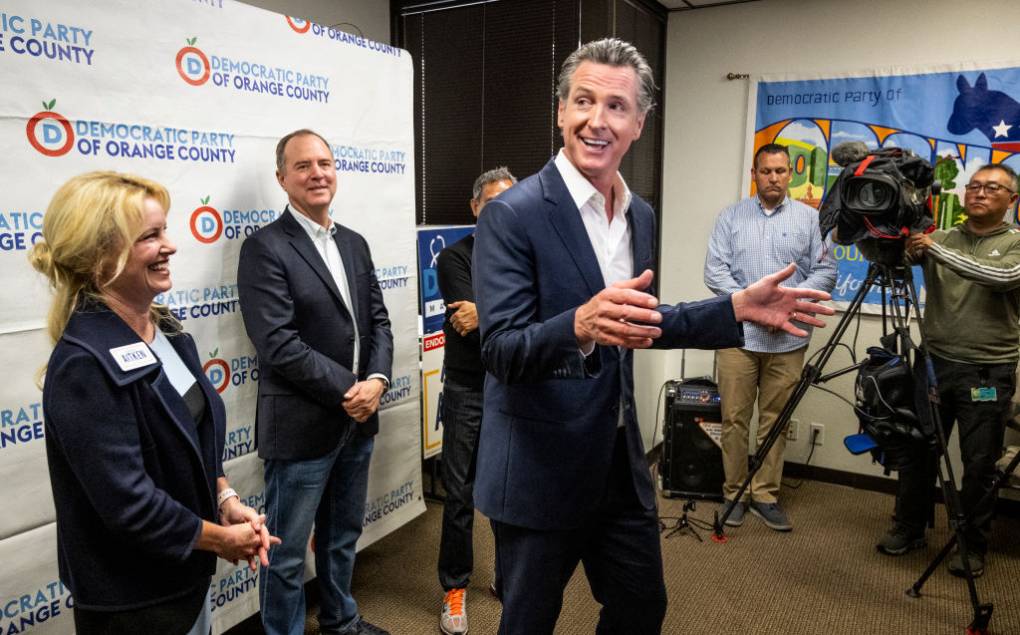
"caption": "Gov. Gavin Newsom speaks during a get-out-the-vote event in Anaheim on Monday, Nov. 7, 2022 – joined by U.S. Rep. Adam Schiff (center) – in support of Anaheim mayoral candidate Ashleigh Aitken (left) and congressional candidate Asif Mahmood (behind Newsom).",
"description": null,
"title": "Gov. Gavin Newsom and Rep. Adam Schiff promote local candidates",
"credit": "Paul Bersebach/MediaNews Group/Orange County Register via Getty Images",
"status": "inherit",
"altTag": "Gov. Gavin Newsom gestures while speaking in a room, with officials standing behind him.",
"isLoading": false,
"fetchFailed": false
},
"news_11931423": {
"type": "attachments",
"id": "news_11931423",
"meta": {
"index": "attachments_1716263798",
"site": "news",
"id": "11931423",
"found": true
},
"parent": 11931421,
"imgSizes": {
"twentyfourteen-full-width": {
"file": "https://ww2.kqed.org/app/uploads/sites/10/2022/11/gettyimages-1229443972_custom-60d9f8a7fa1af54c63bf59b8eb218e60c5c33b6e-1038x576.jpg",
"width": 1038,
"mimeType": "image/jpeg",
"height": 576
},
"thumbnail": {
"file": "https://ww2.kqed.org/app/uploads/sites/10/2022/11/gettyimages-1229443972_custom-60d9f8a7fa1af54c63bf59b8eb218e60c5c33b6e-160x107.jpg",
"width": 160,
"mimeType": "image/jpeg",
"height": 107
},
"post-thumbnail": {
"file": "https://ww2.kqed.org/app/uploads/sites/10/2022/11/gettyimages-1229443972_custom-60d9f8a7fa1af54c63bf59b8eb218e60c5c33b6e-672x372.jpg",
"width": 672,
"mimeType": "image/jpeg",
"height": 372
},
"kqedFullSize": {
"file": "https://ww2.kqed.org/app/uploads/sites/10/2022/11/gettyimages-1229443972_custom-60d9f8a7fa1af54c63bf59b8eb218e60c5c33b6e-scaled.jpg",
"width": 2560,
"height": 1705
},
"2048x2048": {
"file": "https://ww2.kqed.org/app/uploads/sites/10/2022/11/gettyimages-1229443972_custom-60d9f8a7fa1af54c63bf59b8eb218e60c5c33b6e-2048x1364.jpg",
"width": 2048,
"mimeType": "image/jpeg",
"height": 1364
},
"large": {
"file": "https://ww2.kqed.org/app/uploads/sites/10/2022/11/gettyimages-1229443972_custom-60d9f8a7fa1af54c63bf59b8eb218e60c5c33b6e-1020x679.jpg",
"width": 1020,
"mimeType": "image/jpeg",
"height": 679
},
"1536x1536": {
"file": "https://ww2.kqed.org/app/uploads/sites/10/2022/11/gettyimages-1229443972_custom-60d9f8a7fa1af54c63bf59b8eb218e60c5c33b6e-1536x1023.jpg",
"width": 1536,
"mimeType": "image/jpeg",
"height": 1023
},
"full-width": {
"file": "https://ww2.kqed.org/app/uploads/sites/10/2022/11/gettyimages-1229443972_custom-60d9f8a7fa1af54c63bf59b8eb218e60c5c33b6e-1920x1279.jpg",
"width": 1920,
"mimeType": "image/jpeg",
"height": 1279
},
"medium": {
"file": "https://ww2.kqed.org/app/uploads/sites/10/2022/11/gettyimages-1229443972_custom-60d9f8a7fa1af54c63bf59b8eb218e60c5c33b6e-800x533.jpg",
"width": 800,
"mimeType": "image/jpeg",
"height": 533
}
},
"publishDate": 1667869760,
"modified": 1667869831,
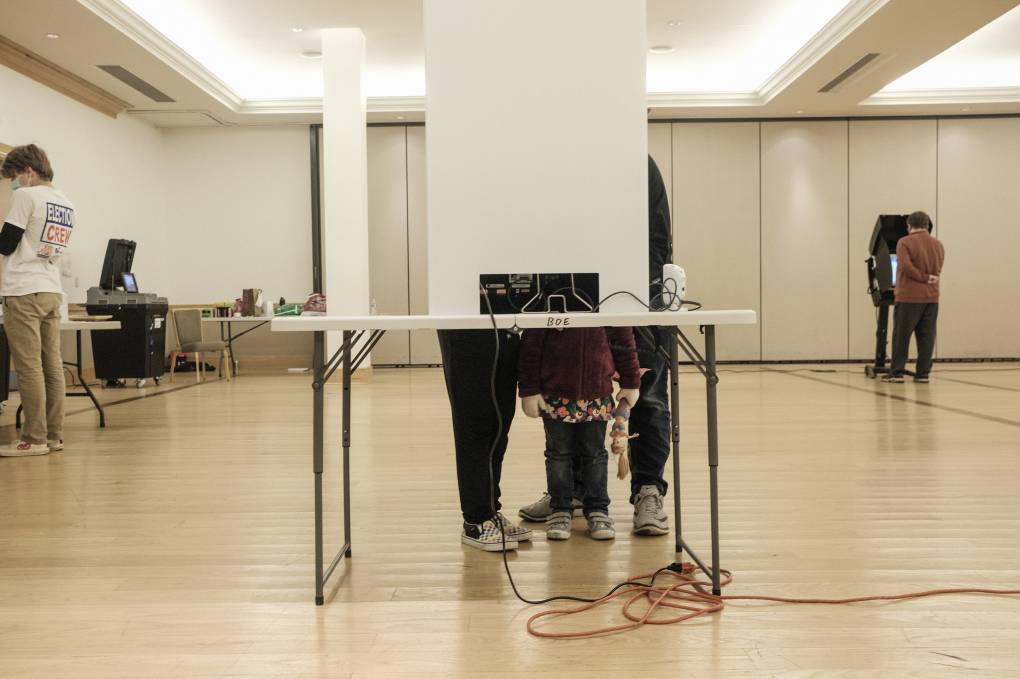
"caption": "Voters cast their ballots on Election Day at a polling station at the Congregation Aguda Achim in Bexley on November 3, 2020 in Columbus, Ohio. After a record-breaking early voting turnout, Americans head to the polls on the last day to cast their vote for incumbent U.S. President Donald Trump or Democratic nominee Joe Biden in the 2020 presidential election.",
"description": null,
"title": "Voters cast their ballots on Election Day in Columbus, Ohio on Nov. 3, 2020. Several Democratic state lawmakers have proposed bills to make Election Day a holiday. Republican lawmakers are proposing similar legislation, some influenced by prominent election deniers.",
"credit": "Matthew Hatcher/Getty Images",
"status": "inherit",
"altTag": "A person in a voting booth",
"isLoading": false,
"fetchFailed": false
},
"news_11931360": {
"type": "attachments",
"id": "news_11931360",
"meta": {
"index": "attachments_1716263798",
"site": "news",
"id": "11931360",
"found": true
},
"parent": 11931351,
"imgSizes": {
"twentyfourteen-full-width": {
"file": "https://ww2.kqed.org/app/uploads/sites/10/2022/11/GettyImages-1426353326-1038x576.jpg",
"width": 1038,
"mimeType": "image/jpeg",
"height": 576
},
"thumbnail": {
"file": "https://ww2.kqed.org/app/uploads/sites/10/2022/11/GettyImages-1426353326-160x107.jpg",
"width": 160,
"mimeType": "image/jpeg",
"height": 107
},
"post-thumbnail": {
"file": "https://ww2.kqed.org/app/uploads/sites/10/2022/11/GettyImages-1426353326-672x372.jpg",
"width": 672,
"mimeType": "image/jpeg",
"height": 372
},
"kqedFullSize": {
"file": "https://ww2.kqed.org/app/uploads/sites/10/2022/11/GettyImages-1426353326.jpg",
"width": 2120,
"height": 1414
},
"2048x2048": {
"file": "https://ww2.kqed.org/app/uploads/sites/10/2022/11/GettyImages-1426353326-2048x1366.jpg",
"width": 2048,
"mimeType": "image/jpeg",
"height": 1366
},
"large": {
"file": "https://ww2.kqed.org/app/uploads/sites/10/2022/11/GettyImages-1426353326-1020x680.jpg",
"width": 1020,
"mimeType": "image/jpeg",
"height": 680
},
"1536x1536": {
"file": "https://ww2.kqed.org/app/uploads/sites/10/2022/11/GettyImages-1426353326-1536x1024.jpg",
"width": 1536,
"mimeType": "image/jpeg",
"height": 1024
},
"full-width": {
"file": "https://ww2.kqed.org/app/uploads/sites/10/2022/11/GettyImages-1426353326-1920x1281.jpg",
"width": 1920,
"mimeType": "image/jpeg",
"height": 1281
},
"medium": {
"file": "https://ww2.kqed.org/app/uploads/sites/10/2022/11/GettyImages-1426353326-800x534.jpg",
"width": 800,
"mimeType": "image/jpeg",
"height": 534
}
},
"publishDate": 1667857885,
"modified": 1667857944,
"caption": null,
"description": null,
"title": "Watching soccer game at home",
"credit": "Svetikd via Getty Images",
"status": "inherit",
"altTag": "Close up of men's hand using smart phone for sports betting.",
"isLoading": false,
"fetchFailed": false
},
"news_11844740": {
"type": "attachments",
"id": "news_11844740",
"meta": {
"index": "attachments_1716263798",
"site": "news",
"id": "11844740",
"found": true
},
"parent": 11844651,
"imgSizes": {
"apple_news_ca_landscape_5_5": {
"file": "https://ww2.kqed.org/app/uploads/sites/10/2020/10/RS45568_007_KQED_SanFrancisco_VotingCenter_10302020-qut-1044x783.jpg",
"width": 1044,
"mimeType": "image/jpeg",
"height": 783
},
"apple_news_ca_square_4_0": {
"file": "https://ww2.kqed.org/app/uploads/sites/10/2020/10/RS45568_007_KQED_SanFrancisco_VotingCenter_10302020-qut-470x470.jpg",
"width": 470,
"mimeType": "image/jpeg",
"height": 470
},
"twentyfourteen-full-width": {
"file": "https://ww2.kqed.org/app/uploads/sites/10/2020/10/RS45568_007_KQED_SanFrancisco_VotingCenter_10302020-qut-1038x576.jpg",
"width": 1038,
"mimeType": "image/jpeg",
"height": 576
},
"thumbnail": {
"file": "https://ww2.kqed.org/app/uploads/sites/10/2020/10/RS45568_007_KQED_SanFrancisco_VotingCenter_10302020-qut-160x107.jpg",
"width": 160,
"mimeType": "image/jpeg",
"height": 107
},
"post-thumbnail": {
"file": "https://ww2.kqed.org/app/uploads/sites/10/2020/10/RS45568_007_KQED_SanFrancisco_VotingCenter_10302020-qut-672x372.jpg",
"width": 672,
"mimeType": "image/jpeg",
"height": 372
},
"kqedFullSize": {
"file": "https://ww2.kqed.org/app/uploads/sites/10/2020/10/RS45568_007_KQED_SanFrancisco_VotingCenter_10302020-qut.jpg",
"width": 1920,
"height": 1280
},
"apple_news_ca_landscape_4_7": {
"file": "https://ww2.kqed.org/app/uploads/sites/10/2020/10/RS45568_007_KQED_SanFrancisco_VotingCenter_10302020-qut-632x474.jpg",
"width": 632,
"mimeType": "image/jpeg",
"height": 474
},
"large": {
"file": "https://ww2.kqed.org/app/uploads/sites/10/2020/10/RS45568_007_KQED_SanFrancisco_VotingCenter_10302020-qut-1020x680.jpg",
"width": 1020,
"mimeType": "image/jpeg",
"height": 680
},
"apple_news_ca_landscape_4_0": {
"file": "https://ww2.kqed.org/app/uploads/sites/10/2020/10/RS45568_007_KQED_SanFrancisco_VotingCenter_10302020-qut-536x402.jpg",
"width": 536,
"mimeType": "image/jpeg",
"height": 402
},
"apple_news_ca_portrait_12_9": {
"file": "https://ww2.kqed.org/app/uploads/sites/10/2020/10/RS45568_007_KQED_SanFrancisco_VotingCenter_10302020-qut-1122x1280.jpg",
"width": 1122,
"mimeType": "image/jpeg",
"height": 1280
},
"medium": {
"file": "https://ww2.kqed.org/app/uploads/sites/10/2020/10/RS45568_007_KQED_SanFrancisco_VotingCenter_10302020-qut-800x533.jpg",
"width": 800,
"mimeType": "image/jpeg",
"height": 533
},
"apple_news_ca_portrait_4_0": {
"file": "https://ww2.kqed.org/app/uploads/sites/10/2020/10/RS45568_007_KQED_SanFrancisco_VotingCenter_10302020-qut-354x472.jpg",
"width": 354,
"mimeType": "image/jpeg",
"height": 472
},
"apple_news_ca_portrait_9_7": {
"file": "https://ww2.kqed.org/app/uploads/sites/10/2020/10/RS45568_007_KQED_SanFrancisco_VotingCenter_10302020-qut-840x1120.jpg",
"width": 840,
"mimeType": "image/jpeg",
"height": 1120
},
"apple_news_ca_landscape_12_9": {
"file": "https://ww2.kqed.org/app/uploads/sites/10/2020/10/RS45568_007_KQED_SanFrancisco_VotingCenter_10302020-qut-1832x1280.jpg",
"width": 1832,
"mimeType": "image/jpeg",
"height": 1280
},
"apple_news_ca_square_9_7": {
"file": "https://ww2.kqed.org/app/uploads/sites/10/2020/10/RS45568_007_KQED_SanFrancisco_VotingCenter_10302020-qut-1104x1104.jpg",
"width": 1104,
"mimeType": "image/jpeg",
"height": 1104
},
"1536x1536": {
"file": "https://ww2.kqed.org/app/uploads/sites/10/2020/10/RS45568_007_KQED_SanFrancisco_VotingCenter_10302020-qut-1536x1024.jpg",
"width": 1536,
"mimeType": "image/jpeg",
"height": 1024
},
"apple_news_ca_portrait_4_7": {
"file": "https://ww2.kqed.org/app/uploads/sites/10/2020/10/RS45568_007_KQED_SanFrancisco_VotingCenter_10302020-qut-414x552.jpg",
"width": 414,
"mimeType": "image/jpeg",
"height": 552
},
"apple_news_ca_square_12_9": {
"file": "https://ww2.kqed.org/app/uploads/sites/10/2020/10/RS45568_007_KQED_SanFrancisco_VotingCenter_10302020-qut-1472x1280.jpg",
"width": 1472,
"mimeType": "image/jpeg",
"height": 1280
},
"apple_news_ca_portrait_5_5": {
"file": "https://ww2.kqed.org/app/uploads/sites/10/2020/10/RS45568_007_KQED_SanFrancisco_VotingCenter_10302020-qut-687x916.jpg",
"width": 687,
"mimeType": "image/jpeg",
"height": 916
},
"apple_news_ca_square_4_7": {
"file": "https://ww2.kqed.org/app/uploads/sites/10/2020/10/RS45568_007_KQED_SanFrancisco_VotingCenter_10302020-qut-550x550.jpg",
"width": 550,
"mimeType": "image/jpeg",
"height": 550
},
"apple_news_ca_landscape_9_7": {
"file": "https://ww2.kqed.org/app/uploads/sites/10/2020/10/RS45568_007_KQED_SanFrancisco_VotingCenter_10302020-qut-1376x1032.jpg",
"width": 1376,
"mimeType": "image/jpeg",
"height": 1032
},
"apple_news_ca_square_5_5": {
"file": "https://ww2.kqed.org/app/uploads/sites/10/2020/10/RS45568_007_KQED_SanFrancisco_VotingCenter_10302020-qut-912x912.jpg",
"width": 912,
"mimeType": "image/jpeg",
"height": 912
}
},
"publishDate": 1604097564,
"modified": 1665508826,
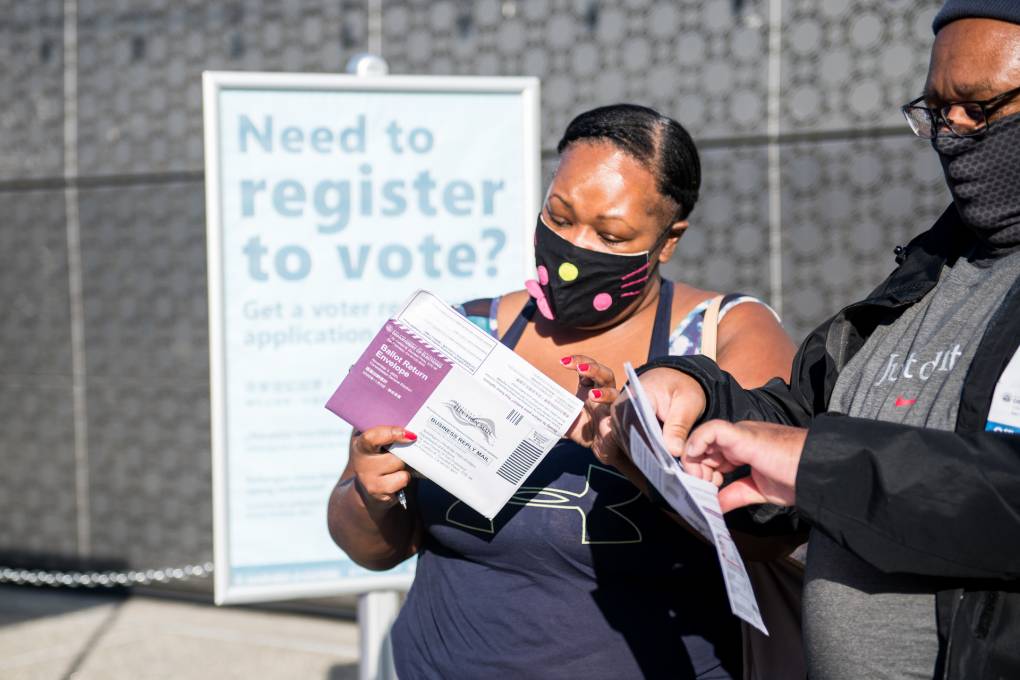
"caption": "Ophelia Williams and her brother Leopold Parker do a final check of their mail-in ballots before turning them in at the voting center near San Francisco City Hall on Oct. 30, 2020.",
"description": null,
"title": "RS45568_007_KQED_SanFrancisco_VotingCenter_10302020-qut",
"credit": "Beth LaBerge/KQED",
"status": "inherit",
"altTag": "A woman and a man, both wearing face masks, examine their election ballots.",
"isLoading": false,
"fetchFailed": false
},
"news_11931181": {
"type": "attachments",
"id": "news_11931181",
"meta": {
"index": "attachments_1716263798",
"site": "news",
"id": "11931181",
"found": true
},
"parent": 11931148,
"imgSizes": {
"twentyfourteen-full-width": {
"file": "https://ww2.kqed.org/app/uploads/sites/10/2022/11/Election2022_white-1038x576.png",
"width": 1038,
"mimeType": "image/png",
"height": 576
},
"thumbnail": {
"file": "https://ww2.kqed.org/app/uploads/sites/10/2022/11/Election2022_white-160x90.png",
"width": 160,
"mimeType": "image/png",
"height": 90
},
"post-thumbnail": {
"file": "https://ww2.kqed.org/app/uploads/sites/10/2022/11/Election2022_white-672x372.png",
"width": 672,
"mimeType": "image/png",
"height": 372
},
"kqedFullSize": {
"file": "https://ww2.kqed.org/app/uploads/sites/10/2022/11/Election2022_white.png",
"width": 1920,
"height": 1080
},
"large": {
"file": "https://ww2.kqed.org/app/uploads/sites/10/2022/11/Election2022_white-1020x574.png",
"width": 1020,
"mimeType": "image/png",
"height": 574
},
"1536x1536": {
"file": "https://ww2.kqed.org/app/uploads/sites/10/2022/11/Election2022_white-1536x864.png",
"width": 1536,
"mimeType": "image/png",
"height": 864
},
"medium": {
"file": "https://ww2.kqed.org/app/uploads/sites/10/2022/11/Election2022_white-800x450.png",
"width": 800,
"mimeType": "image/png",
"height": 450
}
},
"publishDate": 1667594442,
"modified": 1667594442,
"caption": null,
"description": null,
"title": "Election2022_white",
"credit": null,
"status": "inherit",
"altTag": null,
"isLoading": false,
"fetchFailed": false
},
"news_11931088": {
"type": "attachments",
"id": "news_11931088",
"meta": {
"index": "attachments_1716263798",
"site": "news",
"id": "11931088",
"found": true
},
"parent": 11931068,
"imgSizes": {
"twentyfourteen-full-width": {
"file": "https://ww2.kqed.org/app/uploads/sites/10/2022/11/RS59762_003_KQED_CarrollFife_10312022-qut-1038x576.jpg",
"width": 1038,
"mimeType": "image/jpeg",
"height": 576
},
"thumbnail": {
"file": "https://ww2.kqed.org/app/uploads/sites/10/2022/11/RS59762_003_KQED_CarrollFife_10312022-qut-160x107.jpg",
"width": 160,
"mimeType": "image/jpeg",
"height": 107
},
"post-thumbnail": {
"file": "https://ww2.kqed.org/app/uploads/sites/10/2022/11/RS59762_003_KQED_CarrollFife_10312022-qut-672x372.jpg",
"width": 672,
"mimeType": "image/jpeg",
"height": 372
},
"kqedFullSize": {
"file": "https://ww2.kqed.org/app/uploads/sites/10/2022/11/RS59762_003_KQED_CarrollFife_10312022-qut.jpg",
"width": 1920,
"height": 1280
},
"large": {
"file": "https://ww2.kqed.org/app/uploads/sites/10/2022/11/RS59762_003_KQED_CarrollFife_10312022-qut-1020x680.jpg",
"width": 1020,
"mimeType": "image/jpeg",
"height": 680
},
"1536x1536": {
"file": "https://ww2.kqed.org/app/uploads/sites/10/2022/11/RS59762_003_KQED_CarrollFife_10312022-qut-1536x1024.jpg",
"width": 1536,
"mimeType": "image/jpeg",
"height": 1024
},
"medium": {
"file": "https://ww2.kqed.org/app/uploads/sites/10/2022/11/RS59762_003_KQED_CarrollFife_10312022-qut-800x533.jpg",
"width": 800,
"mimeType": "image/jpeg",
"height": 533
}
},
"publishDate": 1667513528,
"modified": 1667521629,
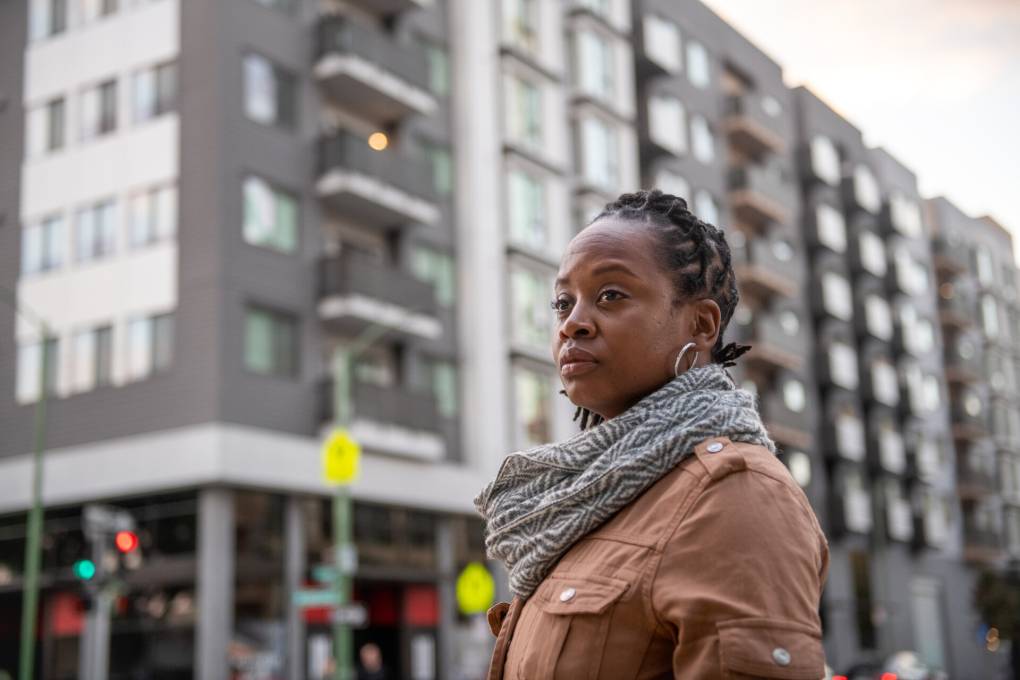
"caption": "Oakland District 3 Councilmember Carroll Fife stands in front of a new market-rate apartment building in Oakland on Oct. 31, 2022.",
"description": null,
"title": "RS59762_003_KQED_CarrollFife_10312022-qut",
"credit": "Beth LaBerge/KQED",
"status": "inherit",
"altTag": "Councilmember Fife stands to the right, looking left across the frame with a serious expression. She wears a large scarf around her neck and a coat. Behind her, slightly out of focus, a large building, perhaps six floors in height.",
"isLoading": false,
"fetchFailed": false
},
"news_11931060": {
"type": "attachments",
"id": "news_11931060",
"meta": {
"index": "attachments_1716263798",
"site": "news",
"id": "11931060",
"found": true
},
"parent": 11930930,
"imgSizes": {
"twentyfourteen-full-width": {
"file": "https://ww2.kqed.org/app/uploads/sites/10/2022/11/RS29049_GettyImages-874578274-qut-1038x576.jpg",
"width": 1038,
"mimeType": "image/jpeg",
"height": 576
},
"thumbnail": {
"file": "https://ww2.kqed.org/app/uploads/sites/10/2022/11/RS29049_GettyImages-874578274-qut-160x113.jpg",
"width": 160,
"mimeType": "image/jpeg",
"height": 113
},
"post-thumbnail": {
"file": "https://ww2.kqed.org/app/uploads/sites/10/2022/11/RS29049_GettyImages-874578274-qut-672x372.jpg",
"width": 672,
"mimeType": "image/jpeg",
"height": 372
},
"kqedFullSize": {
"file": "https://ww2.kqed.org/app/uploads/sites/10/2022/11/RS29049_GettyImages-874578274-qut.jpg",
"width": 1920,
"height": 1359
},
"large": {
"file": "https://ww2.kqed.org/app/uploads/sites/10/2022/11/RS29049_GettyImages-874578274-qut-1020x722.jpg",
"width": 1020,
"mimeType": "image/jpeg",
"height": 722
},
"1536x1536": {
"file": "https://ww2.kqed.org/app/uploads/sites/10/2022/11/RS29049_GettyImages-874578274-qut-1536x1087.jpg",
"width": 1536,
"mimeType": "image/jpeg",
"height": 1087
},
"medium": {
"file": "https://ww2.kqed.org/app/uploads/sites/10/2022/11/RS29049_GettyImages-874578274-qut-800x566.jpg",
"width": 800,
"mimeType": "image/jpeg",
"height": 566
}
},
"publishDate": 1667506115,
"modified": 1667517879,
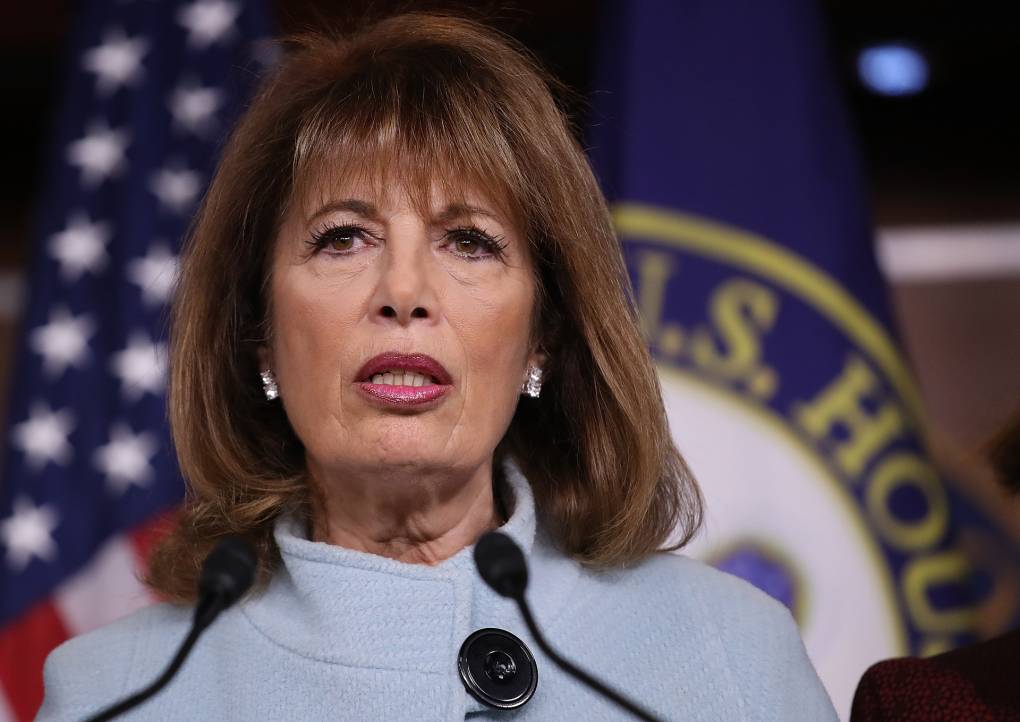
"caption": "US Rep. Jackie Speier (D-San Mateo) warns of the alarming escalation of calls for violence and hate-mongering against elected officials by their fellow politicians.",
"description": null,
"title": "Sen. Gillibrand And Rep. Speier Discuss Sexual Harassment On Capitol Hill",
"credit": "Win McNamee/Getty Images",
"status": "inherit",
"altTag": "Image of Jackie Speier giving a speech in the House of Representatives",
"isLoading": false,
"fetchFailed": false
},
"news_11931049": {
"type": "attachments",
"id": "news_11931049",
"meta": {
"index": "attachments_1716263798",
"site": "news",
"id": "11931049",
"found": true
},
"parent": 11931012,
"imgSizes": {
"twentyfourteen-full-width": {
"file": "https://ww2.kqed.org/app/uploads/sites/10/2022/11/RS41615_008_KQED_Election_CityHallSF_02262020_4220-qut-1-1038x576.jpg",
"width": 1038,
"mimeType": "image/jpeg",
"height": 576
},
"thumbnail": {
"file": "https://ww2.kqed.org/app/uploads/sites/10/2022/11/RS41615_008_KQED_Election_CityHallSF_02262020_4220-qut-1-160x107.jpg",
"width": 160,
"mimeType": "image/jpeg",
"height": 107
},
"post-thumbnail": {
"file": "https://ww2.kqed.org/app/uploads/sites/10/2022/11/RS41615_008_KQED_Election_CityHallSF_02262020_4220-qut-1-672x372.jpg",
"width": 672,
"mimeType": "image/jpeg",
"height": 372
},
"kqedFullSize": {
"file": "https://ww2.kqed.org/app/uploads/sites/10/2022/11/RS41615_008_KQED_Election_CityHallSF_02262020_4220-qut-1.jpg",
"width": 1920,
"height": 1280
},
"large": {
"file": "https://ww2.kqed.org/app/uploads/sites/10/2022/11/RS41615_008_KQED_Election_CityHallSF_02262020_4220-qut-1-1020x680.jpg",
"width": 1020,
"mimeType": "image/jpeg",
"height": 680
},
"1536x1536": {
"file": "https://ww2.kqed.org/app/uploads/sites/10/2022/11/RS41615_008_KQED_Election_CityHallSF_02262020_4220-qut-1-1536x1024.jpg",
"width": 1536,
"mimeType": "image/jpeg",
"height": 1024
},
"medium": {
"file": "https://ww2.kqed.org/app/uploads/sites/10/2022/11/RS41615_008_KQED_Election_CityHallSF_02262020_4220-qut-1-800x533.jpg",
"width": 800,
"mimeType": "image/jpeg",
"height": 533
}
},
"publishDate": 1667504330,
"modified": 1667511535,
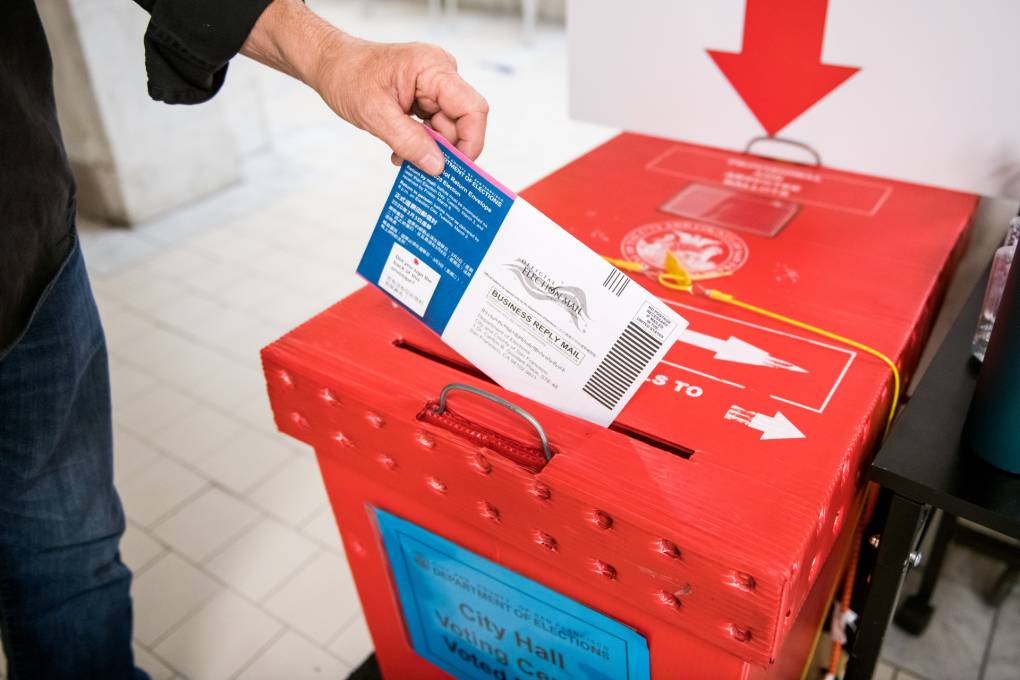
"caption": "A vote-by-mail ballot goes into the ballot box at San Francisco City Hall on Wednesday, Feb. 26, 2020.\n",
"description": null,
"title": "RS41615_008_KQED_Election_CityHallSF_02262020_4220-qut (1)",
"credit": "Beth LaBerge/KQED",
"status": "inherit",
"altTag": null,
"isLoading": false,
"fetchFailed": false
},
"news_11931051": {
"type": "attachments",
"id": "news_11931051",
"meta": {
"index": "attachments_1716263798",
"site": "news",
"id": "11931051",
"found": true
},
"parent": 11930992,
"imgSizes": {
"twentyfourteen-full-width": {
"file": "https://ww2.kqed.org/app/uploads/sites/10/2022/11/RS59585_DSC07101-qut-1038x576.jpg",
"width": 1038,
"mimeType": "image/jpeg",
"height": 576
},
"thumbnail": {
"file": "https://ww2.kqed.org/app/uploads/sites/10/2022/11/RS59585_DSC07101-qut-160x107.jpg",
"width": 160,
"mimeType": "image/jpeg",
"height": 107
},
"post-thumbnail": {
"file": "https://ww2.kqed.org/app/uploads/sites/10/2022/11/RS59585_DSC07101-qut-672x372.jpg",
"width": 672,
"mimeType": "image/jpeg",
"height": 372
},
"kqedFullSize": {
"file": "https://ww2.kqed.org/app/uploads/sites/10/2022/11/RS59585_DSC07101-qut.jpg",
"width": 1920,
"height": 1280
},
"large": {
"file": "https://ww2.kqed.org/app/uploads/sites/10/2022/11/RS59585_DSC07101-qut-1020x680.jpg",
"width": 1020,
"mimeType": "image/jpeg",
"height": 680
},
"1536x1536": {
"file": "https://ww2.kqed.org/app/uploads/sites/10/2022/11/RS59585_DSC07101-qut-1536x1024.jpg",
"width": 1536,
"mimeType": "image/jpeg",
"height": 1024
},
"medium": {
"file": "https://ww2.kqed.org/app/uploads/sites/10/2022/11/RS59585_DSC07101-qut-800x533.jpg",
"width": 800,
"mimeType": "image/jpeg",
"height": 533
}
},
"publishDate": 1667504889,
"modified": 1667505112,
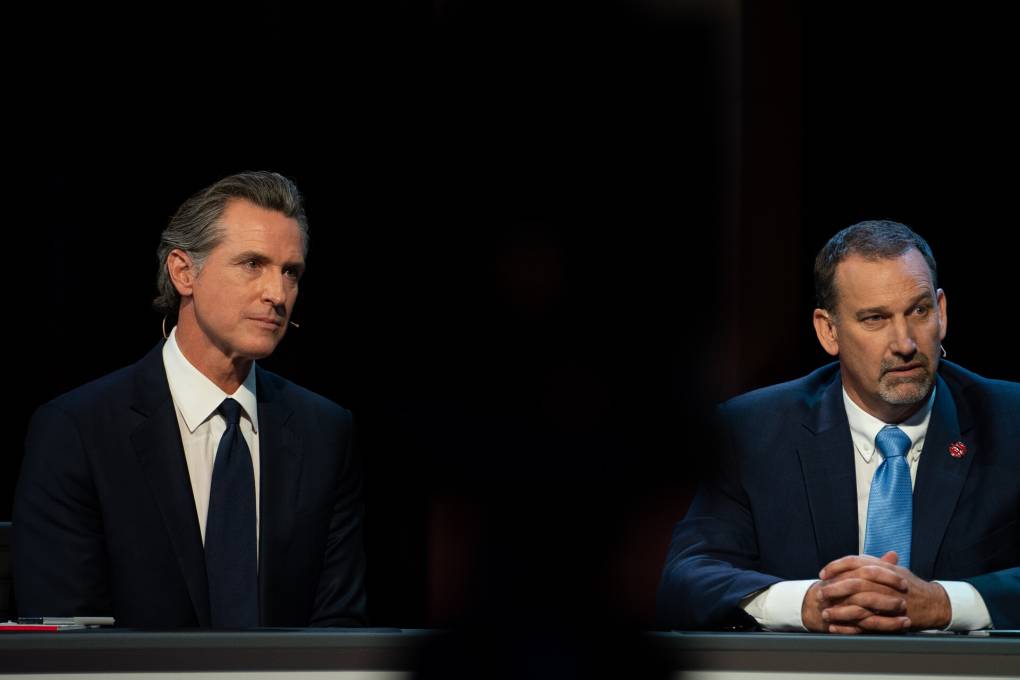
"caption": "Gov. Gavin Newsom (left) and Republican state Sen. Brian Dahle participate in a gubernatorial debate at KQED in San Francisco on Oct. 23, 2022.",
"description": null,
"title": "RS59585_DSC07101-qut",
"credit": "Aryk Copley/KQED",
"status": "inherit",
"altTag": "Newsom sits left wearing a dark blue suit and matching tie, Brian Dahle sits right wearing a slightly lighter blue suit and light blue tie. Though the two men are sat next to each other at the same table, an obscured and unidentified object in the center of the foreground divides them.",
"isLoading": false,
"fetchFailed": false
},
"news_11930887": {
"type": "attachments",
"id": "news_11930887",
"meta": {
"index": "attachments_1716263798",
"site": "news",
"id": "11930887",
"found": true
},
"parent": 11930878,
"imgSizes": {
"twentyfourteen-full-width": {
"file": "https://ww2.kqed.org/app/uploads/sites/10/2022/11/RS59733_003_KQED_DavidDepapeHearing_11012022-qut-1038x576.jpg",
"width": 1038,
"mimeType": "image/jpeg",
"height": 576
},
"thumbnail": {
"file": "https://ww2.kqed.org/app/uploads/sites/10/2022/11/RS59733_003_KQED_DavidDepapeHearing_11012022-qut-160x107.jpg",
"width": 160,
"mimeType": "image/jpeg",
"height": 107
},
"post-thumbnail": {
"file": "https://ww2.kqed.org/app/uploads/sites/10/2022/11/RS59733_003_KQED_DavidDepapeHearing_11012022-qut-672x372.jpg",
"width": 672,
"mimeType": "image/jpeg",
"height": 372
},
"kqedFullSize": {
"file": "https://ww2.kqed.org/app/uploads/sites/10/2022/11/RS59733_003_KQED_DavidDepapeHearing_11012022-qut.jpg",
"width": 1920,
"height": 1280
},
"large": {
"file": "https://ww2.kqed.org/app/uploads/sites/10/2022/11/RS59733_003_KQED_DavidDepapeHearing_11012022-qut-1020x680.jpg",
"width": 1020,
"mimeType": "image/jpeg",
"height": 680
},
"1536x1536": {
"file": "https://ww2.kqed.org/app/uploads/sites/10/2022/11/RS59733_003_KQED_DavidDepapeHearing_11012022-qut-1536x1024.jpg",
"width": 1536,
"mimeType": "image/jpeg",
"height": 1024
},
"medium": {
"file": "https://ww2.kqed.org/app/uploads/sites/10/2022/11/RS59733_003_KQED_DavidDepapeHearing_11012022-qut-800x533.jpg",
"width": 800,
"mimeType": "image/jpeg",
"height": 533
}
},
"publishDate": 1667350797,
"modified": 1667350860,
"caption": "San Francisco public defender Adam Lipson, attorney for David DePape, speaks to the press after leaving his client's arraignment hearing in San Francisco Superior Court on Nov. 1, 2022.",
"description": null,
"title": "RS59733_003_KQED_DavidDepapeHearing_11012022-qut",
"credit": "Beth LaBerge/KQED",
"status": "inherit",
"altTag": "A man wearing a business suit stands in front of multiple microphones.",
"isLoading": false,
"fetchFailed": false
},
"news_11930843": {
"type": "attachments",
"id": "news_11930843",
"meta": {
"index": "attachments_1716263798",
"site": "news",
"id": "11930843",
"found": true
},
"parent": 11930830,
"imgSizes": {
"twentyfourteen-full-width": {
"file": "https://ww2.kqed.org/app/uploads/sites/10/2022/11/IMG_9377-1038x576.jpg",
"width": 1038,
"mimeType": "image/jpeg",
"height": 576
},
"thumbnail": {
"file": "https://ww2.kqed.org/app/uploads/sites/10/2022/11/IMG_9377-160x113.jpg",
"width": 160,
"mimeType": "image/jpeg",
"height": 113
},
"post-thumbnail": {
"file": "https://ww2.kqed.org/app/uploads/sites/10/2022/11/IMG_9377-672x372.jpg",
"width": 672,
"mimeType": "image/jpeg",
"height": 372
},
"kqedFullSize": {
"file": "https://ww2.kqed.org/app/uploads/sites/10/2022/11/IMG_9377-scaled.jpg",
"width": 2560,
"height": 1801
},
"2048x2048": {
"file": "https://ww2.kqed.org/app/uploads/sites/10/2022/11/IMG_9377-2048x1441.jpg",
"width": 2048,
"mimeType": "image/jpeg",
"height": 1441
},
"large": {
"file": "https://ww2.kqed.org/app/uploads/sites/10/2022/11/IMG_9377-1020x718.jpg",
"width": 1020,
"mimeType": "image/jpeg",
"height": 718
},
"1536x1536": {
"file": "https://ww2.kqed.org/app/uploads/sites/10/2022/11/IMG_9377-1536x1081.jpg",
"width": 1536,
"mimeType": "image/jpeg",
"height": 1081
},
"full-width": {
"file": "https://ww2.kqed.org/app/uploads/sites/10/2022/11/IMG_9377-1920x1351.jpg",
"width": 1920,
"mimeType": "image/jpeg",
"height": 1351
},
"medium": {
"file": "https://ww2.kqed.org/app/uploads/sites/10/2022/11/IMG_9377-800x563.jpg",
"width": 800,
"mimeType": "image/jpeg",
"height": 563
}
},
"publishDate": 1667342733,
"modified": 1667343940,
"caption": "Democratic Assemblymember Rudy Salas campaigns for Congress at the Harvest Holidays Parade in Delano on Oct. 8, 2022.",
"description": null,
"title": "IMG_9377",
"credit": "Marisa Lagos/KQED",
"status": "inherit",
"altTag": "A man walks in front of a parade of people on a wide street in front of a blue sky",
"isLoading": false,
"fetchFailed": false
},
"news_11930749": {
"type": "attachments",
"id": "news_11930749",
"meta": {
"index": "attachments_1716263798",
"site": "news",
"id": "11930749",
"found": true
},
"parent": 11930743,
"imgSizes": {
"twentyfourteen-full-width": {
"file": "https://ww2.kqed.org/app/uploads/sites/10/2022/10/RS59541_DSC08429-qut-1038x576.jpg",
"width": 1038,
"mimeType": "image/jpeg",
"height": 576
},
"thumbnail": {
"file": "https://ww2.kqed.org/app/uploads/sites/10/2022/10/RS59541_DSC08429-qut-160x107.jpg",
"width": 160,
"mimeType": "image/jpeg",
"height": 107
},
"post-thumbnail": {
"file": "https://ww2.kqed.org/app/uploads/sites/10/2022/10/RS59541_DSC08429-qut-672x372.jpg",
"width": 672,
"mimeType": "image/jpeg",
"height": 372
},
"kqedFullSize": {
"file": "https://ww2.kqed.org/app/uploads/sites/10/2022/10/RS59541_DSC08429-qut.jpg",
"width": 1920,
"height": 1280
},
"large": {
"file": "https://ww2.kqed.org/app/uploads/sites/10/2022/10/RS59541_DSC08429-qut-1020x680.jpg",
"width": 1020,
"mimeType": "image/jpeg",
"height": 680
},
"1536x1536": {
"file": "https://ww2.kqed.org/app/uploads/sites/10/2022/10/RS59541_DSC08429-qut-1536x1024.jpg",
"width": 1536,
"mimeType": "image/jpeg",
"height": 1024
},
"medium": {
"file": "https://ww2.kqed.org/app/uploads/sites/10/2022/10/RS59541_DSC08429-qut-800x533.jpg",
"width": 800,
"mimeType": "image/jpeg",
"height": 533
}
},
"publishDate": 1667268215,
"modified": 1667346054,
"caption": "Signage warns the public of the unstable cliffs at Fort Funston in San Francisco.",
"description": null,
"title": "RS59541_DSC08429-qut",
"credit": "Aryk Copley/KQED",
"status": "inherit",
"altTag": "A sign reading Danger: Unstable Cliffs Do Not Approach Cliff. In the background, the beach and Pacific Ocean below.",
"isLoading": false,
"fetchFailed": false
}
},
"audioPlayerReducer": {
"postId": "stream_live",
"isPaused": true,
"isPlaying": false,
"pfsActive": false,
"pledgeModalIsOpen": true,
"playerDrawerIsOpen": false,
"liveAudioPlayStartedAt": 0,
"liveAudioPlayContext": ""
},
"authorsReducer": {
"byline_news_11931421": {
"type": "authors",
"id": "byline_news_11931421",
"meta": {
"override": true
},
"slug": "byline_news_11931421",
"name": "Allison Mollenkamp",
"isLoading": false
},
"byline_news_11931351": {
"type": "authors",
"id": "byline_news_11931351",
"meta": {
"override": true
},
"slug": "byline_news_11931351",
"name": "Guy Marzorati and Nicole Nixon",
"isLoading": false
},
"byline_news_11930878": {
"type": "authors",
"id": "byline_news_11930878",
"meta": {
"override": true
},
"slug": "byline_news_11930878",
"name": "Olga R. Rodriguez and Stefanie Dazio\u003cbr>Associated Press",
"isLoading": false
},
"gmarzorati": {
"type": "authors",
"id": "227",
"meta": {
"index": "authors_1716337520",
"id": "227",
"found": true
},
"name": "Guy Marzorati",
"firstName": "Guy",
"lastName": "Marzorati",
"slug": "gmarzorati",
"email": "gmarzorati@KQED.org",
"display_author_email": true,
"staff_mastheads": [
"news"
],
"title": "Correspondent",
"bio": "Guy Marzorati is a correspondent on KQED's California Politics and Government Desk, based in San Jose. A graduate of Santa Clara University, Guy joined KQED in 2013. He reports on state and local politics and produces KQED's digital voter guide.",
"avatar": "https://secure.gravatar.com/avatar/e7038b8dbfd55b104369b76b1cd0b9de?s=600&d=blank&r=g",
"twitter": "guymarzorati",
"facebook": null,
"instagram": null,
"linkedin": null,
"sites": [
{
"site": "",
"roles": [
"editor"
]
},
{
"site": "news",
"roles": [
"editor"
]
},
{
"site": "science",
"roles": [
"editor"
]
},
{
"site": "forum",
"roles": [
"editor"
]
},
{
"site": "elections",
"roles": [
"editor"
]
},
{
"site": "liveblog",
"roles": [
"editor"
]
}
],
"headData": {
"title": "Guy Marzorati | KQED",
"description": "Correspondent",
"ogImgSrc": "https://secure.gravatar.com/avatar/e7038b8dbfd55b104369b76b1cd0b9de?s=600&d=blank&r=g",
"twImgSrc": "https://secure.gravatar.com/avatar/e7038b8dbfd55b104369b76b1cd0b9de?s=600&d=blank&r=g"
},
"isLoading": false,
"link": "/author/gmarzorati"
},
"kqed": {
"type": "authors",
"id": "236",
"meta": {
"index": "authors_1716337520",
"id": "236",
"found": true
},
"name": "KQED News Staff",
"firstName": "KQED News Staff",
"lastName": null,
"slug": "kqed",
"email": "faq@kqed.org",
"display_author_email": false,
"staff_mastheads": [],
"title": null,
"bio": null,
"avatar": "https://secure.gravatar.com/avatar/ef0e801a68c4c54afa9180db14084167?s=600&d=blank&r=g",
"twitter": null,
"facebook": null,
"instagram": null,
"linkedin": null,
"sites": [
{
"site": "arts",
"roles": [
"contributor"
]
},
{
"site": "news",
"roles": [
"editor"
]
},
{
"site": "futureofyou",
"roles": [
"author"
]
}
],
"headData": {
"title": "KQED News Staff | KQED",
"description": null,
"ogImgSrc": "https://secure.gravatar.com/avatar/ef0e801a68c4c54afa9180db14084167?s=600&d=blank&r=g",
"twImgSrc": "https://secure.gravatar.com/avatar/ef0e801a68c4c54afa9180db14084167?s=600&d=blank&r=g"
},
"isLoading": false,
"link": "/author/kqed"
},
"scottshafer": {
"type": "authors",
"id": "255",
"meta": {
"index": "authors_1716337520",
"id": "255",
"found": true
},
"name": "Scott Shafer",
"firstName": "Scott",
"lastName": "Shafer",
"slug": "scottshafer",
"email": "sshafer@kqed.org",
"display_author_email": false,
"staff_mastheads": [
"news"
],
"title": "KQED Contributor",
"bio": "Scott Shafer is a senior editor with the KQED Politics and Government desk. He is co-host of Political Breakdown, the award-winning radio show and podcast with a personal take on the world of politics. Scott came to KQED in 1998 to host the statewide\u003cem> California Report\u003c/em>. Prior to that he had extended stints in politics and government\u003cem>.\u003c/em> He uses that inside experience at KQED in his, reporting, hosting and analysis for the politics desk. Scott collaborated \u003cem>Political Breakdown a\u003c/em>nd on \u003cem>The Political Mind of Jerry Brown, \u003c/em>an eight-part series about the life and extraordinary political career of the former governor. For fun, he plays water polo with the San Francisco Tsunami.",
"avatar": "https://secure.gravatar.com/avatar/a62ebae45b79d7aed1a39a0e3bf68104?s=600&d=blank&r=g",
"twitter": "scottshafer",
"bluesky": null,
"facebook": null,
"instagram": null,
"linkedin": null,
"sites": [
{
"site": "news",
"roles": [
"editor"
]
},
{
"site": "stateofhealth",
"roles": [
"author"
]
},
{
"site": "science",
"roles": [
"author"
]
},
{
"site": "forum",
"roles": [
"subscriber"
]
},
{
"site": "liveblog",
"roles": [
"author"
]
}
],
"headData": {
"title": "Scott Shafer | KQED",
"description": "KQED Contributor",
"ogImgSrc": "https://secure.gravatar.com/avatar/a62ebae45b79d7aed1a39a0e3bf68104?s=600&d=blank&r=g",
"twImgSrc": "https://secure.gravatar.com/avatar/a62ebae45b79d7aed1a39a0e3bf68104?s=600&d=blank&r=g"
},
"isLoading": false,
"link": "/author/scottshafer"
},
"mlagos": {
"type": "authors",
"id": "3239",
"meta": {
"index": "authors_1716337520",
"id": "3239",
"found": true
},
"name": "Marisa Lagos",
"firstName": "Marisa",
"lastName": "Lagos",
"slug": "mlagos",
"email": "mlagos@kqed.org",
"display_author_email": false,
"staff_mastheads": [
"news"
],
"title": "KQED Contributor",
"bio": "Marisa Lagos is a correspondent for KQED’s California Politics and Government Desk and co-hosts the award-winning show and podcast, Political Breakdown. At KQED, Lagos also conducts reporting, analysis and investigations into state, local and national politics for radio, TV, online and onstage. In 2022, she and co-host, Scott Shafer, moderated the only gubernatorial debate in California. In 2020, the \u003ci>Washington Post\u003c/i> named her one of the top political journalists in California; she was nominated for a Peabody and won several other awards for her work investigating the 2017 California wildfires. She has worked at the \u003ci>San Francisco Chronicle\u003c/i>, \u003ci>San Francisco Examiner\u003c/i> and \u003ci>Los Angeles Times\u003c/i>. A UC Santa Barbara graduate, she lives in San Francisco with her two sons and husband.",
"avatar": "https://secure.gravatar.com/avatar/a261a0d3696fc066871ef96b85b5e7d2?s=600&d=blank&r=g",
"twitter": "@mlagos",
"facebook": null,
"instagram": null,
"linkedin": null,
"sites": [
{
"site": "arts",
"roles": [
"author"
]
},
{
"site": "news",
"roles": [
"editor"
]
},
{
"site": "science",
"roles": [
"editor"
]
},
{
"site": "forum",
"roles": [
"author"
]
},
{
"site": "liveblog",
"roles": [
"author"
]
}
],
"headData": {
"title": "Marisa Lagos | KQED",
"description": "KQED Contributor",
"ogImgSrc": "https://secure.gravatar.com/avatar/a261a0d3696fc066871ef96b85b5e7d2?s=600&d=blank&r=g",
"twImgSrc": "https://secure.gravatar.com/avatar/a261a0d3696fc066871ef96b85b5e7d2?s=600&d=blank&r=g"
},
"isLoading": false,
"link": "/author/mlagos"
},
"carlysevern": {
"type": "authors",
"id": "3243",
"meta": {
"index": "authors_1716337520",
"id": "3243",
"found": true
},
"name": "Carly Severn",
"firstName": "Carly",
"lastName": "Severn",
"slug": "carlysevern",
"email": "csevern@kqed.org",
"display_author_email": false,
"staff_mastheads": [
"news"
],
"title": "Senior Editor, Audience News ",
"bio": "Carly is KQED's Senior Editor of Audience News on the Digital News team, and has reported for the California Report Magazine, Bay Curious and KQED Arts. She's formerly the host of \u003ca href=\"http://ww2.kqed.org/pop/category/the-cooler/\" rel=\"noopener noreferrer\">The Cooler\u003c/a> podcast.",
"avatar": "https://secure.gravatar.com/avatar/2d8d6765f186e64c798cf7f0c8088a41?s=600&d=blank&r=g",
"twitter": "teacupinthebay",
"facebook": null,
"instagram": null,
"linkedin": null,
"sites": [
{
"site": "",
"roles": [
"editor"
]
},
{
"site": "arts",
"roles": [
"editor"
]
},
{
"site": "news",
"roles": [
"administrator"
]
},
{
"site": "pop",
"roles": [
"editor"
]
},
{
"site": "futureofyou",
"roles": [
"editor"
]
},
{
"site": "about",
"roles": [
"administrator"
]
},
{
"site": "mindshift",
"roles": [
"editor"
]
},
{
"site": "bayareabites",
"roles": [
"editor"
]
},
{
"site": "stateofhealth",
"roles": [
"editor"
]
},
{
"site": "science",
"roles": [
"editor"
]
},
{
"site": "food",
"roles": [
"contributor"
]
},
{
"site": "forum",
"roles": [
"editor"
]
},
{
"site": "perspectives",
"roles": [
"administrator"
]
},
{
"site": "liveblog",
"roles": [
"editor"
]
}
],
"headData": {
"title": "Carly Severn | KQED",
"description": "Senior Editor, Audience News ",
"ogImgSrc": "https://secure.gravatar.com/avatar/2d8d6765f186e64c798cf7f0c8088a41?s=600&d=blank&r=g",
"twImgSrc": "https://secure.gravatar.com/avatar/2d8d6765f186e64c798cf7f0c8088a41?s=600&d=blank&r=g"
},
"isLoading": false,
"link": "/author/carlysevern"
},
"vrancano": {
"type": "authors",
"id": "11276",
"meta": {
"index": "authors_1716337520",
"id": "11276",
"found": true
},
"name": "Vanessa Rancaño",
"firstName": "Vanessa",
"lastName": "Rancaño",
"slug": "vrancano",
"email": "vrancano@kqed.org",
"display_author_email": false,
"staff_mastheads": [
"news"
],
"title": "Reporter",
"bio": "Vanessa Rancaño is a features reporter for KQED. She’s also covered homelessness and education for the station and reported from the Central Valley. Her work has aired across public radio, from flagship national news shows to longform narrative podcasts. Before taking up a mic, she worked as a freelance print journalist. She’s been recognized with a number of national and regional awards. Vanessa grew up in California's Central Valley. She's a former NPR Kroc Fellow, and a graduate of the UC Berkeley Graduate School of Journalism.",
"avatar": "https://secure.gravatar.com/avatar/b3a383dfb0e7ee1c17568f2cf067904ab654d6e3de9743fc661f3c788ade1bed?s=600&d=blank&r=g",
"twitter": "vanessarancano",
"bluesky": null,
"facebook": null,
"instagram": null,
"linkedin": null,
"sites": [
{
"site": "arts",
"roles": [
"editor"
]
},
{
"site": "news",
"roles": [
"editor"
]
},
{
"site": "liveblog",
"roles": [
"contributor"
]
}
],
"headData": {
"title": "Vanessa Rancaño | KQED",
"description": "Reporter",
"ogImgSrc": "https://secure.gravatar.com/avatar/b3a383dfb0e7ee1c17568f2cf067904ab654d6e3de9743fc661f3c788ade1bed?s=600&d=blank&r=g",
"twImgSrc": "https://secure.gravatar.com/avatar/b3a383dfb0e7ee1c17568f2cf067904ab654d6e3de9743fc661f3c788ade1bed?s=600&d=blank&r=g"
},
"isLoading": false,
"link": "/author/vrancano"
},
"jasminegarnett": {
"type": "authors",
"id": "11530",
"meta": {
"index": "authors_1716337520",
"id": "11530",
"found": true
},
"name": "Jasmine Garnett",
"firstName": "Jasmine",
"lastName": "Garnett",
"slug": "jasminegarnett",
"email": "JGarnett@KQED.org",
"display_author_email": false,
"staff_mastheads": [
"news"
],
"title": "Senior Engagement Platforms Producer",
"bio": "Jasmine is a Senior Engagement Platforms Producer on the KQED News team. She is also a freelance writer, with work appearing in KQED, Bitch Media, and Kotaku among others. Jasmine graduated from UC Berkeley with a degree in Media Studies, where she was also an Arts and Entertainment reporter at the Daily Californian.",
"avatar": "https://secure.gravatar.com/avatar/a6ea8b0641874311533b7401bee15c8e?s=600&d=blank&r=g",
"twitter": "JFLGarnett",
"facebook": null,
"instagram": null,
"linkedin": null,
"sites": [
{
"site": "arts",
"roles": [
"author"
]
},
{
"site": "news",
"roles": [
"editor"
]
},
{
"site": "about",
"roles": [
"editor"
]
},
{
"site": "science",
"roles": [
"editor"
]
},
{
"site": "forum",
"roles": [
"editor"
]
},
{
"site": "pressroom",
"roles": [
"editor"
]
}
],
"headData": {
"title": "Jasmine Garnett | KQED",
"description": "Senior Engagement Platforms Producer",
"ogImgSrc": "https://secure.gravatar.com/avatar/a6ea8b0641874311533b7401bee15c8e?s=600&d=blank&r=g",
"twImgSrc": "https://secure.gravatar.com/avatar/a6ea8b0641874311533b7401bee15c8e?s=600&d=blank&r=g"
},
"isLoading": false,
"link": "/author/jasminegarnett"
},
"nnavarro": {
"type": "authors",
"id": "11756",
"meta": {
"index": "authors_1716337520",
"id": "11756",
"found": true
},
"name": "Natalia Navarro",
"firstName": "Natalia",
"lastName": "Navarro",
"slug": "nnavarro",
"email": "nnavarro@kqed.org",
"display_author_email": true,
"staff_mastheads": [
"news"
],
"title": "Afternoon News Anchor",
"bio": "Natalia Navarro is KQED's afternoon radio news anchor. She came to KQED in 2021 from Colorado Public Radio, where she was a reporter and host. She has received several awards for her work covering daily and breaking news from professional organizations such as the San Francisco Press Club, Society of Professional Journalists and the Colorado Broadcasters Association. Natalia is originally from Tucson, Arizona, where she got her start in journalism writing for the Arizona Daily Star, Arizona Public Media and the Tucson Weekly. Natalia earned her bachelor's degree in journalism and economics, and her master's degree in journalism from the University of Arizona.",
"avatar": "https://secure.gravatar.com/avatar/a2bdb19fd9520bdea295a2d5f9b2ad65ec51cf0bf559fb1cc041d3a0a04d62ad?s=600&d=blank&r=g",
"twitter": "@NataliaVNavarro",
"bluesky": null,
"facebook": null,
"instagram": null,
"linkedin": null,
"sites": [
{
"site": "news",
"roles": [
"editor"
]
}
],
"headData": {
"title": "Natalia Navarro | KQED",
"description": "Afternoon News Anchor",
"ogImgSrc": "https://secure.gravatar.com/avatar/a2bdb19fd9520bdea295a2d5f9b2ad65ec51cf0bf559fb1cc041d3a0a04d62ad?s=600&d=blank&r=g",
"twImgSrc": "https://secure.gravatar.com/avatar/a2bdb19fd9520bdea295a2d5f9b2ad65ec51cf0bf559fb1cc041d3a0a04d62ad?s=600&d=blank&r=g"
},
"isLoading": false,
"link": "/author/nnavarro"
},
"jlara": {
"type": "authors",
"id": "11761",
"meta": {
"index": "authors_1716337520",
"id": "11761",
"found": true
},
"name": "Juan Carlos Lara",
"firstName": "Juan Carlos",
"lastName": "Lara",
"slug": "jlara",
"email": "jlara@kqed.org",
"display_author_email": false,
"staff_mastheads": [],
"title": "KQED Contributor",
"bio": null,
"avatar": "https://secure.gravatar.com/avatar/19e2052b9b05657c5ff2af2121846e9c?s=600&d=blank&r=g",
"twitter": null,
"facebook": null,
"instagram": null,
"linkedin": null,
"sites": [
{
"site": "arts",
"roles": [
"editor"
]
},
{
"site": "news",
"roles": [
"editor"
]
},
{
"site": "forum",
"roles": [
"editor"
]
},
{
"site": "liveblog",
"roles": [
"contributor"
]
}
],
"headData": {
"title": "Juan Carlos Lara | KQED",
"description": "KQED Contributor",
"ogImgSrc": "https://secure.gravatar.com/avatar/19e2052b9b05657c5ff2af2121846e9c?s=600&d=blank&r=g",
"twImgSrc": "https://secure.gravatar.com/avatar/19e2052b9b05657c5ff2af2121846e9c?s=600&d=blank&r=g"
},
"isLoading": false,
"link": "/author/jlara"
},
"calam": {
"type": "authors",
"id": "11834",
"meta": {
"index": "authors_1716337520",
"id": "11834",
"found": true
},
"name": "Christopher Alam",
"firstName": "Christopher",
"lastName": "Alam",
"slug": "calam",
"email": "calam@kqed.org",
"display_author_email": true,
"staff_mastheads": [
"news"
],
"title": "KQED Contributor",
"bio": "Christopher Alam is a radio newscast intern working on local news and general assignment reporting. Before joining KQED he was active in college radio and journalism at UC Davis, where he received a bachelor's degree in English and professional writing in 2021. He is also a creative writer and does freelance work. Born in Fresno, he is now based in San Francisco and Oakland.",
"avatar": "https://secure.gravatar.com/avatar/b3a8308c5aaa97024a7274f0a617bd7083c2b6c50039ea7d1c08f831158d1951?s=600&d=blank&r=g",
"twitter": "_chrisalam",
"bluesky": null,
"facebook": null,
"instagram": "christopher_alam",
"linkedin": null,
"sites": [
{
"site": "arts",
"roles": [
"editor"
]
},
{
"site": "news",
"roles": [
"editor"
]
}
],
"headData": {
"title": "Christopher Alam | KQED",
"description": "KQED Contributor",
"ogImgSrc": "https://secure.gravatar.com/avatar/b3a8308c5aaa97024a7274f0a617bd7083c2b6c50039ea7d1c08f831158d1951?s=600&d=blank&r=g",
"twImgSrc": "https://secure.gravatar.com/avatar/b3a8308c5aaa97024a7274f0a617bd7083c2b6c50039ea7d1c08f831158d1951?s=600&d=blank&r=g"
},
"isLoading": false,
"link": "/author/calam"
}
},
"pagesReducer": {
"news_tag_politics": {
"type": "terms",
"id": "news_17968",
"meta": {
"index": "terms_1716263798",
"site": "news",
"id": "17968",
"score": 8.003266
},
"name": "Politics",
"slug": "politics",
"taxonomy": "tag",
"description": null,
"featImg": null,
"headData": {
"title": "Politics | KQED News",
"description": null,
"ogTitle": null,
"ogDescription": null,
"ogImgId": null,
"twTitle": null,
"twDescription": null,
"twImgId": null
},
"ttid": 18002,
"isLoading": false,
"title": "Politics",
"pageMeta": {
"site": "news",
"WpPageTemplate": "page-topic-editorial",
"currentPage": 166
},
"blocks": [
{
"blockName": "kqed/post-list",
"attrs": {
"layout": "cardArticle2",
"query": "posts/news?tag=politics",
"seeMore": false,
"paginated": true,
"page": 166
}
},
{
"blockName": "kqed/ad"
}
]
}
},
"pfsSessionReducer": {},
"postsReducer": {
"stream_live": {
"type": "live",
"id": "stream_live",
"audioUrl": "https://streams.kqed.org/kqedradio",
"title": "Live Stream",
"excerpt": "Live Stream information currently unavailable.",
"link": "/radio",
"featImg": "",
"label": {
"name": "KQED Live",
"link": "/"
}
},
"stream_kqedNewscast": {
"type": "posts",
"id": "stream_kqedNewscast",
"audioUrl": "https://www.kqed.org/.stream/anon/radio/RDnews/newscast.mp3?_=1",
"title": "KQED Newscast",
"featImg": "",
"label": {
"name": "88.5 FM",
"link": "/"
}
},
"news_11931026": {
"type": "posts",
"id": "news_11931026",
"meta": {
"index": "posts_1716263798",
"site": "news",
"id": "11931026",
"score": null,
"sort": [
1667967321000
]
},
"guestAuthors": [],
"slug": "newsom-reelected-governor-of-california",
"title": "Newsom Reelected Governor of California",
"publishDate": 1667967321,
"format": "standard",
"headTitle": "Newsom Reelected Governor of California | KQED",
"labelTerm": {
"site": "news"
},
"content": "\u003cp>Gov. Gavin Newsom easily won reelection Tuesday night, roundly defeating his little-known Republican challenger, Brian Dahle, with The Associated Press calling the race just minutes after polls closed.\u003c/p>\n\u003cp>Newsom had secured more than 57% of the vote as of Thursday’s count, a commanding lead reflective of a state with nearly twice as many registered Democrats as Republicans.\u003c/p>\n\u003cp>Newsom’s reelection was presaged by the overwhelming defeat of an effort to recall him last year, which was rejected by 62% of voters. In fact, despite having plenty of campaign cash, Newsom didn’t even air a campaign ad for his reelection, choosing instead to put his weight behind the passage of Proposition 1 for abortion rights; against Proposition 30, a measure to tax the wealthy to fund climate goals; and to attack the conservative policies of governors in Texas and Florida.\u003c/p>\n\u003cp>“One thing that is settled here today is who we are as a state and what we hold dear in terms of our values,” Newsom told supporters at a Proposition 1 election night party in Sacramento.\u003c/p>\n\u003cp>“As we turn the page on this campaign — and I hope we turn the page on this polarization in our national discourse, once the dust settles with all these national elections — we can start to reconcile those differences and all start to focus on these universal values, this journey for recognition,” he said.[aside label=\"related coverage\" tag=\"gavin-newsom\"]Dahle, a state Senator from Lassen County, was unable to come anywhere close to matching Newsom’s fundraising prowess, relying mostly on radio and television interviews across the state. His campaign was always an uphill battle, given the Democrats’ huge advantage in voter registration and the fact that the last Republican to be elected governor was Arnold Schwarzenegger 16 years ago.\u003c/p>\n\u003cp>On Tuesday night, Newsom again drew contrasts between himself and Florida Gov. Ron DeSantis and Texas Gov. Greg Abbott, saying he is “resolved to do more to advance that cause of freedom.”\u003c/p>\n\u003cp>“We have governors that won their reelections tonight in other states that are banning books, that are banning speech, that are banning abortion, and here we are in California moving in a completely different direction,” Newsom said. “That’s a deep point of pride.”\u003c/p>\n\u003cp>The constant jabs at DeSantis, Abbott and other leading Republicans has only increased speculation about Newsom’s future. Some have floated his name as a potential replacement for President Biden in 2024 or a run in 2028. Newsom, though, has repeatedly denied both, claiming he has “subzero” interest in running for president. He has insisted he backs Biden and said he wants Vice President Kamala Harris, a friend and fellow Californian, to be president.\u003c/p>\n\u003cp>When asked by KQED’s Marisa Lagos \u003ca href=\"https://www.kqed.org/news/11929646/newsom-dahle-spar-over-abortion-gas-tax-and-crime-in-california-governor-debate\">during an October 23 debate\u003c/a> if he would commit to serving a full four-year term if he were reelected, Newsom said yes.\u003c/p>\n\u003cp>But with no political threats at home, Newsom has spent the past year signing a raft of liberal legislation that could help him win over Democratic voters in a contested presidential primary — even as he broke with many progressives in the state over his recent staunch opposition to Proposition 30, which would have funded electric vehicle infrastructure.\u003c/p>\n\u003cp>He enacted more than \u003ca href=\"https://apnews.com/article/abortion-us-supreme-court-health-california-df6dd40a7e2af65a1c6a4042e4ffa485\">a dozen laws\u003c/a> aimed at making California a sanctuary for patients in other states seeking abortions now that the U.S. Supreme Court has overturned Roe v. Wade. He \u003ca href=\"https://apnews.com/article/technology-gavin-newsom-california-4956d87b72b000a917eed27392d16d8b\">ordered state regulators\u003c/a> to ban the sale of most new gas-powered cars by 2035. His budgets have paid for every \u003ca href=\"https://apnews.com/article/california-health-coronavirus-pandemic-business-education-c4dc90efd2de3059148f50c47d4937cd\">4-year-old to go to kindergarten for free\u003c/a> and will cover the \u003ca href=\"https://apnews.com/article/health-california-immigration-gavin-newsom-medicaid-b09edcb2b89ab041b520f431f8aab4b6\">health care costs of all lower-income immigrants\u003c/a> in California who are living in the United States without legal permission.\u003c/p>\n\u003cp>https://twitter.com/GavinNewsom/status/1590229393838071810\u003c/p>\n\u003cp>Newsom has said repeatedly his goal is to \u003ca href=\"https://apnews.com/article/elections-texas-california-campaigns-gun-politics-a1e55ff228a38c6bc915c4eb12830b6b\">revamp the Democratic Party’s strategy\u003c/a>, urging others to follow his example of a more aggressive style.\u003c/p>\n\u003cp>“I think that he becomes one of the highest-profile Democrats in the country, given there is very likely going to be divided government in Washington, D.C., and the Democrats will be looking for any and all allies to promote their agenda,” said Matt Barreto, a UCLA political science professor. “And Gov. Newsom will have a very large platform from California to do that.”\u003c/p>\n\u003cp>But a potential Newsom presidential campaign would have to answer for a host of California’s most stubborn problems, including an \u003ca href=\"https://apnews.com/article/health-california-covid-sacramento-292b0379752d1a226a741a70411eb0a9\">ever-expanding homeless population\u003c/a> and an \u003ca href=\"https://apnews.com/article/gun-violence-elections-crime-arrests-california-91261af2e3e910813489947f0c714f13\">increase in violent crime\u003c/a> that has contributed to a general sense of unease among voters. Meanwhile, soaring inflation has only increased the state’s high cost of living, contributing to California’s \u003ca href=\"https://apnews.com/article/california-health-immigration-coronavirus-pandemic-d4df0f6a2eef7a3dc4a6d27c65df7b84\">first population decline\u003c/a> and the \u003ca href=\"https://apnews.com/article/census-2020-government-and-politics-california-dd4a4f3ce3070231b0aecdc1cac3e97b\">loss of a congressional seat\u003c/a>.\u003c/p>\n\u003cp>Newsom has pledged to tackle some of those issues immediately in his second term, vowing to \u003ca href=\"https://apnews.com/article/business-california-legislature-gavin-newsom-personal-taxes-e661495b9344e20a1ac474c4065db600\">call a special session of the state Legislature\u003c/a> next month to pass a new tax on oil company profits as a way to combat the state’s record-high gas prices. But his next term will begin with state tax collections \u003ca href=\"https://apnews.com/article/business-california-economy-government-and-politics-efcfe1ebc2d034175cd40e75e43fea5e\">falling below expectations\u003c/a>, setting up a potential round of unpopular budget cuts.\u003c/p>\n\u003cp>Newsom has said he will focus, in his second term, on the extremes: “extreme drought, extreme weather, extreme polarization in our body politic as it relates to preserving and protecting democracy.\u003c/p>\n\u003cp>“The rights revolution has been rolled back in real time in so many red states, all of those things are very consequential,” Newsom said after a debate last month. “And this state has more to lose, more to gain, than any other state in the country.”\u003c/p>\n\u003cp>\u003cem>This story includes reporting from The Associated Press.\u003c/em>\u003c/p>\n\u003cp>[ad fullwidth]\u003c/p>\n\u003cp>\u003c/p>\n",
"blocks": [],
"excerpt": "Newsom's reelection was presaged by the overwhelming defeat of a recall election last year, when 62% of voters rejected removing him from office.",
"status": "publish",
"parent": 0,
"modified": 1722644283,
"stats": {
"hasAudio": false,
"hasVideo": false,
"hasChartOrMap": false,
"iframeSrcs": [],
"hasGoogleForm": false,
"hasGallery": false,
"hasHearkenModule": false,
"hasPolis": false,
"paragraphCount": 20,
"wordCount": 996
},
"headData": {
"title": "Newsom Reelected Governor of California | KQED",
"description": "Newsom's reelection was presaged by the overwhelming defeat of a recall election last year, when 62% of voters rejected removing him from office.",
"ogTitle": "",
"ogDescription": "",
"ogImgId": "",
"twTitle": "",
"twDescription": "",
"twImgId": "",
"schema": {
"@context": "https://schema.org",
"@type": "NewsArticle",
"headline": "Newsom Reelected Governor of California",
"datePublished": "2022-11-08T20:15:21-08:00",
"dateModified": "2024-08-02T17:18:03-07:00",
"image": "https://cdn.kqed.org/wp-content/uploads/2020/02/KQED-OG-Image@1x.png",
"isAccessibleForFree": "True",
"publisher": {
"@type": "NewsMediaOrganization",
"@id": "https://www.kqed.org/#organization",
"name": "KQED",
"logo": "https://cdn.kqed.org/wp-content/uploads/2020/02/KQED-OG-Image@1x.png",
"url": "https://www.kqed.org",
"sameAs": [
"https://www.facebook.com/KQED",
"https://twitter.com/KQED",
"https://www.instagram.com/kqed/",
"https://www.tiktok.com/@kqedofficial",
"https://www.linkedin.com/company/kqed",
"https://www.youtube.com/channel/UCeC0IOo7i1P_61zVUWbJ4nw"
]
}
}
},
"sticky": false,
"WpOldSlug": "elex-pre-write-governors-race",
"excludeFromSiteSearch": "Include",
"path": "/news/11931026/newsom-reelected-governor-of-california",
"audioTrackLength": null,
"parsedContent": [
{
"type": "contentString",
"content": "\u003cdiv class=\"post-body\">\u003cp>\u003cp>Gov. Gavin Newsom easily won reelection Tuesday night, roundly defeating his little-known Republican challenger, Brian Dahle, with The Associated Press calling the race just minutes after polls closed.\u003c/p>\n\u003cp>Newsom had secured more than 57% of the vote as of Thursday’s count, a commanding lead reflective of a state with nearly twice as many registered Democrats as Republicans.\u003c/p>\n\u003cp>Newsom’s reelection was presaged by the overwhelming defeat of an effort to recall him last year, which was rejected by 62% of voters. In fact, despite having plenty of campaign cash, Newsom didn’t even air a campaign ad for his reelection, choosing instead to put his weight behind the passage of Proposition 1 for abortion rights; against Proposition 30, a measure to tax the wealthy to fund climate goals; and to attack the conservative policies of governors in Texas and Florida.\u003c/p>\n\u003cp>“One thing that is settled here today is who we are as a state and what we hold dear in terms of our values,” Newsom told supporters at a Proposition 1 election night party in Sacramento.\u003c/p>\n\u003cp>“As we turn the page on this campaign — and I hope we turn the page on this polarization in our national discourse, once the dust settles with all these national elections — we can start to reconcile those differences and all start to focus on these universal values, this journey for recognition,” he said.\u003c/p>\u003c/div>",
"attributes": {
"named": {},
"numeric": []
}
},
{
"type": "component",
"content": "",
"name": "aside",
"attributes": {
"named": {
"label": "related coverage ",
"tag": "gavin-newsom"
},
"numeric": []
}
},
{
"type": "contentString",
"content": "\u003cdiv class=\"post-body\">\u003cp>Dahle, a state Senator from Lassen County, was unable to come anywhere close to matching Newsom’s fundraising prowess, relying mostly on radio and television interviews across the state. His campaign was always an uphill battle, given the Democrats’ huge advantage in voter registration and the fact that the last Republican to be elected governor was Arnold Schwarzenegger 16 years ago.\u003c/p>\n\u003cp>On Tuesday night, Newsom again drew contrasts between himself and Florida Gov. Ron DeSantis and Texas Gov. Greg Abbott, saying he is “resolved to do more to advance that cause of freedom.”\u003c/p>\n\u003cp>“We have governors that won their reelections tonight in other states that are banning books, that are banning speech, that are banning abortion, and here we are in California moving in a completely different direction,” Newsom said. “That’s a deep point of pride.”\u003c/p>\n\u003cp>The constant jabs at DeSantis, Abbott and other leading Republicans has only increased speculation about Newsom’s future. Some have floated his name as a potential replacement for President Biden in 2024 or a run in 2028. Newsom, though, has repeatedly denied both, claiming he has “subzero” interest in running for president. He has insisted he backs Biden and said he wants Vice President Kamala Harris, a friend and fellow Californian, to be president.\u003c/p>\n\u003cp>When asked by KQED’s Marisa Lagos \u003ca href=\"https://www.kqed.org/news/11929646/newsom-dahle-spar-over-abortion-gas-tax-and-crime-in-california-governor-debate\">during an October 23 debate\u003c/a> if he would commit to serving a full four-year term if he were reelected, Newsom said yes.\u003c/p>\n\u003cp>But with no political threats at home, Newsom has spent the past year signing a raft of liberal legislation that could help him win over Democratic voters in a contested presidential primary — even as he broke with many progressives in the state over his recent staunch opposition to Proposition 30, which would have funded electric vehicle infrastructure.\u003c/p>\n\u003cp>He enacted more than \u003ca href=\"https://apnews.com/article/abortion-us-supreme-court-health-california-df6dd40a7e2af65a1c6a4042e4ffa485\">a dozen laws\u003c/a> aimed at making California a sanctuary for patients in other states seeking abortions now that the U.S. Supreme Court has overturned Roe v. Wade. He \u003ca href=\"https://apnews.com/article/technology-gavin-newsom-california-4956d87b72b000a917eed27392d16d8b\">ordered state regulators\u003c/a> to ban the sale of most new gas-powered cars by 2035. His budgets have paid for every \u003ca href=\"https://apnews.com/article/california-health-coronavirus-pandemic-business-education-c4dc90efd2de3059148f50c47d4937cd\">4-year-old to go to kindergarten for free\u003c/a> and will cover the \u003ca href=\"https://apnews.com/article/health-california-immigration-gavin-newsom-medicaid-b09edcb2b89ab041b520f431f8aab4b6\">health care costs of all lower-income immigrants\u003c/a> in California who are living in the United States without legal permission.\u003c/p>\u003c/p>\u003c/div>",
"attributes": {
"named": {},
"numeric": []
}
},
{
"type": "component",
"content": "",
"name": "singleTwitterStatus",
"attributes": {
"named": {
"id": "1590229393838071810"
},
"numeric": []
}
},
{
"type": "contentString",
"content": "\u003cdiv class=\"post-body\">\u003cp>\n\u003cp>Newsom has said repeatedly his goal is to \u003ca href=\"https://apnews.com/article/elections-texas-california-campaigns-gun-politics-a1e55ff228a38c6bc915c4eb12830b6b\">revamp the Democratic Party’s strategy\u003c/a>, urging others to follow his example of a more aggressive style.\u003c/p>\n\u003cp>“I think that he becomes one of the highest-profile Democrats in the country, given there is very likely going to be divided government in Washington, D.C., and the Democrats will be looking for any and all allies to promote their agenda,” said Matt Barreto, a UCLA political science professor. “And Gov. Newsom will have a very large platform from California to do that.”\u003c/p>\n\u003cp>But a potential Newsom presidential campaign would have to answer for a host of California’s most stubborn problems, including an \u003ca href=\"https://apnews.com/article/health-california-covid-sacramento-292b0379752d1a226a741a70411eb0a9\">ever-expanding homeless population\u003c/a> and an \u003ca href=\"https://apnews.com/article/gun-violence-elections-crime-arrests-california-91261af2e3e910813489947f0c714f13\">increase in violent crime\u003c/a> that has contributed to a general sense of unease among voters. Meanwhile, soaring inflation has only increased the state’s high cost of living, contributing to California’s \u003ca href=\"https://apnews.com/article/california-health-immigration-coronavirus-pandemic-d4df0f6a2eef7a3dc4a6d27c65df7b84\">first population decline\u003c/a> and the \u003ca href=\"https://apnews.com/article/census-2020-government-and-politics-california-dd4a4f3ce3070231b0aecdc1cac3e97b\">loss of a congressional seat\u003c/a>.\u003c/p>\n\u003cp>Newsom has pledged to tackle some of those issues immediately in his second term, vowing to \u003ca href=\"https://apnews.com/article/business-california-legislature-gavin-newsom-personal-taxes-e661495b9344e20a1ac474c4065db600\">call a special session of the state Legislature\u003c/a> next month to pass a new tax on oil company profits as a way to combat the state’s record-high gas prices. But his next term will begin with state tax collections \u003ca href=\"https://apnews.com/article/business-california-economy-government-and-politics-efcfe1ebc2d034175cd40e75e43fea5e\">falling below expectations\u003c/a>, setting up a potential round of unpopular budget cuts.\u003c/p>\n\u003cp>Newsom has said he will focus, in his second term, on the extremes: “extreme drought, extreme weather, extreme polarization in our body politic as it relates to preserving and protecting democracy.\u003c/p>\n\u003cp>“The rights revolution has been rolled back in real time in so many red states, all of those things are very consequential,” Newsom said after a debate last month. “And this state has more to lose, more to gain, than any other state in the country.”\u003c/p>\n\u003cp>\u003cem>This story includes reporting from The Associated Press.\u003c/em>\u003c/p>\n\u003cp>\u003c/p>\u003c/div>",
"attributes": {
"named": {},
"numeric": []
}
},
{
"type": "component",
"content": "",
"name": "ad",
"attributes": {
"named": {
"label": "fullwidth"
},
"numeric": [
"fullwidth"
]
}
},
{
"type": "contentString",
"content": "\u003cdiv class=\"post-body\">\u003cp>\u003c/p>\n\u003cp>\u003c/p>\n\u003c/div>\u003c/p>",
"attributes": {
"named": {},
"numeric": []
}
}
],
"link": "/news/11931026/newsom-reelected-governor-of-california",
"authors": [
"255"
],
"categories": [
"news_8",
"news_13"
],
"tags": [
"news_31642",
"news_18538",
"news_30879",
"news_31072",
"news_16",
"news_2601",
"news_17968"
],
"featImg": "news_11931580",
"label": "news"
},
"news_11931421": {
"type": "posts",
"id": "news_11931421",
"meta": {
"index": "posts_1716263798",
"site": "news",
"id": "11931421",
"score": null,
"sort": [
1667870229000
]
},
"guestAuthors": [],
"slug": "should-voting-day-be-a-holiday-some-election-deniers-say-yes",
"title": "Should Voting Day Be a Holiday? Some Election Deniers Say Yes",
"publishDate": 1667870229,
"format": "standard",
"headTitle": "Should Voting Day Be a Holiday? Some Election Deniers Say Yes | KQED",
"labelTerm": {
"term": 253,
"site": "news"
},
"content": "\u003cp>Voting in the 2022 midterms has been going on for weeks. The pandemic expanded options in many states, but voters who want to cast their ballot on Election Day still have to go to the polls on a Tuesday, and may have to take time off of work to do so.\u003c/p>\n\u003cp>Democrats have long led the push for an Election Day holiday, but in the last two years Republicans have put forward at least seven of their own bills as well. An NPR investigation found that sponsors of GOP bills in Arizona and Missouri met or appeared with prominent election deniers, and the influence of election misinformation can be seen in their other proposed election reforms – including limiting mail-in ballots and ending the use of voting machines.\u003c/p>\n\u003cp>Asides with specific hand-picked posts:\u003cbr>\n[aside label=\"Related Stories\" postID=\"news_11927742\"]Election Day holiday bills from each party show their different visions for the future of American elections.\u003c/p>\n\u003cp>Democrats favor reforms like mail-in voting and automatic absentee balloting.\u003c/p>\n\u003cp>That’s the case for Florida State Representative Geraldine Thompson, who said she wants to make voting easier for people who are weighing the demands of work and civic duty.\u003c/p>\n\u003cp>[ad fullwidth]\u003c/p>\n\u003cp>“People have to go to work,” Thompson said. “And so I think making Election Day a holiday will allow more people to participate in our democracy.”\u003c/p>\n\u003cp>Thompson sponsored a bill to make Election Day a holiday in her state — the bill contained additional reforms like pre-paid postage on mail-in ballots. In New Mexico, another voting holiday bill went even further, lowering the voting age to 16 in local elections, re-enfranchising people with felony convictions, and making voter registration automatic through the DMV.\u003c/p>\n\u003cp>New Mexico State Senator Peter Wirth sponsored that bill, which was killed by a filibuster. He told NPR the bill’s hearing was “contentious,” and that it seemed like word had been sent out that the bill’s provisions to expand voting access were “dangerous.”\u003c/p>\n\u003cp>Republican bills to give voters the day off don’t make it part of a list of reforms to expand voting options. Instead, they often seek to limit voting access to in-person, Election Day ballots.\u003c/p>\n\u003cp>Seth Keshel is a prominent election denier who travels the country touting a ten-point plan for voting policy, and he shared one of those points on the right-wing Stew Peters Show.\u003c/p>\n\u003cp>“So go ahead and tell the left that we want to turn Election Day into a national holiday and see how they are going to oppose that. But for us we are going to be able to press the measures we need – like restricting mail-in ballots, restricting early voting.”\u003c/p>\n\u003cp>These proposed restrictions are based on misinformation lingering from former President Donald Trump’s loss in the 2020 election. Election deniers, including some Republican politicians and their supporters, claim almost any voting expansion — like mail-in voting and drop boxes — is prone to fraud.\u003c/p>\n\u003cp>Keshel’s philosophy shows up in legislation in Arizona, Missouri, and Washington. He and other election deniers have met or appeared with three of the Republicans who have sponsored bills to make Election Day a holiday.\u003c/p>\n\u003cp>State Representative Ann Kelley sponsored a Missouri bill to make Election Day a holiday. She told NPR by email she wanted to have more people available to staff elections.\u003c/p>\n\u003cp>“Some counties,” Kelley wrote, “it is difficult to even find a place to vote, so this would potentially open up school buildings.”\u003c/p>\n\u003cp>Kelley’s bill would have done much more than close schools and give workers the day off. The proposed legislation includes ending electronic voting entirely, a ban on sending unsolicited absentee ballot request forms, and additional provisions for Missouri’s voter ID law.\u003c/p>\n\u003cp>Other Election Day holiday bills came with similar restrictions. An Arizona bill would have repealed the authorization for voting locations to be used as early voting sites, and limited voting centers to Election Day.\u003c/p>\n\u003cp>And proposals linked to a bill in Washington would have added a new photo ID provision and limited early voting to just two weekends, rather than an 18-day voting period.\u003c/p>\n\u003cp>Michael Alvarez is professor of political science at Caltech and he’s been studying the idea of an Election Day holiday and other reforms to make voting more convenient since the aftermath of the 2000 election. His research is focused on voter behavior and which reforms increase turnout.\u003c/p>\n\u003cp>Alvarez told NPR the idea for a voting holiday has been around for a while, mostly put forward by Democrats seeking to expand access for voters. But in Republican legislation, he says, the idea is part of a list of reforms that would ultimately narrow voting options.\u003c/p>\n\u003cp>“It is likely at this point in time being used by those who are opposed to allowing voting for an extended period of time,” Alvarez said.\u003c/p>\n\u003cp>He also bemoaned the politicization of voting reform.\u003c/p>\n\u003cp>“I think that one of the unfortunate realities of America today is that a lot of these really well-intentioned reforms are being talked about in political and highly polarized ways.”\u003c/p>\n\u003cp>He says an Election Day holiday is a good idea, but there are downsides too. He’s spoken with parents who worry having their kids out of school would make it harder, not easier, for them to get to the polls.\u003c/p>\n\u003cp>His philosophy for voting reform is focused on expanding voters’ options.\u003c/p>\n\u003cp>“Concentrating on this one day,” Alvarez said, “even if we try to make this one day a day off for many if not most people, is not as good an idea as concentrating on trying to make voting accessible during a broader period of time.”\u003c/p>\n\u003cp>Those options have a real world impact as voters evaluate their schedules in the lead up to Election Day.\u003c/p>\n\u003cp>Yolande Vincent’s employer gives her time off to vote on Election Day. For her, that’s easier than voting early.\u003c/p>\n\u003cp>“I do IT for a living, so it’s really hard to predict when I’m going to have a moment to come and vote, so I have to wait until the day of.”\u003c/p>\n\u003cp>Vincent said for her, a holiday on Election Day wouldn’t make much of a difference, but she says it would be “tremendously” helpful for her kids, who work blue collar jobs.\u003c/p>\n\u003cp>“You say ‘Well, it’s only gonna take you possibly two, maybe three hours tops,'” Vincent said, “But for a lot of people, that’s a big deal to be missing out of your paycheck.”\u003c/p>\n\u003cp>This year, Vincent expects her daughter will vote by mail to avoid any last minute problems, while her sons will likely go to the polls after work on Election Day. However it happens, she’s confident they’ll vote.\u003c/p>\n\u003cp>[ad floatright]\u003c/p>\n\u003cp>“It was mandatory when my kids turned 18, let’s go register to have you vote because, there’s people that died for you to have this opportunity and chance, so you’re gonna do it,” Vincent said. “So my grandkids, as soon as they turned 18 they started voting. So it continues.”\u003c/p>\n\u003cdiv class=\"fullattribution\">Copyright 2022 NPR. To see more, visit https://www.npr.org.\u003cimg decoding=\"async\" src=\"https://www.google-analytics.com/__utm.gif?utmac=UA-5828686-4&utmdt=Should+voting+day+be+a+holiday%3F+Some+election+deniers+say+yes&utme=8(APIKey)9(MDAxOTAwOTE4MDEyMTkxMDAzNjczZDljZA004)\">\u003c/div>\n\n",
"blocks": [],
"excerpt": "Republicans have proposed seven bills in the last two years to give voters the day off to cast their ballot. The legislation often comes with measures drawn from election denier talking points.",
"status": "publish",
"parent": 0,
"modified": 1728429898,
"stats": {
"hasAudio": false,
"hasVideo": false,
"hasChartOrMap": false,
"iframeSrcs": [],
"hasGoogleForm": false,
"hasGallery": false,
"hasHearkenModule": false,
"hasPolis": false,
"paragraphCount": 35,
"wordCount": 1254
},
"headData": {
"title": "Should Voting Day Be a Holiday? Some Election Deniers Say Yes | KQED",
"description": "Republicans have proposed seven bills in the last two years to give voters the day off to cast their ballot. The legislation often comes with measures drawn from election denier talking points.",
"ogTitle": "",
"ogDescription": "",
"ogImgId": "",
"twTitle": "",
"twDescription": "",
"twImgId": "",
"schema": {
"@context": "https://schema.org",
"@type": "NewsArticle",
"headline": "Should Voting Day Be a Holiday? Some Election Deniers Say Yes",
"datePublished": "2022-11-07T17:17:09-08:00",
"dateModified": "2024-10-08T16:24:58-07:00",
"image": "https://cdn.kqed.org/wp-content/uploads/2020/02/KQED-OG-Image@1x.png",
"isAccessibleForFree": "True",
"publisher": {
"@type": "NewsMediaOrganization",
"@id": "https://www.kqed.org/#organization",
"name": "KQED",
"logo": "https://cdn.kqed.org/wp-content/uploads/2020/02/KQED-OG-Image@1x.png",
"url": "https://www.kqed.org",
"sameAs": [
"https://www.facebook.com/KQED",
"https://twitter.com/KQED",
"https://www.instagram.com/kqed/",
"https://www.tiktok.com/@kqedofficial",
"https://www.linkedin.com/company/kqed",
"https://www.youtube.com/channel/UCeC0IOo7i1P_61zVUWbJ4nw"
]
}
}
},
"sticky": false,
"nprByline": "Allison Mollenkamp",
"nprImageAgency": "Matthew Hatcher/Getty Images",
"nprStoryId": "1134409985",
"nprApiLink": "http://api.npr.org/query?id=1134409985&apiKey=MDAxOTAwOTE4MDEyMTkxMDAzNjczZDljZA004",
"nprHtmlLink": "https://www.npr.org/2022/11/07/1134409985/should-voting-day-be-a-holiday-some-election-deniers-say-yes?ft=nprml&f=1134409985",
"nprRetrievedStory": "1",
"nprPubDate": "Mon, 07 Nov 2022 18:06:00 -0500",
"nprStoryDate": "Mon, 07 Nov 2022 16:08:00 -0500",
"nprLastModifiedDate": "Mon, 07 Nov 2022 18:06:05 -0500",
"nprAudio": "https://ondemand.npr.org/anon.npr-mp3/npr/atc/2022/11/20221107_atc_should_voting_day_be_a_holiday_some_election_deniers_say_yes.mp3?orgId=1&topicId=1150&d=259&p=2&story=1134409985&ft=nprml&f=1134409985",
"nprAudioM3u": "http://api.npr.org/m3u/11134908316-6fc856.m3u?orgId=1&topicId=1150&d=259&p=2&story=1134409985&ft=nprml&f=1134409985",
"excludeFromSiteSearch": "Include",
"showOnAuthorArchivePages": "No",
"path": "/news/11931421/should-voting-day-be-a-holiday-some-election-deniers-say-yes",
"audioUrl": "https://ondemand.npr.org/anon.npr-mp3/npr/atc/2022/11/20221107_atc_should_voting_day_be_a_holiday_some_election_deniers_say_yes.mp3?orgId=1&topicId=1150&d=259&p=2&story=1134409985&ft=nprml&f=1134409985",
"audioTrackLength": null,
"parsedContent": [
{
"type": "contentString",
"content": "\u003cdiv class=\"post-body\">\u003cp>\u003cp>Voting in the 2022 midterms has been going on for weeks. The pandemic expanded options in many states, but voters who want to cast their ballot on Election Day still have to go to the polls on a Tuesday, and may have to take time off of work to do so.\u003c/p>\n\u003cp>Democrats have long led the push for an Election Day holiday, but in the last two years Republicans have put forward at least seven of their own bills as well. An NPR investigation found that sponsors of GOP bills in Arizona and Missouri met or appeared with prominent election deniers, and the influence of election misinformation can be seen in their other proposed election reforms – including limiting mail-in ballots and ending the use of voting machines.\u003c/p>\n\u003cp>Asides with specific hand-picked posts:\u003cbr>\n\u003c/p>\u003c/div>",
"attributes": {
"named": {},
"numeric": []
}
},
{
"type": "component",
"content": "",
"name": "aside",
"attributes": {
"named": {
"label": "Related Stories ",
"postid": "news_11927742"
},
"numeric": []
}
},
{
"type": "contentString",
"content": "\u003cdiv class=\"post-body\">\u003cp>Election Day holiday bills from each party show their different visions for the future of American elections.\u003c/p>\n\u003cp>Democrats favor reforms like mail-in voting and automatic absentee balloting.\u003c/p>\n\u003cp>That’s the case for Florida State Representative Geraldine Thompson, who said she wants to make voting easier for people who are weighing the demands of work and civic duty.\u003c/p>\n\u003cp>\u003c/p>\u003c/div>",
"attributes": {
"named": {},
"numeric": []
}
},
{
"type": "component",
"content": "",
"name": "ad",
"attributes": {
"named": {
"label": "fullwidth"
},
"numeric": [
"fullwidth"
]
}
},
{
"type": "contentString",
"content": "\u003cdiv class=\"post-body\">\u003cp>\u003c/p>\n\u003cp>“People have to go to work,” Thompson said. “And so I think making Election Day a holiday will allow more people to participate in our democracy.”\u003c/p>\n\u003cp>Thompson sponsored a bill to make Election Day a holiday in her state — the bill contained additional reforms like pre-paid postage on mail-in ballots. In New Mexico, another voting holiday bill went even further, lowering the voting age to 16 in local elections, re-enfranchising people with felony convictions, and making voter registration automatic through the DMV.\u003c/p>\n\u003cp>New Mexico State Senator Peter Wirth sponsored that bill, which was killed by a filibuster. He told NPR the bill’s hearing was “contentious,” and that it seemed like word had been sent out that the bill’s provisions to expand voting access were “dangerous.”\u003c/p>\n\u003cp>Republican bills to give voters the day off don’t make it part of a list of reforms to expand voting options. Instead, they often seek to limit voting access to in-person, Election Day ballots.\u003c/p>\n\u003cp>Seth Keshel is a prominent election denier who travels the country touting a ten-point plan for voting policy, and he shared one of those points on the right-wing Stew Peters Show.\u003c/p>\n\u003cp>“So go ahead and tell the left that we want to turn Election Day into a national holiday and see how they are going to oppose that. But for us we are going to be able to press the measures we need – like restricting mail-in ballots, restricting early voting.”\u003c/p>\n\u003cp>These proposed restrictions are based on misinformation lingering from former President Donald Trump’s loss in the 2020 election. Election deniers, including some Republican politicians and their supporters, claim almost any voting expansion — like mail-in voting and drop boxes — is prone to fraud.\u003c/p>\n\u003cp>Keshel’s philosophy shows up in legislation in Arizona, Missouri, and Washington. He and other election deniers have met or appeared with three of the Republicans who have sponsored bills to make Election Day a holiday.\u003c/p>\n\u003cp>State Representative Ann Kelley sponsored a Missouri bill to make Election Day a holiday. She told NPR by email she wanted to have more people available to staff elections.\u003c/p>\n\u003cp>“Some counties,” Kelley wrote, “it is difficult to even find a place to vote, so this would potentially open up school buildings.”\u003c/p>\n\u003cp>Kelley’s bill would have done much more than close schools and give workers the day off. The proposed legislation includes ending electronic voting entirely, a ban on sending unsolicited absentee ballot request forms, and additional provisions for Missouri’s voter ID law.\u003c/p>\n\u003cp>Other Election Day holiday bills came with similar restrictions. An Arizona bill would have repealed the authorization for voting locations to be used as early voting sites, and limited voting centers to Election Day.\u003c/p>\n\u003cp>And proposals linked to a bill in Washington would have added a new photo ID provision and limited early voting to just two weekends, rather than an 18-day voting period.\u003c/p>\n\u003cp>Michael Alvarez is professor of political science at Caltech and he’s been studying the idea of an Election Day holiday and other reforms to make voting more convenient since the aftermath of the 2000 election. His research is focused on voter behavior and which reforms increase turnout.\u003c/p>\n\u003cp>Alvarez told NPR the idea for a voting holiday has been around for a while, mostly put forward by Democrats seeking to expand access for voters. But in Republican legislation, he says, the idea is part of a list of reforms that would ultimately narrow voting options.\u003c/p>\n\u003cp>“It is likely at this point in time being used by those who are opposed to allowing voting for an extended period of time,” Alvarez said.\u003c/p>\n\u003cp>He also bemoaned the politicization of voting reform.\u003c/p>\n\u003cp>“I think that one of the unfortunate realities of America today is that a lot of these really well-intentioned reforms are being talked about in political and highly polarized ways.”\u003c/p>\n\u003cp>He says an Election Day holiday is a good idea, but there are downsides too. He’s spoken with parents who worry having their kids out of school would make it harder, not easier, for them to get to the polls.\u003c/p>\n\u003cp>His philosophy for voting reform is focused on expanding voters’ options.\u003c/p>\n\u003cp>“Concentrating on this one day,” Alvarez said, “even if we try to make this one day a day off for many if not most people, is not as good an idea as concentrating on trying to make voting accessible during a broader period of time.”\u003c/p>\n\u003cp>Those options have a real world impact as voters evaluate their schedules in the lead up to Election Day.\u003c/p>\n\u003cp>Yolande Vincent’s employer gives her time off to vote on Election Day. For her, that’s easier than voting early.\u003c/p>\n\u003cp>“I do IT for a living, so it’s really hard to predict when I’m going to have a moment to come and vote, so I have to wait until the day of.”\u003c/p>\n\u003cp>Vincent said for her, a holiday on Election Day wouldn’t make much of a difference, but she says it would be “tremendously” helpful for her kids, who work blue collar jobs.\u003c/p>\n\u003cp>“You say ‘Well, it’s only gonna take you possibly two, maybe three hours tops,'” Vincent said, “But for a lot of people, that’s a big deal to be missing out of your paycheck.”\u003c/p>\n\u003cp>This year, Vincent expects her daughter will vote by mail to avoid any last minute problems, while her sons will likely go to the polls after work on Election Day. However it happens, she’s confident they’ll vote.\u003c/p>\n\u003cp>\u003c/p>\u003c/div>",
"attributes": {
"named": {},
"numeric": []
}
},
{
"type": "component",
"content": "",
"name": "ad",
"attributes": {
"named": {
"label": "floatright"
},
"numeric": [
"floatright"
]
}
},
{
"type": "contentString",
"content": "\u003cdiv class=\"post-body\">\u003cp>\u003c/p>\n\u003cp>“It was mandatory when my kids turned 18, let’s go register to have you vote because, there’s people that died for you to have this opportunity and chance, so you’re gonna do it,” Vincent said. “So my grandkids, as soon as they turned 18 they started voting. So it continues.”\u003c/p>\n\u003cdiv class=\"fullattribution\">Copyright 2022 NPR. To see more, visit https://www.npr.org.\u003cimg decoding=\"async\" src=\"https://www.google-analytics.com/__utm.gif?utmac=UA-5828686-4&utmdt=Should+voting+day+be+a+holiday%3F+Some+election+deniers+say+yes&utme=8(APIKey)9(MDAxOTAwOTE4MDEyMTkxMDAzNjczZDljZA004)\">\u003c/div>\n\n\u003c/div>\u003c/p>",
"attributes": {
"named": {},
"numeric": []
}
}
],
"link": "/news/11931421/should-voting-day-be-a-holiday-some-election-deniers-say-yes",
"authors": [
"byline_news_11931421"
],
"categories": [
"news_8",
"news_13"
],
"tags": [
"news_30879",
"news_17968",
"news_23471"
],
"affiliates": [
"news_253"
],
"featImg": "news_11931423",
"label": "news_253"
},
"news_11931351": {
"type": "posts",
"id": "news_11931351",
"meta": {
"index": "posts_1716263798",
"site": "news",
"id": "11931351",
"score": null,
"sort": [
1667862244000
]
},
"guestAuthors": [],
"slug": "sports-betting-measure-may-be-defeated-due-to-voter-apathy-and-targeted-ads",
"title": "Sports Betting Measure May Be Defeated Due to Voter Apathy and Targeted Ads",
"publishDate": 1667862244,
"format": "standard",
"headTitle": "Sports Betting Measure May Be Defeated Due to Voter Apathy and Targeted Ads | KQED",
"labelTerm": {},
"content": "\u003cp>A ballot measure to legalize online sports betting in California appears headed to defeat, crushed under the weight of voter apathy toward sports betting and a flood of opposition ads funded by some of the state’s Native American tribal governments.[pullquote size=\"medium\" align=\"right\" citation=\"Steven Light, co-director, Institute for the Study of Tribal Gaming Law and Policy, University of North Dakota\"]‘The idea would be that this is such a great opportunity for a select number of tribes to do this, and the market is so potentially lucrative that [the tribes] will set aside our sovereign authority … in order to partner with one of these commercial operators.’[/pullquote]\u003c/p>\n\u003cp>Proposition 27 is backed by sports-betting companies such as DraftKings and FanDuel. The measure would require each company launching an app in California to partner with a tribal government.\u003c/p>\n\u003cp>At least three California tribes have come out in support of Prop. 27. They hope that affiliation with leading sports-betting companies would provide an economic lifeline to their members. But opponents of the measure warn that language tucked in Proposition 27 would make those tribes pay a high price for their partnership: the surrender of some tribal sovereignty.\u003c/p>\n\u003cp>“The idea would be that this is such a great opportunity for a select number of tribes to do this, and the market is so potentially lucrative that [the tribes] will set aside our sovereign authority … in order to partner with one of these commercial operators,” said Steven Light, co-director of the Institute for the Study of Tribal Gaming Law and Policy at the University of North Dakota.\u003c/p>\n\u003cp>Tribal governments are not taxed like businesses for their casino operations on tribal lands. Instead, they negotiate compacts with the state of California laying out rules for gaming regulation and how much casino revenue will be shared with the state.[aside postID=\"news_11927451,news_11926864\" label=\"Related Posts\"]Proposition 27 “would sort of be a carve-out outside of the compact framework,” Light said. “Tribes, in partnering with these commercial operators, would be subject to the same rules and regulations and so forth as those commercial operators.”\u003c/p>\n\u003cp>One of the tribes who appears willing to make that trade-off is the Middletown Rancheria of Pomo Indians in Lake County. The tribe’s chairman, Jose “Moke” Simon III, was featured heavily in ads supporting Proposition 27 over the summer, sporting a bright red shirt and speaking to the camera about the economic benefits that could accompany the legalization of online betting.\u003c/p>\n\u003cp>“Prop. 27 supports financially disadvantaged tribes that don’t own big casinos,” he said in one.\u003c/p>\n\u003cp>Simon, who did not respond to requests for an interview, has served as tribal chairman since 1997 and also is a county supervisor. Middletown Rancheria operates the Twin Pine Casino and Hotel with more than 500 slot machines, a modest number compared to those of the larger tribes in the state.\u003c/p>\n\u003cp>In a state legislative hearing on Proposition 27 held in August, Simon told state legislators that his 250-member tribe is searching for new revenue streams to build housing, fund tribal programs and buy back ancestral lands.\u003c/p>\n\u003cp>“Middletown Rancheria has looked at the opportunities for us to grow for the next seven generations, and we’re limited,” said Simon. “This is just an opportunity for one tribe to make a decision, a sovereign decision on how they’re going to move their people forward.”\u003c/p>\n\u003cp>But the dozens of California tribes opposing Proposition 27 argue that the concept of sovereignty goes beyond economic self-sufficiency.\u003c/p>\n\u003ch2>What is tribal sovereignty?\u003c/h2>\n\u003cp>Tribal sovereignty refers to the right of tribal nations — as sovereign governments — to make laws and decisions governing their own lands and people.\u003c/p>\n\u003cp>Generations of genocidal policies from European colonizers, including the federal government, resulted in the deaths of hundreds of thousands of Natives, stolen lands and fractured tribal identities. The ability for tribes to govern themselves is crucial to their cultures, said Joely Proudfit, director of the California Indian Culture and Sovereignty Center at California State University, San Marcos.\u003c/p>\n\u003cp>“What makes a tribe is its people,” said Proudfit, a descendent of the Payómkawichum people, who lived on land that makes up portions of what is now Los Angeles, Orange and San Diego counties.\u003c/p>\n\u003cp>“The tribe having the wherewithal and the resources to govern its people and its lands and its waters is critical. So, to lose that and just have the people blend into society as simply another racialized group is really harmful to tribal peoples,” she said.\u003c/p>\n\u003ch2>Tribal sovereignty and gaming exclusivity\u003c/h2>\n\u003cp>Many tribes also see Prop. 27 as a threat to their gaming exclusivity. In California and many other states, tribes are the only entities legally allowed to operate casino-style games such as slot machines and card games where the house acts as the dealer.\u003c/p>\n\u003cp>“Proposition 27 is a massive expansion of online gaming, threatening our sovereign right to operate gaming in this state,” Sara Dutschke, chairperson of the Ione Band of Miwok Indians, said at a legislative hearing in August. The tribe signed a gaming compact earlier this year and is currently building a casino on its land in Amador County.\u003c/p>\n\u003cp>“This assault is sadly not surprising,” Dutschke said. “Historically, when Indian tribes have exercised our sovereignty and worked to secure greater self-determination, our efforts have been stymied and our means to self-reliance taken from us.”\u003c/p>\n\u003cp>Casinos are a major economic driver for tribes that operate them. Revenue from gaming can help fund emergency services, health care, education and more.\u003c/p>\n\u003cp>Proudfit said that, in that way, gaming exclusivity helps tribes achieve sovereignty: “Tribal sovereignty is wonderful, but having the resources to enact tribal sovereignty are critical.”\u003c/p>\n\u003cp>Not all tribes can afford to build big casinos. Gaming operations require land, money and detailed compacts negotiated between tribes and the state. Those compacts sometimes include revenue contribution requirements or payments to local governments to fund infrastructure.\u003c/p>\n\u003ch2>Tribes say Prop. 27 threatens sovereignty and gaming exclusivity\u003c/h2>\n\u003cp>Of particular concern for some tribes, Prop. 27 would require them to sign agreements with big companies like FanDuel or DraftKings in order to participate in online sports betting, a “nonstarter” for many tribes, according to one tribal lawyer.\u003c/p>\n\u003cp>By signing such agreements, “the tribe expressly must waive its sovereign immunity. It’s got to allow itself to be sued, and that is a nonstarter with respect to tribes,” said Jeff Butler, general counsel for the Yocha Dehe Wintun Nation, which operates the Cache Creek Casino Resort in Yolo County.\u003c/p>\n\u003cp>At the hearing this summer, Simon, of the Middletown Rancheria, acknowledged that his support of Proposition 27 left him to “stand alone” among the many tribal representatives in the room who gathered to voice their opposition.\u003c/p>\n\u003cp>But he hinted at the fact that the debates over mobile betting, and the accompanying dispute over sovereignty, is likely to persist beyond this campaign.\u003c/p>\n\u003cp>“There’s something coming in ’24 if it don’t pass now,” said Simon. “Getting ourselves positioned to move forward here in California is a very important thing that we need to really look at hard.”\u003c/p>\n\u003cp>[ad fullwidth]\u003c/p>\n\u003cp>[ad floatright]\u003c/p>\n",
"blocks": [],
"excerpt": "A ballot measure to legalize online sports betting in California appears headed to defeat, crushed under the weight of voter apathy toward sports betting and a flood of opposition ads funded by some of the state's Native American tribal governments.",
"status": "publish",
"parent": 0,
"modified": 1721135179,
"stats": {
"hasAudio": false,
"hasVideo": false,
"hasChartOrMap": false,
"iframeSrcs": [],
"hasGoogleForm": false,
"hasGallery": false,
"hasHearkenModule": false,
"hasPolis": false,
"paragraphCount": 28,
"wordCount": 1239
},
"headData": {
"title": "Sports Betting Measure May Be Defeated Due to Voter Apathy and Targeted Ads | KQED",
"description": "A ballot measure to legalize online sports betting in California appears headed to defeat, crushed under the weight of voter apathy toward sports betting and a flood of opposition ads funded by some of the state's Native American tribal governments.",
"ogTitle": "",
"ogDescription": "",
"ogImgId": "",
"twTitle": "",
"twDescription": "",
"twImgId": "",
"schema": {
"@context": "https://schema.org",
"@type": "NewsArticle",
"headline": "Sports Betting Measure May Be Defeated Due to Voter Apathy and Targeted Ads",
"datePublished": "2022-11-07T15:04:04-08:00",
"dateModified": "2024-07-16T06:06:19-07:00",
"image": "https://cdn.kqed.org/wp-content/uploads/2020/02/KQED-OG-Image@1x.png",
"isAccessibleForFree": "True",
"publisher": {
"@type": "NewsMediaOrganization",
"@id": "https://www.kqed.org/#organization",
"name": "KQED",
"logo": "https://cdn.kqed.org/wp-content/uploads/2020/02/KQED-OG-Image@1x.png",
"url": "https://www.kqed.org",
"sameAs": [
"https://www.facebook.com/KQED",
"https://twitter.com/KQED",
"https://www.instagram.com/kqed/",
"https://www.tiktok.com/@kqedofficial",
"https://www.linkedin.com/company/kqed",
"https://www.youtube.com/channel/UCeC0IOo7i1P_61zVUWbJ4nw"
]
}
}
},
"source": "The California News Hub",
"sticky": false,
"nprByline": "Guy Marzorati and Nicole Nixon",
"excludeFromSiteSearch": "Include",
"showOnAuthorArchivePages": "No",
"path": "/news/11931351/sports-betting-measure-may-be-defeated-due-to-voter-apathy-and-targeted-ads",
"audioTrackLength": null,
"parsedContent": [
{
"type": "contentString",
"content": "\u003cdiv class=\"post-body\">\u003cp>\u003cp>A ballot measure to legalize online sports betting in California appears headed to defeat, crushed under the weight of voter apathy toward sports betting and a flood of opposition ads funded by some of the state’s Native American tribal governments.\u003c/p>\u003c/div>",
"attributes": {
"named": {},
"numeric": []
}
},
{
"type": "component",
"content": "‘The idea would be that this is such a great opportunity for a select number of tribes to do this, and the market is so potentially lucrative that [the tribes] will set aside our sovereign authority … in order to partner with one of these commercial operators.’",
"name": "pullquote",
"attributes": {
"named": {
"size": "medium",
"align": "right",
"citation": "Steven Light, co-director, Institute for the Study of Tribal Gaming Law and Policy, University of North Dakota",
"label": ""
},
"numeric": []
}
},
{
"type": "contentString",
"content": "\u003cdiv class=\"post-body\">\u003cp>\u003c/p>\n\u003cp>Proposition 27 is backed by sports-betting companies such as DraftKings and FanDuel. The measure would require each company launching an app in California to partner with a tribal government.\u003c/p>\n\u003cp>At least three California tribes have come out in support of Prop. 27. They hope that affiliation with leading sports-betting companies would provide an economic lifeline to their members. But opponents of the measure warn that language tucked in Proposition 27 would make those tribes pay a high price for their partnership: the surrender of some tribal sovereignty.\u003c/p>\n\u003cp>“The idea would be that this is such a great opportunity for a select number of tribes to do this, and the market is so potentially lucrative that [the tribes] will set aside our sovereign authority … in order to partner with one of these commercial operators,” said Steven Light, co-director of the Institute for the Study of Tribal Gaming Law and Policy at the University of North Dakota.\u003c/p>\n\u003cp>Tribal governments are not taxed like businesses for their casino operations on tribal lands. Instead, they negotiate compacts with the state of California laying out rules for gaming regulation and how much casino revenue will be shared with the state.\u003c/p>\u003c/div>",
"attributes": {
"named": {},
"numeric": []
}
},
{
"type": "component",
"content": "",
"name": "aside",
"attributes": {
"named": {
"postid": "news_11927451,news_11926864",
"label": "Related Posts "
},
"numeric": []
}
},
{
"type": "contentString",
"content": "\u003cdiv class=\"post-body\">\u003cp>Proposition 27 “would sort of be a carve-out outside of the compact framework,” Light said. “Tribes, in partnering with these commercial operators, would be subject to the same rules and regulations and so forth as those commercial operators.”\u003c/p>\n\u003cp>One of the tribes who appears willing to make that trade-off is the Middletown Rancheria of Pomo Indians in Lake County. The tribe’s chairman, Jose “Moke” Simon III, was featured heavily in ads supporting Proposition 27 over the summer, sporting a bright red shirt and speaking to the camera about the economic benefits that could accompany the legalization of online betting.\u003c/p>\n\u003cp>“Prop. 27 supports financially disadvantaged tribes that don’t own big casinos,” he said in one.\u003c/p>\n\u003cp>Simon, who did not respond to requests for an interview, has served as tribal chairman since 1997 and also is a county supervisor. Middletown Rancheria operates the Twin Pine Casino and Hotel with more than 500 slot machines, a modest number compared to those of the larger tribes in the state.\u003c/p>\n\u003cp>In a state legislative hearing on Proposition 27 held in August, Simon told state legislators that his 250-member tribe is searching for new revenue streams to build housing, fund tribal programs and buy back ancestral lands.\u003c/p>\n\u003cp>“Middletown Rancheria has looked at the opportunities for us to grow for the next seven generations, and we’re limited,” said Simon. “This is just an opportunity for one tribe to make a decision, a sovereign decision on how they’re going to move their people forward.”\u003c/p>\n\u003cp>But the dozens of California tribes opposing Proposition 27 argue that the concept of sovereignty goes beyond economic self-sufficiency.\u003c/p>\n\u003ch2>What is tribal sovereignty?\u003c/h2>\n\u003cp>Tribal sovereignty refers to the right of tribal nations — as sovereign governments — to make laws and decisions governing their own lands and people.\u003c/p>\n\u003cp>Generations of genocidal policies from European colonizers, including the federal government, resulted in the deaths of hundreds of thousands of Natives, stolen lands and fractured tribal identities. The ability for tribes to govern themselves is crucial to their cultures, said Joely Proudfit, director of the California Indian Culture and Sovereignty Center at California State University, San Marcos.\u003c/p>\n\u003cp>“What makes a tribe is its people,” said Proudfit, a descendent of the Payómkawichum people, who lived on land that makes up portions of what is now Los Angeles, Orange and San Diego counties.\u003c/p>\n\u003cp>“The tribe having the wherewithal and the resources to govern its people and its lands and its waters is critical. So, to lose that and just have the people blend into society as simply another racialized group is really harmful to tribal peoples,” she said.\u003c/p>\n\u003ch2>Tribal sovereignty and gaming exclusivity\u003c/h2>\n\u003cp>Many tribes also see Prop. 27 as a threat to their gaming exclusivity. In California and many other states, tribes are the only entities legally allowed to operate casino-style games such as slot machines and card games where the house acts as the dealer.\u003c/p>\n\u003cp>“Proposition 27 is a massive expansion of online gaming, threatening our sovereign right to operate gaming in this state,” Sara Dutschke, chairperson of the Ione Band of Miwok Indians, said at a legislative hearing in August. The tribe signed a gaming compact earlier this year and is currently building a casino on its land in Amador County.\u003c/p>\n\u003cp>“This assault is sadly not surprising,” Dutschke said. “Historically, when Indian tribes have exercised our sovereignty and worked to secure greater self-determination, our efforts have been stymied and our means to self-reliance taken from us.”\u003c/p>\n\u003cp>Casinos are a major economic driver for tribes that operate them. Revenue from gaming can help fund emergency services, health care, education and more.\u003c/p>\n\u003cp>Proudfit said that, in that way, gaming exclusivity helps tribes achieve sovereignty: “Tribal sovereignty is wonderful, but having the resources to enact tribal sovereignty are critical.”\u003c/p>\n\u003cp>Not all tribes can afford to build big casinos. Gaming operations require land, money and detailed compacts negotiated between tribes and the state. Those compacts sometimes include revenue contribution requirements or payments to local governments to fund infrastructure.\u003c/p>\n\u003ch2>Tribes say Prop. 27 threatens sovereignty and gaming exclusivity\u003c/h2>\n\u003cp>Of particular concern for some tribes, Prop. 27 would require them to sign agreements with big companies like FanDuel or DraftKings in order to participate in online sports betting, a “nonstarter” for many tribes, according to one tribal lawyer.\u003c/p>\n\u003cp>By signing such agreements, “the tribe expressly must waive its sovereign immunity. It’s got to allow itself to be sued, and that is a nonstarter with respect to tribes,” said Jeff Butler, general counsel for the Yocha Dehe Wintun Nation, which operates the Cache Creek Casino Resort in Yolo County.\u003c/p>\n\u003cp>At the hearing this summer, Simon, of the Middletown Rancheria, acknowledged that his support of Proposition 27 left him to “stand alone” among the many tribal representatives in the room who gathered to voice their opposition.\u003c/p>\n\u003cp>But he hinted at the fact that the debates over mobile betting, and the accompanying dispute over sovereignty, is likely to persist beyond this campaign.\u003c/p>\n\u003cp>“There’s something coming in ’24 if it don’t pass now,” said Simon. “Getting ourselves positioned to move forward here in California is a very important thing that we need to really look at hard.”\u003c/p>\n\u003cp>\u003c/p>\u003c/div>",
"attributes": {
"named": {},
"numeric": []
}
},
{
"type": "component",
"content": "",
"name": "ad",
"attributes": {
"named": {
"label": "fullwidth"
},
"numeric": [
"fullwidth"
]
}
},
{
"type": "contentString",
"content": "\u003cdiv class=\"post-body\">\u003cp>\u003c/p>\n\u003cp>\u003c/p>\u003c/div>",
"attributes": {
"named": {},
"numeric": []
}
},
{
"type": "component",
"content": "",
"name": "ad",
"attributes": {
"named": {
"label": "floatright"
},
"numeric": [
"floatright"
]
}
},
{
"type": "contentString",
"content": "\u003cdiv class=\"post-body\">\u003cp>\u003c/p>\n\u003c/div>\u003c/p>",
"attributes": {
"named": {},
"numeric": []
}
}
],
"link": "/news/11931351/sports-betting-measure-may-be-defeated-due-to-voter-apathy-and-targeted-ads",
"authors": [
"byline_news_11931351"
],
"categories": [
"news_8"
],
"tags": [
"news_17968",
"news_30403",
"news_31956"
],
"featImg": "news_11931360",
"label": "source_news_11931351"
},
"news_11927742": {
"type": "posts",
"id": "news_11927742",
"meta": {
"index": "posts_1716263798",
"site": "news",
"id": "11927742",
"score": null,
"sort": [
1667840578000
]
},
"guestAuthors": [],
"slug": "election-2022-find-your-early-voting-site-or-ballot-drop-off-location",
"title": "Election 2022: Find Your Early Voting Site or Ballot Drop-Off Location",
"publishDate": 1667840578,
"format": "standard",
"headTitle": "Election 2022: Find Your Early Voting Site or Ballot Drop-Off Location | KQED",
"labelTerm": {
"site": "news"
},
"content": "\u003cp>\u003cem>\u003ca href=\"https://www.kqed.org/news/11929931/elecciones-2022-encuentre-su-sitio-de-votacion-anticipada-o-lugar-de-entrega-de-papeletas\">Leer en Español\u003c/a>\u003c/em>\u003c/p>\n\u003cul>\n\u003cli>\u003cstrong>\u003ca href=\"#ask\">Ask us: What do you want to know about voting in the 2022 midterm elections?\u003c/a>\u003c/strong>\u003c/li>\n\u003c/ul>\n\u003cp>The midterm elections are upon us. And if you’re a registered voter and you haven’t already received your ballot in the mail, it should be on its way!\u003c/p>\n\u003cp>While Election Day itself is November 8, you have several options for casting your vote before then. So read on if you’re a Bay Area resident and are still wondering where to drop off your completed mail-in ballot, where you can vote early in person, or how you can find your polling place on Election Day.\u003c/p>\n\u003cul>\n\u003cli>\u003ca href=\"https://www.kqed.org/news/11885679/how-to-fill-out-your-recall-ballot-and-how-to-correct-a-mistake#missingballot\">\u003cstrong>Haven’t received your ballot yet? What to do\u003c/strong>\u003c/a>\u003c/li>\n\u003cli>\u003cstrong>\u003ca href=\"#countylist\">Need to contact your county direct about voting? Find your county in our list\u003c/a>\u003c/strong>\u003c/li>\n\u003c/ul>\n\u003cp>And if you’re concerned you might have made a mistake when filling out your ballot, read \u003ca href=\"https://www.kqed.org/news/11927744/election-2022-fill-out-your-ballot-correct-a-mistake\">our guide to addressing common errors on your ballot (\u003cem>before\u003c/em> you mail it)\u003c/a> — and find out \u003ca href=\"https://www.kqed.org/news/11927744/election-2022-fill-out-your-ballot-correct-a-mistake#mistake\">how to get a fresh ballot or vote in person\u003c/a> if you’ve really messed up.\u003c/p>\n\u003cp>\u003cstrong>Skip straight to: \u003c/strong>\u003c/p>\n\u003cul>\n\u003cli>\u003cstrong>\u003ca href=\"#find\">How to find my early voting site or ballot drop-off location\u003c/a>\u003c/strong>\u003c/li>\n\u003cli>\u003cstrong>\u003ca href=\"#county\">How to find my polling place for Election Day\u003c/a>\u003c/strong>\u003c/li>\n\u003c/ul>\n\u003ch2>Can I mail my ballot through the Postal Service?\u003c/h2>\n\u003cp>Yes, you can mail your completed ballot via the U.S. Postal Service at any regular collection box. The envelope is postage paid, so it doesn’t require a stamp, and it’ll be counted as long as it’s postmarked by Election Day (November 8) and arrives at the registrar’s office by November 15.\u003c/p>\n\u003cp>If you’re planning to mail your ballot on Election Day, be \u003cem>very\u003c/em> sure you don’t miss the last collection time for that specific mailbox (which at many locations is 5 p.m. or earlier). You also shouldn’t drop off your ballot on Election Day at a post office that’s already closed. Doing either will mean your ballot will not be postmarked on Election Day, and won’t be counted when it reaches your county’s election office.\u003c/p>\n\u003ch2>Can I drop off my ballot in a drop box or at a voting location?\u003c/h2>\n\u003cp>Once you’ve completed your mail-in ballot, you can drop it off at an official drop box or voting location instead of mailing it via a U.S. Postal Service collection box. \u003cstrong>\u003ca href=\"#find\">Find your nearest drop box or voting location\u003c/a>\u003ca href=\"#find\">.\u003c/a>\u003c/strong>\u003c/p>\n\u003cp>A few reasons you might prefer to hand-deliver your completed ballot:\u003c/p>\n\u003cul>\n\u003cli>\u003cstrong>Peace of mind:\u003c/strong> There’s a satisfaction that comes with knowing your ballot should now travel straight to your county elections office, rather than having to go through USPS collection and sorting for delivery.\u003c/li>\n\u003cli>\u003cstrong>Timing:\u003c/strong> If Election Day is drawing near, using a drop box or a voting location to drop off your ballot directly is the best way to be sure it’ll reach your county elections office in time to be counted.\u003c/li>\n\u003cli>\u003cstrong>Assistance:\u003c/strong> If you drop off your ballot at a voting location during operating hours, and you have a few lingering questions about your ballot or the process, chances are good that you’ll find someone there to help answer them.\u003c/li>\n\u003c/ul>\n\u003cp>Regardless of how you deliver it, you can \u003ca href=\"https://california.ballottrax.net/voter/\">sign up to track your ballot’s progress with the “Where’s My Ballot?” online tool\u003c/a>, and be reassured it’s on its way to being counted. And if you’re still waiting to receive your ballot entirely, you can use that same tool to verify it was sent out. \u003ca href=\"https://www.kqed.org/news/11927744/election-2022-fill-out-your-ballot-correct-a-mistake#missingballot\">Get more advice on what to do if you haven’t received your ballot.\u003c/a>\u003c/p>\n\u003cfigure id=\"attachment_11841859\" class=\"wp-caption alignnone\" style=\"max-width: 1920px\">\u003cimg loading=\"lazy\" decoding=\"async\" class=\"wp-image-11841859 size-full\" src=\"https://ww2.kqed.org/app/uploads/sites/10/2020/10/RS45273_002_KQED_ElectionStockPhotos_JoshYule_10062020-qut.jpg\" alt=\"Hand holding ballot drops it in red cardboard ballot box\" width=\"1920\" height=\"1280\" srcset=\"https://cdn.kqed.org/wp-content/uploads/sites/10/2020/10/RS45273_002_KQED_ElectionStockPhotos_JoshYule_10062020-qut.jpg 1920w, https://cdn.kqed.org/wp-content/uploads/sites/10/2020/10/RS45273_002_KQED_ElectionStockPhotos_JoshYule_10062020-qut-800x533.jpg 800w, https://cdn.kqed.org/wp-content/uploads/sites/10/2020/10/RS45273_002_KQED_ElectionStockPhotos_JoshYule_10062020-qut-1020x680.jpg 1020w, https://cdn.kqed.org/wp-content/uploads/sites/10/2020/10/RS45273_002_KQED_ElectionStockPhotos_JoshYule_10062020-qut-160x107.jpg 160w, https://cdn.kqed.org/wp-content/uploads/sites/10/2020/10/RS45273_002_KQED_ElectionStockPhotos_JoshYule_10062020-qut-1536x1024.jpg 1536w\" sizes=\"(max-width: 1920px) 100vw, 1920px\">\u003cfigcaption class=\"wp-caption-text\">A San Francisco resident drops off a mail-in ballot at a voting center near City Hall on Oct. 6, 2020. \u003ccite>(Beth LaBerge/KQED)\u003c/cite>\u003c/figcaption>\u003c/figure>\n\u003ch2>I want to vote in person. When is early voting available in the Bay Area?\u003c/h2>\n\u003cp>As of October 10, in-person voting is available at every county registrar’s office in the Bay Area, except for in San Francisco, San Mateo and Solano counties, which opened for voting on Tuesday, October 11. \u003ca href=\"https://www.sos.ca.gov/elections/voting-resources/county-elections-offices\">Find your county registrar’s office and opening hours.\u003c/a>\u003c/p>\n\u003cp>More early voting locations will open across the Bay Area starting in the coming weeks. \u003ca href=\"#find\">Find where to vote early in your county and when those locations open.\u003c/a>\u003c/p>\n\u003cp>Remember: If you’d like to cast a ballot in person, it’s a good idea to bring the blank ballot you were mailed, as some counties may require you to vote provisionally if you don’t bring it.\u003c/p>\n\u003cp>Provisional votes are subject to extra checks — confirming that you’re actually registered to vote in California, or that you didn’t already complete and mail your ballot — and this extra layer of confirmation takes time. That means that although your vote will eventually be counted, it might not be tallied on Election Day itself.\u003c/p>\n\u003cp>The deadline to \u003ca href=\"https://www.sos.ca.gov/elections/voter-registration/\">register online to vote in the midterm elections \u003c/a>was October 24. But if you missed that deadline, don’t worry: You can still register afterward at one of these early voting locations via what’s called \u003ca href=\"https://www.sos.ca.gov/elections/voter-registration/same-day-reg\">same-day voter registration\u003c/a> (also known as conditional voter registration), which enables you to fill out and submit your ballot then and there.\u003c/p>\n\u003cp>In addition to voter registration, many voting locations also offer replacement ballots, accessible voting machines and language assistance.\u003c/p>\n\u003ch2>\u003ca id=\"find\">\u003c/a>\u003cstrong>How can I find my early voting site or ballot drop-off?\u003c/strong>\u003c/h2>\n\u003cul>\n\u003cli>Visit the \u003ca href=\"https://caearlyvoting.sos.ca.gov/\">state of California lookup tool\u003c/a>, where you will:\n\u003cul>\n\u003cli>Enter your county (adding your city or ZIP code will give more localized results, but it’s optional);\u003c/li>\n\u003cli>Check the “Early Voting” and/or “Drop Off Location” boxes; and\u003c/li>\n\u003cli>Hit “Search” to see all the early voting and drop-off locations in that area.\u003c/li>\n\u003c/ul>\n\u003c/li>\n\u003c/ul>\n\u003cp>If you’re choosing to vote early in your county, remember that voting hours may differ by location, and some locations may not be open every day.\u003c/p>\n\u003ch2>\u003ca id=\"county\">\u003c/a>\u003cstrong>Where can I vote in person on Election Day?\u003c/strong>\u003c/h2>\n\u003cp>If you live in San Francisco, Contra Costa or Solano counties, you are assigned a specific polling place, though Contra Costa county election officials say they can process your ballot no matter where you show up to vote.\u003c/p>\n\u003cp>If you live in Alameda, Marin, Napa, San Mateo, Santa Clara or Sonoma counties, you can vote at any voting location, including your county registrar’s office.\u003c/p>\n\u003cp>You can \u003ca href=\"https://www.sos.ca.gov/elections/polling-place\">find your polling place through the state’s lookup tool\u003c/a>, although please note that this information will only become available closer to Election Day.\u003c/p>\n\u003cp>If you’re hoping to vote in person, be sure to check your mail-in ballot well before Election Day to see where you can vote, and whether you’ve been assigned a specific polling place. And again, remember: Even if you live in a county that assigns you a particular polling place, you can still vote at \u003ca href=\"https://www.sos.ca.gov/elections/voting-resources/county-elections-offices\">your county registrar’s office\u003c/a>.\u003c/p>\n\u003ch2>\u003ca id=\"countylist\">\u003c/a>How can I contact my county directly about voting?\u003c/h2>\n\u003cp>Across the Bay Area, elections officials are encouraging voters to reach out — early — with any questions or concerns. Here’s the contact information for your county:\u003c/p>\n\u003cul>\n\u003cli>\u003cstrong>\u003ca href=\"https://www.acvote.org/index\">Alameda\u003c/a>\u003c/strong>: For information about voting by mail, registration and polling place lookup, call (510) 267-8683.\u003c/li>\n\u003cli>\u003cstrong>\u003ca href=\"https://www.cocovote.us/\">Contra Costa\u003c/a>\u003c/strong>: Call (925) 335-7800 or email voter.services@vote.cccounty.us.\u003c/li>\n\u003cli>\u003cstrong>\u003ca href=\"https://www.marincounty.org/depts/rv\">Marin\u003c/a>\u003c/strong>: Call (415) 473-6456 or go to the Marin County elections webpage to \u003ca href=\"https://www.marincounty.org/depts/rv/contact-us\">send a form email\u003c/a>.\u003c/li>\n\u003cli>\u003cstrong>\u003ca href=\"https://www.countyofnapa.org/396/Elections\">Napa\u003c/a>\u003c/strong>: Call (707) 253-4321 or email the elections office at elections@countyofnapa.org.\u003c/li>\n\u003cli>\u003cstrong>\u003ca href=\"https://sfelections.sfgov.org/\">San Francisco\u003c/a>\u003c/strong>: Call (415) 554-4375 or email sfvote@sfgov.org.\u003c/li>\n\u003cli>\u003cstrong>\u003ca href=\"https://www.smcacre.org/elections\">San Mateo\u003c/a>\u003c/strong>: Call (888) 762-8683 or email registrar@smcacre.org.\u003c/li>\n\u003cli>\u003ca href=\"https://www.sccgov.org/sites/rov/Pages/Registrar-of-Voters.aspx\">\u003cstrong>Santa Clara\u003c/strong>\u003c/a>: Call toll-free at (866) 430-VOTE (8683) or email registrar@rov.sccgov.org.\u003c/li>\n\u003cli>\u003cstrong>\u003ca href=\"https://www.solanocounty.com/depts/rov/default.asp\">Solano\u003c/a>\u003c/strong>\u003cstrong>: \u003c/strong>Call (707) 784-6675 or (888) 933-VOTE (8683). You can also email elections@solanocounty.com.\u003c/li>\n\u003cli>\u003cstrong>\u003ca href=\"https://sonomacounty.ca.gov/CRA/Registrar-of-Voters/\">Sonoma\u003c/a>\u003c/strong>: Call (707) 565-6800 or toll-free at (800) 750-8683.\u003c/li>\n\u003c/ul>\n\u003cp>\u003cem>A version of this story was originally published on Oct. 11.\u003c/em>\u003cbr>\n[ad fullwidth]\u003c/p>\n\u003ch2>\u003ca id=\"ask\">\u003c/a>Tell us: What else do you want to know?\u003c/h2>\n\u003cp>[hearken id=\"10035\" src=\"https://modules.wearehearken.com/kqed/embed/10035.js\"]\u003c/p>\n\u003cp>[ad floatright]\u003c/p>\n",
"blocks": [],
"excerpt": "Early voting in the California midterm election has begun. Here's how to find your early voting location, or where to drop off your mail-in ballot.",
"status": "publish",
"parent": 0,
"modified": 1721157700,
"stats": {
"hasAudio": false,
"hasVideo": false,
"hasChartOrMap": false,
"iframeSrcs": [],
"hasGoogleForm": false,
"hasGallery": false,
"hasHearkenModule": true,
"hasPolis": false,
"paragraphCount": 25,
"wordCount": 1407
},
"headData": {
"title": "Election 2022: Find Your Early Voting Site or Ballot Drop-Off Location | KQED",
"description": "Early voting in California has begun. Here's how to find your early voting location, or where to drop off your mail-in ballot.",
"ogTitle": "",
"ogDescription": "",
"ogImgId": "",
"twTitle": "",
"twDescription": "",
"twImgId": "",
"socialDescription": "Early voting in California has begun. Here's how to find your early voting location, or where to drop off your mail-in ballot.",
"schema": {
"@context": "https://schema.org",
"@type": "NewsArticle",
"headline": "Election 2022: Find Your Early Voting Site or Ballot Drop-Off Location",
"datePublished": "2022-11-07T09:02:58-08:00",
"dateModified": "2024-07-16T12:21:40-07:00",
"image": "https://cdn.kqed.org/wp-content/uploads/2020/02/KQED-OG-Image@1x.png",
"isAccessibleForFree": "True",
"publisher": {
"@type": "NewsMediaOrganization",
"@id": "https://www.kqed.org/#organization",
"name": "KQED",
"logo": "https://cdn.kqed.org/wp-content/uploads/2020/02/KQED-OG-Image@1x.png",
"url": "https://www.kqed.org",
"sameAs": [
"https://www.facebook.com/KQED",
"https://twitter.com/KQED",
"https://www.instagram.com/kqed/",
"https://www.tiktok.com/@kqedofficial",
"https://www.linkedin.com/company/kqed",
"https://www.youtube.com/channel/UCeC0IOo7i1P_61zVUWbJ4nw"
]
}
}
},
"sticky": false,
"excludeFromSiteSearch": "Include",
"path": "/news/11927742/election-2022-find-your-early-voting-site-or-ballot-drop-off-location",
"audioTrackLength": null,
"parsedContent": [
{
"type": "contentString",
"content": "\u003cdiv class=\"post-body\">\u003cp>\u003cp>\u003cem>\u003ca href=\"https://www.kqed.org/news/11929931/elecciones-2022-encuentre-su-sitio-de-votacion-anticipada-o-lugar-de-entrega-de-papeletas\">Leer en Español\u003c/a>\u003c/em>\u003c/p>\n\u003cul>\n\u003cli>\u003cstrong>\u003ca href=\"#ask\">Ask us: What do you want to know about voting in the 2022 midterm elections?\u003c/a>\u003c/strong>\u003c/li>\n\u003c/ul>\n\u003cp>The midterm elections are upon us. And if you’re a registered voter and you haven’t already received your ballot in the mail, it should be on its way!\u003c/p>\n\u003cp>While Election Day itself is November 8, you have several options for casting your vote before then. So read on if you’re a Bay Area resident and are still wondering where to drop off your completed mail-in ballot, where you can vote early in person, or how you can find your polling place on Election Day.\u003c/p>\n\u003cul>\n\u003cli>\u003ca href=\"https://www.kqed.org/news/11885679/how-to-fill-out-your-recall-ballot-and-how-to-correct-a-mistake#missingballot\">\u003cstrong>Haven’t received your ballot yet? What to do\u003c/strong>\u003c/a>\u003c/li>\n\u003cli>\u003cstrong>\u003ca href=\"#countylist\">Need to contact your county direct about voting? Find your county in our list\u003c/a>\u003c/strong>\u003c/li>\n\u003c/ul>\n\u003cp>And if you’re concerned you might have made a mistake when filling out your ballot, read \u003ca href=\"https://www.kqed.org/news/11927744/election-2022-fill-out-your-ballot-correct-a-mistake\">our guide to addressing common errors on your ballot (\u003cem>before\u003c/em> you mail it)\u003c/a> — and find out \u003ca href=\"https://www.kqed.org/news/11927744/election-2022-fill-out-your-ballot-correct-a-mistake#mistake\">how to get a fresh ballot or vote in person\u003c/a> if you’ve really messed up.\u003c/p>\n\u003cp>\u003cstrong>Skip straight to: \u003c/strong>\u003c/p>\n\u003cul>\n\u003cli>\u003cstrong>\u003ca href=\"#find\">How to find my early voting site or ballot drop-off location\u003c/a>\u003c/strong>\u003c/li>\n\u003cli>\u003cstrong>\u003ca href=\"#county\">How to find my polling place for Election Day\u003c/a>\u003c/strong>\u003c/li>\n\u003c/ul>\n\u003ch2>Can I mail my ballot through the Postal Service?\u003c/h2>\n\u003cp>Yes, you can mail your completed ballot via the U.S. Postal Service at any regular collection box. The envelope is postage paid, so it doesn’t require a stamp, and it’ll be counted as long as it’s postmarked by Election Day (November 8) and arrives at the registrar’s office by November 15.\u003c/p>\n\u003cp>If you’re planning to mail your ballot on Election Day, be \u003cem>very\u003c/em> sure you don’t miss the last collection time for that specific mailbox (which at many locations is 5 p.m. or earlier). You also shouldn’t drop off your ballot on Election Day at a post office that’s already closed. Doing either will mean your ballot will not be postmarked on Election Day, and won’t be counted when it reaches your county’s election office.\u003c/p>\n\u003ch2>Can I drop off my ballot in a drop box or at a voting location?\u003c/h2>\n\u003cp>Once you’ve completed your mail-in ballot, you can drop it off at an official drop box or voting location instead of mailing it via a U.S. Postal Service collection box. \u003cstrong>\u003ca href=\"#find\">Find your nearest drop box or voting location\u003c/a>\u003ca href=\"#find\">.\u003c/a>\u003c/strong>\u003c/p>\n\u003cp>A few reasons you might prefer to hand-deliver your completed ballot:\u003c/p>\n\u003cul>\n\u003cli>\u003cstrong>Peace of mind:\u003c/strong> There’s a satisfaction that comes with knowing your ballot should now travel straight to your county elections office, rather than having to go through USPS collection and sorting for delivery.\u003c/li>\n\u003cli>\u003cstrong>Timing:\u003c/strong> If Election Day is drawing near, using a drop box or a voting location to drop off your ballot directly is the best way to be sure it’ll reach your county elections office in time to be counted.\u003c/li>\n\u003cli>\u003cstrong>Assistance:\u003c/strong> If you drop off your ballot at a voting location during operating hours, and you have a few lingering questions about your ballot or the process, chances are good that you’ll find someone there to help answer them.\u003c/li>\n\u003c/ul>\n\u003cp>Regardless of how you deliver it, you can \u003ca href=\"https://california.ballottrax.net/voter/\">sign up to track your ballot’s progress with the “Where’s My Ballot?” online tool\u003c/a>, and be reassured it’s on its way to being counted. And if you’re still waiting to receive your ballot entirely, you can use that same tool to verify it was sent out. \u003ca href=\"https://www.kqed.org/news/11927744/election-2022-fill-out-your-ballot-correct-a-mistake#missingballot\">Get more advice on what to do if you haven’t received your ballot.\u003c/a>\u003c/p>\n\u003cfigure id=\"attachment_11841859\" class=\"wp-caption alignnone\" style=\"max-width: 1920px\">\u003cimg loading=\"lazy\" decoding=\"async\" class=\"wp-image-11841859 size-full\" src=\"https://ww2.kqed.org/app/uploads/sites/10/2020/10/RS45273_002_KQED_ElectionStockPhotos_JoshYule_10062020-qut.jpg\" alt=\"Hand holding ballot drops it in red cardboard ballot box\" width=\"1920\" height=\"1280\" srcset=\"https://cdn.kqed.org/wp-content/uploads/sites/10/2020/10/RS45273_002_KQED_ElectionStockPhotos_JoshYule_10062020-qut.jpg 1920w, https://cdn.kqed.org/wp-content/uploads/sites/10/2020/10/RS45273_002_KQED_ElectionStockPhotos_JoshYule_10062020-qut-800x533.jpg 800w, https://cdn.kqed.org/wp-content/uploads/sites/10/2020/10/RS45273_002_KQED_ElectionStockPhotos_JoshYule_10062020-qut-1020x680.jpg 1020w, https://cdn.kqed.org/wp-content/uploads/sites/10/2020/10/RS45273_002_KQED_ElectionStockPhotos_JoshYule_10062020-qut-160x107.jpg 160w, https://cdn.kqed.org/wp-content/uploads/sites/10/2020/10/RS45273_002_KQED_ElectionStockPhotos_JoshYule_10062020-qut-1536x1024.jpg 1536w\" sizes=\"(max-width: 1920px) 100vw, 1920px\">\u003cfigcaption class=\"wp-caption-text\">A San Francisco resident drops off a mail-in ballot at a voting center near City Hall on Oct. 6, 2020. \u003ccite>(Beth LaBerge/KQED)\u003c/cite>\u003c/figcaption>\u003c/figure>\n\u003ch2>I want to vote in person. When is early voting available in the Bay Area?\u003c/h2>\n\u003cp>As of October 10, in-person voting is available at every county registrar’s office in the Bay Area, except for in San Francisco, San Mateo and Solano counties, which opened for voting on Tuesday, October 11. \u003ca href=\"https://www.sos.ca.gov/elections/voting-resources/county-elections-offices\">Find your county registrar’s office and opening hours.\u003c/a>\u003c/p>\n\u003cp>More early voting locations will open across the Bay Area starting in the coming weeks. \u003ca href=\"#find\">Find where to vote early in your county and when those locations open.\u003c/a>\u003c/p>\n\u003cp>Remember: If you’d like to cast a ballot in person, it’s a good idea to bring the blank ballot you were mailed, as some counties may require you to vote provisionally if you don’t bring it.\u003c/p>\n\u003cp>Provisional votes are subject to extra checks — confirming that you’re actually registered to vote in California, or that you didn’t already complete and mail your ballot — and this extra layer of confirmation takes time. That means that although your vote will eventually be counted, it might not be tallied on Election Day itself.\u003c/p>\n\u003cp>The deadline to \u003ca href=\"https://www.sos.ca.gov/elections/voter-registration/\">register online to vote in the midterm elections \u003c/a>was October 24. But if you missed that deadline, don’t worry: You can still register afterward at one of these early voting locations via what’s called \u003ca href=\"https://www.sos.ca.gov/elections/voter-registration/same-day-reg\">same-day voter registration\u003c/a> (also known as conditional voter registration), which enables you to fill out and submit your ballot then and there.\u003c/p>\n\u003cp>In addition to voter registration, many voting locations also offer replacement ballots, accessible voting machines and language assistance.\u003c/p>\n\u003ch2>\u003ca id=\"find\">\u003c/a>\u003cstrong>How can I find my early voting site or ballot drop-off?\u003c/strong>\u003c/h2>\n\u003cul>\n\u003cli>Visit the \u003ca href=\"https://caearlyvoting.sos.ca.gov/\">state of California lookup tool\u003c/a>, where you will:\n\u003cul>\n\u003cli>Enter your county (adding your city or ZIP code will give more localized results, but it’s optional);\u003c/li>\n\u003cli>Check the “Early Voting” and/or “Drop Off Location” boxes; and\u003c/li>\n\u003cli>Hit “Search” to see all the early voting and drop-off locations in that area.\u003c/li>\n\u003c/ul>\n\u003c/li>\n\u003c/ul>\n\u003cp>If you’re choosing to vote early in your county, remember that voting hours may differ by location, and some locations may not be open every day.\u003c/p>\n\u003ch2>\u003ca id=\"county\">\u003c/a>\u003cstrong>Where can I vote in person on Election Day?\u003c/strong>\u003c/h2>\n\u003cp>If you live in San Francisco, Contra Costa or Solano counties, you are assigned a specific polling place, though Contra Costa county election officials say they can process your ballot no matter where you show up to vote.\u003c/p>\n\u003cp>If you live in Alameda, Marin, Napa, San Mateo, Santa Clara or Sonoma counties, you can vote at any voting location, including your county registrar’s office.\u003c/p>\n\u003cp>You can \u003ca href=\"https://www.sos.ca.gov/elections/polling-place\">find your polling place through the state’s lookup tool\u003c/a>, although please note that this information will only become available closer to Election Day.\u003c/p>\n\u003cp>If you’re hoping to vote in person, be sure to check your mail-in ballot well before Election Day to see where you can vote, and whether you’ve been assigned a specific polling place. And again, remember: Even if you live in a county that assigns you a particular polling place, you can still vote at \u003ca href=\"https://www.sos.ca.gov/elections/voting-resources/county-elections-offices\">your county registrar’s office\u003c/a>.\u003c/p>\n\u003ch2>\u003ca id=\"countylist\">\u003c/a>How can I contact my county directly about voting?\u003c/h2>\n\u003cp>Across the Bay Area, elections officials are encouraging voters to reach out — early — with any questions or concerns. Here’s the contact information for your county:\u003c/p>\n\u003cul>\n\u003cli>\u003cstrong>\u003ca href=\"https://www.acvote.org/index\">Alameda\u003c/a>\u003c/strong>: For information about voting by mail, registration and polling place lookup, call (510) 267-8683.\u003c/li>\n\u003cli>\u003cstrong>\u003ca href=\"https://www.cocovote.us/\">Contra Costa\u003c/a>\u003c/strong>: Call (925) 335-7800 or email voter.services@vote.cccounty.us.\u003c/li>\n\u003cli>\u003cstrong>\u003ca href=\"https://www.marincounty.org/depts/rv\">Marin\u003c/a>\u003c/strong>: Call (415) 473-6456 or go to the Marin County elections webpage to \u003ca href=\"https://www.marincounty.org/depts/rv/contact-us\">send a form email\u003c/a>.\u003c/li>\n\u003cli>\u003cstrong>\u003ca href=\"https://www.countyofnapa.org/396/Elections\">Napa\u003c/a>\u003c/strong>: Call (707) 253-4321 or email the elections office at elections@countyofnapa.org.\u003c/li>\n\u003cli>\u003cstrong>\u003ca href=\"https://sfelections.sfgov.org/\">San Francisco\u003c/a>\u003c/strong>: Call (415) 554-4375 or email sfvote@sfgov.org.\u003c/li>\n\u003cli>\u003cstrong>\u003ca href=\"https://www.smcacre.org/elections\">San Mateo\u003c/a>\u003c/strong>: Call (888) 762-8683 or email registrar@smcacre.org.\u003c/li>\n\u003cli>\u003ca href=\"https://www.sccgov.org/sites/rov/Pages/Registrar-of-Voters.aspx\">\u003cstrong>Santa Clara\u003c/strong>\u003c/a>: Call toll-free at (866) 430-VOTE (8683) or email registrar@rov.sccgov.org.\u003c/li>\n\u003cli>\u003cstrong>\u003ca href=\"https://www.solanocounty.com/depts/rov/default.asp\">Solano\u003c/a>\u003c/strong>\u003cstrong>: \u003c/strong>Call (707) 784-6675 or (888) 933-VOTE (8683). You can also email elections@solanocounty.com.\u003c/li>\n\u003cli>\u003cstrong>\u003ca href=\"https://sonomacounty.ca.gov/CRA/Registrar-of-Voters/\">Sonoma\u003c/a>\u003c/strong>: Call (707) 565-6800 or toll-free at (800) 750-8683.\u003c/li>\n\u003c/ul>\n\u003cp>\u003cem>A version of this story was originally published on Oct. 11.\u003c/em>\u003cbr>\n\u003c/p>\u003c/div>",
"attributes": {
"named": {},
"numeric": []
}
},
{
"type": "component",
"content": "",
"name": "ad",
"attributes": {
"named": {
"label": "fullwidth"
},
"numeric": [
"fullwidth"
]
}
},
{
"type": "contentString",
"content": "\u003cdiv class=\"post-body\">\u003cp>\u003c/p>\n\u003ch2>\u003ca id=\"ask\">\u003c/a>Tell us: What else do you want to know?\u003c/h2>\n\u003cp>\u003c/p>\u003c/div>",
"attributes": {
"named": {},
"numeric": []
}
},
{
"type": "component",
"content": "",
"name": "hearken",
"attributes": {
"named": {
"id": "10035",
"src": "https://modules.wearehearken.com/kqed/embed/10035.js",
"label": ""
},
"numeric": []
}
},
{
"type": "contentString",
"content": "\u003cdiv class=\"post-body\">\u003cp>\u003c/p>\n\u003cp>\u003c/p>\u003c/div>",
"attributes": {
"named": {},
"numeric": []
}
},
{
"type": "component",
"content": "",
"name": "ad",
"attributes": {
"named": {
"label": "floatright"
},
"numeric": [
"floatright"
]
}
},
{
"type": "contentString",
"content": "\u003cdiv class=\"post-body\">\u003cp>\u003c/p>\n\u003c/div>\u003c/p>",
"attributes": {
"named": {},
"numeric": []
}
}
],
"link": "/news/11927742/election-2022-find-your-early-voting-site-or-ballot-drop-off-location",
"authors": [
"3243",
"227"
],
"categories": [
"news_8",
"news_13"
],
"tags": [
"news_18538",
"news_28632",
"news_31072",
"news_28639",
"news_27626",
"news_28403",
"news_17968",
"news_27808",
"news_2027"
],
"featImg": "news_11844740",
"label": "news"
},
"news_11931148": {
"type": "posts",
"id": "news_11931148",
"meta": {
"index": "posts_1716263798",
"site": "news",
"id": "11931148",
"score": null,
"sort": [
1667600670000
]
},
"guestAuthors": [],
"slug": "shirley-weber-midterm-elections-2022",
"title": "Shirley Weber | Midterm Elections 2022",
"publishDate": 1667600670,
"format": "video",
"headTitle": "Shirley Weber | Midterm Elections 2022 | KQED",
"labelTerm": {
"term": 7052,
"site": "news"
},
"content": "\u003cp>\u003cb>Midterm Elections 2022\u003cbr>\n\u003c/b>\u003cspan style=\"font-weight: 400\">With Election Day less than a week away, we look at some of the \u003c/span>\u003cspan style=\"font-weight: 400\">candidates and issues vying for your vote\u003c/span>\u003cspan style=\"font-weight: 400\"> locally and statewide. How will Californians choose to shape the future of the Golden State, and the nation? We welcome our panel of experts to help break it down. \u003c/span>\u003c/p>\n\u003cp>\u003cspan style=\"font-weight: 400\">Guests:\u003c/span>\u003c/p>\n\u003cul>\n\u003cli style=\"font-weight: 400\">\u003cspan style=\"font-weight: 400\">Marisa Lagos, KQED politics and government correspondent\u003c/span>\u003c/li>\n\u003cli style=\"font-weight: 400\">\u003cspan style=\"font-weight: 400\">Joe Fitzgerald Rodriguez, KQED politics and government reporter\u003c/span>\u003c/li>\n\u003cli style=\"font-weight: 400\">\u003cspan style=\"font-weight: 400\">Scott Shafer, KQED politics and government senior editor\u003c/span>\u003c/li>\n\u003c/ul>\n\u003cp>\u003cb>Secretary of State Shirley Weber\u003cbr>\n\u003c/b>\u003cspan style=\"font-weight: 400\">Shirley Weber\u003c/span>\u003cspan style=\"font-weight: 400\"> was appointed \u003c/span>\u003cspan style=\"font-weight: 400\">secretary of state \u003c/span>\u003cspan style=\"font-weight: 400\">by Gov. Gavin Newsom in January 2021 when Alex Padilla vacated his office to take Vice President Kamala Harris’ U.S. Senate seat.\u003c/span>\u003c/p>\n\u003cp>\u003cspan style=\"font-weight: 400\">Weber\u003c/span>\u003cspan style=\"font-weight: 400\"> joins us to offer insights on how the state has prepared for this election and what we can expect to see in the days ahead.\u003c/span>\u003c/p>\n\u003cp>\u003cb>Something Beautiful: West Marin\u003cbr>\n\u003c/b>\u003cspan style=\"font-weight: 400\">We all need a little break from politics, so take a trip with us to visit rolling hills, coastline and farms. This week’s Something Beautiful is the bounty and beauty of West Marin.\u003c/span>\u003c/p>\n\u003cp>[ad fullwidth]\u003c/p>\u003cp>\u003c/p>\n",
"blocks": [],
"excerpt": null,
"status": "publish",
"parent": 0,
"modified": 1727130431,
"stats": {
"hasAudio": false,
"hasVideo": false,
"hasChartOrMap": false,
"iframeSrcs": [],
"hasGoogleForm": false,
"hasGallery": false,
"hasHearkenModule": false,
"hasPolis": false,
"paragraphCount": 7,
"wordCount": 181
},
"headData": {
"title": "Shirley Weber | Midterm Elections 2022 | KQED",
"description": "Midterm Elections 2022 With Election Day less than a week away, we look at some of the candidates and issues vying for your vote locally and statewide. How will Californians choose to shape the future of the Golden State, and the nation? We welcome our panel of experts to help break it down. Guests: Marisa Lagos, KQED politics and government correspondent Joe Fitzgerald Rodriguez, KQED politics and government reporter Scott Shafer, KQED politics and government senior editor Secretary of State Shirley Weber Shirley Weber was appointed secretary of state by Gov. Gavin Newsom in January 2021 when Alex Padilla vacated",
"ogTitle": "",
"ogDescription": "",
"ogImgId": "",
"twTitle": "",
"twDescription": "",
"twImgId": "",
"schema": {
"@context": "https://schema.org",
"@type": "NewsArticle",
"headline": "Shirley Weber | Midterm Elections 2022",
"datePublished": "2022-11-04T15:24:30-07:00",
"dateModified": "2024-09-23T15:27:11-07:00",
"image": "https://cdn.kqed.org/wp-content/uploads/2020/02/KQED-OG-Image@1x.png",
"isAccessibleForFree": "True",
"publisher": {
"@type": "NewsMediaOrganization",
"@id": "https://www.kqed.org/#organization",
"name": "KQED",
"logo": "https://cdn.kqed.org/wp-content/uploads/2020/02/KQED-OG-Image@1x.png",
"url": "https://www.kqed.org",
"sameAs": [
"https://www.facebook.com/KQED",
"https://twitter.com/KQED",
"https://www.instagram.com/kqed/",
"https://www.tiktok.com/@kqedofficial",
"https://www.linkedin.com/company/kqed",
"https://www.youtube.com/channel/UCeC0IOo7i1P_61zVUWbJ4nw"
]
}
}
},
"videoEmbed": "https://youtu.be/HXwbhAt49CQ",
"sticky": false,
"excludeFromSiteSearch": "Include",
"path": "/news/11931148/shirley-weber-midterm-elections-2022",
"audioTrackLength": null,
"parsedContent": [
{
"type": "contentString",
"content": "\u003cdiv class=\"post-body\">\u003cp>\u003cp>\u003cb>Midterm Elections 2022\u003cbr>\n\u003c/b>\u003cspan style=\"font-weight: 400\">With Election Day less than a week away, we look at some of the \u003c/span>\u003cspan style=\"font-weight: 400\">candidates and issues vying for your vote\u003c/span>\u003cspan style=\"font-weight: 400\"> locally and statewide. How will Californians choose to shape the future of the Golden State, and the nation? We welcome our panel of experts to help break it down. \u003c/span>\u003c/p>\n\u003cp>\u003cspan style=\"font-weight: 400\">Guests:\u003c/span>\u003c/p>\n\u003cul>\n\u003cli style=\"font-weight: 400\">\u003cspan style=\"font-weight: 400\">Marisa Lagos, KQED politics and government correspondent\u003c/span>\u003c/li>\n\u003cli style=\"font-weight: 400\">\u003cspan style=\"font-weight: 400\">Joe Fitzgerald Rodriguez, KQED politics and government reporter\u003c/span>\u003c/li>\n\u003cli style=\"font-weight: 400\">\u003cspan style=\"font-weight: 400\">Scott Shafer, KQED politics and government senior editor\u003c/span>\u003c/li>\n\u003c/ul>\n\u003cp>\u003cb>Secretary of State Shirley Weber\u003cbr>\n\u003c/b>\u003cspan style=\"font-weight: 400\">Shirley Weber\u003c/span>\u003cspan style=\"font-weight: 400\"> was appointed \u003c/span>\u003cspan style=\"font-weight: 400\">secretary of state \u003c/span>\u003cspan style=\"font-weight: 400\">by Gov. Gavin Newsom in January 2021 when Alex Padilla vacated his office to take Vice President Kamala Harris’ U.S. Senate seat.\u003c/span>\u003c/p>\n\u003cp>\u003cspan style=\"font-weight: 400\">Weber\u003c/span>\u003cspan style=\"font-weight: 400\"> joins us to offer insights on how the state has prepared for this election and what we can expect to see in the days ahead.\u003c/span>\u003c/p>\n\u003cp>\u003cb>Something Beautiful: West Marin\u003cbr>\n\u003c/b>\u003cspan style=\"font-weight: 400\">We all need a little break from politics, so take a trip with us to visit rolling hills, coastline and farms. This week’s Something Beautiful is the bounty and beauty of West Marin.\u003c/span>\u003c/p>\n\u003cp>\u003c/p>\u003c/div>",
"attributes": {
"named": {},
"numeric": []
}
},
{
"type": "component",
"content": "",
"name": "ad",
"attributes": {
"named": {
"label": "fullwidth"
},
"numeric": [
"fullwidth"
]
}
},
{
"type": "contentString",
"content": "\u003cdiv class=\"post-body\">\u003cp>\u003c/p>\u003cp>\u003c/p>\n\u003c/div>\u003c/p>",
"attributes": {
"named": {},
"numeric": []
}
}
],
"link": "/news/11931148/shirley-weber-midterm-elections-2022",
"authors": [
"236"
],
"programs": [
"news_7052"
],
"categories": [
"news_31795",
"news_28250"
],
"tags": [
"news_18538",
"news_20562",
"news_17968",
"news_30740",
"news_163",
"news_25419"
],
"featImg": "news_11931181",
"label": "news_7052"
},
"news_11931068": {
"type": "posts",
"id": "news_11931068",
"meta": {
"index": "posts_1716263798",
"site": "news",
"id": "11931068",
"score": null,
"sort": [
1667581229000
]
},
"guestAuthors": [],
"slug": "in-pushing-affordable-housing-measures-local-leaders-ask-voters-to-contend-with-racist-housing-law",
"title": "In Pushing Affordable Housing Measures, Local Leaders Ask Voters to Contend With Racist Housing Law",
"publishDate": 1667581229,
"format": "standard",
"headTitle": "In Pushing Affordable Housing Measures, Local Leaders Ask Voters to Contend With Racist Housing Law | KQED",
"labelTerm": {
"site": "news"
},
"content": "\u003cp>Oakland City Councilmember Carroll Fife wants you to know what Article 34 is. She wants you to face it, in all its historical ugliness, and do something about it.\u003c/p>\n\u003cp>The rule, embedded in the state constitution, requires local governments to turn to their voters for approval if they want to build public housing. Californians voted to add it to the constitution in 1950 and it’s been making it harder to build affordable housing since.\u003c/p>\n\u003cp>“There’s still people who don’t know that Article 34 was a direct result of white backlash to civil rights victories and the attempt of President Truman to desegregate housing,” Fife said.\u003c/p>\n\u003cp>It’s why she put \u003ca href=\"https://cao-94612.s3.amazonaws.com/documents/RESO-89244-Article-34-filed-materials_2022-07-30-030818_xvqf.pdf\">Measure Q (PDF)\u003c/a> on the ballot this year. On its face, it’s a wonky bit of housing policy that would grant the city permission under Article 34 to add up to 13,000 low-rent units in Oakland.\u003c/p>\n\u003cp>She wants voters to approve that housing, but she wants more than that from the measure.\u003c/p>\n\u003cp>“I wanted people to know how our racist past in California impacts all of us today,” she said.\u003c/p>\n\u003cp>[ad fullwidth]\u003c/p>\n\u003cp>\u003ca href=\"https://escholarship.org/uc/item/2j08r197\">Oakland’s past is bound up with Article 34’s.\u003c/a> A battle that began in 1949 over a public housing project in the city birthed a juggernaut of real estate and property owners that called itself the Oakland Committee for Home Protection, which went on to play a key role in getting Article 34 on the ballot. The group joined forces with other real estate interests in California, and argued that taxpayers should have greater control over how public money is spent in their communities.\u003c/p>\n\u003cp>The campaign for Article 34 appealed to racist fears about integrating neighborhoods and Cold War anxieties about encroaching communism.\u003c/p>\n\u003cp>“Article 34 was intended to keep neighborhoods segregated,” said Amie Fishman, executive director of the Non-Profit Housing Association of Northern California, which represents affordable housing developers. She says the rule slowed lower-income home construction for decades.[aside label=\"Related Stories\" postID=\"news_11907336,news_11922784,news_11825550\"]“No other type of housing development asks nor requires voter approval in this kind of capacity,” she said.\u003c/p>\n\u003cp>In the Bay Area, \u003ca href=\"https://escholarship.org/uc/item/2j08r197\">Article 34 votes blocked public housing proposals throughout the ’50s and ’60s\u003c/a>, according to a report published by UC Berkeley’s Othering and Belonging Institute. Among them was a 1968 San José project and two 1966 proposals in San Mateo County, where there was no public housing at the time.\u003c/p>\n\u003cp>The rule further stymied lower-income housing by keeping local officials from ever bringing forward new proposals, the report finds, because they understood voters would likely shoot them down.\u003c/p>\n\u003cp>Over the years, the courts \u003ca href=\"https://digitalcommons.law.scu.edu/cgi/viewcontent.cgi?article=1634&context=lawreview\">stripped Article 34 of some of its power (PDF)\u003c/a>, and local lawmakers and developers found ways around it, but it remains a hurdle today.\u003c/p>\n\u003cp>“Every time we build affordable housing, we have to ensure that something meets Article 34 authorization or that there is a workaround,” Fishman said. “And that adds cost, it adds time, it adds burden.”\u003c/p>\n\u003cp>Momentum to scrap Article 34 is building at a time when affordable housing is seen as a primary antidote to rising homelessness.\u003c/p>\n\u003cp>State lawmakers recently voted to put a constitutional amendment on the 2024 ballot that would repeal it. The California Association of Realtors, the group originally behind Article 34, is now a major proponent of the effort. \u003ca href=\"https://www.car.org/aboutus/mediacenter/newsreleases/2022releases/apology\">The group recently apologized\u003c/a> for its role in passing the regulation.\u003c/p>\n\u003cp>But this election, Article 34 is the reason voters in Oakland and two other Bay Area cities are being asked to decide the future of thousands of affordable housing units.\u003c/p>\n\u003cp>\u003ca href=\"https://berkeleyca.gov/sites/default/files/documents/Measure%20N%20-%20November%208%2C%202022%20Election.pdf\">Berkeley’s Measure N (PDF)\u003c/a> would authorize 3,000 units of affordable housing units for residents with lower incomes, and \u003ca href=\"https://www.ssf.net/home/showpublisheddocument/27256/637952318238800000\">South San Francisco’s Measure AA (PDF)\u003c/a> would give the go-ahead for roughly 2,000 units over eight years — up to 1% of the total number of existing units in the city each year.\u003c/p>\n\u003cp>The cities are planning for that lower-income housing as they face pressure to meet state-mandated targets over the next eight years.\u003c/p>\n\u003cp>“This would be completely new to the city of South San Francisco,” said City Councilmember James Coleman, who’s behind Measure AA. In the past that city has turned to private developers or nonprofits to build affordable housing, he said, and this would allow the city to fund and control more of the process themselves. He argues that would expedite things.\u003c/p>\n\u003cp>In Berkeley, this kind of authorization isn’t new. Voters have approved similar measures for decades, but Mayor Jesse Arreguín says the stakes are always high.\u003c/p>\n\u003cp>“The fact that this could, if it doesn’t pass, put a stop to the work that we’re doing in Berkeley to build more affordable housing is unacceptable,” he said.\u003c/p>\n\u003cp>This year, he says, the initiative is facing greater opposition than in years past. In all three cities, resistance centers on the cost to taxpayers.\u003c/p>\n\u003cp>[aside link1=\"https://www.kqed.org/voterguide,Explore KQED's Full 2022 Voter Guide\" hero=\"https://ww2.kqed.org/app/uploads/sites/10/2022/10/RS59253_Early_Voting_013-qut-1020x681.jpg\"]Arreguín is hoping California voters will repeal Article 34 when they get the chance in a couple years. “We should have done it a long time ago,” he said.\u003c/p>\n\u003cp>\u003ca href=\"https://shou.senate.ca.gov/sites/shou.senate.ca.gov/files/3.%20SCA%202%20%28Allen%29%20-%20analysis.pdf\">Three past attempts to repeal or change Article 34 have failed (PDF)\u003c/a>, the last time in 1993. And if this one is going to succeed, it will require a major voter-education push.\u003c/p>\n\u003cp>“Most people don’t have any idea about Article 34,” said state Senator Ben Allen (D-Los Angeles), who’s behind the legislative drive to take the amendment to voters.\u003c/p>\n\u003cp>“Once they get it, most people are actually very interested in repealing the article,” he said. “But until then, folks just don’t have enough information to get behind something like this.”\u003c/p>\n\u003cp>Oakland’s Carroll Fife is hoping to change that by putting Measure Q on the ballot this year.\u003c/p>\n\u003cp>“If I have anything to do with it, then repealing Article 34 will have reverberative effects for what is developed in the state of California and especially in Oakland,” she said, “where we desperately, desperately need to build units that people can afford.”\u003c/p>\n\u003cp>Article 34 is not the biggest barrier to building affordable housing today — political will, limited land and massive construction costs top most experts’ lists. Nor is Article 34 the only way communities can exercise local control — think zoning laws.\u003c/p>\n\u003cp>But scrapping it would mean one less obstacle on a path that’s crowded with them, said Gloria Bruce, executive director of East Bay Housing Organizations. For her, successfully convincing the public Article 34 should go would also represent a foundational change in how Californians think about housing.\u003c/p>\n\u003cp>“It would mean that we’ve found a way to message that creating more homes for our neighbors is way more important than some abstract fear about local control,” she said. “It’s that value shift that’s at the bottom of all of these difficulties.”\u003c/p>\n\u003cp>[ad floatright]\u003c/p>\n",
"blocks": [],
"excerpt": "The rule, embedded in the state constitution, requires local governments to turn to their voters for approval if they want to build public housing. The campaign for Article 34 appealed to racist fears about integrating neighborhoods and Cold War anxieties about encroaching communism.",
"status": "publish",
"parent": 0,
"modified": 1721127604,
"stats": {
"hasAudio": false,
"hasVideo": false,
"hasChartOrMap": false,
"iframeSrcs": [],
"hasGoogleForm": false,
"hasGallery": false,
"hasHearkenModule": false,
"hasPolis": false,
"paragraphCount": 33,
"wordCount": 1236
},
"headData": {
"title": "In Pushing Affordable Housing Measures, Local Leaders Ask Voters to Contend With Racist Housing Law | KQED",
"description": "The rule, embedded in the state constitution, requires local governments to turn to their voters for approval if they want to build public housing. The campaign for Article 34 appealed to racist fears about integrating neighborhoods and Cold War anxieties about encroaching communism.",
"ogTitle": "",
"ogDescription": "",
"ogImgId": "",
"twTitle": "",
"twDescription": "",
"twImgId": "",
"schema": {
"@context": "https://schema.org",
"@type": "NewsArticle",
"headline": "In Pushing Affordable Housing Measures, Local Leaders Ask Voters to Contend With Racist Housing Law",
"datePublished": "2022-11-04T10:00:29-07:00",
"dateModified": "2024-07-16T04:00:04-07:00",
"image": "https://cdn.kqed.org/wp-content/uploads/2020/02/KQED-OG-Image@1x.png",
"isAccessibleForFree": "True",
"publisher": {
"@type": "NewsMediaOrganization",
"@id": "https://www.kqed.org/#organization",
"name": "KQED",
"logo": "https://cdn.kqed.org/wp-content/uploads/2020/02/KQED-OG-Image@1x.png",
"url": "https://www.kqed.org",
"sameAs": [
"https://www.facebook.com/KQED",
"https://twitter.com/KQED",
"https://www.instagram.com/kqed/",
"https://www.tiktok.com/@kqedofficial",
"https://www.linkedin.com/company/kqed",
"https://www.youtube.com/channel/UCeC0IOo7i1P_61zVUWbJ4nw"
]
}
}
},
"sticky": false,
"excludeFromSiteSearch": "Include",
"path": "/news/11931068/in-pushing-affordable-housing-measures-local-leaders-ask-voters-to-contend-with-racist-housing-law",
"audioTrackLength": null,
"parsedContent": [
{
"type": "contentString",
"content": "\u003cdiv class=\"post-body\">\u003cp>\u003cp>Oakland City Councilmember Carroll Fife wants you to know what Article 34 is. She wants you to face it, in all its historical ugliness, and do something about it.\u003c/p>\n\u003cp>The rule, embedded in the state constitution, requires local governments to turn to their voters for approval if they want to build public housing. Californians voted to add it to the constitution in 1950 and it’s been making it harder to build affordable housing since.\u003c/p>\n\u003cp>“There’s still people who don’t know that Article 34 was a direct result of white backlash to civil rights victories and the attempt of President Truman to desegregate housing,” Fife said.\u003c/p>\n\u003cp>It’s why she put \u003ca href=\"https://cao-94612.s3.amazonaws.com/documents/RESO-89244-Article-34-filed-materials_2022-07-30-030818_xvqf.pdf\">Measure Q (PDF)\u003c/a> on the ballot this year. On its face, it’s a wonky bit of housing policy that would grant the city permission under Article 34 to add up to 13,000 low-rent units in Oakland.\u003c/p>\n\u003cp>She wants voters to approve that housing, but she wants more than that from the measure.\u003c/p>\n\u003cp>“I wanted people to know how our racist past in California impacts all of us today,” she said.\u003c/p>\n\u003cp>\u003c/p>\u003c/div>",
"attributes": {
"named": {},
"numeric": []
}
},
{
"type": "component",
"content": "",
"name": "ad",
"attributes": {
"named": {
"label": "fullwidth"
},
"numeric": [
"fullwidth"
]
}
},
{
"type": "contentString",
"content": "\u003cdiv class=\"post-body\">\u003cp>\u003c/p>\n\u003cp>\u003ca href=\"https://escholarship.org/uc/item/2j08r197\">Oakland’s past is bound up with Article 34’s.\u003c/a> A battle that began in 1949 over a public housing project in the city birthed a juggernaut of real estate and property owners that called itself the Oakland Committee for Home Protection, which went on to play a key role in getting Article 34 on the ballot. The group joined forces with other real estate interests in California, and argued that taxpayers should have greater control over how public money is spent in their communities.\u003c/p>\n\u003cp>The campaign for Article 34 appealed to racist fears about integrating neighborhoods and Cold War anxieties about encroaching communism.\u003c/p>\n\u003cp>“Article 34 was intended to keep neighborhoods segregated,” said Amie Fishman, executive director of the Non-Profit Housing Association of Northern California, which represents affordable housing developers. She says the rule slowed lower-income home construction for decades.\u003c/p>\u003c/div>",
"attributes": {
"named": {},
"numeric": []
}
},
{
"type": "component",
"content": "",
"name": "aside",
"attributes": {
"named": {
"label": "Related Stories ",
"postid": "news_11907336,news_11922784,news_11825550"
},
"numeric": []
}
},
{
"type": "contentString",
"content": "\u003cdiv class=\"post-body\">\u003cp>“No other type of housing development asks nor requires voter approval in this kind of capacity,” she said.\u003c/p>\n\u003cp>In the Bay Area, \u003ca href=\"https://escholarship.org/uc/item/2j08r197\">Article 34 votes blocked public housing proposals throughout the ’50s and ’60s\u003c/a>, according to a report published by UC Berkeley’s Othering and Belonging Institute. Among them was a 1968 San José project and two 1966 proposals in San Mateo County, where there was no public housing at the time.\u003c/p>\n\u003cp>The rule further stymied lower-income housing by keeping local officials from ever bringing forward new proposals, the report finds, because they understood voters would likely shoot them down.\u003c/p>\n\u003cp>Over the years, the courts \u003ca href=\"https://digitalcommons.law.scu.edu/cgi/viewcontent.cgi?article=1634&context=lawreview\">stripped Article 34 of some of its power (PDF)\u003c/a>, and local lawmakers and developers found ways around it, but it remains a hurdle today.\u003c/p>\n\u003cp>“Every time we build affordable housing, we have to ensure that something meets Article 34 authorization or that there is a workaround,” Fishman said. “And that adds cost, it adds time, it adds burden.”\u003c/p>\n\u003cp>Momentum to scrap Article 34 is building at a time when affordable housing is seen as a primary antidote to rising homelessness.\u003c/p>\n\u003cp>State lawmakers recently voted to put a constitutional amendment on the 2024 ballot that would repeal it. The California Association of Realtors, the group originally behind Article 34, is now a major proponent of the effort. \u003ca href=\"https://www.car.org/aboutus/mediacenter/newsreleases/2022releases/apology\">The group recently apologized\u003c/a> for its role in passing the regulation.\u003c/p>\n\u003cp>But this election, Article 34 is the reason voters in Oakland and two other Bay Area cities are being asked to decide the future of thousands of affordable housing units.\u003c/p>\n\u003cp>\u003ca href=\"https://berkeleyca.gov/sites/default/files/documents/Measure%20N%20-%20November%208%2C%202022%20Election.pdf\">Berkeley’s Measure N (PDF)\u003c/a> would authorize 3,000 units of affordable housing units for residents with lower incomes, and \u003ca href=\"https://www.ssf.net/home/showpublisheddocument/27256/637952318238800000\">South San Francisco’s Measure AA (PDF)\u003c/a> would give the go-ahead for roughly 2,000 units over eight years — up to 1% of the total number of existing units in the city each year.\u003c/p>\n\u003cp>The cities are planning for that lower-income housing as they face pressure to meet state-mandated targets over the next eight years.\u003c/p>\n\u003cp>“This would be completely new to the city of South San Francisco,” said City Councilmember James Coleman, who’s behind Measure AA. In the past that city has turned to private developers or nonprofits to build affordable housing, he said, and this would allow the city to fund and control more of the process themselves. He argues that would expedite things.\u003c/p>\n\u003cp>In Berkeley, this kind of authorization isn’t new. Voters have approved similar measures for decades, but Mayor Jesse Arreguín says the stakes are always high.\u003c/p>\n\u003cp>“The fact that this could, if it doesn’t pass, put a stop to the work that we’re doing in Berkeley to build more affordable housing is unacceptable,” he said.\u003c/p>\n\u003cp>This year, he says, the initiative is facing greater opposition than in years past. In all three cities, resistance centers on the cost to taxpayers.\u003c/p>\n\u003cp>\u003c/p>\u003c/div>",
"attributes": {
"named": {},
"numeric": []
}
},
{
"type": "component",
"content": "",
"name": "aside",
"attributes": {
"named": {
"link1": "https://www.kqed.org/voterguide,Explore KQED's Full 2022 Voter Guide",
"hero": "https://ww2.kqed.org/app/uploads/sites/10/2022/10/RS59253_Early_Voting_013-qut-1020x681.jpg",
"label": ""
},
"numeric": []
}
},
{
"type": "contentString",
"content": "\u003cdiv class=\"post-body\">\u003cp>Arreguín is hoping California voters will repeal Article 34 when they get the chance in a couple years. “We should have done it a long time ago,” he said.\u003c/p>\n\u003cp>\u003ca href=\"https://shou.senate.ca.gov/sites/shou.senate.ca.gov/files/3.%20SCA%202%20%28Allen%29%20-%20analysis.pdf\">Three past attempts to repeal or change Article 34 have failed (PDF)\u003c/a>, the last time in 1993. And if this one is going to succeed, it will require a major voter-education push.\u003c/p>\n\u003cp>“Most people don’t have any idea about Article 34,” said state Senator Ben Allen (D-Los Angeles), who’s behind the legislative drive to take the amendment to voters.\u003c/p>\n\u003cp>“Once they get it, most people are actually very interested in repealing the article,” he said. “But until then, folks just don’t have enough information to get behind something like this.”\u003c/p>\n\u003cp>Oakland’s Carroll Fife is hoping to change that by putting Measure Q on the ballot this year.\u003c/p>\n\u003cp>“If I have anything to do with it, then repealing Article 34 will have reverberative effects for what is developed in the state of California and especially in Oakland,” she said, “where we desperately, desperately need to build units that people can afford.”\u003c/p>\n\u003cp>Article 34 is not the biggest barrier to building affordable housing today — political will, limited land and massive construction costs top most experts’ lists. Nor is Article 34 the only way communities can exercise local control — think zoning laws.\u003c/p>\n\u003cp>But scrapping it would mean one less obstacle on a path that’s crowded with them, said Gloria Bruce, executive director of East Bay Housing Organizations. For her, successfully convincing the public Article 34 should go would also represent a foundational change in how Californians think about housing.\u003c/p>\n\u003cp>“It would mean that we’ve found a way to message that creating more homes for our neighbors is way more important than some abstract fear about local control,” she said. “It’s that value shift that’s at the bottom of all of these difficulties.”\u003c/p>\n\u003cp>\u003c/p>\u003c/div>",
"attributes": {
"named": {},
"numeric": []
}
},
{
"type": "component",
"content": "",
"name": "ad",
"attributes": {
"named": {
"label": "floatright"
},
"numeric": [
"floatright"
]
}
},
{
"type": "contentString",
"content": "\u003cdiv class=\"post-body\">\u003cp>\u003c/p>\n\u003c/div>\u003c/p>",
"attributes": {
"named": {},
"numeric": []
}
}
],
"link": "/news/11931068/in-pushing-affordable-housing-measures-local-leaders-ask-voters-to-contend-with-racist-housing-law",
"authors": [
"11276"
],
"categories": [
"news_6266",
"news_8",
"news_13"
],
"tags": [
"news_3921",
"news_24805",
"news_20013",
"news_27626",
"news_1775",
"news_17968",
"news_5813",
"news_19216",
"news_28497"
],
"featImg": "news_11931088",
"label": "news"
},
"news_11930930": {
"type": "posts",
"id": "news_11930930",
"meta": {
"index": "posts_1716263798",
"site": "news",
"id": "11930930",
"score": null,
"sort": [
1667519034000
]
},
"guestAuthors": [],
"slug": "as-calls-for-violence-against-elected-officials-mount-rep-jackie-speier-weighs-in-on-where-to-go-from-here",
"title": "As Calls for Violence Against Elected Officials Mount, Rep. Jackie Speier Weighs In on Where to Go From Here",
"publishDate": 1667519034,
"format": "standard",
"headTitle": "As Calls for Violence Against Elected Officials Mount, Rep. Jackie Speier Weighs In on Where to Go From Here | KQED",
"labelTerm": {
"site": "news"
},
"content": "\u003cp>In light of the \u003ca href=\"https://www.kqed.org/news/11930878/officials-suspect-in-pelosi-attack-was-on-a-suicide-mission-and-had-more-targets\">recent attack on House Speaker Nancy Pelosi’s husband, Paul Pelosi\u003c/a>, Rep. Jackie Speier (D-San Mateo) joined KQED’s Natalia V. Navarro to share her thoughts on what is behind the unprecedented wave of hate-mongering and calls for violence from elected officials in recent years, and what legislators can do to prevent such attacks in the future.\u003cb>\u003c/b>\u003c/p>\n\u003cp>\u003cem>This interview has been edited for brevity and clarity.\u003c/em>\u003c/p>\n\u003cp>\u003cstrong>NATALIA NAVARRO:\u003c/strong> \u003cstrong>Representative Speier, first of all, I imagine you’ve been in touch with Speaker Pelosi over the last few days. What are you hearing from her?\u003c/strong>\u003c/p>\n\u003cp>\u003cb>JACKIE SPEIER: \u003c/b>Well, I haven’t actually been in touch with her personally. I have communicated with her through text. And I stopped by the hospital and left a card and some flowers. But I have not actually talked with her. I think she has been focused on her family and, obviously, her husband.\u003c/p>\n\u003cp>\u003cstrong>What do you think legislators can do to help prevent things like this from happening again?\u003c/strong>\u003c/p>\n\u003cp>It really requires a wholesale change in how we do business. The amount of vitriol that is spewed out on social media by members is reprehensible. And it also is why we have the radicalization of persons in the United States who become domestic terrorists. And I don’t think that is hyperbolic when you realize that this particular man [David DePape, 42, alleged attacker of Paul Pelosi] had every intention of maiming, killing, abusing the speaker of the House, who’s third in command. He had zip ties, rope and two hammers. He was hell-bent on being a vicious perpetrator of a heinous crime.[aside postID=news_11930397 hero='https://ww2.kqed.org/app/uploads/sites/10/2022/10/RS59685_GettyImages-1437289628-qut-1020x680.jpg']\u003cstrong>The suspect’s social media posts were filled with conspiracy theories. How concerned should we be about the growth of once-fringe ideas such as QAnon, which incorporates references to political violence? Is there any way to combat it?\u003c/strong>\u003c/p>\n\u003cp>I think the way you combat it is to shut down Donald Trump because he has basically overtaken the Republican Party. The New York Times did an analysis of how many times he has cast aspersions on Nancy Pelosi in his six years, seven years. It was 800 times. And he has demeaned her and recently posted a picture in which he said, your enemy is not in Russia. As if to suggest that, you know, he is stirring up this militia in the United States. And he said on another station when asked about his, you know, the people are really angry, terrible things are going to happen. Well, terrible things have happened. And he’s in conjunction with, you know, people like Marjorie Taylor Greene, who actually said that Speaker Pelosi should be executed. I mean, this kind of hate talk from elected officials … Is that free speech? It is hate-mongering on levels that we just can’t tolerate moving forward.\u003c/p>\n\u003cp>\u003cstrong>You’ve been in Congress for a long time. How has the attitude of legislators on the other side of the aisle from you changed over the years?\u003c/strong>\u003c/p>\n\u003cp>It’s gotten progressively worse. And unfortunately, when Donald Trump got elected, he was able to give license to people saying outrageous things. And the growth of social media has allowed members of Congress to recognize that if you say something outrageous, you’re going to get more likes. It’s going to go viral. You’ll be able to raise more money. And so it’s kind of this addiction that encourages people to become more and more outrageous in their conduct.\u003c/p>\n\u003cp>\u003cstrong>There has been a move by some Republicans to dismiss the connection between violent rhetoric and attacks like this one, or even to turn the blame back on Democrats for this incident by treating it as a law-and-order issue or concocting wild theories. How can you and other Democrats respond effectively?\u003c/strong>[pullquote align=\"right\" size=\"medium\" citation=\"U.S. Rep. Jackie Speier (D-San Mateo)\"]‘The growth of social media has allowed members of Congress to recognize that if you say something outrageous, you’re going to get more likes. It’s going to go viral. You’ll be able to raise more money. And so it’s kind of this addiction that encourages people to become more and more outrageous in their conduct.’[/pullquote]You bet I want law and order. And every Democrat wants law and order. This whole thought process in which they try to label the Democrats as being the ones that do not support law and order is made out of whole cloth. They’re the ones. And you can go to the Republican Congressional Campaign Committee chair, who posts a picture of him shooting a gun, and the hashtag below is “hashtag fire Pelosi.” Now, he stands by that, saying that it was about the Second Amendment. He didn’t say that in the picture he posted. So the violence is being promoted by our colleagues on the other side of the aisle. It’s incumbent on us to point to that and to challenge it. I carried the resolution to censure Paul Gosar when he posted a picture of Alexandria Ocasio-Cortez with her in the crosshairs. I mean, we cannot tolerate that. And so, you know, it’s incumbent on people like Kevin McCarthy, it’s incumbent on Speaker Pelosi, if there were people within the Democratic caucus who were fomenting violence, to count them out, to call them out. You don’t hear that happening. Or from Kevin McCarthy. In fact, he didn’t even say a word about the attack on Paul Pelosi for over a day. Former President Trump never said a word.\u003c/p>\n\u003cp>\u003cstrong>Representative Speier, we had a listener write in to challenge a phrase that we’ve been using in our newscasts, that Mr. Pelosi is expected to make a full recovery. The listener questioned that, while that may be true physically, does a person ever make a full recovery from this kind of assault, in spirit? As a survivor of violent crime yourself, what is your perspective?\u003c/strong>\u003c/p>\n\u003cp>I think that’s accurate. I think … that term came from a press release that the speaker’s office put out. But physical recovery is very different from emotional recovery. And I’m sure that this will haunt not only Paul Pelosi but the speaker and her children and grandchildren. It’s a despicable act. We have to be willing to call out that kind of conduct as what it is. I mean, it was violence of the highest sort. It was an attempt at an assassination of the speaker of the House who wasn’t there. And so her husband became the target.\u003c/p>\n\u003cp>\u003cstrong>Do you have concerns that the growing threat of political violence like this could deter good people from running for office? \u003c/strong>\u003c/p>\n\u003cp>Of course, absolutely. I mean, when members of Congress have to pay out of their campaign accounts for personal bodyguards, I mean, think about that. Why would people want to place their family and themselves at that kind of risk? I mean, it’s really beyond the pale. And I don’t know how we’re going to excise it from our political commentary, but we’ve got to do something. There has to be an effort to tamp this down in a way that is meaningful. But again, social media drives hostile language, encourages hostile language. Hostile language encourages campaign fundraising. And you can see how this becomes a truly vicious cycle.\u003c/p>\n\u003cp>[ad fullwidth]\u003c/p>\n\u003cp>[ad floatright]\u003c/p>\n",
"blocks": [],
"excerpt": "As threats of violence and actual attacks on public officials reach alarming levels, Speier points to the dangers of social media and a Trump-dominated Republican Party that she says is creating 'a truly vicious cycle.'",
"status": "publish",
"parent": 0,
"modified": 1721135472,
"stats": {
"hasAudio": false,
"hasVideo": false,
"hasChartOrMap": false,
"iframeSrcs": [],
"hasGoogleForm": false,
"hasGallery": false,
"hasHearkenModule": false,
"hasPolis": false,
"paragraphCount": 16,
"wordCount": 1316
},
"headData": {
"title": "As Calls for Violence Against Elected Officials Mount, Rep. Jackie Speier Weighs In on Where to Go From Here | KQED",
"description": "As threats of violence and actual attacks on public officials reach alarming levels, Speier points to the dangers of social media and a Trump-dominated Republican Party that she says is creating 'a truly vicious cycle.'",
"ogTitle": "",
"ogDescription": "",
"ogImgId": "",
"twTitle": "",
"twDescription": "",
"twImgId": "",
"schema": {
"@context": "https://schema.org",
"@type": "NewsArticle",
"headline": "As Calls for Violence Against Elected Officials Mount, Rep. Jackie Speier Weighs In on Where to Go From Here",
"datePublished": "2022-11-03T16:43:54-07:00",
"dateModified": "2024-07-16T06:11:12-07:00",
"image": "https://cdn.kqed.org/wp-content/uploads/2020/02/KQED-OG-Image@1x.png",
"isAccessibleForFree": "True",
"publisher": {
"@type": "NewsMediaOrganization",
"@id": "https://www.kqed.org/#organization",
"name": "KQED",
"logo": "https://cdn.kqed.org/wp-content/uploads/2020/02/KQED-OG-Image@1x.png",
"url": "https://www.kqed.org",
"sameAs": [
"https://www.facebook.com/KQED",
"https://twitter.com/KQED",
"https://www.instagram.com/kqed/",
"https://www.tiktok.com/@kqedofficial",
"https://www.linkedin.com/company/kqed",
"https://www.youtube.com/channel/UCeC0IOo7i1P_61zVUWbJ4nw"
]
}
}
},
"sticky": false,
"excludeFromSiteSearch": "Include",
"path": "/news/11930930/as-calls-for-violence-against-elected-officials-mount-rep-jackie-speier-weighs-in-on-where-to-go-from-here",
"audioTrackLength": null,
"parsedContent": [
{
"type": "contentString",
"content": "\u003cdiv class=\"post-body\">\u003cp>\u003cp>In light of the \u003ca href=\"https://www.kqed.org/news/11930878/officials-suspect-in-pelosi-attack-was-on-a-suicide-mission-and-had-more-targets\">recent attack on House Speaker Nancy Pelosi’s husband, Paul Pelosi\u003c/a>, Rep. Jackie Speier (D-San Mateo) joined KQED’s Natalia V. Navarro to share her thoughts on what is behind the unprecedented wave of hate-mongering and calls for violence from elected officials in recent years, and what legislators can do to prevent such attacks in the future.\u003cb>\u003c/b>\u003c/p>\n\u003cp>\u003cem>This interview has been edited for brevity and clarity.\u003c/em>\u003c/p>\n\u003cp>\u003cstrong>NATALIA NAVARRO:\u003c/strong> \u003cstrong>Representative Speier, first of all, I imagine you’ve been in touch with Speaker Pelosi over the last few days. What are you hearing from her?\u003c/strong>\u003c/p>\n\u003cp>\u003cb>JACKIE SPEIER: \u003c/b>Well, I haven’t actually been in touch with her personally. I have communicated with her through text. And I stopped by the hospital and left a card and some flowers. But I have not actually talked with her. I think she has been focused on her family and, obviously, her husband.\u003c/p>\n\u003cp>\u003cstrong>What do you think legislators can do to help prevent things like this from happening again?\u003c/strong>\u003c/p>\n\u003cp>It really requires a wholesale change in how we do business. The amount of vitriol that is spewed out on social media by members is reprehensible. And it also is why we have the radicalization of persons in the United States who become domestic terrorists. And I don’t think that is hyperbolic when you realize that this particular man [David DePape, 42, alleged attacker of Paul Pelosi] had every intention of maiming, killing, abusing the speaker of the House, who’s third in command. He had zip ties, rope and two hammers. He was hell-bent on being a vicious perpetrator of a heinous crime.\u003c/p>\u003c/div>",
"attributes": {
"named": {},
"numeric": []
}
},
{
"type": "component",
"content": "",
"name": "aside",
"attributes": {
"named": {
"postid": "news_11930397",
"hero": "https://ww2.kqed.org/app/uploads/sites/10/2022/10/RS59685_GettyImages-1437289628-qut-1020x680.jpg",
"label": ""
},
"numeric": []
}
},
{
"type": "contentString",
"content": "\u003cdiv class=\"post-body\">\u003cp>\u003cstrong>The suspect’s social media posts were filled with conspiracy theories. How concerned should we be about the growth of once-fringe ideas such as QAnon, which incorporates references to political violence? Is there any way to combat it?\u003c/strong>\u003c/p>\n\u003cp>I think the way you combat it is to shut down Donald Trump because he has basically overtaken the Republican Party. The New York Times did an analysis of how many times he has cast aspersions on Nancy Pelosi in his six years, seven years. It was 800 times. And he has demeaned her and recently posted a picture in which he said, your enemy is not in Russia. As if to suggest that, you know, he is stirring up this militia in the United States. And he said on another station when asked about his, you know, the people are really angry, terrible things are going to happen. Well, terrible things have happened. And he’s in conjunction with, you know, people like Marjorie Taylor Greene, who actually said that Speaker Pelosi should be executed. I mean, this kind of hate talk from elected officials … Is that free speech? It is hate-mongering on levels that we just can’t tolerate moving forward.\u003c/p>\n\u003cp>\u003cstrong>You’ve been in Congress for a long time. How has the attitude of legislators on the other side of the aisle from you changed over the years?\u003c/strong>\u003c/p>\n\u003cp>It’s gotten progressively worse. And unfortunately, when Donald Trump got elected, he was able to give license to people saying outrageous things. And the growth of social media has allowed members of Congress to recognize that if you say something outrageous, you’re going to get more likes. It’s going to go viral. You’ll be able to raise more money. And so it’s kind of this addiction that encourages people to become more and more outrageous in their conduct.\u003c/p>\n\u003cp>\u003cstrong>There has been a move by some Republicans to dismiss the connection between violent rhetoric and attacks like this one, or even to turn the blame back on Democrats for this incident by treating it as a law-and-order issue or concocting wild theories. How can you and other Democrats respond effectively?\u003c/strong>\u003c/p>\u003c/div>",
"attributes": {
"named": {},
"numeric": []
}
},
{
"type": "component",
"content": "‘The growth of social media has allowed members of Congress to recognize that if you say something outrageous, you’re going to get more likes. It’s going to go viral. You’ll be able to raise more money. And so it’s kind of this addiction that encourages people to become more and more outrageous in their conduct.’",
"name": "pullquote",
"attributes": {
"named": {
"align": "right",
"size": "medium",
"citation": "U.S. Rep. Jackie Speier (D-San Mateo)",
"label": ""
},
"numeric": []
}
},
{
"type": "contentString",
"content": "\u003cdiv class=\"post-body\">\u003cp>You bet I want law and order. And every Democrat wants law and order. This whole thought process in which they try to label the Democrats as being the ones that do not support law and order is made out of whole cloth. They’re the ones. And you can go to the Republican Congressional Campaign Committee chair, who posts a picture of him shooting a gun, and the hashtag below is “hashtag fire Pelosi.” Now, he stands by that, saying that it was about the Second Amendment. He didn’t say that in the picture he posted. So the violence is being promoted by our colleagues on the other side of the aisle. It’s incumbent on us to point to that and to challenge it. I carried the resolution to censure Paul Gosar when he posted a picture of Alexandria Ocasio-Cortez with her in the crosshairs. I mean, we cannot tolerate that. And so, you know, it’s incumbent on people like Kevin McCarthy, it’s incumbent on Speaker Pelosi, if there were people within the Democratic caucus who were fomenting violence, to count them out, to call them out. You don’t hear that happening. Or from Kevin McCarthy. In fact, he didn’t even say a word about the attack on Paul Pelosi for over a day. Former President Trump never said a word.\u003c/p>\n\u003cp>\u003cstrong>Representative Speier, we had a listener write in to challenge a phrase that we’ve been using in our newscasts, that Mr. Pelosi is expected to make a full recovery. The listener questioned that, while that may be true physically, does a person ever make a full recovery from this kind of assault, in spirit? As a survivor of violent crime yourself, what is your perspective?\u003c/strong>\u003c/p>\n\u003cp>I think that’s accurate. I think … that term came from a press release that the speaker’s office put out. But physical recovery is very different from emotional recovery. And I’m sure that this will haunt not only Paul Pelosi but the speaker and her children and grandchildren. It’s a despicable act. We have to be willing to call out that kind of conduct as what it is. I mean, it was violence of the highest sort. It was an attempt at an assassination of the speaker of the House who wasn’t there. And so her husband became the target.\u003c/p>\n\u003cp>\u003cstrong>Do you have concerns that the growing threat of political violence like this could deter good people from running for office? \u003c/strong>\u003c/p>\n\u003cp>Of course, absolutely. I mean, when members of Congress have to pay out of their campaign accounts for personal bodyguards, I mean, think about that. Why would people want to place their family and themselves at that kind of risk? I mean, it’s really beyond the pale. And I don’t know how we’re going to excise it from our political commentary, but we’ve got to do something. There has to be an effort to tamp this down in a way that is meaningful. But again, social media drives hostile language, encourages hostile language. Hostile language encourages campaign fundraising. And you can see how this becomes a truly vicious cycle.\u003c/p>\n\u003cp>\u003c/p>\u003c/div>",
"attributes": {
"named": {},
"numeric": []
}
},
{
"type": "component",
"content": "",
"name": "ad",
"attributes": {
"named": {
"label": "fullwidth"
},
"numeric": [
"fullwidth"
]
}
},
{
"type": "contentString",
"content": "\u003cdiv class=\"post-body\">\u003cp>\u003c/p>\n\u003cp>\u003c/p>\u003c/div>",
"attributes": {
"named": {},
"numeric": []
}
},
{
"type": "component",
"content": "",
"name": "ad",
"attributes": {
"named": {
"label": "floatright"
},
"numeric": [
"floatright"
]
}
},
{
"type": "contentString",
"content": "\u003cdiv class=\"post-body\">\u003cp>\u003c/p>\n\u003c/div>\u003c/p>",
"attributes": {
"named": {},
"numeric": []
}
}
],
"link": "/news/11930930/as-calls-for-violence-against-elected-officials-mount-rep-jackie-speier-weighs-in-on-where-to-go-from-here",
"authors": [
"11756"
],
"categories": [
"news_8",
"news_13"
],
"tags": [
"news_1323",
"news_602",
"news_177",
"news_31916",
"news_17968"
],
"featImg": "news_11931060",
"label": "news"
},
"news_11931012": {
"type": "posts",
"id": "news_11931012",
"meta": {
"index": "posts_1716263798",
"site": "news",
"id": "11931012",
"score": null,
"sort": [
1667517139000
]
},
"guestAuthors": [],
"slug": "quiz-what-happens-if-you-make-a-mistake-on-your-election-ballot",
"title": "QUIZ: What Happens if You Make a Mistake on Your Election Ballot?",
"publishDate": 1667517139,
"format": "standard",
"headTitle": "QUIZ: What Happens if You Make a Mistake on Your Election Ballot? | KQED",
"labelTerm": {
"site": "news"
},
"content": "\u003cp>You studied our \u003ca href=\"https://www.kqed.org/voterguide\">KQED 2022 Voter Guide\u003c/a>. You memorized every detail of our \u003ca href=\"https://www.kqed.org/news/11927744/election-2022-fill-out-your-ballot-correct-a-mistake\">guide to filling out ballots\u003c/a>. And yet, you still made a mistake on your ballot.\u003c/p>\n\u003cp>It happens to the best of us.\u003c/p>\n\u003cp>Take our short quiz below to test your knowledge about how to handle different kinds of errors you might make when voting — and how to fix them. (And if you don’t have time for the quiz and just need the tips themselves, read our \u003ca href=\"https://www.kqed.org/news/11927744/election-2022-fill-out-your-ballot-correct-a-mistake\">full guide to fixing a mistake on your 2022 ballot\u003c/a>.)\u003c/p>\n\u003cp>Want even more voting information ahead of your last day to vote on Tuesday, November 8? Take a look at our \u003ca href=\"https://www.kqed.org/voterguide\">KQED 2022 Voter Guide\u003c/a>.\u003c/p>\n\u003cp>\u003c!-- iframe plugin v.4.3 wordpress.org/plugins/iframe/ -->\u003cbr>\n\u003ciframe loading=\"lazy\" id=\"quizWidget-474513\" width=\"100%\" height=\"800px\" frameborder=\"0\" border=\"none\" src=\"https://www.riddle.com/view/455664\" scrolling=\"yes\" class=\"iframe-class\">\u003c/iframe>\u003c/p>\n\u003cp>[ad fullwidth]\u003c/p>\n\u003cp>\u003c/p>\n",
"blocks": [],
"excerpt": "Take our short quiz and test your knowledge about how to fix a mistake on your ballot.",
"status": "publish",
"parent": 0,
"modified": 1721126797,
"stats": {
"hasAudio": false,
"hasVideo": false,
"hasChartOrMap": true,
"iframeSrcs": [
"https://www.riddle.com/view/455664"
],
"hasGoogleForm": false,
"hasGallery": false,
"hasHearkenModule": false,
"hasPolis": false,
"paragraphCount": 7,
"wordCount": 119
},
"headData": {
"title": "QUIZ: What Happens if You Make a Mistake on Your Election Ballot? | KQED",
"description": "Take our short quiz and test your knowledge about how to fix a mistake on your ballot.",
"ogTitle": "",
"ogDescription": "",
"ogImgId": "",
"twTitle": "",
"twDescription": "",
"twImgId": "",
"schema": {
"@context": "https://schema.org",
"@type": "NewsArticle",
"headline": "QUIZ: What Happens if You Make a Mistake on Your Election Ballot?",
"datePublished": "2022-11-03T16:12:19-07:00",
"dateModified": "2024-07-16T03:46:37-07:00",
"image": "https://cdn.kqed.org/wp-content/uploads/2020/02/KQED-OG-Image@1x.png",
"isAccessibleForFree": "True",
"publisher": {
"@type": "NewsMediaOrganization",
"@id": "https://www.kqed.org/#organization",
"name": "KQED",
"logo": "https://cdn.kqed.org/wp-content/uploads/2020/02/KQED-OG-Image@1x.png",
"url": "https://www.kqed.org",
"sameAs": [
"https://www.facebook.com/KQED",
"https://twitter.com/KQED",
"https://www.instagram.com/kqed/",
"https://www.tiktok.com/@kqedofficial",
"https://www.linkedin.com/company/kqed",
"https://www.youtube.com/channel/UCeC0IOo7i1P_61zVUWbJ4nw"
]
}
}
},
"sticky": false,
"excludeFromSiteSearch": "Include",
"path": "/news/11931012/quiz-what-happens-if-you-make-a-mistake-on-your-election-ballot",
"audioTrackLength": null,
"parsedContent": [
{
"type": "contentString",
"content": "\u003cdiv class=\"post-body\">\u003cp>\u003cp>You studied our \u003ca href=\"https://www.kqed.org/voterguide\">KQED 2022 Voter Guide\u003c/a>. You memorized every detail of our \u003ca href=\"https://www.kqed.org/news/11927744/election-2022-fill-out-your-ballot-correct-a-mistake\">guide to filling out ballots\u003c/a>. And yet, you still made a mistake on your ballot.\u003c/p>\n\u003cp>It happens to the best of us.\u003c/p>\n\u003cp>Take our short quiz below to test your knowledge about how to handle different kinds of errors you might make when voting — and how to fix them. (And if you don’t have time for the quiz and just need the tips themselves, read our \u003ca href=\"https://www.kqed.org/news/11927744/election-2022-fill-out-your-ballot-correct-a-mistake\">full guide to fixing a mistake on your 2022 ballot\u003c/a>.)\u003c/p>\n\u003cp>Want even more voting information ahead of your last day to vote on Tuesday, November 8? Take a look at our \u003ca href=\"https://www.kqed.org/voterguide\">KQED 2022 Voter Guide\u003c/a>.\u003c/p>\n\u003cp>\u003c!-- iframe plugin v.4.3 wordpress.org/plugins/iframe/ -->\u003cbr>\n\u003ciframe loading=\"lazy\" id=\"quizWidget-474513\" width=\"100%\" height=\"800px\" frameborder=\"0\" border=\"none\" src=\"https://www.riddle.com/view/455664\" scrolling=\"yes\" class=\"iframe-class\">\u003c/iframe>\u003c/p>\n\u003cp>\u003c/p>\u003c/div>",
"attributes": {
"named": {},
"numeric": []
}
},
{
"type": "component",
"content": "",
"name": "ad",
"attributes": {
"named": {
"label": "fullwidth"
},
"numeric": [
"fullwidth"
]
}
},
{
"type": "contentString",
"content": "\u003cdiv class=\"post-body\">\u003cp>\u003c/p>\n\u003cp>\u003c/p>\n\u003c/div>\u003c/p>",
"attributes": {
"named": {},
"numeric": []
}
}
],
"link": "/news/11931012/quiz-what-happens-if-you-make-a-mistake-on-your-election-ballot",
"authors": [
"11530"
],
"categories": [
"news_8"
],
"tags": [
"news_28843",
"news_28639",
"news_17968",
"news_2027"
],
"featImg": "news_11931049",
"label": "news"
},
"news_11930992": {
"type": "posts",
"id": "news_11930992",
"meta": {
"index": "posts_1716263798",
"site": "news",
"id": "11930992",
"score": null,
"sort": [
1667515483000
]
},
"guestAuthors": [],
"slug": "full-transcript-when-brian-dahle-and-gavin-newsom-faced-off-in-sole-california-governors-debate-before-election-day",
"title": "Full Transcript: When Brian Dahle and Gavin Newsom Faced Off in Sole California Governor's Debate Before Election Day",
"publishDate": 1667515483,
"format": "audio",
"headTitle": "Full Transcript: When Brian Dahle and Gavin Newsom Faced Off in Sole California Governor’s Debate Before Election Day | KQED",
"labelTerm": {
"site": "news"
},
"content": "\u003cp>\u003cem>This is a full transcript of the California gubernatorial debate, which occurred on Oct. 23, 2022. \u003c/em>\u003c/p>\n\u003cp>\u003cem>\u003cstrong>\u003ca href=\"https://www.youtube.com/watch?v=mx_n3PPEKcw\">Watch the debate here.\u003c/a>\u003c/strong>\u003c/em>\u003c/p>\n\u003cp>\u003cstrong>Opening\u003c/strong>: From KQED, this is the 2022 California gubernatorial debate. California’s governor has vast powers over decisions affecting the lives of the state’s 40 million residents. Incumbent Governor Gavin Newsom, a Democrat, is running for his second term. The former San Francisco mayor was elected governor in 2018 and has led California to fight climate change, enact tougher gun control and expand access to abortion services. Newsom’s challenger is state Senator Brian Dahle, a Republican who has served 10 years in the state Legislature where he represents a part of northeastern California. Dahle has criticized Newsom’s policies on the pandemic and the economy and says he wants to help businesses by reducing taxes and cutting government regulations. Now, Newsom and Dahle share a stage for the first and only time before voting ends on November 8th. Coming to you from KQED headquarters in San Francisco, here are your moderators, KQED’s Scott Shafer and Marisa Lagos.\u003c/p>\n\u003cp>\u003cstrong>Scott Shafer\u003c/strong>: Hello and welcome to the 2022 gubernatorial debate from KQED and the California Newsroom Statewide Collaborative. Over the next hour, we’re going to have a wide ranging conversation about the most important issues facing the golden state without strict time limits, giving the candidates plenty of opportunities to interact with each other. Governor Newsom, Senator Dahle, thank you so much for being here, let’s get started. Governor, you’re running ads for Proposition 1 on abortion. You’re running ads against Proposition 30, a tax hike to fund the climate goals. You’ve got ads in Florida and Texas taking on Republican governors there. But with gas prices spiking, homelessness unabated and people leaving California because it’s too expensive what’s the case for voters giving you another four years?\u003c/p>\n\u003cp>\u003cstrong>Gavin Newsom\u003c/strong>: Well, I think the case on Prop. 1 is crystal clear, and the contrast with my opponent couldn’t be more crystal clear. He does not support reproductive freedom, does not support reproductive choice, regardless of rape, regardless of incest. He’s contributed $25,000 to defeat Proposition 1. I worked with legislative leaders to get Proposition 1 on the ballot. It’s foundational to the core values to the state of California and is something that I enthusiastically support.\u003c/p>\n\u003cp>[ad fullwidth]\u003c/p>\n\u003cp>\u003cstrong>Scott Shafer\u003c/strong>: But what about your record? That’s what I’m referring—\u003c/p>\n\u003cp>\u003cstrong>Gavin Newsom\u003c/strong>: As it relates to broader issues, I’m very proud of the fact that as we speak, we’re sending out billions and billions of dollars in inflation checks. We’re sending out $9.5 billion to be exact, up to $1,050 for hardworking Californians to address the issues of inflation, address issue of the cost of gas and food and other pressing issues in the state of California. As relates to the broader issues, as it relates to climate change and the work we’ve done, we have no peers. California’s leading the way, my opponent consistently opposed those efforts. In fact, you’ll hear today unquestionably his efforts to reinforce big oil’s talking points, double down on the efforts that put us in this very difficult place as it relates to extreme weather and extreme drought that we are working through in the state of California. But I’m very proud of our record over the course of the last few years. I’m very proud of the work we’ve done to seed reforms into the future. I’m very proud of the efforts we’re making as it relates to these ballot initiatives as well, particularly again on Proposition 1.\u003c/p>\n\u003cp>\u003cstrong>Marisa Lagos\u003c/strong>: Well, Senator Dahle many of the positions you do support are out of line with the majority of Californians. The governor mentioned abortion, we could talk about gun control, LGBT rights. Why should the majority of Californians give you a chance if they do disagree with you on some of these fundamental issues?\u003c/p>\n\u003cp>\u003cstrong>Brian Dahle\u003c/strong>: Well, first off, I want to thank Scott and Marissa for putting this debate together. And I want to start out by thanking the governor for taking time out of his going forward on his dream of being President of the United States and actually coming to California and having a debate. So I really appreciate, Governor, you taking the time out of your busy schedule to focus on those issues that we just talked about here in California. No. 1, first, the governor talks about climate change and he talks about the issues that are happening in California. Look, there’s nobody that cares more about the climate than myself. I’m a farmer. I’m in tune with the climate every day and it is changing, no doubt about it. But the policies that he’s put forth aren’t actually doing anything to help the climate. He is driving up the cost of gasoline and electricity. By the way, Californians pay 70% higher electricity rates than they do across the nation. two and a half dollars a gallon higher gasoline than they do in Nevada, just a few miles away from our state. Here are more than the state of Hawaii, which has no oil wells.\u003c/p>\n\u003cp>\u003cstrong>Marisa Lagos\u003c/strong>: And yet this climate package and, you know, positions have been very popular with voters.\u003c/p>\n\u003cp>\u003cstrong>Brian Dahle\u003c/strong>: Well, I don’t know if he’s been out on the street or if you’ve been on the street talking to people who can’t afford to live in California. People are fleeing California because they can’t afford to live here. He’s driving up the cost of everything in California. And I get calls in my office every day from hardworking Californians. In fact, just yesterday, I was at the gas pump and a lady put $2.37 of gas in her car, a third of a gallon of gas. And Governor Newsom obviously doesn’t care about the folks that are having to pay these high rates. So Californians are suffering. They’re fleeing California. They’re going to other states where he’s campaigning nationally to expand on his California — or his dream, while Californians are suffering.\u003c/p>\n\u003cp>\u003cstrong>Marisa Lagos\u003c/strong>: We’re going to get the gas prices. Governor Newsom …\u003c/p>\n\u003cp>\u003cstrong>Gavin Newsom\u003c/strong>: I just — I’d love to pick up a little bit. I mean, every single instance, you’ve opposed common sense efforts to address the issue of climate change. You’ve opposed our climate package. You continue to double down on talking points of the big oil companies. You consistently vote against efforts to address the underlying issue. We’re trying to address in not only the state of California, but across this country and around the world. The hots are getting a lot hotter, the dries are getting a lot drier. We have atmospheric rivers with unprecedented extremes, leaving in a position where we’re dealing with unprecedented drought and wildfire. Yet you consistently vote against common sense efforts to address those issues, including, by the way, you voted against $2.7 billion to address the issue of wildfire prevention, forest health, vegetation management. You consistently have opposed, including these rebate checks, efforts to provide relief for gas. And you’ve doubled down, doubled down on the talking points of big oil. And you know why big oil is supporting your campaign? The hundreds of thousands of dollars you’ve received from Big Oil is not only because you doubled down on their talking points, but you consistently oppose efforts, including the latest effort to go after their price gouging. They’re ripping us off the ripping you off. They’re ripping every one of us off. And we’re going after these companies and we’re getting serious about the stress and pain Californians are facing.\u003c/p>\n\u003cp>\u003cstrong>Marisa Lagos\u003c/strong>: Senator Dahle, like to respond?\u003c/p>\n\u003cp>\u003cstrong>Brian Dahle\u003c/strong>: Well, first off, you know, the governor talks about ripping people off. I have not received one cent from my campaign, from anybody in the pro-life movement or from oil in this campaign, not one cent. The governor wants to talk about climate change and global warming as the issue. We’re exporting jobs and our environment out out of California to places like China where they’re produce — they’re making coal fired power plant every three weeks. Governor Gavin Newsom talks about the reality of climate change. I presented a bill a couple of years ago to count carbon from forest fires. Do you know that in California we don’t even count emissions from forest fires? But every day he’s regulating combustion engines and driving up the cost of energy in California. Californians [unintelligible]. I have nothing to do with big oil. They haven’t supported my campaign. The governor is focused on his message to America. Californians are fleeing California for one reason, because they can’t afford to live here. And he’s out of touch with everyday, hardworking, middle class Californians. Now, yes, his elite friends can afford Tesla’s at $70,000, but Californians on the whole have no opportunity but to just suffer from the policies that Gavin Newsom’s put forth.\u003c/p>\n\u003cp>\u003cstrong>Marisa Lagos\u003c/strong>: Before we go too far down the policy path, I do you want to ask you one question. He’s repeatedly referred to you being out of state. And I want to ask very clearly, you’re asking voters for four more years. Do you commit to serving all four?\u003c/p>\n\u003cp>\u003cstrong>Gavin Newsom\u003c/strong>: Yes, I have barely been out of state. I was out of state for a few hours to take on his party and his leader of his party, Donald Trump, who he is a passionate supporter of. And what they’re doing to democracy. And how they’re attacking women’s right to choose, how they’re banning books at unprecedented [unintelligible] and how they’re banning speech and rewriting history. This is a serious moment in American history, California history. There is demonization, they’re demeaning of the gay and lesbian, bisexual, transgender community. I’ve had enough, so I’ll proudly and happily stand up. What you don’t do is stand up to big oil and these big interest. The reality is we don’t by the way. You know, it’s interesting in fact I love all this energy stuff. They pay higher electricity bills in Texas, in Florida and Indiana than they do in the state of California. We’ve seen energy costs go through the roof in those states. They’re doubling down on stupid, on coal and nuclear, on issues — I say nuclear in the context not of our Diablo Canyon extension, but on old fossil policies, including gas that are actually creating the problems we’re trying to solve. California’s moved in a different direction. We now have six times more clean tech jobs, clean jobs than we do fossil fuel jobs. This is the next great opportunity and economic benefit for Californians and Americans and we want to seize on that opportunity.\u003c/p>\n\u003cp>\u003cstrong>Marisa Lagos\u003c/strong>: I want to be clear that —\u003c/p>\n\u003cp>\u003cstrong>Gavin Newsom\u003c/strong>: And we are not interested in outsourcing those jobs. We want to dominate in this clean energy —\u003c/p>\n\u003cp>\u003cstrong>Marisa Lagos\u003c/strong>: Just want to be clear, that was a yes on four more years.\u003c/p>\n\u003cp>\u003cstrong>Gavin Newsom\u003c/strong>: Yes.\u003c/p>\n\u003cp>\u003cstrong>Scott Shafer\u003c/strong>: All right, Senator Dahle, simple question. Did Joe Biden legitimately win the 2022 election against Donald Trump?\u003c/p>\n\u003cp>\u003cstrong>Brian Dahle\u003c/strong>: Yeah, actually, he did win the election. But the big question is, is he does he know that? That’s that’s what I wonder sometimes. And I want to talk about —\u003c/p>\n\u003cp>\u003cstrong>Scott Shafer\u003c/strong>: You’re talking about he being who?\u003c/p>\n\u003cp>\u003cstrong>Brian Dahle\u003c/strong>: Joe Biden.\u003c/p>\n\u003cp>\u003cstrong>Scott Shafer\u003c/strong>: What do you mean by that?\u003c/p>\n\u003cp>\u003cstrong>Brian Dahle\u003c/strong>: Well, I, I, yes, I agree that he won the election. But I wonder sometimes if he actually realizes that he’s President of the United States.\u003c/p>\n\u003cp>\u003cstrong>Gavin Newsom\u003c/strong>: Of course, he recognizes —\u003c/p>\n\u003cp>\u003cstrong>Brian Dahle\u003c/strong>: If I may —\u003c/p>\n\u003cp>\u003cstrong>Gavin Newsom\u003c/strong>: You’re insulting the President of the United States. Of course, he understands he’s President of the United States.\u003c/p>\n\u003cp>\u003cstrong>Marisa Lagos\u003c/strong>: Go on.\u003c/p>\n\u003cp>\u003cstrong>Brian Dahle\u003c/strong>: If I may, I want to talk a little bit about doubling down on stupid. Doubling down on stupid is telling people that they’re going to be forced into an electric car and then two days later saying that you can’t charge your car. The policies that this governor’s put forth don’t work in California. Californians are suffering from the cost of living in California. Crime is running rampant. I know the governor talks about all this national stuff. He wants to talk about, you know, a president that’s not even in office. He wants to talk about our party. He wants to talk about everything but the facts of what I see and hear every day on the street. Californians are suffering because your policies. I know that your friends and the people you run with don’t actually — can afford to live in California. But the everyday, hardworking middle class Californian, governor, is suffering from the policies you put forward. At the same time, we have no water. We have — we have no electricity. We have no plan. Your plan? There is no plan. There’s just throw money at it. You’ve had more money in the time you’ve been in office than there’s ever been in California and people are fleeing California. That’s the facts. I know that you don’t want to recognize that and you want to talk about all these national issues because you can’t talk about the facts that Californians are suffering because of high inflation. and and the policies that you put forward.\u003c/p>\n\u003cp>\u003cstrong>Gavin Newsom\u003c/strong>: California is suffering from high inflation. And that’s why we’ve provided $18.5 billion in tax rebates, which you opposed. You opposed $9.5 billion in rebates that are going out right now to help offset these inflationary costs. The question to you is why did you oppose —\u003c/p>\n\u003cp>\u003cstrong>Brian Dahle\u003c/strong>: That’s not true. I actually vote —\u003c/p>\n\u003cp>\u003cstrong>Gavin Newsom\u003c/strong>: Why did you oppose —\u003c/p>\n\u003cp>\u003cstrong>Brian Dahle\u003c/strong>: I supported that you need to go look at the record I actually supported.\u003c/p>\n\u003cp>\u003cstrong>Gavin Newsom\u003c/strong>: That’s just not true.\u003c/p>\n\u003cp>\u003cstrong>Scott Shafer\u003c/strong>: Let me ask a slightly different question. You have called, and your fellow Republicans, for a gas tax holiday.\u003c/p>\n\u003cp>\u003cstrong>Brian Dahle\u003c/strong>: Yeah.\u003c/p>\n\u003cp>\u003cstrong>Scott Shafer\u003c/strong>: To get rid of the 50 or so cent gas tax, but there’s no guarantee that they’ll end up in the pockets of consumers. So how do you propose the state bring down the gas price in a meaningful way for consumers?\u003c/p>\n\u003cp>\u003cstrong>Brian Dahle\u003c/strong>: Well, there’s 1,200 oil wells sitting at the desk of the governor waiting to get permitted in California. He prefers not to get those permits out.\u003c/p>\n\u003cp>\u003cstrong>Scott Shafer\u003c/strong>: But you’ve called for a gas tax holiday.\u003c/p>\n\u003cp>\u003cstrong>Brian Dahle\u003c/strong>: Yeah, well, the gas tax holiday is the fastest way you can actually help drive down inflation. I own a trucking business. In the last eight months because of the governor’s policies. It’s cost $200 a day to put diesel in that truck. $1,000 a week. It’s $4,000 a month. That drives up the cost of a gallon of milk, a dozen eggs for every hardworking Californian. So if you lower that gas tax across the board, it lowers your food, not only the gas you put in your tank. So those are the policies we put forth. We had the budget to backfill, to take care of the highways in California. We should have done that. It would give California families about a $1,700 rebate a year ago.\u003c/p>\n\u003cp>\u003cstrong>Scott Shafer\u003c/strong>: But how do you guarantee that if the if the tax goes away, that it’s actually going to go to consumers and not just to the oil companies?\u003c/p>\n\u003cp>\u003cstrong>Brian Dahle\u003c/strong>: Well, you make sure that it’s dropped at the pump.\u003c/p>\n\u003cp>\u003cstrong>Scott Shafer\u003c/strong>: How?\u003c/p>\n\u003cp>\u003cstrong>Marisa Lagos\u003c/strong>: How do you how do you ensure that? I mean, they’re private companies that don’t have any obligation to the government.\u003c/p>\n\u003cp>\u003cstrong>Brian Dahle\u003c/strong>: The biggest tax in California on gas and oil, the biggest profiter of it is the government. They make actually, that’s just — $0.54 is the highway tax. All in, all government taxes is $1.42 a gallon.\u003c/p>\n\u003cp>\u003cstrong>Scott Shafer\u003c/strong>: So you guys want to take all of those?\u003c/p>\n\u003cp>\u003cstrong>Brian Dahle\u003c/strong>: No, I’m just saying, at the end of the day, if you drop down the gas tax, you’re driving down across the board food for people and when you put gas in their car and we’ll force the companies to make sure that the money goes to actually lowering the price of a gallon of gas.\u003c/p>\n\u003cp>\u003cstrong>Scott Shafer\u003c/strong>: How do you force them?\u003c/p>\n\u003cp>\u003cstrong>Brian Dahle\u003c/strong>: Well, we make sure that they do it through tax, through their taxes, that we push down.\u003c/p>\n\u003cp>\u003cstrong>Marisa Lagos\u003c/strong>: Governor.\u003c/p>\n\u003cp>\u003cstrong>Gavin Newsom\u003c/strong>: May I just, I mean, because this is a talking point from the right. And we’ve seen other states that have moved with gas tax reductions and we haven’t seen the commensurate reduction because there is no guarantee. It means more money in the pocket of big oil companies. Everything he just said is literally stripped and ripped from the talking points that big oil provides to him and his colleagues.\u003c/p>\n\u003cp>\u003cstrong>Brian Dahle\u003c/strong>: Why is it not — Right. Let me —\u003c/p>\n\u003cp>\u003cstrong>Gavin Newsom\u003c/strong>: It’s $2 that we — we’re paying a few weeks ago upwards of $2.60 more than the national average because these companies are ripping you off and ripping us off. And that’s why I want to move forward with a price gouging penalty to address this abuse period. Full stop.\u003c/p>\n\u003cp>\u003cstrong>Scott Shafer\u003c/strong>: Governor —\u003c/p>\n\u003cp>\u003cstrong>Gavin Newsom\u003c/strong>: You have five refiners that represent 97% of that industry. They have record profits, $26 billion just last quarter, 276% increase. Chevron Corporation alone. They’re funding your campaigns —\u003c/p>\n\u003cp>\u003cstrong>Brian Dahle\u003c/strong>: No, they’re not.\u003c/p>\n\u003cp>\u003cstrong>Gavin Newsom\u003c/strong>: And the campaigns of others like you. But let me be very clear. This whole idea that a gas tax somehow is going to provide relief, as you suggest in your questioning, has been refuted not just by the examples of other states, but by leading economists that say it’s nothing more than a gimmick. These rebate checks we’re providing and what I just did, and this is important, we have seen a 65 cent reduction since peak in the last few weeks because we ordered the winter blend through the air resources board. And we have seen gas prices go down in the state of California without a gas tax repeal. That could not guarantee —\u003c/p>\n\u003cp>\u003cstrong>Scott Shafer\u003c/strong>: You’re calling for a special session of the Legislature to enact a windfall profits tax. That would be after the election, December 5th, when the new Legislature comes in. We’ve seen no legislation. There’s no details. There was a similar effort in the assembly that died earlier this year. So how do we know that it’s not a gimmick on your part?\u003c/p>\n\u003cp>\u003cstrong>Gavin Newsom\u003c/strong>: Because we are working with legislative leaders and we’re working to make sure that we get it right. We’re, look, you know, reviewing what’s happened in other countries that are pursuing similar policies, different and novel strategies here in the United States. There have been leaders across this country that have promoted similar efforts. And we’re looking at the unique characteristics and a deeper dive of understanding of what’s driving these gas prices here in California. There’s no justification, none whatsoever for these outrageous usurious costs in the state of California. It is not $1.42. That’s nonsense. That’s inaccurate. There is an increase in our environmental rules and regulations, which he wants to roll them all back. There is an increase in terms of those costs, but nowhere near the $2.60 above average national cost that we were paying a few weeks ago. Today, it’s $1.97. The reality is, they’re ripping you off, taking advantage. And we are working with legislative leaders to get this right. It’s never been done at the state level. We want to do it right, and it’s the first day back in session on December 5th. We mean business and we will be publishing and introducing that legislation very, very shortly. And we’ll have ample chance to review it. And I hope — I hope, Brian, you support the effort.\u003c/p>\n\u003cp>\u003cstrong>Scott Shafer\u003c/strong>: I want to note, we asked our audience and partner stations what they wanted to ask you both, and we received over 200 questions. So a lot of the topics we’re talking about today, gas prices, homelessness, water did help shape what we’re asking you. We also got a question from KVPR in the Central Valley for you, governor. As the state moves to phase out fossil fuels, what are you doing to make sure that places like Kern County, which rely heavily on oil for their economy, aren’t being left behind? What do you say to workers there who are just worried about their ability to continue making a living?\u003c/p>\n\u003cp>\u003cstrong>Gavin Newsom\u003c/strong>: We don’t believe in a just transition rhetorically, we put $600 million in this year’s budget. My opponent opposed that $600 million allocation to create a framework to provide support and economic opportunities in that region. We modeled it after something called Fresno Drive, which we launched a few years ago, and BK3, which is around the Kern County area in Bakersfield, a novel strategy to build partnerships, public private partnerships, public public partnerships. We added this $600 million appropriation so that we can drive a different conversation about what the world looks like in a post oil future. And also —\u003c/p>\n\u003cp>\u003cstrong>Marisa Lagos\u003c/strong>: Talk about where that money goes.\u003c/p>\n\u003cp>\u003cstrong>Gavin Newsom\u003c/strong>: It goes to model programs like the Fresno Drive. The reason I bring up the Fresno Drive, it’s a model example of partnerships between the universities, between the private sector, and local and regional, as well as state agencies to drive a new economic and workforce vision for the region. It was such a success that we put that — those resources up and we want to see those resources invested. That said, I’m also very proud to see the transition in Kern County already it’s one of the world’s leaders in renewable energy because of our renewable energy policies, because the policy’s been an accelerator of providing unprecedented investments in the state. Let me be specific. There are 200, 200 headquartered green energy companies specifically targeting zero electric vehicles, zero and electric vehicles, 43 ZEV manufacturers already in the state of California. It’s a trillion dollar industry and we are going to dominate this industry. Just last week, against all of the counsel and efforts to undermine the the transition, we saw 18%, 17.7% of Californians purchasing electric vehicles. We know this works. These strategies and policies work to reduce the greenhouse gas emissions. We also know they work to accelerate our economic growth and development in the state of California.\u003c/p>\n\u003cp>\u003cstrong>Marisa Lagos\u003c/strong>: Senator Dahle.\u003c/p>\n\u003cp>\u003cstrong>Brian Dahle\u003c/strong>: Well, I’d like to respond. The governor talks really slick and smooth about all these processes he’s doing. He’s had $100 billion in surplus revenue and what he’s done in the last four years is throw money at every single issue, more than there’s ever been. And what are the results for Californians? Higher gas prices, inflation, homelessness on our streets, our schools are failing our children and people are fleeing California. So I just want the listeners to understand that he’s very good at talking about numbers and all the things he’s doing. At the end of the day, you can’t turn the water on in California. Electricity prices are 20% higher this year than they were last year in California. And people are fleeing California because the policies that this governor puts out. And he wants to demonize the party that I represent and he wants to talk about those issues. But at the end of the day, he’s been failing California and Californians know it. Every day Californians understand what’s happening here in California. And the governor is focused on running for president and he’s going to leave California, just like he left San Francisco with homeless people all over the street when he said he was going to solve those issues.\u003c/p>\n\u003cp>\u003cstrong>Scott Shafer\u003c/strong>: Let’s see, Senator Dahle, question about labor. We have some of the strongest protections for workers in the nation. The fifth largest economy in the world. You’ve consistently voted against expanding labor protections for workers. As governor, which labor protections would you move to get rid of?\u003c/p>\n\u003cp>\u003cstrong>Brian Dahle\u003c/strong>: Well, I actually just want people to have a relation — have a good relationship with their workforce. I actually employ people. I don’t need a union representing my employees, we have a great relationship. And, you know, the governor’s really good at getting a lot of campaign contributions from these unions that support him. Like California Teachers Association. We saw they did everything to keep our kids out of school and lock our parents out while they were making sure funding his campaign. So he follows those unions. For labor, I want there to be a free market between the owners of the companies and their employees. It’s good in California, we have more labor laws than anywhere. In fact, California labor people are actually — people that work for other businesses are leaving California because they can’t afford to live here and they can’t — their dollar goes further than in other states. California has 400,000 regulations, more than any other state in the nation. The closest state is New York with 300,000. There’s 1,000 bills a year that get through the through the to the governor’s desk. California is overregulated, overtaxed and overpriced. And they can’t afford to live here.\u003c/p>\n\u003cp>\u003cstrong>Gavin Newsom\u003c/strong>: Can we just — I mean, I got to keep unpacking. I mean, there’s a series of talking points. You hear a redundancy in terms of the talking points coming from my opponent. Let me let me unpack just on the issue of the economy. California has no peers. The state of California grew at 7.8% GDP last year, outperformed the United States, which was at 5.7%. We created 569,000 jobs since 2019. And just this week, my opponent won’t bring it up, I will. Once again, the lowest recorded unemployment in California history. Yes, we had a $101.4 billion operating surplus because of the entrepreneurial spirit and energy and innovation that is alive and well in the state of California. Our approach, our strategy’s about growth and inclusion. You talk about the issue of worker protections. You talk about giving voice to labor. We believe in more voice, more choice, and we believe we have to do a better job addressing the issue of our time outside of the existential issue of climate change, and that is the wealth and income gaps in this state. And I’ll tell you what, I couldn’t be more proud of the fact that we received recognition — it’s not an assertion — recognition from a bipartisan national education group for our unprecedented education reforms. You continue to push down what we’re trying to do on education, not surprisingly, because you opposed universal preschool. We have fully funded it. You opposed the $3.5 million billion we put in to retain and support the professional development of our teachers. You opposed after school for all you opposed summer school for all. You opposed a nine hour days and reimagining the school day. You oppose, consistently, all of these efforts, all of these reforms to give parents choice and to give kids a much more robust and comprehensive education. We have seen it, transformative reforms, and I couldn’t be more proud of those efforts despite your consistent opposition and those of your colleagues. Year in and year out.\u003c/p>\n\u003cp>\u003cstrong>Scott Shafer\u003c/strong>: Senator Dahle, a quick response then I want to move on.\u003c/p>\n\u003cp>\u003cstrong>Brian Dahle\u003c/strong>: Well, I want to address two issues. Three hundred companies’ headquarters left California under his watch in the last three years. These aren’t just some small — these are worldwide companies. Tesla, Oracle, HP, have left California under his watch. He wants to talk about business in California, they’re fleeing. I want to talk about education for a minute. You know, the governor talked about all these programs he put forth. And, yes, there is more money in our education system than there’s ever been governor. That’s a fact because of Prop. 98. But 50,000 students didn’t show up for school the first day in LA Unified School District this year. Why is that? Because the policies you put forward are pushing kids and parents away from the public school system because it’s not teaching our children the things they need, like, you know, curriculum and ABC’s. We’re getting all kinds of other social stuff that’s being shoved on to our children and parents are leaving our system. And that’s a fact. He talked — he throws money and everything. But the everyday Californians and parents understand that they want education for their children. It’s not about money, it’s about the policies and what grade scores we’re getting. They’re plummeting in California. California education system is 70% — kids cannot read at grade level 70% of kids can’t read at grade level. And that’s due the facts of the teachers association and your policies.\u003c/p>\n\u003cp>\u003cstrong>Gavin Newsom\u003c/strong>: It’s just —\u003c/p>\n\u003cp>\u003cstrong>Marisa Lagos\u003c/strong>: Well, governor —\u003c/p>\n\u003cp>\u003cstrong>Gavin Newsom\u003c/strong>: I take offense, at our policies and strategies. I mean, what you identified are problems. We’re identifying solutions every single day. High dose tutoring, reading specialists in high poverty schools, providing more staff, changing staff ratios, community schools, the investments we’re making after school and summer school that we know work preschool to allow people the opportunity to have that early start in life. All things you have consistently opposed and we know these policies work.\u003c/p>\n\u003cp>\u003cstrong>Marisa Lagos\u003c/strong>: But yet —\u003c/p>\n\u003cp>\u003cstrong>Brian Dahle\u003c/strong>: So why are the test scores so low?\u003c/p>\n\u003cp>\u003cstrong>Marisa Lagos\u003c/strong>: Governor can I —\u003c/p>\n\u003cp>\u003cstrong>Gavin Newsom\u003c/strong>: We just made these investments the last few years.\u003c/p>\n\u003cp>\u003cstrong>Brian Dahle\u003c/strong>: Of course.\u003c/p>\n\u003cp>\u003cstrong>Gavin Newsom\u003c/strong>: I can’t make up for the 10years you’ve been in the Legislature, but I can talk about my record in the last three and a half, four years as governor of California. And there’s never been investments targeted at addressing these vexing issues like the investments we’re making. And I have confidence they’re going to work. And one thing I know, I have confidence you’ll continue to oppose all of these common sense reforms.\u003c/p>\n\u003cp>\u003cstrong>Marisa Lagos\u003c/strong>: Governor, it’s true. There’s been a huge investment in public education, and yet there are still huge challenges, teacher shortages, teacher burnout, families leaving public schools. You’ve chosen to put your kids in private schools. Obviously, there’s a lot of, you know, things that go into a family decision like that. What do you say to parents who wonder if you have faith in our public schools given that personal decision?\u003c/p>\n\u003cp>\u003cstrong>Gavin Newsom\u003c/strong>: I’m passionate about public education. I’m a product of public education. My kids are going to school right behind our house, a Waldorf school, which is about creativity and critical thinking and the kinds of things that we’re advancing in our public education system. And the approach we’ve taken is to provide that same kind of choice and opportunity that my kids are afforded, for every single one of our six plus million Californians going to public schools. In fact, this year we did something no other jurisdiction in America has done. My opponent opposed it, and that was providing college savings accounts for 3.4 million incoming kindergartners, $1.9 billion investment. We put a partnership for achievement with our higher education system. We not only provided community college for free, we now have new attainment goals and we’re lowering the cost of tuition and attendance at our higher education system. From community college to the CSUs, the UCs, the K through 12 education system. We are on the precipice of order-of-magnitude reform. Again, not one of these efforts were supported by my opponent.\u003c/p>\n\u003cp>\u003cstrong>Scott Shafer\u003c/strong>: I want to move along unless —\u003c/p>\n\u003cp>\u003cstrong>Brian Dahle:\u003c/strong> I want to talk about education. I actually put my two older sons through public education, but I have my daughter in private education because you and I both know that the better education is a private education because our schools are failing no matter how much money he throws at every single issue in the state, by the way, it doesn’t matter.\u003c/p>\n\u003cp>\u003cstrong>Marisa Lagos\u003c/strong>: Well, we want to get to those issues, so we do want to talk about homelessness.\u003c/p>\n\u003cp>\u003cstrong>Brian Dahle\u003c/strong>: Our education system is failing our students and parents know it, they’re leaving our education system. No doubt they are. And you can tell a lie as much as you want. But people are walking with their feet and they know it doesn’t matter how many times you say it doesn’t mean it’s true. California parents are leaving our education system because it’s so poor and it’s, it’s not being fixed under your watch or the watch before. And you want to blame anybody? You can’t blame Republicans, Republicans who haven’t been in control in California for the last 10 years.\u003c/p>\n\u003cp>\u003cstrong>Gavin Newsom\u003c/strong>: I blame you for not having one imaginative idea except those that were promoted by people like Betsy DeVos and vouchers and privatization of our public education system, ending public education as we know it. That’s what you promoted. That’s what you’re for. You’ve identified problems, we’ve been consistent identifying solutions and strategies we know work.\u003c/p>\n\u003cp>\u003cstrong>Scott Shafer\u003c/strong>: All right, we want to move on.\u003c/p>\n\u003cp>\u003cstrong>Brian Dahle\u003c/strong>: And the result is still the same. Zero.\u003c/p>\n\u003cp>\u003cstrong>Scott Shafer\u003c/strong>: All right. Obviously a lot to talk about with education, but we want to move along. Senator Dahle, you oppose abortion and as governor would have the veto power, power of the pen when it comes to the budget. This year, California’s budget includes some $200 million in reproductive rights and protecting access to abortion. If you were governor, would you remove that sort of spending if the Legislature puts it in the budget?\u003c/p>\n\u003cp>\u003cstrong>Brian Dahle\u003c/strong>: Well, first off, I want to say, yes, I am pro-life, No. 1. No. 2, I want to talk about Prop. 1 and he brought that out in the opening statement —\u003c/p>\n\u003cp>\u003cstrong>Scott Shafer\u003c/strong>: But the question is about the budget, just to be clear.\u003c/p>\n\u003cp>\u003cstrong>Marisa Lagos\u003c/strong>: As governor.\u003c/p>\n\u003cp>\u003cstrong>Scott Shafer\u003c/strong>: As governor.\u003c/p>\n\u003cp>\u003cstrong>Brian Dahle\u003c/strong>: Well, the governor put $200 million in there to pay for abortions for people from out of our state to come here. That’s No. 1. No. 2, the law today is six months. You can have an abortion up to six months. The governor proposed Prop. 1 and the Legislature put it on the ballot to expand abortion to the minute before birth. That’s what it would be in California. At the same time, he wants to make this a sanctuary state where all of Americans can come here and get an abortion at the expense of California taxpayers. And I know that’s a great platform when you’re running for the President of the United States. But here in California, people are struggling. And yes, I would absolutely take that out of the budget,\u003c/p>\n\u003cp>\u003cstrong>Gavin Newsom\u003c/strong>: I thought it was money for reproductive services, that was not all for out of state travel. Would you line-item all of them?\u003c/p>\n\u003cp>\u003cstrong>Brian Dahle\u003c/strong>: I will absolutely fund reproductive services, but I am not going to fund out of state abortions.\u003c/p>\n\u003cp>\u003cstrong>Gavin Newsom\u003c/strong>: What about in-state abortions.\u003c/p>\n\u003cp>\u003cstrong>Brian Dahle\u003c/strong>: No, I will I will propose that. Yes, I’m pro-life, I don’t think we should — reproductive services absolutely but for abortions, no.\u003c/p>\n\u003cp>\u003cstrong>Scott Shafer\u003c/strong>: So you’ll take out of the budget any any help with seeking abortions.\u003c/p>\n\u003cp>\u003cstrong>Brian Dahle\u003c/strong>: No governor has full control over the budget. He has to work with the Legislature and I’ll work with the Legislature to put a budget together that will work for California.\u003c/p>\n\u003cp>\u003cstrong>Scott Shafer\u003c/strong>: Would you allow abortion funding in the budget you sign?\u003c/p>\n\u003cp>\u003cstrong>Brian Dahle\u003c/strong>: If I — that’s what it takes to get the deal done, I’ll sign a budget that I that I worked through with the Legislature [unintelligible] of the budget.\u003c/p>\n\u003cp>\u003cstrong>Gavin Newsom\u003c/strong>: With respect, you’re not pro-life. You’re pro-government mandated birth. If you were pro-life, you would support our efforts to provide support for child care and preschool and prenatal programs. You’ve consistently opposed those programs. We believe in reproductive freedom. We believe in reproductive care. California’s values are well established in statute. We want to codify them under Prop. 1 in the Constitution. I was proud to support and promote a budget of $200 million to reduce co-pays and access to reproductive care. And yeah, we don’t — we’re not embarrassed and we don’t apologize for having the back of women and girls all across this country that are fleeing persecution. and fleeing the kind of, well, extreme policies you’re promoting. And let me just close on that. What my opponent believes is some 10-year-old that’s raped by her father should be forced to bear her brother or sister. His position is extreme. And that is something I hope the people of the state of California consider when they go and vote this November.\u003c/p>\n\u003cp>\u003cstrong>Gavin Newsom\u003c/strong>: Governor, I want to change topics to something that’s been mentioned, which is water. We’re in the fourth —\u003c/p>\n\u003cp>\u003cstrong>Brian Dahle\u003c/strong>: I want to respond to that. You know, he talks about extreme. Extreme is is not ever having a conversation. Your party just put on the ballot. The Californians will decide whether Prop. 1 extends the life — the abortion, to the minute before birth. And then —\u003c/p>\n\u003cp>\u003cstrong>Gavin Newsom\u003c/strong>: To be clear, you’re saying that that could possibly allow that. But there’s nothing in there to say they’re changing the viability limit, which is in statute right now.\u003c/p>\n\u003cp>\u003cstrong>Brian Dahle\u003c/strong>: My point is, is that we don’t ever get the opportunity to have that conversation. It’s just all or nothing. That’s what the what’s going to happen under this Prop. 1. And so — and the people will choose and we’ll know November 8 —\u003c/p>\n\u003cp>\u003cstrong>Gavin Newsom\u003c/strong>: We will.\u003c/p>\n\u003cp>\u003cstrong>Brian Dahle\u003c/strong>: Where they’re going to be.\u003c/p>\n\u003cp>\u003cstrong>Gavin Newsom\u003c/strong>: Well, we know where you stand and we know your opposition to Proposition 1. It’s demonstrable. You put $20,000 —\u003c/p>\n\u003cp>\u003cstrong>Brian Dahle\u003c/strong>: I did not put any money against any proposition. That’s not true, prove it.\u003c/p>\n\u003cp>\u003cstrong>Gavin Newsom\u003c/strong>: Twenty-thousand dollars went to oppose Proposition 1. And the bottom line is the people of the state of California will have the opportunity to adjudicate different points of view. We’re very proud of this state. We’re proud of its leadership, proud of the women’s caucus, proud of the Legislature —\u003c/p>\n\u003cp>\u003cstrong>Scott Shafer\u003c/strong>: All right, we’re going to move along.\u003c/p>\n\u003cp>\u003cstrong>Gavin Newsom\u003c/strong>: For putting this on the ballot.\u003c/p>\n\u003cp>\u003cstrong>Scott Shafer\u003c/strong>: All right, we’re going to move along. We are in the fourth year of a drought. And unlike Governor Brown, Governor Newsom, you have not issued an executive order mandating statewide restrictions on water use. You’re leaving it to local water districts to make the hard decisions. And it doesn’t seem to be working. In fact, the state water boards conservation manager recently quit accusing your administration of, “a gut-wrenching unwillingness to take big steps to reduce water use.” So the question is, why have you not been more aggressive in ordering water conservation?\u003c/p>\n\u003cp>\u003cstrong>Gavin Newsom\u003c/strong>: We have, there’s — the 436 agencies have.\u003c/p>\n\u003cp>\u003cstrong>Scott Shafer\u003c/strong>: That leaves a lot of mixed messages.\u003c/p>\n\u003cp>\u003cstrong>Gavin Newsom\u003c/strong>: Hardly, just the opposite. In 2012 to 2016, the last drought, we put out a comprehensive report, provided it to my opponent in the Legislature: lessons learned from the drought. One of the principal lessons learned is hydrology is different in every region of the state. What the water agencies requested of us, as the basis of a deeper understanding, is that we provide flexibility, what they refer to as level two plans. Four hundred thirty-six water agencies move forward with that mandate of mandates. We’ve seen 11% reductions in that use. We also put out a detailed, comprehensive plan as it relates to not just water conservation, but framework of abundance to invest $8.8 billion on new strategies and approaches to create more water, wastewater, storm water capture and diversion efforts and the like.\u003c/p>\n\u003cp>\u003cstrong>Scott Shafer\u003c/strong>: So why not as governor, why not as governor, use your authority to order — to maybe give a sense of urgency about the situation?\u003c/p>\n\u003cp>\u003cstrong>Gavin Newsom\u003c/strong>: Why would I — what was the point of an after-action report that analyzed the best practices of the previous drought and made a recommendation not to do one size fits all as it relates to a mandate where the conditions in Riverside County are completely different than the conditions here in San Francisco County? And that’s why we moved forward with the flexibility that was recommended in that plan. And it’s proven successful, 11% reductions. The differentiation between regions now affords new strategies, and it’s consistent again with what was promoted —\u003c/p>\n\u003cp>\u003cstrong>Scott Shafer\u003c/strong>: But clearly, these local water agencies are not all getting the message.\u003c/p>\n\u003cp>\u003cstrong>Gavin Newsom\u003c/strong>: Well, most are. And I want to just applaud Californians. In the aggregate, 11% reduction, some doing far —\u003c/p>\n\u003cp>\u003cstrong>Scott Shafer\u003c/strong>: Is that enough?\u003c/p>\n\u003cp>\u003cstrong>Gavin Newsom\u003c/strong>: We have to do a little bit more. But I will say this. We came into this drought using, per capita, 16% less water use and we went into the last drought. Here’s what I though believe. And this is important. It’s not just the mindset of scarcity. It’s also about creating more water. And that’s what our specific strategy set forth in our water plan. We have 37 desalinization plants in the state. We want more. We’re promoting different strategies on conveyance and groundwater capture, different strategies specific on storage below ground, not just above ground storage. And we’ve invested, despite my opponent’s opposition, some $8.8 billion to advance this cause, unprecedented general fund support. And again, consistent with his previous record on topics we’ve discussed today, he opposes those investments.\u003c/p>\n\u003cp>\u003cstrong>Scott Shafer\u003c/strong>: Senator Dahle.\u003c/p>\n\u003cp>\u003cstrong>Brian Dahle\u003c/strong>: No. 1, this guy — I supported Proposition 1 in 2014, which was a water bond, $2.7 billion to build Sites Reservoir, Temperance Flat was on the table at the time. We have doubled our population in the last thirty years and we’ve not increased our water supply. We only have ration. And I want to talk about the facts. The fact I represent, my district represents 60% of California’s water comes from my district. I have Shasta, Oroville and Folsom Dams all in my district. By the way, 2018 was the wettest year recorded in the history of our state since we’ve been keeping records. The Oroville spillway broke because we had so much water in California. We need to capture water and we need to save it for the times when we don’t have water like right now. And that’s the goal of Californians [unintelligible]. The governor talks about it. He talks about rationing. He talks about all these things, not money and throwing it out. But what is the result? What have we actually achieved? In four years, not one shovel [unintelligible] when we’ve had $2.7 billion to build a reservoir, Sites Reservoir, which environmentalists love, municipalities love, and farmers love. Why aren’t we building it? You know, there’s — talk is cheap, governor. You got to, you got to perform. You throw money at it, but you get no result. Your policies don’t end up with results. And Californians know that. We have to suffer. We’re in a constant state of crisis under your leadership. Your leadership has not solved one problem. We have fires that you haven’t solved. We have storage you haven’t solved. We have electricity you haven’t solved. All those things you talk about, but what are the results? Zero. And Californians are suffering with the cost of living and rationing and all those things. And they’re leaving our state. And Californians, we can have a California dream and make it a reality if we have some change in leadership.\u003c/p>\n\u003cp>\u003cstrong>Gavin Newsom\u003c/strong>: There is so much misinformation and there’s so much distortion. First of all, Proposition 1 — which I supported — correct, was a $2.7 billion bond, 2.5 billion that has gone for seven specific projects. Sites alone, you should know this, is a $3.9 billion dam. We just —\u003c/p>\n\u003cp>\u003cstrong>Brian Dahle\u003c/strong>: And you’ve had $101 billion to help finish that project, governor.\u003c/p>\n\u003cp>\u003cstrong>Gavin Newsom\u003c/strong>: We just, forgive me —\u003c/p>\n\u003cp>\u003cstrong>Brian Dahle\u003c/strong>: I’m not going to forgive you, it’s the facts.\u003c/p>\n\u003cp>\u003cstrong>Gavin Newsom\u003c/strong>: The, the $3.9 billion plan, of which we’ve utilized from Proposition 1 $875 million. There are six other projects, four below ground, three above ground that also part of that. Everybody recognized when they promoted that policy and promoted that bond that we needed to leverage private sector money and federal money. That’s exactly what we’re doing. We got $30 million from the Biden administration last week and we’re working against the advice and counsel and support of your party, to get $2.2 billion from the infrastructure bill that the Biden administration passed for low interest loans to actually complete that project. I take umbrage with your notion that we haven’t laid out a specific, detailed strategy and plan we have. You’ve opposed that plan. You’ve opposed the $8.8 billion appropriation in that plan and you consistently oppose our efforts on wildfire suppression and prevention, consistently oppose our efforts across a myriad of issues. You’re just laying out talking points, but no substance. The form and substance only a fog in terms of the dilution of reality and facts that you are promoting here today on these critical topics for the people listening —\u003c/p>\n\u003cp>\u003cstrong>Marisa Lagos\u003c/strong>: Senator Dahle, quick response and then I want to move on to homelessness.\u003c/p>\n\u003cp>\u003cstrong>Brian Dahle\u003c/strong>: I want to just say, the dilution of facts is he keeps talking about the party I represent. That’s — that party hasn’t been — hasn’t had control in the state for almost 30 years, governor. Why are all these problems not fixed? Because your policies are horrible. Californians know it. At the end of the day, you talk, you throw money, Californians you’re suffering and you haven’t solved the problem. Name one thing you solved that’s actually fixed and we don’t have to deal with right now.\u003c/p>\n\u003cp>\u003cstrong>Gavin Newsom\u003c/strong>: Well, the highest reserves in California history, the highest per-pupil —\u003c/p>\n\u003cp>\u003cstrong>Brian Dahle\u003c/strong>: We have a [unintelligible].\u003c/p>\n\u003cp>\u003cstrong>Gavin Newsom\u003c/strong>: If I may —\u003c/p>\n\u003cp>\u003cstrong>Brian Dahle\u003c/strong>: $4.5 billion —\u003c/p>\n\u003cp>\u003cstrong>Gavin Newsom\u003c/strong>: If there’s an opportunity to answer a question or just oppose a response.\u003c/p>\n\u003cp>\u003cstrong>Marisa Lagos\u003c/strong>: All right, can we move on?\u003c/p>\n\u003cp>\u003cstrong>Gavin Newsom\u003c/strong>: Let me continue though, if I may, and forgive me, if I may.\u003c/p>\n\u003cp>\u003cstrong>Marisa Lagos\u003c/strong>: Just want to make sure we have time to talk about homelessness.\u003c/p>\n\u003cp>\u003cstrong>Gavin Newsom\u003c/strong>: I’m very proud, very proud of the fact the state of California is providing free meals for those that are food-insecure in the state of California, against his opposition. Very proud of the fact we became the first state in American history to provide universal health access, first in American history, despite his opposition. Very proud of the fact we have the highest reserves paying down pension obligation. Very proud of the fact we have one of the fastest growing economies in America. Proud of the fact we have a wildfire force resilience strategy and a drought strategy. Very proud of the fact we have real concrete plans on issues of homelessness and housing and education —\u003c/p>\n\u003cp>\u003cstrong>Marisa Lagos\u003c/strong>: Let’s talk about that. We —\u003c/p>\n\u003cp>\u003cstrong>Gavin Newsom\u003c/strong>: And Mr. Dahle, on all of these, you’ve consistently opposed those efforts.\u003c/p>\n\u003cp>\u003cstrong>Marisa Lagos\u003c/strong>: All right, I want to push you on homelessness. It is fair to say that the state has done more to address in the last four years than potentially ever before. And yet, the visible issues of encampments and homelessness and street behavior and drug use appears to be worse than ever in many places around the state. What do you say to voters who feel like this is not getting better?\u003c/p>\n\u003cp>\u003cstrong>Gavin Newsom\u003c/strong>: They’re right. It’s an outrage, it’s unconscionable what’s happening on the streets and sidewalks. That’s why we’re requiring accountability plans. I’ve 75 accountability plans. We’re not going to hand out any money any longer if local governments can’t produce real results. We provided them $750 million and encampment grants to address the issue of encampments. We’re providing them new tools with a care court to address the vexing issues of mental health. Of course, my opponent opposed the funding for care court. We provided them unprecedented strategies home key and room key that have allowed us to get 68,000 people off the streets. 12,500 new units have been procured just in the last number of months.\u003c/p>\n\u003cp>\u003cstrong>Marisa Lagos\u003c/strong>: Are more people becoming homeless, do you believe?\u003c/p>\n\u003cp>\u003cstrong>Gavin Newsom\u003c/strong>: The bottom line, the last two years with COVID and all of the headwinds of COVID, there was a laissez faire attitude in terms of addressing what was happening on the streets and sidewalks. But you’re right, the premise of your question is accurate. When I got here, there was no homeless strategy, no plan, no resources of any merit. Today, there’s $15.3 billion, there’s a real strategy, real plan, and there’s accountability for the first time. All of that, all of that opposed by my opponent, consistently nowhere to be found. His entire policy for homelessness is some illusory policy of, well, we’ll just do an audit. I’ve been around long enough to know, when someone says their response to a problem is an audit, they don’t have a response.\u003c/p>\n\u003cp>\u003cstrong>Marisa Lagos\u003c/strong>: All right. Senator Dahle, you have been very critical of the governor’s response to homelessness. And I noticed that just last week you joined your Republican colleagues to call on the Legislature and governor to declare a state of emergency and banning encampments within 1,000 feet of sensitive areas. Would that solve homelessness?\u003c/p>\n\u003cp>\u003cstrong>Brian Dahle\u003c/strong>: Well, at least it will help children who are going to school be able to be free and be safe to get to school where there’s a homeless camp around schools. But I want to talk about homeless for a minute. There’s a theme here. The governor talks about my party and all the things that are happening. But the theme is that he throws money at everything, but what are the results? Exactly. What are the results? He spent $20 billion, $75,000 per homeless person, and we have 22,000 more. It is growing. Absolutely, we know the number, 22,000 more. So the theme of this debate is that the governor has all this great talk. But that, but the policies don’t actually fix the problem. If you want to talk tackle homeless — I was a county supervisor for 16 years. He said in 2000 or ’03, when he was the mayor of San Francisco, he was going to end homelessness. I just drove down the street today, stepping over people defecating on the street and needles. He hasn’t fixed it. He hasn’t fixed any —\u003c/p>\n\u003cp>\u003cstrong>Scott Shafer\u003c/strong>: What would you not do that the state’s doing now?\u003c/p>\n\u003cp>\u003cstrong>Brian Dahle\u003c/strong>: I would do, No. 1, about 75% of the people that are are homeless are addicted to drugs. I would, Day One as governor, I would make fentanyl a state of emergency and tackle fentanyl. 5,700 people died from fentanyl in California. Twice the amount of people in this city —\u003c/p>\n\u003cp>\u003cstrong>Marisa Lagos\u003c/strong>: What would a state of emergency do? I want to understand.\u003c/p>\n\u003cp>\u003cstrong>Brian Dahle\u003c/strong>: It would focus on the fact that fentanyl is an issue in California. People on the streets are addicted, we need to get them off of drugs. That’s the first thing you do to get them on the projection out, is get them off of drugs. Fund the counties with the mental health programs that they need and the clinicians and then drive down the cost of housing in California are the three things that would need to happen for to take care of homeless.\u003c/p>\n\u003cp>\u003cstrong>Marisa Lagos\u003c/strong>: Governor —\u003c/p>\n\u003cp>\u003cstrong>Gavin Newsom\u003c/strong>: You’ve consistently opposed all these efforts. We have $11.6 billion of investments on the issue of mental health, fought $3.5 billion specifically for board and care homes and rapid rehousing for mental health that we’ve just now put up and put out on the next few years, we’re going to see the results of those efforts. You’ve consistently opposed them as it relates to and this is important. Somehow a state of emergency and then we’re going to magically solve fentanyl. That’s what my opponent just said, somehow magically it will disappear on the basis of a state of emergency, that somehow he will adopt a secret strategy that somehow will absolve any deep accountability for the fact he’s consistently opposed our efforts to address fentanyl. Let me be more specific —\u003c/p>\n\u003cp>\u003cstrong>Brian Dahle\u003c/strong>: No, that’s —\u003c/p>\n\u003cp>\u003cstrong>Gavin Newsom\u003c/strong>: You opposed the budget that we just advanced of $7.9 million in the Department of Justice for 25, new people to create a new criminal investigations unit. You opposed the National Guard, of which we have 100 National Guard on the border addressing fentanyl. And you know what? You should know this. You’re unaware of this. 14,000 pounds of fentanyl we’ve gotten off the street, 238 search warrants that we provided in last year. It’s an — excuse me, 238% increase over the previous years because of our efforts. We put out a strategy, not just on interdiction, which you oppose, but also a strategy to do — relates to fentanyl and opioid abuse, which you opposed, which is a strategic plan with 40 state agencies and nonprofit partners. You opposed the funding for that, that focuses on treatment and prevention, and it focuses on new strategies for managing pain. You opposed all of those things. OK,\u003c/p>\n\u003cp>\u003cstrong>Scott Shafer\u003c/strong>: Senator, quick question or quick response —\u003c/p>\n\u003cp>\u003cstrong>Brian Dahle\u003c/strong>: [Unintelligible] talking about me. I opposed his budget because he spends money with no results. And and all the things he talks about don’t ever achieve results. And so, when he — when he’s talking about fentanyl and all these things, really walk down the street. I just asked Californians to walk down the street, look in your neighborhoods, you know the difference that this governor is really smooth at talking, but at the end of the day he delivers zero.\u003c/p>\n\u003cp>\u003cstrong>Scott Shafer\u003c/strong>: All right. We’re going to move along. If you’re elected governor, the Legislature is likely to remain in Democratic hands. And so, but there are some things a Republican governor could do. Governor Newsom, for example, issued a moratorium on executions. There’s now 36 people on death row that have exhausted their legal appeals and would be eligible for execution. If you’re elected, would you end the moratorium and allow those executions to go forward?\u003c/p>\n\u003cp>\u003cstrong>Brian Dahle\u003c/strong>: Yes.\u003c/p>\n\u003cp>\u003cstrong>Scott Shafer\u003c/strong>: How and when? And how does that square with your pro-life position? I’m curious.\u003c/p>\n\u003cp>\u003cstrong>Brian Dahle\u003c/strong>: Look, they’ve committed a crime against other people and a jury has chose to, to I support the death penalty.\u003c/p>\n\u003cp>\u003cstrong>Scott Shafer\u003c/strong>: Would you have any qualms about 36 people being executed on your watch?\u003c/p>\n\u003cp>\u003cstrong>Brian Dahle\u003c/strong>: Well, I don’t know that they’re going to be executed under my watch. But if they’re — if the courts have held them up to be in for life, they need to be in for life and they face the death penalty.\u003c/p>\n\u003cp>\u003cstrong>Marisa Lagos\u003c/strong>: All right. I want to ask the governor about Proposition 47. This is a 2014 ballot measure that has become a real political lightning rod in California. It made possessions of small amounts of drugs a misdemeanor and made it more difficult to charge someone with felony theft. Law enforcement and Republicans often blame this ballot measure for an increase in shoplifting. I think the data is very mixed and there’s been no proof that it’s increased violent crime. Your administration says it saved taxpayers $161 million this year. I wonder if you have any regrets about supporting Prop. 47 or support any changes to it.\u003c/p>\n\u003cp>\u003cstrong>Gavin Newsom\u003c/strong>: No, the narrative’s don’t fit the facts. We’re average in terms of that felony threshold. There’s 30 states with the $950 — 30 states that have the same or higher threshold. I mean, the reality at the end of the day, they’ve used it as a scapegoat or, you know, to excuse their — Well, they oppose all of these criminal justice reform efforts. He’s consistently opposed all of these reform efforts. We believe in common sense, criminal justice reform. The reality is he also opposed our crime reduction plan, $758 million investment. That, by the way, included 1,000 new CHP officers, which you opposed $55 million to address their wellness and mental health, which you opposed. $200 million for crime prevention, evidence-based crime prevention plans and strategies or rather grants for strategies which you opposed. We’ve put out detailed strategies to address this issue, and this issue remains a vexing issue. But Prop. 47 is not the culprit. It’s not the reason why we have seen an increase in crime in the state and or in this country. And as you know, when it comes to the murder rate, eight of the top 10 states with the highest murder rates are Republican led states, 40% higher per capita rates in the states that Donald Trump won. This is an issue that has no political jurisdiction. The realities are real. We need to own up to those realities. We put it out, put out strategies and plans. But I’m not going to use the tried and true strategies of the far right to scapegoat a reform that cannot directly be connected to these trends.\u003c/p>\n\u003cp>\u003cstrong>Marisa Lagos\u003c/strong>: Senator Dahle, you opposed Prop. 47?\u003c/p>\n\u003cp>\u003cstrong>Brian Dahle\u003c/strong>: Yes, absolutely I did. Murders went up 40% in the last two years in California. Gavin Newsom let out 30,000 prisoners out of prison. That’s a fact. And —\u003c/p>\n\u003cp>\u003cstrong>Gavin Newsom\u003c/strong>: I have no authority to let anyone out. That’s not a fact.\u003c/p>\n\u003cp>\u003cstrong>Brian Dahle\u003c/strong>:The other thing is, is that he did support the Safe Neighborhoods and Schools Act, which allows you to rape an unconscious woman, and it’s not a violent crime in California.\u003c/p>\n\u003cp>\u003cstrong>Marisa Lagos\u003c/strong>: Well, that is only — if you only get that as a enhancement, but not an underlying rape charge.\u003c/p>\n\u003cp>\u003cstrong>Brian Dahle\u003c/strong>: We actually brought a bill together this year to actually make sex trafficking of a woman and rape of an unconscious woman a felony. And his administration killed that bill.\u003c/p>\n\u003cp>\u003cstrong>Marisa Lagos\u003c/strong>: We’re going to leave it there. Governor, in 2020, you emphatically supported and signed a bill to create a reparations task force. Will you support the recommendations, including monetary payments, when the task force finishes?\u003c/p>\n\u003cp>\u003cstrong>Gavin Newsom\u003c/strong>: I want to see the recommendations. By definition, we created the work group to adjudicate the merits of, the merits of different strategies. Now, what I have done is I’ve supported, I think, very common sense strategies, including the reparation that we did advance on Bruce’s Beach, a family that was denied their inheritance, a business that was taken away by the people of the city council in Santa Monica years and years ago. As a point of deep pride that we moved to right that wrong. And so this task force is convening, we’ll see where their recommendations come out and we’ll make a determination after the fact.\u003c/p>\n\u003cp>\u003cstrong>Marisa Lagos\u003c/strong>: Do you want to add anything?\u003c/p>\n\u003cp>\u003cstrong>Brian Dahle\u003c/strong>: I actually, yes. I actually supported the reparations study as well. And I also supported the Bruce’s Beach legislation. I think it’s a step in the right for those people.\u003c/p>\n\u003cp>\u003cstrong>Marisa Lagos\u003c/strong>: We found one thing you two agree on.\u003c/p>\n\u003cp>\u003cstrong>Brian Dahle\u003c/strong>: Those — those people who were wronged, and we made it right.\u003c/p>\n\u003cp>\u003cstrong>Scott Shafer\u003c/strong>: All right. We are short on time, but we want to ask you a question that’s a little bit of a curveball. And, Governor, let’s start with you. Name a time in your life you were wrong about something and did a complete about face. How did you realize your mistake and what did you do to remedy it and make sure it wouldn’t happen again?\u003c/p>\n\u003cp>\u003cstrong>Gavin Newsom\u003c/strong>: I mean, there’s there’s a myriad of issues where that’s the case. Look, mistakes are a portal of discovery. I have a failure award in businesses I’ve started, really one of the great prides in my life is starting a business right out of college. Putting pen to paper and creating roughly 1,000 jobs at peak. One of the things I always encouraged was initiative. Risk taking, not recklessness. And if we make a mistake, we learn from that mistake and we try not to repeat it. Now, let me be specific. Over the course of my life, personally, professionally, in every way, shape or form, I’ve been iterative. There are things that I asserted that I learned from that didn’t turn out to be as clear as I had hoped or consequences intended that turned out to actually produce the results as intended.\u003c/p>\n\u003cp>\u003cstrong>Scott Shafer\u003c/strong>: Can you be specific?\u003c/p>\n\u003cp>\u003cstrong>Gavin Newsom\u003c/strong>: Dozens of them. I’ll tell you, one of the perhaps most significant ones, I have a significant learning disability. I couldn’t read or couldn’t write, and I was doing speech therapy as a kid. I thought I was dumb and I made the mistake of falling prey to that. Back of the classroom, not raising my hand, feeling other than, feeling lesser than. And that’s why I don’t like bullies. I don’t like cruelty. I don’t like people that humiliate other people. And I learned I wasn’t that person. I’ll tell you, that’s the most profound mistake I made early in my life that I did not did not learn quickly enough that all of us are unique. All of us have a unique expression, and all of us deserve dignity and respect. And as a young child, I didn’t fully embrace that or understand that. And that was a mistake.\u003c/p>\n\u003cp>\u003cstrong>Marisa Lagos\u003c/strong>: Senator Dahle, to you. Name a time in your life you were wrong about something and did an about-face. How did you realize your mistake and what did you do to remedy it and make sure you wouldn’t do that again?\u003c/p>\n\u003cp>\u003cstrong>Brian Dahle\u003c/strong>: Well, I’ve made many mistakes in my life. I’m human. We all make lots of mistakes. I, you know, have of hurt other people. And just a perspective of not understanding the whole issue. And so learning about issues. When I was on the Board of Supervisors, I worked with what was called the Quincy Library Group, and I worked with environmentalist and and learned a lot about things I didn’t know. And that’s actually helped me expand on my ability to be able to be very sensitive to the environment, how and what people think about their perspective in life. And so having those preconceived notions of the way somebody was when they weren’t was something I learned.\u003c/p>\n\u003cp>\u003cstrong>Marisa Lagos\u003c/strong>: Can you give us a specific, though? You talk about environmentalist. I know that water issues was a big part of that. Is there something that you changed your mind about in that in terms of, oh, farm and fish debate, perhaps?\u003c/p>\n\u003cp>\u003cstrong>Brian Dahle\u003c/strong>: Right. I actually learned a lot from my friends in the environmental community and I and I took those approaches to actually educate legislators. And I’ve had 127 legislators out to my district over the 10 years I’ve been in Sacramento. Educating them on that one size doesn’t fit all in California. I invited the governor to come fishing with me. He didn’t take me up on it, but I believe in working together and getting things done with people and listening more and understanding that there’s that there’s two sides to every story. And when you find out the other side, you can have more compassion, you can understand, you can learn from it.\u003c/p>\n\u003cp>\u003cstrong>Scott Shafer\u003c/strong>: What have you learned from Democrats have come up to your district?\u003c/p>\n\u003cp>\u003cstrong>Brian Dahle\u003c/strong>: You know, I learned — the main thing I’ve learned is that we have a lot in common. Reggie Jones-Sawyer, who represents USC, Compton, he came to my district. He learned about where his water comes from. When I went to his district, we both found out that we have poor people in our, in our communities. His are, his poor people are Black young men. And I have Native American young men in my community. The highest suicide rate for young men ages 18 to 25 or Native American. So we work together on that issue. Now, our policies, when it comes to law enforcement, crime are way different, but we work in that area. And that’s what I’ve done in the in the Legislature over years, is find things we can work on and the things we disagree on, we set in the parking lot. We can move California in a direction —\u003c/p>\n\u003cp>\u003cstrong>Marisa Lagos\u003c/strong>: Think you might go fishing after this?\u003c/p>\n\u003cp>\u003cstrong>Gavin Newsom\u003c/strong>: I love fishing. Now look, we all want to be respected. We all want to be connected in some way, shape or form. Want to love, we all want to be loved. And we’re on a journey together. And so, you know, I appreciate it, it’s a nice way to end this debate. And I think we’re going have to find these commonalities into the future. I mean, regardless of this debate or the debates that are being had across the dinner table and Thanksgiving, soon as it relates to which direction in this country or in the state, at the end of the day, we all have so many things fundamentally in common and those are things we should be focused on. And I think it’s high time in my pledge and look forward to working with you in your role as state Senator, hopefully, if I’m successful and continue in this role as governor of California, to find that unity agenda and to find those areas of commonality and move forward together.\u003c/p>\n\u003cp>\u003cstrong>Marisa Lagos\u003c/strong>: Senator Dahle, you as well.\u003c/p>\n\u003cp>\u003cstrong>Brian Dahle\u003c/strong>: Well, yeah. I just want to say thanks to the governor for the debate. I want to just say to Californians, look, if you like what you’ve been getting for the last four years, stick with him. If you like change and you want something different, California to head in a direction where you can, you know, make that dream a reality. The California dream. Stick with it.\u003c/p>\n\u003cp>\u003cstrong>Marisa Lagos\u003c/strong>: All right, we’ll leave it there. Governor got the first word, Senator got the last one. Thank you to both candidates. Gavin Newsom, Brian Dahle, we really appreciate you participating in this lively conversation about the future of California as we head into this election for governor.\u003c/p>\n\u003cp>\u003cstrong>Scott Shafer\u003c/strong>: And thanks to our listeners and viewers for tuning in across the state, and to our partner stations who helped make it all possible.\u003c/p>\n\u003cp>\u003cstrong>Marisa Lagos\u003c/strong>: For more facts and context about all the races and propositions on the ballot, you can \u003ca href=\"https://www.kqed.org/voterguide\">visit kqed.org/VoterGuid\u003c/a>e to help inform your vote this fall. Election Day is November 8th. Register, vote, make sure your voice is heard. For now, I’m Marisa Largos.\u003c/p>\n\u003cp>[ad floatright]\u003c/p>\n\u003cp>\u003cstrong>Scott Shafer\u003c/strong>: And I’m Scott Shafer from KQED. Thanks so much for joining us.\u003c/p>\n\n",
"blocks": [],
"excerpt": "Gavin Newsom and Brian Dahle shared a stage at KQED headquarters in San Francisco for the first and only time before voting ends on November 8.",
"status": "publish",
"parent": 0,
"modified": 1721135119,
"stats": {
"hasAudio": false,
"hasVideo": false,
"hasChartOrMap": false,
"iframeSrcs": [],
"hasGoogleForm": false,
"hasGallery": false,
"hasHearkenModule": false,
"hasPolis": false,
"paragraphCount": 203,
"wordCount": 12252
},
"headData": {
"title": "Full Transcript: When Brian Dahle and Gavin Newsom Faced Off in Sole California Governor's Debate Before Election Day | KQED",
"description": "Gavin Newsom and Brian Dahle shared a stage at KQED headquarters in San Francisco for the first and only time before voting ends on November 8.",
"ogTitle": "",
"ogDescription": "",
"ogImgId": "",
"twTitle": "",
"twDescription": "",
"twImgId": "",
"schema": {
"@context": "https://schema.org",
"@type": "NewsArticle",
"headline": "Full Transcript: When Brian Dahle and Gavin Newsom Faced Off in Sole California Governor's Debate Before Election Day",
"datePublished": "2022-11-03T15:44:43-07:00",
"dateModified": "2024-07-16T06:05:19-07:00",
"image": "https://cdn.kqed.org/wp-content/uploads/2020/02/KQED-OG-Image@1x.png",
"isAccessibleForFree": "True",
"publisher": {
"@type": "NewsMediaOrganization",
"@id": "https://www.kqed.org/#organization",
"name": "KQED",
"logo": "https://cdn.kqed.org/wp-content/uploads/2020/02/KQED-OG-Image@1x.png",
"url": "https://www.kqed.org",
"sameAs": [
"https://www.facebook.com/KQED",
"https://twitter.com/KQED",
"https://www.instagram.com/kqed/",
"https://www.tiktok.com/@kqedofficial",
"https://www.linkedin.com/company/kqed",
"https://www.youtube.com/channel/UCeC0IOo7i1P_61zVUWbJ4nw"
]
}
}
},
"audioUrl": "https://traffic.omny.fm/d/clips/0af137ef-751e-4b19-a055-aaef00d2d578/ffca7e9f-6831-41c5-bcaf-aaef00f5a073/8d085af3-efa8-4911-b7fa-af420147aa99/audio.mp3",
"sticky": false,
"excludeFromSiteSearch": "Include",
"path": "/news/11930992/full-transcript-when-brian-dahle-and-gavin-newsom-faced-off-in-sole-california-governors-debate-before-election-day",
"audioTrackLength": null,
"parsedContent": [
{
"type": "contentString",
"content": "\u003cdiv class=\"post-body\">\u003cp>\u003cp>\u003cem>This is a full transcript of the California gubernatorial debate, which occurred on Oct. 23, 2022. \u003c/em>\u003c/p>\n\u003cp>\u003cem>\u003cstrong>\u003ca href=\"https://www.youtube.com/watch?v=mx_n3PPEKcw\">Watch the debate here.\u003c/a>\u003c/strong>\u003c/em>\u003c/p>\n\u003cp>\u003cstrong>Opening\u003c/strong>: From KQED, this is the 2022 California gubernatorial debate. California’s governor has vast powers over decisions affecting the lives of the state’s 40 million residents. Incumbent Governor Gavin Newsom, a Democrat, is running for his second term. The former San Francisco mayor was elected governor in 2018 and has led California to fight climate change, enact tougher gun control and expand access to abortion services. Newsom’s challenger is state Senator Brian Dahle, a Republican who has served 10 years in the state Legislature where he represents a part of northeastern California. Dahle has criticized Newsom’s policies on the pandemic and the economy and says he wants to help businesses by reducing taxes and cutting government regulations. Now, Newsom and Dahle share a stage for the first and only time before voting ends on November 8th. Coming to you from KQED headquarters in San Francisco, here are your moderators, KQED’s Scott Shafer and Marisa Lagos.\u003c/p>\n\u003cp>\u003cstrong>Scott Shafer\u003c/strong>: Hello and welcome to the 2022 gubernatorial debate from KQED and the California Newsroom Statewide Collaborative. Over the next hour, we’re going to have a wide ranging conversation about the most important issues facing the golden state without strict time limits, giving the candidates plenty of opportunities to interact with each other. Governor Newsom, Senator Dahle, thank you so much for being here, let’s get started. Governor, you’re running ads for Proposition 1 on abortion. You’re running ads against Proposition 30, a tax hike to fund the climate goals. You’ve got ads in Florida and Texas taking on Republican governors there. But with gas prices spiking, homelessness unabated and people leaving California because it’s too expensive what’s the case for voters giving you another four years?\u003c/p>\n\u003cp>\u003cstrong>Gavin Newsom\u003c/strong>: Well, I think the case on Prop. 1 is crystal clear, and the contrast with my opponent couldn’t be more crystal clear. He does not support reproductive freedom, does not support reproductive choice, regardless of rape, regardless of incest. He’s contributed $25,000 to defeat Proposition 1. I worked with legislative leaders to get Proposition 1 on the ballot. It’s foundational to the core values to the state of California and is something that I enthusiastically support.\u003c/p>\n\u003cp>\u003c/p>\u003c/div>",
"attributes": {
"named": {},
"numeric": []
}
},
{
"type": "component",
"content": "",
"name": "ad",
"attributes": {
"named": {
"label": "fullwidth"
},
"numeric": [
"fullwidth"
]
}
},
{
"type": "contentString",
"content": "\u003cdiv class=\"post-body\">\u003cp>\u003c/p>\n\u003cp>\u003cstrong>Scott Shafer\u003c/strong>: But what about your record? That’s what I’m referring—\u003c/p>\n\u003cp>\u003cstrong>Gavin Newsom\u003c/strong>: As it relates to broader issues, I’m very proud of the fact that as we speak, we’re sending out billions and billions of dollars in inflation checks. We’re sending out $9.5 billion to be exact, up to $1,050 for hardworking Californians to address the issues of inflation, address issue of the cost of gas and food and other pressing issues in the state of California. As relates to the broader issues, as it relates to climate change and the work we’ve done, we have no peers. California’s leading the way, my opponent consistently opposed those efforts. In fact, you’ll hear today unquestionably his efforts to reinforce big oil’s talking points, double down on the efforts that put us in this very difficult place as it relates to extreme weather and extreme drought that we are working through in the state of California. But I’m very proud of our record over the course of the last few years. I’m very proud of the work we’ve done to seed reforms into the future. I’m very proud of the efforts we’re making as it relates to these ballot initiatives as well, particularly again on Proposition 1.\u003c/p>\n\u003cp>\u003cstrong>Marisa Lagos\u003c/strong>: Well, Senator Dahle many of the positions you do support are out of line with the majority of Californians. The governor mentioned abortion, we could talk about gun control, LGBT rights. Why should the majority of Californians give you a chance if they do disagree with you on some of these fundamental issues?\u003c/p>\n\u003cp>\u003cstrong>Brian Dahle\u003c/strong>: Well, first off, I want to thank Scott and Marissa for putting this debate together. And I want to start out by thanking the governor for taking time out of his going forward on his dream of being President of the United States and actually coming to California and having a debate. So I really appreciate, Governor, you taking the time out of your busy schedule to focus on those issues that we just talked about here in California. No. 1, first, the governor talks about climate change and he talks about the issues that are happening in California. Look, there’s nobody that cares more about the climate than myself. I’m a farmer. I’m in tune with the climate every day and it is changing, no doubt about it. But the policies that he’s put forth aren’t actually doing anything to help the climate. He is driving up the cost of gasoline and electricity. By the way, Californians pay 70% higher electricity rates than they do across the nation. two and a half dollars a gallon higher gasoline than they do in Nevada, just a few miles away from our state. Here are more than the state of Hawaii, which has no oil wells.\u003c/p>\n\u003cp>\u003cstrong>Marisa Lagos\u003c/strong>: And yet this climate package and, you know, positions have been very popular with voters.\u003c/p>\n\u003cp>\u003cstrong>Brian Dahle\u003c/strong>: Well, I don’t know if he’s been out on the street or if you’ve been on the street talking to people who can’t afford to live in California. People are fleeing California because they can’t afford to live here. He’s driving up the cost of everything in California. And I get calls in my office every day from hardworking Californians. In fact, just yesterday, I was at the gas pump and a lady put $2.37 of gas in her car, a third of a gallon of gas. And Governor Newsom obviously doesn’t care about the folks that are having to pay these high rates. So Californians are suffering. They’re fleeing California. They’re going to other states where he’s campaigning nationally to expand on his California — or his dream, while Californians are suffering.\u003c/p>\n\u003cp>\u003cstrong>Marisa Lagos\u003c/strong>: We’re going to get the gas prices. Governor Newsom …\u003c/p>\n\u003cp>\u003cstrong>Gavin Newsom\u003c/strong>: I just — I’d love to pick up a little bit. I mean, every single instance, you’ve opposed common sense efforts to address the issue of climate change. You’ve opposed our climate package. You continue to double down on talking points of the big oil companies. You consistently vote against efforts to address the underlying issue. We’re trying to address in not only the state of California, but across this country and around the world. The hots are getting a lot hotter, the dries are getting a lot drier. We have atmospheric rivers with unprecedented extremes, leaving in a position where we’re dealing with unprecedented drought and wildfire. Yet you consistently vote against common sense efforts to address those issues, including, by the way, you voted against $2.7 billion to address the issue of wildfire prevention, forest health, vegetation management. You consistently have opposed, including these rebate checks, efforts to provide relief for gas. And you’ve doubled down, doubled down on the talking points of big oil. And you know why big oil is supporting your campaign? The hundreds of thousands of dollars you’ve received from Big Oil is not only because you doubled down on their talking points, but you consistently oppose efforts, including the latest effort to go after their price gouging. They’re ripping us off the ripping you off. They’re ripping every one of us off. And we’re going after these companies and we’re getting serious about the stress and pain Californians are facing.\u003c/p>\n\u003cp>\u003cstrong>Marisa Lagos\u003c/strong>: Senator Dahle, like to respond?\u003c/p>\n\u003cp>\u003cstrong>Brian Dahle\u003c/strong>: Well, first off, you know, the governor talks about ripping people off. I have not received one cent from my campaign, from anybody in the pro-life movement or from oil in this campaign, not one cent. The governor wants to talk about climate change and global warming as the issue. We’re exporting jobs and our environment out out of California to places like China where they’re produce — they’re making coal fired power plant every three weeks. Governor Gavin Newsom talks about the reality of climate change. I presented a bill a couple of years ago to count carbon from forest fires. Do you know that in California we don’t even count emissions from forest fires? But every day he’s regulating combustion engines and driving up the cost of energy in California. Californians [unintelligible]. I have nothing to do with big oil. They haven’t supported my campaign. The governor is focused on his message to America. Californians are fleeing California for one reason, because they can’t afford to live here. And he’s out of touch with everyday, hardworking, middle class Californians. Now, yes, his elite friends can afford Tesla’s at $70,000, but Californians on the whole have no opportunity but to just suffer from the policies that Gavin Newsom’s put forth.\u003c/p>\n\u003cp>\u003cstrong>Marisa Lagos\u003c/strong>: Before we go too far down the policy path, I do you want to ask you one question. He’s repeatedly referred to you being out of state. And I want to ask very clearly, you’re asking voters for four more years. Do you commit to serving all four?\u003c/p>\n\u003cp>\u003cstrong>Gavin Newsom\u003c/strong>: Yes, I have barely been out of state. I was out of state for a few hours to take on his party and his leader of his party, Donald Trump, who he is a passionate supporter of. And what they’re doing to democracy. And how they’re attacking women’s right to choose, how they’re banning books at unprecedented [unintelligible] and how they’re banning speech and rewriting history. This is a serious moment in American history, California history. There is demonization, they’re demeaning of the gay and lesbian, bisexual, transgender community. I’ve had enough, so I’ll proudly and happily stand up. What you don’t do is stand up to big oil and these big interest. The reality is we don’t by the way. You know, it’s interesting in fact I love all this energy stuff. They pay higher electricity bills in Texas, in Florida and Indiana than they do in the state of California. We’ve seen energy costs go through the roof in those states. They’re doubling down on stupid, on coal and nuclear, on issues — I say nuclear in the context not of our Diablo Canyon extension, but on old fossil policies, including gas that are actually creating the problems we’re trying to solve. California’s moved in a different direction. We now have six times more clean tech jobs, clean jobs than we do fossil fuel jobs. This is the next great opportunity and economic benefit for Californians and Americans and we want to seize on that opportunity.\u003c/p>\n\u003cp>\u003cstrong>Marisa Lagos\u003c/strong>: I want to be clear that —\u003c/p>\n\u003cp>\u003cstrong>Gavin Newsom\u003c/strong>: And we are not interested in outsourcing those jobs. We want to dominate in this clean energy —\u003c/p>\n\u003cp>\u003cstrong>Marisa Lagos\u003c/strong>: Just want to be clear, that was a yes on four more years.\u003c/p>\n\u003cp>\u003cstrong>Gavin Newsom\u003c/strong>: Yes.\u003c/p>\n\u003cp>\u003cstrong>Scott Shafer\u003c/strong>: All right, Senator Dahle, simple question. Did Joe Biden legitimately win the 2022 election against Donald Trump?\u003c/p>\n\u003cp>\u003cstrong>Brian Dahle\u003c/strong>: Yeah, actually, he did win the election. But the big question is, is he does he know that? That’s that’s what I wonder sometimes. And I want to talk about —\u003c/p>\n\u003cp>\u003cstrong>Scott Shafer\u003c/strong>: You’re talking about he being who?\u003c/p>\n\u003cp>\u003cstrong>Brian Dahle\u003c/strong>: Joe Biden.\u003c/p>\n\u003cp>\u003cstrong>Scott Shafer\u003c/strong>: What do you mean by that?\u003c/p>\n\u003cp>\u003cstrong>Brian Dahle\u003c/strong>: Well, I, I, yes, I agree that he won the election. But I wonder sometimes if he actually realizes that he’s President of the United States.\u003c/p>\n\u003cp>\u003cstrong>Gavin Newsom\u003c/strong>: Of course, he recognizes —\u003c/p>\n\u003cp>\u003cstrong>Brian Dahle\u003c/strong>: If I may —\u003c/p>\n\u003cp>\u003cstrong>Gavin Newsom\u003c/strong>: You’re insulting the President of the United States. Of course, he understands he’s President of the United States.\u003c/p>\n\u003cp>\u003cstrong>Marisa Lagos\u003c/strong>: Go on.\u003c/p>\n\u003cp>\u003cstrong>Brian Dahle\u003c/strong>: If I may, I want to talk a little bit about doubling down on stupid. Doubling down on stupid is telling people that they’re going to be forced into an electric car and then two days later saying that you can’t charge your car. The policies that this governor’s put forth don’t work in California. Californians are suffering from the cost of living in California. Crime is running rampant. I know the governor talks about all this national stuff. He wants to talk about, you know, a president that’s not even in office. He wants to talk about our party. He wants to talk about everything but the facts of what I see and hear every day on the street. Californians are suffering because your policies. I know that your friends and the people you run with don’t actually — can afford to live in California. But the everyday, hardworking middle class Californian, governor, is suffering from the policies you put forward. At the same time, we have no water. We have — we have no electricity. We have no plan. Your plan? There is no plan. There’s just throw money at it. You’ve had more money in the time you’ve been in office than there’s ever been in California and people are fleeing California. That’s the facts. I know that you don’t want to recognize that and you want to talk about all these national issues because you can’t talk about the facts that Californians are suffering because of high inflation. and and the policies that you put forward.\u003c/p>\n\u003cp>\u003cstrong>Gavin Newsom\u003c/strong>: California is suffering from high inflation. And that’s why we’ve provided $18.5 billion in tax rebates, which you opposed. You opposed $9.5 billion in rebates that are going out right now to help offset these inflationary costs. The question to you is why did you oppose —\u003c/p>\n\u003cp>\u003cstrong>Brian Dahle\u003c/strong>: That’s not true. I actually vote —\u003c/p>\n\u003cp>\u003cstrong>Gavin Newsom\u003c/strong>: Why did you oppose —\u003c/p>\n\u003cp>\u003cstrong>Brian Dahle\u003c/strong>: I supported that you need to go look at the record I actually supported.\u003c/p>\n\u003cp>\u003cstrong>Gavin Newsom\u003c/strong>: That’s just not true.\u003c/p>\n\u003cp>\u003cstrong>Scott Shafer\u003c/strong>: Let me ask a slightly different question. You have called, and your fellow Republicans, for a gas tax holiday.\u003c/p>\n\u003cp>\u003cstrong>Brian Dahle\u003c/strong>: Yeah.\u003c/p>\n\u003cp>\u003cstrong>Scott Shafer\u003c/strong>: To get rid of the 50 or so cent gas tax, but there’s no guarantee that they’ll end up in the pockets of consumers. So how do you propose the state bring down the gas price in a meaningful way for consumers?\u003c/p>\n\u003cp>\u003cstrong>Brian Dahle\u003c/strong>: Well, there’s 1,200 oil wells sitting at the desk of the governor waiting to get permitted in California. He prefers not to get those permits out.\u003c/p>\n\u003cp>\u003cstrong>Scott Shafer\u003c/strong>: But you’ve called for a gas tax holiday.\u003c/p>\n\u003cp>\u003cstrong>Brian Dahle\u003c/strong>: Yeah, well, the gas tax holiday is the fastest way you can actually help drive down inflation. I own a trucking business. In the last eight months because of the governor’s policies. It’s cost $200 a day to put diesel in that truck. $1,000 a week. It’s $4,000 a month. That drives up the cost of a gallon of milk, a dozen eggs for every hardworking Californian. So if you lower that gas tax across the board, it lowers your food, not only the gas you put in your tank. So those are the policies we put forth. We had the budget to backfill, to take care of the highways in California. We should have done that. It would give California families about a $1,700 rebate a year ago.\u003c/p>\n\u003cp>\u003cstrong>Scott Shafer\u003c/strong>: But how do you guarantee that if the if the tax goes away, that it’s actually going to go to consumers and not just to the oil companies?\u003c/p>\n\u003cp>\u003cstrong>Brian Dahle\u003c/strong>: Well, you make sure that it’s dropped at the pump.\u003c/p>\n\u003cp>\u003cstrong>Scott Shafer\u003c/strong>: How?\u003c/p>\n\u003cp>\u003cstrong>Marisa Lagos\u003c/strong>: How do you how do you ensure that? I mean, they’re private companies that don’t have any obligation to the government.\u003c/p>\n\u003cp>\u003cstrong>Brian Dahle\u003c/strong>: The biggest tax in California on gas and oil, the biggest profiter of it is the government. They make actually, that’s just — $0.54 is the highway tax. All in, all government taxes is $1.42 a gallon.\u003c/p>\n\u003cp>\u003cstrong>Scott Shafer\u003c/strong>: So you guys want to take all of those?\u003c/p>\n\u003cp>\u003cstrong>Brian Dahle\u003c/strong>: No, I’m just saying, at the end of the day, if you drop down the gas tax, you’re driving down across the board food for people and when you put gas in their car and we’ll force the companies to make sure that the money goes to actually lowering the price of a gallon of gas.\u003c/p>\n\u003cp>\u003cstrong>Scott Shafer\u003c/strong>: How do you force them?\u003c/p>\n\u003cp>\u003cstrong>Brian Dahle\u003c/strong>: Well, we make sure that they do it through tax, through their taxes, that we push down.\u003c/p>\n\u003cp>\u003cstrong>Marisa Lagos\u003c/strong>: Governor.\u003c/p>\n\u003cp>\u003cstrong>Gavin Newsom\u003c/strong>: May I just, I mean, because this is a talking point from the right. And we’ve seen other states that have moved with gas tax reductions and we haven’t seen the commensurate reduction because there is no guarantee. It means more money in the pocket of big oil companies. Everything he just said is literally stripped and ripped from the talking points that big oil provides to him and his colleagues.\u003c/p>\n\u003cp>\u003cstrong>Brian Dahle\u003c/strong>: Why is it not — Right. Let me —\u003c/p>\n\u003cp>\u003cstrong>Gavin Newsom\u003c/strong>: It’s $2 that we — we’re paying a few weeks ago upwards of $2.60 more than the national average because these companies are ripping you off and ripping us off. And that’s why I want to move forward with a price gouging penalty to address this abuse period. Full stop.\u003c/p>\n\u003cp>\u003cstrong>Scott Shafer\u003c/strong>: Governor —\u003c/p>\n\u003cp>\u003cstrong>Gavin Newsom\u003c/strong>: You have five refiners that represent 97% of that industry. They have record profits, $26 billion just last quarter, 276% increase. Chevron Corporation alone. They’re funding your campaigns —\u003c/p>\n\u003cp>\u003cstrong>Brian Dahle\u003c/strong>: No, they’re not.\u003c/p>\n\u003cp>\u003cstrong>Gavin Newsom\u003c/strong>: And the campaigns of others like you. But let me be very clear. This whole idea that a gas tax somehow is going to provide relief, as you suggest in your questioning, has been refuted not just by the examples of other states, but by leading economists that say it’s nothing more than a gimmick. These rebate checks we’re providing and what I just did, and this is important, we have seen a 65 cent reduction since peak in the last few weeks because we ordered the winter blend through the air resources board. And we have seen gas prices go down in the state of California without a gas tax repeal. That could not guarantee —\u003c/p>\n\u003cp>\u003cstrong>Scott Shafer\u003c/strong>: You’re calling for a special session of the Legislature to enact a windfall profits tax. That would be after the election, December 5th, when the new Legislature comes in. We’ve seen no legislation. There’s no details. There was a similar effort in the assembly that died earlier this year. So how do we know that it’s not a gimmick on your part?\u003c/p>\n\u003cp>\u003cstrong>Gavin Newsom\u003c/strong>: Because we are working with legislative leaders and we’re working to make sure that we get it right. We’re, look, you know, reviewing what’s happened in other countries that are pursuing similar policies, different and novel strategies here in the United States. There have been leaders across this country that have promoted similar efforts. And we’re looking at the unique characteristics and a deeper dive of understanding of what’s driving these gas prices here in California. There’s no justification, none whatsoever for these outrageous usurious costs in the state of California. It is not $1.42. That’s nonsense. That’s inaccurate. There is an increase in our environmental rules and regulations, which he wants to roll them all back. There is an increase in terms of those costs, but nowhere near the $2.60 above average national cost that we were paying a few weeks ago. Today, it’s $1.97. The reality is, they’re ripping you off, taking advantage. And we are working with legislative leaders to get this right. It’s never been done at the state level. We want to do it right, and it’s the first day back in session on December 5th. We mean business and we will be publishing and introducing that legislation very, very shortly. And we’ll have ample chance to review it. And I hope — I hope, Brian, you support the effort.\u003c/p>\n\u003cp>\u003cstrong>Scott Shafer\u003c/strong>: I want to note, we asked our audience and partner stations what they wanted to ask you both, and we received over 200 questions. So a lot of the topics we’re talking about today, gas prices, homelessness, water did help shape what we’re asking you. We also got a question from KVPR in the Central Valley for you, governor. As the state moves to phase out fossil fuels, what are you doing to make sure that places like Kern County, which rely heavily on oil for their economy, aren’t being left behind? What do you say to workers there who are just worried about their ability to continue making a living?\u003c/p>\n\u003cp>\u003cstrong>Gavin Newsom\u003c/strong>: We don’t believe in a just transition rhetorically, we put $600 million in this year’s budget. My opponent opposed that $600 million allocation to create a framework to provide support and economic opportunities in that region. We modeled it after something called Fresno Drive, which we launched a few years ago, and BK3, which is around the Kern County area in Bakersfield, a novel strategy to build partnerships, public private partnerships, public public partnerships. We added this $600 million appropriation so that we can drive a different conversation about what the world looks like in a post oil future. And also —\u003c/p>\n\u003cp>\u003cstrong>Marisa Lagos\u003c/strong>: Talk about where that money goes.\u003c/p>\n\u003cp>\u003cstrong>Gavin Newsom\u003c/strong>: It goes to model programs like the Fresno Drive. The reason I bring up the Fresno Drive, it’s a model example of partnerships between the universities, between the private sector, and local and regional, as well as state agencies to drive a new economic and workforce vision for the region. It was such a success that we put that — those resources up and we want to see those resources invested. That said, I’m also very proud to see the transition in Kern County already it’s one of the world’s leaders in renewable energy because of our renewable energy policies, because the policy’s been an accelerator of providing unprecedented investments in the state. Let me be specific. There are 200, 200 headquartered green energy companies specifically targeting zero electric vehicles, zero and electric vehicles, 43 ZEV manufacturers already in the state of California. It’s a trillion dollar industry and we are going to dominate this industry. Just last week, against all of the counsel and efforts to undermine the the transition, we saw 18%, 17.7% of Californians purchasing electric vehicles. We know this works. These strategies and policies work to reduce the greenhouse gas emissions. We also know they work to accelerate our economic growth and development in the state of California.\u003c/p>\n\u003cp>\u003cstrong>Marisa Lagos\u003c/strong>: Senator Dahle.\u003c/p>\n\u003cp>\u003cstrong>Brian Dahle\u003c/strong>: Well, I’d like to respond. The governor talks really slick and smooth about all these processes he’s doing. He’s had $100 billion in surplus revenue and what he’s done in the last four years is throw money at every single issue, more than there’s ever been. And what are the results for Californians? Higher gas prices, inflation, homelessness on our streets, our schools are failing our children and people are fleeing California. So I just want the listeners to understand that he’s very good at talking about numbers and all the things he’s doing. At the end of the day, you can’t turn the water on in California. Electricity prices are 20% higher this year than they were last year in California. And people are fleeing California because the policies that this governor puts out. And he wants to demonize the party that I represent and he wants to talk about those issues. But at the end of the day, he’s been failing California and Californians know it. Every day Californians understand what’s happening here in California. And the governor is focused on running for president and he’s going to leave California, just like he left San Francisco with homeless people all over the street when he said he was going to solve those issues.\u003c/p>\n\u003cp>\u003cstrong>Scott Shafer\u003c/strong>: Let’s see, Senator Dahle, question about labor. We have some of the strongest protections for workers in the nation. The fifth largest economy in the world. You’ve consistently voted against expanding labor protections for workers. As governor, which labor protections would you move to get rid of?\u003c/p>\n\u003cp>\u003cstrong>Brian Dahle\u003c/strong>: Well, I actually just want people to have a relation — have a good relationship with their workforce. I actually employ people. I don’t need a union representing my employees, we have a great relationship. And, you know, the governor’s really good at getting a lot of campaign contributions from these unions that support him. Like California Teachers Association. We saw they did everything to keep our kids out of school and lock our parents out while they were making sure funding his campaign. So he follows those unions. For labor, I want there to be a free market between the owners of the companies and their employees. It’s good in California, we have more labor laws than anywhere. In fact, California labor people are actually — people that work for other businesses are leaving California because they can’t afford to live here and they can’t — their dollar goes further than in other states. California has 400,000 regulations, more than any other state in the nation. The closest state is New York with 300,000. There’s 1,000 bills a year that get through the through the to the governor’s desk. California is overregulated, overtaxed and overpriced. And they can’t afford to live here.\u003c/p>\n\u003cp>\u003cstrong>Gavin Newsom\u003c/strong>: Can we just — I mean, I got to keep unpacking. I mean, there’s a series of talking points. You hear a redundancy in terms of the talking points coming from my opponent. Let me let me unpack just on the issue of the economy. California has no peers. The state of California grew at 7.8% GDP last year, outperformed the United States, which was at 5.7%. We created 569,000 jobs since 2019. And just this week, my opponent won’t bring it up, I will. Once again, the lowest recorded unemployment in California history. Yes, we had a $101.4 billion operating surplus because of the entrepreneurial spirit and energy and innovation that is alive and well in the state of California. Our approach, our strategy’s about growth and inclusion. You talk about the issue of worker protections. You talk about giving voice to labor. We believe in more voice, more choice, and we believe we have to do a better job addressing the issue of our time outside of the existential issue of climate change, and that is the wealth and income gaps in this state. And I’ll tell you what, I couldn’t be more proud of the fact that we received recognition — it’s not an assertion — recognition from a bipartisan national education group for our unprecedented education reforms. You continue to push down what we’re trying to do on education, not surprisingly, because you opposed universal preschool. We have fully funded it. You opposed the $3.5 million billion we put in to retain and support the professional development of our teachers. You opposed after school for all you opposed summer school for all. You opposed a nine hour days and reimagining the school day. You oppose, consistently, all of these efforts, all of these reforms to give parents choice and to give kids a much more robust and comprehensive education. We have seen it, transformative reforms, and I couldn’t be more proud of those efforts despite your consistent opposition and those of your colleagues. Year in and year out.\u003c/p>\n\u003cp>\u003cstrong>Scott Shafer\u003c/strong>: Senator Dahle, a quick response then I want to move on.\u003c/p>\n\u003cp>\u003cstrong>Brian Dahle\u003c/strong>: Well, I want to address two issues. Three hundred companies’ headquarters left California under his watch in the last three years. These aren’t just some small — these are worldwide companies. Tesla, Oracle, HP, have left California under his watch. He wants to talk about business in California, they’re fleeing. I want to talk about education for a minute. You know, the governor talked about all these programs he put forth. And, yes, there is more money in our education system than there’s ever been governor. That’s a fact because of Prop. 98. But 50,000 students didn’t show up for school the first day in LA Unified School District this year. Why is that? Because the policies you put forward are pushing kids and parents away from the public school system because it’s not teaching our children the things they need, like, you know, curriculum and ABC’s. We’re getting all kinds of other social stuff that’s being shoved on to our children and parents are leaving our system. And that’s a fact. He talked — he throws money and everything. But the everyday Californians and parents understand that they want education for their children. It’s not about money, it’s about the policies and what grade scores we’re getting. They’re plummeting in California. California education system is 70% — kids cannot read at grade level 70% of kids can’t read at grade level. And that’s due the facts of the teachers association and your policies.\u003c/p>\n\u003cp>\u003cstrong>Gavin Newsom\u003c/strong>: It’s just —\u003c/p>\n\u003cp>\u003cstrong>Marisa Lagos\u003c/strong>: Well, governor —\u003c/p>\n\u003cp>\u003cstrong>Gavin Newsom\u003c/strong>: I take offense, at our policies and strategies. I mean, what you identified are problems. We’re identifying solutions every single day. High dose tutoring, reading specialists in high poverty schools, providing more staff, changing staff ratios, community schools, the investments we’re making after school and summer school that we know work preschool to allow people the opportunity to have that early start in life. All things you have consistently opposed and we know these policies work.\u003c/p>\n\u003cp>\u003cstrong>Marisa Lagos\u003c/strong>: But yet —\u003c/p>\n\u003cp>\u003cstrong>Brian Dahle\u003c/strong>: So why are the test scores so low?\u003c/p>\n\u003cp>\u003cstrong>Marisa Lagos\u003c/strong>: Governor can I —\u003c/p>\n\u003cp>\u003cstrong>Gavin Newsom\u003c/strong>: We just made these investments the last few years.\u003c/p>\n\u003cp>\u003cstrong>Brian Dahle\u003c/strong>: Of course.\u003c/p>\n\u003cp>\u003cstrong>Gavin Newsom\u003c/strong>: I can’t make up for the 10years you’ve been in the Legislature, but I can talk about my record in the last three and a half, four years as governor of California. And there’s never been investments targeted at addressing these vexing issues like the investments we’re making. And I have confidence they’re going to work. And one thing I know, I have confidence you’ll continue to oppose all of these common sense reforms.\u003c/p>\n\u003cp>\u003cstrong>Marisa Lagos\u003c/strong>: Governor, it’s true. There’s been a huge investment in public education, and yet there are still huge challenges, teacher shortages, teacher burnout, families leaving public schools. You’ve chosen to put your kids in private schools. Obviously, there’s a lot of, you know, things that go into a family decision like that. What do you say to parents who wonder if you have faith in our public schools given that personal decision?\u003c/p>\n\u003cp>\u003cstrong>Gavin Newsom\u003c/strong>: I’m passionate about public education. I’m a product of public education. My kids are going to school right behind our house, a Waldorf school, which is about creativity and critical thinking and the kinds of things that we’re advancing in our public education system. And the approach we’ve taken is to provide that same kind of choice and opportunity that my kids are afforded, for every single one of our six plus million Californians going to public schools. In fact, this year we did something no other jurisdiction in America has done. My opponent opposed it, and that was providing college savings accounts for 3.4 million incoming kindergartners, $1.9 billion investment. We put a partnership for achievement with our higher education system. We not only provided community college for free, we now have new attainment goals and we’re lowering the cost of tuition and attendance at our higher education system. From community college to the CSUs, the UCs, the K through 12 education system. We are on the precipice of order-of-magnitude reform. Again, not one of these efforts were supported by my opponent.\u003c/p>\n\u003cp>\u003cstrong>Scott Shafer\u003c/strong>: I want to move along unless —\u003c/p>\n\u003cp>\u003cstrong>Brian Dahle:\u003c/strong> I want to talk about education. I actually put my two older sons through public education, but I have my daughter in private education because you and I both know that the better education is a private education because our schools are failing no matter how much money he throws at every single issue in the state, by the way, it doesn’t matter.\u003c/p>\n\u003cp>\u003cstrong>Marisa Lagos\u003c/strong>: Well, we want to get to those issues, so we do want to talk about homelessness.\u003c/p>\n\u003cp>\u003cstrong>Brian Dahle\u003c/strong>: Our education system is failing our students and parents know it, they’re leaving our education system. No doubt they are. And you can tell a lie as much as you want. But people are walking with their feet and they know it doesn’t matter how many times you say it doesn’t mean it’s true. California parents are leaving our education system because it’s so poor and it’s, it’s not being fixed under your watch or the watch before. And you want to blame anybody? You can’t blame Republicans, Republicans who haven’t been in control in California for the last 10 years.\u003c/p>\n\u003cp>\u003cstrong>Gavin Newsom\u003c/strong>: I blame you for not having one imaginative idea except those that were promoted by people like Betsy DeVos and vouchers and privatization of our public education system, ending public education as we know it. That’s what you promoted. That’s what you’re for. You’ve identified problems, we’ve been consistent identifying solutions and strategies we know work.\u003c/p>\n\u003cp>\u003cstrong>Scott Shafer\u003c/strong>: All right, we want to move on.\u003c/p>\n\u003cp>\u003cstrong>Brian Dahle\u003c/strong>: And the result is still the same. Zero.\u003c/p>\n\u003cp>\u003cstrong>Scott Shafer\u003c/strong>: All right. Obviously a lot to talk about with education, but we want to move along. Senator Dahle, you oppose abortion and as governor would have the veto power, power of the pen when it comes to the budget. This year, California’s budget includes some $200 million in reproductive rights and protecting access to abortion. If you were governor, would you remove that sort of spending if the Legislature puts it in the budget?\u003c/p>\n\u003cp>\u003cstrong>Brian Dahle\u003c/strong>: Well, first off, I want to say, yes, I am pro-life, No. 1. No. 2, I want to talk about Prop. 1 and he brought that out in the opening statement —\u003c/p>\n\u003cp>\u003cstrong>Scott Shafer\u003c/strong>: But the question is about the budget, just to be clear.\u003c/p>\n\u003cp>\u003cstrong>Marisa Lagos\u003c/strong>: As governor.\u003c/p>\n\u003cp>\u003cstrong>Scott Shafer\u003c/strong>: As governor.\u003c/p>\n\u003cp>\u003cstrong>Brian Dahle\u003c/strong>: Well, the governor put $200 million in there to pay for abortions for people from out of our state to come here. That’s No. 1. No. 2, the law today is six months. You can have an abortion up to six months. The governor proposed Prop. 1 and the Legislature put it on the ballot to expand abortion to the minute before birth. That’s what it would be in California. At the same time, he wants to make this a sanctuary state where all of Americans can come here and get an abortion at the expense of California taxpayers. And I know that’s a great platform when you’re running for the President of the United States. But here in California, people are struggling. And yes, I would absolutely take that out of the budget,\u003c/p>\n\u003cp>\u003cstrong>Gavin Newsom\u003c/strong>: I thought it was money for reproductive services, that was not all for out of state travel. Would you line-item all of them?\u003c/p>\n\u003cp>\u003cstrong>Brian Dahle\u003c/strong>: I will absolutely fund reproductive services, but I am not going to fund out of state abortions.\u003c/p>\n\u003cp>\u003cstrong>Gavin Newsom\u003c/strong>: What about in-state abortions.\u003c/p>\n\u003cp>\u003cstrong>Brian Dahle\u003c/strong>: No, I will I will propose that. Yes, I’m pro-life, I don’t think we should — reproductive services absolutely but for abortions, no.\u003c/p>\n\u003cp>\u003cstrong>Scott Shafer\u003c/strong>: So you’ll take out of the budget any any help with seeking abortions.\u003c/p>\n\u003cp>\u003cstrong>Brian Dahle\u003c/strong>: No governor has full control over the budget. He has to work with the Legislature and I’ll work with the Legislature to put a budget together that will work for California.\u003c/p>\n\u003cp>\u003cstrong>Scott Shafer\u003c/strong>: Would you allow abortion funding in the budget you sign?\u003c/p>\n\u003cp>\u003cstrong>Brian Dahle\u003c/strong>: If I — that’s what it takes to get the deal done, I’ll sign a budget that I that I worked through with the Legislature [unintelligible] of the budget.\u003c/p>\n\u003cp>\u003cstrong>Gavin Newsom\u003c/strong>: With respect, you’re not pro-life. You’re pro-government mandated birth. If you were pro-life, you would support our efforts to provide support for child care and preschool and prenatal programs. You’ve consistently opposed those programs. We believe in reproductive freedom. We believe in reproductive care. California’s values are well established in statute. We want to codify them under Prop. 1 in the Constitution. I was proud to support and promote a budget of $200 million to reduce co-pays and access to reproductive care. And yeah, we don’t — we’re not embarrassed and we don’t apologize for having the back of women and girls all across this country that are fleeing persecution. and fleeing the kind of, well, extreme policies you’re promoting. And let me just close on that. What my opponent believes is some 10-year-old that’s raped by her father should be forced to bear her brother or sister. His position is extreme. And that is something I hope the people of the state of California consider when they go and vote this November.\u003c/p>\n\u003cp>\u003cstrong>Gavin Newsom\u003c/strong>: Governor, I want to change topics to something that’s been mentioned, which is water. We’re in the fourth —\u003c/p>\n\u003cp>\u003cstrong>Brian Dahle\u003c/strong>: I want to respond to that. You know, he talks about extreme. Extreme is is not ever having a conversation. Your party just put on the ballot. The Californians will decide whether Prop. 1 extends the life — the abortion, to the minute before birth. And then —\u003c/p>\n\u003cp>\u003cstrong>Gavin Newsom\u003c/strong>: To be clear, you’re saying that that could possibly allow that. But there’s nothing in there to say they’re changing the viability limit, which is in statute right now.\u003c/p>\n\u003cp>\u003cstrong>Brian Dahle\u003c/strong>: My point is, is that we don’t ever get the opportunity to have that conversation. It’s just all or nothing. That’s what the what’s going to happen under this Prop. 1. And so — and the people will choose and we’ll know November 8 —\u003c/p>\n\u003cp>\u003cstrong>Gavin Newsom\u003c/strong>: We will.\u003c/p>\n\u003cp>\u003cstrong>Brian Dahle\u003c/strong>: Where they’re going to be.\u003c/p>\n\u003cp>\u003cstrong>Gavin Newsom\u003c/strong>: Well, we know where you stand and we know your opposition to Proposition 1. It’s demonstrable. You put $20,000 —\u003c/p>\n\u003cp>\u003cstrong>Brian Dahle\u003c/strong>: I did not put any money against any proposition. That’s not true, prove it.\u003c/p>\n\u003cp>\u003cstrong>Gavin Newsom\u003c/strong>: Twenty-thousand dollars went to oppose Proposition 1. And the bottom line is the people of the state of California will have the opportunity to adjudicate different points of view. We’re very proud of this state. We’re proud of its leadership, proud of the women’s caucus, proud of the Legislature —\u003c/p>\n\u003cp>\u003cstrong>Scott Shafer\u003c/strong>: All right, we’re going to move along.\u003c/p>\n\u003cp>\u003cstrong>Gavin Newsom\u003c/strong>: For putting this on the ballot.\u003c/p>\n\u003cp>\u003cstrong>Scott Shafer\u003c/strong>: All right, we’re going to move along. We are in the fourth year of a drought. And unlike Governor Brown, Governor Newsom, you have not issued an executive order mandating statewide restrictions on water use. You’re leaving it to local water districts to make the hard decisions. And it doesn’t seem to be working. In fact, the state water boards conservation manager recently quit accusing your administration of, “a gut-wrenching unwillingness to take big steps to reduce water use.” So the question is, why have you not been more aggressive in ordering water conservation?\u003c/p>\n\u003cp>\u003cstrong>Gavin Newsom\u003c/strong>: We have, there’s — the 436 agencies have.\u003c/p>\n\u003cp>\u003cstrong>Scott Shafer\u003c/strong>: That leaves a lot of mixed messages.\u003c/p>\n\u003cp>\u003cstrong>Gavin Newsom\u003c/strong>: Hardly, just the opposite. In 2012 to 2016, the last drought, we put out a comprehensive report, provided it to my opponent in the Legislature: lessons learned from the drought. One of the principal lessons learned is hydrology is different in every region of the state. What the water agencies requested of us, as the basis of a deeper understanding, is that we provide flexibility, what they refer to as level two plans. Four hundred thirty-six water agencies move forward with that mandate of mandates. We’ve seen 11% reductions in that use. We also put out a detailed, comprehensive plan as it relates to not just water conservation, but framework of abundance to invest $8.8 billion on new strategies and approaches to create more water, wastewater, storm water capture and diversion efforts and the like.\u003c/p>\n\u003cp>\u003cstrong>Scott Shafer\u003c/strong>: So why not as governor, why not as governor, use your authority to order — to maybe give a sense of urgency about the situation?\u003c/p>\n\u003cp>\u003cstrong>Gavin Newsom\u003c/strong>: Why would I — what was the point of an after-action report that analyzed the best practices of the previous drought and made a recommendation not to do one size fits all as it relates to a mandate where the conditions in Riverside County are completely different than the conditions here in San Francisco County? And that’s why we moved forward with the flexibility that was recommended in that plan. And it’s proven successful, 11% reductions. The differentiation between regions now affords new strategies, and it’s consistent again with what was promoted —\u003c/p>\n\u003cp>\u003cstrong>Scott Shafer\u003c/strong>: But clearly, these local water agencies are not all getting the message.\u003c/p>\n\u003cp>\u003cstrong>Gavin Newsom\u003c/strong>: Well, most are. And I want to just applaud Californians. In the aggregate, 11% reduction, some doing far —\u003c/p>\n\u003cp>\u003cstrong>Scott Shafer\u003c/strong>: Is that enough?\u003c/p>\n\u003cp>\u003cstrong>Gavin Newsom\u003c/strong>: We have to do a little bit more. But I will say this. We came into this drought using, per capita, 16% less water use and we went into the last drought. Here’s what I though believe. And this is important. It’s not just the mindset of scarcity. It’s also about creating more water. And that’s what our specific strategy set forth in our water plan. We have 37 desalinization plants in the state. We want more. We’re promoting different strategies on conveyance and groundwater capture, different strategies specific on storage below ground, not just above ground storage. And we’ve invested, despite my opponent’s opposition, some $8.8 billion to advance this cause, unprecedented general fund support. And again, consistent with his previous record on topics we’ve discussed today, he opposes those investments.\u003c/p>\n\u003cp>\u003cstrong>Scott Shafer\u003c/strong>: Senator Dahle.\u003c/p>\n\u003cp>\u003cstrong>Brian Dahle\u003c/strong>: No. 1, this guy — I supported Proposition 1 in 2014, which was a water bond, $2.7 billion to build Sites Reservoir, Temperance Flat was on the table at the time. We have doubled our population in the last thirty years and we’ve not increased our water supply. We only have ration. And I want to talk about the facts. The fact I represent, my district represents 60% of California’s water comes from my district. I have Shasta, Oroville and Folsom Dams all in my district. By the way, 2018 was the wettest year recorded in the history of our state since we’ve been keeping records. The Oroville spillway broke because we had so much water in California. We need to capture water and we need to save it for the times when we don’t have water like right now. And that’s the goal of Californians [unintelligible]. The governor talks about it. He talks about rationing. He talks about all these things, not money and throwing it out. But what is the result? What have we actually achieved? In four years, not one shovel [unintelligible] when we’ve had $2.7 billion to build a reservoir, Sites Reservoir, which environmentalists love, municipalities love, and farmers love. Why aren’t we building it? You know, there’s — talk is cheap, governor. You got to, you got to perform. You throw money at it, but you get no result. Your policies don’t end up with results. And Californians know that. We have to suffer. We’re in a constant state of crisis under your leadership. Your leadership has not solved one problem. We have fires that you haven’t solved. We have storage you haven’t solved. We have electricity you haven’t solved. All those things you talk about, but what are the results? Zero. And Californians are suffering with the cost of living and rationing and all those things. And they’re leaving our state. And Californians, we can have a California dream and make it a reality if we have some change in leadership.\u003c/p>\n\u003cp>\u003cstrong>Gavin Newsom\u003c/strong>: There is so much misinformation and there’s so much distortion. First of all, Proposition 1 — which I supported — correct, was a $2.7 billion bond, 2.5 billion that has gone for seven specific projects. Sites alone, you should know this, is a $3.9 billion dam. We just —\u003c/p>\n\u003cp>\u003cstrong>Brian Dahle\u003c/strong>: And you’ve had $101 billion to help finish that project, governor.\u003c/p>\n\u003cp>\u003cstrong>Gavin Newsom\u003c/strong>: We just, forgive me —\u003c/p>\n\u003cp>\u003cstrong>Brian Dahle\u003c/strong>: I’m not going to forgive you, it’s the facts.\u003c/p>\n\u003cp>\u003cstrong>Gavin Newsom\u003c/strong>: The, the $3.9 billion plan, of which we’ve utilized from Proposition 1 $875 million. There are six other projects, four below ground, three above ground that also part of that. Everybody recognized when they promoted that policy and promoted that bond that we needed to leverage private sector money and federal money. That’s exactly what we’re doing. We got $30 million from the Biden administration last week and we’re working against the advice and counsel and support of your party, to get $2.2 billion from the infrastructure bill that the Biden administration passed for low interest loans to actually complete that project. I take umbrage with your notion that we haven’t laid out a specific, detailed strategy and plan we have. You’ve opposed that plan. You’ve opposed the $8.8 billion appropriation in that plan and you consistently oppose our efforts on wildfire suppression and prevention, consistently oppose our efforts across a myriad of issues. You’re just laying out talking points, but no substance. The form and substance only a fog in terms of the dilution of reality and facts that you are promoting here today on these critical topics for the people listening —\u003c/p>\n\u003cp>\u003cstrong>Marisa Lagos\u003c/strong>: Senator Dahle, quick response and then I want to move on to homelessness.\u003c/p>\n\u003cp>\u003cstrong>Brian Dahle\u003c/strong>: I want to just say, the dilution of facts is he keeps talking about the party I represent. That’s — that party hasn’t been — hasn’t had control in the state for almost 30 years, governor. Why are all these problems not fixed? Because your policies are horrible. Californians know it. At the end of the day, you talk, you throw money, Californians you’re suffering and you haven’t solved the problem. Name one thing you solved that’s actually fixed and we don’t have to deal with right now.\u003c/p>\n\u003cp>\u003cstrong>Gavin Newsom\u003c/strong>: Well, the highest reserves in California history, the highest per-pupil —\u003c/p>\n\u003cp>\u003cstrong>Brian Dahle\u003c/strong>: We have a [unintelligible].\u003c/p>\n\u003cp>\u003cstrong>Gavin Newsom\u003c/strong>: If I may —\u003c/p>\n\u003cp>\u003cstrong>Brian Dahle\u003c/strong>: $4.5 billion —\u003c/p>\n\u003cp>\u003cstrong>Gavin Newsom\u003c/strong>: If there’s an opportunity to answer a question or just oppose a response.\u003c/p>\n\u003cp>\u003cstrong>Marisa Lagos\u003c/strong>: All right, can we move on?\u003c/p>\n\u003cp>\u003cstrong>Gavin Newsom\u003c/strong>: Let me continue though, if I may, and forgive me, if I may.\u003c/p>\n\u003cp>\u003cstrong>Marisa Lagos\u003c/strong>: Just want to make sure we have time to talk about homelessness.\u003c/p>\n\u003cp>\u003cstrong>Gavin Newsom\u003c/strong>: I’m very proud, very proud of the fact the state of California is providing free meals for those that are food-insecure in the state of California, against his opposition. Very proud of the fact we became the first state in American history to provide universal health access, first in American history, despite his opposition. Very proud of the fact we have the highest reserves paying down pension obligation. Very proud of the fact we have one of the fastest growing economies in America. Proud of the fact we have a wildfire force resilience strategy and a drought strategy. Very proud of the fact we have real concrete plans on issues of homelessness and housing and education —\u003c/p>\n\u003cp>\u003cstrong>Marisa Lagos\u003c/strong>: Let’s talk about that. We —\u003c/p>\n\u003cp>\u003cstrong>Gavin Newsom\u003c/strong>: And Mr. Dahle, on all of these, you’ve consistently opposed those efforts.\u003c/p>\n\u003cp>\u003cstrong>Marisa Lagos\u003c/strong>: All right, I want to push you on homelessness. It is fair to say that the state has done more to address in the last four years than potentially ever before. And yet, the visible issues of encampments and homelessness and street behavior and drug use appears to be worse than ever in many places around the state. What do you say to voters who feel like this is not getting better?\u003c/p>\n\u003cp>\u003cstrong>Gavin Newsom\u003c/strong>: They’re right. It’s an outrage, it’s unconscionable what’s happening on the streets and sidewalks. That’s why we’re requiring accountability plans. I’ve 75 accountability plans. We’re not going to hand out any money any longer if local governments can’t produce real results. We provided them $750 million and encampment grants to address the issue of encampments. We’re providing them new tools with a care court to address the vexing issues of mental health. Of course, my opponent opposed the funding for care court. We provided them unprecedented strategies home key and room key that have allowed us to get 68,000 people off the streets. 12,500 new units have been procured just in the last number of months.\u003c/p>\n\u003cp>\u003cstrong>Marisa Lagos\u003c/strong>: Are more people becoming homeless, do you believe?\u003c/p>\n\u003cp>\u003cstrong>Gavin Newsom\u003c/strong>: The bottom line, the last two years with COVID and all of the headwinds of COVID, there was a laissez faire attitude in terms of addressing what was happening on the streets and sidewalks. But you’re right, the premise of your question is accurate. When I got here, there was no homeless strategy, no plan, no resources of any merit. Today, there’s $15.3 billion, there’s a real strategy, real plan, and there’s accountability for the first time. All of that, all of that opposed by my opponent, consistently nowhere to be found. His entire policy for homelessness is some illusory policy of, well, we’ll just do an audit. I’ve been around long enough to know, when someone says their response to a problem is an audit, they don’t have a response.\u003c/p>\n\u003cp>\u003cstrong>Marisa Lagos\u003c/strong>: All right. Senator Dahle, you have been very critical of the governor’s response to homelessness. And I noticed that just last week you joined your Republican colleagues to call on the Legislature and governor to declare a state of emergency and banning encampments within 1,000 feet of sensitive areas. Would that solve homelessness?\u003c/p>\n\u003cp>\u003cstrong>Brian Dahle\u003c/strong>: Well, at least it will help children who are going to school be able to be free and be safe to get to school where there’s a homeless camp around schools. But I want to talk about homeless for a minute. There’s a theme here. The governor talks about my party and all the things that are happening. But the theme is that he throws money at everything, but what are the results? Exactly. What are the results? He spent $20 billion, $75,000 per homeless person, and we have 22,000 more. It is growing. Absolutely, we know the number, 22,000 more. So the theme of this debate is that the governor has all this great talk. But that, but the policies don’t actually fix the problem. If you want to talk tackle homeless — I was a county supervisor for 16 years. He said in 2000 or ’03, when he was the mayor of San Francisco, he was going to end homelessness. I just drove down the street today, stepping over people defecating on the street and needles. He hasn’t fixed it. He hasn’t fixed any —\u003c/p>\n\u003cp>\u003cstrong>Scott Shafer\u003c/strong>: What would you not do that the state’s doing now?\u003c/p>\n\u003cp>\u003cstrong>Brian Dahle\u003c/strong>: I would do, No. 1, about 75% of the people that are are homeless are addicted to drugs. I would, Day One as governor, I would make fentanyl a state of emergency and tackle fentanyl. 5,700 people died from fentanyl in California. Twice the amount of people in this city —\u003c/p>\n\u003cp>\u003cstrong>Marisa Lagos\u003c/strong>: What would a state of emergency do? I want to understand.\u003c/p>\n\u003cp>\u003cstrong>Brian Dahle\u003c/strong>: It would focus on the fact that fentanyl is an issue in California. People on the streets are addicted, we need to get them off of drugs. That’s the first thing you do to get them on the projection out, is get them off of drugs. Fund the counties with the mental health programs that they need and the clinicians and then drive down the cost of housing in California are the three things that would need to happen for to take care of homeless.\u003c/p>\n\u003cp>\u003cstrong>Marisa Lagos\u003c/strong>: Governor —\u003c/p>\n\u003cp>\u003cstrong>Gavin Newsom\u003c/strong>: You’ve consistently opposed all these efforts. We have $11.6 billion of investments on the issue of mental health, fought $3.5 billion specifically for board and care homes and rapid rehousing for mental health that we’ve just now put up and put out on the next few years, we’re going to see the results of those efforts. You’ve consistently opposed them as it relates to and this is important. Somehow a state of emergency and then we’re going to magically solve fentanyl. That’s what my opponent just said, somehow magically it will disappear on the basis of a state of emergency, that somehow he will adopt a secret strategy that somehow will absolve any deep accountability for the fact he’s consistently opposed our efforts to address fentanyl. Let me be more specific —\u003c/p>\n\u003cp>\u003cstrong>Brian Dahle\u003c/strong>: No, that’s —\u003c/p>\n\u003cp>\u003cstrong>Gavin Newsom\u003c/strong>: You opposed the budget that we just advanced of $7.9 million in the Department of Justice for 25, new people to create a new criminal investigations unit. You opposed the National Guard, of which we have 100 National Guard on the border addressing fentanyl. And you know what? You should know this. You’re unaware of this. 14,000 pounds of fentanyl we’ve gotten off the street, 238 search warrants that we provided in last year. It’s an — excuse me, 238% increase over the previous years because of our efforts. We put out a strategy, not just on interdiction, which you oppose, but also a strategy to do — relates to fentanyl and opioid abuse, which you opposed, which is a strategic plan with 40 state agencies and nonprofit partners. You opposed the funding for that, that focuses on treatment and prevention, and it focuses on new strategies for managing pain. You opposed all of those things. OK,\u003c/p>\n\u003cp>\u003cstrong>Scott Shafer\u003c/strong>: Senator, quick question or quick response —\u003c/p>\n\u003cp>\u003cstrong>Brian Dahle\u003c/strong>: [Unintelligible] talking about me. I opposed his budget because he spends money with no results. And and all the things he talks about don’t ever achieve results. And so, when he — when he’s talking about fentanyl and all these things, really walk down the street. I just asked Californians to walk down the street, look in your neighborhoods, you know the difference that this governor is really smooth at talking, but at the end of the day he delivers zero.\u003c/p>\n\u003cp>\u003cstrong>Scott Shafer\u003c/strong>: All right. We’re going to move along. If you’re elected governor, the Legislature is likely to remain in Democratic hands. And so, but there are some things a Republican governor could do. Governor Newsom, for example, issued a moratorium on executions. There’s now 36 people on death row that have exhausted their legal appeals and would be eligible for execution. If you’re elected, would you end the moratorium and allow those executions to go forward?\u003c/p>\n\u003cp>\u003cstrong>Brian Dahle\u003c/strong>: Yes.\u003c/p>\n\u003cp>\u003cstrong>Scott Shafer\u003c/strong>: How and when? And how does that square with your pro-life position? I’m curious.\u003c/p>\n\u003cp>\u003cstrong>Brian Dahle\u003c/strong>: Look, they’ve committed a crime against other people and a jury has chose to, to I support the death penalty.\u003c/p>\n\u003cp>\u003cstrong>Scott Shafer\u003c/strong>: Would you have any qualms about 36 people being executed on your watch?\u003c/p>\n\u003cp>\u003cstrong>Brian Dahle\u003c/strong>: Well, I don’t know that they’re going to be executed under my watch. But if they’re — if the courts have held them up to be in for life, they need to be in for life and they face the death penalty.\u003c/p>\n\u003cp>\u003cstrong>Marisa Lagos\u003c/strong>: All right. I want to ask the governor about Proposition 47. This is a 2014 ballot measure that has become a real political lightning rod in California. It made possessions of small amounts of drugs a misdemeanor and made it more difficult to charge someone with felony theft. Law enforcement and Republicans often blame this ballot measure for an increase in shoplifting. I think the data is very mixed and there’s been no proof that it’s increased violent crime. Your administration says it saved taxpayers $161 million this year. I wonder if you have any regrets about supporting Prop. 47 or support any changes to it.\u003c/p>\n\u003cp>\u003cstrong>Gavin Newsom\u003c/strong>: No, the narrative’s don’t fit the facts. We’re average in terms of that felony threshold. There’s 30 states with the $950 — 30 states that have the same or higher threshold. I mean, the reality at the end of the day, they’ve used it as a scapegoat or, you know, to excuse their — Well, they oppose all of these criminal justice reform efforts. He’s consistently opposed all of these reform efforts. We believe in common sense, criminal justice reform. The reality is he also opposed our crime reduction plan, $758 million investment. That, by the way, included 1,000 new CHP officers, which you opposed $55 million to address their wellness and mental health, which you opposed. $200 million for crime prevention, evidence-based crime prevention plans and strategies or rather grants for strategies which you opposed. We’ve put out detailed strategies to address this issue, and this issue remains a vexing issue. But Prop. 47 is not the culprit. It’s not the reason why we have seen an increase in crime in the state and or in this country. And as you know, when it comes to the murder rate, eight of the top 10 states with the highest murder rates are Republican led states, 40% higher per capita rates in the states that Donald Trump won. This is an issue that has no political jurisdiction. The realities are real. We need to own up to those realities. We put it out, put out strategies and plans. But I’m not going to use the tried and true strategies of the far right to scapegoat a reform that cannot directly be connected to these trends.\u003c/p>\n\u003cp>\u003cstrong>Marisa Lagos\u003c/strong>: Senator Dahle, you opposed Prop. 47?\u003c/p>\n\u003cp>\u003cstrong>Brian Dahle\u003c/strong>: Yes, absolutely I did. Murders went up 40% in the last two years in California. Gavin Newsom let out 30,000 prisoners out of prison. That’s a fact. And —\u003c/p>\n\u003cp>\u003cstrong>Gavin Newsom\u003c/strong>: I have no authority to let anyone out. That’s not a fact.\u003c/p>\n\u003cp>\u003cstrong>Brian Dahle\u003c/strong>:The other thing is, is that he did support the Safe Neighborhoods and Schools Act, which allows you to rape an unconscious woman, and it’s not a violent crime in California.\u003c/p>\n\u003cp>\u003cstrong>Marisa Lagos\u003c/strong>: Well, that is only — if you only get that as a enhancement, but not an underlying rape charge.\u003c/p>\n\u003cp>\u003cstrong>Brian Dahle\u003c/strong>: We actually brought a bill together this year to actually make sex trafficking of a woman and rape of an unconscious woman a felony. And his administration killed that bill.\u003c/p>\n\u003cp>\u003cstrong>Marisa Lagos\u003c/strong>: We’re going to leave it there. Governor, in 2020, you emphatically supported and signed a bill to create a reparations task force. Will you support the recommendations, including monetary payments, when the task force finishes?\u003c/p>\n\u003cp>\u003cstrong>Gavin Newsom\u003c/strong>: I want to see the recommendations. By definition, we created the work group to adjudicate the merits of, the merits of different strategies. Now, what I have done is I’ve supported, I think, very common sense strategies, including the reparation that we did advance on Bruce’s Beach, a family that was denied their inheritance, a business that was taken away by the people of the city council in Santa Monica years and years ago. As a point of deep pride that we moved to right that wrong. And so this task force is convening, we’ll see where their recommendations come out and we’ll make a determination after the fact.\u003c/p>\n\u003cp>\u003cstrong>Marisa Lagos\u003c/strong>: Do you want to add anything?\u003c/p>\n\u003cp>\u003cstrong>Brian Dahle\u003c/strong>: I actually, yes. I actually supported the reparations study as well. And I also supported the Bruce’s Beach legislation. I think it’s a step in the right for those people.\u003c/p>\n\u003cp>\u003cstrong>Marisa Lagos\u003c/strong>: We found one thing you two agree on.\u003c/p>\n\u003cp>\u003cstrong>Brian Dahle\u003c/strong>: Those — those people who were wronged, and we made it right.\u003c/p>\n\u003cp>\u003cstrong>Scott Shafer\u003c/strong>: All right. We are short on time, but we want to ask you a question that’s a little bit of a curveball. And, Governor, let’s start with you. Name a time in your life you were wrong about something and did a complete about face. How did you realize your mistake and what did you do to remedy it and make sure it wouldn’t happen again?\u003c/p>\n\u003cp>\u003cstrong>Gavin Newsom\u003c/strong>: I mean, there’s there’s a myriad of issues where that’s the case. Look, mistakes are a portal of discovery. I have a failure award in businesses I’ve started, really one of the great prides in my life is starting a business right out of college. Putting pen to paper and creating roughly 1,000 jobs at peak. One of the things I always encouraged was initiative. Risk taking, not recklessness. And if we make a mistake, we learn from that mistake and we try not to repeat it. Now, let me be specific. Over the course of my life, personally, professionally, in every way, shape or form, I’ve been iterative. There are things that I asserted that I learned from that didn’t turn out to be as clear as I had hoped or consequences intended that turned out to actually produce the results as intended.\u003c/p>\n\u003cp>\u003cstrong>Scott Shafer\u003c/strong>: Can you be specific?\u003c/p>\n\u003cp>\u003cstrong>Gavin Newsom\u003c/strong>: Dozens of them. I’ll tell you, one of the perhaps most significant ones, I have a significant learning disability. I couldn’t read or couldn’t write, and I was doing speech therapy as a kid. I thought I was dumb and I made the mistake of falling prey to that. Back of the classroom, not raising my hand, feeling other than, feeling lesser than. And that’s why I don’t like bullies. I don’t like cruelty. I don’t like people that humiliate other people. And I learned I wasn’t that person. I’ll tell you, that’s the most profound mistake I made early in my life that I did not did not learn quickly enough that all of us are unique. All of us have a unique expression, and all of us deserve dignity and respect. And as a young child, I didn’t fully embrace that or understand that. And that was a mistake.\u003c/p>\n\u003cp>\u003cstrong>Marisa Lagos\u003c/strong>: Senator Dahle, to you. Name a time in your life you were wrong about something and did an about-face. How did you realize your mistake and what did you do to remedy it and make sure you wouldn’t do that again?\u003c/p>\n\u003cp>\u003cstrong>Brian Dahle\u003c/strong>: Well, I’ve made many mistakes in my life. I’m human. We all make lots of mistakes. I, you know, have of hurt other people. And just a perspective of not understanding the whole issue. And so learning about issues. When I was on the Board of Supervisors, I worked with what was called the Quincy Library Group, and I worked with environmentalist and and learned a lot about things I didn’t know. And that’s actually helped me expand on my ability to be able to be very sensitive to the environment, how and what people think about their perspective in life. And so having those preconceived notions of the way somebody was when they weren’t was something I learned.\u003c/p>\n\u003cp>\u003cstrong>Marisa Lagos\u003c/strong>: Can you give us a specific, though? You talk about environmentalist. I know that water issues was a big part of that. Is there something that you changed your mind about in that in terms of, oh, farm and fish debate, perhaps?\u003c/p>\n\u003cp>\u003cstrong>Brian Dahle\u003c/strong>: Right. I actually learned a lot from my friends in the environmental community and I and I took those approaches to actually educate legislators. And I’ve had 127 legislators out to my district over the 10 years I’ve been in Sacramento. Educating them on that one size doesn’t fit all in California. I invited the governor to come fishing with me. He didn’t take me up on it, but I believe in working together and getting things done with people and listening more and understanding that there’s that there’s two sides to every story. And when you find out the other side, you can have more compassion, you can understand, you can learn from it.\u003c/p>\n\u003cp>\u003cstrong>Scott Shafer\u003c/strong>: What have you learned from Democrats have come up to your district?\u003c/p>\n\u003cp>\u003cstrong>Brian Dahle\u003c/strong>: You know, I learned — the main thing I’ve learned is that we have a lot in common. Reggie Jones-Sawyer, who represents USC, Compton, he came to my district. He learned about where his water comes from. When I went to his district, we both found out that we have poor people in our, in our communities. His are, his poor people are Black young men. And I have Native American young men in my community. The highest suicide rate for young men ages 18 to 25 or Native American. So we work together on that issue. Now, our policies, when it comes to law enforcement, crime are way different, but we work in that area. And that’s what I’ve done in the in the Legislature over years, is find things we can work on and the things we disagree on, we set in the parking lot. We can move California in a direction —\u003c/p>\n\u003cp>\u003cstrong>Marisa Lagos\u003c/strong>: Think you might go fishing after this?\u003c/p>\n\u003cp>\u003cstrong>Gavin Newsom\u003c/strong>: I love fishing. Now look, we all want to be respected. We all want to be connected in some way, shape or form. Want to love, we all want to be loved. And we’re on a journey together. And so, you know, I appreciate it, it’s a nice way to end this debate. And I think we’re going have to find these commonalities into the future. I mean, regardless of this debate or the debates that are being had across the dinner table and Thanksgiving, soon as it relates to which direction in this country or in the state, at the end of the day, we all have so many things fundamentally in common and those are things we should be focused on. And I think it’s high time in my pledge and look forward to working with you in your role as state Senator, hopefully, if I’m successful and continue in this role as governor of California, to find that unity agenda and to find those areas of commonality and move forward together.\u003c/p>\n\u003cp>\u003cstrong>Marisa Lagos\u003c/strong>: Senator Dahle, you as well.\u003c/p>\n\u003cp>\u003cstrong>Brian Dahle\u003c/strong>: Well, yeah. I just want to say thanks to the governor for the debate. I want to just say to Californians, look, if you like what you’ve been getting for the last four years, stick with him. If you like change and you want something different, California to head in a direction where you can, you know, make that dream a reality. The California dream. Stick with it.\u003c/p>\n\u003cp>\u003cstrong>Marisa Lagos\u003c/strong>: All right, we’ll leave it there. Governor got the first word, Senator got the last one. Thank you to both candidates. Gavin Newsom, Brian Dahle, we really appreciate you participating in this lively conversation about the future of California as we head into this election for governor.\u003c/p>\n\u003cp>\u003cstrong>Scott Shafer\u003c/strong>: And thanks to our listeners and viewers for tuning in across the state, and to our partner stations who helped make it all possible.\u003c/p>\n\u003cp>\u003cstrong>Marisa Lagos\u003c/strong>: For more facts and context about all the races and propositions on the ballot, you can \u003ca href=\"https://www.kqed.org/voterguide\">visit kqed.org/VoterGuid\u003c/a>e to help inform your vote this fall. Election Day is November 8th. Register, vote, make sure your voice is heard. For now, I’m Marisa Largos.\u003c/p>\n\u003cp>\u003c/p>\u003c/div>",
"attributes": {
"named": {},
"numeric": []
}
},
{
"type": "component",
"content": "",
"name": "ad",
"attributes": {
"named": {
"label": "floatright"
},
"numeric": [
"floatright"
]
}
},
{
"type": "contentString",
"content": "\u003cdiv class=\"post-body\">\u003cp>\u003c/p>\n\u003cp>\u003cstrong>Scott Shafer\u003c/strong>: And I’m Scott Shafer from KQED. Thanks so much for joining us.\u003c/p>\n\n\u003c/div>\u003c/p>",
"attributes": {
"named": {},
"numeric": []
}
}
],
"link": "/news/11930992/full-transcript-when-brian-dahle-and-gavin-newsom-faced-off-in-sole-california-governors-debate-before-election-day",
"authors": [
"11761"
],
"categories": [
"news_31795",
"news_8",
"news_13"
],
"tags": [
"news_31642",
"news_29125",
"news_16",
"news_29774",
"news_17968"
],
"featImg": "news_11931051",
"label": "news"
},
"news_11930878": {
"type": "posts",
"id": "news_11930878",
"meta": {
"index": "posts_1716263798",
"site": "news",
"id": "11930878",
"score": null,
"sort": [
1667352384000
]
},
"parent": 0,
"labelTerm": {
"site": "news"
},
"blocks": [],
"publishDate": 1667352384,
"format": "standard",
"disqusTitle": "Officials: Suspect in Pelosi Attack Was on a 'Suicide Mission' and Had More Targets",
"title": "Officials: Suspect in Pelosi Attack Was on a 'Suicide Mission' and Had More Targets",
"headTitle": "KQED News",
"content": "\u003cp>\u003cem>\u003ca href=\"#anchor\">This report contains corrections.\u003c/a>\u003c/em>\u003c/p>\n\u003cp>The man accused of breaking into House Speaker Nancy Pelosi's home, attacking her husband and seeking to kidnap her told police he was on a \"suicide mission\" and had plans to target other California and federal politicians, according to a Tuesday court filing.\u003c/p>\n\u003cp>During an arraignment Tuesday in San Francisco Superior Court David DePape's public defender entered a not guilty plea on his behalf. It was DePape's first public appearance since the early morning Friday attack.\u003c/p>\n\u003cp>In the court filing, prosecutors detailed the attack in stark terms as part of their bid to keep DePape, 42, behind bars. Paul Pelosi was knocked unconscious by the hammer attack and woke up in a pool of his own blood, the filing said.\u003c/p>\n\u003cp>Speaking to reporters on Tuesday, San Francisco District Attorney Brooke Jenkins said, \"This was a targeted attack. This was not a random residential burglary. He specifically sought out their home. He sought out the speaker.\"\u003c/p>\n\u003cp>Court documents revealed that without being questioned, DePape told officers and medics at the scene that he was sick of the \"lies coming out of Washington, D.C.\"\u003c/p>\n\u003cp>\"I didn't really want to hurt him, but you know this was a suicide mission,\" said DePape to officials. \"I'm not going to stand here and do nothing, even if it cost me my life.\"[aside postID=\"news_11930397,news_11930668,news_11930523\" label=\"Related Posts\"]\u003c/p>\n\u003cp>He allegedly also told Paul Pelosi, \"Well, she's No. 2 in line for the presidency, right?\" referring to Speaker Pelosi. He added, \"We've got to take them all out.\"\u003c/p>\n\u003cp>DePape allegedly told first responders he had other targets, including a local professor as well as several prominent state and federal politicians and members of their families. The filing did not name any potential targets.\u003c/p>\n\u003cp>Wearing orange jail clothing and with his right arm in a sling, DePape spoke during his arraignment only to tell Judge Diane Northway how to pronounce his last name (dih-PAP'), and that he agreed to waive his right to a speedy trial.\u003c/p>\n\u003cp>Judge Northway set Friday as a date to consider whether or not DePape is eligible for bail, and to set subsequent hearing dates. On Tuesday, Jenkins also sought, and was granted, a protective order to keep DePape away from Nancy and Paul Pelosi and their household, in case DePape is released on bail.\u003c/p>\n\u003cp>After the hearing, DePape's public defender Adam Lipson said he looks forward to providing him with a \"vigorous legal defense.\" He said his client's shoulder was dislocated during the arrest.\u003c/p>\n\u003cp>\"We're going to be doing a comprehensive investigation of what happened. We're going to be looking into Mr. DePape's mental state, and I'm not going to talk any further about that until I have more information,\" Lipson said.\u003c/p>\n\u003cp>Lipson mentioned the public speculation about DePape's \"vulnerability to misinformation,\" referring to revelations of DePape's blogs that embrace right-wing conspiracy theories like QAnon and said it's something he is \"going to look into.\"\u003c/p>\n\u003cp>https://twitter.com/FitzTheReporter/status/1587567085789454341\u003c/p>\n\u003cp>He later said he was pleased that Paul Pelosi was improving and urged the public not to pass judgment on what he called \"a complicated situation.\"\u003c/p>\n\u003cp>The attack on 82-year-old Paul Pelosi sent shock waves through the political world just days before the hotly contested midterm elections. Threats against lawmakers and election officials have been at all-time highs in this first nationwide election since the Jan. 6, 2021, insurrection at the Capitol, and authorities have issued warnings about rising extremism in the U.S.\u003c/p>\n\u003cp>DePape faces state charges of attempted murder, burglary and elder abuse. He also faces federal charges including attempted kidnapping of a U.S. official.\u003c/p>\n\u003cp>While prosecutors have not offered a timeline of events preceding the Friday attack, Jenkins previously said that the attack appeared premeditated.\u003c/p>\n\u003cp>\"This was not something that he did at the spur of the moment,\" she told The Associated Press on Monday.\u003c/p>\n\u003cp>The court filing said DePape smashed his shoulder through a glass window early Friday in the back of the Pelosi's Pacific Heights home and awakened a sleeping Paul Pelosi.\u003c/p>\n\u003cp>\"Are you Paul Pelosi?\" DePape said, standing over him around 2 a.m. holding a hammer and zip ties. He repeatedly asked, \"Where's Nancy?\"\u003c/p>\n\u003cp>Pelosi told DePape that his wife was not home and would be gone for several days. DePape then allegedly threatened to tie Paul Pelosi up — the first of 10 such threats, the filing says.\u003c/p>\n\u003cp>[ad fullwidth]\u003c/p>\n\u003cp>Paul Pelosi was eventually able to call 911 from the home's bathroom, where his cellphone was charging. While Pelosi was speaking to the dispatcher, DePape was gesturing and telling Pelosi to hang up, the filing said.\u003c/p>\n\u003cp>Pelosi then told the dispatcher that he did not need police, fire or medical assistance but instead asked \"for the Capitol Police because they are usually at the house protecting his wife.\"\u003c/p>\n\u003cp>Moments later, the dispatcher heard him interacting with a man and Paul Pelosi said, \"Uh, he thinks everything's good. Uh, I've got a problem, but he thinks everything's good.\"\u003c/p>\n\u003cp>Two officers who arrived at the home witnessed DePape hit Pelosi with the hammer at least once, striking him in the head, the filing states. Jenkins has said the assault was captured on the officers' body cameras.\u003c/p>\n\u003cp>Speaker Pelosi was in Washington, D.C., at the time and under the protection of her security detail, which does not extend to family members. She quickly returned to San Francisco, where her husband was hospitalized and underwent surgery for a skull fracture and other injuries.\u003c/p>\n\u003cp>In Washington, U.S. Capitol Police Chief Tom Manger provided an update on Tuesday of security protocols for members of Congress.\u003c/p>\n\u003cp>https://twitter.com/FitzTheReporter/status/1587575417791283200\u003c/p>\n\u003cp>Manger said that although many improvements have been made since the Capitol attack, including a goal to hire nearly 280 officers by the end of this year, \"there is still a lot of work to do.\"\u003c/p>\n\u003cp>\"We believe today's political climate calls for more resources to provide additional layers of physical security for members of Congress,\" he said.\u003c/p>\n\u003cp>Manger said the attack on Pelosi's husband was \"an alarming reminder of the dangerous threats elected officials and public figures face during today's contentious political climate.\"\u003c/p>\n\u003cp>\u003cem>KQED's Joe Fitzgerald Rodriguez and Associated Press writers Lisa Mascaro and Michael Balsamo contributed to this story.\u003c/em>\u003c/p>\n\u003cp>\u003ca id=\"anchor\">\u003c/a>\u003cbr>\n\u003cem>Nov. 2: An earlier version of this report erroneously named San Francisco Superior Court Judge A. Marisa Chun in addition to Judge Diane Northway. Only Judge Northway was involved in the arraignment. An earlier version also stated that DePape was ordered held without bail; DePape is being held without bail pending additional hearings.\u003c/em>\u003c/p>\n\u003cp>[ad floatright]\u003c/p>\n",
"disqusIdentifier": "11930878 https://ww2.kqed.org/news/?p=11930878",
"disqusUrl": "https://ww2.kqed.org/news/2022/11/01/officials-suspect-in-pelosi-attack-was-on-a-suicide-mission-and-had-more-targets/",
"stats": {
"hasVideo": false,
"hasChartOrMap": false,
"hasAudio": false,
"hasPolis": false,
"wordCount": 1129,
"hasGoogleForm": false,
"hasGallery": false,
"hasHearkenModule": false,
"iframeSrcs": [],
"paragraphCount": 35
},
"modified": 1667421323,
"excerpt": "The man accused of breaking into House Speaker Nancy Pelosi's home, beating her husband and seeking to kidnap her told police he was on a \"suicide mission\" and had plans to target other California and federal politicians, according to a Tuesday court filing.",
"headData": {
"twImgId": "",
"twTitle": "",
"ogTitle": "",
"ogImgId": "",
"twDescription": "",
"description": "The man accused of breaking into House Speaker Nancy Pelosi's home, beating her husband and seeking to kidnap her told police he was on a "suicide mission" and had plans to target other California and federal politicians, according to a Tuesday court filing.",
"title": "Officials: Suspect in Pelosi Attack Was on a 'Suicide Mission' and Had More Targets | KQED",
"ogDescription": "",
"schema": {
"@context": "https://schema.org",
"@type": "NewsArticle",
"headline": "Officials: Suspect in Pelosi Attack Was on a 'Suicide Mission' and Had More Targets",
"datePublished": "2022-11-01T18:26:24-07:00",
"dateModified": "2022-11-02T13:35:23-07:00",
"image": "https://cdn.kqed.org/wp-content/uploads/2020/02/KQED-OG-Image@1x.png",
"isAccessibleForFree": "True",
"publisher": {
"@type": "NewsMediaOrganization",
"@id": "https://www.kqed.org/#organization",
"name": "KQED",
"logo": "https://cdn.kqed.org/wp-content/uploads/2020/02/KQED-OG-Image@1x.png",
"url": "https://www.kqed.org",
"sameAs": [
"https://www.facebook.com/KQED",
"https://twitter.com/KQED",
"https://www.instagram.com/kqed/",
"https://www.tiktok.com/@kqedofficial",
"https://www.linkedin.com/company/kqed",
"https://www.youtube.com/channel/UCeC0IOo7i1P_61zVUWbJ4nw"
]
}
}
},
"guestAuthors": [],
"slug": "officials-suspect-in-pelosi-attack-was-on-a-suicide-mission-and-had-more-targets",
"status": "publish",
"nprByline": "Olga R. Rodriguez and Stefanie Dazio\u003cbr>Associated Press",
"excludeFromSiteSearch": "Include",
"showOnAuthorArchivePages": "No",
"path": "/news/11930878/officials-suspect-in-pelosi-attack-was-on-a-suicide-mission-and-had-more-targets",
"audioTrackLength": null,
"parsedContent": [
{
"type": "contentString",
"content": "\u003cdiv class=\"post-body\">\u003cp>\u003cp>\u003cem>\u003ca href=\"#anchor\">This report contains corrections.\u003c/a>\u003c/em>\u003c/p>\n\u003cp>The man accused of breaking into House Speaker Nancy Pelosi's home, attacking her husband and seeking to kidnap her told police he was on a \"suicide mission\" and had plans to target other California and federal politicians, according to a Tuesday court filing.\u003c/p>\n\u003cp>During an arraignment Tuesday in San Francisco Superior Court David DePape's public defender entered a not guilty plea on his behalf. It was DePape's first public appearance since the early morning Friday attack.\u003c/p>\n\u003cp>In the court filing, prosecutors detailed the attack in stark terms as part of their bid to keep DePape, 42, behind bars. Paul Pelosi was knocked unconscious by the hammer attack and woke up in a pool of his own blood, the filing said.\u003c/p>\n\u003cp>Speaking to reporters on Tuesday, San Francisco District Attorney Brooke Jenkins said, \"This was a targeted attack. This was not a random residential burglary. He specifically sought out their home. He sought out the speaker.\"\u003c/p>\n\u003cp>Court documents revealed that without being questioned, DePape told officers and medics at the scene that he was sick of the \"lies coming out of Washington, D.C.\"\u003c/p>\n\u003cp>\"I didn't really want to hurt him, but you know this was a suicide mission,\" said DePape to officials. \"I'm not going to stand here and do nothing, even if it cost me my life.\"\u003c/p>\u003c/div>",
"attributes": {
"named": {},
"numeric": []
}
},
{
"type": "component",
"content": "",
"name": "aside",
"attributes": {
"named": {
"postid": "news_11930397,news_11930668,news_11930523",
"label": "Related Posts "
},
"numeric": []
}
},
{
"type": "contentString",
"content": "\u003cdiv class=\"post-body\">\u003cp>\u003c/p>\n\u003cp>He allegedly also told Paul Pelosi, \"Well, she's No. 2 in line for the presidency, right?\" referring to Speaker Pelosi. He added, \"We've got to take them all out.\"\u003c/p>\n\u003cp>DePape allegedly told first responders he had other targets, including a local professor as well as several prominent state and federal politicians and members of their families. The filing did not name any potential targets.\u003c/p>\n\u003cp>Wearing orange jail clothing and with his right arm in a sling, DePape spoke during his arraignment only to tell Judge Diane Northway how to pronounce his last name (dih-PAP'), and that he agreed to waive his right to a speedy trial.\u003c/p>\n\u003cp>Judge Northway set Friday as a date to consider whether or not DePape is eligible for bail, and to set subsequent hearing dates. On Tuesday, Jenkins also sought, and was granted, a protective order to keep DePape away from Nancy and Paul Pelosi and their household, in case DePape is released on bail.\u003c/p>\n\u003cp>After the hearing, DePape's public defender Adam Lipson said he looks forward to providing him with a \"vigorous legal defense.\" He said his client's shoulder was dislocated during the arrest.\u003c/p>\n\u003cp>\"We're going to be doing a comprehensive investigation of what happened. We're going to be looking into Mr. DePape's mental state, and I'm not going to talk any further about that until I have more information,\" Lipson said.\u003c/p>\n\u003cp>Lipson mentioned the public speculation about DePape's \"vulnerability to misinformation,\" referring to revelations of DePape's blogs that embrace right-wing conspiracy theories like QAnon and said it's something he is \"going to look into.\"\u003c/p>\u003c/p>\u003c/div>",
"attributes": {
"named": {},
"numeric": []
}
},
{
"type": "component",
"content": "",
"name": "singleTwitterStatus",
"attributes": {
"named": {
"id": "1587567085789454341"
},
"numeric": []
}
},
{
"type": "contentString",
"content": "\u003cdiv class=\"post-body\">\u003cp>\n\u003cp>He later said he was pleased that Paul Pelosi was improving and urged the public not to pass judgment on what he called \"a complicated situation.\"\u003c/p>\n\u003cp>The attack on 82-year-old Paul Pelosi sent shock waves through the political world just days before the hotly contested midterm elections. Threats against lawmakers and election officials have been at all-time highs in this first nationwide election since the Jan. 6, 2021, insurrection at the Capitol, and authorities have issued warnings about rising extremism in the U.S.\u003c/p>\n\u003cp>DePape faces state charges of attempted murder, burglary and elder abuse. He also faces federal charges including attempted kidnapping of a U.S. official.\u003c/p>\n\u003cp>While prosecutors have not offered a timeline of events preceding the Friday attack, Jenkins previously said that the attack appeared premeditated.\u003c/p>\n\u003cp>\"This was not something that he did at the spur of the moment,\" she told The Associated Press on Monday.\u003c/p>\n\u003cp>The court filing said DePape smashed his shoulder through a glass window early Friday in the back of the Pelosi's Pacific Heights home and awakened a sleeping Paul Pelosi.\u003c/p>\n\u003cp>\"Are you Paul Pelosi?\" DePape said, standing over him around 2 a.m. holding a hammer and zip ties. He repeatedly asked, \"Where's Nancy?\"\u003c/p>\n\u003cp>Pelosi told DePape that his wife was not home and would be gone for several days. DePape then allegedly threatened to tie Paul Pelosi up — the first of 10 such threats, the filing says.\u003c/p>\n\u003cp>\u003c/p>\u003c/div>",
"attributes": {
"named": {},
"numeric": []
}
},
{
"type": "component",
"content": "",
"name": "ad",
"attributes": {
"named": {
"label": "fullwidth"
},
"numeric": [
"fullwidth"
]
}
},
{
"type": "contentString",
"content": "\u003cdiv class=\"post-body\">\u003cp>\u003c/p>\n\u003cp>Paul Pelosi was eventually able to call 911 from the home's bathroom, where his cellphone was charging. While Pelosi was speaking to the dispatcher, DePape was gesturing and telling Pelosi to hang up, the filing said.\u003c/p>\n\u003cp>Pelosi then told the dispatcher that he did not need police, fire or medical assistance but instead asked \"for the Capitol Police because they are usually at the house protecting his wife.\"\u003c/p>\n\u003cp>Moments later, the dispatcher heard him interacting with a man and Paul Pelosi said, \"Uh, he thinks everything's good. Uh, I've got a problem, but he thinks everything's good.\"\u003c/p>\n\u003cp>Two officers who arrived at the home witnessed DePape hit Pelosi with the hammer at least once, striking him in the head, the filing states. Jenkins has said the assault was captured on the officers' body cameras.\u003c/p>\n\u003cp>Speaker Pelosi was in Washington, D.C., at the time and under the protection of her security detail, which does not extend to family members. She quickly returned to San Francisco, where her husband was hospitalized and underwent surgery for a skull fracture and other injuries.\u003c/p>\n\u003cp>In Washington, U.S. Capitol Police Chief Tom Manger provided an update on Tuesday of security protocols for members of Congress.\u003c/p>\u003c/p>\u003c/div>",
"attributes": {
"named": {},
"numeric": []
}
},
{
"type": "component",
"content": "",
"name": "singleTwitterStatus",
"attributes": {
"named": {
"id": "1587575417791283200"
},
"numeric": []
}
},
{
"type": "contentString",
"content": "\u003cdiv class=\"post-body\">\u003cp>\n\u003cp>Manger said that although many improvements have been made since the Capitol attack, including a goal to hire nearly 280 officers by the end of this year, \"there is still a lot of work to do.\"\u003c/p>\n\u003cp>\"We believe today's political climate calls for more resources to provide additional layers of physical security for members of Congress,\" he said.\u003c/p>\n\u003cp>Manger said the attack on Pelosi's husband was \"an alarming reminder of the dangerous threats elected officials and public figures face during today's contentious political climate.\"\u003c/p>\n\u003cp>\u003cem>KQED's Joe Fitzgerald Rodriguez and Associated Press writers Lisa Mascaro and Michael Balsamo contributed to this story.\u003c/em>\u003c/p>\n\u003cp>\u003ca id=\"anchor\">\u003c/a>\u003cbr>\n\u003cem>Nov. 2: An earlier version of this report erroneously named San Francisco Superior Court Judge A. Marisa Chun in addition to Judge Diane Northway. Only Judge Northway was involved in the arraignment. An earlier version also stated that DePape was ordered held without bail; DePape is being held without bail pending additional hearings.\u003c/em>\u003c/p>\n\u003cp>\u003c/p>\u003c/div>",
"attributes": {
"named": {},
"numeric": []
}
},
{
"type": "component",
"content": "",
"name": "ad",
"attributes": {
"named": {
"label": "floatright"
},
"numeric": [
"floatright"
]
}
},
{
"type": "contentString",
"content": "\u003cdiv class=\"post-body\">\u003cp>\u003c/p>\n\u003c/div>\u003c/p>",
"attributes": {
"named": {},
"numeric": []
}
}
],
"link": "/news/11930878/officials-suspect-in-pelosi-attack-was-on-a-suicide-mission-and-had-more-targets",
"authors": [
"byline_news_11930878"
],
"categories": [
"news_8",
"news_13"
],
"tags": [
"news_31298",
"news_31923",
"news_27626",
"news_177",
"news_31916",
"news_17968",
"news_18536"
],
"featImg": "news_11930887",
"label": "news"
},
"news_11930830": {
"type": "posts",
"id": "news_11930830",
"meta": {
"index": "posts_1716263798",
"site": "news",
"id": "11930830",
"score": null,
"sort": [
1667347841000
]
},
"guestAuthors": [],
"slug": "central-valley-congressional-candidates-vie-for-swing-latino-voters",
"title": "Central Valley Congressional Candidates Vie for Swing Latino Voters",
"publishDate": 1667347841,
"format": "standard",
"headTitle": "Central Valley Congressional Candidates Vie for Swing Latino Voters | KQED",
"labelTerm": {
"site": "news"
},
"content": "\u003cp>The farm town of Delano, California, is located about two and a half hours northeast of Los Angeles. It’s the birthplace of the farmworkers’ labor movement — and sits in the center of Congressional District 22.\u003c/p>\n\u003cp>This congressional seat is currently held by Republican David Valadao. But the district, on paper, is exactly the sort of pickup opportunity Democrats salivate over. Democratic voters outnumber registered Republicans by 17 points. Latinos make up 59% of the district’s residents.\u003c/p>\n\u003cp>[aside label=\"Related Stories\" postID=\"news_11929729,news_11843511\"]But gas prices are looming large in a district that covers a big swath of the Central Valley, including portions of Kern, Kings and Tulare counties — and part of the city of Bakersfield.\u003c/p>\n\u003cp>So if he has any hope of beating Valadao, a relatively moderate Republican, \u003ca href=\"https://www.kqed.org/news/11928579/swing-district-road-trip-with-will-rollins-and-rudy-salas\">Democratic Assemblymember Rudy Salas\u003c/a> knows he has to hustle.\u003c/p>\n\u003cp>On a recent Saturday morning in October, he was doing just that. It was already over 80 degrees, but Salas was taking turns chatting with parade-goers, then sprinting to catch up with his float in the annual Harvest Holidays Parade. His pitch to voters at this annual community event celebrating the harvest?\u003c/p>\n\u003cp>[ad fullwidth]\u003c/p>\n\u003cp>“Over the years, who’s been out in this community, who’s actually been doing and delivering for this community?” Salas asked, noting the work he’s done in the state Legislature to bring resources to the Central Valley.\u003c/p>\n\u003cp>“We’re in the city of Delano today, and I replaced one of the water wells so that people have safe drinking water here. I put more money into their schools so their kids have educational opportunities that they never had,” he said. “I think all the parents and the people recognize that and they see that work.”\u003c/p>\n\u003cp>Many of the parade watchers greeted Salas by name and said they’re supporting him. But turn on a TV, and the attack ads against Salas are unrelenting. Republicans are seeking to tie Salas to inflation and high gas prices — issues that are hitting residents hard in this largely rural region, where oil and agriculture are king.\u003c/p>\n\u003cp>One of those voters with money on his mind is 56-year-old Vince Ruiz, who was helping sell his mom’s art at a barbecue following the parade. Ruiz feels abandoned by the Democratic party on economic issues.\u003c/p>\n\u003cp>“My mom’s a Democrat, but I turned Republican because of their values,” he said. “Just regular economics, jobs and the economy. And then the deficit. The deficit is not even mentioned anymore.”\u003c/p>\n\u003cfigure id=\"attachment_11930849\" class=\"wp-caption aligncenter\" style=\"max-width: 800px\">\u003ca href=\"https://ww2.kqed.org/app/uploads/sites/10/2022/11/IMG_9380-scaled.jpg\">\u003cimg loading=\"lazy\" decoding=\"async\" class=\"size-medium wp-image-11930849\" src=\"https://ww2.kqed.org/app/uploads/sites/10/2022/11/IMG_9380-800x600.jpg\" alt=\"a Latino man greets a family sitting on a curb\" width=\"800\" height=\"600\" srcset=\"https://cdn.kqed.org/wp-content/uploads/sites/10/2022/11/IMG_9380-800x600.jpg 800w, https://cdn.kqed.org/wp-content/uploads/sites/10/2022/11/IMG_9380-1020x765.jpg 1020w, https://cdn.kqed.org/wp-content/uploads/sites/10/2022/11/IMG_9380-160x120.jpg 160w, https://cdn.kqed.org/wp-content/uploads/sites/10/2022/11/IMG_9380-1536x1152.jpg 1536w, https://cdn.kqed.org/wp-content/uploads/sites/10/2022/11/IMG_9380-2048x1536.jpg 2048w, https://cdn.kqed.org/wp-content/uploads/sites/10/2022/11/IMG_9380-1920x1440.jpg 1920w\" sizes=\"(max-width: 800px) 100vw, 800px\">\u003c/a>\u003cfigcaption class=\"wp-caption-text\">Democratic Assemblymember Rudy Salas greets a family during the Harvest Holidays Parade in Delano. \u003ccite>(Marisa Lagos/KQED)\u003c/cite>\u003c/figcaption>\u003c/figure>\n\u003cp>Latino voters, including Ruiz, could make the difference this midterm between Democrats maintaining control of Congress or Republicans seizing the gavel. And while the GOP has made inroads with some Latino voters — especially in states like Texas — California Latinos have not swung as far to the right in recent years.\u003c/p>\n\u003cp>That’s true for Pete Nevre, a 70-year-old Delano resident who was at the parade with his car club.\u003c/p>\n\u003cp>“It’s affecting all of us. You know, you can’t go to the store too much. You can’t go out to visit other folks in another town because the gas prices are too high,” he said.\u003c/p>\n\u003cp>But, he added, “I don’t blame Rudy Salas for the way it is. The gas prices are going up because of the oil industry, that’s why.”\u003c/p>\n\u003cp>Like Salas, Republican Valadao was born and raised in this district. Salas worked in the fields alongside his farmworker father; Valadao’s family owns a dairy farm. Valadao is relatively moderate, one of just 10 GOP House members who voted to impeach former President Trump after the Jan. 6 insurrection. But he’s also co-sponsor of legislation that would define life as beginning at conception, which would effectively ban abortion nationally if it became law.\u003c/p>\n\u003cp>And for some voters, like 84-year-old Pearl Rivera, inflation and gas prices aren’t the only issues driving their decision.\u003c/p>\n\u003cp>“I voted for Mr. Valadao before because I felt he was conscious of the farmworkers. But lately, the last few years, I think he’s kind of turned around. And I’m not happy with it,” said Rivera, who worked in the fields as a child and young adult.\u003c/p>\n\u003cfigure id=\"attachment_11930872\" class=\"wp-caption aligncenter\" style=\"max-width: 800px\">\u003ca href=\"https://ww2.kqed.org/app/uploads/sites/10/2022/11/GettyImages-1231769719.jpg\">\u003cimg loading=\"lazy\" decoding=\"async\" class=\"size-medium wp-image-11930872\" src=\"https://ww2.kqed.org/app/uploads/sites/10/2022/11/GettyImages-1231769719-800x534.jpg\" alt=\"a white man in a blues uit\" width=\"800\" height=\"534\" srcset=\"https://cdn.kqed.org/wp-content/uploads/sites/10/2022/11/GettyImages-1231769719-800x534.jpg 800w, https://cdn.kqed.org/wp-content/uploads/sites/10/2022/11/GettyImages-1231769719-1020x680.jpg 1020w, https://cdn.kqed.org/wp-content/uploads/sites/10/2022/11/GettyImages-1231769719-160x107.jpg 160w, https://cdn.kqed.org/wp-content/uploads/sites/10/2022/11/GettyImages-1231769719.jpg 1024w\" sizes=\"(max-width: 800px) 100vw, 800px\">\u003c/a>\u003cfigcaption class=\"wp-caption-text\">Rep. David Valadao speaks during a news conference with other House Republican members on immigration in Washington in 2021. Both he and Democratic Assemblymember Rudy Salas, his opponent for the 22nd Congressional District seat, appear to be campaigning as moderates to appeal to swing voters. \u003ccite>(Caroline Brehman/CQ-Roll Call, Inc via Getty Images)\u003c/cite>\u003c/figcaption>\u003c/figure>\n\u003cp>Valadao’s campaign did not respond to multiple requests for an interview. But Mike Madrid, longtime GOP consultant in California who focuses on the Latino vote, said both Salas and Valadao are doing something unique in this hyperpolarized political environment: They’re pitching themselves as moderates.\u003c/p>\n\u003cp>“The most interesting thing about that district is … probably more than any other [district] in the country, really, you’re seeing both candidates crash to the center,” he said.\u003c/p>\n\u003cp>That’s evident in Valadao’s impeachment vote and Salas’ record in the state Assembly — the Democrat has regularly broken with his party to vote with the oil industry, for example.\u003c/p>\n\u003cp>Madrid said those positions are in sharp contrast to districts where Democratic candidates are running against the oil industry and Republicans are embracing Trump and the Big Lie.\u003c/p>\n\u003cp>Madrid believes the majority of Latinos will go for Salas, but that may not be enough: This is a race that will be decided by a few points, so Democrats can’t afford to lose any of their base.\u003c/p>\n\u003cp>“[Republicans’] job is to find as many Hispanics on the margin to peel off, and hope that the Democrats can’t turn out more than they can peel off,” he said.\u003c/p>\n\u003cp>Delano Mayor Bryan Osorio agreed that this race will likely be decided by turnout. The 26-year-old is running for his second term and is supporting Salas.\u003c/p>\n\u003cp>[ad floatright]\u003c/p>\n\u003cp>“I think it’s going to be an interesting race to watch, but Delano is a majority Democratic town. Many of the small communities in Kern County are also majority Democrat,” he said. “The only barrier is that people don’t come out to vote on a consistent basis. And that’s what gives the Republicans the edge.”\u003c/p>\n\n",
"blocks": [],
"excerpt": "Gas prices and farmerworkers' rights loom large in the 22nd Congressional District, where Democratic Assemblymember Rudy Salas hopes to unseat Republican incumbent David Valadao.",
"status": "publish",
"parent": 0,
"modified": 1721135225,
"stats": {
"hasAudio": false,
"hasVideo": false,
"hasChartOrMap": false,
"iframeSrcs": [],
"hasGoogleForm": false,
"hasGallery": false,
"hasHearkenModule": false,
"hasPolis": false,
"paragraphCount": 27,
"wordCount": 1132
},
"headData": {
"title": "Central Valley Congressional Candidates Vie for Swing Latino Voters | KQED",
"description": "Gas prices and farmerworkers' rights loom large in the 22nd Congressional District, where Democratic Assemblymember Rudy Salas hopes to unseat Republican incumbent David Valadao.",
"ogTitle": "",
"ogDescription": "",
"ogImgId": "",
"twTitle": "",
"twDescription": "",
"twImgId": "",
"schema": {
"@context": "https://schema.org",
"@type": "NewsArticle",
"headline": "Central Valley Congressional Candidates Vie for Swing Latino Voters",
"datePublished": "2022-11-01T17:10:41-07:00",
"dateModified": "2024-07-16T06:07:05-07:00",
"image": "https://cdn.kqed.org/wp-content/uploads/2020/02/KQED-OG-Image@1x.png",
"isAccessibleForFree": "True",
"publisher": {
"@type": "NewsMediaOrganization",
"@id": "https://www.kqed.org/#organization",
"name": "KQED",
"logo": "https://cdn.kqed.org/wp-content/uploads/2020/02/KQED-OG-Image@1x.png",
"url": "https://www.kqed.org",
"sameAs": [
"https://www.facebook.com/KQED",
"https://twitter.com/KQED",
"https://www.instagram.com/kqed/",
"https://www.tiktok.com/@kqedofficial",
"https://www.linkedin.com/company/kqed",
"https://www.youtube.com/channel/UCeC0IOo7i1P_61zVUWbJ4nw"
]
}
}
},
"audioUrl": "https://traffic.omny.fm/d/clips/0af137ef-751e-4b19-a055-aaef00d2d578/ffca7e9f-6831-41c5-bcaf-aaef00f5a073/0f84e9ea-9bae-40db-ad9f-af3301060a33/audio.mp3",
"sticky": false,
"excludeFromSiteSearch": "Include",
"path": "/news/11930830/central-valley-congressional-candidates-vie-for-swing-latino-voters",
"audioTrackLength": null,
"parsedContent": [
{
"type": "contentString",
"content": "\u003cdiv class=\"post-body\">\u003cp>\u003cp>The farm town of Delano, California, is located about two and a half hours northeast of Los Angeles. It’s the birthplace of the farmworkers’ labor movement — and sits in the center of Congressional District 22.\u003c/p>\n\u003cp>This congressional seat is currently held by Republican David Valadao. But the district, on paper, is exactly the sort of pickup opportunity Democrats salivate over. Democratic voters outnumber registered Republicans by 17 points. Latinos make up 59% of the district’s residents.\u003c/p>\n\u003cp>\u003c/p>\u003c/div>",
"attributes": {
"named": {},
"numeric": []
}
},
{
"type": "component",
"content": "",
"name": "aside",
"attributes": {
"named": {
"label": "Related Stories ",
"postid": "news_11929729,news_11843511"
},
"numeric": []
}
},
{
"type": "contentString",
"content": "\u003cdiv class=\"post-body\">\u003cp>But gas prices are looming large in a district that covers a big swath of the Central Valley, including portions of Kern, Kings and Tulare counties — and part of the city of Bakersfield.\u003c/p>\n\u003cp>So if he has any hope of beating Valadao, a relatively moderate Republican, \u003ca href=\"https://www.kqed.org/news/11928579/swing-district-road-trip-with-will-rollins-and-rudy-salas\">Democratic Assemblymember Rudy Salas\u003c/a> knows he has to hustle.\u003c/p>\n\u003cp>On a recent Saturday morning in October, he was doing just that. It was already over 80 degrees, but Salas was taking turns chatting with parade-goers, then sprinting to catch up with his float in the annual Harvest Holidays Parade. His pitch to voters at this annual community event celebrating the harvest?\u003c/p>\n\u003cp>\u003c/p>\u003c/div>",
"attributes": {
"named": {},
"numeric": []
}
},
{
"type": "component",
"content": "",
"name": "ad",
"attributes": {
"named": {
"label": "fullwidth"
},
"numeric": [
"fullwidth"
]
}
},
{
"type": "contentString",
"content": "\u003cdiv class=\"post-body\">\u003cp>\u003c/p>\n\u003cp>“Over the years, who’s been out in this community, who’s actually been doing and delivering for this community?” Salas asked, noting the work he’s done in the state Legislature to bring resources to the Central Valley.\u003c/p>\n\u003cp>“We’re in the city of Delano today, and I replaced one of the water wells so that people have safe drinking water here. I put more money into their schools so their kids have educational opportunities that they never had,” he said. “I think all the parents and the people recognize that and they see that work.”\u003c/p>\n\u003cp>Many of the parade watchers greeted Salas by name and said they’re supporting him. But turn on a TV, and the attack ads against Salas are unrelenting. Republicans are seeking to tie Salas to inflation and high gas prices — issues that are hitting residents hard in this largely rural region, where oil and agriculture are king.\u003c/p>\n\u003cp>One of those voters with money on his mind is 56-year-old Vince Ruiz, who was helping sell his mom’s art at a barbecue following the parade. Ruiz feels abandoned by the Democratic party on economic issues.\u003c/p>\n\u003cp>“My mom’s a Democrat, but I turned Republican because of their values,” he said. “Just regular economics, jobs and the economy. And then the deficit. The deficit is not even mentioned anymore.”\u003c/p>\n\u003cfigure id=\"attachment_11930849\" class=\"wp-caption aligncenter\" style=\"max-width: 800px\">\u003ca href=\"https://ww2.kqed.org/app/uploads/sites/10/2022/11/IMG_9380-scaled.jpg\">\u003cimg loading=\"lazy\" decoding=\"async\" class=\"size-medium wp-image-11930849\" src=\"https://ww2.kqed.org/app/uploads/sites/10/2022/11/IMG_9380-800x600.jpg\" alt=\"a Latino man greets a family sitting on a curb\" width=\"800\" height=\"600\" srcset=\"https://cdn.kqed.org/wp-content/uploads/sites/10/2022/11/IMG_9380-800x600.jpg 800w, https://cdn.kqed.org/wp-content/uploads/sites/10/2022/11/IMG_9380-1020x765.jpg 1020w, https://cdn.kqed.org/wp-content/uploads/sites/10/2022/11/IMG_9380-160x120.jpg 160w, https://cdn.kqed.org/wp-content/uploads/sites/10/2022/11/IMG_9380-1536x1152.jpg 1536w, https://cdn.kqed.org/wp-content/uploads/sites/10/2022/11/IMG_9380-2048x1536.jpg 2048w, https://cdn.kqed.org/wp-content/uploads/sites/10/2022/11/IMG_9380-1920x1440.jpg 1920w\" sizes=\"(max-width: 800px) 100vw, 800px\">\u003c/a>\u003cfigcaption class=\"wp-caption-text\">Democratic Assemblymember Rudy Salas greets a family during the Harvest Holidays Parade in Delano. \u003ccite>(Marisa Lagos/KQED)\u003c/cite>\u003c/figcaption>\u003c/figure>\n\u003cp>Latino voters, including Ruiz, could make the difference this midterm between Democrats maintaining control of Congress or Republicans seizing the gavel. And while the GOP has made inroads with some Latino voters — especially in states like Texas — California Latinos have not swung as far to the right in recent years.\u003c/p>\n\u003cp>That’s true for Pete Nevre, a 70-year-old Delano resident who was at the parade with his car club.\u003c/p>\n\u003cp>“It’s affecting all of us. You know, you can’t go to the store too much. You can’t go out to visit other folks in another town because the gas prices are too high,” he said.\u003c/p>\n\u003cp>But, he added, “I don’t blame Rudy Salas for the way it is. The gas prices are going up because of the oil industry, that’s why.”\u003c/p>\n\u003cp>Like Salas, Republican Valadao was born and raised in this district. Salas worked in the fields alongside his farmworker father; Valadao’s family owns a dairy farm. Valadao is relatively moderate, one of just 10 GOP House members who voted to impeach former President Trump after the Jan. 6 insurrection. But he’s also co-sponsor of legislation that would define life as beginning at conception, which would effectively ban abortion nationally if it became law.\u003c/p>\n\u003cp>And for some voters, like 84-year-old Pearl Rivera, inflation and gas prices aren’t the only issues driving their decision.\u003c/p>\n\u003cp>“I voted for Mr. Valadao before because I felt he was conscious of the farmworkers. But lately, the last few years, I think he’s kind of turned around. And I’m not happy with it,” said Rivera, who worked in the fields as a child and young adult.\u003c/p>\n\u003cfigure id=\"attachment_11930872\" class=\"wp-caption aligncenter\" style=\"max-width: 800px\">\u003ca href=\"https://ww2.kqed.org/app/uploads/sites/10/2022/11/GettyImages-1231769719.jpg\">\u003cimg loading=\"lazy\" decoding=\"async\" class=\"size-medium wp-image-11930872\" src=\"https://ww2.kqed.org/app/uploads/sites/10/2022/11/GettyImages-1231769719-800x534.jpg\" alt=\"a white man in a blues uit\" width=\"800\" height=\"534\" srcset=\"https://cdn.kqed.org/wp-content/uploads/sites/10/2022/11/GettyImages-1231769719-800x534.jpg 800w, https://cdn.kqed.org/wp-content/uploads/sites/10/2022/11/GettyImages-1231769719-1020x680.jpg 1020w, https://cdn.kqed.org/wp-content/uploads/sites/10/2022/11/GettyImages-1231769719-160x107.jpg 160w, https://cdn.kqed.org/wp-content/uploads/sites/10/2022/11/GettyImages-1231769719.jpg 1024w\" sizes=\"(max-width: 800px) 100vw, 800px\">\u003c/a>\u003cfigcaption class=\"wp-caption-text\">Rep. David Valadao speaks during a news conference with other House Republican members on immigration in Washington in 2021. Both he and Democratic Assemblymember Rudy Salas, his opponent for the 22nd Congressional District seat, appear to be campaigning as moderates to appeal to swing voters. \u003ccite>(Caroline Brehman/CQ-Roll Call, Inc via Getty Images)\u003c/cite>\u003c/figcaption>\u003c/figure>\n\u003cp>Valadao’s campaign did not respond to multiple requests for an interview. But Mike Madrid, longtime GOP consultant in California who focuses on the Latino vote, said both Salas and Valadao are doing something unique in this hyperpolarized political environment: They’re pitching themselves as moderates.\u003c/p>\n\u003cp>“The most interesting thing about that district is … probably more than any other [district] in the country, really, you’re seeing both candidates crash to the center,” he said.\u003c/p>\n\u003cp>That’s evident in Valadao’s impeachment vote and Salas’ record in the state Assembly — the Democrat has regularly broken with his party to vote with the oil industry, for example.\u003c/p>\n\u003cp>Madrid said those positions are in sharp contrast to districts where Democratic candidates are running against the oil industry and Republicans are embracing Trump and the Big Lie.\u003c/p>\n\u003cp>Madrid believes the majority of Latinos will go for Salas, but that may not be enough: This is a race that will be decided by a few points, so Democrats can’t afford to lose any of their base.\u003c/p>\n\u003cp>“[Republicans’] job is to find as many Hispanics on the margin to peel off, and hope that the Democrats can’t turn out more than they can peel off,” he said.\u003c/p>\n\u003cp>Delano Mayor Bryan Osorio agreed that this race will likely be decided by turnout. The 26-year-old is running for his second term and is supporting Salas.\u003c/p>\n\u003cp>\u003c/p>\u003c/div>",
"attributes": {
"named": {},
"numeric": []
}
},
{
"type": "component",
"content": "",
"name": "ad",
"attributes": {
"named": {
"label": "floatright"
},
"numeric": [
"floatright"
]
}
},
{
"type": "contentString",
"content": "\u003cdiv class=\"post-body\">\u003cp>\u003c/p>\n\u003cp>“I think it’s going to be an interesting race to watch, but Delano is a majority Democratic town. Many of the small communities in Kern County are also majority Democrat,” he said. “The only barrier is that people don’t come out to vote on a consistent basis. And that’s what gives the Republicans the edge.”\u003c/p>\n\n\u003c/div>\u003c/p>",
"attributes": {
"named": {},
"numeric": []
}
}
],
"link": "/news/11930830/central-valley-congressional-candidates-vie-for-swing-latino-voters",
"authors": [
"3239"
],
"categories": [
"news_31795",
"news_8",
"news_13"
],
"tags": [
"news_311",
"news_20717",
"news_5968",
"news_18269",
"news_17968"
],
"featImg": "news_11930843",
"label": "news"
},
"news_11930802": {
"type": "posts",
"id": "news_11930802",
"meta": {
"index": "posts_1716263798",
"site": "news",
"id": "11930802",
"score": null,
"sort": [
1667346392000
]
},
"guestAuthors": [],
"slug": "fort-funston-know-why-sfs-iconic-dog-walking-cliffs-can-be-dangerous",
"title": "Fort Funston: Know Why SF's Iconic Dog-Walking Cliffs Can Be Dangerous",
"publishDate": 1667346392,
"format": "standard",
"headTitle": "Fort Funston: Know Why SF’s Iconic Dog-Walking Cliffs Can Be Dangerous | KQED",
"labelTerm": {
"site": "news"
},
"content": "\u003cp>Early last month, a man was injured after \u003ca href=\"https://www.sfchronicle.com/bayarea/article/Hang-glider-in-stable-condition-after-crash-at-17484895.php\">crash-landing a hang glider\u003c/a> at Fort Funston. In August, fire crews were sent out to rescue \u003ca href=\"https://www.sfchronicle.com/sf/article/Hiker-lost-in-the-cold-on-Fort-Funston-rescued-17381978.php\">a hiker who got lost\u003c/a> in the area.\u003c/p>\n\u003cp>In light of seemingly frequent calls for service from Fort Funston, KQED requested data from the San Francisco Fire Department on incidents they’ve responded to in the area, finding that over the last five years, SFFD crews have been called to the cliffs 165 times — 97 of which were for rescues. Often, fire crews responding to calls of dogs stuck on the sheer cliffs arrive to find humans in distress after failed rescue attempts.\u003c/p>\n\u003cp>The cliffs at the former missile launch site provide a panoramic view of miles of coastline and the ocean beyond. Horse riders and hang gliders frequent this spot to amble through the wind. Trails snake along the dunes among dusty signs warning “Stay back from the edge,” “Hang glider landing zone” and “Unstable cliff.” The vistas are alluring to both human and dog, who can be liable to give the signs equal consideration — or a lack thereof.\u003c/p>\n\u003cp>\u003cspan style=\"font-weight: 400\">The National Park Service, which runs the system of parks in the area, has a “no-leash” policy at the fort, so pets are free to roam as they please. With the wide-open space and fellow hounds to socialize with, it is not uncommon for dogs to stray from their owners toward the edge.\u003c/span>\u003c/p>\n\u003cp>\u003cspan style=\"font-weight: 400\">Even with the risks, the Park Service and the fire department have no intention of setting up a fence or guardrail, according to Lt. John Baxter with SFFD. He says almost all the numerous daily visitors to the park adhere to the warnings and stay on solid ground, and the department’s intent is for people to enjoy the park in its natural state and trust that people preserve their own safety. \u003c/span>\u003c/p>\n\u003cp>[ad fullwidth]\u003c/p>\n\u003cp>Surprisingly, even with dozens of pets running over the dunes, only three of the 97 reported rescues were for dogs.\u003c/p>\n\u003cp>Baxter has been involved in many of these rescues. He explains that people will see their dog land in a precarious situation, call the fire department, and still attempt to conduct a rescue themselves. In the roughly five to six minutes it takes for the rescue team to arrive, the situation can flip entirely.\u003c/p>\n\u003cp>“Ironically, we’ve had so many incidents where the pet is up with our rescue workers watching us rescue the human companion, because the dog was able to make it back up,” Baxter said.\u003c/p>\n\u003cp>“This is another reason why we say don’t go over the cliff — call us. If we have to get canceled, we don’t care. We’re happy!”\u003c/p>\n\u003cp>Daly City resident Julio Valdez walks his dog at Fort Funston twice a day, and he says he’s seen the same thing happen countless times. He said, “A lot of times they don’t give the dog enough justice of being a dog and letting them run free.”\u003c/p>\n\u003cp>In the various stories shared with KQED by those who had witnessed or participated in these rescues, a trend appeared: A claustrophobic city dog hops out of the car, and the normally house-trained pet has its instincts activated by the distractions of the natural world. Several park visitors said the ravens seem to trick the dogs into chasing them off the edge. Others suggested that the owner’s callback gets drowned out by the wind, or is missed amid the excitement of meeting so many other animals. This may cause a dog owner to panic, thinking their dog has gone rogue, and a chase may ensue. Other times, the human companions might lose sight of their pet, see the shape of their dog slip from view over the crest of a dune, and dive after them.\u003c/p>\n\u003cp>Unfortunately, the popularity of the park and the frequency of successful rescues may cause people to forget that the attractive landscape has been the site of deadly disasters. \u003cspan style=\"font-weight: 400\">They may not know about the man who crashed his hang glider last month\u003c/span>, or that on Christmas Day 2020 a person was critically injured after \u003ca href=\"https://www.sfchronicle.com/bayarea/article/Woman-survives-plunge-over-cliff-at-S-F-s-Fort-15828493.php\">driving her car off the cliff\u003c/a>. They may forget that in 2019 \u003ca href=\"https://www.sfgate.com/bayarea/article/sf-beach-landslide-Kyra-Sunshine-Scarlet-13652962.php#photo-16971366\">a young woman died\u003c/a> when the eroded sand gave way and buried her, a friend and their dog on the beach.\u003c/p>\n\u003cp>Considering how frequently these events happen, one might wonder why leashes are not mandatory, or why people still try to scale down the windswept cliffs.\u003c/p>\n\u003cp>Sally Stephens is the chair of SFDOG, a dog owner’s group that pushes for expanded access for pet owners in the city, which includes off-leash policies. She says not having to use a leash is ideal for owners who are seeking to train their dog’s behavior or build trust. It is also good for the comfort of dogs, whose emotional well-being relies on mobility.\u003c/p>\n\u003cp>Stephens says that, ultimately, the responsibility is on dog owners to be conscientious and use their common sense. Her advice for owners is to not let dogs off leash if they do not reliably return to the sound of your voice.\u003c/p>\n\u003cp>“Off-leash recreation with your dog doesn’t just mean letting your dog run free. In fact the Park Service calls them voice-control areas. You have to have control of your dog, whether that be with a leash or with your voice,” she said.\u003c/p>\n\u003cp>The unobstructed edges at Fort Funston are beloved but, like all natural wonders, call for awareness and practical knowledge of the environment. If a dog ends up on the slope, Baxter recommends calling the rescue team and emphasizes waiting in place, away from the cliff. Very likely, a dog has a better ability to climb or descend safely than its owner.\u003c/p>\n\u003cp>\u003c/p>\n\u003cp>However, whether a visitor brings a dog or not, eroded sand is a danger to anybody who stands on it. Take care to follow the signs and not leave the trail — otherwise a rescue team and a city fine might come your way.\u003c/p>\n\n",
"blocks": [],
"excerpt": "Over the last five years, San Francisco Fire Department crews have been called to the cliffs of Fort Funston 165 times, 97 of which were for rescues.",
"status": "publish",
"parent": 0,
"modified": 1728429930,
"stats": {
"hasAudio": false,
"hasVideo": false,
"hasChartOrMap": false,
"iframeSrcs": [],
"hasGoogleForm": false,
"hasGallery": false,
"hasHearkenModule": false,
"hasPolis": false,
"paragraphCount": 20,
"wordCount": 1039
},
"headData": {
"title": "Fort Funston: Know Why SF's Iconic Dog-Walking Cliffs Can Be Dangerous | KQED",
"description": "Over the last five years, San Francisco Fire Department crews have been called to the cliffs of Fort Funston 165 times, 97 of which were for rescues.",
"ogTitle": "",
"ogDescription": "",
"ogImgId": "",
"twTitle": "",
"twDescription": "",
"twImgId": "",
"schema": {
"@context": "https://schema.org",
"@type": "NewsArticle",
"headline": "Fort Funston: Know Why SF's Iconic Dog-Walking Cliffs Can Be Dangerous",
"datePublished": "2022-11-01T16:46:32-07:00",
"dateModified": "2024-10-08T16:25:30-07:00",
"image": "https://cdn.kqed.org/wp-content/uploads/2020/02/KQED-OG-Image@1x.png",
"isAccessibleForFree": "True",
"publisher": {
"@type": "NewsMediaOrganization",
"@id": "https://www.kqed.org/#organization",
"name": "KQED",
"logo": "https://cdn.kqed.org/wp-content/uploads/2020/02/KQED-OG-Image@1x.png",
"url": "https://www.kqed.org",
"sameAs": [
"https://www.facebook.com/KQED",
"https://twitter.com/KQED",
"https://www.instagram.com/kqed/",
"https://www.tiktok.com/@kqedofficial",
"https://www.linkedin.com/company/kqed",
"https://www.youtube.com/channel/UCeC0IOo7i1P_61zVUWbJ4nw"
]
}
}
},
"sticky": false,
"excludeFromSiteSearch": "Include",
"showOnAuthorArchivePages": "No",
"path": "/news/11930802/fort-funston-know-why-sfs-iconic-dog-walking-cliffs-can-be-dangerous",
"audioTrackLength": null,
"parsedContent": [
{
"type": "contentString",
"content": "\u003cdiv class=\"post-body\">\u003cp>\u003cp>Early last month, a man was injured after \u003ca href=\"https://www.sfchronicle.com/bayarea/article/Hang-glider-in-stable-condition-after-crash-at-17484895.php\">crash-landing a hang glider\u003c/a> at Fort Funston. In August, fire crews were sent out to rescue \u003ca href=\"https://www.sfchronicle.com/sf/article/Hiker-lost-in-the-cold-on-Fort-Funston-rescued-17381978.php\">a hiker who got lost\u003c/a> in the area.\u003c/p>\n\u003cp>In light of seemingly frequent calls for service from Fort Funston, KQED requested data from the San Francisco Fire Department on incidents they’ve responded to in the area, finding that over the last five years, SFFD crews have been called to the cliffs 165 times — 97 of which were for rescues. Often, fire crews responding to calls of dogs stuck on the sheer cliffs arrive to find humans in distress after failed rescue attempts.\u003c/p>\n\u003cp>The cliffs at the former missile launch site provide a panoramic view of miles of coastline and the ocean beyond. Horse riders and hang gliders frequent this spot to amble through the wind. Trails snake along the dunes among dusty signs warning “Stay back from the edge,” “Hang glider landing zone” and “Unstable cliff.” The vistas are alluring to both human and dog, who can be liable to give the signs equal consideration — or a lack thereof.\u003c/p>\n\u003cp>\u003cspan style=\"font-weight: 400\">The National Park Service, which runs the system of parks in the area, has a “no-leash” policy at the fort, so pets are free to roam as they please. With the wide-open space and fellow hounds to socialize with, it is not uncommon for dogs to stray from their owners toward the edge.\u003c/span>\u003c/p>\n\u003cp>\u003cspan style=\"font-weight: 400\">Even with the risks, the Park Service and the fire department have no intention of setting up a fence or guardrail, according to Lt. John Baxter with SFFD. He says almost all the numerous daily visitors to the park adhere to the warnings and stay on solid ground, and the department’s intent is for people to enjoy the park in its natural state and trust that people preserve their own safety. \u003c/span>\u003c/p>\n\u003cp>\u003c/p>\u003c/div>",
"attributes": {
"named": {},
"numeric": []
}
},
{
"type": "component",
"content": "",
"name": "ad",
"attributes": {
"named": {
"label": "fullwidth"
},
"numeric": [
"fullwidth"
]
}
},
{
"type": "contentString",
"content": "\u003cdiv class=\"post-body\">\u003cp>\u003c/p>\n\u003cp>Surprisingly, even with dozens of pets running over the dunes, only three of the 97 reported rescues were for dogs.\u003c/p>\n\u003cp>Baxter has been involved in many of these rescues. He explains that people will see their dog land in a precarious situation, call the fire department, and still attempt to conduct a rescue themselves. In the roughly five to six minutes it takes for the rescue team to arrive, the situation can flip entirely.\u003c/p>\n\u003cp>“Ironically, we’ve had so many incidents where the pet is up with our rescue workers watching us rescue the human companion, because the dog was able to make it back up,” Baxter said.\u003c/p>\n\u003cp>“This is another reason why we say don’t go over the cliff — call us. If we have to get canceled, we don’t care. We’re happy!”\u003c/p>\n\u003cp>Daly City resident Julio Valdez walks his dog at Fort Funston twice a day, and he says he’s seen the same thing happen countless times. He said, “A lot of times they don’t give the dog enough justice of being a dog and letting them run free.”\u003c/p>\n\u003cp>In the various stories shared with KQED by those who had witnessed or participated in these rescues, a trend appeared: A claustrophobic city dog hops out of the car, and the normally house-trained pet has its instincts activated by the distractions of the natural world. Several park visitors said the ravens seem to trick the dogs into chasing them off the edge. Others suggested that the owner’s callback gets drowned out by the wind, or is missed amid the excitement of meeting so many other animals. This may cause a dog owner to panic, thinking their dog has gone rogue, and a chase may ensue. Other times, the human companions might lose sight of their pet, see the shape of their dog slip from view over the crest of a dune, and dive after them.\u003c/p>\n\u003cp>Unfortunately, the popularity of the park and the frequency of successful rescues may cause people to forget that the attractive landscape has been the site of deadly disasters. \u003cspan style=\"font-weight: 400\">They may not know about the man who crashed his hang glider last month\u003c/span>, or that on Christmas Day 2020 a person was critically injured after \u003ca href=\"https://www.sfchronicle.com/bayarea/article/Woman-survives-plunge-over-cliff-at-S-F-s-Fort-15828493.php\">driving her car off the cliff\u003c/a>. They may forget that in 2019 \u003ca href=\"https://www.sfgate.com/bayarea/article/sf-beach-landslide-Kyra-Sunshine-Scarlet-13652962.php#photo-16971366\">a young woman died\u003c/a> when the eroded sand gave way and buried her, a friend and their dog on the beach.\u003c/p>\n\u003cp>Considering how frequently these events happen, one might wonder why leashes are not mandatory, or why people still try to scale down the windswept cliffs.\u003c/p>\n\u003cp>Sally Stephens is the chair of SFDOG, a dog owner’s group that pushes for expanded access for pet owners in the city, which includes off-leash policies. She says not having to use a leash is ideal for owners who are seeking to train their dog’s behavior or build trust. It is also good for the comfort of dogs, whose emotional well-being relies on mobility.\u003c/p>\n\u003cp>Stephens says that, ultimately, the responsibility is on dog owners to be conscientious and use their common sense. Her advice for owners is to not let dogs off leash if they do not reliably return to the sound of your voice.\u003c/p>\n\u003cp>“Off-leash recreation with your dog doesn’t just mean letting your dog run free. In fact the Park Service calls them voice-control areas. You have to have control of your dog, whether that be with a leash or with your voice,” she said.\u003c/p>\n\u003cp>The unobstructed edges at Fort Funston are beloved but, like all natural wonders, call for awareness and practical knowledge of the environment. If a dog ends up on the slope, Baxter recommends calling the rescue team and emphasizes waiting in place, away from the cliff. Very likely, a dog has a better ability to climb or descend safely than its owner.\u003c/p>\n\u003cp>\u003c/p>\n\u003cp>However, whether a visitor brings a dog or not, eroded sand is a danger to anybody who stands on it. Take care to follow the signs and not leave the trail — otherwise a rescue team and a city fine might come your way.\u003c/p>\n\n\u003c/div>\u003c/p>",
"attributes": {
"named": {},
"numeric": []
}
}
],
"link": "/news/11930802/fort-funston-know-why-sfs-iconic-dog-walking-cliffs-can-be-dangerous",
"authors": [
"11834"
],
"categories": [
"news_31795",
"news_8",
"news_13"
],
"tags": [
"news_30879",
"news_16",
"news_17968"
],
"featImg": "news_11930749",
"label": "news"
}
},
"podcastsReducer": {
"isFetching": false,
"fetchFailed": false,
"hasFetched": false,
"podcasts": {}
},
"radioProgramsReducer": {
"isFetching": false,
"fetchFailed": false,
"hasFetched": false,
"radioPrograms": {}
},
"programsReducer": {
"all-things-considered": {
"id": "all-things-considered",
"title": "All Things Considered",
"info": "Every weekday, \u003cem>All Things Considered\u003c/em> hosts Robert Siegel, Audie Cornish, Ari Shapiro, and Kelly McEvers present the program's trademark mix of news, interviews, commentaries, reviews, and offbeat features. Michel Martin hosts on the weekends.",
"airtime": "MON-FRI 1pm-2pm, 4:30pm-6:30pm\u003cbr />SAT-SUN 5pm-6pm",
"imageSrc": "https://cdn.kqed.org/wp-content/uploads/2024/04/All-Things-Considered-Podcast-Tile-360x360-1.jpg",
"officialWebsiteLink": "https://www.npr.org/programs/all-things-considered/",
"meta": {
"site": "news",
"source": "npr"
},
"link": "/radio/program/all-things-considered"
},
"american-suburb-podcast": {
"id": "american-suburb-podcast",
"title": "American Suburb: The Podcast",
"tagline": "The flip side of gentrification, told through one town",
"info": "Gentrification is changing cities across America, forcing people from neighborhoods they have long called home. Call them the displaced. Now those priced out of the Bay Area are looking for a better life in an unlikely place. American Suburb follows this migration to one California town along the Delta, 45 miles from San Francisco. But is this once sleepy suburb ready for them?",
"imageSrc": "https://cdn.kqed.org/wp-content/uploads/2024/04/American-Suburb-Podcast-Tile-703x703-1.jpg",
"officialWebsiteLink": "/news/series/american-suburb-podcast",
"meta": {
"site": "news",
"source": "kqed",
"order": 19
},
"link": "/news/series/american-suburb-podcast/",
"subscribe": {
"npr": "https://rpb3r.app.goo.gl/RBrW",
"apple": "https://itunes.apple.com/WebObjects/MZStore.woa/wa/viewPodcast?mt=2&id=1287748328",
"tuneIn": "https://tunein.com/radio/American-Suburb-p1086805/",
"rss": "https://ww2.kqed.org/news/series/american-suburb-podcast/feed/podcast",
"google": "https://podcasts.google.com/feed/aHR0cHM6Ly9mZWVkcy5tZWdhcGhvbmUuZm0vS1FJTkMzMDExODgxNjA5"
}
},
"baycurious": {
"id": "baycurious",
"title": "Bay Curious",
"tagline": "Exploring the Bay Area, one question at a time",
"info": "KQED’s new podcast, Bay Curious, gets to the bottom of the mysteries — both profound and peculiar — that give the Bay Area its unique identity. And we’ll do it with your help! You ask the questions. You decide what Bay Curious investigates. And you join us on the journey to find the answers.",
"imageSrc": "https://cdn.kqed.org/wp-content/uploads/2024/04/Bay-Curious-Podcast-Tile-703x703-1.jpg",
"imageAlt": "KQED Bay Curious",
"officialWebsiteLink": "/news/series/baycurious",
"meta": {
"site": "news",
"source": "kqed",
"order": 3
},
"link": "/podcasts/baycurious",
"subscribe": {
"apple": "https://podcasts.apple.com/us/podcast/bay-curious/id1172473406",
"npr": "https://www.npr.org/podcasts/500557090/bay-curious",
"rss": "https://ww2.kqed.org/news/category/bay-curious-podcast/feed/podcast",
"amazon": "https://music.amazon.com/podcasts/9a90d476-aa04-455d-9a4c-0871ed6216d4/bay-curious",
"stitcher": "https://www.stitcher.com/podcast/kqed/bay-curious",
"spotify": "https://open.spotify.com/show/6O76IdmhixfijmhTZLIJ8k"
}
},
"bbc-world-service": {
"id": "bbc-world-service",
"title": "BBC World Service",
"info": "The day's top stories from BBC News compiled twice daily in the week, once at weekends.",
"airtime": "MON-FRI 9pm-10pm, TUE-FRI 1am-2am",
"imageSrc": "https://cdn.kqed.org/wp-content/uploads/2024/04/BBC-World-Service-Podcast-Tile-360x360-1.jpg",
"officialWebsiteLink": "https://www.bbc.co.uk/sounds/play/live:bbc_world_service",
"meta": {
"site": "news",
"source": "BBC World Service"
},
"link": "/radio/program/bbc-world-service",
"subscribe": {
"apple": "https://itunes.apple.com/us/podcast/global-news-podcast/id135067274?mt=2",
"tuneIn": "https://tunein.com/radio/BBC-World-Service-p455581/",
"rss": "https://podcasts.files.bbci.co.uk/p02nq0gn.rss"
}
},
"californiareport": {
"id": "californiareport",
"title": "The California Report",
"tagline": "California, day by day",
"info": "KQED’s statewide radio news program providing daily coverage of issues, trends and public policy decisions.",
"imageSrc": "https://cdn.kqed.org/wp-content/uploads/2024/04/The-California-Report-Podcast-Tile-703x703-1.jpg",
"imageAlt": "KQED The California Report",
"officialWebsiteLink": "/californiareport",
"meta": {
"site": "news",
"source": "kqed",
"order": 8
},
"link": "/californiareport",
"subscribe": {
"apple": "https://podcasts.apple.com/us/podcast/kqeds-the-california-report/id79681292",
"amazon": "https://music.amazon.com/podcasts/26099305-72af-4542-9dde-ac1807fe36d5/kqed-s-the-california-report",
"npr": "https://www.npr.org/podcasts/432285393/the-california-report",
"stitcher": "https://www.stitcher.com/podcast/kqedfm-kqeds-the-california-report-podcast-8838",
"rss": "https://ww2.kqed.org/news/tag/tcram/feed/podcast"
}
},
"californiareportmagazine": {
"id": "californiareportmagazine",
"title": "The California Report Magazine",
"tagline": "Your state, your stories",
"info": "Every week, The California Report Magazine takes you on a road trip for the ears: to visit the places and meet the people who make California unique. The in-depth storytelling podcast from the California Report.",
"airtime": "FRI 4:30pm-5pm, 6:30pm-7pm, 11pm-11:30pm",
"imageSrc": "https://cdn.kqed.org/wp-content/uploads/2024/04/The-California-Report-Magazine-Podcast-Tile-703x703-1.jpg",
"imageAlt": "KQED The California Report Magazine",
"officialWebsiteLink": "/californiareportmagazine",
"meta": {
"site": "news",
"source": "kqed",
"order": 10
},
"link": "/californiareportmagazine",
"subscribe": {
"apple": "https://podcasts.apple.com/us/podcast/the-california-report-magazine/id1314750545",
"google": "https://podcasts.google.com/feed/aHR0cHM6Ly9mZWVkcy5tZWdhcGhvbmUuZm0vS1FJTkM3NjkwNjk1OTAz",
"npr": "https://www.npr.org/podcasts/564733126/the-california-report-magazine",
"stitcher": "https://www.stitcher.com/podcast/kqed/the-california-report-magazine",
"rss": "https://ww2.kqed.org/news/tag/tcrmag/feed/podcast"
}
},
"city-arts": {
"id": "city-arts",
"title": "City Arts & Lectures",
"info": "A one-hour radio program to hear celebrated writers, artists and thinkers address contemporary ideas and values, often discussing the creative process. Please note: tapes or transcripts are not available",
"imageSrc": "https://ww2.kqed.org/radio/wp-content/uploads/sites/50/2018/05/cityartsandlecture-300x300.jpg",
"officialWebsiteLink": "https://www.cityarts.net/",
"airtime": "SUN 1pm-2pm, TUE 10pm, WED 1am",
"meta": {
"site": "news",
"source": "City Arts & Lectures"
},
"link": "https://www.cityarts.net",
"subscribe": {
"tuneIn": "https://tunein.com/radio/City-Arts-and-Lectures-p692/",
"rss": "https://www.cityarts.net/feed/"
}
},
"closealltabs": {
"id": "closealltabs",
"title": "Close All Tabs",
"tagline": "Your irreverent guide to the trends redefining our world",
"info": "Close All Tabs breaks down how digital culture shapes our world through thoughtful insights and irreverent humor.",
"imageSrc": "https://cdn.kqed.org/wp-content/uploads/2025/02/CAT_2_Tile-scaled.jpg",
"imageAlt": "KQED Close All Tabs",
"officialWebsiteLink": "/podcasts/closealltabs",
"meta": {
"site": "news",
"source": "kqed",
"order": 1
},
"link": "/podcasts/closealltabs",
"subscribe": {
"apple": "https://podcasts.apple.com/us/podcast/close-all-tabs/id214663465",
"rss": "https://feeds.megaphone.fm/KQINC6993880386",
"amazon": "https://music.amazon.com/podcasts/92d9d4ac-67a3-4eed-b10a-fb45d45b1ef2/close-all-tabs",
"spotify": "https://open.spotify.com/show/6LAJFHnGK1pYXYzv6SIol6?si=deb0cae19813417c"
}
},
"code-switch-life-kit": {
"id": "code-switch-life-kit",
"title": "Code Switch / Life Kit",
"info": "\u003cem>Code Switch\u003c/em>, which listeners will hear in the first part of the hour, has fearless and much-needed conversations about race. Hosted by journalists of color, the show tackles the subject of race head-on, exploring how it impacts every part of society — from politics and pop culture to history, sports and more.\u003cbr />\u003cbr />\u003cem>Life Kit\u003c/em>, which will be in the second part of the hour, guides you through spaces and feelings no one prepares you for — from finances to mental health, from workplace microaggressions to imposter syndrome, from relationships to parenting. The show features experts with real world experience and shares their knowledge. Because everyone needs a little help being human.\u003cbr />\u003cbr />\u003ca href=\"https://www.npr.org/podcasts/510312/codeswitch\">\u003cem>Code Switch\u003c/em> offical site and podcast\u003c/a>\u003cbr />\u003ca href=\"https://www.npr.org/lifekit\">\u003cem>Life Kit\u003c/em> offical site and podcast\u003c/a>\u003cbr />",
"airtime": "SUN 9pm-10pm",
"imageSrc": "https://cdn.kqed.org/wp-content/uploads/2024/04/Code-Switch-Life-Kit-Podcast-Tile-360x360-1.jpg",
"meta": {
"site": "radio",
"source": "npr"
},
"link": "/radio/program/code-switch-life-kit",
"subscribe": {
"apple": "https://podcasts.apple.com/podcast/1112190608?mt=2&at=11l79Y&ct=nprdirectory",
"google": "https://podcasts.google.com/feed/aHR0cHM6Ly93d3cubnByLm9yZy9yc3MvcG9kY2FzdC5waHA_aWQ9NTEwMzEy",
"spotify": "https://open.spotify.com/show/3bExJ9JQpkwNhoHvaIIuyV",
"rss": "https://feeds.npr.org/510312/podcast.xml"
}
},
"commonwealth-club": {
"id": "commonwealth-club",
"title": "Commonwealth Club of California Podcast",
"info": "The Commonwealth Club of California is the nation's oldest and largest public affairs forum. As a non-partisan forum, The Club brings to the public airwaves diverse viewpoints on important topics. The Club's weekly radio broadcast - the oldest in the U.S., dating back to 1924 - is carried across the nation on public radio stations and is now podcasting. Our website archive features audio of our recent programs, as well as selected speeches from our long and distinguished history. This podcast feed is usually updated twice a week and is always un-edited.",
"airtime": "THU 10pm, FRI 1am",
"imageSrc": "https://cdn.kqed.org/wp-content/uploads/2024/04/Commonwealth-Club-Podcast-Tile-360x360-1.jpg",
"officialWebsiteLink": "https://www.commonwealthclub.org/podcasts",
"meta": {
"site": "news",
"source": "Commonwealth Club of California"
},
"link": "/radio/program/commonwealth-club",
"subscribe": {
"apple": "https://itunes.apple.com/us/podcast/commonwealth-club-of-california-podcast/id976334034?mt=2",
"google": "https://podcasts.google.com/feed/aHR0cDovL3d3dy5jb21tb253ZWFsdGhjbHViLm9yZy9hdWRpby9wb2RjYXN0L3dlZWtseS54bWw",
"tuneIn": "https://tunein.com/radio/Commonwealth-Club-of-California-p1060/"
}
},
"forum": {
"id": "forum",
"title": "Forum",
"tagline": "The conversation starts here",
"info": "KQED’s live call-in program discussing local, state, national and international issues, as well as in-depth interviews.",
"airtime": "MON-FRI 9am-11am, 10pm-11pm",
"imageSrc": "https://cdn.kqed.org/wp-content/uploads/2024/04/Forum-Podcast-Tile-703x703-1.jpg",
"imageAlt": "KQED Forum with Mina Kim and Alexis Madrigal",
"officialWebsiteLink": "/forum",
"meta": {
"site": "news",
"source": "kqed",
"order": 9
},
"link": "/forum",
"subscribe": {
"apple": "https://podcasts.apple.com/us/podcast/kqeds-forum/id73329719",
"google": "https://podcasts.google.com/feed/aHR0cHM6Ly9mZWVkcy5tZWdhcGhvbmUuZm0vS1FJTkM5NTU3MzgxNjMz",
"npr": "https://www.npr.org/podcasts/432307980/forum",
"stitcher": "https://www.stitcher.com/podcast/kqedfm-kqeds-forum-podcast",
"rss": "https://feeds.megaphone.fm/KQINC9557381633"
}
},
"freakonomics-radio": {
"id": "freakonomics-radio",
"title": "Freakonomics Radio",
"info": "Freakonomics Radio is a one-hour award-winning podcast and public-radio project hosted by Stephen Dubner, with co-author Steve Levitt as a regular guest. It is produced in partnership with WNYC.",
"imageSrc": "https://ww2.kqed.org/news/wp-content/uploads/sites/10/2018/05/freakonomicsRadio.png",
"officialWebsiteLink": "http://freakonomics.com/",
"airtime": "SUN 1am-2am, SAT 3pm-4pm",
"meta": {
"site": "radio",
"source": "WNYC"
},
"link": "/radio/program/freakonomics-radio",
"subscribe": {
"npr": "https://rpb3r.app.goo.gl/4s8b",
"apple": "https://itunes.apple.com/us/podcast/freakonomics-radio/id354668519",
"tuneIn": "https://tunein.com/podcasts/WNYC-Podcasts/Freakonomics-Radio-p272293/",
"rss": "https://feeds.feedburner.com/freakonomicsradio"
}
},
"fresh-air": {
"id": "fresh-air",
"title": "Fresh Air",
"info": "Hosted by Terry Gross, \u003cem>Fresh Air from WHYY\u003c/em> is the Peabody Award-winning weekday magazine of contemporary arts and issues. One of public radio's most popular programs, Fresh Air features intimate conversations with today's biggest luminaries.",
"airtime": "MON-FRI 7pm-8pm",
"imageSrc": "https://cdn.kqed.org/wp-content/uploads/2024/04/Fresh-Air-Podcast-Tile-360x360-1.jpg",
"officialWebsiteLink": "https://www.npr.org/programs/fresh-air/",
"meta": {
"site": "radio",
"source": "npr"
},
"link": "/radio/program/fresh-air",
"subscribe": {
"npr": "https://rpb3r.app.goo.gl/4s8b",
"apple": "https://itunes.apple.com/WebObjects/MZStore.woa/wa/viewPodcast?s=143441&mt=2&id=214089682&at=11l79Y&ct=nprdirectory",
"tuneIn": "https://tunein.com/radio/Fresh-Air-p17/",
"rss": "https://feeds.npr.org/381444908/podcast.xml"
}
},
"here-and-now": {
"id": "here-and-now",
"title": "Here & Now",
"info": "A live production of NPR and WBUR Boston, in collaboration with stations across the country, Here & Now reflects the fluid world of news as it's happening in the middle of the day, with timely, in-depth news, interviews and conversation. Hosted by Robin Young, Jeremy Hobson and Tonya Mosley.",
"airtime": "MON-THU 11am-12pm",
"imageSrc": "https://cdn.kqed.org/wp-content/uploads/2024/04/Here-And-Now-Podcast-Tile-360x360-1.jpg",
"officialWebsiteLink": "http://www.wbur.org/hereandnow",
"meta": {
"site": "news",
"source": "npr"
},
"link": "/radio/program/here-and-now",
"subsdcribe": {
"apple": "https://itunes.apple.com/WebObjects/MZStore.woa/wa/viewPodcast?mt=2&id=426698661",
"tuneIn": "https://tunein.com/radio/Here--Now-p211/",
"rss": "https://feeds.npr.org/510051/podcast.xml"
}
},
"hidden-brain": {
"id": "hidden-brain",
"title": "Hidden Brain",
"info": "Shankar Vedantam uses science and storytelling to reveal the unconscious patterns that drive human behavior, shape our choices and direct our relationships.",
"imageSrc": "https://ww2.kqed.org/radio/wp-content/uploads/sites/50/2018/05/hiddenbrain.jpg",
"officialWebsiteLink": "https://www.npr.org/series/423302056/hidden-brain",
"airtime": "SUN 7pm-8pm",
"meta": {
"site": "news",
"source": "NPR"
},
"link": "/radio/program/hidden-brain",
"subscribe": {
"apple": "https://itunes.apple.com/us/podcast/hidden-brain/id1028908750?mt=2",
"tuneIn": "https://tunein.com/podcasts/Science-Podcasts/Hidden-Brain-p787503/",
"rss": "https://feeds.npr.org/510308/podcast.xml"
}
},
"how-i-built-this": {
"id": "how-i-built-this",
"title": "How I Built This with Guy Raz",
"info": "Guy Raz dives into the stories behind some of the world's best known companies. How I Built This weaves a narrative journey about innovators, entrepreneurs and idealists—and the movements they built.",
"imageSrc": "https://ww2.kqed.org/news/wp-content/uploads/sites/10/2018/05/howIBuiltThis.png",
"officialWebsiteLink": "https://www.npr.org/podcasts/510313/how-i-built-this",
"airtime": "SUN 7:30pm-8pm",
"meta": {
"site": "news",
"source": "npr"
},
"link": "/radio/program/how-i-built-this",
"subscribe": {
"npr": "https://rpb3r.app.goo.gl/3zxy",
"apple": "https://itunes.apple.com/us/podcast/how-i-built-this-with-guy-raz/id1150510297?mt=2",
"tuneIn": "https://tunein.com/podcasts/Arts--Culture-Podcasts/How-I-Built-This-p910896/",
"rss": "https://feeds.npr.org/510313/podcast.xml"
}
},
"hyphenacion": {
"id": "hyphenacion",
"title": "Hyphenación",
"tagline": "Where conversation and cultura meet",
"info": "What kind of no sabo word is Hyphenación? For us, it’s about living within a hyphenation. Like being a third-gen Mexican-American from the Texas border now living that Bay Area Chicano life. Like Xorje! Each week we bring together a couple of hyphenated Latinos to talk all about personal life choices: family, careers, relationships, belonging … everything is on the table. ",
"imageSrc": "https://cdn.kqed.org/wp-content/uploads/2025/03/Hyphenacion_FinalAssets_PodcastTile.png",
"imageAlt": "KQED Hyphenación",
"officialWebsiteLink": "/podcasts/hyphenacion",
"meta": {
"site": "news",
"source": "kqed",
"order": 15
},
"link": "/podcasts/hyphenacion",
"subscribe": {
"apple": "https://podcasts.apple.com/us/podcast/hyphenaci%C3%B3n/id1191591838",
"spotify": "https://open.spotify.com/show/2p3Fifq96nw9BPcmFdIq0o?si=39209f7b25774f38",
"youtube": "https://www.youtube.com/c/kqedarts",
"amazon": "https://music.amazon.com/podcasts/6c3dd23c-93fb-4aab-97ba-1725fa6315f1/hyphenaci%C3%B3n",
"rss": "https://feeds.megaphone.fm/KQINC2275451163"
}
},
"jerrybrown": {
"id": "jerrybrown",
"title": "The Political Mind of Jerry Brown",
"tagline": "Lessons from a lifetime in politics",
"info": "The Political Mind of Jerry Brown brings listeners the wisdom of the former Governor, Mayor, and presidential candidate. Scott Shafer interviewed Brown for more than 40 hours, covering the former governor's life and half-century in the political game – and Brown has some lessons he'd like to share. ",
"imageSrc": "https://cdn.kqed.org/wp-content/uploads/2024/04/The-Political-Mind-of-Jerry-Brown-Podcast-Tile-703x703-1.jpg",
"imageAlt": "KQED The Political Mind of Jerry Brown",
"officialWebsiteLink": "/podcasts/jerrybrown",
"meta": {
"site": "news",
"source": "kqed",
"order": 18
},
"link": "/podcasts/jerrybrown",
"subscribe": {
"npr": "https://www.npr.org/podcasts/790253322/the-political-mind-of-jerry-brown",
"apple": "https://itunes.apple.com/us/podcast/id1492194549",
"rss": "https://ww2.kqed.org/news/series/jerrybrown/feed/podcast/",
"tuneIn": "http://tun.in/pjGcK",
"stitcher": "https://www.stitcher.com/podcast/kqed/the-political-mind-of-jerry-brown",
"spotify": "https://open.spotify.com/show/54C1dmuyFyKMFttY6X2j6r?si=K8SgRCoISNK6ZbjpXrX5-w",
"amazon": "https://music.amazon.com/podcasts/44420f75-3b0e-4301-ab3b-16da6b09e543/the-political-mind-of-jerry-brown"
}
},
"latino-usa": {
"id": "latino-usa",
"title": "Latino USA",
"airtime": "MON 1am-2am, SUN 6pm-7pm",
"info": "Latino USA, the radio journal of news and culture, is the only national, English-language radio program produced from a Latino perspective.",
"imageSrc": "https://ww2.kqed.org/radio/wp-content/uploads/sites/50/2018/04/latinoUsa.jpg",
"officialWebsiteLink": "http://latinousa.org/",
"meta": {
"site": "news",
"source": "npr"
},
"link": "/radio/program/latino-usa",
"subscribe": {
"npr": "https://rpb3r.app.goo.gl/xtTd",
"apple": "https://itunes.apple.com/WebObjects/MZStore.woa/wa/viewPodcast?s=143441&mt=2&id=79681317&at=11l79Y&ct=nprdirectory",
"tuneIn": "https://tunein.com/radio/Latino-USA-p621/",
"rss": "https://feeds.npr.org/510016/podcast.xml"
}
},
"marketplace": {
"id": "marketplace",
"title": "Marketplace",
"info": "Our flagship program, helmed by Kai Ryssdal, examines what the day in money delivered, through stories, conversations, newsworthy numbers and more. Updated Monday through Friday at about 3:30 p.m. PT.",
"airtime": "MON-FRI 4pm-4:30pm, MON-WED 6:30pm-7pm",
"imageSrc": "https://cdn.kqed.org/wp-content/uploads/2024/04/Marketplace-Podcast-Tile-360x360-1.jpg",
"officialWebsiteLink": "https://www.marketplace.org/",
"meta": {
"site": "news",
"source": "American Public Media"
},
"link": "/radio/program/marketplace",
"subscribe": {
"apple": "https://itunes.apple.com/WebObjects/MZStore.woa/wa/viewPodcast?s=143441&mt=2&id=201853034&at=11l79Y&ct=nprdirectory",
"tuneIn": "https://tunein.com/radio/APM-Marketplace-p88/",
"rss": "https://feeds.publicradio.org/public_feeds/marketplace-pm/rss/rss"
}
},
"masters-of-scale": {
"id": "masters-of-scale",
"title": "Masters of Scale",
"info": "Masters of Scale is an original podcast in which LinkedIn co-founder and Greylock Partner Reid Hoffman sets out to describe and prove theories that explain how great entrepreneurs take their companies from zero to a gazillion in ingenious fashion.",
"airtime": "Every other Wednesday June 12 through October 16 at 8pm (repeats Thursdays at 2am)",
"imageSrc": "https://cdn.kqed.org/wp-content/uploads/2024/04/Masters-of-Scale-Podcast-Tile-360x360-1.jpg",
"officialWebsiteLink": "https://mastersofscale.com/",
"meta": {
"site": "radio",
"source": "WaitWhat"
},
"link": "/radio/program/masters-of-scale",
"subscribe": {
"apple": "http://mastersofscale.app.link/",
"rss": "https://rss.art19.com/masters-of-scale"
}
},
"mindshift": {
"id": "mindshift",
"title": "MindShift",
"tagline": "A podcast about the future of learning and how we raise our kids",
"info": "The MindShift podcast explores the innovations in education that are shaping how kids learn. Hosts Ki Sung and Katrina Schwartz introduce listeners to educators, researchers, parents and students who are developing effective ways to improve how kids learn. We cover topics like how fed-up administrators are developing surprising tactics to deal with classroom disruptions; how listening to podcasts are helping kids develop reading skills; the consequences of overparenting; and why interdisciplinary learning can engage students on all ends of the traditional achievement spectrum. This podcast is part of the MindShift education site, a division of KQED News. KQED is an NPR/PBS member station based in San Francisco. You can also visit the MindShift website for episodes and supplemental blog posts or tweet us \u003ca href=\"https://twitter.com/MindShiftKQED\">@MindShiftKQED\u003c/a> or visit us at \u003ca href=\"/mindshift\">MindShift.KQED.org\u003c/a>",
"imageSrc": "https://cdn.kqed.org/wp-content/uploads/2024/04/Mindshift-Podcast-Tile-703x703-1.jpg",
"imageAlt": "KQED MindShift: How We Will Learn",
"officialWebsiteLink": "/mindshift/",
"meta": {
"site": "news",
"source": "kqed",
"order": 12
},
"link": "/podcasts/mindshift",
"subscribe": {
"apple": "https://podcasts.apple.com/us/podcast/mindshift-podcast/id1078765985",
"google": "https://podcasts.google.com/feed/aHR0cHM6Ly9mZWVkcy5tZWdhcGhvbmUuZm0vS1FJTkM1NzY0NjAwNDI5",
"npr": "https://www.npr.org/podcasts/464615685/mind-shift-podcast",
"stitcher": "https://www.stitcher.com/podcast/kqed/stories-teachers-share",
"spotify": "https://open.spotify.com/show/0MxSpNYZKNprFLCl7eEtyx"
}
},
"morning-edition": {
"id": "morning-edition",
"title": "Morning Edition",
"info": "\u003cem>Morning Edition\u003c/em> takes listeners around the country and the world with multi-faceted stories and commentaries every weekday. Hosts Steve Inskeep, David Greene and Rachel Martin bring you the latest breaking news and features to prepare you for the day.",
"airtime": "MON-FRI 3am-9am",
"imageSrc": "https://cdn.kqed.org/wp-content/uploads/2024/04/Morning-Edition-Podcast-Tile-360x360-1.jpg",
"officialWebsiteLink": "https://www.npr.org/programs/morning-edition/",
"meta": {
"site": "news",
"source": "npr"
},
"link": "/radio/program/morning-edition"
},
"onourwatch": {
"id": "onourwatch",
"title": "On Our Watch",
"tagline": "Deeply-reported investigative journalism",
"info": "For decades, the process for how police police themselves has been inconsistent – if not opaque. In some states, like California, these proceedings were completely hidden. After a new police transparency law unsealed scores of internal affairs files, our reporters set out to examine these cases and the shadow world of police discipline. On Our Watch brings listeners into the rooms where officers are questioned and witnesses are interrogated to find out who this system is really protecting. Is it the officers, or the public they've sworn to serve?",
"imageSrc": "https://cdn.kqed.org/wp-content/uploads/2024/04/On-Our-Watch-Podcast-Tile-703x703-1.jpg",
"imageAlt": "On Our Watch from NPR and KQED",
"officialWebsiteLink": "/podcasts/onourwatch",
"meta": {
"site": "news",
"source": "kqed",
"order": 11
},
"link": "/podcasts/onourwatch",
"subscribe": {
"apple": "https://podcasts.apple.com/podcast/id1567098962",
"google": "https://podcasts.google.com/feed/aHR0cHM6Ly9mZWVkcy5ucHIub3JnLzUxMDM2MC9wb2RjYXN0LnhtbD9zYz1nb29nbGVwb2RjYXN0cw",
"npr": "https://rpb3r.app.goo.gl/onourwatch",
"spotify": "https://open.spotify.com/show/0OLWoyizopu6tY1XiuX70x",
"tuneIn": "https://tunein.com/radio/On-Our-Watch-p1436229/",
"stitcher": "https://www.stitcher.com/show/on-our-watch",
"rss": "https://feeds.npr.org/510360/podcast.xml"
}
},
"on-the-media": {
"id": "on-the-media",
"title": "On The Media",
"info": "Our weekly podcast explores how the media 'sausage' is made, casts an incisive eye on fluctuations in the marketplace of ideas, and examines threats to the freedom of information and expression in America and abroad. For one hour a week, the show tries to lift the veil from the process of \"making media,\" especially news media, because it's through that lens that we see the world and the world sees us",
"airtime": "SUN 2pm-3pm, MON 12am-1am",
"imageSrc": "https://ww2.kqed.org/radio/wp-content/uploads/sites/50/2018/04/onTheMedia.png",
"officialWebsiteLink": "https://www.wnycstudios.org/shows/otm",
"meta": {
"site": "news",
"source": "wnyc"
},
"link": "/radio/program/on-the-media",
"subscribe": {
"apple": "https://itunes.apple.com/us/podcast/on-the-media/id73330715?mt=2",
"tuneIn": "https://tunein.com/radio/On-the-Media-p69/",
"rss": "http://feeds.wnyc.org/onthemedia"
}
},
"pbs-newshour": {
"id": "pbs-newshour",
"title": "PBS NewsHour",
"info": "Analysis, background reports and updates from the PBS NewsHour putting today's news in context.",
"airtime": "MON-FRI 3pm-4pm",
"imageSrc": "https://cdn.kqed.org/wp-content/uploads/2024/04/PBS-News-Hour-Podcast-Tile-360x360-1.jpg",
"officialWebsiteLink": "https://www.pbs.org/newshour/",
"meta": {
"site": "news",
"source": "pbs"
},
"link": "/radio/program/pbs-newshour",
"subscribe": {
"apple": "https://itunes.apple.com/us/podcast/pbs-newshour-full-show/id394432287?mt=2",
"tuneIn": "https://tunein.com/radio/PBS-NewsHour---Full-Show-p425698/",
"rss": "https://www.pbs.org/newshour/feeds/rss/podcasts/show"
}
},
"perspectives": {
"id": "perspectives",
"title": "Perspectives",
"tagline": "KQED's series of daily listener commentaries since 1991",
"info": "KQED's series of daily listener commentaries since 1991.",
"imageSrc": "https://cdn.kqed.org/wp-content/uploads/2025/01/Perspectives_Tile_Final.jpg",
"imageAlt": "KQED Perspectives",
"officialWebsiteLink": "/perspectives/",
"meta": {
"site": "radio",
"source": "kqed",
"order": 14
},
"link": "/perspectives",
"subscribe": {
"apple": "https://podcasts.apple.com/us/podcast/id73801135",
"npr": "https://www.npr.org/podcasts/432309616/perspectives",
"rss": "https://ww2.kqed.org/perspectives/category/perspectives/feed/",
"google": "https://podcasts.google.com/feed/aHR0cHM6Ly93dzIua3FlZC5vcmcvcGVyc3BlY3RpdmVzL2NhdGVnb3J5L3BlcnNwZWN0aXZlcy9mZWVkLw"
}
},
"planet-money": {
"id": "planet-money",
"title": "Planet Money",
"info": "The economy explained. Imagine you could call up a friend and say, Meet me at the bar and tell me what's going on with the economy. Now imagine that's actually a fun evening.",
"airtime": "SUN 3pm-4pm",
"imageSrc": "https://ww2.kqed.org/radio/wp-content/uploads/sites/50/2018/04/planetmoney.jpg",
"officialWebsiteLink": "https://www.npr.org/sections/money/",
"meta": {
"site": "news",
"source": "npr"
},
"link": "/radio/program/planet-money",
"subscribe": {
"npr": "https://rpb3r.app.goo.gl/M4f5",
"apple": "https://itunes.apple.com/us/podcast/planet-money/id290783428?mt=2",
"tuneIn": "https://tunein.com/podcasts/Business--Economics-Podcasts/Planet-Money-p164680/",
"rss": "https://feeds.npr.org/510289/podcast.xml"
}
},
"politicalbreakdown": {
"id": "politicalbreakdown",
"title": "Political Breakdown",
"tagline": "Politics from a personal perspective",
"info": "Political Breakdown is a new series that explores the political intersection of California and the nation. Each week hosts Scott Shafer and Marisa Lagos are joined with a new special guest to unpack politics -- with personality — and offer an insider’s glimpse at how politics happens.",
"airtime": "THU 6:30pm-7pm",
"imageSrc": "https://cdn.kqed.org/wp-content/uploads/2024/04/Political-Breakdown-2024-Podcast-Tile-703x703-1.jpg",
"imageAlt": "KQED Political Breakdown",
"officialWebsiteLink": "/podcasts/politicalbreakdown",
"meta": {
"site": "radio",
"source": "kqed",
"order": 5
},
"link": "/podcasts/politicalbreakdown",
"subscribe": {
"apple": "https://podcasts.apple.com/us/podcast/political-breakdown/id1327641087",
"amazon": "https://music.amazon.com/podcasts/e0c2d153-ad36-4c8d-901d-f1da6a724824/political-breakdown",
"npr": "https://www.npr.org/podcasts/572155894/political-breakdown",
"stitcher": "https://www.stitcher.com/podcast/kqed/political-breakdown",
"spotify": "https://open.spotify.com/show/07RVyIjIdk2WDuVehvBMoN",
"rss": "https://ww2.kqed.org/news/tag/political-breakdown/feed/podcast"
}
},
"possible": {
"id": "possible",
"title": "Possible",
"info": "Possible is hosted by entrepreneur Reid Hoffman and writer Aria Finger. Together in Possible, Hoffman and Finger lead enlightening discussions about building a brighter collective future. The show features interviews with visionary guests like Trevor Noah, Sam Altman and Janette Sadik-Khan. Possible paints an optimistic portrait of the world we can create through science, policy, business, art and our shared humanity. It asks: What if everything goes right for once? How can we get there? Each episode also includes a short fiction story generated by advanced AI GPT-4, serving as a thought-provoking springboard to speculate how humanity could leverage technology for good.",
"airtime": "SUN 2pm",
"imageSrc": "https://cdn.kqed.org/wp-content/uploads/2024/04/Possible-Podcast-Tile-360x360-1.jpg",
"officialWebsiteLink": "https://www.possible.fm/",
"meta": {
"site": "news",
"source": "Possible"
},
"link": "/radio/program/possible",
"subscribe": {
"apple": "https://podcasts.apple.com/us/podcast/possible/id1677184070",
"spotify": "https://open.spotify.com/show/730YpdUSNlMyPQwNnyjp4k"
}
},
"pri-the-world": {
"id": "pri-the-world",
"title": "PRI's The World: Latest Edition",
"info": "Each weekday, host Marco Werman and his team of producers bring you the world's most interesting stories in an hour of radio that reminds us just how small our planet really is.",
"airtime": "MON-FRI 2pm-3pm",
"imageSrc": "https://cdn.kqed.org/wp-content/uploads/2024/04/The-World-Podcast-Tile-360x360-1.jpg",
"officialWebsiteLink": "https://www.pri.org/programs/the-world",
"meta": {
"site": "news",
"source": "PRI"
},
"link": "/radio/program/pri-the-world",
"subscribe": {
"apple": "https://itunes.apple.com/us/podcast/pris-the-world-latest-edition/id278196007?mt=2",
"tuneIn": "https://tunein.com/podcasts/News--Politics-Podcasts/PRIs-The-World-p24/",
"rss": "http://feeds.feedburner.com/pri/theworld"
}
},
"radiolab": {
"id": "radiolab",
"title": "Radiolab",
"info": "A two-time Peabody Award-winner, Radiolab is an investigation told through sounds and stories, and centered around one big idea. In the Radiolab world, information sounds like music and science and culture collide. Hosted by Jad Abumrad and Robert Krulwich, the show is designed for listeners who demand skepticism, but appreciate wonder. WNYC Studios is the producer of other leading podcasts including Freakonomics Radio, Death, Sex & Money, On the Media and many more.",
"airtime": "SUN 12am-1am, SAT 2pm-3pm",
"imageSrc": "https://ww2.kqed.org/radio/wp-content/uploads/sites/50/2018/04/radiolab1400.png",
"officialWebsiteLink": "https://www.wnycstudios.org/shows/radiolab/",
"meta": {
"site": "science",
"source": "WNYC"
},
"link": "/radio/program/radiolab",
"subscribe": {
"apple": "https://itunes.apple.com/us/podcast/radiolab/id152249110?mt=2",
"tuneIn": "https://tunein.com/radio/RadioLab-p68032/",
"rss": "https://feeds.wnyc.org/radiolab"
}
},
"reveal": {
"id": "reveal",
"title": "Reveal",
"info": "Created by The Center for Investigative Reporting and PRX, Reveal is public radios first one-hour weekly radio show and podcast dedicated to investigative reporting. Credible, fact based and without a partisan agenda, Reveal combines the power and artistry of driveway moment storytelling with data-rich reporting on critically important issues. The result is stories that inform and inspire, arming our listeners with information to right injustices, hold the powerful accountable and improve lives.Reveal is hosted by Al Letson and showcases the award-winning work of CIR and newsrooms large and small across the nation. In a radio and podcast market crowded with choices, Reveal focuses on important and often surprising stories that illuminate the world for our listeners.",
"airtime": "SAT 4pm-5pm",
"imageSrc": "https://ww2.kqed.org/radio/wp-content/uploads/sites/50/2018/04/reveal300px.png",
"officialWebsiteLink": "https://www.revealnews.org/episodes/",
"meta": {
"site": "news",
"source": "npr"
},
"link": "/radio/program/reveal",
"subscribe": {
"apple": "https://itunes.apple.com/us/podcast/reveal/id886009669",
"tuneIn": "https://tunein.com/radio/Reveal-p679597/",
"rss": "http://feeds.revealradio.org/revealpodcast"
}
},
"rightnowish": {
"id": "rightnowish",
"title": "Rightnowish",
"tagline": "Art is where you find it",
"info": "Rightnowish digs into life in the Bay Area right now… ish. Journalist Pendarvis Harshaw takes us to galleries painted on the sides of liquor stores in West Oakland. We'll dance in warehouses in the Bayview, make smoothies with kids in South Berkeley, and listen to classical music in a 1984 Cutlass Supreme in Richmond. Every week, Pen talks to movers and shakers about how the Bay Area shapes what they create, and how they shape the place we call home.",
"imageSrc": "https://cdn.kqed.org/wp-content/uploads/2024/04/Rightnowish-Podcast-Tile-500x500-1.jpg",
"imageAlt": "KQED Rightnowish with Pendarvis Harshaw",
"officialWebsiteLink": "/podcasts/rightnowish",
"meta": {
"site": "arts",
"source": "kqed",
"order": 16
},
"link": "/podcasts/rightnowish",
"subscribe": {
"npr": "https://www.npr.org/podcasts/721590300/rightnowish",
"rss": "https://ww2.kqed.org/arts/programs/rightnowish/feed/podcast",
"apple": "https://podcasts.apple.com/us/podcast/rightnowish/id1482187648",
"stitcher": "https://www.stitcher.com/podcast/kqed/rightnowish",
"google": "https://podcasts.google.com/feed/aHR0cHM6Ly9mZWVkcy5tZWdhcGhvbmUuZm0vS1FJTkMxMjU5MTY3NDc4",
"spotify": "https://open.spotify.com/show/7kEJuafTzTVan7B78ttz1I"
}
},
"science-friday": {
"id": "science-friday",
"title": "Science Friday",
"info": "Science Friday is a weekly science talk show, broadcast live over public radio stations nationwide. Each week, the show focuses on science topics that are in the news and tries to bring an educated, balanced discussion to bear on the scientific issues at hand. Panels of expert guests join host Ira Flatow, a veteran science journalist, to discuss science and to take questions from listeners during the call-in portion of the program.",
"airtime": "FRI 11am-1pm",
"imageSrc": "https://cdn.kqed.org/wp-content/uploads/2024/04/Science-Friday-Podcast-Tile-360x360-1.jpg",
"officialWebsiteLink": "https://www.wnycstudios.org/shows/science-friday",
"meta": {
"site": "news",
"source": "npr"
},
"link": "/radio/program/science-friday",
"subscribe": {
"apple": "https://itunes.apple.com/WebObjects/MZStore.woa/wa/viewPodcast?s=143441&mt=2&id=73329284&at=11l79Y&ct=nprdirectory",
"tuneIn": "https://tunein.com/radio/Science-Friday-p394/",
"rss": "http://feeds.wnyc.org/science-friday"
}
},
"snap-judgment": {
"id": "snap-judgment",
"title": "Snap Judgment",
"tagline": "Real stories with killer beats",
"info": "The Snap Judgment radio show and podcast mixes real stories with killer beats to produce cinematic, dramatic radio. Snap's musical brand of storytelling dares listeners to see the world through the eyes of another. This is storytelling... with a BEAT!! Snap first aired on public radio stations nationwide in July 2010. Today, Snap Judgment airs on over 450 public radio stations and is brought to the airwaves by KQED & PRX.",
"airtime": "SAT 1pm-2pm, 9pm-10pm",
"imageSrc": "https://cdn.kqed.org/wp-content/uploads/2024/05/Snap-Judgment-Podcast-Tile-703x703-1.jpg",
"imageAlt": "KQED Snap Judgment",
"officialWebsiteLink": "https://snapjudgment.org",
"meta": {
"site": "arts",
"source": "kqed",
"order": 4
},
"link": "https://snapjudgment.org",
"subscribe": {
"apple": "https://podcasts.apple.com/us/podcast/snap-judgment/id283657561",
"npr": "https://www.npr.org/podcasts/449018144/snap-judgment",
"stitcher": "https://www.pandora.com/podcast/snap-judgment/PC:241?source=stitcher-sunset",
"spotify": "https://open.spotify.com/show/3Cct7ZWmxHNAtLgBTqjC5v",
"rss": "https://snap.feed.snapjudgment.org/"
}
},
"soldout": {
"id": "soldout",
"title": "SOLD OUT: Rethinking Housing in America",
"tagline": "A new future for housing",
"info": "Sold Out: Rethinking Housing in America",
"imageSrc": "https://cdn.kqed.org/wp-content/uploads/2024/04/Sold-Out-Podcast-Tile-703x703-1.jpg",
"imageAlt": "KQED Sold Out: Rethinking Housing in America",
"officialWebsiteLink": "/podcasts/soldout",
"meta": {
"site": "news",
"source": "kqed",
"order": 13
},
"link": "/podcasts/soldout",
"subscribe": {
"npr": "https://www.npr.org/podcasts/911586047/s-o-l-d-o-u-t-a-new-future-for-housing",
"apple": "https://podcasts.apple.com/us/podcast/introducing-sold-out-rethinking-housing-in-america/id1531354937",
"rss": "https://feeds.megaphone.fm/soldout",
"spotify": "https://open.spotify.com/show/38dTBSk2ISFoPiyYNoKn1X",
"stitcher": "https://www.stitcher.com/podcast/kqed/sold-out-rethinking-housing-in-america",
"tunein": "https://tunein.com/radio/SOLD-OUT-Rethinking-Housing-in-America-p1365871/"
}
},
"spooked": {
"id": "spooked",
"title": "Spooked",
"tagline": "True-life supernatural stories",
"info": "",
"imageSrc": "https://cdn.kqed.org/wp-content/uploads/2024/10/Spooked-Podcast-Tile-703x703-1.jpg",
"imageAlt": "KQED Spooked",
"officialWebsiteLink": "https://spookedpodcast.org/",
"meta": {
"site": "news",
"source": "kqed",
"order": 7
},
"link": "https://spookedpodcast.org/",
"subscribe": {
"apple": "https://podcasts.apple.com/us/podcast/spooked/id1279361017",
"npr": "https://www.npr.org/podcasts/549547848/snap-judgment-presents-spooked",
"spotify": "https://open.spotify.com/show/76571Rfl3m7PLJQZKQIGCT",
"rss": "https://feeds.simplecast.com/TBotaapn"
}
},
"tech-nation": {
"id": "tech-nation",
"title": "Tech Nation Radio Podcast",
"info": "Tech Nation is a weekly public radio program, hosted by Dr. Moira Gunn. Founded in 1993, it has grown from a simple interview show to a multi-faceted production, featuring conversations with noted technology and science leaders, and a weekly science and technology-related commentary.",
"airtime": "FRI 10pm",
"imageSrc": "https://cdn.kqed.org/wp-content/uploads/2024/04/Tech-Nation-Radio-Podcast-Tile-360x360-1.jpg",
"officialWebsiteLink": "http://technation.podomatic.com/",
"meta": {
"site": "science",
"source": "Tech Nation Media"
},
"link": "/radio/program/tech-nation",
"subscribe": {
"rss": "https://technation.podomatic.com/rss2.xml"
}
},
"ted-radio-hour": {
"id": "ted-radio-hour",
"title": "TED Radio Hour",
"info": "The TED Radio Hour is a journey through fascinating ideas, astonishing inventions, fresh approaches to old problems, and new ways to think and create.",
"airtime": "SUN 3pm-4pm, SAT 10pm-11pm",
"imageSrc": "https://ww2.kqed.org/radio/wp-content/uploads/sites/50/2018/04/tedRadioHour.jpg",
"officialWebsiteLink": "https://www.npr.org/programs/ted-radio-hour/?showDate=2018-06-22",
"meta": {
"site": "news",
"source": "npr"
},
"link": "/radio/program/ted-radio-hour",
"subscribe": {
"npr": "https://rpb3r.app.goo.gl/8vsS",
"apple": "https://itunes.apple.com/WebObjects/MZStore.woa/wa/viewPodcast?s=143441&mt=2&id=523121474&at=11l79Y&ct=nprdirectory",
"tuneIn": "https://tunein.com/radio/TED-Radio-Hour-p418021/",
"rss": "https://feeds.npr.org/510298/podcast.xml"
}
},
"thebay": {
"id": "thebay",
"title": "The Bay",
"tagline": "Local news to keep you rooted",
"info": "Host Devin Katayama walks you through the biggest story of the day with reporters and newsmakers.",
"imageSrc": "https://cdn.kqed.org/wp-content/uploads/2024/04/The-Bay-Podcast-Tile-703x703-1.jpg",
"imageAlt": "KQED The Bay",
"officialWebsiteLink": "/podcasts/thebay",
"meta": {
"site": "radio",
"source": "kqed",
"order": 2
},
"link": "/podcasts/thebay",
"subscribe": {
"apple": "https://podcasts.apple.com/us/podcast/the-bay/id1350043452",
"amazon": "https://music.amazon.com/podcasts/d800ea4c-7a2c-42f2-b861-edaf78a5db0b/the-bay",
"npr": "https://www.npr.org/podcasts/586725995/the-bay",
"stitcher": "https://www.stitcher.com/podcast/kqed/the-bay",
"spotify": "https://open.spotify.com/show/4BIKBKIujizLHlIlBNaAqQ",
"rss": "https://feeds.megaphone.fm/KQINC8259786327"
}
},
"thelatest": {
"id": "thelatest",
"title": "The Latest",
"tagline": "Trusted local news in real time",
"info": "",
"imageSrc": "https://cdn.kqed.org/wp-content/uploads/2025/05/The-Latest-2025-Podcast-Tile-703x703-1.jpg",
"imageAlt": "KQED The Latest",
"officialWebsiteLink": "/thelatest",
"meta": {
"site": "news",
"source": "kqed",
"order": 6
},
"link": "/thelatest",
"subscribe": {
"apple": "https://podcasts.apple.com/us/podcast/the-latest-from-kqed/id1197721799",
"npr": "https://www.npr.org/podcasts/1257949365/the-latest-from-k-q-e-d",
"spotify": "https://open.spotify.com/show/5KIIXMgM9GTi5AepwOYvIZ?si=bd3053fec7244dba",
"rss": "https://feeds.megaphone.fm/KQINC9137121918"
}
},
"theleap": {
"id": "theleap",
"title": "The Leap",
"tagline": "What if you closed your eyes, and jumped?",
"info": "Stories about people making dramatic, risky changes, told by award-winning public radio reporter Judy Campbell.",
"imageSrc": "https://cdn.kqed.org/wp-content/uploads/2024/04/The-Leap-Podcast-Tile-703x703-1.jpg",
"imageAlt": "KQED The Leap",
"officialWebsiteLink": "/podcasts/theleap",
"meta": {
"site": "news",
"source": "kqed",
"order": 17
},
"link": "/podcasts/theleap",
"subscribe": {
"apple": "https://podcasts.apple.com/us/podcast/the-leap/id1046668171",
"npr": "https://www.npr.org/podcasts/447248267/the-leap",
"stitcher": "https://www.stitcher.com/podcast/kqed/the-leap",
"spotify": "https://open.spotify.com/show/3sSlVHHzU0ytLwuGs1SD1U",
"rss": "https://ww2.kqed.org/news/programs/the-leap/feed/podcast"
}
},
"the-moth-radio-hour": {
"id": "the-moth-radio-hour",
"title": "The Moth Radio Hour",
"info": "Since its launch in 1997, The Moth has presented thousands of true stories, told live and without notes, to standing-room-only crowds worldwide. Moth storytellers stand alone, under a spotlight, with only a microphone and a roomful of strangers. The storyteller and the audience embark on a high-wire act of shared experience which is both terrifying and exhilarating. Since 2008, The Moth podcast has featured many of our favorite stories told live on Moth stages around the country. For information on all of our programs and live events, visit themoth.org.",
"airtime": "SAT 8pm-9pm and SUN 11am-12pm",
"imageSrc": "https://ww2.kqed.org/radio/wp-content/uploads/sites/50/2018/04/theMoth.jpg",
"officialWebsiteLink": "https://themoth.org/",
"meta": {
"site": "arts",
"source": "prx"
},
"link": "/radio/program/the-moth-radio-hour",
"subscribe": {
"apple": "https://itunes.apple.com/us/podcast/the-moth-podcast/id275699983?mt=2",
"tuneIn": "https://tunein.com/radio/The-Moth-p273888/",
"rss": "http://feeds.themoth.org/themothpodcast"
}
},
"the-new-yorker-radio-hour": {
"id": "the-new-yorker-radio-hour",
"title": "The New Yorker Radio Hour",
"info": "The New Yorker Radio Hour is a weekly program presented by the magazine's editor, David Remnick, and produced by WNYC Studios and The New Yorker. Each episode features a diverse mix of interviews, profiles, storytelling, and an occasional burst of humor inspired by the magazine, and shaped by its writers, artists, and editors. This isn't a radio version of a magazine, but something all its own, reflecting the rich possibilities of audio storytelling and conversation. Theme music for the show was composed and performed by Merrill Garbus of tUnE-YArDs.",
"airtime": "SAT 10am-11am",
"imageSrc": "https://cdn.kqed.org/wp-content/uploads/2024/04/The-New-Yorker-Podcast-Tile-360x360-1.jpg",
"officialWebsiteLink": "https://www.wnycstudios.org/shows/tnyradiohour",
"meta": {
"site": "arts",
"source": "WNYC"
},
"link": "/radio/program/the-new-yorker-radio-hour",
"subscribe": {
"apple": "https://itunes.apple.com/us/podcast/id1050430296",
"tuneIn": "https://tunein.com/podcasts/WNYC-Podcasts/New-Yorker-Radio-Hour-p803804/",
"rss": "https://feeds.feedburner.com/newyorkerradiohour"
}
},
"the-sam-sanders-show": {
"id": "the-sam-sanders-show",
"title": "The Sam Sanders Show",
"info": "One of public radio's most dynamic voices, Sam Sanders helped launch The NPR Politics Podcast and hosted NPR's hit show It's Been A Minute. Now, the award-winning host returns with something brand new, The Sam Sanders Show. Every week, Sam Sanders and friends dig into the culture that shapes our lives: what's driving the biggest trends, how artists really think, and even the memes you can't stop scrolling past. Sam is beloved for his way of unpacking the world and bringing you up close to fresh currents and engaging conversations. The Sam Sanders Show is smart, funny and always a good time.",
"airtime": "FRI 12-1pm AND SAT 11am-12pm",
"imageSrc": "https://cdn.kqed.org/wp-content/uploads/2025/11/The-Sam-Sanders-Show-Podcast-Tile-400x400-1.jpg",
"officialWebsiteLink": "https://www.kcrw.com/shows/the-sam-sanders-show/latest",
"meta": {
"site": "arts",
"source": "KCRW"
},
"link": "https://www.kcrw.com/shows/the-sam-sanders-show/latest",
"subscribe": {
"rss": "https://feed.cdnstream1.com/zjb/feed/download/ac/28/59/ac28594c-e1d0-4231-8728-61865cdc80e8.xml"
}
},
"the-splendid-table": {
"id": "the-splendid-table",
"title": "The Splendid Table",
"info": "\u003cem>The Splendid Table\u003c/em> hosts our nation's conversations about cooking, sustainability and food culture.",
"imageSrc": "https://cdn.kqed.org/wp-content/uploads/2024/04/The-Splendid-Table-Podcast-Tile-360x360-1.jpg",
"officialWebsiteLink": "https://www.splendidtable.org/",
"airtime": "SUN 10-11 pm",
"meta": {
"site": "radio",
"source": "npr"
},
"link": "/radio/program/the-splendid-table"
},
"this-american-life": {
"id": "this-american-life",
"title": "This American Life",
"info": "This American Life is a weekly public radio show, heard by 2.2 million people on more than 500 stations. Another 2.5 million people download the weekly podcast. It is hosted by Ira Glass, produced in collaboration with Chicago Public Media, delivered to stations by PRX The Public Radio Exchange, and has won all of the major broadcasting awards.",
"airtime": "SAT 12pm-1pm, 7pm-8pm",
"imageSrc": "https://ww2.kqed.org/radio/wp-content/uploads/sites/50/2018/04/thisAmericanLife.png",
"officialWebsiteLink": "https://www.thisamericanlife.org/",
"meta": {
"site": "news",
"source": "wbez"
},
"link": "/radio/program/this-american-life",
"subscribe": {
"apple": "https://itunes.apple.com/WebObjects/MZStore.woa/wa/viewPodcast?s=143441&mt=2&id=201671138&at=11l79Y&ct=nprdirectory",
"rss": "https://www.thisamericanlife.org/podcast/rss.xml"
}
},
"tinydeskradio": {
"id": "tinydeskradio",
"title": "Tiny Desk Radio",
"info": "We're bringing the best of Tiny Desk to the airwaves, only on public radio.",
"airtime": "SUN 8pm and SAT 9pm",
"imageSrc": "https://cdn.kqed.org/wp-content/uploads/2025/04/300x300-For-Member-Station-Logo-Tiny-Desk-Radio-@2x.png",
"officialWebsiteLink": "https://www.npr.org/series/g-s1-52030/tiny-desk-radio",
"meta": {
"site": "news",
"source": "npr"
},
"link": "/radio/program/tinydeskradio",
"subscribe": {
"rss": "https://feeds.npr.org/g-s1-52030/rss.xml"
}
},
"wait-wait-dont-tell-me": {
"id": "wait-wait-dont-tell-me",
"title": "Wait Wait... Don't Tell Me!",
"info": "Peter Sagal and Bill Kurtis host the weekly NPR News quiz show alongside some of the best and brightest news and entertainment personalities.",
"airtime": "SUN 10am-11am, SAT 11am-12pm, SAT 6pm-7pm",
"imageSrc": "https://cdn.kqed.org/wp-content/uploads/2024/04/Wait-Wait-Podcast-Tile-300x300-1.jpg",
"officialWebsiteLink": "https://www.npr.org/programs/wait-wait-dont-tell-me/",
"meta": {
"site": "news",
"source": "npr"
},
"link": "/radio/program/wait-wait-dont-tell-me",
"subscribe": {
"npr": "https://rpb3r.app.goo.gl/Xogv",
"apple": "https://itunes.apple.com/WebObjects/MZStore.woa/wa/viewPodcast?s=143441&mt=2&id=121493804&at=11l79Y&ct=nprdirectory",
"tuneIn": "https://tunein.com/radio/Wait-Wait-Dont-Tell-Me-p46/",
"rss": "https://feeds.npr.org/344098539/podcast.xml"
}
},
"weekend-edition-saturday": {
"id": "weekend-edition-saturday",
"title": "Weekend Edition Saturday",
"info": "Weekend Edition Saturday wraps up the week's news and offers a mix of analysis and features on a wide range of topics, including arts, sports, entertainment, and human interest stories. The two-hour program is hosted by NPR's Peabody Award-winning Scott Simon.",
"airtime": "SAT 5am-10am",
"imageSrc": "https://cdn.kqed.org/wp-content/uploads/2024/04/Weekend-Edition-Podcast-Tile-360x360-1.jpg",
"officialWebsiteLink": "https://www.npr.org/programs/weekend-edition-saturday/",
"meta": {
"site": "news",
"source": "npr"
},
"link": "/radio/program/weekend-edition-saturday"
},
"weekend-edition-sunday": {
"id": "weekend-edition-sunday",
"title": "Weekend Edition Sunday",
"info": "Weekend Edition Sunday features interviews with newsmakers, artists, scientists, politicians, musicians, writers, theologians and historians. The program has covered news events from Nelson Mandela's 1990 release from a South African prison to the capture of Saddam Hussein.",
"airtime": "SUN 5am-10am",
"imageSrc": "https://cdn.kqed.org/wp-content/uploads/2024/04/Weekend-Edition-Podcast-Tile-360x360-1.jpg",
"officialWebsiteLink": "https://www.npr.org/programs/weekend-edition-sunday/",
"meta": {
"site": "news",
"source": "npr"
},
"link": "/radio/program/weekend-edition-sunday"
}
},
"racesReducer": {},
"racesGenElectionReducer": {},
"racesGenElection2026Reducer": {},
"radioSchedulesReducer": {},
"listsReducer": {
"posts/news?tag=politics": {
"isFetching": false,
"latestQuery": {
"from": 1980,
"size": 12
},
"vitalsOnly": false,
"totalRequested": 12,
"isLoading": false,
"isLoadingMore": true,
"total": {
"value": 3255,
"relation": "eq"
},
"items": [
"news_11931026",
"news_11931421",
"news_11931351",
"news_11927742",
"news_11931148",
"news_11931068",
"news_11930930",
"news_11931012",
"news_11930992",
"news_11930878",
"news_11930830",
"news_11930802"
],
"complete": true
}
},
"recallGuideReducer": {
"intros": {},
"policy": {},
"candidates": {}
},
"savedArticleReducer": {
"articles": [],
"status": {}
},
"newslettersReducer": {
"isFetching": false,
"fetchFailed": false,
"hasFetched": false,
"newsletters": {},
"isSubscribing": false,
"isUnsubscribing": false,
"subscribedNewsletters": {}
},
"termsReducer": {
"about": {
"name": "About",
"type": "terms",
"id": "about",
"slug": "about",
"link": "/about",
"taxonomy": "site"
},
"arts": {
"name": "Arts & Culture",
"grouping": [
"arts",
"pop",
"trulyca"
],
"description": "KQED Arts provides daily in-depth coverage of the Bay Area's music, art, film, performing arts, literature and arts news, as well as cultural commentary and criticism.",
"type": "terms",
"id": "arts",
"slug": "arts",
"link": "/arts",
"taxonomy": "site"
},
"artschool": {
"name": "Art School",
"parent": "arts",
"type": "terms",
"id": "artschool",
"slug": "artschool",
"link": "/artschool",
"taxonomy": "site"
},
"bayareabites": {
"name": "KQED food",
"grouping": [
"food",
"bayareabites",
"checkplease"
],
"parent": "food",
"type": "terms",
"id": "bayareabites",
"slug": "bayareabites",
"link": "/food",
"taxonomy": "site"
},
"bayareahiphop": {
"name": "Bay Area Hiphop",
"type": "terms",
"id": "bayareahiphop",
"slug": "bayareahiphop",
"link": "/bayareahiphop",
"taxonomy": "site"
},
"campaign21": {
"name": "Campaign 21",
"type": "terms",
"id": "campaign21",
"slug": "campaign21",
"link": "/campaign21",
"taxonomy": "site"
},
"careers": {
"name": "Careers",
"type": "terms",
"id": "careers",
"slug": "careers",
"link": "/careers",
"taxonomy": "site"
},
"checkplease": {
"name": "KQED food",
"grouping": [
"food",
"bayareabites",
"checkplease"
],
"parent": "food",
"type": "terms",
"id": "checkplease",
"slug": "checkplease",
"link": "/food",
"taxonomy": "site"
},
"education": {
"name": "Education",
"grouping": [
"education"
],
"type": "terms",
"id": "education",
"slug": "education",
"link": "/education",
"taxonomy": "site"
},
"elections": {
"name": "Elections",
"type": "terms",
"id": "elections",
"slug": "elections",
"link": "/elections",
"taxonomy": "site"
},
"events": {
"name": "Events",
"type": "terms",
"id": "events",
"slug": "events",
"link": "/events",
"taxonomy": "site"
},
"event": {
"name": "Event",
"alias": "events",
"type": "terms",
"id": "event",
"slug": "event",
"link": "/event",
"taxonomy": "site"
},
"filmschoolshorts": {
"name": "Film School Shorts",
"type": "terms",
"id": "filmschoolshorts",
"slug": "filmschoolshorts",
"link": "/filmschoolshorts",
"taxonomy": "site"
},
"food": {
"name": "KQED food",
"grouping": [
"food",
"bayareabites",
"checkplease"
],
"type": "terms",
"id": "food",
"slug": "food",
"link": "/food",
"taxonomy": "site"
},
"forum": {
"name": "Forum",
"relatedContentQuery": "posts/forum?",
"parent": "news",
"type": "terms",
"id": "forum",
"slug": "forum",
"link": "/forum",
"taxonomy": "site"
},
"futureofyou": {
"name": "Future of You",
"grouping": [
"science",
"futureofyou"
],
"parent": "science",
"type": "terms",
"id": "futureofyou",
"slug": "futureofyou",
"link": "/futureofyou",
"taxonomy": "site"
},
"jpepinheart": {
"name": "KQED food",
"relatedContentQuery": "posts/food,bayareabites,checkplease",
"parent": "food",
"type": "terms",
"id": "jpepinheart",
"slug": "jpepinheart",
"link": "/food",
"taxonomy": "site"
},
"liveblog": {
"name": "Live Blog",
"type": "terms",
"id": "liveblog",
"slug": "liveblog",
"link": "/liveblog",
"taxonomy": "site"
},
"livetv": {
"name": "Live TV",
"parent": "tv",
"type": "terms",
"id": "livetv",
"slug": "livetv",
"link": "/livetv",
"taxonomy": "site"
},
"lowdown": {
"name": "The Lowdown",
"relatedContentQuery": "posts/lowdown?",
"parent": "news",
"type": "terms",
"id": "lowdown",
"slug": "lowdown",
"link": "/lowdown",
"taxonomy": "site"
},
"mindshift": {
"name": "Mindshift",
"parent": "news",
"description": "MindShift explores the future of education by highlighting the innovative – and sometimes counterintuitive – ways educators and parents are helping all children succeed.",
"type": "terms",
"id": "mindshift",
"slug": "mindshift",
"link": "/mindshift",
"taxonomy": "site"
},
"news": {
"name": "News",
"grouping": [
"news",
"forum"
],
"type": "terms",
"id": "news",
"slug": "news",
"link": "/news",
"taxonomy": "site"
},
"newsletters": {
"name": "newsletters",
"type": "terms",
"id": "newsletters",
"slug": "newsletters",
"link": "/newsletters",
"taxonomy": "site"
},
"perspectives": {
"name": "Perspectives",
"parent": "radio",
"type": "terms",
"id": "perspectives",
"slug": "perspectives",
"link": "/perspectives",
"taxonomy": "site"
},
"podcasts": {
"name": "Podcasts",
"type": "terms",
"id": "podcasts",
"slug": "podcasts",
"link": "/podcasts",
"taxonomy": "site"
},
"pop": {
"name": "Pop",
"parent": "arts",
"type": "terms",
"id": "pop",
"slug": "pop",
"link": "/pop",
"taxonomy": "site"
},
"pressroom": {
"name": "Pressroom",
"type": "terms",
"id": "pressroom",
"slug": "pressroom",
"link": "/pressroom",
"taxonomy": "site"
},
"quest": {
"name": "Quest",
"parent": "science",
"type": "terms",
"id": "quest",
"slug": "quest",
"link": "/quest",
"taxonomy": "site"
},
"radio": {
"name": "Radio",
"grouping": [
"forum",
"perspectives"
],
"description": "Listen to KQED Public Radio – home of Forum and The California Report – on 88.5 FM in San Francisco, 89.3 FM in Sacramento, 88.3 FM in Santa Rosa and 88.1 FM in Martinez.",
"type": "terms",
"id": "radio",
"slug": "radio",
"link": "/radio",
"taxonomy": "site"
},
"root": {
"name": "KQED",
"image": "https://ww2.kqed.org/app/uploads/2020/02/KQED-OG-Image@1x.png",
"imageWidth": 1200,
"imageHeight": 630,
"headData": {
"title": "KQED | News, Radio, Podcasts, TV | Public Media for Northern California",
"description": "KQED provides public radio, television, and independent reporting on issues that matter to the Bay Area. We’re the NPR and PBS member station for Northern California."
},
"type": "terms",
"id": "root",
"slug": "root",
"link": "/root",
"taxonomy": "site"
},
"science": {
"name": "Science",
"grouping": [
"science",
"futureofyou"
],
"description": "KQED Science brings you award-winning science and environment coverage from the Bay Area and beyond.",
"type": "terms",
"id": "science",
"slug": "science",
"link": "/science",
"taxonomy": "site"
},
"stateofhealth": {
"name": "State of Health",
"parent": "science",
"type": "terms",
"id": "stateofhealth",
"slug": "stateofhealth",
"link": "/stateofhealth",
"taxonomy": "site"
},
"support": {
"name": "Support",
"type": "terms",
"id": "support",
"slug": "support",
"link": "/support",
"taxonomy": "site"
},
"thedolist": {
"name": "The Do List",
"parent": "arts",
"type": "terms",
"id": "thedolist",
"slug": "thedolist",
"link": "/thedolist",
"taxonomy": "site"
},
"trulyca": {
"name": "Truly CA",
"grouping": [
"arts",
"pop",
"trulyca"
],
"parent": "arts",
"type": "terms",
"id": "trulyca",
"slug": "trulyca",
"link": "/trulyca",
"taxonomy": "site"
},
"tv": {
"name": "TV",
"type": "terms",
"id": "tv",
"slug": "tv",
"link": "/tv",
"taxonomy": "site"
},
"voterguide": {
"name": "Voter Guide",
"parent": "elections",
"alias": "elections",
"type": "terms",
"id": "voterguide",
"slug": "voterguide",
"link": "/voterguide",
"taxonomy": "site"
},
"guiaelectoral": {
"name": "Guia Electoral",
"parent": "elections",
"alias": "elections",
"type": "terms",
"id": "guiaelectoral",
"slug": "guiaelectoral",
"link": "/guiaelectoral",
"taxonomy": "site"
},
"news_tag_politics": {
"isLoading": true
},
"news_17968": {
"type": "terms",
"id": "news_17968",
"meta": {
"index": "terms_1716263798",
"site": "news",
"id": "17968",
"found": true
},
"relationships": {},
"name": "Politics",
"slug": "politics",
"taxonomy": "tag",
"description": null,
"featImg": null,
"headData": {
"title": "Politics | KQED News",
"description": null,
"ogTitle": null,
"ogDescription": null,
"ogImgId": null,
"twTitle": null,
"twDescription": null,
"twImgId": null
},
"ttid": 18002,
"isLoading": false,
"link": "/news/tag/politics"
},
"source_news_11931351": {
"type": "terms",
"id": "source_news_11931351",
"meta": {
"override": true
},
"name": "The California News Hub",
"isLoading": false
},
"news_8": {
"type": "terms",
"id": "news_8",
"meta": {
"index": "terms_1716263798",
"site": "news",
"id": "8",
"found": true
},
"relationships": {},
"featImg": null,
"name": "News",
"description": null,
"taxonomy": "category",
"headData": {
"twImgId": null,
"twTitle": null,
"ogTitle": null,
"ogImgId": null,
"twDescription": null,
"description": null,
"title": "News Archives | KQED News",
"ogDescription": null
},
"ttid": 8,
"slug": "news",
"isLoading": false,
"link": "/news/category/news"
},
"news_13": {
"type": "terms",
"id": "news_13",
"meta": {
"index": "terms_1716263798",
"site": "news",
"id": "13",
"found": true
},
"relationships": {},
"name": "Politics",
"slug": "politics",
"taxonomy": "category",
"description": null,
"featImg": null,
"headData": {
"title": "Politics | KQED News",
"description": null,
"ogTitle": null,
"ogDescription": null,
"ogImgId": null,
"twTitle": null,
"twDescription": null,
"twImgId": null
},
"ttid": 13,
"isLoading": false,
"link": "/news/category/politics"
},
"news_31642": {
"type": "terms",
"id": "news_31642",
"meta": {
"index": "terms_1716263798",
"site": "news",
"id": "31642",
"found": true
},
"relationships": {},
"featImg": null,
"name": "brian dahle",
"description": null,
"taxonomy": "tag",
"headData": {
"twImgId": null,
"twTitle": null,
"ogTitle": null,
"ogImgId": null,
"twDescription": null,
"description": null,
"title": "brian dahle Archives | KQED News",
"ogDescription": null
},
"ttid": 31659,
"slug": "brian-dahle",
"isLoading": false,
"link": "/news/tag/brian-dahle"
},
"news_18538": {
"type": "terms",
"id": "news_18538",
"meta": {
"index": "terms_1716263798",
"site": "news",
"id": "18538",
"found": true
},
"relationships": {},
"featImg": null,
"name": "California",
"description": null,
"taxonomy": "tag",
"headData": {
"twImgId": null,
"twTitle": null,
"ogTitle": null,
"ogImgId": null,
"twDescription": null,
"description": null,
"title": "California Archives | KQED News",
"ogDescription": null
},
"ttid": 31,
"slug": "california",
"isLoading": false,
"link": "/news/tag/california"
},
"news_30879": {
"type": "terms",
"id": "news_30879",
"meta": {
"index": "terms_1716263798",
"site": "news",
"id": "30879",
"found": true
},
"relationships": {},
"name": "Election 2022",
"slug": "election-2022",
"taxonomy": "tag",
"description": null,
"featImg": null,
"headData": {
"title": "Election 2022 | KQED News",
"description": null,
"ogTitle": null,
"ogDescription": null,
"ogImgId": null,
"twTitle": null,
"twDescription": null,
"twImgId": null
},
"ttid": 30896,
"isLoading": false,
"link": "/news/tag/election-2022"
},
"news_31072": {
"type": "terms",
"id": "news_31072",
"meta": {
"index": "terms_1716263798",
"site": "news",
"id": "31072",
"found": true
},
"relationships": {},
"featImg": null,
"name": "election 2022 featured",
"description": null,
"taxonomy": "tag",
"headData": {
"twImgId": null,
"twTitle": null,
"ogTitle": null,
"ogImgId": null,
"twDescription": null,
"description": null,
"title": "election 2022 featured Archives | KQED News",
"ogDescription": null
},
"ttid": 31089,
"slug": "election-2022-featured",
"isLoading": false,
"link": "/news/tag/election-2022-featured"
},
"news_16": {
"type": "terms",
"id": "news_16",
"meta": {
"index": "terms_1716263798",
"site": "news",
"id": "16",
"found": true
},
"relationships": {},
"featImg": null,
"name": "Gavin Newsom",
"description": null,
"taxonomy": "tag",
"headData": {
"twImgId": null,
"twTitle": null,
"ogTitle": null,
"ogImgId": null,
"twDescription": null,
"description": null,
"title": "Gavin Newsom Archives | KQED News",
"ogDescription": null
},
"ttid": 16,
"slug": "gavin-newsom",
"isLoading": false,
"link": "/news/tag/gavin-newsom"
},
"news_2601": {
"type": "terms",
"id": "news_2601",
"meta": {
"index": "terms_1716263798",
"site": "news",
"id": "2601",
"found": true
},
"relationships": {},
"name": "Governor",
"slug": "governor",
"taxonomy": "tag",
"description": null,
"featImg": null,
"headData": {
"title": "Governor | KQED News",
"description": null,
"ogTitle": null,
"ogDescription": null,
"ogImgId": null,
"twTitle": null,
"twDescription": null,
"twImgId": null
},
"ttid": 2617,
"isLoading": false,
"link": "/news/tag/governor"
},
"news_23471": {
"type": "terms",
"id": "news_23471",
"meta": {
"index": "terms_1716263798",
"site": "news",
"id": "23471",
"found": true
},
"relationships": {},
"featImg": null,
"name": "voting rights",
"description": null,
"taxonomy": "tag",
"headData": {
"twImgId": null,
"twTitle": null,
"ogTitle": null,
"ogImgId": null,
"twDescription": null,
"description": null,
"title": "voting rights Archives | KQED News",
"ogDescription": null
},
"ttid": 23488,
"slug": "voting-rights",
"isLoading": false,
"link": "/news/tag/voting-rights"
},
"news_253": {
"type": "terms",
"id": "news_253",
"meta": {
"index": "terms_1716263798",
"site": "news",
"id": "253",
"found": true
},
"relationships": {},
"featImg": null,
"name": "NPR",
"description": null,
"taxonomy": "affiliate",
"headData": {
"twImgId": null,
"twTitle": null,
"ogTitle": null,
"ogImgId": null,
"twDescription": null,
"description": "KQED is the NPR station for the Bay Area, providing award-winning news, programming, and community engagement.",
"title": "NPR Archives - Get the Latest News and Reports from California | KQED",
"ogDescription": null
},
"ttid": 7083,
"slug": "npr",
"isLoading": false,
"link": "/news/affiliate/npr"
},
"news_30403": {
"type": "terms",
"id": "news_30403",
"meta": {
"index": "terms_1716263798",
"site": "news",
"id": "30403",
"found": true
},
"relationships": {},
"featImg": null,
"name": "sports betting",
"description": null,
"taxonomy": "tag",
"headData": {
"twImgId": null,
"twTitle": null,
"ogTitle": null,
"ogImgId": null,
"twDescription": null,
"description": null,
"title": "sports betting Archives | KQED News",
"ogDescription": null
},
"ttid": 30420,
"slug": "sports-betting",
"isLoading": false,
"link": "/news/tag/sports-betting"
},
"news_31956": {
"type": "terms",
"id": "news_31956",
"meta": {
"index": "terms_1716263798",
"site": "news",
"id": "31956",
"found": true
},
"relationships": {},
"featImg": null,
"name": "tribal sovereignty",
"description": null,
"taxonomy": "tag",
"headData": {
"twImgId": null,
"twTitle": null,
"ogTitle": null,
"ogImgId": null,
"twDescription": null,
"description": null,
"title": "tribal sovereignty Archives | KQED News",
"ogDescription": null
},
"ttid": 31973,
"slug": "tribal-sovereignty",
"isLoading": false,
"link": "/news/tag/tribal-sovereignty"
},
"news_28632": {
"type": "terms",
"id": "news_28632",
"meta": {
"index": "terms_1716263798",
"site": "news",
"id": "28632",
"found": true
},
"relationships": {},
"featImg": null,
"name": "early voting",
"description": null,
"taxonomy": "tag",
"headData": {
"twImgId": null,
"twTitle": null,
"ogTitle": null,
"ogImgId": null,
"twDescription": null,
"description": null,
"title": "early voting Archives | KQED News",
"ogDescription": null
},
"ttid": 28649,
"slug": "early-voting",
"isLoading": false,
"link": "/news/tag/early-voting"
},
"news_28639": {
"type": "terms",
"id": "news_28639",
"meta": {
"index": "terms_1716263798",
"site": "news",
"id": "28639",
"found": true
},
"relationships": {},
"featImg": null,
"name": "Election Explainers",
"description": null,
"taxonomy": "tag",
"headData": {
"twImgId": null,
"twTitle": null,
"ogTitle": null,
"ogImgId": null,
"twDescription": null,
"description": null,
"title": "Election Explainers Archives | KQED News",
"ogDescription": null
},
"ttid": 28656,
"slug": "election-explainers",
"isLoading": false,
"link": "/news/tag/election-explainers"
},
"news_27626": {
"type": "terms",
"id": "news_27626",
"meta": {
"index": "terms_1716263798",
"site": "news",
"id": "27626",
"found": true
},
"relationships": {},
"featImg": null,
"name": "featured-news",
"description": null,
"taxonomy": "tag",
"headData": {
"twImgId": null,
"twTitle": null,
"ogTitle": null,
"ogImgId": null,
"twDescription": null,
"description": null,
"title": "featured-news Archives | KQED News",
"ogDescription": null
},
"ttid": 27643,
"slug": "featured-news",
"isLoading": false,
"link": "/news/tag/featured-news"
},
"news_28403": {
"type": "terms",
"id": "news_28403",
"meta": {
"index": "terms_1716263798",
"site": "news",
"id": "28403",
"found": true
},
"relationships": {},
"featImg": null,
"name": "mail-in voting",
"description": null,
"taxonomy": "tag",
"headData": {
"twImgId": null,
"twTitle": null,
"ogTitle": null,
"ogImgId": null,
"twDescription": null,
"description": null,
"title": "mail-in voting Archives | KQED News",
"ogDescription": null
},
"ttid": 28420,
"slug": "mail-in-voting",
"isLoading": false,
"link": "/news/tag/mail-in-voting"
},
"news_27808": {
"type": "terms",
"id": "news_27808",
"meta": {
"index": "terms_1716263798",
"site": "news",
"id": "27808",
"found": true
},
"relationships": {},
"featImg": null,
"name": "resource",
"description": null,
"taxonomy": "tag",
"headData": {
"twImgId": null,
"twTitle": null,
"ogTitle": null,
"ogImgId": null,
"twDescription": null,
"description": null,
"title": "resource Archives | KQED News",
"ogDescription": null
},
"ttid": 27825,
"slug": "resource",
"isLoading": false,
"link": "/news/tag/resource"
},
"news_2027": {
"type": "terms",
"id": "news_2027",
"meta": {
"index": "terms_1716263798",
"site": "news",
"id": "2027",
"found": true
},
"relationships": {},
"featImg": null,
"name": "voting",
"description": null,
"taxonomy": "tag",
"headData": {
"twImgId": null,
"twTitle": null,
"ogTitle": null,
"ogImgId": null,
"twDescription": null,
"description": null,
"title": "voting Archives | KQED News",
"ogDescription": null
},
"ttid": 2042,
"slug": "voting",
"isLoading": false,
"link": "/news/tag/voting"
},
"news_7052": {
"type": "terms",
"id": "news_7052",
"meta": {
"index": "terms_1716263798",
"site": "news",
"id": "7052",
"found": true
},
"relationships": {
"ogImgId": {
"data": {
"type": "attachments",
"id": "news_117396"
}
}
},
"featImg": "https://ww2.kqed.org/app/uploads/sites/10/2014/10/KQED-Newsroom-Logo-Web-Banners-051.png",
"name": "KQED Newsroom",
"description": null,
"taxonomy": "program",
"headData": {
"twImgId": null,
"twTitle": null,
"ogTitle": "KQED Newsroom",
"ogImgId": "news_117396",
"twDescription": null,
"description": "KQED Newsroom airs every Friday on KQED-9",
"title": "KQED Newsroom | KQED Arts",
"ogDescription": "KQED Newsroom is our weekly show highlighting the issues that matter most to the people of Northern California."
},
"ttid": 7078,
"slug": "kqed-newsroom",
"isLoading": false,
"link": "/news/program/kqed-newsroom"
},
"news_31795": {
"type": "terms",
"id": "news_31795",
"meta": {
"index": "terms_1716263798",
"site": "news",
"id": "31795",
"found": true
},
"relationships": {},
"featImg": null,
"name": "California",
"description": null,
"taxonomy": "category",
"headData": {
"twImgId": null,
"twTitle": null,
"ogTitle": null,
"ogImgId": null,
"twDescription": null,
"description": null,
"title": "California Archives | KQED News",
"ogDescription": null
},
"ttid": 31812,
"slug": "california",
"isLoading": false,
"link": "/news/category/california"
},
"news_28250": {
"type": "terms",
"id": "news_28250",
"meta": {
"index": "terms_1716263798",
"site": "news",
"id": "28250",
"found": true
},
"relationships": {},
"featImg": null,
"name": "Local",
"description": null,
"taxonomy": "category",
"headData": {
"twImgId": null,
"twTitle": null,
"ogTitle": null,
"ogImgId": null,
"twDescription": null,
"description": null,
"title": "Local Archives | KQED News",
"ogDescription": null
},
"ttid": 28267,
"slug": "local",
"isLoading": false,
"link": "/news/category/local"
},
"news_20562": {
"type": "terms",
"id": "news_20562",
"meta": {
"index": "terms_1716263798",
"site": "news",
"id": "20562",
"found": true
},
"relationships": {},
"featImg": null,
"name": "Marisa Lagos",
"description": null,
"taxonomy": "tag",
"headData": {
"twImgId": null,
"twTitle": null,
"ogTitle": null,
"ogImgId": null,
"twDescription": null,
"description": null,
"title": "Marisa Lagos Archives | KQED News",
"ogDescription": null
},
"ttid": 20579,
"slug": "marisa-lagos",
"isLoading": false,
"link": "/news/tag/marisa-lagos"
},
"news_30740": {
"type": "terms",
"id": "news_30740",
"meta": {
"index": "terms_1716263798",
"site": "news",
"id": "30740",
"found": true
},
"relationships": {},
"featImg": null,
"name": "Priya David Clemens",
"description": null,
"taxonomy": "tag",
"headData": {
"twImgId": null,
"twTitle": null,
"ogTitle": null,
"ogImgId": null,
"twDescription": null,
"description": null,
"title": "Priya David Clemens Archives | KQED News",
"ogDescription": null
},
"ttid": 30757,
"slug": "priya-david-clemens",
"isLoading": false,
"link": "/news/tag/priya-david-clemens"
},
"news_163": {
"type": "terms",
"id": "news_163",
"meta": {
"index": "terms_1716263798",
"site": "news",
"id": "163",
"found": true
},
"relationships": {},
"featImg": null,
"name": "Scott Shafer",
"description": null,
"taxonomy": "tag",
"headData": {
"twImgId": null,
"twTitle": null,
"ogTitle": null,
"ogImgId": null,
"twDescription": null,
"description": null,
"title": "Scott Shafer Archives | KQED News",
"ogDescription": null
},
"ttid": 170,
"slug": "scott-shafer",
"isLoading": false,
"link": "/news/tag/scott-shafer"
},
"news_25419": {
"type": "terms",
"id": "news_25419",
"meta": {
"index": "terms_1716263798",
"site": "news",
"id": "25419",
"found": true
},
"relationships": {},
"featImg": null,
"name": "Shirley Weber",
"description": null,
"taxonomy": "tag",
"headData": {
"twImgId": null,
"twTitle": null,
"ogTitle": null,
"ogImgId": null,
"twDescription": null,
"description": null,
"title": "Shirley Weber Archives | KQED News",
"ogDescription": null
},
"ttid": 25436,
"slug": "shirley-weber",
"isLoading": false,
"link": "/news/tag/shirley-weber"
},
"news_6266": {
"type": "terms",
"id": "news_6266",
"meta": {
"index": "terms_1716263798",
"site": "news",
"id": "6266",
"found": true
},
"relationships": {},
"featImg": null,
"name": "Housing",
"description": null,
"taxonomy": "category",
"headData": {
"twImgId": null,
"twTitle": null,
"ogTitle": null,
"ogImgId": null,
"twDescription": null,
"description": null,
"title": "Housing Archives | KQED News",
"ogDescription": null
},
"ttid": 6290,
"slug": "housing",
"isLoading": false,
"link": "/news/category/housing"
},
"news_3921": {
"type": "terms",
"id": "news_3921",
"meta": {
"index": "terms_1716263798",
"site": "news",
"id": "3921",
"found": true
},
"relationships": {},
"featImg": null,
"name": "affordable housing",
"description": null,
"taxonomy": "tag",
"headData": {
"twImgId": null,
"twTitle": null,
"ogTitle": null,
"ogImgId": null,
"twDescription": null,
"description": null,
"title": "affordable housing Archives | KQED News",
"ogDescription": null
},
"ttid": 3940,
"slug": "affordable-housing",
"isLoading": false,
"link": "/news/tag/affordable-housing"
},
"news_24805": {
"type": "terms",
"id": "news_24805",
"meta": {
"index": "terms_1716263798",
"site": "news",
"id": "24805",
"found": true
},
"relationships": {},
"featImg": null,
"name": "affordable housing crisis",
"description": null,
"taxonomy": "tag",
"headData": {
"twImgId": null,
"twTitle": null,
"ogTitle": null,
"ogImgId": null,
"twDescription": null,
"description": null,
"title": "affordable housing crisis Archives | KQED News",
"ogDescription": null
},
"ttid": 24822,
"slug": "affordable-housing-crisis",
"isLoading": false,
"link": "/news/tag/affordable-housing-crisis"
},
"news_20013": {
"type": "terms",
"id": "news_20013",
"meta": {
"index": "terms_1716263798",
"site": "news",
"id": "20013",
"found": true
},
"relationships": {},
"featImg": null,
"name": "education",
"description": null,
"taxonomy": "tag",
"headData": {
"twImgId": null,
"twTitle": null,
"ogTitle": null,
"ogImgId": null,
"twDescription": null,
"description": null,
"title": "education Archives | KQED News",
"ogDescription": null
},
"ttid": 20030,
"slug": "education",
"isLoading": false,
"link": "/news/tag/education"
},
"news_1775": {
"type": "terms",
"id": "news_1775",
"meta": {
"index": "terms_1716263798",
"site": "news",
"id": "1775",
"found": true
},
"relationships": {},
"featImg": null,
"name": "housing",
"description": null,
"taxonomy": "tag",
"headData": {
"twImgId": null,
"twTitle": null,
"ogTitle": null,
"ogImgId": null,
"twDescription": null,
"description": null,
"title": "housing Archives | KQED News",
"ogDescription": null
},
"ttid": 1790,
"slug": "housing",
"isLoading": false,
"link": "/news/tag/housing"
},
"news_5813": {
"type": "terms",
"id": "news_5813",
"meta": {
"index": "terms_1716263798",
"site": "news",
"id": "5813",
"found": true
},
"relationships": {},
"featImg": null,
"name": "Public Housing",
"description": null,
"taxonomy": "tag",
"headData": {
"twImgId": null,
"twTitle": null,
"ogTitle": null,
"ogImgId": null,
"twDescription": null,
"description": null,
"title": "Public Housing Archives | KQED News",
"ogDescription": null
},
"ttid": 5837,
"slug": "public-housing",
"isLoading": false,
"link": "/news/tag/public-housing"
},
"news_19216": {
"type": "terms",
"id": "news_19216",
"meta": {
"index": "terms_1716263798",
"site": "news",
"id": "19216",
"found": true
},
"relationships": {},
"featImg": null,
"name": "racism",
"description": null,
"taxonomy": "tag",
"headData": {
"twImgId": null,
"twTitle": null,
"ogTitle": null,
"ogImgId": null,
"twDescription": null,
"description": null,
"title": "racism Archives | KQED News",
"ogDescription": null
},
"ttid": 19233,
"slug": "racism",
"isLoading": false,
"link": "/news/tag/racism"
},
"news_28497": {
"type": "terms",
"id": "news_28497",
"meta": {
"index": "terms_1716263798",
"site": "news",
"id": "28497",
"found": true
},
"relationships": {},
"featImg": null,
"name": "systemic racism",
"description": null,
"taxonomy": "tag",
"headData": {
"twImgId": null,
"twTitle": null,
"ogTitle": null,
"ogImgId": null,
"twDescription": null,
"description": null,
"title": "systemic racism Archives | KQED News",
"ogDescription": null
},
"ttid": 28514,
"slug": "systemic-racism",
"isLoading": false,
"link": "/news/tag/systemic-racism"
},
"news_1323": {
"type": "terms",
"id": "news_1323",
"meta": {
"index": "terms_1716263798",
"site": "news",
"id": "1323",
"found": true
},
"relationships": {},
"featImg": null,
"name": "Donald Trump",
"description": null,
"taxonomy": "tag",
"headData": {
"twImgId": null,
"twTitle": null,
"ogTitle": null,
"ogImgId": null,
"twDescription": null,
"description": null,
"title": "Donald Trump Archives | KQED News",
"ogDescription": null
},
"ttid": 1335,
"slug": "donald-trump",
"isLoading": false,
"link": "/news/tag/donald-trump"
},
"news_602": {
"type": "terms",
"id": "news_602",
"meta": {
"index": "terms_1716263798",
"site": "news",
"id": "602",
"found": true
},
"relationships": {},
"featImg": null,
"name": "Jackie Speier",
"description": null,
"taxonomy": "tag",
"headData": {
"twImgId": null,
"twTitle": null,
"ogTitle": null,
"ogImgId": null,
"twDescription": null,
"description": null,
"title": "Jackie Speier Archives | KQED News",
"ogDescription": null
},
"ttid": 611,
"slug": "jackie-speier",
"isLoading": false,
"link": "/news/tag/jackie-speier"
},
"news_177": {
"type": "terms",
"id": "news_177",
"meta": {
"index": "terms_1716263798",
"site": "news",
"id": "177",
"found": true
},
"relationships": {},
"featImg": null,
"name": "Nancy Pelosi",
"description": null,
"taxonomy": "tag",
"headData": {
"twImgId": null,
"twTitle": null,
"ogTitle": null,
"ogImgId": null,
"twDescription": null,
"description": null,
"title": "Nancy Pelosi Archives | KQED News",
"ogDescription": null
},
"ttid": 184,
"slug": "nancy-pelosi",
"isLoading": false,
"link": "/news/tag/nancy-pelosi"
},
"news_31916": {
"type": "terms",
"id": "news_31916",
"meta": {
"index": "terms_1716263798",
"site": "news",
"id": "31916",
"found": true
},
"relationships": {},
"featImg": null,
"name": "paul pelosi",
"description": null,
"taxonomy": "tag",
"headData": {
"twImgId": null,
"twTitle": null,
"ogTitle": null,
"ogImgId": null,
"twDescription": null,
"description": null,
"title": "paul pelosi Archives | KQED News",
"ogDescription": null
},
"ttid": 31933,
"slug": "paul-pelosi",
"isLoading": false,
"link": "/news/tag/paul-pelosi"
},
"news_28843": {
"type": "terms",
"id": "news_28843",
"meta": {
"index": "terms_1716263798",
"site": "news",
"id": "28843",
"found": true
},
"relationships": {},
"featImg": null,
"name": "democracy",
"description": null,
"taxonomy": "tag",
"headData": {
"twImgId": null,
"twTitle": null,
"ogTitle": null,
"ogImgId": null,
"twDescription": null,
"description": null,
"title": "democracy Archives | KQED News",
"ogDescription": null
},
"ttid": 28860,
"slug": "democracy",
"isLoading": false,
"link": "/news/tag/democracy"
},
"news_29125": {
"type": "terms",
"id": "news_29125",
"meta": {
"index": "terms_1716263798",
"site": "news",
"id": "29125",
"found": true
},
"relationships": {},
"featImg": null,
"name": "california governor",
"description": null,
"taxonomy": "tag",
"headData": {
"twImgId": null,
"twTitle": null,
"ogTitle": null,
"ogImgId": null,
"twDescription": null,
"description": null,
"title": "california governor Archives | KQED News",
"ogDescription": null
},
"ttid": 29142,
"slug": "california-governor",
"isLoading": false,
"link": "/news/tag/california-governor"
},
"news_29774": {
"type": "terms",
"id": "news_29774",
"meta": {
"index": "terms_1716263798",
"site": "news",
"id": "29774",
"found": true
},
"relationships": {},
"featImg": null,
"name": "Governor's race",
"description": null,
"taxonomy": "tag",
"headData": {
"twImgId": null,
"twTitle": null,
"ogTitle": null,
"ogImgId": null,
"twDescription": null,
"description": null,
"title": "Governor's race Archives | KQED News",
"ogDescription": null
},
"ttid": 29791,
"slug": "governors-race",
"isLoading": false,
"link": "/news/tag/governors-race"
},
"news_31298": {
"type": "terms",
"id": "news_31298",
"meta": {
"index": "terms_1716263798",
"site": "news",
"id": "31298",
"found": true
},
"relationships": {},
"name": "Brooke Jenkins",
"slug": "brooke-jenkins",
"taxonomy": "tag",
"description": null,
"featImg": null,
"headData": {
"title": "Brooke Jenkins | KQED News",
"description": null,
"ogTitle": null,
"ogDescription": null,
"ogImgId": null,
"twTitle": null,
"twDescription": null,
"twImgId": null,
"metaRobotsNoIndex": "index"
},
"ttid": 31315,
"isLoading": false,
"link": "/news/tag/brooke-jenkins"
},
"news_31923": {
"type": "terms",
"id": "news_31923",
"meta": {
"index": "terms_1716263798",
"site": "news",
"id": "31923",
"found": true
},
"relationships": {},
"featImg": null,
"name": "David DePape",
"description": null,
"taxonomy": "tag",
"headData": {
"twImgId": null,
"twTitle": null,
"ogTitle": null,
"ogImgId": null,
"twDescription": null,
"description": null,
"title": "David DePape Archives | KQED News",
"ogDescription": null
},
"ttid": 31940,
"slug": "david-depape",
"isLoading": false,
"link": "/news/tag/david-depape"
},
"news_311": {
"type": "terms",
"id": "news_311",
"meta": {
"index": "terms_1716263798",
"site": "news",
"id": "311",
"found": true
},
"relationships": {},
"featImg": null,
"name": "Central Valley",
"description": null,
"taxonomy": "tag",
"headData": {
"twImgId": null,
"twTitle": null,
"ogTitle": null,
"ogImgId": null,
"twDescription": null,
"description": null,
"title": "Central Valley Archives | KQED News",
"ogDescription": null
},
"ttid": 319,
"slug": "central-valley",
"isLoading": false,
"link": "/news/tag/central-valley"
},
"news_20717": {
"type": "terms",
"id": "news_20717",
"meta": {
"index": "terms_1716263798",
"site": "news",
"id": "20717",
"found": true
},
"relationships": {},
"featImg": null,
"name": "David Valadao",
"description": null,
"taxonomy": "tag",
"headData": {
"twImgId": null,
"twTitle": null,
"ogTitle": null,
"ogImgId": null,
"twDescription": null,
"description": null,
"title": "David Valadao Archives | KQED News",
"ogDescription": null
},
"ttid": 20734,
"slug": "david-valadao",
"isLoading": false,
"link": "/news/tag/david-valadao"
},
"news_5968": {
"type": "terms",
"id": "news_5968",
"meta": {
"index": "terms_1716263798",
"site": "news",
"id": "5968",
"found": true
},
"relationships": {},
"featImg": null,
"name": "Delano",
"description": null,
"taxonomy": "tag",
"headData": {
"twImgId": null,
"twTitle": null,
"ogTitle": null,
"ogImgId": null,
"twDescription": null,
"description": null,
"title": "Delano Archives | KQED News",
"ogDescription": null
},
"ttid": 5992,
"slug": "delano",
"isLoading": false,
"link": "/news/tag/delano"
},
"news_18269": {
"type": "terms",
"id": "news_18269",
"meta": {
"index": "terms_1716263798",
"site": "news",
"id": "18269",
"found": true
},
"relationships": {},
"featImg": null,
"name": "farmworkers",
"description": null,
"taxonomy": "tag",
"headData": {
"twImgId": null,
"twTitle": null,
"ogTitle": null,
"ogImgId": null,
"twDescription": null,
"description": null,
"title": "farmworkers Archives | KQED News",
"ogDescription": null
},
"ttid": 18303,
"slug": "farmworkers",
"isLoading": false,
"link": "/news/tag/farmworkers"
}
},
"userPermissionsReducer": {
"wpLoggedIn": false
},
"eventsReducer": {},
"fssReducer": {},
"tvDailyScheduleReducer": {},
"tvWeeklyScheduleReducer": {},
"tvPrimetimeScheduleReducer": {},
"tvMonthlyScheduleReducer": {},
"userAccountReducer": {
"user": {
"email": null,
"emailStatus": "EMAIL_UNVALIDATED",
"loggedStatus": "LOGGED_OUT",
"loggingChecked": false,
"articles": [],
"firstName": null,
"lastName": null,
"phoneNumber": null,
"fetchingMembership": false,
"membershipError": false,
"memberships": [
{
"id": null,
"startDate": null,
"firstName": null,
"lastName": null,
"familyNumber": null,
"memberNumber": null,
"memberSince": null,
"expirationDate": null,
"pfsEligible": false,
"isSustaining": false,
"membershipLevel": "Prospect",
"membershipStatus": "Non Member",
"lastGiftDate": null,
"renewalDate": null,
"lastDonationAmount": null
}
]
},
"authModal": {
"isOpen": false,
"view": "LANDING_VIEW"
},
"error": null
},
"youthMediaReducer": {},
"checkPleaseReducer": {
"filterData": {
"region": {
"key": "Restaurant Region",
"filters": [
"Any Region"
]
},
"cuisine": {
"key": "Restaurant Cuisine",
"filters": [
"Any Cuisine"
]
}
},
"restaurantDataById": {},
"restaurantIdsSorted": [],
"error": null
},
"userAgentReducer": {
"userAgent": "Mozilla/5.0 AppleWebKit/537.36 (KHTML, like Gecko; compatible; ClaudeBot/1.0; +claudebot@anthropic.com)",
"isBot": true
}
}