window.__IS_SSR__=true
window.__INITIAL_STATE__={
"attachmentsReducer": {
"audio_0": {
"type": "attachments",
"id": "audio_0",
"imgSizes": {
"kqedFullSize": {
"file": "https://ww2.kqed.org/news/wp-content/themes/KQED-unified/img/audio_bgs/background0.jpg"
}
}
},
"audio_1": {
"type": "attachments",
"id": "audio_1",
"imgSizes": {
"kqedFullSize": {
"file": "https://ww2.kqed.org/news/wp-content/themes/KQED-unified/img/audio_bgs/background1.jpg"
}
}
},
"audio_2": {
"type": "attachments",
"id": "audio_2",
"imgSizes": {
"kqedFullSize": {
"file": "https://ww2.kqed.org/news/wp-content/themes/KQED-unified/img/audio_bgs/background2.jpg"
}
}
},
"audio_3": {
"type": "attachments",
"id": "audio_3",
"imgSizes": {
"kqedFullSize": {
"file": "https://ww2.kqed.org/news/wp-content/themes/KQED-unified/img/audio_bgs/background3.jpg"
}
}
},
"audio_4": {
"type": "attachments",
"id": "audio_4",
"imgSizes": {
"kqedFullSize": {
"file": "https://ww2.kqed.org/news/wp-content/themes/KQED-unified/img/audio_bgs/background4.jpg"
}
}
},
"placeholder": {
"type": "attachments",
"id": "placeholder",
"imgSizes": {
"thumbnail": {
"file": "https://cdn.kqed.org/wp-content/uploads/2024/12/KQED-Default-Image-816638274-2000x1333-1-160x107.jpg",
"width": 160,
"height": 107,
"mimeType": "image/jpeg"
},
"medium": {
"file": "https://cdn.kqed.org/wp-content/uploads/2024/12/KQED-Default-Image-816638274-2000x1333-1-800x533.jpg",
"width": 800,
"height": 533,
"mimeType": "image/jpeg"
},
"medium_large": {
"file": "https://cdn.kqed.org/wp-content/uploads/2024/12/KQED-Default-Image-816638274-2000x1333-1-768x512.jpg",
"width": 768,
"height": 512,
"mimeType": "image/jpeg"
},
"large": {
"file": "https://cdn.kqed.org/wp-content/uploads/2024/12/KQED-Default-Image-816638274-2000x1333-1-1020x680.jpg",
"width": 1020,
"height": 680,
"mimeType": "image/jpeg"
},
"1536x1536": {
"file": "https://cdn.kqed.org/wp-content/uploads/2024/12/KQED-Default-Image-816638274-2000x1333-1-1536x1024.jpg",
"width": 1536,
"height": 1024,
"mimeType": "image/jpeg"
},
"fd-lrg": {
"file": "https://cdn.kqed.org/wp-content/uploads/2024/12/KQED-Default-Image-816638274-2000x1333-1-1536x1024.jpg",
"width": 1536,
"height": 1024,
"mimeType": "image/jpeg"
},
"fd-med": {
"file": "https://cdn.kqed.org/wp-content/uploads/2024/12/KQED-Default-Image-816638274-2000x1333-1-1020x680.jpg",
"width": 1020,
"height": 680,
"mimeType": "image/jpeg"
},
"fd-sm": {
"file": "https://cdn.kqed.org/wp-content/uploads/2024/12/KQED-Default-Image-816638274-2000x1333-1-800x533.jpg",
"width": 800,
"height": 533,
"mimeType": "image/jpeg"
},
"post-thumbnail": {
"file": "https://cdn.kqed.org/wp-content/uploads/2024/12/KQED-Default-Image-816638274-2000x1333-1-672x372.jpg",
"width": 672,
"height": 372,
"mimeType": "image/jpeg"
},
"twentyfourteen-full-width": {
"file": "https://cdn.kqed.org/wp-content/uploads/2024/12/KQED-Default-Image-816638274-2000x1333-1-1038x576.jpg",
"width": 1038,
"height": 576,
"mimeType": "image/jpeg"
},
"xxsmall": {
"file": "https://cdn.kqed.org/wp-content/uploads/2024/12/KQED-Default-Image-816638274-2000x1333-1-160x107.jpg",
"width": 160,
"height": 107,
"mimeType": "image/jpeg"
},
"xsmall": {
"file": "https://cdn.kqed.org/wp-content/uploads/2024/12/KQED-Default-Image-816638274-2000x1333-1-672x372.jpg",
"width": 672,
"height": 372,
"mimeType": "image/jpeg"
},
"small": {
"file": "https://cdn.kqed.org/wp-content/uploads/2024/12/KQED-Default-Image-816638274-2000x1333-1-672x372.jpg",
"width": 672,
"height": 372,
"mimeType": "image/jpeg"
},
"xlarge": {
"file": "https://cdn.kqed.org/wp-content/uploads/2024/12/KQED-Default-Image-816638274-2000x1333-1-1020x680.jpg",
"width": 1020,
"height": 680,
"mimeType": "image/jpeg"
},
"full-width": {
"file": "https://cdn.kqed.org/wp-content/uploads/2024/12/KQED-Default-Image-816638274-2000x1333-1-1920x1280.jpg",
"width": 1920,
"height": 1280,
"mimeType": "image/jpeg"
},
"guest-author-32": {
"file": "https://cdn.kqed.org/wp-content/uploads/2025/01/KQED-Default-Image-816638274-1333x1333-1-160x160.jpg",
"width": 32,
"height": 32,
"mimeType": "image/jpeg"
},
"guest-author-50": {
"file": "https://cdn.kqed.org/wp-content/uploads/2025/01/KQED-Default-Image-816638274-1333x1333-1-160x160.jpg",
"width": 50,
"height": 50,
"mimeType": "image/jpeg"
},
"guest-author-64": {
"file": "https://cdn.kqed.org/wp-content/uploads/2025/01/KQED-Default-Image-816638274-1333x1333-1-160x160.jpg",
"width": 64,
"height": 64,
"mimeType": "image/jpeg"
},
"guest-author-96": {
"file": "https://cdn.kqed.org/wp-content/uploads/2025/01/KQED-Default-Image-816638274-1333x1333-1-160x160.jpg",
"width": 96,
"height": 96,
"mimeType": "image/jpeg"
},
"guest-author-128": {
"file": "https://cdn.kqed.org/wp-content/uploads/2025/01/KQED-Default-Image-816638274-1333x1333-1-160x160.jpg",
"width": 128,
"height": 128,
"mimeType": "image/jpeg"
},
"detail": {
"file": "https://cdn.kqed.org/wp-content/uploads/2025/01/KQED-Default-Image-816638274-1333x1333-1-160x160.jpg",
"width": 160,
"height": 160,
"mimeType": "image/jpeg"
},
"kqedFullSize": {
"file": "https://cdn.kqed.org/wp-content/uploads/2024/12/KQED-Default-Image-816638274-2000x1333-1.jpg",
"width": 2000,
"height": 1333
}
}
},
"news_11663342": {
"type": "attachments",
"id": "news_11663342",
"meta": {
"index": "attachments_1716263798",
"site": "news",
"id": "11663342",
"found": true
},
"title": "RS30490_mayoraldebate-9-qut",
"publishDate": 1524157414,
"status": "inherit",
"parent": 11659844,
"modified": 1755212732,
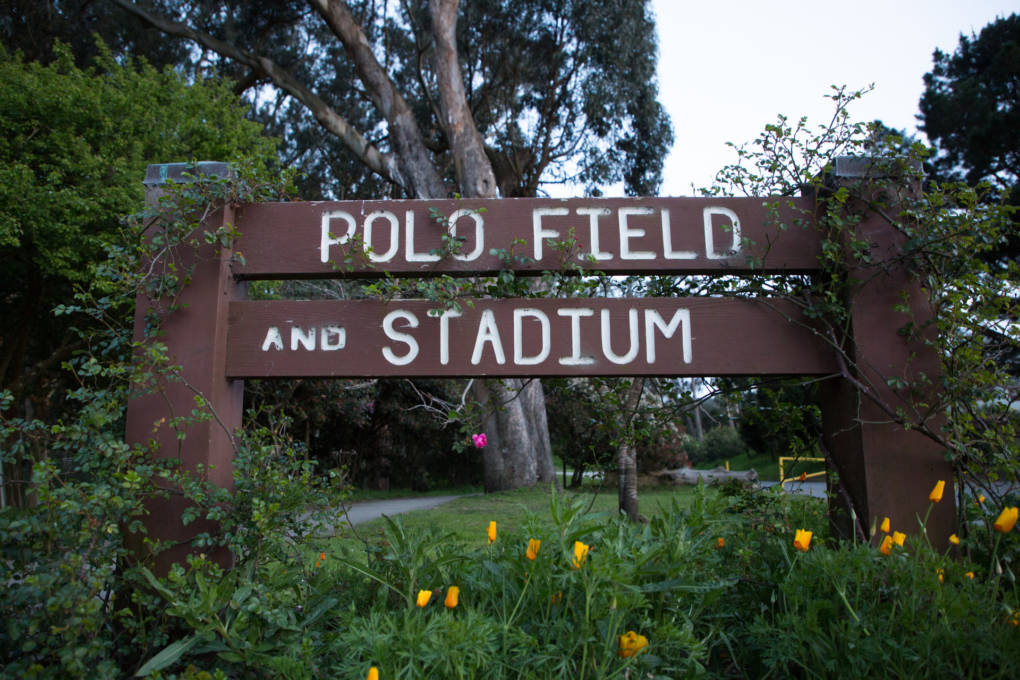
"caption": "The entrance sign to the Polo Field at Golden Gate Park. ",
"credit": "Samantha Shanahan/KQED",
"altTag": "The entrance sign to the Polo Field at Golden Gate Park. Polo was the main attraction of the field through the early 1960s, but has not been played there regularly for decades.",
"description": "The entrance sign to the Polo Field at Golden Gate Park. Polo was the main attraction of the field through the early 1960s, but has not been played there regularly for decades.",
"imgSizes": {
"thumbnail": {
"file": "https://cdn.kqed.org/wp-content/uploads/sites/10/2018/04/RS30490_mayoraldebate-9-qut-160x107.jpg",
"width": 160,
"height": 107,
"mimeType": "image/jpeg"
},
"medium": {
"file": "https://cdn.kqed.org/wp-content/uploads/sites/10/2018/04/RS30490_mayoraldebate-9-qut-800x533.jpg",
"width": 800,
"height": 533,
"mimeType": "image/jpeg"
},
"large": {
"file": "https://cdn.kqed.org/wp-content/uploads/sites/10/2018/04/RS30490_mayoraldebate-9-qut-1020x680.jpg",
"width": 1020,
"height": 680,
"mimeType": "image/jpeg"
},
"complete_open_graph": {
"file": "https://cdn.kqed.org/wp-content/uploads/sites/10/2018/04/RS30490_mayoraldebate-9-qut-1200x800.jpg",
"width": 1200,
"height": 800,
"mimeType": "image/jpeg"
},
"fd-lrg": {
"file": "https://cdn.kqed.org/wp-content/uploads/sites/10/2018/04/RS30490_mayoraldebate-9-qut-1920x1280.jpg",
"width": 1920,
"height": 1280,
"mimeType": "image/jpeg"
},
"fd-med": {
"file": "https://cdn.kqed.org/wp-content/uploads/sites/10/2018/04/RS30490_mayoraldebate-9-qut-1180x787.jpg",
"width": 1180,
"height": 787,
"mimeType": "image/jpeg"
},
"fd-sm": {
"file": "https://cdn.kqed.org/wp-content/uploads/sites/10/2018/04/RS30490_mayoraldebate-9-qut-960x640.jpg",
"width": 960,
"height": 640,
"mimeType": "image/jpeg"
},
"post-thumbnail": {
"file": "https://cdn.kqed.org/wp-content/uploads/sites/10/2018/04/RS30490_mayoraldebate-9-qut-672x372.jpg",
"width": 672,
"height": 372,
"mimeType": "image/jpeg"
},
"twentyfourteen-full-width": {
"file": "https://cdn.kqed.org/wp-content/uploads/sites/10/2018/04/RS30490_mayoraldebate-9-qut-1038x576.jpg",
"width": 1038,
"height": 576,
"mimeType": "image/jpeg"
},
"xxsmall": {
"file": "https://cdn.kqed.org/wp-content/uploads/sites/10/2018/04/RS30490_mayoraldebate-9-qut-240x160.jpg",
"width": 240,
"height": 160,
"mimeType": "image/jpeg"
},
"xsmall": {
"file": "https://cdn.kqed.org/wp-content/uploads/sites/10/2018/04/RS30490_mayoraldebate-9-qut-375x250.jpg",
"width": 375,
"height": 250,
"mimeType": "image/jpeg"
},
"small": {
"file": "https://cdn.kqed.org/wp-content/uploads/sites/10/2018/04/RS30490_mayoraldebate-9-qut-520x347.jpg",
"width": 520,
"height": 347,
"mimeType": "image/jpeg"
},
"xlarge": {
"file": "https://cdn.kqed.org/wp-content/uploads/sites/10/2018/04/RS30490_mayoraldebate-9-qut-1180x787.jpg",
"width": 1180,
"height": 787,
"mimeType": "image/jpeg"
},
"full-width": {
"file": "https://cdn.kqed.org/wp-content/uploads/sites/10/2018/04/RS30490_mayoraldebate-9-qut-1920x1280.jpg",
"width": 1920,
"height": 1280,
"mimeType": "image/jpeg"
},
"guest-author-32": {
"file": "https://cdn.kqed.org/wp-content/uploads/sites/10/2018/04/RS30490_mayoraldebate-9-qut-32x32.jpg",
"width": 32,
"height": 32,
"mimeType": "image/jpeg"
},
"guest-author-50": {
"file": "https://cdn.kqed.org/wp-content/uploads/sites/10/2018/04/RS30490_mayoraldebate-9-qut-50x50.jpg",
"width": 50,
"height": 50,
"mimeType": "image/jpeg"
},
"guest-author-64": {
"file": "https://cdn.kqed.org/wp-content/uploads/sites/10/2018/04/RS30490_mayoraldebate-9-qut-64x64.jpg",
"width": 64,
"height": 64,
"mimeType": "image/jpeg"
},
"guest-author-96": {
"file": "https://cdn.kqed.org/wp-content/uploads/sites/10/2018/04/RS30490_mayoraldebate-9-qut-96x96.jpg",
"width": 96,
"height": 96,
"mimeType": "image/jpeg"
},
"guest-author-128": {
"file": "https://cdn.kqed.org/wp-content/uploads/sites/10/2018/04/RS30490_mayoraldebate-9-qut-128x128.jpg",
"width": 128,
"height": 128,
"mimeType": "image/jpeg"
},
"detail": {
"file": "https://cdn.kqed.org/wp-content/uploads/sites/10/2018/04/RS30490_mayoraldebate-9-qut-150x150.jpg",
"width": 150,
"height": 150,
"mimeType": "image/jpeg"
},
"kqedFullSize": {
"file": "https://cdn.kqed.org/wp-content/uploads/sites/10/2018/04/RS30490_mayoraldebate-9-qut.jpg",
"width": 1920,
"height": 1280
}
},
"isLoading": false,
"fetchFailed": false
},
"news_11915613": {
"type": "attachments",
"id": "news_11915613",
"meta": {
"index": "attachments_1716263798",
"site": "news",
"id": "11915613",
"found": true
},
"parent": 11915583,
"imgSizes": {
"twentyfourteen-full-width": {
"file": "https://ww2.kqed.org/app/uploads/sites/10/2022/05/JapaneseTeaGarden-1038x576.jpg",
"width": 1038,
"mimeType": "image/jpeg",
"height": 576
},
"thumbnail": {
"file": "https://ww2.kqed.org/app/uploads/sites/10/2022/05/JapaneseTeaGarden-160x107.jpg",
"width": 160,
"mimeType": "image/jpeg",
"height": 107
},
"post-thumbnail": {
"file": "https://ww2.kqed.org/app/uploads/sites/10/2022/05/JapaneseTeaGarden-672x372.jpg",
"width": 672,
"mimeType": "image/jpeg",
"height": 372
},
"kqedFullSize": {
"file": "https://ww2.kqed.org/app/uploads/sites/10/2022/05/JapaneseTeaGarden.jpg",
"width": 1920,
"height": 1280
},
"large": {
"file": "https://ww2.kqed.org/app/uploads/sites/10/2022/05/JapaneseTeaGarden-1020x680.jpg",
"width": 1020,
"mimeType": "image/jpeg",
"height": 680
},
"1536x1536": {
"file": "https://ww2.kqed.org/app/uploads/sites/10/2022/05/JapaneseTeaGarden-1536x1024.jpg",
"width": 1536,
"mimeType": "image/jpeg",
"height": 1024
},
"medium": {
"file": "https://ww2.kqed.org/app/uploads/sites/10/2022/05/JapaneseTeaGarden-800x533.jpg",
"width": 800,
"mimeType": "image/jpeg",
"height": 533
}
},
"publishDate": 1654038653,
"modified": 1654038874,
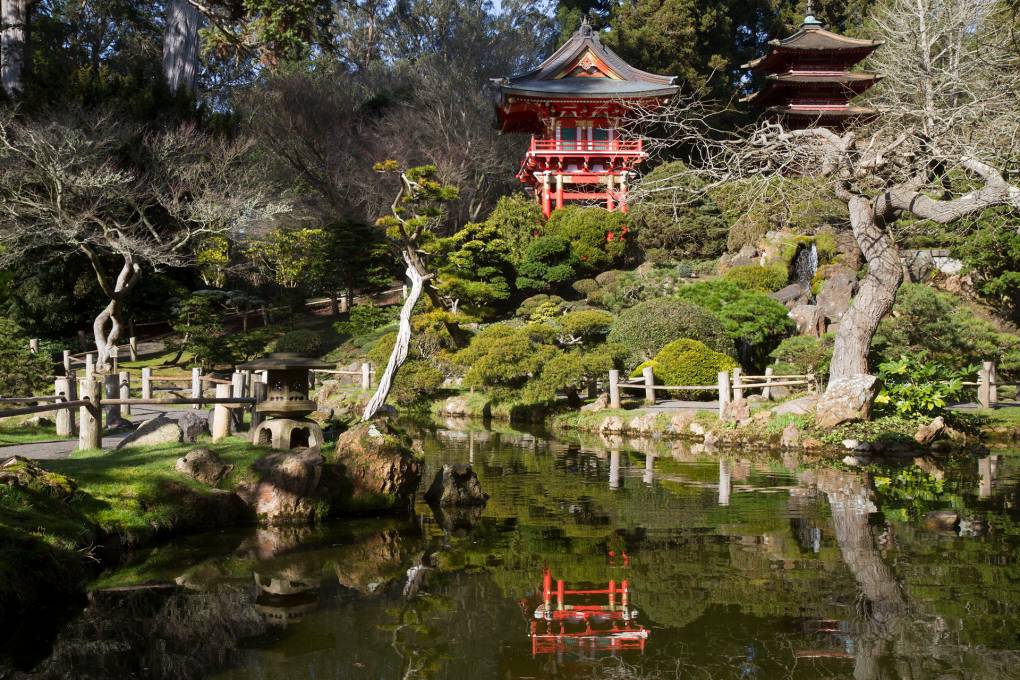
"caption": "A pond in San Francisco's Japanese Tea Garden reflects an orange pagoda.",
"description": null,
"title": "JapaneseTeaGarden",
"credit": "\u003ca href=\"https://www.flickr.com/photos/nathaninsandiego/24965174616/in/photolist-E363D7-27MgbLZ-2aGGrwR-TwoXmp-24Bf5sX-5Dht9L-6cjRdR-AwpgCy-2kJgfvk-dCo6NJ-24TnJ6b-6bmTUp-h3nQZh-wzDeeC-2kQnHKd-3hQDfT-7wFVB6-RzawZf-2kzykYH-pYyact-o2MeGN-TgAbSv-b9NEW4-pGaA8q-xpofHy-pG8uVg-4HfDbY-dkdVqj-wuG3Zd-jyDFPT-2FN8cE-QP63q9-GAT1aJ-wuGiR7-Fxd9oo-4XxT3j-xHXWU-7aHmGW-2aZwWbm-69FuyD-xHXH2-2irmswy-7aDyhn-afUcb-2iriNcZ-2irmred-2irnAT7-2irnAKS-2irmrYp-2irmrcV\">Nathan Rupert/Flickr\u003c/a>",
"status": "inherit",
"altTag": "A tranquil pond sits in the foreground with lush greenery rising into a hill beyond. On top of the hill is an orange pagoda.",
"isLoading": false,
"fetchFailed": false
},
"news_11809842": {
"type": "attachments",
"id": "news_11809842",
"meta": {
"index": "attachments_1716263798",
"site": "news",
"id": "11809842",
"found": true
},
"parent": 11495697,
"imgSizes": {
"apple_news_ca_landscape_5_5": {
"file": "https://ww2.kqed.org/app/uploads/sites/10/2020/04/Photo-1-Bison-Arrival-Credit_-James-Watkins-1044x783.jpg",
"width": 1044,
"mimeType": "image/jpeg",
"height": 783
},
"apple_news_ca_square_4_0": {
"file": "https://ww2.kqed.org/app/uploads/sites/10/2020/04/Photo-1-Bison-Arrival-Credit_-James-Watkins-470x470.jpg",
"width": 470,
"mimeType": "image/jpeg",
"height": 470
},
"twentyfourteen-full-width": {
"file": "https://ww2.kqed.org/app/uploads/sites/10/2020/04/Photo-1-Bison-Arrival-Credit_-James-Watkins-1038x576.jpg",
"width": 1038,
"mimeType": "image/jpeg",
"height": 576
},
"thumbnail": {
"file": "https://ww2.kqed.org/app/uploads/sites/10/2020/04/Photo-1-Bison-Arrival-Credit_-James-Watkins-160x90.jpg",
"width": 160,
"mimeType": "image/jpeg",
"height": 90
},
"post-thumbnail": {
"file": "https://ww2.kqed.org/app/uploads/sites/10/2020/04/Photo-1-Bison-Arrival-Credit_-James-Watkins-672x372.jpg",
"width": 672,
"mimeType": "image/jpeg",
"height": 372
},
"kqedFullSize": {
"file": "https://ww2.kqed.org/app/uploads/sites/10/2020/04/Photo-1-Bison-Arrival-Credit_-James-Watkins.jpg",
"width": 1920,
"height": 1080
},
"apple_news_ca_landscape_4_7": {
"file": "https://ww2.kqed.org/app/uploads/sites/10/2020/04/Photo-1-Bison-Arrival-Credit_-James-Watkins-632x474.jpg",
"width": 632,
"mimeType": "image/jpeg",
"height": 474
},
"large": {
"file": "https://ww2.kqed.org/app/uploads/sites/10/2020/04/Photo-1-Bison-Arrival-Credit_-James-Watkins-1020x574.jpg",
"width": 1020,
"mimeType": "image/jpeg",
"height": 574
},
"apple_news_ca_landscape_4_0": {
"file": "https://ww2.kqed.org/app/uploads/sites/10/2020/04/Photo-1-Bison-Arrival-Credit_-James-Watkins-536x402.jpg",
"width": 536,
"mimeType": "image/jpeg",
"height": 402
},
"apple_news_ca_portrait_12_9": {
"file": "https://ww2.kqed.org/app/uploads/sites/10/2020/04/Photo-1-Bison-Arrival-Credit_-James-Watkins-1122x1080.jpg",
"width": 1122,
"mimeType": "image/jpeg",
"height": 1080
},
"medium": {
"file": "https://ww2.kqed.org/app/uploads/sites/10/2020/04/Photo-1-Bison-Arrival-Credit_-James-Watkins-800x450.jpg",
"width": 800,
"mimeType": "image/jpeg",
"height": 450
},
"apple_news_ca_portrait_4_0": {
"file": "https://ww2.kqed.org/app/uploads/sites/10/2020/04/Photo-1-Bison-Arrival-Credit_-James-Watkins-354x472.jpg",
"width": 354,
"mimeType": "image/jpeg",
"height": 472
},
"apple_news_ca_portrait_9_7": {
"file": "https://ww2.kqed.org/app/uploads/sites/10/2020/04/Photo-1-Bison-Arrival-Credit_-James-Watkins-840x1080.jpg",
"width": 840,
"mimeType": "image/jpeg",
"height": 1080
},
"apple_news_ca_landscape_12_9": {
"file": "https://ww2.kqed.org/app/uploads/sites/10/2020/04/Photo-1-Bison-Arrival-Credit_-James-Watkins-1832x1080.jpg",
"width": 1832,
"mimeType": "image/jpeg",
"height": 1080
},
"apple_news_ca_square_9_7": {
"file": "https://ww2.kqed.org/app/uploads/sites/10/2020/04/Photo-1-Bison-Arrival-Credit_-James-Watkins-1104x1080.jpg",
"width": 1104,
"mimeType": "image/jpeg",
"height": 1080
},
"apple_news_ca_portrait_4_7": {
"file": "https://ww2.kqed.org/app/uploads/sites/10/2020/04/Photo-1-Bison-Arrival-Credit_-James-Watkins-414x552.jpg",
"width": 414,
"mimeType": "image/jpeg",
"height": 552
},
"apple_news_ca_square_12_9": {
"file": "https://ww2.kqed.org/app/uploads/sites/10/2020/04/Photo-1-Bison-Arrival-Credit_-James-Watkins-1472x1080.jpg",
"width": 1472,
"mimeType": "image/jpeg",
"height": 1080
},
"apple_news_ca_portrait_5_5": {
"file": "https://ww2.kqed.org/app/uploads/sites/10/2020/04/Photo-1-Bison-Arrival-Credit_-James-Watkins-687x916.jpg",
"width": 687,
"mimeType": "image/jpeg",
"height": 916
},
"full-width": {
"file": "https://ww2.kqed.org/app/uploads/sites/10/2020/04/Photo-1-Bison-Arrival-Credit_-James-Watkins-1920x1080.jpg",
"width": 1920,
"mimeType": "image/jpeg",
"height": 1080
},
"apple_news_ca_square_4_7": {
"file": "https://ww2.kqed.org/app/uploads/sites/10/2020/04/Photo-1-Bison-Arrival-Credit_-James-Watkins-550x550.jpg",
"width": 550,
"mimeType": "image/jpeg",
"height": 550
},
"apple_news_ca_landscape_9_7": {
"file": "https://ww2.kqed.org/app/uploads/sites/10/2020/04/Photo-1-Bison-Arrival-Credit_-James-Watkins-1376x1032.jpg",
"width": 1376,
"mimeType": "image/jpeg",
"height": 1032
},
"apple_news_ca_square_5_5": {
"file": "https://ww2.kqed.org/app/uploads/sites/10/2020/04/Photo-1-Bison-Arrival-Credit_-James-Watkins-912x912.jpg",
"width": 912,
"mimeType": "image/jpeg",
"height": 912
}
},
"publishDate": 1585682729,
"modified": 1654225615,
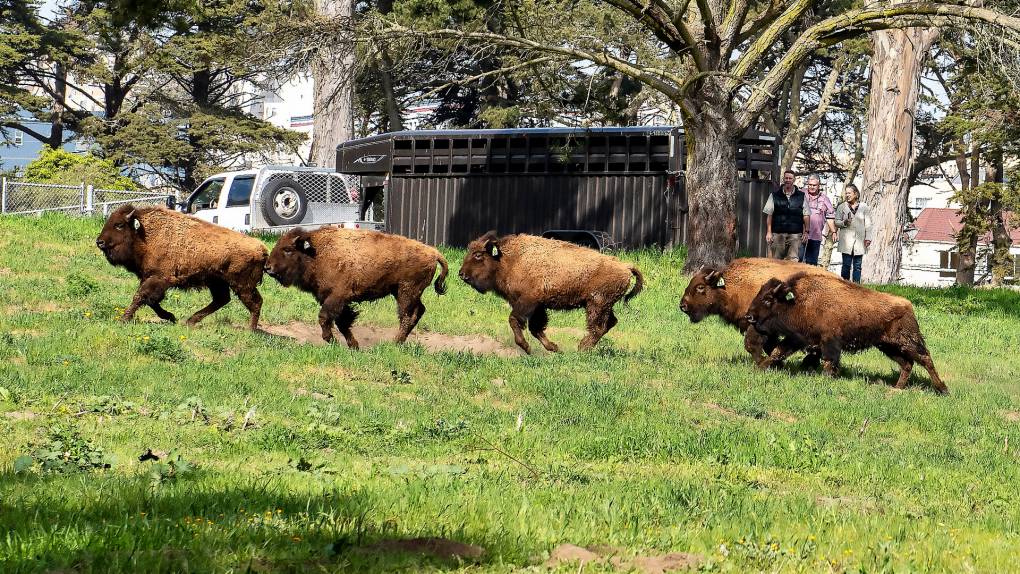
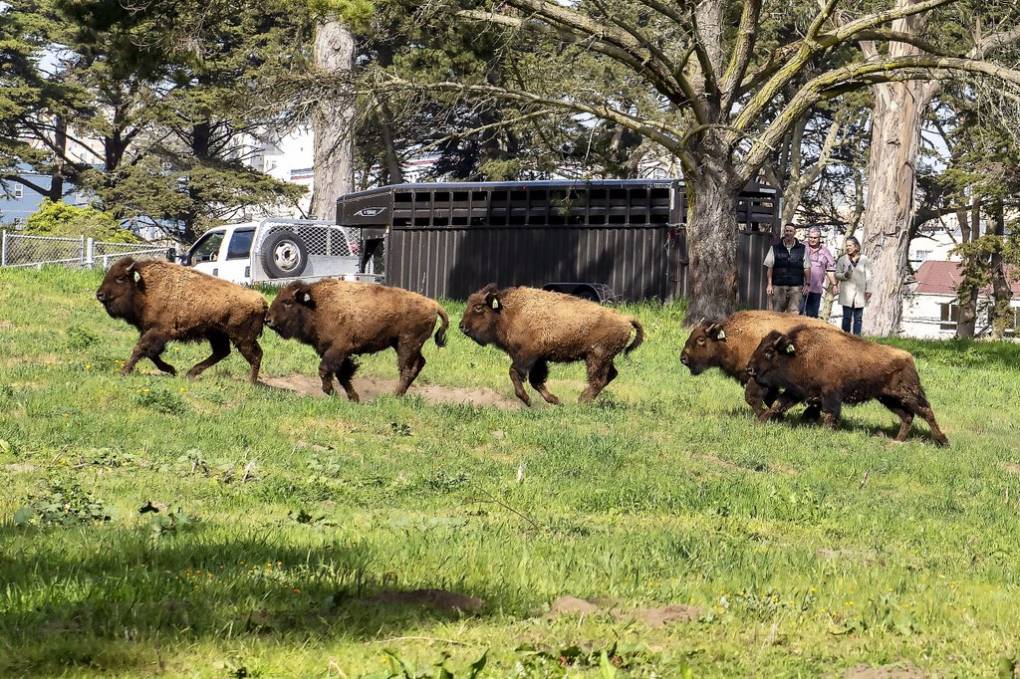
"caption": "Five new bison are joining the herd at Golden Gate Park in honor of the park's sesquicentennial.",
"description": "Five new bison joined the herd at Golden Gate Park in honor of the park's sesquicentennial.",
"title": "Five new bison are joining the heard at Golden Gate Park in honor of the park's Sesquicentennial.",
"credit": "James Watkins/Courtesy of San Francisco Recreation and Parks",
"status": "inherit",
"altTag": "Five new bison are joining the heard at Golden Gate Park in honor of the park's Sesquicentennial.",
"isLoading": false,
"fetchFailed": false
},
"news_11915022": {
"type": "attachments",
"id": "news_11915022",
"meta": {
"index": "attachments_1716263798",
"site": "news",
"id": "11915022",
"found": true
},
"parent": 11915008,
"imgSizes": {
"twentyfourteen-full-width": {
"file": "https://ww2.kqed.org/app/uploads/sites/10/2022/05/Conservatory-of-flowers-1038x576.jpg",
"width": 1038,
"mimeType": "image/jpeg",
"height": 576
},
"thumbnail": {
"file": "https://ww2.kqed.org/app/uploads/sites/10/2022/05/Conservatory-of-flowers-160x107.jpg",
"width": 160,
"mimeType": "image/jpeg",
"height": 107
},
"post-thumbnail": {
"file": "https://ww2.kqed.org/app/uploads/sites/10/2022/05/Conservatory-of-flowers-672x372.jpg",
"width": 672,
"mimeType": "image/jpeg",
"height": 372
},
"kqedFullSize": {
"file": "https://ww2.kqed.org/app/uploads/sites/10/2022/05/Conservatory-of-flowers.jpg",
"width": 1920,
"height": 1280
},
"large": {
"file": "https://ww2.kqed.org/app/uploads/sites/10/2022/05/Conservatory-of-flowers-1020x680.jpg",
"width": 1020,
"mimeType": "image/jpeg",
"height": 680
},
"1536x1536": {
"file": "https://ww2.kqed.org/app/uploads/sites/10/2022/05/Conservatory-of-flowers-1536x1024.jpg",
"width": 1536,
"mimeType": "image/jpeg",
"height": 1024
},
"medium": {
"file": "https://ww2.kqed.org/app/uploads/sites/10/2022/05/Conservatory-of-flowers-800x533.jpg",
"width": 800,
"mimeType": "image/jpeg",
"height": 533
}
},
"publishDate": 1653439323,
"modified": 1653439383,
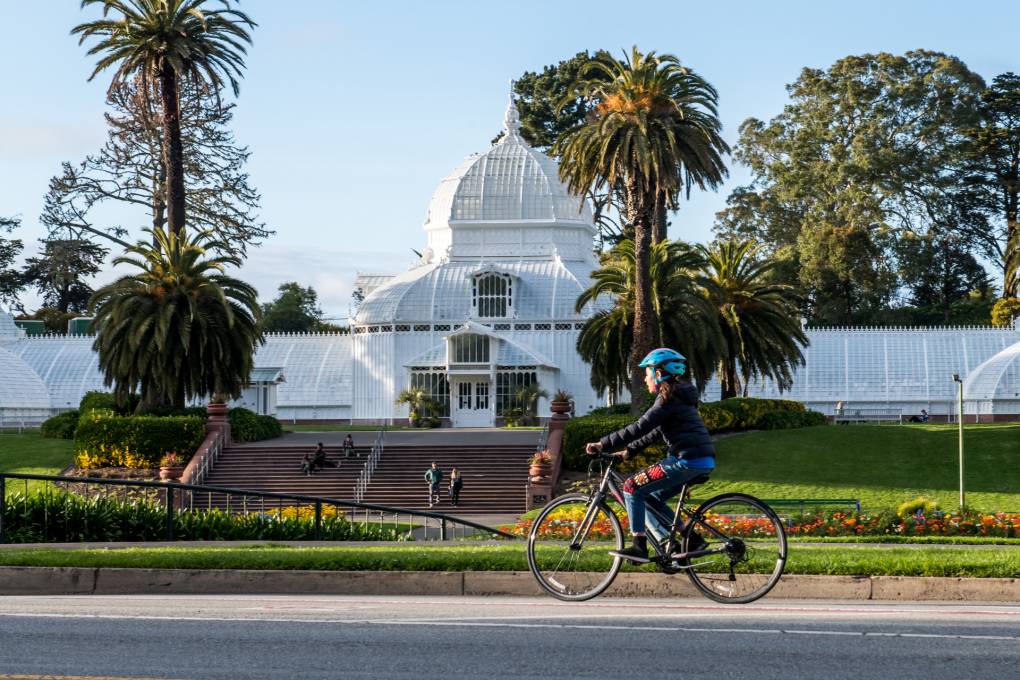
"caption": "A bicyclist goes past the Conservatory of Flowers in Golden Gate Park in San Francisco on March 30, 2020.",
"description": null,
"title": "Conservatory-of-flowers",
"credit": "Beth LaBerge/KQED",
"status": "inherit",
"altTag": "A large white building with a dome sits in the background with yellow and red flowers growing in front. A cyclist rides past in the foreground.",
"isLoading": false,
"fetchFailed": false
},
"news_11912423": {
"type": "attachments",
"id": "news_11912423",
"meta": {
"index": "attachments_1716263798",
"site": "news",
"id": "11912423",
"found": true
},
"parent": 11912421,
"imgSizes": {
"twentyfourteen-full-width": {
"file": "https://ww2.kqed.org/app/uploads/sites/10/2022/04/GettyImages-1322063636-1024x576.jpg",
"width": 1024,
"mimeType": "image/jpeg",
"height": 576
},
"thumbnail": {
"file": "https://ww2.kqed.org/app/uploads/sites/10/2022/04/GettyImages-1322063636-160x107.jpg",
"width": 160,
"mimeType": "image/jpeg",
"height": 107
},
"post-thumbnail": {
"file": "https://ww2.kqed.org/app/uploads/sites/10/2022/04/GettyImages-1322063636-672x372.jpg",
"width": 672,
"mimeType": "image/jpeg",
"height": 372
},
"kqedFullSize": {
"file": "https://ww2.kqed.org/app/uploads/sites/10/2022/04/GettyImages-1322063636.jpg",
"width": 1024,
"height": 683
},
"large": {
"file": "https://ww2.kqed.org/app/uploads/sites/10/2022/04/GettyImages-1322063636-1020x680.jpg",
"width": 1020,
"mimeType": "image/jpeg",
"height": 680
},
"medium": {
"file": "https://ww2.kqed.org/app/uploads/sites/10/2022/04/GettyImages-1322063636-800x534.jpg",
"width": 800,
"mimeType": "image/jpeg",
"height": 534
}
},
"publishDate": 1651100962,
"modified": 1651110147,
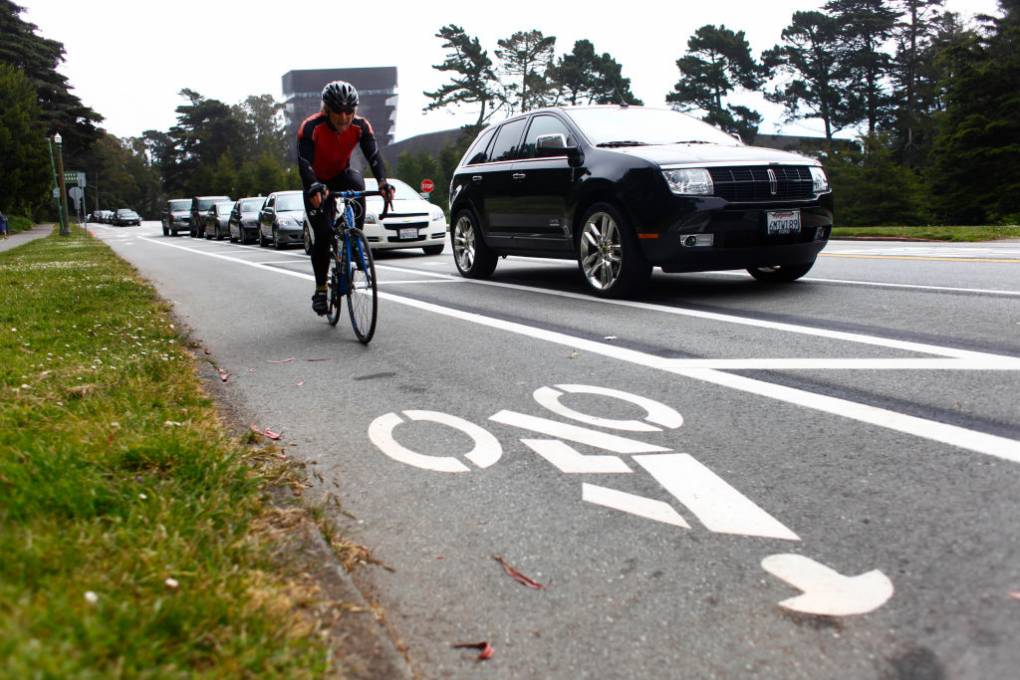
"caption": "A bicyclist rides in a separated bikeway on John F. Kennedy Drive in Golden Gate Park, on May 9, 2012, in San Francisco. The lane separates bicyclists from traffic via a parking zone for cars.",
"description": null,
"title": "A bicyclist rides in a new separated bikeway in Golden Gate Park along John F. Kennedy Drive which separates bicyclists from traffic by a new parking zone for cars on Wednesday, May 9, 2012 in San Francisco, Calif.",
"credit": "Lea Suzuki/The San Francisco Chronicle via Getty Images",
"status": "inherit",
"altTag": "A man rides a bike in the bike lane and cars drive down the road.",
"isLoading": false,
"fetchFailed": false
},
"news_11912380": {
"type": "attachments",
"id": "news_11912380",
"meta": {
"index": "attachments_1716263798",
"site": "news",
"id": "11912380",
"found": true
},
"parent": 11912370,
"imgSizes": {
"twentyfourteen-full-width": {
"file": "https://ww2.kqed.org/app/uploads/sites/10/2022/04/drive_042722_final-1038x576.png",
"width": 1038,
"mimeType": "image/png",
"height": 576
},
"thumbnail": {
"file": "https://ww2.kqed.org/app/uploads/sites/10/2022/04/drive_042722_final-160x109.png",
"width": 160,
"mimeType": "image/png",
"height": 109
},
"post-thumbnail": {
"file": "https://ww2.kqed.org/app/uploads/sites/10/2022/04/drive_042722_final-672x372.png",
"width": 672,
"mimeType": "image/png",
"height": 372
},
"kqedFullSize": {
"file": "https://ww2.kqed.org/app/uploads/sites/10/2022/04/drive_042722_final.png",
"width": 1920,
"height": 1313
},
"large": {
"file": "https://ww2.kqed.org/app/uploads/sites/10/2022/04/drive_042722_final-1020x698.png",
"width": 1020,
"mimeType": "image/png",
"height": 698
},
"1536x1536": {
"file": "https://ww2.kqed.org/app/uploads/sites/10/2022/04/drive_042722_final-1536x1050.png",
"width": 1536,
"mimeType": "image/png",
"height": 1050
},
"medium": {
"file": "https://ww2.kqed.org/app/uploads/sites/10/2022/04/drive_042722_final-800x547.png",
"width": 800,
"mimeType": "image/png",
"height": 547
}
},
"publishDate": 1651091167,
"modified": 1651091241,
"caption": null,
"description": null,
"title": "drive_042722_final",
"credit": null,
"status": "inherit",
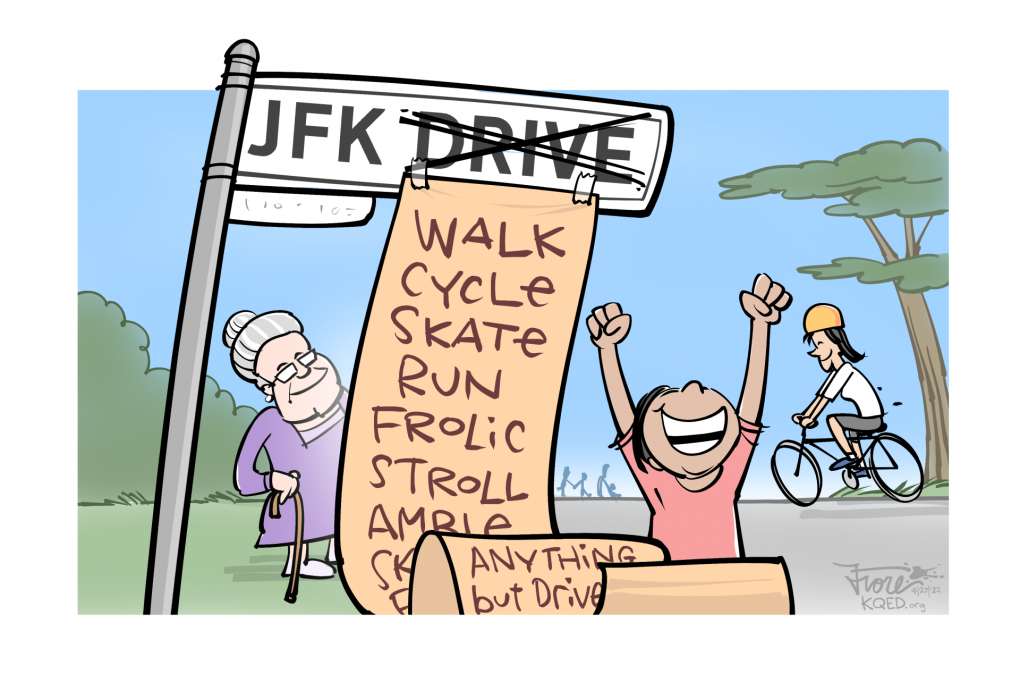
"altTag": "Cartoon: happy people celebrate around a \"JFK Drive\" sign in Golden Gate Park. The \"drive\" on the sign is crossed out and replaced with a list of \"walk, cycle, skate, run, frolic, amble, anything but drive.\"",
"isLoading": false,
"fetchFailed": false
},
"news_11834975": {
"type": "attachments",
"id": "news_11834975",
"meta": {
"index": "attachments_1716263798",
"site": "news",
"id": "11834975",
"found": true
},
"parent": 11834961,
"imgSizes": {
"apple_news_ca_landscape_5_5": {
"file": "https://ww2.kqed.org/app/uploads/sites/10/2020/08/PalaceFineArts-DavidYu-1044x783.jpg",
"width": 1044,
"mimeType": "image/jpeg",
"height": 783
},
"apple_news_ca_square_4_0": {
"file": "https://ww2.kqed.org/app/uploads/sites/10/2020/08/PalaceFineArts-DavidYu-470x470.jpg",
"width": 470,
"mimeType": "image/jpeg",
"height": 470
},
"twentyfourteen-full-width": {
"file": "https://ww2.kqed.org/app/uploads/sites/10/2020/08/PalaceFineArts-DavidYu-1038x576.jpg",
"width": 1038,
"mimeType": "image/jpeg",
"height": 576
},
"thumbnail": {
"file": "https://ww2.kqed.org/app/uploads/sites/10/2020/08/PalaceFineArts-DavidYu-160x107.jpg",
"width": 160,
"mimeType": "image/jpeg",
"height": 107
},
"post-thumbnail": {
"file": "https://ww2.kqed.org/app/uploads/sites/10/2020/08/PalaceFineArts-DavidYu-672x372.jpg",
"width": 672,
"mimeType": "image/jpeg",
"height": 372
},
"kqedFullSize": {
"file": "https://ww2.kqed.org/app/uploads/sites/10/2020/08/PalaceFineArts-DavidYu.jpg",
"width": 1500,
"height": 1001
},
"apple_news_ca_landscape_4_7": {
"file": "https://ww2.kqed.org/app/uploads/sites/10/2020/08/PalaceFineArts-DavidYu-632x474.jpg",
"width": 632,
"mimeType": "image/jpeg",
"height": 474
},
"large": {
"file": "https://ww2.kqed.org/app/uploads/sites/10/2020/08/PalaceFineArts-DavidYu-1020x681.jpg",
"width": 1020,
"mimeType": "image/jpeg",
"height": 681
},
"apple_news_ca_landscape_4_0": {
"file": "https://ww2.kqed.org/app/uploads/sites/10/2020/08/PalaceFineArts-DavidYu-536x402.jpg",
"width": 536,
"mimeType": "image/jpeg",
"height": 402
},
"apple_news_ca_portrait_12_9": {
"file": "https://ww2.kqed.org/app/uploads/sites/10/2020/08/PalaceFineArts-DavidYu-1122x1001.jpg",
"width": 1122,
"mimeType": "image/jpeg",
"height": 1001
},
"medium": {
"file": "https://ww2.kqed.org/app/uploads/sites/10/2020/08/PalaceFineArts-DavidYu-800x534.jpg",
"width": 800,
"mimeType": "image/jpeg",
"height": 534
},
"apple_news_ca_portrait_4_0": {
"file": "https://ww2.kqed.org/app/uploads/sites/10/2020/08/PalaceFineArts-DavidYu-354x472.jpg",
"width": 354,
"mimeType": "image/jpeg",
"height": 472
},
"apple_news_ca_portrait_9_7": {
"file": "https://ww2.kqed.org/app/uploads/sites/10/2020/08/PalaceFineArts-DavidYu-840x1001.jpg",
"width": 840,
"mimeType": "image/jpeg",
"height": 1001
},
"apple_news_ca_square_9_7": {
"file": "https://ww2.kqed.org/app/uploads/sites/10/2020/08/PalaceFineArts-DavidYu-1104x1001.jpg",
"width": 1104,
"mimeType": "image/jpeg",
"height": 1001
},
"apple_news_ca_portrait_4_7": {
"file": "https://ww2.kqed.org/app/uploads/sites/10/2020/08/PalaceFineArts-DavidYu-414x552.jpg",
"width": 414,
"mimeType": "image/jpeg",
"height": 552
},
"apple_news_ca_square_12_9": {
"file": "https://ww2.kqed.org/app/uploads/sites/10/2020/08/PalaceFineArts-DavidYu-1472x1001.jpg",
"width": 1472,
"mimeType": "image/jpeg",
"height": 1001
},
"apple_news_ca_portrait_5_5": {
"file": "https://ww2.kqed.org/app/uploads/sites/10/2020/08/PalaceFineArts-DavidYu-687x916.jpg",
"width": 687,
"mimeType": "image/jpeg",
"height": 916
},
"apple_news_ca_square_4_7": {
"file": "https://ww2.kqed.org/app/uploads/sites/10/2020/08/PalaceFineArts-DavidYu-550x550.jpg",
"width": 550,
"mimeType": "image/jpeg",
"height": 550
},
"apple_news_ca_landscape_9_7": {
"file": "https://ww2.kqed.org/app/uploads/sites/10/2020/08/PalaceFineArts-DavidYu-1376x1001.jpg",
"width": 1376,
"mimeType": "image/jpeg",
"height": 1001
},
"apple_news_ca_square_5_5": {
"file": "https://ww2.kqed.org/app/uploads/sites/10/2020/08/PalaceFineArts-DavidYu-912x912.jpg",
"width": 912,
"mimeType": "image/jpeg",
"height": 912
}
},
"publishDate": 1598312264,
"modified": 1642110807,
"caption": "The Palace of Fine Arts lagoon has been home to many swans throughout the years.",
"description": null,
"title": "PalaceFineArts-DavidYu",
"credit": "\u003ca href=\"https://www.flickr.com/photos/davidyuweb/9450013295/\">David Yu\u003c/a>/Flickr",
"status": "inherit",
"altTag": null,
"isLoading": false,
"fetchFailed": false
},
"news_11896929": {
"type": "attachments",
"id": "news_11896929",
"meta": {
"index": "attachments_1716263798",
"site": "news",
"id": "11896929",
"found": true
},
"parent": 11896762,
"imgSizes": {
"twentyfourteen-full-width": {
"file": "https://ww2.kqed.org/app/uploads/sites/10/2021/11/GettyImages-1323764102-1-1038x576.jpg",
"width": 1038,
"mimeType": "image/jpeg",
"height": 576
},
"thumbnail": {
"file": "https://ww2.kqed.org/app/uploads/sites/10/2021/11/GettyImages-1323764102-1-160x104.jpg",
"width": 160,
"mimeType": "image/jpeg",
"height": 104
},
"post-thumbnail": {
"file": "https://ww2.kqed.org/app/uploads/sites/10/2021/11/GettyImages-1323764102-1-672x372.jpg",
"width": 672,
"mimeType": "image/jpeg",
"height": 372
},
"kqedFullSize": {
"file": "https://ww2.kqed.org/app/uploads/sites/10/2021/11/GettyImages-1323764102-1.jpg",
"width": 1920,
"height": 1250
},
"large": {
"file": "https://ww2.kqed.org/app/uploads/sites/10/2021/11/GettyImages-1323764102-1-1020x664.jpg",
"width": 1020,
"mimeType": "image/jpeg",
"height": 664
},
"1536x1536": {
"file": "https://ww2.kqed.org/app/uploads/sites/10/2021/11/GettyImages-1323764102-1-1536x1000.jpg",
"width": 1536,
"mimeType": "image/jpeg",
"height": 1000
},
"medium": {
"file": "https://ww2.kqed.org/app/uploads/sites/10/2021/11/GettyImages-1323764102-1-800x521.jpg",
"width": 800,
"mimeType": "image/jpeg",
"height": 521
}
},
"publishDate": 1637364274,
"modified": 1637805057,
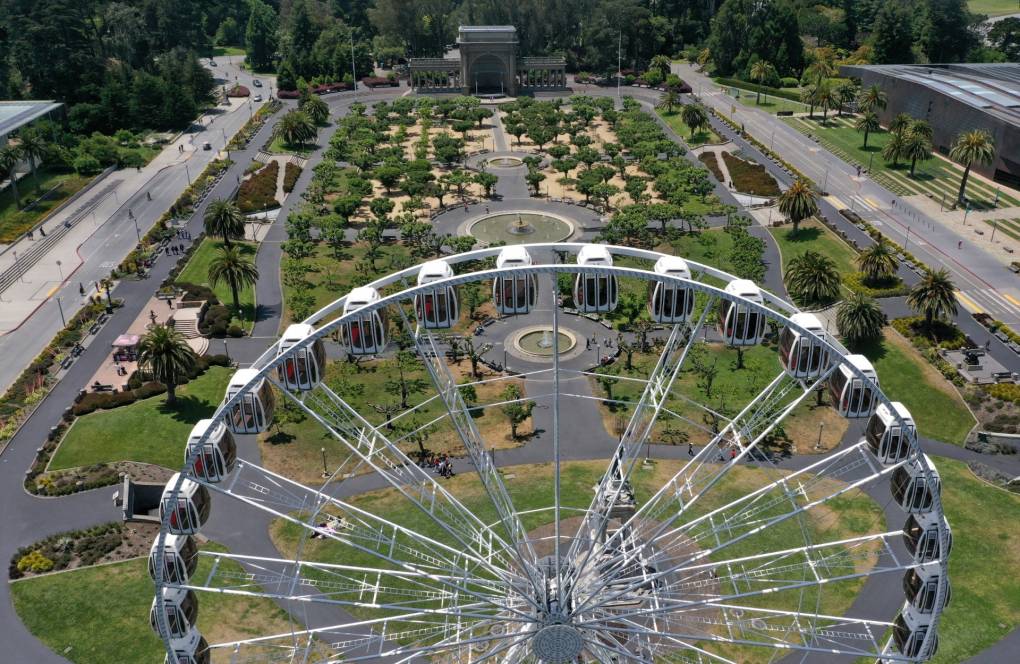
"caption": "In an aerial view, the SkyStar Wheel in the Music Concourse carries riders at Golden Gate Park on June 14, 2021, in San Francisco.",
"description": null,
"title": "GettyImages-1323764102 (1)",
"credit": "Justin Sullivan/Getty Images",
"status": "inherit",
"altTag": "A white ferris wheel seen from above, with Golden Gate Park's concourse in the background -- green shrubberies and grass with benches and fountains.",
"isLoading": false,
"fetchFailed": false
},
"news_11863540": {
"type": "attachments",
"id": "news_11863540",
"meta": {
"index": "attachments_1716263798",
"site": "news",
"id": "11863540",
"found": true
},
"parent": 11863518,
"imgSizes": {
"apple_news_ca_landscape_5_5": {
"file": "https://ww2.kqed.org/app/uploads/sites/10/2021/03/RS47549_030_SanFrancisco_AquariumoftheBay_03042021-qut-1044x783.jpg",
"width": 1044,
"mimeType": "image/jpeg",
"height": 783
},
"apple_news_ca_square_4_0": {
"file": "https://ww2.kqed.org/app/uploads/sites/10/2021/03/RS47549_030_SanFrancisco_AquariumoftheBay_03042021-qut-470x470.jpg",
"width": 470,
"mimeType": "image/jpeg",
"height": 470
},
"twentyfourteen-full-width": {
"file": "https://ww2.kqed.org/app/uploads/sites/10/2021/03/RS47549_030_SanFrancisco_AquariumoftheBay_03042021-qut-1038x576.jpg",
"width": 1038,
"mimeType": "image/jpeg",
"height": 576
},
"thumbnail": {
"file": "https://ww2.kqed.org/app/uploads/sites/10/2021/03/RS47549_030_SanFrancisco_AquariumoftheBay_03042021-qut-160x107.jpg",
"width": 160,
"mimeType": "image/jpeg",
"height": 107
},
"post-thumbnail": {
"file": "https://ww2.kqed.org/app/uploads/sites/10/2021/03/RS47549_030_SanFrancisco_AquariumoftheBay_03042021-qut-672x372.jpg",
"width": 672,
"mimeType": "image/jpeg",
"height": 372
},
"kqedFullSize": {
"file": "https://ww2.kqed.org/app/uploads/sites/10/2021/03/RS47549_030_SanFrancisco_AquariumoftheBay_03042021-qut.jpg",
"width": 1920,
"height": 1280
},
"apple_news_ca_landscape_4_7": {
"file": "https://ww2.kqed.org/app/uploads/sites/10/2021/03/RS47549_030_SanFrancisco_AquariumoftheBay_03042021-qut-632x474.jpg",
"width": 632,
"mimeType": "image/jpeg",
"height": 474
},
"large": {
"file": "https://ww2.kqed.org/app/uploads/sites/10/2021/03/RS47549_030_SanFrancisco_AquariumoftheBay_03042021-qut-1020x680.jpg",
"width": 1020,
"mimeType": "image/jpeg",
"height": 680
},
"apple_news_ca_landscape_4_0": {
"file": "https://ww2.kqed.org/app/uploads/sites/10/2021/03/RS47549_030_SanFrancisco_AquariumoftheBay_03042021-qut-536x402.jpg",
"width": 536,
"mimeType": "image/jpeg",
"height": 402
},
"apple_news_ca_portrait_12_9": {
"file": "https://ww2.kqed.org/app/uploads/sites/10/2021/03/RS47549_030_SanFrancisco_AquariumoftheBay_03042021-qut-1122x1280.jpg",
"width": 1122,
"mimeType": "image/jpeg",
"height": 1280
},
"medium": {
"file": "https://ww2.kqed.org/app/uploads/sites/10/2021/03/RS47549_030_SanFrancisco_AquariumoftheBay_03042021-qut-800x533.jpg",
"width": 800,
"mimeType": "image/jpeg",
"height": 533
},
"apple_news_ca_portrait_4_0": {
"file": "https://ww2.kqed.org/app/uploads/sites/10/2021/03/RS47549_030_SanFrancisco_AquariumoftheBay_03042021-qut-354x472.jpg",
"width": 354,
"mimeType": "image/jpeg",
"height": 472
},
"apple_news_ca_portrait_9_7": {
"file": "https://ww2.kqed.org/app/uploads/sites/10/2021/03/RS47549_030_SanFrancisco_AquariumoftheBay_03042021-qut-840x1120.jpg",
"width": 840,
"mimeType": "image/jpeg",
"height": 1120
},
"apple_news_ca_landscape_12_9": {
"file": "https://ww2.kqed.org/app/uploads/sites/10/2021/03/RS47549_030_SanFrancisco_AquariumoftheBay_03042021-qut-1832x1280.jpg",
"width": 1832,
"mimeType": "image/jpeg",
"height": 1280
},
"apple_news_ca_square_9_7": {
"file": "https://ww2.kqed.org/app/uploads/sites/10/2021/03/RS47549_030_SanFrancisco_AquariumoftheBay_03042021-qut-1104x1104.jpg",
"width": 1104,
"mimeType": "image/jpeg",
"height": 1104
},
"1536x1536": {
"file": "https://ww2.kqed.org/app/uploads/sites/10/2021/03/RS47549_030_SanFrancisco_AquariumoftheBay_03042021-qut-1536x1024.jpg",
"width": 1536,
"mimeType": "image/jpeg",
"height": 1024
},
"apple_news_ca_portrait_4_7": {
"file": "https://ww2.kqed.org/app/uploads/sites/10/2021/03/RS47549_030_SanFrancisco_AquariumoftheBay_03042021-qut-414x552.jpg",
"width": 414,
"mimeType": "image/jpeg",
"height": 552
},
"apple_news_ca_square_12_9": {
"file": "https://ww2.kqed.org/app/uploads/sites/10/2021/03/RS47549_030_SanFrancisco_AquariumoftheBay_03042021-qut-1472x1280.jpg",
"width": 1472,
"mimeType": "image/jpeg",
"height": 1280
},
"apple_news_ca_portrait_5_5": {
"file": "https://ww2.kqed.org/app/uploads/sites/10/2021/03/RS47549_030_SanFrancisco_AquariumoftheBay_03042021-qut-687x916.jpg",
"width": 687,
"mimeType": "image/jpeg",
"height": 916
},
"apple_news_ca_square_4_7": {
"file": "https://ww2.kqed.org/app/uploads/sites/10/2021/03/RS47549_030_SanFrancisco_AquariumoftheBay_03042021-qut-550x550.jpg",
"width": 550,
"mimeType": "image/jpeg",
"height": 550
},
"apple_news_ca_landscape_9_7": {
"file": "https://ww2.kqed.org/app/uploads/sites/10/2021/03/RS47549_030_SanFrancisco_AquariumoftheBay_03042021-qut-1376x1032.jpg",
"width": 1376,
"mimeType": "image/jpeg",
"height": 1032
},
"apple_news_ca_square_5_5": {
"file": "https://ww2.kqed.org/app/uploads/sites/10/2021/03/RS47549_030_SanFrancisco_AquariumoftheBay_03042021-qut-912x912.jpg",
"width": 912,
"mimeType": "image/jpeg",
"height": 912
}
},
"publishDate": 1614985780,
"modified": 1614987621,
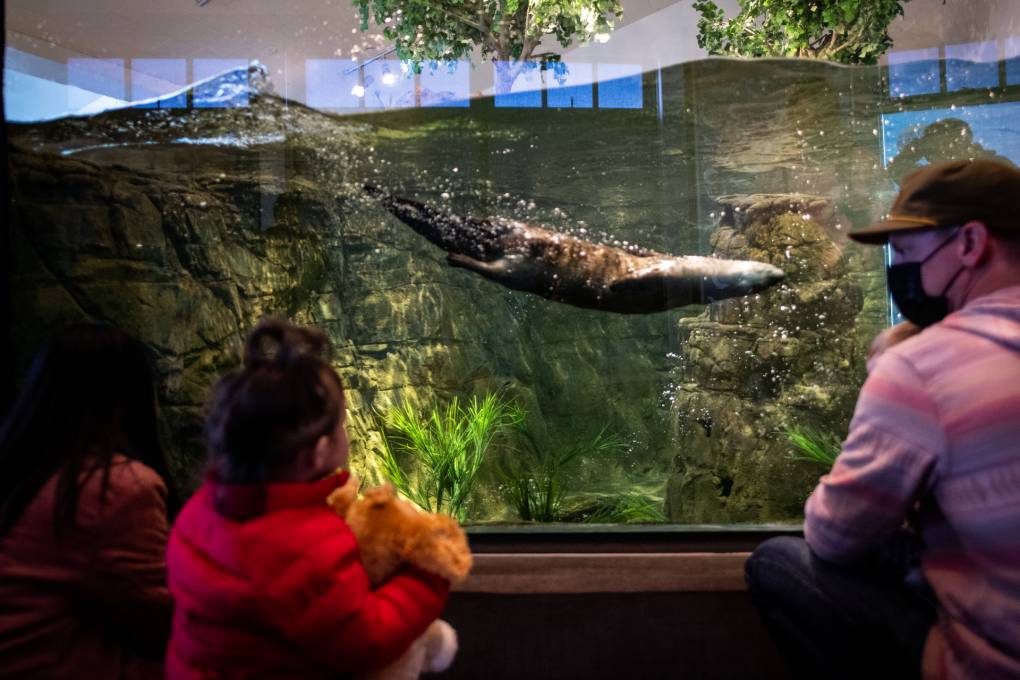
"caption": "Sea otters swim at the Aquarium of the Bay in San Francisco on March 4, 2021.",
"description": "Sea otters swim at the Aquarium of the Bay in San Francisco on March 4, 2021.",
"title": "Sea otters at the Aquarium of the Bay in San Francisco on March 4, 2021.",
"credit": "Beth LaBerge/KQED",
"status": "inherit",
"altTag": null,
"isLoading": false,
"fetchFailed": false
},
"news_11852085": {
"type": "attachments",
"id": "news_11852085",
"meta": {
"index": "attachments_1716263798",
"site": "news",
"id": "11852085",
"found": true
},
"parent": 11852069,
"imgSizes": {
"apple_news_ca_landscape_5_5": {
"file": "https://ww2.kqed.org/app/uploads/sites/10/2020/12/811_Marquee-1044x783.jpg",
"width": 1044,
"mimeType": "image/jpeg",
"height": 783
},
"apple_news_ca_square_4_0": {
"file": "https://ww2.kqed.org/app/uploads/sites/10/2020/12/811_Marquee-470x470.jpg",
"width": 470,
"mimeType": "image/jpeg",
"height": 470
},
"twentyfourteen-full-width": {
"file": "https://ww2.kqed.org/app/uploads/sites/10/2020/12/811_Marquee-1038x576.jpg",
"width": 1038,
"mimeType": "image/jpeg",
"height": 576
},
"thumbnail": {
"file": "https://ww2.kqed.org/app/uploads/sites/10/2020/12/811_Marquee-160x90.jpg",
"width": 160,
"mimeType": "image/jpeg",
"height": 90
},
"post-thumbnail": {
"file": "https://ww2.kqed.org/app/uploads/sites/10/2020/12/811_Marquee-672x372.jpg",
"width": 672,
"mimeType": "image/jpeg",
"height": 372
},
"kqedFullSize": {
"file": "https://ww2.kqed.org/app/uploads/sites/10/2020/12/811_Marquee.jpg",
"width": 1920,
"height": 1080
},
"apple_news_ca_landscape_4_7": {
"file": "https://ww2.kqed.org/app/uploads/sites/10/2020/12/811_Marquee-632x474.jpg",
"width": 632,
"mimeType": "image/jpeg",
"height": 474
},
"large": {
"file": "https://ww2.kqed.org/app/uploads/sites/10/2020/12/811_Marquee-1020x574.jpg",
"width": 1020,
"mimeType": "image/jpeg",
"height": 574
},
"apple_news_ca_landscape_4_0": {
"file": "https://ww2.kqed.org/app/uploads/sites/10/2020/12/811_Marquee-536x402.jpg",
"width": 536,
"mimeType": "image/jpeg",
"height": 402
},
"apple_news_ca_portrait_12_9": {
"file": "https://ww2.kqed.org/app/uploads/sites/10/2020/12/811_Marquee-1122x1080.jpg",
"width": 1122,
"mimeType": "image/jpeg",
"height": 1080
},
"medium": {
"file": "https://ww2.kqed.org/app/uploads/sites/10/2020/12/811_Marquee-800x450.jpg",
"width": 800,
"mimeType": "image/jpeg",
"height": 450
},
"apple_news_ca_portrait_4_0": {
"file": "https://ww2.kqed.org/app/uploads/sites/10/2020/12/811_Marquee-354x472.jpg",
"width": 354,
"mimeType": "image/jpeg",
"height": 472
},
"apple_news_ca_portrait_9_7": {
"file": "https://ww2.kqed.org/app/uploads/sites/10/2020/12/811_Marquee-840x1080.jpg",
"width": 840,
"mimeType": "image/jpeg",
"height": 1080
},
"apple_news_ca_landscape_12_9": {
"file": "https://ww2.kqed.org/app/uploads/sites/10/2020/12/811_Marquee-1832x1080.jpg",
"width": 1832,
"mimeType": "image/jpeg",
"height": 1080
},
"apple_news_ca_square_9_7": {
"file": "https://ww2.kqed.org/app/uploads/sites/10/2020/12/811_Marquee-1104x1080.jpg",
"width": 1104,
"mimeType": "image/jpeg",
"height": 1080
},
"1536x1536": {
"file": "https://ww2.kqed.org/app/uploads/sites/10/2020/12/811_Marquee-1536x864.jpg",
"width": 1536,
"mimeType": "image/jpeg",
"height": 864
},
"apple_news_ca_portrait_4_7": {
"file": "https://ww2.kqed.org/app/uploads/sites/10/2020/12/811_Marquee-414x552.jpg",
"width": 414,
"mimeType": "image/jpeg",
"height": 552
},
"apple_news_ca_square_12_9": {
"file": "https://ww2.kqed.org/app/uploads/sites/10/2020/12/811_Marquee-1472x1080.jpg",
"width": 1472,
"mimeType": "image/jpeg",
"height": 1080
},
"apple_news_ca_portrait_5_5": {
"file": "https://ww2.kqed.org/app/uploads/sites/10/2020/12/811_Marquee-687x916.jpg",
"width": 687,
"mimeType": "image/jpeg",
"height": 916
},
"apple_news_ca_square_4_7": {
"file": "https://ww2.kqed.org/app/uploads/sites/10/2020/12/811_Marquee-550x550.jpg",
"width": 550,
"mimeType": "image/jpeg",
"height": 550
},
"apple_news_ca_landscape_9_7": {
"file": "https://ww2.kqed.org/app/uploads/sites/10/2020/12/811_Marquee-1376x1032.jpg",
"width": 1376,
"mimeType": "image/jpeg",
"height": 1032
},
"apple_news_ca_square_5_5": {
"file": "https://ww2.kqed.org/app/uploads/sites/10/2020/12/811_Marquee-912x912.jpg",
"width": 912,
"mimeType": "image/jpeg",
"height": 912
}
},
"publishDate": 1608340445,
"modified": 1608340445,
"caption": null,
"description": null,
"title": "811_Marquee",
"credit": null,
"status": "inherit",
"altTag": null,
"isLoading": false,
"fetchFailed": false
},
"news_11846076": {
"type": "attachments",
"id": "news_11846076",
"meta": {
"index": "attachments_1716263798",
"site": "news",
"id": "11846076",
"found": true
},
"parent": 11845904,
"imgSizes": {
"apple_news_ca_landscape_5_5": {
"file": "https://ww2.kqed.org/app/uploads/sites/10/2020/11/RS45678_people-waiting-for-alcatraz-qut_v2-1044x783.jpg",
"width": 1044,
"mimeType": "image/jpeg",
"height": 783
},
"apple_news_ca_square_4_0": {
"file": "https://ww2.kqed.org/app/uploads/sites/10/2020/11/RS45678_people-waiting-for-alcatraz-qut_v2-470x470.jpg",
"width": 470,
"mimeType": "image/jpeg",
"height": 470
},
"twentyfourteen-full-width": {
"file": "https://ww2.kqed.org/app/uploads/sites/10/2020/11/RS45678_people-waiting-for-alcatraz-qut_v2-1038x576.jpg",
"width": 1038,
"mimeType": "image/jpeg",
"height": 576
},
"thumbnail": {
"file": "https://ww2.kqed.org/app/uploads/sites/10/2020/11/RS45678_people-waiting-for-alcatraz-qut_v2-160x120.jpg",
"width": 160,
"mimeType": "image/jpeg",
"height": 120
},
"post-thumbnail": {
"file": "https://ww2.kqed.org/app/uploads/sites/10/2020/11/RS45678_people-waiting-for-alcatraz-qut_v2-672x372.jpg",
"width": 672,
"mimeType": "image/jpeg",
"height": 372
},
"kqedFullSize": {
"file": "https://ww2.kqed.org/app/uploads/sites/10/2020/11/RS45678_people-waiting-for-alcatraz-qut_v2.jpg",
"width": 1920,
"height": 1440
},
"apple_news_ca_landscape_4_7": {
"file": "https://ww2.kqed.org/app/uploads/sites/10/2020/11/RS45678_people-waiting-for-alcatraz-qut_v2-632x474.jpg",
"width": 632,
"mimeType": "image/jpeg",
"height": 474
},
"large": {
"file": "https://ww2.kqed.org/app/uploads/sites/10/2020/11/RS45678_people-waiting-for-alcatraz-qut_v2-1020x765.jpg",
"width": 1020,
"mimeType": "image/jpeg",
"height": 765
},
"apple_news_ca_landscape_4_0": {
"file": "https://ww2.kqed.org/app/uploads/sites/10/2020/11/RS45678_people-waiting-for-alcatraz-qut_v2-536x402.jpg",
"width": 536,
"mimeType": "image/jpeg",
"height": 402
},
"apple_news_ca_portrait_12_9": {
"file": "https://ww2.kqed.org/app/uploads/sites/10/2020/11/RS45678_people-waiting-for-alcatraz-qut_v2-1122x1440.jpg",
"width": 1122,
"mimeType": "image/jpeg",
"height": 1440
},
"medium": {
"file": "https://ww2.kqed.org/app/uploads/sites/10/2020/11/RS45678_people-waiting-for-alcatraz-qut_v2-800x600.jpg",
"width": 800,
"mimeType": "image/jpeg",
"height": 600
},
"apple_news_ca_portrait_4_0": {
"file": "https://ww2.kqed.org/app/uploads/sites/10/2020/11/RS45678_people-waiting-for-alcatraz-qut_v2-354x472.jpg",
"width": 354,
"mimeType": "image/jpeg",
"height": 472
},
"apple_news_ca_portrait_9_7": {
"file": "https://ww2.kqed.org/app/uploads/sites/10/2020/11/RS45678_people-waiting-for-alcatraz-qut_v2-840x1120.jpg",
"width": 840,
"mimeType": "image/jpeg",
"height": 1120
},
"apple_news_ca_landscape_12_9": {
"file": "https://ww2.kqed.org/app/uploads/sites/10/2020/11/RS45678_people-waiting-for-alcatraz-qut_v2-1832x1374.jpg",
"width": 1832,
"mimeType": "image/jpeg",
"height": 1374
},
"apple_news_ca_square_9_7": {
"file": "https://ww2.kqed.org/app/uploads/sites/10/2020/11/RS45678_people-waiting-for-alcatraz-qut_v2-1104x1104.jpg",
"width": 1104,
"mimeType": "image/jpeg",
"height": 1104
},
"1536x1536": {
"file": "https://ww2.kqed.org/app/uploads/sites/10/2020/11/RS45678_people-waiting-for-alcatraz-qut_v2-1536x1152.jpg",
"width": 1536,
"mimeType": "image/jpeg",
"height": 1152
},
"apple_news_ca_portrait_4_7": {
"file": "https://ww2.kqed.org/app/uploads/sites/10/2020/11/RS45678_people-waiting-for-alcatraz-qut_v2-414x552.jpg",
"width": 414,
"mimeType": "image/jpeg",
"height": 552
},
"apple_news_ca_square_12_9": {
"file": "https://ww2.kqed.org/app/uploads/sites/10/2020/11/RS45678_people-waiting-for-alcatraz-qut_v2-1472x1440.jpg",
"width": 1472,
"mimeType": "image/jpeg",
"height": 1440
},
"apple_news_ca_portrait_5_5": {
"file": "https://ww2.kqed.org/app/uploads/sites/10/2020/11/RS45678_people-waiting-for-alcatraz-qut_v2-687x916.jpg",
"width": 687,
"mimeType": "image/jpeg",
"height": 916
},
"apple_news_ca_square_4_7": {
"file": "https://ww2.kqed.org/app/uploads/sites/10/2020/11/RS45678_people-waiting-for-alcatraz-qut_v2-550x550.jpg",
"width": 550,
"mimeType": "image/jpeg",
"height": 550
},
"apple_news_ca_landscape_9_7": {
"file": "https://ww2.kqed.org/app/uploads/sites/10/2020/11/RS45678_people-waiting-for-alcatraz-qut_v2-1376x1032.jpg",
"width": 1376,
"mimeType": "image/jpeg",
"height": 1032
},
"apple_news_ca_square_5_5": {
"file": "https://ww2.kqed.org/app/uploads/sites/10/2020/11/RS45678_people-waiting-for-alcatraz-qut_v2-912x912.jpg",
"width": 912,
"mimeType": "image/jpeg",
"height": 912
}
},
"publishDate": 1604621635,
"modified": 1604699195,
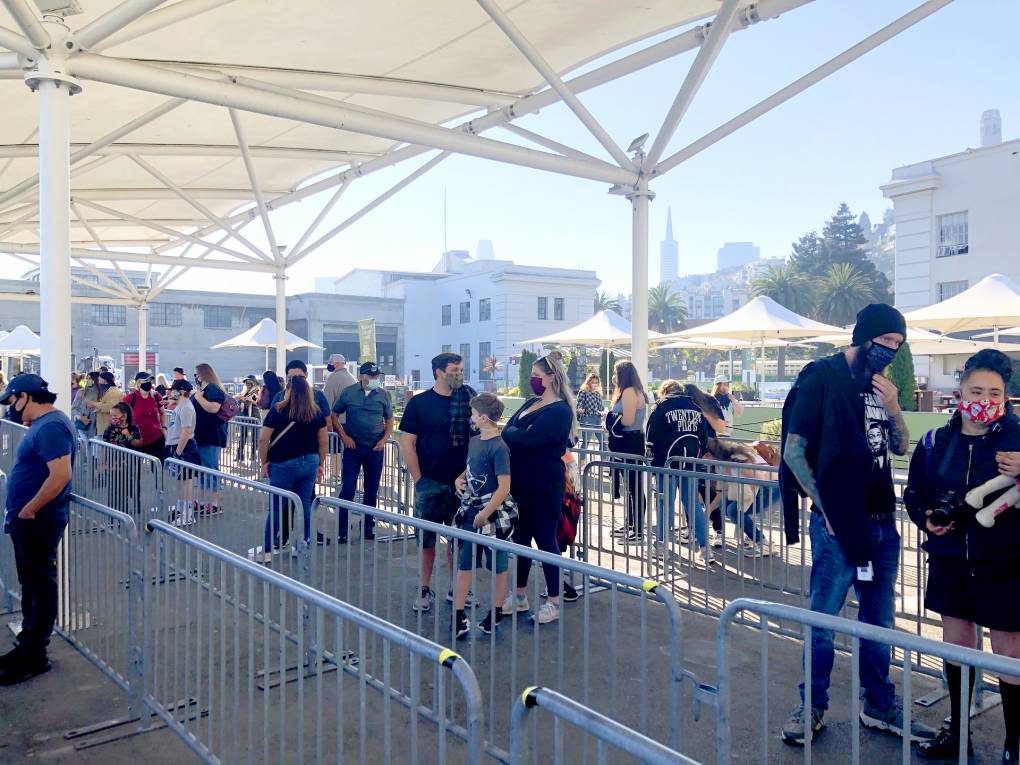
"caption": "Visitors stand in line for the first ferry of the day to Alcatraz Island on Nov. 2, 2020. Since the famous landmark reopened in August, the majority of visitors have been California residents.",
"description": "Visitors stand in line for the first ferry of the day to Alcatraz Island on Nov. 2 2020. Since the famous landmark reopened in August, the majority of visitors have been California residents.",
"title": "RS45678_people-waiting-for-alcatraz-qut_v2",
"credit": "Chloe Veltman/KQED",
"status": "inherit",
"isLoading": false,
"fetchFailed": false
},
"news_11804827": {
"type": "attachments",
"id": "news_11804827",
"meta": {
"index": "attachments_1716263798",
"site": "news",
"id": "11804827",
"found": true
},
"parent": 11804818,
"imgSizes": {
"apple_news_ca_square_4_0": {
"file": "https://ww2.kqed.org/app/uploads/sites/10/2020/03/ESJuIjkUEAAWxoc-470x470.jpeg",
"width": 470,
"mimeType": "image/jpeg",
"height": 470
},
"twentyfourteen-full-width": {
"file": "https://ww2.kqed.org/app/uploads/sites/10/2020/03/ESJuIjkUEAAWxoc-1024x576.jpeg",
"width": 1024,
"mimeType": "image/jpeg",
"height": 576
},
"thumbnail": {
"file": "https://ww2.kqed.org/app/uploads/sites/10/2020/03/ESJuIjkUEAAWxoc-160x107.jpeg",
"width": 160,
"mimeType": "image/jpeg",
"height": 107
},
"post-thumbnail": {
"file": "https://ww2.kqed.org/app/uploads/sites/10/2020/03/ESJuIjkUEAAWxoc-672x372.jpeg",
"width": 672,
"mimeType": "image/jpeg",
"height": 372
},
"kqedFullSize": {
"file": "https://ww2.kqed.org/app/uploads/sites/10/2020/03/ESJuIjkUEAAWxoc.jpeg",
"width": 1024,
"height": 682
},
"apple_news_ca_landscape_4_7": {
"file": "https://ww2.kqed.org/app/uploads/sites/10/2020/03/ESJuIjkUEAAWxoc-632x474.jpeg",
"width": 632,
"mimeType": "image/jpeg",
"height": 474
},
"large": {
"file": "https://ww2.kqed.org/app/uploads/sites/10/2020/03/ESJuIjkUEAAWxoc-1020x679.jpeg",
"width": 1020,
"mimeType": "image/jpeg",
"height": 679
},
"apple_news_ca_landscape_4_0": {
"file": "https://ww2.kqed.org/app/uploads/sites/10/2020/03/ESJuIjkUEAAWxoc-536x402.jpeg",
"width": 536,
"mimeType": "image/jpeg",
"height": 402
},
"medium": {
"file": "https://ww2.kqed.org/app/uploads/sites/10/2020/03/ESJuIjkUEAAWxoc-800x533.jpeg",
"width": 800,
"mimeType": "image/jpeg",
"height": 533
},
"apple_news_ca_portrait_4_0": {
"file": "https://ww2.kqed.org/app/uploads/sites/10/2020/03/ESJuIjkUEAAWxoc-354x472.jpeg",
"width": 354,
"mimeType": "image/jpeg",
"height": 472
},
"apple_news_ca_portrait_9_7": {
"file": "https://ww2.kqed.org/app/uploads/sites/10/2020/03/ESJuIjkUEAAWxoc-840x682.jpeg",
"width": 840,
"mimeType": "image/jpeg",
"height": 682
},
"apple_news_ca_portrait_4_7": {
"file": "https://ww2.kqed.org/app/uploads/sites/10/2020/03/ESJuIjkUEAAWxoc-414x552.jpeg",
"width": 414,
"mimeType": "image/jpeg",
"height": 552
},
"apple_news_ca_portrait_5_5": {
"file": "https://ww2.kqed.org/app/uploads/sites/10/2020/03/ESJuIjkUEAAWxoc-687x682.jpeg",
"width": 687,
"mimeType": "image/jpeg",
"height": 682
},
"apple_news_ca_square_4_7": {
"file": "https://ww2.kqed.org/app/uploads/sites/10/2020/03/ESJuIjkUEAAWxoc-550x550.jpeg",
"width": 550,
"mimeType": "image/jpeg",
"height": 550
},
"apple_news_ca_square_5_5": {
"file": "https://ww2.kqed.org/app/uploads/sites/10/2020/03/ESJuIjkUEAAWxoc-912x682.jpeg",
"width": 912,
"mimeType": "image/jpeg",
"height": 682
}
},
"publishDate": 1583280211,
"modified": 1583280453,
"caption": "Five one-year-old female bison will be formally introduced to the public in Golden Gate Park on April 4, 2020.",
"description": null,
"title": "ESJuIjkUEAAWxoc",
"credit": "Courtesy of San Francisco Recreation and Park Department on Twitter",
"status": "inherit",
"isLoading": false,
"fetchFailed": false
}
},
"audioPlayerReducer": {
"postId": "stream_live",
"isPaused": true,
"isPlaying": false,
"pfsActive": false,
"pledgeModalIsOpen": true,
"playerDrawerIsOpen": false,
"liveAudioPlayStartedAt": 0,
"liveAudioPlayContext": ""
},
"authorsReducer": {
"byline_news_11912421": {
"type": "authors",
"id": "byline_news_11912421",
"meta": {
"override": true
},
"slug": "byline_news_11912421",
"name": "Associated Press",
"isLoading": false
},
"byline_news_11804818": {
"type": "authors",
"id": "byline_news_11804818",
"meta": {
"override": true
},
"slug": "byline_news_11804818",
"name": "Associated Press",
"isLoading": false
},
"ohubertallen": {
"type": "authors",
"id": "102",
"meta": {
"index": "authors_1716337520",
"id": "102",
"found": true
},
"name": "Olivia Allen-Price",
"firstName": "Olivia",
"lastName": "Allen-Price",
"slug": "ohubertallen",
"email": "oallenprice@kqed.org",
"display_author_email": false,
"staff_mastheads": [
"news"
],
"title": "Senior Editor",
"bio": "Olivia Allen-Price is senior editor and host of the award-winning Bay Curious podcast. Prior to joining KQED in 2013, Olivia worked at The Baltimore Sun and The Virginian-Pilot in Norfolk, Va. She holds degrees in journalism and political science from Elon University. Her work has earned awards from the Society of Professional Journalists, the Hearst Foundation and Hearken. She loves to talk about running and curly hair.\r\n\r\nFollow: \u003ca href=\"https://twitter.com/oallenprice\">@oallenprice\u003c/a>\r\nEmail: \u003ca href=\"mailto:oallenprice@kqed.org\">oallenprice@kqed.org\u003c/a>",
"avatar": "https://secure.gravatar.com/avatar/07f7803c1f6be56f3be58ef276dfa64dce898502e0554408ef4858451a8294f7?s=600&d=blank&r=g",
"twitter": "oallenprice",
"bluesky": null,
"facebook": null,
"instagram": null,
"linkedin": null,
"sites": [
{
"site": "",
"roles": [
"editor"
]
},
{
"site": "arts",
"roles": [
"subscriber"
]
},
{
"site": "news",
"roles": [
"administrator"
]
},
{
"site": "pop",
"roles": [
"administrator"
]
},
{
"site": "bayareabites",
"roles": [
"contributor"
]
},
{
"site": "stateofhealth",
"roles": [
"administrator"
]
},
{
"site": "science",
"roles": [
"editor"
]
}
],
"headData": {
"title": "Olivia Allen-Price | KQED",
"description": "Senior Editor",
"ogImgSrc": "https://secure.gravatar.com/avatar/07f7803c1f6be56f3be58ef276dfa64dce898502e0554408ef4858451a8294f7?s=600&d=blank&r=g",
"twImgSrc": "https://secure.gravatar.com/avatar/07f7803c1f6be56f3be58ef276dfa64dce898502e0554408ef4858451a8294f7?s=600&d=blank&r=g"
},
"isLoading": false,
"link": "/author/ohubertallen"
},
"katrinaschwartz": {
"type": "authors",
"id": "234",
"meta": {
"index": "authors_1716337520",
"id": "234",
"found": true
},
"name": "Katrina Schwartz",
"firstName": "Katrina",
"lastName": "Schwartz",
"slug": "katrinaschwartz",
"email": "kschwartz@kqed.org",
"display_author_email": false,
"staff_mastheads": [
"news"
],
"title": "Producer",
"bio": "Katrina Schwartz is a journalist based in San Francisco. She's worked at KPCC public radio in LA and has reported on air and online for KQED since 2010. She covered how teaching and learning is changing for MindShift between 2012 and 2020. She is the co-host of the MindShift podcast and now produces KQED's Bay Curious podcast.",
"avatar": "https://secure.gravatar.com/avatar/edb4ee79070447a018538c9aae6eeecf28786515b8a0c30e43b6b7dce5aa44c8?s=600&d=blank&r=g",
"twitter": "kschwart",
"bluesky": null,
"facebook": null,
"instagram": null,
"linkedin": null,
"sites": [
{
"site": "news",
"roles": [
"editor"
]
},
{
"site": "mindshift",
"roles": [
"administrator"
]
},
{
"site": "stateofhealth",
"roles": [
"author"
]
},
{
"site": "science",
"roles": [
"editor"
]
}
],
"headData": {
"title": "Katrina Schwartz | KQED",
"description": "Producer",
"ogImgSrc": "https://secure.gravatar.com/avatar/edb4ee79070447a018538c9aae6eeecf28786515b8a0c30e43b6b7dce5aa44c8?s=600&d=blank&r=g",
"twImgSrc": "https://secure.gravatar.com/avatar/edb4ee79070447a018538c9aae6eeecf28786515b8a0c30e43b6b7dce5aa44c8?s=600&d=blank&r=g"
},
"isLoading": false,
"link": "/author/katrinaschwartz"
},
"kqed": {
"type": "authors",
"id": "236",
"meta": {
"index": "authors_1716337520",
"id": "236",
"found": true
},
"name": "KQED News Staff",
"firstName": "KQED News Staff",
"lastName": null,
"slug": "kqed",
"email": "faq@kqed.org",
"display_author_email": false,
"staff_mastheads": [],
"title": null,
"bio": null,
"avatar": "https://secure.gravatar.com/avatar/ef0e801a68c4c54afa9180db14084167?s=600&d=blank&r=g",
"twitter": null,
"facebook": null,
"instagram": null,
"linkedin": null,
"sites": [
{
"site": "arts",
"roles": [
"contributor"
]
},
{
"site": "news",
"roles": [
"editor"
]
},
{
"site": "futureofyou",
"roles": [
"author"
]
}
],
"headData": {
"title": "KQED News Staff | KQED",
"description": null,
"ogImgSrc": "https://secure.gravatar.com/avatar/ef0e801a68c4c54afa9180db14084167?s=600&d=blank&r=g",
"twImgSrc": "https://secure.gravatar.com/avatar/ef0e801a68c4c54afa9180db14084167?s=600&d=blank&r=g"
},
"isLoading": false,
"link": "/author/kqed"
},
"markfiore": {
"type": "authors",
"id": "3236",
"meta": {
"index": "authors_1716337520",
"id": "3236",
"found": true
},
"name": "Mark Fiore",
"firstName": "Mark",
"lastName": "Fiore",
"slug": "markfiore",
"email": "mark@markfiore.com",
"display_author_email": false,
"staff_mastheads": [
"news"
],
"title": "KQED News Cartoonist",
"bio": "\u003ca href=\"http://www.MarkFiore.com\">MarkFiore.com\u003c/a> | \u003ca href=\"https://twitter.com/markfiore\">Follow on Twitter\u003c/a> | \u003ca href=\"https://www.facebook.com/pages/Mark-Fiore-Animated-Political-Cartoons/94451707396?ref=bookmarks\">Facebook\u003c/a> | \u003ca href=\"mailto:mark@markfiore.com\">email\u003c/a>\r\n\r\nPulitzer Prize-winner, Mark Fiore, who the Wall Street Journal has called “the undisputed guru of the form,” creates animated political cartoons in San Francisco, where his work has been featured regularly on the San Francisco Chronicle’s web site, SFGate.com. His work has appeared on Newsweek.com, Slate.com, CBSNews.com, MotherJones.com, DailyKos.com and NPR’s web site. Fiore’s political animation has appeared on CNN, Frontline, Bill Moyers Journal, Salon.com and cable and broadcast outlets across the globe.\r\n\r\nBeginning his professional life by drawing traditional political cartoons for newspapers, Fiore’s work appeared in publications ranging from the Washington Post to the Los Angeles Times. In the late 1990s, he began to experiment with animating political cartoons and, after a short stint at the San Jose Mercury News as their staff cartoonist, Fiore devoted all his energies to animation.\r\nGrowing up in California, Fiore also spent a good portion of his life in the backwoods of Idaho. It was this combination that shaped him politically. Mark majored in political science at Colorado College, where, in a perfect send-off for a cartoonist, he received his diploma in 1991 as commencement speaker Dick Cheney smiled approvingly.\r\nMark Fiore was awarded the Pulitzer Prize for political cartooning in 2010, a Robert F. Kennedy Journalism Award in 2004 and has twice received an Online Journalism Award for commentary from the Online News Association (2002, 2008). Fiore has received two awards for his work in new media from the National Cartoonists Society (2001, 2002), and in 2006 received The James Madison Freedom of Information Award from The Society of Professional Journalists.",
"avatar": "https://secure.gravatar.com/avatar/fc4e2a612b15b67bad0c6f0e1db4ca9b?s=600&d=blank&r=g",
"twitter": "MarkFiore",
"facebook": null,
"instagram": "https://www.instagram.com/markfiore/?hl=en",
"linkedin": null,
"sites": [
{
"site": "arts",
"roles": [
"contributor"
]
},
{
"site": "news",
"roles": [
"editor"
]
},
{
"site": "futureofyou",
"roles": [
"editor"
]
},
{
"site": "science",
"roles": [
"editor"
]
}
],
"headData": {
"title": "Mark Fiore | KQED",
"description": "KQED News Cartoonist",
"ogImgSrc": "https://secure.gravatar.com/avatar/fc4e2a612b15b67bad0c6f0e1db4ca9b?s=600&d=blank&r=g",
"twImgSrc": "https://secure.gravatar.com/avatar/fc4e2a612b15b67bad0c6f0e1db4ca9b?s=600&d=blank&r=g"
},
"isLoading": false,
"link": "/author/markfiore"
},
"jplaczek": {
"type": "authors",
"id": "8606",
"meta": {
"index": "authors_1716337520",
"id": "8606",
"found": true
},
"name": "Jessica Placzek",
"firstName": "Jessica",
"lastName": "Placzek",
"slug": "jplaczek",
"email": "jessicalplaczek@gmail.com",
"display_author_email": false,
"staff_mastheads": [
"news"
],
"title": "KQED Contributor",
"bio": "\u003cspan style=\"font-weight: 400;\">Jessica Placzek is a former senior editor of podcasts at KQED where she served as the editorial lead of the podcast department. She worked with shows like MindShift, Rightnowish, Consider This, SOLD OUT, Bay Curious and The Bay. She’s also been a reporter and audio producer at KQED, KPFA, and KALW. She taught audio production to men incarcerated at California State Prison Solano and edited pieces they produced for the Uncuffed podcast through KALW. In 2018 she co-hosted and produced the third season of Raw Material for SFMOMA. In New Orleans she wrote for the Nola Defender. Her work has also appeared on Marketplace, All Things Considered, The California Report, and Vice. You can find more at jessicaplaczek.com\u003c/span>",
"avatar": "https://secure.gravatar.com/avatar/4505f7be77b50826a2a1b8bd3a120685?s=600&d=blank&r=g",
"twitter": null,
"facebook": null,
"instagram": null,
"linkedin": null,
"sites": [
{
"site": "arts",
"roles": [
"editor"
]
},
{
"site": "news",
"roles": [
"subscriber"
]
},
{
"site": "stateofhealth",
"roles": [
"editor"
]
},
{
"site": "forum",
"roles": [
"editor"
]
}
],
"headData": {
"title": "Jessica Placzek | KQED",
"description": "KQED Contributor",
"ogImgSrc": "https://secure.gravatar.com/avatar/4505f7be77b50826a2a1b8bd3a120685?s=600&d=blank&r=g",
"twImgSrc": "https://secure.gravatar.com/avatar/4505f7be77b50826a2a1b8bd3a120685?s=600&d=blank&r=g"
},
"isLoading": false,
"link": "/author/jplaczek"
},
"cveltman": {
"type": "authors",
"id": "8608",
"meta": {
"index": "authors_1716337520",
"id": "8608",
"found": true
},
"name": "Chloe Veltman",
"firstName": "Chloe",
"lastName": "Veltman",
"slug": "cveltman",
"email": "cveltman@kqed.org",
"display_author_email": true,
"staff_mastheads": [],
"title": "Arts and Culture Reporter",
"bio": "Chloe Veltman is a former arts and culture reporter for KQED. Prior to joining the organization, she launched and led the arts bureau at Colorado Public Radio, served as the Bay Area's culture columnist for the New York Times, and was the founder, host and executive producer of VoiceBox, a national award-winning weekly podcast/radio show and live events series all about the human voice. Chloe is the recipient of numerous prizes, grants and fellowships including a Webby Award for her work on interactive storytelling, both the John S Knight Journalism Fellowship and Humanities Center Fellowship at Stanford University, the Sundance Arts Writing Fellowship and a Library of Congress Research Fellowship. She is the author of the book \"On Acting\" and has appeared as a guest lecturer at Yale University and the San Francisco Conservatory of Music among other institutions. She holds a BA in english literature from King's College, Cambridge, and a Masters in Dramaturgy from the Central School of Speech and Drama/Harvard Institute for Advanced Theater Training.\r\n\u003ca href=\"https://www.chloeveltman.com\">www.chloeveltman.com\u003c/a>",
"avatar": "https://secure.gravatar.com/avatar/55403394b00a1ddab683952c2eb2cf85?s=600&d=blank&r=g",
"twitter": "chloeveltman",
"facebook": null,
"instagram": null,
"linkedin": null,
"sites": [
{
"site": "arts",
"roles": []
},
{
"site": "news",
"roles": [
"author"
]
},
{
"site": "pop",
"roles": [
"editor"
]
},
{
"site": "science",
"roles": []
}
],
"headData": {
"title": "Chloe Veltman | KQED",
"description": "Arts and Culture Reporter",
"ogImgSrc": "https://secure.gravatar.com/avatar/55403394b00a1ddab683952c2eb2cf85?s=600&d=blank&r=g",
"twImgSrc": "https://secure.gravatar.com/avatar/55403394b00a1ddab683952c2eb2cf85?s=600&d=blank&r=g"
},
"isLoading": false,
"link": "/author/cveltman"
},
"rlevi": {
"type": "authors",
"id": "11260",
"meta": {
"index": "authors_1716337520",
"id": "11260",
"found": true
},
"name": "Ryan Levi",
"firstName": "Ryan",
"lastName": "Levi",
"slug": "rlevi",
"email": "rlevi@KQED.org",
"display_author_email": false,
"staff_mastheads": [],
"title": "KQED Contributor",
"bio": "Ryan Levi was a reporter and podcast producer at KQED News from 2016-2019. He worked on \u003ca href=\"https://www.kqed.org/news/series/baycurious\">Bay Curious\u003c/a>, \u003ca href=\"https://www.kqed.org/news/tag/the-bay/\">The Bay, \u003c/a>and \u003ca href=\"https://podcasts.apple.com/us/podcast/the-california-report-magazine/id1314750545\">The California Report Magazine\u003c/a>, as well as hosting and producing the weekly \u003ca href=\"https://www.kqed.org/news/program/qedup/\">Q'ed Up podcast. \u003c/a>He also helped inaugurate KQED's weekend news coverage in 2017 as one of two original digital producers. Ryan holds degrees in multimedia journalism and Spanish from the University of Missouri.",
"avatar": "https://secure.gravatar.com/avatar/4cb2ddd028ac8807d1adf09609c5555d?s=600&d=blank&r=g",
"twitter": "ryan_levi",
"facebook": null,
"instagram": null,
"linkedin": null,
"sites": [
{
"site": "arts",
"roles": [
"editor"
]
},
{
"site": "news",
"roles": [
"subscriber"
]
},
{
"site": "stateofhealth",
"roles": [
"editor"
]
},
{
"site": "science",
"roles": [
"editor"
]
},
{
"site": "forum",
"roles": [
"administrator"
]
},
{
"site": "perspectives",
"roles": [
"administrator"
]
}
],
"headData": {
"title": "Ryan Levi | KQED",
"description": "KQED Contributor",
"ogImgSrc": "https://secure.gravatar.com/avatar/4cb2ddd028ac8807d1adf09609c5555d?s=600&d=blank&r=g",
"twImgSrc": "https://secure.gravatar.com/avatar/4cb2ddd028ac8807d1adf09609c5555d?s=600&d=blank&r=g"
},
"isLoading": false,
"link": "/author/rlevi"
},
"mwiley": {
"type": "authors",
"id": "11526",
"meta": {
"index": "authors_1716337520",
"id": "11526",
"found": true
},
"name": "Michelle Wiley",
"firstName": "Michelle",
"lastName": "Wiley",
"slug": "mwiley",
"email": "mwiley@KQED.org",
"display_author_email": true,
"staff_mastheads": [],
"title": null,
"bio": "Michelle Wiley was the senior editor of weekends.",
"avatar": "https://secure.gravatar.com/avatar/3b897d82a09e8587e8e73fa69fbcc635?s=600&d=blank&r=g",
"twitter": "michelleewiley",
"facebook": null,
"instagram": null,
"linkedin": null,
"sites": [
{
"site": "",
"roles": [
"editor"
]
},
{
"site": "arts",
"roles": [
"editor"
]
},
{
"site": "news",
"roles": [
"subscriber"
]
},
{
"site": "lowdown",
"roles": [
"editor"
]
},
{
"site": "science",
"roles": [
"editor"
]
},
{
"site": "podcasts",
"roles": [
"editor"
]
}
],
"headData": {
"title": "Michelle Wiley | KQED",
"description": null,
"ogImgSrc": "https://secure.gravatar.com/avatar/3b897d82a09e8587e8e73fa69fbcc635?s=600&d=blank&r=g",
"twImgSrc": "https://secure.gravatar.com/avatar/3b897d82a09e8587e8e73fa69fbcc635?s=600&d=blank&r=g"
},
"isLoading": false,
"link": "/author/mwiley"
},
"blaberge": {
"type": "authors",
"id": "11667",
"meta": {
"index": "authors_1716337520",
"id": "11667",
"found": true
},
"name": "Beth LaBerge",
"firstName": "Beth",
"lastName": "LaBerge",
"slug": "blaberge",
"email": "blaberge@KQED.org",
"display_author_email": true,
"staff_mastheads": [
"news"
],
"title": "Photographer, News",
"bio": "Beth LaBerge is a visual journalist for \u003ca href=\"https://www.kqed.org/news\">KQED News\u003c/a>.",
"avatar": "https://secure.gravatar.com/avatar/15e224cd55918d1876693b8280954875?s=600&d=blank&r=g",
"twitter": null,
"facebook": null,
"instagram": "https://www.instagram.com/bethlaberge/",
"linkedin": null,
"sites": [
{
"site": "arts",
"roles": [
"editor"
]
},
{
"site": "news",
"roles": [
"editor"
]
},
{
"site": "science",
"roles": [
"editor",
"contributor",
"author"
]
},
{
"site": "liveblog",
"roles": [
"editor"
]
}
],
"headData": {
"title": "Beth LaBerge | KQED",
"description": "Photographer, News",
"ogImgSrc": "https://secure.gravatar.com/avatar/15e224cd55918d1876693b8280954875?s=600&d=blank&r=g",
"twImgSrc": "https://secure.gravatar.com/avatar/15e224cd55918d1876693b8280954875?s=600&d=blank&r=g"
},
"isLoading": false,
"link": "/author/blaberge"
},
"jrodriguez": {
"type": "authors",
"id": "11690",
"meta": {
"index": "authors_1716337520",
"id": "11690",
"found": true
},
"name": "Joe Fitzgerald Rodriguez",
"firstName": "Joe",
"lastName": "Fitzgerald Rodriguez",
"slug": "jrodriguez",
"email": "jrodriguez@kqed.org",
"display_author_email": true,
"staff_mastheads": [
"news"
],
"title": "Reporter and Producer",
"bio": "Joe Fitzgerald Rodriguez is a reporter and digital producer for KQED covering politics. Joe most recently wrote for the \u003cem>San Francisco Examiner\u003c/em> as a political columnist covering The City. He was raised in San Francisco and has spent his reporting career in his beloved, foggy, city by the bay. Joe was 12-years-old when he conducted his first interview in journalism, grilling former San Francisco Mayor Willie Brown for the Marina Middle School newspaper, \u003cem>The Penguin Press, \u003c/em>and he continues to report on the San Francisco Bay Area to this day.",
"avatar": "https://secure.gravatar.com/avatar/2247beb0564c1e9c62228d5649d2edac?s=600&d=blank&r=g",
"twitter": "FitztheReporter",
"facebook": null,
"instagram": "https://www.instagram.com/fitzthereporter/",
"linkedin": null,
"sites": [
{
"site": "",
"roles": [
"editor"
]
},
{
"site": "arts",
"roles": [
"editor"
]
},
{
"site": "news",
"roles": [
"editor"
]
},
{
"site": "science",
"roles": [
"editor"
]
},
{
"site": "elections",
"roles": [
"editor"
]
},
{
"site": "liveblog",
"roles": [
"editor"
]
}
],
"headData": {
"title": "Joe Fitzgerald Rodriguez | KQED",
"description": "Reporter and Producer",
"ogImgSrc": "https://secure.gravatar.com/avatar/2247beb0564c1e9c62228d5649d2edac?s=600&d=blank&r=g",
"twImgSrc": "https://secure.gravatar.com/avatar/2247beb0564c1e9c62228d5649d2edac?s=600&d=blank&r=g"
},
"isLoading": false,
"link": "/author/jrodriguez"
},
"naldana": {
"type": "authors",
"id": "11793",
"meta": {
"index": "authors_1716337520",
"id": "11793",
"found": true
},
"name": "Natalia Aldana",
"firstName": "Natalia",
"lastName": "Aldana",
"slug": "naldana",
"email": "naldana@kqed.org",
"display_author_email": false,
"staff_mastheads": [],
"title": "KQED Producer",
"bio": "Natalia Aldana is the senior engagement producer for KQED podcasts.",
"avatar": "https://secure.gravatar.com/avatar/c784d8a94359b38cc84991c1a7a565b2?s=600&d=blank&r=g",
"twitter": null,
"facebook": null,
"instagram": null,
"linkedin": null,
"sites": [
{
"site": "news",
"roles": [
"editor"
]
}
],
"headData": {
"title": "Natalia Aldana | KQED",
"description": "KQED Producer",
"ogImgSrc": "https://secure.gravatar.com/avatar/c784d8a94359b38cc84991c1a7a565b2?s=600&d=blank&r=g",
"twImgSrc": "https://secure.gravatar.com/avatar/c784d8a94359b38cc84991c1a7a565b2?s=600&d=blank&r=g"
},
"isLoading": false,
"link": "/author/naldana"
}
},
"pagesReducer": {
"news_tag_golden-gate-park": {
"type": "terms",
"id": "news_823",
"meta": {
"index": "terms_1716263798",
"site": "news",
"id": "823",
"score": 9.101694
},
"featImg": null,
"name": "Golden Gate Park",
"description": null,
"taxonomy": "tag",
"headData": {
"twImgId": null,
"twTitle": null,
"ogTitle": null,
"ogImgId": null,
"twDescription": null,
"description": null,
"title": "Golden Gate Park Archives | KQED News",
"ogDescription": null
},
"ttid": 833,
"slug": "golden-gate-park",
"isLoading": false,
"title": "Golden Gate Park",
"pageMeta": {
"site": "news",
"WpPageTemplate": "page-topic-editorial",
"currentPage": 3
},
"blocks": [
{
"blockName": "kqed/post-list",
"attrs": {
"layout": "cardArticle2",
"query": "posts/news?tag=golden-gate-park",
"seeMore": false,
"paginated": true,
"page": 3
}
},
{
"blockName": "kqed/ad"
}
]
}
},
"pfsSessionReducer": {},
"postsReducer": {
"stream_live": {
"type": "live",
"id": "stream_live",
"audioUrl": "https://streams.kqed.org/kqedradio",
"title": "Live Stream",
"excerpt": "Live Stream information currently unavailable.",
"link": "/radio",
"featImg": "",
"label": {
"name": "KQED Live",
"link": "/"
}
},
"stream_kqedNewscast": {
"type": "posts",
"id": "stream_kqedNewscast",
"audioUrl": "https://www.kqed.org/.stream/anon/radio/RDnews/newscast.mp3?_=1",
"title": "KQED Newscast",
"featImg": "",
"label": {
"name": "88.5 FM",
"link": "/"
}
},
"news_11659844": {
"type": "posts",
"id": "news_11659844",
"meta": {
"index": "posts_1716263798",
"site": "news",
"id": "11659844",
"score": null,
"sort": [
1654164028000
]
},
"guestAuthors": [],
"slug": "does-anyone-play-polo-at-the-golden-gate-park-polo-field-anymore",
"title": "Does Anyone Play Polo at the Golden Gate Park Polo Field Anymore?",
"publishDate": 1654164028,
"format": "audio",
"headTitle": "Does Anyone Play Polo at the Golden Gate Park Polo Field Anymore? | KQED",
"labelTerm": {},
"content": "\u003cp>\u003cem>This article was originally published on April 26, 2018. It’s part of the Bay Curious series “\u003ca href=\"https://www.kqed.org/news/11915065/take-a-very-curious-golden-gate-park-walking-tour\">A Very Curious Walking Tour of Golden Gate Park\u003c/a>.”\u003c/em>\u003c/p>\n\u003cp>The Golden Gate Park Polo Field and Stadium in San Francisco is probably best known as the home to music festivals like Outside Lands.\u003cbr>\n[baycuriouspodcastinfo]\u003cbr>\nBay Curious listener Cliff Bargar has been to Outside Lands, and he likes to bike and run on the track around the polo field, but he’s never seen an actual polo match there.\u003c/p>\n\u003cp>“If polo was happening I would probably check it out at least once,” Cliff says.\u003c/p>\n\u003cp>Which raises the question: Is polo still played at the polo field?\u003c/p>\n\u003ch2>‘Like the Coliseum in Rome’\u003c/h2>\n\u003cp>The Stadium (as it was originally called) opened to the public in 1906, just after the massive earthquake and fire that ravaged the city.\u003c/p>\n\u003cp>[ad fullwidth]\u003c/p>\n\u003cp>“People probably needed some celebration after all of the calamitous things that had happened,” says Christopher Pollock, historian-in-residence for the San Francisco Recreation and Parks Department.\u003c/p>\n\u003cp>Pollock says it looks pretty much the same today as it did back then. It’s a big, grassy oval field a few hundred yards long with some bleachers on either side and a bike track around the perimeter.\u003c/p>\n\u003cfigure id=\"attachment_11663344\" class=\"wp-caption aligncenter\" style=\"max-width: 800px\">\u003cimg loading=\"lazy\" decoding=\"async\" class=\"size-medium wp-image-11663344\" src=\"https://ww2.kqed.org/news/wp-content/uploads/sites/10/2018/04/RS30483_mayoraldebate-2-qut-800x533.jpg\" alt=\"The Golden Gate Park Polo Field is frequented by intramural athletes, runners and cyclists.\" width=\"800\" height=\"533\" srcset=\"https://cdn.kqed.org/wp-content/uploads/sites/10/2018/04/RS30483_mayoraldebate-2-qut-800x533.jpg 800w, https://cdn.kqed.org/wp-content/uploads/sites/10/2018/04/RS30483_mayoraldebate-2-qut-160x107.jpg 160w, https://cdn.kqed.org/wp-content/uploads/sites/10/2018/04/RS30483_mayoraldebate-2-qut-1020x680.jpg 1020w, https://cdn.kqed.org/wp-content/uploads/sites/10/2018/04/RS30483_mayoraldebate-2-qut-1200x800.jpg 1200w, https://cdn.kqed.org/wp-content/uploads/sites/10/2018/04/RS30483_mayoraldebate-2-qut.jpg 1920w, https://cdn.kqed.org/wp-content/uploads/sites/10/2018/04/RS30483_mayoraldebate-2-qut-1180x787.jpg 1180w, https://cdn.kqed.org/wp-content/uploads/sites/10/2018/04/RS30483_mayoraldebate-2-qut-960x640.jpg 960w, https://cdn.kqed.org/wp-content/uploads/sites/10/2018/04/RS30483_mayoraldebate-2-qut-240x160.jpg 240w, https://cdn.kqed.org/wp-content/uploads/sites/10/2018/04/RS30483_mayoraldebate-2-qut-375x250.jpg 375w, https://cdn.kqed.org/wp-content/uploads/sites/10/2018/04/RS30483_mayoraldebate-2-qut-520x347.jpg 520w\" sizes=\"(max-width: 800px) 100vw, 800px\">\u003cfigcaption class=\"wp-caption-text\">The Golden Gate Park polo field is frequented by intramural athletes, runners and cyclists. \u003ccite>(Samantha Shanahan/KQED)\u003c/cite>\u003c/figcaption>\u003c/figure>\n\u003cp>There were big plans back then for what The Stadium would be.\u003c/p>\n\u003cp>“The grand vision was that this would become a stadium in the biggest imaginable sense, like the Coliseum in Rome,” Pollock says.\u003c/p>\n\u003cp>The plan was for The Stadium to be a major site of the 1915 World’s Fair being held in San Francisco. It would be surrounded by bleachers with room for thousands of spectators. An arcade of arches would surround the field, and grand portals would act as entrances to the field itself.\u003c/p>\n\u003cp>But the World’s Fair was relocated to the Marina District, and a lack of easy parking near The Stadium ended any chance of realizing that grand vision.\u003c/p>\n\u003ch2>The polo field\u003c/h2>\n\u003cp>Instead, polo became The Stadium’s main attraction. In 1931, it was designated an official municipal polo field and, somewhere along the way, the name stuck: It became known as just “the polo field.”\u003c/p>\n\u003cp>For the next three decades, polo matches were a regular sight on the field, and the San Francisco Recreation and Parks Department hosted matches nearly every week into the early 1960s.\u003c/p>\n\u003cfigure id=\"attachment_11661187\" class=\"wp-caption aligncenter\" style=\"max-width: 509px\">\u003cimg loading=\"lazy\" decoding=\"async\" class=\"size-full wp-image-11661187\" src=\"https://ww2.kqed.org/news/wp-content/uploads/sites/10/2018/04/RS30358_Polo-1-qut.jpg\" alt=\"Enrique Alberdi (R) of the famed Argentine polo team plays alongside Larry Sherrin (L) of the Texas Hurricanes play polo at the Polo Field at Golden Gate Park on May 7, 1949.\" width=\"509\" height=\"400\" srcset=\"https://cdn.kqed.org/wp-content/uploads/sites/10/2018/04/RS30358_Polo-1-qut.jpg 509w, https://cdn.kqed.org/wp-content/uploads/sites/10/2018/04/RS30358_Polo-1-qut-160x126.jpg 160w, https://cdn.kqed.org/wp-content/uploads/sites/10/2018/04/RS30358_Polo-1-qut-240x189.jpg 240w, https://cdn.kqed.org/wp-content/uploads/sites/10/2018/04/RS30358_Polo-1-qut-375x295.jpg 375w\" sizes=\"(max-width: 509px) 100vw, 509px\">\u003cfigcaption class=\"wp-caption-text\">Enrique Alberdi (right) of the famed Argentine polo team plays alongside Larry Sherrin (left) of the Texas Hurricanes at the polo field at Golden Gate Park on May 7, 1949. \u003ccite>(San Francisco History Center, San Francisco Public Library)\u003c/cite>\u003c/figcaption>\u003c/figure>\n\u003cfigure id=\"attachment_11661188\" class=\"wp-caption aligncenter\" style=\"max-width: 506px\">\u003cimg loading=\"lazy\" decoding=\"async\" class=\"size-full wp-image-11661188\" src=\"https://ww2.kqed.org/news/wp-content/uploads/sites/10/2018/04/RS30359_Polo-2-qut.jpg\" alt=\"The California All-Star polo team plays the Texas Rangers at the Polo Field at Golden Gate Park on May 1, 1948.\" width=\"506\" height=\"400\" srcset=\"https://cdn.kqed.org/wp-content/uploads/sites/10/2018/04/RS30359_Polo-2-qut.jpg 506w, https://cdn.kqed.org/wp-content/uploads/sites/10/2018/04/RS30359_Polo-2-qut-160x126.jpg 160w, https://cdn.kqed.org/wp-content/uploads/sites/10/2018/04/RS30359_Polo-2-qut-240x190.jpg 240w, https://cdn.kqed.org/wp-content/uploads/sites/10/2018/04/RS30359_Polo-2-qut-375x296.jpg 375w\" sizes=\"(max-width: 506px) 100vw, 506px\">\u003cfigcaption class=\"wp-caption-text\">The California All-Star polo team plays the Texas Rangers at the polo field at Golden Gate Park on May 1, 1948. \u003ccite>(SAN FRANCISCO HISTORY CENTER, SAN FRANCISCO PUBLIC LIBRARY)\u003c/cite>\u003c/figcaption>\u003c/figure>\n\u003cfigure id=\"attachment_11661189\" class=\"wp-caption aligncenter\" style=\"max-width: 510px\">\u003cimg loading=\"lazy\" decoding=\"async\" class=\"size-full wp-image-11661189\" src=\"https://ww2.kqed.org/news/wp-content/uploads/sites/10/2018/04/RS30360_Polo-3-qut.jpg\" alt=\"A polo game between Australia and San Francisco played at Golden Gate Park Polo Field on January 3, 1948.\" width=\"510\" height=\"400\" srcset=\"https://cdn.kqed.org/wp-content/uploads/sites/10/2018/04/RS30360_Polo-3-qut.jpg 510w, https://cdn.kqed.org/wp-content/uploads/sites/10/2018/04/RS30360_Polo-3-qut-160x125.jpg 160w, https://cdn.kqed.org/wp-content/uploads/sites/10/2018/04/RS30360_Polo-3-qut-240x188.jpg 240w, https://cdn.kqed.org/wp-content/uploads/sites/10/2018/04/RS30360_Polo-3-qut-375x294.jpg 375w\" sizes=\"(max-width: 510px) 100vw, 510px\">\u003cfigcaption class=\"wp-caption-text\">A polo game between Australia and San Francisco plays at the Golden Gate Park polo field on Jan. 3, 1948. \u003ccite>(San Francisco History Center, San Francisco Public Library)\u003c/cite>\u003c/figcaption>\u003c/figure>\n\u003cp>But polo isn’t a cheap sport to play or host. Horses are expensive to keep, and a polo field requires constant maintenance to repair the turf after horses have galloped all over it.\u003c/p>\n\u003cp>By the 1970s, rugby had replaced polo as the primary sport on the field.\u003c/p>\n\u003cp>“It died out gradually,” Pollock says of polo at the field. “It wasn’t one of these things that just dropped off all of a sudden. It happened over a very gradual amount of time as the sport really became less popular.”\u003c/p>\n\u003cp>There are still a couple of clubs in the North Bay and on the Peninsula where you can find old-fashioned polo matches, but there’s nothing in San Francisco. The polo field is the only place that could realistically host a match, but outside of the rare tournament or charity event, it’s all concerts and recreational soccer games there now.\u003c/p>\n\u003ch2>You don’t have to ride a horse to play polo\u003c/h2>\n\u003cp>About five miles east of Golden Gate Park is Dolores Park, \u003ca href=\"https://www.kqed.org/news/11652193/theres-no-polo-at-the-polo-fields-but-there-is-at-dolores-park\">where bike polo matches happen\u003c/a> almost every night.\u003c/p>\n\u003cp>\u003c!-- iframe plugin v.4.3 wordpress.org/plugins/iframe/ -->\u003cbr>\n\u003ciframe loading=\"lazy\" src=\"https://player.vimeo.com/video/134147568\" width=\"640\" height=\"360\" frameborder=\"0\" scrolling=\"yes\" class=\"iframe-class\">\u003c/iframe>\u003c/p>\n\u003cp>\u003ca href=\"https://nahbpa.gitbooks.io/nah-ruleset-2017/\">The rule book is 17 pages long\u003c/a>, but the basics are pretty simple: Teams of three play against each other, and the first team to score five goals wins.\u003c/p>\n\u003cp>The game looks more like hockey than it does polo. For instance, in polo, players aren’t allowed to cut off someone who has the ball because it would be dangerous for both the rider and the horse. But that’s fair game in bike polo.\u003c/p>\n\u003cfigure id=\"attachment_11661034\" class=\"wp-caption alignright\" style=\"max-width: 800px\">\u003ca href=\"https://ww2.kqed.org/news/wp-content/uploads/sites/10/2018/04/RS29586_Image-uploaded-from-iOS-58-qut.jpg\">\u003cimg loading=\"lazy\" decoding=\"async\" class=\"size-medium wp-image-11661034\" src=\"https://ww2.kqed.org/news/wp-content/uploads/sites/10/2018/04/RS29586_Image-uploaded-from-iOS-58-qut-800x600.jpg\" alt=\"Bay Curious listener Cliff Bargar poses by the Dolores Park court where you can find bike polo being played almost any night of the week.\" width=\"800\" height=\"600\" srcset=\"https://cdn.kqed.org/wp-content/uploads/sites/10/2018/04/RS29586_Image-uploaded-from-iOS-58-qut-800x600.jpg 800w, https://cdn.kqed.org/wp-content/uploads/sites/10/2018/04/RS29586_Image-uploaded-from-iOS-58-qut-160x120.jpg 160w, https://cdn.kqed.org/wp-content/uploads/sites/10/2018/04/RS29586_Image-uploaded-from-iOS-58-qut-1020x765.jpg 1020w, https://cdn.kqed.org/wp-content/uploads/sites/10/2018/04/RS29586_Image-uploaded-from-iOS-58-qut.jpg 1920w, https://cdn.kqed.org/wp-content/uploads/sites/10/2018/04/RS29586_Image-uploaded-from-iOS-58-qut-1180x885.jpg 1180w, https://cdn.kqed.org/wp-content/uploads/sites/10/2018/04/RS29586_Image-uploaded-from-iOS-58-qut-960x720.jpg 960w, https://cdn.kqed.org/wp-content/uploads/sites/10/2018/04/RS29586_Image-uploaded-from-iOS-58-qut-240x180.jpg 240w, https://cdn.kqed.org/wp-content/uploads/sites/10/2018/04/RS29586_Image-uploaded-from-iOS-58-qut-375x281.jpg 375w, https://cdn.kqed.org/wp-content/uploads/sites/10/2018/04/RS29586_Image-uploaded-from-iOS-58-qut-520x390.jpg 520w\" sizes=\"(max-width: 800px) 100vw, 800px\">\u003c/a>\u003cfigcaption class=\"wp-caption-text\">Bay Curious listener Cliff Bargar poses by the Dolores Park court where you can find bike polo being played almost any night of the week. \u003ccite>(Ryan Levi/KQED)\u003c/cite>\u003c/figcaption>\u003c/figure>\n\u003cp>\u003ca href=\"http://www.cnkbikepolo.com/History-of-Bike-Polo.pdf\">Bike polo has its origins in Ireland\u003c/a> from the late 19th century, where it was played on a grass field. In 1908, it was featured as an exhibition sport in the London Olympics.\u003c/p>\n\u003cp>Hard-court bike polo, like what’s played in Dolores Park, got its start in Seattle in the late 20th century and quickly spread from there. The \u003ca href=\"https://ww2.kqed.org/news/2015/07/23/san-franciscos-bike-polo-league-finds-a-home-at-new-dolores-park/\">Dolores Park court was built in 2015\u003c/a> specifically for sports like hard-court bike polo.\u003c/p>\n\u003cp>So should we expect to see our question-asker, Cliff Bargar, pedaling into a game anytime soon?\u003c/p>\n\u003cp>“I find this a lot more interesting than horse polo, to be honest,” he said, “[but] I’m not sure yet if I’ll be back with my own bike … but I’ll definitely consider it.”\u003c/p>\n\u003cp>\u003c/p>\n\u003cp>[baycuriousquestion]\u003c/p>\n\n",
"blocks": [],
"excerpt": "We go back in time to the days when polo was king at Golden Gate Park.",
"status": "publish",
"parent": 0,
"modified": 1721114546,
"stats": {
"hasAudio": false,
"hasVideo": true,
"hasChartOrMap": false,
"iframeSrcs": [],
"hasGoogleForm": false,
"hasGallery": false,
"hasHearkenModule": true,
"hasPolis": false,
"paragraphCount": 28,
"wordCount": 958
},
"headData": {
"title": "Does Anyone Play Polo at the Golden Gate Park Polo Field Anymore? | KQED",
"description": "We go back in time to the days when polo was king at Golden Gate Park.",
"ogTitle": "",
"ogDescription": "",
"ogImgId": "",
"twTitle": "",
"twDescription": "",
"twImgId": "",
"schema": {
"@context": "https://schema.org",
"@type": "NewsArticle",
"headline": "Does Anyone Play Polo at the Golden Gate Park Polo Field Anymore?",
"datePublished": "2022-06-02T03:00:28-07:00",
"dateModified": "2024-07-16T00:22:26-07:00",
"image": "https://cdn.kqed.org/wp-content/uploads/2020/02/KQED-OG-Image@1x.png",
"isAccessibleForFree": "True",
"publisher": {
"@type": "NewsMediaOrganization",
"@id": "https://www.kqed.org/#organization",
"name": "KQED",
"logo": "https://cdn.kqed.org/wp-content/uploads/2020/02/KQED-OG-Image@1x.png",
"url": "https://www.kqed.org",
"sameAs": [
"https://www.facebook.com/KQED",
"https://twitter.com/KQED",
"https://www.instagram.com/kqed/",
"https://www.tiktok.com/@kqedofficial",
"https://www.linkedin.com/company/kqed",
"https://www.youtube.com/channel/UCeC0IOo7i1P_61zVUWbJ4nw"
]
}
}
},
"source": "Bay Curious",
"sourceUrl": "https://www.kqed.org/news/series/baycurious",
"audioUrl": "https://www.kqed.org/.stream/anon/radio/new-bay-curious/2018/04/BCPolo.mp3",
"sticky": false,
"excludeFromSiteSearch": "Include",
"path": "/news/11659844/does-anyone-play-polo-at-the-golden-gate-park-polo-field-anymore",
"audioDuration": 414000,
"audioTrackLength": null,
"parsedContent": [
{
"type": "contentString",
"content": "\u003cdiv class=\"post-body\">\u003cp>\u003cp>\u003cem>This article was originally published on April 26, 2018. It’s part of the Bay Curious series “\u003ca href=\"https://www.kqed.org/news/11915065/take-a-very-curious-golden-gate-park-walking-tour\">A Very Curious Walking Tour of Golden Gate Park\u003c/a>.”\u003c/em>\u003c/p>\n\u003cp>The Golden Gate Park Polo Field and Stadium in San Francisco is probably best known as the home to music festivals like Outside Lands.\u003cbr>\n\u003c/p>\u003cp>\u003caside class=\"alignleft utils-parseShortcode-shortcodes-__bayCuriousPodcastShortcode__bayCurious\">\u003cimg src=https://cdn.kqed.org/wp-content/uploads/2023/02/bayCuriousLogo.png alt=\"Bay Curious Podcast\" loading=\"lazy\" />\n \u003ca href=\"/news/series/baycurious\">Bay Curious\u003c/a> is a podcast that answers your questions about the Bay Area.\n Subscribe on \u003ca href=\"https://itunes.apple.com/us/podcast/bay-curious/id1172473406\" target=\"_blank\" rel=\"noopener noreferrer\">Apple Podcasts\u003c/a>,\n \u003ca href=\"http://www.npr.org/podcasts/500557090/bay-curious\" target=\"_blank\" rel=\"noopener noreferrer\">NPR One\u003c/a> or your favorite podcast platform.\u003c/aside>\u003c/p>\u003cp>\u003cbr>\nBay Curious listener Cliff Bargar has been to Outside Lands, and he likes to bike and run on the track around the polo field, but he’s never seen an actual polo match there.\u003c/p>\n\u003cp>“If polo was happening I would probably check it out at least once,” Cliff says.\u003c/p>\n\u003cp>Which raises the question: Is polo still played at the polo field?\u003c/p>\n\u003ch2>‘Like the Coliseum in Rome’\u003c/h2>\n\u003cp>The Stadium (as it was originally called) opened to the public in 1906, just after the massive earthquake and fire that ravaged the city.\u003c/p>\n\u003cp>\u003c/p>\u003c/div>",
"attributes": {
"named": {},
"numeric": []
}
},
{
"type": "component",
"content": "",
"name": "ad",
"attributes": {
"named": {
"label": "fullwidth"
},
"numeric": [
"fullwidth"
]
}
},
{
"type": "contentString",
"content": "\u003cdiv class=\"post-body\">\u003cp>\u003c/p>\n\u003cp>“People probably needed some celebration after all of the calamitous things that had happened,” says Christopher Pollock, historian-in-residence for the San Francisco Recreation and Parks Department.\u003c/p>\n\u003cp>Pollock says it looks pretty much the same today as it did back then. It’s a big, grassy oval field a few hundred yards long with some bleachers on either side and a bike track around the perimeter.\u003c/p>\n\u003cfigure id=\"attachment_11663344\" class=\"wp-caption aligncenter\" style=\"max-width: 800px\">\u003cimg loading=\"lazy\" decoding=\"async\" class=\"size-medium wp-image-11663344\" src=\"https://ww2.kqed.org/news/wp-content/uploads/sites/10/2018/04/RS30483_mayoraldebate-2-qut-800x533.jpg\" alt=\"The Golden Gate Park Polo Field is frequented by intramural athletes, runners and cyclists.\" width=\"800\" height=\"533\" srcset=\"https://cdn.kqed.org/wp-content/uploads/sites/10/2018/04/RS30483_mayoraldebate-2-qut-800x533.jpg 800w, https://cdn.kqed.org/wp-content/uploads/sites/10/2018/04/RS30483_mayoraldebate-2-qut-160x107.jpg 160w, https://cdn.kqed.org/wp-content/uploads/sites/10/2018/04/RS30483_mayoraldebate-2-qut-1020x680.jpg 1020w, https://cdn.kqed.org/wp-content/uploads/sites/10/2018/04/RS30483_mayoraldebate-2-qut-1200x800.jpg 1200w, https://cdn.kqed.org/wp-content/uploads/sites/10/2018/04/RS30483_mayoraldebate-2-qut.jpg 1920w, https://cdn.kqed.org/wp-content/uploads/sites/10/2018/04/RS30483_mayoraldebate-2-qut-1180x787.jpg 1180w, https://cdn.kqed.org/wp-content/uploads/sites/10/2018/04/RS30483_mayoraldebate-2-qut-960x640.jpg 960w, https://cdn.kqed.org/wp-content/uploads/sites/10/2018/04/RS30483_mayoraldebate-2-qut-240x160.jpg 240w, https://cdn.kqed.org/wp-content/uploads/sites/10/2018/04/RS30483_mayoraldebate-2-qut-375x250.jpg 375w, https://cdn.kqed.org/wp-content/uploads/sites/10/2018/04/RS30483_mayoraldebate-2-qut-520x347.jpg 520w\" sizes=\"(max-width: 800px) 100vw, 800px\">\u003cfigcaption class=\"wp-caption-text\">The Golden Gate Park polo field is frequented by intramural athletes, runners and cyclists. \u003ccite>(Samantha Shanahan/KQED)\u003c/cite>\u003c/figcaption>\u003c/figure>\n\u003cp>There were big plans back then for what The Stadium would be.\u003c/p>\n\u003cp>“The grand vision was that this would become a stadium in the biggest imaginable sense, like the Coliseum in Rome,” Pollock says.\u003c/p>\n\u003cp>The plan was for The Stadium to be a major site of the 1915 World’s Fair being held in San Francisco. It would be surrounded by bleachers with room for thousands of spectators. An arcade of arches would surround the field, and grand portals would act as entrances to the field itself.\u003c/p>\n\u003cp>But the World’s Fair was relocated to the Marina District, and a lack of easy parking near The Stadium ended any chance of realizing that grand vision.\u003c/p>\n\u003ch2>The polo field\u003c/h2>\n\u003cp>Instead, polo became The Stadium’s main attraction. In 1931, it was designated an official municipal polo field and, somewhere along the way, the name stuck: It became known as just “the polo field.”\u003c/p>\n\u003cp>For the next three decades, polo matches were a regular sight on the field, and the San Francisco Recreation and Parks Department hosted matches nearly every week into the early 1960s.\u003c/p>\n\u003cfigure id=\"attachment_11661187\" class=\"wp-caption aligncenter\" style=\"max-width: 509px\">\u003cimg loading=\"lazy\" decoding=\"async\" class=\"size-full wp-image-11661187\" src=\"https://ww2.kqed.org/news/wp-content/uploads/sites/10/2018/04/RS30358_Polo-1-qut.jpg\" alt=\"Enrique Alberdi (R) of the famed Argentine polo team plays alongside Larry Sherrin (L) of the Texas Hurricanes play polo at the Polo Field at Golden Gate Park on May 7, 1949.\" width=\"509\" height=\"400\" srcset=\"https://cdn.kqed.org/wp-content/uploads/sites/10/2018/04/RS30358_Polo-1-qut.jpg 509w, https://cdn.kqed.org/wp-content/uploads/sites/10/2018/04/RS30358_Polo-1-qut-160x126.jpg 160w, https://cdn.kqed.org/wp-content/uploads/sites/10/2018/04/RS30358_Polo-1-qut-240x189.jpg 240w, https://cdn.kqed.org/wp-content/uploads/sites/10/2018/04/RS30358_Polo-1-qut-375x295.jpg 375w\" sizes=\"(max-width: 509px) 100vw, 509px\">\u003cfigcaption class=\"wp-caption-text\">Enrique Alberdi (right) of the famed Argentine polo team plays alongside Larry Sherrin (left) of the Texas Hurricanes at the polo field at Golden Gate Park on May 7, 1949. \u003ccite>(San Francisco History Center, San Francisco Public Library)\u003c/cite>\u003c/figcaption>\u003c/figure>\n\u003cfigure id=\"attachment_11661188\" class=\"wp-caption aligncenter\" style=\"max-width: 506px\">\u003cimg loading=\"lazy\" decoding=\"async\" class=\"size-full wp-image-11661188\" src=\"https://ww2.kqed.org/news/wp-content/uploads/sites/10/2018/04/RS30359_Polo-2-qut.jpg\" alt=\"The California All-Star polo team plays the Texas Rangers at the Polo Field at Golden Gate Park on May 1, 1948.\" width=\"506\" height=\"400\" srcset=\"https://cdn.kqed.org/wp-content/uploads/sites/10/2018/04/RS30359_Polo-2-qut.jpg 506w, https://cdn.kqed.org/wp-content/uploads/sites/10/2018/04/RS30359_Polo-2-qut-160x126.jpg 160w, https://cdn.kqed.org/wp-content/uploads/sites/10/2018/04/RS30359_Polo-2-qut-240x190.jpg 240w, https://cdn.kqed.org/wp-content/uploads/sites/10/2018/04/RS30359_Polo-2-qut-375x296.jpg 375w\" sizes=\"(max-width: 506px) 100vw, 506px\">\u003cfigcaption class=\"wp-caption-text\">The California All-Star polo team plays the Texas Rangers at the polo field at Golden Gate Park on May 1, 1948. \u003ccite>(SAN FRANCISCO HISTORY CENTER, SAN FRANCISCO PUBLIC LIBRARY)\u003c/cite>\u003c/figcaption>\u003c/figure>\n\u003cfigure id=\"attachment_11661189\" class=\"wp-caption aligncenter\" style=\"max-width: 510px\">\u003cimg loading=\"lazy\" decoding=\"async\" class=\"size-full wp-image-11661189\" src=\"https://ww2.kqed.org/news/wp-content/uploads/sites/10/2018/04/RS30360_Polo-3-qut.jpg\" alt=\"A polo game between Australia and San Francisco played at Golden Gate Park Polo Field on January 3, 1948.\" width=\"510\" height=\"400\" srcset=\"https://cdn.kqed.org/wp-content/uploads/sites/10/2018/04/RS30360_Polo-3-qut.jpg 510w, https://cdn.kqed.org/wp-content/uploads/sites/10/2018/04/RS30360_Polo-3-qut-160x125.jpg 160w, https://cdn.kqed.org/wp-content/uploads/sites/10/2018/04/RS30360_Polo-3-qut-240x188.jpg 240w, https://cdn.kqed.org/wp-content/uploads/sites/10/2018/04/RS30360_Polo-3-qut-375x294.jpg 375w\" sizes=\"(max-width: 510px) 100vw, 510px\">\u003cfigcaption class=\"wp-caption-text\">A polo game between Australia and San Francisco plays at the Golden Gate Park polo field on Jan. 3, 1948. \u003ccite>(San Francisco History Center, San Francisco Public Library)\u003c/cite>\u003c/figcaption>\u003c/figure>\n\u003cp>But polo isn’t a cheap sport to play or host. Horses are expensive to keep, and a polo field requires constant maintenance to repair the turf after horses have galloped all over it.\u003c/p>\n\u003cp>By the 1970s, rugby had replaced polo as the primary sport on the field.\u003c/p>\n\u003cp>“It died out gradually,” Pollock says of polo at the field. “It wasn’t one of these things that just dropped off all of a sudden. It happened over a very gradual amount of time as the sport really became less popular.”\u003c/p>\n\u003cp>There are still a couple of clubs in the North Bay and on the Peninsula where you can find old-fashioned polo matches, but there’s nothing in San Francisco. The polo field is the only place that could realistically host a match, but outside of the rare tournament or charity event, it’s all concerts and recreational soccer games there now.\u003c/p>\n\u003ch2>You don’t have to ride a horse to play polo\u003c/h2>\n\u003cp>About five miles east of Golden Gate Park is Dolores Park, \u003ca href=\"https://www.kqed.org/news/11652193/theres-no-polo-at-the-polo-fields-but-there-is-at-dolores-park\">where bike polo matches happen\u003c/a> almost every night.\u003c/p>\n\u003cp>\u003c!-- iframe plugin v.4.3 wordpress.org/plugins/iframe/ -->\u003cbr>\n\u003ciframe loading=\"lazy\" src=\"https://player.vimeo.com/video/134147568\" width=\"640\" height=\"360\" frameborder=\"0\" scrolling=\"yes\" class=\"iframe-class\">\u003c/iframe>\u003c/p>\n\u003cp>\u003ca href=\"https://nahbpa.gitbooks.io/nah-ruleset-2017/\">The rule book is 17 pages long\u003c/a>, but the basics are pretty simple: Teams of three play against each other, and the first team to score five goals wins.\u003c/p>\n\u003cp>The game looks more like hockey than it does polo. For instance, in polo, players aren’t allowed to cut off someone who has the ball because it would be dangerous for both the rider and the horse. But that’s fair game in bike polo.\u003c/p>\n\u003cfigure id=\"attachment_11661034\" class=\"wp-caption alignright\" style=\"max-width: 800px\">\u003ca href=\"https://ww2.kqed.org/news/wp-content/uploads/sites/10/2018/04/RS29586_Image-uploaded-from-iOS-58-qut.jpg\">\u003cimg loading=\"lazy\" decoding=\"async\" class=\"size-medium wp-image-11661034\" src=\"https://ww2.kqed.org/news/wp-content/uploads/sites/10/2018/04/RS29586_Image-uploaded-from-iOS-58-qut-800x600.jpg\" alt=\"Bay Curious listener Cliff Bargar poses by the Dolores Park court where you can find bike polo being played almost any night of the week.\" width=\"800\" height=\"600\" srcset=\"https://cdn.kqed.org/wp-content/uploads/sites/10/2018/04/RS29586_Image-uploaded-from-iOS-58-qut-800x600.jpg 800w, https://cdn.kqed.org/wp-content/uploads/sites/10/2018/04/RS29586_Image-uploaded-from-iOS-58-qut-160x120.jpg 160w, https://cdn.kqed.org/wp-content/uploads/sites/10/2018/04/RS29586_Image-uploaded-from-iOS-58-qut-1020x765.jpg 1020w, https://cdn.kqed.org/wp-content/uploads/sites/10/2018/04/RS29586_Image-uploaded-from-iOS-58-qut.jpg 1920w, https://cdn.kqed.org/wp-content/uploads/sites/10/2018/04/RS29586_Image-uploaded-from-iOS-58-qut-1180x885.jpg 1180w, https://cdn.kqed.org/wp-content/uploads/sites/10/2018/04/RS29586_Image-uploaded-from-iOS-58-qut-960x720.jpg 960w, https://cdn.kqed.org/wp-content/uploads/sites/10/2018/04/RS29586_Image-uploaded-from-iOS-58-qut-240x180.jpg 240w, https://cdn.kqed.org/wp-content/uploads/sites/10/2018/04/RS29586_Image-uploaded-from-iOS-58-qut-375x281.jpg 375w, https://cdn.kqed.org/wp-content/uploads/sites/10/2018/04/RS29586_Image-uploaded-from-iOS-58-qut-520x390.jpg 520w\" sizes=\"(max-width: 800px) 100vw, 800px\">\u003c/a>\u003cfigcaption class=\"wp-caption-text\">Bay Curious listener Cliff Bargar poses by the Dolores Park court where you can find bike polo being played almost any night of the week. \u003ccite>(Ryan Levi/KQED)\u003c/cite>\u003c/figcaption>\u003c/figure>\n\u003cp>\u003ca href=\"http://www.cnkbikepolo.com/History-of-Bike-Polo.pdf\">Bike polo has its origins in Ireland\u003c/a> from the late 19th century, where it was played on a grass field. In 1908, it was featured as an exhibition sport in the London Olympics.\u003c/p>\n\u003cp>Hard-court bike polo, like what’s played in Dolores Park, got its start in Seattle in the late 20th century and quickly spread from there. The \u003ca href=\"https://ww2.kqed.org/news/2015/07/23/san-franciscos-bike-polo-league-finds-a-home-at-new-dolores-park/\">Dolores Park court was built in 2015\u003c/a> specifically for sports like hard-court bike polo.\u003c/p>\n\u003cp>So should we expect to see our question-asker, Cliff Bargar, pedaling into a game anytime soon?\u003c/p>\n\u003cp>“I find this a lot more interesting than horse polo, to be honest,” he said, “[but] I’m not sure yet if I’ll be back with my own bike … but I’ll definitely consider it.”\u003c/p>\n\u003cp>\u003c/p>\n\u003cp>\u003c/p>\u003c/div>",
"attributes": {
"named": {},
"numeric": []
}
},
{
"type": "component",
"content": "",
"name": "baycuriousquestion",
"attributes": {
"named": {
"label": ""
},
"numeric": []
}
},
{
"type": "contentString",
"content": "\u003cdiv class=\"post-body\">\u003cp>\u003c/p>\n\n\u003c/div>\u003c/p>",
"attributes": {
"named": {},
"numeric": []
}
}
],
"link": "/news/11659844/does-anyone-play-polo-at-the-golden-gate-park-polo-field-anymore",
"authors": [
"11260"
],
"programs": [
"news_33523"
],
"series": [
"news_17986"
],
"categories": [
"news_8",
"news_33520",
"news_10"
],
"tags": [
"news_18426",
"news_823",
"news_34078"
],
"featImg": "news_11663342",
"label": "source_news_11659844"
},
"news_11915583": {
"type": "posts",
"id": "news_11915583",
"meta": {
"index": "posts_1716263798",
"site": "news",
"id": "11915583",
"score": null,
"sort": [
1654081304000
]
},
"parent": 0,
"labelTerm": {},
"blocks": [],
"publishDate": 1654081304,
"format": "standard",
"title": "The Complicated Origins of SF's Beloved Japanese Tea Garden",
"headTitle": "The Complicated Origins of SF’s Beloved Japanese Tea Garden | KQED",
"content": "\u003cp>\u003cem>This story is part of the Bay Curious series “\u003ca href=\"https://www.kqed.org/news/11915065/take-a-very-curious-golden-gate-park-walking-tour\">A Very Curious Walking Tour of Golden Gate Park\u003c/a>.”\u003c/em>\u003c/p>\n\u003cp>The Japanese Tea Garden is one of the most magical corners of Golden Gate Park. Pass through its elaborate front gate, and the serene landscape welcomes you to take a deep breath and let life’s stresses melt away.\u003c/p>\n\u003cp>Stepping-stone paths weave through beds of well-tended plants, koi fish swim beneath an arched drum bridge and benches invite visitors to sit and admire the blooming cherry blossom trees.\u003c/p>\n\u003cp>[baycuriouspodcastinfo]\u003c/p>\n\u003cp>It’s an oasis from the hustle and bustle of daily life, which makes it a hard pill to swallow that the history of this garden is full of racism toward Asian Americans.\u003c/p>\n\u003ch2>A fair comes to Golden Gate Park\u003c/h2>\n\u003cp>If you were living in the United States at the end of the 19th century, it was a tough time. The country was trying to rebound from an economic depression that shuttered about 15,000 businesses and sent unemployment soaring to nearly 25 percent. Congress was looking for anything to spur a little economic growth. In 1893, they decided to hold a World’s Fair in Chicago, called the World’s Columbian Exposition. It drew millions of visitors — and their dollars — and was, by all accounts, a huge success.\u003c/p>\n\u003cp>[ad fullwidth]\u003c/p>\n\u003cp>Michael H. de Young, publisher of The San Francisco Chronicle, was a national commissioner for the Chicago fair and was inspired by what he saw. Before long, he was lobbying to hold a fair in San Francisco.\u003c/p>\n\u003cp>“He really wanted to point out that San Francisco was as good as every other city on the East Coast,” said Nicole Meldahl, executive director of the Western Neighborhoods Project, a nonprofit focused on the history of the west side of San Francisco.\u003c/p>\n\u003cp>But de Young’s interests weren’t only for the city.\u003c/p>\n\u003cp>“[De Young] also owned a bunch of land in the Sunset District, which was totally undeveloped at the time. So he thought, ‘Why don’t we put a midwinter exposition in Golden Gate Park? It’ll show how good the weather is here in California. And also it would be bringing tons of people out here,'” said Meldahl.\u003c/p>\n\u003cp>The city would need to build transportation and make other infrastructure improvements around the park — all things that would make the property de Young was hoping to sell more attractive to buyers.\u003c/p>\n\u003cp>Ultimately, de Young was successful in his bid to bring a fair to San Francisco. With Congress and local leaders on board, the California Midwinter International Exposition of 1894 came to be. Over the course of eight months, organizers transformed a portion of quiet, tree-studded Golden Gate Park into a boisterous fair.\u003c/p>\n\u003ch2>The Midwinter fair\u003c/h2>\n\u003cp>Most of the fair’s attractions surrounded the Grand Court, which you can still see today in Golden Gate Park. It’s the plaza between the de Young Museum and the California Academy of Sciences, also known as the Music Concourse.\u003c/p>\n\u003cfigure id=\"attachment_11915614\" class=\"wp-caption aligncenter\" style=\"max-width: 1719px\">\u003ca href=\"https://digitalsf.org/islandora/object/islandora%3A118128?solr_nav%5Bid%5D=33b26e9e7c761f3cf72f&solr_nav%5Bpage%5D=0&solr_nav%5Boffset%5D=3\">\u003cimg decoding=\"async\" loading=\"lazy\" class=\"size-full wp-image-11915614\" src=\"https://ww2.kqed.org/app/uploads/sites/10/2022/05/midwinter-fair.png\" alt=\"A night time shot of a tall tower lit up and beaming a light across the night. A little ways off is a round pavilion also brilliantly lit up.\" width=\"1719\" height=\"719\" srcset=\"https://ww2.kqed.org/app/uploads/sites/10/2022/05/midwinter-fair.png 1719w, https://ww2.kqed.org/app/uploads/sites/10/2022/05/midwinter-fair-800x335.png 800w, https://ww2.kqed.org/app/uploads/sites/10/2022/05/midwinter-fair-1020x427.png 1020w, https://ww2.kqed.org/app/uploads/sites/10/2022/05/midwinter-fair-160x67.png 160w, https://ww2.kqed.org/app/uploads/sites/10/2022/05/midwinter-fair-1536x642.png 1536w\" sizes=\"(max-width: 1719px) 100vw, 1719px\">\u003c/a>\u003cfigcaption class=\"wp-caption-text\">A night view of the Midwinter International Exhibition of 1894 in Golden Gate Park. The Electric Tower stood at the center of the Grand Court, now known as the Music Concourse, and offered visitors views across the park. \u003ccite>(San Francisco History Center/San Francisco Library)\u003c/cite>\u003c/figcaption>\u003c/figure>\n\u003cp>Situated in the middle of the Grand Court was the Electric Tower, where visitors could climb up and get a view out over the fairgrounds. Food was the main attraction at the Agricultural and Horticultural buildings. There was also an ostrich farm, a scenic railway and a mining camp where guests could pretend to be gold miners. Oh, and a 100-foot-tall Firth wheel.\u003c/p>\n\u003cp>” … which is a Ferris wheel, but ‘Ferris Wheel’ was copyrighted. So some guy named Firth built this one,” said Meldahl.\u003c/p>\n\u003cp>There were also a lot of cultural exhibitions about faraway places like Egypt, Hungary, China and Japan. These attractions were supposed to showcase art, food and culture from other countries — places San Franciscans were unlikely to visit themselves during the 1890s. But it was often done in a way that was problematic.\u003c/p>\n\u003cp>“It was advertised to white people as a visit to authentic countries and cultures, and it was just kinda a sketch,” said Sango Tajima, a performer and writer who has been researching the history of the Japanese Tea Garden for an upcoming performance there.\u003c/p>\n\u003cp>Fairgoers were invited to view the lifestyles of Native Americans on display at the Eskimo Village — where Inuit people were made to live in plaster igloos.\u003c/p>\n\u003cp>“There was an Indian Village with wooden lean-tos and straw huts. And there was an African Village where you could meet members of the Dahomey tribe — who were actually just actors from Oakland,” said Tajima.\u003c/p>\n\u003cp>And then there was the Japanese Village.\u003c/p>\n\u003cfigure id=\"attachment_11915619\" class=\"wp-caption aligncenter\" style=\"max-width: 1719px\">\u003ca href=\"https://digitalsf.org/islandora/object/islandora%3A117954?solr_nav%5Bid%5D=8be6806e44bf968d2e5b&solr_nav%5Bpage%5D=9&solr_nav%5Boffset%5D=11\">\u003cimg decoding=\"async\" loading=\"lazy\" class=\"size-full wp-image-11915619\" src=\"https://ww2.kqed.org/app/uploads/sites/10/2022/05/first-japanese-tea-garden.png\" alt=\"A black and white photo shows a small rounded bridge built of lashed together logs and a small thach roofed building in the distance.\" width=\"1719\" height=\"719\" srcset=\"https://ww2.kqed.org/app/uploads/sites/10/2022/05/first-japanese-tea-garden.png 1719w, https://ww2.kqed.org/app/uploads/sites/10/2022/05/first-japanese-tea-garden-800x335.png 800w, https://ww2.kqed.org/app/uploads/sites/10/2022/05/first-japanese-tea-garden-1020x427.png 1020w, https://ww2.kqed.org/app/uploads/sites/10/2022/05/first-japanese-tea-garden-160x67.png 160w, https://ww2.kqed.org/app/uploads/sites/10/2022/05/first-japanese-tea-garden-1536x642.png 1536w\" sizes=\"(max-width: 1719px) 100vw, 1719px\">\u003c/a>\u003cfigcaption class=\"wp-caption-text\">The Japanese Tea Garden in Golden Gate Park, circa 1894, when it made its debut as part of the California Midwinter International Exhibition. People loved the tea garden so much that organizers left it when they demolished the rest of the fair. Later, a Japanese landscape architect named Makoto Hagiwara took over care of the garden, building it out and importing plants and animals to make it more authentic. \u003ccite>(San Francisco History Center/San Francisco Library)\u003c/cite>\u003c/figcaption>\u003c/figure>\n\u003cp>Organizers had plans for fairgoers to ride around in a fleet of rickshaws, pulled by Japanese men. This plan did not sit well with Japanese Americans in San Francisco. They wrote a letter to the fair committee that said: “The custom of requiring the jinrikisha to be drawn by men instead of animals is degrading. … We, consequently, respectfully and earnestly protest against its use in this manner in the Park or upon public streets during the Fair.”\u003c/p>\n\u003cp>Organizers responded by having white men, who wore yellowface and were dressed in Japanese garb, do the job instead.\u003c/p>\n\u003cp>There were also aspects of these exhibitions that showcased culture in less problematic ways. The Japanese Village had a theater where Japanese dancers and acrobats performed, a studio with an artist creating live paintings, and a house where tea was served.\u003c/p>\n\u003cp>“It was just kind of a taste of Japan, and what it would be like to ride a jinrikisha passenger car and visit a tea garden and enjoy some Japanese treats,” Tajima said.\u003c/p>\n\u003cp>Of the many exhibits at the fair, the Japanese Village was a crowd favorite. It was so beloved that when the rest of the fair was disassembled in July 1894, it remained.\u003c/p>\n\u003ch2>The Tea Garden’s many lives\u003c/h2>\n\u003cp>After the fair closed, the design and operation of the garden was taken over by Makoto Hagiwara, a landscape architect who immigrated from Japan in 1878. He nurtured its grounds, importing plants, birds and fish from Japan, reportedly at his own expense. He also tripled the size of the garden.\u003c/p>\n\u003cfigure id=\"attachment_11915647\" class=\"wp-caption aligncenter\" style=\"max-width: 1719px\">\u003ca href=\"https://digitalsf.org/islandora/object/islandora%3A142735?solr_nav%5Bid%5D=34fdfb99b9b8f3492b06&solr_nav%5Bpage%5D=0&solr_nav%5Boffset%5D=4\">\u003cimg decoding=\"async\" loading=\"lazy\" class=\"size-full wp-image-11915647\" src=\"https://ww2.kqed.org/app/uploads/sites/10/2022/05/Hagiwara.png\" alt=\"Black and white photo of an older Asian man in a suit looking at a card. A younger Asian woman reads over his shoulder. They are dressed in clothes typical of the early 20th century.\" width=\"1719\" height=\"719\" srcset=\"https://ww2.kqed.org/app/uploads/sites/10/2022/05/Hagiwara.png 1719w, https://ww2.kqed.org/app/uploads/sites/10/2022/05/Hagiwara-800x335.png 800w, https://ww2.kqed.org/app/uploads/sites/10/2022/05/Hagiwara-1020x427.png 1020w, https://ww2.kqed.org/app/uploads/sites/10/2022/05/Hagiwara-160x67.png 160w, https://ww2.kqed.org/app/uploads/sites/10/2022/05/Hagiwara-1536x642.png 1536w\" sizes=\"(max-width: 1719px) 100vw, 1719px\">\u003c/a>\u003cfigcaption class=\"wp-caption-text\">Makoto Hagiwara, manager of the Japanese Tea Garden, and his daughter look at a card after returning from a vacation to Japan. \u003ccite>(San Francisco History Center/San Francisco Library)\u003c/cite>\u003c/figcaption>\u003c/figure>\n\u003cp>“He hired a bunch of Japanese craftsmen to build the garden,” said Tajima. “And [they] kind of made it a little bit more authentic to what a Japanese garden in Japan might look like.”\u003c/p>\n\u003cp>Eventually, Hagiwara built a house on the grounds and moved in with his family. They joined him in caring for the garden, dedicating their lives and talents to its upkeep. When Hagiwara died in 1925, his daughter, Takano Hagiwara, and her children continued to care for the grounds.\u003c/p>\n\u003cp>But in 1942, at the start of World War II, they were evicted from their home and sent to the Japanese concentration camp at Tanforan (near where the Tanforan Mall is today).\u003c/p>\n\u003cp>The garden was scrubbed of its Japanese affiliations: Structures were demolished, a Shinto shrine was removed, and the garden itself was renamed “The Oriental Tea Garden.” Chinese women replaced the Japanese workers. In a matter of months, the work of the Hagiwara family was almost completely erased.\u003c/p>\n\u003cp>The Hagiwaras were held in concentration camps until the end of the war. When they were finally released, San Francisco leaders did not allow the family to return to their home in the garden.\u003c/p>\n\u003cp>It took years, but slowly, Japanese elements were returned to the garden and the name was changed back to the “Japanese Tea Garden.” The city also is recognizing the work and passion of Hagiwara and his family more. San Francisco Recreation and Parks put up a plaque honoring the Hagiwara family, designed by revered sculptor Ruth Asawa. And the road in front of the garden is now named Hagiwara Tea Garden Drive.\u003c/p>\n\u003cp>If you make the trip to the Japanese Tea Garden today, enjoy the beautiful plants, peaceful places to sit, and delightful treats served in the teahouse. They are all a reminder that even in the face of hatred, beauty can endure.\u003c/p>\n\u003cp>[ad floatright]\u003c/p>\n\u003cp>[baycuriousquestion]\u003c/p>\n\n",
"stats": {
"hasVideo": false,
"hasChartOrMap": false,
"hasAudio": false,
"hasPolis": false,
"wordCount": 1513,
"hasGoogleForm": false,
"hasGallery": false,
"hasHearkenModule": true,
"iframeSrcs": [],
"paragraphCount": 36
},
"modified": 1700532598,
"excerpt": "The Japanese Tea Garden in San Francisco's Golden Gate Park was first conceived as part of the Midwinter International Exhibition of 1894. The public loved it, and the garden remained after the fair was dismantled. A Japanese gardener named Makoto Hagiwara took on the task of making it more authentic. Go there today, and you're walking through his legacy.",
"headData": {
"twImgId": "",
"twTitle": "",
"ogTitle": "",
"ogImgId": "",
"twDescription": "",
"description": "The Japanese Tea Garden in San Francisco's Golden Gate Park was first conceived as part of the Midwinter International Exhibition of 1894. The public loved it, and the garden remained after the fair was dismantled. A Japanese gardener named Makoto Hagiwara took on the task of making it more authentic. Go there today, and you're walking through his legacy.",
"title": "The Complicated Origins of SF's Beloved Japanese Tea Garden | KQED",
"ogDescription": "",
"schema": {
"@context": "https://schema.org",
"@type": "NewsArticle",
"headline": "The Complicated Origins of SF's Beloved Japanese Tea Garden",
"datePublished": "2022-06-01T04:01:44-07:00",
"dateModified": "2023-11-20T18:09:58-08:00",
"image": "https://cdn.kqed.org/wp-content/uploads/2020/02/KQED-OG-Image@1x.png",
"isAccessibleForFree": "True",
"publisher": {
"@type": "NewsMediaOrganization",
"@id": "https://www.kqed.org/#organization",
"name": "KQED",
"logo": "https://cdn.kqed.org/wp-content/uploads/2020/02/KQED-OG-Image@1x.png",
"url": "https://www.kqed.org",
"sameAs": [
"https://www.facebook.com/KQED",
"https://twitter.com/KQED",
"https://www.instagram.com/kqed/",
"https://www.tiktok.com/@kqedofficial",
"https://www.linkedin.com/company/kqed",
"https://www.youtube.com/channel/UCeC0IOo7i1P_61zVUWbJ4nw"
]
}
}
},
"guestAuthors": [],
"slug": "the-japanese-tea-garden-a-beloved-s-f-landmark-with-a-troubling-past",
"status": "publish",
"sourceUrl": "https://www.kqed.org/podcasts/baycurious",
"audioUrl": "https://dcs.megaphone.fm/KQINC4203093917.mp3?key=ad322f5050740e710970eafc759c809b",
"excludeFromSiteSearch": "Include",
"source": "Bay Curious",
"path": "/news/11915583/the-japanese-tea-garden-a-beloved-s-f-landmark-with-a-troubling-past",
"audioTrackLength": null,
"parsedContent": [
{
"type": "contentString",
"content": "\u003cdiv class=\"post-body\">\u003cp>\u003cp>\u003cem>This story is part of the Bay Curious series “\u003ca href=\"https://www.kqed.org/news/11915065/take-a-very-curious-golden-gate-park-walking-tour\">A Very Curious Walking Tour of Golden Gate Park\u003c/a>.”\u003c/em>\u003c/p>\n\u003cp>The Japanese Tea Garden is one of the most magical corners of Golden Gate Park. Pass through its elaborate front gate, and the serene landscape welcomes you to take a deep breath and let life’s stresses melt away.\u003c/p>\n\u003cp>Stepping-stone paths weave through beds of well-tended plants, koi fish swim beneath an arched drum bridge and benches invite visitors to sit and admire the blooming cherry blossom trees.\u003c/p>\n\u003cp>\u003c/p>\u003cp>\u003caside class=\"alignleft utils-parseShortcode-shortcodes-__bayCuriousPodcastShortcode__bayCurious\">\u003cimg src=https://cdn.kqed.org/wp-content/uploads/2023/02/bayCuriousLogo.png alt=\"Bay Curious Podcast\" loading=\"lazy\" />\n \u003ca href=\"/news/series/baycurious\">Bay Curious\u003c/a> is a podcast that answers your questions about the Bay Area.\n Subscribe on \u003ca href=\"https://itunes.apple.com/us/podcast/bay-curious/id1172473406\" target=\"_blank\" rel=\"noopener noreferrer\">Apple Podcasts\u003c/a>,\n \u003ca href=\"http://www.npr.org/podcasts/500557090/bay-curious\" target=\"_blank\" rel=\"noopener noreferrer\">NPR One\u003c/a> or your favorite podcast platform.\u003c/aside>\u003c/p>\u003cp>\u003c/p>\n\u003cp>It’s an oasis from the hustle and bustle of daily life, which makes it a hard pill to swallow that the history of this garden is full of racism toward Asian Americans.\u003c/p>\n\u003ch2>A fair comes to Golden Gate Park\u003c/h2>\n\u003cp>If you were living in the United States at the end of the 19th century, it was a tough time. The country was trying to rebound from an economic depression that shuttered about 15,000 businesses and sent unemployment soaring to nearly 25 percent. Congress was looking for anything to spur a little economic growth. In 1893, they decided to hold a World’s Fair in Chicago, called the World’s Columbian Exposition. It drew millions of visitors — and their dollars — and was, by all accounts, a huge success.\u003c/p>\n\u003cp>\u003c/p>\u003c/div>",
"attributes": {
"named": {},
"numeric": []
}
},
{
"type": "component",
"content": "",
"name": "ad",
"attributes": {
"named": {
"label": "fullwidth"
},
"numeric": [
"fullwidth"
]
}
},
{
"type": "contentString",
"content": "\u003cdiv class=\"post-body\">\u003cp>\u003c/p>\n\u003cp>Michael H. de Young, publisher of The San Francisco Chronicle, was a national commissioner for the Chicago fair and was inspired by what he saw. Before long, he was lobbying to hold a fair in San Francisco.\u003c/p>\n\u003cp>“He really wanted to point out that San Francisco was as good as every other city on the East Coast,” said Nicole Meldahl, executive director of the Western Neighborhoods Project, a nonprofit focused on the history of the west side of San Francisco.\u003c/p>\n\u003cp>But de Young’s interests weren’t only for the city.\u003c/p>\n\u003cp>“[De Young] also owned a bunch of land in the Sunset District, which was totally undeveloped at the time. So he thought, ‘Why don’t we put a midwinter exposition in Golden Gate Park? It’ll show how good the weather is here in California. And also it would be bringing tons of people out here,'” said Meldahl.\u003c/p>\n\u003cp>The city would need to build transportation and make other infrastructure improvements around the park — all things that would make the property de Young was hoping to sell more attractive to buyers.\u003c/p>\n\u003cp>Ultimately, de Young was successful in his bid to bring a fair to San Francisco. With Congress and local leaders on board, the California Midwinter International Exposition of 1894 came to be. Over the course of eight months, organizers transformed a portion of quiet, tree-studded Golden Gate Park into a boisterous fair.\u003c/p>\n\u003ch2>The Midwinter fair\u003c/h2>\n\u003cp>Most of the fair’s attractions surrounded the Grand Court, which you can still see today in Golden Gate Park. It’s the plaza between the de Young Museum and the California Academy of Sciences, also known as the Music Concourse.\u003c/p>\n\u003cfigure id=\"attachment_11915614\" class=\"wp-caption aligncenter\" style=\"max-width: 1719px\">\u003ca href=\"https://digitalsf.org/islandora/object/islandora%3A118128?solr_nav%5Bid%5D=33b26e9e7c761f3cf72f&solr_nav%5Bpage%5D=0&solr_nav%5Boffset%5D=3\">\u003cimg decoding=\"async\" loading=\"lazy\" class=\"size-full wp-image-11915614\" src=\"https://ww2.kqed.org/app/uploads/sites/10/2022/05/midwinter-fair.png\" alt=\"A night time shot of a tall tower lit up and beaming a light across the night. A little ways off is a round pavilion also brilliantly lit up.\" width=\"1719\" height=\"719\" srcset=\"https://ww2.kqed.org/app/uploads/sites/10/2022/05/midwinter-fair.png 1719w, https://ww2.kqed.org/app/uploads/sites/10/2022/05/midwinter-fair-800x335.png 800w, https://ww2.kqed.org/app/uploads/sites/10/2022/05/midwinter-fair-1020x427.png 1020w, https://ww2.kqed.org/app/uploads/sites/10/2022/05/midwinter-fair-160x67.png 160w, https://ww2.kqed.org/app/uploads/sites/10/2022/05/midwinter-fair-1536x642.png 1536w\" sizes=\"(max-width: 1719px) 100vw, 1719px\">\u003c/a>\u003cfigcaption class=\"wp-caption-text\">A night view of the Midwinter International Exhibition of 1894 in Golden Gate Park. The Electric Tower stood at the center of the Grand Court, now known as the Music Concourse, and offered visitors views across the park. \u003ccite>(San Francisco History Center/San Francisco Library)\u003c/cite>\u003c/figcaption>\u003c/figure>\n\u003cp>Situated in the middle of the Grand Court was the Electric Tower, where visitors could climb up and get a view out over the fairgrounds. Food was the main attraction at the Agricultural and Horticultural buildings. There was also an ostrich farm, a scenic railway and a mining camp where guests could pretend to be gold miners. Oh, and a 100-foot-tall Firth wheel.\u003c/p>\n\u003cp>” … which is a Ferris wheel, but ‘Ferris Wheel’ was copyrighted. So some guy named Firth built this one,” said Meldahl.\u003c/p>\n\u003cp>There were also a lot of cultural exhibitions about faraway places like Egypt, Hungary, China and Japan. These attractions were supposed to showcase art, food and culture from other countries — places San Franciscans were unlikely to visit themselves during the 1890s. But it was often done in a way that was problematic.\u003c/p>\n\u003cp>“It was advertised to white people as a visit to authentic countries and cultures, and it was just kinda a sketch,” said Sango Tajima, a performer and writer who has been researching the history of the Japanese Tea Garden for an upcoming performance there.\u003c/p>\n\u003cp>Fairgoers were invited to view the lifestyles of Native Americans on display at the Eskimo Village — where Inuit people were made to live in plaster igloos.\u003c/p>\n\u003cp>“There was an Indian Village with wooden lean-tos and straw huts. And there was an African Village where you could meet members of the Dahomey tribe — who were actually just actors from Oakland,” said Tajima.\u003c/p>\n\u003cp>And then there was the Japanese Village.\u003c/p>\n\u003cfigure id=\"attachment_11915619\" class=\"wp-caption aligncenter\" style=\"max-width: 1719px\">\u003ca href=\"https://digitalsf.org/islandora/object/islandora%3A117954?solr_nav%5Bid%5D=8be6806e44bf968d2e5b&solr_nav%5Bpage%5D=9&solr_nav%5Boffset%5D=11\">\u003cimg decoding=\"async\" loading=\"lazy\" class=\"size-full wp-image-11915619\" src=\"https://ww2.kqed.org/app/uploads/sites/10/2022/05/first-japanese-tea-garden.png\" alt=\"A black and white photo shows a small rounded bridge built of lashed together logs and a small thach roofed building in the distance.\" width=\"1719\" height=\"719\" srcset=\"https://ww2.kqed.org/app/uploads/sites/10/2022/05/first-japanese-tea-garden.png 1719w, https://ww2.kqed.org/app/uploads/sites/10/2022/05/first-japanese-tea-garden-800x335.png 800w, https://ww2.kqed.org/app/uploads/sites/10/2022/05/first-japanese-tea-garden-1020x427.png 1020w, https://ww2.kqed.org/app/uploads/sites/10/2022/05/first-japanese-tea-garden-160x67.png 160w, https://ww2.kqed.org/app/uploads/sites/10/2022/05/first-japanese-tea-garden-1536x642.png 1536w\" sizes=\"(max-width: 1719px) 100vw, 1719px\">\u003c/a>\u003cfigcaption class=\"wp-caption-text\">The Japanese Tea Garden in Golden Gate Park, circa 1894, when it made its debut as part of the California Midwinter International Exhibition. People loved the tea garden so much that organizers left it when they demolished the rest of the fair. Later, a Japanese landscape architect named Makoto Hagiwara took over care of the garden, building it out and importing plants and animals to make it more authentic. \u003ccite>(San Francisco History Center/San Francisco Library)\u003c/cite>\u003c/figcaption>\u003c/figure>\n\u003cp>Organizers had plans for fairgoers to ride around in a fleet of rickshaws, pulled by Japanese men. This plan did not sit well with Japanese Americans in San Francisco. They wrote a letter to the fair committee that said: “The custom of requiring the jinrikisha to be drawn by men instead of animals is degrading. … We, consequently, respectfully and earnestly protest against its use in this manner in the Park or upon public streets during the Fair.”\u003c/p>\n\u003cp>Organizers responded by having white men, who wore yellowface and were dressed in Japanese garb, do the job instead.\u003c/p>\n\u003cp>There were also aspects of these exhibitions that showcased culture in less problematic ways. The Japanese Village had a theater where Japanese dancers and acrobats performed, a studio with an artist creating live paintings, and a house where tea was served.\u003c/p>\n\u003cp>“It was just kind of a taste of Japan, and what it would be like to ride a jinrikisha passenger car and visit a tea garden and enjoy some Japanese treats,” Tajima said.\u003c/p>\n\u003cp>Of the many exhibits at the fair, the Japanese Village was a crowd favorite. It was so beloved that when the rest of the fair was disassembled in July 1894, it remained.\u003c/p>\n\u003ch2>The Tea Garden’s many lives\u003c/h2>\n\u003cp>After the fair closed, the design and operation of the garden was taken over by Makoto Hagiwara, a landscape architect who immigrated from Japan in 1878. He nurtured its grounds, importing plants, birds and fish from Japan, reportedly at his own expense. He also tripled the size of the garden.\u003c/p>\n\u003cfigure id=\"attachment_11915647\" class=\"wp-caption aligncenter\" style=\"max-width: 1719px\">\u003ca href=\"https://digitalsf.org/islandora/object/islandora%3A142735?solr_nav%5Bid%5D=34fdfb99b9b8f3492b06&solr_nav%5Bpage%5D=0&solr_nav%5Boffset%5D=4\">\u003cimg decoding=\"async\" loading=\"lazy\" class=\"size-full wp-image-11915647\" src=\"https://ww2.kqed.org/app/uploads/sites/10/2022/05/Hagiwara.png\" alt=\"Black and white photo of an older Asian man in a suit looking at a card. A younger Asian woman reads over his shoulder. They are dressed in clothes typical of the early 20th century.\" width=\"1719\" height=\"719\" srcset=\"https://ww2.kqed.org/app/uploads/sites/10/2022/05/Hagiwara.png 1719w, https://ww2.kqed.org/app/uploads/sites/10/2022/05/Hagiwara-800x335.png 800w, https://ww2.kqed.org/app/uploads/sites/10/2022/05/Hagiwara-1020x427.png 1020w, https://ww2.kqed.org/app/uploads/sites/10/2022/05/Hagiwara-160x67.png 160w, https://ww2.kqed.org/app/uploads/sites/10/2022/05/Hagiwara-1536x642.png 1536w\" sizes=\"(max-width: 1719px) 100vw, 1719px\">\u003c/a>\u003cfigcaption class=\"wp-caption-text\">Makoto Hagiwara, manager of the Japanese Tea Garden, and his daughter look at a card after returning from a vacation to Japan. \u003ccite>(San Francisco History Center/San Francisco Library)\u003c/cite>\u003c/figcaption>\u003c/figure>\n\u003cp>“He hired a bunch of Japanese craftsmen to build the garden,” said Tajima. “And [they] kind of made it a little bit more authentic to what a Japanese garden in Japan might look like.”\u003c/p>\n\u003cp>Eventually, Hagiwara built a house on the grounds and moved in with his family. They joined him in caring for the garden, dedicating their lives and talents to its upkeep. When Hagiwara died in 1925, his daughter, Takano Hagiwara, and her children continued to care for the grounds.\u003c/p>\n\u003cp>But in 1942, at the start of World War II, they were evicted from their home and sent to the Japanese concentration camp at Tanforan (near where the Tanforan Mall is today).\u003c/p>\n\u003cp>The garden was scrubbed of its Japanese affiliations: Structures were demolished, a Shinto shrine was removed, and the garden itself was renamed “The Oriental Tea Garden.” Chinese women replaced the Japanese workers. In a matter of months, the work of the Hagiwara family was almost completely erased.\u003c/p>\n\u003cp>The Hagiwaras were held in concentration camps until the end of the war. When they were finally released, San Francisco leaders did not allow the family to return to their home in the garden.\u003c/p>\n\u003cp>It took years, but slowly, Japanese elements were returned to the garden and the name was changed back to the “Japanese Tea Garden.” The city also is recognizing the work and passion of Hagiwara and his family more. San Francisco Recreation and Parks put up a plaque honoring the Hagiwara family, designed by revered sculptor Ruth Asawa. And the road in front of the garden is now named Hagiwara Tea Garden Drive.\u003c/p>\n\u003cp>If you make the trip to the Japanese Tea Garden today, enjoy the beautiful plants, peaceful places to sit, and delightful treats served in the teahouse. They are all a reminder that even in the face of hatred, beauty can endure.\u003c/p>\n\u003cp>\u003c/p>\u003c/div>",
"attributes": {
"named": {},
"numeric": []
}
},
{
"type": "component",
"content": "",
"name": "ad",
"attributes": {
"named": {
"label": "floatright"
},
"numeric": [
"floatright"
]
}
},
{
"type": "contentString",
"content": "\u003cdiv class=\"post-body\">\u003cp>\u003c/p>\n\u003cp>\u003c/p>\u003c/div>",
"attributes": {
"named": {},
"numeric": []
}
},
{
"type": "component",
"content": "",
"name": "baycuriousquestion",
"attributes": {
"named": {
"label": ""
},
"numeric": []
}
},
{
"type": "contentString",
"content": "\u003cdiv class=\"post-body\">\u003cp>\u003c/p>\n\n\u003c/div>\u003c/p>",
"attributes": {
"named": {},
"numeric": []
}
}
],
"link": "/news/11915583/the-japanese-tea-garden-a-beloved-s-f-landmark-with-a-troubling-past",
"authors": [
"102"
],
"programs": [
"news_33523"
],
"series": [
"news_17986"
],
"categories": [
"news_8",
"news_33520"
],
"tags": [
"news_823",
"news_17856",
"news_31164",
"news_31163",
"news_6627"
],
"featImg": "news_11915613",
"label": "source_news_11915583"
},
"news_11495697": {
"type": "posts",
"id": "news_11495697",
"meta": {
"index": "posts_1716263798",
"site": "news",
"id": "11495697",
"score": null,
"sort": [
1653904825000
]
},
"guestAuthors": [],
"slug": "whats-with-the-bison-in-golden-gate-park",
"title": "What's With the Bison in Golden Gate Park?",
"publishDate": 1653904825,
"format": "audio",
"headTitle": "What’s With the Bison in Golden Gate Park? | KQED",
"labelTerm": {
"term": 33523,
"site": "news"
},
"content": "\u003cp>\u003cem>This story is part of the Bay Curious series “\u003ca href=\"https://www.kqed.org/news/11915065/take-a-very-curious-golden-gate-park-walking-tour\">A Very Curious Walking Tour of Golden Gate Park\u003c/a>.”\u003c/em>\u003c/p>\n\u003cp>San Francisco’s Golden Gate Park: In our humble opinion, with so many treasures across almost 1,000 acres, it’s arguably one of the best urban parks in the world. There’s a \u003ca href=\"https://goldengatepark.com/windmills.html\" target=\"_blank\" rel=\"noopener noreferrer\">pair of windmills\u003c/a> that look like they belong in the Dutch countryside, and through an elaborate gate you’ll find the \u003ca href=\"http://japaneseteagardensf.com/\" target=\"_blank\" rel=\"noopener noreferrer\">oldest public Japanese teagarden\u003c/a> in the United States. But perhaps the wildest treasure in the park is the herd of American bison.\u003c/p>\n\u003cp>\u003cspan style=\"font-weight: 400\">In March 2020, for the park’s 150th anniversary, a birthday gift of five new bison calves were added to the herd.\u003c/span>\u003c/p>\n\u003cp>https://www.youtube.com/watch?v=h7hbu_pGErw\u003c/p>\n\u003cp>Seeing the bison in the park is unexpected, says Bay Curious listener Paul Irving. After all, bison aren’t native to San Francisco, and they certainly stand out in today’s urban setting. After years of cycling past the paddock, Irving asked Bay Curious: “What’s the story behind the bison in Golden Gate Park?”\u003c/p>\n\u003cfigure id=\"attachment_11495865\" class=\"wp-caption alignright\" style=\"max-width: 800px\">\u003cimg loading=\"lazy\" decoding=\"async\" class=\"wp-image-11495865 size-medium\" src=\"https://ww2.kqed.org/news/wp-content/uploads/sites/10/2017/06/Question-Asker-800x600.jpg\" alt=\"Paul Irving in front of the bison paddock.\" width=\"800\" height=\"600\" srcset=\"https://cdn.kqed.org/wp-content/uploads/sites/10/2017/06/Question-Asker-800x600.jpg 800w, https://cdn.kqed.org/wp-content/uploads/sites/10/2017/06/Question-Asker-160x120.jpg 160w, https://cdn.kqed.org/wp-content/uploads/sites/10/2017/06/Question-Asker-1020x765.jpg 1020w, https://cdn.kqed.org/wp-content/uploads/sites/10/2017/06/Question-Asker-1180x885.jpg 1180w, https://cdn.kqed.org/wp-content/uploads/sites/10/2017/06/Question-Asker-960x720.jpg 960w, https://cdn.kqed.org/wp-content/uploads/sites/10/2017/06/Question-Asker-240x180.jpg 240w, https://cdn.kqed.org/wp-content/uploads/sites/10/2017/06/Question-Asker-375x281.jpg 375w, https://cdn.kqed.org/wp-content/uploads/sites/10/2017/06/Question-Asker-520x390.jpg 520w, https://cdn.kqed.org/wp-content/uploads/sites/10/2017/06/Question-Asker.jpg 1600w\" sizes=\"(max-width: 800px) 100vw, 800px\">\u003cfigcaption class=\"wp-caption-text\">Paul Irving in front of the bison paddock. \u003ccite>(Jessica Placzek/KQED)\u003c/cite>\u003c/figcaption>\u003c/figure>\n\u003cp>The answer goes back hundreds of years.\u003c/p>\n\u003cp>In the 1500s, an estimated 30 million to 60 million bison roamed American prairies. They grazed all over the West, from northern Mexico up through Canada.\u003c/p>\n\u003cp>As European colonizers moved into the West, the bison’s habitat was chopped up by railroads, or turned into farms. Imported cattle brought grazing competition and new diseases to the bison. But the greatest threat to bison was hunting. Bison meat was exported or eaten on the spot, skins were sent to commercial tanneries, and bones were ground up to make things like fertilizer and bone china.\u003c/p>\n\u003cfigure id=\"attachment_11495700\" class=\"wp-caption alignnone\" style=\"max-width: 800px\">\u003cimg loading=\"lazy\" decoding=\"async\" class=\"size-medium wp-image-11495700\" src=\"https://ww2.kqed.org/news/wp-content/uploads/sites/10/2017/06/bison-map-800x688.jpg\" alt='\"Map of Bison Distribution Over Time.\" Kentucky Geological Survey, 1876. ' width=\"800\" height=\"688\" srcset=\"https://cdn.kqed.org/wp-content/uploads/sites/10/2017/06/bison-map-800x688.jpg 800w, https://cdn.kqed.org/wp-content/uploads/sites/10/2017/06/bison-map-160x138.jpg 160w, https://cdn.kqed.org/wp-content/uploads/sites/10/2017/06/bison-map-960x826.jpg 960w, https://cdn.kqed.org/wp-content/uploads/sites/10/2017/06/bison-map-240x206.jpg 240w, https://cdn.kqed.org/wp-content/uploads/sites/10/2017/06/bison-map-375x323.jpg 375w, https://cdn.kqed.org/wp-content/uploads/sites/10/2017/06/bison-map-520x447.jpg 520w, https://cdn.kqed.org/wp-content/uploads/sites/10/2017/06/bison-map.jpg 1000w\" sizes=\"(max-width: 800px) 100vw, 800px\">\u003cfigcaption class=\"wp-caption-text\">‘Map of Bison Distribution Over Time,’ Kentucky Geological Survey, 1876. \u003ccite>(Courtesy of the Newberry Library)\u003c/cite>\u003c/figcaption>\u003c/figure>\n\u003cp>William F. Cody, aka Buffalo Bill, allegedly killed 4,280 bison over 17 months to feed construction crews of the Kansas Pacific Railroad.\u003c/p>\n\u003cp>Bison also were killed for sport. Competitions were held to see who could kill the most bison (Buffalo Bill got his nickname at one of these competitions). Tourists on trains would shoot the animals from their seats, leaving the carcasses where they fell. In 1973, a railway engineer in Santa Fe said it was possible to walk 100 miles along the railroad by stepping from one bison carcass to another.\u003c/p>\n\u003cfigure id=\"attachment_11495712\" class=\"wp-caption alignnone\" style=\"max-width: 614px\">\u003cimg loading=\"lazy\" decoding=\"async\" class=\"size-full wp-image-11495712\" src=\"https://ww2.kqed.org/news/wp-content/uploads/sites/10/2017/06/A-collection-of-bison-heads-killed-from-the-Kansas-Pacific-Railway.jpg\" alt=\"A collection of bison heads killed from the Kansas Pacific Railway.\" width=\"614\" height=\"345\" srcset=\"https://cdn.kqed.org/wp-content/uploads/sites/10/2017/06/A-collection-of-bison-heads-killed-from-the-Kansas-Pacific-Railway.jpg 614w, https://cdn.kqed.org/wp-content/uploads/sites/10/2017/06/A-collection-of-bison-heads-killed-from-the-Kansas-Pacific-Railway-160x90.jpg 160w, https://cdn.kqed.org/wp-content/uploads/sites/10/2017/06/A-collection-of-bison-heads-killed-from-the-Kansas-Pacific-Railway-240x135.jpg 240w, https://cdn.kqed.org/wp-content/uploads/sites/10/2017/06/A-collection-of-bison-heads-killed-from-the-Kansas-Pacific-Railway-375x211.jpg 375w, https://cdn.kqed.org/wp-content/uploads/sites/10/2017/06/A-collection-of-bison-heads-killed-from-the-Kansas-Pacific-Railway-520x292.jpg 520w\" sizes=\"(max-width: 614px) 100vw, 614px\">\u003cfigcaption class=\"wp-caption-text\">A collection of bison heads killed from the Kansas Pacific Railway. \u003ccite>(Library of Congress)\u003c/cite>\u003c/figcaption>\u003c/figure>\n\u003cp>While the U.S. government clashed with Native Americans over land, the army encouraged the rampant slaughter of bison, which were an important native resource. One colonel even said to hunters, “Kill every buffalo you can! Every buffalo dead is an Indian gone.”\u003c/p>\n\u003cp>By 1889, the estimated number of bison had dwindled to about 1,000.\u003c/p>\n\u003cfigure id=\"attachment_11495709\" class=\"wp-caption alignnone\" style=\"max-width: 800px\">\u003cimg loading=\"lazy\" decoding=\"async\" class=\"size-medium wp-image-11495709\" src=\"https://ww2.kqed.org/news/wp-content/uploads/sites/10/2017/06/bison-fertilizer-800x600.jpg\" alt=\"Piles of bison skulls that would be ground up for fertilizer.\" width=\"800\" height=\"600\" srcset=\"https://cdn.kqed.org/wp-content/uploads/sites/10/2017/06/bison-fertilizer-800x600.jpg 800w, https://cdn.kqed.org/wp-content/uploads/sites/10/2017/06/bison-fertilizer-160x120.jpg 160w, https://cdn.kqed.org/wp-content/uploads/sites/10/2017/06/bison-fertilizer-1020x765.jpg 1020w, https://cdn.kqed.org/wp-content/uploads/sites/10/2017/06/bison-fertilizer-1180x885.jpg 1180w, https://cdn.kqed.org/wp-content/uploads/sites/10/2017/06/bison-fertilizer-960x720.jpg 960w, https://cdn.kqed.org/wp-content/uploads/sites/10/2017/06/bison-fertilizer-240x180.jpg 240w, https://cdn.kqed.org/wp-content/uploads/sites/10/2017/06/bison-fertilizer-375x281.jpg 375w, https://cdn.kqed.org/wp-content/uploads/sites/10/2017/06/bison-fertilizer-520x390.jpg 520w, https://cdn.kqed.org/wp-content/uploads/sites/10/2017/06/bison-fertilizer.jpg 1280w\" sizes=\"(max-width: 800px) 100vw, 800px\">\u003cfigcaption class=\"wp-caption-text\">Piles of bison skulls to be turned into fertilizer. \u003ccite>(Wikimedia Commons)\u003c/cite>\u003c/figcaption>\u003c/figure>\n\u003ch2>The bison come to Golden Gate Park\u003c/h2>\n\u003cp>It was around this time that work began on Golden Gate Park.\u003c/p>\n\u003caside class=\"alignright\">\n\u003ch2>Bison facts\u003c/h2>\n\u003cul>\n\u003cli>A male bison tips the scale at 2,000 pounds, and females can weigh around 1,000 pounds.\u003c/li>\n\u003cli>In 2016 President Obama named the American bison the United State’s official mammal.\u003c/li>\n\u003cli>Bison can use their heads as snowplows, allowing them to discover food beneath feet of snow.\u003c/li>\n\u003cli>When bison were close to extinction, concerns about inbreeding led to many being bred with cows, which explains why most of the bison we see today look a little like cows.\u003c/li>\n\u003cli>Though their names are often used interchangeably, bison and buffalo are different animals. Buffalo are a species native to Africa and Asia, while bison are specific to North America and parts of Europe.\u003c/li>\n\u003c/ul>\n\u003c/aside>\n\u003cp>“When Golden Gate Park was created, the idea was to honor the Wild West,” says Phil Ginsburg, general manager of San Francisco Recreation and Parks.\u003c/p>\n\u003cp>To recreate the Wild West, the park needed bison.\u003c/p>\n\u003cp>The first bison was brought to the park in 1891. It was soon joined by more bison from private and public herds.\u003c/p>\n\u003cp>“Bison and several other animals were actually first put in a paddock, which is very close to where Kezar Stadium is today,” Ginsburg says.\u003c/p>\n\u003cp>The zoo had a captive-breeding program that produced more than 100 bison calves, though the program has since ended.\u003c/p>\n\u003cp>Over the decades, conservation efforts (and, ironically, an increased interest in bison meat) have brought the North American bison population back into the hundreds of thousands.\u003c/p>\n\u003cfigure id=\"attachment_11495873\" class=\"wp-caption alignnone\" style=\"max-width: 800px\">\u003cimg loading=\"lazy\" decoding=\"async\" class=\"size-medium wp-image-11495873\" src=\"https://ww2.kqed.org/news/wp-content/uploads/sites/10/2017/06/High-Res-Mixed-paddock-800x378.jpg\" alt=\"Bison and white deer grazing in Golden Gate Park in 1944.\" width=\"800\" height=\"378\" srcset=\"https://cdn.kqed.org/wp-content/uploads/sites/10/2017/06/High-Res-Mixed-paddock-800x378.jpg 800w, https://cdn.kqed.org/wp-content/uploads/sites/10/2017/06/High-Res-Mixed-paddock-160x76.jpg 160w, https://cdn.kqed.org/wp-content/uploads/sites/10/2017/06/High-Res-Mixed-paddock-1020x482.jpg 1020w, https://cdn.kqed.org/wp-content/uploads/sites/10/2017/06/High-Res-Mixed-paddock-1180x558.jpg 1180w, https://cdn.kqed.org/wp-content/uploads/sites/10/2017/06/High-Res-Mixed-paddock-960x454.jpg 960w, https://cdn.kqed.org/wp-content/uploads/sites/10/2017/06/High-Res-Mixed-paddock-240x113.jpg 240w, https://cdn.kqed.org/wp-content/uploads/sites/10/2017/06/High-Res-Mixed-paddock-375x177.jpg 375w, https://cdn.kqed.org/wp-content/uploads/sites/10/2017/06/High-Res-Mixed-paddock-520x246.jpg 520w, https://cdn.kqed.org/wp-content/uploads/sites/10/2017/06/High-Res-Mixed-paddock.jpg 1280w\" sizes=\"(max-width: 800px) 100vw, 800px\">\u003cfigcaption class=\"wp-caption-text\">Bison and white deer grazing in Golden Gate Park in 1944. \u003ccite>(Courtesy of the San Francisco History Center/San Francisco Public Library)\u003c/cite>\u003c/figcaption>\u003c/figure>\n\u003ch2>Today’s herd\u003c/h2>\n\u003cp>The bison currently living in the pen in Golden Gate Park are not descended from the original animals brought to the park. The bison were replaced by a younger herd in 1984 and again in 2011. At the beginning of March 2020, the five new bison calves were added to the surviving 2011 herd.\u003c/p>\n\u003cp>Today, all the bison in the paddock are female.\u003c/p>\n\u003cfigure id=\"attachment_11497000\" class=\"wp-caption alignnone\" style=\"max-width: 800px\">\u003cimg loading=\"lazy\" decoding=\"async\" class=\"size-medium wp-image-11497000\" src=\"https://ww2.kqed.org/news/wp-content/uploads/sites/10/2017/06/Bison_2-800x450.jpg\" alt=\"The bison at Golden Gate Park.\" width=\"800\" height=\"450\" srcset=\"https://cdn.kqed.org/wp-content/uploads/sites/10/2017/06/Bison_2-800x450.jpg 800w, https://cdn.kqed.org/wp-content/uploads/sites/10/2017/06/Bison_2-160x90.jpg 160w, https://cdn.kqed.org/wp-content/uploads/sites/10/2017/06/Bison_2-1020x574.jpg 1020w, https://cdn.kqed.org/wp-content/uploads/sites/10/2017/06/Bison_2.jpg 1920w, https://cdn.kqed.org/wp-content/uploads/sites/10/2017/06/Bison_2-1180x664.jpg 1180w, https://cdn.kqed.org/wp-content/uploads/sites/10/2017/06/Bison_2-960x540.jpg 960w, https://cdn.kqed.org/wp-content/uploads/sites/10/2017/06/Bison_2-240x135.jpg 240w, https://cdn.kqed.org/wp-content/uploads/sites/10/2017/06/Bison_2-375x211.jpg 375w, https://cdn.kqed.org/wp-content/uploads/sites/10/2017/06/Bison_2-520x293.jpg 520w\" sizes=\"(max-width: 800px) 100vw, 800px\">\u003cfigcaption class=\"wp-caption-text\">The bison at Golden Gate Park. \u003ccite>(Erasmo Martinez/KQED)\u003c/cite>\u003c/figcaption>\u003c/figure>\n\u003cp>“Having all females just keeps everything a little bit more calm,” says Ginsburg.\u003c/p>\n\u003cp>When there were bulls, the bison could get aggressive. One tried to maul a police officer on horseback, and another tried to escape by running into the Sunset District.\u003c/p>\n\u003cp>“Males become very aggressive around August because they’re fighting for dominance in order to breed with the females,” says Sarah King of the San Francisco Zoo, which takes care of the animals. “Then calves are generally born in the spring, nine months later, and that’s when the females get aggressive because they’re very protective of their offspring.”\u003c/p>\n\u003cp>[baycuriouspodcastinfo]\u003c/p>\n\u003cp>Though they may appear to be slow, bison are powerful creatures. They can run over 30 mph, jump up to 6 feet in the air, and swim over half a mile, says King.\u003c/p>\n\u003cp>These days the paddock is calm. On any given day, you can see the bison either grazing or resting. Most of the excitement in the paddock is human-generated. For example: The streaker who was arrested for running into the paddock during Bay to Breakers.\u003c/p>\n\u003cp>\u003cem>A version of this article was first published on June 8, 2017. In the last few years some bison referenced in the original story have passed away.\u003c/em>\u003c/p>\n\u003cp>[ad fullwidth]\u003c/p>\n\u003cp>[baycuriousquestion]\u003c/p>\n\u003cp>[ad floatright]\u003c/p>\n",
"blocks": [],
"excerpt": "The first American bison was brought to Golden Gate Park in 1891. It was soon joined by more bison from private and public herds.",
"status": "publish",
"parent": 0,
"modified": 1721110460,
"stats": {
"hasAudio": false,
"hasVideo": true,
"hasChartOrMap": false,
"iframeSrcs": [],
"hasGoogleForm": false,
"hasGallery": false,
"hasHearkenModule": true,
"hasPolis": false,
"paragraphCount": 30,
"wordCount": 1081
},
"headData": {
"title": "Just Don't Call Them Buffalo: Meet the Bison of Golden Gate Park | KQED News",
"description": "The first American bison was brought to the Golden Gate Park in 1891. It was soon joined by more bison from private and public herds.",
"ogTitle": "",
"ogDescription": "",
"ogImgId": "",
"twTitle": "",
"twDescription": "",
"twImgId": "",
"socialTitle": "Just Don't Call Them Buffalo: Meet the Bison of Golden Gate Park %%page%% %%sep%% %%sitename%%",
"socialDescription": "The first American bison was brought to the Golden Gate Park in 1891. It was soon joined by more bison from private and public herds.",
"schema": {
"@context": "https://schema.org",
"@type": "NewsArticle",
"headline": "What's With the Bison in Golden Gate Park?",
"datePublished": "2022-05-30T03:00:25-07:00",
"dateModified": "2024-07-15T23:14:20-07:00",
"image": "https://cdn.kqed.org/wp-content/uploads/2020/02/KQED-OG-Image@1x.png",
"isAccessibleForFree": "True",
"publisher": {
"@type": "NewsMediaOrganization",
"@id": "https://www.kqed.org/#organization",
"name": "KQED",
"logo": "https://cdn.kqed.org/wp-content/uploads/2020/02/KQED-OG-Image@1x.png",
"url": "https://www.kqed.org",
"sameAs": [
"https://www.facebook.com/KQED",
"https://twitter.com/KQED",
"https://www.instagram.com/kqed/",
"https://www.tiktok.com/@kqedofficial",
"https://www.linkedin.com/company/kqed",
"https://www.youtube.com/channel/UCeC0IOo7i1P_61zVUWbJ4nw"
]
}
}
},
"videoEmbed": "https://youtu.be/h7hbu_pGErw",
"audioUrl": "https://www.podtrac.com/pts/redirect.mp3/traffic.megaphone.fm/KQINC6656088419.mp3?updated=1653503144",
"sticky": false,
"templateType": "standard",
"featuredImageType": "standard",
"excludeFromSiteSearch": "Include",
"path": "/news/11495697/whats-with-the-bison-in-golden-gate-park",
"audioTrackLength": null,
"parsedContent": [
{
"type": "contentString",
"content": "\u003cdiv class=\"post-body\">\u003cp>\u003cp>\u003cem>This story is part of the Bay Curious series “\u003ca href=\"https://www.kqed.org/news/11915065/take-a-very-curious-golden-gate-park-walking-tour\">A Very Curious Walking Tour of Golden Gate Park\u003c/a>.”\u003c/em>\u003c/p>\n\u003cp>San Francisco’s Golden Gate Park: In our humble opinion, with so many treasures across almost 1,000 acres, it’s arguably one of the best urban parks in the world. There’s a \u003ca href=\"https://goldengatepark.com/windmills.html\" target=\"_blank\" rel=\"noopener noreferrer\">pair of windmills\u003c/a> that look like they belong in the Dutch countryside, and through an elaborate gate you’ll find the \u003ca href=\"http://japaneseteagardensf.com/\" target=\"_blank\" rel=\"noopener noreferrer\">oldest public Japanese teagarden\u003c/a> in the United States. But perhaps the wildest treasure in the park is the herd of American bison.\u003c/p>\n\u003cp>\u003cspan style=\"font-weight: 400\">In March 2020, for the park’s 150th anniversary, a birthday gift of five new bison calves were added to the herd.\u003c/span>\u003c/p>\u003c/p>\u003cp>\u003cspan class='utils-parseShortcode-shortcodes-__youtubeShortcode__embedYoutube'>\n \u003cspan class='utils-parseShortcode-shortcodes-__youtubeShortcode__embedYoutubeInside'>\n \u003ciframe\n loading='lazy'\n class='utils-parseShortcode-shortcodes-__youtubeShortcode__youtubePlayer'\n type='text/html'\n src='//www.youtube.com/embed/h7hbu_pGErw'\n title='//www.youtube.com/embed/h7hbu_pGErw'\n allowfullscreen='true'\n style='border:0;'>\u003c/iframe>\n \u003c/span>\n \u003c/span>\u003c/p>\u003cp>\u003cp>Seeing the bison in the park is unexpected, says Bay Curious listener Paul Irving. After all, bison aren’t native to San Francisco, and they certainly stand out in today’s urban setting. After years of cycling past the paddock, Irving asked Bay Curious: “What’s the story behind the bison in Golden Gate Park?”\u003c/p>\n\u003cfigure id=\"attachment_11495865\" class=\"wp-caption alignright\" style=\"max-width: 800px\">\u003cimg loading=\"lazy\" decoding=\"async\" class=\"wp-image-11495865 size-medium\" src=\"https://ww2.kqed.org/news/wp-content/uploads/sites/10/2017/06/Question-Asker-800x600.jpg\" alt=\"Paul Irving in front of the bison paddock.\" width=\"800\" height=\"600\" srcset=\"https://cdn.kqed.org/wp-content/uploads/sites/10/2017/06/Question-Asker-800x600.jpg 800w, https://cdn.kqed.org/wp-content/uploads/sites/10/2017/06/Question-Asker-160x120.jpg 160w, https://cdn.kqed.org/wp-content/uploads/sites/10/2017/06/Question-Asker-1020x765.jpg 1020w, https://cdn.kqed.org/wp-content/uploads/sites/10/2017/06/Question-Asker-1180x885.jpg 1180w, https://cdn.kqed.org/wp-content/uploads/sites/10/2017/06/Question-Asker-960x720.jpg 960w, https://cdn.kqed.org/wp-content/uploads/sites/10/2017/06/Question-Asker-240x180.jpg 240w, https://cdn.kqed.org/wp-content/uploads/sites/10/2017/06/Question-Asker-375x281.jpg 375w, https://cdn.kqed.org/wp-content/uploads/sites/10/2017/06/Question-Asker-520x390.jpg 520w, https://cdn.kqed.org/wp-content/uploads/sites/10/2017/06/Question-Asker.jpg 1600w\" sizes=\"(max-width: 800px) 100vw, 800px\">\u003cfigcaption class=\"wp-caption-text\">Paul Irving in front of the bison paddock. \u003ccite>(Jessica Placzek/KQED)\u003c/cite>\u003c/figcaption>\u003c/figure>\n\u003cp>The answer goes back hundreds of years.\u003c/p>\n\u003cp>In the 1500s, an estimated 30 million to 60 million bison roamed American prairies. They grazed all over the West, from northern Mexico up through Canada.\u003c/p>\n\u003cp>As European colonizers moved into the West, the bison’s habitat was chopped up by railroads, or turned into farms. Imported cattle brought grazing competition and new diseases to the bison. But the greatest threat to bison was hunting. Bison meat was exported or eaten on the spot, skins were sent to commercial tanneries, and bones were ground up to make things like fertilizer and bone china.\u003c/p>\n\u003cfigure id=\"attachment_11495700\" class=\"wp-caption alignnone\" style=\"max-width: 800px\">\u003cimg loading=\"lazy\" decoding=\"async\" class=\"size-medium wp-image-11495700\" src=\"https://ww2.kqed.org/news/wp-content/uploads/sites/10/2017/06/bison-map-800x688.jpg\" alt='\"Map of Bison Distribution Over Time.\" Kentucky Geological Survey, 1876. ' width=\"800\" height=\"688\" srcset=\"https://cdn.kqed.org/wp-content/uploads/sites/10/2017/06/bison-map-800x688.jpg 800w, https://cdn.kqed.org/wp-content/uploads/sites/10/2017/06/bison-map-160x138.jpg 160w, https://cdn.kqed.org/wp-content/uploads/sites/10/2017/06/bison-map-960x826.jpg 960w, https://cdn.kqed.org/wp-content/uploads/sites/10/2017/06/bison-map-240x206.jpg 240w, https://cdn.kqed.org/wp-content/uploads/sites/10/2017/06/bison-map-375x323.jpg 375w, https://cdn.kqed.org/wp-content/uploads/sites/10/2017/06/bison-map-520x447.jpg 520w, https://cdn.kqed.org/wp-content/uploads/sites/10/2017/06/bison-map.jpg 1000w\" sizes=\"(max-width: 800px) 100vw, 800px\">\u003cfigcaption class=\"wp-caption-text\">‘Map of Bison Distribution Over Time,’ Kentucky Geological Survey, 1876. \u003ccite>(Courtesy of the Newberry Library)\u003c/cite>\u003c/figcaption>\u003c/figure>\n\u003cp>William F. Cody, aka Buffalo Bill, allegedly killed 4,280 bison over 17 months to feed construction crews of the Kansas Pacific Railroad.\u003c/p>\n\u003cp>Bison also were killed for sport. Competitions were held to see who could kill the most bison (Buffalo Bill got his nickname at one of these competitions). Tourists on trains would shoot the animals from their seats, leaving the carcasses where they fell. In 1973, a railway engineer in Santa Fe said it was possible to walk 100 miles along the railroad by stepping from one bison carcass to another.\u003c/p>\n\u003cfigure id=\"attachment_11495712\" class=\"wp-caption alignnone\" style=\"max-width: 614px\">\u003cimg loading=\"lazy\" decoding=\"async\" class=\"size-full wp-image-11495712\" src=\"https://ww2.kqed.org/news/wp-content/uploads/sites/10/2017/06/A-collection-of-bison-heads-killed-from-the-Kansas-Pacific-Railway.jpg\" alt=\"A collection of bison heads killed from the Kansas Pacific Railway.\" width=\"614\" height=\"345\" srcset=\"https://cdn.kqed.org/wp-content/uploads/sites/10/2017/06/A-collection-of-bison-heads-killed-from-the-Kansas-Pacific-Railway.jpg 614w, https://cdn.kqed.org/wp-content/uploads/sites/10/2017/06/A-collection-of-bison-heads-killed-from-the-Kansas-Pacific-Railway-160x90.jpg 160w, https://cdn.kqed.org/wp-content/uploads/sites/10/2017/06/A-collection-of-bison-heads-killed-from-the-Kansas-Pacific-Railway-240x135.jpg 240w, https://cdn.kqed.org/wp-content/uploads/sites/10/2017/06/A-collection-of-bison-heads-killed-from-the-Kansas-Pacific-Railway-375x211.jpg 375w, https://cdn.kqed.org/wp-content/uploads/sites/10/2017/06/A-collection-of-bison-heads-killed-from-the-Kansas-Pacific-Railway-520x292.jpg 520w\" sizes=\"(max-width: 614px) 100vw, 614px\">\u003cfigcaption class=\"wp-caption-text\">A collection of bison heads killed from the Kansas Pacific Railway. \u003ccite>(Library of Congress)\u003c/cite>\u003c/figcaption>\u003c/figure>\n\u003cp>While the U.S. government clashed with Native Americans over land, the army encouraged the rampant slaughter of bison, which were an important native resource. One colonel even said to hunters, “Kill every buffalo you can! Every buffalo dead is an Indian gone.”\u003c/p>\n\u003cp>By 1889, the estimated number of bison had dwindled to about 1,000.\u003c/p>\n\u003cfigure id=\"attachment_11495709\" class=\"wp-caption alignnone\" style=\"max-width: 800px\">\u003cimg loading=\"lazy\" decoding=\"async\" class=\"size-medium wp-image-11495709\" src=\"https://ww2.kqed.org/news/wp-content/uploads/sites/10/2017/06/bison-fertilizer-800x600.jpg\" alt=\"Piles of bison skulls that would be ground up for fertilizer.\" width=\"800\" height=\"600\" srcset=\"https://cdn.kqed.org/wp-content/uploads/sites/10/2017/06/bison-fertilizer-800x600.jpg 800w, https://cdn.kqed.org/wp-content/uploads/sites/10/2017/06/bison-fertilizer-160x120.jpg 160w, https://cdn.kqed.org/wp-content/uploads/sites/10/2017/06/bison-fertilizer-1020x765.jpg 1020w, https://cdn.kqed.org/wp-content/uploads/sites/10/2017/06/bison-fertilizer-1180x885.jpg 1180w, https://cdn.kqed.org/wp-content/uploads/sites/10/2017/06/bison-fertilizer-960x720.jpg 960w, https://cdn.kqed.org/wp-content/uploads/sites/10/2017/06/bison-fertilizer-240x180.jpg 240w, https://cdn.kqed.org/wp-content/uploads/sites/10/2017/06/bison-fertilizer-375x281.jpg 375w, https://cdn.kqed.org/wp-content/uploads/sites/10/2017/06/bison-fertilizer-520x390.jpg 520w, https://cdn.kqed.org/wp-content/uploads/sites/10/2017/06/bison-fertilizer.jpg 1280w\" sizes=\"(max-width: 800px) 100vw, 800px\">\u003cfigcaption class=\"wp-caption-text\">Piles of bison skulls to be turned into fertilizer. \u003ccite>(Wikimedia Commons)\u003c/cite>\u003c/figcaption>\u003c/figure>\n\u003ch2>The bison come to Golden Gate Park\u003c/h2>\n\u003cp>It was around this time that work began on Golden Gate Park.\u003c/p>\n\u003caside class=\"alignright\">\n\u003ch2>Bison facts\u003c/h2>\n\u003cul>\n\u003cli>A male bison tips the scale at 2,000 pounds, and females can weigh around 1,000 pounds.\u003c/li>\n\u003cli>In 2016 President Obama named the American bison the United State’s official mammal.\u003c/li>\n\u003cli>Bison can use their heads as snowplows, allowing them to discover food beneath feet of snow.\u003c/li>\n\u003cli>When bison were close to extinction, concerns about inbreeding led to many being bred with cows, which explains why most of the bison we see today look a little like cows.\u003c/li>\n\u003cli>Though their names are often used interchangeably, bison and buffalo are different animals. Buffalo are a species native to Africa and Asia, while bison are specific to North America and parts of Europe.\u003c/li>\n\u003c/ul>\n\u003c/aside>\n\u003cp>“When Golden Gate Park was created, the idea was to honor the Wild West,” says Phil Ginsburg, general manager of San Francisco Recreation and Parks.\u003c/p>\n\u003cp>To recreate the Wild West, the park needed bison.\u003c/p>\n\u003cp>The first bison was brought to the park in 1891. It was soon joined by more bison from private and public herds.\u003c/p>\n\u003cp>“Bison and several other animals were actually first put in a paddock, which is very close to where Kezar Stadium is today,” Ginsburg says.\u003c/p>\n\u003cp>The zoo had a captive-breeding program that produced more than 100 bison calves, though the program has since ended.\u003c/p>\n\u003cp>Over the decades, conservation efforts (and, ironically, an increased interest in bison meat) have brought the North American bison population back into the hundreds of thousands.\u003c/p>\n\u003cfigure id=\"attachment_11495873\" class=\"wp-caption alignnone\" style=\"max-width: 800px\">\u003cimg loading=\"lazy\" decoding=\"async\" class=\"size-medium wp-image-11495873\" src=\"https://ww2.kqed.org/news/wp-content/uploads/sites/10/2017/06/High-Res-Mixed-paddock-800x378.jpg\" alt=\"Bison and white deer grazing in Golden Gate Park in 1944.\" width=\"800\" height=\"378\" srcset=\"https://cdn.kqed.org/wp-content/uploads/sites/10/2017/06/High-Res-Mixed-paddock-800x378.jpg 800w, https://cdn.kqed.org/wp-content/uploads/sites/10/2017/06/High-Res-Mixed-paddock-160x76.jpg 160w, https://cdn.kqed.org/wp-content/uploads/sites/10/2017/06/High-Res-Mixed-paddock-1020x482.jpg 1020w, https://cdn.kqed.org/wp-content/uploads/sites/10/2017/06/High-Res-Mixed-paddock-1180x558.jpg 1180w, https://cdn.kqed.org/wp-content/uploads/sites/10/2017/06/High-Res-Mixed-paddock-960x454.jpg 960w, https://cdn.kqed.org/wp-content/uploads/sites/10/2017/06/High-Res-Mixed-paddock-240x113.jpg 240w, https://cdn.kqed.org/wp-content/uploads/sites/10/2017/06/High-Res-Mixed-paddock-375x177.jpg 375w, https://cdn.kqed.org/wp-content/uploads/sites/10/2017/06/High-Res-Mixed-paddock-520x246.jpg 520w, https://cdn.kqed.org/wp-content/uploads/sites/10/2017/06/High-Res-Mixed-paddock.jpg 1280w\" sizes=\"(max-width: 800px) 100vw, 800px\">\u003cfigcaption class=\"wp-caption-text\">Bison and white deer grazing in Golden Gate Park in 1944. \u003ccite>(Courtesy of the San Francisco History Center/San Francisco Public Library)\u003c/cite>\u003c/figcaption>\u003c/figure>\n\u003ch2>Today’s herd\u003c/h2>\n\u003cp>The bison currently living in the pen in Golden Gate Park are not descended from the original animals brought to the park. The bison were replaced by a younger herd in 1984 and again in 2011. At the beginning of March 2020, the five new bison calves were added to the surviving 2011 herd.\u003c/p>\n\u003cp>Today, all the bison in the paddock are female.\u003c/p>\n\u003cfigure id=\"attachment_11497000\" class=\"wp-caption alignnone\" style=\"max-width: 800px\">\u003cimg loading=\"lazy\" decoding=\"async\" class=\"size-medium wp-image-11497000\" src=\"https://ww2.kqed.org/news/wp-content/uploads/sites/10/2017/06/Bison_2-800x450.jpg\" alt=\"The bison at Golden Gate Park.\" width=\"800\" height=\"450\" srcset=\"https://cdn.kqed.org/wp-content/uploads/sites/10/2017/06/Bison_2-800x450.jpg 800w, https://cdn.kqed.org/wp-content/uploads/sites/10/2017/06/Bison_2-160x90.jpg 160w, https://cdn.kqed.org/wp-content/uploads/sites/10/2017/06/Bison_2-1020x574.jpg 1020w, https://cdn.kqed.org/wp-content/uploads/sites/10/2017/06/Bison_2.jpg 1920w, https://cdn.kqed.org/wp-content/uploads/sites/10/2017/06/Bison_2-1180x664.jpg 1180w, https://cdn.kqed.org/wp-content/uploads/sites/10/2017/06/Bison_2-960x540.jpg 960w, https://cdn.kqed.org/wp-content/uploads/sites/10/2017/06/Bison_2-240x135.jpg 240w, https://cdn.kqed.org/wp-content/uploads/sites/10/2017/06/Bison_2-375x211.jpg 375w, https://cdn.kqed.org/wp-content/uploads/sites/10/2017/06/Bison_2-520x293.jpg 520w\" sizes=\"(max-width: 800px) 100vw, 800px\">\u003cfigcaption class=\"wp-caption-text\">The bison at Golden Gate Park. \u003ccite>(Erasmo Martinez/KQED)\u003c/cite>\u003c/figcaption>\u003c/figure>\n\u003cp>“Having all females just keeps everything a little bit more calm,” says Ginsburg.\u003c/p>\n\u003cp>When there were bulls, the bison could get aggressive. One tried to maul a police officer on horseback, and another tried to escape by running into the Sunset District.\u003c/p>\n\u003cp>“Males become very aggressive around August because they’re fighting for dominance in order to breed with the females,” says Sarah King of the San Francisco Zoo, which takes care of the animals. “Then calves are generally born in the spring, nine months later, and that’s when the females get aggressive because they’re very protective of their offspring.”\u003c/p>\n\u003cp>\u003c/p>\u003cp>\u003caside class=\"alignleft utils-parseShortcode-shortcodes-__bayCuriousPodcastShortcode__bayCurious\">\u003cimg src=https://cdn.kqed.org/wp-content/uploads/2023/02/bayCuriousLogo.png alt=\"Bay Curious Podcast\" loading=\"lazy\" />\n \u003ca href=\"/news/series/baycurious\">Bay Curious\u003c/a> is a podcast that answers your questions about the Bay Area.\n Subscribe on \u003ca href=\"https://itunes.apple.com/us/podcast/bay-curious/id1172473406\" target=\"_blank\" rel=\"noopener noreferrer\">Apple Podcasts\u003c/a>,\n \u003ca href=\"http://www.npr.org/podcasts/500557090/bay-curious\" target=\"_blank\" rel=\"noopener noreferrer\">NPR One\u003c/a> or your favorite podcast platform.\u003c/aside>\u003c/p>\u003cp>\u003c/p>\n\u003cp>Though they may appear to be slow, bison are powerful creatures. They can run over 30 mph, jump up to 6 feet in the air, and swim over half a mile, says King.\u003c/p>\n\u003cp>These days the paddock is calm. On any given day, you can see the bison either grazing or resting. Most of the excitement in the paddock is human-generated. For example: The streaker who was arrested for running into the paddock during Bay to Breakers.\u003c/p>\n\u003cp>\u003cem>A version of this article was first published on June 8, 2017. In the last few years some bison referenced in the original story have passed away.\u003c/em>\u003c/p>\n\u003cp>\u003c/p>\u003c/div>",
"attributes": {
"named": {},
"numeric": []
}
},
{
"type": "component",
"content": "",
"name": "ad",
"attributes": {
"named": {
"label": "fullwidth"
},
"numeric": [
"fullwidth"
]
}
},
{
"type": "contentString",
"content": "\u003cdiv class=\"post-body\">\u003cp>\u003c/p>\n\u003cp>\u003c/p>\u003c/div>",
"attributes": {
"named": {},
"numeric": []
}
},
{
"type": "component",
"content": "",
"name": "baycuriousquestion",
"attributes": {
"named": {
"label": ""
},
"numeric": []
}
},
{
"type": "contentString",
"content": "\u003cdiv class=\"post-body\">\u003cp>\u003c/p>\n\u003cp>\u003c/p>\u003c/div>",
"attributes": {
"named": {},
"numeric": []
}
},
{
"type": "component",
"content": "",
"name": "ad",
"attributes": {
"named": {
"label": "floatright"
},
"numeric": [
"floatright"
]
}
},
{
"type": "contentString",
"content": "\u003cdiv class=\"post-body\">\u003cp>\u003c/p>\n\u003c/div>\u003c/p>",
"attributes": {
"named": {},
"numeric": []
}
}
],
"link": "/news/11495697/whats-with-the-bison-in-golden-gate-park",
"authors": [
"8606"
],
"programs": [
"news_33523"
],
"series": [
"news_17986"
],
"categories": [
"news_8",
"news_33520"
],
"tags": [
"news_18132",
"news_18426",
"news_23201",
"news_21074",
"news_823",
"news_150"
],
"featImg": "news_11809842",
"label": "news_33523"
},
"news_11915008": {
"type": "posts",
"id": "news_11915008",
"meta": {
"index": "posts_1716263798",
"site": "news",
"id": "11915008",
"score": null,
"sort": [
1653559241000
]
},
"parent": 0,
"labelTerm": {},
"blocks": [],
"publishDate": 1653559241,
"format": "standard",
"title": "Golden Gate Park Was Once Miles and Miles of Sand Dunes",
"headTitle": "Golden Gate Park Was Once Miles and Miles of Sand Dunes | KQED",
"content": "\u003cp>\u003cem>This story is part of the Bay Curious series “\u003ca href=\"https://www.kqed.org/news/11915065/take-a-very-curious-golden-gate-park-walking-tour\">A Very Curious Walking Tour of Golden Gate Park\u003c/a>.”\u003c/em>\u003c/p>\n\u003cp>A map of San Francisco from 1853 labels the west side of the city the “Great Sand Bank” because at the time it was largely rolling dunes. A few intrepid folks lived there, but for many early San Franciscans, the area that is now Golden Gate Park was far away and inhospitable, a “dreary desert.”\u003c/p>\n\u003cp>Visitors to the park today will find more than a thousand acres of green parkland, replete with walking paths, dells, lakes and almost every kind of recreational activity one can imagine. So how did the area go from acres of desolate sandy dunes to the beautiful, urban park it is today? One myth says it was a magical combination of horse manure and spit that tamed the sandy expanse.\u003c/p>\n\u003ch2>The Wild West(ern side)\u003c/h2>\n\u003cp>The land where Golden Gate Park sits today wasn’t even part of San Francisco in the early 1860s. But city leaders saw potential. They thought the area then known as “Outside Lands” was a perfect place for an urban park that would help put San Francisco on the map as a great metropolis.\u003c/p>\n\u003cp>[baycuriouspodcastinfo]\u003c/p>\n\u003cp>“San Francisco has always thought of itself as a great, amazing city,” said Nicole Meldahl, executive director of the \u003ca href=\"https://www.outsidelands.org/\">Western Neighborhoods Project\u003c/a>, a community history nonprofit focused on the west side of San Francisco. “But really, it was the new kid in town. So at some point they decided they needed a park that was befitting of the amazing city they hoped to build this into.”\u003c/p>\n\u003cp>[ad fullwidth]\u003c/p>\n\u003cp>The land was federal property back then. It took a protracted legal battle and the passage of the Outside Lands Act of 1866 to officially extend San Francisco’s borders out past Divisadero Street, all the way to the Pacific Ocean. But even once the city had the land, there were still park naysayers.\u003c/p>\n\u003cp>City leaders asked \u003ca href=\"https://www.olmsted.org/the-olmsted-legacy/frederick-law-olmsted-sr\">Frederick Law Olmsted, the famous landscape architect known for his work on Central Park\u003c/a> in New York City, to weigh in on their idea to put a park in the Outside Lands.\u003c/p>\n\u003cp>“And [Olmsted] was like, ‘Oh, no, no, you can never build a park here,'” Meldahl said. “‘Trees won’t grow on these sand dunes. So I recommend the other side of the city.'”\u003c/p>\n\u003cp>The city leaders were stubborn, though, and put out a bid for surveyors who could design a park in the Outside Lands despite its seemingly inhospitable environs. The winner was a man named William Hammond Hall, the park’s first superintendent and chief architect.\u003c/p>\n\u003cfigure id=\"attachment_11915018\" class=\"wp-caption aligncenter\" style=\"max-width: 1622px\">\u003ca href=\"https://digitalsf.org/islandora/object/islandora%3A142708?solr_nav%5Bid%5D=24d08e44aa79fb342fd7&solr_nav%5Bpage%5D=0&solr_nav%5Boffset%5D=0\">\u003cimg decoding=\"async\" loading=\"lazy\" class=\"size-full wp-image-11915018\" src=\"https://ww2.kqed.org/app/uploads/sites/10/2022/05/william-hammond-hall.png\" alt=\"Old-timey black and white photo of a man with white hair, big white mustache and old fashioned looking suit.\" width=\"1622\" height=\"629\" srcset=\"https://ww2.kqed.org/app/uploads/sites/10/2022/05/william-hammond-hall.png 1622w, https://ww2.kqed.org/app/uploads/sites/10/2022/05/william-hammond-hall-800x310.png 800w, https://ww2.kqed.org/app/uploads/sites/10/2022/05/william-hammond-hall-1020x396.png 1020w, https://ww2.kqed.org/app/uploads/sites/10/2022/05/william-hammond-hall-160x62.png 160w, https://ww2.kqed.org/app/uploads/sites/10/2022/05/william-hammond-hall-1536x596.png 1536w\" sizes=\"(max-width: 1622px) 100vw, 1622px\">\u003c/a>\u003cfigcaption class=\"wp-caption-text\">William Hammond Hall. \u003ccite>(Courtesy of San Francisco History Center/San Francisco Library)\u003c/cite>\u003c/figcaption>\u003c/figure>\n\u003cp>“William Hammond Hall had all the confidence in the world that he could do it,” said Christopher Pollock, Golden Gate Park historian and author of the book “\u003ca href=\"https://norfolkpress.com/san-franciscos-golden-gate-park-a-thousand-and-seventeen-acres-of-stories-christopher-pollock/\">San Francisco’s Golden Gate Park: A Thousand and Seventeen Acres of Stories\u003c/a>.” “And he did. That was just an amazing feat.”\u003c/p>\n\u003cp>The land for Golden Gate Park was approved in 1870, which is why we celebrate that year as the park’s official birthday. But really, that’s when the hard work began, turning the park into the green place it is now. As to how Hall transformed sand dunes into verdant park, there is some folklore around that.\u003c/p>\n\u003ch2>Hall vs. sand and wind\u003c/h2>\n\u003cp>The most common story is a bit more involved than merely manure and spit. It goes like this: Hall and his team of surveyors were out in the western part of what would come to be the park, and because there were few roads out there, they were camping. A feed bucket filled with barley was attached to each horse. One of the buckets fell off, and the barley scattered in the sand. Conveniently the horse then dropped a load of manure right on top of the grain kernels now lost in the sand. In a few days, the men returned to that spot and found the quick-growing barley had sprouted and was thriving.\u003c/p>\n\u003cp>“And William Hammond Hall goes, ‘Aha, this is going to be the secret recipe for how we tame these dunes,’” says Meldahl, “because if you combine the quick-growing barley with native lupine here, that will sort of stabilize the dunes long enough to allow for these trees that he wanted to put through the park as windbreaks to grow.”\u003c/p>\n\u003cfigure id=\"attachment_11915015\" class=\"wp-caption aligncenter\" style=\"max-width: 1622px\">\u003cimg decoding=\"async\" loading=\"lazy\" class=\"size-full wp-image-11915015\" src=\"https://ww2.kqed.org/app/uploads/sites/10/2022/05/early-view-GGP.png\" alt=\"Black and white photo shows rolling sandy hills with grasses and low shrubs. A road winds off into the distance.\" width=\"1622\" height=\"572\" srcset=\"https://ww2.kqed.org/app/uploads/sites/10/2022/05/early-view-GGP.png 1622w, https://ww2.kqed.org/app/uploads/sites/10/2022/05/early-view-GGP-800x282.png 800w, https://ww2.kqed.org/app/uploads/sites/10/2022/05/early-view-GGP-1020x360.png 1020w, https://ww2.kqed.org/app/uploads/sites/10/2022/05/early-view-GGP-160x56.png 160w, https://ww2.kqed.org/app/uploads/sites/10/2022/05/early-view-GGP-1536x542.png 1536w\" sizes=\"(max-width: 1622px) 100vw, 1622px\">\u003cfigcaption class=\"wp-caption-text\">Golden Gate Park, circa 1886. \u003ccite>(Courtesy of San Francisco Public Library/Society of California Pioneers)\u003c/cite>\u003c/figcaption>\u003c/figure>\n\u003cp>Meldahl thinks some of the elements of this story are true, but the fact that they all happened at once in the same spot is a little hard to believe. \u003ca href=\"https://www.foundsf.org/index.php?title=Golden_Gate_Park_History\">This tale also leaves out some important context.\u003c/a>\u003c/p>\n\u003cp>First, historians now think the \u003ca href=\"https://www.sfhistory.org/a-journey-of-discovery-the-fleishhacker-family/\">Fleishhacker family\u003c/a> — famous for their philanthropic giving in the early days of the city — owned a farm at the eastern end of what is now the park. On that farm they grew barley. So, Hall likely knew that barley could grow in some areas of the park already. Second, landscape architects in Europe were already pioneering a technique of using quick-growing grasses to “reclaim” sandy areas of the coast. Hall would have heard about those successes.\u003c/p>\n\u003cp>As for the manure, that brings us to some old-timey street sweeping. In the 1800s, transportation was mostly by horse and buggy. The roads were full of horse manure, so street sweepers would come along, sweep up the droppings, and bring them to the city’s parks to use as fertilizer. So, yes, Golden Gate Park probably did have a healthy amount of horse manure to help the reclamation process along.\u003c/p>\n\u003cfigure id=\"attachment_11915019\" class=\"wp-caption aligncenter\" style=\"max-width: 1622px\">\u003ca href=\"https://digitalsf.org/islandora/object/islandora%3A118075?solr_nav%5Bid%5D=63e8c3e3e9425557fb4b&solr_nav%5Bpage%5D=1&solr_nav%5Boffset%5D=10\">\u003cimg decoding=\"async\" loading=\"lazy\" class=\"size-full wp-image-11915019\" src=\"https://ww2.kqed.org/app/uploads/sites/10/2022/05/main-drive-GGP.png\" alt=\"A photochrome print of the main drive of Golden Gate Park with people in 1800 clothes picnicking in the foreground and horse and buggy in the backround.\" width=\"1622\" height=\"572\" srcset=\"https://ww2.kqed.org/app/uploads/sites/10/2022/05/main-drive-GGP.png 1622w, https://ww2.kqed.org/app/uploads/sites/10/2022/05/main-drive-GGP-800x282.png 800w, https://ww2.kqed.org/app/uploads/sites/10/2022/05/main-drive-GGP-1020x360.png 1020w, https://ww2.kqed.org/app/uploads/sites/10/2022/05/main-drive-GGP-160x56.png 160w, https://ww2.kqed.org/app/uploads/sites/10/2022/05/main-drive-GGP-1536x542.png 1536w\" sizes=\"(max-width: 1622px) 100vw, 1622px\">\u003c/a>\u003cfigcaption class=\"wp-caption-text\">William Hammond Hall envisioned a park that all San Franciscans could enjoy. The manure from the city’s many horses helped fertilize the soil. \u003ccite>(Courtesy of San Francisco History Center/San Francisco Library)\u003c/cite>\u003c/figcaption>\u003c/figure>\n\u003ch2>The genius of place\u003c/h2>\n\u003cp>The other technique Hall used in his design of the park is an idea put forward by Frederick Law Olmsted (the two were friends). Olmsted believed that architects should respect the natural topography of a place and work with it. He coined the term “the genius of place” to describe the idea that you would work with what nature created instead of leveling everything.\u003c/p>\n\u003cp>“What that meant was a very efficient way of using the sand dunes as the existing topography to create this undulating kind of interesting landscape,” Pollock said.\u003c/p>\n\u003cp>Hall used the dunes themselves as a break against the strong winds coming off the Pacific Ocean. He reclaimed the leeward side first, and stabilized the ground at the bottom of the natural valleys. As plant matter created topsoil that could support stronger plants, Hall gradually extended plantings around to the other side. The “genius of place” explains the many hidden dells and winding paths you’ll still find in the park.\u003c/p>\n\u003cp>Hall’s most formidable challenge was at the far western end of the park, near the ocean. He built a fence where sand would pile up. Then he used his tried-and-true reclamation strategies of marrying quick-growing grasses with natural lupine and overlaying the whole thing with manure to build up the plant matter on the protected side.\u003c/p>\n\u003cp>“By 1890, only 20 years after the park’s inception at the eastern end, it looked fairly mature,” Pollock said.\u003c/p>\n\u003cfigure id=\"attachment_11915026\" class=\"wp-caption aligncenter\" style=\"max-width: 678px\">\u003cimg decoding=\"async\" loading=\"lazy\" class=\"size-full wp-image-11915026\" src=\"https://ww2.kqed.org/app/uploads/sites/10/2022/05/birdseye-GG-park.jpg\" alt=\"Old drawing of an aerial view of Golden Gate Park from the east end looking west. Some roads exist and the contours of the land are visible. There are almost no houses in the neighborhoods surrounding the park.\" width=\"678\" height=\"575\" srcset=\"https://ww2.kqed.org/app/uploads/sites/10/2022/05/birdseye-GG-park.jpg 678w, https://ww2.kqed.org/app/uploads/sites/10/2022/05/birdseye-GG-park-160x136.jpg 160w\" sizes=\"(max-width: 678px) 100vw, 678px\">\u003cfigcaption class=\"wp-caption-text\">Aerial view of Golden Gate Park, circa 1892. Perspective is from the east end looking west and includes seven notable spots in the park. \u003ccite>(Courtesy of \u003ca href=\"http://www.oac.cdlib.org/\">Online Archive of California\u003c/a>\u003ca>\u003c/a>)\u003c/cite>\u003c/figcaption>\u003c/figure>\n\u003ch2>Hall makes enemies\u003c/h2>\n\u003cp>Sadly, Hall’s contributions as the first designer and superintendent of Golden Gate Park are often forgotten. That may be because he didn’t get along with some of the political power players of his day.\u003c/p>\n\u003cp>“There was a lot of graft in the city at the time,” Meldahl said. “And William Hammond Hall didn’t like it, so he tried to control what he could with his power as superintendent of the park.”\u003c/p>\n\u003cp>When he discovered that a blacksmith by the name of Sullivan was padding his contracts with the city, Hall fired him. Unfortunately for him and the park, Sullivan rose to prominence as a state legislator and took his revenge by throttling funding for Golden Gate Park. At the same time, he accused Hall of misusing park resources.[emailsignup newslettername=\"baycurious\" align=\"right\"]“The allegations were completely false,” Meldahl said. “However, William Hammond Hall had had enough. In 1876, he resigned and the entire park commission resigned because they’re so disgusted by what they’re seeing as politics getting in the way of a beautiful city park that the city wanted.”\u003c/p>\n\u003cp>With Hall and his supporters gone, the park commission became a political pawn. Several railroad men were appointed and, soon after, a plan to build a railroad out to the park was approved. Conveniently, the railroad companies paid a much lower tax rate than usual for the privilege.\u003c/p>\n\u003cp>There was also tension over how to develop the park. Hall envisioned a wild, open space for people to escape city living. But others thought the park could be a place to showcase the cultural and social power of the city. Some of the buildings considered iconic today, like the Conservatory of Flowers, were built during this time. Without proper funding, the park struggled until the commission promoted a man named John McLaren to the superintendency.\u003c/p>\n\u003cfigure id=\"attachment_11915020\" class=\"wp-caption aligncenter\" style=\"max-width: 1622px\">\u003ca href=\"https://digitalsf.org/islandora/object/islandora%3A142749?solr_nav%5Bid%5D=c4de9a849febd3cafe75&solr_nav%5Bpage%5D=0&solr_nav%5Boffset%5D=1\">\u003cimg decoding=\"async\" loading=\"lazy\" class=\"size-full wp-image-11915020\" src=\"https://ww2.kqed.org/app/uploads/sites/10/2022/05/john-mclaren.png\" alt=\"Sepia toned photo of a tall man in a black suit with large eyebrows. He stands surrounded by palm trees with more greenery behind him.\" width=\"1622\" height=\"572\" srcset=\"https://ww2.kqed.org/app/uploads/sites/10/2022/05/john-mclaren.png 1622w, https://ww2.kqed.org/app/uploads/sites/10/2022/05/john-mclaren-800x282.png 800w, https://ww2.kqed.org/app/uploads/sites/10/2022/05/john-mclaren-1020x360.png 1020w, https://ww2.kqed.org/app/uploads/sites/10/2022/05/john-mclaren-160x56.png 160w, https://ww2.kqed.org/app/uploads/sites/10/2022/05/john-mclaren-1536x542.png 1536w\" sizes=\"(max-width: 1622px) 100vw, 1622px\">\u003c/a>\u003cfigcaption class=\"wp-caption-text\">John McLaren, circa 1927. \u003ccite>(Courtesy of San Francisco History Center/San Francisco Library)\u003c/cite>\u003c/figcaption>\u003c/figure>\n\u003cp>“I think he’s one of the most universally beloved city employees of all time,” Meldahl said. “They built him a giant house. McLaren Lodge was built in 1896 specifically for him.”\u003c/p>\n\u003cp>McLaren was hired in 1890 and stewarded the park for the next 50 years. He oversaw the development of much of what is in the park today. He shared Hall’s vision, believing the space should be kept as undeveloped as possible. And he managed to stay the course without making so many enemies.\u003c/p>\n\u003cp>One example: “[McLaren] hated statues in the park, hated them,” Mehdahl said. But rich people and cultural groups were constantly giving the city statues as gifts. Leaders didn’t know what to do with them so they’d just put them in the park. There would be a lot of fanfare around choosing the perfect location for a statue and placing it.\u003c/p>\n\u003cp>[baycuriousbug]\u003c/p>\n\u003cp>“Then John McLaren would very quietly plant things around the monuments that would grow up over time and totally obscure them so you couldn’t see them,” Mehdahl said. Some of the oldest statues in the park are around the Music Concourse, near the de Young Museum and the Academy of Sciences. But you wouldn’t know it because they’re almost completely obscured.\u003c/p>\n\u003cp>Given his hatred of statues, it’s a cruel irony that despite his wishes to the contrary, the city put a statue of McLaren in the rhododendron dell after his death in 1943. It’s still there, but fittingly his feet are firmly on the ground with the plants, not up on a big pedestal.\u003c/p>\n\u003ch2>A park for everyone\u003c/h2>\n\u003cp>Visit Golden Gate Park today and you’ll see William Hammond Hall’s dream in action. He wrote in an 1872 report:\u003c/p>\n\u003cblockquote>\u003cp>With drives and rides for the rich, and pleasant rambles for the poor; quiet retreats for those who would be to themselves, and thronged [promenades] for the gayly disposed; sheltered nooks for invalids, and open grounds for lovers of boisterous sports; and tracts adapted to the special wants of children, and arranged to insure their comfort and welfare — the modern urban park is, indeed, the municipality’s open-air assembly-room, acceptable alike to all, and pleasing to each of her citizens.\u003c/p>\u003c/blockquote>\n\u003cp>More than a million people visit Golden Gate Park each year, and it is beloved by many. The park continues to evolve with the needs of San Francisco’s residents, but none of it would have been possible without the knowledge, skill and perseverance of William Hammond Hall and John McLaren.\u003c/p>\n\u003cp>[ad floatright]\u003c/p>\n\u003cp>[baycuriousquestion]\u003c/p>\n\n",
"stats": {
"hasVideo": false,
"hasChartOrMap": false,
"hasAudio": false,
"hasPolis": false,
"wordCount": 2096,
"hasGoogleForm": false,
"hasGallery": false,
"hasHearkenModule": true,
"iframeSrcs": [],
"paragraphCount": 39
},
"modified": 1700532627,
"excerpt": "San Francisco started developing Golden Gate Park in 1870. It was a herculean task to tame the sand dunes and turn it into the green oasis city residents today know and love.",
"headData": {
"twImgId": "",
"twTitle": "",
"ogTitle": "",
"ogImgId": "",
"twDescription": "",
"description": "San Francisco started developing Golden Gate Park in 1870. It was a herculean task to tame the sand dunes and turn it into the green oasis city residents today know and love.",
"title": "Golden Gate Park Was Once Miles and Miles of Sand Dunes | KQED",
"ogDescription": "",
"schema": {
"@context": "https://schema.org",
"@type": "NewsArticle",
"headline": "Golden Gate Park Was Once Miles and Miles of Sand Dunes",
"datePublished": "2022-05-26T03:00:41-07:00",
"dateModified": "2023-11-20T18:10:27-08:00",
"image": "https://cdn.kqed.org/wp-content/uploads/2020/02/KQED-OG-Image@1x.png",
"isAccessibleForFree": "True",
"publisher": {
"@type": "NewsMediaOrganization",
"@id": "https://www.kqed.org/#organization",
"name": "KQED",
"logo": "https://cdn.kqed.org/wp-content/uploads/2020/02/KQED-OG-Image@1x.png",
"url": "https://www.kqed.org",
"sameAs": [
"https://www.facebook.com/KQED",
"https://twitter.com/KQED",
"https://www.instagram.com/kqed/",
"https://www.tiktok.com/@kqedofficial",
"https://www.linkedin.com/company/kqed",
"https://www.youtube.com/channel/UCeC0IOo7i1P_61zVUWbJ4nw"
]
}
}
},
"guestAuthors": [],
"slug": "golden-gate-park-was-once-miles-and-miles-of-sand-dunes",
"status": "publish",
"sourceUrl": "https://www.kqed.org/podcasts/baycurious",
"audioUrl": "https://www.podtrac.com/pts/redirect.mp3/traffic.megaphone.fm/KQINC7835621216.mp3?updated=1653545033",
"excludeFromSiteSearch": "Include",
"source": "Bay Curious",
"path": "/news/11915008/golden-gate-park-was-once-miles-and-miles-of-sand-dunes",
"audioTrackLength": null,
"parsedContent": [
{
"type": "contentString",
"content": "\u003cdiv class=\"post-body\">\u003cp>\u003cp>\u003cem>This story is part of the Bay Curious series “\u003ca href=\"https://www.kqed.org/news/11915065/take-a-very-curious-golden-gate-park-walking-tour\">A Very Curious Walking Tour of Golden Gate Park\u003c/a>.”\u003c/em>\u003c/p>\n\u003cp>A map of San Francisco from 1853 labels the west side of the city the “Great Sand Bank” because at the time it was largely rolling dunes. A few intrepid folks lived there, but for many early San Franciscans, the area that is now Golden Gate Park was far away and inhospitable, a “dreary desert.”\u003c/p>\n\u003cp>Visitors to the park today will find more than a thousand acres of green parkland, replete with walking paths, dells, lakes and almost every kind of recreational activity one can imagine. So how did the area go from acres of desolate sandy dunes to the beautiful, urban park it is today? One myth says it was a magical combination of horse manure and spit that tamed the sandy expanse.\u003c/p>\n\u003ch2>The Wild West(ern side)\u003c/h2>\n\u003cp>The land where Golden Gate Park sits today wasn’t even part of San Francisco in the early 1860s. But city leaders saw potential. They thought the area then known as “Outside Lands” was a perfect place for an urban park that would help put San Francisco on the map as a great metropolis.\u003c/p>\n\u003cp>\u003c/p>\u003cp>\u003caside class=\"alignleft utils-parseShortcode-shortcodes-__bayCuriousPodcastShortcode__bayCurious\">\u003cimg src=https://cdn.kqed.org/wp-content/uploads/2023/02/bayCuriousLogo.png alt=\"Bay Curious Podcast\" loading=\"lazy\" />\n \u003ca href=\"/news/series/baycurious\">Bay Curious\u003c/a> is a podcast that answers your questions about the Bay Area.\n Subscribe on \u003ca href=\"https://itunes.apple.com/us/podcast/bay-curious/id1172473406\" target=\"_blank\" rel=\"noopener noreferrer\">Apple Podcasts\u003c/a>,\n \u003ca href=\"http://www.npr.org/podcasts/500557090/bay-curious\" target=\"_blank\" rel=\"noopener noreferrer\">NPR One\u003c/a> or your favorite podcast platform.\u003c/aside>\u003c/p>\u003cp>\u003c/p>\n\u003cp>“San Francisco has always thought of itself as a great, amazing city,” said Nicole Meldahl, executive director of the \u003ca href=\"https://www.outsidelands.org/\">Western Neighborhoods Project\u003c/a>, a community history nonprofit focused on the west side of San Francisco. “But really, it was the new kid in town. So at some point they decided they needed a park that was befitting of the amazing city they hoped to build this into.”\u003c/p>\n\u003cp>\u003c/p>\u003c/div>",
"attributes": {
"named": {},
"numeric": []
}
},
{
"type": "component",
"content": "",
"name": "ad",
"attributes": {
"named": {
"label": "fullwidth"
},
"numeric": [
"fullwidth"
]
}
},
{
"type": "contentString",
"content": "\u003cdiv class=\"post-body\">\u003cp>\u003c/p>\n\u003cp>The land was federal property back then. It took a protracted legal battle and the passage of the Outside Lands Act of 1866 to officially extend San Francisco’s borders out past Divisadero Street, all the way to the Pacific Ocean. But even once the city had the land, there were still park naysayers.\u003c/p>\n\u003cp>City leaders asked \u003ca href=\"https://www.olmsted.org/the-olmsted-legacy/frederick-law-olmsted-sr\">Frederick Law Olmsted, the famous landscape architect known for his work on Central Park\u003c/a> in New York City, to weigh in on their idea to put a park in the Outside Lands.\u003c/p>\n\u003cp>“And [Olmsted] was like, ‘Oh, no, no, you can never build a park here,'” Meldahl said. “‘Trees won’t grow on these sand dunes. So I recommend the other side of the city.'”\u003c/p>\n\u003cp>The city leaders were stubborn, though, and put out a bid for surveyors who could design a park in the Outside Lands despite its seemingly inhospitable environs. The winner was a man named William Hammond Hall, the park’s first superintendent and chief architect.\u003c/p>\n\u003cfigure id=\"attachment_11915018\" class=\"wp-caption aligncenter\" style=\"max-width: 1622px\">\u003ca href=\"https://digitalsf.org/islandora/object/islandora%3A142708?solr_nav%5Bid%5D=24d08e44aa79fb342fd7&solr_nav%5Bpage%5D=0&solr_nav%5Boffset%5D=0\">\u003cimg decoding=\"async\" loading=\"lazy\" class=\"size-full wp-image-11915018\" src=\"https://ww2.kqed.org/app/uploads/sites/10/2022/05/william-hammond-hall.png\" alt=\"Old-timey black and white photo of a man with white hair, big white mustache and old fashioned looking suit.\" width=\"1622\" height=\"629\" srcset=\"https://ww2.kqed.org/app/uploads/sites/10/2022/05/william-hammond-hall.png 1622w, https://ww2.kqed.org/app/uploads/sites/10/2022/05/william-hammond-hall-800x310.png 800w, https://ww2.kqed.org/app/uploads/sites/10/2022/05/william-hammond-hall-1020x396.png 1020w, https://ww2.kqed.org/app/uploads/sites/10/2022/05/william-hammond-hall-160x62.png 160w, https://ww2.kqed.org/app/uploads/sites/10/2022/05/william-hammond-hall-1536x596.png 1536w\" sizes=\"(max-width: 1622px) 100vw, 1622px\">\u003c/a>\u003cfigcaption class=\"wp-caption-text\">William Hammond Hall. \u003ccite>(Courtesy of San Francisco History Center/San Francisco Library)\u003c/cite>\u003c/figcaption>\u003c/figure>\n\u003cp>“William Hammond Hall had all the confidence in the world that he could do it,” said Christopher Pollock, Golden Gate Park historian and author of the book “\u003ca href=\"https://norfolkpress.com/san-franciscos-golden-gate-park-a-thousand-and-seventeen-acres-of-stories-christopher-pollock/\">San Francisco’s Golden Gate Park: A Thousand and Seventeen Acres of Stories\u003c/a>.” “And he did. That was just an amazing feat.”\u003c/p>\n\u003cp>The land for Golden Gate Park was approved in 1870, which is why we celebrate that year as the park’s official birthday. But really, that’s when the hard work began, turning the park into the green place it is now. As to how Hall transformed sand dunes into verdant park, there is some folklore around that.\u003c/p>\n\u003ch2>Hall vs. sand and wind\u003c/h2>\n\u003cp>The most common story is a bit more involved than merely manure and spit. It goes like this: Hall and his team of surveyors were out in the western part of what would come to be the park, and because there were few roads out there, they were camping. A feed bucket filled with barley was attached to each horse. One of the buckets fell off, and the barley scattered in the sand. Conveniently the horse then dropped a load of manure right on top of the grain kernels now lost in the sand. In a few days, the men returned to that spot and found the quick-growing barley had sprouted and was thriving.\u003c/p>\n\u003cp>“And William Hammond Hall goes, ‘Aha, this is going to be the secret recipe for how we tame these dunes,’” says Meldahl, “because if you combine the quick-growing barley with native lupine here, that will sort of stabilize the dunes long enough to allow for these trees that he wanted to put through the park as windbreaks to grow.”\u003c/p>\n\u003cfigure id=\"attachment_11915015\" class=\"wp-caption aligncenter\" style=\"max-width: 1622px\">\u003cimg decoding=\"async\" loading=\"lazy\" class=\"size-full wp-image-11915015\" src=\"https://ww2.kqed.org/app/uploads/sites/10/2022/05/early-view-GGP.png\" alt=\"Black and white photo shows rolling sandy hills with grasses and low shrubs. A road winds off into the distance.\" width=\"1622\" height=\"572\" srcset=\"https://ww2.kqed.org/app/uploads/sites/10/2022/05/early-view-GGP.png 1622w, https://ww2.kqed.org/app/uploads/sites/10/2022/05/early-view-GGP-800x282.png 800w, https://ww2.kqed.org/app/uploads/sites/10/2022/05/early-view-GGP-1020x360.png 1020w, https://ww2.kqed.org/app/uploads/sites/10/2022/05/early-view-GGP-160x56.png 160w, https://ww2.kqed.org/app/uploads/sites/10/2022/05/early-view-GGP-1536x542.png 1536w\" sizes=\"(max-width: 1622px) 100vw, 1622px\">\u003cfigcaption class=\"wp-caption-text\">Golden Gate Park, circa 1886. \u003ccite>(Courtesy of San Francisco Public Library/Society of California Pioneers)\u003c/cite>\u003c/figcaption>\u003c/figure>\n\u003cp>Meldahl thinks some of the elements of this story are true, but the fact that they all happened at once in the same spot is a little hard to believe. \u003ca href=\"https://www.foundsf.org/index.php?title=Golden_Gate_Park_History\">This tale also leaves out some important context.\u003c/a>\u003c/p>\n\u003cp>First, historians now think the \u003ca href=\"https://www.sfhistory.org/a-journey-of-discovery-the-fleishhacker-family/\">Fleishhacker family\u003c/a> — famous for their philanthropic giving in the early days of the city — owned a farm at the eastern end of what is now the park. On that farm they grew barley. So, Hall likely knew that barley could grow in some areas of the park already. Second, landscape architects in Europe were already pioneering a technique of using quick-growing grasses to “reclaim” sandy areas of the coast. Hall would have heard about those successes.\u003c/p>\n\u003cp>As for the manure, that brings us to some old-timey street sweeping. In the 1800s, transportation was mostly by horse and buggy. The roads were full of horse manure, so street sweepers would come along, sweep up the droppings, and bring them to the city’s parks to use as fertilizer. So, yes, Golden Gate Park probably did have a healthy amount of horse manure to help the reclamation process along.\u003c/p>\n\u003cfigure id=\"attachment_11915019\" class=\"wp-caption aligncenter\" style=\"max-width: 1622px\">\u003ca href=\"https://digitalsf.org/islandora/object/islandora%3A118075?solr_nav%5Bid%5D=63e8c3e3e9425557fb4b&solr_nav%5Bpage%5D=1&solr_nav%5Boffset%5D=10\">\u003cimg decoding=\"async\" loading=\"lazy\" class=\"size-full wp-image-11915019\" src=\"https://ww2.kqed.org/app/uploads/sites/10/2022/05/main-drive-GGP.png\" alt=\"A photochrome print of the main drive of Golden Gate Park with people in 1800 clothes picnicking in the foreground and horse and buggy in the backround.\" width=\"1622\" height=\"572\" srcset=\"https://ww2.kqed.org/app/uploads/sites/10/2022/05/main-drive-GGP.png 1622w, https://ww2.kqed.org/app/uploads/sites/10/2022/05/main-drive-GGP-800x282.png 800w, https://ww2.kqed.org/app/uploads/sites/10/2022/05/main-drive-GGP-1020x360.png 1020w, https://ww2.kqed.org/app/uploads/sites/10/2022/05/main-drive-GGP-160x56.png 160w, https://ww2.kqed.org/app/uploads/sites/10/2022/05/main-drive-GGP-1536x542.png 1536w\" sizes=\"(max-width: 1622px) 100vw, 1622px\">\u003c/a>\u003cfigcaption class=\"wp-caption-text\">William Hammond Hall envisioned a park that all San Franciscans could enjoy. The manure from the city’s many horses helped fertilize the soil. \u003ccite>(Courtesy of San Francisco History Center/San Francisco Library)\u003c/cite>\u003c/figcaption>\u003c/figure>\n\u003ch2>The genius of place\u003c/h2>\n\u003cp>The other technique Hall used in his design of the park is an idea put forward by Frederick Law Olmsted (the two were friends). Olmsted believed that architects should respect the natural topography of a place and work with it. He coined the term “the genius of place” to describe the idea that you would work with what nature created instead of leveling everything.\u003c/p>\n\u003cp>“What that meant was a very efficient way of using the sand dunes as the existing topography to create this undulating kind of interesting landscape,” Pollock said.\u003c/p>\n\u003cp>Hall used the dunes themselves as a break against the strong winds coming off the Pacific Ocean. He reclaimed the leeward side first, and stabilized the ground at the bottom of the natural valleys. As plant matter created topsoil that could support stronger plants, Hall gradually extended plantings around to the other side. The “genius of place” explains the many hidden dells and winding paths you’ll still find in the park.\u003c/p>\n\u003cp>Hall’s most formidable challenge was at the far western end of the park, near the ocean. He built a fence where sand would pile up. Then he used his tried-and-true reclamation strategies of marrying quick-growing grasses with natural lupine and overlaying the whole thing with manure to build up the plant matter on the protected side.\u003c/p>\n\u003cp>“By 1890, only 20 years after the park’s inception at the eastern end, it looked fairly mature,” Pollock said.\u003c/p>\n\u003cfigure id=\"attachment_11915026\" class=\"wp-caption aligncenter\" style=\"max-width: 678px\">\u003cimg decoding=\"async\" loading=\"lazy\" class=\"size-full wp-image-11915026\" src=\"https://ww2.kqed.org/app/uploads/sites/10/2022/05/birdseye-GG-park.jpg\" alt=\"Old drawing of an aerial view of Golden Gate Park from the east end looking west. Some roads exist and the contours of the land are visible. There are almost no houses in the neighborhoods surrounding the park.\" width=\"678\" height=\"575\" srcset=\"https://ww2.kqed.org/app/uploads/sites/10/2022/05/birdseye-GG-park.jpg 678w, https://ww2.kqed.org/app/uploads/sites/10/2022/05/birdseye-GG-park-160x136.jpg 160w\" sizes=\"(max-width: 678px) 100vw, 678px\">\u003cfigcaption class=\"wp-caption-text\">Aerial view of Golden Gate Park, circa 1892. Perspective is from the east end looking west and includes seven notable spots in the park. \u003ccite>(Courtesy of \u003ca href=\"http://www.oac.cdlib.org/\">Online Archive of California\u003c/a>\u003ca>\u003c/a>)\u003c/cite>\u003c/figcaption>\u003c/figure>\n\u003ch2>Hall makes enemies\u003c/h2>\n\u003cp>Sadly, Hall’s contributions as the first designer and superintendent of Golden Gate Park are often forgotten. That may be because he didn’t get along with some of the political power players of his day.\u003c/p>\n\u003cp>“There was a lot of graft in the city at the time,” Meldahl said. “And William Hammond Hall didn’t like it, so he tried to control what he could with his power as superintendent of the park.”\u003c/p>\n\u003cp>When he discovered that a blacksmith by the name of Sullivan was padding his contracts with the city, Hall fired him. Unfortunately for him and the park, Sullivan rose to prominence as a state legislator and took his revenge by throttling funding for Golden Gate Park. At the same time, he accused Hall of misusing park resources.\u003c/p>\u003c/div>",
"attributes": {
"named": {},
"numeric": []
}
},
{
"type": "component",
"content": "",
"name": "emailsignup",
"attributes": {
"named": {
"newslettername": "baycurious",
"align": "right",
"label": ""
},
"numeric": []
}
},
{
"type": "contentString",
"content": "\u003cdiv class=\"post-body\">\u003cp>“The allegations were completely false,” Meldahl said. “However, William Hammond Hall had had enough. In 1876, he resigned and the entire park commission resigned because they’re so disgusted by what they’re seeing as politics getting in the way of a beautiful city park that the city wanted.”\u003c/p>\n\u003cp>With Hall and his supporters gone, the park commission became a political pawn. Several railroad men were appointed and, soon after, a plan to build a railroad out to the park was approved. Conveniently, the railroad companies paid a much lower tax rate than usual for the privilege.\u003c/p>\n\u003cp>There was also tension over how to develop the park. Hall envisioned a wild, open space for people to escape city living. But others thought the park could be a place to showcase the cultural and social power of the city. Some of the buildings considered iconic today, like the Conservatory of Flowers, were built during this time. Without proper funding, the park struggled until the commission promoted a man named John McLaren to the superintendency.\u003c/p>\n\u003cfigure id=\"attachment_11915020\" class=\"wp-caption aligncenter\" style=\"max-width: 1622px\">\u003ca href=\"https://digitalsf.org/islandora/object/islandora%3A142749?solr_nav%5Bid%5D=c4de9a849febd3cafe75&solr_nav%5Bpage%5D=0&solr_nav%5Boffset%5D=1\">\u003cimg decoding=\"async\" loading=\"lazy\" class=\"size-full wp-image-11915020\" src=\"https://ww2.kqed.org/app/uploads/sites/10/2022/05/john-mclaren.png\" alt=\"Sepia toned photo of a tall man in a black suit with large eyebrows. He stands surrounded by palm trees with more greenery behind him.\" width=\"1622\" height=\"572\" srcset=\"https://ww2.kqed.org/app/uploads/sites/10/2022/05/john-mclaren.png 1622w, https://ww2.kqed.org/app/uploads/sites/10/2022/05/john-mclaren-800x282.png 800w, https://ww2.kqed.org/app/uploads/sites/10/2022/05/john-mclaren-1020x360.png 1020w, https://ww2.kqed.org/app/uploads/sites/10/2022/05/john-mclaren-160x56.png 160w, https://ww2.kqed.org/app/uploads/sites/10/2022/05/john-mclaren-1536x542.png 1536w\" sizes=\"(max-width: 1622px) 100vw, 1622px\">\u003c/a>\u003cfigcaption class=\"wp-caption-text\">John McLaren, circa 1927. \u003ccite>(Courtesy of San Francisco History Center/San Francisco Library)\u003c/cite>\u003c/figcaption>\u003c/figure>\n\u003cp>“I think he’s one of the most universally beloved city employees of all time,” Meldahl said. “They built him a giant house. McLaren Lodge was built in 1896 specifically for him.”\u003c/p>\n\u003cp>McLaren was hired in 1890 and stewarded the park for the next 50 years. He oversaw the development of much of what is in the park today. He shared Hall’s vision, believing the space should be kept as undeveloped as possible. And he managed to stay the course without making so many enemies.\u003c/p>\n\u003cp>One example: “[McLaren] hated statues in the park, hated them,” Mehdahl said. But rich people and cultural groups were constantly giving the city statues as gifts. Leaders didn’t know what to do with them so they’d just put them in the park. There would be a lot of fanfare around choosing the perfect location for a statue and placing it.\u003c/p>\n\u003cp>\u003c/p>\u003cp>\u003caside class=\"alignleft utils-parseShortcode-shortcodes-__bayCuriousPodcastShortcode__bayCurious\">\u003cimg src=https://cdn.kqed.org/wp-content/uploads/2023/02/bayCuriousLogo.png alt=\"Bay Curious Podcast\" loading=\"lazy\" />\n What do you wonder about the Bay Area, its culture or people that you want KQED to investigate?\n \u003ca href=\"/news/series/baycurious\">Ask Bay Curious.\u003c/a>\u003c/aside>\u003c/p>\u003cp>\u003c/p>\n\u003cp>“Then John McLaren would very quietly plant things around the monuments that would grow up over time and totally obscure them so you couldn’t see them,” Mehdahl said. Some of the oldest statues in the park are around the Music Concourse, near the de Young Museum and the Academy of Sciences. But you wouldn’t know it because they’re almost completely obscured.\u003c/p>\n\u003cp>Given his hatred of statues, it’s a cruel irony that despite his wishes to the contrary, the city put a statue of McLaren in the rhododendron dell after his death in 1943. It’s still there, but fittingly his feet are firmly on the ground with the plants, not up on a big pedestal.\u003c/p>\n\u003ch2>A park for everyone\u003c/h2>\n\u003cp>Visit Golden Gate Park today and you’ll see William Hammond Hall’s dream in action. He wrote in an 1872 report:\u003c/p>\n\u003cblockquote>\u003cp>With drives and rides for the rich, and pleasant rambles for the poor; quiet retreats for those who would be to themselves, and thronged [promenades] for the gayly disposed; sheltered nooks for invalids, and open grounds for lovers of boisterous sports; and tracts adapted to the special wants of children, and arranged to insure their comfort and welfare — the modern urban park is, indeed, the municipality’s open-air assembly-room, acceptable alike to all, and pleasing to each of her citizens.\u003c/p>\u003c/blockquote>\n\u003cp>More than a million people visit Golden Gate Park each year, and it is beloved by many. The park continues to evolve with the needs of San Francisco’s residents, but none of it would have been possible without the knowledge, skill and perseverance of William Hammond Hall and John McLaren.\u003c/p>\n\u003cp>\u003c/p>\u003c/div>",
"attributes": {
"named": {},
"numeric": []
}
},
{
"type": "component",
"content": "",
"name": "ad",
"attributes": {
"named": {
"label": "floatright"
},
"numeric": [
"floatright"
]
}
},
{
"type": "contentString",
"content": "\u003cdiv class=\"post-body\">\u003cp>\u003c/p>\n\u003cp>\u003c/p>\u003c/div>",
"attributes": {
"named": {},
"numeric": []
}
},
{
"type": "component",
"content": "",
"name": "baycuriousquestion",
"attributes": {
"named": {
"label": ""
},
"numeric": []
}
},
{
"type": "contentString",
"content": "\u003cdiv class=\"post-body\">\u003cp>\u003c/p>\n\n\u003c/div>\u003c/p>",
"attributes": {
"named": {},
"numeric": []
}
}
],
"link": "/news/11915008/golden-gate-park-was-once-miles-and-miles-of-sand-dunes",
"authors": [
"234"
],
"programs": [
"news_33523"
],
"series": [
"news_17986"
],
"categories": [
"news_8",
"news_33520"
],
"tags": [
"news_3631",
"news_823",
"news_31136",
"news_6627"
],
"featImg": "news_11915022",
"label": "source_news_11915008"
},
"news_11912421": {
"type": "posts",
"id": "news_11912421",
"meta": {
"index": "posts_1716263798",
"site": "news",
"id": "11912421",
"score": null,
"sort": [
1651167159000
]
},
"guestAuthors": [],
"slug": "sf-supervisors-vote-to-keep-cars-off-jfk-drive-in-golden-gate-park",
"title": "SF Supervisors Vote to Keep Cars Off JFK Drive in Golden Gate Park",
"publishDate": 1651167159,
"format": "standard",
"headTitle": "SF Supervisors Vote to Keep Cars Off JFK Drive in Golden Gate Park | KQED",
"labelTerm": {
"site": "news"
},
"content": "\u003cp>Supervisors voted Tuesday to ban motorists from John F. Kennedy Drive in San Francisco’s Golden Gate Park, making permanent a closure that started in the early days of the coronavirus pandemic when people needed space to exercise and distance socially.\u003c/p>\n\u003cp>Since the pandemic began, San Francisco has barred cars from the eastern portion of JFK Drive, which runs alongside the Conservatory of Flowers and the de Young Museum.[pullquote size=\"medium\" align=\"right\" citation=\"Supervisor Dean Preston\"]‘I think we need to be acting boldly to address the threats of climate change and our unsafe streets, and I think car-free JFK is one important step in this direction.’[/pullquote]\u003c/p>\n\u003cp>After a 12-hour meeting, the Board of Supervisors voted 7-4 for Mayor London Breed’s proposal. The majority sided with supporters who said a car-free promenade was in keeping with the city’s commitment to safer roads and a cleaner climate.\u003c/p>\n\u003cp>“I think we need to be acting boldly to address the threats of climate change and our unsafe streets, and I think car-free JFK is one important step in this direction,” said Supervisor Dean Preston during the meeting.\u003c/p>\n\u003cp>Other roads in the park — which sees more than 24 million visitors a year — will stay open to drivers.[aside postID=\"news_11912370,arts_13912499\" label=\"Related Posts\"]Critics argued that permanently closing the 1.5-mile portion of John F. Kennedy Drive would cut off park access to people who are disabled or elderly or who live farther away, while benefiting select bicyclists and runners.\u003c/p>\n\u003cp>Some people asked for a compromise to keep the road car-free on weekends only, saying drivers needed access during the week.\u003c/p>\n\u003cp>The most vocal opponents were Supervisors Connie Chan and Shamann Walton, although Ahsha Safai also voted against Breed’s proposal. Supervisor Chan’s proposal to allow greater access to some parts of JFK and Conservatory Drive was sent to the Land Use Committee while it waits for environmental review.\u003c/p>\n\u003cp>“To close down portions of the park says to a certain geography, says to a certain class of people, says to a certain race of people here in San Francisco that you weren’t welcome before and you’re still not welcome,” Board President Shamann Walton, who represents one of the most diverse and lower-income parts of the city, said during the meeting.\u003c/p>\n\u003cp>The most recent battle between motorists and pedestrians and bicyclists has raged in San Francisco for roughly two years. In August, Breed announced that a stretch of coastal highway that was closed to cars in 2020 would reopen to vehicles during the week.\u003c/p>\n\u003cp>\u003cem>KQED’s Sara Gaiser contributed reporting to this story.\u003c/em>\u003c/p>\n\u003cp>[ad fullwidth]\u003c/p>\n\u003cp>\u003c/p>\n",
"blocks": [],
"excerpt": "Supervisors voted Tuesday to keep John F. Kennedy Drive in San Francisco's Golden Gate Park closed to vehicular traffic. Tuesday's 7-4 vote makes permanent a closure that started in the early days of the coronavirus pandemic, when people needed space to exercise and distance socially.",
"status": "publish",
"parent": 0,
"modified": 1721127243,
"stats": {
"hasAudio": false,
"hasVideo": false,
"hasChartOrMap": false,
"iframeSrcs": [],
"hasGoogleForm": false,
"hasGallery": false,
"hasHearkenModule": false,
"hasPolis": false,
"paragraphCount": 12,
"wordCount": 463
},
"headData": {
"title": "SF Supervisors Vote to Keep Cars Off JFK Drive in Golden Gate Park | KQED",
"description": "Supervisors voted Tuesday to keep John F. Kennedy Drive in San Francisco's Golden Gate Park closed to vehicular traffic. Tuesday's 7-4 vote makes permanent a closure that started in the early days of the coronavirus pandemic, when people needed space to exercise and distance socially.",
"ogTitle": "",
"ogDescription": "",
"ogImgId": "",
"twTitle": "",
"twDescription": "",
"twImgId": "",
"schema": {
"@context": "https://schema.org",
"@type": "NewsArticle",
"headline": "SF Supervisors Vote to Keep Cars Off JFK Drive in Golden Gate Park",
"datePublished": "2022-04-28T10:32:39-07:00",
"dateModified": "2024-07-16T03:54:03-07:00",
"image": "https://cdn.kqed.org/wp-content/uploads/2020/02/KQED-OG-Image@1x.png",
"isAccessibleForFree": "True",
"publisher": {
"@type": "NewsMediaOrganization",
"@id": "https://www.kqed.org/#organization",
"name": "KQED",
"logo": "https://cdn.kqed.org/wp-content/uploads/2020/02/KQED-OG-Image@1x.png",
"url": "https://www.kqed.org",
"sameAs": [
"https://www.facebook.com/KQED",
"https://twitter.com/KQED",
"https://www.instagram.com/kqed/",
"https://www.tiktok.com/@kqedofficial",
"https://www.linkedin.com/company/kqed",
"https://www.youtube.com/channel/UCeC0IOo7i1P_61zVUWbJ4nw"
]
}
}
},
"sticky": false,
"nprByline": "Associated Press",
"excludeFromSiteSearch": "Include",
"showOnAuthorArchivePages": "No",
"path": "/news/11912421/sf-supervisors-vote-to-keep-cars-off-jfk-drive-in-golden-gate-park",
"audioTrackLength": null,
"parsedContent": [
{
"type": "contentString",
"content": "\u003cdiv class=\"post-body\">\u003cp>\u003cp>Supervisors voted Tuesday to ban motorists from John F. Kennedy Drive in San Francisco’s Golden Gate Park, making permanent a closure that started in the early days of the coronavirus pandemic when people needed space to exercise and distance socially.\u003c/p>\n\u003cp>Since the pandemic began, San Francisco has barred cars from the eastern portion of JFK Drive, which runs alongside the Conservatory of Flowers and the de Young Museum.\u003c/p>\u003c/div>",
"attributes": {
"named": {},
"numeric": []
}
},
{
"type": "component",
"content": "‘I think we need to be acting boldly to address the threats of climate change and our unsafe streets, and I think car-free JFK is one important step in this direction.’",
"name": "pullquote",
"attributes": {
"named": {
"size": "medium",
"align": "right",
"citation": "Supervisor Dean Preston",
"label": ""
},
"numeric": []
}
},
{
"type": "contentString",
"content": "\u003cdiv class=\"post-body\">\u003cp>\u003c/p>\n\u003cp>After a 12-hour meeting, the Board of Supervisors voted 7-4 for Mayor London Breed’s proposal. The majority sided with supporters who said a car-free promenade was in keeping with the city’s commitment to safer roads and a cleaner climate.\u003c/p>\n\u003cp>“I think we need to be acting boldly to address the threats of climate change and our unsafe streets, and I think car-free JFK is one important step in this direction,” said Supervisor Dean Preston during the meeting.\u003c/p>\n\u003cp>Other roads in the park — which sees more than 24 million visitors a year — will stay open to drivers.\u003c/p>\u003c/div>",
"attributes": {
"named": {},
"numeric": []
}
},
{
"type": "component",
"content": "",
"name": "aside",
"attributes": {
"named": {
"postid": "news_11912370,arts_13912499",
"label": "Related Posts "
},
"numeric": []
}
},
{
"type": "contentString",
"content": "\u003cdiv class=\"post-body\">\u003cp>Critics argued that permanently closing the 1.5-mile portion of John F. Kennedy Drive would cut off park access to people who are disabled or elderly or who live farther away, while benefiting select bicyclists and runners.\u003c/p>\n\u003cp>Some people asked for a compromise to keep the road car-free on weekends only, saying drivers needed access during the week.\u003c/p>\n\u003cp>The most vocal opponents were Supervisors Connie Chan and Shamann Walton, although Ahsha Safai also voted against Breed’s proposal. Supervisor Chan’s proposal to allow greater access to some parts of JFK and Conservatory Drive was sent to the Land Use Committee while it waits for environmental review.\u003c/p>\n\u003cp>“To close down portions of the park says to a certain geography, says to a certain class of people, says to a certain race of people here in San Francisco that you weren’t welcome before and you’re still not welcome,” Board President Shamann Walton, who represents one of the most diverse and lower-income parts of the city, said during the meeting.\u003c/p>\n\u003cp>The most recent battle between motorists and pedestrians and bicyclists has raged in San Francisco for roughly two years. In August, Breed announced that a stretch of coastal highway that was closed to cars in 2020 would reopen to vehicles during the week.\u003c/p>\n\u003cp>\u003cem>KQED’s Sara Gaiser contributed reporting to this story.\u003c/em>\u003c/p>\n\u003cp>\u003c/p>\u003c/div>",
"attributes": {
"named": {},
"numeric": []
}
},
{
"type": "component",
"content": "",
"name": "ad",
"attributes": {
"named": {
"label": "fullwidth"
},
"numeric": [
"fullwidth"
]
}
},
{
"type": "contentString",
"content": "\u003cdiv class=\"post-body\">\u003cp>\u003c/p>\n\u003cp>\u003c/p>\n\u003c/div>\u003c/p>",
"attributes": {
"named": {},
"numeric": []
}
}
],
"link": "/news/11912421/sf-supervisors-vote-to-keep-cars-off-jfk-drive-in-golden-gate-park",
"authors": [
"byline_news_11912421"
],
"categories": [
"news_8"
],
"tags": [
"news_27626",
"news_823",
"news_31012",
"news_196"
],
"featImg": "news_11912423",
"label": "news"
},
"news_11912370": {
"type": "posts",
"id": "news_11912370",
"meta": {
"index": "posts_1716263798",
"site": "news",
"id": "11912370",
"score": null,
"sort": [
1651093896000
]
},
"parent": 0,
"labelTerm": {
"site": "news",
"term": 18515
},
"blocks": [],
"publishDate": 1651093896,
"format": "aside",
"disqusTitle": "A Park for People, Not Cars",
"title": "A Park for People, Not Cars",
"headTitle": "Mark Fiore: Drawn to the Bay | KQED News",
"content": "\u003cp>\u003ca href=\"https://ww2.kqed.org/app/uploads/sites/10/2022/04/drive_042722_final.png\">\u003cimg class=\"alignnone size-full wp-image-11912380\" src=\"https://ww2.kqed.org/app/uploads/sites/10/2022/04/drive_042722_final.png\" alt='Cartoon: happy people celebrate around a \"JFK Drive\" sign in Golden Gate Park. The \"drive\" on the sign is crossed out and replaced with a list of \"walk, cycle, skate, run, frolic, amble, anything but drive.\"' width=\"1920\" height=\"1313\" srcset=\"https://ww2.kqed.org/app/uploads/sites/10/2022/04/drive_042722_final.png 1920w, https://ww2.kqed.org/app/uploads/sites/10/2022/04/drive_042722_final-800x547.png 800w, https://ww2.kqed.org/app/uploads/sites/10/2022/04/drive_042722_final-1020x698.png 1020w, https://ww2.kqed.org/app/uploads/sites/10/2022/04/drive_042722_final-160x109.png 160w, https://ww2.kqed.org/app/uploads/sites/10/2022/04/drive_042722_final-1536x1050.png 1536w\" sizes=\"(max-width: 1920px) 100vw, 1920px\">\u003c/a>\u003c/p>\n\u003cp>In a victory for pedestrians and cyclists, San Francisco supervisors voted 7-4 on Tuesday to ban cars on a 1.5-mile stretch of John F. Kennedy Drive in Golden Gate Park.\u003c/p>\n\u003cp>The battle over cars in Golden Gate Park — which was not originally designed for automobiles — \u003ca href=\"https://www.sfchronicle.com/bayarea/article/Car-free-JFK-was-S-F-s-forever-battle-A-thank-17129554.php#photo-22307462\">goes back over 100 years\u003c/a>.\u003c/p>\n\u003cp>City officials pledge to maintain and improve access to the park for people with disabilities, which has been a point of concern for some who oppose a car-free JFK Drive.\u003c/p>\n\u003cp>Even though a portion of JFK Drive will now be permanently closed to cars, side streets and a parking garage are still available if you must drive.\u003c/p>\n\u003cp>With numerous public transit options and nearby parking, as well as improved bike lanes, accessing the park is easy ... but keeping cars out has been the hard part.\u003c/p>\n\u003cp>[ad fullwidth]\u003c/p>\n\u003cp>\u003c/p>\n",
"disqusIdentifier": "11912370 https://ww2.kqed.org/news/?p=11912370",
"disqusUrl": "https://ww2.kqed.org/news/2022/04/27/a-park-for-people-not-cars/",
"stats": {
"hasVideo": false,
"hasChartOrMap": false,
"hasAudio": false,
"hasPolis": false,
"wordCount": 143,
"hasGoogleForm": false,
"hasGallery": false,
"hasHearkenModule": false,
"iframeSrcs": [],
"paragraphCount": 8
},
"modified": 1651094997,
"excerpt": "In a victory for pedestrians and cyclists, San Francisco supervisors voted 7-4 on Tuesday to ban cars on a 1.5-mile stretch of John F. Kennedy Drive in Golden Gate Park.",
"headData": {
"twImgId": "",
"twTitle": "",
"ogTitle": "",
"ogImgId": "",
"twDescription": "",
"description": "In a victory for pedestrians and cyclists, San Francisco supervisors voted 7-4 on Tuesday to ban cars on a 1.5-mile stretch of John F. Kennedy Drive in Golden Gate Park.",
"title": "A Park for People, Not Cars | KQED",
"ogDescription": "",
"schema": {
"@context": "https://schema.org",
"@type": "NewsArticle",
"headline": "A Park for People, Not Cars",
"datePublished": "2022-04-27T14:11:36-07:00",
"dateModified": "2022-04-27T14:29:57-07:00",
"image": "https://cdn.kqed.org/wp-content/uploads/2020/02/KQED-OG-Image@1x.png",
"isAccessibleForFree": "True",
"publisher": {
"@type": "NewsMediaOrganization",
"@id": "https://www.kqed.org/#organization",
"name": "KQED",
"logo": "https://cdn.kqed.org/wp-content/uploads/2020/02/KQED-OG-Image@1x.png",
"url": "https://www.kqed.org",
"sameAs": [
"https://www.facebook.com/KQED",
"https://twitter.com/KQED",
"https://www.instagram.com/kqed/",
"https://www.tiktok.com/@kqedofficial",
"https://www.linkedin.com/company/kqed",
"https://www.youtube.com/channel/UCeC0IOo7i1P_61zVUWbJ4nw"
]
}
}
},
"guestAuthors": [],
"slug": "a-park-for-people-not-cars",
"status": "publish",
"excludeFromSiteSearch": "Include",
"path": "/news/11912370/a-park-for-people-not-cars",
"audioTrackLength": null,
"parsedContent": [
{
"type": "contentString",
"content": "\u003cdiv class=\"post-body\">\u003cp>\u003cp>\u003ca href=\"https://ww2.kqed.org/app/uploads/sites/10/2022/04/drive_042722_final.png\">\u003cimg class=\"alignnone size-full wp-image-11912380\" src=\"https://ww2.kqed.org/app/uploads/sites/10/2022/04/drive_042722_final.png\" alt='Cartoon: happy people celebrate around a \"JFK Drive\" sign in Golden Gate Park. The \"drive\" on the sign is crossed out and replaced with a list of \"walk, cycle, skate, run, frolic, amble, anything but drive.\"' width=\"1920\" height=\"1313\" srcset=\"https://ww2.kqed.org/app/uploads/sites/10/2022/04/drive_042722_final.png 1920w, https://ww2.kqed.org/app/uploads/sites/10/2022/04/drive_042722_final-800x547.png 800w, https://ww2.kqed.org/app/uploads/sites/10/2022/04/drive_042722_final-1020x698.png 1020w, https://ww2.kqed.org/app/uploads/sites/10/2022/04/drive_042722_final-160x109.png 160w, https://ww2.kqed.org/app/uploads/sites/10/2022/04/drive_042722_final-1536x1050.png 1536w\" sizes=\"(max-width: 1920px) 100vw, 1920px\">\u003c/a>\u003c/p>\n\u003cp>In a victory for pedestrians and cyclists, San Francisco supervisors voted 7-4 on Tuesday to ban cars on a 1.5-mile stretch of John F. Kennedy Drive in Golden Gate Park.\u003c/p>\n\u003cp>The battle over cars in Golden Gate Park — which was not originally designed for automobiles — \u003ca href=\"https://www.sfchronicle.com/bayarea/article/Car-free-JFK-was-S-F-s-forever-battle-A-thank-17129554.php#photo-22307462\">goes back over 100 years\u003c/a>.\u003c/p>\n\u003cp>City officials pledge to maintain and improve access to the park for people with disabilities, which has been a point of concern for some who oppose a car-free JFK Drive.\u003c/p>\n\u003cp>Even though a portion of JFK Drive will now be permanently closed to cars, side streets and a parking garage are still available if you must drive.\u003c/p>\n\u003cp>With numerous public transit options and nearby parking, as well as improved bike lanes, accessing the park is easy ... but keeping cars out has been the hard part.\u003c/p>\n\u003cp>\u003c/p>\u003c/div>",
"attributes": {
"named": {},
"numeric": []
}
},
{
"type": "component",
"content": "",
"name": "ad",
"attributes": {
"named": {
"label": "fullwidth"
},
"numeric": [
"fullwidth"
]
}
},
{
"type": "contentString",
"content": "\u003cdiv class=\"post-body\">\u003cp>\u003c/p>\n\u003cp>\u003c/p>\n\u003c/div>\u003c/p>",
"attributes": {
"named": {},
"numeric": []
}
}
],
"link": "/news/11912370/a-park-for-people-not-cars",
"authors": [
"3236"
],
"series": [
"news_18515"
],
"categories": [
"news_19906",
"news_8",
"news_13",
"news_1397"
],
"tags": [
"news_2851",
"news_18555",
"news_823",
"news_20949",
"news_5535",
"news_31009",
"news_196"
],
"featImg": "news_11912380",
"label": "news_18515"
},
"news_11901311": {
"type": "posts",
"id": "news_11901311",
"meta": {
"index": "posts_1716263798",
"site": "news",
"id": "11901311",
"score": null,
"sort": [
1642158041000
]
},
"guestAuthors": [],
"slug": "need-outdoor-adventures-during-omicron-things-to-do-around-the-bay-area-with-quirky-backstories",
"title": "Need Outdoor Adventures During Omicron? Things to Do Around the Bay Area (With Quirky Backstories)",
"publishDate": 1642158041,
"format": "standard",
"headTitle": "Need Outdoor Adventures During Omicron? Things to Do Around the Bay Area (With Quirky Backstories) | KQED",
"labelTerm": {},
"content": "\u003cp>The Bay Area is one of the most eclectic places in the world, if we do say so ourselves. It’s filled with people and places that prove time and again why so many yearn to visit us. As we’re contemplating how we want to start this new year, the Bay Curious team wanted a way to get out and explore the unique, rich history surrounding us in a safe — and relatively cost-free — way. So we dug through the archives for some fun activities you and yours can enjoy this weekend.\u003c/p>\n\u003cp>Here are seven places to visit to learn more about what makes the Bay so special. Listen to our Spotify playlist of these Bay Curious episodes on the road, while you’re there, or on your way to the next adventure.\u003c/p>\n\u003cp>\u003c!-- iframe plugin v.4.3 wordpress.org/plugins/iframe/ -->\u003cbr>\n\u003ciframe loading=\"lazy\" src=\"https://open.spotify.com/embed/playlist/3wc6RFluIltLRclRN3yHsb?utm_source=generator\" width=\"100%\" height=\"380\" frameborder=\"0\" allowfullscreen allow=\"autoplay; clipboard-write; encrypted-media; fullscreen; picture-in-picture\" scrolling=\"yes\" class=\"iframe-class\">\u003c/iframe>\u003c/p>\n\u003col>\n\u003cli>\n\u003ch3>\u003cstrong>\u003ca href=\"https://www.kqed.org/news/11428075/whos-behind-the-colorful-lights-at-san-francisco-city-hall\">Who’s Behind the Colorful Lights at San Francisco City Hall?\u003c/a>\u003c/strong>\u003c/h3>\n\u003cfigure id=\"attachment_11428739\" class=\"wp-caption alignnone\" style=\"max-width: 800px\">\u003cimg loading=\"lazy\" decoding=\"async\" class=\"wp-image-11428739 size-medium\" src=\"https://ww2.kqed.org/app/uploads/sites/10/2017/04/DSC_k4956-11-800x532.jpg\" alt=\"Katie Emigh met up with her best friend Kim Ish for St. Patrick's Day — but first a stop at her favorite landmark.\" width=\"800\" height=\"532\" srcset=\"https://cdn.kqed.org/wp-content/uploads/sites/10/2017/04/DSC_k4956-11-800x532.jpg 800w, https://cdn.kqed.org/wp-content/uploads/sites/10/2017/04/DSC_k4956-11-160x106.jpg 160w, https://cdn.kqed.org/wp-content/uploads/sites/10/2017/04/DSC_k4956-11-1020x679.jpg 1020w, https://cdn.kqed.org/wp-content/uploads/sites/10/2017/04/DSC_k4956-11-1920x1277.jpg 1920w, https://cdn.kqed.org/wp-content/uploads/sites/10/2017/04/DSC_k4956-11-1180x785.jpg 1180w, https://cdn.kqed.org/wp-content/uploads/sites/10/2017/04/DSC_k4956-11-960x639.jpg 960w, https://cdn.kqed.org/wp-content/uploads/sites/10/2017/04/DSC_k4956-11-240x160.jpg 240w, https://cdn.kqed.org/wp-content/uploads/sites/10/2017/04/DSC_k4956-11-375x249.jpg 375w, https://cdn.kqed.org/wp-content/uploads/sites/10/2017/04/DSC_k4956-11-520x346.jpg 520w\" sizes=\"(max-width: 800px) 100vw, 800px\">\u003cfigcaption class=\"wp-caption-text\">Katie Emigh (left) met up with her best friend, Kim Ish, for St. Patrick’s Day — but first a stop at her favorite landmark. \u003ccite>(Blair Wells/KQED)\u003c/cite>\u003c/figcaption>\u003c/figure>\n\u003cp>By day, San Francisco City Hall is a monument to a place many of us call home. And at night, the lights reflect the city’s unique identity. Like every great structure in every great city, San Francisco City Hall has a story to tell. Its history can be explored through the special days when its granite exterior takes on a vibrant new look: perhaps the colors of the rainbow for Pride Week, or a radiant shamrock green on St. Patty’s Day. Head on over to the historic steps and listen to Bay Curious to discover who makes the lighting decisions, and how it comes together.\u003c/p>\u003c/li>\n\u003cli>\n\u003ch3>\u003cstrong>\u003ca href=\"https://www.kqed.org/news/11655269/how-oakland-became-a-gnome-mans-land\">How Oakland Became a Gnome-Man’s Land\u003c/a>\u003c/strong>\u003c/h3>\n\u003cfigure id=\"attachment_11655279\" class=\"wp-caption alignnone\" style=\"max-width: 800px\">\u003cimg loading=\"lazy\" decoding=\"async\" class=\"wp-image-11655279 size-medium\" src=\"https://ww2.kqed.org/app/uploads/sites/10/2018/03/RS20458_160723_gnomes_bhs07-qut-800x533.jpg\" alt=\"This gnome sits against its telephone pole alongside a liquidambar tree in an Oakland neighborhood not far from Lake Merritt.\" width=\"800\" height=\"533\" srcset=\"https://cdn.kqed.org/wp-content/uploads/sites/10/2018/03/RS20458_160723_gnomes_bhs07-qut-800x533.jpg 800w, https://cdn.kqed.org/wp-content/uploads/sites/10/2018/03/RS20458_160723_gnomes_bhs07-qut-160x107.jpg 160w, https://cdn.kqed.org/wp-content/uploads/sites/10/2018/03/RS20458_160723_gnomes_bhs07-qut-1020x680.jpg 1020w, https://cdn.kqed.org/wp-content/uploads/sites/10/2018/03/RS20458_160723_gnomes_bhs07-qut.jpg 1920w, https://cdn.kqed.org/wp-content/uploads/sites/10/2018/03/RS20458_160723_gnomes_bhs07-qut-1180x787.jpg 1180w, https://cdn.kqed.org/wp-content/uploads/sites/10/2018/03/RS20458_160723_gnomes_bhs07-qut-960x640.jpg 960w, https://cdn.kqed.org/wp-content/uploads/sites/10/2018/03/RS20458_160723_gnomes_bhs07-qut-240x160.jpg 240w, https://cdn.kqed.org/wp-content/uploads/sites/10/2018/03/RS20458_160723_gnomes_bhs07-qut-375x250.jpg 375w, https://cdn.kqed.org/wp-content/uploads/sites/10/2018/03/RS20458_160723_gnomes_bhs07-qut-520x347.jpg 520w\" sizes=\"(max-width: 800px) 100vw, 800px\">\u003cfigcaption class=\"wp-caption-text\">This gnome is nailed to a telephone pole alongside a liquidambar tree in an Oakland neighborhood not far from Lake Merritt. \u003ccite>(Brittany Hosea-Small/KQED)\u003c/cite>\u003c/figcaption>\u003c/figure>\n\u003cp>Every time Bay Curious listener Lauren Bresnahan takes her dog for a walk, she sees them: a collection of painted gnomes at the bases of utility poles all over her Lake Merritt neighborhood. Seems kind of random, right? It’s a cute oddity, so we set out to find the story behind the little gnomes painted around this cherished Oakland neighborhood.\u003c/p>\u003c/li>\n\u003cli>\n\u003ch3>\u003cstrong>\u003ca href=\"https://www.kqed.org/news/11495697/whats-with-the-bison-in-golden-gate-park\">What’s With the Bison in Golden Gate Park?\u003c/a>\u003c/strong>\u003c/h3>\n\u003cfigure id=\"attachment_11809842\" class=\"wp-caption alignnone\" style=\"max-width: 800px\">\u003cimg loading=\"lazy\" decoding=\"async\" class=\"wp-image-11809842 size-medium\" src=\"https://ww2.kqed.org/app/uploads/sites/10/2020/04/Photo-1-Bison-Arrival-Credit_-James-Watkins-800x450.jpg\" alt=\"Five new bison are joining the heard at Golden Gate Park in honor of the park's Sesquicentennial.\" width=\"800\" height=\"450\" srcset=\"https://cdn.kqed.org/wp-content/uploads/sites/10/2020/04/Photo-1-Bison-Arrival-Credit_-James-Watkins-800x450.jpg 800w, https://cdn.kqed.org/wp-content/uploads/sites/10/2020/04/Photo-1-Bison-Arrival-Credit_-James-Watkins-160x90.jpg 160w, https://cdn.kqed.org/wp-content/uploads/sites/10/2020/04/Photo-1-Bison-Arrival-Credit_-James-Watkins-1020x574.jpg 1020w, https://cdn.kqed.org/wp-content/uploads/sites/10/2020/04/Photo-1-Bison-Arrival-Credit_-James-Watkins.jpg 1920w\" sizes=\"(max-width: 800px) 100vw, 800px\">\u003cfigcaption class=\"wp-caption-text\">Five members of the herd at Golden Gate Park. \u003ccite>(James Watkins/Courtesy of San Francisco Recreation and Parks)\u003c/cite>\u003c/figcaption>\u003c/figure>\n\u003cp>You might be wondering, why are there bison in San Francisco? Bay Curious listener Paul Irving had the same question. So we headed over to the lush fields of Golden Gate Park in search of the herd of American bison that call a section of the 1,000-acre urban park home. Bison aren’t native to San Francisco, after all, so what’s the story behind their presence at Golden Gate Park? The answer goes back hundreds of years.\u003c/p>\u003c/li>\n\u003cli>\n\u003ch3>\u003cstrong>\u003ca href=\"https://www.kqed.org/news/11831229/the-unassuming-east-bay-beach-with-hidden-ceramic-treasures\">The Unassuming East Bay Beach Strewn With Ceramic Treasures \u003c/a>\u003c/strong>\u003c/h3>\n\u003cfigure id=\"attachment_11831244\" class=\"wp-caption alignnone\" style=\"max-width: 800px\">\u003cimg loading=\"lazy\" decoding=\"async\" class=\"size-medium wp-image-11831244\" src=\"https://ww2.kqed.org/app/uploads/sites/10/2020/07/Tepco-beach-800x450.jpg\" alt=\"TEPCO beach in Richmond\" width=\"800\" height=\"450\" srcset=\"https://cdn.kqed.org/wp-content/uploads/sites/10/2020/07/Tepco-beach-800x450.jpg 800w, https://cdn.kqed.org/wp-content/uploads/sites/10/2020/07/Tepco-beach-1020x574.jpg 1020w, https://cdn.kqed.org/wp-content/uploads/sites/10/2020/07/Tepco-beach-160x90.jpg 160w, https://cdn.kqed.org/wp-content/uploads/sites/10/2020/07/Tepco-beach-1536x864.jpg 1536w, https://cdn.kqed.org/wp-content/uploads/sites/10/2020/07/Tepco-beach.jpg 1920w\" sizes=\"(max-width: 800px) 100vw, 800px\">\u003cfigcaption class=\"wp-caption-text\">TEPCO Beach is strewn with broken pieces of TEPCO pottery, dumped there when the factory was operating in El Cerrito. \u003ccite>(Katrina Schwartz/KQED)\u003c/cite>\u003c/figcaption>\u003c/figure>\n\u003cp>At this beach off the southern side of Point Isabel in Richmond, you’ll find broken pottery, not sand. It feels like you’ve happened upon some kind of archaeological site right next to the Costco. Bay Curious listener Jo Anne Yada stumbled upon this beach, affectionately called TEPCO Beach by locals, and wondered why it has so much pottery on it. The bizarre ceramic-strewn beach’s history tells us a lot about a beloved Bay Area porcelain business, its legacy, and changing views on environmentalism.\u003c/p>\u003c/li>\n\u003cli>\n\u003ch3>\u003cstrong>\u003ca href=\"https://www.kqed.org/news/11634601/is-the-castro-getting-less-gay\">Is the Castro Getting Less Gay?\u003c/a>\u003c/strong>\u003c/h3>\n\u003cfigure id=\"attachment_11635012\" class=\"wp-caption alignnone\" style=\"max-width: 800px\">\u003cimg loading=\"lazy\" decoding=\"async\" class=\"size-medium wp-image-11635012\" src=\"https://ww2.kqed.org/app/uploads/sites/10/2017/12/iStock-183834678-800x598.jpg\" alt=\"Longtime Castro residents say the neighborhood has evolved as house prices have gone up.\" width=\"800\" height=\"598\" srcset=\"https://cdn.kqed.org/wp-content/uploads/sites/10/2017/12/iStock-183834678-800x598.jpg 800w, https://cdn.kqed.org/wp-content/uploads/sites/10/2017/12/iStock-183834678-160x120.jpg 160w, https://cdn.kqed.org/wp-content/uploads/sites/10/2017/12/iStock-183834678-1020x763.jpg 1020w, https://cdn.kqed.org/wp-content/uploads/sites/10/2017/12/iStock-183834678-1920x1436.jpg 1920w, https://cdn.kqed.org/wp-content/uploads/sites/10/2017/12/iStock-183834678-1180x882.jpg 1180w, https://cdn.kqed.org/wp-content/uploads/sites/10/2017/12/iStock-183834678-960x718.jpg 960w, https://cdn.kqed.org/wp-content/uploads/sites/10/2017/12/iStock-183834678-240x179.jpg 240w, https://cdn.kqed.org/wp-content/uploads/sites/10/2017/12/iStock-183834678-375x280.jpg 375w, https://cdn.kqed.org/wp-content/uploads/sites/10/2017/12/iStock-183834678-520x389.jpg 520w, https://cdn.kqed.org/wp-content/uploads/sites/10/2017/12/iStock-183834678.jpg 2048w\" sizes=\"(max-width: 800px) 100vw, 800px\">\u003cfigcaption class=\"wp-caption-text\">Longtime Castro residents say the neighborhood has evolved as house prices have gone up. \u003ccite>(oversnap/iStock)\u003c/cite>\u003c/figcaption>\u003c/figure>\n\u003cp>“I had never seen a gayer place,” journalist Ryan Levi said when he first moved to San Francisco in 2016. He was blown away by the endless expressions of love and community in the Castro. But Bay Curious listener Bob Girard has a different perspective. As someone who has visited the Castro a lot over the years, he noticed a changing neighborhood, one that is less of a haven for LGBTQ+ people than it once was. “Doesn’t seem to be quite the same old Castro as in years past,” he said. So, what has changed, and why? Bay Curious explores the changing dynamics of one of San Francisco’s most famous neighborhoods.\u003c/p>\u003c/li>\n\u003cli>\n\u003ch3>\u003cstrong>\u003ca href=\"https://www.kqed.org/news/11621122/el-camino-not-so-real-the-true-story-of-the-ancient-road\">El Camino Not-So-Real: The True Story of the ‘Ancient Road’\u003c/a>\u003cbr>\n\u003c/strong>\u003c/h3>\n\u003cfigure id=\"attachment_11621286\" class=\"wp-caption alignnone\" style=\"max-width: 800px\">\u003cimg loading=\"lazy\" decoding=\"async\" class=\"wp-image-11621286 size-medium\" src=\"https://ww2.kqed.org/app/uploads/sites/10/2017/10/RS27186_IMG_3334-2-qut-800x450.jpg\" alt=\"\" width=\"800\" height=\"450\" srcset=\"https://cdn.kqed.org/wp-content/uploads/sites/10/2017/10/RS27186_IMG_3334-2-qut-800x450.jpg 800w, https://cdn.kqed.org/wp-content/uploads/sites/10/2017/10/RS27186_IMG_3334-2-qut-160x90.jpg 160w, https://cdn.kqed.org/wp-content/uploads/sites/10/2017/10/RS27186_IMG_3334-2-qut-1020x574.jpg 1020w, https://cdn.kqed.org/wp-content/uploads/sites/10/2017/10/RS27186_IMG_3334-2-qut.jpg 1920w, https://cdn.kqed.org/wp-content/uploads/sites/10/2017/10/RS27186_IMG_3334-2-qut-1180x664.jpg 1180w, https://cdn.kqed.org/wp-content/uploads/sites/10/2017/10/RS27186_IMG_3334-2-qut-960x540.jpg 960w, https://cdn.kqed.org/wp-content/uploads/sites/10/2017/10/RS27186_IMG_3334-2-qut-240x135.jpg 240w, https://cdn.kqed.org/wp-content/uploads/sites/10/2017/10/RS27186_IMG_3334-2-qut-375x211.jpg 375w, https://cdn.kqed.org/wp-content/uploads/sites/10/2017/10/RS27186_IMG_3334-2-qut-520x293.jpg 520w\" sizes=\"(max-width: 800px) 100vw, 800px\">\u003cfigcaption class=\"wp-caption-text\">Mission San José in Fremont once controlled a huge expanse of what we now know as the East Bay. \u003ccite>(Rachael Myrow/KQED)\u003c/cite>\u003c/figcaption>\u003c/figure>\n\u003cp>El Camino Real runs the length of the Peninsula between San Francisco and San José. Its very name implies a regal history, translating to “The King’s Highway” in Spanish. Legend has it that El Camino Real in Silicon Valley is part of the historic Mission Trail, an ancient road that connects the Spanish missions that stretch along the California coast. But is that true? Join us as we unravel a series of falsehoods that have become “common wisdom.”\u003c/p>\u003c/li>\n\u003cli>\n\u003ch3>\u003cstrong>\u003ca href=\"https://www.kqed.org/news/11834961/the-swans-at-san-franciscos-palace-of-fine-arts-have-attitude\">The Secret Lives of the Palace of Fine Arts Swans\u003c/a>\u003c/strong>\u003c/h3>\n\u003cfigure id=\"attachment_11834980\" class=\"wp-caption alignnone\" style=\"max-width: 800px\">\u003cimg loading=\"lazy\" decoding=\"async\" class=\"wp-image-11834980 size-medium\" src=\"https://ww2.kqed.org/app/uploads/sites/10/2020/08/7984114855_23d47852e9_k-800x600.jpg\" alt=\"Swan at the Palace of Fine Arts\" width=\"800\" height=\"600\" srcset=\"https://cdn.kqed.org/wp-content/uploads/sites/10/2020/08/7984114855_23d47852e9_k-800x600.jpg 800w, https://cdn.kqed.org/wp-content/uploads/sites/10/2020/08/7984114855_23d47852e9_k-1020x765.jpg 1020w, https://cdn.kqed.org/wp-content/uploads/sites/10/2020/08/7984114855_23d47852e9_k-160x120.jpg 160w, https://cdn.kqed.org/wp-content/uploads/sites/10/2020/08/7984114855_23d47852e9_k-1536x1152.jpg 1536w, https://cdn.kqed.org/wp-content/uploads/sites/10/2020/08/7984114855_23d47852e9_k-1920x1440.jpg 1920w, https://cdn.kqed.org/wp-content/uploads/sites/10/2020/08/7984114855_23d47852e9_k-1832x1374.jpg 1832w, https://cdn.kqed.org/wp-content/uploads/sites/10/2020/08/7984114855_23d47852e9_k-1376x1032.jpg 1376w, https://cdn.kqed.org/wp-content/uploads/sites/10/2020/08/7984114855_23d47852e9_k-1044x783.jpg 1044w, https://cdn.kqed.org/wp-content/uploads/sites/10/2020/08/7984114855_23d47852e9_k-632x474.jpg 632w, https://cdn.kqed.org/wp-content/uploads/sites/10/2020/08/7984114855_23d47852e9_k-536x402.jpg 536w, https://cdn.kqed.org/wp-content/uploads/sites/10/2020/08/7984114855_23d47852e9_k.jpg 2048w\" sizes=\"(max-width: 800px) 100vw, 800px\">\u003cfigcaption class=\"wp-caption-text\">One of the swans at the Palace of Fine Arts in San Francisco. \u003ccite>(\u003ca href=\"https://www.flickr.com/photos/jasontho/7984114855/in/photolist-dawFbF-dQim3j-7pRZus-6RdUub-4xeUJK-TKz9yu-6R9TGV-6R9MGF-6RdSEG-ij3Vv-wDA17y-6WpZDU-b76S2g-AUFCu-6Wq3gE-eyfZv-6Wmana-9W6KEf-nNnE2i-5LD1GD-5LHjsq-6Wm2yg-eBgK6B-PZzmK-9W3W7i-9W3WMr-56PXb-9W6Lq5-2zCEqN-9W6L7G-9W3WrK-9W3WAZ-9W6KY9-9W3Wjg-9W3Xak-9W3Wbv-9W3WnD-5j8jip-9W6LjY-9W3WS6-MBFw-9W6LAh-9W6KT3-jHc8Lx-5LHh79-9W6Lby-rMwYX-9W6Ldj-9W6Lr1-9W3WKR\">Jason Thompson\u003c/a>/Flickr)\u003c/cite>\u003c/figcaption>\u003c/figure>\n\u003cp>The Palace of Fine Arts is an architectural gem tucked into a corner of the Marina district, offering a lovely space for a stroll, a picnic and a selfie session. But do you know the story of the swans that live here? The lagoon at the center of the ancient Roman-style rotunda is home to swans that glide the chilly waters. One Bay Curious listener wondered how the graceful birds survive here. We soon found out that, if you want to know anything about the swans, there’s only one person to ask: The Swan Lady.\u003c/p>\n\u003cp>\u003cem>(Since publishing this episode, one of the swans featured in the story has sadly passed away.)\u003c/em>\u003c/p>\u003c/li>\n\u003c/ol>\n\u003cp>[baycuriousquestion]\u003c/p>\n\u003cp>[ad fullwidth]\u003c/p>\u003cp>\u003c/p>\n",
"blocks": [],
"excerpt": "Tired of being cooped up at home during the latest omicron-spurred COVID-19 surge? Get out and take a tour of a local city with this Bay Curious playlist that takes you behind the scenes of some of the Bay Area's most iconic spots. Whether it's bison in Golden Gate Park, the swans at San Francisco's Palace of Fine Arts, or gnomes in Oakland, these stories will get you excited — again — about living here.",
"status": "publish",
"parent": 0,
"modified": 1721131946,
"stats": {
"hasAudio": false,
"hasVideo": false,
"hasChartOrMap": false,
"iframeSrcs": [],
"hasGoogleForm": false,
"hasGallery": false,
"hasHearkenModule": true,
"hasPolis": false,
"paragraphCount": 14,
"wordCount": 1024
},
"headData": {
"title": "Need Outdoor Adventures During Omicron? Things to Do Around the Bay Area (With Quirky Backstories) | KQED",
"description": "From KQED's Bay Curious podcast team, explore seven stories about the people and places that make the Bay Area, California so special.",
"ogTitle": "",
"ogDescription": "",
"ogImgId": "",
"twTitle": "",
"twDescription": "",
"twImgId": "",
"socialDescription": "From KQED's Bay Curious podcast team, explore seven stories about the people and places that make the Bay Area, California so special.",
"schema": {
"@context": "https://schema.org",
"@type": "NewsArticle",
"headline": "Need Outdoor Adventures During Omicron? Things to Do Around the Bay Area (With Quirky Backstories)",
"datePublished": "2022-01-14T03:00:41-08:00",
"dateModified": "2024-07-16T05:12:26-07:00",
"image": "https://cdn.kqed.org/wp-content/uploads/2020/02/KQED-OG-Image@1x.png",
"isAccessibleForFree": "True",
"publisher": {
"@type": "NewsMediaOrganization",
"@id": "https://www.kqed.org/#organization",
"name": "KQED",
"logo": "https://cdn.kqed.org/wp-content/uploads/2020/02/KQED-OG-Image@1x.png",
"url": "https://www.kqed.org",
"sameAs": [
"https://www.facebook.com/KQED",
"https://twitter.com/KQED",
"https://www.instagram.com/kqed/",
"https://www.tiktok.com/@kqedofficial",
"https://www.linkedin.com/company/kqed",
"https://www.youtube.com/channel/UCeC0IOo7i1P_61zVUWbJ4nw"
]
}
}
},
"source": "Bay Curious",
"sourceUrl": "https://www.kqed.org/podcasts/baycurious",
"sticky": false,
"excludeFromSiteSearch": "Include",
"path": "/news/11901311/need-outdoor-adventures-during-omicron-things-to-do-around-the-bay-area-with-quirky-backstories",
"audioTrackLength": null,
"parsedContent": [
{
"type": "contentString",
"content": "\u003cdiv class=\"post-body\">\u003cp>\u003cp>The Bay Area is one of the most eclectic places in the world, if we do say so ourselves. It’s filled with people and places that prove time and again why so many yearn to visit us. As we’re contemplating how we want to start this new year, the Bay Curious team wanted a way to get out and explore the unique, rich history surrounding us in a safe — and relatively cost-free — way. So we dug through the archives for some fun activities you and yours can enjoy this weekend.\u003c/p>\n\u003cp>Here are seven places to visit to learn more about what makes the Bay so special. Listen to our Spotify playlist of these Bay Curious episodes on the road, while you’re there, or on your way to the next adventure.\u003c/p>\n\u003cp>\u003c!-- iframe plugin v.4.3 wordpress.org/plugins/iframe/ -->\u003cbr>\n\u003ciframe loading=\"lazy\" src=\"https://open.spotify.com/embed/playlist/3wc6RFluIltLRclRN3yHsb?utm_source=generator\" width=\"100%\" height=\"380\" frameborder=\"0\" allowfullscreen allow=\"autoplay; clipboard-write; encrypted-media; fullscreen; picture-in-picture\" scrolling=\"yes\" class=\"iframe-class\">\u003c/iframe>\u003c/p>\n\u003col>\n\u003cli>\n\u003ch3>\u003cstrong>\u003ca href=\"https://www.kqed.org/news/11428075/whos-behind-the-colorful-lights-at-san-francisco-city-hall\">Who’s Behind the Colorful Lights at San Francisco City Hall?\u003c/a>\u003c/strong>\u003c/h3>\n\u003cfigure id=\"attachment_11428739\" class=\"wp-caption alignnone\" style=\"max-width: 800px\">\u003cimg loading=\"lazy\" decoding=\"async\" class=\"wp-image-11428739 size-medium\" src=\"https://ww2.kqed.org/app/uploads/sites/10/2017/04/DSC_k4956-11-800x532.jpg\" alt=\"Katie Emigh met up with her best friend Kim Ish for St. Patrick's Day — but first a stop at her favorite landmark.\" width=\"800\" height=\"532\" srcset=\"https://cdn.kqed.org/wp-content/uploads/sites/10/2017/04/DSC_k4956-11-800x532.jpg 800w, https://cdn.kqed.org/wp-content/uploads/sites/10/2017/04/DSC_k4956-11-160x106.jpg 160w, https://cdn.kqed.org/wp-content/uploads/sites/10/2017/04/DSC_k4956-11-1020x679.jpg 1020w, https://cdn.kqed.org/wp-content/uploads/sites/10/2017/04/DSC_k4956-11-1920x1277.jpg 1920w, https://cdn.kqed.org/wp-content/uploads/sites/10/2017/04/DSC_k4956-11-1180x785.jpg 1180w, https://cdn.kqed.org/wp-content/uploads/sites/10/2017/04/DSC_k4956-11-960x639.jpg 960w, https://cdn.kqed.org/wp-content/uploads/sites/10/2017/04/DSC_k4956-11-240x160.jpg 240w, https://cdn.kqed.org/wp-content/uploads/sites/10/2017/04/DSC_k4956-11-375x249.jpg 375w, https://cdn.kqed.org/wp-content/uploads/sites/10/2017/04/DSC_k4956-11-520x346.jpg 520w\" sizes=\"(max-width: 800px) 100vw, 800px\">\u003cfigcaption class=\"wp-caption-text\">Katie Emigh (left) met up with her best friend, Kim Ish, for St. Patrick’s Day — but first a stop at her favorite landmark. \u003ccite>(Blair Wells/KQED)\u003c/cite>\u003c/figcaption>\u003c/figure>\n\u003cp>By day, San Francisco City Hall is a monument to a place many of us call home. And at night, the lights reflect the city’s unique identity. Like every great structure in every great city, San Francisco City Hall has a story to tell. Its history can be explored through the special days when its granite exterior takes on a vibrant new look: perhaps the colors of the rainbow for Pride Week, or a radiant shamrock green on St. Patty’s Day. Head on over to the historic steps and listen to Bay Curious to discover who makes the lighting decisions, and how it comes together.\u003c/p>\u003c/li>\n\u003cli>\n\u003ch3>\u003cstrong>\u003ca href=\"https://www.kqed.org/news/11655269/how-oakland-became-a-gnome-mans-land\">How Oakland Became a Gnome-Man’s Land\u003c/a>\u003c/strong>\u003c/h3>\n\u003cfigure id=\"attachment_11655279\" class=\"wp-caption alignnone\" style=\"max-width: 800px\">\u003cimg loading=\"lazy\" decoding=\"async\" class=\"wp-image-11655279 size-medium\" src=\"https://ww2.kqed.org/app/uploads/sites/10/2018/03/RS20458_160723_gnomes_bhs07-qut-800x533.jpg\" alt=\"This gnome sits against its telephone pole alongside a liquidambar tree in an Oakland neighborhood not far from Lake Merritt.\" width=\"800\" height=\"533\" srcset=\"https://cdn.kqed.org/wp-content/uploads/sites/10/2018/03/RS20458_160723_gnomes_bhs07-qut-800x533.jpg 800w, https://cdn.kqed.org/wp-content/uploads/sites/10/2018/03/RS20458_160723_gnomes_bhs07-qut-160x107.jpg 160w, https://cdn.kqed.org/wp-content/uploads/sites/10/2018/03/RS20458_160723_gnomes_bhs07-qut-1020x680.jpg 1020w, https://cdn.kqed.org/wp-content/uploads/sites/10/2018/03/RS20458_160723_gnomes_bhs07-qut.jpg 1920w, https://cdn.kqed.org/wp-content/uploads/sites/10/2018/03/RS20458_160723_gnomes_bhs07-qut-1180x787.jpg 1180w, https://cdn.kqed.org/wp-content/uploads/sites/10/2018/03/RS20458_160723_gnomes_bhs07-qut-960x640.jpg 960w, https://cdn.kqed.org/wp-content/uploads/sites/10/2018/03/RS20458_160723_gnomes_bhs07-qut-240x160.jpg 240w, https://cdn.kqed.org/wp-content/uploads/sites/10/2018/03/RS20458_160723_gnomes_bhs07-qut-375x250.jpg 375w, https://cdn.kqed.org/wp-content/uploads/sites/10/2018/03/RS20458_160723_gnomes_bhs07-qut-520x347.jpg 520w\" sizes=\"(max-width: 800px) 100vw, 800px\">\u003cfigcaption class=\"wp-caption-text\">This gnome is nailed to a telephone pole alongside a liquidambar tree in an Oakland neighborhood not far from Lake Merritt. \u003ccite>(Brittany Hosea-Small/KQED)\u003c/cite>\u003c/figcaption>\u003c/figure>\n\u003cp>Every time Bay Curious listener Lauren Bresnahan takes her dog for a walk, she sees them: a collection of painted gnomes at the bases of utility poles all over her Lake Merritt neighborhood. Seems kind of random, right? It’s a cute oddity, so we set out to find the story behind the little gnomes painted around this cherished Oakland neighborhood.\u003c/p>\u003c/li>\n\u003cli>\n\u003ch3>\u003cstrong>\u003ca href=\"https://www.kqed.org/news/11495697/whats-with-the-bison-in-golden-gate-park\">What’s With the Bison in Golden Gate Park?\u003c/a>\u003c/strong>\u003c/h3>\n\u003cfigure id=\"attachment_11809842\" class=\"wp-caption alignnone\" style=\"max-width: 800px\">\u003cimg loading=\"lazy\" decoding=\"async\" class=\"wp-image-11809842 size-medium\" src=\"https://ww2.kqed.org/app/uploads/sites/10/2020/04/Photo-1-Bison-Arrival-Credit_-James-Watkins-800x450.jpg\" alt=\"Five new bison are joining the heard at Golden Gate Park in honor of the park's Sesquicentennial.\" width=\"800\" height=\"450\" srcset=\"https://cdn.kqed.org/wp-content/uploads/sites/10/2020/04/Photo-1-Bison-Arrival-Credit_-James-Watkins-800x450.jpg 800w, https://cdn.kqed.org/wp-content/uploads/sites/10/2020/04/Photo-1-Bison-Arrival-Credit_-James-Watkins-160x90.jpg 160w, https://cdn.kqed.org/wp-content/uploads/sites/10/2020/04/Photo-1-Bison-Arrival-Credit_-James-Watkins-1020x574.jpg 1020w, https://cdn.kqed.org/wp-content/uploads/sites/10/2020/04/Photo-1-Bison-Arrival-Credit_-James-Watkins.jpg 1920w\" sizes=\"(max-width: 800px) 100vw, 800px\">\u003cfigcaption class=\"wp-caption-text\">Five members of the herd at Golden Gate Park. \u003ccite>(James Watkins/Courtesy of San Francisco Recreation and Parks)\u003c/cite>\u003c/figcaption>\u003c/figure>\n\u003cp>You might be wondering, why are there bison in San Francisco? Bay Curious listener Paul Irving had the same question. So we headed over to the lush fields of Golden Gate Park in search of the herd of American bison that call a section of the 1,000-acre urban park home. Bison aren’t native to San Francisco, after all, so what’s the story behind their presence at Golden Gate Park? The answer goes back hundreds of years.\u003c/p>\u003c/li>\n\u003cli>\n\u003ch3>\u003cstrong>\u003ca href=\"https://www.kqed.org/news/11831229/the-unassuming-east-bay-beach-with-hidden-ceramic-treasures\">The Unassuming East Bay Beach Strewn With Ceramic Treasures \u003c/a>\u003c/strong>\u003c/h3>\n\u003cfigure id=\"attachment_11831244\" class=\"wp-caption alignnone\" style=\"max-width: 800px\">\u003cimg loading=\"lazy\" decoding=\"async\" class=\"size-medium wp-image-11831244\" src=\"https://ww2.kqed.org/app/uploads/sites/10/2020/07/Tepco-beach-800x450.jpg\" alt=\"TEPCO beach in Richmond\" width=\"800\" height=\"450\" srcset=\"https://cdn.kqed.org/wp-content/uploads/sites/10/2020/07/Tepco-beach-800x450.jpg 800w, https://cdn.kqed.org/wp-content/uploads/sites/10/2020/07/Tepco-beach-1020x574.jpg 1020w, https://cdn.kqed.org/wp-content/uploads/sites/10/2020/07/Tepco-beach-160x90.jpg 160w, https://cdn.kqed.org/wp-content/uploads/sites/10/2020/07/Tepco-beach-1536x864.jpg 1536w, https://cdn.kqed.org/wp-content/uploads/sites/10/2020/07/Tepco-beach.jpg 1920w\" sizes=\"(max-width: 800px) 100vw, 800px\">\u003cfigcaption class=\"wp-caption-text\">TEPCO Beach is strewn with broken pieces of TEPCO pottery, dumped there when the factory was operating in El Cerrito. \u003ccite>(Katrina Schwartz/KQED)\u003c/cite>\u003c/figcaption>\u003c/figure>\n\u003cp>At this beach off the southern side of Point Isabel in Richmond, you’ll find broken pottery, not sand. It feels like you’ve happened upon some kind of archaeological site right next to the Costco. Bay Curious listener Jo Anne Yada stumbled upon this beach, affectionately called TEPCO Beach by locals, and wondered why it has so much pottery on it. The bizarre ceramic-strewn beach’s history tells us a lot about a beloved Bay Area porcelain business, its legacy, and changing views on environmentalism.\u003c/p>\u003c/li>\n\u003cli>\n\u003ch3>\u003cstrong>\u003ca href=\"https://www.kqed.org/news/11634601/is-the-castro-getting-less-gay\">Is the Castro Getting Less Gay?\u003c/a>\u003c/strong>\u003c/h3>\n\u003cfigure id=\"attachment_11635012\" class=\"wp-caption alignnone\" style=\"max-width: 800px\">\u003cimg loading=\"lazy\" decoding=\"async\" class=\"size-medium wp-image-11635012\" src=\"https://ww2.kqed.org/app/uploads/sites/10/2017/12/iStock-183834678-800x598.jpg\" alt=\"Longtime Castro residents say the neighborhood has evolved as house prices have gone up.\" width=\"800\" height=\"598\" srcset=\"https://cdn.kqed.org/wp-content/uploads/sites/10/2017/12/iStock-183834678-800x598.jpg 800w, https://cdn.kqed.org/wp-content/uploads/sites/10/2017/12/iStock-183834678-160x120.jpg 160w, https://cdn.kqed.org/wp-content/uploads/sites/10/2017/12/iStock-183834678-1020x763.jpg 1020w, https://cdn.kqed.org/wp-content/uploads/sites/10/2017/12/iStock-183834678-1920x1436.jpg 1920w, https://cdn.kqed.org/wp-content/uploads/sites/10/2017/12/iStock-183834678-1180x882.jpg 1180w, https://cdn.kqed.org/wp-content/uploads/sites/10/2017/12/iStock-183834678-960x718.jpg 960w, https://cdn.kqed.org/wp-content/uploads/sites/10/2017/12/iStock-183834678-240x179.jpg 240w, https://cdn.kqed.org/wp-content/uploads/sites/10/2017/12/iStock-183834678-375x280.jpg 375w, https://cdn.kqed.org/wp-content/uploads/sites/10/2017/12/iStock-183834678-520x389.jpg 520w, https://cdn.kqed.org/wp-content/uploads/sites/10/2017/12/iStock-183834678.jpg 2048w\" sizes=\"(max-width: 800px) 100vw, 800px\">\u003cfigcaption class=\"wp-caption-text\">Longtime Castro residents say the neighborhood has evolved as house prices have gone up. \u003ccite>(oversnap/iStock)\u003c/cite>\u003c/figcaption>\u003c/figure>\n\u003cp>“I had never seen a gayer place,” journalist Ryan Levi said when he first moved to San Francisco in 2016. He was blown away by the endless expressions of love and community in the Castro. But Bay Curious listener Bob Girard has a different perspective. As someone who has visited the Castro a lot over the years, he noticed a changing neighborhood, one that is less of a haven for LGBTQ+ people than it once was. “Doesn’t seem to be quite the same old Castro as in years past,” he said. So, what has changed, and why? Bay Curious explores the changing dynamics of one of San Francisco’s most famous neighborhoods.\u003c/p>\u003c/li>\n\u003cli>\n\u003ch3>\u003cstrong>\u003ca href=\"https://www.kqed.org/news/11621122/el-camino-not-so-real-the-true-story-of-the-ancient-road\">El Camino Not-So-Real: The True Story of the ‘Ancient Road’\u003c/a>\u003cbr>\n\u003c/strong>\u003c/h3>\n\u003cfigure id=\"attachment_11621286\" class=\"wp-caption alignnone\" style=\"max-width: 800px\">\u003cimg loading=\"lazy\" decoding=\"async\" class=\"wp-image-11621286 size-medium\" src=\"https://ww2.kqed.org/app/uploads/sites/10/2017/10/RS27186_IMG_3334-2-qut-800x450.jpg\" alt=\"\" width=\"800\" height=\"450\" srcset=\"https://cdn.kqed.org/wp-content/uploads/sites/10/2017/10/RS27186_IMG_3334-2-qut-800x450.jpg 800w, https://cdn.kqed.org/wp-content/uploads/sites/10/2017/10/RS27186_IMG_3334-2-qut-160x90.jpg 160w, https://cdn.kqed.org/wp-content/uploads/sites/10/2017/10/RS27186_IMG_3334-2-qut-1020x574.jpg 1020w, https://cdn.kqed.org/wp-content/uploads/sites/10/2017/10/RS27186_IMG_3334-2-qut.jpg 1920w, https://cdn.kqed.org/wp-content/uploads/sites/10/2017/10/RS27186_IMG_3334-2-qut-1180x664.jpg 1180w, https://cdn.kqed.org/wp-content/uploads/sites/10/2017/10/RS27186_IMG_3334-2-qut-960x540.jpg 960w, https://cdn.kqed.org/wp-content/uploads/sites/10/2017/10/RS27186_IMG_3334-2-qut-240x135.jpg 240w, https://cdn.kqed.org/wp-content/uploads/sites/10/2017/10/RS27186_IMG_3334-2-qut-375x211.jpg 375w, https://cdn.kqed.org/wp-content/uploads/sites/10/2017/10/RS27186_IMG_3334-2-qut-520x293.jpg 520w\" sizes=\"(max-width: 800px) 100vw, 800px\">\u003cfigcaption class=\"wp-caption-text\">Mission San José in Fremont once controlled a huge expanse of what we now know as the East Bay. \u003ccite>(Rachael Myrow/KQED)\u003c/cite>\u003c/figcaption>\u003c/figure>\n\u003cp>El Camino Real runs the length of the Peninsula between San Francisco and San José. Its very name implies a regal history, translating to “The King’s Highway” in Spanish. Legend has it that El Camino Real in Silicon Valley is part of the historic Mission Trail, an ancient road that connects the Spanish missions that stretch along the California coast. But is that true? Join us as we unravel a series of falsehoods that have become “common wisdom.”\u003c/p>\u003c/li>\n\u003cli>\n\u003ch3>\u003cstrong>\u003ca href=\"https://www.kqed.org/news/11834961/the-swans-at-san-franciscos-palace-of-fine-arts-have-attitude\">The Secret Lives of the Palace of Fine Arts Swans\u003c/a>\u003c/strong>\u003c/h3>\n\u003cfigure id=\"attachment_11834980\" class=\"wp-caption alignnone\" style=\"max-width: 800px\">\u003cimg loading=\"lazy\" decoding=\"async\" class=\"wp-image-11834980 size-medium\" src=\"https://ww2.kqed.org/app/uploads/sites/10/2020/08/7984114855_23d47852e9_k-800x600.jpg\" alt=\"Swan at the Palace of Fine Arts\" width=\"800\" height=\"600\" srcset=\"https://cdn.kqed.org/wp-content/uploads/sites/10/2020/08/7984114855_23d47852e9_k-800x600.jpg 800w, https://cdn.kqed.org/wp-content/uploads/sites/10/2020/08/7984114855_23d47852e9_k-1020x765.jpg 1020w, https://cdn.kqed.org/wp-content/uploads/sites/10/2020/08/7984114855_23d47852e9_k-160x120.jpg 160w, https://cdn.kqed.org/wp-content/uploads/sites/10/2020/08/7984114855_23d47852e9_k-1536x1152.jpg 1536w, https://cdn.kqed.org/wp-content/uploads/sites/10/2020/08/7984114855_23d47852e9_k-1920x1440.jpg 1920w, https://cdn.kqed.org/wp-content/uploads/sites/10/2020/08/7984114855_23d47852e9_k-1832x1374.jpg 1832w, https://cdn.kqed.org/wp-content/uploads/sites/10/2020/08/7984114855_23d47852e9_k-1376x1032.jpg 1376w, https://cdn.kqed.org/wp-content/uploads/sites/10/2020/08/7984114855_23d47852e9_k-1044x783.jpg 1044w, https://cdn.kqed.org/wp-content/uploads/sites/10/2020/08/7984114855_23d47852e9_k-632x474.jpg 632w, https://cdn.kqed.org/wp-content/uploads/sites/10/2020/08/7984114855_23d47852e9_k-536x402.jpg 536w, https://cdn.kqed.org/wp-content/uploads/sites/10/2020/08/7984114855_23d47852e9_k.jpg 2048w\" sizes=\"(max-width: 800px) 100vw, 800px\">\u003cfigcaption class=\"wp-caption-text\">One of the swans at the Palace of Fine Arts in San Francisco. \u003ccite>(\u003ca href=\"https://www.flickr.com/photos/jasontho/7984114855/in/photolist-dawFbF-dQim3j-7pRZus-6RdUub-4xeUJK-TKz9yu-6R9TGV-6R9MGF-6RdSEG-ij3Vv-wDA17y-6WpZDU-b76S2g-AUFCu-6Wq3gE-eyfZv-6Wmana-9W6KEf-nNnE2i-5LD1GD-5LHjsq-6Wm2yg-eBgK6B-PZzmK-9W3W7i-9W3WMr-56PXb-9W6Lq5-2zCEqN-9W6L7G-9W3WrK-9W3WAZ-9W6KY9-9W3Wjg-9W3Xak-9W3Wbv-9W3WnD-5j8jip-9W6LjY-9W3WS6-MBFw-9W6LAh-9W6KT3-jHc8Lx-5LHh79-9W6Lby-rMwYX-9W6Ldj-9W6Lr1-9W3WKR\">Jason Thompson\u003c/a>/Flickr)\u003c/cite>\u003c/figcaption>\u003c/figure>\n\u003cp>The Palace of Fine Arts is an architectural gem tucked into a corner of the Marina district, offering a lovely space for a stroll, a picnic and a selfie session. But do you know the story of the swans that live here? The lagoon at the center of the ancient Roman-style rotunda is home to swans that glide the chilly waters. One Bay Curious listener wondered how the graceful birds survive here. We soon found out that, if you want to know anything about the swans, there’s only one person to ask: The Swan Lady.\u003c/p>\n\u003cp>\u003cem>(Since publishing this episode, one of the swans featured in the story has sadly passed away.)\u003c/em>\u003c/p>\u003c/li>\n\u003c/ol>\n\u003cp>\u003c/p>\u003c/div>",
"attributes": {
"named": {},
"numeric": []
}
},
{
"type": "component",
"content": "",
"name": "baycuriousquestion",
"attributes": {
"named": {
"label": ""
},
"numeric": []
}
},
{
"type": "contentString",
"content": "\u003cdiv class=\"post-body\">\u003cp>\u003c/p>\n\u003cp>\u003c/p>\u003c/div>",
"attributes": {
"named": {},
"numeric": []
}
},
{
"type": "component",
"content": "",
"name": "ad",
"attributes": {
"named": {
"label": "fullwidth"
},
"numeric": [
"fullwidth"
]
}
},
{
"type": "contentString",
"content": "\u003cdiv class=\"post-body\">\u003cp>\u003c/p>\u003cp>\u003c/p>\n\u003c/div>\u003c/p>",
"attributes": {
"named": {},
"numeric": []
}
}
],
"link": "/news/11901311/need-outdoor-adventures-during-omicron-things-to-do-around-the-bay-area-with-quirky-backstories",
"authors": [
"11793"
],
"series": [
"news_17986"
],
"categories": [
"news_8"
],
"tags": [
"news_19133",
"news_1386",
"news_20013",
"news_823",
"news_579",
"news_38",
"news_28568"
],
"featImg": "news_11834975",
"label": "source_news_11901311"
},
"news_11896762": {
"type": "posts",
"id": "news_11896762",
"meta": {
"index": "posts_1716263798",
"site": "news",
"id": "11896762",
"score": null,
"sort": [
1637438400000
]
},
"guestAuthors": [],
"slug": "sf-supervisors-issue-subpoena-into-records-between-parks-nonprofit-and-city-after-report-finds-lack-of-transparency",
"title": "SF Supervisors Issue Subpoena Into Records Between Parks Nonprofit and City, After Report Finds Lack of Transparency",
"publishDate": 1637438400,
"format": "standard",
"headTitle": "SF Supervisors Issue Subpoena Into Records Between Parks Nonprofit and City, After Report Finds Lack of Transparency | KQED",
"labelTerm": {
"site": "news"
},
"content": "\u003cp>San Francisco’s Board of Supervisors issued a subpoena Thursday to obtain financial records between a parks-supporting nonprofit, the San Francisco Parks Alliance, and the San Francisco Recreation and Parks Department\u003cem>.\u003c/em>\u003c/p>\n\u003cp>While the Parks Alliance raises money to build park infrastructure across the city in a private-public partnership, it’s usually primarily interested in one type of green — planting trees, for instance. But the board says more transparency is necessary to ensure \u003cem>another\u003c/em> type of green — money — isn’t changing hands improperly.\u003c/p>\n\u003cp>Just who has influence in renovating parks, and where, is a chief concern, said Supervisor Connie Chan, the lawmaker who requested the subpoena during a hearing of the board’s Government Audit and Oversight Committee.\u003c/p>\n\u003cp>[pullquote align=\"right\" size=\"medium\" citation=\"Supervisor Connie Chan, District 1\"]‘Are we now setting ourselves up for a two-tier parks system for those who can pay to play, literally, and for those who cannot afford access to our public space?’[/pullquote]While no formal accusations have been made, Chan’s subpoena comes \u003ca href=\"https://www.kqed.org/news/11839531/report-corrupt-sf-official-directed-nonprofit-to-pay-60k-to-organizations-under-fbi-investigation\">in the wake of an ever-unfolding corruption scandal that has ensnared four city department heads since early 2020\u003c/a>.\u003c/p>\n\u003cp>Chan said she was worried the influence of money could determine exactly who gets to have parks built in the city, and where, citing equitable access as a key priority.\u003c/p>\n\u003cp>“This is a city of riches,” she said during Thursday’s committee hearing. “We receive so much donations and so much money to renovate and improve our parks, and we can see those results. And yet there is lack of equity, lack of access for those who cannot pay.\u003c/p>\n\u003cp>“In this case, are we now setting ourselves up for a two-tier parks system for those who can pay to play, literally, and for those who cannot afford access to our public space?”\u003cbr>\n[ad fullwidth]\u003cbr>\nAlso, notably, this is the first-ever use of \u003ca href=\"https://www.sfexaminer.com/news/supes-to-boost-subpoena-power-in-wake-of-city-hall-corruption-scandal/\">a new subpoena power the board crafted for itself in 2020\u003c/a>, in a law written by Supervisor Aaron Peskin. Previously, the board needed a majority to issue a subpoena, but since March 2020, the three-supervisor Government Audit and Oversight Committee has the power to issue its own.\u003c/p>\n\u003cp>A Recreation and Parks Department spokesperson told the supervisors that the agency follows all codes and laws. And Parks Alliance Board Chair Liz Farrell said, “I want to also just to be clear on the record, and say that the Parks Alliance has not been accused or found to be involved in any wrongdoing as part of the investigation into the government corruption.”\u003c/p>\n\u003cp>[pullquote align=\"right\" size=\"medium\" citation=\"Liz Farrell, board chair of the Parks Alliance\"]‘The Parks Alliance has not been accused or found to be involved in any wrongdoing as part of the investigation into the government corruption.’[/pullquote]But the supervisors were concerned that the public simply doesn’t have enough information from the Parks Alliance to verify that fact on their own.\u003c/p>\n\u003cp>\u003ca href=\"https://sfbos.org/sites/default/files/BLA.Rec%20Parks%20Parks%20Alliance.111221.pdf\">A report issued just this month\u003c/a> from the San Francisco Budget and Legislative Analyst, an arm of the city tasked with researching questions posed by the Board of Supervisors, took a look at the Parks Alliance’s financial relationship with SF Rec and Parks.\u003c/p>\n\u003cp>The lack of transparency in those finances leaves the possibility of a pay-to-play culture to flourish in the shadows, the supervisors said Thursday.\u003c/p>\n\u003cp>“Adequate controls against the possibility of corruption and financial transparency were found lacking in our review of key agreements between the two organizations from recent years,” the report reads.\u003c/p>\n\u003cp>The report’s authors came away with more questions than answers.\u003c/p>\n\u003cp>Every year, millions of dollars flow into the San Francisco Parks Alliance. The money is used to renovate the city’s treasured green spaces large and small — for example, erecting a towering Ferris wheel in Golden Gate Park and laying down AstroTurf at Merced Heights Playground.\u003c/p>\n\u003cp>[aside postID=\"news_11894359\" hero=\"https://ww2.kqed.org/app/uploads/sites/10/2021/10/Josh-Withers-1020x680.jpg\"]The Parks Alliance serves a unique role in this, raising money for some projects and selecting contractors, a role often served by government agencies. But that leaves some of their methodologies in the dark, the Budget and Legislative Analyst’s report found.\u003c/p>\n\u003cp>What are the names of their anonymous donors? How are the contractors who build out our green spaces chosen? How does the group use city funding it’s granted? When the San Francisco Recreation and Parks Department pitches in its own money, are they getting the most bang for their buck?\u003c/p>\n\u003cp>The lack of transparency may also allow the Parks Alliance to circumvent good government practices developed by the city, the Budget and Legislative Analyst wrote, including compliance with prevailing wage requirements for contractors and competitive bidding to find lower costs.\u003c/p>\n\u003cp>For a Richmond neighborhood playground, for instance, the $3 million budget was completely opaque, said Fred Brousseau, from the Budget and Legislative Analyst’s office.\u003c/p>\n\u003cp>“What we found is that the [memorandum of understanding] had a high-level preliminary budget but no detail as to what the costs were going to be for the design contractor, for example, that was being paid for by the Parks Alliance,” he told the supervisors at Thursday’s hearing. “We also found that there was no requirement for how the contractor was selected in this case.”[aside postID=\"news_11883654\" hero=\"https://ww2.kqed.org/app/uploads/sites/10/2021/06/RS50017_013_SanFrancisco_JuneteenthKickoffRally_06172021-qut-1020x679.jpg\"]While the city’s Recreation and Park Commission approved a use permit in December 2019 between the Parks Alliance and SF Rec and Parks for Golden Gate Park’s 150th celebration, “there wasn’t a draft agreement at that time,” Brousseau said, “or an agreement that we felt should have been put into place.”\u003c/p>\n\u003cp>No budget was presented to the commission providing the details of what would be spent before the agreement got commission approval, Brousseau said.\u003c/p>\n\u003cp>And what about the Ferris wheel in Golden Gate Park? While it’s gotten a lot of love for its glowing lights at night, the contract to build it wasn’t issued competitively, Brousseau said. That’s a standard practice governments use to ensure they get the best deal.\u003c/p>\n\u003cp>“We have issue with the way the vendor was selected. It was a sole-source selection, there’s no competitive bidding by the department,” Brousseau said.\u003c/p>\n\u003cp>[pullquote align=\"right\" size=\"medium\" citation=\"Fred Brousseau, Budget and Legislative Analyst's Office\"]‘We have issue with the way the vendor was selected … there’s no competitive bidding by the department.’[/pullquote]A memorandum of understanding between the city and the Parks Alliance lays down some requirements for how they operate, and was retooled to strengthen some reporting requirements in 2020 in the wake of the citywide corruption scandal, but the Budget and Legislative Analyst still recommended it be strengthened.\u003c/p>\n\u003cp>This isn’t the first time the Parks Alliance has found itself under the microscope.\u003c/p>\n\u003cp>The San Francisco City Controller’s Office found,\u003ca href=\"https://www.kqed.org/news/11839531/report-corrupt-sf-official-directed-nonprofit-to-pay-60k-to-organizations-under-fbi-investigation\"> in a September 2020 report\u003c/a>, that the San Francisco Parks Alliance took roughly $1 million in donations from a number of city contractors that were under investigation by the City Attorney’s Office for funneling money to the Public Works Department for lavish parties.\u003c/p>\n\u003cp>That was at the behest of former Public Works Director Mohammed Nuru, who was arrested by the FBI in 2020 on corruption charges.\u003c/p>\n\u003cp>Former City Attorney Dennis Herrera\u003ca href=\"https://www.sfcityattorney.org/2020/02/12/city-attorney-subpoenas-8-organizations-in-widening-public-corruption-investigation/\"> first issued subpoenas investigating the Parks Alliance in early 2020\u003c/a>, also in connection with the ongoing corruption scandal.\u003c/p>\n\u003cp>[aside label ='Related Coverage' tag='nuru-scandal']It also isn’t the first time the Parks Alliance and Supervisor Chan have clashed in public. The Parks Alliance wrote a letter to Chan earlier this year\u003ca href=\"https://www.sfchronicle.com/local/article/S-F-Parks-Alliance-threatens-to-pull-funding-for-16037113.php\"> threatening to pull $2 million in funding for a Richmond District playground \u003c/a>in response to her statements about their alleged wrongdoing. During the Thursday hearing, Farrell from the Parks Alliance said they have already apologized for that spat.\u003c/p>\n\u003cp>Near the end of the hearing, Chan said the driving force behind her line of questioning was to ensure that anyone, regardless of the amount of money they can donate to a nonprofit, gets their say in how parks across San Francisco are shaped.\u003c/p>\n\u003cp>“San Francisco ranks No. 1 in its park investments in the nation, dollars per capita,” Chan said. “When it comes to equity in our public parks, San Francisco doesn’t even rank top ten. That’s the problem we are talking about here.”\u003c/p>\n\u003cp>[ad fullwidth]\u003c/p>\n\u003cp>[ad floatright]\u003c/p>\n",
"blocks": [],
"excerpt": "The San Francisco Parks Alliance's financial dealings with the city's Recreation and Parks Department lacks transparency, according to a new report. ",
"status": "publish",
"parent": 0,
"modified": 1721158249,
"stats": {
"hasAudio": false,
"hasVideo": false,
"hasChartOrMap": false,
"iframeSrcs": [],
"hasGoogleForm": false,
"hasGallery": false,
"hasHearkenModule": false,
"hasPolis": false,
"paragraphCount": 32,
"wordCount": 1480
},
"headData": {
"title": "SF Supervisors Issue Subpoena Into Records Between Parks Nonprofit and City, After Report Finds Lack of Transparency | KQED",
"description": "The San Francisco Parks Alliance's financial dealings with the city's Recreation and Parks Department lacks transparency, according to a new report. ",
"ogTitle": "",
"ogDescription": "",
"ogImgId": "",
"twTitle": "",
"twDescription": "",
"twImgId": "",
"schema": {
"@context": "https://schema.org",
"@type": "NewsArticle",
"headline": "SF Supervisors Issue Subpoena Into Records Between Parks Nonprofit and City, After Report Finds Lack of Transparency",
"datePublished": "2021-11-20T12:00:00-08:00",
"dateModified": "2024-07-16T12:30:49-07:00",
"image": "https://cdn.kqed.org/wp-content/uploads/2020/02/KQED-OG-Image@1x.png",
"isAccessibleForFree": "True",
"publisher": {
"@type": "NewsMediaOrganization",
"@id": "https://www.kqed.org/#organization",
"name": "KQED",
"logo": "https://cdn.kqed.org/wp-content/uploads/2020/02/KQED-OG-Image@1x.png",
"url": "https://www.kqed.org",
"sameAs": [
"https://www.facebook.com/KQED",
"https://twitter.com/KQED",
"https://www.instagram.com/kqed/",
"https://www.tiktok.com/@kqedofficial",
"https://www.linkedin.com/company/kqed",
"https://www.youtube.com/channel/UCeC0IOo7i1P_61zVUWbJ4nw"
]
}
}
},
"sticky": false,
"excludeFromSiteSearch": "Include",
"articleAge": "0",
"path": "/news/11896762/sf-supervisors-issue-subpoena-into-records-between-parks-nonprofit-and-city-after-report-finds-lack-of-transparency",
"audioTrackLength": null,
"parsedContent": [
{
"type": "contentString",
"content": "\u003cdiv class=\"post-body\">\u003cp>\u003cp>San Francisco’s Board of Supervisors issued a subpoena Thursday to obtain financial records between a parks-supporting nonprofit, the San Francisco Parks Alliance, and the San Francisco Recreation and Parks Department\u003cem>.\u003c/em>\u003c/p>\n\u003cp>While the Parks Alliance raises money to build park infrastructure across the city in a private-public partnership, it’s usually primarily interested in one type of green — planting trees, for instance. But the board says more transparency is necessary to ensure \u003cem>another\u003c/em> type of green — money — isn’t changing hands improperly.\u003c/p>\n\u003cp>Just who has influence in renovating parks, and where, is a chief concern, said Supervisor Connie Chan, the lawmaker who requested the subpoena during a hearing of the board’s Government Audit and Oversight Committee.\u003c/p>\n\u003cp>\u003c/p>\u003c/div>",
"attributes": {
"named": {},
"numeric": []
}
},
{
"type": "component",
"content": "‘Are we now setting ourselves up for a two-tier parks system for those who can pay to play, literally, and for those who cannot afford access to our public space?’",
"name": "pullquote",
"attributes": {
"named": {
"align": "right",
"size": "medium",
"citation": "Supervisor Connie Chan, District 1",
"label": ""
},
"numeric": []
}
},
{
"type": "contentString",
"content": "\u003cdiv class=\"post-body\">\u003cp>While no formal accusations have been made, Chan’s subpoena comes \u003ca href=\"https://www.kqed.org/news/11839531/report-corrupt-sf-official-directed-nonprofit-to-pay-60k-to-organizations-under-fbi-investigation\">in the wake of an ever-unfolding corruption scandal that has ensnared four city department heads since early 2020\u003c/a>.\u003c/p>\n\u003cp>Chan said she was worried the influence of money could determine exactly who gets to have parks built in the city, and where, citing equitable access as a key priority.\u003c/p>\n\u003cp>“This is a city of riches,” she said during Thursday’s committee hearing. “We receive so much donations and so much money to renovate and improve our parks, and we can see those results. And yet there is lack of equity, lack of access for those who cannot pay.\u003c/p>\n\u003cp>“In this case, are we now setting ourselves up for a two-tier parks system for those who can pay to play, literally, and for those who cannot afford access to our public space?”\u003cbr>\n\u003c/p>\u003c/div>",
"attributes": {
"named": {},
"numeric": []
}
},
{
"type": "component",
"content": "",
"name": "ad",
"attributes": {
"named": {
"label": "fullwidth"
},
"numeric": [
"fullwidth"
]
}
},
{
"type": "contentString",
"content": "\u003cdiv class=\"post-body\">\u003cp>\u003cbr>\nAlso, notably, this is the first-ever use of \u003ca href=\"https://www.sfexaminer.com/news/supes-to-boost-subpoena-power-in-wake-of-city-hall-corruption-scandal/\">a new subpoena power the board crafted for itself in 2020\u003c/a>, in a law written by Supervisor Aaron Peskin. Previously, the board needed a majority to issue a subpoena, but since March 2020, the three-supervisor Government Audit and Oversight Committee has the power to issue its own.\u003c/p>\n\u003cp>A Recreation and Parks Department spokesperson told the supervisors that the agency follows all codes and laws. And Parks Alliance Board Chair Liz Farrell said, “I want to also just to be clear on the record, and say that the Parks Alliance has not been accused or found to be involved in any wrongdoing as part of the investigation into the government corruption.”\u003c/p>\n\u003cp>\u003c/p>\u003c/div>",
"attributes": {
"named": {},
"numeric": []
}
},
{
"type": "component",
"content": "‘The Parks Alliance has not been accused or found to be involved in any wrongdoing as part of the investigation into the government corruption.’",
"name": "pullquote",
"attributes": {
"named": {
"align": "right",
"size": "medium",
"citation": "Liz Farrell, board chair of the Parks Alliance",
"label": ""
},
"numeric": []
}
},
{
"type": "contentString",
"content": "\u003cdiv class=\"post-body\">\u003cp>But the supervisors were concerned that the public simply doesn’t have enough information from the Parks Alliance to verify that fact on their own.\u003c/p>\n\u003cp>\u003ca href=\"https://sfbos.org/sites/default/files/BLA.Rec%20Parks%20Parks%20Alliance.111221.pdf\">A report issued just this month\u003c/a> from the San Francisco Budget and Legislative Analyst, an arm of the city tasked with researching questions posed by the Board of Supervisors, took a look at the Parks Alliance’s financial relationship with SF Rec and Parks.\u003c/p>\n\u003cp>The lack of transparency in those finances leaves the possibility of a pay-to-play culture to flourish in the shadows, the supervisors said Thursday.\u003c/p>\n\u003cp>“Adequate controls against the possibility of corruption and financial transparency were found lacking in our review of key agreements between the two organizations from recent years,” the report reads.\u003c/p>\n\u003cp>The report’s authors came away with more questions than answers.\u003c/p>\n\u003cp>Every year, millions of dollars flow into the San Francisco Parks Alliance. The money is used to renovate the city’s treasured green spaces large and small — for example, erecting a towering Ferris wheel in Golden Gate Park and laying down AstroTurf at Merced Heights Playground.\u003c/p>\n\u003cp>\u003c/p>\u003c/div>",
"attributes": {
"named": {},
"numeric": []
}
},
{
"type": "component",
"content": "",
"name": "aside",
"attributes": {
"named": {
"postid": "news_11894359",
"hero": "https://ww2.kqed.org/app/uploads/sites/10/2021/10/Josh-Withers-1020x680.jpg",
"label": ""
},
"numeric": []
}
},
{
"type": "contentString",
"content": "\u003cdiv class=\"post-body\">\u003cp>The Parks Alliance serves a unique role in this, raising money for some projects and selecting contractors, a role often served by government agencies. But that leaves some of their methodologies in the dark, the Budget and Legislative Analyst’s report found.\u003c/p>\n\u003cp>What are the names of their anonymous donors? How are the contractors who build out our green spaces chosen? How does the group use city funding it’s granted? When the San Francisco Recreation and Parks Department pitches in its own money, are they getting the most bang for their buck?\u003c/p>\n\u003cp>The lack of transparency may also allow the Parks Alliance to circumvent good government practices developed by the city, the Budget and Legislative Analyst wrote, including compliance with prevailing wage requirements for contractors and competitive bidding to find lower costs.\u003c/p>\n\u003cp>For a Richmond neighborhood playground, for instance, the $3 million budget was completely opaque, said Fred Brousseau, from the Budget and Legislative Analyst’s office.\u003c/p>\n\u003cp>“What we found is that the [memorandum of understanding] had a high-level preliminary budget but no detail as to what the costs were going to be for the design contractor, for example, that was being paid for by the Parks Alliance,” he told the supervisors at Thursday’s hearing. “We also found that there was no requirement for how the contractor was selected in this case.”\u003c/p>\u003c/div>",
"attributes": {
"named": {},
"numeric": []
}
},
{
"type": "component",
"content": "",
"name": "aside",
"attributes": {
"named": {
"postid": "news_11883654",
"hero": "https://ww2.kqed.org/app/uploads/sites/10/2021/06/RS50017_013_SanFrancisco_JuneteenthKickoffRally_06172021-qut-1020x679.jpg",
"label": ""
},
"numeric": []
}
},
{
"type": "contentString",
"content": "\u003cdiv class=\"post-body\">\u003cp>While the city’s Recreation and Park Commission approved a use permit in December 2019 between the Parks Alliance and SF Rec and Parks for Golden Gate Park’s 150th celebration, “there wasn’t a draft agreement at that time,” Brousseau said, “or an agreement that we felt should have been put into place.”\u003c/p>\n\u003cp>No budget was presented to the commission providing the details of what would be spent before the agreement got commission approval, Brousseau said.\u003c/p>\n\u003cp>And what about the Ferris wheel in Golden Gate Park? While it’s gotten a lot of love for its glowing lights at night, the contract to build it wasn’t issued competitively, Brousseau said. That’s a standard practice governments use to ensure they get the best deal.\u003c/p>\n\u003cp>“We have issue with the way the vendor was selected. It was a sole-source selection, there’s no competitive bidding by the department,” Brousseau said.\u003c/p>\n\u003cp>\u003c/p>\u003c/div>",
"attributes": {
"named": {},
"numeric": []
}
},
{
"type": "component",
"content": "‘We have issue with the way the vendor was selected … there’s no competitive bidding by the department.’",
"name": "pullquote",
"attributes": {
"named": {
"align": "right",
"size": "medium",
"citation": "Fred Brousseau, Budget and Legislative Analyst's Office",
"label": ""
},
"numeric": []
}
},
{
"type": "contentString",
"content": "\u003cdiv class=\"post-body\">\u003cp>A memorandum of understanding between the city and the Parks Alliance lays down some requirements for how they operate, and was retooled to strengthen some reporting requirements in 2020 in the wake of the citywide corruption scandal, but the Budget and Legislative Analyst still recommended it be strengthened.\u003c/p>\n\u003cp>This isn’t the first time the Parks Alliance has found itself under the microscope.\u003c/p>\n\u003cp>The San Francisco City Controller’s Office found,\u003ca href=\"https://www.kqed.org/news/11839531/report-corrupt-sf-official-directed-nonprofit-to-pay-60k-to-organizations-under-fbi-investigation\"> in a September 2020 report\u003c/a>, that the San Francisco Parks Alliance took roughly $1 million in donations from a number of city contractors that were under investigation by the City Attorney’s Office for funneling money to the Public Works Department for lavish parties.\u003c/p>\n\u003cp>That was at the behest of former Public Works Director Mohammed Nuru, who was arrested by the FBI in 2020 on corruption charges.\u003c/p>\n\u003cp>Former City Attorney Dennis Herrera\u003ca href=\"https://www.sfcityattorney.org/2020/02/12/city-attorney-subpoenas-8-organizations-in-widening-public-corruption-investigation/\"> first issued subpoenas investigating the Parks Alliance in early 2020\u003c/a>, also in connection with the ongoing corruption scandal.\u003c/p>\n\u003cp>\u003c/p>\u003c/div>",
"attributes": {
"named": {},
"numeric": []
}
},
{
"type": "component",
"content": "",
"name": "aside",
"attributes": {
"named": {
"label": "Related Coverage ",
"tag": "nuru-scandal"
},
"numeric": []
}
},
{
"type": "contentString",
"content": "\u003cdiv class=\"post-body\">\u003cp>It also isn’t the first time the Parks Alliance and Supervisor Chan have clashed in public. The Parks Alliance wrote a letter to Chan earlier this year\u003ca href=\"https://www.sfchronicle.com/local/article/S-F-Parks-Alliance-threatens-to-pull-funding-for-16037113.php\"> threatening to pull $2 million in funding for a Richmond District playground \u003c/a>in response to her statements about their alleged wrongdoing. During the Thursday hearing, Farrell from the Parks Alliance said they have already apologized for that spat.\u003c/p>\n\u003cp>Near the end of the hearing, Chan said the driving force behind her line of questioning was to ensure that anyone, regardless of the amount of money they can donate to a nonprofit, gets their say in how parks across San Francisco are shaped.\u003c/p>\n\u003cp>“San Francisco ranks No. 1 in its park investments in the nation, dollars per capita,” Chan said. “When it comes to equity in our public parks, San Francisco doesn’t even rank top ten. That’s the problem we are talking about here.”\u003c/p>\n\u003cp>\u003c/p>\u003c/div>",
"attributes": {
"named": {},
"numeric": []
}
},
{
"type": "component",
"content": "",
"name": "ad",
"attributes": {
"named": {
"label": "fullwidth"
},
"numeric": [
"fullwidth"
]
}
},
{
"type": "contentString",
"content": "\u003cdiv class=\"post-body\">\u003cp>\u003c/p>\n\u003cp>\u003c/p>\u003c/div>",
"attributes": {
"named": {},
"numeric": []
}
},
{
"type": "component",
"content": "",
"name": "ad",
"attributes": {
"named": {
"label": "floatright"
},
"numeric": [
"floatright"
]
}
},
{
"type": "contentString",
"content": "\u003cdiv class=\"post-body\">\u003cp>\u003c/p>\n\u003c/div>\u003c/p>",
"attributes": {
"named": {},
"numeric": []
}
}
],
"link": "/news/11896762/sf-supervisors-issue-subpoena-into-records-between-parks-nonprofit-and-city-after-report-finds-lack-of-transparency",
"authors": [
"11690"
],
"categories": [
"news_28250",
"news_8",
"news_13"
],
"tags": [
"news_195",
"news_823",
"news_27404",
"news_28865",
"news_17968",
"news_28545",
"news_2483"
],
"featImg": "news_11896929",
"label": "news"
},
"news_11863518": {
"type": "posts",
"id": "news_11863518",
"meta": {
"index": "posts_1716263798",
"site": "news",
"id": "11863518",
"score": null,
"sort": [
1614989133000
]
},
"parent": 0,
"labelTerm": {
"site": "news"
},
"blocks": [],
"publishDate": 1614989133,
"format": "standard",
"disqusTitle": "Dining, Sky Rides and Otters: What San Francisco's (Slow) Reopening Looked Like This Week",
"title": "Dining, Sky Rides and Otters: What San Francisco's (Slow) Reopening Looked Like This Week",
"headTitle": "KQED News",
"content": "\u003cp>After months under California's most restrictive COVID-19 guidelines, San Francisco \u003ca href=\"https://www.kqed.org/news/11862817/san-francisco-santa-clara-napa-counties-move-to-less-restrictive-reopening-tier\">entered the so-called red tier\u003c/a> this week, meaning some businesses and services can reopen to the public for the first time since 2020.\u003c/p>\n\u003cp>A county's ranking in the tier system, called California's \"\u003ca href=\"https://covid19.ca.gov/safer-economy/\">Blueprint for a Safer Economy\u003c/a>,\" is determined based on the seven-day average of its overall COVID-19 cases, and the positivity rate. Counties under the red tier are allowed to reopen some nonessential businesses — like bookstores, museums and fitness centers — with limited capacity.\u003c/p>\n\u003cp>Since the announcement, aquariums and \u003ca href=\"https://www.kqed.org/arts/13893481/de-young-and-sfmoma-reopen-this-weekend-hopefully-for-good\">museums have been slowly opening\u003c/a> their doors. The Asian Art Museum reopened on Thursday, and de Young Museum and the San Francisco Museum of Modern Art plan to reopen this weekend.\u003c/p>\n\u003cfigure id=\"attachment_11863543\" class=\"wp-caption aligncenter\" style=\"max-width: 1920px\">\u003cimg class=\"size-full wp-image-11863543\" src=\"https://ww2.kqed.org/app/uploads/sites/10/2021/03/RS47550_001_SanFrancisco_Pier39Reopening_03042021-qut.jpg\" alt=\"\" width=\"1920\" height=\"1280\" srcset=\"https://ww2.kqed.org/app/uploads/sites/10/2021/03/RS47550_001_SanFrancisco_Pier39Reopening_03042021-qut.jpg 1920w, https://ww2.kqed.org/app/uploads/sites/10/2021/03/RS47550_001_SanFrancisco_Pier39Reopening_03042021-qut-800x533.jpg 800w, https://ww2.kqed.org/app/uploads/sites/10/2021/03/RS47550_001_SanFrancisco_Pier39Reopening_03042021-qut-1020x680.jpg 1020w, https://ww2.kqed.org/app/uploads/sites/10/2021/03/RS47550_001_SanFrancisco_Pier39Reopening_03042021-qut-160x107.jpg 160w, https://ww2.kqed.org/app/uploads/sites/10/2021/03/RS47550_001_SanFrancisco_Pier39Reopening_03042021-qut-1536x1024.jpg 1536w\" sizes=\"(max-width: 1920px) 100vw, 1920px\">\u003cfigcaption class=\"wp-caption-text\">A 'Welcome Back' sign at Pier 39 in San Francisco on March 4, 2021, outlining new safety measures due to COVID-19. \u003ccite>(Beth LaBerge/KQED)\u003c/cite>\u003c/figcaption>\u003c/figure>\n\u003cp>Here are some of the other businesses that can reopen under red tier restrictions:\u003c/p>\n\u003cul>\n\u003cli>Clothing and shoe stores, with 50% capacity\u003c/li>\n\u003cli>Dance studios, with 10% capacity\u003c/li>\n\u003cli>Hair salons and barbershops can open indoors, with modifications\u003c/li>\n\u003cli>Libraries, with 50% capacity\u003c/li>\n\u003cli>Movie theaters, with 25% capacity or 100 people, whichever is fewer\u003c/li>\n\u003cli>Restaurants can open indoor dining with 25% capacity or 100 people, whichever is fewer\u003c/li>\n\u003c/ul>\n\u003cp>\u003cem>\u003ca href=\"https://covid19.ca.gov/safer-economy/\">Check out the full list of what's open, and what's not, here.\u003c/a>\u003c/em>\u003c/p>\n\u003cp>Just days after moving from the more restrictive purple tier to the red tier, residents are already taking advantage of reopened businesses.\u003c/p>\n\u003cfigure id=\"attachment_11863568\" class=\"wp-caption aligncenter\" style=\"max-width: 1920px\">\u003cimg src=\"https://ww2.kqed.org/app/uploads/sites/10/2021/03/RS47567_025_SanFrancisco_EmbarcaderoReopening_03032021-qut.jpg\" alt=\"\" width=\"1920\" height=\"1280\" class=\"size-full wp-image-11863568\" srcset=\"https://ww2.kqed.org/app/uploads/sites/10/2021/03/RS47567_025_SanFrancisco_EmbarcaderoReopening_03032021-qut.jpg 1920w, https://ww2.kqed.org/app/uploads/sites/10/2021/03/RS47567_025_SanFrancisco_EmbarcaderoReopening_03032021-qut-800x533.jpg 800w, https://ww2.kqed.org/app/uploads/sites/10/2021/03/RS47567_025_SanFrancisco_EmbarcaderoReopening_03032021-qut-1020x680.jpg 1020w, https://ww2.kqed.org/app/uploads/sites/10/2021/03/RS47567_025_SanFrancisco_EmbarcaderoReopening_03032021-qut-160x107.jpg 160w, https://ww2.kqed.org/app/uploads/sites/10/2021/03/RS47567_025_SanFrancisco_EmbarcaderoReopening_03032021-qut-1536x1024.jpg 1536w\" sizes=\"(max-width: 1920px) 100vw, 1920px\">\u003cfigcaption class=\"wp-caption-text\">Diners eat inside of a tent at La Mar Cebicheria Peruana restaurant in San Francisco on March 3, 2021. \u003ccite>(Beth LaBerge/KQED)\u003c/cite>\u003c/figcaption>\u003c/figure>\n\u003cfigure id=\"attachment_11863544\" class=\"wp-caption aligncenter\" style=\"max-width: 1920px\">\u003cimg src=\"https://ww2.kqed.org/app/uploads/sites/10/2021/03/RS47552_003_SanFrancisco_Pier39Reopening_03042021-qut.jpg\" alt=\"\" width=\"1920\" height=\"1280\" class=\"size-full wp-image-11863544\" srcset=\"https://ww2.kqed.org/app/uploads/sites/10/2021/03/RS47552_003_SanFrancisco_Pier39Reopening_03042021-qut.jpg 1920w, https://ww2.kqed.org/app/uploads/sites/10/2021/03/RS47552_003_SanFrancisco_Pier39Reopening_03042021-qut-800x533.jpg 800w, https://ww2.kqed.org/app/uploads/sites/10/2021/03/RS47552_003_SanFrancisco_Pier39Reopening_03042021-qut-1020x680.jpg 1020w, https://ww2.kqed.org/app/uploads/sites/10/2021/03/RS47552_003_SanFrancisco_Pier39Reopening_03042021-qut-160x107.jpg 160w, https://ww2.kqed.org/app/uploads/sites/10/2021/03/RS47552_003_SanFrancisco_Pier39Reopening_03042021-qut-1536x1024.jpg 1536w\" sizes=\"(max-width: 1920px) 100vw, 1920px\">\u003cfigcaption class=\"wp-caption-text\">Jorge Arreola sanitizes a table at Pier Market after the restaurant reopened for indoor dining on March 4, 2021. \u003ccite>(Beth LaBerge/KQED)\u003c/cite>\u003c/figcaption>\u003c/figure>\n\u003cfigure id=\"attachment_11863538\" class=\"wp-caption aligncenter\" style=\"max-width: 1920px\">\u003cimg class=\"size-full wp-image-11863538\" src=\"https://ww2.kqed.org/app/uploads/sites/10/2021/03/RS47544_022_SanFrancisco_AquariumoftheBay_03042021-qut.jpg\" alt=\"\" width=\"1920\" height=\"1280\" srcset=\"https://ww2.kqed.org/app/uploads/sites/10/2021/03/RS47544_022_SanFrancisco_AquariumoftheBay_03042021-qut.jpg 1920w, https://ww2.kqed.org/app/uploads/sites/10/2021/03/RS47544_022_SanFrancisco_AquariumoftheBay_03042021-qut-800x533.jpg 800w, https://ww2.kqed.org/app/uploads/sites/10/2021/03/RS47544_022_SanFrancisco_AquariumoftheBay_03042021-qut-1020x680.jpg 1020w, https://ww2.kqed.org/app/uploads/sites/10/2021/03/RS47544_022_SanFrancisco_AquariumoftheBay_03042021-qut-160x107.jpg 160w, https://ww2.kqed.org/app/uploads/sites/10/2021/03/RS47544_022_SanFrancisco_AquariumoftheBay_03042021-qut-1536x1024.jpg 1536w\" sizes=\"(max-width: 1920px) 100vw, 1920px\">\u003cfigcaption class=\"wp-caption-text\">The Espinosa family at the Aquarium of the Bay at Fisherman's Wharf in San Francisco on March 4, 2021. \u003ccite>(Beth LaBerge/KQED)\u003c/cite>\u003c/figcaption>\u003c/figure>\n\u003cfigure id=\"attachment_11863563\" class=\"wp-caption aligncenter\" style=\"max-width: 1920px\">\u003cimg src=\"https://ww2.kqed.org/app/uploads/sites/10/2021/03/RS47543_018_SanFrancisco_AquariumoftheBay_03042021-qut.jpg\" alt=\"sea otter swimming\" width=\"1920\" height=\"1280\" class=\"size-full wp-image-11863563\" srcset=\"https://ww2.kqed.org/app/uploads/sites/10/2021/03/RS47543_018_SanFrancisco_AquariumoftheBay_03042021-qut.jpg 1920w, https://ww2.kqed.org/app/uploads/sites/10/2021/03/RS47543_018_SanFrancisco_AquariumoftheBay_03042021-qut-800x533.jpg 800w, https://ww2.kqed.org/app/uploads/sites/10/2021/03/RS47543_018_SanFrancisco_AquariumoftheBay_03042021-qut-1020x680.jpg 1020w, https://ww2.kqed.org/app/uploads/sites/10/2021/03/RS47543_018_SanFrancisco_AquariumoftheBay_03042021-qut-160x107.jpg 160w, https://ww2.kqed.org/app/uploads/sites/10/2021/03/RS47543_018_SanFrancisco_AquariumoftheBay_03042021-qut-1536x1024.jpg 1536w\" sizes=\"(max-width: 1920px) 100vw, 1920px\">\u003cfigcaption class=\"wp-caption-text\">A sea otter swims at the Aquarium of the Bay in San Francisco on March 4, 2021. \u003ccite>(Beth LaBerge/KQED)\u003c/cite>\u003c/figcaption>\u003c/figure>\n\u003cfigure id=\"attachment_11863536\" class=\"wp-caption aligncenter\" style=\"max-width: 1920px\">\u003cimg src=\"https://ww2.kqed.org/app/uploads/sites/10/2021/03/RS47539_014_SanFrancisco_AquariumoftheBay_03042021-qut.jpg\" alt=\"\" width=\"1920\" height=\"1280\" class=\"size-full wp-image-11863536\" srcset=\"https://ww2.kqed.org/app/uploads/sites/10/2021/03/RS47539_014_SanFrancisco_AquariumoftheBay_03042021-qut.jpg 1920w, https://ww2.kqed.org/app/uploads/sites/10/2021/03/RS47539_014_SanFrancisco_AquariumoftheBay_03042021-qut-800x533.jpg 800w, https://ww2.kqed.org/app/uploads/sites/10/2021/03/RS47539_014_SanFrancisco_AquariumoftheBay_03042021-qut-1020x680.jpg 1020w, https://ww2.kqed.org/app/uploads/sites/10/2021/03/RS47539_014_SanFrancisco_AquariumoftheBay_03042021-qut-160x107.jpg 160w, https://ww2.kqed.org/app/uploads/sites/10/2021/03/RS47539_014_SanFrancisco_AquariumoftheBay_03042021-qut-1536x1024.jpg 1536w\" sizes=\"(max-width: 1920px) 100vw, 1920px\">\u003cfigcaption class=\"wp-caption-text\">Helen Yool at the Aquarium of the Bay in San Francisco on March 4, 2021. \u003ccite>(Beth LaBerge/KQED)\u003c/cite>\u003c/figcaption>\u003c/figure>\n\u003cfigure id=\"attachment_11863533\" class=\"wp-caption aligncenter\" style=\"max-width: 1920px\">\u003cimg class=\"size-full wp-image-11863533\" src=\"https://ww2.kqed.org/app/uploads/sites/10/2021/03/RS47531_029_SanFrancisco_SkyStarWheel_03042021-qut.jpg\" alt=\"\" width=\"1920\" height=\"1280\" srcset=\"https://ww2.kqed.org/app/uploads/sites/10/2021/03/RS47531_029_SanFrancisco_SkyStarWheel_03042021-qut.jpg 1920w, https://ww2.kqed.org/app/uploads/sites/10/2021/03/RS47531_029_SanFrancisco_SkyStarWheel_03042021-qut-800x533.jpg 800w, https://ww2.kqed.org/app/uploads/sites/10/2021/03/RS47531_029_SanFrancisco_SkyStarWheel_03042021-qut-1020x680.jpg 1020w, https://ww2.kqed.org/app/uploads/sites/10/2021/03/RS47531_029_SanFrancisco_SkyStarWheel_03042021-qut-160x107.jpg 160w, https://ww2.kqed.org/app/uploads/sites/10/2021/03/RS47531_029_SanFrancisco_SkyStarWheel_03042021-qut-1536x1024.jpg 1536w\" sizes=\"(max-width: 1920px) 100vw, 1920px\">\u003cfigcaption class=\"wp-caption-text\">Ariel Mestayer-Orallo takes a passenger's temperature at SkyStar Observation Wheel in Golden Gate Park on March 4, 2021, on the first day of reopening as San Francisco enters the red tier. \u003ccite>(Beth LaBerge/KQED)\u003c/cite>\u003c/figcaption>\u003c/figure>\n\u003cfigure id=\"attachment_11863532\" class=\"wp-caption aligncenter\" style=\"max-width: 1920px\">\u003cimg class=\"size-full wp-image-11863532\" src=\"https://ww2.kqed.org/app/uploads/sites/10/2021/03/RS47527_019_SanFrancisco_SkyStarWheel_03042021-qut.jpg\" alt=\"\" width=\"1920\" height=\"1280\" srcset=\"https://ww2.kqed.org/app/uploads/sites/10/2021/03/RS47527_019_SanFrancisco_SkyStarWheel_03042021-qut.jpg 1920w, https://ww2.kqed.org/app/uploads/sites/10/2021/03/RS47527_019_SanFrancisco_SkyStarWheel_03042021-qut-800x533.jpg 800w, https://ww2.kqed.org/app/uploads/sites/10/2021/03/RS47527_019_SanFrancisco_SkyStarWheel_03042021-qut-1020x680.jpg 1020w, https://ww2.kqed.org/app/uploads/sites/10/2021/03/RS47527_019_SanFrancisco_SkyStarWheel_03042021-qut-160x107.jpg 160w, https://ww2.kqed.org/app/uploads/sites/10/2021/03/RS47527_019_SanFrancisco_SkyStarWheel_03042021-qut-1536x1024.jpg 1536w\" sizes=\"(max-width: 1920px) 100vw, 1920px\">\u003cfigcaption class=\"wp-caption-text\">A passenger rides in a gondola on the SkyStar Observation Wheel in Golden Gate Park on March 4, 2021, on the first day of reopening as San Francisco enters the red tier. \u003ccite>(Beth LaBerge/KQED)\u003c/cite>\u003c/figcaption>\u003c/figure>\n\u003cfigure id=\"attachment_11863577\" class=\"wp-caption aligncenter\" style=\"max-width: 1920px\">\u003cimg src=\"https://ww2.kqed.org/app/uploads/sites/10/2021/03/RS47526_016_SanFrancisco_SkyStarWheel_03042021-qut.jpg\" alt=\"\" width=\"1920\" height=\"1280\" class=\"size-full wp-image-11863577\" srcset=\"https://ww2.kqed.org/app/uploads/sites/10/2021/03/RS47526_016_SanFrancisco_SkyStarWheel_03042021-qut.jpg 1920w, https://ww2.kqed.org/app/uploads/sites/10/2021/03/RS47526_016_SanFrancisco_SkyStarWheel_03042021-qut-800x533.jpg 800w, https://ww2.kqed.org/app/uploads/sites/10/2021/03/RS47526_016_SanFrancisco_SkyStarWheel_03042021-qut-1020x680.jpg 1020w, https://ww2.kqed.org/app/uploads/sites/10/2021/03/RS47526_016_SanFrancisco_SkyStarWheel_03042021-qut-160x107.jpg 160w, https://ww2.kqed.org/app/uploads/sites/10/2021/03/RS47526_016_SanFrancisco_SkyStarWheel_03042021-qut-1536x1024.jpg 1536w\" sizes=\"(max-width: 1920px) 100vw, 1920px\">\u003cfigcaption class=\"wp-caption-text\">View from the SkyStar Observation Wheel in Golden Gate Park on March 4, 2021. \u003ccite>(Beth LaBerge/KQED)\u003c/cite>\u003c/figcaption>\u003c/figure>\n\u003cp>[ad fullwidth]\u003c/p>\n\u003cp>\u003c/p>\n",
"disqusIdentifier": "11863518 https://ww2.kqed.org/news/?p=11863518",
"disqusUrl": "https://ww2.kqed.org/news/2021/03/05/dining-sky-rides-and-otters-what-san-franciscos-slow-reopening-looked-like-this-week/",
"stats": {
"hasVideo": false,
"hasChartOrMap": false,
"hasAudio": false,
"hasPolis": false,
"wordCount": 449,
"hasGoogleForm": false,
"hasGallery": false,
"hasHearkenModule": false,
"iframeSrcs": [],
"paragraphCount": 8
},
"modified": 1614990336,
"excerpt": "Just days after moving into the state's less-restrictive red tier, residents are already taking advantage of reopened businesses.",
"headData": {
"twImgId": "",
"twTitle": "",
"ogTitle": "",
"ogImgId": "",
"twDescription": "",
"description": "Just days after moving into the state's less-restrictive red tier, residents are already taking advantage of reopened businesses.",
"title": "Dining, Sky Rides and Otters: What San Francisco's (Slow) Reopening Looked Like This Week | KQED",
"ogDescription": "",
"schema": {
"@context": "https://schema.org",
"@type": "NewsArticle",
"headline": "Dining, Sky Rides and Otters: What San Francisco's (Slow) Reopening Looked Like This Week",
"datePublished": "2021-03-05T16:05:33-08:00",
"dateModified": "2021-03-05T16:25:36-08:00",
"image": "https://cdn.kqed.org/wp-content/uploads/2020/02/KQED-OG-Image@1x.png",
"isAccessibleForFree": "True",
"publisher": {
"@type": "NewsMediaOrganization",
"@id": "https://www.kqed.org/#organization",
"name": "KQED",
"logo": "https://cdn.kqed.org/wp-content/uploads/2020/02/KQED-OG-Image@1x.png",
"url": "https://www.kqed.org",
"sameAs": [
"https://www.facebook.com/KQED",
"https://twitter.com/KQED",
"https://www.instagram.com/kqed/",
"https://www.tiktok.com/@kqedofficial",
"https://www.linkedin.com/company/kqed",
"https://www.youtube.com/channel/UCeC0IOo7i1P_61zVUWbJ4nw"
]
}
}
},
"guestAuthors": [],
"slug": "dining-sky-rides-and-otters-what-san-franciscos-slow-reopening-looked-like-this-week",
"status": "publish",
"path": "/news/11863518/dining-sky-rides-and-otters-what-san-franciscos-slow-reopening-looked-like-this-week",
"audioTrackLength": null,
"parsedContent": [
{
"type": "contentString",
"content": "\u003cdiv class=\"post-body\">\u003cp>\u003cp>After months under California's most restrictive COVID-19 guidelines, San Francisco \u003ca href=\"https://www.kqed.org/news/11862817/san-francisco-santa-clara-napa-counties-move-to-less-restrictive-reopening-tier\">entered the so-called red tier\u003c/a> this week, meaning some businesses and services can reopen to the public for the first time since 2020.\u003c/p>\n\u003cp>A county's ranking in the tier system, called California's \"\u003ca href=\"https://covid19.ca.gov/safer-economy/\">Blueprint for a Safer Economy\u003c/a>,\" is determined based on the seven-day average of its overall COVID-19 cases, and the positivity rate. Counties under the red tier are allowed to reopen some nonessential businesses — like bookstores, museums and fitness centers — with limited capacity.\u003c/p>\n\u003cp>Since the announcement, aquariums and \u003ca href=\"https://www.kqed.org/arts/13893481/de-young-and-sfmoma-reopen-this-weekend-hopefully-for-good\">museums have been slowly opening\u003c/a> their doors. The Asian Art Museum reopened on Thursday, and de Young Museum and the San Francisco Museum of Modern Art plan to reopen this weekend.\u003c/p>\n\u003cfigure id=\"attachment_11863543\" class=\"wp-caption aligncenter\" style=\"max-width: 1920px\">\u003cimg class=\"size-full wp-image-11863543\" src=\"https://ww2.kqed.org/app/uploads/sites/10/2021/03/RS47550_001_SanFrancisco_Pier39Reopening_03042021-qut.jpg\" alt=\"\" width=\"1920\" height=\"1280\" srcset=\"https://ww2.kqed.org/app/uploads/sites/10/2021/03/RS47550_001_SanFrancisco_Pier39Reopening_03042021-qut.jpg 1920w, https://ww2.kqed.org/app/uploads/sites/10/2021/03/RS47550_001_SanFrancisco_Pier39Reopening_03042021-qut-800x533.jpg 800w, https://ww2.kqed.org/app/uploads/sites/10/2021/03/RS47550_001_SanFrancisco_Pier39Reopening_03042021-qut-1020x680.jpg 1020w, https://ww2.kqed.org/app/uploads/sites/10/2021/03/RS47550_001_SanFrancisco_Pier39Reopening_03042021-qut-160x107.jpg 160w, https://ww2.kqed.org/app/uploads/sites/10/2021/03/RS47550_001_SanFrancisco_Pier39Reopening_03042021-qut-1536x1024.jpg 1536w\" sizes=\"(max-width: 1920px) 100vw, 1920px\">\u003cfigcaption class=\"wp-caption-text\">A 'Welcome Back' sign at Pier 39 in San Francisco on March 4, 2021, outlining new safety measures due to COVID-19. \u003ccite>(Beth LaBerge/KQED)\u003c/cite>\u003c/figcaption>\u003c/figure>\n\u003cp>Here are some of the other businesses that can reopen under red tier restrictions:\u003c/p>\n\u003cul>\n\u003cli>Clothing and shoe stores, with 50% capacity\u003c/li>\n\u003cli>Dance studios, with 10% capacity\u003c/li>\n\u003cli>Hair salons and barbershops can open indoors, with modifications\u003c/li>\n\u003cli>Libraries, with 50% capacity\u003c/li>\n\u003cli>Movie theaters, with 25% capacity or 100 people, whichever is fewer\u003c/li>\n\u003cli>Restaurants can open indoor dining with 25% capacity or 100 people, whichever is fewer\u003c/li>\n\u003c/ul>\n\u003cp>\u003cem>\u003ca href=\"https://covid19.ca.gov/safer-economy/\">Check out the full list of what's open, and what's not, here.\u003c/a>\u003c/em>\u003c/p>\n\u003cp>Just days after moving from the more restrictive purple tier to the red tier, residents are already taking advantage of reopened businesses.\u003c/p>\n\u003cfigure id=\"attachment_11863568\" class=\"wp-caption aligncenter\" style=\"max-width: 1920px\">\u003cimg src=\"https://ww2.kqed.org/app/uploads/sites/10/2021/03/RS47567_025_SanFrancisco_EmbarcaderoReopening_03032021-qut.jpg\" alt=\"\" width=\"1920\" height=\"1280\" class=\"size-full wp-image-11863568\" srcset=\"https://ww2.kqed.org/app/uploads/sites/10/2021/03/RS47567_025_SanFrancisco_EmbarcaderoReopening_03032021-qut.jpg 1920w, https://ww2.kqed.org/app/uploads/sites/10/2021/03/RS47567_025_SanFrancisco_EmbarcaderoReopening_03032021-qut-800x533.jpg 800w, https://ww2.kqed.org/app/uploads/sites/10/2021/03/RS47567_025_SanFrancisco_EmbarcaderoReopening_03032021-qut-1020x680.jpg 1020w, https://ww2.kqed.org/app/uploads/sites/10/2021/03/RS47567_025_SanFrancisco_EmbarcaderoReopening_03032021-qut-160x107.jpg 160w, https://ww2.kqed.org/app/uploads/sites/10/2021/03/RS47567_025_SanFrancisco_EmbarcaderoReopening_03032021-qut-1536x1024.jpg 1536w\" sizes=\"(max-width: 1920px) 100vw, 1920px\">\u003cfigcaption class=\"wp-caption-text\">Diners eat inside of a tent at La Mar Cebicheria Peruana restaurant in San Francisco on March 3, 2021. \u003ccite>(Beth LaBerge/KQED)\u003c/cite>\u003c/figcaption>\u003c/figure>\n\u003cfigure id=\"attachment_11863544\" class=\"wp-caption aligncenter\" style=\"max-width: 1920px\">\u003cimg src=\"https://ww2.kqed.org/app/uploads/sites/10/2021/03/RS47552_003_SanFrancisco_Pier39Reopening_03042021-qut.jpg\" alt=\"\" width=\"1920\" height=\"1280\" class=\"size-full wp-image-11863544\" srcset=\"https://ww2.kqed.org/app/uploads/sites/10/2021/03/RS47552_003_SanFrancisco_Pier39Reopening_03042021-qut.jpg 1920w, https://ww2.kqed.org/app/uploads/sites/10/2021/03/RS47552_003_SanFrancisco_Pier39Reopening_03042021-qut-800x533.jpg 800w, https://ww2.kqed.org/app/uploads/sites/10/2021/03/RS47552_003_SanFrancisco_Pier39Reopening_03042021-qut-1020x680.jpg 1020w, https://ww2.kqed.org/app/uploads/sites/10/2021/03/RS47552_003_SanFrancisco_Pier39Reopening_03042021-qut-160x107.jpg 160w, https://ww2.kqed.org/app/uploads/sites/10/2021/03/RS47552_003_SanFrancisco_Pier39Reopening_03042021-qut-1536x1024.jpg 1536w\" sizes=\"(max-width: 1920px) 100vw, 1920px\">\u003cfigcaption class=\"wp-caption-text\">Jorge Arreola sanitizes a table at Pier Market after the restaurant reopened for indoor dining on March 4, 2021. \u003ccite>(Beth LaBerge/KQED)\u003c/cite>\u003c/figcaption>\u003c/figure>\n\u003cfigure id=\"attachment_11863538\" class=\"wp-caption aligncenter\" style=\"max-width: 1920px\">\u003cimg class=\"size-full wp-image-11863538\" src=\"https://ww2.kqed.org/app/uploads/sites/10/2021/03/RS47544_022_SanFrancisco_AquariumoftheBay_03042021-qut.jpg\" alt=\"\" width=\"1920\" height=\"1280\" srcset=\"https://ww2.kqed.org/app/uploads/sites/10/2021/03/RS47544_022_SanFrancisco_AquariumoftheBay_03042021-qut.jpg 1920w, https://ww2.kqed.org/app/uploads/sites/10/2021/03/RS47544_022_SanFrancisco_AquariumoftheBay_03042021-qut-800x533.jpg 800w, https://ww2.kqed.org/app/uploads/sites/10/2021/03/RS47544_022_SanFrancisco_AquariumoftheBay_03042021-qut-1020x680.jpg 1020w, https://ww2.kqed.org/app/uploads/sites/10/2021/03/RS47544_022_SanFrancisco_AquariumoftheBay_03042021-qut-160x107.jpg 160w, https://ww2.kqed.org/app/uploads/sites/10/2021/03/RS47544_022_SanFrancisco_AquariumoftheBay_03042021-qut-1536x1024.jpg 1536w\" sizes=\"(max-width: 1920px) 100vw, 1920px\">\u003cfigcaption class=\"wp-caption-text\">The Espinosa family at the Aquarium of the Bay at Fisherman's Wharf in San Francisco on March 4, 2021. \u003ccite>(Beth LaBerge/KQED)\u003c/cite>\u003c/figcaption>\u003c/figure>\n\u003cfigure id=\"attachment_11863563\" class=\"wp-caption aligncenter\" style=\"max-width: 1920px\">\u003cimg src=\"https://ww2.kqed.org/app/uploads/sites/10/2021/03/RS47543_018_SanFrancisco_AquariumoftheBay_03042021-qut.jpg\" alt=\"sea otter swimming\" width=\"1920\" height=\"1280\" class=\"size-full wp-image-11863563\" srcset=\"https://ww2.kqed.org/app/uploads/sites/10/2021/03/RS47543_018_SanFrancisco_AquariumoftheBay_03042021-qut.jpg 1920w, https://ww2.kqed.org/app/uploads/sites/10/2021/03/RS47543_018_SanFrancisco_AquariumoftheBay_03042021-qut-800x533.jpg 800w, https://ww2.kqed.org/app/uploads/sites/10/2021/03/RS47543_018_SanFrancisco_AquariumoftheBay_03042021-qut-1020x680.jpg 1020w, https://ww2.kqed.org/app/uploads/sites/10/2021/03/RS47543_018_SanFrancisco_AquariumoftheBay_03042021-qut-160x107.jpg 160w, https://ww2.kqed.org/app/uploads/sites/10/2021/03/RS47543_018_SanFrancisco_AquariumoftheBay_03042021-qut-1536x1024.jpg 1536w\" sizes=\"(max-width: 1920px) 100vw, 1920px\">\u003cfigcaption class=\"wp-caption-text\">A sea otter swims at the Aquarium of the Bay in San Francisco on March 4, 2021. \u003ccite>(Beth LaBerge/KQED)\u003c/cite>\u003c/figcaption>\u003c/figure>\n\u003cfigure id=\"attachment_11863536\" class=\"wp-caption aligncenter\" style=\"max-width: 1920px\">\u003cimg src=\"https://ww2.kqed.org/app/uploads/sites/10/2021/03/RS47539_014_SanFrancisco_AquariumoftheBay_03042021-qut.jpg\" alt=\"\" width=\"1920\" height=\"1280\" class=\"size-full wp-image-11863536\" srcset=\"https://ww2.kqed.org/app/uploads/sites/10/2021/03/RS47539_014_SanFrancisco_AquariumoftheBay_03042021-qut.jpg 1920w, https://ww2.kqed.org/app/uploads/sites/10/2021/03/RS47539_014_SanFrancisco_AquariumoftheBay_03042021-qut-800x533.jpg 800w, https://ww2.kqed.org/app/uploads/sites/10/2021/03/RS47539_014_SanFrancisco_AquariumoftheBay_03042021-qut-1020x680.jpg 1020w, https://ww2.kqed.org/app/uploads/sites/10/2021/03/RS47539_014_SanFrancisco_AquariumoftheBay_03042021-qut-160x107.jpg 160w, https://ww2.kqed.org/app/uploads/sites/10/2021/03/RS47539_014_SanFrancisco_AquariumoftheBay_03042021-qut-1536x1024.jpg 1536w\" sizes=\"(max-width: 1920px) 100vw, 1920px\">\u003cfigcaption class=\"wp-caption-text\">Helen Yool at the Aquarium of the Bay in San Francisco on March 4, 2021. \u003ccite>(Beth LaBerge/KQED)\u003c/cite>\u003c/figcaption>\u003c/figure>\n\u003cfigure id=\"attachment_11863533\" class=\"wp-caption aligncenter\" style=\"max-width: 1920px\">\u003cimg class=\"size-full wp-image-11863533\" src=\"https://ww2.kqed.org/app/uploads/sites/10/2021/03/RS47531_029_SanFrancisco_SkyStarWheel_03042021-qut.jpg\" alt=\"\" width=\"1920\" height=\"1280\" srcset=\"https://ww2.kqed.org/app/uploads/sites/10/2021/03/RS47531_029_SanFrancisco_SkyStarWheel_03042021-qut.jpg 1920w, https://ww2.kqed.org/app/uploads/sites/10/2021/03/RS47531_029_SanFrancisco_SkyStarWheel_03042021-qut-800x533.jpg 800w, https://ww2.kqed.org/app/uploads/sites/10/2021/03/RS47531_029_SanFrancisco_SkyStarWheel_03042021-qut-1020x680.jpg 1020w, https://ww2.kqed.org/app/uploads/sites/10/2021/03/RS47531_029_SanFrancisco_SkyStarWheel_03042021-qut-160x107.jpg 160w, https://ww2.kqed.org/app/uploads/sites/10/2021/03/RS47531_029_SanFrancisco_SkyStarWheel_03042021-qut-1536x1024.jpg 1536w\" sizes=\"(max-width: 1920px) 100vw, 1920px\">\u003cfigcaption class=\"wp-caption-text\">Ariel Mestayer-Orallo takes a passenger's temperature at SkyStar Observation Wheel in Golden Gate Park on March 4, 2021, on the first day of reopening as San Francisco enters the red tier. \u003ccite>(Beth LaBerge/KQED)\u003c/cite>\u003c/figcaption>\u003c/figure>\n\u003cfigure id=\"attachment_11863532\" class=\"wp-caption aligncenter\" style=\"max-width: 1920px\">\u003cimg class=\"size-full wp-image-11863532\" src=\"https://ww2.kqed.org/app/uploads/sites/10/2021/03/RS47527_019_SanFrancisco_SkyStarWheel_03042021-qut.jpg\" alt=\"\" width=\"1920\" height=\"1280\" srcset=\"https://ww2.kqed.org/app/uploads/sites/10/2021/03/RS47527_019_SanFrancisco_SkyStarWheel_03042021-qut.jpg 1920w, https://ww2.kqed.org/app/uploads/sites/10/2021/03/RS47527_019_SanFrancisco_SkyStarWheel_03042021-qut-800x533.jpg 800w, https://ww2.kqed.org/app/uploads/sites/10/2021/03/RS47527_019_SanFrancisco_SkyStarWheel_03042021-qut-1020x680.jpg 1020w, https://ww2.kqed.org/app/uploads/sites/10/2021/03/RS47527_019_SanFrancisco_SkyStarWheel_03042021-qut-160x107.jpg 160w, https://ww2.kqed.org/app/uploads/sites/10/2021/03/RS47527_019_SanFrancisco_SkyStarWheel_03042021-qut-1536x1024.jpg 1536w\" sizes=\"(max-width: 1920px) 100vw, 1920px\">\u003cfigcaption class=\"wp-caption-text\">A passenger rides in a gondola on the SkyStar Observation Wheel in Golden Gate Park on March 4, 2021, on the first day of reopening as San Francisco enters the red tier. \u003ccite>(Beth LaBerge/KQED)\u003c/cite>\u003c/figcaption>\u003c/figure>\n\u003cfigure id=\"attachment_11863577\" class=\"wp-caption aligncenter\" style=\"max-width: 1920px\">\u003cimg src=\"https://ww2.kqed.org/app/uploads/sites/10/2021/03/RS47526_016_SanFrancisco_SkyStarWheel_03042021-qut.jpg\" alt=\"\" width=\"1920\" height=\"1280\" class=\"size-full wp-image-11863577\" srcset=\"https://ww2.kqed.org/app/uploads/sites/10/2021/03/RS47526_016_SanFrancisco_SkyStarWheel_03042021-qut.jpg 1920w, https://ww2.kqed.org/app/uploads/sites/10/2021/03/RS47526_016_SanFrancisco_SkyStarWheel_03042021-qut-800x533.jpg 800w, https://ww2.kqed.org/app/uploads/sites/10/2021/03/RS47526_016_SanFrancisco_SkyStarWheel_03042021-qut-1020x680.jpg 1020w, https://ww2.kqed.org/app/uploads/sites/10/2021/03/RS47526_016_SanFrancisco_SkyStarWheel_03042021-qut-160x107.jpg 160w, https://ww2.kqed.org/app/uploads/sites/10/2021/03/RS47526_016_SanFrancisco_SkyStarWheel_03042021-qut-1536x1024.jpg 1536w\" sizes=\"(max-width: 1920px) 100vw, 1920px\">\u003cfigcaption class=\"wp-caption-text\">View from the SkyStar Observation Wheel in Golden Gate Park on March 4, 2021. \u003ccite>(Beth LaBerge/KQED)\u003c/cite>\u003c/figcaption>\u003c/figure>\n\u003cp>\u003c/p>\u003c/div>",
"attributes": {
"named": {},
"numeric": []
}
},
{
"type": "component",
"content": "",
"name": "ad",
"attributes": {
"named": {
"label": "fullwidth"
},
"numeric": [
"fullwidth"
]
}
},
{
"type": "contentString",
"content": "\u003cdiv class=\"post-body\">\u003cp>\u003c/p>\n\u003cp>\u003c/p>\n\u003c/div>\u003c/p>",
"attributes": {
"named": {},
"numeric": []
}
}
],
"link": "/news/11863518/dining-sky-rides-and-otters-what-san-franciscos-slow-reopening-looked-like-this-week",
"authors": [
"11526",
"11667"
],
"categories": [
"news_24114",
"news_8"
],
"tags": [
"news_18132",
"news_29226",
"news_27350",
"news_27504",
"news_823",
"news_27881",
"news_38",
"news_29225"
],
"featImg": "news_11863540",
"label": "news"
},
"news_11852069": {
"type": "posts",
"id": "news_11852069",
"meta": {
"index": "posts_1716263798",
"site": "news",
"id": "11852069",
"score": null,
"sort": [
1608341303000
]
},
"guestAuthors": [],
"slug": "u-s-rep-adam-schiff-sf-mayor-london-breed-sf-marin-food-bank",
"title": "US Rep. Adam Schiff, SF Mayor London Breed, SF-Marin Food Bank",
"publishDate": 1608341303,
"format": "video",
"headTitle": "US Rep. Adam Schiff, SF Mayor London Breed, SF-Marin Food Bank | KQED",
"labelTerm": {},
"content": "\u003cp>\u003cb>U.S. Rep. Adam Schiff\u003cbr>\n\u003c/b>\u003cspan style=\"font-weight: 400\">Congress appears close to reaching a deal on a new coronavirus relief package this week, as new revelations emerge about a major cyber espionage attack on several U.S. institutions — including the agency that manages the nation’s nuclear weapons stockpile. California Rep. Adam Schiff, D-Burbank, who chairs the House Intelligence Committee, joins us with the latest.\u003c/span>\u003c/p>\n\u003cp>\u003cb>SF Mayor London Breed\u003cbr>\n\u003c/b>\u003cspan style=\"font-weight: 400\">The city of San Francisco has put a new number on its economic struggles: It’s facing a $653 million deficit over the next two fiscal years. In response, Mayor London Breed has directed all city departments to look for budget cuts — again. We also talk to her about whether schools should reopen, her reaction to protesters showing up at her residence and about dining out at the French Laundry.\u003c/span>\u003c/p>\n\u003cp>\u003cb>SF-Marin Food Bank\u003cbr>\n\u003c/b>\u003cspan style=\"font-weight: 400\">More than 200,000 Californians filed for unemployment aid last week as the pandemic continues to surge. The San Francisco-Marin Food Bank said they’ve been serving nearly double the number of people they normally see this time of year. Reporter Monica Lam stops by a local “pop-up pantry” to help bag some groceries.\u003c/span>\u003c/p>\n\u003cp>\u003cb>Something Beautiful: ‘Entwined’\u003cbr>\n\u003c/b>\u003cspan style=\"font-weight: 400\">Set in Golden Gate Park’s Peacock Meadow, a new art installation named “Entwined” lights up as the sun goes down. \u003c/span>\u003c/p>\n\u003cp>[ad fullwidth]\u003c/p>\u003cp>\u003c/p>\n",
"blocks": [],
"excerpt": null,
"status": "publish",
"parent": 0,
"modified": 1722986897,
"stats": {
"hasAudio": false,
"hasVideo": false,
"hasChartOrMap": false,
"iframeSrcs": [],
"hasGoogleForm": false,
"hasGallery": false,
"hasHearkenModule": false,
"hasPolis": false,
"paragraphCount": 6,
"wordCount": 235
},
"headData": {
"title": "US Rep. Adam Schiff, SF Mayor London Breed, SF-Marin Food Bank | KQED",
"description": "U.S. Rep. Adam Schiff Congress appears close to reaching a deal on a new coronavirus relief package this week, as new revelations emerge about a major cyber espionage attack on several U.S. institutions — including the agency that manages the nation’s nuclear weapons stockpile. California Rep. Adam Schiff, D-Burbank, who chairs the House Intelligence Committee, joins us with the latest. SF Mayor London Breed The city of San Francisco has put a new number on its economic struggles: It’s facing a $653 million deficit over the next two fiscal years. In response, Mayor London Breed has directed all city departments",
"ogTitle": "",
"ogDescription": "",
"ogImgId": "",
"twTitle": "",
"twDescription": "",
"twImgId": "",
"schema": {
"@context": "https://schema.org",
"@type": "NewsArticle",
"headline": "US Rep. Adam Schiff, SF Mayor London Breed, SF-Marin Food Bank",
"datePublished": "2020-12-18T17:28:23-08:00",
"dateModified": "2024-08-06T16:28:17-07:00",
"image": "https://cdn.kqed.org/wp-content/uploads/2020/02/KQED-OG-Image@1x.png",
"isAccessibleForFree": "True",
"publisher": {
"@type": "NewsMediaOrganization",
"@id": "https://www.kqed.org/#organization",
"name": "KQED",
"logo": "https://cdn.kqed.org/wp-content/uploads/2020/02/KQED-OG-Image@1x.png",
"url": "https://www.kqed.org",
"sameAs": [
"https://www.facebook.com/KQED",
"https://twitter.com/KQED",
"https://www.instagram.com/kqed/",
"https://www.tiktok.com/@kqedofficial",
"https://www.linkedin.com/company/kqed",
"https://www.youtube.com/channel/UCeC0IOo7i1P_61zVUWbJ4nw"
]
}
}
},
"videoEmbed": "https://youtu.be/SBnYJmo4Al8 ",
"source": "Food",
"sourceUrl": "https://www.kqed.org/food",
"sticky": false,
"path": "/news/11852069/u-s-rep-adam-schiff-sf-mayor-london-breed-sf-marin-food-bank",
"audioTrackLength": null,
"parsedContent": [
{
"type": "contentString",
"content": "\u003cdiv class=\"post-body\">\u003cp>\u003cp>\u003cb>U.S. Rep. Adam Schiff\u003cbr>\n\u003c/b>\u003cspan style=\"font-weight: 400\">Congress appears close to reaching a deal on a new coronavirus relief package this week, as new revelations emerge about a major cyber espionage attack on several U.S. institutions — including the agency that manages the nation’s nuclear weapons stockpile. California Rep. Adam Schiff, D-Burbank, who chairs the House Intelligence Committee, joins us with the latest.\u003c/span>\u003c/p>\n\u003cp>\u003cb>SF Mayor London Breed\u003cbr>\n\u003c/b>\u003cspan style=\"font-weight: 400\">The city of San Francisco has put a new number on its economic struggles: It’s facing a $653 million deficit over the next two fiscal years. In response, Mayor London Breed has directed all city departments to look for budget cuts — again. We also talk to her about whether schools should reopen, her reaction to protesters showing up at her residence and about dining out at the French Laundry.\u003c/span>\u003c/p>\n\u003cp>\u003cb>SF-Marin Food Bank\u003cbr>\n\u003c/b>\u003cspan style=\"font-weight: 400\">More than 200,000 Californians filed for unemployment aid last week as the pandemic continues to surge. The San Francisco-Marin Food Bank said they’ve been serving nearly double the number of people they normally see this time of year. Reporter Monica Lam stops by a local “pop-up pantry” to help bag some groceries.\u003c/span>\u003c/p>\n\u003cp>\u003cb>Something Beautiful: ‘Entwined’\u003cbr>\n\u003c/b>\u003cspan style=\"font-weight: 400\">Set in Golden Gate Park’s Peacock Meadow, a new art installation named “Entwined” lights up as the sun goes down. \u003c/span>\u003c/p>\n\u003cp>\u003c/p>\u003c/div>",
"attributes": {
"named": {},
"numeric": []
}
},
{
"type": "component",
"content": "",
"name": "ad",
"attributes": {
"named": {
"label": "fullwidth"
},
"numeric": [
"fullwidth"
]
}
},
{
"type": "contentString",
"content": "\u003cdiv class=\"post-body\">\u003cp>\u003c/p>\u003cp>\u003c/p>\n\u003c/div>\u003c/p>",
"attributes": {
"named": {},
"numeric": []
}
}
],
"link": "/news/11852069/u-s-rep-adam-schiff-sf-mayor-london-breed-sf-marin-food-bank",
"authors": [
"236"
],
"programs": [
"news_7052"
],
"categories": [
"news_223",
"news_1758",
"news_24114",
"news_457",
"news_28250",
"news_8",
"news_13"
],
"tags": [
"news_20716",
"news_333",
"news_823",
"news_20297",
"news_19177",
"news_6931",
"news_38",
"news_397"
],
"featImg": "news_11852085",
"label": "source_news_11852069"
},
"news_11845904": {
"type": "posts",
"id": "news_11845904",
"meta": {
"index": "posts_1716263798",
"site": "news",
"id": "11845904",
"score": null,
"sort": [
1604682012000
]
},
"parent": 0,
"labelTerm": {},
"blocks": [],
"publishDate": 1604682012,
"format": "audio",
"disqusTitle": "Tourism Trickles Back as SF Recommends (But Doesn't Require) a Quarantine for Holiday Season Travelers",
"title": "Tourism Trickles Back as SF Recommends (But Doesn't Require) a Quarantine for Holiday Season Travelers",
"headTitle": "KQED News",
"content": "\u003cp>One of the most obvious signs of tourism’s potential comeback to San Francisco ought to be the sight of the massive \u003ca href=\"https://www.skystarwheel.com/\" target=\"_blank\" rel=\"noopener noreferrer\">SkyStar Observation Wheel\u003c/a>, creating countless Instagram moments as it gently rotates above the tree tops of Golden Gate Park.\u003c/p>\n\u003cp>Or so you’d think.\u003c/p>\n\u003cp>On a sunny weekday afternoon, dozens of people wait in line to take the 10-minute to 12-minute ride on the Ferris wheel-style attraction.\u003c/p>\n\u003cp>But those riders generally aren't visitors to the Bay Area.\u003c/p>\n\u003cp>\"We're mainly seeing San Francisco locals and people from surrounding counties,\" said SkyStar greeter David Saffold as he checked people's temperatures at the ride's entrance and directed them to the line. Saffold said he’s yet to meet a single real tourist since the wheel finally opened for business on Oct. 21 — an opening that had been delayed for many months because of COVID-19 shelter-in-place orders.\u003c/p>\n\u003cfigure id=\"attachment_11845985\" class=\"wp-caption aligncenter\" style=\"max-width: 800px\">\u003cimg class=\"wp-image-11845985 size-medium\" src=\"https://ww2.kqed.org/app/uploads/sites/10/2020/11/RS45677_david-safford-qut-800x600.jpg\" alt=\"SkyStar Observation Wheel greeter David Saffold says most of the people riding the new Ferris wheel-style attraction in Golden Gate Park are Bay Area locals.\" width=\"800\" height=\"600\" srcset=\"https://ww2.kqed.org/app/uploads/sites/10/2020/11/RS45677_david-safford-qut-800x600.jpg 800w, https://ww2.kqed.org/app/uploads/sites/10/2020/11/RS45677_david-safford-qut-1020x765.jpg 1020w, https://ww2.kqed.org/app/uploads/sites/10/2020/11/RS45677_david-safford-qut-160x120.jpg 160w, https://ww2.kqed.org/app/uploads/sites/10/2020/11/RS45677_david-safford-qut-1536x1152.jpg 1536w, https://ww2.kqed.org/app/uploads/sites/10/2020/11/RS45677_david-safford-qut-1832x1374.jpg 1832w, https://ww2.kqed.org/app/uploads/sites/10/2020/11/RS45677_david-safford-qut-1376x1032.jpg 1376w, https://ww2.kqed.org/app/uploads/sites/10/2020/11/RS45677_david-safford-qut-1044x783.jpg 1044w, https://ww2.kqed.org/app/uploads/sites/10/2020/11/RS45677_david-safford-qut-632x474.jpg 632w, https://ww2.kqed.org/app/uploads/sites/10/2020/11/RS45677_david-safford-qut-536x402.jpg 536w, https://ww2.kqed.org/app/uploads/sites/10/2020/11/RS45677_david-safford-qut.jpg 1920w\" sizes=\"(max-width: 800px) 100vw, 800px\">\u003cfigcaption class=\"wp-caption-text\">SkyStar Observation Wheel greeter David Saffold says most of the people riding the new Ferris wheel-style attraction in Golden Gate Park are Bay Area locals. \u003ccite>(Chloe Veltman/KQED)\u003c/cite>\u003c/figcaption>\u003c/figure>\n\u003cp>But he said people from San Francisco and surrounding counties have been showing up in droves, despite the $18-per-adult ticket price. (Kids and seniors pay $12 to ride.)\u003c/p>\n\u003cp>[ad fullwidth]\u003c/p>\n\u003cp>\"This is great for the locals,\" said Saffold. \"It gives people something to do, something to enjoy during these mad times.\"\u003c/p>\n\u003cp>Tourism is San Francisco’s largest industry. It supports more than 80,000 jobs and contributed nearly $800 million in tax revenue to the city last year.\u003c/p>\n\u003cp>Most of those jobs and dollars disappeared during the pandemic.\u003c/p>\n\u003cp>According to the \u003ca href=\"https://www.sftravel.com/\" target=\"_blank\" rel=\"noopener noreferrer\">San Francisco Travel Association\u003c/a> (SF Travel), which promotes the city by the bay as a destination for business and leisure travel around the country and the world, \u003ca href=\"https://sftravel.ent.box.com/s/88i61maeqrxlqa1l93mhtx8rpsidimn0\" target=\"_blank\" rel=\"noopener noreferrer\">visitor numbers are down more than 53% compared to last year and tourist spending has plunged by 67%\u003c/a>.\u003c/p>\n\u003cfigure id=\"attachment_11845988\" class=\"wp-caption aligncenter\" style=\"max-width: 800px\">\u003cimg class=\"wp-image-11845988 size-medium\" src=\"https://ww2.kqed.org/app/uploads/sites/10/2020/11/RS45675_the-wheel-qut-800x600.jpg\" alt=\"\" width=\"800\" height=\"600\" srcset=\"https://ww2.kqed.org/app/uploads/sites/10/2020/11/RS45675_the-wheel-qut-800x600.jpg 800w, https://ww2.kqed.org/app/uploads/sites/10/2020/11/RS45675_the-wheel-qut-1020x765.jpg 1020w, https://ww2.kqed.org/app/uploads/sites/10/2020/11/RS45675_the-wheel-qut-160x120.jpg 160w, https://ww2.kqed.org/app/uploads/sites/10/2020/11/RS45675_the-wheel-qut-1536x1152.jpg 1536w, https://ww2.kqed.org/app/uploads/sites/10/2020/11/RS45675_the-wheel-qut-1832x1374.jpg 1832w, https://ww2.kqed.org/app/uploads/sites/10/2020/11/RS45675_the-wheel-qut-1376x1032.jpg 1376w, https://ww2.kqed.org/app/uploads/sites/10/2020/11/RS45675_the-wheel-qut-1044x783.jpg 1044w, https://ww2.kqed.org/app/uploads/sites/10/2020/11/RS45675_the-wheel-qut-632x474.jpg 632w, https://ww2.kqed.org/app/uploads/sites/10/2020/11/RS45675_the-wheel-qut-536x402.jpg 536w, https://ww2.kqed.org/app/uploads/sites/10/2020/11/RS45675_the-wheel-qut.jpg 1920w\" sizes=\"(max-width: 800px) 100vw, 800px\">\u003cfigcaption class=\"wp-caption-text\">San Francisco's newest attraction, the SkyStar Observation Wheel. \u003ccite>(Chloe Veltman/KQED)\u003c/cite>\u003c/figcaption>\u003c/figure>\n\u003cp>So while Bay Area residents have been making the most of touristy attractions they might normally avoid, SF Travel has started vigorously marketing the city to \u003cem>actual\u003c/em> tourists once again.\u003c/p>\n\u003cp>Since San Francisco officials softened restrictions on hotels, restaurants and attractions in line with health guidelines in mid-September, SF Travel has launched campaigns in collaboration with \u003ca href=\"https://news.airbnb.com/airbnb-and-sftravel/\" target=\"_blank\" rel=\"noopener noreferrer\">Airbnb\u003c/a> and the nonprofit \u003ca href=\"https://www.visitcalifornia.com/places-to-visit/san-francisco/\" target=\"_blank\" rel=\"noopener noreferrer\">Visit California.\u003c/a> There's also a series of YouTube videos promoting San Francisco featuring local celebrities like filmmaker Francis Ford Coppola, Mayor London Breed and former San Francisco Giants’ player Hunter Pence.\u003c/p>\n\u003cp>https://www.youtube.com/watch?v=RhUw6H0dFwg&t=2s\u003c/p>\n\u003cp>SF Travel has also instituted the \"\u003ca href=\"https://www.sftravel.com/article/take-san-francisco-safe-travel-pledge\" target=\"_blank\" rel=\"noopener noreferrer\">San Francisco Safe Travel Pledge\u003c/a>\", asking potential visitors to fill out an online form agreeing to adhere to 10 health and safety requirements, such as wearing a face covering when in public spaces and maintaining physical distance from others while exploring the city. At the time of writing, 869 people had taken the pledge.\u003c/p>\n\u003cp>[pullquote size=\"medium\" align=\"right\" citation=\"Josephine Santos, tourist\"]'There's less people around, so you can kind of enjoy San Francisco almost like a local. It's a little bit refreshing, actually.'[/pullquote]\u003c/p>\n\u003cp>Howard Pickett, SF Travel’s executive vice president and chief marketing officer, said he’s cautiously optimistic about tourism’s return to San Francisco, though it could be a long time before the most lucrative segment, international travelers, sees an upswing.\u003c/p>\n\u003cp>\"It's coming back very, very slowly,\" Pickett said.\u003c/p>\n\u003cp>The numbers are nowhere near what they were last year, of course. Yet SF Travel data shows hotel occupancy has risen from just over 15% to around 35% since April. And the number of passengers flying into San Francisco International Airport has almost doubled over the past four months, according to SFO's \u003ca href=\"https://www.flysfo.com/media/facts-statistics/air-traffic-statistics/2020\" target=\"_blank\" rel=\"noopener noreferrer\">monthly traffic statistics\u003c/a>. Steep hotel and flight price reductions in recent months may have something to do with the recent growth.\u003c/p>\n\u003cfigure id=\"attachment_11845966\" class=\"wp-caption alignnone\" style=\"max-width: 691px\">\u003cimg class=\"size-full wp-image-11845966\" src=\"https://ww2.kqed.org/app/uploads/sites/10/2020/11/monthly-occupancy.png\" alt=\"Hotel monthly occupancy data from SF Travel.\" width=\"691\" height=\"335\" srcset=\"https://ww2.kqed.org/app/uploads/sites/10/2020/11/monthly-occupancy.png 691w, https://ww2.kqed.org/app/uploads/sites/10/2020/11/monthly-occupancy-160x78.png 160w\" sizes=\"(max-width: 691px) 100vw, 691px\">\u003cfigcaption class=\"wp-caption-text\">Hotel monthly occupancy data from SF Travel. \u003ccite>(Courtesy SF Travel)\u003c/cite>\u003c/figcaption>\u003c/figure>\n\u003cp>[aside tag=\"covid-19\" label=\"related coverage\"]But because the \u003ca href=\"https://www.iatatravelcentre.com/world.php\" target=\"_blank\" rel=\"noopener noreferrer\">U.S. currently restricts many international travelers from entering the country\u003c/a>, and lots of people are \u003ca href=\"https://www.washingtonpost.com/travel/tips/drive-fly-safe-covid/\" target=\"_blank\" rel=\"noopener noreferrer\">still feeling jittery\u003c/a> about boarding even domestic flights, Pickett said his target audience for now is mostly Californians.\u003c/p>\n\u003cp>\"While the recovery is starting now, it's really focused on domestic visitors, and frankly, even just in-state and regional visitors,\" he said.\u003c/p>\n\u003cp>A recent visit to San Francisco’s main tourist hot spot, \u003ca href=\"https://www.visitfishermanswharf.com/\" target=\"_blank\" rel=\"noopener noreferrer\">Fisherman’s Wharf\u003c/a>, bears this out.\u003c/p>\n\u003cp>\"I do see some tourists,\" said Mia Harriman, general manager of \u003ca href=\"http://cioppinos.letseat.at/\" target=\"_blank\" rel=\"noopener noreferrer\">Cioppino’s,\u003c/a> a longtime seafood restaurant with a big, umbrella’d outdoor patio right there on the main drag. \"We had people from Texas the other day. They said that they flew out and that was fine, except for the fact there was no bar on the plane. That was their biggest complaint.\"\u003c/p>\n\u003cfigure id=\"attachment_11845989\" class=\"wp-caption aligncenter\" style=\"max-width: 800px\">\u003cimg class=\"wp-image-11845989 size-medium\" src=\"https://ww2.kqed.org/app/uploads/sites/10/2020/11/RS45676_mia-harriman-qut-800x600.jpg\" alt=\"\" width=\"800\" height=\"600\" srcset=\"https://ww2.kqed.org/app/uploads/sites/10/2020/11/RS45676_mia-harriman-qut-800x600.jpg 800w, https://ww2.kqed.org/app/uploads/sites/10/2020/11/RS45676_mia-harriman-qut-1020x765.jpg 1020w, https://ww2.kqed.org/app/uploads/sites/10/2020/11/RS45676_mia-harriman-qut-160x120.jpg 160w, https://ww2.kqed.org/app/uploads/sites/10/2020/11/RS45676_mia-harriman-qut-1536x1152.jpg 1536w, https://ww2.kqed.org/app/uploads/sites/10/2020/11/RS45676_mia-harriman-qut-1832x1374.jpg 1832w, https://ww2.kqed.org/app/uploads/sites/10/2020/11/RS45676_mia-harriman-qut-1376x1032.jpg 1376w, https://ww2.kqed.org/app/uploads/sites/10/2020/11/RS45676_mia-harriman-qut-1044x783.jpg 1044w, https://ww2.kqed.org/app/uploads/sites/10/2020/11/RS45676_mia-harriman-qut-632x474.jpg 632w, https://ww2.kqed.org/app/uploads/sites/10/2020/11/RS45676_mia-harriman-qut-536x402.jpg 536w, https://ww2.kqed.org/app/uploads/sites/10/2020/11/RS45676_mia-harriman-qut.jpg 1920w\" sizes=\"(max-width: 800px) 100vw, 800px\">\u003cfigcaption class=\"wp-caption-text\">Mia Harriman, general manager of Cioppino’s, a longtime seafood restaurant on Fisherman's Wharf. \u003ccite>(Chloe Veltman/KQED)\u003c/cite>\u003c/figcaption>\u003c/figure>\n\u003cp>But Harriman said the overwhelming majority of customers she's met haven’t traveled nearly as far to sample Cioppino’s signature seafood stew and cocktails.\u003c/p>\n\u003cp>\"We've seen quite a few from San Diego and Los Angeles,\" Harriman said. \"So it seems like a lot of people are coming from Southern California. And they are driving up.\"\u003c/p>\n\u003cp>The same thing goes for \u003ca href=\"https://www.nps.gov/alca/index.htm\" target=\"_blank\" rel=\"noopener noreferrer\">Alcatraz Island\u003c/a>, another of the city's major tourist destinations.\u003c/p>\n\u003cp>\"Recent visitors to Alcatraz are mostly from Northern and Southern California,\" wrote a spokesman for ferry operator \u003ca href=\"https://www.alcatrazcruises.com/\" target=\"_blank\" rel=\"noopener noreferrer\">Alcatraz Cruises\u003c/a>, in an email.\u003c/p>\n\u003cp>But an intrepid few are flying in from out of state, like Josephine Santos and Tito Arcos of Jersey City, New Jersey.\u003c/p>\n\u003cfigure id=\"attachment_11845991\" class=\"wp-caption aligncenter\" style=\"max-width: 800px\">\u003cimg class=\"wp-image-11845991 size-medium\" src=\"https://ww2.kqed.org/app/uploads/sites/10/2020/11/RS45679_josephine-and-tito-qut-800x600.jpg\" alt=\"\" width=\"800\" height=\"600\" srcset=\"https://ww2.kqed.org/app/uploads/sites/10/2020/11/RS45679_josephine-and-tito-qut-800x600.jpg 800w, https://ww2.kqed.org/app/uploads/sites/10/2020/11/RS45679_josephine-and-tito-qut-1020x765.jpg 1020w, https://ww2.kqed.org/app/uploads/sites/10/2020/11/RS45679_josephine-and-tito-qut-160x120.jpg 160w, https://ww2.kqed.org/app/uploads/sites/10/2020/11/RS45679_josephine-and-tito-qut-1536x1152.jpg 1536w, https://ww2.kqed.org/app/uploads/sites/10/2020/11/RS45679_josephine-and-tito-qut-1832x1374.jpg 1832w, https://ww2.kqed.org/app/uploads/sites/10/2020/11/RS45679_josephine-and-tito-qut-1376x1032.jpg 1376w, https://ww2.kqed.org/app/uploads/sites/10/2020/11/RS45679_josephine-and-tito-qut-1044x783.jpg 1044w, https://ww2.kqed.org/app/uploads/sites/10/2020/11/RS45679_josephine-and-tito-qut-632x474.jpg 632w, https://ww2.kqed.org/app/uploads/sites/10/2020/11/RS45679_josephine-and-tito-qut-536x402.jpg 536w, https://ww2.kqed.org/app/uploads/sites/10/2020/11/RS45679_josephine-and-tito-qut.jpg 1920w\" sizes=\"(max-width: 800px) 100vw, 800px\">\u003cfigcaption class=\"wp-caption-text\">Josephine Santos and Tito Arcos are on vacation in San Francisco from New Jersey. It's the couple's third visit to the city. \u003ccite>(Chloe Veltman/KQED)\u003c/cite>\u003c/figcaption>\u003c/figure>\n\u003cp>\"There's less people around, so you can kind of enjoy San Francisco almost like a local,\" said Santos, standing in line for the Alcatraz ferry on her third visit to the city. \"It's a little bit refreshing, actually.\"\u003c/p>\n\u003cp>The couple is slightly disappointed that some of the infamous prison's inside spaces, including the cell block, are off-limits right now for COVID-19 distancing safety reasons and a long-awaited seismic retrofit construction project.\u003c/p>\n\u003cp>But Arcos and Santos are relieved San Francisco is taking visitors’ well-being so seriously. Boats to Alcatraz are operating at reduced capacity, only a maximum of 750 people are allowed on the island per day (down from roughly 5,000 before the pandemic), and there are multiple hand sanitizing stations on the dock, on the ferry and on the island.\u003c/p>\n\u003cfigure id=\"attachment_11845993\" class=\"wp-caption aligncenter\" style=\"max-width: 800px\">\u003cimg class=\"wp-image-11845993 size-medium\" src=\"https://ww2.kqed.org/app/uploads/sites/10/2020/11/RS45680_alcatraz-qut-800x600.jpg\" alt=\"\" width=\"800\" height=\"600\" srcset=\"https://ww2.kqed.org/app/uploads/sites/10/2020/11/RS45680_alcatraz-qut-800x600.jpg 800w, https://ww2.kqed.org/app/uploads/sites/10/2020/11/RS45680_alcatraz-qut-1020x765.jpg 1020w, https://ww2.kqed.org/app/uploads/sites/10/2020/11/RS45680_alcatraz-qut-160x120.jpg 160w, https://ww2.kqed.org/app/uploads/sites/10/2020/11/RS45680_alcatraz-qut-1536x1152.jpg 1536w, https://ww2.kqed.org/app/uploads/sites/10/2020/11/RS45680_alcatraz-qut-1832x1374.jpg 1832w, https://ww2.kqed.org/app/uploads/sites/10/2020/11/RS45680_alcatraz-qut-1376x1032.jpg 1376w, https://ww2.kqed.org/app/uploads/sites/10/2020/11/RS45680_alcatraz-qut-1044x783.jpg 1044w, https://ww2.kqed.org/app/uploads/sites/10/2020/11/RS45680_alcatraz-qut-632x474.jpg 632w, https://ww2.kqed.org/app/uploads/sites/10/2020/11/RS45680_alcatraz-qut-536x402.jpg 536w, https://ww2.kqed.org/app/uploads/sites/10/2020/11/RS45680_alcatraz-qut.jpg 1920w\" sizes=\"(max-width: 800px) 100vw, 800px\">\u003cfigcaption class=\"wp-caption-text\">A view of Alcatraz Island. The famous tourist destination reopened to visitors in August. \u003ccite>(Chloe Veltman/KQED)\u003c/cite>\u003c/figcaption>\u003c/figure>\n\u003cp>\"It's good to see how many people are wearing masks, socially distancing and following all the rules,\" said Santos.\u003c/p>\n\u003cp>\"I'm glad that San Francisco is taking the proper precautions, because this is a really big city,\" Arcos added. \"They're handling it well.\"\u003c/p>\n\u003cp>[ad floatright]\u003c/p>\n\u003cp>Current city guidelines recommend that people quarantine themselves for two weeks after arriving (or returning) to San Francisco. While self-quarantining isn't required, city officials are considering emphasizing its role in preventing a possible travel-related spike in COVID-19 cases during the holiday season.\u003c/p>\n\n",
"disqusIdentifier": "11845904 https://ww2.kqed.org/news/?p=11845904",
"disqusUrl": "https://ww2.kqed.org/news/2020/11/06/tourism-trickles-back-as-sf-recommends-but-doesnt-require-a-quarantine-for-holiday-season-travelers/",
"stats": {
"hasVideo": true,
"hasChartOrMap": false,
"hasAudio": false,
"hasPolis": false,
"wordCount": 1243,
"hasGoogleForm": false,
"hasGallery": false,
"hasHearkenModule": false,
"iframeSrcs": [],
"paragraphCount": 34
},
"modified": 1604699227,
"excerpt": "Some data show that hotel occupancy has risen from about 15% to around 35% since April, while the number of people flying into San Francisco International Airport has almost doubled over the past four months. ",
"headData": {
"twImgId": "",
"twTitle": "",
"ogTitle": "",
"ogImgId": "",
"twDescription": "",
"description": "Some data show that hotel occupancy has risen from about 15% to around 35% since April, while the number of people flying into San Francisco International Airport has almost doubled over the past four months. ",
"title": "Tourism Trickles Back as SF Recommends (But Doesn't Require) a Quarantine for Holiday Season Travelers | KQED",
"ogDescription": "",
"schema": {
"@context": "https://schema.org",
"@type": "NewsArticle",
"headline": "Tourism Trickles Back as SF Recommends (But Doesn't Require) a Quarantine for Holiday Season Travelers",
"datePublished": "2020-11-06T09:00:12-08:00",
"dateModified": "2020-11-06T13:47:07-08:00",
"image": "https://cdn.kqed.org/wp-content/uploads/2020/02/KQED-OG-Image@1x.png",
"isAccessibleForFree": "True",
"publisher": {
"@type": "NewsMediaOrganization",
"@id": "https://www.kqed.org/#organization",
"name": "KQED",
"logo": "https://cdn.kqed.org/wp-content/uploads/2020/02/KQED-OG-Image@1x.png",
"url": "https://www.kqed.org",
"sameAs": [
"https://www.facebook.com/KQED",
"https://twitter.com/KQED",
"https://www.instagram.com/kqed/",
"https://www.tiktok.com/@kqedofficial",
"https://www.linkedin.com/company/kqed",
"https://www.youtube.com/channel/UCeC0IOo7i1P_61zVUWbJ4nw"
]
}
}
},
"guestAuthors": [],
"slug": "tourism-trickles-back-as-sf-recommends-but-doesnt-require-a-quarantine-for-holiday-season-travelers",
"status": "publish",
"sourceUrl": "https://www.kqed.org/coronavirus",
"audioUrl": "https://traffic.omny.fm/d/clips/0af137ef-751e-4b19-a055-aaef00d2d578/ffca7e9f-6831-41c5-bcaf-aaef00f5a073/972ac174-f018-4f11-bcaf-ac6b01430c18/audio.mp3",
"source": "coronavirus",
"path": "/news/11845904/tourism-trickles-back-as-sf-recommends-but-doesnt-require-a-quarantine-for-holiday-season-travelers",
"audioDuration": 264000,
"audioTrackLength": null,
"parsedContent": [
{
"type": "contentString",
"content": "\u003cdiv class=\"post-body\">\u003cp>\u003cp>One of the most obvious signs of tourism’s potential comeback to San Francisco ought to be the sight of the massive \u003ca href=\"https://www.skystarwheel.com/\" target=\"_blank\" rel=\"noopener noreferrer\">SkyStar Observation Wheel\u003c/a>, creating countless Instagram moments as it gently rotates above the tree tops of Golden Gate Park.\u003c/p>\n\u003cp>Or so you’d think.\u003c/p>\n\u003cp>On a sunny weekday afternoon, dozens of people wait in line to take the 10-minute to 12-minute ride on the Ferris wheel-style attraction.\u003c/p>\n\u003cp>But those riders generally aren't visitors to the Bay Area.\u003c/p>\n\u003cp>\"We're mainly seeing San Francisco locals and people from surrounding counties,\" said SkyStar greeter David Saffold as he checked people's temperatures at the ride's entrance and directed them to the line. Saffold said he’s yet to meet a single real tourist since the wheel finally opened for business on Oct. 21 — an opening that had been delayed for many months because of COVID-19 shelter-in-place orders.\u003c/p>\n\u003cfigure id=\"attachment_11845985\" class=\"wp-caption aligncenter\" style=\"max-width: 800px\">\u003cimg class=\"wp-image-11845985 size-medium\" src=\"https://ww2.kqed.org/app/uploads/sites/10/2020/11/RS45677_david-safford-qut-800x600.jpg\" alt=\"SkyStar Observation Wheel greeter David Saffold says most of the people riding the new Ferris wheel-style attraction in Golden Gate Park are Bay Area locals.\" width=\"800\" height=\"600\" srcset=\"https://ww2.kqed.org/app/uploads/sites/10/2020/11/RS45677_david-safford-qut-800x600.jpg 800w, https://ww2.kqed.org/app/uploads/sites/10/2020/11/RS45677_david-safford-qut-1020x765.jpg 1020w, https://ww2.kqed.org/app/uploads/sites/10/2020/11/RS45677_david-safford-qut-160x120.jpg 160w, https://ww2.kqed.org/app/uploads/sites/10/2020/11/RS45677_david-safford-qut-1536x1152.jpg 1536w, https://ww2.kqed.org/app/uploads/sites/10/2020/11/RS45677_david-safford-qut-1832x1374.jpg 1832w, https://ww2.kqed.org/app/uploads/sites/10/2020/11/RS45677_david-safford-qut-1376x1032.jpg 1376w, https://ww2.kqed.org/app/uploads/sites/10/2020/11/RS45677_david-safford-qut-1044x783.jpg 1044w, https://ww2.kqed.org/app/uploads/sites/10/2020/11/RS45677_david-safford-qut-632x474.jpg 632w, https://ww2.kqed.org/app/uploads/sites/10/2020/11/RS45677_david-safford-qut-536x402.jpg 536w, https://ww2.kqed.org/app/uploads/sites/10/2020/11/RS45677_david-safford-qut.jpg 1920w\" sizes=\"(max-width: 800px) 100vw, 800px\">\u003cfigcaption class=\"wp-caption-text\">SkyStar Observation Wheel greeter David Saffold says most of the people riding the new Ferris wheel-style attraction in Golden Gate Park are Bay Area locals. \u003ccite>(Chloe Veltman/KQED)\u003c/cite>\u003c/figcaption>\u003c/figure>\n\u003cp>But he said people from San Francisco and surrounding counties have been showing up in droves, despite the $18-per-adult ticket price. (Kids and seniors pay $12 to ride.)\u003c/p>\n\u003cp>\u003c/p>\u003c/div>",
"attributes": {
"named": {},
"numeric": []
}
},
{
"type": "component",
"content": "",
"name": "ad",
"attributes": {
"named": {
"label": "fullwidth"
},
"numeric": [
"fullwidth"
]
}
},
{
"type": "contentString",
"content": "\u003cdiv class=\"post-body\">\u003cp>\u003c/p>\n\u003cp>\"This is great for the locals,\" said Saffold. \"It gives people something to do, something to enjoy during these mad times.\"\u003c/p>\n\u003cp>Tourism is San Francisco’s largest industry. It supports more than 80,000 jobs and contributed nearly $800 million in tax revenue to the city last year.\u003c/p>\n\u003cp>Most of those jobs and dollars disappeared during the pandemic.\u003c/p>\n\u003cp>According to the \u003ca href=\"https://www.sftravel.com/\" target=\"_blank\" rel=\"noopener noreferrer\">San Francisco Travel Association\u003c/a> (SF Travel), which promotes the city by the bay as a destination for business and leisure travel around the country and the world, \u003ca href=\"https://sftravel.ent.box.com/s/88i61maeqrxlqa1l93mhtx8rpsidimn0\" target=\"_blank\" rel=\"noopener noreferrer\">visitor numbers are down more than 53% compared to last year and tourist spending has plunged by 67%\u003c/a>.\u003c/p>\n\u003cfigure id=\"attachment_11845988\" class=\"wp-caption aligncenter\" style=\"max-width: 800px\">\u003cimg class=\"wp-image-11845988 size-medium\" src=\"https://ww2.kqed.org/app/uploads/sites/10/2020/11/RS45675_the-wheel-qut-800x600.jpg\" alt=\"\" width=\"800\" height=\"600\" srcset=\"https://ww2.kqed.org/app/uploads/sites/10/2020/11/RS45675_the-wheel-qut-800x600.jpg 800w, https://ww2.kqed.org/app/uploads/sites/10/2020/11/RS45675_the-wheel-qut-1020x765.jpg 1020w, https://ww2.kqed.org/app/uploads/sites/10/2020/11/RS45675_the-wheel-qut-160x120.jpg 160w, https://ww2.kqed.org/app/uploads/sites/10/2020/11/RS45675_the-wheel-qut-1536x1152.jpg 1536w, https://ww2.kqed.org/app/uploads/sites/10/2020/11/RS45675_the-wheel-qut-1832x1374.jpg 1832w, https://ww2.kqed.org/app/uploads/sites/10/2020/11/RS45675_the-wheel-qut-1376x1032.jpg 1376w, https://ww2.kqed.org/app/uploads/sites/10/2020/11/RS45675_the-wheel-qut-1044x783.jpg 1044w, https://ww2.kqed.org/app/uploads/sites/10/2020/11/RS45675_the-wheel-qut-632x474.jpg 632w, https://ww2.kqed.org/app/uploads/sites/10/2020/11/RS45675_the-wheel-qut-536x402.jpg 536w, https://ww2.kqed.org/app/uploads/sites/10/2020/11/RS45675_the-wheel-qut.jpg 1920w\" sizes=\"(max-width: 800px) 100vw, 800px\">\u003cfigcaption class=\"wp-caption-text\">San Francisco's newest attraction, the SkyStar Observation Wheel. \u003ccite>(Chloe Veltman/KQED)\u003c/cite>\u003c/figcaption>\u003c/figure>\n\u003cp>So while Bay Area residents have been making the most of touristy attractions they might normally avoid, SF Travel has started vigorously marketing the city to \u003cem>actual\u003c/em> tourists once again.\u003c/p>\n\u003cp>Since San Francisco officials softened restrictions on hotels, restaurants and attractions in line with health guidelines in mid-September, SF Travel has launched campaigns in collaboration with \u003ca href=\"https://news.airbnb.com/airbnb-and-sftravel/\" target=\"_blank\" rel=\"noopener noreferrer\">Airbnb\u003c/a> and the nonprofit \u003ca href=\"https://www.visitcalifornia.com/places-to-visit/san-francisco/\" target=\"_blank\" rel=\"noopener noreferrer\">Visit California.\u003c/a> There's also a series of YouTube videos promoting San Francisco featuring local celebrities like filmmaker Francis Ford Coppola, Mayor London Breed and former San Francisco Giants’ player Hunter Pence.\u003c/p>\u003c/p>\u003cp>\u003cspan class='utils-parseShortcode-shortcodes-__youtubeShortcode__embedYoutube'>\n \u003cspan class='utils-parseShortcode-shortcodes-__youtubeShortcode__embedYoutubeInside'>\n \u003ciframe\n loading='lazy'\n class='utils-parseShortcode-shortcodes-__youtubeShortcode__youtubePlayer'\n type='text/html'\n src='//www.youtube.com/embed/RhUw6H0dFwg'\n title='//www.youtube.com/embed/RhUw6H0dFwg'\n allowfullscreen='true'\n style='border:0;'>\u003c/iframe>\n \u003c/span>\n \u003c/span>\u003c/p>\u003cp>\u003cp>SF Travel has also instituted the \"\u003ca href=\"https://www.sftravel.com/article/take-san-francisco-safe-travel-pledge\" target=\"_blank\" rel=\"noopener noreferrer\">San Francisco Safe Travel Pledge\u003c/a>\", asking potential visitors to fill out an online form agreeing to adhere to 10 health and safety requirements, such as wearing a face covering when in public spaces and maintaining physical distance from others while exploring the city. At the time of writing, 869 people had taken the pledge.\u003c/p>\n\u003cp>\u003c/p>\u003c/div>",
"attributes": {
"named": {},
"numeric": []
}
},
{
"type": "component",
"content": "'There's less people around, so you can kind of enjoy San Francisco almost like a local. It's a little bit refreshing, actually.'",
"name": "pullquote",
"attributes": {
"named": {
"size": "medium",
"align": "right",
"citation": "Josephine Santos, tourist",
"label": ""
},
"numeric": []
}
},
{
"type": "contentString",
"content": "\u003cdiv class=\"post-body\">\u003cp>\u003c/p>\n\u003cp>Howard Pickett, SF Travel’s executive vice president and chief marketing officer, said he’s cautiously optimistic about tourism’s return to San Francisco, though it could be a long time before the most lucrative segment, international travelers, sees an upswing.\u003c/p>\n\u003cp>\"It's coming back very, very slowly,\" Pickett said.\u003c/p>\n\u003cp>The numbers are nowhere near what they were last year, of course. Yet SF Travel data shows hotel occupancy has risen from just over 15% to around 35% since April. And the number of passengers flying into San Francisco International Airport has almost doubled over the past four months, according to SFO's \u003ca href=\"https://www.flysfo.com/media/facts-statistics/air-traffic-statistics/2020\" target=\"_blank\" rel=\"noopener noreferrer\">monthly traffic statistics\u003c/a>. Steep hotel and flight price reductions in recent months may have something to do with the recent growth.\u003c/p>\n\u003cfigure id=\"attachment_11845966\" class=\"wp-caption alignnone\" style=\"max-width: 691px\">\u003cimg class=\"size-full wp-image-11845966\" src=\"https://ww2.kqed.org/app/uploads/sites/10/2020/11/monthly-occupancy.png\" alt=\"Hotel monthly occupancy data from SF Travel.\" width=\"691\" height=\"335\" srcset=\"https://ww2.kqed.org/app/uploads/sites/10/2020/11/monthly-occupancy.png 691w, https://ww2.kqed.org/app/uploads/sites/10/2020/11/monthly-occupancy-160x78.png 160w\" sizes=\"(max-width: 691px) 100vw, 691px\">\u003cfigcaption class=\"wp-caption-text\">Hotel monthly occupancy data from SF Travel. \u003ccite>(Courtesy SF Travel)\u003c/cite>\u003c/figcaption>\u003c/figure>\n\u003cp>\u003c/p>\u003c/div>",
"attributes": {
"named": {},
"numeric": []
}
},
{
"type": "component",
"content": "",
"name": "aside",
"attributes": {
"named": {
"tag": "covid-19",
"label": "related coverage "
},
"numeric": []
}
},
{
"type": "contentString",
"content": "\u003cdiv class=\"post-body\">\u003cp>But because the \u003ca href=\"https://www.iatatravelcentre.com/world.php\" target=\"_blank\" rel=\"noopener noreferrer\">U.S. currently restricts many international travelers from entering the country\u003c/a>, and lots of people are \u003ca href=\"https://www.washingtonpost.com/travel/tips/drive-fly-safe-covid/\" target=\"_blank\" rel=\"noopener noreferrer\">still feeling jittery\u003c/a> about boarding even domestic flights, Pickett said his target audience for now is mostly Californians.\u003c/p>\n\u003cp>\"While the recovery is starting now, it's really focused on domestic visitors, and frankly, even just in-state and regional visitors,\" he said.\u003c/p>\n\u003cp>A recent visit to San Francisco’s main tourist hot spot, \u003ca href=\"https://www.visitfishermanswharf.com/\" target=\"_blank\" rel=\"noopener noreferrer\">Fisherman’s Wharf\u003c/a>, bears this out.\u003c/p>\n\u003cp>\"I do see some tourists,\" said Mia Harriman, general manager of \u003ca href=\"http://cioppinos.letseat.at/\" target=\"_blank\" rel=\"noopener noreferrer\">Cioppino’s,\u003c/a> a longtime seafood restaurant with a big, umbrella’d outdoor patio right there on the main drag. \"We had people from Texas the other day. They said that they flew out and that was fine, except for the fact there was no bar on the plane. That was their biggest complaint.\"\u003c/p>\n\u003cfigure id=\"attachment_11845989\" class=\"wp-caption aligncenter\" style=\"max-width: 800px\">\u003cimg class=\"wp-image-11845989 size-medium\" src=\"https://ww2.kqed.org/app/uploads/sites/10/2020/11/RS45676_mia-harriman-qut-800x600.jpg\" alt=\"\" width=\"800\" height=\"600\" srcset=\"https://ww2.kqed.org/app/uploads/sites/10/2020/11/RS45676_mia-harriman-qut-800x600.jpg 800w, https://ww2.kqed.org/app/uploads/sites/10/2020/11/RS45676_mia-harriman-qut-1020x765.jpg 1020w, https://ww2.kqed.org/app/uploads/sites/10/2020/11/RS45676_mia-harriman-qut-160x120.jpg 160w, https://ww2.kqed.org/app/uploads/sites/10/2020/11/RS45676_mia-harriman-qut-1536x1152.jpg 1536w, https://ww2.kqed.org/app/uploads/sites/10/2020/11/RS45676_mia-harriman-qut-1832x1374.jpg 1832w, https://ww2.kqed.org/app/uploads/sites/10/2020/11/RS45676_mia-harriman-qut-1376x1032.jpg 1376w, https://ww2.kqed.org/app/uploads/sites/10/2020/11/RS45676_mia-harriman-qut-1044x783.jpg 1044w, https://ww2.kqed.org/app/uploads/sites/10/2020/11/RS45676_mia-harriman-qut-632x474.jpg 632w, https://ww2.kqed.org/app/uploads/sites/10/2020/11/RS45676_mia-harriman-qut-536x402.jpg 536w, https://ww2.kqed.org/app/uploads/sites/10/2020/11/RS45676_mia-harriman-qut.jpg 1920w\" sizes=\"(max-width: 800px) 100vw, 800px\">\u003cfigcaption class=\"wp-caption-text\">Mia Harriman, general manager of Cioppino’s, a longtime seafood restaurant on Fisherman's Wharf. \u003ccite>(Chloe Veltman/KQED)\u003c/cite>\u003c/figcaption>\u003c/figure>\n\u003cp>But Harriman said the overwhelming majority of customers she's met haven’t traveled nearly as far to sample Cioppino’s signature seafood stew and cocktails.\u003c/p>\n\u003cp>\"We've seen quite a few from San Diego and Los Angeles,\" Harriman said. \"So it seems like a lot of people are coming from Southern California. And they are driving up.\"\u003c/p>\n\u003cp>The same thing goes for \u003ca href=\"https://www.nps.gov/alca/index.htm\" target=\"_blank\" rel=\"noopener noreferrer\">Alcatraz Island\u003c/a>, another of the city's major tourist destinations.\u003c/p>\n\u003cp>\"Recent visitors to Alcatraz are mostly from Northern and Southern California,\" wrote a spokesman for ferry operator \u003ca href=\"https://www.alcatrazcruises.com/\" target=\"_blank\" rel=\"noopener noreferrer\">Alcatraz Cruises\u003c/a>, in an email.\u003c/p>\n\u003cp>But an intrepid few are flying in from out of state, like Josephine Santos and Tito Arcos of Jersey City, New Jersey.\u003c/p>\n\u003cfigure id=\"attachment_11845991\" class=\"wp-caption aligncenter\" style=\"max-width: 800px\">\u003cimg class=\"wp-image-11845991 size-medium\" src=\"https://ww2.kqed.org/app/uploads/sites/10/2020/11/RS45679_josephine-and-tito-qut-800x600.jpg\" alt=\"\" width=\"800\" height=\"600\" srcset=\"https://ww2.kqed.org/app/uploads/sites/10/2020/11/RS45679_josephine-and-tito-qut-800x600.jpg 800w, https://ww2.kqed.org/app/uploads/sites/10/2020/11/RS45679_josephine-and-tito-qut-1020x765.jpg 1020w, https://ww2.kqed.org/app/uploads/sites/10/2020/11/RS45679_josephine-and-tito-qut-160x120.jpg 160w, https://ww2.kqed.org/app/uploads/sites/10/2020/11/RS45679_josephine-and-tito-qut-1536x1152.jpg 1536w, https://ww2.kqed.org/app/uploads/sites/10/2020/11/RS45679_josephine-and-tito-qut-1832x1374.jpg 1832w, https://ww2.kqed.org/app/uploads/sites/10/2020/11/RS45679_josephine-and-tito-qut-1376x1032.jpg 1376w, https://ww2.kqed.org/app/uploads/sites/10/2020/11/RS45679_josephine-and-tito-qut-1044x783.jpg 1044w, https://ww2.kqed.org/app/uploads/sites/10/2020/11/RS45679_josephine-and-tito-qut-632x474.jpg 632w, https://ww2.kqed.org/app/uploads/sites/10/2020/11/RS45679_josephine-and-tito-qut-536x402.jpg 536w, https://ww2.kqed.org/app/uploads/sites/10/2020/11/RS45679_josephine-and-tito-qut.jpg 1920w\" sizes=\"(max-width: 800px) 100vw, 800px\">\u003cfigcaption class=\"wp-caption-text\">Josephine Santos and Tito Arcos are on vacation in San Francisco from New Jersey. It's the couple's third visit to the city. \u003ccite>(Chloe Veltman/KQED)\u003c/cite>\u003c/figcaption>\u003c/figure>\n\u003cp>\"There's less people around, so you can kind of enjoy San Francisco almost like a local,\" said Santos, standing in line for the Alcatraz ferry on her third visit to the city. \"It's a little bit refreshing, actually.\"\u003c/p>\n\u003cp>The couple is slightly disappointed that some of the infamous prison's inside spaces, including the cell block, are off-limits right now for COVID-19 distancing safety reasons and a long-awaited seismic retrofit construction project.\u003c/p>\n\u003cp>But Arcos and Santos are relieved San Francisco is taking visitors’ well-being so seriously. Boats to Alcatraz are operating at reduced capacity, only a maximum of 750 people are allowed on the island per day (down from roughly 5,000 before the pandemic), and there are multiple hand sanitizing stations on the dock, on the ferry and on the island.\u003c/p>\n\u003cfigure id=\"attachment_11845993\" class=\"wp-caption aligncenter\" style=\"max-width: 800px\">\u003cimg class=\"wp-image-11845993 size-medium\" src=\"https://ww2.kqed.org/app/uploads/sites/10/2020/11/RS45680_alcatraz-qut-800x600.jpg\" alt=\"\" width=\"800\" height=\"600\" srcset=\"https://ww2.kqed.org/app/uploads/sites/10/2020/11/RS45680_alcatraz-qut-800x600.jpg 800w, https://ww2.kqed.org/app/uploads/sites/10/2020/11/RS45680_alcatraz-qut-1020x765.jpg 1020w, https://ww2.kqed.org/app/uploads/sites/10/2020/11/RS45680_alcatraz-qut-160x120.jpg 160w, https://ww2.kqed.org/app/uploads/sites/10/2020/11/RS45680_alcatraz-qut-1536x1152.jpg 1536w, https://ww2.kqed.org/app/uploads/sites/10/2020/11/RS45680_alcatraz-qut-1832x1374.jpg 1832w, https://ww2.kqed.org/app/uploads/sites/10/2020/11/RS45680_alcatraz-qut-1376x1032.jpg 1376w, https://ww2.kqed.org/app/uploads/sites/10/2020/11/RS45680_alcatraz-qut-1044x783.jpg 1044w, https://ww2.kqed.org/app/uploads/sites/10/2020/11/RS45680_alcatraz-qut-632x474.jpg 632w, https://ww2.kqed.org/app/uploads/sites/10/2020/11/RS45680_alcatraz-qut-536x402.jpg 536w, https://ww2.kqed.org/app/uploads/sites/10/2020/11/RS45680_alcatraz-qut.jpg 1920w\" sizes=\"(max-width: 800px) 100vw, 800px\">\u003cfigcaption class=\"wp-caption-text\">A view of Alcatraz Island. The famous tourist destination reopened to visitors in August. \u003ccite>(Chloe Veltman/KQED)\u003c/cite>\u003c/figcaption>\u003c/figure>\n\u003cp>\"It's good to see how many people are wearing masks, socially distancing and following all the rules,\" said Santos.\u003c/p>\n\u003cp>\"I'm glad that San Francisco is taking the proper precautions, because this is a really big city,\" Arcos added. \"They're handling it well.\"\u003c/p>\n\u003cp>\u003c/p>\u003c/div>",
"attributes": {
"named": {},
"numeric": []
}
},
{
"type": "component",
"content": "",
"name": "ad",
"attributes": {
"named": {
"label": "floatright"
},
"numeric": [
"floatright"
]
}
},
{
"type": "contentString",
"content": "\u003cdiv class=\"post-body\">\u003cp>\u003c/p>\n\u003cp>Current city guidelines recommend that people quarantine themselves for two weeks after arriving (or returning) to San Francisco. While self-quarantining isn't required, city officials are considering emphasizing its role in preventing a possible travel-related spike in COVID-19 cases during the holiday season.\u003c/p>\n\n\u003c/div>\u003c/p>",
"attributes": {
"named": {},
"numeric": []
}
}
],
"link": "/news/11845904/tourism-trickles-back-as-sf-recommends-but-doesnt-require-a-quarantine-for-holiday-season-travelers",
"authors": [
"8608"
],
"categories": [
"news_223",
"news_1758",
"news_8"
],
"tags": [
"news_27350",
"news_27504",
"news_743",
"news_823",
"news_38",
"news_566"
],
"featImg": "news_11846076",
"label": "source_news_11845904"
},
"news_11804818": {
"type": "posts",
"id": "news_11804818",
"meta": {
"index": "posts_1716263798",
"site": "news",
"id": "11804818",
"score": null,
"sort": [
1583283198000
]
},
"guestAuthors": [],
"slug": "golden-gate-park-welcomes-five-young-bison-ahead-of-150th-anniversary",
"title": "Golden Gate Park Welcomes Five Young Bison Ahead of 150th Anniversary",
"publishDate": 1583283198,
"format": "standard",
"headTitle": "Golden Gate Park Welcomes Five Young Bison Ahead of 150th Anniversary | KQED",
"labelTerm": {
"site": "news"
},
"content": "\u003cp>Five young bison have joined San Francisco’s Golden Gate Park doubling the bison population in time for the park’s 150th anniversary.\u003c/p>\n\u003cp>The 1-year-old female bison arrived at the park Friday, bringing the total number of bison to 10 in the paddock that has existed since the 1892.\u003c/p>\n\u003cp>“Bison have been part of Golden Gate Park for more than a century and these five new residents connect us to our storied past and represent our exciting future,” said Phil Ginsburg, general manager of the San Francisco Recreation and Parks Department.\u003c/p>\n\u003cp>https://www.youtube.com/watch?v=h7hbu_pGErw\u003c/p>\n\u003cp>The new humpbacked shaggy-haired wild ox were brought to San Francisco from the Northern California ranch where they were born. They will be formally introduced to the public on April 4, the park’s anniversary, Ginsburg said.\u003c/p>\n\u003cp>[aside postID=\"news_11495697\" label=\"The Story Behind the Bison\"]\u003c/p>\n\u003cp>The youngsters will spend 30 days in their own pasture, separated from the current bison herd, so they can acclimate to their new surroundings in a meadow near Spreckels Lake.\u003c/p>\n\u003cp>The bison were purchased with a $50,000 donation to the San Francisco Zoological Society by Richard Blum, an investment banker and husband of Sen. Dianne Feinstein.\u003c/p>\n\u003cp>Besides more bison, the park will celebrate it anniversary with the opening of a 150-foot observation wheel, a kids carnival, community picnics, a large display of the iconic AIDS Memorial Quilt, live entertainment and free entry into all park museums and cultural centers.\u003c/p>\n\u003cp>[ad fullwidth]\u003c/p>\n\u003cp>\u003c/p>\n",
"blocks": [],
"excerpt": "Five new one-year-old bison have joined San Francisco's Golden Gate Park, doubling the bison population in time for the park's 150th anniversary. ",
"status": "publish",
"parent": 0,
"modified": 1721110465,
"stats": {
"hasAudio": false,
"hasVideo": true,
"hasChartOrMap": false,
"iframeSrcs": [],
"hasGoogleForm": false,
"hasGallery": false,
"hasHearkenModule": false,
"hasPolis": false,
"paragraphCount": 10,
"wordCount": 255
},
"headData": {
"title": "Golden Gate Park Welcomes Five Young Bison Ahead of 150th Anniversary | KQED",
"description": "Five new one-year-old bison have joined San Francisco's Golden Gate Park, doubling the bison population in time for the park's 150th anniversary. ",
"ogTitle": "",
"ogDescription": "",
"ogImgId": "",
"twTitle": "",
"twDescription": "",
"twImgId": "",
"schema": {
"@context": "https://schema.org",
"@type": "NewsArticle",
"headline": "Golden Gate Park Welcomes Five Young Bison Ahead of 150th Anniversary",
"datePublished": "2020-03-03T16:53:18-08:00",
"dateModified": "2024-07-15T23:14:25-07:00",
"image": "https://cdn.kqed.org/wp-content/uploads/2020/02/KQED-OG-Image@1x.png",
"isAccessibleForFree": "True",
"publisher": {
"@type": "NewsMediaOrganization",
"@id": "https://www.kqed.org/#organization",
"name": "KQED",
"logo": "https://cdn.kqed.org/wp-content/uploads/2020/02/KQED-OG-Image@1x.png",
"url": "https://www.kqed.org",
"sameAs": [
"https://www.facebook.com/KQED",
"https://twitter.com/KQED",
"https://www.instagram.com/kqed/",
"https://www.tiktok.com/@kqedofficial",
"https://www.linkedin.com/company/kqed",
"https://www.youtube.com/channel/UCeC0IOo7i1P_61zVUWbJ4nw"
]
}
}
},
"sticky": false,
"nprByline": "Associated Press",
"path": "/news/11804818/golden-gate-park-welcomes-five-young-bison-ahead-of-150th-anniversary",
"audioTrackLength": null,
"parsedContent": [
{
"type": "contentString",
"content": "\u003cdiv class=\"post-body\">\u003cp>\u003cp>Five young bison have joined San Francisco’s Golden Gate Park doubling the bison population in time for the park’s 150th anniversary.\u003c/p>\n\u003cp>The 1-year-old female bison arrived at the park Friday, bringing the total number of bison to 10 in the paddock that has existed since the 1892.\u003c/p>\n\u003cp>“Bison have been part of Golden Gate Park for more than a century and these five new residents connect us to our storied past and represent our exciting future,” said Phil Ginsburg, general manager of the San Francisco Recreation and Parks Department.\u003c/p>\u003c/p>\u003cp>\u003cspan class='utils-parseShortcode-shortcodes-__youtubeShortcode__embedYoutube'>\n \u003cspan class='utils-parseShortcode-shortcodes-__youtubeShortcode__embedYoutubeInside'>\n \u003ciframe\n loading='lazy'\n class='utils-parseShortcode-shortcodes-__youtubeShortcode__youtubePlayer'\n type='text/html'\n src='//www.youtube.com/embed/h7hbu_pGErw'\n title='//www.youtube.com/embed/h7hbu_pGErw'\n allowfullscreen='true'\n style='border:0;'>\u003c/iframe>\n \u003c/span>\n \u003c/span>\u003c/p>\u003cp>\u003cp>The new humpbacked shaggy-haired wild ox were brought to San Francisco from the Northern California ranch where they were born. They will be formally introduced to the public on April 4, the park’s anniversary, Ginsburg said.\u003c/p>\n\u003cp>\u003c/p>\u003c/div>",
"attributes": {
"named": {},
"numeric": []
}
},
{
"type": "component",
"content": "",
"name": "aside",
"attributes": {
"named": {
"postid": "news_11495697",
"label": "The Story Behind the Bison "
},
"numeric": []
}
},
{
"type": "contentString",
"content": "\u003cdiv class=\"post-body\">\u003cp>\u003c/p>\n\u003cp>The youngsters will spend 30 days in their own pasture, separated from the current bison herd, so they can acclimate to their new surroundings in a meadow near Spreckels Lake.\u003c/p>\n\u003cp>The bison were purchased with a $50,000 donation to the San Francisco Zoological Society by Richard Blum, an investment banker and husband of Sen. Dianne Feinstein.\u003c/p>\n\u003cp>Besides more bison, the park will celebrate it anniversary with the opening of a 150-foot observation wheel, a kids carnival, community picnics, a large display of the iconic AIDS Memorial Quilt, live entertainment and free entry into all park museums and cultural centers.\u003c/p>\n\u003cp>\u003c/p>\u003c/div>",
"attributes": {
"named": {},
"numeric": []
}
},
{
"type": "component",
"content": "",
"name": "ad",
"attributes": {
"named": {
"label": "fullwidth"
},
"numeric": [
"fullwidth"
]
}
},
{
"type": "contentString",
"content": "\u003cdiv class=\"post-body\">\u003cp>\u003c/p>\n\u003cp>\u003c/p>\n\u003c/div>\u003c/p>",
"attributes": {
"named": {},
"numeric": []
}
}
],
"link": "/news/11804818/golden-gate-park-welcomes-five-young-bison-ahead-of-150th-anniversary",
"authors": [
"byline_news_11804818"
],
"categories": [
"news_8"
],
"tags": [
"news_18132",
"news_823"
],
"featImg": "news_11804827",
"label": "news"
}
},
"podcastsReducer": {
"isFetching": false,
"fetchFailed": false,
"hasFetched": false,
"podcasts": {}
},
"radioProgramsReducer": {
"isFetching": false,
"fetchFailed": false,
"hasFetched": false,
"radioPrograms": {}
},
"programsReducer": {
"all-things-considered": {
"id": "all-things-considered",
"title": "All Things Considered",
"info": "Every weekday, \u003cem>All Things Considered\u003c/em> hosts Robert Siegel, Audie Cornish, Ari Shapiro, and Kelly McEvers present the program's trademark mix of news, interviews, commentaries, reviews, and offbeat features. Michel Martin hosts on the weekends.",
"airtime": "MON-FRI 1pm-2pm, 4:30pm-6:30pm\u003cbr />SAT-SUN 5pm-6pm",
"imageSrc": "https://cdn.kqed.org/wp-content/uploads/2024/04/All-Things-Considered-Podcast-Tile-360x360-1.jpg",
"officialWebsiteLink": "https://www.npr.org/programs/all-things-considered/",
"meta": {
"site": "news",
"source": "npr"
},
"link": "/radio/program/all-things-considered"
},
"american-suburb-podcast": {
"id": "american-suburb-podcast",
"title": "American Suburb: The Podcast",
"tagline": "The flip side of gentrification, told through one town",
"info": "Gentrification is changing cities across America, forcing people from neighborhoods they have long called home. Call them the displaced. Now those priced out of the Bay Area are looking for a better life in an unlikely place. American Suburb follows this migration to one California town along the Delta, 45 miles from San Francisco. But is this once sleepy suburb ready for them?",
"imageSrc": "https://cdn.kqed.org/wp-content/uploads/2024/04/American-Suburb-Podcast-Tile-703x703-1.jpg",
"officialWebsiteLink": "/news/series/american-suburb-podcast",
"meta": {
"site": "news",
"source": "kqed",
"order": 19
},
"link": "/news/series/american-suburb-podcast/",
"subscribe": {
"npr": "https://rpb3r.app.goo.gl/RBrW",
"apple": "https://itunes.apple.com/WebObjects/MZStore.woa/wa/viewPodcast?mt=2&id=1287748328",
"tuneIn": "https://tunein.com/radio/American-Suburb-p1086805/",
"rss": "https://ww2.kqed.org/news/series/american-suburb-podcast/feed/podcast",
"google": "https://podcasts.google.com/feed/aHR0cHM6Ly9mZWVkcy5tZWdhcGhvbmUuZm0vS1FJTkMzMDExODgxNjA5"
}
},
"baycurious": {
"id": "baycurious",
"title": "Bay Curious",
"tagline": "Exploring the Bay Area, one question at a time",
"info": "KQED’s new podcast, Bay Curious, gets to the bottom of the mysteries — both profound and peculiar — that give the Bay Area its unique identity. And we’ll do it with your help! You ask the questions. You decide what Bay Curious investigates. And you join us on the journey to find the answers.",
"imageSrc": "https://cdn.kqed.org/wp-content/uploads/2024/04/Bay-Curious-Podcast-Tile-703x703-1.jpg",
"imageAlt": "KQED Bay Curious",
"officialWebsiteLink": "/news/series/baycurious",
"meta": {
"site": "news",
"source": "kqed",
"order": 3
},
"link": "/podcasts/baycurious",
"subscribe": {
"apple": "https://podcasts.apple.com/us/podcast/bay-curious/id1172473406",
"npr": "https://www.npr.org/podcasts/500557090/bay-curious",
"rss": "https://ww2.kqed.org/news/category/bay-curious-podcast/feed/podcast",
"amazon": "https://music.amazon.com/podcasts/9a90d476-aa04-455d-9a4c-0871ed6216d4/bay-curious",
"stitcher": "https://www.stitcher.com/podcast/kqed/bay-curious",
"spotify": "https://open.spotify.com/show/6O76IdmhixfijmhTZLIJ8k"
}
},
"bbc-world-service": {
"id": "bbc-world-service",
"title": "BBC World Service",
"info": "The day's top stories from BBC News compiled twice daily in the week, once at weekends.",
"airtime": "MON-FRI 9pm-10pm, TUE-FRI 1am-2am",
"imageSrc": "https://cdn.kqed.org/wp-content/uploads/2024/04/BBC-World-Service-Podcast-Tile-360x360-1.jpg",
"officialWebsiteLink": "https://www.bbc.co.uk/sounds/play/live:bbc_world_service",
"meta": {
"site": "news",
"source": "BBC World Service"
},
"link": "/radio/program/bbc-world-service",
"subscribe": {
"apple": "https://itunes.apple.com/us/podcast/global-news-podcast/id135067274?mt=2",
"tuneIn": "https://tunein.com/radio/BBC-World-Service-p455581/",
"rss": "https://podcasts.files.bbci.co.uk/p02nq0gn.rss"
}
},
"californiareport": {
"id": "californiareport",
"title": "The California Report",
"tagline": "California, day by day",
"info": "KQED’s statewide radio news program providing daily coverage of issues, trends and public policy decisions.",
"imageSrc": "https://cdn.kqed.org/wp-content/uploads/2024/04/The-California-Report-Podcast-Tile-703x703-1.jpg",
"imageAlt": "KQED The California Report",
"officialWebsiteLink": "/californiareport",
"meta": {
"site": "news",
"source": "kqed",
"order": 8
},
"link": "/californiareport",
"subscribe": {
"apple": "https://podcasts.apple.com/us/podcast/kqeds-the-california-report/id79681292",
"amazon": "https://music.amazon.com/podcasts/26099305-72af-4542-9dde-ac1807fe36d5/kqed-s-the-california-report",
"npr": "https://www.npr.org/podcasts/432285393/the-california-report",
"stitcher": "https://www.stitcher.com/podcast/kqedfm-kqeds-the-california-report-podcast-8838",
"rss": "https://ww2.kqed.org/news/tag/tcram/feed/podcast"
}
},
"californiareportmagazine": {
"id": "californiareportmagazine",
"title": "The California Report Magazine",
"tagline": "Your state, your stories",
"info": "Every week, The California Report Magazine takes you on a road trip for the ears: to visit the places and meet the people who make California unique. The in-depth storytelling podcast from the California Report.",
"airtime": "FRI 4:30pm-5pm, 6:30pm-7pm, 11pm-11:30pm",
"imageSrc": "https://cdn.kqed.org/wp-content/uploads/2024/04/The-California-Report-Magazine-Podcast-Tile-703x703-1.jpg",
"imageAlt": "KQED The California Report Magazine",
"officialWebsiteLink": "/californiareportmagazine",
"meta": {
"site": "news",
"source": "kqed",
"order": 10
},
"link": "/californiareportmagazine",
"subscribe": {
"apple": "https://podcasts.apple.com/us/podcast/the-california-report-magazine/id1314750545",
"google": "https://podcasts.google.com/feed/aHR0cHM6Ly9mZWVkcy5tZWdhcGhvbmUuZm0vS1FJTkM3NjkwNjk1OTAz",
"npr": "https://www.npr.org/podcasts/564733126/the-california-report-magazine",
"stitcher": "https://www.stitcher.com/podcast/kqed/the-california-report-magazine",
"rss": "https://ww2.kqed.org/news/tag/tcrmag/feed/podcast"
}
},
"city-arts": {
"id": "city-arts",
"title": "City Arts & Lectures",
"info": "A one-hour radio program to hear celebrated writers, artists and thinkers address contemporary ideas and values, often discussing the creative process. Please note: tapes or transcripts are not available",
"imageSrc": "https://ww2.kqed.org/radio/wp-content/uploads/sites/50/2018/05/cityartsandlecture-300x300.jpg",
"officialWebsiteLink": "https://www.cityarts.net/",
"airtime": "SUN 1pm-2pm, TUE 10pm, WED 1am",
"meta": {
"site": "news",
"source": "City Arts & Lectures"
},
"link": "https://www.cityarts.net",
"subscribe": {
"tuneIn": "https://tunein.com/radio/City-Arts-and-Lectures-p692/",
"rss": "https://www.cityarts.net/feed/"
}
},
"closealltabs": {
"id": "closealltabs",
"title": "Close All Tabs",
"tagline": "Your irreverent guide to the trends redefining our world",
"info": "Close All Tabs breaks down how digital culture shapes our world through thoughtful insights and irreverent humor.",
"imageSrc": "https://cdn.kqed.org/wp-content/uploads/2025/02/CAT_2_Tile-scaled.jpg",
"imageAlt": "KQED Close All Tabs",
"officialWebsiteLink": "/podcasts/closealltabs",
"meta": {
"site": "news",
"source": "kqed",
"order": 1
},
"link": "/podcasts/closealltabs",
"subscribe": {
"apple": "https://podcasts.apple.com/us/podcast/close-all-tabs/id214663465",
"rss": "https://feeds.megaphone.fm/KQINC6993880386",
"amazon": "https://music.amazon.com/podcasts/92d9d4ac-67a3-4eed-b10a-fb45d45b1ef2/close-all-tabs",
"spotify": "https://open.spotify.com/show/6LAJFHnGK1pYXYzv6SIol6?si=deb0cae19813417c"
}
},
"code-switch-life-kit": {
"id": "code-switch-life-kit",
"title": "Code Switch / Life Kit",
"info": "\u003cem>Code Switch\u003c/em>, which listeners will hear in the first part of the hour, has fearless and much-needed conversations about race. Hosted by journalists of color, the show tackles the subject of race head-on, exploring how it impacts every part of society — from politics and pop culture to history, sports and more.\u003cbr />\u003cbr />\u003cem>Life Kit\u003c/em>, which will be in the second part of the hour, guides you through spaces and feelings no one prepares you for — from finances to mental health, from workplace microaggressions to imposter syndrome, from relationships to parenting. The show features experts with real world experience and shares their knowledge. Because everyone needs a little help being human.\u003cbr />\u003cbr />\u003ca href=\"https://www.npr.org/podcasts/510312/codeswitch\">\u003cem>Code Switch\u003c/em> offical site and podcast\u003c/a>\u003cbr />\u003ca href=\"https://www.npr.org/lifekit\">\u003cem>Life Kit\u003c/em> offical site and podcast\u003c/a>\u003cbr />",
"airtime": "SUN 9pm-10pm",
"imageSrc": "https://cdn.kqed.org/wp-content/uploads/2024/04/Code-Switch-Life-Kit-Podcast-Tile-360x360-1.jpg",
"meta": {
"site": "radio",
"source": "npr"
},
"link": "/radio/program/code-switch-life-kit",
"subscribe": {
"apple": "https://podcasts.apple.com/podcast/1112190608?mt=2&at=11l79Y&ct=nprdirectory",
"google": "https://podcasts.google.com/feed/aHR0cHM6Ly93d3cubnByLm9yZy9yc3MvcG9kY2FzdC5waHA_aWQ9NTEwMzEy",
"spotify": "https://open.spotify.com/show/3bExJ9JQpkwNhoHvaIIuyV",
"rss": "https://feeds.npr.org/510312/podcast.xml"
}
},
"commonwealth-club": {
"id": "commonwealth-club",
"title": "Commonwealth Club of California Podcast",
"info": "The Commonwealth Club of California is the nation's oldest and largest public affairs forum. As a non-partisan forum, The Club brings to the public airwaves diverse viewpoints on important topics. The Club's weekly radio broadcast - the oldest in the U.S., dating back to 1924 - is carried across the nation on public radio stations and is now podcasting. Our website archive features audio of our recent programs, as well as selected speeches from our long and distinguished history. This podcast feed is usually updated twice a week and is always un-edited.",
"airtime": "THU 10pm, FRI 1am",
"imageSrc": "https://cdn.kqed.org/wp-content/uploads/2024/04/Commonwealth-Club-Podcast-Tile-360x360-1.jpg",
"officialWebsiteLink": "https://www.commonwealthclub.org/podcasts",
"meta": {
"site": "news",
"source": "Commonwealth Club of California"
},
"link": "/radio/program/commonwealth-club",
"subscribe": {
"apple": "https://itunes.apple.com/us/podcast/commonwealth-club-of-california-podcast/id976334034?mt=2",
"google": "https://podcasts.google.com/feed/aHR0cDovL3d3dy5jb21tb253ZWFsdGhjbHViLm9yZy9hdWRpby9wb2RjYXN0L3dlZWtseS54bWw",
"tuneIn": "https://tunein.com/radio/Commonwealth-Club-of-California-p1060/"
}
},
"forum": {
"id": "forum",
"title": "Forum",
"tagline": "The conversation starts here",
"info": "KQED’s live call-in program discussing local, state, national and international issues, as well as in-depth interviews.",
"airtime": "MON-FRI 9am-11am, 10pm-11pm",
"imageSrc": "https://cdn.kqed.org/wp-content/uploads/2024/04/Forum-Podcast-Tile-703x703-1.jpg",
"imageAlt": "KQED Forum with Mina Kim and Alexis Madrigal",
"officialWebsiteLink": "/forum",
"meta": {
"site": "news",
"source": "kqed",
"order": 9
},
"link": "/forum",
"subscribe": {
"apple": "https://podcasts.apple.com/us/podcast/kqeds-forum/id73329719",
"google": "https://podcasts.google.com/feed/aHR0cHM6Ly9mZWVkcy5tZWdhcGhvbmUuZm0vS1FJTkM5NTU3MzgxNjMz",
"npr": "https://www.npr.org/podcasts/432307980/forum",
"stitcher": "https://www.stitcher.com/podcast/kqedfm-kqeds-forum-podcast",
"rss": "https://feeds.megaphone.fm/KQINC9557381633"
}
},
"freakonomics-radio": {
"id": "freakonomics-radio",
"title": "Freakonomics Radio",
"info": "Freakonomics Radio is a one-hour award-winning podcast and public-radio project hosted by Stephen Dubner, with co-author Steve Levitt as a regular guest. It is produced in partnership with WNYC.",
"imageSrc": "https://ww2.kqed.org/news/wp-content/uploads/sites/10/2018/05/freakonomicsRadio.png",
"officialWebsiteLink": "http://freakonomics.com/",
"airtime": "SUN 1am-2am, SAT 3pm-4pm",
"meta": {
"site": "radio",
"source": "WNYC"
},
"link": "/radio/program/freakonomics-radio",
"subscribe": {
"npr": "https://rpb3r.app.goo.gl/4s8b",
"apple": "https://itunes.apple.com/us/podcast/freakonomics-radio/id354668519",
"tuneIn": "https://tunein.com/podcasts/WNYC-Podcasts/Freakonomics-Radio-p272293/",
"rss": "https://feeds.feedburner.com/freakonomicsradio"
}
},
"fresh-air": {
"id": "fresh-air",
"title": "Fresh Air",
"info": "Hosted by Terry Gross, \u003cem>Fresh Air from WHYY\u003c/em> is the Peabody Award-winning weekday magazine of contemporary arts and issues. One of public radio's most popular programs, Fresh Air features intimate conversations with today's biggest luminaries.",
"airtime": "MON-FRI 7pm-8pm",
"imageSrc": "https://cdn.kqed.org/wp-content/uploads/2024/04/Fresh-Air-Podcast-Tile-360x360-1.jpg",
"officialWebsiteLink": "https://www.npr.org/programs/fresh-air/",
"meta": {
"site": "radio",
"source": "npr"
},
"link": "/radio/program/fresh-air",
"subscribe": {
"npr": "https://rpb3r.app.goo.gl/4s8b",
"apple": "https://itunes.apple.com/WebObjects/MZStore.woa/wa/viewPodcast?s=143441&mt=2&id=214089682&at=11l79Y&ct=nprdirectory",
"tuneIn": "https://tunein.com/radio/Fresh-Air-p17/",
"rss": "https://feeds.npr.org/381444908/podcast.xml"
}
},
"here-and-now": {
"id": "here-and-now",
"title": "Here & Now",
"info": "A live production of NPR and WBUR Boston, in collaboration with stations across the country, Here & Now reflects the fluid world of news as it's happening in the middle of the day, with timely, in-depth news, interviews and conversation. Hosted by Robin Young, Jeremy Hobson and Tonya Mosley.",
"airtime": "MON-THU 11am-12pm",
"imageSrc": "https://cdn.kqed.org/wp-content/uploads/2024/04/Here-And-Now-Podcast-Tile-360x360-1.jpg",
"officialWebsiteLink": "http://www.wbur.org/hereandnow",
"meta": {
"site": "news",
"source": "npr"
},
"link": "/radio/program/here-and-now",
"subsdcribe": {
"apple": "https://itunes.apple.com/WebObjects/MZStore.woa/wa/viewPodcast?mt=2&id=426698661",
"tuneIn": "https://tunein.com/radio/Here--Now-p211/",
"rss": "https://feeds.npr.org/510051/podcast.xml"
}
},
"hidden-brain": {
"id": "hidden-brain",
"title": "Hidden Brain",
"info": "Shankar Vedantam uses science and storytelling to reveal the unconscious patterns that drive human behavior, shape our choices and direct our relationships.",
"imageSrc": "https://ww2.kqed.org/radio/wp-content/uploads/sites/50/2018/05/hiddenbrain.jpg",
"officialWebsiteLink": "https://www.npr.org/series/423302056/hidden-brain",
"airtime": "SUN 7pm-8pm",
"meta": {
"site": "news",
"source": "NPR"
},
"link": "/radio/program/hidden-brain",
"subscribe": {
"apple": "https://itunes.apple.com/us/podcast/hidden-brain/id1028908750?mt=2",
"tuneIn": "https://tunein.com/podcasts/Science-Podcasts/Hidden-Brain-p787503/",
"rss": "https://feeds.npr.org/510308/podcast.xml"
}
},
"how-i-built-this": {
"id": "how-i-built-this",
"title": "How I Built This with Guy Raz",
"info": "Guy Raz dives into the stories behind some of the world's best known companies. How I Built This weaves a narrative journey about innovators, entrepreneurs and idealists—and the movements they built.",
"imageSrc": "https://ww2.kqed.org/news/wp-content/uploads/sites/10/2018/05/howIBuiltThis.png",
"officialWebsiteLink": "https://www.npr.org/podcasts/510313/how-i-built-this",
"airtime": "SUN 7:30pm-8pm",
"meta": {
"site": "news",
"source": "npr"
},
"link": "/radio/program/how-i-built-this",
"subscribe": {
"npr": "https://rpb3r.app.goo.gl/3zxy",
"apple": "https://itunes.apple.com/us/podcast/how-i-built-this-with-guy-raz/id1150510297?mt=2",
"tuneIn": "https://tunein.com/podcasts/Arts--Culture-Podcasts/How-I-Built-This-p910896/",
"rss": "https://feeds.npr.org/510313/podcast.xml"
}
},
"hyphenacion": {
"id": "hyphenacion",
"title": "Hyphenación",
"tagline": "Where conversation and cultura meet",
"info": "What kind of no sabo word is Hyphenación? For us, it’s about living within a hyphenation. Like being a third-gen Mexican-American from the Texas border now living that Bay Area Chicano life. Like Xorje! Each week we bring together a couple of hyphenated Latinos to talk all about personal life choices: family, careers, relationships, belonging … everything is on the table. ",
"imageSrc": "https://cdn.kqed.org/wp-content/uploads/2025/03/Hyphenacion_FinalAssets_PodcastTile.png",
"imageAlt": "KQED Hyphenación",
"officialWebsiteLink": "/podcasts/hyphenacion",
"meta": {
"site": "news",
"source": "kqed",
"order": 15
},
"link": "/podcasts/hyphenacion",
"subscribe": {
"apple": "https://podcasts.apple.com/us/podcast/hyphenaci%C3%B3n/id1191591838",
"spotify": "https://open.spotify.com/show/2p3Fifq96nw9BPcmFdIq0o?si=39209f7b25774f38",
"youtube": "https://www.youtube.com/c/kqedarts",
"amazon": "https://music.amazon.com/podcasts/6c3dd23c-93fb-4aab-97ba-1725fa6315f1/hyphenaci%C3%B3n",
"rss": "https://feeds.megaphone.fm/KQINC2275451163"
}
},
"jerrybrown": {
"id": "jerrybrown",
"title": "The Political Mind of Jerry Brown",
"tagline": "Lessons from a lifetime in politics",
"info": "The Political Mind of Jerry Brown brings listeners the wisdom of the former Governor, Mayor, and presidential candidate. Scott Shafer interviewed Brown for more than 40 hours, covering the former governor's life and half-century in the political game – and Brown has some lessons he'd like to share. ",
"imageSrc": "https://cdn.kqed.org/wp-content/uploads/2024/04/The-Political-Mind-of-Jerry-Brown-Podcast-Tile-703x703-1.jpg",
"imageAlt": "KQED The Political Mind of Jerry Brown",
"officialWebsiteLink": "/podcasts/jerrybrown",
"meta": {
"site": "news",
"source": "kqed",
"order": 18
},
"link": "/podcasts/jerrybrown",
"subscribe": {
"npr": "https://www.npr.org/podcasts/790253322/the-political-mind-of-jerry-brown",
"apple": "https://itunes.apple.com/us/podcast/id1492194549",
"rss": "https://ww2.kqed.org/news/series/jerrybrown/feed/podcast/",
"tuneIn": "http://tun.in/pjGcK",
"stitcher": "https://www.stitcher.com/podcast/kqed/the-political-mind-of-jerry-brown",
"spotify": "https://open.spotify.com/show/54C1dmuyFyKMFttY6X2j6r?si=K8SgRCoISNK6ZbjpXrX5-w",
"amazon": "https://music.amazon.com/podcasts/44420f75-3b0e-4301-ab3b-16da6b09e543/the-political-mind-of-jerry-brown"
}
},
"latino-usa": {
"id": "latino-usa",
"title": "Latino USA",
"airtime": "MON 1am-2am, SUN 6pm-7pm",
"info": "Latino USA, the radio journal of news and culture, is the only national, English-language radio program produced from a Latino perspective.",
"imageSrc": "https://ww2.kqed.org/radio/wp-content/uploads/sites/50/2018/04/latinoUsa.jpg",
"officialWebsiteLink": "http://latinousa.org/",
"meta": {
"site": "news",
"source": "npr"
},
"link": "/radio/program/latino-usa",
"subscribe": {
"npr": "https://rpb3r.app.goo.gl/xtTd",
"apple": "https://itunes.apple.com/WebObjects/MZStore.woa/wa/viewPodcast?s=143441&mt=2&id=79681317&at=11l79Y&ct=nprdirectory",
"tuneIn": "https://tunein.com/radio/Latino-USA-p621/",
"rss": "https://feeds.npr.org/510016/podcast.xml"
}
},
"marketplace": {
"id": "marketplace",
"title": "Marketplace",
"info": "Our flagship program, helmed by Kai Ryssdal, examines what the day in money delivered, through stories, conversations, newsworthy numbers and more. Updated Monday through Friday at about 3:30 p.m. PT.",
"airtime": "MON-FRI 4pm-4:30pm, MON-WED 6:30pm-7pm",
"imageSrc": "https://cdn.kqed.org/wp-content/uploads/2024/04/Marketplace-Podcast-Tile-360x360-1.jpg",
"officialWebsiteLink": "https://www.marketplace.org/",
"meta": {
"site": "news",
"source": "American Public Media"
},
"link": "/radio/program/marketplace",
"subscribe": {
"apple": "https://itunes.apple.com/WebObjects/MZStore.woa/wa/viewPodcast?s=143441&mt=2&id=201853034&at=11l79Y&ct=nprdirectory",
"tuneIn": "https://tunein.com/radio/APM-Marketplace-p88/",
"rss": "https://feeds.publicradio.org/public_feeds/marketplace-pm/rss/rss"
}
},
"masters-of-scale": {
"id": "masters-of-scale",
"title": "Masters of Scale",
"info": "Masters of Scale is an original podcast in which LinkedIn co-founder and Greylock Partner Reid Hoffman sets out to describe and prove theories that explain how great entrepreneurs take their companies from zero to a gazillion in ingenious fashion.",
"airtime": "Every other Wednesday June 12 through October 16 at 8pm (repeats Thursdays at 2am)",
"imageSrc": "https://cdn.kqed.org/wp-content/uploads/2024/04/Masters-of-Scale-Podcast-Tile-360x360-1.jpg",
"officialWebsiteLink": "https://mastersofscale.com/",
"meta": {
"site": "radio",
"source": "WaitWhat"
},
"link": "/radio/program/masters-of-scale",
"subscribe": {
"apple": "http://mastersofscale.app.link/",
"rss": "https://rss.art19.com/masters-of-scale"
}
},
"mindshift": {
"id": "mindshift",
"title": "MindShift",
"tagline": "A podcast about the future of learning and how we raise our kids",
"info": "The MindShift podcast explores the innovations in education that are shaping how kids learn. Hosts Ki Sung and Katrina Schwartz introduce listeners to educators, researchers, parents and students who are developing effective ways to improve how kids learn. We cover topics like how fed-up administrators are developing surprising tactics to deal with classroom disruptions; how listening to podcasts are helping kids develop reading skills; the consequences of overparenting; and why interdisciplinary learning can engage students on all ends of the traditional achievement spectrum. This podcast is part of the MindShift education site, a division of KQED News. KQED is an NPR/PBS member station based in San Francisco. You can also visit the MindShift website for episodes and supplemental blog posts or tweet us \u003ca href=\"https://twitter.com/MindShiftKQED\">@MindShiftKQED\u003c/a> or visit us at \u003ca href=\"/mindshift\">MindShift.KQED.org\u003c/a>",
"imageSrc": "https://cdn.kqed.org/wp-content/uploads/2024/04/Mindshift-Podcast-Tile-703x703-1.jpg",
"imageAlt": "KQED MindShift: How We Will Learn",
"officialWebsiteLink": "/mindshift/",
"meta": {
"site": "news",
"source": "kqed",
"order": 12
},
"link": "/podcasts/mindshift",
"subscribe": {
"apple": "https://podcasts.apple.com/us/podcast/mindshift-podcast/id1078765985",
"google": "https://podcasts.google.com/feed/aHR0cHM6Ly9mZWVkcy5tZWdhcGhvbmUuZm0vS1FJTkM1NzY0NjAwNDI5",
"npr": "https://www.npr.org/podcasts/464615685/mind-shift-podcast",
"stitcher": "https://www.stitcher.com/podcast/kqed/stories-teachers-share",
"spotify": "https://open.spotify.com/show/0MxSpNYZKNprFLCl7eEtyx"
}
},
"morning-edition": {
"id": "morning-edition",
"title": "Morning Edition",
"info": "\u003cem>Morning Edition\u003c/em> takes listeners around the country and the world with multi-faceted stories and commentaries every weekday. Hosts Steve Inskeep, David Greene and Rachel Martin bring you the latest breaking news and features to prepare you for the day.",
"airtime": "MON-FRI 3am-9am",
"imageSrc": "https://cdn.kqed.org/wp-content/uploads/2024/04/Morning-Edition-Podcast-Tile-360x360-1.jpg",
"officialWebsiteLink": "https://www.npr.org/programs/morning-edition/",
"meta": {
"site": "news",
"source": "npr"
},
"link": "/radio/program/morning-edition"
},
"onourwatch": {
"id": "onourwatch",
"title": "On Our Watch",
"tagline": "Deeply-reported investigative journalism",
"info": "For decades, the process for how police police themselves has been inconsistent – if not opaque. In some states, like California, these proceedings were completely hidden. After a new police transparency law unsealed scores of internal affairs files, our reporters set out to examine these cases and the shadow world of police discipline. On Our Watch brings listeners into the rooms where officers are questioned and witnesses are interrogated to find out who this system is really protecting. Is it the officers, or the public they've sworn to serve?",
"imageSrc": "https://cdn.kqed.org/wp-content/uploads/2024/04/On-Our-Watch-Podcast-Tile-703x703-1.jpg",
"imageAlt": "On Our Watch from NPR and KQED",
"officialWebsiteLink": "/podcasts/onourwatch",
"meta": {
"site": "news",
"source": "kqed",
"order": 11
},
"link": "/podcasts/onourwatch",
"subscribe": {
"apple": "https://podcasts.apple.com/podcast/id1567098962",
"google": "https://podcasts.google.com/feed/aHR0cHM6Ly9mZWVkcy5ucHIub3JnLzUxMDM2MC9wb2RjYXN0LnhtbD9zYz1nb29nbGVwb2RjYXN0cw",
"npr": "https://rpb3r.app.goo.gl/onourwatch",
"spotify": "https://open.spotify.com/show/0OLWoyizopu6tY1XiuX70x",
"tuneIn": "https://tunein.com/radio/On-Our-Watch-p1436229/",
"stitcher": "https://www.stitcher.com/show/on-our-watch",
"rss": "https://feeds.npr.org/510360/podcast.xml"
}
},
"on-the-media": {
"id": "on-the-media",
"title": "On The Media",
"info": "Our weekly podcast explores how the media 'sausage' is made, casts an incisive eye on fluctuations in the marketplace of ideas, and examines threats to the freedom of information and expression in America and abroad. For one hour a week, the show tries to lift the veil from the process of \"making media,\" especially news media, because it's through that lens that we see the world and the world sees us",
"airtime": "SUN 2pm-3pm, MON 12am-1am",
"imageSrc": "https://ww2.kqed.org/radio/wp-content/uploads/sites/50/2018/04/onTheMedia.png",
"officialWebsiteLink": "https://www.wnycstudios.org/shows/otm",
"meta": {
"site": "news",
"source": "wnyc"
},
"link": "/radio/program/on-the-media",
"subscribe": {
"apple": "https://itunes.apple.com/us/podcast/on-the-media/id73330715?mt=2",
"tuneIn": "https://tunein.com/radio/On-the-Media-p69/",
"rss": "http://feeds.wnyc.org/onthemedia"
}
},
"pbs-newshour": {
"id": "pbs-newshour",
"title": "PBS NewsHour",
"info": "Analysis, background reports and updates from the PBS NewsHour putting today's news in context.",
"airtime": "MON-FRI 3pm-4pm",
"imageSrc": "https://cdn.kqed.org/wp-content/uploads/2024/04/PBS-News-Hour-Podcast-Tile-360x360-1.jpg",
"officialWebsiteLink": "https://www.pbs.org/newshour/",
"meta": {
"site": "news",
"source": "pbs"
},
"link": "/radio/program/pbs-newshour",
"subscribe": {
"apple": "https://itunes.apple.com/us/podcast/pbs-newshour-full-show/id394432287?mt=2",
"tuneIn": "https://tunein.com/radio/PBS-NewsHour---Full-Show-p425698/",
"rss": "https://www.pbs.org/newshour/feeds/rss/podcasts/show"
}
},
"perspectives": {
"id": "perspectives",
"title": "Perspectives",
"tagline": "KQED's series of daily listener commentaries since 1991",
"info": "KQED's series of daily listener commentaries since 1991.",
"imageSrc": "https://cdn.kqed.org/wp-content/uploads/2025/01/Perspectives_Tile_Final.jpg",
"imageAlt": "KQED Perspectives",
"officialWebsiteLink": "/perspectives/",
"meta": {
"site": "radio",
"source": "kqed",
"order": 14
},
"link": "/perspectives",
"subscribe": {
"apple": "https://podcasts.apple.com/us/podcast/id73801135",
"npr": "https://www.npr.org/podcasts/432309616/perspectives",
"rss": "https://ww2.kqed.org/perspectives/category/perspectives/feed/",
"google": "https://podcasts.google.com/feed/aHR0cHM6Ly93dzIua3FlZC5vcmcvcGVyc3BlY3RpdmVzL2NhdGVnb3J5L3BlcnNwZWN0aXZlcy9mZWVkLw"
}
},
"planet-money": {
"id": "planet-money",
"title": "Planet Money",
"info": "The economy explained. Imagine you could call up a friend and say, Meet me at the bar and tell me what's going on with the economy. Now imagine that's actually a fun evening.",
"airtime": "SUN 3pm-4pm",
"imageSrc": "https://ww2.kqed.org/radio/wp-content/uploads/sites/50/2018/04/planetmoney.jpg",
"officialWebsiteLink": "https://www.npr.org/sections/money/",
"meta": {
"site": "news",
"source": "npr"
},
"link": "/radio/program/planet-money",
"subscribe": {
"npr": "https://rpb3r.app.goo.gl/M4f5",
"apple": "https://itunes.apple.com/us/podcast/planet-money/id290783428?mt=2",
"tuneIn": "https://tunein.com/podcasts/Business--Economics-Podcasts/Planet-Money-p164680/",
"rss": "https://feeds.npr.org/510289/podcast.xml"
}
},
"politicalbreakdown": {
"id": "politicalbreakdown",
"title": "Political Breakdown",
"tagline": "Politics from a personal perspective",
"info": "Political Breakdown is a new series that explores the political intersection of California and the nation. Each week hosts Scott Shafer and Marisa Lagos are joined with a new special guest to unpack politics -- with personality — and offer an insider’s glimpse at how politics happens.",
"airtime": "THU 6:30pm-7pm",
"imageSrc": "https://cdn.kqed.org/wp-content/uploads/2024/04/Political-Breakdown-2024-Podcast-Tile-703x703-1.jpg",
"imageAlt": "KQED Political Breakdown",
"officialWebsiteLink": "/podcasts/politicalbreakdown",
"meta": {
"site": "radio",
"source": "kqed",
"order": 5
},
"link": "/podcasts/politicalbreakdown",
"subscribe": {
"apple": "https://podcasts.apple.com/us/podcast/political-breakdown/id1327641087",
"amazon": "https://music.amazon.com/podcasts/e0c2d153-ad36-4c8d-901d-f1da6a724824/political-breakdown",
"npr": "https://www.npr.org/podcasts/572155894/political-breakdown",
"stitcher": "https://www.stitcher.com/podcast/kqed/political-breakdown",
"spotify": "https://open.spotify.com/show/07RVyIjIdk2WDuVehvBMoN",
"rss": "https://ww2.kqed.org/news/tag/political-breakdown/feed/podcast"
}
},
"possible": {
"id": "possible",
"title": "Possible",
"info": "Possible is hosted by entrepreneur Reid Hoffman and writer Aria Finger. Together in Possible, Hoffman and Finger lead enlightening discussions about building a brighter collective future. The show features interviews with visionary guests like Trevor Noah, Sam Altman and Janette Sadik-Khan. Possible paints an optimistic portrait of the world we can create through science, policy, business, art and our shared humanity. It asks: What if everything goes right for once? How can we get there? Each episode also includes a short fiction story generated by advanced AI GPT-4, serving as a thought-provoking springboard to speculate how humanity could leverage technology for good.",
"airtime": "SUN 2pm",
"imageSrc": "https://cdn.kqed.org/wp-content/uploads/2024/04/Possible-Podcast-Tile-360x360-1.jpg",
"officialWebsiteLink": "https://www.possible.fm/",
"meta": {
"site": "news",
"source": "Possible"
},
"link": "/radio/program/possible",
"subscribe": {
"apple": "https://podcasts.apple.com/us/podcast/possible/id1677184070",
"spotify": "https://open.spotify.com/show/730YpdUSNlMyPQwNnyjp4k"
}
},
"pri-the-world": {
"id": "pri-the-world",
"title": "PRI's The World: Latest Edition",
"info": "Each weekday, host Marco Werman and his team of producers bring you the world's most interesting stories in an hour of radio that reminds us just how small our planet really is.",
"airtime": "MON-FRI 2pm-3pm",
"imageSrc": "https://cdn.kqed.org/wp-content/uploads/2024/04/The-World-Podcast-Tile-360x360-1.jpg",
"officialWebsiteLink": "https://www.pri.org/programs/the-world",
"meta": {
"site": "news",
"source": "PRI"
},
"link": "/radio/program/pri-the-world",
"subscribe": {
"apple": "https://itunes.apple.com/us/podcast/pris-the-world-latest-edition/id278196007?mt=2",
"tuneIn": "https://tunein.com/podcasts/News--Politics-Podcasts/PRIs-The-World-p24/",
"rss": "http://feeds.feedburner.com/pri/theworld"
}
},
"radiolab": {
"id": "radiolab",
"title": "Radiolab",
"info": "A two-time Peabody Award-winner, Radiolab is an investigation told through sounds and stories, and centered around one big idea. In the Radiolab world, information sounds like music and science and culture collide. Hosted by Jad Abumrad and Robert Krulwich, the show is designed for listeners who demand skepticism, but appreciate wonder. WNYC Studios is the producer of other leading podcasts including Freakonomics Radio, Death, Sex & Money, On the Media and many more.",
"airtime": "SUN 12am-1am, SAT 2pm-3pm",
"imageSrc": "https://ww2.kqed.org/radio/wp-content/uploads/sites/50/2018/04/radiolab1400.png",
"officialWebsiteLink": "https://www.wnycstudios.org/shows/radiolab/",
"meta": {
"site": "science",
"source": "WNYC"
},
"link": "/radio/program/radiolab",
"subscribe": {
"apple": "https://itunes.apple.com/us/podcast/radiolab/id152249110?mt=2",
"tuneIn": "https://tunein.com/radio/RadioLab-p68032/",
"rss": "https://feeds.wnyc.org/radiolab"
}
},
"reveal": {
"id": "reveal",
"title": "Reveal",
"info": "Created by The Center for Investigative Reporting and PRX, Reveal is public radios first one-hour weekly radio show and podcast dedicated to investigative reporting. Credible, fact based and without a partisan agenda, Reveal combines the power and artistry of driveway moment storytelling with data-rich reporting on critically important issues. The result is stories that inform and inspire, arming our listeners with information to right injustices, hold the powerful accountable and improve lives.Reveal is hosted by Al Letson and showcases the award-winning work of CIR and newsrooms large and small across the nation. In a radio and podcast market crowded with choices, Reveal focuses on important and often surprising stories that illuminate the world for our listeners.",
"airtime": "SAT 4pm-5pm",
"imageSrc": "https://ww2.kqed.org/radio/wp-content/uploads/sites/50/2018/04/reveal300px.png",
"officialWebsiteLink": "https://www.revealnews.org/episodes/",
"meta": {
"site": "news",
"source": "npr"
},
"link": "/radio/program/reveal",
"subscribe": {
"apple": "https://itunes.apple.com/us/podcast/reveal/id886009669",
"tuneIn": "https://tunein.com/radio/Reveal-p679597/",
"rss": "http://feeds.revealradio.org/revealpodcast"
}
},
"rightnowish": {
"id": "rightnowish",
"title": "Rightnowish",
"tagline": "Art is where you find it",
"info": "Rightnowish digs into life in the Bay Area right now… ish. Journalist Pendarvis Harshaw takes us to galleries painted on the sides of liquor stores in West Oakland. We'll dance in warehouses in the Bayview, make smoothies with kids in South Berkeley, and listen to classical music in a 1984 Cutlass Supreme in Richmond. Every week, Pen talks to movers and shakers about how the Bay Area shapes what they create, and how they shape the place we call home.",
"imageSrc": "https://cdn.kqed.org/wp-content/uploads/2024/04/Rightnowish-Podcast-Tile-500x500-1.jpg",
"imageAlt": "KQED Rightnowish with Pendarvis Harshaw",
"officialWebsiteLink": "/podcasts/rightnowish",
"meta": {
"site": "arts",
"source": "kqed",
"order": 16
},
"link": "/podcasts/rightnowish",
"subscribe": {
"npr": "https://www.npr.org/podcasts/721590300/rightnowish",
"rss": "https://ww2.kqed.org/arts/programs/rightnowish/feed/podcast",
"apple": "https://podcasts.apple.com/us/podcast/rightnowish/id1482187648",
"stitcher": "https://www.stitcher.com/podcast/kqed/rightnowish",
"google": "https://podcasts.google.com/feed/aHR0cHM6Ly9mZWVkcy5tZWdhcGhvbmUuZm0vS1FJTkMxMjU5MTY3NDc4",
"spotify": "https://open.spotify.com/show/7kEJuafTzTVan7B78ttz1I"
}
},
"science-friday": {
"id": "science-friday",
"title": "Science Friday",
"info": "Science Friday is a weekly science talk show, broadcast live over public radio stations nationwide. Each week, the show focuses on science topics that are in the news and tries to bring an educated, balanced discussion to bear on the scientific issues at hand. Panels of expert guests join host Ira Flatow, a veteran science journalist, to discuss science and to take questions from listeners during the call-in portion of the program.",
"airtime": "FRI 11am-1pm",
"imageSrc": "https://cdn.kqed.org/wp-content/uploads/2024/04/Science-Friday-Podcast-Tile-360x360-1.jpg",
"officialWebsiteLink": "https://www.wnycstudios.org/shows/science-friday",
"meta": {
"site": "news",
"source": "npr"
},
"link": "/radio/program/science-friday",
"subscribe": {
"apple": "https://itunes.apple.com/WebObjects/MZStore.woa/wa/viewPodcast?s=143441&mt=2&id=73329284&at=11l79Y&ct=nprdirectory",
"tuneIn": "https://tunein.com/radio/Science-Friday-p394/",
"rss": "http://feeds.wnyc.org/science-friday"
}
},
"snap-judgment": {
"id": "snap-judgment",
"title": "Snap Judgment",
"tagline": "Real stories with killer beats",
"info": "The Snap Judgment radio show and podcast mixes real stories with killer beats to produce cinematic, dramatic radio. Snap's musical brand of storytelling dares listeners to see the world through the eyes of another. This is storytelling... with a BEAT!! Snap first aired on public radio stations nationwide in July 2010. Today, Snap Judgment airs on over 450 public radio stations and is brought to the airwaves by KQED & PRX.",
"airtime": "SAT 1pm-2pm, 9pm-10pm",
"imageSrc": "https://cdn.kqed.org/wp-content/uploads/2024/05/Snap-Judgment-Podcast-Tile-703x703-1.jpg",
"imageAlt": "KQED Snap Judgment",
"officialWebsiteLink": "https://snapjudgment.org",
"meta": {
"site": "arts",
"source": "kqed",
"order": 4
},
"link": "https://snapjudgment.org",
"subscribe": {
"apple": "https://podcasts.apple.com/us/podcast/snap-judgment/id283657561",
"npr": "https://www.npr.org/podcasts/449018144/snap-judgment",
"stitcher": "https://www.pandora.com/podcast/snap-judgment/PC:241?source=stitcher-sunset",
"spotify": "https://open.spotify.com/show/3Cct7ZWmxHNAtLgBTqjC5v",
"rss": "https://snap.feed.snapjudgment.org/"
}
},
"soldout": {
"id": "soldout",
"title": "SOLD OUT: Rethinking Housing in America",
"tagline": "A new future for housing",
"info": "Sold Out: Rethinking Housing in America",
"imageSrc": "https://cdn.kqed.org/wp-content/uploads/2024/04/Sold-Out-Podcast-Tile-703x703-1.jpg",
"imageAlt": "KQED Sold Out: Rethinking Housing in America",
"officialWebsiteLink": "/podcasts/soldout",
"meta": {
"site": "news",
"source": "kqed",
"order": 13
},
"link": "/podcasts/soldout",
"subscribe": {
"npr": "https://www.npr.org/podcasts/911586047/s-o-l-d-o-u-t-a-new-future-for-housing",
"apple": "https://podcasts.apple.com/us/podcast/introducing-sold-out-rethinking-housing-in-america/id1531354937",
"rss": "https://feeds.megaphone.fm/soldout",
"spotify": "https://open.spotify.com/show/38dTBSk2ISFoPiyYNoKn1X",
"stitcher": "https://www.stitcher.com/podcast/kqed/sold-out-rethinking-housing-in-america",
"tunein": "https://tunein.com/radio/SOLD-OUT-Rethinking-Housing-in-America-p1365871/"
}
},
"spooked": {
"id": "spooked",
"title": "Spooked",
"tagline": "True-life supernatural stories",
"info": "",
"imageSrc": "https://cdn.kqed.org/wp-content/uploads/2024/10/Spooked-Podcast-Tile-703x703-1.jpg",
"imageAlt": "KQED Spooked",
"officialWebsiteLink": "https://spookedpodcast.org/",
"meta": {
"site": "news",
"source": "kqed",
"order": 7
},
"link": "https://spookedpodcast.org/",
"subscribe": {
"apple": "https://podcasts.apple.com/us/podcast/spooked/id1279361017",
"npr": "https://www.npr.org/podcasts/549547848/snap-judgment-presents-spooked",
"spotify": "https://open.spotify.com/show/76571Rfl3m7PLJQZKQIGCT",
"rss": "https://feeds.simplecast.com/TBotaapn"
}
},
"tech-nation": {
"id": "tech-nation",
"title": "Tech Nation Radio Podcast",
"info": "Tech Nation is a weekly public radio program, hosted by Dr. Moira Gunn. Founded in 1993, it has grown from a simple interview show to a multi-faceted production, featuring conversations with noted technology and science leaders, and a weekly science and technology-related commentary.",
"airtime": "FRI 10pm",
"imageSrc": "https://cdn.kqed.org/wp-content/uploads/2024/04/Tech-Nation-Radio-Podcast-Tile-360x360-1.jpg",
"officialWebsiteLink": "http://technation.podomatic.com/",
"meta": {
"site": "science",
"source": "Tech Nation Media"
},
"link": "/radio/program/tech-nation",
"subscribe": {
"rss": "https://technation.podomatic.com/rss2.xml"
}
},
"ted-radio-hour": {
"id": "ted-radio-hour",
"title": "TED Radio Hour",
"info": "The TED Radio Hour is a journey through fascinating ideas, astonishing inventions, fresh approaches to old problems, and new ways to think and create.",
"airtime": "SUN 3pm-4pm, SAT 10pm-11pm",
"imageSrc": "https://ww2.kqed.org/radio/wp-content/uploads/sites/50/2018/04/tedRadioHour.jpg",
"officialWebsiteLink": "https://www.npr.org/programs/ted-radio-hour/?showDate=2018-06-22",
"meta": {
"site": "news",
"source": "npr"
},
"link": "/radio/program/ted-radio-hour",
"subscribe": {
"npr": "https://rpb3r.app.goo.gl/8vsS",
"apple": "https://itunes.apple.com/WebObjects/MZStore.woa/wa/viewPodcast?s=143441&mt=2&id=523121474&at=11l79Y&ct=nprdirectory",
"tuneIn": "https://tunein.com/radio/TED-Radio-Hour-p418021/",
"rss": "https://feeds.npr.org/510298/podcast.xml"
}
},
"thebay": {
"id": "thebay",
"title": "The Bay",
"tagline": "Local news to keep you rooted",
"info": "Host Devin Katayama walks you through the biggest story of the day with reporters and newsmakers.",
"imageSrc": "https://cdn.kqed.org/wp-content/uploads/2024/04/The-Bay-Podcast-Tile-703x703-1.jpg",
"imageAlt": "KQED The Bay",
"officialWebsiteLink": "/podcasts/thebay",
"meta": {
"site": "radio",
"source": "kqed",
"order": 2
},
"link": "/podcasts/thebay",
"subscribe": {
"apple": "https://podcasts.apple.com/us/podcast/the-bay/id1350043452",
"amazon": "https://music.amazon.com/podcasts/d800ea4c-7a2c-42f2-b861-edaf78a5db0b/the-bay",
"npr": "https://www.npr.org/podcasts/586725995/the-bay",
"stitcher": "https://www.stitcher.com/podcast/kqed/the-bay",
"spotify": "https://open.spotify.com/show/4BIKBKIujizLHlIlBNaAqQ",
"rss": "https://feeds.megaphone.fm/KQINC8259786327"
}
},
"thelatest": {
"id": "thelatest",
"title": "The Latest",
"tagline": "Trusted local news in real time",
"info": "",
"imageSrc": "https://cdn.kqed.org/wp-content/uploads/2025/05/The-Latest-2025-Podcast-Tile-703x703-1.jpg",
"imageAlt": "KQED The Latest",
"officialWebsiteLink": "/thelatest",
"meta": {
"site": "news",
"source": "kqed",
"order": 6
},
"link": "/thelatest",
"subscribe": {
"apple": "https://podcasts.apple.com/us/podcast/the-latest-from-kqed/id1197721799",
"npr": "https://www.npr.org/podcasts/1257949365/the-latest-from-k-q-e-d",
"spotify": "https://open.spotify.com/show/5KIIXMgM9GTi5AepwOYvIZ?si=bd3053fec7244dba",
"rss": "https://feeds.megaphone.fm/KQINC9137121918"
}
},
"theleap": {
"id": "theleap",
"title": "The Leap",
"tagline": "What if you closed your eyes, and jumped?",
"info": "Stories about people making dramatic, risky changes, told by award-winning public radio reporter Judy Campbell.",
"imageSrc": "https://cdn.kqed.org/wp-content/uploads/2024/04/The-Leap-Podcast-Tile-703x703-1.jpg",
"imageAlt": "KQED The Leap",
"officialWebsiteLink": "/podcasts/theleap",
"meta": {
"site": "news",
"source": "kqed",
"order": 17
},
"link": "/podcasts/theleap",
"subscribe": {
"apple": "https://podcasts.apple.com/us/podcast/the-leap/id1046668171",
"npr": "https://www.npr.org/podcasts/447248267/the-leap",
"stitcher": "https://www.stitcher.com/podcast/kqed/the-leap",
"spotify": "https://open.spotify.com/show/3sSlVHHzU0ytLwuGs1SD1U",
"rss": "https://ww2.kqed.org/news/programs/the-leap/feed/podcast"
}
},
"the-moth-radio-hour": {
"id": "the-moth-radio-hour",
"title": "The Moth Radio Hour",
"info": "Since its launch in 1997, The Moth has presented thousands of true stories, told live and without notes, to standing-room-only crowds worldwide. Moth storytellers stand alone, under a spotlight, with only a microphone and a roomful of strangers. The storyteller and the audience embark on a high-wire act of shared experience which is both terrifying and exhilarating. Since 2008, The Moth podcast has featured many of our favorite stories told live on Moth stages around the country. For information on all of our programs and live events, visit themoth.org.",
"airtime": "SAT 8pm-9pm and SUN 11am-12pm",
"imageSrc": "https://ww2.kqed.org/radio/wp-content/uploads/sites/50/2018/04/theMoth.jpg",
"officialWebsiteLink": "https://themoth.org/",
"meta": {
"site": "arts",
"source": "prx"
},
"link": "/radio/program/the-moth-radio-hour",
"subscribe": {
"apple": "https://itunes.apple.com/us/podcast/the-moth-podcast/id275699983?mt=2",
"tuneIn": "https://tunein.com/radio/The-Moth-p273888/",
"rss": "http://feeds.themoth.org/themothpodcast"
}
},
"the-new-yorker-radio-hour": {
"id": "the-new-yorker-radio-hour",
"title": "The New Yorker Radio Hour",
"info": "The New Yorker Radio Hour is a weekly program presented by the magazine's editor, David Remnick, and produced by WNYC Studios and The New Yorker. Each episode features a diverse mix of interviews, profiles, storytelling, and an occasional burst of humor inspired by the magazine, and shaped by its writers, artists, and editors. This isn't a radio version of a magazine, but something all its own, reflecting the rich possibilities of audio storytelling and conversation. Theme music for the show was composed and performed by Merrill Garbus of tUnE-YArDs.",
"airtime": "SAT 10am-11am",
"imageSrc": "https://cdn.kqed.org/wp-content/uploads/2024/04/The-New-Yorker-Podcast-Tile-360x360-1.jpg",
"officialWebsiteLink": "https://www.wnycstudios.org/shows/tnyradiohour",
"meta": {
"site": "arts",
"source": "WNYC"
},
"link": "/radio/program/the-new-yorker-radio-hour",
"subscribe": {
"apple": "https://itunes.apple.com/us/podcast/id1050430296",
"tuneIn": "https://tunein.com/podcasts/WNYC-Podcasts/New-Yorker-Radio-Hour-p803804/",
"rss": "https://feeds.feedburner.com/newyorkerradiohour"
}
},
"the-sam-sanders-show": {
"id": "the-sam-sanders-show",
"title": "The Sam Sanders Show",
"info": "One of public radio's most dynamic voices, Sam Sanders helped launch The NPR Politics Podcast and hosted NPR's hit show It's Been A Minute. Now, the award-winning host returns with something brand new, The Sam Sanders Show. Every week, Sam Sanders and friends dig into the culture that shapes our lives: what's driving the biggest trends, how artists really think, and even the memes you can't stop scrolling past. Sam is beloved for his way of unpacking the world and bringing you up close to fresh currents and engaging conversations. The Sam Sanders Show is smart, funny and always a good time.",
"airtime": "FRI 12-1pm AND SAT 11am-12pm",
"imageSrc": "https://cdn.kqed.org/wp-content/uploads/2025/11/The-Sam-Sanders-Show-Podcast-Tile-400x400-1.jpg",
"officialWebsiteLink": "https://www.kcrw.com/shows/the-sam-sanders-show/latest",
"meta": {
"site": "arts",
"source": "KCRW"
},
"link": "https://www.kcrw.com/shows/the-sam-sanders-show/latest",
"subscribe": {
"rss": "https://feed.cdnstream1.com/zjb/feed/download/ac/28/59/ac28594c-e1d0-4231-8728-61865cdc80e8.xml"
}
},
"the-splendid-table": {
"id": "the-splendid-table",
"title": "The Splendid Table",
"info": "\u003cem>The Splendid Table\u003c/em> hosts our nation's conversations about cooking, sustainability and food culture.",
"imageSrc": "https://cdn.kqed.org/wp-content/uploads/2024/04/The-Splendid-Table-Podcast-Tile-360x360-1.jpg",
"officialWebsiteLink": "https://www.splendidtable.org/",
"airtime": "SUN 10-11 pm",
"meta": {
"site": "radio",
"source": "npr"
},
"link": "/radio/program/the-splendid-table"
},
"this-american-life": {
"id": "this-american-life",
"title": "This American Life",
"info": "This American Life is a weekly public radio show, heard by 2.2 million people on more than 500 stations. Another 2.5 million people download the weekly podcast. It is hosted by Ira Glass, produced in collaboration with Chicago Public Media, delivered to stations by PRX The Public Radio Exchange, and has won all of the major broadcasting awards.",
"airtime": "SAT 12pm-1pm, 7pm-8pm",
"imageSrc": "https://ww2.kqed.org/radio/wp-content/uploads/sites/50/2018/04/thisAmericanLife.png",
"officialWebsiteLink": "https://www.thisamericanlife.org/",
"meta": {
"site": "news",
"source": "wbez"
},
"link": "/radio/program/this-american-life",
"subscribe": {
"apple": "https://itunes.apple.com/WebObjects/MZStore.woa/wa/viewPodcast?s=143441&mt=2&id=201671138&at=11l79Y&ct=nprdirectory",
"rss": "https://www.thisamericanlife.org/podcast/rss.xml"
}
},
"tinydeskradio": {
"id": "tinydeskradio",
"title": "Tiny Desk Radio",
"info": "We're bringing the best of Tiny Desk to the airwaves, only on public radio.",
"airtime": "SUN 8pm and SAT 9pm",
"imageSrc": "https://cdn.kqed.org/wp-content/uploads/2025/04/300x300-For-Member-Station-Logo-Tiny-Desk-Radio-@2x.png",
"officialWebsiteLink": "https://www.npr.org/series/g-s1-52030/tiny-desk-radio",
"meta": {
"site": "news",
"source": "npr"
},
"link": "/radio/program/tinydeskradio",
"subscribe": {
"rss": "https://feeds.npr.org/g-s1-52030/rss.xml"
}
},
"wait-wait-dont-tell-me": {
"id": "wait-wait-dont-tell-me",
"title": "Wait Wait... Don't Tell Me!",
"info": "Peter Sagal and Bill Kurtis host the weekly NPR News quiz show alongside some of the best and brightest news and entertainment personalities.",
"airtime": "SUN 10am-11am, SAT 11am-12pm, SAT 6pm-7pm",
"imageSrc": "https://cdn.kqed.org/wp-content/uploads/2024/04/Wait-Wait-Podcast-Tile-300x300-1.jpg",
"officialWebsiteLink": "https://www.npr.org/programs/wait-wait-dont-tell-me/",
"meta": {
"site": "news",
"source": "npr"
},
"link": "/radio/program/wait-wait-dont-tell-me",
"subscribe": {
"npr": "https://rpb3r.app.goo.gl/Xogv",
"apple": "https://itunes.apple.com/WebObjects/MZStore.woa/wa/viewPodcast?s=143441&mt=2&id=121493804&at=11l79Y&ct=nprdirectory",
"tuneIn": "https://tunein.com/radio/Wait-Wait-Dont-Tell-Me-p46/",
"rss": "https://feeds.npr.org/344098539/podcast.xml"
}
},
"weekend-edition-saturday": {
"id": "weekend-edition-saturday",
"title": "Weekend Edition Saturday",
"info": "Weekend Edition Saturday wraps up the week's news and offers a mix of analysis and features on a wide range of topics, including arts, sports, entertainment, and human interest stories. The two-hour program is hosted by NPR's Peabody Award-winning Scott Simon.",
"airtime": "SAT 5am-10am",
"imageSrc": "https://cdn.kqed.org/wp-content/uploads/2024/04/Weekend-Edition-Podcast-Tile-360x360-1.jpg",
"officialWebsiteLink": "https://www.npr.org/programs/weekend-edition-saturday/",
"meta": {
"site": "news",
"source": "npr"
},
"link": "/radio/program/weekend-edition-saturday"
},
"weekend-edition-sunday": {
"id": "weekend-edition-sunday",
"title": "Weekend Edition Sunday",
"info": "Weekend Edition Sunday features interviews with newsmakers, artists, scientists, politicians, musicians, writers, theologians and historians. The program has covered news events from Nelson Mandela's 1990 release from a South African prison to the capture of Saddam Hussein.",
"airtime": "SUN 5am-10am",
"imageSrc": "https://cdn.kqed.org/wp-content/uploads/2024/04/Weekend-Edition-Podcast-Tile-360x360-1.jpg",
"officialWebsiteLink": "https://www.npr.org/programs/weekend-edition-sunday/",
"meta": {
"site": "news",
"source": "npr"
},
"link": "/radio/program/weekend-edition-sunday"
}
},
"racesReducer": {},
"racesGenElectionReducer": {},
"racesGenElection2026Reducer": {},
"radioSchedulesReducer": {},
"listsReducer": {
"posts/news?tag=golden-gate-park": {
"isFetching": false,
"latestQuery": {
"from": 24,
"size": 12
},
"vitalsOnly": false,
"totalRequested": 12,
"isLoading": false,
"isLoadingMore": true,
"total": {
"value": 45,
"relation": "eq"
},
"items": [
"news_11659844",
"news_11915583",
"news_11495697",
"news_11915008",
"news_11912421",
"news_11912370",
"news_11901311",
"news_11896762",
"news_11863518",
"news_11852069",
"news_11845904",
"news_11804818"
],
"complete": true
}
},
"recallGuideReducer": {
"intros": {},
"policy": {},
"candidates": {}
},
"savedArticleReducer": {
"articles": [],
"status": {}
},
"newslettersReducer": {
"isFetching": false,
"fetchFailed": false,
"hasFetched": false,
"newsletters": {},
"isSubscribing": false,
"isUnsubscribing": false,
"subscribedNewsletters": {}
},
"termsReducer": {
"about": {
"name": "About",
"type": "terms",
"id": "about",
"slug": "about",
"link": "/about",
"taxonomy": "site"
},
"arts": {
"name": "Arts & Culture",
"grouping": [
"arts",
"pop",
"trulyca"
],
"description": "KQED Arts provides daily in-depth coverage of the Bay Area's music, art, film, performing arts, literature and arts news, as well as cultural commentary and criticism.",
"type": "terms",
"id": "arts",
"slug": "arts",
"link": "/arts",
"taxonomy": "site"
},
"artschool": {
"name": "Art School",
"parent": "arts",
"type": "terms",
"id": "artschool",
"slug": "artschool",
"link": "/artschool",
"taxonomy": "site"
},
"bayareabites": {
"name": "KQED food",
"grouping": [
"food",
"bayareabites",
"checkplease"
],
"parent": "food",
"type": "terms",
"id": "bayareabites",
"slug": "bayareabites",
"link": "/food",
"taxonomy": "site"
},
"bayareahiphop": {
"name": "Bay Area Hiphop",
"type": "terms",
"id": "bayareahiphop",
"slug": "bayareahiphop",
"link": "/bayareahiphop",
"taxonomy": "site"
},
"campaign21": {
"name": "Campaign 21",
"type": "terms",
"id": "campaign21",
"slug": "campaign21",
"link": "/campaign21",
"taxonomy": "site"
},
"careers": {
"name": "Careers",
"type": "terms",
"id": "careers",
"slug": "careers",
"link": "/careers",
"taxonomy": "site"
},
"checkplease": {
"name": "KQED food",
"grouping": [
"food",
"bayareabites",
"checkplease"
],
"parent": "food",
"type": "terms",
"id": "checkplease",
"slug": "checkplease",
"link": "/food",
"taxonomy": "site"
},
"education": {
"name": "Education",
"grouping": [
"education"
],
"type": "terms",
"id": "education",
"slug": "education",
"link": "/education",
"taxonomy": "site"
},
"elections": {
"name": "Elections",
"type": "terms",
"id": "elections",
"slug": "elections",
"link": "/elections",
"taxonomy": "site"
},
"events": {
"name": "Events",
"type": "terms",
"id": "events",
"slug": "events",
"link": "/events",
"taxonomy": "site"
},
"event": {
"name": "Event",
"alias": "events",
"type": "terms",
"id": "event",
"slug": "event",
"link": "/event",
"taxonomy": "site"
},
"filmschoolshorts": {
"name": "Film School Shorts",
"type": "terms",
"id": "filmschoolshorts",
"slug": "filmschoolshorts",
"link": "/filmschoolshorts",
"taxonomy": "site"
},
"food": {
"name": "KQED food",
"grouping": [
"food",
"bayareabites",
"checkplease"
],
"type": "terms",
"id": "food",
"slug": "food",
"link": "/food",
"taxonomy": "site"
},
"forum": {
"name": "Forum",
"relatedContentQuery": "posts/forum?",
"parent": "news",
"type": "terms",
"id": "forum",
"slug": "forum",
"link": "/forum",
"taxonomy": "site"
},
"futureofyou": {
"name": "Future of You",
"grouping": [
"science",
"futureofyou"
],
"parent": "science",
"type": "terms",
"id": "futureofyou",
"slug": "futureofyou",
"link": "/futureofyou",
"taxonomy": "site"
},
"jpepinheart": {
"name": "KQED food",
"relatedContentQuery": "posts/food,bayareabites,checkplease",
"parent": "food",
"type": "terms",
"id": "jpepinheart",
"slug": "jpepinheart",
"link": "/food",
"taxonomy": "site"
},
"liveblog": {
"name": "Live Blog",
"type": "terms",
"id": "liveblog",
"slug": "liveblog",
"link": "/liveblog",
"taxonomy": "site"
},
"livetv": {
"name": "Live TV",
"parent": "tv",
"type": "terms",
"id": "livetv",
"slug": "livetv",
"link": "/livetv",
"taxonomy": "site"
},
"lowdown": {
"name": "The Lowdown",
"relatedContentQuery": "posts/lowdown?",
"parent": "news",
"type": "terms",
"id": "lowdown",
"slug": "lowdown",
"link": "/lowdown",
"taxonomy": "site"
},
"mindshift": {
"name": "Mindshift",
"parent": "news",
"description": "MindShift explores the future of education by highlighting the innovative – and sometimes counterintuitive – ways educators and parents are helping all children succeed.",
"type": "terms",
"id": "mindshift",
"slug": "mindshift",
"link": "/mindshift",
"taxonomy": "site"
},
"news": {
"name": "News",
"grouping": [
"news",
"forum"
],
"type": "terms",
"id": "news",
"slug": "news",
"link": "/news",
"taxonomy": "site"
},
"newsletters": {
"name": "newsletters",
"type": "terms",
"id": "newsletters",
"slug": "newsletters",
"link": "/newsletters",
"taxonomy": "site"
},
"perspectives": {
"name": "Perspectives",
"parent": "radio",
"type": "terms",
"id": "perspectives",
"slug": "perspectives",
"link": "/perspectives",
"taxonomy": "site"
},
"podcasts": {
"name": "Podcasts",
"type": "terms",
"id": "podcasts",
"slug": "podcasts",
"link": "/podcasts",
"taxonomy": "site"
},
"pop": {
"name": "Pop",
"parent": "arts",
"type": "terms",
"id": "pop",
"slug": "pop",
"link": "/pop",
"taxonomy": "site"
},
"pressroom": {
"name": "Pressroom",
"type": "terms",
"id": "pressroom",
"slug": "pressroom",
"link": "/pressroom",
"taxonomy": "site"
},
"quest": {
"name": "Quest",
"parent": "science",
"type": "terms",
"id": "quest",
"slug": "quest",
"link": "/quest",
"taxonomy": "site"
},
"radio": {
"name": "Radio",
"grouping": [
"forum",
"perspectives"
],
"description": "Listen to KQED Public Radio – home of Forum and The California Report – on 88.5 FM in San Francisco, 89.3 FM in Sacramento, 88.3 FM in Santa Rosa and 88.1 FM in Martinez.",
"type": "terms",
"id": "radio",
"slug": "radio",
"link": "/radio",
"taxonomy": "site"
},
"root": {
"name": "KQED",
"image": "https://ww2.kqed.org/app/uploads/2020/02/KQED-OG-Image@1x.png",
"imageWidth": 1200,
"imageHeight": 630,
"headData": {
"title": "KQED | News, Radio, Podcasts, TV | Public Media for Northern California",
"description": "KQED provides public radio, television, and independent reporting on issues that matter to the Bay Area. We’re the NPR and PBS member station for Northern California."
},
"type": "terms",
"id": "root",
"slug": "root",
"link": "/root",
"taxonomy": "site"
},
"science": {
"name": "Science",
"grouping": [
"science",
"futureofyou"
],
"description": "KQED Science brings you award-winning science and environment coverage from the Bay Area and beyond.",
"type": "terms",
"id": "science",
"slug": "science",
"link": "/science",
"taxonomy": "site"
},
"stateofhealth": {
"name": "State of Health",
"parent": "science",
"type": "terms",
"id": "stateofhealth",
"slug": "stateofhealth",
"link": "/stateofhealth",
"taxonomy": "site"
},
"support": {
"name": "Support",
"type": "terms",
"id": "support",
"slug": "support",
"link": "/support",
"taxonomy": "site"
},
"thedolist": {
"name": "The Do List",
"parent": "arts",
"type": "terms",
"id": "thedolist",
"slug": "thedolist",
"link": "/thedolist",
"taxonomy": "site"
},
"trulyca": {
"name": "Truly CA",
"grouping": [
"arts",
"pop",
"trulyca"
],
"parent": "arts",
"type": "terms",
"id": "trulyca",
"slug": "trulyca",
"link": "/trulyca",
"taxonomy": "site"
},
"tv": {
"name": "TV",
"type": "terms",
"id": "tv",
"slug": "tv",
"link": "/tv",
"taxonomy": "site"
},
"voterguide": {
"name": "Voter Guide",
"parent": "elections",
"alias": "elections",
"type": "terms",
"id": "voterguide",
"slug": "voterguide",
"link": "/voterguide",
"taxonomy": "site"
},
"guiaelectoral": {
"name": "Guia Electoral",
"parent": "elections",
"alias": "elections",
"type": "terms",
"id": "guiaelectoral",
"slug": "guiaelectoral",
"link": "/guiaelectoral",
"taxonomy": "site"
},
"news_tag_golden-gate-park": {
"isLoading": true
},
"news_823": {
"type": "terms",
"id": "news_823",
"meta": {
"index": "terms_1716263798",
"site": "news",
"id": "823",
"found": true
},
"relationships": {},
"featImg": null,
"name": "Golden Gate Park",
"description": null,
"taxonomy": "tag",
"headData": {
"twImgId": null,
"twTitle": null,
"ogTitle": null,
"ogImgId": null,
"twDescription": null,
"description": null,
"title": "Golden Gate Park Archives | KQED News",
"ogDescription": null
},
"ttid": 833,
"slug": "golden-gate-park",
"isLoading": false,
"link": "/news/tag/golden-gate-park"
},
"source_news_11659844": {
"type": "terms",
"id": "source_news_11659844",
"meta": {
"override": true
},
"name": "Bay Curious",
"link": "https://www.kqed.org/news/series/baycurious",
"isLoading": false
},
"source_news_11915583": {
"type": "terms",
"id": "source_news_11915583",
"meta": {
"override": true
},
"name": "Bay Curious",
"link": "https://www.kqed.org/podcasts/baycurious",
"isLoading": false
},
"source_news_11915008": {
"type": "terms",
"id": "source_news_11915008",
"meta": {
"override": true
},
"name": "Bay Curious",
"link": "https://www.kqed.org/podcasts/baycurious",
"isLoading": false
},
"source_news_11901311": {
"type": "terms",
"id": "source_news_11901311",
"meta": {
"override": true
},
"name": "Bay Curious",
"link": "https://www.kqed.org/podcasts/baycurious",
"isLoading": false
},
"source_news_11852069": {
"type": "terms",
"id": "source_news_11852069",
"meta": {
"override": true
},
"name": "Food",
"link": "https://www.kqed.org/food",
"isLoading": false
},
"source_news_11845904": {
"type": "terms",
"id": "source_news_11845904",
"meta": {
"override": true
},
"name": "coronavirus",
"link": "https://www.kqed.org/coronavirus",
"isLoading": false
},
"news_33523": {
"type": "terms",
"id": "news_33523",
"meta": {
"index": "terms_1716263798",
"site": "news",
"id": "33523",
"found": true
},
"relationships": {},
"featImg": null,
"name": "Bay Curious",
"description": null,
"taxonomy": "program",
"headData": {
"twImgId": null,
"twTitle": null,
"ogTitle": null,
"ogImgId": null,
"twDescription": null,
"description": null,
"title": "Bay Curious Archives | KQED News",
"ogDescription": null
},
"ttid": 33540,
"slug": "bay-curious",
"isLoading": false,
"link": "/news/program/bay-curious"
},
"news_17986": {
"type": "terms",
"id": "news_17986",
"meta": {
"index": "terms_1716263798",
"site": "news",
"id": "17986",
"found": true
},
"relationships": {},
"featImg": "https://ww2.kqed.org/app/uploads/sites/10/2016/11/BayCuriousLogoFinal01-e1493662037229.png",
"name": "Bay Curious",
"description": "\u003ch2>A podcast exploring the Bay Area one question at a time\u003c/h2>\r\n\r\n\u003caside>\r\n\u003cdiv style=\"width: 100%; padding-right: 20px;\">\r\n\r\nKQED’s \u003cstrong>Bay Curious\u003c/strong> gets to the bottom of the mysteries — both profound and peculiar — that give the Bay Area its unique identity. And we’ll do it with your help! You ask the questions. You decide what Bay Curious investigates. And you join us on the journey to find the answers.\r\n\u003cbr />\r\n\u003cspan class=\"alignleft\">\u003ca href=\"https://itunes.apple.com/us/podcast/id1172473406\">\u003cimg width=\"75px\" src=\"https://ww2.kqed.org/news/wp-content/uploads/sites/10/2016/11/DownloadOniTunes_100x100.png\">\u003c/a> \u003ca href=\"https://goo.gl/app/playmusic?ibi=com.google.PlayMusic&isi=691797987&ius=googleplaymusic&link=https://play.google.com/music/m/Ipi2mc5aqfen4nr2daayiziiyuy?t%3DBay_Curious\">\u003cimg width=\"75px\" src=\"https://ww2.kqed.org/news/wp-content/uploads/sites/10/2016/11/Google_Play_100x100.png\">\u003c/a>\u003c/span>\u003c/div>\r\n\u003c/aside> \r\n\u003ch2>What's your question?\u003c/h2>\r\n\u003cdiv id=\"huxq6\" class=\"curiosity-module\" data-pym-src=\"//modules.wearehearken.com/kqed/curiosity_modules/133\">\u003c/div>\r\n\u003cscript src=\"//assets.wearehearken.com/production/thirdparty/p.m.js\">\u003c/script>\r\n\u003ch2>Bay Curious monthly newsletter\u003c/h2>\r\nWe're launching it soon! \u003ca href=\"https://docs.google.com/forms/d/e/1FAIpQLSdEtzbyNbSQkRHCCAkKhoGiAl3Bd0zWxhk0ZseJ1KH_o_ZDjQ/viewform\" target=\"_blank\">Sign up\u003c/a> so you don't miss it when it drops.\r\n",
"taxonomy": "series",
"headData": {
"twImgId": null,
"twTitle": null,
"ogTitle": null,
"ogImgId": null,
"twDescription": null,
"description": "A podcast exploring the Bay Area one question at a time KQED’s Bay Curious gets to the bottom of the mysteries — both profound and peculiar — that give the Bay Area its unique identity. And we’ll do it with your help! You ask the questions. You decide what Bay Curious investigates. And you join us on the journey to find the answers. What's your question? Bay Curious monthly newsletter We're launching it soon! Sign up so you don't miss it when it drops.",
"title": "Bay Curious Archives | KQED News",
"ogDescription": null
},
"ttid": 18020,
"slug": "baycurious",
"isLoading": false,
"link": "/news/series/baycurious"
},
"news_8": {
"type": "terms",
"id": "news_8",
"meta": {
"index": "terms_1716263798",
"site": "news",
"id": "8",
"found": true
},
"relationships": {},
"featImg": null,
"name": "News",
"description": null,
"taxonomy": "category",
"headData": {
"twImgId": null,
"twTitle": null,
"ogTitle": null,
"ogImgId": null,
"twDescription": null,
"description": null,
"title": "News Archives | KQED News",
"ogDescription": null
},
"ttid": 8,
"slug": "news",
"isLoading": false,
"link": "/news/category/news"
},
"news_33520": {
"type": "terms",
"id": "news_33520",
"meta": {
"index": "terms_1716263798",
"site": "news",
"id": "33520",
"found": true
},
"relationships": {},
"featImg": null,
"name": "Podcast",
"description": null,
"taxonomy": "category",
"headData": {
"twImgId": null,
"twTitle": null,
"ogTitle": null,
"ogImgId": null,
"twDescription": null,
"description": null,
"title": "Podcast Archives | KQED News",
"ogDescription": null
},
"ttid": 33537,
"slug": "podcast",
"isLoading": false,
"link": "/news/category/podcast"
},
"news_10": {
"type": "terms",
"id": "news_10",
"meta": {
"index": "terms_1716263798",
"site": "news",
"id": "10",
"found": true
},
"relationships": {},
"featImg": null,
"name": "Sports",
"description": null,
"taxonomy": "category",
"headData": {
"twImgId": null,
"twTitle": null,
"ogTitle": null,
"ogImgId": null,
"twDescription": null,
"description": null,
"title": "Sports Archives | KQED News",
"ogDescription": null
},
"ttid": 10,
"slug": "sports",
"isLoading": false,
"link": "/news/category/sports"
},
"news_18426": {
"type": "terms",
"id": "news_18426",
"meta": {
"index": "terms_1716263798",
"site": "news",
"id": "18426",
"found": true
},
"relationships": {},
"featImg": null,
"name": "Bay Curious",
"description": null,
"taxonomy": "tag",
"headData": {
"twImgId": null,
"twTitle": null,
"ogTitle": null,
"ogImgId": null,
"twDescription": null,
"description": null,
"title": "Bay Curious Archives | KQED News",
"ogDescription": null
},
"ttid": 18460,
"slug": "bay-curious",
"isLoading": false,
"link": "/news/tag/bay-curious"
},
"news_34078": {
"type": "terms",
"id": "news_34078",
"meta": {
"index": "terms_1716263798",
"site": "news",
"id": "34078",
"found": true
},
"relationships": {},
"featImg": null,
"name": "sports",
"description": null,
"taxonomy": "tag",
"headData": {
"twImgId": null,
"twTitle": null,
"ogTitle": null,
"ogImgId": null,
"twDescription": null,
"description": null,
"title": "sports Archives | KQED News",
"ogDescription": null
},
"ttid": 34095,
"slug": "sports",
"isLoading": false,
"link": "/news/tag/sports"
},
"news_17856": {
"type": "terms",
"id": "news_17856",
"meta": {
"index": "terms_1716263798",
"site": "news",
"id": "17856",
"found": true
},
"relationships": {},
"featImg": null,
"name": "Japanese Americans",
"description": null,
"taxonomy": "tag",
"headData": {
"twImgId": null,
"twTitle": null,
"ogTitle": null,
"ogImgId": null,
"twDescription": null,
"description": null,
"title": "Japanese Americans Archives | KQED News",
"ogDescription": null
},
"ttid": 17890,
"slug": "japanese-americans",
"isLoading": false,
"link": "/news/tag/japanese-americans"
},
"news_6627": {
"type": "terms",
"id": "news_6627",
"meta": {
"index": "terms_1716263798",
"site": "news",
"id": "6627",
"found": true
},
"relationships": {},
"featImg": null,
"name": "San Francisco history",
"description": null,
"taxonomy": "tag",
"headData": {
"twImgId": null,
"twTitle": null,
"ogTitle": null,
"ogImgId": null,
"twDescription": null,
"description": null,
"title": "San Francisco history Archives | KQED News",
"ogDescription": null
},
"ttid": 6651,
"slug": "san-francisco-history",
"isLoading": false,
"link": "/news/tag/san-francisco-history"
},
"news_18132": {
"type": "terms",
"id": "news_18132",
"meta": {
"index": "terms_1716263798",
"site": "news",
"id": "18132",
"found": true
},
"relationships": {},
"featImg": null,
"name": "animals",
"description": null,
"taxonomy": "tag",
"headData": {
"twImgId": null,
"twTitle": null,
"ogTitle": null,
"ogImgId": null,
"twDescription": null,
"description": null,
"title": "animals Archives | KQED News",
"ogDescription": null
},
"ttid": 18166,
"slug": "animals",
"isLoading": false,
"link": "/news/tag/animals"
},
"news_23201": {
"type": "terms",
"id": "news_23201",
"meta": {
"index": "terms_1716263798",
"site": "news",
"id": "23201",
"found": true
},
"relationships": {},
"featImg": null,
"name": "Bay Curious Video",
"description": null,
"taxonomy": "tag",
"headData": {
"twImgId": null,
"twTitle": null,
"ogTitle": null,
"ogImgId": null,
"twDescription": null,
"description": null,
"title": "Bay Curious Video Archives | KQED News",
"ogDescription": null
},
"ttid": 23218,
"slug": "bay-curious-video",
"isLoading": false,
"link": "/news/tag/bay-curious-video"
},
"news_21074": {
"type": "terms",
"id": "news_21074",
"meta": {
"index": "terms_1716263798",
"site": "news",
"id": "21074",
"found": true
},
"relationships": {},
"featImg": null,
"name": "Conservation",
"description": null,
"taxonomy": "tag",
"headData": {
"twImgId": null,
"twTitle": null,
"ogTitle": null,
"ogImgId": null,
"twDescription": null,
"description": null,
"title": "Conservation Archives | KQED News",
"ogDescription": null
},
"ttid": 21091,
"slug": "conservation",
"isLoading": false,
"link": "/news/tag/conservation"
},
"news_150": {
"type": "terms",
"id": "news_150",
"meta": {
"index": "terms_1716263798",
"site": "news",
"id": "150",
"found": true
},
"relationships": {},
"featImg": null,
"name": "video",
"description": null,
"taxonomy": "tag",
"headData": {
"twImgId": null,
"twTitle": null,
"ogTitle": null,
"ogImgId": null,
"twDescription": null,
"description": null,
"title": "video Archives | KQED News",
"ogDescription": null
},
"ttid": 157,
"slug": "video",
"isLoading": false,
"link": "/news/tag/video"
},
"news_3631": {
"type": "terms",
"id": "news_3631",
"meta": {
"index": "terms_1716263798",
"site": "news",
"id": "3631",
"found": true
},
"relationships": {},
"featImg": null,
"name": "Bay Area History",
"description": null,
"taxonomy": "tag",
"headData": {
"twImgId": null,
"twTitle": null,
"ogTitle": null,
"ogImgId": null,
"twDescription": null,
"description": null,
"title": "Bay Area History Archives | KQED News",
"ogDescription": null
},
"ttid": 3649,
"slug": "bay-area-history",
"isLoading": false,
"link": "/news/tag/bay-area-history"
},
"news_27626": {
"type": "terms",
"id": "news_27626",
"meta": {
"index": "terms_1716263798",
"site": "news",
"id": "27626",
"found": true
},
"relationships": {},
"featImg": null,
"name": "featured-news",
"description": null,
"taxonomy": "tag",
"headData": {
"twImgId": null,
"twTitle": null,
"ogTitle": null,
"ogImgId": null,
"twDescription": null,
"description": null,
"title": "featured-news Archives | KQED News",
"ogDescription": null
},
"ttid": 27643,
"slug": "featured-news",
"isLoading": false,
"link": "/news/tag/featured-news"
},
"news_31012": {
"type": "terms",
"id": "news_31012",
"meta": {
"index": "terms_1716263798",
"site": "news",
"id": "31012",
"found": true
},
"relationships": {},
"name": "road closure",
"slug": "road-closure",
"taxonomy": "tag",
"description": null,
"featImg": null,
"headData": {
"title": "road closure | KQED News",
"description": null,
"ogTitle": null,
"ogDescription": null,
"ogImgId": null,
"twTitle": null,
"twDescription": null,
"twImgId": null,
"metaRobotsNoIndex": "noindex"
},
"ttid": 31029,
"isLoading": false,
"link": "/news/tag/road-closure"
},
"news_196": {
"type": "terms",
"id": "news_196",
"meta": {
"index": "terms_1716263798",
"site": "news",
"id": "196",
"found": true
},
"relationships": {},
"featImg": null,
"name": "San Francisco Board of Supervisors",
"description": null,
"taxonomy": "tag",
"headData": {
"twImgId": null,
"twTitle": null,
"ogTitle": null,
"ogImgId": null,
"twDescription": null,
"description": null,
"title": "San Francisco Board of Supervisors Archives | KQED News",
"ogDescription": null
},
"ttid": 204,
"slug": "san-francisco-board-of-supervisors",
"isLoading": false,
"link": "/news/tag/san-francisco-board-of-supervisors"
},
"news_18515": {
"type": "terms",
"id": "news_18515",
"meta": {
"index": "terms_1716263798",
"site": "news",
"id": "18515",
"found": true
},
"relationships": {},
"featImg": "https://ww2.kqed.org/app/uploads/sites/10/2015/09/DrawnBayHeader.jpg",
"name": "Mark Fiore: Drawn to the Bay",
"description": "\"Mark Fiore: Drawn to the Bay\" is a look at the Bay Area through the eyes of a longtime local cartoonist. Sometimes current, sometimes quirky, always interesting and engaging, you can find Drawn to the Bay here and on KQED’s Facebook, Twitter and Instagram feeds Monday through Friday. Mark Fiore is a Pulitzer Prize-winning political animator and cartoonist who hatched in California before the Intertubes were even invented.\r\n",
"taxonomy": "series",
"headData": {
"twImgId": null,
"twTitle": null,
"ogTitle": null,
"ogImgId": null,
"twDescription": null,
"description": "\"Mark Fiore: Drawn to the Bay\" is a look at the Bay Area through the eyes of a longtime local cartoonist. Sometimes current, sometimes quirky, always interesting and engaging, you can find Drawn to the Bay here and on KQED’s Facebook, Twitter and Instagram feeds Monday through Friday. Mark Fiore is a Pulitzer Prize-winning political animator and cartoonist who hatched in California before the Intertubes were even invented.",
"title": "Mark Fiore: Drawn to the Bay Archives | KQED News",
"ogDescription": null
},
"ttid": 18549,
"slug": "mark-fiore-drawn-to-the-bay",
"isLoading": false,
"link": "/news/series/mark-fiore-drawn-to-the-bay"
},
"news_19906": {
"type": "terms",
"id": "news_19906",
"meta": {
"index": "terms_1716263798",
"site": "news",
"id": "19906",
"found": true
},
"relationships": {},
"featImg": null,
"name": "Environment",
"description": null,
"taxonomy": "category",
"headData": {
"twImgId": null,
"twTitle": null,
"ogTitle": null,
"ogImgId": null,
"twDescription": null,
"description": null,
"title": "Environment Archives | KQED News",
"ogDescription": null
},
"ttid": 19923,
"slug": "environment",
"isLoading": false,
"link": "/news/category/environment"
},
"news_13": {
"type": "terms",
"id": "news_13",
"meta": {
"index": "terms_1716263798",
"site": "news",
"id": "13",
"found": true
},
"relationships": {},
"name": "Politics",
"slug": "politics",
"taxonomy": "category",
"description": null,
"featImg": null,
"headData": {
"title": "Politics | KQED News",
"description": null,
"ogTitle": null,
"ogDescription": null,
"ogImgId": null,
"twTitle": null,
"twDescription": null,
"twImgId": null
},
"ttid": 13,
"isLoading": false,
"link": "/news/category/politics"
},
"news_1397": {
"type": "terms",
"id": "news_1397",
"meta": {
"index": "terms_1716263798",
"site": "news",
"id": "1397",
"found": true
},
"relationships": {},
"featImg": null,
"name": "Transportation",
"description": null,
"taxonomy": "category",
"headData": {
"twImgId": null,
"twTitle": null,
"ogTitle": null,
"ogImgId": null,
"twDescription": null,
"description": null,
"title": "Transportation Archives | KQED News",
"ogDescription": null
},
"ttid": 1409,
"slug": "transportation",
"isLoading": false,
"link": "/news/category/transportation"
},
"news_2851": {
"type": "terms",
"id": "news_2851",
"meta": {
"index": "terms_1716263798",
"site": "news",
"id": "2851",
"found": true
},
"relationships": {},
"featImg": null,
"name": "bicycling",
"description": null,
"taxonomy": "tag",
"headData": {
"twImgId": null,
"twTitle": null,
"ogTitle": null,
"ogImgId": null,
"twDescription": null,
"description": null,
"title": "bicycling Archives | KQED News",
"ogDescription": null
},
"ttid": 2869,
"slug": "bicycling",
"isLoading": false,
"link": "/news/tag/bicycling"
},
"news_18555": {
"type": "terms",
"id": "news_18555",
"meta": {
"index": "terms_1716263798",
"site": "news",
"id": "18555",
"found": true
},
"relationships": {},
"featImg": null,
"name": "cycling",
"description": null,
"taxonomy": "tag",
"headData": {
"twImgId": null,
"twTitle": null,
"ogTitle": null,
"ogImgId": null,
"twDescription": null,
"description": null,
"title": "cycling Archives | KQED News",
"ogDescription": null
},
"ttid": 18572,
"slug": "cycling",
"isLoading": false,
"link": "/news/tag/cycling"
},
"news_20949": {
"type": "terms",
"id": "news_20949",
"meta": {
"index": "terms_1716263798",
"site": "news",
"id": "20949",
"found": true
},
"relationships": {},
"featImg": null,
"name": "mark-fiore-drawn-to-the-bay-featured",
"description": null,
"taxonomy": "tag",
"headData": {
"twImgId": null,
"twTitle": null,
"ogTitle": null,
"ogImgId": null,
"twDescription": null,
"description": null,
"title": "mark-fiore-drawn-to-the-bay-featured Archives | KQED News",
"ogDescription": null
},
"ttid": 20966,
"slug": "mark-fiore-drawn-to-the-bay-featured",
"isLoading": false,
"link": "/news/tag/mark-fiore-drawn-to-the-bay-featured"
},
"news_5535": {
"type": "terms",
"id": "news_5535",
"meta": {
"index": "terms_1716263798",
"site": "news",
"id": "5535",
"found": true
},
"relationships": {},
"featImg": null,
"name": "pedestrian safety",
"description": null,
"taxonomy": "tag",
"headData": {
"twImgId": null,
"twTitle": null,
"ogTitle": null,
"ogImgId": null,
"twDescription": null,
"description": null,
"title": "pedestrian safety Archives | KQED News",
"ogDescription": null
},
"ttid": 5558,
"slug": "pedestrian-safety",
"isLoading": false,
"link": "/news/tag/pedestrian-safety"
},
"news_19133": {
"type": "terms",
"id": "news_19133",
"meta": {
"index": "terms_1716263798",
"site": "news",
"id": "19133",
"found": true
},
"relationships": {},
"featImg": null,
"name": "Arts",
"description": null,
"taxonomy": "tag",
"headData": {
"twImgId": null,
"twTitle": null,
"ogTitle": null,
"ogImgId": null,
"twDescription": null,
"description": null,
"title": "Arts Archives | KQED News",
"ogDescription": null
},
"ttid": 19150,
"slug": "arts",
"isLoading": false,
"link": "/news/tag/arts"
},
"news_1386": {
"type": "terms",
"id": "news_1386",
"meta": {
"index": "terms_1716263798",
"site": "news",
"id": "1386",
"found": true
},
"relationships": {},
"featImg": null,
"name": "Bay Area",
"description": null,
"taxonomy": "tag",
"headData": {
"twImgId": null,
"twTitle": null,
"ogTitle": null,
"ogImgId": null,
"twDescription": null,
"description": null,
"title": "Bay Area Archives | KQED News",
"ogDescription": null
},
"ttid": 1398,
"slug": "bay-area",
"isLoading": false,
"link": "/news/tag/bay-area"
},
"news_20013": {
"type": "terms",
"id": "news_20013",
"meta": {
"index": "terms_1716263798",
"site": "news",
"id": "20013",
"found": true
},
"relationships": {},
"featImg": null,
"name": "education",
"description": null,
"taxonomy": "tag",
"headData": {
"twImgId": null,
"twTitle": null,
"ogTitle": null,
"ogImgId": null,
"twDescription": null,
"description": null,
"title": "education Archives | KQED News",
"ogDescription": null
},
"ttid": 20030,
"slug": "education",
"isLoading": false,
"link": "/news/tag/education"
},
"news_579": {
"type": "terms",
"id": "news_579",
"meta": {
"index": "terms_1716263798",
"site": "news",
"id": "579",
"found": true
},
"relationships": {},
"featImg": null,
"name": "Richmond",
"description": null,
"taxonomy": "tag",
"headData": {
"twImgId": null,
"twTitle": null,
"ogTitle": null,
"ogImgId": null,
"twDescription": null,
"description": null,
"title": "Richmond Archives | KQED News",
"ogDescription": null
},
"ttid": 2717,
"slug": "richmond",
"isLoading": false,
"link": "/news/tag/richmond"
},
"news_38": {
"type": "terms",
"id": "news_38",
"meta": {
"index": "terms_1716263798",
"site": "news",
"id": "38",
"found": true
},
"relationships": {},
"featImg": null,
"name": "San Francisco",
"description": null,
"taxonomy": "tag",
"headData": {
"twImgId": null,
"twTitle": null,
"ogTitle": null,
"ogImgId": null,
"twDescription": null,
"description": null,
"title": "San Francisco Archives | KQED News",
"ogDescription": null
},
"ttid": 58,
"slug": "san-francisco",
"isLoading": false,
"link": "/news/tag/san-francisco"
},
"news_28568": {
"type": "terms",
"id": "news_28568",
"meta": {
"index": "terms_1716263798",
"site": "news",
"id": "28568",
"found": true
},
"relationships": {},
"name": "the castro",
"slug": "the-castro",
"taxonomy": "tag",
"description": null,
"featImg": null,
"headData": {
"title": "the castro | KQED News",
"description": null,
"ogTitle": null,
"ogDescription": null,
"ogImgId": null,
"twTitle": null,
"twDescription": null,
"twImgId": null,
"metaRobotsNoIndex": "noindex"
},
"ttid": 28585,
"isLoading": false,
"link": "/news/tag/the-castro"
},
"news_28250": {
"type": "terms",
"id": "news_28250",
"meta": {
"index": "terms_1716263798",
"site": "news",
"id": "28250",
"found": true
},
"relationships": {},
"featImg": null,
"name": "Local",
"description": null,
"taxonomy": "category",
"headData": {
"twImgId": null,
"twTitle": null,
"ogTitle": null,
"ogImgId": null,
"twDescription": null,
"description": null,
"title": "Local Archives | KQED News",
"ogDescription": null
},
"ttid": 28267,
"slug": "local",
"isLoading": false,
"link": "/news/category/local"
},
"news_195": {
"type": "terms",
"id": "news_195",
"meta": {
"index": "terms_1716263798",
"site": "news",
"id": "195",
"found": true
},
"relationships": {},
"featImg": null,
"name": "Aaron Peskin",
"description": null,
"taxonomy": "tag",
"headData": {
"twImgId": null,
"twTitle": null,
"ogTitle": null,
"ogImgId": null,
"twDescription": null,
"description": null,
"title": "Aaron Peskin Archives | KQED News",
"ogDescription": null
},
"ttid": 203,
"slug": "aaron-peskin",
"isLoading": false,
"link": "/news/tag/aaron-peskin"
},
"news_27404": {
"type": "terms",
"id": "news_27404",
"meta": {
"index": "terms_1716263798",
"site": "news",
"id": "27404",
"found": true
},
"relationships": {},
"featImg": null,
"name": "mohammed nuru",
"description": null,
"taxonomy": "tag",
"headData": {
"twImgId": null,
"twTitle": null,
"ogTitle": null,
"ogImgId": null,
"twDescription": null,
"description": null,
"title": "mohammed nuru Archives | KQED News",
"ogDescription": null
},
"ttid": 27421,
"slug": "mohammed-nuru",
"isLoading": false,
"link": "/news/tag/mohammed-nuru"
},
"news_28865": {
"type": "terms",
"id": "news_28865",
"meta": {
"index": "terms_1716263798",
"site": "news",
"id": "28865",
"found": true
},
"relationships": {},
"featImg": null,
"name": "Nuru scandal",
"description": null,
"taxonomy": "tag",
"headData": {
"twImgId": null,
"twTitle": null,
"ogTitle": null,
"ogImgId": null,
"twDescription": null,
"description": null,
"title": "Nuru scandal Archives | KQED News",
"ogDescription": null
},
"ttid": 28882,
"slug": "nuru-scandal",
"isLoading": false,
"link": "/news/tag/nuru-scandal"
},
"news_17968": {
"type": "terms",
"id": "news_17968",
"meta": {
"index": "terms_1716263798",
"site": "news",
"id": "17968",
"found": true
},
"relationships": {},
"name": "Politics",
"slug": "politics",
"taxonomy": "tag",
"description": null,
"featImg": null,
"headData": {
"title": "Politics | KQED News",
"description": null,
"ogTitle": null,
"ogDescription": null,
"ogImgId": null,
"twTitle": null,
"twDescription": null,
"twImgId": null
},
"ttid": 18002,
"isLoading": false,
"link": "/news/tag/politics"
},
"news_28545": {
"type": "terms",
"id": "news_28545",
"meta": {
"index": "terms_1716263798",
"site": "news",
"id": "28545",
"found": true
},
"relationships": {},
"featImg": null,
"name": "San Francisco corruption",
"description": null,
"taxonomy": "tag",
"headData": {
"twImgId": null,
"twTitle": null,
"ogTitle": null,
"ogImgId": null,
"twDescription": null,
"description": null,
"title": "San Francisco corruption Archives | KQED News",
"ogDescription": null
},
"ttid": 28562,
"slug": "san-francisco-corruption",
"isLoading": false,
"link": "/news/tag/san-francisco-corruption"
},
"news_2483": {
"type": "terms",
"id": "news_2483",
"meta": {
"index": "terms_1716263798",
"site": "news",
"id": "2483",
"found": true
},
"relationships": {},
"featImg": null,
"name": "San Francisco Ethics Commission",
"description": null,
"taxonomy": "tag",
"headData": {
"twImgId": null,
"twTitle": null,
"ogTitle": null,
"ogImgId": null,
"twDescription": null,
"description": null,
"title": "San Francisco Ethics Commission Archives | KQED News",
"ogDescription": null
},
"ttid": 2498,
"slug": "san-francisco-ethics-commission",
"isLoading": false,
"link": "/news/tag/san-francisco-ethics-commission"
},
"news_24114": {
"type": "terms",
"id": "news_24114",
"meta": {
"index": "terms_1716263798",
"site": "news",
"id": "24114",
"found": true
},
"relationships": {},
"featImg": null,
"name": "Food",
"description": null,
"taxonomy": "category",
"headData": {
"twImgId": null,
"twTitle": null,
"ogTitle": null,
"ogImgId": null,
"twDescription": null,
"description": null,
"title": "Food Archives | KQED News",
"ogDescription": null
},
"ttid": 24131,
"slug": "food",
"isLoading": false,
"link": "/news/category/food"
},
"news_27350": {
"type": "terms",
"id": "news_27350",
"meta": {
"index": "terms_1716263798",
"site": "news",
"id": "27350",
"found": true
},
"relationships": {},
"featImg": null,
"name": "coronavirus",
"description": null,
"taxonomy": "tag",
"headData": {
"twImgId": null,
"twTitle": null,
"ogTitle": null,
"ogImgId": null,
"twDescription": null,
"description": null,
"title": "coronavirus Archives | KQED News",
"ogDescription": null
},
"ttid": 27367,
"slug": "coronavirus",
"isLoading": false,
"link": "/news/tag/coronavirus"
},
"news_27504": {
"type": "terms",
"id": "news_27504",
"meta": {
"index": "terms_1716263798",
"site": "news",
"id": "27504",
"found": true
},
"relationships": {},
"featImg": null,
"name": "covid-19",
"description": null,
"taxonomy": "tag",
"headData": {
"twImgId": null,
"twTitle": null,
"ogTitle": null,
"ogImgId": null,
"twDescription": null,
"description": null,
"title": "covid-19 Archives | KQED News",
"ogDescription": null
},
"ttid": 27521,
"slug": "covid-19",
"isLoading": false,
"link": "/news/tag/covid-19"
},
"news_27881": {
"type": "terms",
"id": "news_27881",
"meta": {
"index": "terms_1716263798",
"site": "news",
"id": "27881",
"found": true
},
"relationships": {},
"featImg": null,
"name": "reopening",
"description": null,
"taxonomy": "tag",
"headData": {
"twImgId": null,
"twTitle": null,
"ogTitle": null,
"ogImgId": null,
"twDescription": null,
"description": null,
"title": "reopening Archives | KQED News",
"ogDescription": null
},
"ttid": 27898,
"slug": "reopening",
"isLoading": false,
"link": "/news/tag/reopening"
},
"news_7052": {
"type": "terms",
"id": "news_7052",
"meta": {
"index": "terms_1716263798",
"site": "news",
"id": "7052",
"found": true
},
"relationships": {
"ogImgId": {
"data": {
"type": "attachments",
"id": "news_117396"
}
}
},
"featImg": "https://ww2.kqed.org/app/uploads/sites/10/2014/10/KQED-Newsroom-Logo-Web-Banners-051.png",
"name": "KQED Newsroom",
"description": null,
"taxonomy": "program",
"headData": {
"twImgId": null,
"twTitle": null,
"ogTitle": "KQED Newsroom",
"ogImgId": "news_117396",
"twDescription": null,
"description": "KQED Newsroom airs every Friday on KQED-9",
"title": "KQED Newsroom | KQED Arts",
"ogDescription": "KQED Newsroom is our weekly show highlighting the issues that matter most to the people of Northern California."
},
"ttid": 7078,
"slug": "kqed-newsroom",
"isLoading": false,
"link": "/news/program/kqed-newsroom"
},
"news_223": {
"type": "terms",
"id": "news_223",
"meta": {
"index": "terms_1716263798",
"site": "news",
"id": "223",
"found": true
},
"relationships": {},
"featImg": null,
"name": "Arts and Culture",
"description": null,
"taxonomy": "category",
"headData": {
"twImgId": null,
"twTitle": null,
"ogTitle": null,
"ogImgId": null,
"twDescription": null,
"description": null,
"title": "Arts and Culture Archives | KQED News",
"ogDescription": null
},
"ttid": 231,
"slug": "arts-and-culture",
"isLoading": false,
"link": "/news/category/arts-and-culture"
},
"news_1758": {
"type": "terms",
"id": "news_1758",
"meta": {
"index": "terms_1716263798",
"site": "news",
"id": "1758",
"found": true
},
"relationships": {},
"featImg": null,
"name": "Economy",
"description": null,
"taxonomy": "category",
"headData": {
"twImgId": null,
"twTitle": null,
"ogTitle": null,
"ogImgId": null,
"twDescription": null,
"description": "Full coverage of the economy",
"title": "Economy Archives | KQED News",
"ogDescription": null
},
"ttid": 2648,
"slug": "economy",
"isLoading": false,
"link": "/news/category/economy"
},
"news_457": {
"type": "terms",
"id": "news_457",
"meta": {
"index": "terms_1716263798",
"site": "news",
"id": "457",
"found": true
},
"relationships": {},
"featImg": null,
"name": "Health",
"description": null,
"taxonomy": "category",
"headData": {
"twImgId": null,
"twTitle": null,
"ogTitle": null,
"ogImgId": null,
"twDescription": null,
"description": null,
"title": "Health Archives | KQED News",
"ogDescription": null
},
"ttid": 16998,
"slug": "health",
"isLoading": false,
"link": "/news/category/health"
},
"news_20716": {
"type": "terms",
"id": "news_20716",
"meta": {
"index": "terms_1716263798",
"site": "news",
"id": "20716",
"found": true
},
"relationships": {},
"featImg": null,
"name": "Adam Schiff",
"description": null,
"taxonomy": "tag",
"headData": {
"twImgId": null,
"twTitle": null,
"ogTitle": null,
"ogImgId": null,
"twDescription": null,
"description": null,
"title": "Adam Schiff Archives | KQED News",
"ogDescription": null
},
"ttid": 20733,
"slug": "adam-schiff",
"isLoading": false,
"link": "/news/tag/adam-schiff"
},
"news_333": {
"type": "terms",
"id": "news_333",
"meta": {
"index": "terms_1716263798",
"site": "news",
"id": "333",
"found": true
},
"relationships": {},
"featImg": null,
"name": "Food",
"description": null,
"taxonomy": "tag",
"headData": {
"twImgId": null,
"twTitle": null,
"ogTitle": null,
"ogImgId": null,
"twDescription": null,
"description": null,
"title": "Food Archives | KQED News",
"ogDescription": null
},
"ttid": 341,
"slug": "food",
"isLoading": false,
"link": "/news/tag/food"
},
"news_20297": {
"type": "terms",
"id": "news_20297",
"meta": {
"index": "terms_1716263798",
"site": "news",
"id": "20297",
"found": true
},
"relationships": {},
"featImg": "https://ww2.kqed.org/app/uploads/sites/10/2014/10/KQED-Newsroom-Logo-Web-Banners-051.png",
"name": "KQED Newsroom Full Episodes",
"description": null,
"taxonomy": "tag",
"headData": {
"twImgId": null,
"twTitle": null,
"ogTitle": null,
"ogImgId": null,
"twDescription": null,
"description": null,
"title": "KQED Newsroom Full Episodes Archives | KQED News",
"ogDescription": null
},
"ttid": 20314,
"slug": "kqed-newsroom-episode",
"isLoading": false,
"link": "/news/tag/kqed-newsroom-episode"
},
"news_19177": {
"type": "terms",
"id": "news_19177",
"meta": {
"index": "terms_1716263798",
"site": "news",
"id": "19177",
"found": true
},
"relationships": {},
"featImg": null,
"name": "kqed-newsroom-featured",
"description": null,
"taxonomy": "tag",
"headData": {
"twImgId": null,
"twTitle": null,
"ogTitle": null,
"ogImgId": null,
"twDescription": null,
"description": null,
"title": "kqed-newsroom-featured Archives | KQED News",
"ogDescription": null
},
"ttid": 19194,
"slug": "kqed-newsroom-featured",
"isLoading": false,
"link": "/news/tag/kqed-newsroom-featured"
},
"news_6931": {
"type": "terms",
"id": "news_6931",
"meta": {
"index": "terms_1716263798",
"site": "news",
"id": "6931",
"found": true
},
"relationships": {},
"featImg": null,
"name": "London Breed",
"description": null,
"taxonomy": "tag",
"headData": {
"twImgId": null,
"twTitle": null,
"ogTitle": null,
"ogImgId": null,
"twDescription": null,
"description": null,
"title": "London Breed Archives | KQED News",
"ogDescription": null
},
"ttid": 6955,
"slug": "london-breed",
"isLoading": false,
"link": "/news/tag/london-breed"
},
"news_397": {
"type": "terms",
"id": "news_397",
"meta": {
"index": "terms_1716263798",
"site": "news",
"id": "397",
"found": true
},
"relationships": {},
"featImg": null,
"name": "stimulus",
"description": null,
"taxonomy": "tag",
"headData": {
"twImgId": null,
"twTitle": null,
"ogTitle": null,
"ogImgId": null,
"twDescription": null,
"description": null,
"title": "stimulus Archives | KQED News",
"ogDescription": null
},
"ttid": 405,
"slug": "stimulus",
"isLoading": false,
"link": "/news/tag/stimulus"
},
"news_743": {
"type": "terms",
"id": "news_743",
"meta": {
"index": "terms_1716263798",
"site": "news",
"id": "743",
"found": true
},
"relationships": {},
"featImg": null,
"name": "Fisherman's Wharf",
"description": null,
"taxonomy": "tag",
"headData": {
"twImgId": null,
"twTitle": null,
"ogTitle": null,
"ogImgId": null,
"twDescription": null,
"description": null,
"title": "Fisherman's Wharf Archives | KQED News",
"ogDescription": null
},
"ttid": 752,
"slug": "fishermans-wharf",
"isLoading": false,
"link": "/news/tag/fishermans-wharf"
},
"news_566": {
"type": "terms",
"id": "news_566",
"meta": {
"index": "terms_1716263798",
"site": "news",
"id": "566",
"found": true
},
"relationships": {},
"featImg": null,
"name": "Tourism",
"description": null,
"taxonomy": "tag",
"headData": {
"twImgId": null,
"twTitle": null,
"ogTitle": null,
"ogImgId": null,
"twDescription": null,
"description": null,
"title": "Tourism Archives | KQED News",
"ogDescription": null
},
"ttid": 575,
"slug": "tourism",
"isLoading": false,
"link": "/news/tag/tourism"
}
},
"userPermissionsReducer": {
"wpLoggedIn": false
},
"eventsReducer": {},
"fssReducer": {},
"tvDailyScheduleReducer": {},
"tvWeeklyScheduleReducer": {},
"tvPrimetimeScheduleReducer": {},
"tvMonthlyScheduleReducer": {},
"userAccountReducer": {
"user": {
"email": null,
"emailStatus": "EMAIL_UNVALIDATED",
"loggedStatus": "LOGGED_OUT",
"loggingChecked": false,
"articles": [],
"firstName": null,
"lastName": null,
"phoneNumber": null,
"fetchingMembership": false,
"membershipError": false,
"memberships": [
{
"id": null,
"startDate": null,
"firstName": null,
"lastName": null,
"familyNumber": null,
"memberNumber": null,
"memberSince": null,
"expirationDate": null,
"pfsEligible": false,
"isSustaining": false,
"membershipLevel": "Prospect",
"membershipStatus": "Non Member",
"lastGiftDate": null,
"renewalDate": null,
"lastDonationAmount": null
}
]
},
"authModal": {
"isOpen": false,
"view": "LANDING_VIEW"
},
"error": null
},
"youthMediaReducer": {},
"checkPleaseReducer": {
"filterData": {
"region": {
"key": "Restaurant Region",
"filters": [
"Any Region"
]
},
"cuisine": {
"key": "Restaurant Cuisine",
"filters": [
"Any Cuisine"
]
}
},
"restaurantDataById": {},
"restaurantIdsSorted": [],
"error": null
},
"userAgentReducer": {
"userAgent": "Mozilla/5.0 AppleWebKit/537.36 (KHTML, like Gecko; compatible; ClaudeBot/1.0; +claudebot@anthropic.com)",
"isBot": true
}
}