window.__IS_SSR__=true
window.__INITIAL_STATE__={
"attachmentsReducer": {
"audio_0": {
"type": "attachments",
"id": "audio_0",
"imgSizes": {
"kqedFullSize": {
"file": "https://ww2.kqed.org/news/wp-content/themes/KQED-unified/img/audio_bgs/background0.jpg"
}
}
},
"audio_1": {
"type": "attachments",
"id": "audio_1",
"imgSizes": {
"kqedFullSize": {
"file": "https://ww2.kqed.org/news/wp-content/themes/KQED-unified/img/audio_bgs/background1.jpg"
}
}
},
"audio_2": {
"type": "attachments",
"id": "audio_2",
"imgSizes": {
"kqedFullSize": {
"file": "https://ww2.kqed.org/news/wp-content/themes/KQED-unified/img/audio_bgs/background2.jpg"
}
}
},
"audio_3": {
"type": "attachments",
"id": "audio_3",
"imgSizes": {
"kqedFullSize": {
"file": "https://ww2.kqed.org/news/wp-content/themes/KQED-unified/img/audio_bgs/background3.jpg"
}
}
},
"audio_4": {
"type": "attachments",
"id": "audio_4",
"imgSizes": {
"kqedFullSize": {
"file": "https://ww2.kqed.org/news/wp-content/themes/KQED-unified/img/audio_bgs/background4.jpg"
}
}
},
"placeholder": {
"type": "attachments",
"id": "placeholder",
"imgSizes": {
"thumbnail": {
"file": "https://cdn.kqed.org/wp-content/uploads/2024/12/KQED-Default-Image-816638274-2000x1333-1-160x107.jpg",
"width": 160,
"height": 107,
"mimeType": "image/jpeg"
},
"medium": {
"file": "https://cdn.kqed.org/wp-content/uploads/2024/12/KQED-Default-Image-816638274-2000x1333-1-800x533.jpg",
"width": 800,
"height": 533,
"mimeType": "image/jpeg"
},
"medium_large": {
"file": "https://cdn.kqed.org/wp-content/uploads/2024/12/KQED-Default-Image-816638274-2000x1333-1-768x512.jpg",
"width": 768,
"height": 512,
"mimeType": "image/jpeg"
},
"large": {
"file": "https://cdn.kqed.org/wp-content/uploads/2024/12/KQED-Default-Image-816638274-2000x1333-1-1020x680.jpg",
"width": 1020,
"height": 680,
"mimeType": "image/jpeg"
},
"1536x1536": {
"file": "https://cdn.kqed.org/wp-content/uploads/2024/12/KQED-Default-Image-816638274-2000x1333-1-1536x1024.jpg",
"width": 1536,
"height": 1024,
"mimeType": "image/jpeg"
},
"fd-lrg": {
"file": "https://cdn.kqed.org/wp-content/uploads/2024/12/KQED-Default-Image-816638274-2000x1333-1-1536x1024.jpg",
"width": 1536,
"height": 1024,
"mimeType": "image/jpeg"
},
"fd-med": {
"file": "https://cdn.kqed.org/wp-content/uploads/2024/12/KQED-Default-Image-816638274-2000x1333-1-1020x680.jpg",
"width": 1020,
"height": 680,
"mimeType": "image/jpeg"
},
"fd-sm": {
"file": "https://cdn.kqed.org/wp-content/uploads/2024/12/KQED-Default-Image-816638274-2000x1333-1-800x533.jpg",
"width": 800,
"height": 533,
"mimeType": "image/jpeg"
},
"post-thumbnail": {
"file": "https://cdn.kqed.org/wp-content/uploads/2024/12/KQED-Default-Image-816638274-2000x1333-1-672x372.jpg",
"width": 672,
"height": 372,
"mimeType": "image/jpeg"
},
"twentyfourteen-full-width": {
"file": "https://cdn.kqed.org/wp-content/uploads/2024/12/KQED-Default-Image-816638274-2000x1333-1-1038x576.jpg",
"width": 1038,
"height": 576,
"mimeType": "image/jpeg"
},
"xxsmall": {
"file": "https://cdn.kqed.org/wp-content/uploads/2024/12/KQED-Default-Image-816638274-2000x1333-1-160x107.jpg",
"width": 160,
"height": 107,
"mimeType": "image/jpeg"
},
"xsmall": {
"file": "https://cdn.kqed.org/wp-content/uploads/2024/12/KQED-Default-Image-816638274-2000x1333-1-672x372.jpg",
"width": 672,
"height": 372,
"mimeType": "image/jpeg"
},
"small": {
"file": "https://cdn.kqed.org/wp-content/uploads/2024/12/KQED-Default-Image-816638274-2000x1333-1-672x372.jpg",
"width": 672,
"height": 372,
"mimeType": "image/jpeg"
},
"xlarge": {
"file": "https://cdn.kqed.org/wp-content/uploads/2024/12/KQED-Default-Image-816638274-2000x1333-1-1020x680.jpg",
"width": 1020,
"height": 680,
"mimeType": "image/jpeg"
},
"full-width": {
"file": "https://cdn.kqed.org/wp-content/uploads/2024/12/KQED-Default-Image-816638274-2000x1333-1-1920x1280.jpg",
"width": 1920,
"height": 1280,
"mimeType": "image/jpeg"
},
"guest-author-32": {
"file": "https://cdn.kqed.org/wp-content/uploads/2025/01/KQED-Default-Image-816638274-1333x1333-1-160x160.jpg",
"width": 32,
"height": 32,
"mimeType": "image/jpeg"
},
"guest-author-50": {
"file": "https://cdn.kqed.org/wp-content/uploads/2025/01/KQED-Default-Image-816638274-1333x1333-1-160x160.jpg",
"width": 50,
"height": 50,
"mimeType": "image/jpeg"
},
"guest-author-64": {
"file": "https://cdn.kqed.org/wp-content/uploads/2025/01/KQED-Default-Image-816638274-1333x1333-1-160x160.jpg",
"width": 64,
"height": 64,
"mimeType": "image/jpeg"
},
"guest-author-96": {
"file": "https://cdn.kqed.org/wp-content/uploads/2025/01/KQED-Default-Image-816638274-1333x1333-1-160x160.jpg",
"width": 96,
"height": 96,
"mimeType": "image/jpeg"
},
"guest-author-128": {
"file": "https://cdn.kqed.org/wp-content/uploads/2025/01/KQED-Default-Image-816638274-1333x1333-1-160x160.jpg",
"width": 128,
"height": 128,
"mimeType": "image/jpeg"
},
"detail": {
"file": "https://cdn.kqed.org/wp-content/uploads/2025/01/KQED-Default-Image-816638274-1333x1333-1-160x160.jpg",
"width": 160,
"height": 160,
"mimeType": "image/jpeg"
},
"kqedFullSize": {
"file": "https://cdn.kqed.org/wp-content/uploads/2024/12/KQED-Default-Image-816638274-2000x1333-1.jpg",
"width": 2000,
"height": 1333
}
}
},
"science_1956452": {
"type": "attachments",
"id": "science_1956452",
"meta": {
"index": "attachments_1716263798",
"site": "science",
"id": "1956452",
"found": true
},
"parent": 1956446,
"imgSizes": {
"twentyfourteen-full-width": {
"file": "https://ww2.kqed.org/app/uploads/sites/35/2020/02/N3-Ranch-_-Photography-67-1280x852-1038x576.jpeg",
"width": 1038,
"mimeType": "image/jpeg",
"height": 576
},
"thumbnail": {
"file": "https://ww2.kqed.org/app/uploads/sites/35/2020/02/N3-Ranch-_-Photography-67-1280x852-160x107.jpeg",
"width": 160,
"mimeType": "image/jpeg",
"height": 107
},
"post-thumbnail": {
"file": "https://ww2.kqed.org/app/uploads/sites/35/2020/02/N3-Ranch-_-Photography-67-1280x852-672x372.jpeg",
"width": 672,
"mimeType": "image/jpeg",
"height": 372
},
"kqedFullSize": {
"file": "https://ww2.kqed.org/app/uploads/sites/35/2020/02/N3-Ranch-_-Photography-67-1280x852.jpeg",
"width": 1280,
"height": 852
},
"large": {
"file": "https://ww2.kqed.org/app/uploads/sites/35/2020/02/N3-Ranch-_-Photography-67-1280x852-1020x679.jpeg",
"width": 1020,
"mimeType": "image/jpeg",
"height": 679
},
"medium": {
"file": "https://ww2.kqed.org/app/uploads/sites/35/2020/02/N3-Ranch-_-Photography-67-1280x852-800x533.jpeg",
"width": 800,
"mimeType": "image/jpeg",
"height": 533
},
"medium_large": {
"file": "https://ww2.kqed.org/app/uploads/sites/35/2020/02/N3-Ranch-_-Photography-67-1280x852-768x511.jpeg",
"width": 768,
"mimeType": "image/jpeg",
"height": 511
}
},
"publishDate": 1580774505,
"modified": 1589590145,
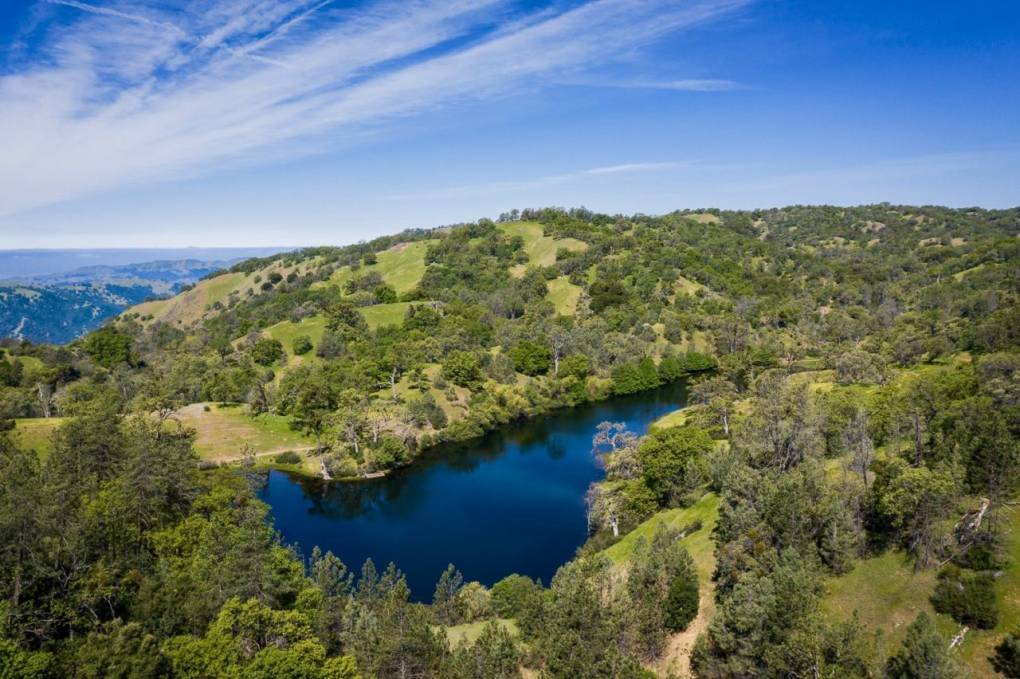
"caption": "The N3 Cattle Company Ranch in Livermore, 45 miles east of San Francisco, is a possible location for the first new state park in a decade.",
"description": null,
"title": "N3-Ranch-_-Photography-67-1280x852",
"credit": "California Outdoor Properties",
"status": "inherit",
"isLoading": false,
"fetchFailed": false
},
"news_11797418": {
"type": "attachments",
"id": "news_11797418",
"meta": {
"index": "attachments_1716263798",
"site": "news",
"id": "11797418",
"found": true
},
"parent": 11797351,
"imgSizes": {
"apple_news_ca_landscape_5_5": {
"file": "https://ww2.kqed.org/app/uploads/sites/10/2020/01/003_KQED_GavinNewsom_01222020_6631-1044x783.jpg",
"width": 1044,
"mimeType": "image/jpeg",
"height": 783
},
"apple_news_ca_square_4_0": {
"file": "https://ww2.kqed.org/app/uploads/sites/10/2020/01/003_KQED_GavinNewsom_01222020_6631-470x470.jpg",
"width": 470,
"mimeType": "image/jpeg",
"height": 470
},
"twentyfourteen-full-width": {
"file": "https://ww2.kqed.org/app/uploads/sites/10/2020/01/003_KQED_GavinNewsom_01222020_6631-1038x576.jpg",
"width": 1038,
"mimeType": "image/jpeg",
"height": 576
},
"thumbnail": {
"file": "https://ww2.kqed.org/app/uploads/sites/10/2020/01/003_KQED_GavinNewsom_01222020_6631-160x107.jpg",
"width": 160,
"mimeType": "image/jpeg",
"height": 107
},
"post-thumbnail": {
"file": "https://ww2.kqed.org/app/uploads/sites/10/2020/01/003_KQED_GavinNewsom_01222020_6631-672x372.jpg",
"width": 672,
"mimeType": "image/jpeg",
"height": 372
},
"kqedFullSize": {
"file": "https://ww2.kqed.org/app/uploads/sites/10/2020/01/003_KQED_GavinNewsom_01222020_6631.jpg",
"width": 1920,
"height": 1278
},
"apple_news_ca_landscape_4_7": {
"file": "https://ww2.kqed.org/app/uploads/sites/10/2020/01/003_KQED_GavinNewsom_01222020_6631-632x474.jpg",
"width": 632,
"mimeType": "image/jpeg",
"height": 474
},
"large": {
"file": "https://ww2.kqed.org/app/uploads/sites/10/2020/01/003_KQED_GavinNewsom_01222020_6631-1020x679.jpg",
"width": 1020,
"mimeType": "image/jpeg",
"height": 679
},
"apple_news_ca_landscape_4_0": {
"file": "https://ww2.kqed.org/app/uploads/sites/10/2020/01/003_KQED_GavinNewsom_01222020_6631-536x402.jpg",
"width": 536,
"mimeType": "image/jpeg",
"height": 402
},
"apple_news_ca_portrait_12_9": {
"file": "https://ww2.kqed.org/app/uploads/sites/10/2020/01/003_KQED_GavinNewsom_01222020_6631-1122x1278.jpg",
"width": 1122,
"mimeType": "image/jpeg",
"height": 1278
},
"medium": {
"file": "https://ww2.kqed.org/app/uploads/sites/10/2020/01/003_KQED_GavinNewsom_01222020_6631-800x533.jpg",
"width": 800,
"mimeType": "image/jpeg",
"height": 533
},
"apple_news_ca_portrait_4_0": {
"file": "https://ww2.kqed.org/app/uploads/sites/10/2020/01/003_KQED_GavinNewsom_01222020_6631-354x472.jpg",
"width": 354,
"mimeType": "image/jpeg",
"height": 472
},
"apple_news_ca_portrait_9_7": {
"file": "https://ww2.kqed.org/app/uploads/sites/10/2020/01/003_KQED_GavinNewsom_01222020_6631-840x1120.jpg",
"width": 840,
"mimeType": "image/jpeg",
"height": 1120
},
"apple_news_ca_landscape_12_9": {
"file": "https://ww2.kqed.org/app/uploads/sites/10/2020/01/003_KQED_GavinNewsom_01222020_6631-1832x1278.jpg",
"width": 1832,
"mimeType": "image/jpeg",
"height": 1278
},
"apple_news_ca_square_9_7": {
"file": "https://ww2.kqed.org/app/uploads/sites/10/2020/01/003_KQED_GavinNewsom_01222020_6631-1104x1104.jpg",
"width": 1104,
"mimeType": "image/jpeg",
"height": 1104
},
"apple_news_ca_portrait_4_7": {
"file": "https://ww2.kqed.org/app/uploads/sites/10/2020/01/003_KQED_GavinNewsom_01222020_6631-414x552.jpg",
"width": 414,
"mimeType": "image/jpeg",
"height": 552
},
"apple_news_ca_square_12_9": {
"file": "https://ww2.kqed.org/app/uploads/sites/10/2020/01/003_KQED_GavinNewsom_01222020_6631-1472x1278.jpg",
"width": 1472,
"mimeType": "image/jpeg",
"height": 1278
},
"apple_news_ca_portrait_5_5": {
"file": "https://ww2.kqed.org/app/uploads/sites/10/2020/01/003_KQED_GavinNewsom_01222020_6631-687x916.jpg",
"width": 687,
"mimeType": "image/jpeg",
"height": 916
},
"full-width": {
"file": "https://ww2.kqed.org/app/uploads/sites/10/2020/01/003_KQED_GavinNewsom_01222020_6631-1920x1278.jpg",
"width": 1920,
"mimeType": "image/jpeg",
"height": 1278
},
"apple_news_ca_square_4_7": {
"file": "https://ww2.kqed.org/app/uploads/sites/10/2020/01/003_KQED_GavinNewsom_01222020_6631-550x550.jpg",
"width": 550,
"mimeType": "image/jpeg",
"height": 550
},
"apple_news_ca_landscape_9_7": {
"file": "https://ww2.kqed.org/app/uploads/sites/10/2020/01/003_KQED_GavinNewsom_01222020_6631-1376x1032.jpg",
"width": 1376,
"mimeType": "image/jpeg",
"height": 1032
},
"apple_news_ca_square_5_5": {
"file": "https://ww2.kqed.org/app/uploads/sites/10/2020/01/003_KQED_GavinNewsom_01222020_6631-912x912.jpg",
"width": 912,
"mimeType": "image/jpeg",
"height": 912
}
},
"publishDate": 1579741989,
"modified": 1579742070,
"caption": "Gov. Gavin Newsom speaks to reporters at San Francisco's Salesforce Park on Wednesday, Jan. 22.",
"description": null,
"title": "003_KQED_GavinNewsom_01222020_6631",
"credit": "Beth LaBerge/KQED",
"status": "inherit",
"isLoading": false,
"fetchFailed": false
},
"news_11796456": {
"type": "attachments",
"id": "news_11796456",
"meta": {
"index": "attachments_1716263798",
"site": "news",
"id": "11796456",
"found": true
},
"parent": 11796428,
"imgSizes": {
"apple_news_ca_landscape_5_5": {
"file": "https://ww2.kqed.org/app/uploads/sites/10/2020/01/Gavin-Newsom-1044x783.jpg",
"width": 1044,
"mimeType": "image/jpeg",
"height": 783
},
"apple_news_ca_square_4_0": {
"file": "https://ww2.kqed.org/app/uploads/sites/10/2020/01/Gavin-Newsom-470x470.jpg",
"width": 470,
"mimeType": "image/jpeg",
"height": 470
},
"twentyfourteen-full-width": {
"file": "https://ww2.kqed.org/app/uploads/sites/10/2020/01/Gavin-Newsom-1038x576.jpg",
"width": 1038,
"mimeType": "image/jpeg",
"height": 576
},
"thumbnail": {
"file": "https://ww2.kqed.org/app/uploads/sites/10/2020/01/Gavin-Newsom-160x108.jpg",
"width": 160,
"mimeType": "image/jpeg",
"height": 108
},
"post-thumbnail": {
"file": "https://ww2.kqed.org/app/uploads/sites/10/2020/01/Gavin-Newsom-672x372.jpg",
"width": 672,
"mimeType": "image/jpeg",
"height": 372
},
"kqedFullSize": {
"file": "https://ww2.kqed.org/app/uploads/sites/10/2020/01/Gavin-Newsom.jpg",
"width": 1920,
"height": 1301
},
"apple_news_ca_landscape_4_7": {
"file": "https://ww2.kqed.org/app/uploads/sites/10/2020/01/Gavin-Newsom-632x474.jpg",
"width": 632,
"mimeType": "image/jpeg",
"height": 474
},
"large": {
"file": "https://ww2.kqed.org/app/uploads/sites/10/2020/01/Gavin-Newsom-1020x691.jpg",
"width": 1020,
"mimeType": "image/jpeg",
"height": 691
},
"complete_open_graph": {
"file": "https://ww2.kqed.org/app/uploads/sites/10/2020/01/Gavin-Newsom-1200x813.jpg",
"width": 1200,
"mimeType": "image/jpeg",
"height": 813
},
"apple_news_ca_landscape_4_0": {
"file": "https://ww2.kqed.org/app/uploads/sites/10/2020/01/Gavin-Newsom-536x402.jpg",
"width": 536,
"mimeType": "image/jpeg",
"height": 402
},
"apple_news_ca_portrait_12_9": {
"file": "https://ww2.kqed.org/app/uploads/sites/10/2020/01/Gavin-Newsom-1122x1301.jpg",
"width": 1122,
"mimeType": "image/jpeg",
"height": 1301
},
"medium": {
"file": "https://ww2.kqed.org/app/uploads/sites/10/2020/01/Gavin-Newsom-800x542.jpg",
"width": 800,
"mimeType": "image/jpeg",
"height": 542
},
"apple_news_ca_portrait_4_0": {
"file": "https://ww2.kqed.org/app/uploads/sites/10/2020/01/Gavin-Newsom-354x472.jpg",
"width": 354,
"mimeType": "image/jpeg",
"height": 472
},
"apple_news_ca_portrait_9_7": {
"file": "https://ww2.kqed.org/app/uploads/sites/10/2020/01/Gavin-Newsom-840x1120.jpg",
"width": 840,
"mimeType": "image/jpeg",
"height": 1120
},
"apple_news_ca_landscape_12_9": {
"file": "https://ww2.kqed.org/app/uploads/sites/10/2020/01/Gavin-Newsom-1832x1301.jpg",
"width": 1832,
"mimeType": "image/jpeg",
"height": 1301
},
"apple_news_ca_square_9_7": {
"file": "https://ww2.kqed.org/app/uploads/sites/10/2020/01/Gavin-Newsom-1104x1104.jpg",
"width": 1104,
"mimeType": "image/jpeg",
"height": 1104
},
"apple_news_ca_portrait_4_7": {
"file": "https://ww2.kqed.org/app/uploads/sites/10/2020/01/Gavin-Newsom-414x552.jpg",
"width": 414,
"mimeType": "image/jpeg",
"height": 552
},
"apple_news_ca_square_12_9": {
"file": "https://ww2.kqed.org/app/uploads/sites/10/2020/01/Gavin-Newsom-1472x1301.jpg",
"width": 1472,
"mimeType": "image/jpeg",
"height": 1301
},
"apple_news_ca_portrait_5_5": {
"file": "https://ww2.kqed.org/app/uploads/sites/10/2020/01/Gavin-Newsom-687x916.jpg",
"width": 687,
"mimeType": "image/jpeg",
"height": 916
},
"full-width": {
"file": "https://ww2.kqed.org/app/uploads/sites/10/2020/01/Gavin-Newsom-1920x1301.jpg",
"width": 1920,
"mimeType": "image/jpeg",
"height": 1301
},
"apple_news_ca_square_4_7": {
"file": "https://ww2.kqed.org/app/uploads/sites/10/2020/01/Gavin-Newsom-550x550.jpg",
"width": 550,
"mimeType": "image/jpeg",
"height": 550
},
"apple_news_ca_landscape_9_7": {
"file": "https://ww2.kqed.org/app/uploads/sites/10/2020/01/Gavin-Newsom-1376x1032.jpg",
"width": 1376,
"mimeType": "image/jpeg",
"height": 1032
},
"apple_news_ca_square_5_5": {
"file": "https://ww2.kqed.org/app/uploads/sites/10/2020/01/Gavin-Newsom-912x912.jpg",
"width": 912,
"mimeType": "image/jpeg",
"height": 912
}
},
"publishDate": 1579205058,
"modified": 1579205156,
"caption": "Newsom will be in Oakland Thursday afternoon for the final stop on his homelessness tour, where he's been showcasing solutions to address California's growing homeless population. ",
"description": "Newsom will be in Oakland Thursday afternoon for the final stop on his homelessness tour, where he's been showcasing solutions to address California's growing homeless population. ",
"title": "Gavin-Newsom",
"credit": "Sruti Mamidanna/KQED",
"status": "inherit",
"isLoading": false,
"fetchFailed": false
},
"science_863594": {
"type": "attachments",
"id": "science_863594",
"meta": {
"index": "attachments_1716263798",
"site": "science",
"id": "863594",
"found": true
},
"parent": 863593,
"imgSizes": {
"twentyfourteen-full-width": {
"file": "https://ww2.kqed.org/app/uploads/sites/35/2016/07/PJH_Delta_Farming-web-1038x576.jpg",
"width": 1038,
"mimeType": "image/jpeg",
"height": 576
},
"thumbnail": {
"file": "https://ww2.kqed.org/app/uploads/sites/35/2016/07/PJH_Delta_Farming-web-400x225.jpg",
"width": 400,
"mimeType": "image/jpeg",
"height": 225
},
"fd-sm": {
"file": "https://ww2.kqed.org/app/uploads/sites/35/2016/07/PJH_Delta_Farming-web-960x540.jpg",
"width": 960,
"mimeType": "image/jpeg",
"height": 540
},
"post-thumbnail": {
"file": "https://ww2.kqed.org/app/uploads/sites/35/2016/07/PJH_Delta_Farming-web-672x372.jpg",
"width": 672,
"mimeType": "image/jpeg",
"height": 372
},
"kqedFullSize": {
"file": "https://ww2.kqed.org/app/uploads/sites/35/2016/07/PJH_Delta_Farming-web.jpg",
"width": 1920,
"height": 1080
},
"large": {
"file": "https://ww2.kqed.org/app/uploads/sites/35/2016/07/PJH_Delta_Farming-web-1440x810.jpg",
"width": 1440,
"mimeType": "image/jpeg",
"height": 810
},
"guest-author-50": {
"file": "https://ww2.kqed.org/app/uploads/sites/35/2016/07/PJH_Delta_Farming-web-50x50.jpg",
"width": 50,
"mimeType": "image/jpeg",
"height": 50
},
"guest-author-96": {
"file": "https://ww2.kqed.org/app/uploads/sites/35/2016/07/PJH_Delta_Farming-web-96x96.jpg",
"width": 96,
"mimeType": "image/jpeg",
"height": 96
},
"medium": {
"file": "https://ww2.kqed.org/app/uploads/sites/35/2016/07/PJH_Delta_Farming-web-800x450.jpg",
"width": 800,
"mimeType": "image/jpeg",
"height": 450
},
"guest-author-64": {
"file": "https://ww2.kqed.org/app/uploads/sites/35/2016/07/PJH_Delta_Farming-web-64x64.jpg",
"width": 64,
"mimeType": "image/jpeg",
"height": 64
},
"guest-author-32": {
"file": "https://ww2.kqed.org/app/uploads/sites/35/2016/07/PJH_Delta_Farming-web-32x32.jpg",
"width": 32,
"mimeType": "image/jpeg",
"height": 32
},
"fd-lrg": {
"file": "https://ww2.kqed.org/app/uploads/sites/35/2016/07/PJH_Delta_Farming-web-1920x1080.jpg",
"width": 1920,
"mimeType": "image/jpeg",
"height": 1080
},
"fd-med": {
"file": "https://ww2.kqed.org/app/uploads/sites/35/2016/07/PJH_Delta_Farming-web-1180x664.jpg",
"width": 1180,
"mimeType": "image/jpeg",
"height": 664
},
"detail": {
"file": "https://ww2.kqed.org/app/uploads/sites/35/2016/07/PJH_Delta_Farming-web-150x150.jpg",
"width": 150,
"mimeType": "image/jpeg",
"height": 150
},
"medium_large": {
"file": "https://ww2.kqed.org/app/uploads/sites/35/2016/07/PJH_Delta_Farming-web-768x432.jpg",
"width": 768,
"mimeType": "image/jpeg",
"height": 432
},
"guest-author-128": {
"file": "https://ww2.kqed.org/app/uploads/sites/35/2016/07/PJH_Delta_Farming-web-128x128.jpg",
"width": 128,
"mimeType": "image/jpeg",
"height": 128
}
},
"publishDate": 1469062151,
"modified": 1579191254,
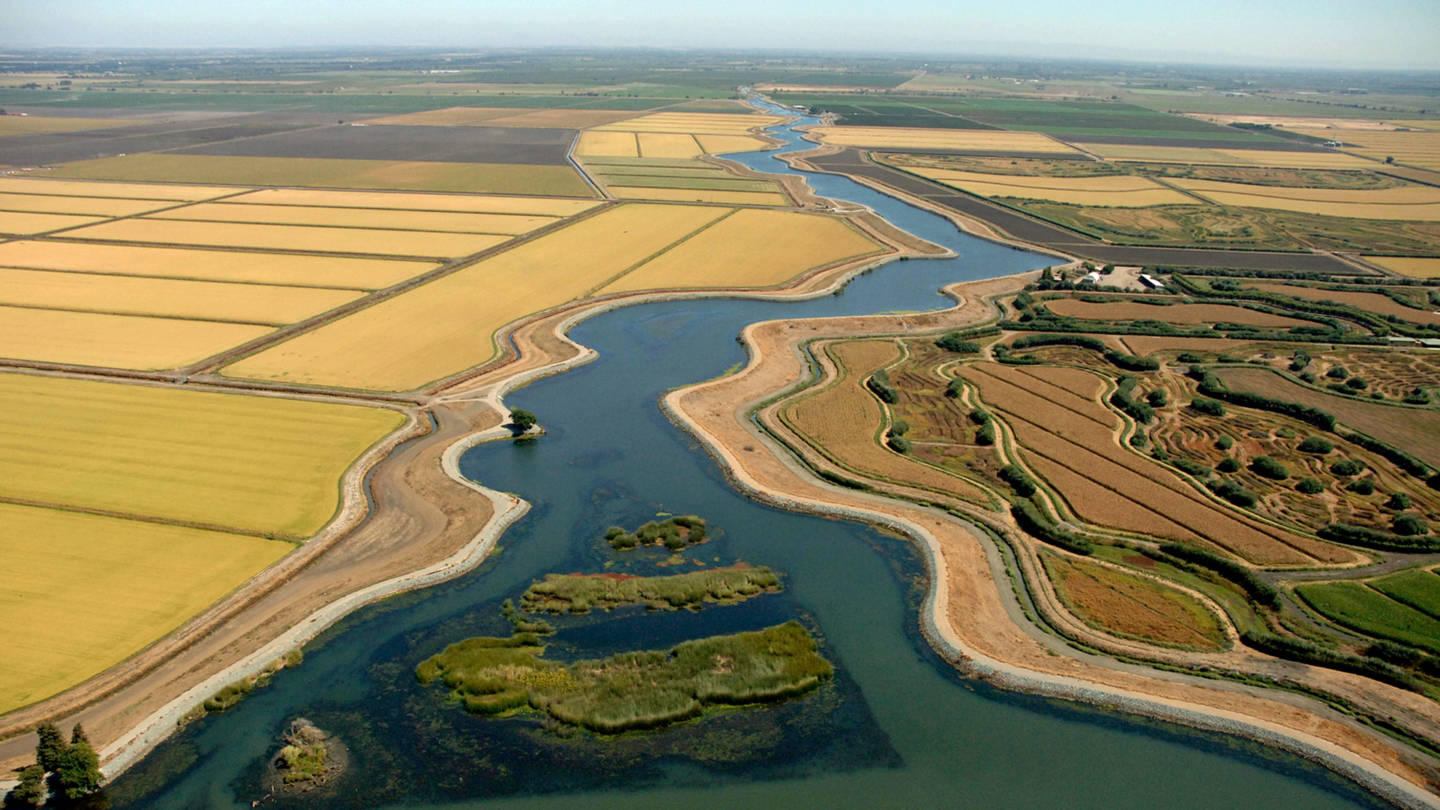
"caption": "The Sacramento-San Joaquin Delta.",
"description": null,
"title": "PJH_Delta_Farming-web",
"credit": "California Department of Water Resources",
"status": "inherit",
"isLoading": false,
"fetchFailed": false
},
"news_11671192": {
"type": "attachments",
"id": "news_11671192",
"meta": {
"index": "attachments_1716263798",
"site": "news",
"id": "11671192",
"found": true
},
"parent": 11669671,
"imgSizes": {
"small": {
"file": "https://ww2.kqed.org/app/uploads/sites/10/2018/05/RS8531_alt_730-520x351.jpg",
"width": 520,
"mimeType": "image/jpeg",
"height": 351
},
"twentyfourteen-full-width": {
"file": "https://ww2.kqed.org/app/uploads/sites/10/2018/05/RS8531_alt_730-1038x576.jpg",
"width": 1038,
"mimeType": "image/jpeg",
"height": 576
},
"thumbnail": {
"file": "https://ww2.kqed.org/app/uploads/sites/10/2018/05/RS8531_alt_730-160x108.jpg",
"width": 160,
"mimeType": "image/jpeg",
"height": 108
},
"fd-sm": {
"file": "https://ww2.kqed.org/app/uploads/sites/10/2018/05/RS8531_alt_730-960x649.jpg",
"width": 960,
"mimeType": "image/jpeg",
"height": 649
},
"post-thumbnail": {
"file": "https://ww2.kqed.org/app/uploads/sites/10/2018/05/RS8531_alt_730-672x372.jpg",
"width": 672,
"mimeType": "image/jpeg",
"height": 372
},
"xsmall": {
"file": "https://ww2.kqed.org/app/uploads/sites/10/2018/05/RS8531_alt_730-375x253.jpg",
"width": 375,
"mimeType": "image/jpeg",
"height": 253
},
"kqedFullSize": {
"file": "https://ww2.kqed.org/app/uploads/sites/10/2018/05/RS8531_alt_730.jpg",
"width": 1920,
"height": 1297
},
"large": {
"file": "https://ww2.kqed.org/app/uploads/sites/10/2018/05/RS8531_alt_730-1020x689.jpg",
"width": 1020,
"mimeType": "image/jpeg",
"height": 689
},
"xlarge": {
"file": "https://ww2.kqed.org/app/uploads/sites/10/2018/05/RS8531_alt_730-1180x797.jpg",
"width": 1180,
"mimeType": "image/jpeg",
"height": 797
},
"complete_open_graph": {
"file": "https://ww2.kqed.org/app/uploads/sites/10/2018/05/RS8531_alt_730-1200x811.jpg",
"width": 1200,
"mimeType": "image/jpeg",
"height": 811
},
"guest-author-50": {
"file": "https://ww2.kqed.org/app/uploads/sites/10/2018/05/RS8531_alt_730-50x50.jpg",
"width": 50,
"mimeType": "image/jpeg",
"height": 50
},
"guest-author-96": {
"file": "https://ww2.kqed.org/app/uploads/sites/10/2018/05/RS8531_alt_730-96x96.jpg",
"width": 96,
"mimeType": "image/jpeg",
"height": 96
},
"medium": {
"file": "https://ww2.kqed.org/app/uploads/sites/10/2018/05/RS8531_alt_730-800x540.jpg",
"width": 800,
"mimeType": "image/jpeg",
"height": 540
},
"guest-author-64": {
"file": "https://ww2.kqed.org/app/uploads/sites/10/2018/05/RS8531_alt_730-64x64.jpg",
"width": 64,
"mimeType": "image/jpeg",
"height": 64
},
"guest-author-32": {
"file": "https://ww2.kqed.org/app/uploads/sites/10/2018/05/RS8531_alt_730-32x32.jpg",
"width": 32,
"mimeType": "image/jpeg",
"height": 32
},
"fd-lrg": {
"file": "https://ww2.kqed.org/app/uploads/sites/10/2018/05/RS8531_alt_730-1920x1297.jpg",
"width": 1920,
"mimeType": "image/jpeg",
"height": 1297
},
"fd-med": {
"file": "https://ww2.kqed.org/app/uploads/sites/10/2018/05/RS8531_alt_730-1180x797.jpg",
"width": 1180,
"mimeType": "image/jpeg",
"height": 797
},
"full-width": {
"file": "https://ww2.kqed.org/app/uploads/sites/10/2018/05/RS8531_alt_730-1920x1297.jpg",
"width": 1920,
"mimeType": "image/jpeg",
"height": 1297
},
"detail": {
"file": "https://ww2.kqed.org/app/uploads/sites/10/2018/05/RS8531_alt_730-150x150.jpg",
"width": 150,
"mimeType": "image/jpeg",
"height": 150
},
"guest-author-128": {
"file": "https://ww2.kqed.org/app/uploads/sites/10/2018/05/RS8531_alt_730-128x128.jpg",
"width": 128,
"mimeType": "image/jpeg",
"height": 128
},
"xxsmall": {
"file": "https://ww2.kqed.org/app/uploads/sites/10/2018/05/RS8531_alt_730-240x162.jpg",
"width": 240,
"mimeType": "image/jpeg",
"height": 162
}
},
"publishDate": 1527535095,
"modified": 1579138896,
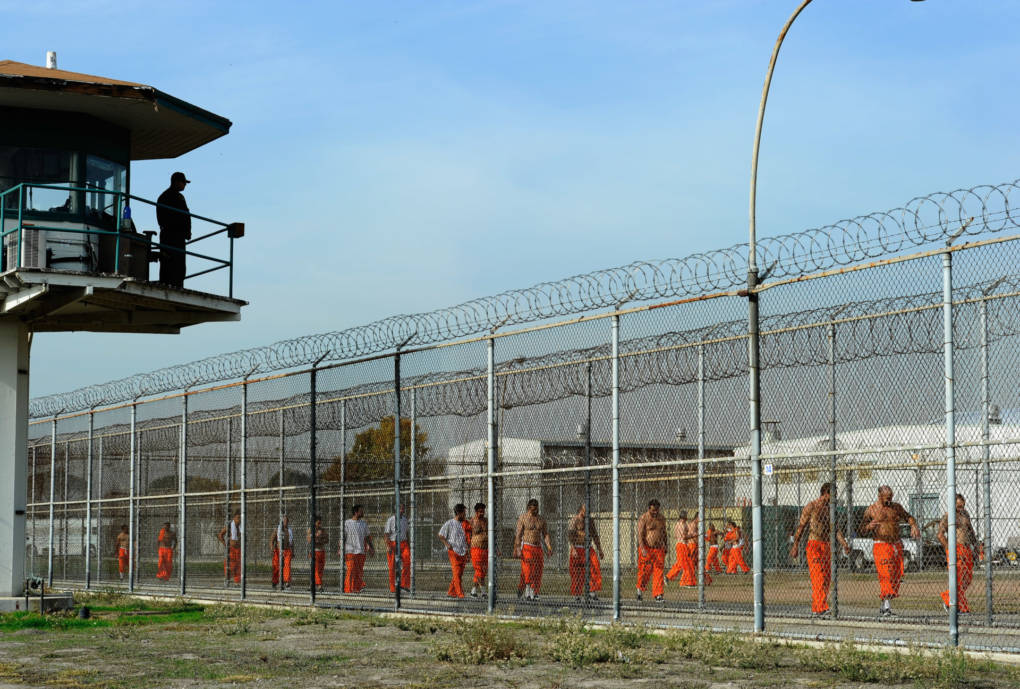
"caption": "A California Department of Corrections officer looks on as inmates at Chino State Prison exercise in the yard.",
"description": null,
"title": "Supreme Court To Rule On California's Overcrowded Prisons",
"credit": "Kevork Djansezian/Getty Images",
"status": "inherit",
"isLoading": false,
"fetchFailed": false
},
"news_11796217": {
"type": "attachments",
"id": "news_11796217",
"meta": {
"index": "attachments_1716263798",
"site": "news",
"id": "11796217",
"found": true
},
"parent": 11796185,
"imgSizes": {
"apple_news_ca_landscape_5_5": {
"file": "https://ww2.kqed.org/app/uploads/sites/10/2020/01/Richmond-Homeless-Encampment-1044x783.jpg",
"width": 1044,
"mimeType": "image/jpeg",
"height": 783
},
"apple_news_ca_square_4_0": {
"file": "https://ww2.kqed.org/app/uploads/sites/10/2020/01/Richmond-Homeless-Encampment-470x470.jpg",
"width": 470,
"mimeType": "image/jpeg",
"height": 470
},
"twentyfourteen-full-width": {
"file": "https://ww2.kqed.org/app/uploads/sites/10/2020/01/Richmond-Homeless-Encampment-1038x576.jpg",
"width": 1038,
"mimeType": "image/jpeg",
"height": 576
},
"thumbnail": {
"file": "https://ww2.kqed.org/app/uploads/sites/10/2020/01/Richmond-Homeless-Encampment-160x107.jpg",
"width": 160,
"mimeType": "image/jpeg",
"height": 107
},
"post-thumbnail": {
"file": "https://ww2.kqed.org/app/uploads/sites/10/2020/01/Richmond-Homeless-Encampment-672x372.jpg",
"width": 672,
"mimeType": "image/jpeg",
"height": 372
},
"kqedFullSize": {
"file": "https://ww2.kqed.org/app/uploads/sites/10/2020/01/Richmond-Homeless-Encampment.jpg",
"width": 1920,
"height": 1280
},
"apple_news_ca_landscape_4_7": {
"file": "https://ww2.kqed.org/app/uploads/sites/10/2020/01/Richmond-Homeless-Encampment-632x474.jpg",
"width": 632,
"mimeType": "image/jpeg",
"height": 474
},
"large": {
"file": "https://ww2.kqed.org/app/uploads/sites/10/2020/01/Richmond-Homeless-Encampment-1020x680.jpg",
"width": 1020,
"mimeType": "image/jpeg",
"height": 680
},
"complete_open_graph": {
"file": "https://ww2.kqed.org/app/uploads/sites/10/2020/01/Richmond-Homeless-Encampment-1200x800.jpg",
"width": 1200,
"mimeType": "image/jpeg",
"height": 800
},
"apple_news_ca_landscape_4_0": {
"file": "https://ww2.kqed.org/app/uploads/sites/10/2020/01/Richmond-Homeless-Encampment-536x402.jpg",
"width": 536,
"mimeType": "image/jpeg",
"height": 402
},
"apple_news_ca_portrait_12_9": {
"file": "https://ww2.kqed.org/app/uploads/sites/10/2020/01/Richmond-Homeless-Encampment-1122x1280.jpg",
"width": 1122,
"mimeType": "image/jpeg",
"height": 1280
},
"medium": {
"file": "https://ww2.kqed.org/app/uploads/sites/10/2020/01/Richmond-Homeless-Encampment-800x533.jpg",
"width": 800,
"mimeType": "image/jpeg",
"height": 533
},
"apple_news_ca_portrait_4_0": {
"file": "https://ww2.kqed.org/app/uploads/sites/10/2020/01/Richmond-Homeless-Encampment-354x472.jpg",
"width": 354,
"mimeType": "image/jpeg",
"height": 472
},
"apple_news_ca_portrait_9_7": {
"file": "https://ww2.kqed.org/app/uploads/sites/10/2020/01/Richmond-Homeless-Encampment-840x1120.jpg",
"width": 840,
"mimeType": "image/jpeg",
"height": 1120
},
"apple_news_ca_landscape_12_9": {
"file": "https://ww2.kqed.org/app/uploads/sites/10/2020/01/Richmond-Homeless-Encampment-1832x1280.jpg",
"width": 1832,
"mimeType": "image/jpeg",
"height": 1280
},
"apple_news_ca_square_9_7": {
"file": "https://ww2.kqed.org/app/uploads/sites/10/2020/01/Richmond-Homeless-Encampment-1104x1104.jpg",
"width": 1104,
"mimeType": "image/jpeg",
"height": 1104
},
"apple_news_ca_portrait_4_7": {
"file": "https://ww2.kqed.org/app/uploads/sites/10/2020/01/Richmond-Homeless-Encampment-414x552.jpg",
"width": 414,
"mimeType": "image/jpeg",
"height": 552
},
"apple_news_ca_square_12_9": {
"file": "https://ww2.kqed.org/app/uploads/sites/10/2020/01/Richmond-Homeless-Encampment-1472x1280.jpg",
"width": 1472,
"mimeType": "image/jpeg",
"height": 1280
},
"apple_news_ca_portrait_5_5": {
"file": "https://ww2.kqed.org/app/uploads/sites/10/2020/01/Richmond-Homeless-Encampment-687x916.jpg",
"width": 687,
"mimeType": "image/jpeg",
"height": 916
},
"full-width": {
"file": "https://ww2.kqed.org/app/uploads/sites/10/2020/01/Richmond-Homeless-Encampment-1920x1280.jpg",
"width": 1920,
"mimeType": "image/jpeg",
"height": 1280
},
"apple_news_ca_square_4_7": {
"file": "https://ww2.kqed.org/app/uploads/sites/10/2020/01/Richmond-Homeless-Encampment-550x550.jpg",
"width": 550,
"mimeType": "image/jpeg",
"height": 550
},
"apple_news_ca_landscape_9_7": {
"file": "https://ww2.kqed.org/app/uploads/sites/10/2020/01/Richmond-Homeless-Encampment-1376x1032.jpg",
"width": 1376,
"mimeType": "image/jpeg",
"height": 1032
},
"apple_news_ca_square_5_5": {
"file": "https://ww2.kqed.org/app/uploads/sites/10/2020/01/Richmond-Homeless-Encampment-912x912.jpg",
"width": 912,
"mimeType": "image/jpeg",
"height": 912
}
},
"publishDate": 1579126972,
"modified": 1579127036,
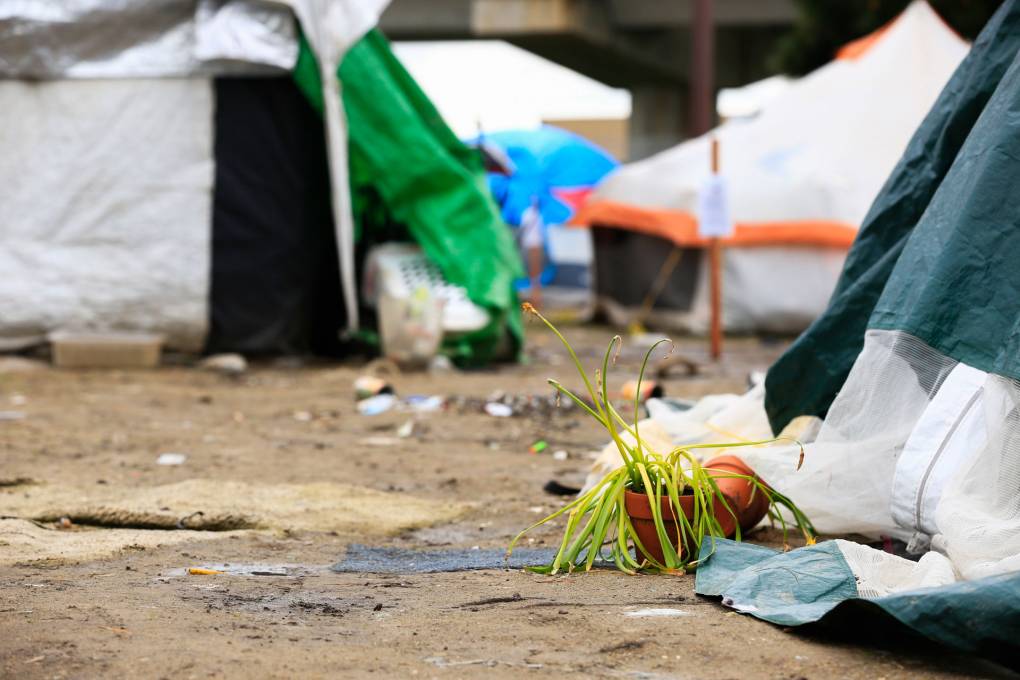
"caption": "A homeless encampment in Richmond in March, 2019.",
"description": "A homeless encampment in Richmond in March, 2019.",
"title": "Richmond-Homeless-Encampment",
"credit": "Sruti Mamidanna/KQED",
"status": "inherit",
"isLoading": false,
"fetchFailed": false
},
"news_11796012": {
"type": "attachments",
"id": "news_11796012",
"meta": {
"index": "attachments_1716263798",
"site": "news",
"id": "11796012",
"found": true
},
"parent": 11795982,
"imgSizes": {
"apple_news_ca_landscape_5_5": {
"file": "https://ww2.kqed.org/app/uploads/sites/10/2020/01/RS40729_KQED20jBrown-096-qut-1044x783.jpg",
"width": 1044,
"mimeType": "image/jpeg",
"height": 783
},
"apple_news_ca_square_4_0": {
"file": "https://ww2.kqed.org/app/uploads/sites/10/2020/01/RS40729_KQED20jBrown-096-qut-470x470.jpg",
"width": 470,
"mimeType": "image/jpeg",
"height": 470
},
"twentyfourteen-full-width": {
"file": "https://ww2.kqed.org/app/uploads/sites/10/2020/01/RS40729_KQED20jBrown-096-qut-1038x576.jpg",
"width": 1038,
"mimeType": "image/jpeg",
"height": 576
},
"thumbnail": {
"file": "https://ww2.kqed.org/app/uploads/sites/10/2020/01/RS40729_KQED20jBrown-096-qut-160x106.jpg",
"width": 160,
"mimeType": "image/jpeg",
"height": 106
},
"post-thumbnail": {
"file": "https://ww2.kqed.org/app/uploads/sites/10/2020/01/RS40729_KQED20jBrown-096-qut-672x372.jpg",
"width": 672,
"mimeType": "image/jpeg",
"height": 372
},
"kqedFullSize": {
"file": "https://ww2.kqed.org/app/uploads/sites/10/2020/01/RS40729_KQED20jBrown-096-qut.jpg",
"width": 1920,
"height": 1277
},
"apple_news_ca_landscape_4_7": {
"file": "https://ww2.kqed.org/app/uploads/sites/10/2020/01/RS40729_KQED20jBrown-096-qut-632x474.jpg",
"width": 632,
"mimeType": "image/jpeg",
"height": 474
},
"large": {
"file": "https://ww2.kqed.org/app/uploads/sites/10/2020/01/RS40729_KQED20jBrown-096-qut-1020x678.jpg",
"width": 1020,
"mimeType": "image/jpeg",
"height": 678
},
"complete_open_graph": {
"file": "https://ww2.kqed.org/app/uploads/sites/10/2020/01/RS40729_KQED20jBrown-096-qut-1200x798.jpg",
"width": 1200,
"mimeType": "image/jpeg",
"height": 798
},
"apple_news_ca_landscape_4_0": {
"file": "https://ww2.kqed.org/app/uploads/sites/10/2020/01/RS40729_KQED20jBrown-096-qut-536x402.jpg",
"width": 536,
"mimeType": "image/jpeg",
"height": 402
},
"apple_news_ca_portrait_12_9": {
"file": "https://ww2.kqed.org/app/uploads/sites/10/2020/01/RS40729_KQED20jBrown-096-qut-1122x1277.jpg",
"width": 1122,
"mimeType": "image/jpeg",
"height": 1277
},
"medium": {
"file": "https://ww2.kqed.org/app/uploads/sites/10/2020/01/RS40729_KQED20jBrown-096-qut-800x532.jpg",
"width": 800,
"mimeType": "image/jpeg",
"height": 532
},
"apple_news_ca_portrait_4_0": {
"file": "https://ww2.kqed.org/app/uploads/sites/10/2020/01/RS40729_KQED20jBrown-096-qut-354x472.jpg",
"width": 354,
"mimeType": "image/jpeg",
"height": 472
},
"apple_news_ca_portrait_9_7": {
"file": "https://ww2.kqed.org/app/uploads/sites/10/2020/01/RS40729_KQED20jBrown-096-qut-840x1120.jpg",
"width": 840,
"mimeType": "image/jpeg",
"height": 1120
},
"apple_news_ca_landscape_12_9": {
"file": "https://ww2.kqed.org/app/uploads/sites/10/2020/01/RS40729_KQED20jBrown-096-qut-1832x1277.jpg",
"width": 1832,
"mimeType": "image/jpeg",
"height": 1277
},
"apple_news_ca_square_9_7": {
"file": "https://ww2.kqed.org/app/uploads/sites/10/2020/01/RS40729_KQED20jBrown-096-qut-1104x1104.jpg",
"width": 1104,
"mimeType": "image/jpeg",
"height": 1104
},
"apple_news_ca_portrait_4_7": {
"file": "https://ww2.kqed.org/app/uploads/sites/10/2020/01/RS40729_KQED20jBrown-096-qut-414x552.jpg",
"width": 414,
"mimeType": "image/jpeg",
"height": 552
},
"apple_news_ca_square_12_9": {
"file": "https://ww2.kqed.org/app/uploads/sites/10/2020/01/RS40729_KQED20jBrown-096-qut-1472x1277.jpg",
"width": 1472,
"mimeType": "image/jpeg",
"height": 1277
},
"apple_news_ca_portrait_5_5": {
"file": "https://ww2.kqed.org/app/uploads/sites/10/2020/01/RS40729_KQED20jBrown-096-qut-687x916.jpg",
"width": 687,
"mimeType": "image/jpeg",
"height": 916
},
"full-width": {
"file": "https://ww2.kqed.org/app/uploads/sites/10/2020/01/RS40729_KQED20jBrown-096-qut-1920x1277.jpg",
"width": 1920,
"mimeType": "image/jpeg",
"height": 1277
},
"apple_news_ca_square_4_7": {
"file": "https://ww2.kqed.org/app/uploads/sites/10/2020/01/RS40729_KQED20jBrown-096-qut-550x550.jpg",
"width": 550,
"mimeType": "image/jpeg",
"height": 550
},
"apple_news_ca_landscape_9_7": {
"file": "https://ww2.kqed.org/app/uploads/sites/10/2020/01/RS40729_KQED20jBrown-096-qut-1376x1032.jpg",
"width": 1376,
"mimeType": "image/jpeg",
"height": 1032
},
"apple_news_ca_square_5_5": {
"file": "https://ww2.kqed.org/app/uploads/sites/10/2020/01/RS40729_KQED20jBrown-096-qut-912x912.jpg",
"width": 912,
"mimeType": "image/jpeg",
"height": 912
}
},
"publishDate": 1579038290,
"modified": 1579043121,
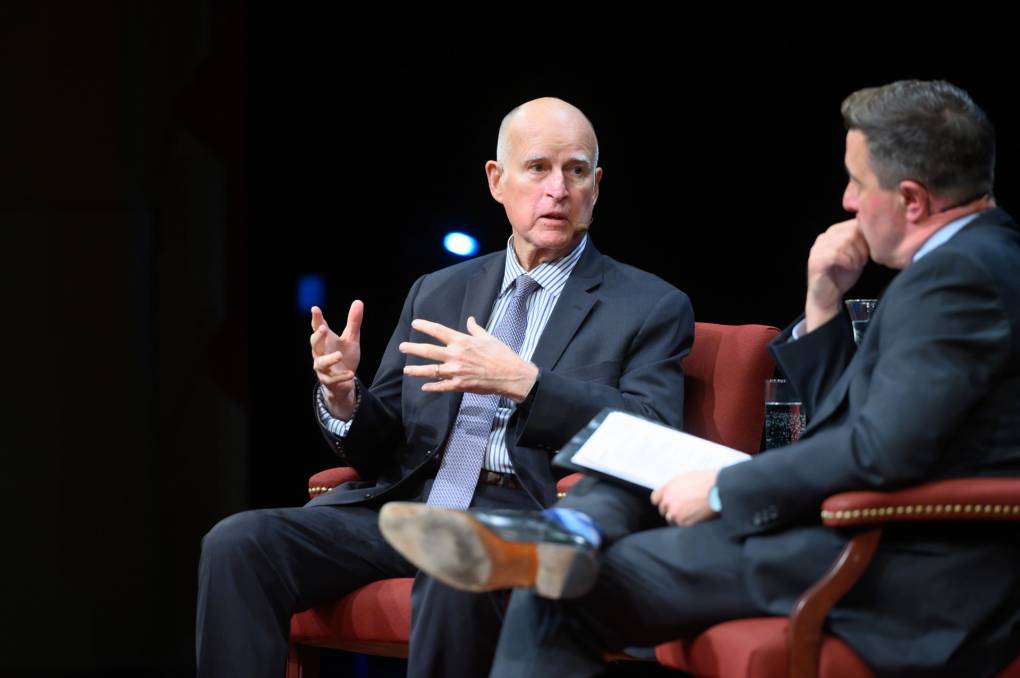
"caption": "Former California Gov. Jerry Brown speaking with KQED's Scott Shafer at the Herbst Theatre in San Francisco on Jan. 13, 2020.",
"description": "Former California Gov. Jerry Brown speaking with KQED's Scott Shafer at the Herbst Theatre in San Francisco on Jan. 13, 2020.",
"title": "RS40729_KQED20jBrown-096-qut",
"credit": "Alain McLaughlin/KQED",
"status": "inherit",
"isLoading": false,
"fetchFailed": false
},
"news_11795890": {
"type": "attachments",
"id": "news_11795890",
"meta": {
"index": "attachments_1716263798",
"site": "news",
"id": "11795890",
"found": true
},
"parent": 11795888,
"imgSizes": {
"apple_news_ca_landscape_5_5": {
"file": "https://ww2.kqed.org/app/uploads/sites/10/2020/01/HOMELESS-MANDATE-photo-2-1044x783.jpg",
"width": 1044,
"mimeType": "image/jpeg",
"height": 783
},
"apple_news_ca_square_4_0": {
"file": "https://ww2.kqed.org/app/uploads/sites/10/2020/01/HOMELESS-MANDATE-photo-2-470x470.jpg",
"width": 470,
"mimeType": "image/jpeg",
"height": 470
},
"twentyfourteen-full-width": {
"file": "https://ww2.kqed.org/app/uploads/sites/10/2020/01/HOMELESS-MANDATE-photo-2-1038x576.jpg",
"width": 1038,
"mimeType": "image/jpeg",
"height": 576
},
"thumbnail": {
"file": "https://ww2.kqed.org/app/uploads/sites/10/2020/01/HOMELESS-MANDATE-photo-2-160x111.jpg",
"width": 160,
"mimeType": "image/jpeg",
"height": 111
},
"post-thumbnail": {
"file": "https://ww2.kqed.org/app/uploads/sites/10/2020/01/HOMELESS-MANDATE-photo-2-672x372.jpg",
"width": 672,
"mimeType": "image/jpeg",
"height": 372
},
"kqedFullSize": {
"file": "https://ww2.kqed.org/app/uploads/sites/10/2020/01/HOMELESS-MANDATE-photo-2.jpg",
"width": 1920,
"height": 1328
},
"apple_news_ca_landscape_4_7": {
"file": "https://ww2.kqed.org/app/uploads/sites/10/2020/01/HOMELESS-MANDATE-photo-2-632x474.jpg",
"width": 632,
"mimeType": "image/jpeg",
"height": 474
},
"large": {
"file": "https://ww2.kqed.org/app/uploads/sites/10/2020/01/HOMELESS-MANDATE-photo-2-1020x706.jpg",
"width": 1020,
"mimeType": "image/jpeg",
"height": 706
},
"complete_open_graph": {
"file": "https://ww2.kqed.org/app/uploads/sites/10/2020/01/HOMELESS-MANDATE-photo-2-1200x830.jpg",
"width": 1200,
"mimeType": "image/jpeg",
"height": 830
},
"apple_news_ca_landscape_4_0": {
"file": "https://ww2.kqed.org/app/uploads/sites/10/2020/01/HOMELESS-MANDATE-photo-2-536x402.jpg",
"width": 536,
"mimeType": "image/jpeg",
"height": 402
},
"apple_news_ca_portrait_12_9": {
"file": "https://ww2.kqed.org/app/uploads/sites/10/2020/01/HOMELESS-MANDATE-photo-2-1122x1328.jpg",
"width": 1122,
"mimeType": "image/jpeg",
"height": 1328
},
"medium": {
"file": "https://ww2.kqed.org/app/uploads/sites/10/2020/01/HOMELESS-MANDATE-photo-2-800x553.jpg",
"width": 800,
"mimeType": "image/jpeg",
"height": 553
},
"apple_news_ca_portrait_4_0": {
"file": "https://ww2.kqed.org/app/uploads/sites/10/2020/01/HOMELESS-MANDATE-photo-2-354x472.jpg",
"width": 354,
"mimeType": "image/jpeg",
"height": 472
},
"apple_news_ca_portrait_9_7": {
"file": "https://ww2.kqed.org/app/uploads/sites/10/2020/01/HOMELESS-MANDATE-photo-2-840x1120.jpg",
"width": 840,
"mimeType": "image/jpeg",
"height": 1120
},
"apple_news_ca_landscape_12_9": {
"file": "https://ww2.kqed.org/app/uploads/sites/10/2020/01/HOMELESS-MANDATE-photo-2-1832x1328.jpg",
"width": 1832,
"mimeType": "image/jpeg",
"height": 1328
},
"apple_news_ca_square_9_7": {
"file": "https://ww2.kqed.org/app/uploads/sites/10/2020/01/HOMELESS-MANDATE-photo-2-1104x1104.jpg",
"width": 1104,
"mimeType": "image/jpeg",
"height": 1104
},
"apple_news_ca_portrait_4_7": {
"file": "https://ww2.kqed.org/app/uploads/sites/10/2020/01/HOMELESS-MANDATE-photo-2-414x552.jpg",
"width": 414,
"mimeType": "image/jpeg",
"height": 552
},
"apple_news_ca_square_12_9": {
"file": "https://ww2.kqed.org/app/uploads/sites/10/2020/01/HOMELESS-MANDATE-photo-2-1472x1328.jpg",
"width": 1472,
"mimeType": "image/jpeg",
"height": 1328
},
"apple_news_ca_portrait_5_5": {
"file": "https://ww2.kqed.org/app/uploads/sites/10/2020/01/HOMELESS-MANDATE-photo-2-687x916.jpg",
"width": 687,
"mimeType": "image/jpeg",
"height": 916
},
"full-width": {
"file": "https://ww2.kqed.org/app/uploads/sites/10/2020/01/HOMELESS-MANDATE-photo-2-1920x1328.jpg",
"width": 1920,
"mimeType": "image/jpeg",
"height": 1328
},
"apple_news_ca_square_4_7": {
"file": "https://ww2.kqed.org/app/uploads/sites/10/2020/01/HOMELESS-MANDATE-photo-2-550x550.jpg",
"width": 550,
"mimeType": "image/jpeg",
"height": 550
},
"apple_news_ca_landscape_9_7": {
"file": "https://ww2.kqed.org/app/uploads/sites/10/2020/01/HOMELESS-MANDATE-photo-2-1376x1032.jpg",
"width": 1376,
"mimeType": "image/jpeg",
"height": 1032
},
"apple_news_ca_square_5_5": {
"file": "https://ww2.kqed.org/app/uploads/sites/10/2020/01/HOMELESS-MANDATE-photo-2-912x912.jpg",
"width": 912,
"mimeType": "image/jpeg",
"height": 912
}
},
"publishDate": 1578962282,
"modified": 1578962486,
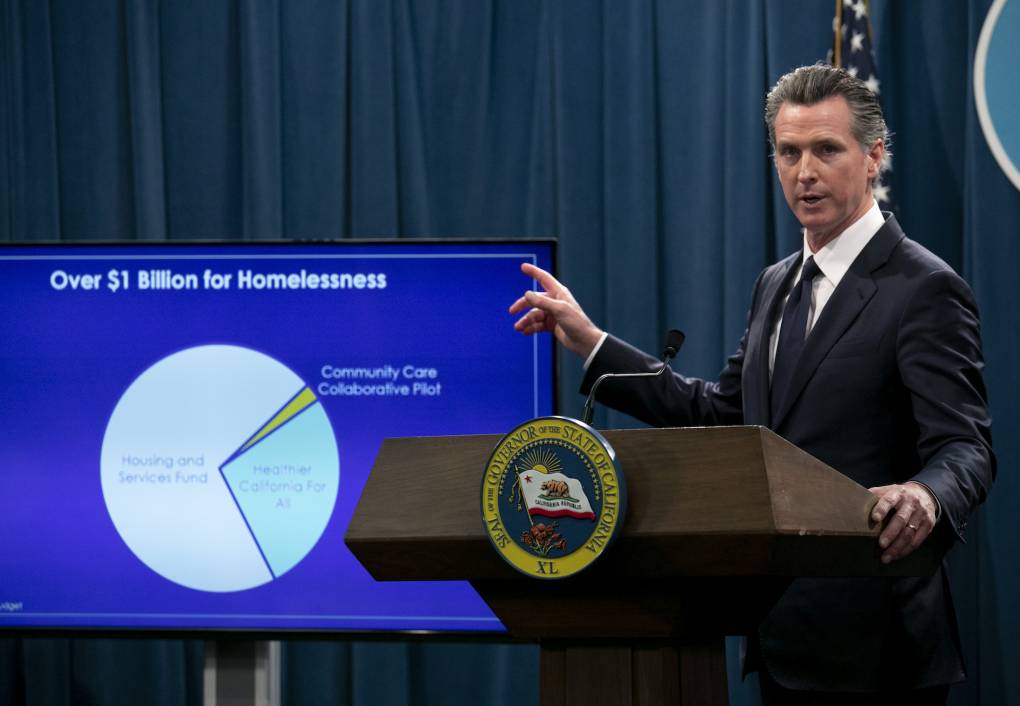
"caption": "Gov. Gavin Newsom proposes increased funding to address homelessness during his 2020-21 state budget presentation at the state Capitol in Sacramento on Jan. 10, 2020.",
"description": null,
"title": "HOMELESS MANDATE photo 2",
"credit": "Anne Wernikoff/CalMatters",
"status": "inherit",
"isLoading": false,
"fetchFailed": false
},
"news_11795866": {
"type": "attachments",
"id": "news_11795866",
"meta": {
"index": "attachments_1716263798",
"site": "news",
"id": "11795866",
"found": true
},
"parent": 11795844,
"imgSizes": {
"apple_news_ca_landscape_5_5": {
"file": "https://ww2.kqed.org/app/uploads/sites/10/2020/01/Shelter-Pup-1044x783.jpg",
"width": 1044,
"mimeType": "image/jpeg",
"height": 783
},
"apple_news_ca_square_4_0": {
"file": "https://ww2.kqed.org/app/uploads/sites/10/2020/01/Shelter-Pup-470x470.jpg",
"width": 470,
"mimeType": "image/jpeg",
"height": 470
},
"twentyfourteen-full-width": {
"file": "https://ww2.kqed.org/app/uploads/sites/10/2020/01/Shelter-Pup-1038x576.jpg",
"width": 1038,
"mimeType": "image/jpeg",
"height": 576
},
"thumbnail": {
"file": "https://ww2.kqed.org/app/uploads/sites/10/2020/01/Shelter-Pup-160x107.jpg",
"width": 160,
"mimeType": "image/jpeg",
"height": 107
},
"post-thumbnail": {
"file": "https://ww2.kqed.org/app/uploads/sites/10/2020/01/Shelter-Pup-672x372.jpg",
"width": 672,
"mimeType": "image/jpeg",
"height": 372
},
"kqedFullSize": {
"file": "https://ww2.kqed.org/app/uploads/sites/10/2020/01/Shelter-Pup.jpg",
"width": 1920,
"height": 1280
},
"apple_news_ca_landscape_4_7": {
"file": "https://ww2.kqed.org/app/uploads/sites/10/2020/01/Shelter-Pup-632x474.jpg",
"width": 632,
"mimeType": "image/jpeg",
"height": 474
},
"large": {
"file": "https://ww2.kqed.org/app/uploads/sites/10/2020/01/Shelter-Pup-1020x680.jpg",
"width": 1020,
"mimeType": "image/jpeg",
"height": 680
},
"complete_open_graph": {
"file": "https://ww2.kqed.org/app/uploads/sites/10/2020/01/Shelter-Pup-1200x800.jpg",
"width": 1200,
"mimeType": "image/jpeg",
"height": 800
},
"apple_news_ca_landscape_4_0": {
"file": "https://ww2.kqed.org/app/uploads/sites/10/2020/01/Shelter-Pup-536x402.jpg",
"width": 536,
"mimeType": "image/jpeg",
"height": 402
},
"apple_news_ca_portrait_12_9": {
"file": "https://ww2.kqed.org/app/uploads/sites/10/2020/01/Shelter-Pup-1122x1280.jpg",
"width": 1122,
"mimeType": "image/jpeg",
"height": 1280
},
"medium": {
"file": "https://ww2.kqed.org/app/uploads/sites/10/2020/01/Shelter-Pup-800x533.jpg",
"width": 800,
"mimeType": "image/jpeg",
"height": 533
},
"apple_news_ca_portrait_4_0": {
"file": "https://ww2.kqed.org/app/uploads/sites/10/2020/01/Shelter-Pup-354x472.jpg",
"width": 354,
"mimeType": "image/jpeg",
"height": 472
},
"apple_news_ca_portrait_9_7": {
"file": "https://ww2.kqed.org/app/uploads/sites/10/2020/01/Shelter-Pup-840x1120.jpg",
"width": 840,
"mimeType": "image/jpeg",
"height": 1120
},
"apple_news_ca_landscape_12_9": {
"file": "https://ww2.kqed.org/app/uploads/sites/10/2020/01/Shelter-Pup-1832x1280.jpg",
"width": 1832,
"mimeType": "image/jpeg",
"height": 1280
},
"apple_news_ca_square_9_7": {
"file": "https://ww2.kqed.org/app/uploads/sites/10/2020/01/Shelter-Pup-1104x1104.jpg",
"width": 1104,
"mimeType": "image/jpeg",
"height": 1104
},
"apple_news_ca_portrait_4_7": {
"file": "https://ww2.kqed.org/app/uploads/sites/10/2020/01/Shelter-Pup-414x552.jpg",
"width": 414,
"mimeType": "image/jpeg",
"height": 552
},
"apple_news_ca_square_12_9": {
"file": "https://ww2.kqed.org/app/uploads/sites/10/2020/01/Shelter-Pup-1472x1280.jpg",
"width": 1472,
"mimeType": "image/jpeg",
"height": 1280
},
"apple_news_ca_portrait_5_5": {
"file": "https://ww2.kqed.org/app/uploads/sites/10/2020/01/Shelter-Pup-687x916.jpg",
"width": 687,
"mimeType": "image/jpeg",
"height": 916
},
"full-width": {
"file": "https://ww2.kqed.org/app/uploads/sites/10/2020/01/Shelter-Pup-1920x1280.jpg",
"width": 1920,
"mimeType": "image/jpeg",
"height": 1280
},
"apple_news_ca_square_4_7": {
"file": "https://ww2.kqed.org/app/uploads/sites/10/2020/01/Shelter-Pup-550x550.jpg",
"width": 550,
"mimeType": "image/jpeg",
"height": 550
},
"apple_news_ca_landscape_9_7": {
"file": "https://ww2.kqed.org/app/uploads/sites/10/2020/01/Shelter-Pup-1376x1032.jpg",
"width": 1376,
"mimeType": "image/jpeg",
"height": 1032
},
"apple_news_ca_square_5_5": {
"file": "https://ww2.kqed.org/app/uploads/sites/10/2020/01/Shelter-Pup-912x912.jpg",
"width": 912,
"mimeType": "image/jpeg",
"height": 912
}
},
"publishDate": 1578959861,
"modified": 1578959998,
"caption": "If Newsom's budget item is approved, a UC Davis program would work with local animal shelters over the next five years to provide needed spay and neuter services, support pet owners struggling to care for their animals and help ensure that facilities that serve animals are safe and physically sound.",
"description": "If Newsom's budget item is approved, a UC Davis program would work with local animal shelters over the next five years to provide needed spay and neuter services, support pet owners struggling to care for their animals and help ensure that facilities that serve animals are safe and physically sound.",
"title": "Shelter-Pup",
"credit": "Getty Images",
"status": "inherit",
"isLoading": false,
"fetchFailed": false
},
"news_11795519": {
"type": "attachments",
"id": "news_11795519",
"meta": {
"index": "attachments_1716263798",
"site": "news",
"id": "11795519",
"found": true
},
"parent": 11795509,
"imgSizes": {
"apple_news_ca_landscape_5_5": {
"file": "https://ww2.kqed.org/app/uploads/sites/10/2020/01/generic_011020_final-1044x783.jpg",
"width": 1044,
"mimeType": "image/jpeg",
"height": 783
},
"apple_news_ca_square_4_0": {
"file": "https://ww2.kqed.org/app/uploads/sites/10/2020/01/generic_011020_final-470x470.jpg",
"width": 470,
"mimeType": "image/jpeg",
"height": 470
},
"twentyfourteen-full-width": {
"file": "https://ww2.kqed.org/app/uploads/sites/10/2020/01/generic_011020_final-1038x576.jpg",
"width": 1038,
"mimeType": "image/jpeg",
"height": 576
},
"thumbnail": {
"file": "https://ww2.kqed.org/app/uploads/sites/10/2020/01/generic_011020_final-160x111.jpg",
"width": 160,
"mimeType": "image/jpeg",
"height": 111
},
"post-thumbnail": {
"file": "https://ww2.kqed.org/app/uploads/sites/10/2020/01/generic_011020_final-672x372.jpg",
"width": 672,
"mimeType": "image/jpeg",
"height": 372
},
"kqedFullSize": {
"file": "https://ww2.kqed.org/app/uploads/sites/10/2020/01/generic_011020_final.jpg",
"width": 1920,
"height": 1333
},
"apple_news_ca_landscape_4_7": {
"file": "https://ww2.kqed.org/app/uploads/sites/10/2020/01/generic_011020_final-632x474.jpg",
"width": 632,
"mimeType": "image/jpeg",
"height": 474
},
"large": {
"file": "https://ww2.kqed.org/app/uploads/sites/10/2020/01/generic_011020_final-1020x708.jpg",
"width": 1020,
"mimeType": "image/jpeg",
"height": 708
},
"complete_open_graph": {
"file": "https://ww2.kqed.org/app/uploads/sites/10/2020/01/generic_011020_final-1200x833.jpg",
"width": 1200,
"mimeType": "image/jpeg",
"height": 833
},
"apple_news_ca_landscape_4_0": {
"file": "https://ww2.kqed.org/app/uploads/sites/10/2020/01/generic_011020_final-536x402.jpg",
"width": 536,
"mimeType": "image/jpeg",
"height": 402
},
"apple_news_ca_portrait_12_9": {
"file": "https://ww2.kqed.org/app/uploads/sites/10/2020/01/generic_011020_final-1122x1333.jpg",
"width": 1122,
"mimeType": "image/jpeg",
"height": 1333
},
"medium": {
"file": "https://ww2.kqed.org/app/uploads/sites/10/2020/01/generic_011020_final-800x555.jpg",
"width": 800,
"mimeType": "image/jpeg",
"height": 555
},
"apple_news_ca_portrait_4_0": {
"file": "https://ww2.kqed.org/app/uploads/sites/10/2020/01/generic_011020_final-354x472.jpg",
"width": 354,
"mimeType": "image/jpeg",
"height": 472
},
"apple_news_ca_portrait_9_7": {
"file": "https://ww2.kqed.org/app/uploads/sites/10/2020/01/generic_011020_final-840x1120.jpg",
"width": 840,
"mimeType": "image/jpeg",
"height": 1120
},
"apple_news_ca_landscape_12_9": {
"file": "https://ww2.kqed.org/app/uploads/sites/10/2020/01/generic_011020_final-1832x1333.jpg",
"width": 1832,
"mimeType": "image/jpeg",
"height": 1333
},
"apple_news_ca_square_9_7": {
"file": "https://ww2.kqed.org/app/uploads/sites/10/2020/01/generic_011020_final-1104x1104.jpg",
"width": 1104,
"mimeType": "image/jpeg",
"height": 1104
},
"apple_news_ca_portrait_4_7": {
"file": "https://ww2.kqed.org/app/uploads/sites/10/2020/01/generic_011020_final-414x552.jpg",
"width": 414,
"mimeType": "image/jpeg",
"height": 552
},
"apple_news_ca_square_12_9": {
"file": "https://ww2.kqed.org/app/uploads/sites/10/2020/01/generic_011020_final-1472x1333.jpg",
"width": 1472,
"mimeType": "image/jpeg",
"height": 1333
},
"apple_news_ca_portrait_5_5": {
"file": "https://ww2.kqed.org/app/uploads/sites/10/2020/01/generic_011020_final-687x916.jpg",
"width": 687,
"mimeType": "image/jpeg",
"height": 916
},
"full-width": {
"file": "https://ww2.kqed.org/app/uploads/sites/10/2020/01/generic_011020_final-1920x1333.jpg",
"width": 1920,
"mimeType": "image/jpeg",
"height": 1333
},
"apple_news_ca_square_4_7": {
"file": "https://ww2.kqed.org/app/uploads/sites/10/2020/01/generic_011020_final-550x550.jpg",
"width": 550,
"mimeType": "image/jpeg",
"height": 550
},
"apple_news_ca_landscape_9_7": {
"file": "https://ww2.kqed.org/app/uploads/sites/10/2020/01/generic_011020_final-1376x1032.jpg",
"width": 1376,
"mimeType": "image/jpeg",
"height": 1032
},
"apple_news_ca_square_5_5": {
"file": "https://ww2.kqed.org/app/uploads/sites/10/2020/01/generic_011020_final-912x912.jpg",
"width": 912,
"mimeType": "image/jpeg",
"height": 912
}
},
"publishDate": 1578698150,
"modified": 1578698192,
"caption": null,
"description": null,
"title": "generic_011020_final",
"credit": null,
"status": "inherit",
"isLoading": false,
"fetchFailed": false
},
"news_11795372": {
"type": "attachments",
"id": "news_11795372",
"meta": {
"index": "attachments_1716263798",
"site": "news",
"id": "11795372",
"found": true
},
"parent": 11795344,
"imgSizes": {
"apple_news_ca_landscape_5_5": {
"file": "https://ww2.kqed.org/app/uploads/sites/10/2020/01/RS40717_IMG_1939-qut-1044x783.jpg",
"width": 1044,
"mimeType": "image/jpeg",
"height": 783
},
"apple_news_ca_square_4_0": {
"file": "https://ww2.kqed.org/app/uploads/sites/10/2020/01/RS40717_IMG_1939-qut-470x470.jpg",
"width": 470,
"mimeType": "image/jpeg",
"height": 470
},
"twentyfourteen-full-width": {
"file": "https://ww2.kqed.org/app/uploads/sites/10/2020/01/RS40717_IMG_1939-qut-1038x576.jpg",
"width": 1038,
"mimeType": "image/jpeg",
"height": 576
},
"thumbnail": {
"file": "https://ww2.kqed.org/app/uploads/sites/10/2020/01/RS40717_IMG_1939-qut-160x120.jpg",
"width": 160,
"mimeType": "image/jpeg",
"height": 120
},
"post-thumbnail": {
"file": "https://ww2.kqed.org/app/uploads/sites/10/2020/01/RS40717_IMG_1939-qut-672x372.jpg",
"width": 672,
"mimeType": "image/jpeg",
"height": 372
},
"kqedFullSize": {
"file": "https://ww2.kqed.org/app/uploads/sites/10/2020/01/RS40717_IMG_1939-qut.jpg",
"width": 1920,
"height": 1440
},
"apple_news_ca_landscape_4_7": {
"file": "https://ww2.kqed.org/app/uploads/sites/10/2020/01/RS40717_IMG_1939-qut-632x474.jpg",
"width": 632,
"mimeType": "image/jpeg",
"height": 474
},
"large": {
"file": "https://ww2.kqed.org/app/uploads/sites/10/2020/01/RS40717_IMG_1939-qut-1020x765.jpg",
"width": 1020,
"mimeType": "image/jpeg",
"height": 765
},
"complete_open_graph": {
"file": "https://ww2.kqed.org/app/uploads/sites/10/2020/01/RS40717_IMG_1939-qut-1200x900.jpg",
"width": 1200,
"mimeType": "image/jpeg",
"height": 900
},
"apple_news_ca_landscape_4_0": {
"file": "https://ww2.kqed.org/app/uploads/sites/10/2020/01/RS40717_IMG_1939-qut-536x402.jpg",
"width": 536,
"mimeType": "image/jpeg",
"height": 402
},
"apple_news_ca_portrait_12_9": {
"file": "https://ww2.kqed.org/app/uploads/sites/10/2020/01/RS40717_IMG_1939-qut-1122x1440.jpg",
"width": 1122,
"mimeType": "image/jpeg",
"height": 1440
},
"medium": {
"file": "https://ww2.kqed.org/app/uploads/sites/10/2020/01/RS40717_IMG_1939-qut-800x600.jpg",
"width": 800,
"mimeType": "image/jpeg",
"height": 600
},
"apple_news_ca_portrait_4_0": {
"file": "https://ww2.kqed.org/app/uploads/sites/10/2020/01/RS40717_IMG_1939-qut-354x472.jpg",
"width": 354,
"mimeType": "image/jpeg",
"height": 472
},
"apple_news_ca_portrait_9_7": {
"file": "https://ww2.kqed.org/app/uploads/sites/10/2020/01/RS40717_IMG_1939-qut-840x1120.jpg",
"width": 840,
"mimeType": "image/jpeg",
"height": 1120
},
"apple_news_ca_landscape_12_9": {
"file": "https://ww2.kqed.org/app/uploads/sites/10/2020/01/RS40717_IMG_1939-qut-1832x1374.jpg",
"width": 1832,
"mimeType": "image/jpeg",
"height": 1374
},
"apple_news_ca_square_9_7": {
"file": "https://ww2.kqed.org/app/uploads/sites/10/2020/01/RS40717_IMG_1939-qut-1104x1104.jpg",
"width": 1104,
"mimeType": "image/jpeg",
"height": 1104
},
"apple_news_ca_portrait_4_7": {
"file": "https://ww2.kqed.org/app/uploads/sites/10/2020/01/RS40717_IMG_1939-qut-414x552.jpg",
"width": 414,
"mimeType": "image/jpeg",
"height": 552
},
"apple_news_ca_square_12_9": {
"file": "https://ww2.kqed.org/app/uploads/sites/10/2020/01/RS40717_IMG_1939-qut-1472x1440.jpg",
"width": 1472,
"mimeType": "image/jpeg",
"height": 1440
},
"apple_news_ca_portrait_5_5": {
"file": "https://ww2.kqed.org/app/uploads/sites/10/2020/01/RS40717_IMG_1939-qut-687x916.jpg",
"width": 687,
"mimeType": "image/jpeg",
"height": 916
},
"full-width": {
"file": "https://ww2.kqed.org/app/uploads/sites/10/2020/01/RS40717_IMG_1939-qut-1920x1440.jpg",
"width": 1920,
"mimeType": "image/jpeg",
"height": 1440
},
"apple_news_ca_square_4_7": {
"file": "https://ww2.kqed.org/app/uploads/sites/10/2020/01/RS40717_IMG_1939-qut-550x550.jpg",
"width": 550,
"mimeType": "image/jpeg",
"height": 550
},
"apple_news_ca_landscape_9_7": {
"file": "https://ww2.kqed.org/app/uploads/sites/10/2020/01/RS40717_IMG_1939-qut-1376x1032.jpg",
"width": 1376,
"mimeType": "image/jpeg",
"height": 1032
},
"apple_news_ca_square_5_5": {
"file": "https://ww2.kqed.org/app/uploads/sites/10/2020/01/RS40717_IMG_1939-qut-912x912.jpg",
"width": 912,
"mimeType": "image/jpeg",
"height": 912
}
},
"publishDate": 1578683414,
"modified": 1578683457,
"caption": "Gov. Gavin Newsom unveils his $222 billion state budget in a presentation at the Capitol on Jan. 10, 2019.",
"description": "Gov. Gavin Newsom unveils his $222 billion state budget in a presentation at the Capitol on Jan. 10, 2019.",
"title": "RS40717_IMG_1939-qut",
"credit": "Scott Shafer/KQED",
"status": "inherit",
"isLoading": false,
"fetchFailed": false
},
"science_1955589": {
"type": "attachments",
"id": "science_1955589",
"meta": {
"index": "attachments_1716263798",
"site": "science",
"id": "1955589",
"found": true
},
"parent": 1955578,
"imgSizes": {
"thumbnail": {
"file": "https://ww2.kqed.org/app/uploads/sites/35/2020/01/07292019_recycling_AW_sized_20-160x105.jpg",
"width": 160,
"mimeType": "image/jpeg",
"height": 105
},
"post-thumbnail": {
"file": "https://ww2.kqed.org/app/uploads/sites/35/2020/01/07292019_recycling_AW_sized_20-672x372.jpg",
"width": 672,
"mimeType": "image/jpeg",
"height": 372
},
"kqedFullSize": {
"file": "https://ww2.kqed.org/app/uploads/sites/35/2020/01/07292019_recycling_AW_sized_20.jpg",
"width": 860,
"height": 564
},
"medium": {
"file": "https://ww2.kqed.org/app/uploads/sites/35/2020/01/07292019_recycling_AW_sized_20-800x525.jpg",
"width": 800,
"mimeType": "image/jpeg",
"height": 525
},
"medium_large": {
"file": "https://ww2.kqed.org/app/uploads/sites/35/2020/01/07292019_recycling_AW_sized_20-768x504.jpg",
"width": 768,
"mimeType": "image/jpeg",
"height": 504
}
},
"publishDate": 1578623246,
"modified": 1578623321,
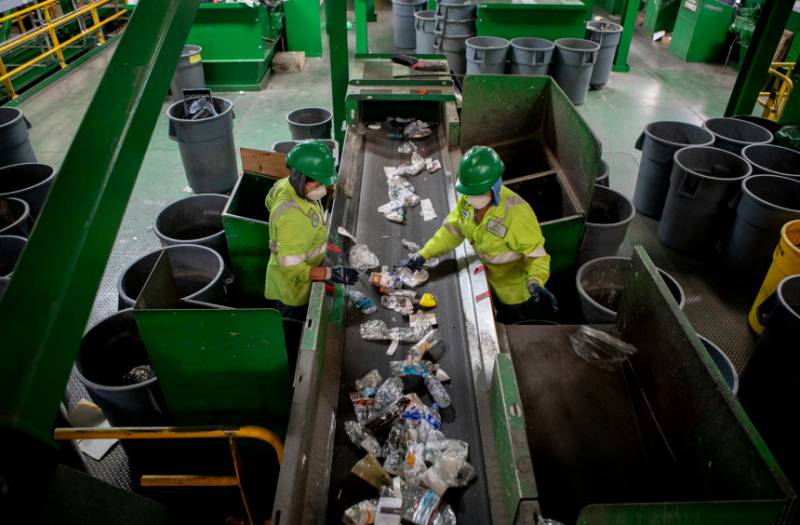
"caption": "Workers sort through plastic items on a conveyor belt at greenwaste recycling facility in San Jose last July. ",
"description": "Workers sort through plastic items on a conveyor belt at greenwaste recycling facility in San Jose last July. ",
"title": "green loan",
"credit": "Anne Wernikoff/CalMatters",
"status": "inherit",
"isLoading": false,
"fetchFailed": false
}
},
"audioPlayerReducer": {
"postId": "stream_live",
"isPaused": true,
"isPlaying": false,
"pfsActive": false,
"pledgeModalIsOpen": true,
"playerDrawerIsOpen": false,
"liveAudioPlayStartedAt": 0,
"liveAudioPlayContext": ""
},
"authorsReducer": {
"byline_science_1955846": {
"type": "authors",
"id": "byline_science_1955846",
"meta": {
"override": true
},
"slug": "byline_science_1955846",
"name": "Adam Beam\u003cbr />Associated Press",
"isLoading": false
},
"byline_news_11795888": {
"type": "authors",
"id": "byline_news_11795888",
"meta": {
"override": true
},
"slug": "byline_news_11795888",
"name": "\u003cb>Matt Levin and Jackie Botts\u003cbr>CalMatters\u003c/b>",
"isLoading": false
},
"byline_science_1955578": {
"type": "authors",
"id": "byline_science_1955578",
"meta": {
"override": true
},
"slug": "byline_science_1955578",
"name": "\u003cstrong>Judy Lin, Rachel Becker\u003cbr>CalMatters\u003c/strong>",
"isLoading": false
},
"gmarzorati": {
"type": "authors",
"id": "227",
"meta": {
"index": "authors_1716337520",
"id": "227",
"found": true
},
"name": "Guy Marzorati",
"firstName": "Guy",
"lastName": "Marzorati",
"slug": "gmarzorati",
"email": "gmarzorati@KQED.org",
"display_author_email": true,
"staff_mastheads": [
"news"
],
"title": "Correspondent",
"bio": "Guy Marzorati is a correspondent on KQED's California Politics and Government Desk, based in San Jose. A graduate of Santa Clara University, Guy joined KQED in 2013. He reports on state and local politics and produces KQED's digital voter guide.",
"avatar": "https://secure.gravatar.com/avatar/e7038b8dbfd55b104369b76b1cd0b9de?s=600&d=blank&r=g",
"twitter": "guymarzorati",
"facebook": null,
"instagram": null,
"linkedin": null,
"sites": [
{
"site": "",
"roles": [
"editor"
]
},
{
"site": "news",
"roles": [
"editor"
]
},
{
"site": "science",
"roles": [
"editor"
]
},
{
"site": "forum",
"roles": [
"editor"
]
},
{
"site": "elections",
"roles": [
"editor"
]
},
{
"site": "liveblog",
"roles": [
"editor"
]
}
],
"headData": {
"title": "Guy Marzorati | KQED",
"description": "Correspondent",
"ogImgSrc": "https://secure.gravatar.com/avatar/e7038b8dbfd55b104369b76b1cd0b9de?s=600&d=blank&r=g",
"twImgSrc": "https://secure.gravatar.com/avatar/e7038b8dbfd55b104369b76b1cd0b9de?s=600&d=blank&r=g"
},
"isLoading": false,
"link": "/author/gmarzorati"
},
"markfiore": {
"type": "authors",
"id": "3236",
"meta": {
"index": "authors_1716337520",
"id": "3236",
"found": true
},
"name": "Mark Fiore",
"firstName": "Mark",
"lastName": "Fiore",
"slug": "markfiore",
"email": "mark@markfiore.com",
"display_author_email": false,
"staff_mastheads": [
"news"
],
"title": "KQED News Cartoonist",
"bio": "\u003ca href=\"http://www.MarkFiore.com\">MarkFiore.com\u003c/a> | \u003ca href=\"https://twitter.com/markfiore\">Follow on Twitter\u003c/a> | \u003ca href=\"https://www.facebook.com/pages/Mark-Fiore-Animated-Political-Cartoons/94451707396?ref=bookmarks\">Facebook\u003c/a> | \u003ca href=\"mailto:mark@markfiore.com\">email\u003c/a>\r\n\r\nPulitzer Prize-winner, Mark Fiore, who the Wall Street Journal has called “the undisputed guru of the form,” creates animated political cartoons in San Francisco, where his work has been featured regularly on the San Francisco Chronicle’s web site, SFGate.com. His work has appeared on Newsweek.com, Slate.com, CBSNews.com, MotherJones.com, DailyKos.com and NPR’s web site. Fiore’s political animation has appeared on CNN, Frontline, Bill Moyers Journal, Salon.com and cable and broadcast outlets across the globe.\r\n\r\nBeginning his professional life by drawing traditional political cartoons for newspapers, Fiore’s work appeared in publications ranging from the Washington Post to the Los Angeles Times. In the late 1990s, he began to experiment with animating political cartoons and, after a short stint at the San Jose Mercury News as their staff cartoonist, Fiore devoted all his energies to animation.\r\nGrowing up in California, Fiore also spent a good portion of his life in the backwoods of Idaho. It was this combination that shaped him politically. Mark majored in political science at Colorado College, where, in a perfect send-off for a cartoonist, he received his diploma in 1991 as commencement speaker Dick Cheney smiled approvingly.\r\nMark Fiore was awarded the Pulitzer Prize for political cartooning in 2010, a Robert F. Kennedy Journalism Award in 2004 and has twice received an Online Journalism Award for commentary from the Online News Association (2002, 2008). Fiore has received two awards for his work in new media from the National Cartoonists Society (2001, 2002), and in 2006 received The James Madison Freedom of Information Award from The Society of Professional Journalists.",
"avatar": "https://secure.gravatar.com/avatar/fc4e2a612b15b67bad0c6f0e1db4ca9b?s=600&d=blank&r=g",
"twitter": "MarkFiore",
"facebook": null,
"instagram": "https://www.instagram.com/markfiore/?hl=en",
"linkedin": null,
"sites": [
{
"site": "arts",
"roles": [
"contributor"
]
},
{
"site": "news",
"roles": [
"editor"
]
},
{
"site": "futureofyou",
"roles": [
"editor"
]
},
{
"site": "science",
"roles": [
"editor"
]
}
],
"headData": {
"title": "Mark Fiore | KQED",
"description": "KQED News Cartoonist",
"ogImgSrc": "https://secure.gravatar.com/avatar/fc4e2a612b15b67bad0c6f0e1db4ca9b?s=600&d=blank&r=g",
"twImgSrc": "https://secure.gravatar.com/avatar/fc4e2a612b15b67bad0c6f0e1db4ca9b?s=600&d=blank&r=g"
},
"isLoading": false,
"link": "/author/markfiore"
},
"mlagos": {
"type": "authors",
"id": "3239",
"meta": {
"index": "authors_1716337520",
"id": "3239",
"found": true
},
"name": "Marisa Lagos",
"firstName": "Marisa",
"lastName": "Lagos",
"slug": "mlagos",
"email": "mlagos@kqed.org",
"display_author_email": false,
"staff_mastheads": [
"news"
],
"title": "KQED Contributor",
"bio": "Marisa Lagos is a correspondent for KQED’s California Politics and Government Desk and co-hosts the award-winning show and podcast, Political Breakdown. At KQED, Lagos also conducts reporting, analysis and investigations into state, local and national politics for radio, TV, online and onstage. In 2022, she and co-host, Scott Shafer, moderated the only gubernatorial debate in California. In 2020, the \u003ci>Washington Post\u003c/i> named her one of the top political journalists in California; she was nominated for a Peabody and won several other awards for her work investigating the 2017 California wildfires. She has worked at the \u003ci>San Francisco Chronicle\u003c/i>, \u003ci>San Francisco Examiner\u003c/i> and \u003ci>Los Angeles Times\u003c/i>. A UC Santa Barbara graduate, she lives in San Francisco with her two sons and husband.",
"avatar": "https://secure.gravatar.com/avatar/a261a0d3696fc066871ef96b85b5e7d2?s=600&d=blank&r=g",
"twitter": "@mlagos",
"facebook": null,
"instagram": null,
"linkedin": null,
"sites": [
{
"site": "arts",
"roles": [
"author"
]
},
{
"site": "news",
"roles": [
"editor"
]
},
{
"site": "science",
"roles": [
"editor"
]
},
{
"site": "forum",
"roles": [
"author"
]
},
{
"site": "liveblog",
"roles": [
"author"
]
}
],
"headData": {
"title": "Marisa Lagos | KQED",
"description": "KQED Contributor",
"ogImgSrc": "https://secure.gravatar.com/avatar/a261a0d3696fc066871ef96b85b5e7d2?s=600&d=blank&r=g",
"twImgSrc": "https://secure.gravatar.com/avatar/a261a0d3696fc066871ef96b85b5e7d2?s=600&d=blank&r=g"
},
"isLoading": false,
"link": "/author/mlagos"
},
"mfharvin": {
"type": "authors",
"id": "11583",
"meta": {
"index": "authors_1716337520",
"id": "11583",
"found": true
},
"name": "Mary Franklin Harvin",
"firstName": "Mary Franklin",
"lastName": "Harvin",
"slug": "mfharvin",
"email": "mfharvin@KQED.org",
"display_author_email": false,
"staff_mastheads": [
"news"
],
"title": "KQED Contributor",
"bio": null,
"avatar": "https://secure.gravatar.com/avatar/0e53510a7d48cfbdebfc9b11357d845f?s=600&d=blank&r=g",
"twitter": "EmEffHarvin",
"facebook": null,
"instagram": null,
"linkedin": null,
"sites": [
{
"site": "news",
"roles": [
"author",
"edit_others_posts"
]
},
{
"site": "science",
"roles": [
"editor"
]
}
],
"headData": {
"title": "Mary Franklin Harvin | KQED",
"description": "KQED Contributor",
"ogImgSrc": "https://secure.gravatar.com/avatar/0e53510a7d48cfbdebfc9b11357d845f?s=600&d=blank&r=g",
"twImgSrc": "https://secure.gravatar.com/avatar/0e53510a7d48cfbdebfc9b11357d845f?s=600&d=blank&r=g"
},
"isLoading": false,
"link": "/author/mfharvin"
},
"kevinstark": {
"type": "authors",
"id": "11608",
"meta": {
"index": "authors_1716337520",
"id": "11608",
"found": true
},
"name": "Kevin Stark",
"firstName": "Kevin",
"lastName": "Stark",
"slug": "kevinstark",
"email": "kstark@kqed.org",
"display_author_email": true,
"staff_mastheads": [
"science"
],
"title": "Senior Editor",
"bio": "Kevin is a senior editor for KQED Science, managing the station's health and climate desks. His journalism career began in the Pacific Northwest, and he later became a lead reporter for the San Francisco Public Press. His work has appeared in Pacific Standard magazine, the Energy News Network, the Center for Investigative Reporting's Reveal and WBEZ in Chicago. Kevin joined KQED in 2019, and has covered issues related to energy, wildfire, climate change and the environment.",
"avatar": "https://secure.gravatar.com/avatar/365aaa4b597d3a8374f67504ff0facd323d7906e8eb4be0a7efd2427408e802c?s=600&d=blank&r=g",
"twitter": "starkkev",
"bluesky": null,
"facebook": null,
"instagram": null,
"linkedin": null,
"sites": [
{
"site": "",
"roles": [
"editor"
]
},
{
"site": "news",
"roles": [
"editor"
]
},
{
"site": "science",
"roles": [
"administrator"
]
}
],
"headData": {
"title": "Kevin Stark | KQED",
"description": "Senior Editor",
"ogImgSrc": "https://secure.gravatar.com/avatar/365aaa4b597d3a8374f67504ff0facd323d7906e8eb4be0a7efd2427408e802c?s=600&d=blank&r=g",
"twImgSrc": "https://secure.gravatar.com/avatar/365aaa4b597d3a8374f67504ff0facd323d7906e8eb4be0a7efd2427408e802c?s=600&d=blank&r=g"
},
"isLoading": false,
"link": "/author/kevinstark"
},
"ebaldassari": {
"type": "authors",
"id": "11652",
"meta": {
"index": "authors_1716337520",
"id": "11652",
"found": true
},
"name": "Erin Baldassari",
"firstName": "Erin",
"lastName": "Baldassari",
"slug": "ebaldassari",
"email": "ebaldassari@KQED.org",
"display_author_email": true,
"staff_mastheads": [
"news"
],
"title": "Staff Writer",
"bio": "Erin Baldassari covers housing for KQED. She's a former print journalist and most recently worked as the transportation reporter for the \u003cem>Mercury News\u003c/em> and \u003cem>East Bay Times. \u003c/em>There, she focused on how the Bay Area’s housing shortage has changed the way people move around the region. She also served on the \u003cem>East Bay Times\u003c/em>’ 2017 Pulitzer Prize-winning team for coverage of the Ghost Ship Fire in Oakland. Prior to that, Erin worked as a breaking news and general assignment reporter for a variety of outlets in the Bay Area and the greater Boston area. A Tufts University alumna, Erin grew up in the foothills of the Sierra Nevada mountains and in Sonoma County. She is a life-long KQED listener.",
"avatar": "https://secure.gravatar.com/avatar/5e95cad64a8ca08288082212e199d2b0cbeb4fd8e8ef5339395f361032bbe005?s=600&d=blank&r=g",
"twitter": "e_baldi",
"bluesky": null,
"facebook": null,
"instagram": null,
"linkedin": null,
"sites": [
{
"site": "news",
"roles": [
"edit_others_posts",
"editor"
]
},
{
"site": "science",
"roles": [
"editor"
]
},
{
"site": "liveblog",
"roles": [
"editor"
]
}
],
"headData": {
"title": "Erin Baldassari | KQED",
"description": "Staff Writer",
"ogImgSrc": "https://secure.gravatar.com/avatar/5e95cad64a8ca08288082212e199d2b0cbeb4fd8e8ef5339395f361032bbe005?s=600&d=blank&r=g",
"twImgSrc": "https://secure.gravatar.com/avatar/5e95cad64a8ca08288082212e199d2b0cbeb4fd8e8ef5339395f361032bbe005?s=600&d=blank&r=g"
},
"isLoading": false,
"link": "/author/ebaldassari"
}
},
"pagesReducer": {
"news_tag_gavin-newsom": {
"type": "terms",
"id": "news_16",
"meta": {
"index": "terms_1716263798",
"site": "news",
"id": "16",
"score": 8.936871
},
"featImg": null,
"name": "Gavin Newsom",
"description": null,
"taxonomy": "tag",
"headData": {
"twImgId": null,
"twTitle": null,
"ogTitle": null,
"ogImgId": null,
"twDescription": null,
"description": null,
"title": "Gavin Newsom Archives | KQED News",
"ogDescription": null
},
"ttid": 16,
"slug": "gavin-newsom",
"isLoading": false,
"title": "Gavin Newsom",
"pageMeta": {
"site": "news",
"WpPageTemplate": "page-topic-editorial",
"currentPage": 78
},
"blocks": [
{
"blockName": "kqed/post-list",
"attrs": {
"layout": "cardArticle2",
"query": "posts/news?tag=gavin-newsom",
"seeMore": false,
"paginated": true,
"page": 78
}
},
{
"blockName": "kqed/ad"
}
]
}
},
"pfsSessionReducer": {},
"postsReducer": {
"stream_live": {
"type": "live",
"id": "stream_live",
"audioUrl": "https://streams.kqed.org/kqedradio",
"title": "Live Stream",
"excerpt": "Live Stream information currently unavailable.",
"link": "/radio",
"featImg": "",
"label": {
"name": "KQED Live",
"link": "/"
}
},
"stream_kqedNewscast": {
"type": "posts",
"id": "stream_kqedNewscast",
"audioUrl": "https://www.kqed.org/.stream/anon/radio/RDnews/newscast.mp3?_=1",
"title": "KQED Newscast",
"featImg": "",
"label": {
"name": "88.5 FM",
"link": "/"
}
},
"science_1956446": {
"type": "posts",
"id": "science_1956446",
"meta": {
"index": "posts_1716263798",
"site": "science",
"id": "1956446",
"score": null,
"sort": [
1580846272000
]
},
"parent": 0,
"labelTerm": {},
"blocks": [],
"publishDate": 1580846272,
"format": "standard",
"title": "State Park Plan Is Conservationist's Dream. But Reformers Want Focus on Neglected Neighborhoods",
"headTitle": "State Park Plan Is Conservationist’s Dream. But Reformers Want Focus on Neglected Neighborhoods | KQED",
"content": "\u003ch4>California Gov. Gavin Newsom’s budget proposal includes millions to buy land for a new state park, as well as an equal amount to increase park access for “underserved populations.” Together, the funds address both traditional conservation priorities and those of a new generation of reformers.\u003c/h4>\n\u003cp>[dropcap]W[/dropcap]hen Gov. Gavin Newsom outlined his budget proposal last month, he included a tease for conservationists: a $20 million line item, stemming from a one-time budget surplus, to help pay for a new state park, a tantalizing prospect in an era when just one new park has been added to the system over the last 20 years.\u003c/p>\n\u003cp>Newsom hasn’t indicated where the park would be; he said the cost of the land might go up if he shared specific information. But the $20 million figure is exactly what a group of Bay Area lawmakers \u003ca href=\"https://sd07.senate.ca.gov/news/2020-01-08-17-bay-area-caucus-members-urge-governor-legislative-leaders-provide-funding-acquire\" target=\"_blank\" rel=\"noopener noreferrer\">asked\u003c/a> the governor to allocate toward the purchase of a sprawling 50,000-acre \u003ca href=\"https://www.californiaoutdoorproperties.com/listing/n3-cattle-company\" target=\"_blank\" rel=\"noopener noreferrer\">ranch\u003c/a> for sale, spanning Santa Clara, Alameda, San Joaquin and Stanislaus counties.\u003c/p>\n\u003cp>[pullquote align='right' citation='Mike Lynch, California State Park Rangers Association.']‘If this thing goes, then the state is getting back in the park business again. We’ve had a huge, tremendous drought in new parks since the Great Recession.’[/pullquote]The Nature Conservancy and the Trust for Public Lands, two of the largest conservation organizations in the U.S., have secured $30 million to pay for the property in addition to the state’s proposed earmark.\u003c/p>\n\u003cp>The undeveloped land, owned by the N3 Cattle Company of Livermore, is a backpacker’s dream, but given that those 80 square miles abut \u003ca href=\"https://www.parks.ca.gov/?page_id=537\" target=\"_blank\" rel=\"noopener noreferrer\">Lake Del Valle State Recreation Area\u003c/a>, a park with meandering hiking trails and bucolic swimming holes, the location will do little to expand access for the “park poor,” those without a convenient and quick way to get to a major public green area, which is a priority for reformers in the conservation movement.\u003c/p>\n\u003cp>[pullquote align='right' citation='Ramya Sivasubramanian, NRDC']‘We need some of those closer-to-home opportunities … Otherwise we’re not redressing the inequities that exist in the current distribution of our system.’[/pullquote]However, Newsom’s proposal also includes a separate $20 million for a grant program \u003ca href=\"https://leginfo.legislature.ca.gov/faces/billTextClient.xhtml?bill_id=201920200AB209\" target=\"_blank\" rel=\"noopener noreferrer\">established\u003c/a> last year to “improve park access for underserved populations.” That would include investing in transportation and other programs to allow for more diverse groups of people to “participate in outdoor environmental educational experiences at state parks.”\u003c/p>\n\u003cp>The governor’s plan also includes $11.8 million to expand technological and physical access, as well as “culturally inclusive” programs and exhibits, at existing parks.\u003c/p>\n\u003cp>With these different line items, the governor is gingerly balancing the interests of two groups of environmentalists who hold competing visions for the state’s park system and are separated by geography, age and race.\u003c/p>\n\u003cp>On the one hand, the state’s older and whiter backpack-toting conservation groups value parks, in part, for their natural beauty, and they dearly want California to expand wilderness protections.\u003c/p>\n\u003cp>They say the Livermore ranch is an incredible opportunity that the state should seize.\u003c/p>\n\u003cp>But there’s a new generation of conservation advocates who value the public health benefits of easily accessible nature over big-ticket parks like the acquisition of the ranch would represent. These younger and more racially diverse proponents assess the desirability of areas targeted for public access in part by their impact on community life. They favor cleaning up polluted areas and restoring smaller neighborhood parks and other local open spaces, and they generally do not advocate for the headline-grabbing establishment of large public parcels of land.\u003c/p>\n\u003cp>Many of these reform-minded advocates are Los Angeles-based veterans of a successful $4 billion ballot \u003ca href=\"https://ballotpedia.org/California_Proposition_68,_Parks,_Environment,_and_Water_Bond_(June_2018)\" target=\"_blank\" rel=\"noopener noreferrer\">proposition\u003c/a> in 2018 to improve smaller parks and green spaces, among other environmental projects, in mostly urban and suburban areas, with a portion of the funds earmarked for lower-income communities.\u003c/p>\n\u003cp>That measure, Proposition 68, appeared on the ballot two years after a Los Angeles County “parks and recreation needs” \u003ca href=\"https://lacountyparkneeds.org/wp-content/uploads/2016/06/ParksNeedsAssessmentSummary_English.pdf\" target=\"_blank\" rel=\"noopener noreferrer\">assessment\u003c/a> found that 51% of residents lived more than a half-mile away from a local or regional park, too far to make an impact, according to some research. More than 80% of these residents were located in neighborhoods of color, and advocates \u003ca href=\"https://www.advancementprojectca.org/blog/la-county-park-equity-groups-fight-to-turn-park-poor-communities-red-to-green\" target=\"_blank\" rel=\"noopener noreferrer\">argue\u003c/a> the disparity resulted from decades of unequal land-use decisions that led to public neglect and disinvestment in nonwhite neighborhoods.\u003c/p>\n\u003cp>[ad fullwidth]\u003c/p>\n\u003cp>\u003cstrong>Competing Visions\u003c/strong>\u003c/p>\n\u003cp>California last created a state park in Monterey County in 2009, when the state transformed a 4-mile sandy curve of the coastline donated by the U.S. Army into \u003ca href=\"https://www.parks.ca.gov/?page_id=580\" target=\"_blank\" rel=\"noopener noreferrer\">Fort Ord Dunes State Park\u003c/a>.\u003c/p>\n\u003cp>The 10 years leading up to the park’s opening marked the longest time without an addition to the state system since California created its parks department in 1927, according to \u003ca href=\"https://www.mercurynews.com/2019/05/12/state-parks-standstill-why-california-hasnt-opened-a-new-state-park-in-10-years/\" target=\"_blank\" rel=\"noopener noreferrer\">data\u003c/a> reviewed by the Mercury News. The current drought of new parkland has surpassed that period.\u003c/p>\n\u003cp>So Newsom’s proposal is enough to stir the dormant passion of Mike Lynch, president of the California State Park Rangers Association.\u003c/p>\n\u003cp>“If this thing goes, then the state is getting back in the park business again,” said Lynch. “We’ve had a huge, tremendous drought in new parks since the Great Recession.”\u003c/p>\n\u003cp>Lynch doesn’t disagree with efforts to increase access for park-poor communities. But even though the ranch doesn’t fit that bill, he sees it as an opportunity that the state needs to jump on.\u003c/p>\n\u003cp>“Opportunities are of the moment, right?” he said. “You can either take it or leave it. But it’s up for sale now.”\u003c/p>\n\u003cp>Sen. Bob Wieckowski, D-Fremont, called the available land a “once-in-a-generation” opportunity, providing accessible backcountry wilderness and protecting a watershed.\u003c/p>\n\u003cp>Newsom’s budget \u003ca href=\"http://www.ebudget.ca.gov/2020-21/pdf/BudgetSummary/FullBudgetSummary.pdf\" target=\"_blank\" rel=\"noopener noreferrer\">summary\u003c/a> acknowledges the gap in park access by framing the proposed millions of dollars of investment in the Department of Parks and Recreation as a “Parks for All” initiative. “Many Californians lack access to parks, open spaces, and natural and cultural amenities,” the section begins.\u003c/p>\n\u003cp>The initiative has been \u003ca href=\"https://twitter.com/JenSiebelNewsom/status/1215804374921838592?s=20\" target=\"_blank\" rel=\"noopener noreferrer\">championed\u003c/a> by Jennifer Siebel Newsom, California’s \u003ca href=\"https://www.gov.ca.gov/first-partner/\" target=\"_blank\" rel=\"noopener noreferrer\">first partner\u003c/a> and the governor’s wife.\u003c/p>\n\u003cp>But José González, founder of \u003ca href=\"https://latinooutdoors.org/about-us/\" target=\"_blank\" rel=\"noopener noreferrer\">Latino Outdoors\u003c/a>, a group that advocates for diversifying parks, argues that California should prioritize creating parks around low-income communities of color whom the state has neglected in the past. He says public funding should “ensure that the parks do not perpetuate historical inequities.”\u003c/p>\n\u003cp>González says he values the “conservation opportunity” of the ranch and appreciates that the proposed budget includes equitable funding for park access. But he says the state should bring “diverse communities into the decision-making process.”\u003c/p>\n\u003cp>“The fact is that those who have held the land will continue to benefit through these deals,” he said. “These are not black and brown families that are getting millions of dollars” in state money, he said.\u003c/p>\n\u003cp>\u003cstrong>Urban Initiatives\u003c/strong>\u003c/p>\n\u003cp>Ramya Sivasubramanian, deputy director of the \u003ca href=\"https://www.nrdc.org/about/healthy-people-thriving-communities\" target=\"_blank\" rel=\"noopener noreferrer\">Environmental Justice, Healthy People & Thriving Communities Program\u003c/a> for the Natural Resources Defense Council, says that initiatives like the ones included in the governor’s budget to increase park access do provide good opportunities to “connect people in park poor communities to state parks.” But she said these alone are “insufficient.”\u003c/p>\n\u003cp>“We need some of those closer-to-home opportunities as well. Otherwise we’re not redressing the inequities that exist in the current distribution of our system\u003cem>.\u003c/em>”\u003c/p>\n\u003cp>Sivasubramanian pointed to several locations around Los Angeles that advocates would like California to purchase and run as a state park. The proposed areas include neglected 28-acre \u003ca href=\"https://www.cityprojectca.org/blog/archives/722\" target=\"_blank\" rel=\"noopener noreferrer\">Griffith Park \u003c/a>along the Los Angeles River, a concrete-slab that’s partially cordoned off with a chain-link fence and is covered in construction debris.\u003c/p>\n\u003cp>In Redondo Beach, a city of 68,000 in the L.A. area, Mayor Bill Brand’s two\u003ca href=\"https://www.latimes.com/environment/story/2019-12-12/california-clean-energy-gas-plants\">–\u003c/a>decade \u003ca href=\"https://www.latimes.com/environment/story/2019-12-12/california-clean-energy-gas-plants\" target=\"_blank\" rel=\"noopener noreferrer\">crusade\u003c/a> to transform a waterfront power plant into a public park has hit a snag. The plant, surrounded by one of the most densely populated neighborhoods along the entire coast, was set to close at the end of this year. But in November the California Public Utilities Commission \u003ca href=\"https://www.sandiegouniontribune.com/business/energy-green/story/2019-11-07/concerned-about-future-power-shortages-utilities-commission-bumps-up-resource-requirements\" target=\"_blank\" rel=\"noopener noreferrer\">voted\u003c/a> to keep the plant running through 2022 amid concerns over the reliability of the state’s power supply.\u003c/p>\n\u003cp>Sivasubramanian says advocates want the state to intervene in order to get the park built.\u003c/p>\n\u003cp>“There’s an even broader opportunity, too, which is not just looking at these places in a vacuum, but at where we can leverage park funds, affordable housing funds and other funds to meet multiple needs in a community,” she said.\u003c/p>\n\u003cp>\u003cstrong>Accessibility to Quality Parks\u003c/strong>\u003c/p>\n\u003cp>Advocates like Sivasubramanian argue that California should evaluate park projects in terms of public health.\u003c/p>\n\u003cp>Researchers have found strong evidence for quality-of-life benefits from spending time in nature. This is especially true for children, who score better on tests, exhibit improved emotional well-being and self-discipline, and are more attentive and physically active when they live within a half-mile of a park and spend a couple of hours a week there, one \u003ca href=\"https://www.niehs.nih.gov/research/supported/translational/peph/webinars/green_spaces/urban_green_space_disparities_and_health_508.pdf\" target=\"_blank\" rel=\"noopener noreferrer\">study\u003c/a> out of the University of Southern California found.\u003c/p>\n\u003cp>Other research in recent years has \u003ca href=\"https://www.sciencedirect.com/science/article/pii/S0169204616300846\" target=\"_blank\" rel=\"noopener noreferrer\">illuminated\u003c/a> a disparity in the quality of parks in different neighborhoods.\u003c/p>\n\u003cp>While low-income people of color may have access to nearby parks, those green spaces tend to be smaller, dirtier, more crowded and in worse condition. They are also subject to more criminal activity than parks in affluent white neighborhoods.\u003c/p>\n\u003cp>One \u003ca href=\"https://www.sciencedirect.com/science/article/pii/S0169204618304316\" target=\"_blank\" rel=\"noopener noreferrer\">study\u003c/a> that looked at urban parks across the U.S. found that “inequities also emerged for park coverage, park spending per person, and park facilities, with majority-Latino cities being particularly disadvantaged.”\u003c/p>\n\u003cp>As the Wilderness Society’s Urban to Wild director, Yvette Lopez-Ledesma says her job is partly to build a bridge between “nontraditional conservationists” concerned with these type of inequities and “traditional conservation groups.”\u003c/p>\n\u003cp>“The experience of the nontraditional conservationists hasn’t been valued,” she said. “But people are starting to listen. We are getting closer to — not a middle ground yet — but an awareness that we have to do something. We can’t just be the same conservation movement.”\u003c/p>\n\u003cp>\u003cstrong>The Ranch Land\u003c/strong>\u003c/p>\n\u003cp>Though the N3 ranch isn’t in the center of an urban area, it is within driving distance from most major cities in the Bay Area, which a slickly produced video presentation of the property highlights.\u003c/p>\n\u003cp>https://www.youtube.com/watch?v=l_Y1RHS0jN0\u003c/p>\n\u003cp>California Outdoor Properties \u003ca href=\"https://www.californiaoutdoorproperties.com/listing/n3-cattle-company\" target=\"_blank\" rel=\"noopener noreferrer\">lists\u003c/a> the property for sale at a cost of $72 million.\u003c/p>\n\u003cp>Broker Todd Renfrew said he’s been inundated with calls from reporters asking about the ranch, a property larger than the city of San Francisco.\u003c/p>\n\u003cp>“A piece of land for sale that’s more than 50,000 acres so close to the Bay Area is unheard of,” said Renfrew. “It is really unique.”\u003c/p>\n\u003cp>The largely untouched land is habitat for tule elk, deer, quail and other animals, as well as, evergreen and native oak trees, bay laurel, California buckeye, and gray and coulter pine, according to the listing.\u003c/p>\n\u003cp>The property also includes 200 miles of private roads that could be used for hiking and mountain biking, and 14 hunting camps with cabins that could be transformed into backpacking huts.\u003c/p>\n\u003cp>“Having partners like the Trust for Public Lands is the kind of thing that makes projects like this work,” Lynch said. “Most new parks must have this kind of collaborative approach.”\u003c/p>\n\u003cp>Latino Outdoor’s González said the ranch is “an opportunity to protect and preserve as much of the ecological diversity of the landscape… and that’s fantastic.”\u003c/p>\n\u003cp>“We have an opportunity for a transition period,” he said. “As we continue to do traditional — quote unquote — land acquisition deals. It can’t be the same process of 50 years ago. What’s different now is what does this mean in the lens of equity.”\u003c/p>\n\u003cp>[ad floatright]\u003c/p>\n",
"stats": {
"hasVideo": true,
"hasChartOrMap": false,
"hasAudio": false,
"hasPolis": false,
"wordCount": 2092,
"hasGoogleForm": false,
"hasGallery": false,
"hasHearkenModule": false,
"iframeSrcs": [],
"paragraphCount": 52
},
"modified": 1704847830,
"excerpt": "A new generation of conservation advocates values the health and community benefits of nature that is near 'park-poor' neighborhoods over traditional big-ticket park expansion. ",
"headData": {
"twImgId": "",
"twTitle": "",
"ogTitle": "",
"ogImgId": "",
"twDescription": "",
"description": "A new generation of conservation advocates values the health and community benefits of nature that is near 'park-poor' neighborhoods over traditional big-ticket park expansion. ",
"title": "State Park Plan Is Conservationist's Dream. But Reformers Want Focus on Neglected Neighborhoods | KQED",
"ogDescription": "",
"schema": {
"@context": "https://schema.org",
"@type": "Article",
"headline": "State Park Plan Is Conservationist's Dream. But Reformers Want Focus on Neglected Neighborhoods",
"datePublished": "2020-02-04T11:57:52-08:00",
"dateModified": "2024-01-09T16:50:30-08:00",
"image": "https://cdn.kqed.org/wp-content/uploads/2020/02/KQED-OG-Image@1x.png"
}
},
"guestAuthors": [],
"slug": "state-park-plan-is-conservationists-dream-but-reformers-want-focus-on-park-poor-neighborhoods",
"status": "publish",
"sticky": false,
"source": "Parks",
"path": "/science/1956446/state-park-plan-is-conservationists-dream-but-reformers-want-focus-on-park-poor-neighborhoods",
"audioTrackLength": null,
"parsedContent": [
{
"type": "contentString",
"content": "\u003cdiv class=\"post-body\">\u003cp>\u003ch4>California Gov. Gavin Newsom’s budget proposal includes millions to buy land for a new state park, as well as an equal amount to increase park access for “underserved populations.” Together, the funds address both traditional conservation priorities and those of a new generation of reformers.\u003c/h4>\n\u003cp>\u003c/p>\u003cp>\u003cspan class=\"utils-parseShortcode-shortcodes-__dropcapShortcode__dropcap\">W\u003c/span>\u003c/p>\u003cp>hen Gov. Gavin Newsom outlined his budget proposal last month, he included a tease for conservationists: a $20 million line item, stemming from a one-time budget surplus, to help pay for a new state park, a tantalizing prospect in an era when just one new park has been added to the system over the last 20 years.\u003c/p>\n\u003cp>Newsom hasn’t indicated where the park would be; he said the cost of the land might go up if he shared specific information. But the $20 million figure is exactly what a group of Bay Area lawmakers \u003ca href=\"https://sd07.senate.ca.gov/news/2020-01-08-17-bay-area-caucus-members-urge-governor-legislative-leaders-provide-funding-acquire\" target=\"_blank\" rel=\"noopener noreferrer\">asked\u003c/a> the governor to allocate toward the purchase of a sprawling 50,000-acre \u003ca href=\"https://www.californiaoutdoorproperties.com/listing/n3-cattle-company\" target=\"_blank\" rel=\"noopener noreferrer\">ranch\u003c/a> for sale, spanning Santa Clara, Alameda, San Joaquin and Stanislaus counties.\u003c/p>\n\u003cp>\u003c/p>\u003c/div>",
"attributes": {
"named": {},
"numeric": []
}
},
{
"type": "component",
"content": "‘If this thing goes, then the state is getting back in the park business again. We’ve had a huge, tremendous drought in new parks since the Great Recession.’",
"name": "pullquote",
"attributes": {
"named": {
"align": "right",
"citation": "Mike Lynch, California State Park Rangers Association.",
"label": ""
},
"numeric": []
}
},
{
"type": "contentString",
"content": "\u003cdiv class=\"post-body\">\u003cp>The Nature Conservancy and the Trust for Public Lands, two of the largest conservation organizations in the U.S., have secured $30 million to pay for the property in addition to the state’s proposed earmark.\u003c/p>\n\u003cp>The undeveloped land, owned by the N3 Cattle Company of Livermore, is a backpacker’s dream, but given that those 80 square miles abut \u003ca href=\"https://www.parks.ca.gov/?page_id=537\" target=\"_blank\" rel=\"noopener noreferrer\">Lake Del Valle State Recreation Area\u003c/a>, a park with meandering hiking trails and bucolic swimming holes, the location will do little to expand access for the “park poor,” those without a convenient and quick way to get to a major public green area, which is a priority for reformers in the conservation movement.\u003c/p>\n\u003cp>\u003c/p>\u003c/div>",
"attributes": {
"named": {},
"numeric": []
}
},
{
"type": "component",
"content": "‘We need some of those closer-to-home opportunities … Otherwise we’re not redressing the inequities that exist in the current distribution of our system.’",
"name": "pullquote",
"attributes": {
"named": {
"align": "right",
"citation": "Ramya Sivasubramanian, NRDC",
"label": ""
},
"numeric": []
}
},
{
"type": "contentString",
"content": "\u003cdiv class=\"post-body\">\u003cp>However, Newsom’s proposal also includes a separate $20 million for a grant program \u003ca href=\"https://leginfo.legislature.ca.gov/faces/billTextClient.xhtml?bill_id=201920200AB209\" target=\"_blank\" rel=\"noopener noreferrer\">established\u003c/a> last year to “improve park access for underserved populations.” That would include investing in transportation and other programs to allow for more diverse groups of people to “participate in outdoor environmental educational experiences at state parks.”\u003c/p>\n\u003cp>The governor’s plan also includes $11.8 million to expand technological and physical access, as well as “culturally inclusive” programs and exhibits, at existing parks.\u003c/p>\n\u003cp>With these different line items, the governor is gingerly balancing the interests of two groups of environmentalists who hold competing visions for the state’s park system and are separated by geography, age and race.\u003c/p>\n\u003cp>On the one hand, the state’s older and whiter backpack-toting conservation groups value parks, in part, for their natural beauty, and they dearly want California to expand wilderness protections.\u003c/p>\n\u003cp>They say the Livermore ranch is an incredible opportunity that the state should seize.\u003c/p>\n\u003cp>But there’s a new generation of conservation advocates who value the public health benefits of easily accessible nature over big-ticket parks like the acquisition of the ranch would represent. These younger and more racially diverse proponents assess the desirability of areas targeted for public access in part by their impact on community life. They favor cleaning up polluted areas and restoring smaller neighborhood parks and other local open spaces, and they generally do not advocate for the headline-grabbing establishment of large public parcels of land.\u003c/p>\n\u003cp>Many of these reform-minded advocates are Los Angeles-based veterans of a successful $4 billion ballot \u003ca href=\"https://ballotpedia.org/California_Proposition_68,_Parks,_Environment,_and_Water_Bond_(June_2018)\" target=\"_blank\" rel=\"noopener noreferrer\">proposition\u003c/a> in 2018 to improve smaller parks and green spaces, among other environmental projects, in mostly urban and suburban areas, with a portion of the funds earmarked for lower-income communities.\u003c/p>\n\u003cp>That measure, Proposition 68, appeared on the ballot two years after a Los Angeles County “parks and recreation needs” \u003ca href=\"https://lacountyparkneeds.org/wp-content/uploads/2016/06/ParksNeedsAssessmentSummary_English.pdf\" target=\"_blank\" rel=\"noopener noreferrer\">assessment\u003c/a> found that 51% of residents lived more than a half-mile away from a local or regional park, too far to make an impact, according to some research. More than 80% of these residents were located in neighborhoods of color, and advocates \u003ca href=\"https://www.advancementprojectca.org/blog/la-county-park-equity-groups-fight-to-turn-park-poor-communities-red-to-green\" target=\"_blank\" rel=\"noopener noreferrer\">argue\u003c/a> the disparity resulted from decades of unequal land-use decisions that led to public neglect and disinvestment in nonwhite neighborhoods.\u003c/p>\n\u003cp>\u003c/p>\u003c/div>",
"attributes": {
"named": {},
"numeric": []
}
},
{
"type": "component",
"content": "",
"name": "ad",
"attributes": {
"named": {
"label": "fullwidth"
},
"numeric": [
"fullwidth"
]
}
},
{
"type": "contentString",
"content": "\u003cdiv class=\"post-body\">\u003cp>\u003c/p>\n\u003cp>\u003cstrong>Competing Visions\u003c/strong>\u003c/p>\n\u003cp>California last created a state park in Monterey County in 2009, when the state transformed a 4-mile sandy curve of the coastline donated by the U.S. Army into \u003ca href=\"https://www.parks.ca.gov/?page_id=580\" target=\"_blank\" rel=\"noopener noreferrer\">Fort Ord Dunes State Park\u003c/a>.\u003c/p>\n\u003cp>The 10 years leading up to the park’s opening marked the longest time without an addition to the state system since California created its parks department in 1927, according to \u003ca href=\"https://www.mercurynews.com/2019/05/12/state-parks-standstill-why-california-hasnt-opened-a-new-state-park-in-10-years/\" target=\"_blank\" rel=\"noopener noreferrer\">data\u003c/a> reviewed by the Mercury News. The current drought of new parkland has surpassed that period.\u003c/p>\n\u003cp>So Newsom’s proposal is enough to stir the dormant passion of Mike Lynch, president of the California State Park Rangers Association.\u003c/p>\n\u003cp>“If this thing goes, then the state is getting back in the park business again,” said Lynch. “We’ve had a huge, tremendous drought in new parks since the Great Recession.”\u003c/p>\n\u003cp>Lynch doesn’t disagree with efforts to increase access for park-poor communities. But even though the ranch doesn’t fit that bill, he sees it as an opportunity that the state needs to jump on.\u003c/p>\n\u003cp>“Opportunities are of the moment, right?” he said. “You can either take it or leave it. But it’s up for sale now.”\u003c/p>\n\u003cp>Sen. Bob Wieckowski, D-Fremont, called the available land a “once-in-a-generation” opportunity, providing accessible backcountry wilderness and protecting a watershed.\u003c/p>\n\u003cp>Newsom’s budget \u003ca href=\"http://www.ebudget.ca.gov/2020-21/pdf/BudgetSummary/FullBudgetSummary.pdf\" target=\"_blank\" rel=\"noopener noreferrer\">summary\u003c/a> acknowledges the gap in park access by framing the proposed millions of dollars of investment in the Department of Parks and Recreation as a “Parks for All” initiative. “Many Californians lack access to parks, open spaces, and natural and cultural amenities,” the section begins.\u003c/p>\n\u003cp>The initiative has been \u003ca href=\"https://twitter.com/JenSiebelNewsom/status/1215804374921838592?s=20\" target=\"_blank\" rel=\"noopener noreferrer\">championed\u003c/a> by Jennifer Siebel Newsom, California’s \u003ca href=\"https://www.gov.ca.gov/first-partner/\" target=\"_blank\" rel=\"noopener noreferrer\">first partner\u003c/a> and the governor’s wife.\u003c/p>\n\u003cp>But José González, founder of \u003ca href=\"https://latinooutdoors.org/about-us/\" target=\"_blank\" rel=\"noopener noreferrer\">Latino Outdoors\u003c/a>, a group that advocates for diversifying parks, argues that California should prioritize creating parks around low-income communities of color whom the state has neglected in the past. He says public funding should “ensure that the parks do not perpetuate historical inequities.”\u003c/p>\n\u003cp>González says he values the “conservation opportunity” of the ranch and appreciates that the proposed budget includes equitable funding for park access. But he says the state should bring “diverse communities into the decision-making process.”\u003c/p>\n\u003cp>“The fact is that those who have held the land will continue to benefit through these deals,” he said. “These are not black and brown families that are getting millions of dollars” in state money, he said.\u003c/p>\n\u003cp>\u003cstrong>Urban Initiatives\u003c/strong>\u003c/p>\n\u003cp>Ramya Sivasubramanian, deputy director of the \u003ca href=\"https://www.nrdc.org/about/healthy-people-thriving-communities\" target=\"_blank\" rel=\"noopener noreferrer\">Environmental Justice, Healthy People & Thriving Communities Program\u003c/a> for the Natural Resources Defense Council, says that initiatives like the ones included in the governor’s budget to increase park access do provide good opportunities to “connect people in park poor communities to state parks.” But she said these alone are “insufficient.”\u003c/p>\n\u003cp>“We need some of those closer-to-home opportunities as well. Otherwise we’re not redressing the inequities that exist in the current distribution of our system\u003cem>.\u003c/em>”\u003c/p>\n\u003cp>Sivasubramanian pointed to several locations around Los Angeles that advocates would like California to purchase and run as a state park. The proposed areas include neglected 28-acre \u003ca href=\"https://www.cityprojectca.org/blog/archives/722\" target=\"_blank\" rel=\"noopener noreferrer\">Griffith Park \u003c/a>along the Los Angeles River, a concrete-slab that’s partially cordoned off with a chain-link fence and is covered in construction debris.\u003c/p>\n\u003cp>In Redondo Beach, a city of 68,000 in the L.A. area, Mayor Bill Brand’s two\u003ca href=\"https://www.latimes.com/environment/story/2019-12-12/california-clean-energy-gas-plants\">–\u003c/a>decade \u003ca href=\"https://www.latimes.com/environment/story/2019-12-12/california-clean-energy-gas-plants\" target=\"_blank\" rel=\"noopener noreferrer\">crusade\u003c/a> to transform a waterfront power plant into a public park has hit a snag. The plant, surrounded by one of the most densely populated neighborhoods along the entire coast, was set to close at the end of this year. But in November the California Public Utilities Commission \u003ca href=\"https://www.sandiegouniontribune.com/business/energy-green/story/2019-11-07/concerned-about-future-power-shortages-utilities-commission-bumps-up-resource-requirements\" target=\"_blank\" rel=\"noopener noreferrer\">voted\u003c/a> to keep the plant running through 2022 amid concerns over the reliability of the state’s power supply.\u003c/p>\n\u003cp>Sivasubramanian says advocates want the state to intervene in order to get the park built.\u003c/p>\n\u003cp>“There’s an even broader opportunity, too, which is not just looking at these places in a vacuum, but at where we can leverage park funds, affordable housing funds and other funds to meet multiple needs in a community,” she said.\u003c/p>\n\u003cp>\u003cstrong>Accessibility to Quality Parks\u003c/strong>\u003c/p>\n\u003cp>Advocates like Sivasubramanian argue that California should evaluate park projects in terms of public health.\u003c/p>\n\u003cp>Researchers have found strong evidence for quality-of-life benefits from spending time in nature. This is especially true for children, who score better on tests, exhibit improved emotional well-being and self-discipline, and are more attentive and physically active when they live within a half-mile of a park and spend a couple of hours a week there, one \u003ca href=\"https://www.niehs.nih.gov/research/supported/translational/peph/webinars/green_spaces/urban_green_space_disparities_and_health_508.pdf\" target=\"_blank\" rel=\"noopener noreferrer\">study\u003c/a> out of the University of Southern California found.\u003c/p>\n\u003cp>Other research in recent years has \u003ca href=\"https://www.sciencedirect.com/science/article/pii/S0169204616300846\" target=\"_blank\" rel=\"noopener noreferrer\">illuminated\u003c/a> a disparity in the quality of parks in different neighborhoods.\u003c/p>\n\u003cp>While low-income people of color may have access to nearby parks, those green spaces tend to be smaller, dirtier, more crowded and in worse condition. They are also subject to more criminal activity than parks in affluent white neighborhoods.\u003c/p>\n\u003cp>One \u003ca href=\"https://www.sciencedirect.com/science/article/pii/S0169204618304316\" target=\"_blank\" rel=\"noopener noreferrer\">study\u003c/a> that looked at urban parks across the U.S. found that “inequities also emerged for park coverage, park spending per person, and park facilities, with majority-Latino cities being particularly disadvantaged.”\u003c/p>\n\u003cp>As the Wilderness Society’s Urban to Wild director, Yvette Lopez-Ledesma says her job is partly to build a bridge between “nontraditional conservationists” concerned with these type of inequities and “traditional conservation groups.”\u003c/p>\n\u003cp>“The experience of the nontraditional conservationists hasn’t been valued,” she said. “But people are starting to listen. We are getting closer to — not a middle ground yet — but an awareness that we have to do something. We can’t just be the same conservation movement.”\u003c/p>\n\u003cp>\u003cstrong>The Ranch Land\u003c/strong>\u003c/p>\n\u003cp>Though the N3 ranch isn’t in the center of an urban area, it is within driving distance from most major cities in the Bay Area, which a slickly produced video presentation of the property highlights.\u003c/p>\u003c/p>\u003cp>\u003cspan class='utils-parseShortcode-shortcodes-__youtubeShortcode__embedYoutube'>\n \u003cspan class='utils-parseShortcode-shortcodes-__youtubeShortcode__embedYoutubeInside'>\n \u003ciframe\n loading='lazy'\n class='utils-parseShortcode-shortcodes-__youtubeShortcode__youtubePlayer'\n type='text/html'\n src='//www.youtube.com/embed/l_Y1RHS0jN0'\n title='//www.youtube.com/embed/l_Y1RHS0jN0'\n allowfullscreen='true'\n style='border:0;'>\u003c/iframe>\n \u003c/span>\n \u003c/span>\u003c/p>\u003cp>\u003cp>California Outdoor Properties \u003ca href=\"https://www.californiaoutdoorproperties.com/listing/n3-cattle-company\" target=\"_blank\" rel=\"noopener noreferrer\">lists\u003c/a> the property for sale at a cost of $72 million.\u003c/p>\n\u003cp>Broker Todd Renfrew said he’s been inundated with calls from reporters asking about the ranch, a property larger than the city of San Francisco.\u003c/p>\n\u003cp>“A piece of land for sale that’s more than 50,000 acres so close to the Bay Area is unheard of,” said Renfrew. “It is really unique.”\u003c/p>\n\u003cp>The largely untouched land is habitat for tule elk, deer, quail and other animals, as well as, evergreen and native oak trees, bay laurel, California buckeye, and gray and coulter pine, according to the listing.\u003c/p>\n\u003cp>The property also includes 200 miles of private roads that could be used for hiking and mountain biking, and 14 hunting camps with cabins that could be transformed into backpacking huts.\u003c/p>\n\u003cp>“Having partners like the Trust for Public Lands is the kind of thing that makes projects like this work,” Lynch said. “Most new parks must have this kind of collaborative approach.”\u003c/p>\n\u003cp>Latino Outdoor’s González said the ranch is “an opportunity to protect and preserve as much of the ecological diversity of the landscape… and that’s fantastic.”\u003c/p>\n\u003cp>“We have an opportunity for a transition period,” he said. “As we continue to do traditional — quote unquote — land acquisition deals. It can’t be the same process of 50 years ago. What’s different now is what does this mean in the lens of equity.”\u003c/p>\n\u003cp>\u003c/p>\u003c/div>",
"attributes": {
"named": {},
"numeric": []
}
},
{
"type": "component",
"content": "",
"name": "ad",
"attributes": {
"named": {
"label": "floatright"
},
"numeric": [
"floatright"
]
}
},
{
"type": "contentString",
"content": "\u003cdiv class=\"post-body\">\u003cp>\u003c/p>\n\u003c/div>\u003c/p>",
"attributes": {
"named": {},
"numeric": []
}
}
],
"link": "/science/1956446/state-park-plan-is-conservationists-dream-but-reformers-want-focus-on-park-poor-neighborhoods",
"authors": [
"11608"
],
"categories": [
"science_35",
"science_39",
"science_40"
],
"tags": [
"science_3370",
"science_4008",
"science_448"
],
"featImg": "science_1956452",
"label": "source_science_1956446"
},
"news_11797351": {
"type": "posts",
"id": "news_11797351",
"meta": {
"index": "posts_1716263798",
"site": "news",
"id": "11797351",
"score": null,
"sort": [
1579742643000
]
},
"parent": 0,
"labelTerm": {
"site": "news",
"term": 72
},
"blocks": [],
"publishDate": 1579742643,
"format": "standard",
"disqusTitle": "Newsom Rips PG&E Plan to Exit Bankruptcy",
"title": "Newsom Rips PG&E Plan to Exit Bankruptcy",
"headTitle": "The California Report | KQED News",
"content": "\u003cp>Gov. Gavin Newsom is once again warning PG&E that its current plan for exiting bankruptcy isn’t good enough to get the state’s approval — a sign-off the utility needs in order to access a new $21 billion state insurance fund aimed at keeping it out of bankruptcy going forward.\u003c/p>\n\u003cp>In a court filing Wednesday, Newsom's lawyers wrote that PG&E hasn’t changed its plan since the governor first raised concerns about it in December.\u003c/p>\n\u003cp>“I certainly will not be supporting their current proposal,” Newsom said at an event Wednesday in San Francisco. “They've got to step up their governance. They've got to step up their safety investment.”\u003c/p>\n\u003cp>PG&E, the state's largest utility, \u003ca href=\"https://www.kqed.org/news/11721763/pge-just-filed-for-bankruptcy-heres-what-happens-next\" target=\"_blank\" rel=\"noopener noreferrer\">filed for bankruptcy protection\u003c/a> last January, insisting it was the only path available to survive the billions of dollars in potential liabilities from a series of deadly wildfires, some of which were likely sparked by its own power infrastructure.\u003c/p>\n\u003cp>Shortly after Newsom's office filed the brief, PG&E released a statement saying the company will work on a new plan aimed at assuaging the governor's concerns.\u003c/p>\n\u003cp>[ad fullwidth]\u003c/p>\n\u003cp>Newsom specifically objects to PG&E’s proposal to borrow billions of dollars from large banks in order to finance its exit from bankruptcy, arguing that the proposal won’t leave the company enough financial flexibility to make all its necessary safety improvements.\u003c/p>\n\u003cp>[aside label=\"related coverage\" tag=\"bankruptcy\"]His office's filing warns that the state will pursue other options — including a possible public takeover of the utility — if PG&E doesn't change its plan.\u003c/p>\n\u003cp>“We've got to get out of bankruptcy by June of this year. And if they cannot show a detailed pathway to do so, the state of California will assert itself,” Newsom said. “We're not messing around with that. That's not an idle threat. It's not a preferred strategy, but it is a strategy we're pursuing and we're working with legislative leaders to codify that in actual legislative strategy.”\u003c/p>\n\u003cp>PG&E needs Newsom and state regulators to sign off on its plan to exit Chapter 11 bankruptcy protection so that the utility can access a wildfire insurance fund being created by the state that will be key to protecting the company’s finances in case of future fires.\u003c/p>\n\u003cp>In a statement, PG&E said it's aware of Newsom's concerns.\u003c/p>\n\u003cp>“While PG&E has made substantial progress in resolving victim claims and restructuring our finances, additional changes to the plan are forthcoming,” the company said in the statement. “We will continue to engage with the Governor’s office to address his concerns.”\u003c/p>\n\u003cp>PG&E officials also announced Wednesday that they reached an agreement with a group of company bondholders who had proposed their own reorganization plan in a bid to wrest control from current shareholders. As part of the deal, those bondholders will withdraw their competing plan.\u003c/p>\n\u003cp>\u003c/p>\n\u003cp>“Reaching a resolution with the bondholder group is a positive development to move forward with our plan of reorganization,” said PG&E CEO Bill Johnson in a written statement. “This agreement helps achieve our goals of fairly compensating wildfire victims, protecting customers' bills and emerging from Chapter 11 as the utility of the future that our customers and communities expect and deserve.”\u003c/p>\n\n",
"disqusIdentifier": "11797351 https://ww2.kqed.org/news/?p=11797351",
"disqusUrl": "https://ww2.kqed.org/news/2020/01/22/newsom-rips-pge-plan-to-exit-bankruptcy/",
"stats": {
"hasVideo": false,
"hasChartOrMap": false,
"hasAudio": false,
"hasPolis": false,
"wordCount": 590,
"hasGoogleForm": false,
"hasGallery": false,
"hasHearkenModule": false,
"iframeSrcs": [],
"paragraphCount": 15
},
"modified": 1580518633,
"excerpt": "The governor's office warned PG&E that its current plan was insufficient, and that the state would pursue other options — including a possible public takeover of the utility — if it wasn't revised.",
"headData": {
"twImgId": "",
"twTitle": "",
"ogTitle": "",
"ogImgId": "",
"twDescription": "",
"description": "The governor's office warned PG&E that its current plan was insufficient, and that the state would pursue other options — including a possible public takeover of the utility — if it wasn't revised.",
"title": "Newsom Rips PG&E Plan to Exit Bankruptcy | KQED",
"ogDescription": "",
"schema": {
"@context": "https://schema.org",
"@type": "NewsArticle",
"headline": "Newsom Rips PG&E Plan to Exit Bankruptcy",
"datePublished": "2020-01-22T17:24:03-08:00",
"dateModified": "2020-01-31T16:57:13-08:00",
"image": "https://cdn.kqed.org/wp-content/uploads/2020/02/KQED-OG-Image@1x.png",
"isAccessibleForFree": "True",
"publisher": {
"@type": "NewsMediaOrganization",
"@id": "https://www.kqed.org/#organization",
"name": "KQED",
"logo": "https://cdn.kqed.org/wp-content/uploads/2020/02/KQED-OG-Image@1x.png",
"url": "https://www.kqed.org",
"sameAs": [
"https://www.facebook.com/KQED",
"https://twitter.com/KQED",
"https://www.instagram.com/kqed/",
"https://www.tiktok.com/@kqedofficial",
"https://www.linkedin.com/company/kqed",
"https://www.youtube.com/channel/UCeC0IOo7i1P_61zVUWbJ4nw"
]
}
}
},
"guestAuthors": [],
"slug": "newsom-rips-pge-plan-to-exit-bankruptcy",
"status": "publish",
"audioTrackLength": 69,
"path": "/news/11797351/newsom-rips-pge-plan-to-exit-bankruptcy",
"audioUrl": "https://www.kqed.org/.stream/anon/radio/tcr/2020/01/LagosPGE.mp3",
"audioDuration": 69000,
"parsedContent": [
{
"type": "contentString",
"content": "\u003cdiv class=\"post-body\">\u003cp>\u003cp>Gov. Gavin Newsom is once again warning PG&E that its current plan for exiting bankruptcy isn’t good enough to get the state’s approval — a sign-off the utility needs in order to access a new $21 billion state insurance fund aimed at keeping it out of bankruptcy going forward.\u003c/p>\n\u003cp>In a court filing Wednesday, Newsom's lawyers wrote that PG&E hasn’t changed its plan since the governor first raised concerns about it in December.\u003c/p>\n\u003cp>“I certainly will not be supporting their current proposal,” Newsom said at an event Wednesday in San Francisco. “They've got to step up their governance. They've got to step up their safety investment.”\u003c/p>\n\u003cp>PG&E, the state's largest utility, \u003ca href=\"https://www.kqed.org/news/11721763/pge-just-filed-for-bankruptcy-heres-what-happens-next\" target=\"_blank\" rel=\"noopener noreferrer\">filed for bankruptcy protection\u003c/a> last January, insisting it was the only path available to survive the billions of dollars in potential liabilities from a series of deadly wildfires, some of which were likely sparked by its own power infrastructure.\u003c/p>\n\u003cp>Shortly after Newsom's office filed the brief, PG&E released a statement saying the company will work on a new plan aimed at assuaging the governor's concerns.\u003c/p>\n\u003cp>\u003c/p>\u003c/div>",
"attributes": {
"named": {},
"numeric": []
}
},
{
"type": "component",
"content": "",
"name": "ad",
"attributes": {
"named": {
"label": "fullwidth"
},
"numeric": [
"fullwidth"
]
}
},
{
"type": "contentString",
"content": "\u003cdiv class=\"post-body\">\u003cp>\u003c/p>\n\u003cp>Newsom specifically objects to PG&E’s proposal to borrow billions of dollars from large banks in order to finance its exit from bankruptcy, arguing that the proposal won’t leave the company enough financial flexibility to make all its necessary safety improvements.\u003c/p>\n\u003cp>\u003c/p>\u003c/div>",
"attributes": {
"named": {},
"numeric": []
}
},
{
"type": "component",
"content": "",
"name": "aside",
"attributes": {
"named": {
"label": "related coverage ",
"tag": "bankruptcy"
},
"numeric": []
}
},
{
"type": "contentString",
"content": "\u003cdiv class=\"post-body\">\u003cp>His office's filing warns that the state will pursue other options — including a possible public takeover of the utility — if PG&E doesn't change its plan.\u003c/p>\n\u003cp>“We've got to get out of bankruptcy by June of this year. And if they cannot show a detailed pathway to do so, the state of California will assert itself,” Newsom said. “We're not messing around with that. That's not an idle threat. It's not a preferred strategy, but it is a strategy we're pursuing and we're working with legislative leaders to codify that in actual legislative strategy.”\u003c/p>\n\u003cp>PG&E needs Newsom and state regulators to sign off on its plan to exit Chapter 11 bankruptcy protection so that the utility can access a wildfire insurance fund being created by the state that will be key to protecting the company’s finances in case of future fires.\u003c/p>\n\u003cp>In a statement, PG&E said it's aware of Newsom's concerns.\u003c/p>\n\u003cp>“While PG&E has made substantial progress in resolving victim claims and restructuring our finances, additional changes to the plan are forthcoming,” the company said in the statement. “We will continue to engage with the Governor’s office to address his concerns.”\u003c/p>\n\u003cp>PG&E officials also announced Wednesday that they reached an agreement with a group of company bondholders who had proposed their own reorganization plan in a bid to wrest control from current shareholders. As part of the deal, those bondholders will withdraw their competing plan.\u003c/p>\n\u003cp>\u003c/p>\n\u003cp>“Reaching a resolution with the bondholder group is a positive development to move forward with our plan of reorganization,” said PG&E CEO Bill Johnson in a written statement. “This agreement helps achieve our goals of fairly compensating wildfire victims, protecting customers' bills and emerging from Chapter 11 as the utility of the future that our customers and communities expect and deserve.”\u003c/p>\n\n\u003c/div>\u003c/p>",
"attributes": {
"named": {},
"numeric": []
}
}
],
"link": "/news/11797351/newsom-rips-pge-plan-to-exit-bankruptcy",
"authors": [
"3239"
],
"programs": [
"news_72"
],
"categories": [
"news_8",
"news_13"
],
"tags": [
"news_2632",
"news_16",
"news_140",
"news_24802"
],
"featImg": "news_11797418",
"label": "news_72"
},
"news_11796428": {
"type": "posts",
"id": "news_11796428",
"meta": {
"index": "posts_1716263798",
"site": "news",
"id": "11796428",
"score": null,
"sort": [
1579205766000
]
},
"guestAuthors": [],
"slug": "newsom-to-unveil-travel-trailers-for-homeless-in-oakland",
"title": "Newsom Unveils Travel Trailers for Homeless in Oakland",
"publishDate": 1579205766,
"format": "standard",
"headTitle": "Newsom Unveils Travel Trailers for Homeless in Oakland | KQED",
"labelTerm": {
"site": "news"
},
"content": "\u003cp>Homeless families and youth looking to get out of the cold this winter may now be able to move into one of more than a dozen travel trailers that were dropped off Thursday at a vacant lot in East Oakland.\u003c/p>\n\u003cp>The site is the first of roughly 100 which the state plans to make available for temporary housing, homeless services, or even permanent affordable housing.\u003c/p>\n\u003cp>Gov. Gavin Newsom, who unveiled the trailers Thursday as part of a nearly week-long state tour to speak with homeless service and mental health providers, described California’s growing homeless population as “the issue of our time.”\u003c/p>\n\u003cp>The state saw double-digit increases in the number of people experiencing homelessness between 2018 and 2019 and is now home to more than a quarter of the nation’s homeless population, according to the Department of Housing and Urban Development.\u003c/p>\n\u003cp>In Oakland, the homeless population grew 47% between 2017 and 2019, according to Alameda County’s biennial homeless count.\u003c/p>\n\u003cp>[ad fullwidth]\u003c/p>\n\u003cp>“It’s happened on our watch,” he said. “And we need to meet this moment.”\u003c/p>\n\u003cp>The tour follows the release Newsom’s proposed budget, which he \u003ca href=\"https://www.kqed.org/news/11795344/newsom-zeroes-in-on-education-gaps-homelessness-and-wildfires-in-state-budget\">unveiled last week\u003c/a>, that included $750 million in a new state housing fund to pay for rent subsidies, help communities build more affordable housing and support board and care homes.\u003c/p>\n\u003cp>He also proposed $695 million to expand Medi-Cal and reform it so that the provision of medical care also takes into account access to stable housing, incarceration and other environmental factors that impact health. Some of the Medi-Cal funds may also be used to pay for housing and supportive services for the chronically homeless.\u003c/p>\n\u003cp>“None of us are naive that 15 former FEMA trailers now in state control and state-owned are going to ‘solve’ the crisis,” Newsom said Thursday. “It’s about catalyzing our focus, catalyzing investment and beginning to leverage our resources.”\u003c/p>\n\u003cp>Nine of the 15 trailers in East Oakland will remain at the lot to house families, Oakland Mayor Libby Schaaf said Thursday. The remaining six will be moved to another site, where they will house homeless youth, she said.\u003c/p>\n\u003cp>\u003c/p>\n\u003cp>The trailers will be at both sites until at least September, Newsom said.\u003c/p>\n\n",
"blocks": [],
"excerpt": "As part of his weeklong statewide ’homelessness tour,’ Gov. Gavin Newsom is set to unveil the first of what is expected to be several travel trailer sites in California to house people experiencing homelessness.",
"status": "publish",
"parent": 0,
"modified": 1740517316,
"stats": {
"hasAudio": false,
"hasVideo": false,
"hasChartOrMap": false,
"iframeSrcs": [],
"hasGoogleForm": false,
"hasGallery": false,
"hasHearkenModule": false,
"hasPolis": false,
"paragraphCount": 13,
"wordCount": 388
},
"headData": {
"title": "Newsom Unveils Travel Trailers for Homeless in Oakland | KQED",
"description": "As part of his weeklong statewide ’homelessness tour,’ Gov. Gavin Newsom is set to unveil the first of what is expected to be several travel trailer sites in California to house people experiencing homelessness.",
"ogTitle": "",
"ogDescription": "",
"ogImgId": "",
"twTitle": "",
"twDescription": "",
"twImgId": "",
"schema": {
"@context": "https://schema.org",
"@type": "NewsArticle",
"headline": "Newsom Unveils Travel Trailers for Homeless in Oakland",
"datePublished": "2020-01-16T12:16:06-08:00",
"dateModified": "2025-02-25T13:01:56-08:00",
"image": "https://cdn.kqed.org/wp-content/uploads/2020/02/KQED-OG-Image@1x.png",
"isAccessibleForFree": "True",
"publisher": {
"@type": "NewsMediaOrganization",
"@id": "https://www.kqed.org/#organization",
"name": "KQED",
"logo": "https://cdn.kqed.org/wp-content/uploads/2020/02/KQED-OG-Image@1x.png",
"url": "https://www.kqed.org",
"sameAs": [
"https://www.facebook.com/KQED",
"https://twitter.com/KQED",
"https://www.instagram.com/kqed/",
"https://www.tiktok.com/@kqedofficial",
"https://www.linkedin.com/company/kqed",
"https://www.youtube.com/channel/UCeC0IOo7i1P_61zVUWbJ4nw"
]
}
}
},
"sticky": false,
"path": "/news/11796428/newsom-to-unveil-travel-trailers-for-homeless-in-oakland",
"audioTrackLength": null,
"parsedContent": [
{
"type": "contentString",
"content": "\u003cdiv class=\"post-body\">\u003cp>\u003cp>Homeless families and youth looking to get out of the cold this winter may now be able to move into one of more than a dozen travel trailers that were dropped off Thursday at a vacant lot in East Oakland.\u003c/p>\n\u003cp>The site is the first of roughly 100 which the state plans to make available for temporary housing, homeless services, or even permanent affordable housing.\u003c/p>\n\u003cp>Gov. Gavin Newsom, who unveiled the trailers Thursday as part of a nearly week-long state tour to speak with homeless service and mental health providers, described California’s growing homeless population as “the issue of our time.”\u003c/p>\n\u003cp>The state saw double-digit increases in the number of people experiencing homelessness between 2018 and 2019 and is now home to more than a quarter of the nation’s homeless population, according to the Department of Housing and Urban Development.\u003c/p>\n\u003cp>In Oakland, the homeless population grew 47% between 2017 and 2019, according to Alameda County’s biennial homeless count.\u003c/p>\n\u003cp>\u003c/p>\u003c/div>",
"attributes": {
"named": {},
"numeric": []
}
},
{
"type": "component",
"content": "",
"name": "ad",
"attributes": {
"named": {
"label": "fullwidth"
},
"numeric": [
"fullwidth"
]
}
},
{
"type": "contentString",
"content": "\u003cdiv class=\"post-body\">\u003cp>\u003c/p>\n\u003cp>“It’s happened on our watch,” he said. “And we need to meet this moment.”\u003c/p>\n\u003cp>The tour follows the release Newsom’s proposed budget, which he \u003ca href=\"https://www.kqed.org/news/11795344/newsom-zeroes-in-on-education-gaps-homelessness-and-wildfires-in-state-budget\">unveiled last week\u003c/a>, that included $750 million in a new state housing fund to pay for rent subsidies, help communities build more affordable housing and support board and care homes.\u003c/p>\n\u003cp>He also proposed $695 million to expand Medi-Cal and reform it so that the provision of medical care also takes into account access to stable housing, incarceration and other environmental factors that impact health. Some of the Medi-Cal funds may also be used to pay for housing and supportive services for the chronically homeless.\u003c/p>\n\u003cp>“None of us are naive that 15 former FEMA trailers now in state control and state-owned are going to ‘solve’ the crisis,” Newsom said Thursday. “It’s about catalyzing our focus, catalyzing investment and beginning to leverage our resources.”\u003c/p>\n\u003cp>Nine of the 15 trailers in East Oakland will remain at the lot to house families, Oakland Mayor Libby Schaaf said Thursday. The remaining six will be moved to another site, where they will house homeless youth, she said.\u003c/p>\n\u003cp>\u003c/p>\n\u003cp>The trailers will be at both sites until at least September, Newsom said.\u003c/p>\n\n\u003c/div>\u003c/p>",
"attributes": {
"named": {},
"numeric": []
}
}
],
"link": "/news/11796428/newsom-to-unveil-travel-trailers-for-homeless-in-oakland",
"authors": [
"11652"
],
"categories": [
"news_18540",
"news_6266",
"news_8",
"news_13"
],
"tags": [
"news_3921",
"news_20013",
"news_16",
"news_4020",
"news_1775"
],
"featImg": "news_11796456",
"label": "news"
},
"science_1955846": {
"type": "posts",
"id": "science_1955846",
"meta": {
"index": "posts_1716263798",
"site": "science",
"id": "1955846",
"score": null,
"sort": [
1579191627000
]
},
"parent": 0,
"labelTerm": {},
"blocks": [],
"publishDate": 1579191627,
"format": "standard",
"title": "Newsom Moves Ahead With Plan for Single Delta Water Tunnel",
"headTitle": "Newsom Moves Ahead With Plan for Single Delta Water Tunnel | KQED",
"content": "\u003cp>California’s governor has restarted a project to build a giant, underground tunnel that would pump billions of gallons of water from the San Joaquin Delta to the southern part of the state.\u003c/p>\n\u003cp>Gov. Gavin Newsom’s administration on Wednesday issued a Notice of Preparation for the project, which is the first step in the state’s lengthy environmental review process.\u003c/p>\n\u003cp>Last year, Newsom halted a similar project that would have built two tunnels for the same purpose. The new project will have only one tunnel, and it will carry less water. State officials don’t know how much it will cost.\u003c/p>\n\u003cp>“This project would help safeguard a vital source of affordable water for millions of Californians,” said Karla Nemeth, director of the California Department of Water Resources.\u003c/p>\n\u003cp>The tunnel would be a major addition to the State Water Project, the complex system of reservoirs, aqueducts and pumping plants that deliver water to more than 27 million Californians and 3 million acres of farmland. The water comes from rain and snow in the Sierra Nevada mountains.\u003c/p>\n\u003cp>[ad fullwidth]\u003c/p>\n\u003cp>State officials say they need the tunnel because intake for the current system is only 3 feet (0.91 meters) above the average sea level, making it vulnerable to climate change.\u003c/p>\n\u003cp>The San Joaquin Delta is home to nearly 750 species of plants and wildlife. It’s also critical part of the breeding network of wild salmon. The Sierra Club California has opposed diverting water from the Delta because the organization is concerned about how it would impact fish and wildlife.\u003c/p>\n\u003cp>“We anticipated that there might be an effort to employ a list of efficiency, conservation, and other measures to reduce dependence on a tunnel before moving forward on such a massive and environmentally harmful project,” Sierra Club California Director Kathryn Phillips said. “Now we’ll have to focus a lot of time and energy on battling the tunnel again.”\u003c/p>\n\u003cp>Other groups praised the project because they said it would modernize the state’s aging water distribution infrastructure.\u003c/p>\n\u003cp>\u003c/p>\n\u003cp>“This plan will help guarantee the reliable source of water we need to support additional housing necessary to meet the needs of California’s population,” said Dan Dunmoyer, president and CEO of the California Building Industry Association.\u003c/p>\n\n",
"stats": {
"hasVideo": false,
"hasChartOrMap": false,
"hasAudio": false,
"hasPolis": false,
"wordCount": 388,
"hasGoogleForm": false,
"hasGallery": false,
"hasHearkenModule": false,
"iframeSrcs": [],
"paragraphCount": 12
},
"modified": 1704847898,
"excerpt": "California's governor has restarted a project to build a giant, underground tunnel that would pump billions of gallons of water from the San Joaquin Delta to the southern part of the state.",
"headData": {
"twImgId": "",
"twTitle": "",
"ogTitle": "",
"ogImgId": "",
"twDescription": "",
"description": "California's governor has restarted a project to build a giant, underground tunnel that would pump billions of gallons of water from the San Joaquin Delta to the southern part of the state.",
"title": "Newsom Moves Ahead With Plan for Single Delta Water Tunnel | KQED",
"ogDescription": "",
"schema": {
"@context": "https://schema.org",
"@type": "Article",
"headline": "Newsom Moves Ahead With Plan for Single Delta Water Tunnel",
"datePublished": "2020-01-16T08:20:27-08:00",
"dateModified": "2024-01-09T16:51:38-08:00",
"image": "https://cdn.kqed.org/wp-content/uploads/2020/02/KQED-OG-Image@1x.png"
}
},
"guestAuthors": [],
"slug": "newsom-moves-ahead-with-plan-for-single-delta-water-tunnel",
"status": "publish",
"nprByline": "Adam Beam\u003cbr />Associated Press",
"sticky": false,
"source": "Associated Press",
"path": "/science/1955846/newsom-moves-ahead-with-plan-for-single-delta-water-tunnel",
"audioTrackLength": null,
"parsedContent": [
{
"type": "contentString",
"content": "\u003cdiv class=\"post-body\">\u003cp>\u003cp>California’s governor has restarted a project to build a giant, underground tunnel that would pump billions of gallons of water from the San Joaquin Delta to the southern part of the state.\u003c/p>\n\u003cp>Gov. Gavin Newsom’s administration on Wednesday issued a Notice of Preparation for the project, which is the first step in the state’s lengthy environmental review process.\u003c/p>\n\u003cp>Last year, Newsom halted a similar project that would have built two tunnels for the same purpose. The new project will have only one tunnel, and it will carry less water. State officials don’t know how much it will cost.\u003c/p>\n\u003cp>“This project would help safeguard a vital source of affordable water for millions of Californians,” said Karla Nemeth, director of the California Department of Water Resources.\u003c/p>\n\u003cp>The tunnel would be a major addition to the State Water Project, the complex system of reservoirs, aqueducts and pumping plants that deliver water to more than 27 million Californians and 3 million acres of farmland. The water comes from rain and snow in the Sierra Nevada mountains.\u003c/p>\n\u003cp>\u003c/p>\u003c/div>",
"attributes": {
"named": {},
"numeric": []
}
},
{
"type": "component",
"content": "",
"name": "ad",
"attributes": {
"named": {
"label": "fullwidth"
},
"numeric": [
"fullwidth"
]
}
},
{
"type": "contentString",
"content": "\u003cdiv class=\"post-body\">\u003cp>\u003c/p>\n\u003cp>State officials say they need the tunnel because intake for the current system is only 3 feet (0.91 meters) above the average sea level, making it vulnerable to climate change.\u003c/p>\n\u003cp>The San Joaquin Delta is home to nearly 750 species of plants and wildlife. It’s also critical part of the breeding network of wild salmon. The Sierra Club California has opposed diverting water from the Delta because the organization is concerned about how it would impact fish and wildlife.\u003c/p>\n\u003cp>“We anticipated that there might be an effort to employ a list of efficiency, conservation, and other measures to reduce dependence on a tunnel before moving forward on such a massive and environmentally harmful project,” Sierra Club California Director Kathryn Phillips said. “Now we’ll have to focus a lot of time and energy on battling the tunnel again.”\u003c/p>\n\u003cp>Other groups praised the project because they said it would modernize the state’s aging water distribution infrastructure.\u003c/p>\n\u003cp>\u003c/p>\n\u003cp>“This plan will help guarantee the reliable source of water we need to support additional housing necessary to meet the needs of California’s population,” said Dan Dunmoyer, president and CEO of the California Building Industry Association.\u003c/p>\n\n\u003c/div>\u003c/p>",
"attributes": {
"named": {},
"numeric": []
}
}
],
"link": "/science/1955846/newsom-moves-ahead-with-plan-for-single-delta-water-tunnel",
"authors": [
"byline_science_1955846"
],
"categories": [
"science_40",
"science_98"
],
"tags": [
"science_3370"
],
"featImg": "science_863594",
"label": "source_science_1955846"
},
"news_11796149": {
"type": "posts",
"id": "news_11796149",
"meta": {
"index": "posts_1716263798",
"site": "news",
"id": "11796149",
"score": null,
"sort": [
1579179674000
]
},
"guestAuthors": [],
"slug": "voter-approved-criminal-justice-reform-expected-to-save-state-over-122-million",
"title": "Proposition 47 Criminal Justice Reform Projected to Save State Over $122 Million",
"publishDate": 1579179674,
"format": "standard",
"headTitle": "Proposition 47 Criminal Justice Reform Projected to Save State Over $122 Million | KQED",
"labelTerm": {
"term": 72,
"site": "news"
},
"content": "\u003cp>Five years after California voters embraced a ballot measure aimed at sending fewer people to prison and investing more in victims services, schools and treatment programs, \u003ca href=\"https://vig.cdn.sos.ca.gov/2014/general/en/pdf/proposition-47-title-summary-analysis.pdf\">Proposition 47\u003c/a> is projected to save a record $122.5 million next fiscal year by keeping 4,569 inmates out of state prisons.\u003c/p>\n\u003cp>The decrease in inmates, and commensurate savings, has allowed California to \u003ca href=\"http://www.ebudget.ca.gov/2020-21/pdf/BudgetSummary/PublicSafety.pdf\" target=\"_blank\" rel=\"noopener noreferrer\">end its contracts with private, out-of-state prisons\u003c/a>, while reducing a prison population that was at \u003ca href=\"https://www.nytimes.com/2011/05/24/us/24scotus.html\" target=\"_blank\" rel=\"noopener noreferrer\">crisis levels\u003c/a> a decade ago, Gov. Gavin Newsom said recently.\u003c/p>\n\u003cp>The more than $122 million represents the biggest estimated Proposition 47 savings to date — a $44 million increase from the previous fiscal year — but it comes as the criminal justice reform faces its biggest challenge, in the form of an \u003ca href=\"https://www.oag.ca.gov/system/files/initiatives/pdfs/17-0044%20%28Reducing%20Crime%29.pdf\">initiative\u003c/a> slated for the November ballot that would roll back some of its provisions.\u003c/p>\n\u003cp>But Lenore Anderson, founder and president of Californians for Safety and Justice, which wrote Proposition 47, said she sees the budget news as an opportunity to educate voters about the benefits of keeping the reforms in place.\u003c/p>\n\u003cp>“We are very excited that the amount of money saved annually keeps increasing — that’s certainly the goal,” she said. “The idea was not just reduce incarceration at the state level, but to reduce the imbalanced way that state public safety dollars are invested in the state. We can’t continue to put all the money at the back end in these sort of bloated and costly prisons and expect an effective approach to public safety.”\u003c/p>\n\u003cp>Proposition 47, which was approved by 59% of voters in 2014, calls for many nonviolent crimes, such as drug possession and petty theft, to be charged as misdemeanors instead of felonies. That’s resulted in fewer people being sent to state prisons, providing the monetary savings reflected in Newsom’s budget.\u003c/p>\n\u003cp>\u003ca href=\"https://ww2.kqed.org/app/uploads/sites/10/2020/01/prop-47.png\">\u003cimg loading=\"lazy\" decoding=\"async\" class=\"alignnone size-full wp-image-11796447\" src=\"https://ww2.kqed.org/app/uploads/sites/10/2020/01/prop-47.png\" alt=\"\" width=\"3070\" height=\"2360\" srcset=\"https://cdn.kqed.org/wp-content/uploads/sites/10/2020/01/prop-47.png 3070w, https://cdn.kqed.org/wp-content/uploads/sites/10/2020/01/prop-47-160x123.png 160w, https://cdn.kqed.org/wp-content/uploads/sites/10/2020/01/prop-47-800x615.png 800w, https://cdn.kqed.org/wp-content/uploads/sites/10/2020/01/prop-47-1020x784.png 1020w, https://cdn.kqed.org/wp-content/uploads/sites/10/2020/01/prop-47-1200x922.png 1200w, https://cdn.kqed.org/wp-content/uploads/sites/10/2020/01/prop-47-1920x1476.png 1920w\" sizes=\"(max-width: 3070px) 100vw, 3070px\">\u003c/a>\u003c/p>\n\u003cp>Anderson said the result of that savings is two-fold: One, the money is reinvested in programs aimed at preventing future crimes from occurring. That includes trauma recovery services for victims and public school programs that support kids who are at risk of dropping out or are victims of crime themselves. It also includes grants for mental health, substance abuse and diversion programs for criminal offenders.\u003c/p>\n\u003cp>“The number one predictor of someone becoming a victim of crime in the future is if they have been a victim in the past,” Anderson said. “When we talk about giving victims a chance to recover from crime and get safe and get on a pathway to recovery, we are actually talking about preventing future victimization.”\u003c/p>\n\u003cp>The second impact: Californians are no longer being sent to costly private prisons in other states. Anderson said the benefits of that change are enormous as well, since inmates have a much better chance of succeeding once they exit prison if they’ve been able to stay connected with family and community.\u003c/p>\n\u003cp>The measure has also allowed \u003ca href=\"https://www.npr.org/2015/08/30/435513407/their-crimes-reclassified-some-californian-felons-get-a-second-chance\" target=\"_blank\" rel=\"noopener noreferrer\">some Californians to turn their lives around\u003c/a>. The law allows people previously convicted of these nonviolent crimes to petition courts to have their sentences reduced to misdemeanors, a change that has allowed many people to leave prison or jail early, and to wipe clean past conviction records that can \u003ca href=\"https://www.kqed.org/news/11692123/criminal-convictions-vex-8-million-californians-advocates-see-hope-for-relief\" target=\"_blank\" rel=\"noopener noreferrer\">prevent ex-offenders from getting jobs\u003c/a> or participating in society in other ways.\u003c/p>\n\u003cp>\u003ca href=\"https://ww2.kqed.org/app/uploads/sites/10/2020/01/prop-47-1.png\">\u003cimg loading=\"lazy\" decoding=\"async\" class=\"alignnone size-full wp-image-11796451\" src=\"https://ww2.kqed.org/app/uploads/sites/10/2020/01/prop-47-1.png\" alt=\"\" width=\"3930\" height=\"2135\" srcset=\"https://cdn.kqed.org/wp-content/uploads/sites/10/2020/01/prop-47-1.png 3930w, https://cdn.kqed.org/wp-content/uploads/sites/10/2020/01/prop-47-1-160x87.png 160w, https://cdn.kqed.org/wp-content/uploads/sites/10/2020/01/prop-47-1-800x435.png 800w, https://cdn.kqed.org/wp-content/uploads/sites/10/2020/01/prop-47-1-1020x554.png 1020w, https://cdn.kqed.org/wp-content/uploads/sites/10/2020/01/prop-47-1-1200x652.png 1200w, https://cdn.kqed.org/wp-content/uploads/sites/10/2020/01/prop-47-1-1920x1043.png 1920w\" sizes=\"(max-width: 3930px) 100vw, 3930px\">\u003c/a>\u003c/p>\n\u003cp> \u003c/p>\n\u003cp>But law enforcement groups have long opposed the measure, saying it has resulted in an uptick of shoplifting and property crimes, such as car break-ins. They are running a ballot measure in November that would allow prosecutors to charge some theft and fraud crimes as felonies again.\u003c/p>\n\u003cp>It would also require people who benefited from Proposition 47 by being charged with misdemeanors instead of felonies to hand over their DNA to state and federal government databases.\u003c/p>\n\u003cp>State assemblyman Jim Cooper, D-Elk Grove, who was a 30-year law enforcement veteran before being elected to the Legislature, helped write the new ballot measure. He said while saving money and ending private prison contracts is a good thing, Proposition 47 has resulted in more shoplifting by theft rings, more crowded county jails and less success in drug courts.\u003c/p>\n\u003cp>[ad fullwidth]\u003c/p>\n\u003cp>But Cooper rejected the idea that his ballot measure would reverse the positive gains from Proposition 47, saying it could result in more people being sentenced to county jail but not state prison, and that any increase in corrections spending would be minor compared to the overall savings.\u003c/p>\n\u003cp>[aside label=\"related coverage\" tag=\"criminal-justice-reform\"] “The biggest thing is that [my ballot measure] does not send anybody back to prison,” Cooper said. “So the folks that are opposed to it, to be honest, are just liars — they are being dishonest and disingenuous when they talk about it.”\u003c/p>\n\u003cp>Sacramento County District Attorney Anne Marie Schubert, who is also backing the new initiative, added that Proposition 47 removed leverage from judges in drug courts, and that the November measure would help fix that.\u003c/p>\n\u003cp>“There is nothing about the 2020 ballot initiative that would increase the prison population,” she said. “Rather, it enables the justice system to impose meaningful sentences that will encourage those with drug addiction to seek rehabilitation and treatment. Prior to the passage of Prop. 47, our drug courts showed demonstrable success, but were gutted when Prop. 47 became law.”\u003c/p>\n\u003cp>The new initiative would also roll back portions of another ballot measure, \u003ca href=\"https://www.cdcr.ca.gov/proposition57/\" target=\"_blank\" rel=\"noopener noreferrer\">Proposition 57\u003c/a>, which voters passed overwhelmingly in 2016, and make it harder for some inmates to get parole from state prison. Proposition 57 will reduce the prison population by some 8,600 inmates next fiscal year, according to state estimates; the new ballot measure would likely reduce that number, though it isn’t clear by how much.\u003c/p>\n\u003cp>Newsom, who has embraced criminal justice reforms like Proposition 47, indicated last week that he will campaign against the 2020 ballot measure; and former Gov. Jerry Brown, who wrote Proposition 57, has indicated he may use his \u003ca href=\"https://www.kqed.org/news/11655202/governor-jerry-brown-prepares-to-protect-criminal-justice-reforms\" target=\"_blank\" rel=\"noopener noreferrer\">remaining campaign funds\u003c/a> to oppose it.\u003c/p>\n\u003cp>But Cooper said he hopes to convince voters that his ballot measure makes sense. He noted that California has embraced a number of wide-ranging criminal justice reforms over the past decade — \u003ca href=\"https://www.kqed.org/news/11714104/jerry-brown-will-leave-lasting-impact-on-criminal-justice-in-california\" target=\"_blank\" rel=\"noopener noreferrer\">many led by Brown\u003c/a> — but that some need tweaks to succeed.\u003c/p>\n\u003cp>“We’ve done a lot reforms, there have been some good reforms, but there’s been no look-back on the reforms, and people here in the [Capitol] building will tell you quite candidly that there’s been some mistakes made in those reforms,” he said. “But no one is willing to go back and change those mistakes.”\u003c/p>\n\u003cp>[ad floatright]\u003c/p>\n",
"blocks": [],
"excerpt": "Proposition 47 has resulted in substantial state savings and an end to private out-of-state prison contracts. But a 2020 ballot initiative, sponsored by law enforcement groups, would roll back some of its provisions. ",
"status": "publish",
"parent": 0,
"modified": 1730494536,
"stats": {
"hasAudio": false,
"hasVideo": false,
"hasChartOrMap": false,
"iframeSrcs": [],
"hasGoogleForm": false,
"hasGallery": false,
"hasHearkenModule": false,
"hasPolis": false,
"paragraphCount": 25,
"wordCount": 1129
},
"headData": {
"title": "Proposition 47 Criminal Justice Reform Projected to Save State Over $122 Million | KQED",
"description": "Proposition 47 has resulted in substantial state savings and an end to private out-of-state prison contracts. But a 2020 ballot initiative, sponsored by law enforcement groups, would roll back some of its provisions. ",
"ogTitle": "",
"ogDescription": "",
"ogImgId": "",
"twTitle": "",
"twDescription": "",
"twImgId": "",
"schema": {
"@context": "https://schema.org",
"@type": "NewsArticle",
"headline": "Proposition 47 Criminal Justice Reform Projected to Save State Over $122 Million",
"datePublished": "2020-01-16T05:01:14-08:00",
"dateModified": "2024-11-01T13:55:36-07:00",
"image": "https://cdn.kqed.org/wp-content/uploads/2020/02/KQED-OG-Image@1x.png",
"isAccessibleForFree": "True",
"publisher": {
"@type": "NewsMediaOrganization",
"@id": "https://www.kqed.org/#organization",
"name": "KQED",
"logo": "https://cdn.kqed.org/wp-content/uploads/2020/02/KQED-OG-Image@1x.png",
"url": "https://www.kqed.org",
"sameAs": [
"https://www.facebook.com/KQED",
"https://twitter.com/KQED",
"https://www.instagram.com/kqed/",
"https://www.tiktok.com/@kqedofficial",
"https://www.linkedin.com/company/kqed",
"https://www.youtube.com/channel/UCeC0IOo7i1P_61zVUWbJ4nw"
]
}
}
},
"sticky": false,
"audioTrackLength": 175,
"path": "/news/11796149/voter-approved-criminal-justice-reform-expected-to-save-state-over-122-million",
"audioUrl": "https://www.kqed.org/.stream/anon/radio/tcr/2020/01/LagosProp47.mp3",
"audioDuration": 178000,
"parsedContent": [
{
"type": "contentString",
"content": "\u003cdiv class=\"post-body\">\u003cp>\u003cp>Five years after California voters embraced a ballot measure aimed at sending fewer people to prison and investing more in victims services, schools and treatment programs, \u003ca href=\"https://vig.cdn.sos.ca.gov/2014/general/en/pdf/proposition-47-title-summary-analysis.pdf\">Proposition 47\u003c/a> is projected to save a record $122.5 million next fiscal year by keeping 4,569 inmates out of state prisons.\u003c/p>\n\u003cp>The decrease in inmates, and commensurate savings, has allowed California to \u003ca href=\"http://www.ebudget.ca.gov/2020-21/pdf/BudgetSummary/PublicSafety.pdf\" target=\"_blank\" rel=\"noopener noreferrer\">end its contracts with private, out-of-state prisons\u003c/a>, while reducing a prison population that was at \u003ca href=\"https://www.nytimes.com/2011/05/24/us/24scotus.html\" target=\"_blank\" rel=\"noopener noreferrer\">crisis levels\u003c/a> a decade ago, Gov. Gavin Newsom said recently.\u003c/p>\n\u003cp>The more than $122 million represents the biggest estimated Proposition 47 savings to date — a $44 million increase from the previous fiscal year — but it comes as the criminal justice reform faces its biggest challenge, in the form of an \u003ca href=\"https://www.oag.ca.gov/system/files/initiatives/pdfs/17-0044%20%28Reducing%20Crime%29.pdf\">initiative\u003c/a> slated for the November ballot that would roll back some of its provisions.\u003c/p>\n\u003cp>But Lenore Anderson, founder and president of Californians for Safety and Justice, which wrote Proposition 47, said she sees the budget news as an opportunity to educate voters about the benefits of keeping the reforms in place.\u003c/p>\n\u003cp>“We are very excited that the amount of money saved annually keeps increasing — that’s certainly the goal,” she said. “The idea was not just reduce incarceration at the state level, but to reduce the imbalanced way that state public safety dollars are invested in the state. We can’t continue to put all the money at the back end in these sort of bloated and costly prisons and expect an effective approach to public safety.”\u003c/p>\n\u003cp>Proposition 47, which was approved by 59% of voters in 2014, calls for many nonviolent crimes, such as drug possession and petty theft, to be charged as misdemeanors instead of felonies. That’s resulted in fewer people being sent to state prisons, providing the monetary savings reflected in Newsom’s budget.\u003c/p>\n\u003cp>\u003ca href=\"https://ww2.kqed.org/app/uploads/sites/10/2020/01/prop-47.png\">\u003cimg loading=\"lazy\" decoding=\"async\" class=\"alignnone size-full wp-image-11796447\" src=\"https://ww2.kqed.org/app/uploads/sites/10/2020/01/prop-47.png\" alt=\"\" width=\"3070\" height=\"2360\" srcset=\"https://cdn.kqed.org/wp-content/uploads/sites/10/2020/01/prop-47.png 3070w, https://cdn.kqed.org/wp-content/uploads/sites/10/2020/01/prop-47-160x123.png 160w, https://cdn.kqed.org/wp-content/uploads/sites/10/2020/01/prop-47-800x615.png 800w, https://cdn.kqed.org/wp-content/uploads/sites/10/2020/01/prop-47-1020x784.png 1020w, https://cdn.kqed.org/wp-content/uploads/sites/10/2020/01/prop-47-1200x922.png 1200w, https://cdn.kqed.org/wp-content/uploads/sites/10/2020/01/prop-47-1920x1476.png 1920w\" sizes=\"(max-width: 3070px) 100vw, 3070px\">\u003c/a>\u003c/p>\n\u003cp>Anderson said the result of that savings is two-fold: One, the money is reinvested in programs aimed at preventing future crimes from occurring. That includes trauma recovery services for victims and public school programs that support kids who are at risk of dropping out or are victims of crime themselves. It also includes grants for mental health, substance abuse and diversion programs for criminal offenders.\u003c/p>\n\u003cp>“The number one predictor of someone becoming a victim of crime in the future is if they have been a victim in the past,” Anderson said. “When we talk about giving victims a chance to recover from crime and get safe and get on a pathway to recovery, we are actually talking about preventing future victimization.”\u003c/p>\n\u003cp>The second impact: Californians are no longer being sent to costly private prisons in other states. Anderson said the benefits of that change are enormous as well, since inmates have a much better chance of succeeding once they exit prison if they’ve been able to stay connected with family and community.\u003c/p>\n\u003cp>The measure has also allowed \u003ca href=\"https://www.npr.org/2015/08/30/435513407/their-crimes-reclassified-some-californian-felons-get-a-second-chance\" target=\"_blank\" rel=\"noopener noreferrer\">some Californians to turn their lives around\u003c/a>. The law allows people previously convicted of these nonviolent crimes to petition courts to have their sentences reduced to misdemeanors, a change that has allowed many people to leave prison or jail early, and to wipe clean past conviction records that can \u003ca href=\"https://www.kqed.org/news/11692123/criminal-convictions-vex-8-million-californians-advocates-see-hope-for-relief\" target=\"_blank\" rel=\"noopener noreferrer\">prevent ex-offenders from getting jobs\u003c/a> or participating in society in other ways.\u003c/p>\n\u003cp>\u003ca href=\"https://ww2.kqed.org/app/uploads/sites/10/2020/01/prop-47-1.png\">\u003cimg loading=\"lazy\" decoding=\"async\" class=\"alignnone size-full wp-image-11796451\" src=\"https://ww2.kqed.org/app/uploads/sites/10/2020/01/prop-47-1.png\" alt=\"\" width=\"3930\" height=\"2135\" srcset=\"https://cdn.kqed.org/wp-content/uploads/sites/10/2020/01/prop-47-1.png 3930w, https://cdn.kqed.org/wp-content/uploads/sites/10/2020/01/prop-47-1-160x87.png 160w, https://cdn.kqed.org/wp-content/uploads/sites/10/2020/01/prop-47-1-800x435.png 800w, https://cdn.kqed.org/wp-content/uploads/sites/10/2020/01/prop-47-1-1020x554.png 1020w, https://cdn.kqed.org/wp-content/uploads/sites/10/2020/01/prop-47-1-1200x652.png 1200w, https://cdn.kqed.org/wp-content/uploads/sites/10/2020/01/prop-47-1-1920x1043.png 1920w\" sizes=\"(max-width: 3930px) 100vw, 3930px\">\u003c/a>\u003c/p>\n\u003cp> \u003c/p>\n\u003cp>But law enforcement groups have long opposed the measure, saying it has resulted in an uptick of shoplifting and property crimes, such as car break-ins. They are running a ballot measure in November that would allow prosecutors to charge some theft and fraud crimes as felonies again.\u003c/p>\n\u003cp>It would also require people who benefited from Proposition 47 by being charged with misdemeanors instead of felonies to hand over their DNA to state and federal government databases.\u003c/p>\n\u003cp>State assemblyman Jim Cooper, D-Elk Grove, who was a 30-year law enforcement veteran before being elected to the Legislature, helped write the new ballot measure. He said while saving money and ending private prison contracts is a good thing, Proposition 47 has resulted in more shoplifting by theft rings, more crowded county jails and less success in drug courts.\u003c/p>\n\u003cp>\u003c/p>\u003c/div>",
"attributes": {
"named": {},
"numeric": []
}
},
{
"type": "component",
"content": "",
"name": "ad",
"attributes": {
"named": {
"label": "fullwidth"
},
"numeric": [
"fullwidth"
]
}
},
{
"type": "contentString",
"content": "\u003cdiv class=\"post-body\">\u003cp>\u003c/p>\n\u003cp>But Cooper rejected the idea that his ballot measure would reverse the positive gains from Proposition 47, saying it could result in more people being sentenced to county jail but not state prison, and that any increase in corrections spending would be minor compared to the overall savings.\u003c/p>\n\u003cp>\u003c/p>\u003c/div>",
"attributes": {
"named": {},
"numeric": []
}
},
{
"type": "component",
"content": "",
"name": "aside",
"attributes": {
"named": {
"label": "related coverage ",
"tag": "criminal-justice-reform"
},
"numeric": []
}
},
{
"type": "contentString",
"content": "\u003cdiv class=\"post-body\">\u003cp> “The biggest thing is that [my ballot measure] does not send anybody back to prison,” Cooper said. “So the folks that are opposed to it, to be honest, are just liars — they are being dishonest and disingenuous when they talk about it.”\u003c/p>\n\u003cp>Sacramento County District Attorney Anne Marie Schubert, who is also backing the new initiative, added that Proposition 47 removed leverage from judges in drug courts, and that the November measure would help fix that.\u003c/p>\n\u003cp>“There is nothing about the 2020 ballot initiative that would increase the prison population,” she said. “Rather, it enables the justice system to impose meaningful sentences that will encourage those with drug addiction to seek rehabilitation and treatment. Prior to the passage of Prop. 47, our drug courts showed demonstrable success, but were gutted when Prop. 47 became law.”\u003c/p>\n\u003cp>The new initiative would also roll back portions of another ballot measure, \u003ca href=\"https://www.cdcr.ca.gov/proposition57/\" target=\"_blank\" rel=\"noopener noreferrer\">Proposition 57\u003c/a>, which voters passed overwhelmingly in 2016, and make it harder for some inmates to get parole from state prison. Proposition 57 will reduce the prison population by some 8,600 inmates next fiscal year, according to state estimates; the new ballot measure would likely reduce that number, though it isn’t clear by how much.\u003c/p>\n\u003cp>Newsom, who has embraced criminal justice reforms like Proposition 47, indicated last week that he will campaign against the 2020 ballot measure; and former Gov. Jerry Brown, who wrote Proposition 57, has indicated he may use his \u003ca href=\"https://www.kqed.org/news/11655202/governor-jerry-brown-prepares-to-protect-criminal-justice-reforms\" target=\"_blank\" rel=\"noopener noreferrer\">remaining campaign funds\u003c/a> to oppose it.\u003c/p>\n\u003cp>But Cooper said he hopes to convince voters that his ballot measure makes sense. He noted that California has embraced a number of wide-ranging criminal justice reforms over the past decade — \u003ca href=\"https://www.kqed.org/news/11714104/jerry-brown-will-leave-lasting-impact-on-criminal-justice-in-california\" target=\"_blank\" rel=\"noopener noreferrer\">many led by Brown\u003c/a> — but that some need tweaks to succeed.\u003c/p>\n\u003cp>“We’ve done a lot reforms, there have been some good reforms, but there’s been no look-back on the reforms, and people here in the [Capitol] building will tell you quite candidly that there’s been some mistakes made in those reforms,” he said. “But no one is willing to go back and change those mistakes.”\u003c/p>\n\u003cp>\u003c/p>\u003c/div>",
"attributes": {
"named": {},
"numeric": []
}
},
{
"type": "component",
"content": "",
"name": "ad",
"attributes": {
"named": {
"label": "floatright"
},
"numeric": [
"floatright"
]
}
},
{
"type": "contentString",
"content": "\u003cdiv class=\"post-body\">\u003cp>\u003c/p>\n\u003c/div>\u003c/p>",
"attributes": {
"named": {},
"numeric": []
}
}
],
"link": "/news/11796149/voter-approved-criminal-justice-reform-expected-to-save-state-over-122-million",
"authors": [
"3239"
],
"programs": [
"news_72"
],
"categories": [
"news_6188",
"news_8",
"news_33520",
"news_13"
],
"tags": [
"news_5294",
"news_17725",
"news_28756",
"news_19542",
"news_16",
"news_18502",
"news_26775"
],
"featImg": "news_11671192",
"label": "news_72"
},
"news_11796185": {
"type": "posts",
"id": "news_11796185",
"meta": {
"index": "posts_1716263798",
"site": "news",
"id": "11796185",
"score": null,
"sort": [
1579127801000
]
},
"guestAuthors": [],
"slug": "could-fema-house-the-homeless-it-could-happen-under-new-federal-bill",
"title": "Could FEMA House the Homeless? It Could Happen Under New Federal Bill",
"publishDate": 1579127801,
"format": "audio",
"headTitle": "Could FEMA House the Homeless? It Could Happen Under New Federal Bill | KQED",
"labelTerm": {},
"content": "\u003cp>The Federal Emergency Management Agency (FEMA) could be called to house people experiencing homelessness under a proposed federal bill introduced Tuesday in the House of Representatives.\u003c/p>\n\u003cp>The bill, by Democratic Central Valley Rep. Josh Harder, would allow governors to request that the president declare a homelessness emergency if there has been an increase in the homeless population in their state. An emergency declaration would then allow FEMA to provide emergency assistance.\u003c/p>\n\u003cp>Homelessness rose 16% in California between 2018 and 2019, according to the federal Department of Housing and Urban Development, which conducts a survey of homeless populations on one day in January each year. On that day last year, volunteers counted 151,278 people sleeping outside, in their cars or RVs and in shelters across California — a number that represents more than a quarter of the nation’s homeless population.\u003c/p>\n\u003cp>Harder introduced the bill, called the \u003ca href=\"https://harder.house.gov/sites/harder.house.gov/files/Homelessness%20Emergency%20Declaration%20Act.pdf\" target=\"_blank\" rel=\"noopener noreferrer\">Homelessness Emergency Declaration Act\u003c/a>, because he said homelessness should be treated with the same urgency as a natural disaster, such as the wildfires that ripped through Santa Rosa and Napa in 2017 or Paradise and Magalia in 2018.\u003c/p>\n\u003cp>[ad fullwidth]\u003c/p>\n\u003cp>“We have had a small fraction of people lose their homes in these wildfires compared to the hundreds of thousands of people who are living on our streets every single day,” Harder said Tuesday in a phone interview. “Shouldn’t that be treated with the exact same seriousness?”\u003c/p>\n\u003cp>The bill would allow states to ask FEMA for help providing temporary shelters, transportation, food assistance or even mental health services, Harder said. The aid would be tailored to the needs of specific cities or regions, he said.\u003c/p>\n\u003cfigure id=\"attachment_11796193\" class=\"wp-caption aligncenter\" style=\"max-width: 800px\">\u003cimg loading=\"lazy\" decoding=\"async\" src=\"https://ww2.kqed.org/app/uploads/sites/10/2020/01/RS36687_fema-mobile-home-units-camp-fire-qut-800x500.jpg\" alt=\"FEMA trailers like these, which were used to house survivors of the Camp Fire, could house the homeless if a new federal bill introduced Tuesday by Central Valley Rep. Josh Harder becomes law.\" width=\"800\" height=\"500\" class=\"size-medium wp-image-11796193\" srcset=\"https://cdn.kqed.org/wp-content/uploads/sites/10/2020/01/RS36687_fema-mobile-home-units-camp-fire-qut-800x500.jpg 800w, https://cdn.kqed.org/wp-content/uploads/sites/10/2020/01/RS36687_fema-mobile-home-units-camp-fire-qut-160x100.jpg 160w, https://cdn.kqed.org/wp-content/uploads/sites/10/2020/01/RS36687_fema-mobile-home-units-camp-fire-qut-1020x638.jpg 1020w, https://cdn.kqed.org/wp-content/uploads/sites/10/2020/01/RS36687_fema-mobile-home-units-camp-fire-qut-1200x751.jpg 1200w, https://cdn.kqed.org/wp-content/uploads/sites/10/2020/01/RS36687_fema-mobile-home-units-camp-fire-qut.jpg 1920w\" sizes=\"auto, (max-width: 800px) 100vw, 800px\">\u003cfigcaption class=\"wp-caption-text\">FEMA trailers like these, which were used to house survivors of the Camp Fire, could house the homeless if a new federal bill introduced Tuesday by Central Valley Rep. Josh Harder becomes law. \u003ccite>(Polly Stryker/KQED)\u003c/cite>\u003c/figcaption>\u003c/figure>\n\u003cp>The proposed legislation comes on the heels of Gov. Gavin Newsom’s \u003ca href=\"https://www.kqed.org/news/11794599/newsom-seeks-750m-for-homeless-services-and-shelter-in-proposed-budget\" target=\"_blank\" rel=\"noopener noreferrer\">announcement last week\u003c/a> that the state would be deploying travel trailers and modular tents on state-owned land for temporary emergency shelters. He also announced the allocation of $750 million into a new state fund that would provide rental assistance for people who are on the brink of homelessness, help cities and counties build new affordable housing and stabilize board and care facilities.\u003c/p>\n\u003cp>[aside label='Homelessness in California' tag='homelessness']\u003c/p>\n\u003cp>Newsom’s proposed budget also includes $695 million in state and federal money to pay for housing and homeless services through Medi-Cal in cases where becoming homeless could lead to costly health care services.\u003c/p>\n\u003cp>“The state of California is treating [homelessness] as a real emergency — because it is one,” Newsom said in a statement last week. “Californians are demanding that all levels of government — federal, state and local — do more to get people off the streets and into services, whether that’s emergency housing, mental health services, substance abuse treatment or all of the above.”\u003c/p>\n\u003cp>Homeless advocates lauded Harder’s bill, saying there is no time to waste when it comes to addressing the growing number of people who find themselves homeless.\u003c/p>\n\u003cp>“We are seeing increasing trends in our veterans and peoples with disabilities struggling with issues of homelessness at an alarming rate,” Livingston Community Health CEO Leslie Abasta-Cummings said in a statement Tuesday. \u003c/p>\n\u003cp>“Now more than ever, it is imperative that we put the structure and support in place to address homelessness with the same sense of urgency that we deal with other emergencies that leave a devastating and long-lasting impact on so many lives and communities throughout the United States,” Abasta-Cummings said.\u003c/p>\n\u003cp>\u003c/p>\n",
"blocks": [],
"excerpt": "Central Valley Rep. Josh Harder introduced the Homelessness Emergency Declaration Act because he said homelessness should be treated with the same urgency as a natural disaster.",
"status": "publish",
"parent": 0,
"modified": 1740517321,
"stats": {
"hasAudio": false,
"hasVideo": false,
"hasChartOrMap": false,
"iframeSrcs": [],
"hasGoogleForm": false,
"hasGallery": false,
"hasHearkenModule": false,
"hasPolis": false,
"paragraphCount": 15,
"wordCount": 620
},
"headData": {
"title": "Could FEMA House the Homeless? It Could Happen Under New Federal Bill | KQED",
"description": "Central Valley Rep. Josh Harder introduced the Homelessness Emergency Declaration Act because he said homelessness should be treated with the same urgency as a natural disaster.",
"ogTitle": "",
"ogDescription": "",
"ogImgId": "",
"twTitle": "",
"twDescription": "",
"twImgId": "",
"schema": {
"@context": "https://schema.org",
"@type": "NewsArticle",
"headline": "Could FEMA House the Homeless? It Could Happen Under New Federal Bill",
"datePublished": "2020-01-15T14:36:41-08:00",
"dateModified": "2025-02-25T13:02:01-08:00",
"image": "https://cdn.kqed.org/wp-content/uploads/2020/02/KQED-OG-Image@1x.png",
"isAccessibleForFree": "True",
"publisher": {
"@type": "NewsMediaOrganization",
"@id": "https://www.kqed.org/#organization",
"name": "KQED",
"logo": "https://cdn.kqed.org/wp-content/uploads/2020/02/KQED-OG-Image@1x.png",
"url": "https://www.kqed.org",
"sameAs": [
"https://www.facebook.com/KQED",
"https://twitter.com/KQED",
"https://www.instagram.com/kqed/",
"https://www.tiktok.com/@kqedofficial",
"https://www.linkedin.com/company/kqed",
"https://www.youtube.com/channel/UCeC0IOo7i1P_61zVUWbJ4nw"
]
}
}
},
"source": "News",
"sourceUrl": "http://www.kqed.org/news/",
"audioUrl": "https://www.kqed.org/.stream/anon/radio/tcr/2020/01/BaldassariFEMA.mp3",
"sticky": false,
"audioTrackLength": 56,
"path": "/news/11796185/could-fema-house-the-homeless-it-could-happen-under-new-federal-bill",
"audioDuration": 59000,
"parsedContent": [
{
"type": "contentString",
"content": "\u003cdiv class=\"post-body\">\u003cp>\u003cp>The Federal Emergency Management Agency (FEMA) could be called to house people experiencing homelessness under a proposed federal bill introduced Tuesday in the House of Representatives.\u003c/p>\n\u003cp>The bill, by Democratic Central Valley Rep. Josh Harder, would allow governors to request that the president declare a homelessness emergency if there has been an increase in the homeless population in their state. An emergency declaration would then allow FEMA to provide emergency assistance.\u003c/p>\n\u003cp>Homelessness rose 16% in California between 2018 and 2019, according to the federal Department of Housing and Urban Development, which conducts a survey of homeless populations on one day in January each year. On that day last year, volunteers counted 151,278 people sleeping outside, in their cars or RVs and in shelters across California — a number that represents more than a quarter of the nation’s homeless population.\u003c/p>\n\u003cp>Harder introduced the bill, called the \u003ca href=\"https://harder.house.gov/sites/harder.house.gov/files/Homelessness%20Emergency%20Declaration%20Act.pdf\" target=\"_blank\" rel=\"noopener noreferrer\">Homelessness Emergency Declaration Act\u003c/a>, because he said homelessness should be treated with the same urgency as a natural disaster, such as the wildfires that ripped through Santa Rosa and Napa in 2017 or Paradise and Magalia in 2018.\u003c/p>\n\u003cp>\u003c/p>\u003c/div>",
"attributes": {
"named": {},
"numeric": []
}
},
{
"type": "component",
"content": "",
"name": "ad",
"attributes": {
"named": {
"label": "fullwidth"
},
"numeric": [
"fullwidth"
]
}
},
{
"type": "contentString",
"content": "\u003cdiv class=\"post-body\">\u003cp>\u003c/p>\n\u003cp>“We have had a small fraction of people lose their homes in these wildfires compared to the hundreds of thousands of people who are living on our streets every single day,” Harder said Tuesday in a phone interview. “Shouldn’t that be treated with the exact same seriousness?”\u003c/p>\n\u003cp>The bill would allow states to ask FEMA for help providing temporary shelters, transportation, food assistance or even mental health services, Harder said. The aid would be tailored to the needs of specific cities or regions, he said.\u003c/p>\n\u003cfigure id=\"attachment_11796193\" class=\"wp-caption aligncenter\" style=\"max-width: 800px\">\u003cimg loading=\"lazy\" decoding=\"async\" src=\"https://ww2.kqed.org/app/uploads/sites/10/2020/01/RS36687_fema-mobile-home-units-camp-fire-qut-800x500.jpg\" alt=\"FEMA trailers like these, which were used to house survivors of the Camp Fire, could house the homeless if a new federal bill introduced Tuesday by Central Valley Rep. Josh Harder becomes law.\" width=\"800\" height=\"500\" class=\"size-medium wp-image-11796193\" srcset=\"https://cdn.kqed.org/wp-content/uploads/sites/10/2020/01/RS36687_fema-mobile-home-units-camp-fire-qut-800x500.jpg 800w, https://cdn.kqed.org/wp-content/uploads/sites/10/2020/01/RS36687_fema-mobile-home-units-camp-fire-qut-160x100.jpg 160w, https://cdn.kqed.org/wp-content/uploads/sites/10/2020/01/RS36687_fema-mobile-home-units-camp-fire-qut-1020x638.jpg 1020w, https://cdn.kqed.org/wp-content/uploads/sites/10/2020/01/RS36687_fema-mobile-home-units-camp-fire-qut-1200x751.jpg 1200w, https://cdn.kqed.org/wp-content/uploads/sites/10/2020/01/RS36687_fema-mobile-home-units-camp-fire-qut.jpg 1920w\" sizes=\"auto, (max-width: 800px) 100vw, 800px\">\u003cfigcaption class=\"wp-caption-text\">FEMA trailers like these, which were used to house survivors of the Camp Fire, could house the homeless if a new federal bill introduced Tuesday by Central Valley Rep. Josh Harder becomes law. \u003ccite>(Polly Stryker/KQED)\u003c/cite>\u003c/figcaption>\u003c/figure>\n\u003cp>The proposed legislation comes on the heels of Gov. Gavin Newsom’s \u003ca href=\"https://www.kqed.org/news/11794599/newsom-seeks-750m-for-homeless-services-and-shelter-in-proposed-budget\" target=\"_blank\" rel=\"noopener noreferrer\">announcement last week\u003c/a> that the state would be deploying travel trailers and modular tents on state-owned land for temporary emergency shelters. He also announced the allocation of $750 million into a new state fund that would provide rental assistance for people who are on the brink of homelessness, help cities and counties build new affordable housing and stabilize board and care facilities.\u003c/p>\n\u003cp>\u003c/p>\u003c/div>",
"attributes": {
"named": {},
"numeric": []
}
},
{
"type": "component",
"content": "",
"name": "aside",
"attributes": {
"named": {
"label": "Homelessness in California ",
"tag": "homelessness"
},
"numeric": []
}
},
{
"type": "contentString",
"content": "\u003cdiv class=\"post-body\">\u003cp>\u003c/p>\n\u003cp>Newsom’s proposed budget also includes $695 million in state and federal money to pay for housing and homeless services through Medi-Cal in cases where becoming homeless could lead to costly health care services.\u003c/p>\n\u003cp>“The state of California is treating [homelessness] as a real emergency — because it is one,” Newsom said in a statement last week. “Californians are demanding that all levels of government — federal, state and local — do more to get people off the streets and into services, whether that’s emergency housing, mental health services, substance abuse treatment or all of the above.”\u003c/p>\n\u003cp>Homeless advocates lauded Harder’s bill, saying there is no time to waste when it comes to addressing the growing number of people who find themselves homeless.\u003c/p>\n\u003cp>“We are seeing increasing trends in our veterans and peoples with disabilities struggling with issues of homelessness at an alarming rate,” Livingston Community Health CEO Leslie Abasta-Cummings said in a statement Tuesday. \u003c/p>\n\u003cp>“Now more than ever, it is imperative that we put the structure and support in place to address homelessness with the same sense of urgency that we deal with other emergencies that leave a devastating and long-lasting impact on so many lives and communities throughout the United States,” Abasta-Cummings said.\u003c/p>\n\u003cp>\u003c/p>\n\u003c/div>\u003c/p>",
"attributes": {
"named": {},
"numeric": []
}
}
],
"link": "/news/11796185/could-fema-house-the-homeless-it-could-happen-under-new-federal-bill",
"authors": [
"11652"
],
"programs": [
"news_72"
],
"categories": [
"news_6266",
"news_8",
"news_33520",
"news_13"
],
"tags": [
"news_3921",
"news_24805",
"news_18538",
"news_21917",
"news_16",
"news_4020",
"news_1775",
"news_24188",
"news_17041"
],
"featImg": "news_11796217",
"label": "source_news_11796185"
},
"news_11795982": {
"type": "posts",
"id": "news_11795982",
"meta": {
"index": "posts_1716263798",
"site": "news",
"id": "11795982",
"score": null,
"sort": [
1579046859000
]
},
"guestAuthors": [],
"slug": "jerry-brown-says-survival-has-to-trump-domestic-issues-in-democratic-primary",
"title": "Jerry Brown Says 'Survival Has to Trump Domestic Issues' in Democratic Primary",
"publishDate": 1579046859,
"format": "standard",
"headTitle": "Jerry Brown Says ‘Survival Has to Trump Domestic Issues’ in Democratic Primary | KQED",
"labelTerm": {
"term": 72,
"site": "news"
},
"content": "\u003cp>A focus on existential issues facing America, namely climate change and the threat of nuclear blunder, should be given higher priority by the Democratic candidates for president, former California Gov. Jerry Brown said.\u003c/p>\n\u003cp>“I do think survival has to trump domestic issues,” Brown told a live audience at San Francisco’s Herbst Theater on Monday night.\u003c/p>\n\u003cp>Brown shared thoughts on the 2020 election, and his views on state and national politics at the launch of KQED’s new series about his life and career, \u003ca href=\"https://www.kqed.org/podcasts/jerrybrown\">“The Political Mind of Jerry Brown.”\u003c/a>\u003c/p>\n\u003cp>A three-time presidential candidate, Brown lamented the focus on domestic policy divisions between the candidates — both in their stated plans and questions asked during debates.\u003c/p>\n\u003cp>“I think there is a disconnect between the process of selecting the president, and what the president has to do when he gets there,” Brown said.\u003c/p>\n\u003cp>[ad fullwidth]\u003c/p>\n\u003cp>[pullquote size='small' align='right' citation='Former California Gov. Jerry Brown on issues he would like Democratic candidates for president to raise']‘For me, climate change, the threat of nuclear mistake, those are big issues. But it’s hard to bring that up. It’s complicated, it’s not news of the day.’[/pullquote]While Brown admitted that he hasn’t watched most of the Democratic debates, (“since we don’t have a television at my [Colusa County] ranch,”) he questioned the focus on issues like single-payer health care.\u003c/p>\n\u003cp>“That’s not the most illuminating way to display the big issues of the country. I don’t think the big issues get the same focus in this kind of process,” he added. “For me, climate change, the threat of nuclear mistake, those are big issues. But it’s hard to bring that up. It’s complicated, it’s not news of the day.”\u003c/p>\n\u003cp>Brown also threw cold water on the emphasis that candidates, most notably Massachusetts Sen. Elizabeth Warren, have put on sharing detailed plans on issues like taxation, student debt and health care.\u003c/p>\n\u003cp>“I don’t think you have to give all these plans,” he said. “You have an idea, a value, a vision. Then you have to have the imagination or skill to get it done.”\u003c/p>\n\u003cp>Brown declined to endorse a presidential candidate or weigh in on a potential November ballot measure that could raise property taxes on some California businesses.\u003c/p>\n\u003cp>At Monday’s event, Brown fielded questions from KQED politics editor Scott Shafer and members of the audience. The conversation also steered into issues at the state Capitol, which Brown left last year after his fourth term as governor.\u003c/p>\n\u003cp>Brown pushed back against possible changes coming to his signature education program: the Local Control Funding Formula.\u003c/p>\n\u003cp>[pullquote size='medium' align='right' citation='Former California Gov. Jerry Brown, when asked about similarities between his first year in the governor’s office, in 1975, and Newsom’s first year']‘He’s young and he has a lot of hair.’[/pullquote]The LCFF, enacted in 2013 during Brown’s third term as governor, was an effort to return educational decision-making closer to the classroom. It sent money to school districts with high percentages of low-income students and English-language learners, changing the practice of directing funding through a complicated web of specific programs that came with more strings attached.\u003c/p>\n\u003cp>A \u003ca href=\"https://www.auditor.ca.gov/reports/2019-101/index.html\">state audit\u003c/a> released last year said California was not doing enough to track how districts were spending the money and that “neither state nor local stakeholders have adequate information to assess the impact of those funds on intended student groups.”\u003c/p>\n\u003cp>In response to the audit, state lawmakers have \u003ca href=\"https://calmatters.org/education/2020/01/follow-the-money-are-changes-coming-for-california-school-funding-law/\">introduced bills\u003c/a> to increase state oversight over the LCFF funds.\u003c/p>\n\u003cp>During his state budget presentation, Gov. Gavin Newsom said he supports the Local Control Funding Formula, but called for “more transparency” and “more accountability” around it.\u003c/p>\n\u003cp>On Monday night, Brown acknowledged that change is likely coming to his signature education initiative, but warned of increasing the state’s administrative overhead.\u003c/p>\n\u003cp>“If you put in more programs, you have to have more rules. How do you know when a rule is broken? Well you have to have an audit, you have to send in inspectors and inspectors have to file a report. If you file a report, you have to have a committee hearing. Once you have a committee hearing, then you have to make a new rule,” Brown said.\u003c/p>\n\u003cp>[aside label=\"The Political Mind of Jerry Brown\" link1=\"https://www.kqed.org/podcasts/jerrybrown, Listen to the podcast\" hero='https://ww2.kqed.org/app/uploads/sites/10/2020/01/THE-EYE-1020x765.jpg']\u003c/p>\n\u003cp>“Pretty soon, you’re going to find out a huge percentage of education money is going to the inspectors, going to the data collectors, going to everybody but the teachers,” he added. “I would say give the money to the teachers and take your chances.”\u003c/p>\n\u003cp>Brown also weighed in on the political ambitions of Newsom, his successor in the governor’s office.\u003c/p>\n\u003cp>“All governors of California want to be president,” quipped Brown, who pursued the nation’s highest office during both his first and second terms in office.\u003c/p>\n\u003cp>\u003c/p>\n\u003cp>Asked about similarities between his first year in the governor’s office, in 1975, and Newsom’s first year, Brown replied, “He’s young and he has a lot of hair.”\u003c/p>\n\n",
"blocks": [],
"excerpt": "A focus on existential issues facing America, namely climate change and the threat of nuclear blunder, should be given higher priority by the Democratic candidates for president, Brown said.",
"status": "publish",
"parent": 0,
"modified": 1738186626,
"stats": {
"hasAudio": false,
"hasVideo": false,
"hasChartOrMap": false,
"iframeSrcs": [],
"hasGoogleForm": false,
"hasGallery": false,
"hasHearkenModule": false,
"hasPolis": false,
"paragraphCount": 25,
"wordCount": 943
},
"headData": {
"title": "Jerry Brown Says 'Survival Has to Trump Domestic Issues' in Democratic Primary | KQED",
"description": "A focus on existential issues facing America, namely climate change and the threat of nuclear blunder, should be given higher priority by the Democratic candidates for president, Brown said.",
"ogTitle": "",
"ogDescription": "",
"ogImgId": "",
"twTitle": "",
"twDescription": "",
"twImgId": "",
"schema": {
"@context": "https://schema.org",
"@type": "NewsArticle",
"headline": "Jerry Brown Says 'Survival Has to Trump Domestic Issues' in Democratic Primary",
"datePublished": "2020-01-14T16:07:39-08:00",
"dateModified": "2025-01-29T13:37:06-08:00",
"image": "https://cdn.kqed.org/wp-content/uploads/2020/02/KQED-OG-Image@1x.png",
"isAccessibleForFree": "True",
"publisher": {
"@type": "NewsMediaOrganization",
"@id": "https://www.kqed.org/#organization",
"name": "KQED",
"logo": "https://cdn.kqed.org/wp-content/uploads/2020/02/KQED-OG-Image@1x.png",
"url": "https://www.kqed.org",
"sameAs": [
"https://www.facebook.com/KQED",
"https://twitter.com/KQED",
"https://www.instagram.com/kqed/",
"https://www.tiktok.com/@kqedofficial",
"https://www.linkedin.com/company/kqed",
"https://www.youtube.com/channel/UCeC0IOo7i1P_61zVUWbJ4nw"
]
}
}
},
"sticky": false,
"path": "/news/11795982/jerry-brown-says-survival-has-to-trump-domestic-issues-in-democratic-primary",
"audioTrackLength": null,
"parsedContent": [
{
"type": "contentString",
"content": "\u003cdiv class=\"post-body\">\u003cp>\u003cp>A focus on existential issues facing America, namely climate change and the threat of nuclear blunder, should be given higher priority by the Democratic candidates for president, former California Gov. Jerry Brown said.\u003c/p>\n\u003cp>“I do think survival has to trump domestic issues,” Brown told a live audience at San Francisco’s Herbst Theater on Monday night.\u003c/p>\n\u003cp>Brown shared thoughts on the 2020 election, and his views on state and national politics at the launch of KQED’s new series about his life and career, \u003ca href=\"https://www.kqed.org/podcasts/jerrybrown\">“The Political Mind of Jerry Brown.”\u003c/a>\u003c/p>\n\u003cp>A three-time presidential candidate, Brown lamented the focus on domestic policy divisions between the candidates — both in their stated plans and questions asked during debates.\u003c/p>\n\u003cp>“I think there is a disconnect between the process of selecting the president, and what the president has to do when he gets there,” Brown said.\u003c/p>\n\u003cp>\u003c/p>\u003c/div>",
"attributes": {
"named": {},
"numeric": []
}
},
{
"type": "component",
"content": "",
"name": "ad",
"attributes": {
"named": {
"label": "fullwidth"
},
"numeric": [
"fullwidth"
]
}
},
{
"type": "contentString",
"content": "\u003cdiv class=\"post-body\">\u003cp>\u003c/p>\n\u003cp>\u003c/p>\u003c/div>",
"attributes": {
"named": {},
"numeric": []
}
},
{
"type": "component",
"content": "‘For me, climate change, the threat of nuclear mistake, those are big issues. But it’s hard to bring that up. It’s complicated, it’s not news of the day.’",
"name": "pullquote",
"attributes": {
"named": {
"size": "small",
"align": "right",
"citation": "Former California Gov. Jerry Brown on issues he would like Democratic candidates for president to raise",
"label": ""
},
"numeric": []
}
},
{
"type": "contentString",
"content": "\u003cdiv class=\"post-body\">\u003cp>While Brown admitted that he hasn’t watched most of the Democratic debates, (“since we don’t have a television at my [Colusa County] ranch,”) he questioned the focus on issues like single-payer health care.\u003c/p>\n\u003cp>“That’s not the most illuminating way to display the big issues of the country. I don’t think the big issues get the same focus in this kind of process,” he added. “For me, climate change, the threat of nuclear mistake, those are big issues. But it’s hard to bring that up. It’s complicated, it’s not news of the day.”\u003c/p>\n\u003cp>Brown also threw cold water on the emphasis that candidates, most notably Massachusetts Sen. Elizabeth Warren, have put on sharing detailed plans on issues like taxation, student debt and health care.\u003c/p>\n\u003cp>“I don’t think you have to give all these plans,” he said. “You have an idea, a value, a vision. Then you have to have the imagination or skill to get it done.”\u003c/p>\n\u003cp>Brown declined to endorse a presidential candidate or weigh in on a potential November ballot measure that could raise property taxes on some California businesses.\u003c/p>\n\u003cp>At Monday’s event, Brown fielded questions from KQED politics editor Scott Shafer and members of the audience. The conversation also steered into issues at the state Capitol, which Brown left last year after his fourth term as governor.\u003c/p>\n\u003cp>Brown pushed back against possible changes coming to his signature education program: the Local Control Funding Formula.\u003c/p>\n\u003cp>\u003c/p>\u003c/div>",
"attributes": {
"named": {},
"numeric": []
}
},
{
"type": "component",
"content": "‘He’s young and he has a lot of hair.’",
"name": "pullquote",
"attributes": {
"named": {
"size": "medium",
"align": "right",
"citation": "Former California Gov. Jerry Brown, when asked about similarities between his first year in the governor’s office, in 1975, and Newsom’s first year",
"label": ""
},
"numeric": []
}
},
{
"type": "contentString",
"content": "\u003cdiv class=\"post-body\">\u003cp>The LCFF, enacted in 2013 during Brown’s third term as governor, was an effort to return educational decision-making closer to the classroom. It sent money to school districts with high percentages of low-income students and English-language learners, changing the practice of directing funding through a complicated web of specific programs that came with more strings attached.\u003c/p>\n\u003cp>A \u003ca href=\"https://www.auditor.ca.gov/reports/2019-101/index.html\">state audit\u003c/a> released last year said California was not doing enough to track how districts were spending the money and that “neither state nor local stakeholders have adequate information to assess the impact of those funds on intended student groups.”\u003c/p>\n\u003cp>In response to the audit, state lawmakers have \u003ca href=\"https://calmatters.org/education/2020/01/follow-the-money-are-changes-coming-for-california-school-funding-law/\">introduced bills\u003c/a> to increase state oversight over the LCFF funds.\u003c/p>\n\u003cp>During his state budget presentation, Gov. Gavin Newsom said he supports the Local Control Funding Formula, but called for “more transparency” and “more accountability” around it.\u003c/p>\n\u003cp>On Monday night, Brown acknowledged that change is likely coming to his signature education initiative, but warned of increasing the state’s administrative overhead.\u003c/p>\n\u003cp>“If you put in more programs, you have to have more rules. How do you know when a rule is broken? Well you have to have an audit, you have to send in inspectors and inspectors have to file a report. If you file a report, you have to have a committee hearing. Once you have a committee hearing, then you have to make a new rule,” Brown said.\u003c/p>\n\u003cp>\u003c/p>\u003c/div>",
"attributes": {
"named": {},
"numeric": []
}
},
{
"type": "component",
"content": "",
"name": "aside",
"attributes": {
"named": {
"label": "The Political Mind of Jerry Brown ",
"link1": "https://www.kqed.org/podcasts/jerrybrown, Listen to the podcast",
"hero": "https://ww2.kqed.org/app/uploads/sites/10/2020/01/THE-EYE-1020x765.jpg"
},
"numeric": []
}
},
{
"type": "contentString",
"content": "\u003cdiv class=\"post-body\">\u003cp>\u003c/p>\n\u003cp>“Pretty soon, you’re going to find out a huge percentage of education money is going to the inspectors, going to the data collectors, going to everybody but the teachers,” he added. “I would say give the money to the teachers and take your chances.”\u003c/p>\n\u003cp>Brown also weighed in on the political ambitions of Newsom, his successor in the governor’s office.\u003c/p>\n\u003cp>“All governors of California want to be president,” quipped Brown, who pursued the nation’s highest office during both his first and second terms in office.\u003c/p>\n\u003cp>\u003c/p>\n\u003cp>Asked about similarities between his first year in the governor’s office, in 1975, and Newsom’s first year, Brown replied, “He’s young and he has a lot of hair.”\u003c/p>\n\n\u003c/div>\u003c/p>",
"attributes": {
"named": {},
"numeric": []
}
}
],
"link": "/news/11795982/jerry-brown-says-survival-has-to-trump-domestic-issues-in-democratic-primary",
"authors": [
"227"
],
"programs": [
"news_72"
],
"categories": [
"news_18540",
"news_8",
"news_33520",
"news_13"
],
"tags": [
"news_20013",
"news_16",
"news_18543",
"news_22597"
],
"featImg": "news_11796012",
"label": "news_72"
},
"news_11795888": {
"type": "posts",
"id": "news_11795888",
"meta": {
"index": "posts_1716263798",
"site": "news",
"id": "11795888",
"score": null,
"sort": [
1578963239000
]
},
"parent": 0,
"labelTerm": {},
"blocks": [],
"publishDate": 1578963239,
"format": "standard",
"disqusTitle": "Cities Should Act on Homelessness or Face Lawsuits, Newsom Task Force Says",
"title": "Cities Should Act on Homelessness or Face Lawsuits, Newsom Task Force Says",
"headTitle": "KQED News",
"content": "\u003cp>Declaring that moral persuasion and economic incentives aren’t working to bring people in from the sidewalks, Gov. Gavin Newsom’s task force on homelessness called Monday for a “legally enforceable mandate” that would force municipalities and the state to house the growing number of homeless Californians.\u003c/p>\n\u003cp>The proposal, which came as Newsom kicked off a \u003ca href=\"https://sacramento.cbslocal.com/2020/01/12/gov-newsom-to-embark-on-week-long-homeless-tour-throughout-state/\" target=\"_blank\" rel=\"noopener noreferrer\">weeklong tour\u003c/a> of the state aimed at drawing attention to the \u003ca href=\"https://calmatters.org/explainers/californias-homelessness-crisis-explained/\" target=\"_blank\" rel=\"noopener noreferrer\">homelessness crisis\u003c/a>, urged the Legislature to put a measure on the November ballot that would force California cities and counties to take steps to provide housing for the \u003ca href=\"https://calmatters.org/explainers/californias-homelessness-crisis-explained/\" target=\"_blank\" rel=\"noopener noreferrer\">more than 150,000\u003c/a> homeless people in the state, or face legal action.\u003c/p>\n\u003cp>Such a measure would require a two-thirds vote of both legislative houses to be brought to voters. California law does not currently penalize the state or local governments for failing to reduce homeless populations, or to make housing sufficiently available.\u003c/p>\n\u003cp>[pullquote size='medium' align='right' citation=\"Oakland Mayor Libby Schaaf\"]'Housing is health. And to recognize that health dollars should appropriately be used to support housing is a very important part of our recommendations.'[/pullquote]\u003c/p>\n\u003cp>But Los Angeles County Supervisor Mark Ridley-Thomas and Sacramento Mayor Darrell Steinberg, who co-chair the governor’s 13-member Council of Regional Homeless Advisors, have been \u003ca href=\"https://calmatters.org/commentary/california-should-make-clear-there-is-a-right-to-housing-not-simply-shelter/\" target=\"_blank\" rel=\"noopener noreferrer\">advocating \u003c/a>some sort of enforceable “right” to sleep indoors since the U.S. Court of Appeals for the 9th Circuit \u003ca href=\"https://cdn.ca9.uscourts.gov/datastore/opinions/2018/09/04/15-35845.pdf\" target=\"_blank\" rel=\"noopener noreferrer\">struck down laws against homeless camping\u003c/a>. That ruling, which the \u003ca href=\"https://calmatters.org/newsletter/why-boise-matters-kamala-harris-poll-numbers-endangered-species-and-rehabilitation-through-college/\" target=\"_blank\" rel=\"noopener noreferrer\">U.S. Supreme Court let stand\u003c/a> just last month, dramatically limited cities’ enforcement options, finding it to be cruel and unusual punishment to prosecute people for sleeping on the street if sufficient shelter isn’t available.\u003c/p>\n\u003cp>“California mandates free public education for all of its children and subsidized health insurance for its low-income residents. It requires its subdivisions to provide services to people with developmental disabilities and foster children,” the council wrote in a letter signed by both elected officials.\u003c/p>\n\u003cp>“Yet everything that state, county and city governments do to alleviate this crisis is voluntary. There is no mandate to ensure people can live indoors, no legal accountability for failing to do so, no enforceable housing production standard and no requirement to consolidate and coordinate funding streams across jurisdictions. The results speak for themselves.”\u003c/p>\n\u003cp>[ad fullwidth]\u003c/p>\n\u003cp>The council’s recommendation stops short of Steinberg’s and Ridley-Thomas’ initial call for a “right to shelter,” which would not only have required cities to provide immediate beds, but also obligated people experiencing homelessness to come inside. But it adds momentum to the strategy of elevating litigation as a tool to accomplish what compassion and money haven’t been able to do.\u003c/p>\n\u003cp>Newsom, visiting a homelessness program in Nevada County, \u003ca href=\"https://www.facebook.com/CAgovernor/videos/2568716870024650/\" target=\"_blank\" rel=\"noopener noreferrer\">said Monday\u003c/a> he “would lean in the direction” of speedily deploying a legal “obligation” to supply sufficient services and housing, adding that “a number of cities and counties” have volunteered to do demonstration projects over the next several months, “not the next few years.” (Ridley-Thomas later said he would propose such a pilot in L.A. County this week.)\u003c/p>\n\u003cp>“I broadly have been encouraging this debate about obligations,” the governor said, adding that “there’s a distinction between rights and obligations.”\u003c/p>\n\u003cp>Without elaborating on that distinction, he seconded the task force’s point that many of the state’s responsibilities stem from legal mandates: “We do it in almost every other respect,” Newsom said. “On this issue we don’t, and I think that’s missing. The question is how do you do it ... . This is not black and white. This is tough stuff.”\u003c/p>\n\u003cp>Municipalities made it clear they would need more clarification.\u003c/p>\n\u003cp>“A legally enforceable mandate can only work with clarity of who’s obligated to do what and what new sustainable resources will fund it; that’s the ticket for clear expectations and accountability,” said Graham Knaus, executive director of the California State Association of Counties, in a statement.\u003c/p>\n\u003cp>Steinberg, meanwhile, called Monday’s proposal an improvement on the original “right to shelter” concept, saying a mandate by any name would still have the force of law. The point, the mayor said, is to give the courts a legal “last resort” to address pleas to supersede political gridlock, just as federal laws have in the past armed judges to combat other social crises. “It’s analogous to desegregation,” Steinberg said.\u003c/p>\n\u003cp>https://youtu.be/klnd87KdQSE\u003c/p>\n\u003cp>The task force’s proposal would let a “designated public official” sue the government for not doing enough to offer emergency and permanent housing to the homeless. A judge could then intervene to force a city to approve an emergency shelter, for example, or redirect budget funds to homelessness services.\u003c/p>\n\u003cp>The proposal, however, so far lacks specifics on how taxpayers would pay for such a mandate. The letter released by the task force, which includes local elected officials from large and small cities, states that “more state resources will undoubtedly be required” but includes no estimate.\u003c/p>\n\u003cp>State and local governments in recent years have poured billions into combating homelessness, only to watch the problem worsen as ever-rising rents drive Californians to the streets faster than they can be re-housed. On Friday, for the second straight year, Newsom \u003ca href=\"https://calmatters.org/economy/2020/01/gavin-newsom-budget-california-trump-housing-homelessness-schools-wildfire-surplus/\" target=\"_blank\" rel=\"noopener noreferrer\">proposed more than $1 billion in new state funds\u003c/a> to fight homelessness, calling it “the issue that defines our times” in California. But the state’s “point-in-time” homeless count jumped 17% between 2018 and last year.\u003c/p>\n\u003cp>San Diego County Supervisor Nathan Fletcher, a task force member, said leverage is needed.\u003c/p>\n\u003cp>“We do the things we are required to do first ... then for everything else we try very hard,” Fletcher said. “Absent a legally enforceable obligation, I believe people will continue to try very hard.”\u003c/p>\n\u003cp>But a legal mandate would arm jurisdictions to tackle “the underlying problem which is poverty,” rather than appease communities with shelter beds, he said.\u003c/p>\n\u003ch3>\u003cstrong>Putting the Onus on Government \u003c/strong>\u003c/h3>\n\u003cp>Steinberg and Ridley-Thomas \u003ca href=\"https://www.latimes.com/california/story/2019-08-07/newsom-sidesteps-right-to-shelter-plan-but-says-homeless-on-streets-cannot-persist\" target=\"_blank\" rel=\"noopener noreferrer\">floated the idea\u003c/a> of a statewide “right to shelter” law last year. Spurred by decades-old litigation, \u003ca href=\"https://www.marketplace.org/2015/09/30/behind-new-yorks-right-shelter-policy/\" target=\"_blank\" rel=\"noopener noreferrer\">New York state\u003c/a> has a “right to shelter” policy that makes its state and local governments legally liable for having emergency shelter beds available for every unhoused person.\u003c/p>\n\u003cp>While many credit “right to shelter” for New York’s success in reducing the number of people sleeping on the streets, Newsom and advocates for the homeless have balked at the idea. Some advocates fear it would divert finite funding from \u003ca href=\"https://calmatters.org/explainers/californias-homelessness-crisis-explained/\" target=\"_blank\" rel=\"noopener noreferrer\">permanent supportive housing\u003c/a>, which experts say is a more long-term, albeit expensive solution; others worry about cost and potential civil liberties violations that might arise from requiring a homeless person to accept shelter if it’s available.\u003c/p>\n\u003cp>[aside label=\"related coverage\" tag=\"homelessness\"]“The reason why right to shelter is a mistake is because it diverts resources from the solution, which is housing, not shelter,” said Sharon Rapport, California policy director for the Corporation for Supportive Housing and a member of the task force.\u003c/p>\n\u003cp>Under the policy proposed by the task force, a local government would be required to develop a plan to house the vast majority of its homeless people within “an aggressive but reasonable period of time.” “Reasonable” is not defined in the letter.\u003c/p>\n\u003cp>However Steinberg said that, in the case of Sacramento, “aggressive but reasonable” might mean a 1,500-person annual reduction in the city’s 5,500-plus homeless population, and housing the “the vast majority” within five years.\u003c/p>\n\u003cp>Advocates on the homelessness issue said more specifics are needed, but applauded the task force’s recommendations as a philosophical pushback, at least, against efforts to criminalize living on the streets.\u003c/p>\n\u003cp>“Any kind of policies that are promoting locking up people or warehousing people or punishing people for being homeless, the council is saying those policies have been very ineffective in the past,” Rapport said.\u003c/p>\n\u003cp>The city of Bakersfield recently proposed ramping up enforcement of low-level drug offenses to get people off the streets there, and advocates have expressed concern that the Trump administration’s threats to do something about homelessness in California may involve heavier use of law enforcement.\u003c/p>\n\u003ch3>Homelessness Czar\u003c/h3>\n\u003cp>The task force also called for a single point-person on homelessness, a Newsom campaign promise that devolved in his first year into confusion over who, at any given point, was his “homelessness czar.”\u003c/p>\n\u003cp>Various administration members, including Steinberg and Ridley-Thomas, Secretary of Health and Human Services Mark Ghaly and adviser Jason Elliott, have filled the role — so many that last week, Newsom headed off press questions by declaring tartly, “You want to know who’s the homeless czar? I’m the homeless czar in the state of California.”\u003c/p>\n\u003cp>But the issue of who is actually overseeing the state’s disparate homelessness initiatives — across multiple bureaucracies from prisons to health care — is still pressing, at least according to the homelessness task force. One of their key recommendations would “create a single point of authority of homelessness in state government,” suggesting a high-level official that reports directly to Newsom. Another calls for a comprehensive accounting of existing funding for homelessness, housing, mental health and substance abuse treatment.\u003c/p>\n\u003cp>Still other recommendations have already been incorporated into Newsom’s proposed homelessness budget, including a “flexible fund” that service providers can tap for uses from emergency rental assistance to building shelters. The task force also proposed revamping the state’s health insurance program to draw down more federal dollars for homelessness-related services, a key pillar of the strategy Newsom unveiled last week. Doing so would require a waiver from the federal government.\u003c/p>\n\u003cp>Oakland Mayor Libby Schaaf, a member of the task force, said that Medi-Cal reform proposal is key to the their blueprint.\u003c/p>\n\u003cp>“Housing is health,” she said. “And to recognize that health dollars should appropriately be used to support housing is a very important part of our recommendations.”\u003c/p>\n\u003cp>More controversial proposals included an executive order expanding the state’s new rent-gouging law to cover more households and legislation exempting from environmental review any new housing project for people at risk of homelessness.\u003c/p>\n\u003cp>California has strict laws that make it difficult to detain mentally ill people against their will for a prolonged period of time. Families of homeless loved ones struggling with schizophrenia or other disorders often blame the \u003ca href=\"https://calmatters.org/health/2018/08/california-homeless-mental-illness-conservatorship-law/\" target=\"_blank\" rel=\"noopener noreferrer\">Lanterman-Petris-Short Act\u003c/a>, a late 1960s law intended to curb the overuse of asylums, for precluding necessary care. New York’s commitment laws are less stringent.\u003c/p>\n\u003cp>While Newsom talked vaguely of reforming the law last week, such reforms are conspicuously absent from the task force’s report.\u003c/p>\n\u003cp>\u003cem>\u003ca href=\"http://calmatters.org/\" target=\"_blank\" rel=\"noopener noreferrer\">CalMatters.org\u003c/a> is a nonprofit, nonpartisan media venture explaining California policies and politics.\u003c/em>\u003c/p>\n\u003cp>[ad floatright]\u003c/p>\n",
"disqusIdentifier": "11795888 https://ww2.kqed.org/news/?p=11795888",
"disqusUrl": "https://ww2.kqed.org/news/2020/01/13/cities-should-act-on-homelessness-or-face-lawsuits-newsom-task-force-says/",
"stats": {
"hasVideo": false,
"hasChartOrMap": false,
"hasAudio": false,
"hasPolis": false,
"wordCount": 1908,
"hasGoogleForm": false,
"hasGallery": false,
"hasHearkenModule": false,
"iframeSrcs": [],
"paragraphCount": 40
},
"modified": 1581368335,
"excerpt": "Recommendations by Gov. Gavin Newsom's task force on homelessness propose putting a legally enforceable 'mandate to end homelessness' on the November ballot, and call for increases in funding and the appointment of a homelessness czar.\r\n",
"headData": {
"twImgId": "",
"twTitle": "",
"ogTitle": "",
"ogImgId": "",
"twDescription": "",
"description": "Recommendations by Gov. Gavin Newsom's task force on homelessness propose putting a legally enforceable 'mandate to end homelessness' on the November ballot, and call for increases in funding and the appointment of a homelessness czar.\r\n",
"title": "Cities Should Act on Homelessness or Face Lawsuits, Newsom Task Force Says | KQED",
"ogDescription": "",
"schema": {
"@context": "https://schema.org",
"@type": "NewsArticle",
"headline": "Cities Should Act on Homelessness or Face Lawsuits, Newsom Task Force Says",
"datePublished": "2020-01-13T16:53:59-08:00",
"dateModified": "2020-02-10T12:58:55-08:00",
"image": "https://cdn.kqed.org/wp-content/uploads/2020/02/KQED-OG-Image@1x.png",
"isAccessibleForFree": "True",
"publisher": {
"@type": "NewsMediaOrganization",
"@id": "https://www.kqed.org/#organization",
"name": "KQED",
"logo": "https://cdn.kqed.org/wp-content/uploads/2020/02/KQED-OG-Image@1x.png",
"url": "https://www.kqed.org",
"sameAs": [
"https://www.facebook.com/KQED",
"https://twitter.com/KQED",
"https://www.instagram.com/kqed/",
"https://www.tiktok.com/@kqedofficial",
"https://www.linkedin.com/company/kqed",
"https://www.youtube.com/channel/UCeC0IOo7i1P_61zVUWbJ4nw"
]
}
}
},
"guestAuthors": [],
"slug": "cities-should-act-on-homelessness-or-face-lawsuits-newsom-task-force-says",
"status": "publish",
"sourceUrl": "https://calmatters.org/",
"nprByline": "\u003cb>Matt Levin and Jackie Botts\u003cbr>CalMatters\u003c/b>",
"audioTrackLength": 74,
"source": "CalMatters",
"path": "/news/11795888/cities-should-act-on-homelessness-or-face-lawsuits-newsom-task-force-says",
"audioUrl": "https://www.kqed.org/.stream/anon/radio/tcr/2020/01/NicholsHomeless.mp3",
"audioDuration": 74000,
"parsedContent": [
{
"type": "contentString",
"content": "\u003cdiv class=\"post-body\">\u003cp>\u003cp>Declaring that moral persuasion and economic incentives aren’t working to bring people in from the sidewalks, Gov. Gavin Newsom’s task force on homelessness called Monday for a “legally enforceable mandate” that would force municipalities and the state to house the growing number of homeless Californians.\u003c/p>\n\u003cp>The proposal, which came as Newsom kicked off a \u003ca href=\"https://sacramento.cbslocal.com/2020/01/12/gov-newsom-to-embark-on-week-long-homeless-tour-throughout-state/\" target=\"_blank\" rel=\"noopener noreferrer\">weeklong tour\u003c/a> of the state aimed at drawing attention to the \u003ca href=\"https://calmatters.org/explainers/californias-homelessness-crisis-explained/\" target=\"_blank\" rel=\"noopener noreferrer\">homelessness crisis\u003c/a>, urged the Legislature to put a measure on the November ballot that would force California cities and counties to take steps to provide housing for the \u003ca href=\"https://calmatters.org/explainers/californias-homelessness-crisis-explained/\" target=\"_blank\" rel=\"noopener noreferrer\">more than 150,000\u003c/a> homeless people in the state, or face legal action.\u003c/p>\n\u003cp>Such a measure would require a two-thirds vote of both legislative houses to be brought to voters. California law does not currently penalize the state or local governments for failing to reduce homeless populations, or to make housing sufficiently available.\u003c/p>\n\u003cp>\u003c/p>\u003c/div>",
"attributes": {
"named": {},
"numeric": []
}
},
{
"type": "component",
"content": "'Housing is health. And to recognize that health dollars should appropriately be used to support housing is a very important part of our recommendations.'",
"name": "pullquote",
"attributes": {
"named": {
"size": "medium",
"align": "right",
"citation": "Oakland Mayor Libby Schaaf",
"label": ""
},
"numeric": []
}
},
{
"type": "contentString",
"content": "\u003cdiv class=\"post-body\">\u003cp>\u003c/p>\n\u003cp>But Los Angeles County Supervisor Mark Ridley-Thomas and Sacramento Mayor Darrell Steinberg, who co-chair the governor’s 13-member Council of Regional Homeless Advisors, have been \u003ca href=\"https://calmatters.org/commentary/california-should-make-clear-there-is-a-right-to-housing-not-simply-shelter/\" target=\"_blank\" rel=\"noopener noreferrer\">advocating \u003c/a>some sort of enforceable “right” to sleep indoors since the U.S. Court of Appeals for the 9th Circuit \u003ca href=\"https://cdn.ca9.uscourts.gov/datastore/opinions/2018/09/04/15-35845.pdf\" target=\"_blank\" rel=\"noopener noreferrer\">struck down laws against homeless camping\u003c/a>. That ruling, which the \u003ca href=\"https://calmatters.org/newsletter/why-boise-matters-kamala-harris-poll-numbers-endangered-species-and-rehabilitation-through-college/\" target=\"_blank\" rel=\"noopener noreferrer\">U.S. Supreme Court let stand\u003c/a> just last month, dramatically limited cities’ enforcement options, finding it to be cruel and unusual punishment to prosecute people for sleeping on the street if sufficient shelter isn’t available.\u003c/p>\n\u003cp>“California mandates free public education for all of its children and subsidized health insurance for its low-income residents. It requires its subdivisions to provide services to people with developmental disabilities and foster children,” the council wrote in a letter signed by both elected officials.\u003c/p>\n\u003cp>“Yet everything that state, county and city governments do to alleviate this crisis is voluntary. There is no mandate to ensure people can live indoors, no legal accountability for failing to do so, no enforceable housing production standard and no requirement to consolidate and coordinate funding streams across jurisdictions. The results speak for themselves.”\u003c/p>\n\u003cp>\u003c/p>\u003c/div>",
"attributes": {
"named": {},
"numeric": []
}
},
{
"type": "component",
"content": "",
"name": "ad",
"attributes": {
"named": {
"label": "fullwidth"
},
"numeric": [
"fullwidth"
]
}
},
{
"type": "contentString",
"content": "\u003cdiv class=\"post-body\">\u003cp>\u003c/p>\n\u003cp>The council’s recommendation stops short of Steinberg’s and Ridley-Thomas’ initial call for a “right to shelter,” which would not only have required cities to provide immediate beds, but also obligated people experiencing homelessness to come inside. But it adds momentum to the strategy of elevating litigation as a tool to accomplish what compassion and money haven’t been able to do.\u003c/p>\n\u003cp>Newsom, visiting a homelessness program in Nevada County, \u003ca href=\"https://www.facebook.com/CAgovernor/videos/2568716870024650/\" target=\"_blank\" rel=\"noopener noreferrer\">said Monday\u003c/a> he “would lean in the direction” of speedily deploying a legal “obligation” to supply sufficient services and housing, adding that “a number of cities and counties” have volunteered to do demonstration projects over the next several months, “not the next few years.” (Ridley-Thomas later said he would propose such a pilot in L.A. County this week.)\u003c/p>\n\u003cp>“I broadly have been encouraging this debate about obligations,” the governor said, adding that “there’s a distinction between rights and obligations.”\u003c/p>\n\u003cp>Without elaborating on that distinction, he seconded the task force’s point that many of the state’s responsibilities stem from legal mandates: “We do it in almost every other respect,” Newsom said. “On this issue we don’t, and I think that’s missing. The question is how do you do it ... . This is not black and white. This is tough stuff.”\u003c/p>\n\u003cp>Municipalities made it clear they would need more clarification.\u003c/p>\n\u003cp>“A legally enforceable mandate can only work with clarity of who’s obligated to do what and what new sustainable resources will fund it; that’s the ticket for clear expectations and accountability,” said Graham Knaus, executive director of the California State Association of Counties, in a statement.\u003c/p>\n\u003cp>Steinberg, meanwhile, called Monday’s proposal an improvement on the original “right to shelter” concept, saying a mandate by any name would still have the force of law. The point, the mayor said, is to give the courts a legal “last resort” to address pleas to supersede political gridlock, just as federal laws have in the past armed judges to combat other social crises. “It’s analogous to desegregation,” Steinberg said.\u003c/p>\u003c/p>\u003cp>\u003cspan class='utils-parseShortcode-shortcodes-__youtubeShortcode__embedYoutube'>\n \u003cspan class='utils-parseShortcode-shortcodes-__youtubeShortcode__embedYoutubeInside'>\n \u003ciframe\n loading='lazy'\n class='utils-parseShortcode-shortcodes-__youtubeShortcode__youtubePlayer'\n type='text/html'\n src='//www.youtube.com/embed/klnd87KdQSE'\n title='//www.youtube.com/embed/klnd87KdQSE'\n allowfullscreen='true'\n style='border:0;'>\u003c/iframe>\n \u003c/span>\n \u003c/span>\u003c/p>\u003cp>\u003cp>The task force’s proposal would let a “designated public official” sue the government for not doing enough to offer emergency and permanent housing to the homeless. A judge could then intervene to force a city to approve an emergency shelter, for example, or redirect budget funds to homelessness services.\u003c/p>\n\u003cp>The proposal, however, so far lacks specifics on how taxpayers would pay for such a mandate. The letter released by the task force, which includes local elected officials from large and small cities, states that “more state resources will undoubtedly be required” but includes no estimate.\u003c/p>\n\u003cp>State and local governments in recent years have poured billions into combating homelessness, only to watch the problem worsen as ever-rising rents drive Californians to the streets faster than they can be re-housed. On Friday, for the second straight year, Newsom \u003ca href=\"https://calmatters.org/economy/2020/01/gavin-newsom-budget-california-trump-housing-homelessness-schools-wildfire-surplus/\" target=\"_blank\" rel=\"noopener noreferrer\">proposed more than $1 billion in new state funds\u003c/a> to fight homelessness, calling it “the issue that defines our times” in California. But the state’s “point-in-time” homeless count jumped 17% between 2018 and last year.\u003c/p>\n\u003cp>San Diego County Supervisor Nathan Fletcher, a task force member, said leverage is needed.\u003c/p>\n\u003cp>“We do the things we are required to do first ... then for everything else we try very hard,” Fletcher said. “Absent a legally enforceable obligation, I believe people will continue to try very hard.”\u003c/p>\n\u003cp>But a legal mandate would arm jurisdictions to tackle “the underlying problem which is poverty,” rather than appease communities with shelter beds, he said.\u003c/p>\n\u003ch3>\u003cstrong>Putting the Onus on Government \u003c/strong>\u003c/h3>\n\u003cp>Steinberg and Ridley-Thomas \u003ca href=\"https://www.latimes.com/california/story/2019-08-07/newsom-sidesteps-right-to-shelter-plan-but-says-homeless-on-streets-cannot-persist\" target=\"_blank\" rel=\"noopener noreferrer\">floated the idea\u003c/a> of a statewide “right to shelter” law last year. Spurred by decades-old litigation, \u003ca href=\"https://www.marketplace.org/2015/09/30/behind-new-yorks-right-shelter-policy/\" target=\"_blank\" rel=\"noopener noreferrer\">New York state\u003c/a> has a “right to shelter” policy that makes its state and local governments legally liable for having emergency shelter beds available for every unhoused person.\u003c/p>\n\u003cp>While many credit “right to shelter” for New York’s success in reducing the number of people sleeping on the streets, Newsom and advocates for the homeless have balked at the idea. Some advocates fear it would divert finite funding from \u003ca href=\"https://calmatters.org/explainers/californias-homelessness-crisis-explained/\" target=\"_blank\" rel=\"noopener noreferrer\">permanent supportive housing\u003c/a>, which experts say is a more long-term, albeit expensive solution; others worry about cost and potential civil liberties violations that might arise from requiring a homeless person to accept shelter if it’s available.\u003c/p>\n\u003cp>\u003c/p>\u003c/div>",
"attributes": {
"named": {},
"numeric": []
}
},
{
"type": "component",
"content": "",
"name": "aside",
"attributes": {
"named": {
"label": "related coverage ",
"tag": "homelessness"
},
"numeric": []
}
},
{
"type": "contentString",
"content": "\u003cdiv class=\"post-body\">\u003cp>“The reason why right to shelter is a mistake is because it diverts resources from the solution, which is housing, not shelter,” said Sharon Rapport, California policy director for the Corporation for Supportive Housing and a member of the task force.\u003c/p>\n\u003cp>Under the policy proposed by the task force, a local government would be required to develop a plan to house the vast majority of its homeless people within “an aggressive but reasonable period of time.” “Reasonable” is not defined in the letter.\u003c/p>\n\u003cp>However Steinberg said that, in the case of Sacramento, “aggressive but reasonable” might mean a 1,500-person annual reduction in the city’s 5,500-plus homeless population, and housing the “the vast majority” within five years.\u003c/p>\n\u003cp>Advocates on the homelessness issue said more specifics are needed, but applauded the task force’s recommendations as a philosophical pushback, at least, against efforts to criminalize living on the streets.\u003c/p>\n\u003cp>“Any kind of policies that are promoting locking up people or warehousing people or punishing people for being homeless, the council is saying those policies have been very ineffective in the past,” Rapport said.\u003c/p>\n\u003cp>The city of Bakersfield recently proposed ramping up enforcement of low-level drug offenses to get people off the streets there, and advocates have expressed concern that the Trump administration’s threats to do something about homelessness in California may involve heavier use of law enforcement.\u003c/p>\n\u003ch3>Homelessness Czar\u003c/h3>\n\u003cp>The task force also called for a single point-person on homelessness, a Newsom campaign promise that devolved in his first year into confusion over who, at any given point, was his “homelessness czar.”\u003c/p>\n\u003cp>Various administration members, including Steinberg and Ridley-Thomas, Secretary of Health and Human Services Mark Ghaly and adviser Jason Elliott, have filled the role — so many that last week, Newsom headed off press questions by declaring tartly, “You want to know who’s the homeless czar? I’m the homeless czar in the state of California.”\u003c/p>\n\u003cp>But the issue of who is actually overseeing the state’s disparate homelessness initiatives — across multiple bureaucracies from prisons to health care — is still pressing, at least according to the homelessness task force. One of their key recommendations would “create a single point of authority of homelessness in state government,” suggesting a high-level official that reports directly to Newsom. Another calls for a comprehensive accounting of existing funding for homelessness, housing, mental health and substance abuse treatment.\u003c/p>\n\u003cp>Still other recommendations have already been incorporated into Newsom’s proposed homelessness budget, including a “flexible fund” that service providers can tap for uses from emergency rental assistance to building shelters. The task force also proposed revamping the state’s health insurance program to draw down more federal dollars for homelessness-related services, a key pillar of the strategy Newsom unveiled last week. Doing so would require a waiver from the federal government.\u003c/p>\n\u003cp>Oakland Mayor Libby Schaaf, a member of the task force, said that Medi-Cal reform proposal is key to the their blueprint.\u003c/p>\n\u003cp>“Housing is health,” she said. “And to recognize that health dollars should appropriately be used to support housing is a very important part of our recommendations.”\u003c/p>\n\u003cp>More controversial proposals included an executive order expanding the state’s new rent-gouging law to cover more households and legislation exempting from environmental review any new housing project for people at risk of homelessness.\u003c/p>\n\u003cp>California has strict laws that make it difficult to detain mentally ill people against their will for a prolonged period of time. Families of homeless loved ones struggling with schizophrenia or other disorders often blame the \u003ca href=\"https://calmatters.org/health/2018/08/california-homeless-mental-illness-conservatorship-law/\" target=\"_blank\" rel=\"noopener noreferrer\">Lanterman-Petris-Short Act\u003c/a>, a late 1960s law intended to curb the overuse of asylums, for precluding necessary care. New York’s commitment laws are less stringent.\u003c/p>\n\u003cp>While Newsom talked vaguely of reforming the law last week, such reforms are conspicuously absent from the task force’s report.\u003c/p>\n\u003cp>\u003cem>\u003ca href=\"http://calmatters.org/\" target=\"_blank\" rel=\"noopener noreferrer\">CalMatters.org\u003c/a> is a nonprofit, nonpartisan media venture explaining California policies and politics.\u003c/em>\u003c/p>\n\u003cp>\u003c/p>\u003c/div>",
"attributes": {
"named": {},
"numeric": []
}
},
{
"type": "component",
"content": "",
"name": "ad",
"attributes": {
"named": {
"label": "floatright"
},
"numeric": [
"floatright"
]
}
},
{
"type": "contentString",
"content": "\u003cdiv class=\"post-body\">\u003cp>\u003c/p>\n\u003c/div>\u003c/p>",
"attributes": {
"named": {},
"numeric": []
}
}
],
"link": "/news/11795888/cities-should-act-on-homelessness-or-face-lawsuits-newsom-task-force-says",
"authors": [
"byline_news_11795888"
],
"categories": [
"news_6266",
"news_8"
],
"tags": [
"news_596",
"news_16",
"news_4020",
"news_1775"
],
"featImg": "news_11795890",
"label": "source_news_11795888"
},
"news_11795844": {
"type": "posts",
"id": "news_11795844",
"meta": {
"index": "posts_1716263798",
"site": "news",
"id": "11795844",
"score": null,
"sort": [
1578961794000
]
},
"guestAuthors": [],
"slug": "newsom-proposes-50m-to-make-california-a-no-kill-state-for-shelter-animals",
"title": "Newsom Proposes $50M to Make California a 'No Kill' State for Shelter Animals",
"publishDate": 1578961794,
"format": "standard",
"headTitle": "Newsom Proposes $50M to Make California a ‘No Kill’ State for Shelter Animals | KQED",
"labelTerm": {
"term": 72,
"site": "news"
},
"content": "\u003cp>Gov. Gavin Newsom wants to make California a “no kill” state for shelter animals — and experts say a new budget proposal has the teeth to save the thousands of animals euthanized in the state every year.\u003c/p>\n\u003cp>“California has had a policy for 20 years that it’s the preference of the state that no healthy, treatable animal be euthanized. So that part is not new,” said Dr. Kate Hurley, director of the Koret Shelter Medicine Program at UC Davis. “But what is new and just incredible is the governor investing state funds to make that a reality.”\u003c/p>\n\u003cp>The \u003ca href=\"https://www.sheltermedicine.com/\" target=\"_blank\" rel=\"noopener noreferrer\">Koret Program\u003c/a> has been working on animal welfare issues for almost two decades. In presenting his \u003ca href=\"https://www.kqed.org/news/11795344/newsom-zeroes-in-on-education-gaps-homelessness-and-wildfires-in-state-budget\">new state budget proposal\u003c/a> on Friday, Newsom said he wants a one-time $50 million general fund allocation to help Koret develop a grant program for animal shelters statewide.\u003c/p>\n\u003cp>https://twitter.com/CAgovernor/status/1215781229804417024\u003c/p>\n\u003cp>Hurley said an estimated 100,000 animals are euthanized each year in California. But, she said, since the state committed to becoming “no kill,” there has been a considerable drop in euthanizations.\u003c/p>\n\u003cp>“In 1998, it was estimated that more than half a million animals were euthanized. So we made some headway. We really have,” she said.\u003c/p>\n\u003cp>[ad fullwidth]\u003c/p>\n\u003cp>If the \u003ca href=\"http://www.ebudget.ca.gov/2020-21/pdf/BudgetSummary/FullBudgetSummary.pdf\" target=\"_blank\" rel=\"noopener noreferrer\">budget item\u003c/a> is approved, the intent is for the Koret Program to work with local shelters over the next five years to provide needed spay and neuter services. The program would also support pet owners struggling to care for their animals and help ensure that facilities that serve animals are safe and physically sound, among other efforts.\u003c/p>\n\u003cp>[pullquote size=\"medium\" align=\"right\" citation=\"Dr. Kate Hurley, Koret Shelter Medicine Program\"]‘I think it really matters how we treat the animals that have the least in the communities that have the least in this state that has so much.’[/pullquote]\u003c/p>\n\u003cp>Hurley pointed out that, as in so many other aspects of life in California, the euthanization issue reflects resource gaps across the state.\u003c/p>\n\u003cp>“What underpins euthanization at shelters … is when people and communities are struggling to take care of their animals and to take care of themselves and each other,” Hurley said. “And so that’s what has made it so difficult, is that in the very communities where the need is greatest, there’s also the fewest resources.”\u003c/p>\n\u003cp>In 2012, Los Angeles committed to becoming a “no kill” city, and in 2017, Mayor Eric Garcetti \u003ca href=\"https://www.lamayor.org/mayor-garcetti-announces-la-has-reached-%E2%80%98no-kill%E2%80%99-dogs-city-animal-shelters\" target=\"_blank\" rel=\"noopener noreferrer\">announced the city had reached its goal\u003c/a> of 90% of cats and dogs that entered shelters leaving them alive.\u003c/p>\n\u003cp>Hurley said this proposal shows that Newsom is ready to extend his commitment to the idea of a California for all to pets as well as humans. “I think it really matters how we treat the animals that have the least in the communities that have the least in this state that has so much,” she said.\u003c/p>\n\u003cp>\u003c/p>\n",
"blocks": [],
"excerpt": "Experts say a new budget proposal from Gov. Gavin Newsom has the teeth to save the thousands of animals euthanized in California every year.",
"status": "publish",
"parent": 0,
"modified": 1721124009,
"stats": {
"hasAudio": false,
"hasVideo": false,
"hasChartOrMap": false,
"iframeSrcs": [],
"hasGoogleForm": false,
"hasGallery": false,
"hasHearkenModule": false,
"hasPolis": false,
"paragraphCount": 13,
"wordCount": 505
},
"headData": {
"title": "Newsom Proposes $50M to Make California a 'No Kill' State for Shelter Animals | KQED",
"description": "Experts say a new budget proposal from Gov. Gavin Newsom has the teeth to save the thousands of animals euthanized in California every year.",
"ogTitle": "",
"ogDescription": "",
"ogImgId": "",
"twTitle": "",
"twDescription": "",
"twImgId": "",
"schema": {
"@context": "https://schema.org",
"@type": "NewsArticle",
"headline": "Newsom Proposes $50M to Make California a 'No Kill' State for Shelter Animals",
"datePublished": "2020-01-13T16:29:54-08:00",
"dateModified": "2024-07-16T03:00:09-07:00",
"image": "https://cdn.kqed.org/wp-content/uploads/2020/02/KQED-OG-Image@1x.png",
"isAccessibleForFree": "True",
"publisher": {
"@type": "NewsMediaOrganization",
"@id": "https://www.kqed.org/#organization",
"name": "KQED",
"logo": "https://cdn.kqed.org/wp-content/uploads/2020/02/KQED-OG-Image@1x.png",
"url": "https://www.kqed.org",
"sameAs": [
"https://www.facebook.com/KQED",
"https://twitter.com/KQED",
"https://www.instagram.com/kqed/",
"https://www.tiktok.com/@kqedofficial",
"https://www.linkedin.com/company/kqed",
"https://www.youtube.com/channel/UCeC0IOo7i1P_61zVUWbJ4nw"
]
}
}
},
"audioUrl": "https://www.kqed.org/.stream/anon/radio/tcr/2020/01/HarvinNoKill.mp3",
"sticky": false,
"audioTrackLength": 80,
"path": "/news/11795844/newsom-proposes-50m-to-make-california-a-no-kill-state-for-shelter-animals",
"parsedContent": [
{
"type": "contentString",
"content": "\u003cdiv class=\"post-body\">\u003cp>\u003cp>Gov. Gavin Newsom wants to make California a “no kill” state for shelter animals — and experts say a new budget proposal has the teeth to save the thousands of animals euthanized in the state every year.\u003c/p>\n\u003cp>“California has had a policy for 20 years that it’s the preference of the state that no healthy, treatable animal be euthanized. So that part is not new,” said Dr. Kate Hurley, director of the Koret Shelter Medicine Program at UC Davis. “But what is new and just incredible is the governor investing state funds to make that a reality.”\u003c/p>\n\u003cp>The \u003ca href=\"https://www.sheltermedicine.com/\" target=\"_blank\" rel=\"noopener noreferrer\">Koret Program\u003c/a> has been working on animal welfare issues for almost two decades. In presenting his \u003ca href=\"https://www.kqed.org/news/11795344/newsom-zeroes-in-on-education-gaps-homelessness-and-wildfires-in-state-budget\">new state budget proposal\u003c/a> on Friday, Newsom said he wants a one-time $50 million general fund allocation to help Koret develop a grant program for animal shelters statewide.\u003c/p>\u003c/p>\u003c/div>",
"attributes": {
"named": {},
"numeric": []
}
},
{
"type": "component",
"content": "",
"name": "singleTwitterStatus",
"attributes": {
"named": {
"id": "1215781229804417024"
},
"numeric": []
}
},
{
"type": "contentString",
"content": "\u003cdiv class=\"post-body\">\u003cp>\n\u003cp>Hurley said an estimated 100,000 animals are euthanized each year in California. But, she said, since the state committed to becoming “no kill,” there has been a considerable drop in euthanizations.\u003c/p>\n\u003cp>“In 1998, it was estimated that more than half a million animals were euthanized. So we made some headway. We really have,” she said.\u003c/p>\n\u003cp>\u003c/p>\u003c/div>",
"attributes": {
"named": {},
"numeric": []
}
},
{
"type": "component",
"content": "",
"name": "ad",
"attributes": {
"named": {
"label": "fullwidth"
},
"numeric": [
"fullwidth"
]
}
},
{
"type": "contentString",
"content": "\u003cdiv class=\"post-body\">\u003cp>\u003c/p>\n\u003cp>If the \u003ca href=\"http://www.ebudget.ca.gov/2020-21/pdf/BudgetSummary/FullBudgetSummary.pdf\" target=\"_blank\" rel=\"noopener noreferrer\">budget item\u003c/a> is approved, the intent is for the Koret Program to work with local shelters over the next five years to provide needed spay and neuter services. The program would also support pet owners struggling to care for their animals and help ensure that facilities that serve animals are safe and physically sound, among other efforts.\u003c/p>\n\u003cp>\u003c/p>\u003c/div>",
"attributes": {
"named": {},
"numeric": []
}
},
{
"type": "component",
"content": "‘I think it really matters how we treat the animals that have the least in the communities that have the least in this state that has so much.’",
"name": "pullquote",
"attributes": {
"named": {
"size": "medium",
"align": "right",
"citation": "Dr. Kate Hurley, Koret Shelter Medicine Program",
"label": ""
},
"numeric": []
}
},
{
"type": "contentString",
"content": "\u003cdiv class=\"post-body\">\u003cp>\u003c/p>\n\u003cp>Hurley pointed out that, as in so many other aspects of life in California, the euthanization issue reflects resource gaps across the state.\u003c/p>\n\u003cp>“What underpins euthanization at shelters … is when people and communities are struggling to take care of their animals and to take care of themselves and each other,” Hurley said. “And so that’s what has made it so difficult, is that in the very communities where the need is greatest, there’s also the fewest resources.”\u003c/p>\n\u003cp>In 2012, Los Angeles committed to becoming a “no kill” city, and in 2017, Mayor Eric Garcetti \u003ca href=\"https://www.lamayor.org/mayor-garcetti-announces-la-has-reached-%E2%80%98no-kill%E2%80%99-dogs-city-animal-shelters\" target=\"_blank\" rel=\"noopener noreferrer\">announced the city had reached its goal\u003c/a> of 90% of cats and dogs that entered shelters leaving them alive.\u003c/p>\n\u003cp>Hurley said this proposal shows that Newsom is ready to extend his commitment to the idea of a California for all to pets as well as humans. “I think it really matters how we treat the animals that have the least in the communities that have the least in this state that has so much,” she said.\u003c/p>\n\u003cp>\u003c/p>\n\u003c/div>\u003c/p>",
"attributes": {
"named": {},
"numeric": []
}
}
],
"link": "/news/11795844/newsom-proposes-50m-to-make-california-a-no-kill-state-for-shelter-animals",
"authors": [
"11583"
],
"programs": [
"news_72"
],
"categories": [
"news_8",
"news_13"
],
"tags": [
"news_18132",
"news_402",
"news_16",
"news_17041"
],
"featImg": "news_11795866",
"label": "news_72"
},
"news_11795509": {
"type": "posts",
"id": "news_11795509",
"meta": {
"index": "posts_1716263798",
"site": "news",
"id": "11795509",
"score": null,
"sort": [
1578700068000
]
},
"guestAuthors": [],
"slug": "the-road-to-affordable-health-care",
"title": "The Road to Affordable Health Care",
"publishDate": 1578700068,
"format": "standard",
"headTitle": "The Road to Affordable Health Care | KQED",
"labelTerm": {
"term": 18515,
"site": "news"
},
"content": "\u003cp>Gov. Gavin Newsom rolled out a \u003ca href=\"https://www.kqed.org/news/11795344/newsom-zeroes-in-on-education-gaps-homelessness-and-wildfires-in-state-budget\" target=\"_blank\" rel=\"noopener noreferrer\">$222 billion state budget\u003c/a> on Friday, which included a plan to lower prescription drug costs by creating a \u003ca href=\"http://bit.ly/fioregeneric\" target=\"_blank\" rel=\"noopener noreferrer\">California generic drug label.\u003c/a>\u003c/p>\n\u003cp>If any place can throw its group buying power around, it’s California, the \u003ca href=\"https://www.latimes.com/business/la-fi-california-economy-gdp-20180504-story.html\" target=\"_blank\" rel=\"noopener noreferrer\">world’s fifth-largest economy\u003c/a>.\u003c/p>\n\u003cp>I’d wager that all Californians (OK, except for the ones who work for pharmaceutical companies) agree with Newsom’s statement that, “the cost of health care is just too damn high.”\u003c/p>\n\u003cp>[ad fullwidth]\u003c/p>\n\u003cp>\u003c/p>\n",
"blocks": [],
"excerpt": "Gov. Gavin Newsom rolled out a $222 billion state budget on Friday, which included a plan to lower prescription drug costs by creating a California generic drug label.",
"status": "publish",
"parent": 0,
"modified": 1738186633,
"stats": {
"hasAudio": false,
"hasVideo": false,
"hasChartOrMap": false,
"iframeSrcs": [],
"hasGoogleForm": false,
"hasGallery": false,
"hasHearkenModule": false,
"hasPolis": false,
"paragraphCount": 5,
"wordCount": 87
},
"headData": {
"title": "The Road to Affordable Health Care | KQED",
"description": "Gov. Gavin Newsom rolled out a $222 billion state budget on Friday, which included a plan to lower prescription drug costs by creating a California generic drug label.",
"ogTitle": "",
"ogDescription": "",
"ogImgId": "",
"twTitle": "",
"twDescription": "",
"twImgId": "",
"schema": {
"@context": "https://schema.org",
"@type": "NewsArticle",
"headline": "The Road to Affordable Health Care",
"datePublished": "2020-01-10T15:47:48-08:00",
"dateModified": "2025-01-29T13:37:13-08:00",
"image": "https://cdn.kqed.org/wp-content/uploads/2020/02/KQED-OG-Image@1x.png",
"isAccessibleForFree": "True",
"publisher": {
"@type": "NewsMediaOrganization",
"@id": "https://www.kqed.org/#organization",
"name": "KQED",
"logo": "https://cdn.kqed.org/wp-content/uploads/2020/02/KQED-OG-Image@1x.png",
"url": "https://www.kqed.org",
"sameAs": [
"https://www.facebook.com/KQED",
"https://twitter.com/KQED",
"https://www.instagram.com/kqed/",
"https://www.tiktok.com/@kqedofficial",
"https://www.linkedin.com/company/kqed",
"https://www.youtube.com/channel/UCeC0IOo7i1P_61zVUWbJ4nw"
]
}
}
},
"sticky": false,
"path": "/news/11795509/the-road-to-affordable-health-care",
"audioTrackLength": null,
"parsedContent": [
{
"type": "contentString",
"content": "\u003cdiv class=\"post-body\">\u003cp>\u003cp>Gov. Gavin Newsom rolled out a \u003ca href=\"https://www.kqed.org/news/11795344/newsom-zeroes-in-on-education-gaps-homelessness-and-wildfires-in-state-budget\" target=\"_blank\" rel=\"noopener noreferrer\">$222 billion state budget\u003c/a> on Friday, which included a plan to lower prescription drug costs by creating a \u003ca href=\"http://bit.ly/fioregeneric\" target=\"_blank\" rel=\"noopener noreferrer\">California generic drug label.\u003c/a>\u003c/p>\n\u003cp>If any place can throw its group buying power around, it’s California, the \u003ca href=\"https://www.latimes.com/business/la-fi-california-economy-gdp-20180504-story.html\" target=\"_blank\" rel=\"noopener noreferrer\">world’s fifth-largest economy\u003c/a>.\u003c/p>\n\u003cp>I’d wager that all Californians (OK, except for the ones who work for pharmaceutical companies) agree with Newsom’s statement that, “the cost of health care is just too damn high.”\u003c/p>\n\u003cp>\u003c/p>\u003c/div>",
"attributes": {
"named": {},
"numeric": []
}
},
{
"type": "component",
"content": "",
"name": "ad",
"attributes": {
"named": {
"label": "fullwidth"
},
"numeric": [
"fullwidth"
]
}
},
{
"type": "contentString",
"content": "\u003cdiv class=\"post-body\">\u003cp>\u003c/p>\n\u003cp>\u003c/p>\n\u003c/div>\u003c/p>",
"attributes": {
"named": {},
"numeric": []
}
}
],
"link": "/news/11795509/the-road-to-affordable-health-care",
"authors": [
"3236"
],
"series": [
"news_18515"
],
"categories": [
"news_1758",
"news_457",
"news_8",
"news_13"
],
"tags": [
"news_16",
"news_18543",
"news_1054",
"news_20949",
"news_18153"
],
"featImg": "news_11795519",
"label": "news_18515"
},
"news_11795344": {
"type": "posts",
"id": "news_11795344",
"meta": {
"index": "posts_1716263798",
"site": "news",
"id": "11795344",
"score": null,
"sort": [
1578687210000
]
},
"parent": 0,
"labelTerm": {
"site": "news",
"term": 72
},
"blocks": [],
"publishDate": 1578687210,
"format": "standard",
"disqusTitle": "Newsom Zeroes in on Education Gaps, Homelessness and Climate Change in State Budget",
"title": "Newsom Zeroes in on Education Gaps, Homelessness and Climate Change in State Budget",
"headTitle": "The California Report | KQED News",
"content": "\u003cp>\u003cstrong>Updated Friday at 12:46 p.m.\u003c/strong>\u003c/p>\n\u003cp>Gov. Gavin Newsom unveiled a \u003ca href=\"http://ebudget.ca.gov/FullBudgetSummary.pdf\">$222 billion state budget\u003c/a> this morning, saying it attempts to confront two of California's persistent problems: risks caused by climate change and homelessness.\u003c/p>\n\u003cp>The governor said the budget proposal, his second, also seeks to tackle long-standing problems in the state's education system, including the teacher shortage and pervasive achievement gap between black California students and others.\u003c/p>\n\u003cp>Newsom also wants to expand access to healthcare for undocumented seniors in California, lower prescription drug costs by \u003ca href=\"https://www.kqed.org/news/11794968/california-wants-to-create-its-own-generic-drug-label\" target=\"_blank\" rel=\"noopener noreferrer\">creating a generic state drug label\u003c/a>; and see state policy recognize the link between stable housing and mental and physical health.\u003c/p>\n\u003cp>https://twitter.com/scottshafer/status/1215720653300486144\u003c/p>\n\u003cp>\"We believe in universal health care, we believe universal health care lowers costs,\" he said. \"We believe its the right thing to do morally and ethically, and the financially responsible thing to do.\"\u003c/p>\n\u003cp>And he's proposing a new tax on nicotine vaping products that he estimated could raise up to $32 million next fiscal year — money he said will be used to prevent youth vaping, and other enforcement programs.\u003c/p>\n\u003cp>[pullquote size=\"medium\" align=\"right\" citation=\"Gov. Gavin Newsom\"]'Despite the progress we’ve made, there are deep, structural challenges that threaten our state’s future and demand our urgent attention.'[/pullquote]\u003c/p>\n\u003cp>In a Capitol presentation Friday morning, Newsom stressed both California's current economic strength but also the likelihood of a downturn in the future, saying that his administration has built on the work of his predecessor to both increase state reserves — now at $18 billion — and pay down state debt.\u003c/p>\n\u003cp>\"There is a derangement symptom going on in the popular media, that our best days are behind us and that California is not hitting on many cylinders,\" he said, before rattling off a list of the state's economic strengths.\u003c/p>\n\u003cp>\"One out every seven jobs created in America since the bottom of the recession came from the great state of California,\" Newsom said.\u003c/p>\n\u003cp>But the governor acknowledged that the state still has a lot of work to do to address homelessness, inequality and other challenges.\u003c/p>\n\u003cp>“Despite the progress we’ve made, there are deep, structural challenges that threaten our state’s future and demand our urgent attention. These problems — our widespread affordability crisis, expanding homelessness crisis and catastrophic wildfires — have been decades in the making and won’t be fixed overnight,\" he said.\u003c/p>\n\u003cp>The proposal laid out Friday kicks off budget season in California; lawmakers have the next six months to debate and refine Newsom's proposal and must pass a final budget by mid-June.\u003c/p>\n\u003cp>https://twitter.com/GuyMarzorati/status/1215705149022167040?s=20\u003c/p>\n\u003ch3>\u003cstrong>Education\u003c/strong>\u003c/h3>\n\u003cp>Newsom said it's \"self-evident\" that the state should focus resources on the 23 high-poverty school districts where African American students are disproportionately clustered.\u003c/p>\n\u003cp>[pullquote size=\"medium\" align=\"right\" citation=\"Gov. Gavin Newsom\"]'If you wanna support children, you have to support caregivers. If you wanna support parents you have to support children.'[/pullquote]\u003c/p>\n\u003cp>The governor is proposing $900 million to help train and support teachers in the state's high-poverty schools; and $250 million to help reform the special education system. He also wants lawmakers to appropriate $300 million for one-time grants and technical assistance to create improvement plans at California's lowest-performing schools and another $300 million for one-time grants to help support kids' mental health.\u003c/p>\n\u003cp>The budget also proposes the creation of a Department of Early Childhood Development to create a more \"unified, quality affordable child system.\" The budget would fund 10,000 new preschool spots as part of the state's goal to eventually provide preschool to all low-income four-year-olds.\u003c/p>\n\u003cp>\"If you wanna support children, you have to support caregivers. If you wanna support parents you have to support children,\" he said.\u003c/p>\n\u003cp>And the governor announced that his wife, Jennifer Siebel Newsom, has been working with his administration on a $70 million expansion of the state's school nutrition program.\u003c/p>\n\u003ch3>\u003cstrong>Housing and Homelessness\u003c/strong>\u003c/h3>\n\u003cp>Newsom called homelessness the issue that \"defines our time\" and said the state will invest more than $1 billion to help cities and counties tackle the crisis.\u003c/p>\n\u003cp>Earlier in the week Newsom \u003ca href=\"https://www.kqed.org/news/11794599/newsom-seeks-750m-for-homeless-services-and-shelter-in-proposed-budget\" target=\"_blank\" rel=\"noopener noreferrer\">released part of his proposal on homelessness and housing\u003c/a>, calling for $1.4 billion in spending on a wide range of programs and signing an executive order aimed at getting people on the streets into shelter immediately. He's directing state agencies to make land available immediately to local governments and nonprofits to shelter homeless Californians — as long as the use of the land doesn't delay affordable housing development.\u003c/p>\n\u003cp>Also included in that proposal is a new fund, managed by the Department of Social Services, that will give direct support to both individuals facing homelessness, in the form of rental assistance; as well as help local governments develop housing and provide funding for board and care homes. Newsom said this $750 million plan is unique because the money will go directly to service providers.\u003c/p>\n\u003cp>The governor is also calling for the state to more closely acknowledge the connection between healthcare and homelessness. He's proposing $695 million within the Medi-Cal budget for housing and supportive services for the chronically homeless, with the idea that such programs can keep people out of the emergency rooms or expensive health care clinics.\u003c/p>\n\u003cp>He noted that not one dollar of the $1.75 billion included in this year's budget to increase housing production has been sent out to local governments yet, but said that money is starting to flow.\u003c/p>\n\u003ch3>\u003cb>Climate Change\u003c/b>\u003c/h3>\n\u003cp>Newsom is proposing a $4.75 billion \u003ca href=\"https://www.kqed.org/science/1955578/california-climate-budget-to-include-1-billion-green-loan-fund\" target=\"_blank\" rel=\"noopener noreferrer\">\"climate resilience bond\"\u003c/a> for the November ballot aimed at funding projects that will reduce climate risks.\u003c/p>\n\u003cp>He also wants to create a \u003cspan style=\"font-weight: 400\">$1 billion revolving loan fund would help \"level the playing field\" for smaller actors and seed innovative projects that private companies may be wary of investing in. He cited recycling, transportation and agriculture projects as areas that that fund could help kickstart.\u003c/span>\u003c/p>\n\u003cp>[pullquote size=\"medium\" align=\"right\" citation=\"Gov. Gavin Newsom\"]'If protecting Californians' interests and ensuring the necessary transformation requires further intervention, including a state takeover of the utility, the administration will work with the Legislature.'[/pullquote]\u003c/p>\n\u003cp>Newsom is also proposing hundreds of millions of dollars to prevent and fight fires, including investments in new technology, more firefighters, home hardening and vegetation management.\u003c/p>\n\u003cp>On PG&E, California's largest and only bankrupt utility, Newsom continued to leave open the possibility of state intervention —including a public takeover. His budget introduction notes that the goal is for the utility to emerge from bankruptcy by this summer.\u003c/p>\n\u003cp>\"The budget reflects necessary support for the administration's efforts to achieve the required transformation of PG&E within the bankruptcy process,\" the budget states. \"However, if protecting Californians' interests and ensuring the necessary transformation requires further intervention, including a state takeover of the utility, the administration will work with the Legislature.\"\u003c/p>\n\u003cp>Newsom said that if a takeover is necessary, it would be structured to protect the state's general fund.\u003c/p>\n\u003ch3>\u003cstrong>Criminal Justice\u003c/strong>\u003c/h3>\n\u003cp>Newsom's budget forecasts an end to private prison contracting by April, and says that if population trends hold, the state could close a prison within five years.\u003c/p>\n\u003cp>\u003cspan style=\"font-weight: 400\">\"I wanna close a state prison, and I wanna do it on my watch,\" he said, adding that he hopes his watch extends to another term. \u003c/span>\u003c/p>\n\u003cp>[aside tag=\"gavin-newsom\" label=\"related coverage\"]\u003c/p>\n\u003cp>Newsom said depending on prison population numbers he thinks the state could shutter a prison by 2022 at the earliest and 2024 at the latest.\u003c/p>\n\u003cp>\u003cspan style=\"font-weight: 400\">\"And we have a strategy and a plan to shut down a prison and that's enlivening,\" he said. \u003c/span>\u003c/p>\n\u003cp>Newsom said he also wants to \"transform\" prision life, noting that the budget calls for investments in \u003ca href=\"https://www.kqed.org/news/11795091/returning-as-good-neighbors-for-young-prisoners-newsom-proposes-rehab-program\" target=\"_blank\" rel=\"noopener noreferrer\">rehabilitation programs in state prisons\u003c/a>; technology for inmates who are going to school; and more training of correctional officers and counselors so they can help support the expansion of programs that will help inmates.\u003c/p>\n\u003cp>Newsom also wants to reform the probation system, capping probation supervision at two years but also allowing probation for some misdemeanor convictions. He said the proposal, which would lower probation terms by a year, is based on data showing that the supervision is most effective if people get a lot of help at the beginning of their probation term. But he warned that the shortening of probation \"will be controversial.\"\u003c/p>\n\u003cp>Additionally, he is proposing a $11.5 million investment to expand a program that lets low-income individuals apply online to reduce fees and fines they cannot pay.\u003cbr>\n[ad fullwidth]\u003c/p>\n\u003cp>[ad floatright]\u003c/p>\n",
"disqusIdentifier": "11795344 https://ww2.kqed.org/news/?p=11795344",
"disqusUrl": "https://ww2.kqed.org/news/2020/01/10/newsom-zeroes-in-on-education-gaps-homelessness-and-wildfires-in-state-budget/",
"stats": {
"hasVideo": false,
"hasChartOrMap": false,
"hasAudio": false,
"hasPolis": false,
"wordCount": 1458,
"hasGoogleForm": false,
"hasGallery": false,
"hasHearkenModule": false,
"iframeSrcs": [],
"paragraphCount": 40
},
"modified": 1582144666,
"excerpt": "Gov. Gavin Newsom unveiled a $222 billion state budget Friday morning. Lawmakers have the next six months to debate and refine the proposal.",
"headData": {
"twImgId": "",
"twTitle": "",
"ogTitle": "",
"ogImgId": "",
"twDescription": "",
"description": "Gov. Gavin Newsom unveiled a $222 billion state budget Friday morning. Lawmakers have the next six months to debate and refine the proposal.",
"title": "Newsom Zeroes in on Education Gaps, Homelessness and Climate Change in State Budget | KQED",
"ogDescription": "",
"schema": {
"@context": "https://schema.org",
"@type": "NewsArticle",
"headline": "Newsom Zeroes in on Education Gaps, Homelessness and Climate Change in State Budget",
"datePublished": "2020-01-10T12:13:30-08:00",
"dateModified": "2020-02-19T12:37:46-08:00",
"image": "https://cdn.kqed.org/wp-content/uploads/2020/02/KQED-OG-Image@1x.png",
"isAccessibleForFree": "True",
"publisher": {
"@type": "NewsMediaOrganization",
"@id": "https://www.kqed.org/#organization",
"name": "KQED",
"logo": "https://cdn.kqed.org/wp-content/uploads/2020/02/KQED-OG-Image@1x.png",
"url": "https://www.kqed.org",
"sameAs": [
"https://www.facebook.com/KQED",
"https://twitter.com/KQED",
"https://www.instagram.com/kqed/",
"https://www.tiktok.com/@kqedofficial",
"https://www.linkedin.com/company/kqed",
"https://www.youtube.com/channel/UCeC0IOo7i1P_61zVUWbJ4nw"
]
}
}
},
"guestAuthors": [],
"slug": "newsom-zeroes-in-on-education-gaps-homelessness-and-wildfires-in-state-budget",
"status": "publish",
"path": "/news/11795344/newsom-zeroes-in-on-education-gaps-homelessness-and-wildfires-in-state-budget",
"audioTrackLength": null,
"parsedContent": [
{
"type": "contentString",
"content": "\u003cdiv class=\"post-body\">\u003cp>\u003cp>\u003cstrong>Updated Friday at 12:46 p.m.\u003c/strong>\u003c/p>\n\u003cp>Gov. Gavin Newsom unveiled a \u003ca href=\"http://ebudget.ca.gov/FullBudgetSummary.pdf\">$222 billion state budget\u003c/a> this morning, saying it attempts to confront two of California's persistent problems: risks caused by climate change and homelessness.\u003c/p>\n\u003cp>The governor said the budget proposal, his second, also seeks to tackle long-standing problems in the state's education system, including the teacher shortage and pervasive achievement gap between black California students and others.\u003c/p>\n\u003cp>Newsom also wants to expand access to healthcare for undocumented seniors in California, lower prescription drug costs by \u003ca href=\"https://www.kqed.org/news/11794968/california-wants-to-create-its-own-generic-drug-label\" target=\"_blank\" rel=\"noopener noreferrer\">creating a generic state drug label\u003c/a>; and see state policy recognize the link between stable housing and mental and physical health.\u003c/p>\u003c/p>\u003c/div>",
"attributes": {
"named": {},
"numeric": []
}
},
{
"type": "component",
"content": "",
"name": "singleTwitterStatus",
"attributes": {
"named": {
"id": "1215720653300486144"
},
"numeric": []
}
},
{
"type": "contentString",
"content": "\u003cdiv class=\"post-body\">\u003cp>\n\u003cp>\"We believe in universal health care, we believe universal health care lowers costs,\" he said. \"We believe its the right thing to do morally and ethically, and the financially responsible thing to do.\"\u003c/p>\n\u003cp>And he's proposing a new tax on nicotine vaping products that he estimated could raise up to $32 million next fiscal year — money he said will be used to prevent youth vaping, and other enforcement programs.\u003c/p>\n\u003cp>\u003c/p>\u003c/div>",
"attributes": {
"named": {},
"numeric": []
}
},
{
"type": "component",
"content": "'Despite the progress we’ve made, there are deep, structural challenges that threaten our state’s future and demand our urgent attention.'",
"name": "pullquote",
"attributes": {
"named": {
"size": "medium",
"align": "right",
"citation": "Gov. Gavin Newsom",
"label": ""
},
"numeric": []
}
},
{
"type": "contentString",
"content": "\u003cdiv class=\"post-body\">\u003cp>\u003c/p>\n\u003cp>In a Capitol presentation Friday morning, Newsom stressed both California's current economic strength but also the likelihood of a downturn in the future, saying that his administration has built on the work of his predecessor to both increase state reserves — now at $18 billion — and pay down state debt.\u003c/p>\n\u003cp>\"There is a derangement symptom going on in the popular media, that our best days are behind us and that California is not hitting on many cylinders,\" he said, before rattling off a list of the state's economic strengths.\u003c/p>\n\u003cp>\"One out every seven jobs created in America since the bottom of the recession came from the great state of California,\" Newsom said.\u003c/p>\n\u003cp>But the governor acknowledged that the state still has a lot of work to do to address homelessness, inequality and other challenges.\u003c/p>\n\u003cp>“Despite the progress we’ve made, there are deep, structural challenges that threaten our state’s future and demand our urgent attention. These problems — our widespread affordability crisis, expanding homelessness crisis and catastrophic wildfires — have been decades in the making and won’t be fixed overnight,\" he said.\u003c/p>\n\u003cp>The proposal laid out Friday kicks off budget season in California; lawmakers have the next six months to debate and refine Newsom's proposal and must pass a final budget by mid-June.\u003c/p>\u003c/p>\u003c/div>",
"attributes": {
"named": {},
"numeric": []
}
},
{
"type": "component",
"content": "",
"name": "singleTwitterStatus",
"attributes": {
"named": {
"id": "1215705149022167040"
},
"numeric": []
}
},
{
"type": "contentString",
"content": "\u003cdiv class=\"post-body\">\u003cp>\n\u003ch3>\u003cstrong>Education\u003c/strong>\u003c/h3>\n\u003cp>Newsom said it's \"self-evident\" that the state should focus resources on the 23 high-poverty school districts where African American students are disproportionately clustered.\u003c/p>\n\u003cp>\u003c/p>\u003c/div>",
"attributes": {
"named": {},
"numeric": []
}
},
{
"type": "component",
"content": "'If you wanna support children, you have to support caregivers. If you wanna support parents you have to support children.'",
"name": "pullquote",
"attributes": {
"named": {
"size": "medium",
"align": "right",
"citation": "Gov. Gavin Newsom",
"label": ""
},
"numeric": []
}
},
{
"type": "contentString",
"content": "\u003cdiv class=\"post-body\">\u003cp>\u003c/p>\n\u003cp>The governor is proposing $900 million to help train and support teachers in the state's high-poverty schools; and $250 million to help reform the special education system. He also wants lawmakers to appropriate $300 million for one-time grants and technical assistance to create improvement plans at California's lowest-performing schools and another $300 million for one-time grants to help support kids' mental health.\u003c/p>\n\u003cp>The budget also proposes the creation of a Department of Early Childhood Development to create a more \"unified, quality affordable child system.\" The budget would fund 10,000 new preschool spots as part of the state's goal to eventually provide preschool to all low-income four-year-olds.\u003c/p>\n\u003cp>\"If you wanna support children, you have to support caregivers. If you wanna support parents you have to support children,\" he said.\u003c/p>\n\u003cp>And the governor announced that his wife, Jennifer Siebel Newsom, has been working with his administration on a $70 million expansion of the state's school nutrition program.\u003c/p>\n\u003ch3>\u003cstrong>Housing and Homelessness\u003c/strong>\u003c/h3>\n\u003cp>Newsom called homelessness the issue that \"defines our time\" and said the state will invest more than $1 billion to help cities and counties tackle the crisis.\u003c/p>\n\u003cp>Earlier in the week Newsom \u003ca href=\"https://www.kqed.org/news/11794599/newsom-seeks-750m-for-homeless-services-and-shelter-in-proposed-budget\" target=\"_blank\" rel=\"noopener noreferrer\">released part of his proposal on homelessness and housing\u003c/a>, calling for $1.4 billion in spending on a wide range of programs and signing an executive order aimed at getting people on the streets into shelter immediately. He's directing state agencies to make land available immediately to local governments and nonprofits to shelter homeless Californians — as long as the use of the land doesn't delay affordable housing development.\u003c/p>\n\u003cp>Also included in that proposal is a new fund, managed by the Department of Social Services, that will give direct support to both individuals facing homelessness, in the form of rental assistance; as well as help local governments develop housing and provide funding for board and care homes. Newsom said this $750 million plan is unique because the money will go directly to service providers.\u003c/p>\n\u003cp>The governor is also calling for the state to more closely acknowledge the connection between healthcare and homelessness. He's proposing $695 million within the Medi-Cal budget for housing and supportive services for the chronically homeless, with the idea that such programs can keep people out of the emergency rooms or expensive health care clinics.\u003c/p>\n\u003cp>He noted that not one dollar of the $1.75 billion included in this year's budget to increase housing production has been sent out to local governments yet, but said that money is starting to flow.\u003c/p>\n\u003ch3>\u003cb>Climate Change\u003c/b>\u003c/h3>\n\u003cp>Newsom is proposing a $4.75 billion \u003ca href=\"https://www.kqed.org/science/1955578/california-climate-budget-to-include-1-billion-green-loan-fund\" target=\"_blank\" rel=\"noopener noreferrer\">\"climate resilience bond\"\u003c/a> for the November ballot aimed at funding projects that will reduce climate risks.\u003c/p>\n\u003cp>He also wants to create a \u003cspan style=\"font-weight: 400\">$1 billion revolving loan fund would help \"level the playing field\" for smaller actors and seed innovative projects that private companies may be wary of investing in. He cited recycling, transportation and agriculture projects as areas that that fund could help kickstart.\u003c/span>\u003c/p>\n\u003cp>\u003c/p>\u003c/div>",
"attributes": {
"named": {},
"numeric": []
}
},
{
"type": "component",
"content": "'If protecting Californians' interests and ensuring the necessary transformation requires further intervention, including a state takeover of the utility, the administration will work with the Legislature.'",
"name": "pullquote",
"attributes": {
"named": {
"size": "medium",
"align": "right",
"citation": "Gov. Gavin Newsom",
"label": ""
},
"numeric": []
}
},
{
"type": "contentString",
"content": "\u003cdiv class=\"post-body\">\u003cp>\u003c/p>\n\u003cp>Newsom is also proposing hundreds of millions of dollars to prevent and fight fires, including investments in new technology, more firefighters, home hardening and vegetation management.\u003c/p>\n\u003cp>On PG&E, California's largest and only bankrupt utility, Newsom continued to leave open the possibility of state intervention —including a public takeover. His budget introduction notes that the goal is for the utility to emerge from bankruptcy by this summer.\u003c/p>\n\u003cp>\"The budget reflects necessary support for the administration's efforts to achieve the required transformation of PG&E within the bankruptcy process,\" the budget states. \"However, if protecting Californians' interests and ensuring the necessary transformation requires further intervention, including a state takeover of the utility, the administration will work with the Legislature.\"\u003c/p>\n\u003cp>Newsom said that if a takeover is necessary, it would be structured to protect the state's general fund.\u003c/p>\n\u003ch3>\u003cstrong>Criminal Justice\u003c/strong>\u003c/h3>\n\u003cp>Newsom's budget forecasts an end to private prison contracting by April, and says that if population trends hold, the state could close a prison within five years.\u003c/p>\n\u003cp>\u003cspan style=\"font-weight: 400\">\"I wanna close a state prison, and I wanna do it on my watch,\" he said, adding that he hopes his watch extends to another term. \u003c/span>\u003c/p>\n\u003cp>\u003c/p>\u003c/div>",
"attributes": {
"named": {},
"numeric": []
}
},
{
"type": "component",
"content": "",
"name": "aside",
"attributes": {
"named": {
"tag": "gavin-newsom",
"label": "related coverage "
},
"numeric": []
}
},
{
"type": "contentString",
"content": "\u003cdiv class=\"post-body\">\u003cp>\u003c/p>\n\u003cp>Newsom said depending on prison population numbers he thinks the state could shutter a prison by 2022 at the earliest and 2024 at the latest.\u003c/p>\n\u003cp>\u003cspan style=\"font-weight: 400\">\"And we have a strategy and a plan to shut down a prison and that's enlivening,\" he said. \u003c/span>\u003c/p>\n\u003cp>Newsom said he also wants to \"transform\" prision life, noting that the budget calls for investments in \u003ca href=\"https://www.kqed.org/news/11795091/returning-as-good-neighbors-for-young-prisoners-newsom-proposes-rehab-program\" target=\"_blank\" rel=\"noopener noreferrer\">rehabilitation programs in state prisons\u003c/a>; technology for inmates who are going to school; and more training of correctional officers and counselors so they can help support the expansion of programs that will help inmates.\u003c/p>\n\u003cp>Newsom also wants to reform the probation system, capping probation supervision at two years but also allowing probation for some misdemeanor convictions. He said the proposal, which would lower probation terms by a year, is based on data showing that the supervision is most effective if people get a lot of help at the beginning of their probation term. But he warned that the shortening of probation \"will be controversial.\"\u003c/p>\n\u003cp>Additionally, he is proposing a $11.5 million investment to expand a program that lets low-income individuals apply online to reduce fees and fines they cannot pay.\u003cbr>\n\u003c/p>\u003c/div>",
"attributes": {
"named": {},
"numeric": []
}
},
{
"type": "component",
"content": "",
"name": "ad",
"attributes": {
"named": {
"label": "fullwidth"
},
"numeric": [
"fullwidth"
]
}
},
{
"type": "contentString",
"content": "\u003cdiv class=\"post-body\">\u003cp>\u003c/p>\n\u003cp>\u003c/p>\u003c/div>",
"attributes": {
"named": {},
"numeric": []
}
},
{
"type": "component",
"content": "",
"name": "ad",
"attributes": {
"named": {
"label": "floatright"
},
"numeric": [
"floatright"
]
}
},
{
"type": "contentString",
"content": "\u003cdiv class=\"post-body\">\u003cp>\u003c/p>\n\u003c/div>\u003c/p>",
"attributes": {
"named": {},
"numeric": []
}
}
],
"link": "/news/11795344/newsom-zeroes-in-on-education-gaps-homelessness-and-wildfires-in-state-budget",
"authors": [
"3239"
],
"programs": [
"news_72"
],
"categories": [
"news_1758",
"news_18540",
"news_6266",
"news_1169",
"news_8",
"news_13",
"news_356"
],
"tags": [
"news_22178",
"news_20013",
"news_19542",
"news_16",
"news_4020",
"news_17827",
"news_70",
"news_17041"
],
"featImg": "news_11795372",
"label": "news_72"
},
"science_1955578": {
"type": "posts",
"id": "science_1955578",
"meta": {
"index": "posts_1716263798",
"site": "science",
"id": "1955578",
"score": null,
"sort": [
1578624056000
]
},
"parent": 0,
"labelTerm": {},
"blocks": [],
"publishDate": 1578624056,
"format": "standard",
"title": "California Climate Budget to Include $1 Billion Green Loan Fund",
"headTitle": "California Climate Budget to Include $1 Billion Green Loan Fund | KQED",
"content": "\u003cp>Contending that California needs to better encourage small players with ideas to address the climate crisis, Gov. Gavin Newsom plans to include a $1 billion revolving loan program in his new budget Friday to seed recycling, low-carbon transportation and climate-smart agriculture projects, according to a summary document obtained by CalMatters.\u003c/p>\n\u003cp>[pullquote size=\"medium\"]While cap and trade dollars bring direct government support to certain projects, proponents say this new money would focus on ideas that are market ready but need investors to step in.[/pullquote]The Climate Catalyst Revolving Loan Fund, which would grow over four years, would offer low-interest lending to small businesses and organizations that have green ideas but may not be established or connected enough to compete for venture capital funding.\u003c/p>\n\u003cp>“California is the world capital of innovation,” Newsom said in a statement. “But as we grow, we must demand that the benefits of this growth be widely shared by workers and small businesses — not just those with access to huge amounts of capital. This fund aims to level the playing field as we build a greener, cleaner economy.”\u003c/p>\n\u003cp>The Golden State has set ambitious goals for the world’s fifth largest economy to go \u003ca href=\"https://www.ca.gov/archive/gov39/wp-content/uploads/2018/09/9.10.18-Executive-Order.pdf\">“carbon neutral”\u003c/a> by 2045. That means creating new technologies to reduce the release of carbon dioxide and other emissions, as well as finding ways to capture greenhouse gas so the state’s net release is zero.\u003c/p>\n\u003cp>California already is pouring \u003ca href=\"https://ww2.arb.ca.gov/our-work/programs/california-climate-investments\">billions of dollars from the proceeds from cap and trade\u003c/a> into a \u003ca href=\"https://calmatters.org/environment/2017/09/come-hat-hand-californias-green-money/\">dizzying range of public climate projects\u003c/a>, from \u003ca href=\"https://ww3.arb.ca.gov/cc/capandtrade/auctionproceeds/2019_cci_annual_report.pdf?_ga=2.178737508.1976107741.1578332833-1314902693.1557765444\">clean vehicle rebates to high speed rail\u003c/a>. The state is also a hotbed of venture capitalists, socially responsible lenders and others who operate in the private sector, investing billions in green products and businesses.\u003c/p>\n\u003cp>[ad fullwidth]\u003c/p>\n\u003cp>The governor’s proposal, however, fills a different role, according to \u003ca href=\"https://www.ceres.org/about-us/staff/spalding\">Kirsten Snow Spalding\u003c/a>, director of the investor network for \u003ca href=\"https://www.ceres.org/about-us\">Ceres\u003c/a>, a non-profit advocacy organization with a focus on driving investment in environmental sustainability. While cap and trade dollars have helped pay for significant projects in targeted communities, she said, this new money could help bring infrastructure projects, for example, far enough along for other investors to feel comfortable stepping in.\u003c/p>\n\u003cp>“For institutional investors, there’s some risk in investing in climate solutions,” Spalding said. “Having the revolving loan fund will help incentivize private money to flow into infrastructure and projects.”\u003c/p>\n\u003cp>\u003ca href=\"http://www.dblpartners.vc/people/ira-ehrenpreis/\">Ira Ehrenpreis\u003c/a>, managing partner at venture capital firm DBL Partners, said the proposal could help bridge a gap in funding for climate innovations that have reached early levels of commercialization, but aren’t yet mature enough to attract venture capital.\u003c/p>\n\u003cp>“There’s a gap in enabling them to attract the kind of capital to get to scale and in a timeline that would actually help our planet,” he said. “What we need is a marriage between technology innovation and policy innovation — this is a marriage between the two.”\u003c/p>\n\u003cp>Newsom is calling for an initial funding of $250 million in the new budget that starts in July. Additional funding would be put into the fund over the next four years until it reaches $1 billion.\u003c/p>\n\u003cp>The fund would be administered by the governor-controlled \u003ca href=\"http://www.ibank.ca.gov/infrastructure-state-revolving-fund-isrf-program/\">Infrastructure and Economic Development Bank\u003c/a>, which provides public financing assistance for economic development projects. The budget summary indicates the administration’s Strategic Growth Council and the labor department would provide strategic direction.\u003c/p>\n\u003cp>Projects would be chosen based on their ability to meet California’s environmental goals and the need to access low-cost borrowing. Applicants would also need to show how their projects will create high-quality, good-paying jobs for the workers they hire.\u003c/p>\n\u003cp>\u003c/p>\n\u003cp>\u003cem>\u003ca href=\"http://calmatters.org/\" target=\"_blank\" rel=\"noopener noreferrer\">CalMatters.org \u003c/a>is a nonprofit, nonpartisan media venture explaining California policies and politics.\u003c/em>\u003c/p>\n\n",
"stats": {
"hasVideo": false,
"hasChartOrMap": false,
"hasAudio": false,
"hasPolis": false,
"wordCount": 653,
"hasGoogleForm": false,
"hasGallery": false,
"hasHearkenModule": false,
"iframeSrcs": [],
"paragraphCount": 15
},
"modified": 1704847925,
"excerpt": "Contending that California needs to better encourage small players who have ideas to address the climate crisis, Gov. Gavin Newsom plans to include a $1 billion revolving loan program in his new budget Friday to seed recycling, low-carbon transportation and climate-smart agriculture projects, according to a summary document obtained by CalMatters.",
"headData": {
"twImgId": "",
"twTitle": "",
"ogTitle": "",
"ogImgId": "",
"twDescription": "",
"description": "Contending that California needs to better encourage small players who have ideas to address the climate crisis, Gov. Gavin Newsom plans to include a $1 billion revolving loan program in his new budget Friday to seed recycling, low-carbon transportation and climate-smart agriculture projects, according to a summary document obtained by CalMatters.",
"title": "California Climate Budget to Include $1 Billion Green Loan Fund | KQED",
"ogDescription": "",
"schema": {
"@context": "https://schema.org",
"@type": "Article",
"headline": "California Climate Budget to Include $1 Billion Green Loan Fund",
"datePublished": "2020-01-09T18:40:56-08:00",
"dateModified": "2024-01-09T16:52:05-08:00",
"image": "https://cdn.kqed.org/wp-content/uploads/2020/02/KQED-OG-Image@1x.png"
}
},
"guestAuthors": [],
"slug": "california-climate-budget-to-include-1-billion-green-loan-fund",
"status": "publish",
"nprByline": "\u003cstrong>Judy Lin, Rachel Becker\u003cbr>CalMatters\u003c/strong>",
"sticky": false,
"source": "CalMatters",
"path": "/science/1955578/california-climate-budget-to-include-1-billion-green-loan-fund",
"audioTrackLength": null,
"parsedContent": [
{
"type": "contentString",
"content": "\u003cdiv class=\"post-body\">\u003cp>\u003cp>Contending that California needs to better encourage small players with ideas to address the climate crisis, Gov. Gavin Newsom plans to include a $1 billion revolving loan program in his new budget Friday to seed recycling, low-carbon transportation and climate-smart agriculture projects, according to a summary document obtained by CalMatters.\u003c/p>\n\u003cp>\u003c/p>\u003c/div>",
"attributes": {
"named": {},
"numeric": []
}
},
{
"type": "component",
"content": "While cap and trade dollars bring direct government support to certain projects, proponents say this new money would focus on ideas that are market ready but need investors to step in.",
"name": "pullquote",
"attributes": {
"named": {
"size": "medium",
"label": ""
},
"numeric": []
}
},
{
"type": "contentString",
"content": "\u003cdiv class=\"post-body\">\u003cp>The Climate Catalyst Revolving Loan Fund, which would grow over four years, would offer low-interest lending to small businesses and organizations that have green ideas but may not be established or connected enough to compete for venture capital funding.\u003c/p>\n\u003cp>“California is the world capital of innovation,” Newsom said in a statement. “But as we grow, we must demand that the benefits of this growth be widely shared by workers and small businesses — not just those with access to huge amounts of capital. This fund aims to level the playing field as we build a greener, cleaner economy.”\u003c/p>\n\u003cp>The Golden State has set ambitious goals for the world’s fifth largest economy to go \u003ca href=\"https://www.ca.gov/archive/gov39/wp-content/uploads/2018/09/9.10.18-Executive-Order.pdf\">“carbon neutral”\u003c/a> by 2045. That means creating new technologies to reduce the release of carbon dioxide and other emissions, as well as finding ways to capture greenhouse gas so the state’s net release is zero.\u003c/p>\n\u003cp>California already is pouring \u003ca href=\"https://ww2.arb.ca.gov/our-work/programs/california-climate-investments\">billions of dollars from the proceeds from cap and trade\u003c/a> into a \u003ca href=\"https://calmatters.org/environment/2017/09/come-hat-hand-californias-green-money/\">dizzying range of public climate projects\u003c/a>, from \u003ca href=\"https://ww3.arb.ca.gov/cc/capandtrade/auctionproceeds/2019_cci_annual_report.pdf?_ga=2.178737508.1976107741.1578332833-1314902693.1557765444\">clean vehicle rebates to high speed rail\u003c/a>. The state is also a hotbed of venture capitalists, socially responsible lenders and others who operate in the private sector, investing billions in green products and businesses.\u003c/p>\n\u003cp>\u003c/p>\u003c/div>",
"attributes": {
"named": {},
"numeric": []
}
},
{
"type": "component",
"content": "",
"name": "ad",
"attributes": {
"named": {
"label": "fullwidth"
},
"numeric": [
"fullwidth"
]
}
},
{
"type": "contentString",
"content": "\u003cdiv class=\"post-body\">\u003cp>\u003c/p>\n\u003cp>The governor’s proposal, however, fills a different role, according to \u003ca href=\"https://www.ceres.org/about-us/staff/spalding\">Kirsten Snow Spalding\u003c/a>, director of the investor network for \u003ca href=\"https://www.ceres.org/about-us\">Ceres\u003c/a>, a non-profit advocacy organization with a focus on driving investment in environmental sustainability. While cap and trade dollars have helped pay for significant projects in targeted communities, she said, this new money could help bring infrastructure projects, for example, far enough along for other investors to feel comfortable stepping in.\u003c/p>\n\u003cp>“For institutional investors, there’s some risk in investing in climate solutions,” Spalding said. “Having the revolving loan fund will help incentivize private money to flow into infrastructure and projects.”\u003c/p>\n\u003cp>\u003ca href=\"http://www.dblpartners.vc/people/ira-ehrenpreis/\">Ira Ehrenpreis\u003c/a>, managing partner at venture capital firm DBL Partners, said the proposal could help bridge a gap in funding for climate innovations that have reached early levels of commercialization, but aren’t yet mature enough to attract venture capital.\u003c/p>\n\u003cp>“There’s a gap in enabling them to attract the kind of capital to get to scale and in a timeline that would actually help our planet,” he said. “What we need is a marriage between technology innovation and policy innovation — this is a marriage between the two.”\u003c/p>\n\u003cp>Newsom is calling for an initial funding of $250 million in the new budget that starts in July. Additional funding would be put into the fund over the next four years until it reaches $1 billion.\u003c/p>\n\u003cp>The fund would be administered by the governor-controlled \u003ca href=\"http://www.ibank.ca.gov/infrastructure-state-revolving-fund-isrf-program/\">Infrastructure and Economic Development Bank\u003c/a>, which provides public financing assistance for economic development projects. The budget summary indicates the administration’s Strategic Growth Council and the labor department would provide strategic direction.\u003c/p>\n\u003cp>Projects would be chosen based on their ability to meet California’s environmental goals and the need to access low-cost borrowing. Applicants would also need to show how their projects will create high-quality, good-paying jobs for the workers they hire.\u003c/p>\n\u003cp>\u003c/p>\n\u003cp>\u003cem>\u003ca href=\"http://calmatters.org/\" target=\"_blank\" rel=\"noopener noreferrer\">CalMatters.org \u003c/a>is a nonprofit, nonpartisan media venture explaining California policies and politics.\u003c/em>\u003c/p>\n\n\u003c/div>\u003c/p>",
"attributes": {
"named": {},
"numeric": []
}
}
],
"link": "/science/1955578/california-climate-budget-to-include-1-billion-green-loan-fund",
"authors": [
"byline_science_1955578"
],
"categories": [
"science_31",
"science_40"
],
"tags": [
"science_182",
"science_3370"
],
"featImg": "science_1955589",
"label": "source_science_1955578"
}
},
"podcastsReducer": {
"isFetching": false,
"fetchFailed": false,
"hasFetched": false,
"podcasts": {}
},
"radioProgramsReducer": {
"isFetching": false,
"fetchFailed": false,
"hasFetched": false,
"radioPrograms": {}
},
"radioSearchSegmentsReducer": {},
"programsReducer": {
"all-things-considered": {
"id": "all-things-considered",
"title": "All Things Considered",
"info": "Every weekday, \u003cem>All Things Considered\u003c/em> hosts Robert Siegel, Audie Cornish, Ari Shapiro, and Kelly McEvers present the program's trademark mix of news, interviews, commentaries, reviews, and offbeat features. Michel Martin hosts on the weekends.",
"airtime": "MON-FRI 1pm-2pm, 4:30pm-6:30pm\u003cbr />SAT-SUN 5pm-6pm",
"imageSrc": "https://cdn.kqed.org/wp-content/uploads/2024/04/All-Things-Considered-Podcast-Tile-360x360-1.jpg",
"officialWebsiteLink": "https://www.npr.org/programs/all-things-considered/",
"meta": {
"site": "news",
"source": "npr"
},
"link": "/radio/program/all-things-considered"
},
"american-suburb-podcast": {
"id": "american-suburb-podcast",
"title": "American Suburb: The Podcast",
"tagline": "The flip side of gentrification, told through one town",
"info": "Gentrification is changing cities across America, forcing people from neighborhoods they have long called home. Call them the displaced. Now those priced out of the Bay Area are looking for a better life in an unlikely place. American Suburb follows this migration to one California town along the Delta, 45 miles from San Francisco. But is this once sleepy suburb ready for them?",
"imageSrc": "https://cdn.kqed.org/wp-content/uploads/2024/04/American-Suburb-Podcast-Tile-703x703-1.jpg",
"officialWebsiteLink": "/news/series/american-suburb-podcast",
"meta": {
"site": "news",
"source": "kqed",
"order": 19
},
"link": "/news/series/american-suburb-podcast/",
"subscribe": {
"npr": "https://rpb3r.app.goo.gl/RBrW",
"apple": "https://itunes.apple.com/WebObjects/MZStore.woa/wa/viewPodcast?mt=2&id=1287748328",
"tuneIn": "https://tunein.com/radio/American-Suburb-p1086805/",
"rss": "https://ww2.kqed.org/news/series/american-suburb-podcast/feed/podcast",
"google": "https://podcasts.google.com/feed/aHR0cHM6Ly9mZWVkcy5tZWdhcGhvbmUuZm0vS1FJTkMzMDExODgxNjA5"
}
},
"baycurious": {
"id": "baycurious",
"title": "Bay Curious",
"tagline": "Exploring the Bay Area, one question at a time",
"info": "KQED’s new podcast, Bay Curious, gets to the bottom of the mysteries — both profound and peculiar — that give the Bay Area its unique identity. And we’ll do it with your help! You ask the questions. You decide what Bay Curious investigates. And you join us on the journey to find the answers.",
"imageSrc": "https://cdn.kqed.org/wp-content/uploads/2024/04/Bay-Curious-Podcast-Tile-703x703-1.jpg",
"imageAlt": "KQED Bay Curious",
"officialWebsiteLink": "/news/series/baycurious",
"meta": {
"site": "news",
"source": "kqed",
"order": 3
},
"link": "/podcasts/baycurious",
"subscribe": {
"apple": "https://podcasts.apple.com/us/podcast/bay-curious/id1172473406",
"npr": "https://www.npr.org/podcasts/500557090/bay-curious",
"rss": "https://ww2.kqed.org/news/category/bay-curious-podcast/feed/podcast",
"amazon": "https://music.amazon.com/podcasts/9a90d476-aa04-455d-9a4c-0871ed6216d4/bay-curious",
"stitcher": "https://www.stitcher.com/podcast/kqed/bay-curious",
"spotify": "https://open.spotify.com/show/6O76IdmhixfijmhTZLIJ8k"
}
},
"bbc-world-service": {
"id": "bbc-world-service",
"title": "BBC World Service",
"info": "The day's top stories from BBC News compiled twice daily in the week, once at weekends.",
"airtime": "MON-FRI 9pm-10pm, TUE-FRI 1am-2am",
"imageSrc": "https://cdn.kqed.org/wp-content/uploads/2024/04/BBC-World-Service-Podcast-Tile-360x360-1.jpg",
"officialWebsiteLink": "https://www.bbc.co.uk/sounds/play/live:bbc_world_service",
"meta": {
"site": "news",
"source": "BBC World Service"
},
"link": "/radio/program/bbc-world-service",
"subscribe": {
"apple": "https://itunes.apple.com/us/podcast/global-news-podcast/id135067274?mt=2",
"tuneIn": "https://tunein.com/radio/BBC-World-Service-p455581/",
"rss": "https://podcasts.files.bbci.co.uk/p02nq0gn.rss"
}
},
"californiareport": {
"id": "californiareport",
"title": "The California Report",
"tagline": "California, day by day",
"info": "KQED’s statewide radio news program providing daily coverage of issues, trends and public policy decisions.",
"imageSrc": "https://cdn.kqed.org/wp-content/uploads/2024/04/The-California-Report-Podcast-Tile-703x703-1.jpg",
"imageAlt": "KQED The California Report",
"officialWebsiteLink": "/californiareport",
"meta": {
"site": "news",
"source": "kqed",
"order": 8
},
"link": "/californiareport",
"subscribe": {
"apple": "https://podcasts.apple.com/us/podcast/kqeds-the-california-report/id79681292",
"amazon": "https://music.amazon.com/podcasts/26099305-72af-4542-9dde-ac1807fe36d5/kqed-s-the-california-report",
"npr": "https://www.npr.org/podcasts/432285393/the-california-report",
"stitcher": "https://www.stitcher.com/podcast/kqedfm-kqeds-the-california-report-podcast-8838",
"rss": "https://ww2.kqed.org/news/tag/tcram/feed/podcast"
}
},
"californiareportmagazine": {
"id": "californiareportmagazine",
"title": "The California Report Magazine",
"tagline": "Your state, your stories",
"info": "Every week, The California Report Magazine takes you on a road trip for the ears: to visit the places and meet the people who make California unique. The in-depth storytelling podcast from the California Report.",
"airtime": "FRI 4:30pm-5pm, 6:30pm-7pm, 11pm-11:30pm",
"imageSrc": "https://cdn.kqed.org/wp-content/uploads/2024/04/The-California-Report-Magazine-Podcast-Tile-703x703-1.jpg",
"imageAlt": "KQED The California Report Magazine",
"officialWebsiteLink": "/californiareportmagazine",
"meta": {
"site": "news",
"source": "kqed",
"order": 10
},
"link": "/californiareportmagazine",
"subscribe": {
"apple": "https://podcasts.apple.com/us/podcast/the-california-report-magazine/id1314750545",
"google": "https://podcasts.google.com/feed/aHR0cHM6Ly9mZWVkcy5tZWdhcGhvbmUuZm0vS1FJTkM3NjkwNjk1OTAz",
"npr": "https://www.npr.org/podcasts/564733126/the-california-report-magazine",
"stitcher": "https://www.stitcher.com/podcast/kqed/the-california-report-magazine",
"rss": "https://ww2.kqed.org/news/tag/tcrmag/feed/podcast"
}
},
"city-arts": {
"id": "city-arts",
"title": "City Arts & Lectures",
"info": "A one-hour radio program to hear celebrated writers, artists and thinkers address contemporary ideas and values, often discussing the creative process. Please note: tapes or transcripts are not available",
"imageSrc": "https://ww2.kqed.org/radio/wp-content/uploads/sites/50/2018/05/cityartsandlecture-300x300.jpg",
"officialWebsiteLink": "https://www.cityarts.net/",
"airtime": "SUN 1pm-2pm, TUE 10pm, WED 1am",
"meta": {
"site": "news",
"source": "City Arts & Lectures"
},
"link": "https://www.cityarts.net",
"subscribe": {
"tuneIn": "https://tunein.com/radio/City-Arts-and-Lectures-p692/",
"rss": "https://www.cityarts.net/feed/"
}
},
"closealltabs": {
"id": "closealltabs",
"title": "Close All Tabs",
"tagline": "Your irreverent guide to the trends redefining our world",
"info": "Close All Tabs breaks down how digital culture shapes our world through thoughtful insights and irreverent humor.",
"imageSrc": "https://cdn.kqed.org/wp-content/uploads/2025/02/CAT_2_Tile-scaled.jpg",
"imageAlt": "KQED Close All Tabs",
"officialWebsiteLink": "/podcasts/closealltabs",
"meta": {
"site": "news",
"source": "kqed",
"order": 1
},
"link": "/podcasts/closealltabs",
"subscribe": {
"apple": "https://podcasts.apple.com/us/podcast/close-all-tabs/id214663465",
"rss": "https://feeds.megaphone.fm/KQINC6993880386",
"amazon": "https://music.amazon.com/podcasts/92d9d4ac-67a3-4eed-b10a-fb45d45b1ef2/close-all-tabs",
"spotify": "https://open.spotify.com/show/6LAJFHnGK1pYXYzv6SIol6?si=deb0cae19813417c"
}
},
"code-switch-life-kit": {
"id": "code-switch-life-kit",
"title": "Code Switch / Life Kit",
"info": "\u003cem>Code Switch\u003c/em>, which listeners will hear in the first part of the hour, has fearless and much-needed conversations about race. Hosted by journalists of color, the show tackles the subject of race head-on, exploring how it impacts every part of society — from politics and pop culture to history, sports and more.\u003cbr />\u003cbr />\u003cem>Life Kit\u003c/em>, which will be in the second part of the hour, guides you through spaces and feelings no one prepares you for — from finances to mental health, from workplace microaggressions to imposter syndrome, from relationships to parenting. The show features experts with real world experience and shares their knowledge. Because everyone needs a little help being human.\u003cbr />\u003cbr />\u003ca href=\"https://www.npr.org/podcasts/510312/codeswitch\">\u003cem>Code Switch\u003c/em> offical site and podcast\u003c/a>\u003cbr />\u003ca href=\"https://www.npr.org/lifekit\">\u003cem>Life Kit\u003c/em> offical site and podcast\u003c/a>\u003cbr />",
"airtime": "SUN 9pm-10pm",
"imageSrc": "https://cdn.kqed.org/wp-content/uploads/2024/04/Code-Switch-Life-Kit-Podcast-Tile-360x360-1.jpg",
"meta": {
"site": "radio",
"source": "npr"
},
"link": "/radio/program/code-switch-life-kit",
"subscribe": {
"apple": "https://podcasts.apple.com/podcast/1112190608?mt=2&at=11l79Y&ct=nprdirectory",
"google": "https://podcasts.google.com/feed/aHR0cHM6Ly93d3cubnByLm9yZy9yc3MvcG9kY2FzdC5waHA_aWQ9NTEwMzEy",
"spotify": "https://open.spotify.com/show/3bExJ9JQpkwNhoHvaIIuyV",
"rss": "https://feeds.npr.org/510312/podcast.xml"
}
},
"commonwealth-club": {
"id": "commonwealth-club",
"title": "Commonwealth Club of California Podcast",
"info": "The Commonwealth Club of California is the nation's oldest and largest public affairs forum. As a non-partisan forum, The Club brings to the public airwaves diverse viewpoints on important topics. The Club's weekly radio broadcast - the oldest in the U.S., dating back to 1924 - is carried across the nation on public radio stations and is now podcasting. Our website archive features audio of our recent programs, as well as selected speeches from our long and distinguished history. This podcast feed is usually updated twice a week and is always un-edited.",
"airtime": "THU 10pm, FRI 1am",
"imageSrc": "https://cdn.kqed.org/wp-content/uploads/2024/04/Commonwealth-Club-Podcast-Tile-360x360-1.jpg",
"officialWebsiteLink": "https://www.commonwealthclub.org/podcasts",
"meta": {
"site": "news",
"source": "Commonwealth Club of California"
},
"link": "/radio/program/commonwealth-club",
"subscribe": {
"apple": "https://itunes.apple.com/us/podcast/commonwealth-club-of-california-podcast/id976334034?mt=2",
"google": "https://podcasts.google.com/feed/aHR0cDovL3d3dy5jb21tb253ZWFsdGhjbHViLm9yZy9hdWRpby9wb2RjYXN0L3dlZWtseS54bWw",
"tuneIn": "https://tunein.com/radio/Commonwealth-Club-of-California-p1060/"
}
},
"forum": {
"id": "forum",
"title": "Forum",
"tagline": "The conversation starts here",
"info": "KQED’s live call-in program discussing local, state, national and international issues, as well as in-depth interviews.",
"airtime": "MON-FRI 9am-11am, 10pm-11pm",
"imageSrc": "https://cdn.kqed.org/wp-content/uploads/2024/04/Forum-Podcast-Tile-703x703-1.jpg",
"imageAlt": "KQED Forum with Mina Kim and Alexis Madrigal",
"officialWebsiteLink": "/forum",
"meta": {
"site": "news",
"source": "kqed",
"order": 9
},
"link": "/forum",
"subscribe": {
"apple": "https://podcasts.apple.com/us/podcast/kqeds-forum/id73329719",
"google": "https://podcasts.google.com/feed/aHR0cHM6Ly9mZWVkcy5tZWdhcGhvbmUuZm0vS1FJTkM5NTU3MzgxNjMz",
"npr": "https://www.npr.org/podcasts/432307980/forum",
"stitcher": "https://www.stitcher.com/podcast/kqedfm-kqeds-forum-podcast",
"rss": "https://feeds.megaphone.fm/KQINC9557381633"
}
},
"freakonomics-radio": {
"id": "freakonomics-radio",
"title": "Freakonomics Radio",
"info": "Freakonomics Radio is a one-hour award-winning podcast and public-radio project hosted by Stephen Dubner, with co-author Steve Levitt as a regular guest. It is produced in partnership with WNYC.",
"imageSrc": "https://ww2.kqed.org/news/wp-content/uploads/sites/10/2018/05/freakonomicsRadio.png",
"officialWebsiteLink": "http://freakonomics.com/",
"airtime": "SUN 1am-2am, SAT 3pm-4pm",
"meta": {
"site": "radio",
"source": "WNYC"
},
"link": "/radio/program/freakonomics-radio",
"subscribe": {
"npr": "https://rpb3r.app.goo.gl/4s8b",
"apple": "https://itunes.apple.com/us/podcast/freakonomics-radio/id354668519",
"tuneIn": "https://tunein.com/podcasts/WNYC-Podcasts/Freakonomics-Radio-p272293/",
"rss": "https://feeds.feedburner.com/freakonomicsradio"
}
},
"fresh-air": {
"id": "fresh-air",
"title": "Fresh Air",
"info": "Hosted by Terry Gross, \u003cem>Fresh Air from WHYY\u003c/em> is the Peabody Award-winning weekday magazine of contemporary arts and issues. One of public radio's most popular programs, Fresh Air features intimate conversations with today's biggest luminaries.",
"airtime": "MON-FRI 7pm-8pm",
"imageSrc": "https://cdn.kqed.org/wp-content/uploads/2024/04/Fresh-Air-Podcast-Tile-360x360-1.jpg",
"officialWebsiteLink": "https://www.npr.org/programs/fresh-air/",
"meta": {
"site": "radio",
"source": "npr"
},
"link": "/radio/program/fresh-air",
"subscribe": {
"npr": "https://rpb3r.app.goo.gl/4s8b",
"apple": "https://itunes.apple.com/WebObjects/MZStore.woa/wa/viewPodcast?s=143441&mt=2&id=214089682&at=11l79Y&ct=nprdirectory",
"tuneIn": "https://tunein.com/radio/Fresh-Air-p17/",
"rss": "https://feeds.npr.org/381444908/podcast.xml"
}
},
"here-and-now": {
"id": "here-and-now",
"title": "Here & Now",
"info": "A live production of NPR and WBUR Boston, in collaboration with stations across the country, Here & Now reflects the fluid world of news as it's happening in the middle of the day, with timely, in-depth news, interviews and conversation. Hosted by Robin Young, Jeremy Hobson and Tonya Mosley.",
"airtime": "MON-THU 11am-12pm",
"imageSrc": "https://cdn.kqed.org/wp-content/uploads/2024/04/Here-And-Now-Podcast-Tile-360x360-1.jpg",
"officialWebsiteLink": "http://www.wbur.org/hereandnow",
"meta": {
"site": "news",
"source": "npr"
},
"link": "/radio/program/here-and-now",
"subsdcribe": {
"apple": "https://itunes.apple.com/WebObjects/MZStore.woa/wa/viewPodcast?mt=2&id=426698661",
"tuneIn": "https://tunein.com/radio/Here--Now-p211/",
"rss": "https://feeds.npr.org/510051/podcast.xml"
}
},
"hidden-brain": {
"id": "hidden-brain",
"title": "Hidden Brain",
"info": "Shankar Vedantam uses science and storytelling to reveal the unconscious patterns that drive human behavior, shape our choices and direct our relationships.",
"imageSrc": "https://ww2.kqed.org/radio/wp-content/uploads/sites/50/2018/05/hiddenbrain.jpg",
"officialWebsiteLink": "https://www.npr.org/series/423302056/hidden-brain",
"airtime": "SUN 7pm-8pm",
"meta": {
"site": "news",
"source": "NPR"
},
"link": "/radio/program/hidden-brain",
"subscribe": {
"apple": "https://itunes.apple.com/us/podcast/hidden-brain/id1028908750?mt=2",
"tuneIn": "https://tunein.com/podcasts/Science-Podcasts/Hidden-Brain-p787503/",
"rss": "https://feeds.npr.org/510308/podcast.xml"
}
},
"how-i-built-this": {
"id": "how-i-built-this",
"title": "How I Built This with Guy Raz",
"info": "Guy Raz dives into the stories behind some of the world's best known companies. How I Built This weaves a narrative journey about innovators, entrepreneurs and idealists—and the movements they built.",
"imageSrc": "https://ww2.kqed.org/news/wp-content/uploads/sites/10/2018/05/howIBuiltThis.png",
"officialWebsiteLink": "https://www.npr.org/podcasts/510313/how-i-built-this",
"airtime": "SUN 7:30pm-8pm",
"meta": {
"site": "news",
"source": "npr"
},
"link": "/radio/program/how-i-built-this",
"subscribe": {
"npr": "https://rpb3r.app.goo.gl/3zxy",
"apple": "https://itunes.apple.com/us/podcast/how-i-built-this-with-guy-raz/id1150510297?mt=2",
"tuneIn": "https://tunein.com/podcasts/Arts--Culture-Podcasts/How-I-Built-This-p910896/",
"rss": "https://feeds.npr.org/510313/podcast.xml"
}
},
"hyphenacion": {
"id": "hyphenacion",
"title": "Hyphenación",
"tagline": "Where conversation and cultura meet",
"info": "What kind of no sabo word is Hyphenación? For us, it’s about living within a hyphenation. Like being a third-gen Mexican-American from the Texas border now living that Bay Area Chicano life. Like Xorje! Each week we bring together a couple of hyphenated Latinos to talk all about personal life choices: family, careers, relationships, belonging … everything is on the table. ",
"imageSrc": "https://cdn.kqed.org/wp-content/uploads/2025/03/Hyphenacion_FinalAssets_PodcastTile.png",
"imageAlt": "KQED Hyphenación",
"officialWebsiteLink": "/podcasts/hyphenacion",
"meta": {
"site": "news",
"source": "kqed",
"order": 15
},
"link": "/podcasts/hyphenacion",
"subscribe": {
"apple": "https://podcasts.apple.com/us/podcast/hyphenaci%C3%B3n/id1191591838",
"spotify": "https://open.spotify.com/show/2p3Fifq96nw9BPcmFdIq0o?si=39209f7b25774f38",
"youtube": "https://www.youtube.com/c/kqedarts",
"amazon": "https://music.amazon.com/podcasts/6c3dd23c-93fb-4aab-97ba-1725fa6315f1/hyphenaci%C3%B3n",
"rss": "https://feeds.megaphone.fm/KQINC2275451163"
}
},
"jerrybrown": {
"id": "jerrybrown",
"title": "The Political Mind of Jerry Brown",
"tagline": "Lessons from a lifetime in politics",
"info": "The Political Mind of Jerry Brown brings listeners the wisdom of the former Governor, Mayor, and presidential candidate. Scott Shafer interviewed Brown for more than 40 hours, covering the former governor's life and half-century in the political game – and Brown has some lessons he'd like to share. ",
"imageSrc": "https://cdn.kqed.org/wp-content/uploads/2024/04/The-Political-Mind-of-Jerry-Brown-Podcast-Tile-703x703-1.jpg",
"imageAlt": "KQED The Political Mind of Jerry Brown",
"officialWebsiteLink": "/podcasts/jerrybrown",
"meta": {
"site": "news",
"source": "kqed",
"order": 18
},
"link": "/podcasts/jerrybrown",
"subscribe": {
"npr": "https://www.npr.org/podcasts/790253322/the-political-mind-of-jerry-brown",
"apple": "https://itunes.apple.com/us/podcast/id1492194549",
"rss": "https://ww2.kqed.org/news/series/jerrybrown/feed/podcast/",
"tuneIn": "http://tun.in/pjGcK",
"stitcher": "https://www.stitcher.com/podcast/kqed/the-political-mind-of-jerry-brown",
"spotify": "https://open.spotify.com/show/54C1dmuyFyKMFttY6X2j6r?si=K8SgRCoISNK6ZbjpXrX5-w",
"amazon": "https://music.amazon.com/podcasts/44420f75-3b0e-4301-ab3b-16da6b09e543/the-political-mind-of-jerry-brown"
}
},
"latino-usa": {
"id": "latino-usa",
"title": "Latino USA",
"airtime": "MON 1am-2am, SUN 6pm-7pm",
"info": "Latino USA, the radio journal of news and culture, is the only national, English-language radio program produced from a Latino perspective.",
"imageSrc": "https://ww2.kqed.org/radio/wp-content/uploads/sites/50/2018/04/latinoUsa.jpg",
"officialWebsiteLink": "http://latinousa.org/",
"meta": {
"site": "news",
"source": "npr"
},
"link": "/radio/program/latino-usa",
"subscribe": {
"npr": "https://rpb3r.app.goo.gl/xtTd",
"apple": "https://itunes.apple.com/WebObjects/MZStore.woa/wa/viewPodcast?s=143441&mt=2&id=79681317&at=11l79Y&ct=nprdirectory",
"tuneIn": "https://tunein.com/radio/Latino-USA-p621/",
"rss": "https://feeds.npr.org/510016/podcast.xml"
}
},
"marketplace": {
"id": "marketplace",
"title": "Marketplace",
"info": "Our flagship program, helmed by Kai Ryssdal, examines what the day in money delivered, through stories, conversations, newsworthy numbers and more. Updated Monday through Friday at about 3:30 p.m. PT.",
"airtime": "MON-FRI 4pm-4:30pm, MON-WED 6:30pm-7pm",
"imageSrc": "https://cdn.kqed.org/wp-content/uploads/2024/04/Marketplace-Podcast-Tile-360x360-1.jpg",
"officialWebsiteLink": "https://www.marketplace.org/",
"meta": {
"site": "news",
"source": "American Public Media"
},
"link": "/radio/program/marketplace",
"subscribe": {
"apple": "https://itunes.apple.com/WebObjects/MZStore.woa/wa/viewPodcast?s=143441&mt=2&id=201853034&at=11l79Y&ct=nprdirectory",
"tuneIn": "https://tunein.com/radio/APM-Marketplace-p88/",
"rss": "https://feeds.publicradio.org/public_feeds/marketplace-pm/rss/rss"
}
},
"masters-of-scale": {
"id": "masters-of-scale",
"title": "Masters of Scale",
"info": "Masters of Scale is an original podcast in which LinkedIn co-founder and Greylock Partner Reid Hoffman sets out to describe and prove theories that explain how great entrepreneurs take their companies from zero to a gazillion in ingenious fashion.",
"airtime": "Every other Wednesday June 12 through October 16 at 8pm (repeats Thursdays at 2am)",
"imageSrc": "https://cdn.kqed.org/wp-content/uploads/2024/04/Masters-of-Scale-Podcast-Tile-360x360-1.jpg",
"officialWebsiteLink": "https://mastersofscale.com/",
"meta": {
"site": "radio",
"source": "WaitWhat"
},
"link": "/radio/program/masters-of-scale",
"subscribe": {
"apple": "http://mastersofscale.app.link/",
"rss": "https://rss.art19.com/masters-of-scale"
}
},
"mindshift": {
"id": "mindshift",
"title": "MindShift",
"tagline": "A podcast about the future of learning and how we raise our kids",
"info": "The MindShift podcast explores the innovations in education that are shaping how kids learn. Hosts Ki Sung and Katrina Schwartz introduce listeners to educators, researchers, parents and students who are developing effective ways to improve how kids learn. We cover topics like how fed-up administrators are developing surprising tactics to deal with classroom disruptions; how listening to podcasts are helping kids develop reading skills; the consequences of overparenting; and why interdisciplinary learning can engage students on all ends of the traditional achievement spectrum. This podcast is part of the MindShift education site, a division of KQED News. KQED is an NPR/PBS member station based in San Francisco. You can also visit the MindShift website for episodes and supplemental blog posts or tweet us \u003ca href=\"https://twitter.com/MindShiftKQED\">@MindShiftKQED\u003c/a> or visit us at \u003ca href=\"/mindshift\">MindShift.KQED.org\u003c/a>",
"imageSrc": "https://cdn.kqed.org/wp-content/uploads/2024/04/Mindshift-Podcast-Tile-703x703-1.jpg",
"imageAlt": "KQED MindShift: How We Will Learn",
"officialWebsiteLink": "/mindshift/",
"meta": {
"site": "news",
"source": "kqed",
"order": 12
},
"link": "/podcasts/mindshift",
"subscribe": {
"apple": "https://podcasts.apple.com/us/podcast/mindshift-podcast/id1078765985",
"google": "https://podcasts.google.com/feed/aHR0cHM6Ly9mZWVkcy5tZWdhcGhvbmUuZm0vS1FJTkM1NzY0NjAwNDI5",
"npr": "https://www.npr.org/podcasts/464615685/mind-shift-podcast",
"stitcher": "https://www.stitcher.com/podcast/kqed/stories-teachers-share",
"spotify": "https://open.spotify.com/show/0MxSpNYZKNprFLCl7eEtyx"
}
},
"morning-edition": {
"id": "morning-edition",
"title": "Morning Edition",
"info": "\u003cem>Morning Edition\u003c/em> takes listeners around the country and the world with multi-faceted stories and commentaries every weekday. Hosts Steve Inskeep, David Greene and Rachel Martin bring you the latest breaking news and features to prepare you for the day.",
"airtime": "MON-FRI 3am-9am",
"imageSrc": "https://cdn.kqed.org/wp-content/uploads/2024/04/Morning-Edition-Podcast-Tile-360x360-1.jpg",
"officialWebsiteLink": "https://www.npr.org/programs/morning-edition/",
"meta": {
"site": "news",
"source": "npr"
},
"link": "/radio/program/morning-edition"
},
"onourwatch": {
"id": "onourwatch",
"title": "On Our Watch",
"tagline": "Deeply-reported investigative journalism",
"info": "For decades, the process for how police police themselves has been inconsistent – if not opaque. In some states, like California, these proceedings were completely hidden. After a new police transparency law unsealed scores of internal affairs files, our reporters set out to examine these cases and the shadow world of police discipline. On Our Watch brings listeners into the rooms where officers are questioned and witnesses are interrogated to find out who this system is really protecting. Is it the officers, or the public they've sworn to serve?",
"imageSrc": "https://cdn.kqed.org/wp-content/uploads/2024/04/On-Our-Watch-Podcast-Tile-703x703-1.jpg",
"imageAlt": "On Our Watch from NPR and KQED",
"officialWebsiteLink": "/podcasts/onourwatch",
"meta": {
"site": "news",
"source": "kqed",
"order": 11
},
"link": "/podcasts/onourwatch",
"subscribe": {
"apple": "https://podcasts.apple.com/podcast/id1567098962",
"google": "https://podcasts.google.com/feed/aHR0cHM6Ly9mZWVkcy5ucHIub3JnLzUxMDM2MC9wb2RjYXN0LnhtbD9zYz1nb29nbGVwb2RjYXN0cw",
"npr": "https://rpb3r.app.goo.gl/onourwatch",
"spotify": "https://open.spotify.com/show/0OLWoyizopu6tY1XiuX70x",
"tuneIn": "https://tunein.com/radio/On-Our-Watch-p1436229/",
"stitcher": "https://www.stitcher.com/show/on-our-watch",
"rss": "https://feeds.npr.org/510360/podcast.xml"
}
},
"on-the-media": {
"id": "on-the-media",
"title": "On The Media",
"info": "Our weekly podcast explores how the media 'sausage' is made, casts an incisive eye on fluctuations in the marketplace of ideas, and examines threats to the freedom of information and expression in America and abroad. For one hour a week, the show tries to lift the veil from the process of \"making media,\" especially news media, because it's through that lens that we see the world and the world sees us",
"airtime": "SUN 2pm-3pm, MON 12am-1am",
"imageSrc": "https://ww2.kqed.org/radio/wp-content/uploads/sites/50/2018/04/onTheMedia.png",
"officialWebsiteLink": "https://www.wnycstudios.org/shows/otm",
"meta": {
"site": "news",
"source": "wnyc"
},
"link": "/radio/program/on-the-media",
"subscribe": {
"apple": "https://itunes.apple.com/us/podcast/on-the-media/id73330715?mt=2",
"tuneIn": "https://tunein.com/radio/On-the-Media-p69/",
"rss": "http://feeds.wnyc.org/onthemedia"
}
},
"pbs-newshour": {
"id": "pbs-newshour",
"title": "PBS NewsHour",
"info": "Analysis, background reports and updates from the PBS NewsHour putting today's news in context.",
"airtime": "MON-FRI 3pm-4pm",
"imageSrc": "https://cdn.kqed.org/wp-content/uploads/2024/04/PBS-News-Hour-Podcast-Tile-360x360-1.jpg",
"officialWebsiteLink": "https://www.pbs.org/newshour/",
"meta": {
"site": "news",
"source": "pbs"
},
"link": "/radio/program/pbs-newshour",
"subscribe": {
"apple": "https://itunes.apple.com/us/podcast/pbs-newshour-full-show/id394432287?mt=2",
"tuneIn": "https://tunein.com/radio/PBS-NewsHour---Full-Show-p425698/",
"rss": "https://www.pbs.org/newshour/feeds/rss/podcasts/show"
}
},
"perspectives": {
"id": "perspectives",
"title": "Perspectives",
"tagline": "KQED's series of daily listener commentaries since 1991",
"info": "KQED's series of daily listener commentaries since 1991.",
"imageSrc": "https://cdn.kqed.org/wp-content/uploads/2025/01/Perspectives_Tile_Final.jpg",
"imageAlt": "KQED Perspectives",
"officialWebsiteLink": "/perspectives/",
"meta": {
"site": "radio",
"source": "kqed",
"order": 14
},
"link": "/perspectives",
"subscribe": {
"apple": "https://podcasts.apple.com/us/podcast/id73801135",
"npr": "https://www.npr.org/podcasts/432309616/perspectives",
"rss": "https://ww2.kqed.org/perspectives/category/perspectives/feed/",
"google": "https://podcasts.google.com/feed/aHR0cHM6Ly93dzIua3FlZC5vcmcvcGVyc3BlY3RpdmVzL2NhdGVnb3J5L3BlcnNwZWN0aXZlcy9mZWVkLw"
}
},
"planet-money": {
"id": "planet-money",
"title": "Planet Money",
"info": "The economy explained. Imagine you could call up a friend and say, Meet me at the bar and tell me what's going on with the economy. Now imagine that's actually a fun evening.",
"airtime": "SUN 3pm-4pm",
"imageSrc": "https://ww2.kqed.org/radio/wp-content/uploads/sites/50/2018/04/planetmoney.jpg",
"officialWebsiteLink": "https://www.npr.org/sections/money/",
"meta": {
"site": "news",
"source": "npr"
},
"link": "/radio/program/planet-money",
"subscribe": {
"npr": "https://rpb3r.app.goo.gl/M4f5",
"apple": "https://itunes.apple.com/us/podcast/planet-money/id290783428?mt=2",
"tuneIn": "https://tunein.com/podcasts/Business--Economics-Podcasts/Planet-Money-p164680/",
"rss": "https://feeds.npr.org/510289/podcast.xml"
}
},
"politicalbreakdown": {
"id": "politicalbreakdown",
"title": "Political Breakdown",
"tagline": "Politics from a personal perspective",
"info": "Political Breakdown is a new series that explores the political intersection of California and the nation. Each week hosts Scott Shafer and Marisa Lagos are joined with a new special guest to unpack politics -- with personality — and offer an insider’s glimpse at how politics happens.",
"airtime": "THU 6:30pm-7pm",
"imageSrc": "https://cdn.kqed.org/wp-content/uploads/2024/04/Political-Breakdown-2024-Podcast-Tile-703x703-1.jpg",
"imageAlt": "KQED Political Breakdown",
"officialWebsiteLink": "/podcasts/politicalbreakdown",
"meta": {
"site": "radio",
"source": "kqed",
"order": 5
},
"link": "/podcasts/politicalbreakdown",
"subscribe": {
"apple": "https://podcasts.apple.com/us/podcast/political-breakdown/id1327641087",
"amazon": "https://music.amazon.com/podcasts/e0c2d153-ad36-4c8d-901d-f1da6a724824/political-breakdown",
"npr": "https://www.npr.org/podcasts/572155894/political-breakdown",
"stitcher": "https://www.stitcher.com/podcast/kqed/political-breakdown",
"spotify": "https://open.spotify.com/show/07RVyIjIdk2WDuVehvBMoN",
"rss": "https://ww2.kqed.org/news/tag/political-breakdown/feed/podcast"
}
},
"possible": {
"id": "possible",
"title": "Possible",
"info": "Possible is hosted by entrepreneur Reid Hoffman and writer Aria Finger. Together in Possible, Hoffman and Finger lead enlightening discussions about building a brighter collective future. The show features interviews with visionary guests like Trevor Noah, Sam Altman and Janette Sadik-Khan. Possible paints an optimistic portrait of the world we can create through science, policy, business, art and our shared humanity. It asks: What if everything goes right for once? How can we get there? Each episode also includes a short fiction story generated by advanced AI GPT-4, serving as a thought-provoking springboard to speculate how humanity could leverage technology for good.",
"airtime": "SUN 2pm",
"imageSrc": "https://cdn.kqed.org/wp-content/uploads/2024/04/Possible-Podcast-Tile-360x360-1.jpg",
"officialWebsiteLink": "https://www.possible.fm/",
"meta": {
"site": "news",
"source": "Possible"
},
"link": "/radio/program/possible",
"subscribe": {
"apple": "https://podcasts.apple.com/us/podcast/possible/id1677184070",
"spotify": "https://open.spotify.com/show/730YpdUSNlMyPQwNnyjp4k"
}
},
"pri-the-world": {
"id": "pri-the-world",
"title": "PRI's The World: Latest Edition",
"info": "Each weekday, host Marco Werman and his team of producers bring you the world's most interesting stories in an hour of radio that reminds us just how small our planet really is.",
"airtime": "MON-FRI 2pm-3pm",
"imageSrc": "https://cdn.kqed.org/wp-content/uploads/2024/04/The-World-Podcast-Tile-360x360-1.jpg",
"officialWebsiteLink": "https://www.pri.org/programs/the-world",
"meta": {
"site": "news",
"source": "PRI"
},
"link": "/radio/program/pri-the-world",
"subscribe": {
"apple": "https://itunes.apple.com/us/podcast/pris-the-world-latest-edition/id278196007?mt=2",
"tuneIn": "https://tunein.com/podcasts/News--Politics-Podcasts/PRIs-The-World-p24/",
"rss": "http://feeds.feedburner.com/pri/theworld"
}
},
"radiolab": {
"id": "radiolab",
"title": "Radiolab",
"info": "A two-time Peabody Award-winner, Radiolab is an investigation told through sounds and stories, and centered around one big idea. In the Radiolab world, information sounds like music and science and culture collide. Hosted by Jad Abumrad and Robert Krulwich, the show is designed for listeners who demand skepticism, but appreciate wonder. WNYC Studios is the producer of other leading podcasts including Freakonomics Radio, Death, Sex & Money, On the Media and many more.",
"airtime": "SUN 12am-1am, SAT 2pm-3pm",
"imageSrc": "https://ww2.kqed.org/radio/wp-content/uploads/sites/50/2018/04/radiolab1400.png",
"officialWebsiteLink": "https://www.wnycstudios.org/shows/radiolab/",
"meta": {
"site": "science",
"source": "WNYC"
},
"link": "/radio/program/radiolab",
"subscribe": {
"apple": "https://itunes.apple.com/us/podcast/radiolab/id152249110?mt=2",
"tuneIn": "https://tunein.com/radio/RadioLab-p68032/",
"rss": "https://feeds.wnyc.org/radiolab"
}
},
"reveal": {
"id": "reveal",
"title": "Reveal",
"info": "Created by The Center for Investigative Reporting and PRX, Reveal is public radios first one-hour weekly radio show and podcast dedicated to investigative reporting. Credible, fact based and without a partisan agenda, Reveal combines the power and artistry of driveway moment storytelling with data-rich reporting on critically important issues. The result is stories that inform and inspire, arming our listeners with information to right injustices, hold the powerful accountable and improve lives.Reveal is hosted by Al Letson and showcases the award-winning work of CIR and newsrooms large and small across the nation. In a radio and podcast market crowded with choices, Reveal focuses on important and often surprising stories that illuminate the world for our listeners.",
"airtime": "SAT 4pm-5pm",
"imageSrc": "https://ww2.kqed.org/radio/wp-content/uploads/sites/50/2018/04/reveal300px.png",
"officialWebsiteLink": "https://www.revealnews.org/episodes/",
"meta": {
"site": "news",
"source": "npr"
},
"link": "/radio/program/reveal",
"subscribe": {
"apple": "https://itunes.apple.com/us/podcast/reveal/id886009669",
"tuneIn": "https://tunein.com/radio/Reveal-p679597/",
"rss": "http://feeds.revealradio.org/revealpodcast"
}
},
"rightnowish": {
"id": "rightnowish",
"title": "Rightnowish",
"tagline": "Art is where you find it",
"info": "Rightnowish digs into life in the Bay Area right now… ish. Journalist Pendarvis Harshaw takes us to galleries painted on the sides of liquor stores in West Oakland. We'll dance in warehouses in the Bayview, make smoothies with kids in South Berkeley, and listen to classical music in a 1984 Cutlass Supreme in Richmond. Every week, Pen talks to movers and shakers about how the Bay Area shapes what they create, and how they shape the place we call home.",
"imageSrc": "https://cdn.kqed.org/wp-content/uploads/2024/04/Rightnowish-Podcast-Tile-500x500-1.jpg",
"imageAlt": "KQED Rightnowish with Pendarvis Harshaw",
"officialWebsiteLink": "/podcasts/rightnowish",
"meta": {
"site": "arts",
"source": "kqed",
"order": 16
},
"link": "/podcasts/rightnowish",
"subscribe": {
"npr": "https://www.npr.org/podcasts/721590300/rightnowish",
"rss": "https://ww2.kqed.org/arts/programs/rightnowish/feed/podcast",
"apple": "https://podcasts.apple.com/us/podcast/rightnowish/id1482187648",
"stitcher": "https://www.stitcher.com/podcast/kqed/rightnowish",
"google": "https://podcasts.google.com/feed/aHR0cHM6Ly9mZWVkcy5tZWdhcGhvbmUuZm0vS1FJTkMxMjU5MTY3NDc4",
"spotify": "https://open.spotify.com/show/7kEJuafTzTVan7B78ttz1I"
}
},
"science-friday": {
"id": "science-friday",
"title": "Science Friday",
"info": "Science Friday is a weekly science talk show, broadcast live over public radio stations nationwide. Each week, the show focuses on science topics that are in the news and tries to bring an educated, balanced discussion to bear on the scientific issues at hand. Panels of expert guests join host Ira Flatow, a veteran science journalist, to discuss science and to take questions from listeners during the call-in portion of the program.",
"airtime": "FRI 11am-1pm",
"imageSrc": "https://cdn.kqed.org/wp-content/uploads/2024/04/Science-Friday-Podcast-Tile-360x360-1.jpg",
"officialWebsiteLink": "https://www.wnycstudios.org/shows/science-friday",
"meta": {
"site": "news",
"source": "npr"
},
"link": "/radio/program/science-friday",
"subscribe": {
"apple": "https://itunes.apple.com/WebObjects/MZStore.woa/wa/viewPodcast?s=143441&mt=2&id=73329284&at=11l79Y&ct=nprdirectory",
"tuneIn": "https://tunein.com/radio/Science-Friday-p394/",
"rss": "http://feeds.wnyc.org/science-friday"
}
},
"snap-judgment": {
"id": "snap-judgment",
"title": "Snap Judgment",
"tagline": "Real stories with killer beats",
"info": "The Snap Judgment radio show and podcast mixes real stories with killer beats to produce cinematic, dramatic radio. Snap's musical brand of storytelling dares listeners to see the world through the eyes of another. This is storytelling... with a BEAT!! Snap first aired on public radio stations nationwide in July 2010. Today, Snap Judgment airs on over 450 public radio stations and is brought to the airwaves by KQED & PRX.",
"airtime": "SAT 1pm-2pm, 9pm-10pm",
"imageSrc": "https://cdn.kqed.org/wp-content/uploads/2024/05/Snap-Judgment-Podcast-Tile-703x703-1.jpg",
"imageAlt": "KQED Snap Judgment",
"officialWebsiteLink": "https://snapjudgment.org",
"meta": {
"site": "arts",
"source": "kqed",
"order": 4
},
"link": "https://snapjudgment.org",
"subscribe": {
"apple": "https://podcasts.apple.com/us/podcast/snap-judgment/id283657561",
"npr": "https://www.npr.org/podcasts/449018144/snap-judgment",
"stitcher": "https://www.pandora.com/podcast/snap-judgment/PC:241?source=stitcher-sunset",
"spotify": "https://open.spotify.com/show/3Cct7ZWmxHNAtLgBTqjC5v",
"rss": "https://snap.feed.snapjudgment.org/"
}
},
"soldout": {
"id": "soldout",
"title": "SOLD OUT: Rethinking Housing in America",
"tagline": "A new future for housing",
"info": "Sold Out: Rethinking Housing in America",
"imageSrc": "https://cdn.kqed.org/wp-content/uploads/2024/04/Sold-Out-Podcast-Tile-703x703-1.jpg",
"imageAlt": "KQED Sold Out: Rethinking Housing in America",
"officialWebsiteLink": "/podcasts/soldout",
"meta": {
"site": "news",
"source": "kqed",
"order": 13
},
"link": "/podcasts/soldout",
"subscribe": {
"npr": "https://www.npr.org/podcasts/911586047/s-o-l-d-o-u-t-a-new-future-for-housing",
"apple": "https://podcasts.apple.com/us/podcast/introducing-sold-out-rethinking-housing-in-america/id1531354937",
"rss": "https://feeds.megaphone.fm/soldout",
"spotify": "https://open.spotify.com/show/38dTBSk2ISFoPiyYNoKn1X",
"stitcher": "https://www.stitcher.com/podcast/kqed/sold-out-rethinking-housing-in-america",
"tunein": "https://tunein.com/radio/SOLD-OUT-Rethinking-Housing-in-America-p1365871/"
}
},
"spooked": {
"id": "spooked",
"title": "Spooked",
"tagline": "True-life supernatural stories",
"info": "",
"imageSrc": "https://cdn.kqed.org/wp-content/uploads/2024/10/Spooked-Podcast-Tile-703x703-1.jpg",
"imageAlt": "KQED Spooked",
"officialWebsiteLink": "https://spookedpodcast.org/",
"meta": {
"site": "news",
"source": "kqed",
"order": 7
},
"link": "https://spookedpodcast.org/",
"subscribe": {
"apple": "https://podcasts.apple.com/us/podcast/spooked/id1279361017",
"npr": "https://www.npr.org/podcasts/549547848/snap-judgment-presents-spooked",
"spotify": "https://open.spotify.com/show/76571Rfl3m7PLJQZKQIGCT",
"rss": "https://feeds.simplecast.com/TBotaapn"
}
},
"tech-nation": {
"id": "tech-nation",
"title": "Tech Nation Radio Podcast",
"info": "Tech Nation is a weekly public radio program, hosted by Dr. Moira Gunn. Founded in 1993, it has grown from a simple interview show to a multi-faceted production, featuring conversations with noted technology and science leaders, and a weekly science and technology-related commentary.",
"airtime": "FRI 10pm",
"imageSrc": "https://cdn.kqed.org/wp-content/uploads/2024/04/Tech-Nation-Radio-Podcast-Tile-360x360-1.jpg",
"officialWebsiteLink": "http://technation.podomatic.com/",
"meta": {
"site": "science",
"source": "Tech Nation Media"
},
"link": "/radio/program/tech-nation",
"subscribe": {
"rss": "https://technation.podomatic.com/rss2.xml"
}
},
"ted-radio-hour": {
"id": "ted-radio-hour",
"title": "TED Radio Hour",
"info": "The TED Radio Hour is a journey through fascinating ideas, astonishing inventions, fresh approaches to old problems, and new ways to think and create.",
"airtime": "SUN 3pm-4pm, SAT 10pm-11pm",
"imageSrc": "https://ww2.kqed.org/radio/wp-content/uploads/sites/50/2018/04/tedRadioHour.jpg",
"officialWebsiteLink": "https://www.npr.org/programs/ted-radio-hour/?showDate=2018-06-22",
"meta": {
"site": "news",
"source": "npr"
},
"link": "/radio/program/ted-radio-hour",
"subscribe": {
"npr": "https://rpb3r.app.goo.gl/8vsS",
"apple": "https://itunes.apple.com/WebObjects/MZStore.woa/wa/viewPodcast?s=143441&mt=2&id=523121474&at=11l79Y&ct=nprdirectory",
"tuneIn": "https://tunein.com/radio/TED-Radio-Hour-p418021/",
"rss": "https://feeds.npr.org/510298/podcast.xml"
}
},
"thebay": {
"id": "thebay",
"title": "The Bay",
"tagline": "Local news to keep you rooted",
"info": "Host Devin Katayama walks you through the biggest story of the day with reporters and newsmakers.",
"imageSrc": "https://cdn.kqed.org/wp-content/uploads/2024/04/The-Bay-Podcast-Tile-703x703-1.jpg",
"imageAlt": "KQED The Bay",
"officialWebsiteLink": "/podcasts/thebay",
"meta": {
"site": "radio",
"source": "kqed",
"order": 2
},
"link": "/podcasts/thebay",
"subscribe": {
"apple": "https://podcasts.apple.com/us/podcast/the-bay/id1350043452",
"amazon": "https://music.amazon.com/podcasts/d800ea4c-7a2c-42f2-b861-edaf78a5db0b/the-bay",
"npr": "https://www.npr.org/podcasts/586725995/the-bay",
"stitcher": "https://www.stitcher.com/podcast/kqed/the-bay",
"spotify": "https://open.spotify.com/show/4BIKBKIujizLHlIlBNaAqQ",
"rss": "https://feeds.megaphone.fm/KQINC8259786327"
}
},
"thelatest": {
"id": "thelatest",
"title": "The Latest",
"tagline": "Trusted local news in real time",
"info": "",
"imageSrc": "https://cdn.kqed.org/wp-content/uploads/2025/05/The-Latest-2025-Podcast-Tile-703x703-1.jpg",
"imageAlt": "KQED The Latest",
"officialWebsiteLink": "/thelatest",
"meta": {
"site": "news",
"source": "kqed",
"order": 6
},
"link": "/thelatest",
"subscribe": {
"apple": "https://podcasts.apple.com/us/podcast/the-latest-from-kqed/id1197721799",
"npr": "https://www.npr.org/podcasts/1257949365/the-latest-from-k-q-e-d",
"spotify": "https://open.spotify.com/show/5KIIXMgM9GTi5AepwOYvIZ?si=bd3053fec7244dba",
"rss": "https://feeds.megaphone.fm/KQINC9137121918"
}
},
"theleap": {
"id": "theleap",
"title": "The Leap",
"tagline": "What if you closed your eyes, and jumped?",
"info": "Stories about people making dramatic, risky changes, told by award-winning public radio reporter Judy Campbell.",
"imageSrc": "https://cdn.kqed.org/wp-content/uploads/2024/04/The-Leap-Podcast-Tile-703x703-1.jpg",
"imageAlt": "KQED The Leap",
"officialWebsiteLink": "/podcasts/theleap",
"meta": {
"site": "news",
"source": "kqed",
"order": 17
},
"link": "/podcasts/theleap",
"subscribe": {
"apple": "https://podcasts.apple.com/us/podcast/the-leap/id1046668171",
"npr": "https://www.npr.org/podcasts/447248267/the-leap",
"stitcher": "https://www.stitcher.com/podcast/kqed/the-leap",
"spotify": "https://open.spotify.com/show/3sSlVHHzU0ytLwuGs1SD1U",
"rss": "https://ww2.kqed.org/news/programs/the-leap/feed/podcast"
}
},
"the-moth-radio-hour": {
"id": "the-moth-radio-hour",
"title": "The Moth Radio Hour",
"info": "Since its launch in 1997, The Moth has presented thousands of true stories, told live and without notes, to standing-room-only crowds worldwide. Moth storytellers stand alone, under a spotlight, with only a microphone and a roomful of strangers. The storyteller and the audience embark on a high-wire act of shared experience which is both terrifying and exhilarating. Since 2008, The Moth podcast has featured many of our favorite stories told live on Moth stages around the country. For information on all of our programs and live events, visit themoth.org.",
"airtime": "SAT 8pm-9pm and SUN 11am-12pm",
"imageSrc": "https://ww2.kqed.org/radio/wp-content/uploads/sites/50/2018/04/theMoth.jpg",
"officialWebsiteLink": "https://themoth.org/",
"meta": {
"site": "arts",
"source": "prx"
},
"link": "/radio/program/the-moth-radio-hour",
"subscribe": {
"apple": "https://itunes.apple.com/us/podcast/the-moth-podcast/id275699983?mt=2",
"tuneIn": "https://tunein.com/radio/The-Moth-p273888/",
"rss": "http://feeds.themoth.org/themothpodcast"
}
},
"the-new-yorker-radio-hour": {
"id": "the-new-yorker-radio-hour",
"title": "The New Yorker Radio Hour",
"info": "The New Yorker Radio Hour is a weekly program presented by the magazine's editor, David Remnick, and produced by WNYC Studios and The New Yorker. Each episode features a diverse mix of interviews, profiles, storytelling, and an occasional burst of humor inspired by the magazine, and shaped by its writers, artists, and editors. This isn't a radio version of a magazine, but something all its own, reflecting the rich possibilities of audio storytelling and conversation. Theme music for the show was composed and performed by Merrill Garbus of tUnE-YArDs.",
"airtime": "SAT 10am-11am",
"imageSrc": "https://cdn.kqed.org/wp-content/uploads/2024/04/The-New-Yorker-Podcast-Tile-360x360-1.jpg",
"officialWebsiteLink": "https://www.wnycstudios.org/shows/tnyradiohour",
"meta": {
"site": "arts",
"source": "WNYC"
},
"link": "/radio/program/the-new-yorker-radio-hour",
"subscribe": {
"apple": "https://itunes.apple.com/us/podcast/id1050430296",
"tuneIn": "https://tunein.com/podcasts/WNYC-Podcasts/New-Yorker-Radio-Hour-p803804/",
"rss": "https://feeds.feedburner.com/newyorkerradiohour"
}
},
"the-sam-sanders-show": {
"id": "the-sam-sanders-show",
"title": "The Sam Sanders Show",
"info": "One of public radio's most dynamic voices, Sam Sanders helped launch The NPR Politics Podcast and hosted NPR's hit show It's Been A Minute. Now, the award-winning host returns with something brand new, The Sam Sanders Show. Every week, Sam Sanders and friends dig into the culture that shapes our lives: what's driving the biggest trends, how artists really think, and even the memes you can't stop scrolling past. Sam is beloved for his way of unpacking the world and bringing you up close to fresh currents and engaging conversations. The Sam Sanders Show is smart, funny and always a good time.",
"airtime": "FRI 12-1pm AND SAT 11am-12pm",
"imageSrc": "https://cdn.kqed.org/wp-content/uploads/2025/11/The-Sam-Sanders-Show-Podcast-Tile-400x400-1.jpg",
"officialWebsiteLink": "https://www.kcrw.com/shows/the-sam-sanders-show/latest",
"meta": {
"site": "arts",
"source": "KCRW"
},
"link": "https://www.kcrw.com/shows/the-sam-sanders-show/latest",
"subscribe": {
"rss": "https://feed.cdnstream1.com/zjb/feed/download/ac/28/59/ac28594c-e1d0-4231-8728-61865cdc80e8.xml"
}
},
"the-splendid-table": {
"id": "the-splendid-table",
"title": "The Splendid Table",
"info": "\u003cem>The Splendid Table\u003c/em> hosts our nation's conversations about cooking, sustainability and food culture.",
"imageSrc": "https://cdn.kqed.org/wp-content/uploads/2024/04/The-Splendid-Table-Podcast-Tile-360x360-1.jpg",
"officialWebsiteLink": "https://www.splendidtable.org/",
"airtime": "SUN 10-11 pm",
"meta": {
"site": "radio",
"source": "npr"
},
"link": "/radio/program/the-splendid-table"
},
"this-american-life": {
"id": "this-american-life",
"title": "This American Life",
"info": "This American Life is a weekly public radio show, heard by 2.2 million people on more than 500 stations. Another 2.5 million people download the weekly podcast. It is hosted by Ira Glass, produced in collaboration with Chicago Public Media, delivered to stations by PRX The Public Radio Exchange, and has won all of the major broadcasting awards.",
"airtime": "SAT 12pm-1pm, 7pm-8pm",
"imageSrc": "https://ww2.kqed.org/radio/wp-content/uploads/sites/50/2018/04/thisAmericanLife.png",
"officialWebsiteLink": "https://www.thisamericanlife.org/",
"meta": {
"site": "news",
"source": "wbez"
},
"link": "/radio/program/this-american-life",
"subscribe": {
"apple": "https://itunes.apple.com/WebObjects/MZStore.woa/wa/viewPodcast?s=143441&mt=2&id=201671138&at=11l79Y&ct=nprdirectory",
"rss": "https://www.thisamericanlife.org/podcast/rss.xml"
}
},
"tinydeskradio": {
"id": "tinydeskradio",
"title": "Tiny Desk Radio",
"info": "We're bringing the best of Tiny Desk to the airwaves, only on public radio.",
"airtime": "SUN 8pm and SAT 9pm",
"imageSrc": "https://cdn.kqed.org/wp-content/uploads/2025/04/300x300-For-Member-Station-Logo-Tiny-Desk-Radio-@2x.png",
"officialWebsiteLink": "https://www.npr.org/series/g-s1-52030/tiny-desk-radio",
"meta": {
"site": "news",
"source": "npr"
},
"link": "/radio/program/tinydeskradio",
"subscribe": {
"rss": "https://feeds.npr.org/g-s1-52030/rss.xml"
}
},
"wait-wait-dont-tell-me": {
"id": "wait-wait-dont-tell-me",
"title": "Wait Wait... Don't Tell Me!",
"info": "Peter Sagal and Bill Kurtis host the weekly NPR News quiz show alongside some of the best and brightest news and entertainment personalities.",
"airtime": "SUN 10am-11am, SAT 11am-12pm, SAT 6pm-7pm",
"imageSrc": "https://cdn.kqed.org/wp-content/uploads/2024/04/Wait-Wait-Podcast-Tile-300x300-1.jpg",
"officialWebsiteLink": "https://www.npr.org/programs/wait-wait-dont-tell-me/",
"meta": {
"site": "news",
"source": "npr"
},
"link": "/radio/program/wait-wait-dont-tell-me",
"subscribe": {
"npr": "https://rpb3r.app.goo.gl/Xogv",
"apple": "https://itunes.apple.com/WebObjects/MZStore.woa/wa/viewPodcast?s=143441&mt=2&id=121493804&at=11l79Y&ct=nprdirectory",
"tuneIn": "https://tunein.com/radio/Wait-Wait-Dont-Tell-Me-p46/",
"rss": "https://feeds.npr.org/344098539/podcast.xml"
}
},
"weekend-edition-saturday": {
"id": "weekend-edition-saturday",
"title": "Weekend Edition Saturday",
"info": "Weekend Edition Saturday wraps up the week's news and offers a mix of analysis and features on a wide range of topics, including arts, sports, entertainment, and human interest stories. The two-hour program is hosted by NPR's Peabody Award-winning Scott Simon.",
"airtime": "SAT 5am-10am",
"imageSrc": "https://cdn.kqed.org/wp-content/uploads/2024/04/Weekend-Edition-Podcast-Tile-360x360-1.jpg",
"officialWebsiteLink": "https://www.npr.org/programs/weekend-edition-saturday/",
"meta": {
"site": "news",
"source": "npr"
},
"link": "/radio/program/weekend-edition-saturday"
},
"weekend-edition-sunday": {
"id": "weekend-edition-sunday",
"title": "Weekend Edition Sunday",
"info": "Weekend Edition Sunday features interviews with newsmakers, artists, scientists, politicians, musicians, writers, theologians and historians. The program has covered news events from Nelson Mandela's 1990 release from a South African prison to the capture of Saddam Hussein.",
"airtime": "SUN 5am-10am",
"imageSrc": "https://cdn.kqed.org/wp-content/uploads/2024/04/Weekend-Edition-Podcast-Tile-360x360-1.jpg",
"officialWebsiteLink": "https://www.npr.org/programs/weekend-edition-sunday/",
"meta": {
"site": "news",
"source": "npr"
},
"link": "/radio/program/weekend-edition-sunday"
}
},
"racesReducer": {},
"racesGenElectionReducer": {},
"racesGenElection2026Reducer": {},
"radioSchedulesReducer": {},
"listsReducer": {
"posts/news?tag=gavin-newsom": {
"isFetching": false,
"latestQuery": {
"from": 924,
"size": 12
},
"vitalsOnly": false,
"totalRequested": 12,
"isLoading": false,
"isLoadingMore": true,
"total": {
"value": 1221,
"relation": "eq"
},
"items": [
"science_1956446",
"news_11797351",
"news_11796428",
"science_1955846",
"news_11796149",
"news_11796185",
"news_11795982",
"news_11795888",
"news_11795844",
"news_11795509",
"news_11795344",
"science_1955578"
],
"complete": true
}
},
"recallGuideReducer": {
"intros": {},
"policy": {},
"candidates": {}
},
"savedArticleReducer": {
"articles": [],
"status": {}
},
"newslettersReducer": {
"isFetching": false,
"fetchFailed": false,
"hasFetched": false,
"newsletters": {},
"isSubscribing": false,
"isUnsubscribing": false,
"subscribedNewsletters": {}
},
"termsReducer": {
"about": {
"name": "About",
"type": "terms",
"id": "about",
"slug": "about",
"link": "/about",
"taxonomy": "site"
},
"arts": {
"name": "Arts & Culture",
"grouping": [
"arts",
"pop",
"trulyca"
],
"description": "KQED Arts provides daily in-depth coverage of the Bay Area's music, art, film, performing arts, literature and arts news, as well as cultural commentary and criticism.",
"type": "terms",
"id": "arts",
"slug": "arts",
"link": "/arts",
"taxonomy": "site"
},
"artschool": {
"name": "Art School",
"parent": "arts",
"type": "terms",
"id": "artschool",
"slug": "artschool",
"link": "/artschool",
"taxonomy": "site"
},
"bayareabites": {
"name": "KQED food",
"grouping": [
"food",
"bayareabites",
"checkplease"
],
"parent": "food",
"type": "terms",
"id": "bayareabites",
"slug": "bayareabites",
"link": "/food",
"taxonomy": "site"
},
"bayareahiphop": {
"name": "Bay Area Hiphop",
"type": "terms",
"id": "bayareahiphop",
"slug": "bayareahiphop",
"link": "/bayareahiphop",
"taxonomy": "site"
},
"campaign21": {
"name": "Campaign 21",
"type": "terms",
"id": "campaign21",
"slug": "campaign21",
"link": "/campaign21",
"taxonomy": "site"
},
"careers": {
"name": "Careers",
"type": "terms",
"id": "careers",
"slug": "careers",
"link": "/careers",
"taxonomy": "site"
},
"checkplease": {
"name": "KQED food",
"grouping": [
"food",
"bayareabites",
"checkplease"
],
"parent": "food",
"type": "terms",
"id": "checkplease",
"slug": "checkplease",
"link": "/food",
"taxonomy": "site"
},
"education": {
"name": "Education",
"grouping": [
"education"
],
"type": "terms",
"id": "education",
"slug": "education",
"link": "/education",
"taxonomy": "site"
},
"elections": {
"name": "Elections",
"type": "terms",
"id": "elections",
"slug": "elections",
"link": "/elections",
"taxonomy": "site"
},
"events": {
"name": "Events",
"type": "terms",
"id": "events",
"slug": "events",
"link": "/events",
"taxonomy": "site"
},
"event": {
"name": "Event",
"alias": "events",
"type": "terms",
"id": "event",
"slug": "event",
"link": "/event",
"taxonomy": "site"
},
"filmschoolshorts": {
"name": "Film School Shorts",
"type": "terms",
"id": "filmschoolshorts",
"slug": "filmschoolshorts",
"link": "/filmschoolshorts",
"taxonomy": "site"
},
"food": {
"name": "KQED food",
"grouping": [
"food",
"bayareabites",
"checkplease"
],
"type": "terms",
"id": "food",
"slug": "food",
"link": "/food",
"taxonomy": "site"
},
"forum": {
"name": "Forum",
"relatedContentQuery": "posts/forum?",
"parent": "news",
"type": "terms",
"id": "forum",
"slug": "forum",
"link": "/forum",
"taxonomy": "site"
},
"futureofyou": {
"name": "Future of You",
"grouping": [
"science",
"futureofyou"
],
"parent": "science",
"type": "terms",
"id": "futureofyou",
"slug": "futureofyou",
"link": "/futureofyou",
"taxonomy": "site"
},
"jpepinheart": {
"name": "KQED food",
"relatedContentQuery": "posts/food,bayareabites,checkplease",
"parent": "food",
"type": "terms",
"id": "jpepinheart",
"slug": "jpepinheart",
"link": "/food",
"taxonomy": "site"
},
"liveblog": {
"name": "Live Blog",
"type": "terms",
"id": "liveblog",
"slug": "liveblog",
"link": "/liveblog",
"taxonomy": "site"
},
"livetv": {
"name": "Live TV",
"parent": "tv",
"type": "terms",
"id": "livetv",
"slug": "livetv",
"link": "/livetv",
"taxonomy": "site"
},
"lowdown": {
"name": "The Lowdown",
"relatedContentQuery": "posts/lowdown?",
"parent": "news",
"type": "terms",
"id": "lowdown",
"slug": "lowdown",
"link": "/lowdown",
"taxonomy": "site"
},
"mindshift": {
"name": "Mindshift",
"parent": "news",
"description": "MindShift explores the future of education by highlighting the innovative – and sometimes counterintuitive – ways educators and parents are helping all children succeed.",
"type": "terms",
"id": "mindshift",
"slug": "mindshift",
"link": "/mindshift",
"taxonomy": "site"
},
"news": {
"name": "News",
"grouping": [
"news",
"forum"
],
"type": "terms",
"id": "news",
"slug": "news",
"link": "/news",
"taxonomy": "site"
},
"newsletters": {
"name": "newsletters",
"type": "terms",
"id": "newsletters",
"slug": "newsletters",
"link": "/newsletters",
"taxonomy": "site"
},
"perspectives": {
"name": "Perspectives",
"parent": "radio",
"type": "terms",
"id": "perspectives",
"slug": "perspectives",
"link": "/perspectives",
"taxonomy": "site"
},
"podcasts": {
"name": "Podcasts",
"type": "terms",
"id": "podcasts",
"slug": "podcasts",
"link": "/podcasts",
"taxonomy": "site"
},
"pop": {
"name": "Pop",
"parent": "arts",
"type": "terms",
"id": "pop",
"slug": "pop",
"link": "/pop",
"taxonomy": "site"
},
"pressroom": {
"name": "Pressroom",
"type": "terms",
"id": "pressroom",
"slug": "pressroom",
"link": "/pressroom",
"taxonomy": "site"
},
"quest": {
"name": "Quest",
"parent": "science",
"type": "terms",
"id": "quest",
"slug": "quest",
"link": "/quest",
"taxonomy": "site"
},
"radio": {
"name": "Radio",
"grouping": [
"forum",
"perspectives"
],
"description": "Listen to KQED Public Radio – home of Forum and The California Report – on 88.5 FM in San Francisco, 89.3 FM in Sacramento, 88.3 FM in Santa Rosa and 88.1 FM in Martinez.",
"type": "terms",
"id": "radio",
"slug": "radio",
"link": "/radio",
"taxonomy": "site"
},
"root": {
"name": "KQED",
"image": "https://ww2.kqed.org/app/uploads/2020/02/KQED-OG-Image@1x.png",
"imageWidth": 1200,
"imageHeight": 630,
"headData": {
"title": "KQED | News, Radio, Podcasts, TV | Public Media for Northern California",
"description": "KQED provides public radio, television, and independent reporting on issues that matter to the Bay Area. We’re the NPR and PBS member station for Northern California."
},
"type": "terms",
"id": "root",
"slug": "root",
"link": "/root",
"taxonomy": "site"
},
"science": {
"name": "Science",
"grouping": [
"science",
"futureofyou"
],
"description": "KQED Science brings you award-winning science and environment coverage from the Bay Area and beyond.",
"type": "terms",
"id": "science",
"slug": "science",
"link": "/science",
"taxonomy": "site"
},
"stateofhealth": {
"name": "State of Health",
"parent": "science",
"type": "terms",
"id": "stateofhealth",
"slug": "stateofhealth",
"link": "/stateofhealth",
"taxonomy": "site"
},
"support": {
"name": "Support",
"type": "terms",
"id": "support",
"slug": "support",
"link": "/support",
"taxonomy": "site"
},
"thedolist": {
"name": "The Do List",
"parent": "arts",
"type": "terms",
"id": "thedolist",
"slug": "thedolist",
"link": "/thedolist",
"taxonomy": "site"
},
"trulyca": {
"name": "Truly CA",
"grouping": [
"arts",
"pop",
"trulyca"
],
"parent": "arts",
"type": "terms",
"id": "trulyca",
"slug": "trulyca",
"link": "/trulyca",
"taxonomy": "site"
},
"tv": {
"name": "TV",
"type": "terms",
"id": "tv",
"slug": "tv",
"link": "/tv",
"taxonomy": "site"
},
"voterguide": {
"name": "Voter Guide",
"parent": "elections",
"alias": "elections",
"type": "terms",
"id": "voterguide",
"slug": "voterguide",
"link": "/voterguide",
"taxonomy": "site"
},
"guiaelectoral": {
"name": "Guia Electoral",
"parent": "elections",
"alias": "elections",
"type": "terms",
"id": "guiaelectoral",
"slug": "guiaelectoral",
"link": "/guiaelectoral",
"taxonomy": "site"
},
"news_tag_gavin-newsom": {
"isLoading": true
},
"news_16": {
"type": "terms",
"id": "news_16",
"meta": {
"index": "terms_1716263798",
"site": "news",
"id": "16",
"found": true
},
"relationships": {},
"featImg": null,
"name": "Gavin Newsom",
"description": null,
"taxonomy": "tag",
"headData": {
"twImgId": null,
"twTitle": null,
"ogTitle": null,
"ogImgId": null,
"twDescription": null,
"description": null,
"title": "Gavin Newsom Archives | KQED News",
"ogDescription": null
},
"ttid": 16,
"slug": "gavin-newsom",
"isLoading": false,
"link": "/news/tag/gavin-newsom"
},
"source_science_1956446": {
"type": "terms",
"id": "source_science_1956446",
"meta": {
"override": true
},
"name": "Parks",
"isLoading": false
},
"source_science_1955846": {
"type": "terms",
"id": "source_science_1955846",
"meta": {
"override": true
},
"name": "Associated Press",
"isLoading": false
},
"source_news_11796185": {
"type": "terms",
"id": "source_news_11796185",
"meta": {
"override": true
},
"name": "News",
"link": "http://www.kqed.org/news/",
"isLoading": false
},
"source_news_11795888": {
"type": "terms",
"id": "source_news_11795888",
"meta": {
"override": true
},
"name": "CalMatters",
"link": "https://calmatters.org/",
"isLoading": false
},
"source_science_1955578": {
"type": "terms",
"id": "source_science_1955578",
"meta": {
"override": true
},
"name": "CalMatters",
"isLoading": false
},
"science_35": {
"type": "terms",
"id": "science_35",
"meta": {
"index": "terms_1716263798",
"site": "science",
"id": "35",
"found": true
},
"relationships": {},
"featImg": null,
"name": "Environment",
"description": null,
"taxonomy": "category",
"headData": {
"twImgId": null,
"twTitle": null,
"ogTitle": null,
"ogImgId": null,
"twDescription": null,
"description": null,
"title": "Environment Archives | KQED Science",
"ogDescription": null
},
"ttid": 37,
"slug": "environment",
"isLoading": false,
"link": "/science/category/environment"
},
"science_39": {
"type": "terms",
"id": "science_39",
"meta": {
"index": "terms_1716263798",
"site": "science",
"id": "39",
"found": true
},
"relationships": {},
"featImg": null,
"name": "Health",
"description": null,
"taxonomy": "category",
"headData": {
"twImgId": null,
"twTitle": null,
"ogTitle": null,
"ogImgId": null,
"twDescription": null,
"description": null,
"title": "Health Archives | KQED Science",
"ogDescription": null
},
"ttid": 41,
"slug": "health",
"isLoading": false,
"link": "/science/category/health"
},
"science_40": {
"type": "terms",
"id": "science_40",
"meta": {
"index": "terms_1716263798",
"site": "science",
"id": "40",
"found": true
},
"relationships": {},
"featImg": null,
"name": "News",
"description": null,
"taxonomy": "category",
"headData": {
"twImgId": null,
"twTitle": null,
"ogTitle": null,
"ogImgId": null,
"twDescription": null,
"description": null,
"title": "News Archives | KQED Science",
"ogDescription": null
},
"ttid": 42,
"slug": "news",
"isLoading": false,
"link": "/science/category/news"
},
"science_3370": {
"type": "terms",
"id": "science_3370",
"meta": {
"index": "terms_1716263798",
"site": "science",
"id": "3370",
"found": true
},
"relationships": {},
"featImg": null,
"name": "featured",
"description": null,
"taxonomy": "tag",
"headData": {
"twImgId": null,
"twTitle": null,
"ogTitle": null,
"ogImgId": null,
"twDescription": null,
"description": null,
"title": "featured Archives | KQED Science",
"ogDescription": null
},
"ttid": 3370,
"slug": "featured",
"isLoading": false,
"link": "/science/tag/featured"
},
"science_4008": {
"type": "terms",
"id": "science_4008",
"meta": {
"index": "terms_1716263798",
"site": "science",
"id": "4008",
"found": true
},
"relationships": {},
"featImg": null,
"name": "Gov. Gavin Newsom",
"description": null,
"taxonomy": "tag",
"headData": {
"twImgId": null,
"twTitle": null,
"ogTitle": null,
"ogImgId": null,
"twDescription": null,
"description": null,
"title": "Gov. Gavin Newsom Archives | KQED Science",
"ogDescription": null
},
"ttid": 4008,
"slug": "gov-gavin-newsom",
"isLoading": false,
"link": "/science/tag/gov-gavin-newsom"
},
"science_448": {
"type": "terms",
"id": "science_448",
"meta": {
"index": "terms_1716263798",
"site": "science",
"id": "448",
"found": true
},
"relationships": {},
"featImg": null,
"name": "parks",
"description": null,
"taxonomy": "tag",
"headData": {
"twImgId": null,
"twTitle": null,
"ogTitle": null,
"ogImgId": null,
"twDescription": null,
"description": null,
"title": "parks Archives | KQED Science",
"ogDescription": null
},
"ttid": 454,
"slug": "parks",
"isLoading": false,
"link": "/science/tag/parks"
},
"news_72": {
"type": "terms",
"id": "news_72",
"meta": {
"index": "terms_1716263798",
"site": "news",
"id": "72",
"found": true
},
"relationships": {},
"featImg": "https://ww2.kqed.org/app/uploads/sites/10/2014/10/TCR-2-Logo-Web-Banners-03.png",
"name": "The California Report",
"description": null,
"taxonomy": "program",
"headData": {
"twImgId": null,
"twTitle": null,
"ogTitle": null,
"ogImgId": null,
"twDescription": null,
"description": null,
"title": "The California Report Archives | KQED News",
"ogDescription": null
},
"ttid": 6969,
"slug": "the-california-report",
"isLoading": false,
"link": "/news/program/the-california-report"
},
"news_8": {
"type": "terms",
"id": "news_8",
"meta": {
"index": "terms_1716263798",
"site": "news",
"id": "8",
"found": true
},
"relationships": {},
"featImg": null,
"name": "News",
"description": null,
"taxonomy": "category",
"headData": {
"twImgId": null,
"twTitle": null,
"ogTitle": null,
"ogImgId": null,
"twDescription": null,
"description": null,
"title": "News Archives | KQED News",
"ogDescription": null
},
"ttid": 8,
"slug": "news",
"isLoading": false,
"link": "/news/category/news"
},
"news_13": {
"type": "terms",
"id": "news_13",
"meta": {
"index": "terms_1716263798",
"site": "news",
"id": "13",
"found": true
},
"relationships": {},
"name": "Politics",
"slug": "politics",
"taxonomy": "category",
"description": null,
"featImg": null,
"headData": {
"title": "Politics | KQED News",
"description": null,
"ogTitle": null,
"ogDescription": null,
"ogImgId": null,
"twTitle": null,
"twDescription": null,
"twImgId": null
},
"ttid": 13,
"isLoading": false,
"link": "/news/category/politics"
},
"news_2632": {
"type": "terms",
"id": "news_2632",
"meta": {
"index": "terms_1716263798",
"site": "news",
"id": "2632",
"found": true
},
"relationships": {},
"featImg": null,
"name": "bankruptcy",
"description": null,
"taxonomy": "tag",
"headData": {
"twImgId": null,
"twTitle": null,
"ogTitle": null,
"ogImgId": null,
"twDescription": null,
"description": null,
"title": "bankruptcy Archives | KQED News",
"ogDescription": null
},
"ttid": 2649,
"slug": "bankruptcy",
"isLoading": false,
"link": "/news/tag/bankruptcy"
},
"news_140": {
"type": "terms",
"id": "news_140",
"meta": {
"index": "terms_1716263798",
"site": "news",
"id": "140",
"found": true
},
"relationships": {},
"featImg": null,
"name": "PG&E",
"description": null,
"taxonomy": "tag",
"headData": {
"twImgId": null,
"twTitle": null,
"ogTitle": null,
"ogImgId": null,
"twDescription": null,
"description": null,
"title": "PG&E Archives | KQED News",
"ogDescription": null
},
"ttid": 144,
"slug": "pge",
"isLoading": false,
"link": "/news/tag/pge"
},
"news_24802": {
"type": "terms",
"id": "news_24802",
"meta": {
"index": "terms_1716263798",
"site": "news",
"id": "24802",
"found": true
},
"relationships": {},
"featImg": null,
"name": "PG&E bankruptcy",
"description": null,
"taxonomy": "tag",
"headData": {
"twImgId": null,
"twTitle": null,
"ogTitle": null,
"ogImgId": null,
"twDescription": null,
"description": null,
"title": "PG&E bankruptcy Archives | KQED News",
"ogDescription": null
},
"ttid": 24819,
"slug": "pge-bankruptcy",
"isLoading": false,
"link": "/news/tag/pge-bankruptcy"
},
"news_18540": {
"type": "terms",
"id": "news_18540",
"meta": {
"index": "terms_1716263798",
"site": "news",
"id": "18540",
"found": true
},
"relationships": {},
"featImg": null,
"name": "Education",
"description": null,
"taxonomy": "category",
"headData": {
"twImgId": null,
"twTitle": null,
"ogTitle": null,
"ogImgId": null,
"twDescription": null,
"description": null,
"title": "Education Archives | KQED News",
"ogDescription": null
},
"ttid": 2595,
"slug": "education",
"isLoading": false,
"link": "/news/category/education"
},
"news_6266": {
"type": "terms",
"id": "news_6266",
"meta": {
"index": "terms_1716263798",
"site": "news",
"id": "6266",
"found": true
},
"relationships": {},
"featImg": null,
"name": "Housing",
"description": null,
"taxonomy": "category",
"headData": {
"twImgId": null,
"twTitle": null,
"ogTitle": null,
"ogImgId": null,
"twDescription": null,
"description": null,
"title": "Housing Archives | KQED News",
"ogDescription": null
},
"ttid": 6290,
"slug": "housing",
"isLoading": false,
"link": "/news/category/housing"
},
"news_3921": {
"type": "terms",
"id": "news_3921",
"meta": {
"index": "terms_1716263798",
"site": "news",
"id": "3921",
"found": true
},
"relationships": {},
"featImg": null,
"name": "affordable housing",
"description": null,
"taxonomy": "tag",
"headData": {
"twImgId": null,
"twTitle": null,
"ogTitle": null,
"ogImgId": null,
"twDescription": null,
"description": null,
"title": "affordable housing Archives | KQED News",
"ogDescription": null
},
"ttid": 3940,
"slug": "affordable-housing",
"isLoading": false,
"link": "/news/tag/affordable-housing"
},
"news_20013": {
"type": "terms",
"id": "news_20013",
"meta": {
"index": "terms_1716263798",
"site": "news",
"id": "20013",
"found": true
},
"relationships": {},
"featImg": null,
"name": "education",
"description": null,
"taxonomy": "tag",
"headData": {
"twImgId": null,
"twTitle": null,
"ogTitle": null,
"ogImgId": null,
"twDescription": null,
"description": null,
"title": "education Archives | KQED News",
"ogDescription": null
},
"ttid": 20030,
"slug": "education",
"isLoading": false,
"link": "/news/tag/education"
},
"news_4020": {
"type": "terms",
"id": "news_4020",
"meta": {
"index": "terms_1716263798",
"site": "news",
"id": "4020",
"found": true
},
"relationships": {},
"name": "Homelessness",
"slug": "homelessness",
"taxonomy": "tag",
"description": null,
"featImg": null,
"headData": {
"title": "Homelessness | KQED News",
"description": null,
"ogTitle": null,
"ogDescription": null,
"ogImgId": null,
"twTitle": null,
"twDescription": null,
"twImgId": null,
"metaRobotsNoIndex": "index"
},
"ttid": 4039,
"isLoading": false,
"link": "/news/tag/homelessness"
},
"news_1775": {
"type": "terms",
"id": "news_1775",
"meta": {
"index": "terms_1716263798",
"site": "news",
"id": "1775",
"found": true
},
"relationships": {},
"featImg": null,
"name": "housing",
"description": null,
"taxonomy": "tag",
"headData": {
"twImgId": null,
"twTitle": null,
"ogTitle": null,
"ogImgId": null,
"twDescription": null,
"description": null,
"title": "housing Archives | KQED News",
"ogDescription": null
},
"ttid": 1790,
"slug": "housing",
"isLoading": false,
"link": "/news/tag/housing"
},
"science_98": {
"type": "terms",
"id": "science_98",
"meta": {
"index": "terms_1716263798",
"site": "science",
"id": "98",
"found": true
},
"relationships": {},
"featImg": null,
"name": "Water",
"description": null,
"taxonomy": "category",
"headData": {
"twImgId": null,
"twTitle": null,
"ogTitle": null,
"ogImgId": null,
"twDescription": null,
"description": null,
"title": "Water Archives | KQED Science",
"ogDescription": null
},
"ttid": 102,
"slug": "water",
"isLoading": false,
"link": "/science/category/water"
},
"news_6188": {
"type": "terms",
"id": "news_6188",
"meta": {
"index": "terms_1716263798",
"site": "news",
"id": "6188",
"found": true
},
"relationships": {},
"featImg": null,
"name": "Law and Justice",
"description": null,
"taxonomy": "category",
"headData": {
"twImgId": null,
"twTitle": null,
"ogTitle": null,
"ogImgId": null,
"twDescription": null,
"description": null,
"title": "Law and Justice Archives | KQED News",
"ogDescription": null
},
"ttid": 6212,
"slug": "law-and-justice",
"isLoading": false,
"link": "/news/category/law-and-justice"
},
"news_33520": {
"type": "terms",
"id": "news_33520",
"meta": {
"index": "terms_1716263798",
"site": "news",
"id": "33520",
"found": true
},
"relationships": {},
"featImg": null,
"name": "Podcast",
"description": null,
"taxonomy": "category",
"headData": {
"twImgId": null,
"twTitle": null,
"ogTitle": null,
"ogImgId": null,
"twDescription": null,
"description": null,
"title": "Podcast Archives | KQED News",
"ogDescription": null
},
"ttid": 33537,
"slug": "podcast",
"isLoading": false,
"link": "/news/category/podcast"
},
"news_5294": {
"type": "terms",
"id": "news_5294",
"meta": {
"index": "terms_1716263798",
"site": "news",
"id": "5294",
"found": true
},
"relationships": {},
"featImg": null,
"name": "California prison overcrowding",
"description": null,
"taxonomy": "tag",
"headData": {
"twImgId": null,
"twTitle": null,
"ogTitle": null,
"ogImgId": null,
"twDescription": null,
"description": null,
"title": "California prison overcrowding Archives | KQED News",
"ogDescription": null
},
"ttid": 5316,
"slug": "california-prison-overcrowding",
"isLoading": false,
"link": "/news/tag/california-prison-overcrowding"
},
"news_17725": {
"type": "terms",
"id": "news_17725",
"meta": {
"index": "terms_1716263798",
"site": "news",
"id": "17725",
"found": true
},
"relationships": {},
"featImg": null,
"name": "criminal justice",
"description": null,
"taxonomy": "tag",
"headData": {
"twImgId": null,
"twTitle": null,
"ogTitle": null,
"ogImgId": null,
"twDescription": null,
"description": null,
"title": "criminal justice Archives | KQED News",
"ogDescription": null
},
"ttid": 17759,
"slug": "criminal-justice",
"isLoading": false,
"link": "/news/tag/criminal-justice"
},
"news_28756": {
"type": "terms",
"id": "news_28756",
"meta": {
"index": "terms_1716263798",
"site": "news",
"id": "28756",
"found": true
},
"relationships": {},
"name": "Election 2020",
"slug": "election-2020",
"taxonomy": "tag",
"description": null,
"featImg": null,
"headData": {
"title": "Election 2020 | KQED News",
"description": null,
"ogTitle": null,
"ogDescription": null,
"ogImgId": null,
"twTitle": null,
"twDescription": null,
"twImgId": null
},
"ttid": 28773,
"isLoading": false,
"link": "/news/tag/election-2020"
},
"news_19542": {
"type": "terms",
"id": "news_19542",
"meta": {
"index": "terms_1716263798",
"site": "news",
"id": "19542",
"found": true
},
"relationships": {},
"featImg": null,
"name": "featured",
"description": null,
"taxonomy": "tag",
"headData": {
"twImgId": null,
"twTitle": null,
"ogTitle": null,
"ogImgId": null,
"twDescription": null,
"description": null,
"title": "featured Archives | KQED News",
"ogDescription": null
},
"ttid": 19559,
"slug": "featured",
"isLoading": false,
"link": "/news/tag/featured"
},
"news_18502": {
"type": "terms",
"id": "news_18502",
"meta": {
"index": "terms_1716263798",
"site": "news",
"id": "18502",
"found": true
},
"relationships": {},
"featImg": null,
"name": "Proposition 47",
"description": null,
"taxonomy": "tag",
"headData": {
"twImgId": null,
"twTitle": null,
"ogTitle": null,
"ogImgId": null,
"twDescription": null,
"description": null,
"title": "Proposition 47 Archives | KQED News",
"ogDescription": null
},
"ttid": 18536,
"slug": "proposition-47",
"isLoading": false,
"link": "/news/tag/proposition-47"
},
"news_26775": {
"type": "terms",
"id": "news_26775",
"meta": {
"index": "terms_1716263798",
"site": "news",
"id": "26775",
"found": true
},
"relationships": {},
"featImg": null,
"name": "SEG_TS",
"description": null,
"taxonomy": "tag",
"headData": {
"twImgId": null,
"twTitle": null,
"ogTitle": null,
"ogImgId": null,
"twDescription": null,
"description": null,
"title": "SEG_TS Archives | KQED News",
"ogDescription": null
},
"ttid": 26792,
"slug": "seg_ts",
"isLoading": false,
"link": "/news/tag/seg_ts"
},
"news_24805": {
"type": "terms",
"id": "news_24805",
"meta": {
"index": "terms_1716263798",
"site": "news",
"id": "24805",
"found": true
},
"relationships": {},
"featImg": null,
"name": "affordable housing crisis",
"description": null,
"taxonomy": "tag",
"headData": {
"twImgId": null,
"twTitle": null,
"ogTitle": null,
"ogImgId": null,
"twDescription": null,
"description": null,
"title": "affordable housing crisis Archives | KQED News",
"ogDescription": null
},
"ttid": 24822,
"slug": "affordable-housing-crisis",
"isLoading": false,
"link": "/news/tag/affordable-housing-crisis"
},
"news_18538": {
"type": "terms",
"id": "news_18538",
"meta": {
"index": "terms_1716263798",
"site": "news",
"id": "18538",
"found": true
},
"relationships": {},
"featImg": null,
"name": "California",
"description": null,
"taxonomy": "tag",
"headData": {
"twImgId": null,
"twTitle": null,
"ogTitle": null,
"ogImgId": null,
"twDescription": null,
"description": null,
"title": "California Archives | KQED News",
"ogDescription": null
},
"ttid": 31,
"slug": "california",
"isLoading": false,
"link": "/news/tag/california"
},
"news_21917": {
"type": "terms",
"id": "news_21917",
"meta": {
"index": "terms_1716263798",
"site": "news",
"id": "21917",
"found": true
},
"relationships": {},
"featImg": null,
"name": "FEMA",
"description": null,
"taxonomy": "tag",
"headData": {
"twImgId": null,
"twTitle": null,
"ogTitle": null,
"ogImgId": null,
"twDescription": null,
"description": null,
"title": "FEMA Archives | KQED News",
"ogDescription": null
},
"ttid": 21934,
"slug": "fema",
"isLoading": false,
"link": "/news/tag/fema"
},
"news_24188": {
"type": "terms",
"id": "news_24188",
"meta": {
"index": "terms_1716263798",
"site": "news",
"id": "24188",
"found": true
},
"relationships": {},
"featImg": null,
"name": "Josh Harder",
"description": null,
"taxonomy": "tag",
"headData": {
"twImgId": null,
"twTitle": null,
"ogTitle": null,
"ogImgId": null,
"twDescription": null,
"description": null,
"title": "Josh Harder Archives | KQED News",
"ogDescription": null
},
"ttid": 24205,
"slug": "josh-harder",
"isLoading": false,
"link": "/news/tag/josh-harder"
},
"news_17041": {
"type": "terms",
"id": "news_17041",
"meta": {
"index": "terms_1716263798",
"site": "news",
"id": "17041",
"found": true
},
"relationships": {},
"featImg": null,
"name": "the-california-report-featured",
"description": null,
"taxonomy": "tag",
"headData": {
"twImgId": null,
"twTitle": null,
"ogTitle": null,
"ogImgId": null,
"twDescription": null,
"description": null,
"title": "the-california-report-featured Archives | KQED News",
"ogDescription": null
},
"ttid": 17067,
"slug": "the-california-report-featured",
"isLoading": false,
"link": "/news/tag/the-california-report-featured"
},
"news_18543": {
"type": "terms",
"id": "news_18543",
"meta": {
"index": "terms_1716263798",
"site": "news",
"id": "18543",
"found": true
},
"relationships": {},
"featImg": null,
"name": "Health",
"description": null,
"taxonomy": "tag",
"headData": {
"twImgId": null,
"twTitle": null,
"ogTitle": null,
"ogImgId": null,
"twDescription": null,
"description": null,
"title": "Health Archives | KQED News",
"ogDescription": null
},
"ttid": 466,
"slug": "health",
"isLoading": false,
"link": "/news/tag/health"
},
"news_22597": {
"type": "terms",
"id": "news_22597",
"meta": {
"index": "terms_1716263798",
"site": "news",
"id": "22597",
"found": true
},
"relationships": {},
"featImg": null,
"name": "single payer",
"description": null,
"taxonomy": "tag",
"headData": {
"twImgId": null,
"twTitle": null,
"ogTitle": null,
"ogImgId": null,
"twDescription": null,
"description": null,
"title": "single payer Archives | KQED News",
"ogDescription": null
},
"ttid": 22614,
"slug": "single-payer",
"isLoading": false,
"link": "/news/tag/single-payer"
},
"news_596": {
"type": "terms",
"id": "news_596",
"meta": {
"index": "terms_1716263798",
"site": "news",
"id": "596",
"found": true
},
"relationships": {},
"featImg": null,
"name": "Darrell Steinberg",
"description": null,
"taxonomy": "tag",
"headData": {
"twImgId": null,
"twTitle": null,
"ogTitle": null,
"ogImgId": null,
"twDescription": null,
"description": null,
"title": "Darrell Steinberg Archives | KQED News",
"ogDescription": null
},
"ttid": 605,
"slug": "darrell-steinberg",
"isLoading": false,
"link": "/news/tag/darrell-steinberg"
},
"news_18132": {
"type": "terms",
"id": "news_18132",
"meta": {
"index": "terms_1716263798",
"site": "news",
"id": "18132",
"found": true
},
"relationships": {},
"featImg": null,
"name": "animals",
"description": null,
"taxonomy": "tag",
"headData": {
"twImgId": null,
"twTitle": null,
"ogTitle": null,
"ogImgId": null,
"twDescription": null,
"description": null,
"title": "animals Archives | KQED News",
"ogDescription": null
},
"ttid": 18166,
"slug": "animals",
"isLoading": false,
"link": "/news/tag/animals"
},
"news_402": {
"type": "terms",
"id": "news_402",
"meta": {
"index": "terms_1716263798",
"site": "news",
"id": "402",
"found": true
},
"relationships": {},
"featImg": null,
"name": "California budget",
"description": null,
"taxonomy": "tag",
"headData": {
"twImgId": null,
"twTitle": null,
"ogTitle": null,
"ogImgId": null,
"twDescription": null,
"description": null,
"title": "California budget Archives | KQED News",
"ogDescription": null
},
"ttid": 410,
"slug": "california-budget",
"isLoading": false,
"link": "/news/tag/california-budget"
},
"news_18515": {
"type": "terms",
"id": "news_18515",
"meta": {
"index": "terms_1716263798",
"site": "news",
"id": "18515",
"found": true
},
"relationships": {},
"featImg": "https://ww2.kqed.org/app/uploads/sites/10/2015/09/DrawnBayHeader.jpg",
"name": "Mark Fiore: Drawn to the Bay",
"description": "\"Mark Fiore: Drawn to the Bay\" is a look at the Bay Area through the eyes of a longtime local cartoonist. Sometimes current, sometimes quirky, always interesting and engaging, you can find Drawn to the Bay here and on KQED’s Facebook, Twitter and Instagram feeds Monday through Friday. Mark Fiore is a Pulitzer Prize-winning political animator and cartoonist who hatched in California before the Intertubes were even invented.\r\n",
"taxonomy": "series",
"headData": {
"twImgId": null,
"twTitle": null,
"ogTitle": null,
"ogImgId": null,
"twDescription": null,
"description": "\"Mark Fiore: Drawn to the Bay\" is a look at the Bay Area through the eyes of a longtime local cartoonist. Sometimes current, sometimes quirky, always interesting and engaging, you can find Drawn to the Bay here and on KQED’s Facebook, Twitter and Instagram feeds Monday through Friday. Mark Fiore is a Pulitzer Prize-winning political animator and cartoonist who hatched in California before the Intertubes were even invented.",
"title": "Mark Fiore: Drawn to the Bay Archives | KQED News",
"ogDescription": null
},
"ttid": 18549,
"slug": "mark-fiore-drawn-to-the-bay",
"isLoading": false,
"link": "/news/series/mark-fiore-drawn-to-the-bay"
},
"news_1758": {
"type": "terms",
"id": "news_1758",
"meta": {
"index": "terms_1716263798",
"site": "news",
"id": "1758",
"found": true
},
"relationships": {},
"featImg": null,
"name": "Economy",
"description": null,
"taxonomy": "category",
"headData": {
"twImgId": null,
"twTitle": null,
"ogTitle": null,
"ogImgId": null,
"twDescription": null,
"description": "Full coverage of the economy",
"title": "Economy Archives | KQED News",
"ogDescription": null
},
"ttid": 2648,
"slug": "economy",
"isLoading": false,
"link": "/news/category/economy"
},
"news_457": {
"type": "terms",
"id": "news_457",
"meta": {
"index": "terms_1716263798",
"site": "news",
"id": "457",
"found": true
},
"relationships": {},
"featImg": null,
"name": "Health",
"description": null,
"taxonomy": "category",
"headData": {
"twImgId": null,
"twTitle": null,
"ogTitle": null,
"ogImgId": null,
"twDescription": null,
"description": null,
"title": "Health Archives | KQED News",
"ogDescription": null
},
"ttid": 16998,
"slug": "health",
"isLoading": false,
"link": "/news/category/health"
},
"news_1054": {
"type": "terms",
"id": "news_1054",
"meta": {
"index": "terms_1716263798",
"site": "news",
"id": "1054",
"found": true
},
"relationships": {},
"featImg": null,
"name": "health insurance",
"description": null,
"taxonomy": "tag",
"headData": {
"twImgId": null,
"twTitle": null,
"ogTitle": null,
"ogImgId": null,
"twDescription": null,
"description": null,
"title": "health insurance Archives | KQED News",
"ogDescription": null
},
"ttid": 1065,
"slug": "health-insurance",
"isLoading": false,
"link": "/news/tag/health-insurance"
},
"news_20949": {
"type": "terms",
"id": "news_20949",
"meta": {
"index": "terms_1716263798",
"site": "news",
"id": "20949",
"found": true
},
"relationships": {},
"featImg": null,
"name": "mark-fiore-drawn-to-the-bay-featured",
"description": null,
"taxonomy": "tag",
"headData": {
"twImgId": null,
"twTitle": null,
"ogTitle": null,
"ogImgId": null,
"twDescription": null,
"description": null,
"title": "mark-fiore-drawn-to-the-bay-featured Archives | KQED News",
"ogDescription": null
},
"ttid": 20966,
"slug": "mark-fiore-drawn-to-the-bay-featured",
"isLoading": false,
"link": "/news/tag/mark-fiore-drawn-to-the-bay-featured"
},
"news_18153": {
"type": "terms",
"id": "news_18153",
"meta": {
"index": "terms_1716263798",
"site": "news",
"id": "18153",
"found": true
},
"relationships": {},
"featImg": null,
"name": "Prescription Drugs",
"description": null,
"taxonomy": "tag",
"headData": {
"twImgId": null,
"twTitle": null,
"ogTitle": null,
"ogImgId": null,
"twDescription": null,
"description": null,
"title": "Prescription Drugs Archives | KQED News",
"ogDescription": null
},
"ttid": 18187,
"slug": "prescription-drugs",
"isLoading": false,
"link": "/news/tag/prescription-drugs"
},
"news_1169": {
"type": "terms",
"id": "news_1169",
"meta": {
"index": "terms_1716263798",
"site": "news",
"id": "1169",
"found": true
},
"relationships": {},
"featImg": null,
"name": "Immigration",
"description": null,
"taxonomy": "category",
"headData": {
"twImgId": null,
"twTitle": null,
"ogTitle": null,
"ogImgId": null,
"twDescription": null,
"description": null,
"title": "Immigration Archives | KQED News",
"ogDescription": null
},
"ttid": 1180,
"slug": "immigration",
"isLoading": false,
"link": "/news/category/immigration"
},
"news_356": {
"type": "terms",
"id": "news_356",
"meta": {
"index": "terms_1716263798",
"site": "news",
"id": "356",
"found": true
},
"relationships": {},
"featImg": null,
"name": "Science",
"description": null,
"taxonomy": "category",
"headData": {
"twImgId": null,
"twTitle": null,
"ogTitle": null,
"ogImgId": null,
"twDescription": null,
"description": null,
"title": "Science Archives | KQED News",
"ogDescription": null
},
"ttid": 364,
"slug": "science",
"isLoading": false,
"link": "/news/category/science"
},
"news_22178": {
"type": "terms",
"id": "news_22178",
"meta": {
"index": "terms_1716263798",
"site": "news",
"id": "22178",
"found": true
},
"relationships": {},
"featImg": null,
"name": "California State Budget",
"description": null,
"taxonomy": "tag",
"headData": {
"twImgId": null,
"twTitle": null,
"ogTitle": null,
"ogImgId": null,
"twDescription": null,
"description": null,
"title": "California State Budget Archives | KQED News",
"ogDescription": null
},
"ttid": 22195,
"slug": "california-state-budget",
"isLoading": false,
"link": "/news/tag/california-state-budget"
},
"news_70": {
"type": "terms",
"id": "news_70",
"meta": {
"index": "terms_1716263798",
"site": "news",
"id": "70",
"found": true
},
"relationships": {},
"featImg": null,
"name": "state budget",
"description": null,
"taxonomy": "tag",
"headData": {
"twImgId": null,
"twTitle": null,
"ogTitle": null,
"ogImgId": null,
"twDescription": null,
"description": null,
"title": "state budget Archives | KQED News",
"ogDescription": null
},
"ttid": 71,
"slug": "state-budget",
"isLoading": false,
"link": "/news/tag/state-budget"
},
"science_31": {
"type": "terms",
"id": "science_31",
"meta": {
"index": "terms_1716263798",
"site": "science",
"id": "31",
"found": true
},
"relationships": {},
"featImg": null,
"name": "Climate",
"description": null,
"taxonomy": "category",
"headData": {
"twImgId": null,
"twTitle": null,
"ogTitle": null,
"ogImgId": null,
"twDescription": null,
"description": null,
"title": "Climate Archives | KQED Science",
"ogDescription": null
},
"ttid": 33,
"slug": "climate",
"isLoading": false,
"link": "/science/category/climate"
},
"science_182": {
"type": "terms",
"id": "science_182",
"meta": {
"index": "terms_1716263798",
"site": "science",
"id": "182",
"found": true
},
"relationships": {},
"featImg": null,
"name": "climate",
"description": null,
"taxonomy": "tag",
"headData": {
"twImgId": null,
"twTitle": null,
"ogTitle": null,
"ogImgId": null,
"twDescription": null,
"description": null,
"title": "climate Archives | KQED Science",
"ogDescription": null
},
"ttid": 186,
"slug": "climate-2",
"isLoading": false,
"link": "/science/tag/climate-2"
}
},
"userPermissionsReducer": {
"wpLoggedIn": false
},
"eventsReducer": {},
"fssReducer": {},
"tvDailyScheduleReducer": {},
"tvWeeklyScheduleReducer": {},
"tvPrimetimeScheduleReducer": {},
"tvMonthlyScheduleReducer": {},
"userAccountReducer": {
"user": {
"email": null,
"emailStatus": "EMAIL_UNVALIDATED",
"loggedStatus": "LOGGED_OUT",
"loggingChecked": false,
"articles": [],
"firstName": null,
"lastName": null,
"phoneNumber": null,
"fetchingMembership": false,
"membershipError": false,
"memberships": [
{
"id": null,
"startDate": null,
"firstName": null,
"lastName": null,
"familyNumber": null,
"memberNumber": null,
"memberSince": null,
"expirationDate": null,
"pfsEligible": false,
"isSustaining": false,
"membershipLevel": "Prospect",
"membershipStatus": "Non Member",
"lastGiftDate": null,
"renewalDate": null,
"lastDonationAmount": null
}
]
},
"authModal": {
"isOpen": false,
"view": "LANDING_VIEW"
},
"error": null
},
"youthMediaReducer": {},
"checkPleaseReducer": {
"filterData": {
"region": {
"key": "Restaurant Region",
"filters": [
"Any Region"
]
},
"cuisine": {
"key": "Restaurant Cuisine",
"filters": [
"Any Cuisine"
]
}
},
"restaurantDataById": {},
"restaurantIdsSorted": [],
"error": null
},
"userAgentReducer": {
"userAgent": "Mozilla/5.0 AppleWebKit/537.36 (KHTML, like Gecko; compatible; ClaudeBot/1.0; +claudebot@anthropic.com)",
"isBot": true
},
"requestOutcomesReducer": {
"notFound": []
}
}