window.__IS_SSR__=true
window.__INITIAL_STATE__={
"attachmentsReducer": {
"audio_0": {
"type": "attachments",
"id": "audio_0",
"imgSizes": {
"kqedFullSize": {
"file": "https://ww2.kqed.org/news/wp-content/themes/KQED-unified/img/audio_bgs/background0.jpg"
}
}
},
"audio_1": {
"type": "attachments",
"id": "audio_1",
"imgSizes": {
"kqedFullSize": {
"file": "https://ww2.kqed.org/news/wp-content/themes/KQED-unified/img/audio_bgs/background1.jpg"
}
}
},
"audio_2": {
"type": "attachments",
"id": "audio_2",
"imgSizes": {
"kqedFullSize": {
"file": "https://ww2.kqed.org/news/wp-content/themes/KQED-unified/img/audio_bgs/background2.jpg"
}
}
},
"audio_3": {
"type": "attachments",
"id": "audio_3",
"imgSizes": {
"kqedFullSize": {
"file": "https://ww2.kqed.org/news/wp-content/themes/KQED-unified/img/audio_bgs/background3.jpg"
}
}
},
"audio_4": {
"type": "attachments",
"id": "audio_4",
"imgSizes": {
"kqedFullSize": {
"file": "https://ww2.kqed.org/news/wp-content/themes/KQED-unified/img/audio_bgs/background4.jpg"
}
}
},
"placeholder": {
"type": "attachments",
"id": "placeholder",
"imgSizes": {
"thumbnail": {
"file": "https://cdn.kqed.org/wp-content/uploads/2024/12/KQED-Default-Image-816638274-2000x1333-1-160x107.jpg",
"width": 160,
"height": 107,
"mimeType": "image/jpeg"
},
"medium": {
"file": "https://cdn.kqed.org/wp-content/uploads/2024/12/KQED-Default-Image-816638274-2000x1333-1-800x533.jpg",
"width": 800,
"height": 533,
"mimeType": "image/jpeg"
},
"medium_large": {
"file": "https://cdn.kqed.org/wp-content/uploads/2024/12/KQED-Default-Image-816638274-2000x1333-1-768x512.jpg",
"width": 768,
"height": 512,
"mimeType": "image/jpeg"
},
"large": {
"file": "https://cdn.kqed.org/wp-content/uploads/2024/12/KQED-Default-Image-816638274-2000x1333-1-1020x680.jpg",
"width": 1020,
"height": 680,
"mimeType": "image/jpeg"
},
"1536x1536": {
"file": "https://cdn.kqed.org/wp-content/uploads/2024/12/KQED-Default-Image-816638274-2000x1333-1-1536x1024.jpg",
"width": 1536,
"height": 1024,
"mimeType": "image/jpeg"
},
"fd-lrg": {
"file": "https://cdn.kqed.org/wp-content/uploads/2024/12/KQED-Default-Image-816638274-2000x1333-1-1536x1024.jpg",
"width": 1536,
"height": 1024,
"mimeType": "image/jpeg"
},
"fd-med": {
"file": "https://cdn.kqed.org/wp-content/uploads/2024/12/KQED-Default-Image-816638274-2000x1333-1-1020x680.jpg",
"width": 1020,
"height": 680,
"mimeType": "image/jpeg"
},
"fd-sm": {
"file": "https://cdn.kqed.org/wp-content/uploads/2024/12/KQED-Default-Image-816638274-2000x1333-1-800x533.jpg",
"width": 800,
"height": 533,
"mimeType": "image/jpeg"
},
"post-thumbnail": {
"file": "https://cdn.kqed.org/wp-content/uploads/2024/12/KQED-Default-Image-816638274-2000x1333-1-672x372.jpg",
"width": 672,
"height": 372,
"mimeType": "image/jpeg"
},
"twentyfourteen-full-width": {
"file": "https://cdn.kqed.org/wp-content/uploads/2024/12/KQED-Default-Image-816638274-2000x1333-1-1038x576.jpg",
"width": 1038,
"height": 576,
"mimeType": "image/jpeg"
},
"xxsmall": {
"file": "https://cdn.kqed.org/wp-content/uploads/2024/12/KQED-Default-Image-816638274-2000x1333-1-160x107.jpg",
"width": 160,
"height": 107,
"mimeType": "image/jpeg"
},
"xsmall": {
"file": "https://cdn.kqed.org/wp-content/uploads/2024/12/KQED-Default-Image-816638274-2000x1333-1-672x372.jpg",
"width": 672,
"height": 372,
"mimeType": "image/jpeg"
},
"small": {
"file": "https://cdn.kqed.org/wp-content/uploads/2024/12/KQED-Default-Image-816638274-2000x1333-1-672x372.jpg",
"width": 672,
"height": 372,
"mimeType": "image/jpeg"
},
"xlarge": {
"file": "https://cdn.kqed.org/wp-content/uploads/2024/12/KQED-Default-Image-816638274-2000x1333-1-1020x680.jpg",
"width": 1020,
"height": 680,
"mimeType": "image/jpeg"
},
"full-width": {
"file": "https://cdn.kqed.org/wp-content/uploads/2024/12/KQED-Default-Image-816638274-2000x1333-1-1920x1280.jpg",
"width": 1920,
"height": 1280,
"mimeType": "image/jpeg"
},
"guest-author-32": {
"file": "https://cdn.kqed.org/wp-content/uploads/2025/01/KQED-Default-Image-816638274-1333x1333-1-160x160.jpg",
"width": 32,
"height": 32,
"mimeType": "image/jpeg"
},
"guest-author-50": {
"file": "https://cdn.kqed.org/wp-content/uploads/2025/01/KQED-Default-Image-816638274-1333x1333-1-160x160.jpg",
"width": 50,
"height": 50,
"mimeType": "image/jpeg"
},
"guest-author-64": {
"file": "https://cdn.kqed.org/wp-content/uploads/2025/01/KQED-Default-Image-816638274-1333x1333-1-160x160.jpg",
"width": 64,
"height": 64,
"mimeType": "image/jpeg"
},
"guest-author-96": {
"file": "https://cdn.kqed.org/wp-content/uploads/2025/01/KQED-Default-Image-816638274-1333x1333-1-160x160.jpg",
"width": 96,
"height": 96,
"mimeType": "image/jpeg"
},
"guest-author-128": {
"file": "https://cdn.kqed.org/wp-content/uploads/2025/01/KQED-Default-Image-816638274-1333x1333-1-160x160.jpg",
"width": 128,
"height": 128,
"mimeType": "image/jpeg"
},
"detail": {
"file": "https://cdn.kqed.org/wp-content/uploads/2025/01/KQED-Default-Image-816638274-1333x1333-1-160x160.jpg",
"width": 160,
"height": 160,
"mimeType": "image/jpeg"
},
"kqedFullSize": {
"file": "https://cdn.kqed.org/wp-content/uploads/2024/12/KQED-Default-Image-816638274-2000x1333-1.jpg",
"width": 2000,
"height": 1333
}
}
},
"news_11795174": {
"type": "attachments",
"id": "news_11795174",
"meta": {
"index": "attachments_1716263798",
"site": "news",
"id": "11795174",
"found": true
},
"parent": 11795091,
"imgSizes": {
"apple_news_ca_landscape_5_5": {
"file": "https://ww2.kqed.org/app/uploads/sites/10/2020/01/01092019_Newsom_budget_young-prisoners-qut-1044x783.jpg",
"width": 1044,
"mimeType": "image/jpeg",
"height": 783
},
"apple_news_ca_square_4_0": {
"file": "https://ww2.kqed.org/app/uploads/sites/10/2020/01/01092019_Newsom_budget_young-prisoners-qut-470x470.jpg",
"width": 470,
"mimeType": "image/jpeg",
"height": 470
},
"twentyfourteen-full-width": {
"file": "https://ww2.kqed.org/app/uploads/sites/10/2020/01/01092019_Newsom_budget_young-prisoners-qut-1038x576.jpg",
"width": 1038,
"mimeType": "image/jpeg",
"height": 576
},
"thumbnail": {
"file": "https://ww2.kqed.org/app/uploads/sites/10/2020/01/01092019_Newsom_budget_young-prisoners-qut-160x107.jpg",
"width": 160,
"mimeType": "image/jpeg",
"height": 107
},
"post-thumbnail": {
"file": "https://ww2.kqed.org/app/uploads/sites/10/2020/01/01092019_Newsom_budget_young-prisoners-qut-672x372.jpg",
"width": 672,
"mimeType": "image/jpeg",
"height": 372
},
"kqedFullSize": {
"file": "https://ww2.kqed.org/app/uploads/sites/10/2020/01/01092019_Newsom_budget_young-prisoners-qut.jpg",
"width": 1920,
"height": 1280
},
"apple_news_ca_landscape_4_7": {
"file": "https://ww2.kqed.org/app/uploads/sites/10/2020/01/01092019_Newsom_budget_young-prisoners-qut-632x474.jpg",
"width": 632,
"mimeType": "image/jpeg",
"height": 474
},
"large": {
"file": "https://ww2.kqed.org/app/uploads/sites/10/2020/01/01092019_Newsom_budget_young-prisoners-qut-1020x680.jpg",
"width": 1020,
"mimeType": "image/jpeg",
"height": 680
},
"complete_open_graph": {
"file": "https://ww2.kqed.org/app/uploads/sites/10/2020/01/01092019_Newsom_budget_young-prisoners-qut-1200x800.jpg",
"width": 1200,
"mimeType": "image/jpeg",
"height": 800
},
"apple_news_ca_landscape_4_0": {
"file": "https://ww2.kqed.org/app/uploads/sites/10/2020/01/01092019_Newsom_budget_young-prisoners-qut-536x402.jpg",
"width": 536,
"mimeType": "image/jpeg",
"height": 402
},
"apple_news_ca_portrait_12_9": {
"file": "https://ww2.kqed.org/app/uploads/sites/10/2020/01/01092019_Newsom_budget_young-prisoners-qut-1122x1280.jpg",
"width": 1122,
"mimeType": "image/jpeg",
"height": 1280
},
"medium": {
"file": "https://ww2.kqed.org/app/uploads/sites/10/2020/01/01092019_Newsom_budget_young-prisoners-qut-800x533.jpg",
"width": 800,
"mimeType": "image/jpeg",
"height": 533
},
"apple_news_ca_portrait_4_0": {
"file": "https://ww2.kqed.org/app/uploads/sites/10/2020/01/01092019_Newsom_budget_young-prisoners-qut-354x472.jpg",
"width": 354,
"mimeType": "image/jpeg",
"height": 472
},
"apple_news_ca_portrait_9_7": {
"file": "https://ww2.kqed.org/app/uploads/sites/10/2020/01/01092019_Newsom_budget_young-prisoners-qut-840x1120.jpg",
"width": 840,
"mimeType": "image/jpeg",
"height": 1120
},
"apple_news_ca_landscape_12_9": {
"file": "https://ww2.kqed.org/app/uploads/sites/10/2020/01/01092019_Newsom_budget_young-prisoners-qut-1832x1280.jpg",
"width": 1832,
"mimeType": "image/jpeg",
"height": 1280
},
"apple_news_ca_square_9_7": {
"file": "https://ww2.kqed.org/app/uploads/sites/10/2020/01/01092019_Newsom_budget_young-prisoners-qut-1104x1104.jpg",
"width": 1104,
"mimeType": "image/jpeg",
"height": 1104
},
"apple_news_ca_portrait_4_7": {
"file": "https://ww2.kqed.org/app/uploads/sites/10/2020/01/01092019_Newsom_budget_young-prisoners-qut-414x552.jpg",
"width": 414,
"mimeType": "image/jpeg",
"height": 552
},
"apple_news_ca_square_12_9": {
"file": "https://ww2.kqed.org/app/uploads/sites/10/2020/01/01092019_Newsom_budget_young-prisoners-qut-1472x1280.jpg",
"width": 1472,
"mimeType": "image/jpeg",
"height": 1280
},
"apple_news_ca_portrait_5_5": {
"file": "https://ww2.kqed.org/app/uploads/sites/10/2020/01/01092019_Newsom_budget_young-prisoners-qut-687x916.jpg",
"width": 687,
"mimeType": "image/jpeg",
"height": 916
},
"full-width": {
"file": "https://ww2.kqed.org/app/uploads/sites/10/2020/01/01092019_Newsom_budget_young-prisoners-qut-1920x1280.jpg",
"width": 1920,
"mimeType": "image/jpeg",
"height": 1280
},
"apple_news_ca_square_4_7": {
"file": "https://ww2.kqed.org/app/uploads/sites/10/2020/01/01092019_Newsom_budget_young-prisoners-qut-550x550.jpg",
"width": 550,
"mimeType": "image/jpeg",
"height": 550
},
"apple_news_ca_landscape_9_7": {
"file": "https://ww2.kqed.org/app/uploads/sites/10/2020/01/01092019_Newsom_budget_young-prisoners-qut-1376x1032.jpg",
"width": 1376,
"mimeType": "image/jpeg",
"height": 1032
},
"apple_news_ca_square_5_5": {
"file": "https://ww2.kqed.org/app/uploads/sites/10/2020/01/01092019_Newsom_budget_young-prisoners-qut-912x912.jpg",
"width": 912,
"mimeType": "image/jpeg",
"height": 912
}
},
"publishDate": 1578614369,
"modified": 1578614443,
"caption": "Gavin Newsom speaks during his primary election night gathering on June 5, 2018, in San Francisco.",
"description": "Gavin Newsom speaks during his primary election night gathering on June 5, 2018, in San Francisco.",
"title": "Newsom_budget_young prisoners_rehab program",
"credit": "Justin Sullivan/Getty Images",
"status": "inherit",
"isLoading": false,
"fetchFailed": false
},
"news_11794974": {
"type": "attachments",
"id": "news_11794974",
"meta": {
"index": "attachments_1716263798",
"site": "news",
"id": "11794974",
"found": true
},
"parent": 11794968,
"imgSizes": {
"apple_news_ca_landscape_5_5": {
"file": "https://ww2.kqed.org/app/uploads/sites/10/2020/01/7624_transform-1044x783.jpg",
"width": 1044,
"mimeType": "image/jpeg",
"height": 783
},
"apple_news_ca_square_4_0": {
"file": "https://ww2.kqed.org/app/uploads/sites/10/2020/01/7624_transform-470x470.jpg",
"width": 470,
"mimeType": "image/jpeg",
"height": 470
},
"twentyfourteen-full-width": {
"file": "https://ww2.kqed.org/app/uploads/sites/10/2020/01/7624_transform-1038x576.jpg",
"width": 1038,
"mimeType": "image/jpeg",
"height": 576
},
"thumbnail": {
"file": "https://ww2.kqed.org/app/uploads/sites/10/2020/01/7624_transform-160x107.jpg",
"width": 160,
"mimeType": "image/jpeg",
"height": 107
},
"post-thumbnail": {
"file": "https://ww2.kqed.org/app/uploads/sites/10/2020/01/7624_transform-672x372.jpg",
"width": 672,
"mimeType": "image/jpeg",
"height": 372
},
"kqedFullSize": {
"file": "https://ww2.kqed.org/app/uploads/sites/10/2020/01/7624_transform.jpg",
"width": 1920,
"height": 1280
},
"apple_news_ca_landscape_4_7": {
"file": "https://ww2.kqed.org/app/uploads/sites/10/2020/01/7624_transform-632x474.jpg",
"width": 632,
"mimeType": "image/jpeg",
"height": 474
},
"large": {
"file": "https://ww2.kqed.org/app/uploads/sites/10/2020/01/7624_transform-1020x680.jpg",
"width": 1020,
"mimeType": "image/jpeg",
"height": 680
},
"complete_open_graph": {
"file": "https://ww2.kqed.org/app/uploads/sites/10/2020/01/7624_transform-1200x800.jpg",
"width": 1200,
"mimeType": "image/jpeg",
"height": 800
},
"apple_news_ca_landscape_4_0": {
"file": "https://ww2.kqed.org/app/uploads/sites/10/2020/01/7624_transform-536x402.jpg",
"width": 536,
"mimeType": "image/jpeg",
"height": 402
},
"apple_news_ca_portrait_12_9": {
"file": "https://ww2.kqed.org/app/uploads/sites/10/2020/01/7624_transform-1122x1280.jpg",
"width": 1122,
"mimeType": "image/jpeg",
"height": 1280
},
"medium": {
"file": "https://ww2.kqed.org/app/uploads/sites/10/2020/01/7624_transform-800x533.jpg",
"width": 800,
"mimeType": "image/jpeg",
"height": 533
},
"apple_news_ca_portrait_4_0": {
"file": "https://ww2.kqed.org/app/uploads/sites/10/2020/01/7624_transform-354x472.jpg",
"width": 354,
"mimeType": "image/jpeg",
"height": 472
},
"apple_news_ca_portrait_9_7": {
"file": "https://ww2.kqed.org/app/uploads/sites/10/2020/01/7624_transform-840x1120.jpg",
"width": 840,
"mimeType": "image/jpeg",
"height": 1120
},
"apple_news_ca_landscape_12_9": {
"file": "https://ww2.kqed.org/app/uploads/sites/10/2020/01/7624_transform-1832x1280.jpg",
"width": 1832,
"mimeType": "image/jpeg",
"height": 1280
},
"apple_news_ca_square_9_7": {
"file": "https://ww2.kqed.org/app/uploads/sites/10/2020/01/7624_transform-1104x1104.jpg",
"width": 1104,
"mimeType": "image/jpeg",
"height": 1104
},
"apple_news_ca_portrait_4_7": {
"file": "https://ww2.kqed.org/app/uploads/sites/10/2020/01/7624_transform-414x552.jpg",
"width": 414,
"mimeType": "image/jpeg",
"height": 552
},
"apple_news_ca_square_12_9": {
"file": "https://ww2.kqed.org/app/uploads/sites/10/2020/01/7624_transform-1472x1280.jpg",
"width": 1472,
"mimeType": "image/jpeg",
"height": 1280
},
"apple_news_ca_portrait_5_5": {
"file": "https://ww2.kqed.org/app/uploads/sites/10/2020/01/7624_transform-687x916.jpg",
"width": 687,
"mimeType": "image/jpeg",
"height": 916
},
"full-width": {
"file": "https://ww2.kqed.org/app/uploads/sites/10/2020/01/7624_transform-1920x1280.jpg",
"width": 1920,
"mimeType": "image/jpeg",
"height": 1280
},
"apple_news_ca_square_4_7": {
"file": "https://ww2.kqed.org/app/uploads/sites/10/2020/01/7624_transform-550x550.jpg",
"width": 550,
"mimeType": "image/jpeg",
"height": 550
},
"apple_news_ca_landscape_9_7": {
"file": "https://ww2.kqed.org/app/uploads/sites/10/2020/01/7624_transform-1376x1032.jpg",
"width": 1376,
"mimeType": "image/jpeg",
"height": 1032
},
"apple_news_ca_square_5_5": {
"file": "https://ww2.kqed.org/app/uploads/sites/10/2020/01/7624_transform-912x912.jpg",
"width": 912,
"mimeType": "image/jpeg",
"height": 912
}
},
"publishDate": 1578544906,
"modified": 1578610690,
"caption": "Gov. Gavin Newsom's plan calls for the state to contract with existing generic drug manufacturers to make certain drugs. Pfizer, the world's biggest drugmaker, manufactures the cholesterol drug Lipitor. Lipitor is the world's top-selling drug. ",
"description": null,
"title": null,
"credit": "Scott Olson/Getty Images",
"status": "inherit",
"isLoading": false,
"fetchFailed": false
},
"news_11794717": {
"type": "attachments",
"id": "news_11794717",
"meta": {
"index": "attachments_1716263798",
"site": "news",
"id": "11794717",
"found": true
},
"parent": 11794599,
"imgSizes": {
"apple_news_ca_landscape_5_5": {
"file": "https://ww2.kqed.org/app/uploads/sites/10/2020/01/newsom-1044x783.jpg",
"width": 1044,
"mimeType": "image/jpeg",
"height": 783
},
"apple_news_ca_square_4_0": {
"file": "https://ww2.kqed.org/app/uploads/sites/10/2020/01/newsom-470x470.jpg",
"width": 470,
"mimeType": "image/jpeg",
"height": 470
},
"twentyfourteen-full-width": {
"file": "https://ww2.kqed.org/app/uploads/sites/10/2020/01/newsom-1038x576.jpg",
"width": 1038,
"mimeType": "image/jpeg",
"height": 576
},
"thumbnail": {
"file": "https://ww2.kqed.org/app/uploads/sites/10/2020/01/newsom-160x107.jpg",
"width": 160,
"mimeType": "image/jpeg",
"height": 107
},
"post-thumbnail": {
"file": "https://ww2.kqed.org/app/uploads/sites/10/2020/01/newsom-672x372.jpg",
"width": 672,
"mimeType": "image/jpeg",
"height": 372
},
"kqedFullSize": {
"file": "https://ww2.kqed.org/app/uploads/sites/10/2020/01/newsom.jpg",
"width": 1920,
"height": 1281
},
"apple_news_ca_landscape_4_7": {
"file": "https://ww2.kqed.org/app/uploads/sites/10/2020/01/newsom-632x474.jpg",
"width": 632,
"mimeType": "image/jpeg",
"height": 474
},
"large": {
"file": "https://ww2.kqed.org/app/uploads/sites/10/2020/01/newsom-1020x681.jpg",
"width": 1020,
"mimeType": "image/jpeg",
"height": 681
},
"complete_open_graph": {
"file": "https://ww2.kqed.org/app/uploads/sites/10/2020/01/newsom-1200x801.jpg",
"width": 1200,
"mimeType": "image/jpeg",
"height": 801
},
"apple_news_ca_landscape_4_0": {
"file": "https://ww2.kqed.org/app/uploads/sites/10/2020/01/newsom-536x402.jpg",
"width": 536,
"mimeType": "image/jpeg",
"height": 402
},
"apple_news_ca_portrait_12_9": {
"file": "https://ww2.kqed.org/app/uploads/sites/10/2020/01/newsom-1122x1281.jpg",
"width": 1122,
"mimeType": "image/jpeg",
"height": 1281
},
"medium": {
"file": "https://ww2.kqed.org/app/uploads/sites/10/2020/01/newsom-800x534.jpg",
"width": 800,
"mimeType": "image/jpeg",
"height": 534
},
"apple_news_ca_portrait_4_0": {
"file": "https://ww2.kqed.org/app/uploads/sites/10/2020/01/newsom-354x472.jpg",
"width": 354,
"mimeType": "image/jpeg",
"height": 472
},
"apple_news_ca_portrait_9_7": {
"file": "https://ww2.kqed.org/app/uploads/sites/10/2020/01/newsom-840x1120.jpg",
"width": 840,
"mimeType": "image/jpeg",
"height": 1120
},
"apple_news_ca_landscape_12_9": {
"file": "https://ww2.kqed.org/app/uploads/sites/10/2020/01/newsom-1832x1281.jpg",
"width": 1832,
"mimeType": "image/jpeg",
"height": 1281
},
"apple_news_ca_square_9_7": {
"file": "https://ww2.kqed.org/app/uploads/sites/10/2020/01/newsom-1104x1104.jpg",
"width": 1104,
"mimeType": "image/jpeg",
"height": 1104
},
"apple_news_ca_portrait_4_7": {
"file": "https://ww2.kqed.org/app/uploads/sites/10/2020/01/newsom-414x552.jpg",
"width": 414,
"mimeType": "image/jpeg",
"height": 552
},
"apple_news_ca_square_12_9": {
"file": "https://ww2.kqed.org/app/uploads/sites/10/2020/01/newsom-1472x1281.jpg",
"width": 1472,
"mimeType": "image/jpeg",
"height": 1281
},
"apple_news_ca_portrait_5_5": {
"file": "https://ww2.kqed.org/app/uploads/sites/10/2020/01/newsom-687x916.jpg",
"width": 687,
"mimeType": "image/jpeg",
"height": 916
},
"full-width": {
"file": "https://ww2.kqed.org/app/uploads/sites/10/2020/01/newsom-1920x1281.jpg",
"width": 1920,
"mimeType": "image/jpeg",
"height": 1281
},
"apple_news_ca_square_4_7": {
"file": "https://ww2.kqed.org/app/uploads/sites/10/2020/01/newsom-550x550.jpg",
"width": 550,
"mimeType": "image/jpeg",
"height": 550
},
"apple_news_ca_landscape_9_7": {
"file": "https://ww2.kqed.org/app/uploads/sites/10/2020/01/newsom-1376x1032.jpg",
"width": 1376,
"mimeType": "image/jpeg",
"height": 1032
},
"apple_news_ca_square_5_5": {
"file": "https://ww2.kqed.org/app/uploads/sites/10/2020/01/newsom-912x912.jpg",
"width": 912,
"mimeType": "image/jpeg",
"height": 912
}
},
"publishDate": 1578512024,
"modified": 1578514805,
"caption": "Gov. Gavin Newsom signed an executive order to create a $750 million fund to address California's homelessness epidemic.",
"description": "Gov. Gavin Newsom signed an executive order to create a $750 million fund to address California's homelessness epidemic.",
"title": "US-VOTE-2020-DEMOCRATS-DEBATE",
"credit": "Agustin Paullier/AFP via Getty Images",
"status": "inherit",
"isLoading": false,
"fetchFailed": false
},
"news_11616472": {
"type": "attachments",
"id": "news_11616472",
"meta": {
"index": "attachments_1716263798",
"site": "news",
"id": "11616472",
"found": true
},
"parent": 11616462,
"imgSizes": {
"small": {
"file": "https://ww2.kqed.org/app/uploads/sites/10/2017/09/StateCap-520x339.jpg",
"width": 520,
"mimeType": "image/jpeg",
"height": 339
},
"twentyfourteen-full-width": {
"file": "https://ww2.kqed.org/app/uploads/sites/10/2017/09/StateCap-1038x576.jpg",
"width": 1038,
"mimeType": "image/jpeg",
"height": 576
},
"thumbnail": {
"file": "https://ww2.kqed.org/app/uploads/sites/10/2017/09/StateCap-160x104.jpg",
"width": 160,
"mimeType": "image/jpeg",
"height": 104
},
"fd-sm": {
"file": "https://ww2.kqed.org/app/uploads/sites/10/2017/09/StateCap-960x626.jpg",
"width": 960,
"mimeType": "image/jpeg",
"height": 626
},
"post-thumbnail": {
"file": "https://ww2.kqed.org/app/uploads/sites/10/2017/09/StateCap-672x372.jpg",
"width": 672,
"mimeType": "image/jpeg",
"height": 372
},
"xsmall": {
"file": "https://ww2.kqed.org/app/uploads/sites/10/2017/09/StateCap-375x244.jpg",
"width": 375,
"mimeType": "image/jpeg",
"height": 244
},
"kqedFullSize": {
"file": "https://ww2.kqed.org/app/uploads/sites/10/2017/09/StateCap.jpg",
"width": 1920,
"height": 1251
},
"large": {
"file": "https://ww2.kqed.org/app/uploads/sites/10/2017/09/StateCap-1020x665.jpg",
"width": 1020,
"mimeType": "image/jpeg",
"height": 665
},
"xlarge": {
"file": "https://ww2.kqed.org/app/uploads/sites/10/2017/09/StateCap-1180x769.jpg",
"width": 1180,
"mimeType": "image/jpeg",
"height": 769
},
"guest-author-50": {
"file": "https://ww2.kqed.org/app/uploads/sites/10/2017/09/StateCap-50x50.jpg",
"width": 50,
"mimeType": "image/jpeg",
"height": 50
},
"guest-author-96": {
"file": "https://ww2.kqed.org/app/uploads/sites/10/2017/09/StateCap-96x96.jpg",
"width": 96,
"mimeType": "image/jpeg",
"height": 96
},
"medium": {
"file": "https://ww2.kqed.org/app/uploads/sites/10/2017/09/StateCap-800x521.jpg",
"width": 800,
"mimeType": "image/jpeg",
"height": 521
},
"guest-author-64": {
"file": "https://ww2.kqed.org/app/uploads/sites/10/2017/09/StateCap-64x64.jpg",
"width": 64,
"mimeType": "image/jpeg",
"height": 64
},
"guest-author-32": {
"file": "https://ww2.kqed.org/app/uploads/sites/10/2017/09/StateCap-32x32.jpg",
"width": 32,
"mimeType": "image/jpeg",
"height": 32
},
"fd-lrg": {
"file": "https://ww2.kqed.org/app/uploads/sites/10/2017/09/StateCap-1920x1251.jpg",
"width": 1920,
"mimeType": "image/jpeg",
"height": 1251
},
"fd-med": {
"file": "https://ww2.kqed.org/app/uploads/sites/10/2017/09/StateCap-1180x769.jpg",
"width": 1180,
"mimeType": "image/jpeg",
"height": 769
},
"full-width": {
"file": "https://ww2.kqed.org/app/uploads/sites/10/2017/09/StateCap-1920x1251.jpg",
"width": 1920,
"mimeType": "image/jpeg",
"height": 1251
},
"detail": {
"file": "https://ww2.kqed.org/app/uploads/sites/10/2017/09/StateCap-150x150.jpg",
"width": 150,
"mimeType": "image/jpeg",
"height": 150
},
"guest-author-128": {
"file": "https://ww2.kqed.org/app/uploads/sites/10/2017/09/StateCap-128x128.jpg",
"width": 128,
"mimeType": "image/jpeg",
"height": 128
},
"xxsmall": {
"file": "https://ww2.kqed.org/app/uploads/sites/10/2017/09/StateCap-240x156.jpg",
"width": 240,
"mimeType": "image/jpeg",
"height": 156
}
},
"publishDate": 1505244149,
"modified": 1505244248,
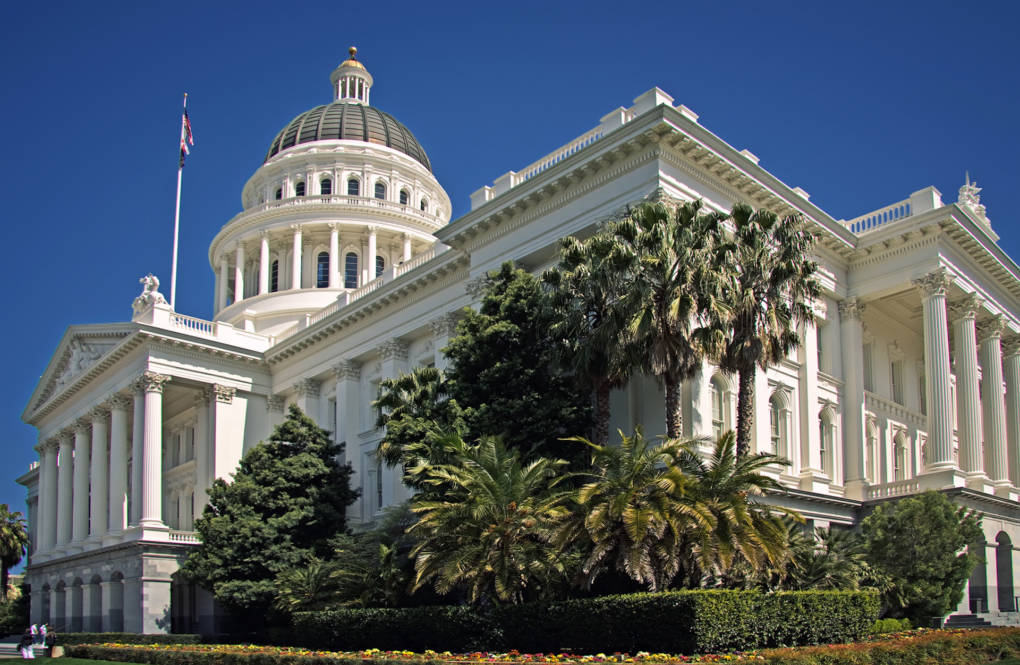
"caption": "The state Capitol in Sacramento.",
"description": "The state Capitol in Sacramento.",
"title": "StateCap",
"credit": "Wikimedia Commons",
"status": "inherit",
"isLoading": false,
"fetchFailed": false
},
"news_11793267": {
"type": "attachments",
"id": "news_11793267",
"meta": {
"index": "attachments_1716263798",
"site": "news",
"id": "11793267",
"found": true
},
"parent": 11793261,
"imgSizes": {
"apple_news_ca_landscape_5_5": {
"file": "https://ww2.kqed.org/app/uploads/sites/10/2019/12/RS40607_GettyImages-1189643415-qut-1044x783.jpg",
"width": 1044,
"mimeType": "image/jpeg",
"height": 783
},
"apple_news_ca_square_4_0": {
"file": "https://ww2.kqed.org/app/uploads/sites/10/2019/12/RS40607_GettyImages-1189643415-qut-470x470.jpg",
"width": 470,
"mimeType": "image/jpeg",
"height": 470
},
"twentyfourteen-full-width": {
"file": "https://ww2.kqed.org/app/uploads/sites/10/2019/12/RS40607_GettyImages-1189643415-qut-1038x576.jpg",
"width": 1038,
"mimeType": "image/jpeg",
"height": 576
},
"thumbnail": {
"file": "https://ww2.kqed.org/app/uploads/sites/10/2019/12/RS40607_GettyImages-1189643415-qut-160x107.jpg",
"width": 160,
"mimeType": "image/jpeg",
"height": 107
},
"post-thumbnail": {
"file": "https://ww2.kqed.org/app/uploads/sites/10/2019/12/RS40607_GettyImages-1189643415-qut-672x372.jpg",
"width": 672,
"mimeType": "image/jpeg",
"height": 372
},
"kqedFullSize": {
"file": "https://ww2.kqed.org/app/uploads/sites/10/2019/12/RS40607_GettyImages-1189643415-qut.jpg",
"width": 1920,
"height": 1282
},
"apple_news_ca_landscape_4_7": {
"file": "https://ww2.kqed.org/app/uploads/sites/10/2019/12/RS40607_GettyImages-1189643415-qut-632x474.jpg",
"width": 632,
"mimeType": "image/jpeg",
"height": 474
},
"large": {
"file": "https://ww2.kqed.org/app/uploads/sites/10/2019/12/RS40607_GettyImages-1189643415-qut-1020x681.jpg",
"width": 1020,
"mimeType": "image/jpeg",
"height": 681
},
"complete_open_graph": {
"file": "https://ww2.kqed.org/app/uploads/sites/10/2019/12/RS40607_GettyImages-1189643415-qut-1200x801.jpg",
"width": 1200,
"mimeType": "image/jpeg",
"height": 801
},
"apple_news_ca_landscape_4_0": {
"file": "https://ww2.kqed.org/app/uploads/sites/10/2019/12/RS40607_GettyImages-1189643415-qut-536x402.jpg",
"width": 536,
"mimeType": "image/jpeg",
"height": 402
},
"apple_news_ca_portrait_12_9": {
"file": "https://ww2.kqed.org/app/uploads/sites/10/2019/12/RS40607_GettyImages-1189643415-qut-1122x1282.jpg",
"width": 1122,
"mimeType": "image/jpeg",
"height": 1282
},
"medium": {
"file": "https://ww2.kqed.org/app/uploads/sites/10/2019/12/RS40607_GettyImages-1189643415-qut-800x534.jpg",
"width": 800,
"mimeType": "image/jpeg",
"height": 534
},
"apple_news_ca_portrait_4_0": {
"file": "https://ww2.kqed.org/app/uploads/sites/10/2019/12/RS40607_GettyImages-1189643415-qut-354x472.jpg",
"width": 354,
"mimeType": "image/jpeg",
"height": 472
},
"apple_news_ca_portrait_9_7": {
"file": "https://ww2.kqed.org/app/uploads/sites/10/2019/12/RS40607_GettyImages-1189643415-qut-840x1120.jpg",
"width": 840,
"mimeType": "image/jpeg",
"height": 1120
},
"apple_news_ca_landscape_12_9": {
"file": "https://ww2.kqed.org/app/uploads/sites/10/2019/12/RS40607_GettyImages-1189643415-qut-1832x1282.jpg",
"width": 1832,
"mimeType": "image/jpeg",
"height": 1282
},
"apple_news_ca_square_9_7": {
"file": "https://ww2.kqed.org/app/uploads/sites/10/2019/12/RS40607_GettyImages-1189643415-qut-1104x1104.jpg",
"width": 1104,
"mimeType": "image/jpeg",
"height": 1104
},
"apple_news_ca_portrait_4_7": {
"file": "https://ww2.kqed.org/app/uploads/sites/10/2019/12/RS40607_GettyImages-1189643415-qut-414x552.jpg",
"width": 414,
"mimeType": "image/jpeg",
"height": 552
},
"apple_news_ca_square_12_9": {
"file": "https://ww2.kqed.org/app/uploads/sites/10/2019/12/RS40607_GettyImages-1189643415-qut-1472x1282.jpg",
"width": 1472,
"mimeType": "image/jpeg",
"height": 1282
},
"apple_news_ca_portrait_5_5": {
"file": "https://ww2.kqed.org/app/uploads/sites/10/2019/12/RS40607_GettyImages-1189643415-qut-687x916.jpg",
"width": 687,
"mimeType": "image/jpeg",
"height": 916
},
"full-width": {
"file": "https://ww2.kqed.org/app/uploads/sites/10/2019/12/RS40607_GettyImages-1189643415-qut-1920x1282.jpg",
"width": 1920,
"mimeType": "image/jpeg",
"height": 1282
},
"apple_news_ca_square_4_7": {
"file": "https://ww2.kqed.org/app/uploads/sites/10/2019/12/RS40607_GettyImages-1189643415-qut-550x550.jpg",
"width": 550,
"mimeType": "image/jpeg",
"height": 550
},
"apple_news_ca_landscape_9_7": {
"file": "https://ww2.kqed.org/app/uploads/sites/10/2019/12/RS40607_GettyImages-1189643415-qut-1376x1032.jpg",
"width": 1376,
"mimeType": "image/jpeg",
"height": 1032
},
"apple_news_ca_square_5_5": {
"file": "https://ww2.kqed.org/app/uploads/sites/10/2019/12/RS40607_GettyImages-1189643415-qut-912x912.jpg",
"width": 912,
"mimeType": "image/jpeg",
"height": 912
}
},
"publishDate": 1577723614,
"modified": 1577723975,
"caption": "Gov. Gavin Newsom's first year in office was dominated by wildfires, power shutoffs and PG&E's bankruptcy.",
"description": null,
"title": "US-VOTE-2020-DEMOCRATS-DEBATE",
"credit": "Agustin Paullier/AFP via Getty Images",
"status": "inherit",
"isLoading": false,
"fetchFailed": false
},
"news_11792470": {
"type": "attachments",
"id": "news_11792470",
"meta": {
"index": "attachments_1716263798",
"site": "news",
"id": "11792470",
"found": true
},
"parent": 11792445,
"imgSizes": {
"apple_news_ca_landscape_5_5": {
"file": "https://ww2.kqed.org/app/uploads/sites/10/2019/12/RS40571_GettyImages-1179237484-qut-1044x783.jpg",
"width": 1044,
"mimeType": "image/jpeg",
"height": 783
},
"apple_news_ca_square_4_0": {
"file": "https://ww2.kqed.org/app/uploads/sites/10/2019/12/RS40571_GettyImages-1179237484-qut-470x470.jpg",
"width": 470,
"mimeType": "image/jpeg",
"height": 470
},
"twentyfourteen-full-width": {
"file": "https://ww2.kqed.org/app/uploads/sites/10/2019/12/RS40571_GettyImages-1179237484-qut-1038x576.jpg",
"width": 1038,
"mimeType": "image/jpeg",
"height": 576
},
"thumbnail": {
"file": "https://ww2.kqed.org/app/uploads/sites/10/2019/12/RS40571_GettyImages-1179237484-qut-160x107.jpg",
"width": 160,
"mimeType": "image/jpeg",
"height": 107
},
"post-thumbnail": {
"file": "https://ww2.kqed.org/app/uploads/sites/10/2019/12/RS40571_GettyImages-1179237484-qut-672x372.jpg",
"width": 672,
"mimeType": "image/jpeg",
"height": 372
},
"kqedFullSize": {
"file": "https://ww2.kqed.org/app/uploads/sites/10/2019/12/RS40571_GettyImages-1179237484-qut.jpg",
"width": 1920,
"height": 1280
},
"apple_news_ca_landscape_4_7": {
"file": "https://ww2.kqed.org/app/uploads/sites/10/2019/12/RS40571_GettyImages-1179237484-qut-632x474.jpg",
"width": 632,
"mimeType": "image/jpeg",
"height": 474
},
"large": {
"file": "https://ww2.kqed.org/app/uploads/sites/10/2019/12/RS40571_GettyImages-1179237484-qut-1020x680.jpg",
"width": 1020,
"mimeType": "image/jpeg",
"height": 680
},
"complete_open_graph": {
"file": "https://ww2.kqed.org/app/uploads/sites/10/2019/12/RS40571_GettyImages-1179237484-qut-1200x800.jpg",
"width": 1200,
"mimeType": "image/jpeg",
"height": 800
},
"apple_news_ca_landscape_4_0": {
"file": "https://ww2.kqed.org/app/uploads/sites/10/2019/12/RS40571_GettyImages-1179237484-qut-536x402.jpg",
"width": 536,
"mimeType": "image/jpeg",
"height": 402
},
"apple_news_ca_portrait_12_9": {
"file": "https://ww2.kqed.org/app/uploads/sites/10/2019/12/RS40571_GettyImages-1179237484-qut-1122x1280.jpg",
"width": 1122,
"mimeType": "image/jpeg",
"height": 1280
},
"medium": {
"file": "https://ww2.kqed.org/app/uploads/sites/10/2019/12/RS40571_GettyImages-1179237484-qut-800x533.jpg",
"width": 800,
"mimeType": "image/jpeg",
"height": 533
},
"apple_news_ca_portrait_4_0": {
"file": "https://ww2.kqed.org/app/uploads/sites/10/2019/12/RS40571_GettyImages-1179237484-qut-354x472.jpg",
"width": 354,
"mimeType": "image/jpeg",
"height": 472
},
"apple_news_ca_portrait_9_7": {
"file": "https://ww2.kqed.org/app/uploads/sites/10/2019/12/RS40571_GettyImages-1179237484-qut-840x1120.jpg",
"width": 840,
"mimeType": "image/jpeg",
"height": 1120
},
"apple_news_ca_landscape_12_9": {
"file": "https://ww2.kqed.org/app/uploads/sites/10/2019/12/RS40571_GettyImages-1179237484-qut-1832x1280.jpg",
"width": 1832,
"mimeType": "image/jpeg",
"height": 1280
},
"apple_news_ca_square_9_7": {
"file": "https://ww2.kqed.org/app/uploads/sites/10/2019/12/RS40571_GettyImages-1179237484-qut-1104x1104.jpg",
"width": 1104,
"mimeType": "image/jpeg",
"height": 1104
},
"apple_news_ca_portrait_4_7": {
"file": "https://ww2.kqed.org/app/uploads/sites/10/2019/12/RS40571_GettyImages-1179237484-qut-414x552.jpg",
"width": 414,
"mimeType": "image/jpeg",
"height": 552
},
"apple_news_ca_square_12_9": {
"file": "https://ww2.kqed.org/app/uploads/sites/10/2019/12/RS40571_GettyImages-1179237484-qut-1472x1280.jpg",
"width": 1472,
"mimeType": "image/jpeg",
"height": 1280
},
"apple_news_ca_portrait_5_5": {
"file": "https://ww2.kqed.org/app/uploads/sites/10/2019/12/RS40571_GettyImages-1179237484-qut-687x916.jpg",
"width": 687,
"mimeType": "image/jpeg",
"height": 916
},
"full-width": {
"file": "https://ww2.kqed.org/app/uploads/sites/10/2019/12/RS40571_GettyImages-1179237484-qut-1920x1280.jpg",
"width": 1920,
"mimeType": "image/jpeg",
"height": 1280
},
"apple_news_ca_square_4_7": {
"file": "https://ww2.kqed.org/app/uploads/sites/10/2019/12/RS40571_GettyImages-1179237484-qut-550x550.jpg",
"width": 550,
"mimeType": "image/jpeg",
"height": 550
},
"apple_news_ca_landscape_9_7": {
"file": "https://ww2.kqed.org/app/uploads/sites/10/2019/12/RS40571_GettyImages-1179237484-qut-1376x1032.jpg",
"width": 1376,
"mimeType": "image/jpeg",
"height": 1032
},
"apple_news_ca_square_5_5": {
"file": "https://ww2.kqed.org/app/uploads/sites/10/2019/12/RS40571_GettyImages-1179237484-qut-912x912.jpg",
"width": 912,
"mimeType": "image/jpeg",
"height": 912
}
},
"publishDate": 1576870740,
"modified": 1576870907,
"caption": "A PG&E contractor works on utility poles near Geyserville, California.",
"description": null,
"title": "US-CALIFORNIA-FIRES",
"credit": "Philip Pacheco / AFP via Getty Images",
"status": "inherit",
"isLoading": false,
"fetchFailed": false
},
"news_11792070": {
"type": "attachments",
"id": "news_11792070",
"meta": {
"index": "attachments_1716263798",
"site": "news",
"id": "11792070",
"found": true
},
"parent": 11792059,
"imgSizes": {
"apple_news_ca_landscape_5_5": {
"file": "https://ww2.kqed.org/app/uploads/sites/10/2019/12/circuit_121819_final-1044x783.jpg",
"width": 1044,
"mimeType": "image/jpeg",
"height": 783
},
"apple_news_ca_square_4_0": {
"file": "https://ww2.kqed.org/app/uploads/sites/10/2019/12/circuit_121819_final-470x470.jpg",
"width": 470,
"mimeType": "image/jpeg",
"height": 470
},
"twentyfourteen-full-width": {
"file": "https://ww2.kqed.org/app/uploads/sites/10/2019/12/circuit_121819_final-1038x576.jpg",
"width": 1038,
"mimeType": "image/jpeg",
"height": 576
},
"thumbnail": {
"file": "https://ww2.kqed.org/app/uploads/sites/10/2019/12/circuit_121819_final-160x116.jpg",
"width": 160,
"mimeType": "image/jpeg",
"height": 116
},
"post-thumbnail": {
"file": "https://ww2.kqed.org/app/uploads/sites/10/2019/12/circuit_121819_final-672x372.jpg",
"width": 672,
"mimeType": "image/jpeg",
"height": 372
},
"kqedFullSize": {
"file": "https://ww2.kqed.org/app/uploads/sites/10/2019/12/circuit_121819_final.jpg",
"width": 1920,
"height": 1388
},
"apple_news_ca_landscape_4_7": {
"file": "https://ww2.kqed.org/app/uploads/sites/10/2019/12/circuit_121819_final-632x474.jpg",
"width": 632,
"mimeType": "image/jpeg",
"height": 474
},
"large": {
"file": "https://ww2.kqed.org/app/uploads/sites/10/2019/12/circuit_121819_final-1020x737.jpg",
"width": 1020,
"mimeType": "image/jpeg",
"height": 737
},
"complete_open_graph": {
"file": "https://ww2.kqed.org/app/uploads/sites/10/2019/12/circuit_121819_final-1200x868.jpg",
"width": 1200,
"mimeType": "image/jpeg",
"height": 868
},
"apple_news_ca_landscape_4_0": {
"file": "https://ww2.kqed.org/app/uploads/sites/10/2019/12/circuit_121819_final-536x402.jpg",
"width": 536,
"mimeType": "image/jpeg",
"height": 402
},
"apple_news_ca_portrait_12_9": {
"file": "https://ww2.kqed.org/app/uploads/sites/10/2019/12/circuit_121819_final-1122x1388.jpg",
"width": 1122,
"mimeType": "image/jpeg",
"height": 1388
},
"medium": {
"file": "https://ww2.kqed.org/app/uploads/sites/10/2019/12/circuit_121819_final-800x578.jpg",
"width": 800,
"mimeType": "image/jpeg",
"height": 578
},
"apple_news_ca_portrait_4_0": {
"file": "https://ww2.kqed.org/app/uploads/sites/10/2019/12/circuit_121819_final-354x472.jpg",
"width": 354,
"mimeType": "image/jpeg",
"height": 472
},
"apple_news_ca_portrait_9_7": {
"file": "https://ww2.kqed.org/app/uploads/sites/10/2019/12/circuit_121819_final-840x1120.jpg",
"width": 840,
"mimeType": "image/jpeg",
"height": 1120
},
"apple_news_ca_landscape_12_9": {
"file": "https://ww2.kqed.org/app/uploads/sites/10/2019/12/circuit_121819_final-1832x1374.jpg",
"width": 1832,
"mimeType": "image/jpeg",
"height": 1374
},
"apple_news_ca_square_9_7": {
"file": "https://ww2.kqed.org/app/uploads/sites/10/2019/12/circuit_121819_final-1104x1104.jpg",
"width": 1104,
"mimeType": "image/jpeg",
"height": 1104
},
"apple_news_ca_portrait_4_7": {
"file": "https://ww2.kqed.org/app/uploads/sites/10/2019/12/circuit_121819_final-414x552.jpg",
"width": 414,
"mimeType": "image/jpeg",
"height": 552
},
"apple_news_ca_square_12_9": {
"file": "https://ww2.kqed.org/app/uploads/sites/10/2019/12/circuit_121819_final-1472x1388.jpg",
"width": 1472,
"mimeType": "image/jpeg",
"height": 1388
},
"apple_news_ca_portrait_5_5": {
"file": "https://ww2.kqed.org/app/uploads/sites/10/2019/12/circuit_121819_final-687x916.jpg",
"width": 687,
"mimeType": "image/jpeg",
"height": 916
},
"full-width": {
"file": "https://ww2.kqed.org/app/uploads/sites/10/2019/12/circuit_121819_final-1920x1388.jpg",
"width": 1920,
"mimeType": "image/jpeg",
"height": 1388
},
"apple_news_ca_square_4_7": {
"file": "https://ww2.kqed.org/app/uploads/sites/10/2019/12/circuit_121819_final-550x550.jpg",
"width": 550,
"mimeType": "image/jpeg",
"height": 550
},
"apple_news_ca_landscape_9_7": {
"file": "https://ww2.kqed.org/app/uploads/sites/10/2019/12/circuit_121819_final-1376x1032.jpg",
"width": 1376,
"mimeType": "image/jpeg",
"height": 1032
},
"apple_news_ca_square_5_5": {
"file": "https://ww2.kqed.org/app/uploads/sites/10/2019/12/circuit_121819_final-912x912.jpg",
"width": 912,
"mimeType": "image/jpeg",
"height": 912
}
},
"publishDate": 1576710521,
"modified": 1576710562,
"caption": null,
"description": null,
"title": "circuit_121819_final",
"credit": null,
"status": "inherit",
"isLoading": false,
"fetchFailed": false
},
"news_11750677": {
"type": "attachments",
"id": "news_11750677",
"meta": {
"index": "attachments_1716263798",
"site": "news",
"id": "11750677",
"found": true
},
"parent": 11750455,
"imgSizes": {
"apple_news_ca_landscape_5_5": {
"file": "https://ww2.kqed.org/app/uploads/sites/10/2019/05/GettyImages-1060030904-1044x783.jpg",
"width": 1044,
"mimeType": "image/jpeg",
"height": 783
},
"apple_news_ca_square_4_0": {
"file": "https://ww2.kqed.org/app/uploads/sites/10/2019/05/GettyImages-1060030904-470x470.jpg",
"width": 470,
"mimeType": "image/jpeg",
"height": 470
},
"twentyfourteen-full-width": {
"file": "https://ww2.kqed.org/app/uploads/sites/10/2019/05/GettyImages-1060030904-1038x576.jpg",
"width": 1038,
"mimeType": "image/jpeg",
"height": 576
},
"thumbnail": {
"file": "https://ww2.kqed.org/app/uploads/sites/10/2019/05/GettyImages-1060030904-160x106.jpg",
"width": 160,
"mimeType": "image/jpeg",
"height": 106
},
"post-thumbnail": {
"file": "https://ww2.kqed.org/app/uploads/sites/10/2019/05/GettyImages-1060030904-672x372.jpg",
"width": 672,
"mimeType": "image/jpeg",
"height": 372
},
"kqedFullSize": {
"file": "https://ww2.kqed.org/app/uploads/sites/10/2019/05/GettyImages-1060030904-e1559125667836.jpg",
"width": 1920,
"height": 1269
},
"apple_news_ca_landscape_4_7": {
"file": "https://ww2.kqed.org/app/uploads/sites/10/2019/05/GettyImages-1060030904-632x474.jpg",
"width": 632,
"mimeType": "image/jpeg",
"height": 474
},
"large": {
"file": "https://ww2.kqed.org/app/uploads/sites/10/2019/05/GettyImages-1060030904-1020x674.jpg",
"width": 1020,
"mimeType": "image/jpeg",
"height": 674
},
"complete_open_graph": {
"file": "https://ww2.kqed.org/app/uploads/sites/10/2019/05/GettyImages-1060030904-1200x793.jpg",
"width": 1200,
"mimeType": "image/jpeg",
"height": 793
},
"apple_news_ca_landscape_4_0": {
"file": "https://ww2.kqed.org/app/uploads/sites/10/2019/05/GettyImages-1060030904-536x402.jpg",
"width": 536,
"mimeType": "image/jpeg",
"height": 402
},
"apple_news_ca_portrait_12_9": {
"file": "https://ww2.kqed.org/app/uploads/sites/10/2019/05/GettyImages-1060030904-1122x1496.jpg",
"width": 1122,
"mimeType": "image/jpeg",
"height": 1496
},
"medium": {
"file": "https://ww2.kqed.org/app/uploads/sites/10/2019/05/GettyImages-1060030904-800x529.jpg",
"width": 800,
"mimeType": "image/jpeg",
"height": 529
},
"apple_news_ca_portrait_4_0": {
"file": "https://ww2.kqed.org/app/uploads/sites/10/2019/05/GettyImages-1060030904-354x472.jpg",
"width": 354,
"mimeType": "image/jpeg",
"height": 472
},
"apple_news_ca_portrait_9_7": {
"file": "https://ww2.kqed.org/app/uploads/sites/10/2019/05/GettyImages-1060030904-840x1120.jpg",
"width": 840,
"mimeType": "image/jpeg",
"height": 1120
},
"apple_news_ca_landscape_12_9": {
"file": "https://ww2.kqed.org/app/uploads/sites/10/2019/05/GettyImages-1060030904-1832x1374.jpg",
"width": 1832,
"mimeType": "image/jpeg",
"height": 1374
},
"apple_news_ca_square_9_7": {
"file": "https://ww2.kqed.org/app/uploads/sites/10/2019/05/GettyImages-1060030904-1104x1104.jpg",
"width": 1104,
"mimeType": "image/jpeg",
"height": 1104
},
"apple_news_ca_portrait_4_7": {
"file": "https://ww2.kqed.org/app/uploads/sites/10/2019/05/GettyImages-1060030904-414x552.jpg",
"width": 414,
"mimeType": "image/jpeg",
"height": 552
},
"apple_news_ca_square_12_9": {
"file": "https://ww2.kqed.org/app/uploads/sites/10/2019/05/GettyImages-1060030904-1472x1472.jpg",
"width": 1472,
"mimeType": "image/jpeg",
"height": 1472
},
"apple_news_ca_portrait_5_5": {
"file": "https://ww2.kqed.org/app/uploads/sites/10/2019/05/GettyImages-1060030904-687x916.jpg",
"width": 687,
"mimeType": "image/jpeg",
"height": 916
},
"full-width": {
"file": "https://ww2.kqed.org/app/uploads/sites/10/2019/05/GettyImages-1060030904-1920x1269.jpg",
"width": 1920,
"mimeType": "image/jpeg",
"height": 1269
},
"apple_news_ca_square_4_7": {
"file": "https://ww2.kqed.org/app/uploads/sites/10/2019/05/GettyImages-1060030904-550x550.jpg",
"width": 550,
"mimeType": "image/jpeg",
"height": 550
},
"apple_news_ca_landscape_9_7": {
"file": "https://ww2.kqed.org/app/uploads/sites/10/2019/05/GettyImages-1060030904-1376x1032.jpg",
"width": 1376,
"mimeType": "image/jpeg",
"height": 1032
},
"apple_news_ca_square_5_5": {
"file": "https://ww2.kqed.org/app/uploads/sites/10/2019/05/GettyImages-1060030904-912x912.jpg",
"width": 912,
"mimeType": "image/jpeg",
"height": 912
}
},
"publishDate": 1559125222,
"modified": 1576641043,
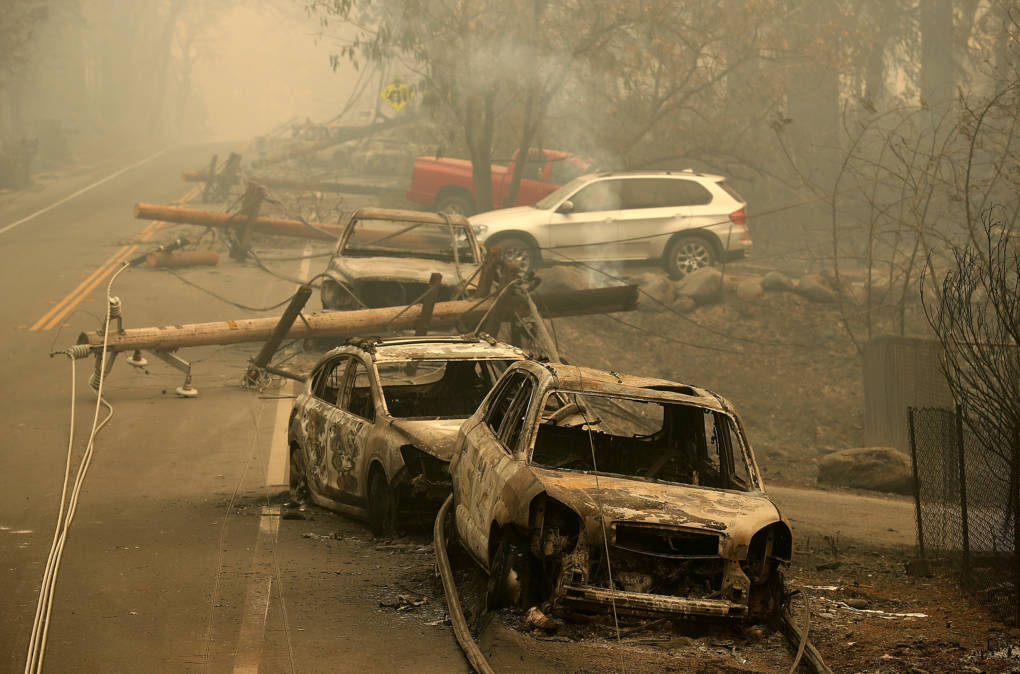
"caption": "Power lines rest on cars two days after the Camp Fire - touched off by a PG&E electrical transmission line - devastated the community of Paradise in Nov. 2018.",
"description": "Power lines rest on cars two days after the Camp Fire - touched off by a PG&E electrical transmission line - devastated the community of Paradise in Nov. 2018.",
"title": "Camp Fire-Paradise",
"credit": "Justin Sullivan/Getty Images",
"status": "inherit",
"isLoading": false,
"fetchFailed": false
},
"news_11791650": {
"type": "attachments",
"id": "news_11791650",
"meta": {
"index": "attachments_1716263798",
"site": "news",
"id": "11791650",
"found": true
},
"parent": 11791646,
"imgSizes": {
"apple_news_ca_landscape_5_5": {
"file": "https://ww2.kqed.org/app/uploads/sites/10/2019/12/Image-from-iOS-3-1-1044x783.jpg",
"width": 1044,
"mimeType": "image/jpeg",
"height": 783
},
"apple_news_ca_square_4_0": {
"file": "https://ww2.kqed.org/app/uploads/sites/10/2019/12/Image-from-iOS-3-1-470x470.jpg",
"width": 470,
"mimeType": "image/jpeg",
"height": 470
},
"twentyfourteen-full-width": {
"file": "https://ww2.kqed.org/app/uploads/sites/10/2019/12/Image-from-iOS-3-1-1038x576.jpg",
"width": 1038,
"mimeType": "image/jpeg",
"height": 576
},
"thumbnail": {
"file": "https://ww2.kqed.org/app/uploads/sites/10/2019/12/Image-from-iOS-3-1-160x120.jpg",
"width": 160,
"mimeType": "image/jpeg",
"height": 120
},
"post-thumbnail": {
"file": "https://ww2.kqed.org/app/uploads/sites/10/2019/12/Image-from-iOS-3-1-672x372.jpg",
"width": 672,
"mimeType": "image/jpeg",
"height": 372
},
"kqedFullSize": {
"file": "https://ww2.kqed.org/app/uploads/sites/10/2019/12/Image-from-iOS-3-1-e1576602118865.jpg",
"width": 1920,
"height": 1440
},
"apple_news_ca_landscape_4_7": {
"file": "https://ww2.kqed.org/app/uploads/sites/10/2019/12/Image-from-iOS-3-1-632x474.jpg",
"width": 632,
"mimeType": "image/jpeg",
"height": 474
},
"large": {
"file": "https://ww2.kqed.org/app/uploads/sites/10/2019/12/Image-from-iOS-3-1-1020x765.jpg",
"width": 1020,
"mimeType": "image/jpeg",
"height": 765
},
"complete_open_graph": {
"file": "https://ww2.kqed.org/app/uploads/sites/10/2019/12/Image-from-iOS-3-1-1200x900.jpg",
"width": 1200,
"mimeType": "image/jpeg",
"height": 900
},
"apple_news_ca_landscape_4_0": {
"file": "https://ww2.kqed.org/app/uploads/sites/10/2019/12/Image-from-iOS-3-1-536x402.jpg",
"width": 536,
"mimeType": "image/jpeg",
"height": 402
},
"apple_news_ca_portrait_12_9": {
"file": "https://ww2.kqed.org/app/uploads/sites/10/2019/12/Image-from-iOS-3-1-1122x1496.jpg",
"width": 1122,
"mimeType": "image/jpeg",
"height": 1496
},
"medium": {
"file": "https://ww2.kqed.org/app/uploads/sites/10/2019/12/Image-from-iOS-3-1-800x600.jpg",
"width": 800,
"mimeType": "image/jpeg",
"height": 600
},
"apple_news_ca_portrait_4_0": {
"file": "https://ww2.kqed.org/app/uploads/sites/10/2019/12/Image-from-iOS-3-1-354x472.jpg",
"width": 354,
"mimeType": "image/jpeg",
"height": 472
},
"apple_news_ca_portrait_9_7": {
"file": "https://ww2.kqed.org/app/uploads/sites/10/2019/12/Image-from-iOS-3-1-840x1120.jpg",
"width": 840,
"mimeType": "image/jpeg",
"height": 1120
},
"apple_news_ca_landscape_12_9": {
"file": "https://ww2.kqed.org/app/uploads/sites/10/2019/12/Image-from-iOS-3-1-1832x1374.jpg",
"width": 1832,
"mimeType": "image/jpeg",
"height": 1374
},
"apple_news_ca_square_9_7": {
"file": "https://ww2.kqed.org/app/uploads/sites/10/2019/12/Image-from-iOS-3-1-1104x1104.jpg",
"width": 1104,
"mimeType": "image/jpeg",
"height": 1104
},
"apple_news_ca_portrait_4_7": {
"file": "https://ww2.kqed.org/app/uploads/sites/10/2019/12/Image-from-iOS-3-1-414x552.jpg",
"width": 414,
"mimeType": "image/jpeg",
"height": 552
},
"apple_news_ca_square_12_9": {
"file": "https://ww2.kqed.org/app/uploads/sites/10/2019/12/Image-from-iOS-3-1-1472x1472.jpg",
"width": 1472,
"mimeType": "image/jpeg",
"height": 1472
},
"apple_news_ca_portrait_5_5": {
"file": "https://ww2.kqed.org/app/uploads/sites/10/2019/12/Image-from-iOS-3-1-687x916.jpg",
"width": 687,
"mimeType": "image/jpeg",
"height": 916
},
"full-width": {
"file": "https://ww2.kqed.org/app/uploads/sites/10/2019/12/Image-from-iOS-3-1-1920x1440.jpg",
"width": 1920,
"mimeType": "image/jpeg",
"height": 1440
},
"apple_news_ca_square_4_7": {
"file": "https://ww2.kqed.org/app/uploads/sites/10/2019/12/Image-from-iOS-3-1-550x550.jpg",
"width": 550,
"mimeType": "image/jpeg",
"height": 550
},
"apple_news_ca_landscape_9_7": {
"file": "https://ww2.kqed.org/app/uploads/sites/10/2019/12/Image-from-iOS-3-1-1376x1032.jpg",
"width": 1376,
"mimeType": "image/jpeg",
"height": 1032
},
"apple_news_ca_square_5_5": {
"file": "https://ww2.kqed.org/app/uploads/sites/10/2019/12/Image-from-iOS-3-1-912x912.jpg",
"width": 912,
"mimeType": "image/jpeg",
"height": 912
}
},
"publishDate": 1576602078,
"modified": 1576613022,
"caption": "Protesters close down Beale Street outside PG&E's San Francisco headquarters on Monday, Dec. 16, in a push to break up the utility into smaller public power providers.",
"description": "Protesters close down Beale Street outside PG&E's San Francisco headquarters on Monday, Dec. 16, in a push to break up the utility into smaller public power providers.",
"title": "Image from iOS (3)",
"credit": "Matthew Green/KQED",
"status": "inherit",
"isLoading": false,
"fetchFailed": false
},
"news_11791272": {
"type": "attachments",
"id": "news_11791272",
"meta": {
"index": "attachments_1716263798",
"site": "news",
"id": "11791272",
"found": true
},
"parent": 11791271,
"imgSizes": {
"apple_news_ca_landscape_5_5": {
"file": "https://ww2.kqed.org/app/uploads/sites/10/2019/12/GettyImages-1175529331-1-1044x783.jpg",
"width": 1044,
"mimeType": "image/jpeg",
"height": 783
},
"apple_news_ca_square_4_0": {
"file": "https://ww2.kqed.org/app/uploads/sites/10/2019/12/GettyImages-1175529331-1-470x470.jpg",
"width": 470,
"mimeType": "image/jpeg",
"height": 470
},
"twentyfourteen-full-width": {
"file": "https://ww2.kqed.org/app/uploads/sites/10/2019/12/GettyImages-1175529331-1-1038x576.jpg",
"width": 1038,
"mimeType": "image/jpeg",
"height": 576
},
"thumbnail": {
"file": "https://ww2.kqed.org/app/uploads/sites/10/2019/12/GettyImages-1175529331-1-160x107.jpg",
"width": 160,
"mimeType": "image/jpeg",
"height": 107
},
"post-thumbnail": {
"file": "https://ww2.kqed.org/app/uploads/sites/10/2019/12/GettyImages-1175529331-1-672x372.jpg",
"width": 672,
"mimeType": "image/jpeg",
"height": 372
},
"kqedFullSize": {
"file": "https://ww2.kqed.org/app/uploads/sites/10/2019/12/GettyImages-1175529331-1.jpg",
"width": 1920,
"height": 1280
},
"apple_news_ca_landscape_4_7": {
"file": "https://ww2.kqed.org/app/uploads/sites/10/2019/12/GettyImages-1175529331-1-632x474.jpg",
"width": 632,
"mimeType": "image/jpeg",
"height": 474
},
"large": {
"file": "https://ww2.kqed.org/app/uploads/sites/10/2019/12/GettyImages-1175529331-1-1020x680.jpg",
"width": 1020,
"mimeType": "image/jpeg",
"height": 680
},
"complete_open_graph": {
"file": "https://ww2.kqed.org/app/uploads/sites/10/2019/12/GettyImages-1175529331-1-1200x800.jpg",
"width": 1200,
"mimeType": "image/jpeg",
"height": 800
},
"apple_news_ca_landscape_4_0": {
"file": "https://ww2.kqed.org/app/uploads/sites/10/2019/12/GettyImages-1175529331-1-536x402.jpg",
"width": 536,
"mimeType": "image/jpeg",
"height": 402
},
"apple_news_ca_portrait_12_9": {
"file": "https://ww2.kqed.org/app/uploads/sites/10/2019/12/GettyImages-1175529331-1-1122x1280.jpg",
"width": 1122,
"mimeType": "image/jpeg",
"height": 1280
},
"medium": {
"file": "https://ww2.kqed.org/app/uploads/sites/10/2019/12/GettyImages-1175529331-1-800x533.jpg",
"width": 800,
"mimeType": "image/jpeg",
"height": 533
},
"apple_news_ca_portrait_4_0": {
"file": "https://ww2.kqed.org/app/uploads/sites/10/2019/12/GettyImages-1175529331-1-354x472.jpg",
"width": 354,
"mimeType": "image/jpeg",
"height": 472
},
"apple_news_ca_portrait_9_7": {
"file": "https://ww2.kqed.org/app/uploads/sites/10/2019/12/GettyImages-1175529331-1-840x1120.jpg",
"width": 840,
"mimeType": "image/jpeg",
"height": 1120
},
"apple_news_ca_landscape_12_9": {
"file": "https://ww2.kqed.org/app/uploads/sites/10/2019/12/GettyImages-1175529331-1-1832x1280.jpg",
"width": 1832,
"mimeType": "image/jpeg",
"height": 1280
},
"apple_news_ca_square_9_7": {
"file": "https://ww2.kqed.org/app/uploads/sites/10/2019/12/GettyImages-1175529331-1-1104x1104.jpg",
"width": 1104,
"mimeType": "image/jpeg",
"height": 1104
},
"apple_news_ca_portrait_4_7": {
"file": "https://ww2.kqed.org/app/uploads/sites/10/2019/12/GettyImages-1175529331-1-414x552.jpg",
"width": 414,
"mimeType": "image/jpeg",
"height": 552
},
"apple_news_ca_square_12_9": {
"file": "https://ww2.kqed.org/app/uploads/sites/10/2019/12/GettyImages-1175529331-1-1472x1280.jpg",
"width": 1472,
"mimeType": "image/jpeg",
"height": 1280
},
"apple_news_ca_portrait_5_5": {
"file": "https://ww2.kqed.org/app/uploads/sites/10/2019/12/GettyImages-1175529331-1-687x916.jpg",
"width": 687,
"mimeType": "image/jpeg",
"height": 916
},
"full-width": {
"file": "https://ww2.kqed.org/app/uploads/sites/10/2019/12/GettyImages-1175529331-1-1920x1280.jpg",
"width": 1920,
"mimeType": "image/jpeg",
"height": 1280
},
"apple_news_ca_square_4_7": {
"file": "https://ww2.kqed.org/app/uploads/sites/10/2019/12/GettyImages-1175529331-1-550x550.jpg",
"width": 550,
"mimeType": "image/jpeg",
"height": 550
},
"apple_news_ca_landscape_9_7": {
"file": "https://ww2.kqed.org/app/uploads/sites/10/2019/12/GettyImages-1175529331-1-1376x1032.jpg",
"width": 1376,
"mimeType": "image/jpeg",
"height": 1032
},
"apple_news_ca_square_5_5": {
"file": "https://ww2.kqed.org/app/uploads/sites/10/2019/12/GettyImages-1175529331-1-912x912.jpg",
"width": 912,
"mimeType": "image/jpeg",
"height": 912
}
},
"publishDate": 1576345032,
"modified": 1576430014,
"caption": "California Gov. Gavin Newsom in September. Gov. Newsom rejected PG&E's bankruptcy plan, part of a $13.5 billion settlement the company struck just last week.",
"description": null,
"title": "GettyImages-1175529331 (1)",
"credit": "Justin Sullivan/Getty Images",
"status": "inherit",
"isLoading": false,
"fetchFailed": false
},
"news_11791230": {
"type": "attachments",
"id": "news_11791230",
"meta": {
"index": "attachments_1716263798",
"site": "news",
"id": "11791230",
"found": true
},
"parent": 11791131,
"imgSizes": {
"apple_news_ca_landscape_5_5": {
"file": "https://ww2.kqed.org/app/uploads/sites/10/2019/12/MARQUEE_NR710-1044x720.jpg",
"width": 1044,
"mimeType": "image/jpeg",
"height": 720
},
"apple_news_ca_square_4_0": {
"file": "https://ww2.kqed.org/app/uploads/sites/10/2019/12/MARQUEE_NR710-470x470.jpg",
"width": 470,
"mimeType": "image/jpeg",
"height": 470
},
"twentyfourteen-full-width": {
"file": "https://ww2.kqed.org/app/uploads/sites/10/2019/12/MARQUEE_NR710-1038x576.jpg",
"width": 1038,
"mimeType": "image/jpeg",
"height": 576
},
"thumbnail": {
"file": "https://ww2.kqed.org/app/uploads/sites/10/2019/12/MARQUEE_NR710-160x90.jpg",
"width": 160,
"mimeType": "image/jpeg",
"height": 90
},
"post-thumbnail": {
"file": "https://ww2.kqed.org/app/uploads/sites/10/2019/12/MARQUEE_NR710-672x372.jpg",
"width": 672,
"mimeType": "image/jpeg",
"height": 372
},
"kqedFullSize": {
"file": "https://ww2.kqed.org/app/uploads/sites/10/2019/12/MARQUEE_NR710.jpg",
"width": 1280,
"height": 720
},
"apple_news_ca_landscape_4_7": {
"file": "https://ww2.kqed.org/app/uploads/sites/10/2019/12/MARQUEE_NR710-632x474.jpg",
"width": 632,
"mimeType": "image/jpeg",
"height": 474
},
"large": {
"file": "https://ww2.kqed.org/app/uploads/sites/10/2019/12/MARQUEE_NR710-1020x574.jpg",
"width": 1020,
"mimeType": "image/jpeg",
"height": 574
},
"complete_open_graph": {
"file": "https://ww2.kqed.org/app/uploads/sites/10/2019/12/MARQUEE_NR710-1200x675.jpg",
"width": 1200,
"mimeType": "image/jpeg",
"height": 675
},
"apple_news_ca_landscape_4_0": {
"file": "https://ww2.kqed.org/app/uploads/sites/10/2019/12/MARQUEE_NR710-536x402.jpg",
"width": 536,
"mimeType": "image/jpeg",
"height": 402
},
"apple_news_ca_portrait_12_9": {
"file": "https://ww2.kqed.org/app/uploads/sites/10/2019/12/MARQUEE_NR710-1122x720.jpg",
"width": 1122,
"mimeType": "image/jpeg",
"height": 720
},
"medium": {
"file": "https://ww2.kqed.org/app/uploads/sites/10/2019/12/MARQUEE_NR710-800x450.jpg",
"width": 800,
"mimeType": "image/jpeg",
"height": 450
},
"apple_news_ca_portrait_4_0": {
"file": "https://ww2.kqed.org/app/uploads/sites/10/2019/12/MARQUEE_NR710-354x472.jpg",
"width": 354,
"mimeType": "image/jpeg",
"height": 472
},
"apple_news_ca_portrait_9_7": {
"file": "https://ww2.kqed.org/app/uploads/sites/10/2019/12/MARQUEE_NR710-840x720.jpg",
"width": 840,
"mimeType": "image/jpeg",
"height": 720
},
"apple_news_ca_square_9_7": {
"file": "https://ww2.kqed.org/app/uploads/sites/10/2019/12/MARQUEE_NR710-1104x720.jpg",
"width": 1104,
"mimeType": "image/jpeg",
"height": 720
},
"apple_news_ca_portrait_4_7": {
"file": "https://ww2.kqed.org/app/uploads/sites/10/2019/12/MARQUEE_NR710-414x552.jpg",
"width": 414,
"mimeType": "image/jpeg",
"height": 552
},
"apple_news_ca_portrait_5_5": {
"file": "https://ww2.kqed.org/app/uploads/sites/10/2019/12/MARQUEE_NR710-687x720.jpg",
"width": 687,
"mimeType": "image/jpeg",
"height": 720
},
"apple_news_ca_square_4_7": {
"file": "https://ww2.kqed.org/app/uploads/sites/10/2019/12/MARQUEE_NR710-550x550.jpg",
"width": 550,
"mimeType": "image/jpeg",
"height": 550
},
"apple_news_ca_square_5_5": {
"file": "https://ww2.kqed.org/app/uploads/sites/10/2019/12/MARQUEE_NR710-912x720.jpg",
"width": 912,
"mimeType": "image/jpeg",
"height": 720
}
},
"publishDate": 1576284612,
"modified": 1576284612,
"caption": null,
"description": null,
"title": "MARQUEE_NR710",
"credit": null,
"status": "inherit",
"isLoading": false,
"fetchFailed": false
}
},
"audioPlayerReducer": {
"postId": "stream_live",
"isPaused": true,
"isPlaying": false,
"pfsActive": false,
"pledgeModalIsOpen": true,
"playerDrawerIsOpen": false,
"liveAudioPlayStartedAt": 0,
"liveAudioPlayContext": ""
},
"authorsReducer": {
"byline_news_11793261": {
"type": "authors",
"id": "byline_news_11793261",
"meta": {
"override": true
},
"slug": "byline_news_11793261",
"name": "Kathleen Ronayne \u003cbr> Associated Press",
"isLoading": false
},
"byline_news_11792445": {
"type": "authors",
"id": "byline_news_11792445",
"meta": {
"override": true
},
"slug": "byline_news_11792445",
"name": "Justin Pritchard and Michael Liedtke \u003cbr> Associated Press",
"isLoading": false
},
"byline_news_11791785": {
"type": "authors",
"id": "byline_news_11791785",
"meta": {
"override": true
},
"slug": "byline_news_11791785",
"name": "Michael Liedtke \u003cbr> The Associated Press",
"isLoading": false
},
"byline_news_11791646": {
"type": "authors",
"id": "byline_news_11791646",
"meta": {
"override": true
},
"slug": "byline_news_11791646",
"name": "Michael Liedtke\u003cbr>Associated Press",
"isLoading": false
},
"byline_news_11788153": {
"type": "authors",
"id": "byline_news_11788153",
"meta": {
"override": true
},
"slug": "byline_news_11788153",
"name": "\u003cstrong>Adam Beam\u003cbr>Associated Press\u003c/strong>",
"isLoading": false
},
"kqed": {
"type": "authors",
"id": "236",
"meta": {
"index": "authors_1716337520",
"id": "236",
"found": true
},
"name": "KQED News Staff",
"firstName": "KQED News Staff",
"lastName": null,
"slug": "kqed",
"email": "faq@kqed.org",
"display_author_email": false,
"staff_mastheads": [],
"title": null,
"bio": null,
"avatar": "https://secure.gravatar.com/avatar/ef0e801a68c4c54afa9180db14084167?s=600&d=blank&r=g",
"twitter": null,
"facebook": null,
"instagram": null,
"linkedin": null,
"sites": [
{
"site": "arts",
"roles": [
"contributor"
]
},
{
"site": "news",
"roles": [
"editor"
]
},
{
"site": "futureofyou",
"roles": [
"author"
]
}
],
"headData": {
"title": "KQED News Staff | KQED",
"description": null,
"ogImgSrc": "https://secure.gravatar.com/avatar/ef0e801a68c4c54afa9180db14084167?s=600&d=blank&r=g",
"twImgSrc": "https://secure.gravatar.com/avatar/ef0e801a68c4c54afa9180db14084167?s=600&d=blank&r=g"
},
"isLoading": false,
"link": "/author/kqed"
},
"kqednewsstaffandwires": {
"type": "authors",
"id": "237",
"meta": {
"index": "authors_1716337520",
"id": "237",
"found": true
},
"name": "KQED News Staff and Wires",
"firstName": "KQED News Staff and Wires",
"lastName": null,
"slug": "kqednewsstaffandwires",
"email": "onlinenewsstaff@kqed.org",
"display_author_email": false,
"staff_mastheads": [],
"title": null,
"bio": null,
"avatar": "https://secure.gravatar.com/avatar/72295af8ebbfbd19a4948f5271285664?s=600&d=blank&r=g",
"twitter": null,
"facebook": null,
"instagram": null,
"linkedin": null,
"sites": [
{
"site": "arts",
"roles": [
"contributor"
]
},
{
"site": "news",
"roles": [
"contributor"
]
},
{
"site": "lowdown",
"roles": [
"author"
]
},
{
"site": "stateofhealth",
"roles": [
"contributor"
]
},
{
"site": "food",
"roles": [
"author"
]
}
],
"headData": {
"title": "KQED News Staff and Wires | KQED",
"description": null,
"ogImgSrc": "https://secure.gravatar.com/avatar/72295af8ebbfbd19a4948f5271285664?s=600&d=blank&r=g",
"twImgSrc": "https://secure.gravatar.com/avatar/72295af8ebbfbd19a4948f5271285664?s=600&d=blank&r=g"
},
"isLoading": false,
"link": "/author/kqednewsstaffandwires"
},
"scottshafer": {
"type": "authors",
"id": "255",
"meta": {
"index": "authors_1716337520",
"id": "255",
"found": true
},
"name": "Scott Shafer",
"firstName": "Scott",
"lastName": "Shafer",
"slug": "scottshafer",
"email": "sshafer@kqed.org",
"display_author_email": false,
"staff_mastheads": [
"news"
],
"title": "KQED Contributor",
"bio": "Scott Shafer is a senior editor with the KQED Politics and Government desk. He is co-host of Political Breakdown, the award-winning radio show and podcast with a personal take on the world of politics. Scott came to KQED in 1998 to host the statewide\u003cem> California Report\u003c/em>. Prior to that he had extended stints in politics and government\u003cem>.\u003c/em> He uses that inside experience at KQED in his, reporting, hosting and analysis for the politics desk. Scott collaborated \u003cem>Political Breakdown a\u003c/em>nd on \u003cem>The Political Mind of Jerry Brown, \u003c/em>an eight-part series about the life and extraordinary political career of the former governor. For fun, he plays water polo with the San Francisco Tsunami.",
"avatar": "https://secure.gravatar.com/avatar/a62ebae45b79d7aed1a39a0e3bf68104?s=600&d=blank&r=g",
"twitter": "scottshafer",
"bluesky": null,
"facebook": null,
"instagram": null,
"linkedin": null,
"sites": [
{
"site": "news",
"roles": [
"editor"
]
},
{
"site": "stateofhealth",
"roles": [
"author"
]
},
{
"site": "science",
"roles": [
"author"
]
},
{
"site": "forum",
"roles": [
"subscriber"
]
},
{
"site": "liveblog",
"roles": [
"author"
]
}
],
"headData": {
"title": "Scott Shafer | KQED",
"description": "KQED Contributor",
"ogImgSrc": "https://secure.gravatar.com/avatar/a62ebae45b79d7aed1a39a0e3bf68104?s=600&d=blank&r=g",
"twImgSrc": "https://secure.gravatar.com/avatar/a62ebae45b79d7aed1a39a0e3bf68104?s=600&d=blank&r=g"
},
"isLoading": false,
"link": "/author/scottshafer"
},
"adembosky": {
"type": "authors",
"id": "3205",
"meta": {
"index": "authors_1716337520",
"id": "3205",
"found": true
},
"name": "April Dembosky",
"firstName": "April",
"lastName": "Dembosky",
"slug": "adembosky",
"email": "adembosky@kqed.org",
"display_author_email": false,
"staff_mastheads": [
"news",
"science"
],
"title": "KQED Health Correspondent",
"bio": "April Dembosky is the health correspondent for KQED News and a regular contributor to NPR. She specializes in covering altered states of mind, from postpartum depression to methamphetamine-induced psychosis to the insanity defense. Her investigative series on insurance companies sidestepping mental health laws won multiple awards, including first place in beat reporting from the national Association of Health Care Journalists. She is the recipient of numerous other prizes and fellowships, including a national Edward R. Murrow award for investigative reporting, a Society of Professional Journalists award for long-form storytelling, and a Carter Center Fellowship for Mental Health Journalism.\r\n\r\nDembosky reported and produced \u003cem>Soundtrack of Silence\u003c/em>, an audio documentary about music and memory that is currently being made into a feature film by Paramount Pictures.\r\n\r\nBefore joining KQED in 2013, Dembosky covered technology and Silicon Valley for \u003cem>The Financial Times of London,\u003c/em> and contributed business and arts stories to \u003cem>Marketplace \u003c/em>and \u003cem>The New York Times.\u003c/em> She got her undergraduate degree in philosophy from Smith College and her master's in journalism from the University of California, Berkeley. She is a classically trained violinist and proud alum of the first symphony orchestra at Burning Man.",
"avatar": "https://secure.gravatar.com/avatar/ef92999be4ceb9ea60701e7dc276f813?s=600&d=blank&r=g",
"twitter": "adembosky",
"facebook": null,
"instagram": null,
"linkedin": null,
"sites": [
{
"site": "arts",
"roles": [
"author"
]
},
{
"site": "news",
"roles": [
"editor"
]
},
{
"site": "futureofyou",
"roles": [
"author"
]
},
{
"site": "stateofhealth",
"roles": [
"editor"
]
},
{
"site": "science",
"roles": [
"editor"
]
},
{
"site": "forum",
"roles": [
"editor"
]
}
],
"headData": {
"title": "April Dembosky | KQED",
"description": "KQED Health Correspondent",
"ogImgSrc": "https://secure.gravatar.com/avatar/ef92999be4ceb9ea60701e7dc276f813?s=600&d=blank&r=g",
"twImgSrc": "https://secure.gravatar.com/avatar/ef92999be4ceb9ea60701e7dc276f813?s=600&d=blank&r=g"
},
"isLoading": false,
"link": "/author/adembosky"
},
"markfiore": {
"type": "authors",
"id": "3236",
"meta": {
"index": "authors_1716337520",
"id": "3236",
"found": true
},
"name": "Mark Fiore",
"firstName": "Mark",
"lastName": "Fiore",
"slug": "markfiore",
"email": "mark@markfiore.com",
"display_author_email": false,
"staff_mastheads": [
"news"
],
"title": "KQED News Cartoonist",
"bio": "\u003ca href=\"http://www.MarkFiore.com\">MarkFiore.com\u003c/a> | \u003ca href=\"https://twitter.com/markfiore\">Follow on Twitter\u003c/a> | \u003ca href=\"https://www.facebook.com/pages/Mark-Fiore-Animated-Political-Cartoons/94451707396?ref=bookmarks\">Facebook\u003c/a> | \u003ca href=\"mailto:mark@markfiore.com\">email\u003c/a>\r\n\r\nPulitzer Prize-winner, Mark Fiore, who the Wall Street Journal has called “the undisputed guru of the form,” creates animated political cartoons in San Francisco, where his work has been featured regularly on the San Francisco Chronicle’s web site, SFGate.com. His work has appeared on Newsweek.com, Slate.com, CBSNews.com, MotherJones.com, DailyKos.com and NPR’s web site. Fiore’s political animation has appeared on CNN, Frontline, Bill Moyers Journal, Salon.com and cable and broadcast outlets across the globe.\r\n\r\nBeginning his professional life by drawing traditional political cartoons for newspapers, Fiore’s work appeared in publications ranging from the Washington Post to the Los Angeles Times. In the late 1990s, he began to experiment with animating political cartoons and, after a short stint at the San Jose Mercury News as their staff cartoonist, Fiore devoted all his energies to animation.\r\nGrowing up in California, Fiore also spent a good portion of his life in the backwoods of Idaho. It was this combination that shaped him politically. Mark majored in political science at Colorado College, where, in a perfect send-off for a cartoonist, he received his diploma in 1991 as commencement speaker Dick Cheney smiled approvingly.\r\nMark Fiore was awarded the Pulitzer Prize for political cartooning in 2010, a Robert F. Kennedy Journalism Award in 2004 and has twice received an Online Journalism Award for commentary from the Online News Association (2002, 2008). Fiore has received two awards for his work in new media from the National Cartoonists Society (2001, 2002), and in 2006 received The James Madison Freedom of Information Award from The Society of Professional Journalists.",
"avatar": "https://secure.gravatar.com/avatar/fc4e2a612b15b67bad0c6f0e1db4ca9b?s=600&d=blank&r=g",
"twitter": "MarkFiore",
"facebook": null,
"instagram": "https://www.instagram.com/markfiore/?hl=en",
"linkedin": null,
"sites": [
{
"site": "arts",
"roles": [
"contributor"
]
},
{
"site": "news",
"roles": [
"editor"
]
},
{
"site": "futureofyou",
"roles": [
"editor"
]
},
{
"site": "science",
"roles": [
"editor"
]
}
],
"headData": {
"title": "Mark Fiore | KQED",
"description": "KQED News Cartoonist",
"ogImgSrc": "https://secure.gravatar.com/avatar/fc4e2a612b15b67bad0c6f0e1db4ca9b?s=600&d=blank&r=g",
"twImgSrc": "https://secure.gravatar.com/avatar/fc4e2a612b15b67bad0c6f0e1db4ca9b?s=600&d=blank&r=g"
},
"isLoading": false,
"link": "/author/markfiore"
},
"mlagos": {
"type": "authors",
"id": "3239",
"meta": {
"index": "authors_1716337520",
"id": "3239",
"found": true
},
"name": "Marisa Lagos",
"firstName": "Marisa",
"lastName": "Lagos",
"slug": "mlagos",
"email": "mlagos@kqed.org",
"display_author_email": false,
"staff_mastheads": [
"news"
],
"title": "KQED Contributor",
"bio": "Marisa Lagos is a correspondent for KQED’s California Politics and Government Desk and co-hosts the award-winning show and podcast, Political Breakdown. At KQED, Lagos also conducts reporting, analysis and investigations into state, local and national politics for radio, TV, online and onstage. In 2022, she and co-host, Scott Shafer, moderated the only gubernatorial debate in California. In 2020, the \u003ci>Washington Post\u003c/i> named her one of the top political journalists in California; she was nominated for a Peabody and won several other awards for her work investigating the 2017 California wildfires. She has worked at the \u003ci>San Francisco Chronicle\u003c/i>, \u003ci>San Francisco Examiner\u003c/i> and \u003ci>Los Angeles Times\u003c/i>. A UC Santa Barbara graduate, she lives in San Francisco with her two sons and husband.",
"avatar": "https://secure.gravatar.com/avatar/a261a0d3696fc066871ef96b85b5e7d2?s=600&d=blank&r=g",
"twitter": "@mlagos",
"facebook": null,
"instagram": null,
"linkedin": null,
"sites": [
{
"site": "arts",
"roles": [
"author"
]
},
{
"site": "news",
"roles": [
"editor"
]
},
{
"site": "science",
"roles": [
"editor"
]
},
{
"site": "forum",
"roles": [
"author"
]
},
{
"site": "liveblog",
"roles": [
"author"
]
}
],
"headData": {
"title": "Marisa Lagos | KQED",
"description": "KQED Contributor",
"ogImgSrc": "https://secure.gravatar.com/avatar/a261a0d3696fc066871ef96b85b5e7d2?s=600&d=blank&r=g",
"twImgSrc": "https://secure.gravatar.com/avatar/a261a0d3696fc066871ef96b85b5e7d2?s=600&d=blank&r=g"
},
"isLoading": false,
"link": "/author/mlagos"
},
"eaguilar": {
"type": "authors",
"id": "11382",
"meta": {
"index": "authors_1716337520",
"id": "11382",
"found": true
},
"name": "Erika Aguilar",
"firstName": "Erika",
"lastName": "Aguilar",
"slug": "eaguilar",
"email": "eaa712@gmail.com",
"display_author_email": false,
"staff_mastheads": [],
"title": "KQED Contributor",
"bio": "Erika Aguilar was the director of podcasts at KQED. She was in charge of KQED's portfolio of original podcasts and teams, and sets strategic plans for production and engagement.\r\n\r\nErika helped establish KQED's new housing affordability desk as senior editor. She was also a producer and editor for KQED's local news podcast called \u003cem>The Bay, \u003c/em>and wrote stories about housing in the Bay Area as a reporter for KQED News.\r\n\r\nErika joined KQED in 2017 after producing independent audio projects and podcasts in Southern California. She spent more than a dozen years reporting stories about law enforcement, breaking news, homelessness, government and the environment for KPCC in Los Angeles and KUT in Austin. She also volunteers as an editor and mentor for various journalism training programs.\r\n\r\nErika Aguilar is a proud Tejana from San Antonio. She believes in compromise, optimism and Selena.",
"avatar": "https://secure.gravatar.com/avatar/85bf7bb8dd9af4136525d94cef00f026?s=600&d=blank&r=g",
"twitter": "erikaaaguilar",
"facebook": null,
"instagram": null,
"linkedin": null,
"sites": [
{
"site": "",
"roles": [
"editor"
]
},
{
"site": "news",
"roles": [
"subscriber"
]
},
{
"site": "podcasts",
"roles": [
"editor"
]
}
],
"headData": {
"title": "Erika Aguilar | KQED",
"description": "KQED Contributor",
"ogImgSrc": "https://secure.gravatar.com/avatar/85bf7bb8dd9af4136525d94cef00f026?s=600&d=blank&r=g",
"twImgSrc": "https://secure.gravatar.com/avatar/85bf7bb8dd9af4136525d94cef00f026?s=600&d=blank&r=g"
},
"isLoading": false,
"link": "/author/eaguilar"
},
"msolomon": {
"type": "authors",
"id": "11651",
"meta": {
"index": "authors_1716337520",
"id": "11651",
"found": true
},
"name": "Molly Solomon",
"firstName": "Molly",
"lastName": "Solomon",
"slug": "msolomon",
"email": "msolomon@KQED.org",
"display_author_email": false,
"staff_mastheads": [
"news"
],
"title": "Senior Editor",
"bio": "Molly Solomon is the senior editor of KQED's California Politics and Government Desk. Previously, she was the station's editor-at-large, with a focus on editing early childhood education, politics, and criminal justice. Before that, she managed and edited statewide election coverage for The California Newsroom, a collaboration of local public radio stations, CalMatters and NPR. Molly joined KQED in 2019 to launch the station’s housing affordability desk, where she reported on homelessness, evictions and is the co-host of KQED’s housing podcast, SOLD OUT: Rethinking Housing in America. Before that, she was the Southwest Washington Bureau Chief for Oregon Public Broadcasting and a reporter at Hawaii Public Radio. Her stories have aired on NPR’s \u003cem>Morning Edition\u003c/em>, \u003cem>All Things Considered\u003c/em>, \u003cem>Here & Now\u003c/em>, \u003cem>Science Friday\u003c/em> and \u003cem>Marketplace\u003c/em>. Molly's award-winning reporting has been honored by the Best of the West, Edward R. Murrow awards, Society of Professional Journalists, National Headliner Awards, and the Asian American Journalists Association. Born and raised in Berkeley, Molly is a big fan of burritos and her scruffy terrier, Ollie.",
"avatar": "https://secure.gravatar.com/avatar/9ad9794616923d81c9a79897161545bd?s=600&d=blank&r=g",
"twitter": "solomonout",
"facebook": null,
"instagram": null,
"linkedin": null,
"sites": [
{
"site": "news",
"roles": [
"editor"
]
},
{
"site": "science",
"roles": [
"editor"
]
}
],
"headData": {
"title": "Molly Solomon | KQED",
"description": "Senior Editor",
"ogImgSrc": "https://secure.gravatar.com/avatar/9ad9794616923d81c9a79897161545bd?s=600&d=blank&r=g",
"twImgSrc": "https://secure.gravatar.com/avatar/9ad9794616923d81c9a79897161545bd?s=600&d=blank&r=g"
},
"isLoading": false,
"link": "/author/msolomon"
}
},
"pagesReducer": {
"news_tag_gavin-newsom": {
"type": "terms",
"id": "news_16",
"meta": {
"index": "terms_1716263798",
"site": "news",
"id": "16",
"score": 8.936892
},
"featImg": null,
"name": "Gavin Newsom",
"description": null,
"taxonomy": "tag",
"headData": {
"twImgId": null,
"twTitle": null,
"ogTitle": null,
"ogImgId": null,
"twDescription": null,
"description": null,
"title": "Gavin Newsom Archives | KQED News",
"ogDescription": null
},
"ttid": 16,
"slug": "gavin-newsom",
"isLoading": false,
"title": "Gavin Newsom",
"pageMeta": {
"site": "news",
"WpPageTemplate": "page-topic-editorial",
"currentPage": 79
},
"blocks": [
{
"blockName": "kqed/post-list",
"attrs": {
"layout": "cardArticle2",
"query": "posts/news?tag=gavin-newsom",
"seeMore": false,
"paginated": true,
"page": 79
}
},
{
"blockName": "kqed/ad"
}
]
}
},
"pfsSessionReducer": {},
"postsReducer": {
"stream_live": {
"type": "live",
"id": "stream_live",
"audioUrl": "https://streams.kqed.org/kqedradio",
"title": "Live Stream",
"excerpt": "Live Stream information currently unavailable.",
"link": "/radio",
"featImg": "",
"label": {
"name": "KQED Live",
"link": "/"
}
},
"stream_kqedNewscast": {
"type": "posts",
"id": "stream_kqedNewscast",
"audioUrl": "https://www.kqed.org/.stream/anon/radio/RDnews/newscast.mp3?_=1",
"title": "KQED Newscast",
"featImg": "",
"label": {
"name": "88.5 FM",
"link": "/"
}
},
"news_11795091": {
"type": "posts",
"id": "news_11795091",
"meta": {
"index": "posts_1716263798",
"site": "news",
"id": "11795091",
"score": null,
"sort": [
1578664902000
]
},
"guestAuthors": [],
"slug": "returning-as-good-neighbors-for-young-prisoners-newsom-proposes-rehab-program",
"title": "'Returning as Good Neighbors': For Young Prisoners, Newsom Proposes Rehab Program",
"publishDate": 1578664902,
"format": "standard",
"headTitle": "‘Returning as Good Neighbors’: For Young Prisoners, Newsom Proposes Rehab Program | KQED",
"labelTerm": {
"term": 72,
"site": "news"
},
"content": "\u003cp>Gov. Gavin Newsom, who has \u003ca href=\"https://www.kqed.org/news/11766587/newsom-visits-solano-prison-to-plan-criminal-justice-reforms\" target=\"_blank\" rel=\"noopener noreferrer\">promised to focus on rehabilitation in state prisons\u003c/a>, on Friday will propose a new program for young offenders that he says will resemble a college campus more than a state lockup — and let them access more educational, therapeutic and vocational opportunities.\u003c/p>\n\u003cp>The proposal to create a “youth offender rehabilitative community” at Valley State Prison in Chowchilla will build on an existing program in place at that prison and nine others since 2015. Called the \u003ca href=\"https://www.courts.ca.gov/documents/BTB24-1A-00PPT.pdf\" target=\"_blank\" rel=\"noopener noreferrer\">Youth Offender Program\u003c/a>, it lets inmates committed to prison before their 22nd birthday access more rehabilitative programs than other inmates — and mentor one another.\u003cbr>\n[pullquote size=\"small\" align=\"right\" citation=\"Gov. Gavin Newsom\"]‘The question is do you want them to come back stronger, more resilient, or do you want them coming back more hardened and more likely to recommit crimes?’[/pullquote]\u003c/p>\n\u003cp>Part of his 2020-2021 state budget, Newsom will propose spending $6.2 million in the first fiscal year on the program and $10.1 million each year after that to help create a campus-style environment where young inmates will live, work and study; hire extra staff; and create new partnerships with outside entities, including Fresno State University.\u003c/p>\n\u003cp>His office said the program will be modeled after successful initiatives in Norway and elsewhere. In a statement, Newsom noted research showing how differently — and positively — the brains of young adults can respond to rehabilitation.\u003c/p>\n\u003cp>“This proposal is in line with making our prison system more focused on preparing returning citizens for life on the outside,” Newsom said.\u003c/p>\n\u003cp>“The goal is to reduce recidivism and protect everyone’s safety by equipping individuals with the tools and skills necessary to return to the community as good neighbors,” he added.\u003c/p>\n\u003cp>In August, Newsom \u003ca href=\"https://www.kqed.org/news/11766587/newsom-visits-solano-prison-to-plan-criminal-justice-reforms\" target=\"_blank\" rel=\"noopener noreferrer\">invited KQED\u003c/a> on a tour of another immersive rehabilitative program at Solano State Prison, which is run by the Delancey Street Foundation. After hearing from inmates about how transformational that program has been in their lives, the governor appeared moved, telling the group of men that their success stories were “awesome and powerful” and “profoundly important.”\u003cbr>\n[pullquote size=\"small\" align=\"right\" citation=\"Sumit Lal, a 23-year-old Sacramento man who was sentenced to prison at age 18\"]‘I had no idea prison would turn out to be such a wonderful opportunity for me to change my life around.’[/pullquote]\u003cbr>\nJust outside the prison, Newsom told KQED he was committed to going out across the system, identifying what’s working and expanding it.\u003c/p>\n\u003cp>“I’m not here to dismiss bad behavior. You need to be held to account and we have got to keep violent predators off the street. But today’s was a tour — and a story — of redemption and lives that have meaning and purpose, and lives that are valuable,” he said.\u003c/p>\n\u003cp>He noted that ultimately, most inmates will be released back into California communities.\u003c/p>\n\u003cp>“The question is do you want them to come back stronger, more resilient, or do you want them coming back more hardened and more likely to recommit crimes?” he said.\u003c/p>\n\u003cp>[aside tag=\"criminal-justice-reform\" label=\"related coverage\"]\u003c/p>\n\u003cp>One of those people is Sumit Lal, a 23-year-old Sacramento man who was sentenced to prison at age 18 for credit card fraud, burglary and arson. Lal said he grew up in a “gang-infested” neighborhood with a lot of guns and violence —and that in some ways, it wasn’t a surprise for him to end up in prison.\u003c/p>\n\u003cp>“I had no idea prison would turn out to be such a wonderful opportunity for me to change my life around,” he said. “I was able to make something positive out of that negativity.”\u003c/p>\n\u003cp>Lal said that wasn’t the case at first: When he first got to prison, he was in a high security facility with a lot of violence. But after transferring to the Youth Offender Program at San Quentin, he was \u003ca href=\"https://www.kcet.org/local-heroes/meet-local-hero-nominee-sam-lewis\">able to study software engineering\u003c/a> and is now working in that field while he also attends college.\u003c/p>\n\u003cp>“In a perfect world, in 10 years, I am combining my passions for engineering and medicine and hopefully working at like a biomedical research company,” he said.\u003c/p>\n\u003cp>If Newsom’s plan comes to fruition, Lal said, he also wants to visit the new program at Valley State Prison and help mentor the inmates there.\u003c/p>\n\u003cp>[ad fullwidth]\u003c/p>\n\u003cp>\u003c/p>\n",
"blocks": [],
"excerpt": "The new program will resemble a college campus more than a state lockup — and let young prisoners access more educational, therapeutic and vocational opportunities.",
"status": "publish",
"parent": 0,
"modified": 1730494545,
"stats": {
"hasAudio": false,
"hasVideo": false,
"hasChartOrMap": false,
"iframeSrcs": [],
"hasGoogleForm": false,
"hasGallery": false,
"hasHearkenModule": false,
"hasPolis": false,
"paragraphCount": 18,
"wordCount": 765
},
"headData": {
"title": "'Returning as Good Neighbors': For Young Prisoners, Newsom Proposes Rehab Program | KQED",
"description": "The new program will resemble a college campus more than a state lockup — and let young prisoners access more educational, therapeutic and vocational opportunities.",
"ogTitle": "",
"ogDescription": "",
"ogImgId": "",
"twTitle": "",
"twDescription": "",
"twImgId": "",
"schema": {
"@context": "https://schema.org",
"@type": "NewsArticle",
"headline": "'Returning as Good Neighbors': For Young Prisoners, Newsom Proposes Rehab Program",
"datePublished": "2020-01-10T06:01:42-08:00",
"dateModified": "2024-11-01T13:55:45-07:00",
"image": "https://cdn.kqed.org/wp-content/uploads/2020/02/KQED-OG-Image@1x.png",
"isAccessibleForFree": "True",
"publisher": {
"@type": "NewsMediaOrganization",
"@id": "https://www.kqed.org/#organization",
"name": "KQED",
"logo": "https://cdn.kqed.org/wp-content/uploads/2020/02/KQED-OG-Image@1x.png",
"url": "https://www.kqed.org",
"sameAs": [
"https://www.facebook.com/KQED",
"https://twitter.com/KQED",
"https://www.instagram.com/kqed/",
"https://www.tiktok.com/@kqedofficial",
"https://www.linkedin.com/company/kqed",
"https://www.youtube.com/channel/UCeC0IOo7i1P_61zVUWbJ4nw"
]
}
}
},
"sticky": false,
"audioTrackLength": 46,
"path": "/news/11795091/returning-as-good-neighbors-for-young-prisoners-newsom-proposes-rehab-program",
"audioUrl": "https://www.kqed.org/.stream/anon/radio/tcr/2020/01/LagosYouthRehabilitation.mp3",
"audioDuration": 46000,
"parsedContent": [
{
"type": "contentString",
"content": "\u003cdiv class=\"post-body\">\u003cp>\u003cp>Gov. Gavin Newsom, who has \u003ca href=\"https://www.kqed.org/news/11766587/newsom-visits-solano-prison-to-plan-criminal-justice-reforms\" target=\"_blank\" rel=\"noopener noreferrer\">promised to focus on rehabilitation in state prisons\u003c/a>, on Friday will propose a new program for young offenders that he says will resemble a college campus more than a state lockup — and let them access more educational, therapeutic and vocational opportunities.\u003c/p>\n\u003cp>The proposal to create a “youth offender rehabilitative community” at Valley State Prison in Chowchilla will build on an existing program in place at that prison and nine others since 2015. Called the \u003ca href=\"https://www.courts.ca.gov/documents/BTB24-1A-00PPT.pdf\" target=\"_blank\" rel=\"noopener noreferrer\">Youth Offender Program\u003c/a>, it lets inmates committed to prison before their 22nd birthday access more rehabilitative programs than other inmates — and mentor one another.\u003cbr>\n\u003c/p>\u003c/div>",
"attributes": {
"named": {},
"numeric": []
}
},
{
"type": "component",
"content": "‘The question is do you want them to come back stronger, more resilient, or do you want them coming back more hardened and more likely to recommit crimes?’",
"name": "pullquote",
"attributes": {
"named": {
"size": "small",
"align": "right",
"citation": "Gov. Gavin Newsom",
"label": ""
},
"numeric": []
}
},
{
"type": "contentString",
"content": "\u003cdiv class=\"post-body\">\u003cp>\u003c/p>\n\u003cp>Part of his 2020-2021 state budget, Newsom will propose spending $6.2 million in the first fiscal year on the program and $10.1 million each year after that to help create a campus-style environment where young inmates will live, work and study; hire extra staff; and create new partnerships with outside entities, including Fresno State University.\u003c/p>\n\u003cp>His office said the program will be modeled after successful initiatives in Norway and elsewhere. In a statement, Newsom noted research showing how differently — and positively — the brains of young adults can respond to rehabilitation.\u003c/p>\n\u003cp>“This proposal is in line with making our prison system more focused on preparing returning citizens for life on the outside,” Newsom said.\u003c/p>\n\u003cp>“The goal is to reduce recidivism and protect everyone’s safety by equipping individuals with the tools and skills necessary to return to the community as good neighbors,” he added.\u003c/p>\n\u003cp>In August, Newsom \u003ca href=\"https://www.kqed.org/news/11766587/newsom-visits-solano-prison-to-plan-criminal-justice-reforms\" target=\"_blank\" rel=\"noopener noreferrer\">invited KQED\u003c/a> on a tour of another immersive rehabilitative program at Solano State Prison, which is run by the Delancey Street Foundation. After hearing from inmates about how transformational that program has been in their lives, the governor appeared moved, telling the group of men that their success stories were “awesome and powerful” and “profoundly important.”\u003cbr>\n\u003c/p>\u003c/div>",
"attributes": {
"named": {},
"numeric": []
}
},
{
"type": "component",
"content": "‘I had no idea prison would turn out to be such a wonderful opportunity for me to change my life around.’",
"name": "pullquote",
"attributes": {
"named": {
"size": "small",
"align": "right",
"citation": "Sumit Lal, a 23-year-old Sacramento man who was sentenced to prison at age 18",
"label": ""
},
"numeric": []
}
},
{
"type": "contentString",
"content": "\u003cdiv class=\"post-body\">\u003cp>\u003cbr>\nJust outside the prison, Newsom told KQED he was committed to going out across the system, identifying what’s working and expanding it.\u003c/p>\n\u003cp>“I’m not here to dismiss bad behavior. You need to be held to account and we have got to keep violent predators off the street. But today’s was a tour — and a story — of redemption and lives that have meaning and purpose, and lives that are valuable,” he said.\u003c/p>\n\u003cp>He noted that ultimately, most inmates will be released back into California communities.\u003c/p>\n\u003cp>“The question is do you want them to come back stronger, more resilient, or do you want them coming back more hardened and more likely to recommit crimes?” he said.\u003c/p>\n\u003cp>\u003c/p>\u003c/div>",
"attributes": {
"named": {},
"numeric": []
}
},
{
"type": "component",
"content": "",
"name": "aside",
"attributes": {
"named": {
"tag": "criminal-justice-reform",
"label": "related coverage "
},
"numeric": []
}
},
{
"type": "contentString",
"content": "\u003cdiv class=\"post-body\">\u003cp>\u003c/p>\n\u003cp>One of those people is Sumit Lal, a 23-year-old Sacramento man who was sentenced to prison at age 18 for credit card fraud, burglary and arson. Lal said he grew up in a “gang-infested” neighborhood with a lot of guns and violence —and that in some ways, it wasn’t a surprise for him to end up in prison.\u003c/p>\n\u003cp>“I had no idea prison would turn out to be such a wonderful opportunity for me to change my life around,” he said. “I was able to make something positive out of that negativity.”\u003c/p>\n\u003cp>Lal said that wasn’t the case at first: When he first got to prison, he was in a high security facility with a lot of violence. But after transferring to the Youth Offender Program at San Quentin, he was \u003ca href=\"https://www.kcet.org/local-heroes/meet-local-hero-nominee-sam-lewis\">able to study software engineering\u003c/a> and is now working in that field while he also attends college.\u003c/p>\n\u003cp>“In a perfect world, in 10 years, I am combining my passions for engineering and medicine and hopefully working at like a biomedical research company,” he said.\u003c/p>\n\u003cp>If Newsom’s plan comes to fruition, Lal said, he also wants to visit the new program at Valley State Prison and help mentor the inmates there.\u003c/p>\n\u003cp>\u003c/p>\u003c/div>",
"attributes": {
"named": {},
"numeric": []
}
},
{
"type": "component",
"content": "",
"name": "ad",
"attributes": {
"named": {
"label": "fullwidth"
},
"numeric": [
"fullwidth"
]
}
},
{
"type": "contentString",
"content": "\u003cdiv class=\"post-body\">\u003cp>\u003c/p>\n\u003cp>\u003c/p>\n\u003c/div>\u003c/p>",
"attributes": {
"named": {},
"numeric": []
}
}
],
"link": "/news/11795091/returning-as-good-neighbors-for-young-prisoners-newsom-proposes-rehab-program",
"authors": [
"3239"
],
"programs": [
"news_72"
],
"categories": [
"news_18540",
"news_8",
"news_33520",
"news_13"
],
"tags": [
"news_26658",
"news_22178",
"news_3149",
"news_1629",
"news_17725",
"news_20013",
"news_16",
"news_1471",
"news_17041"
],
"featImg": "news_11795174",
"label": "news_72"
},
"news_11794968": {
"type": "posts",
"id": "news_11794968",
"meta": {
"index": "posts_1716263798",
"site": "news",
"id": "11794968",
"score": null,
"sort": [
1578578467000
]
},
"guestAuthors": [],
"slug": "california-wants-to-create-its-own-generic-drug-label",
"title": "California Wants to Create Its Own Generic Drug Label",
"publishDate": 1578578467,
"format": "audio",
"headTitle": "California Wants to Create Its Own Generic Drug Label | KQED",
"labelTerm": {
"term": 72,
"site": "news"
},
"content": "\u003cp>California could soon become the first state in the nation to create its own generic drug label, a bold proposal aimed at making drugs more affordable.\u003c/p>\n\u003cp>It’s one of several health care reforms Gov. Gavin Newsom plans to announce in his new budget proposal for the upcoming fiscal year.\u003cbr>\n[pullquote size=\"small\" align=\"right\" citation=\"Gov. Gavin Newsom\"]‘The cost of health care is just too damn high, and California is fighting back.’[/pullquote]\u003cbr>\nThe administration’s plan is to contract with existing generic drug manufacturers to make certain drugs. Then the state will set the prices and sell them, making them available to “all Californians,” the administration said in a statement.\u003c/p>\n\u003cp>The idea is to increase competition in the generic market that will result in lower drug prices for everyone.\u003c/p>\n\u003cp>“A trip to the doctor’s office, pharmacy or hospital shouldn’t cost a month’s pay,” Newsom said in the statement. “The cost of health care is just too damn high, and California is fighting back.”\u003c/p>\n\u003cp>The governor said he will also build on another of his\u003ca href=\"https://www.kqed.org/news/11716531/newsoms-first-act-as-governor-expanding-health-coverage\" target=\"_blank\" rel=\"noopener noreferrer\"> proposals from last year\u003c/a> to consolidate the state’s purchasing power to buy other drugs, allowing state health agencies like Medi-Cal and Covered California, along with private insurers and employers, to negotiate together and force drug companies to sell at lower prices.\u003cbr>\n[aside tag=\"prescription-drugs\" label=\"Related Coverage\"]\u003cbr>\nHe also wants to expand on current law to allow Medi-Cal, the state’s health coverage for low-income Californians, to consider international drug prices, not just domestic prices, when negotiating rebates with drugmakers.\u003c/p>\n\u003cp>The governor also laid out two other proposals aimed at making health care more affordable for state residents, including:\u003c/p>\n\u003cul>\n\u003cli>Strengthening choice and affordability of health plans available for sale through Covered California, the state’s Affordable Care Act marketplace; and\u003c/li>\n\u003cli>Establishing an Office of Health Care Affordability to improve price transparency, create strategies for tackling high costs at hospitals, particularly in regions where there is little competition, and reduce administrative waste at hospitals and doctors’ offices.\u003c/li>\n\u003c/ul>\n\u003cp>The governor plans to unveil the proposals as part of his 2020-2021 budget proposal later this week.\u003c/p>\n\u003cp>[ad fullwidth]\u003c/p>\n\u003cp>\u003c/p>\n",
"blocks": [],
"excerpt": "The bold move is one of several new health care reforms the governor plans to announce this week.",
"status": "publish",
"parent": 0,
"modified": 1738185460,
"stats": {
"hasAudio": false,
"hasVideo": false,
"hasChartOrMap": false,
"iframeSrcs": [],
"hasGoogleForm": false,
"hasGallery": false,
"hasHearkenModule": false,
"hasPolis": false,
"paragraphCount": 9,
"wordCount": 378
},
"headData": {
"title": "California Wants to Create Its Own Generic Drug Label | KQED",
"description": "The bold move is one of several new health care reforms the governor plans to announce this week.",
"ogTitle": "",
"ogDescription": "",
"ogImgId": "",
"twTitle": "",
"twDescription": "",
"twImgId": "",
"schema": {
"@context": "https://schema.org",
"@type": "NewsArticle",
"headline": "California Wants to Create Its Own Generic Drug Label",
"datePublished": "2020-01-09T06:01:07-08:00",
"dateModified": "2025-01-29T13:17:40-08:00",
"image": "https://cdn.kqed.org/wp-content/uploads/2020/02/KQED-OG-Image@1x.png",
"isAccessibleForFree": "True",
"publisher": {
"@type": "NewsMediaOrganization",
"@id": "https://www.kqed.org/#organization",
"name": "KQED",
"logo": "https://cdn.kqed.org/wp-content/uploads/2020/02/KQED-OG-Image@1x.png",
"url": "https://www.kqed.org",
"sameAs": [
"https://www.facebook.com/KQED",
"https://twitter.com/KQED",
"https://www.instagram.com/kqed/",
"https://www.tiktok.com/@kqedofficial",
"https://www.linkedin.com/company/kqed",
"https://www.youtube.com/channel/UCeC0IOo7i1P_61zVUWbJ4nw"
]
}
}
},
"audioUrl": "https://www.kqed.org/.stream/anon/radio/RDnews/2020/01/DemboskyCAGenerics.mp3",
"sticky": false,
"audioTrackLength": 69,
"path": "/news/11794968/california-wants-to-create-its-own-generic-drug-label",
"parsedContent": [
{
"type": "contentString",
"content": "\u003cdiv class=\"post-body\">\u003cp>\u003cp>California could soon become the first state in the nation to create its own generic drug label, a bold proposal aimed at making drugs more affordable.\u003c/p>\n\u003cp>It’s one of several health care reforms Gov. Gavin Newsom plans to announce in his new budget proposal for the upcoming fiscal year.\u003cbr>\n\u003c/p>\u003c/div>",
"attributes": {
"named": {},
"numeric": []
}
},
{
"type": "component",
"content": "‘The cost of health care is just too damn high, and California is fighting back.’",
"name": "pullquote",
"attributes": {
"named": {
"size": "small",
"align": "right",
"citation": "Gov. Gavin Newsom",
"label": ""
},
"numeric": []
}
},
{
"type": "contentString",
"content": "\u003cdiv class=\"post-body\">\u003cp>\u003cbr>\nThe administration’s plan is to contract with existing generic drug manufacturers to make certain drugs. Then the state will set the prices and sell them, making them available to “all Californians,” the administration said in a statement.\u003c/p>\n\u003cp>The idea is to increase competition in the generic market that will result in lower drug prices for everyone.\u003c/p>\n\u003cp>“A trip to the doctor’s office, pharmacy or hospital shouldn’t cost a month’s pay,” Newsom said in the statement. “The cost of health care is just too damn high, and California is fighting back.”\u003c/p>\n\u003cp>The governor said he will also build on another of his\u003ca href=\"https://www.kqed.org/news/11716531/newsoms-first-act-as-governor-expanding-health-coverage\" target=\"_blank\" rel=\"noopener noreferrer\"> proposals from last year\u003c/a> to consolidate the state’s purchasing power to buy other drugs, allowing state health agencies like Medi-Cal and Covered California, along with private insurers and employers, to negotiate together and force drug companies to sell at lower prices.\u003cbr>\n\u003c/p>\u003c/div>",
"attributes": {
"named": {},
"numeric": []
}
},
{
"type": "component",
"content": "",
"name": "aside",
"attributes": {
"named": {
"tag": "prescription-drugs",
"label": "Related Coverage "
},
"numeric": []
}
},
{
"type": "contentString",
"content": "\u003cdiv class=\"post-body\">\u003cp>\u003cbr>\nHe also wants to expand on current law to allow Medi-Cal, the state’s health coverage for low-income Californians, to consider international drug prices, not just domestic prices, when negotiating rebates with drugmakers.\u003c/p>\n\u003cp>The governor also laid out two other proposals aimed at making health care more affordable for state residents, including:\u003c/p>\n\u003cul>\n\u003cli>Strengthening choice and affordability of health plans available for sale through Covered California, the state’s Affordable Care Act marketplace; and\u003c/li>\n\u003cli>Establishing an Office of Health Care Affordability to improve price transparency, create strategies for tackling high costs at hospitals, particularly in regions where there is little competition, and reduce administrative waste at hospitals and doctors’ offices.\u003c/li>\n\u003c/ul>\n\u003cp>The governor plans to unveil the proposals as part of his 2020-2021 budget proposal later this week.\u003c/p>\n\u003cp>\u003c/p>\u003c/div>",
"attributes": {
"named": {},
"numeric": []
}
},
{
"type": "component",
"content": "",
"name": "ad",
"attributes": {
"named": {
"label": "fullwidth"
},
"numeric": [
"fullwidth"
]
}
},
{
"type": "contentString",
"content": "\u003cdiv class=\"post-body\">\u003cp>\u003c/p>\n\u003cp>\u003c/p>\n\u003c/div>\u003c/p>",
"attributes": {
"named": {},
"numeric": []
}
}
],
"link": "/news/11794968/california-wants-to-create-its-own-generic-drug-label",
"authors": [
"3205"
],
"programs": [
"news_72"
],
"categories": [
"news_457",
"news_6188",
"news_8",
"news_33520",
"news_13"
],
"tags": [
"news_16",
"news_18543",
"news_18153",
"news_17041"
],
"featImg": "news_11794974",
"label": "news_72"
},
"news_11794599": {
"type": "posts",
"id": "news_11794599",
"meta": {
"index": "posts_1716263798",
"site": "news",
"id": "11794599",
"score": null,
"sort": [
1578514980000
]
},
"parent": 0,
"labelTerm": {
"site": "news",
"term": 72
},
"blocks": [],
"publishDate": 1578514980,
"format": "standard",
"disqusTitle": "Newsom Seeks $750M for Homeless Services and Shelter in Proposed Budget",
"title": "Newsom Seeks $750M for Homeless Services and Shelter in Proposed Budget",
"headTitle": "The California Report | KQED News",
"content": "\u003cp>Gov. Gavin Newsom announced an executive order Wednesday to address California's homelessness epidemic by proposing a $750 million fund to pay for rent subsidies, help communities build more affordable housing and support boarding houses.\u003c/p>\n\u003cp>Newsom also directed the state to provide a slew of resources including travel trailers, vacant hospitals and state-owned land to provide temporary housing and services.\u003c/p>\n\u003cp>“The state of California is treating it as a real emergency – because it is one,” Newsom said in a \u003ca href=\"https://www.gov.ca.gov/2020/01/08/governor-newsom-previews-1-billion-in-budget-proposal-to-jump-start-new-homeless-fund-and-provide-behavioral-health-services-signs-order-to-accelerate-state-action-to-fight-homelessness/\" target=\"_blank\" rel=\"noopener noreferrer\">statement\u003c/a>.\u003c/p>\n\u003cp>Money for the fund, which needs to be approved by the state Legislature, would come from a one-time installment from the general fund. Newsom said he hoped ongoing contributions from private companies and philanthropists would help sustain it.\u003c/p>\n\u003cp>[pullquote size=\"medium\" align=\"right\" citation=\"Gov. Gavin Newsom\"]'Californians are demanding that all levels of government — federal, state and local — do more to get people off the streets and into services — whether that’s emergency housing, mental health services, substance abuse treatment or all of the above.'[/pullquote]\u003c/p>\n\u003cp>There are an estimated 151,278 homeless people in California, according to the \u003ca href=\"https://www.hud.gov/press/press_releases_media_advisories/HUD_No_19_177\" target=\"_blank\" rel=\"noopener noreferrer\">latest federal count\u003c/a>. That’s a 16.4% increase over the last year and the largest homeless population the state has seen since at least 2007. Driven by the spike in California, the nation’s homeless population increased by 2.7% this year, according to a \u003ca href=\"https://www.kqed.org/news/11792743/hud-report-2-7-uptick-in-nations-homeless-population-due-to-california-spike\" target=\"_blank\" rel=\"noopener noreferrer\">federal government report\u003c/a>.\u003c/p>\n\u003cp>In San Francisco, about 8,000 people were counted in the streets or in shelters, representing a 17% increase from 2017.\u003c/p>\n\u003cp>Newsom’s executive order asks state agencies, including Caltrans, to identify state-owned property that counties, cities and nonprofits can temporarily use to provide shelter and related health care and social services. The order directs his administration to identify some of the properties, so long as it doesn't delay the development of affordable housing.\u003c/p>\n\u003cp>“This builds on recent leases that Caltrans worked closely with local partners to execute — including the cities of Los Angeles, San Francisco, Oakland, Stockton and San Diego,” Caltrans spokesperson Kyle Simerly said in a statement.\u003c/p>\n\u003cp>The agency said it would have more details in the coming days on how local partners will use Caltrans property on a short-term emergency basis to house homeless individuals.\u003c/p>\n\u003cp>Certain counties and cities could qualify to receive travel trailers and modular tent buildings. Vacant or decommissioned hospitals, clinics and fairgrounds are on the table as well, especially in areas where entire communities became homeless overnight in destructive wildfires. Also, a “strike team” is being formed to help local governments address homelessness on the streets.\u003c/p>\n\u003cp>That includes cities like Santa Rosa, where hundreds of displaced residents were housed during wildfire evacuations at the Sonoma County Fairgrounds. Sonoma County Supervisor Lynda Hopkins supports the idea of using the space to house the homeless and has previously floated the idea of a sanctioned encampment at the fairgrounds.\u003c/p>\n\u003cp>“If we can house people there during a natural disaster, why can’t we house people who are currently homeless,” said Hopkins, whose district includes a mile-long homeless encampment along Santa Rosa's Joe Rodota Trail.\u003c/p>\n\u003cp>[ad fullwidth]\u003c/p>\n\u003cp>The executive order come two days before Newsom is expected to release details of his proposed budget, which includes $695 million to expand Medi-Cal to pay for housing and supportive services for the chronically homeless. Programs such as recuperative care or navigation centers try to keep people from making repeat visits to emergency rooms or expensive health care clinics by offering housing and medical needs at home.\u003c/p>\n\u003cp>To address mental health, Newsom is proposing $24.6 million to start a six-year pilot program in three counties that would find housing in the community for people deemed incompetent to stand trial, instead of having them stay in state mental hospitals.\u003c/p>\n\u003cp>[aside tag=\"homelessness\" label=\"related coverage\"]Newsom said compassion for those who are homeless “isn’t allowing a person suffering a severe psychotic break or from a lethal substance abuse addiction to literally drift towards death on our streets and sidewalks.”\u003c/p>\n\u003cp>President Trump has\u003ca href=\"https://twitter.com/realDonaldTrump/status/1214333364204974082?s=20\" target=\"_blank\" rel=\"noopener noreferrer\"> dogged\u003c/a> California and its Democratic leadership for its homelessness epidemic since his visit last spring and even threatened to impose tough policies if the state doesn't make significant improvements.\u003c/p>\n\u003cp>But Newsom isn’t taking all the responsibility for ending homelessness. He said local government leaders are “critical to implementing homeless solutions in their own communities.”\u003c/p>\n\u003cp>\"Californians are demanding that all levels of government — federal, state and local — do more to get people off the streets and into services, whether that’s emergency housing, mental health services, substance abuse treatment or all of the above,” Newsom said in the statement.\u003c/p>\n\u003cp>Oakland Mayor Libby Schaff applauded Newsom’s announcement, saying the new fund demonstrates that state and local priorities regarding homelessness are in agreement.\u003c/p>\n\u003cp>“We must do more than just shelter people,” said Schaff, who was appointed by Newsom to a state advisory group on homelessness in July. “We must prevent people from becoming homeless in the first place and we must get them permanently and securely housed.”\u003c/p>\n\u003cp>As part of his executive order, the state will develop accountability metrics that are tied to funding, which will measure whether local governments are making progress on getting people off the streets and into shelter. The governor’s office didn’t make clear what those metrics are in its press release.\u003c/p>\n\u003cp>\u003cem>KQED News' \u003ci data-stringify-type=\"italic\">Erin Baldassari and \u003c/i>The Associated Press contributed to this report.\u003c/em>\u003c/p>\n\u003cp>\u003c/p>\n",
"disqusIdentifier": "11794599 https://ww2.kqed.org/news/?p=11794599",
"disqusUrl": "https://ww2.kqed.org/news/2020/01/08/newsom-seeks-750m-for-homeless-services-and-shelter-in-proposed-budget/",
"stats": {
"hasVideo": false,
"hasChartOrMap": false,
"hasAudio": false,
"hasPolis": false,
"wordCount": 937,
"hasGoogleForm": false,
"hasGallery": false,
"hasHearkenModule": false,
"iframeSrcs": [],
"paragraphCount": 25
},
"modified": 1578599157,
"excerpt": "Gov. Gavin Newsom is seeking $750 million in part to help pay rent for people facing homelessness in California.",
"headData": {
"twImgId": "",
"twTitle": "",
"ogTitle": "",
"ogImgId": "",
"twDescription": "",
"description": "Gov. Gavin Newsom is seeking $750 million in part to help pay rent for people facing homelessness in California.",
"title": "Newsom Seeks $750M for Homeless Services and Shelter in Proposed Budget | KQED",
"ogDescription": "",
"schema": {
"@context": "https://schema.org",
"@type": "NewsArticle",
"headline": "Newsom Seeks $750M for Homeless Services and Shelter in Proposed Budget",
"datePublished": "2020-01-08T12:23:00-08:00",
"dateModified": "2020-01-09T11:45:57-08:00",
"image": "https://cdn.kqed.org/wp-content/uploads/2020/02/KQED-OG-Image@1x.png",
"isAccessibleForFree": "True",
"publisher": {
"@type": "NewsMediaOrganization",
"@id": "https://www.kqed.org/#organization",
"name": "KQED",
"logo": "https://cdn.kqed.org/wp-content/uploads/2020/02/KQED-OG-Image@1x.png",
"url": "https://www.kqed.org",
"sameAs": [
"https://www.facebook.com/KQED",
"https://twitter.com/KQED",
"https://www.instagram.com/kqed/",
"https://www.tiktok.com/@kqedofficial",
"https://www.linkedin.com/company/kqed",
"https://www.youtube.com/channel/UCeC0IOo7i1P_61zVUWbJ4nw"
]
}
}
},
"guestAuthors": [],
"slug": "newsom-seeks-750m-for-homeless-services-and-shelter-in-proposed-budget",
"status": "publish",
"audioTrackLength": 63,
"path": "/news/11794599/newsom-seeks-750m-for-homeless-services-and-shelter-in-proposed-budget",
"audioUrl": "https://www.kqed.org/.stream/anon/radio/tcr/2020/01/AguilarNewsomHomelessness.mp3",
"audioDuration": 60000,
"parsedContent": [
{
"type": "contentString",
"content": "\u003cdiv class=\"post-body\">\u003cp>\u003cp>Gov. Gavin Newsom announced an executive order Wednesday to address California's homelessness epidemic by proposing a $750 million fund to pay for rent subsidies, help communities build more affordable housing and support boarding houses.\u003c/p>\n\u003cp>Newsom also directed the state to provide a slew of resources including travel trailers, vacant hospitals and state-owned land to provide temporary housing and services.\u003c/p>\n\u003cp>“The state of California is treating it as a real emergency – because it is one,” Newsom said in a \u003ca href=\"https://www.gov.ca.gov/2020/01/08/governor-newsom-previews-1-billion-in-budget-proposal-to-jump-start-new-homeless-fund-and-provide-behavioral-health-services-signs-order-to-accelerate-state-action-to-fight-homelessness/\" target=\"_blank\" rel=\"noopener noreferrer\">statement\u003c/a>.\u003c/p>\n\u003cp>Money for the fund, which needs to be approved by the state Legislature, would come from a one-time installment from the general fund. Newsom said he hoped ongoing contributions from private companies and philanthropists would help sustain it.\u003c/p>\n\u003cp>\u003c/p>\u003c/div>",
"attributes": {
"named": {},
"numeric": []
}
},
{
"type": "component",
"content": "'Californians are demanding that all levels of government — federal, state and local — do more to get people off the streets and into services — whether that’s emergency housing, mental health services, substance abuse treatment or all of the above.'",
"name": "pullquote",
"attributes": {
"named": {
"size": "medium",
"align": "right",
"citation": "Gov. Gavin Newsom",
"label": ""
},
"numeric": []
}
},
{
"type": "contentString",
"content": "\u003cdiv class=\"post-body\">\u003cp>\u003c/p>\n\u003cp>There are an estimated 151,278 homeless people in California, according to the \u003ca href=\"https://www.hud.gov/press/press_releases_media_advisories/HUD_No_19_177\" target=\"_blank\" rel=\"noopener noreferrer\">latest federal count\u003c/a>. That’s a 16.4% increase over the last year and the largest homeless population the state has seen since at least 2007. Driven by the spike in California, the nation’s homeless population increased by 2.7% this year, according to a \u003ca href=\"https://www.kqed.org/news/11792743/hud-report-2-7-uptick-in-nations-homeless-population-due-to-california-spike\" target=\"_blank\" rel=\"noopener noreferrer\">federal government report\u003c/a>.\u003c/p>\n\u003cp>In San Francisco, about 8,000 people were counted in the streets or in shelters, representing a 17% increase from 2017.\u003c/p>\n\u003cp>Newsom’s executive order asks state agencies, including Caltrans, to identify state-owned property that counties, cities and nonprofits can temporarily use to provide shelter and related health care and social services. The order directs his administration to identify some of the properties, so long as it doesn't delay the development of affordable housing.\u003c/p>\n\u003cp>“This builds on recent leases that Caltrans worked closely with local partners to execute — including the cities of Los Angeles, San Francisco, Oakland, Stockton and San Diego,” Caltrans spokesperson Kyle Simerly said in a statement.\u003c/p>\n\u003cp>The agency said it would have more details in the coming days on how local partners will use Caltrans property on a short-term emergency basis to house homeless individuals.\u003c/p>\n\u003cp>Certain counties and cities could qualify to receive travel trailers and modular tent buildings. Vacant or decommissioned hospitals, clinics and fairgrounds are on the table as well, especially in areas where entire communities became homeless overnight in destructive wildfires. Also, a “strike team” is being formed to help local governments address homelessness on the streets.\u003c/p>\n\u003cp>That includes cities like Santa Rosa, where hundreds of displaced residents were housed during wildfire evacuations at the Sonoma County Fairgrounds. Sonoma County Supervisor Lynda Hopkins supports the idea of using the space to house the homeless and has previously floated the idea of a sanctioned encampment at the fairgrounds.\u003c/p>\n\u003cp>“If we can house people there during a natural disaster, why can’t we house people who are currently homeless,” said Hopkins, whose district includes a mile-long homeless encampment along Santa Rosa's Joe Rodota Trail.\u003c/p>\n\u003cp>\u003c/p>\u003c/div>",
"attributes": {
"named": {},
"numeric": []
}
},
{
"type": "component",
"content": "",
"name": "ad",
"attributes": {
"named": {
"label": "fullwidth"
},
"numeric": [
"fullwidth"
]
}
},
{
"type": "contentString",
"content": "\u003cdiv class=\"post-body\">\u003cp>\u003c/p>\n\u003cp>The executive order come two days before Newsom is expected to release details of his proposed budget, which includes $695 million to expand Medi-Cal to pay for housing and supportive services for the chronically homeless. Programs such as recuperative care or navigation centers try to keep people from making repeat visits to emergency rooms or expensive health care clinics by offering housing and medical needs at home.\u003c/p>\n\u003cp>To address mental health, Newsom is proposing $24.6 million to start a six-year pilot program in three counties that would find housing in the community for people deemed incompetent to stand trial, instead of having them stay in state mental hospitals.\u003c/p>\n\u003cp>\u003c/p>\u003c/div>",
"attributes": {
"named": {},
"numeric": []
}
},
{
"type": "component",
"content": "",
"name": "aside",
"attributes": {
"named": {
"tag": "homelessness",
"label": "related coverage "
},
"numeric": []
}
},
{
"type": "contentString",
"content": "\u003cdiv class=\"post-body\">\u003cp>Newsom said compassion for those who are homeless “isn’t allowing a person suffering a severe psychotic break or from a lethal substance abuse addiction to literally drift towards death on our streets and sidewalks.”\u003c/p>\n\u003cp>President Trump has\u003ca href=\"https://twitter.com/realDonaldTrump/status/1214333364204974082?s=20\" target=\"_blank\" rel=\"noopener noreferrer\"> dogged\u003c/a> California and its Democratic leadership for its homelessness epidemic since his visit last spring and even threatened to impose tough policies if the state doesn't make significant improvements.\u003c/p>\n\u003cp>But Newsom isn’t taking all the responsibility for ending homelessness. He said local government leaders are “critical to implementing homeless solutions in their own communities.”\u003c/p>\n\u003cp>\"Californians are demanding that all levels of government — federal, state and local — do more to get people off the streets and into services, whether that’s emergency housing, mental health services, substance abuse treatment or all of the above,” Newsom said in the statement.\u003c/p>\n\u003cp>Oakland Mayor Libby Schaff applauded Newsom’s announcement, saying the new fund demonstrates that state and local priorities regarding homelessness are in agreement.\u003c/p>\n\u003cp>“We must do more than just shelter people,” said Schaff, who was appointed by Newsom to a state advisory group on homelessness in July. “We must prevent people from becoming homeless in the first place and we must get them permanently and securely housed.”\u003c/p>\n\u003cp>As part of his executive order, the state will develop accountability metrics that are tied to funding, which will measure whether local governments are making progress on getting people off the streets and into shelter. The governor’s office didn’t make clear what those metrics are in its press release.\u003c/p>\n\u003cp>\u003cem>KQED News' \u003ci data-stringify-type=\"italic\">Erin Baldassari and \u003c/i>The Associated Press contributed to this report.\u003c/em>\u003c/p>\n\u003cp>\u003c/p>\n\u003c/div>\u003c/p>",
"attributes": {
"named": {},
"numeric": []
}
}
],
"link": "/news/11794599/newsom-seeks-750m-for-homeless-services-and-shelter-in-proposed-budget",
"authors": [
"11382",
"11651"
],
"programs": [
"news_72"
],
"categories": [
"news_6266",
"news_6188",
"news_8",
"news_13"
],
"tags": [
"news_2704",
"news_22178",
"news_16",
"news_4020",
"news_17041"
],
"featImg": "news_11794717",
"label": "news_72"
},
"news_11793891": {
"type": "posts",
"id": "news_11793891",
"meta": {
"index": "posts_1716263798",
"site": "news",
"id": "11793891",
"score": null,
"sort": [
1578321000000
]
},
"guestAuthors": [],
"slug": "whats-on-the-to-do-list-for-state-lawmakers-heading-back-to-work-this-week",
"title": "What's on the 'To Do' List for State Lawmakers Heading Back to Work This Week",
"publishDate": 1578321000,
"format": "audio",
"headTitle": "What’s on the ‘To Do’ List for State Lawmakers Heading Back to Work This Week | KQED",
"labelTerm": {
"term": 72,
"site": "news"
},
"content": "\u003cp>Recess is over for state legislators, who return to Sacramento today, no doubt brimming with ideas for what issues to tackle in the new year. But aside from whatever unexpected crises arise in 2020, the top of the agenda will surely include homelessness, housing, PG&E and health care costs.\u003c/p>\n\u003cp>California’s severe lack of affordable housing took years to become a crisis and now eludes any simple solution. This week Sen. Scott Wiener (D-San Francisco) will unveil amendments to his signature housing bill, \u003ca href=\"https://leginfo.legislature.ca.gov/faces/billTextClient.xhtml?bill_id=201920200SB50\" target=\"_blank\" rel=\"noopener noreferrer\">SB 50\u003c/a>. The bill, which attempts to jump start construction of taller, denser housing projects, especially near transit corridors, languished in the Senate last year and was pulled out of consideration at the last minute.\u003c/p>\n\u003cp>SB 50 faces opposition from a myriad of groups — notably local officials who fear the loss of control over developments in their own cities and counties. Even in Wiener’s own city, San Francisco, the Board of Supervisors recently passed a resolution opposing the bill in its current form by a 10-1 vote.\u003c/p>\n\u003cp>In \u003ca href=\"https://www.kqed.org/news/11717355/gavin-newsom-looks-to-spend-and-save-in-first-budget-proposal\" target=\"_blank\" rel=\"noopener noreferrer\">his inaugural state budget last year\u003c/a>, Gov. Gavin Newsom included $1 billion for local governments to combat homelessness. As former mayor of San Francisco, Newsom knows first hand how difficult homelessness is to manage, much less solve. Nonetheless, with voters telling their representatives they’re tired of seeing so many people living on the streets, the governor is sure to double down on programs to deal with it.\u003c/p>\n\u003cp>As often happens in politics, the issue that captured more attention than any other last year was one few anticipated: \u003ca href=\"https://www.kqed.org/news/11721763/pge-just-filed-for-bankruptcy-heres-what-happens-next\" target=\"_blank\" rel=\"noopener noreferrer\">the bankruptcy of PG&E\u003c/a> and weeks of planned “\u003ca href=\"https://www.kqed.org/news/11778706/pge-power-shutoffs-what-you-need-to-know\" target=\"_blank\" rel=\"noopener noreferrer\">public safety power outages\u003c/a>” in huge swaths of the state aimed at preventing wildfires. The governor and Legislature — especially the Senate — will continue grappling with issues related to wildfire liability, prevention, “community resilience” and “re-imagining PG&E” as Newsom calls it.\u003c/p>\n\u003cp>[aside postID=\"science_1954549,news_11792227,news_11792899\" label=\"New state laws\"]\u003c/p>\n\u003cp>Whatever the Legislature does, many are wary of calls for the government to take over PG&E out of fear the state will simply inherit the huge liabilities that come with owning a utility in the age of climate change.\u003c/p>\n\u003cp>Several members of the state Assembly, including Laura Friedman (D-Glendale) and Tom Daly (D-Anaheim), also want to take on the high speed rail fiasco — a train that’s behind schedule, over budget and \u003ca href=\"https://www.kqed.org/news/11748853/california-sues-over-1-billion-in-canceled-high-speed-rail-money\" target=\"_blank\" rel=\"noopener noreferrer\">without necessary federal\u003c/a> or private funding. Friedman and Daly want to refocus the project from the Central Valley to higher population areas like the San Francisco Bay Area, Los Angeles and Orange County. How much of an appetite exists for that is unclear, either in the Legislature or in the governor’s office.\u003c/p>\n\u003cp>Another issue on the horizon is legalization of sports betting. About 20 states have already made it legal to bet on sporting events, but efforts in California have so far fallen short. It’s likely to come up again this year. Plus, Native American tribes are gathering signatures for a November 2020 ballot measure to legalize sports betting on their lands only. No word yet on the early odds for either effort succeeding.\u003c/p>\n\u003cp>Newsom will unveil his own spending priorities later this week, probably on Friday, when he releases the draft of his second state budget.\u003c/p>\n\u003cp>[ad fullwidth]\u003c/p>\n\u003cp>\u003c/p>\n",
"blocks": [],
"excerpt": "Once again, the agenda is likely to be dominated by PG&E, housing and homelessness.",
"status": "publish",
"parent": 0,
"modified": 1725925856,
"stats": {
"hasAudio": false,
"hasVideo": false,
"hasChartOrMap": false,
"iframeSrcs": [],
"hasGoogleForm": false,
"hasGallery": false,
"hasHearkenModule": false,
"hasPolis": false,
"paragraphCount": 12,
"wordCount": 569
},
"headData": {
"title": "What's on the 'To Do' List for State Lawmakers Heading Back to Work This Week | KQED",
"description": "Once again, the agenda is likely to be dominated by PG&E, housing and homelessness.",
"ogTitle": "",
"ogDescription": "",
"ogImgId": "",
"twTitle": "",
"twDescription": "",
"twImgId": "",
"schema": {
"@context": "https://schema.org",
"@type": "NewsArticle",
"headline": "What's on the 'To Do' List for State Lawmakers Heading Back to Work This Week",
"datePublished": "2020-01-06T06:30:00-08:00",
"dateModified": "2024-09-09T16:50:56-07:00",
"image": "https://cdn.kqed.org/wp-content/uploads/2020/02/KQED-OG-Image@1x.png",
"isAccessibleForFree": "True",
"publisher": {
"@type": "NewsMediaOrganization",
"@id": "https://www.kqed.org/#organization",
"name": "KQED",
"logo": "https://cdn.kqed.org/wp-content/uploads/2020/02/KQED-OG-Image@1x.png",
"url": "https://www.kqed.org",
"sameAs": [
"https://www.facebook.com/KQED",
"https://twitter.com/KQED",
"https://www.instagram.com/kqed/",
"https://www.tiktok.com/@kqedofficial",
"https://www.linkedin.com/company/kqed",
"https://www.youtube.com/channel/UCeC0IOo7i1P_61zVUWbJ4nw"
]
}
}
},
"audioUrl": "https://www.kqed.org/.stream/anon/radio/tcr/2020/01/ShaferCALawmakersBack.mp3",
"sticky": false,
"audioTrackLength": 73,
"path": "/news/11793891/whats-on-the-to-do-list-for-state-lawmakers-heading-back-to-work-this-week",
"audioDuration": 73000,
"parsedContent": [
{
"type": "contentString",
"content": "\u003cdiv class=\"post-body\">\u003cp>\u003cp>Recess is over for state legislators, who return to Sacramento today, no doubt brimming with ideas for what issues to tackle in the new year. But aside from whatever unexpected crises arise in 2020, the top of the agenda will surely include homelessness, housing, PG&E and health care costs.\u003c/p>\n\u003cp>California’s severe lack of affordable housing took years to become a crisis and now eludes any simple solution. This week Sen. Scott Wiener (D-San Francisco) will unveil amendments to his signature housing bill, \u003ca href=\"https://leginfo.legislature.ca.gov/faces/billTextClient.xhtml?bill_id=201920200SB50\" target=\"_blank\" rel=\"noopener noreferrer\">SB 50\u003c/a>. The bill, which attempts to jump start construction of taller, denser housing projects, especially near transit corridors, languished in the Senate last year and was pulled out of consideration at the last minute.\u003c/p>\n\u003cp>SB 50 faces opposition from a myriad of groups — notably local officials who fear the loss of control over developments in their own cities and counties. Even in Wiener’s own city, San Francisco, the Board of Supervisors recently passed a resolution opposing the bill in its current form by a 10-1 vote.\u003c/p>\n\u003cp>In \u003ca href=\"https://www.kqed.org/news/11717355/gavin-newsom-looks-to-spend-and-save-in-first-budget-proposal\" target=\"_blank\" rel=\"noopener noreferrer\">his inaugural state budget last year\u003c/a>, Gov. Gavin Newsom included $1 billion for local governments to combat homelessness. As former mayor of San Francisco, Newsom knows first hand how difficult homelessness is to manage, much less solve. Nonetheless, with voters telling their representatives they’re tired of seeing so many people living on the streets, the governor is sure to double down on programs to deal with it.\u003c/p>\n\u003cp>As often happens in politics, the issue that captured more attention than any other last year was one few anticipated: \u003ca href=\"https://www.kqed.org/news/11721763/pge-just-filed-for-bankruptcy-heres-what-happens-next\" target=\"_blank\" rel=\"noopener noreferrer\">the bankruptcy of PG&E\u003c/a> and weeks of planned “\u003ca href=\"https://www.kqed.org/news/11778706/pge-power-shutoffs-what-you-need-to-know\" target=\"_blank\" rel=\"noopener noreferrer\">public safety power outages\u003c/a>” in huge swaths of the state aimed at preventing wildfires. The governor and Legislature — especially the Senate — will continue grappling with issues related to wildfire liability, prevention, “community resilience” and “re-imagining PG&E” as Newsom calls it.\u003c/p>\n\u003cp>\u003c/p>\u003c/div>",
"attributes": {
"named": {},
"numeric": []
}
},
{
"type": "component",
"content": "",
"name": "aside",
"attributes": {
"named": {
"postid": "science_1954549,news_11792227,news_11792899",
"label": "New state laws "
},
"numeric": []
}
},
{
"type": "contentString",
"content": "\u003cdiv class=\"post-body\">\u003cp>\u003c/p>\n\u003cp>Whatever the Legislature does, many are wary of calls for the government to take over PG&E out of fear the state will simply inherit the huge liabilities that come with owning a utility in the age of climate change.\u003c/p>\n\u003cp>Several members of the state Assembly, including Laura Friedman (D-Glendale) and Tom Daly (D-Anaheim), also want to take on the high speed rail fiasco — a train that’s behind schedule, over budget and \u003ca href=\"https://www.kqed.org/news/11748853/california-sues-over-1-billion-in-canceled-high-speed-rail-money\" target=\"_blank\" rel=\"noopener noreferrer\">without necessary federal\u003c/a> or private funding. Friedman and Daly want to refocus the project from the Central Valley to higher population areas like the San Francisco Bay Area, Los Angeles and Orange County. How much of an appetite exists for that is unclear, either in the Legislature or in the governor’s office.\u003c/p>\n\u003cp>Another issue on the horizon is legalization of sports betting. About 20 states have already made it legal to bet on sporting events, but efforts in California have so far fallen short. It’s likely to come up again this year. Plus, Native American tribes are gathering signatures for a November 2020 ballot measure to legalize sports betting on their lands only. No word yet on the early odds for either effort succeeding.\u003c/p>\n\u003cp>Newsom will unveil his own spending priorities later this week, probably on Friday, when he releases the draft of his second state budget.\u003c/p>\n\u003cp>\u003c/p>\u003c/div>",
"attributes": {
"named": {},
"numeric": []
}
},
{
"type": "component",
"content": "",
"name": "ad",
"attributes": {
"named": {
"label": "fullwidth"
},
"numeric": [
"fullwidth"
]
}
},
{
"type": "contentString",
"content": "\u003cdiv class=\"post-body\">\u003cp>\u003c/p>\n\u003cp>\u003c/p>\n\u003c/div>\u003c/p>",
"attributes": {
"named": {},
"numeric": []
}
}
],
"link": "/news/11793891/whats-on-the-to-do-list-for-state-lawmakers-heading-back-to-work-this-week",
"authors": [
"255"
],
"programs": [
"news_72"
],
"categories": [
"news_6266",
"news_8",
"news_13"
],
"tags": [
"news_3921",
"news_2704",
"news_26650",
"news_19542",
"news_16",
"news_4020",
"news_140",
"news_17041"
],
"featImg": "news_11616472",
"label": "news_72"
},
"news_11793261": {
"type": "posts",
"id": "news_11793261",
"meta": {
"index": "posts_1716263798",
"site": "news",
"id": "11793261",
"score": null,
"sort": [
1577725274000
]
},
"parent": 0,
"labelTerm": {},
"blocks": [],
"publishDate": 1577725274,
"format": "standard",
"disqusTitle": "Gov. Newsom Had 'Baptism by Fire' in 1st Year",
"title": "Gov. Newsom Had 'Baptism by Fire' in 1st Year",
"headTitle": "The California Report | KQED News",
"content": "\u003cp>During his inaugural address last January, California Gov. Gavin Newsom made only a passing reference to wildfires and never mentioned the state's largest utility, Pacific Gas & Electric. Both soon became inescapable topics.\u003c/p>\n\u003cp>PG&E \u003ca href=\"https://www.kqed.org/news/11721763/pge-just-filed-for-bankruptcy-heres-what-happens-next\" target=\"_blank\" rel=\"noopener noreferrer\">filed for bankruptcy\u003c/a> barely three weeks after the Democratic governor was sworn in, triggering a series of events that defined the former San Francisco mayor's first year as leader of the country's most populous state.\u003c/p>\n\u003cp>Newsom worked with state lawmakers to create financial stability for PG&E and the state's two other investor-owned utilities; developed a plan that required them to strengthen their safety measures; and forcefully reacted when the utilities \u003ca href=\"https://www.kqed.org/news/11786405/regulators-launch-new-probe-of-blackouts-imposed-by-pge-and-other-major-utilities\" target=\"_blank\" rel=\"noopener noreferrer\">shut off the lights\u003c/a> to millions of Californians.\u003c/p>\n\u003cp>[aside postID=news_11779330 label='Another Governor, Another Power Crisis' hero=\"https://ww2.kqed.org/news/wp-content/uploads/sites/10/2019/10/Gavin-Newsom-1020x680.jpg\"]\u003c/p>\n\u003cp>“He certainly had baptism by fire, and I’m not even kidding,” said state Senate leader Toni Atkins, a San Diego Democrat.\u003c/p>\n\u003cp>PG&E's bankruptcy was prompted by an estimated $30 billion in \u003ca href=\"https://www.kqed.org/news/11760618/newsom-signs-wildfire-liability-bill-utility-customers-to-pay-10-5-billion-into-new-fund\" target=\"_blank\" rel=\"noopener noreferrer\">liability\u003c/a> from wildfires sparked by its equipment in 2017 and 2018, including the state's \u003ca href=\"https://www.kqed.org/news/tag/camp-fire\" target=\"_blank\" rel=\"noopener noreferrer\">deadliest and most destructive blaze\u003c/a>, which killed 85 and nearly leveled the city of Paradise.\u003c/p>\n\u003cp>Fearing further financial consequences, PG&E instituted wide-scale blackouts when weather created high fire danger. In previous years, utility lines and other equipment sparked fires when winds were extreme.\u003c/p>\n\u003cp>Newsom declared he “owned” the blackouts and would fight to keep them from happening again, putting himself squarely in the center of an issue that had prompted a public outcry. He also blasted the utilities for years of poor maintenance and a lax focus on safety.\u003c/p>\n\u003cp>“Newsom has shown a willingness to really engage on a topic that wasn't of his choosing, and that's an important hallmark of a strong governor,\" said Michael Wara, a researcher on climate and energy policy at Stanford University who has worked with the state on energy and wildfire issues.\u003c/p>\n\u003cp>State Assemblyman James Gallagher, a Republican whose district includes Paradise, said Newsom has done a good job of changing wildfire policy, fighting to compensate victims and holding PG&E accountable.\u003c/p>\n\u003cp>“The governor and I don't agree on a whole lot ... but I think that we have found actually a lot of agreement and mutual cooperation when it comes to wildfire policy,\" Gallagher said.\u003c/p>\n\u003cp>Gallagher even praised Newsom for \u003ca href=\"https://www.kqed.org/news/11707107/the-federal-government-is-behind-you-trump-tours-camp-fire-devastation-with-brown-newsom\" target=\"_blank\" rel=\"noopener noreferrer\">working well with the Trump\u003c/a> administration to procure federal disaster resources.\u003c/p>\n\u003cp>“I think a lot of this stuff is show,” he said of Newsom's ongoing battles on Twitter and elsewhere with President Donald Trump.\u003c/p>\n\u003cp>[aside postID=\"news_11791646,news_11791271,news_11784769\" label=\"Newsom's First Year\"]\u003c/p>\n\u003cp>Regardless, Newsom's feuds with the Republican president attracted much attention. Perhaps the most consequential was the Trump administration's efforts to stop California from continuing to set its own auto emissions regulations. In response, Newsom teamed with four major automakers to go against Washington.\u003c/p>\n\u003cp>When he wasn't battling with the president, Newsom was advancing policy at a frenetic pace. He began the year by placing \u003ca href=\"https://www.kqed.org/news/11732471/gov-newsom-to-end-death-penalty-by-executive-order-political-fallout-likely\" target=\"_blank\" rel=\"noopener noreferrer\">a moratorium on executions\u003c/a> for the more than 730 people on California's death row, the largest in the Western Hemisphere. The move won praise from criminal justice reform advocates and scorn from families of people killed by convicted criminals who had been sentenced to death.\u003c/p>\n\u003cp>Elsewhere, he checked off a litany of items in his progressive wish list. Among them: \u003ca href=\"https://www.kqed.org/news/11760187/california-is-1st-state-to-offer-health-benefits-to-adult-undocumented-immigrants\" target=\"_blank\" rel=\"noopener noreferrer\">health care to more young immigrants\u003c/a> living in the country illegally, \u003ca href=\"https://www.kqed.org/news/11721672/newsoms-tactic-not-yet-health-care-for-all-but-health-care-for-more\" target=\"_blank\" rel=\"noopener noreferrer\">expanded subsidies\u003c/a> for middle-income people to buy health insurance, an increased \u003ca href=\"https://www.kqed.org/news/11717355/gavin-newsom-looks-to-spend-and-save-in-first-budget-proposal\" target=\"_blank\" rel=\"noopener noreferrer\">tax credit\u003c/a> for working families, a \u003ca href=\"https://www.kqed.org/news/11776414/california-poised-to-ban-some-for-profit-immigrant-detention-centers-and-prisons\" target=\"_blank\" rel=\"noopener noreferrer\">ban\u003c/a> on for-profit prisons, and \u003ca href=\"https://www.kqed.org/news/11768464/new-california-law-tightens-rules-for-when-police-can-use-deadly-force\" target=\"_blank\" rel=\"noopener noreferrer\">stricter rules\u003c/a> for when police use deadly force.\u003c/p>\n\u003cp>All of the moves drew sharp criticism from the state's Republican minority, and some California residents have started a long-shot \u003ca href=\"https://ballotpedia.org/Gavin_Newsom_recall,_Governor_of_California_(2019)\" target=\"_blank\" rel=\"noopener noreferrer\">campaign\u003c/a> to recall Newsom from office.\u003c/p>\n\u003cp>Newsom stumbled at times on message, sowing confusion early on about the future of California's troubled \u003ca href=\"https://www.kqed.org/news/11740241/as-bullet-train-project-moves-ahead-in-valley-many-residents-still-reluctant-to-get-on-board\" target=\"_blank\" rel=\"noopener noreferrer\">high-speed rail project\u003c/a> and injecting last-minute uncertainty into an impassioned debate over exemptions for \u003ca href=\"https://www.kqed.org/news/11792745/scrapping-non-medical-exemptions-increased-california-vaccination-rates-new-study-finds\" target=\"_blank\" rel=\"noopener noreferrer\">childhood vaccinations\u003c/a>.\u003c/p>\n\u003cp>Assembly Speaker Anthony Rendon, a fellow Democrat, said it's been a year of learning between Newsom and lawmakers after eight years of dealing with Gov. Jerry Brown.\u003c/p>\n\u003cp>“We’ve had an incredibly productive year, and I consider him a partner, and I know he is willing to work through things,\" Rendon said.\u003c/p>\n\u003cp>Atkins, however, found herself at odds with Newsom when he vetoed her bill aimed at blunting environmental rollbacks from the Trump administration. Environmental groups, normally allies, were upset.\u003c/p>\n\u003cp>“I think he had some growing pains that were frustrating in the first year,” said Kathryn Phillips, director of the Sierra Club California.\u003c/p>\n\u003cp>Homelessness has \u003ca href=\"https://www.kqed.org/news/11792743/hud-report-2-7-uptick-in-nations-homeless-population-due-to-california-spike\" target=\"_blank\" rel=\"noopener noreferrer\">become a top issue in California\u003c/a>, and Trump took delight in \u003ca href=\"https://www.kqed.org/forum/2010101873408/california-asks-trump-for-more-housing-vouchers-to-help-homeless\" target=\"_blank\" rel=\"noopener noreferrer\">highlighting the problem\u003c/a>, saying the state's major cities were “going to hell.”\u003c/p>\n\u003cp>Newsom has touted a\u003ca href=\"http://www.capradio.org/articles/2019/05/14/gov-newsoms-budget-has-1-billion-to-address-homelessness-but-advocates-want-more-investment-in-permanent-housing/\" target=\"_blank\" rel=\"noopener noreferrer\"> $1 billion investment\u003c/a> the state made in 2019 to address homelessness and the law he signed enacting a \u003ca href=\"https://www.kqed.org/news/11773508/california-senate-approves-bill-to-cap-rent-increases\" target=\"_blank\" rel=\"noopener noreferrer\">statewide cap on annual rent increases\u003c/a> to help address the lack of affordable housing. But those moves have yet to produce visible results.\u003c/p>\n\u003cp>[pullquote size=\"medium\" align=\"right\" citation=\"former California Gov. Jerry Brown\"]'I think it's a mistake to look to the first year and draw a lot of big conclusions.'[/pullquote]\u003c/p>\n\u003cp>Still, Newsom said in an October interview with The Associated Press that his administration has done more than any other on the two issues.\u003c/p>\n\u003cp>“I can't solve that overnight,” he said. But “we're not being neglectful in that space, and I think the consequences of that will reverberate in cities large and small, but also will leave clues for other states that are struggling with the same.”\u003c/p>\n\u003cp>Gallagher said he thinks Newsom and Democrats have spent too much time focused on failed solutions to homelessness and housing. The assemblyman said the state needs to reduce government red tape and barriers to building.\u003c/p>\n\u003cp>“He needs to push a little bit harder maybe against his base on the issue to really see results,” Gallagher said.\u003c/p>\n\u003cp>Newsom's overall approval rating has stayed between 44% and 48% during his first year in office, according to surveys by the \u003ca href=\"https://www.ppic.org\" target=\"_blank\" rel=\"noopener noreferrer\">Public Policy Institute of California\u003c/a>. About 46% of people approve of his handling of the wildfire issues.\u003c/p>\n\u003cp>In a recent interview with the AP, Brown said a governor shouldn't be measured until after a full four-year term.\u003c/p>\n\u003cp>“I think it's a mistake to look to the first year and draw a lot of big conclusions,\" he said.\u003c/p>\n\u003cp>[ad fullwidth]\u003c/p>\n\u003cp>[ad floatright]\u003c/p>\n",
"disqusIdentifier": "11793261 https://ww2.kqed.org/news/?p=11793261",
"disqusUrl": "https://ww2.kqed.org/news/2019/12/30/gov-newsom-had-baptism-by-fire-in-1st-year/",
"stats": {
"hasVideo": false,
"hasChartOrMap": false,
"hasAudio": false,
"hasPolis": false,
"wordCount": 1128,
"hasGoogleForm": false,
"hasGallery": false,
"hasHearkenModule": false,
"iframeSrcs": [],
"paragraphCount": 35
},
"modified": 1577725274,
"excerpt": "Wildfires, power shutoffs and the bankruptcy of PG&E dominated Gov. Gavin Newsom's first year leading California.",
"headData": {
"twImgId": "",
"twTitle": "",
"ogTitle": "",
"ogImgId": "",
"twDescription": "",
"description": "Wildfires, power shutoffs and the bankruptcy of PG&E dominated Gov. Gavin Newsom's first year leading California.",
"title": "Gov. Newsom Had 'Baptism by Fire' in 1st Year | KQED",
"ogDescription": "",
"schema": {
"@context": "https://schema.org",
"@type": "NewsArticle",
"headline": "Gov. Newsom Had 'Baptism by Fire' in 1st Year",
"datePublished": "2019-12-30T09:01:14-08:00",
"dateModified": "2019-12-30T09:01:14-08:00",
"image": "https://cdn.kqed.org/wp-content/uploads/2020/02/KQED-OG-Image@1x.png",
"isAccessibleForFree": "True",
"publisher": {
"@type": "NewsMediaOrganization",
"@id": "https://www.kqed.org/#organization",
"name": "KQED",
"logo": "https://cdn.kqed.org/wp-content/uploads/2020/02/KQED-OG-Image@1x.png",
"url": "https://www.kqed.org",
"sameAs": [
"https://www.facebook.com/KQED",
"https://twitter.com/KQED",
"https://www.instagram.com/kqed/",
"https://www.tiktok.com/@kqedofficial",
"https://www.linkedin.com/company/kqed",
"https://www.youtube.com/channel/UCeC0IOo7i1P_61zVUWbJ4nw"
]
}
}
},
"guestAuthors": [],
"slug": "gov-newsom-had-baptism-by-fire-in-1st-year",
"status": "publish",
"nprByline": "Kathleen Ronayne \u003cbr> Associated Press",
"source": "Associated Press",
"path": "/news/11793261/gov-newsom-had-baptism-by-fire-in-1st-year",
"audioTrackLength": null,
"parsedContent": [
{
"type": "contentString",
"content": "\u003cdiv class=\"post-body\">\u003cp>\u003cp>During his inaugural address last January, California Gov. Gavin Newsom made only a passing reference to wildfires and never mentioned the state's largest utility, Pacific Gas & Electric. Both soon became inescapable topics.\u003c/p>\n\u003cp>PG&E \u003ca href=\"https://www.kqed.org/news/11721763/pge-just-filed-for-bankruptcy-heres-what-happens-next\" target=\"_blank\" rel=\"noopener noreferrer\">filed for bankruptcy\u003c/a> barely three weeks after the Democratic governor was sworn in, triggering a series of events that defined the former San Francisco mayor's first year as leader of the country's most populous state.\u003c/p>\n\u003cp>Newsom worked with state lawmakers to create financial stability for PG&E and the state's two other investor-owned utilities; developed a plan that required them to strengthen their safety measures; and forcefully reacted when the utilities \u003ca href=\"https://www.kqed.org/news/11786405/regulators-launch-new-probe-of-blackouts-imposed-by-pge-and-other-major-utilities\" target=\"_blank\" rel=\"noopener noreferrer\">shut off the lights\u003c/a> to millions of Californians.\u003c/p>\n\u003cp>\u003c/p>\u003c/div>",
"attributes": {
"named": {},
"numeric": []
}
},
{
"type": "component",
"content": "",
"name": "aside",
"attributes": {
"named": {
"postid": "news_11779330",
"label": "Another Governor, Another Power Crisis ",
"hero": "https://ww2.kqed.org/news/wp-content/uploads/sites/10/2019/10/Gavin-Newsom-1020x680.jpg"
},
"numeric": []
}
},
{
"type": "contentString",
"content": "\u003cdiv class=\"post-body\">\u003cp>\u003c/p>\n\u003cp>“He certainly had baptism by fire, and I’m not even kidding,” said state Senate leader Toni Atkins, a San Diego Democrat.\u003c/p>\n\u003cp>PG&E's bankruptcy was prompted by an estimated $30 billion in \u003ca href=\"https://www.kqed.org/news/11760618/newsom-signs-wildfire-liability-bill-utility-customers-to-pay-10-5-billion-into-new-fund\" target=\"_blank\" rel=\"noopener noreferrer\">liability\u003c/a> from wildfires sparked by its equipment in 2017 and 2018, including the state's \u003ca href=\"https://www.kqed.org/news/tag/camp-fire\" target=\"_blank\" rel=\"noopener noreferrer\">deadliest and most destructive blaze\u003c/a>, which killed 85 and nearly leveled the city of Paradise.\u003c/p>\n\u003cp>Fearing further financial consequences, PG&E instituted wide-scale blackouts when weather created high fire danger. In previous years, utility lines and other equipment sparked fires when winds were extreme.\u003c/p>\n\u003cp>Newsom declared he “owned” the blackouts and would fight to keep them from happening again, putting himself squarely in the center of an issue that had prompted a public outcry. He also blasted the utilities for years of poor maintenance and a lax focus on safety.\u003c/p>\n\u003cp>“Newsom has shown a willingness to really engage on a topic that wasn't of his choosing, and that's an important hallmark of a strong governor,\" said Michael Wara, a researcher on climate and energy policy at Stanford University who has worked with the state on energy and wildfire issues.\u003c/p>\n\u003cp>State Assemblyman James Gallagher, a Republican whose district includes Paradise, said Newsom has done a good job of changing wildfire policy, fighting to compensate victims and holding PG&E accountable.\u003c/p>\n\u003cp>“The governor and I don't agree on a whole lot ... but I think that we have found actually a lot of agreement and mutual cooperation when it comes to wildfire policy,\" Gallagher said.\u003c/p>\n\u003cp>Gallagher even praised Newsom for \u003ca href=\"https://www.kqed.org/news/11707107/the-federal-government-is-behind-you-trump-tours-camp-fire-devastation-with-brown-newsom\" target=\"_blank\" rel=\"noopener noreferrer\">working well with the Trump\u003c/a> administration to procure federal disaster resources.\u003c/p>\n\u003cp>“I think a lot of this stuff is show,” he said of Newsom's ongoing battles on Twitter and elsewhere with President Donald Trump.\u003c/p>\n\u003cp>\u003c/p>\u003c/div>",
"attributes": {
"named": {},
"numeric": []
}
},
{
"type": "component",
"content": "",
"name": "aside",
"attributes": {
"named": {
"postid": "news_11791646,news_11791271,news_11784769",
"label": "Newsom's First Year "
},
"numeric": []
}
},
{
"type": "contentString",
"content": "\u003cdiv class=\"post-body\">\u003cp>\u003c/p>\n\u003cp>Regardless, Newsom's feuds with the Republican president attracted much attention. Perhaps the most consequential was the Trump administration's efforts to stop California from continuing to set its own auto emissions regulations. In response, Newsom teamed with four major automakers to go against Washington.\u003c/p>\n\u003cp>When he wasn't battling with the president, Newsom was advancing policy at a frenetic pace. He began the year by placing \u003ca href=\"https://www.kqed.org/news/11732471/gov-newsom-to-end-death-penalty-by-executive-order-political-fallout-likely\" target=\"_blank\" rel=\"noopener noreferrer\">a moratorium on executions\u003c/a> for the more than 730 people on California's death row, the largest in the Western Hemisphere. The move won praise from criminal justice reform advocates and scorn from families of people killed by convicted criminals who had been sentenced to death.\u003c/p>\n\u003cp>Elsewhere, he checked off a litany of items in his progressive wish list. Among them: \u003ca href=\"https://www.kqed.org/news/11760187/california-is-1st-state-to-offer-health-benefits-to-adult-undocumented-immigrants\" target=\"_blank\" rel=\"noopener noreferrer\">health care to more young immigrants\u003c/a> living in the country illegally, \u003ca href=\"https://www.kqed.org/news/11721672/newsoms-tactic-not-yet-health-care-for-all-but-health-care-for-more\" target=\"_blank\" rel=\"noopener noreferrer\">expanded subsidies\u003c/a> for middle-income people to buy health insurance, an increased \u003ca href=\"https://www.kqed.org/news/11717355/gavin-newsom-looks-to-spend-and-save-in-first-budget-proposal\" target=\"_blank\" rel=\"noopener noreferrer\">tax credit\u003c/a> for working families, a \u003ca href=\"https://www.kqed.org/news/11776414/california-poised-to-ban-some-for-profit-immigrant-detention-centers-and-prisons\" target=\"_blank\" rel=\"noopener noreferrer\">ban\u003c/a> on for-profit prisons, and \u003ca href=\"https://www.kqed.org/news/11768464/new-california-law-tightens-rules-for-when-police-can-use-deadly-force\" target=\"_blank\" rel=\"noopener noreferrer\">stricter rules\u003c/a> for when police use deadly force.\u003c/p>\n\u003cp>All of the moves drew sharp criticism from the state's Republican minority, and some California residents have started a long-shot \u003ca href=\"https://ballotpedia.org/Gavin_Newsom_recall,_Governor_of_California_(2019)\" target=\"_blank\" rel=\"noopener noreferrer\">campaign\u003c/a> to recall Newsom from office.\u003c/p>\n\u003cp>Newsom stumbled at times on message, sowing confusion early on about the future of California's troubled \u003ca href=\"https://www.kqed.org/news/11740241/as-bullet-train-project-moves-ahead-in-valley-many-residents-still-reluctant-to-get-on-board\" target=\"_blank\" rel=\"noopener noreferrer\">high-speed rail project\u003c/a> and injecting last-minute uncertainty into an impassioned debate over exemptions for \u003ca href=\"https://www.kqed.org/news/11792745/scrapping-non-medical-exemptions-increased-california-vaccination-rates-new-study-finds\" target=\"_blank\" rel=\"noopener noreferrer\">childhood vaccinations\u003c/a>.\u003c/p>\n\u003cp>Assembly Speaker Anthony Rendon, a fellow Democrat, said it's been a year of learning between Newsom and lawmakers after eight years of dealing with Gov. Jerry Brown.\u003c/p>\n\u003cp>“We’ve had an incredibly productive year, and I consider him a partner, and I know he is willing to work through things,\" Rendon said.\u003c/p>\n\u003cp>Atkins, however, found herself at odds with Newsom when he vetoed her bill aimed at blunting environmental rollbacks from the Trump administration. Environmental groups, normally allies, were upset.\u003c/p>\n\u003cp>“I think he had some growing pains that were frustrating in the first year,” said Kathryn Phillips, director of the Sierra Club California.\u003c/p>\n\u003cp>Homelessness has \u003ca href=\"https://www.kqed.org/news/11792743/hud-report-2-7-uptick-in-nations-homeless-population-due-to-california-spike\" target=\"_blank\" rel=\"noopener noreferrer\">become a top issue in California\u003c/a>, and Trump took delight in \u003ca href=\"https://www.kqed.org/forum/2010101873408/california-asks-trump-for-more-housing-vouchers-to-help-homeless\" target=\"_blank\" rel=\"noopener noreferrer\">highlighting the problem\u003c/a>, saying the state's major cities were “going to hell.”\u003c/p>\n\u003cp>Newsom has touted a\u003ca href=\"http://www.capradio.org/articles/2019/05/14/gov-newsoms-budget-has-1-billion-to-address-homelessness-but-advocates-want-more-investment-in-permanent-housing/\" target=\"_blank\" rel=\"noopener noreferrer\"> $1 billion investment\u003c/a> the state made in 2019 to address homelessness and the law he signed enacting a \u003ca href=\"https://www.kqed.org/news/11773508/california-senate-approves-bill-to-cap-rent-increases\" target=\"_blank\" rel=\"noopener noreferrer\">statewide cap on annual rent increases\u003c/a> to help address the lack of affordable housing. But those moves have yet to produce visible results.\u003c/p>\n\u003cp>\u003c/p>\u003c/div>",
"attributes": {
"named": {},
"numeric": []
}
},
{
"type": "component",
"content": "'I think it's a mistake to look to the first year and draw a lot of big conclusions.'",
"name": "pullquote",
"attributes": {
"named": {
"size": "medium",
"align": "right",
"citation": "former California Gov. Jerry Brown",
"label": ""
},
"numeric": []
}
},
{
"type": "contentString",
"content": "\u003cdiv class=\"post-body\">\u003cp>\u003c/p>\n\u003cp>Still, Newsom said in an October interview with The Associated Press that his administration has done more than any other on the two issues.\u003c/p>\n\u003cp>“I can't solve that overnight,” he said. But “we're not being neglectful in that space, and I think the consequences of that will reverberate in cities large and small, but also will leave clues for other states that are struggling with the same.”\u003c/p>\n\u003cp>Gallagher said he thinks Newsom and Democrats have spent too much time focused on failed solutions to homelessness and housing. The assemblyman said the state needs to reduce government red tape and barriers to building.\u003c/p>\n\u003cp>“He needs to push a little bit harder maybe against his base on the issue to really see results,” Gallagher said.\u003c/p>\n\u003cp>Newsom's overall approval rating has stayed between 44% and 48% during his first year in office, according to surveys by the \u003ca href=\"https://www.ppic.org\" target=\"_blank\" rel=\"noopener noreferrer\">Public Policy Institute of California\u003c/a>. About 46% of people approve of his handling of the wildfire issues.\u003c/p>\n\u003cp>In a recent interview with the AP, Brown said a governor shouldn't be measured until after a full four-year term.\u003c/p>\n\u003cp>“I think it's a mistake to look to the first year and draw a lot of big conclusions,\" he said.\u003c/p>\n\u003cp>\u003c/p>\u003c/div>",
"attributes": {
"named": {},
"numeric": []
}
},
{
"type": "component",
"content": "",
"name": "ad",
"attributes": {
"named": {
"label": "fullwidth"
},
"numeric": [
"fullwidth"
]
}
},
{
"type": "contentString",
"content": "\u003cdiv class=\"post-body\">\u003cp>\u003c/p>\n\u003cp>\u003c/p>\u003c/div>",
"attributes": {
"named": {},
"numeric": []
}
},
{
"type": "component",
"content": "",
"name": "ad",
"attributes": {
"named": {
"label": "floatright"
},
"numeric": [
"floatright"
]
}
},
{
"type": "contentString",
"content": "\u003cdiv class=\"post-body\">\u003cp>\u003c/p>\n\u003c/div>\u003c/p>",
"attributes": {
"named": {},
"numeric": []
}
}
],
"link": "/news/11793261/gov-newsom-had-baptism-by-fire-in-1st-year",
"authors": [
"byline_news_11793261"
],
"programs": [
"news_72"
],
"categories": [
"news_6266",
"news_1169",
"news_6188",
"news_8",
"news_13"
],
"tags": [
"news_1323",
"news_16",
"news_140",
"news_26802",
"news_4463"
],
"featImg": "news_11793267",
"label": "source_news_11793261"
},
"news_11792445": {
"type": "posts",
"id": "news_11792445",
"meta": {
"index": "posts_1716263798",
"site": "news",
"id": "11792445",
"score": null,
"sort": [
1576872762000
]
},
"parent": 0,
"labelTerm": {},
"blocks": [],
"publishDate": 1576872762,
"format": "standard",
"disqusTitle": "Early PG&E Blackouts Forewarned Later Problems",
"title": "Early PG&E Blackouts Forewarned Later Problems",
"headTitle": "The California Report | KQED News",
"content": "\u003cp>The state senators grilling the CEO of Pacific Gas & Electric Corp. were upset — like millions of other Californians, some spent days in the dark when the nation’s largest utility \u003ca href=\"https://www.kqed.org/news/tag/power-shutoffs/\" target=\"_blank\" rel=\"noopener noreferrer\">shut off power\u003c/a> during windstorms this fall.\u003c/p>\n\u003cp>The lawmakers demanded that the executive explain why blackouts intended to prevent downed power lines from sparking deadly wildfires caused so much trouble of their own.\u003c/p>\n\u003cp>The explanation CEO Bill Johnson offered the Capitol hearing room: Several smaller outages that PG&E triggered in the year before its debacle began in mid-October went well, giving his company misplaced confidence.\u003c/p>\n\u003cp>“I think we got a little complacent that we had figured it out,” Johnson testified last month.\u003c/p>\n\u003cp>PG&E had not figured it out.\u003c/p>\n\u003cp>[ad fullwidth]\u003c/p>\n\u003cp>An Associated Press review shows widespread problems with the four “public safety power shutoffs” the utility started rolling out in 2018, a year before massive blackouts paralyzed much of California in recent months. Interviews and documents obtained under public records requests reveal persistent failures and broken promises that in some cases compromised public safety.\u003c/p>\n\u003cp>[pullquote size=\"medium\" align=\"right\" citation=\"Gov. Gavin Newsom\"]'PG&E’s recent management of the public safety power shutoffs did not restore public confidence. Instead, PG&E caused extreme uncertainty and harm for Californians who rely on power for their health care and their livelihood.'[/pullquote]\u003c/p>\n\u003cp>Even as PG&E assured regulators it was fixing the problems, the utility kept making many of the same mistakes, further undermining trust after its outdated equipment and negligence has been \u003ca href=\"https://apnews.com/8c922adac3bbadd11225aea64cea1a03\" target=\"_blank\" rel=\"noopener noreferrer\">blamed for fires\u003c/a> that killed nearly 130 people during 2017 and 2018.\u003c/p>\n\u003cp>Communication, a foundation of emergency management, was poor. PG&E’s notifications of impending outages were haphazard at times, with some sent after the power was already out. Telecommunications companies, water providers and emergency managers did not always receive the early word they needed.\u003c/p>\n\u003cp>“We were surprised that PG&E provided no advanced warning to us,” an official with the city of Oroville’s drinking water provider wrote state regulators about a June outage.\u003c/p>\n\u003cp>PG&E made important information hard to get. It was slow to distribute electronic maps showing who would lose power, making it harder for emergency responders to know exactly where to send resources. The utility also balked at providing the addresses of medically needy customers to local officials who planned to check on them in person.\u003c/p>\n\u003cp>Breakdowns afflicted even basic technology. In a region that’s home to Silicon Valley and its thousands of computer programmers and engineers, PG&E had not prepared the website where it posted outage updates for a crush of customers, so it crashed. Tech experts from the state had to intervene.\u003c/p>\n\u003cp>The sound quality of some calls PG&E hosted during shutoffs was so poor that emergency responders and legislators had a hard time understanding updates. Even then, not everyone was invited.\u003c/p>\n\u003cp>“In the future, AT&T requests that it and other communications providers be included on any conference calls providing real time information,” the telecommunications giant protested to regulators after the June shutoff.\u003c/p>\n\u003cp>These and other early failures weren’t widely recognized as harbingers of the issues that would overwhelm PG&E come mid-October, partly because the outages affected rural areas with less political and economic clout.\u003c/p>\n\u003cp>While the headline-making shutoffs affected more than 2 million people across much of PG&E’s 70,000-square-mile service territory, the four initial blackouts affected tens of thousands in Northern California’s Sierra Nevada foothills and famed wine valleys. They hit in October 2018 and then in June, September and early October of this year.\u003c/p>\n\u003cp>Among those who saw trouble building were regulators at the California Public Utilities Commission.\u003c/p>\n\u003cp>The first shutoff was chaotic and the next three were not going according to the guidelines regulators had passed. Commission staff met more frequently with PG&E starting in the spring, using advice and persuasion rather than mandating changes.\u003c/p>\n\u003cp>“We, as the state, never got to the point where we had complete confidence in PG&E’s ability to execute,” said Elizaveta Malashenko, the top California regulator overseeing blackouts.\u003c/p>\n\u003cp>Malashenko, deputy executive director of safety and enforcement policy, told the AP that the commission didn’t act more aggressively because it has to balance punitive intervention with giving utilities a chance to self-correct.\u003c/p>\n\u003cp>“There needs to be some basic operational assumption that you can set up a conference call,” Malashenko said.\u003c/p>\n\u003cp>Some critics faulted regulators for not doing enough.\u003c/p>\n\u003cp>The utilities commission, a sprawling bureaucracy with a complex rule-making process, was “not aggressive enough early in setting clear requirements and standards,” said Melissa Kasnitz, legal director for the Center for Accessible Technology, which advocates for people with disabilities.\u003c/p>\n\u003cp>PG&E promised to fix a range of problems promptly, and an executive said it worked hard to deliver.\u003c/p>\n\u003cp>In many ways, that didn’t happen. Not only did the problems continue throughout the smaller shutoffs, but they were replicated on a huge scale starting with the mid-October shutoffs.\u003c/p>\n\u003cp>The problems galled local officials, who vented deep frustration that a utility they often work closely with kept failing them.\u003c/p>\n\u003cp>After all, they are the ones dealing with a shutoff’s consequences. They must dispatch ambulances, run jails and water plants, direct traffic through darkened intersections, set up community shelters and much more.\u003c/p>\n\u003cp>“It’s almost as if it’s intentional disregard of all the warnings we gave them,” said Napa County Supervisor Diane Dillon, whose district has experienced nearly every shutoff.\u003c/p>\n\u003cp>Sixteen million people — more than the population of nearly any U.S. state — depend on PG&E for power. The shutoffs were an inconvenience for some and extremely costly for others. For society’s most frail, they brought questions of life and death.\u003c/p>\n\u003cp>[aside postID=\"news_11784435,news_11784017,news_11779153\" label=\"Related coverage\"]\u003c/p>\n\u003cp>Those who \u003ca href=\"https://www.kqed.org/news/11779153/its-not-just-lights-and-tvs-outages-shut-off-medical-devices-at-home\" target=\"_blank\" rel=\"noopener noreferrer\">rely on medical devices\u003c/a> in their homes were particularly vulnerable.\u003c/p>\n\u003cp>“PG&E did nothing to help us who depend on electricity to run our life support,” recounted Grace Lin, a polio survivor who needs a ventilator to breathe and uses an electric wheelchair. “It’s not like we could simply grind our teeth and tough it out by holding our breath.”\u003c/p>\n\u003cp>Lin said she was confused by the notifications PG&E sent ahead of the first shutoff that affected her San Francisco Bay Area home on Oct. 9. The company website they referred to for updates was frozen. Lin considered herself lucky that she had the means to evacuate 20 miles away, to a quadriplegic friend’s house that had electricity.\u003c/p>\n\u003cp>PG&E could identify “medical baseline” customers such as Lin based on billing records. Local officials working to identify everyone who might need help repeatedly asked PG&E to share its list, so no one was overlooked.\u003c/p>\n\u003cp>Regulators said PG&E promised it would release medical baseline addresses during a shutoff. Yet when each of the first four hit, PG&E insisted that locals sign a legal agreement not to disclose the addresses, causing delay and uncertainty that regulators said could risk lives.\u003c/p>\n\u003cp>On the eve of the first massive power outage, Malashenko of the utilities commission was urgently emailing company officials in frustration.\u003c/p>\n\u003cp>“This issue has been discussed many times over the last several months” yet “has once again become an issue with PG&E,” she wrote on Oct. 8.\u003c/p>\n\u003cp>Malashenko said state officials also pushed PG&E to improve in other areas. Starting in April, they met at least weekly with PG&E, pointing out needed improvements and stressing that aspects of the utility’s preparation was inadequate.\u003c/p>\n\u003cp>PG&E argued that the commission’s own privacy rules meant it couldn’t share the addresses without a non-disclosure agreement, spokesman Jeff Smith explained. Resolving the problem took an order that the commission’s executive director sent three hours before the first massive blackouts began.\u003c/p>\n\u003cp>Other groups of vulnerable Californians endured shutoffs without the help they needed.\u003c/p>\n\u003cp>“A lot of them don’t have support, a lot of them don’t have family,” Betty Briggs, 84, said of her elderly neighbors in Calistoga. “It makes it very difficult, and it puts them in danger.”\u003c/p>\n\u003cp>Briggs can get around without help, but her husband requires 24-hour care due to dementia. He lives nearby at Cedars Care Home, where seven residents in their 80s and 90s experienced three shutoffs before mid-October.\u003c/p>\n\u003cp>[pullquote size=\"medium\" align=\"right\" citation=\"Elizaveta Malashenko, the top regulator overseeing blackouts\"]'If we have an outcome that doesn't meet the public expectation and what we need to run as a state, that means that we need to rethink our approach and try something different and drive to a better outcome.'[/pullquote]\u003c/p>\n\u003cp>The outages created anxiety for people reliant on routine, as well as practical problems.\u003c/p>\n\u003cp>Beds and wheelchair lifts require electricity. So does the heat and air conditioning. When the freezer got too warm, staff tossed 30 days of backup food.\u003c/p>\n\u003cp>Owner Irais Lopez still hasn't restocked fully.\u003c/p>\n\u003cp>“Now, we only buy small quantities,” Lopez said, “because we don’t know what will happen.”\u003c/p>\n\u003cp>At PG&E’s high-rise headquarters in downtown San Francisco, the emergency operations center springs to life with each shutoff.\u003c/p>\n\u003cp>Employees in different colored vests that distinguish their expertise cluster around banks of computer monitors showing real-time updates. Maps track wind speed and direction, as well as which circuits are down. Conversation hums in the background.\u003c/p>\n\u003cp>This is where decisions are made and answers can be found — and local officials said they felt they had little access to either.\u003c/p>\n\u003cp>Fed up with communication gaps, one hard-hit county requested a presence at PG&E headquarters during the September shutoff. Regulators required that the utility hold seats in its emergency operations center for local representatives, but a lawyer for Sonoma County instead spent her day in a conference room several locked doors away.\u003c/p>\n\u003cp>“There was just a lack of understanding on behalf of PG&E of why local government needs timely information,” said Petra Bruggisser, a deputy county counsel.\u003c/p>\n\u003cp>PG&E already had a shaky reputation in its Northern and central California territory.\u003c/p>\n\u003cp>The company spent three years in bankruptcy starting in 2001, after California’s attempt to deregulate its power market went awry.\u003c/p>\n\u003cp>Maintenance failures led to a natural gas pipeline blast near San Francisco in 2010 that killed eight people. PG&E was found criminally liable and paid a $1.6 billion fine.\u003c/p>\n\u003cp>In late 2017, its equipment was suspected of starting the \u003ca href=\"https://www.kqed.org/forum/tag/tubbs-fire\" target=\"_blank\" rel=\"noopener noreferrer\">Tubbs Fire\u003c/a> that killed 22 people and destroyed more than 5,600 buildings.\u003c/p>\n\u003cp>The utility revealed in spring 2018 that it would start using power shutoffs when fire danger was high and extreme winds blew.\u003c/p>\n\u003cp>PG&E then began to explain what to expect, sending millions of emails to update its customer contact files, running advertising in multiple languages and holding hundreds of meetings with community leaders, public safety agencies and residents.\u003c/p>\n\u003cp>The California Public Utilities Commission started writing guidelines for how utilities should roll out “de-energization.” The guidelines were published as a 176-page document in June.\u003c/p>\n\u003cp>By that point, PG&E had again filed for bankruptcy protection, crushed by liabilities for fires in 2017 and 2018, including the \u003ca href=\"https://www.kqed.org/forum/tag/camp-fire\" target=\"_blank\" rel=\"noopener noreferrer\">Camp Fire\u003c/a> that nearly wiped out the town of Paradise and killed 85 people.\u003c/p>\n\u003cp>The utility now has a market value of about $6 billion — a drop of $30 billion in just over two years — and is working with the state and a federal judge to emerge from bankruptcy by June 30.\u003c/p>\n\u003cp>Gov. Gavin Newsom said he expects PG&E’s entire 14-member board of directors, including Johnson, its CEO, to step down before the state will approve the utility’s plan to regain its financial footing.\u003c/p>\n\u003cp>“PG&E’s recent management of the public safety power shutoffs did not restore public confidence,” the Democratic governor warned the company in a Dec. 13 letter. “Instead, PG&E caused extreme uncertainty and harm for Californians who rely on power for their health care and their livelihood.”\u003c/p>\n\u003cp>[aside tag=\"power-shutoffs\" label=\"More on PG&E power shutoffs\"]\u003c/p>\n\u003cp>PG&E said Johnson was not available for an interview. The utility’s point man on the shutoffs told AP that he believes Johnson, while testifying before lawmakers last month, was referring to its ability to kill and safely restore power to an extremely complex electrical grid.\u003c/p>\n\u003cp>Sumeet Singh, a vice president who oversees PG&E’s community wildfire safety program, listed a litany of ways the utility is investing in fixes that he said will lessen the need for future shutoffs. Those include trimming more vegetation near power lines and burying some lines in areas most at risk of igniting.\u003c/p>\n\u003cp>Singh also acknowledged that the utility had some struggles during the early shutoffs but that it strove to improve and disputed any characterization that it did not succeed in some ways. He cited how quickly the utility restored power as one improvement, along with the timeliness and accuracy of customer notifications.\u003c/p>\n\u003cp>“Did we hit the mark on every single improvement? No. Do we have more work to do? Yes,” Singh said.\u003c/p>\n\u003cp>Power shutoffs are likely to be a feature of life in California for years to come. PG&E must invest billions in infrastructure upgrades, and communities are spreading into lands once populated by trees and brush.\u003c/p>\n\u003cp>Regulators promise to be watching closely.\u003c/p>\n\u003cp>“If we have an outcome that doesn't meet the public expectation and what we need to run as a state,” said Malashenko of the utilities commission, “that means that we need to rethink our approach and try something different and drive to a better outcome.”\u003c/p>\n\u003cp>In November, the commission launched an investigation into whether it should sanction PG&E for violating shutoff protocols.\u003c/p>\n\u003cp>PG&E said it will need to improve how it reacts after it shuts off the power.\u003c/p>\n\u003cp>“I think we thought the big event was turning off the power,” Johnson told lawmakers. “And I think we focused on that as the main event instead of the impact of that, right, on the people it affected.”\u003c/p>\n\u003cp>[ad floatright]\u003c/p>\n\u003cp>\u003cem>Pritchard reported from Los Angeles. Associated Press journalists Terence Chea and Eric Risberg in Calistoga and Adam Beam in Sacramento contributed to this report.\u003c/em>\u003c/p>\n\n",
"disqusIdentifier": "11792445 https://ww2.kqed.org/news/?p=11792445",
"disqusUrl": "https://ww2.kqed.org/news/2019/12/20/early-pge-blackouts-forewarned-later-problems/",
"stats": {
"hasVideo": false,
"hasChartOrMap": false,
"hasAudio": false,
"hasPolis": false,
"wordCount": 2510,
"hasGoogleForm": false,
"hasGallery": false,
"hasHearkenModule": false,
"iframeSrcs": [],
"paragraphCount": 77
},
"modified": 1582605174,
"excerpt": "Even before widespread blackouts hit California this fall, the utility that triggered them showed signs it wasn’t fully prepared.",
"headData": {
"twImgId": "",
"twTitle": "",
"ogTitle": "",
"ogImgId": "",
"twDescription": "",
"description": "Even before widespread blackouts hit California this fall, the utility that triggered them showed signs it wasn’t fully prepared.",
"title": "Early PG&E Blackouts Forewarned Later Problems | KQED",
"ogDescription": "",
"schema": {
"@context": "https://schema.org",
"@type": "NewsArticle",
"headline": "Early PG&E Blackouts Forewarned Later Problems",
"datePublished": "2019-12-20T12:12:42-08:00",
"dateModified": "2020-02-24T20:32:54-08:00",
"image": "https://cdn.kqed.org/wp-content/uploads/2020/02/KQED-OG-Image@1x.png",
"isAccessibleForFree": "True",
"publisher": {
"@type": "NewsMediaOrganization",
"@id": "https://www.kqed.org/#organization",
"name": "KQED",
"logo": "https://cdn.kqed.org/wp-content/uploads/2020/02/KQED-OG-Image@1x.png",
"url": "https://www.kqed.org",
"sameAs": [
"https://www.facebook.com/KQED",
"https://twitter.com/KQED",
"https://www.instagram.com/kqed/",
"https://www.tiktok.com/@kqedofficial",
"https://www.linkedin.com/company/kqed",
"https://www.youtube.com/channel/UCeC0IOo7i1P_61zVUWbJ4nw"
]
}
}
},
"guestAuthors": [],
"slug": "early-pge-blackouts-forewarned-later-problems",
"status": "publish",
"templateType": "standard",
"nprByline": "Justin Pritchard and Michael Liedtke \u003cbr> Associated Press",
"featuredImageType": "standard",
"source": "Associated Press",
"path": "/news/11792445/early-pge-blackouts-forewarned-later-problems",
"audioTrackLength": null,
"parsedContent": [
{
"type": "contentString",
"content": "\u003cdiv class=\"post-body\">\u003cp>\u003cp>The state senators grilling the CEO of Pacific Gas & Electric Corp. were upset — like millions of other Californians, some spent days in the dark when the nation’s largest utility \u003ca href=\"https://www.kqed.org/news/tag/power-shutoffs/\" target=\"_blank\" rel=\"noopener noreferrer\">shut off power\u003c/a> during windstorms this fall.\u003c/p>\n\u003cp>The lawmakers demanded that the executive explain why blackouts intended to prevent downed power lines from sparking deadly wildfires caused so much trouble of their own.\u003c/p>\n\u003cp>The explanation CEO Bill Johnson offered the Capitol hearing room: Several smaller outages that PG&E triggered in the year before its debacle began in mid-October went well, giving his company misplaced confidence.\u003c/p>\n\u003cp>“I think we got a little complacent that we had figured it out,” Johnson testified last month.\u003c/p>\n\u003cp>PG&E had not figured it out.\u003c/p>\n\u003cp>\u003c/p>\u003c/div>",
"attributes": {
"named": {},
"numeric": []
}
},
{
"type": "component",
"content": "",
"name": "ad",
"attributes": {
"named": {
"label": "fullwidth"
},
"numeric": [
"fullwidth"
]
}
},
{
"type": "contentString",
"content": "\u003cdiv class=\"post-body\">\u003cp>\u003c/p>\n\u003cp>An Associated Press review shows widespread problems with the four “public safety power shutoffs” the utility started rolling out in 2018, a year before massive blackouts paralyzed much of California in recent months. Interviews and documents obtained under public records requests reveal persistent failures and broken promises that in some cases compromised public safety.\u003c/p>\n\u003cp>\u003c/p>\u003c/div>",
"attributes": {
"named": {},
"numeric": []
}
},
{
"type": "component",
"content": "'PG&E’s recent management of the public safety power shutoffs did not restore public confidence. Instead, PG&E caused extreme uncertainty and harm for Californians who rely on power for their health care and their livelihood.'",
"name": "pullquote",
"attributes": {
"named": {
"size": "medium",
"align": "right",
"citation": "Gov. Gavin Newsom",
"label": ""
},
"numeric": []
}
},
{
"type": "contentString",
"content": "\u003cdiv class=\"post-body\">\u003cp>\u003c/p>\n\u003cp>Even as PG&E assured regulators it was fixing the problems, the utility kept making many of the same mistakes, further undermining trust after its outdated equipment and negligence has been \u003ca href=\"https://apnews.com/8c922adac3bbadd11225aea64cea1a03\" target=\"_blank\" rel=\"noopener noreferrer\">blamed for fires\u003c/a> that killed nearly 130 people during 2017 and 2018.\u003c/p>\n\u003cp>Communication, a foundation of emergency management, was poor. PG&E’s notifications of impending outages were haphazard at times, with some sent after the power was already out. Telecommunications companies, water providers and emergency managers did not always receive the early word they needed.\u003c/p>\n\u003cp>“We were surprised that PG&E provided no advanced warning to us,” an official with the city of Oroville’s drinking water provider wrote state regulators about a June outage.\u003c/p>\n\u003cp>PG&E made important information hard to get. It was slow to distribute electronic maps showing who would lose power, making it harder for emergency responders to know exactly where to send resources. The utility also balked at providing the addresses of medically needy customers to local officials who planned to check on them in person.\u003c/p>\n\u003cp>Breakdowns afflicted even basic technology. In a region that’s home to Silicon Valley and its thousands of computer programmers and engineers, PG&E had not prepared the website where it posted outage updates for a crush of customers, so it crashed. Tech experts from the state had to intervene.\u003c/p>\n\u003cp>The sound quality of some calls PG&E hosted during shutoffs was so poor that emergency responders and legislators had a hard time understanding updates. Even then, not everyone was invited.\u003c/p>\n\u003cp>“In the future, AT&T requests that it and other communications providers be included on any conference calls providing real time information,” the telecommunications giant protested to regulators after the June shutoff.\u003c/p>\n\u003cp>These and other early failures weren’t widely recognized as harbingers of the issues that would overwhelm PG&E come mid-October, partly because the outages affected rural areas with less political and economic clout.\u003c/p>\n\u003cp>While the headline-making shutoffs affected more than 2 million people across much of PG&E’s 70,000-square-mile service territory, the four initial blackouts affected tens of thousands in Northern California’s Sierra Nevada foothills and famed wine valleys. They hit in October 2018 and then in June, September and early October of this year.\u003c/p>\n\u003cp>Among those who saw trouble building were regulators at the California Public Utilities Commission.\u003c/p>\n\u003cp>The first shutoff was chaotic and the next three were not going according to the guidelines regulators had passed. Commission staff met more frequently with PG&E starting in the spring, using advice and persuasion rather than mandating changes.\u003c/p>\n\u003cp>“We, as the state, never got to the point where we had complete confidence in PG&E’s ability to execute,” said Elizaveta Malashenko, the top California regulator overseeing blackouts.\u003c/p>\n\u003cp>Malashenko, deputy executive director of safety and enforcement policy, told the AP that the commission didn’t act more aggressively because it has to balance punitive intervention with giving utilities a chance to self-correct.\u003c/p>\n\u003cp>“There needs to be some basic operational assumption that you can set up a conference call,” Malashenko said.\u003c/p>\n\u003cp>Some critics faulted regulators for not doing enough.\u003c/p>\n\u003cp>The utilities commission, a sprawling bureaucracy with a complex rule-making process, was “not aggressive enough early in setting clear requirements and standards,” said Melissa Kasnitz, legal director for the Center for Accessible Technology, which advocates for people with disabilities.\u003c/p>\n\u003cp>PG&E promised to fix a range of problems promptly, and an executive said it worked hard to deliver.\u003c/p>\n\u003cp>In many ways, that didn’t happen. Not only did the problems continue throughout the smaller shutoffs, but they were replicated on a huge scale starting with the mid-October shutoffs.\u003c/p>\n\u003cp>The problems galled local officials, who vented deep frustration that a utility they often work closely with kept failing them.\u003c/p>\n\u003cp>After all, they are the ones dealing with a shutoff’s consequences. They must dispatch ambulances, run jails and water plants, direct traffic through darkened intersections, set up community shelters and much more.\u003c/p>\n\u003cp>“It’s almost as if it’s intentional disregard of all the warnings we gave them,” said Napa County Supervisor Diane Dillon, whose district has experienced nearly every shutoff.\u003c/p>\n\u003cp>Sixteen million people — more than the population of nearly any U.S. state — depend on PG&E for power. The shutoffs were an inconvenience for some and extremely costly for others. For society’s most frail, they brought questions of life and death.\u003c/p>\n\u003cp>\u003c/p>\u003c/div>",
"attributes": {
"named": {},
"numeric": []
}
},
{
"type": "component",
"content": "",
"name": "aside",
"attributes": {
"named": {
"postid": "news_11784435,news_11784017,news_11779153",
"label": "Related coverage "
},
"numeric": []
}
},
{
"type": "contentString",
"content": "\u003cdiv class=\"post-body\">\u003cp>\u003c/p>\n\u003cp>Those who \u003ca href=\"https://www.kqed.org/news/11779153/its-not-just-lights-and-tvs-outages-shut-off-medical-devices-at-home\" target=\"_blank\" rel=\"noopener noreferrer\">rely on medical devices\u003c/a> in their homes were particularly vulnerable.\u003c/p>\n\u003cp>“PG&E did nothing to help us who depend on electricity to run our life support,” recounted Grace Lin, a polio survivor who needs a ventilator to breathe and uses an electric wheelchair. “It’s not like we could simply grind our teeth and tough it out by holding our breath.”\u003c/p>\n\u003cp>Lin said she was confused by the notifications PG&E sent ahead of the first shutoff that affected her San Francisco Bay Area home on Oct. 9. The company website they referred to for updates was frozen. Lin considered herself lucky that she had the means to evacuate 20 miles away, to a quadriplegic friend’s house that had electricity.\u003c/p>\n\u003cp>PG&E could identify “medical baseline” customers such as Lin based on billing records. Local officials working to identify everyone who might need help repeatedly asked PG&E to share its list, so no one was overlooked.\u003c/p>\n\u003cp>Regulators said PG&E promised it would release medical baseline addresses during a shutoff. Yet when each of the first four hit, PG&E insisted that locals sign a legal agreement not to disclose the addresses, causing delay and uncertainty that regulators said could risk lives.\u003c/p>\n\u003cp>On the eve of the first massive power outage, Malashenko of the utilities commission was urgently emailing company officials in frustration.\u003c/p>\n\u003cp>“This issue has been discussed many times over the last several months” yet “has once again become an issue with PG&E,” she wrote on Oct. 8.\u003c/p>\n\u003cp>Malashenko said state officials also pushed PG&E to improve in other areas. Starting in April, they met at least weekly with PG&E, pointing out needed improvements and stressing that aspects of the utility’s preparation was inadequate.\u003c/p>\n\u003cp>PG&E argued that the commission’s own privacy rules meant it couldn’t share the addresses without a non-disclosure agreement, spokesman Jeff Smith explained. Resolving the problem took an order that the commission’s executive director sent three hours before the first massive blackouts began.\u003c/p>\n\u003cp>Other groups of vulnerable Californians endured shutoffs without the help they needed.\u003c/p>\n\u003cp>“A lot of them don’t have support, a lot of them don’t have family,” Betty Briggs, 84, said of her elderly neighbors in Calistoga. “It makes it very difficult, and it puts them in danger.”\u003c/p>\n\u003cp>Briggs can get around without help, but her husband requires 24-hour care due to dementia. He lives nearby at Cedars Care Home, where seven residents in their 80s and 90s experienced three shutoffs before mid-October.\u003c/p>\n\u003cp>\u003c/p>\u003c/div>",
"attributes": {
"named": {},
"numeric": []
}
},
{
"type": "component",
"content": "'If we have an outcome that doesn't meet the public expectation and what we need to run as a state, that means that we need to rethink our approach and try something different and drive to a better outcome.'",
"name": "pullquote",
"attributes": {
"named": {
"size": "medium",
"align": "right",
"citation": "Elizaveta Malashenko, the top regulator overseeing blackouts",
"label": ""
},
"numeric": []
}
},
{
"type": "contentString",
"content": "\u003cdiv class=\"post-body\">\u003cp>\u003c/p>\n\u003cp>The outages created anxiety for people reliant on routine, as well as practical problems.\u003c/p>\n\u003cp>Beds and wheelchair lifts require electricity. So does the heat and air conditioning. When the freezer got too warm, staff tossed 30 days of backup food.\u003c/p>\n\u003cp>Owner Irais Lopez still hasn't restocked fully.\u003c/p>\n\u003cp>“Now, we only buy small quantities,” Lopez said, “because we don’t know what will happen.”\u003c/p>\n\u003cp>At PG&E’s high-rise headquarters in downtown San Francisco, the emergency operations center springs to life with each shutoff.\u003c/p>\n\u003cp>Employees in different colored vests that distinguish their expertise cluster around banks of computer monitors showing real-time updates. Maps track wind speed and direction, as well as which circuits are down. Conversation hums in the background.\u003c/p>\n\u003cp>This is where decisions are made and answers can be found — and local officials said they felt they had little access to either.\u003c/p>\n\u003cp>Fed up with communication gaps, one hard-hit county requested a presence at PG&E headquarters during the September shutoff. Regulators required that the utility hold seats in its emergency operations center for local representatives, but a lawyer for Sonoma County instead spent her day in a conference room several locked doors away.\u003c/p>\n\u003cp>“There was just a lack of understanding on behalf of PG&E of why local government needs timely information,” said Petra Bruggisser, a deputy county counsel.\u003c/p>\n\u003cp>PG&E already had a shaky reputation in its Northern and central California territory.\u003c/p>\n\u003cp>The company spent three years in bankruptcy starting in 2001, after California’s attempt to deregulate its power market went awry.\u003c/p>\n\u003cp>Maintenance failures led to a natural gas pipeline blast near San Francisco in 2010 that killed eight people. PG&E was found criminally liable and paid a $1.6 billion fine.\u003c/p>\n\u003cp>In late 2017, its equipment was suspected of starting the \u003ca href=\"https://www.kqed.org/forum/tag/tubbs-fire\" target=\"_blank\" rel=\"noopener noreferrer\">Tubbs Fire\u003c/a> that killed 22 people and destroyed more than 5,600 buildings.\u003c/p>\n\u003cp>The utility revealed in spring 2018 that it would start using power shutoffs when fire danger was high and extreme winds blew.\u003c/p>\n\u003cp>PG&E then began to explain what to expect, sending millions of emails to update its customer contact files, running advertising in multiple languages and holding hundreds of meetings with community leaders, public safety agencies and residents.\u003c/p>\n\u003cp>The California Public Utilities Commission started writing guidelines for how utilities should roll out “de-energization.” The guidelines were published as a 176-page document in June.\u003c/p>\n\u003cp>By that point, PG&E had again filed for bankruptcy protection, crushed by liabilities for fires in 2017 and 2018, including the \u003ca href=\"https://www.kqed.org/forum/tag/camp-fire\" target=\"_blank\" rel=\"noopener noreferrer\">Camp Fire\u003c/a> that nearly wiped out the town of Paradise and killed 85 people.\u003c/p>\n\u003cp>The utility now has a market value of about $6 billion — a drop of $30 billion in just over two years — and is working with the state and a federal judge to emerge from bankruptcy by June 30.\u003c/p>\n\u003cp>Gov. Gavin Newsom said he expects PG&E’s entire 14-member board of directors, including Johnson, its CEO, to step down before the state will approve the utility’s plan to regain its financial footing.\u003c/p>\n\u003cp>“PG&E’s recent management of the public safety power shutoffs did not restore public confidence,” the Democratic governor warned the company in a Dec. 13 letter. “Instead, PG&E caused extreme uncertainty and harm for Californians who rely on power for their health care and their livelihood.”\u003c/p>\n\u003cp>\u003c/p>\u003c/div>",
"attributes": {
"named": {},
"numeric": []
}
},
{
"type": "component",
"content": "",
"name": "aside",
"attributes": {
"named": {
"tag": "power-shutoffs",
"label": "More on PG&E power shutoffs "
},
"numeric": []
}
},
{
"type": "contentString",
"content": "\u003cdiv class=\"post-body\">\u003cp>\u003c/p>\n\u003cp>PG&E said Johnson was not available for an interview. The utility’s point man on the shutoffs told AP that he believes Johnson, while testifying before lawmakers last month, was referring to its ability to kill and safely restore power to an extremely complex electrical grid.\u003c/p>\n\u003cp>Sumeet Singh, a vice president who oversees PG&E’s community wildfire safety program, listed a litany of ways the utility is investing in fixes that he said will lessen the need for future shutoffs. Those include trimming more vegetation near power lines and burying some lines in areas most at risk of igniting.\u003c/p>\n\u003cp>Singh also acknowledged that the utility had some struggles during the early shutoffs but that it strove to improve and disputed any characterization that it did not succeed in some ways. He cited how quickly the utility restored power as one improvement, along with the timeliness and accuracy of customer notifications.\u003c/p>\n\u003cp>“Did we hit the mark on every single improvement? No. Do we have more work to do? Yes,” Singh said.\u003c/p>\n\u003cp>Power shutoffs are likely to be a feature of life in California for years to come. PG&E must invest billions in infrastructure upgrades, and communities are spreading into lands once populated by trees and brush.\u003c/p>\n\u003cp>Regulators promise to be watching closely.\u003c/p>\n\u003cp>“If we have an outcome that doesn't meet the public expectation and what we need to run as a state,” said Malashenko of the utilities commission, “that means that we need to rethink our approach and try something different and drive to a better outcome.”\u003c/p>\n\u003cp>In November, the commission launched an investigation into whether it should sanction PG&E for violating shutoff protocols.\u003c/p>\n\u003cp>PG&E said it will need to improve how it reacts after it shuts off the power.\u003c/p>\n\u003cp>“I think we thought the big event was turning off the power,” Johnson told lawmakers. “And I think we focused on that as the main event instead of the impact of that, right, on the people it affected.”\u003c/p>\n\u003cp>\u003c/p>\u003c/div>",
"attributes": {
"named": {},
"numeric": []
}
},
{
"type": "component",
"content": "",
"name": "ad",
"attributes": {
"named": {
"label": "floatright"
},
"numeric": [
"floatright"
]
}
},
{
"type": "contentString",
"content": "\u003cdiv class=\"post-body\">\u003cp>\u003c/p>\n\u003cp>\u003cem>Pritchard reported from Los Angeles. Associated Press journalists Terence Chea and Eric Risberg in Calistoga and Adam Beam in Sacramento contributed to this report.\u003c/em>\u003c/p>\n\n\u003c/div>\u003c/p>",
"attributes": {
"named": {},
"numeric": []
}
}
],
"link": "/news/11792445/early-pge-blackouts-forewarned-later-problems",
"authors": [
"byline_news_11792445"
],
"programs": [
"news_72"
],
"categories": [
"news_8"
],
"tags": [
"news_16",
"news_1092",
"news_140",
"news_26802",
"news_25816",
"news_4463"
],
"featImg": "news_11792470",
"label": "source_news_11792445"
},
"news_11792059": {
"type": "posts",
"id": "news_11792059",
"meta": {
"index": "posts_1716263798",
"site": "news",
"id": "11792059",
"score": null,
"sort": [
1576711766000
]
},
"parent": 0,
"labelTerm": {
"site": "news",
"term": 18515
},
"blocks": [],
"publishDate": 1576711766,
"format": "standard",
"disqusTitle": "PG&E Still Needs Gov. Newsom's Support",
"title": "PG&E Still Needs Gov. Newsom's Support",
"headTitle": "Mark Fiore: Drawn to the Bay | KQED News",
"content": "\u003cp>A federal bankruptcy judge \u003ca href=\"http://bit.ly/fiorepgesettlement\" target=\"_blank\" rel=\"noopener noreferrer\">approved two PG&E settlements\u003c/a> worth $25 billion, but Gov. Gavin Newsom could still throw a wrench in the troubled utility's plans for exiting bankruptcy.\u003c/p>\n\u003cp>Even though PG&E and attorneys for fire victims eliminated a requirement that Newsom sign off on their $13.5 billion settlement, the bankrupt utility still needs the governor's support for these multi-billion dollar settlements in order to exit bankruptcy by a June 30 deadline.\u003c/p>\n\u003cp>Newsom wants PG&E to replace its entire board of directors — including CEO Bill Johnson — and make it easier for the state to take over if the utility continues to screw up.\u003c/p>\n\u003cp>Settlements, board changes or dumping the CEO ... I think most Californians just want to see the company keep its equipment from starting deadly infernos.\u003c/p>\n\u003cp>[ad fullwidth]\u003c/p>\n\u003cp>\u003c/p>\n",
"disqusIdentifier": "11792059 https://ww2.kqed.org/news/?p=11792059",
"disqusUrl": "https://ww2.kqed.org/news/2019/12/18/pge-still-needs-gov-newsoms-support/",
"stats": {
"hasVideo": false,
"hasChartOrMap": false,
"hasAudio": false,
"hasPolis": false,
"wordCount": 140,
"hasGoogleForm": false,
"hasGallery": false,
"hasHearkenModule": false,
"iframeSrcs": [],
"paragraphCount": 6
},
"modified": 1576711766,
"excerpt": "A federal bankruptcy judge approved two PG&E settlements worth $25 billion, but Gov. Gavin Newsom could still throw a wrench in the troubled utility's plans for exiting bankruptcy.",
"headData": {
"twImgId": "",
"twTitle": "",
"ogTitle": "",
"ogImgId": "",
"twDescription": "",
"description": "A federal bankruptcy judge approved two PG&E settlements worth $25 billion, but Gov. Gavin Newsom could still throw a wrench in the troubled utility's plans for exiting bankruptcy.",
"title": "PG&E Still Needs Gov. Newsom's Support | KQED",
"ogDescription": "",
"schema": {
"@context": "https://schema.org",
"@type": "NewsArticle",
"headline": "PG&E Still Needs Gov. Newsom's Support",
"datePublished": "2019-12-18T15:29:26-08:00",
"dateModified": "2019-12-18T15:29:26-08:00",
"image": "https://cdn.kqed.org/wp-content/uploads/2020/02/KQED-OG-Image@1x.png",
"isAccessibleForFree": "True",
"publisher": {
"@type": "NewsMediaOrganization",
"@id": "https://www.kqed.org/#organization",
"name": "KQED",
"logo": "https://cdn.kqed.org/wp-content/uploads/2020/02/KQED-OG-Image@1x.png",
"url": "https://www.kqed.org",
"sameAs": [
"https://www.facebook.com/KQED",
"https://twitter.com/KQED",
"https://www.instagram.com/kqed/",
"https://www.tiktok.com/@kqedofficial",
"https://www.linkedin.com/company/kqed",
"https://www.youtube.com/channel/UCeC0IOo7i1P_61zVUWbJ4nw"
]
}
}
},
"guestAuthors": [],
"slug": "pge-still-needs-gov-newsoms-support",
"status": "publish",
"path": "/news/11792059/pge-still-needs-gov-newsoms-support",
"audioTrackLength": null,
"parsedContent": [
{
"type": "contentString",
"content": "\u003cdiv class=\"post-body\">\u003cp>\u003cp>A federal bankruptcy judge \u003ca href=\"http://bit.ly/fiorepgesettlement\" target=\"_blank\" rel=\"noopener noreferrer\">approved two PG&E settlements\u003c/a> worth $25 billion, but Gov. Gavin Newsom could still throw a wrench in the troubled utility's plans for exiting bankruptcy.\u003c/p>\n\u003cp>Even though PG&E and attorneys for fire victims eliminated a requirement that Newsom sign off on their $13.5 billion settlement, the bankrupt utility still needs the governor's support for these multi-billion dollar settlements in order to exit bankruptcy by a June 30 deadline.\u003c/p>\n\u003cp>Newsom wants PG&E to replace its entire board of directors — including CEO Bill Johnson — and make it easier for the state to take over if the utility continues to screw up.\u003c/p>\n\u003cp>Settlements, board changes or dumping the CEO ... I think most Californians just want to see the company keep its equipment from starting deadly infernos.\u003c/p>\n\u003cp>\u003c/p>\u003c/div>",
"attributes": {
"named": {},
"numeric": []
}
},
{
"type": "component",
"content": "",
"name": "ad",
"attributes": {
"named": {
"label": "fullwidth"
},
"numeric": [
"fullwidth"
]
}
},
{
"type": "contentString",
"content": "\u003cdiv class=\"post-body\">\u003cp>\u003c/p>\n\u003cp>\u003c/p>\n\u003c/div>\u003c/p>",
"attributes": {
"named": {},
"numeric": []
}
}
],
"link": "/news/11792059/pge-still-needs-gov-newsoms-support",
"authors": [
"3236"
],
"series": [
"news_18515"
],
"categories": [
"news_19906",
"news_6188",
"news_8",
"news_13"
],
"tags": [
"news_16",
"news_20949",
"news_140",
"news_24802",
"news_3064"
],
"featImg": "news_11792070",
"label": "news_18515"
},
"news_11791785": {
"type": "posts",
"id": "news_11791785",
"meta": {
"index": "posts_1716263798",
"site": "news",
"id": "11791785",
"score": null,
"sort": [
1576640120000
]
},
"guestAuthors": [],
"slug": "pge-axes-requirement-for-newsom-to-ok-13-5-billion-settlement-with-wildfire-victims",
"title": "Judge OKs Nearly $25 Billion for PG&E Fire Victims, Insurers",
"publishDate": 1576640120,
"format": "standard",
"headTitle": "Judge OKs Nearly $25 Billion for PG&E Fire Victims, Insurers | KQED",
"labelTerm": {
"term": 72,
"site": "news"
},
"content": "\u003cp>A federal bankruptcy judge on Tuesday approved two PG&E settlements totaling $24.5 billion to help pay the losses suffered by homeowners, businesses and insurers in the aftermath of catastrophic Northern California wildfires that sent the nation’s largest utility into a financial morass.\u003c/p>\n\u003cp>The decision by U.S. Bankruptcy Judge Dennis Montali at the end of a five-hour court hearing bolsters PG&E’s chances of following its preferred path for getting out of bankruptcy by a make-or-break June 30 deadline. Montali also handed the utility another victory by rejecting attempts by a competing group to offer an alternative proposal to steer PG&E out of bankruptcy instead of the company’s plan.\u003c/p>\n\u003cp>Despite the strides made Tuesday, PG&E still faces huge obstacles.\u003c/p>\n\u003cp>The most significant is California Gavin Newsom’s \u003ca href=\"https://www.kqed.org/news/11791271/gov-gavin-newsom-rejects-13-5-billion-pge-settlement\">recent conclusion\u003c/a> that PG&E’s plan to emerge from bankruptcy doesn’t comply with state law, which the company must do to qualify for coverage in a wildfire fund approved by the California Legislature.\u003c/p>\n\u003cp>[aside postID=news_11791486 hero='https://cdn.kqed.org/wp-content/uploads/sites/10/2019/12/NYSE-Trader-1020x680.jpg']\u003c/p>\n\u003cp>The company’s plan relies on coverage from the fund created last summer to insulate PG&E and other utilities from losses caused by future wildfires that could be ignited by their transmission lines. That specter looms large, given that PG&E’s outdated equipment and managerial negligence has been blamed for the series of deadly wildfires that raged through Northern California in 2017 and 2018, killing dozens.\u003c/p>\n\u003cp>PG&E sought refuge in bankruptcy in January as it grappled with $36 billion in claims from people who lost homes, businesses and family members in those fires. Those claims will now be settled as part of a $13.5 billion deal that PG&E worked out earlier this month with lawyers representing uninsured and underinsured victims of the past fires. Insurers had been threatening to try to recover the roughly $20 billion in policyholder claims that they believe they will end up paying for losses in those fires. \u003c/p>\n\u003cp>PG&E settled with the insurers for $11 billion.\u003c/p>\n\u003cp>[ad fullwidth]\u003c/p>\n\u003cp>Newsom’s rejection of PG&E’s current plan late last week had threatened to blow up PG&E’s deal with the fire victims because it initially required his approval. But the company and attorneys for the fire victims got around that problem by revising their agreement late Monday so the settlement no longer relied on Newsom’s blessing.\u003c/p>\n\u003cp>PG&E must still find a way to gain Newsom’s support for its overall plan — but the judge’s approval of the fire victims settlement buys the company more time to win him over. Among other things, Newsom is demanding PG&E replace its entire 14-member board of directors, including CEO Bill Johnson, and make it easier for state and local governments to launch a bid to take over the company and turn it into a customer-owned cooperative if it continues to operate in an unsafe or unreliable manner.\u003c/p>\n\u003cp>[aside postID=news_11784972 hero='https://ww2.kqed.org/news/wp-content/uploads/sites/10/2019/11/PGE-Worker-Pole-Geyserville-1020x680.jpg']If the company can’t placate Newsom ahead of the June 30 bankruptcy deadline, the settlements with both the fire victims and insurers could still fall apart.\u003c/p>\n\u003cp>Nancy Mitchell, an attorney representing Newsom at Tuesday’s hearing, told Montali that PG&E seems determined to retool its plan to the governor’s satisfaction.\u003c/p>\n\u003cp>“They have been tremendous on getting the plan closer” to meet Newsom’s approval, she said. “We are not there.” She said ensuring the fire victims get paid for their losses is one of the governor’s “north stars.”\u003c/p>\n\u003cp>PG&E considered Montali’s decision on the settlements “a crossroads in the case,” the utility’s lawyer, Stephen Karotkin, told Montali. Without the settlements, Karotkin warned that PG&E would have been stuck in a litigation quagmire that would have eliminated any hope the company had of getting out of bankruptcy next summer.\u003c/p>\n\u003cp>Several other key issues still have to be worked out, including how the trust for the fire victims will be managed and the process for submitting claims. Attorneys for the victims told Montali Tuesday they hope to have those details ironed out by Jan. 20.\u003c/p>\n\u003cp>[aside label=\"Related Coverage\" tag=\"pge\"]It wasn’t all good news for PG&E on Tuesday, though. \u003c/p>\n\u003cp>California regulators announced \u003ca href=\"https://www.cpuc.ca.gov/uploadedFiles/CPUCWebsite/Content/News_Room/NewsUpdates/2019/I.19-06-015_Joint%20Motion%20for%20Approval%20of%20Settlement%20Agmt_12-17-19PDFA.pdf\" rel=\"noopener noreferrer\" target=\"_blank\">a proposed $1.7 billion settlement\u003c/a> that will punish the utility for sparking the fires in 2017 and 2018. The terms will stick the utility’s shareholders with the responsibility for paying for the company’s efforts to provide “safe and reliable service.” It also figures to undercut PG&E’s profits while sparing the utility’s customers the indignity of further raising their prices for electricity, which already are among the highest in the U.S.\u003c/p>\n\u003cp>The agreement with the California Public Utilities Commission still needs Montali’s approval. Besides preventing PG&E from billing customers for recovering the $1.625 billion it expects to incur in legal costs from the fires, it requires the company to earmark an additional $50 million to improve operations.\u003c/p>\n\u003cp>The settlement comes after the commission found the utility failed to sufficiently identify dead and dying trees, remove brush and dead trees that can spark wildfires, failed to patrol and maintain its electrical systems and disposed of maintenance evidence needed in the investigations.\u003c/p>\n\u003cp>In another development Tuesday, Montali \u003ca href=\"https://www.kqed.org/news/11791737/bankruptcy-judge-rules-that-ghost-ship-lawsuit-against-pge-can-proceed\">gave approval for another group of victims to move forward with a civil trial\u003c/a> against PG&E to determine its liability in the December 2016 Ghost Ship warehouse fire in Oakland that killed 36 people.\u003c/p>\n\u003cp>Montali ruled that their lawsuits against PG&E can proceed, with the caveat that any damages would be capped at the amount of coverage remaining from the utility’s 2016 insurance policies so the company won’t have to drain its depleted finances even further. Attorneys for the fire victims suggested in court that as much as $900 million could still be available under PG&E’s 2016 insurance policies.\u003c/p>\n\u003cp>\u003cem>This post has been updated.\u003c/em>\u003c/p>\n\u003cp>[ad floatright]\u003c/p>\n",
"blocks": [],
"excerpt": "One of two settlements approved by a federal judge on Tuesday was the $13.5 billion deal rejected last Friday by Gov. Gavin Newsom, who said PG&E’s plan to emerge from bankruptcy doesn’t comply with state law.",
"status": "publish",
"parent": 0,
"modified": 1722634334,
"stats": {
"hasAudio": false,
"hasVideo": false,
"hasChartOrMap": false,
"iframeSrcs": [],
"hasGoogleForm": false,
"hasGallery": false,
"hasHearkenModule": false,
"hasPolis": false,
"paragraphCount": 24,
"wordCount": 1095
},
"headData": {
"title": "Judge OKs Nearly $25 Billion for PG&E Fire Victims, Insurers | KQED",
"description": "One of two settlements approved by a federal judge on Tuesday was the $13.5 billion deal rejected last Friday by Gov. Gavin Newsom, who said PG&E’s plan to emerge from bankruptcy doesn’t comply with state law.",
"ogTitle": "",
"ogDescription": "",
"ogImgId": "",
"twTitle": "",
"twDescription": "",
"twImgId": "",
"schema": {
"@context": "https://schema.org",
"@type": "NewsArticle",
"headline": "Judge OKs Nearly $25 Billion for PG&E Fire Victims, Insurers",
"datePublished": "2019-12-17T19:35:20-08:00",
"dateModified": "2024-08-02T14:32:14-07:00",
"image": "https://cdn.kqed.org/wp-content/uploads/2020/02/KQED-OG-Image@1x.png",
"isAccessibleForFree": "True",
"publisher": {
"@type": "NewsMediaOrganization",
"@id": "https://www.kqed.org/#organization",
"name": "KQED",
"logo": "https://cdn.kqed.org/wp-content/uploads/2020/02/KQED-OG-Image@1x.png",
"url": "https://www.kqed.org",
"sameAs": [
"https://www.facebook.com/KQED",
"https://twitter.com/KQED",
"https://www.instagram.com/kqed/",
"https://www.tiktok.com/@kqedofficial",
"https://www.linkedin.com/company/kqed",
"https://www.youtube.com/channel/UCeC0IOo7i1P_61zVUWbJ4nw"
]
}
}
},
"sticky": false,
"nprByline": "Michael Liedtke \u003cbr> The Associated Press",
"path": "/news/11791785/pge-axes-requirement-for-newsom-to-ok-13-5-billion-settlement-with-wildfire-victims",
"audioTrackLength": null,
"parsedContent": [
{
"type": "contentString",
"content": "\u003cdiv class=\"post-body\">\u003cp>\u003cp>A federal bankruptcy judge on Tuesday approved two PG&E settlements totaling $24.5 billion to help pay the losses suffered by homeowners, businesses and insurers in the aftermath of catastrophic Northern California wildfires that sent the nation’s largest utility into a financial morass.\u003c/p>\n\u003cp>The decision by U.S. Bankruptcy Judge Dennis Montali at the end of a five-hour court hearing bolsters PG&E’s chances of following its preferred path for getting out of bankruptcy by a make-or-break June 30 deadline. Montali also handed the utility another victory by rejecting attempts by a competing group to offer an alternative proposal to steer PG&E out of bankruptcy instead of the company’s plan.\u003c/p>\n\u003cp>Despite the strides made Tuesday, PG&E still faces huge obstacles.\u003c/p>\n\u003cp>The most significant is California Gavin Newsom’s \u003ca href=\"https://www.kqed.org/news/11791271/gov-gavin-newsom-rejects-13-5-billion-pge-settlement\">recent conclusion\u003c/a> that PG&E’s plan to emerge from bankruptcy doesn’t comply with state law, which the company must do to qualify for coverage in a wildfire fund approved by the California Legislature.\u003c/p>\n\u003cp>\u003c/p>\u003c/div>",
"attributes": {
"named": {},
"numeric": []
}
},
{
"type": "component",
"content": "",
"name": "aside",
"attributes": {
"named": {
"postid": "news_11791486",
"hero": "https://cdn.kqed.org/wp-content/uploads/sites/10/2019/12/NYSE-Trader-1020x680.jpg",
"label": ""
},
"numeric": []
}
},
{
"type": "contentString",
"content": "\u003cdiv class=\"post-body\">\u003cp>\u003c/p>\n\u003cp>The company’s plan relies on coverage from the fund created last summer to insulate PG&E and other utilities from losses caused by future wildfires that could be ignited by their transmission lines. That specter looms large, given that PG&E’s outdated equipment and managerial negligence has been blamed for the series of deadly wildfires that raged through Northern California in 2017 and 2018, killing dozens.\u003c/p>\n\u003cp>PG&E sought refuge in bankruptcy in January as it grappled with $36 billion in claims from people who lost homes, businesses and family members in those fires. Those claims will now be settled as part of a $13.5 billion deal that PG&E worked out earlier this month with lawyers representing uninsured and underinsured victims of the past fires. Insurers had been threatening to try to recover the roughly $20 billion in policyholder claims that they believe they will end up paying for losses in those fires. \u003c/p>\n\u003cp>PG&E settled with the insurers for $11 billion.\u003c/p>\n\u003cp>\u003c/p>\u003c/div>",
"attributes": {
"named": {},
"numeric": []
}
},
{
"type": "component",
"content": "",
"name": "ad",
"attributes": {
"named": {
"label": "fullwidth"
},
"numeric": [
"fullwidth"
]
}
},
{
"type": "contentString",
"content": "\u003cdiv class=\"post-body\">\u003cp>\u003c/p>\n\u003cp>Newsom’s rejection of PG&E’s current plan late last week had threatened to blow up PG&E’s deal with the fire victims because it initially required his approval. But the company and attorneys for the fire victims got around that problem by revising their agreement late Monday so the settlement no longer relied on Newsom’s blessing.\u003c/p>\n\u003cp>PG&E must still find a way to gain Newsom’s support for its overall plan — but the judge’s approval of the fire victims settlement buys the company more time to win him over. Among other things, Newsom is demanding PG&E replace its entire 14-member board of directors, including CEO Bill Johnson, and make it easier for state and local governments to launch a bid to take over the company and turn it into a customer-owned cooperative if it continues to operate in an unsafe or unreliable manner.\u003c/p>\n\u003cp>\u003c/p>\u003c/div>",
"attributes": {
"named": {},
"numeric": []
}
},
{
"type": "component",
"content": "",
"name": "aside",
"attributes": {
"named": {
"postid": "news_11784972",
"hero": "https://ww2.kqed.org/news/wp-content/uploads/sites/10/2019/11/PGE-Worker-Pole-Geyserville-1020x680.jpg",
"label": ""
},
"numeric": []
}
},
{
"type": "contentString",
"content": "\u003cdiv class=\"post-body\">\u003cp>If the company can’t placate Newsom ahead of the June 30 bankruptcy deadline, the settlements with both the fire victims and insurers could still fall apart.\u003c/p>\n\u003cp>Nancy Mitchell, an attorney representing Newsom at Tuesday’s hearing, told Montali that PG&E seems determined to retool its plan to the governor’s satisfaction.\u003c/p>\n\u003cp>“They have been tremendous on getting the plan closer” to meet Newsom’s approval, she said. “We are not there.” She said ensuring the fire victims get paid for their losses is one of the governor’s “north stars.”\u003c/p>\n\u003cp>PG&E considered Montali’s decision on the settlements “a crossroads in the case,” the utility’s lawyer, Stephen Karotkin, told Montali. Without the settlements, Karotkin warned that PG&E would have been stuck in a litigation quagmire that would have eliminated any hope the company had of getting out of bankruptcy next summer.\u003c/p>\n\u003cp>Several other key issues still have to be worked out, including how the trust for the fire victims will be managed and the process for submitting claims. Attorneys for the victims told Montali Tuesday they hope to have those details ironed out by Jan. 20.\u003c/p>\n\u003cp>\u003c/p>\u003c/div>",
"attributes": {
"named": {},
"numeric": []
}
},
{
"type": "component",
"content": "",
"name": "aside",
"attributes": {
"named": {
"label": "Related Coverage ",
"tag": "pge"
},
"numeric": []
}
},
{
"type": "contentString",
"content": "\u003cdiv class=\"post-body\">\u003cp>It wasn’t all good news for PG&E on Tuesday, though. \u003c/p>\n\u003cp>California regulators announced \u003ca href=\"https://www.cpuc.ca.gov/uploadedFiles/CPUCWebsite/Content/News_Room/NewsUpdates/2019/I.19-06-015_Joint%20Motion%20for%20Approval%20of%20Settlement%20Agmt_12-17-19PDFA.pdf\" rel=\"noopener noreferrer\" target=\"_blank\">a proposed $1.7 billion settlement\u003c/a> that will punish the utility for sparking the fires in 2017 and 2018. The terms will stick the utility’s shareholders with the responsibility for paying for the company’s efforts to provide “safe and reliable service.” It also figures to undercut PG&E’s profits while sparing the utility’s customers the indignity of further raising their prices for electricity, which already are among the highest in the U.S.\u003c/p>\n\u003cp>The agreement with the California Public Utilities Commission still needs Montali’s approval. Besides preventing PG&E from billing customers for recovering the $1.625 billion it expects to incur in legal costs from the fires, it requires the company to earmark an additional $50 million to improve operations.\u003c/p>\n\u003cp>The settlement comes after the commission found the utility failed to sufficiently identify dead and dying trees, remove brush and dead trees that can spark wildfires, failed to patrol and maintain its electrical systems and disposed of maintenance evidence needed in the investigations.\u003c/p>\n\u003cp>In another development Tuesday, Montali \u003ca href=\"https://www.kqed.org/news/11791737/bankruptcy-judge-rules-that-ghost-ship-lawsuit-against-pge-can-proceed\">gave approval for another group of victims to move forward with a civil trial\u003c/a> against PG&E to determine its liability in the December 2016 Ghost Ship warehouse fire in Oakland that killed 36 people.\u003c/p>\n\u003cp>Montali ruled that their lawsuits against PG&E can proceed, with the caveat that any damages would be capped at the amount of coverage remaining from the utility’s 2016 insurance policies so the company won’t have to drain its depleted finances even further. Attorneys for the fire victims suggested in court that as much as $900 million could still be available under PG&E’s 2016 insurance policies.\u003c/p>\n\u003cp>\u003cem>This post has been updated.\u003c/em>\u003c/p>\n\u003cp>\u003c/p>\u003c/div>",
"attributes": {
"named": {},
"numeric": []
}
},
{
"type": "component",
"content": "",
"name": "ad",
"attributes": {
"named": {
"label": "floatright"
},
"numeric": [
"floatright"
]
}
},
{
"type": "contentString",
"content": "\u003cdiv class=\"post-body\">\u003cp>\u003c/p>\n\u003c/div>\u003c/p>",
"attributes": {
"named": {},
"numeric": []
}
}
],
"link": "/news/11791785/pge-axes-requirement-for-newsom-to-ok-13-5-billion-settlement-with-wildfire-victims",
"authors": [
"byline_news_11791785"
],
"programs": [
"news_72"
],
"categories": [
"news_19906",
"news_6188",
"news_8"
],
"tags": [
"news_25772",
"news_19542",
"news_16",
"news_140",
"news_24802",
"news_4463"
],
"featImg": "news_11750677",
"label": "news_72"
},
"news_11791646": {
"type": "posts",
"id": "news_11791646",
"meta": {
"index": "posts_1716263798",
"site": "news",
"id": "11791646",
"score": null,
"sort": [
1576602895000
]
},
"parent": 0,
"labelTerm": {
"site": "news",
"term": 72
},
"blocks": [],
"publishDate": 1576602895,
"format": "standard",
"disqusTitle": "Gov. Newsom, PG&E Face Off in Bankruptcy Dispute",
"title": "Gov. Newsom, PG&E Face Off in Bankruptcy Dispute",
"headTitle": "The California Report | KQED News",
"content": "\u003cp>Pacific Gas & Electric will have to quickly overhaul a complex plan addressing more than $50 billion in wildfire claims to gain the support of California Gov. Gavin Newsom in time to meet a make-or-break deadline for getting out of bankruptcy.\u003c/p>\n\u003cp>That sobering reality hit California's largest utility late Friday when Newsom rejected its overhauled restructuring plan, which included a $13.5 billion settlement deal with Californians who lost their homes, businesses and relatives in a series of catastrophic fires in 2017 and 2018 blamed on the utility.\u003c/p>\n\u003cp>[aside postID=news_11791486 hero='https://ww2.kqed.org/app/uploads/sites/10/2019/12/NYSE-Trader-1020x680.jpg']The settlement was supposed to resolve more than $36 billion in claims from those victims. It came after PG&E struck a separate $11 billion deal with insurers who already paid out billions in losses to their policyholders for the same fires.\u003c/p>\n\u003cp>Those two settlements form the foundation of a plan now in jeopardy of crumbling unless PG&E can placate Newsom. The Democratic governor's approval is needed for the utility to be able to draw on a special fund lawmakers approved last summer to protect California utilities from future wildfire losses as climate change makes them more frequent and destructive.\u003c/p>\n\u003cp>The company's bankruptcy plan must be approved by the state and a federal judge by June 30 to qualify for the wildfire fund.\u003c/p>\n\u003cp>Newsom “has all the leverage now, and he is obviously using it,” said Christopher Muir, an investment analyst with CFRA Research.\u003c/p>\n\u003cp>PG&E has until Tuesday to submit a revised arrangement to Newsom. In a statement, the company said it believes its plan complies with California laws and pledged to work diligently to resolve any misgivings.\u003c/p>\n\u003cp>U.S. Bankruptcy Judge Dennis Montali is scheduled to rule on PG&E's plan by Friday.\u003c/p>\n\u003cp>No matter what happens next, many of the utility's 16 million customers are fed up. The backlash primarily stems from wildfires that killed nearly 130 people and destroyed about 28,000 structures, and the company's decision this fall to turn off power to millions of customers to reduce fire risks during extremely windy and dry conditions.\u003c/p>\n\u003cp>A group of protesters vented their frustration \u003ca href=\"https://www.kqed.org/news/11791423/activists-protest-in-front-of-pges-headquarters-demanding-public-ownership\" target=\"_blank\" rel=\"noopener noreferrer\">in demonstrations Monday\u003c/a> outside PG&E's San Francisco headquarters.\u003c/p>\n\u003cp>In his strongly worded \u003ca href=\"https://www.documentcloud.org/documents/6576687-Gavin-Newsom-Letter.html\" target=\"_blank\" rel=\"noopener noreferrer\">letter to PG&E\u003c/a> on Friday, Newsom didn't spell out all the specific changes he wanted, but left no doubt that he expects the company to replace all 14 members of its board of directors.\u003c/p>\n\u003cp>That demand comes despite PG&E having ushered in 12 new board members in the past nine months. Newsom wants the company's board to have more directors from California with more experience running a safe business, something the governor and other critics say PG&E hasn't been doing in the past decade.\u003c/p>\n\u003cp>[ad fullwidth]\u003c/p>\n\u003cp>Finding new board members who are more palatable to Newsom figures to be easier than coming up with a financial plan that can pay off all the claims and persuade the governor that the utility will still have enough money to invest in the upgrades needed to make its transmission lines safer and more reliable.\u003c/p>\n\u003cp>To pull it off, PG&E will likely have to sell more stock to raise billions more than its plan now envisions, predicted Muir, the CFRA analyst. If the company resorts to that strategy, the additional stock sales will have the effect of reducing PG&E's earnings per share — a key metric used by investors to estimate a company's value.\u003c/p>\n\u003cp>The company's existing proposal relies on offering fire victims $6.75 billion in stock, giving them a nearly 21% stake in the utility.\u003c/p>\n\u003cp>As expected, Newsom's resistance to PG&E's existing plan spooked investors, sending its shares plummeting 14% Monday to close at $9.67. That's still above the sub-$8 level where the shares were stuck late last month before confirmation of PG&E's settlement with uninsured and underinsured fire victims fueled hopes the company had finally found a clear path out of bankruptcy.\u003c/p>\n\u003cp>If PG&E can't appease Newsom, it could give new life to an alternative plan submitted by a group of bondholders led by Elliott Management and Pacific Investment Management that would provide the utility with about $20 billion in cash in exchange for most of its stock.\u003c/p>\n\u003cp>The bondholder group seized on Newsom's rejection in a Monday court filing that hailed its proposal as the most viable option. The bondholders also asked the judge to remove a provision in PG&E's settlement with the fire victims that requires them to support the company's preferred plan.\u003c/p>\n\u003cp>\u003c/p>\n",
"disqusIdentifier": "11791646 https://ww2.kqed.org/news/?p=11791646",
"disqusUrl": "https://ww2.kqed.org/news/2019/12/17/gov-newsom-pge-face-off-in-bankruptcy-dispute/",
"stats": {
"hasVideo": false,
"hasChartOrMap": false,
"hasAudio": false,
"hasPolis": false,
"wordCount": 802,
"hasGoogleForm": false,
"hasGallery": false,
"hasHearkenModule": false,
"iframeSrcs": [],
"paragraphCount": 20
},
"modified": 1576629722,
"excerpt": "The embattled utility has to rapidly overhaul a complex plan to settle $50 billion in wildfire claims to get California Gov. Gavin Newsom's support and meet a make-or-break deadline for getting out of bankruptcy.",
"headData": {
"twImgId": "",
"twTitle": "",
"ogTitle": "",
"ogImgId": "",
"twDescription": "",
"description": "The embattled utility has to rapidly overhaul a complex plan to settle $50 billion in wildfire claims to get California Gov. Gavin Newsom's support and meet a make-or-break deadline for getting out of bankruptcy.",
"title": "Gov. Newsom, PG&E Face Off in Bankruptcy Dispute | KQED",
"ogDescription": "",
"schema": {
"@context": "https://schema.org",
"@type": "NewsArticle",
"headline": "Gov. Newsom, PG&E Face Off in Bankruptcy Dispute",
"datePublished": "2019-12-17T09:14:55-08:00",
"dateModified": "2019-12-17T16:42:02-08:00",
"image": "https://cdn.kqed.org/wp-content/uploads/2020/02/KQED-OG-Image@1x.png",
"isAccessibleForFree": "True",
"publisher": {
"@type": "NewsMediaOrganization",
"@id": "https://www.kqed.org/#organization",
"name": "KQED",
"logo": "https://cdn.kqed.org/wp-content/uploads/2020/02/KQED-OG-Image@1x.png",
"url": "https://www.kqed.org",
"sameAs": [
"https://www.facebook.com/KQED",
"https://twitter.com/KQED",
"https://www.instagram.com/kqed/",
"https://www.tiktok.com/@kqedofficial",
"https://www.linkedin.com/company/kqed",
"https://www.youtube.com/channel/UCeC0IOo7i1P_61zVUWbJ4nw"
]
}
}
},
"guestAuthors": [],
"slug": "gov-newsom-pge-face-off-in-bankruptcy-dispute",
"status": "publish",
"nprByline": "Michael Liedtke\u003cbr>Associated Press",
"path": "/news/11791646/gov-newsom-pge-face-off-in-bankruptcy-dispute",
"audioTrackLength": null,
"parsedContent": [
{
"type": "contentString",
"content": "\u003cdiv class=\"post-body\">\u003cp>\u003cp>Pacific Gas & Electric will have to quickly overhaul a complex plan addressing more than $50 billion in wildfire claims to gain the support of California Gov. Gavin Newsom in time to meet a make-or-break deadline for getting out of bankruptcy.\u003c/p>\n\u003cp>That sobering reality hit California's largest utility late Friday when Newsom rejected its overhauled restructuring plan, which included a $13.5 billion settlement deal with Californians who lost their homes, businesses and relatives in a series of catastrophic fires in 2017 and 2018 blamed on the utility.\u003c/p>\n\u003cp>\u003c/p>\u003c/div>",
"attributes": {
"named": {},
"numeric": []
}
},
{
"type": "component",
"content": "",
"name": "aside",
"attributes": {
"named": {
"postid": "news_11791486",
"hero": "https://ww2.kqed.org/app/uploads/sites/10/2019/12/NYSE-Trader-1020x680.jpg",
"label": ""
},
"numeric": []
}
},
{
"type": "contentString",
"content": "\u003cdiv class=\"post-body\">\u003cp>The settlement was supposed to resolve more than $36 billion in claims from those victims. It came after PG&E struck a separate $11 billion deal with insurers who already paid out billions in losses to their policyholders for the same fires.\u003c/p>\n\u003cp>Those two settlements form the foundation of a plan now in jeopardy of crumbling unless PG&E can placate Newsom. The Democratic governor's approval is needed for the utility to be able to draw on a special fund lawmakers approved last summer to protect California utilities from future wildfire losses as climate change makes them more frequent and destructive.\u003c/p>\n\u003cp>The company's bankruptcy plan must be approved by the state and a federal judge by June 30 to qualify for the wildfire fund.\u003c/p>\n\u003cp>Newsom “has all the leverage now, and he is obviously using it,” said Christopher Muir, an investment analyst with CFRA Research.\u003c/p>\n\u003cp>PG&E has until Tuesday to submit a revised arrangement to Newsom. In a statement, the company said it believes its plan complies with California laws and pledged to work diligently to resolve any misgivings.\u003c/p>\n\u003cp>U.S. Bankruptcy Judge Dennis Montali is scheduled to rule on PG&E's plan by Friday.\u003c/p>\n\u003cp>No matter what happens next, many of the utility's 16 million customers are fed up. The backlash primarily stems from wildfires that killed nearly 130 people and destroyed about 28,000 structures, and the company's decision this fall to turn off power to millions of customers to reduce fire risks during extremely windy and dry conditions.\u003c/p>\n\u003cp>A group of protesters vented their frustration \u003ca href=\"https://www.kqed.org/news/11791423/activists-protest-in-front-of-pges-headquarters-demanding-public-ownership\" target=\"_blank\" rel=\"noopener noreferrer\">in demonstrations Monday\u003c/a> outside PG&E's San Francisco headquarters.\u003c/p>\n\u003cp>In his strongly worded \u003ca href=\"https://www.documentcloud.org/documents/6576687-Gavin-Newsom-Letter.html\" target=\"_blank\" rel=\"noopener noreferrer\">letter to PG&E\u003c/a> on Friday, Newsom didn't spell out all the specific changes he wanted, but left no doubt that he expects the company to replace all 14 members of its board of directors.\u003c/p>\n\u003cp>That demand comes despite PG&E having ushered in 12 new board members in the past nine months. Newsom wants the company's board to have more directors from California with more experience running a safe business, something the governor and other critics say PG&E hasn't been doing in the past decade.\u003c/p>\n\u003cp>\u003c/p>\u003c/div>",
"attributes": {
"named": {},
"numeric": []
}
},
{
"type": "component",
"content": "",
"name": "ad",
"attributes": {
"named": {
"label": "fullwidth"
},
"numeric": [
"fullwidth"
]
}
},
{
"type": "contentString",
"content": "\u003cdiv class=\"post-body\">\u003cp>\u003c/p>\n\u003cp>Finding new board members who are more palatable to Newsom figures to be easier than coming up with a financial plan that can pay off all the claims and persuade the governor that the utility will still have enough money to invest in the upgrades needed to make its transmission lines safer and more reliable.\u003c/p>\n\u003cp>To pull it off, PG&E will likely have to sell more stock to raise billions more than its plan now envisions, predicted Muir, the CFRA analyst. If the company resorts to that strategy, the additional stock sales will have the effect of reducing PG&E's earnings per share — a key metric used by investors to estimate a company's value.\u003c/p>\n\u003cp>The company's existing proposal relies on offering fire victims $6.75 billion in stock, giving them a nearly 21% stake in the utility.\u003c/p>\n\u003cp>As expected, Newsom's resistance to PG&E's existing plan spooked investors, sending its shares plummeting 14% Monday to close at $9.67. That's still above the sub-$8 level where the shares were stuck late last month before confirmation of PG&E's settlement with uninsured and underinsured fire victims fueled hopes the company had finally found a clear path out of bankruptcy.\u003c/p>\n\u003cp>If PG&E can't appease Newsom, it could give new life to an alternative plan submitted by a group of bondholders led by Elliott Management and Pacific Investment Management that would provide the utility with about $20 billion in cash in exchange for most of its stock.\u003c/p>\n\u003cp>The bondholder group seized on Newsom's rejection in a Monday court filing that hailed its proposal as the most viable option. The bondholders also asked the judge to remove a provision in PG&E's settlement with the fire victims that requires them to support the company's preferred plan.\u003c/p>\n\u003cp>\u003c/p>\n\u003c/div>\u003c/p>",
"attributes": {
"named": {},
"numeric": []
}
}
],
"link": "/news/11791646/gov-newsom-pge-face-off-in-bankruptcy-dispute",
"authors": [
"byline_news_11791646"
],
"programs": [
"news_72"
],
"categories": [
"news_8",
"news_13"
],
"tags": [
"news_16",
"news_140",
"news_24802",
"news_26848"
],
"featImg": "news_11791650",
"label": "news_72"
},
"news_11791271": {
"type": "posts",
"id": "news_11791271",
"meta": {
"index": "posts_1716263798",
"site": "news",
"id": "11791271",
"score": null,
"sort": [
1576345871000
]
},
"parent": 0,
"labelTerm": {},
"blocks": [],
"publishDate": 1576345871,
"format": "standard",
"disqusTitle": "Gov. Gavin Newsom Rejects PG&E's Bankruptcy Plan",
"title": "Gov. Gavin Newsom Rejects PG&E's Bankruptcy Plan",
"headTitle": "KQED News",
"content": "\u003cp>California Gov. Gavin Newsom has rejected Pacific Gas & Electric's bankruptcy plan, part of a $13.5 billion settlement struck just last week with thousands of people who lost homes, businesses and family members in a series of devastating fires.\u003c/p>\n\u003cp>The decision announced Friday in a five-page letter to PG&E CEO William D. Johnson marks a major setback in the utility's race to meet a June 30 deadline to emerge from bankruptcy protection.\u003c/p>\n\u003cp>The San Francisco-based company needs to pull a deal off to be able to draw from a special fund created by the Democratic governor and state lawmakers to help insulate utilities if their equipment sparks other catastrophic fires. The risks have escalated during the past few years amid dry, windy conditions that have become more severe in a changing climate.\u003c/p>\n\u003cp>In his letter, Newsom said the proposed settlement announced last week does not achieve the goal of addressing what he considers its most important elements, providing safe and reliable power to PG&E customers.\u003c/p>\n\u003cp>\u003ca href=\"https://ww2.kqed.org/app/uploads/sites/10/2019/12/Letter-from-Governor-Newsom-12.13.19.pdf\">Read the entire letter here.\u003c/a>\u003c/p>\n\u003cp>\"In my judgment, the amended plan and the restructuring transactions do not result in a reorganized company positioned to provide safe, reliable, and affordable service,\" he said.\u003c/p>\n\u003cp>He went on to say that PG&E's problems are the result of decades of mismanagement that must be addressed before he will sign off on any proposed settlement.\u003c/p>\n\u003cp>\"PG&E's board of directors and management have a responsibility to immediately develop a feasible plan,\" the governor said. \"Anything else is irresponsible, a breach of fiduciary duties, and a clear violation of the public trust.\"\u003c/p>\n\u003cp>[aside tag='pge' label='Pacific Gas and Electric']\u003c/p>\n\u003cp>State Sen. Bill Dodd, who represents much of the fire-ravaged area, praised Newsom's action.\u003c/p>\n\u003cp>\"We all know that we can't trust PG&E to do the right thing or even follow the law,\" the Democrat from Napa said. \"Gov. Newsom has been standing up for the interests of ratepayers, victims and communities from day one.\"\u003c/p>\n\u003cp>Bankruptcy expert and UC Hastings professor Jared Ellias said that he is surprised about one aspect of Newsom's letter: the fact that he has asked PG&E to put together a mechanism where they agree to give up their assets to the state or to a third party if their financial condition again becomes dire.\u003c/p>\n\u003cp>\"As an insolvency scholar, I have never seen anything quite like that,\" Ellias said. \"Where a company, as a condition of leaving bankruptcy, is asked to make a promise where they say that in the event that things don't go well in the future, we're not going to file for Chapter 11.\"\u003c/p>\n\u003cp>Newsom also requested that PG&E reduce their debt as they exit bankruptcy, which Ellias described as a large ask. \"This feels like a lot,\" he said.\u003c/p>\n\u003cp>Dodd said he is glad that Newsom has focused on reducing the company's debt, since he is concerned PG&E would otherwise not be able to maintain the safety and quality of their infrastructure.\u003c/p>\n\u003cp>Newsom played a pivotal role in prodding Pacific Gas & Electric to work out a settlement with the fire victims instead of sticking to its original plan to earmark about $7.5 billion for them.\u003c/p>\n\u003cp>That $7.5 billion became particularly galling to the governor and other critics after the company agreed to pay $11 billion to resolve a potential $20 billion liability with insurers. Those insurers had already paid their policyholder claims in the fires that killed more than 120 people and destroyed nearly 28,000 homes and other buildings during 2017 and 2018.\u003c/p>\n\u003cp>The proposed settlement agreed to last week by the utility and attorneys representing fire victims would have paid $6.75 billion to the victims in installments ending in early 2022, and $6.75 billion in company stock that would give them close to a 21% stake in the reorganized PG&E.\u003c/p>\n\u003cp>Victims' lawyers have estimated at least $20 billion is owed in potential uninsured damages, according to an attorney familiar with the court discussions and depositions.\u003c/p>\n\u003cp>U.S. Bankruptcy Judge Dennis Montali would have to approve a settlement by Dec. 20 for the deal to become part of the utility's official plan to regain its financial footing. If that happens, bankruptcy experts believe the utility's preferred reorganization plan will have a clear-cut advantage over a competing proposal from a group of bondholders and a potential bid from a group of cities and counties who have been mulling an attempt to turn the company into a customer-owned cooperative.\u003c/p>\n\u003cp>One of the attorneys representing thousands of fire victims said Friday night he hopes PG&E can still pull together a revised proposal that will satisfy the governor before that deadline.\u003c/p>\n\u003cp>\"I'm hopeful that adjustments can be made so that all the parties can move forward to obtain compensation for the victims who have suffered so much over two years,\" said Rich Bridgford of Bridgford, Gleason & Artinian.\u003c/p>\n\u003cp>Although he praised the proposed settlement just last week, Bridgford said he understands Newsom's concerns.\u003c/p>\n\u003cp>\"The governor's heart is in the right place in seeking to ensure that PG&E emerges from bankruptcy in such a way as to guarantee it can adopt the safety measures necessary to avoid catastrophic wildfires in the future,\" Bridgford said. \"It's a delicate balancing act.\"\u003c/p>\n\u003cp>Ellias, the bankruptcy expert, said that meeting the Dec. 20 deadline may difficult for PG&E. \"Unless the governor is prepared to back off on some of these, or perhaps there's other things going on that we don't know about, the timeline the company was working with may in fact be in jeopardy,\" Ellias said. \"With that said, I'm sure everybody's working really hard to avoid that outcome.\"\u003c/p>\n\u003cp>San José Mayor Sam Liccardo, who has called for PG&E to turn into a customer owned utility, praised Newsom's decision. \"Clearly, the governor gets it,\" he said.\u003c/p>\n\u003cp>Liccardo said Newsom's letter may \"provide an opening\" for PG&E to transition from private to public hands.\u003c/p>\n\u003cp>In a statement, PG&E referred to AB 1054, the bill Newsom \u003ca href=\"https://www.kqed.org/news/11760618/newsom-signs-wildfire-liability-bill-utility-customers-to-pay-10-5-billion-into-new-fund\">signed in July\u003c/a> that creates the fund to cover wildfire property damage caused by utility companies.\u003c/p>\n\u003cp>\"Under our settlement with individual wildfire victims, it must be determined whether our restructuring plan meets the requirements of Assembly Bill 1054. We believe it does and is the best course forward for all stakeholders.\"\u003c/p>\n\u003cp>\u003cem>KQED's Julie Chang and Associated Press writers Michael Liedtke, Adam Beam and John Rogers contributed to this story.\u003c/em>\u003c/p>\n\u003cp>\u003cem>Correction: The original Associated Press story stated Gov. Gavin Newsom rejected the entire $13.5 billion settlement. Newsom did not reject the entire settlement. He rejected the bankruptcy plan as part of the settlement. Also, the original AP story stated $36 billion as the amount lawyers estimated owed to victims. That number is closer to $20 billion. \u003c/em>\u003c/p>\n\u003cp>[ad fullwidth]\u003c/p>\n\u003cp>[ad floatright]\u003c/p>\n",
"disqusIdentifier": "11791271 https://ww2.kqed.org/news/?p=11791271",
"disqusUrl": "https://ww2.kqed.org/news/2019/12/14/gov-gavin-newsom-rejects-13-5-billion-pge-settlement/",
"stats": {
"hasVideo": false,
"hasChartOrMap": false,
"hasAudio": false,
"hasPolis": false,
"wordCount": 1177,
"hasGoogleForm": false,
"hasGallery": false,
"hasHearkenModule": false,
"iframeSrcs": [],
"paragraphCount": 33
},
"modified": 1576436318,
"excerpt": "The decision, which was announced Friday in a five-page letter to PG&E CEO William D. Johnson, marks a major setback in the utility's race to meet a June 30 deadline to emerge from bankruptcy protection.",
"headData": {
"twImgId": "",
"twTitle": "",
"ogTitle": "",
"ogImgId": "",
"twDescription": "",
"description": "The decision, which was announced Friday in a five-page letter to PG&E CEO William D. Johnson, marks a major setback in the utility's race to meet a June 30 deadline to emerge from bankruptcy protection.",
"title": "Gov. Gavin Newsom Rejects PG&E's Bankruptcy Plan | KQED",
"ogDescription": "",
"schema": {
"@context": "https://schema.org",
"@type": "NewsArticle",
"headline": "Gov. Gavin Newsom Rejects PG&E's Bankruptcy Plan",
"datePublished": "2019-12-14T09:51:11-08:00",
"dateModified": "2019-12-15T10:58:38-08:00",
"image": "https://cdn.kqed.org/wp-content/uploads/2020/02/KQED-OG-Image@1x.png",
"isAccessibleForFree": "True",
"publisher": {
"@type": "NewsMediaOrganization",
"@id": "https://www.kqed.org/#organization",
"name": "KQED",
"logo": "https://cdn.kqed.org/wp-content/uploads/2020/02/KQED-OG-Image@1x.png",
"url": "https://www.kqed.org",
"sameAs": [
"https://www.facebook.com/KQED",
"https://twitter.com/KQED",
"https://www.instagram.com/kqed/",
"https://www.tiktok.com/@kqedofficial",
"https://www.linkedin.com/company/kqed",
"https://www.youtube.com/channel/UCeC0IOo7i1P_61zVUWbJ4nw"
]
}
}
},
"guestAuthors": [],
"slug": "gov-gavin-newsom-rejects-13-5-billion-pge-settlement",
"status": "publish",
"sourceUrl": "https://apnews.com/",
"source": "Associated Press",
"path": "/news/11791271/gov-gavin-newsom-rejects-13-5-billion-pge-settlement",
"audioTrackLength": null,
"parsedContent": [
{
"type": "contentString",
"content": "\u003cdiv class=\"post-body\">\u003cp>\u003cp>California Gov. Gavin Newsom has rejected Pacific Gas & Electric's bankruptcy plan, part of a $13.5 billion settlement struck just last week with thousands of people who lost homes, businesses and family members in a series of devastating fires.\u003c/p>\n\u003cp>The decision announced Friday in a five-page letter to PG&E CEO William D. Johnson marks a major setback in the utility's race to meet a June 30 deadline to emerge from bankruptcy protection.\u003c/p>\n\u003cp>The San Francisco-based company needs to pull a deal off to be able to draw from a special fund created by the Democratic governor and state lawmakers to help insulate utilities if their equipment sparks other catastrophic fires. The risks have escalated during the past few years amid dry, windy conditions that have become more severe in a changing climate.\u003c/p>\n\u003cp>In his letter, Newsom said the proposed settlement announced last week does not achieve the goal of addressing what he considers its most important elements, providing safe and reliable power to PG&E customers.\u003c/p>\n\u003cp>\u003ca href=\"https://ww2.kqed.org/app/uploads/sites/10/2019/12/Letter-from-Governor-Newsom-12.13.19.pdf\">Read the entire letter here.\u003c/a>\u003c/p>\n\u003cp>\"In my judgment, the amended plan and the restructuring transactions do not result in a reorganized company positioned to provide safe, reliable, and affordable service,\" he said.\u003c/p>\n\u003cp>He went on to say that PG&E's problems are the result of decades of mismanagement that must be addressed before he will sign off on any proposed settlement.\u003c/p>\n\u003cp>\"PG&E's board of directors and management have a responsibility to immediately develop a feasible plan,\" the governor said. \"Anything else is irresponsible, a breach of fiduciary duties, and a clear violation of the public trust.\"\u003c/p>\n\u003cp>\u003c/p>\u003c/div>",
"attributes": {
"named": {},
"numeric": []
}
},
{
"type": "component",
"content": "",
"name": "aside",
"attributes": {
"named": {
"tag": "pge",
"label": "Pacific Gas and Electric "
},
"numeric": []
}
},
{
"type": "contentString",
"content": "\u003cdiv class=\"post-body\">\u003cp>\u003c/p>\n\u003cp>State Sen. Bill Dodd, who represents much of the fire-ravaged area, praised Newsom's action.\u003c/p>\n\u003cp>\"We all know that we can't trust PG&E to do the right thing or even follow the law,\" the Democrat from Napa said. \"Gov. Newsom has been standing up for the interests of ratepayers, victims and communities from day one.\"\u003c/p>\n\u003cp>Bankruptcy expert and UC Hastings professor Jared Ellias said that he is surprised about one aspect of Newsom's letter: the fact that he has asked PG&E to put together a mechanism where they agree to give up their assets to the state or to a third party if their financial condition again becomes dire.\u003c/p>\n\u003cp>\"As an insolvency scholar, I have never seen anything quite like that,\" Ellias said. \"Where a company, as a condition of leaving bankruptcy, is asked to make a promise where they say that in the event that things don't go well in the future, we're not going to file for Chapter 11.\"\u003c/p>\n\u003cp>Newsom also requested that PG&E reduce their debt as they exit bankruptcy, which Ellias described as a large ask. \"This feels like a lot,\" he said.\u003c/p>\n\u003cp>Dodd said he is glad that Newsom has focused on reducing the company's debt, since he is concerned PG&E would otherwise not be able to maintain the safety and quality of their infrastructure.\u003c/p>\n\u003cp>Newsom played a pivotal role in prodding Pacific Gas & Electric to work out a settlement with the fire victims instead of sticking to its original plan to earmark about $7.5 billion for them.\u003c/p>\n\u003cp>That $7.5 billion became particularly galling to the governor and other critics after the company agreed to pay $11 billion to resolve a potential $20 billion liability with insurers. Those insurers had already paid their policyholder claims in the fires that killed more than 120 people and destroyed nearly 28,000 homes and other buildings during 2017 and 2018.\u003c/p>\n\u003cp>The proposed settlement agreed to last week by the utility and attorneys representing fire victims would have paid $6.75 billion to the victims in installments ending in early 2022, and $6.75 billion in company stock that would give them close to a 21% stake in the reorganized PG&E.\u003c/p>\n\u003cp>Victims' lawyers have estimated at least $20 billion is owed in potential uninsured damages, according to an attorney familiar with the court discussions and depositions.\u003c/p>\n\u003cp>U.S. Bankruptcy Judge Dennis Montali would have to approve a settlement by Dec. 20 for the deal to become part of the utility's official plan to regain its financial footing. If that happens, bankruptcy experts believe the utility's preferred reorganization plan will have a clear-cut advantage over a competing proposal from a group of bondholders and a potential bid from a group of cities and counties who have been mulling an attempt to turn the company into a customer-owned cooperative.\u003c/p>\n\u003cp>One of the attorneys representing thousands of fire victims said Friday night he hopes PG&E can still pull together a revised proposal that will satisfy the governor before that deadline.\u003c/p>\n\u003cp>\"I'm hopeful that adjustments can be made so that all the parties can move forward to obtain compensation for the victims who have suffered so much over two years,\" said Rich Bridgford of Bridgford, Gleason & Artinian.\u003c/p>\n\u003cp>Although he praised the proposed settlement just last week, Bridgford said he understands Newsom's concerns.\u003c/p>\n\u003cp>\"The governor's heart is in the right place in seeking to ensure that PG&E emerges from bankruptcy in such a way as to guarantee it can adopt the safety measures necessary to avoid catastrophic wildfires in the future,\" Bridgford said. \"It's a delicate balancing act.\"\u003c/p>\n\u003cp>Ellias, the bankruptcy expert, said that meeting the Dec. 20 deadline may difficult for PG&E. \"Unless the governor is prepared to back off on some of these, or perhaps there's other things going on that we don't know about, the timeline the company was working with may in fact be in jeopardy,\" Ellias said. \"With that said, I'm sure everybody's working really hard to avoid that outcome.\"\u003c/p>\n\u003cp>San José Mayor Sam Liccardo, who has called for PG&E to turn into a customer owned utility, praised Newsom's decision. \"Clearly, the governor gets it,\" he said.\u003c/p>\n\u003cp>Liccardo said Newsom's letter may \"provide an opening\" for PG&E to transition from private to public hands.\u003c/p>\n\u003cp>In a statement, PG&E referred to AB 1054, the bill Newsom \u003ca href=\"https://www.kqed.org/news/11760618/newsom-signs-wildfire-liability-bill-utility-customers-to-pay-10-5-billion-into-new-fund\">signed in July\u003c/a> that creates the fund to cover wildfire property damage caused by utility companies.\u003c/p>\n\u003cp>\"Under our settlement with individual wildfire victims, it must be determined whether our restructuring plan meets the requirements of Assembly Bill 1054. We believe it does and is the best course forward for all stakeholders.\"\u003c/p>\n\u003cp>\u003cem>KQED's Julie Chang and Associated Press writers Michael Liedtke, Adam Beam and John Rogers contributed to this story.\u003c/em>\u003c/p>\n\u003cp>\u003cem>Correction: The original Associated Press story stated Gov. Gavin Newsom rejected the entire $13.5 billion settlement. Newsom did not reject the entire settlement. He rejected the bankruptcy plan as part of the settlement. Also, the original AP story stated $36 billion as the amount lawyers estimated owed to victims. That number is closer to $20 billion. \u003c/em>\u003c/p>\n\u003cp>\u003c/p>\u003c/div>",
"attributes": {
"named": {},
"numeric": []
}
},
{
"type": "component",
"content": "",
"name": "ad",
"attributes": {
"named": {
"label": "fullwidth"
},
"numeric": [
"fullwidth"
]
}
},
{
"type": "contentString",
"content": "\u003cdiv class=\"post-body\">\u003cp>\u003c/p>\n\u003cp>\u003c/p>\u003c/div>",
"attributes": {
"named": {},
"numeric": []
}
},
{
"type": "component",
"content": "",
"name": "ad",
"attributes": {
"named": {
"label": "floatright"
},
"numeric": [
"floatright"
]
}
},
{
"type": "contentString",
"content": "\u003cdiv class=\"post-body\">\u003cp>\u003c/p>\n\u003c/div>\u003c/p>",
"attributes": {
"named": {},
"numeric": []
}
}
],
"link": "/news/11791271/gov-gavin-newsom-rejects-13-5-billion-pge-settlement",
"authors": [
"237"
],
"categories": [
"news_1758",
"news_6188",
"news_8",
"news_13"
],
"tags": [
"news_19542",
"news_16",
"news_140",
"news_24802",
"news_27132"
],
"featImg": "news_11791272",
"label": "source_news_11791271"
},
"news_11791131": {
"type": "posts",
"id": "news_11791131",
"meta": {
"index": "posts_1716263798",
"site": "news",
"id": "11791131",
"score": null,
"sort": [
1576284673000
]
},
"guestAuthors": [],
"slug": "impeachment-vote-pge-settlement-offer-our-turbulent-decade",
"title": "Impeachment Vote, PG&E Settlement Offer, \"Our Turbulent Decade\"",
"publishDate": 1576284673,
"format": "video",
"headTitle": "Impeachment Vote, PG&E Settlement Offer, “Our Turbulent Decade” | KQED",
"labelTerm": {
"term": 7052,
"site": "news"
},
"content": "\u003cp>\u003cb>Judiciary Committee Approves Impeachment Articles\u003cbr>\n\u003c/b>\u003cspan style=\"font-weight: 400\">On Friday morning, the House Judiciary Committee passed 27-13, along party lines, two articles of impeachment after two consecutive days of contentious debate. Republicans on the committee unsuccessfully tried multiple times to introduce amendments to the articles during the marathon markup session. Democrats claim that President Trump abused his office for political gain when he tried to pressure Ukraine into opening an investigation into his political rival, Joe Biden, and that he obstructed Congress by defying numerous subpoenas for documents and testimony as part of their impeachment probe. United in their opposition, Republicans responded angrily, saying Democrats are rushing through the impeachment process and using it as a pretext to overturn the results of the 2016 election. \u003c/span>\u003c/p>\n\u003cp>\u003cb>Guests:\u003c/b>\u003c/p>\n\u003cul>\n\u003cli style=\"font-weight: 400\">\u003cspan style=\"font-weight: 400\">Ron Elving, NPR senior editor and White House correspondent\u003c/span>\u003c/li>\n\u003cli style=\"font-weight: 400\">\u003cspan style=\"font-weight: 400\">Tim Miller, Republican consultant and senior contributor, The Bulwark\u003c/span>\u003c/li>\n\u003c/ul>\n\u003cp>\u003cb>PG&E’s $13.5 Billion Settlement for Wildfire Victims\u003cbr>\n\u003c/b>\u003cspan style=\"font-weight: 400\">Last Friday, PG&E announced a $13.5 billion settlement it had reached with wildfire victims. The deal would resolve claims made against the utility by victims of the 2017 North Bay fires, last year’s Camp Fire and other recent blazes. It also marks a turning point in the utility’s efforts to emerge from bankruptcy protection. PG&E has until June 30 next year to tap into a wildfire insurance fund established by lawmakers to help utilities pay for future wildfire claims. \u003c/span>\u003c/p>\n\u003cp>\u003cb>Guest:\u003c/b>\u003c/p>\n\u003cul>\n\u003cli style=\"font-weight: 400\">\u003cspan style=\"font-weight: 400\">Marisa Lagos, KQED politics and government correspondent\u003c/span>\u003c/li>\n\u003c/ul>\n\u003cp>\u003cb>“Our Turbulent Decade”\u003cbr>\n\u003c/b>\u003cspan style=\"font-weight: 400\">From the San Francisco Giants’ first World Series win in 56 years to the deadly Ghost Ship warehouse fire, the Bay Area has seen a lot of ups and downs over the past decade. Big tech and the gig economy disrupted the traditional workplace. Devastating wildfires brought new urgency and attention to living with climate change. And last year, Oakland emerged as a hotbed of filmmaking talent with box office hits like “Black Panther” and “Sorry to Bother You.” The KQED Arts team reviews how the last 10 years have redefined life in the Bay Area in “Our Turbulent Decade.” \u003c/span>\u003c/p>\n\u003cp>[ad fullwidth]\u003c/p>\n\u003cp>\u003c/p>\n\u003cp>\u003cb>Guest:\u003c/b>\u003c/p>\n\u003cul>\n\u003cli style=\"font-weight: 400\">\u003cspan style=\"font-weight: 400\">Nastia Voynovskaya, KQED Arts lead editor, “Our Turbulent Decade”\u003c/span>\u003c/li>\n\u003c/ul>\n\n",
"blocks": [],
"excerpt": "The KQED Arts team reviews how the last 10 years have redefined life in the Bay Area in “Our Turbulent Decade.” ",
"status": "publish",
"parent": 0,
"modified": 1721111995,
"stats": {
"hasAudio": false,
"hasVideo": false,
"hasChartOrMap": false,
"iframeSrcs": [],
"hasGoogleForm": false,
"hasGallery": false,
"hasHearkenModule": false,
"hasPolis": false,
"paragraphCount": 8,
"wordCount": 381
},
"headData": {
"title": "Impeachment Vote, PG&E Settlement Offer, \"Our Turbulent Decade\" | KQED",
"description": "The KQED Arts team reviews how the last 10 years have redefined life in the Bay Area in “Our Turbulent Decade.” ",
"ogTitle": "",
"ogDescription": "",
"ogImgId": "",
"twTitle": "",
"twDescription": "",
"twImgId": "",
"schema": {
"@context": "https://schema.org",
"@type": "NewsArticle",
"headline": "Impeachment Vote, PG&E Settlement Offer, \"Our Turbulent Decade\"",
"datePublished": "2019-12-13T16:51:13-08:00",
"dateModified": "2024-07-15T23:39:55-07:00",
"image": "https://cdn.kqed.org/wp-content/uploads/2020/02/KQED-OG-Image@1x.png",
"isAccessibleForFree": "True",
"publisher": {
"@type": "NewsMediaOrganization",
"@id": "https://www.kqed.org/#organization",
"name": "KQED",
"logo": "https://cdn.kqed.org/wp-content/uploads/2020/02/KQED-OG-Image@1x.png",
"url": "https://www.kqed.org",
"sameAs": [
"https://www.facebook.com/KQED",
"https://twitter.com/KQED",
"https://www.instagram.com/kqed/",
"https://www.tiktok.com/@kqedofficial",
"https://www.linkedin.com/company/kqed",
"https://www.youtube.com/channel/UCeC0IOo7i1P_61zVUWbJ4nw"
]
}
}
},
"videoEmbed": " Upload status: Uploading your video. Your video will be live at: https://youtu.be/Dv7dp6Ye5Mw",
"sticky": false,
"path": "/news/11791131/impeachment-vote-pge-settlement-offer-our-turbulent-decade",
"audioTrackLength": null,
"parsedContent": [
{
"type": "contentString",
"content": "\u003cdiv class=\"post-body\">\u003cp>\u003cp>\u003cb>Judiciary Committee Approves Impeachment Articles\u003cbr>\n\u003c/b>\u003cspan style=\"font-weight: 400\">On Friday morning, the House Judiciary Committee passed 27-13, along party lines, two articles of impeachment after two consecutive days of contentious debate. Republicans on the committee unsuccessfully tried multiple times to introduce amendments to the articles during the marathon markup session. Democrats claim that President Trump abused his office for political gain when he tried to pressure Ukraine into opening an investigation into his political rival, Joe Biden, and that he obstructed Congress by defying numerous subpoenas for documents and testimony as part of their impeachment probe. United in their opposition, Republicans responded angrily, saying Democrats are rushing through the impeachment process and using it as a pretext to overturn the results of the 2016 election. \u003c/span>\u003c/p>\n\u003cp>\u003cb>Guests:\u003c/b>\u003c/p>\n\u003cul>\n\u003cli style=\"font-weight: 400\">\u003cspan style=\"font-weight: 400\">Ron Elving, NPR senior editor and White House correspondent\u003c/span>\u003c/li>\n\u003cli style=\"font-weight: 400\">\u003cspan style=\"font-weight: 400\">Tim Miller, Republican consultant and senior contributor, The Bulwark\u003c/span>\u003c/li>\n\u003c/ul>\n\u003cp>\u003cb>PG&E’s $13.5 Billion Settlement for Wildfire Victims\u003cbr>\n\u003c/b>\u003cspan style=\"font-weight: 400\">Last Friday, PG&E announced a $13.5 billion settlement it had reached with wildfire victims. The deal would resolve claims made against the utility by victims of the 2017 North Bay fires, last year’s Camp Fire and other recent blazes. It also marks a turning point in the utility’s efforts to emerge from bankruptcy protection. PG&E has until June 30 next year to tap into a wildfire insurance fund established by lawmakers to help utilities pay for future wildfire claims. \u003c/span>\u003c/p>\n\u003cp>\u003cb>Guest:\u003c/b>\u003c/p>\n\u003cul>\n\u003cli style=\"font-weight: 400\">\u003cspan style=\"font-weight: 400\">Marisa Lagos, KQED politics and government correspondent\u003c/span>\u003c/li>\n\u003c/ul>\n\u003cp>\u003cb>“Our Turbulent Decade”\u003cbr>\n\u003c/b>\u003cspan style=\"font-weight: 400\">From the San Francisco Giants’ first World Series win in 56 years to the deadly Ghost Ship warehouse fire, the Bay Area has seen a lot of ups and downs over the past decade. Big tech and the gig economy disrupted the traditional workplace. Devastating wildfires brought new urgency and attention to living with climate change. And last year, Oakland emerged as a hotbed of filmmaking talent with box office hits like “Black Panther” and “Sorry to Bother You.” The KQED Arts team reviews how the last 10 years have redefined life in the Bay Area in “Our Turbulent Decade.” \u003c/span>\u003c/p>\n\u003cp>\u003c/p>\u003c/div>",
"attributes": {
"named": {},
"numeric": []
}
},
{
"type": "component",
"content": "",
"name": "ad",
"attributes": {
"named": {
"label": "fullwidth"
},
"numeric": [
"fullwidth"
]
}
},
{
"type": "contentString",
"content": "\u003cdiv class=\"post-body\">\u003cp>\u003c/p>\n\u003cp>\u003c/p>\n\u003cp>\u003cb>Guest:\u003c/b>\u003c/p>\n\u003cul>\n\u003cli style=\"font-weight: 400\">\u003cspan style=\"font-weight: 400\">Nastia Voynovskaya, KQED Arts lead editor, “Our Turbulent Decade”\u003c/span>\u003c/li>\n\u003c/ul>\n\n\u003c/div>\u003c/p>",
"attributes": {
"named": {},
"numeric": []
}
}
],
"link": "/news/11791131/impeachment-vote-pge-settlement-offer-our-turbulent-decade",
"authors": [
"236"
],
"programs": [
"news_7052"
],
"categories": [
"news_8"
],
"tags": [
"news_27143",
"news_1386",
"news_1323",
"news_16",
"news_717",
"news_20297",
"news_19177",
"news_20562",
"news_3627",
"news_177",
"news_27132",
"news_17968",
"news_26783"
],
"featImg": "news_11791230",
"label": "news_7052"
},
"news_11788153": {
"type": "posts",
"id": "news_11788153",
"meta": {
"index": "posts_1716263798",
"site": "news",
"id": "11788153",
"score": null,
"sort": [
1574456238000
]
},
"guestAuthors": [],
"slug": "california-to-sue-federal-government-over-rules-managing-states-scarce-water-supply",
"title": "California to Sue Federal Government Over Rules Managing State's Scarce Water Supply",
"publishDate": 1574456238,
"format": "standard",
"headTitle": "California to Sue Federal Government Over Rules Managing State’s Scarce Water Supply | KQED",
"labelTerm": {
"term": 72,
"site": "news"
},
"content": "\u003cp>California officials said Thursday they will sue the federal government over proposed rules managing the state’s scarce water supply, arguing its conclusions are not scientifically adequate and fall short of protecting species and the state’s interests.\u003c/p>\n\u003cp>[pullquote size='small' align='right' citation='Gov. Gavin Newsom']‘As stewards of this state’s remarkable natural resources, we must do everything in our power to protect them.’[/pullquote]The state, which has historically relied on the federal government to set rules, is proposing its own rules governing the State Water Project, which captures and stores water originating in the Sierra Nevada and delivers it to 27 million people in the San Francisco Bay Area and Central and Southern California.\u003c/p>\n\u003cp>“We value our partnerships with federal agencies on water management,” said the state’s Secretary for Environmental Protection Jared Blumenfeld. “At the same time, we also need to take legal action to protect the state’s interest and our environment.”\u003c/p>\n\u003cp>Environmental groups cheered the state’s decision but criticized its proposed rules.\u003c/p>\n\u003cp>Doug Obegi at the Natural Resources Defense Council referring to them as “Trump lite.”\u003c/p>\n\u003cp>[ad fullwidth]\u003c/p>\n\u003cp>“It’s not as bad as what’s in the Trump (proposed rules), but it’s certainly less protections than what’s in place today,” he said.\u003c/p>\n\u003cp>The wrangling highlights the perils of water politics in California as first-term Democratic Gov. Gavin Newsom seeks to reconcile the interests of the state’s $50 billion agriculture industry with the growing list of endangered species in a fragile ecosystem.\u003c/p>\n\u003cp>[pullquote size='small' align='right' citation='U.S. Fish and Wildlife Service, the National Marine Fisheries Service and the U.S. Bureau of Reclamation']‘We firmly stand behind the science that was used and the conclusions that were made.’[/pullquote]Earlier this year, the Legislature approved a law that would have applied California’s Endangered Species Act to the federally-operated Central Valley Project. But Newsom angered environmentalists when he vetoed that law, calling it “a solution in search of a problem.”\u003c/p>\n\u003cp>Newsom said Thursday the state’s actions are beginning “to chart a new path forward for water policy in California.”\u003c/p>\n\u003cp>“As stewards of this state’s remarkable natural resources, we must do everything in our power to protect them,” he said.\u003c/p>\n\u003cp>In October, the federal government proposed new rules that would govern the State Water Project and the federal Central Valley Project. The rules would deliver more water to farmers, despite warnings from environmentalists that it would imperil endangered species like the delta smelt and the winter-run chinook Salmon.\u003c/p>\n\u003cp>A joint statement from the U.S. Fish and Wildlife Service, the National Marine Fisheries Service and the U.S. Bureau of Reclamation said their final proposed rules “incorporated significant modifications based upon input from the State of California and our partners.”\u003c/p>\n\u003cp>“We firmly stand behind the science that was used and the conclusions that were made,” the agencies said in the joint statement.\u003c/p>\n\u003cp>[aside postID=news_11775819,science_1944904,science_914603]The state Department of Water Resources said its proposed rules for the State Water Project include specific protections for the longfin smelt, which is protected under the state’s Endangered Species Act but not the federal equivalent.\u003c/p>\n\u003cp>Obegi said the state’s water rules ultimately would let water agencies take out an additional 219,000 acre feet of water each year, which he said would harm the longfin smelt and other endangered species. One acre-foot of water is more than 325,000 gallons, or the amount of water that would cover an acre to the depth of a foot.\u003c/p>\n\u003cp>Department of Natural Resources spokeswoman Lisa Lien-Mager said the new rules give the state Department of Fish and Wildlife authority to stop the increased pumping if it determines it would violate the Endangered Species Act.\u003c/p>\n\u003cp>\u003c/p>\n\u003cp>She also said the plan would set aside 200,000 acre-feet of water to offset the additional pumping impacts in the Delta, which when combined with other factors, “does not result in a net increase in exports.”\u003c/p>\n\n",
"blocks": [],
"excerpt": null,
"status": "publish",
"parent": 0,
"modified": 1721149800,
"stats": {
"hasAudio": false,
"hasVideo": false,
"hasChartOrMap": false,
"iframeSrcs": [],
"hasGoogleForm": false,
"hasGallery": false,
"hasHearkenModule": false,
"hasPolis": false,
"paragraphCount": 19,
"wordCount": 709
},
"headData": {
"title": "California to Sue Federal Government Over Rules Managing State's Scarce Water Supply | KQED",
"description": "California officials said Thursday they will sue the federal government over proposed rules managing the state’s scarce water supply, arguing its conclusions are not scientifically adequate and fall short of protecting species and the state’s interests. The state, which has historically relied on the federal government to set rules, is proposing its own rules governing",
"ogTitle": "",
"ogDescription": "",
"ogImgId": "",
"twTitle": "",
"twDescription": "",
"twImgId": "",
"schema": {
"@context": "https://schema.org",
"@type": "NewsArticle",
"headline": "California to Sue Federal Government Over Rules Managing State's Scarce Water Supply",
"datePublished": "2019-11-22T12:57:18-08:00",
"dateModified": "2024-07-16T10:10:00-07:00",
"image": "https://cdn.kqed.org/wp-content/uploads/2020/02/KQED-OG-Image@1x.png",
"isAccessibleForFree": "True",
"publisher": {
"@type": "NewsMediaOrganization",
"@id": "https://www.kqed.org/#organization",
"name": "KQED",
"logo": "https://cdn.kqed.org/wp-content/uploads/2020/02/KQED-OG-Image@1x.png",
"url": "https://www.kqed.org",
"sameAs": [
"https://www.facebook.com/KQED",
"https://twitter.com/KQED",
"https://www.instagram.com/kqed/",
"https://www.tiktok.com/@kqedofficial",
"https://www.linkedin.com/company/kqed",
"https://www.youtube.com/channel/UCeC0IOo7i1P_61zVUWbJ4nw"
]
}
}
},
"sticky": false,
"nprByline": "\u003cstrong>Adam Beam\u003cbr>Associated Press\u003c/strong>",
"path": "/news/11788153/california-to-sue-federal-government-over-rules-managing-states-scarce-water-supply",
"audioTrackLength": null,
"parsedContent": [
{
"type": "contentString",
"content": "\u003cdiv class=\"post-body\">\u003cp>\u003cp>California officials said Thursday they will sue the federal government over proposed rules managing the state’s scarce water supply, arguing its conclusions are not scientifically adequate and fall short of protecting species and the state’s interests.\u003c/p>\n\u003cp>\u003c/p>\u003c/div>",
"attributes": {
"named": {},
"numeric": []
}
},
{
"type": "component",
"content": "‘As stewards of this state’s remarkable natural resources, we must do everything in our power to protect them.’",
"name": "pullquote",
"attributes": {
"named": {
"size": "small",
"align": "right",
"citation": "Gov. Gavin Newsom",
"label": ""
},
"numeric": []
}
},
{
"type": "contentString",
"content": "\u003cdiv class=\"post-body\">\u003cp>The state, which has historically relied on the federal government to set rules, is proposing its own rules governing the State Water Project, which captures and stores water originating in the Sierra Nevada and delivers it to 27 million people in the San Francisco Bay Area and Central and Southern California.\u003c/p>\n\u003cp>“We value our partnerships with federal agencies on water management,” said the state’s Secretary for Environmental Protection Jared Blumenfeld. “At the same time, we also need to take legal action to protect the state’s interest and our environment.”\u003c/p>\n\u003cp>Environmental groups cheered the state’s decision but criticized its proposed rules.\u003c/p>\n\u003cp>Doug Obegi at the Natural Resources Defense Council referring to them as “Trump lite.”\u003c/p>\n\u003cp>\u003c/p>\u003c/div>",
"attributes": {
"named": {},
"numeric": []
}
},
{
"type": "component",
"content": "",
"name": "ad",
"attributes": {
"named": {
"label": "fullwidth"
},
"numeric": [
"fullwidth"
]
}
},
{
"type": "contentString",
"content": "\u003cdiv class=\"post-body\">\u003cp>\u003c/p>\n\u003cp>“It’s not as bad as what’s in the Trump (proposed rules), but it’s certainly less protections than what’s in place today,” he said.\u003c/p>\n\u003cp>The wrangling highlights the perils of water politics in California as first-term Democratic Gov. Gavin Newsom seeks to reconcile the interests of the state’s $50 billion agriculture industry with the growing list of endangered species in a fragile ecosystem.\u003c/p>\n\u003cp>\u003c/p>\u003c/div>",
"attributes": {
"named": {},
"numeric": []
}
},
{
"type": "component",
"content": "‘We firmly stand behind the science that was used and the conclusions that were made.’",
"name": "pullquote",
"attributes": {
"named": {
"size": "small",
"align": "right",
"citation": "U.S. Fish and Wildlife Service, the National Marine Fisheries Service and the U.S. Bureau of Reclamation",
"label": ""
},
"numeric": []
}
},
{
"type": "contentString",
"content": "\u003cdiv class=\"post-body\">\u003cp>Earlier this year, the Legislature approved a law that would have applied California’s Endangered Species Act to the federally-operated Central Valley Project. But Newsom angered environmentalists when he vetoed that law, calling it “a solution in search of a problem.”\u003c/p>\n\u003cp>Newsom said Thursday the state’s actions are beginning “to chart a new path forward for water policy in California.”\u003c/p>\n\u003cp>“As stewards of this state’s remarkable natural resources, we must do everything in our power to protect them,” he said.\u003c/p>\n\u003cp>In October, the federal government proposed new rules that would govern the State Water Project and the federal Central Valley Project. The rules would deliver more water to farmers, despite warnings from environmentalists that it would imperil endangered species like the delta smelt and the winter-run chinook Salmon.\u003c/p>\n\u003cp>A joint statement from the U.S. Fish and Wildlife Service, the National Marine Fisheries Service and the U.S. Bureau of Reclamation said their final proposed rules “incorporated significant modifications based upon input from the State of California and our partners.”\u003c/p>\n\u003cp>“We firmly stand behind the science that was used and the conclusions that were made,” the agencies said in the joint statement.\u003c/p>\n\u003cp>\u003c/p>\u003c/div>",
"attributes": {
"named": {},
"numeric": []
}
},
{
"type": "component",
"content": "",
"name": "aside",
"attributes": {
"named": {
"postid": "news_11775819,science_1944904,science_914603",
"label": ""
},
"numeric": []
}
},
{
"type": "contentString",
"content": "\u003cdiv class=\"post-body\">\u003cp>The state Department of Water Resources said its proposed rules for the State Water Project include specific protections for the longfin smelt, which is protected under the state’s Endangered Species Act but not the federal equivalent.\u003c/p>\n\u003cp>Obegi said the state’s water rules ultimately would let water agencies take out an additional 219,000 acre feet of water each year, which he said would harm the longfin smelt and other endangered species. One acre-foot of water is more than 325,000 gallons, or the amount of water that would cover an acre to the depth of a foot.\u003c/p>\n\u003cp>Department of Natural Resources spokeswoman Lisa Lien-Mager said the new rules give the state Department of Fish and Wildlife authority to stop the increased pumping if it determines it would violate the Endangered Species Act.\u003c/p>\n\u003cp>\u003c/p>\n\u003cp>She also said the plan would set aside 200,000 acre-feet of water to offset the additional pumping impacts in the Delta, which when combined with other factors, “does not result in a net increase in exports.”\u003c/p>\n\n\u003c/div>\u003c/p>",
"attributes": {
"named": {},
"numeric": []
}
}
],
"link": "/news/11788153/california-to-sue-federal-government-over-rules-managing-states-scarce-water-supply",
"authors": [
"byline_news_11788153"
],
"programs": [
"news_72"
],
"categories": [
"news_19906",
"news_457",
"news_6188",
"news_8",
"news_13",
"news_356"
],
"tags": [
"news_1386",
"news_18245",
"news_1848",
"news_16",
"news_3531",
"news_4747",
"news_5641"
],
"label": "news_72"
}
},
"podcastsReducer": {
"isFetching": false,
"fetchFailed": false,
"hasFetched": false,
"podcasts": {}
},
"radioProgramsReducer": {
"isFetching": false,
"fetchFailed": false,
"hasFetched": false,
"radioPrograms": {}
},
"radioSearchSegmentsReducer": {},
"programsReducer": {
"all-things-considered": {
"id": "all-things-considered",
"title": "All Things Considered",
"info": "Every weekday, \u003cem>All Things Considered\u003c/em> hosts Robert Siegel, Audie Cornish, Ari Shapiro, and Kelly McEvers present the program's trademark mix of news, interviews, commentaries, reviews, and offbeat features. Michel Martin hosts on the weekends.",
"airtime": "MON-FRI 1pm-2pm, 4:30pm-6:30pm\u003cbr />SAT-SUN 5pm-6pm",
"imageSrc": "https://cdn.kqed.org/wp-content/uploads/2024/04/All-Things-Considered-Podcast-Tile-360x360-1.jpg",
"officialWebsiteLink": "https://www.npr.org/programs/all-things-considered/",
"meta": {
"site": "news",
"source": "npr"
},
"link": "/radio/program/all-things-considered"
},
"american-suburb-podcast": {
"id": "american-suburb-podcast",
"title": "American Suburb: The Podcast",
"tagline": "The flip side of gentrification, told through one town",
"info": "Gentrification is changing cities across America, forcing people from neighborhoods they have long called home. Call them the displaced. Now those priced out of the Bay Area are looking for a better life in an unlikely place. American Suburb follows this migration to one California town along the Delta, 45 miles from San Francisco. But is this once sleepy suburb ready for them?",
"imageSrc": "https://cdn.kqed.org/wp-content/uploads/2024/04/American-Suburb-Podcast-Tile-703x703-1.jpg",
"officialWebsiteLink": "/news/series/american-suburb-podcast",
"meta": {
"site": "news",
"source": "kqed",
"order": 19
},
"link": "/news/series/american-suburb-podcast/",
"subscribe": {
"npr": "https://rpb3r.app.goo.gl/RBrW",
"apple": "https://itunes.apple.com/WebObjects/MZStore.woa/wa/viewPodcast?mt=2&id=1287748328",
"tuneIn": "https://tunein.com/radio/American-Suburb-p1086805/",
"rss": "https://ww2.kqed.org/news/series/american-suburb-podcast/feed/podcast",
"google": "https://podcasts.google.com/feed/aHR0cHM6Ly9mZWVkcy5tZWdhcGhvbmUuZm0vS1FJTkMzMDExODgxNjA5"
}
},
"baycurious": {
"id": "baycurious",
"title": "Bay Curious",
"tagline": "Exploring the Bay Area, one question at a time",
"info": "KQED’s new podcast, Bay Curious, gets to the bottom of the mysteries — both profound and peculiar — that give the Bay Area its unique identity. And we’ll do it with your help! You ask the questions. You decide what Bay Curious investigates. And you join us on the journey to find the answers.",
"imageSrc": "https://cdn.kqed.org/wp-content/uploads/2024/04/Bay-Curious-Podcast-Tile-703x703-1.jpg",
"imageAlt": "KQED Bay Curious",
"officialWebsiteLink": "/news/series/baycurious",
"meta": {
"site": "news",
"source": "kqed",
"order": 3
},
"link": "/podcasts/baycurious",
"subscribe": {
"apple": "https://podcasts.apple.com/us/podcast/bay-curious/id1172473406",
"npr": "https://www.npr.org/podcasts/500557090/bay-curious",
"rss": "https://ww2.kqed.org/news/category/bay-curious-podcast/feed/podcast",
"amazon": "https://music.amazon.com/podcasts/9a90d476-aa04-455d-9a4c-0871ed6216d4/bay-curious",
"stitcher": "https://www.stitcher.com/podcast/kqed/bay-curious",
"spotify": "https://open.spotify.com/show/6O76IdmhixfijmhTZLIJ8k"
}
},
"bbc-world-service": {
"id": "bbc-world-service",
"title": "BBC World Service",
"info": "The day's top stories from BBC News compiled twice daily in the week, once at weekends.",
"airtime": "MON-FRI 9pm-10pm, TUE-FRI 1am-2am",
"imageSrc": "https://cdn.kqed.org/wp-content/uploads/2024/04/BBC-World-Service-Podcast-Tile-360x360-1.jpg",
"officialWebsiteLink": "https://www.bbc.co.uk/sounds/play/live:bbc_world_service",
"meta": {
"site": "news",
"source": "BBC World Service"
},
"link": "/radio/program/bbc-world-service",
"subscribe": {
"apple": "https://itunes.apple.com/us/podcast/global-news-podcast/id135067274?mt=2",
"tuneIn": "https://tunein.com/radio/BBC-World-Service-p455581/",
"rss": "https://podcasts.files.bbci.co.uk/p02nq0gn.rss"
}
},
"californiareport": {
"id": "californiareport",
"title": "The California Report",
"tagline": "California, day by day",
"info": "KQED’s statewide radio news program providing daily coverage of issues, trends and public policy decisions.",
"imageSrc": "https://cdn.kqed.org/wp-content/uploads/2024/04/The-California-Report-Podcast-Tile-703x703-1.jpg",
"imageAlt": "KQED The California Report",
"officialWebsiteLink": "/californiareport",
"meta": {
"site": "news",
"source": "kqed",
"order": 8
},
"link": "/californiareport",
"subscribe": {
"apple": "https://podcasts.apple.com/us/podcast/kqeds-the-california-report/id79681292",
"amazon": "https://music.amazon.com/podcasts/26099305-72af-4542-9dde-ac1807fe36d5/kqed-s-the-california-report",
"npr": "https://www.npr.org/podcasts/432285393/the-california-report",
"stitcher": "https://www.stitcher.com/podcast/kqedfm-kqeds-the-california-report-podcast-8838",
"rss": "https://ww2.kqed.org/news/tag/tcram/feed/podcast"
}
},
"californiareportmagazine": {
"id": "californiareportmagazine",
"title": "The California Report Magazine",
"tagline": "Your state, your stories",
"info": "Every week, The California Report Magazine takes you on a road trip for the ears: to visit the places and meet the people who make California unique. The in-depth storytelling podcast from the California Report.",
"airtime": "FRI 4:30pm-5pm, 6:30pm-7pm, 11pm-11:30pm",
"imageSrc": "https://cdn.kqed.org/wp-content/uploads/2024/04/The-California-Report-Magazine-Podcast-Tile-703x703-1.jpg",
"imageAlt": "KQED The California Report Magazine",
"officialWebsiteLink": "/californiareportmagazine",
"meta": {
"site": "news",
"source": "kqed",
"order": 10
},
"link": "/californiareportmagazine",
"subscribe": {
"apple": "https://podcasts.apple.com/us/podcast/the-california-report-magazine/id1314750545",
"google": "https://podcasts.google.com/feed/aHR0cHM6Ly9mZWVkcy5tZWdhcGhvbmUuZm0vS1FJTkM3NjkwNjk1OTAz",
"npr": "https://www.npr.org/podcasts/564733126/the-california-report-magazine",
"stitcher": "https://www.stitcher.com/podcast/kqed/the-california-report-magazine",
"rss": "https://ww2.kqed.org/news/tag/tcrmag/feed/podcast"
}
},
"city-arts": {
"id": "city-arts",
"title": "City Arts & Lectures",
"info": "A one-hour radio program to hear celebrated writers, artists and thinkers address contemporary ideas and values, often discussing the creative process. Please note: tapes or transcripts are not available",
"imageSrc": "https://ww2.kqed.org/radio/wp-content/uploads/sites/50/2018/05/cityartsandlecture-300x300.jpg",
"officialWebsiteLink": "https://www.cityarts.net/",
"airtime": "SUN 1pm-2pm, TUE 10pm, WED 1am",
"meta": {
"site": "news",
"source": "City Arts & Lectures"
},
"link": "https://www.cityarts.net",
"subscribe": {
"tuneIn": "https://tunein.com/radio/City-Arts-and-Lectures-p692/",
"rss": "https://www.cityarts.net/feed/"
}
},
"closealltabs": {
"id": "closealltabs",
"title": "Close All Tabs",
"tagline": "Your irreverent guide to the trends redefining our world",
"info": "Close All Tabs breaks down how digital culture shapes our world through thoughtful insights and irreverent humor.",
"imageSrc": "https://cdn.kqed.org/wp-content/uploads/2025/02/CAT_2_Tile-scaled.jpg",
"imageAlt": "KQED Close All Tabs",
"officialWebsiteLink": "/podcasts/closealltabs",
"meta": {
"site": "news",
"source": "kqed",
"order": 1
},
"link": "/podcasts/closealltabs",
"subscribe": {
"apple": "https://podcasts.apple.com/us/podcast/close-all-tabs/id214663465",
"rss": "https://feeds.megaphone.fm/KQINC6993880386",
"amazon": "https://music.amazon.com/podcasts/92d9d4ac-67a3-4eed-b10a-fb45d45b1ef2/close-all-tabs",
"spotify": "https://open.spotify.com/show/6LAJFHnGK1pYXYzv6SIol6?si=deb0cae19813417c"
}
},
"code-switch-life-kit": {
"id": "code-switch-life-kit",
"title": "Code Switch / Life Kit",
"info": "\u003cem>Code Switch\u003c/em>, which listeners will hear in the first part of the hour, has fearless and much-needed conversations about race. Hosted by journalists of color, the show tackles the subject of race head-on, exploring how it impacts every part of society — from politics and pop culture to history, sports and more.\u003cbr />\u003cbr />\u003cem>Life Kit\u003c/em>, which will be in the second part of the hour, guides you through spaces and feelings no one prepares you for — from finances to mental health, from workplace microaggressions to imposter syndrome, from relationships to parenting. The show features experts with real world experience and shares their knowledge. Because everyone needs a little help being human.\u003cbr />\u003cbr />\u003ca href=\"https://www.npr.org/podcasts/510312/codeswitch\">\u003cem>Code Switch\u003c/em> offical site and podcast\u003c/a>\u003cbr />\u003ca href=\"https://www.npr.org/lifekit\">\u003cem>Life Kit\u003c/em> offical site and podcast\u003c/a>\u003cbr />",
"airtime": "SUN 9pm-10pm",
"imageSrc": "https://cdn.kqed.org/wp-content/uploads/2024/04/Code-Switch-Life-Kit-Podcast-Tile-360x360-1.jpg",
"meta": {
"site": "radio",
"source": "npr"
},
"link": "/radio/program/code-switch-life-kit",
"subscribe": {
"apple": "https://podcasts.apple.com/podcast/1112190608?mt=2&at=11l79Y&ct=nprdirectory",
"google": "https://podcasts.google.com/feed/aHR0cHM6Ly93d3cubnByLm9yZy9yc3MvcG9kY2FzdC5waHA_aWQ9NTEwMzEy",
"spotify": "https://open.spotify.com/show/3bExJ9JQpkwNhoHvaIIuyV",
"rss": "https://feeds.npr.org/510312/podcast.xml"
}
},
"commonwealth-club": {
"id": "commonwealth-club",
"title": "Commonwealth Club of California Podcast",
"info": "The Commonwealth Club of California is the nation's oldest and largest public affairs forum. As a non-partisan forum, The Club brings to the public airwaves diverse viewpoints on important topics. The Club's weekly radio broadcast - the oldest in the U.S., dating back to 1924 - is carried across the nation on public radio stations and is now podcasting. Our website archive features audio of our recent programs, as well as selected speeches from our long and distinguished history. This podcast feed is usually updated twice a week and is always un-edited.",
"airtime": "THU 10pm, FRI 1am",
"imageSrc": "https://cdn.kqed.org/wp-content/uploads/2024/04/Commonwealth-Club-Podcast-Tile-360x360-1.jpg",
"officialWebsiteLink": "https://www.commonwealthclub.org/podcasts",
"meta": {
"site": "news",
"source": "Commonwealth Club of California"
},
"link": "/radio/program/commonwealth-club",
"subscribe": {
"apple": "https://itunes.apple.com/us/podcast/commonwealth-club-of-california-podcast/id976334034?mt=2",
"google": "https://podcasts.google.com/feed/aHR0cDovL3d3dy5jb21tb253ZWFsdGhjbHViLm9yZy9hdWRpby9wb2RjYXN0L3dlZWtseS54bWw",
"tuneIn": "https://tunein.com/radio/Commonwealth-Club-of-California-p1060/"
}
},
"forum": {
"id": "forum",
"title": "Forum",
"tagline": "The conversation starts here",
"info": "KQED’s live call-in program discussing local, state, national and international issues, as well as in-depth interviews.",
"airtime": "MON-FRI 9am-11am, 10pm-11pm",
"imageSrc": "https://cdn.kqed.org/wp-content/uploads/2024/04/Forum-Podcast-Tile-703x703-1.jpg",
"imageAlt": "KQED Forum with Mina Kim and Alexis Madrigal",
"officialWebsiteLink": "/forum",
"meta": {
"site": "news",
"source": "kqed",
"order": 9
},
"link": "/forum",
"subscribe": {
"apple": "https://podcasts.apple.com/us/podcast/kqeds-forum/id73329719",
"google": "https://podcasts.google.com/feed/aHR0cHM6Ly9mZWVkcy5tZWdhcGhvbmUuZm0vS1FJTkM5NTU3MzgxNjMz",
"npr": "https://www.npr.org/podcasts/432307980/forum",
"stitcher": "https://www.stitcher.com/podcast/kqedfm-kqeds-forum-podcast",
"rss": "https://feeds.megaphone.fm/KQINC9557381633"
}
},
"freakonomics-radio": {
"id": "freakonomics-radio",
"title": "Freakonomics Radio",
"info": "Freakonomics Radio is a one-hour award-winning podcast and public-radio project hosted by Stephen Dubner, with co-author Steve Levitt as a regular guest. It is produced in partnership with WNYC.",
"imageSrc": "https://ww2.kqed.org/news/wp-content/uploads/sites/10/2018/05/freakonomicsRadio.png",
"officialWebsiteLink": "http://freakonomics.com/",
"airtime": "SUN 1am-2am, SAT 3pm-4pm",
"meta": {
"site": "radio",
"source": "WNYC"
},
"link": "/radio/program/freakonomics-radio",
"subscribe": {
"npr": "https://rpb3r.app.goo.gl/4s8b",
"apple": "https://itunes.apple.com/us/podcast/freakonomics-radio/id354668519",
"tuneIn": "https://tunein.com/podcasts/WNYC-Podcasts/Freakonomics-Radio-p272293/",
"rss": "https://feeds.feedburner.com/freakonomicsradio"
}
},
"fresh-air": {
"id": "fresh-air",
"title": "Fresh Air",
"info": "Hosted by Terry Gross, \u003cem>Fresh Air from WHYY\u003c/em> is the Peabody Award-winning weekday magazine of contemporary arts and issues. One of public radio's most popular programs, Fresh Air features intimate conversations with today's biggest luminaries.",
"airtime": "MON-FRI 7pm-8pm",
"imageSrc": "https://cdn.kqed.org/wp-content/uploads/2024/04/Fresh-Air-Podcast-Tile-360x360-1.jpg",
"officialWebsiteLink": "https://www.npr.org/programs/fresh-air/",
"meta": {
"site": "radio",
"source": "npr"
},
"link": "/radio/program/fresh-air",
"subscribe": {
"npr": "https://rpb3r.app.goo.gl/4s8b",
"apple": "https://itunes.apple.com/WebObjects/MZStore.woa/wa/viewPodcast?s=143441&mt=2&id=214089682&at=11l79Y&ct=nprdirectory",
"tuneIn": "https://tunein.com/radio/Fresh-Air-p17/",
"rss": "https://feeds.npr.org/381444908/podcast.xml"
}
},
"here-and-now": {
"id": "here-and-now",
"title": "Here & Now",
"info": "A live production of NPR and WBUR Boston, in collaboration with stations across the country, Here & Now reflects the fluid world of news as it's happening in the middle of the day, with timely, in-depth news, interviews and conversation. Hosted by Robin Young, Jeremy Hobson and Tonya Mosley.",
"airtime": "MON-THU 11am-12pm",
"imageSrc": "https://cdn.kqed.org/wp-content/uploads/2024/04/Here-And-Now-Podcast-Tile-360x360-1.jpg",
"officialWebsiteLink": "http://www.wbur.org/hereandnow",
"meta": {
"site": "news",
"source": "npr"
},
"link": "/radio/program/here-and-now",
"subsdcribe": {
"apple": "https://itunes.apple.com/WebObjects/MZStore.woa/wa/viewPodcast?mt=2&id=426698661",
"tuneIn": "https://tunein.com/radio/Here--Now-p211/",
"rss": "https://feeds.npr.org/510051/podcast.xml"
}
},
"hidden-brain": {
"id": "hidden-brain",
"title": "Hidden Brain",
"info": "Shankar Vedantam uses science and storytelling to reveal the unconscious patterns that drive human behavior, shape our choices and direct our relationships.",
"imageSrc": "https://ww2.kqed.org/radio/wp-content/uploads/sites/50/2018/05/hiddenbrain.jpg",
"officialWebsiteLink": "https://www.npr.org/series/423302056/hidden-brain",
"airtime": "SUN 7pm-8pm",
"meta": {
"site": "news",
"source": "NPR"
},
"link": "/radio/program/hidden-brain",
"subscribe": {
"apple": "https://itunes.apple.com/us/podcast/hidden-brain/id1028908750?mt=2",
"tuneIn": "https://tunein.com/podcasts/Science-Podcasts/Hidden-Brain-p787503/",
"rss": "https://feeds.npr.org/510308/podcast.xml"
}
},
"how-i-built-this": {
"id": "how-i-built-this",
"title": "How I Built This with Guy Raz",
"info": "Guy Raz dives into the stories behind some of the world's best known companies. How I Built This weaves a narrative journey about innovators, entrepreneurs and idealists—and the movements they built.",
"imageSrc": "https://ww2.kqed.org/news/wp-content/uploads/sites/10/2018/05/howIBuiltThis.png",
"officialWebsiteLink": "https://www.npr.org/podcasts/510313/how-i-built-this",
"airtime": "SUN 7:30pm-8pm",
"meta": {
"site": "news",
"source": "npr"
},
"link": "/radio/program/how-i-built-this",
"subscribe": {
"npr": "https://rpb3r.app.goo.gl/3zxy",
"apple": "https://itunes.apple.com/us/podcast/how-i-built-this-with-guy-raz/id1150510297?mt=2",
"tuneIn": "https://tunein.com/podcasts/Arts--Culture-Podcasts/How-I-Built-This-p910896/",
"rss": "https://feeds.npr.org/510313/podcast.xml"
}
},
"hyphenacion": {
"id": "hyphenacion",
"title": "Hyphenación",
"tagline": "Where conversation and cultura meet",
"info": "What kind of no sabo word is Hyphenación? For us, it’s about living within a hyphenation. Like being a third-gen Mexican-American from the Texas border now living that Bay Area Chicano life. Like Xorje! Each week we bring together a couple of hyphenated Latinos to talk all about personal life choices: family, careers, relationships, belonging … everything is on the table. ",
"imageSrc": "https://cdn.kqed.org/wp-content/uploads/2025/03/Hyphenacion_FinalAssets_PodcastTile.png",
"imageAlt": "KQED Hyphenación",
"officialWebsiteLink": "/podcasts/hyphenacion",
"meta": {
"site": "news",
"source": "kqed",
"order": 15
},
"link": "/podcasts/hyphenacion",
"subscribe": {
"apple": "https://podcasts.apple.com/us/podcast/hyphenaci%C3%B3n/id1191591838",
"spotify": "https://open.spotify.com/show/2p3Fifq96nw9BPcmFdIq0o?si=39209f7b25774f38",
"youtube": "https://www.youtube.com/c/kqedarts",
"amazon": "https://music.amazon.com/podcasts/6c3dd23c-93fb-4aab-97ba-1725fa6315f1/hyphenaci%C3%B3n",
"rss": "https://feeds.megaphone.fm/KQINC2275451163"
}
},
"jerrybrown": {
"id": "jerrybrown",
"title": "The Political Mind of Jerry Brown",
"tagline": "Lessons from a lifetime in politics",
"info": "The Political Mind of Jerry Brown brings listeners the wisdom of the former Governor, Mayor, and presidential candidate. Scott Shafer interviewed Brown for more than 40 hours, covering the former governor's life and half-century in the political game – and Brown has some lessons he'd like to share. ",
"imageSrc": "https://cdn.kqed.org/wp-content/uploads/2024/04/The-Political-Mind-of-Jerry-Brown-Podcast-Tile-703x703-1.jpg",
"imageAlt": "KQED The Political Mind of Jerry Brown",
"officialWebsiteLink": "/podcasts/jerrybrown",
"meta": {
"site": "news",
"source": "kqed",
"order": 18
},
"link": "/podcasts/jerrybrown",
"subscribe": {
"npr": "https://www.npr.org/podcasts/790253322/the-political-mind-of-jerry-brown",
"apple": "https://itunes.apple.com/us/podcast/id1492194549",
"rss": "https://ww2.kqed.org/news/series/jerrybrown/feed/podcast/",
"tuneIn": "http://tun.in/pjGcK",
"stitcher": "https://www.stitcher.com/podcast/kqed/the-political-mind-of-jerry-brown",
"spotify": "https://open.spotify.com/show/54C1dmuyFyKMFttY6X2j6r?si=K8SgRCoISNK6ZbjpXrX5-w",
"amazon": "https://music.amazon.com/podcasts/44420f75-3b0e-4301-ab3b-16da6b09e543/the-political-mind-of-jerry-brown"
}
},
"latino-usa": {
"id": "latino-usa",
"title": "Latino USA",
"airtime": "MON 1am-2am, SUN 6pm-7pm",
"info": "Latino USA, the radio journal of news and culture, is the only national, English-language radio program produced from a Latino perspective.",
"imageSrc": "https://ww2.kqed.org/radio/wp-content/uploads/sites/50/2018/04/latinoUsa.jpg",
"officialWebsiteLink": "http://latinousa.org/",
"meta": {
"site": "news",
"source": "npr"
},
"link": "/radio/program/latino-usa",
"subscribe": {
"npr": "https://rpb3r.app.goo.gl/xtTd",
"apple": "https://itunes.apple.com/WebObjects/MZStore.woa/wa/viewPodcast?s=143441&mt=2&id=79681317&at=11l79Y&ct=nprdirectory",
"tuneIn": "https://tunein.com/radio/Latino-USA-p621/",
"rss": "https://feeds.npr.org/510016/podcast.xml"
}
},
"marketplace": {
"id": "marketplace",
"title": "Marketplace",
"info": "Our flagship program, helmed by Kai Ryssdal, examines what the day in money delivered, through stories, conversations, newsworthy numbers and more. Updated Monday through Friday at about 3:30 p.m. PT.",
"airtime": "MON-FRI 4pm-4:30pm, MON-WED 6:30pm-7pm",
"imageSrc": "https://cdn.kqed.org/wp-content/uploads/2024/04/Marketplace-Podcast-Tile-360x360-1.jpg",
"officialWebsiteLink": "https://www.marketplace.org/",
"meta": {
"site": "news",
"source": "American Public Media"
},
"link": "/radio/program/marketplace",
"subscribe": {
"apple": "https://itunes.apple.com/WebObjects/MZStore.woa/wa/viewPodcast?s=143441&mt=2&id=201853034&at=11l79Y&ct=nprdirectory",
"tuneIn": "https://tunein.com/radio/APM-Marketplace-p88/",
"rss": "https://feeds.publicradio.org/public_feeds/marketplace-pm/rss/rss"
}
},
"masters-of-scale": {
"id": "masters-of-scale",
"title": "Masters of Scale",
"info": "Masters of Scale is an original podcast in which LinkedIn co-founder and Greylock Partner Reid Hoffman sets out to describe and prove theories that explain how great entrepreneurs take their companies from zero to a gazillion in ingenious fashion.",
"airtime": "Every other Wednesday June 12 through October 16 at 8pm (repeats Thursdays at 2am)",
"imageSrc": "https://cdn.kqed.org/wp-content/uploads/2024/04/Masters-of-Scale-Podcast-Tile-360x360-1.jpg",
"officialWebsiteLink": "https://mastersofscale.com/",
"meta": {
"site": "radio",
"source": "WaitWhat"
},
"link": "/radio/program/masters-of-scale",
"subscribe": {
"apple": "http://mastersofscale.app.link/",
"rss": "https://rss.art19.com/masters-of-scale"
}
},
"mindshift": {
"id": "mindshift",
"title": "MindShift",
"tagline": "A podcast about the future of learning and how we raise our kids",
"info": "The MindShift podcast explores the innovations in education that are shaping how kids learn. Hosts Ki Sung and Katrina Schwartz introduce listeners to educators, researchers, parents and students who are developing effective ways to improve how kids learn. We cover topics like how fed-up administrators are developing surprising tactics to deal with classroom disruptions; how listening to podcasts are helping kids develop reading skills; the consequences of overparenting; and why interdisciplinary learning can engage students on all ends of the traditional achievement spectrum. This podcast is part of the MindShift education site, a division of KQED News. KQED is an NPR/PBS member station based in San Francisco. You can also visit the MindShift website for episodes and supplemental blog posts or tweet us \u003ca href=\"https://twitter.com/MindShiftKQED\">@MindShiftKQED\u003c/a> or visit us at \u003ca href=\"/mindshift\">MindShift.KQED.org\u003c/a>",
"imageSrc": "https://cdn.kqed.org/wp-content/uploads/2024/04/Mindshift-Podcast-Tile-703x703-1.jpg",
"imageAlt": "KQED MindShift: How We Will Learn",
"officialWebsiteLink": "/mindshift/",
"meta": {
"site": "news",
"source": "kqed",
"order": 12
},
"link": "/podcasts/mindshift",
"subscribe": {
"apple": "https://podcasts.apple.com/us/podcast/mindshift-podcast/id1078765985",
"google": "https://podcasts.google.com/feed/aHR0cHM6Ly9mZWVkcy5tZWdhcGhvbmUuZm0vS1FJTkM1NzY0NjAwNDI5",
"npr": "https://www.npr.org/podcasts/464615685/mind-shift-podcast",
"stitcher": "https://www.stitcher.com/podcast/kqed/stories-teachers-share",
"spotify": "https://open.spotify.com/show/0MxSpNYZKNprFLCl7eEtyx"
}
},
"morning-edition": {
"id": "morning-edition",
"title": "Morning Edition",
"info": "\u003cem>Morning Edition\u003c/em> takes listeners around the country and the world with multi-faceted stories and commentaries every weekday. Hosts Steve Inskeep, David Greene and Rachel Martin bring you the latest breaking news and features to prepare you for the day.",
"airtime": "MON-FRI 3am-9am",
"imageSrc": "https://cdn.kqed.org/wp-content/uploads/2024/04/Morning-Edition-Podcast-Tile-360x360-1.jpg",
"officialWebsiteLink": "https://www.npr.org/programs/morning-edition/",
"meta": {
"site": "news",
"source": "npr"
},
"link": "/radio/program/morning-edition"
},
"onourwatch": {
"id": "onourwatch",
"title": "On Our Watch",
"tagline": "Deeply-reported investigative journalism",
"info": "For decades, the process for how police police themselves has been inconsistent – if not opaque. In some states, like California, these proceedings were completely hidden. After a new police transparency law unsealed scores of internal affairs files, our reporters set out to examine these cases and the shadow world of police discipline. On Our Watch brings listeners into the rooms where officers are questioned and witnesses are interrogated to find out who this system is really protecting. Is it the officers, or the public they've sworn to serve?",
"imageSrc": "https://cdn.kqed.org/wp-content/uploads/2024/04/On-Our-Watch-Podcast-Tile-703x703-1.jpg",
"imageAlt": "On Our Watch from NPR and KQED",
"officialWebsiteLink": "/podcasts/onourwatch",
"meta": {
"site": "news",
"source": "kqed",
"order": 11
},
"link": "/podcasts/onourwatch",
"subscribe": {
"apple": "https://podcasts.apple.com/podcast/id1567098962",
"google": "https://podcasts.google.com/feed/aHR0cHM6Ly9mZWVkcy5ucHIub3JnLzUxMDM2MC9wb2RjYXN0LnhtbD9zYz1nb29nbGVwb2RjYXN0cw",
"npr": "https://rpb3r.app.goo.gl/onourwatch",
"spotify": "https://open.spotify.com/show/0OLWoyizopu6tY1XiuX70x",
"tuneIn": "https://tunein.com/radio/On-Our-Watch-p1436229/",
"stitcher": "https://www.stitcher.com/show/on-our-watch",
"rss": "https://feeds.npr.org/510360/podcast.xml"
}
},
"on-the-media": {
"id": "on-the-media",
"title": "On The Media",
"info": "Our weekly podcast explores how the media 'sausage' is made, casts an incisive eye on fluctuations in the marketplace of ideas, and examines threats to the freedom of information and expression in America and abroad. For one hour a week, the show tries to lift the veil from the process of \"making media,\" especially news media, because it's through that lens that we see the world and the world sees us",
"airtime": "SUN 2pm-3pm, MON 12am-1am",
"imageSrc": "https://ww2.kqed.org/radio/wp-content/uploads/sites/50/2018/04/onTheMedia.png",
"officialWebsiteLink": "https://www.wnycstudios.org/shows/otm",
"meta": {
"site": "news",
"source": "wnyc"
},
"link": "/radio/program/on-the-media",
"subscribe": {
"apple": "https://itunes.apple.com/us/podcast/on-the-media/id73330715?mt=2",
"tuneIn": "https://tunein.com/radio/On-the-Media-p69/",
"rss": "http://feeds.wnyc.org/onthemedia"
}
},
"pbs-newshour": {
"id": "pbs-newshour",
"title": "PBS NewsHour",
"info": "Analysis, background reports and updates from the PBS NewsHour putting today's news in context.",
"airtime": "MON-FRI 3pm-4pm",
"imageSrc": "https://cdn.kqed.org/wp-content/uploads/2024/04/PBS-News-Hour-Podcast-Tile-360x360-1.jpg",
"officialWebsiteLink": "https://www.pbs.org/newshour/",
"meta": {
"site": "news",
"source": "pbs"
},
"link": "/radio/program/pbs-newshour",
"subscribe": {
"apple": "https://itunes.apple.com/us/podcast/pbs-newshour-full-show/id394432287?mt=2",
"tuneIn": "https://tunein.com/radio/PBS-NewsHour---Full-Show-p425698/",
"rss": "https://www.pbs.org/newshour/feeds/rss/podcasts/show"
}
},
"perspectives": {
"id": "perspectives",
"title": "Perspectives",
"tagline": "KQED's series of daily listener commentaries since 1991",
"info": "KQED's series of daily listener commentaries since 1991.",
"imageSrc": "https://cdn.kqed.org/wp-content/uploads/2025/01/Perspectives_Tile_Final.jpg",
"imageAlt": "KQED Perspectives",
"officialWebsiteLink": "/perspectives/",
"meta": {
"site": "radio",
"source": "kqed",
"order": 14
},
"link": "/perspectives",
"subscribe": {
"apple": "https://podcasts.apple.com/us/podcast/id73801135",
"npr": "https://www.npr.org/podcasts/432309616/perspectives",
"rss": "https://ww2.kqed.org/perspectives/category/perspectives/feed/",
"google": "https://podcasts.google.com/feed/aHR0cHM6Ly93dzIua3FlZC5vcmcvcGVyc3BlY3RpdmVzL2NhdGVnb3J5L3BlcnNwZWN0aXZlcy9mZWVkLw"
}
},
"planet-money": {
"id": "planet-money",
"title": "Planet Money",
"info": "The economy explained. Imagine you could call up a friend and say, Meet me at the bar and tell me what's going on with the economy. Now imagine that's actually a fun evening.",
"airtime": "SUN 3pm-4pm",
"imageSrc": "https://ww2.kqed.org/radio/wp-content/uploads/sites/50/2018/04/planetmoney.jpg",
"officialWebsiteLink": "https://www.npr.org/sections/money/",
"meta": {
"site": "news",
"source": "npr"
},
"link": "/radio/program/planet-money",
"subscribe": {
"npr": "https://rpb3r.app.goo.gl/M4f5",
"apple": "https://itunes.apple.com/us/podcast/planet-money/id290783428?mt=2",
"tuneIn": "https://tunein.com/podcasts/Business--Economics-Podcasts/Planet-Money-p164680/",
"rss": "https://feeds.npr.org/510289/podcast.xml"
}
},
"politicalbreakdown": {
"id": "politicalbreakdown",
"title": "Political Breakdown",
"tagline": "Politics from a personal perspective",
"info": "Political Breakdown is a new series that explores the political intersection of California and the nation. Each week hosts Scott Shafer and Marisa Lagos are joined with a new special guest to unpack politics -- with personality — and offer an insider’s glimpse at how politics happens.",
"airtime": "THU 6:30pm-7pm",
"imageSrc": "https://cdn.kqed.org/wp-content/uploads/2024/04/Political-Breakdown-2024-Podcast-Tile-703x703-1.jpg",
"imageAlt": "KQED Political Breakdown",
"officialWebsiteLink": "/podcasts/politicalbreakdown",
"meta": {
"site": "radio",
"source": "kqed",
"order": 5
},
"link": "/podcasts/politicalbreakdown",
"subscribe": {
"apple": "https://podcasts.apple.com/us/podcast/political-breakdown/id1327641087",
"amazon": "https://music.amazon.com/podcasts/e0c2d153-ad36-4c8d-901d-f1da6a724824/political-breakdown",
"npr": "https://www.npr.org/podcasts/572155894/political-breakdown",
"stitcher": "https://www.stitcher.com/podcast/kqed/political-breakdown",
"spotify": "https://open.spotify.com/show/07RVyIjIdk2WDuVehvBMoN",
"rss": "https://ww2.kqed.org/news/tag/political-breakdown/feed/podcast"
}
},
"possible": {
"id": "possible",
"title": "Possible",
"info": "Possible is hosted by entrepreneur Reid Hoffman and writer Aria Finger. Together in Possible, Hoffman and Finger lead enlightening discussions about building a brighter collective future. The show features interviews with visionary guests like Trevor Noah, Sam Altman and Janette Sadik-Khan. Possible paints an optimistic portrait of the world we can create through science, policy, business, art and our shared humanity. It asks: What if everything goes right for once? How can we get there? Each episode also includes a short fiction story generated by advanced AI GPT-4, serving as a thought-provoking springboard to speculate how humanity could leverage technology for good.",
"airtime": "SUN 2pm",
"imageSrc": "https://cdn.kqed.org/wp-content/uploads/2024/04/Possible-Podcast-Tile-360x360-1.jpg",
"officialWebsiteLink": "https://www.possible.fm/",
"meta": {
"site": "news",
"source": "Possible"
},
"link": "/radio/program/possible",
"subscribe": {
"apple": "https://podcasts.apple.com/us/podcast/possible/id1677184070",
"spotify": "https://open.spotify.com/show/730YpdUSNlMyPQwNnyjp4k"
}
},
"pri-the-world": {
"id": "pri-the-world",
"title": "PRI's The World: Latest Edition",
"info": "Each weekday, host Marco Werman and his team of producers bring you the world's most interesting stories in an hour of radio that reminds us just how small our planet really is.",
"airtime": "MON-FRI 2pm-3pm",
"imageSrc": "https://cdn.kqed.org/wp-content/uploads/2024/04/The-World-Podcast-Tile-360x360-1.jpg",
"officialWebsiteLink": "https://www.pri.org/programs/the-world",
"meta": {
"site": "news",
"source": "PRI"
},
"link": "/radio/program/pri-the-world",
"subscribe": {
"apple": "https://itunes.apple.com/us/podcast/pris-the-world-latest-edition/id278196007?mt=2",
"tuneIn": "https://tunein.com/podcasts/News--Politics-Podcasts/PRIs-The-World-p24/",
"rss": "http://feeds.feedburner.com/pri/theworld"
}
},
"radiolab": {
"id": "radiolab",
"title": "Radiolab",
"info": "A two-time Peabody Award-winner, Radiolab is an investigation told through sounds and stories, and centered around one big idea. In the Radiolab world, information sounds like music and science and culture collide. Hosted by Jad Abumrad and Robert Krulwich, the show is designed for listeners who demand skepticism, but appreciate wonder. WNYC Studios is the producer of other leading podcasts including Freakonomics Radio, Death, Sex & Money, On the Media and many more.",
"airtime": "SUN 12am-1am, SAT 2pm-3pm",
"imageSrc": "https://ww2.kqed.org/radio/wp-content/uploads/sites/50/2018/04/radiolab1400.png",
"officialWebsiteLink": "https://www.wnycstudios.org/shows/radiolab/",
"meta": {
"site": "science",
"source": "WNYC"
},
"link": "/radio/program/radiolab",
"subscribe": {
"apple": "https://itunes.apple.com/us/podcast/radiolab/id152249110?mt=2",
"tuneIn": "https://tunein.com/radio/RadioLab-p68032/",
"rss": "https://feeds.wnyc.org/radiolab"
}
},
"reveal": {
"id": "reveal",
"title": "Reveal",
"info": "Created by The Center for Investigative Reporting and PRX, Reveal is public radios first one-hour weekly radio show and podcast dedicated to investigative reporting. Credible, fact based and without a partisan agenda, Reveal combines the power and artistry of driveway moment storytelling with data-rich reporting on critically important issues. The result is stories that inform and inspire, arming our listeners with information to right injustices, hold the powerful accountable and improve lives.Reveal is hosted by Al Letson and showcases the award-winning work of CIR and newsrooms large and small across the nation. In a radio and podcast market crowded with choices, Reveal focuses on important and often surprising stories that illuminate the world for our listeners.",
"airtime": "SAT 4pm-5pm",
"imageSrc": "https://ww2.kqed.org/radio/wp-content/uploads/sites/50/2018/04/reveal300px.png",
"officialWebsiteLink": "https://www.revealnews.org/episodes/",
"meta": {
"site": "news",
"source": "npr"
},
"link": "/radio/program/reveal",
"subscribe": {
"apple": "https://itunes.apple.com/us/podcast/reveal/id886009669",
"tuneIn": "https://tunein.com/radio/Reveal-p679597/",
"rss": "http://feeds.revealradio.org/revealpodcast"
}
},
"rightnowish": {
"id": "rightnowish",
"title": "Rightnowish",
"tagline": "Art is where you find it",
"info": "Rightnowish digs into life in the Bay Area right now… ish. Journalist Pendarvis Harshaw takes us to galleries painted on the sides of liquor stores in West Oakland. We'll dance in warehouses in the Bayview, make smoothies with kids in South Berkeley, and listen to classical music in a 1984 Cutlass Supreme in Richmond. Every week, Pen talks to movers and shakers about how the Bay Area shapes what they create, and how they shape the place we call home.",
"imageSrc": "https://cdn.kqed.org/wp-content/uploads/2024/04/Rightnowish-Podcast-Tile-500x500-1.jpg",
"imageAlt": "KQED Rightnowish with Pendarvis Harshaw",
"officialWebsiteLink": "/podcasts/rightnowish",
"meta": {
"site": "arts",
"source": "kqed",
"order": 16
},
"link": "/podcasts/rightnowish",
"subscribe": {
"npr": "https://www.npr.org/podcasts/721590300/rightnowish",
"rss": "https://ww2.kqed.org/arts/programs/rightnowish/feed/podcast",
"apple": "https://podcasts.apple.com/us/podcast/rightnowish/id1482187648",
"stitcher": "https://www.stitcher.com/podcast/kqed/rightnowish",
"google": "https://podcasts.google.com/feed/aHR0cHM6Ly9mZWVkcy5tZWdhcGhvbmUuZm0vS1FJTkMxMjU5MTY3NDc4",
"spotify": "https://open.spotify.com/show/7kEJuafTzTVan7B78ttz1I"
}
},
"science-friday": {
"id": "science-friday",
"title": "Science Friday",
"info": "Science Friday is a weekly science talk show, broadcast live over public radio stations nationwide. Each week, the show focuses on science topics that are in the news and tries to bring an educated, balanced discussion to bear on the scientific issues at hand. Panels of expert guests join host Ira Flatow, a veteran science journalist, to discuss science and to take questions from listeners during the call-in portion of the program.",
"airtime": "FRI 11am-1pm",
"imageSrc": "https://cdn.kqed.org/wp-content/uploads/2024/04/Science-Friday-Podcast-Tile-360x360-1.jpg",
"officialWebsiteLink": "https://www.wnycstudios.org/shows/science-friday",
"meta": {
"site": "news",
"source": "npr"
},
"link": "/radio/program/science-friday",
"subscribe": {
"apple": "https://itunes.apple.com/WebObjects/MZStore.woa/wa/viewPodcast?s=143441&mt=2&id=73329284&at=11l79Y&ct=nprdirectory",
"tuneIn": "https://tunein.com/radio/Science-Friday-p394/",
"rss": "http://feeds.wnyc.org/science-friday"
}
},
"snap-judgment": {
"id": "snap-judgment",
"title": "Snap Judgment",
"tagline": "Real stories with killer beats",
"info": "The Snap Judgment radio show and podcast mixes real stories with killer beats to produce cinematic, dramatic radio. Snap's musical brand of storytelling dares listeners to see the world through the eyes of another. This is storytelling... with a BEAT!! Snap first aired on public radio stations nationwide in July 2010. Today, Snap Judgment airs on over 450 public radio stations and is brought to the airwaves by KQED & PRX.",
"airtime": "SAT 1pm-2pm, 9pm-10pm",
"imageSrc": "https://cdn.kqed.org/wp-content/uploads/2024/05/Snap-Judgment-Podcast-Tile-703x703-1.jpg",
"imageAlt": "KQED Snap Judgment",
"officialWebsiteLink": "https://snapjudgment.org",
"meta": {
"site": "arts",
"source": "kqed",
"order": 4
},
"link": "https://snapjudgment.org",
"subscribe": {
"apple": "https://podcasts.apple.com/us/podcast/snap-judgment/id283657561",
"npr": "https://www.npr.org/podcasts/449018144/snap-judgment",
"stitcher": "https://www.pandora.com/podcast/snap-judgment/PC:241?source=stitcher-sunset",
"spotify": "https://open.spotify.com/show/3Cct7ZWmxHNAtLgBTqjC5v",
"rss": "https://snap.feed.snapjudgment.org/"
}
},
"soldout": {
"id": "soldout",
"title": "SOLD OUT: Rethinking Housing in America",
"tagline": "A new future for housing",
"info": "Sold Out: Rethinking Housing in America",
"imageSrc": "https://cdn.kqed.org/wp-content/uploads/2024/04/Sold-Out-Podcast-Tile-703x703-1.jpg",
"imageAlt": "KQED Sold Out: Rethinking Housing in America",
"officialWebsiteLink": "/podcasts/soldout",
"meta": {
"site": "news",
"source": "kqed",
"order": 13
},
"link": "/podcasts/soldout",
"subscribe": {
"npr": "https://www.npr.org/podcasts/911586047/s-o-l-d-o-u-t-a-new-future-for-housing",
"apple": "https://podcasts.apple.com/us/podcast/introducing-sold-out-rethinking-housing-in-america/id1531354937",
"rss": "https://feeds.megaphone.fm/soldout",
"spotify": "https://open.spotify.com/show/38dTBSk2ISFoPiyYNoKn1X",
"stitcher": "https://www.stitcher.com/podcast/kqed/sold-out-rethinking-housing-in-america",
"tunein": "https://tunein.com/radio/SOLD-OUT-Rethinking-Housing-in-America-p1365871/"
}
},
"spooked": {
"id": "spooked",
"title": "Spooked",
"tagline": "True-life supernatural stories",
"info": "",
"imageSrc": "https://cdn.kqed.org/wp-content/uploads/2024/10/Spooked-Podcast-Tile-703x703-1.jpg",
"imageAlt": "KQED Spooked",
"officialWebsiteLink": "https://spookedpodcast.org/",
"meta": {
"site": "news",
"source": "kqed",
"order": 7
},
"link": "https://spookedpodcast.org/",
"subscribe": {
"apple": "https://podcasts.apple.com/us/podcast/spooked/id1279361017",
"npr": "https://www.npr.org/podcasts/549547848/snap-judgment-presents-spooked",
"spotify": "https://open.spotify.com/show/76571Rfl3m7PLJQZKQIGCT",
"rss": "https://feeds.simplecast.com/TBotaapn"
}
},
"tech-nation": {
"id": "tech-nation",
"title": "Tech Nation Radio Podcast",
"info": "Tech Nation is a weekly public radio program, hosted by Dr. Moira Gunn. Founded in 1993, it has grown from a simple interview show to a multi-faceted production, featuring conversations with noted technology and science leaders, and a weekly science and technology-related commentary.",
"airtime": "FRI 10pm",
"imageSrc": "https://cdn.kqed.org/wp-content/uploads/2024/04/Tech-Nation-Radio-Podcast-Tile-360x360-1.jpg",
"officialWebsiteLink": "http://technation.podomatic.com/",
"meta": {
"site": "science",
"source": "Tech Nation Media"
},
"link": "/radio/program/tech-nation",
"subscribe": {
"rss": "https://technation.podomatic.com/rss2.xml"
}
},
"ted-radio-hour": {
"id": "ted-radio-hour",
"title": "TED Radio Hour",
"info": "The TED Radio Hour is a journey through fascinating ideas, astonishing inventions, fresh approaches to old problems, and new ways to think and create.",
"airtime": "SUN 3pm-4pm, SAT 10pm-11pm",
"imageSrc": "https://ww2.kqed.org/radio/wp-content/uploads/sites/50/2018/04/tedRadioHour.jpg",
"officialWebsiteLink": "https://www.npr.org/programs/ted-radio-hour/?showDate=2018-06-22",
"meta": {
"site": "news",
"source": "npr"
},
"link": "/radio/program/ted-radio-hour",
"subscribe": {
"npr": "https://rpb3r.app.goo.gl/8vsS",
"apple": "https://itunes.apple.com/WebObjects/MZStore.woa/wa/viewPodcast?s=143441&mt=2&id=523121474&at=11l79Y&ct=nprdirectory",
"tuneIn": "https://tunein.com/radio/TED-Radio-Hour-p418021/",
"rss": "https://feeds.npr.org/510298/podcast.xml"
}
},
"thebay": {
"id": "thebay",
"title": "The Bay",
"tagline": "Local news to keep you rooted",
"info": "Host Devin Katayama walks you through the biggest story of the day with reporters and newsmakers.",
"imageSrc": "https://cdn.kqed.org/wp-content/uploads/2024/04/The-Bay-Podcast-Tile-703x703-1.jpg",
"imageAlt": "KQED The Bay",
"officialWebsiteLink": "/podcasts/thebay",
"meta": {
"site": "radio",
"source": "kqed",
"order": 2
},
"link": "/podcasts/thebay",
"subscribe": {
"apple": "https://podcasts.apple.com/us/podcast/the-bay/id1350043452",
"amazon": "https://music.amazon.com/podcasts/d800ea4c-7a2c-42f2-b861-edaf78a5db0b/the-bay",
"npr": "https://www.npr.org/podcasts/586725995/the-bay",
"stitcher": "https://www.stitcher.com/podcast/kqed/the-bay",
"spotify": "https://open.spotify.com/show/4BIKBKIujizLHlIlBNaAqQ",
"rss": "https://feeds.megaphone.fm/KQINC8259786327"
}
},
"thelatest": {
"id": "thelatest",
"title": "The Latest",
"tagline": "Trusted local news in real time",
"info": "",
"imageSrc": "https://cdn.kqed.org/wp-content/uploads/2025/05/The-Latest-2025-Podcast-Tile-703x703-1.jpg",
"imageAlt": "KQED The Latest",
"officialWebsiteLink": "/thelatest",
"meta": {
"site": "news",
"source": "kqed",
"order": 6
},
"link": "/thelatest",
"subscribe": {
"apple": "https://podcasts.apple.com/us/podcast/the-latest-from-kqed/id1197721799",
"npr": "https://www.npr.org/podcasts/1257949365/the-latest-from-k-q-e-d",
"spotify": "https://open.spotify.com/show/5KIIXMgM9GTi5AepwOYvIZ?si=bd3053fec7244dba",
"rss": "https://feeds.megaphone.fm/KQINC9137121918"
}
},
"theleap": {
"id": "theleap",
"title": "The Leap",
"tagline": "What if you closed your eyes, and jumped?",
"info": "Stories about people making dramatic, risky changes, told by award-winning public radio reporter Judy Campbell.",
"imageSrc": "https://cdn.kqed.org/wp-content/uploads/2024/04/The-Leap-Podcast-Tile-703x703-1.jpg",
"imageAlt": "KQED The Leap",
"officialWebsiteLink": "/podcasts/theleap",
"meta": {
"site": "news",
"source": "kqed",
"order": 17
},
"link": "/podcasts/theleap",
"subscribe": {
"apple": "https://podcasts.apple.com/us/podcast/the-leap/id1046668171",
"npr": "https://www.npr.org/podcasts/447248267/the-leap",
"stitcher": "https://www.stitcher.com/podcast/kqed/the-leap",
"spotify": "https://open.spotify.com/show/3sSlVHHzU0ytLwuGs1SD1U",
"rss": "https://ww2.kqed.org/news/programs/the-leap/feed/podcast"
}
},
"the-moth-radio-hour": {
"id": "the-moth-radio-hour",
"title": "The Moth Radio Hour",
"info": "Since its launch in 1997, The Moth has presented thousands of true stories, told live and without notes, to standing-room-only crowds worldwide. Moth storytellers stand alone, under a spotlight, with only a microphone and a roomful of strangers. The storyteller and the audience embark on a high-wire act of shared experience which is both terrifying and exhilarating. Since 2008, The Moth podcast has featured many of our favorite stories told live on Moth stages around the country. For information on all of our programs and live events, visit themoth.org.",
"airtime": "SAT 8pm-9pm and SUN 11am-12pm",
"imageSrc": "https://ww2.kqed.org/radio/wp-content/uploads/sites/50/2018/04/theMoth.jpg",
"officialWebsiteLink": "https://themoth.org/",
"meta": {
"site": "arts",
"source": "prx"
},
"link": "/radio/program/the-moth-radio-hour",
"subscribe": {
"apple": "https://itunes.apple.com/us/podcast/the-moth-podcast/id275699983?mt=2",
"tuneIn": "https://tunein.com/radio/The-Moth-p273888/",
"rss": "http://feeds.themoth.org/themothpodcast"
}
},
"the-new-yorker-radio-hour": {
"id": "the-new-yorker-radio-hour",
"title": "The New Yorker Radio Hour",
"info": "The New Yorker Radio Hour is a weekly program presented by the magazine's editor, David Remnick, and produced by WNYC Studios and The New Yorker. Each episode features a diverse mix of interviews, profiles, storytelling, and an occasional burst of humor inspired by the magazine, and shaped by its writers, artists, and editors. This isn't a radio version of a magazine, but something all its own, reflecting the rich possibilities of audio storytelling and conversation. Theme music for the show was composed and performed by Merrill Garbus of tUnE-YArDs.",
"airtime": "SAT 10am-11am",
"imageSrc": "https://cdn.kqed.org/wp-content/uploads/2024/04/The-New-Yorker-Podcast-Tile-360x360-1.jpg",
"officialWebsiteLink": "https://www.wnycstudios.org/shows/tnyradiohour",
"meta": {
"site": "arts",
"source": "WNYC"
},
"link": "/radio/program/the-new-yorker-radio-hour",
"subscribe": {
"apple": "https://itunes.apple.com/us/podcast/id1050430296",
"tuneIn": "https://tunein.com/podcasts/WNYC-Podcasts/New-Yorker-Radio-Hour-p803804/",
"rss": "https://feeds.feedburner.com/newyorkerradiohour"
}
},
"the-sam-sanders-show": {
"id": "the-sam-sanders-show",
"title": "The Sam Sanders Show",
"info": "One of public radio's most dynamic voices, Sam Sanders helped launch The NPR Politics Podcast and hosted NPR's hit show It's Been A Minute. Now, the award-winning host returns with something brand new, The Sam Sanders Show. Every week, Sam Sanders and friends dig into the culture that shapes our lives: what's driving the biggest trends, how artists really think, and even the memes you can't stop scrolling past. Sam is beloved for his way of unpacking the world and bringing you up close to fresh currents and engaging conversations. The Sam Sanders Show is smart, funny and always a good time.",
"airtime": "FRI 12-1pm AND SAT 11am-12pm",
"imageSrc": "https://cdn.kqed.org/wp-content/uploads/2025/11/The-Sam-Sanders-Show-Podcast-Tile-400x400-1.jpg",
"officialWebsiteLink": "https://www.kcrw.com/shows/the-sam-sanders-show/latest",
"meta": {
"site": "arts",
"source": "KCRW"
},
"link": "https://www.kcrw.com/shows/the-sam-sanders-show/latest",
"subscribe": {
"rss": "https://feed.cdnstream1.com/zjb/feed/download/ac/28/59/ac28594c-e1d0-4231-8728-61865cdc80e8.xml"
}
},
"the-splendid-table": {
"id": "the-splendid-table",
"title": "The Splendid Table",
"info": "\u003cem>The Splendid Table\u003c/em> hosts our nation's conversations about cooking, sustainability and food culture.",
"imageSrc": "https://cdn.kqed.org/wp-content/uploads/2024/04/The-Splendid-Table-Podcast-Tile-360x360-1.jpg",
"officialWebsiteLink": "https://www.splendidtable.org/",
"airtime": "SUN 10-11 pm",
"meta": {
"site": "radio",
"source": "npr"
},
"link": "/radio/program/the-splendid-table"
},
"this-american-life": {
"id": "this-american-life",
"title": "This American Life",
"info": "This American Life is a weekly public radio show, heard by 2.2 million people on more than 500 stations. Another 2.5 million people download the weekly podcast. It is hosted by Ira Glass, produced in collaboration with Chicago Public Media, delivered to stations by PRX The Public Radio Exchange, and has won all of the major broadcasting awards.",
"airtime": "SAT 12pm-1pm, 7pm-8pm",
"imageSrc": "https://ww2.kqed.org/radio/wp-content/uploads/sites/50/2018/04/thisAmericanLife.png",
"officialWebsiteLink": "https://www.thisamericanlife.org/",
"meta": {
"site": "news",
"source": "wbez"
},
"link": "/radio/program/this-american-life",
"subscribe": {
"apple": "https://itunes.apple.com/WebObjects/MZStore.woa/wa/viewPodcast?s=143441&mt=2&id=201671138&at=11l79Y&ct=nprdirectory",
"rss": "https://www.thisamericanlife.org/podcast/rss.xml"
}
},
"tinydeskradio": {
"id": "tinydeskradio",
"title": "Tiny Desk Radio",
"info": "We're bringing the best of Tiny Desk to the airwaves, only on public radio.",
"airtime": "SUN 8pm and SAT 9pm",
"imageSrc": "https://cdn.kqed.org/wp-content/uploads/2025/04/300x300-For-Member-Station-Logo-Tiny-Desk-Radio-@2x.png",
"officialWebsiteLink": "https://www.npr.org/series/g-s1-52030/tiny-desk-radio",
"meta": {
"site": "news",
"source": "npr"
},
"link": "/radio/program/tinydeskradio",
"subscribe": {
"rss": "https://feeds.npr.org/g-s1-52030/rss.xml"
}
},
"wait-wait-dont-tell-me": {
"id": "wait-wait-dont-tell-me",
"title": "Wait Wait... Don't Tell Me!",
"info": "Peter Sagal and Bill Kurtis host the weekly NPR News quiz show alongside some of the best and brightest news and entertainment personalities.",
"airtime": "SUN 10am-11am, SAT 11am-12pm, SAT 6pm-7pm",
"imageSrc": "https://cdn.kqed.org/wp-content/uploads/2024/04/Wait-Wait-Podcast-Tile-300x300-1.jpg",
"officialWebsiteLink": "https://www.npr.org/programs/wait-wait-dont-tell-me/",
"meta": {
"site": "news",
"source": "npr"
},
"link": "/radio/program/wait-wait-dont-tell-me",
"subscribe": {
"npr": "https://rpb3r.app.goo.gl/Xogv",
"apple": "https://itunes.apple.com/WebObjects/MZStore.woa/wa/viewPodcast?s=143441&mt=2&id=121493804&at=11l79Y&ct=nprdirectory",
"tuneIn": "https://tunein.com/radio/Wait-Wait-Dont-Tell-Me-p46/",
"rss": "https://feeds.npr.org/344098539/podcast.xml"
}
},
"weekend-edition-saturday": {
"id": "weekend-edition-saturday",
"title": "Weekend Edition Saturday",
"info": "Weekend Edition Saturday wraps up the week's news and offers a mix of analysis and features on a wide range of topics, including arts, sports, entertainment, and human interest stories. The two-hour program is hosted by NPR's Peabody Award-winning Scott Simon.",
"airtime": "SAT 5am-10am",
"imageSrc": "https://cdn.kqed.org/wp-content/uploads/2024/04/Weekend-Edition-Podcast-Tile-360x360-1.jpg",
"officialWebsiteLink": "https://www.npr.org/programs/weekend-edition-saturday/",
"meta": {
"site": "news",
"source": "npr"
},
"link": "/radio/program/weekend-edition-saturday"
},
"weekend-edition-sunday": {
"id": "weekend-edition-sunday",
"title": "Weekend Edition Sunday",
"info": "Weekend Edition Sunday features interviews with newsmakers, artists, scientists, politicians, musicians, writers, theologians and historians. The program has covered news events from Nelson Mandela's 1990 release from a South African prison to the capture of Saddam Hussein.",
"airtime": "SUN 5am-10am",
"imageSrc": "https://cdn.kqed.org/wp-content/uploads/2024/04/Weekend-Edition-Podcast-Tile-360x360-1.jpg",
"officialWebsiteLink": "https://www.npr.org/programs/weekend-edition-sunday/",
"meta": {
"site": "news",
"source": "npr"
},
"link": "/radio/program/weekend-edition-sunday"
}
},
"racesReducer": {},
"racesGenElectionReducer": {},
"racesGenElection2026Reducer": {},
"radioSchedulesReducer": {},
"listsReducer": {
"posts/news?tag=gavin-newsom": {
"isFetching": false,
"latestQuery": {
"from": 936,
"size": 12
},
"vitalsOnly": false,
"totalRequested": 12,
"isLoading": false,
"isLoadingMore": true,
"total": {
"value": 1221,
"relation": "eq"
},
"items": [
"news_11795091",
"news_11794968",
"news_11794599",
"news_11793891",
"news_11793261",
"news_11792445",
"news_11792059",
"news_11791785",
"news_11791646",
"news_11791271",
"news_11791131",
"news_11788153"
],
"complete": true
}
},
"recallGuideReducer": {
"intros": {},
"policy": {},
"candidates": {}
},
"savedArticleReducer": {
"articles": [],
"status": {}
},
"newslettersReducer": {
"isFetching": false,
"fetchFailed": false,
"hasFetched": false,
"newsletters": {},
"isSubscribing": false,
"isUnsubscribing": false,
"subscribedNewsletters": {}
},
"termsReducer": {
"about": {
"name": "About",
"type": "terms",
"id": "about",
"slug": "about",
"link": "/about",
"taxonomy": "site"
},
"arts": {
"name": "Arts & Culture",
"grouping": [
"arts",
"pop",
"trulyca"
],
"description": "KQED Arts provides daily in-depth coverage of the Bay Area's music, art, film, performing arts, literature and arts news, as well as cultural commentary and criticism.",
"type": "terms",
"id": "arts",
"slug": "arts",
"link": "/arts",
"taxonomy": "site"
},
"artschool": {
"name": "Art School",
"parent": "arts",
"type": "terms",
"id": "artschool",
"slug": "artschool",
"link": "/artschool",
"taxonomy": "site"
},
"bayareabites": {
"name": "KQED food",
"grouping": [
"food",
"bayareabites",
"checkplease"
],
"parent": "food",
"type": "terms",
"id": "bayareabites",
"slug": "bayareabites",
"link": "/food",
"taxonomy": "site"
},
"bayareahiphop": {
"name": "Bay Area Hiphop",
"type": "terms",
"id": "bayareahiphop",
"slug": "bayareahiphop",
"link": "/bayareahiphop",
"taxonomy": "site"
},
"campaign21": {
"name": "Campaign 21",
"type": "terms",
"id": "campaign21",
"slug": "campaign21",
"link": "/campaign21",
"taxonomy": "site"
},
"careers": {
"name": "Careers",
"type": "terms",
"id": "careers",
"slug": "careers",
"link": "/careers",
"taxonomy": "site"
},
"checkplease": {
"name": "KQED food",
"grouping": [
"food",
"bayareabites",
"checkplease"
],
"parent": "food",
"type": "terms",
"id": "checkplease",
"slug": "checkplease",
"link": "/food",
"taxonomy": "site"
},
"education": {
"name": "Education",
"grouping": [
"education"
],
"type": "terms",
"id": "education",
"slug": "education",
"link": "/education",
"taxonomy": "site"
},
"elections": {
"name": "Elections",
"type": "terms",
"id": "elections",
"slug": "elections",
"link": "/elections",
"taxonomy": "site"
},
"events": {
"name": "Events",
"type": "terms",
"id": "events",
"slug": "events",
"link": "/events",
"taxonomy": "site"
},
"event": {
"name": "Event",
"alias": "events",
"type": "terms",
"id": "event",
"slug": "event",
"link": "/event",
"taxonomy": "site"
},
"filmschoolshorts": {
"name": "Film School Shorts",
"type": "terms",
"id": "filmschoolshorts",
"slug": "filmschoolshorts",
"link": "/filmschoolshorts",
"taxonomy": "site"
},
"food": {
"name": "KQED food",
"grouping": [
"food",
"bayareabites",
"checkplease"
],
"type": "terms",
"id": "food",
"slug": "food",
"link": "/food",
"taxonomy": "site"
},
"forum": {
"name": "Forum",
"relatedContentQuery": "posts/forum?",
"parent": "news",
"type": "terms",
"id": "forum",
"slug": "forum",
"link": "/forum",
"taxonomy": "site"
},
"futureofyou": {
"name": "Future of You",
"grouping": [
"science",
"futureofyou"
],
"parent": "science",
"type": "terms",
"id": "futureofyou",
"slug": "futureofyou",
"link": "/futureofyou",
"taxonomy": "site"
},
"jpepinheart": {
"name": "KQED food",
"relatedContentQuery": "posts/food,bayareabites,checkplease",
"parent": "food",
"type": "terms",
"id": "jpepinheart",
"slug": "jpepinheart",
"link": "/food",
"taxonomy": "site"
},
"liveblog": {
"name": "Live Blog",
"type": "terms",
"id": "liveblog",
"slug": "liveblog",
"link": "/liveblog",
"taxonomy": "site"
},
"livetv": {
"name": "Live TV",
"parent": "tv",
"type": "terms",
"id": "livetv",
"slug": "livetv",
"link": "/livetv",
"taxonomy": "site"
},
"lowdown": {
"name": "The Lowdown",
"relatedContentQuery": "posts/lowdown?",
"parent": "news",
"type": "terms",
"id": "lowdown",
"slug": "lowdown",
"link": "/lowdown",
"taxonomy": "site"
},
"mindshift": {
"name": "Mindshift",
"parent": "news",
"description": "MindShift explores the future of education by highlighting the innovative – and sometimes counterintuitive – ways educators and parents are helping all children succeed.",
"type": "terms",
"id": "mindshift",
"slug": "mindshift",
"link": "/mindshift",
"taxonomy": "site"
},
"news": {
"name": "News",
"grouping": [
"news",
"forum"
],
"type": "terms",
"id": "news",
"slug": "news",
"link": "/news",
"taxonomy": "site"
},
"newsletters": {
"name": "newsletters",
"type": "terms",
"id": "newsletters",
"slug": "newsletters",
"link": "/newsletters",
"taxonomy": "site"
},
"perspectives": {
"name": "Perspectives",
"parent": "radio",
"type": "terms",
"id": "perspectives",
"slug": "perspectives",
"link": "/perspectives",
"taxonomy": "site"
},
"podcasts": {
"name": "Podcasts",
"type": "terms",
"id": "podcasts",
"slug": "podcasts",
"link": "/podcasts",
"taxonomy": "site"
},
"pop": {
"name": "Pop",
"parent": "arts",
"type": "terms",
"id": "pop",
"slug": "pop",
"link": "/pop",
"taxonomy": "site"
},
"pressroom": {
"name": "Pressroom",
"type": "terms",
"id": "pressroom",
"slug": "pressroom",
"link": "/pressroom",
"taxonomy": "site"
},
"quest": {
"name": "Quest",
"parent": "science",
"type": "terms",
"id": "quest",
"slug": "quest",
"link": "/quest",
"taxonomy": "site"
},
"radio": {
"name": "Radio",
"grouping": [
"forum",
"perspectives"
],
"description": "Listen to KQED Public Radio – home of Forum and The California Report – on 88.5 FM in San Francisco, 89.3 FM in Sacramento, 88.3 FM in Santa Rosa and 88.1 FM in Martinez.",
"type": "terms",
"id": "radio",
"slug": "radio",
"link": "/radio",
"taxonomy": "site"
},
"root": {
"name": "KQED",
"image": "https://ww2.kqed.org/app/uploads/2020/02/KQED-OG-Image@1x.png",
"imageWidth": 1200,
"imageHeight": 630,
"headData": {
"title": "KQED | News, Radio, Podcasts, TV | Public Media for Northern California",
"description": "KQED provides public radio, television, and independent reporting on issues that matter to the Bay Area. We’re the NPR and PBS member station for Northern California."
},
"type": "terms",
"id": "root",
"slug": "root",
"link": "/root",
"taxonomy": "site"
},
"science": {
"name": "Science",
"grouping": [
"science",
"futureofyou"
],
"description": "KQED Science brings you award-winning science and environment coverage from the Bay Area and beyond.",
"type": "terms",
"id": "science",
"slug": "science",
"link": "/science",
"taxonomy": "site"
},
"stateofhealth": {
"name": "State of Health",
"parent": "science",
"type": "terms",
"id": "stateofhealth",
"slug": "stateofhealth",
"link": "/stateofhealth",
"taxonomy": "site"
},
"support": {
"name": "Support",
"type": "terms",
"id": "support",
"slug": "support",
"link": "/support",
"taxonomy": "site"
},
"thedolist": {
"name": "The Do List",
"parent": "arts",
"type": "terms",
"id": "thedolist",
"slug": "thedolist",
"link": "/thedolist",
"taxonomy": "site"
},
"trulyca": {
"name": "Truly CA",
"grouping": [
"arts",
"pop",
"trulyca"
],
"parent": "arts",
"type": "terms",
"id": "trulyca",
"slug": "trulyca",
"link": "/trulyca",
"taxonomy": "site"
},
"tv": {
"name": "TV",
"type": "terms",
"id": "tv",
"slug": "tv",
"link": "/tv",
"taxonomy": "site"
},
"voterguide": {
"name": "Voter Guide",
"parent": "elections",
"alias": "elections",
"type": "terms",
"id": "voterguide",
"slug": "voterguide",
"link": "/voterguide",
"taxonomy": "site"
},
"guiaelectoral": {
"name": "Guia Electoral",
"parent": "elections",
"alias": "elections",
"type": "terms",
"id": "guiaelectoral",
"slug": "guiaelectoral",
"link": "/guiaelectoral",
"taxonomy": "site"
},
"news_tag_gavin-newsom": {
"isLoading": true
},
"news_16": {
"type": "terms",
"id": "news_16",
"meta": {
"index": "terms_1716263798",
"site": "news",
"id": "16",
"found": true
},
"relationships": {},
"featImg": null,
"name": "Gavin Newsom",
"description": null,
"taxonomy": "tag",
"headData": {
"twImgId": null,
"twTitle": null,
"ogTitle": null,
"ogImgId": null,
"twDescription": null,
"description": null,
"title": "Gavin Newsom Archives | KQED News",
"ogDescription": null
},
"ttid": 16,
"slug": "gavin-newsom",
"isLoading": false,
"link": "/news/tag/gavin-newsom"
},
"source_news_11793261": {
"type": "terms",
"id": "source_news_11793261",
"meta": {
"override": true
},
"name": "Associated Press",
"isLoading": false
},
"source_news_11792445": {
"type": "terms",
"id": "source_news_11792445",
"meta": {
"override": true
},
"name": "Associated Press",
"isLoading": false
},
"source_news_11791271": {
"type": "terms",
"id": "source_news_11791271",
"meta": {
"override": true
},
"name": "Associated Press",
"link": "https://apnews.com/",
"isLoading": false
},
"news_72": {
"type": "terms",
"id": "news_72",
"meta": {
"index": "terms_1716263798",
"site": "news",
"id": "72",
"found": true
},
"relationships": {},
"featImg": "https://ww2.kqed.org/app/uploads/sites/10/2014/10/TCR-2-Logo-Web-Banners-03.png",
"name": "The California Report",
"description": null,
"taxonomy": "program",
"headData": {
"twImgId": null,
"twTitle": null,
"ogTitle": null,
"ogImgId": null,
"twDescription": null,
"description": null,
"title": "The California Report Archives | KQED News",
"ogDescription": null
},
"ttid": 6969,
"slug": "the-california-report",
"isLoading": false,
"link": "/news/program/the-california-report"
},
"news_18540": {
"type": "terms",
"id": "news_18540",
"meta": {
"index": "terms_1716263798",
"site": "news",
"id": "18540",
"found": true
},
"relationships": {},
"featImg": null,
"name": "Education",
"description": null,
"taxonomy": "category",
"headData": {
"twImgId": null,
"twTitle": null,
"ogTitle": null,
"ogImgId": null,
"twDescription": null,
"description": null,
"title": "Education Archives | KQED News",
"ogDescription": null
},
"ttid": 2595,
"slug": "education",
"isLoading": false,
"link": "/news/category/education"
},
"news_8": {
"type": "terms",
"id": "news_8",
"meta": {
"index": "terms_1716263798",
"site": "news",
"id": "8",
"found": true
},
"relationships": {},
"featImg": null,
"name": "News",
"description": null,
"taxonomy": "category",
"headData": {
"twImgId": null,
"twTitle": null,
"ogTitle": null,
"ogImgId": null,
"twDescription": null,
"description": null,
"title": "News Archives | KQED News",
"ogDescription": null
},
"ttid": 8,
"slug": "news",
"isLoading": false,
"link": "/news/category/news"
},
"news_33520": {
"type": "terms",
"id": "news_33520",
"meta": {
"index": "terms_1716263798",
"site": "news",
"id": "33520",
"found": true
},
"relationships": {},
"featImg": null,
"name": "Podcast",
"description": null,
"taxonomy": "category",
"headData": {
"twImgId": null,
"twTitle": null,
"ogTitle": null,
"ogImgId": null,
"twDescription": null,
"description": null,
"title": "Podcast Archives | KQED News",
"ogDescription": null
},
"ttid": 33537,
"slug": "podcast",
"isLoading": false,
"link": "/news/category/podcast"
},
"news_13": {
"type": "terms",
"id": "news_13",
"meta": {
"index": "terms_1716263798",
"site": "news",
"id": "13",
"found": true
},
"relationships": {},
"name": "Politics",
"slug": "politics",
"taxonomy": "category",
"description": null,
"featImg": null,
"headData": {
"title": "Politics | KQED News",
"description": null,
"ogTitle": null,
"ogDescription": null,
"ogImgId": null,
"twTitle": null,
"twDescription": null,
"twImgId": null
},
"ttid": 13,
"isLoading": false,
"link": "/news/category/politics"
},
"news_26658": {
"type": "terms",
"id": "news_26658",
"meta": {
"index": "terms_1716263798",
"site": "news",
"id": "26658",
"found": true
},
"relationships": {},
"featImg": null,
"name": "California Department of Correction and Rehabilitation",
"description": null,
"taxonomy": "tag",
"headData": {
"twImgId": null,
"twTitle": null,
"ogTitle": null,
"ogImgId": null,
"twDescription": null,
"description": null,
"title": "California Department of Correction and Rehabilitation Archives | KQED News",
"ogDescription": null
},
"ttid": 26675,
"slug": "california-department-of-correction-and-rehabilitation",
"isLoading": false,
"link": "/news/tag/california-department-of-correction-and-rehabilitation"
},
"news_22178": {
"type": "terms",
"id": "news_22178",
"meta": {
"index": "terms_1716263798",
"site": "news",
"id": "22178",
"found": true
},
"relationships": {},
"featImg": null,
"name": "California State Budget",
"description": null,
"taxonomy": "tag",
"headData": {
"twImgId": null,
"twTitle": null,
"ogTitle": null,
"ogImgId": null,
"twDescription": null,
"description": null,
"title": "California State Budget Archives | KQED News",
"ogDescription": null
},
"ttid": 22195,
"slug": "california-state-budget",
"isLoading": false,
"link": "/news/tag/california-state-budget"
},
"news_3149": {
"type": "terms",
"id": "news_3149",
"meta": {
"index": "terms_1716263798",
"site": "news",
"id": "3149",
"found": true
},
"relationships": {},
"featImg": null,
"name": "California State Prison",
"description": null,
"taxonomy": "tag",
"headData": {
"twImgId": null,
"twTitle": null,
"ogTitle": null,
"ogImgId": null,
"twDescription": null,
"description": null,
"title": "California State Prison Archives | KQED News",
"ogDescription": null
},
"ttid": 3167,
"slug": "california-state-prison",
"isLoading": false,
"link": "/news/tag/california-state-prison"
},
"news_1629": {
"type": "terms",
"id": "news_1629",
"meta": {
"index": "terms_1716263798",
"site": "news",
"id": "1629",
"found": true
},
"relationships": {},
"featImg": null,
"name": "CDCR",
"description": null,
"taxonomy": "tag",
"headData": {
"twImgId": null,
"twTitle": null,
"ogTitle": null,
"ogImgId": null,
"twDescription": null,
"description": null,
"title": "CDCR Archives | KQED News",
"ogDescription": null
},
"ttid": 1641,
"slug": "cdcr",
"isLoading": false,
"link": "/news/tag/cdcr"
},
"news_17725": {
"type": "terms",
"id": "news_17725",
"meta": {
"index": "terms_1716263798",
"site": "news",
"id": "17725",
"found": true
},
"relationships": {},
"featImg": null,
"name": "criminal justice",
"description": null,
"taxonomy": "tag",
"headData": {
"twImgId": null,
"twTitle": null,
"ogTitle": null,
"ogImgId": null,
"twDescription": null,
"description": null,
"title": "criminal justice Archives | KQED News",
"ogDescription": null
},
"ttid": 17759,
"slug": "criminal-justice",
"isLoading": false,
"link": "/news/tag/criminal-justice"
},
"news_20013": {
"type": "terms",
"id": "news_20013",
"meta": {
"index": "terms_1716263798",
"site": "news",
"id": "20013",
"found": true
},
"relationships": {},
"featImg": null,
"name": "education",
"description": null,
"taxonomy": "tag",
"headData": {
"twImgId": null,
"twTitle": null,
"ogTitle": null,
"ogImgId": null,
"twDescription": null,
"description": null,
"title": "education Archives | KQED News",
"ogDescription": null
},
"ttid": 20030,
"slug": "education",
"isLoading": false,
"link": "/news/tag/education"
},
"news_1471": {
"type": "terms",
"id": "news_1471",
"meta": {
"index": "terms_1716263798",
"site": "news",
"id": "1471",
"found": true
},
"relationships": {},
"featImg": null,
"name": "prisons",
"description": null,
"taxonomy": "tag",
"headData": {
"twImgId": null,
"twTitle": null,
"ogTitle": null,
"ogImgId": null,
"twDescription": null,
"description": null,
"title": "prisons Archives | KQED News",
"ogDescription": null
},
"ttid": 1483,
"slug": "prisons",
"isLoading": false,
"link": "/news/tag/prisons"
},
"news_17041": {
"type": "terms",
"id": "news_17041",
"meta": {
"index": "terms_1716263798",
"site": "news",
"id": "17041",
"found": true
},
"relationships": {},
"featImg": null,
"name": "the-california-report-featured",
"description": null,
"taxonomy": "tag",
"headData": {
"twImgId": null,
"twTitle": null,
"ogTitle": null,
"ogImgId": null,
"twDescription": null,
"description": null,
"title": "the-california-report-featured Archives | KQED News",
"ogDescription": null
},
"ttid": 17067,
"slug": "the-california-report-featured",
"isLoading": false,
"link": "/news/tag/the-california-report-featured"
},
"news_457": {
"type": "terms",
"id": "news_457",
"meta": {
"index": "terms_1716263798",
"site": "news",
"id": "457",
"found": true
},
"relationships": {},
"featImg": null,
"name": "Health",
"description": null,
"taxonomy": "category",
"headData": {
"twImgId": null,
"twTitle": null,
"ogTitle": null,
"ogImgId": null,
"twDescription": null,
"description": null,
"title": "Health Archives | KQED News",
"ogDescription": null
},
"ttid": 16998,
"slug": "health",
"isLoading": false,
"link": "/news/category/health"
},
"news_6188": {
"type": "terms",
"id": "news_6188",
"meta": {
"index": "terms_1716263798",
"site": "news",
"id": "6188",
"found": true
},
"relationships": {},
"featImg": null,
"name": "Law and Justice",
"description": null,
"taxonomy": "category",
"headData": {
"twImgId": null,
"twTitle": null,
"ogTitle": null,
"ogImgId": null,
"twDescription": null,
"description": null,
"title": "Law and Justice Archives | KQED News",
"ogDescription": null
},
"ttid": 6212,
"slug": "law-and-justice",
"isLoading": false,
"link": "/news/category/law-and-justice"
},
"news_18543": {
"type": "terms",
"id": "news_18543",
"meta": {
"index": "terms_1716263798",
"site": "news",
"id": "18543",
"found": true
},
"relationships": {},
"featImg": null,
"name": "Health",
"description": null,
"taxonomy": "tag",
"headData": {
"twImgId": null,
"twTitle": null,
"ogTitle": null,
"ogImgId": null,
"twDescription": null,
"description": null,
"title": "Health Archives | KQED News",
"ogDescription": null
},
"ttid": 466,
"slug": "health",
"isLoading": false,
"link": "/news/tag/health"
},
"news_18153": {
"type": "terms",
"id": "news_18153",
"meta": {
"index": "terms_1716263798",
"site": "news",
"id": "18153",
"found": true
},
"relationships": {},
"featImg": null,
"name": "Prescription Drugs",
"description": null,
"taxonomy": "tag",
"headData": {
"twImgId": null,
"twTitle": null,
"ogTitle": null,
"ogImgId": null,
"twDescription": null,
"description": null,
"title": "Prescription Drugs Archives | KQED News",
"ogDescription": null
},
"ttid": 18187,
"slug": "prescription-drugs",
"isLoading": false,
"link": "/news/tag/prescription-drugs"
},
"news_6266": {
"type": "terms",
"id": "news_6266",
"meta": {
"index": "terms_1716263798",
"site": "news",
"id": "6266",
"found": true
},
"relationships": {},
"featImg": null,
"name": "Housing",
"description": null,
"taxonomy": "category",
"headData": {
"twImgId": null,
"twTitle": null,
"ogTitle": null,
"ogImgId": null,
"twDescription": null,
"description": null,
"title": "Housing Archives | KQED News",
"ogDescription": null
},
"ttid": 6290,
"slug": "housing",
"isLoading": false,
"link": "/news/category/housing"
},
"news_2704": {
"type": "terms",
"id": "news_2704",
"meta": {
"index": "terms_1716263798",
"site": "news",
"id": "2704",
"found": true
},
"relationships": {},
"featImg": null,
"name": "California Legislature",
"description": null,
"taxonomy": "tag",
"headData": {
"twImgId": null,
"twTitle": null,
"ogTitle": null,
"ogImgId": null,
"twDescription": null,
"description": null,
"title": "California Legislature Archives | KQED News",
"ogDescription": null
},
"ttid": 2722,
"slug": "california-legislature",
"isLoading": false,
"link": "/news/tag/california-legislature"
},
"news_4020": {
"type": "terms",
"id": "news_4020",
"meta": {
"index": "terms_1716263798",
"site": "news",
"id": "4020",
"found": true
},
"relationships": {},
"name": "Homelessness",
"slug": "homelessness",
"taxonomy": "tag",
"description": null,
"featImg": null,
"headData": {
"title": "Homelessness | KQED News",
"description": null,
"ogTitle": null,
"ogDescription": null,
"ogImgId": null,
"twTitle": null,
"twDescription": null,
"twImgId": null,
"metaRobotsNoIndex": "index"
},
"ttid": 4039,
"isLoading": false,
"link": "/news/tag/homelessness"
},
"news_3921": {
"type": "terms",
"id": "news_3921",
"meta": {
"index": "terms_1716263798",
"site": "news",
"id": "3921",
"found": true
},
"relationships": {},
"featImg": null,
"name": "affordable housing",
"description": null,
"taxonomy": "tag",
"headData": {
"twImgId": null,
"twTitle": null,
"ogTitle": null,
"ogImgId": null,
"twDescription": null,
"description": null,
"title": "affordable housing Archives | KQED News",
"ogDescription": null
},
"ttid": 3940,
"slug": "affordable-housing",
"isLoading": false,
"link": "/news/tag/affordable-housing"
},
"news_26650": {
"type": "terms",
"id": "news_26650",
"meta": {
"index": "terms_1716263798",
"site": "news",
"id": "26650",
"found": true
},
"relationships": {},
"featImg": null,
"name": "California State Legislature",
"description": null,
"taxonomy": "tag",
"headData": {
"twImgId": null,
"twTitle": null,
"ogTitle": null,
"ogImgId": null,
"twDescription": null,
"description": null,
"title": "California State Legislature Archives | KQED News",
"ogDescription": null
},
"ttid": 26667,
"slug": "california-state-legislature",
"isLoading": false,
"link": "/news/tag/california-state-legislature"
},
"news_19542": {
"type": "terms",
"id": "news_19542",
"meta": {
"index": "terms_1716263798",
"site": "news",
"id": "19542",
"found": true
},
"relationships": {},
"featImg": null,
"name": "featured",
"description": null,
"taxonomy": "tag",
"headData": {
"twImgId": null,
"twTitle": null,
"ogTitle": null,
"ogImgId": null,
"twDescription": null,
"description": null,
"title": "featured Archives | KQED News",
"ogDescription": null
},
"ttid": 19559,
"slug": "featured",
"isLoading": false,
"link": "/news/tag/featured"
},
"news_140": {
"type": "terms",
"id": "news_140",
"meta": {
"index": "terms_1716263798",
"site": "news",
"id": "140",
"found": true
},
"relationships": {},
"featImg": null,
"name": "PG&E",
"description": null,
"taxonomy": "tag",
"headData": {
"twImgId": null,
"twTitle": null,
"ogTitle": null,
"ogImgId": null,
"twDescription": null,
"description": null,
"title": "PG&E Archives | KQED News",
"ogDescription": null
},
"ttid": 144,
"slug": "pge",
"isLoading": false,
"link": "/news/tag/pge"
},
"news_1169": {
"type": "terms",
"id": "news_1169",
"meta": {
"index": "terms_1716263798",
"site": "news",
"id": "1169",
"found": true
},
"relationships": {},
"featImg": null,
"name": "Immigration",
"description": null,
"taxonomy": "category",
"headData": {
"twImgId": null,
"twTitle": null,
"ogTitle": null,
"ogImgId": null,
"twDescription": null,
"description": null,
"title": "Immigration Archives | KQED News",
"ogDescription": null
},
"ttid": 1180,
"slug": "immigration",
"isLoading": false,
"link": "/news/category/immigration"
},
"news_1323": {
"type": "terms",
"id": "news_1323",
"meta": {
"index": "terms_1716263798",
"site": "news",
"id": "1323",
"found": true
},
"relationships": {},
"featImg": null,
"name": "Donald Trump",
"description": null,
"taxonomy": "tag",
"headData": {
"twImgId": null,
"twTitle": null,
"ogTitle": null,
"ogImgId": null,
"twDescription": null,
"description": null,
"title": "Donald Trump Archives | KQED News",
"ogDescription": null
},
"ttid": 1335,
"slug": "donald-trump",
"isLoading": false,
"link": "/news/tag/donald-trump"
},
"news_26802": {
"type": "terms",
"id": "news_26802",
"meta": {
"index": "terms_1716263798",
"site": "news",
"id": "26802",
"found": true
},
"relationships": {},
"featImg": null,
"name": "power shutoffs",
"description": null,
"taxonomy": "tag",
"headData": {
"twImgId": null,
"twTitle": null,
"ogTitle": null,
"ogImgId": null,
"twDescription": null,
"description": null,
"title": "power shutoffs Archives | KQED News",
"ogDescription": null
},
"ttid": 26819,
"slug": "power-shutoffs",
"isLoading": false,
"link": "/news/tag/power-shutoffs"
},
"news_4463": {
"type": "terms",
"id": "news_4463",
"meta": {
"index": "terms_1716263798",
"site": "news",
"id": "4463",
"found": true
},
"relationships": {},
"featImg": null,
"name": "wildfires",
"description": null,
"taxonomy": "tag",
"headData": {
"twImgId": null,
"twTitle": null,
"ogTitle": null,
"ogImgId": null,
"twDescription": null,
"description": null,
"title": "wildfires Archives | KQED News",
"ogDescription": null
},
"ttid": 4482,
"slug": "wildfires",
"isLoading": false,
"link": "/news/tag/wildfires"
},
"news_1092": {
"type": "terms",
"id": "news_1092",
"meta": {
"index": "terms_1716263798",
"site": "news",
"id": "1092",
"found": true
},
"relationships": {},
"featImg": null,
"name": "pacific gas and electric",
"description": null,
"taxonomy": "tag",
"headData": {
"twImgId": null,
"twTitle": null,
"ogTitle": null,
"ogImgId": null,
"twDescription": null,
"description": null,
"title": "pacific gas and electric Archives | KQED News",
"ogDescription": null
},
"ttid": 1103,
"slug": "pacific-gas-and-electric",
"isLoading": false,
"link": "/news/tag/pacific-gas-and-electric"
},
"news_25816": {
"type": "terms",
"id": "news_25816",
"meta": {
"index": "terms_1716263798",
"site": "news",
"id": "25816",
"found": true
},
"relationships": {},
"featImg": null,
"name": "public safety power shutoffs",
"description": null,
"taxonomy": "tag",
"headData": {
"twImgId": null,
"twTitle": null,
"ogTitle": null,
"ogImgId": null,
"twDescription": null,
"description": null,
"title": "public safety power shutoffs Archives | KQED News",
"ogDescription": null
},
"ttid": 25833,
"slug": "public-safety-power-shutoffs",
"isLoading": false,
"link": "/news/tag/public-safety-power-shutoffs"
},
"news_18515": {
"type": "terms",
"id": "news_18515",
"meta": {
"index": "terms_1716263798",
"site": "news",
"id": "18515",
"found": true
},
"relationships": {},
"featImg": "https://ww2.kqed.org/app/uploads/sites/10/2015/09/DrawnBayHeader.jpg",
"name": "Mark Fiore: Drawn to the Bay",
"description": "\"Mark Fiore: Drawn to the Bay\" is a look at the Bay Area through the eyes of a longtime local cartoonist. Sometimes current, sometimes quirky, always interesting and engaging, you can find Drawn to the Bay here and on KQED’s Facebook, Twitter and Instagram feeds Monday through Friday. Mark Fiore is a Pulitzer Prize-winning political animator and cartoonist who hatched in California before the Intertubes were even invented.\r\n",
"taxonomy": "series",
"headData": {
"twImgId": null,
"twTitle": null,
"ogTitle": null,
"ogImgId": null,
"twDescription": null,
"description": "\"Mark Fiore: Drawn to the Bay\" is a look at the Bay Area through the eyes of a longtime local cartoonist. Sometimes current, sometimes quirky, always interesting and engaging, you can find Drawn to the Bay here and on KQED’s Facebook, Twitter and Instagram feeds Monday through Friday. Mark Fiore is a Pulitzer Prize-winning political animator and cartoonist who hatched in California before the Intertubes were even invented.",
"title": "Mark Fiore: Drawn to the Bay Archives | KQED News",
"ogDescription": null
},
"ttid": 18549,
"slug": "mark-fiore-drawn-to-the-bay",
"isLoading": false,
"link": "/news/series/mark-fiore-drawn-to-the-bay"
},
"news_19906": {
"type": "terms",
"id": "news_19906",
"meta": {
"index": "terms_1716263798",
"site": "news",
"id": "19906",
"found": true
},
"relationships": {},
"featImg": null,
"name": "Environment",
"description": null,
"taxonomy": "category",
"headData": {
"twImgId": null,
"twTitle": null,
"ogTitle": null,
"ogImgId": null,
"twDescription": null,
"description": null,
"title": "Environment Archives | KQED News",
"ogDescription": null
},
"ttid": 19923,
"slug": "environment",
"isLoading": false,
"link": "/news/category/environment"
},
"news_20949": {
"type": "terms",
"id": "news_20949",
"meta": {
"index": "terms_1716263798",
"site": "news",
"id": "20949",
"found": true
},
"relationships": {},
"featImg": null,
"name": "mark-fiore-drawn-to-the-bay-featured",
"description": null,
"taxonomy": "tag",
"headData": {
"twImgId": null,
"twTitle": null,
"ogTitle": null,
"ogImgId": null,
"twDescription": null,
"description": null,
"title": "mark-fiore-drawn-to-the-bay-featured Archives | KQED News",
"ogDescription": null
},
"ttid": 20966,
"slug": "mark-fiore-drawn-to-the-bay-featured",
"isLoading": false,
"link": "/news/tag/mark-fiore-drawn-to-the-bay-featured"
},
"news_24802": {
"type": "terms",
"id": "news_24802",
"meta": {
"index": "terms_1716263798",
"site": "news",
"id": "24802",
"found": true
},
"relationships": {},
"featImg": null,
"name": "PG&E bankruptcy",
"description": null,
"taxonomy": "tag",
"headData": {
"twImgId": null,
"twTitle": null,
"ogTitle": null,
"ogImgId": null,
"twDescription": null,
"description": null,
"title": "PG&E bankruptcy Archives | KQED News",
"ogDescription": null
},
"ttid": 24819,
"slug": "pge-bankruptcy",
"isLoading": false,
"link": "/news/tag/pge-bankruptcy"
},
"news_3064": {
"type": "terms",
"id": "news_3064",
"meta": {
"index": "terms_1716263798",
"site": "news",
"id": "3064",
"found": true
},
"relationships": {},
"featImg": null,
"name": "settlement",
"description": null,
"taxonomy": "tag",
"headData": {
"twImgId": null,
"twTitle": null,
"ogTitle": null,
"ogImgId": null,
"twDescription": null,
"description": null,
"title": "settlement Archives | KQED News",
"ogDescription": null
},
"ttid": 3082,
"slug": "settlement",
"isLoading": false,
"link": "/news/tag/settlement"
},
"news_25772": {
"type": "terms",
"id": "news_25772",
"meta": {
"index": "terms_1716263798",
"site": "news",
"id": "25772",
"found": true
},
"relationships": {},
"featImg": null,
"name": "Dennis Montali",
"description": null,
"taxonomy": "tag",
"headData": {
"twImgId": null,
"twTitle": null,
"ogTitle": null,
"ogImgId": null,
"twDescription": null,
"description": null,
"title": "Dennis Montali Archives | KQED News",
"ogDescription": null
},
"ttid": 25789,
"slug": "dennis-montali",
"isLoading": false,
"link": "/news/tag/dennis-montali"
},
"news_26848": {
"type": "terms",
"id": "news_26848",
"meta": {
"index": "terms_1716263798",
"site": "news",
"id": "26848",
"found": true
},
"relationships": {},
"featImg": null,
"name": "pg&e wildfire claims",
"description": null,
"taxonomy": "tag",
"headData": {
"twImgId": null,
"twTitle": null,
"ogTitle": null,
"ogImgId": null,
"twDescription": null,
"description": null,
"title": "pg&e wildfire claims Archives | KQED News",
"ogDescription": null
},
"ttid": 26865,
"slug": "pge-wildfire-claims",
"isLoading": false,
"link": "/news/tag/pge-wildfire-claims"
},
"news_1758": {
"type": "terms",
"id": "news_1758",
"meta": {
"index": "terms_1716263798",
"site": "news",
"id": "1758",
"found": true
},
"relationships": {},
"featImg": null,
"name": "Economy",
"description": null,
"taxonomy": "category",
"headData": {
"twImgId": null,
"twTitle": null,
"ogTitle": null,
"ogImgId": null,
"twDescription": null,
"description": "Full coverage of the economy",
"title": "Economy Archives | KQED News",
"ogDescription": null
},
"ttid": 2648,
"slug": "economy",
"isLoading": false,
"link": "/news/category/economy"
},
"news_27132": {
"type": "terms",
"id": "news_27132",
"meta": {
"index": "terms_1716263798",
"site": "news",
"id": "27132",
"found": true
},
"relationships": {},
"featImg": null,
"name": "PG&E settlement",
"description": null,
"taxonomy": "tag",
"headData": {
"twImgId": null,
"twTitle": null,
"ogTitle": null,
"ogImgId": null,
"twDescription": null,
"description": null,
"title": "PG&E settlement Archives | KQED News",
"ogDescription": null
},
"ttid": 27149,
"slug": "pge-settlement",
"isLoading": false,
"link": "/news/tag/pge-settlement"
},
"news_7052": {
"type": "terms",
"id": "news_7052",
"meta": {
"index": "terms_1716263798",
"site": "news",
"id": "7052",
"found": true
},
"relationships": {
"ogImgId": {
"data": {
"type": "attachments",
"id": "news_117396"
}
}
},
"featImg": "https://ww2.kqed.org/app/uploads/sites/10/2014/10/KQED-Newsroom-Logo-Web-Banners-051.png",
"name": "KQED Newsroom",
"description": null,
"taxonomy": "program",
"headData": {
"twImgId": null,
"twTitle": null,
"ogTitle": "KQED Newsroom",
"ogImgId": "news_117396",
"twDescription": null,
"description": "KQED Newsroom airs every Friday on KQED-9",
"title": "KQED Newsroom | KQED Arts",
"ogDescription": "KQED Newsroom is our weekly show highlighting the issues that matter most to the people of Northern California."
},
"ttid": 7078,
"slug": "kqed-newsroom",
"isLoading": false,
"link": "/news/program/kqed-newsroom"
},
"news_27143": {
"type": "terms",
"id": "news_27143",
"meta": {
"index": "terms_1716263798",
"site": "news",
"id": "27143",
"found": true
},
"relationships": {},
"featImg": null,
"name": "Articles of Impeachment",
"description": null,
"taxonomy": "tag",
"headData": {
"twImgId": null,
"twTitle": null,
"ogTitle": null,
"ogImgId": null,
"twDescription": null,
"description": null,
"title": "Articles of Impeachment Archives | KQED News",
"ogDescription": null
},
"ttid": 27160,
"slug": "articles-of-impeachment",
"isLoading": false,
"link": "/news/tag/articles-of-impeachment"
},
"news_1386": {
"type": "terms",
"id": "news_1386",
"meta": {
"index": "terms_1716263798",
"site": "news",
"id": "1386",
"found": true
},
"relationships": {},
"featImg": null,
"name": "Bay Area",
"description": null,
"taxonomy": "tag",
"headData": {
"twImgId": null,
"twTitle": null,
"ogTitle": null,
"ogImgId": null,
"twDescription": null,
"description": null,
"title": "Bay Area Archives | KQED News",
"ogDescription": null
},
"ttid": 1398,
"slug": "bay-area",
"isLoading": false,
"link": "/news/tag/bay-area"
},
"news_717": {
"type": "terms",
"id": "news_717",
"meta": {
"index": "terms_1716263798",
"site": "news",
"id": "717",
"found": true
},
"relationships": {},
"featImg": null,
"name": "Joe Biden",
"description": null,
"taxonomy": "tag",
"headData": {
"twImgId": null,
"twTitle": null,
"ogTitle": null,
"ogImgId": null,
"twDescription": null,
"description": null,
"title": "Joe Biden Archives | KQED News",
"ogDescription": null
},
"ttid": 726,
"slug": "joe-biden",
"isLoading": false,
"link": "/news/tag/joe-biden"
},
"news_20297": {
"type": "terms",
"id": "news_20297",
"meta": {
"index": "terms_1716263798",
"site": "news",
"id": "20297",
"found": true
},
"relationships": {},
"featImg": "https://ww2.kqed.org/app/uploads/sites/10/2014/10/KQED-Newsroom-Logo-Web-Banners-051.png",
"name": "KQED Newsroom Full Episodes",
"description": null,
"taxonomy": "tag",
"headData": {
"twImgId": null,
"twTitle": null,
"ogTitle": null,
"ogImgId": null,
"twDescription": null,
"description": null,
"title": "KQED Newsroom Full Episodes Archives | KQED News",
"ogDescription": null
},
"ttid": 20314,
"slug": "kqed-newsroom-episode",
"isLoading": false,
"link": "/news/tag/kqed-newsroom-episode"
},
"news_19177": {
"type": "terms",
"id": "news_19177",
"meta": {
"index": "terms_1716263798",
"site": "news",
"id": "19177",
"found": true
},
"relationships": {},
"featImg": null,
"name": "kqed-newsroom-featured",
"description": null,
"taxonomy": "tag",
"headData": {
"twImgId": null,
"twTitle": null,
"ogTitle": null,
"ogImgId": null,
"twDescription": null,
"description": null,
"title": "kqed-newsroom-featured Archives | KQED News",
"ogDescription": null
},
"ttid": 19194,
"slug": "kqed-newsroom-featured",
"isLoading": false,
"link": "/news/tag/kqed-newsroom-featured"
},
"news_20562": {
"type": "terms",
"id": "news_20562",
"meta": {
"index": "terms_1716263798",
"site": "news",
"id": "20562",
"found": true
},
"relationships": {},
"featImg": null,
"name": "Marisa Lagos",
"description": null,
"taxonomy": "tag",
"headData": {
"twImgId": null,
"twTitle": null,
"ogTitle": null,
"ogImgId": null,
"twDescription": null,
"description": null,
"title": "Marisa Lagos Archives | KQED News",
"ogDescription": null
},
"ttid": 20579,
"slug": "marisa-lagos",
"isLoading": false,
"link": "/news/tag/marisa-lagos"
},
"news_3627": {
"type": "terms",
"id": "news_3627",
"meta": {
"index": "terms_1716263798",
"site": "news",
"id": "3627",
"found": true
},
"relationships": {},
"featImg": null,
"name": "Michael Krasny",
"description": null,
"taxonomy": "tag",
"headData": {
"twImgId": null,
"twTitle": null,
"ogTitle": null,
"ogImgId": null,
"twDescription": null,
"description": null,
"title": "Michael Krasny Archives | KQED News",
"ogDescription": null
},
"ttid": 3645,
"slug": "michael-krasny",
"isLoading": false,
"link": "/news/tag/michael-krasny"
},
"news_177": {
"type": "terms",
"id": "news_177",
"meta": {
"index": "terms_1716263798",
"site": "news",
"id": "177",
"found": true
},
"relationships": {},
"featImg": null,
"name": "Nancy Pelosi",
"description": null,
"taxonomy": "tag",
"headData": {
"twImgId": null,
"twTitle": null,
"ogTitle": null,
"ogImgId": null,
"twDescription": null,
"description": null,
"title": "Nancy Pelosi Archives | KQED News",
"ogDescription": null
},
"ttid": 184,
"slug": "nancy-pelosi",
"isLoading": false,
"link": "/news/tag/nancy-pelosi"
},
"news_17968": {
"type": "terms",
"id": "news_17968",
"meta": {
"index": "terms_1716263798",
"site": "news",
"id": "17968",
"found": true
},
"relationships": {},
"name": "Politics",
"slug": "politics",
"taxonomy": "tag",
"description": null,
"featImg": null,
"headData": {
"title": "Politics | KQED News",
"description": null,
"ogTitle": null,
"ogDescription": null,
"ogImgId": null,
"twTitle": null,
"twDescription": null,
"twImgId": null
},
"ttid": 18002,
"isLoading": false,
"link": "/news/tag/politics"
},
"news_26783": {
"type": "terms",
"id": "news_26783",
"meta": {
"index": "terms_1716263798",
"site": "news",
"id": "26783",
"found": true
},
"relationships": {},
"featImg": null,
"name": "ron elving",
"description": null,
"taxonomy": "tag",
"headData": {
"twImgId": null,
"twTitle": null,
"ogTitle": null,
"ogImgId": null,
"twDescription": null,
"description": null,
"title": "ron elving Archives | KQED News",
"ogDescription": null
},
"ttid": 26800,
"slug": "ron-elving",
"isLoading": false,
"link": "/news/tag/ron-elving"
},
"news_356": {
"type": "terms",
"id": "news_356",
"meta": {
"index": "terms_1716263798",
"site": "news",
"id": "356",
"found": true
},
"relationships": {},
"featImg": null,
"name": "Science",
"description": null,
"taxonomy": "category",
"headData": {
"twImgId": null,
"twTitle": null,
"ogTitle": null,
"ogImgId": null,
"twDescription": null,
"description": null,
"title": "Science Archives | KQED News",
"ogDescription": null
},
"ttid": 364,
"slug": "science",
"isLoading": false,
"link": "/news/category/science"
},
"news_18245": {
"type": "terms",
"id": "news_18245",
"meta": {
"index": "terms_1716263798",
"site": "news",
"id": "18245",
"found": true
},
"relationships": {},
"featImg": null,
"name": "endangered species",
"description": null,
"taxonomy": "tag",
"headData": {
"twImgId": null,
"twTitle": null,
"ogTitle": null,
"ogImgId": null,
"twDescription": null,
"description": null,
"title": "endangered species Archives | KQED News",
"ogDescription": null
},
"ttid": 18279,
"slug": "endangered-species",
"isLoading": false,
"link": "/news/tag/endangered-species"
},
"news_1848": {
"type": "terms",
"id": "news_1848",
"meta": {
"index": "terms_1716263798",
"site": "news",
"id": "1848",
"found": true
},
"relationships": {},
"featImg": null,
"name": "Endangered Species Act",
"description": null,
"taxonomy": "tag",
"headData": {
"twImgId": null,
"twTitle": null,
"ogTitle": null,
"ogImgId": null,
"twDescription": null,
"description": null,
"title": "Endangered Species Act Archives | KQED News",
"ogDescription": null
},
"ttid": 1863,
"slug": "endangered-species-act",
"isLoading": false,
"link": "/news/tag/endangered-species-act"
},
"news_3531": {
"type": "terms",
"id": "news_3531",
"meta": {
"index": "terms_1716263798",
"site": "news",
"id": "3531",
"found": true
},
"relationships": {},
"featImg": null,
"name": "salmon",
"description": null,
"taxonomy": "tag",
"headData": {
"twImgId": null,
"twTitle": null,
"ogTitle": null,
"ogImgId": null,
"twDescription": null,
"description": null,
"title": "salmon Archives | KQED News",
"ogDescription": null
},
"ttid": 3549,
"slug": "salmon",
"isLoading": false,
"link": "/news/tag/salmon"
},
"news_4747": {
"type": "terms",
"id": "news_4747",
"meta": {
"index": "terms_1716263798",
"site": "news",
"id": "4747",
"found": true
},
"relationships": {},
"featImg": null,
"name": "Sierra Nevada",
"description": null,
"taxonomy": "tag",
"headData": {
"twImgId": null,
"twTitle": null,
"ogTitle": null,
"ogImgId": null,
"twDescription": null,
"description": null,
"title": "Sierra Nevada Archives | KQED News",
"ogDescription": null
},
"ttid": 4766,
"slug": "sierra-nevada",
"isLoading": false,
"link": "/news/tag/sierra-nevada"
},
"news_5641": {
"type": "terms",
"id": "news_5641",
"meta": {
"index": "terms_1716263798",
"site": "news",
"id": "5641",
"found": true
},
"relationships": {},
"featImg": null,
"name": "State Water Project",
"description": null,
"taxonomy": "tag",
"headData": {
"twImgId": null,
"twTitle": null,
"ogTitle": null,
"ogImgId": null,
"twDescription": null,
"description": null,
"title": "State Water Project Archives | KQED News",
"ogDescription": null
},
"ttid": 5665,
"slug": "state-water-project",
"isLoading": false,
"link": "/news/tag/state-water-project"
}
},
"userPermissionsReducer": {
"wpLoggedIn": false
},
"eventsReducer": {},
"fssReducer": {},
"tvDailyScheduleReducer": {},
"tvWeeklyScheduleReducer": {},
"tvPrimetimeScheduleReducer": {},
"tvMonthlyScheduleReducer": {},
"userAccountReducer": {
"user": {
"email": null,
"emailStatus": "EMAIL_UNVALIDATED",
"loggedStatus": "LOGGED_OUT",
"loggingChecked": false,
"articles": [],
"firstName": null,
"lastName": null,
"phoneNumber": null,
"fetchingMembership": false,
"membershipError": false,
"memberships": [
{
"id": null,
"startDate": null,
"firstName": null,
"lastName": null,
"familyNumber": null,
"memberNumber": null,
"memberSince": null,
"expirationDate": null,
"pfsEligible": false,
"isSustaining": false,
"membershipLevel": "Prospect",
"membershipStatus": "Non Member",
"lastGiftDate": null,
"renewalDate": null,
"lastDonationAmount": null
}
]
},
"authModal": {
"isOpen": false,
"view": "LANDING_VIEW"
},
"error": null
},
"youthMediaReducer": {},
"checkPleaseReducer": {
"filterData": {
"region": {
"key": "Restaurant Region",
"filters": [
"Any Region"
]
},
"cuisine": {
"key": "Restaurant Cuisine",
"filters": [
"Any Cuisine"
]
}
},
"restaurantDataById": {},
"restaurantIdsSorted": [],
"error": null
},
"userAgentReducer": {
"userAgent": "Mozilla/5.0 AppleWebKit/537.36 (KHTML, like Gecko; compatible; ClaudeBot/1.0; +claudebot@anthropic.com)",
"isBot": true
},
"requestOutcomesReducer": {
"notFound": []
}
}