window.__IS_SSR__=true
window.__INITIAL_STATE__={
"attachmentsReducer": {
"audio_0": {
"type": "attachments",
"id": "audio_0",
"imgSizes": {
"kqedFullSize": {
"file": "https://ww2.kqed.org/news/wp-content/themes/KQED-unified/img/audio_bgs/background0.jpg"
}
}
},
"audio_1": {
"type": "attachments",
"id": "audio_1",
"imgSizes": {
"kqedFullSize": {
"file": "https://ww2.kqed.org/news/wp-content/themes/KQED-unified/img/audio_bgs/background1.jpg"
}
}
},
"audio_2": {
"type": "attachments",
"id": "audio_2",
"imgSizes": {
"kqedFullSize": {
"file": "https://ww2.kqed.org/news/wp-content/themes/KQED-unified/img/audio_bgs/background2.jpg"
}
}
},
"audio_3": {
"type": "attachments",
"id": "audio_3",
"imgSizes": {
"kqedFullSize": {
"file": "https://ww2.kqed.org/news/wp-content/themes/KQED-unified/img/audio_bgs/background3.jpg"
}
}
},
"audio_4": {
"type": "attachments",
"id": "audio_4",
"imgSizes": {
"kqedFullSize": {
"file": "https://ww2.kqed.org/news/wp-content/themes/KQED-unified/img/audio_bgs/background4.jpg"
}
}
},
"placeholder": {
"type": "attachments",
"id": "placeholder",
"imgSizes": {
"thumbnail": {
"file": "https://cdn.kqed.org/wp-content/uploads/2024/12/KQED-Default-Image-816638274-2000x1333-1-160x107.jpg",
"width": 160,
"height": 107,
"mimeType": "image/jpeg"
},
"medium": {
"file": "https://cdn.kqed.org/wp-content/uploads/2024/12/KQED-Default-Image-816638274-2000x1333-1-800x533.jpg",
"width": 800,
"height": 533,
"mimeType": "image/jpeg"
},
"medium_large": {
"file": "https://cdn.kqed.org/wp-content/uploads/2024/12/KQED-Default-Image-816638274-2000x1333-1-768x512.jpg",
"width": 768,
"height": 512,
"mimeType": "image/jpeg"
},
"large": {
"file": "https://cdn.kqed.org/wp-content/uploads/2024/12/KQED-Default-Image-816638274-2000x1333-1-1020x680.jpg",
"width": 1020,
"height": 680,
"mimeType": "image/jpeg"
},
"1536x1536": {
"file": "https://cdn.kqed.org/wp-content/uploads/2024/12/KQED-Default-Image-816638274-2000x1333-1-1536x1024.jpg",
"width": 1536,
"height": 1024,
"mimeType": "image/jpeg"
},
"fd-lrg": {
"file": "https://cdn.kqed.org/wp-content/uploads/2024/12/KQED-Default-Image-816638274-2000x1333-1-1536x1024.jpg",
"width": 1536,
"height": 1024,
"mimeType": "image/jpeg"
},
"fd-med": {
"file": "https://cdn.kqed.org/wp-content/uploads/2024/12/KQED-Default-Image-816638274-2000x1333-1-1020x680.jpg",
"width": 1020,
"height": 680,
"mimeType": "image/jpeg"
},
"fd-sm": {
"file": "https://cdn.kqed.org/wp-content/uploads/2024/12/KQED-Default-Image-816638274-2000x1333-1-800x533.jpg",
"width": 800,
"height": 533,
"mimeType": "image/jpeg"
},
"post-thumbnail": {
"file": "https://cdn.kqed.org/wp-content/uploads/2024/12/KQED-Default-Image-816638274-2000x1333-1-672x372.jpg",
"width": 672,
"height": 372,
"mimeType": "image/jpeg"
},
"twentyfourteen-full-width": {
"file": "https://cdn.kqed.org/wp-content/uploads/2024/12/KQED-Default-Image-816638274-2000x1333-1-1038x576.jpg",
"width": 1038,
"height": 576,
"mimeType": "image/jpeg"
},
"xxsmall": {
"file": "https://cdn.kqed.org/wp-content/uploads/2024/12/KQED-Default-Image-816638274-2000x1333-1-160x107.jpg",
"width": 160,
"height": 107,
"mimeType": "image/jpeg"
},
"xsmall": {
"file": "https://cdn.kqed.org/wp-content/uploads/2024/12/KQED-Default-Image-816638274-2000x1333-1-672x372.jpg",
"width": 672,
"height": 372,
"mimeType": "image/jpeg"
},
"small": {
"file": "https://cdn.kqed.org/wp-content/uploads/2024/12/KQED-Default-Image-816638274-2000x1333-1-672x372.jpg",
"width": 672,
"height": 372,
"mimeType": "image/jpeg"
},
"xlarge": {
"file": "https://cdn.kqed.org/wp-content/uploads/2024/12/KQED-Default-Image-816638274-2000x1333-1-1020x680.jpg",
"width": 1020,
"height": 680,
"mimeType": "image/jpeg"
},
"full-width": {
"file": "https://cdn.kqed.org/wp-content/uploads/2024/12/KQED-Default-Image-816638274-2000x1333-1-1920x1280.jpg",
"width": 1920,
"height": 1280,
"mimeType": "image/jpeg"
},
"guest-author-32": {
"file": "https://cdn.kqed.org/wp-content/uploads/2025/01/KQED-Default-Image-816638274-1333x1333-1-160x160.jpg",
"width": 32,
"height": 32,
"mimeType": "image/jpeg"
},
"guest-author-50": {
"file": "https://cdn.kqed.org/wp-content/uploads/2025/01/KQED-Default-Image-816638274-1333x1333-1-160x160.jpg",
"width": 50,
"height": 50,
"mimeType": "image/jpeg"
},
"guest-author-64": {
"file": "https://cdn.kqed.org/wp-content/uploads/2025/01/KQED-Default-Image-816638274-1333x1333-1-160x160.jpg",
"width": 64,
"height": 64,
"mimeType": "image/jpeg"
},
"guest-author-96": {
"file": "https://cdn.kqed.org/wp-content/uploads/2025/01/KQED-Default-Image-816638274-1333x1333-1-160x160.jpg",
"width": 96,
"height": 96,
"mimeType": "image/jpeg"
},
"guest-author-128": {
"file": "https://cdn.kqed.org/wp-content/uploads/2025/01/KQED-Default-Image-816638274-1333x1333-1-160x160.jpg",
"width": 128,
"height": 128,
"mimeType": "image/jpeg"
},
"detail": {
"file": "https://cdn.kqed.org/wp-content/uploads/2025/01/KQED-Default-Image-816638274-1333x1333-1-160x160.jpg",
"width": 160,
"height": 160,
"mimeType": "image/jpeg"
},
"kqedFullSize": {
"file": "https://cdn.kqed.org/wp-content/uploads/2024/12/KQED-Default-Image-816638274-2000x1333-1.jpg",
"width": 2000,
"height": 1333
}
}
},
"news_11905660": {
"type": "attachments",
"id": "news_11905660",
"meta": {
"index": "attachments_1716263798",
"site": "news",
"id": "11905660",
"found": true
},
"parent": 11905645,
"imgSizes": {
"twentyfourteen-full-width": {
"file": "https://ww2.kqed.org/app/uploads/sites/10/2022/02/RS53774_nimby-illustration-v04-1-qut-1038x576.jpg",
"width": 1038,
"mimeType": "image/jpeg",
"height": 576
},
"thumbnail": {
"file": "https://ww2.kqed.org/app/uploads/sites/10/2022/02/RS53774_nimby-illustration-v04-1-qut-160x108.jpg",
"width": 160,
"mimeType": "image/jpeg",
"height": 108
},
"post-thumbnail": {
"file": "https://ww2.kqed.org/app/uploads/sites/10/2022/02/RS53774_nimby-illustration-v04-1-qut-672x372.jpg",
"width": 672,
"mimeType": "image/jpeg",
"height": 372
},
"kqedFullSize": {
"file": "https://ww2.kqed.org/app/uploads/sites/10/2022/02/RS53774_nimby-illustration-v04-1-qut.jpg",
"width": 1920,
"height": 1294
},
"large": {
"file": "https://ww2.kqed.org/app/uploads/sites/10/2022/02/RS53774_nimby-illustration-v04-1-qut-1020x687.jpg",
"width": 1020,
"mimeType": "image/jpeg",
"height": 687
},
"1536x1536": {
"file": "https://ww2.kqed.org/app/uploads/sites/10/2022/02/RS53774_nimby-illustration-v04-1-qut-1536x1035.jpg",
"width": 1536,
"mimeType": "image/jpeg",
"height": 1035
},
"medium": {
"file": "https://ww2.kqed.org/app/uploads/sites/10/2022/02/RS53774_nimby-illustration-v04-1-qut-800x539.jpg",
"width": 800,
"mimeType": "image/jpeg",
"height": 539
}
},
"publishDate": 1645143874,
"modified": 1645238318,
"caption": null,
"description": null,
"title": "RS53774_nimby-illustration-v04 (1)-qut",
"credit": "Alborz Kamalizad for LAist",
"status": "inherit",
"altTag": null,
"isLoading": false,
"fetchFailed": false
},
"news_11905858": {
"type": "attachments",
"id": "news_11905858",
"meta": {
"index": "attachments_1716263798",
"site": "news",
"id": "11905858",
"found": true
},
"parent": 11905761,
"imgSizes": {
"twentyfourteen-full-width": {
"file": "https://ww2.kqed.org/app/uploads/sites/10/2022/02/SantiagoCornejo-1-1038x576.jpg",
"width": 1038,
"mimeType": "image/jpeg",
"height": 576
},
"thumbnail": {
"file": "https://ww2.kqed.org/app/uploads/sites/10/2022/02/SantiagoCornejo-1-160x90.jpg",
"width": 160,
"mimeType": "image/jpeg",
"height": 90
},
"post-thumbnail": {
"file": "https://ww2.kqed.org/app/uploads/sites/10/2022/02/SantiagoCornejo-1-672x372.jpg",
"width": 672,
"mimeType": "image/jpeg",
"height": 372
},
"kqedFullSize": {
"file": "https://ww2.kqed.org/app/uploads/sites/10/2022/02/SantiagoCornejo-1.jpg",
"width": 2048,
"height": 1152
},
"large": {
"file": "https://ww2.kqed.org/app/uploads/sites/10/2022/02/SantiagoCornejo-1-1020x574.jpg",
"width": 1020,
"mimeType": "image/jpeg",
"height": 574
},
"1536x1536": {
"file": "https://ww2.kqed.org/app/uploads/sites/10/2022/02/SantiagoCornejo-1-1536x864.jpg",
"width": 1536,
"mimeType": "image/jpeg",
"height": 864
},
"full-width": {
"file": "https://ww2.kqed.org/app/uploads/sites/10/2022/02/SantiagoCornejo-1-1920x1080.jpg",
"width": 1920,
"mimeType": "image/jpeg",
"height": 1080
},
"medium": {
"file": "https://ww2.kqed.org/app/uploads/sites/10/2022/02/SantiagoCornejo-1-800x450.jpg",
"width": 800,
"mimeType": "image/jpeg",
"height": 450
}
},
"publishDate": 1645227858,
"modified": 1645227858,
"caption": null,
"description": null,
"title": "SantiagoCornejo (1)",
"credit": null,
"status": "inherit",
"altTag": null,
"isLoading": false,
"fetchFailed": false
},
"news_11905724": {
"type": "attachments",
"id": "news_11905724",
"meta": {
"index": "attachments_1716263798",
"site": "news",
"id": "11905724",
"found": true
},
"parent": 11905723,
"imgSizes": {
"twentyfourteen-full-width": {
"file": "https://ww2.kqed.org/app/uploads/sites/10/2022/02/ja0821_024-copy_custom-8d65814ad407ba34e63025bb416277e20ae665aa-1038x576.jpg",
"width": 1038,
"mimeType": "image/jpeg",
"height": 576
},
"thumbnail": {
"file": "https://ww2.kqed.org/app/uploads/sites/10/2022/02/ja0821_024-copy_custom-8d65814ad407ba34e63025bb416277e20ae665aa-160x104.jpg",
"width": 160,
"mimeType": "image/jpeg",
"height": 104
},
"post-thumbnail": {
"file": "https://ww2.kqed.org/app/uploads/sites/10/2022/02/ja0821_024-copy_custom-8d65814ad407ba34e63025bb416277e20ae665aa-672x372.jpg",
"width": 672,
"mimeType": "image/jpeg",
"height": 372
},
"kqedFullSize": {
"file": "https://ww2.kqed.org/app/uploads/sites/10/2022/02/ja0821_024-copy_custom-8d65814ad407ba34e63025bb416277e20ae665aa-scaled.jpg",
"width": 2560,
"height": 1667
},
"2048x2048": {
"file": "https://ww2.kqed.org/app/uploads/sites/10/2022/02/ja0821_024-copy_custom-8d65814ad407ba34e63025bb416277e20ae665aa-2048x1334.jpg",
"width": 2048,
"mimeType": "image/jpeg",
"height": 1334
},
"large": {
"file": "https://ww2.kqed.org/app/uploads/sites/10/2022/02/ja0821_024-copy_custom-8d65814ad407ba34e63025bb416277e20ae665aa-1020x664.jpg",
"width": 1020,
"mimeType": "image/jpeg",
"height": 664
},
"1536x1536": {
"file": "https://ww2.kqed.org/app/uploads/sites/10/2022/02/ja0821_024-copy_custom-8d65814ad407ba34e63025bb416277e20ae665aa-1536x1000.jpg",
"width": 1536,
"mimeType": "image/jpeg",
"height": 1000
},
"full-width": {
"file": "https://ww2.kqed.org/app/uploads/sites/10/2022/02/ja0821_024-copy_custom-8d65814ad407ba34e63025bb416277e20ae665aa-1920x1251.jpg",
"width": 1920,
"mimeType": "image/jpeg",
"height": 1251
},
"medium": {
"file": "https://ww2.kqed.org/app/uploads/sites/10/2022/02/ja0821_024-copy_custom-8d65814ad407ba34e63025bb416277e20ae665aa-800x521.jpg",
"width": 800,
"mimeType": "image/jpeg",
"height": 521
}
},
"publishDate": 1645206358,
"modified": 1645224564,
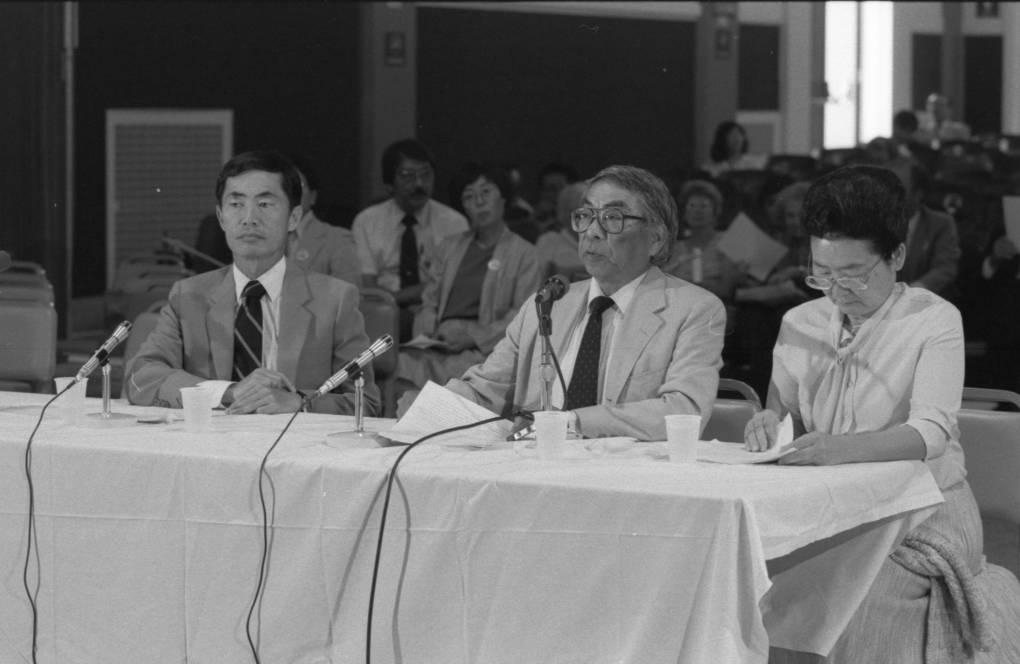
"caption": "George Takei testifies with other witnesses in front of the Commission on Wartime Relocation and Internment of Civilians (CWRIC) in California in 1981.",
"description": null,
"title": "George Takei testifies before the Commission on Wartime Relocation and Internment of Civilians in California in 1981.",
"credit": "Kaz Takeuchi/Visual Communications Photographic Archive",
"status": "inherit",
"altTag": "Black and white photo of two men and one woman sitting at a desk with microphones in front of them",
"isLoading": false,
"fetchFailed": false
},
"news_11899700": {
"type": "attachments",
"id": "news_11899700",
"meta": {
"index": "attachments_1716263798",
"site": "news",
"id": "11899700",
"found": true
},
"parent": 11899691,
"imgSizes": {
"twentyfourteen-full-width": {
"file": "https://ww2.kqed.org/app/uploads/sites/10/2021/12/GettyImages-1236483623-1038x576.jpg",
"width": 1038,
"mimeType": "image/jpeg",
"height": 576
},
"thumbnail": {
"file": "https://ww2.kqed.org/app/uploads/sites/10/2021/12/GettyImages-1236483623-160x107.jpg",
"width": 160,
"mimeType": "image/jpeg",
"height": 107
},
"post-thumbnail": {
"file": "https://ww2.kqed.org/app/uploads/sites/10/2021/12/GettyImages-1236483623-672x372.jpg",
"width": 672,
"mimeType": "image/jpeg",
"height": 372
},
"kqedFullSize": {
"file": "https://ww2.kqed.org/app/uploads/sites/10/2021/12/GettyImages-1236483623-scaled.jpg",
"width": 2560,
"height": 1707
},
"2048x2048": {
"file": "https://ww2.kqed.org/app/uploads/sites/10/2021/12/GettyImages-1236483623-2048x1365.jpg",
"width": 2048,
"mimeType": "image/jpeg",
"height": 1365
},
"large": {
"file": "https://ww2.kqed.org/app/uploads/sites/10/2021/12/GettyImages-1236483623-1020x680.jpg",
"width": 1020,
"mimeType": "image/jpeg",
"height": 680
},
"1536x1536": {
"file": "https://ww2.kqed.org/app/uploads/sites/10/2021/12/GettyImages-1236483623-1536x1024.jpg",
"width": 1536,
"mimeType": "image/jpeg",
"height": 1024
},
"full-width": {
"file": "https://ww2.kqed.org/app/uploads/sites/10/2021/12/GettyImages-1236483623-1920x1280.jpg",
"width": 1920,
"mimeType": "image/jpeg",
"height": 1280
},
"medium": {
"file": "https://ww2.kqed.org/app/uploads/sites/10/2021/12/GettyImages-1236483623-800x533.jpg",
"width": 800,
"mimeType": "image/jpeg",
"height": 533
}
},
"publishDate": 1639787635,
"modified": 1645148639,
"caption": "Gov. Gavin Newsom prepares to speak during a press conference about COVID-19 vaccinations and housing for unhoused veterans on Nov. 10, 2021, in Los Angeles.",
"description": "Gov. Gavin Newsom prepares to speak during a press conference about COVID-19 vaccinations and housing for homeless veterans on November 10, 2021 in Los Angeles.",
"title": "US-HEALTH-VIRUS-VACCINES",
"credit": "Patrick T. Fallon/AFP via Getty Images",
"status": "inherit",
"altTag": "A profile view of Gavin Newsom standing outside looking away at the camera. There is nobody near him.",
"isLoading": false,
"fetchFailed": false
},
"news_11905545": {
"type": "attachments",
"id": "news_11905545",
"meta": {
"index": "attachments_1716263798",
"site": "news",
"id": "11905545",
"found": true
},
"parent": 11905492,
"imgSizes": {
"twentyfourteen-full-width": {
"file": "https://ww2.kqed.org/app/uploads/sites/10/2022/02/AvenalPoliceCar-1038x576.jpg",
"width": 1038,
"mimeType": "image/jpeg",
"height": 576
},
"thumbnail": {
"file": "https://ww2.kqed.org/app/uploads/sites/10/2022/02/AvenalPoliceCar-160x105.jpg",
"width": 160,
"mimeType": "image/jpeg",
"height": 105
},
"post-thumbnail": {
"file": "https://ww2.kqed.org/app/uploads/sites/10/2022/02/AvenalPoliceCar-672x372.jpg",
"width": 672,
"mimeType": "image/jpeg",
"height": 372
},
"kqedFullSize": {
"file": "https://ww2.kqed.org/app/uploads/sites/10/2022/02/AvenalPoliceCar.jpg",
"width": 1505,
"height": 990
},
"large": {
"file": "https://ww2.kqed.org/app/uploads/sites/10/2022/02/AvenalPoliceCar-1020x671.jpg",
"width": 1020,
"mimeType": "image/jpeg",
"height": 671
},
"medium": {
"file": "https://ww2.kqed.org/app/uploads/sites/10/2022/02/AvenalPoliceCar-800x526.jpg",
"width": 800,
"mimeType": "image/jpeg",
"height": 526
}
},
"publishDate": 1645124703,
"modified": 1645138717,
"caption": "An investigation into racist slurs uttered by a police sergeant in the Central Valley town of Avenal is among the first records released to KQED under a new California law that expands the categories of police records available to the public to include findings of discrimination, false arrests and excessive force.",
"description": null,
"title": "AvenalPoliceCar",
"credit": "Courtesy of City of Avenal",
"status": "inherit",
"altTag": "close up view of a police car reading 'avenal police' on the side",
"isLoading": false,
"fetchFailed": false
},
"news_11905406": {
"type": "attachments",
"id": "news_11905406",
"meta": {
"index": "attachments_1716263798",
"site": "news",
"id": "11905406",
"found": true
},
"parent": 11905371,
"imgSizes": {
"twentyfourteen-full-width": {
"file": "https://ww2.kqed.org/app/uploads/sites/10/2022/02/CA-capitol-building-1038x576.jpg",
"width": 1038,
"mimeType": "image/jpeg",
"height": 576
},
"thumbnail": {
"file": "https://ww2.kqed.org/app/uploads/sites/10/2022/02/CA-capitol-building-160x90.jpg",
"width": 160,
"mimeType": "image/jpeg",
"height": 90
},
"post-thumbnail": {
"file": "https://ww2.kqed.org/app/uploads/sites/10/2022/02/CA-capitol-building-672x372.jpg",
"width": 672,
"mimeType": "image/jpeg",
"height": 372
},
"kqedFullSize": {
"file": "https://ww2.kqed.org/app/uploads/sites/10/2022/02/CA-capitol-building.jpg",
"width": 1920,
"height": 1080
},
"large": {
"file": "https://ww2.kqed.org/app/uploads/sites/10/2022/02/CA-capitol-building-1020x574.jpg",
"width": 1020,
"mimeType": "image/jpeg",
"height": 574
},
"1536x1536": {
"file": "https://ww2.kqed.org/app/uploads/sites/10/2022/02/CA-capitol-building-1536x864.jpg",
"width": 1536,
"mimeType": "image/jpeg",
"height": 864
},
"medium": {
"file": "https://ww2.kqed.org/app/uploads/sites/10/2022/02/CA-capitol-building-800x450.jpg",
"width": 800,
"mimeType": "image/jpeg",
"height": 450
}
},
"publishDate": 1645043218,
"modified": 1645123235,
"caption": "California's Capitol building in Sacramento, 1853.",
"description": null,
"title": "CA-capitol-building",
"credit": "\u003ca href=\"https://commons.wikimedia.org/wiki/File:Appendix_to_the_Journals_of_the_Senate_and_Assembly_of_the_session_of_the_Legislature_of_the_State_of_California_(1903)_(14596722720).jpg#/media/File:Appendix_to_the_Journals_of_the_Senate_and_Assembly_of_the_session_of_the_Legislature_of_the_State_of_California_(1903)_(14596722720).jpg\">Wikimedia Commons\u003c/a>",
"status": "inherit",
"altTag": "Old black and white drawing of a neoclassical building with a large cupola surrounded by a carefully tended garden.",
"isLoading": false,
"fetchFailed": false
},
"news_11904927": {
"type": "attachments",
"id": "news_11904927",
"meta": {
"index": "attachments_1716263798",
"site": "news",
"id": "11904927",
"found": true
},
"parent": 11904843,
"imgSizes": {
"twentyfourteen-full-width": {
"file": "https://ww2.kqed.org/app/uploads/sites/10/2022/02/MARQUEE_920-915x576.jpg",
"width": 915,
"mimeType": "image/jpeg",
"height": 576
},
"thumbnail": {
"file": "https://ww2.kqed.org/app/uploads/sites/10/2022/02/MARQUEE_920-160x108.jpg",
"width": 160,
"mimeType": "image/jpeg",
"height": 108
},
"post-thumbnail": {
"file": "https://ww2.kqed.org/app/uploads/sites/10/2022/02/MARQUEE_920-672x372.jpg",
"width": 672,
"mimeType": "image/jpeg",
"height": 372
},
"kqedFullSize": {
"file": "https://ww2.kqed.org/app/uploads/sites/10/2022/02/MARQUEE_920.jpg",
"width": 915,
"height": 617
},
"medium": {
"file": "https://ww2.kqed.org/app/uploads/sites/10/2022/02/MARQUEE_920-800x539.jpg",
"width": 800,
"mimeType": "image/jpeg",
"height": 539
}
},
"publishDate": 1644619481,
"modified": 1644619481,
"caption": null,
"description": null,
"title": "MARQUEE_920",
"credit": null,
"status": "inherit",
"altTag": null,
"isLoading": false,
"fetchFailed": false
},
"news_11904542": {
"type": "attachments",
"id": "news_11904542",
"meta": {
"index": "attachments_1716263798",
"site": "news",
"id": "11904542",
"found": true
},
"parent": 11904539,
"imgSizes": {
"twentyfourteen-full-width": {
"file": "https://ww2.kqed.org/app/uploads/sites/10/2022/02/Chalino-master-1038x576.jpg",
"width": 1038,
"mimeType": "image/jpeg",
"height": 576
},
"thumbnail": {
"file": "https://ww2.kqed.org/app/uploads/sites/10/2022/02/Chalino-master-160x90.jpg",
"width": 160,
"mimeType": "image/jpeg",
"height": 90
},
"post-thumbnail": {
"file": "https://ww2.kqed.org/app/uploads/sites/10/2022/02/Chalino-master-672x372.jpg",
"width": 672,
"mimeType": "image/jpeg",
"height": 372
},
"kqedFullSize": {
"file": "https://ww2.kqed.org/app/uploads/sites/10/2022/02/Chalino-master.jpg",
"width": 1920,
"height": 1080
},
"large": {
"file": "https://ww2.kqed.org/app/uploads/sites/10/2022/02/Chalino-master-1020x574.jpg",
"width": 1020,
"mimeType": "image/jpeg",
"height": 574
},
"1536x1536": {
"file": "https://ww2.kqed.org/app/uploads/sites/10/2022/02/Chalino-master-1536x864.jpg",
"width": 1536,
"mimeType": "image/jpeg",
"height": 864
},
"medium": {
"file": "https://ww2.kqed.org/app/uploads/sites/10/2022/02/Chalino-master-800x450.jpg",
"width": 800,
"mimeType": "image/jpeg",
"height": 450
}
},
"publishDate": 1644368575,
"modified": 1644534932,
"caption": "Artwork for Idolo: The Ballad of Chalino Sánchez, an eight-part podcast released Feb. 1 that dives into the legacy and murder of the slain corrido singer.",
"description": null,
"title": "Chalino master",
"credit": "Courtesy of Sonoro Media and Futuro Media",
"status": "inherit",
"altTag": "An illustration with the title 'IDOLO,' of a man wearing a cowboy hat, surrounded by dollar bills.",
"isLoading": false,
"fetchFailed": false
},
"news_11904299": {
"type": "attachments",
"id": "news_11904299",
"meta": {
"index": "attachments_1716263798",
"site": "news",
"id": "11904299",
"found": true
},
"parent": 11904298,
"imgSizes": {
"twentyfourteen-full-width": {
"file": "https://ww2.kqed.org/app/uploads/sites/10/2022/02/RS53521_GettyImages-1181905632-qut-1038x576.jpg",
"width": 1038,
"mimeType": "image/jpeg",
"height": 576
},
"thumbnail": {
"file": "https://ww2.kqed.org/app/uploads/sites/10/2022/02/RS53521_GettyImages-1181905632-qut-160x107.jpg",
"width": 160,
"mimeType": "image/jpeg",
"height": 107
},
"post-thumbnail": {
"file": "https://ww2.kqed.org/app/uploads/sites/10/2022/02/RS53521_GettyImages-1181905632-qut-672x372.jpg",
"width": 672,
"mimeType": "image/jpeg",
"height": 372
},
"kqedFullSize": {
"file": "https://ww2.kqed.org/app/uploads/sites/10/2022/02/RS53521_GettyImages-1181905632-qut.jpg",
"width": 1920,
"height": 1280
},
"large": {
"file": "https://ww2.kqed.org/app/uploads/sites/10/2022/02/RS53521_GettyImages-1181905632-qut-1020x680.jpg",
"width": 1020,
"mimeType": "image/jpeg",
"height": 680
},
"1536x1536": {
"file": "https://ww2.kqed.org/app/uploads/sites/10/2022/02/RS53521_GettyImages-1181905632-qut-1536x1024.jpg",
"width": 1536,
"mimeType": "image/jpeg",
"height": 1024
},
"medium": {
"file": "https://ww2.kqed.org/app/uploads/sites/10/2022/02/RS53521_GettyImages-1181905632-qut-800x533.jpg",
"width": 800,
"mimeType": "image/jpeg",
"height": 533
}
},
"publishDate": 1644167066,
"modified": 1644269670,
"caption": "The Dublin Federal Correctional Institution is photographed on Sept. 13, 2019, in Dublin. A 2022 Associated Press investigation has found a permissive and toxic culture at the Bay Area lockup, enabling years of sexual misconduct by predatory employees and cover-ups that have largely kept the abuse out of the public eye.",
"description": null,
"title": "Dublin Federal Correctional Institution",
"credit": "Anda Chu/MediaNews Group/The Mercury News via Getty Images",
"status": "inherit",
"altTag": "A depressing stone sign marks the entrance to the Dublin Federal Correctional Institution",
"isLoading": false,
"fetchFailed": false
},
"news_11904090": {
"type": "attachments",
"id": "news_11904090",
"meta": {
"index": "attachments_1716263798",
"site": "news",
"id": "11904090",
"found": true
},
"parent": 11904089,
"imgSizes": {
"twentyfourteen-full-width": {
"file": "https://ww2.kqed.org/app/uploads/sites/10/2022/02/image1-1038x576.jpg",
"width": 1038,
"mimeType": "image/jpeg",
"height": 576
},
"thumbnail": {
"file": "https://ww2.kqed.org/app/uploads/sites/10/2022/02/image1-160x107.jpg",
"width": 160,
"mimeType": "image/jpeg",
"height": 107
},
"post-thumbnail": {
"file": "https://ww2.kqed.org/app/uploads/sites/10/2022/02/image1-672x372.jpg",
"width": 672,
"mimeType": "image/jpeg",
"height": 372
},
"kqedFullSize": {
"file": "https://ww2.kqed.org/app/uploads/sites/10/2022/02/image1.jpg",
"width": 1920,
"height": 1278
},
"large": {
"file": "https://ww2.kqed.org/app/uploads/sites/10/2022/02/image1-1020x679.jpg",
"width": 1020,
"mimeType": "image/jpeg",
"height": 679
},
"1536x1536": {
"file": "https://ww2.kqed.org/app/uploads/sites/10/2022/02/image1-1536x1022.jpg",
"width": 1536,
"mimeType": "image/jpeg",
"height": 1022
},
"medium": {
"file": "https://ww2.kqed.org/app/uploads/sites/10/2022/02/image1-800x533.jpg",
"width": 800,
"mimeType": "image/jpeg",
"height": 533
}
},
"publishDate": 1644007352,
"modified": 1644007352,
"caption": null,
"description": null,
"title": "image1",
"credit": null,
"status": "inherit",
"altTag": null,
"isLoading": false,
"fetchFailed": false
},
"news_11904185": {
"type": "attachments",
"id": "news_11904185",
"meta": {
"index": "attachments_1716263798",
"site": "news",
"id": "11904185",
"found": true
},
"parent": 11904155,
"imgSizes": {
"twentyfourteen-full-width": {
"file": "https://ww2.kqed.org/app/uploads/sites/10/2022/02/KaiserPermanenteExample-1-1020x576.jpeg",
"width": 1020,
"mimeType": "image/jpeg",
"height": 576
},
"thumbnail": {
"file": "https://ww2.kqed.org/app/uploads/sites/10/2022/02/KaiserPermanenteExample-1-160x120.jpeg",
"width": 160,
"mimeType": "image/jpeg",
"height": 120
},
"post-thumbnail": {
"file": "https://ww2.kqed.org/app/uploads/sites/10/2022/02/KaiserPermanenteExample-1-672x372.jpeg",
"width": 672,
"mimeType": "image/jpeg",
"height": 372
},
"kqedFullSize": {
"file": "https://ww2.kqed.org/app/uploads/sites/10/2022/02/KaiserPermanenteExample-1.jpeg",
"width": 1020,
"height": 765
},
"medium": {
"file": "https://ww2.kqed.org/app/uploads/sites/10/2022/02/KaiserPermanenteExample-1-800x600.jpeg",
"width": 800,
"mimeType": "image/jpeg",
"height": 600
}
},
"publishDate": 1644016108,
"modified": 1644260910,
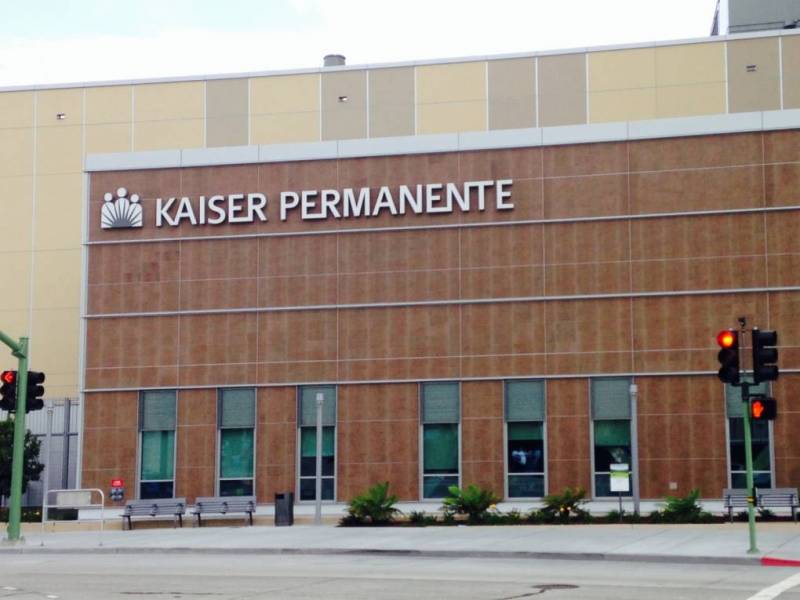
"caption": "A deal struck between Kaiser Permanente and Gov. Gavin Newsom's office could complicate a long-planned transformation of Medi-Cal.",
"description": null,
"title": "KaiserPermanenteExample",
"credit": "Lisa Aliferis/KQED",
"status": "inherit",
"altTag": null,
"isLoading": false,
"fetchFailed": false
},
"news_11903132": {
"type": "attachments",
"id": "news_11903132",
"meta": {
"index": "attachments_1716263798",
"site": "news",
"id": "11903132",
"found": true
},
"parent": 11902904,
"imgSizes": {
"twentyfourteen-full-width": {
"file": "https://ww2.kqed.org/app/uploads/sites/10/2022/01/01262022-HOMELESS-SERVICES-RN02-1038x576.jpg",
"width": 1038,
"mimeType": "image/jpeg",
"height": 576
},
"thumbnail": {
"file": "https://ww2.kqed.org/app/uploads/sites/10/2022/01/01262022-HOMELESS-SERVICES-RN02-160x109.jpg",
"width": 160,
"mimeType": "image/jpeg",
"height": 109
},
"post-thumbnail": {
"file": "https://ww2.kqed.org/app/uploads/sites/10/2022/01/01262022-HOMELESS-SERVICES-RN02-672x372.jpg",
"width": 672,
"mimeType": "image/jpeg",
"height": 372
},
"kqedFullSize": {
"file": "https://ww2.kqed.org/app/uploads/sites/10/2022/01/01262022-HOMELESS-SERVICES-RN02.jpg",
"width": 1200,
"height": 818
},
"large": {
"file": "https://ww2.kqed.org/app/uploads/sites/10/2022/01/01262022-HOMELESS-SERVICES-RN02-1020x695.jpg",
"width": 1020,
"mimeType": "image/jpeg",
"height": 695
},
"medium": {
"file": "https://ww2.kqed.org/app/uploads/sites/10/2022/01/01262022-HOMELESS-SERVICES-RN02-800x545.jpg",
"width": 800,
"mimeType": "image/jpeg",
"height": 545
}
},
"publishDate": 1643395028,
"modified": 1643652903,
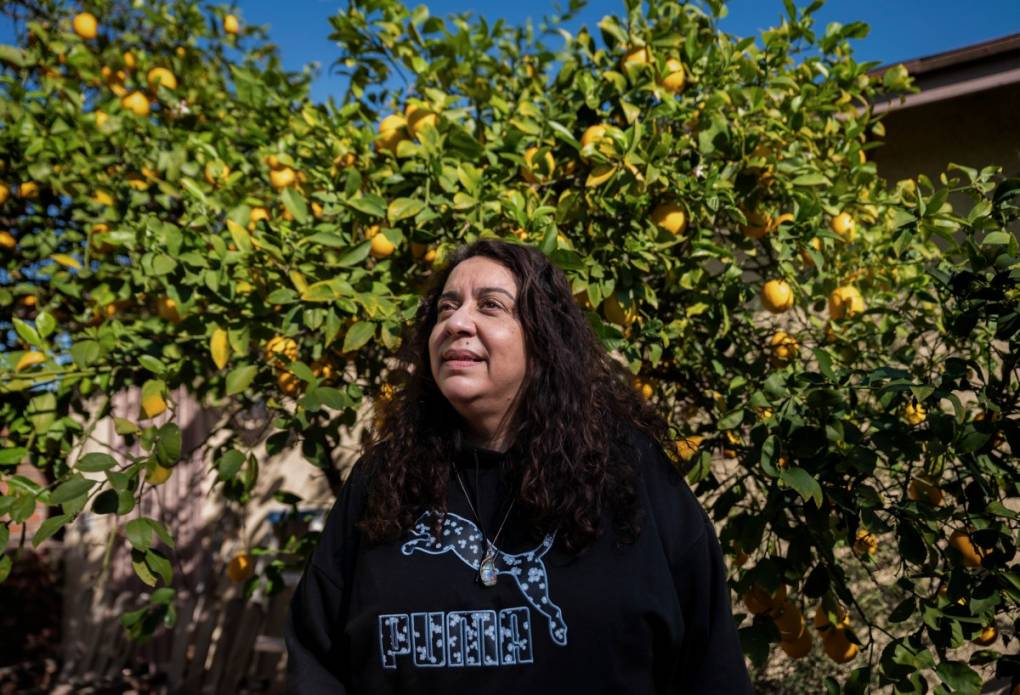
"caption": "Denise Velazquez in front of the lemon tree her grandmother planted in their family garden in Monterey Park. Velazquez left her position as an outreach worker with the Los Angeles Homeless Services Authority as her health worsened.",
"description": "Denise Velazquez in front of the lemon tree her grandmother planted in their family garden in Monterey Park.",
"title": "01262022-HOMELESS-SERVICES-RN02",
"credit": "Raquel Natalicchio/CalMatters",
"status": "inherit",
"altTag": "A person stands outside, in front of a lemon tree. They look away from the camera.",
"isLoading": false,
"fetchFailed": false
}
},
"audioPlayerReducer": {
"postId": "stream_live",
"isPaused": true,
"isPlaying": false,
"pfsActive": false,
"pledgeModalIsOpen": true,
"playerDrawerIsOpen": false,
"liveAudioPlayStartedAt": 0,
"liveAudioPlayContext": ""
},
"authorsReducer": {
"byline_news_11905723": {
"type": "authors",
"id": "byline_news_11905723",
"meta": {
"override": true
},
"slug": "byline_news_11905723",
"name": "Neda Ulaby",
"isLoading": false
},
"byline_news_11904298": {
"type": "authors",
"id": "byline_news_11904298",
"meta": {
"override": true
},
"slug": "byline_news_11904298",
"name": "Michael Balsamo and Michael R. Sisak \u003cbr> Associated Press",
"isLoading": false
},
"byline_news_11904155": {
"type": "authors",
"id": "byline_news_11904155",
"meta": {
"override": true
},
"slug": "byline_news_11904155",
"name": "\u003ca href=\"https://khn.org/news/author/bernard-j-wolfson/\">Bernard J. Wolfson\u003c/a>, \u003ca href=\"https://khn.org/news/author/angela-hart/\">Angela Hart\u003c/a> and \u003ca href=\"https://khn.org/news/author/samantha-young/\">Samantha Young\u003c/a>",
"isLoading": false
},
"byline_news_11902904": {
"type": "authors",
"id": "byline_news_11902904",
"meta": {
"override": true
},
"slug": "byline_news_11902904",
"name": "\u003ca href=\"https://calmatters.org/author/manuela-tobias/\">Manuela Tobias\u003c/a>",
"isLoading": false
},
"katrinaschwartz": {
"type": "authors",
"id": "234",
"meta": {
"index": "authors_1716337520",
"id": "234",
"found": true
},
"name": "Katrina Schwartz",
"firstName": "Katrina",
"lastName": "Schwartz",
"slug": "katrinaschwartz",
"email": "kschwartz@kqed.org",
"display_author_email": false,
"staff_mastheads": [
"news"
],
"title": "Producer",
"bio": "Katrina Schwartz is a journalist based in San Francisco. She's worked at KPCC public radio in LA and has reported on air and online for KQED since 2010. She covered how teaching and learning is changing for MindShift between 2012 and 2020. She is the co-host of the MindShift podcast and now produces KQED's Bay Curious podcast.",
"avatar": "https://secure.gravatar.com/avatar/edb4ee79070447a018538c9aae6eeecf28786515b8a0c30e43b6b7dce5aa44c8?s=600&d=blank&r=g",
"twitter": "kschwart",
"bluesky": null,
"facebook": null,
"instagram": null,
"linkedin": null,
"sites": [
{
"site": "news",
"roles": [
"editor"
]
},
{
"site": "mindshift",
"roles": [
"administrator"
]
},
{
"site": "stateofhealth",
"roles": [
"author"
]
},
{
"site": "science",
"roles": [
"editor"
]
}
],
"headData": {
"title": "Katrina Schwartz | KQED",
"description": "Producer",
"ogImgSrc": "https://secure.gravatar.com/avatar/edb4ee79070447a018538c9aae6eeecf28786515b8a0c30e43b6b7dce5aa44c8?s=600&d=blank&r=g",
"twImgSrc": "https://secure.gravatar.com/avatar/edb4ee79070447a018538c9aae6eeecf28786515b8a0c30e43b6b7dce5aa44c8?s=600&d=blank&r=g"
},
"isLoading": false,
"link": "/author/katrinaschwartz"
},
"kqed": {
"type": "authors",
"id": "236",
"meta": {
"index": "authors_1716337520",
"id": "236",
"found": true
},
"name": "KQED News Staff",
"firstName": "KQED News Staff",
"lastName": null,
"slug": "kqed",
"email": "faq@kqed.org",
"display_author_email": false,
"staff_mastheads": [],
"title": null,
"bio": null,
"avatar": "https://secure.gravatar.com/avatar/ef0e801a68c4c54afa9180db14084167?s=600&d=blank&r=g",
"twitter": null,
"facebook": null,
"instagram": null,
"linkedin": null,
"sites": [
{
"site": "arts",
"roles": [
"contributor"
]
},
{
"site": "news",
"roles": [
"editor"
]
},
{
"site": "futureofyou",
"roles": [
"author"
]
}
],
"headData": {
"title": "KQED News Staff | KQED",
"description": null,
"ogImgSrc": "https://secure.gravatar.com/avatar/ef0e801a68c4c54afa9180db14084167?s=600&d=blank&r=g",
"twImgSrc": "https://secure.gravatar.com/avatar/ef0e801a68c4c54afa9180db14084167?s=600&d=blank&r=g"
},
"isLoading": false,
"link": "/author/kqed"
},
"adembosky": {
"type": "authors",
"id": "3205",
"meta": {
"index": "authors_1716337520",
"id": "3205",
"found": true
},
"name": "April Dembosky",
"firstName": "April",
"lastName": "Dembosky",
"slug": "adembosky",
"email": "adembosky@kqed.org",
"display_author_email": false,
"staff_mastheads": [
"news",
"science"
],
"title": "KQED Health Correspondent",
"bio": "April Dembosky is the health correspondent for KQED News and a regular contributor to NPR. She specializes in covering altered states of mind, from postpartum depression to methamphetamine-induced psychosis to the insanity defense. Her investigative series on insurance companies sidestepping mental health laws won multiple awards, including first place in beat reporting from the national Association of Health Care Journalists. She is the recipient of numerous other prizes and fellowships, including a national Edward R. Murrow award for investigative reporting, a Society of Professional Journalists award for long-form storytelling, and a Carter Center Fellowship for Mental Health Journalism.\r\n\r\nDembosky reported and produced \u003cem>Soundtrack of Silence\u003c/em>, an audio documentary about music and memory that is currently being made into a feature film by Paramount Pictures.\r\n\r\nBefore joining KQED in 2013, Dembosky covered technology and Silicon Valley for \u003cem>The Financial Times of London,\u003c/em> and contributed business and arts stories to \u003cem>Marketplace \u003c/em>and \u003cem>The New York Times.\u003c/em> She got her undergraduate degree in philosophy from Smith College and her master's in journalism from the University of California, Berkeley. She is a classically trained violinist and proud alum of the first symphony orchestra at Burning Man.",
"avatar": "https://secure.gravatar.com/avatar/ef92999be4ceb9ea60701e7dc276f813?s=600&d=blank&r=g",
"twitter": "adembosky",
"facebook": null,
"instagram": null,
"linkedin": null,
"sites": [
{
"site": "arts",
"roles": [
"author"
]
},
{
"site": "news",
"roles": [
"editor"
]
},
{
"site": "futureofyou",
"roles": [
"author"
]
},
{
"site": "stateofhealth",
"roles": [
"editor"
]
},
{
"site": "science",
"roles": [
"editor"
]
},
{
"site": "forum",
"roles": [
"editor"
]
}
],
"headData": {
"title": "April Dembosky | KQED",
"description": "KQED Health Correspondent",
"ogImgSrc": "https://secure.gravatar.com/avatar/ef92999be4ceb9ea60701e7dc276f813?s=600&d=blank&r=g",
"twImgSrc": "https://secure.gravatar.com/avatar/ef92999be4ceb9ea60701e7dc276f813?s=600&d=blank&r=g"
},
"isLoading": false,
"link": "/author/adembosky"
},
"mlagos": {
"type": "authors",
"id": "3239",
"meta": {
"index": "authors_1716337520",
"id": "3239",
"found": true
},
"name": "Marisa Lagos",
"firstName": "Marisa",
"lastName": "Lagos",
"slug": "mlagos",
"email": "mlagos@kqed.org",
"display_author_email": false,
"staff_mastheads": [
"news"
],
"title": "KQED Contributor",
"bio": "Marisa Lagos is a correspondent for KQED’s California Politics and Government Desk and co-hosts the award-winning show and podcast, Political Breakdown. At KQED, Lagos also conducts reporting, analysis and investigations into state, local and national politics for radio, TV, online and onstage. In 2022, she and co-host, Scott Shafer, moderated the only gubernatorial debate in California. In 2020, the \u003ci>Washington Post\u003c/i> named her one of the top political journalists in California; she was nominated for a Peabody and won several other awards for her work investigating the 2017 California wildfires. She has worked at the \u003ci>San Francisco Chronicle\u003c/i>, \u003ci>San Francisco Examiner\u003c/i> and \u003ci>Los Angeles Times\u003c/i>. A UC Santa Barbara graduate, she lives in San Francisco with her two sons and husband.",
"avatar": "https://secure.gravatar.com/avatar/a261a0d3696fc066871ef96b85b5e7d2?s=600&d=blank&r=g",
"twitter": "@mlagos",
"facebook": null,
"instagram": null,
"linkedin": null,
"sites": [
{
"site": "arts",
"roles": [
"author"
]
},
{
"site": "news",
"roles": [
"editor"
]
},
{
"site": "science",
"roles": [
"editor"
]
},
{
"site": "forum",
"roles": [
"author"
]
},
{
"site": "liveblog",
"roles": [
"author"
]
}
],
"headData": {
"title": "Marisa Lagos | KQED",
"description": "KQED Contributor",
"ogImgSrc": "https://secure.gravatar.com/avatar/a261a0d3696fc066871ef96b85b5e7d2?s=600&d=blank&r=g",
"twImgSrc": "https://secure.gravatar.com/avatar/a261a0d3696fc066871ef96b85b5e7d2?s=600&d=blank&r=g"
},
"isLoading": false,
"link": "/author/mlagos"
},
"slewis": {
"type": "authors",
"id": "8676",
"meta": {
"index": "authors_1716337520",
"id": "8676",
"found": true
},
"name": "Sukey Lewis",
"firstName": "Sukey",
"lastName": "Lewis",
"slug": "slewis",
"email": "slewis@kqed.org",
"display_author_email": true,
"staff_mastheads": [
"news"
],
"title": "KQED Contributor",
"bio": "Sukey Lewis is a criminal justice reporter and host of \u003cem>On Our Watch\u003c/em>, a new podcast from NPR and KQED about the shadow world of police discipline. In 2018, she co-founded the California Reporting Project, a coalition of newsrooms across the state focused on obtaining previously sealed internal affairs records from law enforcement. In addition to her reporting on police accountability, Sukey has investigated the bail bonds industry, California's wildfires and the high cost of prison phone calls. Sukey earned a master's degree in journalism from the University of California at Berkeley. Send news tips to slewis@kqed.org.",
"avatar": "https://secure.gravatar.com/avatar/03fd6b21024f99d8b0a1966654586de7?s=600&d=blank&r=g",
"twitter": "SukeyLewis",
"facebook": null,
"instagram": null,
"linkedin": null,
"sites": [
{
"site": "news",
"roles": [
"author",
"edit_others_posts"
]
}
],
"headData": {
"title": "Sukey Lewis | KQED",
"description": "KQED Contributor",
"ogImgSrc": "https://secure.gravatar.com/avatar/03fd6b21024f99d8b0a1966654586de7?s=600&d=blank&r=g",
"twImgSrc": "https://secure.gravatar.com/avatar/03fd6b21024f99d8b0a1966654586de7?s=600&d=blank&r=g"
},
"isLoading": false,
"link": "/author/slewis"
},
"btorres": {
"type": "authors",
"id": "11666",
"meta": {
"index": "authors_1716337520",
"id": "11666",
"found": true
},
"name": "Blanca Torres",
"firstName": "Blanca",
"lastName": "Torres",
"slug": "btorres",
"email": "btorres@kqed.org",
"display_author_email": true,
"staff_mastheads": [
"news"
],
"title": "Producer, Forum",
"bio": "Blanca Torres brings sharp news judgement and keen sense of lively conversation to her work as producer for Forum. She loves producing shows that leave listeners feeling like they heard distinctive voices, learned something new and gained a fresh perspective.\r\n\r\nShe joined KQED in January of 2020 after 16 years of working as a newspaper reporter most recently at the \u003cem>San Francisco Business Times,\u003c/em> where she wrote about real estate and economic development. Before that, she covered a variety of beats including crime, education, retail, workplace, the economy, consumer issues, and small business for the \u003cem>Contra Costa Times, Baltimore Sun\u003c/em> and\u003cem> The Seattle Times\u003c/em>. In addition to reporting, she worked as an editorial writer and columnist for the \u003cem>Seattle Times\u003c/em>. From 2017 to 2020, Blanca won a total of ten awards from the National Association of Real Estate Editors and won first place for land use reporting from the California News Publishers Association two years in a row. She is also a member and former board member for the National Association of Hispanic Journalists.\r\n\r\nA native of the Pacific Northwest, Blanca earned her bachelor's degree from Vanderbilt University in Nashville and a master's in fine arts in creative writing at Mills College. She lives in the East Bay with her family.",
"avatar": "https://secure.gravatar.com/avatar/f2322ff46076d337f7ba731ee6068cb1?s=600&d=blank&r=g",
"twitter": "@blancawrites",
"facebook": null,
"instagram": null,
"linkedin": null,
"sites": [
{
"site": "arts",
"roles": [
"editor"
]
},
{
"site": "news",
"roles": [
"editor"
]
},
{
"site": "forum",
"roles": [
"editor"
]
}
],
"headData": {
"title": "Blanca Torres | KQED",
"description": "Producer, Forum",
"ogImgSrc": "https://secure.gravatar.com/avatar/f2322ff46076d337f7ba731ee6068cb1?s=600&d=blank&r=g",
"twImgSrc": "https://secure.gravatar.com/avatar/f2322ff46076d337f7ba731ee6068cb1?s=600&d=blank&r=g"
},
"isLoading": false,
"link": "/author/btorres"
}
},
"pagesReducer": {
"news_tag_california": {
"type": "terms",
"id": "news_18538",
"meta": {
"index": "terms_1716263798",
"site": "news",
"id": "18538",
"score": 6.8456903
},
"featImg": null,
"name": "California",
"description": null,
"taxonomy": "tag",
"headData": {
"twImgId": null,
"twTitle": null,
"ogTitle": null,
"ogImgId": null,
"twDescription": null,
"description": null,
"title": "California Archives | KQED News",
"ogDescription": null
},
"ttid": 31,
"slug": "california",
"isLoading": false,
"title": "California",
"pageMeta": {
"site": "news",
"WpPageTemplate": "page-topic-editorial",
"currentPage": 169
},
"blocks": [
{
"blockName": "kqed/post-list",
"attrs": {
"layout": "cardArticle2",
"query": "posts/news?tag=california",
"seeMore": false,
"paginated": true,
"page": 169
}
},
{
"blockName": "kqed/ad"
}
]
}
},
"pfsSessionReducer": {},
"postsReducer": {
"stream_live": {
"type": "live",
"id": "stream_live",
"audioUrl": "https://streams.kqed.org/kqedradio",
"title": "Live Stream",
"excerpt": "Live Stream information currently unavailable.",
"link": "/radio",
"featImg": "",
"label": {
"name": "KQED Live",
"link": "/"
}
},
"stream_kqedNewscast": {
"type": "posts",
"id": "stream_kqedNewscast",
"audioUrl": "https://www.kqed.org/.stream/anon/radio/RDnews/newscast.mp3?_=1",
"title": "KQED Newscast",
"featImg": "",
"label": {
"name": "88.5 FM",
"link": "/"
}
},
"news_11905645": {
"type": "posts",
"id": "news_11905645",
"meta": {
"index": "posts_1716263798",
"site": "news",
"id": "11905645",
"score": null,
"sort": [
1645229852000
]
},
"guestAuthors": [],
"slug": "imperfect-paradise-when-neighbors-shout-down-an-apartment-complex-for-unhoused-people",
"title": "'Imperfect Paradise': When Neighbors Shout Down an Apartment Complex for Unhoused People",
"publishDate": 1645229852,
"format": "standard",
"headTitle": "‘Imperfect Paradise’: When Neighbors Shout Down an Apartment Complex for Unhoused People | KQED",
"labelTerm": {},
"content": "\u003cp>\u003cem>This week’s \u003ca href=\"https://www.kqed.org/news/tag/tcrmag/\">California Report Magazine\u003c/a> features a conversation with KPCC reporter Jill Replogle, whose three-part series “Home Is Life” is the opening season of the new LAist podcast \u003ca href=\"https://laist.com/podcasts/imperfectparadise\">Imperfect Paradise\u003c/a>. We hear excerpts from Episode 2, which explores the \u003ca href=\"https://laist.com/news/housing-homelessness/fullerton-homelessness-nimby-supportive-housing-imperfect-paradise\">battle in Fullerton over an effort to build a new apartment complex\u003c/a> to get unhoused people off the street.\u003c/em>\u003c/p>\n\u003cp>How to get unhoused people into stable housing is a question cities across California are grappling with. But the problem isn’t always finding land or money to build permanent supportive housing — often, it’s the neighbors.\u003c/p>\n\u003cp>David Gillanders runs an organization called \u003ca href=\"https://www.pohoc.org/staff/\">Pathways of Hope\u003c/a>, which works to end homelessness and hunger in Orange County. He was frustrated with the limits of services for unhoused people, which tend to go not much beyond things like church soup kitchens and clothing drives.\u003c/p>\n\u003cfigure id=\"attachment_11905657\" class=\"wp-caption aligncenter\" style=\"max-width: 800px\">\u003cimg loading=\"lazy\" decoding=\"async\" class=\"size-medium wp-image-11905657\" src=\"https://ww2.kqed.org/app/uploads/sites/10/2022/02/RS53771_David-Gillanders-qut-800x600.jpg\" alt=\"\" width=\"800\" height=\"600\" srcset=\"https://cdn.kqed.org/wp-content/uploads/sites/10/2022/02/RS53771_David-Gillanders-qut-800x600.jpg 800w, https://cdn.kqed.org/wp-content/uploads/sites/10/2022/02/RS53771_David-Gillanders-qut-1020x765.jpg 1020w, https://cdn.kqed.org/wp-content/uploads/sites/10/2022/02/RS53771_David-Gillanders-qut-160x120.jpg 160w, https://cdn.kqed.org/wp-content/uploads/sites/10/2022/02/RS53771_David-Gillanders-qut-1536x1152.jpg 1536w, https://cdn.kqed.org/wp-content/uploads/sites/10/2022/02/RS53771_David-Gillanders-qut.jpg 1920w\" sizes=\"auto, (max-width: 800px) 100vw, 800px\">\u003cfigcaption class=\"wp-caption-text\">David Gillanders, executive director of Pathways of Hope, at the proposed site of an apartment complex for chronically unhoused people in Fullerton. \u003ccite>(Jill Replogle / KPCC)\u003c/cite>\u003c/figcaption>\u003c/figure>\n\u003cp>“Yes, handing out toys to families matters. Yes, everyone’s got to eat,” Gillanders said.\u003c/p>\n\u003cp>“But it’s literally homelessness. It’s not souplessness, you know what I mean? It’s not clotheslessness. It’s not showerlessness. It’s homelessness. Demonstrate for me how homelessness is ended with anything other than a set of keys, a lease and a place to call home.”\u003c/p>\n\u003cfigure id=\"attachment_11905658\" class=\"wp-caption aligncenter\" style=\"max-width: 800px\">\u003cimg loading=\"lazy\" decoding=\"async\" class=\"size-medium wp-image-11905658\" src=\"https://ww2.kqed.org/app/uploads/sites/10/2022/02/RS53772_Curtis-Gamble-qut-800x533.jpg\" alt=\"\" width=\"800\" height=\"533\" srcset=\"https://cdn.kqed.org/wp-content/uploads/sites/10/2022/02/RS53772_Curtis-Gamble-qut-800x533.jpg 800w, https://cdn.kqed.org/wp-content/uploads/sites/10/2022/02/RS53772_Curtis-Gamble-qut-1020x680.jpg 1020w, https://cdn.kqed.org/wp-content/uploads/sites/10/2022/02/RS53772_Curtis-Gamble-qut-160x107.jpg 160w, https://cdn.kqed.org/wp-content/uploads/sites/10/2022/02/RS53772_Curtis-Gamble-qut-1536x1024.jpg 1536w, https://cdn.kqed.org/wp-content/uploads/sites/10/2022/02/RS53772_Curtis-Gamble-qut.jpg 1920w\" sizes=\"auto, (max-width: 800px) 100vw, 800px\">\u003cfigcaption class=\"wp-caption-text\">Curtis Gamble in his studio apartment in downtown Fullerton. Gamble was homeless in Fullerton for eight years. He was able to rent the apartment with the money he got from a settlement with the city of Fullerton over the city’s failure to zone for homeless shelters. \u003ccite>(Kyle Grillot/KPCC)\u003c/cite>\u003c/figcaption>\u003c/figure>\n\u003cp>Gillanders led an initiative to build an apartment building in Fullerton to house 60 to 80 people who are chronically unhoused and have a disability, which could include mental illness or a substance abuse disorder.\u003c/p>\n\u003cp>In order to get it approved, the Fullerton City Council told Gillanders he’d have to convince the neighbors. But that proved harder than he thought.\u003c/p>\n\u003cp>“We spent a lot of money to buy homes and to get our kids to school and, you know, just to live the American dream,” said neighbor Stephanie Bromley. “We feel like our safety and our well-being is being compromised and no one’s thinking about us.”\u003c/p>\n\u003cp>Bromley ran a Facebook group that became a forum for complaints about people experiencing homelessness in the neighborhood. Bromley said she felt compassion for unhoused people, handing out McDonald’s gift cards to people she encounters around town asking for money. But she didn’t support the idea of formerly unhoused people living in an apartment building in her neighborhood.\u003c/p>\n\u003cp>“I’m concerned that we’re going to attract people from other cities and then they’re going to become our responsibility,” Bromley said.\u003c/p>\n\u003cp>Some Fullerton residents express more vicious takes on their unhoused neighbors.\u003c/p>\n\u003cp>[ad fullwidth]\u003c/p>\n\u003cp>Catherine Reese generated a local following in Fullerton by \u003ca href=\"https://www.youtube.com/channel/UCIAEfZIjiPmYnq9ZFHdtqzA\">posting videos of her “interviewing” people\u003c/a> she presumes to be unhoused. Some videos feature her asking her subjects if they want help and then berating them if they refuse or waver. Others feature her disparaging commentaries, as she films unhoused people from a distance.\u003c/p>\n\u003cp>The Imperfect Paradise podcast follows Reese and a group of neighbors as they tour other permanent supportive housing for chronically unhoused people in Orange County. Fullerton City Council members and proponents of the Pathways project suggested it might be illuminating for residents to see some existing developments.\u003c/p>\n\u003cp>[aside label='Related Coverage' tag='homelessness']But the tour seemed to backfire. Fullerton neighbors got particularly upset when the tour stopped at an apartment complex in the city of Irvine.\u003c/p>\n\u003cp>“We know permanent supportive housing is what experts say is the best way to keep people off the street,” said Bromley. “But it bothers me that our taxpayer dollars are paying for these people to live with amenities like a pool, stainless steel appliances, granite countertops, walk-in closets, movie night, etcetera. And they never have to work. You know, it makes me wonder why I work so hard, you know, and tell my kids they need to go to school and do well for themselves and everybody getting all these things for free. It’s frustrating.”\u003c/p>\n\u003cp>Actually, tenants do pay rent: 30% of their income, which could come from employment or disability insurance.\u003c/p>\n\u003cp>But that information didn’t convince the Fullerton neighbors skeptical of the Pathways project. When the tour stopped at another permanent supportive housing project, the Rockwood apartments in Anaheim, Reese jumped in.\u003c/p>\n\u003cp>“Can I get this kind of assistance and not have to work?” she asked.\u003c/p>\n\u003cp>“If you’re homeless, if you go live on the street for a year, stop working, then you would qualify,” responded Danielle Ball, whose job is to help tenants at Rockwood.\u003c/p>\n\u003cp>“If you went out and if you decided you don’t want your house, you don’t want your car. You don’t want any single asset that you own and sell everything and go out on the street and lose it all … [and] after being on the street, most likely you will get a mental health diagnosis because it’s pretty bad out there … then you could qualify, 100%.”\u003c/p>\n\u003cp>\u003ci>\u003ca href=\"https://laist.com/podcasts/imperfectparadise\">Listen to the Imperfect Paradise podcast\u003c/a> from LAist studios to learn more about the battle over permanent supportive housing in Fullerton, and \u003ca href=\"https://laist.com/news/housing-homelessness/fullerton-homelessness-nimby-supportive-housing-imperfect-paradise\">read LAist’s full story\u003c/a>, going back to 2018.\u003c/i>\u003c/p>\n\u003cp>\u003c/p>\n",
"blocks": [],
"excerpt": "Many California cities are struggling with how to get unhoused people into stable housing. The problem isn't always land or money — often, it's the neighbors.",
"status": "publish",
"parent": 0,
"modified": 1740516748,
"stats": {
"hasAudio": false,
"hasVideo": false,
"hasChartOrMap": false,
"iframeSrcs": [],
"hasGoogleForm": false,
"hasGallery": false,
"hasHearkenModule": false,
"hasPolis": false,
"paragraphCount": 23,
"wordCount": 961
},
"headData": {
"title": "'Imperfect Paradise': When Neighbors Shout Down an Apartment Complex for Unhoused People | KQED",
"description": "Many California cities are struggling with how to get unhoused people into stable housing. The problem isn't always land or money — often, it's the neighbors.",
"ogTitle": "",
"ogDescription": "",
"ogImgId": "",
"twTitle": "",
"twDescription": "",
"twImgId": "",
"schema": {
"@context": "https://schema.org",
"@type": "NewsArticle",
"headline": "'Imperfect Paradise': When Neighbors Shout Down an Apartment Complex for Unhoused People",
"datePublished": "2022-02-18T16:17:32-08:00",
"dateModified": "2025-02-25T12:52:28-08:00",
"image": "https://cdn.kqed.org/wp-content/uploads/2020/02/KQED-OG-Image@1x.png",
"isAccessibleForFree": "True",
"publisher": {
"@type": "NewsMediaOrganization",
"@id": "https://www.kqed.org/#organization",
"name": "KQED",
"logo": "https://cdn.kqed.org/wp-content/uploads/2020/02/KQED-OG-Image@1x.png",
"url": "https://www.kqed.org",
"sameAs": [
"https://www.facebook.com/KQED",
"https://twitter.com/KQED",
"https://www.instagram.com/kqed/",
"https://www.tiktok.com/@kqedofficial",
"https://www.linkedin.com/company/kqed",
"https://www.youtube.com/channel/UCeC0IOo7i1P_61zVUWbJ4nw"
]
}
}
},
"source": "The California Report Magazine",
"sourceUrl": "https://www.kqed.org/news/tag/tcrmag/",
"audioUrl": "https://www.podtrac.com/pts/redirect.mp3/traffic.megaphone.fm/KQINC2548805720.mp3?updated=1645210593",
"sticky": false,
"excludeFromSiteSearch": "Include",
"path": "/news/11905645/imperfect-paradise-when-neighbors-shout-down-an-apartment-complex-for-unhoused-people",
"audioTrackLength": null,
"parsedContent": [
{
"type": "contentString",
"content": "\u003cdiv class=\"post-body\">\u003cp>\u003cp>\u003cem>This week’s \u003ca href=\"https://www.kqed.org/news/tag/tcrmag/\">California Report Magazine\u003c/a> features a conversation with KPCC reporter Jill Replogle, whose three-part series “Home Is Life” is the opening season of the new LAist podcast \u003ca href=\"https://laist.com/podcasts/imperfectparadise\">Imperfect Paradise\u003c/a>. We hear excerpts from Episode 2, which explores the \u003ca href=\"https://laist.com/news/housing-homelessness/fullerton-homelessness-nimby-supportive-housing-imperfect-paradise\">battle in Fullerton over an effort to build a new apartment complex\u003c/a> to get unhoused people off the street.\u003c/em>\u003c/p>\n\u003cp>How to get unhoused people into stable housing is a question cities across California are grappling with. But the problem isn’t always finding land or money to build permanent supportive housing — often, it’s the neighbors.\u003c/p>\n\u003cp>David Gillanders runs an organization called \u003ca href=\"https://www.pohoc.org/staff/\">Pathways of Hope\u003c/a>, which works to end homelessness and hunger in Orange County. He was frustrated with the limits of services for unhoused people, which tend to go not much beyond things like church soup kitchens and clothing drives.\u003c/p>\n\u003cfigure id=\"attachment_11905657\" class=\"wp-caption aligncenter\" style=\"max-width: 800px\">\u003cimg loading=\"lazy\" decoding=\"async\" class=\"size-medium wp-image-11905657\" src=\"https://ww2.kqed.org/app/uploads/sites/10/2022/02/RS53771_David-Gillanders-qut-800x600.jpg\" alt=\"\" width=\"800\" height=\"600\" srcset=\"https://cdn.kqed.org/wp-content/uploads/sites/10/2022/02/RS53771_David-Gillanders-qut-800x600.jpg 800w, https://cdn.kqed.org/wp-content/uploads/sites/10/2022/02/RS53771_David-Gillanders-qut-1020x765.jpg 1020w, https://cdn.kqed.org/wp-content/uploads/sites/10/2022/02/RS53771_David-Gillanders-qut-160x120.jpg 160w, https://cdn.kqed.org/wp-content/uploads/sites/10/2022/02/RS53771_David-Gillanders-qut-1536x1152.jpg 1536w, https://cdn.kqed.org/wp-content/uploads/sites/10/2022/02/RS53771_David-Gillanders-qut.jpg 1920w\" sizes=\"auto, (max-width: 800px) 100vw, 800px\">\u003cfigcaption class=\"wp-caption-text\">David Gillanders, executive director of Pathways of Hope, at the proposed site of an apartment complex for chronically unhoused people in Fullerton. \u003ccite>(Jill Replogle / KPCC)\u003c/cite>\u003c/figcaption>\u003c/figure>\n\u003cp>“Yes, handing out toys to families matters. Yes, everyone’s got to eat,” Gillanders said.\u003c/p>\n\u003cp>“But it’s literally homelessness. It’s not souplessness, you know what I mean? It’s not clotheslessness. It’s not showerlessness. It’s homelessness. Demonstrate for me how homelessness is ended with anything other than a set of keys, a lease and a place to call home.”\u003c/p>\n\u003cfigure id=\"attachment_11905658\" class=\"wp-caption aligncenter\" style=\"max-width: 800px\">\u003cimg loading=\"lazy\" decoding=\"async\" class=\"size-medium wp-image-11905658\" src=\"https://ww2.kqed.org/app/uploads/sites/10/2022/02/RS53772_Curtis-Gamble-qut-800x533.jpg\" alt=\"\" width=\"800\" height=\"533\" srcset=\"https://cdn.kqed.org/wp-content/uploads/sites/10/2022/02/RS53772_Curtis-Gamble-qut-800x533.jpg 800w, https://cdn.kqed.org/wp-content/uploads/sites/10/2022/02/RS53772_Curtis-Gamble-qut-1020x680.jpg 1020w, https://cdn.kqed.org/wp-content/uploads/sites/10/2022/02/RS53772_Curtis-Gamble-qut-160x107.jpg 160w, https://cdn.kqed.org/wp-content/uploads/sites/10/2022/02/RS53772_Curtis-Gamble-qut-1536x1024.jpg 1536w, https://cdn.kqed.org/wp-content/uploads/sites/10/2022/02/RS53772_Curtis-Gamble-qut.jpg 1920w\" sizes=\"auto, (max-width: 800px) 100vw, 800px\">\u003cfigcaption class=\"wp-caption-text\">Curtis Gamble in his studio apartment in downtown Fullerton. Gamble was homeless in Fullerton for eight years. He was able to rent the apartment with the money he got from a settlement with the city of Fullerton over the city’s failure to zone for homeless shelters. \u003ccite>(Kyle Grillot/KPCC)\u003c/cite>\u003c/figcaption>\u003c/figure>\n\u003cp>Gillanders led an initiative to build an apartment building in Fullerton to house 60 to 80 people who are chronically unhoused and have a disability, which could include mental illness or a substance abuse disorder.\u003c/p>\n\u003cp>In order to get it approved, the Fullerton City Council told Gillanders he’d have to convince the neighbors. But that proved harder than he thought.\u003c/p>\n\u003cp>“We spent a lot of money to buy homes and to get our kids to school and, you know, just to live the American dream,” said neighbor Stephanie Bromley. “We feel like our safety and our well-being is being compromised and no one’s thinking about us.”\u003c/p>\n\u003cp>Bromley ran a Facebook group that became a forum for complaints about people experiencing homelessness in the neighborhood. Bromley said she felt compassion for unhoused people, handing out McDonald’s gift cards to people she encounters around town asking for money. But she didn’t support the idea of formerly unhoused people living in an apartment building in her neighborhood.\u003c/p>\n\u003cp>“I’m concerned that we’re going to attract people from other cities and then they’re going to become our responsibility,” Bromley said.\u003c/p>\n\u003cp>Some Fullerton residents express more vicious takes on their unhoused neighbors.\u003c/p>\n\u003cp>\u003c/p>\u003c/div>",
"attributes": {
"named": {},
"numeric": []
}
},
{
"type": "component",
"content": "",
"name": "ad",
"attributes": {
"named": {
"label": "fullwidth"
},
"numeric": [
"fullwidth"
]
}
},
{
"type": "contentString",
"content": "\u003cdiv class=\"post-body\">\u003cp>\u003c/p>\n\u003cp>Catherine Reese generated a local following in Fullerton by \u003ca href=\"https://www.youtube.com/channel/UCIAEfZIjiPmYnq9ZFHdtqzA\">posting videos of her “interviewing” people\u003c/a> she presumes to be unhoused. Some videos feature her asking her subjects if they want help and then berating them if they refuse or waver. Others feature her disparaging commentaries, as she films unhoused people from a distance.\u003c/p>\n\u003cp>The Imperfect Paradise podcast follows Reese and a group of neighbors as they tour other permanent supportive housing for chronically unhoused people in Orange County. Fullerton City Council members and proponents of the Pathways project suggested it might be illuminating for residents to see some existing developments.\u003c/p>\n\u003cp>\u003c/p>\u003c/div>",
"attributes": {
"named": {},
"numeric": []
}
},
{
"type": "component",
"content": "",
"name": "aside",
"attributes": {
"named": {
"label": "Related Coverage ",
"tag": "homelessness"
},
"numeric": []
}
},
{
"type": "contentString",
"content": "\u003cdiv class=\"post-body\">\u003cp>But the tour seemed to backfire. Fullerton neighbors got particularly upset when the tour stopped at an apartment complex in the city of Irvine.\u003c/p>\n\u003cp>“We know permanent supportive housing is what experts say is the best way to keep people off the street,” said Bromley. “But it bothers me that our taxpayer dollars are paying for these people to live with amenities like a pool, stainless steel appliances, granite countertops, walk-in closets, movie night, etcetera. And they never have to work. You know, it makes me wonder why I work so hard, you know, and tell my kids they need to go to school and do well for themselves and everybody getting all these things for free. It’s frustrating.”\u003c/p>\n\u003cp>Actually, tenants do pay rent: 30% of their income, which could come from employment or disability insurance.\u003c/p>\n\u003cp>But that information didn’t convince the Fullerton neighbors skeptical of the Pathways project. When the tour stopped at another permanent supportive housing project, the Rockwood apartments in Anaheim, Reese jumped in.\u003c/p>\n\u003cp>“Can I get this kind of assistance and not have to work?” she asked.\u003c/p>\n\u003cp>“If you’re homeless, if you go live on the street for a year, stop working, then you would qualify,” responded Danielle Ball, whose job is to help tenants at Rockwood.\u003c/p>\n\u003cp>“If you went out and if you decided you don’t want your house, you don’t want your car. You don’t want any single asset that you own and sell everything and go out on the street and lose it all … [and] after being on the street, most likely you will get a mental health diagnosis because it’s pretty bad out there … then you could qualify, 100%.”\u003c/p>\n\u003cp>\u003ci>\u003ca href=\"https://laist.com/podcasts/imperfectparadise\">Listen to the Imperfect Paradise podcast\u003c/a> from LAist studios to learn more about the battle over permanent supportive housing in Fullerton, and \u003ca href=\"https://laist.com/news/housing-homelessness/fullerton-homelessness-nimby-supportive-housing-imperfect-paradise\">read LAist’s full story\u003c/a>, going back to 2018.\u003c/i>\u003c/p>\n\u003cp>\u003c/p>\n\u003c/div>\u003c/p>",
"attributes": {
"named": {},
"numeric": []
}
}
],
"link": "/news/11905645/imperfect-paradise-when-neighbors-shout-down-an-apartment-complex-for-unhoused-people",
"authors": [
"236"
],
"programs": [
"news_26731"
],
"categories": [
"news_6266",
"news_8"
],
"tags": [
"news_18538",
"news_4020",
"news_1775",
"news_18371",
"news_18355",
"news_29607"
],
"affiliates": [
"news_24117"
],
"featImg": "news_11905660",
"label": "source_news_11905645"
},
"news_11905761": {
"type": "posts",
"id": "news_11905761",
"meta": {
"index": "posts_1716263798",
"site": "news",
"id": "11905761",
"score": null,
"sort": [
1645229836000
]
},
"guestAuthors": [],
"slug": "amazon-oil-this-week-in-california-news",
"title": "Amazon Oil | This Week in California News",
"publishDate": 1645229836,
"format": "video",
"headTitle": "Amazon Oil | This Week in California News | KQED",
"labelTerm": {
"term": 7052,
"site": "news"
},
"content": "\u003cp>\u003cb>California and Oil From the Amazon\u003cbr>\n\u003c/b>\u003cspan style=\"font-weight: 400\">A quarter of the crude oil that California imports comes from the Amazon region. In fact, California imports more oil from Ecuador than from Saudi Arabia or Iraq, and the state is the world’s largest consumer of Ecuadorian oil, according to a \u003c/span>\u003ca href=\"https://www.stand.earth/LinkedFates\">\u003cspan style=\"font-weight: 400\">recent report\u003c/span>\u003c/a>\u003cspan style=\"font-weight: 400\">. The study, released by Amazon Watch and Stand.earth, also examines how fossil fuel extraction is affecting the communities and environment of the Ecuadorian rainforest.\u003c/span>\u003c/p>\n\u003cp>\u003cspan style=\"font-weight: 400\">Guests:\u003c/span>\u003c/p>\n\u003cul>\n\u003cli style=\"font-weight: 400\">\u003cspan style=\"font-weight: 400\">Kevin Koenig, Amazon Watch climate and energy director\u003c/span>\u003c/li>\n\u003cli style=\"font-weight: 400\">\u003cspan style=\"font-weight: 400\">Tyson Miller, Stand.earth Amazon program director\u003c/span>\u003c/li>\n\u003c/ul>\n\u003cp>\u003cb>This Week in California News and Politics\u003cbr>\n\u003c/b>\u003cspan style=\"font-weight: 400\">This week, Gov. Gavin Newsom released his long-term plan for living with COVID-19 as the virus eventually becomes endemic. Meanwhile, a new \u003c/span>\u003ca href=\"https://escholarship.org/uc/item/6ft4h17c\">\u003cspan style=\"font-weight: 400\">poll\u003c/span>\u003c/a>\u003cspan style=\"font-weight: 400\"> by the Institute of Governmental Studies finds that Californians are increasingly concerned about rising crime. We also chew on the latest political news, including legislation that aims to control the wild pig population, the run-off election for the state Assembly seat recently vacated by David Chiu, and what San Francisco District Attorney Chesa Boudin can do about the Asian American community’s concern about hate crimes.\u003c/span>\u003c/p>\n\u003cp>\u003cspan style=\"font-weight: 400\">Guests:\u003c/span>\u003c/p>\n\u003cul>\n\u003cli style=\"font-weight: 400\">\u003cspan style=\"font-weight: 400\">Joe Fitzgerald Rodriguez, KQED reporter and digital producer\u003c/span>\u003c/li>\n\u003cli style=\"font-weight: 400\">\u003cspan style=\"font-weight: 400\">Marisa Lagos, KQED politics and government correspondent\u003c/span>\u003c/li>\n\u003c/ul>\n\u003cp>\u003cb>Something Beautiful: Lands End Exhibit\u003cbr>\n\u003c/b>\u003cspan style=\"font-weight: 400\">This week’s Something Beautiful features a new art exhibit titled “Lands End,” which examines humanity’s relationship with the environment. The exhibit is organized by the FOR-SITE Foundation and runs through March 22. You can read our review of the show \u003c/span>\u003ca href=\"https://www.kqed.org/arts/13906957/lands-end-for-site-cliff-house-review\">\u003cspan style=\"font-weight: 400\">here\u003c/span>\u003c/a>\u003cspan style=\"font-weight: 400\">.\u003c/span>\u003c/p>\n\u003cp>[ad fullwidth]\u003c/p>\u003cp>\u003c/p>\n",
"blocks": [],
"excerpt": null,
"status": "publish",
"parent": 0,
"modified": 1722644373,
"stats": {
"hasAudio": false,
"hasVideo": false,
"hasChartOrMap": false,
"iframeSrcs": [],
"hasGoogleForm": false,
"hasGallery": false,
"hasHearkenModule": false,
"hasPolis": false,
"paragraphCount": 7,
"wordCount": 264
},
"headData": {
"title": "Amazon Oil | This Week in California News | KQED",
"description": "California and Oil From the Amazon A quarter of the crude oil that California imports comes from the Amazon region. In fact, California imports more oil from Ecuador than from Saudi Arabia or Iraq, and the state is the world's largest consumer of Ecuadorian oil, according to a recent report. The study, released by Amazon Watch and Stand.earth, also examines how fossil fuel extraction is affecting the communities and environment of the Ecuadorian rainforest. Guests: Kevin Koenig, Amazon Watch climate and energy director Tyson Miller, Stand.earth Amazon program director This Week in California News and Politics This week, Gov. Gavin",
"ogTitle": "",
"ogDescription": "",
"ogImgId": "",
"twTitle": "",
"twDescription": "",
"twImgId": "",
"schema": {
"@context": "https://schema.org",
"@type": "NewsArticle",
"headline": "Amazon Oil | This Week in California News",
"datePublished": "2022-02-18T16:17:16-08:00",
"dateModified": "2024-08-02T17:19:33-07:00",
"image": "https://cdn.kqed.org/wp-content/uploads/2020/02/KQED-OG-Image@1x.png",
"isAccessibleForFree": "True",
"publisher": {
"@type": "NewsMediaOrganization",
"@id": "https://www.kqed.org/#organization",
"name": "KQED",
"logo": "https://cdn.kqed.org/wp-content/uploads/2020/02/KQED-OG-Image@1x.png",
"url": "https://www.kqed.org",
"sameAs": [
"https://www.facebook.com/KQED",
"https://twitter.com/KQED",
"https://www.instagram.com/kqed/",
"https://www.tiktok.com/@kqedofficial",
"https://www.linkedin.com/company/kqed",
"https://www.youtube.com/channel/UCeC0IOo7i1P_61zVUWbJ4nw"
]
}
}
},
"videoEmbed": "https://youtu.be/0NwOsTsL2FE",
"sticky": false,
"excludeFromSiteSearch": "Include",
"path": "/news/11905761/amazon-oil-this-week-in-california-news",
"audioTrackLength": null,
"parsedContent": [
{
"type": "contentString",
"content": "\u003cdiv class=\"post-body\">\u003cp>\u003cp>\u003cb>California and Oil From the Amazon\u003cbr>\n\u003c/b>\u003cspan style=\"font-weight: 400\">A quarter of the crude oil that California imports comes from the Amazon region. In fact, California imports more oil from Ecuador than from Saudi Arabia or Iraq, and the state is the world’s largest consumer of Ecuadorian oil, according to a \u003c/span>\u003ca href=\"https://www.stand.earth/LinkedFates\">\u003cspan style=\"font-weight: 400\">recent report\u003c/span>\u003c/a>\u003cspan style=\"font-weight: 400\">. The study, released by Amazon Watch and Stand.earth, also examines how fossil fuel extraction is affecting the communities and environment of the Ecuadorian rainforest.\u003c/span>\u003c/p>\n\u003cp>\u003cspan style=\"font-weight: 400\">Guests:\u003c/span>\u003c/p>\n\u003cul>\n\u003cli style=\"font-weight: 400\">\u003cspan style=\"font-weight: 400\">Kevin Koenig, Amazon Watch climate and energy director\u003c/span>\u003c/li>\n\u003cli style=\"font-weight: 400\">\u003cspan style=\"font-weight: 400\">Tyson Miller, Stand.earth Amazon program director\u003c/span>\u003c/li>\n\u003c/ul>\n\u003cp>\u003cb>This Week in California News and Politics\u003cbr>\n\u003c/b>\u003cspan style=\"font-weight: 400\">This week, Gov. Gavin Newsom released his long-term plan for living with COVID-19 as the virus eventually becomes endemic. Meanwhile, a new \u003c/span>\u003ca href=\"https://escholarship.org/uc/item/6ft4h17c\">\u003cspan style=\"font-weight: 400\">poll\u003c/span>\u003c/a>\u003cspan style=\"font-weight: 400\"> by the Institute of Governmental Studies finds that Californians are increasingly concerned about rising crime. We also chew on the latest political news, including legislation that aims to control the wild pig population, the run-off election for the state Assembly seat recently vacated by David Chiu, and what San Francisco District Attorney Chesa Boudin can do about the Asian American community’s concern about hate crimes.\u003c/span>\u003c/p>\n\u003cp>\u003cspan style=\"font-weight: 400\">Guests:\u003c/span>\u003c/p>\n\u003cul>\n\u003cli style=\"font-weight: 400\">\u003cspan style=\"font-weight: 400\">Joe Fitzgerald Rodriguez, KQED reporter and digital producer\u003c/span>\u003c/li>\n\u003cli style=\"font-weight: 400\">\u003cspan style=\"font-weight: 400\">Marisa Lagos, KQED politics and government correspondent\u003c/span>\u003c/li>\n\u003c/ul>\n\u003cp>\u003cb>Something Beautiful: Lands End Exhibit\u003cbr>\n\u003c/b>\u003cspan style=\"font-weight: 400\">This week’s Something Beautiful features a new art exhibit titled “Lands End,” which examines humanity’s relationship with the environment. The exhibit is organized by the FOR-SITE Foundation and runs through March 22. You can read our review of the show \u003c/span>\u003ca href=\"https://www.kqed.org/arts/13906957/lands-end-for-site-cliff-house-review\">\u003cspan style=\"font-weight: 400\">here\u003c/span>\u003c/a>\u003cspan style=\"font-weight: 400\">.\u003c/span>\u003c/p>\n\u003cp>\u003c/p>\u003c/div>",
"attributes": {
"named": {},
"numeric": []
}
},
{
"type": "component",
"content": "",
"name": "ad",
"attributes": {
"named": {
"label": "fullwidth"
},
"numeric": [
"fullwidth"
]
}
},
{
"type": "contentString",
"content": "\u003cdiv class=\"post-body\">\u003cp>\u003c/p>\u003cp>\u003c/p>\n\u003c/div>\u003c/p>",
"attributes": {
"named": {},
"numeric": []
}
}
],
"link": "/news/11905761/amazon-oil-this-week-in-california-news",
"authors": [
"236"
],
"programs": [
"news_7052"
],
"categories": [
"news_223",
"news_19906",
"news_457",
"news_6188",
"news_13",
"news_356"
],
"tags": [
"news_1611",
"news_18538",
"news_27504",
"news_843",
"news_16",
"news_9",
"news_20297",
"news_19177",
"news_3833",
"news_20562",
"news_23749",
"news_30632"
],
"featImg": "news_11905858",
"label": "news_7052"
},
"news_11905723": {
"type": "posts",
"id": "news_11905723",
"meta": {
"index": "posts_1716263798",
"site": "news",
"id": "11905723",
"score": null,
"sort": [
1645226235000
]
},
"parent": 0,
"labelTerm": {},
"blocks": [],
"publishDate": 1645226235,
"format": "standard",
"disqusTitle": "George Takei Got Reparations. He Says They 'Strengthen the Integrity of America'",
"title": "George Takei Got Reparations. He Says They 'Strengthen the Integrity of America'",
"headTitle": "KQED News",
"content": "\u003cp>On Feb. 19, 1942, President Franklin Delano Roosevelt signed Executive Order 9066. It \u003ca href=\"https://www.archives.gov/education/lessons/japanese-relocation#background\">sent approximately 70,000 U.S. citizens\u003c/a> into \u003ca href=\"#concentrationcamp\">concentration camps\u003c/a> for years, including a very young \u003ca href=\"https://www.georgetakei.com/\">George Takei\u003c/a>.\u003c/p>\n\u003cp>\"I was 5 years old at the time,\" recalls the actor. \"It was a terrorizing morning I will never be able to forget. Literally at gunpoint, we were ordered out of our home.\"\u003c/p>\n\u003cp>Best known for playing Mr. Sulu in the original \"Star Trek,\" Takei is a longtime activist whose causes have included LGBTQ rights and reparations for Japanese American survivors of concentration camps. In 1942, his family was sent to Rohwer War Relocation Center in Arkansas, then later to Tule Lake Segregation Center in Northern California. The Takei family was among thousands of American families who lost their homes, farms, stores, cars, churches, temples and countless belongings because of xenophobia and racism.\u003c/p>\n\u003cp>\"Some people had their life savings taken from them just because we looked like the people who bombed Pearl Harbor,\" Takei says.\u003c/p>\n\u003cfigure id=\"attachment_11905725\" class=\"wp-caption aligncenter\" style=\"max-width: 1920px\">\u003cimg class=\"wp-image-11905725 size-full\" src=\"https://ww2.kqed.org/app/uploads/sites/10/2022/02/gettyimages-2696598-c8618e2cb82ad24872943ba94c33ff875df34960-scaled-e1645224923493.jpg\" alt=\"black and white photo of a car in front of a downtown Oakland storefront, with a large sign saying 'I AM AN AMERICAN' hung above the entrance\" width=\"1920\" height=\"1440\">\u003cfigcaption class=\"wp-caption-text\">A sign on the Wanto Co. grocery store in Oakland on Dec. 8, 1941, the day after the attack on Pearl Harbor. The store was closed and the Matsuda family, who owned it, was relocated and incarcerated by the U.S. government. \u003ccite>(Dorothea Lange/Getty Images)\u003c/cite>\u003c/figcaption>\u003c/figure>\n\u003cp>Collectively, Japanese Americans forced into concentration camps lost more than $6 billion adjusted for inflation, according to \u003ca href=\"https://www.upi.com/Archives/1983/06/15/The-economic-losses-of-Japanese-Americans-interned-during-World-War/5877424497600/\">an estimate from the Commission on Wartime Relocation and Internment of Civilians\u003c/a>.\u003c/p>\n\u003cp>This is a story George Takei has told over and over: \u003ca href=\"https://www.npr.org/2019/07/17/742558996/george-takei-recalls-time-in-an-american-internment-camp-in-they-called-us-enemy\">in a memoir\u003c/a>, \u003ca href=\"https://www.youtube.com/watch?v=E-Bo59p_B7U\">on Broadway\u003c/a>, and to members of Congress in 1981. Takei testified at a hearing as part of an effort to push for redress.\u003c/p>\n\u003cp>\"I urge restitution for the incarceration of Japanese Americans because that restitution would, at the same time, be a bold move to strengthen the integrity of America,\" Takei told a federal commission.\u003c/p>\n\u003cp>Working with other activists, he succeeded. In 1988, President Ronald Reagan, a Republican, signed legislation to give $20,000 and a formal apology to Japanese Americans who had survived incarceration.\u003c/p>\n\u003cp>[ad fullwidth]\u003c/p>\n\u003cp>George Takei dedicated the money he received from the federal government to the \u003ca href=\"https://www.janm.org/\">Japanese American National Museum\u003c/a> in Los Angeles. Now, he's a passionate supporter of redress for descendants of enslaved people in the U.S.\u003c/p>\n\u003cp>\"For us, it was four horrific years,\" Takei says. \"For African Americans, it's four torturous centuries.\"\u003c/p>\n\u003cp>[aside label='Reparations in California' tag='california-reparations']Such solidarity warms the heart of \u003ca href=\"https://www.brookings.edu/experts/andre-m-perry/\">Andre Perry, a renowned scholar of reparations and a senior fellow at the Brookings Institute\u003c/a>. \"George is exerting a level of patriotism that we don't see today,\" he says. \"You can be of a different persuasion but share a common cause, a common purpose. I may not be related to you, but civically, I'm your brother. I'm your sister. I'm your friend.\"\u003c/p>\n\u003cp>\"If he were around, I'd give him a big hug,\" he adds.\u003c/p>\n\u003cp>Perry notes that the historic experiences of Black Americans and Japanese Americans are obviously very different, but ultimately, he says, it's about getting to a similar place.\u003c/p>\n\u003cp>\"Even with slavery, it's not impossible to find out who deserves reparations,\" he points out. \"And it's clearly not impossible with redlining and criminal justice atrocities. That was not that long ago. We can identify who is injured and who deserves how much. It's really about willingness.\"\u003c/p>\n\u003cfigure id=\"attachment_11905726\" class=\"wp-caption aligncenter\" style=\"max-width: 1920px\">\u003cimg class=\"size-full wp-image-11905726\" src=\"https://ww2.kqed.org/app/uploads/sites/10/2022/02/gettyimages-151717374-53de73ad756ea52c6bb54825cb15b48019312275-scaled-e1645226050120.jpg\" alt=\"profile shot of george takei\" width=\"1920\" height=\"1439\">\u003cfigcaption class=\"wp-caption-text\">Actor George Takei in Hollywood in September 2012. \u003ccite>(Robyn Beck/AFP via Getty Images)\u003c/cite>\u003c/figcaption>\u003c/figure>\n\u003cp>Last year, composer \u003ca href=\"https://www.kenjibunch.net/\">Kenji Bunch\u003c/a> set George Takei's testimony before Congress to music. His piece, called \"Lost Freedom: A Memory,\" premiered at the Moab Music Festival. Takei himself provided narration. \"I believe that America today is strong enough and confident enough to recognize a grievous failure,\" he reads in his inimitable baritone. \"I believe that it is honest enough to acknowledge that damage was done. And I would like to think it is honorable enough to provide proper restitution to the injury that was done.\"\u003c/p>\n\u003cp>Does George Takei still believe that in 2022? He says he does.\u003c/p>\n\u003cp>He says he believes America — and Americans — are still strong and honorable enough for the best of this country's ideals to prevail.\u003c/p>\n\u003cp>\u003cem>\u003ca id=\"concentrationcamp\">\u003c/a>Editor's note: KQED is using the term \"concentration camp\" to describe the facilities in which Japanese American and Japanese people were imprisoned by the United States during World War II. The term \"internment\" most appropriately applies to the detention of foreign nationals during wartime — but during World War II, 70,000 U.S. citizens were incarcerated in camps. The phrase \"internment camp,\" in this context, is a euphemism and therefore misleading. \"Concentration camp\" is most associated with the facilities where millions of Jewish (and non-Jewish) people were forcibly relocated and massacred by the Nazis during the Holocaust. It is also appropriate for the experience of Japanese and Japanese American people in the U.S. during World War II, as the definition of \"concentration camp\" is \"a place where large numbers of people, especially political prisoners or members of persecuted minorities, are deliberately imprisoned in a relatively small area with inadequate facilities, sometimes to provide forced labor or to await mass execution.\"\u003c/em>\u003c/p>\n\u003cdiv class=\"fullattribution\">Copyright 2022 NPR. To see more, visit \u003ca href=\"https://www.npr.org\">NPR.org\u003c/a>.\u003cimg src=\"https://www.google-analytics.com/__utm.gif?utmac=UA-5828686-4&utmdt=George+Takei+got+reparations.+He+says+they+%27strengthen+the+integrity+of+America%27+&utme=8(APIKey)9(MDAxOTAwOTE4MDEyMTkxMDAzNjczZDljZA004)\">\u003c/div>\n\u003cp>\u003c/p>\n",
"disqusIdentifier": "11905723 https://ww2.kqed.org/news/?p=11905723",
"disqusUrl": "https://ww2.kqed.org/news/2022/02/18/george-takei-got-reparations-he-says-they-strengthen-the-integrity-of-america/",
"stats": {
"hasVideo": false,
"hasChartOrMap": false,
"hasAudio": false,
"hasPolis": false,
"wordCount": 877,
"hasGoogleForm": false,
"hasGallery": false,
"hasHearkenModule": false,
"iframeSrcs": [],
"paragraphCount": 20
},
"modified": 1645228654,
"excerpt": "Eighty years ago, President Franklin Delano Roosevelt signed an executive order that sent thousands of Japanese Americans to concentration camps. Actor George Takei was among them.",
"headData": {
"twImgId": "",
"twTitle": "",
"ogTitle": "",
"ogImgId": "",
"twDescription": "",
"description": "Eighty years ago, President Franklin Delano Roosevelt signed an executive order that sent thousands of Japanese Americans to concentration camps. Actor George Takei was among them.",
"title": "George Takei Got Reparations. He Says They 'Strengthen the Integrity of America' | KQED",
"ogDescription": "",
"schema": {
"@context": "https://schema.org",
"@type": "NewsArticle",
"headline": "George Takei Got Reparations. He Says They 'Strengthen the Integrity of America'",
"datePublished": "2022-02-18T15:17:15-08:00",
"dateModified": "2022-02-18T15:57:34-08:00",
"image": "https://cdn.kqed.org/wp-content/uploads/2020/02/KQED-OG-Image@1x.png",
"isAccessibleForFree": "True",
"publisher": {
"@type": "NewsMediaOrganization",
"@id": "https://www.kqed.org/#organization",
"name": "KQED",
"logo": "https://cdn.kqed.org/wp-content/uploads/2020/02/KQED-OG-Image@1x.png",
"url": "https://www.kqed.org",
"sameAs": [
"https://www.facebook.com/KQED",
"https://twitter.com/KQED",
"https://www.instagram.com/kqed/",
"https://www.tiktok.com/@kqedofficial",
"https://www.linkedin.com/company/kqed",
"https://www.youtube.com/channel/UCeC0IOo7i1P_61zVUWbJ4nw"
]
}
}
},
"guestAuthors": [],
"slug": "george-takei-got-reparations-he-says-they-strengthen-the-integrity-of-america",
"status": "publish",
"nprApiLink": "http://api.npr.org/query?id=1077276293&apiKey=MDAxOTAwOTE4MDEyMTkxMDAzNjczZDljZA004",
"nprStoryDate": "Fri, 18 Feb 2022 07:00:52 -0500",
"excludeFromSiteSearch": "Include",
"nprLastModifiedDate": "Fri, 18 Feb 2022 12:45:02 -0500",
"nprHtmlLink": "https://www.npr.org/2022/02/18/1077276293/george-takei-got-reparations-he-says-they-strengthen-the-integrity-of-america?ft=nprml&f=1077276293",
"nprImageAgency": "Visual Communications Photographic Archive",
"source": "NPR",
"nprStoryId": "1077276293",
"sourceUrl": "https://www.npr.org/",
"nprByline": "Neda Ulaby",
"nprImageCredit": "Kaz Takeuchi",
"showOnAuthorArchivePages": "No",
"nprRetrievedStory": "1",
"nprPubDate": "Fri, 18 Feb 2022 12:45:00 -0500",
"path": "/news/11905723/george-takei-got-reparations-he-says-they-strengthen-the-integrity-of-america",
"audioTrackLength": null,
"parsedContent": [
{
"type": "contentString",
"content": "\u003cdiv class=\"post-body\">\u003cp>\u003cp>On Feb. 19, 1942, President Franklin Delano Roosevelt signed Executive Order 9066. It \u003ca href=\"https://www.archives.gov/education/lessons/japanese-relocation#background\">sent approximately 70,000 U.S. citizens\u003c/a> into \u003ca href=\"#concentrationcamp\">concentration camps\u003c/a> for years, including a very young \u003ca href=\"https://www.georgetakei.com/\">George Takei\u003c/a>.\u003c/p>\n\u003cp>\"I was 5 years old at the time,\" recalls the actor. \"It was a terrorizing morning I will never be able to forget. Literally at gunpoint, we were ordered out of our home.\"\u003c/p>\n\u003cp>Best known for playing Mr. Sulu in the original \"Star Trek,\" Takei is a longtime activist whose causes have included LGBTQ rights and reparations for Japanese American survivors of concentration camps. In 1942, his family was sent to Rohwer War Relocation Center in Arkansas, then later to Tule Lake Segregation Center in Northern California. The Takei family was among thousands of American families who lost their homes, farms, stores, cars, churches, temples and countless belongings because of xenophobia and racism.\u003c/p>\n\u003cp>\"Some people had their life savings taken from them just because we looked like the people who bombed Pearl Harbor,\" Takei says.\u003c/p>\n\u003cfigure id=\"attachment_11905725\" class=\"wp-caption aligncenter\" style=\"max-width: 1920px\">\u003cimg class=\"wp-image-11905725 size-full\" src=\"https://ww2.kqed.org/app/uploads/sites/10/2022/02/gettyimages-2696598-c8618e2cb82ad24872943ba94c33ff875df34960-scaled-e1645224923493.jpg\" alt=\"black and white photo of a car in front of a downtown Oakland storefront, with a large sign saying 'I AM AN AMERICAN' hung above the entrance\" width=\"1920\" height=\"1440\">\u003cfigcaption class=\"wp-caption-text\">A sign on the Wanto Co. grocery store in Oakland on Dec. 8, 1941, the day after the attack on Pearl Harbor. The store was closed and the Matsuda family, who owned it, was relocated and incarcerated by the U.S. government. \u003ccite>(Dorothea Lange/Getty Images)\u003c/cite>\u003c/figcaption>\u003c/figure>\n\u003cp>Collectively, Japanese Americans forced into concentration camps lost more than $6 billion adjusted for inflation, according to \u003ca href=\"https://www.upi.com/Archives/1983/06/15/The-economic-losses-of-Japanese-Americans-interned-during-World-War/5877424497600/\">an estimate from the Commission on Wartime Relocation and Internment of Civilians\u003c/a>.\u003c/p>\n\u003cp>This is a story George Takei has told over and over: \u003ca href=\"https://www.npr.org/2019/07/17/742558996/george-takei-recalls-time-in-an-american-internment-camp-in-they-called-us-enemy\">in a memoir\u003c/a>, \u003ca href=\"https://www.youtube.com/watch?v=E-Bo59p_B7U\">on Broadway\u003c/a>, and to members of Congress in 1981. Takei testified at a hearing as part of an effort to push for redress.\u003c/p>\n\u003cp>\"I urge restitution for the incarceration of Japanese Americans because that restitution would, at the same time, be a bold move to strengthen the integrity of America,\" Takei told a federal commission.\u003c/p>\n\u003cp>Working with other activists, he succeeded. In 1988, President Ronald Reagan, a Republican, signed legislation to give $20,000 and a formal apology to Japanese Americans who had survived incarceration.\u003c/p>\n\u003cp>\u003c/p>\u003c/div>",
"attributes": {
"named": {},
"numeric": []
}
},
{
"type": "component",
"content": "",
"name": "ad",
"attributes": {
"named": {
"label": "fullwidth"
},
"numeric": [
"fullwidth"
]
}
},
{
"type": "contentString",
"content": "\u003cdiv class=\"post-body\">\u003cp>\u003c/p>\n\u003cp>George Takei dedicated the money he received from the federal government to the \u003ca href=\"https://www.janm.org/\">Japanese American National Museum\u003c/a> in Los Angeles. Now, he's a passionate supporter of redress for descendants of enslaved people in the U.S.\u003c/p>\n\u003cp>\"For us, it was four horrific years,\" Takei says. \"For African Americans, it's four torturous centuries.\"\u003c/p>\n\u003cp>\u003c/p>\u003c/div>",
"attributes": {
"named": {},
"numeric": []
}
},
{
"type": "component",
"content": "",
"name": "aside",
"attributes": {
"named": {
"label": "Reparations in California ",
"tag": "california-reparations"
},
"numeric": []
}
},
{
"type": "contentString",
"content": "\u003cdiv class=\"post-body\">\u003cp>Such solidarity warms the heart of \u003ca href=\"https://www.brookings.edu/experts/andre-m-perry/\">Andre Perry, a renowned scholar of reparations and a senior fellow at the Brookings Institute\u003c/a>. \"George is exerting a level of patriotism that we don't see today,\" he says. \"You can be of a different persuasion but share a common cause, a common purpose. I may not be related to you, but civically, I'm your brother. I'm your sister. I'm your friend.\"\u003c/p>\n\u003cp>\"If he were around, I'd give him a big hug,\" he adds.\u003c/p>\n\u003cp>Perry notes that the historic experiences of Black Americans and Japanese Americans are obviously very different, but ultimately, he says, it's about getting to a similar place.\u003c/p>\n\u003cp>\"Even with slavery, it's not impossible to find out who deserves reparations,\" he points out. \"And it's clearly not impossible with redlining and criminal justice atrocities. That was not that long ago. We can identify who is injured and who deserves how much. It's really about willingness.\"\u003c/p>\n\u003cfigure id=\"attachment_11905726\" class=\"wp-caption aligncenter\" style=\"max-width: 1920px\">\u003cimg class=\"size-full wp-image-11905726\" src=\"https://ww2.kqed.org/app/uploads/sites/10/2022/02/gettyimages-151717374-53de73ad756ea52c6bb54825cb15b48019312275-scaled-e1645226050120.jpg\" alt=\"profile shot of george takei\" width=\"1920\" height=\"1439\">\u003cfigcaption class=\"wp-caption-text\">Actor George Takei in Hollywood in September 2012. \u003ccite>(Robyn Beck/AFP via Getty Images)\u003c/cite>\u003c/figcaption>\u003c/figure>\n\u003cp>Last year, composer \u003ca href=\"https://www.kenjibunch.net/\">Kenji Bunch\u003c/a> set George Takei's testimony before Congress to music. His piece, called \"Lost Freedom: A Memory,\" premiered at the Moab Music Festival. Takei himself provided narration. \"I believe that America today is strong enough and confident enough to recognize a grievous failure,\" he reads in his inimitable baritone. \"I believe that it is honest enough to acknowledge that damage was done. And I would like to think it is honorable enough to provide proper restitution to the injury that was done.\"\u003c/p>\n\u003cp>Does George Takei still believe that in 2022? He says he does.\u003c/p>\n\u003cp>He says he believes America — and Americans — are still strong and honorable enough for the best of this country's ideals to prevail.\u003c/p>\n\u003cp>\u003cem>\u003ca id=\"concentrationcamp\">\u003c/a>Editor's note: KQED is using the term \"concentration camp\" to describe the facilities in which Japanese American and Japanese people were imprisoned by the United States during World War II. The term \"internment\" most appropriately applies to the detention of foreign nationals during wartime — but during World War II, 70,000 U.S. citizens were incarcerated in camps. The phrase \"internment camp,\" in this context, is a euphemism and therefore misleading. \"Concentration camp\" is most associated with the facilities where millions of Jewish (and non-Jewish) people were forcibly relocated and massacred by the Nazis during the Holocaust. It is also appropriate for the experience of Japanese and Japanese American people in the U.S. during World War II, as the definition of \"concentration camp\" is \"a place where large numbers of people, especially political prisoners or members of persecuted minorities, are deliberately imprisoned in a relatively small area with inadequate facilities, sometimes to provide forced labor or to await mass execution.\"\u003c/em>\u003c/p>\n\u003cdiv class=\"fullattribution\">Copyright 2022 NPR. To see more, visit \u003ca href=\"https://www.npr.org\">NPR.org\u003c/a>.\u003cimg src=\"https://www.google-analytics.com/__utm.gif?utmac=UA-5828686-4&utmdt=George+Takei+got+reparations.+He+says+they+%27strengthen+the+integrity+of+America%27+&utme=8(APIKey)9(MDAxOTAwOTE4MDEyMTkxMDAzNjczZDljZA004)\">\u003c/div>\n\u003cp>\u003c/p>\n\u003c/div>\u003c/p>",
"attributes": {
"named": {},
"numeric": []
}
}
],
"link": "/news/11905723/george-takei-got-reparations-he-says-they-strengthen-the-integrity-of-america",
"authors": [
"byline_news_11905723"
],
"categories": [
"news_6188",
"news_8",
"news_13"
],
"tags": [
"news_18538",
"news_6948",
"news_2842",
"news_6431",
"news_2267",
"news_19644",
"news_2923"
],
"featImg": "news_11905724",
"label": "source_news_11905723"
},
"news_11905650": {
"type": "posts",
"id": "news_11905650",
"meta": {
"index": "posts_1716263798",
"site": "news",
"id": "11905650",
"score": null,
"sort": [
1645148796000
]
},
"guestAuthors": [],
"slug": "californias-new-covid-19-plan-means-being-prepared-to-live-with-it",
"title": "California's New COVID-19 Plan Means Being Prepared to Live With It",
"publishDate": 1645148796,
"format": "standard",
"headTitle": "California’s New COVID-19 Plan Means Being Prepared to Live With It | KQED",
"labelTerm": {
"site": "news"
},
"content": "\u003cp>If the first two years of the pandemic were like driving in heavy rain with worn-out brakes and no windshield wipers, then the next phase will be like driving the same road in good weather with brand-new brakes and wipers.\u003c/p>\n\u003cp>That’s how California health officials are viewing the future of living with the coronavirus, and they unveiled a plan Thursday that provides a road map for doing just that.\u003c/p>\n\u003cp>“While we can’t predict the future, we can better prepare for it,” said Gov. Gavin Newsom, as he laid out what sorts of resources and capabilities the state will need both to turn a page on the pandemic, and to stay prepared for the next variant or surge. “We have your back — we have learned a lot. We are not approaching this the way we did last year, the way we did two years ago.”\u003c/p>\n\u003cp>That preparation will include maintaining testing capacity, even as cases fall, as well as continuing to monitor cases through \u003ca href=\"https://www.kqed.org/science/1978289/omicron-was-in-california-before-it-was-named-omicron-according-to-sewage-samples\">wastewater surveillance\u003c/a>.\u003c/p>\n\u003cp>But Newsom was clear: There’s no declaring victory against COVID-19.\u003c/p>\n\u003cp>[ad fullwidth]\u003c/p>\n\u003cp>“Today is about turning a page, moving from this crisis mentality, moving from a reactive framework to a framework where we are more sentinel,” he said “[We are] moving away from a reactive mindset and a crisis mindset to living with this virus.”\u003c/p>\n\u003cp>The state issued a 30-page plan laying out what that means. Dubbed the\u003ca href=\"https://files.covid19.ca.gov/pdf/smarterplan.pdf\"> SMARTER Plan\u003c/a> — for Shots, Masking, Awareness, Readiness, Testing, Education and Rx (for therapeutic treatment) — officials say it will ensure that the state is ready to respond to changing scenarios.\u003c/p>\n\u003cp>It includes:\u003c/p>\n\u003cul>\n\u003cli>The capacity to administer at least 200,000 vaccines per day on top of existing pharmacy and provider infrastructure.\u003c/li>\n\u003cli>Maintaining a stockpile of 75 million high-quality masks.\u003c/li>\n\u003cli>Maintaining capability to promote vaccination, masking and other mitigation measures in all 58 counties, including by partnering with at least 150 community-based organizations.\u003c/li>\n\u003cli>Maintaining wastewater surveillance and enhancing respiratory surveillance in the health care system, while continuing to sequence at least 10% of positive COVID-19 test specimens.\u003c/li>\n\u003cli>Maintaining the ability to add 3,000 clinical staff within two to three weeks of need and across various health care facility types.\u003c/li>\n\u003cli>Maintaining commercial and local public health capacity statewide to perform at least 500,000 tests per day.\u003c/li>\n\u003cli>Expanding school-based vaccination sites by 25% to increase vaccination rates as eligibility expands and vaccination requirements are enacted.\u003c/li>\n\u003cli>Make clinically effective therapeutics available.\u003c/li>\n\u003c/ul>\n\u003cp>Most of what Newsom laid out won’t change the day-to-day reality for Californians, who still face varying local mandates depending on their city and county. The state has already lifted most of its restrictions — including the indoor mask mandate, which expired earlier this week. The school mask mandate will be revisited at the end of February, officials announced Monday.\u003c/p>\n\u003cp>Newsom said the state continues to let science and data lead its decision-making, and argued that his strategy has worked — he noted that California has experienced a far lower death rate than much of the nation throughout this pandemic.\u003c/p>\n\u003cp>[aside postID=news_11902122 hero='https://ww2.kqed.org/app/uploads/sites/10/2022/01/RS53138_GettyImages-1361961811-qut.jpg']\u003c/p>\n\u003cp>“I just want to underscore that California, as it relates to larger states, has among the lowest death rates in the United States of America — 50% lower death rates in California than in a state like Florida,” he said.\u003c/p>\n\u003cp>Dr. Mark Ghaly, the state’s secretary of health and human services, said California needs to remain ready for future variants and seasonal surges of the virus. But instead of approaching future waves with fear, he encouraged Californians to have “humble confidence” in the tools the state has relied on to stem infections and deaths — including vaccines, masks and testing.\u003c/p>\n\u003cp>“We aren’t out of the woods. We are just more familiar with the woods and don’t need to live fully afraid of what’s behind the next tree,” he said. “We’ve learned that we can’t predict the future of the virus. But perhaps we can have a more predictable response to whatever the future brings.”\u003c/p>\n\u003cp>\u003c/p>\n\u003cp>Ghaly warned that COVID likely will rear up again but says it’s “no longer a novel foe” and that Californians should be vigilant but not afraid.\u003c/p>\n\n",
"blocks": [],
"excerpt": "Gov. Gavin Newsom's latest plan to address COVID-19 means surveilling and testing for cases, while taking safety measures and treating those affected.",
"status": "publish",
"parent": 0,
"modified": 1722644380,
"stats": {
"hasAudio": false,
"hasVideo": false,
"hasChartOrMap": false,
"iframeSrcs": [],
"hasGoogleForm": false,
"hasGallery": false,
"hasHearkenModule": false,
"hasPolis": false,
"paragraphCount": 17,
"wordCount": 753
},
"headData": {
"title": "California's New COVID-19 Plan Means Being Prepared to Live With It | KQED",
"description": "Gov. Gavin Newsom's latest plan to address COVID-19 means surveilling and testing for cases, while taking safety measures and treating those affected.",
"ogTitle": "",
"ogDescription": "",
"ogImgId": "",
"twTitle": "",
"twDescription": "",
"twImgId": "",
"schema": {
"@context": "https://schema.org",
"@type": "NewsArticle",
"headline": "California's New COVID-19 Plan Means Being Prepared to Live With It",
"datePublished": "2022-02-17T17:46:36-08:00",
"dateModified": "2024-08-02T17:19:40-07:00",
"image": "https://cdn.kqed.org/wp-content/uploads/2020/02/KQED-OG-Image@1x.png",
"isAccessibleForFree": "True",
"publisher": {
"@type": "NewsMediaOrganization",
"@id": "https://www.kqed.org/#organization",
"name": "KQED",
"logo": "https://cdn.kqed.org/wp-content/uploads/2020/02/KQED-OG-Image@1x.png",
"url": "https://www.kqed.org",
"sameAs": [
"https://www.facebook.com/KQED",
"https://twitter.com/KQED",
"https://www.instagram.com/kqed/",
"https://www.tiktok.com/@kqedofficial",
"https://www.linkedin.com/company/kqed",
"https://www.youtube.com/channel/UCeC0IOo7i1P_61zVUWbJ4nw"
]
}
}
},
"sticky": false,
"excludeFromSiteSearch": "Include",
"path": "/news/11905650/californias-new-covid-19-plan-means-being-prepared-to-live-with-it",
"audioTrackLength": null,
"parsedContent": [
{
"type": "contentString",
"content": "\u003cdiv class=\"post-body\">\u003cp>\u003cp>If the first two years of the pandemic were like driving in heavy rain with worn-out brakes and no windshield wipers, then the next phase will be like driving the same road in good weather with brand-new brakes and wipers.\u003c/p>\n\u003cp>That’s how California health officials are viewing the future of living with the coronavirus, and they unveiled a plan Thursday that provides a road map for doing just that.\u003c/p>\n\u003cp>“While we can’t predict the future, we can better prepare for it,” said Gov. Gavin Newsom, as he laid out what sorts of resources and capabilities the state will need both to turn a page on the pandemic, and to stay prepared for the next variant or surge. “We have your back — we have learned a lot. We are not approaching this the way we did last year, the way we did two years ago.”\u003c/p>\n\u003cp>That preparation will include maintaining testing capacity, even as cases fall, as well as continuing to monitor cases through \u003ca href=\"https://www.kqed.org/science/1978289/omicron-was-in-california-before-it-was-named-omicron-according-to-sewage-samples\">wastewater surveillance\u003c/a>.\u003c/p>\n\u003cp>But Newsom was clear: There’s no declaring victory against COVID-19.\u003c/p>\n\u003cp>\u003c/p>\u003c/div>",
"attributes": {
"named": {},
"numeric": []
}
},
{
"type": "component",
"content": "",
"name": "ad",
"attributes": {
"named": {
"label": "fullwidth"
},
"numeric": [
"fullwidth"
]
}
},
{
"type": "contentString",
"content": "\u003cdiv class=\"post-body\">\u003cp>\u003c/p>\n\u003cp>“Today is about turning a page, moving from this crisis mentality, moving from a reactive framework to a framework where we are more sentinel,” he said “[We are] moving away from a reactive mindset and a crisis mindset to living with this virus.”\u003c/p>\n\u003cp>The state issued a 30-page plan laying out what that means. Dubbed the\u003ca href=\"https://files.covid19.ca.gov/pdf/smarterplan.pdf\"> SMARTER Plan\u003c/a> — for Shots, Masking, Awareness, Readiness, Testing, Education and Rx (for therapeutic treatment) — officials say it will ensure that the state is ready to respond to changing scenarios.\u003c/p>\n\u003cp>It includes:\u003c/p>\n\u003cul>\n\u003cli>The capacity to administer at least 200,000 vaccines per day on top of existing pharmacy and provider infrastructure.\u003c/li>\n\u003cli>Maintaining a stockpile of 75 million high-quality masks.\u003c/li>\n\u003cli>Maintaining capability to promote vaccination, masking and other mitigation measures in all 58 counties, including by partnering with at least 150 community-based organizations.\u003c/li>\n\u003cli>Maintaining wastewater surveillance and enhancing respiratory surveillance in the health care system, while continuing to sequence at least 10% of positive COVID-19 test specimens.\u003c/li>\n\u003cli>Maintaining the ability to add 3,000 clinical staff within two to three weeks of need and across various health care facility types.\u003c/li>\n\u003cli>Maintaining commercial and local public health capacity statewide to perform at least 500,000 tests per day.\u003c/li>\n\u003cli>Expanding school-based vaccination sites by 25% to increase vaccination rates as eligibility expands and vaccination requirements are enacted.\u003c/li>\n\u003cli>Make clinically effective therapeutics available.\u003c/li>\n\u003c/ul>\n\u003cp>Most of what Newsom laid out won’t change the day-to-day reality for Californians, who still face varying local mandates depending on their city and county. The state has already lifted most of its restrictions — including the indoor mask mandate, which expired earlier this week. The school mask mandate will be revisited at the end of February, officials announced Monday.\u003c/p>\n\u003cp>Newsom said the state continues to let science and data lead its decision-making, and argued that his strategy has worked — he noted that California has experienced a far lower death rate than much of the nation throughout this pandemic.\u003c/p>\n\u003cp>\u003c/p>\u003c/div>",
"attributes": {
"named": {},
"numeric": []
}
},
{
"type": "component",
"content": "",
"name": "aside",
"attributes": {
"named": {
"postid": "news_11902122",
"hero": "https://ww2.kqed.org/app/uploads/sites/10/2022/01/RS53138_GettyImages-1361961811-qut.jpg",
"label": ""
},
"numeric": []
}
},
{
"type": "contentString",
"content": "\u003cdiv class=\"post-body\">\u003cp>\u003c/p>\n\u003cp>“I just want to underscore that California, as it relates to larger states, has among the lowest death rates in the United States of America — 50% lower death rates in California than in a state like Florida,” he said.\u003c/p>\n\u003cp>Dr. Mark Ghaly, the state’s secretary of health and human services, said California needs to remain ready for future variants and seasonal surges of the virus. But instead of approaching future waves with fear, he encouraged Californians to have “humble confidence” in the tools the state has relied on to stem infections and deaths — including vaccines, masks and testing.\u003c/p>\n\u003cp>“We aren’t out of the woods. We are just more familiar with the woods and don’t need to live fully afraid of what’s behind the next tree,” he said. “We’ve learned that we can’t predict the future of the virus. But perhaps we can have a more predictable response to whatever the future brings.”\u003c/p>\n\u003cp>\u003c/p>\n\u003cp>Ghaly warned that COVID likely will rear up again but says it’s “no longer a novel foe” and that Californians should be vigilant but not afraid.\u003c/p>\n\n\u003c/div>\u003c/p>",
"attributes": {
"named": {},
"numeric": []
}
}
],
"link": "/news/11905650/californias-new-covid-19-plan-means-being-prepared-to-live-with-it",
"authors": [
"3239",
"3205"
],
"categories": [
"news_8"
],
"tags": [
"news_18538",
"news_29546",
"news_16"
],
"featImg": "news_11899700",
"label": "news"
},
"news_11905492": {
"type": "posts",
"id": "news_11905492",
"meta": {
"index": "posts_1716263798",
"site": "news",
"id": "11905492",
"score": null,
"sort": [
1645131359000
]
},
"guestAuthors": [],
"slug": "a-police-officer-used-the-n-word-on-duty-new-law-reveals-he-got-a-pay-cut-is-that-enough",
"title": "A Police Officer Used the N-Word on Duty. New Law Reveals He Got a Pay Cut. Is That Enough?",
"publishDate": 1645131359,
"format": "audio",
"headTitle": "A Police Officer Used the N-Word on Duty. New Law Reveals He Got a Pay Cut. Is That Enough? | KQED",
"labelTerm": {
"term": 72,
"site": "news"
},
"content": "\u003cp>\u003cem>This story discusses offensive language used by police officers.\u003c/em>\u003c/p>\n\u003cp>A police sergeant in the small Central Valley town of Avenal received a pay cut for using the N-word in front of the assistant chief, a trainee officer and a community volunteer.\u003c/p>\n\u003cp>That’s according to the findings of a 2016 investigation that is among the first records released to KQED under \u003ca href=\"https://leginfo.legislature.ca.gov/faces/billTextClient.xhtml?bill_id=202120220SB16\">Senate Bill 16\u003c/a>, an expanded police transparency law signed by Gov. Gavin Newsom last year that gives the public a glimpse into how police departments investigate officer discrimination.\u003c/p>\n\u003cp>The Avenal Police Department hired an outside investigator to look into the allegations that Darin Pearson, a veteran sergeant, used a racist slur.\u003c/p>\n\u003cp>“Tell me if this sounds familiar to you,” the investigator asked Pearson during a September 2016 interview, “not to put any words in your mouth.”\u003c/p>\n\u003cp>“Nah, that’s OK,” Pearson said.\u003c/p>\n\u003cp>“‘When I get closer to retirement, and someone says something about the cops shooting Black people, I’m going to say, I’ve never shot a n—’,” the investigator said, using the slur.\u003c/p>\n\u003cp>“That would probably be somewhat close,” Pearson responded.\u003c/p>\n\u003cp>The white, 50-year-old sergeant had worked for the police department in Avenal, a town in Kings County about halfway between the Bay Area and Los Angeles, for about six years. Before that, he’d spent 20 years as a deputy for the Kings County Sheriff, according to a statewide law enforcement database.\u003c/p>\n\u003cp>Pearson told the investigator that, as he neared retirement, it was harder to “keep quiet about all this BS stuff going on,” and so sooner or later “someone” was going to say something like, “Just relax, I haven’t shot a n— in six months.”\u003c/p>\n\u003cp>[ad fullwidth]\u003c/p>\n\u003cp>SB 16, under which the Avenal investigation was released, expanded the categories of police records available to the public to include findings of discrimination, false arrests and excessive force.\u003c/p>\n\u003cp>State Sen. Nancy Skinner, who authored the law, said policing can’t be effective if “there is mistrust and bad relationship with the community.” The value of the new law, said Skinner, is that transparency “helps to create the ability for the public to hold public servants accountable.”\u003c/p>\n\u003cp>Between 2016 and 2020, the town of Avenal — the “pistachio capital of the world,” according to its website — found that five officers had engaged in discriminatory behavior, including making derogatory comments about women and Spanish-speaking colleagues.\u003c/p>\n\u003cp>That is an unusually high rate of sustained discrimination complaints for a department of just 17 sworn officers, according to complaint data collected by the State Department of Justice. For comparison, the Alameda County Sheriff’s Department — which employs 930 officers, according to numbers provided by the Commission on Peace Officer Standards and Training — said it had no sustained discrimination complaints for the same time period.\u003c/p>\n\u003cfigure id=\"attachment_11905560\" class=\"wp-caption alignright\" style=\"max-width: 767px\">\u003cimg loading=\"lazy\" decoding=\"async\" class=\"size-full wp-image-11905560\" src=\"https://ww2.kqed.org/app/uploads/sites/10/2022/02/DarinPearson-1.jpg\" alt=\"\" width=\"767\" height=\"1039\" srcset=\"https://cdn.kqed.org/wp-content/uploads/sites/10/2022/02/DarinPearson-1.jpg 767w, https://cdn.kqed.org/wp-content/uploads/sites/10/2022/02/DarinPearson-1-160x217.jpg 160w\" sizes=\"(max-width: 767px) 100vw, 767px\">\u003cfigcaption class=\"wp-caption-text\">Darin Pearson, a retired Avenal Police Dept. sergeant, received a 5% pay cut over four months for using the N-word while on duty in 2016. \u003ccite>(Facebook)\u003c/cite>\u003c/figcaption>\u003c/figure>\n\u003cp>Avenal Police Chief Rusty Stivers said “there’s a story to be told behind” the high numbers for his department.\u003c/p>\n\u003cp>“I kind of was more proactive than maybe most in handling those types of situations,” he said.\u003c/p>\n\u003cp>Some of the incidents turned out to be minor, Stivers said. For instance, an officer wrote a math equation on a white board with the solution “women = problems” written at the bottom.\u003c/p>\n\u003cp>The chief said he found this written on the board, and decided to do an investigation to understand whether there were “any other underlying issues within the department that I needed to know about.”\u003c/p>\n\u003cp>He cut the offending officer’s pay by 5% for two months. Another officer, who has since retired, was counseled for calling one of his Latino colleagues “dickbeater,” and another one the derogatory term “paisa.” Stivers said those comments don’t reflect his department’s culture, which is nearly half Latino. Avenal’s population is 85% Latino, according to the 2020 census. Avenal has five female officers and no Black officers.\u003c/p>\n\u003cp>Pearson received the most serious discipline. The chief cut Pearson’s pay by 5% for four months. Pearson, who also was the head of the Avenal police officers association, retired in June 2017. He did not respond to emails and Facebook messages requesting comment.\u003c/p>\n\u003cp>The released records also illustrate a gap in Avenal’s internal investigation: The investigator never questioned Pearson’s attitude toward Black people or whether prejudice might impede his ability to fairly enforce the law. It narrowly focused on the use of the N-word itself and who might have heard it, not on what the use of the word might mean.\u003c/p>\n\u003cp>[pullquote size=\"medium\" align=\"right\" citation=\"Frederick Kotto, retired San Jose internal affairs sergeant\"]‘You’re given a loaded firearm and you’re told to go out there in the streets, and based on your judgment, you can use that firearm. And if you have judgment that is skewed to one direction or the other to such an extremity that it can impair your ability to make clear, fair, quick decisions, then I think it’s time to find another career.’[/pullquote]Police Chief Stivers agreed with that assessment. He pointed out that the investigator did ask whether Pearson used the N-word word commonly, and that Pearson said he didn’t.\u003c/p>\n\u003cp>“Knowing Sgt. Pearson, as I knew him, that wasn’t a concern of mine,” said Stivers, who has known Pearson for about 30 years and worked with him at the King’s County Sheriff’s Department.\u003c/p>\n\u003cp>Pearson’s Facebook page states he now lives in Texas. His page also shows that around the same time he used the N-word on duty, he also posted memes mocking #BlackLivesMatter, Michelle Obama, Hillary Clinton and African American names. Stivers said he doesn’t monitor his officers’ social media accounts.\u003c/p>\n\u003cp>Retired San Jose internal affairs sergeant Frederick Kotto said that from his perspective, as a Black law enforcement expert, the slur is actually not the biggest issue at play here: It’s Pearson’s obvious frustration.\u003c/p>\n\u003cp>“You’re not showing the temperament of someone who has been given the authority at your discretion to take the life of another person,” he said.\u003c/p>\n\u003cp>[aside label='Police Records' tag='police-records']On Aug. 25, 2016, according to the documents released by Avenal, Pearson was on patrol with trainee Tyler Stryd. They met up with Assistant Chief Arend LaBlue and a citizen volunteer, Keith Harvick. Harvick, who would go on to serve on the city council, did not respond to voicemails requesting comment.\u003c/p>\n\u003cp>LaBlue briefed Pearson on their anti-gang efforts, according to the records, and then the four men started talking informally.\u003c/p>\n\u003cp>Harvick mentioned an earlier encounter with a woman who had said something like, “Don’t shoot, I’m not Black,” which is when Pearson mentioned getting closer to retirement and police shootings of Black people. Only Pearson used the N-word.\u003c/p>\n\u003cp>“That’s when the chief, LaBlue, got red in the face and pointed at me and said, ‘Let’s go,’” Harvick later told the investigator. He said because he’s hard of hearing and that the car was running he didn’t actually hear the comment.\u003c/p>\n\u003cp>“I assumed that something went down because I’ve seen the look on LaBlue’s face,” Harvick said to the investigator.\u003c/p>\n\u003cp>That night, LaBlue emailed Pearson with the subject line: “Inappropriate comment.”\u003c/p>\n\u003cp>“You said the word [N-word] in front of a trainee and a CRT member who will possibly be on the City Council soon,” LaBlue wrote, repeating the slur. “And being the assistant chief, i’m not sure what you were thinking to say that in front of me or the others.”\u003c/p>\n\u003cp>LaBlue asked Pearson to call Stryd to make sure the trainee understood that kind of language would not be tolerated, and to call and apologize to Harvick.\u003c/p>\n\u003cp>“In this day and age, if it was found out that I let a comment like that go unchecked, I would lose my job,” LaBlue wrote. “You know better than that. Do not do that again.”\u003c/p>\n\u003cp>Pearson’s emailed response was brief: “When your right, your right. You have my apology. Darin”\u003c/p>\n\u003cfigure id=\"attachment_11905594\" class=\"wp-caption aligncenter\" style=\"max-width: 1016px\">\u003cimg loading=\"lazy\" decoding=\"async\" class=\"size-full wp-image-11905594\" src=\"https://ww2.kqed.org/app/uploads/sites/10/2022/02/ApologyEmailScreenshot.jpg\" alt=\"email screenshot\" width=\"1016\" height=\"188\" srcset=\"https://cdn.kqed.org/wp-content/uploads/sites/10/2022/02/ApologyEmailScreenshot.jpg 1016w, https://cdn.kqed.org/wp-content/uploads/sites/10/2022/02/ApologyEmailScreenshot-800x148.jpg 800w, https://cdn.kqed.org/wp-content/uploads/sites/10/2022/02/ApologyEmailScreenshot-160x30.jpg 160w\" sizes=\"(max-width: 1016px) 100vw, 1016px\">\u003cfigcaption class=\"wp-caption-text\">Former Avenal police sergeant Darin Pearson’s emailed response to Assistant Police Chief Arend LaBlue. \u003ccite>(Avenal Police Dept.)\u003c/cite>\u003c/figcaption>\u003c/figure>\n\u003cp>Pearson told the investigator he’d called Stryd that same night to let him know that what he’d said violated the police officer’s code of ethics. He said he also told the younger officer there would be moments in his career when he’d need to “blow steam,” but to be careful about who he trusted.\u003c/p>\n\u003cp>“If you want to blow steam and say you hate the movement and whatever else, fine, do it, but do it in a different manner,” Pearson said.\u003c/p>\n\u003cp>The next day Pearson told the assistant chief that he had called the trainee and Harvick. Pearson told the investigator he thought that was the end of it.\u003c/p>\n\u003cp>He told the investigator that the statement came out of his frustration with people thinking “we’re the bad guy for everything.”\u003c/p>\n\u003cp>“I make no excuses,” Pearson said. “What I did was inappropriate, not a problem there. I accept that.”\u003c/p>\n\u003cp>Kotto, the retired San Jose internal affairs sergeant, said this incident should have been a warning sign to higher-ups at the department that Pearson needed counseling.\u003c/p>\n\u003cp>“Again, you’re given a loaded firearm and you’re told to go out there in the streets, and based on your judgment, you can use that firearm,” he said. “And if you have judgment that is skewed to one direction or the other to such an extremity that it can impair your ability to make clear, fair, quick decisions, then I think it’s time to find another career.”\u003c/p>\n\u003cp>The chief said that behind every complaint there is a fuller story that he can’t go into, but he said that the department does “take care of those things behind the scenes.”\u003c/p>\n\u003cp>Stivers said he would handle a similar investigation differently today, “especially after we have to disclose this and a very uncomfortable conversation with a reporter.” Now, he said he would direct the investigator to dig a little deeper.\u003c/p>\n\u003cp>As more records are released under SB 16 in the coming months, we will begin to get a clearer picture of how law enforcement investigates and addresses discrimination among its own.\u003c/p>\n\u003cp>“The public is being let in bit by bit to this previously secret realm of police misconduct,” said David Snyder, executive director of the First Amendment Coalition.\u003c/p>\n\u003cp>“But with each new door that opens, it becomes obvious that there are several others that also should be open. So really, we’re just at the beginning of what I think will be a longer road toward accountability and transparency,” Snyder said.\u003c/p>\n\u003cp>[ad floatright]\u003c/p>\n",
"blocks": [],
"excerpt": "An investigation into racist slurs uttered by a police officer in the Central Valley town of Avenal is among the first records released to KQED under a new California law expanding the kinds of police records available to the public to include findings of discrimination, false arrests and excessive force.",
"status": "publish",
"parent": 0,
"modified": 1721156921,
"stats": {
"hasAudio": false,
"hasVideo": false,
"hasChartOrMap": false,
"iframeSrcs": [],
"hasGoogleForm": false,
"hasGallery": false,
"hasHearkenModule": false,
"hasPolis": false,
"paragraphCount": 50,
"wordCount": 1945
},
"headData": {
"title": "A Police Officer Used the N-Word on Duty. New Law Reveals He Got a Pay Cut. Is That Enough? | KQED",
"description": "An investigation into racist slurs uttered by a police officer in the Central Valley town of Avenal is among the first records released to KQED under a new California law expanding the kinds of police records available to the public to include findings of discrimination, false arrests and excessive force.",
"ogTitle": "",
"ogDescription": "",
"ogImgId": "",
"twTitle": "",
"twDescription": "",
"twImgId": "",
"schema": {
"@context": "https://schema.org",
"@type": "NewsArticle",
"headline": "A Police Officer Used the N-Word on Duty. New Law Reveals He Got a Pay Cut. Is That Enough?",
"datePublished": "2022-02-17T12:55:59-08:00",
"dateModified": "2024-07-16T12:08:41-07:00",
"image": "https://cdn.kqed.org/wp-content/uploads/2020/02/KQED-OG-Image@1x.png",
"isAccessibleForFree": "True",
"publisher": {
"@type": "NewsMediaOrganization",
"@id": "https://www.kqed.org/#organization",
"name": "KQED",
"logo": "https://cdn.kqed.org/wp-content/uploads/2020/02/KQED-OG-Image@1x.png",
"url": "https://www.kqed.org",
"sameAs": [
"https://www.facebook.com/KQED",
"https://twitter.com/KQED",
"https://www.instagram.com/kqed/",
"https://www.tiktok.com/@kqedofficial",
"https://www.linkedin.com/company/kqed",
"https://www.youtube.com/channel/UCeC0IOo7i1P_61zVUWbJ4nw"
]
}
}
},
"audioUrl": "https://traffic.omny.fm/d/clips/0af137ef-751e-4b19-a055-aaef00d2d578/ffca7e9f-6831-41c5-bcaf-aaef00f5a073/6303ad44-ec48-4440-b7f5-ae3f01050f2b/audio.mp3",
"sticky": false,
"excludeFromSiteSearch": "Include",
"path": "/news/11905492/a-police-officer-used-the-n-word-on-duty-new-law-reveals-he-got-a-pay-cut-is-that-enough",
"audioTrackLength": null,
"parsedContent": [
{
"type": "contentString",
"content": "\u003cdiv class=\"post-body\">\u003cp>\u003cp>\u003cem>This story discusses offensive language used by police officers.\u003c/em>\u003c/p>\n\u003cp>A police sergeant in the small Central Valley town of Avenal received a pay cut for using the N-word in front of the assistant chief, a trainee officer and a community volunteer.\u003c/p>\n\u003cp>That’s according to the findings of a 2016 investigation that is among the first records released to KQED under \u003ca href=\"https://leginfo.legislature.ca.gov/faces/billTextClient.xhtml?bill_id=202120220SB16\">Senate Bill 16\u003c/a>, an expanded police transparency law signed by Gov. Gavin Newsom last year that gives the public a glimpse into how police departments investigate officer discrimination.\u003c/p>\n\u003cp>The Avenal Police Department hired an outside investigator to look into the allegations that Darin Pearson, a veteran sergeant, used a racist slur.\u003c/p>\n\u003cp>“Tell me if this sounds familiar to you,” the investigator asked Pearson during a September 2016 interview, “not to put any words in your mouth.”\u003c/p>\n\u003cp>“Nah, that’s OK,” Pearson said.\u003c/p>\n\u003cp>“‘When I get closer to retirement, and someone says something about the cops shooting Black people, I’m going to say, I’ve never shot a n—’,” the investigator said, using the slur.\u003c/p>\n\u003cp>“That would probably be somewhat close,” Pearson responded.\u003c/p>\n\u003cp>The white, 50-year-old sergeant had worked for the police department in Avenal, a town in Kings County about halfway between the Bay Area and Los Angeles, for about six years. Before that, he’d spent 20 years as a deputy for the Kings County Sheriff, according to a statewide law enforcement database.\u003c/p>\n\u003cp>Pearson told the investigator that, as he neared retirement, it was harder to “keep quiet about all this BS stuff going on,” and so sooner or later “someone” was going to say something like, “Just relax, I haven’t shot a n— in six months.”\u003c/p>\n\u003cp>\u003c/p>\u003c/div>",
"attributes": {
"named": {},
"numeric": []
}
},
{
"type": "component",
"content": "",
"name": "ad",
"attributes": {
"named": {
"label": "fullwidth"
},
"numeric": [
"fullwidth"
]
}
},
{
"type": "contentString",
"content": "\u003cdiv class=\"post-body\">\u003cp>\u003c/p>\n\u003cp>SB 16, under which the Avenal investigation was released, expanded the categories of police records available to the public to include findings of discrimination, false arrests and excessive force.\u003c/p>\n\u003cp>State Sen. Nancy Skinner, who authored the law, said policing can’t be effective if “there is mistrust and bad relationship with the community.” The value of the new law, said Skinner, is that transparency “helps to create the ability for the public to hold public servants accountable.”\u003c/p>\n\u003cp>Between 2016 and 2020, the town of Avenal — the “pistachio capital of the world,” according to its website — found that five officers had engaged in discriminatory behavior, including making derogatory comments about women and Spanish-speaking colleagues.\u003c/p>\n\u003cp>That is an unusually high rate of sustained discrimination complaints for a department of just 17 sworn officers, according to complaint data collected by the State Department of Justice. For comparison, the Alameda County Sheriff’s Department — which employs 930 officers, according to numbers provided by the Commission on Peace Officer Standards and Training — said it had no sustained discrimination complaints for the same time period.\u003c/p>\n\u003cfigure id=\"attachment_11905560\" class=\"wp-caption alignright\" style=\"max-width: 767px\">\u003cimg loading=\"lazy\" decoding=\"async\" class=\"size-full wp-image-11905560\" src=\"https://ww2.kqed.org/app/uploads/sites/10/2022/02/DarinPearson-1.jpg\" alt=\"\" width=\"767\" height=\"1039\" srcset=\"https://cdn.kqed.org/wp-content/uploads/sites/10/2022/02/DarinPearson-1.jpg 767w, https://cdn.kqed.org/wp-content/uploads/sites/10/2022/02/DarinPearson-1-160x217.jpg 160w\" sizes=\"(max-width: 767px) 100vw, 767px\">\u003cfigcaption class=\"wp-caption-text\">Darin Pearson, a retired Avenal Police Dept. sergeant, received a 5% pay cut over four months for using the N-word while on duty in 2016. \u003ccite>(Facebook)\u003c/cite>\u003c/figcaption>\u003c/figure>\n\u003cp>Avenal Police Chief Rusty Stivers said “there’s a story to be told behind” the high numbers for his department.\u003c/p>\n\u003cp>“I kind of was more proactive than maybe most in handling those types of situations,” he said.\u003c/p>\n\u003cp>Some of the incidents turned out to be minor, Stivers said. For instance, an officer wrote a math equation on a white board with the solution “women = problems” written at the bottom.\u003c/p>\n\u003cp>The chief said he found this written on the board, and decided to do an investigation to understand whether there were “any other underlying issues within the department that I needed to know about.”\u003c/p>\n\u003cp>He cut the offending officer’s pay by 5% for two months. Another officer, who has since retired, was counseled for calling one of his Latino colleagues “dickbeater,” and another one the derogatory term “paisa.” Stivers said those comments don’t reflect his department’s culture, which is nearly half Latino. Avenal’s population is 85% Latino, according to the 2020 census. Avenal has five female officers and no Black officers.\u003c/p>\n\u003cp>Pearson received the most serious discipline. The chief cut Pearson’s pay by 5% for four months. Pearson, who also was the head of the Avenal police officers association, retired in June 2017. He did not respond to emails and Facebook messages requesting comment.\u003c/p>\n\u003cp>The released records also illustrate a gap in Avenal’s internal investigation: The investigator never questioned Pearson’s attitude toward Black people or whether prejudice might impede his ability to fairly enforce the law. It narrowly focused on the use of the N-word itself and who might have heard it, not on what the use of the word might mean.\u003c/p>\n\u003cp>\u003c/p>\u003c/div>",
"attributes": {
"named": {},
"numeric": []
}
},
{
"type": "component",
"content": "‘You’re given a loaded firearm and you’re told to go out there in the streets, and based on your judgment, you can use that firearm. And if you have judgment that is skewed to one direction or the other to such an extremity that it can impair your ability to make clear, fair, quick decisions, then I think it’s time to find another career.’",
"name": "pullquote",
"attributes": {
"named": {
"size": "medium",
"align": "right",
"citation": "Frederick Kotto, retired San Jose internal affairs sergeant",
"label": ""
},
"numeric": []
}
},
{
"type": "contentString",
"content": "\u003cdiv class=\"post-body\">\u003cp>Police Chief Stivers agreed with that assessment. He pointed out that the investigator did ask whether Pearson used the N-word word commonly, and that Pearson said he didn’t.\u003c/p>\n\u003cp>“Knowing Sgt. Pearson, as I knew him, that wasn’t a concern of mine,” said Stivers, who has known Pearson for about 30 years and worked with him at the King’s County Sheriff’s Department.\u003c/p>\n\u003cp>Pearson’s Facebook page states he now lives in Texas. His page also shows that around the same time he used the N-word on duty, he also posted memes mocking #BlackLivesMatter, Michelle Obama, Hillary Clinton and African American names. Stivers said he doesn’t monitor his officers’ social media accounts.\u003c/p>\n\u003cp>Retired San Jose internal affairs sergeant Frederick Kotto said that from his perspective, as a Black law enforcement expert, the slur is actually not the biggest issue at play here: It’s Pearson’s obvious frustration.\u003c/p>\n\u003cp>“You’re not showing the temperament of someone who has been given the authority at your discretion to take the life of another person,” he said.\u003c/p>\n\u003cp>\u003c/p>\u003c/div>",
"attributes": {
"named": {},
"numeric": []
}
},
{
"type": "component",
"content": "",
"name": "aside",
"attributes": {
"named": {
"label": "Police Records ",
"tag": "police-records"
},
"numeric": []
}
},
{
"type": "contentString",
"content": "\u003cdiv class=\"post-body\">\u003cp>On Aug. 25, 2016, according to the documents released by Avenal, Pearson was on patrol with trainee Tyler Stryd. They met up with Assistant Chief Arend LaBlue and a citizen volunteer, Keith Harvick. Harvick, who would go on to serve on the city council, did not respond to voicemails requesting comment.\u003c/p>\n\u003cp>LaBlue briefed Pearson on their anti-gang efforts, according to the records, and then the four men started talking informally.\u003c/p>\n\u003cp>Harvick mentioned an earlier encounter with a woman who had said something like, “Don’t shoot, I’m not Black,” which is when Pearson mentioned getting closer to retirement and police shootings of Black people. Only Pearson used the N-word.\u003c/p>\n\u003cp>“That’s when the chief, LaBlue, got red in the face and pointed at me and said, ‘Let’s go,’” Harvick later told the investigator. He said because he’s hard of hearing and that the car was running he didn’t actually hear the comment.\u003c/p>\n\u003cp>“I assumed that something went down because I’ve seen the look on LaBlue’s face,” Harvick said to the investigator.\u003c/p>\n\u003cp>That night, LaBlue emailed Pearson with the subject line: “Inappropriate comment.”\u003c/p>\n\u003cp>“You said the word [N-word] in front of a trainee and a CRT member who will possibly be on the City Council soon,” LaBlue wrote, repeating the slur. “And being the assistant chief, i’m not sure what you were thinking to say that in front of me or the others.”\u003c/p>\n\u003cp>LaBlue asked Pearson to call Stryd to make sure the trainee understood that kind of language would not be tolerated, and to call and apologize to Harvick.\u003c/p>\n\u003cp>“In this day and age, if it was found out that I let a comment like that go unchecked, I would lose my job,” LaBlue wrote. “You know better than that. Do not do that again.”\u003c/p>\n\u003cp>Pearson’s emailed response was brief: “When your right, your right. You have my apology. Darin”\u003c/p>\n\u003cfigure id=\"attachment_11905594\" class=\"wp-caption aligncenter\" style=\"max-width: 1016px\">\u003cimg loading=\"lazy\" decoding=\"async\" class=\"size-full wp-image-11905594\" src=\"https://ww2.kqed.org/app/uploads/sites/10/2022/02/ApologyEmailScreenshot.jpg\" alt=\"email screenshot\" width=\"1016\" height=\"188\" srcset=\"https://cdn.kqed.org/wp-content/uploads/sites/10/2022/02/ApologyEmailScreenshot.jpg 1016w, https://cdn.kqed.org/wp-content/uploads/sites/10/2022/02/ApologyEmailScreenshot-800x148.jpg 800w, https://cdn.kqed.org/wp-content/uploads/sites/10/2022/02/ApologyEmailScreenshot-160x30.jpg 160w\" sizes=\"(max-width: 1016px) 100vw, 1016px\">\u003cfigcaption class=\"wp-caption-text\">Former Avenal police sergeant Darin Pearson’s emailed response to Assistant Police Chief Arend LaBlue. \u003ccite>(Avenal Police Dept.)\u003c/cite>\u003c/figcaption>\u003c/figure>\n\u003cp>Pearson told the investigator he’d called Stryd that same night to let him know that what he’d said violated the police officer’s code of ethics. He said he also told the younger officer there would be moments in his career when he’d need to “blow steam,” but to be careful about who he trusted.\u003c/p>\n\u003cp>“If you want to blow steam and say you hate the movement and whatever else, fine, do it, but do it in a different manner,” Pearson said.\u003c/p>\n\u003cp>The next day Pearson told the assistant chief that he had called the trainee and Harvick. Pearson told the investigator he thought that was the end of it.\u003c/p>\n\u003cp>He told the investigator that the statement came out of his frustration with people thinking “we’re the bad guy for everything.”\u003c/p>\n\u003cp>“I make no excuses,” Pearson said. “What I did was inappropriate, not a problem there. I accept that.”\u003c/p>\n\u003cp>Kotto, the retired San Jose internal affairs sergeant, said this incident should have been a warning sign to higher-ups at the department that Pearson needed counseling.\u003c/p>\n\u003cp>“Again, you’re given a loaded firearm and you’re told to go out there in the streets, and based on your judgment, you can use that firearm,” he said. “And if you have judgment that is skewed to one direction or the other to such an extremity that it can impair your ability to make clear, fair, quick decisions, then I think it’s time to find another career.”\u003c/p>\n\u003cp>The chief said that behind every complaint there is a fuller story that he can’t go into, but he said that the department does “take care of those things behind the scenes.”\u003c/p>\n\u003cp>Stivers said he would handle a similar investigation differently today, “especially after we have to disclose this and a very uncomfortable conversation with a reporter.” Now, he said he would direct the investigator to dig a little deeper.\u003c/p>\n\u003cp>As more records are released under SB 16 in the coming months, we will begin to get a clearer picture of how law enforcement investigates and addresses discrimination among its own.\u003c/p>\n\u003cp>“The public is being let in bit by bit to this previously secret realm of police misconduct,” said David Snyder, executive director of the First Amendment Coalition.\u003c/p>\n\u003cp>“But with each new door that opens, it becomes obvious that there are several others that also should be open. So really, we’re just at the beginning of what I think will be a longer road toward accountability and transparency,” Snyder said.\u003c/p>\n\u003cp>\u003c/p>\u003c/div>",
"attributes": {
"named": {},
"numeric": []
}
},
{
"type": "component",
"content": "",
"name": "ad",
"attributes": {
"named": {
"label": "floatright"
},
"numeric": [
"floatright"
]
}
},
{
"type": "contentString",
"content": "\u003cdiv class=\"post-body\">\u003cp>\u003c/p>\n\u003c/div>\u003c/p>",
"attributes": {
"named": {},
"numeric": []
}
}
],
"link": "/news/11905492/a-police-officer-used-the-n-word-on-duty-new-law-reveals-he-got-a-pay-cut-is-that-enough",
"authors": [
"8676"
],
"programs": [
"news_72"
],
"categories": [
"news_6188",
"news_8"
],
"tags": [
"news_18538",
"news_17725",
"news_116",
"news_24767",
"news_24725",
"news_17968",
"news_19216"
],
"featImg": "news_11905545",
"label": "news_72"
},
"news_11905371": {
"type": "posts",
"id": "news_11905371",
"meta": {
"index": "posts_1716263798",
"site": "news",
"id": "11905371",
"score": null,
"sort": [
1645095649000
]
},
"guestAuthors": [],
"slug": "california-celebrates-its-history-as-a-free-state-but-there-was-slavery-here",
"title": "California Celebrates Its History As a 'Free State.' But There Was Slavery Here.",
"publishDate": 1645095649,
"format": "standard",
"headTitle": "California Celebrates Its History As a ‘Free State.’ But There Was Slavery Here. | KQED",
"labelTerm": {},
"content": "\u003cp>When we look at the California of today, so much of who we are is because of the Gold Rush. It’s true that people flooded into the state after gold was found in 1848, and that there were opportunities here for some fortune-seekers. But there are darker parts of that history we don’t often hear about. Some of those gold-seekers came from the South and brought enslaved people with them to mine for gold in California.\u003c/p>\n\u003cp>“I find it very interesting that we don’t know any of this part of California’s history,” said Bay Curious listener Doug Spindler. “And yet this is so big and so important.”\u003c/p>\n\u003cp>[baycuriouspodcastinfo]\u003c/p>\n\u003cp>Doug came across some of this information while researching the Gold Rush era and California’s recognition of statehood soon after. California entered the union in 1850 as a “free state.” The \u003ca href=\"https://www.visitthecapitol.gov/exhibitions/artifact/first-constitution-california-1849\">state constitution says\u003c/a>: “Neither slavery, nor involuntary servitude, unless for the punishment of crimes, shall ever be tolerated in this State.”\u003c/p>\n\u003cp>But what’s on paper is not the reality of what happened here.\u003c/p>\n\u003cp>[ad fullwidth]\u003c/p>\n\u003cp>As California was filling up with gold-seekers, a Civil War about slavery was brewing in the United States, and 3,000 miles wasn’t enough distance to keep California out of the dispute. Some of California’s first leaders built their wealth by exploiting the labor of enslaved people. At the constitutional convention, many argued that California shouldn’t allow Black people into the state at all. There were fears that they would compete with white people for jobs — and win. While those voices didn’t prevail, early state legislators showed their sympathy to the South in other ways.\u003c/p>\n\u003cp>In 1850, Congress passed the Fugitive Slave Act — a law that required white people living in free states to help catch and re-enslave people living in freedom. Many free states fought against the mandate. Not California.\u003c/p>\n\u003cp>[aside label=\"Learn More About Slavery in California\" link1=\"https://www.aclunc.org/sites/goldchains/podcast/,ACLU's Gold Chains Podcast\" link2=\"https://www.kqed.org/reparations,KQED's Reparations Coverage\"]\u003c/p>\n\u003cp>“California did the opposite,” \u003ca href=\"https://www.kqed.org/forum/2010101887335/reparations-task-force-sheds-light-on-history-of-slavery-in-california\">said Stacey L. Smith, professor of history at Oregon State University\u003c/a>. “Not just cooperating with the Fugitive Slave Act, the federal one from 1850, but \u003ca href=\"https://www.blackpast.org/african-american-history/pacific-bound-california-s-1852-fugitive-slave-law/\">passing its own 1852 Fugitive Slave Act that essentially was a supplement to that federal act\u003c/a> and pledged that the state would help the federal government do everything it could to help protect slave holders and not freedom seekers.”\u003c/p>\n\u003cp>California’s Supreme Court ruled that enslavers who came to California before it became a state — and thus was not technically a free state yet — should have the right to reclaim their human property.[aside label=“Learn More About Slavery in California” link1=“https://www.aclunc.org/sites/goldchains/podcast/,ACLU's Gold Chains Podcast” link2=“https://www.kqed.org/reparations,KQED's Reparations Coverage”]Smith’s book, “Freedom’s Frontier: California and the Struggle Over Unfree Labor, Emancipation, and Reconstruction,” traces California’s history of supporting enslavers and how that legacy set the stage for its brutal treatment of other ethnic groups, particularly Native Americans and Chinese immigrants.\u003c/p>\n\u003cp>[aside postID='news_11906054']\u003c/p>\n\u003cp>Even after the Civil War ended and President Abraham Lincoln issued the Emancipation Proclamation, California’s representatives to Congress fought against new legislation to give rights to the formerly enslaved.\u003c/p>\n\u003cp>“California legislators really opposed the 14th and 15th amendments,” Smith said. The 14th Amendment granted citizenship to Black people and the 15th gave them the right to vote.\u003c/p>\n\u003cp>“There are all of these concerns among whites in California that Chinese immigrants and Chinese Americans were going to get new rights, new legal protections and the right to vote under the 14th and 15th amendments,” Smith said. “California was among some of the few states that really fought Reconstruction.”\u003c/p>\n\u003cp>The legacy of California’s early sympathy with the South and a litany of early laws that ensured people of color would have little to no power in the state are still being felt in the racial disparities we see today.\u003c/p>\n\u003cp>Smith, along with other Californians who have lived experience of this deep-seated inequality, have been testifying to \u003ca href=\"https://oag.ca.gov/ab3121\">California’s Task Force to Study and Develop Reparation Proposals for African Americans\u003c/a>. The task force is specifically looking at the history of chattel slavery in California and how the state could formally apologize and make amends. The task force has been meeting since the summer of 2021 and plans to make an initial report to the legislature in the summer of 2022.\u003c/p>\n\u003cp>KQED has been following the work of the task force closely and \u003ca href=\"https://www.kqed.org/reparations\">will continue to report on the testimony and recommendations presented there\u003c/a>.\u003c/p>\n\u003cp>\u003c/p>\n\u003cp>[baycuriousquestion]\u003c/p>\n\n",
"blocks": [],
"excerpt": "When California became a state in 1850, it did not allow slavery. That's the history most people know. But in reality, California did allow slavery, and its early leaders sided with the South and the rights of enslavers through a litany of early laws. The effects of that racist foundation are still being felt by people of color in California today.",
"status": "publish",
"parent": 0,
"modified": 1725920387,
"stats": {
"hasAudio": false,
"hasVideo": false,
"hasChartOrMap": false,
"iframeSrcs": [],
"hasGoogleForm": false,
"hasGallery": false,
"hasHearkenModule": true,
"hasPolis": false,
"paragraphCount": 20,
"wordCount": 831
},
"headData": {
"title": "California Celebrates Its History As a 'Free State.' But There Was Slavery Here. | KQED",
"description": "When California became a state in 1850, it did not allow slavery. That's the history most people know. But in reality, California did allow slavery, and its early leaders sided with the South and the rights of enslavers through a litany of early laws. The effects of that racist foundation are still being felt by people of color in California today.",
"ogTitle": "",
"ogDescription": "",
"ogImgId": "",
"twTitle": "",
"twDescription": "",
"twImgId": "",
"schema": {
"@context": "https://schema.org",
"@type": "NewsArticle",
"headline": "California Celebrates Its History As a 'Free State.' But There Was Slavery Here.",
"datePublished": "2022-02-17T03:00:49-08:00",
"dateModified": "2024-09-09T15:19:47-07:00",
"image": "https://cdn.kqed.org/wp-content/uploads/2020/02/KQED-OG-Image@1x.png",
"isAccessibleForFree": "True",
"publisher": {
"@type": "NewsMediaOrganization",
"@id": "https://www.kqed.org/#organization",
"name": "KQED",
"logo": "https://cdn.kqed.org/wp-content/uploads/2020/02/KQED-OG-Image@1x.png",
"url": "https://www.kqed.org",
"sameAs": [
"https://www.facebook.com/KQED",
"https://twitter.com/KQED",
"https://www.instagram.com/kqed/",
"https://www.tiktok.com/@kqedofficial",
"https://www.linkedin.com/company/kqed",
"https://www.youtube.com/channel/UCeC0IOo7i1P_61zVUWbJ4nw"
]
}
}
},
"source": "Bay Curious",
"sourceUrl": "https://www.kqed.org/podcasts/baycurious",
"audioUrl": "https://dcs.megaphone.fm/KQINC3400079856.mp3?key=238539dd02789c3c69e640ca8fd1f355",
"sticky": false,
"templateType": "standard",
"featuredImageType": "standard",
"excludeFromSiteSearch": "Include",
"path": "/news/11905371/california-celebrates-its-history-as-a-free-state-but-there-was-slavery-here",
"audioTrackLength": null,
"parsedContent": [
{
"type": "contentString",
"content": "\u003cdiv class=\"post-body\">\u003cp>\u003cp>When we look at the California of today, so much of who we are is because of the Gold Rush. It’s true that people flooded into the state after gold was found in 1848, and that there were opportunities here for some fortune-seekers. But there are darker parts of that history we don’t often hear about. Some of those gold-seekers came from the South and brought enslaved people with them to mine for gold in California.\u003c/p>\n\u003cp>“I find it very interesting that we don’t know any of this part of California’s history,” said Bay Curious listener Doug Spindler. “And yet this is so big and so important.”\u003c/p>\n\u003cp>\u003c/p>\u003cp>\u003caside class=\"alignleft utils-parseShortcode-shortcodes-__bayCuriousPodcastShortcode__bayCurious\">\u003cimg src=https://cdn.kqed.org/wp-content/uploads/2023/02/bayCuriousLogo.png alt=\"Bay Curious Podcast\" loading=\"lazy\" />\n \u003ca href=\"/news/series/baycurious\">Bay Curious\u003c/a> is a podcast that answers your questions about the Bay Area.\n Subscribe on \u003ca href=\"https://itunes.apple.com/us/podcast/bay-curious/id1172473406\" target=\"_blank\" rel=\"noopener noreferrer\">Apple Podcasts\u003c/a>,\n \u003ca href=\"http://www.npr.org/podcasts/500557090/bay-curious\" target=\"_blank\" rel=\"noopener noreferrer\">NPR One\u003c/a> or your favorite podcast platform.\u003c/aside>\u003c/p>\u003cp>\u003c/p>\n\u003cp>Doug came across some of this information while researching the Gold Rush era and California’s recognition of statehood soon after. California entered the union in 1850 as a “free state.” The \u003ca href=\"https://www.visitthecapitol.gov/exhibitions/artifact/first-constitution-california-1849\">state constitution says\u003c/a>: “Neither slavery, nor involuntary servitude, unless for the punishment of crimes, shall ever be tolerated in this State.”\u003c/p>\n\u003cp>But what’s on paper is not the reality of what happened here.\u003c/p>\n\u003cp>\u003c/p>\u003c/div>",
"attributes": {
"named": {},
"numeric": []
}
},
{
"type": "component",
"content": "",
"name": "ad",
"attributes": {
"named": {
"label": "fullwidth"
},
"numeric": [
"fullwidth"
]
}
},
{
"type": "contentString",
"content": "\u003cdiv class=\"post-body\">\u003cp>\u003c/p>\n\u003cp>As California was filling up with gold-seekers, a Civil War about slavery was brewing in the United States, and 3,000 miles wasn’t enough distance to keep California out of the dispute. Some of California’s first leaders built their wealth by exploiting the labor of enslaved people. At the constitutional convention, many argued that California shouldn’t allow Black people into the state at all. There were fears that they would compete with white people for jobs — and win. While those voices didn’t prevail, early state legislators showed their sympathy to the South in other ways.\u003c/p>\n\u003cp>In 1850, Congress passed the Fugitive Slave Act — a law that required white people living in free states to help catch and re-enslave people living in freedom. Many free states fought against the mandate. Not California.\u003c/p>\n\u003cp>\u003c/p>\u003c/div>",
"attributes": {
"named": {},
"numeric": []
}
},
{
"type": "component",
"content": "",
"name": "aside",
"attributes": {
"named": {
"label": "Learn More About Slavery in California ",
"link1": "https://www.aclunc.org/sites/goldchains/podcast/,ACLU's Gold Chains Podcast",
"link2": "https://www.kqed.org/reparations,KQED's Reparations Coverage"
},
"numeric": []
}
},
{
"type": "contentString",
"content": "\u003cdiv class=\"post-body\">\u003cp>\u003c/p>\n\u003cp>“California did the opposite,” \u003ca href=\"https://www.kqed.org/forum/2010101887335/reparations-task-force-sheds-light-on-history-of-slavery-in-california\">said Stacey L. Smith, professor of history at Oregon State University\u003c/a>. “Not just cooperating with the Fugitive Slave Act, the federal one from 1850, but \u003ca href=\"https://www.blackpast.org/african-american-history/pacific-bound-california-s-1852-fugitive-slave-law/\">passing its own 1852 Fugitive Slave Act that essentially was a supplement to that federal act\u003c/a> and pledged that the state would help the federal government do everything it could to help protect slave holders and not freedom seekers.”\u003c/p>\n\u003cp>California’s Supreme Court ruled that enslavers who came to California before it became a state — and thus was not technically a free state yet — should have the right to reclaim their human property.\u003c/p>\u003c/div>",
"attributes": {
"named": {},
"numeric": []
}
},
{
"type": "component",
"content": "",
"name": "aside",
"attributes": {
"named": {
"label": "“Learn More About Slavery in California link1=“https://www.aclunc.org/sites/goldchains/podcast/,ACLU's Gold Chains Podcast link2=“https://www.kqed.org/reparations,KQED's Reparations Coverage"
},
"numeric": [
"More",
"About",
"Slavery",
"in",
"California”",
"link1=“https://www.aclunc.org/sites/goldchains/podcast/,ACLU's",
"Gold",
"Chains",
"Podcast”",
"link2=“https://www.kqed.org/reparations,KQED's",
"Reparations",
"Coverage”"
]
}
},
{
"type": "contentString",
"content": "\u003cdiv class=\"post-body\">\u003cp>Smith’s book, “Freedom’s Frontier: California and the Struggle Over Unfree Labor, Emancipation, and Reconstruction,” traces California’s history of supporting enslavers and how that legacy set the stage for its brutal treatment of other ethnic groups, particularly Native Americans and Chinese immigrants.\u003c/p>\n\u003cp>\u003c/p>\u003c/div>",
"attributes": {
"named": {},
"numeric": []
}
},
{
"type": "component",
"content": "",
"name": "aside",
"attributes": {
"named": {
"postid": "news_11906054",
"label": ""
},
"numeric": []
}
},
{
"type": "contentString",
"content": "\u003cdiv class=\"post-body\">\u003cp>\u003c/p>\n\u003cp>Even after the Civil War ended and President Abraham Lincoln issued the Emancipation Proclamation, California’s representatives to Congress fought against new legislation to give rights to the formerly enslaved.\u003c/p>\n\u003cp>“California legislators really opposed the 14th and 15th amendments,” Smith said. The 14th Amendment granted citizenship to Black people and the 15th gave them the right to vote.\u003c/p>\n\u003cp>“There are all of these concerns among whites in California that Chinese immigrants and Chinese Americans were going to get new rights, new legal protections and the right to vote under the 14th and 15th amendments,” Smith said. “California was among some of the few states that really fought Reconstruction.”\u003c/p>\n\u003cp>The legacy of California’s early sympathy with the South and a litany of early laws that ensured people of color would have little to no power in the state are still being felt in the racial disparities we see today.\u003c/p>\n\u003cp>Smith, along with other Californians who have lived experience of this deep-seated inequality, have been testifying to \u003ca href=\"https://oag.ca.gov/ab3121\">California’s Task Force to Study and Develop Reparation Proposals for African Americans\u003c/a>. The task force is specifically looking at the history of chattel slavery in California and how the state could formally apologize and make amends. The task force has been meeting since the summer of 2021 and plans to make an initial report to the legislature in the summer of 2022.\u003c/p>\n\u003cp>KQED has been following the work of the task force closely and \u003ca href=\"https://www.kqed.org/reparations\">will continue to report on the testimony and recommendations presented there\u003c/a>.\u003c/p>\n\u003cp>\u003c/p>\n\u003cp>\u003c/p>\u003c/div>",
"attributes": {
"named": {},
"numeric": []
}
},
{
"type": "component",
"content": "",
"name": "baycuriousquestion",
"attributes": {
"named": {
"label": ""
},
"numeric": []
}
},
{
"type": "contentString",
"content": "\u003cdiv class=\"post-body\">\u003cp>\u003c/p>\n\n\u003c/div>\u003c/p>",
"attributes": {
"named": {},
"numeric": []
}
}
],
"link": "/news/11905371/california-celebrates-its-history-as-a-free-state-but-there-was-slavery-here",
"authors": [
"234"
],
"programs": [
"news_33523"
],
"series": [
"news_17986",
"news_34369"
],
"categories": [
"news_8",
"news_33520"
],
"tags": [
"news_18538",
"news_20397",
"news_30652",
"news_27626",
"news_2923",
"news_22493"
],
"featImg": "news_11905406",
"label": "source_news_11905371"
},
"news_11904843": {
"type": "posts",
"id": "news_11904843",
"meta": {
"index": "posts_1716263798",
"site": "news",
"id": "11904843",
"score": null,
"sort": [
1644629903000
]
},
"guestAuthors": [],
"slug": "tackling-reparations-this-week-in-california-news",
"title": "Tackling Reparations | This Week in California News",
"publishDate": 1644629903,
"format": "video",
"headTitle": "Tackling Reparations | This Week in California News | KQED",
"labelTerm": {
"term": 7052,
"site": "news"
},
"content": "\u003cp>\u003cb>San Francisco and Statewide African American Reparations\u003cbr>\n\u003c/b>\u003cspan style=\"font-weight: 400;\">California is the first state in the nation to create a task force to investigate the possibility of some form of compensation for Black residents, in recognition of historical and ongoing discrimination. In the Bay Area, the city of San Francisco has also taken up the matter with its own commission. Both groups have been meeting since last year and are beginning the process of researching how African Americans have been harmed by racist policies and what could be done to make amends.\u003c/span>\u003c/p>\n\u003cp>\u003cspan style=\"font-weight: 400;\">Guest:\u003c/span>\u003c/p>\n\u003cul>\n\u003cli style=\"font-weight: 400;\">\u003cspan style=\"font-weight: 400;\">Eric McDonnell, SF African American Reparations Advisory Committee chair\u003c/span>\u003c/li>\n\u003cli style=\"font-weight: 400;\">\u003cspan style=\"font-weight: 400;\">Otis R. Taylor Jr., KQED \u003c/span>\u003cspan style=\"font-weight: 400;\">supervising senior editor of race and equity\u003c/span>\u003c/li>\n\u003cli style=\"font-weight: 400;\">\u003cspan style=\"font-weight: 400;\">Lakshmi Sarah, KQED digital producer/reporter\u003c/span>\u003c/li>\n\u003c/ul>\n\u003cp>\u003cb>This Week in California News and Politics\u003cbr>\n\u003c/b>\u003cspan style=\"font-weight: 400;\">This week, Gov. Gavin Newsom signed pandemic relief legislation to assist small businesses and also extended COVID-19 paid sick leave. Meanwhile, the state announced that it is lifting indoor mask mandates on Feb. 16 as test-positivity rates continue to fall. We also chew on other news of the week, including a lawsuit filed against Tesla for an alleged hostile and racist workplace and the latest fundraising numbers in a local school board election that’s drawn national attention.\u003c/span>\u003c/p>\n\u003cp>\u003cspan style=\"font-weight: 400;\">Guests:\u003c/span>\u003c/p>\n\u003cul>\n\u003cli style=\"font-weight: 400;\">\u003cspan style=\"font-weight: 400;\">Guy Marzorati, KQED politics and government reporter\u003c/span>\u003c/li>\n\u003cli style=\"font-weight: 400;\">\u003cspan style=\"font-weight: 400;\">Rachael Myrow, KQED Silicon Valley News Desk senior editor\u003c/span>\u003c/li>\n\u003c/ul>\n\u003cp>\u003cb>Something Beautiful: Iacopi Farms Super Bloom\u003cbr>\n\u003c/b>\u003cspan style=\"font-weight: 400;\">It’s super bloom season — when fields of flowers explode into color at roughly the same time after winter rains. For this week’s Something Beautiful, we go to Iacopi Farms in Half Moon Bay.\u003c/span>\u003c/p>\n\u003cp>[ad fullwidth]\u003c/p>\u003cp>\u003c/p>\n",
"blocks": [],
"excerpt": null,
"status": "publish",
"parent": 0,
"modified": 1725920390,
"stats": {
"hasAudio": false,
"hasVideo": false,
"hasChartOrMap": false,
"iframeSrcs": [],
"hasGoogleForm": false,
"hasGallery": false,
"hasHearkenModule": false,
"hasPolis": false,
"paragraphCount": 7,
"wordCount": 269
},
"headData": {
"title": "Tackling Reparations | This Week in California News | KQED",
"description": "San Francisco and Statewide African American Reparations California is the first state in the nation to create a task force to investigate the possibility of some form of compensation for Black residents, in recognition of historical and ongoing discrimination. In the Bay Area, the city of San Francisco has also taken up the matter with its own commission. Both groups have been meeting since last year and are beginning the process of researching how African Americans have been harmed by racist policies and what could be done to make amends. Guest: Eric McDonnell, SF African American Reparations Advisory Committee chair",
"ogTitle": "",
"ogDescription": "",
"ogImgId": "",
"twTitle": "",
"twDescription": "",
"twImgId": "",
"schema": {
"@context": "https://schema.org",
"@type": "NewsArticle",
"headline": "Tackling Reparations | This Week in California News",
"datePublished": "2022-02-11T17:38:23-08:00",
"dateModified": "2024-09-09T15:19:50-07:00",
"image": "https://cdn.kqed.org/wp-content/uploads/2020/02/KQED-OG-Image@1x.png",
"isAccessibleForFree": "True",
"publisher": {
"@type": "NewsMediaOrganization",
"@id": "https://www.kqed.org/#organization",
"name": "KQED",
"logo": "https://cdn.kqed.org/wp-content/uploads/2020/02/KQED-OG-Image@1x.png",
"url": "https://www.kqed.org",
"sameAs": [
"https://www.facebook.com/KQED",
"https://twitter.com/KQED",
"https://www.instagram.com/kqed/",
"https://www.tiktok.com/@kqedofficial",
"https://www.linkedin.com/company/kqed",
"https://www.youtube.com/channel/UCeC0IOo7i1P_61zVUWbJ4nw"
]
}
}
},
"videoEmbed": "https://youtu.be/5UArHfjhoCs",
"sticky": false,
"excludeFromSiteSearch": "Include",
"path": "/news/11904843/tackling-reparations-this-week-in-california-news",
"audioTrackLength": null,
"parsedContent": [
{
"type": "contentString",
"content": "\u003cdiv class=\"post-body\">\u003cp>\u003cp>\u003cb>San Francisco and Statewide African American Reparations\u003cbr>\n\u003c/b>\u003cspan style=\"font-weight: 400;\">California is the first state in the nation to create a task force to investigate the possibility of some form of compensation for Black residents, in recognition of historical and ongoing discrimination. In the Bay Area, the city of San Francisco has also taken up the matter with its own commission. Both groups have been meeting since last year and are beginning the process of researching how African Americans have been harmed by racist policies and what could be done to make amends.\u003c/span>\u003c/p>\n\u003cp>\u003cspan style=\"font-weight: 400;\">Guest:\u003c/span>\u003c/p>\n\u003cul>\n\u003cli style=\"font-weight: 400;\">\u003cspan style=\"font-weight: 400;\">Eric McDonnell, SF African American Reparations Advisory Committee chair\u003c/span>\u003c/li>\n\u003cli style=\"font-weight: 400;\">\u003cspan style=\"font-weight: 400;\">Otis R. Taylor Jr., KQED \u003c/span>\u003cspan style=\"font-weight: 400;\">supervising senior editor of race and equity\u003c/span>\u003c/li>\n\u003cli style=\"font-weight: 400;\">\u003cspan style=\"font-weight: 400;\">Lakshmi Sarah, KQED digital producer/reporter\u003c/span>\u003c/li>\n\u003c/ul>\n\u003cp>\u003cb>This Week in California News and Politics\u003cbr>\n\u003c/b>\u003cspan style=\"font-weight: 400;\">This week, Gov. Gavin Newsom signed pandemic relief legislation to assist small businesses and also extended COVID-19 paid sick leave. Meanwhile, the state announced that it is lifting indoor mask mandates on Feb. 16 as test-positivity rates continue to fall. We also chew on other news of the week, including a lawsuit filed against Tesla for an alleged hostile and racist workplace and the latest fundraising numbers in a local school board election that’s drawn national attention.\u003c/span>\u003c/p>\n\u003cp>\u003cspan style=\"font-weight: 400;\">Guests:\u003c/span>\u003c/p>\n\u003cul>\n\u003cli style=\"font-weight: 400;\">\u003cspan style=\"font-weight: 400;\">Guy Marzorati, KQED politics and government reporter\u003c/span>\u003c/li>\n\u003cli style=\"font-weight: 400;\">\u003cspan style=\"font-weight: 400;\">Rachael Myrow, KQED Silicon Valley News Desk senior editor\u003c/span>\u003c/li>\n\u003c/ul>\n\u003cp>\u003cb>Something Beautiful: Iacopi Farms Super Bloom\u003cbr>\n\u003c/b>\u003cspan style=\"font-weight: 400;\">It’s super bloom season — when fields of flowers explode into color at roughly the same time after winter rains. For this week’s Something Beautiful, we go to Iacopi Farms in Half Moon Bay.\u003c/span>\u003c/p>\n\u003cp>\u003c/p>\u003c/div>",
"attributes": {
"named": {},
"numeric": []
}
},
{
"type": "component",
"content": "",
"name": "ad",
"attributes": {
"named": {
"label": "fullwidth"
},
"numeric": [
"fullwidth"
]
}
},
{
"type": "contentString",
"content": "\u003cdiv class=\"post-body\">\u003cp>\u003c/p>\u003cp>\u003c/p>\n\u003c/div>\u003c/p>",
"attributes": {
"named": {},
"numeric": []
}
}
],
"link": "/news/11904843/tackling-reparations-this-week-in-california-news",
"authors": [
"236"
],
"programs": [
"news_7052"
],
"series": [
"news_34369"
],
"categories": [
"news_457",
"news_6188",
"news_8",
"news_13"
],
"tags": [
"news_30656",
"news_1386",
"news_18538",
"news_30652",
"news_27504",
"news_16",
"news_1164",
"news_20297",
"news_38",
"news_18188",
"news_30632"
],
"featImg": "news_11904927",
"label": "news_7052"
},
"news_11904539": {
"type": "posts",
"id": "news_11904539",
"meta": {
"index": "posts_1716263798",
"site": "news",
"id": "11904539",
"score": null,
"sort": [
1644528506000
]
},
"guestAuthors": [],
"slug": "idolo-why-singer-chalino-sanchez-is-still-a-legend-30-years-after-his-unsolved-murder",
"title": "'Idolo': Why Singer Chalino Sánchez Is Still a Legend 30 Years After His Unsolved Murder",
"publishDate": 1644528506,
"format": "standard",
"headTitle": "‘Idolo’: Why Singer Chalino Sánchez Is Still a Legend 30 Years After His Unsolved Murder | KQED",
"labelTerm": {
"site": "news"
},
"content": "\u003cp>A young Chalino Sánchez, clad in Western wear and a cowboy hat tilted to one side, could be found selling tapes of his corridos at swap meets or entertaining guests at quinceañeras and baptism parties throughout Southern California in the 1980s.\u003c/p>\n\u003cp>He was just another Mexican immigrant hustling to survive. But within a few years he became a bestselling singer whose music flowed from California to Mexico, mesmerizing fans with his songs about outlaws and drug traffickers.\u003c/p>\n\u003cp>His rise to superstardom, however, was cut short by his still unsolved murder in 1992. Sánchez’s remarkable story takes on new life in \u003ca href=\"https://www.futuromediagroup.org/chalinosanchez/\">Idolo: The Ballad of Chalino Sánchez\u003c/a>, an eight-part podcast co-produced by Futuro Media and Sonoro that dropped onto streaming platforms on Feb. 1.\u003c/p>\n\u003cp>Sánchez is considered the king of narcocorridos, a musical genre that some critics say glamorizes the crime, violence and misogyny that has plagued Mexico for decades.\u003c/p>\n\u003cp>[pullquote align=\"right\" size=\"medium\" citation=\"Cati V. de los Ríos, assistant professor, UC Berkeley Graduate School of Education\"]‘Corridos remind you of what your abuelitos listened to, what your parents or your tíos and tías listened to. And, it is a form of literacy. It’s a form of reading and writing.’[/pullquote]Still, something about the raw sound of his voice, his rags-to-riches story and his swagger continue to capture fans. You’ve probably heard his tunes even if you only casually listen to Mexican music. Thirty years after his death, the deeply reported Idolo takes a personal look at the singer who was only 31 when he was found shot to death in an irrigation canal the morning after a concert in his home state of Sinaloa.\u003c/p>\n\u003cp>The podcast comes in two versions, with host Erick Galindo telling the story in English, from California, and host Alejandro Mendoza telling it from Mexico, in Spanish.\u003c/p>\n\u003cp>“I’ve been trying to tell this story professionally in mainstream media for like 10 years,” said Galindo, a writer, producer and host for LAist Studios. “[Sánchez] represented so much across cultures. He gave recent immigrants something nostalgic from their ranchos back home, and at the same time helped their children connect with their parents’ culture.”\u003c/p>\n\u003cp>The history of corridos in Mexico goes back centuries, but the genre has evolved, according to Jorge Herrera, an ethnomusicologist and expert on Mexican music who teaches at California State University, Fullerton. In the past, a corrido would summarize or use figurative language to describe crimes or violence, whereas Sánchez used graphic details in his tales of valientes, or brave men, often desperados trying to avoid capture.\u003c/p>\n\u003cfigure id=\"attachment_11904546\" class=\"wp-caption aligncenter\" style=\"max-width: 960px\">\u003ca href=\"https://ww2.kqed.org/app/uploads/sites/10/2022/02/Galindo-Headshot_By-Oscar-Rodriguez-Zapata-courtesy-of-Sin-Miedo-Productions-2.jpg\">\u003cimg loading=\"lazy\" decoding=\"async\" class=\"size-full wp-image-11904546\" src=\"https://ww2.kqed.org/app/uploads/sites/10/2022/02/Galindo-Headshot_By-Oscar-Rodriguez-Zapata-courtesy-of-Sin-Miedo-Productions-2.jpg\" alt=\"A young man with a beard wearing a 'Sinaloa' baseball cap.\" width=\"960\" height=\"1200\" srcset=\"https://cdn.kqed.org/wp-content/uploads/sites/10/2022/02/Galindo-Headshot_By-Oscar-Rodriguez-Zapata-courtesy-of-Sin-Miedo-Productions-2.jpg 960w, https://cdn.kqed.org/wp-content/uploads/sites/10/2022/02/Galindo-Headshot_By-Oscar-Rodriguez-Zapata-courtesy-of-Sin-Miedo-Productions-2-800x1000.jpg 800w, https://cdn.kqed.org/wp-content/uploads/sites/10/2022/02/Galindo-Headshot_By-Oscar-Rodriguez-Zapata-courtesy-of-Sin-Miedo-Productions-2-160x200.jpg 160w\" sizes=\"(max-width: 960px) 100vw, 960px\">\u003c/a>\u003cfigcaption class=\"wp-caption-text\">Erick Galindo, a Southern California journalist, reported, produced and hosted the English version of the Idolo podcast through his company, Sin Miedo Productions. \u003ccite>(Courtesy of Oscar Rodriguez Zapata)\u003c/cite>\u003c/figcaption>\u003c/figure>\n\u003cp>Generations of young Mexican Americans have found “a piece of their dignity in his voice, a piece of their story and their family story in his songs,” said Cati V. de los Ríos, an assistant professor at the UC Berkeley Graduate School of Education, who has researched how students of Mexican descent relate to corridos.\u003c/p>\n\u003cp>“Corridos remind you of what your abuelitos listened to, what your parents or your tíos and tías listened to,” she said. “And, it is a form of literacy. It’s a form of reading and writing. It’s through corridos that a lot of young people learn allegory, hyperboles, similes and metaphors.”\u003c/p>\n\u003cp>Galindo, whose parents are from Sinaloa, was focused on telling Sánchez’s story in a way that would appeal to other Mexican Americans who also grew up idolizing the singer. The podcast also probes some of the unanswered questions surrounding the singer’s mysterious death.\u003c/p>\n\u003cp>“Everybody can find something that they like in this story,” said Jasmine Romero, head of development at Sonoro. “It’s a music story. It’s a true-crime story. It’s a murder mystery. It’s got all of those different elements that make it appealing to all kinds of people.”\u003c/p>\n\u003cp>Sánchez’s songs, which have hundreds of millions of streams on online music platforms, continue to bump from home stereos. He is often compared to hip-hop artists whose music chronicles the stories of struggling people resorting to crime to get by.\u003c/p>\n\u003cfigure id=\"attachment_11904545\" class=\"wp-caption aligncenter\" style=\"max-width: 2560px\">\u003ca href=\"https://ww2.kqed.org/app/uploads/sites/10/2022/02/Alejandro_Chalino-scaled.jpeg\">\u003cimg loading=\"lazy\" decoding=\"async\" class=\"size-full wp-image-11904545\" src=\"https://ww2.kqed.org/app/uploads/sites/10/2022/02/Alejandro_Chalino-scaled.jpeg\" alt=\"Anman wearing a hats sits cross-legged on a couch.\" width=\"2560\" height=\"1707\" srcset=\"https://cdn.kqed.org/wp-content/uploads/sites/10/2022/02/Alejandro_Chalino-scaled.jpeg 2560w, https://cdn.kqed.org/wp-content/uploads/sites/10/2022/02/Alejandro_Chalino-800x533.jpeg 800w, https://cdn.kqed.org/wp-content/uploads/sites/10/2022/02/Alejandro_Chalino-1020x680.jpeg 1020w, https://cdn.kqed.org/wp-content/uploads/sites/10/2022/02/Alejandro_Chalino-160x107.jpeg 160w, https://cdn.kqed.org/wp-content/uploads/sites/10/2022/02/Alejandro_Chalino-1536x1024.jpeg 1536w, https://cdn.kqed.org/wp-content/uploads/sites/10/2022/02/Alejandro_Chalino-2048x1365.jpeg 2048w, https://cdn.kqed.org/wp-content/uploads/sites/10/2022/02/Alejandro_Chalino-1920x1280.jpeg 1920w\" sizes=\"(max-width: 2560px) 100vw, 2560px\">\u003c/a>\u003cfigcaption class=\"wp-caption-text\">Alejandro Mendoza reported from Mexico and hosted the Spanish version of the Idolo podcast. \u003ccite>(Felipe David Campos/Sonoro)\u003c/cite>\u003c/figcaption>\u003c/figure>\n\u003cp>“Chalino is Mexican, but then goes to LA and is so influential and iconic on both sides of the border,” Romero said. “His career took off because of mixtapes that came out of swap meets in LA. That is, in essence, how he got discovered and how he blew up. I think people underestimate the influence of word-of-mouth in the Mexican American community.”\u003c/p>\n\u003cp>The podcast delves into how Sánchez became a successful performer despite not being a trained singer, or even a particularly talented one.\u003c/p>\n\u003cp>“Chalino couldn’t have been famous in Mexico,” said Galindo, whose independent production company, Sin Miedo Productions, also co-produced Idolo. “There’s too many great singers in Mexico. There’s too many people who already represent what he represented for millions of immigrants in Los Angeles and in the Bay Area and in Central California.”\u003c/p>\n\u003cp>[ad fullwidth]\u003c/p>\n\u003cp>But what set Sánchez apart was a singing style he himself referred to as “barking,” and that Galindo describes as “raw and rugged.”\u003c/p>\n\u003cp>“His fans felt like outsiders,” said Galindo. “It’s the idea that you’re in this country, and you don’t feel like you belong. And here’s a guy who definitely does not sound like he belongs on stage. And he’s doing it anyway.”\u003c/p>\n\u003cp>[aside label=\"Related Stories\" postID=\"arts_13863441,arts_13900272,arts_13900041\"]Sánchez’s first corrido was about his brother, who immigrated with him to California, and was later killed back in Mexico. The song, “Armando Sánchez,” offers details about the slaying, describing a valiant man who was shot seven times on Dec. 5 at the Santa Rita Hotel in Tijuana by a coward who didn’t give him the chance to react. (The song doesn’t reveal the year of his brother’s death.) Sánchez’s penchant for specificity and paying homage were trademarks of his compositions. (\u003ca href=\"https://www.latinousa.org/2017/11/01/10-best-corridos-chalino-sanchez/\">Check out this primer\u003c/a> on some of his most well-known corridos.)\u003c/p>\n\u003cp>As Idolo details, Sánchez spent time in La Mesa prison in Tijuana following his brother’s death. It was there that he honed his songwriting and storytelling skills, earning money by composing tunes for fellow inmates who wanted to be immortalized in a song.\u003c/p>\n\u003cp>The Idolo production team decided a podcast about Sánchez needed its own corrido, so a group of musicians and vocalists were assembled to evoke Sánchez’s style. The verses include the refrain, “Ni las ballas pudieron matarlo/Su legado aún sigue vivo tanto aquí como en el otro lado” (“Not even the bullets could kill him/His legacy lives on here just like on the other side”).\u003c/p>\n\u003cp>The podcast digs into the question of whether Sánchez normalized narco culture. Sánchez weaved tales of narco activity, but his songs preceded an explosion of cartel violence in Mexico that has spurred the murder of tens of thousands of people in the last decade alone. The violence has become part of people’s everyday lives, especially in places like Sinaloa, where Sánchez came from.\u003c/p>\n\u003cp>“Musicians are singing about what’s going on in Mexico, and you cannot blame that on a corrido,” Herrera, the ethnomusicologist, said. “The narco war, the drugs — all that came first and the music is just a reflection of what’s happening.”\u003c/p>\n\u003cp>Galindo said his goal was to discuss Sánchez in all his complexity.\u003c/p>\n\u003cp>“He told stories of complicated men, bad guys, sometimes good guys, but oftentimes criminals and violent men,” he said. “But he did tell it in a way that gave them context and dignity. And hopefully, we did that for him.”\u003c/p>\n\u003cp>[ad floatright]\u003c/p>\n",
"blocks": [],
"excerpt": "A new bilingual podcast, produced in LA and Mexico, explores the life and death of the man considered the king of narcocorridos, a musical genre focused on songs about outlaws and drug traffickers.",
"status": "publish",
"parent": 0,
"modified": 1721156401,
"stats": {
"hasAudio": false,
"hasVideo": false,
"hasChartOrMap": false,
"iframeSrcs": [],
"hasGoogleForm": false,
"hasGallery": false,
"hasHearkenModule": false,
"hasPolis": false,
"paragraphCount": 27,
"wordCount": 1452
},
"headData": {
"title": "'Idolo': Why Singer Chalino Sánchez Is Still a Legend 30 Years After His Unsolved Murder | KQED",
"description": "A new bilingual podcast, produced in LA and Mexico, explores the life and death of the man considered the king of narcocorridos, a musical genre focused on songs about outlaws and drug traffickers.",
"ogTitle": "",
"ogDescription": "",
"ogImgId": "",
"twTitle": "",
"twDescription": "",
"twImgId": "",
"schema": {
"@context": "https://schema.org",
"@type": "NewsArticle",
"headline": "'Idolo': Why Singer Chalino Sánchez Is Still a Legend 30 Years After His Unsolved Murder",
"datePublished": "2022-02-10T13:28:26-08:00",
"dateModified": "2024-07-16T12:00:01-07:00",
"image": "https://cdn.kqed.org/wp-content/uploads/2020/02/KQED-OG-Image@1x.png",
"isAccessibleForFree": "True",
"publisher": {
"@type": "NewsMediaOrganization",
"@id": "https://www.kqed.org/#organization",
"name": "KQED",
"logo": "https://cdn.kqed.org/wp-content/uploads/2020/02/KQED-OG-Image@1x.png",
"url": "https://www.kqed.org",
"sameAs": [
"https://www.facebook.com/KQED",
"https://twitter.com/KQED",
"https://www.instagram.com/kqed/",
"https://www.tiktok.com/@kqedofficial",
"https://www.linkedin.com/company/kqed",
"https://www.youtube.com/channel/UCeC0IOo7i1P_61zVUWbJ4nw"
]
}
}
},
"audioUrl": "https://omny.fm/shows/kqed-segmented-audio/new-podcast-follows-story-of-chalino-sanchez/embed",
"sticky": false,
"excludeFromSiteSearch": "Include",
"showOnAuthorArchivePages": "No",
"path": "/news/11904539/idolo-why-singer-chalino-sanchez-is-still-a-legend-30-years-after-his-unsolved-murder",
"audioTrackLength": null,
"parsedContent": [
{
"type": "contentString",
"content": "\u003cdiv class=\"post-body\">\u003cp>\u003cp>A young Chalino Sánchez, clad in Western wear and a cowboy hat tilted to one side, could be found selling tapes of his corridos at swap meets or entertaining guests at quinceañeras and baptism parties throughout Southern California in the 1980s.\u003c/p>\n\u003cp>He was just another Mexican immigrant hustling to survive. But within a few years he became a bestselling singer whose music flowed from California to Mexico, mesmerizing fans with his songs about outlaws and drug traffickers.\u003c/p>\n\u003cp>His rise to superstardom, however, was cut short by his still unsolved murder in 1992. Sánchez’s remarkable story takes on new life in \u003ca href=\"https://www.futuromediagroup.org/chalinosanchez/\">Idolo: The Ballad of Chalino Sánchez\u003c/a>, an eight-part podcast co-produced by Futuro Media and Sonoro that dropped onto streaming platforms on Feb. 1.\u003c/p>\n\u003cp>Sánchez is considered the king of narcocorridos, a musical genre that some critics say glamorizes the crime, violence and misogyny that has plagued Mexico for decades.\u003c/p>\n\u003cp>\u003c/p>\u003c/div>",
"attributes": {
"named": {},
"numeric": []
}
},
{
"type": "component",
"content": "‘Corridos remind you of what your abuelitos listened to, what your parents or your tíos and tías listened to. And, it is a form of literacy. It’s a form of reading and writing.’",
"name": "pullquote",
"attributes": {
"named": {
"align": "right",
"size": "medium",
"citation": "Cati V. de los Ríos, assistant professor, UC Berkeley Graduate School of Education",
"label": ""
},
"numeric": []
}
},
{
"type": "contentString",
"content": "\u003cdiv class=\"post-body\">\u003cp>Still, something about the raw sound of his voice, his rags-to-riches story and his swagger continue to capture fans. You’ve probably heard his tunes even if you only casually listen to Mexican music. Thirty years after his death, the deeply reported Idolo takes a personal look at the singer who was only 31 when he was found shot to death in an irrigation canal the morning after a concert in his home state of Sinaloa.\u003c/p>\n\u003cp>The podcast comes in two versions, with host Erick Galindo telling the story in English, from California, and host Alejandro Mendoza telling it from Mexico, in Spanish.\u003c/p>\n\u003cp>“I’ve been trying to tell this story professionally in mainstream media for like 10 years,” said Galindo, a writer, producer and host for LAist Studios. “[Sánchez] represented so much across cultures. He gave recent immigrants something nostalgic from their ranchos back home, and at the same time helped their children connect with their parents’ culture.”\u003c/p>\n\u003cp>The history of corridos in Mexico goes back centuries, but the genre has evolved, according to Jorge Herrera, an ethnomusicologist and expert on Mexican music who teaches at California State University, Fullerton. In the past, a corrido would summarize or use figurative language to describe crimes or violence, whereas Sánchez used graphic details in his tales of valientes, or brave men, often desperados trying to avoid capture.\u003c/p>\n\u003cfigure id=\"attachment_11904546\" class=\"wp-caption aligncenter\" style=\"max-width: 960px\">\u003ca href=\"https://ww2.kqed.org/app/uploads/sites/10/2022/02/Galindo-Headshot_By-Oscar-Rodriguez-Zapata-courtesy-of-Sin-Miedo-Productions-2.jpg\">\u003cimg loading=\"lazy\" decoding=\"async\" class=\"size-full wp-image-11904546\" src=\"https://ww2.kqed.org/app/uploads/sites/10/2022/02/Galindo-Headshot_By-Oscar-Rodriguez-Zapata-courtesy-of-Sin-Miedo-Productions-2.jpg\" alt=\"A young man with a beard wearing a 'Sinaloa' baseball cap.\" width=\"960\" height=\"1200\" srcset=\"https://cdn.kqed.org/wp-content/uploads/sites/10/2022/02/Galindo-Headshot_By-Oscar-Rodriguez-Zapata-courtesy-of-Sin-Miedo-Productions-2.jpg 960w, https://cdn.kqed.org/wp-content/uploads/sites/10/2022/02/Galindo-Headshot_By-Oscar-Rodriguez-Zapata-courtesy-of-Sin-Miedo-Productions-2-800x1000.jpg 800w, https://cdn.kqed.org/wp-content/uploads/sites/10/2022/02/Galindo-Headshot_By-Oscar-Rodriguez-Zapata-courtesy-of-Sin-Miedo-Productions-2-160x200.jpg 160w\" sizes=\"(max-width: 960px) 100vw, 960px\">\u003c/a>\u003cfigcaption class=\"wp-caption-text\">Erick Galindo, a Southern California journalist, reported, produced and hosted the English version of the Idolo podcast through his company, Sin Miedo Productions. \u003ccite>(Courtesy of Oscar Rodriguez Zapata)\u003c/cite>\u003c/figcaption>\u003c/figure>\n\u003cp>Generations of young Mexican Americans have found “a piece of their dignity in his voice, a piece of their story and their family story in his songs,” said Cati V. de los Ríos, an assistant professor at the UC Berkeley Graduate School of Education, who has researched how students of Mexican descent relate to corridos.\u003c/p>\n\u003cp>“Corridos remind you of what your abuelitos listened to, what your parents or your tíos and tías listened to,” she said. “And, it is a form of literacy. It’s a form of reading and writing. It’s through corridos that a lot of young people learn allegory, hyperboles, similes and metaphors.”\u003c/p>\n\u003cp>Galindo, whose parents are from Sinaloa, was focused on telling Sánchez’s story in a way that would appeal to other Mexican Americans who also grew up idolizing the singer. The podcast also probes some of the unanswered questions surrounding the singer’s mysterious death.\u003c/p>\n\u003cp>“Everybody can find something that they like in this story,” said Jasmine Romero, head of development at Sonoro. “It’s a music story. It’s a true-crime story. It’s a murder mystery. It’s got all of those different elements that make it appealing to all kinds of people.”\u003c/p>\n\u003cp>Sánchez’s songs, which have hundreds of millions of streams on online music platforms, continue to bump from home stereos. He is often compared to hip-hop artists whose music chronicles the stories of struggling people resorting to crime to get by.\u003c/p>\n\u003cfigure id=\"attachment_11904545\" class=\"wp-caption aligncenter\" style=\"max-width: 2560px\">\u003ca href=\"https://ww2.kqed.org/app/uploads/sites/10/2022/02/Alejandro_Chalino-scaled.jpeg\">\u003cimg loading=\"lazy\" decoding=\"async\" class=\"size-full wp-image-11904545\" src=\"https://ww2.kqed.org/app/uploads/sites/10/2022/02/Alejandro_Chalino-scaled.jpeg\" alt=\"Anman wearing a hats sits cross-legged on a couch.\" width=\"2560\" height=\"1707\" srcset=\"https://cdn.kqed.org/wp-content/uploads/sites/10/2022/02/Alejandro_Chalino-scaled.jpeg 2560w, https://cdn.kqed.org/wp-content/uploads/sites/10/2022/02/Alejandro_Chalino-800x533.jpeg 800w, https://cdn.kqed.org/wp-content/uploads/sites/10/2022/02/Alejandro_Chalino-1020x680.jpeg 1020w, https://cdn.kqed.org/wp-content/uploads/sites/10/2022/02/Alejandro_Chalino-160x107.jpeg 160w, https://cdn.kqed.org/wp-content/uploads/sites/10/2022/02/Alejandro_Chalino-1536x1024.jpeg 1536w, https://cdn.kqed.org/wp-content/uploads/sites/10/2022/02/Alejandro_Chalino-2048x1365.jpeg 2048w, https://cdn.kqed.org/wp-content/uploads/sites/10/2022/02/Alejandro_Chalino-1920x1280.jpeg 1920w\" sizes=\"(max-width: 2560px) 100vw, 2560px\">\u003c/a>\u003cfigcaption class=\"wp-caption-text\">Alejandro Mendoza reported from Mexico and hosted the Spanish version of the Idolo podcast. \u003ccite>(Felipe David Campos/Sonoro)\u003c/cite>\u003c/figcaption>\u003c/figure>\n\u003cp>“Chalino is Mexican, but then goes to LA and is so influential and iconic on both sides of the border,” Romero said. “His career took off because of mixtapes that came out of swap meets in LA. That is, in essence, how he got discovered and how he blew up. I think people underestimate the influence of word-of-mouth in the Mexican American community.”\u003c/p>\n\u003cp>The podcast delves into how Sánchez became a successful performer despite not being a trained singer, or even a particularly talented one.\u003c/p>\n\u003cp>“Chalino couldn’t have been famous in Mexico,” said Galindo, whose independent production company, Sin Miedo Productions, also co-produced Idolo. “There’s too many great singers in Mexico. There’s too many people who already represent what he represented for millions of immigrants in Los Angeles and in the Bay Area and in Central California.”\u003c/p>\n\u003cp>\u003c/p>\u003c/div>",
"attributes": {
"named": {},
"numeric": []
}
},
{
"type": "component",
"content": "",
"name": "ad",
"attributes": {
"named": {
"label": "fullwidth"
},
"numeric": [
"fullwidth"
]
}
},
{
"type": "contentString",
"content": "\u003cdiv class=\"post-body\">\u003cp>\u003c/p>\n\u003cp>But what set Sánchez apart was a singing style he himself referred to as “barking,” and that Galindo describes as “raw and rugged.”\u003c/p>\n\u003cp>“His fans felt like outsiders,” said Galindo. “It’s the idea that you’re in this country, and you don’t feel like you belong. And here’s a guy who definitely does not sound like he belongs on stage. And he’s doing it anyway.”\u003c/p>\n\u003cp>\u003c/p>\u003c/div>",
"attributes": {
"named": {},
"numeric": []
}
},
{
"type": "component",
"content": "",
"name": "aside",
"attributes": {
"named": {
"label": "Related Stories ",
"postid": "arts_13863441,arts_13900272,arts_13900041"
},
"numeric": []
}
},
{
"type": "contentString",
"content": "\u003cdiv class=\"post-body\">\u003cp>Sánchez’s first corrido was about his brother, who immigrated with him to California, and was later killed back in Mexico. The song, “Armando Sánchez,” offers details about the slaying, describing a valiant man who was shot seven times on Dec. 5 at the Santa Rita Hotel in Tijuana by a coward who didn’t give him the chance to react. (The song doesn’t reveal the year of his brother’s death.) Sánchez’s penchant for specificity and paying homage were trademarks of his compositions. (\u003ca href=\"https://www.latinousa.org/2017/11/01/10-best-corridos-chalino-sanchez/\">Check out this primer\u003c/a> on some of his most well-known corridos.)\u003c/p>\n\u003cp>As Idolo details, Sánchez spent time in La Mesa prison in Tijuana following his brother’s death. It was there that he honed his songwriting and storytelling skills, earning money by composing tunes for fellow inmates who wanted to be immortalized in a song.\u003c/p>\n\u003cp>The Idolo production team decided a podcast about Sánchez needed its own corrido, so a group of musicians and vocalists were assembled to evoke Sánchez’s style. The verses include the refrain, “Ni las ballas pudieron matarlo/Su legado aún sigue vivo tanto aquí como en el otro lado” (“Not even the bullets could kill him/His legacy lives on here just like on the other side”).\u003c/p>\n\u003cp>The podcast digs into the question of whether Sánchez normalized narco culture. Sánchez weaved tales of narco activity, but his songs preceded an explosion of cartel violence in Mexico that has spurred the murder of tens of thousands of people in the last decade alone. The violence has become part of people’s everyday lives, especially in places like Sinaloa, where Sánchez came from.\u003c/p>\n\u003cp>“Musicians are singing about what’s going on in Mexico, and you cannot blame that on a corrido,” Herrera, the ethnomusicologist, said. “The narco war, the drugs — all that came first and the music is just a reflection of what’s happening.”\u003c/p>\n\u003cp>Galindo said his goal was to discuss Sánchez in all his complexity.\u003c/p>\n\u003cp>“He told stories of complicated men, bad guys, sometimes good guys, but oftentimes criminals and violent men,” he said. “But he did tell it in a way that gave them context and dignity. And hopefully, we did that for him.”\u003c/p>\n\u003cp>\u003c/p>\u003c/div>",
"attributes": {
"named": {},
"numeric": []
}
},
{
"type": "component",
"content": "",
"name": "ad",
"attributes": {
"named": {
"label": "floatright"
},
"numeric": [
"floatright"
]
}
},
{
"type": "contentString",
"content": "\u003cdiv class=\"post-body\">\u003cp>\u003c/p>\n\u003c/div>\u003c/p>",
"attributes": {
"named": {},
"numeric": []
}
}
],
"link": "/news/11904539/idolo-why-singer-chalino-sanchez-is-still-a-legend-30-years-after-his-unsolved-murder",
"authors": [
"11666"
],
"categories": [
"news_223",
"news_8"
],
"tags": [
"news_18538",
"news_20397",
"news_23121",
"news_1425"
],
"featImg": "news_11904542",
"label": "news"
},
"news_11904298": {
"type": "posts",
"id": "news_11904298",
"meta": {
"index": "posts_1716263798",
"site": "news",
"id": "11904298",
"score": null,
"sort": [
1644170912000
]
},
"guestAuthors": [],
"slug": "ap-investigation-dublin-womens-prison-fostered-culture-of-abuse",
"title": "AP Investigation: Dublin Women's Prison Fostered Culture of Abuse",
"publishDate": 1644170912,
"format": "standard",
"headTitle": "AP Investigation: Dublin Women’s Prison Fostered Culture of Abuse | KQED",
"labelTerm": {
"site": "news"
},
"content": "\u003cp>\u003cem>Content warning: This story contains references to rape and sexual assault.\u003c/em>\u003c/p>\n\u003cp>Inside one of the only federal women’s prisons in the United States, incarcerated women say they have been subjected to rampant sexual abuse by correctional officers and even the warden, and were often threatened or punished when they tried to speak up.\u003c/p>\n\u003cp>Prisoners and workers at the federal correctional institution in Dublin, California, even have a name for it: “the rape club.”\u003c/p>\n\u003cp>An Associated Press investigation has found a permissive and toxic culture at the Bay Area lockup, enabling years of sexual misconduct by predatory employees and cover-ups that have largely kept the abuse out of the public eye.\u003c/p>\n\u003cp>The AP obtained internal federal Bureau of Prisons documents, statements and recordings from incarcerated people, interviewed current and former prison employees and those incarcerated and reviewed thousands of pages of court records from criminal and civil cases involving Dublin prison staff.\u003c/p>\n\u003cp>Together, they detail how incarcerated people’s allegations against members of the mostly male staff were ignored or set aside, how prisoners could be sent to solitary confinement for reporting abuse and how officials in charge of preventing and investigating sexual misconduct were themselves accused of abusing incarcerated people or neglecting their concerns.\u003c/p>\n\u003cp>In one instance, an incarcerated woman said a man, who was her prison work supervisor, taunted her by remarking “let the games begin” when he assigned her to work with a maintenance foreman she accused of rape. Another worker claimed he wanted to get inmates pregnant. The warden — the man in charge at Dublin — kept nude photos on his government-issued cellphone of a woman he is accused of assaulting.[pullquote]One incarcerated woman said she was ‘overwhelmed with fear, anxiety, and anger, and cried uncontrollably’ after enduring abuse and retaliation at Dublin.[/pullquote]\u003c/p>\n\u003cp>One incarcerated woman said she was “overwhelmed with fear, anxiety, and anger, and cried uncontrollably” after enduring abuse and retaliation at Dublin. Another said she contemplated suicide when her cries for help went unheeded and now suffers from severe anxiety and post-traumatic stress disorder.\u003c/p>\n\u003ch2>A culture of misconduct\u003c/h2>\n\u003cp>All sexual activity between a prison worker and an incarcerated person is illegal. Correctional employees enjoy substantial power over those incarcerated, controlling every aspect of their lives from mealtime to lights out, and there is no scenario in which an incarcerated person can give consent.\u003c/p>\n\u003cp>The allegations at Dublin, which so far have resulted in four arrests, are endemic of a larger problem within the beleaguered Bureau of Prisons. In 2020, the same year some of the women at Dublin complained, there were 422 complaints of staff-on-inmate sexual abuse across the system of 122 prisons and 153,000 incarcerated people. The agency said it substantiated only four of those complaints and that 290 are still being investigated. It would not say whether the allegations were concentrated in women’s prisons or spread throughout the system.\u003c/p>\n\u003cp>A hotbed of corruption and misconduct, the federal prison system has been plagued by myriad crises in recent years, including \u003ca href=\"https://apnews.com/article/federal-prisons-5be574b4103a2f5420e0d9da2daf5c9c\" target=\"_blank\" rel=\"noopener noreferrer\">widespread criminal activity among employees\u003c/a>, \u003ca href=\"https://apnews.com/article/business-health-coronavirus-pandemic-prisons-government-and-politics-88fff925b1901a36a10581c28d826916\" target=\"_blank\" rel=\"noopener noreferrer\">critically low staffing levels\u003c/a> that have \u003ca href=\"https://apnews.com/article/only-on-ap-suicides-business-prisons-government-and-politics-0eba20833af541730b5e71bc4d2efbfe\" target=\"_blank\" rel=\"noopener noreferrer\">hampered responses to emergencies\u003c/a>, the \u003ca href=\"https://apnews.com/article/virus-outbreak-health-ap-top-news-politics-florida-724ee94ac5ba37b4df33c417f2bf78a2\" target=\"_blank\" rel=\"noopener noreferrer\">rapid spread of COVID-19\u003c/a>, a failed response to the pandemic and \u003ca href=\"https://apnews.com/article/government-and-politics-prisons-prison-breaks-business-c1979d6ad6e7b3531968dab0e61eb22d\" target=\"_blank\" rel=\"noopener noreferrer\">dozens of escapes\u003c/a>. Last month, the embattled director, Michael Carvajal, \u003ca href=\"https://apnews.com/article/coronavirus-pandemic-health-crime-prisons-arrests-efaf6fd8bbfe78b1124e64c08a5537ce\" target=\"_blank\" rel=\"noopener noreferrer\">announced he was resigning\u003c/a>. On Monday, two incarcerated people were killed in a gang clash at a federal penitentiary in Texas, \u003ca href=\"https://apnews.com/article/texas-prison-fight-federal-lockdown-a0e7b61c5bdc5bbc25a691cc0a6920ba\" target=\"_blank\" rel=\"noopener noreferrer\">prompting a nationwide lockdown\u003c/a>.\u003c/p>\n\u003cp>The AP contacted lawyers for every Dublin prison employee charged with sexual abuse or named as a defendant in a lawsuit alleging abuse, and tried reaching the men directly through available phone numbers and email addresses. None responded to interview requests. A government lawyer representing one of the men being sued declined comment.\u003c/p>\n\u003cp>Thahesha Jusino, taking over as Dublin’s warden at the end of the month, promised to “work tirelessly to reaffirm the Bureau of Prisons’ zero tolerance for sexual abuse and sexual harassment.”\u003c/p>\n\u003cp>She said the agency is fully cooperating with the Justice Department’s inspector general on active investigations and noted that a “vast majority” of these cases were referred for investigation by the Bureau of Prisons itself.\u003c/p>\n\u003cp>“I am committed to ensuring the safety of our inmates, staff, and the public,” Jusino said in a statement to the AP. “A culture of misconduct, or actions not representative of the BOP’s Core Values will not be tolerated.”\u003c/p>\n\u003cp>The Justice Department said in a statement that “[z]ero tolerance means exactly that. The Justice Department is committed to both holding accountable any staff who violate their position of trust and to preventing these crimes from happening in the first place.”\u003c/p>\n\u003ch2>A criminal investigation\u003c/h2>\n\u003cp>FCI Dublin, which is 20 miles east of Oakland, was opened in 1974. It was converted in 2012 to one of six women-only facilities in the federal prison system. Actresses Lori Loughlin and Felicity Huffman both served time there for their involvement in a college admissions bribery scandal.\u003c/p>\n\u003cp>As of Feb. 1, it had about 750 incarcerated people, many serving sentences for drug crimes. There are increasingly more women behind bars but they are still a minority — only about 6.5% of the overall federal inmate population.\u003c/p>\n\u003cp>Union officials say the vast majority of Dublin employees are honest and hardworking, and are upset that the allegations and actions of some workers have tarnished the prison’s reputation.\u003c/p>\n\u003cp>“We have a diversified staff. We have veterans. We have ex-law enforcement. We have good people, and they’re very traumatized,” Dublin union president Ed Canales said.\u003c/p>\n\u003cp>Incarcerated people and prison workers who spoke to the AP did not want their names published for fear of retaliation. The AP also does not typically identify people who say they are victims of sexual assault unless they grant permission.\u003c/p>\n\u003cp>Women made the first internal complaints to staff members about five years ago, court records and internal agency documents show, but it’s not clear whether those complaints ever went anywhere. The women say they were largely ignored, and the abuse continued.\u003c/p>\n\u003cp>One incarcerated woman who reported a 2017 sexual assault said she was told nothing would be done about her complaint because it was a “he said-she said.” The woman, who is now suing the Bureau of Prisons over her treatment, said she was fired from her prison commissary job as retaliation. When she went to report her firing, she said a Dublin counselor took her abuser’s side, responding: “Child, do you want him to lose his job?” The woman was moved to a different prison a week later.\u003c/p>\n\u003cp>In 2019, another Dublin incarcerated woman sued — first on her own with handwritten papers, then with the backing of a powerful San Francisco law firm — alleging that a maintenance foreman repeatedly raped her and that other workers facilitated the abuse and mocked her for it. When an internal prison investigator finally caught wind of what was happening, the woman said she was the one who got punished with three months in solitary confinement and a transfer to a federal prison in Alabama.\u003c/p>\n\u003cp>Then, in 2020, another incarcerated woman’s report that Dublin workers were abusing inmates broke through to the Justice Department’s inspector general and the FBI, triggering a criminal investigation that has led to the arrest of four employees, including former warden \u003ca href=\"https://apnews.com/article/prisons-california-san-francisco-sexual-abuse-e9b0b3c8bf508bafc66399c95c02a1df\" target=\"_blank\" rel=\"noopener noreferrer\">Ray J. Garcia\u003c/a>, in the past seven months. They each face up to 15 years in prison, though in other recent cases, sentences have ranged from three months to two years. [pullquote size=\"large\"]The FBI said Friday that it is continuing to investigate and is looking for anyone who may have been victimized to come forward and speak with agents.[/pullquote]\u003c/p>\n\u003cp>Two of the men are expected to plead guilty in the coming weeks in federal court to charges of sexual abuse of a ward. None of the men accused in civil suits has been charged with a crime. Several Dublin workers are under investigation, though it’s not clear whether the men accused in the civil suits are among them.\u003c/p>\n\u003cp>The FBI said Friday that it is continuing to investigate and is looking for anyone who may have been victimized to come forward and speak with agents.\u003c/p>\n\u003ch2>Warden, chaplain and others arrested\u003c/h2>\n\u003cp>The former warden, \u003ca href=\"https://www.justice.gov/usao-ndca/pr/warden-federal-corrections-institute-dublin-charged-sexual-abuse-ward\" target=\"_blank\" rel=\"noopener noreferrer\">arrested last September\u003c/a>, is accused of molesting an incarcerated woman as she tried to push him away. Garcia made her and another incarcerated woman strip naked as he did rounds and took pictures that were found on his personal laptop computer and government-issued cellphone when the FBI raided his office and home last summer, prosecutors said. The abuse ended when the pandemic exploded and women were locked in their cells, they said. Garcia was later promoted; the Bureau of Prisons said it didn’t know about the abuse until later.\u003c/p>\n\u003cp>“If they’re undressing, I’ve already looked,” Garcia, 54, told the FBI in July 2021, according to court records. “I don’t, like, schedule a time like, ‘You be undressed, and I’ll be there.’”\u003c/p>\n\u003cp>Garcia, who was placed on leave after the raid and retired a month after his arrest, is also accused of using his authority to intimidate one of his victims, telling her that he was “close friends” with the person responsible for investigating staff misconduct and boasting that he could not be fired, prosecutors said.\u003c/p>\n\u003cp>\u003ca href=\"https://www.justice.gov/usao-ndca/pr/bureau-prisons-correctional-officer-charged-sexual-abuse-ward\" target=\"_blank\" rel=\"noopener noreferrer\">Ross Klinger\u003c/a>, 36, a Dublin prison recycling technician, is scheduled to plead guilty on Thursday to charges he sexually abused at least two incarcerated people between March and September 2020, including inside a warehouse and in a shipping container on prison grounds while another incarcerated person acted as a lookout.\u003c/p>\n\u003cp>Klinger told the women he wanted to marry them and father their children, even proposing to one of them with a diamond ring after she was discharged to a halfway house, prosecutors said. Another prisoner aware of the abuse reported Klinger to the Bureau of Prisons in June 2020, according to the FBI, but he was still allowed to transfer to a federal jail in San Diego months later.\u003c/p>\n\u003cp>Despite the move, prosecutors said, Klinger kept contacting one victim through an email address he created with a phony name, sometimes sending lewd messages referencing sexual acts, and messaged the other woman on Snapchat, saying he loved her and was “willing to do anything” for her.\u003c/p>\n\u003cp>Interviewed by investigators in April 2021, Klinger denied any wrongdoing, but said that because of the allegations his life was over and that he was concerned about going to prison and being labeled as a sex offender. He was in handcuffs two months later.\u003c/p>\n\u003cp>“Sexual misconduct of a ward, you can’t come back from that,” Klinger told investigators in the interview, according to court documents.\u003c/p>\n\u003cp>\u003ca href=\"https://apnews.com/article/coronavirus-pandemic-college-admissions-health-arrests-prisons-3c90285b68758035990cf29d24f3826d\" target=\"_blank\" rel=\"noopener noreferrer\">John Russell Bellhouse\u003c/a>, 39, a prison safety administrator, is scheduled to be arraigned this month on charges he sexually abused an incarcerated woman he called his “girlfriend” from February to December 2020. He was placed on leave in March and \u003ca href=\"https://www.justice.gov/usao-ndca/pr/federal-correctional-officer-charged-sexual-abuse-inmate\" target=\"_blank\" rel=\"noopener noreferrer\">arrested in December\u003c/a>.\u003c/p>\n\u003cp>\u003ca href=\"https://apnews.com/article/sexual-abuse-arrests-prisons-1f6def993dee7621a995e1b852dde9c5\" target=\"_blank\" rel=\"noopener noreferrer\">James Theodore Highhouse\u003c/a>, 49, a prison chaplain, has already signed a plea agreement and is scheduled to plead guilty Feb. 23 to charges he put his penis on an incarcerated woman’s genitals, mouth and hand and masturbated in front of her in 2018 and 2019, and that he lied to investigators when questioned about the abuse. He was arrested last month.\u003c/p>\n\u003ch2>Warden had outsize influence\u003c/h2>\n\u003cp>Garcia, the highest-ranking federal prison official arrested in more than 10 years, had an outsize influence as warden over how Dublin handled employee sexual misconduct. He led staff and inmate training on reporting abuse and complying with the federal Prison Rape Elimination Act, known as PREA, and had control over staff discipline, including in cases of sexual abuse. In his prior role as associate warden, he had disciplinary authority over all incarcerated women, but not staff.\u003c/p>\n\u003cp>He was also in charge of the legally required “rape elimination” compliance audit, first scheduled for early 2020 but not completed until last September — about the time he was arrested. The Bureau of Prisons blamed the pandemic for the delay and said the audit, Dublin’s first since 2017, is not yet finalized and cannot be made public.\u003c/p>\n\u003cp>In private, Garcia was flouting measures put in place to protect incarcerated people from sexual abuse and later panicked that he would get caught for his own alleged misbehavior, court records show. The woman Garcia is accused of assaulting told investigators that one instance of abuse happened while PREA officials were visiting the prison. Garcia assaulted her in a changing stall designed for PREA-compliant searches, she said.[aside tag=\"prison, jail, incarcerated\" label=\"More Related Stories\"]Publicly, Garcia appeared to take a hard line on abuse. In one of his first acts after he was named warden in November 2020, he recommended firing the maintenance foreman William Martinez, accused of rape in the 2019 suit — albeit for what the staff disciplinary process narrowed to a finding of an “appearance of an inappropriate relationship with an inmate.”\u003c/p>\n\u003cp>Martinez has denied the allegations and has filed a discrimination complaint against the Bureau of Prisons with the U.S. Equal Employment Opportunity Commission. He has not been charged with a crime.\u003c/p>\n\u003cp>Garcia tasked another official with making a final decision on punishment and that person reduced the penalty to a 15-day suspension, but even that was later overturned. Internal documents obtained by the AP show that prison officials failed to look into the allegations against Martinez for nearly two years and then, after the investigation finished, waited another year to propose discipline.\u003c/p>\n\u003cp>An administrative judge wrote in June that the prison’s protracted investigation “strains credulity” on a matter as serious as alleged sexual abuse.\u003c/p>\n\u003cp>But the judge also found that prison officials cherry-picked evidence to bolster their case, only to end up unraveling it. He reversed the suspension and ordered the Bureau of Prisons to provide back pay.\u003c/p>\n\u003cp>[ad fullwidth]\u003cbr>\n___\u003c/p>\n\u003cp>\u003cem>Michael Sisak reported from New York.\u003c/em>\u003c/p>\n\u003cp>\u003cem>Follow \u003ca href=\"https://twitter.com/MikeBalsamo1\" target=\"_blank\" rel=\"noopener noreferrer\">Michael Balsamo\u003c/a> and \u003ca href=\"https://twitter.com/mikesisak\" target=\"_blank\" rel=\"noopener noreferrer\">Michael Sisak\u003c/a> and send confidential tips by visiting www.ap.org/tips.\u003c/em>\u003c/p>\n\u003cp>[ad floatright]\u003c/p>\n",
"blocks": [],
"excerpt": "Inside one of the only federal women's prisons in the U.S., incarcerated women say they have been subjected to rampant sexual abuse by correctional officers and even the warden, and were often threatened or punished when they tried to speak up.",
"status": "publish",
"parent": 0,
"modified": 1738778202,
"stats": {
"hasAudio": false,
"hasVideo": false,
"hasChartOrMap": false,
"iframeSrcs": [],
"hasGoogleForm": false,
"hasGallery": false,
"hasHearkenModule": false,
"hasPolis": false,
"paragraphCount": 48,
"wordCount": 2420
},
"headData": {
"title": "AP Investigation: Dublin Women's Prison Fostered Culture of Abuse | KQED",
"description": "Inside one of the only federal women's prisons in the U.S., incarcerated women say they have been subjected to rampant sexual abuse by correctional officers and even the warden, and were often threatened or punished when they tried to speak up.",
"ogTitle": "",
"ogDescription": "",
"ogImgId": "",
"twTitle": "",
"twDescription": "",
"twImgId": "",
"schema": {
"@context": "https://schema.org",
"@type": "NewsArticle",
"headline": "AP Investigation: Dublin Women's Prison Fostered Culture of Abuse",
"datePublished": "2022-02-06T10:08:32-08:00",
"dateModified": "2025-02-05T09:56:42-08:00",
"image": "https://cdn.kqed.org/wp-content/uploads/2020/02/KQED-OG-Image@1x.png",
"isAccessibleForFree": "True",
"publisher": {
"@type": "NewsMediaOrganization",
"@id": "https://www.kqed.org/#organization",
"name": "KQED",
"logo": "https://cdn.kqed.org/wp-content/uploads/2020/02/KQED-OG-Image@1x.png",
"url": "https://www.kqed.org",
"sameAs": [
"https://www.facebook.com/KQED",
"https://twitter.com/KQED",
"https://www.instagram.com/kqed/",
"https://www.tiktok.com/@kqedofficial",
"https://www.linkedin.com/company/kqed",
"https://www.youtube.com/channel/UCeC0IOo7i1P_61zVUWbJ4nw"
]
}
}
},
"sticky": false,
"nprByline": "Michael Balsamo and Michael R. Sisak \u003cbr> Associated Press",
"excludeFromSiteSearch": "Include",
"showOnAuthorArchivePages": "No",
"path": "/news/11904298/ap-investigation-dublin-womens-prison-fostered-culture-of-abuse",
"audioTrackLength": null,
"parsedContent": [
{
"type": "contentString",
"content": "\u003cdiv class=\"post-body\">\u003cp>\u003cp>\u003cem>Content warning: This story contains references to rape and sexual assault.\u003c/em>\u003c/p>\n\u003cp>Inside one of the only federal women’s prisons in the United States, incarcerated women say they have been subjected to rampant sexual abuse by correctional officers and even the warden, and were often threatened or punished when they tried to speak up.\u003c/p>\n\u003cp>Prisoners and workers at the federal correctional institution in Dublin, California, even have a name for it: “the rape club.”\u003c/p>\n\u003cp>An Associated Press investigation has found a permissive and toxic culture at the Bay Area lockup, enabling years of sexual misconduct by predatory employees and cover-ups that have largely kept the abuse out of the public eye.\u003c/p>\n\u003cp>The AP obtained internal federal Bureau of Prisons documents, statements and recordings from incarcerated people, interviewed current and former prison employees and those incarcerated and reviewed thousands of pages of court records from criminal and civil cases involving Dublin prison staff.\u003c/p>\n\u003cp>Together, they detail how incarcerated people’s allegations against members of the mostly male staff were ignored or set aside, how prisoners could be sent to solitary confinement for reporting abuse and how officials in charge of preventing and investigating sexual misconduct were themselves accused of abusing incarcerated people or neglecting their concerns.\u003c/p>\n\u003cp>In one instance, an incarcerated woman said a man, who was her prison work supervisor, taunted her by remarking “let the games begin” when he assigned her to work with a maintenance foreman she accused of rape. Another worker claimed he wanted to get inmates pregnant. The warden — the man in charge at Dublin — kept nude photos on his government-issued cellphone of a woman he is accused of assaulting.\u003c/p>\u003c/div>",
"attributes": {
"named": {},
"numeric": []
}
},
{
"type": "component",
"content": "One incarcerated woman said she was ‘overwhelmed with fear, anxiety, and anger, and cried uncontrollably’ after enduring abuse and retaliation at Dublin.",
"name": "pullquote",
"attributes": {
"named": {
"label": ""
},
"numeric": []
}
},
{
"type": "contentString",
"content": "\u003cdiv class=\"post-body\">\u003cp>\u003c/p>\n\u003cp>One incarcerated woman said she was “overwhelmed with fear, anxiety, and anger, and cried uncontrollably” after enduring abuse and retaliation at Dublin. Another said she contemplated suicide when her cries for help went unheeded and now suffers from severe anxiety and post-traumatic stress disorder.\u003c/p>\n\u003ch2>A culture of misconduct\u003c/h2>\n\u003cp>All sexual activity between a prison worker and an incarcerated person is illegal. Correctional employees enjoy substantial power over those incarcerated, controlling every aspect of their lives from mealtime to lights out, and there is no scenario in which an incarcerated person can give consent.\u003c/p>\n\u003cp>The allegations at Dublin, which so far have resulted in four arrests, are endemic of a larger problem within the beleaguered Bureau of Prisons. In 2020, the same year some of the women at Dublin complained, there were 422 complaints of staff-on-inmate sexual abuse across the system of 122 prisons and 153,000 incarcerated people. The agency said it substantiated only four of those complaints and that 290 are still being investigated. It would not say whether the allegations were concentrated in women’s prisons or spread throughout the system.\u003c/p>\n\u003cp>A hotbed of corruption and misconduct, the federal prison system has been plagued by myriad crises in recent years, including \u003ca href=\"https://apnews.com/article/federal-prisons-5be574b4103a2f5420e0d9da2daf5c9c\" target=\"_blank\" rel=\"noopener noreferrer\">widespread criminal activity among employees\u003c/a>, \u003ca href=\"https://apnews.com/article/business-health-coronavirus-pandemic-prisons-government-and-politics-88fff925b1901a36a10581c28d826916\" target=\"_blank\" rel=\"noopener noreferrer\">critically low staffing levels\u003c/a> that have \u003ca href=\"https://apnews.com/article/only-on-ap-suicides-business-prisons-government-and-politics-0eba20833af541730b5e71bc4d2efbfe\" target=\"_blank\" rel=\"noopener noreferrer\">hampered responses to emergencies\u003c/a>, the \u003ca href=\"https://apnews.com/article/virus-outbreak-health-ap-top-news-politics-florida-724ee94ac5ba37b4df33c417f2bf78a2\" target=\"_blank\" rel=\"noopener noreferrer\">rapid spread of COVID-19\u003c/a>, a failed response to the pandemic and \u003ca href=\"https://apnews.com/article/government-and-politics-prisons-prison-breaks-business-c1979d6ad6e7b3531968dab0e61eb22d\" target=\"_blank\" rel=\"noopener noreferrer\">dozens of escapes\u003c/a>. Last month, the embattled director, Michael Carvajal, \u003ca href=\"https://apnews.com/article/coronavirus-pandemic-health-crime-prisons-arrests-efaf6fd8bbfe78b1124e64c08a5537ce\" target=\"_blank\" rel=\"noopener noreferrer\">announced he was resigning\u003c/a>. On Monday, two incarcerated people were killed in a gang clash at a federal penitentiary in Texas, \u003ca href=\"https://apnews.com/article/texas-prison-fight-federal-lockdown-a0e7b61c5bdc5bbc25a691cc0a6920ba\" target=\"_blank\" rel=\"noopener noreferrer\">prompting a nationwide lockdown\u003c/a>.\u003c/p>\n\u003cp>The AP contacted lawyers for every Dublin prison employee charged with sexual abuse or named as a defendant in a lawsuit alleging abuse, and tried reaching the men directly through available phone numbers and email addresses. None responded to interview requests. A government lawyer representing one of the men being sued declined comment.\u003c/p>\n\u003cp>Thahesha Jusino, taking over as Dublin’s warden at the end of the month, promised to “work tirelessly to reaffirm the Bureau of Prisons’ zero tolerance for sexual abuse and sexual harassment.”\u003c/p>\n\u003cp>She said the agency is fully cooperating with the Justice Department’s inspector general on active investigations and noted that a “vast majority” of these cases were referred for investigation by the Bureau of Prisons itself.\u003c/p>\n\u003cp>“I am committed to ensuring the safety of our inmates, staff, and the public,” Jusino said in a statement to the AP. “A culture of misconduct, or actions not representative of the BOP’s Core Values will not be tolerated.”\u003c/p>\n\u003cp>The Justice Department said in a statement that “[z]ero tolerance means exactly that. The Justice Department is committed to both holding accountable any staff who violate their position of trust and to preventing these crimes from happening in the first place.”\u003c/p>\n\u003ch2>A criminal investigation\u003c/h2>\n\u003cp>FCI Dublin, which is 20 miles east of Oakland, was opened in 1974. It was converted in 2012 to one of six women-only facilities in the federal prison system. Actresses Lori Loughlin and Felicity Huffman both served time there for their involvement in a college admissions bribery scandal.\u003c/p>\n\u003cp>As of Feb. 1, it had about 750 incarcerated people, many serving sentences for drug crimes. There are increasingly more women behind bars but they are still a minority — only about 6.5% of the overall federal inmate population.\u003c/p>\n\u003cp>Union officials say the vast majority of Dublin employees are honest and hardworking, and are upset that the allegations and actions of some workers have tarnished the prison’s reputation.\u003c/p>\n\u003cp>“We have a diversified staff. We have veterans. We have ex-law enforcement. We have good people, and they’re very traumatized,” Dublin union president Ed Canales said.\u003c/p>\n\u003cp>Incarcerated people and prison workers who spoke to the AP did not want their names published for fear of retaliation. The AP also does not typically identify people who say they are victims of sexual assault unless they grant permission.\u003c/p>\n\u003cp>Women made the first internal complaints to staff members about five years ago, court records and internal agency documents show, but it’s not clear whether those complaints ever went anywhere. The women say they were largely ignored, and the abuse continued.\u003c/p>\n\u003cp>One incarcerated woman who reported a 2017 sexual assault said she was told nothing would be done about her complaint because it was a “he said-she said.” The woman, who is now suing the Bureau of Prisons over her treatment, said she was fired from her prison commissary job as retaliation. When she went to report her firing, she said a Dublin counselor took her abuser’s side, responding: “Child, do you want him to lose his job?” The woman was moved to a different prison a week later.\u003c/p>\n\u003cp>In 2019, another Dublin incarcerated woman sued — first on her own with handwritten papers, then with the backing of a powerful San Francisco law firm — alleging that a maintenance foreman repeatedly raped her and that other workers facilitated the abuse and mocked her for it. When an internal prison investigator finally caught wind of what was happening, the woman said she was the one who got punished with three months in solitary confinement and a transfer to a federal prison in Alabama.\u003c/p>\n\u003cp>Then, in 2020, another incarcerated woman’s report that Dublin workers were abusing inmates broke through to the Justice Department’s inspector general and the FBI, triggering a criminal investigation that has led to the arrest of four employees, including former warden \u003ca href=\"https://apnews.com/article/prisons-california-san-francisco-sexual-abuse-e9b0b3c8bf508bafc66399c95c02a1df\" target=\"_blank\" rel=\"noopener noreferrer\">Ray J. Garcia\u003c/a>, in the past seven months. They each face up to 15 years in prison, though in other recent cases, sentences have ranged from three months to two years. \u003c/p>\u003c/div>",
"attributes": {
"named": {},
"numeric": []
}
},
{
"type": "component",
"content": "The FBI said Friday that it is continuing to investigate and is looking for anyone who may have been victimized to come forward and speak with agents.",
"name": "pullquote",
"attributes": {
"named": {
"size": "large",
"label": ""
},
"numeric": []
}
},
{
"type": "contentString",
"content": "\u003cdiv class=\"post-body\">\u003cp>\u003c/p>\n\u003cp>Two of the men are expected to plead guilty in the coming weeks in federal court to charges of sexual abuse of a ward. None of the men accused in civil suits has been charged with a crime. Several Dublin workers are under investigation, though it’s not clear whether the men accused in the civil suits are among them.\u003c/p>\n\u003cp>The FBI said Friday that it is continuing to investigate and is looking for anyone who may have been victimized to come forward and speak with agents.\u003c/p>\n\u003ch2>Warden, chaplain and others arrested\u003c/h2>\n\u003cp>The former warden, \u003ca href=\"https://www.justice.gov/usao-ndca/pr/warden-federal-corrections-institute-dublin-charged-sexual-abuse-ward\" target=\"_blank\" rel=\"noopener noreferrer\">arrested last September\u003c/a>, is accused of molesting an incarcerated woman as she tried to push him away. Garcia made her and another incarcerated woman strip naked as he did rounds and took pictures that were found on his personal laptop computer and government-issued cellphone when the FBI raided his office and home last summer, prosecutors said. The abuse ended when the pandemic exploded and women were locked in their cells, they said. Garcia was later promoted; the Bureau of Prisons said it didn’t know about the abuse until later.\u003c/p>\n\u003cp>“If they’re undressing, I’ve already looked,” Garcia, 54, told the FBI in July 2021, according to court records. “I don’t, like, schedule a time like, ‘You be undressed, and I’ll be there.’”\u003c/p>\n\u003cp>Garcia, who was placed on leave after the raid and retired a month after his arrest, is also accused of using his authority to intimidate one of his victims, telling her that he was “close friends” with the person responsible for investigating staff misconduct and boasting that he could not be fired, prosecutors said.\u003c/p>\n\u003cp>\u003ca href=\"https://www.justice.gov/usao-ndca/pr/bureau-prisons-correctional-officer-charged-sexual-abuse-ward\" target=\"_blank\" rel=\"noopener noreferrer\">Ross Klinger\u003c/a>, 36, a Dublin prison recycling technician, is scheduled to plead guilty on Thursday to charges he sexually abused at least two incarcerated people between March and September 2020, including inside a warehouse and in a shipping container on prison grounds while another incarcerated person acted as a lookout.\u003c/p>\n\u003cp>Klinger told the women he wanted to marry them and father their children, even proposing to one of them with a diamond ring after she was discharged to a halfway house, prosecutors said. Another prisoner aware of the abuse reported Klinger to the Bureau of Prisons in June 2020, according to the FBI, but he was still allowed to transfer to a federal jail in San Diego months later.\u003c/p>\n\u003cp>Despite the move, prosecutors said, Klinger kept contacting one victim through an email address he created with a phony name, sometimes sending lewd messages referencing sexual acts, and messaged the other woman on Snapchat, saying he loved her and was “willing to do anything” for her.\u003c/p>\n\u003cp>Interviewed by investigators in April 2021, Klinger denied any wrongdoing, but said that because of the allegations his life was over and that he was concerned about going to prison and being labeled as a sex offender. He was in handcuffs two months later.\u003c/p>\n\u003cp>“Sexual misconduct of a ward, you can’t come back from that,” Klinger told investigators in the interview, according to court documents.\u003c/p>\n\u003cp>\u003ca href=\"https://apnews.com/article/coronavirus-pandemic-college-admissions-health-arrests-prisons-3c90285b68758035990cf29d24f3826d\" target=\"_blank\" rel=\"noopener noreferrer\">John Russell Bellhouse\u003c/a>, 39, a prison safety administrator, is scheduled to be arraigned this month on charges he sexually abused an incarcerated woman he called his “girlfriend” from February to December 2020. He was placed on leave in March and \u003ca href=\"https://www.justice.gov/usao-ndca/pr/federal-correctional-officer-charged-sexual-abuse-inmate\" target=\"_blank\" rel=\"noopener noreferrer\">arrested in December\u003c/a>.\u003c/p>\n\u003cp>\u003ca href=\"https://apnews.com/article/sexual-abuse-arrests-prisons-1f6def993dee7621a995e1b852dde9c5\" target=\"_blank\" rel=\"noopener noreferrer\">James Theodore Highhouse\u003c/a>, 49, a prison chaplain, has already signed a plea agreement and is scheduled to plead guilty Feb. 23 to charges he put his penis on an incarcerated woman’s genitals, mouth and hand and masturbated in front of her in 2018 and 2019, and that he lied to investigators when questioned about the abuse. He was arrested last month.\u003c/p>\n\u003ch2>Warden had outsize influence\u003c/h2>\n\u003cp>Garcia, the highest-ranking federal prison official arrested in more than 10 years, had an outsize influence as warden over how Dublin handled employee sexual misconduct. He led staff and inmate training on reporting abuse and complying with the federal Prison Rape Elimination Act, known as PREA, and had control over staff discipline, including in cases of sexual abuse. In his prior role as associate warden, he had disciplinary authority over all incarcerated women, but not staff.\u003c/p>\n\u003cp>He was also in charge of the legally required “rape elimination” compliance audit, first scheduled for early 2020 but not completed until last September — about the time he was arrested. The Bureau of Prisons blamed the pandemic for the delay and said the audit, Dublin’s first since 2017, is not yet finalized and cannot be made public.\u003c/p>\n\u003cp>In private, Garcia was flouting measures put in place to protect incarcerated people from sexual abuse and later panicked that he would get caught for his own alleged misbehavior, court records show. The woman Garcia is accused of assaulting told investigators that one instance of abuse happened while PREA officials were visiting the prison. Garcia assaulted her in a changing stall designed for PREA-compliant searches, she said.\u003c/p>\u003c/div>",
"attributes": {
"named": {},
"numeric": []
}
},
{
"type": "component",
"content": "",
"name": "aside",
"attributes": {
"named": {
"tag": "prison, jail, incarcerated",
"label": "More Related Stories "
},
"numeric": []
}
},
{
"type": "contentString",
"content": "\u003cdiv class=\"post-body\">\u003cp>Publicly, Garcia appeared to take a hard line on abuse. In one of his first acts after he was named warden in November 2020, he recommended firing the maintenance foreman William Martinez, accused of rape in the 2019 suit — albeit for what the staff disciplinary process narrowed to a finding of an “appearance of an inappropriate relationship with an inmate.”\u003c/p>\n\u003cp>Martinez has denied the allegations and has filed a discrimination complaint against the Bureau of Prisons with the U.S. Equal Employment Opportunity Commission. He has not been charged with a crime.\u003c/p>\n\u003cp>Garcia tasked another official with making a final decision on punishment and that person reduced the penalty to a 15-day suspension, but even that was later overturned. Internal documents obtained by the AP show that prison officials failed to look into the allegations against Martinez for nearly two years and then, after the investigation finished, waited another year to propose discipline.\u003c/p>\n\u003cp>An administrative judge wrote in June that the prison’s protracted investigation “strains credulity” on a matter as serious as alleged sexual abuse.\u003c/p>\n\u003cp>But the judge also found that prison officials cherry-picked evidence to bolster their case, only to end up unraveling it. He reversed the suspension and ordered the Bureau of Prisons to provide back pay.\u003c/p>\n\u003cp>\u003c/p>\u003c/div>",
"attributes": {
"named": {},
"numeric": []
}
},
{
"type": "component",
"content": "",
"name": "ad",
"attributes": {
"named": {
"label": "fullwidth"
},
"numeric": [
"fullwidth"
]
}
},
{
"type": "contentString",
"content": "\u003cdiv class=\"post-body\">\u003cp>\u003cbr>\n___\u003c/p>\n\u003cp>\u003cem>Michael Sisak reported from New York.\u003c/em>\u003c/p>\n\u003cp>\u003cem>Follow \u003ca href=\"https://twitter.com/MikeBalsamo1\" target=\"_blank\" rel=\"noopener noreferrer\">Michael Balsamo\u003c/a> and \u003ca href=\"https://twitter.com/mikesisak\" target=\"_blank\" rel=\"noopener noreferrer\">Michael Sisak\u003c/a> and send confidential tips by visiting www.ap.org/tips.\u003c/em>\u003c/p>\n\u003cp>\u003c/p>\u003c/div>",
"attributes": {
"named": {},
"numeric": []
}
},
{
"type": "component",
"content": "",
"name": "ad",
"attributes": {
"named": {
"label": "floatright"
},
"numeric": [
"floatright"
]
}
},
{
"type": "contentString",
"content": "\u003cdiv class=\"post-body\">\u003cp>\u003c/p>\n\u003c/div>\u003c/p>",
"attributes": {
"named": {},
"numeric": []
}
}
],
"link": "/news/11904298/ap-investigation-dublin-womens-prison-fostered-culture-of-abuse",
"authors": [
"byline_news_11904298"
],
"categories": [
"news_6188",
"news_8",
"news_13"
],
"tags": [
"news_18538",
"news_3543",
"news_28654",
"news_1471",
"news_4435",
"news_18029"
],
"featImg": "news_11904299",
"label": "news"
},
"news_11904089": {
"type": "posts",
"id": "news_11904089",
"meta": {
"index": "posts_1716263798",
"site": "news",
"id": "11904089",
"score": null,
"sort": [
1644021381000
]
},
"guestAuthors": [],
"slug": "oakland-mayor-libby-schaaf-this-week-in-california-news",
"title": "Oakland Mayor Libby Schaaf | This Week in California News",
"publishDate": 1644021381,
"format": "video",
"headTitle": "Oakland Mayor Libby Schaaf | This Week in California News | KQED",
"labelTerm": {
"term": 7052,
"site": "news"
},
"content": "\u003cp>\u003cb>Oakland Mayor Libby Schaaf\u003cbr>\n\u003c/b>\u003cspan style=\"font-weight: 400\">We talk with Oakland Mayor Libby Schaaf about the latest news, including plans to end the city’s Safe Oakland Streets, recent developments on the Oakland A’s proposed new stadium at Howard Terminal, her support of the Oakland Unified School District board’s plan to close or merge 15 schools, and whether the culture of Oakland’s police department has improved enough.\u003c/span>\u003c/p>\n\u003cp>\u003cspan style=\"font-weight: 400\">Guest:\u003c/span>\u003c/p>\n\u003cul>\n\u003cli style=\"font-weight: 400\">\u003cspan style=\"font-weight: 400\">Mayor Libby Schaaf, D-Oakland\u003c/span>\u003c/li>\n\u003c/ul>\n\u003cp>\u003cb>This Week in California News and Politics\u003cbr>\n\u003c/b>\u003cspan style=\"font-weight: 400\">Gov. Gavin Newsom is facing criticism after photos surfaced of him and other politicians, including San Francisco Mayor London Breed, without masks at the NFC Championship game in Los Angeles last Sunday, in violation of SoFi Stadium rules. We also talk about the end of death row at San Quentin State Prison, a new study that finds that alleviating poverty can help a baby’s brain development, and a contentious recall in Shasta County that is pitting Republicans against Republicans.\u003c/span>\u003c/p>\n\u003cp>\u003cspan style=\"font-weight: 400\">Guests:\u003c/span>\u003c/p>\n\u003cul>\n\u003cli style=\"font-weight: 400\">\u003cspan style=\"font-weight: 400\">Scott Shafer, KQED politics and government senior editor\u003c/span>\u003c/li>\n\u003cli style=\"font-weight: 400\">\u003cspan style=\"font-weight: 400\">Alexis Madrigal, KQED Forum co-host\u003c/span>\u003c/li>\n\u003c/ul>\n\u003cp>\u003cb>Something Beautiful: Oakland Zoo’s Glowfari\u003cbr>\n\u003c/b>\u003cspan style=\"font-weight: 400\">This week’s Something Beautiful is the Oakland Zoo’s annual Glowfari, where larger-than-life animal lanterns prowl the grounds alongside the zoo’s usual critters.\u003c/span>\u003c/p>\n\u003cp>[ad fullwidth]\u003c/p>\u003cp>\u003c/p>\n",
"blocks": [],
"excerpt": null,
"status": "publish",
"parent": 0,
"modified": 1723498596,
"stats": {
"hasAudio": false,
"hasVideo": false,
"hasChartOrMap": false,
"iframeSrcs": [],
"hasGoogleForm": false,
"hasGallery": false,
"hasHearkenModule": false,
"hasPolis": false,
"paragraphCount": 7,
"wordCount": 219
},
"headData": {
"title": "Oakland Mayor Libby Schaaf | This Week in California News | KQED",
"description": "Oakland Mayor Libby Schaaf We talk with Oakland Mayor Libby Schaaf about the latest news, including plans to end the city's Safe Oakland Streets, recent developments on the Oakland A's proposed new stadium at Howard Terminal, her support of the Oakland Unified School District board's plan to close or merge 15 schools, and whether the culture of Oakland's police department has improved enough. Guest: Mayor Libby Schaaf, D-Oakland This Week in California News and Politics Gov. Gavin Newsom is facing criticism after photos surfaced of him and other politicians, including San Francisco Mayor London Breed, without masks at the NFC",
"ogTitle": "",
"ogDescription": "",
"ogImgId": "",
"twTitle": "",
"twDescription": "",
"twImgId": "",
"schema": {
"@context": "https://schema.org",
"@type": "NewsArticle",
"headline": "Oakland Mayor Libby Schaaf | This Week in California News",
"datePublished": "2022-02-04T16:36:21-08:00",
"dateModified": "2024-08-12T14:36:36-07:00",
"image": "https://cdn.kqed.org/wp-content/uploads/2020/02/KQED-OG-Image@1x.png",
"isAccessibleForFree": "True",
"publisher": {
"@type": "NewsMediaOrganization",
"@id": "https://www.kqed.org/#organization",
"name": "KQED",
"logo": "https://cdn.kqed.org/wp-content/uploads/2020/02/KQED-OG-Image@1x.png",
"url": "https://www.kqed.org",
"sameAs": [
"https://www.facebook.com/KQED",
"https://twitter.com/KQED",
"https://www.instagram.com/kqed/",
"https://www.tiktok.com/@kqedofficial",
"https://www.linkedin.com/company/kqed",
"https://www.youtube.com/channel/UCeC0IOo7i1P_61zVUWbJ4nw"
]
}
}
},
"videoEmbed": "https://youtu.be/-9xrlBjyfc0",
"sticky": false,
"excludeFromSiteSearch": "Include",
"path": "/news/11904089/oakland-mayor-libby-schaaf-this-week-in-california-news",
"audioTrackLength": null,
"parsedContent": [
{
"type": "contentString",
"content": "\u003cdiv class=\"post-body\">\u003cp>\u003cp>\u003cb>Oakland Mayor Libby Schaaf\u003cbr>\n\u003c/b>\u003cspan style=\"font-weight: 400\">We talk with Oakland Mayor Libby Schaaf about the latest news, including plans to end the city’s Safe Oakland Streets, recent developments on the Oakland A’s proposed new stadium at Howard Terminal, her support of the Oakland Unified School District board’s plan to close or merge 15 schools, and whether the culture of Oakland’s police department has improved enough.\u003c/span>\u003c/p>\n\u003cp>\u003cspan style=\"font-weight: 400\">Guest:\u003c/span>\u003c/p>\n\u003cul>\n\u003cli style=\"font-weight: 400\">\u003cspan style=\"font-weight: 400\">Mayor Libby Schaaf, D-Oakland\u003c/span>\u003c/li>\n\u003c/ul>\n\u003cp>\u003cb>This Week in California News and Politics\u003cbr>\n\u003c/b>\u003cspan style=\"font-weight: 400\">Gov. Gavin Newsom is facing criticism after photos surfaced of him and other politicians, including San Francisco Mayor London Breed, without masks at the NFC Championship game in Los Angeles last Sunday, in violation of SoFi Stadium rules. We also talk about the end of death row at San Quentin State Prison, a new study that finds that alleviating poverty can help a baby’s brain development, and a contentious recall in Shasta County that is pitting Republicans against Republicans.\u003c/span>\u003c/p>\n\u003cp>\u003cspan style=\"font-weight: 400\">Guests:\u003c/span>\u003c/p>\n\u003cul>\n\u003cli style=\"font-weight: 400\">\u003cspan style=\"font-weight: 400\">Scott Shafer, KQED politics and government senior editor\u003c/span>\u003c/li>\n\u003cli style=\"font-weight: 400\">\u003cspan style=\"font-weight: 400\">Alexis Madrigal, KQED Forum co-host\u003c/span>\u003c/li>\n\u003c/ul>\n\u003cp>\u003cb>Something Beautiful: Oakland Zoo’s Glowfari\u003cbr>\n\u003c/b>\u003cspan style=\"font-weight: 400\">This week’s Something Beautiful is the Oakland Zoo’s annual Glowfari, where larger-than-life animal lanterns prowl the grounds alongside the zoo’s usual critters.\u003c/span>\u003c/p>\n\u003cp>\u003c/p>\u003c/div>",
"attributes": {
"named": {},
"numeric": []
}
},
{
"type": "component",
"content": "",
"name": "ad",
"attributes": {
"named": {
"label": "fullwidth"
},
"numeric": [
"fullwidth"
]
}
},
{
"type": "contentString",
"content": "\u003cdiv class=\"post-body\">\u003cp>\u003c/p>\u003cp>\u003c/p>\n\u003c/div>\u003c/p>",
"attributes": {
"named": {},
"numeric": []
}
}
],
"link": "/news/11904089/oakland-mayor-libby-schaaf-this-week-in-california-news",
"authors": [
"236"
],
"programs": [
"news_7052"
],
"categories": [
"news_223",
"news_1758",
"news_6188",
"news_8",
"news_13",
"news_356"
],
"tags": [
"news_18538",
"news_20013",
"news_16",
"news_9",
"news_5946",
"news_6905",
"news_6931",
"news_4",
"news_1353",
"news_38",
"news_163",
"news_30632",
"news_34078"
],
"featImg": "news_11904090",
"label": "news_7052"
},
"news_11904155": {
"type": "posts",
"id": "news_11904155",
"meta": {
"index": "posts_1716263798",
"site": "news",
"id": "11904155",
"score": null,
"sort": [
1644021044000
]
},
"guestAuthors": [],
"slug": "california-inks-sweetheart-deal-with-kaiser-permanente-jeopardizing-medicaid-reforms",
"title": "California Inks Sweetheart Deal With Kaiser Permanente, Jeopardizing Medicaid Reforms",
"publishDate": 1644021044,
"format": "standard",
"headTitle": "California Inks Sweetheart Deal With Kaiser Permanente, Jeopardizing Medicaid Reforms | KQED",
"labelTerm": {},
"content": "\u003cp>\u003cem>Editor’s note: KHN is not affiliated with Kaiser Permanente.\u003c/em>\u003c/p>\n\u003cp>Gov. Gavin Newsom’s administration has negotiated a secret deal to give Kaiser Permanente a special Medicaid contract that would allow the health care behemoth to expand its reach in California and largely continue selecting the enrollees it wants, which other health care plans say leaves them with a disproportionate share of the program’s sickest and costliest patients.\u003c/p>\n\u003cp>The deal, hammered out behind closed doors between Kaiser Permanente and senior officials in Newsom’s office, could complicate a long-planned and expensive transformation of Medi-Cal, the state’s Medicaid program, which covers roughly 14 million lower-income Californians.\u003c/p>\n\u003cp>It has infuriated executives of other managed-care insurance plans in Medi-Cal, who say they stand to lose hundreds of thousands of patients and millions of dollars a year. The deal allows KP to limit enrollment primarily to its previous enrollees, except in the case of kids in foster care and people who are eligible for both Medicare and Medi-Cal.\u003c/p>\n\u003cp>[pullquote size=\"medium\" align=\"right\" citation=\"Jarrod McNaughton, CEO, Inland Empire Health Plan\"]‘[This deal] has caused a massive amount of frenzy.’[/pullquote]\u003c/p>\n\u003cp>“It has caused a massive amount of frenzy,” said Jarrod McNaughton, CEO of the Inland Empire Health Plan, which covers about 1.5 million Medi-Cal enrollees in Riverside and San Bernardino counties. “All of us are doing our best to implement the most transformational Medi-Cal initiative in state history, and to put all this together without a public process is very disconcerting.”\u003c/p>\n\u003cp>Linnea Koopmans, CEO of the Local Health Plans of California, echoed McNaughton’s concerns.\u003c/p>\n\u003cp>Insurance plans got wind of the backroom talks when broad outlines of the deal were leaked days before the state briefed their executives Thursday.\u003c/p>\n\u003cp>[ad fullwidth]\u003c/p>\n\u003cp>Dr. Bechara Choucair, Kaiser Permanente’s chief health officer, argued \u003ca href=\"https://khn.org/wp-content/uploads/sites/2/2022/02/Kaiser-Permanente-response-to-KHN-inquiry.pdf\">in a prepared written response\u003c/a> on behalf of KP that because it operates both as a health insurer and a health care provider, KP should be treated differently from other commercial health care plans that participate in Medi-Cal. Doing business directly with the state will eliminate complexity and improve the quality of care for the Medi-Cal patients it serves, he said.\u003c/p>\n\u003cp>“We are not seeking to turn a profit off Medi-Cal enrollment,” Choucair said. “Kaiser Permanente participates in Medi-Cal because it is part of our mission to improve the health of the communities we serve. We participate in Medi-Cal despite incurring losses every year.”\u003c/p>\n\u003cp>His statement cited nearly $1.8 billion in losses in the program in 2020 and said KP had donated $402 million to help care for uninsured people that year.\u003c/p>\n\u003cp>Kaiser Permanente, the state’s largest managed-care organization, is one of Newsom’s most generous supporters and close political allies.\u003c/p>\n\u003cp>The new, five-year contract, confirmed to KHN by administration officials and expected to be announced publicly Friday, will take effect in 2024 pending approval from the Legislature — and will make KP the only insurer with a statewide Medi-Cal contract. It allows KP to solidify its position before California’s other commercial Medi-Cal plans participate in a \u003ca href=\"https://californiahealthline.org/news/article/californias-reboot-of-troubled-medi-cal-puts-pressure-on-health-plans/\">statewide bidding process\u003c/a> — and after those plans have spent many months and considerable resources developing their bidding strategies.\u003c/p>\n\u003cp>[aside postID=news_11902149 hero='https://ww2.kqed.org/app/uploads/sites/10/2022/01/RS53217_034_Richmond_LifelongCOVIDClinic_01192022-qut-1020x680.jpg']Other health care plans fear the contract could also muddle a massive and expensive initiative called \u003ca href=\"https://californiahealthline.org/news/article/california-medicaid-makeover-calaim-homeless-whole-body-care/\">CalAIM\u003c/a> that seeks to provide social services to the state’s most vulnerable patients, including home-delivered meals, housing aid for unhoused people, and \u003ca href=\"https://californiahealthline.org/news/article/mattresses-and-mold-removal-medi-cal-to-offer-unconventional-treatments-to-asthma-patients/\">mold removal\u003c/a> from homes. Under its new contract, KP must provide some of those services. But some executives at other health care plans say KP will not have to enroll a large number of sick patients who need such services because of how it limits enrollment.\u003c/p>\n\u003cp>Critics of the deal noted Newsom’s close relationship with KP, which has given nearly $100 million in charitable funding and grant money to boost Newsom’s efforts against homelessness, COVID response and wildfire relief since 2019, according to state records and KP news releases. The health care giant was also one of two hospital systems awarded a no-bid contract from the state to run a \u003ca href=\"https://about.kaiserpermanente.org/our-story/news/announcements/innovative-partnership-creates-los-angeles-surge-hospital\">field hospital in Los Angeles\u003c/a> during the early days of the COVID pandemic, and it got \u003ca href=\"https://khn.org/news/article/blue-shield-spent-years-cultivating-a-relationship-with-newsom-it-got-the-state-vaccine-contract/\">a special agreement\u003c/a> from the Newsom administration to help vaccinate Californians last year.\u003c/p>\n\u003cp>Jim DeBoo, Newsom’s executive secretary, \u003ca href=\"https://cal-access.sos.ca.gov/Lobbying/Firms/Detail.aspx?id=1364764&session=2019\">used to lobby for KP\u003c/a> before joining the administration. Toby Douglas, a former director of the state Department of Health Care Services, which runs Medi-Cal, is now Kaiser Permanente’s vice president for national Medicaid.\u003c/p>\n\u003cp>https://twitter.com/Paul_Erskine/status/1218294697593933825?s=20&t=VHrby3saI4V4EOHIQJNoWg\u003c/p>\n\u003cp>Still, many critics agree that Kaiser Permanente is a linchpin of the state’s health care system, with its strong focus on preventive care and high marks for quality of care. Many of the public insurance plans upset by the deal subcontract with KP for patient care and acknowledge that their overall quality scores will likely decline when KP goes its own way.\u003c/p>\n\u003cp>Michelle Baass, director of the state Department of Health Care Services, said Medi-Cal had risked losing KP’s “high quality” and “clinical expertise” altogether had it been required to accept all enrollees, as the other health plans must. But she said KP will have to comply with all other conditions that other plans must meet, including tightened requirements on access, quality, consumer satisfaction and health equity.\u003c/p>\n\u003cp>The state will also have greater oversight over patient care, she said.\u003c/p>\n\u003cp>“This proposal is a way to help ensure Kaiser treats more low-income patients, and that more low-income patients have access to Kaiser’s high-quality services,” Baass said.\u003c/p>\n\u003cp>Though Kaiser Permanente has 9 million enrollees, close to a quarter of all Californians, only about 900,000 of them are Medi-Cal members.\u003c/p>\n\u003cp>Under the current system, 12 of the 24 other managed care insurance plans that participate in Medi-Cal subcontract with KP to care for a subset of their patients, keeping a small slice of the Medi-Cal dollars earmarked for those patients. Under the new contract, KP can take those patients away and keep all the money.\u003c/p>\n\u003cp>In its subcontracts, and in counties where it enrolls patients directly, KP accepts only people who are recent Kaiser Permanente members and, in some cases, their family members. It is the only health plan that can limit its Medi-Cal enrollment in this way.\u003c/p>\n\u003cp>The new contract allows KP to continue this practice, but it also requires Kaiser Permanente to take on more children in foster care and complex, expensive patients who are eligible for both Medi-Cal and Medicare. It allows KP to expand its geographic reach in Medi-Cal to do so.\u003c/p>\n\u003cp>Baass said the state expects KP’s Medi-Cal enrollment to increase 25% over the life of the contract.\u003c/p>\n\u003cp>KP defended the practice of limiting enrollment primarily to its previous members, arguing that it provides “continuity of care when members transition into and out of Medi-Cal.”\u003c/p>\n\u003cp>[aside label='More Health Coverage' tag='health']The state has long pushed for a larger KP footprint in Medi-Cal, citing its high quality ratings, its strong integrated network, and its huge role on the broader health care landscape.\u003c/p>\n\u003cp>“Kaiser Permanente historically has not played a very big role in Medi-Cal, and the state has long recognized that we would benefit from having them more engaged because they get better health outcomes and focus on prevention,” said Daniel Zingale, a former Newsom administration official and health insurance regulator who now advises a lobbying firm that has Kaiser Permanente as a client.\u003c/p>\n\u003cp>But by accepting primarily people who have been KP members in the recent past, the health care system has been able to limit its share of high-need, expensive patients, say rival health plan executives and former state health officials.\u003c/p>\n\u003cp>The executives fear the deal could saddle them with even more of these patients in the future, including unhoused people and those with mental illnesses — and make it harder to provide adequate care for them. Many of those patients will join Medi-Cal for the first time under the CalAIM initiative, and KP will not be required to accept many of them.\u003c/p>\n\u003cp>“Awarding a no-bid Medi-Cal contract to a statewide commercial plan with a track record of ‘cherry picking’ members and offering only limited behavioral health and community support benefits not only conflicts with the intent and goals of CalAIM but undermines publicly organized health care,” according to an internal document prepared by the Inland Empire Health Plan.\u003c/p>\n\u003cp>The plan said it stands to lose the roughly 144,000 Medi-Cal members it delegates to KP and about $10 million in annual revenue. LA Care, the nation’s largest Medicaid health plan, with 2.4 million enrollees in Los Angeles County, will lose its 244,000 KP members, based on data shared by the plan.\u003c/p>\n\u003cp>The state had been scheduled on Wednesday to release final details and instructions for the commercial plans that are submitting bids for new contracts starting in 2024. But it delayed the release a week to make the KP deal public beforehand.\u003c/p>\n\u003cp>Baass said the state agreed to exempt KP from the bidding process because the standardized contract expected to result from it would have required the insurer to accept all enrollees, which Kaiser Permanente does not have the capacity to do.\u003c/p>\n\u003cp>“It’s not surprising to me that the state will go to extraordinary means to make sure that Kaiser is in the mix, given it has been in the vanguard of our health care delivery system,” Zingale said.\u003c/p>\n\u003cp>Having a direct statewide Medi-Cal contract will greatly reduce the administrative workload for KP, which will now deal with only one agency on reporting and oversight, rather than the 12 public plans it currently subcontracts with.\u003c/p>\n\u003cp>And the new contract will give it an even closer relationship with Newsom and state health officials.\u003c/p>\n\u003cp>In 2020, \u003ca href=\"https://about.kaiserpermanente.org/community-health/news/25m-pledge-to-california-governors-housing-fund\">KP gave $25 million to one of Newsom’s key initiatives\u003c/a>, a state homelessness fund to move people off the streets and into hotel rooms, according to a KHN analysis of charitable payments filed with the California \u003ca href=\"https://www.fppc.ca.gov/transparency/behested-payments.html\">Fair Political Practices Commission\u003c/a>. The same year, it donated $9.75 million to a state COVID relief fund.\u003c/p>\n\u003cp>In summer 2020, when local and state public health departments struggled to contain COVID spread, the health care giant pledged \u003ca href=\"https://about.kaiserpermanente.org/community-health/news/kaiser-permanente-commits-63m-to-support-contact-tracing-in-california\">$63 million in grant funding to help contract-tracing efforts\u003c/a>.\u003c/p>\n\u003cp>KP’s influence extends beyond its massive charitable giving. Its CEO, Greg Adams, landed an appointment on the governor’s economic recovery task force early in the pandemic, and Newsom has showcased KP hospitals at vaccine media events throughout the state.\u003c/p>\n\u003cp>https://twitter.com/KPSCALnews/status/1338603794062438400?s=20&t=4dpVkiilzowe4ESRlCyPOg\u003c/p>\n\u003cp>“In California and across the U.S., the campaign contributions and the organizing, the lobbying, all of that stuff is important,” said Andrew Kelly, an assistant professor of health policy at California State University, East Bay. “But there’s a different type of power that comes from your ability to have this privileged position within public programs.”\u003c/p>\n\u003cp>\u003cem>This story was produced by \u003ca href=\"https://khn.org/\">KHN\u003c/a>, which publishes \u003ca href=\"http://www.californiahealthline.org/\">California Healthline\u003c/a>, an editorially independent service of the \u003ca href=\"http://www.chcf.org/\">California Health Care Foundation\u003c/a>.\u003c/em>\u003c/p>\n\u003cp>\u003cem>KHN is not affiliated with Kaiser Permanente.\u003c/em>\u003c/p>\n\u003cp>[ad floatright]\u003c/p>\n",
"blocks": [],
"excerpt": "The deal, hammered out behind closed doors between Kaiser Permanente and senior officials in Gov. Newsom's office, could complicate a long-planned transformation of Medi-Cal, which covers roughly 14 million lower-income Californians.",
"status": "publish",
"parent": 0,
"modified": 1738185366,
"stats": {
"hasAudio": false,
"hasVideo": false,
"hasChartOrMap": false,
"iframeSrcs": [],
"hasGoogleForm": false,
"hasGallery": false,
"hasHearkenModule": false,
"hasPolis": false,
"paragraphCount": 45,
"wordCount": 1967
},
"headData": {
"title": "California Inks Sweetheart Deal With Kaiser Permanente, Jeopardizing Medicaid Reforms | KQED",
"description": "The deal, hammered out behind closed doors between Kaiser Permanente and senior officials in Gov. Newsom's office, could complicate a long-planned transformation of Medi-Cal, which covers roughly 14 million lower-income Californians.",
"ogTitle": "",
"ogDescription": "",
"ogImgId": "",
"twTitle": "",
"twDescription": "",
"twImgId": "",
"schema": {
"@context": "https://schema.org",
"@type": "NewsArticle",
"headline": "California Inks Sweetheart Deal With Kaiser Permanente, Jeopardizing Medicaid Reforms",
"datePublished": "2022-02-04T16:30:44-08:00",
"dateModified": "2025-01-29T13:16:06-08:00",
"image": "https://cdn.kqed.org/wp-content/uploads/2020/02/KQED-OG-Image@1x.png",
"isAccessibleForFree": "True",
"publisher": {
"@type": "NewsMediaOrganization",
"@id": "https://www.kqed.org/#organization",
"name": "KQED",
"logo": "https://cdn.kqed.org/wp-content/uploads/2020/02/KQED-OG-Image@1x.png",
"url": "https://www.kqed.org",
"sameAs": [
"https://www.facebook.com/KQED",
"https://twitter.com/KQED",
"https://www.instagram.com/kqed/",
"https://www.tiktok.com/@kqedofficial",
"https://www.linkedin.com/company/kqed",
"https://www.youtube.com/channel/UCeC0IOo7i1P_61zVUWbJ4nw"
]
}
}
},
"source": "KHN",
"sourceUrl": "https://khn.org/",
"sticky": false,
"nprByline": "\u003ca href=\"https://khn.org/news/author/bernard-j-wolfson/\">Bernard J. Wolfson\u003c/a>, \u003ca href=\"https://khn.org/news/author/angela-hart/\">Angela Hart\u003c/a> and \u003ca href=\"https://khn.org/news/author/samantha-young/\">Samantha Young\u003c/a>",
"subhead": "The backroom deal with politically connected Kaiser Permanente, which infuriated executives of other Medi-Cal health plans, allows the health care giant to continue selecting the enrollees it wants.",
"excludeFromSiteSearch": "Include",
"showOnAuthorArchivePages": "No",
"path": "/news/11904155/california-inks-sweetheart-deal-with-kaiser-permanente-jeopardizing-medicaid-reforms",
"audioTrackLength": null,
"parsedContent": [
{
"type": "contentString",
"content": "\u003cdiv class=\"post-body\">\u003cp>\u003cp>\u003cem>Editor’s note: KHN is not affiliated with Kaiser Permanente.\u003c/em>\u003c/p>\n\u003cp>Gov. Gavin Newsom’s administration has negotiated a secret deal to give Kaiser Permanente a special Medicaid contract that would allow the health care behemoth to expand its reach in California and largely continue selecting the enrollees it wants, which other health care plans say leaves them with a disproportionate share of the program’s sickest and costliest patients.\u003c/p>\n\u003cp>The deal, hammered out behind closed doors between Kaiser Permanente and senior officials in Newsom’s office, could complicate a long-planned and expensive transformation of Medi-Cal, the state’s Medicaid program, which covers roughly 14 million lower-income Californians.\u003c/p>\n\u003cp>It has infuriated executives of other managed-care insurance plans in Medi-Cal, who say they stand to lose hundreds of thousands of patients and millions of dollars a year. The deal allows KP to limit enrollment primarily to its previous enrollees, except in the case of kids in foster care and people who are eligible for both Medicare and Medi-Cal.\u003c/p>\n\u003cp>\u003c/p>\u003c/div>",
"attributes": {
"named": {},
"numeric": []
}
},
{
"type": "component",
"content": "‘[This deal] has caused a massive amount of frenzy.’",
"name": "pullquote",
"attributes": {
"named": {
"size": "medium",
"align": "right",
"citation": "Jarrod McNaughton, CEO, Inland Empire Health Plan",
"label": ""
},
"numeric": []
}
},
{
"type": "contentString",
"content": "\u003cdiv class=\"post-body\">\u003cp>\u003c/p>\n\u003cp>“It has caused a massive amount of frenzy,” said Jarrod McNaughton, CEO of the Inland Empire Health Plan, which covers about 1.5 million Medi-Cal enrollees in Riverside and San Bernardino counties. “All of us are doing our best to implement the most transformational Medi-Cal initiative in state history, and to put all this together without a public process is very disconcerting.”\u003c/p>\n\u003cp>Linnea Koopmans, CEO of the Local Health Plans of California, echoed McNaughton’s concerns.\u003c/p>\n\u003cp>Insurance plans got wind of the backroom talks when broad outlines of the deal were leaked days before the state briefed their executives Thursday.\u003c/p>\n\u003cp>\u003c/p>\u003c/div>",
"attributes": {
"named": {},
"numeric": []
}
},
{
"type": "component",
"content": "",
"name": "ad",
"attributes": {
"named": {
"label": "fullwidth"
},
"numeric": [
"fullwidth"
]
}
},
{
"type": "contentString",
"content": "\u003cdiv class=\"post-body\">\u003cp>\u003c/p>\n\u003cp>Dr. Bechara Choucair, Kaiser Permanente’s chief health officer, argued \u003ca href=\"https://khn.org/wp-content/uploads/sites/2/2022/02/Kaiser-Permanente-response-to-KHN-inquiry.pdf\">in a prepared written response\u003c/a> on behalf of KP that because it operates both as a health insurer and a health care provider, KP should be treated differently from other commercial health care plans that participate in Medi-Cal. Doing business directly with the state will eliminate complexity and improve the quality of care for the Medi-Cal patients it serves, he said.\u003c/p>\n\u003cp>“We are not seeking to turn a profit off Medi-Cal enrollment,” Choucair said. “Kaiser Permanente participates in Medi-Cal because it is part of our mission to improve the health of the communities we serve. We participate in Medi-Cal despite incurring losses every year.”\u003c/p>\n\u003cp>His statement cited nearly $1.8 billion in losses in the program in 2020 and said KP had donated $402 million to help care for uninsured people that year.\u003c/p>\n\u003cp>Kaiser Permanente, the state’s largest managed-care organization, is one of Newsom’s most generous supporters and close political allies.\u003c/p>\n\u003cp>The new, five-year contract, confirmed to KHN by administration officials and expected to be announced publicly Friday, will take effect in 2024 pending approval from the Legislature — and will make KP the only insurer with a statewide Medi-Cal contract. It allows KP to solidify its position before California’s other commercial Medi-Cal plans participate in a \u003ca href=\"https://californiahealthline.org/news/article/californias-reboot-of-troubled-medi-cal-puts-pressure-on-health-plans/\">statewide bidding process\u003c/a> — and after those plans have spent many months and considerable resources developing their bidding strategies.\u003c/p>\n\u003cp>\u003c/p>\u003c/div>",
"attributes": {
"named": {},
"numeric": []
}
},
{
"type": "component",
"content": "",
"name": "aside",
"attributes": {
"named": {
"postid": "news_11902149",
"hero": "https://ww2.kqed.org/app/uploads/sites/10/2022/01/RS53217_034_Richmond_LifelongCOVIDClinic_01192022-qut-1020x680.jpg",
"label": ""
},
"numeric": []
}
},
{
"type": "contentString",
"content": "\u003cdiv class=\"post-body\">\u003cp>Other health care plans fear the contract could also muddle a massive and expensive initiative called \u003ca href=\"https://californiahealthline.org/news/article/california-medicaid-makeover-calaim-homeless-whole-body-care/\">CalAIM\u003c/a> that seeks to provide social services to the state’s most vulnerable patients, including home-delivered meals, housing aid for unhoused people, and \u003ca href=\"https://californiahealthline.org/news/article/mattresses-and-mold-removal-medi-cal-to-offer-unconventional-treatments-to-asthma-patients/\">mold removal\u003c/a> from homes. Under its new contract, KP must provide some of those services. But some executives at other health care plans say KP will not have to enroll a large number of sick patients who need such services because of how it limits enrollment.\u003c/p>\n\u003cp>Critics of the deal noted Newsom’s close relationship with KP, which has given nearly $100 million in charitable funding and grant money to boost Newsom’s efforts against homelessness, COVID response and wildfire relief since 2019, according to state records and KP news releases. The health care giant was also one of two hospital systems awarded a no-bid contract from the state to run a \u003ca href=\"https://about.kaiserpermanente.org/our-story/news/announcements/innovative-partnership-creates-los-angeles-surge-hospital\">field hospital in Los Angeles\u003c/a> during the early days of the COVID pandemic, and it got \u003ca href=\"https://khn.org/news/article/blue-shield-spent-years-cultivating-a-relationship-with-newsom-it-got-the-state-vaccine-contract/\">a special agreement\u003c/a> from the Newsom administration to help vaccinate Californians last year.\u003c/p>\n\u003cp>Jim DeBoo, Newsom’s executive secretary, \u003ca href=\"https://cal-access.sos.ca.gov/Lobbying/Firms/Detail.aspx?id=1364764&session=2019\">used to lobby for KP\u003c/a> before joining the administration. Toby Douglas, a former director of the state Department of Health Care Services, which runs Medi-Cal, is now Kaiser Permanente’s vice president for national Medicaid.\u003c/p>\u003c/p>\u003c/div>",
"attributes": {
"named": {},
"numeric": []
}
},
{
"type": "component",
"content": "",
"name": "singleTwitterStatus",
"attributes": {
"named": {
"id": "1218294697593933825"
},
"numeric": []
}
},
{
"type": "contentString",
"content": "\u003cdiv class=\"post-body\">\u003cp>\n\u003cp>Still, many critics agree that Kaiser Permanente is a linchpin of the state’s health care system, with its strong focus on preventive care and high marks for quality of care. Many of the public insurance plans upset by the deal subcontract with KP for patient care and acknowledge that their overall quality scores will likely decline when KP goes its own way.\u003c/p>\n\u003cp>Michelle Baass, director of the state Department of Health Care Services, said Medi-Cal had risked losing KP’s “high quality” and “clinical expertise” altogether had it been required to accept all enrollees, as the other health plans must. But she said KP will have to comply with all other conditions that other plans must meet, including tightened requirements on access, quality, consumer satisfaction and health equity.\u003c/p>\n\u003cp>The state will also have greater oversight over patient care, she said.\u003c/p>\n\u003cp>“This proposal is a way to help ensure Kaiser treats more low-income patients, and that more low-income patients have access to Kaiser’s high-quality services,” Baass said.\u003c/p>\n\u003cp>Though Kaiser Permanente has 9 million enrollees, close to a quarter of all Californians, only about 900,000 of them are Medi-Cal members.\u003c/p>\n\u003cp>Under the current system, 12 of the 24 other managed care insurance plans that participate in Medi-Cal subcontract with KP to care for a subset of their patients, keeping a small slice of the Medi-Cal dollars earmarked for those patients. Under the new contract, KP can take those patients away and keep all the money.\u003c/p>\n\u003cp>In its subcontracts, and in counties where it enrolls patients directly, KP accepts only people who are recent Kaiser Permanente members and, in some cases, their family members. It is the only health plan that can limit its Medi-Cal enrollment in this way.\u003c/p>\n\u003cp>The new contract allows KP to continue this practice, but it also requires Kaiser Permanente to take on more children in foster care and complex, expensive patients who are eligible for both Medi-Cal and Medicare. It allows KP to expand its geographic reach in Medi-Cal to do so.\u003c/p>\n\u003cp>Baass said the state expects KP’s Medi-Cal enrollment to increase 25% over the life of the contract.\u003c/p>\n\u003cp>KP defended the practice of limiting enrollment primarily to its previous members, arguing that it provides “continuity of care when members transition into and out of Medi-Cal.”\u003c/p>\n\u003cp>\u003c/p>\u003c/div>",
"attributes": {
"named": {},
"numeric": []
}
},
{
"type": "component",
"content": "",
"name": "aside",
"attributes": {
"named": {
"label": "More Health Coverage ",
"tag": "health"
},
"numeric": []
}
},
{
"type": "contentString",
"content": "\u003cdiv class=\"post-body\">\u003cp>The state has long pushed for a larger KP footprint in Medi-Cal, citing its high quality ratings, its strong integrated network, and its huge role on the broader health care landscape.\u003c/p>\n\u003cp>“Kaiser Permanente historically has not played a very big role in Medi-Cal, and the state has long recognized that we would benefit from having them more engaged because they get better health outcomes and focus on prevention,” said Daniel Zingale, a former Newsom administration official and health insurance regulator who now advises a lobbying firm that has Kaiser Permanente as a client.\u003c/p>\n\u003cp>But by accepting primarily people who have been KP members in the recent past, the health care system has been able to limit its share of high-need, expensive patients, say rival health plan executives and former state health officials.\u003c/p>\n\u003cp>The executives fear the deal could saddle them with even more of these patients in the future, including unhoused people and those with mental illnesses — and make it harder to provide adequate care for them. Many of those patients will join Medi-Cal for the first time under the CalAIM initiative, and KP will not be required to accept many of them.\u003c/p>\n\u003cp>“Awarding a no-bid Medi-Cal contract to a statewide commercial plan with a track record of ‘cherry picking’ members and offering only limited behavioral health and community support benefits not only conflicts with the intent and goals of CalAIM but undermines publicly organized health care,” according to an internal document prepared by the Inland Empire Health Plan.\u003c/p>\n\u003cp>The plan said it stands to lose the roughly 144,000 Medi-Cal members it delegates to KP and about $10 million in annual revenue. LA Care, the nation’s largest Medicaid health plan, with 2.4 million enrollees in Los Angeles County, will lose its 244,000 KP members, based on data shared by the plan.\u003c/p>\n\u003cp>The state had been scheduled on Wednesday to release final details and instructions for the commercial plans that are submitting bids for new contracts starting in 2024. But it delayed the release a week to make the KP deal public beforehand.\u003c/p>\n\u003cp>Baass said the state agreed to exempt KP from the bidding process because the standardized contract expected to result from it would have required the insurer to accept all enrollees, which Kaiser Permanente does not have the capacity to do.\u003c/p>\n\u003cp>“It’s not surprising to me that the state will go to extraordinary means to make sure that Kaiser is in the mix, given it has been in the vanguard of our health care delivery system,” Zingale said.\u003c/p>\n\u003cp>Having a direct statewide Medi-Cal contract will greatly reduce the administrative workload for KP, which will now deal with only one agency on reporting and oversight, rather than the 12 public plans it currently subcontracts with.\u003c/p>\n\u003cp>And the new contract will give it an even closer relationship with Newsom and state health officials.\u003c/p>\n\u003cp>In 2020, \u003ca href=\"https://about.kaiserpermanente.org/community-health/news/25m-pledge-to-california-governors-housing-fund\">KP gave $25 million to one of Newsom’s key initiatives\u003c/a>, a state homelessness fund to move people off the streets and into hotel rooms, according to a KHN analysis of charitable payments filed with the California \u003ca href=\"https://www.fppc.ca.gov/transparency/behested-payments.html\">Fair Political Practices Commission\u003c/a>. The same year, it donated $9.75 million to a state COVID relief fund.\u003c/p>\n\u003cp>In summer 2020, when local and state public health departments struggled to contain COVID spread, the health care giant pledged \u003ca href=\"https://about.kaiserpermanente.org/community-health/news/kaiser-permanente-commits-63m-to-support-contact-tracing-in-california\">$63 million in grant funding to help contract-tracing efforts\u003c/a>.\u003c/p>\n\u003cp>KP’s influence extends beyond its massive charitable giving. Its CEO, Greg Adams, landed an appointment on the governor’s economic recovery task force early in the pandemic, and Newsom has showcased KP hospitals at vaccine media events throughout the state.\u003c/p>\u003c/p>\u003c/div>",
"attributes": {
"named": {},
"numeric": []
}
},
{
"type": "component",
"content": "",
"name": "singleTwitterStatus",
"attributes": {
"named": {
"id": "1338603794062438400"
},
"numeric": []
}
},
{
"type": "contentString",
"content": "\u003cdiv class=\"post-body\">\u003cp>\n\u003cp>“In California and across the U.S., the campaign contributions and the organizing, the lobbying, all of that stuff is important,” said Andrew Kelly, an assistant professor of health policy at California State University, East Bay. “But there’s a different type of power that comes from your ability to have this privileged position within public programs.”\u003c/p>\n\u003cp>\u003cem>This story was produced by \u003ca href=\"https://khn.org/\">KHN\u003c/a>, which publishes \u003ca href=\"http://www.californiahealthline.org/\">California Healthline\u003c/a>, an editorially independent service of the \u003ca href=\"http://www.chcf.org/\">California Health Care Foundation\u003c/a>.\u003c/em>\u003c/p>\n\u003cp>\u003cem>KHN is not affiliated with Kaiser Permanente.\u003c/em>\u003c/p>\n\u003cp>\u003c/p>\u003c/div>",
"attributes": {
"named": {},
"numeric": []
}
},
{
"type": "component",
"content": "",
"name": "ad",
"attributes": {
"named": {
"label": "floatright"
},
"numeric": [
"floatright"
]
}
},
{
"type": "contentString",
"content": "\u003cdiv class=\"post-body\">\u003cp>\u003c/p>\n\u003c/div>\u003c/p>",
"attributes": {
"named": {},
"numeric": []
}
}
],
"link": "/news/11904155/california-inks-sweetheart-deal-with-kaiser-permanente-jeopardizing-medicaid-reforms",
"authors": [
"byline_news_11904155"
],
"categories": [
"news_457",
"news_8"
],
"tags": [
"news_18538",
"news_16",
"news_18543",
"news_421",
"news_2605",
"news_20666"
],
"featImg": "news_11904185",
"label": "source_news_11904155"
},
"news_11902904": {
"type": "posts",
"id": "news_11902904",
"meta": {
"index": "posts_1716263798",
"site": "news",
"id": "11902904",
"score": null,
"sort": [
1643464835000
]
},
"guestAuthors": [],
"slug": "underpaid-and-burned-out-many-outreach-workers-for-unhoused-californians-are-leaving-their-jobs",
"title": "Underpaid and Burned Out: Many Outreach Workers for Unhoused Californians Are Leaving Their Jobs",
"publishDate": 1643464835,
"format": "standard",
"headTitle": "Underpaid and Burned Out: Many Outreach Workers for Unhoused Californians Are Leaving Their Jobs | KQED",
"labelTerm": {
"term": 18481,
"site": "news"
},
"content": "\u003cp>\u003ca href=\"https://calmatters.org/calmatters-en-espanol/2022/01/la-escasez-de-trabajadores-sociales-podria-bloquear-la-estrategia-para-indigentes-en-california/\">\u003cem>Leer en español.\u003c/em>\u003c/a>\u003c/p>\n\u003cp>In the middle of March last year,\u003ca href=\"https://www.latimes.com/homeless-housing/story/2021-03-13/echo-park-encampment-exposes-bigger-la-homeless-issues\"> Los Angeles officials were gearing up to clear an encampment of 200 unhoused persons\u003c/a> at Echo Park Lake.\u003c/p>\n\u003cp>For Denise Velazquez, 53, then an outreach worker with the Los Angeles Homeless Services Authority, her task was clear: Get 10 people indoors.\u003c/p>\n\u003cp>She helped her clients — who were cold, tired and desperate to shower — pack their bags and sign intake forms. She gave them hope that warmth was around the corner: hotel rooms under \u003ca href=\"https://calmatters.org/california-divide/2022/01/california-homeless-permanent-supportive-housing/\">Project Roomkey, the state’s program to shelter unhoused people most at risk of catching COVID-19\u003c/a>.\u003c/p>\n\u003cp>But orders changed overnight. Her agency had access to only three beds, and when she told her clients, they yelled, spit and lunged at her partner. Velazquez says she broke their trust — and that broke her heart.\u003c/p>\n\u003cp>“My stomach is feeling so uncomfortable and heart broken,” Velazquez wrote in an email to her supervisor on March 18, 2021.\u003c/p>\n\u003cp>LAHSA spokesperson Ahmad Chapman said various local service providers placed 176 of those at the Echo Park encampment in interim housing programs.\u003c/p>\n\u003cp>In the weeks that followed, Velazquez said her health deteriorated. Her blood pressure spiked, her diabetes worsened, and her anxiety and depression spiraled. Her employer granted her a medical leave of absence, but therapy revealed that the only way to heal, she said, was to quit. Abandoning her clients broke her heart all over again.\u003c/p>\n\u003cfigure id=\"attachment_11903130\" class=\"wp-caption alignnone\" style=\"max-width: 1200px\">\u003cimg loading=\"lazy\" decoding=\"async\" class=\"size-full wp-image-11903130\" src=\"https://ww2.kqed.org/app/uploads/sites/10/2022/01/01262022-HOMELESS-SERVICES-RN03.jpg\" alt=\"Two hands hold up a pair of boots. The boots are very worn out and stained with dirt and water.\" width=\"1200\" height=\"799\" srcset=\"https://cdn.kqed.org/wp-content/uploads/sites/10/2022/01/01262022-HOMELESS-SERVICES-RN03.jpg 1200w, https://cdn.kqed.org/wp-content/uploads/sites/10/2022/01/01262022-HOMELESS-SERVICES-RN03-800x533.jpg 800w, https://cdn.kqed.org/wp-content/uploads/sites/10/2022/01/01262022-HOMELESS-SERVICES-RN03-1020x679.jpg 1020w, https://cdn.kqed.org/wp-content/uploads/sites/10/2022/01/01262022-HOMELESS-SERVICES-RN03-160x107.jpg 160w\" sizes=\"auto, (max-width: 1200px) 100vw, 1200px\">\u003cfigcaption class=\"wp-caption-text\">Denise Velazquez holds the boots she got when she started working in homelessness outreach. \u003ccite>(Raquel Natalicchio/CalMatters)\u003c/cite>\u003c/figcaption>\u003c/figure>\n\u003cp>Turnover has long plagued the homeless services field. COVID-19 has only made the problem worse as \u003ca href=\"https://calmatters.org/series/california-workers-covid/\">the omicron surge causes worker shortages across California’s economy\u003c/a>. And without enough service workers, the state’s ambitious, multibillion-dollar strategy for reducing homelessness is unlikely to work.\u003c/p>\n\u003cp>Most people who enter social work know to expect small paychecks; they’re driven by compassion and a desire for positive change. But caring too much can be crushing when \u003ca href=\"https://calmatters.org/housing/homeless/2021/11/california-homeless-camps-clearing-plan/\">housing is elusive\u003c/a>, \u003ca href=\"https://calmatters.org/projects/mentally-ill-forced-treatment-conservatorship-california-debate/\">mental health services scant\u003c/a>, and communication splintered among the myriad entities who decide the fate of the unhoused.\u003c/p>\n\u003cp>“We’re paying these folks pennies on the dollar to burn themselves out completely,” said Tami McVay, assistant program director at \u003ca href=\"https://www.selfhelpenterprises.org/\">Self-Help Enterprises\u003c/a>, which serves lower-income communities in the San Joaquin Valley.\u003c/p>\n\u003cp>[aside postID=\"news_11901253\" hero=\"https://ww2.kqed.org/app/uploads/sites/10/2021/09/021_SanFrancisco_NewsomRecallEvent_09142021-1020x680.jpg\"]When you bring up staff turnover or vacancies with any provider or advocate, they nod vigorously. The mostly government-contracted private organizations serving people experiencing homelessness have waged an uphill battle to recruit and retain workers into their fast-growing workforce, including some formerly homeless individuals.\u003c/p>\n\u003cp>LA-based \u003ca href=\"https://epath.org/\">People Assisting the Homeless\u003c/a>, or PATH, which serves about a fifth of the state’s unhoused population, has hired seven recruiters to help fill 340 vacancies, out of 1,100 jobs, said CEO Jennifer Hark Dietz. It’s now taking an average of four months to fill any given spot.\u003c/p>\n\u003cp>And that’s before the latest homelessness budget, approved last summer by Gov. Gavin Newsom and the Legislature, \u003ca href=\"https://calmatters.org/explainers/californias-homelessness-crisis-explained/#a5795160-28e3-11ea-963d-8304ae9d247c\">floods providers with $12 billion over the next two years\u003c/a>. The state says the funding will require thousands of new positions in the homeless response system.\u003c/p>\n\u003cp>“We have all this money,” said Farrah McDaid Ting, a senior legislative representative with the California State Association of Counties. “Can we really do this if we don’t have the people? I think there could be a real limitation.”\u003c/p>\n\u003cfigure id=\"attachment_11903126\" class=\"wp-caption alignnone\" style=\"max-width: 1200px\">\u003cimg loading=\"lazy\" decoding=\"async\" class=\"size-full wp-image-11903126\" src=\"https://ww2.kqed.org/app/uploads/sites/10/2022/01/01262022-HOMELESS-SERVICES-RN05.jpg\" alt=\"Mel Tillekeratne stands against one of the walls of a Shower of Hope facility.\" width=\"1200\" height=\"799\" srcset=\"https://cdn.kqed.org/wp-content/uploads/sites/10/2022/01/01262022-HOMELESS-SERVICES-RN05.jpg 1200w, https://cdn.kqed.org/wp-content/uploads/sites/10/2022/01/01262022-HOMELESS-SERVICES-RN05-800x533.jpg 800w, https://cdn.kqed.org/wp-content/uploads/sites/10/2022/01/01262022-HOMELESS-SERVICES-RN05-1020x679.jpg 1020w, https://cdn.kqed.org/wp-content/uploads/sites/10/2022/01/01262022-HOMELESS-SERVICES-RN05-160x107.jpg 160w\" sizes=\"auto, (max-width: 1200px) 100vw, 1200px\">\u003cfigcaption class=\"wp-caption-text\">Mel Tillekeratne, executive director of The Shower of Hope. \u003ccite>(Raquel Natalicchio/CalMatters)\u003c/cite>\u003c/figcaption>\u003c/figure>\n\u003ch3>Good jobs wanted\u003c/h3>\n\u003cp>At the root of the worker shortage — which advocates say is really a shortage of good jobs — is low wages. Most homeless services organizations CalMatters spoke with pay starting frontline workers between $16 and $18 an hour, barely higher than minimum wage. They openly admit it’s far too little for the grueling labor, and often isn’t enough to live in expensive California cities.\u003c/p>\n\u003cp>“In the homeless services sector, it’s like: You didn’t get this paperwork in on time, I lost my housing, or my legs are hurting, I think I might have a blood clot,” said Mel Tillekeratne, executive director of \u003ca href=\"http://theshowerofhope.org/\">The Shower of Hope, which runs 22 mobile shower sites across Los Angeles County\u003c/a>. “It’s an unbelievably high amount of stress. I’ve seen so many outreach workers completely checked out.”\u003c/p>\n\u003cp>According to the U.S. Bureau of Labor Statistics, people employed in emergency and other relief services — including homeless service providers — \u003ca href=\"https://data.bls.gov/PDQWeb/en\">made an average annual salary of $49,616 in 2020\u003c/a>.\u003c/p>\n\u003cp>[pullquote align=\"right\" size=\"medium\" citation=\"Earl Edwards, doctoral candidate at UCLA\"]‘A lot of individuals didn’t see a pathway for them to stay doing this work.’[/pullquote]Why not pay more? Tillekeratne says government contracts usually cap personnel costs. He had to raise money privately, for example, to offer hazard pay at the start of the pandemic. Federal and state grants usually come in bursts and have short timelines, forcing organizations to fill temporary positions before they expire.\u003c/p>\n\u003cp>If they don’t leave homeless services completely, workers will switch jobs for $1 or $2 more an hour. Or, if they get promoted, they often lose direct contact with clients, adding to a sense that frontline work is undervalued, said Earl Edwards, a doctoral candidate at the University of California, Los Angeles \u003ca href=\"https://www.capolicylab.org/wp-content/uploads/2021/10/Inequity-in-the-PSH-System-in-Los-Angeles.pdf\">who interviewed 11 case managers\u003c/a>.\u003c/p>\n\u003cp>“A lot of individuals didn’t see a pathway for them to stay doing this work,” Edwards said.\u003c/p>\n\u003cp>Most organizations that serve unhoused individuals often hire people who are just exiting homelessness themselves: “That also adds an additional level of trauma,” he said. Shelter workers in Fresno constantly reach out about “unstable living arrangements of their own, asking for housing,” said Katie Wilbur, executive director of \u003ca href=\"https://www.rhcommunitybuilders.com/\">RH Community Builders\u003c/a>.\u003c/p>\n\u003cfigure id=\"attachment_11903133\" class=\"wp-caption alignnone\" style=\"max-width: 2000px\">\u003cimg loading=\"lazy\" decoding=\"async\" class=\"size-full wp-image-11903133\" src=\"https://ww2.kqed.org/app/uploads/sites/10/2022/01/012622-Homeless-Services-RN-CM-11.jpg\" alt=\"A person receives a haircut outdoors. The barber touches the hair of the person receiving the haircut.\" width=\"2000\" height=\"1331\" srcset=\"https://cdn.kqed.org/wp-content/uploads/sites/10/2022/01/012622-Homeless-Services-RN-CM-11.jpg 2000w, https://cdn.kqed.org/wp-content/uploads/sites/10/2022/01/012622-Homeless-Services-RN-CM-11-800x532.jpg 800w, https://cdn.kqed.org/wp-content/uploads/sites/10/2022/01/012622-Homeless-Services-RN-CM-11-1020x679.jpg 1020w, https://cdn.kqed.org/wp-content/uploads/sites/10/2022/01/012622-Homeless-Services-RN-CM-11-160x106.jpg 160w, https://cdn.kqed.org/wp-content/uploads/sites/10/2022/01/012622-Homeless-Services-RN-CM-11-1536x1022.jpg 1536w, https://cdn.kqed.org/wp-content/uploads/sites/10/2022/01/012622-Homeless-Services-RN-CM-11-1920x1278.jpg 1920w\" sizes=\"auto, (max-width: 2000px) 100vw, 2000px\">\u003cfigcaption class=\"wp-caption-text\">A volunteer barber cuts an unhoused person’s hair at Trinity Church in Riverside. Those who are unhoused come once a week to the church where they are offered haircuts, clothes, food and a shower. \u003ccite>(Raquel Natalicchio/CalMatters)\u003c/cite>\u003c/figcaption>\u003c/figure>\n\u003cp>The fewer employees with master’s degrees in social work often earn higher salaries, but even those aren’t high enough to keep them from more lucrative jobs, explains \u003ca href=\"https://www.apu.edu/bas/faculty/dgallup/\">Donna Gallup\u003c/a>, an assistant professor at Azusa Pacific’s Department of Social Work, who runs a pilot program to recruit more students into the homeless services field.\u003c/p>\n\u003cp>“If you have an opportunity as a graduate student, with student debt, you may select a school, a hospital or another nonprofit where you are not having to work with a stigmatized population that is very demanding, and the work conditions, especially with COVID,” Gallup said. “It has been a challenge.”\u003c/p>\n\u003cp>[aside postID=\"news_11877585\" hero=\"https://ww2.kqed.org/app/uploads/sites/10/2021/06/RS49286_002_LakeCounty_ProjectHomekey_05142021-qut-1020x680.jpg\"]Newsom’s \u003ca href=\"https://calmatters.org/politics/2022/01/california-budget-newsom/\">proposed 2022 budget, which still has to be negotiated with the Legislature\u003c/a>, includes $1.7 billion over three years to expand the state’s health and human services workforce “with improved diversity, wages and health equity outcomes,” said Rodger Butler, a spokesperson for the \u003ca href=\"https://www.chhs.ca.gov/\">California Health and Human Services Agency\u003c/a>. But even that may not be enough.\u003c/p>\n\u003cp>“Until … funding is commensurate to offer living wages across positions in the sector, it’ll be hard to train our way out of this crisis,” said Mari Castaldi, senior legislative advocate on homelessness at \u003ca href=\"https://www.housingca.org/\">Housing California\u003c/a>.\u003c/p>\n\u003cp>To increase the wages of the lowest-paid workers, the nonprofit is calling for a supplemental appropriation — \u003ca href=\"https://calmatters.org/explainers/californias-homelessness-crisis-explained/#a5795160-28e3-11ea-963d-8304ae9d247c\">on top of $2 billion over two years in flexible spending in last year’s budget\u003c/a> that cities and counties will use to pay nonprofit partners to run most of these homelessness programs.\u003c/p>\n\u003cp>“We don’t think it makes sense to say to service providers, ‘You get to choose between serving the number of clients that you set forth to serve, or increasing wages,’” Castaldi said.\u003c/p>\n\u003cp>\u003cimg loading=\"lazy\" decoding=\"async\" class=\"alignnone size-full wp-image-11903124\" src=\"https://ww2.kqed.org/app/uploads/sites/10/2022/01/01262022-HOMELESS-SERVICES-RN12.jpg\" alt=\"\" width=\"1200\" height=\"799\" srcset=\"https://cdn.kqed.org/wp-content/uploads/sites/10/2022/01/01262022-HOMELESS-SERVICES-RN12.jpg 1200w, https://cdn.kqed.org/wp-content/uploads/sites/10/2022/01/01262022-HOMELESS-SERVICES-RN12-800x533.jpg 800w, https://cdn.kqed.org/wp-content/uploads/sites/10/2022/01/01262022-HOMELESS-SERVICES-RN12-1020x679.jpg 1020w, https://cdn.kqed.org/wp-content/uploads/sites/10/2022/01/01262022-HOMELESS-SERVICES-RN12-160x107.jpg 160w\" sizes=\"auto, (max-width: 1200px) 100vw, 1200px\">\u003c/p>\n\u003ch3>\u003cstrong>Underpaid and burned out\u003c/strong>\u003c/h3>\n\u003cp>But pay is only one part of the problem, says Deborah Son, executive director of the National Association of Social Workers’ California chapter. She represents 9,000 of the state’s roughly 75,000 certified social workers — and says all of them are affected by\u003ca href=\"https://calmatters.org/explainers/housing-costs-high-california/\"> the severe shortage of affordable housing in California\u003c/a>.\u003c/p>\n\u003cp>“We can bulk up the workforce and get people jobs and create jobs,” she said, “but if we don’t create the housing structures that are necessary, and we’re talking about the intricate systems necessary, your efforts become moot.”\u003c/p>\n\u003cp>Following her stint at LAHSA, Velazquez found a new job at homeless services nonprofit \u003ca href=\"https://unionstationhs.org/\">Union Station Homeless Services\u003c/a> as a care coordinator, earning $24 an hour. Half of her 20 clients are in housing, and her job is to keep them there. Her other clients are trying — unsuccessfully since September — \u003ca href=\"https://calmatters.org/california-divide/2019/08/section-8-voucher-discrimination-california-housing-crisis/\">to get into a place using housing vouchers, which cover two-thirds of the rent\u003c/a>.\u003c/p>\n\u003cp>[aside postID=\"news_11870625\" hero=\"https://ww2.kqed.org/app/uploads/sites/10/2021/04/RS43040_011_KQED_SanFrancisco_TentEncampments_05052020-qut-1020x680.jpg\"]“There’s not enough apartments, and landlords don’t want them,” she said. “Legally [landlords] can’t say, ‘No, I’m not going to take a voucher.’ But they can say, ‘Oh, but your client has to have 650 credit score, and no evictions, and no criminal record.’”\u003c/p>\n\u003cp>“This is where the burnout comes,” she added. “It’s like, a case manager can do and do and do and we still feel we’re not doing it.”\u003c/p>\n\u003cp>In her new job, Velazquez said she feels heard when she brings up concerns. She gets a day off every two weeks to unwind, checks in with her supervisor regularly and participates in training and meditation.\u003c/p>\n\u003cp>Her own self-care is essential, too, she explains, holding up an angel aura quartz around her neck, which she uses to steel herself for difficult encounters. “This is like my sanctuary, away from everything,” she said, gesturing around her two-bedroom in Monterey Park. “When I sit in that chair, I feel like I’m getting a hug from my grandpa.”\u003c/p>\n\u003cp>\u003cimg loading=\"lazy\" decoding=\"async\" class=\"alignnone size-full wp-image-11903128\" src=\"https://ww2.kqed.org/app/uploads/sites/10/2022/01/01262022-HOMELESS-SERVICES-RN11.jpg\" alt=\"\" width=\"1200\" height=\"804\" srcset=\"https://cdn.kqed.org/wp-content/uploads/sites/10/2022/01/01262022-HOMELESS-SERVICES-RN11.jpg 1200w, https://cdn.kqed.org/wp-content/uploads/sites/10/2022/01/01262022-HOMELESS-SERVICES-RN11-800x536.jpg 800w, https://cdn.kqed.org/wp-content/uploads/sites/10/2022/01/01262022-HOMELESS-SERVICES-RN11-1020x683.jpg 1020w, https://cdn.kqed.org/wp-content/uploads/sites/10/2022/01/01262022-HOMELESS-SERVICES-RN11-160x107.jpg 160w\" sizes=\"auto, (max-width: 1200px) 100vw, 1200px\">\u003c/p>\n\u003ch3>\u003cstrong>The impact on clients\u003c/strong>\u003c/h3>\n\u003cp>Clients feel the brunt of turnover just as acutely.\u003c/p>\n\u003cp>A recent study found that in the last decade, \u003ca href=\"https://www.capolicylab.org/inequity-in-the-psh-system-in-los-angeles/\">more than a fifth of the 16,026 people in Los Angeles placed in permanent supportive housing\u003c/a> — which pairs rental assistance with case management, substance use programs and mental health treatment — plunged back into homelessness. Black tenants were the most likely to return to the streets or a shelter, and they cited high case-manager turnover as one of several factors.\u003c/p>\n\u003cp>“When you have a case manager who is trying to help you create long-term goals, but they’re only staying for three to six months, it prevents you from actually being able to follow through,” said Edwards of UCLA, a co-author of the study.\u003c/p>\n\u003cp>[aside label ='Related Coverage' tag='housing']Some tenants he spoke with were already on their sixth or seventh case manager while in permanent housing. In turn, some clients didn’t bother to learn their case manager’s names for a couple of months, making their jobs that much harder.\u003c/p>\n\u003cp>“Once you have one you can actually work with, next thing you know, you get a notice on your door, ‘Oh, well, hi, this will be my last week.’ And you’re like, ‘Damn. You just got here,’” said Theresa Winkler, who lives with her husband in permanent supportive housing in downtown LA’s Skid Row neighborhood.\u003c/p>\n\u003cp>Winkler, 58, said she has been living in permanent supportive housing for about a decade and was unhoused for about half her life before that. She said she has been clean from crack, heroin and alcohol for 15 years, and continues to seek help for post-traumatic stress disorder, anxiety and depression. But cycling through caseworker after caseworker — at least three in the last two years — is “straight frustrating.”\u003c/p>\n\u003cfigure id=\"attachment_11903122\" class=\"wp-caption alignnone\" style=\"max-width: 1200px\">\u003cimg loading=\"lazy\" decoding=\"async\" class=\"size-full wp-image-11903122\" src=\"https://ww2.kqed.org/app/uploads/sites/10/2022/01/01262022-HOMELESS-SERVICES-RN09.jpg\" alt=\"A wide shot of a multi-story residential structure.\" width=\"1200\" height=\"799\" srcset=\"https://cdn.kqed.org/wp-content/uploads/sites/10/2022/01/01262022-HOMELESS-SERVICES-RN09.jpg 1200w, https://cdn.kqed.org/wp-content/uploads/sites/10/2022/01/01262022-HOMELESS-SERVICES-RN09-800x533.jpg 800w, https://cdn.kqed.org/wp-content/uploads/sites/10/2022/01/01262022-HOMELESS-SERVICES-RN09-1020x679.jpg 1020w, https://cdn.kqed.org/wp-content/uploads/sites/10/2022/01/01262022-HOMELESS-SERVICES-RN09-160x107.jpg 160w\" sizes=\"auto, (max-width: 1200px) 100vw, 1200px\">\u003cfigcaption class=\"wp-caption-text\">Residences in the Skid Row Housing Trust in Skid Row in Los Angeles. \u003ccite>(Raquel Natalicchio/CalMatters)\u003c/cite>\u003c/figcaption>\u003c/figure>\n\u003cp>“With addiction, a relapse happens weeks before you pick up,” she explained. “If you know yourself and you see it coming, you’re able to go downstairs, talk to your caseworker, and tell her, ‘Hey, look, can I talk to you for a few minutes?’ But if you don’t have anybody you can trust to go in and talk to — because that’s the biggest word right there, trust — then hey, I’m back out there doing what I was doing in the beginning.”\u003c/p>\n\u003cp>Her husband, her doctors and her 12-step recovery program have helped her stay on track and find solace. So has reflecting on her progress.\u003c/p>\n\u003cp>“It’s nice for me to finally say, ‘You know what? I finally found peace,’” she said. “Because it’s hard to find peace. Look at where I’m at. I’m in the pits of hell.”\u003cbr>\n[ad fullwidth]\u003c/p>\n\u003cp>[ad floatright]\u003c/p>\n",
"blocks": [],
"excerpt": "Burnout and COVID are causing service workers for unhoused Californians to leave. Low pay makes it difficult to recruit new workers — but they're essential to the state's plans to reduce homelessness.",
"status": "publish",
"parent": 0,
"modified": 1740530034,
"stats": {
"hasAudio": false,
"hasVideo": false,
"hasChartOrMap": false,
"iframeSrcs": [],
"hasGoogleForm": false,
"hasGallery": false,
"hasHearkenModule": false,
"hasPolis": false,
"paragraphCount": 47,
"wordCount": 2285
},
"headData": {
"title": "Underpaid and Burned Out: Many Outreach Workers for Unhoused Californians Are Leaving Their Jobs | KQED",
"description": "Burnout and COVID are causing service workers for unhoused Californians to leave. Low pay makes it difficult to recruit new workers — but they're essential to the state's plans to reduce homelessness.",
"ogTitle": "",
"ogDescription": "",
"ogImgId": "",
"twTitle": "",
"twDescription": "",
"twImgId": "",
"schema": {
"@context": "https://schema.org",
"@type": "NewsArticle",
"headline": "Underpaid and Burned Out: Many Outreach Workers for Unhoused Californians Are Leaving Their Jobs",
"datePublished": "2022-01-29T06:00:35-08:00",
"dateModified": "2025-02-25T16:33:54-08:00",
"image": "https://cdn.kqed.org/wp-content/uploads/2020/02/KQED-OG-Image@1x.png",
"isAccessibleForFree": "True",
"publisher": {
"@type": "NewsMediaOrganization",
"@id": "https://www.kqed.org/#organization",
"name": "KQED",
"logo": "https://cdn.kqed.org/wp-content/uploads/2020/02/KQED-OG-Image@1x.png",
"url": "https://www.kqed.org",
"sameAs": [
"https://www.facebook.com/KQED",
"https://twitter.com/KQED",
"https://www.instagram.com/kqed/",
"https://www.tiktok.com/@kqedofficial",
"https://www.linkedin.com/company/kqed",
"https://www.youtube.com/channel/UCeC0IOo7i1P_61zVUWbJ4nw"
]
}
}
},
"sticky": false,
"nprByline": "\u003ca href=\"https://calmatters.org/author/manuela-tobias/\">Manuela Tobias\u003c/a>",
"excludeFromSiteSearch": "Include",
"showOnAuthorArchivePages": "No",
"path": "/news/11902904/underpaid-and-burned-out-many-outreach-workers-for-unhoused-californians-are-leaving-their-jobs",
"audioTrackLength": null,
"parsedContent": [
{
"type": "contentString",
"content": "\u003cdiv class=\"post-body\">\u003cp>\u003cp>\u003ca href=\"https://calmatters.org/calmatters-en-espanol/2022/01/la-escasez-de-trabajadores-sociales-podria-bloquear-la-estrategia-para-indigentes-en-california/\">\u003cem>Leer en español.\u003c/em>\u003c/a>\u003c/p>\n\u003cp>In the middle of March last year,\u003ca href=\"https://www.latimes.com/homeless-housing/story/2021-03-13/echo-park-encampment-exposes-bigger-la-homeless-issues\"> Los Angeles officials were gearing up to clear an encampment of 200 unhoused persons\u003c/a> at Echo Park Lake.\u003c/p>\n\u003cp>For Denise Velazquez, 53, then an outreach worker with the Los Angeles Homeless Services Authority, her task was clear: Get 10 people indoors.\u003c/p>\n\u003cp>She helped her clients — who were cold, tired and desperate to shower — pack their bags and sign intake forms. She gave them hope that warmth was around the corner: hotel rooms under \u003ca href=\"https://calmatters.org/california-divide/2022/01/california-homeless-permanent-supportive-housing/\">Project Roomkey, the state’s program to shelter unhoused people most at risk of catching COVID-19\u003c/a>.\u003c/p>\n\u003cp>But orders changed overnight. Her agency had access to only three beds, and when she told her clients, they yelled, spit and lunged at her partner. Velazquez says she broke their trust — and that broke her heart.\u003c/p>\n\u003cp>“My stomach is feeling so uncomfortable and heart broken,” Velazquez wrote in an email to her supervisor on March 18, 2021.\u003c/p>\n\u003cp>LAHSA spokesperson Ahmad Chapman said various local service providers placed 176 of those at the Echo Park encampment in interim housing programs.\u003c/p>\n\u003cp>In the weeks that followed, Velazquez said her health deteriorated. Her blood pressure spiked, her diabetes worsened, and her anxiety and depression spiraled. Her employer granted her a medical leave of absence, but therapy revealed that the only way to heal, she said, was to quit. Abandoning her clients broke her heart all over again.\u003c/p>\n\u003cfigure id=\"attachment_11903130\" class=\"wp-caption alignnone\" style=\"max-width: 1200px\">\u003cimg loading=\"lazy\" decoding=\"async\" class=\"size-full wp-image-11903130\" src=\"https://ww2.kqed.org/app/uploads/sites/10/2022/01/01262022-HOMELESS-SERVICES-RN03.jpg\" alt=\"Two hands hold up a pair of boots. The boots are very worn out and stained with dirt and water.\" width=\"1200\" height=\"799\" srcset=\"https://cdn.kqed.org/wp-content/uploads/sites/10/2022/01/01262022-HOMELESS-SERVICES-RN03.jpg 1200w, https://cdn.kqed.org/wp-content/uploads/sites/10/2022/01/01262022-HOMELESS-SERVICES-RN03-800x533.jpg 800w, https://cdn.kqed.org/wp-content/uploads/sites/10/2022/01/01262022-HOMELESS-SERVICES-RN03-1020x679.jpg 1020w, https://cdn.kqed.org/wp-content/uploads/sites/10/2022/01/01262022-HOMELESS-SERVICES-RN03-160x107.jpg 160w\" sizes=\"auto, (max-width: 1200px) 100vw, 1200px\">\u003cfigcaption class=\"wp-caption-text\">Denise Velazquez holds the boots she got when she started working in homelessness outreach. \u003ccite>(Raquel Natalicchio/CalMatters)\u003c/cite>\u003c/figcaption>\u003c/figure>\n\u003cp>Turnover has long plagued the homeless services field. COVID-19 has only made the problem worse as \u003ca href=\"https://calmatters.org/series/california-workers-covid/\">the omicron surge causes worker shortages across California’s economy\u003c/a>. And without enough service workers, the state’s ambitious, multibillion-dollar strategy for reducing homelessness is unlikely to work.\u003c/p>\n\u003cp>Most people who enter social work know to expect small paychecks; they’re driven by compassion and a desire for positive change. But caring too much can be crushing when \u003ca href=\"https://calmatters.org/housing/homeless/2021/11/california-homeless-camps-clearing-plan/\">housing is elusive\u003c/a>, \u003ca href=\"https://calmatters.org/projects/mentally-ill-forced-treatment-conservatorship-california-debate/\">mental health services scant\u003c/a>, and communication splintered among the myriad entities who decide the fate of the unhoused.\u003c/p>\n\u003cp>“We’re paying these folks pennies on the dollar to burn themselves out completely,” said Tami McVay, assistant program director at \u003ca href=\"https://www.selfhelpenterprises.org/\">Self-Help Enterprises\u003c/a>, which serves lower-income communities in the San Joaquin Valley.\u003c/p>\n\u003cp>\u003c/p>\u003c/div>",
"attributes": {
"named": {},
"numeric": []
}
},
{
"type": "component",
"content": "",
"name": "aside",
"attributes": {
"named": {
"postid": "news_11901253",
"hero": "https://ww2.kqed.org/app/uploads/sites/10/2021/09/021_SanFrancisco_NewsomRecallEvent_09142021-1020x680.jpg",
"label": ""
},
"numeric": []
}
},
{
"type": "contentString",
"content": "\u003cdiv class=\"post-body\">\u003cp>When you bring up staff turnover or vacancies with any provider or advocate, they nod vigorously. The mostly government-contracted private organizations serving people experiencing homelessness have waged an uphill battle to recruit and retain workers into their fast-growing workforce, including some formerly homeless individuals.\u003c/p>\n\u003cp>LA-based \u003ca href=\"https://epath.org/\">People Assisting the Homeless\u003c/a>, or PATH, which serves about a fifth of the state’s unhoused population, has hired seven recruiters to help fill 340 vacancies, out of 1,100 jobs, said CEO Jennifer Hark Dietz. It’s now taking an average of four months to fill any given spot.\u003c/p>\n\u003cp>And that’s before the latest homelessness budget, approved last summer by Gov. Gavin Newsom and the Legislature, \u003ca href=\"https://calmatters.org/explainers/californias-homelessness-crisis-explained/#a5795160-28e3-11ea-963d-8304ae9d247c\">floods providers with $12 billion over the next two years\u003c/a>. The state says the funding will require thousands of new positions in the homeless response system.\u003c/p>\n\u003cp>“We have all this money,” said Farrah McDaid Ting, a senior legislative representative with the California State Association of Counties. “Can we really do this if we don’t have the people? I think there could be a real limitation.”\u003c/p>\n\u003cfigure id=\"attachment_11903126\" class=\"wp-caption alignnone\" style=\"max-width: 1200px\">\u003cimg loading=\"lazy\" decoding=\"async\" class=\"size-full wp-image-11903126\" src=\"https://ww2.kqed.org/app/uploads/sites/10/2022/01/01262022-HOMELESS-SERVICES-RN05.jpg\" alt=\"Mel Tillekeratne stands against one of the walls of a Shower of Hope facility.\" width=\"1200\" height=\"799\" srcset=\"https://cdn.kqed.org/wp-content/uploads/sites/10/2022/01/01262022-HOMELESS-SERVICES-RN05.jpg 1200w, https://cdn.kqed.org/wp-content/uploads/sites/10/2022/01/01262022-HOMELESS-SERVICES-RN05-800x533.jpg 800w, https://cdn.kqed.org/wp-content/uploads/sites/10/2022/01/01262022-HOMELESS-SERVICES-RN05-1020x679.jpg 1020w, https://cdn.kqed.org/wp-content/uploads/sites/10/2022/01/01262022-HOMELESS-SERVICES-RN05-160x107.jpg 160w\" sizes=\"auto, (max-width: 1200px) 100vw, 1200px\">\u003cfigcaption class=\"wp-caption-text\">Mel Tillekeratne, executive director of The Shower of Hope. \u003ccite>(Raquel Natalicchio/CalMatters)\u003c/cite>\u003c/figcaption>\u003c/figure>\n\u003ch3>Good jobs wanted\u003c/h3>\n\u003cp>At the root of the worker shortage — which advocates say is really a shortage of good jobs — is low wages. Most homeless services organizations CalMatters spoke with pay starting frontline workers between $16 and $18 an hour, barely higher than minimum wage. They openly admit it’s far too little for the grueling labor, and often isn’t enough to live in expensive California cities.\u003c/p>\n\u003cp>“In the homeless services sector, it’s like: You didn’t get this paperwork in on time, I lost my housing, or my legs are hurting, I think I might have a blood clot,” said Mel Tillekeratne, executive director of \u003ca href=\"http://theshowerofhope.org/\">The Shower of Hope, which runs 22 mobile shower sites across Los Angeles County\u003c/a>. “It’s an unbelievably high amount of stress. I’ve seen so many outreach workers completely checked out.”\u003c/p>\n\u003cp>According to the U.S. Bureau of Labor Statistics, people employed in emergency and other relief services — including homeless service providers — \u003ca href=\"https://data.bls.gov/PDQWeb/en\">made an average annual salary of $49,616 in 2020\u003c/a>.\u003c/p>\n\u003cp>\u003c/p>\u003c/div>",
"attributes": {
"named": {},
"numeric": []
}
},
{
"type": "component",
"content": "‘A lot of individuals didn’t see a pathway for them to stay doing this work.’",
"name": "pullquote",
"attributes": {
"named": {
"align": "right",
"size": "medium",
"citation": "Earl Edwards, doctoral candidate at UCLA",
"label": ""
},
"numeric": []
}
},
{
"type": "contentString",
"content": "\u003cdiv class=\"post-body\">\u003cp>Why not pay more? Tillekeratne says government contracts usually cap personnel costs. He had to raise money privately, for example, to offer hazard pay at the start of the pandemic. Federal and state grants usually come in bursts and have short timelines, forcing organizations to fill temporary positions before they expire.\u003c/p>\n\u003cp>If they don’t leave homeless services completely, workers will switch jobs for $1 or $2 more an hour. Or, if they get promoted, they often lose direct contact with clients, adding to a sense that frontline work is undervalued, said Earl Edwards, a doctoral candidate at the University of California, Los Angeles \u003ca href=\"https://www.capolicylab.org/wp-content/uploads/2021/10/Inequity-in-the-PSH-System-in-Los-Angeles.pdf\">who interviewed 11 case managers\u003c/a>.\u003c/p>\n\u003cp>“A lot of individuals didn’t see a pathway for them to stay doing this work,” Edwards said.\u003c/p>\n\u003cp>Most organizations that serve unhoused individuals often hire people who are just exiting homelessness themselves: “That also adds an additional level of trauma,” he said. Shelter workers in Fresno constantly reach out about “unstable living arrangements of their own, asking for housing,” said Katie Wilbur, executive director of \u003ca href=\"https://www.rhcommunitybuilders.com/\">RH Community Builders\u003c/a>.\u003c/p>\n\u003cfigure id=\"attachment_11903133\" class=\"wp-caption alignnone\" style=\"max-width: 2000px\">\u003cimg loading=\"lazy\" decoding=\"async\" class=\"size-full wp-image-11903133\" src=\"https://ww2.kqed.org/app/uploads/sites/10/2022/01/012622-Homeless-Services-RN-CM-11.jpg\" alt=\"A person receives a haircut outdoors. The barber touches the hair of the person receiving the haircut.\" width=\"2000\" height=\"1331\" srcset=\"https://cdn.kqed.org/wp-content/uploads/sites/10/2022/01/012622-Homeless-Services-RN-CM-11.jpg 2000w, https://cdn.kqed.org/wp-content/uploads/sites/10/2022/01/012622-Homeless-Services-RN-CM-11-800x532.jpg 800w, https://cdn.kqed.org/wp-content/uploads/sites/10/2022/01/012622-Homeless-Services-RN-CM-11-1020x679.jpg 1020w, https://cdn.kqed.org/wp-content/uploads/sites/10/2022/01/012622-Homeless-Services-RN-CM-11-160x106.jpg 160w, https://cdn.kqed.org/wp-content/uploads/sites/10/2022/01/012622-Homeless-Services-RN-CM-11-1536x1022.jpg 1536w, https://cdn.kqed.org/wp-content/uploads/sites/10/2022/01/012622-Homeless-Services-RN-CM-11-1920x1278.jpg 1920w\" sizes=\"auto, (max-width: 2000px) 100vw, 2000px\">\u003cfigcaption class=\"wp-caption-text\">A volunteer barber cuts an unhoused person’s hair at Trinity Church in Riverside. Those who are unhoused come once a week to the church where they are offered haircuts, clothes, food and a shower. \u003ccite>(Raquel Natalicchio/CalMatters)\u003c/cite>\u003c/figcaption>\u003c/figure>\n\u003cp>The fewer employees with master’s degrees in social work often earn higher salaries, but even those aren’t high enough to keep them from more lucrative jobs, explains \u003ca href=\"https://www.apu.edu/bas/faculty/dgallup/\">Donna Gallup\u003c/a>, an assistant professor at Azusa Pacific’s Department of Social Work, who runs a pilot program to recruit more students into the homeless services field.\u003c/p>\n\u003cp>“If you have an opportunity as a graduate student, with student debt, you may select a school, a hospital or another nonprofit where you are not having to work with a stigmatized population that is very demanding, and the work conditions, especially with COVID,” Gallup said. “It has been a challenge.”\u003c/p>\n\u003cp>\u003c/p>\u003c/div>",
"attributes": {
"named": {},
"numeric": []
}
},
{
"type": "component",
"content": "",
"name": "aside",
"attributes": {
"named": {
"postid": "news_11877585",
"hero": "https://ww2.kqed.org/app/uploads/sites/10/2021/06/RS49286_002_LakeCounty_ProjectHomekey_05142021-qut-1020x680.jpg",
"label": ""
},
"numeric": []
}
},
{
"type": "contentString",
"content": "\u003cdiv class=\"post-body\">\u003cp>Newsom’s \u003ca href=\"https://calmatters.org/politics/2022/01/california-budget-newsom/\">proposed 2022 budget, which still has to be negotiated with the Legislature\u003c/a>, includes $1.7 billion over three years to expand the state’s health and human services workforce “with improved diversity, wages and health equity outcomes,” said Rodger Butler, a spokesperson for the \u003ca href=\"https://www.chhs.ca.gov/\">California Health and Human Services Agency\u003c/a>. But even that may not be enough.\u003c/p>\n\u003cp>“Until … funding is commensurate to offer living wages across positions in the sector, it’ll be hard to train our way out of this crisis,” said Mari Castaldi, senior legislative advocate on homelessness at \u003ca href=\"https://www.housingca.org/\">Housing California\u003c/a>.\u003c/p>\n\u003cp>To increase the wages of the lowest-paid workers, the nonprofit is calling for a supplemental appropriation — \u003ca href=\"https://calmatters.org/explainers/californias-homelessness-crisis-explained/#a5795160-28e3-11ea-963d-8304ae9d247c\">on top of $2 billion over two years in flexible spending in last year’s budget\u003c/a> that cities and counties will use to pay nonprofit partners to run most of these homelessness programs.\u003c/p>\n\u003cp>“We don’t think it makes sense to say to service providers, ‘You get to choose between serving the number of clients that you set forth to serve, or increasing wages,’” Castaldi said.\u003c/p>\n\u003cp>\u003cimg loading=\"lazy\" decoding=\"async\" class=\"alignnone size-full wp-image-11903124\" src=\"https://ww2.kqed.org/app/uploads/sites/10/2022/01/01262022-HOMELESS-SERVICES-RN12.jpg\" alt=\"\" width=\"1200\" height=\"799\" srcset=\"https://cdn.kqed.org/wp-content/uploads/sites/10/2022/01/01262022-HOMELESS-SERVICES-RN12.jpg 1200w, https://cdn.kqed.org/wp-content/uploads/sites/10/2022/01/01262022-HOMELESS-SERVICES-RN12-800x533.jpg 800w, https://cdn.kqed.org/wp-content/uploads/sites/10/2022/01/01262022-HOMELESS-SERVICES-RN12-1020x679.jpg 1020w, https://cdn.kqed.org/wp-content/uploads/sites/10/2022/01/01262022-HOMELESS-SERVICES-RN12-160x107.jpg 160w\" sizes=\"auto, (max-width: 1200px) 100vw, 1200px\">\u003c/p>\n\u003ch3>\u003cstrong>Underpaid and burned out\u003c/strong>\u003c/h3>\n\u003cp>But pay is only one part of the problem, says Deborah Son, executive director of the National Association of Social Workers’ California chapter. She represents 9,000 of the state’s roughly 75,000 certified social workers — and says all of them are affected by\u003ca href=\"https://calmatters.org/explainers/housing-costs-high-california/\"> the severe shortage of affordable housing in California\u003c/a>.\u003c/p>\n\u003cp>“We can bulk up the workforce and get people jobs and create jobs,” she said, “but if we don’t create the housing structures that are necessary, and we’re talking about the intricate systems necessary, your efforts become moot.”\u003c/p>\n\u003cp>Following her stint at LAHSA, Velazquez found a new job at homeless services nonprofit \u003ca href=\"https://unionstationhs.org/\">Union Station Homeless Services\u003c/a> as a care coordinator, earning $24 an hour. Half of her 20 clients are in housing, and her job is to keep them there. Her other clients are trying — unsuccessfully since September — \u003ca href=\"https://calmatters.org/california-divide/2019/08/section-8-voucher-discrimination-california-housing-crisis/\">to get into a place using housing vouchers, which cover two-thirds of the rent\u003c/a>.\u003c/p>\n\u003cp>\u003c/p>\u003c/div>",
"attributes": {
"named": {},
"numeric": []
}
},
{
"type": "component",
"content": "",
"name": "aside",
"attributes": {
"named": {
"postid": "news_11870625",
"hero": "https://ww2.kqed.org/app/uploads/sites/10/2021/04/RS43040_011_KQED_SanFrancisco_TentEncampments_05052020-qut-1020x680.jpg",
"label": ""
},
"numeric": []
}
},
{
"type": "contentString",
"content": "\u003cdiv class=\"post-body\">\u003cp>“There’s not enough apartments, and landlords don’t want them,” she said. “Legally [landlords] can’t say, ‘No, I’m not going to take a voucher.’ But they can say, ‘Oh, but your client has to have 650 credit score, and no evictions, and no criminal record.’”\u003c/p>\n\u003cp>“This is where the burnout comes,” she added. “It’s like, a case manager can do and do and do and we still feel we’re not doing it.”\u003c/p>\n\u003cp>In her new job, Velazquez said she feels heard when she brings up concerns. She gets a day off every two weeks to unwind, checks in with her supervisor regularly and participates in training and meditation.\u003c/p>\n\u003cp>Her own self-care is essential, too, she explains, holding up an angel aura quartz around her neck, which she uses to steel herself for difficult encounters. “This is like my sanctuary, away from everything,” she said, gesturing around her two-bedroom in Monterey Park. “When I sit in that chair, I feel like I’m getting a hug from my grandpa.”\u003c/p>\n\u003cp>\u003cimg loading=\"lazy\" decoding=\"async\" class=\"alignnone size-full wp-image-11903128\" src=\"https://ww2.kqed.org/app/uploads/sites/10/2022/01/01262022-HOMELESS-SERVICES-RN11.jpg\" alt=\"\" width=\"1200\" height=\"804\" srcset=\"https://cdn.kqed.org/wp-content/uploads/sites/10/2022/01/01262022-HOMELESS-SERVICES-RN11.jpg 1200w, https://cdn.kqed.org/wp-content/uploads/sites/10/2022/01/01262022-HOMELESS-SERVICES-RN11-800x536.jpg 800w, https://cdn.kqed.org/wp-content/uploads/sites/10/2022/01/01262022-HOMELESS-SERVICES-RN11-1020x683.jpg 1020w, https://cdn.kqed.org/wp-content/uploads/sites/10/2022/01/01262022-HOMELESS-SERVICES-RN11-160x107.jpg 160w\" sizes=\"auto, (max-width: 1200px) 100vw, 1200px\">\u003c/p>\n\u003ch3>\u003cstrong>The impact on clients\u003c/strong>\u003c/h3>\n\u003cp>Clients feel the brunt of turnover just as acutely.\u003c/p>\n\u003cp>A recent study found that in the last decade, \u003ca href=\"https://www.capolicylab.org/inequity-in-the-psh-system-in-los-angeles/\">more than a fifth of the 16,026 people in Los Angeles placed in permanent supportive housing\u003c/a> — which pairs rental assistance with case management, substance use programs and mental health treatment — plunged back into homelessness. Black tenants were the most likely to return to the streets or a shelter, and they cited high case-manager turnover as one of several factors.\u003c/p>\n\u003cp>“When you have a case manager who is trying to help you create long-term goals, but they’re only staying for three to six months, it prevents you from actually being able to follow through,” said Edwards of UCLA, a co-author of the study.\u003c/p>\n\u003cp>\u003c/p>\u003c/div>",
"attributes": {
"named": {},
"numeric": []
}
},
{
"type": "component",
"content": "",
"name": "aside",
"attributes": {
"named": {
"label": "Related Coverage ",
"tag": "housing"
},
"numeric": []
}
},
{
"type": "contentString",
"content": "\u003cdiv class=\"post-body\">\u003cp>Some tenants he spoke with were already on their sixth or seventh case manager while in permanent housing. In turn, some clients didn’t bother to learn their case manager’s names for a couple of months, making their jobs that much harder.\u003c/p>\n\u003cp>“Once you have one you can actually work with, next thing you know, you get a notice on your door, ‘Oh, well, hi, this will be my last week.’ And you’re like, ‘Damn. You just got here,’” said Theresa Winkler, who lives with her husband in permanent supportive housing in downtown LA’s Skid Row neighborhood.\u003c/p>\n\u003cp>Winkler, 58, said she has been living in permanent supportive housing for about a decade and was unhoused for about half her life before that. She said she has been clean from crack, heroin and alcohol for 15 years, and continues to seek help for post-traumatic stress disorder, anxiety and depression. But cycling through caseworker after caseworker — at least three in the last two years — is “straight frustrating.”\u003c/p>\n\u003cfigure id=\"attachment_11903122\" class=\"wp-caption alignnone\" style=\"max-width: 1200px\">\u003cimg loading=\"lazy\" decoding=\"async\" class=\"size-full wp-image-11903122\" src=\"https://ww2.kqed.org/app/uploads/sites/10/2022/01/01262022-HOMELESS-SERVICES-RN09.jpg\" alt=\"A wide shot of a multi-story residential structure.\" width=\"1200\" height=\"799\" srcset=\"https://cdn.kqed.org/wp-content/uploads/sites/10/2022/01/01262022-HOMELESS-SERVICES-RN09.jpg 1200w, https://cdn.kqed.org/wp-content/uploads/sites/10/2022/01/01262022-HOMELESS-SERVICES-RN09-800x533.jpg 800w, https://cdn.kqed.org/wp-content/uploads/sites/10/2022/01/01262022-HOMELESS-SERVICES-RN09-1020x679.jpg 1020w, https://cdn.kqed.org/wp-content/uploads/sites/10/2022/01/01262022-HOMELESS-SERVICES-RN09-160x107.jpg 160w\" sizes=\"auto, (max-width: 1200px) 100vw, 1200px\">\u003cfigcaption class=\"wp-caption-text\">Residences in the Skid Row Housing Trust in Skid Row in Los Angeles. \u003ccite>(Raquel Natalicchio/CalMatters)\u003c/cite>\u003c/figcaption>\u003c/figure>\n\u003cp>“With addiction, a relapse happens weeks before you pick up,” she explained. “If you know yourself and you see it coming, you’re able to go downstairs, talk to your caseworker, and tell her, ‘Hey, look, can I talk to you for a few minutes?’ But if you don’t have anybody you can trust to go in and talk to — because that’s the biggest word right there, trust — then hey, I’m back out there doing what I was doing in the beginning.”\u003c/p>\n\u003cp>Her husband, her doctors and her 12-step recovery program have helped her stay on track and find solace. So has reflecting on her progress.\u003c/p>\n\u003cp>“It’s nice for me to finally say, ‘You know what? I finally found peace,’” she said. “Because it’s hard to find peace. Look at where I’m at. I’m in the pits of hell.”\u003cbr>\n\u003c/p>\u003c/div>",
"attributes": {
"named": {},
"numeric": []
}
},
{
"type": "component",
"content": "",
"name": "ad",
"attributes": {
"named": {
"label": "fullwidth"
},
"numeric": [
"fullwidth"
]
}
},
{
"type": "contentString",
"content": "\u003cdiv class=\"post-body\">\u003cp>\u003c/p>\n\u003cp>\u003c/p>\u003c/div>",
"attributes": {
"named": {},
"numeric": []
}
},
{
"type": "component",
"content": "",
"name": "ad",
"attributes": {
"named": {
"label": "floatright"
},
"numeric": [
"floatright"
]
}
},
{
"type": "contentString",
"content": "\u003cdiv class=\"post-body\">\u003cp>\u003c/p>\n\u003c/div>\u003c/p>",
"attributes": {
"named": {},
"numeric": []
}
}
],
"link": "/news/11902904/underpaid-and-burned-out-many-outreach-workers-for-unhoused-californians-are-leaving-their-jobs",
"authors": [
"byline_news_11902904"
],
"categories": [
"news_6266",
"news_8"
],
"tags": [
"news_18538",
"news_21214",
"news_4020",
"news_4",
"news_2109",
"news_17954",
"news_29607"
],
"affiliates": [
"news_18481"
],
"featImg": "news_11903132",
"label": "news_18481"
}
},
"podcastsReducer": {
"isFetching": false,
"fetchFailed": false,
"hasFetched": false,
"podcasts": {}
},
"radioProgramsReducer": {
"isFetching": false,
"fetchFailed": false,
"hasFetched": false,
"radioPrograms": {}
},
"programsReducer": {
"all-things-considered": {
"id": "all-things-considered",
"title": "All Things Considered",
"info": "Every weekday, \u003cem>All Things Considered\u003c/em> hosts Robert Siegel, Audie Cornish, Ari Shapiro, and Kelly McEvers present the program's trademark mix of news, interviews, commentaries, reviews, and offbeat features. Michel Martin hosts on the weekends.",
"airtime": "MON-FRI 1pm-2pm, 4:30pm-6:30pm\u003cbr />SAT-SUN 5pm-6pm",
"imageSrc": "https://cdn.kqed.org/wp-content/uploads/2024/04/All-Things-Considered-Podcast-Tile-360x360-1.jpg",
"officialWebsiteLink": "https://www.npr.org/programs/all-things-considered/",
"meta": {
"site": "news",
"source": "npr"
},
"link": "/radio/program/all-things-considered"
},
"american-suburb-podcast": {
"id": "american-suburb-podcast",
"title": "American Suburb: The Podcast",
"tagline": "The flip side of gentrification, told through one town",
"info": "Gentrification is changing cities across America, forcing people from neighborhoods they have long called home. Call them the displaced. Now those priced out of the Bay Area are looking for a better life in an unlikely place. American Suburb follows this migration to one California town along the Delta, 45 miles from San Francisco. But is this once sleepy suburb ready for them?",
"imageSrc": "https://cdn.kqed.org/wp-content/uploads/2024/04/American-Suburb-Podcast-Tile-703x703-1.jpg",
"officialWebsiteLink": "/news/series/american-suburb-podcast",
"meta": {
"site": "news",
"source": "kqed",
"order": 19
},
"link": "/news/series/american-suburb-podcast/",
"subscribe": {
"npr": "https://rpb3r.app.goo.gl/RBrW",
"apple": "https://itunes.apple.com/WebObjects/MZStore.woa/wa/viewPodcast?mt=2&id=1287748328",
"tuneIn": "https://tunein.com/radio/American-Suburb-p1086805/",
"rss": "https://ww2.kqed.org/news/series/american-suburb-podcast/feed/podcast",
"google": "https://podcasts.google.com/feed/aHR0cHM6Ly9mZWVkcy5tZWdhcGhvbmUuZm0vS1FJTkMzMDExODgxNjA5"
}
},
"baycurious": {
"id": "baycurious",
"title": "Bay Curious",
"tagline": "Exploring the Bay Area, one question at a time",
"info": "KQED’s new podcast, Bay Curious, gets to the bottom of the mysteries — both profound and peculiar — that give the Bay Area its unique identity. And we’ll do it with your help! You ask the questions. You decide what Bay Curious investigates. And you join us on the journey to find the answers.",
"imageSrc": "https://cdn.kqed.org/wp-content/uploads/2024/04/Bay-Curious-Podcast-Tile-703x703-1.jpg",
"imageAlt": "KQED Bay Curious",
"officialWebsiteLink": "/news/series/baycurious",
"meta": {
"site": "news",
"source": "kqed",
"order": 3
},
"link": "/podcasts/baycurious",
"subscribe": {
"apple": "https://podcasts.apple.com/us/podcast/bay-curious/id1172473406",
"npr": "https://www.npr.org/podcasts/500557090/bay-curious",
"rss": "https://ww2.kqed.org/news/category/bay-curious-podcast/feed/podcast",
"amazon": "https://music.amazon.com/podcasts/9a90d476-aa04-455d-9a4c-0871ed6216d4/bay-curious",
"stitcher": "https://www.stitcher.com/podcast/kqed/bay-curious",
"spotify": "https://open.spotify.com/show/6O76IdmhixfijmhTZLIJ8k"
}
},
"bbc-world-service": {
"id": "bbc-world-service",
"title": "BBC World Service",
"info": "The day's top stories from BBC News compiled twice daily in the week, once at weekends.",
"airtime": "MON-FRI 9pm-10pm, TUE-FRI 1am-2am",
"imageSrc": "https://cdn.kqed.org/wp-content/uploads/2024/04/BBC-World-Service-Podcast-Tile-360x360-1.jpg",
"officialWebsiteLink": "https://www.bbc.co.uk/sounds/play/live:bbc_world_service",
"meta": {
"site": "news",
"source": "BBC World Service"
},
"link": "/radio/program/bbc-world-service",
"subscribe": {
"apple": "https://itunes.apple.com/us/podcast/global-news-podcast/id135067274?mt=2",
"tuneIn": "https://tunein.com/radio/BBC-World-Service-p455581/",
"rss": "https://podcasts.files.bbci.co.uk/p02nq0gn.rss"
}
},
"californiareport": {
"id": "californiareport",
"title": "The California Report",
"tagline": "California, day by day",
"info": "KQED’s statewide radio news program providing daily coverage of issues, trends and public policy decisions.",
"imageSrc": "https://cdn.kqed.org/wp-content/uploads/2024/04/The-California-Report-Podcast-Tile-703x703-1.jpg",
"imageAlt": "KQED The California Report",
"officialWebsiteLink": "/californiareport",
"meta": {
"site": "news",
"source": "kqed",
"order": 8
},
"link": "/californiareport",
"subscribe": {
"apple": "https://podcasts.apple.com/us/podcast/kqeds-the-california-report/id79681292",
"amazon": "https://music.amazon.com/podcasts/26099305-72af-4542-9dde-ac1807fe36d5/kqed-s-the-california-report",
"npr": "https://www.npr.org/podcasts/432285393/the-california-report",
"stitcher": "https://www.stitcher.com/podcast/kqedfm-kqeds-the-california-report-podcast-8838",
"rss": "https://ww2.kqed.org/news/tag/tcram/feed/podcast"
}
},
"californiareportmagazine": {
"id": "californiareportmagazine",
"title": "The California Report Magazine",
"tagline": "Your state, your stories",
"info": "Every week, The California Report Magazine takes you on a road trip for the ears: to visit the places and meet the people who make California unique. The in-depth storytelling podcast from the California Report.",
"airtime": "FRI 4:30pm-5pm, 6:30pm-7pm, 11pm-11:30pm",
"imageSrc": "https://cdn.kqed.org/wp-content/uploads/2024/04/The-California-Report-Magazine-Podcast-Tile-703x703-1.jpg",
"imageAlt": "KQED The California Report Magazine",
"officialWebsiteLink": "/californiareportmagazine",
"meta": {
"site": "news",
"source": "kqed",
"order": 10
},
"link": "/californiareportmagazine",
"subscribe": {
"apple": "https://podcasts.apple.com/us/podcast/the-california-report-magazine/id1314750545",
"google": "https://podcasts.google.com/feed/aHR0cHM6Ly9mZWVkcy5tZWdhcGhvbmUuZm0vS1FJTkM3NjkwNjk1OTAz",
"npr": "https://www.npr.org/podcasts/564733126/the-california-report-magazine",
"stitcher": "https://www.stitcher.com/podcast/kqed/the-california-report-magazine",
"rss": "https://ww2.kqed.org/news/tag/tcrmag/feed/podcast"
}
},
"city-arts": {
"id": "city-arts",
"title": "City Arts & Lectures",
"info": "A one-hour radio program to hear celebrated writers, artists and thinkers address contemporary ideas and values, often discussing the creative process. Please note: tapes or transcripts are not available",
"imageSrc": "https://ww2.kqed.org/radio/wp-content/uploads/sites/50/2018/05/cityartsandlecture-300x300.jpg",
"officialWebsiteLink": "https://www.cityarts.net/",
"airtime": "SUN 1pm-2pm, TUE 10pm, WED 1am",
"meta": {
"site": "news",
"source": "City Arts & Lectures"
},
"link": "https://www.cityarts.net",
"subscribe": {
"tuneIn": "https://tunein.com/radio/City-Arts-and-Lectures-p692/",
"rss": "https://www.cityarts.net/feed/"
}
},
"closealltabs": {
"id": "closealltabs",
"title": "Close All Tabs",
"tagline": "Your irreverent guide to the trends redefining our world",
"info": "Close All Tabs breaks down how digital culture shapes our world through thoughtful insights and irreverent humor.",
"imageSrc": "https://cdn.kqed.org/wp-content/uploads/2025/02/CAT_2_Tile-scaled.jpg",
"imageAlt": "KQED Close All Tabs",
"officialWebsiteLink": "/podcasts/closealltabs",
"meta": {
"site": "news",
"source": "kqed",
"order": 1
},
"link": "/podcasts/closealltabs",
"subscribe": {
"apple": "https://podcasts.apple.com/us/podcast/close-all-tabs/id214663465",
"rss": "https://feeds.megaphone.fm/KQINC6993880386",
"amazon": "https://music.amazon.com/podcasts/92d9d4ac-67a3-4eed-b10a-fb45d45b1ef2/close-all-tabs",
"spotify": "https://open.spotify.com/show/6LAJFHnGK1pYXYzv6SIol6?si=deb0cae19813417c"
}
},
"code-switch-life-kit": {
"id": "code-switch-life-kit",
"title": "Code Switch / Life Kit",
"info": "\u003cem>Code Switch\u003c/em>, which listeners will hear in the first part of the hour, has fearless and much-needed conversations about race. Hosted by journalists of color, the show tackles the subject of race head-on, exploring how it impacts every part of society — from politics and pop culture to history, sports and more.\u003cbr />\u003cbr />\u003cem>Life Kit\u003c/em>, which will be in the second part of the hour, guides you through spaces and feelings no one prepares you for — from finances to mental health, from workplace microaggressions to imposter syndrome, from relationships to parenting. The show features experts with real world experience and shares their knowledge. Because everyone needs a little help being human.\u003cbr />\u003cbr />\u003ca href=\"https://www.npr.org/podcasts/510312/codeswitch\">\u003cem>Code Switch\u003c/em> offical site and podcast\u003c/a>\u003cbr />\u003ca href=\"https://www.npr.org/lifekit\">\u003cem>Life Kit\u003c/em> offical site and podcast\u003c/a>\u003cbr />",
"airtime": "SUN 9pm-10pm",
"imageSrc": "https://cdn.kqed.org/wp-content/uploads/2024/04/Code-Switch-Life-Kit-Podcast-Tile-360x360-1.jpg",
"meta": {
"site": "radio",
"source": "npr"
},
"link": "/radio/program/code-switch-life-kit",
"subscribe": {
"apple": "https://podcasts.apple.com/podcast/1112190608?mt=2&at=11l79Y&ct=nprdirectory",
"google": "https://podcasts.google.com/feed/aHR0cHM6Ly93d3cubnByLm9yZy9yc3MvcG9kY2FzdC5waHA_aWQ9NTEwMzEy",
"spotify": "https://open.spotify.com/show/3bExJ9JQpkwNhoHvaIIuyV",
"rss": "https://feeds.npr.org/510312/podcast.xml"
}
},
"commonwealth-club": {
"id": "commonwealth-club",
"title": "Commonwealth Club of California Podcast",
"info": "The Commonwealth Club of California is the nation's oldest and largest public affairs forum. As a non-partisan forum, The Club brings to the public airwaves diverse viewpoints on important topics. The Club's weekly radio broadcast - the oldest in the U.S., dating back to 1924 - is carried across the nation on public radio stations and is now podcasting. Our website archive features audio of our recent programs, as well as selected speeches from our long and distinguished history. This podcast feed is usually updated twice a week and is always un-edited.",
"airtime": "THU 10pm, FRI 1am",
"imageSrc": "https://cdn.kqed.org/wp-content/uploads/2024/04/Commonwealth-Club-Podcast-Tile-360x360-1.jpg",
"officialWebsiteLink": "https://www.commonwealthclub.org/podcasts",
"meta": {
"site": "news",
"source": "Commonwealth Club of California"
},
"link": "/radio/program/commonwealth-club",
"subscribe": {
"apple": "https://itunes.apple.com/us/podcast/commonwealth-club-of-california-podcast/id976334034?mt=2",
"google": "https://podcasts.google.com/feed/aHR0cDovL3d3dy5jb21tb253ZWFsdGhjbHViLm9yZy9hdWRpby9wb2RjYXN0L3dlZWtseS54bWw",
"tuneIn": "https://tunein.com/radio/Commonwealth-Club-of-California-p1060/"
}
},
"forum": {
"id": "forum",
"title": "Forum",
"tagline": "The conversation starts here",
"info": "KQED’s live call-in program discussing local, state, national and international issues, as well as in-depth interviews.",
"airtime": "MON-FRI 9am-11am, 10pm-11pm",
"imageSrc": "https://cdn.kqed.org/wp-content/uploads/2024/04/Forum-Podcast-Tile-703x703-1.jpg",
"imageAlt": "KQED Forum with Mina Kim and Alexis Madrigal",
"officialWebsiteLink": "/forum",
"meta": {
"site": "news",
"source": "kqed",
"order": 9
},
"link": "/forum",
"subscribe": {
"apple": "https://podcasts.apple.com/us/podcast/kqeds-forum/id73329719",
"google": "https://podcasts.google.com/feed/aHR0cHM6Ly9mZWVkcy5tZWdhcGhvbmUuZm0vS1FJTkM5NTU3MzgxNjMz",
"npr": "https://www.npr.org/podcasts/432307980/forum",
"stitcher": "https://www.stitcher.com/podcast/kqedfm-kqeds-forum-podcast",
"rss": "https://feeds.megaphone.fm/KQINC9557381633"
}
},
"freakonomics-radio": {
"id": "freakonomics-radio",
"title": "Freakonomics Radio",
"info": "Freakonomics Radio is a one-hour award-winning podcast and public-radio project hosted by Stephen Dubner, with co-author Steve Levitt as a regular guest. It is produced in partnership with WNYC.",
"imageSrc": "https://ww2.kqed.org/news/wp-content/uploads/sites/10/2018/05/freakonomicsRadio.png",
"officialWebsiteLink": "http://freakonomics.com/",
"airtime": "SUN 1am-2am, SAT 3pm-4pm",
"meta": {
"site": "radio",
"source": "WNYC"
},
"link": "/radio/program/freakonomics-radio",
"subscribe": {
"npr": "https://rpb3r.app.goo.gl/4s8b",
"apple": "https://itunes.apple.com/us/podcast/freakonomics-radio/id354668519",
"tuneIn": "https://tunein.com/podcasts/WNYC-Podcasts/Freakonomics-Radio-p272293/",
"rss": "https://feeds.feedburner.com/freakonomicsradio"
}
},
"fresh-air": {
"id": "fresh-air",
"title": "Fresh Air",
"info": "Hosted by Terry Gross, \u003cem>Fresh Air from WHYY\u003c/em> is the Peabody Award-winning weekday magazine of contemporary arts and issues. One of public radio's most popular programs, Fresh Air features intimate conversations with today's biggest luminaries.",
"airtime": "MON-FRI 7pm-8pm",
"imageSrc": "https://cdn.kqed.org/wp-content/uploads/2024/04/Fresh-Air-Podcast-Tile-360x360-1.jpg",
"officialWebsiteLink": "https://www.npr.org/programs/fresh-air/",
"meta": {
"site": "radio",
"source": "npr"
},
"link": "/radio/program/fresh-air",
"subscribe": {
"npr": "https://rpb3r.app.goo.gl/4s8b",
"apple": "https://itunes.apple.com/WebObjects/MZStore.woa/wa/viewPodcast?s=143441&mt=2&id=214089682&at=11l79Y&ct=nprdirectory",
"tuneIn": "https://tunein.com/radio/Fresh-Air-p17/",
"rss": "https://feeds.npr.org/381444908/podcast.xml"
}
},
"here-and-now": {
"id": "here-and-now",
"title": "Here & Now",
"info": "A live production of NPR and WBUR Boston, in collaboration with stations across the country, Here & Now reflects the fluid world of news as it's happening in the middle of the day, with timely, in-depth news, interviews and conversation. Hosted by Robin Young, Jeremy Hobson and Tonya Mosley.",
"airtime": "MON-THU 11am-12pm",
"imageSrc": "https://cdn.kqed.org/wp-content/uploads/2024/04/Here-And-Now-Podcast-Tile-360x360-1.jpg",
"officialWebsiteLink": "http://www.wbur.org/hereandnow",
"meta": {
"site": "news",
"source": "npr"
},
"link": "/radio/program/here-and-now",
"subsdcribe": {
"apple": "https://itunes.apple.com/WebObjects/MZStore.woa/wa/viewPodcast?mt=2&id=426698661",
"tuneIn": "https://tunein.com/radio/Here--Now-p211/",
"rss": "https://feeds.npr.org/510051/podcast.xml"
}
},
"hidden-brain": {
"id": "hidden-brain",
"title": "Hidden Brain",
"info": "Shankar Vedantam uses science and storytelling to reveal the unconscious patterns that drive human behavior, shape our choices and direct our relationships.",
"imageSrc": "https://ww2.kqed.org/radio/wp-content/uploads/sites/50/2018/05/hiddenbrain.jpg",
"officialWebsiteLink": "https://www.npr.org/series/423302056/hidden-brain",
"airtime": "SUN 7pm-8pm",
"meta": {
"site": "news",
"source": "NPR"
},
"link": "/radio/program/hidden-brain",
"subscribe": {
"apple": "https://itunes.apple.com/us/podcast/hidden-brain/id1028908750?mt=2",
"tuneIn": "https://tunein.com/podcasts/Science-Podcasts/Hidden-Brain-p787503/",
"rss": "https://feeds.npr.org/510308/podcast.xml"
}
},
"how-i-built-this": {
"id": "how-i-built-this",
"title": "How I Built This with Guy Raz",
"info": "Guy Raz dives into the stories behind some of the world's best known companies. How I Built This weaves a narrative journey about innovators, entrepreneurs and idealists—and the movements they built.",
"imageSrc": "https://ww2.kqed.org/news/wp-content/uploads/sites/10/2018/05/howIBuiltThis.png",
"officialWebsiteLink": "https://www.npr.org/podcasts/510313/how-i-built-this",
"airtime": "SUN 7:30pm-8pm",
"meta": {
"site": "news",
"source": "npr"
},
"link": "/radio/program/how-i-built-this",
"subscribe": {
"npr": "https://rpb3r.app.goo.gl/3zxy",
"apple": "https://itunes.apple.com/us/podcast/how-i-built-this-with-guy-raz/id1150510297?mt=2",
"tuneIn": "https://tunein.com/podcasts/Arts--Culture-Podcasts/How-I-Built-This-p910896/",
"rss": "https://feeds.npr.org/510313/podcast.xml"
}
},
"hyphenacion": {
"id": "hyphenacion",
"title": "Hyphenación",
"tagline": "Where conversation and cultura meet",
"info": "What kind of no sabo word is Hyphenación? For us, it’s about living within a hyphenation. Like being a third-gen Mexican-American from the Texas border now living that Bay Area Chicano life. Like Xorje! Each week we bring together a couple of hyphenated Latinos to talk all about personal life choices: family, careers, relationships, belonging … everything is on the table. ",
"imageSrc": "https://cdn.kqed.org/wp-content/uploads/2025/03/Hyphenacion_FinalAssets_PodcastTile.png",
"imageAlt": "KQED Hyphenación",
"officialWebsiteLink": "/podcasts/hyphenacion",
"meta": {
"site": "news",
"source": "kqed",
"order": 15
},
"link": "/podcasts/hyphenacion",
"subscribe": {
"apple": "https://podcasts.apple.com/us/podcast/hyphenaci%C3%B3n/id1191591838",
"spotify": "https://open.spotify.com/show/2p3Fifq96nw9BPcmFdIq0o?si=39209f7b25774f38",
"youtube": "https://www.youtube.com/c/kqedarts",
"amazon": "https://music.amazon.com/podcasts/6c3dd23c-93fb-4aab-97ba-1725fa6315f1/hyphenaci%C3%B3n",
"rss": "https://feeds.megaphone.fm/KQINC2275451163"
}
},
"jerrybrown": {
"id": "jerrybrown",
"title": "The Political Mind of Jerry Brown",
"tagline": "Lessons from a lifetime in politics",
"info": "The Political Mind of Jerry Brown brings listeners the wisdom of the former Governor, Mayor, and presidential candidate. Scott Shafer interviewed Brown for more than 40 hours, covering the former governor's life and half-century in the political game – and Brown has some lessons he'd like to share. ",
"imageSrc": "https://cdn.kqed.org/wp-content/uploads/2024/04/The-Political-Mind-of-Jerry-Brown-Podcast-Tile-703x703-1.jpg",
"imageAlt": "KQED The Political Mind of Jerry Brown",
"officialWebsiteLink": "/podcasts/jerrybrown",
"meta": {
"site": "news",
"source": "kqed",
"order": 18
},
"link": "/podcasts/jerrybrown",
"subscribe": {
"npr": "https://www.npr.org/podcasts/790253322/the-political-mind-of-jerry-brown",
"apple": "https://itunes.apple.com/us/podcast/id1492194549",
"rss": "https://ww2.kqed.org/news/series/jerrybrown/feed/podcast/",
"tuneIn": "http://tun.in/pjGcK",
"stitcher": "https://www.stitcher.com/podcast/kqed/the-political-mind-of-jerry-brown",
"spotify": "https://open.spotify.com/show/54C1dmuyFyKMFttY6X2j6r?si=K8SgRCoISNK6ZbjpXrX5-w",
"amazon": "https://music.amazon.com/podcasts/44420f75-3b0e-4301-ab3b-16da6b09e543/the-political-mind-of-jerry-brown"
}
},
"latino-usa": {
"id": "latino-usa",
"title": "Latino USA",
"airtime": "MON 1am-2am, SUN 6pm-7pm",
"info": "Latino USA, the radio journal of news and culture, is the only national, English-language radio program produced from a Latino perspective.",
"imageSrc": "https://ww2.kqed.org/radio/wp-content/uploads/sites/50/2018/04/latinoUsa.jpg",
"officialWebsiteLink": "http://latinousa.org/",
"meta": {
"site": "news",
"source": "npr"
},
"link": "/radio/program/latino-usa",
"subscribe": {
"npr": "https://rpb3r.app.goo.gl/xtTd",
"apple": "https://itunes.apple.com/WebObjects/MZStore.woa/wa/viewPodcast?s=143441&mt=2&id=79681317&at=11l79Y&ct=nprdirectory",
"tuneIn": "https://tunein.com/radio/Latino-USA-p621/",
"rss": "https://feeds.npr.org/510016/podcast.xml"
}
},
"marketplace": {
"id": "marketplace",
"title": "Marketplace",
"info": "Our flagship program, helmed by Kai Ryssdal, examines what the day in money delivered, through stories, conversations, newsworthy numbers and more. Updated Monday through Friday at about 3:30 p.m. PT.",
"airtime": "MON-FRI 4pm-4:30pm, MON-WED 6:30pm-7pm",
"imageSrc": "https://cdn.kqed.org/wp-content/uploads/2024/04/Marketplace-Podcast-Tile-360x360-1.jpg",
"officialWebsiteLink": "https://www.marketplace.org/",
"meta": {
"site": "news",
"source": "American Public Media"
},
"link": "/radio/program/marketplace",
"subscribe": {
"apple": "https://itunes.apple.com/WebObjects/MZStore.woa/wa/viewPodcast?s=143441&mt=2&id=201853034&at=11l79Y&ct=nprdirectory",
"tuneIn": "https://tunein.com/radio/APM-Marketplace-p88/",
"rss": "https://feeds.publicradio.org/public_feeds/marketplace-pm/rss/rss"
}
},
"masters-of-scale": {
"id": "masters-of-scale",
"title": "Masters of Scale",
"info": "Masters of Scale is an original podcast in which LinkedIn co-founder and Greylock Partner Reid Hoffman sets out to describe and prove theories that explain how great entrepreneurs take their companies from zero to a gazillion in ingenious fashion.",
"airtime": "Every other Wednesday June 12 through October 16 at 8pm (repeats Thursdays at 2am)",
"imageSrc": "https://cdn.kqed.org/wp-content/uploads/2024/04/Masters-of-Scale-Podcast-Tile-360x360-1.jpg",
"officialWebsiteLink": "https://mastersofscale.com/",
"meta": {
"site": "radio",
"source": "WaitWhat"
},
"link": "/radio/program/masters-of-scale",
"subscribe": {
"apple": "http://mastersofscale.app.link/",
"rss": "https://rss.art19.com/masters-of-scale"
}
},
"mindshift": {
"id": "mindshift",
"title": "MindShift",
"tagline": "A podcast about the future of learning and how we raise our kids",
"info": "The MindShift podcast explores the innovations in education that are shaping how kids learn. Hosts Ki Sung and Katrina Schwartz introduce listeners to educators, researchers, parents and students who are developing effective ways to improve how kids learn. We cover topics like how fed-up administrators are developing surprising tactics to deal with classroom disruptions; how listening to podcasts are helping kids develop reading skills; the consequences of overparenting; and why interdisciplinary learning can engage students on all ends of the traditional achievement spectrum. This podcast is part of the MindShift education site, a division of KQED News. KQED is an NPR/PBS member station based in San Francisco. You can also visit the MindShift website for episodes and supplemental blog posts or tweet us \u003ca href=\"https://twitter.com/MindShiftKQED\">@MindShiftKQED\u003c/a> or visit us at \u003ca href=\"/mindshift\">MindShift.KQED.org\u003c/a>",
"imageSrc": "https://cdn.kqed.org/wp-content/uploads/2024/04/Mindshift-Podcast-Tile-703x703-1.jpg",
"imageAlt": "KQED MindShift: How We Will Learn",
"officialWebsiteLink": "/mindshift/",
"meta": {
"site": "news",
"source": "kqed",
"order": 12
},
"link": "/podcasts/mindshift",
"subscribe": {
"apple": "https://podcasts.apple.com/us/podcast/mindshift-podcast/id1078765985",
"google": "https://podcasts.google.com/feed/aHR0cHM6Ly9mZWVkcy5tZWdhcGhvbmUuZm0vS1FJTkM1NzY0NjAwNDI5",
"npr": "https://www.npr.org/podcasts/464615685/mind-shift-podcast",
"stitcher": "https://www.stitcher.com/podcast/kqed/stories-teachers-share",
"spotify": "https://open.spotify.com/show/0MxSpNYZKNprFLCl7eEtyx"
}
},
"morning-edition": {
"id": "morning-edition",
"title": "Morning Edition",
"info": "\u003cem>Morning Edition\u003c/em> takes listeners around the country and the world with multi-faceted stories and commentaries every weekday. Hosts Steve Inskeep, David Greene and Rachel Martin bring you the latest breaking news and features to prepare you for the day.",
"airtime": "MON-FRI 3am-9am",
"imageSrc": "https://cdn.kqed.org/wp-content/uploads/2024/04/Morning-Edition-Podcast-Tile-360x360-1.jpg",
"officialWebsiteLink": "https://www.npr.org/programs/morning-edition/",
"meta": {
"site": "news",
"source": "npr"
},
"link": "/radio/program/morning-edition"
},
"onourwatch": {
"id": "onourwatch",
"title": "On Our Watch",
"tagline": "Deeply-reported investigative journalism",
"info": "For decades, the process for how police police themselves has been inconsistent – if not opaque. In some states, like California, these proceedings were completely hidden. After a new police transparency law unsealed scores of internal affairs files, our reporters set out to examine these cases and the shadow world of police discipline. On Our Watch brings listeners into the rooms where officers are questioned and witnesses are interrogated to find out who this system is really protecting. Is it the officers, or the public they've sworn to serve?",
"imageSrc": "https://cdn.kqed.org/wp-content/uploads/2024/04/On-Our-Watch-Podcast-Tile-703x703-1.jpg",
"imageAlt": "On Our Watch from NPR and KQED",
"officialWebsiteLink": "/podcasts/onourwatch",
"meta": {
"site": "news",
"source": "kqed",
"order": 11
},
"link": "/podcasts/onourwatch",
"subscribe": {
"apple": "https://podcasts.apple.com/podcast/id1567098962",
"google": "https://podcasts.google.com/feed/aHR0cHM6Ly9mZWVkcy5ucHIub3JnLzUxMDM2MC9wb2RjYXN0LnhtbD9zYz1nb29nbGVwb2RjYXN0cw",
"npr": "https://rpb3r.app.goo.gl/onourwatch",
"spotify": "https://open.spotify.com/show/0OLWoyizopu6tY1XiuX70x",
"tuneIn": "https://tunein.com/radio/On-Our-Watch-p1436229/",
"stitcher": "https://www.stitcher.com/show/on-our-watch",
"rss": "https://feeds.npr.org/510360/podcast.xml"
}
},
"on-the-media": {
"id": "on-the-media",
"title": "On The Media",
"info": "Our weekly podcast explores how the media 'sausage' is made, casts an incisive eye on fluctuations in the marketplace of ideas, and examines threats to the freedom of information and expression in America and abroad. For one hour a week, the show tries to lift the veil from the process of \"making media,\" especially news media, because it's through that lens that we see the world and the world sees us",
"airtime": "SUN 2pm-3pm, MON 12am-1am",
"imageSrc": "https://ww2.kqed.org/radio/wp-content/uploads/sites/50/2018/04/onTheMedia.png",
"officialWebsiteLink": "https://www.wnycstudios.org/shows/otm",
"meta": {
"site": "news",
"source": "wnyc"
},
"link": "/radio/program/on-the-media",
"subscribe": {
"apple": "https://itunes.apple.com/us/podcast/on-the-media/id73330715?mt=2",
"tuneIn": "https://tunein.com/radio/On-the-Media-p69/",
"rss": "http://feeds.wnyc.org/onthemedia"
}
},
"pbs-newshour": {
"id": "pbs-newshour",
"title": "PBS NewsHour",
"info": "Analysis, background reports and updates from the PBS NewsHour putting today's news in context.",
"airtime": "MON-FRI 3pm-4pm",
"imageSrc": "https://cdn.kqed.org/wp-content/uploads/2024/04/PBS-News-Hour-Podcast-Tile-360x360-1.jpg",
"officialWebsiteLink": "https://www.pbs.org/newshour/",
"meta": {
"site": "news",
"source": "pbs"
},
"link": "/radio/program/pbs-newshour",
"subscribe": {
"apple": "https://itunes.apple.com/us/podcast/pbs-newshour-full-show/id394432287?mt=2",
"tuneIn": "https://tunein.com/radio/PBS-NewsHour---Full-Show-p425698/",
"rss": "https://www.pbs.org/newshour/feeds/rss/podcasts/show"
}
},
"perspectives": {
"id": "perspectives",
"title": "Perspectives",
"tagline": "KQED's series of daily listener commentaries since 1991",
"info": "KQED's series of daily listener commentaries since 1991.",
"imageSrc": "https://cdn.kqed.org/wp-content/uploads/2025/01/Perspectives_Tile_Final.jpg",
"imageAlt": "KQED Perspectives",
"officialWebsiteLink": "/perspectives/",
"meta": {
"site": "radio",
"source": "kqed",
"order": 14
},
"link": "/perspectives",
"subscribe": {
"apple": "https://podcasts.apple.com/us/podcast/id73801135",
"npr": "https://www.npr.org/podcasts/432309616/perspectives",
"rss": "https://ww2.kqed.org/perspectives/category/perspectives/feed/",
"google": "https://podcasts.google.com/feed/aHR0cHM6Ly93dzIua3FlZC5vcmcvcGVyc3BlY3RpdmVzL2NhdGVnb3J5L3BlcnNwZWN0aXZlcy9mZWVkLw"
}
},
"planet-money": {
"id": "planet-money",
"title": "Planet Money",
"info": "The economy explained. Imagine you could call up a friend and say, Meet me at the bar and tell me what's going on with the economy. Now imagine that's actually a fun evening.",
"airtime": "SUN 3pm-4pm",
"imageSrc": "https://ww2.kqed.org/radio/wp-content/uploads/sites/50/2018/04/planetmoney.jpg",
"officialWebsiteLink": "https://www.npr.org/sections/money/",
"meta": {
"site": "news",
"source": "npr"
},
"link": "/radio/program/planet-money",
"subscribe": {
"npr": "https://rpb3r.app.goo.gl/M4f5",
"apple": "https://itunes.apple.com/us/podcast/planet-money/id290783428?mt=2",
"tuneIn": "https://tunein.com/podcasts/Business--Economics-Podcasts/Planet-Money-p164680/",
"rss": "https://feeds.npr.org/510289/podcast.xml"
}
},
"politicalbreakdown": {
"id": "politicalbreakdown",
"title": "Political Breakdown",
"tagline": "Politics from a personal perspective",
"info": "Political Breakdown is a new series that explores the political intersection of California and the nation. Each week hosts Scott Shafer and Marisa Lagos are joined with a new special guest to unpack politics -- with personality — and offer an insider’s glimpse at how politics happens.",
"airtime": "THU 6:30pm-7pm",
"imageSrc": "https://cdn.kqed.org/wp-content/uploads/2024/04/Political-Breakdown-2024-Podcast-Tile-703x703-1.jpg",
"imageAlt": "KQED Political Breakdown",
"officialWebsiteLink": "/podcasts/politicalbreakdown",
"meta": {
"site": "radio",
"source": "kqed",
"order": 5
},
"link": "/podcasts/politicalbreakdown",
"subscribe": {
"apple": "https://podcasts.apple.com/us/podcast/political-breakdown/id1327641087",
"amazon": "https://music.amazon.com/podcasts/e0c2d153-ad36-4c8d-901d-f1da6a724824/political-breakdown",
"npr": "https://www.npr.org/podcasts/572155894/political-breakdown",
"stitcher": "https://www.stitcher.com/podcast/kqed/political-breakdown",
"spotify": "https://open.spotify.com/show/07RVyIjIdk2WDuVehvBMoN",
"rss": "https://ww2.kqed.org/news/tag/political-breakdown/feed/podcast"
}
},
"possible": {
"id": "possible",
"title": "Possible",
"info": "Possible is hosted by entrepreneur Reid Hoffman and writer Aria Finger. Together in Possible, Hoffman and Finger lead enlightening discussions about building a brighter collective future. The show features interviews with visionary guests like Trevor Noah, Sam Altman and Janette Sadik-Khan. Possible paints an optimistic portrait of the world we can create through science, policy, business, art and our shared humanity. It asks: What if everything goes right for once? How can we get there? Each episode also includes a short fiction story generated by advanced AI GPT-4, serving as a thought-provoking springboard to speculate how humanity could leverage technology for good.",
"airtime": "SUN 2pm",
"imageSrc": "https://cdn.kqed.org/wp-content/uploads/2024/04/Possible-Podcast-Tile-360x360-1.jpg",
"officialWebsiteLink": "https://www.possible.fm/",
"meta": {
"site": "news",
"source": "Possible"
},
"link": "/radio/program/possible",
"subscribe": {
"apple": "https://podcasts.apple.com/us/podcast/possible/id1677184070",
"spotify": "https://open.spotify.com/show/730YpdUSNlMyPQwNnyjp4k"
}
},
"pri-the-world": {
"id": "pri-the-world",
"title": "PRI's The World: Latest Edition",
"info": "Each weekday, host Marco Werman and his team of producers bring you the world's most interesting stories in an hour of radio that reminds us just how small our planet really is.",
"airtime": "MON-FRI 2pm-3pm",
"imageSrc": "https://cdn.kqed.org/wp-content/uploads/2024/04/The-World-Podcast-Tile-360x360-1.jpg",
"officialWebsiteLink": "https://www.pri.org/programs/the-world",
"meta": {
"site": "news",
"source": "PRI"
},
"link": "/radio/program/pri-the-world",
"subscribe": {
"apple": "https://itunes.apple.com/us/podcast/pris-the-world-latest-edition/id278196007?mt=2",
"tuneIn": "https://tunein.com/podcasts/News--Politics-Podcasts/PRIs-The-World-p24/",
"rss": "http://feeds.feedburner.com/pri/theworld"
}
},
"radiolab": {
"id": "radiolab",
"title": "Radiolab",
"info": "A two-time Peabody Award-winner, Radiolab is an investigation told through sounds and stories, and centered around one big idea. In the Radiolab world, information sounds like music and science and culture collide. Hosted by Jad Abumrad and Robert Krulwich, the show is designed for listeners who demand skepticism, but appreciate wonder. WNYC Studios is the producer of other leading podcasts including Freakonomics Radio, Death, Sex & Money, On the Media and many more.",
"airtime": "SUN 12am-1am, SAT 2pm-3pm",
"imageSrc": "https://ww2.kqed.org/radio/wp-content/uploads/sites/50/2018/04/radiolab1400.png",
"officialWebsiteLink": "https://www.wnycstudios.org/shows/radiolab/",
"meta": {
"site": "science",
"source": "WNYC"
},
"link": "/radio/program/radiolab",
"subscribe": {
"apple": "https://itunes.apple.com/us/podcast/radiolab/id152249110?mt=2",
"tuneIn": "https://tunein.com/radio/RadioLab-p68032/",
"rss": "https://feeds.wnyc.org/radiolab"
}
},
"reveal": {
"id": "reveal",
"title": "Reveal",
"info": "Created by The Center for Investigative Reporting and PRX, Reveal is public radios first one-hour weekly radio show and podcast dedicated to investigative reporting. Credible, fact based and without a partisan agenda, Reveal combines the power and artistry of driveway moment storytelling with data-rich reporting on critically important issues. The result is stories that inform and inspire, arming our listeners with information to right injustices, hold the powerful accountable and improve lives.Reveal is hosted by Al Letson and showcases the award-winning work of CIR and newsrooms large and small across the nation. In a radio and podcast market crowded with choices, Reveal focuses on important and often surprising stories that illuminate the world for our listeners.",
"airtime": "SAT 4pm-5pm",
"imageSrc": "https://ww2.kqed.org/radio/wp-content/uploads/sites/50/2018/04/reveal300px.png",
"officialWebsiteLink": "https://www.revealnews.org/episodes/",
"meta": {
"site": "news",
"source": "npr"
},
"link": "/radio/program/reveal",
"subscribe": {
"apple": "https://itunes.apple.com/us/podcast/reveal/id886009669",
"tuneIn": "https://tunein.com/radio/Reveal-p679597/",
"rss": "http://feeds.revealradio.org/revealpodcast"
}
},
"rightnowish": {
"id": "rightnowish",
"title": "Rightnowish",
"tagline": "Art is where you find it",
"info": "Rightnowish digs into life in the Bay Area right now… ish. Journalist Pendarvis Harshaw takes us to galleries painted on the sides of liquor stores in West Oakland. We'll dance in warehouses in the Bayview, make smoothies with kids in South Berkeley, and listen to classical music in a 1984 Cutlass Supreme in Richmond. Every week, Pen talks to movers and shakers about how the Bay Area shapes what they create, and how they shape the place we call home.",
"imageSrc": "https://cdn.kqed.org/wp-content/uploads/2024/04/Rightnowish-Podcast-Tile-500x500-1.jpg",
"imageAlt": "KQED Rightnowish with Pendarvis Harshaw",
"officialWebsiteLink": "/podcasts/rightnowish",
"meta": {
"site": "arts",
"source": "kqed",
"order": 16
},
"link": "/podcasts/rightnowish",
"subscribe": {
"npr": "https://www.npr.org/podcasts/721590300/rightnowish",
"rss": "https://ww2.kqed.org/arts/programs/rightnowish/feed/podcast",
"apple": "https://podcasts.apple.com/us/podcast/rightnowish/id1482187648",
"stitcher": "https://www.stitcher.com/podcast/kqed/rightnowish",
"google": "https://podcasts.google.com/feed/aHR0cHM6Ly9mZWVkcy5tZWdhcGhvbmUuZm0vS1FJTkMxMjU5MTY3NDc4",
"spotify": "https://open.spotify.com/show/7kEJuafTzTVan7B78ttz1I"
}
},
"science-friday": {
"id": "science-friday",
"title": "Science Friday",
"info": "Science Friday is a weekly science talk show, broadcast live over public radio stations nationwide. Each week, the show focuses on science topics that are in the news and tries to bring an educated, balanced discussion to bear on the scientific issues at hand. Panels of expert guests join host Ira Flatow, a veteran science journalist, to discuss science and to take questions from listeners during the call-in portion of the program.",
"airtime": "FRI 11am-1pm",
"imageSrc": "https://cdn.kqed.org/wp-content/uploads/2024/04/Science-Friday-Podcast-Tile-360x360-1.jpg",
"officialWebsiteLink": "https://www.wnycstudios.org/shows/science-friday",
"meta": {
"site": "news",
"source": "npr"
},
"link": "/radio/program/science-friday",
"subscribe": {
"apple": "https://itunes.apple.com/WebObjects/MZStore.woa/wa/viewPodcast?s=143441&mt=2&id=73329284&at=11l79Y&ct=nprdirectory",
"tuneIn": "https://tunein.com/radio/Science-Friday-p394/",
"rss": "http://feeds.wnyc.org/science-friday"
}
},
"snap-judgment": {
"id": "snap-judgment",
"title": "Snap Judgment",
"tagline": "Real stories with killer beats",
"info": "The Snap Judgment radio show and podcast mixes real stories with killer beats to produce cinematic, dramatic radio. Snap's musical brand of storytelling dares listeners to see the world through the eyes of another. This is storytelling... with a BEAT!! Snap first aired on public radio stations nationwide in July 2010. Today, Snap Judgment airs on over 450 public radio stations and is brought to the airwaves by KQED & PRX.",
"airtime": "SAT 1pm-2pm, 9pm-10pm",
"imageSrc": "https://cdn.kqed.org/wp-content/uploads/2024/05/Snap-Judgment-Podcast-Tile-703x703-1.jpg",
"imageAlt": "KQED Snap Judgment",
"officialWebsiteLink": "https://snapjudgment.org",
"meta": {
"site": "arts",
"source": "kqed",
"order": 4
},
"link": "https://snapjudgment.org",
"subscribe": {
"apple": "https://podcasts.apple.com/us/podcast/snap-judgment/id283657561",
"npr": "https://www.npr.org/podcasts/449018144/snap-judgment",
"stitcher": "https://www.pandora.com/podcast/snap-judgment/PC:241?source=stitcher-sunset",
"spotify": "https://open.spotify.com/show/3Cct7ZWmxHNAtLgBTqjC5v",
"rss": "https://snap.feed.snapjudgment.org/"
}
},
"soldout": {
"id": "soldout",
"title": "SOLD OUT: Rethinking Housing in America",
"tagline": "A new future for housing",
"info": "Sold Out: Rethinking Housing in America",
"imageSrc": "https://cdn.kqed.org/wp-content/uploads/2024/04/Sold-Out-Podcast-Tile-703x703-1.jpg",
"imageAlt": "KQED Sold Out: Rethinking Housing in America",
"officialWebsiteLink": "/podcasts/soldout",
"meta": {
"site": "news",
"source": "kqed",
"order": 13
},
"link": "/podcasts/soldout",
"subscribe": {
"npr": "https://www.npr.org/podcasts/911586047/s-o-l-d-o-u-t-a-new-future-for-housing",
"apple": "https://podcasts.apple.com/us/podcast/introducing-sold-out-rethinking-housing-in-america/id1531354937",
"rss": "https://feeds.megaphone.fm/soldout",
"spotify": "https://open.spotify.com/show/38dTBSk2ISFoPiyYNoKn1X",
"stitcher": "https://www.stitcher.com/podcast/kqed/sold-out-rethinking-housing-in-america",
"tunein": "https://tunein.com/radio/SOLD-OUT-Rethinking-Housing-in-America-p1365871/"
}
},
"spooked": {
"id": "spooked",
"title": "Spooked",
"tagline": "True-life supernatural stories",
"info": "",
"imageSrc": "https://cdn.kqed.org/wp-content/uploads/2024/10/Spooked-Podcast-Tile-703x703-1.jpg",
"imageAlt": "KQED Spooked",
"officialWebsiteLink": "https://spookedpodcast.org/",
"meta": {
"site": "news",
"source": "kqed",
"order": 7
},
"link": "https://spookedpodcast.org/",
"subscribe": {
"apple": "https://podcasts.apple.com/us/podcast/spooked/id1279361017",
"npr": "https://www.npr.org/podcasts/549547848/snap-judgment-presents-spooked",
"spotify": "https://open.spotify.com/show/76571Rfl3m7PLJQZKQIGCT",
"rss": "https://feeds.simplecast.com/TBotaapn"
}
},
"tech-nation": {
"id": "tech-nation",
"title": "Tech Nation Radio Podcast",
"info": "Tech Nation is a weekly public radio program, hosted by Dr. Moira Gunn. Founded in 1993, it has grown from a simple interview show to a multi-faceted production, featuring conversations with noted technology and science leaders, and a weekly science and technology-related commentary.",
"airtime": "FRI 10pm",
"imageSrc": "https://cdn.kqed.org/wp-content/uploads/2024/04/Tech-Nation-Radio-Podcast-Tile-360x360-1.jpg",
"officialWebsiteLink": "http://technation.podomatic.com/",
"meta": {
"site": "science",
"source": "Tech Nation Media"
},
"link": "/radio/program/tech-nation",
"subscribe": {
"rss": "https://technation.podomatic.com/rss2.xml"
}
},
"ted-radio-hour": {
"id": "ted-radio-hour",
"title": "TED Radio Hour",
"info": "The TED Radio Hour is a journey through fascinating ideas, astonishing inventions, fresh approaches to old problems, and new ways to think and create.",
"airtime": "SUN 3pm-4pm, SAT 10pm-11pm",
"imageSrc": "https://ww2.kqed.org/radio/wp-content/uploads/sites/50/2018/04/tedRadioHour.jpg",
"officialWebsiteLink": "https://www.npr.org/programs/ted-radio-hour/?showDate=2018-06-22",
"meta": {
"site": "news",
"source": "npr"
},
"link": "/radio/program/ted-radio-hour",
"subscribe": {
"npr": "https://rpb3r.app.goo.gl/8vsS",
"apple": "https://itunes.apple.com/WebObjects/MZStore.woa/wa/viewPodcast?s=143441&mt=2&id=523121474&at=11l79Y&ct=nprdirectory",
"tuneIn": "https://tunein.com/radio/TED-Radio-Hour-p418021/",
"rss": "https://feeds.npr.org/510298/podcast.xml"
}
},
"thebay": {
"id": "thebay",
"title": "The Bay",
"tagline": "Local news to keep you rooted",
"info": "Host Devin Katayama walks you through the biggest story of the day with reporters and newsmakers.",
"imageSrc": "https://cdn.kqed.org/wp-content/uploads/2024/04/The-Bay-Podcast-Tile-703x703-1.jpg",
"imageAlt": "KQED The Bay",
"officialWebsiteLink": "/podcasts/thebay",
"meta": {
"site": "radio",
"source": "kqed",
"order": 2
},
"link": "/podcasts/thebay",
"subscribe": {
"apple": "https://podcasts.apple.com/us/podcast/the-bay/id1350043452",
"amazon": "https://music.amazon.com/podcasts/d800ea4c-7a2c-42f2-b861-edaf78a5db0b/the-bay",
"npr": "https://www.npr.org/podcasts/586725995/the-bay",
"stitcher": "https://www.stitcher.com/podcast/kqed/the-bay",
"spotify": "https://open.spotify.com/show/4BIKBKIujizLHlIlBNaAqQ",
"rss": "https://feeds.megaphone.fm/KQINC8259786327"
}
},
"thelatest": {
"id": "thelatest",
"title": "The Latest",
"tagline": "Trusted local news in real time",
"info": "",
"imageSrc": "https://cdn.kqed.org/wp-content/uploads/2025/05/The-Latest-2025-Podcast-Tile-703x703-1.jpg",
"imageAlt": "KQED The Latest",
"officialWebsiteLink": "/thelatest",
"meta": {
"site": "news",
"source": "kqed",
"order": 6
},
"link": "/thelatest",
"subscribe": {
"apple": "https://podcasts.apple.com/us/podcast/the-latest-from-kqed/id1197721799",
"npr": "https://www.npr.org/podcasts/1257949365/the-latest-from-k-q-e-d",
"spotify": "https://open.spotify.com/show/5KIIXMgM9GTi5AepwOYvIZ?si=bd3053fec7244dba",
"rss": "https://feeds.megaphone.fm/KQINC9137121918"
}
},
"theleap": {
"id": "theleap",
"title": "The Leap",
"tagline": "What if you closed your eyes, and jumped?",
"info": "Stories about people making dramatic, risky changes, told by award-winning public radio reporter Judy Campbell.",
"imageSrc": "https://cdn.kqed.org/wp-content/uploads/2024/04/The-Leap-Podcast-Tile-703x703-1.jpg",
"imageAlt": "KQED The Leap",
"officialWebsiteLink": "/podcasts/theleap",
"meta": {
"site": "news",
"source": "kqed",
"order": 17
},
"link": "/podcasts/theleap",
"subscribe": {
"apple": "https://podcasts.apple.com/us/podcast/the-leap/id1046668171",
"npr": "https://www.npr.org/podcasts/447248267/the-leap",
"stitcher": "https://www.stitcher.com/podcast/kqed/the-leap",
"spotify": "https://open.spotify.com/show/3sSlVHHzU0ytLwuGs1SD1U",
"rss": "https://ww2.kqed.org/news/programs/the-leap/feed/podcast"
}
},
"the-moth-radio-hour": {
"id": "the-moth-radio-hour",
"title": "The Moth Radio Hour",
"info": "Since its launch in 1997, The Moth has presented thousands of true stories, told live and without notes, to standing-room-only crowds worldwide. Moth storytellers stand alone, under a spotlight, with only a microphone and a roomful of strangers. The storyteller and the audience embark on a high-wire act of shared experience which is both terrifying and exhilarating. Since 2008, The Moth podcast has featured many of our favorite stories told live on Moth stages around the country. For information on all of our programs and live events, visit themoth.org.",
"airtime": "SAT 8pm-9pm and SUN 11am-12pm",
"imageSrc": "https://ww2.kqed.org/radio/wp-content/uploads/sites/50/2018/04/theMoth.jpg",
"officialWebsiteLink": "https://themoth.org/",
"meta": {
"site": "arts",
"source": "prx"
},
"link": "/radio/program/the-moth-radio-hour",
"subscribe": {
"apple": "https://itunes.apple.com/us/podcast/the-moth-podcast/id275699983?mt=2",
"tuneIn": "https://tunein.com/radio/The-Moth-p273888/",
"rss": "http://feeds.themoth.org/themothpodcast"
}
},
"the-new-yorker-radio-hour": {
"id": "the-new-yorker-radio-hour",
"title": "The New Yorker Radio Hour",
"info": "The New Yorker Radio Hour is a weekly program presented by the magazine's editor, David Remnick, and produced by WNYC Studios and The New Yorker. Each episode features a diverse mix of interviews, profiles, storytelling, and an occasional burst of humor inspired by the magazine, and shaped by its writers, artists, and editors. This isn't a radio version of a magazine, but something all its own, reflecting the rich possibilities of audio storytelling and conversation. Theme music for the show was composed and performed by Merrill Garbus of tUnE-YArDs.",
"airtime": "SAT 10am-11am",
"imageSrc": "https://cdn.kqed.org/wp-content/uploads/2024/04/The-New-Yorker-Podcast-Tile-360x360-1.jpg",
"officialWebsiteLink": "https://www.wnycstudios.org/shows/tnyradiohour",
"meta": {
"site": "arts",
"source": "WNYC"
},
"link": "/radio/program/the-new-yorker-radio-hour",
"subscribe": {
"apple": "https://itunes.apple.com/us/podcast/id1050430296",
"tuneIn": "https://tunein.com/podcasts/WNYC-Podcasts/New-Yorker-Radio-Hour-p803804/",
"rss": "https://feeds.feedburner.com/newyorkerradiohour"
}
},
"the-sam-sanders-show": {
"id": "the-sam-sanders-show",
"title": "The Sam Sanders Show",
"info": "One of public radio's most dynamic voices, Sam Sanders helped launch The NPR Politics Podcast and hosted NPR's hit show It's Been A Minute. Now, the award-winning host returns with something brand new, The Sam Sanders Show. Every week, Sam Sanders and friends dig into the culture that shapes our lives: what's driving the biggest trends, how artists really think, and even the memes you can't stop scrolling past. Sam is beloved for his way of unpacking the world and bringing you up close to fresh currents and engaging conversations. The Sam Sanders Show is smart, funny and always a good time.",
"airtime": "FRI 12-1pm AND SAT 11am-12pm",
"imageSrc": "https://cdn.kqed.org/wp-content/uploads/2025/11/The-Sam-Sanders-Show-Podcast-Tile-400x400-1.jpg",
"officialWebsiteLink": "https://www.kcrw.com/shows/the-sam-sanders-show/latest",
"meta": {
"site": "arts",
"source": "KCRW"
},
"link": "https://www.kcrw.com/shows/the-sam-sanders-show/latest",
"subscribe": {
"rss": "https://feed.cdnstream1.com/zjb/feed/download/ac/28/59/ac28594c-e1d0-4231-8728-61865cdc80e8.xml"
}
},
"the-splendid-table": {
"id": "the-splendid-table",
"title": "The Splendid Table",
"info": "\u003cem>The Splendid Table\u003c/em> hosts our nation's conversations about cooking, sustainability and food culture.",
"imageSrc": "https://cdn.kqed.org/wp-content/uploads/2024/04/The-Splendid-Table-Podcast-Tile-360x360-1.jpg",
"officialWebsiteLink": "https://www.splendidtable.org/",
"airtime": "SUN 10-11 pm",
"meta": {
"site": "radio",
"source": "npr"
},
"link": "/radio/program/the-splendid-table"
},
"this-american-life": {
"id": "this-american-life",
"title": "This American Life",
"info": "This American Life is a weekly public radio show, heard by 2.2 million people on more than 500 stations. Another 2.5 million people download the weekly podcast. It is hosted by Ira Glass, produced in collaboration with Chicago Public Media, delivered to stations by PRX The Public Radio Exchange, and has won all of the major broadcasting awards.",
"airtime": "SAT 12pm-1pm, 7pm-8pm",
"imageSrc": "https://ww2.kqed.org/radio/wp-content/uploads/sites/50/2018/04/thisAmericanLife.png",
"officialWebsiteLink": "https://www.thisamericanlife.org/",
"meta": {
"site": "news",
"source": "wbez"
},
"link": "/radio/program/this-american-life",
"subscribe": {
"apple": "https://itunes.apple.com/WebObjects/MZStore.woa/wa/viewPodcast?s=143441&mt=2&id=201671138&at=11l79Y&ct=nprdirectory",
"rss": "https://www.thisamericanlife.org/podcast/rss.xml"
}
},
"tinydeskradio": {
"id": "tinydeskradio",
"title": "Tiny Desk Radio",
"info": "We're bringing the best of Tiny Desk to the airwaves, only on public radio.",
"airtime": "SUN 8pm and SAT 9pm",
"imageSrc": "https://cdn.kqed.org/wp-content/uploads/2025/04/300x300-For-Member-Station-Logo-Tiny-Desk-Radio-@2x.png",
"officialWebsiteLink": "https://www.npr.org/series/g-s1-52030/tiny-desk-radio",
"meta": {
"site": "news",
"source": "npr"
},
"link": "/radio/program/tinydeskradio",
"subscribe": {
"rss": "https://feeds.npr.org/g-s1-52030/rss.xml"
}
},
"wait-wait-dont-tell-me": {
"id": "wait-wait-dont-tell-me",
"title": "Wait Wait... Don't Tell Me!",
"info": "Peter Sagal and Bill Kurtis host the weekly NPR News quiz show alongside some of the best and brightest news and entertainment personalities.",
"airtime": "SUN 10am-11am, SAT 11am-12pm, SAT 6pm-7pm",
"imageSrc": "https://cdn.kqed.org/wp-content/uploads/2024/04/Wait-Wait-Podcast-Tile-300x300-1.jpg",
"officialWebsiteLink": "https://www.npr.org/programs/wait-wait-dont-tell-me/",
"meta": {
"site": "news",
"source": "npr"
},
"link": "/radio/program/wait-wait-dont-tell-me",
"subscribe": {
"npr": "https://rpb3r.app.goo.gl/Xogv",
"apple": "https://itunes.apple.com/WebObjects/MZStore.woa/wa/viewPodcast?s=143441&mt=2&id=121493804&at=11l79Y&ct=nprdirectory",
"tuneIn": "https://tunein.com/radio/Wait-Wait-Dont-Tell-Me-p46/",
"rss": "https://feeds.npr.org/344098539/podcast.xml"
}
},
"weekend-edition-saturday": {
"id": "weekend-edition-saturday",
"title": "Weekend Edition Saturday",
"info": "Weekend Edition Saturday wraps up the week's news and offers a mix of analysis and features on a wide range of topics, including arts, sports, entertainment, and human interest stories. The two-hour program is hosted by NPR's Peabody Award-winning Scott Simon.",
"airtime": "SAT 5am-10am",
"imageSrc": "https://cdn.kqed.org/wp-content/uploads/2024/04/Weekend-Edition-Podcast-Tile-360x360-1.jpg",
"officialWebsiteLink": "https://www.npr.org/programs/weekend-edition-saturday/",
"meta": {
"site": "news",
"source": "npr"
},
"link": "/radio/program/weekend-edition-saturday"
},
"weekend-edition-sunday": {
"id": "weekend-edition-sunday",
"title": "Weekend Edition Sunday",
"info": "Weekend Edition Sunday features interviews with newsmakers, artists, scientists, politicians, musicians, writers, theologians and historians. The program has covered news events from Nelson Mandela's 1990 release from a South African prison to the capture of Saddam Hussein.",
"airtime": "SUN 5am-10am",
"imageSrc": "https://cdn.kqed.org/wp-content/uploads/2024/04/Weekend-Edition-Podcast-Tile-360x360-1.jpg",
"officialWebsiteLink": "https://www.npr.org/programs/weekend-edition-sunday/",
"meta": {
"site": "news",
"source": "npr"
},
"link": "/radio/program/weekend-edition-sunday"
}
},
"racesReducer": {},
"racesGenElectionReducer": {},
"racesGenElection2026Reducer": {},
"radioSchedulesReducer": {},
"listsReducer": {
"posts/news?tag=california": {
"isFetching": false,
"latestQuery": {
"from": 2016,
"size": 12
},
"vitalsOnly": false,
"totalRequested": 12,
"isLoading": false,
"isLoadingMore": true,
"total": {
"value": 2771,
"relation": "eq"
},
"items": [
"news_11905645",
"news_11905761",
"news_11905723",
"news_11905650",
"news_11905492",
"news_11905371",
"news_11904843",
"news_11904539",
"news_11904298",
"news_11904089",
"news_11904155",
"news_11902904"
],
"complete": true
}
},
"recallGuideReducer": {
"intros": {},
"policy": {},
"candidates": {}
},
"savedArticleReducer": {
"articles": [],
"status": {}
},
"newslettersReducer": {
"isFetching": false,
"fetchFailed": false,
"hasFetched": false,
"newsletters": {},
"isSubscribing": false,
"isUnsubscribing": false,
"subscribedNewsletters": {}
},
"termsReducer": {
"about": {
"name": "About",
"type": "terms",
"id": "about",
"slug": "about",
"link": "/about",
"taxonomy": "site"
},
"arts": {
"name": "Arts & Culture",
"grouping": [
"arts",
"pop",
"trulyca"
],
"description": "KQED Arts provides daily in-depth coverage of the Bay Area's music, art, film, performing arts, literature and arts news, as well as cultural commentary and criticism.",
"type": "terms",
"id": "arts",
"slug": "arts",
"link": "/arts",
"taxonomy": "site"
},
"artschool": {
"name": "Art School",
"parent": "arts",
"type": "terms",
"id": "artschool",
"slug": "artschool",
"link": "/artschool",
"taxonomy": "site"
},
"bayareabites": {
"name": "KQED food",
"grouping": [
"food",
"bayareabites",
"checkplease"
],
"parent": "food",
"type": "terms",
"id": "bayareabites",
"slug": "bayareabites",
"link": "/food",
"taxonomy": "site"
},
"bayareahiphop": {
"name": "Bay Area Hiphop",
"type": "terms",
"id": "bayareahiphop",
"slug": "bayareahiphop",
"link": "/bayareahiphop",
"taxonomy": "site"
},
"campaign21": {
"name": "Campaign 21",
"type": "terms",
"id": "campaign21",
"slug": "campaign21",
"link": "/campaign21",
"taxonomy": "site"
},
"careers": {
"name": "Careers",
"type": "terms",
"id": "careers",
"slug": "careers",
"link": "/careers",
"taxonomy": "site"
},
"checkplease": {
"name": "KQED food",
"grouping": [
"food",
"bayareabites",
"checkplease"
],
"parent": "food",
"type": "terms",
"id": "checkplease",
"slug": "checkplease",
"link": "/food",
"taxonomy": "site"
},
"education": {
"name": "Education",
"grouping": [
"education"
],
"type": "terms",
"id": "education",
"slug": "education",
"link": "/education",
"taxonomy": "site"
},
"elections": {
"name": "Elections",
"type": "terms",
"id": "elections",
"slug": "elections",
"link": "/elections",
"taxonomy": "site"
},
"events": {
"name": "Events",
"type": "terms",
"id": "events",
"slug": "events",
"link": "/events",
"taxonomy": "site"
},
"event": {
"name": "Event",
"alias": "events",
"type": "terms",
"id": "event",
"slug": "event",
"link": "/event",
"taxonomy": "site"
},
"filmschoolshorts": {
"name": "Film School Shorts",
"type": "terms",
"id": "filmschoolshorts",
"slug": "filmschoolshorts",
"link": "/filmschoolshorts",
"taxonomy": "site"
},
"food": {
"name": "KQED food",
"grouping": [
"food",
"bayareabites",
"checkplease"
],
"type": "terms",
"id": "food",
"slug": "food",
"link": "/food",
"taxonomy": "site"
},
"forum": {
"name": "Forum",
"relatedContentQuery": "posts/forum?",
"parent": "news",
"type": "terms",
"id": "forum",
"slug": "forum",
"link": "/forum",
"taxonomy": "site"
},
"futureofyou": {
"name": "Future of You",
"grouping": [
"science",
"futureofyou"
],
"parent": "science",
"type": "terms",
"id": "futureofyou",
"slug": "futureofyou",
"link": "/futureofyou",
"taxonomy": "site"
},
"jpepinheart": {
"name": "KQED food",
"relatedContentQuery": "posts/food,bayareabites,checkplease",
"parent": "food",
"type": "terms",
"id": "jpepinheart",
"slug": "jpepinheart",
"link": "/food",
"taxonomy": "site"
},
"liveblog": {
"name": "Live Blog",
"type": "terms",
"id": "liveblog",
"slug": "liveblog",
"link": "/liveblog",
"taxonomy": "site"
},
"livetv": {
"name": "Live TV",
"parent": "tv",
"type": "terms",
"id": "livetv",
"slug": "livetv",
"link": "/livetv",
"taxonomy": "site"
},
"lowdown": {
"name": "The Lowdown",
"relatedContentQuery": "posts/lowdown?",
"parent": "news",
"type": "terms",
"id": "lowdown",
"slug": "lowdown",
"link": "/lowdown",
"taxonomy": "site"
},
"mindshift": {
"name": "Mindshift",
"parent": "news",
"description": "MindShift explores the future of education by highlighting the innovative – and sometimes counterintuitive – ways educators and parents are helping all children succeed.",
"type": "terms",
"id": "mindshift",
"slug": "mindshift",
"link": "/mindshift",
"taxonomy": "site"
},
"news": {
"name": "News",
"grouping": [
"news",
"forum"
],
"type": "terms",
"id": "news",
"slug": "news",
"link": "/news",
"taxonomy": "site"
},
"newsletters": {
"name": "newsletters",
"type": "terms",
"id": "newsletters",
"slug": "newsletters",
"link": "/newsletters",
"taxonomy": "site"
},
"perspectives": {
"name": "Perspectives",
"parent": "radio",
"type": "terms",
"id": "perspectives",
"slug": "perspectives",
"link": "/perspectives",
"taxonomy": "site"
},
"podcasts": {
"name": "Podcasts",
"type": "terms",
"id": "podcasts",
"slug": "podcasts",
"link": "/podcasts",
"taxonomy": "site"
},
"pop": {
"name": "Pop",
"parent": "arts",
"type": "terms",
"id": "pop",
"slug": "pop",
"link": "/pop",
"taxonomy": "site"
},
"pressroom": {
"name": "Pressroom",
"type": "terms",
"id": "pressroom",
"slug": "pressroom",
"link": "/pressroom",
"taxonomy": "site"
},
"quest": {
"name": "Quest",
"parent": "science",
"type": "terms",
"id": "quest",
"slug": "quest",
"link": "/quest",
"taxonomy": "site"
},
"radio": {
"name": "Radio",
"grouping": [
"forum",
"perspectives"
],
"description": "Listen to KQED Public Radio – home of Forum and The California Report – on 88.5 FM in San Francisco, 89.3 FM in Sacramento, 88.3 FM in Santa Rosa and 88.1 FM in Martinez.",
"type": "terms",
"id": "radio",
"slug": "radio",
"link": "/radio",
"taxonomy": "site"
},
"root": {
"name": "KQED",
"image": "https://ww2.kqed.org/app/uploads/2020/02/KQED-OG-Image@1x.png",
"imageWidth": 1200,
"imageHeight": 630,
"headData": {
"title": "KQED | News, Radio, Podcasts, TV | Public Media for Northern California",
"description": "KQED provides public radio, television, and independent reporting on issues that matter to the Bay Area. We’re the NPR and PBS member station for Northern California."
},
"type": "terms",
"id": "root",
"slug": "root",
"link": "/root",
"taxonomy": "site"
},
"science": {
"name": "Science",
"grouping": [
"science",
"futureofyou"
],
"description": "KQED Science brings you award-winning science and environment coverage from the Bay Area and beyond.",
"type": "terms",
"id": "science",
"slug": "science",
"link": "/science",
"taxonomy": "site"
},
"stateofhealth": {
"name": "State of Health",
"parent": "science",
"type": "terms",
"id": "stateofhealth",
"slug": "stateofhealth",
"link": "/stateofhealth",
"taxonomy": "site"
},
"support": {
"name": "Support",
"type": "terms",
"id": "support",
"slug": "support",
"link": "/support",
"taxonomy": "site"
},
"thedolist": {
"name": "The Do List",
"parent": "arts",
"type": "terms",
"id": "thedolist",
"slug": "thedolist",
"link": "/thedolist",
"taxonomy": "site"
},
"trulyca": {
"name": "Truly CA",
"grouping": [
"arts",
"pop",
"trulyca"
],
"parent": "arts",
"type": "terms",
"id": "trulyca",
"slug": "trulyca",
"link": "/trulyca",
"taxonomy": "site"
},
"tv": {
"name": "TV",
"type": "terms",
"id": "tv",
"slug": "tv",
"link": "/tv",
"taxonomy": "site"
},
"voterguide": {
"name": "Voter Guide",
"parent": "elections",
"alias": "elections",
"type": "terms",
"id": "voterguide",
"slug": "voterguide",
"link": "/voterguide",
"taxonomy": "site"
},
"guiaelectoral": {
"name": "Guia Electoral",
"parent": "elections",
"alias": "elections",
"type": "terms",
"id": "guiaelectoral",
"slug": "guiaelectoral",
"link": "/guiaelectoral",
"taxonomy": "site"
},
"news_tag_california": {
"isLoading": true
},
"news_18538": {
"type": "terms",
"id": "news_18538",
"meta": {
"index": "terms_1716263798",
"site": "news",
"id": "18538",
"found": true
},
"relationships": {},
"featImg": null,
"name": "California",
"description": null,
"taxonomy": "tag",
"headData": {
"twImgId": null,
"twTitle": null,
"ogTitle": null,
"ogImgId": null,
"twDescription": null,
"description": null,
"title": "California Archives | KQED News",
"ogDescription": null
},
"ttid": 31,
"slug": "california",
"isLoading": false,
"link": "/news/tag/california"
},
"source_news_11905645": {
"type": "terms",
"id": "source_news_11905645",
"meta": {
"override": true
},
"name": "The California Report Magazine",
"link": "https://www.kqed.org/news/tag/tcrmag/",
"isLoading": false
},
"source_news_11905723": {
"type": "terms",
"id": "source_news_11905723",
"meta": {
"override": true
},
"name": "NPR",
"link": "https://www.npr.org/",
"isLoading": false
},
"source_news_11905371": {
"type": "terms",
"id": "source_news_11905371",
"meta": {
"override": true
},
"name": "Bay Curious",
"link": "https://www.kqed.org/podcasts/baycurious",
"isLoading": false
},
"source_news_11904155": {
"type": "terms",
"id": "source_news_11904155",
"meta": {
"override": true
},
"name": "KHN",
"link": "https://khn.org/",
"isLoading": false
},
"news_26731": {
"type": "terms",
"id": "news_26731",
"meta": {
"index": "terms_1716263798",
"site": "news",
"id": "26731",
"found": true
},
"relationships": {},
"featImg": null,
"name": "The California Report Magazine",
"description": null,
"taxonomy": "program",
"headData": {
"twImgId": null,
"twTitle": null,
"ogTitle": null,
"ogImgId": null,
"twDescription": null,
"description": null,
"title": "The California Report Magazine Archives | KQED News",
"ogDescription": null
},
"ttid": 26748,
"slug": "the-california-report-magazine",
"isLoading": false,
"link": "/news/program/the-california-report-magazine"
},
"news_6266": {
"type": "terms",
"id": "news_6266",
"meta": {
"index": "terms_1716263798",
"site": "news",
"id": "6266",
"found": true
},
"relationships": {},
"featImg": null,
"name": "Housing",
"description": null,
"taxonomy": "category",
"headData": {
"twImgId": null,
"twTitle": null,
"ogTitle": null,
"ogImgId": null,
"twDescription": null,
"description": null,
"title": "Housing Archives | KQED News",
"ogDescription": null
},
"ttid": 6290,
"slug": "housing",
"isLoading": false,
"link": "/news/category/housing"
},
"news_8": {
"type": "terms",
"id": "news_8",
"meta": {
"index": "terms_1716263798",
"site": "news",
"id": "8",
"found": true
},
"relationships": {},
"featImg": null,
"name": "News",
"description": null,
"taxonomy": "category",
"headData": {
"twImgId": null,
"twTitle": null,
"ogTitle": null,
"ogImgId": null,
"twDescription": null,
"description": null,
"title": "News Archives | KQED News",
"ogDescription": null
},
"ttid": 8,
"slug": "news",
"isLoading": false,
"link": "/news/category/news"
},
"news_4020": {
"type": "terms",
"id": "news_4020",
"meta": {
"index": "terms_1716263798",
"site": "news",
"id": "4020",
"found": true
},
"relationships": {},
"name": "Homelessness",
"slug": "homelessness",
"taxonomy": "tag",
"description": null,
"featImg": null,
"headData": {
"title": "Homelessness | KQED News",
"description": null,
"ogTitle": null,
"ogDescription": null,
"ogImgId": null,
"twTitle": null,
"twDescription": null,
"twImgId": null,
"metaRobotsNoIndex": "index"
},
"ttid": 4039,
"isLoading": false,
"link": "/news/tag/homelessness"
},
"news_1775": {
"type": "terms",
"id": "news_1775",
"meta": {
"index": "terms_1716263798",
"site": "news",
"id": "1775",
"found": true
},
"relationships": {},
"featImg": null,
"name": "housing",
"description": null,
"taxonomy": "tag",
"headData": {
"twImgId": null,
"twTitle": null,
"ogTitle": null,
"ogImgId": null,
"twDescription": null,
"description": null,
"title": "housing Archives | KQED News",
"ogDescription": null
},
"ttid": 1790,
"slug": "housing",
"isLoading": false,
"link": "/news/tag/housing"
},
"news_18371": {
"type": "terms",
"id": "news_18371",
"meta": {
"index": "terms_1716263798",
"site": "news",
"id": "18371",
"found": true
},
"relationships": {},
"featImg": null,
"name": "orange county",
"description": null,
"taxonomy": "tag",
"headData": {
"twImgId": null,
"twTitle": null,
"ogTitle": null,
"ogImgId": null,
"twDescription": null,
"description": null,
"title": "orange county Archives | KQED News",
"ogDescription": null
},
"ttid": 18405,
"slug": "orange-county",
"isLoading": false,
"link": "/news/tag/orange-county"
},
"news_18355": {
"type": "terms",
"id": "news_18355",
"meta": {
"index": "terms_1716263798",
"site": "news",
"id": "18355",
"found": true
},
"relationships": {},
"featImg": null,
"name": "Southern California",
"description": null,
"taxonomy": "tag",
"headData": {
"twImgId": null,
"twTitle": null,
"ogTitle": null,
"ogImgId": null,
"twDescription": null,
"description": null,
"title": "Southern California Archives | KQED News",
"ogDescription": null
},
"ttid": 18389,
"slug": "southern-california",
"isLoading": false,
"link": "/news/tag/southern-california"
},
"news_29607": {
"type": "terms",
"id": "news_29607",
"meta": {
"index": "terms_1716263798",
"site": "news",
"id": "29607",
"found": true
},
"relationships": {},
"featImg": null,
"name": "unhoused",
"description": null,
"taxonomy": "tag",
"headData": {
"twImgId": null,
"twTitle": null,
"ogTitle": null,
"ogImgId": null,
"twDescription": null,
"description": null,
"title": "unhoused Archives | KQED News",
"ogDescription": null
},
"ttid": 29624,
"slug": "unhoused",
"isLoading": false,
"link": "/news/tag/unhoused"
},
"news_24117": {
"type": "terms",
"id": "news_24117",
"meta": {
"index": "terms_1716263798",
"site": "news",
"id": "24117",
"found": true
},
"relationships": {},
"featImg": null,
"name": "LAist",
"description": null,
"taxonomy": "affiliate",
"headData": {
"twImgId": null,
"twTitle": null,
"ogTitle": null,
"ogImgId": null,
"twDescription": null,
"description": null,
"title": "LAist Archives | KQED Arts",
"ogDescription": null
},
"ttid": 24134,
"slug": "laist",
"isLoading": false,
"link": "/news/affiliate/laist"
},
"news_7052": {
"type": "terms",
"id": "news_7052",
"meta": {
"index": "terms_1716263798",
"site": "news",
"id": "7052",
"found": true
},
"relationships": {
"ogImgId": {
"data": {
"type": "attachments",
"id": "news_117396"
}
}
},
"featImg": "https://ww2.kqed.org/app/uploads/sites/10/2014/10/KQED-Newsroom-Logo-Web-Banners-051.png",
"name": "KQED Newsroom",
"description": null,
"taxonomy": "program",
"headData": {
"twImgId": null,
"twTitle": null,
"ogTitle": "KQED Newsroom",
"ogImgId": "news_117396",
"twDescription": null,
"description": "KQED Newsroom airs every Friday on KQED-9",
"title": "KQED Newsroom | KQED Arts",
"ogDescription": "KQED Newsroom is our weekly show highlighting the issues that matter most to the people of Northern California."
},
"ttid": 7078,
"slug": "kqed-newsroom",
"isLoading": false,
"link": "/news/program/kqed-newsroom"
},
"news_223": {
"type": "terms",
"id": "news_223",
"meta": {
"index": "terms_1716263798",
"site": "news",
"id": "223",
"found": true
},
"relationships": {},
"featImg": null,
"name": "Arts and Culture",
"description": null,
"taxonomy": "category",
"headData": {
"twImgId": null,
"twTitle": null,
"ogTitle": null,
"ogImgId": null,
"twDescription": null,
"description": null,
"title": "Arts and Culture Archives | KQED News",
"ogDescription": null
},
"ttid": 231,
"slug": "arts-and-culture",
"isLoading": false,
"link": "/news/category/arts-and-culture"
},
"news_19906": {
"type": "terms",
"id": "news_19906",
"meta": {
"index": "terms_1716263798",
"site": "news",
"id": "19906",
"found": true
},
"relationships": {},
"featImg": null,
"name": "Environment",
"description": null,
"taxonomy": "category",
"headData": {
"twImgId": null,
"twTitle": null,
"ogTitle": null,
"ogImgId": null,
"twDescription": null,
"description": null,
"title": "Environment Archives | KQED News",
"ogDescription": null
},
"ttid": 19923,
"slug": "environment",
"isLoading": false,
"link": "/news/category/environment"
},
"news_457": {
"type": "terms",
"id": "news_457",
"meta": {
"index": "terms_1716263798",
"site": "news",
"id": "457",
"found": true
},
"relationships": {},
"featImg": null,
"name": "Health",
"description": null,
"taxonomy": "category",
"headData": {
"twImgId": null,
"twTitle": null,
"ogTitle": null,
"ogImgId": null,
"twDescription": null,
"description": null,
"title": "Health Archives | KQED News",
"ogDescription": null
},
"ttid": 16998,
"slug": "health",
"isLoading": false,
"link": "/news/category/health"
},
"news_6188": {
"type": "terms",
"id": "news_6188",
"meta": {
"index": "terms_1716263798",
"site": "news",
"id": "6188",
"found": true
},
"relationships": {},
"featImg": null,
"name": "Law and Justice",
"description": null,
"taxonomy": "category",
"headData": {
"twImgId": null,
"twTitle": null,
"ogTitle": null,
"ogImgId": null,
"twDescription": null,
"description": null,
"title": "Law and Justice Archives | KQED News",
"ogDescription": null
},
"ttid": 6212,
"slug": "law-and-justice",
"isLoading": false,
"link": "/news/category/law-and-justice"
},
"news_13": {
"type": "terms",
"id": "news_13",
"meta": {
"index": "terms_1716263798",
"site": "news",
"id": "13",
"found": true
},
"relationships": {},
"name": "Politics",
"slug": "politics",
"taxonomy": "category",
"description": null,
"featImg": null,
"headData": {
"title": "Politics | KQED News",
"description": null,
"ogTitle": null,
"ogDescription": null,
"ogImgId": null,
"twTitle": null,
"twDescription": null,
"twImgId": null
},
"ttid": 13,
"isLoading": false,
"link": "/news/category/politics"
},
"news_356": {
"type": "terms",
"id": "news_356",
"meta": {
"index": "terms_1716263798",
"site": "news",
"id": "356",
"found": true
},
"relationships": {},
"featImg": null,
"name": "Science",
"description": null,
"taxonomy": "category",
"headData": {
"twImgId": null,
"twTitle": null,
"ogTitle": null,
"ogImgId": null,
"twDescription": null,
"description": null,
"title": "Science Archives | KQED News",
"ogDescription": null
},
"ttid": 364,
"slug": "science",
"isLoading": false,
"link": "/news/category/science"
},
"news_1611": {
"type": "terms",
"id": "news_1611",
"meta": {
"index": "terms_1716263798",
"site": "news",
"id": "1611",
"found": true
},
"relationships": {},
"featImg": null,
"name": "Amazon",
"description": null,
"taxonomy": "tag",
"headData": {
"twImgId": null,
"twTitle": null,
"ogTitle": null,
"ogImgId": null,
"twDescription": null,
"description": null,
"title": "Amazon Archives | KQED News",
"ogDescription": null
},
"ttid": 1623,
"slug": "amazon",
"isLoading": false,
"link": "/news/tag/amazon"
},
"news_27504": {
"type": "terms",
"id": "news_27504",
"meta": {
"index": "terms_1716263798",
"site": "news",
"id": "27504",
"found": true
},
"relationships": {},
"featImg": null,
"name": "covid-19",
"description": null,
"taxonomy": "tag",
"headData": {
"twImgId": null,
"twTitle": null,
"ogTitle": null,
"ogImgId": null,
"twDescription": null,
"description": null,
"title": "covid-19 Archives | KQED News",
"ogDescription": null
},
"ttid": 27521,
"slug": "covid-19",
"isLoading": false,
"link": "/news/tag/covid-19"
},
"news_843": {
"type": "terms",
"id": "news_843",
"meta": {
"index": "terms_1716263798",
"site": "news",
"id": "843",
"found": true
},
"relationships": {},
"featImg": null,
"name": "Ecuador",
"description": null,
"taxonomy": "tag",
"headData": {
"twImgId": null,
"twTitle": null,
"ogTitle": null,
"ogImgId": null,
"twDescription": null,
"description": null,
"title": "Ecuador Archives | KQED News",
"ogDescription": null
},
"ttid": 853,
"slug": "ecuador",
"isLoading": false,
"link": "/news/tag/ecuador"
},
"news_16": {
"type": "terms",
"id": "news_16",
"meta": {
"index": "terms_1716263798",
"site": "news",
"id": "16",
"found": true
},
"relationships": {},
"featImg": null,
"name": "Gavin Newsom",
"description": null,
"taxonomy": "tag",
"headData": {
"twImgId": null,
"twTitle": null,
"ogTitle": null,
"ogImgId": null,
"twDescription": null,
"description": null,
"title": "Gavin Newsom Archives | KQED News",
"ogDescription": null
},
"ttid": 16,
"slug": "gavin-newsom",
"isLoading": false,
"link": "/news/tag/gavin-newsom"
},
"news_9": {
"type": "terms",
"id": "news_9",
"meta": {
"index": "terms_1716263798",
"site": "news",
"id": "9",
"found": true
},
"relationships": {},
"featImg": null,
"name": "KQED",
"description": null,
"taxonomy": "tag",
"headData": {
"twImgId": null,
"twTitle": null,
"ogTitle": null,
"ogImgId": null,
"twDescription": null,
"description": null,
"title": "KQED Archives | KQED News",
"ogDescription": null
},
"ttid": 150,
"slug": "kqed",
"isLoading": false,
"link": "/news/tag/kqed"
},
"news_20297": {
"type": "terms",
"id": "news_20297",
"meta": {
"index": "terms_1716263798",
"site": "news",
"id": "20297",
"found": true
},
"relationships": {},
"featImg": "https://ww2.kqed.org/app/uploads/sites/10/2014/10/KQED-Newsroom-Logo-Web-Banners-051.png",
"name": "KQED Newsroom Full Episodes",
"description": null,
"taxonomy": "tag",
"headData": {
"twImgId": null,
"twTitle": null,
"ogTitle": null,
"ogImgId": null,
"twDescription": null,
"description": null,
"title": "KQED Newsroom Full Episodes Archives | KQED News",
"ogDescription": null
},
"ttid": 20314,
"slug": "kqed-newsroom-episode",
"isLoading": false,
"link": "/news/tag/kqed-newsroom-episode"
},
"news_19177": {
"type": "terms",
"id": "news_19177",
"meta": {
"index": "terms_1716263798",
"site": "news",
"id": "19177",
"found": true
},
"relationships": {},
"featImg": null,
"name": "kqed-newsroom-featured",
"description": null,
"taxonomy": "tag",
"headData": {
"twImgId": null,
"twTitle": null,
"ogTitle": null,
"ogImgId": null,
"twDescription": null,
"description": null,
"title": "kqed-newsroom-featured Archives | KQED News",
"ogDescription": null
},
"ttid": 19194,
"slug": "kqed-newsroom-featured",
"isLoading": false,
"link": "/news/tag/kqed-newsroom-featured"
},
"news_3833": {
"type": "terms",
"id": "news_3833",
"meta": {
"index": "terms_1716263798",
"site": "news",
"id": "3833",
"found": true
},
"relationships": {},
"name": "Lands End",
"slug": "lands-end",
"taxonomy": "tag",
"description": null,
"featImg": null,
"headData": {
"title": "Lands End | KQED News",
"description": null,
"ogTitle": null,
"ogDescription": null,
"ogImgId": null,
"twTitle": null,
"twDescription": null,
"twImgId": null,
"metaRobotsNoIndex": "noindex"
},
"ttid": 3852,
"isLoading": false,
"link": "/news/tag/lands-end"
},
"news_20562": {
"type": "terms",
"id": "news_20562",
"meta": {
"index": "terms_1716263798",
"site": "news",
"id": "20562",
"found": true
},
"relationships": {},
"featImg": null,
"name": "Marisa Lagos",
"description": null,
"taxonomy": "tag",
"headData": {
"twImgId": null,
"twTitle": null,
"ogTitle": null,
"ogImgId": null,
"twDescription": null,
"description": null,
"title": "Marisa Lagos Archives | KQED News",
"ogDescription": null
},
"ttid": 20579,
"slug": "marisa-lagos",
"isLoading": false,
"link": "/news/tag/marisa-lagos"
},
"news_23749": {
"type": "terms",
"id": "news_23749",
"meta": {
"index": "terms_1716263798",
"site": "news",
"id": "23749",
"found": true
},
"relationships": {},
"featImg": null,
"name": "Saudi Arabia",
"description": null,
"taxonomy": "tag",
"headData": {
"twImgId": null,
"twTitle": null,
"ogTitle": null,
"ogImgId": null,
"twDescription": null,
"description": null,
"title": "Saudi Arabia Archives | KQED News",
"ogDescription": null
},
"ttid": 23766,
"slug": "saudi-arabia",
"isLoading": false,
"link": "/news/tag/saudi-arabia"
},
"news_30632": {
"type": "terms",
"id": "news_30632",
"meta": {
"index": "terms_1716263798",
"site": "news",
"id": "30632",
"found": true
},
"relationships": {},
"featImg": null,
"name": "Something Beautiful",
"description": null,
"taxonomy": "tag",
"headData": {
"twImgId": null,
"twTitle": null,
"ogTitle": null,
"ogImgId": null,
"twDescription": null,
"description": null,
"title": "Something Beautiful Archives | KQED News",
"ogDescription": null
},
"ttid": 30649,
"slug": "something-beautiful",
"isLoading": false,
"link": "/news/tag/something-beautiful"
},
"news_6948": {
"type": "terms",
"id": "news_6948",
"meta": {
"index": "terms_1716263798",
"site": "news",
"id": "6948",
"found": true
},
"relationships": {},
"name": "George Takei",
"slug": "george-takei",
"taxonomy": "tag",
"description": null,
"featImg": null,
"headData": {
"title": "George Takei | KQED News",
"description": null,
"ogTitle": null,
"ogDescription": null,
"ogImgId": null,
"twTitle": null,
"twDescription": null,
"twImgId": null,
"metaRobotsNoIndex": "noindex"
},
"ttid": 6973,
"isLoading": false,
"link": "/news/tag/george-takei"
},
"news_2842": {
"type": "terms",
"id": "news_2842",
"meta": {
"index": "terms_1716263798",
"site": "news",
"id": "2842",
"found": true
},
"relationships": {},
"featImg": null,
"name": "incarceration",
"description": null,
"taxonomy": "tag",
"headData": {
"twImgId": null,
"twTitle": null,
"ogTitle": null,
"ogImgId": null,
"twDescription": null,
"description": null,
"title": "incarceration Archives | KQED News",
"ogDescription": null
},
"ttid": 2860,
"slug": "incarceration",
"isLoading": false,
"link": "/news/tag/incarceration"
},
"news_6431": {
"type": "terms",
"id": "news_6431",
"meta": {
"index": "terms_1716263798",
"site": "news",
"id": "6431",
"found": true
},
"relationships": {},
"featImg": null,
"name": "Japanese American internment",
"description": null,
"taxonomy": "tag",
"headData": {
"twImgId": null,
"twTitle": null,
"ogTitle": null,
"ogImgId": null,
"twDescription": null,
"description": null,
"title": "Japanese American internment Archives | KQED News",
"ogDescription": null
},
"ttid": 6455,
"slug": "japanese-american-internment",
"isLoading": false,
"link": "/news/tag/japanese-american-internment"
},
"news_2267": {
"type": "terms",
"id": "news_2267",
"meta": {
"index": "terms_1716263798",
"site": "news",
"id": "2267",
"found": true
},
"relationships": {},
"featImg": null,
"name": "Japanese internment",
"description": null,
"taxonomy": "tag",
"headData": {
"twImgId": null,
"twTitle": null,
"ogTitle": null,
"ogImgId": null,
"twDescription": null,
"description": null,
"title": "Japanese internment Archives | KQED News",
"ogDescription": null
},
"ttid": 2282,
"slug": "japanese-internment",
"isLoading": false,
"link": "/news/tag/japanese-internment"
},
"news_19644": {
"type": "terms",
"id": "news_19644",
"meta": {
"index": "terms_1716263798",
"site": "news",
"id": "19644",
"found": true
},
"relationships": {},
"featImg": null,
"name": "Mass Incarceration",
"description": null,
"taxonomy": "tag",
"headData": {
"twImgId": null,
"twTitle": null,
"ogTitle": null,
"ogImgId": null,
"twDescription": null,
"description": null,
"title": "Mass Incarceration Archives | KQED News",
"ogDescription": null
},
"ttid": 19661,
"slug": "mass-incarceration",
"isLoading": false,
"link": "/news/tag/mass-incarceration"
},
"news_2923": {
"type": "terms",
"id": "news_2923",
"meta": {
"index": "terms_1716263798",
"site": "news",
"id": "2923",
"found": true
},
"relationships": {},
"featImg": null,
"name": "reparations",
"description": null,
"taxonomy": "tag",
"headData": {
"twImgId": null,
"twTitle": null,
"ogTitle": null,
"ogImgId": null,
"twDescription": null,
"description": null,
"title": "reparations Archives | KQED News",
"ogDescription": null
},
"ttid": 2941,
"slug": "reparations",
"isLoading": false,
"link": "/news/tag/reparations"
},
"news_29546": {
"type": "terms",
"id": "news_29546",
"meta": {
"index": "terms_1716263798",
"site": "news",
"id": "29546",
"found": true
},
"relationships": {},
"featImg": null,
"name": "Covid 19 Pandemic",
"description": null,
"taxonomy": "tag",
"headData": {
"twImgId": null,
"twTitle": null,
"ogTitle": null,
"ogImgId": null,
"twDescription": null,
"description": null,
"title": "Covid 19 Pandemic Archives | KQED News",
"ogDescription": null
},
"ttid": 29563,
"slug": "covid-19-pandemic",
"isLoading": false,
"link": "/news/tag/covid-19-pandemic"
},
"news_72": {
"type": "terms",
"id": "news_72",
"meta": {
"index": "terms_1716263798",
"site": "news",
"id": "72",
"found": true
},
"relationships": {},
"featImg": "https://ww2.kqed.org/app/uploads/sites/10/2014/10/TCR-2-Logo-Web-Banners-03.png",
"name": "The California Report",
"description": null,
"taxonomy": "program",
"headData": {
"twImgId": null,
"twTitle": null,
"ogTitle": null,
"ogImgId": null,
"twDescription": null,
"description": null,
"title": "The California Report Archives | KQED News",
"ogDescription": null
},
"ttid": 6969,
"slug": "the-california-report",
"isLoading": false,
"link": "/news/program/the-california-report"
},
"news_17725": {
"type": "terms",
"id": "news_17725",
"meta": {
"index": "terms_1716263798",
"site": "news",
"id": "17725",
"found": true
},
"relationships": {},
"featImg": null,
"name": "criminal justice",
"description": null,
"taxonomy": "tag",
"headData": {
"twImgId": null,
"twTitle": null,
"ogTitle": null,
"ogImgId": null,
"twDescription": null,
"description": null,
"title": "criminal justice Archives | KQED News",
"ogDescription": null
},
"ttid": 17759,
"slug": "criminal-justice",
"isLoading": false,
"link": "/news/tag/criminal-justice"
},
"news_116": {
"type": "terms",
"id": "news_116",
"meta": {
"index": "terms_1716263798",
"site": "news",
"id": "116",
"found": true
},
"relationships": {},
"featImg": null,
"name": "police",
"description": null,
"taxonomy": "tag",
"headData": {
"twImgId": null,
"twTitle": null,
"ogTitle": null,
"ogImgId": null,
"twDescription": null,
"description": null,
"title": "police Archives | KQED News",
"ogDescription": null
},
"ttid": 120,
"slug": "police",
"isLoading": false,
"link": "/news/tag/police"
},
"news_24767": {
"type": "terms",
"id": "news_24767",
"meta": {
"index": "terms_1716263798",
"site": "news",
"id": "24767",
"found": true
},
"relationships": {},
"featImg": null,
"name": "police records",
"description": null,
"taxonomy": "tag",
"headData": {
"twImgId": null,
"twTitle": null,
"ogTitle": null,
"ogImgId": null,
"twDescription": null,
"description": null,
"title": "police records Archives | KQED News",
"ogDescription": null
},
"ttid": 24784,
"slug": "police-records",
"isLoading": false,
"link": "/news/tag/police-records"
},
"news_24725": {
"type": "terms",
"id": "news_24725",
"meta": {
"index": "terms_1716263798",
"site": "news",
"id": "24725",
"found": true
},
"relationships": {},
"featImg": null,
"name": "Police Records Project",
"description": null,
"taxonomy": "tag",
"headData": {
"twImgId": null,
"twTitle": null,
"ogTitle": null,
"ogImgId": null,
"twDescription": null,
"description": null,
"title": "Police Records Project Archives | KQED News",
"ogDescription": null
},
"ttid": 24742,
"slug": "police-records-project",
"isLoading": false,
"link": "/news/tag/police-records-project"
},
"news_17968": {
"type": "terms",
"id": "news_17968",
"meta": {
"index": "terms_1716263798",
"site": "news",
"id": "17968",
"found": true
},
"relationships": {},
"name": "Politics",
"slug": "politics",
"taxonomy": "tag",
"description": null,
"featImg": null,
"headData": {
"title": "Politics | KQED News",
"description": null,
"ogTitle": null,
"ogDescription": null,
"ogImgId": null,
"twTitle": null,
"twDescription": null,
"twImgId": null
},
"ttid": 18002,
"isLoading": false,
"link": "/news/tag/politics"
},
"news_19216": {
"type": "terms",
"id": "news_19216",
"meta": {
"index": "terms_1716263798",
"site": "news",
"id": "19216",
"found": true
},
"relationships": {},
"featImg": null,
"name": "racism",
"description": null,
"taxonomy": "tag",
"headData": {
"twImgId": null,
"twTitle": null,
"ogTitle": null,
"ogImgId": null,
"twDescription": null,
"description": null,
"title": "racism Archives | KQED News",
"ogDescription": null
},
"ttid": 19233,
"slug": "racism",
"isLoading": false,
"link": "/news/tag/racism"
},
"news_33523": {
"type": "terms",
"id": "news_33523",
"meta": {
"index": "terms_1716263798",
"site": "news",
"id": "33523",
"found": true
},
"relationships": {},
"featImg": null,
"name": "Bay Curious",
"description": null,
"taxonomy": "program",
"headData": {
"twImgId": null,
"twTitle": null,
"ogTitle": null,
"ogImgId": null,
"twDescription": null,
"description": null,
"title": "Bay Curious Archives | KQED News",
"ogDescription": null
},
"ttid": 33540,
"slug": "bay-curious",
"isLoading": false,
"link": "/news/program/bay-curious"
},
"news_17986": {
"type": "terms",
"id": "news_17986",
"meta": {
"index": "terms_1716263798",
"site": "news",
"id": "17986",
"found": true
},
"relationships": {},
"featImg": "https://ww2.kqed.org/app/uploads/sites/10/2016/11/BayCuriousLogoFinal01-e1493662037229.png",
"name": "Bay Curious",
"description": "\u003ch2>A podcast exploring the Bay Area one question at a time\u003c/h2>\r\n\r\n\u003caside>\r\n\u003cdiv style=\"width: 100%; padding-right: 20px;\">\r\n\r\nKQED’s \u003cstrong>Bay Curious\u003c/strong> gets to the bottom of the mysteries — both profound and peculiar — that give the Bay Area its unique identity. And we’ll do it with your help! You ask the questions. You decide what Bay Curious investigates. And you join us on the journey to find the answers.\r\n\u003cbr />\r\n\u003cspan class=\"alignleft\">\u003ca href=\"https://itunes.apple.com/us/podcast/id1172473406\">\u003cimg width=\"75px\" src=\"https://ww2.kqed.org/news/wp-content/uploads/sites/10/2016/11/DownloadOniTunes_100x100.png\">\u003c/a> \u003ca href=\"https://goo.gl/app/playmusic?ibi=com.google.PlayMusic&isi=691797987&ius=googleplaymusic&link=https://play.google.com/music/m/Ipi2mc5aqfen4nr2daayiziiyuy?t%3DBay_Curious\">\u003cimg width=\"75px\" src=\"https://ww2.kqed.org/news/wp-content/uploads/sites/10/2016/11/Google_Play_100x100.png\">\u003c/a>\u003c/span>\u003c/div>\r\n\u003c/aside> \r\n\u003ch2>What's your question?\u003c/h2>\r\n\u003cdiv id=\"huxq6\" class=\"curiosity-module\" data-pym-src=\"//modules.wearehearken.com/kqed/curiosity_modules/133\">\u003c/div>\r\n\u003cscript src=\"//assets.wearehearken.com/production/thirdparty/p.m.js\">\u003c/script>\r\n\u003ch2>Bay Curious monthly newsletter\u003c/h2>\r\nWe're launching it soon! \u003ca href=\"https://docs.google.com/forms/d/e/1FAIpQLSdEtzbyNbSQkRHCCAkKhoGiAl3Bd0zWxhk0ZseJ1KH_o_ZDjQ/viewform\" target=\"_blank\">Sign up\u003c/a> so you don't miss it when it drops.\r\n",
"taxonomy": "series",
"headData": {
"twImgId": null,
"twTitle": null,
"ogTitle": null,
"ogImgId": null,
"twDescription": null,
"description": "A podcast exploring the Bay Area one question at a time KQED’s Bay Curious gets to the bottom of the mysteries — both profound and peculiar — that give the Bay Area its unique identity. And we’ll do it with your help! You ask the questions. You decide what Bay Curious investigates. And you join us on the journey to find the answers. What's your question? Bay Curious monthly newsletter We're launching it soon! Sign up so you don't miss it when it drops.",
"title": "Bay Curious Archives | KQED News",
"ogDescription": null
},
"ttid": 18020,
"slug": "baycurious",
"isLoading": false,
"link": "/news/series/baycurious"
},
"news_34369": {
"type": "terms",
"id": "news_34369",
"meta": {
"index": "terms_1716263798",
"site": "news",
"id": "34369",
"found": true
},
"relationships": {},
"name": "Reparations",
"slug": "reparations",
"taxonomy": "series",
"description": null,
"featImg": null,
"headData": {
"title": "Reparations Archives | KQED News",
"description": null,
"ogTitle": null,
"ogDescription": null,
"ogImgId": null,
"twTitle": null,
"twDescription": null,
"twImgId": null
},
"ttid": 34386,
"isLoading": false,
"link": "/news/series/reparations"
},
"news_33520": {
"type": "terms",
"id": "news_33520",
"meta": {
"index": "terms_1716263798",
"site": "news",
"id": "33520",
"found": true
},
"relationships": {},
"featImg": null,
"name": "Podcast",
"description": null,
"taxonomy": "category",
"headData": {
"twImgId": null,
"twTitle": null,
"ogTitle": null,
"ogImgId": null,
"twDescription": null,
"description": null,
"title": "Podcast Archives | KQED News",
"ogDescription": null
},
"ttid": 33537,
"slug": "podcast",
"isLoading": false,
"link": "/news/category/podcast"
},
"news_20397": {
"type": "terms",
"id": "news_20397",
"meta": {
"index": "terms_1716263798",
"site": "news",
"id": "20397",
"found": true
},
"relationships": {},
"featImg": null,
"name": "California history",
"description": null,
"taxonomy": "tag",
"headData": {
"twImgId": null,
"twTitle": null,
"ogTitle": null,
"ogImgId": null,
"twDescription": null,
"description": null,
"title": "California history Archives | KQED News",
"ogDescription": null
},
"ttid": 20414,
"slug": "california-history",
"isLoading": false,
"link": "/news/tag/california-history"
},
"news_30652": {
"type": "terms",
"id": "news_30652",
"meta": {
"index": "terms_1716263798",
"site": "news",
"id": "30652",
"found": true
},
"relationships": {},
"featImg": null,
"name": "california-reparations",
"description": null,
"taxonomy": "tag",
"headData": {
"twImgId": null,
"twTitle": null,
"ogTitle": null,
"ogImgId": null,
"twDescription": null,
"description": null,
"title": "california-reparations Archives | KQED News",
"ogDescription": null
},
"ttid": 30669,
"slug": "california-reparations",
"isLoading": false,
"link": "/news/tag/california-reparations"
},
"news_27626": {
"type": "terms",
"id": "news_27626",
"meta": {
"index": "terms_1716263798",
"site": "news",
"id": "27626",
"found": true
},
"relationships": {},
"featImg": null,
"name": "featured-news",
"description": null,
"taxonomy": "tag",
"headData": {
"twImgId": null,
"twTitle": null,
"ogTitle": null,
"ogImgId": null,
"twDescription": null,
"description": null,
"title": "featured-news Archives | KQED News",
"ogDescription": null
},
"ttid": 27643,
"slug": "featured-news",
"isLoading": false,
"link": "/news/tag/featured-news"
},
"news_22493": {
"type": "terms",
"id": "news_22493",
"meta": {
"index": "terms_1716263798",
"site": "news",
"id": "22493",
"found": true
},
"relationships": {},
"featImg": null,
"name": "Slavery",
"description": null,
"taxonomy": "tag",
"headData": {
"twImgId": null,
"twTitle": null,
"ogTitle": null,
"ogImgId": null,
"twDescription": null,
"description": null,
"title": "Slavery Archives | KQED News",
"ogDescription": null
},
"ttid": 22510,
"slug": "slavery",
"isLoading": false,
"link": "/news/tag/slavery"
},
"news_30656": {
"type": "terms",
"id": "news_30656",
"meta": {
"index": "terms_1716263798",
"site": "news",
"id": "30656",
"found": true
},
"relationships": {},
"featImg": null,
"name": "African American reparations",
"description": null,
"taxonomy": "tag",
"headData": {
"twImgId": null,
"twTitle": null,
"ogTitle": null,
"ogImgId": null,
"twDescription": null,
"description": null,
"title": "African American reparations Archives | KQED News",
"ogDescription": null
},
"ttid": 30673,
"slug": "african-american-reparations",
"isLoading": false,
"link": "/news/tag/african-american-reparations"
},
"news_1386": {
"type": "terms",
"id": "news_1386",
"meta": {
"index": "terms_1716263798",
"site": "news",
"id": "1386",
"found": true
},
"relationships": {},
"featImg": null,
"name": "Bay Area",
"description": null,
"taxonomy": "tag",
"headData": {
"twImgId": null,
"twTitle": null,
"ogTitle": null,
"ogImgId": null,
"twDescription": null,
"description": null,
"title": "Bay Area Archives | KQED News",
"ogDescription": null
},
"ttid": 1398,
"slug": "bay-area",
"isLoading": false,
"link": "/news/tag/bay-area"
},
"news_1164": {
"type": "terms",
"id": "news_1164",
"meta": {
"index": "terms_1716263798",
"site": "news",
"id": "1164",
"found": true
},
"relationships": {},
"featImg": null,
"name": "Half Moon Bay",
"description": null,
"taxonomy": "tag",
"headData": {
"twImgId": null,
"twTitle": null,
"ogTitle": null,
"ogImgId": null,
"twDescription": null,
"description": null,
"title": "Half Moon Bay Archives | KQED News",
"ogDescription": null
},
"ttid": 1175,
"slug": "half-moon-bay",
"isLoading": false,
"link": "/news/tag/half-moon-bay"
},
"news_38": {
"type": "terms",
"id": "news_38",
"meta": {
"index": "terms_1716263798",
"site": "news",
"id": "38",
"found": true
},
"relationships": {},
"featImg": null,
"name": "San Francisco",
"description": null,
"taxonomy": "tag",
"headData": {
"twImgId": null,
"twTitle": null,
"ogTitle": null,
"ogImgId": null,
"twDescription": null,
"description": null,
"title": "San Francisco Archives | KQED News",
"ogDescription": null
},
"ttid": 58,
"slug": "san-francisco",
"isLoading": false,
"link": "/news/tag/san-francisco"
},
"news_18188": {
"type": "terms",
"id": "news_18188",
"meta": {
"index": "terms_1716263798",
"site": "news",
"id": "18188",
"found": true
},
"relationships": {},
"featImg": null,
"name": "Santa Clara County",
"description": null,
"taxonomy": "tag",
"headData": {
"twImgId": null,
"twTitle": null,
"ogTitle": null,
"ogImgId": null,
"twDescription": null,
"description": null,
"title": "Santa Clara County Archives | KQED News",
"ogDescription": null
},
"ttid": 18222,
"slug": "santa-clara-county",
"isLoading": false,
"link": "/news/tag/santa-clara-county"
},
"news_23121": {
"type": "terms",
"id": "news_23121",
"meta": {
"index": "terms_1716263798",
"site": "news",
"id": "23121",
"found": true
},
"relationships": {},
"featImg": null,
"name": "Mexican Americans",
"description": null,
"taxonomy": "tag",
"headData": {
"twImgId": null,
"twTitle": null,
"ogTitle": null,
"ogImgId": null,
"twDescription": null,
"description": null,
"title": "Mexican Americans Archives | KQED News",
"ogDescription": null
},
"ttid": 23138,
"slug": "mexican-americans",
"isLoading": false,
"link": "/news/tag/mexican-americans"
},
"news_1425": {
"type": "terms",
"id": "news_1425",
"meta": {
"index": "terms_1716263798",
"site": "news",
"id": "1425",
"found": true
},
"relationships": {},
"featImg": null,
"name": "music",
"description": null,
"taxonomy": "tag",
"headData": {
"twImgId": null,
"twTitle": null,
"ogTitle": null,
"ogImgId": null,
"twDescription": null,
"description": null,
"title": "music Archives | KQED News",
"ogDescription": null
},
"ttid": 1437,
"slug": "music",
"isLoading": false,
"link": "/news/tag/music"
},
"news_3543": {
"type": "terms",
"id": "news_3543",
"meta": {
"index": "terms_1716263798",
"site": "news",
"id": "3543",
"found": true
},
"relationships": {},
"featImg": null,
"name": "Dublin",
"description": null,
"taxonomy": "tag",
"headData": {
"twImgId": null,
"twTitle": null,
"ogTitle": null,
"ogImgId": null,
"twDescription": null,
"description": null,
"title": "Dublin Archives | KQED News",
"ogDescription": null
},
"ttid": 3561,
"slug": "dublin",
"isLoading": false,
"link": "/news/tag/dublin"
},
"news_28654": {
"type": "terms",
"id": "news_28654",
"meta": {
"index": "terms_1716263798",
"site": "news",
"id": "28654",
"found": true
},
"relationships": {},
"featImg": null,
"name": "incarcerated",
"description": null,
"taxonomy": "tag",
"headData": {
"twImgId": null,
"twTitle": null,
"ogTitle": null,
"ogImgId": null,
"twDescription": null,
"description": null,
"title": "incarcerated Archives | KQED News",
"ogDescription": null
},
"ttid": 28671,
"slug": "incarcerated",
"isLoading": false,
"link": "/news/tag/incarcerated"
},
"news_1471": {
"type": "terms",
"id": "news_1471",
"meta": {
"index": "terms_1716263798",
"site": "news",
"id": "1471",
"found": true
},
"relationships": {},
"featImg": null,
"name": "prisons",
"description": null,
"taxonomy": "tag",
"headData": {
"twImgId": null,
"twTitle": null,
"ogTitle": null,
"ogImgId": null,
"twDescription": null,
"description": null,
"title": "prisons Archives | KQED News",
"ogDescription": null
},
"ttid": 1483,
"slug": "prisons",
"isLoading": false,
"link": "/news/tag/prisons"
},
"news_4435": {
"type": "terms",
"id": "news_4435",
"meta": {
"index": "terms_1716263798",
"site": "news",
"id": "4435",
"found": true
},
"relationships": {},
"featImg": null,
"name": "Rape",
"description": null,
"taxonomy": "tag",
"headData": {
"twImgId": null,
"twTitle": null,
"ogTitle": null,
"ogImgId": null,
"twDescription": null,
"description": null,
"title": "Rape Archives | KQED News",
"ogDescription": null
},
"ttid": 4454,
"slug": "rape",
"isLoading": false,
"link": "/news/tag/rape"
},
"news_18029": {
"type": "terms",
"id": "news_18029",
"meta": {
"index": "terms_1716263798",
"site": "news",
"id": "18029",
"found": true
},
"relationships": {},
"featImg": null,
"name": "violence",
"description": null,
"taxonomy": "tag",
"headData": {
"twImgId": null,
"twTitle": null,
"ogTitle": null,
"ogImgId": null,
"twDescription": null,
"description": null,
"title": "violence Archives | KQED News",
"ogDescription": null
},
"ttid": 18063,
"slug": "violence",
"isLoading": false,
"link": "/news/tag/violence"
},
"news_1758": {
"type": "terms",
"id": "news_1758",
"meta": {
"index": "terms_1716263798",
"site": "news",
"id": "1758",
"found": true
},
"relationships": {},
"featImg": null,
"name": "Economy",
"description": null,
"taxonomy": "category",
"headData": {
"twImgId": null,
"twTitle": null,
"ogTitle": null,
"ogImgId": null,
"twDescription": null,
"description": "Full coverage of the economy",
"title": "Economy Archives | KQED News",
"ogDescription": null
},
"ttid": 2648,
"slug": "economy",
"isLoading": false,
"link": "/news/category/economy"
},
"news_20013": {
"type": "terms",
"id": "news_20013",
"meta": {
"index": "terms_1716263798",
"site": "news",
"id": "20013",
"found": true
},
"relationships": {},
"featImg": null,
"name": "education",
"description": null,
"taxonomy": "tag",
"headData": {
"twImgId": null,
"twTitle": null,
"ogTitle": null,
"ogImgId": null,
"twDescription": null,
"description": null,
"title": "education Archives | KQED News",
"ogDescription": null
},
"ttid": 20030,
"slug": "education",
"isLoading": false,
"link": "/news/tag/education"
},
"news_5946": {
"type": "terms",
"id": "news_5946",
"meta": {
"index": "terms_1716263798",
"site": "news",
"id": "5946",
"found": true
},
"relationships": {},
"featImg": null,
"name": "KQED Forum",
"description": null,
"taxonomy": "tag",
"headData": {
"twImgId": null,
"twTitle": null,
"ogTitle": null,
"ogImgId": null,
"twDescription": null,
"description": null,
"title": "KQED Forum Archives | KQED News",
"ogDescription": null
},
"ttid": 5970,
"slug": "kqed-forum",
"isLoading": false,
"link": "/news/tag/kqed-forum"
},
"news_6905": {
"type": "terms",
"id": "news_6905",
"meta": {
"index": "terms_1716263798",
"site": "news",
"id": "6905",
"found": true
},
"relationships": {},
"featImg": null,
"name": "Libby Schaaf",
"description": null,
"taxonomy": "tag",
"headData": {
"twImgId": null,
"twTitle": null,
"ogTitle": null,
"ogImgId": null,
"twDescription": null,
"description": null,
"title": "Libby Schaaf Archives | KQED News",
"ogDescription": null
},
"ttid": 6929,
"slug": "libby-schaaf",
"isLoading": false,
"link": "/news/tag/libby-schaaf"
},
"news_6931": {
"type": "terms",
"id": "news_6931",
"meta": {
"index": "terms_1716263798",
"site": "news",
"id": "6931",
"found": true
},
"relationships": {},
"featImg": null,
"name": "London Breed",
"description": null,
"taxonomy": "tag",
"headData": {
"twImgId": null,
"twTitle": null,
"ogTitle": null,
"ogImgId": null,
"twDescription": null,
"description": null,
"title": "London Breed Archives | KQED News",
"ogDescription": null
},
"ttid": 6955,
"slug": "london-breed",
"isLoading": false,
"link": "/news/tag/london-breed"
},
"news_4": {
"type": "terms",
"id": "news_4",
"meta": {
"index": "terms_1716263798",
"site": "news",
"id": "4",
"found": true
},
"relationships": {},
"featImg": null,
"name": "los angeles",
"description": null,
"taxonomy": "tag",
"headData": {
"twImgId": null,
"twTitle": null,
"ogTitle": null,
"ogImgId": null,
"twDescription": null,
"description": null,
"title": "los angeles Archives | KQED News",
"ogDescription": null
},
"ttid": 4,
"slug": "los-angeles",
"isLoading": false,
"link": "/news/tag/los-angeles"
},
"news_1353": {
"type": "terms",
"id": "news_1353",
"meta": {
"index": "terms_1716263798",
"site": "news",
"id": "1353",
"found": true
},
"relationships": {},
"featImg": null,
"name": "Oakland Zoo",
"description": null,
"taxonomy": "tag",
"headData": {
"twImgId": null,
"twTitle": null,
"ogTitle": null,
"ogImgId": null,
"twDescription": null,
"description": null,
"title": "Oakland Zoo Archives | KQED News",
"ogDescription": null
},
"ttid": 1365,
"slug": "oakland-zoo",
"isLoading": false,
"link": "/news/tag/oakland-zoo"
},
"news_163": {
"type": "terms",
"id": "news_163",
"meta": {
"index": "terms_1716263798",
"site": "news",
"id": "163",
"found": true
},
"relationships": {},
"featImg": null,
"name": "Scott Shafer",
"description": null,
"taxonomy": "tag",
"headData": {
"twImgId": null,
"twTitle": null,
"ogTitle": null,
"ogImgId": null,
"twDescription": null,
"description": null,
"title": "Scott Shafer Archives | KQED News",
"ogDescription": null
},
"ttid": 170,
"slug": "scott-shafer",
"isLoading": false,
"link": "/news/tag/scott-shafer"
},
"news_34078": {
"type": "terms",
"id": "news_34078",
"meta": {
"index": "terms_1716263798",
"site": "news",
"id": "34078",
"found": true
},
"relationships": {},
"featImg": null,
"name": "sports",
"description": null,
"taxonomy": "tag",
"headData": {
"twImgId": null,
"twTitle": null,
"ogTitle": null,
"ogImgId": null,
"twDescription": null,
"description": null,
"title": "sports Archives | KQED News",
"ogDescription": null
},
"ttid": 34095,
"slug": "sports",
"isLoading": false,
"link": "/news/tag/sports"
},
"news_18543": {
"type": "terms",
"id": "news_18543",
"meta": {
"index": "terms_1716263798",
"site": "news",
"id": "18543",
"found": true
},
"relationships": {},
"featImg": null,
"name": "Health",
"description": null,
"taxonomy": "tag",
"headData": {
"twImgId": null,
"twTitle": null,
"ogTitle": null,
"ogImgId": null,
"twDescription": null,
"description": null,
"title": "Health Archives | KQED News",
"ogDescription": null
},
"ttid": 466,
"slug": "health",
"isLoading": false,
"link": "/news/tag/health"
},
"news_421": {
"type": "terms",
"id": "news_421",
"meta": {
"index": "terms_1716263798",
"site": "news",
"id": "421",
"found": true
},
"relationships": {},
"featImg": null,
"name": "Kaiser Permanente",
"description": null,
"taxonomy": "tag",
"headData": {
"twImgId": null,
"twTitle": null,
"ogTitle": null,
"ogImgId": null,
"twDescription": null,
"description": null,
"title": "Kaiser Permanente Archives | KQED News",
"ogDescription": null
},
"ttid": 430,
"slug": "kaiser-permanente",
"isLoading": false,
"link": "/news/tag/kaiser-permanente"
},
"news_2605": {
"type": "terms",
"id": "news_2605",
"meta": {
"index": "terms_1716263798",
"site": "news",
"id": "2605",
"found": true
},
"relationships": {},
"featImg": null,
"name": "Medi-Cal",
"description": null,
"taxonomy": "tag",
"headData": {
"twImgId": null,
"twTitle": null,
"ogTitle": null,
"ogImgId": null,
"twDescription": null,
"description": null,
"title": "Medi-Cal Archives | KQED News",
"ogDescription": null
},
"ttid": 2621,
"slug": "medi-cal",
"isLoading": false,
"link": "/news/tag/medi-cal"
},
"news_20666": {
"type": "terms",
"id": "news_20666",
"meta": {
"index": "terms_1716263798",
"site": "news",
"id": "20666",
"found": true
},
"relationships": {},
"featImg": null,
"name": "Medicaid",
"description": null,
"taxonomy": "tag",
"headData": {
"twImgId": null,
"twTitle": null,
"ogTitle": null,
"ogImgId": null,
"twDescription": null,
"description": null,
"title": "Medicaid Archives | KQED News",
"ogDescription": null
},
"ttid": 20683,
"slug": "medicaid",
"isLoading": false,
"link": "/news/tag/medicaid"
},
"news_21214": {
"type": "terms",
"id": "news_21214",
"meta": {
"index": "terms_1716263798",
"site": "news",
"id": "21214",
"found": true
},
"relationships": {},
"featImg": null,
"name": "homeless encampments",
"description": null,
"taxonomy": "tag",
"headData": {
"twImgId": null,
"twTitle": null,
"ogTitle": null,
"ogImgId": null,
"twDescription": null,
"description": null,
"title": "homeless encampments Archives | KQED News",
"ogDescription": null
},
"ttid": 21231,
"slug": "homeless-encampments",
"isLoading": false,
"link": "/news/tag/homeless-encampments"
},
"news_2109": {
"type": "terms",
"id": "news_2109",
"meta": {
"index": "terms_1716263798",
"site": "news",
"id": "2109",
"found": true
},
"relationships": {},
"featImg": null,
"name": "mental health",
"description": null,
"taxonomy": "tag",
"headData": {
"twImgId": null,
"twTitle": null,
"ogTitle": null,
"ogImgId": null,
"twDescription": null,
"description": null,
"title": "mental health Archives | KQED News",
"ogDescription": null
},
"ttid": 2124,
"slug": "mental-health",
"isLoading": false,
"link": "/news/tag/mental-health"
},
"news_17954": {
"type": "terms",
"id": "news_17954",
"meta": {
"index": "terms_1716263798",
"site": "news",
"id": "17954",
"found": true
},
"relationships": {},
"featImg": null,
"name": "Skid Row",
"description": null,
"taxonomy": "tag",
"headData": {
"twImgId": null,
"twTitle": null,
"ogTitle": null,
"ogImgId": null,
"twDescription": null,
"description": null,
"title": "Skid Row Archives | KQED News",
"ogDescription": null
},
"ttid": 17988,
"slug": "skid-row",
"isLoading": false,
"link": "/news/tag/skid-row"
},
"news_18481": {
"type": "terms",
"id": "news_18481",
"meta": {
"index": "terms_1716263798",
"site": "news",
"id": "18481",
"found": true
},
"relationships": {},
"featImg": null,
"name": "CALmatters",
"description": null,
"taxonomy": "affiliate",
"headData": {
"twImgId": null,
"twTitle": null,
"ogTitle": null,
"ogImgId": null,
"twDescription": null,
"description": null,
"title": "CALmatters Archives | KQED Arts",
"ogDescription": null
},
"ttid": 18515,
"slug": "calmatters",
"isLoading": false,
"link": "/news/affiliate/calmatters"
}
},
"userPermissionsReducer": {
"wpLoggedIn": false
},
"eventsReducer": {},
"fssReducer": {},
"tvDailyScheduleReducer": {},
"tvWeeklyScheduleReducer": {},
"tvPrimetimeScheduleReducer": {},
"tvMonthlyScheduleReducer": {},
"userAccountReducer": {
"user": {
"email": null,
"emailStatus": "EMAIL_UNVALIDATED",
"loggedStatus": "LOGGED_OUT",
"loggingChecked": false,
"articles": [],
"firstName": null,
"lastName": null,
"phoneNumber": null,
"fetchingMembership": false,
"membershipError": false,
"memberships": [
{
"id": null,
"startDate": null,
"firstName": null,
"lastName": null,
"familyNumber": null,
"memberNumber": null,
"memberSince": null,
"expirationDate": null,
"pfsEligible": false,
"isSustaining": false,
"membershipLevel": "Prospect",
"membershipStatus": "Non Member",
"lastGiftDate": null,
"renewalDate": null,
"lastDonationAmount": null
}
]
},
"authModal": {
"isOpen": false,
"view": "LANDING_VIEW"
},
"error": null
},
"youthMediaReducer": {},
"checkPleaseReducer": {
"filterData": {
"region": {
"key": "Restaurant Region",
"filters": [
"Any Region"
]
},
"cuisine": {
"key": "Restaurant Cuisine",
"filters": [
"Any Cuisine"
]
}
},
"restaurantDataById": {},
"restaurantIdsSorted": [],
"error": null
},
"userAgentReducer": {
"userAgent": "Mozilla/5.0 AppleWebKit/537.36 (KHTML, like Gecko; compatible; ClaudeBot/1.0; +claudebot@anthropic.com)",
"isBot": true
}
}