window.__IS_SSR__=true
window.__INITIAL_STATE__={
"attachmentsReducer": {
"audio_0": {
"type": "attachments",
"id": "audio_0",
"imgSizes": {
"kqedFullSize": {
"file": "https://ww2.kqed.org/news/wp-content/themes/KQED-unified/img/audio_bgs/background0.jpg"
}
}
},
"audio_1": {
"type": "attachments",
"id": "audio_1",
"imgSizes": {
"kqedFullSize": {
"file": "https://ww2.kqed.org/news/wp-content/themes/KQED-unified/img/audio_bgs/background1.jpg"
}
}
},
"audio_2": {
"type": "attachments",
"id": "audio_2",
"imgSizes": {
"kqedFullSize": {
"file": "https://ww2.kqed.org/news/wp-content/themes/KQED-unified/img/audio_bgs/background2.jpg"
}
}
},
"audio_3": {
"type": "attachments",
"id": "audio_3",
"imgSizes": {
"kqedFullSize": {
"file": "https://ww2.kqed.org/news/wp-content/themes/KQED-unified/img/audio_bgs/background3.jpg"
}
}
},
"audio_4": {
"type": "attachments",
"id": "audio_4",
"imgSizes": {
"kqedFullSize": {
"file": "https://ww2.kqed.org/news/wp-content/themes/KQED-unified/img/audio_bgs/background4.jpg"
}
}
},
"placeholder": {
"type": "attachments",
"id": "placeholder",
"imgSizes": {
"thumbnail": {
"file": "https://cdn.kqed.org/wp-content/uploads/2024/12/KQED-Default-Image-816638274-2000x1333-1-160x107.jpg",
"width": 160,
"height": 107,
"mimeType": "image/jpeg"
},
"medium": {
"file": "https://cdn.kqed.org/wp-content/uploads/2024/12/KQED-Default-Image-816638274-2000x1333-1-800x533.jpg",
"width": 800,
"height": 533,
"mimeType": "image/jpeg"
},
"medium_large": {
"file": "https://cdn.kqed.org/wp-content/uploads/2024/12/KQED-Default-Image-816638274-2000x1333-1-768x512.jpg",
"width": 768,
"height": 512,
"mimeType": "image/jpeg"
},
"large": {
"file": "https://cdn.kqed.org/wp-content/uploads/2024/12/KQED-Default-Image-816638274-2000x1333-1-1020x680.jpg",
"width": 1020,
"height": 680,
"mimeType": "image/jpeg"
},
"1536x1536": {
"file": "https://cdn.kqed.org/wp-content/uploads/2024/12/KQED-Default-Image-816638274-2000x1333-1-1536x1024.jpg",
"width": 1536,
"height": 1024,
"mimeType": "image/jpeg"
},
"fd-lrg": {
"file": "https://cdn.kqed.org/wp-content/uploads/2024/12/KQED-Default-Image-816638274-2000x1333-1-1536x1024.jpg",
"width": 1536,
"height": 1024,
"mimeType": "image/jpeg"
},
"fd-med": {
"file": "https://cdn.kqed.org/wp-content/uploads/2024/12/KQED-Default-Image-816638274-2000x1333-1-1020x680.jpg",
"width": 1020,
"height": 680,
"mimeType": "image/jpeg"
},
"fd-sm": {
"file": "https://cdn.kqed.org/wp-content/uploads/2024/12/KQED-Default-Image-816638274-2000x1333-1-800x533.jpg",
"width": 800,
"height": 533,
"mimeType": "image/jpeg"
},
"post-thumbnail": {
"file": "https://cdn.kqed.org/wp-content/uploads/2024/12/KQED-Default-Image-816638274-2000x1333-1-672x372.jpg",
"width": 672,
"height": 372,
"mimeType": "image/jpeg"
},
"twentyfourteen-full-width": {
"file": "https://cdn.kqed.org/wp-content/uploads/2024/12/KQED-Default-Image-816638274-2000x1333-1-1038x576.jpg",
"width": 1038,
"height": 576,
"mimeType": "image/jpeg"
},
"xxsmall": {
"file": "https://cdn.kqed.org/wp-content/uploads/2024/12/KQED-Default-Image-816638274-2000x1333-1-160x107.jpg",
"width": 160,
"height": 107,
"mimeType": "image/jpeg"
},
"xsmall": {
"file": "https://cdn.kqed.org/wp-content/uploads/2024/12/KQED-Default-Image-816638274-2000x1333-1-672x372.jpg",
"width": 672,
"height": 372,
"mimeType": "image/jpeg"
},
"small": {
"file": "https://cdn.kqed.org/wp-content/uploads/2024/12/KQED-Default-Image-816638274-2000x1333-1-672x372.jpg",
"width": 672,
"height": 372,
"mimeType": "image/jpeg"
},
"xlarge": {
"file": "https://cdn.kqed.org/wp-content/uploads/2024/12/KQED-Default-Image-816638274-2000x1333-1-1020x680.jpg",
"width": 1020,
"height": 680,
"mimeType": "image/jpeg"
},
"full-width": {
"file": "https://cdn.kqed.org/wp-content/uploads/2024/12/KQED-Default-Image-816638274-2000x1333-1-1920x1280.jpg",
"width": 1920,
"height": 1280,
"mimeType": "image/jpeg"
},
"guest-author-32": {
"file": "https://cdn.kqed.org/wp-content/uploads/2025/01/KQED-Default-Image-816638274-1333x1333-1-160x160.jpg",
"width": 32,
"height": 32,
"mimeType": "image/jpeg"
},
"guest-author-50": {
"file": "https://cdn.kqed.org/wp-content/uploads/2025/01/KQED-Default-Image-816638274-1333x1333-1-160x160.jpg",
"width": 50,
"height": 50,
"mimeType": "image/jpeg"
},
"guest-author-64": {
"file": "https://cdn.kqed.org/wp-content/uploads/2025/01/KQED-Default-Image-816638274-1333x1333-1-160x160.jpg",
"width": 64,
"height": 64,
"mimeType": "image/jpeg"
},
"guest-author-96": {
"file": "https://cdn.kqed.org/wp-content/uploads/2025/01/KQED-Default-Image-816638274-1333x1333-1-160x160.jpg",
"width": 96,
"height": 96,
"mimeType": "image/jpeg"
},
"guest-author-128": {
"file": "https://cdn.kqed.org/wp-content/uploads/2025/01/KQED-Default-Image-816638274-1333x1333-1-160x160.jpg",
"width": 128,
"height": 128,
"mimeType": "image/jpeg"
},
"detail": {
"file": "https://cdn.kqed.org/wp-content/uploads/2025/01/KQED-Default-Image-816638274-1333x1333-1-160x160.jpg",
"width": 160,
"height": 160,
"mimeType": "image/jpeg"
},
"kqedFullSize": {
"file": "https://cdn.kqed.org/wp-content/uploads/2024/12/KQED-Default-Image-816638274-2000x1333-1.jpg",
"width": 2000,
"height": 1333
}
}
},
"news_11991270": {
"type": "attachments",
"id": "news_11991270",
"meta": {
"index": "attachments_1716263798",
"site": "news",
"id": "11991270",
"found": true
},
"title": "06_2024.04.16_DragKingDana_00078 (1)",
"publishDate": 1718907314,
"status": "inherit",
"parent": 11991163,
"modified": 1718921447,
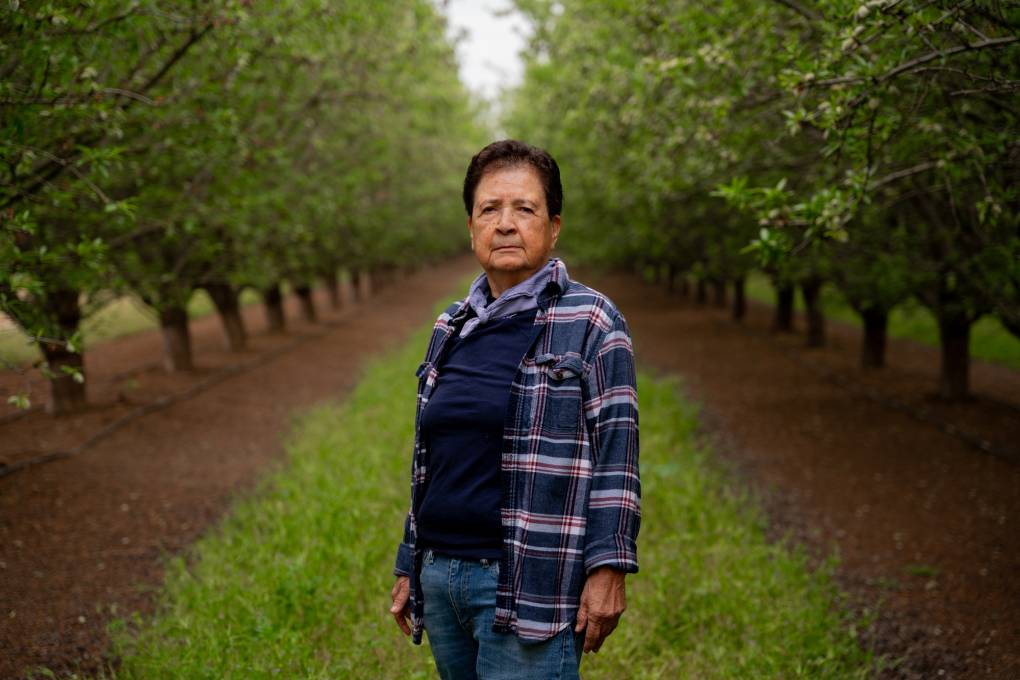
"caption": "Elsie Saldaña, the oldest drag king still performing in the United States, on April 16, 2024, in Fresno, where she grew up and worked in the fields since she was 5 years old.",
"credit": "Florence Middleton",
"altTag": "A person wearing dark blue clothing stands in a field.",
"description": null,
"imgSizes": {
"medium": {
"file": "https://cdn.kqed.org/wp-content/uploads/sites/10/2024/06/06_2024.04.16_DragKingDana_00078-1-800x534.jpg",
"width": 800,
"height": 534,
"mimeType": "image/jpeg"
},
"large": {
"file": "https://cdn.kqed.org/wp-content/uploads/sites/10/2024/06/06_2024.04.16_DragKingDana_00078-1-1020x680.jpg",
"width": 1020,
"height": 680,
"mimeType": "image/jpeg"
},
"thumbnail": {
"file": "https://cdn.kqed.org/wp-content/uploads/sites/10/2024/06/06_2024.04.16_DragKingDana_00078-1-160x107.jpg",
"width": 160,
"height": 107,
"mimeType": "image/jpeg"
},
"1536x1536": {
"file": "https://cdn.kqed.org/wp-content/uploads/sites/10/2024/06/06_2024.04.16_DragKingDana_00078-1-1536x1025.jpg",
"width": 1536,
"height": 1025,
"mimeType": "image/jpeg"
},
"post-thumbnail": {
"file": "https://cdn.kqed.org/wp-content/uploads/sites/10/2024/06/06_2024.04.16_DragKingDana_00078-1-672x372.jpg",
"width": 672,
"height": 372,
"mimeType": "image/jpeg"
},
"twentyfourteen-full-width": {
"file": "https://cdn.kqed.org/wp-content/uploads/sites/10/2024/06/06_2024.04.16_DragKingDana_00078-1-1038x576.jpg",
"width": 1038,
"height": 576,
"mimeType": "image/jpeg"
},
"full-width": {
"file": "https://cdn.kqed.org/wp-content/uploads/sites/10/2024/06/06_2024.04.16_DragKingDana_00078-1-1920x1281.jpg",
"width": 1920,
"height": 1281,
"mimeType": "image/jpeg"
},
"kqedFullSize": {
"file": "https://cdn.kqed.org/wp-content/uploads/sites/10/2024/06/06_2024.04.16_DragKingDana_00078-1.jpg",
"width": 2000,
"height": 1334
}
},
"isLoading": false,
"fetchFailed": false
},
"news_11953518": {
"type": "attachments",
"id": "news_11953518",
"meta": {
"index": "attachments_1716263798",
"site": "news",
"id": "11953518",
"found": true
},
"parent": 0,
"imgSizes": {
"twentyfourteen-full-width": {
"file": "https://ww2.kqed.org/app/uploads/sites/10/2023/06/RS66473_230614-BankoBrownChosenFam-17-BL-KQED-1038x576.jpg",
"width": 1038,
"mimeType": "image/jpeg",
"height": 576
},
"thumbnail": {
"file": "https://ww2.kqed.org/app/uploads/sites/10/2023/06/RS66473_230614-BankoBrownChosenFam-17-BL-KQED-160x107.jpg",
"width": 160,
"mimeType": "image/jpeg",
"height": 107
},
"post-thumbnail": {
"file": "https://ww2.kqed.org/app/uploads/sites/10/2023/06/RS66473_230614-BankoBrownChosenFam-17-BL-KQED-672x372.jpg",
"width": 672,
"mimeType": "image/jpeg",
"height": 372
},
"kqedFullSize": {
"file": "https://ww2.kqed.org/app/uploads/sites/10/2023/06/RS66473_230614-BankoBrownChosenFam-17-BL-KQED.jpg",
"width": 2000,
"height": 1333
},
"large": {
"file": "https://ww2.kqed.org/app/uploads/sites/10/2023/06/RS66473_230614-BankoBrownChosenFam-17-BL-KQED-1020x680.jpg",
"width": 1020,
"mimeType": "image/jpeg",
"height": 680
},
"1536x1536": {
"file": "https://ww2.kqed.org/app/uploads/sites/10/2023/06/RS66473_230614-BankoBrownChosenFam-17-BL-KQED-1536x1024.jpg",
"width": 1536,
"mimeType": "image/jpeg",
"height": 1024
},
"full-width": {
"file": "https://ww2.kqed.org/app/uploads/sites/10/2023/06/RS66473_230614-BankoBrownChosenFam-17-BL-KQED-1920x1280.jpg",
"width": 1920,
"mimeType": "image/jpeg",
"height": 1280
},
"medium": {
"file": "https://ww2.kqed.org/app/uploads/sites/10/2023/06/RS66473_230614-BankoBrownChosenFam-17-BL-KQED-800x533.jpg",
"width": 800,
"mimeType": "image/jpeg",
"height": 533
}
},
"publishDate": 1687365365,
"modified": 1687549222,
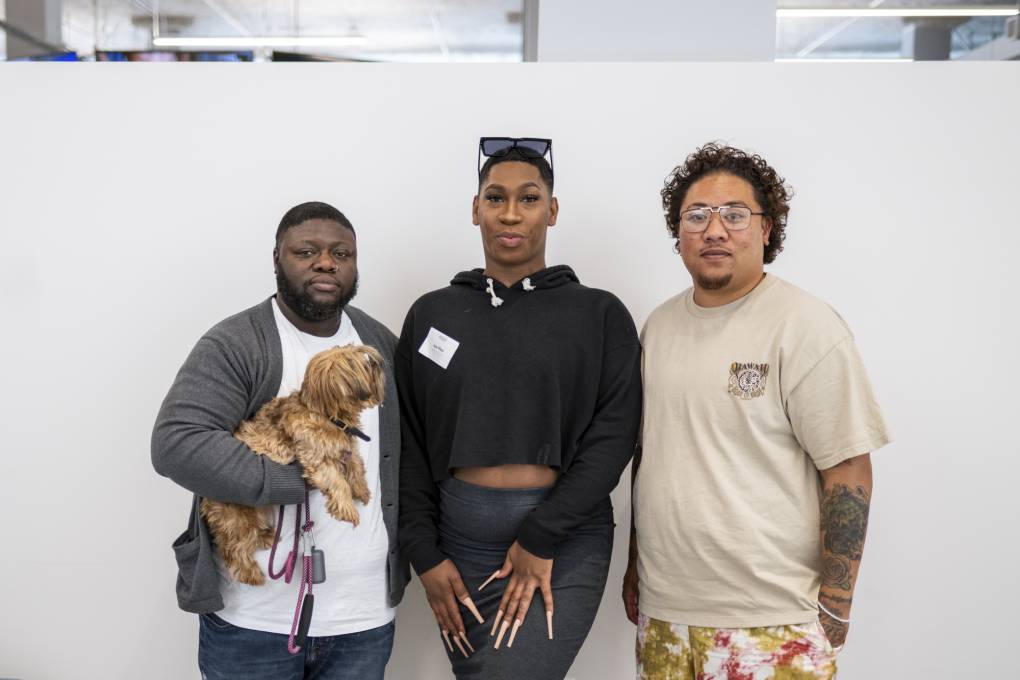
"caption": "From left, Xavier Davenport, Juju Pikes-Prince and Kazani Kalani Finao pose for a photo in San Francisco on June 14, 2023.",
"description": null,
"title": "RS66473_230614-BankoBrownChosenFam-17-BL-KQED",
"credit": "Beth LaBerge/KQED",
"status": "inherit",
"altTag": "Three people, one holding a small dog, on with sunglasses on the top of the head and one with a goatee and moustache, stand next to each other looking at the camera.",
"isLoading": false,
"fetchFailed": false
},
"news_11918052": {
"type": "attachments",
"id": "news_11918052",
"meta": {
"index": "attachments_1716263798",
"site": "news",
"id": "11918052",
"found": true
},
"parent": 11918010,
"imgSizes": {
"twentyfourteen-full-width": {
"file": "https://ww2.kqed.org/app/uploads/sites/10/2022/06/RS56869_005_KQED_SFPrideParade_06262022-qut-1038x576.jpg",
"width": 1038,
"mimeType": "image/jpeg",
"height": 576
},
"thumbnail": {
"file": "https://ww2.kqed.org/app/uploads/sites/10/2022/06/RS56869_005_KQED_SFPrideParade_06262022-qut-160x107.jpg",
"width": 160,
"mimeType": "image/jpeg",
"height": 107
},
"post-thumbnail": {
"file": "https://ww2.kqed.org/app/uploads/sites/10/2022/06/RS56869_005_KQED_SFPrideParade_06262022-qut-672x372.jpg",
"width": 672,
"mimeType": "image/jpeg",
"height": 372
},
"kqedFullSize": {
"file": "https://ww2.kqed.org/app/uploads/sites/10/2022/06/RS56869_005_KQED_SFPrideParade_06262022-qut.jpg",
"width": 1920,
"height": 1280
},
"large": {
"file": "https://ww2.kqed.org/app/uploads/sites/10/2022/06/RS56869_005_KQED_SFPrideParade_06262022-qut-1020x680.jpg",
"width": 1020,
"mimeType": "image/jpeg",
"height": 680
},
"1536x1536": {
"file": "https://ww2.kqed.org/app/uploads/sites/10/2022/06/RS56869_005_KQED_SFPrideParade_06262022-qut-1536x1024.jpg",
"width": 1536,
"mimeType": "image/jpeg",
"height": 1024
},
"medium": {
"file": "https://ww2.kqed.org/app/uploads/sites/10/2022/06/RS56869_005_KQED_SFPrideParade_06262022-qut-800x533.jpg",
"width": 800,
"mimeType": "image/jpeg",
"height": 533
}
},
"publishDate": 1656357440,
"modified": 1656357499,
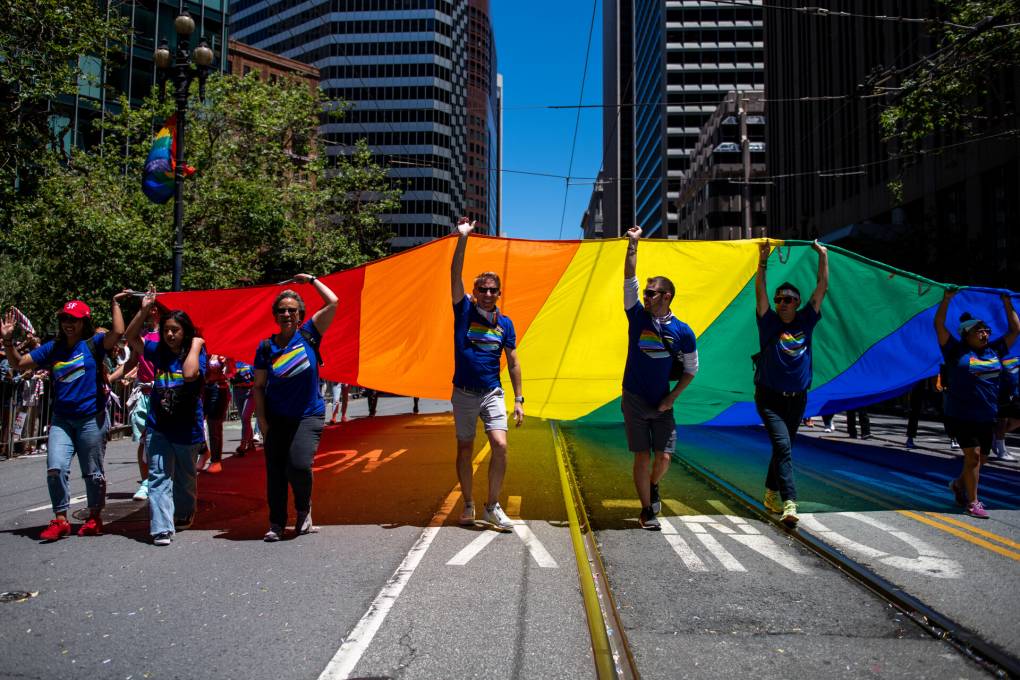
"caption": "Participants carry an oversized rainbow flag during the San Francisco Pride Parade on June 26, 2022.",
"description": null,
"title": "RS56869_005_KQED_SFPrideParade_06262022-qut",
"credit": "Beth LaBerge/KQED",
"status": "inherit",
"altTag": "Several people are seen walking down the middle of the street holding up a large rainbow flag.",
"isLoading": false,
"fetchFailed": false
},
"news_11917922": {
"type": "attachments",
"id": "news_11917922",
"meta": {
"index": "attachments_1716263798",
"site": "news",
"id": "11917922",
"found": true
},
"parent": 11917710,
"imgSizes": {
"twentyfourteen-full-width": {
"file": "https://ww2.kqed.org/app/uploads/sites/10/2022/06/RS56774_CarolynWysinger_TracyMcCray_Diptych_06-qut-1038x576.jpg",
"width": 1038,
"mimeType": "image/jpeg",
"height": 576
},
"thumbnail": {
"file": "https://ww2.kqed.org/app/uploads/sites/10/2022/06/RS56774_CarolynWysinger_TracyMcCray_Diptych_06-qut-160x107.jpg",
"width": 160,
"mimeType": "image/jpeg",
"height": 107
},
"post-thumbnail": {
"file": "https://ww2.kqed.org/app/uploads/sites/10/2022/06/RS56774_CarolynWysinger_TracyMcCray_Diptych_06-qut-672x372.jpg",
"width": 672,
"mimeType": "image/jpeg",
"height": 372
},
"kqedFullSize": {
"file": "https://ww2.kqed.org/app/uploads/sites/10/2022/06/RS56774_CarolynWysinger_TracyMcCray_Diptych_06-qut.jpg",
"width": 1920,
"height": 1280
},
"large": {
"file": "https://ww2.kqed.org/app/uploads/sites/10/2022/06/RS56774_CarolynWysinger_TracyMcCray_Diptych_06-qut-1020x680.jpg",
"width": 1020,
"mimeType": "image/jpeg",
"height": 680
},
"1536x1536": {
"file": "https://ww2.kqed.org/app/uploads/sites/10/2022/06/RS56774_CarolynWysinger_TracyMcCray_Diptych_06-qut-1536x1024.jpg",
"width": 1536,
"mimeType": "image/jpeg",
"height": 1024
},
"medium": {
"file": "https://ww2.kqed.org/app/uploads/sites/10/2022/06/RS56774_CarolynWysinger_TracyMcCray_Diptych_06-qut-800x533.jpg",
"width": 800,
"mimeType": "image/jpeg",
"height": 533
}
},
"publishDate": 1656103942,
"modified": 1656104499,
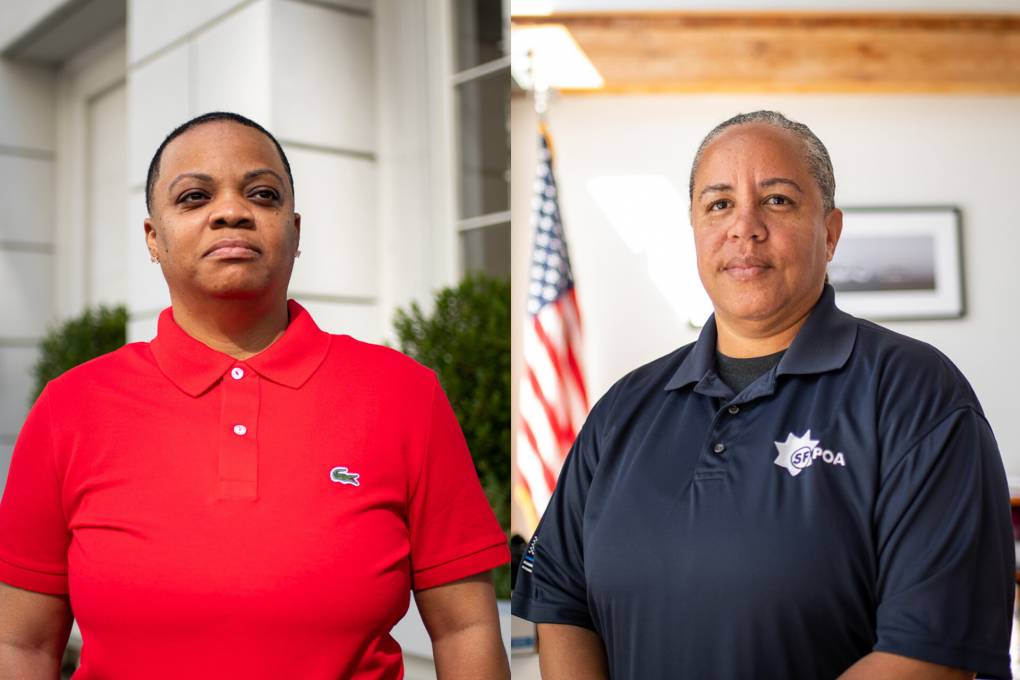
"caption": "Carolyn Wysinger (left), board president of SF Pride, and Tracy McCray, San Francisco Police Officers Association president.",
"description": null,
"title": "RS56774_CarolynWysinger_TracyMcCray_Diptych_06-qut",
"credit": "Beth LaBerge/KQED",
"status": "inherit",
"altTag": "side by side photos of two Black women, one wearing a bright red shirt, one wearing a blue shirt with 'SFPOA' on it - both have serious expressions",
"isLoading": false,
"fetchFailed": false
},
"news_11917754": {
"type": "attachments",
"id": "news_11917754",
"meta": {
"index": "attachments_1716263798",
"site": "news",
"id": "11917754",
"found": true
},
"parent": 11917738,
"imgSizes": {
"twentyfourteen-full-width": {
"file": "https://ww2.kqed.org/app/uploads/sites/10/2022/06/Collage-Maker-23-Jun-2022-06.16-PM-1-1038x576.jpg",
"width": 1038,
"mimeType": "image/jpeg",
"height": 576
},
"thumbnail": {
"file": "https://ww2.kqed.org/app/uploads/sites/10/2022/06/Collage-Maker-23-Jun-2022-06.16-PM-1-160x107.jpg",
"width": 160,
"mimeType": "image/jpeg",
"height": 107
},
"post-thumbnail": {
"file": "https://ww2.kqed.org/app/uploads/sites/10/2022/06/Collage-Maker-23-Jun-2022-06.16-PM-1-672x372.jpg",
"width": 672,
"mimeType": "image/jpeg",
"height": 372
},
"kqedFullSize": {
"file": "https://ww2.kqed.org/app/uploads/sites/10/2022/06/Collage-Maker-23-Jun-2022-06.16-PM-1.jpg",
"width": 1200,
"height": 800
},
"large": {
"file": "https://ww2.kqed.org/app/uploads/sites/10/2022/06/Collage-Maker-23-Jun-2022-06.16-PM-1-1020x680.jpg",
"width": 1020,
"mimeType": "image/jpeg",
"height": 680
},
"medium": {
"file": "https://ww2.kqed.org/app/uploads/sites/10/2022/06/Collage-Maker-23-Jun-2022-06.16-PM-1-800x533.jpg",
"width": 800,
"mimeType": "image/jpeg",
"height": 533
}
},
"publishDate": 1656034106,
"modified": 1656034234,
"caption": "From left: Rodney Barnette, owner of The New Eagle Creek Saloon (courtesy of Sadie Barnette) and Aria Sa'id, President and Chief Strategist of The Transgender District (courtesy of Corey Antonio Rose). ",
"description": null,
"title": "Collage Maker-23-Jun-2022-06.16-PM",
"credit": null,
"status": "inherit",
"altTag": null,
"isLoading": false,
"fetchFailed": false
},
"news_11879335": {
"type": "attachments",
"id": "news_11879335",
"meta": {
"index": "attachments_1716263798",
"site": "news",
"id": "11879335",
"found": true
},
"parent": 11879334,
"imgSizes": {
"twentyfourteen-full-width": {
"file": "https://ww2.kqed.org/app/uploads/sites/10/2021/06/Black-Lesbian-Contingent-Pride-1020x670-1-1020x576.jpeg",
"width": 1020,
"mimeType": "image/jpeg",
"height": 576
},
"thumbnail": {
"file": "https://ww2.kqed.org/app/uploads/sites/10/2021/06/Black-Lesbian-Contingent-Pride-1020x670-1-160x105.jpeg",
"width": 160,
"mimeType": "image/jpeg",
"height": 105
},
"post-thumbnail": {
"file": "https://ww2.kqed.org/app/uploads/sites/10/2021/06/Black-Lesbian-Contingent-Pride-1020x670-1-672x372.jpeg",
"width": 672,
"mimeType": "image/jpeg",
"height": 372
},
"kqedFullSize": {
"file": "https://ww2.kqed.org/app/uploads/sites/10/2021/06/Black-Lesbian-Contingent-Pride-1020x670-1.jpeg",
"width": 1020,
"height": 670
},
"medium": {
"file": "https://ww2.kqed.org/app/uploads/sites/10/2021/06/Black-Lesbian-Contingent-Pride-1020x670-1-800x525.jpeg",
"width": 800,
"mimeType": "image/jpeg",
"height": 525
}
},
"publishDate": 1624643303,
"modified": 1624643339,
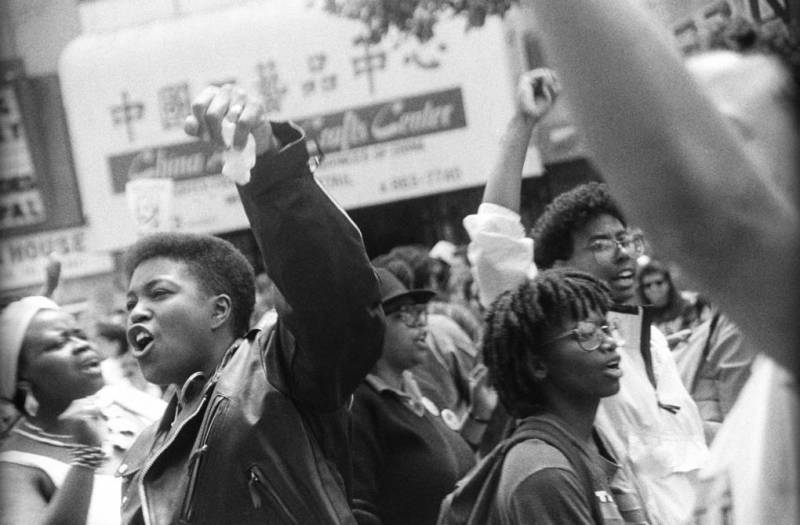
"caption": "Black lesbian contingent, San Francisco Pride Parade, 1991. ",
"description": null,
"title": "Black-Lesbian-Contingent-Pride-1020x670",
"credit": "Courtesy of H. Lenn Keller/ Oakland Museum of California",
"status": "inherit",
"altTag": null,
"isLoading": false,
"fetchFailed": false
},
"news_11878892": {
"type": "attachments",
"id": "news_11878892",
"meta": {
"index": "attachments_1716263798",
"site": "news",
"id": "11878892",
"found": true
},
"parent": 11878891,
"imgSizes": {
"twentyfourteen-full-width": {
"file": "https://ww2.kqed.org/app/uploads/sites/10/2021/06/AssortedPamphlets-1038x576.jpeg",
"width": 1038,
"mimeType": "image/jpeg",
"height": 576
},
"thumbnail": {
"file": "https://ww2.kqed.org/app/uploads/sites/10/2021/06/AssortedPamphlets-160x107.jpeg",
"width": 160,
"mimeType": "image/jpeg",
"height": 107
},
"post-thumbnail": {
"file": "https://ww2.kqed.org/app/uploads/sites/10/2021/06/AssortedPamphlets-672x372.jpeg",
"width": 672,
"mimeType": "image/jpeg",
"height": 372
},
"kqedFullSize": {
"file": "https://ww2.kqed.org/app/uploads/sites/10/2021/06/AssortedPamphlets.jpeg",
"width": 1200,
"height": 800
},
"large": {
"file": "https://ww2.kqed.org/app/uploads/sites/10/2021/06/AssortedPamphlets-1020x680.jpeg",
"width": 1020,
"mimeType": "image/jpeg",
"height": 680
},
"medium": {
"file": "https://ww2.kqed.org/app/uploads/sites/10/2021/06/AssortedPamphlets-800x533.jpeg",
"width": 800,
"mimeType": "image/jpeg",
"height": 533
}
},
"publishDate": 1624380151,
"modified": 1624380563,
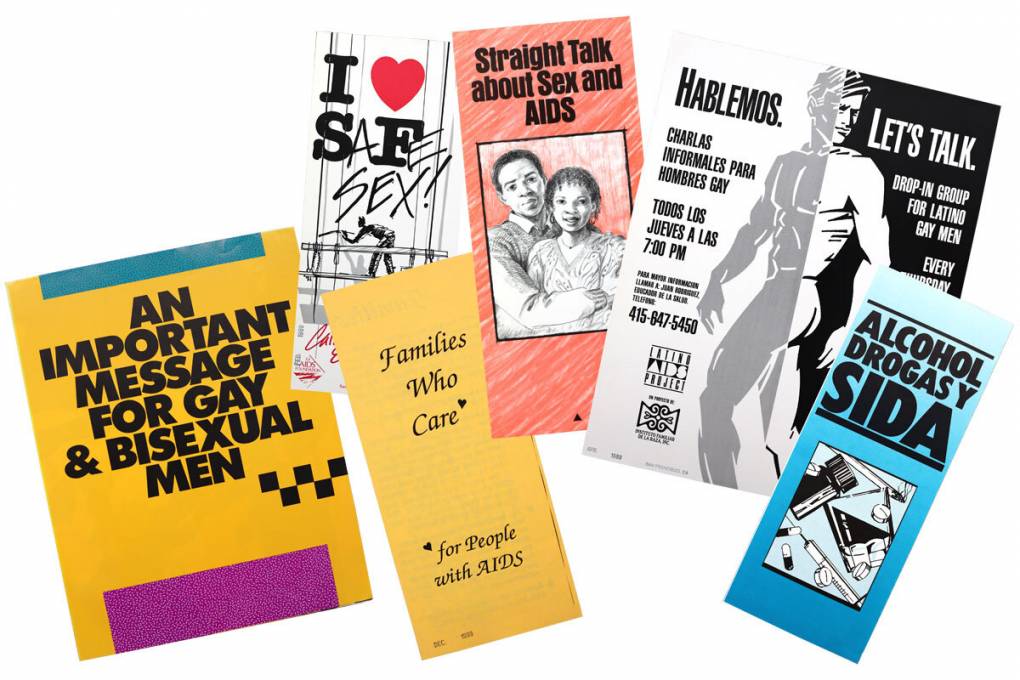
"caption": "Sex education and risk-reduction pamphlets from the 1980s, many produced by the San Francisco AIDS Foundation. (Material from the Gay and Lesbian Center ephemera collection and the San Francisco Ephemera Collection, San Francisco Public Library)",
"description": null,
"title": "AssortedPamphlets",
"credit": "Collage by Sarah Hotchkiss/KQED",
"status": "inherit",
"altTag": null,
"isLoading": false,
"fetchFailed": false
},
"news_11826580": {
"type": "attachments",
"id": "news_11826580",
"meta": {
"index": "attachments_1716263798",
"site": "news",
"id": "11826580",
"found": true
},
"parent": 0,
"imgSizes": {
"apple_news_ca_landscape_5_5": {
"file": "https://ww2.kqed.org/app/uploads/sites/10/2020/06/Pride-Protest-3-1044x783.jpg",
"width": 1044,
"mimeType": "image/jpeg",
"height": 783
},
"apple_news_ca_square_4_0": {
"file": "https://ww2.kqed.org/app/uploads/sites/10/2020/06/Pride-Protest-3-470x470.jpg",
"width": 470,
"mimeType": "image/jpeg",
"height": 470
},
"twentyfourteen-full-width": {
"file": "https://ww2.kqed.org/app/uploads/sites/10/2020/06/Pride-Protest-3-1038x576.jpg",
"width": 1038,
"mimeType": "image/jpeg",
"height": 576
},
"thumbnail": {
"file": "https://ww2.kqed.org/app/uploads/sites/10/2020/06/Pride-Protest-3-160x120.jpg",
"width": 160,
"mimeType": "image/jpeg",
"height": 120
},
"post-thumbnail": {
"file": "https://ww2.kqed.org/app/uploads/sites/10/2020/06/Pride-Protest-3-672x372.jpg",
"width": 672,
"mimeType": "image/jpeg",
"height": 372
},
"kqedFullSize": {
"file": "https://ww2.kqed.org/app/uploads/sites/10/2020/06/Pride-Protest-3-scaled.jpg",
"width": 2560,
"height": 1920
},
"2048x2048": {
"file": "https://ww2.kqed.org/app/uploads/sites/10/2020/06/Pride-Protest-3-2048x1536.jpg",
"width": 2048,
"mimeType": "image/jpeg",
"height": 1536
},
"apple_news_ca_landscape_4_7": {
"file": "https://ww2.kqed.org/app/uploads/sites/10/2020/06/Pride-Protest-3-632x474.jpg",
"width": 632,
"mimeType": "image/jpeg",
"height": 474
},
"large": {
"file": "https://ww2.kqed.org/app/uploads/sites/10/2020/06/Pride-Protest-3-1020x765.jpg",
"width": 1020,
"mimeType": "image/jpeg",
"height": 765
},
"apple_news_ca_landscape_4_0": {
"file": "https://ww2.kqed.org/app/uploads/sites/10/2020/06/Pride-Protest-3-536x402.jpg",
"width": 536,
"mimeType": "image/jpeg",
"height": 402
},
"apple_news_ca_portrait_12_9": {
"file": "https://ww2.kqed.org/app/uploads/sites/10/2020/06/Pride-Protest-3-1122x1496.jpg",
"width": 1122,
"mimeType": "image/jpeg",
"height": 1496
},
"medium": {
"file": "https://ww2.kqed.org/app/uploads/sites/10/2020/06/Pride-Protest-3-800x600.jpg",
"width": 800,
"mimeType": "image/jpeg",
"height": 600
},
"apple_news_ca_portrait_4_0": {
"file": "https://ww2.kqed.org/app/uploads/sites/10/2020/06/Pride-Protest-3-354x472.jpg",
"width": 354,
"mimeType": "image/jpeg",
"height": 472
},
"apple_news_ca_portrait_9_7": {
"file": "https://ww2.kqed.org/app/uploads/sites/10/2020/06/Pride-Protest-3-840x1120.jpg",
"width": 840,
"mimeType": "image/jpeg",
"height": 1120
},
"apple_news_ca_landscape_12_9": {
"file": "https://ww2.kqed.org/app/uploads/sites/10/2020/06/Pride-Protest-3-1832x1374.jpg",
"width": 1832,
"mimeType": "image/jpeg",
"height": 1374
},
"apple_news_ca_square_9_7": {
"file": "https://ww2.kqed.org/app/uploads/sites/10/2020/06/Pride-Protest-3-1104x1104.jpg",
"width": 1104,
"mimeType": "image/jpeg",
"height": 1104
},
"1536x1536": {
"file": "https://ww2.kqed.org/app/uploads/sites/10/2020/06/Pride-Protest-3-1536x1152.jpg",
"width": 1536,
"mimeType": "image/jpeg",
"height": 1152
},
"apple_news_ca_portrait_4_7": {
"file": "https://ww2.kqed.org/app/uploads/sites/10/2020/06/Pride-Protest-3-414x552.jpg",
"width": 414,
"mimeType": "image/jpeg",
"height": 552
},
"apple_news_ca_square_12_9": {
"file": "https://ww2.kqed.org/app/uploads/sites/10/2020/06/Pride-Protest-3-1472x1472.jpg",
"width": 1472,
"mimeType": "image/jpeg",
"height": 1472
},
"apple_news_ca_portrait_5_5": {
"file": "https://ww2.kqed.org/app/uploads/sites/10/2020/06/Pride-Protest-3-687x916.jpg",
"width": 687,
"mimeType": "image/jpeg",
"height": 916
},
"full-width": {
"file": "https://ww2.kqed.org/app/uploads/sites/10/2020/06/Pride-Protest-3-1920x1440.jpg",
"width": 1920,
"mimeType": "image/jpeg",
"height": 1440
},
"apple_news_ca_square_4_7": {
"file": "https://ww2.kqed.org/app/uploads/sites/10/2020/06/Pride-Protest-3-550x550.jpg",
"width": 550,
"mimeType": "image/jpeg",
"height": 550
},
"apple_news_ca_landscape_9_7": {
"file": "https://ww2.kqed.org/app/uploads/sites/10/2020/06/Pride-Protest-3-1376x1032.jpg",
"width": 1376,
"mimeType": "image/jpeg",
"height": 1032
},
"apple_news_ca_square_5_5": {
"file": "https://ww2.kqed.org/app/uploads/sites/10/2020/06/Pride-Protest-3-912x912.jpg",
"width": 912,
"mimeType": "image/jpeg",
"height": 912
}
},
"publishDate": 1593386563,
"modified": 1593454212,
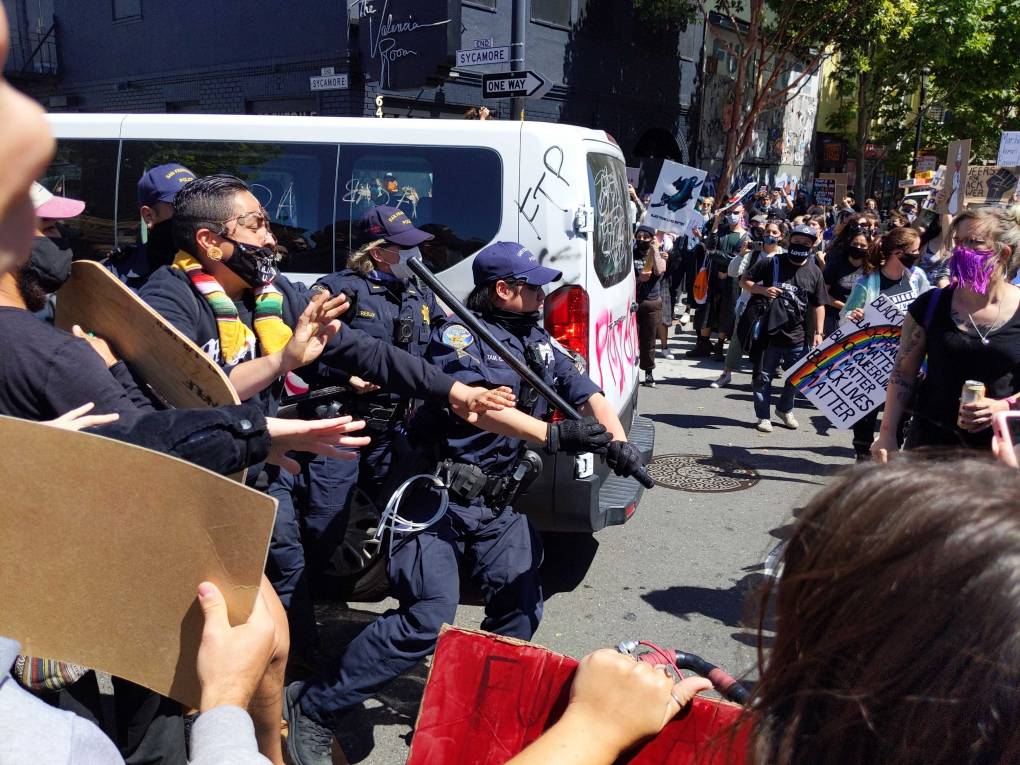
"caption": "A San Francisco police officer raises a baton at a crowd near a police van at the 'Pride is a Riot' march Sunday in San Francisco, which was organized by an anonymous group.",
"description": "A San Francisco police officer raises a baton at a crowd near a police van at the 'Pride is a Riot' march Sunday in San Francisco, which was organized by an anonymous group.",
"title": "Pride Protest 3",
"credit": "Anna Vignet/KQED",
"status": "inherit",
"isLoading": false,
"fetchFailed": false
},
"arts_13874543": {
"type": "attachments",
"id": "arts_13874543",
"meta": {
"index": "attachments_1716263798",
"site": "arts",
"id": "13874543",
"found": true
},
"parent": 13874503,
"imgSizes": {
"twentyfourteen-full-width": {
"file": "https://ww2.kqed.org/app/uploads/sites/2/2020/02/sf-pride-1038x576.jpg",
"width": 1038,
"mimeType": "image/jpeg",
"height": 576
},
"thumbnail": {
"file": "https://ww2.kqed.org/app/uploads/sites/2/2020/02/sf-pride-160x90.jpg",
"width": 160,
"mimeType": "image/jpeg",
"height": 90
},
"post-thumbnail": {
"file": "https://ww2.kqed.org/app/uploads/sites/2/2020/02/sf-pride-672x372.jpg",
"width": 672,
"mimeType": "image/jpeg",
"height": 372
},
"kqedFullSize": {
"file": "https://ww2.kqed.org/app/uploads/sites/2/2020/02/sf-pride.jpg",
"width": 1920,
"height": 1080
},
"large": {
"file": "https://ww2.kqed.org/app/uploads/sites/2/2020/02/sf-pride-1020x574.jpg",
"width": 1020,
"mimeType": "image/jpeg",
"height": 574
},
"full-width": {
"file": "https://ww2.kqed.org/app/uploads/sites/2/2020/02/sf-pride-1920x1080.jpg",
"width": 1920,
"mimeType": "image/jpeg",
"height": 1080
},
"medium": {
"file": "https://ww2.kqed.org/app/uploads/sites/2/2020/02/sf-pride-800x450.jpg",
"width": 800,
"mimeType": "image/jpeg",
"height": 450
},
"medium_large": {
"file": "https://ww2.kqed.org/app/uploads/sites/2/2020/02/sf-pride-768x432.jpg",
"width": 768,
"mimeType": "image/jpeg",
"height": 432
}
},
"publishDate": 1581028827,
"modified": 1581028902,
"caption": "People march during the San Francisco gay pride parade in San Francisco, California on June, 24, 2018.",
"description": "People march during the San Francisco gay pride parade in San Francisco, California on June, 24, 2018",
"title": "sf-pride",
"credit": "Josh Edelson/AFP via Getty Images",
"status": "inherit",
"isLoading": false,
"fetchFailed": false
},
"news_11758346": {
"type": "attachments",
"id": "news_11758346",
"meta": {
"index": "attachments_1716263798",
"site": "news",
"id": "11758346",
"found": true
},
"parent": 11758327,
"imgSizes": {
"apple_news_ca_landscape_5_5": {
"file": "https://ww2.kqed.org/app/uploads/sites/10/2019/06/RS37932__M6A1369-qut-1044x783.jpg",
"width": 1044,
"mimeType": "image/jpeg",
"height": 783
},
"apple_news_ca_square_4_0": {
"file": "https://ww2.kqed.org/app/uploads/sites/10/2019/06/RS37932__M6A1369-qut-470x470.jpg",
"width": 470,
"mimeType": "image/jpeg",
"height": 470
},
"twentyfourteen-full-width": {
"file": "https://ww2.kqed.org/app/uploads/sites/10/2019/06/RS37932__M6A1369-qut-1038x576.jpg",
"width": 1038,
"mimeType": "image/jpeg",
"height": 576
},
"thumbnail": {
"file": "https://ww2.kqed.org/app/uploads/sites/10/2019/06/RS37932__M6A1369-qut-160x107.jpg",
"width": 160,
"mimeType": "image/jpeg",
"height": 107
},
"post-thumbnail": {
"file": "https://ww2.kqed.org/app/uploads/sites/10/2019/06/RS37932__M6A1369-qut-672x372.jpg",
"width": 672,
"mimeType": "image/jpeg",
"height": 372
},
"kqedFullSize": {
"file": "https://ww2.kqed.org/app/uploads/sites/10/2019/06/RS37932__M6A1369-qut.jpg",
"width": 1920,
"height": 1280
},
"apple_news_ca_landscape_4_7": {
"file": "https://ww2.kqed.org/app/uploads/sites/10/2019/06/RS37932__M6A1369-qut-632x474.jpg",
"width": 632,
"mimeType": "image/jpeg",
"height": 474
},
"large": {
"file": "https://ww2.kqed.org/app/uploads/sites/10/2019/06/RS37932__M6A1369-qut-1020x680.jpg",
"width": 1020,
"mimeType": "image/jpeg",
"height": 680
},
"complete_open_graph": {
"file": "https://ww2.kqed.org/app/uploads/sites/10/2019/06/RS37932__M6A1369-qut-1200x800.jpg",
"width": 1200,
"mimeType": "image/jpeg",
"height": 800
},
"apple_news_ca_landscape_4_0": {
"file": "https://ww2.kqed.org/app/uploads/sites/10/2019/06/RS37932__M6A1369-qut-536x402.jpg",
"width": 536,
"mimeType": "image/jpeg",
"height": 402
},
"apple_news_ca_portrait_12_9": {
"file": "https://ww2.kqed.org/app/uploads/sites/10/2019/06/RS37932__M6A1369-qut-1122x1280.jpg",
"width": 1122,
"mimeType": "image/jpeg",
"height": 1280
},
"medium": {
"file": "https://ww2.kqed.org/app/uploads/sites/10/2019/06/RS37932__M6A1369-qut-800x533.jpg",
"width": 800,
"mimeType": "image/jpeg",
"height": 533
},
"apple_news_ca_portrait_4_0": {
"file": "https://ww2.kqed.org/app/uploads/sites/10/2019/06/RS37932__M6A1369-qut-354x472.jpg",
"width": 354,
"mimeType": "image/jpeg",
"height": 472
},
"apple_news_ca_portrait_9_7": {
"file": "https://ww2.kqed.org/app/uploads/sites/10/2019/06/RS37932__M6A1369-qut-840x1120.jpg",
"width": 840,
"mimeType": "image/jpeg",
"height": 1120
},
"apple_news_ca_landscape_12_9": {
"file": "https://ww2.kqed.org/app/uploads/sites/10/2019/06/RS37932__M6A1369-qut-1832x1280.jpg",
"width": 1832,
"mimeType": "image/jpeg",
"height": 1280
},
"apple_news_ca_square_9_7": {
"file": "https://ww2.kqed.org/app/uploads/sites/10/2019/06/RS37932__M6A1369-qut-1104x1104.jpg",
"width": 1104,
"mimeType": "image/jpeg",
"height": 1104
},
"apple_news_ca_portrait_4_7": {
"file": "https://ww2.kqed.org/app/uploads/sites/10/2019/06/RS37932__M6A1369-qut-414x552.jpg",
"width": 414,
"mimeType": "image/jpeg",
"height": 552
},
"apple_news_ca_square_12_9": {
"file": "https://ww2.kqed.org/app/uploads/sites/10/2019/06/RS37932__M6A1369-qut-1472x1280.jpg",
"width": 1472,
"mimeType": "image/jpeg",
"height": 1280
},
"apple_news_ca_portrait_5_5": {
"file": "https://ww2.kqed.org/app/uploads/sites/10/2019/06/RS37932__M6A1369-qut-687x916.jpg",
"width": 687,
"mimeType": "image/jpeg",
"height": 916
},
"full-width": {
"file": "https://ww2.kqed.org/app/uploads/sites/10/2019/06/RS37932__M6A1369-qut-1920x1280.jpg",
"width": 1920,
"mimeType": "image/jpeg",
"height": 1280
},
"apple_news_ca_square_4_7": {
"file": "https://ww2.kqed.org/app/uploads/sites/10/2019/06/RS37932__M6A1369-qut-550x550.jpg",
"width": 550,
"mimeType": "image/jpeg",
"height": 550
},
"apple_news_ca_landscape_9_7": {
"file": "https://ww2.kqed.org/app/uploads/sites/10/2019/06/RS37932__M6A1369-qut-1376x1032.jpg",
"width": 1376,
"mimeType": "image/jpeg",
"height": 1032
},
"apple_news_ca_square_5_5": {
"file": "https://ww2.kqed.org/app/uploads/sites/10/2019/06/RS37932__M6A1369-qut-912x912.jpg",
"width": 912,
"mimeType": "image/jpeg",
"height": 912
}
},
"publishDate": 1561923634,
"modified": 1561996745,
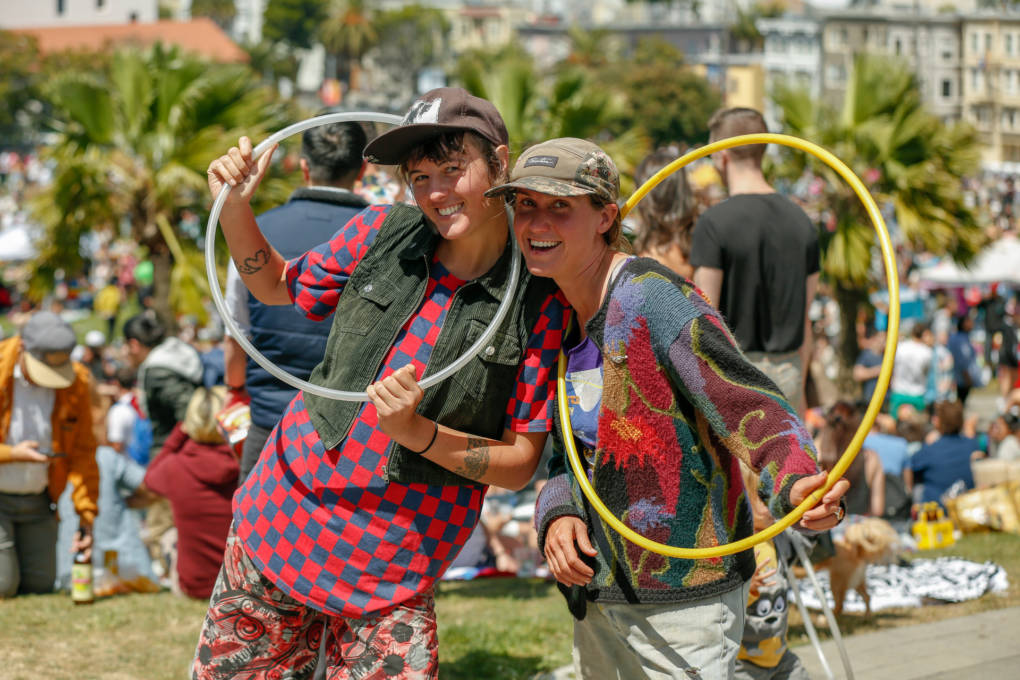
"caption": "Heron, left, and Endora hula hoop together amidst Pride celebrations at Dolores Park. For Endora, Pride is about complete acceptance. 'It’s about being free to flow with life, and the circumstances that are presenting themselves. It’s flexibility while still maintaining a sense of who we are, who I am, and I am a lesbian. People may deny that, people may not accept that, but I am a lesbian. That is a philosophy that is feminine [and] the feminine has a voice.'",
"description": "Heron, left, and Endora hula hoop together amidst Pride celebrations at Dolores Park. For Endora, Pride is about complete acceptance. 'It’s about being free to flow with life, and the circumstances that are presenting themselves. It’s flexibility while still maintaining a sense of who we are, who I am, and I am a lesbian. People may deny that, people may not accept that, but I am a lesbian. That is a philosophy that is feminine [and] the feminine has a voice.'",
"title": "San Francisco-Pride-Dyke March",
"credit": "Sruti Mamidanna/KQED",
"status": "inherit",
"isLoading": false,
"fetchFailed": false
},
"news_11758348": {
"type": "attachments",
"id": "news_11758348",
"meta": {
"index": "attachments_1716263798",
"site": "news",
"id": "11758348",
"found": true
},
"parent": 11758329,
"imgSizes": {
"apple_news_ca_landscape_5_5": {
"file": "https://ww2.kqed.org/app/uploads/sites/10/2019/06/RS37956_IMG_5993-qut-1044x783.jpg",
"width": 1044,
"mimeType": "image/jpeg",
"height": 783
},
"apple_news_ca_square_4_0": {
"file": "https://ww2.kqed.org/app/uploads/sites/10/2019/06/RS37956_IMG_5993-qut-470x470.jpg",
"width": 470,
"mimeType": "image/jpeg",
"height": 470
},
"twentyfourteen-full-width": {
"file": "https://ww2.kqed.org/app/uploads/sites/10/2019/06/RS37956_IMG_5993-qut-1038x576.jpg",
"width": 1038,
"mimeType": "image/jpeg",
"height": 576
},
"thumbnail": {
"file": "https://ww2.kqed.org/app/uploads/sites/10/2019/06/RS37956_IMG_5993-qut-160x120.jpg",
"width": 160,
"mimeType": "image/jpeg",
"height": 120
},
"post-thumbnail": {
"file": "https://ww2.kqed.org/app/uploads/sites/10/2019/06/RS37956_IMG_5993-qut-672x372.jpg",
"width": 672,
"mimeType": "image/jpeg",
"height": 372
},
"kqedFullSize": {
"file": "https://ww2.kqed.org/app/uploads/sites/10/2019/06/RS37956_IMG_5993-qut.jpg",
"width": 1920,
"height": 1440
},
"apple_news_ca_landscape_4_7": {
"file": "https://ww2.kqed.org/app/uploads/sites/10/2019/06/RS37956_IMG_5993-qut-632x474.jpg",
"width": 632,
"mimeType": "image/jpeg",
"height": 474
},
"large": {
"file": "https://ww2.kqed.org/app/uploads/sites/10/2019/06/RS37956_IMG_5993-qut-1020x765.jpg",
"width": 1020,
"mimeType": "image/jpeg",
"height": 765
},
"complete_open_graph": {
"file": "https://ww2.kqed.org/app/uploads/sites/10/2019/06/RS37956_IMG_5993-qut-1200x900.jpg",
"width": 1200,
"mimeType": "image/jpeg",
"height": 900
},
"apple_news_ca_landscape_4_0": {
"file": "https://ww2.kqed.org/app/uploads/sites/10/2019/06/RS37956_IMG_5993-qut-536x402.jpg",
"width": 536,
"mimeType": "image/jpeg",
"height": 402
},
"apple_news_ca_portrait_12_9": {
"file": "https://ww2.kqed.org/app/uploads/sites/10/2019/06/RS37956_IMG_5993-qut-1122x1440.jpg",
"width": 1122,
"mimeType": "image/jpeg",
"height": 1440
},
"medium": {
"file": "https://ww2.kqed.org/app/uploads/sites/10/2019/06/RS37956_IMG_5993-qut-800x600.jpg",
"width": 800,
"mimeType": "image/jpeg",
"height": 600
},
"apple_news_ca_portrait_4_0": {
"file": "https://ww2.kqed.org/app/uploads/sites/10/2019/06/RS37956_IMG_5993-qut-354x472.jpg",
"width": 354,
"mimeType": "image/jpeg",
"height": 472
},
"apple_news_ca_portrait_9_7": {
"file": "https://ww2.kqed.org/app/uploads/sites/10/2019/06/RS37956_IMG_5993-qut-840x1120.jpg",
"width": 840,
"mimeType": "image/jpeg",
"height": 1120
},
"apple_news_ca_landscape_12_9": {
"file": "https://ww2.kqed.org/app/uploads/sites/10/2019/06/RS37956_IMG_5993-qut-1832x1374.jpg",
"width": 1832,
"mimeType": "image/jpeg",
"height": 1374
},
"apple_news_ca_square_9_7": {
"file": "https://ww2.kqed.org/app/uploads/sites/10/2019/06/RS37956_IMG_5993-qut-1104x1104.jpg",
"width": 1104,
"mimeType": "image/jpeg",
"height": 1104
},
"apple_news_ca_portrait_4_7": {
"file": "https://ww2.kqed.org/app/uploads/sites/10/2019/06/RS37956_IMG_5993-qut-414x552.jpg",
"width": 414,
"mimeType": "image/jpeg",
"height": 552
},
"apple_news_ca_square_12_9": {
"file": "https://ww2.kqed.org/app/uploads/sites/10/2019/06/RS37956_IMG_5993-qut-1472x1440.jpg",
"width": 1472,
"mimeType": "image/jpeg",
"height": 1440
},
"apple_news_ca_portrait_5_5": {
"file": "https://ww2.kqed.org/app/uploads/sites/10/2019/06/RS37956_IMG_5993-qut-687x916.jpg",
"width": 687,
"mimeType": "image/jpeg",
"height": 916
},
"full-width": {
"file": "https://ww2.kqed.org/app/uploads/sites/10/2019/06/RS37956_IMG_5993-qut-1920x1440.jpg",
"width": 1920,
"mimeType": "image/jpeg",
"height": 1440
},
"apple_news_ca_square_4_7": {
"file": "https://ww2.kqed.org/app/uploads/sites/10/2019/06/RS37956_IMG_5993-qut-550x550.jpg",
"width": 550,
"mimeType": "image/jpeg",
"height": 550
},
"apple_news_ca_landscape_9_7": {
"file": "https://ww2.kqed.org/app/uploads/sites/10/2019/06/RS37956_IMG_5993-qut-1376x1032.jpg",
"width": 1376,
"mimeType": "image/jpeg",
"height": 1032
},
"apple_news_ca_square_5_5": {
"file": "https://ww2.kqed.org/app/uploads/sites/10/2019/06/RS37956_IMG_5993-qut-912x912.jpg",
"width": 912,
"mimeType": "image/jpeg",
"height": 912
}
},
"publishDate": 1561923793,
"modified": 1561923815,
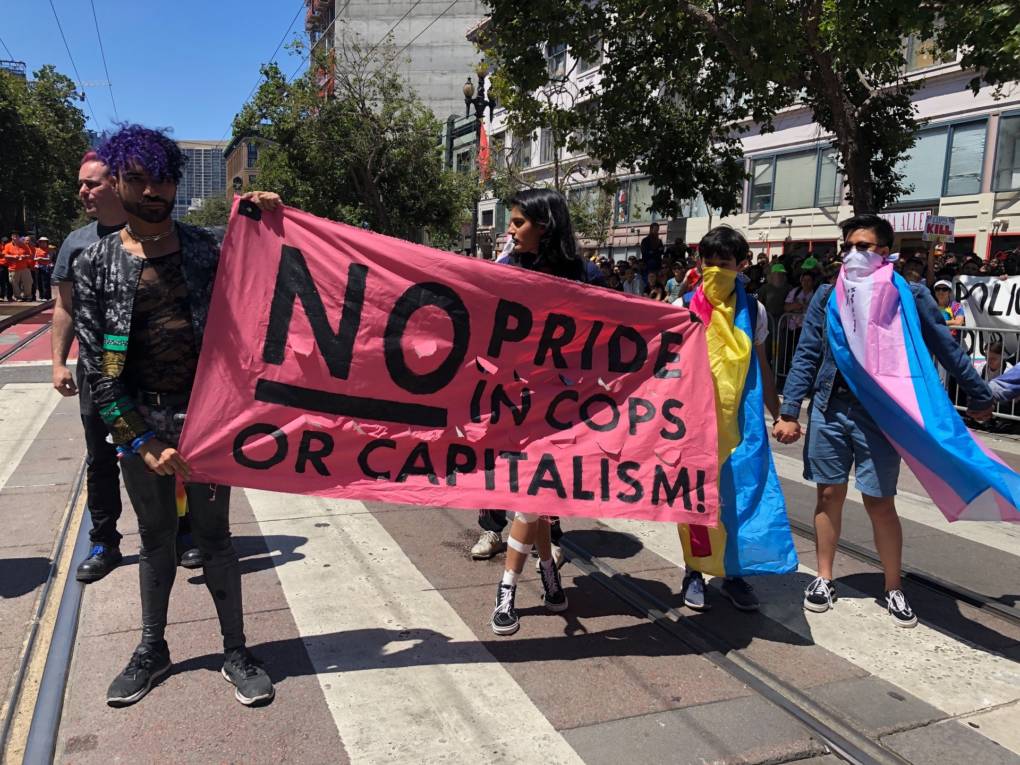
"caption": "A group of protesters block the San Francisco Pride Parade on June 30, 2019, over police and corporate presence at Pride.",
"description": "A group of protesters block the San Francisco Pride Parade on June 30, 2019, over police and corporate presence at Pride.",
"title": "RS37956_IMG_5993-qut",
"credit": "Liliana Michelena/KQED",
"status": "inherit",
"isLoading": false,
"fetchFailed": false
},
"news_11758233": {
"type": "attachments",
"id": "news_11758233",
"meta": {
"index": "attachments_1716263798",
"site": "news",
"id": "11758233",
"found": true
},
"parent": 11758219,
"imgSizes": {
"apple_news_ca_landscape_5_5": {
"file": "https://ww2.kqed.org/app/uploads/sites/10/2019/06/RS37927_0M6A0928-qut-1044x783.jpg",
"width": 1044,
"mimeType": "image/jpeg",
"height": 783
},
"apple_news_ca_square_4_0": {
"file": "https://ww2.kqed.org/app/uploads/sites/10/2019/06/RS37927_0M6A0928-qut-470x470.jpg",
"width": 470,
"mimeType": "image/jpeg",
"height": 470
},
"twentyfourteen-full-width": {
"file": "https://ww2.kqed.org/app/uploads/sites/10/2019/06/RS37927_0M6A0928-qut-1038x576.jpg",
"width": 1038,
"mimeType": "image/jpeg",
"height": 576
},
"thumbnail": {
"file": "https://ww2.kqed.org/app/uploads/sites/10/2019/06/RS37927_0M6A0928-qut-160x102.jpg",
"width": 160,
"mimeType": "image/jpeg",
"height": 102
},
"post-thumbnail": {
"file": "https://ww2.kqed.org/app/uploads/sites/10/2019/06/RS37927_0M6A0928-qut-672x372.jpg",
"width": 672,
"mimeType": "image/jpeg",
"height": 372
},
"kqedFullSize": {
"file": "https://ww2.kqed.org/app/uploads/sites/10/2019/06/RS37927_0M6A0928-qut.jpg",
"width": 1920,
"height": 1220
},
"apple_news_ca_landscape_4_7": {
"file": "https://ww2.kqed.org/app/uploads/sites/10/2019/06/RS37927_0M6A0928-qut-632x474.jpg",
"width": 632,
"mimeType": "image/jpeg",
"height": 474
},
"large": {
"file": "https://ww2.kqed.org/app/uploads/sites/10/2019/06/RS37927_0M6A0928-qut-1020x648.jpg",
"width": 1020,
"mimeType": "image/jpeg",
"height": 648
},
"complete_open_graph": {
"file": "https://ww2.kqed.org/app/uploads/sites/10/2019/06/RS37927_0M6A0928-qut-1200x763.jpg",
"width": 1200,
"mimeType": "image/jpeg",
"height": 763
},
"apple_news_ca_landscape_4_0": {
"file": "https://ww2.kqed.org/app/uploads/sites/10/2019/06/RS37927_0M6A0928-qut-536x402.jpg",
"width": 536,
"mimeType": "image/jpeg",
"height": 402
},
"apple_news_ca_portrait_12_9": {
"file": "https://ww2.kqed.org/app/uploads/sites/10/2019/06/RS37927_0M6A0928-qut-1122x1220.jpg",
"width": 1122,
"mimeType": "image/jpeg",
"height": 1220
},
"medium": {
"file": "https://ww2.kqed.org/app/uploads/sites/10/2019/06/RS37927_0M6A0928-qut-800x508.jpg",
"width": 800,
"mimeType": "image/jpeg",
"height": 508
},
"apple_news_ca_portrait_4_0": {
"file": "https://ww2.kqed.org/app/uploads/sites/10/2019/06/RS37927_0M6A0928-qut-354x472.jpg",
"width": 354,
"mimeType": "image/jpeg",
"height": 472
},
"apple_news_ca_portrait_9_7": {
"file": "https://ww2.kqed.org/app/uploads/sites/10/2019/06/RS37927_0M6A0928-qut-840x1120.jpg",
"width": 840,
"mimeType": "image/jpeg",
"height": 1120
},
"apple_news_ca_landscape_12_9": {
"file": "https://ww2.kqed.org/app/uploads/sites/10/2019/06/RS37927_0M6A0928-qut-1832x1220.jpg",
"width": 1832,
"mimeType": "image/jpeg",
"height": 1220
},
"apple_news_ca_square_9_7": {
"file": "https://ww2.kqed.org/app/uploads/sites/10/2019/06/RS37927_0M6A0928-qut-1104x1104.jpg",
"width": 1104,
"mimeType": "image/jpeg",
"height": 1104
},
"apple_news_ca_portrait_4_7": {
"file": "https://ww2.kqed.org/app/uploads/sites/10/2019/06/RS37927_0M6A0928-qut-414x552.jpg",
"width": 414,
"mimeType": "image/jpeg",
"height": 552
},
"apple_news_ca_square_12_9": {
"file": "https://ww2.kqed.org/app/uploads/sites/10/2019/06/RS37927_0M6A0928-qut-1472x1220.jpg",
"width": 1472,
"mimeType": "image/jpeg",
"height": 1220
},
"apple_news_ca_portrait_5_5": {
"file": "https://ww2.kqed.org/app/uploads/sites/10/2019/06/RS37927_0M6A0928-qut-687x916.jpg",
"width": 687,
"mimeType": "image/jpeg",
"height": 916
},
"full-width": {
"file": "https://ww2.kqed.org/app/uploads/sites/10/2019/06/RS37927_0M6A0928-qut-1920x1220.jpg",
"width": 1920,
"mimeType": "image/jpeg",
"height": 1220
},
"apple_news_ca_square_4_7": {
"file": "https://ww2.kqed.org/app/uploads/sites/10/2019/06/RS37927_0M6A0928-qut-550x550.jpg",
"width": 550,
"mimeType": "image/jpeg",
"height": 550
},
"apple_news_ca_landscape_9_7": {
"file": "https://ww2.kqed.org/app/uploads/sites/10/2019/06/RS37927_0M6A0928-qut-1376x1032.jpg",
"width": 1376,
"mimeType": "image/jpeg",
"height": 1032
},
"apple_news_ca_square_5_5": {
"file": "https://ww2.kqed.org/app/uploads/sites/10/2019/06/RS37927_0M6A0928-qut-912x912.jpg",
"width": 912,
"mimeType": "image/jpeg",
"height": 912
}
},
"publishDate": 1561810509,
"modified": 1561810682,
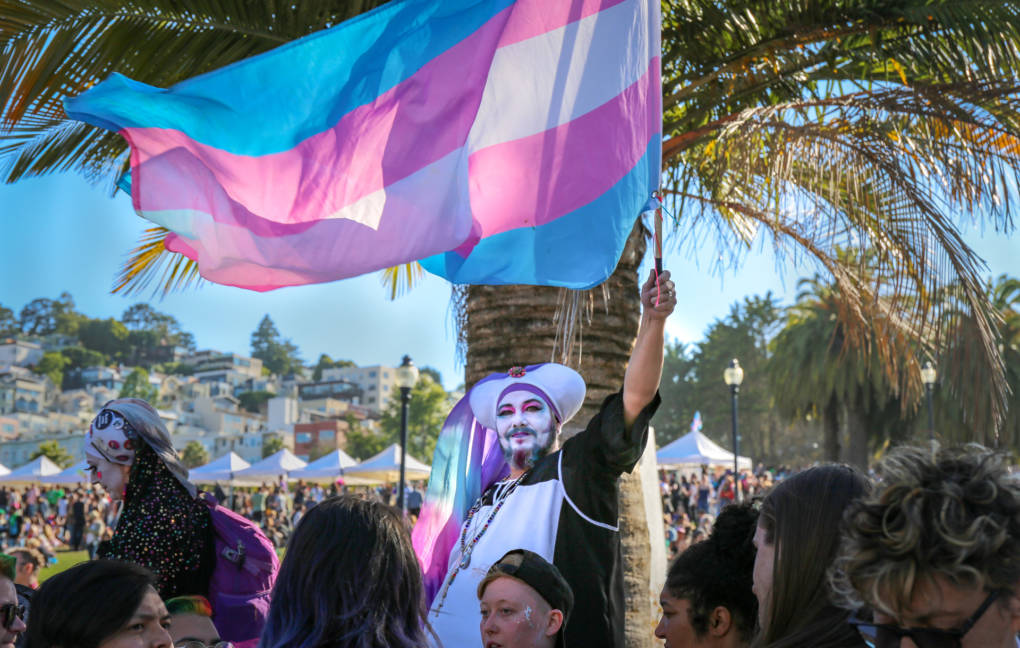
"caption": "The transgender pride flag is held high during the Trans March at Dolores Park on June 28, 2019.",
"description": "The transgender pride flag is held high during the Trans March at Dolores Park on June 28, 2019.",
"title": "RS37927_0M6A0928-qut",
"credit": "Sruti Mamidanna/KQED",
"status": "inherit",
"isLoading": false,
"fetchFailed": false
}
},
"audioPlayerReducer": {
"postId": "stream_live",
"isPaused": true,
"isPlaying": false,
"pfsActive": false,
"pledgeModalIsOpen": true,
"playerDrawerIsOpen": false,
"liveAudioPlayStartedAt": 0,
"liveAudioPlayContext": ""
},
"authorsReducer": {
"byline_news_11991163": {
"type": "authors",
"id": "byline_news_11991163",
"meta": {
"override": true
},
"slug": "byline_news_11991163",
"name": "Celeste Hamilton Dennis ",
"isLoading": false
},
"shotchkiss": {
"type": "authors",
"id": "61",
"meta": {
"index": "authors_1716337520",
"id": "61",
"found": true
},
"name": "Sarah Hotchkiss",
"firstName": "Sarah",
"lastName": "Hotchkiss",
"slug": "shotchkiss",
"email": "shotchkiss@kqed.org",
"display_author_email": true,
"staff_mastheads": [
"arts"
],
"title": "Senior Editor",
"bio": "Sarah Hotchkiss is a San Francisco \u003ca href=\"http://www.sarahhotchkiss.com\">artist\u003c/a> and arts writer. In 2019, she received the Dorothea & Leo Rabkin Foundation grant for visual art journalism and in 2020 she received a Society of Professional Journalists, Northern California award for excellence in arts and culture reporting.",
"avatar": "https://secure.gravatar.com/avatar/bc662df144b3d27fd8b1b6f1c2a420d34e91e53154d411bb7ad353cc8b6cea8d?s=600&d=blank&r=g",
"twitter": null,
"bluesky": null,
"facebook": null,
"instagram": null,
"linkedin": null,
"sites": [
{
"site": "",
"roles": [
"editor"
]
},
{
"site": "arts",
"roles": [
"Contributor",
"administrator"
]
},
{
"site": "artschool",
"roles": [
"administrator"
]
},
{
"site": "news",
"roles": [
"editor"
]
},
{
"site": "pop",
"roles": [
"administrator"
]
},
{
"site": "bayareabites",
"roles": [
"editor"
]
},
{
"site": "spark",
"roles": [
"editor"
]
},
{
"site": "checkplease",
"roles": [
"editor"
]
}
],
"headData": {
"title": "Sarah Hotchkiss | KQED",
"description": "Senior Editor",
"ogImgSrc": "https://secure.gravatar.com/avatar/bc662df144b3d27fd8b1b6f1c2a420d34e91e53154d411bb7ad353cc8b6cea8d?s=600&d=blank&r=g",
"twImgSrc": "https://secure.gravatar.com/avatar/bc662df144b3d27fd8b1b6f1c2a420d34e91e53154d411bb7ad353cc8b6cea8d?s=600&d=blank&r=g"
},
"isLoading": false,
"link": "/author/shotchkiss"
},
"kqed": {
"type": "authors",
"id": "236",
"meta": {
"index": "authors_1716337520",
"id": "236",
"found": true
},
"name": "KQED News Staff",
"firstName": "KQED News Staff",
"lastName": null,
"slug": "kqed",
"email": "faq@kqed.org",
"display_author_email": false,
"staff_mastheads": [],
"title": null,
"bio": null,
"avatar": "https://secure.gravatar.com/avatar/ef0e801a68c4c54afa9180db14084167?s=600&d=blank&r=g",
"twitter": null,
"facebook": null,
"instagram": null,
"linkedin": null,
"sites": [
{
"site": "arts",
"roles": [
"contributor"
]
},
{
"site": "news",
"roles": [
"editor"
]
},
{
"site": "futureofyou",
"roles": [
"author"
]
}
],
"headData": {
"title": "KQED News Staff | KQED",
"description": null,
"ogImgSrc": "https://secure.gravatar.com/avatar/ef0e801a68c4c54afa9180db14084167?s=600&d=blank&r=g",
"twImgSrc": "https://secure.gravatar.com/avatar/ef0e801a68c4c54afa9180db14084167?s=600&d=blank&r=g"
},
"isLoading": false,
"link": "/author/kqed"
},
"scottshafer": {
"type": "authors",
"id": "255",
"meta": {
"index": "authors_1716337520",
"id": "255",
"found": true
},
"name": "Scott Shafer",
"firstName": "Scott",
"lastName": "Shafer",
"slug": "scottshafer",
"email": "sshafer@kqed.org",
"display_author_email": false,
"staff_mastheads": [
"news"
],
"title": "KQED Contributor",
"bio": "Scott Shafer is a senior editor with the KQED Politics and Government desk. He is co-host of Political Breakdown, the award-winning radio show and podcast with a personal take on the world of politics. Scott came to KQED in 1998 to host the statewide\u003cem> California Report\u003c/em>. Prior to that he had extended stints in politics and government\u003cem>.\u003c/em> He uses that inside experience at KQED in his, reporting, hosting and analysis for the politics desk. Scott collaborated \u003cem>Political Breakdown a\u003c/em>nd on \u003cem>The Political Mind of Jerry Brown, \u003c/em>an eight-part series about the life and extraordinary political career of the former governor. For fun, he plays water polo with the San Francisco Tsunami.",
"avatar": "https://secure.gravatar.com/avatar/a62ebae45b79d7aed1a39a0e3bf68104?s=600&d=blank&r=g",
"twitter": "scottshafer",
"bluesky": null,
"facebook": null,
"instagram": null,
"linkedin": null,
"sites": [
{
"site": "news",
"roles": [
"editor"
]
},
{
"site": "stateofhealth",
"roles": [
"author"
]
},
{
"site": "science",
"roles": [
"author"
]
},
{
"site": "forum",
"roles": [
"subscriber"
]
},
{
"site": "liveblog",
"roles": [
"author"
]
}
],
"headData": {
"title": "Scott Shafer | KQED",
"description": "KQED Contributor",
"ogImgSrc": "https://secure.gravatar.com/avatar/a62ebae45b79d7aed1a39a0e3bf68104?s=600&d=blank&r=g",
"twImgSrc": "https://secure.gravatar.com/avatar/a62ebae45b79d7aed1a39a0e3bf68104?s=600&d=blank&r=g"
},
"isLoading": false,
"link": "/author/scottshafer"
},
"dkatayama": {
"type": "authors",
"id": "7240",
"meta": {
"index": "authors_1716337520",
"id": "7240",
"found": true
},
"name": "Devin Katayama",
"firstName": "Devin",
"lastName": "Katayama",
"slug": "dkatayama",
"email": "dkatayama@kqed.org",
"display_author_email": true,
"staff_mastheads": [
"news"
],
"title": "Editor of Talent and Development",
"bio": "Devin Katayama is former Editor of Talent and Development for KQED. He supported our internship program and on-call staff by looking for equitable opportunities to improve the newsroom.\r\n\r\nHe previously hosted The Bay and American Suburb podcasts from KQED News. Prior to returning to the Bay Area in 2015, Devin was the education reporter for WFPL in Louisville and worked as a producer with radio stations in Chicago and Portland, OR. His work has appeared on NPR’s \u003cem>Morning Edition, All Things Considered, The Takeaway\u003c/em> and \u003cem>Here and Now.\u003c/em>\r\n\r\nDevin earned his MA in Journalism from Columbia College Chicago, where he was a Follett Fellow and the recipient of the 2011 Studs Terkel Community Media Workshop Scholarship for his story on Chicago's homeless youth. He won WBUR's 2014 Daniel Schorr award and a regional RTNDA Edward R. Murrow Award for his documentary \"At Risk\" that looked at issues facing some of Louisville's students. Devin has also received numerous local awards from the Associated Press and the Society of Professional Journalists.",
"avatar": "https://secure.gravatar.com/avatar/d0d2978a31002fb2de107921a8e18405?s=600&d=blank&r=g",
"twitter": "RadioDevin",
"facebook": null,
"instagram": null,
"linkedin": null,
"sites": [
{
"site": "arts",
"roles": []
},
{
"site": "news",
"roles": [
"author"
]
},
{
"site": "stateofhealth",
"roles": [
"author"
]
},
{
"site": "forum",
"roles": [
"editor"
]
},
{
"site": "perspectives",
"roles": [
"editor"
]
}
],
"headData": {
"title": "Devin Katayama | KQED",
"description": "Editor of Talent and Development",
"ogImgSrc": "https://secure.gravatar.com/avatar/d0d2978a31002fb2de107921a8e18405?s=600&d=blank&r=g",
"twImgSrc": "https://secure.gravatar.com/avatar/d0d2978a31002fb2de107921a8e18405?s=600&d=blank&r=g"
},
"isLoading": false,
"link": "/author/dkatayama"
},
"ecruzguevarra": {
"type": "authors",
"id": "8654",
"meta": {
"index": "authors_1716337520",
"id": "8654",
"found": true
},
"name": "Ericka Cruz Guevarra",
"firstName": "Ericka",
"lastName": "Cruz Guevarra",
"slug": "ecruzguevarra",
"email": "ecruzguevarra@kqed.org",
"display_author_email": true,
"staff_mastheads": [
"news"
],
"title": "Producer, The Bay Podcast",
"bio": "Ericka Cruz Guevarra is host of \u003ca href=\"https://www.kqed.org/podcasts/thebay\">\u003cem>The Bay\u003c/em>\u003c/a> podcast at KQED. Before host, she was the show’s producer. Her work in that capacity includes a three-part reported series on policing in Vallejo, which won a 2020 excellence in journalism award from the Society of Professional Journalists. Ericka has worked as a breaking news reporter at Oregon Public Broadcasting, helped produce the Code Switch podcast, and was KQED’s inaugural Raul Ramirez Diversity Fund intern. She’s also an alumna of NPR’s Next Generation Radio program. Send her an email if you have strong feelings about whether Fairfield and Suisun City are the Bay. Ericka is represented by SAG-AFTRA.",
"avatar": "https://secure.gravatar.com/avatar/accefc1de4bafc7e234b69bcb9b6f6536c130fd84709bc3069ef11a78787e1bb?s=600&d=blank&r=g",
"twitter": "NotoriousECG",
"bluesky": null,
"facebook": null,
"instagram": null,
"linkedin": null,
"sites": [
{
"site": "arts",
"roles": [
"subscriber"
]
},
{
"site": "news",
"roles": [
"editor",
"manage_categories"
]
},
{
"site": "futureofyou",
"roles": [
"subscriber"
]
},
{
"site": "stateofhealth",
"roles": [
"subscriber"
]
},
{
"site": "science",
"roles": [
"editor"
]
},
{
"site": "forum",
"roles": [
"subscriber"
]
}
],
"headData": {
"title": "Ericka Cruz Guevarra | KQED",
"description": "Producer, The Bay Podcast",
"ogImgSrc": "https://secure.gravatar.com/avatar/accefc1de4bafc7e234b69bcb9b6f6536c130fd84709bc3069ef11a78787e1bb?s=600&d=blank&r=g",
"twImgSrc": "https://secure.gravatar.com/avatar/accefc1de4bafc7e234b69bcb9b6f6536c130fd84709bc3069ef11a78787e1bb?s=600&d=blank&r=g"
},
"isLoading": false,
"link": "/author/ecruzguevarra"
},
"rlevi": {
"type": "authors",
"id": "11260",
"meta": {
"index": "authors_1716337520",
"id": "11260",
"found": true
},
"name": "Ryan Levi",
"firstName": "Ryan",
"lastName": "Levi",
"slug": "rlevi",
"email": "rlevi@KQED.org",
"display_author_email": false,
"staff_mastheads": [],
"title": "KQED Contributor",
"bio": "Ryan Levi was a reporter and podcast producer at KQED News from 2016-2019. He worked on \u003ca href=\"https://www.kqed.org/news/series/baycurious\">Bay Curious\u003c/a>, \u003ca href=\"https://www.kqed.org/news/tag/the-bay/\">The Bay, \u003c/a>and \u003ca href=\"https://podcasts.apple.com/us/podcast/the-california-report-magazine/id1314750545\">The California Report Magazine\u003c/a>, as well as hosting and producing the weekly \u003ca href=\"https://www.kqed.org/news/program/qedup/\">Q'ed Up podcast. \u003c/a>He also helped inaugurate KQED's weekend news coverage in 2017 as one of two original digital producers. Ryan holds degrees in multimedia journalism and Spanish from the University of Missouri.",
"avatar": "https://secure.gravatar.com/avatar/4cb2ddd028ac8807d1adf09609c5555d?s=600&d=blank&r=g",
"twitter": "ryan_levi",
"facebook": null,
"instagram": null,
"linkedin": null,
"sites": [
{
"site": "arts",
"roles": [
"editor"
]
},
{
"site": "news",
"roles": [
"subscriber"
]
},
{
"site": "stateofhealth",
"roles": [
"editor"
]
},
{
"site": "science",
"roles": [
"editor"
]
},
{
"site": "forum",
"roles": [
"administrator"
]
},
{
"site": "perspectives",
"roles": [
"administrator"
]
}
],
"headData": {
"title": "Ryan Levi | KQED",
"description": "KQED Contributor",
"ogImgSrc": "https://secure.gravatar.com/avatar/4cb2ddd028ac8807d1adf09609c5555d?s=600&d=blank&r=g",
"twImgSrc": "https://secure.gravatar.com/avatar/4cb2ddd028ac8807d1adf09609c5555d?s=600&d=blank&r=g"
},
"isLoading": false,
"link": "/author/rlevi"
},
"nvoynovskaya": {
"type": "authors",
"id": "11387",
"meta": {
"index": "authors_1716337520",
"id": "11387",
"found": true
},
"name": "Nastia Voynovskaya",
"firstName": "Nastia",
"lastName": "Voynovskaya",
"slug": "nvoynovskaya",
"email": "nvoynovskaya@kqed.org",
"display_author_email": false,
"staff_mastheads": [
"arts"
],
"title": "Editor and reporter",
"bio": "Nastia Voynovskaya is a reporter, editor and host at KQED Arts & Culture. She's been covering the arts in the Bay Area for over a decade, with a focus on music, queer culture, labor issues and grassroots organizing. She has edited KQED story series such as Trans Bay: A History of San Francisco's Gender-Diverse Community, and co-created KQED's Bay Area hip-hop history project, That's My Word. Nastia's work has been recognized by the Society of Professional Journalists and San Francisco Press Club. She regularly appears on podcasts and radio programs, including NPR's All Songs Considered, and hosts live events where music, culture and conversation meet.",
"avatar": "https://secure.gravatar.com/avatar/5025ee460e5a85d69ca20ea6c6f2f80d7e17795c828f61ea3aecfcd924e9042e?s=600&d=blank&r=g",
"twitter": null,
"bluesky": null,
"facebook": null,
"instagram": "https://www.instagram.com/nananastia/",
"linkedin": null,
"sites": [
{
"site": "",
"roles": [
"editor"
]
},
{
"site": "arts",
"roles": [
"administrator"
]
},
{
"site": "news",
"roles": [
"editor"
]
},
{
"site": "pop",
"roles": [
"administrator"
]
},
{
"site": "bayareabites",
"roles": [
"editor"
]
},
{
"site": "podcasts",
"roles": [
"editor"
]
},
{
"site": "hiphop",
"roles": [
"editor"
]
}
],
"headData": {
"title": "Nastia Voynovskaya | KQED",
"description": "Editor and reporter",
"ogImgSrc": "https://secure.gravatar.com/avatar/5025ee460e5a85d69ca20ea6c6f2f80d7e17795c828f61ea3aecfcd924e9042e?s=600&d=blank&r=g",
"twImgSrc": "https://secure.gravatar.com/avatar/5025ee460e5a85d69ca20ea6c6f2f80d7e17795c828f61ea3aecfcd924e9042e?s=600&d=blank&r=g"
},
"isLoading": false,
"link": "/author/nvoynovskaya"
},
"smamidanna": {
"type": "authors",
"id": "11581",
"meta": {
"index": "authors_1716337520",
"id": "11581",
"found": true
},
"name": "Sruti Mamidanna",
"firstName": "Sruti",
"lastName": "Mamidanna",
"slug": "smamidanna",
"email": "smamidanna@kqed.org",
"display_author_email": false,
"staff_mastheads": [],
"title": null,
"bio": null,
"avatar": "https://secure.gravatar.com/avatar/b6365bcdef7e2060671a7124aa076048?s=600&d=blank&r=g",
"twitter": null,
"facebook": null,
"instagram": null,
"linkedin": null,
"sites": [
{
"site": "news",
"roles": [
"author"
]
}
],
"headData": {
"title": "Sruti Mamidanna | KQED",
"description": null,
"ogImgSrc": "https://secure.gravatar.com/avatar/b6365bcdef7e2060671a7124aa076048?s=600&d=blank&r=g",
"twImgSrc": "https://secure.gravatar.com/avatar/b6365bcdef7e2060671a7124aa076048?s=600&d=blank&r=g"
},
"isLoading": false,
"link": "/author/smamidanna"
},
"jchang": {
"type": "authors",
"id": "11642",
"meta": {
"index": "authors_1716337520",
"id": "11642",
"found": true
},
"name": "Julie Chang",
"firstName": "Julie",
"lastName": "Chang",
"slug": "jchang",
"email": "jchang@kqed.org",
"display_author_email": false,
"staff_mastheads": [
"news"
],
"title": "KQED Contributor",
"bio": "Julie Chang is a reporter and producer (and occasional anchor) with the radio and digital teams at KQED. Before KQED, she worked at WAMU 88.5 in Washington D.C. and 89.3 KPCC in Los Angeles County. Her work has been featured on NPR’s Morning Edition and All Things Considered, Here & Now, the New York Times, and more. Julie graduated from UC Berkeley’s Graduate School of Journalism. She previously taught English at Pasadena City College, Fullerton College and Cal Poly Pomona. Julie earned her M.A. in English from Cal Poly Pomona and her B.A. in English from UCI with a minor in criminology.",
"avatar": "https://secure.gravatar.com/avatar/a7afce94ef127082c5475116b4a3b77d?s=600&d=blank&r=g",
"twitter": "BayAreaJulie",
"facebook": null,
"instagram": null,
"linkedin": "https://www.linkedin.com/in/julieyc/",
"sites": [
{
"site": "",
"roles": [
"editor"
]
},
{
"site": "news",
"roles": [
"author"
]
},
{
"site": "science",
"roles": [
"editor"
]
}
],
"headData": {
"title": "Julie Chang | KQED",
"description": "KQED Contributor",
"ogImgSrc": "https://secure.gravatar.com/avatar/a7afce94ef127082c5475116b4a3b77d?s=600&d=blank&r=g",
"twImgSrc": "https://secure.gravatar.com/avatar/a7afce94ef127082c5475116b4a3b77d?s=600&d=blank&r=g"
},
"isLoading": false,
"link": "/author/jchang"
},
"amontecillo": {
"type": "authors",
"id": "11649",
"meta": {
"index": "authors_1716337520",
"id": "11649",
"found": true
},
"name": "Alan Montecillo",
"firstName": "Alan",
"lastName": "Montecillo",
"slug": "amontecillo",
"email": "amontecillo@kqed.org",
"display_author_email": false,
"staff_mastheads": [
"news"
],
"title": "KQED Contributor",
"bio": "Alan Montecillo is the senior editor of \u003cem>\u003ca href=\"http://kqed.org/thebay\">The Bay\u003c/a>, \u003c/em> KQED's local news podcast. Before moving to the Bay Area, he worked as a senior talk show producer for WILL in Champaign-Urbana, Illinois and at Oregon Public Broadcasting in Portland, Oregon. He has won journalism awards from the Society of Professional Journalists Northern California, the Public Media Journalists Association, The Signal Awards, and has also received a regional Edward R. Murrow award. Alan is a Filipino American from Hong Kong and a graduate of Reed College.",
"avatar": "https://secure.gravatar.com/avatar/268f53a2066899ea9efdd8a5900218b17c822d9862cbc9326cccec53ef41d349?s=600&d=blank&r=g",
"twitter": "alanmontecillo",
"bluesky": null,
"facebook": null,
"instagram": null,
"linkedin": null,
"sites": [
{
"site": "",
"roles": [
"editor"
]
},
{
"site": "news",
"roles": [
"editor",
"manage_categories"
]
}
],
"headData": {
"title": "Alan Montecillo | KQED",
"description": "KQED Contributor",
"ogImgSrc": "https://secure.gravatar.com/avatar/268f53a2066899ea9efdd8a5900218b17c822d9862cbc9326cccec53ef41d349?s=600&d=blank&r=g",
"twImgSrc": "https://secure.gravatar.com/avatar/268f53a2066899ea9efdd8a5900218b17c822d9862cbc9326cccec53ef41d349?s=600&d=blank&r=g"
},
"isLoading": false,
"link": "/author/amontecillo"
},
"avignet": {
"type": "authors",
"id": "11683",
"meta": {
"index": "authors_1716337520",
"id": "11683",
"found": true
},
"name": "Anna Vignet",
"firstName": "Anna",
"lastName": "Vignet",
"slug": "avignet",
"email": "avignet@kqed.org",
"display_author_email": false,
"staff_mastheads": [
"news"
],
"title": "KQED Contributor",
"bio": null,
"avatar": "https://secure.gravatar.com/avatar/75b1c67fd0f5915bc8c1514aca495240?s=600&d=blank&r=g",
"twitter": null,
"facebook": null,
"instagram": null,
"linkedin": null,
"sites": [
{
"site": "arts",
"roles": [
"author"
]
},
{
"site": "news",
"roles": [
"editor"
]
}
],
"headData": {
"title": "Anna Vignet | KQED",
"description": "KQED Contributor",
"ogImgSrc": "https://secure.gravatar.com/avatar/75b1c67fd0f5915bc8c1514aca495240?s=600&d=blank&r=g",
"twImgSrc": "https://secure.gravatar.com/avatar/75b1c67fd0f5915bc8c1514aca495240?s=600&d=blank&r=g"
},
"isLoading": false,
"link": "/author/avignet"
},
"jrodriguez": {
"type": "authors",
"id": "11690",
"meta": {
"index": "authors_1716337520",
"id": "11690",
"found": true
},
"name": "Joe Fitzgerald Rodriguez",
"firstName": "Joe",
"lastName": "Fitzgerald Rodriguez",
"slug": "jrodriguez",
"email": "jrodriguez@kqed.org",
"display_author_email": true,
"staff_mastheads": [
"news"
],
"title": "Reporter and Producer",
"bio": "Joe Fitzgerald Rodriguez is a reporter and digital producer for KQED covering politics. Joe most recently wrote for the \u003cem>San Francisco Examiner\u003c/em> as a political columnist covering The City. He was raised in San Francisco and has spent his reporting career in his beloved, foggy, city by the bay. Joe was 12-years-old when he conducted his first interview in journalism, grilling former San Francisco Mayor Willie Brown for the Marina Middle School newspaper, \u003cem>The Penguin Press, \u003c/em>and he continues to report on the San Francisco Bay Area to this day.",
"avatar": "https://secure.gravatar.com/avatar/2247beb0564c1e9c62228d5649d2edac?s=600&d=blank&r=g",
"twitter": "FitztheReporter",
"facebook": null,
"instagram": "https://www.instagram.com/fitzthereporter/",
"linkedin": null,
"sites": [
{
"site": "",
"roles": [
"editor"
]
},
{
"site": "arts",
"roles": [
"editor"
]
},
{
"site": "news",
"roles": [
"editor"
]
},
{
"site": "science",
"roles": [
"editor"
]
},
{
"site": "elections",
"roles": [
"editor"
]
},
{
"site": "liveblog",
"roles": [
"editor"
]
}
],
"headData": {
"title": "Joe Fitzgerald Rodriguez | KQED",
"description": "Reporter and Producer",
"ogImgSrc": "https://secure.gravatar.com/avatar/2247beb0564c1e9c62228d5649d2edac?s=600&d=blank&r=g",
"twImgSrc": "https://secure.gravatar.com/avatar/2247beb0564c1e9c62228d5649d2edac?s=600&d=blank&r=g"
},
"isLoading": false,
"link": "/author/jrodriguez"
},
"smartos": {
"type": "authors",
"id": "11741",
"meta": {
"index": "authors_1716337520",
"id": "11741",
"found": true
},
"name": "Shaylyn Martos",
"firstName": "Shaylyn",
"lastName": "Martos",
"slug": "smartos",
"email": "smartos@kqed.org",
"display_author_email": false,
"staff_mastheads": [],
"title": "KQED Contributor",
"bio": null,
"avatar": "https://secure.gravatar.com/avatar/ca566efb61a864c9a7fff48e77d45f31?s=600&d=blank&r=g",
"twitter": "@shaylynmartos",
"facebook": null,
"instagram": null,
"linkedin": null,
"sites": [
{
"site": "news",
"roles": [
"author"
]
}
],
"headData": {
"title": "Shaylyn Martos | KQED",
"description": "KQED Contributor",
"ogImgSrc": "https://secure.gravatar.com/avatar/ca566efb61a864c9a7fff48e77d45f31?s=600&d=blank&r=g",
"twImgSrc": "https://secure.gravatar.com/avatar/ca566efb61a864c9a7fff48e77d45f31?s=600&d=blank&r=g"
},
"isLoading": false,
"link": "/author/smartos"
},
"mesquinca": {
"type": "authors",
"id": "11802",
"meta": {
"index": "authors_1716337520",
"id": "11802",
"found": true
},
"name": "Maria Esquinca",
"firstName": "Maria",
"lastName": "Esquinca",
"slug": "mesquinca",
"email": "mesquinca@kqed.org",
"display_author_email": false,
"staff_mastheads": [],
"title": "Producer, The Bay",
"bio": "María Esquinca is a producer of The Bay. Before that, she was a New York Women’s Foundation IGNITE Fellow at Latino USA. She worked at Radio Bilingue where she covered the San Joaquin Valley. Maria has interned at WLRN, News 21, The New York Times Student Journalism Institute and at Crain’s Detroit Business as a Dow Jones News Fund Business Reporting Intern. She is an MFA graduate from the University of Miami. In 2017, she graduated from the Walter Cronkite School of Journalism and Mass Communication with a Master of Mass Communication. A fronteriza, she was born in Ciudad Juárez, Chihuahua, Mexico and grew up in El Paso, Texas.",
"avatar": "https://secure.gravatar.com/avatar/77cedba18aae91da775038ba06dcd8d0?s=600&d=blank&r=g",
"twitter": "@m_esquinca",
"facebook": null,
"instagram": null,
"linkedin": null,
"sites": [
{
"site": "news",
"roles": []
}
],
"headData": {
"title": "Maria Esquinca | KQED",
"description": "Producer, The Bay",
"ogImgSrc": "https://secure.gravatar.com/avatar/77cedba18aae91da775038ba06dcd8d0?s=600&d=blank&r=g",
"twImgSrc": "https://secure.gravatar.com/avatar/77cedba18aae91da775038ba06dcd8d0?s=600&d=blank&r=g"
},
"isLoading": false,
"link": "/author/mesquinca"
}
},
"pagesReducer": {
"news_tag_pride": {
"type": "terms",
"id": "news_3123",
"meta": {
"index": "terms_1716263798",
"site": "news",
"id": "3123",
"score": 8.668567
},
"featImg": null,
"name": "pride",
"description": null,
"taxonomy": "tag",
"headData": {
"twImgId": null,
"twTitle": null,
"ogTitle": null,
"ogImgId": null,
"twDescription": null,
"description": null,
"title": "pride Archives | KQED News",
"ogDescription": null
},
"ttid": 3141,
"slug": "pride",
"isLoading": false,
"title": "pride",
"pageMeta": {
"site": "news",
"WpPageTemplate": "page-topic-editorial",
"currentPage": 2
},
"blocks": [
{
"blockName": "kqed/post-list",
"attrs": {
"layout": "cardArticle2",
"query": "posts/news?tag=pride",
"seeMore": false,
"paginated": true,
"page": 2
}
},
{
"blockName": "kqed/ad"
}
]
}
},
"pfsSessionReducer": {},
"postsReducer": {
"stream_live": {
"type": "live",
"id": "stream_live",
"audioUrl": "https://streams.kqed.org/kqedradio",
"title": "Live Stream",
"excerpt": "Live Stream information currently unavailable.",
"link": "/radio",
"featImg": "",
"label": {
"name": "KQED Live",
"link": "/"
}
},
"stream_kqedNewscast": {
"type": "posts",
"id": "stream_kqedNewscast",
"audioUrl": "https://www.kqed.org/.stream/anon/radio/RDnews/newscast.mp3?_=1",
"title": "KQED Newscast",
"featImg": "",
"label": {
"name": "88.5 FM",
"link": "/"
}
},
"news_11991163": {
"type": "posts",
"id": "news_11991163",
"meta": {
"index": "posts_1716263798",
"site": "news",
"id": "11991163",
"score": null,
"sort": [
1718967627000
]
},
"guestAuthors": [],
"slug": "the-enduring-reign-of-el-dana-drag-king-of-the-central-valley",
"title": "The Enduring Reign of El Daña, Drag King of the Central Valley",
"publishDate": 1718967627,
"format": "standard",
"headTitle": "The Enduring Reign of El Daña, Drag King of the Central Valley | KQED",
"labelTerm": {
"term": 26731,
"site": "news"
},
"content": "\u003cp>For Elsie Saldaña, a flawless lip sync is the hallmark of serious artistry in drag.\u003c/p>\n\u003cp>She would know. Saldaña has been performing in the Central Valley since the 1960s and still occasionally graces the stage as El Daña — the oldest drag king in the country.\u003c/p>\n\u003cfigure id=\"attachment_11991269\" class=\"wp-caption aligncenter\" style=\"max-width: 2000px\">\u003ca href=\"https://cdn.kqed.org/wp-content/uploads/sites/10/2024/06/05_2024.04.16_DragKingDana_00072-1.jpg\">\u003cimg loading=\"lazy\" decoding=\"async\" class=\"size-full wp-image-11991269\" src=\"https://cdn.kqed.org/wp-content/uploads/sites/10/2024/06/05_2024.04.16_DragKingDana_00072-1.jpg\" alt=\"A person wearing dark blue clothing walks in a field.\" width=\"2000\" height=\"1334\" srcset=\"https://cdn.kqed.org/wp-content/uploads/sites/10/2024/06/05_2024.04.16_DragKingDana_00072-1.jpg 2000w, https://cdn.kqed.org/wp-content/uploads/sites/10/2024/06/05_2024.04.16_DragKingDana_00072-1-800x534.jpg 800w, https://cdn.kqed.org/wp-content/uploads/sites/10/2024/06/05_2024.04.16_DragKingDana_00072-1-1020x680.jpg 1020w, https://cdn.kqed.org/wp-content/uploads/sites/10/2024/06/05_2024.04.16_DragKingDana_00072-1-160x107.jpg 160w, https://cdn.kqed.org/wp-content/uploads/sites/10/2024/06/05_2024.04.16_DragKingDana_00072-1-1536x1025.jpg 1536w, https://cdn.kqed.org/wp-content/uploads/sites/10/2024/06/05_2024.04.16_DragKingDana_00072-1-1920x1281.jpg 1920w\" sizes=\"(max-width: 2000px) 100vw, 2000px\">\u003c/a>\u003cfigcaption class=\"wp-caption-text\">Elsie Saldaña strolls through a field in Fresno on April 16, 2024. For Saldaña, the orchards were not only a place of hard work but of refuge, where she would hang out with her queer friends. \u003ccite>(Florence Middleton)\u003c/cite>\u003c/figcaption>\u003c/figure>\n\u003cp>On a Saturday night earlier this year, she donned all black except for a rhinestone-studded belt as part of her transformation into the chest-baring crooner Tom Jones. She was about to perform his version of “Kiss” at the Red Lantern bar in Fresno and played the song on repeat in preparation, mouthing every word.\u003c/p>\n\u003cp>It had to be perfect — after all these years, she’s still one of the few drag kings in the lineup.\u003c/p>\n\u003cp>“For as old as I am to do this, I feel I have it in me,” she said. “And if I feel that I still have it in me, why should I stop?”\u003c/p>\n\u003cfigure id=\"attachment_11991278\" class=\"wp-caption aligncenter\" style=\"max-width: 2000px\">\u003ca href=\"https://cdn.kqed.org/wp-content/uploads/sites/10/2024/06/33_2024.04.16_DragKingDana_00487-2.jpg\">\u003cimg loading=\"lazy\" decoding=\"async\" class=\"size-full wp-image-11991278\" src=\"https://cdn.kqed.org/wp-content/uploads/sites/10/2024/06/33_2024.04.16_DragKingDana_00487-2.jpg\" alt=\"A white costume adorned in rhinestones.\" width=\"2000\" height=\"1334\" srcset=\"https://cdn.kqed.org/wp-content/uploads/sites/10/2024/06/33_2024.04.16_DragKingDana_00487-2.jpg 2000w, https://cdn.kqed.org/wp-content/uploads/sites/10/2024/06/33_2024.04.16_DragKingDana_00487-2-800x534.jpg 800w, https://cdn.kqed.org/wp-content/uploads/sites/10/2024/06/33_2024.04.16_DragKingDana_00487-2-1020x680.jpg 1020w, https://cdn.kqed.org/wp-content/uploads/sites/10/2024/06/33_2024.04.16_DragKingDana_00487-2-160x107.jpg 160w, https://cdn.kqed.org/wp-content/uploads/sites/10/2024/06/33_2024.04.16_DragKingDana_00487-2-1536x1025.jpg 1536w, https://cdn.kqed.org/wp-content/uploads/sites/10/2024/06/33_2024.04.16_DragKingDana_00487-2-1920x1281.jpg 1920w\" sizes=\"(max-width: 2000px) 100vw, 2000px\">\u003c/a>\u003cfigcaption class=\"wp-caption-text\">One of Elsie Saldaña’s drag performance outfits, adorned in rhinestones from top to bottom, rests on her bed in her home in Clovis on April 16, 2024. \u003ccite>(Florence Middleton)\u003c/cite>\u003c/figcaption>\u003c/figure>\n\u003cp>At 79 years old, she admits she can’t move like she used to. Yet she’s always ready for the next performance opportunity. Her rhinestone and sequin outfits are neatly stacked in her closet and Boot Barn boxes keep her Stetson cowboy hats pristine. She practices lip-synching in the car on her way to work as a house cleaner, driving past the few remaining orchards where she picked figs in her youth.\u003c/p>\n\u003cfigure id=\"attachment_11991271\" class=\"wp-caption aligncenter\" style=\"max-width: 2000px\">\u003ca href=\"https://cdn.kqed.org/wp-content/uploads/sites/10/2024/06/09_2024.04.16_DragKingDana_00124-2.jpg\">\u003cimg loading=\"lazy\" decoding=\"async\" class=\"size-full wp-image-11991271\" src=\"https://cdn.kqed.org/wp-content/uploads/sites/10/2024/06/09_2024.04.16_DragKingDana_00124-2.jpg\" alt=\"A person wearing dark clothing walks toward a screen door while putting on a glove.\" width=\"2000\" height=\"1334\" srcset=\"https://cdn.kqed.org/wp-content/uploads/sites/10/2024/06/09_2024.04.16_DragKingDana_00124-2.jpg 2000w, https://cdn.kqed.org/wp-content/uploads/sites/10/2024/06/09_2024.04.16_DragKingDana_00124-2-800x534.jpg 800w, https://cdn.kqed.org/wp-content/uploads/sites/10/2024/06/09_2024.04.16_DragKingDana_00124-2-1020x680.jpg 1020w, https://cdn.kqed.org/wp-content/uploads/sites/10/2024/06/09_2024.04.16_DragKingDana_00124-2-160x107.jpg 160w, https://cdn.kqed.org/wp-content/uploads/sites/10/2024/06/09_2024.04.16_DragKingDana_00124-2-1536x1025.jpg 1536w, https://cdn.kqed.org/wp-content/uploads/sites/10/2024/06/09_2024.04.16_DragKingDana_00124-2-1920x1281.jpg 1920w\" sizes=\"(max-width: 2000px) 100vw, 2000px\">\u003c/a>\u003cfigcaption class=\"wp-caption-text\">Elsie Saldaña, 79, at a client’s home that she regularly cleans for income in Fresno on April 16, 2024. \u003ccite>(Florence Middleton)\u003c/cite>\u003c/figcaption>\u003c/figure>\n\u003cp>Like many in the Fresno area, Saldaña grew up in a family of Mexican farmworkers. When she’d come home after long hours in the fields, she’d turn on the radio and lip-synch to Frank Sinatra or Vic Damone, pretending her hairbrush was a microphone.\u003c/p>\n\u003cp>[ad fullwidth]\u003c/p>\n\u003cp>The first time she performed for someone other than her reflection in the mirror was in 1965 at the Red Robin, a gay bar in town. The song was Ritchie Valens’ “La Bamba.” Her knees were shaking, but the claps and cheers from the audience made her feel like a star. She was hooked.\u003c/p>\n\u003cfigure id=\"attachment_11991272\" class=\"wp-caption aligncenter\" style=\"max-width: 2000px\">\u003ca href=\"https://cdn.kqed.org/wp-content/uploads/sites/10/2024/06/12_2024.04.16_DragKingDana_00144-1.jpg\">\u003cimg loading=\"lazy\" decoding=\"async\" class=\"size-full wp-image-11991272\" src=\"https://cdn.kqed.org/wp-content/uploads/sites/10/2024/06/12_2024.04.16_DragKingDana_00144-1.jpg\" alt=\"A person wearing dark clothing and gloves holds a broom in a bathroom.\" width=\"2000\" height=\"1334\" srcset=\"https://cdn.kqed.org/wp-content/uploads/sites/10/2024/06/12_2024.04.16_DragKingDana_00144-1.jpg 2000w, https://cdn.kqed.org/wp-content/uploads/sites/10/2024/06/12_2024.04.16_DragKingDana_00144-1-800x534.jpg 800w, https://cdn.kqed.org/wp-content/uploads/sites/10/2024/06/12_2024.04.16_DragKingDana_00144-1-1020x680.jpg 1020w, https://cdn.kqed.org/wp-content/uploads/sites/10/2024/06/12_2024.04.16_DragKingDana_00144-1-160x107.jpg 160w, https://cdn.kqed.org/wp-content/uploads/sites/10/2024/06/12_2024.04.16_DragKingDana_00144-1-1536x1025.jpg 1536w, https://cdn.kqed.org/wp-content/uploads/sites/10/2024/06/12_2024.04.16_DragKingDana_00144-1-1920x1281.jpg 1920w\" sizes=\"(max-width: 2000px) 100vw, 2000px\">\u003c/a>\u003cfigcaption class=\"wp-caption-text\">Elsie Saldaña mops the bathroom of a client’s home in Fresno on April 16, 2024. \u003ccite>(Florence Middleton)\u003c/cite>\u003c/figcaption>\u003c/figure>\n\u003cp>This launched a side career in drag where, for a long time, she was the only “male impersonator” in the area. (The term she preferred then.) In the beginning, Saldaña would stuff her male clothes in a paper bag to sneak past her mother, who she knew wouldn’t approve of drag, nor her being a lesbian.\u003c/p>\n\u003cp>She’d perform in big stage productions or solo shows at the few LGBTQ-friendly bars such as Girl of the Golden West, The Palace and Red Lantern — the only bar remaining.\u003c/p>\n\u003cfigure id=\"attachment_11991273\" class=\"wp-caption aligncenter\" style=\"max-width: 2000px\">\u003ca href=\"https://cdn.kqed.org/wp-content/uploads/sites/10/2024/06/16_2024.04.16_DragKingDana_00254-1.jpg\">\u003cimg loading=\"lazy\" decoding=\"async\" class=\"size-full wp-image-11991273\" src=\"https://cdn.kqed.org/wp-content/uploads/sites/10/2024/06/16_2024.04.16_DragKingDana_00254-1.jpg\" alt=\"A person wearing dark clothing and blue jeans uses a vacuum in a home.\" width=\"2000\" height=\"1334\" srcset=\"https://cdn.kqed.org/wp-content/uploads/sites/10/2024/06/16_2024.04.16_DragKingDana_00254-1.jpg 2000w, https://cdn.kqed.org/wp-content/uploads/sites/10/2024/06/16_2024.04.16_DragKingDana_00254-1-800x534.jpg 800w, https://cdn.kqed.org/wp-content/uploads/sites/10/2024/06/16_2024.04.16_DragKingDana_00254-1-1020x680.jpg 1020w, https://cdn.kqed.org/wp-content/uploads/sites/10/2024/06/16_2024.04.16_DragKingDana_00254-1-160x107.jpg 160w, https://cdn.kqed.org/wp-content/uploads/sites/10/2024/06/16_2024.04.16_DragKingDana_00254-1-1536x1025.jpg 1536w, https://cdn.kqed.org/wp-content/uploads/sites/10/2024/06/16_2024.04.16_DragKingDana_00254-1-1920x1281.jpg 1920w\" sizes=\"(max-width: 2000px) 100vw, 2000px\">\u003c/a>\u003cfigcaption class=\"wp-caption-text\">Elsie Saldaña vacuums the living room of a client’s home in Fresno on April 16, 2024. The job requires moving furniture, including flipping over the recliner chairs to vacuum underneath them. \u003ccite>(Florence Middleton)\u003c/cite>\u003c/figcaption>\u003c/figure>\n\u003cp>Saldaña still gets nervous before a performance. On the night of her recent show, her coif was stiff with hairspray, her shirt sharply ironed, her bowtie snug. Tom Jones was her specialty. When she pushed the swinging door into the Red Lantern, where she performed “It’s Not Unusual” over four decades ago, it was like stepping into the past.\u003c/p>\n\u003cp>The black-and-white photos of shirtless cowboys on its walls are new, but the dance floor is the same, save for a glittering disco ball — a beacon of sorts.\u003c/p>\n\u003cp>“This area has a very rich and long history of drag and performance, mostly because of the bar network and Imperial Court,” said Kat Fobear, professor of Women, Gender and Sexuality Studies at Fresno State. “But it is in the face of historically and currently very conservative culture.”\u003c/p>\n\u003cp>The \u003ca href=\"https://internationalcourtsystem.org/\">Imperial Court \u003c/a>is one of the oldest LGBTQ organizations in the country and started in 1965 in the Bay Area — a time when homosexuality was considered a mental disorder and laws prohibited cross-dressing. The court was a way to foster pride and expanded to numerous cities, including Fresno, where it thrives to this day.\u003c/p>\n\u003cp>Members compete for royal titles and host fundraising drag balls. In 1980, Saldaña co-founded the Sequoia Empire Court in Visalia, back then a small town. She assumed the emperor’s title three times, raising thousands of dollars for AIDS and other charities. Her mother, eventually accepting who she was, would attend the balls.\u003c/p>\n\u003cp>“Visalia at that time really had a closeted community,” Saldaña said. “And once they found out about the court … they got brave.”\u003c/p>\n\u003cfigure id=\"attachment_11991281\" class=\"wp-caption aligncenter\" style=\"max-width: 2000px\">\u003ca href=\"https://cdn.kqed.org/wp-content/uploads/sites/10/2024/06/45_2024.04.16_DragKingDana_00608-1.jpg\">\u003cimg loading=\"lazy\" decoding=\"async\" class=\"size-full wp-image-11991281\" src=\"https://cdn.kqed.org/wp-content/uploads/sites/10/2024/06/45_2024.04.16_DragKingDana_00608-1.jpg\" alt=\"A person looks down at vintage pictures on the floor of people.\" width=\"2000\" height=\"1334\" srcset=\"https://cdn.kqed.org/wp-content/uploads/sites/10/2024/06/45_2024.04.16_DragKingDana_00608-1.jpg 2000w, https://cdn.kqed.org/wp-content/uploads/sites/10/2024/06/45_2024.04.16_DragKingDana_00608-1-800x534.jpg 800w, https://cdn.kqed.org/wp-content/uploads/sites/10/2024/06/45_2024.04.16_DragKingDana_00608-1-1020x680.jpg 1020w, https://cdn.kqed.org/wp-content/uploads/sites/10/2024/06/45_2024.04.16_DragKingDana_00608-1-160x107.jpg 160w, https://cdn.kqed.org/wp-content/uploads/sites/10/2024/06/45_2024.04.16_DragKingDana_00608-1-1536x1025.jpg 1536w, https://cdn.kqed.org/wp-content/uploads/sites/10/2024/06/45_2024.04.16_DragKingDana_00608-1-1920x1281.jpg 1920w\" sizes=\"(max-width: 2000px) 100vw, 2000px\">\u003c/a>\u003cfigcaption class=\"wp-caption-text\">Elsie Saldaña looks at old family photos of her and her son Mark at her home in Clovis on April 16, 2024. \u003ccite>(Florence Middleton)\u003c/cite>\u003c/figcaption>\u003c/figure>\n\u003cp>During the ’80s and ’90s, Saldaña kept busy performing throughout California, working a day job in manufacturing, and being a mother to a son named Mark, who she raised with her partner at the time. Her son was her biggest fan — often giving her notes, always applauding.\u003c/p>\n\u003cfigure id=\"attachment_11991277\" class=\"wp-caption aligncenter\" style=\"max-width: 2000px\">\u003ca href=\"https://cdn.kqed.org/wp-content/uploads/sites/10/2024/06/31_2024.04.16_DragKingDana_00420.jpg\">\u003cimg loading=\"lazy\" decoding=\"async\" class=\"size-full wp-image-11991277\" src=\"https://cdn.kqed.org/wp-content/uploads/sites/10/2024/06/31_2024.04.16_DragKingDana_00420.jpg\" alt=\"A person wearing a red shirt holds a black and white image of person holding a guitar.\" width=\"2000\" height=\"1334\" srcset=\"https://cdn.kqed.org/wp-content/uploads/sites/10/2024/06/31_2024.04.16_DragKingDana_00420.jpg 2000w, https://cdn.kqed.org/wp-content/uploads/sites/10/2024/06/31_2024.04.16_DragKingDana_00420-800x534.jpg 800w, https://cdn.kqed.org/wp-content/uploads/sites/10/2024/06/31_2024.04.16_DragKingDana_00420-1020x680.jpg 1020w, https://cdn.kqed.org/wp-content/uploads/sites/10/2024/06/31_2024.04.16_DragKingDana_00420-160x107.jpg 160w, https://cdn.kqed.org/wp-content/uploads/sites/10/2024/06/31_2024.04.16_DragKingDana_00420-1536x1025.jpg 1536w, https://cdn.kqed.org/wp-content/uploads/sites/10/2024/06/31_2024.04.16_DragKingDana_00420-1920x1281.jpg 1920w\" sizes=\"(max-width: 2000px) 100vw, 2000px\">\u003c/a>\u003cfigcaption class=\"wp-caption-text\">Elsie Saldaña holds a headshot of herself from 1983 at her home in Clovis on April 16, 2024. \u003ccite>(Florence Middleton)\u003c/cite>\u003c/figcaption>\u003c/figure>\n\u003cp>Drag couldn’t pay the bills, however. She had to clock in more hours to survive, and, she said, she was a king in a world dominated by queens. RuPaul’s \u003cem>Drag Race\u003c/em> television show eventually launched drag queens to mainstream popularity but notably absent were kings.\u003c/p>\n\u003cp>“A lot of people ask me, ‘How come drag kings aren’t known?’” said Mo Fischer, co-founder of Drag King History. “My answer is PMS: patriarchy, misogyny, sexism.”\u003c/p>\n\u003cp>As Saldaña aged, she started to feel like nobody wanted to see her on stage anyway. New kings came onto the scene — including nonbinary and trans performers — whose gender-bending, inventive approaches she didn’t always understand.\u003c/p>\n\u003cfigure id=\"attachment_11991274\" class=\"wp-caption aligncenter\" style=\"max-width: 2000px\">\u003ca href=\"https://cdn.kqed.org/wp-content/uploads/sites/10/2024/06/20_2024.04.16_DragKingDana_00321-2.jpg\">\u003cimg loading=\"lazy\" decoding=\"async\" class=\"size-full wp-image-11991274\" src=\"https://cdn.kqed.org/wp-content/uploads/sites/10/2024/06/20_2024.04.16_DragKingDana_00321-2.jpg\" alt='A California license plate that reads \"EL DANA\" with cleaning products in the trunk of a vehicle.' width=\"2000\" height=\"1334\" srcset=\"https://cdn.kqed.org/wp-content/uploads/sites/10/2024/06/20_2024.04.16_DragKingDana_00321-2.jpg 2000w, https://cdn.kqed.org/wp-content/uploads/sites/10/2024/06/20_2024.04.16_DragKingDana_00321-2-800x534.jpg 800w, https://cdn.kqed.org/wp-content/uploads/sites/10/2024/06/20_2024.04.16_DragKingDana_00321-2-1020x680.jpg 1020w, https://cdn.kqed.org/wp-content/uploads/sites/10/2024/06/20_2024.04.16_DragKingDana_00321-2-160x107.jpg 160w, https://cdn.kqed.org/wp-content/uploads/sites/10/2024/06/20_2024.04.16_DragKingDana_00321-2-1536x1025.jpg 1536w, https://cdn.kqed.org/wp-content/uploads/sites/10/2024/06/20_2024.04.16_DragKingDana_00321-2-1920x1281.jpg 1920w\" sizes=\"(max-width: 2000px) 100vw, 2000px\">\u003c/a>\u003cfigcaption class=\"wp-caption-text\">After cleaning a client’s home, Elsie Saldaña closes the trunk of her car with a license plate that reads, ‘El Daña,’ her drag king stage name, in Fresno on April 16, 2024. \u003ccite>(Florence Middleton)\u003c/cite>\u003c/figcaption>\u003c/figure>\n\u003cp>Then, her son Mark died suddenly when he was 29 years old. Saldaña left Fresno and took a break from drag for a decade. It was only when she returned in 2017 and met Fobear, who was working on an \u003ca href=\"https://qistory.org/\">oral history project of LGBTQ elders\u003c/a> that she began to see herself as Fobear saw her: a pioneer in drag long before drag was mainstream.\u003c/p>\n\u003cfigure id=\"attachment_11991276\" class=\"wp-caption aligncenter\" style=\"max-width: 1334px\">\u003ca href=\"https://cdn.kqed.org/wp-content/uploads/sites/10/2024/06/25_2024.04.16_DragKingDana_00369-1.jpg\">\u003cimg loading=\"lazy\" decoding=\"async\" class=\"size-full wp-image-11991276\" src=\"https://cdn.kqed.org/wp-content/uploads/sites/10/2024/06/25_2024.04.16_DragKingDana_00369-1.jpg\" alt=\"A closeup of a person wearing a cowboy hat and red shirt.\" width=\"1334\" height=\"2000\" srcset=\"https://cdn.kqed.org/wp-content/uploads/sites/10/2024/06/25_2024.04.16_DragKingDana_00369-1.jpg 1334w, https://cdn.kqed.org/wp-content/uploads/sites/10/2024/06/25_2024.04.16_DragKingDana_00369-1-800x1199.jpg 800w, https://cdn.kqed.org/wp-content/uploads/sites/10/2024/06/25_2024.04.16_DragKingDana_00369-1-1020x1529.jpg 1020w, https://cdn.kqed.org/wp-content/uploads/sites/10/2024/06/25_2024.04.16_DragKingDana_00369-1-160x240.jpg 160w, https://cdn.kqed.org/wp-content/uploads/sites/10/2024/06/25_2024.04.16_DragKingDana_00369-1-1025x1536.jpg 1025w\" sizes=\"(max-width: 1334px) 100vw, 1334px\">\u003c/a>\u003cfigcaption class=\"wp-caption-text\">Elsie Saldaña, 79, on April 16, 2024, in her home in Clovis, California, wearing a white Stetson hat. She performed Glen Campbell’s ‘Rhinestone Cowboy’ at ‘Fresno Queer West’ last year, a drag show she organized to raise money for scholarships at Fresno State. \u003ccite>(Florence Middleton)\u003c/cite>\u003c/figcaption>\u003c/figure>\n\u003cp>And, Saldaña realized she still had dreams. Like seeing her name on the marquee at Fresno State’s massive arena. “My heart’s broken in a thousand pieces,” she said. “The only thing that saves me is when I entertain.”\u003c/p>\n\u003cfigure id=\"attachment_11991275\" class=\"wp-caption aligncenter\" style=\"max-width: 2000px\">\u003ca href=\"https://cdn.kqed.org/wp-content/uploads/sites/10/2024/06/24_2024.04.16_DragKingDana_00436-1.jpg\">\u003cimg loading=\"lazy\" decoding=\"async\" class=\"size-full wp-image-11991275\" src=\"https://cdn.kqed.org/wp-content/uploads/sites/10/2024/06/24_2024.04.16_DragKingDana_00436-1.jpg\" alt=\"A wall with vintage images of people and events with a vest on a coat hanger filled with buttons.\" width=\"2000\" height=\"1334\" srcset=\"https://cdn.kqed.org/wp-content/uploads/sites/10/2024/06/24_2024.04.16_DragKingDana_00436-1.jpg 2000w, https://cdn.kqed.org/wp-content/uploads/sites/10/2024/06/24_2024.04.16_DragKingDana_00436-1-800x534.jpg 800w, https://cdn.kqed.org/wp-content/uploads/sites/10/2024/06/24_2024.04.16_DragKingDana_00436-1-1020x680.jpg 1020w, https://cdn.kqed.org/wp-content/uploads/sites/10/2024/06/24_2024.04.16_DragKingDana_00436-1-160x107.jpg 160w, https://cdn.kqed.org/wp-content/uploads/sites/10/2024/06/24_2024.04.16_DragKingDana_00436-1-1536x1025.jpg 1536w, https://cdn.kqed.org/wp-content/uploads/sites/10/2024/06/24_2024.04.16_DragKingDana_00436-1-1920x1281.jpg 1920w\" sizes=\"(max-width: 2000px) 100vw, 2000px\">\u003c/a>\u003cfigcaption class=\"wp-caption-text\">Elsie Saldaña’s bedroom wall on April 16, 2024, in Clovis is adorned with awards, old photos, and memorabilia from her years of performing drag. This year, she was a recipient of a Harvey Milk Award from Fresno City Council for being a trailblazing entertainer. \u003ccite>(Florence Middleton)\u003c/cite>\u003c/figcaption>\u003c/figure>\n\u003cp>In the dressing room, before she stepped on stage at the Red Lantern, Saldaña said a prayer in hopes the performance would go well. She thought about her son Mark, whose encouragement always gave her strength.\u003c/p>\n\u003cp>A young drag king with a black cowboy hat who performed before her ran back into the dressing room when their song ended, hands still shaking. Saldaña assured them: “You did good. My first time, I was scared too.”\u003c/p>\n\u003cfigure id=\"attachment_11991279\" class=\"wp-caption aligncenter\" style=\"max-width: 1334px\">\u003ca href=\"https://cdn.kqed.org/wp-content/uploads/sites/10/2024/06/42_2024.04.16_DragKingDana_00570-1.jpg\">\u003cimg loading=\"lazy\" decoding=\"async\" class=\"size-full wp-image-11991279\" src=\"https://cdn.kqed.org/wp-content/uploads/sites/10/2024/06/42_2024.04.16_DragKingDana_00570-1.jpg\" alt=\"A closeup of a hand in a rhinestone cowboy suit.\" width=\"1334\" height=\"2000\" srcset=\"https://cdn.kqed.org/wp-content/uploads/sites/10/2024/06/42_2024.04.16_DragKingDana_00570-1.jpg 1334w, https://cdn.kqed.org/wp-content/uploads/sites/10/2024/06/42_2024.04.16_DragKingDana_00570-1-800x1199.jpg 800w, https://cdn.kqed.org/wp-content/uploads/sites/10/2024/06/42_2024.04.16_DragKingDana_00570-1-1020x1529.jpg 1020w, https://cdn.kqed.org/wp-content/uploads/sites/10/2024/06/42_2024.04.16_DragKingDana_00570-1-160x240.jpg 160w, https://cdn.kqed.org/wp-content/uploads/sites/10/2024/06/42_2024.04.16_DragKingDana_00570-1-1025x1536.jpg 1025w\" sizes=\"(max-width: 1334px) 100vw, 1334px\">\u003c/a>\u003cfigcaption class=\"wp-caption-text\">Elsie Saldaña in her home in Clovis on April 16, 2024, wearing one of her favorite drag outfits, a rhinestone cowboy suit. \u003ccite>(Florence Middleton)\u003c/cite>\u003c/figcaption>\u003c/figure>\n\u003cp>The emcee introduced “El Dañaaaaaa!” and she stepped on stage to a small but supportive audience, sparkling red curtains behind her. The music started low, and she gestured to turn it up. She was a bit thrown but swiveled her hips to the sultry beats. For those few minutes, everything that had been bothering her disappeared. She also remembered how good it felt to make others forget, too.\u003c/p>\n\u003cfigure id=\"attachment_11991283\" class=\"wp-caption aligncenter\" style=\"max-width: 2000px\">\u003ca href=\"https://cdn.kqed.org/wp-content/uploads/sites/10/2024/06/47_2024.04.16_DragKingDana_00638-1.jpg\">\u003cimg loading=\"lazy\" decoding=\"async\" class=\"size-full wp-image-11991283\" src=\"https://cdn.kqed.org/wp-content/uploads/sites/10/2024/06/47_2024.04.16_DragKingDana_00638-1.jpg\" alt=\"A hand touches an urn sitting on a drawer with pictures and boxes.\" width=\"2000\" height=\"1334\" srcset=\"https://cdn.kqed.org/wp-content/uploads/sites/10/2024/06/47_2024.04.16_DragKingDana_00638-1.jpg 2000w, https://cdn.kqed.org/wp-content/uploads/sites/10/2024/06/47_2024.04.16_DragKingDana_00638-1-800x534.jpg 800w, https://cdn.kqed.org/wp-content/uploads/sites/10/2024/06/47_2024.04.16_DragKingDana_00638-1-1020x680.jpg 1020w, https://cdn.kqed.org/wp-content/uploads/sites/10/2024/06/47_2024.04.16_DragKingDana_00638-1-160x107.jpg 160w, https://cdn.kqed.org/wp-content/uploads/sites/10/2024/06/47_2024.04.16_DragKingDana_00638-1-1536x1025.jpg 1536w, https://cdn.kqed.org/wp-content/uploads/sites/10/2024/06/47_2024.04.16_DragKingDana_00638-1-1920x1281.jpg 1920w\" sizes=\"(max-width: 2000px) 100vw, 2000px\">\u003c/a>\u003cfigcaption class=\"wp-caption-text\">Elsie Saldaña touches her son’s urn at her home in Clovis on April 16, 2024. Saldaña keeps his ashes close and talks to him regularly. \u003ccite>(Florence Middleton)\u003c/cite>\u003c/figcaption>\u003c/figure>\n\u003cp>Roaring applause at the end confirmed for Saldaña what she’d always known: The stage is where she belongs. She basked in hugs and high fives and was already thinking about adding new choreography, improving her performance so it could be better. There’s always next time.\u003c/p>\n\u003cfigure id=\"attachment_11991280\" class=\"wp-caption aligncenter\" style=\"max-width: 2000px\">\u003ca href=\"https://cdn.kqed.org/wp-content/uploads/sites/10/2024/06/43_2024.04.16_DragKingDana_00595-1.jpg\">\u003cimg loading=\"lazy\" decoding=\"async\" class=\"size-full wp-image-11991280\" src=\"https://cdn.kqed.org/wp-content/uploads/sites/10/2024/06/43_2024.04.16_DragKingDana_00595-1.jpg\" alt=\"A person wearing a white rhinestone cowboy costume.\" width=\"2000\" height=\"1334\" srcset=\"https://cdn.kqed.org/wp-content/uploads/sites/10/2024/06/43_2024.04.16_DragKingDana_00595-1.jpg 2000w, https://cdn.kqed.org/wp-content/uploads/sites/10/2024/06/43_2024.04.16_DragKingDana_00595-1-800x534.jpg 800w, https://cdn.kqed.org/wp-content/uploads/sites/10/2024/06/43_2024.04.16_DragKingDana_00595-1-1020x680.jpg 1020w, https://cdn.kqed.org/wp-content/uploads/sites/10/2024/06/43_2024.04.16_DragKingDana_00595-1-160x107.jpg 160w, https://cdn.kqed.org/wp-content/uploads/sites/10/2024/06/43_2024.04.16_DragKingDana_00595-1-1536x1025.jpg 1536w, https://cdn.kqed.org/wp-content/uploads/sites/10/2024/06/43_2024.04.16_DragKingDana_00595-1-1920x1281.jpg 1920w\" sizes=\"(max-width: 2000px) 100vw, 2000px\">\u003c/a>\u003cfigcaption class=\"wp-caption-text\">Elsie Saldaña at her home in Clovis on April 16, 2024. \u003ccite>(Florence Middleton)\u003c/cite>\u003c/figcaption>\u003c/figure>\n\u003cp>\u003cem>Celeste Hamilton Dennis originally reported and produced this story in the audio program at UC Berkeley’s Graduate School of Journalism. Shereen Marisol Meraji was her professor and lead editor.\u003c/em>\u003c/p>\n\u003cp>[ad floatright]\u003c/p>\n\u003cp>\u003cem>The story also had support from UC Berkeley’s Investigative Reporting Program, where Florence Middleton is a photographer. The SCAN Foundation provided funding.\u003c/em>\u003c/p>\n\n",
"blocks": [],
"excerpt": "This pride month, we will meet Elsie Saldaña, known as El Daña, the oldest drag king still performing in the United States. ",
"status": "publish",
"parent": 0,
"modified": 1720216783,
"stats": {
"hasAudio": false,
"hasVideo": false,
"hasChartOrMap": false,
"iframeSrcs": [],
"hasGoogleForm": false,
"hasGallery": false,
"hasHearkenModule": false,
"hasPolis": false,
"paragraphCount": 30,
"wordCount": 1724
},
"headData": {
"title": "The Enduring Reign of El Daña, Drag King of the Central Valley | KQED",
"description": "This pride month, we will meet Elsie Saldaña, known as El Daña, the oldest drag king still performing in the United States. ",
"ogTitle": "",
"ogDescription": "",
"ogImgId": "",
"twTitle": "",
"twDescription": "",
"twImgId": "",
"schema": {
"@context": "https://schema.org",
"@type": "NewsArticle",
"headline": "The Enduring Reign of El Daña, Drag King of the Central Valley",
"datePublished": "2024-06-21T04:00:27-07:00",
"dateModified": "2024-07-05T14:59:43-07:00",
"image": "https://cdn.kqed.org/wp-content/uploads/2020/02/KQED-OG-Image@1x.png",
"isAccessibleForFree": "True",
"publisher": {
"@type": "NewsMediaOrganization",
"@id": "https://www.kqed.org/#organization",
"name": "KQED",
"logo": "https://cdn.kqed.org/wp-content/uploads/2020/02/KQED-OG-Image@1x.png",
"url": "https://www.kqed.org",
"sameAs": [
"https://www.facebook.com/KQED",
"https://twitter.com/KQED",
"https://www.instagram.com/kqed/",
"https://www.tiktok.com/@kqedofficial",
"https://www.linkedin.com/company/kqed",
"https://www.youtube.com/channel/UCeC0IOo7i1P_61zVUWbJ4nw"
]
}
}
},
"audioUrl": "https://www.podtrac.com/pts/redirect.mp3/chrt.fm/track/G6C7C3/traffic.megaphone.fm/KQINC2238764589.mp3?updated=1718729990",
"sticky": false,
"nprByline": "Celeste Hamilton Dennis ",
"nprStoryId": "kqed-11991163",
"excludeFromSiteSearch": "Include",
"showOnAuthorArchivePages": "No",
"articleAge": "0",
"path": "/news/11991163/the-enduring-reign-of-el-dana-drag-king-of-the-central-valley",
"audioTrackLength": null,
"parsedContent": [
{
"type": "contentString",
"content": "\u003cdiv class=\"post-body\">\u003cp>\u003cp>For Elsie Saldaña, a flawless lip sync is the hallmark of serious artistry in drag.\u003c/p>\n\u003cp>She would know. Saldaña has been performing in the Central Valley since the 1960s and still occasionally graces the stage as El Daña — the oldest drag king in the country.\u003c/p>\n\u003cfigure id=\"attachment_11991269\" class=\"wp-caption aligncenter\" style=\"max-width: 2000px\">\u003ca href=\"https://cdn.kqed.org/wp-content/uploads/sites/10/2024/06/05_2024.04.16_DragKingDana_00072-1.jpg\">\u003cimg loading=\"lazy\" decoding=\"async\" class=\"size-full wp-image-11991269\" src=\"https://cdn.kqed.org/wp-content/uploads/sites/10/2024/06/05_2024.04.16_DragKingDana_00072-1.jpg\" alt=\"A person wearing dark blue clothing walks in a field.\" width=\"2000\" height=\"1334\" srcset=\"https://cdn.kqed.org/wp-content/uploads/sites/10/2024/06/05_2024.04.16_DragKingDana_00072-1.jpg 2000w, https://cdn.kqed.org/wp-content/uploads/sites/10/2024/06/05_2024.04.16_DragKingDana_00072-1-800x534.jpg 800w, https://cdn.kqed.org/wp-content/uploads/sites/10/2024/06/05_2024.04.16_DragKingDana_00072-1-1020x680.jpg 1020w, https://cdn.kqed.org/wp-content/uploads/sites/10/2024/06/05_2024.04.16_DragKingDana_00072-1-160x107.jpg 160w, https://cdn.kqed.org/wp-content/uploads/sites/10/2024/06/05_2024.04.16_DragKingDana_00072-1-1536x1025.jpg 1536w, https://cdn.kqed.org/wp-content/uploads/sites/10/2024/06/05_2024.04.16_DragKingDana_00072-1-1920x1281.jpg 1920w\" sizes=\"(max-width: 2000px) 100vw, 2000px\">\u003c/a>\u003cfigcaption class=\"wp-caption-text\">Elsie Saldaña strolls through a field in Fresno on April 16, 2024. For Saldaña, the orchards were not only a place of hard work but of refuge, where she would hang out with her queer friends. \u003ccite>(Florence Middleton)\u003c/cite>\u003c/figcaption>\u003c/figure>\n\u003cp>On a Saturday night earlier this year, she donned all black except for a rhinestone-studded belt as part of her transformation into the chest-baring crooner Tom Jones. She was about to perform his version of “Kiss” at the Red Lantern bar in Fresno and played the song on repeat in preparation, mouthing every word.\u003c/p>\n\u003cp>It had to be perfect — after all these years, she’s still one of the few drag kings in the lineup.\u003c/p>\n\u003cp>“For as old as I am to do this, I feel I have it in me,” she said. “And if I feel that I still have it in me, why should I stop?”\u003c/p>\n\u003cfigure id=\"attachment_11991278\" class=\"wp-caption aligncenter\" style=\"max-width: 2000px\">\u003ca href=\"https://cdn.kqed.org/wp-content/uploads/sites/10/2024/06/33_2024.04.16_DragKingDana_00487-2.jpg\">\u003cimg loading=\"lazy\" decoding=\"async\" class=\"size-full wp-image-11991278\" src=\"https://cdn.kqed.org/wp-content/uploads/sites/10/2024/06/33_2024.04.16_DragKingDana_00487-2.jpg\" alt=\"A white costume adorned in rhinestones.\" width=\"2000\" height=\"1334\" srcset=\"https://cdn.kqed.org/wp-content/uploads/sites/10/2024/06/33_2024.04.16_DragKingDana_00487-2.jpg 2000w, https://cdn.kqed.org/wp-content/uploads/sites/10/2024/06/33_2024.04.16_DragKingDana_00487-2-800x534.jpg 800w, https://cdn.kqed.org/wp-content/uploads/sites/10/2024/06/33_2024.04.16_DragKingDana_00487-2-1020x680.jpg 1020w, https://cdn.kqed.org/wp-content/uploads/sites/10/2024/06/33_2024.04.16_DragKingDana_00487-2-160x107.jpg 160w, https://cdn.kqed.org/wp-content/uploads/sites/10/2024/06/33_2024.04.16_DragKingDana_00487-2-1536x1025.jpg 1536w, https://cdn.kqed.org/wp-content/uploads/sites/10/2024/06/33_2024.04.16_DragKingDana_00487-2-1920x1281.jpg 1920w\" sizes=\"(max-width: 2000px) 100vw, 2000px\">\u003c/a>\u003cfigcaption class=\"wp-caption-text\">One of Elsie Saldaña’s drag performance outfits, adorned in rhinestones from top to bottom, rests on her bed in her home in Clovis on April 16, 2024. \u003ccite>(Florence Middleton)\u003c/cite>\u003c/figcaption>\u003c/figure>\n\u003cp>At 79 years old, she admits she can’t move like she used to. Yet she’s always ready for the next performance opportunity. Her rhinestone and sequin outfits are neatly stacked in her closet and Boot Barn boxes keep her Stetson cowboy hats pristine. She practices lip-synching in the car on her way to work as a house cleaner, driving past the few remaining orchards where she picked figs in her youth.\u003c/p>\n\u003cfigure id=\"attachment_11991271\" class=\"wp-caption aligncenter\" style=\"max-width: 2000px\">\u003ca href=\"https://cdn.kqed.org/wp-content/uploads/sites/10/2024/06/09_2024.04.16_DragKingDana_00124-2.jpg\">\u003cimg loading=\"lazy\" decoding=\"async\" class=\"size-full wp-image-11991271\" src=\"https://cdn.kqed.org/wp-content/uploads/sites/10/2024/06/09_2024.04.16_DragKingDana_00124-2.jpg\" alt=\"A person wearing dark clothing walks toward a screen door while putting on a glove.\" width=\"2000\" height=\"1334\" srcset=\"https://cdn.kqed.org/wp-content/uploads/sites/10/2024/06/09_2024.04.16_DragKingDana_00124-2.jpg 2000w, https://cdn.kqed.org/wp-content/uploads/sites/10/2024/06/09_2024.04.16_DragKingDana_00124-2-800x534.jpg 800w, https://cdn.kqed.org/wp-content/uploads/sites/10/2024/06/09_2024.04.16_DragKingDana_00124-2-1020x680.jpg 1020w, https://cdn.kqed.org/wp-content/uploads/sites/10/2024/06/09_2024.04.16_DragKingDana_00124-2-160x107.jpg 160w, https://cdn.kqed.org/wp-content/uploads/sites/10/2024/06/09_2024.04.16_DragKingDana_00124-2-1536x1025.jpg 1536w, https://cdn.kqed.org/wp-content/uploads/sites/10/2024/06/09_2024.04.16_DragKingDana_00124-2-1920x1281.jpg 1920w\" sizes=\"(max-width: 2000px) 100vw, 2000px\">\u003c/a>\u003cfigcaption class=\"wp-caption-text\">Elsie Saldaña, 79, at a client’s home that she regularly cleans for income in Fresno on April 16, 2024. \u003ccite>(Florence Middleton)\u003c/cite>\u003c/figcaption>\u003c/figure>\n\u003cp>Like many in the Fresno area, Saldaña grew up in a family of Mexican farmworkers. When she’d come home after long hours in the fields, she’d turn on the radio and lip-synch to Frank Sinatra or Vic Damone, pretending her hairbrush was a microphone.\u003c/p>\n\u003cp>\u003c/p>\u003c/div>",
"attributes": {
"named": {},
"numeric": []
}
},
{
"type": "component",
"content": "",
"name": "ad",
"attributes": {
"named": {
"label": "fullwidth"
},
"numeric": [
"fullwidth"
]
}
},
{
"type": "contentString",
"content": "\u003cdiv class=\"post-body\">\u003cp>\u003c/p>\n\u003cp>The first time she performed for someone other than her reflection in the mirror was in 1965 at the Red Robin, a gay bar in town. The song was Ritchie Valens’ “La Bamba.” Her knees were shaking, but the claps and cheers from the audience made her feel like a star. She was hooked.\u003c/p>\n\u003cfigure id=\"attachment_11991272\" class=\"wp-caption aligncenter\" style=\"max-width: 2000px\">\u003ca href=\"https://cdn.kqed.org/wp-content/uploads/sites/10/2024/06/12_2024.04.16_DragKingDana_00144-1.jpg\">\u003cimg loading=\"lazy\" decoding=\"async\" class=\"size-full wp-image-11991272\" src=\"https://cdn.kqed.org/wp-content/uploads/sites/10/2024/06/12_2024.04.16_DragKingDana_00144-1.jpg\" alt=\"A person wearing dark clothing and gloves holds a broom in a bathroom.\" width=\"2000\" height=\"1334\" srcset=\"https://cdn.kqed.org/wp-content/uploads/sites/10/2024/06/12_2024.04.16_DragKingDana_00144-1.jpg 2000w, https://cdn.kqed.org/wp-content/uploads/sites/10/2024/06/12_2024.04.16_DragKingDana_00144-1-800x534.jpg 800w, https://cdn.kqed.org/wp-content/uploads/sites/10/2024/06/12_2024.04.16_DragKingDana_00144-1-1020x680.jpg 1020w, https://cdn.kqed.org/wp-content/uploads/sites/10/2024/06/12_2024.04.16_DragKingDana_00144-1-160x107.jpg 160w, https://cdn.kqed.org/wp-content/uploads/sites/10/2024/06/12_2024.04.16_DragKingDana_00144-1-1536x1025.jpg 1536w, https://cdn.kqed.org/wp-content/uploads/sites/10/2024/06/12_2024.04.16_DragKingDana_00144-1-1920x1281.jpg 1920w\" sizes=\"(max-width: 2000px) 100vw, 2000px\">\u003c/a>\u003cfigcaption class=\"wp-caption-text\">Elsie Saldaña mops the bathroom of a client’s home in Fresno on April 16, 2024. \u003ccite>(Florence Middleton)\u003c/cite>\u003c/figcaption>\u003c/figure>\n\u003cp>This launched a side career in drag where, for a long time, she was the only “male impersonator” in the area. (The term she preferred then.) In the beginning, Saldaña would stuff her male clothes in a paper bag to sneak past her mother, who she knew wouldn’t approve of drag, nor her being a lesbian.\u003c/p>\n\u003cp>She’d perform in big stage productions or solo shows at the few LGBTQ-friendly bars such as Girl of the Golden West, The Palace and Red Lantern — the only bar remaining.\u003c/p>\n\u003cfigure id=\"attachment_11991273\" class=\"wp-caption aligncenter\" style=\"max-width: 2000px\">\u003ca href=\"https://cdn.kqed.org/wp-content/uploads/sites/10/2024/06/16_2024.04.16_DragKingDana_00254-1.jpg\">\u003cimg loading=\"lazy\" decoding=\"async\" class=\"size-full wp-image-11991273\" src=\"https://cdn.kqed.org/wp-content/uploads/sites/10/2024/06/16_2024.04.16_DragKingDana_00254-1.jpg\" alt=\"A person wearing dark clothing and blue jeans uses a vacuum in a home.\" width=\"2000\" height=\"1334\" srcset=\"https://cdn.kqed.org/wp-content/uploads/sites/10/2024/06/16_2024.04.16_DragKingDana_00254-1.jpg 2000w, https://cdn.kqed.org/wp-content/uploads/sites/10/2024/06/16_2024.04.16_DragKingDana_00254-1-800x534.jpg 800w, https://cdn.kqed.org/wp-content/uploads/sites/10/2024/06/16_2024.04.16_DragKingDana_00254-1-1020x680.jpg 1020w, https://cdn.kqed.org/wp-content/uploads/sites/10/2024/06/16_2024.04.16_DragKingDana_00254-1-160x107.jpg 160w, https://cdn.kqed.org/wp-content/uploads/sites/10/2024/06/16_2024.04.16_DragKingDana_00254-1-1536x1025.jpg 1536w, https://cdn.kqed.org/wp-content/uploads/sites/10/2024/06/16_2024.04.16_DragKingDana_00254-1-1920x1281.jpg 1920w\" sizes=\"(max-width: 2000px) 100vw, 2000px\">\u003c/a>\u003cfigcaption class=\"wp-caption-text\">Elsie Saldaña vacuums the living room of a client’s home in Fresno on April 16, 2024. The job requires moving furniture, including flipping over the recliner chairs to vacuum underneath them. \u003ccite>(Florence Middleton)\u003c/cite>\u003c/figcaption>\u003c/figure>\n\u003cp>Saldaña still gets nervous before a performance. On the night of her recent show, her coif was stiff with hairspray, her shirt sharply ironed, her bowtie snug. Tom Jones was her specialty. When she pushed the swinging door into the Red Lantern, where she performed “It’s Not Unusual” over four decades ago, it was like stepping into the past.\u003c/p>\n\u003cp>The black-and-white photos of shirtless cowboys on its walls are new, but the dance floor is the same, save for a glittering disco ball — a beacon of sorts.\u003c/p>\n\u003cp>“This area has a very rich and long history of drag and performance, mostly because of the bar network and Imperial Court,” said Kat Fobear, professor of Women, Gender and Sexuality Studies at Fresno State. “But it is in the face of historically and currently very conservative culture.”\u003c/p>\n\u003cp>The \u003ca href=\"https://internationalcourtsystem.org/\">Imperial Court \u003c/a>is one of the oldest LGBTQ organizations in the country and started in 1965 in the Bay Area — a time when homosexuality was considered a mental disorder and laws prohibited cross-dressing. The court was a way to foster pride and expanded to numerous cities, including Fresno, where it thrives to this day.\u003c/p>\n\u003cp>Members compete for royal titles and host fundraising drag balls. In 1980, Saldaña co-founded the Sequoia Empire Court in Visalia, back then a small town. She assumed the emperor’s title three times, raising thousands of dollars for AIDS and other charities. Her mother, eventually accepting who she was, would attend the balls.\u003c/p>\n\u003cp>“Visalia at that time really had a closeted community,” Saldaña said. “And once they found out about the court … they got brave.”\u003c/p>\n\u003cfigure id=\"attachment_11991281\" class=\"wp-caption aligncenter\" style=\"max-width: 2000px\">\u003ca href=\"https://cdn.kqed.org/wp-content/uploads/sites/10/2024/06/45_2024.04.16_DragKingDana_00608-1.jpg\">\u003cimg loading=\"lazy\" decoding=\"async\" class=\"size-full wp-image-11991281\" src=\"https://cdn.kqed.org/wp-content/uploads/sites/10/2024/06/45_2024.04.16_DragKingDana_00608-1.jpg\" alt=\"A person looks down at vintage pictures on the floor of people.\" width=\"2000\" height=\"1334\" srcset=\"https://cdn.kqed.org/wp-content/uploads/sites/10/2024/06/45_2024.04.16_DragKingDana_00608-1.jpg 2000w, https://cdn.kqed.org/wp-content/uploads/sites/10/2024/06/45_2024.04.16_DragKingDana_00608-1-800x534.jpg 800w, https://cdn.kqed.org/wp-content/uploads/sites/10/2024/06/45_2024.04.16_DragKingDana_00608-1-1020x680.jpg 1020w, https://cdn.kqed.org/wp-content/uploads/sites/10/2024/06/45_2024.04.16_DragKingDana_00608-1-160x107.jpg 160w, https://cdn.kqed.org/wp-content/uploads/sites/10/2024/06/45_2024.04.16_DragKingDana_00608-1-1536x1025.jpg 1536w, https://cdn.kqed.org/wp-content/uploads/sites/10/2024/06/45_2024.04.16_DragKingDana_00608-1-1920x1281.jpg 1920w\" sizes=\"(max-width: 2000px) 100vw, 2000px\">\u003c/a>\u003cfigcaption class=\"wp-caption-text\">Elsie Saldaña looks at old family photos of her and her son Mark at her home in Clovis on April 16, 2024. \u003ccite>(Florence Middleton)\u003c/cite>\u003c/figcaption>\u003c/figure>\n\u003cp>During the ’80s and ’90s, Saldaña kept busy performing throughout California, working a day job in manufacturing, and being a mother to a son named Mark, who she raised with her partner at the time. Her son was her biggest fan — often giving her notes, always applauding.\u003c/p>\n\u003cfigure id=\"attachment_11991277\" class=\"wp-caption aligncenter\" style=\"max-width: 2000px\">\u003ca href=\"https://cdn.kqed.org/wp-content/uploads/sites/10/2024/06/31_2024.04.16_DragKingDana_00420.jpg\">\u003cimg loading=\"lazy\" decoding=\"async\" class=\"size-full wp-image-11991277\" src=\"https://cdn.kqed.org/wp-content/uploads/sites/10/2024/06/31_2024.04.16_DragKingDana_00420.jpg\" alt=\"A person wearing a red shirt holds a black and white image of person holding a guitar.\" width=\"2000\" height=\"1334\" srcset=\"https://cdn.kqed.org/wp-content/uploads/sites/10/2024/06/31_2024.04.16_DragKingDana_00420.jpg 2000w, https://cdn.kqed.org/wp-content/uploads/sites/10/2024/06/31_2024.04.16_DragKingDana_00420-800x534.jpg 800w, https://cdn.kqed.org/wp-content/uploads/sites/10/2024/06/31_2024.04.16_DragKingDana_00420-1020x680.jpg 1020w, https://cdn.kqed.org/wp-content/uploads/sites/10/2024/06/31_2024.04.16_DragKingDana_00420-160x107.jpg 160w, https://cdn.kqed.org/wp-content/uploads/sites/10/2024/06/31_2024.04.16_DragKingDana_00420-1536x1025.jpg 1536w, https://cdn.kqed.org/wp-content/uploads/sites/10/2024/06/31_2024.04.16_DragKingDana_00420-1920x1281.jpg 1920w\" sizes=\"(max-width: 2000px) 100vw, 2000px\">\u003c/a>\u003cfigcaption class=\"wp-caption-text\">Elsie Saldaña holds a headshot of herself from 1983 at her home in Clovis on April 16, 2024. \u003ccite>(Florence Middleton)\u003c/cite>\u003c/figcaption>\u003c/figure>\n\u003cp>Drag couldn’t pay the bills, however. She had to clock in more hours to survive, and, she said, she was a king in a world dominated by queens. RuPaul’s \u003cem>Drag Race\u003c/em> television show eventually launched drag queens to mainstream popularity but notably absent were kings.\u003c/p>\n\u003cp>“A lot of people ask me, ‘How come drag kings aren’t known?’” said Mo Fischer, co-founder of Drag King History. “My answer is PMS: patriarchy, misogyny, sexism.”\u003c/p>\n\u003cp>As Saldaña aged, she started to feel like nobody wanted to see her on stage anyway. New kings came onto the scene — including nonbinary and trans performers — whose gender-bending, inventive approaches she didn’t always understand.\u003c/p>\n\u003cfigure id=\"attachment_11991274\" class=\"wp-caption aligncenter\" style=\"max-width: 2000px\">\u003ca href=\"https://cdn.kqed.org/wp-content/uploads/sites/10/2024/06/20_2024.04.16_DragKingDana_00321-2.jpg\">\u003cimg loading=\"lazy\" decoding=\"async\" class=\"size-full wp-image-11991274\" src=\"https://cdn.kqed.org/wp-content/uploads/sites/10/2024/06/20_2024.04.16_DragKingDana_00321-2.jpg\" alt='A California license plate that reads \"EL DANA\" with cleaning products in the trunk of a vehicle.' width=\"2000\" height=\"1334\" srcset=\"https://cdn.kqed.org/wp-content/uploads/sites/10/2024/06/20_2024.04.16_DragKingDana_00321-2.jpg 2000w, https://cdn.kqed.org/wp-content/uploads/sites/10/2024/06/20_2024.04.16_DragKingDana_00321-2-800x534.jpg 800w, https://cdn.kqed.org/wp-content/uploads/sites/10/2024/06/20_2024.04.16_DragKingDana_00321-2-1020x680.jpg 1020w, https://cdn.kqed.org/wp-content/uploads/sites/10/2024/06/20_2024.04.16_DragKingDana_00321-2-160x107.jpg 160w, https://cdn.kqed.org/wp-content/uploads/sites/10/2024/06/20_2024.04.16_DragKingDana_00321-2-1536x1025.jpg 1536w, https://cdn.kqed.org/wp-content/uploads/sites/10/2024/06/20_2024.04.16_DragKingDana_00321-2-1920x1281.jpg 1920w\" sizes=\"(max-width: 2000px) 100vw, 2000px\">\u003c/a>\u003cfigcaption class=\"wp-caption-text\">After cleaning a client’s home, Elsie Saldaña closes the trunk of her car with a license plate that reads, ‘El Daña,’ her drag king stage name, in Fresno on April 16, 2024. \u003ccite>(Florence Middleton)\u003c/cite>\u003c/figcaption>\u003c/figure>\n\u003cp>Then, her son Mark died suddenly when he was 29 years old. Saldaña left Fresno and took a break from drag for a decade. It was only when she returned in 2017 and met Fobear, who was working on an \u003ca href=\"https://qistory.org/\">oral history project of LGBTQ elders\u003c/a> that she began to see herself as Fobear saw her: a pioneer in drag long before drag was mainstream.\u003c/p>\n\u003cfigure id=\"attachment_11991276\" class=\"wp-caption aligncenter\" style=\"max-width: 1334px\">\u003ca href=\"https://cdn.kqed.org/wp-content/uploads/sites/10/2024/06/25_2024.04.16_DragKingDana_00369-1.jpg\">\u003cimg loading=\"lazy\" decoding=\"async\" class=\"size-full wp-image-11991276\" src=\"https://cdn.kqed.org/wp-content/uploads/sites/10/2024/06/25_2024.04.16_DragKingDana_00369-1.jpg\" alt=\"A closeup of a person wearing a cowboy hat and red shirt.\" width=\"1334\" height=\"2000\" srcset=\"https://cdn.kqed.org/wp-content/uploads/sites/10/2024/06/25_2024.04.16_DragKingDana_00369-1.jpg 1334w, https://cdn.kqed.org/wp-content/uploads/sites/10/2024/06/25_2024.04.16_DragKingDana_00369-1-800x1199.jpg 800w, https://cdn.kqed.org/wp-content/uploads/sites/10/2024/06/25_2024.04.16_DragKingDana_00369-1-1020x1529.jpg 1020w, https://cdn.kqed.org/wp-content/uploads/sites/10/2024/06/25_2024.04.16_DragKingDana_00369-1-160x240.jpg 160w, https://cdn.kqed.org/wp-content/uploads/sites/10/2024/06/25_2024.04.16_DragKingDana_00369-1-1025x1536.jpg 1025w\" sizes=\"(max-width: 1334px) 100vw, 1334px\">\u003c/a>\u003cfigcaption class=\"wp-caption-text\">Elsie Saldaña, 79, on April 16, 2024, in her home in Clovis, California, wearing a white Stetson hat. She performed Glen Campbell’s ‘Rhinestone Cowboy’ at ‘Fresno Queer West’ last year, a drag show she organized to raise money for scholarships at Fresno State. \u003ccite>(Florence Middleton)\u003c/cite>\u003c/figcaption>\u003c/figure>\n\u003cp>And, Saldaña realized she still had dreams. Like seeing her name on the marquee at Fresno State’s massive arena. “My heart’s broken in a thousand pieces,” she said. “The only thing that saves me is when I entertain.”\u003c/p>\n\u003cfigure id=\"attachment_11991275\" class=\"wp-caption aligncenter\" style=\"max-width: 2000px\">\u003ca href=\"https://cdn.kqed.org/wp-content/uploads/sites/10/2024/06/24_2024.04.16_DragKingDana_00436-1.jpg\">\u003cimg loading=\"lazy\" decoding=\"async\" class=\"size-full wp-image-11991275\" src=\"https://cdn.kqed.org/wp-content/uploads/sites/10/2024/06/24_2024.04.16_DragKingDana_00436-1.jpg\" alt=\"A wall with vintage images of people and events with a vest on a coat hanger filled with buttons.\" width=\"2000\" height=\"1334\" srcset=\"https://cdn.kqed.org/wp-content/uploads/sites/10/2024/06/24_2024.04.16_DragKingDana_00436-1.jpg 2000w, https://cdn.kqed.org/wp-content/uploads/sites/10/2024/06/24_2024.04.16_DragKingDana_00436-1-800x534.jpg 800w, https://cdn.kqed.org/wp-content/uploads/sites/10/2024/06/24_2024.04.16_DragKingDana_00436-1-1020x680.jpg 1020w, https://cdn.kqed.org/wp-content/uploads/sites/10/2024/06/24_2024.04.16_DragKingDana_00436-1-160x107.jpg 160w, https://cdn.kqed.org/wp-content/uploads/sites/10/2024/06/24_2024.04.16_DragKingDana_00436-1-1536x1025.jpg 1536w, https://cdn.kqed.org/wp-content/uploads/sites/10/2024/06/24_2024.04.16_DragKingDana_00436-1-1920x1281.jpg 1920w\" sizes=\"(max-width: 2000px) 100vw, 2000px\">\u003c/a>\u003cfigcaption class=\"wp-caption-text\">Elsie Saldaña’s bedroom wall on April 16, 2024, in Clovis is adorned with awards, old photos, and memorabilia from her years of performing drag. This year, she was a recipient of a Harvey Milk Award from Fresno City Council for being a trailblazing entertainer. \u003ccite>(Florence Middleton)\u003c/cite>\u003c/figcaption>\u003c/figure>\n\u003cp>In the dressing room, before she stepped on stage at the Red Lantern, Saldaña said a prayer in hopes the performance would go well. She thought about her son Mark, whose encouragement always gave her strength.\u003c/p>\n\u003cp>A young drag king with a black cowboy hat who performed before her ran back into the dressing room when their song ended, hands still shaking. Saldaña assured them: “You did good. My first time, I was scared too.”\u003c/p>\n\u003cfigure id=\"attachment_11991279\" class=\"wp-caption aligncenter\" style=\"max-width: 1334px\">\u003ca href=\"https://cdn.kqed.org/wp-content/uploads/sites/10/2024/06/42_2024.04.16_DragKingDana_00570-1.jpg\">\u003cimg loading=\"lazy\" decoding=\"async\" class=\"size-full wp-image-11991279\" src=\"https://cdn.kqed.org/wp-content/uploads/sites/10/2024/06/42_2024.04.16_DragKingDana_00570-1.jpg\" alt=\"A closeup of a hand in a rhinestone cowboy suit.\" width=\"1334\" height=\"2000\" srcset=\"https://cdn.kqed.org/wp-content/uploads/sites/10/2024/06/42_2024.04.16_DragKingDana_00570-1.jpg 1334w, https://cdn.kqed.org/wp-content/uploads/sites/10/2024/06/42_2024.04.16_DragKingDana_00570-1-800x1199.jpg 800w, https://cdn.kqed.org/wp-content/uploads/sites/10/2024/06/42_2024.04.16_DragKingDana_00570-1-1020x1529.jpg 1020w, https://cdn.kqed.org/wp-content/uploads/sites/10/2024/06/42_2024.04.16_DragKingDana_00570-1-160x240.jpg 160w, https://cdn.kqed.org/wp-content/uploads/sites/10/2024/06/42_2024.04.16_DragKingDana_00570-1-1025x1536.jpg 1025w\" sizes=\"(max-width: 1334px) 100vw, 1334px\">\u003c/a>\u003cfigcaption class=\"wp-caption-text\">Elsie Saldaña in her home in Clovis on April 16, 2024, wearing one of her favorite drag outfits, a rhinestone cowboy suit. \u003ccite>(Florence Middleton)\u003c/cite>\u003c/figcaption>\u003c/figure>\n\u003cp>The emcee introduced “El Dañaaaaaa!” and she stepped on stage to a small but supportive audience, sparkling red curtains behind her. The music started low, and she gestured to turn it up. She was a bit thrown but swiveled her hips to the sultry beats. For those few minutes, everything that had been bothering her disappeared. She also remembered how good it felt to make others forget, too.\u003c/p>\n\u003cfigure id=\"attachment_11991283\" class=\"wp-caption aligncenter\" style=\"max-width: 2000px\">\u003ca href=\"https://cdn.kqed.org/wp-content/uploads/sites/10/2024/06/47_2024.04.16_DragKingDana_00638-1.jpg\">\u003cimg loading=\"lazy\" decoding=\"async\" class=\"size-full wp-image-11991283\" src=\"https://cdn.kqed.org/wp-content/uploads/sites/10/2024/06/47_2024.04.16_DragKingDana_00638-1.jpg\" alt=\"A hand touches an urn sitting on a drawer with pictures and boxes.\" width=\"2000\" height=\"1334\" srcset=\"https://cdn.kqed.org/wp-content/uploads/sites/10/2024/06/47_2024.04.16_DragKingDana_00638-1.jpg 2000w, https://cdn.kqed.org/wp-content/uploads/sites/10/2024/06/47_2024.04.16_DragKingDana_00638-1-800x534.jpg 800w, https://cdn.kqed.org/wp-content/uploads/sites/10/2024/06/47_2024.04.16_DragKingDana_00638-1-1020x680.jpg 1020w, https://cdn.kqed.org/wp-content/uploads/sites/10/2024/06/47_2024.04.16_DragKingDana_00638-1-160x107.jpg 160w, https://cdn.kqed.org/wp-content/uploads/sites/10/2024/06/47_2024.04.16_DragKingDana_00638-1-1536x1025.jpg 1536w, https://cdn.kqed.org/wp-content/uploads/sites/10/2024/06/47_2024.04.16_DragKingDana_00638-1-1920x1281.jpg 1920w\" sizes=\"(max-width: 2000px) 100vw, 2000px\">\u003c/a>\u003cfigcaption class=\"wp-caption-text\">Elsie Saldaña touches her son’s urn at her home in Clovis on April 16, 2024. Saldaña keeps his ashes close and talks to him regularly. \u003ccite>(Florence Middleton)\u003c/cite>\u003c/figcaption>\u003c/figure>\n\u003cp>Roaring applause at the end confirmed for Saldaña what she’d always known: The stage is where she belongs. She basked in hugs and high fives and was already thinking about adding new choreography, improving her performance so it could be better. There’s always next time.\u003c/p>\n\u003cfigure id=\"attachment_11991280\" class=\"wp-caption aligncenter\" style=\"max-width: 2000px\">\u003ca href=\"https://cdn.kqed.org/wp-content/uploads/sites/10/2024/06/43_2024.04.16_DragKingDana_00595-1.jpg\">\u003cimg loading=\"lazy\" decoding=\"async\" class=\"size-full wp-image-11991280\" src=\"https://cdn.kqed.org/wp-content/uploads/sites/10/2024/06/43_2024.04.16_DragKingDana_00595-1.jpg\" alt=\"A person wearing a white rhinestone cowboy costume.\" width=\"2000\" height=\"1334\" srcset=\"https://cdn.kqed.org/wp-content/uploads/sites/10/2024/06/43_2024.04.16_DragKingDana_00595-1.jpg 2000w, https://cdn.kqed.org/wp-content/uploads/sites/10/2024/06/43_2024.04.16_DragKingDana_00595-1-800x534.jpg 800w, https://cdn.kqed.org/wp-content/uploads/sites/10/2024/06/43_2024.04.16_DragKingDana_00595-1-1020x680.jpg 1020w, https://cdn.kqed.org/wp-content/uploads/sites/10/2024/06/43_2024.04.16_DragKingDana_00595-1-160x107.jpg 160w, https://cdn.kqed.org/wp-content/uploads/sites/10/2024/06/43_2024.04.16_DragKingDana_00595-1-1536x1025.jpg 1536w, https://cdn.kqed.org/wp-content/uploads/sites/10/2024/06/43_2024.04.16_DragKingDana_00595-1-1920x1281.jpg 1920w\" sizes=\"(max-width: 2000px) 100vw, 2000px\">\u003c/a>\u003cfigcaption class=\"wp-caption-text\">Elsie Saldaña at her home in Clovis on April 16, 2024. \u003ccite>(Florence Middleton)\u003c/cite>\u003c/figcaption>\u003c/figure>\n\u003cp>\u003cem>Celeste Hamilton Dennis originally reported and produced this story in the audio program at UC Berkeley’s Graduate School of Journalism. Shereen Marisol Meraji was her professor and lead editor.\u003c/em>\u003c/p>\n\u003cp>\u003c/p>\u003c/div>",
"attributes": {
"named": {},
"numeric": []
}
},
{
"type": "component",
"content": "",
"name": "ad",
"attributes": {
"named": {
"label": "floatright"
},
"numeric": [
"floatright"
]
}
},
{
"type": "contentString",
"content": "\u003cdiv class=\"post-body\">\u003cp>\u003c/p>\n\u003cp>\u003cem>The story also had support from UC Berkeley’s Investigative Reporting Program, where Florence Middleton is a photographer. The SCAN Foundation provided funding.\u003c/em>\u003c/p>\n\n\u003c/div>\u003c/p>",
"attributes": {
"named": {},
"numeric": []
}
}
],
"link": "/news/11991163/the-enduring-reign-of-el-dana-drag-king-of-the-central-valley",
"authors": [
"byline_news_11991163"
],
"programs": [
"news_72",
"news_26731"
],
"categories": [
"news_8"
],
"tags": [
"news_32616",
"news_27626",
"news_37",
"news_3123",
"news_34208",
"news_30162"
],
"featImg": "news_11991270",
"label": "news_26731"
},
"news_11953821": {
"type": "posts",
"id": "news_11953821",
"meta": {
"index": "posts_1716263798",
"site": "news",
"id": "11953821",
"score": null,
"sort": [
1687550668000
]
},
"guestAuthors": [],
"slug": "what-banko-browns-queer-trans-community-says-they-need-for-safety-joy-in-sf",
"title": "What Banko Brown's Queer, Trans Community Says They Need for Safety, Joy in SF",
"publishDate": 1687550668,
"format": "standard",
"headTitle": "What Banko Brown’s Queer, Trans Community Says They Need for Safety, Joy in SF | KQED",
"labelTerm": {
"site": "news"
},
"content": "\u003cp>Celebration and sorrow often intermix.\u003c/p>\n\u003cp>It’s with that in mind that Friday, the San Francisco Trans March is commemorating 20 years of trans beauty and resilience. At 6 p.m., marchers will make their way from Dolores Park, down Market Street, to Turk and Taylor streets — the Tenderloin site of the 1966 Compton’s Cafeteria riot, when trans San Franciscans pushed back against police discrimination.\u003c/p>\n\u003cp>But the celebration also comes just two months after the death of \u003ca href=\"https://www.kqed.org/news/11950796/banko-brown-family-files-wrongful-death-lawsuit-against-walgreens-security-company\">Banko Brown\u003c/a>, a Black transgender man who was shot and killed by Walgreens security guard Michael Earl-Wayne Anthony in late April, after allegedly shoplifting.\u003c/p>\n\u003cp>While locally \u003ca href=\"https://www.kqed.org/news/11949558/district-attorney-releases-video-of-banko-brown-shooting-at-walgreens-wont-files-charges-against-security-gaurd\">the investigation into Brown’s killing has been dropped by District Attorney Brooke Jenkins\u003c/a>, Brown’s death arrives at a time of unprecedented legal attacks on trans lives throughout the country.\u003c/p>\n\u003cp>[ad fullwidth]\u003c/p>\n\u003cp>\u003ca href=\"https://www.aclu.org/legislative-attacks-on-lgbtq-rights\">The ACLU is tracking 491 anti-LGBTQ+ bills in the U.S.\u003c/a> Those laws target many facets of trans people’s lives, from playing sports to using bathrooms, weakening nondiscrimination laws and banning medically necessary health care.\u003c/p>\n\u003cp>The situation isn’t much better close to home. In San Francisco, \u003ca href=\"https://www.ourtranshomesf.org/about\">transgender people are 18 times more likely to be unhoused than cisgender folks\u003c/a>, according to Our Trans Home SF. One out of two trans people have been unhoused, and 70% of them report being harassed when staying in homeless shelters.\u003c/p>\n\u003cp>Brown had a similar experience, spending years struggling to find stable housing and at times being unhoused, including in the days leading up to his death.\u003c/p>\n\u003cp>[aside label='More Stories on Banko Brown' tag='banko-brown']\u003c/p>\n\u003cp>It’s in this time of turmoil, hate and hope that KQED reached out to trans people in Brown’s life who were part of his community at the Young Women’s Freedom Center, where Brown sought support and, eventually, became a staff community organizer: Xavier Davenport, 36, a Black transmasculine man who was Brown’s mentor; Kazani Kalani Finao, 33, a Samoan transmasculine man who took the role of community sibling; and Juju Pikes-Prince, 24, a Black transgender woman who was a trans auntie to other trans people at the center, including Brown. Davenport and Kalani Finao were born and raised in San Francisco. Pikes-Prince was born in Daly City and raised in San Francisco.\u003c/p>\n\u003cp>This wide-ranging conversation aimed to find the commonalities in their experiences and Brown’s, navigating homelessness in San Francisco, acceptance in their families, and how trans people can find joy, despite the obstacles that lie in their path.\u003c/p>\n\u003cp>\u003cem>This conversation has been edited for length and clarity.\u003c/em>\u003c/p>\n\u003cp>\u003cstrong>Joe Fitzgerald Rodriguez: We have some weighty topics to talk about today, but people aren’t just defined by trauma. Tell me a bit about how you met Banko Brown and your fond memories of him.\u003c/strong>\u003c/p>\n\u003cp>\u003cstrong>Kalani Finao\u003cem>: \u003c/em>\u003c/strong>I met Banko through Young Women’s Freedom Center. We like to call it their “center sibling.” So he’s a center sibling of mine.\u003c/p>\n\u003cp>But on a personal note, we just had amazing, great conversations personally. Just always sparring with each other, bouncing back with fun ideas. He was a bright, outgoing person. Like conversation was always immaculate, always amazing, and he was a visionary. The struggle not only brought us together, but like I was able to like really build a relationship with him based on his gifts.\u003c/p>\n\u003cfigure id=\"attachment_11953513\" class=\"wp-caption aligncenter\" style=\"max-width: 2000px\">\u003cimg loading=\"lazy\" decoding=\"async\" class=\"wp-image-11953513 size-full\" src=\"https://ww2.kqed.org/app/uploads/sites/10/2023/06/RS66476_230614-BankoBrownChosenFam-23-BL-KQED.jpg\" alt=\"A young Samoan descent man wearing large glasses with a goatee and moustache and curly brown hair leans against a wall in a quilted, lavender bomber jacket and alight gray T-shirt.\" width=\"2000\" height=\"1333\" srcset=\"https://cdn.kqed.org/wp-content/uploads/sites/10/2023/06/RS66476_230614-BankoBrownChosenFam-23-BL-KQED.jpg 2000w, https://cdn.kqed.org/wp-content/uploads/sites/10/2023/06/RS66476_230614-BankoBrownChosenFam-23-BL-KQED-800x533.jpg 800w, https://cdn.kqed.org/wp-content/uploads/sites/10/2023/06/RS66476_230614-BankoBrownChosenFam-23-BL-KQED-1020x680.jpg 1020w, https://cdn.kqed.org/wp-content/uploads/sites/10/2023/06/RS66476_230614-BankoBrownChosenFam-23-BL-KQED-160x107.jpg 160w, https://cdn.kqed.org/wp-content/uploads/sites/10/2023/06/RS66476_230614-BankoBrownChosenFam-23-BL-KQED-1536x1024.jpg 1536w, https://cdn.kqed.org/wp-content/uploads/sites/10/2023/06/RS66476_230614-BankoBrownChosenFam-23-BL-KQED-1920x1280.jpg 1920w\" sizes=\"(max-width: 2000px) 100vw, 2000px\">\u003cfigcaption class=\"wp-caption-text\">Kazani Kalani Finao poses for a portrait in San Francisco on June 14, 2023. \u003ccite>(Beth LaBerge/KQED)\u003c/cite>\u003c/figcaption>\u003c/figure>\n\u003cp>\u003cstrong>Davenport: \u003c/strong>He became my mentee [at Young Women’s Freedom Center]. That was during the pandemic. We were focused on a lot of projects that were going to empower trans masculinity, empower the trans masculine identities that were coming up in [the] community.\u003c/p>\n\u003cp>And so, I wanted to make sure we had a group during the pandemic, like a peer-to-peer support group. The pandemic was very hard for a lot of transmasculine folks. A lot of them were essential workers. A lot of them lost jobs. A lot of them were creators that lost jobs. Some of them were sex workers that lost jobs. So my focus was to empower those people and make sure that they were heard and make sure that they could have someone to talk to. And so, Banko would come to those groups.\u003c/p>\n\u003cp>He enjoyed being able to be around other transmasculine people, focusing on how we can do something different for each other.\u003c/p>\n\u003cp>\u003cstrong>You said he felt like a visionary. Do you remember the first time you were sitting across, talking to Banko, and thought, “This person is just so amazing.”\u003c/strong>\u003c/p>\n\u003cp>\u003cstrong>Kalani Finao: \u003c/strong>When he was advocating on behalf of himself, nobody would tell him what is best for him. He was always very, very stern, but very confident in what he was telling me about anything, whether it was advocating on behalf of himself or on behalf of others.[pullquote size=\"medium\" align=\"right\" citation=\"Kazani Kalani Finao, community sibling\"]‘He was very creative with his swag, his drip. He was a trendsetter to me. He’s definitely inspirational to me.’[/pullquote]He was very creative with his swag, his drip. He was a trendsetter to me. He’s definitely inspirational to me. I always would share with him, you give me so much confidence. You give me so much courage for me to be me.\u003c/p>\n\u003cp>What I remember of him is drip, sauce, smile, hugs, goofiness. He funny. He hella funny.\u003c/p>\n\u003cp>He [also] pushed me to always have hard conversations, being honest for me.\u003c/p>\n\u003cp>\u003cstrong>Banko Brown reportedly was unhoused at the time he was killed. He had slept on BART at times and stayed with friends. Is this a familiar experience, both seeing it with Banko and in your own lives and trans communities? \u003c/strong>\u003c/p>\n\u003cp>\u003cstrong>Kalani Finao\u003c/strong>: So I have been homeless a lot in my life. I grew up here [in San Francisco] — you know, my first moments of living life on Earth, my family was experiencing homelessness. And then, when we did kind of get on our feet, and I’m speaking more of like my family, my mother, my grandmother, my great-great-grandmother. You know, those were the people that raised me. We floated in and out of housing, homelessness a lot.\u003c/p>\n\u003cfigure id=\"attachment_11953512\" class=\"wp-caption aligncenter\" style=\"max-width: 2000px\">\u003cimg loading=\"lazy\" decoding=\"async\" class=\"wp-image-11953512 size-full\" src=\"https://ww2.kqed.org/app/uploads/sites/10/2023/06/RS66468_230614-BankoBrownChosenFam-13-BL-KQED.jpg\" alt=\"A Black man with short black hair and a sort of long black beard and a nose-ring holds a small dog and stands against a blank wall. He wears a white T-shirt and a gray cardigan sweater.\" width=\"2000\" height=\"1333\" srcset=\"https://cdn.kqed.org/wp-content/uploads/sites/10/2023/06/RS66468_230614-BankoBrownChosenFam-13-BL-KQED.jpg 2000w, https://cdn.kqed.org/wp-content/uploads/sites/10/2023/06/RS66468_230614-BankoBrownChosenFam-13-BL-KQED-800x533.jpg 800w, https://cdn.kqed.org/wp-content/uploads/sites/10/2023/06/RS66468_230614-BankoBrownChosenFam-13-BL-KQED-1020x680.jpg 1020w, https://cdn.kqed.org/wp-content/uploads/sites/10/2023/06/RS66468_230614-BankoBrownChosenFam-13-BL-KQED-160x107.jpg 160w, https://cdn.kqed.org/wp-content/uploads/sites/10/2023/06/RS66468_230614-BankoBrownChosenFam-13-BL-KQED-1536x1024.jpg 1536w, https://cdn.kqed.org/wp-content/uploads/sites/10/2023/06/RS66468_230614-BankoBrownChosenFam-13-BL-KQED-1920x1280.jpg 1920w\" sizes=\"(max-width: 2000px) 100vw, 2000px\">\u003cfigcaption class=\"wp-caption-text\">Xavier Davenport with his dog in San Francisco on June 14, 2023. \u003ccite>(Beth LaBerge/KQED)\u003c/cite>\u003c/figcaption>\u003c/figure>\n\u003cp>It’s disgusting to live in the shelters. You always end up with some type of bedbug outbreak, MRSA outbreak. You got people fighting. When you put trans people in the shelter process, people talk bad about you. They treat you messed up, but they also use you for their sexual perversions. And that’s all trans people. And then, when you include a transmasculine person into the entire bit, they’re really mistreated. Right. Because then you have people that want to fight you because you think you’re a man. And so, they want to show you that you’re not a man. And so, you have to now deal [with] and navigate that experience as well.\u003c/p>\n\u003cp>And so I said, the hell with that. I started just staying with people.\u003c/p>\n\u003cp>\u003cstrong>Pikes-Prince: \u003c/strong>When I first had met Banko, he was housed at some point. Then later on down the line when we lost another trans sister in the community, that’s when stuff started to come out like, oh, he’s looking for housing. He has nowhere to go. So he was struggling at some point around that time. And there’s only so much a person can do for an individual, you know, and you’re also struggling, too.[pullquote size=\"medium\" align=\"right\" citation=\"Juju Pikes-Prince, community auntie\"]‘Navigating homelessness in San Francisco is hard. It’s hard and it’s expensive, no matter what. … Shelters don’t protect my people either. Our stuff gets stolen. There’s fights that break out.’[/pullquote]Navigating homelessness in San Francisco is hard. It’s hard and it’s expensive, no matter what. Being homeless is still expensive. I was homeless for about two years. I was living with a dude and it just wasn’t working out. But then even shelters, shelters don’t protect you. Shelters don’t protect my people either. Our stuff gets stolen. There’s fights that break out. People look at us like we’re nasty.\u003c/p>\n\u003cp>We’re mostly impacted [because] we’re probably on drugs, sex-working to find shelter, can’t get jobs because of who we are. It’s hard out here. I’m a sex worker, so I know, I know what it’s like.\u003c/p>\n\u003cp>\u003cstrong>You all touched on discrimination in the homelessness process, to some extent. But I wonder if you could talk about discrimination in a different context — the day Banko Brown was killed by a security guard in Walgreens, in late April. \u003c/strong>\u003cstrong>Some folks in the trans community said they sensed discrimination at play. Some people pushed back, pointing out that the security guard was also Black. I was hoping you could expand on what you suspect that discrimination could have been, from your own experiences.\u003c/strong>\u003c/p>\n\u003cp>\u003cstrong>Davenport: \u003c/strong>When you are a young Black, transmasculine-identified person, people see that. He walks in, he’s dark-skinned. He has a hat on, a T-shirt. And he looks very masculine. He has a little bit of a goatee growing in. People see that. And as another Black man, or being another man, there is a fight for power. There is a fight for or struggle for who is the man in this situation.\u003c/p>\n\u003cp>And the thought process is, “You look like a little boy, or you’re trying to pretend to be a little boy.” Because let’s be clear. Banko had not had top surgery. He had not been going through that part of medical transitioning. He wasn’t stable enough in his housing to even get through that part of this process and the things that he wanted to do. So you have a masculine person with visible breasts coming at you. You are going to now struggle for your manhood.\u003c/p>\n\u003cp>It’s something that for people that are even lesbians who are more masculine looking, there is a struggle between men and any form of masculinity that, to them, isn’t necessarily real. Because, “You’re a woman. You can’t possibly be as masculine as me.”\u003c/p>\n\u003cp>I know this. I’ve dealt with this my entire life. I deal with it from police officers. I deal with it from people in my community. I deal with that from people on the streets. I deal with that at all aspects of my life. Somebody always wants to show me who is the man.\u003c/p>\n\u003cp>You have a person with the gun who’s struggling for masculine power, then you put a powerful piece in his hand. You end up with this situation with Banko and many other situations around the country with transmasculine folks being killed. His is not the first. Unfortunately, it will not be the last. But this is the state of our country and what we live in right now.\u003c/p>\n\u003cp>\u003cstrong>Pikes-Prince: \u003c/strong>And these are cases that are not getting covered, of Black trans men getting killed. We need to come together and start putting it out there so we all can be seen.\u003c/p>\n\u003cp>\u003cstrong>We’ve seen a wave of conversations in public about Banko Brown’s identity since he was killed. And his death comes amid a national wave of anti-trans laws, as conservative lawmakers increasingly target the transgender community. \u003c/strong>\u003cstrong>So I’d like to talk about acceptance. Let’s start close to home. Were you accepted by your family when you came out? What was that like? \u003c/strong>\u003c/p>\n\u003cp>\u003cstrong>Davenport: \u003c/strong>Me and my mother understand what’s happening. Because my mother birthed me. But my father and my siblings that my father has, my father’s children, they have a bit of a hard time. And so, we don’t necessarily talk the way that people would think family should or relatives should. But my mother respects who I am. My mother understands what has taken place. And she’s accepted that.\u003c/p>\n\u003cp>\u003cstrong>Pikes-Prince: \u003c/strong>My family, they understand, they’re very understanding. At first, it was tough, they just didn’t get it, the lifestyle. But when I told my mom everything and broke it down — you don’t want a dead child, right?\u003c/p>\n\u003cp>My father, on the other hand, he’s more big on education. He told me, he don’t care what I do. He wants me to graduate. I got it easy, in a way, but I still had it hard and I still struggle. Identity came into play. I’m just trying to come into myself, too.\u003c/p>\n\u003cp>You know [with] my mom, I was blunt, I do sex work, and I do this and that.\u003c/p>\n\u003cp>\u003cstrong>And she was understanding?\u003c/strong>\u003c/p>\n\u003cp>\u003cstrong>Pikes-Prince: \u003c/strong>I mean, she had to. I’m her child. I think really, partially, where she kind of understood after so long of me having to remind her because it took a time. So just a street life, how the street economy is, and not to put her business out there, but how she had to navigate homelessness herself and how she had to go about business to support about four children at the time or three. She understood: “As long as you’re safe, I love you.” We’ve got a good relationship.\u003c/p>\n\u003cfigure id=\"attachment_11953511\" class=\"wp-caption aligncenter\" style=\"max-width: 2000px\">\u003cimg loading=\"lazy\" decoding=\"async\" class=\"wp-image-11953511 size-full\" src=\"https://ww2.kqed.org/app/uploads/sites/10/2023/06/RS66461_230614-BankoBrownChosenFam-02-BL-KQED.jpg\" alt=\"A young Black woman with short black hair, lash extensions, black sunglasses on top of her head and a crop-top black hoodie, with long pink fingernails and sunglasses, sits on a blue sofa in a brightly lit room.\" width=\"2000\" height=\"1333\" srcset=\"https://cdn.kqed.org/wp-content/uploads/sites/10/2023/06/RS66461_230614-BankoBrownChosenFam-02-BL-KQED.jpg 2000w, https://cdn.kqed.org/wp-content/uploads/sites/10/2023/06/RS66461_230614-BankoBrownChosenFam-02-BL-KQED-800x533.jpg 800w, https://cdn.kqed.org/wp-content/uploads/sites/10/2023/06/RS66461_230614-BankoBrownChosenFam-02-BL-KQED-1020x680.jpg 1020w, https://cdn.kqed.org/wp-content/uploads/sites/10/2023/06/RS66461_230614-BankoBrownChosenFam-02-BL-KQED-160x107.jpg 160w, https://cdn.kqed.org/wp-content/uploads/sites/10/2023/06/RS66461_230614-BankoBrownChosenFam-02-BL-KQED-1536x1024.jpg 1536w, https://cdn.kqed.org/wp-content/uploads/sites/10/2023/06/RS66461_230614-BankoBrownChosenFam-02-BL-KQED-1920x1280.jpg 1920w\" sizes=\"(max-width: 2000px) 100vw, 2000px\">\u003cfigcaption class=\"wp-caption-text\">Juju Pikes-Prince poses for a portrait in San Francisco on June 14, 2023. \u003ccite>(Beth LaBerge/KQED)\u003c/cite>\u003c/figcaption>\u003c/figure>\n\u003cp>I just want to say this, too, because there was narratives being painted [publicly about Banko’s relationship with his family]. Banko do have family, that do care and love. But there was, at some point, everyone went their own ways. So I do just want to say that on the record he did have family, that did care and love. But he was looking for space in people’s hearts to fill that void that he has been missing.\u003c/p>\n\u003cp>\u003cstrong>Kalani Finao: \u003c/strong>My mother told me straight up, “Be you, son. Be you, son.” And for me, that’s a f—— privilege. Like, you know, for someone who’s being who they are, like me, and for my mom to just show up right away, how she was able to just accept me for me. It was just like a restart of our relationship as a mother and son today.\u003c/p>\n\u003cp>She’s just a gift to me, you know? And so, what I’ve been doing with my folks is just like sharing my mama with them. Her strength is everything. She’s also someone as a queer being. Coming from a Samoan family and being someone growing up in the ’80s, being this queer, young Samoan girl who also is like exploring identity. And then, also exploring sexuality. She didn’t give a s—. She was like, I am gonna do me.[aside postID=news_11953672 hero='https://ww2.kqed.org/app/uploads/sites/10/2018/06/RS31561_62418_AW_Pride_09-qut-1180x787.jpg']\u003cstrong>When you say you share your mama, do you mean you share her with other trans people who don’t have that?\u003c/strong>\u003c/p>\n\u003cp>\u003cstrong>Kalani Finao: \u003c/strong>Everybody. Trans people, all people. People who struggle. Like, my mom just signs up like, “I love you, I’ll f— with you.” And so, I shared my mama with my folks. And it’s all love. It’s my duty to make sure to create spaces for folks to be themselves. I just have to.\u003c/p>\n\u003cp>\u003cstrong>We’ve talked a lot about weighty things. Hardships. But the goal is joy, right? I want you to tell me what your joy looks like.\u003c/strong>\u003c/p>\n\u003cp>\u003cstrong>Pikes-Prince: \u003c/strong>I would say living and finding purpose, picking up someone else’s purpose when they couldn’t find their purpose. And knowing that I’m here and I can share some type of story for someone. Getting it out there, and hopefully helping the next person, the next generation, to continue to do this advocacy work.\u003c/p>\n\u003cp>\u003cstrong>Kalani Finao: \u003c/strong>I’m hella passionate about young folks. We say kids are the future. We got to really mean that s—.\u003c/p>\n\u003cp>\u003cstrong>Davenport: \u003c/strong>My joy looks like the rest of the work that I do, working with transmasculine-identified people. I do that even in my leisure time. The Bay Area Trans Masculine Collective is doing a second premiere of a calendar that we started last year with a group of transmasculine folks to continue to ensure that transmasculine folks are seen and can receive joy in seeing and having representation of themselves in all bodies, and different cultures and ethnicities.\u003c/p>\n\u003cp>[ad floatright]\u003c/p>\n",
"blocks": [],
"excerpt": "Banko Brown was shot and killed by a Walgreens security guard in April. For the 20th anniversary of the San Francisco Trans March, we talked to Brown's community.",
"status": "publish",
"parent": 0,
"modified": 1721157428,
"stats": {
"hasAudio": false,
"hasVideo": false,
"hasChartOrMap": false,
"iframeSrcs": [],
"hasGoogleForm": false,
"hasGallery": false,
"hasHearkenModule": false,
"hasPolis": false,
"paragraphCount": 51,
"wordCount": 2899
},
"headData": {
"title": "What Banko Brown's Queer, Trans Community Says They Need for Safety, Joy in SF | KQED",
"description": "Banko Brown was shot and killed by a Walgreens security guard in April. For the 20th anniversary of the San Francisco Trans March, we talked to Brown's community.",
"ogTitle": "",
"ogDescription": "",
"ogImgId": "",
"twTitle": "",
"twDescription": "",
"twImgId": "",
"schema": {
"@context": "https://schema.org",
"@type": "NewsArticle",
"headline": "What Banko Brown's Queer, Trans Community Says They Need for Safety, Joy in SF",
"datePublished": "2023-06-23T13:04:28-07:00",
"dateModified": "2024-07-16T12:17:08-07:00",
"image": "https://cdn.kqed.org/wp-content/uploads/2020/02/KQED-OG-Image@1x.png",
"isAccessibleForFree": "True",
"publisher": {
"@type": "NewsMediaOrganization",
"@id": "https://www.kqed.org/#organization",
"name": "KQED",
"logo": "https://cdn.kqed.org/wp-content/uploads/2020/02/KQED-OG-Image@1x.png",
"url": "https://www.kqed.org",
"sameAs": [
"https://www.facebook.com/KQED",
"https://twitter.com/KQED",
"https://www.instagram.com/kqed/",
"https://www.tiktok.com/@kqedofficial",
"https://www.linkedin.com/company/kqed",
"https://www.youtube.com/channel/UCeC0IOo7i1P_61zVUWbJ4nw"
]
}
}
},
"sticky": false,
"excludeFromSiteSearch": "Include",
"articleAge": "0",
"path": "/news/11953821/what-banko-browns-queer-trans-community-says-they-need-for-safety-joy-in-sf",
"audioTrackLength": null,
"parsedContent": [
{
"type": "contentString",
"content": "\u003cdiv class=\"post-body\">\u003cp>\u003cp>Celebration and sorrow often intermix.\u003c/p>\n\u003cp>It’s with that in mind that Friday, the San Francisco Trans March is commemorating 20 years of trans beauty and resilience. At 6 p.m., marchers will make their way from Dolores Park, down Market Street, to Turk and Taylor streets — the Tenderloin site of the 1966 Compton’s Cafeteria riot, when trans San Franciscans pushed back against police discrimination.\u003c/p>\n\u003cp>But the celebration also comes just two months after the death of \u003ca href=\"https://www.kqed.org/news/11950796/banko-brown-family-files-wrongful-death-lawsuit-against-walgreens-security-company\">Banko Brown\u003c/a>, a Black transgender man who was shot and killed by Walgreens security guard Michael Earl-Wayne Anthony in late April, after allegedly shoplifting.\u003c/p>\n\u003cp>While locally \u003ca href=\"https://www.kqed.org/news/11949558/district-attorney-releases-video-of-banko-brown-shooting-at-walgreens-wont-files-charges-against-security-gaurd\">the investigation into Brown’s killing has been dropped by District Attorney Brooke Jenkins\u003c/a>, Brown’s death arrives at a time of unprecedented legal attacks on trans lives throughout the country.\u003c/p>\n\u003cp>\u003c/p>\u003c/div>",
"attributes": {
"named": {},
"numeric": []
}
},
{
"type": "component",
"content": "",
"name": "ad",
"attributes": {
"named": {
"label": "fullwidth"
},
"numeric": [
"fullwidth"
]
}
},
{
"type": "contentString",
"content": "\u003cdiv class=\"post-body\">\u003cp>\u003c/p>\n\u003cp>\u003ca href=\"https://www.aclu.org/legislative-attacks-on-lgbtq-rights\">The ACLU is tracking 491 anti-LGBTQ+ bills in the U.S.\u003c/a> Those laws target many facets of trans people’s lives, from playing sports to using bathrooms, weakening nondiscrimination laws and banning medically necessary health care.\u003c/p>\n\u003cp>The situation isn’t much better close to home. In San Francisco, \u003ca href=\"https://www.ourtranshomesf.org/about\">transgender people are 18 times more likely to be unhoused than cisgender folks\u003c/a>, according to Our Trans Home SF. One out of two trans people have been unhoused, and 70% of them report being harassed when staying in homeless shelters.\u003c/p>\n\u003cp>Brown had a similar experience, spending years struggling to find stable housing and at times being unhoused, including in the days leading up to his death.\u003c/p>\n\u003cp>\u003c/p>\u003c/div>",
"attributes": {
"named": {},
"numeric": []
}
},
{
"type": "component",
"content": "",
"name": "aside",
"attributes": {
"named": {
"label": "More Stories on Banko Brown ",
"tag": "banko-brown"
},
"numeric": []
}
},
{
"type": "contentString",
"content": "\u003cdiv class=\"post-body\">\u003cp>\u003c/p>\n\u003cp>It’s in this time of turmoil, hate and hope that KQED reached out to trans people in Brown’s life who were part of his community at the Young Women’s Freedom Center, where Brown sought support and, eventually, became a staff community organizer: Xavier Davenport, 36, a Black transmasculine man who was Brown’s mentor; Kazani Kalani Finao, 33, a Samoan transmasculine man who took the role of community sibling; and Juju Pikes-Prince, 24, a Black transgender woman who was a trans auntie to other trans people at the center, including Brown. Davenport and Kalani Finao were born and raised in San Francisco. Pikes-Prince was born in Daly City and raised in San Francisco.\u003c/p>\n\u003cp>This wide-ranging conversation aimed to find the commonalities in their experiences and Brown’s, navigating homelessness in San Francisco, acceptance in their families, and how trans people can find joy, despite the obstacles that lie in their path.\u003c/p>\n\u003cp>\u003cem>This conversation has been edited for length and clarity.\u003c/em>\u003c/p>\n\u003cp>\u003cstrong>Joe Fitzgerald Rodriguez: We have some weighty topics to talk about today, but people aren’t just defined by trauma. Tell me a bit about how you met Banko Brown and your fond memories of him.\u003c/strong>\u003c/p>\n\u003cp>\u003cstrong>Kalani Finao\u003cem>: \u003c/em>\u003c/strong>I met Banko through Young Women’s Freedom Center. We like to call it their “center sibling.” So he’s a center sibling of mine.\u003c/p>\n\u003cp>But on a personal note, we just had amazing, great conversations personally. Just always sparring with each other, bouncing back with fun ideas. He was a bright, outgoing person. Like conversation was always immaculate, always amazing, and he was a visionary. The struggle not only brought us together, but like I was able to like really build a relationship with him based on his gifts.\u003c/p>\n\u003cfigure id=\"attachment_11953513\" class=\"wp-caption aligncenter\" style=\"max-width: 2000px\">\u003cimg loading=\"lazy\" decoding=\"async\" class=\"wp-image-11953513 size-full\" src=\"https://ww2.kqed.org/app/uploads/sites/10/2023/06/RS66476_230614-BankoBrownChosenFam-23-BL-KQED.jpg\" alt=\"A young Samoan descent man wearing large glasses with a goatee and moustache and curly brown hair leans against a wall in a quilted, lavender bomber jacket and alight gray T-shirt.\" width=\"2000\" height=\"1333\" srcset=\"https://cdn.kqed.org/wp-content/uploads/sites/10/2023/06/RS66476_230614-BankoBrownChosenFam-23-BL-KQED.jpg 2000w, https://cdn.kqed.org/wp-content/uploads/sites/10/2023/06/RS66476_230614-BankoBrownChosenFam-23-BL-KQED-800x533.jpg 800w, https://cdn.kqed.org/wp-content/uploads/sites/10/2023/06/RS66476_230614-BankoBrownChosenFam-23-BL-KQED-1020x680.jpg 1020w, https://cdn.kqed.org/wp-content/uploads/sites/10/2023/06/RS66476_230614-BankoBrownChosenFam-23-BL-KQED-160x107.jpg 160w, https://cdn.kqed.org/wp-content/uploads/sites/10/2023/06/RS66476_230614-BankoBrownChosenFam-23-BL-KQED-1536x1024.jpg 1536w, https://cdn.kqed.org/wp-content/uploads/sites/10/2023/06/RS66476_230614-BankoBrownChosenFam-23-BL-KQED-1920x1280.jpg 1920w\" sizes=\"(max-width: 2000px) 100vw, 2000px\">\u003cfigcaption class=\"wp-caption-text\">Kazani Kalani Finao poses for a portrait in San Francisco on June 14, 2023. \u003ccite>(Beth LaBerge/KQED)\u003c/cite>\u003c/figcaption>\u003c/figure>\n\u003cp>\u003cstrong>Davenport: \u003c/strong>He became my mentee [at Young Women’s Freedom Center]. That was during the pandemic. We were focused on a lot of projects that were going to empower trans masculinity, empower the trans masculine identities that were coming up in [the] community.\u003c/p>\n\u003cp>And so, I wanted to make sure we had a group during the pandemic, like a peer-to-peer support group. The pandemic was very hard for a lot of transmasculine folks. A lot of them were essential workers. A lot of them lost jobs. A lot of them were creators that lost jobs. Some of them were sex workers that lost jobs. So my focus was to empower those people and make sure that they were heard and make sure that they could have someone to talk to. And so, Banko would come to those groups.\u003c/p>\n\u003cp>He enjoyed being able to be around other transmasculine people, focusing on how we can do something different for each other.\u003c/p>\n\u003cp>\u003cstrong>You said he felt like a visionary. Do you remember the first time you were sitting across, talking to Banko, and thought, “This person is just so amazing.”\u003c/strong>\u003c/p>\n\u003cp>\u003cstrong>Kalani Finao: \u003c/strong>When he was advocating on behalf of himself, nobody would tell him what is best for him. He was always very, very stern, but very confident in what he was telling me about anything, whether it was advocating on behalf of himself or on behalf of others.\u003c/p>\u003c/div>",
"attributes": {
"named": {},
"numeric": []
}
},
{
"type": "component",
"content": "‘He was very creative with his swag, his drip. He was a trendsetter to me. He’s definitely inspirational to me.’",
"name": "pullquote",
"attributes": {
"named": {
"size": "medium",
"align": "right",
"citation": "Kazani Kalani Finao, community sibling",
"label": ""
},
"numeric": []
}
},
{
"type": "contentString",
"content": "\u003cdiv class=\"post-body\">\u003cp>He was very creative with his swag, his drip. He was a trendsetter to me. He’s definitely inspirational to me. I always would share with him, you give me so much confidence. You give me so much courage for me to be me.\u003c/p>\n\u003cp>What I remember of him is drip, sauce, smile, hugs, goofiness. He funny. He hella funny.\u003c/p>\n\u003cp>He [also] pushed me to always have hard conversations, being honest for me.\u003c/p>\n\u003cp>\u003cstrong>Banko Brown reportedly was unhoused at the time he was killed. He had slept on BART at times and stayed with friends. Is this a familiar experience, both seeing it with Banko and in your own lives and trans communities? \u003c/strong>\u003c/p>\n\u003cp>\u003cstrong>Kalani Finao\u003c/strong>: So I have been homeless a lot in my life. I grew up here [in San Francisco] — you know, my first moments of living life on Earth, my family was experiencing homelessness. And then, when we did kind of get on our feet, and I’m speaking more of like my family, my mother, my grandmother, my great-great-grandmother. You know, those were the people that raised me. We floated in and out of housing, homelessness a lot.\u003c/p>\n\u003cfigure id=\"attachment_11953512\" class=\"wp-caption aligncenter\" style=\"max-width: 2000px\">\u003cimg loading=\"lazy\" decoding=\"async\" class=\"wp-image-11953512 size-full\" src=\"https://ww2.kqed.org/app/uploads/sites/10/2023/06/RS66468_230614-BankoBrownChosenFam-13-BL-KQED.jpg\" alt=\"A Black man with short black hair and a sort of long black beard and a nose-ring holds a small dog and stands against a blank wall. He wears a white T-shirt and a gray cardigan sweater.\" width=\"2000\" height=\"1333\" srcset=\"https://cdn.kqed.org/wp-content/uploads/sites/10/2023/06/RS66468_230614-BankoBrownChosenFam-13-BL-KQED.jpg 2000w, https://cdn.kqed.org/wp-content/uploads/sites/10/2023/06/RS66468_230614-BankoBrownChosenFam-13-BL-KQED-800x533.jpg 800w, https://cdn.kqed.org/wp-content/uploads/sites/10/2023/06/RS66468_230614-BankoBrownChosenFam-13-BL-KQED-1020x680.jpg 1020w, https://cdn.kqed.org/wp-content/uploads/sites/10/2023/06/RS66468_230614-BankoBrownChosenFam-13-BL-KQED-160x107.jpg 160w, https://cdn.kqed.org/wp-content/uploads/sites/10/2023/06/RS66468_230614-BankoBrownChosenFam-13-BL-KQED-1536x1024.jpg 1536w, https://cdn.kqed.org/wp-content/uploads/sites/10/2023/06/RS66468_230614-BankoBrownChosenFam-13-BL-KQED-1920x1280.jpg 1920w\" sizes=\"(max-width: 2000px) 100vw, 2000px\">\u003cfigcaption class=\"wp-caption-text\">Xavier Davenport with his dog in San Francisco on June 14, 2023. \u003ccite>(Beth LaBerge/KQED)\u003c/cite>\u003c/figcaption>\u003c/figure>\n\u003cp>It’s disgusting to live in the shelters. You always end up with some type of bedbug outbreak, MRSA outbreak. You got people fighting. When you put trans people in the shelter process, people talk bad about you. They treat you messed up, but they also use you for their sexual perversions. And that’s all trans people. And then, when you include a transmasculine person into the entire bit, they’re really mistreated. Right. Because then you have people that want to fight you because you think you’re a man. And so, they want to show you that you’re not a man. And so, you have to now deal [with] and navigate that experience as well.\u003c/p>\n\u003cp>And so I said, the hell with that. I started just staying with people.\u003c/p>\n\u003cp>\u003cstrong>Pikes-Prince: \u003c/strong>When I first had met Banko, he was housed at some point. Then later on down the line when we lost another trans sister in the community, that’s when stuff started to come out like, oh, he’s looking for housing. He has nowhere to go. So he was struggling at some point around that time. And there’s only so much a person can do for an individual, you know, and you’re also struggling, too.\u003c/p>\u003c/div>",
"attributes": {
"named": {},
"numeric": []
}
},
{
"type": "component",
"content": "‘Navigating homelessness in San Francisco is hard. It’s hard and it’s expensive, no matter what. … Shelters don’t protect my people either. Our stuff gets stolen. There’s fights that break out.’",
"name": "pullquote",
"attributes": {
"named": {
"size": "medium",
"align": "right",
"citation": "Juju Pikes-Prince, community auntie",
"label": ""
},
"numeric": []
}
},
{
"type": "contentString",
"content": "\u003cdiv class=\"post-body\">\u003cp>Navigating homelessness in San Francisco is hard. It’s hard and it’s expensive, no matter what. Being homeless is still expensive. I was homeless for about two years. I was living with a dude and it just wasn’t working out. But then even shelters, shelters don’t protect you. Shelters don’t protect my people either. Our stuff gets stolen. There’s fights that break out. People look at us like we’re nasty.\u003c/p>\n\u003cp>We’re mostly impacted [because] we’re probably on drugs, sex-working to find shelter, can’t get jobs because of who we are. It’s hard out here. I’m a sex worker, so I know, I know what it’s like.\u003c/p>\n\u003cp>\u003cstrong>You all touched on discrimination in the homelessness process, to some extent. But I wonder if you could talk about discrimination in a different context — the day Banko Brown was killed by a security guard in Walgreens, in late April. \u003c/strong>\u003cstrong>Some folks in the trans community said they sensed discrimination at play. Some people pushed back, pointing out that the security guard was also Black. I was hoping you could expand on what you suspect that discrimination could have been, from your own experiences.\u003c/strong>\u003c/p>\n\u003cp>\u003cstrong>Davenport: \u003c/strong>When you are a young Black, transmasculine-identified person, people see that. He walks in, he’s dark-skinned. He has a hat on, a T-shirt. And he looks very masculine. He has a little bit of a goatee growing in. People see that. And as another Black man, or being another man, there is a fight for power. There is a fight for or struggle for who is the man in this situation.\u003c/p>\n\u003cp>And the thought process is, “You look like a little boy, or you’re trying to pretend to be a little boy.” Because let’s be clear. Banko had not had top surgery. He had not been going through that part of medical transitioning. He wasn’t stable enough in his housing to even get through that part of this process and the things that he wanted to do. So you have a masculine person with visible breasts coming at you. You are going to now struggle for your manhood.\u003c/p>\n\u003cp>It’s something that for people that are even lesbians who are more masculine looking, there is a struggle between men and any form of masculinity that, to them, isn’t necessarily real. Because, “You’re a woman. You can’t possibly be as masculine as me.”\u003c/p>\n\u003cp>I know this. I’ve dealt with this my entire life. I deal with it from police officers. I deal with it from people in my community. I deal with that from people on the streets. I deal with that at all aspects of my life. Somebody always wants to show me who is the man.\u003c/p>\n\u003cp>You have a person with the gun who’s struggling for masculine power, then you put a powerful piece in his hand. You end up with this situation with Banko and many other situations around the country with transmasculine folks being killed. His is not the first. Unfortunately, it will not be the last. But this is the state of our country and what we live in right now.\u003c/p>\n\u003cp>\u003cstrong>Pikes-Prince: \u003c/strong>And these are cases that are not getting covered, of Black trans men getting killed. We need to come together and start putting it out there so we all can be seen.\u003c/p>\n\u003cp>\u003cstrong>We’ve seen a wave of conversations in public about Banko Brown’s identity since he was killed. And his death comes amid a national wave of anti-trans laws, as conservative lawmakers increasingly target the transgender community. \u003c/strong>\u003cstrong>So I’d like to talk about acceptance. Let’s start close to home. Were you accepted by your family when you came out? What was that like? \u003c/strong>\u003c/p>\n\u003cp>\u003cstrong>Davenport: \u003c/strong>Me and my mother understand what’s happening. Because my mother birthed me. But my father and my siblings that my father has, my father’s children, they have a bit of a hard time. And so, we don’t necessarily talk the way that people would think family should or relatives should. But my mother respects who I am. My mother understands what has taken place. And she’s accepted that.\u003c/p>\n\u003cp>\u003cstrong>Pikes-Prince: \u003c/strong>My family, they understand, they’re very understanding. At first, it was tough, they just didn’t get it, the lifestyle. But when I told my mom everything and broke it down — you don’t want a dead child, right?\u003c/p>\n\u003cp>My father, on the other hand, he’s more big on education. He told me, he don’t care what I do. He wants me to graduate. I got it easy, in a way, but I still had it hard and I still struggle. Identity came into play. I’m just trying to come into myself, too.\u003c/p>\n\u003cp>You know [with] my mom, I was blunt, I do sex work, and I do this and that.\u003c/p>\n\u003cp>\u003cstrong>And she was understanding?\u003c/strong>\u003c/p>\n\u003cp>\u003cstrong>Pikes-Prince: \u003c/strong>I mean, she had to. I’m her child. I think really, partially, where she kind of understood after so long of me having to remind her because it took a time. So just a street life, how the street economy is, and not to put her business out there, but how she had to navigate homelessness herself and how she had to go about business to support about four children at the time or three. She understood: “As long as you’re safe, I love you.” We’ve got a good relationship.\u003c/p>\n\u003cfigure id=\"attachment_11953511\" class=\"wp-caption aligncenter\" style=\"max-width: 2000px\">\u003cimg loading=\"lazy\" decoding=\"async\" class=\"wp-image-11953511 size-full\" src=\"https://ww2.kqed.org/app/uploads/sites/10/2023/06/RS66461_230614-BankoBrownChosenFam-02-BL-KQED.jpg\" alt=\"A young Black woman with short black hair, lash extensions, black sunglasses on top of her head and a crop-top black hoodie, with long pink fingernails and sunglasses, sits on a blue sofa in a brightly lit room.\" width=\"2000\" height=\"1333\" srcset=\"https://cdn.kqed.org/wp-content/uploads/sites/10/2023/06/RS66461_230614-BankoBrownChosenFam-02-BL-KQED.jpg 2000w, https://cdn.kqed.org/wp-content/uploads/sites/10/2023/06/RS66461_230614-BankoBrownChosenFam-02-BL-KQED-800x533.jpg 800w, https://cdn.kqed.org/wp-content/uploads/sites/10/2023/06/RS66461_230614-BankoBrownChosenFam-02-BL-KQED-1020x680.jpg 1020w, https://cdn.kqed.org/wp-content/uploads/sites/10/2023/06/RS66461_230614-BankoBrownChosenFam-02-BL-KQED-160x107.jpg 160w, https://cdn.kqed.org/wp-content/uploads/sites/10/2023/06/RS66461_230614-BankoBrownChosenFam-02-BL-KQED-1536x1024.jpg 1536w, https://cdn.kqed.org/wp-content/uploads/sites/10/2023/06/RS66461_230614-BankoBrownChosenFam-02-BL-KQED-1920x1280.jpg 1920w\" sizes=\"(max-width: 2000px) 100vw, 2000px\">\u003cfigcaption class=\"wp-caption-text\">Juju Pikes-Prince poses for a portrait in San Francisco on June 14, 2023. \u003ccite>(Beth LaBerge/KQED)\u003c/cite>\u003c/figcaption>\u003c/figure>\n\u003cp>I just want to say this, too, because there was narratives being painted [publicly about Banko’s relationship with his family]. Banko do have family, that do care and love. But there was, at some point, everyone went their own ways. So I do just want to say that on the record he did have family, that did care and love. But he was looking for space in people’s hearts to fill that void that he has been missing.\u003c/p>\n\u003cp>\u003cstrong>Kalani Finao: \u003c/strong>My mother told me straight up, “Be you, son. Be you, son.” And for me, that’s a f—— privilege. Like, you know, for someone who’s being who they are, like me, and for my mom to just show up right away, how she was able to just accept me for me. It was just like a restart of our relationship as a mother and son today.\u003c/p>\n\u003cp>She’s just a gift to me, you know? And so, what I’ve been doing with my folks is just like sharing my mama with them. Her strength is everything. She’s also someone as a queer being. Coming from a Samoan family and being someone growing up in the ’80s, being this queer, young Samoan girl who also is like exploring identity. And then, also exploring sexuality. She didn’t give a s—. She was like, I am gonna do me.\u003c/p>\u003c/div>",
"attributes": {
"named": {},
"numeric": []
}
},
{
"type": "component",
"content": "",
"name": "aside",
"attributes": {
"named": {
"postid": "news_11953672",
"hero": "https://ww2.kqed.org/app/uploads/sites/10/2018/06/RS31561_62418_AW_Pride_09-qut-1180x787.jpg",
"label": ""
},
"numeric": []
}
},
{
"type": "contentString",
"content": "\u003cdiv class=\"post-body\">\u003cp>\u003cstrong>When you say you share your mama, do you mean you share her with other trans people who don’t have that?\u003c/strong>\u003c/p>\n\u003cp>\u003cstrong>Kalani Finao: \u003c/strong>Everybody. Trans people, all people. People who struggle. Like, my mom just signs up like, “I love you, I’ll f— with you.” And so, I shared my mama with my folks. And it’s all love. It’s my duty to make sure to create spaces for folks to be themselves. I just have to.\u003c/p>\n\u003cp>\u003cstrong>We’ve talked a lot about weighty things. Hardships. But the goal is joy, right? I want you to tell me what your joy looks like.\u003c/strong>\u003c/p>\n\u003cp>\u003cstrong>Pikes-Prince: \u003c/strong>I would say living and finding purpose, picking up someone else’s purpose when they couldn’t find their purpose. And knowing that I’m here and I can share some type of story for someone. Getting it out there, and hopefully helping the next person, the next generation, to continue to do this advocacy work.\u003c/p>\n\u003cp>\u003cstrong>Kalani Finao: \u003c/strong>I’m hella passionate about young folks. We say kids are the future. We got to really mean that s—.\u003c/p>\n\u003cp>\u003cstrong>Davenport: \u003c/strong>My joy looks like the rest of the work that I do, working with transmasculine-identified people. I do that even in my leisure time. The Bay Area Trans Masculine Collective is doing a second premiere of a calendar that we started last year with a group of transmasculine folks to continue to ensure that transmasculine folks are seen and can receive joy in seeing and having representation of themselves in all bodies, and different cultures and ethnicities.\u003c/p>\n\u003cp>\u003c/p>\u003c/div>",
"attributes": {
"named": {},
"numeric": []
}
},
{
"type": "component",
"content": "",
"name": "ad",
"attributes": {
"named": {
"label": "floatright"
},
"numeric": [
"floatright"
]
}
},
{
"type": "contentString",
"content": "\u003cdiv class=\"post-body\">\u003cp>\u003c/p>\n\u003c/div>\u003c/p>",
"attributes": {
"named": {},
"numeric": []
}
}
],
"link": "/news/11953821/what-banko-browns-queer-trans-community-says-they-need-for-safety-joy-in-sf",
"authors": [
"11690"
],
"categories": [
"news_8"
],
"tags": [
"news_32718",
"news_31298",
"news_23544",
"news_20004",
"news_20003",
"news_32719",
"news_3123",
"news_38",
"news_1579"
],
"featImg": "news_11953518",
"label": "news"
},
"news_11918010": {
"type": "posts",
"id": "news_11918010",
"meta": {
"index": "posts_1716263798",
"site": "news",
"id": "11918010",
"score": null,
"sort": [
1656367127000
]
},
"parent": 0,
"labelTerm": {
"site": "news"
},
"blocks": [],
"publishDate": 1656367127,
"format": "standard",
"disqusTitle": "'This Is Just a Start': At Pride, Post-Roe Threat to Marriage Equality Casts a Shadow",
"title": "'This Is Just a Start': At Pride, Post-Roe Threat to Marriage Equality Casts a Shadow",
"headTitle": "KQED News",
"content": "\u003cp>The sun shone down on Market and Noe streets on Saturday, cleared of cars and filled with smiling people. Vendors sold paintings of an idealized Castro neighborhood to passers-by. A drag queen in a yellow jumpsuit sashayed on a stage sporting signage behind her that read \"FAMILY PRIDE\" — this was San Francisco's first annual Family Pride block party. Parents held children on their shoulders and swayed to the beat.\u003c/p>\n\u003cp>Husbands Maple Chen and Collin Anthony Chen pushed their stroller through it all. But as their 6-month-old son Henry goggled, wide-eyed but calm, at the sights of his very first Pride weekend, a familiar worry were on his fathers' minds.\u003c/p>\n\u003cp>If the recent Supreme Court decision to overturn Roe v. Wade curtailing abortion rights across the country weren't weighty enough, a warning came written in the opinion of Justice Clarence Thomas, a stray few lines amid the 213-page decision that could change the course of the country, and their family's life.[pullquote size=\"medium\" align=\"right\" citation=\"James Cox, advocacy director, Oakland Black Pride\"]'This is just a start, taking away women's rights. Next it's going to be taking away LGBTQ rights, trans rights, the rights of interracial couples. Like, how far are they going to go with this?'[/pullquote]\u003c/p>\n\u003cp>A court ruling on same-sex marriages could be reconsidered by the court next, Justice Thomas wrote.\u003c/p>\n\u003cp>\"When I was a teenager, I never thought having kids would be possible, that our relationships would ever be recognized legally,\" Collin Anthony Chen told KQED. \"So then when I finally was able to have Henry and, of course, Maple as well, the relationship, I just couldn't believe it. I was just in shock. I was in awe.\"\u003c/p>\n\u003cp>He's anxious now, he said: \"If we're going back to the decisions that have been made by the Supreme Court, all of that is now in jeopardy.\"\u003c/p>\n\u003cp>That's especially worrisome, Maple Chen said, \"if we're thinking about our next kid.\"\u003c/p>\n\u003cfigure id=\"attachment_11918057\" class=\"wp-caption aligncenter\" style=\"max-width: 800px\">\u003ca href=\"https://ww2.kqed.org/app/uploads/sites/10/2022/06/HurtadoandNicole-1.jpg\">\u003cimg class=\"wp-image-11918057 size-medium\" src=\"https://ww2.kqed.org/app/uploads/sites/10/2022/06/HurtadoandNicole-1-800x573.jpg\" alt=\"Two women stand together with arms around each other in the middle of the street.\" width=\"800\" height=\"573\" srcset=\"https://ww2.kqed.org/app/uploads/sites/10/2022/06/HurtadoandNicole-1-800x573.jpg 800w, https://ww2.kqed.org/app/uploads/sites/10/2022/06/HurtadoandNicole-1-1020x730.jpg 1020w, https://ww2.kqed.org/app/uploads/sites/10/2022/06/HurtadoandNicole-1-160x115.jpg 160w, https://ww2.kqed.org/app/uploads/sites/10/2022/06/HurtadoandNicole-1-1536x1099.jpg 1536w, https://ww2.kqed.org/app/uploads/sites/10/2022/06/HurtadoandNicole-1.jpg 1920w\" sizes=\"(max-width: 800px) 100vw, 800px\">\u003c/a>\u003cfigcaption class=\"wp-caption-text\">Wives Luisa Hurtado and Nicole Brown pose for a photo at the Family Pride block party on Saturday, June 25, 2022. \u003ccite>(Joe Fitzgerald Rodriguez/KQED)\u003c/cite>\u003c/figcaption>\u003c/figure>\n\u003cp>Their family wasn't alone in their concern. Wives Luisa Hurtado and Nicole Brown also were at the Family Pride block party. They worried how losing same-sex marriage rights would affect their co-owned business, and their hope to adopt a child from Colombia, where Hurtado hails from.\u003c/p>\n\u003cp>\"We want to adopt and kind of have kids that are also part of my culture,\" Hurtado said. They thought there had been enough progress in both countries to make that dream a reality.\u003c/p>\n\u003cp>Even worse, Brown felt Thomas' warning spurred unanswered questions that could lead to diminished lives. \"What if we can't be gay at work? What if we need to shield ourselves, and be a fraction of who we are?\" she said.\u003c/p>\n\u003cp>Across the bay, Lake Merritt played host to Oakland Black Pride. James Cox, advocacy director for the eponymous organization that sponsors the event, said despite the Pride weekend celebrations, the recent Supreme Court decision was top of everybody's mind.\u003c/p>\n\u003cp>“This is just a start, taking away women’s rights. Next it’s going to be taking away LGBTQ rights, trans rights, the rights of interracial couples. Like, how far are they going to go with this?\" they asked.\u003c/p>\n\u003cp>In Friday's decision, Justice Thomas cited three past rulings to revisit, centering on contraception, sodomy and same-sex marriage. Melissa Murray, an NYU legal scholar with expertise in constitutional law, told NPR that \u003ca href=\"https://www.npr.org/2022/06/25/1107663904/roe-v-wade-repeal-raises-questions-about-other-constitutional-rights\">Thomas essentially pointed the way toward other laws the public could push for reconsideration\u003c/a>.\u003c/p>\n\u003cp>\"In doing so, he's essentially inviting future challenges to rights of same-sex marriage, rights of contraception, rights of parents to raise their children in the manner of their choosing,\" Murray said. \"All of those rights are underlaid by the same grant of liberty that Roe was underlaid by, and that has been found to be insufficient to root this in constitutional protection.\"\u003c/p>\n\u003cp>And while Thomas' fellow conservative justices explicitly wrote that their decision to overturn Roe v. Wade should not, and would not, affect those other decisions, the liberal justices plainly disagreed in their dissenting opinion.[aside postID=\"arts_13915237,news_11918017\" label=\"Related Posts\"]\"No one should be confident that this majority is done\u003cbr>\nwith its work,\" wrote justices Sonia Sotomayor, Elena Kagan and Stephen Breyer. \"The right Roe and Casey recognized does not stand alone. To the contrary, the Court has linked it for decades to other settled freedoms involving bodily integrity, familial relationships, and procreation.\"\u003c/p>\n\u003cp>Those rights, the justices wrote, \"are all part of the same constitutional fabric.\"\u003c/p>\n\u003cp>Former San Francisco Mayor Willie Brown — the self-proclaimed \"Ayatollah of the Assembly,\" a political star-maker and long-respected political watcher — made a similar analysis to KQED on Sunday.\u003c/p>\n\u003cp>\"They're full of shit,\" said Brown in regard to the statements by conservative justices assuring people that the Dobbs decision would not affect same-sex marriage. (His opinion was phrased in what was \u003cem>perhaps\u003c/em> a more pointed fashion than that of the liberal Supreme Court justices.)\u003c/p>\n\u003cp>When asked whether he thought Justice Thomas is alone on the court in his opinion, Brown replied, \"Not at all. Of course he isn't alone.\"\u003c/p>\n\u003cp>Brown spoke from just outside an annual Pride breakfast hosted by the Alice B. Toklas LGBTQ Democratic Club, an annual feast before the parade where LGBTQ+ advocates and politicians hobnob. The club's San Franciscan namesake, writer Alice B. Toklas, lived with writer Gertrude Stein in Paris for years as they hosted art salons together; theirs has been described as \"\u003ca href=\"https://jweekly.com/2016/12/23/paris-and-gay-love-through-the-eyes-of-gertrude-stein-and-alice-b-toklas/\">one of the best gay love stories of the 20th century\u003c/a>.\"\u003c/p>\n\u003cp>Toklas died in Paris at the age of 89. But even in her \u003ca href=\"https://archive.nytimes.com/www.nytimes.com/books/98/05/03/specials/stein-toklasobit.html\">New York Times obituary\u003c/a>, which was written in 1967, she was described merely as Stein's \"longtime friend.\"\u003c/p>\n\u003cp>Sunday morning, inside the walls of the Hyatt Regency San Francisco Hotel, politicians warned attendees of the Toklas Pride breakfast that conservatives threaten to take the country back to such an era.\u003c/p>\n\u003cp>\"These laws that they're passing are creating absolute terror for members of our community across this country,\" said State Sen. Scott Wiener, specifically naming Florida Gov. Ron DeSantis, whose now-infamous \"\u003ca href=\"https://www.npr.org/2022/03/28/1089221657/dont-say-gay-florida-desantis\">Don't Say Gay\u003c/a>\" bill restricts schools from discussing everyday gay life. It's \u003ca href=\"https://www.npr.org/2022/04/10/1091543359/15-states-dont-say-gay-anti-transgender-bills\">also inspired copycat bills\u003c/a> throughout the country.\u003c/p>\n\u003cp>\"These laws are not just bad. We all deal with bad laws that get passed,\" Wiener told the crowd. \"These are laws that literally question whether our community has a right to exist, whether we have a right to exist.\"\u003c/p>\n\u003cp>Wiener, who is openly gay, has received multiple death threats, including a recent bomb threat that was deemed credible enough to send a bomb squad to his home. He noted that it wasn't that long ago that people with hate in their hearts would drive long distances to beat gay men in the Castro.\u003c/p>\n\u003cp>\"We're used to violence, unfortunately, in this community. We also know how to fight back,\" Wiener said. \"Clarence Thomas did us a favor by saying the quiet part out loud, that Roe is just the beginning. They want to reinstate anti-sodomy laws. They want to end marriage equality. They want to end contraception.\"\u003c/p>\n\u003cp>\"So guess what? We're not going back\" to those times, Wiener said. \"Not ever. That means we should be pissed off and should anger-tweet, but that's not enough. We have to win elections.\"\u003c/p>\n\u003cp>House Speaker Nancy Pelosi, also at the Pride breakfast, offered another solution: putting Republicans on the record about their positions, in Congress.\u003c/p>\n\u003cp>https://twitter.com/FitzTheReporter/status/1541097167951040512\u003c/p>\n\u003cp>\"So what we plan to do is put all these things back on the agenda so we can put them on the record. Enshrining Roe v. Wade as law of the land. Passing the \u003ca href=\"https://www.npr.org/2021/02/24/969591569/house-to-vote-on-equality-act-heres-what-the-law-would-do\">Equality Act,\u003c/a>\" Pelosi said, referring to a ban on discrimination based on sexual orientation or gender identity.\u003c/p>\n\u003cp>But outside the breakfast, late in the morning as the crowds for the Pride parade began to form on Market Street, Brown sounded a more clear-eyed warning.\u003c/p>\n\u003cp>\"We went to sleep a long time ago as Democrats. We had no vision of what tomorrow could be like. And as we achieved all the things we achieved, redefining, etcetera, we didn't understand we needed to protect them,\" he said, referring to abortion rights and rights for LGBTQ+ communities. \"The Republicans knew exactly how to ultimately get rid of them, and they did what they needed to do at every level. They started with justices of the peace and [went] all the way up to the Supreme Court. That's the way it is.\"\u003c/p>\n\u003cp>Standing just before the Hyatt's wide, revolving doors, Brown and this reporter could see Pride revelers beginning to gather outside. Brown gave his view plainly: Democrats have failed. And with those failures come very real consequences not only for people who can become pregnant but, soon, possibly everyone who was celebrating under the colorful Pride banners fluttering just outside.\u003c/p>\n\u003cp>\u003cem>KQED's Daphne Young contributed to this report. NPR's Michael Martin also contributed to this report. \u003c/em>\u003c/p>\n\u003cp>[ad fullwidth]\u003c/p>\n\u003cp>[ad floatright]\u003c/p>\n",
"disqusIdentifier": "11918010 https://ww2.kqed.org/news/?p=11918010",
"disqusUrl": "https://ww2.kqed.org/news/2022/06/27/this-is-just-a-start-at-pride-post-roe-threat-to-marriage-equality-casts-a-shadow/",
"stats": {
"hasVideo": false,
"hasChartOrMap": false,
"hasAudio": false,
"hasPolis": false,
"wordCount": 1554,
"hasGoogleForm": false,
"hasGallery": false,
"hasHearkenModule": false,
"iframeSrcs": [],
"paragraphCount": 35
},
"modified": 1656367731,
"excerpt": "Attendees of Pride celebrations and legislators shared their concerns over the weekend about the implications of the recent Supreme Court decision to overturn Roe v. Wade, curtailing abortion rights across the country.",
"headData": {
"twImgId": "",
"twTitle": "",
"ogTitle": "",
"ogImgId": "",
"twDescription": "",
"description": "Attendees of Pride celebrations and legislators shared their concerns over the weekend about the implications of the recent Supreme Court decision to overturn Roe v. Wade, curtailing abortion rights across the country.",
"title": "'This Is Just a Start': At Pride, Post-Roe Threat to Marriage Equality Casts a Shadow | KQED",
"ogDescription": "",
"schema": {
"@context": "https://schema.org",
"@type": "NewsArticle",
"headline": "'This Is Just a Start': At Pride, Post-Roe Threat to Marriage Equality Casts a Shadow",
"datePublished": "2022-06-27T14:58:47-07:00",
"dateModified": "2022-06-27T15:08:51-07:00",
"image": "https://cdn.kqed.org/wp-content/uploads/2020/02/KQED-OG-Image@1x.png",
"isAccessibleForFree": "True",
"publisher": {
"@type": "NewsMediaOrganization",
"@id": "https://www.kqed.org/#organization",
"name": "KQED",
"logo": "https://cdn.kqed.org/wp-content/uploads/2020/02/KQED-OG-Image@1x.png",
"url": "https://www.kqed.org",
"sameAs": [
"https://www.facebook.com/KQED",
"https://twitter.com/KQED",
"https://www.instagram.com/kqed/",
"https://www.tiktok.com/@kqedofficial",
"https://www.linkedin.com/company/kqed",
"https://www.youtube.com/channel/UCeC0IOo7i1P_61zVUWbJ4nw"
]
}
}
},
"guestAuthors": [],
"slug": "this-is-just-a-start-at-pride-post-roe-threat-to-marriage-equality-casts-a-shadow",
"status": "publish",
"excludeFromSiteSearch": "Include",
"path": "/news/11918010/this-is-just-a-start-at-pride-post-roe-threat-to-marriage-equality-casts-a-shadow",
"audioTrackLength": null,
"parsedContent": [
{
"type": "contentString",
"content": "\u003cdiv class=\"post-body\">\u003cp>\u003cp>The sun shone down on Market and Noe streets on Saturday, cleared of cars and filled with smiling people. Vendors sold paintings of an idealized Castro neighborhood to passers-by. A drag queen in a yellow jumpsuit sashayed on a stage sporting signage behind her that read \"FAMILY PRIDE\" — this was San Francisco's first annual Family Pride block party. Parents held children on their shoulders and swayed to the beat.\u003c/p>\n\u003cp>Husbands Maple Chen and Collin Anthony Chen pushed their stroller through it all. But as their 6-month-old son Henry goggled, wide-eyed but calm, at the sights of his very first Pride weekend, a familiar worry were on his fathers' minds.\u003c/p>\n\u003cp>If the recent Supreme Court decision to overturn Roe v. Wade curtailing abortion rights across the country weren't weighty enough, a warning came written in the opinion of Justice Clarence Thomas, a stray few lines amid the 213-page decision that could change the course of the country, and their family's life.\u003c/p>\u003c/div>",
"attributes": {
"named": {},
"numeric": []
}
},
{
"type": "component",
"content": "'This is just a start, taking away women's rights. Next it's going to be taking away LGBTQ rights, trans rights, the rights of interracial couples. Like, how far are they going to go with this?'",
"name": "pullquote",
"attributes": {
"named": {
"size": "medium",
"align": "right",
"citation": "James Cox, advocacy director, Oakland Black Pride",
"label": ""
},
"numeric": []
}
},
{
"type": "contentString",
"content": "\u003cdiv class=\"post-body\">\u003cp>\u003c/p>\n\u003cp>A court ruling on same-sex marriages could be reconsidered by the court next, Justice Thomas wrote.\u003c/p>\n\u003cp>\"When I was a teenager, I never thought having kids would be possible, that our relationships would ever be recognized legally,\" Collin Anthony Chen told KQED. \"So then when I finally was able to have Henry and, of course, Maple as well, the relationship, I just couldn't believe it. I was just in shock. I was in awe.\"\u003c/p>\n\u003cp>He's anxious now, he said: \"If we're going back to the decisions that have been made by the Supreme Court, all of that is now in jeopardy.\"\u003c/p>\n\u003cp>That's especially worrisome, Maple Chen said, \"if we're thinking about our next kid.\"\u003c/p>\n\u003cfigure id=\"attachment_11918057\" class=\"wp-caption aligncenter\" style=\"max-width: 800px\">\u003ca href=\"https://ww2.kqed.org/app/uploads/sites/10/2022/06/HurtadoandNicole-1.jpg\">\u003cimg class=\"wp-image-11918057 size-medium\" src=\"https://ww2.kqed.org/app/uploads/sites/10/2022/06/HurtadoandNicole-1-800x573.jpg\" alt=\"Two women stand together with arms around each other in the middle of the street.\" width=\"800\" height=\"573\" srcset=\"https://ww2.kqed.org/app/uploads/sites/10/2022/06/HurtadoandNicole-1-800x573.jpg 800w, https://ww2.kqed.org/app/uploads/sites/10/2022/06/HurtadoandNicole-1-1020x730.jpg 1020w, https://ww2.kqed.org/app/uploads/sites/10/2022/06/HurtadoandNicole-1-160x115.jpg 160w, https://ww2.kqed.org/app/uploads/sites/10/2022/06/HurtadoandNicole-1-1536x1099.jpg 1536w, https://ww2.kqed.org/app/uploads/sites/10/2022/06/HurtadoandNicole-1.jpg 1920w\" sizes=\"(max-width: 800px) 100vw, 800px\">\u003c/a>\u003cfigcaption class=\"wp-caption-text\">Wives Luisa Hurtado and Nicole Brown pose for a photo at the Family Pride block party on Saturday, June 25, 2022. \u003ccite>(Joe Fitzgerald Rodriguez/KQED)\u003c/cite>\u003c/figcaption>\u003c/figure>\n\u003cp>Their family wasn't alone in their concern. Wives Luisa Hurtado and Nicole Brown also were at the Family Pride block party. They worried how losing same-sex marriage rights would affect their co-owned business, and their hope to adopt a child from Colombia, where Hurtado hails from.\u003c/p>\n\u003cp>\"We want to adopt and kind of have kids that are also part of my culture,\" Hurtado said. They thought there had been enough progress in both countries to make that dream a reality.\u003c/p>\n\u003cp>Even worse, Brown felt Thomas' warning spurred unanswered questions that could lead to diminished lives. \"What if we can't be gay at work? What if we need to shield ourselves, and be a fraction of who we are?\" she said.\u003c/p>\n\u003cp>Across the bay, Lake Merritt played host to Oakland Black Pride. James Cox, advocacy director for the eponymous organization that sponsors the event, said despite the Pride weekend celebrations, the recent Supreme Court decision was top of everybody's mind.\u003c/p>\n\u003cp>“This is just a start, taking away women’s rights. Next it’s going to be taking away LGBTQ rights, trans rights, the rights of interracial couples. Like, how far are they going to go with this?\" they asked.\u003c/p>\n\u003cp>In Friday's decision, Justice Thomas cited three past rulings to revisit, centering on contraception, sodomy and same-sex marriage. Melissa Murray, an NYU legal scholar with expertise in constitutional law, told NPR that \u003ca href=\"https://www.npr.org/2022/06/25/1107663904/roe-v-wade-repeal-raises-questions-about-other-constitutional-rights\">Thomas essentially pointed the way toward other laws the public could push for reconsideration\u003c/a>.\u003c/p>\n\u003cp>\"In doing so, he's essentially inviting future challenges to rights of same-sex marriage, rights of contraception, rights of parents to raise their children in the manner of their choosing,\" Murray said. \"All of those rights are underlaid by the same grant of liberty that Roe was underlaid by, and that has been found to be insufficient to root this in constitutional protection.\"\u003c/p>\n\u003cp>And while Thomas' fellow conservative justices explicitly wrote that their decision to overturn Roe v. Wade should not, and would not, affect those other decisions, the liberal justices plainly disagreed in their dissenting opinion.\u003c/p>\u003c/div>",
"attributes": {
"named": {},
"numeric": []
}
},
{
"type": "component",
"content": "",
"name": "aside",
"attributes": {
"named": {
"postid": "arts_13915237,news_11918017",
"label": "Related Posts "
},
"numeric": []
}
},
{
"type": "contentString",
"content": "\u003cdiv class=\"post-body\">\u003cp>\"No one should be confident that this majority is done\u003cbr>\nwith its work,\" wrote justices Sonia Sotomayor, Elena Kagan and Stephen Breyer. \"The right Roe and Casey recognized does not stand alone. To the contrary, the Court has linked it for decades to other settled freedoms involving bodily integrity, familial relationships, and procreation.\"\u003c/p>\n\u003cp>Those rights, the justices wrote, \"are all part of the same constitutional fabric.\"\u003c/p>\n\u003cp>Former San Francisco Mayor Willie Brown — the self-proclaimed \"Ayatollah of the Assembly,\" a political star-maker and long-respected political watcher — made a similar analysis to KQED on Sunday.\u003c/p>\n\u003cp>\"They're full of shit,\" said Brown in regard to the statements by conservative justices assuring people that the Dobbs decision would not affect same-sex marriage. (His opinion was phrased in what was \u003cem>perhaps\u003c/em> a more pointed fashion than that of the liberal Supreme Court justices.)\u003c/p>\n\u003cp>When asked whether he thought Justice Thomas is alone on the court in his opinion, Brown replied, \"Not at all. Of course he isn't alone.\"\u003c/p>\n\u003cp>Brown spoke from just outside an annual Pride breakfast hosted by the Alice B. Toklas LGBTQ Democratic Club, an annual feast before the parade where LGBTQ+ advocates and politicians hobnob. The club's San Franciscan namesake, writer Alice B. Toklas, lived with writer Gertrude Stein in Paris for years as they hosted art salons together; theirs has been described as \"\u003ca href=\"https://jweekly.com/2016/12/23/paris-and-gay-love-through-the-eyes-of-gertrude-stein-and-alice-b-toklas/\">one of the best gay love stories of the 20th century\u003c/a>.\"\u003c/p>\n\u003cp>Toklas died in Paris at the age of 89. But even in her \u003ca href=\"https://archive.nytimes.com/www.nytimes.com/books/98/05/03/specials/stein-toklasobit.html\">New York Times obituary\u003c/a>, which was written in 1967, she was described merely as Stein's \"longtime friend.\"\u003c/p>\n\u003cp>Sunday morning, inside the walls of the Hyatt Regency San Francisco Hotel, politicians warned attendees of the Toklas Pride breakfast that conservatives threaten to take the country back to such an era.\u003c/p>\n\u003cp>\"These laws that they're passing are creating absolute terror for members of our community across this country,\" said State Sen. Scott Wiener, specifically naming Florida Gov. Ron DeSantis, whose now-infamous \"\u003ca href=\"https://www.npr.org/2022/03/28/1089221657/dont-say-gay-florida-desantis\">Don't Say Gay\u003c/a>\" bill restricts schools from discussing everyday gay life. It's \u003ca href=\"https://www.npr.org/2022/04/10/1091543359/15-states-dont-say-gay-anti-transgender-bills\">also inspired copycat bills\u003c/a> throughout the country.\u003c/p>\n\u003cp>\"These laws are not just bad. We all deal with bad laws that get passed,\" Wiener told the crowd. \"These are laws that literally question whether our community has a right to exist, whether we have a right to exist.\"\u003c/p>\n\u003cp>Wiener, who is openly gay, has received multiple death threats, including a recent bomb threat that was deemed credible enough to send a bomb squad to his home. He noted that it wasn't that long ago that people with hate in their hearts would drive long distances to beat gay men in the Castro.\u003c/p>\n\u003cp>\"We're used to violence, unfortunately, in this community. We also know how to fight back,\" Wiener said. \"Clarence Thomas did us a favor by saying the quiet part out loud, that Roe is just the beginning. They want to reinstate anti-sodomy laws. They want to end marriage equality. They want to end contraception.\"\u003c/p>\n\u003cp>\"So guess what? We're not going back\" to those times, Wiener said. \"Not ever. That means we should be pissed off and should anger-tweet, but that's not enough. We have to win elections.\"\u003c/p>\n\u003cp>House Speaker Nancy Pelosi, also at the Pride breakfast, offered another solution: putting Republicans on the record about their positions, in Congress.\u003c/p>\u003c/p>\u003c/div>",
"attributes": {
"named": {},
"numeric": []
}
},
{
"type": "component",
"content": "",
"name": "singleTwitterStatus",
"attributes": {
"named": {
"id": "1541097167951040512"
},
"numeric": []
}
},
{
"type": "contentString",
"content": "\u003cdiv class=\"post-body\">\u003cp>\n\u003cp>\"So what we plan to do is put all these things back on the agenda so we can put them on the record. Enshrining Roe v. Wade as law of the land. Passing the \u003ca href=\"https://www.npr.org/2021/02/24/969591569/house-to-vote-on-equality-act-heres-what-the-law-would-do\">Equality Act,\u003c/a>\" Pelosi said, referring to a ban on discrimination based on sexual orientation or gender identity.\u003c/p>\n\u003cp>But outside the breakfast, late in the morning as the crowds for the Pride parade began to form on Market Street, Brown sounded a more clear-eyed warning.\u003c/p>\n\u003cp>\"We went to sleep a long time ago as Democrats. We had no vision of what tomorrow could be like. And as we achieved all the things we achieved, redefining, etcetera, we didn't understand we needed to protect them,\" he said, referring to abortion rights and rights for LGBTQ+ communities. \"The Republicans knew exactly how to ultimately get rid of them, and they did what they needed to do at every level. They started with justices of the peace and [went] all the way up to the Supreme Court. That's the way it is.\"\u003c/p>\n\u003cp>Standing just before the Hyatt's wide, revolving doors, Brown and this reporter could see Pride revelers beginning to gather outside. Brown gave his view plainly: Democrats have failed. And with those failures come very real consequences not only for people who can become pregnant but, soon, possibly everyone who was celebrating under the colorful Pride banners fluttering just outside.\u003c/p>\n\u003cp>\u003cem>KQED's Daphne Young contributed to this report. NPR's Michael Martin also contributed to this report. \u003c/em>\u003c/p>\n\u003cp>\u003c/p>\u003c/div>",
"attributes": {
"named": {},
"numeric": []
}
},
{
"type": "component",
"content": "",
"name": "ad",
"attributes": {
"named": {
"label": "fullwidth"
},
"numeric": [
"fullwidth"
]
}
},
{
"type": "contentString",
"content": "\u003cdiv class=\"post-body\">\u003cp>\u003c/p>\n\u003cp>\u003c/p>\u003c/div>",
"attributes": {
"named": {},
"numeric": []
}
},
{
"type": "component",
"content": "",
"name": "ad",
"attributes": {
"named": {
"label": "floatright"
},
"numeric": [
"floatright"
]
}
},
{
"type": "contentString",
"content": "\u003cdiv class=\"post-body\">\u003cp>\u003c/p>\n\u003c/div>\u003c/p>",
"attributes": {
"named": {},
"numeric": []
}
}
],
"link": "/news/11918010/this-is-just-a-start-at-pride-post-roe-threat-to-marriage-equality-casts-a-shadow",
"authors": [
"11690"
],
"categories": [
"news_8",
"news_13"
],
"tags": [
"news_866",
"news_22880",
"news_22623",
"news_3123",
"news_31261",
"news_23688",
"news_1217",
"news_932",
"news_125"
],
"featImg": "news_11918052",
"label": "news"
},
"news_11917710": {
"type": "posts",
"id": "news_11917710",
"meta": {
"index": "posts_1716263798",
"site": "news",
"id": "11917710",
"score": null,
"sort": [
1656162113000
]
},
"guestAuthors": [],
"slug": "sfpd-officers-to-march-in-pride-amid-complicated-feelings-uniform-compromise",
"title": "SFPD Officers to March in Pride Amid Complicated Feelings, Uniform Compromise",
"publishDate": 1656162113,
"format": "standard",
"headTitle": "SFPD Officers to March in Pride Amid Complicated Feelings, Uniform Compromise | KQED",
"labelTerm": {
"site": "news"
},
"content": "\u003cp>Given law enforcement’s history of abuses committed against the LGBTQ community and other marginalized and oppressed groups, it should have surprised no one when the issue of uniformed police marching in this year’s San Francisco Pride Parade threatened to disrupt an event organizers hoped would unite people after two years of social distancing driven by the pandemic.\u003c/p>\n\u003cp>Many in the LGBTQ community simply did not want uniformed officers, even queer ones, marching up Market Street in uniforms Sunday. But LGBTQ police officers, firefighters and sheriff’s deputies announced they would not participate if their uniforms were banned.\u003c/p>\n\u003cp>KQED spoke to Pride representatives and queer police officers to get a better understanding of why SFPD officers were initially told not to wear uniforms and why it caused such a controversy.\u003c/p>\n\u003cp>The way Jupiter Peraza, director of social justice and empowerment initiatives of the historic Transgender District in San Francisco’s Tenderloin neighborhood sees it, having a uniformed police presence in the parade is antithetical to spirit of Pride events.\u003c/p>\n\u003cp>“This is just the visible connection between police uniforms at a celebration, at an event that is supposed to be a repudiation of suppression perpetuated by police,” she told KQED. “This history and this tension has been brewing for decades and decades.”\u003c/p>\n\u003cp>[ad fullwidth]\u003c/p>\n\u003cp>In fact, Pride organizers in New York City said last month they planned to exclude police from their parade altogether, prompting Mayor Eric Adams, a former NYPD cop, to say he might skip the event.\u003c/p>\n\u003cp>In San Francisco, the controversy is not whether police officers should march, but what they \u003cem>wear\u003c/em>. The SF Pride Committee said LGBTQ police were welcome to march, but not in full uniform because of the uniform’s connection to systematic mistreatment or violence directed at the queer community for decades.\u003c/p>\n\u003cp>[aside postID=arts_11838357 hero='https://ww2.kqed.org/app/uploads/sites/2/2016/07/Drag-demonstrationCOVER-1180x664.jpg']For example, in May 1979, the gay community was enraged by a light prison sentence given to former Supervisor Dan White, a friend of the police and fire departments, who murdered Mayor George Moscone and gay Supervisor Harvey Milk.\u003c/p>\n\u003cp>During the so-called White Night Riots, people threw bricks through City Hall windows and lit police cars on fire. SFPD responded with force at a gay bar in the Castro. It was a low point in relations between the LGBTQ community and the police.\u003c/p>\n\u003cp>“That’s something that we are very well aware of with the Stonewall Inn riots of 1969, even in San Francisco’s own Compton’s Cafeteria riots of 1966, these were direct confrontations of trans and queer people with police,” said Peraza.\u003c/p>\n\u003cp>She said opposition to uniformed police in the Pride parade was understandable.\u003c/p>\n\u003cp>“When you think of the creation of Pride, it was started by the activism and the resistance of Black and brown trans and queer people,” she said.\u003c/p>\n\u003cfigure id=\"attachment_11917923\" class=\"wp-caption aligncenter\" style=\"max-width: 1920px\">\u003cimg loading=\"lazy\" decoding=\"async\" class=\"size-full wp-image-11917923\" src=\"https://ww2.kqed.org/app/uploads/sites/10/2022/06/RS54874_007_KQED_TenderloinRedistricting_03302022-qut.jpg\" alt=\"woman speaks into microphone she's holding on sidewalk outside building as three Black and brown people listen in the background\" width=\"1920\" height=\"1280\" srcset=\"https://cdn.kqed.org/wp-content/uploads/sites/10/2022/06/RS54874_007_KQED_TenderloinRedistricting_03302022-qut.jpg 1920w, https://cdn.kqed.org/wp-content/uploads/sites/10/2022/06/RS54874_007_KQED_TenderloinRedistricting_03302022-qut-800x533.jpg 800w, https://cdn.kqed.org/wp-content/uploads/sites/10/2022/06/RS54874_007_KQED_TenderloinRedistricting_03302022-qut-1020x680.jpg 1020w, https://cdn.kqed.org/wp-content/uploads/sites/10/2022/06/RS54874_007_KQED_TenderloinRedistricting_03302022-qut-160x107.jpg 160w, https://cdn.kqed.org/wp-content/uploads/sites/10/2022/06/RS54874_007_KQED_TenderloinRedistricting_03302022-qut-1536x1024.jpg 1536w\" sizes=\"(max-width: 1920px) 100vw, 1920px\">\u003cfigcaption class=\"wp-caption-text\">Transgender District Director of Social Justice & Empowerment Initiatives Jupiter Peraza speaks outside the site of the 1966 Compton’s Cafeteria riot in San Francisco on March 30, 2022. \u003ccite>(Beth LaBerge/KQED)\u003c/cite>\u003c/figcaption>\u003c/figure>\n\u003cp>And today, after the murder of George Floyd and other fatal encounters with police, the uniform can be fraught for people of color and queer folks. That history, including excessive use of force, fatal shootings, discrimination and harassment, isn’t lost on Carolyn Wysinger, president of SF Pride, which puts on the parade.\u003c/p>\n\u003cp>Although she’s had family members in law enforcement – her grandfather was a police officer in Louisiana, and her cousin was a cop across the bay in Richmond – Wysinger, a Black lesbian, has also had more than her share of run-ins with cops. She says her masculine appearance has led to trouble, like the time she was pulled over in Southern California, apparently for an expired registration.\u003c/p>\n\u003cp>“I was kind of pulled out of the car, you know, pushed up against the car stop and frisked,” she recalls. “And when he pushed me up against the car, he basically told me, ‘You know, if I find drugs in here, I’m throwing you in jail.’”\u003c/p>\n\u003cp>Even worse, a CHP officer pulled her over on a freeway in Los Angeles County and pulled out a gun.\u003c/p>\n\u003cp>“And to this day, I don’t know why I was pulled over and I don’t know why I had a gun put to my head. But that did happen,” Wysinger said.\u003c/p>\n\u003cp>In spite of incidents like those, Wysinger understands where queer police are coming from when they declined to march without uniforms.\u003c/p>\n\u003cp>“They felt that by not wearing a uniform that they were dishonoring the struggle of those who were there during [the fight pressing the SFPD to allow LGBTQ officers to march in their uniforms] and that, you know, was kind of diminishing that fight for them,” she said.\u003c/p>\n\u003cfigure id=\"attachment_11917929\" class=\"wp-caption aligncenter\" style=\"max-width: 1920px\">\u003cimg loading=\"lazy\" decoding=\"async\" class=\"size-full wp-image-11917929\" src=\"https://ww2.kqed.org/app/uploads/sites/10/2022/06/RS56765_015_KQED_CarolynWysingerSFPride_06232022-qut.jpg\" alt=\"a Black woman smiling broadly and wearing a bright red shirt leans casually against a building\" width=\"1920\" height=\"1280\" srcset=\"https://cdn.kqed.org/wp-content/uploads/sites/10/2022/06/RS56765_015_KQED_CarolynWysingerSFPride_06232022-qut.jpg 1920w, https://cdn.kqed.org/wp-content/uploads/sites/10/2022/06/RS56765_015_KQED_CarolynWysingerSFPride_06232022-qut-800x533.jpg 800w, https://cdn.kqed.org/wp-content/uploads/sites/10/2022/06/RS56765_015_KQED_CarolynWysingerSFPride_06232022-qut-1020x680.jpg 1020w, https://cdn.kqed.org/wp-content/uploads/sites/10/2022/06/RS56765_015_KQED_CarolynWysingerSFPride_06232022-qut-160x107.jpg 160w, https://cdn.kqed.org/wp-content/uploads/sites/10/2022/06/RS56765_015_KQED_CarolynWysingerSFPride_06232022-qut-1536x1024.jpg 1536w\" sizes=\"(max-width: 1920px) 100vw, 1920px\">\u003cfigcaption class=\"wp-caption-text\">Carolyn Wysinger, board president of SF Pride, poses for a portrait in San Francisco on June 23, 2022. \u003ccite>(Beth LaBerge/KQED)\u003c/cite>\u003c/figcaption>\u003c/figure>\n\u003cp>San Francisco Police officer Kathryn Winters, a transgender member of the SFPD Pride Alliance, has a different take on the community’s relationship with the SFPD.\u003c/p>\n\u003cp>“Once upon a time, LGBTQ persons weren’t really welcome in law enforcement. And the idea of LGBTQ people wearing a police uniform in a pride parade was unheard of,” Winters said. “The idea of us being out proud and visible was radical.”\u003c/p>\n\u003cp>For that reason, she and other LGBTQ police officers were reluctant to let go of a hard-fought right both to join the SFPD and then to march in full uniform.\u003c/p>\n\u003cp>So when the Pride Committee told them they could only march in something less than their full uniforms, the cops said no. And in a show of solidarity, Mayor London Breed said she wouldn’t join the parade either.\u003c/p>\n\u003cp>Lt. Tracy McCray spoke for many police officers and other first responders when she described the importance of wearing their uniforms in the parade.\u003c/p>\n\u003cp>“It’s a part of who we are. And, unfortunately, for some people they have angst when they see that,” McCray told KQED. “We’re identifiable with that. It is who you are.”\u003c/p>\n\u003cfigure id=\"attachment_11917931\" class=\"wp-caption aligncenter\" style=\"max-width: 1920px\">\u003cimg loading=\"lazy\" decoding=\"async\" class=\"size-full wp-image-11917931\" src=\"https://ww2.kqed.org/app/uploads/sites/10/2022/06/RS56741_002_KQED_TracyMcCraySFPOA_06232022-qut.jpg\" alt=\"A Black woman smiles broadly, wearing a blue SFPOA shirt in an office with a US flag in the background\" width=\"1920\" height=\"1280\" srcset=\"https://cdn.kqed.org/wp-content/uploads/sites/10/2022/06/RS56741_002_KQED_TracyMcCraySFPOA_06232022-qut.jpg 1920w, https://cdn.kqed.org/wp-content/uploads/sites/10/2022/06/RS56741_002_KQED_TracyMcCraySFPOA_06232022-qut-800x533.jpg 800w, https://cdn.kqed.org/wp-content/uploads/sites/10/2022/06/RS56741_002_KQED_TracyMcCraySFPOA_06232022-qut-1020x680.jpg 1020w, https://cdn.kqed.org/wp-content/uploads/sites/10/2022/06/RS56741_002_KQED_TracyMcCraySFPOA_06232022-qut-160x107.jpg 160w, https://cdn.kqed.org/wp-content/uploads/sites/10/2022/06/RS56741_002_KQED_TracyMcCraySFPOA_06232022-qut-1536x1024.jpg 1536w\" sizes=\"(max-width: 1920px) 100vw, 1920px\">\u003cfigcaption class=\"wp-caption-text\">Tracy McCray, San Francisco Police Officers Association president, poses for a portrait at the SFPOA offices in San Francisco on June 23, 2022. \u003ccite>(Beth LaBerge/KQED)\u003c/cite>\u003c/figcaption>\u003c/figure>\n\u003cp>As a 33-year veteran of the SFPD, McCray isn’t just any cop. She’s the new president of the San Francisco Police Officers Association, which for years has defended officers accused of excessive use of force, killing unarmed men of color and sending racist texts messages. Despite pledging to reform, SFPD continued to stop and use force against Black people more than any other race in 2021. And earlier this year it was revealed that the department regularly \u003ca href=\"https://www.kqed.org/news/11905239/sf-police-use-dna-from-rape-exams-to-identify-suspects-in-unrelated-cases-da-says\">logged\u003c/a> rape victims’ DNA information into a database to use as evidence in unrelated crimes.\u003c/p>\n\u003cp>But, in at least one way, McCray is different from her POA predecessors.\u003c/p>\n\u003cp>“Obviously, I’m a woman. I’m Black, and I’m actually a lesbian,” she said. “Who saw that coming? No one saw that coming. I didn’t see that coming.”\u003c/p>\n\u003cp>Having a Black lesbian, who grew up in public housing in the Western Addition, head up the San Francisco police union might be evidence of impending change. But despite those demographic details, McCray acknowledges she’s still a cop.\u003c/p>\n\u003cp>“I’m interested in wages, working conditions and benefits,” she said. “I’m not into playing these political games, so I’m not a politician. It’s about getting what’s best for the members out on the street so they can understand what they can and cannot do when they’re doing their job.”\u003c/p>\n\u003cp>[aside label='Related Coverage' tag='pride']The disagreement over uniforms in the parade turned out to be something of a misunderstanding. During a conversation at Manny’s Cafe in the Mission earlier this month, Pride Executive Director Suzanne Ford and Officer Winters, both transgender women, it became clear that the SFPD was under the impression they could not wear uniforms at all, while the parade committee merely wanted them to wear \u003cem>some\u003c/em> clothing with SFPD Pride logos rather than their full uniforms.\u003c/p>\n\u003cp>In the end, a compromise was struck where on-duty members of the SFPD Pride Alliance will march in uniform and others will not.\u003c/p>\n\u003cp>“We felt that a common ground would be, ‘Hey, still come be in the parade. But maybe if you made it a little bit more casual, like Pride T-shirts, so it wouldn’t be as bad for some of the people who were asking for you not to be there,'” Wysinger said. “We felt that it was a good common ground for both the demonstrators and for the LGBT officers.”\u003c/p>\n\u003cp>That idea of openly gay cops and other law enforcement members marching in the Pride parade brings back memories for Danilo Quintanilla. As a closeted 18-year old growing up in the Central Valley, he came to San Francisco with a friend in 2008 to watch the parade.\u003c/p>\n\u003cp>His eyes welled up as he recalled how that moment made him realize that a queer, Latino kid could fulfill his dream. Since 2016, he’s been a deputy with the San Francisco Sheriff’s Department.\u003c/p>\n\u003cp>[ad floatright]\u003c/p>\n\u003cp>“One of the most profound moments was seeing law enforcement officers walking down the parade, holding hands of their partners, seeing literally the diversity of San Francisco reflected in law enforcement,” Quintanilla said.\u003c/p>\n\n",
"blocks": [],
"excerpt": "KQED spoke to Pride representatives and queer police officers to get a better understanding of why SFPD officers were initially told not to wear uniforms and why it caused such a controversy.",
"status": "publish",
"parent": 0,
"modified": 1721122009,
"stats": {
"hasAudio": false,
"hasVideo": false,
"hasChartOrMap": false,
"iframeSrcs": [],
"hasGoogleForm": false,
"hasGallery": false,
"hasHearkenModule": false,
"hasPolis": false,
"paragraphCount": 38,
"wordCount": 1660
},
"headData": {
"title": "SFPD Officers to March in Pride Amid Complicated Feelings, Uniform Compromise | KQED",
"description": "KQED spoke to Pride representatives and queer police officers to get a better understanding of why SFPD officers were initially told not to wear uniforms and why it caused such a controversy.",
"ogTitle": "",
"ogDescription": "",
"ogImgId": "",
"twTitle": "",
"twDescription": "",
"twImgId": "",
"schema": {
"@context": "https://schema.org",
"@type": "NewsArticle",
"headline": "SFPD Officers to March in Pride Amid Complicated Feelings, Uniform Compromise",
"datePublished": "2022-06-25T06:01:53-07:00",
"dateModified": "2024-07-16T02:26:49-07:00",
"image": "https://cdn.kqed.org/wp-content/uploads/2020/02/KQED-OG-Image@1x.png",
"isAccessibleForFree": "True",
"publisher": {
"@type": "NewsMediaOrganization",
"@id": "https://www.kqed.org/#organization",
"name": "KQED",
"logo": "https://cdn.kqed.org/wp-content/uploads/2020/02/KQED-OG-Image@1x.png",
"url": "https://www.kqed.org",
"sameAs": [
"https://www.facebook.com/KQED",
"https://twitter.com/KQED",
"https://www.instagram.com/kqed/",
"https://www.tiktok.com/@kqedofficial",
"https://www.linkedin.com/company/kqed",
"https://www.youtube.com/channel/UCeC0IOo7i1P_61zVUWbJ4nw"
]
}
}
},
"audioUrl": "https://traffic.omny.fm/d/clips/0af137ef-751e-4b19-a055-aaef00d2d578/ffca7e9f-6831-41c5-bcaf-aaef00f5a073/a07d7f49-03fd-4c67-b503-aebe0131ef2a/audio.mp3",
"sticky": false,
"excludeFromSiteSearch": "Include",
"path": "/news/11917710/sfpd-officers-to-march-in-pride-amid-complicated-feelings-uniform-compromise",
"audioTrackLength": null,
"parsedContent": [
{
"type": "contentString",
"content": "\u003cdiv class=\"post-body\">\u003cp>\u003cp>Given law enforcement’s history of abuses committed against the LGBTQ community and other marginalized and oppressed groups, it should have surprised no one when the issue of uniformed police marching in this year’s San Francisco Pride Parade threatened to disrupt an event organizers hoped would unite people after two years of social distancing driven by the pandemic.\u003c/p>\n\u003cp>Many in the LGBTQ community simply did not want uniformed officers, even queer ones, marching up Market Street in uniforms Sunday. But LGBTQ police officers, firefighters and sheriff’s deputies announced they would not participate if their uniforms were banned.\u003c/p>\n\u003cp>KQED spoke to Pride representatives and queer police officers to get a better understanding of why SFPD officers were initially told not to wear uniforms and why it caused such a controversy.\u003c/p>\n\u003cp>The way Jupiter Peraza, director of social justice and empowerment initiatives of the historic Transgender District in San Francisco’s Tenderloin neighborhood sees it, having a uniformed police presence in the parade is antithetical to spirit of Pride events.\u003c/p>\n\u003cp>“This is just the visible connection between police uniforms at a celebration, at an event that is supposed to be a repudiation of suppression perpetuated by police,” she told KQED. “This history and this tension has been brewing for decades and decades.”\u003c/p>\n\u003cp>\u003c/p>\u003c/div>",
"attributes": {
"named": {},
"numeric": []
}
},
{
"type": "component",
"content": "",
"name": "ad",
"attributes": {
"named": {
"label": "fullwidth"
},
"numeric": [
"fullwidth"
]
}
},
{
"type": "contentString",
"content": "\u003cdiv class=\"post-body\">\u003cp>\u003c/p>\n\u003cp>In fact, Pride organizers in New York City said last month they planned to exclude police from their parade altogether, prompting Mayor Eric Adams, a former NYPD cop, to say he might skip the event.\u003c/p>\n\u003cp>In San Francisco, the controversy is not whether police officers should march, but what they \u003cem>wear\u003c/em>. The SF Pride Committee said LGBTQ police were welcome to march, but not in full uniform because of the uniform’s connection to systematic mistreatment or violence directed at the queer community for decades.\u003c/p>\n\u003cp>\u003c/p>\u003c/div>",
"attributes": {
"named": {},
"numeric": []
}
},
{
"type": "component",
"content": "",
"name": "aside",
"attributes": {
"named": {
"postid": "arts_11838357",
"hero": "https://ww2.kqed.org/app/uploads/sites/2/2016/07/Drag-demonstrationCOVER-1180x664.jpg",
"label": ""
},
"numeric": []
}
},
{
"type": "contentString",
"content": "\u003cdiv class=\"post-body\">\u003cp>For example, in May 1979, the gay community was enraged by a light prison sentence given to former Supervisor Dan White, a friend of the police and fire departments, who murdered Mayor George Moscone and gay Supervisor Harvey Milk.\u003c/p>\n\u003cp>During the so-called White Night Riots, people threw bricks through City Hall windows and lit police cars on fire. SFPD responded with force at a gay bar in the Castro. It was a low point in relations between the LGBTQ community and the police.\u003c/p>\n\u003cp>“That’s something that we are very well aware of with the Stonewall Inn riots of 1969, even in San Francisco’s own Compton’s Cafeteria riots of 1966, these were direct confrontations of trans and queer people with police,” said Peraza.\u003c/p>\n\u003cp>She said opposition to uniformed police in the Pride parade was understandable.\u003c/p>\n\u003cp>“When you think of the creation of Pride, it was started by the activism and the resistance of Black and brown trans and queer people,” she said.\u003c/p>\n\u003cfigure id=\"attachment_11917923\" class=\"wp-caption aligncenter\" style=\"max-width: 1920px\">\u003cimg loading=\"lazy\" decoding=\"async\" class=\"size-full wp-image-11917923\" src=\"https://ww2.kqed.org/app/uploads/sites/10/2022/06/RS54874_007_KQED_TenderloinRedistricting_03302022-qut.jpg\" alt=\"woman speaks into microphone she's holding on sidewalk outside building as three Black and brown people listen in the background\" width=\"1920\" height=\"1280\" srcset=\"https://cdn.kqed.org/wp-content/uploads/sites/10/2022/06/RS54874_007_KQED_TenderloinRedistricting_03302022-qut.jpg 1920w, https://cdn.kqed.org/wp-content/uploads/sites/10/2022/06/RS54874_007_KQED_TenderloinRedistricting_03302022-qut-800x533.jpg 800w, https://cdn.kqed.org/wp-content/uploads/sites/10/2022/06/RS54874_007_KQED_TenderloinRedistricting_03302022-qut-1020x680.jpg 1020w, https://cdn.kqed.org/wp-content/uploads/sites/10/2022/06/RS54874_007_KQED_TenderloinRedistricting_03302022-qut-160x107.jpg 160w, https://cdn.kqed.org/wp-content/uploads/sites/10/2022/06/RS54874_007_KQED_TenderloinRedistricting_03302022-qut-1536x1024.jpg 1536w\" sizes=\"(max-width: 1920px) 100vw, 1920px\">\u003cfigcaption class=\"wp-caption-text\">Transgender District Director of Social Justice & Empowerment Initiatives Jupiter Peraza speaks outside the site of the 1966 Compton’s Cafeteria riot in San Francisco on March 30, 2022. \u003ccite>(Beth LaBerge/KQED)\u003c/cite>\u003c/figcaption>\u003c/figure>\n\u003cp>And today, after the murder of George Floyd and other fatal encounters with police, the uniform can be fraught for people of color and queer folks. That history, including excessive use of force, fatal shootings, discrimination and harassment, isn’t lost on Carolyn Wysinger, president of SF Pride, which puts on the parade.\u003c/p>\n\u003cp>Although she’s had family members in law enforcement – her grandfather was a police officer in Louisiana, and her cousin was a cop across the bay in Richmond – Wysinger, a Black lesbian, has also had more than her share of run-ins with cops. She says her masculine appearance has led to trouble, like the time she was pulled over in Southern California, apparently for an expired registration.\u003c/p>\n\u003cp>“I was kind of pulled out of the car, you know, pushed up against the car stop and frisked,” she recalls. “And when he pushed me up against the car, he basically told me, ‘You know, if I find drugs in here, I’m throwing you in jail.’”\u003c/p>\n\u003cp>Even worse, a CHP officer pulled her over on a freeway in Los Angeles County and pulled out a gun.\u003c/p>\n\u003cp>“And to this day, I don’t know why I was pulled over and I don’t know why I had a gun put to my head. But that did happen,” Wysinger said.\u003c/p>\n\u003cp>In spite of incidents like those, Wysinger understands where queer police are coming from when they declined to march without uniforms.\u003c/p>\n\u003cp>“They felt that by not wearing a uniform that they were dishonoring the struggle of those who were there during [the fight pressing the SFPD to allow LGBTQ officers to march in their uniforms] and that, you know, was kind of diminishing that fight for them,” she said.\u003c/p>\n\u003cfigure id=\"attachment_11917929\" class=\"wp-caption aligncenter\" style=\"max-width: 1920px\">\u003cimg loading=\"lazy\" decoding=\"async\" class=\"size-full wp-image-11917929\" src=\"https://ww2.kqed.org/app/uploads/sites/10/2022/06/RS56765_015_KQED_CarolynWysingerSFPride_06232022-qut.jpg\" alt=\"a Black woman smiling broadly and wearing a bright red shirt leans casually against a building\" width=\"1920\" height=\"1280\" srcset=\"https://cdn.kqed.org/wp-content/uploads/sites/10/2022/06/RS56765_015_KQED_CarolynWysingerSFPride_06232022-qut.jpg 1920w, https://cdn.kqed.org/wp-content/uploads/sites/10/2022/06/RS56765_015_KQED_CarolynWysingerSFPride_06232022-qut-800x533.jpg 800w, https://cdn.kqed.org/wp-content/uploads/sites/10/2022/06/RS56765_015_KQED_CarolynWysingerSFPride_06232022-qut-1020x680.jpg 1020w, https://cdn.kqed.org/wp-content/uploads/sites/10/2022/06/RS56765_015_KQED_CarolynWysingerSFPride_06232022-qut-160x107.jpg 160w, https://cdn.kqed.org/wp-content/uploads/sites/10/2022/06/RS56765_015_KQED_CarolynWysingerSFPride_06232022-qut-1536x1024.jpg 1536w\" sizes=\"(max-width: 1920px) 100vw, 1920px\">\u003cfigcaption class=\"wp-caption-text\">Carolyn Wysinger, board president of SF Pride, poses for a portrait in San Francisco on June 23, 2022. \u003ccite>(Beth LaBerge/KQED)\u003c/cite>\u003c/figcaption>\u003c/figure>\n\u003cp>San Francisco Police officer Kathryn Winters, a transgender member of the SFPD Pride Alliance, has a different take on the community’s relationship with the SFPD.\u003c/p>\n\u003cp>“Once upon a time, LGBTQ persons weren’t really welcome in law enforcement. And the idea of LGBTQ people wearing a police uniform in a pride parade was unheard of,” Winters said. “The idea of us being out proud and visible was radical.”\u003c/p>\n\u003cp>For that reason, she and other LGBTQ police officers were reluctant to let go of a hard-fought right both to join the SFPD and then to march in full uniform.\u003c/p>\n\u003cp>So when the Pride Committee told them they could only march in something less than their full uniforms, the cops said no. And in a show of solidarity, Mayor London Breed said she wouldn’t join the parade either.\u003c/p>\n\u003cp>Lt. Tracy McCray spoke for many police officers and other first responders when she described the importance of wearing their uniforms in the parade.\u003c/p>\n\u003cp>“It’s a part of who we are. And, unfortunately, for some people they have angst when they see that,” McCray told KQED. “We’re identifiable with that. It is who you are.”\u003c/p>\n\u003cfigure id=\"attachment_11917931\" class=\"wp-caption aligncenter\" style=\"max-width: 1920px\">\u003cimg loading=\"lazy\" decoding=\"async\" class=\"size-full wp-image-11917931\" src=\"https://ww2.kqed.org/app/uploads/sites/10/2022/06/RS56741_002_KQED_TracyMcCraySFPOA_06232022-qut.jpg\" alt=\"A Black woman smiles broadly, wearing a blue SFPOA shirt in an office with a US flag in the background\" width=\"1920\" height=\"1280\" srcset=\"https://cdn.kqed.org/wp-content/uploads/sites/10/2022/06/RS56741_002_KQED_TracyMcCraySFPOA_06232022-qut.jpg 1920w, https://cdn.kqed.org/wp-content/uploads/sites/10/2022/06/RS56741_002_KQED_TracyMcCraySFPOA_06232022-qut-800x533.jpg 800w, https://cdn.kqed.org/wp-content/uploads/sites/10/2022/06/RS56741_002_KQED_TracyMcCraySFPOA_06232022-qut-1020x680.jpg 1020w, https://cdn.kqed.org/wp-content/uploads/sites/10/2022/06/RS56741_002_KQED_TracyMcCraySFPOA_06232022-qut-160x107.jpg 160w, https://cdn.kqed.org/wp-content/uploads/sites/10/2022/06/RS56741_002_KQED_TracyMcCraySFPOA_06232022-qut-1536x1024.jpg 1536w\" sizes=\"(max-width: 1920px) 100vw, 1920px\">\u003cfigcaption class=\"wp-caption-text\">Tracy McCray, San Francisco Police Officers Association president, poses for a portrait at the SFPOA offices in San Francisco on June 23, 2022. \u003ccite>(Beth LaBerge/KQED)\u003c/cite>\u003c/figcaption>\u003c/figure>\n\u003cp>As a 33-year veteran of the SFPD, McCray isn’t just any cop. She’s the new president of the San Francisco Police Officers Association, which for years has defended officers accused of excessive use of force, killing unarmed men of color and sending racist texts messages. Despite pledging to reform, SFPD continued to stop and use force against Black people more than any other race in 2021. And earlier this year it was revealed that the department regularly \u003ca href=\"https://www.kqed.org/news/11905239/sf-police-use-dna-from-rape-exams-to-identify-suspects-in-unrelated-cases-da-says\">logged\u003c/a> rape victims’ DNA information into a database to use as evidence in unrelated crimes.\u003c/p>\n\u003cp>But, in at least one way, McCray is different from her POA predecessors.\u003c/p>\n\u003cp>“Obviously, I’m a woman. I’m Black, and I’m actually a lesbian,” she said. “Who saw that coming? No one saw that coming. I didn’t see that coming.”\u003c/p>\n\u003cp>Having a Black lesbian, who grew up in public housing in the Western Addition, head up the San Francisco police union might be evidence of impending change. But despite those demographic details, McCray acknowledges she’s still a cop.\u003c/p>\n\u003cp>“I’m interested in wages, working conditions and benefits,” she said. “I’m not into playing these political games, so I’m not a politician. It’s about getting what’s best for the members out on the street so they can understand what they can and cannot do when they’re doing their job.”\u003c/p>\n\u003cp>\u003c/p>\u003c/div>",
"attributes": {
"named": {},
"numeric": []
}
},
{
"type": "component",
"content": "",
"name": "aside",
"attributes": {
"named": {
"label": "Related Coverage ",
"tag": "pride"
},
"numeric": []
}
},
{
"type": "contentString",
"content": "\u003cdiv class=\"post-body\">\u003cp>The disagreement over uniforms in the parade turned out to be something of a misunderstanding. During a conversation at Manny’s Cafe in the Mission earlier this month, Pride Executive Director Suzanne Ford and Officer Winters, both transgender women, it became clear that the SFPD was under the impression they could not wear uniforms at all, while the parade committee merely wanted them to wear \u003cem>some\u003c/em> clothing with SFPD Pride logos rather than their full uniforms.\u003c/p>\n\u003cp>In the end, a compromise was struck where on-duty members of the SFPD Pride Alliance will march in uniform and others will not.\u003c/p>\n\u003cp>“We felt that a common ground would be, ‘Hey, still come be in the parade. But maybe if you made it a little bit more casual, like Pride T-shirts, so it wouldn’t be as bad for some of the people who were asking for you not to be there,'” Wysinger said. “We felt that it was a good common ground for both the demonstrators and for the LGBT officers.”\u003c/p>\n\u003cp>That idea of openly gay cops and other law enforcement members marching in the Pride parade brings back memories for Danilo Quintanilla. As a closeted 18-year old growing up in the Central Valley, he came to San Francisco with a friend in 2008 to watch the parade.\u003c/p>\n\u003cp>His eyes welled up as he recalled how that moment made him realize that a queer, Latino kid could fulfill his dream. Since 2016, he’s been a deputy with the San Francisco Sheriff’s Department.\u003c/p>\n\u003cp>\u003c/p>\u003c/div>",
"attributes": {
"named": {},
"numeric": []
}
},
{
"type": "component",
"content": "",
"name": "ad",
"attributes": {
"named": {
"label": "floatright"
},
"numeric": [
"floatright"
]
}
},
{
"type": "contentString",
"content": "\u003cdiv class=\"post-body\">\u003cp>\u003c/p>\n\u003cp>“One of the most profound moments was seeing law enforcement officers walking down the parade, holding hands of their partners, seeing literally the diversity of San Francisco reflected in law enforcement,” Quintanilla said.\u003c/p>\n\n\u003c/div>\u003c/p>",
"attributes": {
"named": {},
"numeric": []
}
}
],
"link": "/news/11917710/sfpd-officers-to-march-in-pride-amid-complicated-feelings-uniform-compromise",
"authors": [
"255"
],
"categories": [
"news_6188",
"news_8",
"news_13"
],
"tags": [
"news_27626",
"news_20004",
"news_6931",
"news_116",
"news_20625",
"news_17968",
"news_3123",
"news_20331"
],
"featImg": "news_11917922",
"label": "news"
},
"news_11917738": {
"type": "posts",
"id": "news_11917738",
"meta": {
"index": "posts_1716263798",
"site": "news",
"id": "11917738",
"score": null,
"sort": [
1656064823000
]
},
"parent": 0,
"labelTerm": {},
"blocks": [],
"publishDate": 1656064823,
"format": "audio",
"title": "Black, Queer, and Searching for Safe Spaces",
"headTitle": "Black, Queer, and Searching for Safe Spaces | KQED",
"content": "\u003cp>\u003cspan style=\"font-weight: 400\">Before moving to the Bay Area from Jacksonville, Florida, friends told KQED Rightnowish production intern Corey Antonio Rose he was heading to ‘gay mecca.’ \u003c/span>\u003c/p>\n\u003cp>\u003cspan style=\"font-weight: 400\">As the months went by, Corey Antonio said, as a Black queer man, he felt invisible in the Bay’s queer spaces. \u003c/span>\u003c/p>\n\u003cp>\u003cspan style=\"font-weight: 400\">That experience kicked off a 3-part series called ‘Searching for a Kiki,’ in which he sets out to understand whether the Bay Area actually is a safe place for Black queer people, and finds people who have created those spaces themselves.\u003c/span>\u003c/p>\n\u003cp>\u003cb>Guest: \u003c/b>\u003cspan style=\"font-weight: 400\">\u003ca href=\"https://twitter.com/CoreyARose\">Corey Antonio Rose\u003c/a>, production intern for KQED’s \u003cem>Rightnowish \u003c/em>podcast\u003c/span>\u003c/p>\n\u003cp>\u003ca href=\"https://bit.ly/3P4xXMM\" target=\"_blank\" rel=\"noopener noreferrer\">Episode Transcript \u003c/a>\u003c/p>\n\u003cdiv class=\"card card--enclosed grey\">\n\u003cp id=\"embed-code\" class=\"inconsolata\">\n\u003c!-- iframe plugin v.4.3 wordpress.org/plugins/iframe/ -->\u003cbr>\n\u003ciframe loading=\"lazy\" frameborder=\"0\" height=\"200\" scrolling=\"no\" src=\"https://playlist.megaphone.fm?e=KQINC1210579485&light=true\" width=\"100%\" class=\"iframe-class\">\u003c/iframe>\n\u003c/p>\n\u003c/div>\n\u003cp>\u003cstrong>Links:\u003c/strong>\u003c/p>\n\u003cul>\n\u003cli>\u003ca href=\"https://www.kqed.org/arts/13914457/rightnowish-searching-for-a-kiki-sfs-first-black-owned-gay-bar\" target=\"_blank\" rel=\"noopener noreferrer\">Searching for a Kiki: SF’s First Black-Owned Gay Bar\u003c/a>\u003c/li>\n\u003cli>\u003ca href=\"https://www.kqed.org/arts/13914743/searching-for-a-kiki-the-worlds-first-transgender-cultural-district\" target=\"_blank\" rel=\"noopener noreferrer\">Searching for a Kiki: The World’s First Transgender Cultural District\u003c/a>\u003c/li>\n\u003cli>\u003ca href=\"https://www.kqed.org/arts/13915069/searching-for-a-kiki-the-next-generation-of-black-and-queer-bars\">Searching for a Kiki: The Next Generation of Black and Queer Bars\u003c/a>\u003c/li>\n\u003c/ul>\n\u003cp>[ad fullwidth]\u003c/p>\u003cp>\u003c/p>\n",
"stats": {
"hasVideo": false,
"hasChartOrMap": false,
"hasAudio": true,
"hasPolis": false,
"wordCount": 149,
"hasGoogleForm": false,
"hasGallery": false,
"hasHearkenModule": false,
"iframeSrcs": [],
"paragraphCount": 8
},
"modified": 1700690475,
"excerpt": null,
"headData": {
"twImgId": "",
"twTitle": "",
"ogTitle": "",
"ogImgId": "",
"twDescription": "",
"description": "Before moving to the Bay Area from Jacksonville, Florida, friends told KQED Rightnowish production intern Corey Antonio Rose he was heading to ‘gay mecca.’ As the months went by, Corey Antonio said, as a Black queer man, he felt invisible in the Bay's queer spaces. That experience kicked off a 3-part series called ‘Searching for",
"title": "Black, Queer, and Searching for Safe Spaces | KQED",
"ogDescription": "",
"schema": {
"@context": "https://schema.org",
"@type": "NewsArticle",
"headline": "Black, Queer, and Searching for Safe Spaces",
"datePublished": "2022-06-24T03:00:23-07:00",
"dateModified": "2023-11-22T14:01:15-08:00",
"image": "https://cdn.kqed.org/wp-content/uploads/2020/02/KQED-OG-Image@1x.png",
"isAccessibleForFree": "True",
"publisher": {
"@type": "NewsMediaOrganization",
"@id": "https://www.kqed.org/#organization",
"name": "KQED",
"logo": "https://cdn.kqed.org/wp-content/uploads/2020/02/KQED-OG-Image@1x.png",
"url": "https://www.kqed.org",
"sameAs": [
"https://www.facebook.com/KQED",
"https://twitter.com/KQED",
"https://www.instagram.com/kqed/",
"https://www.tiktok.com/@kqedofficial",
"https://www.linkedin.com/company/kqed",
"https://www.youtube.com/channel/UCeC0IOo7i1P_61zVUWbJ4nw"
]
}
}
},
"guestAuthors": [],
"slug": "black-queer-and-searching-for-safe-spaces",
"status": "publish",
"sourceUrl": "https://www.kqed.org/podcasts/thebay",
"audioUrl": "https://www.podtrac.com/pts/redirect.mp3/traffic.megaphone.fm/KQINC1210579485.mp3?updated=1656037114",
"excludeFromSiteSearch": "Include",
"source": "The Bay",
"path": "/news/11917738/black-queer-and-searching-for-safe-spaces",
"audioTrackLength": null,
"parsedContent": [
{
"type": "contentString",
"content": "\u003cdiv class=\"post-body\">\u003cp>\u003cp>\u003cspan style=\"font-weight: 400\">Before moving to the Bay Area from Jacksonville, Florida, friends told KQED Rightnowish production intern Corey Antonio Rose he was heading to ‘gay mecca.’ \u003c/span>\u003c/p>\n\u003cp>\u003cspan style=\"font-weight: 400\">As the months went by, Corey Antonio said, as a Black queer man, he felt invisible in the Bay’s queer spaces. \u003c/span>\u003c/p>\n\u003cp>\u003cspan style=\"font-weight: 400\">That experience kicked off a 3-part series called ‘Searching for a Kiki,’ in which he sets out to understand whether the Bay Area actually is a safe place for Black queer people, and finds people who have created those spaces themselves.\u003c/span>\u003c/p>\n\u003cp>\u003cb>Guest: \u003c/b>\u003cspan style=\"font-weight: 400\">\u003ca href=\"https://twitter.com/CoreyARose\">Corey Antonio Rose\u003c/a>, production intern for KQED’s \u003cem>Rightnowish \u003c/em>podcast\u003c/span>\u003c/p>\n\u003cp>\u003ca href=\"https://bit.ly/3P4xXMM\" target=\"_blank\" rel=\"noopener noreferrer\">Episode Transcript \u003c/a>\u003c/p>\n\u003cdiv class=\"card card--enclosed grey\">\n\u003cp id=\"embed-code\" class=\"inconsolata\">\n\u003c!-- iframe plugin v.4.3 wordpress.org/plugins/iframe/ -->\u003cbr>\n\u003ciframe loading=\"lazy\" frameborder=\"0\" height=\"200\" scrolling=\"no\" src=\"https://playlist.megaphone.fm?e=KQINC1210579485&light=true\" width=\"100%\" class=\"iframe-class\">\u003c/iframe>\n\u003c/p>\n\u003c/div>\n\u003cp>\u003cstrong>Links:\u003c/strong>\u003c/p>\n\u003cul>\n\u003cli>\u003ca href=\"https://www.kqed.org/arts/13914457/rightnowish-searching-for-a-kiki-sfs-first-black-owned-gay-bar\" target=\"_blank\" rel=\"noopener noreferrer\">Searching for a Kiki: SF’s First Black-Owned Gay Bar\u003c/a>\u003c/li>\n\u003cli>\u003ca href=\"https://www.kqed.org/arts/13914743/searching-for-a-kiki-the-worlds-first-transgender-cultural-district\" target=\"_blank\" rel=\"noopener noreferrer\">Searching for a Kiki: The World’s First Transgender Cultural District\u003c/a>\u003c/li>\n\u003cli>\u003ca href=\"https://www.kqed.org/arts/13915069/searching-for-a-kiki-the-next-generation-of-black-and-queer-bars\">Searching for a Kiki: The Next Generation of Black and Queer Bars\u003c/a>\u003c/li>\n\u003c/ul>\n\u003cp>\u003c/p>\u003c/div>",
"attributes": {
"named": {},
"numeric": []
}
},
{
"type": "component",
"content": "",
"name": "ad",
"attributes": {
"named": {
"label": "fullwidth"
},
"numeric": [
"fullwidth"
]
}
},
{
"type": "contentString",
"content": "\u003cdiv class=\"post-body\">\u003cp>\u003c/p>\u003cp>\u003c/p>\n\u003c/div>\u003c/p>",
"attributes": {
"named": {},
"numeric": []
}
}
],
"link": "/news/11917738/black-queer-and-searching-for-safe-spaces",
"authors": [
"8654",
"11802",
"11649"
],
"programs": [
"news_28779"
],
"categories": [
"news_8",
"news_33520"
],
"tags": [
"news_3123",
"news_22598"
],
"featImg": "news_11917754",
"label": "source_news_11917738"
},
"news_11879334": {
"type": "posts",
"id": "news_11879334",
"meta": {
"index": "posts_1716263798",
"site": "news",
"id": "11879334",
"score": null,
"sort": [
1624724923000
]
},
"guestAuthors": [],
"slug": "celebrating-queer-california-history",
"title": "Celebrating Queer California History",
"publishDate": 1624724923,
"format": "audio",
"headTitle": "Celebrating Queer California History | KQED",
"labelTerm": {
"term": 26731,
"site": "news"
},
"content": "\u003cp>\u003cem>\u003ca href=\"http://itunes.apple.com/us/podcast/the-california-report-magazine/id1314750545?mt=2\" target=\"_blank\" rel=\"noopener noreferrer\">Listen to this and more in-depth storytelling by subscribing to The California Report Magazine podcast.\u003c/a>\u003c/em>\u003c/p>\n\u003cp>\u003cem>To celebrate Pride month, we reprise our 2019 episode looking back at the early days of the LGBTQ+ rights movement, with a visit to the Oakland Museum of California’s exhibit \u003ca href=\"https://museumca.org/exhibit/queer-california-untold-stories\">“Queer California: Untold Stories.”\u003c/a> We explore the impact of that activism on young people today, and hear about a place that’s become a refuge for the LGBTQ+ community in rural California.\u003c/em>\u003c/p>\n\u003ch2>\u003ca href=\"https://www.kqed.org/news/11757641/trans-man-finds-and-creates-refuge-in-his-familys-small-town-cafe\" target=\"_blank\" rel=\"noopener noreferrer\">Trans Man Finds – and Creates – Refuge in His Family’s Small Town Cafe\u003c/a>\u003c/h2>\n\u003cp>\u003cspan style=\"font-weight: 400\">Jackson is a quaint Gold Rush-era town with brick buildings on its main street. It’s pretty quiet, except when you walk into Rosebud’s Cafe. Rosebud’s is a place that shouts its values from its bright green walls: huge family portraits, and tons of posters and flyers announcing programs for the arts, supporting local homeless initiatives, and advocating for LGBTQ rights. For the series California Foodways, Lisa Morehouse tells us this place has become a refuge for people who don’t always feel accepted. \u003c/span>\u003c/p>\n\u003ch2>\u003ca href=\"https://www.kqed.org/news/11758014/meet-the-flower-guy-whos-watched-the-castro-change-over-38-years\" target=\"_blank\" rel=\"noopener noreferrer\">‘The Flower Guy’ A Constant in an Ever-Changing Castro District\u003c/a>\u003c/h2>\n\u003cp>\u003cspan style=\"font-weight: 400\">Guy Clark has been selling flowers on the same corner in San Francisco’s Castro District for 40 years. Surrounded by peonies and sunflowers, reporter Asal Ehsanipour joins Guy on a sunny San Francisco morning. He recalls how the community “came through the catastrophe of AIDS,” and how he survived eviction and temporary homelessness, and he talks about his enduring relationships with his loyal customers.\u003c/span>\u003c/p>\n\u003ch2>\u003ca href=\"https://www.kqed.org/news/11676014/letter-to-my-california-dreamer-finding-the-gay-mecca\" target=\"_blank\" rel=\"noopener noreferrer\">Letter to My CA Dreamer: Finding the Gay Mecca\u003c/a>\u003c/h2>\n\u003cp>\u003cspan style=\"font-weight: 400\">We’ve been asking listeners to write a letter to one of the first people in your family who came to California with a dream for our series, “Letter to My California Dreamer.” This week’s letter comes from trailblazer, activist, and Vietnam War veteran Felicia A. Elizondo, AKA Felicia Flames, who passed away in May of this year at the age of 74. In this letter, she shared the story of her journey from Texas to San Francisco’s Tenderloin neighborhood in 1962, and recalled the aftermath of the Compton’s Cafeteria riot.\u003c/span>\u003c/p>\n\u003ch2>\u003ca href=\"https://www.kqed.org/news/11707340/why-harvey-milk-still-matters-to-these-young-people\" target=\"_blank\" rel=\"noopener noreferrer\">Why Harvey Milk Still Matters to These Young People\u003c/a>\u003c/h2>\n\u003cp>\u003cspan style=\"font-weight: 400\">One of California’s most well-known LGBTQ voices is Harvey Milk. Milk became the state’s first openly gay elected official when he won a seat on San Francisco’s Board of Supervisors in 1977. But his time in office was cut short when he was gunned down in City Hall a year later by one of his colleagues on the board. Milk is a seminal figure in queer history, but for many people coming of age today, their first exposure to Milk and his story was not from firsthand experience or even their history books, but from the 2008 Oscar-winning film Milk. We sent reporter Ryan Levi to City College of San Francisco to find out what Milk means to young people today.\u003c/span>\u003c/p>\n\u003cp>[ad fullwidth]\u003c/p>\u003cp>\u003c/p>\n",
"blocks": [],
"excerpt": "A Queer history lesson: pre-Spanish times, Compton's Cafeteria + trans rights in rural Amador County. ",
"status": "publish",
"parent": 0,
"modified": 1721157006,
"stats": {
"hasAudio": false,
"hasVideo": false,
"hasChartOrMap": false,
"iframeSrcs": [],
"hasGoogleForm": false,
"hasGallery": false,
"hasHearkenModule": false,
"hasPolis": false,
"paragraphCount": 8,
"wordCount": 521
},
"headData": {
"title": "Celebrating Queer California History | KQED",
"description": "A Queer history lesson: pre-Spanish times, Compton's Cafeteria + trans rights in rural Amador County. ",
"ogTitle": "",
"ogDescription": "",
"ogImgId": "",
"twTitle": "",
"twDescription": "",
"twImgId": "",
"schema": {
"@context": "https://schema.org",
"@type": "NewsArticle",
"headline": "Celebrating Queer California History",
"datePublished": "2021-06-26T09:28:43-07:00",
"dateModified": "2024-07-16T12:10:06-07:00",
"image": "https://cdn.kqed.org/wp-content/uploads/2020/02/KQED-OG-Image@1x.png",
"isAccessibleForFree": "True",
"publisher": {
"@type": "NewsMediaOrganization",
"@id": "https://www.kqed.org/#organization",
"name": "KQED",
"logo": "https://cdn.kqed.org/wp-content/uploads/2020/02/KQED-OG-Image@1x.png",
"url": "https://www.kqed.org",
"sameAs": [
"https://www.facebook.com/KQED",
"https://twitter.com/KQED",
"https://www.instagram.com/kqed/",
"https://www.tiktok.com/@kqedofficial",
"https://www.linkedin.com/company/kqed",
"https://www.youtube.com/channel/UCeC0IOo7i1P_61zVUWbJ4nw"
]
}
}
},
"sourceUrl": "https://www.kqed.org/news/tag/tcrmag/ ",
"audioUrl": "https://www.podtrac.com/pts/redirect.mp3/traffic.megaphone.fm/KQINC4671230970.mp3?updated=1624669272",
"sticky": false,
"path": "/news/11879334/celebrating-queer-california-history",
"audioTrackLength": null,
"parsedContent": [
{
"type": "contentString",
"content": "\u003cdiv class=\"post-body\">\u003cp>\u003cp>\u003cem>\u003ca href=\"http://itunes.apple.com/us/podcast/the-california-report-magazine/id1314750545?mt=2\" target=\"_blank\" rel=\"noopener noreferrer\">Listen to this and more in-depth storytelling by subscribing to The California Report Magazine podcast.\u003c/a>\u003c/em>\u003c/p>\n\u003cp>\u003cem>To celebrate Pride month, we reprise our 2019 episode looking back at the early days of the LGBTQ+ rights movement, with a visit to the Oakland Museum of California’s exhibit \u003ca href=\"https://museumca.org/exhibit/queer-california-untold-stories\">“Queer California: Untold Stories.”\u003c/a> We explore the impact of that activism on young people today, and hear about a place that’s become a refuge for the LGBTQ+ community in rural California.\u003c/em>\u003c/p>\n\u003ch2>\u003ca href=\"https://www.kqed.org/news/11757641/trans-man-finds-and-creates-refuge-in-his-familys-small-town-cafe\" target=\"_blank\" rel=\"noopener noreferrer\">Trans Man Finds – and Creates – Refuge in His Family’s Small Town Cafe\u003c/a>\u003c/h2>\n\u003cp>\u003cspan style=\"font-weight: 400\">Jackson is a quaint Gold Rush-era town with brick buildings on its main street. It’s pretty quiet, except when you walk into Rosebud’s Cafe. Rosebud’s is a place that shouts its values from its bright green walls: huge family portraits, and tons of posters and flyers announcing programs for the arts, supporting local homeless initiatives, and advocating for LGBTQ rights. For the series California Foodways, Lisa Morehouse tells us this place has become a refuge for people who don’t always feel accepted. \u003c/span>\u003c/p>\n\u003ch2>\u003ca href=\"https://www.kqed.org/news/11758014/meet-the-flower-guy-whos-watched-the-castro-change-over-38-years\" target=\"_blank\" rel=\"noopener noreferrer\">‘The Flower Guy’ A Constant in an Ever-Changing Castro District\u003c/a>\u003c/h2>\n\u003cp>\u003cspan style=\"font-weight: 400\">Guy Clark has been selling flowers on the same corner in San Francisco’s Castro District for 40 years. Surrounded by peonies and sunflowers, reporter Asal Ehsanipour joins Guy on a sunny San Francisco morning. He recalls how the community “came through the catastrophe of AIDS,” and how he survived eviction and temporary homelessness, and he talks about his enduring relationships with his loyal customers.\u003c/span>\u003c/p>\n\u003ch2>\u003ca href=\"https://www.kqed.org/news/11676014/letter-to-my-california-dreamer-finding-the-gay-mecca\" target=\"_blank\" rel=\"noopener noreferrer\">Letter to My CA Dreamer: Finding the Gay Mecca\u003c/a>\u003c/h2>\n\u003cp>\u003cspan style=\"font-weight: 400\">We’ve been asking listeners to write a letter to one of the first people in your family who came to California with a dream for our series, “Letter to My California Dreamer.” This week’s letter comes from trailblazer, activist, and Vietnam War veteran Felicia A. Elizondo, AKA Felicia Flames, who passed away in May of this year at the age of 74. In this letter, she shared the story of her journey from Texas to San Francisco’s Tenderloin neighborhood in 1962, and recalled the aftermath of the Compton’s Cafeteria riot.\u003c/span>\u003c/p>\n\u003ch2>\u003ca href=\"https://www.kqed.org/news/11707340/why-harvey-milk-still-matters-to-these-young-people\" target=\"_blank\" rel=\"noopener noreferrer\">Why Harvey Milk Still Matters to These Young People\u003c/a>\u003c/h2>\n\u003cp>\u003cspan style=\"font-weight: 400\">One of California’s most well-known LGBTQ voices is Harvey Milk. Milk became the state’s first openly gay elected official when he won a seat on San Francisco’s Board of Supervisors in 1977. But his time in office was cut short when he was gunned down in City Hall a year later by one of his colleagues on the board. Milk is a seminal figure in queer history, but for many people coming of age today, their first exposure to Milk and his story was not from firsthand experience or even their history books, but from the 2008 Oscar-winning film Milk. We sent reporter Ryan Levi to City College of San Francisco to find out what Milk means to young people today.\u003c/span>\u003c/p>\n\u003cp>\u003c/p>\u003c/div>",
"attributes": {
"named": {},
"numeric": []
}
},
{
"type": "component",
"content": "",
"name": "ad",
"attributes": {
"named": {
"label": "fullwidth"
},
"numeric": [
"fullwidth"
]
}
},
{
"type": "contentString",
"content": "\u003cdiv class=\"post-body\">\u003cp>\u003c/p>\u003cp>\u003c/p>\n\u003c/div>\u003c/p>",
"attributes": {
"named": {},
"numeric": []
}
}
],
"link": "/news/11879334/celebrating-queer-california-history",
"authors": [
"236"
],
"programs": [
"news_72",
"news_26731"
],
"categories": [
"news_223"
],
"tags": [
"news_23414",
"news_20004",
"news_19345",
"news_3123",
"news_38",
"news_3181",
"news_2486"
],
"featImg": "news_11879335",
"label": "news_26731"
},
"news_11878891": {
"type": "posts",
"id": "news_11878891",
"meta": {
"index": "posts_1716263798",
"site": "news",
"id": "11878891",
"score": null,
"sort": [
1624442432000
]
},
"guestAuthors": [],
"slug": "from-aids-to-covid-19-gay-activists-in-san-francisco-have-been-organizing-in-public-health-for-decades",
"title": "From AIDS to COVID-19, Gay Activists in San Francisco Have Been Organizing in Public Health for Decades",
"publishDate": 1624442432,
"format": "audio",
"headTitle": "From AIDS to COVID-19, Gay Activists in San Francisco Have Been Organizing in Public Health for Decades | KQED",
"labelTerm": {},
"content": "\u003cp>\u003cspan style=\"font-weight: 400\">Forty years after the AIDS epidemic, the COVID-19 pandemic threatens those most at risk in the LGBTQ community across the world. Community organizers in the Bay Area have been \u003c/span>\u003ca href=\"https://www.refinery29.com/en-us/2020/05/9824007/lgbtq-coronavirus-activism-queer-response-act-up\">\u003cspan style=\"font-weight: 400\">building on the work\u003c/span>\u003c/a>\u003cspan style=\"font-weight: 400\"> of people like Bobbi Campbell, a San Francisco nurse who became the first person to go public with a cancer associated with AIDS. His work to educate the other gay men in the city was the beginning of an activist-led campaign that helped protect the queer community from AIDS even before the federal government acknowledged the disease.\u003c/span>\u003c/p>\n\u003cp>\u003cspan style=\"font-weight: 400\">Guest: \u003c/span>\u003ca href=\"https://twitter.com/sahotchkiss?ref_src=twsrc%5Egoogle%7Ctwcamp%5Eserp%7Ctwgr%5Eauthor\">\u003cspan style=\"font-weight: 400\">Sarah Hotchkiss\u003c/span>\u003c/a>\u003cspan style=\"font-weight: 400\">, KQED Arts’ Senior associate editor\u003c/span>\u003c/p>\n\u003cp>\u003cspan style=\"font-weight: 400\">Read more of KQED Arts’ series \u003c/span>\u003ca href=\"https://www.kqed.org/arts/program/pride-as-protest\">\u003cspan style=\"font-weight: 400\">Pride as Protest\u003c/span>\u003c/a>\u003cspan style=\"font-weight: 400\">.\u003c/span>\u003c/p>\n\u003cp>\u003c!-- iframe plugin v.4.3 wordpress.org/plugins/iframe/ -->\u003cbr>\n\u003ciframe loading=\"lazy\" frameborder=\"0\" height=\"200\" scrolling=\"no\" src=\"https://playlist.megaphone.fm?e=KQINC2825548005&light=true\" width=\"100%\" class=\"iframe-class\">\u003c/iframe>\u003c/p>\n\u003cp>\u003ci>\u003cspan style=\"font-weight: 400\">Episode transcript \u003ca href=\"https://bit.ly/3d72AAR\">here\u003c/a>.\u003c/span>\u003c/i>\u003c/p>\n\u003cp>[ad fullwidth]\u003c/p>\n\u003cp>\u003c/p>\n\u003cp>\u003ci>\u003cspan style=\"font-weight: 400\">This episode originally aired on June 26, 2019. Subscribe to \u003c/span>\u003c/i>\u003ca href=\"https://www.kqed.org/news/tag/the-bay\">\u003ci>\u003cspan style=\"font-weight: 400\">The Bay\u003c/span>\u003c/i>\u003c/a>\u003ci>\u003cspan style=\"font-weight: 400\"> to hear more local Bay Area stories like this one. New episodes are released Monday, Wednesday and Friday at 3 a.m. Find The Bay on \u003c/span>\u003c/i>\u003ca href=\"https://podcasts.apple.com/us/podcast/the-bay/id1350043452?mt=2\">\u003ci>\u003cspan style=\"font-weight: 400\">Apple Podcasts\u003c/span>\u003c/i>\u003c/a>\u003ci>\u003cspan style=\"font-weight: 400\">, \u003c/span>\u003c/i>\u003ca href=\"https://open.spotify.com/show/4BIKBKIujizLHlIlBNaAqQ\">\u003ci>\u003cspan style=\"font-weight: 400\">Spotify\u003c/span>\u003c/i>\u003c/a>\u003ci>\u003cspan style=\"font-weight: 400\">, \u003c/span>\u003c/i>\u003ca href=\"https://www.stitcher.com/podcast/kqed/the-bay\">\u003ci>\u003cspan style=\"font-weight: 400\">Stitcher\u003c/span>\u003c/i>\u003c/a>\u003ci>\u003cspan style=\"font-weight: 400\">, NPR One or via \u003c/span>\u003c/i>\u003ca href=\"https://www.amazon.com/KQED-The-Bay-Flash-Briefing/dp/B07H6YYV23\">\u003ci>\u003cspan style=\"font-weight: 400\">Alexa\u003c/span>\u003c/i>\u003c/a>\u003cspan style=\"font-weight: 400\">.\u003c/span>\u003c/p>\n\n",
"blocks": [],
"excerpt": null,
"status": "publish",
"parent": 0,
"modified": 1721157442,
"stats": {
"hasAudio": true,
"hasVideo": false,
"hasChartOrMap": false,
"iframeSrcs": [],
"hasGoogleForm": false,
"hasGallery": false,
"hasHearkenModule": false,
"hasPolis": false,
"paragraphCount": 8,
"wordCount": 163
},
"headData": {
"title": "From AIDS to COVID-19, Gay Activists in San Francisco Have Been Organizing in Public Health for Decades | KQED",
"description": "Forty years after the AIDS epidemic, the COVID-19 pandemic threatens those most at risk in the LGBTQ community across the world. Community organizers in the Bay Area have been building on the work of people like Bobbi Campbell, a San Francisco nurse who became the first person to go public with a cancer associated with",
"ogTitle": "",
"ogDescription": "",
"ogImgId": "",
"twTitle": "",
"twDescription": "",
"twImgId": "",
"schema": {
"@context": "https://schema.org",
"@type": "NewsArticle",
"headline": "From AIDS to COVID-19, Gay Activists in San Francisco Have Been Organizing in Public Health for Decades",
"datePublished": "2021-06-23T03:00:32-07:00",
"dateModified": "2024-07-16T12:17:22-07:00",
"image": "https://cdn.kqed.org/wp-content/uploads/2020/02/KQED-OG-Image@1x.png",
"isAccessibleForFree": "True",
"publisher": {
"@type": "NewsMediaOrganization",
"@id": "https://www.kqed.org/#organization",
"name": "KQED",
"logo": "https://cdn.kqed.org/wp-content/uploads/2020/02/KQED-OG-Image@1x.png",
"url": "https://www.kqed.org",
"sameAs": [
"https://www.facebook.com/KQED",
"https://twitter.com/KQED",
"https://www.instagram.com/kqed/",
"https://www.tiktok.com/@kqedofficial",
"https://www.linkedin.com/company/kqed",
"https://www.youtube.com/channel/UCeC0IOo7i1P_61zVUWbJ4nw"
]
}
}
},
"source": "The Bay",
"sourceUrl": "https://www.kqed.org/podcasts/thebay",
"audioUrl": "https://www.podtrac.com/pts/redirect.mp3/traffic.megaphone.fm/KQINC2825548005.mp3?updated=1624386695",
"sticky": false,
"path": "/news/11878891/from-aids-to-covid-19-gay-activists-in-san-francisco-have-been-organizing-in-public-health-for-decades",
"audioTrackLength": null,
"parsedContent": [
{
"type": "contentString",
"content": "\u003cdiv class=\"post-body\">\u003cp>\u003cp>\u003cspan style=\"font-weight: 400\">Forty years after the AIDS epidemic, the COVID-19 pandemic threatens those most at risk in the LGBTQ community across the world. Community organizers in the Bay Area have been \u003c/span>\u003ca href=\"https://www.refinery29.com/en-us/2020/05/9824007/lgbtq-coronavirus-activism-queer-response-act-up\">\u003cspan style=\"font-weight: 400\">building on the work\u003c/span>\u003c/a>\u003cspan style=\"font-weight: 400\"> of people like Bobbi Campbell, a San Francisco nurse who became the first person to go public with a cancer associated with AIDS. His work to educate the other gay men in the city was the beginning of an activist-led campaign that helped protect the queer community from AIDS even before the federal government acknowledged the disease.\u003c/span>\u003c/p>\n\u003cp>\u003cspan style=\"font-weight: 400\">Guest: \u003c/span>\u003ca href=\"https://twitter.com/sahotchkiss?ref_src=twsrc%5Egoogle%7Ctwcamp%5Eserp%7Ctwgr%5Eauthor\">\u003cspan style=\"font-weight: 400\">Sarah Hotchkiss\u003c/span>\u003c/a>\u003cspan style=\"font-weight: 400\">, KQED Arts’ Senior associate editor\u003c/span>\u003c/p>\n\u003cp>\u003cspan style=\"font-weight: 400\">Read more of KQED Arts’ series \u003c/span>\u003ca href=\"https://www.kqed.org/arts/program/pride-as-protest\">\u003cspan style=\"font-weight: 400\">Pride as Protest\u003c/span>\u003c/a>\u003cspan style=\"font-weight: 400\">.\u003c/span>\u003c/p>\n\u003cp>\u003c!-- iframe plugin v.4.3 wordpress.org/plugins/iframe/ -->\u003cbr>\n\u003ciframe loading=\"lazy\" frameborder=\"0\" height=\"200\" scrolling=\"no\" src=\"https://playlist.megaphone.fm?e=KQINC2825548005&light=true\" width=\"100%\" class=\"iframe-class\">\u003c/iframe>\u003c/p>\n\u003cp>\u003ci>\u003cspan style=\"font-weight: 400\">Episode transcript \u003ca href=\"https://bit.ly/3d72AAR\">here\u003c/a>.\u003c/span>\u003c/i>\u003c/p>\n\u003cp>\u003c/p>\u003c/div>",
"attributes": {
"named": {},
"numeric": []
}
},
{
"type": "component",
"content": "",
"name": "ad",
"attributes": {
"named": {
"label": "fullwidth"
},
"numeric": [
"fullwidth"
]
}
},
{
"type": "contentString",
"content": "\u003cdiv class=\"post-body\">\u003cp>\u003c/p>\n\u003cp>\u003c/p>\n\u003cp>\u003ci>\u003cspan style=\"font-weight: 400\">This episode originally aired on June 26, 2019. Subscribe to \u003c/span>\u003c/i>\u003ca href=\"https://www.kqed.org/news/tag/the-bay\">\u003ci>\u003cspan style=\"font-weight: 400\">The Bay\u003c/span>\u003c/i>\u003c/a>\u003ci>\u003cspan style=\"font-weight: 400\"> to hear more local Bay Area stories like this one. New episodes are released Monday, Wednesday and Friday at 3 a.m. Find The Bay on \u003c/span>\u003c/i>\u003ca href=\"https://podcasts.apple.com/us/podcast/the-bay/id1350043452?mt=2\">\u003ci>\u003cspan style=\"font-weight: 400\">Apple Podcasts\u003c/span>\u003c/i>\u003c/a>\u003ci>\u003cspan style=\"font-weight: 400\">, \u003c/span>\u003c/i>\u003ca href=\"https://open.spotify.com/show/4BIKBKIujizLHlIlBNaAqQ\">\u003ci>\u003cspan style=\"font-weight: 400\">Spotify\u003c/span>\u003c/i>\u003c/a>\u003ci>\u003cspan style=\"font-weight: 400\">, \u003c/span>\u003c/i>\u003ca href=\"https://www.stitcher.com/podcast/kqed/the-bay\">\u003ci>\u003cspan style=\"font-weight: 400\">Stitcher\u003c/span>\u003c/i>\u003c/a>\u003ci>\u003cspan style=\"font-weight: 400\">, NPR One or via \u003c/span>\u003c/i>\u003ca href=\"https://www.amazon.com/KQED-The-Bay-Flash-Briefing/dp/B07H6YYV23\">\u003ci>\u003cspan style=\"font-weight: 400\">Alexa\u003c/span>\u003c/i>\u003c/a>\u003cspan style=\"font-weight: 400\">.\u003c/span>\u003c/p>\n\n\u003c/div>\u003c/p>",
"attributes": {
"named": {},
"numeric": []
}
}
],
"link": "/news/11878891/from-aids-to-covid-19-gay-activists-in-san-francisco-have-been-organizing-in-public-health-for-decades",
"authors": [
"7240",
"61",
"8654",
"11649",
"11741"
],
"programs": [
"news_28779"
],
"categories": [
"news_457",
"news_33520"
],
"tags": [
"news_27504",
"news_29548",
"news_20004",
"news_3123",
"news_19960",
"news_22598"
],
"featImg": "news_11878892",
"label": "source_news_11878891"
},
"news_11826511": {
"type": "posts",
"id": "news_11826511",
"meta": {
"index": "posts_1716263798",
"site": "news",
"id": "11826511",
"score": null,
"sort": [
1593387424000
]
},
"guestAuthors": [],
"slug": "police-raise-batons-at-sf-pride-marchers-oakland-passes-torch-in-solidarity",
"title": "Police Raise Batons at SF Pride Marchers, Oakland Passes Torch in Solidarity",
"publishDate": 1593387424,
"format": "standard",
"headTitle": "Police Raise Batons at SF Pride Marchers, Oakland Passes Torch in Solidarity | KQED",
"labelTerm": {
"site": "news"
},
"content": "\u003cp>\u003cspan style=\"font-weight: 400\">At an impromptu San Francisco Pride protest march, demonstrators called for solidarity between the LGBTQ community and the Black Lives Matter movement, drawing parallels between decades-long police violence to both communities.\u003c/span>\u003c/p>\n\u003cp>\u003cspan style=\"font-weight: 400\">Carrying echoes of those cries, police wielded batons at San Francisco Pride marchers in a tense clash, Sunday afternoon.\u003c/span>\u003c/p>\n\u003cp>\u003cspan style=\"font-weight: 400\">While the city’s official 50th annual Pride celebration went virtual due to the COVID-19 pandemic, in-person celebrations sparked a gathering at Mission Dolores Park, with hundreds taking to the streets for a “Pride is a Riot” march.\u003c/span>\u003c/p>\n\u003cp>\u003cspan style=\"font-weight: 400\">An anonymous group of organizers came together to put on the decentralized protest, which called back the anarchist roots of Pride in solidarity with the recent nationwide protests against police violence.\u003c/span>\u003c/p>\n\u003cp>https://twitter.com/KQEDnews/status/1277457603728007170\u003c/p>\n\u003cp>[ad fullwidth]\u003c/p>\n\u003cp>\u003cspan style=\"font-weight: 400\">But, when Pride demonstrators marched from Dolores Park and tried to turn left onto Valencia from 18th Street, a white police van drove south down Valencia Street and parked across it. That lone police van and roughly a half dozen police officers formed a line to try and stop hundreds of marchers from heading up Valencia.\u003c/span>\u003c/p>\n\u003cp>\u003cspan style=\"font-weight: 400\">Protesters shouted “quit your job!” and “you’re killing black people.” The officers then tried to leave and inch forward, but could not exit the crowd, which surrounded them. Pride marchers spray painted the van. Officers exited the van again, as demonstrators kicked the van and hit it with their fists. Officers rushed towards them with batons raised and pushed members of the crowd away. \u003c/span>\u003c/p>\n\u003cp>\u003cspan style=\"font-weight: 400\">One marcher spray painted an officer in the face with red paint. Eventually, the van exited the crowd to an alleyway. San Francisco Police Department spokespeople said they were “not aware” of any injuries or arrests, but said “we are aware that bottles were thrown at officers who were at Mission Station” and officers were also “assaulted” with “improvised wooden shields.” \u003c/span>\u003c/p>\n\u003cp>\u003cspan style=\"font-weight: 400\">The march continued towards Market Street. By evening, the protesters reached the Castro and started a dance party.\u003c/span>\u003c/p>\n\u003cp>\u003cspan style=\"font-weight: 400\">Before the incident, speakers at the Pride celebration drew a parallel between the criminalization of being gay and transgender and the recent police violence and protests across the country.\u003c/span>\u003c/p>\n\u003cp>\u003cspan style=\"font-weight: 400\">Local activist Norma Gallegos was there and said she feels over the last decade, Pride has been “gentrified, corporatized and commercialized.”\u003c/span>\u003c/p>\n\u003cp>\u003cspan style=\"font-weight: 400\">“Stonewall was the historical movement in New York, where Marsha P. Johnson, the Black trans woman, threw the first rock in the Stonewall Inn,” Gallegos said, “but here in San Francisco, we have Compton’s Cafeteria where it’s also about fighting the police brutality that was happening in the trans community at the time in the late 60s and early 70s.”\u003c/span>\u003c/p>\n\u003cp>\u003cspan style=\"font-weight: 400\">Gallegos said she wants to see systemic change and Pride return to its roots. She said \u003c/span>\u003cspan style=\"font-weight: 400\">Pride has historically been anti-capitalist, queer and militant with the issues that have plagued and created barriers for Black, Indigenous, People of Color.\u003c/span>\u003c/p>\n\u003cp>\u003cspan style=\"font-weight: 400\">Last year’s San Francisco Pride march also saw police arresting activists from the transgender community, leading to harsh critique from the community. \u003ca href=\"https://www.sfexaminer.com/news/sf-police-chief-apologizes-for-historic-abuse-against-transgender-community/\">SFPD Police Chief Bill Scott later publicly apologized\u003c/a> for decades of “past actions” against the transgender community. \u003c/span>\u003c/p>\n\u003cp>“We want to listen to you and want to truly hear you,” Scott said, publicly. “We will atone for our past.”\u003c/p>\n\u003cp>\u003cb>Uniting of Two Cities and Two Prides\u003c/b>\u003c/p>\n\u003cp>\u003cspan style=\"font-weight: 400\">On Saturday, the Bay Area community passed a pink torch from Oakland to San Francisco in a first ever joint-city Pride event.\u003c/span>\u003c/p>\n\u003cp>\u003cspan style=\"font-weight: 400\">Over a dozen people gathered outside Oakland City Hall where mayor Libby Schaaf kicked off the celebration by passing a pink torch to Joe Hawkins, the founder of Oakland Pride and CEO of the Oakland LGBTQ Community Center.\u003c/span>\u003c/p>\n\u003cfigure id=\"attachment_11826569\" class=\"wp-caption alignnone\" style=\"max-width: 800px\">\u003cimg loading=\"lazy\" decoding=\"async\" class=\"size-medium wp-image-11826569\" src=\"https://ww2.kqed.org/app/uploads/sites/10/2020/06/Pink-Torch-1-800x600.jpg\" alt=\"Oakland mayor Libby Schaaf and Joe Hawkins, founder of Oakland Pride and CEO of the Oakland LGBTQ Community Center, hold up the Pink Torch as they kick off the procession outside Oakland City Hall.\" width=\"800\" height=\"600\" srcset=\"https://cdn.kqed.org/wp-content/uploads/sites/10/2020/06/Pink-Torch-1-800x600.jpg 800w, https://cdn.kqed.org/wp-content/uploads/sites/10/2020/06/Pink-Torch-1-1020x765.jpg 1020w, https://cdn.kqed.org/wp-content/uploads/sites/10/2020/06/Pink-Torch-1-160x120.jpg 160w, https://cdn.kqed.org/wp-content/uploads/sites/10/2020/06/Pink-Torch-1-1044x783.jpg 1044w, https://cdn.kqed.org/wp-content/uploads/sites/10/2020/06/Pink-Torch-1-632x474.jpg 632w, https://cdn.kqed.org/wp-content/uploads/sites/10/2020/06/Pink-Torch-1-536x402.jpg 536w, https://cdn.kqed.org/wp-content/uploads/sites/10/2020/06/Pink-Torch-1.jpg 1160w\" sizes=\"(max-width: 800px) 100vw, 800px\">\u003cfigcaption class=\"wp-caption-text\">Oakland mayor Libby Schaaf and Joe Hawkins, founder of Oakland Pride and CEO of the Oakland LGBTQ Community Center, hold up the Pink Torch as they kick off the procession outside Oakland City Hall. \u003ccite>(Julie Chang/KQED)\u003c/cite>\u003c/figcaption>\u003c/figure>\n\u003cp>\u003cspan style=\"font-weight: 400\">“You are such a leader in our city,” Schaaf told Hawkins, “You create a space of love and joy for our LGBTQI community, our family. And you have been doing that for years, even before you had a physical space, you were creating that space.”\u003c/span>\u003c/p>\n\u003cp>\u003cspan style=\"font-weight: 400\">Hawkins took the torch from Schaaf and addressed the Black Lives Matter movement.\u003c/span>\u003c/p>\n\u003cp>\u003cspan style=\"font-weight: 400\">“Black people in this country were enslaved for longer than we have been free,” Hawkins said. “And Black LGBTQ lives matter, too. We have, for a very long time, been the targets and in between pillars of hate: homophobia from our own community — of Black people — and racism from white queer people and white heterosexual people. Today, this symbolic uniting of the Bay Area is hopefully a step forward,” he added.\u003c/span>\u003c/p>\n\u003cp>\u003cspan style=\"font-weight: 400\">Hawkins told KQED that in the past there has been a division between Oakland and San Francisco, but this event would help bring them together at a time when everyone is locked down and sheltering in place. “It brings us all together \u003c/span>\u003ci>\u003cspan style=\"font-weight: 400\">finally\u003c/span>\u003c/i>\u003cspan style=\"font-weight: 400\">, like this has never happened. So we’re very grateful, and we’re so happy to have this pink torch to help carry us into the future,” he said.\u003c/span>\u003c/p>\n\u003cp>\u003cspan style=\"font-weight: 400\">Hawkins walked over to Feelmore, a sex toy shop in downtown Oakland, and passed the torch over to Nenna Joiner, owner of the shop.\u003c/span>\u003c/p>\n\u003cfigure id=\"attachment_11826572\" class=\"wp-caption alignnone\" style=\"max-width: 800px\">\u003cimg loading=\"lazy\" decoding=\"async\" class=\"size-medium wp-image-11826572\" src=\"https://ww2.kqed.org/app/uploads/sites/10/2020/06/Pink-Torch-4-800x600.jpg\" alt=\"Joe Hawkins, founder of Oakland Pride and CEO of the Oakland LGBTQ Community Center, passes off the Pink Torch to Nenna Joiner, owner of sex toy shop Feelmore in downtown Oakland.\" width=\"800\" height=\"600\" srcset=\"https://cdn.kqed.org/wp-content/uploads/sites/10/2020/06/Pink-Torch-4-800x600.jpg 800w, https://cdn.kqed.org/wp-content/uploads/sites/10/2020/06/Pink-Torch-4-1020x765.jpg 1020w, https://cdn.kqed.org/wp-content/uploads/sites/10/2020/06/Pink-Torch-4-160x120.jpg 160w, https://cdn.kqed.org/wp-content/uploads/sites/10/2020/06/Pink-Torch-4-1044x783.jpg 1044w, https://cdn.kqed.org/wp-content/uploads/sites/10/2020/06/Pink-Torch-4-632x474.jpg 632w, https://cdn.kqed.org/wp-content/uploads/sites/10/2020/06/Pink-Torch-4-536x402.jpg 536w, https://cdn.kqed.org/wp-content/uploads/sites/10/2020/06/Pink-Torch-4.jpg 1160w\" sizes=\"(max-width: 800px) 100vw, 800px\">\u003cfigcaption class=\"wp-caption-text\">Joe Hawkins, founder of Oakland Pride and CEO of the Oakland LGBTQ Community Center, passes off the pink torch to Nenna Joiner, owner of sex toy shop Feelmore in downtown Oakland. \u003ccite>(Julie Chang/KQED)\u003c/cite>\u003c/figcaption>\u003c/figure>\n\u003cp>\u003cspan style=\"font-weight: 400\">The pink torch continued its journey as it circled Lake Merritt, with torchbearers passing it from one person to the next at locations significant to the LGBTQ and black community, including the Oakland LGBTQ Community Center, the site of the infamous “BBQ Becky” incident and a historic Black Panthers site.\u003c/span>\u003c/p>\n\u003cp>\u003cspan style=\"font-weight: 400\">The torch eventually made its way across the Bay Bridge and was handed off for a final time at Twin Peaks, where it was used to symbolically light an art installation of a massive pink triangle made of LED lights.\u003c/span>\u003c/p>\n\u003cp>https://twitter.com/karlmondon/status/1277096289470038018\u003c/p>\n\u003cp>\u003cspan style=\"font-weight: 400\">This is the first time the Pink Triangle was made with lights instead of fabric since its debut 25 years ago. The creator of the annual Pink Triangle ritual, Patrick Carney, said the canvas used for the triangle would typically be laid out with the help of hundreds of volunteers, but due to social distancing restrictions amid the pandemic, they wouldn’t be able to do that this year.\u003c/span>\u003c/p>\n\u003cp>\u003cspan style=\"font-weight: 400\">Carney teamed up with Illuminate, the group responsible for the dancing lights on the San Francisco-Oakland Bay Bridge known as the Bay Lights, to turn the Triangle into an art installation which features 2,700 hot pink LED lights and covers nearly an acre of ground.\u003c/span>\u003c/p>\n\u003cp>\u003cspan style=\"font-weight: 400\">The Triangle will stay illuminated until July 10.\u003c/span>\u003c/p>\n\u003cp>\u003cspan style=\"font-weight: 400\">The pink triangle was used as a symbol of hate during the Holocaust when gay men were forced to wear it on their chest as an identifier, but organizers say it has been embraced by the gay community as a symbol of empowerment and pride.\u003c/span>\u003c/p>\n\u003cp>\u003cb>Vandalism\u003c/b> \u003cb>strikes Pride\u003c/b>\u003c/p>\n\u003cp>\u003cspan style=\"font-weight: 400\">Just hours before the torch procession took place, Hawkin’s LGBTQ Center was attacked.\u003c/span>\u003c/p>\n\u003cfigure id=\"attachment_11826589\" class=\"wp-caption alignnone\" style=\"max-width: 800px\">\u003cimg loading=\"lazy\" decoding=\"async\" class=\"size-medium wp-image-11826589\" src=\"https://ww2.kqed.org/app/uploads/sites/10/2020/06/Oakland-LGBTQ-Center-vandalized-800x800.jpg\" alt=\"Oakland LGBTQ Community Center vandalized. Witnesses say a man approached the building Saturday morning and shattered its windows with a golf club while yelling racist and homophobic comments. The Oakland Police Department is investigating the incident.\" width=\"800\" height=\"800\" srcset=\"https://cdn.kqed.org/wp-content/uploads/sites/10/2020/06/Oakland-LGBTQ-Center-vandalized-800x800.jpg 800w, https://cdn.kqed.org/wp-content/uploads/sites/10/2020/06/Oakland-LGBTQ-Center-vandalized-1020x1020.jpg 1020w, https://cdn.kqed.org/wp-content/uploads/sites/10/2020/06/Oakland-LGBTQ-Center-vandalized-160x160.jpg 160w, https://cdn.kqed.org/wp-content/uploads/sites/10/2020/06/Oakland-LGBTQ-Center-vandalized-1104x1104.jpg 1104w, https://cdn.kqed.org/wp-content/uploads/sites/10/2020/06/Oakland-LGBTQ-Center-vandalized-912x912.jpg 912w, https://cdn.kqed.org/wp-content/uploads/sites/10/2020/06/Oakland-LGBTQ-Center-vandalized-550x550.jpg 550w, https://cdn.kqed.org/wp-content/uploads/sites/10/2020/06/Oakland-LGBTQ-Center-vandalized-470x470.jpg 470w, https://cdn.kqed.org/wp-content/uploads/sites/10/2020/06/Oakland-LGBTQ-Center-vandalized.jpg 1200w\" sizes=\"(max-width: 800px) 100vw, 800px\">\u003cfigcaption class=\"wp-caption-text\">Oakland LGBTQ Community Center vandalized. Witnesses say a man approached the building Saturday morning and shattered its windows with a golf club while yelling racist and homophobic comments. The Oakland Police Department is investigating the incident. \u003ccite>(Courtesy of the Oakland LGBTQ Community Center)\u003c/cite>\u003c/figcaption>\u003c/figure>\n\u003cp>\u003cspan style=\"font-weight: 400\">Witnesses say a man approached the building around 10 a.m. Saturday and shattered its windows with a golf club while yelling racist and homophobic comments.\u003c/span>\u003c/p>\n\u003cp>\u003cspan style=\"font-weight: 400\">“I was crushed like the glass, but I was also more determined to keep our center open and to encourage people and tell them we are not broken,” Hawkins said.\u003c/span>\u003c/p>\n\u003cp>\u003cspan style=\"font-weight: 400\">The center will be up-and-running shortly and plans on opening a LGBTQ health clinic in September.\u003c/span>\u003c/p>\n\u003cp>[ad floatright]\u003c/p>\n\u003cp>\u003cspan style=\"font-weight: 400\">The Oakland Police Department says it’s investigating the incident.\u003c/span>\u003c/p>\n\n",
"blocks": [],
"excerpt": "Police wielded batons at San Francisco Pride marchers in a tense clash, Sunday afternoon. A Pride gathering at Dolores Park saw hundreds taking to the streets for a 'Pride is a Riot' march.",
"status": "publish",
"parent": 0,
"modified": 1721125468,
"stats": {
"hasAudio": false,
"hasVideo": false,
"hasChartOrMap": false,
"iframeSrcs": [],
"hasGoogleForm": false,
"hasGallery": false,
"hasHearkenModule": false,
"hasPolis": false,
"paragraphCount": 36,
"wordCount": 1373
},
"headData": {
"title": "Police Raise Batons at SF Pride Marchers, Oakland Passes Torch in Solidarity | KQED",
"description": "Police wielded batons at San Francisco Pride marchers in a tense clash, Sunday afternoon. A Pride gathering at Dolores Park saw hundreds taking to the streets for a 'Pride is a Riot' march.",
"ogTitle": "",
"ogDescription": "",
"ogImgId": "",
"twTitle": "",
"twDescription": "",
"twImgId": "",
"schema": {
"@context": "https://schema.org",
"@type": "NewsArticle",
"headline": "Police Raise Batons at SF Pride Marchers, Oakland Passes Torch in Solidarity",
"datePublished": "2020-06-28T16:37:04-07:00",
"dateModified": "2024-07-16T03:24:28-07:00",
"image": "https://cdn.kqed.org/wp-content/uploads/2020/02/KQED-OG-Image@1x.png",
"isAccessibleForFree": "True",
"publisher": {
"@type": "NewsMediaOrganization",
"@id": "https://www.kqed.org/#organization",
"name": "KQED",
"logo": "https://cdn.kqed.org/wp-content/uploads/2020/02/KQED-OG-Image@1x.png",
"url": "https://www.kqed.org",
"sameAs": [
"https://www.facebook.com/KQED",
"https://twitter.com/KQED",
"https://www.instagram.com/kqed/",
"https://www.tiktok.com/@kqedofficial",
"https://www.linkedin.com/company/kqed",
"https://www.youtube.com/channel/UCeC0IOo7i1P_61zVUWbJ4nw"
]
}
}
},
"sticky": false,
"path": "/news/11826511/police-raise-batons-at-sf-pride-marchers-oakland-passes-torch-in-solidarity",
"audioTrackLength": null,
"parsedContent": [
{
"type": "contentString",
"content": "\u003cdiv class=\"post-body\">\u003cp>\u003cp>\u003cspan style=\"font-weight: 400\">At an impromptu San Francisco Pride protest march, demonstrators called for solidarity between the LGBTQ community and the Black Lives Matter movement, drawing parallels between decades-long police violence to both communities.\u003c/span>\u003c/p>\n\u003cp>\u003cspan style=\"font-weight: 400\">Carrying echoes of those cries, police wielded batons at San Francisco Pride marchers in a tense clash, Sunday afternoon.\u003c/span>\u003c/p>\n\u003cp>\u003cspan style=\"font-weight: 400\">While the city’s official 50th annual Pride celebration went virtual due to the COVID-19 pandemic, in-person celebrations sparked a gathering at Mission Dolores Park, with hundreds taking to the streets for a “Pride is a Riot” march.\u003c/span>\u003c/p>\n\u003cp>\u003cspan style=\"font-weight: 400\">An anonymous group of organizers came together to put on the decentralized protest, which called back the anarchist roots of Pride in solidarity with the recent nationwide protests against police violence.\u003c/span>\u003c/p>\u003c/p>\u003c/div>",
"attributes": {
"named": {},
"numeric": []
}
},
{
"type": "component",
"content": "",
"name": "singleTwitterStatus",
"attributes": {
"named": {
"id": "1277457603728007170"
},
"numeric": []
}
},
{
"type": "contentString",
"content": "\u003cdiv class=\"post-body\">\u003cp>\n\u003cp>\u003c/p>\u003c/div>",
"attributes": {
"named": {},
"numeric": []
}
},
{
"type": "component",
"content": "",
"name": "ad",
"attributes": {
"named": {
"label": "fullwidth"
},
"numeric": [
"fullwidth"
]
}
},
{
"type": "contentString",
"content": "\u003cdiv class=\"post-body\">\u003cp>\u003c/p>\n\u003cp>\u003cspan style=\"font-weight: 400\">But, when Pride demonstrators marched from Dolores Park and tried to turn left onto Valencia from 18th Street, a white police van drove south down Valencia Street and parked across it. That lone police van and roughly a half dozen police officers formed a line to try and stop hundreds of marchers from heading up Valencia.\u003c/span>\u003c/p>\n\u003cp>\u003cspan style=\"font-weight: 400\">Protesters shouted “quit your job!” and “you’re killing black people.” The officers then tried to leave and inch forward, but could not exit the crowd, which surrounded them. Pride marchers spray painted the van. Officers exited the van again, as demonstrators kicked the van and hit it with their fists. Officers rushed towards them with batons raised and pushed members of the crowd away. \u003c/span>\u003c/p>\n\u003cp>\u003cspan style=\"font-weight: 400\">One marcher spray painted an officer in the face with red paint. Eventually, the van exited the crowd to an alleyway. San Francisco Police Department spokespeople said they were “not aware” of any injuries or arrests, but said “we are aware that bottles were thrown at officers who were at Mission Station” and officers were also “assaulted” with “improvised wooden shields.” \u003c/span>\u003c/p>\n\u003cp>\u003cspan style=\"font-weight: 400\">The march continued towards Market Street. By evening, the protesters reached the Castro and started a dance party.\u003c/span>\u003c/p>\n\u003cp>\u003cspan style=\"font-weight: 400\">Before the incident, speakers at the Pride celebration drew a parallel between the criminalization of being gay and transgender and the recent police violence and protests across the country.\u003c/span>\u003c/p>\n\u003cp>\u003cspan style=\"font-weight: 400\">Local activist Norma Gallegos was there and said she feels over the last decade, Pride has been “gentrified, corporatized and commercialized.”\u003c/span>\u003c/p>\n\u003cp>\u003cspan style=\"font-weight: 400\">“Stonewall was the historical movement in New York, where Marsha P. Johnson, the Black trans woman, threw the first rock in the Stonewall Inn,” Gallegos said, “but here in San Francisco, we have Compton’s Cafeteria where it’s also about fighting the police brutality that was happening in the trans community at the time in the late 60s and early 70s.”\u003c/span>\u003c/p>\n\u003cp>\u003cspan style=\"font-weight: 400\">Gallegos said she wants to see systemic change and Pride return to its roots. She said \u003c/span>\u003cspan style=\"font-weight: 400\">Pride has historically been anti-capitalist, queer and militant with the issues that have plagued and created barriers for Black, Indigenous, People of Color.\u003c/span>\u003c/p>\n\u003cp>\u003cspan style=\"font-weight: 400\">Last year’s San Francisco Pride march also saw police arresting activists from the transgender community, leading to harsh critique from the community. \u003ca href=\"https://www.sfexaminer.com/news/sf-police-chief-apologizes-for-historic-abuse-against-transgender-community/\">SFPD Police Chief Bill Scott later publicly apologized\u003c/a> for decades of “past actions” against the transgender community. \u003c/span>\u003c/p>\n\u003cp>“We want to listen to you and want to truly hear you,” Scott said, publicly. “We will atone for our past.”\u003c/p>\n\u003cp>\u003cb>Uniting of Two Cities and Two Prides\u003c/b>\u003c/p>\n\u003cp>\u003cspan style=\"font-weight: 400\">On Saturday, the Bay Area community passed a pink torch from Oakland to San Francisco in a first ever joint-city Pride event.\u003c/span>\u003c/p>\n\u003cp>\u003cspan style=\"font-weight: 400\">Over a dozen people gathered outside Oakland City Hall where mayor Libby Schaaf kicked off the celebration by passing a pink torch to Joe Hawkins, the founder of Oakland Pride and CEO of the Oakland LGBTQ Community Center.\u003c/span>\u003c/p>\n\u003cfigure id=\"attachment_11826569\" class=\"wp-caption alignnone\" style=\"max-width: 800px\">\u003cimg loading=\"lazy\" decoding=\"async\" class=\"size-medium wp-image-11826569\" src=\"https://ww2.kqed.org/app/uploads/sites/10/2020/06/Pink-Torch-1-800x600.jpg\" alt=\"Oakland mayor Libby Schaaf and Joe Hawkins, founder of Oakland Pride and CEO of the Oakland LGBTQ Community Center, hold up the Pink Torch as they kick off the procession outside Oakland City Hall.\" width=\"800\" height=\"600\" srcset=\"https://cdn.kqed.org/wp-content/uploads/sites/10/2020/06/Pink-Torch-1-800x600.jpg 800w, https://cdn.kqed.org/wp-content/uploads/sites/10/2020/06/Pink-Torch-1-1020x765.jpg 1020w, https://cdn.kqed.org/wp-content/uploads/sites/10/2020/06/Pink-Torch-1-160x120.jpg 160w, https://cdn.kqed.org/wp-content/uploads/sites/10/2020/06/Pink-Torch-1-1044x783.jpg 1044w, https://cdn.kqed.org/wp-content/uploads/sites/10/2020/06/Pink-Torch-1-632x474.jpg 632w, https://cdn.kqed.org/wp-content/uploads/sites/10/2020/06/Pink-Torch-1-536x402.jpg 536w, https://cdn.kqed.org/wp-content/uploads/sites/10/2020/06/Pink-Torch-1.jpg 1160w\" sizes=\"(max-width: 800px) 100vw, 800px\">\u003cfigcaption class=\"wp-caption-text\">Oakland mayor Libby Schaaf and Joe Hawkins, founder of Oakland Pride and CEO of the Oakland LGBTQ Community Center, hold up the Pink Torch as they kick off the procession outside Oakland City Hall. \u003ccite>(Julie Chang/KQED)\u003c/cite>\u003c/figcaption>\u003c/figure>\n\u003cp>\u003cspan style=\"font-weight: 400\">“You are such a leader in our city,” Schaaf told Hawkins, “You create a space of love and joy for our LGBTQI community, our family. And you have been doing that for years, even before you had a physical space, you were creating that space.”\u003c/span>\u003c/p>\n\u003cp>\u003cspan style=\"font-weight: 400\">Hawkins took the torch from Schaaf and addressed the Black Lives Matter movement.\u003c/span>\u003c/p>\n\u003cp>\u003cspan style=\"font-weight: 400\">“Black people in this country were enslaved for longer than we have been free,” Hawkins said. “And Black LGBTQ lives matter, too. We have, for a very long time, been the targets and in between pillars of hate: homophobia from our own community — of Black people — and racism from white queer people and white heterosexual people. Today, this symbolic uniting of the Bay Area is hopefully a step forward,” he added.\u003c/span>\u003c/p>\n\u003cp>\u003cspan style=\"font-weight: 400\">Hawkins told KQED that in the past there has been a division between Oakland and San Francisco, but this event would help bring them together at a time when everyone is locked down and sheltering in place. “It brings us all together \u003c/span>\u003ci>\u003cspan style=\"font-weight: 400\">finally\u003c/span>\u003c/i>\u003cspan style=\"font-weight: 400\">, like this has never happened. So we’re very grateful, and we’re so happy to have this pink torch to help carry us into the future,” he said.\u003c/span>\u003c/p>\n\u003cp>\u003cspan style=\"font-weight: 400\">Hawkins walked over to Feelmore, a sex toy shop in downtown Oakland, and passed the torch over to Nenna Joiner, owner of the shop.\u003c/span>\u003c/p>\n\u003cfigure id=\"attachment_11826572\" class=\"wp-caption alignnone\" style=\"max-width: 800px\">\u003cimg loading=\"lazy\" decoding=\"async\" class=\"size-medium wp-image-11826572\" src=\"https://ww2.kqed.org/app/uploads/sites/10/2020/06/Pink-Torch-4-800x600.jpg\" alt=\"Joe Hawkins, founder of Oakland Pride and CEO of the Oakland LGBTQ Community Center, passes off the Pink Torch to Nenna Joiner, owner of sex toy shop Feelmore in downtown Oakland.\" width=\"800\" height=\"600\" srcset=\"https://cdn.kqed.org/wp-content/uploads/sites/10/2020/06/Pink-Torch-4-800x600.jpg 800w, https://cdn.kqed.org/wp-content/uploads/sites/10/2020/06/Pink-Torch-4-1020x765.jpg 1020w, https://cdn.kqed.org/wp-content/uploads/sites/10/2020/06/Pink-Torch-4-160x120.jpg 160w, https://cdn.kqed.org/wp-content/uploads/sites/10/2020/06/Pink-Torch-4-1044x783.jpg 1044w, https://cdn.kqed.org/wp-content/uploads/sites/10/2020/06/Pink-Torch-4-632x474.jpg 632w, https://cdn.kqed.org/wp-content/uploads/sites/10/2020/06/Pink-Torch-4-536x402.jpg 536w, https://cdn.kqed.org/wp-content/uploads/sites/10/2020/06/Pink-Torch-4.jpg 1160w\" sizes=\"(max-width: 800px) 100vw, 800px\">\u003cfigcaption class=\"wp-caption-text\">Joe Hawkins, founder of Oakland Pride and CEO of the Oakland LGBTQ Community Center, passes off the pink torch to Nenna Joiner, owner of sex toy shop Feelmore in downtown Oakland. \u003ccite>(Julie Chang/KQED)\u003c/cite>\u003c/figcaption>\u003c/figure>\n\u003cp>\u003cspan style=\"font-weight: 400\">The pink torch continued its journey as it circled Lake Merritt, with torchbearers passing it from one person to the next at locations significant to the LGBTQ and black community, including the Oakland LGBTQ Community Center, the site of the infamous “BBQ Becky” incident and a historic Black Panthers site.\u003c/span>\u003c/p>\n\u003cp>\u003cspan style=\"font-weight: 400\">The torch eventually made its way across the Bay Bridge and was handed off for a final time at Twin Peaks, where it was used to symbolically light an art installation of a massive pink triangle made of LED lights.\u003c/span>\u003c/p>\u003c/p>\u003c/div>",
"attributes": {
"named": {},
"numeric": []
}
},
{
"type": "component",
"content": "",
"name": "singleTwitterStatus",
"attributes": {
"named": {
"id": "1277096289470038018"
},
"numeric": []
}
},
{
"type": "contentString",
"content": "\u003cdiv class=\"post-body\">\u003cp>\n\u003cp>\u003cspan style=\"font-weight: 400\">This is the first time the Pink Triangle was made with lights instead of fabric since its debut 25 years ago. The creator of the annual Pink Triangle ritual, Patrick Carney, said the canvas used for the triangle would typically be laid out with the help of hundreds of volunteers, but due to social distancing restrictions amid the pandemic, they wouldn’t be able to do that this year.\u003c/span>\u003c/p>\n\u003cp>\u003cspan style=\"font-weight: 400\">Carney teamed up with Illuminate, the group responsible for the dancing lights on the San Francisco-Oakland Bay Bridge known as the Bay Lights, to turn the Triangle into an art installation which features 2,700 hot pink LED lights and covers nearly an acre of ground.\u003c/span>\u003c/p>\n\u003cp>\u003cspan style=\"font-weight: 400\">The Triangle will stay illuminated until July 10.\u003c/span>\u003c/p>\n\u003cp>\u003cspan style=\"font-weight: 400\">The pink triangle was used as a symbol of hate during the Holocaust when gay men were forced to wear it on their chest as an identifier, but organizers say it has been embraced by the gay community as a symbol of empowerment and pride.\u003c/span>\u003c/p>\n\u003cp>\u003cb>Vandalism\u003c/b> \u003cb>strikes Pride\u003c/b>\u003c/p>\n\u003cp>\u003cspan style=\"font-weight: 400\">Just hours before the torch procession took place, Hawkin’s LGBTQ Center was attacked.\u003c/span>\u003c/p>\n\u003cfigure id=\"attachment_11826589\" class=\"wp-caption alignnone\" style=\"max-width: 800px\">\u003cimg loading=\"lazy\" decoding=\"async\" class=\"size-medium wp-image-11826589\" src=\"https://ww2.kqed.org/app/uploads/sites/10/2020/06/Oakland-LGBTQ-Center-vandalized-800x800.jpg\" alt=\"Oakland LGBTQ Community Center vandalized. Witnesses say a man approached the building Saturday morning and shattered its windows with a golf club while yelling racist and homophobic comments. The Oakland Police Department is investigating the incident.\" width=\"800\" height=\"800\" srcset=\"https://cdn.kqed.org/wp-content/uploads/sites/10/2020/06/Oakland-LGBTQ-Center-vandalized-800x800.jpg 800w, https://cdn.kqed.org/wp-content/uploads/sites/10/2020/06/Oakland-LGBTQ-Center-vandalized-1020x1020.jpg 1020w, https://cdn.kqed.org/wp-content/uploads/sites/10/2020/06/Oakland-LGBTQ-Center-vandalized-160x160.jpg 160w, https://cdn.kqed.org/wp-content/uploads/sites/10/2020/06/Oakland-LGBTQ-Center-vandalized-1104x1104.jpg 1104w, https://cdn.kqed.org/wp-content/uploads/sites/10/2020/06/Oakland-LGBTQ-Center-vandalized-912x912.jpg 912w, https://cdn.kqed.org/wp-content/uploads/sites/10/2020/06/Oakland-LGBTQ-Center-vandalized-550x550.jpg 550w, https://cdn.kqed.org/wp-content/uploads/sites/10/2020/06/Oakland-LGBTQ-Center-vandalized-470x470.jpg 470w, https://cdn.kqed.org/wp-content/uploads/sites/10/2020/06/Oakland-LGBTQ-Center-vandalized.jpg 1200w\" sizes=\"(max-width: 800px) 100vw, 800px\">\u003cfigcaption class=\"wp-caption-text\">Oakland LGBTQ Community Center vandalized. Witnesses say a man approached the building Saturday morning and shattered its windows with a golf club while yelling racist and homophobic comments. The Oakland Police Department is investigating the incident. \u003ccite>(Courtesy of the Oakland LGBTQ Community Center)\u003c/cite>\u003c/figcaption>\u003c/figure>\n\u003cp>\u003cspan style=\"font-weight: 400\">Witnesses say a man approached the building around 10 a.m. Saturday and shattered its windows with a golf club while yelling racist and homophobic comments.\u003c/span>\u003c/p>\n\u003cp>\u003cspan style=\"font-weight: 400\">“I was crushed like the glass, but I was also more determined to keep our center open and to encourage people and tell them we are not broken,” Hawkins said.\u003c/span>\u003c/p>\n\u003cp>\u003cspan style=\"font-weight: 400\">The center will be up-and-running shortly and plans on opening a LGBTQ health clinic in September.\u003c/span>\u003c/p>\n\u003cp>\u003c/p>\u003c/div>",
"attributes": {
"named": {},
"numeric": []
}
},
{
"type": "component",
"content": "",
"name": "ad",
"attributes": {
"named": {
"label": "floatright"
},
"numeric": [
"floatright"
]
}
},
{
"type": "contentString",
"content": "\u003cdiv class=\"post-body\">\u003cp>\u003c/p>\n\u003cp>\u003cspan style=\"font-weight: 400\">The Oakland Police Department says it’s investigating the incident.\u003c/span>\u003c/p>\n\n\u003c/div>\u003c/p>",
"attributes": {
"named": {},
"numeric": []
}
}
],
"link": "/news/11826511/police-raise-batons-at-sf-pride-marchers-oakland-passes-torch-in-solidarity",
"authors": [
"11642",
"11683",
"11690"
],
"categories": [
"news_6188",
"news_8"
],
"tags": [
"news_19971",
"news_20013",
"news_27626",
"news_28031",
"news_6905",
"news_116",
"news_3123",
"news_38",
"news_20331"
],
"featImg": "news_11826580",
"label": "news"
},
"arts_13874503": {
"type": "posts",
"id": "arts_13874503",
"meta": {
"index": "posts_1716263798",
"site": "arts",
"id": "13874503",
"score": null,
"sort": [
1581031785000
]
},
"guestAuthors": [],
"slug": "sf-pride-board-rejects-motion-to-ban-alameda-county-sheriff-google-from-celebration",
"title": "SF Pride Board Rejects Motion to Ban Alameda County Sheriff, Google from Celebration",
"publishDate": 1581031785,
"format": "standard",
"headTitle": "SF Pride Board Rejects Motion to Ban Alameda County Sheriff, Google from Celebration | KQED",
"labelTerm": {
"site": "arts"
},
"content": "\u003cp>Fred Lopez, executive director of San Francisco Pride, announced Wednesday that the organization would reject an \u003ca href=\"https://www.sfgate.com/file/563/5/5635-Statement%20on%20amendments%20passed%20at%20SF%20Pride%20member%20meeting%2C%20Wednesday%2C%20January%2015th%2C%202020%20%281%29.pdf\" target=\"_blank\" rel=\"noopener noreferrer\">amendment\u003c/a> proposed by its members to ban the Alameda County Sheriff’s Office, Google and YouTube from participating in the 2020 Pride Parade.\u003c/p>\n\u003cp>“We have decided as a board there will not be a ban against Google nor the Alameda County Sheriff’s Office at this year’s Pride celebration,” Lopez said in a statement. “Instead, we are saying yes to inclusivity.”\u003c/p>\n\u003cp>SF Pride members voted in January to ban the Alameda County Sheriff’s Office from marching in uniform. The move followed the agency’s eviction enforcement action against \u003ca href=\"https://www.kqed.org/news/11795944/moms-4-housing-members-evicted-from-oakland-home-4-arrested\" target=\"_blank\" rel=\"noopener noreferrer\">Moms 4 Housing\u003c/a>, a coalition of activists and homeless mothers. The mothers and their children were occupying a previously vacant, investor-owned property in Oakland. After a judge upheld their eviction, the county sheriff’s early-morning ouster of the families—which included arrests, officers in riot gear and a bullet-resistant vehicle that resembled a military tank—drew national headlines and outcry from the public. [aside postid='arts_13857994']\u003c/p>\n\u003cp>SF Pride members also voted to ban YouTube and its parent company, Google, because of YouTube’s reluctance to censor hate speech. YouTube \u003ca href=\"https://www.vox.com/identities/2019/6/5/18653900/youtube-lgbtq-hate-speech-policy-carlos-maza-steven-crowder\" target=\"_blank\" rel=\"noopener noreferrer\">drew criticism\u003c/a> from the LGBTQ+ community and its allies in June, 2019 when Vox journalist Carlos Maza complained to the company about conservative YouTube celebrity Steven Crowder’s targeted harassment campaign against him, in which Crowder mocked the writer for his gay, Latinx identity in numerous videos. YouTube responded in a series of tweets from its official account, stating that it wouldn’t take down the videos.\u003c/p>\n\u003cp>“Opinions can be deeply offensive, but if they don’t violate our policies, they’ll remain on our site,” one of the \u003ca href=\"https://twitter.com/TeamYouTube/status/1136055805545857024\" target=\"_blank\" rel=\"noopener noreferrer\">tweets\u003c/a> read. (YouTube later \u003ca href=\"https://youtube.googleblog.com/2019/06/taking-harder-look-at-harassment.html\" target=\"_blank\" rel=\"noopener noreferrer\">demonetized\u003c/a> Crowder’s channel.)\u003c/p>\n\u003cp>[ad fullwidth]\u003c/p>\n\u003cp>Although the SF Pride members voted to ban Google and the Alameda County Sheriff’s Office, the resolution required approval from the organization’s board to go into effect—which it did not get.\u003c/p>\n\u003cp>In his statement, SF Pride’s Lopez appealed to unity. “The Alameda County Sheriff’s Department has not had its own contingent in the parade in years past, and Google has been a responsive corporate sponsor for more than a decade,” he said. “We are in agreement that banning those groups is not in the best interest of Pride and its members, who look forward to an inclusive event each year that reflects the diversity of our wonderful community.”\u003c/p>\n\u003cp>Laurence Berland, a former Google employee and one of the SF Pride members driving the effort to push Google and the sheriff’s office out of the parade, said he’s disappointed in the board’s decision. “In keeping Google in the parade, SF Pride spoke of the value of inclusivity. I guess that’s all about inclusivity of billion dollar corporations, not inclusivity of the LGBTQ+ community, whom YouTube continues to be exclusionary of and hostile toward,” he said to KQED in a text message. “Steven Crowder still gets to spread his message of hate, harassment and bigotry to four million followers. Is that what SF Pride wants to include?”\u003c/p>\n\u003cp>Spokespeople from Google and the Alameda County Sheriff’s Office told KQED that the organizations are pleased to continue participating in SF Pride. Ray Kelly, a sheriff’s spokesperson, said the department welcomes a dialogue to build more trust with the LGBTQ+ community. Indeed, tensions between LGBTQ+ people and law enforcement have persisted for decades: Pride originated with the Compton’s Cafeteria riot in San Francisco and Stonewall riots against police brutality in New York, which took place in the 1960s as a response to systemic police harassment and arrests of gay and transgender people. Today, while relations have somewhat cooled, activists point out that police play an active role in criminalizing homeless people and sex workers, populations that are disproportionately LGBTQ+.\u003c/p>\n\u003cp>Police marching in Pride celebrations has been a \u003ca href=\"https://www.kqed.org/arts/13857994/activists-demand-a-police-free-pride-as-sfpd-ramps-up-its-gay-friendly-image\" target=\"_blank\" rel=\"noopener noreferrer\">hot-button issue\u003c/a> within the LGBTQ+ community for years. Sacramento Pride banned uniformed officers from marching in the 2019 celebration, but \u003ca href=\"https://www.sacbee.com/news/local/article231181973.html\" target=\"_blank\" rel=\"noopener noreferrer\">reversed its decision\u003c/a> at the last minute after the department agreed to create an LGBTQ liaison within its outreach unit and implement other queer- and trans-friendly measures. Uniformed police are banned from Pride parades in Toronto, Minneapolis and Vancouver, and at 2019’s San Francisco Pride, activists \u003ca href=\"https://www.kqed.org/news/11758329/sf-pride-parade-briefly-halted-by-anti-police-anti-corporate-protest\" target=\"_blank\" rel=\"noopener noreferrer\">briefly halted the celebration\u003c/a> to protest the San Francisco Police Department’s inclusion as exhibitors.\u003c/p>\n\u003cp>\u003cb>\u003c/b>“What we learned from some of our communication back and forth with Pride was that there’s there’s a portion of the LGBTQ+ community that is distrustful of law enforcement and that goes back many years,” Kelly said. “So one of the things that we spoke with them about was, how can we build trust where it’s broken in portions of that community?”\u003c/p>\n\u003cp>Kelly also said county sheriff’s deputies didn’t want to evict Moms 4 Housing, but that “\u003cb>\u003c/b>we have to do what we’re lawfully obliged to do under our oath to make sure that we enforce the law.” He called the eviction a success in the sense that no one was injured.\u003c/p>\n\u003cp>A Google spokesperson told KQED, “Google has been a proud participant in San Francisco Pride for more than a decade and we will continue to support this important community organization and others like it here in San Francisco.”\u003c/p>\n\u003cp>\u003c/p>\n\u003cp>\u003cem>KQED’s Sara Hossaini contributed to this report.\u003c/em>\u003c/p>\n\n",
"blocks": [],
"excerpt": "Activists criticized Google's hate speech policies and the Alameda County Sheriff's eviction of Moms 4 Housing.",
"status": "publish",
"parent": 0,
"modified": 1726764314,
"stats": {
"hasAudio": false,
"hasVideo": false,
"hasChartOrMap": false,
"iframeSrcs": [],
"hasGoogleForm": false,
"hasGallery": false,
"hasHearkenModule": false,
"hasPolis": false,
"paragraphCount": 16,
"wordCount": 956
},
"headData": {
"title": "SF Pride Board Rejects Motion to Ban Alameda County Sheriff, Google from Celebration | KQED",
"description": "Activists criticized Google's hate speech policies and the Alameda County Sheriff's eviction of Moms 4 Housing.",
"ogTitle": "",
"ogDescription": "",
"ogImgId": "",
"twTitle": "",
"twDescription": "",
"twImgId": "",
"schema": {
"@context": "https://schema.org",
"@type": "Article",
"headline": "SF Pride Board Rejects Motion to Ban Alameda County Sheriff, Google from Celebration",
"datePublished": "2020-02-06T15:29:45-08:00",
"dateModified": "2024-09-19T09:45:14-07:00",
"image": "https://cdn.kqed.org/wp-content/uploads/2020/02/KQED-OG-Image@1x.png"
}
},
"sticky": false,
"templateType": "standard",
"featuredImageType": "standard",
"path": "/arts/13874503/sf-pride-board-rejects-motion-to-ban-alameda-county-sheriff-google-from-celebration",
"audioTrackLength": null,
"parsedContent": [
{
"type": "contentString",
"content": "\u003cdiv class=\"post-body\">\u003cp>\u003cp>Fred Lopez, executive director of San Francisco Pride, announced Wednesday that the organization would reject an \u003ca href=\"https://www.sfgate.com/file/563/5/5635-Statement%20on%20amendments%20passed%20at%20SF%20Pride%20member%20meeting%2C%20Wednesday%2C%20January%2015th%2C%202020%20%281%29.pdf\" target=\"_blank\" rel=\"noopener noreferrer\">amendment\u003c/a> proposed by its members to ban the Alameda County Sheriff’s Office, Google and YouTube from participating in the 2020 Pride Parade.\u003c/p>\n\u003cp>“We have decided as a board there will not be a ban against Google nor the Alameda County Sheriff’s Office at this year’s Pride celebration,” Lopez said in a statement. “Instead, we are saying yes to inclusivity.”\u003c/p>\n\u003cp>SF Pride members voted in January to ban the Alameda County Sheriff’s Office from marching in uniform. The move followed the agency’s eviction enforcement action against \u003ca href=\"https://www.kqed.org/news/11795944/moms-4-housing-members-evicted-from-oakland-home-4-arrested\" target=\"_blank\" rel=\"noopener noreferrer\">Moms 4 Housing\u003c/a>, a coalition of activists and homeless mothers. The mothers and their children were occupying a previously vacant, investor-owned property in Oakland. After a judge upheld their eviction, the county sheriff’s early-morning ouster of the families—which included arrests, officers in riot gear and a bullet-resistant vehicle that resembled a military tank—drew national headlines and outcry from the public. \u003c/p>\u003c/div>",
"attributes": {
"named": {},
"numeric": []
}
},
{
"type": "component",
"content": "",
"name": "aside",
"attributes": {
"named": {
"postid": "arts_13857994",
"label": ""
},
"numeric": []
}
},
{
"type": "contentString",
"content": "\u003cdiv class=\"post-body\">\u003cp>\u003c/p>\n\u003cp>SF Pride members also voted to ban YouTube and its parent company, Google, because of YouTube’s reluctance to censor hate speech. YouTube \u003ca href=\"https://www.vox.com/identities/2019/6/5/18653900/youtube-lgbtq-hate-speech-policy-carlos-maza-steven-crowder\" target=\"_blank\" rel=\"noopener noreferrer\">drew criticism\u003c/a> from the LGBTQ+ community and its allies in June, 2019 when Vox journalist Carlos Maza complained to the company about conservative YouTube celebrity Steven Crowder’s targeted harassment campaign against him, in which Crowder mocked the writer for his gay, Latinx identity in numerous videos. YouTube responded in a series of tweets from its official account, stating that it wouldn’t take down the videos.\u003c/p>\n\u003cp>“Opinions can be deeply offensive, but if they don’t violate our policies, they’ll remain on our site,” one of the \u003ca href=\"https://twitter.com/TeamYouTube/status/1136055805545857024\" target=\"_blank\" rel=\"noopener noreferrer\">tweets\u003c/a> read. (YouTube later \u003ca href=\"https://youtube.googleblog.com/2019/06/taking-harder-look-at-harassment.html\" target=\"_blank\" rel=\"noopener noreferrer\">demonetized\u003c/a> Crowder’s channel.)\u003c/p>\n\u003cp>\u003c/p>\u003c/div>",
"attributes": {
"named": {},
"numeric": []
}
},
{
"type": "component",
"content": "",
"name": "ad",
"attributes": {
"named": {
"label": "fullwidth"
},
"numeric": [
"fullwidth"
]
}
},
{
"type": "contentString",
"content": "\u003cdiv class=\"post-body\">\u003cp>\u003c/p>\n\u003cp>Although the SF Pride members voted to ban Google and the Alameda County Sheriff’s Office, the resolution required approval from the organization’s board to go into effect—which it did not get.\u003c/p>\n\u003cp>In his statement, SF Pride’s Lopez appealed to unity. “The Alameda County Sheriff’s Department has not had its own contingent in the parade in years past, and Google has been a responsive corporate sponsor for more than a decade,” he said. “We are in agreement that banning those groups is not in the best interest of Pride and its members, who look forward to an inclusive event each year that reflects the diversity of our wonderful community.”\u003c/p>\n\u003cp>Laurence Berland, a former Google employee and one of the SF Pride members driving the effort to push Google and the sheriff’s office out of the parade, said he’s disappointed in the board’s decision. “In keeping Google in the parade, SF Pride spoke of the value of inclusivity. I guess that’s all about inclusivity of billion dollar corporations, not inclusivity of the LGBTQ+ community, whom YouTube continues to be exclusionary of and hostile toward,” he said to KQED in a text message. “Steven Crowder still gets to spread his message of hate, harassment and bigotry to four million followers. Is that what SF Pride wants to include?”\u003c/p>\n\u003cp>Spokespeople from Google and the Alameda County Sheriff’s Office told KQED that the organizations are pleased to continue participating in SF Pride. Ray Kelly, a sheriff’s spokesperson, said the department welcomes a dialogue to build more trust with the LGBTQ+ community. Indeed, tensions between LGBTQ+ people and law enforcement have persisted for decades: Pride originated with the Compton’s Cafeteria riot in San Francisco and Stonewall riots against police brutality in New York, which took place in the 1960s as a response to systemic police harassment and arrests of gay and transgender people. Today, while relations have somewhat cooled, activists point out that police play an active role in criminalizing homeless people and sex workers, populations that are disproportionately LGBTQ+.\u003c/p>\n\u003cp>Police marching in Pride celebrations has been a \u003ca href=\"https://www.kqed.org/arts/13857994/activists-demand-a-police-free-pride-as-sfpd-ramps-up-its-gay-friendly-image\" target=\"_blank\" rel=\"noopener noreferrer\">hot-button issue\u003c/a> within the LGBTQ+ community for years. Sacramento Pride banned uniformed officers from marching in the 2019 celebration, but \u003ca href=\"https://www.sacbee.com/news/local/article231181973.html\" target=\"_blank\" rel=\"noopener noreferrer\">reversed its decision\u003c/a> at the last minute after the department agreed to create an LGBTQ liaison within its outreach unit and implement other queer- and trans-friendly measures. Uniformed police are banned from Pride parades in Toronto, Minneapolis and Vancouver, and at 2019’s San Francisco Pride, activists \u003ca href=\"https://www.kqed.org/news/11758329/sf-pride-parade-briefly-halted-by-anti-police-anti-corporate-protest\" target=\"_blank\" rel=\"noopener noreferrer\">briefly halted the celebration\u003c/a> to protest the San Francisco Police Department’s inclusion as exhibitors.\u003c/p>\n\u003cp>\u003cb>\u003c/b>“What we learned from some of our communication back and forth with Pride was that there’s there’s a portion of the LGBTQ+ community that is distrustful of law enforcement and that goes back many years,” Kelly said. “So one of the things that we spoke with them about was, how can we build trust where it’s broken in portions of that community?”\u003c/p>\n\u003cp>Kelly also said county sheriff’s deputies didn’t want to evict Moms 4 Housing, but that “\u003cb>\u003c/b>we have to do what we’re lawfully obliged to do under our oath to make sure that we enforce the law.” He called the eviction a success in the sense that no one was injured.\u003c/p>\n\u003cp>A Google spokesperson told KQED, “Google has been a proud participant in San Francisco Pride for more than a decade and we will continue to support this important community organization and others like it here in San Francisco.”\u003c/p>\n\u003cp>\u003c/p>\n\u003cp>\u003cem>KQED’s Sara Hossaini contributed to this report.\u003c/em>\u003c/p>\n\n\u003c/div>\u003c/p>",
"attributes": {
"named": {},
"numeric": []
}
}
],
"link": "/arts/13874503/sf-pride-board-rejects-motion-to-ban-alameda-county-sheriff-google-from-celebration",
"authors": [
"11387"
],
"categories": [
"arts_235"
],
"tags": [
"arts_1118",
"arts_2304",
"arts_4544",
"arts_3226",
"arts_5158",
"arts_7564"
],
"featImg": "arts_13874543",
"label": "arts"
},
"news_11758327": {
"type": "posts",
"id": "news_11758327",
"meta": {
"index": "posts_1716263798",
"site": "news",
"id": "11758327",
"score": null,
"sort": [
1561928284000
]
},
"parent": 0,
"labelTerm": {
"site": "news"
},
"blocks": [],
"publishDate": 1561928284,
"format": "standard",
"disqusTitle": "Dyke March Brings Thousands to the Mission on Day 2 of SF Pride Weekend — And It Was Glorious",
"title": "Dyke March Brings Thousands to the Mission on Day 2 of SF Pride Weekend — And It Was Glorious",
"headTitle": "KQED News",
"content": "\u003cp>A day after the Trans March kicked off San Francisco Pride weekend at Dolores Park, revelers were back at the park on Saturday for the 27th annual Dyke March.\u003c/p>\n\u003cp>Like the Trans March on Friday, the \u003ca href=\"https://www.thedykemarch.org/\" target=\"_blank\" rel=\"noopener\">Dyke March\u003c/a> featured a day full of festivities at Dolores Park before an evening march through the Mission.\u003c/p>\n\u003cp>\"Pride to me means the freedom for everyone to love and be in relationships with people without judgement and with the freedom to live our lives without oppression,\" said Namoi Tucker, who has been at every Dyke March since it began in 1993. \"On this 50th anniversary of Stonewall I think Pride is something we should all be thinking about in terms of everyone’s liberation.\"\u003c/p>\n\u003cfigure id=\"attachment_11758331\" class=\"wp-caption aligncenter\" style=\"max-width: 800px\">\u003cimg class=\"size-medium wp-image-11758331\" src=\"https://ww2.kqed.org/news/wp-content/uploads/sites/10/2019/06/RS37938__M6A1275-qut-800x479.jpg\" alt=\"Thousands of people gather at Dolores Park on a beautiful sunny day. Picture looks like something out of a movie. \" width=\"800\" height=\"479\" srcset=\"https://ww2.kqed.org/app/uploads/sites/10/2019/06/RS37938__M6A1275-qut-800x479.jpg 800w, https://ww2.kqed.org/app/uploads/sites/10/2019/06/RS37938__M6A1275-qut-160x96.jpg 160w, https://ww2.kqed.org/app/uploads/sites/10/2019/06/RS37938__M6A1275-qut-1020x611.jpg 1020w, https://ww2.kqed.org/app/uploads/sites/10/2019/06/RS37938__M6A1275-qut-1200x719.jpg 1200w, https://ww2.kqed.org/app/uploads/sites/10/2019/06/RS37938__M6A1275-qut.jpg 1920w\" sizes=\"(max-width: 800px) 100vw, 800px\">\u003cfigcaption class=\"wp-caption-text\">Thousands of people gather at Dolores Park to celebrate San Francisco Pride and the Dyke March on June 29, 2019. \u003ccite>(Sruti Mamidanna/KQED)\u003c/cite>\u003c/figcaption>\u003c/figure>\n\u003cfigure id=\"attachment_11758335\" class=\"wp-caption aligncenter\" style=\"max-width: 800px\">\u003cimg class=\"size-medium wp-image-11758335\" src=\"https://ww2.kqed.org/news/wp-content/uploads/sites/10/2019/06/RS37939__M6A1292-qut-800x441.jpg\" alt=\"Man waves pride flag high during Pride festivities at Dolores Park\" width=\"800\" height=\"441\" srcset=\"https://ww2.kqed.org/app/uploads/sites/10/2019/06/RS37939__M6A1292-qut-800x441.jpg 800w, https://ww2.kqed.org/app/uploads/sites/10/2019/06/RS37939__M6A1292-qut-160x88.jpg 160w, https://ww2.kqed.org/app/uploads/sites/10/2019/06/RS37939__M6A1292-qut-1020x562.jpg 1020w, https://ww2.kqed.org/app/uploads/sites/10/2019/06/RS37939__M6A1292-qut-1200x661.jpg 1200w, https://ww2.kqed.org/app/uploads/sites/10/2019/06/RS37939__M6A1292-qut.jpg 1920w\" sizes=\"(max-width: 800px) 100vw, 800px\">\u003cfigcaption class=\"wp-caption-text\">The Pride flag waves high during Pride festivities at Dolores Park on June 29, 2019. \u003ccite>(Sruti Mamidanna/KQED)\u003c/cite>\u003c/figcaption>\u003c/figure>\n\u003cfigure id=\"attachment_11758336\" class=\"wp-caption aligncenter\" style=\"max-width: 800px\">\u003cimg class=\"size-medium wp-image-11758336\" src=\"https://ww2.kqed.org/news/wp-content/uploads/sites/10/2019/06/RS37942__M6A1515-qut-800x548.jpg\" alt=\"A man waves a huge rainbow umbrella next to an ice cream cart. \" width=\"800\" height=\"548\" srcset=\"https://ww2.kqed.org/app/uploads/sites/10/2019/06/RS37942__M6A1515-qut-800x548.jpg 800w, https://ww2.kqed.org/app/uploads/sites/10/2019/06/RS37942__M6A1515-qut-160x110.jpg 160w, https://ww2.kqed.org/app/uploads/sites/10/2019/06/RS37942__M6A1515-qut-1020x698.jpg 1020w, https://ww2.kqed.org/app/uploads/sites/10/2019/06/RS37942__M6A1515-qut-1200x821.jpg 1200w, https://ww2.kqed.org/app/uploads/sites/10/2019/06/RS37942__M6A1515-qut.jpg 1920w\" sizes=\"(max-width: 800px) 100vw, 800px\">\u003cfigcaption class=\"wp-caption-text\">David Flores, left, waves a giant rainbow umbrella in support of Leo Elderflower's slushie stand named 'Slushie Party.' David says, 'Pride is celebrating my life. The whole reason I moved to San Francisco is because I could be gay and express my fluidity. i want to be able to be as loud and proud as I can be without having any remorse. Pride is when I feel alive, but Pride is not just one day, it’s not just one month. It’s all year, so let’s celebrate our life all year.' \u003ccite>(Sruti Mamidanna/KQED)\u003c/cite>\u003c/figcaption>\u003c/figure>\n\u003cfigure id=\"attachment_11758342\" class=\"wp-caption aligncenter\" style=\"max-width: 800px\">\u003cimg class=\"size-medium wp-image-11758342\" src=\"https://ww2.kqed.org/news/wp-content/uploads/sites/10/2019/06/RS37933__M6A1374-qut-800x533.jpg\" alt=\"Dad wears rainbow jacket and hugs daughter who is wearing colorful outfit. \" width=\"800\" height=\"533\" srcset=\"https://ww2.kqed.org/app/uploads/sites/10/2019/06/RS37933__M6A1374-qut-800x533.jpg 800w, https://ww2.kqed.org/app/uploads/sites/10/2019/06/RS37933__M6A1374-qut-160x107.jpg 160w, https://ww2.kqed.org/app/uploads/sites/10/2019/06/RS37933__M6A1374-qut-1020x680.jpg 1020w, https://ww2.kqed.org/app/uploads/sites/10/2019/06/RS37933__M6A1374-qut-1200x800.jpg 1200w, https://ww2.kqed.org/app/uploads/sites/10/2019/06/RS37933__M6A1374-qut.jpg 1920w\" sizes=\"(max-width: 800px) 100vw, 800px\">\u003cfigcaption class=\"wp-caption-text\">Proud dad Dan Zigmond has come to Pride every year since his daughter, Maxine, came out. 'Pride means my daughter. I’m here with her.' \u003ccite>(Sruti Mamidanna/KQED)\u003c/cite>\u003c/figcaption>\u003c/figure>\n\u003cfigure id=\"attachment_11758343\" class=\"wp-caption aligncenter\" style=\"max-width: 800px\">\u003cimg class=\"size-medium wp-image-11758343\" src=\"https://ww2.kqed.org/news/wp-content/uploads/sites/10/2019/06/RS37934__M6A1491-qut-800x568.jpg\" alt='Two men hols banners that say \"Glide Pride Team.\"' width=\"800\" height=\"568\" srcset=\"https://ww2.kqed.org/app/uploads/sites/10/2019/06/RS37934__M6A1491-qut-800x568.jpg 800w, https://ww2.kqed.org/app/uploads/sites/10/2019/06/RS37934__M6A1491-qut-160x114.jpg 160w, https://ww2.kqed.org/app/uploads/sites/10/2019/06/RS37934__M6A1491-qut-1020x724.jpg 1020w, https://ww2.kqed.org/app/uploads/sites/10/2019/06/RS37934__M6A1491-qut-1200x851.jpg 1200w, https://ww2.kqed.org/app/uploads/sites/10/2019/06/RS37934__M6A1491-qut.jpg 1920w\" sizes=\"(max-width: 800px) 100vw, 800px\">\u003cfigcaption class=\"wp-caption-text\">As part of Glide Memorial Church's Pride Team, Stacy Pearson, right, and Larry Byes, left, spread love to the community during Pride. Stacy says, 'I want to bring more awareness to feminine people like myself. I want young boys out there who are questioning themselves or are unsure of themselves to know it’s OK to be you. Express your femininity is what I want to tell people. It’s not hurting anyone. It’s being proud.' \u003ccite>(Sruti Mamidanna/KQED)\u003c/cite>\u003c/figcaption>\u003c/figure>\n\u003cfigure id=\"attachment_11758347\" class=\"wp-caption aligncenter\" style=\"max-width: 800px\">\u003cimg class=\"size-medium wp-image-11758347\" src=\"https://ww2.kqed.org/news/wp-content/uploads/sites/10/2019/06/RS37931__M6A1343-qut-800x533.jpg\" alt=\"With her niece, Marcela O'Connor, right, and close family friend Toni Ellyson (M), for Serina Koester (L) are wearing summer clothes and flowers on their head.\" width=\"800\" height=\"533\" srcset=\"https://ww2.kqed.org/app/uploads/sites/10/2019/06/RS37931__M6A1343-qut-800x533.jpg 800w, https://ww2.kqed.org/app/uploads/sites/10/2019/06/RS37931__M6A1343-qut-160x107.jpg 160w, https://ww2.kqed.org/app/uploads/sites/10/2019/06/RS37931__M6A1343-qut-1020x680.jpg 1020w, https://ww2.kqed.org/app/uploads/sites/10/2019/06/RS37931__M6A1343-qut-1200x800.jpg 1200w, https://ww2.kqed.org/app/uploads/sites/10/2019/06/RS37931__M6A1343-qut.jpg 1920w\" sizes=\"(max-width: 800px) 100vw, 800px\">\u003cfigcaption class=\"wp-caption-text\">Serena Koester left, with niece Marcela O'Connor, right, and close family friend Toni Ellyson, center. Koester says Pride is all about family: 'I’ve been coming out here with my niece and our close family friends for many years now, and I feel so grateful for being able to share that across generations and just representing that love is in all of us.' \u003ccite>(Sruti Mamidanna/KQED)\u003c/cite>\u003c/figcaption>\u003c/figure>\n\u003cfigure id=\"attachment_11758333\" class=\"wp-caption aligncenter\" style=\"max-width: 800px\">\u003cimg class=\"size-medium wp-image-11758333\" src=\"https://ww2.kqed.org/news/wp-content/uploads/sites/10/2019/06/RS37949__M6A1723-qut-800x533.jpg\" alt=\"The first line of marchers for San Francisco's 2019 Dyke March lead the way from Dolores Park on June 29, 2019.\" width=\"800\" height=\"533\" srcset=\"https://ww2.kqed.org/app/uploads/sites/10/2019/06/RS37949__M6A1723-qut-800x533.jpg 800w, https://ww2.kqed.org/app/uploads/sites/10/2019/06/RS37949__M6A1723-qut-160x107.jpg 160w, https://ww2.kqed.org/app/uploads/sites/10/2019/06/RS37949__M6A1723-qut-1020x680.jpg 1020w, https://ww2.kqed.org/app/uploads/sites/10/2019/06/RS37949__M6A1723-qut-1200x800.jpg 1200w, https://ww2.kqed.org/app/uploads/sites/10/2019/06/RS37949__M6A1723-qut.jpg 1920w\" sizes=\"(max-width: 800px) 100vw, 800px\">\u003cfigcaption class=\"wp-caption-text\">The first line of marchers for San Francisco's 2019 Dyke March lead the way from Dolores Park on June 29, 2019. \u003ccite>(Sruti Mamidanna/KQED)\u003c/cite>\u003c/figcaption>\u003c/figure>\n\u003cfigure id=\"attachment_11758337\" class=\"wp-caption aligncenter\" style=\"max-width: 800px\">\u003cimg class=\"size-medium wp-image-11758337\" src=\"https://ww2.kqed.org/news/wp-content/uploads/sites/10/2019/06/RS37937__M6A1815-qut-800x514.jpg\" alt=\"Naomi Tucker, a woman with black curly hair is wearing a black tank top and rainbow-colored butterfly wings.\" width=\"800\" height=\"514\" srcset=\"https://ww2.kqed.org/app/uploads/sites/10/2019/06/RS37937__M6A1815-qut-800x514.jpg 800w, https://ww2.kqed.org/app/uploads/sites/10/2019/06/RS37937__M6A1815-qut-160x103.jpg 160w, https://ww2.kqed.org/app/uploads/sites/10/2019/06/RS37937__M6A1815-qut-1020x656.jpg 1020w, https://ww2.kqed.org/app/uploads/sites/10/2019/06/RS37937__M6A1815-qut-1200x771.jpg 1200w, https://ww2.kqed.org/app/uploads/sites/10/2019/06/RS37937__M6A1815-qut.jpg 1920w\" sizes=\"(max-width: 800px) 100vw, 800px\">\u003cfigcaption class=\"wp-caption-text\">Naomi Tucker has been going to Pride since she was 21 and has been a part of San Francisco's Dyke March every year since the first march in 1993. 'Pride to me means the freedom for everyone to love and be in relationships with people without judgement and with the freedom to live our lives without oppression. On this 50th anniversary of Stonewall I think Pride is something we should all be thinking about in terms of everyone’s liberation.' \u003ccite>(Sruti Mamidanna/KQED)\u003c/cite>\u003c/figcaption>\u003c/figure>\n\u003cfigure id=\"attachment_11758350\" class=\"wp-caption aligncenter\" style=\"max-width: 800px\">\u003cimg class=\"size-medium wp-image-11758350\" src=\"https://ww2.kqed.org/news/wp-content/uploads/sites/10/2019/06/RS37935__M6A1616-qut-800x553.jpg\" alt='Partners Victoria Miycue and DC Alcalá wear black cowboy hats, hold a small Mexican flag and a yellow sign that say \"Human Rights Have No Borders.\"' width=\"800\" height=\"553\" srcset=\"https://ww2.kqed.org/app/uploads/sites/10/2019/06/RS37935__M6A1616-qut-800x553.jpg 800w, https://ww2.kqed.org/app/uploads/sites/10/2019/06/RS37935__M6A1616-qut-160x111.jpg 160w, https://ww2.kqed.org/app/uploads/sites/10/2019/06/RS37935__M6A1616-qut-1020x706.jpg 1020w, https://ww2.kqed.org/app/uploads/sites/10/2019/06/RS37935__M6A1616-qut-1200x830.jpg 1200w, https://ww2.kqed.org/app/uploads/sites/10/2019/06/RS37935__M6A1616-qut.jpg 1920w\" sizes=\"(max-width: 800px) 100vw, 800px\">\u003cfigcaption class=\"wp-caption-text\">Alongside her partner, Victoria Miycue, left, Pride for DC Alcalá, right, is all about visibility and is happy to see the turnout of especially LGBTQ people of color. 'Pride to me means visibility, organizing, coming together as a community and calling attention to many of the issues right now, especially in this time with the powers that be in charge. Many women’s rights are being taken away, queer people's rights, violence against trans people, and LGBTQ people of color are not visible in the Pride mainstream.' \u003ccite>(Sruti Mamidanna/KQED)\u003c/cite>\u003c/figcaption>\u003c/figure>\n\u003cfigure id=\"attachment_11758355\" class=\"wp-caption aligncenter\" style=\"max-width: 800px\">\u003cimg class=\"size-medium wp-image-11758355\" src=\"https://ww2.kqed.org/news/wp-content/uploads/sites/10/2019/06/RS37947__M6A1671-qut-800x555.jpg\" alt=\"A woman with long hair, wearing a black leather jacket and a bikini top rides her motorcycle down the march. \" width=\"800\" height=\"555\" srcset=\"https://ww2.kqed.org/app/uploads/sites/10/2019/06/RS37947__M6A1671-qut-800x555.jpg 800w, https://ww2.kqed.org/app/uploads/sites/10/2019/06/RS37947__M6A1671-qut-160x111.jpg 160w, https://ww2.kqed.org/app/uploads/sites/10/2019/06/RS37947__M6A1671-qut-1020x708.jpg 1020w, https://ww2.kqed.org/app/uploads/sites/10/2019/06/RS37947__M6A1671-qut-1200x833.jpg 1200w, https://ww2.kqed.org/app/uploads/sites/10/2019/06/RS37947__M6A1671-qut.jpg 1920w\" sizes=\"(max-width: 800px) 100vw, 800px\">\u003cfigcaption class=\"wp-caption-text\">A small contingent of motorcyclists kick off the Dyke March by leading marchers down 18th Street as supporters cheer from the sidelines. \u003ccite>(Sruti Mamidanna/KQED)\u003c/cite>\u003c/figcaption>\u003c/figure>\n\u003cfigure id=\"attachment_11758357\" class=\"wp-caption aligncenter\" style=\"max-width: 800px\">\u003cimg class=\"size-medium wp-image-11758357\" src=\"https://ww2.kqed.org/news/wp-content/uploads/sites/10/2019/06/RS37946__M6A1666-qut-800x540.jpg\" alt=\"A person on a motorcycle waves a rainbow flag. \" width=\"800\" height=\"540\" srcset=\"https://ww2.kqed.org/app/uploads/sites/10/2019/06/RS37946__M6A1666-qut-800x540.jpg 800w, https://ww2.kqed.org/app/uploads/sites/10/2019/06/RS37946__M6A1666-qut-160x108.jpg 160w, https://ww2.kqed.org/app/uploads/sites/10/2019/06/RS37946__M6A1666-qut-1020x688.jpg 1020w, https://ww2.kqed.org/app/uploads/sites/10/2019/06/RS37946__M6A1666-qut-1200x809.jpg 1200w, https://ww2.kqed.org/app/uploads/sites/10/2019/06/RS37946__M6A1666-qut.jpg 1920w\" sizes=\"(max-width: 800px) 100vw, 800px\">\u003cfigcaption class=\"wp-caption-text\">Crowds gather to cheer motorcyclists who lead the march down 18th Street. \u003ccite>(Sruti Mamidanna/KQED)\u003c/cite>\u003c/figcaption>\u003c/figure>\n\u003cfigure id=\"attachment_11758356\" class=\"wp-caption aligncenter\" style=\"max-width: 800px\">\u003cimg class=\"size-medium wp-image-11758356\" src=\"https://ww2.kqed.org/news/wp-content/uploads/sites/10/2019/06/RS37944__M6A1659-qut-800x500.jpg\" alt=\"A person rolls down the parade in their electric wheelchair. \" width=\"800\" height=\"500\" srcset=\"https://ww2.kqed.org/app/uploads/sites/10/2019/06/RS37944__M6A1659-qut-800x500.jpg 800w, https://ww2.kqed.org/app/uploads/sites/10/2019/06/RS37944__M6A1659-qut-160x100.jpg 160w, https://ww2.kqed.org/app/uploads/sites/10/2019/06/RS37944__M6A1659-qut-1020x638.jpg 1020w, https://ww2.kqed.org/app/uploads/sites/10/2019/06/RS37944__M6A1659-qut-1200x750.jpg 1200w, https://ww2.kqed.org/app/uploads/sites/10/2019/06/RS37944__M6A1659-qut.jpg 1920w\" sizes=\"(max-width: 800px) 100vw, 800px\">\u003cfigcaption class=\"wp-caption-text\">Supporters cheer as participants in the Dyke March make their way down 18th Street. \u003ccite>(Sruti Mamidanna/KQED)\u003c/cite>\u003c/figcaption>\u003c/figure>\n\u003cfigure id=\"attachment_11758360\" class=\"wp-caption aligncenter\" style=\"max-width: 800px\">\u003cimg class=\"size-medium wp-image-11758360\" src=\"https://ww2.kqed.org/news/wp-content/uploads/sites/10/2019/06/RS37951__M6A1851-qut-800x533.jpg\" alt=\"Dancers with orange and green skirts and white tops dance on the street during the march.\" width=\"800\" height=\"533\" srcset=\"https://ww2.kqed.org/app/uploads/sites/10/2019/06/RS37951__M6A1851-qut-800x533.jpg 800w, https://ww2.kqed.org/app/uploads/sites/10/2019/06/RS37951__M6A1851-qut-160x107.jpg 160w, https://ww2.kqed.org/app/uploads/sites/10/2019/06/RS37951__M6A1851-qut-1020x680.jpg 1020w, https://ww2.kqed.org/app/uploads/sites/10/2019/06/RS37951__M6A1851-qut-1200x800.jpg 1200w, https://ww2.kqed.org/app/uploads/sites/10/2019/06/RS37951__M6A1851-qut.jpg 1920w\" sizes=\"(max-width: 800px) 100vw, 800px\">\u003cfigcaption class=\"wp-caption-text\">Led by live percussion music, dancers gracefully move down the streets leading a second group of marchers. \u003ccite>(Sruti Mamidanna/KQED)\u003c/cite>\u003c/figcaption>\u003c/figure>\n\u003cfigure id=\"attachment_11758362\" class=\"wp-caption aligncenter\" style=\"max-width: 800px\">\u003cimg class=\"size-medium wp-image-11758362\" src=\"https://ww2.kqed.org/news/wp-content/uploads/sites/10/2019/06/RS37954__M6A1865-qut-800x533.jpg\" alt=\"Three attendees wear extravagant outfits, platforms shoes, fishnets, cheetah prints, wigs and make up. \" width=\"800\" height=\"533\" srcset=\"https://ww2.kqed.org/app/uploads/sites/10/2019/06/RS37954__M6A1865-qut-800x533.jpg 800w, https://ww2.kqed.org/app/uploads/sites/10/2019/06/RS37954__M6A1865-qut-160x107.jpg 160w, https://ww2.kqed.org/app/uploads/sites/10/2019/06/RS37954__M6A1865-qut-1020x680.jpg 1020w, https://ww2.kqed.org/app/uploads/sites/10/2019/06/RS37954__M6A1865-qut-1200x800.jpg 1200w, https://ww2.kqed.org/app/uploads/sites/10/2019/06/RS37954__M6A1865-qut.jpg 1920w\" sizes=\"(max-width: 800px) 100vw, 800px\">\u003cfigcaption class=\"wp-caption-text\">From left: Hollow Eve, Dottie Lux and Gia Fagnelli join the march down Valencia Street. \u003ccite>(Sruti Mamidanna/KQED)\u003c/cite>\u003c/figcaption>\u003c/figure>\n\u003cfigure id=\"attachment_11758367\" class=\"wp-caption aligncenter\" style=\"max-width: 800px\">\u003cimg class=\"size-medium wp-image-11758367\" src=\"https://ww2.kqed.org/news/wp-content/uploads/sites/10/2019/06/RS37955__M6A1900-qut-800x533.jpg\" alt=\"Group of marchers of all shapes, sizes and colors march down the street. \" width=\"800\" height=\"533\" srcset=\"https://ww2.kqed.org/app/uploads/sites/10/2019/06/RS37955__M6A1900-qut-800x533.jpg 800w, https://ww2.kqed.org/app/uploads/sites/10/2019/06/RS37955__M6A1900-qut-160x107.jpg 160w, https://ww2.kqed.org/app/uploads/sites/10/2019/06/RS37955__M6A1900-qut-1020x680.jpg 1020w, https://ww2.kqed.org/app/uploads/sites/10/2019/06/RS37955__M6A1900-qut-1200x800.jpg 1200w, https://ww2.kqed.org/app/uploads/sites/10/2019/06/RS37955__M6A1900-qut.jpg 1920w\" sizes=\"(max-width: 800px) 100vw, 800px\">\u003cfigcaption class=\"wp-caption-text\">Marchers celebrate San Francisco Pride walking toward the Castro. \u003ccite>(Sruti Mamidanna/KQED)\u003c/cite>\u003c/figcaption>\u003c/figure>\n\u003cfigure id=\"attachment_11758366\" class=\"wp-caption aligncenter\" style=\"max-width: 800px\">\u003cimg class=\"size-medium wp-image-11758366\" src=\"https://ww2.kqed.org/news/wp-content/uploads/sites/10/2019/06/RS37953__M6A1856-qut-800x533.jpg\" alt=\"A couple holds hands as they walk down the street.\" width=\"800\" height=\"533\" srcset=\"https://ww2.kqed.org/app/uploads/sites/10/2019/06/RS37953__M6A1856-qut-800x533.jpg 800w, https://ww2.kqed.org/app/uploads/sites/10/2019/06/RS37953__M6A1856-qut-160x107.jpg 160w, https://ww2.kqed.org/app/uploads/sites/10/2019/06/RS37953__M6A1856-qut-1020x680.jpg 1020w, https://ww2.kqed.org/app/uploads/sites/10/2019/06/RS37953__M6A1856-qut-1200x800.jpg 1200w, https://ww2.kqed.org/app/uploads/sites/10/2019/06/RS37953__M6A1856-qut.jpg 1920w\" sizes=\"(max-width: 800px) 100vw, 800px\">\u003cfigcaption class=\"wp-caption-text\">Marchers walk hand in hand through the streets of San Francisco. \u003ccite>(Sruti Mamidanna/KQED)\u003c/cite>\u003c/figcaption>\u003c/figure>\n\u003cp>[ad fullwidth]\u003c/p>\u003cp>\u003c/p>\n",
"disqusIdentifier": "11758327 https://ww2.kqed.org/news/?p=11758327",
"disqusUrl": "https://ww2.kqed.org/news/2019/06/30/dyke-march-brings-thousands-to-the-mission-on-day-2-of-sf-pride-weekend-and-it-was-glorious/",
"stats": {
"hasVideo": false,
"hasChartOrMap": false,
"hasAudio": false,
"hasPolis": false,
"wordCount": 769,
"hasGoogleForm": false,
"hasGallery": false,
"hasHearkenModule": false,
"iframeSrcs": [],
"paragraphCount": 5
},
"modified": 1561996781,
"excerpt": "For the second day in a row, thousands filled Dolores Park as part to celebrate San Francisco Pride.",
"headData": {
"twImgId": "",
"twTitle": "",
"ogTitle": "",
"ogImgId": "",
"twDescription": "",
"description": "For the second day in a row, thousands filled Dolores Park as part to celebrate San Francisco Pride.",
"title": "Dyke March Brings Thousands to the Mission on Day 2 of SF Pride Weekend — And It Was Glorious | KQED",
"ogDescription": "",
"schema": {
"@context": "https://schema.org",
"@type": "NewsArticle",
"headline": "Dyke March Brings Thousands to the Mission on Day 2 of SF Pride Weekend — And It Was Glorious",
"datePublished": "2019-06-30T13:58:04-07:00",
"dateModified": "2019-07-01T08:59:41-07:00",
"image": "https://cdn.kqed.org/wp-content/uploads/2020/02/KQED-OG-Image@1x.png",
"isAccessibleForFree": "True",
"publisher": {
"@type": "NewsMediaOrganization",
"@id": "https://www.kqed.org/#organization",
"name": "KQED",
"logo": "https://cdn.kqed.org/wp-content/uploads/2020/02/KQED-OG-Image@1x.png",
"url": "https://www.kqed.org",
"sameAs": [
"https://www.facebook.com/KQED",
"https://twitter.com/KQED",
"https://www.instagram.com/kqed/",
"https://www.tiktok.com/@kqedofficial",
"https://www.linkedin.com/company/kqed",
"https://www.youtube.com/channel/UCeC0IOo7i1P_61zVUWbJ4nw"
]
}
}
},
"guestAuthors": [],
"slug": "dyke-march-brings-thousands-to-the-mission-on-day-2-of-sf-pride-weekend-and-it-was-glorious",
"status": "publish",
"path": "/news/11758327/dyke-march-brings-thousands-to-the-mission-on-day-2-of-sf-pride-weekend-and-it-was-glorious",
"audioTrackLength": null,
"parsedContent": [
{
"type": "contentString",
"content": "\u003cdiv class=\"post-body\">\u003cp>\u003cp>A day after the Trans March kicked off San Francisco Pride weekend at Dolores Park, revelers were back at the park on Saturday for the 27th annual Dyke March.\u003c/p>\n\u003cp>Like the Trans March on Friday, the \u003ca href=\"https://www.thedykemarch.org/\" target=\"_blank\" rel=\"noopener\">Dyke March\u003c/a> featured a day full of festivities at Dolores Park before an evening march through the Mission.\u003c/p>\n\u003cp>\"Pride to me means the freedom for everyone to love and be in relationships with people without judgement and with the freedom to live our lives without oppression,\" said Namoi Tucker, who has been at every Dyke March since it began in 1993. \"On this 50th anniversary of Stonewall I think Pride is something we should all be thinking about in terms of everyone’s liberation.\"\u003c/p>\n\u003cfigure id=\"attachment_11758331\" class=\"wp-caption aligncenter\" style=\"max-width: 800px\">\u003cimg class=\"size-medium wp-image-11758331\" src=\"https://ww2.kqed.org/news/wp-content/uploads/sites/10/2019/06/RS37938__M6A1275-qut-800x479.jpg\" alt=\"Thousands of people gather at Dolores Park on a beautiful sunny day. Picture looks like something out of a movie. \" width=\"800\" height=\"479\" srcset=\"https://ww2.kqed.org/app/uploads/sites/10/2019/06/RS37938__M6A1275-qut-800x479.jpg 800w, https://ww2.kqed.org/app/uploads/sites/10/2019/06/RS37938__M6A1275-qut-160x96.jpg 160w, https://ww2.kqed.org/app/uploads/sites/10/2019/06/RS37938__M6A1275-qut-1020x611.jpg 1020w, https://ww2.kqed.org/app/uploads/sites/10/2019/06/RS37938__M6A1275-qut-1200x719.jpg 1200w, https://ww2.kqed.org/app/uploads/sites/10/2019/06/RS37938__M6A1275-qut.jpg 1920w\" sizes=\"(max-width: 800px) 100vw, 800px\">\u003cfigcaption class=\"wp-caption-text\">Thousands of people gather at Dolores Park to celebrate San Francisco Pride and the Dyke March on June 29, 2019. \u003ccite>(Sruti Mamidanna/KQED)\u003c/cite>\u003c/figcaption>\u003c/figure>\n\u003cfigure id=\"attachment_11758335\" class=\"wp-caption aligncenter\" style=\"max-width: 800px\">\u003cimg class=\"size-medium wp-image-11758335\" src=\"https://ww2.kqed.org/news/wp-content/uploads/sites/10/2019/06/RS37939__M6A1292-qut-800x441.jpg\" alt=\"Man waves pride flag high during Pride festivities at Dolores Park\" width=\"800\" height=\"441\" srcset=\"https://ww2.kqed.org/app/uploads/sites/10/2019/06/RS37939__M6A1292-qut-800x441.jpg 800w, https://ww2.kqed.org/app/uploads/sites/10/2019/06/RS37939__M6A1292-qut-160x88.jpg 160w, https://ww2.kqed.org/app/uploads/sites/10/2019/06/RS37939__M6A1292-qut-1020x562.jpg 1020w, https://ww2.kqed.org/app/uploads/sites/10/2019/06/RS37939__M6A1292-qut-1200x661.jpg 1200w, https://ww2.kqed.org/app/uploads/sites/10/2019/06/RS37939__M6A1292-qut.jpg 1920w\" sizes=\"(max-width: 800px) 100vw, 800px\">\u003cfigcaption class=\"wp-caption-text\">The Pride flag waves high during Pride festivities at Dolores Park on June 29, 2019. \u003ccite>(Sruti Mamidanna/KQED)\u003c/cite>\u003c/figcaption>\u003c/figure>\n\u003cfigure id=\"attachment_11758336\" class=\"wp-caption aligncenter\" style=\"max-width: 800px\">\u003cimg class=\"size-medium wp-image-11758336\" src=\"https://ww2.kqed.org/news/wp-content/uploads/sites/10/2019/06/RS37942__M6A1515-qut-800x548.jpg\" alt=\"A man waves a huge rainbow umbrella next to an ice cream cart. \" width=\"800\" height=\"548\" srcset=\"https://ww2.kqed.org/app/uploads/sites/10/2019/06/RS37942__M6A1515-qut-800x548.jpg 800w, https://ww2.kqed.org/app/uploads/sites/10/2019/06/RS37942__M6A1515-qut-160x110.jpg 160w, https://ww2.kqed.org/app/uploads/sites/10/2019/06/RS37942__M6A1515-qut-1020x698.jpg 1020w, https://ww2.kqed.org/app/uploads/sites/10/2019/06/RS37942__M6A1515-qut-1200x821.jpg 1200w, https://ww2.kqed.org/app/uploads/sites/10/2019/06/RS37942__M6A1515-qut.jpg 1920w\" sizes=\"(max-width: 800px) 100vw, 800px\">\u003cfigcaption class=\"wp-caption-text\">David Flores, left, waves a giant rainbow umbrella in support of Leo Elderflower's slushie stand named 'Slushie Party.' David says, 'Pride is celebrating my life. The whole reason I moved to San Francisco is because I could be gay and express my fluidity. i want to be able to be as loud and proud as I can be without having any remorse. Pride is when I feel alive, but Pride is not just one day, it’s not just one month. It’s all year, so let’s celebrate our life all year.' \u003ccite>(Sruti Mamidanna/KQED)\u003c/cite>\u003c/figcaption>\u003c/figure>\n\u003cfigure id=\"attachment_11758342\" class=\"wp-caption aligncenter\" style=\"max-width: 800px\">\u003cimg class=\"size-medium wp-image-11758342\" src=\"https://ww2.kqed.org/news/wp-content/uploads/sites/10/2019/06/RS37933__M6A1374-qut-800x533.jpg\" alt=\"Dad wears rainbow jacket and hugs daughter who is wearing colorful outfit. \" width=\"800\" height=\"533\" srcset=\"https://ww2.kqed.org/app/uploads/sites/10/2019/06/RS37933__M6A1374-qut-800x533.jpg 800w, https://ww2.kqed.org/app/uploads/sites/10/2019/06/RS37933__M6A1374-qut-160x107.jpg 160w, https://ww2.kqed.org/app/uploads/sites/10/2019/06/RS37933__M6A1374-qut-1020x680.jpg 1020w, https://ww2.kqed.org/app/uploads/sites/10/2019/06/RS37933__M6A1374-qut-1200x800.jpg 1200w, https://ww2.kqed.org/app/uploads/sites/10/2019/06/RS37933__M6A1374-qut.jpg 1920w\" sizes=\"(max-width: 800px) 100vw, 800px\">\u003cfigcaption class=\"wp-caption-text\">Proud dad Dan Zigmond has come to Pride every year since his daughter, Maxine, came out. 'Pride means my daughter. I’m here with her.' \u003ccite>(Sruti Mamidanna/KQED)\u003c/cite>\u003c/figcaption>\u003c/figure>\n\u003cfigure id=\"attachment_11758343\" class=\"wp-caption aligncenter\" style=\"max-width: 800px\">\u003cimg class=\"size-medium wp-image-11758343\" src=\"https://ww2.kqed.org/news/wp-content/uploads/sites/10/2019/06/RS37934__M6A1491-qut-800x568.jpg\" alt='Two men hols banners that say \"Glide Pride Team.\"' width=\"800\" height=\"568\" srcset=\"https://ww2.kqed.org/app/uploads/sites/10/2019/06/RS37934__M6A1491-qut-800x568.jpg 800w, https://ww2.kqed.org/app/uploads/sites/10/2019/06/RS37934__M6A1491-qut-160x114.jpg 160w, https://ww2.kqed.org/app/uploads/sites/10/2019/06/RS37934__M6A1491-qut-1020x724.jpg 1020w, https://ww2.kqed.org/app/uploads/sites/10/2019/06/RS37934__M6A1491-qut-1200x851.jpg 1200w, https://ww2.kqed.org/app/uploads/sites/10/2019/06/RS37934__M6A1491-qut.jpg 1920w\" sizes=\"(max-width: 800px) 100vw, 800px\">\u003cfigcaption class=\"wp-caption-text\">As part of Glide Memorial Church's Pride Team, Stacy Pearson, right, and Larry Byes, left, spread love to the community during Pride. Stacy says, 'I want to bring more awareness to feminine people like myself. I want young boys out there who are questioning themselves or are unsure of themselves to know it’s OK to be you. Express your femininity is what I want to tell people. It’s not hurting anyone. It’s being proud.' \u003ccite>(Sruti Mamidanna/KQED)\u003c/cite>\u003c/figcaption>\u003c/figure>\n\u003cfigure id=\"attachment_11758347\" class=\"wp-caption aligncenter\" style=\"max-width: 800px\">\u003cimg class=\"size-medium wp-image-11758347\" src=\"https://ww2.kqed.org/news/wp-content/uploads/sites/10/2019/06/RS37931__M6A1343-qut-800x533.jpg\" alt=\"With her niece, Marcela O'Connor, right, and close family friend Toni Ellyson (M), for Serina Koester (L) are wearing summer clothes and flowers on their head.\" width=\"800\" height=\"533\" srcset=\"https://ww2.kqed.org/app/uploads/sites/10/2019/06/RS37931__M6A1343-qut-800x533.jpg 800w, https://ww2.kqed.org/app/uploads/sites/10/2019/06/RS37931__M6A1343-qut-160x107.jpg 160w, https://ww2.kqed.org/app/uploads/sites/10/2019/06/RS37931__M6A1343-qut-1020x680.jpg 1020w, https://ww2.kqed.org/app/uploads/sites/10/2019/06/RS37931__M6A1343-qut-1200x800.jpg 1200w, https://ww2.kqed.org/app/uploads/sites/10/2019/06/RS37931__M6A1343-qut.jpg 1920w\" sizes=\"(max-width: 800px) 100vw, 800px\">\u003cfigcaption class=\"wp-caption-text\">Serena Koester left, with niece Marcela O'Connor, right, and close family friend Toni Ellyson, center. Koester says Pride is all about family: 'I’ve been coming out here with my niece and our close family friends for many years now, and I feel so grateful for being able to share that across generations and just representing that love is in all of us.' \u003ccite>(Sruti Mamidanna/KQED)\u003c/cite>\u003c/figcaption>\u003c/figure>\n\u003cfigure id=\"attachment_11758333\" class=\"wp-caption aligncenter\" style=\"max-width: 800px\">\u003cimg class=\"size-medium wp-image-11758333\" src=\"https://ww2.kqed.org/news/wp-content/uploads/sites/10/2019/06/RS37949__M6A1723-qut-800x533.jpg\" alt=\"The first line of marchers for San Francisco's 2019 Dyke March lead the way from Dolores Park on June 29, 2019.\" width=\"800\" height=\"533\" srcset=\"https://ww2.kqed.org/app/uploads/sites/10/2019/06/RS37949__M6A1723-qut-800x533.jpg 800w, https://ww2.kqed.org/app/uploads/sites/10/2019/06/RS37949__M6A1723-qut-160x107.jpg 160w, https://ww2.kqed.org/app/uploads/sites/10/2019/06/RS37949__M6A1723-qut-1020x680.jpg 1020w, https://ww2.kqed.org/app/uploads/sites/10/2019/06/RS37949__M6A1723-qut-1200x800.jpg 1200w, https://ww2.kqed.org/app/uploads/sites/10/2019/06/RS37949__M6A1723-qut.jpg 1920w\" sizes=\"(max-width: 800px) 100vw, 800px\">\u003cfigcaption class=\"wp-caption-text\">The first line of marchers for San Francisco's 2019 Dyke March lead the way from Dolores Park on June 29, 2019. \u003ccite>(Sruti Mamidanna/KQED)\u003c/cite>\u003c/figcaption>\u003c/figure>\n\u003cfigure id=\"attachment_11758337\" class=\"wp-caption aligncenter\" style=\"max-width: 800px\">\u003cimg class=\"size-medium wp-image-11758337\" src=\"https://ww2.kqed.org/news/wp-content/uploads/sites/10/2019/06/RS37937__M6A1815-qut-800x514.jpg\" alt=\"Naomi Tucker, a woman with black curly hair is wearing a black tank top and rainbow-colored butterfly wings.\" width=\"800\" height=\"514\" srcset=\"https://ww2.kqed.org/app/uploads/sites/10/2019/06/RS37937__M6A1815-qut-800x514.jpg 800w, https://ww2.kqed.org/app/uploads/sites/10/2019/06/RS37937__M6A1815-qut-160x103.jpg 160w, https://ww2.kqed.org/app/uploads/sites/10/2019/06/RS37937__M6A1815-qut-1020x656.jpg 1020w, https://ww2.kqed.org/app/uploads/sites/10/2019/06/RS37937__M6A1815-qut-1200x771.jpg 1200w, https://ww2.kqed.org/app/uploads/sites/10/2019/06/RS37937__M6A1815-qut.jpg 1920w\" sizes=\"(max-width: 800px) 100vw, 800px\">\u003cfigcaption class=\"wp-caption-text\">Naomi Tucker has been going to Pride since she was 21 and has been a part of San Francisco's Dyke March every year since the first march in 1993. 'Pride to me means the freedom for everyone to love and be in relationships with people without judgement and with the freedom to live our lives without oppression. On this 50th anniversary of Stonewall I think Pride is something we should all be thinking about in terms of everyone’s liberation.' \u003ccite>(Sruti Mamidanna/KQED)\u003c/cite>\u003c/figcaption>\u003c/figure>\n\u003cfigure id=\"attachment_11758350\" class=\"wp-caption aligncenter\" style=\"max-width: 800px\">\u003cimg class=\"size-medium wp-image-11758350\" src=\"https://ww2.kqed.org/news/wp-content/uploads/sites/10/2019/06/RS37935__M6A1616-qut-800x553.jpg\" alt='Partners Victoria Miycue and DC Alcalá wear black cowboy hats, hold a small Mexican flag and a yellow sign that say \"Human Rights Have No Borders.\"' width=\"800\" height=\"553\" srcset=\"https://ww2.kqed.org/app/uploads/sites/10/2019/06/RS37935__M6A1616-qut-800x553.jpg 800w, https://ww2.kqed.org/app/uploads/sites/10/2019/06/RS37935__M6A1616-qut-160x111.jpg 160w, https://ww2.kqed.org/app/uploads/sites/10/2019/06/RS37935__M6A1616-qut-1020x706.jpg 1020w, https://ww2.kqed.org/app/uploads/sites/10/2019/06/RS37935__M6A1616-qut-1200x830.jpg 1200w, https://ww2.kqed.org/app/uploads/sites/10/2019/06/RS37935__M6A1616-qut.jpg 1920w\" sizes=\"(max-width: 800px) 100vw, 800px\">\u003cfigcaption class=\"wp-caption-text\">Alongside her partner, Victoria Miycue, left, Pride for DC Alcalá, right, is all about visibility and is happy to see the turnout of especially LGBTQ people of color. 'Pride to me means visibility, organizing, coming together as a community and calling attention to many of the issues right now, especially in this time with the powers that be in charge. Many women’s rights are being taken away, queer people's rights, violence against trans people, and LGBTQ people of color are not visible in the Pride mainstream.' \u003ccite>(Sruti Mamidanna/KQED)\u003c/cite>\u003c/figcaption>\u003c/figure>\n\u003cfigure id=\"attachment_11758355\" class=\"wp-caption aligncenter\" style=\"max-width: 800px\">\u003cimg class=\"size-medium wp-image-11758355\" src=\"https://ww2.kqed.org/news/wp-content/uploads/sites/10/2019/06/RS37947__M6A1671-qut-800x555.jpg\" alt=\"A woman with long hair, wearing a black leather jacket and a bikini top rides her motorcycle down the march. \" width=\"800\" height=\"555\" srcset=\"https://ww2.kqed.org/app/uploads/sites/10/2019/06/RS37947__M6A1671-qut-800x555.jpg 800w, https://ww2.kqed.org/app/uploads/sites/10/2019/06/RS37947__M6A1671-qut-160x111.jpg 160w, https://ww2.kqed.org/app/uploads/sites/10/2019/06/RS37947__M6A1671-qut-1020x708.jpg 1020w, https://ww2.kqed.org/app/uploads/sites/10/2019/06/RS37947__M6A1671-qut-1200x833.jpg 1200w, https://ww2.kqed.org/app/uploads/sites/10/2019/06/RS37947__M6A1671-qut.jpg 1920w\" sizes=\"(max-width: 800px) 100vw, 800px\">\u003cfigcaption class=\"wp-caption-text\">A small contingent of motorcyclists kick off the Dyke March by leading marchers down 18th Street as supporters cheer from the sidelines. \u003ccite>(Sruti Mamidanna/KQED)\u003c/cite>\u003c/figcaption>\u003c/figure>\n\u003cfigure id=\"attachment_11758357\" class=\"wp-caption aligncenter\" style=\"max-width: 800px\">\u003cimg class=\"size-medium wp-image-11758357\" src=\"https://ww2.kqed.org/news/wp-content/uploads/sites/10/2019/06/RS37946__M6A1666-qut-800x540.jpg\" alt=\"A person on a motorcycle waves a rainbow flag. \" width=\"800\" height=\"540\" srcset=\"https://ww2.kqed.org/app/uploads/sites/10/2019/06/RS37946__M6A1666-qut-800x540.jpg 800w, https://ww2.kqed.org/app/uploads/sites/10/2019/06/RS37946__M6A1666-qut-160x108.jpg 160w, https://ww2.kqed.org/app/uploads/sites/10/2019/06/RS37946__M6A1666-qut-1020x688.jpg 1020w, https://ww2.kqed.org/app/uploads/sites/10/2019/06/RS37946__M6A1666-qut-1200x809.jpg 1200w, https://ww2.kqed.org/app/uploads/sites/10/2019/06/RS37946__M6A1666-qut.jpg 1920w\" sizes=\"(max-width: 800px) 100vw, 800px\">\u003cfigcaption class=\"wp-caption-text\">Crowds gather to cheer motorcyclists who lead the march down 18th Street. \u003ccite>(Sruti Mamidanna/KQED)\u003c/cite>\u003c/figcaption>\u003c/figure>\n\u003cfigure id=\"attachment_11758356\" class=\"wp-caption aligncenter\" style=\"max-width: 800px\">\u003cimg class=\"size-medium wp-image-11758356\" src=\"https://ww2.kqed.org/news/wp-content/uploads/sites/10/2019/06/RS37944__M6A1659-qut-800x500.jpg\" alt=\"A person rolls down the parade in their electric wheelchair. \" width=\"800\" height=\"500\" srcset=\"https://ww2.kqed.org/app/uploads/sites/10/2019/06/RS37944__M6A1659-qut-800x500.jpg 800w, https://ww2.kqed.org/app/uploads/sites/10/2019/06/RS37944__M6A1659-qut-160x100.jpg 160w, https://ww2.kqed.org/app/uploads/sites/10/2019/06/RS37944__M6A1659-qut-1020x638.jpg 1020w, https://ww2.kqed.org/app/uploads/sites/10/2019/06/RS37944__M6A1659-qut-1200x750.jpg 1200w, https://ww2.kqed.org/app/uploads/sites/10/2019/06/RS37944__M6A1659-qut.jpg 1920w\" sizes=\"(max-width: 800px) 100vw, 800px\">\u003cfigcaption class=\"wp-caption-text\">Supporters cheer as participants in the Dyke March make their way down 18th Street. \u003ccite>(Sruti Mamidanna/KQED)\u003c/cite>\u003c/figcaption>\u003c/figure>\n\u003cfigure id=\"attachment_11758360\" class=\"wp-caption aligncenter\" style=\"max-width: 800px\">\u003cimg class=\"size-medium wp-image-11758360\" src=\"https://ww2.kqed.org/news/wp-content/uploads/sites/10/2019/06/RS37951__M6A1851-qut-800x533.jpg\" alt=\"Dancers with orange and green skirts and white tops dance on the street during the march.\" width=\"800\" height=\"533\" srcset=\"https://ww2.kqed.org/app/uploads/sites/10/2019/06/RS37951__M6A1851-qut-800x533.jpg 800w, https://ww2.kqed.org/app/uploads/sites/10/2019/06/RS37951__M6A1851-qut-160x107.jpg 160w, https://ww2.kqed.org/app/uploads/sites/10/2019/06/RS37951__M6A1851-qut-1020x680.jpg 1020w, https://ww2.kqed.org/app/uploads/sites/10/2019/06/RS37951__M6A1851-qut-1200x800.jpg 1200w, https://ww2.kqed.org/app/uploads/sites/10/2019/06/RS37951__M6A1851-qut.jpg 1920w\" sizes=\"(max-width: 800px) 100vw, 800px\">\u003cfigcaption class=\"wp-caption-text\">Led by live percussion music, dancers gracefully move down the streets leading a second group of marchers. \u003ccite>(Sruti Mamidanna/KQED)\u003c/cite>\u003c/figcaption>\u003c/figure>\n\u003cfigure id=\"attachment_11758362\" class=\"wp-caption aligncenter\" style=\"max-width: 800px\">\u003cimg class=\"size-medium wp-image-11758362\" src=\"https://ww2.kqed.org/news/wp-content/uploads/sites/10/2019/06/RS37954__M6A1865-qut-800x533.jpg\" alt=\"Three attendees wear extravagant outfits, platforms shoes, fishnets, cheetah prints, wigs and make up. \" width=\"800\" height=\"533\" srcset=\"https://ww2.kqed.org/app/uploads/sites/10/2019/06/RS37954__M6A1865-qut-800x533.jpg 800w, https://ww2.kqed.org/app/uploads/sites/10/2019/06/RS37954__M6A1865-qut-160x107.jpg 160w, https://ww2.kqed.org/app/uploads/sites/10/2019/06/RS37954__M6A1865-qut-1020x680.jpg 1020w, https://ww2.kqed.org/app/uploads/sites/10/2019/06/RS37954__M6A1865-qut-1200x800.jpg 1200w, https://ww2.kqed.org/app/uploads/sites/10/2019/06/RS37954__M6A1865-qut.jpg 1920w\" sizes=\"(max-width: 800px) 100vw, 800px\">\u003cfigcaption class=\"wp-caption-text\">From left: Hollow Eve, Dottie Lux and Gia Fagnelli join the march down Valencia Street. \u003ccite>(Sruti Mamidanna/KQED)\u003c/cite>\u003c/figcaption>\u003c/figure>\n\u003cfigure id=\"attachment_11758367\" class=\"wp-caption aligncenter\" style=\"max-width: 800px\">\u003cimg class=\"size-medium wp-image-11758367\" src=\"https://ww2.kqed.org/news/wp-content/uploads/sites/10/2019/06/RS37955__M6A1900-qut-800x533.jpg\" alt=\"Group of marchers of all shapes, sizes and colors march down the street. \" width=\"800\" height=\"533\" srcset=\"https://ww2.kqed.org/app/uploads/sites/10/2019/06/RS37955__M6A1900-qut-800x533.jpg 800w, https://ww2.kqed.org/app/uploads/sites/10/2019/06/RS37955__M6A1900-qut-160x107.jpg 160w, https://ww2.kqed.org/app/uploads/sites/10/2019/06/RS37955__M6A1900-qut-1020x680.jpg 1020w, https://ww2.kqed.org/app/uploads/sites/10/2019/06/RS37955__M6A1900-qut-1200x800.jpg 1200w, https://ww2.kqed.org/app/uploads/sites/10/2019/06/RS37955__M6A1900-qut.jpg 1920w\" sizes=\"(max-width: 800px) 100vw, 800px\">\u003cfigcaption class=\"wp-caption-text\">Marchers celebrate San Francisco Pride walking toward the Castro. \u003ccite>(Sruti Mamidanna/KQED)\u003c/cite>\u003c/figcaption>\u003c/figure>\n\u003cfigure id=\"attachment_11758366\" class=\"wp-caption aligncenter\" style=\"max-width: 800px\">\u003cimg class=\"size-medium wp-image-11758366\" src=\"https://ww2.kqed.org/news/wp-content/uploads/sites/10/2019/06/RS37953__M6A1856-qut-800x533.jpg\" alt=\"A couple holds hands as they walk down the street.\" width=\"800\" height=\"533\" srcset=\"https://ww2.kqed.org/app/uploads/sites/10/2019/06/RS37953__M6A1856-qut-800x533.jpg 800w, https://ww2.kqed.org/app/uploads/sites/10/2019/06/RS37953__M6A1856-qut-160x107.jpg 160w, https://ww2.kqed.org/app/uploads/sites/10/2019/06/RS37953__M6A1856-qut-1020x680.jpg 1020w, https://ww2.kqed.org/app/uploads/sites/10/2019/06/RS37953__M6A1856-qut-1200x800.jpg 1200w, https://ww2.kqed.org/app/uploads/sites/10/2019/06/RS37953__M6A1856-qut.jpg 1920w\" sizes=\"(max-width: 800px) 100vw, 800px\">\u003cfigcaption class=\"wp-caption-text\">Marchers walk hand in hand through the streets of San Francisco. \u003ccite>(Sruti Mamidanna/KQED)\u003c/cite>\u003c/figcaption>\u003c/figure>\n\u003cp>\u003c/p>\u003c/div>",
"attributes": {
"named": {},
"numeric": []
}
},
{
"type": "component",
"content": "",
"name": "ad",
"attributes": {
"named": {
"label": "fullwidth"
},
"numeric": [
"fullwidth"
]
}
},
{
"type": "contentString",
"content": "\u003cdiv class=\"post-body\">\u003cp>\u003c/p>\u003cp>\u003c/p>\n\u003c/div>\u003c/p>",
"attributes": {
"named": {},
"numeric": []
}
}
],
"link": "/news/11758327/dyke-march-brings-thousands-to-the-mission-on-day-2-of-sf-pride-weekend-and-it-was-glorious",
"authors": [
"11581"
],
"categories": [
"news_223",
"news_8"
],
"tags": [
"news_20004",
"news_3123",
"news_1579"
],
"featImg": "news_11758346",
"label": "news"
},
"news_11758329": {
"type": "posts",
"id": "news_11758329",
"meta": {
"index": "posts_1716263798",
"site": "news",
"id": "11758329",
"score": null,
"sort": [
1561924695000
]
},
"parent": 0,
"labelTerm": {
"site": "news"
},
"blocks": [],
"publishDate": 1561924695,
"format": "standard",
"disqusTitle": "SF Pride Parade Briefly Halted by Anti-Police, Anti-Corporate Protest",
"title": "SF Pride Parade Briefly Halted by Anti-Police, Anti-Corporate Protest",
"headTitle": "KQED News",
"content": "\u003cp>\u003cem>Updated Sunday, 9:24 p.m.\u003c/em>\u003c/p>\n\u003cp>A small group of protesters blocked the San Francisco Pride Parade for just under an hour on Sunday, over police presence and corporate involvement in Pride festivities.\u003c/p>\n\u003cp>Around 11 a.m., about a dozen people sat down on Market Street near 6th Street. The parade paused about a half block away while police surrounded the protesters.\u003c/p>\n\u003cp>A police spokesperson said the protesters \"broke down barricades and threw water bottles at officers.\" Two people were arrested and charged with battery on a police officer, resisting arrest and interfering with a parade route, and one officer sustained non-life threatening injuries.\u003c/p>\n\u003cp>\"Police do not make us feel safe,\" said one of the protesters on a megaphone, eliciting cheers from the parade watchers standing along the street. The protest was organized by Abolish ICE SF and Gay Shame, an organization that has been pushing for the \u003ca href=\"https://www.kqed.org/arts/13857994/activists-demand-a-police-free-pride-as-sfpd-ramps-up-its-gay-friendly-image\" rel=\"noopener\" target=\"_blank\">exclusion of police\u003c/a> from Pride.\u003cbr>\nhttps://twitter.com/KQEDnews/status/1145412018502959105\u003c/p>\n\u003cp>[ad fullwidth]\u003c/p>\n\u003cp>After a little under an hour, the protesters got up and started chanting, \"50 minutes for 50 years,\" in reference to the 50th anniversary of the 1969 Stonewall riots in New York City that are often cited as having sparked the LGBTQ rights movement in the United States.\u003c/p>\n\u003cp>The protesters read a list of demands that included no police presence at any Pride-related event, the release of transgender people being held in San Francisco jail, no corporate involvement in Pride, an end to homeless sweeps in the lead up to the parade and making Pride more accessible to people with disabilities.\u003c/p>\n\u003cp>[aside tag='san-francisco-pride' label='Coverage of San Francisco Pride']\"The system of policing upholds white supremacy, hetero-patriarchy, gender binaries and capitalist rule,\" a protester said over a megaphone, reading out the demands.\u003c/p>\n\u003cp>\"Our second demand is no corporations in Pride,\" the protester continued. \"They profit from our communities while simultaneously exploiting, investing and benefiting from the prison industrial complex which disproportionately impacts black and brown and queer and trans communities.\"\u003c/p>\n\u003cp>The crowd seemed mostly supportive of the protest, cheering them on and at one point breaking out into a chant of, \"We support you!\"\u003c/p>\n\u003cp>\"Cops are mechanisms of violence,\" said a protest organizer who goes by the name Mary Jane Ma after the parade had resumed. \"They are the primary interaction that queer and trans people have with the state, almost always in a way that harms them physiologically or physically, and they have no place that has to do with our collective liberation.\"\u003c/p>\n\u003cp>Anti-police and anti-corporate sentiments have been a part of the conversation leading up to this year's Pride. In addition to mid-parade protest, a group of Google employees unsuccessfully asked San Francisco Pride to \u003ca href=\"https://www.kqed.org/news/11757445/google-wont-be-kicked-out-of-sf-pride-despite-petition-by-its-own-employees\" target=\"_blank\" rel=\"noopener\">not allow\u003c/a> their employer to be a part of Pride because of homophobic content on Google-owned YouTube.\u003c/p>\n\u003cp>Many of those disillusioned Google employees marched in the parade in protest of Google's continued role in the festivities.\u003c/p>\n\u003cp>\"If Google won't take a stand, than the world needs to demand that Google change that and take a stand,\" said the protest's lead organizer, who declined to give his name for fear over his job.\u003c/p>\n\u003cp>\u003c/p>\n\u003cp>\u003cem>KQED's Kathleen Quillian contributed to this report.\u003c/em>\u003c/p>\n\n",
"disqusIdentifier": "11758329 https://ww2.kqed.org/news/?p=11758329",
"disqusUrl": "https://ww2.kqed.org/news/2019/06/30/sf-pride-parade-briefly-halted-by-anti-police-anti-corporate-protest/",
"stats": {
"hasVideo": false,
"hasChartOrMap": false,
"hasAudio": false,
"hasPolis": false,
"wordCount": 542,
"hasGoogleForm": false,
"hasGallery": false,
"hasHearkenModule": false,
"iframeSrcs": [],
"paragraphCount": 17
},
"modified": 1561955062,
"excerpt": "The protesters blocked the parade for about an hour as they read out demands that included getting police and corporations out of Pride.",
"headData": {
"twImgId": "",
"twTitle": "",
"ogTitle": "",
"ogImgId": "",
"twDescription": "",
"description": "The protesters blocked the parade for about an hour as they read out demands that included getting police and corporations out of Pride.",
"title": "SF Pride Parade Briefly Halted by Anti-Police, Anti-Corporate Protest | KQED",
"ogDescription": "",
"schema": {
"@context": "https://schema.org",
"@type": "NewsArticle",
"headline": "SF Pride Parade Briefly Halted by Anti-Police, Anti-Corporate Protest",
"datePublished": "2019-06-30T12:58:15-07:00",
"dateModified": "2019-06-30T21:24:22-07:00",
"image": "https://cdn.kqed.org/wp-content/uploads/2020/02/KQED-OG-Image@1x.png",
"isAccessibleForFree": "True",
"publisher": {
"@type": "NewsMediaOrganization",
"@id": "https://www.kqed.org/#organization",
"name": "KQED",
"logo": "https://cdn.kqed.org/wp-content/uploads/2020/02/KQED-OG-Image@1x.png",
"url": "https://www.kqed.org",
"sameAs": [
"https://www.facebook.com/KQED",
"https://twitter.com/KQED",
"https://www.instagram.com/kqed/",
"https://www.tiktok.com/@kqedofficial",
"https://www.linkedin.com/company/kqed",
"https://www.youtube.com/channel/UCeC0IOo7i1P_61zVUWbJ4nw"
]
}
}
},
"guestAuthors": [],
"slug": "sf-pride-parade-briefly-halted-by-anti-police-anti-corporate-protest",
"status": "publish",
"path": "/news/11758329/sf-pride-parade-briefly-halted-by-anti-police-anti-corporate-protest",
"audioTrackLength": null,
"parsedContent": [
{
"type": "contentString",
"content": "\u003cdiv class=\"post-body\">\u003cp>\u003cp>\u003cem>Updated Sunday, 9:24 p.m.\u003c/em>\u003c/p>\n\u003cp>A small group of protesters blocked the San Francisco Pride Parade for just under an hour on Sunday, over police presence and corporate involvement in Pride festivities.\u003c/p>\n\u003cp>Around 11 a.m., about a dozen people sat down on Market Street near 6th Street. The parade paused about a half block away while police surrounded the protesters.\u003c/p>\n\u003cp>A police spokesperson said the protesters \"broke down barricades and threw water bottles at officers.\" Two people were arrested and charged with battery on a police officer, resisting arrest and interfering with a parade route, and one officer sustained non-life threatening injuries.\u003c/p>\n\u003cp>\"Police do not make us feel safe,\" said one of the protesters on a megaphone, eliciting cheers from the parade watchers standing along the street. The protest was organized by Abolish ICE SF and Gay Shame, an organization that has been pushing for the \u003ca href=\"https://www.kqed.org/arts/13857994/activists-demand-a-police-free-pride-as-sfpd-ramps-up-its-gay-friendly-image\" rel=\"noopener\" target=\"_blank\">exclusion of police\u003c/a> from Pride.\u003cbr>\u003c/p>\u003c/div>",
"attributes": {
"named": {},
"numeric": []
}
},
{
"type": "component",
"content": "",
"name": "singleTwitterStatus",
"attributes": {
"named": {
"id": "1145412018502959105"
},
"numeric": []
}
},
{
"type": "contentString",
"content": "\u003cdiv class=\"post-body\">\u003cp>\n\u003cp>\u003c/p>\u003c/div>",
"attributes": {
"named": {},
"numeric": []
}
},
{
"type": "component",
"content": "",
"name": "ad",
"attributes": {
"named": {
"label": "fullwidth"
},
"numeric": [
"fullwidth"
]
}
},
{
"type": "contentString",
"content": "\u003cdiv class=\"post-body\">\u003cp>\u003c/p>\n\u003cp>After a little under an hour, the protesters got up and started chanting, \"50 minutes for 50 years,\" in reference to the 50th anniversary of the 1969 Stonewall riots in New York City that are often cited as having sparked the LGBTQ rights movement in the United States.\u003c/p>\n\u003cp>The protesters read a list of demands that included no police presence at any Pride-related event, the release of transgender people being held in San Francisco jail, no corporate involvement in Pride, an end to homeless sweeps in the lead up to the parade and making Pride more accessible to people with disabilities.\u003c/p>\n\u003cp>\u003c/p>\u003c/div>",
"attributes": {
"named": {},
"numeric": []
}
},
{
"type": "component",
"content": "",
"name": "aside",
"attributes": {
"named": {
"tag": "san-francisco-pride",
"label": "Coverage of San Francisco Pride "
},
"numeric": []
}
},
{
"type": "contentString",
"content": "\u003cdiv class=\"post-body\">\u003cp>\"The system of policing upholds white supremacy, hetero-patriarchy, gender binaries and capitalist rule,\" a protester said over a megaphone, reading out the demands.\u003c/p>\n\u003cp>\"Our second demand is no corporations in Pride,\" the protester continued. \"They profit from our communities while simultaneously exploiting, investing and benefiting from the prison industrial complex which disproportionately impacts black and brown and queer and trans communities.\"\u003c/p>\n\u003cp>The crowd seemed mostly supportive of the protest, cheering them on and at one point breaking out into a chant of, \"We support you!\"\u003c/p>\n\u003cp>\"Cops are mechanisms of violence,\" said a protest organizer who goes by the name Mary Jane Ma after the parade had resumed. \"They are the primary interaction that queer and trans people have with the state, almost always in a way that harms them physiologically or physically, and they have no place that has to do with our collective liberation.\"\u003c/p>\n\u003cp>Anti-police and anti-corporate sentiments have been a part of the conversation leading up to this year's Pride. In addition to mid-parade protest, a group of Google employees unsuccessfully asked San Francisco Pride to \u003ca href=\"https://www.kqed.org/news/11757445/google-wont-be-kicked-out-of-sf-pride-despite-petition-by-its-own-employees\" target=\"_blank\" rel=\"noopener\">not allow\u003c/a> their employer to be a part of Pride because of homophobic content on Google-owned YouTube.\u003c/p>\n\u003cp>Many of those disillusioned Google employees marched in the parade in protest of Google's continued role in the festivities.\u003c/p>\n\u003cp>\"If Google won't take a stand, than the world needs to demand that Google change that and take a stand,\" said the protest's lead organizer, who declined to give his name for fear over his job.\u003c/p>\n\u003cp>\u003c/p>\n\u003cp>\u003cem>KQED's Kathleen Quillian contributed to this report.\u003c/em>\u003c/p>\n\n\u003c/div>\u003c/p>",
"attributes": {
"named": {},
"numeric": []
}
}
],
"link": "/news/11758329/sf-pride-parade-briefly-halted-by-anti-police-anti-corporate-protest",
"authors": [
"11260"
],
"categories": [
"news_223",
"news_8"
],
"tags": [
"news_19542",
"news_138",
"news_93",
"news_116",
"news_3123",
"news_1579",
"news_22585"
],
"featImg": "news_11758348",
"label": "news"
},
"news_11758219": {
"type": "posts",
"id": "news_11758219",
"meta": {
"index": "posts_1716263798",
"site": "news",
"id": "11758219",
"score": null,
"sort": [
1561811828000
]
},
"parent": 0,
"labelTerm": {
"site": "news"
},
"blocks": [],
"publishDate": 1561811828,
"format": "image",
"disqusTitle": "PHOTOS: SF Pride Weekend Kicks Off With Trans March",
"title": "PHOTOS: SF Pride Weekend Kicks Off With Trans March",
"headTitle": "KQED News",
"content": "\u003cp>Thousands of people filled Dolores Park and marched down Market Street on Friday as part of the 16th annual Trans March.\u003c/p>\n\u003cp>Held on the Friday of Pride weekend since 2004, the \u003ca href=\"https://www.transmarch.org/trans-march-2019/\" target=\"_blank\" rel=\"noopener\">Trans March\u003c/a> is billed as the largest trans Pride event in San Francisco and one of the largest in the world. Daytime festivities included a resource fair, family area and musical and dance performances at Dolores Park, all leading up to a march down Market Street toward Taylor and Turk streets in honor of the \u003ca href=\"https://www.kqed.org/arts/11838357/in-66-on-one-hot-august-night-trans-women-fought-for-their-rights\" target=\"_blank\" rel=\"noopener\">1966 riot\u003c/a> at Compton's Cafeteria led by transgender women.\u003c/p>\n\u003cp>\"We have so much to celebrate, and it’s important to be out here in celebration with community and allies,\" said Sister Golda Lox of the Sisters of Perpetual Indulgence, \"(but) also it's a place for us to rise up against the still many things we need to fight for and towards with community and love.\"\u003c/p>\n\u003cfigure id=\"attachment_11758224\" class=\"wp-caption aligncenter\" style=\"max-width: 800px\">\u003cimg class=\"size-medium wp-image-11758224\" src=\"https://ww2.kqed.org/news/wp-content/uploads/sites/10/2019/06/RS37915_0M6A0870-qut-800x533.jpg\" alt=\"'I’m a proud queer trans woman of color,' said Sera Fernando. 'I want to empower the most marginalized communities of the LGBTQ wide spectrum, especially black trans women, to achieve more.'\" width=\"800\" height=\"533\" srcset=\"https://ww2.kqed.org/app/uploads/sites/10/2019/06/RS37915_0M6A0870-qut-800x533.jpg 800w, https://ww2.kqed.org/app/uploads/sites/10/2019/06/RS37915_0M6A0870-qut-160x107.jpg 160w, https://ww2.kqed.org/app/uploads/sites/10/2019/06/RS37915_0M6A0870-qut-1020x680.jpg 1020w, https://ww2.kqed.org/app/uploads/sites/10/2019/06/RS37915_0M6A0870-qut-1200x800.jpg 1200w, https://ww2.kqed.org/app/uploads/sites/10/2019/06/RS37915_0M6A0870-qut.jpg 1920w\" sizes=\"(max-width: 800px) 100vw, 800px\">\u003cfigcaption class=\"wp-caption-text\">'I’m a proud queer trans woman of color,' said Sera Fernando. 'I want to empower the most marginalized communities of the LGBTQ wide spectrum, especially black trans women, to achieve more.' \u003ccite>(Sruti Mamidanna/KQED)\u003c/cite>\u003c/figcaption>\u003c/figure>\n\u003cfigure id=\"attachment_11758225\" class=\"wp-caption aligncenter\" style=\"max-width: 800px\">\u003cimg class=\"size-medium wp-image-11758225\" src=\"https://ww2.kqed.org/news/wp-content/uploads/sites/10/2019/06/RS37914_0M6A0866-qut-800x533.jpg\" alt=\"Enrique Cancél bikes through the Trans March crowd at Dolores Park. Cancél has lived in San Francisco for 25 years and attended every Pride celebration. 'This is a gathering of the tribes. This is when we come out in celebration and try to be as inclusive as we can be. It’s wonderful.'\" width=\"800\" height=\"533\" srcset=\"https://ww2.kqed.org/app/uploads/sites/10/2019/06/RS37914_0M6A0866-qut-800x533.jpg 800w, https://ww2.kqed.org/app/uploads/sites/10/2019/06/RS37914_0M6A0866-qut-160x107.jpg 160w, https://ww2.kqed.org/app/uploads/sites/10/2019/06/RS37914_0M6A0866-qut-1020x680.jpg 1020w, https://ww2.kqed.org/app/uploads/sites/10/2019/06/RS37914_0M6A0866-qut-1200x800.jpg 1200w, https://ww2.kqed.org/app/uploads/sites/10/2019/06/RS37914_0M6A0866-qut.jpg 1920w\" sizes=\"(max-width: 800px) 100vw, 800px\">\u003cfigcaption class=\"wp-caption-text\">Enrique Cancél bikes through the Trans March crowd at Dolores Park. Cancél has lived in San Francisco for 25 years and attended every Pride celebration. 'This is a gathering of the tribes. This is when we come out in celebration and try to be as inclusive as we can be. It’s wonderful.' \u003ccite>(Sruti Mamidanna/KQED)\u003c/cite>\u003c/figcaption>\u003c/figure>\n\u003cfigure id=\"attachment_11758223\" class=\"wp-caption aligncenter\" style=\"max-width: 800px\">\u003cimg class=\"size-medium wp-image-11758223\" src=\"https://ww2.kqed.org/news/wp-content/uploads/sites/10/2019/06/RS37916__M6A0913-qut-800x533.jpg\" alt=\"Hundreds gathered in Dolores Park for a day of Trans March festivities before being joined by more people for an evening march through the city.\" width=\"800\" height=\"533\" srcset=\"https://ww2.kqed.org/app/uploads/sites/10/2019/06/RS37916__M6A0913-qut-800x533.jpg 800w, https://ww2.kqed.org/app/uploads/sites/10/2019/06/RS37916__M6A0913-qut-160x107.jpg 160w, https://ww2.kqed.org/app/uploads/sites/10/2019/06/RS37916__M6A0913-qut-1020x680.jpg 1020w, https://ww2.kqed.org/app/uploads/sites/10/2019/06/RS37916__M6A0913-qut-1200x800.jpg 1200w, https://ww2.kqed.org/app/uploads/sites/10/2019/06/RS37916__M6A0913-qut.jpg 1920w\" sizes=\"(max-width: 800px) 100vw, 800px\">\u003cfigcaption class=\"wp-caption-text\">Hundreds gathered in Dolores Park for a day of Trans March festivities before being joined by more people for an evening march through the city. \u003ccite>(Sruti Mamidanna/KQED)\u003c/cite>\u003c/figcaption>\u003c/figure>\n\u003cfigure id=\"attachment_11758222\" class=\"wp-caption aligncenter\" style=\"max-width: 800px\">\u003cimg class=\"size-medium wp-image-11758222\" src=\"https://ww2.kqed.org/news/wp-content/uploads/sites/10/2019/06/RS37917__M6A0939-qut-800x1200.jpg\" alt=\"Sister Golda Lox (R) alongside Sister Uma Bushburns (L) at Dolores Park. For Sister Golda Lox, Pride is an important time for celebration and awareness. 'We have so much to celebrate and it’s important to be out here in celebration with community and allies, (but) also it's a place for us to rise up against the still many things we need to fight for and towards with community and love." Written around Sister Golda Lox's skirt are the names of some of the trans women that have been murdered in 2018 and 2019.\" width=\"800\" height=\"1200\" srcset=\"https://ww2.kqed.org/app/uploads/sites/10/2019/06/RS37917__M6A0939-qut-800x1200.jpg 800w, https://ww2.kqed.org/app/uploads/sites/10/2019/06/RS37917__M6A0939-qut-160x240.jpg 160w, https://ww2.kqed.org/app/uploads/sites/10/2019/06/RS37917__M6A0939-qut-1020x1530.jpg 1020w, https://ww2.kqed.org/app/uploads/sites/10/2019/06/RS37917__M6A0939-qut-1920x2880.jpg 1920w, https://ww2.kqed.org/app/uploads/sites/10/2019/06/RS37917__M6A0939-qut.jpg 1365w\" sizes=\"(max-width: 800px) 100vw, 800px\">\u003cfigcaption class=\"wp-caption-text\">Sister Golda Lox (R) alongside Sister Uma Bushburns (L) at Dolores Park. For Sister Golda Lox, Pride is an important time for celebration and awareness. 'We have so much to celebrate and it’s important to be out here in celebration with community and allies, (but) also it's a place for us to rise up against the still many things we need to fight for and towards with community and love.\" Written around Sister Golda Lox's skirt are the names of some of the trans women that have been murdered in 2018 and 2019. \u003ccite>(Sruti Mamidanna/KQED)\u003c/cite>\u003c/figcaption>\u003c/figure>\n\u003cfigure id=\"attachment_11758229\" class=\"wp-caption aligncenter\" style=\"max-width: 800px\">\u003cimg class=\"size-medium wp-image-11758229\" src=\"https://ww2.kqed.org/news/wp-content/uploads/sites/10/2019/06/RS37918__M6A1015-qut-800x533.jpg\" alt=\"The first line of marchers in the 2019 Trans March lead the way down Market Street. The Trans March has taken place on the Friday of Pride weekend since 2004.\" width=\"800\" height=\"533\" srcset=\"https://ww2.kqed.org/app/uploads/sites/10/2019/06/RS37918__M6A1015-qut-800x533.jpg 800w, https://ww2.kqed.org/app/uploads/sites/10/2019/06/RS37918__M6A1015-qut-160x107.jpg 160w, https://ww2.kqed.org/app/uploads/sites/10/2019/06/RS37918__M6A1015-qut-1020x680.jpg 1020w, https://ww2.kqed.org/app/uploads/sites/10/2019/06/RS37918__M6A1015-qut-1200x800.jpg 1200w, https://ww2.kqed.org/app/uploads/sites/10/2019/06/RS37918__M6A1015-qut.jpg 1920w\" sizes=\"(max-width: 800px) 100vw, 800px\">\u003cfigcaption class=\"wp-caption-text\">The first line of marchers in the 2019 Trans March lead the way down Market Street. The Trans March has taken place on the Friday of Pride weekend since 2004. \u003ccite>(Sruti Mamidanna/KQED)\u003c/cite>\u003c/figcaption>\u003c/figure>\n\u003cfigure id=\"attachment_11758230\" class=\"wp-caption aligncenter\" style=\"max-width: 800px\">\u003cimg class=\"size-medium wp-image-11758230\" src=\"https://ww2.kqed.org/news/wp-content/uploads/sites/10/2019/06/RS37919__M6A1106-qut-800x533.jpg\" alt=\"The Trans March starts down Market Street before turning down Taylor Street toward Turk Street and the site of the 1966 Compton's Cafeteria riot led by transgender women.\" width=\"800\" height=\"533\" srcset=\"https://ww2.kqed.org/app/uploads/sites/10/2019/06/RS37919__M6A1106-qut-800x533.jpg 800w, https://ww2.kqed.org/app/uploads/sites/10/2019/06/RS37919__M6A1106-qut-160x107.jpg 160w, https://ww2.kqed.org/app/uploads/sites/10/2019/06/RS37919__M6A1106-qut-1020x680.jpg 1020w, https://ww2.kqed.org/app/uploads/sites/10/2019/06/RS37919__M6A1106-qut-1200x800.jpg 1200w, https://ww2.kqed.org/app/uploads/sites/10/2019/06/RS37919__M6A1106-qut.jpg 1920w\" sizes=\"(max-width: 800px) 100vw, 800px\">\u003cfigcaption class=\"wp-caption-text\">The Trans March starts down Market Street before turning down Taylor Street toward Turk Street and the site of the 1966 Compton's Cafeteria riot led by transgender women. \u003ccite>(Sruti Mamidanna/KQED)\u003c/cite>\u003c/figcaption>\u003c/figure>\n\u003cfigure id=\"attachment_11758232\" class=\"wp-caption aligncenter\" style=\"max-width: 800px\">\u003cimg class=\"size-medium wp-image-11758232\" src=\"https://ww2.kqed.org/news/wp-content/uploads/sites/10/2019/06/RS37923__M6A1183-qut-800x554.jpg\" alt=\"Two people embrace along Market Street during the Trans March.\" width=\"800\" height=\"554\" srcset=\"https://ww2.kqed.org/app/uploads/sites/10/2019/06/RS37923__M6A1183-qut-800x554.jpg 800w, https://ww2.kqed.org/app/uploads/sites/10/2019/06/RS37923__M6A1183-qut-160x111.jpg 160w, https://ww2.kqed.org/app/uploads/sites/10/2019/06/RS37923__M6A1183-qut-1020x707.jpg 1020w, https://ww2.kqed.org/app/uploads/sites/10/2019/06/RS37923__M6A1183-qut-1200x831.jpg 1200w, https://ww2.kqed.org/app/uploads/sites/10/2019/06/RS37923__M6A1183-qut.jpg 1920w\" sizes=\"(max-width: 800px) 100vw, 800px\">\u003cfigcaption class=\"wp-caption-text\">Two people embrace along Market Street during the Trans March. \u003ccite>(Sruti Mamidanna/KQED)\u003c/cite>\u003c/figcaption>\u003c/figure>\n\u003cfigure id=\"attachment_11758226\" class=\"wp-caption aligncenter\" style=\"max-width: 800px\">\u003cimg class=\"size-medium wp-image-11758226\" src=\"https://ww2.kqed.org/news/wp-content/uploads/sites/10/2019/06/RS37913__M6A1249-qut-800x533.jpg\" alt=\"Teo Octavia (R), poses with friend and fellow API Equality member, Ethan Li (L). Teo is a documentary filmmaker and organizer who specifically works with queer transgender Asian American youth in Oakland. 'For me Pride means building resilience and healing among our youth so they can continue to persist and resist until they’ve reached their wildest dreams and fulfilled their wildest visions. To know that they belong, that they have a home, and that they will be powerful change-makers today and in the future.'\" width=\"800\" height=\"533\" srcset=\"https://ww2.kqed.org/app/uploads/sites/10/2019/06/RS37913__M6A1249-qut-800x533.jpg 800w, https://ww2.kqed.org/app/uploads/sites/10/2019/06/RS37913__M6A1249-qut-160x107.jpg 160w, https://ww2.kqed.org/app/uploads/sites/10/2019/06/RS37913__M6A1249-qut-1020x680.jpg 1020w, https://ww2.kqed.org/app/uploads/sites/10/2019/06/RS37913__M6A1249-qut-1200x800.jpg 1200w, https://ww2.kqed.org/app/uploads/sites/10/2019/06/RS37913__M6A1249-qut.jpg 1920w\" sizes=\"(max-width: 800px) 100vw, 800px\">\u003cfigcaption class=\"wp-caption-text\">Teo Octavia (R), poses with friend and fellow API Equality member, Ethan Li (L). Teo is a documentary filmmaker and organizer who specifically works with queer transgender Asian American youth in Oakland. 'For me Pride means building resilience and healing among our youth so they can continue to persist and resist until they’ve reached their wildest dreams and fulfilled their wildest visions. To know that they belong, that they have a home, and that they will be powerful change-makers today and in the future.' \u003ccite>(Sruti Mamidanna/KQED)\u003c/cite>\u003c/figcaption>\u003c/figure>\n\u003cfigure id=\"attachment_11758227\" class=\"wp-caption aligncenter\" style=\"max-width: 800px\">\u003cimg class=\"size-medium wp-image-11758227\" src=\"https://ww2.kqed.org/news/wp-content/uploads/sites/10/2019/06/RS37912__M6A1110-qut-800x533.jpg\" alt=\"Resting under a sign that reads, 'Everyday needs a splash of fairy dust," Kenny Cowan and David Starkovich cheer on marchers and encourage everyone to 'believe in magic.'\" width=\"800\" height=\"533\" srcset=\"https://ww2.kqed.org/app/uploads/sites/10/2019/06/RS37912__M6A1110-qut-800x533.jpg 800w, https://ww2.kqed.org/app/uploads/sites/10/2019/06/RS37912__M6A1110-qut-160x107.jpg 160w, https://ww2.kqed.org/app/uploads/sites/10/2019/06/RS37912__M6A1110-qut-1020x680.jpg 1020w, https://ww2.kqed.org/app/uploads/sites/10/2019/06/RS37912__M6A1110-qut-1200x800.jpg 1200w, https://ww2.kqed.org/app/uploads/sites/10/2019/06/RS37912__M6A1110-qut.jpg 1920w\" sizes=\"(max-width: 800px) 100vw, 800px\">\u003cfigcaption class=\"wp-caption-text\">Resting under a sign that reads, 'Everyday needs a splash of fairy dust,\" Kenny Cowan and David Starkovich cheer on marchers and encourage everyone to 'believe in magic.' \u003ccite>(Sruti Mamidanna/KQED)\u003c/cite>\u003c/figcaption>\u003c/figure>\n\u003cp>[ad fullwidth]\u003c/p>\u003cp>\u003c/p>\n",
"disqusIdentifier": "11758219 https://ww2.kqed.org/news/?p=11758219",
"disqusUrl": "https://ww2.kqed.org/news/2019/06/29/photos-s-f-pride-weekend-kicks-off-with-trans-march/",
"stats": {
"hasVideo": false,
"hasChartOrMap": false,
"hasAudio": false,
"hasPolis": false,
"wordCount": 580,
"hasGoogleForm": false,
"hasGallery": false,
"hasHearkenModule": false,
"iframeSrcs": [],
"paragraphCount": 5
},
"modified": 1561959487,
"excerpt": "The Trans March has been held on the Friday of Pride weekend in San Francisco since 2004.",
"headData": {
"twImgId": "",
"twTitle": "",
"ogTitle": "",
"ogImgId": "",
"twDescription": "",
"description": "The Trans March has been held on the Friday of Pride weekend in San Francisco since 2004.",
"title": "PHOTOS: SF Pride Weekend Kicks Off With Trans March | KQED",
"ogDescription": "",
"schema": {
"@context": "https://schema.org",
"@type": "NewsArticle",
"headline": "PHOTOS: SF Pride Weekend Kicks Off With Trans March",
"datePublished": "2019-06-29T05:37:08-07:00",
"dateModified": "2019-06-30T22:38:07-07:00",
"image": "https://cdn.kqed.org/wp-content/uploads/2020/02/KQED-OG-Image@1x.png",
"isAccessibleForFree": "True",
"publisher": {
"@type": "NewsMediaOrganization",
"@id": "https://www.kqed.org/#organization",
"name": "KQED",
"logo": "https://cdn.kqed.org/wp-content/uploads/2020/02/KQED-OG-Image@1x.png",
"url": "https://www.kqed.org",
"sameAs": [
"https://www.facebook.com/KQED",
"https://twitter.com/KQED",
"https://www.instagram.com/kqed/",
"https://www.tiktok.com/@kqedofficial",
"https://www.linkedin.com/company/kqed",
"https://www.youtube.com/channel/UCeC0IOo7i1P_61zVUWbJ4nw"
]
}
}
},
"guestAuthors": [],
"slug": "photos-s-f-pride-weekend-kicks-off-with-trans-march",
"status": "publish",
"path": "/news/11758219/photos-s-f-pride-weekend-kicks-off-with-trans-march",
"audioTrackLength": null,
"parsedContent": [
{
"type": "contentString",
"content": "\u003cdiv class=\"post-body\">\u003cp>\u003cp>Thousands of people filled Dolores Park and marched down Market Street on Friday as part of the 16th annual Trans March.\u003c/p>\n\u003cp>Held on the Friday of Pride weekend since 2004, the \u003ca href=\"https://www.transmarch.org/trans-march-2019/\" target=\"_blank\" rel=\"noopener\">Trans March\u003c/a> is billed as the largest trans Pride event in San Francisco and one of the largest in the world. Daytime festivities included a resource fair, family area and musical and dance performances at Dolores Park, all leading up to a march down Market Street toward Taylor and Turk streets in honor of the \u003ca href=\"https://www.kqed.org/arts/11838357/in-66-on-one-hot-august-night-trans-women-fought-for-their-rights\" target=\"_blank\" rel=\"noopener\">1966 riot\u003c/a> at Compton's Cafeteria led by transgender women.\u003c/p>\n\u003cp>\"We have so much to celebrate, and it’s important to be out here in celebration with community and allies,\" said Sister Golda Lox of the Sisters of Perpetual Indulgence, \"(but) also it's a place for us to rise up against the still many things we need to fight for and towards with community and love.\"\u003c/p>\n\u003cfigure id=\"attachment_11758224\" class=\"wp-caption aligncenter\" style=\"max-width: 800px\">\u003cimg class=\"size-medium wp-image-11758224\" src=\"https://ww2.kqed.org/news/wp-content/uploads/sites/10/2019/06/RS37915_0M6A0870-qut-800x533.jpg\" alt=\"'I’m a proud queer trans woman of color,' said Sera Fernando. 'I want to empower the most marginalized communities of the LGBTQ wide spectrum, especially black trans women, to achieve more.'\" width=\"800\" height=\"533\" srcset=\"https://ww2.kqed.org/app/uploads/sites/10/2019/06/RS37915_0M6A0870-qut-800x533.jpg 800w, https://ww2.kqed.org/app/uploads/sites/10/2019/06/RS37915_0M6A0870-qut-160x107.jpg 160w, https://ww2.kqed.org/app/uploads/sites/10/2019/06/RS37915_0M6A0870-qut-1020x680.jpg 1020w, https://ww2.kqed.org/app/uploads/sites/10/2019/06/RS37915_0M6A0870-qut-1200x800.jpg 1200w, https://ww2.kqed.org/app/uploads/sites/10/2019/06/RS37915_0M6A0870-qut.jpg 1920w\" sizes=\"(max-width: 800px) 100vw, 800px\">\u003cfigcaption class=\"wp-caption-text\">'I’m a proud queer trans woman of color,' said Sera Fernando. 'I want to empower the most marginalized communities of the LGBTQ wide spectrum, especially black trans women, to achieve more.' \u003ccite>(Sruti Mamidanna/KQED)\u003c/cite>\u003c/figcaption>\u003c/figure>\n\u003cfigure id=\"attachment_11758225\" class=\"wp-caption aligncenter\" style=\"max-width: 800px\">\u003cimg class=\"size-medium wp-image-11758225\" src=\"https://ww2.kqed.org/news/wp-content/uploads/sites/10/2019/06/RS37914_0M6A0866-qut-800x533.jpg\" alt=\"Enrique Cancél bikes through the Trans March crowd at Dolores Park. Cancél has lived in San Francisco for 25 years and attended every Pride celebration. 'This is a gathering of the tribes. This is when we come out in celebration and try to be as inclusive as we can be. It’s wonderful.'\" width=\"800\" height=\"533\" srcset=\"https://ww2.kqed.org/app/uploads/sites/10/2019/06/RS37914_0M6A0866-qut-800x533.jpg 800w, https://ww2.kqed.org/app/uploads/sites/10/2019/06/RS37914_0M6A0866-qut-160x107.jpg 160w, https://ww2.kqed.org/app/uploads/sites/10/2019/06/RS37914_0M6A0866-qut-1020x680.jpg 1020w, https://ww2.kqed.org/app/uploads/sites/10/2019/06/RS37914_0M6A0866-qut-1200x800.jpg 1200w, https://ww2.kqed.org/app/uploads/sites/10/2019/06/RS37914_0M6A0866-qut.jpg 1920w\" sizes=\"(max-width: 800px) 100vw, 800px\">\u003cfigcaption class=\"wp-caption-text\">Enrique Cancél bikes through the Trans March crowd at Dolores Park. Cancél has lived in San Francisco for 25 years and attended every Pride celebration. 'This is a gathering of the tribes. This is when we come out in celebration and try to be as inclusive as we can be. It’s wonderful.' \u003ccite>(Sruti Mamidanna/KQED)\u003c/cite>\u003c/figcaption>\u003c/figure>\n\u003cfigure id=\"attachment_11758223\" class=\"wp-caption aligncenter\" style=\"max-width: 800px\">\u003cimg class=\"size-medium wp-image-11758223\" src=\"https://ww2.kqed.org/news/wp-content/uploads/sites/10/2019/06/RS37916__M6A0913-qut-800x533.jpg\" alt=\"Hundreds gathered in Dolores Park for a day of Trans March festivities before being joined by more people for an evening march through the city.\" width=\"800\" height=\"533\" srcset=\"https://ww2.kqed.org/app/uploads/sites/10/2019/06/RS37916__M6A0913-qut-800x533.jpg 800w, https://ww2.kqed.org/app/uploads/sites/10/2019/06/RS37916__M6A0913-qut-160x107.jpg 160w, https://ww2.kqed.org/app/uploads/sites/10/2019/06/RS37916__M6A0913-qut-1020x680.jpg 1020w, https://ww2.kqed.org/app/uploads/sites/10/2019/06/RS37916__M6A0913-qut-1200x800.jpg 1200w, https://ww2.kqed.org/app/uploads/sites/10/2019/06/RS37916__M6A0913-qut.jpg 1920w\" sizes=\"(max-width: 800px) 100vw, 800px\">\u003cfigcaption class=\"wp-caption-text\">Hundreds gathered in Dolores Park for a day of Trans March festivities before being joined by more people for an evening march through the city. \u003ccite>(Sruti Mamidanna/KQED)\u003c/cite>\u003c/figcaption>\u003c/figure>\n\u003cfigure id=\"attachment_11758222\" class=\"wp-caption aligncenter\" style=\"max-width: 800px\">\u003cimg class=\"size-medium wp-image-11758222\" src=\"https://ww2.kqed.org/news/wp-content/uploads/sites/10/2019/06/RS37917__M6A0939-qut-800x1200.jpg\" alt=\"Sister Golda Lox (R) alongside Sister Uma Bushburns (L) at Dolores Park. For Sister Golda Lox, Pride is an important time for celebration and awareness. 'We have so much to celebrate and it’s important to be out here in celebration with community and allies, (but) also it's a place for us to rise up against the still many things we need to fight for and towards with community and love." Written around Sister Golda Lox's skirt are the names of some of the trans women that have been murdered in 2018 and 2019.\" width=\"800\" height=\"1200\" srcset=\"https://ww2.kqed.org/app/uploads/sites/10/2019/06/RS37917__M6A0939-qut-800x1200.jpg 800w, https://ww2.kqed.org/app/uploads/sites/10/2019/06/RS37917__M6A0939-qut-160x240.jpg 160w, https://ww2.kqed.org/app/uploads/sites/10/2019/06/RS37917__M6A0939-qut-1020x1530.jpg 1020w, https://ww2.kqed.org/app/uploads/sites/10/2019/06/RS37917__M6A0939-qut-1920x2880.jpg 1920w, https://ww2.kqed.org/app/uploads/sites/10/2019/06/RS37917__M6A0939-qut.jpg 1365w\" sizes=\"(max-width: 800px) 100vw, 800px\">\u003cfigcaption class=\"wp-caption-text\">Sister Golda Lox (R) alongside Sister Uma Bushburns (L) at Dolores Park. For Sister Golda Lox, Pride is an important time for celebration and awareness. 'We have so much to celebrate and it’s important to be out here in celebration with community and allies, (but) also it's a place for us to rise up against the still many things we need to fight for and towards with community and love.\" Written around Sister Golda Lox's skirt are the names of some of the trans women that have been murdered in 2018 and 2019. \u003ccite>(Sruti Mamidanna/KQED)\u003c/cite>\u003c/figcaption>\u003c/figure>\n\u003cfigure id=\"attachment_11758229\" class=\"wp-caption aligncenter\" style=\"max-width: 800px\">\u003cimg class=\"size-medium wp-image-11758229\" src=\"https://ww2.kqed.org/news/wp-content/uploads/sites/10/2019/06/RS37918__M6A1015-qut-800x533.jpg\" alt=\"The first line of marchers in the 2019 Trans March lead the way down Market Street. The Trans March has taken place on the Friday of Pride weekend since 2004.\" width=\"800\" height=\"533\" srcset=\"https://ww2.kqed.org/app/uploads/sites/10/2019/06/RS37918__M6A1015-qut-800x533.jpg 800w, https://ww2.kqed.org/app/uploads/sites/10/2019/06/RS37918__M6A1015-qut-160x107.jpg 160w, https://ww2.kqed.org/app/uploads/sites/10/2019/06/RS37918__M6A1015-qut-1020x680.jpg 1020w, https://ww2.kqed.org/app/uploads/sites/10/2019/06/RS37918__M6A1015-qut-1200x800.jpg 1200w, https://ww2.kqed.org/app/uploads/sites/10/2019/06/RS37918__M6A1015-qut.jpg 1920w\" sizes=\"(max-width: 800px) 100vw, 800px\">\u003cfigcaption class=\"wp-caption-text\">The first line of marchers in the 2019 Trans March lead the way down Market Street. The Trans March has taken place on the Friday of Pride weekend since 2004. \u003ccite>(Sruti Mamidanna/KQED)\u003c/cite>\u003c/figcaption>\u003c/figure>\n\u003cfigure id=\"attachment_11758230\" class=\"wp-caption aligncenter\" style=\"max-width: 800px\">\u003cimg class=\"size-medium wp-image-11758230\" src=\"https://ww2.kqed.org/news/wp-content/uploads/sites/10/2019/06/RS37919__M6A1106-qut-800x533.jpg\" alt=\"The Trans March starts down Market Street before turning down Taylor Street toward Turk Street and the site of the 1966 Compton's Cafeteria riot led by transgender women.\" width=\"800\" height=\"533\" srcset=\"https://ww2.kqed.org/app/uploads/sites/10/2019/06/RS37919__M6A1106-qut-800x533.jpg 800w, https://ww2.kqed.org/app/uploads/sites/10/2019/06/RS37919__M6A1106-qut-160x107.jpg 160w, https://ww2.kqed.org/app/uploads/sites/10/2019/06/RS37919__M6A1106-qut-1020x680.jpg 1020w, https://ww2.kqed.org/app/uploads/sites/10/2019/06/RS37919__M6A1106-qut-1200x800.jpg 1200w, https://ww2.kqed.org/app/uploads/sites/10/2019/06/RS37919__M6A1106-qut.jpg 1920w\" sizes=\"(max-width: 800px) 100vw, 800px\">\u003cfigcaption class=\"wp-caption-text\">The Trans March starts down Market Street before turning down Taylor Street toward Turk Street and the site of the 1966 Compton's Cafeteria riot led by transgender women. \u003ccite>(Sruti Mamidanna/KQED)\u003c/cite>\u003c/figcaption>\u003c/figure>\n\u003cfigure id=\"attachment_11758232\" class=\"wp-caption aligncenter\" style=\"max-width: 800px\">\u003cimg class=\"size-medium wp-image-11758232\" src=\"https://ww2.kqed.org/news/wp-content/uploads/sites/10/2019/06/RS37923__M6A1183-qut-800x554.jpg\" alt=\"Two people embrace along Market Street during the Trans March.\" width=\"800\" height=\"554\" srcset=\"https://ww2.kqed.org/app/uploads/sites/10/2019/06/RS37923__M6A1183-qut-800x554.jpg 800w, https://ww2.kqed.org/app/uploads/sites/10/2019/06/RS37923__M6A1183-qut-160x111.jpg 160w, https://ww2.kqed.org/app/uploads/sites/10/2019/06/RS37923__M6A1183-qut-1020x707.jpg 1020w, https://ww2.kqed.org/app/uploads/sites/10/2019/06/RS37923__M6A1183-qut-1200x831.jpg 1200w, https://ww2.kqed.org/app/uploads/sites/10/2019/06/RS37923__M6A1183-qut.jpg 1920w\" sizes=\"(max-width: 800px) 100vw, 800px\">\u003cfigcaption class=\"wp-caption-text\">Two people embrace along Market Street during the Trans March. \u003ccite>(Sruti Mamidanna/KQED)\u003c/cite>\u003c/figcaption>\u003c/figure>\n\u003cfigure id=\"attachment_11758226\" class=\"wp-caption aligncenter\" style=\"max-width: 800px\">\u003cimg class=\"size-medium wp-image-11758226\" src=\"https://ww2.kqed.org/news/wp-content/uploads/sites/10/2019/06/RS37913__M6A1249-qut-800x533.jpg\" alt=\"Teo Octavia (R), poses with friend and fellow API Equality member, Ethan Li (L). Teo is a documentary filmmaker and organizer who specifically works with queer transgender Asian American youth in Oakland. 'For me Pride means building resilience and healing among our youth so they can continue to persist and resist until they’ve reached their wildest dreams and fulfilled their wildest visions. To know that they belong, that they have a home, and that they will be powerful change-makers today and in the future.'\" width=\"800\" height=\"533\" srcset=\"https://ww2.kqed.org/app/uploads/sites/10/2019/06/RS37913__M6A1249-qut-800x533.jpg 800w, https://ww2.kqed.org/app/uploads/sites/10/2019/06/RS37913__M6A1249-qut-160x107.jpg 160w, https://ww2.kqed.org/app/uploads/sites/10/2019/06/RS37913__M6A1249-qut-1020x680.jpg 1020w, https://ww2.kqed.org/app/uploads/sites/10/2019/06/RS37913__M6A1249-qut-1200x800.jpg 1200w, https://ww2.kqed.org/app/uploads/sites/10/2019/06/RS37913__M6A1249-qut.jpg 1920w\" sizes=\"(max-width: 800px) 100vw, 800px\">\u003cfigcaption class=\"wp-caption-text\">Teo Octavia (R), poses with friend and fellow API Equality member, Ethan Li (L). Teo is a documentary filmmaker and organizer who specifically works with queer transgender Asian American youth in Oakland. 'For me Pride means building resilience and healing among our youth so they can continue to persist and resist until they’ve reached their wildest dreams and fulfilled their wildest visions. To know that they belong, that they have a home, and that they will be powerful change-makers today and in the future.' \u003ccite>(Sruti Mamidanna/KQED)\u003c/cite>\u003c/figcaption>\u003c/figure>\n\u003cfigure id=\"attachment_11758227\" class=\"wp-caption aligncenter\" style=\"max-width: 800px\">\u003cimg class=\"size-medium wp-image-11758227\" src=\"https://ww2.kqed.org/news/wp-content/uploads/sites/10/2019/06/RS37912__M6A1110-qut-800x533.jpg\" alt=\"Resting under a sign that reads, 'Everyday needs a splash of fairy dust," Kenny Cowan and David Starkovich cheer on marchers and encourage everyone to 'believe in magic.'\" width=\"800\" height=\"533\" srcset=\"https://ww2.kqed.org/app/uploads/sites/10/2019/06/RS37912__M6A1110-qut-800x533.jpg 800w, https://ww2.kqed.org/app/uploads/sites/10/2019/06/RS37912__M6A1110-qut-160x107.jpg 160w, https://ww2.kqed.org/app/uploads/sites/10/2019/06/RS37912__M6A1110-qut-1020x680.jpg 1020w, https://ww2.kqed.org/app/uploads/sites/10/2019/06/RS37912__M6A1110-qut-1200x800.jpg 1200w, https://ww2.kqed.org/app/uploads/sites/10/2019/06/RS37912__M6A1110-qut.jpg 1920w\" sizes=\"(max-width: 800px) 100vw, 800px\">\u003cfigcaption class=\"wp-caption-text\">Resting under a sign that reads, 'Everyday needs a splash of fairy dust,\" Kenny Cowan and David Starkovich cheer on marchers and encourage everyone to 'believe in magic.' \u003ccite>(Sruti Mamidanna/KQED)\u003c/cite>\u003c/figcaption>\u003c/figure>\n\u003cp>\u003c/p>\u003c/div>",
"attributes": {
"named": {},
"numeric": []
}
},
{
"type": "component",
"content": "",
"name": "ad",
"attributes": {
"named": {
"label": "fullwidth"
},
"numeric": [
"fullwidth"
]
}
},
{
"type": "contentString",
"content": "\u003cdiv class=\"post-body\">\u003cp>\u003c/p>\u003cp>\u003c/p>\n\u003c/div>\u003c/p>",
"attributes": {
"named": {},
"numeric": []
}
}
],
"link": "/news/11758219/photos-s-f-pride-weekend-kicks-off-with-trans-march",
"authors": [
"11581"
],
"categories": [
"news_223",
"news_8"
],
"tags": [
"news_1839",
"news_138",
"news_20004",
"news_3123",
"news_1579",
"news_2486"
],
"featImg": "news_11758233",
"label": "news"
}
},
"podcastsReducer": {
"isFetching": false,
"fetchFailed": false,
"hasFetched": false,
"podcasts": {}
},
"radioProgramsReducer": {
"isFetching": false,
"fetchFailed": false,
"hasFetched": false,
"radioPrograms": {}
},
"radioSearchSegmentsReducer": {},
"programsReducer": {
"all-things-considered": {
"id": "all-things-considered",
"title": "All Things Considered",
"info": "Every weekday, \u003cem>All Things Considered\u003c/em> hosts Robert Siegel, Audie Cornish, Ari Shapiro, and Kelly McEvers present the program's trademark mix of news, interviews, commentaries, reviews, and offbeat features. Michel Martin hosts on the weekends.",
"airtime": "MON-FRI 1pm-2pm, 4:30pm-6:30pm\u003cbr />SAT-SUN 5pm-6pm",
"imageSrc": "https://cdn.kqed.org/wp-content/uploads/2024/04/All-Things-Considered-Podcast-Tile-360x360-1.jpg",
"officialWebsiteLink": "https://www.npr.org/programs/all-things-considered/",
"meta": {
"site": "news",
"source": "npr"
},
"link": "/radio/program/all-things-considered"
},
"american-suburb-podcast": {
"id": "american-suburb-podcast",
"title": "American Suburb: The Podcast",
"tagline": "The flip side of gentrification, told through one town",
"info": "Gentrification is changing cities across America, forcing people from neighborhoods they have long called home. Call them the displaced. Now those priced out of the Bay Area are looking for a better life in an unlikely place. American Suburb follows this migration to one California town along the Delta, 45 miles from San Francisco. But is this once sleepy suburb ready for them?",
"imageSrc": "https://cdn.kqed.org/wp-content/uploads/2024/04/American-Suburb-Podcast-Tile-703x703-1.jpg",
"officialWebsiteLink": "/news/series/american-suburb-podcast",
"meta": {
"site": "news",
"source": "kqed",
"order": 19
},
"link": "/news/series/american-suburb-podcast/",
"subscribe": {
"npr": "https://rpb3r.app.goo.gl/RBrW",
"apple": "https://itunes.apple.com/WebObjects/MZStore.woa/wa/viewPodcast?mt=2&id=1287748328",
"tuneIn": "https://tunein.com/radio/American-Suburb-p1086805/",
"rss": "https://ww2.kqed.org/news/series/american-suburb-podcast/feed/podcast",
"google": "https://podcasts.google.com/feed/aHR0cHM6Ly9mZWVkcy5tZWdhcGhvbmUuZm0vS1FJTkMzMDExODgxNjA5"
}
},
"baycurious": {
"id": "baycurious",
"title": "Bay Curious",
"tagline": "Exploring the Bay Area, one question at a time",
"info": "KQED’s new podcast, Bay Curious, gets to the bottom of the mysteries — both profound and peculiar — that give the Bay Area its unique identity. And we’ll do it with your help! You ask the questions. You decide what Bay Curious investigates. And you join us on the journey to find the answers.",
"imageSrc": "https://cdn.kqed.org/wp-content/uploads/2024/04/Bay-Curious-Podcast-Tile-703x703-1.jpg",
"imageAlt": "KQED Bay Curious",
"officialWebsiteLink": "/news/series/baycurious",
"meta": {
"site": "news",
"source": "kqed",
"order": 3
},
"link": "/podcasts/baycurious",
"subscribe": {
"apple": "https://podcasts.apple.com/us/podcast/bay-curious/id1172473406",
"npr": "https://www.npr.org/podcasts/500557090/bay-curious",
"rss": "https://ww2.kqed.org/news/category/bay-curious-podcast/feed/podcast",
"amazon": "https://music.amazon.com/podcasts/9a90d476-aa04-455d-9a4c-0871ed6216d4/bay-curious",
"stitcher": "https://www.stitcher.com/podcast/kqed/bay-curious",
"spotify": "https://open.spotify.com/show/6O76IdmhixfijmhTZLIJ8k"
}
},
"bbc-world-service": {
"id": "bbc-world-service",
"title": "BBC World Service",
"info": "The day's top stories from BBC News compiled twice daily in the week, once at weekends.",
"airtime": "MON-FRI 9pm-10pm, TUE-FRI 1am-2am",
"imageSrc": "https://cdn.kqed.org/wp-content/uploads/2024/04/BBC-World-Service-Podcast-Tile-360x360-1.jpg",
"officialWebsiteLink": "https://www.bbc.co.uk/sounds/play/live:bbc_world_service",
"meta": {
"site": "news",
"source": "BBC World Service"
},
"link": "/radio/program/bbc-world-service",
"subscribe": {
"apple": "https://itunes.apple.com/us/podcast/global-news-podcast/id135067274?mt=2",
"tuneIn": "https://tunein.com/radio/BBC-World-Service-p455581/",
"rss": "https://podcasts.files.bbci.co.uk/p02nq0gn.rss"
}
},
"californiareport": {
"id": "californiareport",
"title": "The California Report",
"tagline": "California, day by day",
"info": "KQED’s statewide radio news program providing daily coverage of issues, trends and public policy decisions.",
"imageSrc": "https://cdn.kqed.org/wp-content/uploads/2024/04/The-California-Report-Podcast-Tile-703x703-1.jpg",
"imageAlt": "KQED The California Report",
"officialWebsiteLink": "/californiareport",
"meta": {
"site": "news",
"source": "kqed",
"order": 8
},
"link": "/californiareport",
"subscribe": {
"apple": "https://podcasts.apple.com/us/podcast/kqeds-the-california-report/id79681292",
"amazon": "https://music.amazon.com/podcasts/26099305-72af-4542-9dde-ac1807fe36d5/kqed-s-the-california-report",
"npr": "https://www.npr.org/podcasts/432285393/the-california-report",
"stitcher": "https://www.stitcher.com/podcast/kqedfm-kqeds-the-california-report-podcast-8838",
"rss": "https://ww2.kqed.org/news/tag/tcram/feed/podcast"
}
},
"californiareportmagazine": {
"id": "californiareportmagazine",
"title": "The California Report Magazine",
"tagline": "Your state, your stories",
"info": "Every week, The California Report Magazine takes you on a road trip for the ears: to visit the places and meet the people who make California unique. The in-depth storytelling podcast from the California Report.",
"airtime": "FRI 4:30pm-5pm, 6:30pm-7pm, 11pm-11:30pm",
"imageSrc": "https://cdn.kqed.org/wp-content/uploads/2024/04/The-California-Report-Magazine-Podcast-Tile-703x703-1.jpg",
"imageAlt": "KQED The California Report Magazine",
"officialWebsiteLink": "/californiareportmagazine",
"meta": {
"site": "news",
"source": "kqed",
"order": 10
},
"link": "/californiareportmagazine",
"subscribe": {
"apple": "https://podcasts.apple.com/us/podcast/the-california-report-magazine/id1314750545",
"google": "https://podcasts.google.com/feed/aHR0cHM6Ly9mZWVkcy5tZWdhcGhvbmUuZm0vS1FJTkM3NjkwNjk1OTAz",
"npr": "https://www.npr.org/podcasts/564733126/the-california-report-magazine",
"stitcher": "https://www.stitcher.com/podcast/kqed/the-california-report-magazine",
"rss": "https://ww2.kqed.org/news/tag/tcrmag/feed/podcast"
}
},
"city-arts": {
"id": "city-arts",
"title": "City Arts & Lectures",
"info": "A one-hour radio program to hear celebrated writers, artists and thinkers address contemporary ideas and values, often discussing the creative process. Please note: tapes or transcripts are not available",
"imageSrc": "https://ww2.kqed.org/radio/wp-content/uploads/sites/50/2018/05/cityartsandlecture-300x300.jpg",
"officialWebsiteLink": "https://www.cityarts.net/",
"airtime": "SUN 1pm-2pm, TUE 10pm, WED 1am",
"meta": {
"site": "news",
"source": "City Arts & Lectures"
},
"link": "https://www.cityarts.net",
"subscribe": {
"tuneIn": "https://tunein.com/radio/City-Arts-and-Lectures-p692/",
"rss": "https://www.cityarts.net/feed/"
}
},
"closealltabs": {
"id": "closealltabs",
"title": "Close All Tabs",
"tagline": "Your irreverent guide to the trends redefining our world",
"info": "Close All Tabs breaks down how digital culture shapes our world through thoughtful insights and irreverent humor.",
"imageSrc": "https://cdn.kqed.org/wp-content/uploads/2025/02/CAT_2_Tile-scaled.jpg",
"imageAlt": "KQED Close All Tabs",
"officialWebsiteLink": "/podcasts/closealltabs",
"meta": {
"site": "news",
"source": "kqed",
"order": 1
},
"link": "/podcasts/closealltabs",
"subscribe": {
"apple": "https://podcasts.apple.com/us/podcast/close-all-tabs/id214663465",
"rss": "https://feeds.megaphone.fm/KQINC6993880386",
"amazon": "https://music.amazon.com/podcasts/92d9d4ac-67a3-4eed-b10a-fb45d45b1ef2/close-all-tabs",
"spotify": "https://open.spotify.com/show/6LAJFHnGK1pYXYzv6SIol6?si=deb0cae19813417c"
}
},
"code-switch-life-kit": {
"id": "code-switch-life-kit",
"title": "Code Switch / Life Kit",
"info": "\u003cem>Code Switch\u003c/em>, which listeners will hear in the first part of the hour, has fearless and much-needed conversations about race. Hosted by journalists of color, the show tackles the subject of race head-on, exploring how it impacts every part of society — from politics and pop culture to history, sports and more.\u003cbr />\u003cbr />\u003cem>Life Kit\u003c/em>, which will be in the second part of the hour, guides you through spaces and feelings no one prepares you for — from finances to mental health, from workplace microaggressions to imposter syndrome, from relationships to parenting. The show features experts with real world experience and shares their knowledge. Because everyone needs a little help being human.\u003cbr />\u003cbr />\u003ca href=\"https://www.npr.org/podcasts/510312/codeswitch\">\u003cem>Code Switch\u003c/em> offical site and podcast\u003c/a>\u003cbr />\u003ca href=\"https://www.npr.org/lifekit\">\u003cem>Life Kit\u003c/em> offical site and podcast\u003c/a>\u003cbr />",
"airtime": "SUN 9pm-10pm",
"imageSrc": "https://cdn.kqed.org/wp-content/uploads/2024/04/Code-Switch-Life-Kit-Podcast-Tile-360x360-1.jpg",
"meta": {
"site": "radio",
"source": "npr"
},
"link": "/radio/program/code-switch-life-kit",
"subscribe": {
"apple": "https://podcasts.apple.com/podcast/1112190608?mt=2&at=11l79Y&ct=nprdirectory",
"google": "https://podcasts.google.com/feed/aHR0cHM6Ly93d3cubnByLm9yZy9yc3MvcG9kY2FzdC5waHA_aWQ9NTEwMzEy",
"spotify": "https://open.spotify.com/show/3bExJ9JQpkwNhoHvaIIuyV",
"rss": "https://feeds.npr.org/510312/podcast.xml"
}
},
"commonwealth-club": {
"id": "commonwealth-club",
"title": "Commonwealth Club of California Podcast",
"info": "The Commonwealth Club of California is the nation's oldest and largest public affairs forum. As a non-partisan forum, The Club brings to the public airwaves diverse viewpoints on important topics. The Club's weekly radio broadcast - the oldest in the U.S., dating back to 1924 - is carried across the nation on public radio stations and is now podcasting. Our website archive features audio of our recent programs, as well as selected speeches from our long and distinguished history. This podcast feed is usually updated twice a week and is always un-edited.",
"airtime": "THU 10pm, FRI 1am",
"imageSrc": "https://cdn.kqed.org/wp-content/uploads/2024/04/Commonwealth-Club-Podcast-Tile-360x360-1.jpg",
"officialWebsiteLink": "https://www.commonwealthclub.org/podcasts",
"meta": {
"site": "news",
"source": "Commonwealth Club of California"
},
"link": "/radio/program/commonwealth-club",
"subscribe": {
"apple": "https://itunes.apple.com/us/podcast/commonwealth-club-of-california-podcast/id976334034?mt=2",
"google": "https://podcasts.google.com/feed/aHR0cDovL3d3dy5jb21tb253ZWFsdGhjbHViLm9yZy9hdWRpby9wb2RjYXN0L3dlZWtseS54bWw",
"tuneIn": "https://tunein.com/radio/Commonwealth-Club-of-California-p1060/"
}
},
"forum": {
"id": "forum",
"title": "Forum",
"tagline": "The conversation starts here",
"info": "KQED’s live call-in program discussing local, state, national and international issues, as well as in-depth interviews.",
"airtime": "MON-FRI 9am-11am, 10pm-11pm",
"imageSrc": "https://cdn.kqed.org/wp-content/uploads/2024/04/Forum-Podcast-Tile-703x703-1.jpg",
"imageAlt": "KQED Forum with Mina Kim and Alexis Madrigal",
"officialWebsiteLink": "/forum",
"meta": {
"site": "news",
"source": "kqed",
"order": 9
},
"link": "/forum",
"subscribe": {
"apple": "https://podcasts.apple.com/us/podcast/kqeds-forum/id73329719",
"google": "https://podcasts.google.com/feed/aHR0cHM6Ly9mZWVkcy5tZWdhcGhvbmUuZm0vS1FJTkM5NTU3MzgxNjMz",
"npr": "https://www.npr.org/podcasts/432307980/forum",
"stitcher": "https://www.stitcher.com/podcast/kqedfm-kqeds-forum-podcast",
"rss": "https://feeds.megaphone.fm/KQINC9557381633"
}
},
"freakonomics-radio": {
"id": "freakonomics-radio",
"title": "Freakonomics Radio",
"info": "Freakonomics Radio is a one-hour award-winning podcast and public-radio project hosted by Stephen Dubner, with co-author Steve Levitt as a regular guest. It is produced in partnership with WNYC.",
"imageSrc": "https://ww2.kqed.org/news/wp-content/uploads/sites/10/2018/05/freakonomicsRadio.png",
"officialWebsiteLink": "http://freakonomics.com/",
"airtime": "SUN 1am-2am, SAT 3pm-4pm",
"meta": {
"site": "radio",
"source": "WNYC"
},
"link": "/radio/program/freakonomics-radio",
"subscribe": {
"npr": "https://rpb3r.app.goo.gl/4s8b",
"apple": "https://itunes.apple.com/us/podcast/freakonomics-radio/id354668519",
"tuneIn": "https://tunein.com/podcasts/WNYC-Podcasts/Freakonomics-Radio-p272293/",
"rss": "https://feeds.feedburner.com/freakonomicsradio"
}
},
"fresh-air": {
"id": "fresh-air",
"title": "Fresh Air",
"info": "Hosted by Terry Gross, \u003cem>Fresh Air from WHYY\u003c/em> is the Peabody Award-winning weekday magazine of contemporary arts and issues. One of public radio's most popular programs, Fresh Air features intimate conversations with today's biggest luminaries.",
"airtime": "MON-FRI 7pm-8pm",
"imageSrc": "https://cdn.kqed.org/wp-content/uploads/2024/04/Fresh-Air-Podcast-Tile-360x360-1.jpg",
"officialWebsiteLink": "https://www.npr.org/programs/fresh-air/",
"meta": {
"site": "radio",
"source": "npr"
},
"link": "/radio/program/fresh-air",
"subscribe": {
"npr": "https://rpb3r.app.goo.gl/4s8b",
"apple": "https://itunes.apple.com/WebObjects/MZStore.woa/wa/viewPodcast?s=143441&mt=2&id=214089682&at=11l79Y&ct=nprdirectory",
"tuneIn": "https://tunein.com/radio/Fresh-Air-p17/",
"rss": "https://feeds.npr.org/381444908/podcast.xml"
}
},
"here-and-now": {
"id": "here-and-now",
"title": "Here & Now",
"info": "A live production of NPR and WBUR Boston, in collaboration with stations across the country, Here & Now reflects the fluid world of news as it's happening in the middle of the day, with timely, in-depth news, interviews and conversation. Hosted by Robin Young, Jeremy Hobson and Tonya Mosley.",
"airtime": "MON-THU 11am-12pm",
"imageSrc": "https://cdn.kqed.org/wp-content/uploads/2024/04/Here-And-Now-Podcast-Tile-360x360-1.jpg",
"officialWebsiteLink": "http://www.wbur.org/hereandnow",
"meta": {
"site": "news",
"source": "npr"
},
"link": "/radio/program/here-and-now",
"subsdcribe": {
"apple": "https://itunes.apple.com/WebObjects/MZStore.woa/wa/viewPodcast?mt=2&id=426698661",
"tuneIn": "https://tunein.com/radio/Here--Now-p211/",
"rss": "https://feeds.npr.org/510051/podcast.xml"
}
},
"hidden-brain": {
"id": "hidden-brain",
"title": "Hidden Brain",
"info": "Shankar Vedantam uses science and storytelling to reveal the unconscious patterns that drive human behavior, shape our choices and direct our relationships.",
"imageSrc": "https://ww2.kqed.org/radio/wp-content/uploads/sites/50/2018/05/hiddenbrain.jpg",
"officialWebsiteLink": "https://www.npr.org/series/423302056/hidden-brain",
"airtime": "SUN 7pm-8pm",
"meta": {
"site": "news",
"source": "NPR"
},
"link": "/radio/program/hidden-brain",
"subscribe": {
"apple": "https://itunes.apple.com/us/podcast/hidden-brain/id1028908750?mt=2",
"tuneIn": "https://tunein.com/podcasts/Science-Podcasts/Hidden-Brain-p787503/",
"rss": "https://feeds.npr.org/510308/podcast.xml"
}
},
"how-i-built-this": {
"id": "how-i-built-this",
"title": "How I Built This with Guy Raz",
"info": "Guy Raz dives into the stories behind some of the world's best known companies. How I Built This weaves a narrative journey about innovators, entrepreneurs and idealists—and the movements they built.",
"imageSrc": "https://ww2.kqed.org/news/wp-content/uploads/sites/10/2018/05/howIBuiltThis.png",
"officialWebsiteLink": "https://www.npr.org/podcasts/510313/how-i-built-this",
"airtime": "SUN 7:30pm-8pm",
"meta": {
"site": "news",
"source": "npr"
},
"link": "/radio/program/how-i-built-this",
"subscribe": {
"npr": "https://rpb3r.app.goo.gl/3zxy",
"apple": "https://itunes.apple.com/us/podcast/how-i-built-this-with-guy-raz/id1150510297?mt=2",
"tuneIn": "https://tunein.com/podcasts/Arts--Culture-Podcasts/How-I-Built-This-p910896/",
"rss": "https://feeds.npr.org/510313/podcast.xml"
}
},
"hyphenacion": {
"id": "hyphenacion",
"title": "Hyphenación",
"tagline": "Where conversation and cultura meet",
"info": "What kind of no sabo word is Hyphenación? For us, it’s about living within a hyphenation. Like being a third-gen Mexican-American from the Texas border now living that Bay Area Chicano life. Like Xorje! Each week we bring together a couple of hyphenated Latinos to talk all about personal life choices: family, careers, relationships, belonging … everything is on the table. ",
"imageSrc": "https://cdn.kqed.org/wp-content/uploads/2025/03/Hyphenacion_FinalAssets_PodcastTile.png",
"imageAlt": "KQED Hyphenación",
"officialWebsiteLink": "/podcasts/hyphenacion",
"meta": {
"site": "news",
"source": "kqed",
"order": 15
},
"link": "/podcasts/hyphenacion",
"subscribe": {
"apple": "https://podcasts.apple.com/us/podcast/hyphenaci%C3%B3n/id1191591838",
"spotify": "https://open.spotify.com/show/2p3Fifq96nw9BPcmFdIq0o?si=39209f7b25774f38",
"youtube": "https://www.youtube.com/c/kqedarts",
"amazon": "https://music.amazon.com/podcasts/6c3dd23c-93fb-4aab-97ba-1725fa6315f1/hyphenaci%C3%B3n",
"rss": "https://feeds.megaphone.fm/KQINC2275451163"
}
},
"jerrybrown": {
"id": "jerrybrown",
"title": "The Political Mind of Jerry Brown",
"tagline": "Lessons from a lifetime in politics",
"info": "The Political Mind of Jerry Brown brings listeners the wisdom of the former Governor, Mayor, and presidential candidate. Scott Shafer interviewed Brown for more than 40 hours, covering the former governor's life and half-century in the political game – and Brown has some lessons he'd like to share. ",
"imageSrc": "https://cdn.kqed.org/wp-content/uploads/2024/04/The-Political-Mind-of-Jerry-Brown-Podcast-Tile-703x703-1.jpg",
"imageAlt": "KQED The Political Mind of Jerry Brown",
"officialWebsiteLink": "/podcasts/jerrybrown",
"meta": {
"site": "news",
"source": "kqed",
"order": 18
},
"link": "/podcasts/jerrybrown",
"subscribe": {
"npr": "https://www.npr.org/podcasts/790253322/the-political-mind-of-jerry-brown",
"apple": "https://itunes.apple.com/us/podcast/id1492194549",
"rss": "https://ww2.kqed.org/news/series/jerrybrown/feed/podcast/",
"tuneIn": "http://tun.in/pjGcK",
"stitcher": "https://www.stitcher.com/podcast/kqed/the-political-mind-of-jerry-brown",
"spotify": "https://open.spotify.com/show/54C1dmuyFyKMFttY6X2j6r?si=K8SgRCoISNK6ZbjpXrX5-w",
"amazon": "https://music.amazon.com/podcasts/44420f75-3b0e-4301-ab3b-16da6b09e543/the-political-mind-of-jerry-brown"
}
},
"latino-usa": {
"id": "latino-usa",
"title": "Latino USA",
"airtime": "MON 1am-2am, SUN 6pm-7pm",
"info": "Latino USA, the radio journal of news and culture, is the only national, English-language radio program produced from a Latino perspective.",
"imageSrc": "https://ww2.kqed.org/radio/wp-content/uploads/sites/50/2018/04/latinoUsa.jpg",
"officialWebsiteLink": "http://latinousa.org/",
"meta": {
"site": "news",
"source": "npr"
},
"link": "/radio/program/latino-usa",
"subscribe": {
"npr": "https://rpb3r.app.goo.gl/xtTd",
"apple": "https://itunes.apple.com/WebObjects/MZStore.woa/wa/viewPodcast?s=143441&mt=2&id=79681317&at=11l79Y&ct=nprdirectory",
"tuneIn": "https://tunein.com/radio/Latino-USA-p621/",
"rss": "https://feeds.npr.org/510016/podcast.xml"
}
},
"marketplace": {
"id": "marketplace",
"title": "Marketplace",
"info": "Our flagship program, helmed by Kai Ryssdal, examines what the day in money delivered, through stories, conversations, newsworthy numbers and more. Updated Monday through Friday at about 3:30 p.m. PT.",
"airtime": "MON-FRI 4pm-4:30pm, MON-WED 6:30pm-7pm",
"imageSrc": "https://cdn.kqed.org/wp-content/uploads/2024/04/Marketplace-Podcast-Tile-360x360-1.jpg",
"officialWebsiteLink": "https://www.marketplace.org/",
"meta": {
"site": "news",
"source": "American Public Media"
},
"link": "/radio/program/marketplace",
"subscribe": {
"apple": "https://itunes.apple.com/WebObjects/MZStore.woa/wa/viewPodcast?s=143441&mt=2&id=201853034&at=11l79Y&ct=nprdirectory",
"tuneIn": "https://tunein.com/radio/APM-Marketplace-p88/",
"rss": "https://feeds.publicradio.org/public_feeds/marketplace-pm/rss/rss"
}
},
"masters-of-scale": {
"id": "masters-of-scale",
"title": "Masters of Scale",
"info": "Masters of Scale is an original podcast in which LinkedIn co-founder and Greylock Partner Reid Hoffman sets out to describe and prove theories that explain how great entrepreneurs take their companies from zero to a gazillion in ingenious fashion.",
"airtime": "Every other Wednesday June 12 through October 16 at 8pm (repeats Thursdays at 2am)",
"imageSrc": "https://cdn.kqed.org/wp-content/uploads/2024/04/Masters-of-Scale-Podcast-Tile-360x360-1.jpg",
"officialWebsiteLink": "https://mastersofscale.com/",
"meta": {
"site": "radio",
"source": "WaitWhat"
},
"link": "/radio/program/masters-of-scale",
"subscribe": {
"apple": "http://mastersofscale.app.link/",
"rss": "https://rss.art19.com/masters-of-scale"
}
},
"mindshift": {
"id": "mindshift",
"title": "MindShift",
"tagline": "A podcast about the future of learning and how we raise our kids",
"info": "The MindShift podcast explores the innovations in education that are shaping how kids learn. Hosts Ki Sung and Katrina Schwartz introduce listeners to educators, researchers, parents and students who are developing effective ways to improve how kids learn. We cover topics like how fed-up administrators are developing surprising tactics to deal with classroom disruptions; how listening to podcasts are helping kids develop reading skills; the consequences of overparenting; and why interdisciplinary learning can engage students on all ends of the traditional achievement spectrum. This podcast is part of the MindShift education site, a division of KQED News. KQED is an NPR/PBS member station based in San Francisco. You can also visit the MindShift website for episodes and supplemental blog posts or tweet us \u003ca href=\"https://twitter.com/MindShiftKQED\">@MindShiftKQED\u003c/a> or visit us at \u003ca href=\"/mindshift\">MindShift.KQED.org\u003c/a>",
"imageSrc": "https://cdn.kqed.org/wp-content/uploads/2024/04/Mindshift-Podcast-Tile-703x703-1.jpg",
"imageAlt": "KQED MindShift: How We Will Learn",
"officialWebsiteLink": "/mindshift/",
"meta": {
"site": "news",
"source": "kqed",
"order": 12
},
"link": "/podcasts/mindshift",
"subscribe": {
"apple": "https://podcasts.apple.com/us/podcast/mindshift-podcast/id1078765985",
"google": "https://podcasts.google.com/feed/aHR0cHM6Ly9mZWVkcy5tZWdhcGhvbmUuZm0vS1FJTkM1NzY0NjAwNDI5",
"npr": "https://www.npr.org/podcasts/464615685/mind-shift-podcast",
"stitcher": "https://www.stitcher.com/podcast/kqed/stories-teachers-share",
"spotify": "https://open.spotify.com/show/0MxSpNYZKNprFLCl7eEtyx"
}
},
"morning-edition": {
"id": "morning-edition",
"title": "Morning Edition",
"info": "\u003cem>Morning Edition\u003c/em> takes listeners around the country and the world with multi-faceted stories and commentaries every weekday. Hosts Steve Inskeep, David Greene and Rachel Martin bring you the latest breaking news and features to prepare you for the day.",
"airtime": "MON-FRI 3am-9am",
"imageSrc": "https://cdn.kqed.org/wp-content/uploads/2024/04/Morning-Edition-Podcast-Tile-360x360-1.jpg",
"officialWebsiteLink": "https://www.npr.org/programs/morning-edition/",
"meta": {
"site": "news",
"source": "npr"
},
"link": "/radio/program/morning-edition"
},
"onourwatch": {
"id": "onourwatch",
"title": "On Our Watch",
"tagline": "Deeply-reported investigative journalism",
"info": "For decades, the process for how police police themselves has been inconsistent – if not opaque. In some states, like California, these proceedings were completely hidden. After a new police transparency law unsealed scores of internal affairs files, our reporters set out to examine these cases and the shadow world of police discipline. On Our Watch brings listeners into the rooms where officers are questioned and witnesses are interrogated to find out who this system is really protecting. Is it the officers, or the public they've sworn to serve?",
"imageSrc": "https://cdn.kqed.org/wp-content/uploads/2024/04/On-Our-Watch-Podcast-Tile-703x703-1.jpg",
"imageAlt": "On Our Watch from NPR and KQED",
"officialWebsiteLink": "/podcasts/onourwatch",
"meta": {
"site": "news",
"source": "kqed",
"order": 11
},
"link": "/podcasts/onourwatch",
"subscribe": {
"apple": "https://podcasts.apple.com/podcast/id1567098962",
"google": "https://podcasts.google.com/feed/aHR0cHM6Ly9mZWVkcy5ucHIub3JnLzUxMDM2MC9wb2RjYXN0LnhtbD9zYz1nb29nbGVwb2RjYXN0cw",
"npr": "https://rpb3r.app.goo.gl/onourwatch",
"spotify": "https://open.spotify.com/show/0OLWoyizopu6tY1XiuX70x",
"tuneIn": "https://tunein.com/radio/On-Our-Watch-p1436229/",
"stitcher": "https://www.stitcher.com/show/on-our-watch",
"rss": "https://feeds.npr.org/510360/podcast.xml"
}
},
"on-the-media": {
"id": "on-the-media",
"title": "On The Media",
"info": "Our weekly podcast explores how the media 'sausage' is made, casts an incisive eye on fluctuations in the marketplace of ideas, and examines threats to the freedom of information and expression in America and abroad. For one hour a week, the show tries to lift the veil from the process of \"making media,\" especially news media, because it's through that lens that we see the world and the world sees us",
"airtime": "SUN 2pm-3pm, MON 12am-1am",
"imageSrc": "https://ww2.kqed.org/radio/wp-content/uploads/sites/50/2018/04/onTheMedia.png",
"officialWebsiteLink": "https://www.wnycstudios.org/shows/otm",
"meta": {
"site": "news",
"source": "wnyc"
},
"link": "/radio/program/on-the-media",
"subscribe": {
"apple": "https://itunes.apple.com/us/podcast/on-the-media/id73330715?mt=2",
"tuneIn": "https://tunein.com/radio/On-the-Media-p69/",
"rss": "http://feeds.wnyc.org/onthemedia"
}
},
"pbs-newshour": {
"id": "pbs-newshour",
"title": "PBS NewsHour",
"info": "Analysis, background reports and updates from the PBS NewsHour putting today's news in context.",
"airtime": "MON-FRI 3pm-4pm",
"imageSrc": "https://cdn.kqed.org/wp-content/uploads/2024/04/PBS-News-Hour-Podcast-Tile-360x360-1.jpg",
"officialWebsiteLink": "https://www.pbs.org/newshour/",
"meta": {
"site": "news",
"source": "pbs"
},
"link": "/radio/program/pbs-newshour",
"subscribe": {
"apple": "https://itunes.apple.com/us/podcast/pbs-newshour-full-show/id394432287?mt=2",
"tuneIn": "https://tunein.com/radio/PBS-NewsHour---Full-Show-p425698/",
"rss": "https://www.pbs.org/newshour/feeds/rss/podcasts/show"
}
},
"perspectives": {
"id": "perspectives",
"title": "Perspectives",
"tagline": "KQED's series of daily listener commentaries since 1991",
"info": "KQED's series of daily listener commentaries since 1991.",
"imageSrc": "https://cdn.kqed.org/wp-content/uploads/2025/01/Perspectives_Tile_Final.jpg",
"imageAlt": "KQED Perspectives",
"officialWebsiteLink": "/perspectives/",
"meta": {
"site": "radio",
"source": "kqed",
"order": 14
},
"link": "/perspectives",
"subscribe": {
"apple": "https://podcasts.apple.com/us/podcast/id73801135",
"npr": "https://www.npr.org/podcasts/432309616/perspectives",
"rss": "https://ww2.kqed.org/perspectives/category/perspectives/feed/",
"google": "https://podcasts.google.com/feed/aHR0cHM6Ly93dzIua3FlZC5vcmcvcGVyc3BlY3RpdmVzL2NhdGVnb3J5L3BlcnNwZWN0aXZlcy9mZWVkLw"
}
},
"planet-money": {
"id": "planet-money",
"title": "Planet Money",
"info": "The economy explained. Imagine you could call up a friend and say, Meet me at the bar and tell me what's going on with the economy. Now imagine that's actually a fun evening.",
"airtime": "SUN 3pm-4pm",
"imageSrc": "https://ww2.kqed.org/radio/wp-content/uploads/sites/50/2018/04/planetmoney.jpg",
"officialWebsiteLink": "https://www.npr.org/sections/money/",
"meta": {
"site": "news",
"source": "npr"
},
"link": "/radio/program/planet-money",
"subscribe": {
"npr": "https://rpb3r.app.goo.gl/M4f5",
"apple": "https://itunes.apple.com/us/podcast/planet-money/id290783428?mt=2",
"tuneIn": "https://tunein.com/podcasts/Business--Economics-Podcasts/Planet-Money-p164680/",
"rss": "https://feeds.npr.org/510289/podcast.xml"
}
},
"politicalbreakdown": {
"id": "politicalbreakdown",
"title": "Political Breakdown",
"tagline": "Politics from a personal perspective",
"info": "Political Breakdown is a new series that explores the political intersection of California and the nation. Each week hosts Scott Shafer and Marisa Lagos are joined with a new special guest to unpack politics -- with personality — and offer an insider’s glimpse at how politics happens.",
"airtime": "THU 6:30pm-7pm",
"imageSrc": "https://cdn.kqed.org/wp-content/uploads/2024/04/Political-Breakdown-2024-Podcast-Tile-703x703-1.jpg",
"imageAlt": "KQED Political Breakdown",
"officialWebsiteLink": "/podcasts/politicalbreakdown",
"meta": {
"site": "radio",
"source": "kqed",
"order": 5
},
"link": "/podcasts/politicalbreakdown",
"subscribe": {
"apple": "https://podcasts.apple.com/us/podcast/political-breakdown/id1327641087",
"amazon": "https://music.amazon.com/podcasts/e0c2d153-ad36-4c8d-901d-f1da6a724824/political-breakdown",
"npr": "https://www.npr.org/podcasts/572155894/political-breakdown",
"stitcher": "https://www.stitcher.com/podcast/kqed/political-breakdown",
"spotify": "https://open.spotify.com/show/07RVyIjIdk2WDuVehvBMoN",
"rss": "https://ww2.kqed.org/news/tag/political-breakdown/feed/podcast"
}
},
"possible": {
"id": "possible",
"title": "Possible",
"info": "Possible is hosted by entrepreneur Reid Hoffman and writer Aria Finger. Together in Possible, Hoffman and Finger lead enlightening discussions about building a brighter collective future. The show features interviews with visionary guests like Trevor Noah, Sam Altman and Janette Sadik-Khan. Possible paints an optimistic portrait of the world we can create through science, policy, business, art and our shared humanity. It asks: What if everything goes right for once? How can we get there? Each episode also includes a short fiction story generated by advanced AI GPT-4, serving as a thought-provoking springboard to speculate how humanity could leverage technology for good.",
"airtime": "SUN 2pm",
"imageSrc": "https://cdn.kqed.org/wp-content/uploads/2024/04/Possible-Podcast-Tile-360x360-1.jpg",
"officialWebsiteLink": "https://www.possible.fm/",
"meta": {
"site": "news",
"source": "Possible"
},
"link": "/radio/program/possible",
"subscribe": {
"apple": "https://podcasts.apple.com/us/podcast/possible/id1677184070",
"spotify": "https://open.spotify.com/show/730YpdUSNlMyPQwNnyjp4k"
}
},
"pri-the-world": {
"id": "pri-the-world",
"title": "PRI's The World: Latest Edition",
"info": "Each weekday, host Marco Werman and his team of producers bring you the world's most interesting stories in an hour of radio that reminds us just how small our planet really is.",
"airtime": "MON-FRI 2pm-3pm",
"imageSrc": "https://cdn.kqed.org/wp-content/uploads/2024/04/The-World-Podcast-Tile-360x360-1.jpg",
"officialWebsiteLink": "https://www.pri.org/programs/the-world",
"meta": {
"site": "news",
"source": "PRI"
},
"link": "/radio/program/pri-the-world",
"subscribe": {
"apple": "https://itunes.apple.com/us/podcast/pris-the-world-latest-edition/id278196007?mt=2",
"tuneIn": "https://tunein.com/podcasts/News--Politics-Podcasts/PRIs-The-World-p24/",
"rss": "http://feeds.feedburner.com/pri/theworld"
}
},
"radiolab": {
"id": "radiolab",
"title": "Radiolab",
"info": "A two-time Peabody Award-winner, Radiolab is an investigation told through sounds and stories, and centered around one big idea. In the Radiolab world, information sounds like music and science and culture collide. Hosted by Jad Abumrad and Robert Krulwich, the show is designed for listeners who demand skepticism, but appreciate wonder. WNYC Studios is the producer of other leading podcasts including Freakonomics Radio, Death, Sex & Money, On the Media and many more.",
"airtime": "SUN 12am-1am, SAT 2pm-3pm",
"imageSrc": "https://ww2.kqed.org/radio/wp-content/uploads/sites/50/2018/04/radiolab1400.png",
"officialWebsiteLink": "https://www.wnycstudios.org/shows/radiolab/",
"meta": {
"site": "science",
"source": "WNYC"
},
"link": "/radio/program/radiolab",
"subscribe": {
"apple": "https://itunes.apple.com/us/podcast/radiolab/id152249110?mt=2",
"tuneIn": "https://tunein.com/radio/RadioLab-p68032/",
"rss": "https://feeds.wnyc.org/radiolab"
}
},
"reveal": {
"id": "reveal",
"title": "Reveal",
"info": "Created by The Center for Investigative Reporting and PRX, Reveal is public radios first one-hour weekly radio show and podcast dedicated to investigative reporting. Credible, fact based and without a partisan agenda, Reveal combines the power and artistry of driveway moment storytelling with data-rich reporting on critically important issues. The result is stories that inform and inspire, arming our listeners with information to right injustices, hold the powerful accountable and improve lives.Reveal is hosted by Al Letson and showcases the award-winning work of CIR and newsrooms large and small across the nation. In a radio and podcast market crowded with choices, Reveal focuses on important and often surprising stories that illuminate the world for our listeners.",
"airtime": "SAT 4pm-5pm",
"imageSrc": "https://ww2.kqed.org/radio/wp-content/uploads/sites/50/2018/04/reveal300px.png",
"officialWebsiteLink": "https://www.revealnews.org/episodes/",
"meta": {
"site": "news",
"source": "npr"
},
"link": "/radio/program/reveal",
"subscribe": {
"apple": "https://itunes.apple.com/us/podcast/reveal/id886009669",
"tuneIn": "https://tunein.com/radio/Reveal-p679597/",
"rss": "http://feeds.revealradio.org/revealpodcast"
}
},
"rightnowish": {
"id": "rightnowish",
"title": "Rightnowish",
"tagline": "Art is where you find it",
"info": "Rightnowish digs into life in the Bay Area right now… ish. Journalist Pendarvis Harshaw takes us to galleries painted on the sides of liquor stores in West Oakland. We'll dance in warehouses in the Bayview, make smoothies with kids in South Berkeley, and listen to classical music in a 1984 Cutlass Supreme in Richmond. Every week, Pen talks to movers and shakers about how the Bay Area shapes what they create, and how they shape the place we call home.",
"imageSrc": "https://cdn.kqed.org/wp-content/uploads/2024/04/Rightnowish-Podcast-Tile-500x500-1.jpg",
"imageAlt": "KQED Rightnowish with Pendarvis Harshaw",
"officialWebsiteLink": "/podcasts/rightnowish",
"meta": {
"site": "arts",
"source": "kqed",
"order": 16
},
"link": "/podcasts/rightnowish",
"subscribe": {
"npr": "https://www.npr.org/podcasts/721590300/rightnowish",
"rss": "https://ww2.kqed.org/arts/programs/rightnowish/feed/podcast",
"apple": "https://podcasts.apple.com/us/podcast/rightnowish/id1482187648",
"stitcher": "https://www.stitcher.com/podcast/kqed/rightnowish",
"google": "https://podcasts.google.com/feed/aHR0cHM6Ly9mZWVkcy5tZWdhcGhvbmUuZm0vS1FJTkMxMjU5MTY3NDc4",
"spotify": "https://open.spotify.com/show/7kEJuafTzTVan7B78ttz1I"
}
},
"science-friday": {
"id": "science-friday",
"title": "Science Friday",
"info": "Science Friday is a weekly science talk show, broadcast live over public radio stations nationwide. Each week, the show focuses on science topics that are in the news and tries to bring an educated, balanced discussion to bear on the scientific issues at hand. Panels of expert guests join host Ira Flatow, a veteran science journalist, to discuss science and to take questions from listeners during the call-in portion of the program.",
"airtime": "FRI 11am-1pm",
"imageSrc": "https://cdn.kqed.org/wp-content/uploads/2024/04/Science-Friday-Podcast-Tile-360x360-1.jpg",
"officialWebsiteLink": "https://www.wnycstudios.org/shows/science-friday",
"meta": {
"site": "news",
"source": "npr"
},
"link": "/radio/program/science-friday",
"subscribe": {
"apple": "https://itunes.apple.com/WebObjects/MZStore.woa/wa/viewPodcast?s=143441&mt=2&id=73329284&at=11l79Y&ct=nprdirectory",
"tuneIn": "https://tunein.com/radio/Science-Friday-p394/",
"rss": "http://feeds.wnyc.org/science-friday"
}
},
"snap-judgment": {
"id": "snap-judgment",
"title": "Snap Judgment",
"tagline": "Real stories with killer beats",
"info": "The Snap Judgment radio show and podcast mixes real stories with killer beats to produce cinematic, dramatic radio. Snap's musical brand of storytelling dares listeners to see the world through the eyes of another. This is storytelling... with a BEAT!! Snap first aired on public radio stations nationwide in July 2010. Today, Snap Judgment airs on over 450 public radio stations and is brought to the airwaves by KQED & PRX.",
"airtime": "SAT 1pm-2pm, 9pm-10pm",
"imageSrc": "https://cdn.kqed.org/wp-content/uploads/2024/05/Snap-Judgment-Podcast-Tile-703x703-1.jpg",
"imageAlt": "KQED Snap Judgment",
"officialWebsiteLink": "https://snapjudgment.org",
"meta": {
"site": "arts",
"source": "kqed",
"order": 4
},
"link": "https://snapjudgment.org",
"subscribe": {
"apple": "https://podcasts.apple.com/us/podcast/snap-judgment/id283657561",
"npr": "https://www.npr.org/podcasts/449018144/snap-judgment",
"stitcher": "https://www.pandora.com/podcast/snap-judgment/PC:241?source=stitcher-sunset",
"spotify": "https://open.spotify.com/show/3Cct7ZWmxHNAtLgBTqjC5v",
"rss": "https://snap.feed.snapjudgment.org/"
}
},
"soldout": {
"id": "soldout",
"title": "SOLD OUT: Rethinking Housing in America",
"tagline": "A new future for housing",
"info": "Sold Out: Rethinking Housing in America",
"imageSrc": "https://cdn.kqed.org/wp-content/uploads/2024/04/Sold-Out-Podcast-Tile-703x703-1.jpg",
"imageAlt": "KQED Sold Out: Rethinking Housing in America",
"officialWebsiteLink": "/podcasts/soldout",
"meta": {
"site": "news",
"source": "kqed",
"order": 13
},
"link": "/podcasts/soldout",
"subscribe": {
"npr": "https://www.npr.org/podcasts/911586047/s-o-l-d-o-u-t-a-new-future-for-housing",
"apple": "https://podcasts.apple.com/us/podcast/introducing-sold-out-rethinking-housing-in-america/id1531354937",
"rss": "https://feeds.megaphone.fm/soldout",
"spotify": "https://open.spotify.com/show/38dTBSk2ISFoPiyYNoKn1X",
"stitcher": "https://www.stitcher.com/podcast/kqed/sold-out-rethinking-housing-in-america",
"tunein": "https://tunein.com/radio/SOLD-OUT-Rethinking-Housing-in-America-p1365871/"
}
},
"spooked": {
"id": "spooked",
"title": "Spooked",
"tagline": "True-life supernatural stories",
"info": "",
"imageSrc": "https://cdn.kqed.org/wp-content/uploads/2024/10/Spooked-Podcast-Tile-703x703-1.jpg",
"imageAlt": "KQED Spooked",
"officialWebsiteLink": "https://spookedpodcast.org/",
"meta": {
"site": "news",
"source": "kqed",
"order": 7
},
"link": "https://spookedpodcast.org/",
"subscribe": {
"apple": "https://podcasts.apple.com/us/podcast/spooked/id1279361017",
"npr": "https://www.npr.org/podcasts/549547848/snap-judgment-presents-spooked",
"spotify": "https://open.spotify.com/show/76571Rfl3m7PLJQZKQIGCT",
"rss": "https://feeds.simplecast.com/TBotaapn"
}
},
"tech-nation": {
"id": "tech-nation",
"title": "Tech Nation Radio Podcast",
"info": "Tech Nation is a weekly public radio program, hosted by Dr. Moira Gunn. Founded in 1993, it has grown from a simple interview show to a multi-faceted production, featuring conversations with noted technology and science leaders, and a weekly science and technology-related commentary.",
"airtime": "FRI 10pm",
"imageSrc": "https://cdn.kqed.org/wp-content/uploads/2024/04/Tech-Nation-Radio-Podcast-Tile-360x360-1.jpg",
"officialWebsiteLink": "http://technation.podomatic.com/",
"meta": {
"site": "science",
"source": "Tech Nation Media"
},
"link": "/radio/program/tech-nation",
"subscribe": {
"rss": "https://technation.podomatic.com/rss2.xml"
}
},
"ted-radio-hour": {
"id": "ted-radio-hour",
"title": "TED Radio Hour",
"info": "The TED Radio Hour is a journey through fascinating ideas, astonishing inventions, fresh approaches to old problems, and new ways to think and create.",
"airtime": "SUN 3pm-4pm, SAT 10pm-11pm",
"imageSrc": "https://ww2.kqed.org/radio/wp-content/uploads/sites/50/2018/04/tedRadioHour.jpg",
"officialWebsiteLink": "https://www.npr.org/programs/ted-radio-hour/?showDate=2018-06-22",
"meta": {
"site": "news",
"source": "npr"
},
"link": "/radio/program/ted-radio-hour",
"subscribe": {
"npr": "https://rpb3r.app.goo.gl/8vsS",
"apple": "https://itunes.apple.com/WebObjects/MZStore.woa/wa/viewPodcast?s=143441&mt=2&id=523121474&at=11l79Y&ct=nprdirectory",
"tuneIn": "https://tunein.com/radio/TED-Radio-Hour-p418021/",
"rss": "https://feeds.npr.org/510298/podcast.xml"
}
},
"thebay": {
"id": "thebay",
"title": "The Bay",
"tagline": "Local news to keep you rooted",
"info": "Host Devin Katayama walks you through the biggest story of the day with reporters and newsmakers.",
"imageSrc": "https://cdn.kqed.org/wp-content/uploads/2024/04/The-Bay-Podcast-Tile-703x703-1.jpg",
"imageAlt": "KQED The Bay",
"officialWebsiteLink": "/podcasts/thebay",
"meta": {
"site": "radio",
"source": "kqed",
"order": 2
},
"link": "/podcasts/thebay",
"subscribe": {
"apple": "https://podcasts.apple.com/us/podcast/the-bay/id1350043452",
"amazon": "https://music.amazon.com/podcasts/d800ea4c-7a2c-42f2-b861-edaf78a5db0b/the-bay",
"npr": "https://www.npr.org/podcasts/586725995/the-bay",
"stitcher": "https://www.stitcher.com/podcast/kqed/the-bay",
"spotify": "https://open.spotify.com/show/4BIKBKIujizLHlIlBNaAqQ",
"rss": "https://feeds.megaphone.fm/KQINC8259786327"
}
},
"thelatest": {
"id": "thelatest",
"title": "The Latest",
"tagline": "Trusted local news in real time",
"info": "",
"imageSrc": "https://cdn.kqed.org/wp-content/uploads/2025/05/The-Latest-2025-Podcast-Tile-703x703-1.jpg",
"imageAlt": "KQED The Latest",
"officialWebsiteLink": "/thelatest",
"meta": {
"site": "news",
"source": "kqed",
"order": 6
},
"link": "/thelatest",
"subscribe": {
"apple": "https://podcasts.apple.com/us/podcast/the-latest-from-kqed/id1197721799",
"npr": "https://www.npr.org/podcasts/1257949365/the-latest-from-k-q-e-d",
"spotify": "https://open.spotify.com/show/5KIIXMgM9GTi5AepwOYvIZ?si=bd3053fec7244dba",
"rss": "https://feeds.megaphone.fm/KQINC9137121918"
}
},
"theleap": {
"id": "theleap",
"title": "The Leap",
"tagline": "What if you closed your eyes, and jumped?",
"info": "Stories about people making dramatic, risky changes, told by award-winning public radio reporter Judy Campbell.",
"imageSrc": "https://cdn.kqed.org/wp-content/uploads/2024/04/The-Leap-Podcast-Tile-703x703-1.jpg",
"imageAlt": "KQED The Leap",
"officialWebsiteLink": "/podcasts/theleap",
"meta": {
"site": "news",
"source": "kqed",
"order": 17
},
"link": "/podcasts/theleap",
"subscribe": {
"apple": "https://podcasts.apple.com/us/podcast/the-leap/id1046668171",
"npr": "https://www.npr.org/podcasts/447248267/the-leap",
"stitcher": "https://www.stitcher.com/podcast/kqed/the-leap",
"spotify": "https://open.spotify.com/show/3sSlVHHzU0ytLwuGs1SD1U",
"rss": "https://ww2.kqed.org/news/programs/the-leap/feed/podcast"
}
},
"the-moth-radio-hour": {
"id": "the-moth-radio-hour",
"title": "The Moth Radio Hour",
"info": "Since its launch in 1997, The Moth has presented thousands of true stories, told live and without notes, to standing-room-only crowds worldwide. Moth storytellers stand alone, under a spotlight, with only a microphone and a roomful of strangers. The storyteller and the audience embark on a high-wire act of shared experience which is both terrifying and exhilarating. Since 2008, The Moth podcast has featured many of our favorite stories told live on Moth stages around the country. For information on all of our programs and live events, visit themoth.org.",
"airtime": "SAT 8pm-9pm and SUN 11am-12pm",
"imageSrc": "https://ww2.kqed.org/radio/wp-content/uploads/sites/50/2018/04/theMoth.jpg",
"officialWebsiteLink": "https://themoth.org/",
"meta": {
"site": "arts",
"source": "prx"
},
"link": "/radio/program/the-moth-radio-hour",
"subscribe": {
"apple": "https://itunes.apple.com/us/podcast/the-moth-podcast/id275699983?mt=2",
"tuneIn": "https://tunein.com/radio/The-Moth-p273888/",
"rss": "http://feeds.themoth.org/themothpodcast"
}
},
"the-new-yorker-radio-hour": {
"id": "the-new-yorker-radio-hour",
"title": "The New Yorker Radio Hour",
"info": "The New Yorker Radio Hour is a weekly program presented by the magazine's editor, David Remnick, and produced by WNYC Studios and The New Yorker. Each episode features a diverse mix of interviews, profiles, storytelling, and an occasional burst of humor inspired by the magazine, and shaped by its writers, artists, and editors. This isn't a radio version of a magazine, but something all its own, reflecting the rich possibilities of audio storytelling and conversation. Theme music for the show was composed and performed by Merrill Garbus of tUnE-YArDs.",
"airtime": "SAT 10am-11am",
"imageSrc": "https://cdn.kqed.org/wp-content/uploads/2024/04/The-New-Yorker-Podcast-Tile-360x360-1.jpg",
"officialWebsiteLink": "https://www.wnycstudios.org/shows/tnyradiohour",
"meta": {
"site": "arts",
"source": "WNYC"
},
"link": "/radio/program/the-new-yorker-radio-hour",
"subscribe": {
"apple": "https://itunes.apple.com/us/podcast/id1050430296",
"tuneIn": "https://tunein.com/podcasts/WNYC-Podcasts/New-Yorker-Radio-Hour-p803804/",
"rss": "https://feeds.feedburner.com/newyorkerradiohour"
}
},
"the-sam-sanders-show": {
"id": "the-sam-sanders-show",
"title": "The Sam Sanders Show",
"info": "One of public radio's most dynamic voices, Sam Sanders helped launch The NPR Politics Podcast and hosted NPR's hit show It's Been A Minute. Now, the award-winning host returns with something brand new, The Sam Sanders Show. Every week, Sam Sanders and friends dig into the culture that shapes our lives: what's driving the biggest trends, how artists really think, and even the memes you can't stop scrolling past. Sam is beloved for his way of unpacking the world and bringing you up close to fresh currents and engaging conversations. The Sam Sanders Show is smart, funny and always a good time.",
"airtime": "FRI 12-1pm AND SAT 11am-12pm",
"imageSrc": "https://cdn.kqed.org/wp-content/uploads/2025/11/The-Sam-Sanders-Show-Podcast-Tile-400x400-1.jpg",
"officialWebsiteLink": "https://www.kcrw.com/shows/the-sam-sanders-show/latest",
"meta": {
"site": "arts",
"source": "KCRW"
},
"link": "https://www.kcrw.com/shows/the-sam-sanders-show/latest",
"subscribe": {
"rss": "https://feed.cdnstream1.com/zjb/feed/download/ac/28/59/ac28594c-e1d0-4231-8728-61865cdc80e8.xml"
}
},
"the-splendid-table": {
"id": "the-splendid-table",
"title": "The Splendid Table",
"info": "\u003cem>The Splendid Table\u003c/em> hosts our nation's conversations about cooking, sustainability and food culture.",
"imageSrc": "https://cdn.kqed.org/wp-content/uploads/2024/04/The-Splendid-Table-Podcast-Tile-360x360-1.jpg",
"officialWebsiteLink": "https://www.splendidtable.org/",
"airtime": "SUN 10-11 pm",
"meta": {
"site": "radio",
"source": "npr"
},
"link": "/radio/program/the-splendid-table"
},
"this-american-life": {
"id": "this-american-life",
"title": "This American Life",
"info": "This American Life is a weekly public radio show, heard by 2.2 million people on more than 500 stations. Another 2.5 million people download the weekly podcast. It is hosted by Ira Glass, produced in collaboration with Chicago Public Media, delivered to stations by PRX The Public Radio Exchange, and has won all of the major broadcasting awards.",
"airtime": "SAT 12pm-1pm, 7pm-8pm",
"imageSrc": "https://ww2.kqed.org/radio/wp-content/uploads/sites/50/2018/04/thisAmericanLife.png",
"officialWebsiteLink": "https://www.thisamericanlife.org/",
"meta": {
"site": "news",
"source": "wbez"
},
"link": "/radio/program/this-american-life",
"subscribe": {
"apple": "https://itunes.apple.com/WebObjects/MZStore.woa/wa/viewPodcast?s=143441&mt=2&id=201671138&at=11l79Y&ct=nprdirectory",
"rss": "https://www.thisamericanlife.org/podcast/rss.xml"
}
},
"tinydeskradio": {
"id": "tinydeskradio",
"title": "Tiny Desk Radio",
"info": "We're bringing the best of Tiny Desk to the airwaves, only on public radio.",
"airtime": "SUN 8pm and SAT 9pm",
"imageSrc": "https://cdn.kqed.org/wp-content/uploads/2025/04/300x300-For-Member-Station-Logo-Tiny-Desk-Radio-@2x.png",
"officialWebsiteLink": "https://www.npr.org/series/g-s1-52030/tiny-desk-radio",
"meta": {
"site": "news",
"source": "npr"
},
"link": "/radio/program/tinydeskradio",
"subscribe": {
"rss": "https://feeds.npr.org/g-s1-52030/rss.xml"
}
},
"wait-wait-dont-tell-me": {
"id": "wait-wait-dont-tell-me",
"title": "Wait Wait... Don't Tell Me!",
"info": "Peter Sagal and Bill Kurtis host the weekly NPR News quiz show alongside some of the best and brightest news and entertainment personalities.",
"airtime": "SUN 10am-11am, SAT 11am-12pm, SAT 6pm-7pm",
"imageSrc": "https://cdn.kqed.org/wp-content/uploads/2024/04/Wait-Wait-Podcast-Tile-300x300-1.jpg",
"officialWebsiteLink": "https://www.npr.org/programs/wait-wait-dont-tell-me/",
"meta": {
"site": "news",
"source": "npr"
},
"link": "/radio/program/wait-wait-dont-tell-me",
"subscribe": {
"npr": "https://rpb3r.app.goo.gl/Xogv",
"apple": "https://itunes.apple.com/WebObjects/MZStore.woa/wa/viewPodcast?s=143441&mt=2&id=121493804&at=11l79Y&ct=nprdirectory",
"tuneIn": "https://tunein.com/radio/Wait-Wait-Dont-Tell-Me-p46/",
"rss": "https://feeds.npr.org/344098539/podcast.xml"
}
},
"weekend-edition-saturday": {
"id": "weekend-edition-saturday",
"title": "Weekend Edition Saturday",
"info": "Weekend Edition Saturday wraps up the week's news and offers a mix of analysis and features on a wide range of topics, including arts, sports, entertainment, and human interest stories. The two-hour program is hosted by NPR's Peabody Award-winning Scott Simon.",
"airtime": "SAT 5am-10am",
"imageSrc": "https://cdn.kqed.org/wp-content/uploads/2024/04/Weekend-Edition-Podcast-Tile-360x360-1.jpg",
"officialWebsiteLink": "https://www.npr.org/programs/weekend-edition-saturday/",
"meta": {
"site": "news",
"source": "npr"
},
"link": "/radio/program/weekend-edition-saturday"
},
"weekend-edition-sunday": {
"id": "weekend-edition-sunday",
"title": "Weekend Edition Sunday",
"info": "Weekend Edition Sunday features interviews with newsmakers, artists, scientists, politicians, musicians, writers, theologians and historians. The program has covered news events from Nelson Mandela's 1990 release from a South African prison to the capture of Saddam Hussein.",
"airtime": "SUN 5am-10am",
"imageSrc": "https://cdn.kqed.org/wp-content/uploads/2024/04/Weekend-Edition-Podcast-Tile-360x360-1.jpg",
"officialWebsiteLink": "https://www.npr.org/programs/weekend-edition-sunday/",
"meta": {
"site": "news",
"source": "npr"
},
"link": "/radio/program/weekend-edition-sunday"
}
},
"racesReducer": {},
"racesGenElectionReducer": {},
"racesGenElection2026Reducer": {},
"radioSchedulesReducer": {},
"listsReducer": {
"posts/news?tag=pride": {
"isFetching": false,
"latestQuery": {
"from": 12,
"size": 12
},
"vitalsOnly": false,
"totalRequested": 12,
"isLoading": false,
"isLoadingMore": true,
"total": {
"value": 33,
"relation": "eq"
},
"items": [
"news_11991163",
"news_11953821",
"news_11918010",
"news_11917710",
"news_11917738",
"news_11879334",
"news_11878891",
"news_11826511",
"arts_13874503",
"news_11758327",
"news_11758329",
"news_11758219"
],
"complete": true
}
},
"recallGuideReducer": {
"intros": {},
"policy": {},
"candidates": {}
},
"savedArticleReducer": {
"articles": [],
"status": {}
},
"newslettersReducer": {
"isFetching": false,
"fetchFailed": false,
"hasFetched": false,
"newsletters": {},
"isSubscribing": false,
"isUnsubscribing": false,
"subscribedNewsletters": {}
},
"termsReducer": {
"about": {
"name": "About",
"type": "terms",
"id": "about",
"slug": "about",
"link": "/about",
"taxonomy": "site"
},
"arts": {
"name": "Arts & Culture",
"grouping": [
"arts",
"pop",
"trulyca"
],
"description": "KQED Arts provides daily in-depth coverage of the Bay Area's music, art, film, performing arts, literature and arts news, as well as cultural commentary and criticism.",
"type": "terms",
"id": "arts",
"slug": "arts",
"link": "/arts",
"taxonomy": "site"
},
"artschool": {
"name": "Art School",
"parent": "arts",
"type": "terms",
"id": "artschool",
"slug": "artschool",
"link": "/artschool",
"taxonomy": "site"
},
"bayareabites": {
"name": "KQED food",
"grouping": [
"food",
"bayareabites",
"checkplease"
],
"parent": "food",
"type": "terms",
"id": "bayareabites",
"slug": "bayareabites",
"link": "/food",
"taxonomy": "site"
},
"bayareahiphop": {
"name": "Bay Area Hiphop",
"type": "terms",
"id": "bayareahiphop",
"slug": "bayareahiphop",
"link": "/bayareahiphop",
"taxonomy": "site"
},
"campaign21": {
"name": "Campaign 21",
"type": "terms",
"id": "campaign21",
"slug": "campaign21",
"link": "/campaign21",
"taxonomy": "site"
},
"careers": {
"name": "Careers",
"type": "terms",
"id": "careers",
"slug": "careers",
"link": "/careers",
"taxonomy": "site"
},
"checkplease": {
"name": "KQED food",
"grouping": [
"food",
"bayareabites",
"checkplease"
],
"parent": "food",
"type": "terms",
"id": "checkplease",
"slug": "checkplease",
"link": "/food",
"taxonomy": "site"
},
"education": {
"name": "Education",
"grouping": [
"education"
],
"type": "terms",
"id": "education",
"slug": "education",
"link": "/education",
"taxonomy": "site"
},
"elections": {
"name": "Elections",
"type": "terms",
"id": "elections",
"slug": "elections",
"link": "/elections",
"taxonomy": "site"
},
"events": {
"name": "Events",
"type": "terms",
"id": "events",
"slug": "events",
"link": "/events",
"taxonomy": "site"
},
"event": {
"name": "Event",
"alias": "events",
"type": "terms",
"id": "event",
"slug": "event",
"link": "/event",
"taxonomy": "site"
},
"filmschoolshorts": {
"name": "Film School Shorts",
"type": "terms",
"id": "filmschoolshorts",
"slug": "filmschoolshorts",
"link": "/filmschoolshorts",
"taxonomy": "site"
},
"food": {
"name": "KQED food",
"grouping": [
"food",
"bayareabites",
"checkplease"
],
"type": "terms",
"id": "food",
"slug": "food",
"link": "/food",
"taxonomy": "site"
},
"forum": {
"name": "Forum",
"relatedContentQuery": "posts/forum?",
"parent": "news",
"type": "terms",
"id": "forum",
"slug": "forum",
"link": "/forum",
"taxonomy": "site"
},
"futureofyou": {
"name": "Future of You",
"grouping": [
"science",
"futureofyou"
],
"parent": "science",
"type": "terms",
"id": "futureofyou",
"slug": "futureofyou",
"link": "/futureofyou",
"taxonomy": "site"
},
"jpepinheart": {
"name": "KQED food",
"relatedContentQuery": "posts/food,bayareabites,checkplease",
"parent": "food",
"type": "terms",
"id": "jpepinheart",
"slug": "jpepinheart",
"link": "/food",
"taxonomy": "site"
},
"liveblog": {
"name": "Live Blog",
"type": "terms",
"id": "liveblog",
"slug": "liveblog",
"link": "/liveblog",
"taxonomy": "site"
},
"livetv": {
"name": "Live TV",
"parent": "tv",
"type": "terms",
"id": "livetv",
"slug": "livetv",
"link": "/livetv",
"taxonomy": "site"
},
"lowdown": {
"name": "The Lowdown",
"relatedContentQuery": "posts/lowdown?",
"parent": "news",
"type": "terms",
"id": "lowdown",
"slug": "lowdown",
"link": "/lowdown",
"taxonomy": "site"
},
"mindshift": {
"name": "Mindshift",
"parent": "news",
"description": "MindShift explores the future of education by highlighting the innovative – and sometimes counterintuitive – ways educators and parents are helping all children succeed.",
"type": "terms",
"id": "mindshift",
"slug": "mindshift",
"link": "/mindshift",
"taxonomy": "site"
},
"news": {
"name": "News",
"grouping": [
"news",
"forum"
],
"type": "terms",
"id": "news",
"slug": "news",
"link": "/news",
"taxonomy": "site"
},
"newsletters": {
"name": "newsletters",
"type": "terms",
"id": "newsletters",
"slug": "newsletters",
"link": "/newsletters",
"taxonomy": "site"
},
"perspectives": {
"name": "Perspectives",
"parent": "radio",
"type": "terms",
"id": "perspectives",
"slug": "perspectives",
"link": "/perspectives",
"taxonomy": "site"
},
"podcasts": {
"name": "Podcasts",
"type": "terms",
"id": "podcasts",
"slug": "podcasts",
"link": "/podcasts",
"taxonomy": "site"
},
"pop": {
"name": "Pop",
"parent": "arts",
"type": "terms",
"id": "pop",
"slug": "pop",
"link": "/pop",
"taxonomy": "site"
},
"pressroom": {
"name": "Pressroom",
"type": "terms",
"id": "pressroom",
"slug": "pressroom",
"link": "/pressroom",
"taxonomy": "site"
},
"quest": {
"name": "Quest",
"parent": "science",
"type": "terms",
"id": "quest",
"slug": "quest",
"link": "/quest",
"taxonomy": "site"
},
"radio": {
"name": "Radio",
"grouping": [
"forum",
"perspectives"
],
"description": "Listen to KQED Public Radio – home of Forum and The California Report – on 88.5 FM in San Francisco, 89.3 FM in Sacramento, 88.3 FM in Santa Rosa and 88.1 FM in Martinez.",
"type": "terms",
"id": "radio",
"slug": "radio",
"link": "/radio",
"taxonomy": "site"
},
"root": {
"name": "KQED",
"image": "https://ww2.kqed.org/app/uploads/2020/02/KQED-OG-Image@1x.png",
"imageWidth": 1200,
"imageHeight": 630,
"headData": {
"title": "KQED | News, Radio, Podcasts, TV | Public Media for Northern California",
"description": "KQED provides public radio, television, and independent reporting on issues that matter to the Bay Area. We’re the NPR and PBS member station for Northern California."
},
"type": "terms",
"id": "root",
"slug": "root",
"link": "/root",
"taxonomy": "site"
},
"science": {
"name": "Science",
"grouping": [
"science",
"futureofyou"
],
"description": "KQED Science brings you award-winning science and environment coverage from the Bay Area and beyond.",
"type": "terms",
"id": "science",
"slug": "science",
"link": "/science",
"taxonomy": "site"
},
"stateofhealth": {
"name": "State of Health",
"parent": "science",
"type": "terms",
"id": "stateofhealth",
"slug": "stateofhealth",
"link": "/stateofhealth",
"taxonomy": "site"
},
"support": {
"name": "Support",
"type": "terms",
"id": "support",
"slug": "support",
"link": "/support",
"taxonomy": "site"
},
"thedolist": {
"name": "The Do List",
"parent": "arts",
"type": "terms",
"id": "thedolist",
"slug": "thedolist",
"link": "/thedolist",
"taxonomy": "site"
},
"trulyca": {
"name": "Truly CA",
"grouping": [
"arts",
"pop",
"trulyca"
],
"parent": "arts",
"type": "terms",
"id": "trulyca",
"slug": "trulyca",
"link": "/trulyca",
"taxonomy": "site"
},
"tv": {
"name": "TV",
"type": "terms",
"id": "tv",
"slug": "tv",
"link": "/tv",
"taxonomy": "site"
},
"voterguide": {
"name": "Voter Guide",
"parent": "elections",
"alias": "elections",
"type": "terms",
"id": "voterguide",
"slug": "voterguide",
"link": "/voterguide",
"taxonomy": "site"
},
"guiaelectoral": {
"name": "Guia Electoral",
"parent": "elections",
"alias": "elections",
"type": "terms",
"id": "guiaelectoral",
"slug": "guiaelectoral",
"link": "/guiaelectoral",
"taxonomy": "site"
},
"news_tag_pride": {
"isLoading": true
},
"news_3123": {
"type": "terms",
"id": "news_3123",
"meta": {
"index": "terms_1716263798",
"site": "news",
"id": "3123",
"found": true
},
"relationships": {},
"featImg": null,
"name": "pride",
"description": null,
"taxonomy": "tag",
"headData": {
"twImgId": null,
"twTitle": null,
"ogTitle": null,
"ogImgId": null,
"twDescription": null,
"description": null,
"title": "pride Archives | KQED News",
"ogDescription": null
},
"ttid": 3141,
"slug": "pride",
"isLoading": false,
"link": "/news/tag/pride"
},
"source_news_11917738": {
"type": "terms",
"id": "source_news_11917738",
"meta": {
"override": true
},
"name": "The Bay",
"link": "https://www.kqed.org/podcasts/thebay",
"isLoading": false
},
"source_news_11878891": {
"type": "terms",
"id": "source_news_11878891",
"meta": {
"override": true
},
"name": "The Bay",
"link": "https://www.kqed.org/podcasts/thebay",
"isLoading": false
},
"news_72": {
"type": "terms",
"id": "news_72",
"meta": {
"index": "terms_1716263798",
"site": "news",
"id": "72",
"found": true
},
"relationships": {},
"featImg": "https://ww2.kqed.org/app/uploads/sites/10/2014/10/TCR-2-Logo-Web-Banners-03.png",
"name": "The California Report",
"description": null,
"taxonomy": "program",
"headData": {
"twImgId": null,
"twTitle": null,
"ogTitle": null,
"ogImgId": null,
"twDescription": null,
"description": null,
"title": "The California Report Archives | KQED News",
"ogDescription": null
},
"ttid": 6969,
"slug": "the-california-report",
"isLoading": false,
"link": "/news/program/the-california-report"
},
"news_26731": {
"type": "terms",
"id": "news_26731",
"meta": {
"index": "terms_1716263798",
"site": "news",
"id": "26731",
"found": true
},
"relationships": {},
"featImg": null,
"name": "The California Report Magazine",
"description": null,
"taxonomy": "program",
"headData": {
"twImgId": null,
"twTitle": null,
"ogTitle": null,
"ogImgId": null,
"twDescription": null,
"description": null,
"title": "The California Report Magazine Archives | KQED News",
"ogDescription": null
},
"ttid": 26748,
"slug": "the-california-report-magazine",
"isLoading": false,
"link": "/news/program/the-california-report-magazine"
},
"news_8": {
"type": "terms",
"id": "news_8",
"meta": {
"index": "terms_1716263798",
"site": "news",
"id": "8",
"found": true
},
"relationships": {},
"featImg": null,
"name": "News",
"description": null,
"taxonomy": "category",
"headData": {
"twImgId": null,
"twTitle": null,
"ogTitle": null,
"ogImgId": null,
"twDescription": null,
"description": null,
"title": "News Archives | KQED News",
"ogDescription": null
},
"ttid": 8,
"slug": "news",
"isLoading": false,
"link": "/news/category/news"
},
"news_32616": {
"type": "terms",
"id": "news_32616",
"meta": {
"index": "terms_1716263798",
"site": "news",
"id": "32616",
"found": true
},
"relationships": {},
"name": "Drag artists",
"slug": "drag-artists",
"taxonomy": "tag",
"description": null,
"featImg": null,
"headData": {
"title": "Drag artists | KQED News",
"description": null,
"ogTitle": null,
"ogDescription": null,
"ogImgId": null,
"twTitle": null,
"twDescription": null,
"twImgId": null,
"metaRobotsNoIndex": "noindex"
},
"ttid": 32633,
"isLoading": false,
"link": "/news/tag/drag-artists"
},
"news_27626": {
"type": "terms",
"id": "news_27626",
"meta": {
"index": "terms_1716263798",
"site": "news",
"id": "27626",
"found": true
},
"relationships": {},
"featImg": null,
"name": "featured-news",
"description": null,
"taxonomy": "tag",
"headData": {
"twImgId": null,
"twTitle": null,
"ogTitle": null,
"ogImgId": null,
"twDescription": null,
"description": null,
"title": "featured-news Archives | KQED News",
"ogDescription": null
},
"ttid": 27643,
"slug": "featured-news",
"isLoading": false,
"link": "/news/tag/featured-news"
},
"news_37": {
"type": "terms",
"id": "news_37",
"meta": {
"index": "terms_1716263798",
"site": "news",
"id": "37",
"found": true
},
"relationships": {},
"featImg": null,
"name": "Fresno",
"description": null,
"taxonomy": "tag",
"headData": {
"twImgId": null,
"twTitle": null,
"ogTitle": null,
"ogImgId": null,
"twDescription": null,
"description": null,
"title": "Fresno Archives | KQED News",
"ogDescription": null
},
"ttid": 37,
"slug": "fresno",
"isLoading": false,
"link": "/news/tag/fresno"
},
"news_34208": {
"type": "terms",
"id": "news_34208",
"meta": {
"index": "terms_1716263798",
"site": "news",
"id": "34208",
"found": true
},
"relationships": {},
"name": "The california",
"slug": "the-california",
"taxonomy": "tag",
"description": null,
"featImg": null,
"headData": {
"title": "The california | KQED News",
"description": null,
"ogTitle": null,
"ogDescription": null,
"ogImgId": null,
"twTitle": null,
"twDescription": null,
"twImgId": null,
"metaRobotsNoIndex": "noindex"
},
"ttid": 34225,
"isLoading": false,
"link": "/news/tag/the-california"
},
"news_30162": {
"type": "terms",
"id": "news_30162",
"meta": {
"index": "terms_1716263798",
"site": "news",
"id": "30162",
"found": true
},
"relationships": {},
"featImg": null,
"name": "The California Report Magazine",
"description": null,
"taxonomy": "tag",
"headData": {
"twImgId": null,
"twTitle": null,
"ogTitle": null,
"ogImgId": null,
"twDescription": null,
"description": null,
"title": "The California Report Magazine Archives | KQED News",
"ogDescription": null
},
"ttid": 30179,
"slug": "the-california-report-magazine",
"isLoading": false,
"link": "/news/tag/the-california-report-magazine"
},
"news_32718": {
"type": "terms",
"id": "news_32718",
"meta": {
"index": "terms_1716263798",
"site": "news",
"id": "32718",
"found": true
},
"relationships": {},
"featImg": null,
"name": "banko brown",
"description": null,
"taxonomy": "tag",
"headData": {
"twImgId": null,
"twTitle": null,
"ogTitle": null,
"ogImgId": null,
"twDescription": null,
"description": null,
"title": "banko brown Archives | KQED News",
"ogDescription": null
},
"ttid": 32735,
"slug": "banko-brown",
"isLoading": false,
"link": "/news/tag/banko-brown"
},
"news_31298": {
"type": "terms",
"id": "news_31298",
"meta": {
"index": "terms_1716263798",
"site": "news",
"id": "31298",
"found": true
},
"relationships": {},
"name": "Brooke Jenkins",
"slug": "brooke-jenkins",
"taxonomy": "tag",
"description": null,
"featImg": null,
"headData": {
"title": "Brooke Jenkins | KQED News",
"description": null,
"ogTitle": null,
"ogDescription": null,
"ogImgId": null,
"twTitle": null,
"twDescription": null,
"twImgId": null,
"metaRobotsNoIndex": "index"
},
"ttid": 31315,
"isLoading": false,
"link": "/news/tag/brooke-jenkins"
},
"news_23544": {
"type": "terms",
"id": "news_23544",
"meta": {
"index": "terms_1716263798",
"site": "news",
"id": "23544",
"found": true
},
"relationships": {},
"featImg": null,
"name": "Compton's Cafeteria Riot",
"description": null,
"taxonomy": "tag",
"headData": {
"twImgId": null,
"twTitle": null,
"ogTitle": null,
"ogImgId": null,
"twDescription": null,
"description": null,
"title": "Compton's Cafeteria Riot Archives | KQED News",
"ogDescription": null
},
"ttid": 23561,
"slug": "comptons-cafeteria-riot",
"isLoading": false,
"link": "/news/tag/comptons-cafeteria-riot"
},
"news_20004": {
"type": "terms",
"id": "news_20004",
"meta": {
"index": "terms_1716263798",
"site": "news",
"id": "20004",
"found": true
},
"relationships": {},
"featImg": null,
"name": "LGBTQ",
"description": null,
"taxonomy": "tag",
"headData": {
"twImgId": null,
"twTitle": null,
"ogTitle": null,
"ogImgId": null,
"twDescription": null,
"description": null,
"title": "LGBTQ Archives | KQED News",
"ogDescription": null
},
"ttid": 20021,
"slug": "lgbtq",
"isLoading": false,
"link": "/news/tag/lgbtq"
},
"news_20003": {
"type": "terms",
"id": "news_20003",
"meta": {
"index": "terms_1716263798",
"site": "news",
"id": "20003",
"found": true
},
"relationships": {},
"featImg": null,
"name": "LGBTQ community",
"description": null,
"taxonomy": "tag",
"headData": {
"twImgId": null,
"twTitle": null,
"ogTitle": null,
"ogImgId": null,
"twDescription": null,
"description": null,
"title": "LGBTQ community Archives | KQED News",
"ogDescription": null
},
"ttid": 20020,
"slug": "lgbtq-community",
"isLoading": false,
"link": "/news/tag/lgbtq-community"
},
"news_32719": {
"type": "terms",
"id": "news_32719",
"meta": {
"index": "terms_1716263798",
"site": "news",
"id": "32719",
"found": true
},
"relationships": {},
"featImg": null,
"name": "Michael Earl-Wayne Anthony",
"description": null,
"taxonomy": "tag",
"headData": {
"twImgId": null,
"twTitle": null,
"ogTitle": null,
"ogImgId": null,
"twDescription": null,
"description": null,
"title": "Michael Earl-Wayne Anthony Archives | KQED News",
"ogDescription": null
},
"ttid": 32736,
"slug": "michael-earl-wayne-anthony",
"isLoading": false,
"link": "/news/tag/michael-earl-wayne-anthony"
},
"news_38": {
"type": "terms",
"id": "news_38",
"meta": {
"index": "terms_1716263798",
"site": "news",
"id": "38",
"found": true
},
"relationships": {},
"featImg": null,
"name": "San Francisco",
"description": null,
"taxonomy": "tag",
"headData": {
"twImgId": null,
"twTitle": null,
"ogTitle": null,
"ogImgId": null,
"twDescription": null,
"description": null,
"title": "San Francisco Archives | KQED News",
"ogDescription": null
},
"ttid": 58,
"slug": "san-francisco",
"isLoading": false,
"link": "/news/tag/san-francisco"
},
"news_1579": {
"type": "terms",
"id": "news_1579",
"meta": {
"index": "terms_1716263798",
"site": "news",
"id": "1579",
"found": true
},
"relationships": {},
"featImg": null,
"name": "San Francisco Pride",
"description": null,
"taxonomy": "tag",
"headData": {
"twImgId": null,
"twTitle": null,
"ogTitle": null,
"ogImgId": null,
"twDescription": null,
"description": null,
"title": "San Francisco Pride Archives | KQED News",
"ogDescription": null
},
"ttid": 1591,
"slug": "san-francisco-pride",
"isLoading": false,
"link": "/news/tag/san-francisco-pride"
},
"news_13": {
"type": "terms",
"id": "news_13",
"meta": {
"index": "terms_1716263798",
"site": "news",
"id": "13",
"found": true
},
"relationships": {},
"name": "Politics",
"slug": "politics",
"taxonomy": "category",
"description": null,
"featImg": null,
"headData": {
"title": "Politics | KQED News",
"description": null,
"ogTitle": null,
"ogDescription": null,
"ogImgId": null,
"twTitle": null,
"twDescription": null,
"twImgId": null
},
"ttid": 13,
"isLoading": false,
"link": "/news/category/politics"
},
"news_866": {
"type": "terms",
"id": "news_866",
"meta": {
"index": "terms_1716263798",
"site": "news",
"id": "866",
"found": true
},
"relationships": {},
"featImg": null,
"name": "abortion",
"description": null,
"taxonomy": "tag",
"headData": {
"twImgId": null,
"twTitle": null,
"ogTitle": null,
"ogImgId": null,
"twDescription": null,
"description": null,
"title": "abortion Archives | KQED News",
"ogDescription": null
},
"ttid": 876,
"slug": "abortion",
"isLoading": false,
"link": "/news/tag/abortion"
},
"news_22880": {
"type": "terms",
"id": "news_22880",
"meta": {
"index": "terms_1716263798",
"site": "news",
"id": "22880",
"found": true
},
"relationships": {},
"featImg": null,
"name": "abortion rights",
"description": null,
"taxonomy": "tag",
"headData": {
"twImgId": null,
"twTitle": null,
"ogTitle": null,
"ogImgId": null,
"twDescription": null,
"description": null,
"title": "abortion rights Archives | KQED News",
"ogDescription": null
},
"ttid": 22897,
"slug": "abortion-rights",
"isLoading": false,
"link": "/news/tag/abortion-rights"
},
"news_22623": {
"type": "terms",
"id": "news_22623",
"meta": {
"index": "terms_1716263798",
"site": "news",
"id": "22623",
"found": true
},
"relationships": {},
"featImg": null,
"name": "Clarence Thomas",
"description": null,
"taxonomy": "tag",
"headData": {
"twImgId": null,
"twTitle": null,
"ogTitle": null,
"ogImgId": null,
"twDescription": null,
"description": null,
"title": "Clarence Thomas Archives | KQED News",
"ogDescription": null
},
"ttid": 22640,
"slug": "clarence-thomas",
"isLoading": false,
"link": "/news/tag/clarence-thomas"
},
"news_23688": {
"type": "terms",
"id": "news_23688",
"meta": {
"index": "terms_1716263798",
"site": "news",
"id": "23688",
"found": true
},
"relationships": {},
"featImg": null,
"name": "roe v. wade",
"description": null,
"taxonomy": "tag",
"headData": {
"twImgId": null,
"twTitle": null,
"ogTitle": null,
"ogImgId": null,
"twDescription": null,
"description": null,
"title": "roe v. wade Archives | KQED News",
"ogDescription": null
},
"ttid": 23705,
"slug": "roe-v-wade",
"isLoading": false,
"link": "/news/tag/roe-v-wade"
},
"news_1217": {
"type": "terms",
"id": "news_1217",
"meta": {
"index": "terms_1716263798",
"site": "news",
"id": "1217",
"found": true
},
"relationships": {},
"featImg": null,
"name": "Scott Wiener",
"description": null,
"taxonomy": "tag",
"headData": {
"twImgId": null,
"twTitle": null,
"ogTitle": null,
"ogImgId": null,
"twDescription": null,
"description": null,
"title": "Scott Wiener Archives | KQED News",
"ogDescription": null
},
"ttid": 1229,
"slug": "scott-wiener",
"isLoading": false,
"link": "/news/tag/scott-wiener"
},
"news_932": {
"type": "terms",
"id": "news_932",
"meta": {
"index": "terms_1716263798",
"site": "news",
"id": "932",
"found": true
},
"relationships": {},
"featImg": null,
"name": "supreme court",
"description": null,
"taxonomy": "tag",
"headData": {
"twImgId": null,
"twTitle": null,
"ogTitle": null,
"ogImgId": null,
"twDescription": null,
"description": null,
"title": "supreme court Archives | KQED News",
"ogDescription": null
},
"ttid": 942,
"slug": "supreme-court",
"isLoading": false,
"link": "/news/tag/supreme-court"
},
"news_125": {
"type": "terms",
"id": "news_125",
"meta": {
"index": "terms_1716263798",
"site": "news",
"id": "125",
"found": true
},
"relationships": {},
"featImg": null,
"name": "Willie Brown",
"description": null,
"taxonomy": "tag",
"headData": {
"twImgId": null,
"twTitle": null,
"ogTitle": null,
"ogImgId": null,
"twDescription": null,
"description": null,
"title": "Willie Brown Archives | KQED News",
"ogDescription": null
},
"ttid": 129,
"slug": "willie-brown",
"isLoading": false,
"link": "/news/tag/willie-brown"
},
"news_6188": {
"type": "terms",
"id": "news_6188",
"meta": {
"index": "terms_1716263798",
"site": "news",
"id": "6188",
"found": true
},
"relationships": {},
"featImg": null,
"name": "Law and Justice",
"description": null,
"taxonomy": "category",
"headData": {
"twImgId": null,
"twTitle": null,
"ogTitle": null,
"ogImgId": null,
"twDescription": null,
"description": null,
"title": "Law and Justice Archives | KQED News",
"ogDescription": null
},
"ttid": 6212,
"slug": "law-and-justice",
"isLoading": false,
"link": "/news/category/law-and-justice"
},
"news_6931": {
"type": "terms",
"id": "news_6931",
"meta": {
"index": "terms_1716263798",
"site": "news",
"id": "6931",
"found": true
},
"relationships": {},
"featImg": null,
"name": "London Breed",
"description": null,
"taxonomy": "tag",
"headData": {
"twImgId": null,
"twTitle": null,
"ogTitle": null,
"ogImgId": null,
"twDescription": null,
"description": null,
"title": "London Breed Archives | KQED News",
"ogDescription": null
},
"ttid": 6955,
"slug": "london-breed",
"isLoading": false,
"link": "/news/tag/london-breed"
},
"news_116": {
"type": "terms",
"id": "news_116",
"meta": {
"index": "terms_1716263798",
"site": "news",
"id": "116",
"found": true
},
"relationships": {},
"featImg": null,
"name": "police",
"description": null,
"taxonomy": "tag",
"headData": {
"twImgId": null,
"twTitle": null,
"ogTitle": null,
"ogImgId": null,
"twDescription": null,
"description": null,
"title": "police Archives | KQED News",
"ogDescription": null
},
"ttid": 120,
"slug": "police",
"isLoading": false,
"link": "/news/tag/police"
},
"news_20625": {
"type": "terms",
"id": "news_20625",
"meta": {
"index": "terms_1716263798",
"site": "news",
"id": "20625",
"found": true
},
"relationships": {},
"featImg": null,
"name": "policing",
"description": null,
"taxonomy": "tag",
"headData": {
"twImgId": null,
"twTitle": null,
"ogTitle": null,
"ogImgId": null,
"twDescription": null,
"description": null,
"title": "policing Archives | KQED News",
"ogDescription": null
},
"ttid": 20642,
"slug": "policing",
"isLoading": false,
"link": "/news/tag/policing"
},
"news_17968": {
"type": "terms",
"id": "news_17968",
"meta": {
"index": "terms_1716263798",
"site": "news",
"id": "17968",
"found": true
},
"relationships": {},
"name": "Politics",
"slug": "politics",
"taxonomy": "tag",
"description": null,
"featImg": null,
"headData": {
"title": "Politics | KQED News",
"description": null,
"ogTitle": null,
"ogDescription": null,
"ogImgId": null,
"twTitle": null,
"twDescription": null,
"twImgId": null
},
"ttid": 18002,
"isLoading": false,
"link": "/news/tag/politics"
},
"news_20331": {
"type": "terms",
"id": "news_20331",
"meta": {
"index": "terms_1716263798",
"site": "news",
"id": "20331",
"found": true
},
"relationships": {},
"featImg": null,
"name": "SFPD",
"description": null,
"taxonomy": "tag",
"headData": {
"twImgId": null,
"twTitle": null,
"ogTitle": null,
"ogImgId": null,
"twDescription": null,
"description": null,
"title": "SFPD Archives | KQED News",
"ogDescription": null
},
"ttid": 20348,
"slug": "sfpd",
"isLoading": false,
"link": "/news/tag/sfpd"
},
"news_28779": {
"type": "terms",
"id": "news_28779",
"meta": {
"index": "terms_1716263798",
"site": "news",
"id": "28779",
"found": true
},
"relationships": {},
"featImg": null,
"name": "The Bay",
"description": null,
"taxonomy": "program",
"headData": {
"twImgId": null,
"twTitle": null,
"ogTitle": null,
"ogImgId": null,
"twDescription": null,
"description": "The Bay is a daily news and culture program from KQED that covers the latest headlines, trends, and stories that matter to the Bay Area.",
"title": "The Bay Area Archives | KQED",
"ogDescription": null
},
"ttid": 28796,
"slug": "the-bay",
"isLoading": false,
"link": "/news/program/the-bay"
},
"news_33520": {
"type": "terms",
"id": "news_33520",
"meta": {
"index": "terms_1716263798",
"site": "news",
"id": "33520",
"found": true
},
"relationships": {},
"featImg": null,
"name": "Podcast",
"description": null,
"taxonomy": "category",
"headData": {
"twImgId": null,
"twTitle": null,
"ogTitle": null,
"ogImgId": null,
"twDescription": null,
"description": null,
"title": "Podcast Archives | KQED News",
"ogDescription": null
},
"ttid": 33537,
"slug": "podcast",
"isLoading": false,
"link": "/news/category/podcast"
},
"news_22598": {
"type": "terms",
"id": "news_22598",
"meta": {
"index": "terms_1716263798",
"site": "news",
"id": "22598",
"found": true
},
"relationships": {},
"featImg": null,
"name": "The Bay",
"description": "\u003cimg class=\"alignnone size-medium wp-image-11638190\" src=\"https://ww2.kqed.org/news/wp-content/uploads/sites/10/2018/02/TheBay_1200x6301.png\" alt=\"\" />\r\n\u003cbr/>\r\n\r\nEvery good story starts local. So that’s where we start. \u003ci>The Bay\u003c/i> is storytelling for daily news. KQED host Devin Katayama talks with reporters to help us make sense of what’s happening in the Bay Area. One story. One conversation. One idea.\r\n\r\n\u003cstrong>Subscribe to The Bay:\u003c/strong>\r\n\r\n\u003ca href=\"https://itunes.apple.com/us/podcast/the-bay/id1350043452?mt=2\">\u003cimg src=\"https://ww2.kqed.org/news/wp-content/uploads/sites/10/2018/01/Listen_on_Apple_Podcasts_sRGB_US-e1515635079510.png\" />\u003c/a>",
"taxonomy": "tag",
"headData": {
"twImgId": null,
"twTitle": null,
"ogTitle": null,
"ogImgId": null,
"twDescription": null,
"description": "Every good story starts local. So that’s where we start. The Bay is storytelling for daily news. KQED host Devin Katayama talks with reporters to help us make sense of what’s happening in the Bay Area. One story. One conversation. One idea. Subscribe to The Bay:",
"title": "The Bay Archives | KQED News",
"ogDescription": null
},
"ttid": 22615,
"slug": "the-bay",
"isLoading": false,
"link": "/news/tag/the-bay"
},
"news_223": {
"type": "terms",
"id": "news_223",
"meta": {
"index": "terms_1716263798",
"site": "news",
"id": "223",
"found": true
},
"relationships": {},
"featImg": null,
"name": "Arts and Culture",
"description": null,
"taxonomy": "category",
"headData": {
"twImgId": null,
"twTitle": null,
"ogTitle": null,
"ogImgId": null,
"twDescription": null,
"description": null,
"title": "Arts and Culture Archives | KQED News",
"ogDescription": null
},
"ttid": 231,
"slug": "arts-and-culture",
"isLoading": false,
"link": "/news/category/arts-and-culture"
},
"news_23414": {
"type": "terms",
"id": "news_23414",
"meta": {
"index": "terms_1716263798",
"site": "news",
"id": "23414",
"found": true
},
"relationships": {},
"featImg": null,
"name": "Amador County",
"description": null,
"taxonomy": "tag",
"headData": {
"twImgId": null,
"twTitle": null,
"ogTitle": null,
"ogImgId": null,
"twDescription": null,
"description": null,
"title": "Amador County Archives | KQED News",
"ogDescription": null
},
"ttid": 23431,
"slug": "amador-county",
"isLoading": false,
"link": "/news/tag/amador-county"
},
"news_19345": {
"type": "terms",
"id": "news_19345",
"meta": {
"index": "terms_1716263798",
"site": "news",
"id": "19345",
"found": true
},
"relationships": {},
"featImg": null,
"name": "LGBTQ rights",
"description": null,
"taxonomy": "tag",
"headData": {
"twImgId": null,
"twTitle": null,
"ogTitle": null,
"ogImgId": null,
"twDescription": null,
"description": null,
"title": "LGBTQ rights Archives | KQED News",
"ogDescription": null
},
"ttid": 19362,
"slug": "lgbtq-rights",
"isLoading": false,
"link": "/news/tag/lgbtq-rights"
},
"news_3181": {
"type": "terms",
"id": "news_3181",
"meta": {
"index": "terms_1716263798",
"site": "news",
"id": "3181",
"found": true
},
"relationships": {},
"featImg": null,
"name": "Tenderloin",
"description": null,
"taxonomy": "tag",
"headData": {
"twImgId": null,
"twTitle": null,
"ogTitle": null,
"ogImgId": null,
"twDescription": null,
"description": null,
"title": "Tenderloin Archives | KQED News",
"ogDescription": null
},
"ttid": 3199,
"slug": "tenderloin",
"isLoading": false,
"link": "/news/tag/tenderloin"
},
"news_2486": {
"type": "terms",
"id": "news_2486",
"meta": {
"index": "terms_1716263798",
"site": "news",
"id": "2486",
"found": true
},
"relationships": {},
"featImg": null,
"name": "transgender",
"description": null,
"taxonomy": "tag",
"headData": {
"twImgId": null,
"twTitle": null,
"ogTitle": null,
"ogImgId": null,
"twDescription": null,
"description": null,
"title": "transgender Archives | KQED News",
"ogDescription": null
},
"ttid": 2501,
"slug": "transgender",
"isLoading": false,
"link": "/news/tag/transgender"
},
"news_457": {
"type": "terms",
"id": "news_457",
"meta": {
"index": "terms_1716263798",
"site": "news",
"id": "457",
"found": true
},
"relationships": {},
"featImg": null,
"name": "Health",
"description": null,
"taxonomy": "category",
"headData": {
"twImgId": null,
"twTitle": null,
"ogTitle": null,
"ogImgId": null,
"twDescription": null,
"description": null,
"title": "Health Archives | KQED News",
"ogDescription": null
},
"ttid": 16998,
"slug": "health",
"isLoading": false,
"link": "/news/category/health"
},
"news_27504": {
"type": "terms",
"id": "news_27504",
"meta": {
"index": "terms_1716263798",
"site": "news",
"id": "27504",
"found": true
},
"relationships": {},
"featImg": null,
"name": "covid-19",
"description": null,
"taxonomy": "tag",
"headData": {
"twImgId": null,
"twTitle": null,
"ogTitle": null,
"ogImgId": null,
"twDescription": null,
"description": null,
"title": "covid-19 Archives | KQED News",
"ogDescription": null
},
"ttid": 27521,
"slug": "covid-19",
"isLoading": false,
"link": "/news/tag/covid-19"
},
"news_29548": {
"type": "terms",
"id": "news_29548",
"meta": {
"index": "terms_1716263798",
"site": "news",
"id": "29548",
"found": true
},
"relationships": {},
"featImg": null,
"name": "HIV/AIDS",
"description": null,
"taxonomy": "tag",
"headData": {
"twImgId": null,
"twTitle": null,
"ogTitle": null,
"ogImgId": null,
"twDescription": null,
"description": null,
"title": "HIV/AIDS Archives | KQED News",
"ogDescription": null
},
"ttid": 29565,
"slug": "hiv-aids",
"isLoading": false,
"link": "/news/tag/hiv-aids"
},
"news_19960": {
"type": "terms",
"id": "news_19960",
"meta": {
"index": "terms_1716263798",
"site": "news",
"id": "19960",
"found": true
},
"relationships": {},
"featImg": null,
"name": "public health",
"description": null,
"taxonomy": "tag",
"headData": {
"twImgId": null,
"twTitle": null,
"ogTitle": null,
"ogImgId": null,
"twDescription": null,
"description": null,
"title": "public health Archives | KQED News",
"ogDescription": null
},
"ttid": 19977,
"slug": "public-health",
"isLoading": false,
"link": "/news/tag/public-health"
},
"news_19971": {
"type": "terms",
"id": "news_19971",
"meta": {
"index": "terms_1716263798",
"site": "news",
"id": "19971",
"found": true
},
"relationships": {},
"featImg": null,
"name": "black lives matter",
"description": null,
"taxonomy": "tag",
"headData": {
"twImgId": null,
"twTitle": null,
"ogTitle": null,
"ogImgId": null,
"twDescription": null,
"description": null,
"title": "black lives matter Archives | KQED News",
"ogDescription": null
},
"ttid": 19988,
"slug": "black-lives-matter",
"isLoading": false,
"link": "/news/tag/black-lives-matter"
},
"news_20013": {
"type": "terms",
"id": "news_20013",
"meta": {
"index": "terms_1716263798",
"site": "news",
"id": "20013",
"found": true
},
"relationships": {},
"featImg": null,
"name": "education",
"description": null,
"taxonomy": "tag",
"headData": {
"twImgId": null,
"twTitle": null,
"ogTitle": null,
"ogImgId": null,
"twDescription": null,
"description": null,
"title": "education Archives | KQED News",
"ogDescription": null
},
"ttid": 20030,
"slug": "education",
"isLoading": false,
"link": "/news/tag/education"
},
"news_28031": {
"type": "terms",
"id": "news_28031",
"meta": {
"index": "terms_1716263798",
"site": "news",
"id": "28031",
"found": true
},
"relationships": {},
"featImg": null,
"name": "George Floyd",
"description": null,
"taxonomy": "tag",
"headData": {
"twImgId": null,
"twTitle": null,
"ogTitle": null,
"ogImgId": null,
"twDescription": null,
"description": null,
"title": "George Floyd Archives | KQED News",
"ogDescription": null
},
"ttid": 28048,
"slug": "george-floyd",
"isLoading": false,
"link": "/news/tag/george-floyd"
},
"news_6905": {
"type": "terms",
"id": "news_6905",
"meta": {
"index": "terms_1716263798",
"site": "news",
"id": "6905",
"found": true
},
"relationships": {},
"featImg": null,
"name": "Libby Schaaf",
"description": null,
"taxonomy": "tag",
"headData": {
"twImgId": null,
"twTitle": null,
"ogTitle": null,
"ogImgId": null,
"twDescription": null,
"description": null,
"title": "Libby Schaaf Archives | KQED News",
"ogDescription": null
},
"ttid": 6929,
"slug": "libby-schaaf",
"isLoading": false,
"link": "/news/tag/libby-schaaf"
},
"arts_235": {
"type": "terms",
"id": "arts_235",
"meta": {
"index": "terms_1716263798",
"site": "arts",
"id": "235",
"found": true
},
"relationships": {},
"featImg": null,
"name": "News",
"description": null,
"taxonomy": "category",
"headData": {
"twImgId": null,
"twTitle": null,
"ogTitle": null,
"ogImgId": null,
"twDescription": null,
"description": null,
"title": "News Archives | KQED Arts",
"ogDescription": null
},
"ttid": 236,
"slug": "news",
"isLoading": false,
"link": "/arts/category/news"
},
"arts_1118": {
"type": "terms",
"id": "arts_1118",
"meta": {
"index": "terms_1716263798",
"site": "arts",
"id": "1118",
"found": true
},
"relationships": {},
"featImg": null,
"name": "featured",
"description": null,
"taxonomy": "tag",
"headData": {
"twImgId": null,
"twTitle": null,
"ogTitle": null,
"ogImgId": null,
"twDescription": null,
"description": null,
"title": "featured Archives | KQED Arts",
"ogDescription": null
},
"ttid": 1135,
"slug": "featured",
"isLoading": false,
"link": "/arts/tag/featured"
},
"arts_2304": {
"type": "terms",
"id": "arts_2304",
"meta": {
"index": "terms_1716263798",
"site": "arts",
"id": "2304",
"found": true
},
"relationships": {},
"featImg": null,
"name": "Google",
"description": null,
"taxonomy": "tag",
"headData": {
"twImgId": null,
"twTitle": null,
"ogTitle": null,
"ogImgId": null,
"twDescription": null,
"description": null,
"title": "Google Archives | KQED Arts",
"ogDescription": null
},
"ttid": 2316,
"slug": "google",
"isLoading": false,
"link": "/arts/tag/google"
},
"arts_4544": {
"type": "terms",
"id": "arts_4544",
"meta": {
"index": "terms_1716263798",
"site": "arts",
"id": "4544",
"found": true
},
"relationships": {},
"featImg": null,
"name": "Housing",
"description": null,
"taxonomy": "tag",
"headData": {
"twImgId": null,
"twTitle": null,
"ogTitle": null,
"ogImgId": null,
"twDescription": null,
"description": null,
"title": "Housing Archives | KQED Arts",
"ogDescription": null
},
"ttid": 4556,
"slug": "housing",
"isLoading": false,
"link": "/arts/tag/housing"
},
"arts_3226": {
"type": "terms",
"id": "arts_3226",
"meta": {
"index": "terms_1716263798",
"site": "arts",
"id": "3226",
"found": true
},
"relationships": {},
"name": "LGBTQ+",
"slug": "lgbtq",
"taxonomy": "tag",
"description": null,
"featImg": null,
"headData": {
"title": "LGBTQ+ | KQED Arts",
"description": null,
"ogTitle": null,
"ogDescription": null,
"ogImgId": null,
"twTitle": null,
"twDescription": null,
"twImgId": null
},
"ttid": 3238,
"isLoading": false,
"link": "/arts/tag/lgbtq"
},
"arts_5158": {
"type": "terms",
"id": "arts_5158",
"meta": {
"index": "terms_1716263798",
"site": "arts",
"id": "5158",
"found": true
},
"relationships": {},
"name": "Pride",
"slug": "pride",
"taxonomy": "tag",
"description": null,
"featImg": null,
"headData": {
"title": "Pride | KQED Arts",
"description": null,
"ogTitle": null,
"ogDescription": null,
"ogImgId": null,
"twTitle": null,
"twDescription": null,
"twImgId": null
},
"ttid": 5170,
"isLoading": false,
"link": "/arts/tag/pride"
},
"arts_7564": {
"type": "terms",
"id": "arts_7564",
"meta": {
"index": "terms_1716263798",
"site": "arts",
"id": "7564",
"found": true
},
"relationships": {},
"name": "SF Pride",
"slug": "sf-pride",
"taxonomy": "tag",
"description": null,
"featImg": null,
"headData": {
"title": "SF Pride | KQED Arts",
"description": null,
"ogTitle": null,
"ogDescription": null,
"ogImgId": null,
"twTitle": null,
"twDescription": null,
"twImgId": null
},
"ttid": 7576,
"isLoading": false,
"link": "/arts/tag/sf-pride"
},
"news_19542": {
"type": "terms",
"id": "news_19542",
"meta": {
"index": "terms_1716263798",
"site": "news",
"id": "19542",
"found": true
},
"relationships": {},
"featImg": null,
"name": "featured",
"description": null,
"taxonomy": "tag",
"headData": {
"twImgId": null,
"twTitle": null,
"ogTitle": null,
"ogImgId": null,
"twDescription": null,
"description": null,
"title": "featured Archives | KQED News",
"ogDescription": null
},
"ttid": 19559,
"slug": "featured",
"isLoading": false,
"link": "/news/tag/featured"
},
"news_138": {
"type": "terms",
"id": "news_138",
"meta": {
"index": "terms_1716263798",
"site": "news",
"id": "138",
"found": true
},
"relationships": {},
"featImg": null,
"name": "Gay Pride",
"description": null,
"taxonomy": "tag",
"headData": {
"twImgId": null,
"twTitle": null,
"ogTitle": null,
"ogImgId": null,
"twDescription": null,
"description": null,
"title": "Gay Pride Archives | KQED News",
"ogDescription": null
},
"ttid": 142,
"slug": "gay-pride",
"isLoading": false,
"link": "/news/tag/gay-pride"
},
"news_93": {
"type": "terms",
"id": "news_93",
"meta": {
"index": "terms_1716263798",
"site": "news",
"id": "93",
"found": true
},
"relationships": {},
"featImg": null,
"name": "Google",
"description": null,
"taxonomy": "tag",
"headData": {
"twImgId": null,
"twTitle": null,
"ogTitle": null,
"ogImgId": null,
"twDescription": null,
"description": null,
"title": "Google Archives | KQED News",
"ogDescription": null
},
"ttid": 96,
"slug": "google",
"isLoading": false,
"link": "/news/tag/google"
},
"news_22585": {
"type": "terms",
"id": "news_22585",
"meta": {
"index": "terms_1716263798",
"site": "news",
"id": "22585",
"found": true
},
"relationships": {},
"featImg": null,
"name": "YouTube",
"description": null,
"taxonomy": "tag",
"headData": {
"twImgId": null,
"twTitle": null,
"ogTitle": null,
"ogImgId": null,
"twDescription": null,
"description": null,
"title": "YouTube Archives | KQED News",
"ogDescription": null
},
"ttid": 22602,
"slug": "youtube",
"isLoading": false,
"link": "/news/tag/youtube"
},
"news_1839": {
"type": "terms",
"id": "news_1839",
"meta": {
"index": "terms_1716263798",
"site": "news",
"id": "1839",
"found": true
},
"relationships": {},
"featImg": null,
"name": "Dolores Park",
"description": null,
"taxonomy": "tag",
"headData": {
"twImgId": null,
"twTitle": null,
"ogTitle": null,
"ogImgId": null,
"twDescription": null,
"description": null,
"title": "Dolores Park Archives | KQED News",
"ogDescription": null
},
"ttid": 1854,
"slug": "dolores-park",
"isLoading": false,
"link": "/news/tag/dolores-park"
}
},
"userPermissionsReducer": {
"wpLoggedIn": false
},
"eventsReducer": {},
"fssReducer": {},
"tvDailyScheduleReducer": {},
"tvWeeklyScheduleReducer": {},
"tvPrimetimeScheduleReducer": {},
"tvMonthlyScheduleReducer": {},
"userAccountReducer": {
"user": {
"email": null,
"emailStatus": "EMAIL_UNVALIDATED",
"loggedStatus": "LOGGED_OUT",
"loggingChecked": false,
"articles": [],
"firstName": null,
"lastName": null,
"phoneNumber": null,
"fetchingMembership": false,
"membershipError": false,
"memberships": [
{
"id": null,
"startDate": null,
"firstName": null,
"lastName": null,
"familyNumber": null,
"memberNumber": null,
"memberSince": null,
"expirationDate": null,
"pfsEligible": false,
"isSustaining": false,
"membershipLevel": "Prospect",
"membershipStatus": "Non Member",
"lastGiftDate": null,
"renewalDate": null,
"lastDonationAmount": null
}
]
},
"authModal": {
"isOpen": false,
"view": "LANDING_VIEW"
},
"error": null
},
"youthMediaReducer": {},
"checkPleaseReducer": {
"filterData": {
"region": {
"key": "Restaurant Region",
"filters": [
"Any Region"
]
},
"cuisine": {
"key": "Restaurant Cuisine",
"filters": [
"Any Cuisine"
]
}
},
"restaurantDataById": {},
"restaurantIdsSorted": [],
"error": null
},
"userAgentReducer": {
"userAgent": "Mozilla/5.0 AppleWebKit/537.36 (KHTML, like Gecko; compatible; ClaudeBot/1.0; +claudebot@anthropic.com)",
"isBot": true
},
"requestOutcomesReducer": {
"notFound": []
}
}