window.__IS_SSR__=true
window.__INITIAL_STATE__={
"attachmentsReducer": {
"audio_0": {
"type": "attachments",
"id": "audio_0",
"imgSizes": {
"kqedFullSize": {
"file": "https://ww2.kqed.org/news/wp-content/themes/KQED-unified/img/audio_bgs/background0.jpg"
}
}
},
"audio_1": {
"type": "attachments",
"id": "audio_1",
"imgSizes": {
"kqedFullSize": {
"file": "https://ww2.kqed.org/news/wp-content/themes/KQED-unified/img/audio_bgs/background1.jpg"
}
}
},
"audio_2": {
"type": "attachments",
"id": "audio_2",
"imgSizes": {
"kqedFullSize": {
"file": "https://ww2.kqed.org/news/wp-content/themes/KQED-unified/img/audio_bgs/background2.jpg"
}
}
},
"audio_3": {
"type": "attachments",
"id": "audio_3",
"imgSizes": {
"kqedFullSize": {
"file": "https://ww2.kqed.org/news/wp-content/themes/KQED-unified/img/audio_bgs/background3.jpg"
}
}
},
"audio_4": {
"type": "attachments",
"id": "audio_4",
"imgSizes": {
"kqedFullSize": {
"file": "https://ww2.kqed.org/news/wp-content/themes/KQED-unified/img/audio_bgs/background4.jpg"
}
}
},
"placeholder": {
"type": "attachments",
"id": "placeholder",
"imgSizes": {
"thumbnail": {
"file": "https://cdn.kqed.org/wp-content/uploads/2024/12/KQED-Default-Image-816638274-2000x1333-1-160x107.jpg",
"width": 160,
"height": 107,
"mimeType": "image/jpeg"
},
"medium": {
"file": "https://cdn.kqed.org/wp-content/uploads/2024/12/KQED-Default-Image-816638274-2000x1333-1-800x533.jpg",
"width": 800,
"height": 533,
"mimeType": "image/jpeg"
},
"medium_large": {
"file": "https://cdn.kqed.org/wp-content/uploads/2024/12/KQED-Default-Image-816638274-2000x1333-1-768x512.jpg",
"width": 768,
"height": 512,
"mimeType": "image/jpeg"
},
"large": {
"file": "https://cdn.kqed.org/wp-content/uploads/2024/12/KQED-Default-Image-816638274-2000x1333-1-1020x680.jpg",
"width": 1020,
"height": 680,
"mimeType": "image/jpeg"
},
"1536x1536": {
"file": "https://cdn.kqed.org/wp-content/uploads/2024/12/KQED-Default-Image-816638274-2000x1333-1-1536x1024.jpg",
"width": 1536,
"height": 1024,
"mimeType": "image/jpeg"
},
"fd-lrg": {
"file": "https://cdn.kqed.org/wp-content/uploads/2024/12/KQED-Default-Image-816638274-2000x1333-1-1536x1024.jpg",
"width": 1536,
"height": 1024,
"mimeType": "image/jpeg"
},
"fd-med": {
"file": "https://cdn.kqed.org/wp-content/uploads/2024/12/KQED-Default-Image-816638274-2000x1333-1-1020x680.jpg",
"width": 1020,
"height": 680,
"mimeType": "image/jpeg"
},
"fd-sm": {
"file": "https://cdn.kqed.org/wp-content/uploads/2024/12/KQED-Default-Image-816638274-2000x1333-1-800x533.jpg",
"width": 800,
"height": 533,
"mimeType": "image/jpeg"
},
"post-thumbnail": {
"file": "https://cdn.kqed.org/wp-content/uploads/2024/12/KQED-Default-Image-816638274-2000x1333-1-672x372.jpg",
"width": 672,
"height": 372,
"mimeType": "image/jpeg"
},
"twentyfourteen-full-width": {
"file": "https://cdn.kqed.org/wp-content/uploads/2024/12/KQED-Default-Image-816638274-2000x1333-1-1038x576.jpg",
"width": 1038,
"height": 576,
"mimeType": "image/jpeg"
},
"xxsmall": {
"file": "https://cdn.kqed.org/wp-content/uploads/2024/12/KQED-Default-Image-816638274-2000x1333-1-160x107.jpg",
"width": 160,
"height": 107,
"mimeType": "image/jpeg"
},
"xsmall": {
"file": "https://cdn.kqed.org/wp-content/uploads/2024/12/KQED-Default-Image-816638274-2000x1333-1-672x372.jpg",
"width": 672,
"height": 372,
"mimeType": "image/jpeg"
},
"small": {
"file": "https://cdn.kqed.org/wp-content/uploads/2024/12/KQED-Default-Image-816638274-2000x1333-1-672x372.jpg",
"width": 672,
"height": 372,
"mimeType": "image/jpeg"
},
"xlarge": {
"file": "https://cdn.kqed.org/wp-content/uploads/2024/12/KQED-Default-Image-816638274-2000x1333-1-1020x680.jpg",
"width": 1020,
"height": 680,
"mimeType": "image/jpeg"
},
"full-width": {
"file": "https://cdn.kqed.org/wp-content/uploads/2024/12/KQED-Default-Image-816638274-2000x1333-1-1920x1280.jpg",
"width": 1920,
"height": 1280,
"mimeType": "image/jpeg"
},
"guest-author-32": {
"file": "https://cdn.kqed.org/wp-content/uploads/2025/01/KQED-Default-Image-816638274-1333x1333-1-160x160.jpg",
"width": 32,
"height": 32,
"mimeType": "image/jpeg"
},
"guest-author-50": {
"file": "https://cdn.kqed.org/wp-content/uploads/2025/01/KQED-Default-Image-816638274-1333x1333-1-160x160.jpg",
"width": 50,
"height": 50,
"mimeType": "image/jpeg"
},
"guest-author-64": {
"file": "https://cdn.kqed.org/wp-content/uploads/2025/01/KQED-Default-Image-816638274-1333x1333-1-160x160.jpg",
"width": 64,
"height": 64,
"mimeType": "image/jpeg"
},
"guest-author-96": {
"file": "https://cdn.kqed.org/wp-content/uploads/2025/01/KQED-Default-Image-816638274-1333x1333-1-160x160.jpg",
"width": 96,
"height": 96,
"mimeType": "image/jpeg"
},
"guest-author-128": {
"file": "https://cdn.kqed.org/wp-content/uploads/2025/01/KQED-Default-Image-816638274-1333x1333-1-160x160.jpg",
"width": 128,
"height": 128,
"mimeType": "image/jpeg"
},
"detail": {
"file": "https://cdn.kqed.org/wp-content/uploads/2025/01/KQED-Default-Image-816638274-1333x1333-1-160x160.jpg",
"width": 160,
"height": 160,
"mimeType": "image/jpeg"
},
"kqedFullSize": {
"file": "https://cdn.kqed.org/wp-content/uploads/2024/12/KQED-Default-Image-816638274-2000x1333-1.jpg",
"width": 2000,
"height": 1333
}
}
},
"arts_13875645": {
"type": "attachments",
"id": "arts_13875645",
"meta": {
"index": "attachments_1716263798",
"site": "arts",
"id": "13875645",
"found": true
},
"parent": 13875328,
"imgSizes": {
"twentyfourteen-full-width": {
"file": "https://ww2.kqed.org/app/uploads/sites/2/2020/02/shahid-buttar-furry-fandom--1020x576.jpg",
"width": 1020,
"mimeType": "image/jpeg",
"height": 576
},
"thumbnail": {
"file": "https://ww2.kqed.org/app/uploads/sites/2/2020/02/shahid-buttar-furry-fandom--160x100.jpg",
"width": 160,
"mimeType": "image/jpeg",
"height": 100
},
"post-thumbnail": {
"file": "https://ww2.kqed.org/app/uploads/sites/2/2020/02/shahid-buttar-furry-fandom--672x372.jpg",
"width": 672,
"mimeType": "image/jpeg",
"height": 372
},
"kqedFullSize": {
"file": "https://ww2.kqed.org/app/uploads/sites/2/2020/02/shahid-buttar-furry-fandom-.jpg",
"width": 1020,
"height": 638
},
"large": {
"file": "https://ww2.kqed.org/app/uploads/sites/2/2020/02/shahid-buttar-furry-fandom--1020x638.jpg",
"width": 1020,
"mimeType": "image/jpeg",
"height": 638
},
"medium": {
"file": "https://ww2.kqed.org/app/uploads/sites/2/2020/02/shahid-buttar-furry-fandom--800x500.jpg",
"width": 800,
"mimeType": "image/jpeg",
"height": 500
},
"medium_large": {
"file": "https://ww2.kqed.org/app/uploads/sites/2/2020/02/shahid-buttar-furry-fandom--768x480.jpg",
"width": 768,
"mimeType": "image/jpeg",
"height": 480
}
},
"publishDate": 1582849082,
"modified": 1582849121,
"caption": "Democratic socialist congressional candidate Shahid Buttar, who is running to unseat House Speaker Nancy Pelosi, poses with Patch O'Furr at the Bernie Sanders rally in Richmond, California on Feb. 17, 2020. \n",
"description": "Democratic socialist congressional candidate Shahid Buttar, who is running to unseat House Speaker Nancy Pelosi, poses with Patch O'Furr at the Bernie Sanders rally in Richmond, California on Feb. 17, 2020. \n",
"title": "shahid-buttar-furry-fandom-",
"credit": "Shahid for Change campaign",
"status": "inherit",
"isLoading": false,
"fetchFailed": false
},
"news_11804049": {
"type": "attachments",
"id": "news_11804049",
"meta": {
"index": "attachments_1716263798",
"site": "news",
"id": "11804049",
"found": true
},
"parent": 11803519,
"imgSizes": {
"apple_news_ca_square_4_0": {
"file": "https://ww2.kqed.org/app/uploads/sites/10/2020/02/GettyImages-583543004-470x470.jpg",
"width": 470,
"mimeType": "image/jpeg",
"height": 470
},
"twentyfourteen-full-width": {
"file": "https://ww2.kqed.org/app/uploads/sites/10/2020/02/GettyImages-583543004-1024x576.jpg",
"width": 1024,
"mimeType": "image/jpeg",
"height": 576
},
"thumbnail": {
"file": "https://ww2.kqed.org/app/uploads/sites/10/2020/02/GettyImages-583543004-160x108.jpg",
"width": 160,
"mimeType": "image/jpeg",
"height": 108
},
"post-thumbnail": {
"file": "https://ww2.kqed.org/app/uploads/sites/10/2020/02/GettyImages-583543004-672x372.jpg",
"width": 672,
"mimeType": "image/jpeg",
"height": 372
},
"kqedFullSize": {
"file": "https://ww2.kqed.org/app/uploads/sites/10/2020/02/GettyImages-583543004.jpg",
"width": 1024,
"height": 694
},
"apple_news_ca_landscape_4_7": {
"file": "https://ww2.kqed.org/app/uploads/sites/10/2020/02/GettyImages-583543004-632x474.jpg",
"width": 632,
"mimeType": "image/jpeg",
"height": 474
},
"large": {
"file": "https://ww2.kqed.org/app/uploads/sites/10/2020/02/GettyImages-583543004-1020x691.jpg",
"width": 1020,
"mimeType": "image/jpeg",
"height": 691
},
"apple_news_ca_landscape_4_0": {
"file": "https://ww2.kqed.org/app/uploads/sites/10/2020/02/GettyImages-583543004-536x402.jpg",
"width": 536,
"mimeType": "image/jpeg",
"height": 402
},
"medium": {
"file": "https://ww2.kqed.org/app/uploads/sites/10/2020/02/GettyImages-583543004-800x542.jpg",
"width": 800,
"mimeType": "image/jpeg",
"height": 542
},
"apple_news_ca_portrait_4_0": {
"file": "https://ww2.kqed.org/app/uploads/sites/10/2020/02/GettyImages-583543004-354x472.jpg",
"width": 354,
"mimeType": "image/jpeg",
"height": 472
},
"apple_news_ca_portrait_9_7": {
"file": "https://ww2.kqed.org/app/uploads/sites/10/2020/02/GettyImages-583543004-840x694.jpg",
"width": 840,
"mimeType": "image/jpeg",
"height": 694
},
"apple_news_ca_portrait_4_7": {
"file": "https://ww2.kqed.org/app/uploads/sites/10/2020/02/GettyImages-583543004-414x552.jpg",
"width": 414,
"mimeType": "image/jpeg",
"height": 552
},
"apple_news_ca_portrait_5_5": {
"file": "https://ww2.kqed.org/app/uploads/sites/10/2020/02/GettyImages-583543004-687x694.jpg",
"width": 687,
"mimeType": "image/jpeg",
"height": 694
},
"apple_news_ca_square_4_7": {
"file": "https://ww2.kqed.org/app/uploads/sites/10/2020/02/GettyImages-583543004-550x550.jpg",
"width": 550,
"mimeType": "image/jpeg",
"height": 550
},
"apple_news_ca_square_5_5": {
"file": "https://ww2.kqed.org/app/uploads/sites/10/2020/02/GettyImages-583543004-912x694.jpg",
"width": 912,
"mimeType": "image/jpeg",
"height": 694
}
},
"publishDate": 1582850548,
"modified": 1582928523,
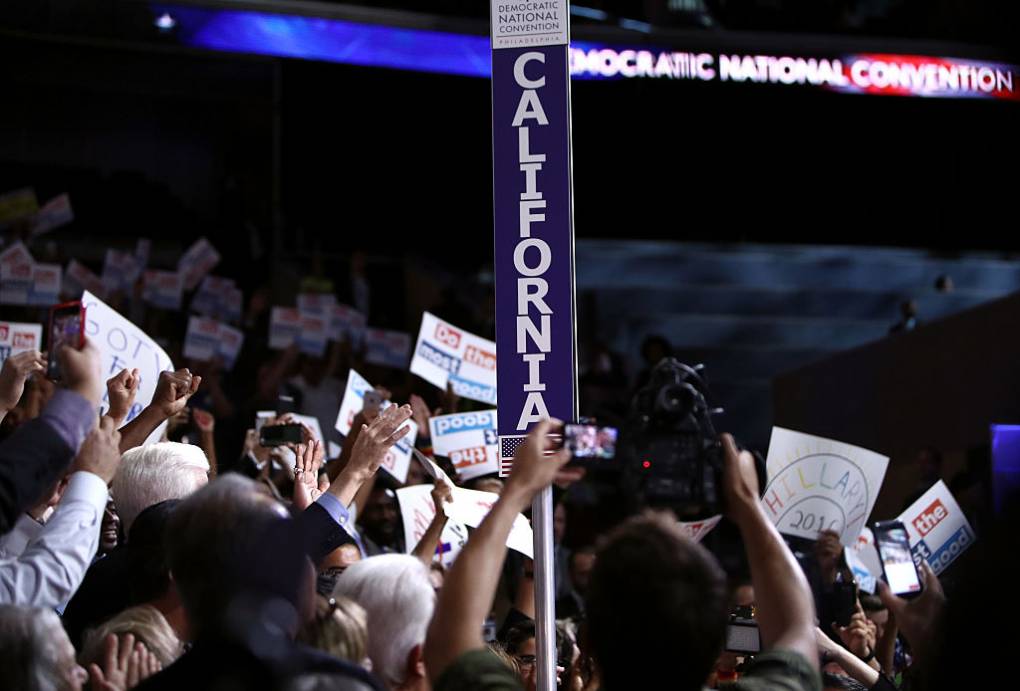
"caption": "The California delegation cast their votes during roll call on the second day of the 2016 Democratic National Convention on July 26, 2016 in Philadelphia.",
"description": "The California delegation cast their votes during roll call on the second day of the 2016 Democratic National Convention on July 26, 2016 in Philadelphia.",
"title": "Democratic National Convention: Day Two",
"credit": "Jessica Kourkounis/Getty Images",
"status": "inherit",
"isLoading": false,
"fetchFailed": false
},
"news_11804084": {
"type": "attachments",
"id": "news_11804084",
"meta": {
"index": "attachments_1716263798",
"site": "news",
"id": "11804084",
"found": true
},
"parent": 11804080,
"imgSizes": {
"apple_news_ca_landscape_5_5": {
"file": "https://ww2.kqed.org/app/uploads/sites/10/2020/02/RS41664_IMG_2053-qut-1044x783.jpg",
"width": 1044,
"mimeType": "image/jpeg",
"height": 783
},
"apple_news_ca_square_4_0": {
"file": "https://ww2.kqed.org/app/uploads/sites/10/2020/02/RS41664_IMG_2053-qut-470x470.jpg",
"width": 470,
"mimeType": "image/jpeg",
"height": 470
},
"twentyfourteen-full-width": {
"file": "https://ww2.kqed.org/app/uploads/sites/10/2020/02/RS41664_IMG_2053-qut-1038x576.jpg",
"width": 1038,
"mimeType": "image/jpeg",
"height": 576
},
"thumbnail": {
"file": "https://ww2.kqed.org/app/uploads/sites/10/2020/02/RS41664_IMG_2053-qut-160x120.jpg",
"width": 160,
"mimeType": "image/jpeg",
"height": 120
},
"post-thumbnail": {
"file": "https://ww2.kqed.org/app/uploads/sites/10/2020/02/RS41664_IMG_2053-qut-672x372.jpg",
"width": 672,
"mimeType": "image/jpeg",
"height": 372
},
"kqedFullSize": {
"file": "https://ww2.kqed.org/app/uploads/sites/10/2020/02/RS41664_IMG_2053-qut.jpg",
"width": 1920,
"height": 1439
},
"apple_news_ca_landscape_4_7": {
"file": "https://ww2.kqed.org/app/uploads/sites/10/2020/02/RS41664_IMG_2053-qut-632x474.jpg",
"width": 632,
"mimeType": "image/jpeg",
"height": 474
},
"large": {
"file": "https://ww2.kqed.org/app/uploads/sites/10/2020/02/RS41664_IMG_2053-qut-1020x764.jpg",
"width": 1020,
"mimeType": "image/jpeg",
"height": 764
},
"apple_news_ca_landscape_4_0": {
"file": "https://ww2.kqed.org/app/uploads/sites/10/2020/02/RS41664_IMG_2053-qut-536x402.jpg",
"width": 536,
"mimeType": "image/jpeg",
"height": 402
},
"apple_news_ca_portrait_12_9": {
"file": "https://ww2.kqed.org/app/uploads/sites/10/2020/02/RS41664_IMG_2053-qut-1122x1439.jpg",
"width": 1122,
"mimeType": "image/jpeg",
"height": 1439
},
"medium": {
"file": "https://ww2.kqed.org/app/uploads/sites/10/2020/02/RS41664_IMG_2053-qut-800x600.jpg",
"width": 800,
"mimeType": "image/jpeg",
"height": 600
},
"apple_news_ca_portrait_4_0": {
"file": "https://ww2.kqed.org/app/uploads/sites/10/2020/02/RS41664_IMG_2053-qut-354x472.jpg",
"width": 354,
"mimeType": "image/jpeg",
"height": 472
},
"apple_news_ca_portrait_9_7": {
"file": "https://ww2.kqed.org/app/uploads/sites/10/2020/02/RS41664_IMG_2053-qut-840x1120.jpg",
"width": 840,
"mimeType": "image/jpeg",
"height": 1120
},
"apple_news_ca_landscape_12_9": {
"file": "https://ww2.kqed.org/app/uploads/sites/10/2020/02/RS41664_IMG_2053-qut-1832x1374.jpg",
"width": 1832,
"mimeType": "image/jpeg",
"height": 1374
},
"apple_news_ca_square_9_7": {
"file": "https://ww2.kqed.org/app/uploads/sites/10/2020/02/RS41664_IMG_2053-qut-1104x1104.jpg",
"width": 1104,
"mimeType": "image/jpeg",
"height": 1104
},
"apple_news_ca_portrait_4_7": {
"file": "https://ww2.kqed.org/app/uploads/sites/10/2020/02/RS41664_IMG_2053-qut-414x552.jpg",
"width": 414,
"mimeType": "image/jpeg",
"height": 552
},
"apple_news_ca_square_12_9": {
"file": "https://ww2.kqed.org/app/uploads/sites/10/2020/02/RS41664_IMG_2053-qut-1472x1439.jpg",
"width": 1472,
"mimeType": "image/jpeg",
"height": 1439
},
"apple_news_ca_portrait_5_5": {
"file": "https://ww2.kqed.org/app/uploads/sites/10/2020/02/RS41664_IMG_2053-qut-687x916.jpg",
"width": 687,
"mimeType": "image/jpeg",
"height": 916
},
"full-width": {
"file": "https://ww2.kqed.org/app/uploads/sites/10/2020/02/RS41664_IMG_2053-qut-1920x1439.jpg",
"width": 1920,
"mimeType": "image/jpeg",
"height": 1439
},
"apple_news_ca_square_4_7": {
"file": "https://ww2.kqed.org/app/uploads/sites/10/2020/02/RS41664_IMG_2053-qut-550x550.jpg",
"width": 550,
"mimeType": "image/jpeg",
"height": 550
},
"apple_news_ca_landscape_9_7": {
"file": "https://ww2.kqed.org/app/uploads/sites/10/2020/02/RS41664_IMG_2053-qut-1376x1032.jpg",
"width": 1376,
"mimeType": "image/jpeg",
"height": 1032
},
"apple_news_ca_square_5_5": {
"file": "https://ww2.kqed.org/app/uploads/sites/10/2020/02/RS41664_IMG_2053-qut-912x912.jpg",
"width": 912,
"mimeType": "image/jpeg",
"height": 912
}
},
"publishDate": 1582859447,
"modified": 1582859488,
"caption": "Ace Smith, with Political Breakdown hosts Marisa Lagos and Scott Shafer.",
"description": null,
"title": "RS41664_IMG_2053-qut",
"credit": "Guy Marzorati/KQED",
"status": "inherit",
"isLoading": false,
"fetchFailed": false
},
"news_11796595": {
"type": "attachments",
"id": "news_11796595",
"meta": {
"index": "attachments_1716263798",
"site": "news",
"id": "11796595",
"found": true
},
"parent": 11796515,
"imgSizes": {
"apple_news_ca_landscape_5_5": {
"file": "https://ww2.kqed.org/app/uploads/sites/10/2020/01/pge-tubbsfirepole-1044x783.jpg",
"width": 1044,
"mimeType": "image/jpeg",
"height": 783
},
"apple_news_ca_square_4_0": {
"file": "https://ww2.kqed.org/app/uploads/sites/10/2020/01/pge-tubbsfirepole-470x470.jpg",
"width": 470,
"mimeType": "image/jpeg",
"height": 470
},
"twentyfourteen-full-width": {
"file": "https://ww2.kqed.org/app/uploads/sites/10/2020/01/pge-tubbsfirepole-1038x576.jpg",
"width": 1038,
"mimeType": "image/jpeg",
"height": 576
},
"thumbnail": {
"file": "https://ww2.kqed.org/app/uploads/sites/10/2020/01/pge-tubbsfirepole-160x107.jpg",
"width": 160,
"mimeType": "image/jpeg",
"height": 107
},
"post-thumbnail": {
"file": "https://ww2.kqed.org/app/uploads/sites/10/2020/01/pge-tubbsfirepole-672x372.jpg",
"width": 672,
"mimeType": "image/jpeg",
"height": 372
},
"kqedFullSize": {
"file": "https://ww2.kqed.org/app/uploads/sites/10/2020/01/pge-tubbsfirepole.jpg",
"width": 1920,
"height": 1280
},
"apple_news_ca_landscape_4_7": {
"file": "https://ww2.kqed.org/app/uploads/sites/10/2020/01/pge-tubbsfirepole-632x474.jpg",
"width": 632,
"mimeType": "image/jpeg",
"height": 474
},
"large": {
"file": "https://ww2.kqed.org/app/uploads/sites/10/2020/01/pge-tubbsfirepole-1020x680.jpg",
"width": 1020,
"mimeType": "image/jpeg",
"height": 680
},
"apple_news_ca_landscape_4_0": {
"file": "https://ww2.kqed.org/app/uploads/sites/10/2020/01/pge-tubbsfirepole-536x402.jpg",
"width": 536,
"mimeType": "image/jpeg",
"height": 402
},
"apple_news_ca_portrait_12_9": {
"file": "https://ww2.kqed.org/app/uploads/sites/10/2020/01/pge-tubbsfirepole-1122x1280.jpg",
"width": 1122,
"mimeType": "image/jpeg",
"height": 1280
},
"medium": {
"file": "https://ww2.kqed.org/app/uploads/sites/10/2020/01/pge-tubbsfirepole-800x533.jpg",
"width": 800,
"mimeType": "image/jpeg",
"height": 533
},
"apple_news_ca_portrait_4_0": {
"file": "https://ww2.kqed.org/app/uploads/sites/10/2020/01/pge-tubbsfirepole-354x472.jpg",
"width": 354,
"mimeType": "image/jpeg",
"height": 472
},
"apple_news_ca_portrait_9_7": {
"file": "https://ww2.kqed.org/app/uploads/sites/10/2020/01/pge-tubbsfirepole-840x1120.jpg",
"width": 840,
"mimeType": "image/jpeg",
"height": 1120
},
"apple_news_ca_landscape_12_9": {
"file": "https://ww2.kqed.org/app/uploads/sites/10/2020/01/pge-tubbsfirepole-1832x1280.jpg",
"width": 1832,
"mimeType": "image/jpeg",
"height": 1280
},
"apple_news_ca_square_9_7": {
"file": "https://ww2.kqed.org/app/uploads/sites/10/2020/01/pge-tubbsfirepole-1104x1104.jpg",
"width": 1104,
"mimeType": "image/jpeg",
"height": 1104
},
"apple_news_ca_portrait_4_7": {
"file": "https://ww2.kqed.org/app/uploads/sites/10/2020/01/pge-tubbsfirepole-414x552.jpg",
"width": 414,
"mimeType": "image/jpeg",
"height": 552
},
"apple_news_ca_square_12_9": {
"file": "https://ww2.kqed.org/app/uploads/sites/10/2020/01/pge-tubbsfirepole-1472x1280.jpg",
"width": 1472,
"mimeType": "image/jpeg",
"height": 1280
},
"apple_news_ca_portrait_5_5": {
"file": "https://ww2.kqed.org/app/uploads/sites/10/2020/01/pge-tubbsfirepole-687x916.jpg",
"width": 687,
"mimeType": "image/jpeg",
"height": 916
},
"full-width": {
"file": "https://ww2.kqed.org/app/uploads/sites/10/2020/01/pge-tubbsfirepole-1920x1280.jpg",
"width": 1920,
"mimeType": "image/jpeg",
"height": 1280
},
"apple_news_ca_square_4_7": {
"file": "https://ww2.kqed.org/app/uploads/sites/10/2020/01/pge-tubbsfirepole-550x550.jpg",
"width": 550,
"mimeType": "image/jpeg",
"height": 550
},
"apple_news_ca_landscape_9_7": {
"file": "https://ww2.kqed.org/app/uploads/sites/10/2020/01/pge-tubbsfirepole-1376x1032.jpg",
"width": 1376,
"mimeType": "image/jpeg",
"height": 1032
},
"apple_news_ca_square_5_5": {
"file": "https://ww2.kqed.org/app/uploads/sites/10/2020/01/pge-tubbsfirepole-912x912.jpg",
"width": 912,
"mimeType": "image/jpeg",
"height": 912
}
},
"publishDate": 1579238554,
"modified": 1582854358,
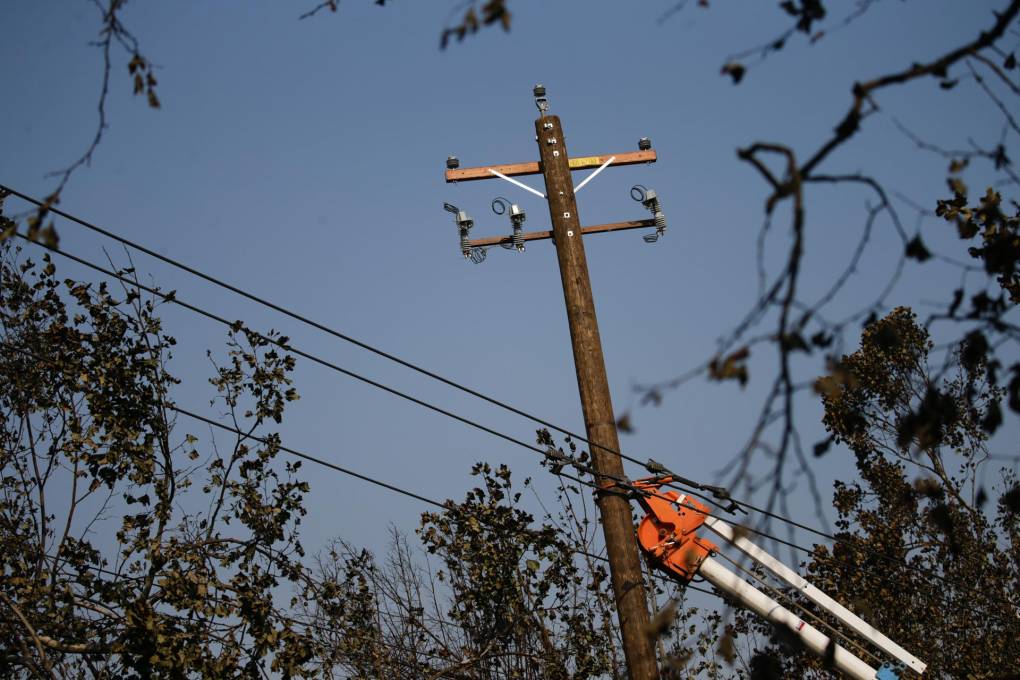
"caption": "A PG&E power pole damaged during the 2017 Tubbs Fire in Santa Rosa. ",
"description": "A PG&E power pole damaged during the 2017 Tubbs Fire in Santa Rosa. ",
"title": "PG&E-Santa Rosa Power Pole",
"credit": "Elijah Nouvelage/Getty Images",
"status": "inherit",
"isLoading": false,
"fetchFailed": false
},
"news_11803170": {
"type": "attachments",
"id": "news_11803170",
"meta": {
"index": "attachments_1716263798",
"site": "news",
"id": "11803170",
"found": true
},
"parent": 11802971,
"imgSizes": {
"apple_news_ca_landscape_5_5": {
"file": "https://ww2.kqed.org/app/uploads/sites/10/2020/02/RS41396_003_KQED_Housing_MountainView_02192020_3309-qut-1044x783.jpg",
"width": 1044,
"mimeType": "image/jpeg",
"height": 783
},
"apple_news_ca_square_4_0": {
"file": "https://ww2.kqed.org/app/uploads/sites/10/2020/02/RS41396_003_KQED_Housing_MountainView_02192020_3309-qut-470x470.jpg",
"width": 470,
"mimeType": "image/jpeg",
"height": 470
},
"twentyfourteen-full-width": {
"file": "https://ww2.kqed.org/app/uploads/sites/10/2020/02/RS41396_003_KQED_Housing_MountainView_02192020_3309-qut-1038x576.jpg",
"width": 1038,
"mimeType": "image/jpeg",
"height": 576
},
"thumbnail": {
"file": "https://ww2.kqed.org/app/uploads/sites/10/2020/02/RS41396_003_KQED_Housing_MountainView_02192020_3309-qut-160x107.jpg",
"width": 160,
"mimeType": "image/jpeg",
"height": 107
},
"post-thumbnail": {
"file": "https://ww2.kqed.org/app/uploads/sites/10/2020/02/RS41396_003_KQED_Housing_MountainView_02192020_3309-qut-672x372.jpg",
"width": 672,
"mimeType": "image/jpeg",
"height": 372
},
"kqedFullSize": {
"file": "https://ww2.kqed.org/app/uploads/sites/10/2020/02/RS41396_003_KQED_Housing_MountainView_02192020_3309-qut.jpg",
"width": 1920,
"height": 1280
},
"apple_news_ca_landscape_4_7": {
"file": "https://ww2.kqed.org/app/uploads/sites/10/2020/02/RS41396_003_KQED_Housing_MountainView_02192020_3309-qut-632x474.jpg",
"width": 632,
"mimeType": "image/jpeg",
"height": 474
},
"large": {
"file": "https://ww2.kqed.org/app/uploads/sites/10/2020/02/RS41396_003_KQED_Housing_MountainView_02192020_3309-qut-1020x680.jpg",
"width": 1020,
"mimeType": "image/jpeg",
"height": 680
},
"apple_news_ca_landscape_4_0": {
"file": "https://ww2.kqed.org/app/uploads/sites/10/2020/02/RS41396_003_KQED_Housing_MountainView_02192020_3309-qut-536x402.jpg",
"width": 536,
"mimeType": "image/jpeg",
"height": 402
},
"apple_news_ca_portrait_12_9": {
"file": "https://ww2.kqed.org/app/uploads/sites/10/2020/02/RS41396_003_KQED_Housing_MountainView_02192020_3309-qut-1122x1280.jpg",
"width": 1122,
"mimeType": "image/jpeg",
"height": 1280
},
"medium": {
"file": "https://ww2.kqed.org/app/uploads/sites/10/2020/02/RS41396_003_KQED_Housing_MountainView_02192020_3309-qut-800x533.jpg",
"width": 800,
"mimeType": "image/jpeg",
"height": 533
},
"apple_news_ca_portrait_4_0": {
"file": "https://ww2.kqed.org/app/uploads/sites/10/2020/02/RS41396_003_KQED_Housing_MountainView_02192020_3309-qut-354x472.jpg",
"width": 354,
"mimeType": "image/jpeg",
"height": 472
},
"apple_news_ca_portrait_9_7": {
"file": "https://ww2.kqed.org/app/uploads/sites/10/2020/02/RS41396_003_KQED_Housing_MountainView_02192020_3309-qut-840x1120.jpg",
"width": 840,
"mimeType": "image/jpeg",
"height": 1120
},
"apple_news_ca_landscape_12_9": {
"file": "https://ww2.kqed.org/app/uploads/sites/10/2020/02/RS41396_003_KQED_Housing_MountainView_02192020_3309-qut-1832x1280.jpg",
"width": 1832,
"mimeType": "image/jpeg",
"height": 1280
},
"apple_news_ca_square_9_7": {
"file": "https://ww2.kqed.org/app/uploads/sites/10/2020/02/RS41396_003_KQED_Housing_MountainView_02192020_3309-qut-1104x1104.jpg",
"width": 1104,
"mimeType": "image/jpeg",
"height": 1104
},
"apple_news_ca_portrait_4_7": {
"file": "https://ww2.kqed.org/app/uploads/sites/10/2020/02/RS41396_003_KQED_Housing_MountainView_02192020_3309-qut-414x552.jpg",
"width": 414,
"mimeType": "image/jpeg",
"height": 552
},
"apple_news_ca_square_12_9": {
"file": "https://ww2.kqed.org/app/uploads/sites/10/2020/02/RS41396_003_KQED_Housing_MountainView_02192020_3309-qut-1472x1280.jpg",
"width": 1472,
"mimeType": "image/jpeg",
"height": 1280
},
"apple_news_ca_portrait_5_5": {
"file": "https://ww2.kqed.org/app/uploads/sites/10/2020/02/RS41396_003_KQED_Housing_MountainView_02192020_3309-qut-687x916.jpg",
"width": 687,
"mimeType": "image/jpeg",
"height": 916
},
"full-width": {
"file": "https://ww2.kqed.org/app/uploads/sites/10/2020/02/RS41396_003_KQED_Housing_MountainView_02192020_3309-qut-1920x1280.jpg",
"width": 1920,
"mimeType": "image/jpeg",
"height": 1280
},
"apple_news_ca_square_4_7": {
"file": "https://ww2.kqed.org/app/uploads/sites/10/2020/02/RS41396_003_KQED_Housing_MountainView_02192020_3309-qut-550x550.jpg",
"width": 550,
"mimeType": "image/jpeg",
"height": 550
},
"apple_news_ca_landscape_9_7": {
"file": "https://ww2.kqed.org/app/uploads/sites/10/2020/02/RS41396_003_KQED_Housing_MountainView_02192020_3309-qut-1376x1032.jpg",
"width": 1376,
"mimeType": "image/jpeg",
"height": 1032
},
"apple_news_ca_square_5_5": {
"file": "https://ww2.kqed.org/app/uploads/sites/10/2020/02/RS41396_003_KQED_Housing_MountainView_02192020_3309-qut-912x912.jpg",
"width": 912,
"mimeType": "image/jpeg",
"height": 912
}
},
"publishDate": 1582576958,
"modified": 1591397940,
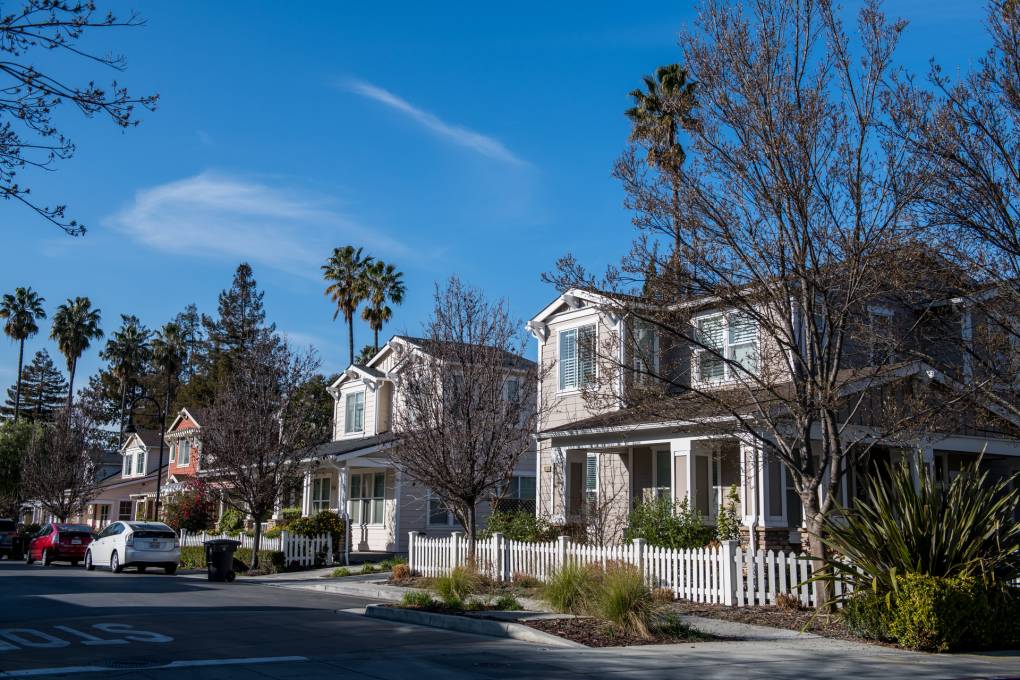
"caption": "Single-family houses in Mountain View. (Photo by Beth LaBerge/KQED)",
"description": null,
"title": "RS41396_003_KQED_Housing_MountainView_02192020_3309-qut",
"credit": "Beth LaBerge/KQED",
"status": "inherit",
"isLoading": false,
"fetchFailed": false
},
"news_11803798": {
"type": "attachments",
"id": "news_11803798",
"meta": {
"index": "attachments_1716263798",
"site": "news",
"id": "11803798",
"found": true
},
"parent": 11803793,
"imgSizes": {
"apple_news_ca_landscape_5_5": {
"file": "https://ww2.kqed.org/app/uploads/sites/10/2020/02/RS41425_027_KQED_RegistrarofVoters_SantaClara_02192020_9074-qut-1044x783.jpg",
"width": 1044,
"mimeType": "image/jpeg",
"height": 783
},
"apple_news_ca_square_4_0": {
"file": "https://ww2.kqed.org/app/uploads/sites/10/2020/02/RS41425_027_KQED_RegistrarofVoters_SantaClara_02192020_9074-qut-470x470.jpg",
"width": 470,
"mimeType": "image/jpeg",
"height": 470
},
"twentyfourteen-full-width": {
"file": "https://ww2.kqed.org/app/uploads/sites/10/2020/02/RS41425_027_KQED_RegistrarofVoters_SantaClara_02192020_9074-qut-1038x576.jpg",
"width": 1038,
"mimeType": "image/jpeg",
"height": 576
},
"thumbnail": {
"file": "https://ww2.kqed.org/app/uploads/sites/10/2020/02/RS41425_027_KQED_RegistrarofVoters_SantaClara_02192020_9074-qut-160x107.jpg",
"width": 160,
"mimeType": "image/jpeg",
"height": 107
},
"post-thumbnail": {
"file": "https://ww2.kqed.org/app/uploads/sites/10/2020/02/RS41425_027_KQED_RegistrarofVoters_SantaClara_02192020_9074-qut-672x372.jpg",
"width": 672,
"mimeType": "image/jpeg",
"height": 372
},
"kqedFullSize": {
"file": "https://ww2.kqed.org/app/uploads/sites/10/2020/02/RS41425_027_KQED_RegistrarofVoters_SantaClara_02192020_9074-qut.jpg",
"width": 1920,
"height": 1278
},
"apple_news_ca_landscape_4_7": {
"file": "https://ww2.kqed.org/app/uploads/sites/10/2020/02/RS41425_027_KQED_RegistrarofVoters_SantaClara_02192020_9074-qut-632x474.jpg",
"width": 632,
"mimeType": "image/jpeg",
"height": 474
},
"large": {
"file": "https://ww2.kqed.org/app/uploads/sites/10/2020/02/RS41425_027_KQED_RegistrarofVoters_SantaClara_02192020_9074-qut-1020x679.jpg",
"width": 1020,
"mimeType": "image/jpeg",
"height": 679
},
"apple_news_ca_landscape_4_0": {
"file": "https://ww2.kqed.org/app/uploads/sites/10/2020/02/RS41425_027_KQED_RegistrarofVoters_SantaClara_02192020_9074-qut-536x402.jpg",
"width": 536,
"mimeType": "image/jpeg",
"height": 402
},
"apple_news_ca_portrait_12_9": {
"file": "https://ww2.kqed.org/app/uploads/sites/10/2020/02/RS41425_027_KQED_RegistrarofVoters_SantaClara_02192020_9074-qut-1122x1278.jpg",
"width": 1122,
"mimeType": "image/jpeg",
"height": 1278
},
"medium": {
"file": "https://ww2.kqed.org/app/uploads/sites/10/2020/02/RS41425_027_KQED_RegistrarofVoters_SantaClara_02192020_9074-qut-800x533.jpg",
"width": 800,
"mimeType": "image/jpeg",
"height": 533
},
"apple_news_ca_portrait_4_0": {
"file": "https://ww2.kqed.org/app/uploads/sites/10/2020/02/RS41425_027_KQED_RegistrarofVoters_SantaClara_02192020_9074-qut-354x472.jpg",
"width": 354,
"mimeType": "image/jpeg",
"height": 472
},
"apple_news_ca_portrait_9_7": {
"file": "https://ww2.kqed.org/app/uploads/sites/10/2020/02/RS41425_027_KQED_RegistrarofVoters_SantaClara_02192020_9074-qut-840x1120.jpg",
"width": 840,
"mimeType": "image/jpeg",
"height": 1120
},
"apple_news_ca_landscape_12_9": {
"file": "https://ww2.kqed.org/app/uploads/sites/10/2020/02/RS41425_027_KQED_RegistrarofVoters_SantaClara_02192020_9074-qut-1832x1278.jpg",
"width": 1832,
"mimeType": "image/jpeg",
"height": 1278
},
"apple_news_ca_square_9_7": {
"file": "https://ww2.kqed.org/app/uploads/sites/10/2020/02/RS41425_027_KQED_RegistrarofVoters_SantaClara_02192020_9074-qut-1104x1104.jpg",
"width": 1104,
"mimeType": "image/jpeg",
"height": 1104
},
"apple_news_ca_portrait_4_7": {
"file": "https://ww2.kqed.org/app/uploads/sites/10/2020/02/RS41425_027_KQED_RegistrarofVoters_SantaClara_02192020_9074-qut-414x552.jpg",
"width": 414,
"mimeType": "image/jpeg",
"height": 552
},
"apple_news_ca_square_12_9": {
"file": "https://ww2.kqed.org/app/uploads/sites/10/2020/02/RS41425_027_KQED_RegistrarofVoters_SantaClara_02192020_9074-qut-1472x1278.jpg",
"width": 1472,
"mimeType": "image/jpeg",
"height": 1278
},
"apple_news_ca_portrait_5_5": {
"file": "https://ww2.kqed.org/app/uploads/sites/10/2020/02/RS41425_027_KQED_RegistrarofVoters_SantaClara_02192020_9074-qut-687x916.jpg",
"width": 687,
"mimeType": "image/jpeg",
"height": 916
},
"full-width": {
"file": "https://ww2.kqed.org/app/uploads/sites/10/2020/02/RS41425_027_KQED_RegistrarofVoters_SantaClara_02192020_9074-qut-1920x1278.jpg",
"width": 1920,
"mimeType": "image/jpeg",
"height": 1278
},
"apple_news_ca_square_4_7": {
"file": "https://ww2.kqed.org/app/uploads/sites/10/2020/02/RS41425_027_KQED_RegistrarofVoters_SantaClara_02192020_9074-qut-550x550.jpg",
"width": 550,
"mimeType": "image/jpeg",
"height": 550
},
"apple_news_ca_landscape_9_7": {
"file": "https://ww2.kqed.org/app/uploads/sites/10/2020/02/RS41425_027_KQED_RegistrarofVoters_SantaClara_02192020_9074-qut-1376x1032.jpg",
"width": 1376,
"mimeType": "image/jpeg",
"height": 1032
},
"apple_news_ca_square_5_5": {
"file": "https://ww2.kqed.org/app/uploads/sites/10/2020/02/RS41425_027_KQED_RegistrarofVoters_SantaClara_02192020_9074-qut-912x912.jpg",
"width": 912,
"mimeType": "image/jpeg",
"height": 912
}
},
"publishDate": 1582774066,
"modified": 1582842365,
"caption": "The city of Santa Clara is weighing a vote which would split the city into three districts, instead of six. It's becoming one of the most expensive races in the Bay Area. ",
"description": "The city of Santa Clara is weighing a vote which would split the city into three districts, instead of six. It's becoming one of the most expensive races in the Bay. ",
"title": "RS41425_027_KQED_RegistrarofVoters_SantaClara_02192020_9074-qut",
"credit": "Beth LaBerge/KQED",
"status": "inherit",
"isLoading": false,
"fetchFailed": false
},
"news_11803740": {
"type": "attachments",
"id": "news_11803740",
"meta": {
"index": "attachments_1716263798",
"site": "news",
"id": "11803740",
"found": true
},
"parent": 11803534,
"imgSizes": {
"apple_news_ca_landscape_5_5": {
"file": "https://ww2.kqed.org/app/uploads/sites/10/2020/02/RS41436_007_KQED_District15Candidates_02192020_3386-qut-1044x783.jpg",
"width": 1044,
"mimeType": "image/jpeg",
"height": 783
},
"apple_news_ca_square_4_0": {
"file": "https://ww2.kqed.org/app/uploads/sites/10/2020/02/RS41436_007_KQED_District15Candidates_02192020_3386-qut-470x470.jpg",
"width": 470,
"mimeType": "image/jpeg",
"height": 470
},
"twentyfourteen-full-width": {
"file": "https://ww2.kqed.org/app/uploads/sites/10/2020/02/RS41436_007_KQED_District15Candidates_02192020_3386-qut-1038x576.jpg",
"width": 1038,
"mimeType": "image/jpeg",
"height": 576
},
"thumbnail": {
"file": "https://ww2.kqed.org/app/uploads/sites/10/2020/02/RS41436_007_KQED_District15Candidates_02192020_3386-qut-160x107.jpg",
"width": 160,
"mimeType": "image/jpeg",
"height": 107
},
"post-thumbnail": {
"file": "https://ww2.kqed.org/app/uploads/sites/10/2020/02/RS41436_007_KQED_District15Candidates_02192020_3386-qut-672x372.jpg",
"width": 672,
"mimeType": "image/jpeg",
"height": 372
},
"kqedFullSize": {
"file": "https://ww2.kqed.org/app/uploads/sites/10/2020/02/RS41436_007_KQED_District15Candidates_02192020_3386-qut.jpg",
"width": 1920,
"height": 1280
},
"apple_news_ca_landscape_4_7": {
"file": "https://ww2.kqed.org/app/uploads/sites/10/2020/02/RS41436_007_KQED_District15Candidates_02192020_3386-qut-632x474.jpg",
"width": 632,
"mimeType": "image/jpeg",
"height": 474
},
"large": {
"file": "https://ww2.kqed.org/app/uploads/sites/10/2020/02/RS41436_007_KQED_District15Candidates_02192020_3386-qut-1020x680.jpg",
"width": 1020,
"mimeType": "image/jpeg",
"height": 680
},
"apple_news_ca_landscape_4_0": {
"file": "https://ww2.kqed.org/app/uploads/sites/10/2020/02/RS41436_007_KQED_District15Candidates_02192020_3386-qut-536x402.jpg",
"width": 536,
"mimeType": "image/jpeg",
"height": 402
},
"apple_news_ca_portrait_12_9": {
"file": "https://ww2.kqed.org/app/uploads/sites/10/2020/02/RS41436_007_KQED_District15Candidates_02192020_3386-qut-1122x1280.jpg",
"width": 1122,
"mimeType": "image/jpeg",
"height": 1280
},
"medium": {
"file": "https://ww2.kqed.org/app/uploads/sites/10/2020/02/RS41436_007_KQED_District15Candidates_02192020_3386-qut-800x533.jpg",
"width": 800,
"mimeType": "image/jpeg",
"height": 533
},
"apple_news_ca_portrait_4_0": {
"file": "https://ww2.kqed.org/app/uploads/sites/10/2020/02/RS41436_007_KQED_District15Candidates_02192020_3386-qut-354x472.jpg",
"width": 354,
"mimeType": "image/jpeg",
"height": 472
},
"apple_news_ca_portrait_9_7": {
"file": "https://ww2.kqed.org/app/uploads/sites/10/2020/02/RS41436_007_KQED_District15Candidates_02192020_3386-qut-840x1120.jpg",
"width": 840,
"mimeType": "image/jpeg",
"height": 1120
},
"apple_news_ca_landscape_12_9": {
"file": "https://ww2.kqed.org/app/uploads/sites/10/2020/02/RS41436_007_KQED_District15Candidates_02192020_3386-qut-1832x1280.jpg",
"width": 1832,
"mimeType": "image/jpeg",
"height": 1280
},
"apple_news_ca_square_9_7": {
"file": "https://ww2.kqed.org/app/uploads/sites/10/2020/02/RS41436_007_KQED_District15Candidates_02192020_3386-qut-1104x1104.jpg",
"width": 1104,
"mimeType": "image/jpeg",
"height": 1104
},
"apple_news_ca_portrait_4_7": {
"file": "https://ww2.kqed.org/app/uploads/sites/10/2020/02/RS41436_007_KQED_District15Candidates_02192020_3386-qut-414x552.jpg",
"width": 414,
"mimeType": "image/jpeg",
"height": 552
},
"apple_news_ca_square_12_9": {
"file": "https://ww2.kqed.org/app/uploads/sites/10/2020/02/RS41436_007_KQED_District15Candidates_02192020_3386-qut-1472x1280.jpg",
"width": 1472,
"mimeType": "image/jpeg",
"height": 1280
},
"apple_news_ca_portrait_5_5": {
"file": "https://ww2.kqed.org/app/uploads/sites/10/2020/02/RS41436_007_KQED_District15Candidates_02192020_3386-qut-687x916.jpg",
"width": 687,
"mimeType": "image/jpeg",
"height": 916
},
"full-width": {
"file": "https://ww2.kqed.org/app/uploads/sites/10/2020/02/RS41436_007_KQED_District15Candidates_02192020_3386-qut-1920x1280.jpg",
"width": 1920,
"mimeType": "image/jpeg",
"height": 1280
},
"apple_news_ca_square_4_7": {
"file": "https://ww2.kqed.org/app/uploads/sites/10/2020/02/RS41436_007_KQED_District15Candidates_02192020_3386-qut-550x550.jpg",
"width": 550,
"mimeType": "image/jpeg",
"height": 550
},
"apple_news_ca_landscape_9_7": {
"file": "https://ww2.kqed.org/app/uploads/sites/10/2020/02/RS41436_007_KQED_District15Candidates_02192020_3386-qut-1376x1032.jpg",
"width": 1376,
"mimeType": "image/jpeg",
"height": 1032
},
"apple_news_ca_square_5_5": {
"file": "https://ww2.kqed.org/app/uploads/sites/10/2020/02/RS41436_007_KQED_District15Candidates_02192020_3386-qut-912x912.jpg",
"width": 912,
"mimeType": "image/jpeg",
"height": 912
}
},
"publishDate": 1582763250,
"modified": 1582767606,
"caption": "Dave Cortese (left) and Nora Campos at a state Senate District 15 candidate forum at Campbell City Hall on Feb. 19, 2020.",
"description": null,
"title": "RS41436_007_KQED_District15Candidates_02192020_3386-qut",
"credit": "Beth LaBerge/KQED",
"status": "inherit",
"isLoading": false,
"fetchFailed": false
},
"news_11803683": {
"type": "attachments",
"id": "news_11803683",
"meta": {
"index": "attachments_1716263798",
"site": "news",
"id": "11803683",
"found": true
},
"parent": 11803677,
"imgSizes": {
"apple_news_ca_landscape_5_5": {
"file": "https://ww2.kqed.org/app/uploads/sites/10/2020/02/polling_022620_final-1044x783.png",
"width": 1044,
"mimeType": "image/png",
"height": 783
},
"apple_news_ca_square_4_0": {
"file": "https://ww2.kqed.org/app/uploads/sites/10/2020/02/polling_022620_final-470x470.png",
"width": 470,
"mimeType": "image/png",
"height": 470
},
"twentyfourteen-full-width": {
"file": "https://ww2.kqed.org/app/uploads/sites/10/2020/02/polling_022620_final-1038x576.png",
"width": 1038,
"mimeType": "image/png",
"height": 576
},
"thumbnail": {
"file": "https://ww2.kqed.org/app/uploads/sites/10/2020/02/polling_022620_final-160x102.png",
"width": 160,
"mimeType": "image/png",
"height": 102
},
"post-thumbnail": {
"file": "https://ww2.kqed.org/app/uploads/sites/10/2020/02/polling_022620_final-672x372.png",
"width": 672,
"mimeType": "image/png",
"height": 372
},
"kqedFullSize": {
"file": "https://ww2.kqed.org/app/uploads/sites/10/2020/02/polling_022620_final.png",
"width": 1920,
"height": 1223
},
"apple_news_ca_landscape_4_7": {
"file": "https://ww2.kqed.org/app/uploads/sites/10/2020/02/polling_022620_final-632x474.png",
"width": 632,
"mimeType": "image/png",
"height": 474
},
"large": {
"file": "https://ww2.kqed.org/app/uploads/sites/10/2020/02/polling_022620_final-1020x650.png",
"width": 1020,
"mimeType": "image/png",
"height": 650
},
"apple_news_ca_landscape_4_0": {
"file": "https://ww2.kqed.org/app/uploads/sites/10/2020/02/polling_022620_final-536x402.png",
"width": 536,
"mimeType": "image/png",
"height": 402
},
"apple_news_ca_portrait_12_9": {
"file": "https://ww2.kqed.org/app/uploads/sites/10/2020/02/polling_022620_final-1122x1223.png",
"width": 1122,
"mimeType": "image/png",
"height": 1223
},
"medium": {
"file": "https://ww2.kqed.org/app/uploads/sites/10/2020/02/polling_022620_final-800x510.png",
"width": 800,
"mimeType": "image/png",
"height": 510
},
"apple_news_ca_portrait_4_0": {
"file": "https://ww2.kqed.org/app/uploads/sites/10/2020/02/polling_022620_final-354x472.png",
"width": 354,
"mimeType": "image/png",
"height": 472
},
"apple_news_ca_portrait_9_7": {
"file": "https://ww2.kqed.org/app/uploads/sites/10/2020/02/polling_022620_final-840x1120.png",
"width": 840,
"mimeType": "image/png",
"height": 1120
},
"apple_news_ca_landscape_12_9": {
"file": "https://ww2.kqed.org/app/uploads/sites/10/2020/02/polling_022620_final-1832x1223.png",
"width": 1832,
"mimeType": "image/png",
"height": 1223
},
"apple_news_ca_square_9_7": {
"file": "https://ww2.kqed.org/app/uploads/sites/10/2020/02/polling_022620_final-1104x1104.png",
"width": 1104,
"mimeType": "image/png",
"height": 1104
},
"apple_news_ca_portrait_4_7": {
"file": "https://ww2.kqed.org/app/uploads/sites/10/2020/02/polling_022620_final-414x552.png",
"width": 414,
"mimeType": "image/png",
"height": 552
},
"apple_news_ca_square_12_9": {
"file": "https://ww2.kqed.org/app/uploads/sites/10/2020/02/polling_022620_final-1472x1223.png",
"width": 1472,
"mimeType": "image/png",
"height": 1223
},
"apple_news_ca_portrait_5_5": {
"file": "https://ww2.kqed.org/app/uploads/sites/10/2020/02/polling_022620_final-687x916.png",
"width": 687,
"mimeType": "image/png",
"height": 916
},
"full-width": {
"file": "https://ww2.kqed.org/app/uploads/sites/10/2020/02/polling_022620_final-1920x1223.png",
"width": 1920,
"mimeType": "image/png",
"height": 1223
},
"apple_news_ca_square_4_7": {
"file": "https://ww2.kqed.org/app/uploads/sites/10/2020/02/polling_022620_final-550x550.png",
"width": 550,
"mimeType": "image/png",
"height": 550
},
"apple_news_ca_landscape_9_7": {
"file": "https://ww2.kqed.org/app/uploads/sites/10/2020/02/polling_022620_final-1376x1032.png",
"width": 1376,
"mimeType": "image/png",
"height": 1032
},
"apple_news_ca_square_5_5": {
"file": "https://ww2.kqed.org/app/uploads/sites/10/2020/02/polling_022620_final-912x912.png",
"width": 912,
"mimeType": "image/png",
"height": 912
}
},
"publishDate": 1582758024,
"modified": 1582758078,
"caption": null,
"description": null,
"title": "polling_022620_final",
"credit": null,
"status": "inherit",
"isLoading": false,
"fetchFailed": false
},
"news_11803468": {
"type": "attachments",
"id": "news_11803468",
"meta": {
"index": "attachments_1716263798",
"site": "news",
"id": "11803468",
"found": true
},
"parent": 11803400,
"imgSizes": {
"apple_news_ca_landscape_5_5": {
"file": "https://ww2.kqed.org/app/uploads/sites/10/2020/02/RS41024_002_KQED_TaxiDriversSFO_01302020_9899-qut-1044x783.jpg",
"width": 1044,
"mimeType": "image/jpeg",
"height": 783
},
"apple_news_ca_square_4_0": {
"file": "https://ww2.kqed.org/app/uploads/sites/10/2020/02/RS41024_002_KQED_TaxiDriversSFO_01302020_9899-qut-470x470.jpg",
"width": 470,
"mimeType": "image/jpeg",
"height": 470
},
"twentyfourteen-full-width": {
"file": "https://ww2.kqed.org/app/uploads/sites/10/2020/02/RS41024_002_KQED_TaxiDriversSFO_01302020_9899-qut-1038x576.jpg",
"width": 1038,
"mimeType": "image/jpeg",
"height": 576
},
"thumbnail": {
"file": "https://ww2.kqed.org/app/uploads/sites/10/2020/02/RS41024_002_KQED_TaxiDriversSFO_01302020_9899-qut-160x107.jpg",
"width": 160,
"mimeType": "image/jpeg",
"height": 107
},
"post-thumbnail": {
"file": "https://ww2.kqed.org/app/uploads/sites/10/2020/02/RS41024_002_KQED_TaxiDriversSFO_01302020_9899-qut-672x372.jpg",
"width": 672,
"mimeType": "image/jpeg",
"height": 372
},
"kqedFullSize": {
"file": "https://ww2.kqed.org/app/uploads/sites/10/2020/02/RS41024_002_KQED_TaxiDriversSFO_01302020_9899-qut.jpg",
"width": 1920,
"height": 1280
},
"apple_news_ca_landscape_4_7": {
"file": "https://ww2.kqed.org/app/uploads/sites/10/2020/02/RS41024_002_KQED_TaxiDriversSFO_01302020_9899-qut-632x474.jpg",
"width": 632,
"mimeType": "image/jpeg",
"height": 474
},
"large": {
"file": "https://ww2.kqed.org/app/uploads/sites/10/2020/02/RS41024_002_KQED_TaxiDriversSFO_01302020_9899-qut-1020x680.jpg",
"width": 1020,
"mimeType": "image/jpeg",
"height": 680
},
"apple_news_ca_landscape_4_0": {
"file": "https://ww2.kqed.org/app/uploads/sites/10/2020/02/RS41024_002_KQED_TaxiDriversSFO_01302020_9899-qut-536x402.jpg",
"width": 536,
"mimeType": "image/jpeg",
"height": 402
},
"apple_news_ca_portrait_12_9": {
"file": "https://ww2.kqed.org/app/uploads/sites/10/2020/02/RS41024_002_KQED_TaxiDriversSFO_01302020_9899-qut-1122x1280.jpg",
"width": 1122,
"mimeType": "image/jpeg",
"height": 1280
},
"medium": {
"file": "https://ww2.kqed.org/app/uploads/sites/10/2020/02/RS41024_002_KQED_TaxiDriversSFO_01302020_9899-qut-800x533.jpg",
"width": 800,
"mimeType": "image/jpeg",
"height": 533
},
"apple_news_ca_portrait_4_0": {
"file": "https://ww2.kqed.org/app/uploads/sites/10/2020/02/RS41024_002_KQED_TaxiDriversSFO_01302020_9899-qut-354x472.jpg",
"width": 354,
"mimeType": "image/jpeg",
"height": 472
},
"apple_news_ca_portrait_9_7": {
"file": "https://ww2.kqed.org/app/uploads/sites/10/2020/02/RS41024_002_KQED_TaxiDriversSFO_01302020_9899-qut-840x1120.jpg",
"width": 840,
"mimeType": "image/jpeg",
"height": 1120
},
"apple_news_ca_landscape_12_9": {
"file": "https://ww2.kqed.org/app/uploads/sites/10/2020/02/RS41024_002_KQED_TaxiDriversSFO_01302020_9899-qut-1832x1280.jpg",
"width": 1832,
"mimeType": "image/jpeg",
"height": 1280
},
"apple_news_ca_square_9_7": {
"file": "https://ww2.kqed.org/app/uploads/sites/10/2020/02/RS41024_002_KQED_TaxiDriversSFO_01302020_9899-qut-1104x1104.jpg",
"width": 1104,
"mimeType": "image/jpeg",
"height": 1104
},
"apple_news_ca_portrait_4_7": {
"file": "https://ww2.kqed.org/app/uploads/sites/10/2020/02/RS41024_002_KQED_TaxiDriversSFO_01302020_9899-qut-414x552.jpg",
"width": 414,
"mimeType": "image/jpeg",
"height": 552
},
"apple_news_ca_square_12_9": {
"file": "https://ww2.kqed.org/app/uploads/sites/10/2020/02/RS41024_002_KQED_TaxiDriversSFO_01302020_9899-qut-1472x1280.jpg",
"width": 1472,
"mimeType": "image/jpeg",
"height": 1280
},
"apple_news_ca_portrait_5_5": {
"file": "https://ww2.kqed.org/app/uploads/sites/10/2020/02/RS41024_002_KQED_TaxiDriversSFO_01302020_9899-qut-687x916.jpg",
"width": 687,
"mimeType": "image/jpeg",
"height": 916
},
"full-width": {
"file": "https://ww2.kqed.org/app/uploads/sites/10/2020/02/RS41024_002_KQED_TaxiDriversSFO_01302020_9899-qut-1920x1280.jpg",
"width": 1920,
"mimeType": "image/jpeg",
"height": 1280
},
"apple_news_ca_square_4_7": {
"file": "https://ww2.kqed.org/app/uploads/sites/10/2020/02/RS41024_002_KQED_TaxiDriversSFO_01302020_9899-qut-550x550.jpg",
"width": 550,
"mimeType": "image/jpeg",
"height": 550
},
"apple_news_ca_landscape_9_7": {
"file": "https://ww2.kqed.org/app/uploads/sites/10/2020/02/RS41024_002_KQED_TaxiDriversSFO_01302020_9899-qut-1376x1032.jpg",
"width": 1376,
"mimeType": "image/jpeg",
"height": 1032
},
"apple_news_ca_square_5_5": {
"file": "https://ww2.kqed.org/app/uploads/sites/10/2020/02/RS41024_002_KQED_TaxiDriversSFO_01302020_9899-qut-912x912.jpg",
"width": 912,
"mimeType": "image/jpeg",
"height": 912
}
},
"publishDate": 1582683097,
"modified": 1582683152,
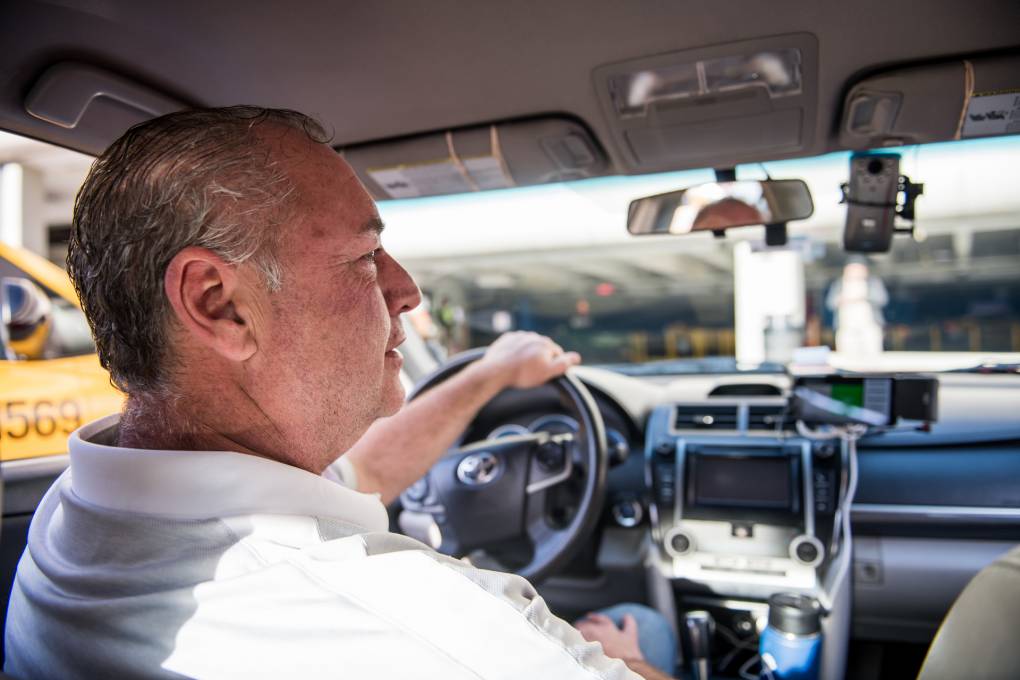
"caption": "Taxi driver Matt Sutter waits at the lower level of the short term parking garage at San Francisco International Airport (SFO) to pick up a fare on Jan. 30, 2020.",
"description": null,
"title": "RS41024_002_KQED_TaxiDriversSFO_01302020_9899-qut",
"credit": "Beth LaBerge/KQED",
"status": "inherit",
"isLoading": false,
"fetchFailed": false
},
"news_11804897": {
"type": "attachments",
"id": "news_11804897",
"meta": {
"index": "attachments_1716263798",
"site": "news",
"id": "11804897",
"found": true
},
"parent": 11803035,
"imgSizes": {
"apple_news_ca_landscape_5_5": {
"file": "https://ww2.kqed.org/app/uploads/sites/10/2020/02/RS41695_015_KQED_Berkeley_JeffersonElementarySchool_02282020_4617-qut-1044x783.jpg",
"width": 1044,
"mimeType": "image/jpeg",
"height": 783
},
"apple_news_ca_square_4_0": {
"file": "https://ww2.kqed.org/app/uploads/sites/10/2020/02/RS41695_015_KQED_Berkeley_JeffersonElementarySchool_02282020_4617-qut-470x470.jpg",
"width": 470,
"mimeType": "image/jpeg",
"height": 470
},
"twentyfourteen-full-width": {
"file": "https://ww2.kqed.org/app/uploads/sites/10/2020/02/RS41695_015_KQED_Berkeley_JeffersonElementarySchool_02282020_4617-qut-1038x576.jpg",
"width": 1038,
"mimeType": "image/jpeg",
"height": 576
},
"thumbnail": {
"file": "https://ww2.kqed.org/app/uploads/sites/10/2020/02/RS41695_015_KQED_Berkeley_JeffersonElementarySchool_02282020_4617-qut-160x107.jpg",
"width": 160,
"mimeType": "image/jpeg",
"height": 107
},
"post-thumbnail": {
"file": "https://ww2.kqed.org/app/uploads/sites/10/2020/02/RS41695_015_KQED_Berkeley_JeffersonElementarySchool_02282020_4617-qut-672x372.jpg",
"width": 672,
"mimeType": "image/jpeg",
"height": 372
},
"kqedFullSize": {
"file": "https://ww2.kqed.org/app/uploads/sites/10/2020/02/RS41695_015_KQED_Berkeley_JeffersonElementarySchool_02282020_4617-qut.jpg",
"width": 1920,
"height": 1280
},
"apple_news_ca_landscape_4_7": {
"file": "https://ww2.kqed.org/app/uploads/sites/10/2020/02/RS41695_015_KQED_Berkeley_JeffersonElementarySchool_02282020_4617-qut-632x474.jpg",
"width": 632,
"mimeType": "image/jpeg",
"height": 474
},
"large": {
"file": "https://ww2.kqed.org/app/uploads/sites/10/2020/02/RS41695_015_KQED_Berkeley_JeffersonElementarySchool_02282020_4617-qut-1020x680.jpg",
"width": 1020,
"mimeType": "image/jpeg",
"height": 680
},
"apple_news_ca_landscape_4_0": {
"file": "https://ww2.kqed.org/app/uploads/sites/10/2020/02/RS41695_015_KQED_Berkeley_JeffersonElementarySchool_02282020_4617-qut-536x402.jpg",
"width": 536,
"mimeType": "image/jpeg",
"height": 402
},
"apple_news_ca_portrait_12_9": {
"file": "https://ww2.kqed.org/app/uploads/sites/10/2020/02/RS41695_015_KQED_Berkeley_JeffersonElementarySchool_02282020_4617-qut-1122x1280.jpg",
"width": 1122,
"mimeType": "image/jpeg",
"height": 1280
},
"medium": {
"file": "https://ww2.kqed.org/app/uploads/sites/10/2020/02/RS41695_015_KQED_Berkeley_JeffersonElementarySchool_02282020_4617-qut-800x533.jpg",
"width": 800,
"mimeType": "image/jpeg",
"height": 533
},
"apple_news_ca_portrait_4_0": {
"file": "https://ww2.kqed.org/app/uploads/sites/10/2020/02/RS41695_015_KQED_Berkeley_JeffersonElementarySchool_02282020_4617-qut-354x472.jpg",
"width": 354,
"mimeType": "image/jpeg",
"height": 472
},
"apple_news_ca_portrait_9_7": {
"file": "https://ww2.kqed.org/app/uploads/sites/10/2020/02/RS41695_015_KQED_Berkeley_JeffersonElementarySchool_02282020_4617-qut-840x1120.jpg",
"width": 840,
"mimeType": "image/jpeg",
"height": 1120
},
"apple_news_ca_landscape_12_9": {
"file": "https://ww2.kqed.org/app/uploads/sites/10/2020/02/RS41695_015_KQED_Berkeley_JeffersonElementarySchool_02282020_4617-qut-1832x1280.jpg",
"width": 1832,
"mimeType": "image/jpeg",
"height": 1280
},
"apple_news_ca_square_9_7": {
"file": "https://ww2.kqed.org/app/uploads/sites/10/2020/02/RS41695_015_KQED_Berkeley_JeffersonElementarySchool_02282020_4617-qut-1104x1104.jpg",
"width": 1104,
"mimeType": "image/jpeg",
"height": 1104
},
"apple_news_ca_portrait_4_7": {
"file": "https://ww2.kqed.org/app/uploads/sites/10/2020/02/RS41695_015_KQED_Berkeley_JeffersonElementarySchool_02282020_4617-qut-414x552.jpg",
"width": 414,
"mimeType": "image/jpeg",
"height": 552
},
"apple_news_ca_square_12_9": {
"file": "https://ww2.kqed.org/app/uploads/sites/10/2020/02/RS41695_015_KQED_Berkeley_JeffersonElementarySchool_02282020_4617-qut-1472x1280.jpg",
"width": 1472,
"mimeType": "image/jpeg",
"height": 1280
},
"apple_news_ca_portrait_5_5": {
"file": "https://ww2.kqed.org/app/uploads/sites/10/2020/02/RS41695_015_KQED_Berkeley_JeffersonElementarySchool_02282020_4617-qut-687x916.jpg",
"width": 687,
"mimeType": "image/jpeg",
"height": 916
},
"full-width": {
"file": "https://ww2.kqed.org/app/uploads/sites/10/2020/02/RS41695_015_KQED_Berkeley_JeffersonElementarySchool_02282020_4617-qut-1920x1280.jpg",
"width": 1920,
"mimeType": "image/jpeg",
"height": 1280
},
"apple_news_ca_square_4_7": {
"file": "https://ww2.kqed.org/app/uploads/sites/10/2020/02/RS41695_015_KQED_Berkeley_JeffersonElementarySchool_02282020_4617-qut-550x550.jpg",
"width": 550,
"mimeType": "image/jpeg",
"height": 550
},
"apple_news_ca_landscape_9_7": {
"file": "https://ww2.kqed.org/app/uploads/sites/10/2020/02/RS41695_015_KQED_Berkeley_JeffersonElementarySchool_02282020_4617-qut-1376x1032.jpg",
"width": 1376,
"mimeType": "image/jpeg",
"height": 1032
},
"apple_news_ca_square_5_5": {
"file": "https://ww2.kqed.org/app/uploads/sites/10/2020/02/RS41695_015_KQED_Berkeley_JeffersonElementarySchool_02282020_4617-qut-912x912.jpg",
"width": 912,
"mimeType": "image/jpeg",
"height": 912
}
},
"publishDate": 1583286349,
"modified": 1583286449,
"caption": "Teacher Lisa Rossi with students at Jefferson Elementary School in Berkeley on Feb. 28, 2020.",
"description": "Teacher Lisa Rossi with students at Jefferson Elementary School in Berkeley on Feb. 28, 2020.",
"title": "Jefferson Elementary Lisa Rossi 1",
"credit": "Beth LaBerge/KQED",
"status": "inherit",
"isLoading": false,
"fetchFailed": false
},
"news_11803558": {
"type": "attachments",
"id": "news_11803558",
"meta": {
"index": "attachments_1716263798",
"site": "news",
"id": "11803558",
"found": true
},
"parent": 11803384,
"imgSizes": {
"apple_news_ca_landscape_5_5": {
"file": "https://ww2.kqed.org/app/uploads/sites/10/2020/02/GettyImages-1046169802-1044x783.jpg",
"width": 1044,
"mimeType": "image/jpeg",
"height": 783
},
"apple_news_ca_square_4_0": {
"file": "https://ww2.kqed.org/app/uploads/sites/10/2020/02/GettyImages-1046169802-470x470.jpg",
"width": 470,
"mimeType": "image/jpeg",
"height": 470
},
"twentyfourteen-full-width": {
"file": "https://ww2.kqed.org/app/uploads/sites/10/2020/02/GettyImages-1046169802-1038x576.jpg",
"width": 1038,
"mimeType": "image/jpeg",
"height": 576
},
"thumbnail": {
"file": "https://ww2.kqed.org/app/uploads/sites/10/2020/02/GettyImages-1046169802-160x107.jpg",
"width": 160,
"mimeType": "image/jpeg",
"height": 107
},
"post-thumbnail": {
"file": "https://ww2.kqed.org/app/uploads/sites/10/2020/02/GettyImages-1046169802-672x372.jpg",
"width": 672,
"mimeType": "image/jpeg",
"height": 372
},
"kqedFullSize": {
"file": "https://ww2.kqed.org/app/uploads/sites/10/2020/02/GettyImages-1046169802.jpg",
"width": 1920,
"height": 1280
},
"apple_news_ca_landscape_4_7": {
"file": "https://ww2.kqed.org/app/uploads/sites/10/2020/02/GettyImages-1046169802-632x474.jpg",
"width": 632,
"mimeType": "image/jpeg",
"height": 474
},
"large": {
"file": "https://ww2.kqed.org/app/uploads/sites/10/2020/02/GettyImages-1046169802-1020x680.jpg",
"width": 1020,
"mimeType": "image/jpeg",
"height": 680
},
"apple_news_ca_landscape_4_0": {
"file": "https://ww2.kqed.org/app/uploads/sites/10/2020/02/GettyImages-1046169802-536x402.jpg",
"width": 536,
"mimeType": "image/jpeg",
"height": 402
},
"apple_news_ca_portrait_12_9": {
"file": "https://ww2.kqed.org/app/uploads/sites/10/2020/02/GettyImages-1046169802-1122x1280.jpg",
"width": 1122,
"mimeType": "image/jpeg",
"height": 1280
},
"medium": {
"file": "https://ww2.kqed.org/app/uploads/sites/10/2020/02/GettyImages-1046169802-800x533.jpg",
"width": 800,
"mimeType": "image/jpeg",
"height": 533
},
"apple_news_ca_portrait_4_0": {
"file": "https://ww2.kqed.org/app/uploads/sites/10/2020/02/GettyImages-1046169802-354x472.jpg",
"width": 354,
"mimeType": "image/jpeg",
"height": 472
},
"apple_news_ca_portrait_9_7": {
"file": "https://ww2.kqed.org/app/uploads/sites/10/2020/02/GettyImages-1046169802-840x1120.jpg",
"width": 840,
"mimeType": "image/jpeg",
"height": 1120
},
"apple_news_ca_landscape_12_9": {
"file": "https://ww2.kqed.org/app/uploads/sites/10/2020/02/GettyImages-1046169802-1832x1280.jpg",
"width": 1832,
"mimeType": "image/jpeg",
"height": 1280
},
"apple_news_ca_square_9_7": {
"file": "https://ww2.kqed.org/app/uploads/sites/10/2020/02/GettyImages-1046169802-1104x1104.jpg",
"width": 1104,
"mimeType": "image/jpeg",
"height": 1104
},
"apple_news_ca_portrait_4_7": {
"file": "https://ww2.kqed.org/app/uploads/sites/10/2020/02/GettyImages-1046169802-414x552.jpg",
"width": 414,
"mimeType": "image/jpeg",
"height": 552
},
"apple_news_ca_square_12_9": {
"file": "https://ww2.kqed.org/app/uploads/sites/10/2020/02/GettyImages-1046169802-1472x1280.jpg",
"width": 1472,
"mimeType": "image/jpeg",
"height": 1280
},
"apple_news_ca_portrait_5_5": {
"file": "https://ww2.kqed.org/app/uploads/sites/10/2020/02/GettyImages-1046169802-687x916.jpg",
"width": 687,
"mimeType": "image/jpeg",
"height": 916
},
"full-width": {
"file": "https://ww2.kqed.org/app/uploads/sites/10/2020/02/GettyImages-1046169802-1920x1280.jpg",
"width": 1920,
"mimeType": "image/jpeg",
"height": 1280
},
"apple_news_ca_square_4_7": {
"file": "https://ww2.kqed.org/app/uploads/sites/10/2020/02/GettyImages-1046169802-550x550.jpg",
"width": 550,
"mimeType": "image/jpeg",
"height": 550
},
"apple_news_ca_landscape_9_7": {
"file": "https://ww2.kqed.org/app/uploads/sites/10/2020/02/GettyImages-1046169802-1376x1032.jpg",
"width": 1376,
"mimeType": "image/jpeg",
"height": 1032
},
"apple_news_ca_square_5_5": {
"file": "https://ww2.kqed.org/app/uploads/sites/10/2020/02/GettyImages-1046169802-912x912.jpg",
"width": 912,
"mimeType": "image/jpeg",
"height": 912
}
},
"publishDate": 1582741689,
"modified": 1582741822,
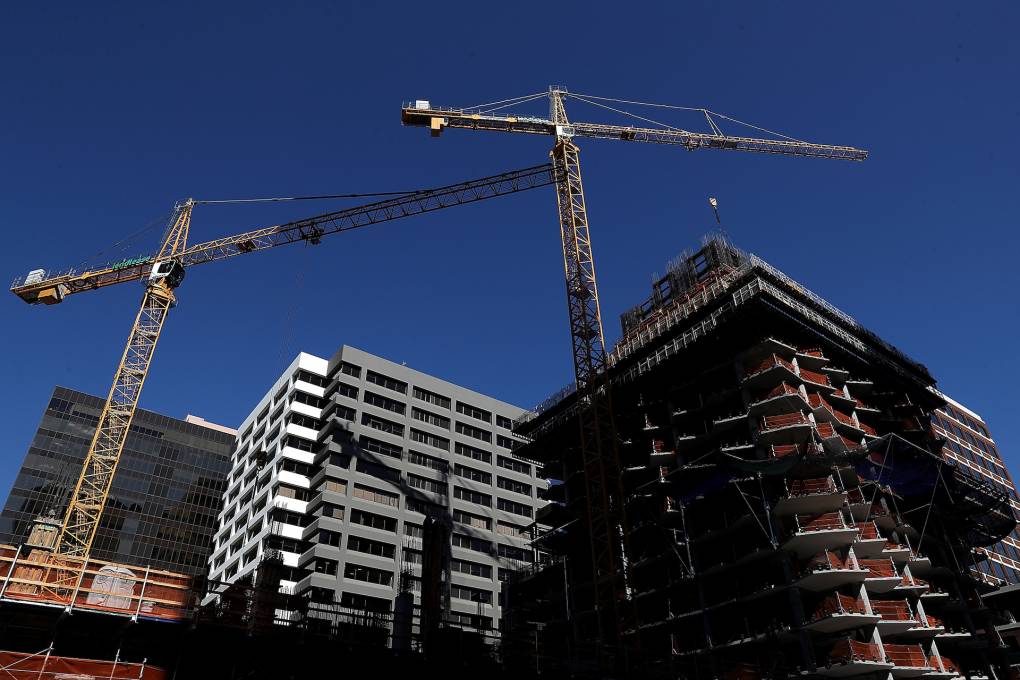
"caption": "Construction cranes hang over a building under construction in San Francisco on Oct. 5, 2018.",
"description": null,
"title": "U.S. Economy Adds Jobs In September, Unemployment Rate Drops To 3.7 Percent",
"credit": "Justin Sullivan/Getty Images",
"status": "inherit",
"isLoading": false,
"fetchFailed": false
},
"news_11803488": {
"type": "attachments",
"id": "news_11803488",
"meta": {
"index": "attachments_1716263798",
"site": "news",
"id": "11803488",
"found": true
},
"parent": 11803348,
"imgSizes": {
"apple_news_ca_square_4_0": {
"file": "https://ww2.kqed.org/app/uploads/sites/10/2020/02/GettyImages-1208696748-470x470.jpg",
"width": 470,
"mimeType": "image/jpeg",
"height": 470
},
"twentyfourteen-full-width": {
"file": "https://ww2.kqed.org/app/uploads/sites/10/2020/02/GettyImages-1208696748-1024x576.jpg",
"width": 1024,
"mimeType": "image/jpeg",
"height": 576
},
"thumbnail": {
"file": "https://ww2.kqed.org/app/uploads/sites/10/2020/02/GettyImages-1208696748-160x107.jpg",
"width": 160,
"mimeType": "image/jpeg",
"height": 107
},
"post-thumbnail": {
"file": "https://ww2.kqed.org/app/uploads/sites/10/2020/02/GettyImages-1208696748-672x372.jpg",
"width": 672,
"mimeType": "image/jpeg",
"height": 372
},
"kqedFullSize": {
"file": "https://ww2.kqed.org/app/uploads/sites/10/2020/02/GettyImages-1208696748.jpg",
"width": 1024,
"height": 683
},
"apple_news_ca_landscape_4_7": {
"file": "https://ww2.kqed.org/app/uploads/sites/10/2020/02/GettyImages-1208696748-632x474.jpg",
"width": 632,
"mimeType": "image/jpeg",
"height": 474
},
"large": {
"file": "https://ww2.kqed.org/app/uploads/sites/10/2020/02/GettyImages-1208696748-1020x680.jpg",
"width": 1020,
"mimeType": "image/jpeg",
"height": 680
},
"apple_news_ca_landscape_4_0": {
"file": "https://ww2.kqed.org/app/uploads/sites/10/2020/02/GettyImages-1208696748-536x402.jpg",
"width": 536,
"mimeType": "image/jpeg",
"height": 402
},
"medium": {
"file": "https://ww2.kqed.org/app/uploads/sites/10/2020/02/GettyImages-1208696748-800x534.jpg",
"width": 800,
"mimeType": "image/jpeg",
"height": 534
},
"apple_news_ca_portrait_4_0": {
"file": "https://ww2.kqed.org/app/uploads/sites/10/2020/02/GettyImages-1208696748-354x472.jpg",
"width": 354,
"mimeType": "image/jpeg",
"height": 472
},
"apple_news_ca_portrait_9_7": {
"file": "https://ww2.kqed.org/app/uploads/sites/10/2020/02/GettyImages-1208696748-840x683.jpg",
"width": 840,
"mimeType": "image/jpeg",
"height": 683
},
"apple_news_ca_portrait_4_7": {
"file": "https://ww2.kqed.org/app/uploads/sites/10/2020/02/GettyImages-1208696748-414x552.jpg",
"width": 414,
"mimeType": "image/jpeg",
"height": 552
},
"apple_news_ca_portrait_5_5": {
"file": "https://ww2.kqed.org/app/uploads/sites/10/2020/02/GettyImages-1208696748-687x683.jpg",
"width": 687,
"mimeType": "image/jpeg",
"height": 683
},
"apple_news_ca_square_4_7": {
"file": "https://ww2.kqed.org/app/uploads/sites/10/2020/02/GettyImages-1208696748-550x550.jpg",
"width": 550,
"mimeType": "image/jpeg",
"height": 550
},
"apple_news_ca_square_5_5": {
"file": "https://ww2.kqed.org/app/uploads/sites/10/2020/02/GettyImages-1208696748-912x683.jpg",
"width": 912,
"mimeType": "image/jpeg",
"height": 683
}
},
"publishDate": 1582695523,
"modified": 1582696669,
"caption": "Democratic presidential hopefuls enter the debate stage in Charleston, South Carolina on Feb. 25, 2020, ahead of the state's Democratic primary. From left: former New York City Mayor Michael Bloomberg, former South Bend, Indiana Mayor Pete Buttigieg, Massachusetts Sen. Elizabeth Warren, Vermont Sen. Bernie Sanders, former Vice President Joe Biden, Minnesota Sen. Amy Klobuchar and California billionaire Tom Steyer.",
"description": null,
"title": "Democratic Presidential Candidates Debate In Charleston Ahead Of SC Primary",
"credit": "Win McNamee/Getty Images",
"status": "inherit",
"isLoading": false,
"fetchFailed": false
}
},
"audioPlayerReducer": {
"postId": "stream_live",
"isPaused": true,
"isPlaying": false,
"pfsActive": false,
"pledgeModalIsOpen": true,
"playerDrawerIsOpen": false,
"liveAudioPlayStartedAt": 0,
"liveAudioPlayContext": ""
},
"authorsReducer": {
"byline_news_11804048": {
"type": "authors",
"id": "byline_news_11804048",
"meta": {
"override": true
},
"slug": "byline_news_11804048",
"name": "Michael Liedtke \u003cbr> The Associated Press",
"isLoading": false
},
"gmarzorati": {
"type": "authors",
"id": "227",
"meta": {
"index": "authors_1716337520",
"id": "227",
"found": true
},
"name": "Guy Marzorati",
"firstName": "Guy",
"lastName": "Marzorati",
"slug": "gmarzorati",
"email": "gmarzorati@KQED.org",
"display_author_email": true,
"staff_mastheads": [
"news"
],
"title": "Correspondent",
"bio": "Guy Marzorati is a correspondent on KQED's California Politics and Government Desk, based in San Jose. A graduate of Santa Clara University, Guy joined KQED in 2013. He reports on state and local politics and produces KQED's digital voter guide.",
"avatar": "https://secure.gravatar.com/avatar/e7038b8dbfd55b104369b76b1cd0b9de?s=600&d=blank&r=g",
"twitter": "guymarzorati",
"facebook": null,
"instagram": null,
"linkedin": null,
"sites": [
{
"site": "",
"roles": [
"editor"
]
},
{
"site": "news",
"roles": [
"editor"
]
},
{
"site": "science",
"roles": [
"editor"
]
},
{
"site": "forum",
"roles": [
"editor"
]
},
{
"site": "elections",
"roles": [
"editor"
]
},
{
"site": "liveblog",
"roles": [
"editor"
]
}
],
"headData": {
"title": "Guy Marzorati | KQED",
"description": "Correspondent",
"ogImgSrc": "https://secure.gravatar.com/avatar/e7038b8dbfd55b104369b76b1cd0b9de?s=600&d=blank&r=g",
"twImgSrc": "https://secure.gravatar.com/avatar/e7038b8dbfd55b104369b76b1cd0b9de?s=600&d=blank&r=g"
},
"isLoading": false,
"link": "/author/gmarzorati"
},
"jmcevoy": {
"type": "authors",
"id": "231",
"meta": {
"index": "authors_1716337520",
"id": "231",
"found": true
},
"name": "Julia McEvoy",
"firstName": "Julia",
"lastName": "McEvoy",
"slug": "jmcevoy",
"email": "jmcevoy@KQED.org",
"display_author_email": true,
"staff_mastheads": [
"news"
],
"title": "KQED Senior Editor",
"bio": "Julia McEvoy is KQED's Senior Editor, Education Equity.\r\n\r\nJulia heads KQED’s education coverage examining inequities students face in Bay Area and California schools, and reports on what it will take to educate the next generation.\r\n\r\nJulia's editorial work has received a Peabody Award, a Casey Medal for Coverage of Children and Families, several Edward R. Murrow awards, as well as awards from the Public Radio News Directors Inc. and the Society for Professional Journalists.",
"avatar": "https://secure.gravatar.com/avatar/aec3ce21abe02b302fd33638abd56a22?s=600&d=blank&r=g",
"twitter": "juliamcevoy1",
"facebook": null,
"instagram": null,
"linkedin": null,
"sites": [
{
"site": "news",
"roles": []
},
{
"site": "stateofhealth",
"roles": [
"author"
]
}
],
"headData": {
"title": "Julia McEvoy | KQED",
"description": "KQED Senior Editor",
"ogImgSrc": "https://secure.gravatar.com/avatar/aec3ce21abe02b302fd33638abd56a22?s=600&d=blank&r=g",
"twImgSrc": "https://secure.gravatar.com/avatar/aec3ce21abe02b302fd33638abd56a22?s=600&d=blank&r=g"
},
"isLoading": false,
"link": "/author/jmcevoy"
},
"samharnett": {
"type": "authors",
"id": "253",
"meta": {
"index": "authors_1716337520",
"id": "253",
"found": true
},
"name": "Sam Harnett",
"firstName": "Sam",
"lastName": "Harnett",
"slug": "samharnett",
"email": "samharnett@gmail.com",
"display_author_email": false,
"staff_mastheads": [],
"title": "KQED Contributor",
"bio": "Sam Harnett covered tech and work at KQED. He is the co-creator of \u003cem>\u003ca href=\"http://www.theworldaccordingtosound.org\">The World According to Sound\u003c/a>,\u003c/em> a 90-second podcast that features different sounds and the stories behind them.\r\n\r\nBefore coming to KQED, Sam worked as an independent reporter who contributed regularly to \u003cem>The California Report, Marketplace,\u003c/em> \u003cem>The World \u003c/em>and NPR.",
"avatar": "https://secure.gravatar.com/avatar/2538b972ac02f2b9546c7a6c59a0f3d0?s=600&d=blank&r=g",
"twitter": "Samwharnett",
"facebook": null,
"instagram": null,
"linkedin": null,
"sites": [
{
"site": "news",
"roles": [
"edit_others_posts",
"subscriber"
]
},
{
"site": "stateofhealth",
"roles": [
"author"
]
},
{
"site": "science",
"roles": [
"editor"
]
},
{
"site": "quest",
"roles": [
"subscriber"
]
}
],
"headData": {
"title": "Sam Harnett | KQED",
"description": "KQED Contributor",
"ogImgSrc": "https://secure.gravatar.com/avatar/2538b972ac02f2b9546c7a6c59a0f3d0?s=600&d=blank&r=g",
"twImgSrc": "https://secure.gravatar.com/avatar/2538b972ac02f2b9546c7a6c59a0f3d0?s=600&d=blank&r=g"
},
"isLoading": false,
"link": "/author/samharnett"
},
"scottshafer": {
"type": "authors",
"id": "255",
"meta": {
"index": "authors_1716337520",
"id": "255",
"found": true
},
"name": "Scott Shafer",
"firstName": "Scott",
"lastName": "Shafer",
"slug": "scottshafer",
"email": "sshafer@kqed.org",
"display_author_email": false,
"staff_mastheads": [
"news"
],
"title": "KQED Contributor",
"bio": "Scott Shafer is a senior editor with the KQED Politics and Government desk. He is co-host of Political Breakdown, the award-winning radio show and podcast with a personal take on the world of politics. Scott came to KQED in 1998 to host the statewide\u003cem> California Report\u003c/em>. Prior to that he had extended stints in politics and government\u003cem>.\u003c/em> He uses that inside experience at KQED in his, reporting, hosting and analysis for the politics desk. Scott collaborated \u003cem>Political Breakdown a\u003c/em>nd on \u003cem>The Political Mind of Jerry Brown, \u003c/em>an eight-part series about the life and extraordinary political career of the former governor. For fun, he plays water polo with the San Francisco Tsunami.",
"avatar": "https://secure.gravatar.com/avatar/a62ebae45b79d7aed1a39a0e3bf68104?s=600&d=blank&r=g",
"twitter": "scottshafer",
"bluesky": null,
"facebook": null,
"instagram": null,
"linkedin": null,
"sites": [
{
"site": "news",
"roles": [
"editor"
]
},
{
"site": "stateofhealth",
"roles": [
"author"
]
},
{
"site": "science",
"roles": [
"author"
]
},
{
"site": "forum",
"roles": [
"subscriber"
]
},
{
"site": "liveblog",
"roles": [
"author"
]
}
],
"headData": {
"title": "Scott Shafer | KQED",
"description": "KQED Contributor",
"ogImgSrc": "https://secure.gravatar.com/avatar/a62ebae45b79d7aed1a39a0e3bf68104?s=600&d=blank&r=g",
"twImgSrc": "https://secure.gravatar.com/avatar/a62ebae45b79d7aed1a39a0e3bf68104?s=600&d=blank&r=g"
},
"isLoading": false,
"link": "/author/scottshafer"
},
"markfiore": {
"type": "authors",
"id": "3236",
"meta": {
"index": "authors_1716337520",
"id": "3236",
"found": true
},
"name": "Mark Fiore",
"firstName": "Mark",
"lastName": "Fiore",
"slug": "markfiore",
"email": "mark@markfiore.com",
"display_author_email": false,
"staff_mastheads": [
"news"
],
"title": "KQED News Cartoonist",
"bio": "\u003ca href=\"http://www.MarkFiore.com\">MarkFiore.com\u003c/a> | \u003ca href=\"https://twitter.com/markfiore\">Follow on Twitter\u003c/a> | \u003ca href=\"https://www.facebook.com/pages/Mark-Fiore-Animated-Political-Cartoons/94451707396?ref=bookmarks\">Facebook\u003c/a> | \u003ca href=\"mailto:mark@markfiore.com\">email\u003c/a>\r\n\r\nPulitzer Prize-winner, Mark Fiore, who the Wall Street Journal has called “the undisputed guru of the form,” creates animated political cartoons in San Francisco, where his work has been featured regularly on the San Francisco Chronicle’s web site, SFGate.com. His work has appeared on Newsweek.com, Slate.com, CBSNews.com, MotherJones.com, DailyKos.com and NPR’s web site. Fiore’s political animation has appeared on CNN, Frontline, Bill Moyers Journal, Salon.com and cable and broadcast outlets across the globe.\r\n\r\nBeginning his professional life by drawing traditional political cartoons for newspapers, Fiore’s work appeared in publications ranging from the Washington Post to the Los Angeles Times. In the late 1990s, he began to experiment with animating political cartoons and, after a short stint at the San Jose Mercury News as their staff cartoonist, Fiore devoted all his energies to animation.\r\nGrowing up in California, Fiore also spent a good portion of his life in the backwoods of Idaho. It was this combination that shaped him politically. Mark majored in political science at Colorado College, where, in a perfect send-off for a cartoonist, he received his diploma in 1991 as commencement speaker Dick Cheney smiled approvingly.\r\nMark Fiore was awarded the Pulitzer Prize for political cartooning in 2010, a Robert F. Kennedy Journalism Award in 2004 and has twice received an Online Journalism Award for commentary from the Online News Association (2002, 2008). Fiore has received two awards for his work in new media from the National Cartoonists Society (2001, 2002), and in 2006 received The James Madison Freedom of Information Award from The Society of Professional Journalists.",
"avatar": "https://secure.gravatar.com/avatar/fc4e2a612b15b67bad0c6f0e1db4ca9b?s=600&d=blank&r=g",
"twitter": "MarkFiore",
"facebook": null,
"instagram": "https://www.instagram.com/markfiore/?hl=en",
"linkedin": null,
"sites": [
{
"site": "arts",
"roles": [
"contributor"
]
},
{
"site": "news",
"roles": [
"editor"
]
},
{
"site": "futureofyou",
"roles": [
"editor"
]
},
{
"site": "science",
"roles": [
"editor"
]
}
],
"headData": {
"title": "Mark Fiore | KQED",
"description": "KQED News Cartoonist",
"ogImgSrc": "https://secure.gravatar.com/avatar/fc4e2a612b15b67bad0c6f0e1db4ca9b?s=600&d=blank&r=g",
"twImgSrc": "https://secure.gravatar.com/avatar/fc4e2a612b15b67bad0c6f0e1db4ca9b?s=600&d=blank&r=g"
},
"isLoading": false,
"link": "/author/markfiore"
},
"mlagos": {
"type": "authors",
"id": "3239",
"meta": {
"index": "authors_1716337520",
"id": "3239",
"found": true
},
"name": "Marisa Lagos",
"firstName": "Marisa",
"lastName": "Lagos",
"slug": "mlagos",
"email": "mlagos@kqed.org",
"display_author_email": false,
"staff_mastheads": [
"news"
],
"title": "KQED Contributor",
"bio": "Marisa Lagos is a correspondent for KQED’s California Politics and Government Desk and co-hosts the award-winning show and podcast, Political Breakdown. At KQED, Lagos also conducts reporting, analysis and investigations into state, local and national politics for radio, TV, online and onstage. In 2022, she and co-host, Scott Shafer, moderated the only gubernatorial debate in California. In 2020, the \u003ci>Washington Post\u003c/i> named her one of the top political journalists in California; she was nominated for a Peabody and won several other awards for her work investigating the 2017 California wildfires. She has worked at the \u003ci>San Francisco Chronicle\u003c/i>, \u003ci>San Francisco Examiner\u003c/i> and \u003ci>Los Angeles Times\u003c/i>. A UC Santa Barbara graduate, she lives in San Francisco with her two sons and husband.",
"avatar": "https://secure.gravatar.com/avatar/a261a0d3696fc066871ef96b85b5e7d2?s=600&d=blank&r=g",
"twitter": "@mlagos",
"facebook": null,
"instagram": null,
"linkedin": null,
"sites": [
{
"site": "arts",
"roles": [
"author"
]
},
{
"site": "news",
"roles": [
"editor"
]
},
{
"site": "science",
"roles": [
"editor"
]
},
{
"site": "forum",
"roles": [
"author"
]
},
{
"site": "liveblog",
"roles": [
"author"
]
}
],
"headData": {
"title": "Marisa Lagos | KQED",
"description": "KQED Contributor",
"ogImgSrc": "https://secure.gravatar.com/avatar/a261a0d3696fc066871ef96b85b5e7d2?s=600&d=blank&r=g",
"twImgSrc": "https://secure.gravatar.com/avatar/a261a0d3696fc066871ef96b85b5e7d2?s=600&d=blank&r=g"
},
"isLoading": false,
"link": "/author/mlagos"
},
"eaguilar": {
"type": "authors",
"id": "11382",
"meta": {
"index": "authors_1716337520",
"id": "11382",
"found": true
},
"name": "Erika Aguilar",
"firstName": "Erika",
"lastName": "Aguilar",
"slug": "eaguilar",
"email": "eaa712@gmail.com",
"display_author_email": false,
"staff_mastheads": [],
"title": "KQED Contributor",
"bio": "Erika Aguilar was the director of podcasts at KQED. She was in charge of KQED's portfolio of original podcasts and teams, and sets strategic plans for production and engagement.\r\n\r\nErika helped establish KQED's new housing affordability desk as senior editor. She was also a producer and editor for KQED's local news podcast called \u003cem>The Bay, \u003c/em>and wrote stories about housing in the Bay Area as a reporter for KQED News.\r\n\r\nErika joined KQED in 2017 after producing independent audio projects and podcasts in Southern California. She spent more than a dozen years reporting stories about law enforcement, breaking news, homelessness, government and the environment for KPCC in Los Angeles and KUT in Austin. She also volunteers as an editor and mentor for various journalism training programs.\r\n\r\nErika Aguilar is a proud Tejana from San Antonio. She believes in compromise, optimism and Selena.",
"avatar": "https://secure.gravatar.com/avatar/85bf7bb8dd9af4136525d94cef00f026?s=600&d=blank&r=g",
"twitter": "erikaaaguilar",
"facebook": null,
"instagram": null,
"linkedin": null,
"sites": [
{
"site": "",
"roles": [
"editor"
]
},
{
"site": "news",
"roles": [
"subscriber"
]
},
{
"site": "podcasts",
"roles": [
"editor"
]
}
],
"headData": {
"title": "Erika Aguilar | KQED",
"description": "KQED Contributor",
"ogImgSrc": "https://secure.gravatar.com/avatar/85bf7bb8dd9af4136525d94cef00f026?s=600&d=blank&r=g",
"twImgSrc": "https://secure.gravatar.com/avatar/85bf7bb8dd9af4136525d94cef00f026?s=600&d=blank&r=g"
},
"isLoading": false,
"link": "/author/eaguilar"
},
"nvoynovskaya": {
"type": "authors",
"id": "11387",
"meta": {
"index": "authors_1716337520",
"id": "11387",
"found": true
},
"name": "Nastia Voynovskaya",
"firstName": "Nastia",
"lastName": "Voynovskaya",
"slug": "nvoynovskaya",
"email": "nvoynovskaya@kqed.org",
"display_author_email": false,
"staff_mastheads": [
"arts"
],
"title": "Editor and reporter",
"bio": "Nastia Voynovskaya is a reporter and editor at KQED Arts & Culture. She's been covering the arts in the Bay Area for over a decade, with a focus on music, queer culture, labor issues and grassroots organizing. She has edited KQED story series such as Trans Bay: A History of San Francisco's Gender-Diverse Community, and co-created KQED's Bay Area hip-hop history project, That's My Word. Nastia's work has been recognized by the Society of Professional Journalists and San Francisco Press Club. She holds a BA in comparative literature from UC Berkeley.",
"avatar": "https://secure.gravatar.com/avatar/5025ee460e5a85d69ca20ea6c6f2f80d7e17795c828f61ea3aecfcd924e9042e?s=600&d=blank&r=g",
"twitter": null,
"bluesky": null,
"facebook": null,
"instagram": "https://www.instagram.com/nananastia/",
"linkedin": null,
"sites": [
{
"site": "arts",
"roles": [
"administrator"
]
},
{
"site": "news",
"roles": [
"editor"
]
},
{
"site": "pop",
"roles": [
"administrator"
]
},
{
"site": "bayareabites",
"roles": [
"editor"
]
},
{
"site": "podcasts",
"roles": [
"editor"
]
},
{
"site": "hiphop",
"roles": [
"editor"
]
}
],
"headData": {
"title": "Nastia Voynovskaya | KQED",
"description": "Editor and reporter",
"ogImgSrc": "https://secure.gravatar.com/avatar/5025ee460e5a85d69ca20ea6c6f2f80d7e17795c828f61ea3aecfcd924e9042e?s=600&d=blank&r=g",
"twImgSrc": "https://secure.gravatar.com/avatar/5025ee460e5a85d69ca20ea6c6f2f80d7e17795c828f61ea3aecfcd924e9042e?s=600&d=blank&r=g"
},
"isLoading": false,
"link": "/author/nvoynovskaya"
},
"abandlamudi": {
"type": "authors",
"id": "11672",
"meta": {
"index": "authors_1716337520",
"id": "11672",
"found": true
},
"name": "Adhiti Bandlamudi",
"firstName": "Adhiti",
"lastName": "Bandlamudi",
"slug": "abandlamudi",
"email": "abandlamudi@kqed.org",
"display_author_email": false,
"staff_mastheads": [
"news"
],
"title": "KQED Housing Reporter",
"bio": "Adhiti Bandlamudi reports for KQED's Housing desk. She focuses on how housing gets built across the Bay Area. Before joining KQED in 2020, she reported for WUNC in Durham, North Carolina, WABE in Atlanta, Georgia and Capital Public Radio in Sacramento. In 2017, she was awarded a Kroc Fellowship at NPR where she reported on everything from sprinkles to the Golden State Killer's arrest. When she's not reporting, she's baking new recipes in her kitchen or watching movies with friends and family. She's originally from Georgia and has strong opinions about Great British Bake Off.",
"avatar": "https://secure.gravatar.com/avatar/868129c8b257bb99a3500e2c86a65400?s=600&d=mm&r=g",
"twitter": "oddity_adhiti",
"facebook": null,
"instagram": null,
"linkedin": null,
"sites": [
{
"site": "arts",
"roles": [
"author"
]
},
{
"site": "news",
"roles": [
"editor"
]
},
{
"site": "liveblog",
"roles": [
"author"
]
}
],
"headData": {
"title": "Adhiti Bandlamudi | KQED",
"description": "KQED Housing Reporter",
"ogImgSrc": "https://secure.gravatar.com/avatar/868129c8b257bb99a3500e2c86a65400?s=600&d=mm&r=g",
"twImgSrc": "https://secure.gravatar.com/avatar/868129c8b257bb99a3500e2c86a65400?s=600&d=mm&r=g"
},
"isLoading": false,
"link": "/author/abandlamudi"
}
},
"pagesReducer": {
"news_tag_politics": {
"type": "terms",
"id": "news_17968",
"meta": {
"index": "terms_1716263798",
"site": "news",
"id": "17968",
"score": 8.003003
},
"name": "Politics",
"slug": "politics",
"taxonomy": "tag",
"description": null,
"featImg": null,
"headData": {
"title": "Politics | KQED News",
"description": null,
"ogTitle": null,
"ogDescription": null,
"ogImgId": null,
"twTitle": null,
"twDescription": null,
"twImgId": null
},
"ttid": 18002,
"isLoading": false,
"title": "Politics",
"pageMeta": {
"site": "news",
"WpPageTemplate": "page-topic-editorial",
"currentPage": 221
},
"blocks": [
{
"blockName": "kqed/post-list",
"attrs": {
"layout": "cardArticle2",
"query": "posts/news?tag=politics",
"seeMore": false,
"paginated": true,
"page": 221
}
},
{
"blockName": "kqed/ad"
}
]
}
},
"pfsSessionReducer": {},
"postsReducer": {
"stream_live": {
"type": "live",
"id": "stream_live",
"audioUrl": "https://streams.kqed.org/kqedradio",
"title": "Live Stream",
"excerpt": "Live Stream information currently unavailable.",
"link": "/radio",
"featImg": "",
"label": {
"name": "KQED Live",
"link": "/"
}
},
"stream_kqedNewscast": {
"type": "posts",
"id": "stream_kqedNewscast",
"audioUrl": "https://www.kqed.org/.stream/anon/radio/RDnews/newscast.mp3?_=1",
"title": "KQED Newscast",
"featImg": "",
"label": {
"name": "88.5 FM",
"link": "/"
}
},
"arts_13875328": {
"type": "posts",
"id": "arts_13875328",
"meta": {
"index": "posts_1716263798",
"site": "arts",
"id": "13875328",
"score": null,
"sort": [
1582894855000
]
},
"guestAuthors": [],
"slug": "a-secret-weapon-of-the-progressive-left-furries",
"title": "A Secret Weapon of the Progressive Left: Furries",
"publishDate": 1582894855,
"format": "standard",
"headTitle": "A Secret Weapon of the Progressive Left: Furries | KQED",
"labelTerm": {
"site": "arts"
},
"content": "\u003cp>Patch O’Furr was running on five hours of sleep.\u003c/p>\n\u003cp>He’d stayed out late with his furry friends the night before. But Bernie Sanders’ campaign rally in Richmond was starting soon, so he and his squad woke up early and piled in the car. Since his purple-haired rat costume was still in the trunk, he put on the fur suit and scrawled “Furries 4 Bernie” in large block letters with Sharpie on a piece of cardboard.\u003c/p>\n\u003cp>As thousands of Sanders supporters lined up around the Craneway Pavilion to hear the senator’s speech on Feb. 17, people of all ages, including families with kids, stopped O’Furr every few feet for photos. \u003ca href=\"https://jacobinmag.com/2019/07/nancy-pelosi-shahid-buttar-primary-challenge\" target=\"_blank\" rel=\"noopener noreferrer\">Shahid Buttar\u003c/a>, the democratic socialist running to unseat House Speaker Nancy Pelosi, posed for a picture and invited O’Furr to volunteer for his congressional campaign, noting that a giant rodent toting a slogan could have the impact of 50 regular volunteers.\u003c/p>\n\u003cp>“We’re here, we are furries, we are for Bernie, let’s do this,” says O’Furr, a 42-year-old Richmond artist and e-commerce entrepreneur who runs the furry news blog \u003ca href=\"https://dogpatch.press/\" target=\"_blank\" rel=\"noopener noreferrer\">Dogpatch Press\u003c/a>. “We’re not an organization, we’re just doing what we love.”\u003c/p>\n\u003cp>O’Furr is part of niche yet enthusiastic subculture centered around a love for anthropomorphic animal characters. Furries attend conventions and gatherings, make and commission artwork of their alter egos (or “fursonas”), chat with fellow enthusiasts online and dress up in fur suits that represent their animal identities. (The subculture has a reputation for being a sexual kink, but the furries I spoke with for this story say that aspect is overly sensationalized in the media and doesn’t represent the entire fandom.)\u003c/p>\n\u003cp>This election season, furries are entering the political arena in growing numbers. And while they might seem like an unlikely constituency to rally support for candidates, the fandom’s outsider outlook and robust social networks—both on and offline—make it particularly poised to mobilize for the progressive left ahead of the Democratic primary in California and nationwide.\u003c/p>\n\u003cfigure id=\"attachment_13875659\" class=\"wp-caption alignright\" style=\"max-width: 744px\">\u003cimg loading=\"lazy\" decoding=\"async\" class=\"size-full wp-image-13875659\" src=\"https://ww2.kqed.org/app/uploads/sites/2/2020/02/wild.jpg\" alt=\"Wild, an East Bay resident, canvasses for Bernie Sanders and is the head of a group called Bernie Sanders Furs.\" width=\"744\" height=\"960\" srcset=\"https://cdn.kqed.org/wp-content/uploads/sites/2/2020/02/wild.jpg 744w, https://cdn.kqed.org/wp-content/uploads/sites/2/2020/02/wild-160x206.jpg 160w\" sizes=\"(max-width: 744px) 100vw, 744px\">\u003cfigcaption class=\"wp-caption-text\">Wild, an East Bay resident, canvasses for Bernie Sanders and is the head of a group called Bernie Sanders Furs. \u003ccite>(Courtesy of Wild)\u003c/cite>\u003c/figcaption>\u003c/figure>\n\u003ch2>A Subculture Ready to Get the Vote Out\u003c/h2>\n\u003cp>Typically, furries find one another on Twitter and the chat platform Telegram, and meet in person at conventions like San Jose’s Further Confusion (FurCon), Midwest FurFest and Anthrocon, and dance parties like DJ NeonBunny’s monthly Frolic party at the Eagle in San Francisco. For many, the community is a chosen family that welcomes those who may feel socially ostracized. The fandom doesn’t revolve around a specific commercial entity, in contrast to subcultures that form around anime, video games or Star Wars. Instead, furry culture, much like the punk scene, emphasizes do-it-yourself participation and person-to-person connections. In essence, the people who make up the subculture invent it in real time.\u003c/p>\n\u003cp>“We’ve always been a deep-seated community of people who need somewhere to go, somewhere to find a universal love,” says Berry Pecan Tart, a 33-year-old barista from Napa who came out “of the cage” as a furry this year (his fursona is a California black bear). It was a moment of self-actualization that coincided with his joining the Democratic Socialists of America. With the DSA, he recently volunteered to fix car headlights to help undocumented immigrants avoid traffic stops that leave them vulnerable to deportation.\u003c/p>\n\u003cp>With many LGBTQ+ and neurodiverse people among their ranks, furries largely embrace progressive causes. “\u003cspan style=\"font-weight: 400\">I know many furries doing phone banking, primarily in favor of Bernie Sanders—overwhelmingly, I would say—in Iowa and New Hampshire,” says \u003ca href=\"https://twitter.com/Kamunt\" target=\"_blank\" rel=\"noopener noreferrer\">Kamunt Kurush\u003c/a>, a 29-year-old student and furry in the Chicago area who uses his Twitter platform to live tweet the Democratic debates and promote left-wing candidates (his fursona is a cheetah). Recently, Buttar’s campaign noticed Kurush’s \u003c/span>\u003cspan style=\"font-weight: 400\">enthusiastic posts and invited him to a private direct message group of people promoting the candidate’s pro-Medicare for All, pro-Green New Deal message. \u003c/span>\u003c/p>\n\u003cp>\u003cspan style=\"font-weight: 400\">“I knew somebody who even went to New Hampshire to knock on doors [for Sanders],” Kurush says of the furry community’s dedication. “A friend of mine who lives in San Francisco has volunteered for Shahid Buttar’s campaign to do some canvassing.”\u003c/span>\u003c/p>\n\u003cp>\u003cspan style=\"font-weight: 400\">In a previous generation, a politician running for congress might not have wanted to be affiliated with a subculture widely seen as fringe. But Buttar embraces the furry vote. “My recognition of the value of furries, my recognition of the value of subcultures generally is rooted in my own identity as an artist,” says Buttar, adding that countercultural groups have pushed progressive political ideas into the mainstream throughout history. “It’s not just furries—anyone who’s willing to raise their voice and be creative, artists, are the lifeblood of our community and our culture writ large.”\u003c/span>\u003c/p>\n\u003cp>https://twitter.com/broderick/status/848586734640263168?s=20\u003c/p>\n\u003cp>An East Bay resident who goes by Wild (his fursona is a lion) runs a national Telegram chat called Bernie Sanders Furs, where furries spread information about Sanders rallies and volunteer opportunities, and share memes and articles. He canvassed for Sanders over the past two weekends, and says Sanders’ emphasis on fighting economic inequality and taxing extreme wealth are front-of-mind for the furry community, which is largely millennial and burdened with student loan debt and stagnant wages.\u003c/p>\n\u003cp>“The furry fandom as a whole, our interactions are recreational, and we have a lot of artists,” Wild says, adding that Medicare for All would be a huge boon for self-employed fur suit makers and fursona illustrators who can’t afford healthcare. “When people can’t feed their families, the luxury of the furry fandom can’t really exist. It’s hard to go to furry conventions when you can’t make rent.”\u003c/p>\n\u003cp>“I haven’t had healthcare since 2007,” says O’Furr. “This is why Bernie is the guy. And Green New Deal also—if you talk about, well, what do furries have to do with politics? If you look at climate change, we are going to be losing so many habitats, so many species. It’s going to affect everything that we do, everything that we eat, the places we live. We need a Green New Deal and to get off of fossil fuels.”\u003c/p>\n\u003ch2>Ideological Clashes and the Rise of Alt-Furries\u003c/h2>\n\u003cp>Not all of the furry fandom, however, embraces social and environmental justice causes. In 2015, when the white nationalist movement began to gain mainstream traction during Donald Trump’s presidential campaign, a \u003ca href=\"https://medium.com/@DeoTasDevil/how-white-nationalism-courts-internet-nerd-culture-b4ebad07863d\" target=\"_blank\" rel=\"noopener noreferrer\">scourge of neo-Nazism\u003c/a> took hold among furries. A group called the Furry Raiders began wearing Nazi-esque uniforms and armbands over their fur suits at conventions.\u003c/p>\n\u003cp>In 2017, the Rocky Mountain Fur Con in Denver \u003ca href=\"https://www.rollingstone.com/culture/culture-features/does-the-furry-community-have-a-nazi-problem-194282/\" target=\"_blank\" rel=\"noopener noreferrer\">was cancelled\u003c/a> over a controversy over the Furry Raiders that resulted in threats of violence. Eventually, the group’s leader Foxler—real name Lee Miller—was exposed as an accused child predator, and currently \u003ca href=\"https://en.wikifur.com/w/images/b/b5/CaseSummary-update-02142020-case-update-foxler-starfire-lee-miller-denver-colorado.pdf\" target=\"_blank\" rel=\"noopener noreferrer\">awaits criminal trial\u003c/a> for sex crimes in Colorado.\u003c/p>\n\u003cp>Deo, a 28-year-old union steelworker from Iowa (her fursona is a Tasmanian devil), has been one of the most active furries in the fight against hate groups within the fandom. She explains that the alt-right targets furries because of the large amount of socially awkward, young, alienated white men among them.\u003c/p>\n\u003cp>“\u003ca href=\"https://www.vox.com/2014/9/6/6111065/gamergate-explained-everybody-fighting\" target=\"_blank\" rel=\"noopener noreferrer\">Gamergate\u003c/a> was sort of winding down [around 2015], and you had all these angry people who were semi-organized and realized anger had power,” she says, referring to the online harassment campaign waged by gamers against women in the video game industry. “White nationalists saw the opportunity that you have a bunch of angry young men on the internet, and you can ply them with whatever kind of propaganda you want.”\u003c/p>\n\u003cfigure id=\"attachment_13875594\" class=\"wp-caption aligncenter\" style=\"max-width: 800px\">\u003cimg loading=\"lazy\" decoding=\"async\" class=\"size-medium wp-image-13875594\" src=\"https://ww2.kqed.org/app/uploads/sites/2/2020/02/deo-800x745.jpg\" alt=\"Doe the Tasmanian devil, a union steelworker from Iowa, has played a key role in exposing white nationalism within the furry fandom.\" width=\"800\" height=\"745\" srcset=\"https://cdn.kqed.org/wp-content/uploads/sites/2/2020/02/deo.jpg 800w, https://cdn.kqed.org/wp-content/uploads/sites/2/2020/02/deo-160x149.jpg 160w, https://cdn.kqed.org/wp-content/uploads/sites/2/2020/02/deo-768x715.jpg 768w\" sizes=\"(max-width: 800px) 100vw, 800px\">\u003cfigcaption class=\"wp-caption-text\">Doe the Tasmanian devil, a union steelworker from Iowa, has played a key role in exposing white nationalism within the furry fandom. \u003ccite>(Courtesy of Deo)\u003c/cite>\u003c/figcaption>\u003c/figure>\n\u003cp>As the alt-right movement grew after the 2016 election, its activists developed techniques for courting furries with animal-oriented racist media (including a baffling cover of a \u003cem>Lion King\u003c/em> song with lyrics celebrating white supremacy that Deo discovered in an alt-furry chat). Deo and other anti-fascist furries began infiltrating alt-furry online groups to keep tabs on their plans for recruitment.\u003c/p>\n\u003cp>“Our events combat this alt-right push. A lot of conventions have banned their leadership,” says Deo, adding that she’s been doxxed and physically threatened for this work. “As far as I know of, every convention has banned hate paraphernalia. There’s a lot more community involvement now: people are aware, they’re talking about it, they’re looking out for each other.”\u003c/p>\n\u003cp>With alt-right ringleaders like Milo Yiannopoulos banned from Twitter and no longer making frequent news headlines, the alt-furry movement has, too, somewhat receded into the shadows. Deo says she’s been involved in restorative justice work to help de-radicalize those leaving hate groups.\u003c/p>\n\u003cp>“It can be one of the hardest subjects to tackle, especially when we’re talking about getting people to realize the harm that they’ve committed,” Deo says. “And then committing to making that change, taking that personal responsibility, and working on reintegration of those people into our community so they have community support and don’t fall back into those groups.”\u003c/p>\n\u003ch2>A Wide Network Mobilizing for Super Tuesday\u003c/h2>\n\u003cp>Dogpatch Press—which gets anywhere from 20,000–50,000 monthly views—helped chronicle the turmoil inside the fandom, with posts exposing \u003ca href=\"https://dogpatch.press/2018/02/07/altfurry-hate-part-2/\" target=\"_blank\" rel=\"noopener noreferrer\">leaked alt-furry chat logs\u003c/a> and identifying an alt-furry who marched with neo-Nazis in \u003ca href=\"https://dogpatch.press/2017/08/14/altfurry-neo-nazi-violence/\" target=\"_blank\" rel=\"noopener noreferrer\">Charlottesville\u003c/a> in 2017. [aside postID='arts_13847704,arts_13851697,arts_13874735' label='More on arts and activism']\u003c/p>\n\u003cp>And in addition to combating hate groups, Deo has been doing her part ahead of the election, too. She canvassed ahead of the Iowa caucus and helped organize a Sanders rally in her state. Now, she’s sharing her experience for best practices for phone banking and knocking on doors with her furry friends across the country.\u003c/p>\n\u003cp>“People are in West Virginia or Ohio, and you can lend them help, too,” she says. “Like, ‘Hey, are you phone banking for Bernie? Here, I’ll get on my phone too and we can type on Discord chat together while we’re phone banking for these candidates.'”\u003c/p>\n\u003cp>The most surprising people can identify as furries, Deo says, like her cowboy friend from South Dakota who’s a democratic socialist. And with their shared interests already formed, their political networks are strong and wide.\u003c/p>\n\u003cp>“Furries are everywhere,” Deo explains. “We walk among you.”\u003c/p>\n\u003cp>[ad fullwidth]\u003c/p>\n\u003cp>[ad floatright]\u003c/p>\n",
"blocks": [],
"excerpt": "The furry fandom mobilizes for Bernie Sanders ahead of Super Tuesday's election.",
"status": "publish",
"parent": 0,
"modified": 1726764237,
"stats": {
"hasAudio": false,
"hasVideo": false,
"hasChartOrMap": false,
"iframeSrcs": [],
"hasGoogleForm": false,
"hasGallery": false,
"hasHearkenModule": false,
"hasPolis": false,
"paragraphCount": 29,
"wordCount": 1897
},
"headData": {
"title": "Unexpected Support of Bernie Sanders: Furries | KQED",
"description": "Ahead of Super Tuesday, furries are canvassing and phone banking for democratic socialist candidates.",
"ogTitle": "Furries for Bernie Sanders: How an Unexpected Fandom Mobilized for the Left",
"ogDescription": "Ahead of Super Tuesday, furries are canvassing and phone banking for democratic socialist candidates.",
"ogImgId": "",
"twTitle": "Furries for Bernie Sanders: How an Unexpected Fandom Mobilized for the Left",
"twDescription": "Ahead of Super Tuesday, furries are canvassing and phone banking for democratic socialist candidates.",
"twImgId": "",
"socialTitle": "Unexpected Support of Bernie Sanders: Furries%%page%% %%sep%% KQED",
"socialDescription": "Ahead of Super Tuesday, furries are canvassing and phone banking for democratic socialist candidates.",
"schema": {
"@context": "https://schema.org",
"@type": "Article",
"headline": "A Secret Weapon of the Progressive Left: Furries",
"datePublished": "2020-02-28T05:00:55-08:00",
"dateModified": "2024-09-19T09:43:57-07:00",
"image": "https://cdn.kqed.org/wp-content/uploads/2020/02/KQED-OG-Image@1x.png"
}
},
"sticky": false,
"templateType": "standard",
"featuredImageType": "standard",
"path": "/arts/13875328/a-secret-weapon-of-the-progressive-left-furries",
"audioTrackLength": null,
"parsedContent": [
{
"type": "contentString",
"content": "\u003cdiv class=\"post-body\">\u003cp>\u003cp>Patch O’Furr was running on five hours of sleep.\u003c/p>\n\u003cp>He’d stayed out late with his furry friends the night before. But Bernie Sanders’ campaign rally in Richmond was starting soon, so he and his squad woke up early and piled in the car. Since his purple-haired rat costume was still in the trunk, he put on the fur suit and scrawled “Furries 4 Bernie” in large block letters with Sharpie on a piece of cardboard.\u003c/p>\n\u003cp>As thousands of Sanders supporters lined up around the Craneway Pavilion to hear the senator’s speech on Feb. 17, people of all ages, including families with kids, stopped O’Furr every few feet for photos. \u003ca href=\"https://jacobinmag.com/2019/07/nancy-pelosi-shahid-buttar-primary-challenge\" target=\"_blank\" rel=\"noopener noreferrer\">Shahid Buttar\u003c/a>, the democratic socialist running to unseat House Speaker Nancy Pelosi, posed for a picture and invited O’Furr to volunteer for his congressional campaign, noting that a giant rodent toting a slogan could have the impact of 50 regular volunteers.\u003c/p>\n\u003cp>“We’re here, we are furries, we are for Bernie, let’s do this,” says O’Furr, a 42-year-old Richmond artist and e-commerce entrepreneur who runs the furry news blog \u003ca href=\"https://dogpatch.press/\" target=\"_blank\" rel=\"noopener noreferrer\">Dogpatch Press\u003c/a>. “We’re not an organization, we’re just doing what we love.”\u003c/p>\n\u003cp>O’Furr is part of niche yet enthusiastic subculture centered around a love for anthropomorphic animal characters. Furries attend conventions and gatherings, make and commission artwork of their alter egos (or “fursonas”), chat with fellow enthusiasts online and dress up in fur suits that represent their animal identities. (The subculture has a reputation for being a sexual kink, but the furries I spoke with for this story say that aspect is overly sensationalized in the media and doesn’t represent the entire fandom.)\u003c/p>\n\u003cp>This election season, furries are entering the political arena in growing numbers. And while they might seem like an unlikely constituency to rally support for candidates, the fandom’s outsider outlook and robust social networks—both on and offline—make it particularly poised to mobilize for the progressive left ahead of the Democratic primary in California and nationwide.\u003c/p>\n\u003cfigure id=\"attachment_13875659\" class=\"wp-caption alignright\" style=\"max-width: 744px\">\u003cimg loading=\"lazy\" decoding=\"async\" class=\"size-full wp-image-13875659\" src=\"https://ww2.kqed.org/app/uploads/sites/2/2020/02/wild.jpg\" alt=\"Wild, an East Bay resident, canvasses for Bernie Sanders and is the head of a group called Bernie Sanders Furs.\" width=\"744\" height=\"960\" srcset=\"https://cdn.kqed.org/wp-content/uploads/sites/2/2020/02/wild.jpg 744w, https://cdn.kqed.org/wp-content/uploads/sites/2/2020/02/wild-160x206.jpg 160w\" sizes=\"(max-width: 744px) 100vw, 744px\">\u003cfigcaption class=\"wp-caption-text\">Wild, an East Bay resident, canvasses for Bernie Sanders and is the head of a group called Bernie Sanders Furs. \u003ccite>(Courtesy of Wild)\u003c/cite>\u003c/figcaption>\u003c/figure>\n\u003ch2>A Subculture Ready to Get the Vote Out\u003c/h2>\n\u003cp>Typically, furries find one another on Twitter and the chat platform Telegram, and meet in person at conventions like San Jose’s Further Confusion (FurCon), Midwest FurFest and Anthrocon, and dance parties like DJ NeonBunny’s monthly Frolic party at the Eagle in San Francisco. For many, the community is a chosen family that welcomes those who may feel socially ostracized. The fandom doesn’t revolve around a specific commercial entity, in contrast to subcultures that form around anime, video games or Star Wars. Instead, furry culture, much like the punk scene, emphasizes do-it-yourself participation and person-to-person connections. In essence, the people who make up the subculture invent it in real time.\u003c/p>\n\u003cp>“We’ve always been a deep-seated community of people who need somewhere to go, somewhere to find a universal love,” says Berry Pecan Tart, a 33-year-old barista from Napa who came out “of the cage” as a furry this year (his fursona is a California black bear). It was a moment of self-actualization that coincided with his joining the Democratic Socialists of America. With the DSA, he recently volunteered to fix car headlights to help undocumented immigrants avoid traffic stops that leave them vulnerable to deportation.\u003c/p>\n\u003cp>With many LGBTQ+ and neurodiverse people among their ranks, furries largely embrace progressive causes. “\u003cspan style=\"font-weight: 400\">I know many furries doing phone banking, primarily in favor of Bernie Sanders—overwhelmingly, I would say—in Iowa and New Hampshire,” says \u003ca href=\"https://twitter.com/Kamunt\" target=\"_blank\" rel=\"noopener noreferrer\">Kamunt Kurush\u003c/a>, a 29-year-old student and furry in the Chicago area who uses his Twitter platform to live tweet the Democratic debates and promote left-wing candidates (his fursona is a cheetah). Recently, Buttar’s campaign noticed Kurush’s \u003c/span>\u003cspan style=\"font-weight: 400\">enthusiastic posts and invited him to a private direct message group of people promoting the candidate’s pro-Medicare for All, pro-Green New Deal message. \u003c/span>\u003c/p>\n\u003cp>\u003cspan style=\"font-weight: 400\">“I knew somebody who even went to New Hampshire to knock on doors [for Sanders],” Kurush says of the furry community’s dedication. “A friend of mine who lives in San Francisco has volunteered for Shahid Buttar’s campaign to do some canvassing.”\u003c/span>\u003c/p>\n\u003cp>\u003cspan style=\"font-weight: 400\">In a previous generation, a politician running for congress might not have wanted to be affiliated with a subculture widely seen as fringe. But Buttar embraces the furry vote. “My recognition of the value of furries, my recognition of the value of subcultures generally is rooted in my own identity as an artist,” says Buttar, adding that countercultural groups have pushed progressive political ideas into the mainstream throughout history. “It’s not just furries—anyone who’s willing to raise their voice and be creative, artists, are the lifeblood of our community and our culture writ large.”\u003c/span>\u003c/p>\u003c/p>\u003c/div>",
"attributes": {
"named": {},
"numeric": []
}
},
{
"type": "component",
"content": "",
"name": "singleTwitterStatus",
"attributes": {
"named": {
"id": "848586734640263168"
},
"numeric": []
}
},
{
"type": "contentString",
"content": "\u003cdiv class=\"post-body\">\u003cp>\n\u003cp>An East Bay resident who goes by Wild (his fursona is a lion) runs a national Telegram chat called Bernie Sanders Furs, where furries spread information about Sanders rallies and volunteer opportunities, and share memes and articles. He canvassed for Sanders over the past two weekends, and says Sanders’ emphasis on fighting economic inequality and taxing extreme wealth are front-of-mind for the furry community, which is largely millennial and burdened with student loan debt and stagnant wages.\u003c/p>\n\u003cp>“The furry fandom as a whole, our interactions are recreational, and we have a lot of artists,” Wild says, adding that Medicare for All would be a huge boon for self-employed fur suit makers and fursona illustrators who can’t afford healthcare. “When people can’t feed their families, the luxury of the furry fandom can’t really exist. It’s hard to go to furry conventions when you can’t make rent.”\u003c/p>\n\u003cp>“I haven’t had healthcare since 2007,” says O’Furr. “This is why Bernie is the guy. And Green New Deal also—if you talk about, well, what do furries have to do with politics? If you look at climate change, we are going to be losing so many habitats, so many species. It’s going to affect everything that we do, everything that we eat, the places we live. We need a Green New Deal and to get off of fossil fuels.”\u003c/p>\n\u003ch2>Ideological Clashes and the Rise of Alt-Furries\u003c/h2>\n\u003cp>Not all of the furry fandom, however, embraces social and environmental justice causes. In 2015, when the white nationalist movement began to gain mainstream traction during Donald Trump’s presidential campaign, a \u003ca href=\"https://medium.com/@DeoTasDevil/how-white-nationalism-courts-internet-nerd-culture-b4ebad07863d\" target=\"_blank\" rel=\"noopener noreferrer\">scourge of neo-Nazism\u003c/a> took hold among furries. A group called the Furry Raiders began wearing Nazi-esque uniforms and armbands over their fur suits at conventions.\u003c/p>\n\u003cp>In 2017, the Rocky Mountain Fur Con in Denver \u003ca href=\"https://www.rollingstone.com/culture/culture-features/does-the-furry-community-have-a-nazi-problem-194282/\" target=\"_blank\" rel=\"noopener noreferrer\">was cancelled\u003c/a> over a controversy over the Furry Raiders that resulted in threats of violence. Eventually, the group’s leader Foxler—real name Lee Miller—was exposed as an accused child predator, and currently \u003ca href=\"https://en.wikifur.com/w/images/b/b5/CaseSummary-update-02142020-case-update-foxler-starfire-lee-miller-denver-colorado.pdf\" target=\"_blank\" rel=\"noopener noreferrer\">awaits criminal trial\u003c/a> for sex crimes in Colorado.\u003c/p>\n\u003cp>Deo, a 28-year-old union steelworker from Iowa (her fursona is a Tasmanian devil), has been one of the most active furries in the fight against hate groups within the fandom. She explains that the alt-right targets furries because of the large amount of socially awkward, young, alienated white men among them.\u003c/p>\n\u003cp>“\u003ca href=\"https://www.vox.com/2014/9/6/6111065/gamergate-explained-everybody-fighting\" target=\"_blank\" rel=\"noopener noreferrer\">Gamergate\u003c/a> was sort of winding down [around 2015], and you had all these angry people who were semi-organized and realized anger had power,” she says, referring to the online harassment campaign waged by gamers against women in the video game industry. “White nationalists saw the opportunity that you have a bunch of angry young men on the internet, and you can ply them with whatever kind of propaganda you want.”\u003c/p>\n\u003cfigure id=\"attachment_13875594\" class=\"wp-caption aligncenter\" style=\"max-width: 800px\">\u003cimg loading=\"lazy\" decoding=\"async\" class=\"size-medium wp-image-13875594\" src=\"https://ww2.kqed.org/app/uploads/sites/2/2020/02/deo-800x745.jpg\" alt=\"Doe the Tasmanian devil, a union steelworker from Iowa, has played a key role in exposing white nationalism within the furry fandom.\" width=\"800\" height=\"745\" srcset=\"https://cdn.kqed.org/wp-content/uploads/sites/2/2020/02/deo.jpg 800w, https://cdn.kqed.org/wp-content/uploads/sites/2/2020/02/deo-160x149.jpg 160w, https://cdn.kqed.org/wp-content/uploads/sites/2/2020/02/deo-768x715.jpg 768w\" sizes=\"(max-width: 800px) 100vw, 800px\">\u003cfigcaption class=\"wp-caption-text\">Doe the Tasmanian devil, a union steelworker from Iowa, has played a key role in exposing white nationalism within the furry fandom. \u003ccite>(Courtesy of Deo)\u003c/cite>\u003c/figcaption>\u003c/figure>\n\u003cp>As the alt-right movement grew after the 2016 election, its activists developed techniques for courting furries with animal-oriented racist media (including a baffling cover of a \u003cem>Lion King\u003c/em> song with lyrics celebrating white supremacy that Deo discovered in an alt-furry chat). Deo and other anti-fascist furries began infiltrating alt-furry online groups to keep tabs on their plans for recruitment.\u003c/p>\n\u003cp>“Our events combat this alt-right push. A lot of conventions have banned their leadership,” says Deo, adding that she’s been doxxed and physically threatened for this work. “As far as I know of, every convention has banned hate paraphernalia. There’s a lot more community involvement now: people are aware, they’re talking about it, they’re looking out for each other.”\u003c/p>\n\u003cp>With alt-right ringleaders like Milo Yiannopoulos banned from Twitter and no longer making frequent news headlines, the alt-furry movement has, too, somewhat receded into the shadows. Deo says she’s been involved in restorative justice work to help de-radicalize those leaving hate groups.\u003c/p>\n\u003cp>“It can be one of the hardest subjects to tackle, especially when we’re talking about getting people to realize the harm that they’ve committed,” Deo says. “And then committing to making that change, taking that personal responsibility, and working on reintegration of those people into our community so they have community support and don’t fall back into those groups.”\u003c/p>\n\u003ch2>A Wide Network Mobilizing for Super Tuesday\u003c/h2>\n\u003cp>Dogpatch Press—which gets anywhere from 20,000–50,000 monthly views—helped chronicle the turmoil inside the fandom, with posts exposing \u003ca href=\"https://dogpatch.press/2018/02/07/altfurry-hate-part-2/\" target=\"_blank\" rel=\"noopener noreferrer\">leaked alt-furry chat logs\u003c/a> and identifying an alt-furry who marched with neo-Nazis in \u003ca href=\"https://dogpatch.press/2017/08/14/altfurry-neo-nazi-violence/\" target=\"_blank\" rel=\"noopener noreferrer\">Charlottesville\u003c/a> in 2017. \u003c/p>\u003c/div>",
"attributes": {
"named": {},
"numeric": []
}
},
{
"type": "component",
"content": "",
"name": "aside",
"attributes": {
"named": {
"postid": "arts_13847704,arts_13851697,arts_13874735",
"label": "More on arts and activism "
},
"numeric": []
}
},
{
"type": "contentString",
"content": "\u003cdiv class=\"post-body\">\u003cp>\u003c/p>\n\u003cp>And in addition to combating hate groups, Deo has been doing her part ahead of the election, too. She canvassed ahead of the Iowa caucus and helped organize a Sanders rally in her state. Now, she’s sharing her experience for best practices for phone banking and knocking on doors with her furry friends across the country.\u003c/p>\n\u003cp>“People are in West Virginia or Ohio, and you can lend them help, too,” she says. “Like, ‘Hey, are you phone banking for Bernie? Here, I’ll get on my phone too and we can type on Discord chat together while we’re phone banking for these candidates.'”\u003c/p>\n\u003cp>The most surprising people can identify as furries, Deo says, like her cowboy friend from South Dakota who’s a democratic socialist. And with their shared interests already formed, their political networks are strong and wide.\u003c/p>\n\u003cp>“Furries are everywhere,” Deo explains. “We walk among you.”\u003c/p>\n\u003cp>\u003c/p>\u003c/div>",
"attributes": {
"named": {},
"numeric": []
}
},
{
"type": "component",
"content": "",
"name": "ad",
"attributes": {
"named": {
"label": "fullwidth"
},
"numeric": [
"fullwidth"
]
}
},
{
"type": "contentString",
"content": "\u003cdiv class=\"post-body\">\u003cp>\u003c/p>\n\u003cp>\u003c/p>\u003c/div>",
"attributes": {
"named": {},
"numeric": []
}
},
{
"type": "component",
"content": "",
"name": "ad",
"attributes": {
"named": {
"label": "floatright"
},
"numeric": [
"floatright"
]
}
},
{
"type": "contentString",
"content": "\u003cdiv class=\"post-body\">\u003cp>\u003c/p>\n\u003c/div>\u003c/p>",
"attributes": {
"named": {},
"numeric": []
}
}
],
"link": "/arts/13875328/a-secret-weapon-of-the-progressive-left-furries",
"authors": [
"11387"
],
"categories": [
"arts_235"
],
"tags": [
"arts_10112",
"arts_1118",
"arts_5826"
],
"featImg": "arts_13875645",
"label": "arts"
},
"news_11803519": {
"type": "posts",
"id": "news_11803519",
"meta": {
"index": "posts_1716263798",
"site": "news",
"id": "11803519",
"score": null,
"sort": [
1582876941000
]
},
"guestAuthors": [],
"slug": "chasing-californias-massive-delegate-haul-your-guide-to-election-night-math",
"title": "Chasing California's Massive Delegate Haul: Your Guide to Election Night Math",
"publishDate": 1582876941,
"format": "standard",
"headTitle": "Chasing California’s Massive Delegate Haul: Your Guide to Election Night Math | KQED",
"labelTerm": {},
"content": "\u003cp>The process of doling out the hundreds of Democratic delegates up for grabs in California’s presidential primary Tuesday is enough to make a mathematician’s head hurt.\u003c/p>\n\u003cp>First, some context.\u003c/p>\n\u003cp>To win the Democratic nomination on the first ballot — meaning a candidate gets to the convention in July with the votes needed to be nominated — a candidate needs to win just over 1,990 delegates by the time all the primaries are finished.\u003c/p>\n\u003cp>California alone has 415 “pledged delegates,” the most of any state by far. (There are also another 79 “unpledged,” or “superdelegates,” available, but we’ll get to that in a bit.)\u003c/p>\n\u003cp>After California, New York is next with 274 pledged delegates — so yes, we are the 800-pound gorilla here.\u003c/p>\n\u003cp>Those 415 delegates get split up in two different ways: by congressional district (271) and by statewide vote (144).\u003c/p>\n\u003cp>\u003cem>Before we get into the nitty gritty, check out this short video, from CalMatters, which does a nice job breaking it down.\u003c/em>\u003c/p>\n\u003cp>https://youtu.be/Qfs2fpHdgQY\u003c/p>\n\u003ch3>Congressional District Delegates\u003c/h3>\n\u003cp>The first is by congressional district. Each of California’s 53 congressinal districtss is allocated between four and seven delegates, depending on the district’s population and how many votes the Democratic nominee received there in the 2012 and 2016 presidential elections.\u003c/p>\n\u003cp>Only two Bay Area districts — the ones represented by House Speaker Nancy Pelosi, D-San Francisco, and Rep. Barbara Lee, D-Oakland — have seven delegates. The rest have between four and six. You can find the full list \u003ca href=\"https://www.cadem.org/body/2020-Delegate-Selection-FInal-1.pdf\" target=\"_blank\" rel=\"noopener noreferrer\">here\u003c/a> (pages 13-15).\u003c/p>\n\u003cp>That amounts to a total of 271 district-level delegates up for grabs across California’s 53 districts. And to get any delegates from a given district, a candidate has to win at least 15% of the vote there.\u003c/p>\n\u003cp>Given that there will be millions of ballots left to count after Election Day, candidates hovering around the 15% threshold in any district will likely have to wait weeks to find out how many delegates they’ve potentially won. And again, any candidate who falls below the 15% threshold in that district gets nothing, freeing up the remaining delegates to be distributed to the other candidates.\u003c/p>\n\u003cp>Despite the days or weeks it will take to finish counting all the mail-in and provisional ballots, “we typically have a pretty good sense where most contests are headed on election night,” Secretary of State Alex Padilla said Thursday. “But it is still not unusual for the outcomes of the closest contests to change in the weeks after Election Day as final ballots are counted.”\u003cbr>\n[aside label=\"related coverage\" tag=\"election2020\"]Also keep in mind that not all congressional districts are alike. In fact, the lines drawn by the California Redistricting Commission are intended to empower different “communities of interest,” such as Latinos, LGBTQ people and African Americans. So a candidate who does especially well with one of those groups may try to maximize their delegate count by focusing extra resources in those districts.\u003c/p>\n\u003cp>“And so if you’re a political campaign, you can say, ‘OK, campaign team, get me the five most heavily LGBT congressional districts and let’s put campaign staff there, or find me the five heaviest suburban, high-educated Asian districts and let me put my efforts there,’ ” said Paul Mitchell, whose firm Political Data, Inc. analyzes voter behavior.\u003c/p>\n\u003cp>“So if you can find a place where your core demographic is two or three times larger and you’re polling 8% statewide, that might mean that you’re going to get 16% or 24% of the vote in that particular district,” he added. “It makes for a really interesting thing to analyze.”\u003c/p>\n\u003ch3>Statewide Delegates\u003c/h3>\n\u003cp>The other way to get a slice of California’s 415 pledged delegates is to win 15% or more of the\u003cem> statewide\u003c/em> vote. There are 144 delegates, independent of congressional districts, that get allocated based on a candidates’ statewide vote totals. And similar to the district rules, candidates who receive less than 15% of the statewide vote don’t get any delegates from this pot.\u003c/p>\n\u003cp>If a candidate gets, say, 20% of the vote statewide they’ll get at least 20% of those 144 delegates — or nearly 29 delegates — and possibly more if some of the other candidates have failed to exceed the 15% threshold, which is very likely.\u003c/p>\n\u003cp>If any one candidate approaches 45-50% of the statewide vote — which Vermont Sen. Bernie Sanders has the best shot at, according to a recent \u003ca href=\"https://www.kqed.org/news/11803348/kqed-poll-bernie-sanders-dominates-the-field-in-california\" target=\"_blank\" rel=\"noopener noreferrer\">KQED/Change Research poll\u003c/a> — it will make it that much harder for other candidates to hit the 15% statewide threshold needed to win a share of the 144 statewide delegates.\u003c/p>\n\u003cp>“But if Bernie stays in the 30s, there’s plenty of room for two or maybe even three candidates to get above 15%,” said San Francisco political consultant Ace Smith.\u003c/p>\n\u003cp>The other group of delegates are the so-called superdelegates — California has 79 of them. These are generally elected, high-profile California Democrats including the governor, members of Congress and Democratic National Committee officials.\u003c/p>\n\u003cp>[pullquote size=\"medium\" align=\"right\" citation=\"Ace Smith, political consultant\"]‘This is a new experience and I think Californians love being part of the presidential process.’[/pullquote]\u003c/p>\n\u003cp>That gives California a grand total of 494 delegates, 415 of which will be based on the outcome of Tuesday’s election.\u003c/p>\n\u003cp>Those 79 superdelegates are considered unpledged, meaning they can support whoever they want. However, (as if this wasn’t confusing enough), they’re only allowed to vote on the nomination at the convention in Milwaukee after no candidate wins a majority of the delegates on the first round of voting.\u003c/p>\n\u003cp>[ad fullwidth]\u003c/p>\n\u003cp>But that scenario would only take place if there’s a “brokered convention.” Think of it like a game of “Survivor,” where candidates try to make deals with other candidates and delegates to win enough support to secure the nomination.\u003c/p>\n\u003cp>That hasn’t happened in more than half a century, but with so many candidates running, it’s at least possible this year.\u003c/p>\n\u003cp>Whatever happens Tuesday and the days afterward, California finally has the relevance it has long sought in a presidential primary campaign.\u003c/p>\n\u003cp>“So this is a new experience and I think Californians love being part of the presidential process,” Smith said. The last truly competitive presidential primary in California, he noted, was in 1968, when Bobby Kennedy won, only to be fatally shot on election night while giving his victory speech in Los Angeles.\u003c/p>\n\u003cp>And yet, come Super Tuesday, California’s voice will be somewhat muted by the other states holding primaries that day, predicts UC San Diego political science professor Thad Kousser.\u003c/p>\n\u003cp>“We’re gonna be one of the last of those to come in on election night, and everyone on the East Coast will have gone to bed before our first returns are rolling in,” Kousser said, adding it will take weeks to finish counting the late ballots. “California’s voice will be softened.”\u003c/p>\n\u003cp>[ad floatright]\u003c/p>\n",
"blocks": [],
"excerpt": "California is the biggest prize on Super Tuesday, but it may take weeks to determine how many delegates each candidate wins. And understanding how they're divvied up is pretty darn complicated.",
"status": "publish",
"parent": 0,
"modified": 1728430861,
"stats": {
"hasAudio": false,
"hasVideo": false,
"hasChartOrMap": false,
"iframeSrcs": [],
"hasGoogleForm": false,
"hasGallery": false,
"hasHearkenModule": false,
"hasPolis": false,
"paragraphCount": 30,
"wordCount": 1230
},
"headData": {
"title": "Chasing California's Massive Delegate Haul: Your Guide to Election Night Math | KQED",
"description": "California is the biggest prize on Super Tuesday, but it may take weeks to determine how many delegates each candidate wins. And understanding how they're divvied up is pretty darn complicated.",
"ogTitle": "",
"ogDescription": "",
"ogImgId": "",
"twTitle": "",
"twDescription": "",
"twImgId": "",
"schema": {
"@context": "https://schema.org",
"@type": "NewsArticle",
"headline": "Chasing California's Massive Delegate Haul: Your Guide to Election Night Math",
"datePublished": "2020-02-28T00:02:21-08:00",
"dateModified": "2024-10-08T16:41:01-07:00",
"image": "https://cdn.kqed.org/wp-content/uploads/2020/02/KQED-OG-Image@1x.png",
"isAccessibleForFree": "True",
"publisher": {
"@type": "NewsMediaOrganization",
"@id": "https://www.kqed.org/#organization",
"name": "KQED",
"logo": "https://cdn.kqed.org/wp-content/uploads/2020/02/KQED-OG-Image@1x.png",
"url": "https://www.kqed.org",
"sameAs": [
"https://www.facebook.com/KQED",
"https://twitter.com/KQED",
"https://www.instagram.com/kqed/",
"https://www.tiktok.com/@kqedofficial",
"https://www.linkedin.com/company/kqed",
"https://www.youtube.com/channel/UCeC0IOo7i1P_61zVUWbJ4nw"
]
}
}
},
"source": "Election 2020",
"sourceUrl": "https://www.kqed.org/elections",
"sticky": false,
"path": "/news/11803519/chasing-californias-massive-delegate-haul-your-guide-to-election-night-math",
"audioTrackLength": null,
"parsedContent": [
{
"type": "contentString",
"content": "\u003cdiv class=\"post-body\">\u003cp>\u003cp>The process of doling out the hundreds of Democratic delegates up for grabs in California’s presidential primary Tuesday is enough to make a mathematician’s head hurt.\u003c/p>\n\u003cp>First, some context.\u003c/p>\n\u003cp>To win the Democratic nomination on the first ballot — meaning a candidate gets to the convention in July with the votes needed to be nominated — a candidate needs to win just over 1,990 delegates by the time all the primaries are finished.\u003c/p>\n\u003cp>California alone has 415 “pledged delegates,” the most of any state by far. (There are also another 79 “unpledged,” or “superdelegates,” available, but we’ll get to that in a bit.)\u003c/p>\n\u003cp>After California, New York is next with 274 pledged delegates — so yes, we are the 800-pound gorilla here.\u003c/p>\n\u003cp>Those 415 delegates get split up in two different ways: by congressional district (271) and by statewide vote (144).\u003c/p>\n\u003cp>\u003cem>Before we get into the nitty gritty, check out this short video, from CalMatters, which does a nice job breaking it down.\u003c/em>\u003c/p>\u003c/p>\u003cp>\u003cspan class='utils-parseShortcode-shortcodes-__youtubeShortcode__embedYoutube'>\n \u003cspan class='utils-parseShortcode-shortcodes-__youtubeShortcode__embedYoutubeInside'>\n \u003ciframe\n loading='lazy'\n class='utils-parseShortcode-shortcodes-__youtubeShortcode__youtubePlayer'\n type='text/html'\n src='//www.youtube.com/embed/Qfs2fpHdgQY'\n title='//www.youtube.com/embed/Qfs2fpHdgQY'\n allowfullscreen='true'\n style='border:0;'>\u003c/iframe>\n \u003c/span>\n \u003c/span>\u003c/p>\u003cp>\u003ch3>Congressional District Delegates\u003c/h3>\n\u003cp>The first is by congressional district. Each of California’s 53 congressinal districtss is allocated between four and seven delegates, depending on the district’s population and how many votes the Democratic nominee received there in the 2012 and 2016 presidential elections.\u003c/p>\n\u003cp>Only two Bay Area districts — the ones represented by House Speaker Nancy Pelosi, D-San Francisco, and Rep. Barbara Lee, D-Oakland — have seven delegates. The rest have between four and six. You can find the full list \u003ca href=\"https://www.cadem.org/body/2020-Delegate-Selection-FInal-1.pdf\" target=\"_blank\" rel=\"noopener noreferrer\">here\u003c/a> (pages 13-15).\u003c/p>\n\u003cp>That amounts to a total of 271 district-level delegates up for grabs across California’s 53 districts. And to get any delegates from a given district, a candidate has to win at least 15% of the vote there.\u003c/p>\n\u003cp>Given that there will be millions of ballots left to count after Election Day, candidates hovering around the 15% threshold in any district will likely have to wait weeks to find out how many delegates they’ve potentially won. And again, any candidate who falls below the 15% threshold in that district gets nothing, freeing up the remaining delegates to be distributed to the other candidates.\u003c/p>\n\u003cp>Despite the days or weeks it will take to finish counting all the mail-in and provisional ballots, “we typically have a pretty good sense where most contests are headed on election night,” Secretary of State Alex Padilla said Thursday. “But it is still not unusual for the outcomes of the closest contests to change in the weeks after Election Day as final ballots are counted.”\u003cbr>\n\u003c/p>\u003c/div>",
"attributes": {
"named": {},
"numeric": []
}
},
{
"type": "component",
"content": "",
"name": "aside",
"attributes": {
"named": {
"label": "related coverage ",
"tag": "election2020"
},
"numeric": []
}
},
{
"type": "contentString",
"content": "\u003cdiv class=\"post-body\">\u003cp>Also keep in mind that not all congressional districts are alike. In fact, the lines drawn by the California Redistricting Commission are intended to empower different “communities of interest,” such as Latinos, LGBTQ people and African Americans. So a candidate who does especially well with one of those groups may try to maximize their delegate count by focusing extra resources in those districts.\u003c/p>\n\u003cp>“And so if you’re a political campaign, you can say, ‘OK, campaign team, get me the five most heavily LGBT congressional districts and let’s put campaign staff there, or find me the five heaviest suburban, high-educated Asian districts and let me put my efforts there,’ ” said Paul Mitchell, whose firm Political Data, Inc. analyzes voter behavior.\u003c/p>\n\u003cp>“So if you can find a place where your core demographic is two or three times larger and you’re polling 8% statewide, that might mean that you’re going to get 16% or 24% of the vote in that particular district,” he added. “It makes for a really interesting thing to analyze.”\u003c/p>\n\u003ch3>Statewide Delegates\u003c/h3>\n\u003cp>The other way to get a slice of California’s 415 pledged delegates is to win 15% or more of the\u003cem> statewide\u003c/em> vote. There are 144 delegates, independent of congressional districts, that get allocated based on a candidates’ statewide vote totals. And similar to the district rules, candidates who receive less than 15% of the statewide vote don’t get any delegates from this pot.\u003c/p>\n\u003cp>If a candidate gets, say, 20% of the vote statewide they’ll get at least 20% of those 144 delegates — or nearly 29 delegates — and possibly more if some of the other candidates have failed to exceed the 15% threshold, which is very likely.\u003c/p>\n\u003cp>If any one candidate approaches 45-50% of the statewide vote — which Vermont Sen. Bernie Sanders has the best shot at, according to a recent \u003ca href=\"https://www.kqed.org/news/11803348/kqed-poll-bernie-sanders-dominates-the-field-in-california\" target=\"_blank\" rel=\"noopener noreferrer\">KQED/Change Research poll\u003c/a> — it will make it that much harder for other candidates to hit the 15% statewide threshold needed to win a share of the 144 statewide delegates.\u003c/p>\n\u003cp>“But if Bernie stays in the 30s, there’s plenty of room for two or maybe even three candidates to get above 15%,” said San Francisco political consultant Ace Smith.\u003c/p>\n\u003cp>The other group of delegates are the so-called superdelegates — California has 79 of them. These are generally elected, high-profile California Democrats including the governor, members of Congress and Democratic National Committee officials.\u003c/p>\n\u003cp>\u003c/p>\u003c/div>",
"attributes": {
"named": {},
"numeric": []
}
},
{
"type": "component",
"content": "‘This is a new experience and I think Californians love being part of the presidential process.’",
"name": "pullquote",
"attributes": {
"named": {
"size": "medium",
"align": "right",
"citation": "Ace Smith, political consultant",
"label": ""
},
"numeric": []
}
},
{
"type": "contentString",
"content": "\u003cdiv class=\"post-body\">\u003cp>\u003c/p>\n\u003cp>That gives California a grand total of 494 delegates, 415 of which will be based on the outcome of Tuesday’s election.\u003c/p>\n\u003cp>Those 79 superdelegates are considered unpledged, meaning they can support whoever they want. However, (as if this wasn’t confusing enough), they’re only allowed to vote on the nomination at the convention in Milwaukee after no candidate wins a majority of the delegates on the first round of voting.\u003c/p>\n\u003cp>\u003c/p>\u003c/div>",
"attributes": {
"named": {},
"numeric": []
}
},
{
"type": "component",
"content": "",
"name": "ad",
"attributes": {
"named": {
"label": "fullwidth"
},
"numeric": [
"fullwidth"
]
}
},
{
"type": "contentString",
"content": "\u003cdiv class=\"post-body\">\u003cp>\u003c/p>\n\u003cp>But that scenario would only take place if there’s a “brokered convention.” Think of it like a game of “Survivor,” where candidates try to make deals with other candidates and delegates to win enough support to secure the nomination.\u003c/p>\n\u003cp>That hasn’t happened in more than half a century, but with so many candidates running, it’s at least possible this year.\u003c/p>\n\u003cp>Whatever happens Tuesday and the days afterward, California finally has the relevance it has long sought in a presidential primary campaign.\u003c/p>\n\u003cp>“So this is a new experience and I think Californians love being part of the presidential process,” Smith said. The last truly competitive presidential primary in California, he noted, was in 1968, when Bobby Kennedy won, only to be fatally shot on election night while giving his victory speech in Los Angeles.\u003c/p>\n\u003cp>And yet, come Super Tuesday, California’s voice will be somewhat muted by the other states holding primaries that day, predicts UC San Diego political science professor Thad Kousser.\u003c/p>\n\u003cp>“We’re gonna be one of the last of those to come in on election night, and everyone on the East Coast will have gone to bed before our first returns are rolling in,” Kousser said, adding it will take weeks to finish counting the late ballots. “California’s voice will be softened.”\u003c/p>\n\u003cp>\u003c/p>\u003c/div>",
"attributes": {
"named": {},
"numeric": []
}
},
{
"type": "component",
"content": "",
"name": "ad",
"attributes": {
"named": {
"label": "floatright"
},
"numeric": [
"floatright"
]
}
},
{
"type": "contentString",
"content": "\u003cdiv class=\"post-body\">\u003cp>\u003c/p>\n\u003c/div>\u003c/p>",
"attributes": {
"named": {},
"numeric": []
}
}
],
"link": "/news/11803519/chasing-californias-massive-delegate-haul-your-guide-to-election-night-math",
"authors": [
"255"
],
"programs": [
"news_72"
],
"categories": [
"news_8",
"news_33520",
"news_13"
],
"tags": [
"news_18538",
"news_6317",
"news_21983",
"news_28756",
"news_27419",
"news_23394",
"news_17968"
],
"featImg": "news_11804049",
"label": "source_news_11803519"
},
"news_11804080": {
"type": "posts",
"id": "news_11804080",
"meta": {
"index": "posts_1716263798",
"site": "news",
"id": "11804080",
"score": null,
"sort": [
1582860069000
]
},
"guestAuthors": [],
"slug": "ace-smith-on-california-campaign-strategy-what-happened-to-kamala-harris-and-writing-about-satchel-paige",
"title": "Ace Smith on California Campaign Strategy, What Happened to Kamala Harris and Writing About Satchel Paige",
"publishDate": 1582860069,
"format": "audio",
"headTitle": "Ace Smith on California Campaign Strategy, What Happened to Kamala Harris and Writing About Satchel Paige | KQED",
"labelTerm": {},
"content": "\u003cp>Scott and Marisa check-in with South Carolina Public Radio’s Gavin Jackson ahead of Saturday’s primary in the Palmetto State (0:30). Then, political consultant Ace Smith joins to talk about his work on his father’s campaigns, the challenge of field organizing in California, what went wrong in Kamala Harris’ run for president, why top California politicians are holding off on endorsing presidential candidates, and his book on baseball pitcher Satchel Paige (8:05).\u003c/p>\n\u003cp> \u003c/p>\n\u003cp>[ad fullwidth]\u003c/p>\u003cp>\u003c/p>\n",
"blocks": [],
"excerpt": null,
"status": "publish",
"parent": 0,
"modified": 1721124131,
"stats": {
"hasAudio": false,
"hasVideo": false,
"hasChartOrMap": false,
"iframeSrcs": [],
"hasGoogleForm": false,
"hasGallery": false,
"hasHearkenModule": false,
"hasPolis": false,
"paragraphCount": 3,
"wordCount": 83
},
"headData": {
"title": "Ace Smith on California Campaign Strategy, What Happened to Kamala Harris and Writing About Satchel Paige | KQED",
"description": "Scott and Marisa check-in with South Carolina Public Radio’s Gavin Jackson ahead of Saturday’s primary in the Palmetto State (0:30). Then, political consultant Ace Smith joins to talk about his work on his father’s campaigns, the challenge of field organizing in California, what went wrong in Kamala Harris’ run for president, why top California politicians",
"ogTitle": "",
"ogDescription": "",
"ogImgId": "",
"twTitle": "",
"twDescription": "",
"twImgId": "",
"schema": {
"@context": "https://schema.org",
"@type": "NewsArticle",
"headline": "Ace Smith on California Campaign Strategy, What Happened to Kamala Harris and Writing About Satchel Paige",
"datePublished": "2020-02-27T19:21:09-08:00",
"dateModified": "2024-07-16T03:02:11-07:00",
"image": "https://cdn.kqed.org/wp-content/uploads/2020/02/KQED-OG-Image@1x.png",
"isAccessibleForFree": "True",
"publisher": {
"@type": "NewsMediaOrganization",
"@id": "https://www.kqed.org/#organization",
"name": "KQED",
"logo": "https://cdn.kqed.org/wp-content/uploads/2020/02/KQED-OG-Image@1x.png",
"url": "https://www.kqed.org",
"sameAs": [
"https://www.facebook.com/KQED",
"https://twitter.com/KQED",
"https://www.instagram.com/kqed/",
"https://www.tiktok.com/@kqedofficial",
"https://www.linkedin.com/company/kqed",
"https://www.youtube.com/channel/UCeC0IOo7i1P_61zVUWbJ4nw"
]
}
}
},
"source": "Political Breakdown",
"audioUrl": "https://www.kqed.org/.stream/anon/radio/politicalbreakdown/2020/02/PoliticalBreakdown0227.mp3",
"sticky": false,
"path": "/news/11804080/ace-smith-on-california-campaign-strategy-what-happened-to-kamala-harris-and-writing-about-satchel-paige",
"audioDuration": 1739000,
"audioTrackLength": null,
"parsedContent": [
{
"type": "contentString",
"content": "\u003cdiv class=\"post-body\">\u003cp>\u003cp>Scott and Marisa check-in with South Carolina Public Radio’s Gavin Jackson ahead of Saturday’s primary in the Palmetto State (0:30). Then, political consultant Ace Smith joins to talk about his work on his father’s campaigns, the challenge of field organizing in California, what went wrong in Kamala Harris’ run for president, why top California politicians are holding off on endorsing presidential candidates, and his book on baseball pitcher Satchel Paige (8:05).\u003c/p>\n\u003cp> \u003c/p>\n\u003cp>\u003c/p>\u003c/div>",
"attributes": {
"named": {},
"numeric": []
}
},
{
"type": "component",
"content": "",
"name": "ad",
"attributes": {
"named": {
"label": "fullwidth"
},
"numeric": [
"fullwidth"
]
}
},
{
"type": "contentString",
"content": "\u003cdiv class=\"post-body\">\u003cp>\u003c/p>\u003cp>\u003c/p>\n\u003c/div>\u003c/p>",
"attributes": {
"named": {},
"numeric": []
}
}
],
"link": "/news/11804080/ace-smith-on-california-campaign-strategy-what-happened-to-kamala-harris-and-writing-about-satchel-paige",
"authors": [
"255",
"3239"
],
"programs": [
"news_33544"
],
"categories": [
"news_8",
"news_33520"
],
"tags": [
"news_28756",
"news_22235",
"news_17968"
],
"featImg": "news_11804084",
"label": "source_news_11804080"
},
"news_11804048": {
"type": "posts",
"id": "news_11804048",
"meta": {
"index": "posts_1716263798",
"site": "news",
"id": "11804048",
"score": null,
"sort": [
1582854328000
]
},
"guestAuthors": [],
"slug": "pge-fined-2-1-billion-for-wildfires-largest-amount-in-california-history",
"title": "PG&E Fined $2.1 Billion for Wildfires, Largest Amount in California History",
"publishDate": 1582854328,
"format": "standard",
"headTitle": "PG&E Fined $2.1 Billion for Wildfires, Largest Amount in California History | KQED",
"labelTerm": {
"site": "news"
},
"content": "\u003cp>\u003cem>This story contains a correction.\u003c/em>\u003c/p>\n\u003cp>California power regulators on Thursday slapped Pacific Gas & Electric with a $2.1 billion fine for igniting a series of deadly wildfires that landed the beleaguered utility in bankruptcy.\u003c/p>\n\u003cp>The record penalty imposed in an administrative law judge’s decision boosts a previously agreed upon $1.7 billion settlement announced in December. Several consumer groups had protested the settlement as too lenient in light of PG&E’s destruction, and the California Public Utilities Commission agreed after further review.\u003c/p>\n\u003cp>PG&E officials said they were disappointed by the increased fine after “working diligently over many months with multiple parties” to reach the previous deal.\u003c/p>\n\u003cp>[ad fullwidth]\u003c/p>\n\u003cp>“We recognize our fundamental obligation is to operate our system safely and we share the same objectives as the Commission and other state leaders — namely in reducing the risk of future wildfires in our communities,” PG&E spokesman James Noonan said in a statement.\u003c/p>\n\u003cp>The harsher punishment includes a $200 million payment to California’s general fund.\u003c/p>\n\u003cp>The San Francisco company has already set up a $13.5 billion fund to help those who lost family members, homes and businesses in catastrophic wildfires caused by PG&E’s outdated electrical grid and negligence during 2017 and 2018. The fires killed nearly 130 people and destroyed almost 28,000 homes and other buildings.\u003c/p>\n\u003cp>More than 81,000 claims have been filed in the bankruptcy case.\u003c/p>\n\u003cp>The decision will also prevent PG&E from attempting to recover $1.82 billion from its customers, forcing its shareholders to bear the cost instead. The settlement previously had prevented PG&E from recovering $1.63 billion.\u003c/p>\n\u003cp>As part of the previous settlement, PG&E had projected it would realize $469 million in tax savings. Thursday’s ruling could require the San Francisco company to funnel any tax savings to hold down the prices charged to the 16 million people who rely on the nation’s largest utility for electricity.\u003c/p>\n\u003cp>Thursday’s rebuke is the latest blow to PG&E, which has been trying to climb out of a huge financial hole left by its liabilities from the fires. The company filed for bankruptcy 13 months ago to seek shelter from more than $50 billion in claimed losses. It is seeking to emerge from bankruptcy by June 30 to qualify for a state wildfire insurance fund.\u003c/p>\n\u003cp>PG&E has settled those claims by reaching settlements totaling $25.5 billion with the wildfire victims, insurers and some government agencies.\u003c/p>\n\u003cp>But the company still faces some potentially imposing hurdles, with California Gov. Gavin Newsom threatening a government-led takeover bid if the utility doesn’t make significant reforms. PG&E needs state approval of the plan to qualify for the wildfire insurance fund.\u003c/p>\n\u003cp>\u003cem>Correction: This story has been corrected to say that a $200 million payment will go to California’s general fund, not to a special wildfire victims fund.\u003c/em>\u003c/p>\n\u003cp>\u003c/p>\n",
"blocks": [],
"excerpt": "The CPUC's decision also prevents PG&E from attempting to recover $1.82 billion from its customers, forcing shareholders to bear the cost instead.",
"status": "publish",
"parent": 0,
"modified": 1722640482,
"stats": {
"hasAudio": false,
"hasVideo": false,
"hasChartOrMap": false,
"iframeSrcs": [],
"hasGoogleForm": false,
"hasGallery": false,
"hasHearkenModule": false,
"hasPolis": false,
"paragraphCount": 16,
"wordCount": 508
},
"headData": {
"title": "PG&E Fined $2.1 Billion for Wildfires, Largest Amount in California History | KQED",
"description": "The CPUC's decision also prevents PG&E from attempting to recover $1.82 billion from its customers, forcing shareholders to bear the cost instead.",
"ogTitle": "",
"ogDescription": "",
"ogImgId": "",
"twTitle": "",
"twDescription": "",
"twImgId": "",
"schema": {
"@context": "https://schema.org",
"@type": "NewsArticle",
"headline": "PG&E Fined $2.1 Billion for Wildfires, Largest Amount in California History",
"datePublished": "2020-02-27T17:45:28-08:00",
"dateModified": "2024-08-02T16:14:42-07:00",
"image": "https://cdn.kqed.org/wp-content/uploads/2020/02/KQED-OG-Image@1x.png",
"isAccessibleForFree": "True",
"publisher": {
"@type": "NewsMediaOrganization",
"@id": "https://www.kqed.org/#organization",
"name": "KQED",
"logo": "https://cdn.kqed.org/wp-content/uploads/2020/02/KQED-OG-Image@1x.png",
"url": "https://www.kqed.org",
"sameAs": [
"https://www.facebook.com/KQED",
"https://twitter.com/KQED",
"https://www.instagram.com/kqed/",
"https://www.tiktok.com/@kqedofficial",
"https://www.linkedin.com/company/kqed",
"https://www.youtube.com/channel/UCeC0IOo7i1P_61zVUWbJ4nw"
]
}
}
},
"sticky": false,
"nprByline": "Michael Liedtke \u003cbr> The Associated Press",
"path": "/news/11804048/pge-fined-2-1-billion-for-wildfires-largest-amount-in-california-history",
"audioTrackLength": null,
"parsedContent": [
{
"type": "contentString",
"content": "\u003cdiv class=\"post-body\">\u003cp>\u003cp>\u003cem>This story contains a correction.\u003c/em>\u003c/p>\n\u003cp>California power regulators on Thursday slapped Pacific Gas & Electric with a $2.1 billion fine for igniting a series of deadly wildfires that landed the beleaguered utility in bankruptcy.\u003c/p>\n\u003cp>The record penalty imposed in an administrative law judge’s decision boosts a previously agreed upon $1.7 billion settlement announced in December. Several consumer groups had protested the settlement as too lenient in light of PG&E’s destruction, and the California Public Utilities Commission agreed after further review.\u003c/p>\n\u003cp>PG&E officials said they were disappointed by the increased fine after “working diligently over many months with multiple parties” to reach the previous deal.\u003c/p>\n\u003cp>\u003c/p>\u003c/div>",
"attributes": {
"named": {},
"numeric": []
}
},
{
"type": "component",
"content": "",
"name": "ad",
"attributes": {
"named": {
"label": "fullwidth"
},
"numeric": [
"fullwidth"
]
}
},
{
"type": "contentString",
"content": "\u003cdiv class=\"post-body\">\u003cp>\u003c/p>\n\u003cp>“We recognize our fundamental obligation is to operate our system safely and we share the same objectives as the Commission and other state leaders — namely in reducing the risk of future wildfires in our communities,” PG&E spokesman James Noonan said in a statement.\u003c/p>\n\u003cp>The harsher punishment includes a $200 million payment to California’s general fund.\u003c/p>\n\u003cp>The San Francisco company has already set up a $13.5 billion fund to help those who lost family members, homes and businesses in catastrophic wildfires caused by PG&E’s outdated electrical grid and negligence during 2017 and 2018. The fires killed nearly 130 people and destroyed almost 28,000 homes and other buildings.\u003c/p>\n\u003cp>More than 81,000 claims have been filed in the bankruptcy case.\u003c/p>\n\u003cp>The decision will also prevent PG&E from attempting to recover $1.82 billion from its customers, forcing its shareholders to bear the cost instead. The settlement previously had prevented PG&E from recovering $1.63 billion.\u003c/p>\n\u003cp>As part of the previous settlement, PG&E had projected it would realize $469 million in tax savings. Thursday’s ruling could require the San Francisco company to funnel any tax savings to hold down the prices charged to the 16 million people who rely on the nation’s largest utility for electricity.\u003c/p>\n\u003cp>Thursday’s rebuke is the latest blow to PG&E, which has been trying to climb out of a huge financial hole left by its liabilities from the fires. The company filed for bankruptcy 13 months ago to seek shelter from more than $50 billion in claimed losses. It is seeking to emerge from bankruptcy by June 30 to qualify for a state wildfire insurance fund.\u003c/p>\n\u003cp>PG&E has settled those claims by reaching settlements totaling $25.5 billion with the wildfire victims, insurers and some government agencies.\u003c/p>\n\u003cp>But the company still faces some potentially imposing hurdles, with California Gov. Gavin Newsom threatening a government-led takeover bid if the utility doesn’t make significant reforms. PG&E needs state approval of the plan to qualify for the wildfire insurance fund.\u003c/p>\n\u003cp>\u003cem>Correction: This story has been corrected to say that a $200 million payment will go to California’s general fund, not to a special wildfire victims fund.\u003c/em>\u003c/p>\n\u003cp>\u003c/p>\n\u003c/div>\u003c/p>",
"attributes": {
"named": {},
"numeric": []
}
}
],
"link": "/news/11804048/pge-fined-2-1-billion-for-wildfires-largest-amount-in-california-history",
"authors": [
"byline_news_11804048"
],
"categories": [
"news_19906",
"news_8",
"news_13"
],
"tags": [
"news_18538",
"news_1066",
"news_24483",
"news_19179",
"news_140",
"news_17968",
"news_23900",
"news_4463"
],
"featImg": "news_11796595",
"label": "news"
},
"news_11803690": {
"type": "posts",
"id": "news_11803690",
"meta": {
"index": "posts_1716263798",
"site": "news",
"id": "11803690",
"score": null,
"sort": [
1582849536000
]
},
"guestAuthors": [],
"slug": "a-roundup-of-local-housing-measures-on-bay-area-primary-ballots",
"title": "A Roundup of Local Housing Measures on Bay Area Primary Ballots",
"publishDate": 1582849536,
"format": "standard",
"headTitle": "A Roundup of Local Housing Measures on Bay Area Primary Ballots | KQED",
"labelTerm": {},
"content": "\u003cp>Voters across the Bay Area will weigh in Tuesday on a spate of housing-related measures, including local tax increases to pay for homeless services and affordable housing construction, as well as proposals to slow office development and cap rent increases.\u003c/p>\n\u003cp>Each year, as the region’s severe housing shortage and affordability crisis continues, cities and counties turn to the ballot to address the issue. Here is a roundup of Bay Area measures related to housing costs and construction.\u003c/p>\n\u003ch3>San Jose: \u003ca href=\"https://www.sanjoseca.gov/your-government/appointees/city-clerk/elections/2020-elections/measure-e\">Measure E\u003c/a>\u003c/h3>\n\u003cp>In an effort to create ongoing funding for affordable housing production, the measure would establish a permanent tax on the sale or transfer of commercial and residential property in the city valued over $2 million, starting at a rate of 0.75%. For properties worth more than $5 million, the rate would increase to 1%, and up to 1.5% for properties worth more than $10 million. For example, if a home sold for $3 million, the tax owed would be $22,500.\u003c/p>\n\u003cp>The measure includes exemptions for properties sold or transferred through inheritance, gifts or divorce.\u003c/p>\n\u003cp>If passed by a majority of voters, it would raise an estimated average of $50 million a year that would be used to build affordable housing for extremely low- to moderate-income residents and help steer homeless residents into shelters or permanent housing.\u003c/p>\n\u003ch3>Oakland: \u003ca href=\"https://d3n8a8pro7vhmx.cloudfront.net/yesforoakland/pages/1/attachments/original/1578603224/Measure_Q_Resolution.pdf?1578603224\">Measure Q\u003c/a>\u003c/h3>\n\u003cp>The measure would establish an annual parcel tax — $148 on single-family residences and about $101 per unit on multi-family buildings — to pay for maintenance of Oakland’s roughly 130 parks and recreation facilities. Estimated to raise $21 million annually, the tax would expire after 20 years. Seniors and low-income residents would be exempt, and those in foreclosed single-family homes would be eligible for a rebate.\u003c/p>\n\u003cp>[ad fullwidth]\u003c/p>\n\u003cp>Although the brunt of funds would be spent on park maintenance, 30% would go to homeless services and a small portion to stormwater system improvements.\u003c/p>\n\u003cp>The measure requires the support of two-thirds of the city’s voters.\u003c/p>\n\u003ch3>San Francisco: \u003ca href=\"https://www.sfelections.org/archive/2020march/M20_6-Title_and_summary.pdf\">Proposition E\u003c/a>\u003c/h3>\n\u003cp>[aside postID=\"news_11803384\" label=\"Related Coverage\"]In an ongoing struggle to balance housing needs with job creation, Proposition E would set the city’s low- to moderate-income housing target at 2,042 new units each year. If that goal isn’t met, construction permits for new office space would be limited by the same percentage the city failed to meet its housing goal. The measure was introduced by a progressive affordable housing developer. Opponents argue Proposition E, which needs a majority vote to pass, would stall economic growth.\u003c/p>\n\u003ch3>Mountain View: \u003ca href=\"https://www.mountainview.gov/civicax/filebank/blobdload.aspx?BlobID=31742\">Measure D\u003c/a>\u003c/h3>\n\u003cp>[aside postID=\"news_11802971\" label=\"Related Coverage\"]Mountain View’s long-standing debate over rent control returns to the ballot next week. Currently, the city’s rents are not allowed to climb higher than the annual rate of inflation or the consumer price index, which usually hovers around 3.5%. If Measure D is approved by the majority of voters, rent increases would be capped at 4% each year. The City Council-backed measure would also allow landlords to pass the costs of upgrading units onto tenants in the form of an annual rent increase of up to 10%. Mobile homes would not be impacted by the measure.\u003c/p>\n\u003cp>Because a family’s ability to pay rent or a mortgage is often tied to its ability to find affordable child care, we’ve included the following two measures in the mix.\u003c/p>\n\u003ch3>Emeryville: \u003ca href=\"https://www.ci.emeryville.ca.us/1328/Measure-F-Measure-for-a-Safer-Emeryville\">Measure F \u003c/a>\u003c/h3>\n\u003cp>City officials in Emeryville are asking voters to approve a 0.25% sales tax increase, raising $2 million annually to hire more police officers and maintain fire department operations and the city’s child care development center. The measure needs a two-thirds majority to pass.\u003c/p>\n\u003ch3>Alameda County: \u003ca href=\"http://www.acgov.org/board/bos_calendar/documents/DocsAgendaReg_12_05_19/GENERAL%20ADMINISTRATION/Regular%20Calendar/ROV_288363.pdf\">Measure C\u003c/a>\u003c/h3>\n\u003cp>\u003c/p>\n\u003cp>[aside postID=\"news_11803248\" label=\"Related Coverage\"] About 32,000 children under the age of five in Alameda County qualify for child care subsidies but are not enrolled, \u003ca href=\"http://www.acgov.org/ece/documents/AlamedaCounty-Unmet-Need-by-City-Age-12-12-2019.pdf\">according to the county\u003c/a>. Measure C proposes a half-percent sales tax, that sunsets in 20 years, to raise an estimated $150 million a year to fund child care vouchers for low-income parents, open more spots in early childhood education centers and increase wages for preschool educators. About 20% of the tax revenues would be used to expand access to free and reduced pediatric health care at UCSF Benioff Children’s Hospital in Oakland. The measure requires a two-thirds majority to pass. A similar proposal was narrowly defeated by voters in 2018.\u003c/p>\n\n",
"blocks": [],
"excerpt": "A brief run-through of local measures related to housing affordability on the March 3 ballot that Bay Area voters in some cities will decide on.\r\n",
"status": "publish",
"parent": 0,
"modified": 1725928171,
"stats": {
"hasAudio": false,
"hasVideo": false,
"hasChartOrMap": false,
"iframeSrcs": [],
"hasGoogleForm": false,
"hasGallery": false,
"hasHearkenModule": false,
"hasPolis": false,
"paragraphCount": 15,
"wordCount": 759
},
"headData": {
"title": "A Roundup of Local Housing Measures on Bay Area Primary Ballots | KQED",
"description": "A brief run-through of local measures related to housing affordability on the March 3 ballot that Bay Area voters in some cities will decide on.\r\n",
"ogTitle": "",
"ogDescription": "",
"ogImgId": "",
"twTitle": "",
"twDescription": "",
"twImgId": "",
"schema": {
"@context": "https://schema.org",
"@type": "NewsArticle",
"headline": "A Roundup of Local Housing Measures on Bay Area Primary Ballots",
"datePublished": "2020-02-27T16:25:36-08:00",
"dateModified": "2024-09-09T17:29:31-07:00",
"image": "https://cdn.kqed.org/wp-content/uploads/2020/02/KQED-OG-Image@1x.png",
"isAccessibleForFree": "True",
"publisher": {
"@type": "NewsMediaOrganization",
"@id": "https://www.kqed.org/#organization",
"name": "KQED",
"logo": "https://cdn.kqed.org/wp-content/uploads/2020/02/KQED-OG-Image@1x.png",
"url": "https://www.kqed.org",
"sameAs": [
"https://www.facebook.com/KQED",
"https://twitter.com/KQED",
"https://www.instagram.com/kqed/",
"https://www.tiktok.com/@kqedofficial",
"https://www.linkedin.com/company/kqed",
"https://www.youtube.com/channel/UCeC0IOo7i1P_61zVUWbJ4nw"
]
}
}
},
"source": "Election 2020",
"sourceUrl": "https://www.kqed.org/elections",
"sticky": false,
"path": "/news/11803690/a-roundup-of-local-housing-measures-on-bay-area-primary-ballots",
"audioTrackLength": null,
"parsedContent": [
{
"type": "contentString",
"content": "\u003cdiv class=\"post-body\">\u003cp>\u003cp>Voters across the Bay Area will weigh in Tuesday on a spate of housing-related measures, including local tax increases to pay for homeless services and affordable housing construction, as well as proposals to slow office development and cap rent increases.\u003c/p>\n\u003cp>Each year, as the region’s severe housing shortage and affordability crisis continues, cities and counties turn to the ballot to address the issue. Here is a roundup of Bay Area measures related to housing costs and construction.\u003c/p>\n\u003ch3>San Jose: \u003ca href=\"https://www.sanjoseca.gov/your-government/appointees/city-clerk/elections/2020-elections/measure-e\">Measure E\u003c/a>\u003c/h3>\n\u003cp>In an effort to create ongoing funding for affordable housing production, the measure would establish a permanent tax on the sale or transfer of commercial and residential property in the city valued over $2 million, starting at a rate of 0.75%. For properties worth more than $5 million, the rate would increase to 1%, and up to 1.5% for properties worth more than $10 million. For example, if a home sold for $3 million, the tax owed would be $22,500.\u003c/p>\n\u003cp>The measure includes exemptions for properties sold or transferred through inheritance, gifts or divorce.\u003c/p>\n\u003cp>If passed by a majority of voters, it would raise an estimated average of $50 million a year that would be used to build affordable housing for extremely low- to moderate-income residents and help steer homeless residents into shelters or permanent housing.\u003c/p>\n\u003ch3>Oakland: \u003ca href=\"https://d3n8a8pro7vhmx.cloudfront.net/yesforoakland/pages/1/attachments/original/1578603224/Measure_Q_Resolution.pdf?1578603224\">Measure Q\u003c/a>\u003c/h3>\n\u003cp>The measure would establish an annual parcel tax — $148 on single-family residences and about $101 per unit on multi-family buildings — to pay for maintenance of Oakland’s roughly 130 parks and recreation facilities. Estimated to raise $21 million annually, the tax would expire after 20 years. Seniors and low-income residents would be exempt, and those in foreclosed single-family homes would be eligible for a rebate.\u003c/p>\n\u003cp>\u003c/p>\u003c/div>",
"attributes": {
"named": {},
"numeric": []
}
},
{
"type": "component",
"content": "",
"name": "ad",
"attributes": {
"named": {
"label": "fullwidth"
},
"numeric": [
"fullwidth"
]
}
},
{
"type": "contentString",
"content": "\u003cdiv class=\"post-body\">\u003cp>\u003c/p>\n\u003cp>Although the brunt of funds would be spent on park maintenance, 30% would go to homeless services and a small portion to stormwater system improvements.\u003c/p>\n\u003cp>The measure requires the support of two-thirds of the city’s voters.\u003c/p>\n\u003ch3>San Francisco: \u003ca href=\"https://www.sfelections.org/archive/2020march/M20_6-Title_and_summary.pdf\">Proposition E\u003c/a>\u003c/h3>\n\u003cp>\u003c/p>\u003c/div>",
"attributes": {
"named": {},
"numeric": []
}
},
{
"type": "component",
"content": "",
"name": "aside",
"attributes": {
"named": {
"postid": "news_11803384",
"label": "Related Coverage "
},
"numeric": []
}
},
{
"type": "contentString",
"content": "\u003cdiv class=\"post-body\">\u003cp>In an ongoing struggle to balance housing needs with job creation, Proposition E would set the city’s low- to moderate-income housing target at 2,042 new units each year. If that goal isn’t met, construction permits for new office space would be limited by the same percentage the city failed to meet its housing goal. The measure was introduced by a progressive affordable housing developer. Opponents argue Proposition E, which needs a majority vote to pass, would stall economic growth.\u003c/p>\n\u003ch3>Mountain View: \u003ca href=\"https://www.mountainview.gov/civicax/filebank/blobdload.aspx?BlobID=31742\">Measure D\u003c/a>\u003c/h3>\n\u003cp>\u003c/p>\u003c/div>",
"attributes": {
"named": {},
"numeric": []
}
},
{
"type": "component",
"content": "",
"name": "aside",
"attributes": {
"named": {
"postid": "news_11802971",
"label": "Related Coverage "
},
"numeric": []
}
},
{
"type": "contentString",
"content": "\u003cdiv class=\"post-body\">\u003cp>Mountain View’s long-standing debate over rent control returns to the ballot next week. Currently, the city’s rents are not allowed to climb higher than the annual rate of inflation or the consumer price index, which usually hovers around 3.5%. If Measure D is approved by the majority of voters, rent increases would be capped at 4% each year. The City Council-backed measure would also allow landlords to pass the costs of upgrading units onto tenants in the form of an annual rent increase of up to 10%. Mobile homes would not be impacted by the measure.\u003c/p>\n\u003cp>Because a family’s ability to pay rent or a mortgage is often tied to its ability to find affordable child care, we’ve included the following two measures in the mix.\u003c/p>\n\u003ch3>Emeryville: \u003ca href=\"https://www.ci.emeryville.ca.us/1328/Measure-F-Measure-for-a-Safer-Emeryville\">Measure F \u003c/a>\u003c/h3>\n\u003cp>City officials in Emeryville are asking voters to approve a 0.25% sales tax increase, raising $2 million annually to hire more police officers and maintain fire department operations and the city’s child care development center. The measure needs a two-thirds majority to pass.\u003c/p>\n\u003ch3>Alameda County: \u003ca href=\"http://www.acgov.org/board/bos_calendar/documents/DocsAgendaReg_12_05_19/GENERAL%20ADMINISTRATION/Regular%20Calendar/ROV_288363.pdf\">Measure C\u003c/a>\u003c/h3>\n\u003cp>\u003c/p>\n\u003cp>\u003c/p>\u003c/div>",
"attributes": {
"named": {},
"numeric": []
}
},
{
"type": "component",
"content": "",
"name": "aside",
"attributes": {
"named": {
"postid": "news_11803248",
"label": "Related Coverage "
},
"numeric": []
}
},
{
"type": "contentString",
"content": "\u003cdiv class=\"post-body\">\u003cp> About 32,000 children under the age of five in Alameda County qualify for child care subsidies but are not enrolled, \u003ca href=\"http://www.acgov.org/ece/documents/AlamedaCounty-Unmet-Need-by-City-Age-12-12-2019.pdf\">according to the county\u003c/a>. Measure C proposes a half-percent sales tax, that sunsets in 20 years, to raise an estimated $150 million a year to fund child care vouchers for low-income parents, open more spots in early childhood education centers and increase wages for preschool educators. About 20% of the tax revenues would be used to expand access to free and reduced pediatric health care at UCSF Benioff Children’s Hospital in Oakland. The measure requires a two-thirds majority to pass. A similar proposal was narrowly defeated by voters in 2018.\u003c/p>\n\n\u003c/div>\u003c/p>",
"attributes": {
"named": {},
"numeric": []
}
}
],
"link": "/news/11803690/a-roundup-of-local-housing-measures-on-bay-area-primary-ballots",
"authors": [
"11382"
],
"categories": [
"news_6266",
"news_8",
"news_13"
],
"tags": [
"news_18862",
"news_28756",
"news_27419",
"news_1775",
"news_27208",
"news_17968"
],
"featImg": "news_11803170",
"label": "source_news_11803690"
},
"news_11803793": {
"type": "posts",
"id": "news_11803793",
"meta": {
"index": "posts_1716263798",
"site": "news",
"id": "11803793",
"score": null,
"sort": [
1582842378000
]
},
"guestAuthors": [],
"slug": "santa-claras-measure-c-a-fight-over-dark-money-and-district-lines",
"title": "Santa Clara's Measure C: A Fight Over Dark Money and District Lines",
"publishDate": 1582842378,
"format": "audio",
"headTitle": "Santa Clara’s Measure C: A Fight Over Dark Money and District Lines | KQED",
"labelTerm": {},
"content": "\u003cp>Santa Clara voters are renewing debate over the city’s council district lines. \u003c/p>\n\u003cp>On March 3, residents will choose between voting for council members in six districts or three districts. \u003ca href=\"https://www.santaclaraca.gov/our-city/departments-a-f/city-clerk-s-office/election-information/march-3-2020-special-election/ballot-measure\" target=\"_blank\" rel=\"noopener noreferrer\">Measure C\u003c/a> has divided city leaders and caught the attention of the city’s most famous occupant — the 49ers.\u003c/p>\n\u003ch3>First Asian American Elected on the Santa Clara City Council\u003c/h3>\n\u003cp>Historically, Santa Clara has chosen its City Council through an “at-large” system, in which voters picked six council members to represent the whole city. In recent years, Santa Clara’s minority population (especially from \u003ca href=\"https://www.nytimes.com/2011/03/13/us/13bcwriter.html\" target=\"_blank\" rel=\"noopener noreferrer\">Asian American\u003c/a> communities) has grown, but its City Council has remained predominantly white.\u003c/p>\n\u003cp>That changed in 2018, after a \u003ca href=\"https://www.kqed.org/news/11437363/santa-clara-considers-changing-local-elections\" target=\"_blank\" rel=\"noopener noreferrer\">legal complaint\u003c/a> was filed against the city for its voting system, one of\u003ca href=\"https://laist.com/2019/01/02/the_massive_election_change_in_california_youve_likely_never_heard_of.php\" target=\"_blank\" rel=\"noopener noreferrer\"> dozens of challenges\u003c/a> to at-large elections across the state.\u003c/p>\n\u003cp>Santa Clara County Superior Court Judge Thomas E. Kuhnle found that the city’s at-large voting system diluted Asian votes and therefore violated the California Voting Rights Act. In a court order, he ruled the city must be divided into six districts, where each City Council member would represent an individual district. In November 2018, Raj Chahal won the District 2 seat.\u003c/p>\n\u003cp>“I think I’m the first Asian American, Indian Sikh on the council ever,” Chahal said.\u003c/p>\n\u003cfigure id=\"attachment_11803894\" class=\"wp-caption alignnone\" style=\"max-width: 800px\">\u003cimg loading=\"lazy\" decoding=\"async\" class=\"size-medium wp-image-11803894\" src=\"https://ww2.kqed.org/app/uploads/sites/10/2020/02/RS41642_IMG_7785-qut-800x600.jpg\" alt=\"\" width=\"800\" height=\"600\" srcset=\"https://cdn.kqed.org/wp-content/uploads/sites/10/2020/02/RS41642_IMG_7785-qut-800x600.jpg 800w, https://cdn.kqed.org/wp-content/uploads/sites/10/2020/02/RS41642_IMG_7785-qut-160x120.jpg 160w, https://cdn.kqed.org/wp-content/uploads/sites/10/2020/02/RS41642_IMG_7785-qut-1020x765.jpg 1020w, https://cdn.kqed.org/wp-content/uploads/sites/10/2020/02/RS41642_IMG_7785-qut.jpg 1920w, https://cdn.kqed.org/wp-content/uploads/sites/10/2020/02/RS41642_IMG_7785-qut-1832x1374.jpg 1832w, https://cdn.kqed.org/wp-content/uploads/sites/10/2020/02/RS41642_IMG_7785-qut-1376x1032.jpg 1376w, https://cdn.kqed.org/wp-content/uploads/sites/10/2020/02/RS41642_IMG_7785-qut-1044x783.jpg 1044w, https://cdn.kqed.org/wp-content/uploads/sites/10/2020/02/RS41642_IMG_7785-qut-632x474.jpg 632w, https://cdn.kqed.org/wp-content/uploads/sites/10/2020/02/RS41642_IMG_7785-qut-536x402.jpg 536w\" sizes=\"(max-width: 800px) 100vw, 800px\">\u003cfigcaption class=\"wp-caption-text\">Councilman Raj Chahal speaks at a press conference, hosted by the Asian Law Alliance, against Measure C. Chahal is the first Asian American to serve on the Santa Clara City Council. \u003ccite>(Adhiti Bandlamudi/KQED)\u003c/cite>\u003c/figcaption>\u003c/figure>\n\u003cp>Chahal believes splitting the city into six districts allowed him to campaign effectively in his smaller district, versus having to spend money on a campaign that would have to cover the entire city. He was able to walk throughout his district to talk to voters.\u003c/p>\n\u003cp>“I went to areas where nobody has ever seen any people coming to that area,” Chahal said. “I was able to converse with people and I was able to chat with them.”\u003c/p>\n\u003cp>He believes that a six-district voting system allows people who come from outside of politics to represent their district and fight for change from a grassroots level.\u003c/p>\n\u003ch3>What Measure C Does\u003c/h3>\n\u003cp>Judge Kuhnle’s court order technically only pertains to elections in 2018 and 2020. So, what does that mean for elections in the future?\u003c/p>\n\u003cp>Enter Measure C. In future years, the measure would shrink the number of districts from six to three, with two council members in each. It would also require council candidates to live in the districts they’re representing, for at least 30 days.\u003c/p>\n\u003cp>Council member Teresa O’Neill supports the measure because having two council members per district could be good for voter representation.\u003c/p>\n\u003cp>“If you only had one person to go to, and if they weren’t available for whatever reason, you might feel unrepresented,” O’Neill said. “But at least, if you had two people that you knew came from your section of the city, that would give you, once again, another chance to have more direct representation from the council.”\u003c/p>\n\u003cp>It’s an idea that voters have rejected before. In the 2018 primary, before Judge Kuhnle released his final decision, the City Council proposed \u003ca href=\"https://www.mercurynews.com/2018/06/05/santa-clara-voters-approve-measure-a-switch-to-district-elections/\" target=\"_blank\" rel=\"noopener noreferrer\">Measure A\u003c/a> which would split the city into two districts: north and south. Each district would have multiple representatives. It was rejected by 52% of voters.\u003c/p>\n\u003cp>But now, O’Neill believes Measure C is a good compromise. If it passes, the council members would be up for election every two years, which means people could vote on a City Council member during gubernatorial or presidential cycles.\u003c/p>\n\u003cp>Because different groups of people vote in gubernatorial versus presidential elections, “you might get better representation or a more distributed representation in that methodology rather than having six districts with just one person,” she said.\u003c/p>\n\u003ch3>The 49ers Owner Joins the Fight Against Measure C\u003c/h3>\n\u003cp>[pullquote size=\"medium\" align=\"right\" citation=\"Teresa O’Neill, Santa Clara City Council member\"]“I find it somewhat disingenuous that [the 49ers] say they’re doing this because of civil rights. I would ask the people of Santa Clara to consider other things that have happened between the 49ers and the City of Santa Clara.”[/pullquote]\u003c/p>\n\u003cp>This fight over the city’s district lines has become one of the most expensive campaigns in the Bay Area, thanks to the San Francisco 49ers. The football team plays in Santa Clara and the 49ers owner, \u003ca href=\"https://www.documentcloud.org/documents/6788983-Filing-497.html\" target=\"_blank\" rel=\"noopener noreferrer\">Jed York, has spent more than $330,000 to defeat Measure C\u003c/a>.\u003c/p>\n\u003cp>Councilwoman O’Neill thinks the donations are motivated by the team’s \u003ca href=\"https://www.mercurynews.com/2020/02/12/santa-clara-now-wants-to-strip-49ers-management-of-levis-entirely-including-football/\" target=\"_blank\" rel=\"noopener noreferrer\">rocky relationship\u003c/a> with the City Council over the management of Levi’s Stadium.\u003c/p>\n\u003cp>“I find it somewhat disingenuous that [the 49ers] say they’re doing this because of civil rights,” she said. “I would ask the people of Santa Clara to consider other things that have happened between the 49ers and the City of Santa Clara.”\u003c/p>\n\u003cp>Councilman Chahal disagrees. He says the 49ers are standing for a real cause.\u003c/p>\n\u003cp>“If they’re doing anything illegal, then yes, hold them responsible. I’m all for it,” Chahal said. “But if they’re doing the legal thing, I don’t know. It’s up to the residents and the voters to decide what’s wrong and what’s right in that.”\u003c/p>\n\u003ch3>Dark Money Concerns\u003c/h3>\n\u003cp>Like other city leaders, Santa Clara City Clerk Hosam Haggag is also skeptical of the 49ers support of the fight against Measure C and fears that they may have engaged in dark money practices.\u003c/p>\n\u003cp>[pullquote size=\"medium\" align=\"right\" citation=\"Hosam Haggag, Santa Clara city clerk\"]“Had I not sent that letter, nobody would have known where that political activity was coming from and who was behind it, which is the definition of dark money and is potentially a violation of our ordinance.”[/pullquote]\u003c/p>\n\u003cp>“Residents received an anonymous push poll trying to influence them against Measure C back in December,” Haggag said. “Based on a tip I received, I sent warning letters to the 49ers and their political consultants for failure to disclose their political activity and informing them of a potential violation of the dark money ordinance.”\u003c/p>\n\u003cp>In 2018, the city of Santa Clara \u003ca href=\"https://www.santaclaraca.gov/Home/Components/News/News/39901/3171\" target=\"_blank\" rel=\"noopener noreferrer\">passed\u003c/a> a \u003ca href=\"https://www.codepublishing.com/CA/SantaClara/#!/SantaClara02/SantaClara02130.html#2.130.340\" target=\"_blank\" rel=\"noopener noreferrer\">“dark money ordinance”\u003c/a>, which requires contributions of $100 from any organization to be reported as campaign contributions. Shortly after receiving Haggag’s warning letter, the 49ers filed paperwork for their campaign committee.\u003c/p>\n\u003cp>“Had I not sent that letter, nobody would have known where that political activity was coming from and who was behind it, which is the definition of dark money and is potentially a violation of our ordinance,” Haggag said.\u003c/p>\n\u003ch3>An Ongoing Lawsuit\u003c/h3>\n\u003cp>Judge Kuhnle’s ruling in the 2018 case was appealed by the city and is still making its way through the appellate court. That decision won’t be made until after the March 3 elections.\u003c/p>\n\u003cp>“If Measure C doesn’t pass, there’s uncertainty as to how we elect our council members after the 2020 election,” Haggag said. “Because the court’s ruling is under appeal, if the appellate court overturns the ruling, the city would default back to at-large voting.”\u003c/p>\n\u003cp>[aside postID=\"news_11803534\" label=\"Related Coverage\"]\u003c/p>\n\u003cp>Robert Rubin, a civil rights attorney, filed the initial complaint against Santa Clara in 2011 arguing the voting system was discriminatory. He doesn’t agree with Haggag on that sequence of events.\u003c/p>\n\u003cp>“That’s just folly,” he said. “A no-vote is not going to reinstate an at-large system because the court that we’re in front of already found that system to be illegal.”\u003c/p>\n\u003cp>[ad fullwidth]\u003c/p>\n\u003cp>[ad floatright]\u003c/p>\n",
"blocks": [],
"excerpt": "Measure C would reduce the number of council districts from six to three. The 49ers owner has spent more than $330,000 to defeat it.",
"status": "publish",
"parent": 0,
"modified": 1728430867,
"stats": {
"hasAudio": false,
"hasVideo": false,
"hasChartOrMap": false,
"iframeSrcs": [],
"hasGoogleForm": false,
"hasGallery": false,
"hasHearkenModule": false,
"hasPolis": false,
"paragraphCount": 34,
"wordCount": 1336
},
"headData": {
"title": "Santa Clara's Measure C: A Fight Over Dark Money and District Lines | KQED",
"description": "Measure C would reduce the number of council districts from six to three. The 49ers owner has spent more than $330,000 to defeat it.",
"ogTitle": "",
"ogDescription": "",
"ogImgId": "",
"twTitle": "",
"twDescription": "",
"twImgId": "",
"schema": {
"@context": "https://schema.org",
"@type": "NewsArticle",
"headline": "Santa Clara's Measure C: A Fight Over Dark Money and District Lines",
"datePublished": "2020-02-27T14:26:18-08:00",
"dateModified": "2024-10-08T16:41:07-07:00",
"image": "https://cdn.kqed.org/wp-content/uploads/2020/02/KQED-OG-Image@1x.png",
"isAccessibleForFree": "True",
"publisher": {
"@type": "NewsMediaOrganization",
"@id": "https://www.kqed.org/#organization",
"name": "KQED",
"logo": "https://cdn.kqed.org/wp-content/uploads/2020/02/KQED-OG-Image@1x.png",
"url": "https://www.kqed.org",
"sameAs": [
"https://www.facebook.com/KQED",
"https://twitter.com/KQED",
"https://www.instagram.com/kqed/",
"https://www.tiktok.com/@kqedofficial",
"https://www.linkedin.com/company/kqed",
"https://www.youtube.com/channel/UCeC0IOo7i1P_61zVUWbJ4nw"
]
}
}
},
"source": "Election 2020",
"sourceUrl": "https://www.kqed.org/elections",
"audioUrl": "https://traffic.omny.fm/d/clips/0af137ef-751e-4b19-a055-aaef00d2d578/ffca7e9f-6831-41c5-bcaf-aaef00f5a073/41767e2f-d8d9-4956-9dcd-ab6e012ee016/audio.mp3",
"sticky": false,
"path": "/news/11803793/santa-claras-measure-c-a-fight-over-dark-money-and-district-lines",
"audioDuration": 177000,
"audioTrackLength": null,
"parsedContent": [
{
"type": "contentString",
"content": "\u003cdiv class=\"post-body\">\u003cp>\u003cp>Santa Clara voters are renewing debate over the city’s council district lines. \u003c/p>\n\u003cp>On March 3, residents will choose between voting for council members in six districts or three districts. \u003ca href=\"https://www.santaclaraca.gov/our-city/departments-a-f/city-clerk-s-office/election-information/march-3-2020-special-election/ballot-measure\" target=\"_blank\" rel=\"noopener noreferrer\">Measure C\u003c/a> has divided city leaders and caught the attention of the city’s most famous occupant — the 49ers.\u003c/p>\n\u003ch3>First Asian American Elected on the Santa Clara City Council\u003c/h3>\n\u003cp>Historically, Santa Clara has chosen its City Council through an “at-large” system, in which voters picked six council members to represent the whole city. In recent years, Santa Clara’s minority population (especially from \u003ca href=\"https://www.nytimes.com/2011/03/13/us/13bcwriter.html\" target=\"_blank\" rel=\"noopener noreferrer\">Asian American\u003c/a> communities) has grown, but its City Council has remained predominantly white.\u003c/p>\n\u003cp>That changed in 2018, after a \u003ca href=\"https://www.kqed.org/news/11437363/santa-clara-considers-changing-local-elections\" target=\"_blank\" rel=\"noopener noreferrer\">legal complaint\u003c/a> was filed against the city for its voting system, one of\u003ca href=\"https://laist.com/2019/01/02/the_massive_election_change_in_california_youve_likely_never_heard_of.php\" target=\"_blank\" rel=\"noopener noreferrer\"> dozens of challenges\u003c/a> to at-large elections across the state.\u003c/p>\n\u003cp>Santa Clara County Superior Court Judge Thomas E. Kuhnle found that the city’s at-large voting system diluted Asian votes and therefore violated the California Voting Rights Act. In a court order, he ruled the city must be divided into six districts, where each City Council member would represent an individual district. In November 2018, Raj Chahal won the District 2 seat.\u003c/p>\n\u003cp>“I think I’m the first Asian American, Indian Sikh on the council ever,” Chahal said.\u003c/p>\n\u003cfigure id=\"attachment_11803894\" class=\"wp-caption alignnone\" style=\"max-width: 800px\">\u003cimg loading=\"lazy\" decoding=\"async\" class=\"size-medium wp-image-11803894\" src=\"https://ww2.kqed.org/app/uploads/sites/10/2020/02/RS41642_IMG_7785-qut-800x600.jpg\" alt=\"\" width=\"800\" height=\"600\" srcset=\"https://cdn.kqed.org/wp-content/uploads/sites/10/2020/02/RS41642_IMG_7785-qut-800x600.jpg 800w, https://cdn.kqed.org/wp-content/uploads/sites/10/2020/02/RS41642_IMG_7785-qut-160x120.jpg 160w, https://cdn.kqed.org/wp-content/uploads/sites/10/2020/02/RS41642_IMG_7785-qut-1020x765.jpg 1020w, https://cdn.kqed.org/wp-content/uploads/sites/10/2020/02/RS41642_IMG_7785-qut.jpg 1920w, https://cdn.kqed.org/wp-content/uploads/sites/10/2020/02/RS41642_IMG_7785-qut-1832x1374.jpg 1832w, https://cdn.kqed.org/wp-content/uploads/sites/10/2020/02/RS41642_IMG_7785-qut-1376x1032.jpg 1376w, https://cdn.kqed.org/wp-content/uploads/sites/10/2020/02/RS41642_IMG_7785-qut-1044x783.jpg 1044w, https://cdn.kqed.org/wp-content/uploads/sites/10/2020/02/RS41642_IMG_7785-qut-632x474.jpg 632w, https://cdn.kqed.org/wp-content/uploads/sites/10/2020/02/RS41642_IMG_7785-qut-536x402.jpg 536w\" sizes=\"(max-width: 800px) 100vw, 800px\">\u003cfigcaption class=\"wp-caption-text\">Councilman Raj Chahal speaks at a press conference, hosted by the Asian Law Alliance, against Measure C. Chahal is the first Asian American to serve on the Santa Clara City Council. \u003ccite>(Adhiti Bandlamudi/KQED)\u003c/cite>\u003c/figcaption>\u003c/figure>\n\u003cp>Chahal believes splitting the city into six districts allowed him to campaign effectively in his smaller district, versus having to spend money on a campaign that would have to cover the entire city. He was able to walk throughout his district to talk to voters.\u003c/p>\n\u003cp>“I went to areas where nobody has ever seen any people coming to that area,” Chahal said. “I was able to converse with people and I was able to chat with them.”\u003c/p>\n\u003cp>He believes that a six-district voting system allows people who come from outside of politics to represent their district and fight for change from a grassroots level.\u003c/p>\n\u003ch3>What Measure C Does\u003c/h3>\n\u003cp>Judge Kuhnle’s court order technically only pertains to elections in 2018 and 2020. So, what does that mean for elections in the future?\u003c/p>\n\u003cp>Enter Measure C. In future years, the measure would shrink the number of districts from six to three, with two council members in each. It would also require council candidates to live in the districts they’re representing, for at least 30 days.\u003c/p>\n\u003cp>Council member Teresa O’Neill supports the measure because having two council members per district could be good for voter representation.\u003c/p>\n\u003cp>“If you only had one person to go to, and if they weren’t available for whatever reason, you might feel unrepresented,” O’Neill said. “But at least, if you had two people that you knew came from your section of the city, that would give you, once again, another chance to have more direct representation from the council.”\u003c/p>\n\u003cp>It’s an idea that voters have rejected before. In the 2018 primary, before Judge Kuhnle released his final decision, the City Council proposed \u003ca href=\"https://www.mercurynews.com/2018/06/05/santa-clara-voters-approve-measure-a-switch-to-district-elections/\" target=\"_blank\" rel=\"noopener noreferrer\">Measure A\u003c/a> which would split the city into two districts: north and south. Each district would have multiple representatives. It was rejected by 52% of voters.\u003c/p>\n\u003cp>But now, O’Neill believes Measure C is a good compromise. If it passes, the council members would be up for election every two years, which means people could vote on a City Council member during gubernatorial or presidential cycles.\u003c/p>\n\u003cp>Because different groups of people vote in gubernatorial versus presidential elections, “you might get better representation or a more distributed representation in that methodology rather than having six districts with just one person,” she said.\u003c/p>\n\u003ch3>The 49ers Owner Joins the Fight Against Measure C\u003c/h3>\n\u003cp>\u003c/p>\u003c/div>",
"attributes": {
"named": {},
"numeric": []
}
},
{
"type": "component",
"content": "“I find it somewhat disingenuous that [the 49ers] say they’re doing this because of civil rights. I would ask the people of Santa Clara to consider other things that have happened between the 49ers and the City of Santa Clara.”",
"name": "pullquote",
"attributes": {
"named": {
"size": "medium",
"align": "right",
"citation": "Teresa O’Neill, Santa Clara City Council member",
"label": ""
},
"numeric": []
}
},
{
"type": "contentString",
"content": "\u003cdiv class=\"post-body\">\u003cp>\u003c/p>\n\u003cp>This fight over the city’s district lines has become one of the most expensive campaigns in the Bay Area, thanks to the San Francisco 49ers. The football team plays in Santa Clara and the 49ers owner, \u003ca href=\"https://www.documentcloud.org/documents/6788983-Filing-497.html\" target=\"_blank\" rel=\"noopener noreferrer\">Jed York, has spent more than $330,000 to defeat Measure C\u003c/a>.\u003c/p>\n\u003cp>Councilwoman O’Neill thinks the donations are motivated by the team’s \u003ca href=\"https://www.mercurynews.com/2020/02/12/santa-clara-now-wants-to-strip-49ers-management-of-levis-entirely-including-football/\" target=\"_blank\" rel=\"noopener noreferrer\">rocky relationship\u003c/a> with the City Council over the management of Levi’s Stadium.\u003c/p>\n\u003cp>“I find it somewhat disingenuous that [the 49ers] say they’re doing this because of civil rights,” she said. “I would ask the people of Santa Clara to consider other things that have happened between the 49ers and the City of Santa Clara.”\u003c/p>\n\u003cp>Councilman Chahal disagrees. He says the 49ers are standing for a real cause.\u003c/p>\n\u003cp>“If they’re doing anything illegal, then yes, hold them responsible. I’m all for it,” Chahal said. “But if they’re doing the legal thing, I don’t know. It’s up to the residents and the voters to decide what’s wrong and what’s right in that.”\u003c/p>\n\u003ch3>Dark Money Concerns\u003c/h3>\n\u003cp>Like other city leaders, Santa Clara City Clerk Hosam Haggag is also skeptical of the 49ers support of the fight against Measure C and fears that they may have engaged in dark money practices.\u003c/p>\n\u003cp>\u003c/p>\u003c/div>",
"attributes": {
"named": {},
"numeric": []
}
},
{
"type": "component",
"content": "“Had I not sent that letter, nobody would have known where that political activity was coming from and who was behind it, which is the definition of dark money and is potentially a violation of our ordinance.”",
"name": "pullquote",
"attributes": {
"named": {
"size": "medium",
"align": "right",
"citation": "Hosam Haggag, Santa Clara city clerk",
"label": ""
},
"numeric": []
}
},
{
"type": "contentString",
"content": "\u003cdiv class=\"post-body\">\u003cp>\u003c/p>\n\u003cp>“Residents received an anonymous push poll trying to influence them against Measure C back in December,” Haggag said. “Based on a tip I received, I sent warning letters to the 49ers and their political consultants for failure to disclose their political activity and informing them of a potential violation of the dark money ordinance.”\u003c/p>\n\u003cp>In 2018, the city of Santa Clara \u003ca href=\"https://www.santaclaraca.gov/Home/Components/News/News/39901/3171\" target=\"_blank\" rel=\"noopener noreferrer\">passed\u003c/a> a \u003ca href=\"https://www.codepublishing.com/CA/SantaClara/#!/SantaClara02/SantaClara02130.html#2.130.340\" target=\"_blank\" rel=\"noopener noreferrer\">“dark money ordinance”\u003c/a>, which requires contributions of $100 from any organization to be reported as campaign contributions. Shortly after receiving Haggag’s warning letter, the 49ers filed paperwork for their campaign committee.\u003c/p>\n\u003cp>“Had I not sent that letter, nobody would have known where that political activity was coming from and who was behind it, which is the definition of dark money and is potentially a violation of our ordinance,” Haggag said.\u003c/p>\n\u003ch3>An Ongoing Lawsuit\u003c/h3>\n\u003cp>Judge Kuhnle’s ruling in the 2018 case was appealed by the city and is still making its way through the appellate court. That decision won’t be made until after the March 3 elections.\u003c/p>\n\u003cp>“If Measure C doesn’t pass, there’s uncertainty as to how we elect our council members after the 2020 election,” Haggag said. “Because the court’s ruling is under appeal, if the appellate court overturns the ruling, the city would default back to at-large voting.”\u003c/p>\n\u003cp>\u003c/p>\u003c/div>",
"attributes": {
"named": {},
"numeric": []
}
},
{
"type": "component",
"content": "",
"name": "aside",
"attributes": {
"named": {
"postid": "news_11803534",
"label": "Related Coverage "
},
"numeric": []
}
},
{
"type": "contentString",
"content": "\u003cdiv class=\"post-body\">\u003cp>\u003c/p>\n\u003cp>Robert Rubin, a civil rights attorney, filed the initial complaint against Santa Clara in 2011 arguing the voting system was discriminatory. He doesn’t agree with Haggag on that sequence of events.\u003c/p>\n\u003cp>“That’s just folly,” he said. “A no-vote is not going to reinstate an at-large system because the court that we’re in front of already found that system to be illegal.”\u003c/p>\n\u003cp>\u003c/p>\u003c/div>",
"attributes": {
"named": {},
"numeric": []
}
},
{
"type": "component",
"content": "",
"name": "ad",
"attributes": {
"named": {
"label": "fullwidth"
},
"numeric": [
"fullwidth"
]
}
},
{
"type": "contentString",
"content": "\u003cdiv class=\"post-body\">\u003cp>\u003c/p>\n\u003cp>\u003c/p>\u003c/div>",
"attributes": {
"named": {},
"numeric": []
}
},
{
"type": "component",
"content": "",
"name": "ad",
"attributes": {
"named": {
"label": "floatright"
},
"numeric": [
"floatright"
]
}
},
{
"type": "contentString",
"content": "\u003cdiv class=\"post-body\">\u003cp>\u003c/p>\n\u003c/div>\u003c/p>",
"attributes": {
"named": {},
"numeric": []
}
}
],
"link": "/news/11803793/santa-claras-measure-c-a-fight-over-dark-money-and-district-lines",
"authors": [
"11672"
],
"categories": [
"news_8",
"news_13"
],
"tags": [
"news_17681",
"news_24788",
"news_18862",
"news_28756",
"news_23314",
"news_17968",
"news_282",
"news_505",
"news_1749",
"news_2027",
"news_4711"
],
"featImg": "news_11803798",
"label": "source_news_11803793"
},
"news_11803534": {
"type": "posts",
"id": "news_11803534",
"meta": {
"index": "posts_1716263798",
"site": "news",
"id": "11803534",
"score": null,
"sort": [
1582790619000
]
},
"parent": 0,
"labelTerm": {},
"blocks": [],
"publishDate": 1582790619,
"format": "standard",
"disqusTitle": "Big Money, Stiff Competition in Fight for South Bay Senate Seat",
"title": "Big Money, Stiff Competition in Fight for South Bay Senate Seat",
"headTitle": "KQED News",
"content": "\u003cp>At first glance, the race for state Senate in the 15th District presents a familiar dynamic in California politics: a battle royale between business and labor interests in a district likely to send a Democrat to Sacramento.\u003c/p>\n\u003cp>But the field of candidates running to represent San Jose area in the state Legislature extends beyond that dichotomy.\u003c/p>\n\u003cp>Dave Cortese and Nora Campos, both Democrats with years of experience in South Bay politics, are competing in the primary, along with Ann Ravel, a first-time candidate and fellow Democrat who spent decades in government. Also in the running is Johnny Khamis, a San Jose councilman running as an independent. The top-two finishers, regardless of party, will advance to the general election in November.\u003c/p>\n\u003cp>The candidates' impressive resumes, combined with an avalanche of spending, has made the race one of the most intriguing contests on the March 3 primary ballot.\u003c/p>\n\u003cp>[pullquote size=\"medium\" align=\"right\" citation=\"Michael Terris, political strategist\"]'A race like this is wide open.'[/pullquote]\u003c/p>\n\u003cp>\"A race like this is wide open,\" said political strategist Michael Terris, a partner at TBWB Strategies.\u003c/p>\n\u003cp>For the first time since 2012, the 15th District seat has no incumbent; Democrat Jim Beall is termed out after serving the last eight years in the state Senate and the six years before that in the Assembly.\u003c/p>\n\u003cp>Beall was a fixture in South Bay politics. First elected to the San Jose City Council in 1980, he went on to serve on the Santa Clara County Board of Supervisors before representing the region in Sacramento.\u003c/p>\n\u003cp>\"Beall had a lot of labor and centrist support just because he's such an institution,\" said Terris, who ran both of Beall's state Senate campaigns. \"I think [the current candidates] have a harder time getting to a wider tent.\"\u003c/p>\n\u003cp>The race to fill the seat has become one of the most expensive state legislative primaries in California, with more than $3.7 million spent by candidates and outside super PACs.\u003c/p>\n\u003cp>Much of that money has been directed along familiar lines, with labor interests backing Cortese, currently a Santa Clara County supervisor, and business groups getting behind Campos, a former state assemblywoman.\u003c/p>\n\u003cp>Cortese has raised more than $1.1 million and spent $668,794, outpacing the field, according to pre-primary campaign statements filed last week with California's secretary of state. His campaign has been buttressed by an additional $298,041 from independent expenditures, mostly from pro-labor super PACs.\u003c/p>\n\u003cp>Cortese has carved out a position as the most traditionally liberal and pro-labor candidate in the race. He is the only candidate in the field who supported Assembly Bill 5, which ushered in California's recent labor law changes for independent contractors. He's also the lone candidate to back a potential November ballot measure to change part of Proposition 13, the controversial 1978 tax measure, by raising property taxes for certain businesses but leaving residential tax rates as is.\u003c/p>\n\u003cp>[aside label=\"related coverage\" tag=\"election2020\"]\"I've actually opposed it in every campaign except this one,\" Cortese said of the \"split-roll\" proposal. \"I don't think commercial property owners should get the same protections and benefits as an elderly couple on fixed income who are trying to stay in their home.\"\u003c/p>\n\u003cp>Cortese has also taken a more aggressive position than his competitors around changing local zoning laws to spur housing construction. He voiced support for Senate Bill 50, a recently defeated measure to require more dense development throughout the state.\u003c/p>\n\u003cp>\"Sen. Wiener [the bill's author] made the amendments that we wanted as a county,\" Cortese said. \"I think he did just fine.\"\u003c/p>\n\u003cp>Campos is making her second run for the seat after losing to Beall in 2016. She previously served on the state Assembly from 2010 to 2016, after nearly a decade on the San Jose City Council.\u003c/p>\n\u003cp>In a race in which all candidates have promised to prioritize housing affordability, Campos points to her record writing state legislation on the issue — specifically a 2016 bill that allowed San Jose to \u003ca href=\"https://www.mercurynews.com/2016/10/07/san-jose-new-law-would-make-city-first-to-allow-tiny-homes-for-homeless/\">build tiny homes for the homeless\u003c/a>, half of which opened this year.\u003c/p>\n\u003cp>\"I think everyone is looking to this bill because we've been successful,\" she said. \"We actually have created a community in San Jose that actually houses individuals that are homeless with wraparound services.\"\u003c/p>\n\u003cp>Considered more moderate than Cortese, Campos' candidacy is getting a big boost from an influx of outside spending on the race: A super PAC funded by gas and oil companies has spent more than $1.1 million in support of Campos, allowing her to compete financially with Cortese.\u003c/p>\n\u003cp>Those same groups backed Campos in her 2016 primary against Beall, before cutting off their spending in the general election rematch. Beall sailed to reelection with a 25 point victory.\u003c/p>\n\u003cfigure id=\"attachment_11803742\" class=\"wp-caption alignnone\" style=\"max-width: 800px\">\u003cimg class=\"size-medium wp-image-11803742\" src=\"https://ww2.kqed.org/app/uploads/sites/10/2020/02/RS41433_004_KQED_District15Candidates_02192020_3379-qut-800x533.jpg\" alt=\"\" width=\"800\" height=\"533\" srcset=\"https://ww2.kqed.org/app/uploads/sites/10/2020/02/RS41433_004_KQED_District15Candidates_02192020_3379-qut-800x533.jpg 800w, https://ww2.kqed.org/app/uploads/sites/10/2020/02/RS41433_004_KQED_District15Candidates_02192020_3379-qut-160x107.jpg 160w, https://ww2.kqed.org/app/uploads/sites/10/2020/02/RS41433_004_KQED_District15Candidates_02192020_3379-qut-1020x680.jpg 1020w, https://ww2.kqed.org/app/uploads/sites/10/2020/02/RS41433_004_KQED_District15Candidates_02192020_3379-qut.jpg 1920w\" sizes=\"(max-width: 800px) 100vw, 800px\">\u003cfigcaption class=\"wp-caption-text\">Ann Ravel speaks during a state Senate District 15 candidate forum at Campbell City Hall on Feb. 19, 2020. \u003ccite>(Beth LaBerge/KQED)\u003c/cite>\u003c/figcaption>\u003c/figure>\n\u003cp>The torrent of campaign spending is familiar fodder for the third Democrat in the race, Ann Ravel, who has spent large parts of her career regulating money in politics.\u003c/p>\n\u003cp>A former attorney in the Santa Clara County Counsel's Office, Ravel served as head of California's Fair Political Practices Commission for two years, before heading to Washington, D.C., to chair the Federal Election Commission from 2013 to 2017.\u003c/p>\n\u003cp>Ravel said that as a candidate she is seeing the influence of money in the political system in new ways.\u003c/p>\n\u003cp>\"A lot of people will decide whether or not to endorse you or whether to help you in your campaign if you are viable,\" Ravel said. \"I believe that I'm eminently viable. But what it actually means is you have to have a lot of money. And so money seems to be the sole qualification for electoral success.\"\u003c/p>\n\u003cp>Lacking the war chest or interest group backing of Cortese and Campos, Ravel's path to the general election will most likely rely on performing well on the west side of the district, in wealthier San Jose neighborhoods like Willow Glen and towns like Campbell and Saratoga.\u003c/p>\n\u003cp>\"Smaller towns and the suburbs would be her natural base and constituencies,\" Terris said.\u003c/p>\n\u003cfigure id=\"attachment_11803747\" class=\"wp-caption alignnone\" style=\"max-width: 800px\">\u003cimg class=\"size-medium wp-image-11803747\" src=\"https://ww2.kqed.org/app/uploads/sites/10/2020/02/RS41434_005_KQED_District15Candidates_02192020_3381-qut-800x533.jpg\" alt=\"\" width=\"800\" height=\"533\" srcset=\"https://ww2.kqed.org/app/uploads/sites/10/2020/02/RS41434_005_KQED_District15Candidates_02192020_3381-qut-800x533.jpg 800w, https://ww2.kqed.org/app/uploads/sites/10/2020/02/RS41434_005_KQED_District15Candidates_02192020_3381-qut-160x107.jpg 160w, https://ww2.kqed.org/app/uploads/sites/10/2020/02/RS41434_005_KQED_District15Candidates_02192020_3381-qut-1020x680.jpg 1020w, https://ww2.kqed.org/app/uploads/sites/10/2020/02/RS41434_005_KQED_District15Candidates_02192020_3381-qut.jpg 1920w\" sizes=\"(max-width: 800px) 100vw, 800px\">\u003cfigcaption class=\"wp-caption-text\">Johnny Khamis speaks during a 15th District state Senate forum at Campbell City Hall on Feb. 19, 2020. \u003ccite>(Beth LaBerge/KQED)\u003c/cite>\u003c/figcaption>\u003c/figure>\n\u003cp>The real wild card in the race is Johnny Khamis, a San Jose councilman registered as \"no party preference.\"\u003c/p>\n\u003cp>As a child, Khamis fled Lebanon with his family and sought asylum in San Jose. In 2018, he left the Republican Party and became an independent.\u003c/p>\n\u003cp>\"I think that the Republican Party has concentrated too much on anti-immigrant rhetoric,\" Khamis said. \"I'm an immigrant and I came to the United States as a refugee, and it was welcoming.\"\u003c/p>\n\u003cp>Khamis believes his move away from a political party will work to his advantage in this race. More than 31% of the district's voters are no party preference, the second-highest of any district in the state.\u003c/p>\n\u003cp>[ad fullwidth]\u003c/p>\n\u003cp>\"I think most of these people are fiscally conservative and socially not so,\" Khamis said. \"That's where I fit in. I want to be the voice for that community.\"\u003c/p>\n\u003cp>Khamis' campaign pairs fiscal prudence and a tough-on-crime focus with more liberal stances on social and environmental issues.\u003c/p>\n\u003cp>His opponents, though, are dubious that Khamis' pitch to independent voters will pay off, arguing that no party preference voters sit all over the map ideologically.\u003c/p>\n\u003cp>Two Republicans, Kenneth Del Valle and Robert Howell, and another independent, Tim Gildersleeve, fill out the ballot, but none have spent any money campaigning.\u003c/p>\n\u003cp>[ad floatright]\u003c/p>\n",
"disqusIdentifier": "11803534 https://ww2.kqed.org/news/?p=11803534",
"disqusUrl": "https://ww2.kqed.org/news/2020/02/27/high-profile-candidates-compete-in-heated-costly-south-bay-senate-race/",
"stats": {
"hasVideo": false,
"hasChartOrMap": false,
"hasAudio": false,
"hasPolis": false,
"wordCount": 1274,
"hasGoogleForm": false,
"hasGallery": false,
"hasHearkenModule": false,
"iframeSrcs": [],
"paragraphCount": 37
},
"modified": 1584742509,
"excerpt": "Democrats Ann Ravel, Dave Cortese and Nora Campos, as we’ll as independent Johnny Khamis, are competing for an empty state Senate seat in the hotly contested 15th District, one of the most expensive races in the state.",
"headData": {
"twImgId": "",
"twTitle": "",
"ogTitle": "",
"ogImgId": "",
"twDescription": "",
"description": "Democrats Ann Ravel, Dave Cortese and Nora Campos, as we’ll as independent Johnny Khamis, are competing for an empty state Senate seat in the hotly contested 15th District, one of the most expensive races in the state.",
"title": "Big Money, Stiff Competition in Fight for South Bay Senate Seat | KQED",
"ogDescription": "",
"schema": {
"@context": "https://schema.org",
"@type": "NewsArticle",
"headline": "Big Money, Stiff Competition in Fight for South Bay Senate Seat",
"datePublished": "2020-02-27T00:03:39-08:00",
"dateModified": "2020-03-20T15:15:09-07:00",
"image": "https://cdn.kqed.org/wp-content/uploads/2020/02/KQED-OG-Image@1x.png",
"isAccessibleForFree": "True",
"publisher": {
"@type": "NewsMediaOrganization",
"@id": "https://www.kqed.org/#organization",
"name": "KQED",
"logo": "https://cdn.kqed.org/wp-content/uploads/2020/02/KQED-OG-Image@1x.png",
"url": "https://www.kqed.org",
"sameAs": [
"https://www.facebook.com/KQED",
"https://twitter.com/KQED",
"https://www.instagram.com/kqed/",
"https://www.tiktok.com/@kqedofficial",
"https://www.linkedin.com/company/kqed",
"https://www.youtube.com/channel/UCeC0IOo7i1P_61zVUWbJ4nw"
]
}
}
},
"guestAuthors": [],
"slug": "high-profile-candidates-compete-in-heated-costly-south-bay-senate-race",
"status": "publish",
"sourceUrl": "https://www.kqed.org/elections",
"source": "Election 2020",
"path": "/news/11803534/high-profile-candidates-compete-in-heated-costly-south-bay-senate-race",
"audioUrl": "https://traffic.omny.fm/d/clips/0af137ef-751e-4b19-a055-aaef00d2d578/ffca7e9f-6831-41c5-bcaf-aaef00f5a073/e07fbee0-f910-4cfe-bd25-ab6e012dc9c3/audio.mp3",
"audioDuration": 242000,
"audioTrackLength": null,
"parsedContent": [
{
"type": "contentString",
"content": "\u003cdiv class=\"post-body\">\u003cp>\u003cp>At first glance, the race for state Senate in the 15th District presents a familiar dynamic in California politics: a battle royale between business and labor interests in a district likely to send a Democrat to Sacramento.\u003c/p>\n\u003cp>But the field of candidates running to represent San Jose area in the state Legislature extends beyond that dichotomy.\u003c/p>\n\u003cp>Dave Cortese and Nora Campos, both Democrats with years of experience in South Bay politics, are competing in the primary, along with Ann Ravel, a first-time candidate and fellow Democrat who spent decades in government. Also in the running is Johnny Khamis, a San Jose councilman running as an independent. The top-two finishers, regardless of party, will advance to the general election in November.\u003c/p>\n\u003cp>The candidates' impressive resumes, combined with an avalanche of spending, has made the race one of the most intriguing contests on the March 3 primary ballot.\u003c/p>\n\u003cp>\u003c/p>\u003c/div>",
"attributes": {
"named": {},
"numeric": []
}
},
{
"type": "component",
"content": "'A race like this is wide open.'",
"name": "pullquote",
"attributes": {
"named": {
"size": "medium",
"align": "right",
"citation": "Michael Terris, political strategist",
"label": ""
},
"numeric": []
}
},
{
"type": "contentString",
"content": "\u003cdiv class=\"post-body\">\u003cp>\u003c/p>\n\u003cp>\"A race like this is wide open,\" said political strategist Michael Terris, a partner at TBWB Strategies.\u003c/p>\n\u003cp>For the first time since 2012, the 15th District seat has no incumbent; Democrat Jim Beall is termed out after serving the last eight years in the state Senate and the six years before that in the Assembly.\u003c/p>\n\u003cp>Beall was a fixture in South Bay politics. First elected to the San Jose City Council in 1980, he went on to serve on the Santa Clara County Board of Supervisors before representing the region in Sacramento.\u003c/p>\n\u003cp>\"Beall had a lot of labor and centrist support just because he's such an institution,\" said Terris, who ran both of Beall's state Senate campaigns. \"I think [the current candidates] have a harder time getting to a wider tent.\"\u003c/p>\n\u003cp>The race to fill the seat has become one of the most expensive state legislative primaries in California, with more than $3.7 million spent by candidates and outside super PACs.\u003c/p>\n\u003cp>Much of that money has been directed along familiar lines, with labor interests backing Cortese, currently a Santa Clara County supervisor, and business groups getting behind Campos, a former state assemblywoman.\u003c/p>\n\u003cp>Cortese has raised more than $1.1 million and spent $668,794, outpacing the field, according to pre-primary campaign statements filed last week with California's secretary of state. His campaign has been buttressed by an additional $298,041 from independent expenditures, mostly from pro-labor super PACs.\u003c/p>\n\u003cp>Cortese has carved out a position as the most traditionally liberal and pro-labor candidate in the race. He is the only candidate in the field who supported Assembly Bill 5, which ushered in California's recent labor law changes for independent contractors. He's also the lone candidate to back a potential November ballot measure to change part of Proposition 13, the controversial 1978 tax measure, by raising property taxes for certain businesses but leaving residential tax rates as is.\u003c/p>\n\u003cp>\u003c/p>\u003c/div>",
"attributes": {
"named": {},
"numeric": []
}
},
{
"type": "component",
"content": "",
"name": "aside",
"attributes": {
"named": {
"label": "related coverage ",
"tag": "election2020"
},
"numeric": []
}
},
{
"type": "contentString",
"content": "\u003cdiv class=\"post-body\">\u003cp>\"I've actually opposed it in every campaign except this one,\" Cortese said of the \"split-roll\" proposal. \"I don't think commercial property owners should get the same protections and benefits as an elderly couple on fixed income who are trying to stay in their home.\"\u003c/p>\n\u003cp>Cortese has also taken a more aggressive position than his competitors around changing local zoning laws to spur housing construction. He voiced support for Senate Bill 50, a recently defeated measure to require more dense development throughout the state.\u003c/p>\n\u003cp>\"Sen. Wiener [the bill's author] made the amendments that we wanted as a county,\" Cortese said. \"I think he did just fine.\"\u003c/p>\n\u003cp>Campos is making her second run for the seat after losing to Beall in 2016. She previously served on the state Assembly from 2010 to 2016, after nearly a decade on the San Jose City Council.\u003c/p>\n\u003cp>In a race in which all candidates have promised to prioritize housing affordability, Campos points to her record writing state legislation on the issue — specifically a 2016 bill that allowed San Jose to \u003ca href=\"https://www.mercurynews.com/2016/10/07/san-jose-new-law-would-make-city-first-to-allow-tiny-homes-for-homeless/\">build tiny homes for the homeless\u003c/a>, half of which opened this year.\u003c/p>\n\u003cp>\"I think everyone is looking to this bill because we've been successful,\" she said. \"We actually have created a community in San Jose that actually houses individuals that are homeless with wraparound services.\"\u003c/p>\n\u003cp>Considered more moderate than Cortese, Campos' candidacy is getting a big boost from an influx of outside spending on the race: A super PAC funded by gas and oil companies has spent more than $1.1 million in support of Campos, allowing her to compete financially with Cortese.\u003c/p>\n\u003cp>Those same groups backed Campos in her 2016 primary against Beall, before cutting off their spending in the general election rematch. Beall sailed to reelection with a 25 point victory.\u003c/p>\n\u003cfigure id=\"attachment_11803742\" class=\"wp-caption alignnone\" style=\"max-width: 800px\">\u003cimg class=\"size-medium wp-image-11803742\" src=\"https://ww2.kqed.org/app/uploads/sites/10/2020/02/RS41433_004_KQED_District15Candidates_02192020_3379-qut-800x533.jpg\" alt=\"\" width=\"800\" height=\"533\" srcset=\"https://ww2.kqed.org/app/uploads/sites/10/2020/02/RS41433_004_KQED_District15Candidates_02192020_3379-qut-800x533.jpg 800w, https://ww2.kqed.org/app/uploads/sites/10/2020/02/RS41433_004_KQED_District15Candidates_02192020_3379-qut-160x107.jpg 160w, https://ww2.kqed.org/app/uploads/sites/10/2020/02/RS41433_004_KQED_District15Candidates_02192020_3379-qut-1020x680.jpg 1020w, https://ww2.kqed.org/app/uploads/sites/10/2020/02/RS41433_004_KQED_District15Candidates_02192020_3379-qut.jpg 1920w\" sizes=\"(max-width: 800px) 100vw, 800px\">\u003cfigcaption class=\"wp-caption-text\">Ann Ravel speaks during a state Senate District 15 candidate forum at Campbell City Hall on Feb. 19, 2020. \u003ccite>(Beth LaBerge/KQED)\u003c/cite>\u003c/figcaption>\u003c/figure>\n\u003cp>The torrent of campaign spending is familiar fodder for the third Democrat in the race, Ann Ravel, who has spent large parts of her career regulating money in politics.\u003c/p>\n\u003cp>A former attorney in the Santa Clara County Counsel's Office, Ravel served as head of California's Fair Political Practices Commission for two years, before heading to Washington, D.C., to chair the Federal Election Commission from 2013 to 2017.\u003c/p>\n\u003cp>Ravel said that as a candidate she is seeing the influence of money in the political system in new ways.\u003c/p>\n\u003cp>\"A lot of people will decide whether or not to endorse you or whether to help you in your campaign if you are viable,\" Ravel said. \"I believe that I'm eminently viable. But what it actually means is you have to have a lot of money. And so money seems to be the sole qualification for electoral success.\"\u003c/p>\n\u003cp>Lacking the war chest or interest group backing of Cortese and Campos, Ravel's path to the general election will most likely rely on performing well on the west side of the district, in wealthier San Jose neighborhoods like Willow Glen and towns like Campbell and Saratoga.\u003c/p>\n\u003cp>\"Smaller towns and the suburbs would be her natural base and constituencies,\" Terris said.\u003c/p>\n\u003cfigure id=\"attachment_11803747\" class=\"wp-caption alignnone\" style=\"max-width: 800px\">\u003cimg class=\"size-medium wp-image-11803747\" src=\"https://ww2.kqed.org/app/uploads/sites/10/2020/02/RS41434_005_KQED_District15Candidates_02192020_3381-qut-800x533.jpg\" alt=\"\" width=\"800\" height=\"533\" srcset=\"https://ww2.kqed.org/app/uploads/sites/10/2020/02/RS41434_005_KQED_District15Candidates_02192020_3381-qut-800x533.jpg 800w, https://ww2.kqed.org/app/uploads/sites/10/2020/02/RS41434_005_KQED_District15Candidates_02192020_3381-qut-160x107.jpg 160w, https://ww2.kqed.org/app/uploads/sites/10/2020/02/RS41434_005_KQED_District15Candidates_02192020_3381-qut-1020x680.jpg 1020w, https://ww2.kqed.org/app/uploads/sites/10/2020/02/RS41434_005_KQED_District15Candidates_02192020_3381-qut.jpg 1920w\" sizes=\"(max-width: 800px) 100vw, 800px\">\u003cfigcaption class=\"wp-caption-text\">Johnny Khamis speaks during a 15th District state Senate forum at Campbell City Hall on Feb. 19, 2020. \u003ccite>(Beth LaBerge/KQED)\u003c/cite>\u003c/figcaption>\u003c/figure>\n\u003cp>The real wild card in the race is Johnny Khamis, a San Jose councilman registered as \"no party preference.\"\u003c/p>\n\u003cp>As a child, Khamis fled Lebanon with his family and sought asylum in San Jose. In 2018, he left the Republican Party and became an independent.\u003c/p>\n\u003cp>\"I think that the Republican Party has concentrated too much on anti-immigrant rhetoric,\" Khamis said. \"I'm an immigrant and I came to the United States as a refugee, and it was welcoming.\"\u003c/p>\n\u003cp>Khamis believes his move away from a political party will work to his advantage in this race. More than 31% of the district's voters are no party preference, the second-highest of any district in the state.\u003c/p>\n\u003cp>\u003c/p>\u003c/div>",
"attributes": {
"named": {},
"numeric": []
}
},
{
"type": "component",
"content": "",
"name": "ad",
"attributes": {
"named": {
"label": "fullwidth"
},
"numeric": [
"fullwidth"
]
}
},
{
"type": "contentString",
"content": "\u003cdiv class=\"post-body\">\u003cp>\u003c/p>\n\u003cp>\"I think most of these people are fiscally conservative and socially not so,\" Khamis said. \"That's where I fit in. I want to be the voice for that community.\"\u003c/p>\n\u003cp>Khamis' campaign pairs fiscal prudence and a tough-on-crime focus with more liberal stances on social and environmental issues.\u003c/p>\n\u003cp>His opponents, though, are dubious that Khamis' pitch to independent voters will pay off, arguing that no party preference voters sit all over the map ideologically.\u003c/p>\n\u003cp>Two Republicans, Kenneth Del Valle and Robert Howell, and another independent, Tim Gildersleeve, fill out the ballot, but none have spent any money campaigning.\u003c/p>\n\u003cp>\u003c/p>\u003c/div>",
"attributes": {
"named": {},
"numeric": []
}
},
{
"type": "component",
"content": "",
"name": "ad",
"attributes": {
"named": {
"label": "floatright"
},
"numeric": [
"floatright"
]
}
},
{
"type": "contentString",
"content": "\u003cdiv class=\"post-body\">\u003cp>\u003c/p>\n\u003c/div>\u003c/p>",
"attributes": {
"named": {},
"numeric": []
}
}
],
"link": "/news/11803534/high-profile-candidates-compete-in-heated-costly-south-bay-senate-race",
"authors": [
"227"
],
"categories": [
"news_8",
"news_13"
],
"tags": [
"news_27370",
"news_27419",
"news_19542",
"news_17968",
"news_1749"
],
"featImg": "news_11803740",
"label": "source_news_11803534"
},
"news_11803677": {
"type": "posts",
"id": "news_11803677",
"meta": {
"index": "posts_1716263798",
"site": "news",
"id": "11803677",
"score": null,
"sort": [
1582759995000
]
},
"guestAuthors": [],
"slug": "tough-times-for-bloomberg",
"title": "Tough Times for Bloomberg",
"publishDate": 1582759995,
"format": "standard",
"headTitle": "Tough Times for Bloomberg | KQED",
"labelTerm": {
"term": 18515,
"site": "news"
},
"content": "\u003cp>While Sen. Bernie Sanders leads the pack in a \u003ca href=\"http://bit.ly/fiorechangepoll\">new California poll\u003c/a>, Michael Bloomberg has a higher negative rating than PG&E.\u003c/p>\n\u003cp>According to a \u003ca href=\"https://www.changeresearch.com/post/democratic-primary-california-kqed-poll-february\">Change Research poll\u003c/a> commissioned by KQED, 63% of voters view Bloomberg unfavorably.\u003c/p>\n\u003cp>The much-reviled PG&E that has been blamed for numerous fires across the state?\u003c/p>\n\u003cp>It has a 56% unfavorable rating.\u003c/p>\n\u003cp>[ad fullwidth]\u003c/p>\n\u003cp>\u003c/p>\n",
"blocks": [],
"excerpt": "While Sen. Bernie Sanders leads the pack in a new California poll, Mike Bloomberg has a higher negative rating than PG&E.",
"status": "publish",
"parent": 0,
"modified": 1728430880,
"stats": {
"hasAudio": false,
"hasVideo": false,
"hasChartOrMap": false,
"iframeSrcs": [],
"hasGoogleForm": false,
"hasGallery": false,
"hasHearkenModule": false,
"hasPolis": false,
"paragraphCount": 6,
"wordCount": 62
},
"headData": {
"title": "Tough Times for Bloomberg | KQED",
"description": "While Sen. Bernie Sanders leads the pack in a new California poll, Mike Bloomberg has a higher negative rating than PG&E.",
"ogTitle": "",
"ogDescription": "",
"ogImgId": "",
"twTitle": "",
"twDescription": "",
"twImgId": "",
"schema": {
"@context": "https://schema.org",
"@type": "NewsArticle",
"headline": "Tough Times for Bloomberg",
"datePublished": "2020-02-26T15:33:15-08:00",
"dateModified": "2024-10-08T16:41:20-07:00",
"image": "https://cdn.kqed.org/wp-content/uploads/2020/02/KQED-OG-Image@1x.png",
"isAccessibleForFree": "True",
"publisher": {
"@type": "NewsMediaOrganization",
"@id": "https://www.kqed.org/#organization",
"name": "KQED",
"logo": "https://cdn.kqed.org/wp-content/uploads/2020/02/KQED-OG-Image@1x.png",
"url": "https://www.kqed.org",
"sameAs": [
"https://www.facebook.com/KQED",
"https://twitter.com/KQED",
"https://www.instagram.com/kqed/",
"https://www.tiktok.com/@kqedofficial",
"https://www.linkedin.com/company/kqed",
"https://www.youtube.com/channel/UCeC0IOo7i1P_61zVUWbJ4nw"
]
}
}
},
"sticky": false,
"path": "/news/11803677/tough-times-for-bloomberg",
"audioTrackLength": null,
"parsedContent": [
{
"type": "contentString",
"content": "\u003cdiv class=\"post-body\">\u003cp>\u003cp>While Sen. Bernie Sanders leads the pack in a \u003ca href=\"http://bit.ly/fiorechangepoll\">new California poll\u003c/a>, Michael Bloomberg has a higher negative rating than PG&E.\u003c/p>\n\u003cp>According to a \u003ca href=\"https://www.changeresearch.com/post/democratic-primary-california-kqed-poll-february\">Change Research poll\u003c/a> commissioned by KQED, 63% of voters view Bloomberg unfavorably.\u003c/p>\n\u003cp>The much-reviled PG&E that has been blamed for numerous fires across the state?\u003c/p>\n\u003cp>It has a 56% unfavorable rating.\u003c/p>\n\u003cp>\u003c/p>\u003c/div>",
"attributes": {
"named": {},
"numeric": []
}
},
{
"type": "component",
"content": "",
"name": "ad",
"attributes": {
"named": {
"label": "fullwidth"
},
"numeric": [
"fullwidth"
]
}
},
{
"type": "contentString",
"content": "\u003cdiv class=\"post-body\">\u003cp>\u003c/p>\n\u003cp>\u003c/p>\n\u003c/div>\u003c/p>",
"attributes": {
"named": {},
"numeric": []
}
}
],
"link": "/news/11803677/tough-times-for-bloomberg",
"authors": [
"3236"
],
"series": [
"news_18515"
],
"categories": [
"news_8",
"news_13"
],
"tags": [
"news_19442",
"news_26255",
"news_28756",
"news_205",
"news_23092",
"news_17968",
"news_3211"
],
"featImg": "news_11803683",
"label": "news_18515"
},
"news_11803400": {
"type": "posts",
"id": "news_11803400",
"meta": {
"index": "posts_1716263798",
"site": "news",
"id": "11803400",
"score": null,
"sort": [
1582753902000
]
},
"guestAuthors": [],
"slug": "sf-taxi-drivers-who-go-every-week-to-city-hall-buy-back-our-medallions",
"title": "SF Taxi Drivers Who Go Every Week to City Hall: 'Buy Back Our Medallions'",
"publishDate": 1582753902,
"format": "standard",
"headTitle": "SF Taxi Drivers Who Go Every Week to City Hall: ‘Buy Back Our Medallions’ | KQED",
"labelTerm": {},
"content": "\u003cp>Every Tuesday at around 3 p.m., taxi drivers start filing into San Francisco City Hall. On a recent week in February, Matt Sutter is the first one to arrive.\u003c/p>\n\u003cp>Sutter is wearing track pants and a large, faded, gray T-shirt with a Chevy logo. He’s a core member of the Tuesday crew.\u003c/p>\n\u003cp>This group of about 10 drivers has been coming to City Hall weekly for almost three years to speak in the public comment section of the Board of Supervisors meeting. They have one mission: to get the city to buy back their $250,000 taxi medallions.\u003c/p>\n\u003cp>The city started selling medallions to drivers back in 2010, around the same time as the appearance of Lyft and Uber. Now drivers are struggling to make minimum wage, let alone pay down the loans on their medallions. They’re being crushed by the debt. Some have even \u003ca href=\"https://www.kqed.org/news/11798851/s-f-taxi-drivers-say-the-medallion-crisis-is-killing-them-literally\">died of stress-related illnesses\u003c/a>.\u003c/p>\n\u003cfigure id=\"attachment_11803475\" class=\"wp-caption alignnone\" style=\"max-width: 1920px\">\u003cimg loading=\"lazy\" decoding=\"async\" class=\"size-full wp-image-11803475\" src=\"https://ww2.kqed.org/app/uploads/sites/10/2020/02/RS41225_002_KQED_TaxiDriversSFO_02062020_1610-qut.jpg\" alt=\"\" width=\"1920\" height=\"1280\" srcset=\"https://cdn.kqed.org/wp-content/uploads/sites/10/2020/02/RS41225_002_KQED_TaxiDriversSFO_02062020_1610-qut.jpg 1920w, https://cdn.kqed.org/wp-content/uploads/sites/10/2020/02/RS41225_002_KQED_TaxiDriversSFO_02062020_1610-qut-160x107.jpg 160w, https://cdn.kqed.org/wp-content/uploads/sites/10/2020/02/RS41225_002_KQED_TaxiDriversSFO_02062020_1610-qut-800x533.jpg 800w, https://cdn.kqed.org/wp-content/uploads/sites/10/2020/02/RS41225_002_KQED_TaxiDriversSFO_02062020_1610-qut-1020x680.jpg 1020w\" sizes=\"(max-width: 1920px) 100vw, 1920px\">\u003cfigcaption class=\"wp-caption-text\">Bhupinder Singh, a taxi driver for the past 20 years, at San Francisco International Airport on Feb. 6, 2020. He has driven from Chico to SFO for the past 8 years to find passengers. \u003ccite>(Beth LaBerge/KQED)\u003c/cite>\u003c/figcaption>\u003c/figure>\n\u003cp>At 4 p.m., the drivers enter City Hall. They walk under the building’s large central dome, past couples taking wedding photographs and up the long flight of stairs. At the top, they peak into the Board of Supervisors room.\u003c/p>\n\u003cp>It’s packed with people. That’s not good — a busy room means a long agenda, and that means drivers will wait hours for the public comment period.\u003c/p>\n\u003cp>[pullquote size=\"medium\" align=\"right\" citation=\"Matt Sutter, San Francisco taxi driver\"]‘I hope you make the right decision by giving us back our money. That’s hard-earned family money.’[/pullquote]\u003c/p>\n\u003cp>The drivers finally get their chance to speak around 6:30 p.m. Each driver has just two minutes at the microphone to tell their story. One by one, they approach the podium.\u003c/p>\n\u003cp>“I hope you make the right decision by giving us back our money,” Sutter tells them. “That’s hard-earned family money.”\u003c/p>\n\u003cp>Harjeet Gargaria, another driver, says, “I don’t know if it’s because I look different — I look black, brown or whatever — but no one want to help us.”\u003c/p>\n\u003cp>Namdev Sharma is next. He wears a neatly pressed shirt tucked into a pair of slacks. It’s the outfit he always wears on City Hall days. His English isn’t perfect, and he has a few pages of handwritten notes. He carefully puts them on the lectern. But once he starts, he doesn’t even look at them.\u003c/p>\n\u003cp>“You must not forget us,” he says. “It is unfair. You must think. You must heed our voice. You putted us to a dying situation. You have power to create destiny of us.”\u003c/p>\n\u003cfigure id=\"attachment_11803474\" class=\"wp-caption alignnone\" style=\"max-width: 1920px\">\u003cimg loading=\"lazy\" decoding=\"async\" class=\"size-full wp-image-11803474\" src=\"https://ww2.kqed.org/app/uploads/sites/10/2020/02/RS41047_033_KQED_TaxiDriversSFO_01302020_0097-qut.jpg\" alt=\"\" width=\"1920\" height=\"1280\" srcset=\"https://cdn.kqed.org/wp-content/uploads/sites/10/2020/02/RS41047_033_KQED_TaxiDriversSFO_01302020_0097-qut.jpg 1920w, https://cdn.kqed.org/wp-content/uploads/sites/10/2020/02/RS41047_033_KQED_TaxiDriversSFO_01302020_0097-qut-160x107.jpg 160w, https://cdn.kqed.org/wp-content/uploads/sites/10/2020/02/RS41047_033_KQED_TaxiDriversSFO_01302020_0097-qut-800x533.jpg 800w, https://cdn.kqed.org/wp-content/uploads/sites/10/2020/02/RS41047_033_KQED_TaxiDriversSFO_01302020_0097-qut-1020x680.jpg 1020w\" sizes=\"(max-width: 1920px) 100vw, 1920px\">\u003cfigcaption class=\"wp-caption-text\">Taxis fill the lower level of the short term parking garage as they wait to pick up passengers at San Francisco International Airport (SFO) on Jan. 30, 2020. \u003ccite>(Beth LaBerge/KQED)\u003c/cite>\u003c/figcaption>\u003c/figure>\n\u003cp>It’s estimated that it would take the city $160 million to buy back the medallions. New York City is already beginning a debt relief program for its drivers.\u003c/p>\n\u003cp>So, what could be done here in San Francisco?\u003c/p>\n\u003cp>First, there’s the San Francisco Municipal Transportation Agency. The agency could potentially issue a bond to buy back the medallions. It has had the power to do so since voters approved Proposition A in 2007, but the SFMTA isn’t currently pursuing this route. If it did, it would need approval from the Board of Supervisors.\u003c/p>\n\u003cp>Another option is for the supervisors to fund a buyback program from the city budget.\u003c/p>\n\u003cp>Supervisor Dean Preston says something needs to be done.\u003c/p>\n\u003cp>“I think the city definitely owes a debt to the cab drivers who played by the rules for years, and then find themselves in financial dire straits through no fault of their own,” Preston said.\u003c/p>\n\u003cp>Preston isn’t the first supervisor to speak up. For the last two years, Supervisor Sandra Lee Fewer has argued that the whole medallion system is broken.\u003c/p>\n\u003cp>At a public meeting last June, Fewer said, “I personally don’t see any way out except to actually blow up the whole thing and redesign the whole thing over again.”\u003c/p>\n\u003cp>She thinks San Francisco should come up with money to help the drivers out. “I just think the burden these people are living under is incredible,” she said.\u003c/p>\n\u003cfigure id=\"attachment_11803471\" class=\"wp-caption alignnone\" style=\"max-width: 1920px\">\u003cimg loading=\"lazy\" decoding=\"async\" class=\"size-full wp-image-11803471\" src=\"https://ww2.kqed.org/app/uploads/sites/10/2020/02/RS41226_003_KQED_TaxiDriversSFO_02062020_1631-qut.jpg\" alt=\"taxi driver\" width=\"1920\" height=\"1280\" srcset=\"https://cdn.kqed.org/wp-content/uploads/sites/10/2020/02/RS41226_003_KQED_TaxiDriversSFO_02062020_1631-qut.jpg 1920w, https://cdn.kqed.org/wp-content/uploads/sites/10/2020/02/RS41226_003_KQED_TaxiDriversSFO_02062020_1631-qut-160x107.jpg 160w, https://cdn.kqed.org/wp-content/uploads/sites/10/2020/02/RS41226_003_KQED_TaxiDriversSFO_02062020_1631-qut-800x533.jpg 800w, https://cdn.kqed.org/wp-content/uploads/sites/10/2020/02/RS41226_003_KQED_TaxiDriversSFO_02062020_1631-qut-1020x680.jpg 1020w\" sizes=\"(max-width: 1920px) 100vw, 1920px\">\u003cfigcaption class=\"wp-caption-text\">Taxi driver Ali Alikhani at San Francisco International Airport on Feb. 6, 2020. As of 11:45 a.m., he has only had one passenger since starting work at 7 a.m. that day. He said that being a taxi driver is not a healthy work situation — they often work over 12 hours. He said, “Workers in factories have protections for work conditions. Taxi drivers don’t have that. What kind of life is that? Is this America?” \u003ccite>(Beth LaBerge/KQED)\u003c/cite>\u003c/figcaption>\u003c/figure>\n\u003cp>Seven supervisors told KQED they support the city looking into debt relief. They include Preston, Fewer, Matt Haney, Aaron Peskin, Hillary Ronen, Catherine Stefani and Shamann Walton.\u003c/p>\n\u003cp>Supervisors Rafael Mandelman and Gordon Mar are undecided. Ahsha Safai and Norman Yee did not respond. Neither did Mayor London Breed.\u003c/p>\n\u003cp>[aside tag=\"taxi\" label=\"related coverage\"]\u003c/p>\n\u003cp>San Francisco mayors have played a significant role in the \u003ca href=\"https://www.kqed.org/news/11694401/san-francisco-made-millions-selling-taxi-medallions-now-drivers-are-paying-the-price\">medallion debt crisis\u003c/a>. In 2010, then-mayor Gavin Newsom directed the SFMTA to start selling the medallions. Then, Mayor Ed Lee abdicated responsibility for regulating Uber and Lyft to the state. Now, seven hundred drivers, mostly immigrants of color, are being crushed in an unlevel playing field, and Breed has been silent.\u003c/p>\n\u003cp>Breed has not responded to repeated requests from KQED for comment on this issue. These requests date back to when she first arrived in office in 2018. For this story, her press office said, “Due to Mayor Breed’s busy schedule, she does not have a statement on this matter at this time.”\u003c/p>\n\u003cp>When the Board of Supervisors meeting is finally over at nearly 7 p.m., it has gotten dark and cold outside. Some of the drivers have long night shifts ahead of them.\u003c/p>\n\u003cp>Matt Sutter says he doesn’t know if what the drivers said at this particular meeting is going to have an impact, but he says at least they can leave knowing that they went in and tried to do something.\u003c/p>\n\u003cp>If nothing changes, he says, they’ll be back next week. He asks, “What other option do we have?”\u003c/p>\n\u003cp>[ad fullwidth]\u003c/p>\n\u003cp>[ad floatright]\u003c/p>\n",
"blocks": [],
"excerpt": "The group of about 10 drivers has one goal: to get the city to buy back the $250,000 medallions it sold to almost 700 drivers.",
"status": "publish",
"parent": 0,
"modified": 1729028611,
"stats": {
"hasAudio": false,
"hasVideo": false,
"hasChartOrMap": false,
"iframeSrcs": [],
"hasGoogleForm": false,
"hasGallery": false,
"hasHearkenModule": false,
"hasPolis": false,
"paragraphCount": 31,
"wordCount": 1133
},
"headData": {
"title": "SF Taxi Drivers Who Go Every Week to City Hall: 'Buy Back Our Medallions' | KQED",
"description": "The group of about 10 drivers has one goal: to get the city to buy back the $250,000 medallions it sold to almost 700 drivers.",
"ogTitle": "",
"ogDescription": "",
"ogImgId": "",
"twTitle": "",
"twDescription": "",
"twImgId": "",
"schema": {
"@context": "https://schema.org",
"@type": "NewsArticle",
"headline": "SF Taxi Drivers Who Go Every Week to City Hall: 'Buy Back Our Medallions'",
"datePublished": "2020-02-26T13:51:42-08:00",
"dateModified": "2024-10-15T14:43:31-07:00",
"image": "https://cdn.kqed.org/wp-content/uploads/2020/02/KQED-OG-Image@1x.png",
"isAccessibleForFree": "True",
"publisher": {
"@type": "NewsMediaOrganization",
"@id": "https://www.kqed.org/#organization",
"name": "KQED",
"logo": "https://cdn.kqed.org/wp-content/uploads/2020/02/KQED-OG-Image@1x.png",
"url": "https://www.kqed.org",
"sameAs": [
"https://www.facebook.com/KQED",
"https://twitter.com/KQED",
"https://www.instagram.com/kqed/",
"https://www.tiktok.com/@kqedofficial",
"https://www.linkedin.com/company/kqed",
"https://www.youtube.com/channel/UCeC0IOo7i1P_61zVUWbJ4nw"
]
}
}
},
"source": "Food",
"sourceUrl": "https://www.kqed.org/food",
"sticky": false,
"path": "/news/11803400/sf-taxi-drivers-who-go-every-week-to-city-hall-buy-back-our-medallions",
"audioTrackLength": null,
"parsedContent": [
{
"type": "contentString",
"content": "\u003cdiv class=\"post-body\">\u003cp>\u003cp>Every Tuesday at around 3 p.m., taxi drivers start filing into San Francisco City Hall. On a recent week in February, Matt Sutter is the first one to arrive.\u003c/p>\n\u003cp>Sutter is wearing track pants and a large, faded, gray T-shirt with a Chevy logo. He’s a core member of the Tuesday crew.\u003c/p>\n\u003cp>This group of about 10 drivers has been coming to City Hall weekly for almost three years to speak in the public comment section of the Board of Supervisors meeting. They have one mission: to get the city to buy back their $250,000 taxi medallions.\u003c/p>\n\u003cp>The city started selling medallions to drivers back in 2010, around the same time as the appearance of Lyft and Uber. Now drivers are struggling to make minimum wage, let alone pay down the loans on their medallions. They’re being crushed by the debt. Some have even \u003ca href=\"https://www.kqed.org/news/11798851/s-f-taxi-drivers-say-the-medallion-crisis-is-killing-them-literally\">died of stress-related illnesses\u003c/a>.\u003c/p>\n\u003cfigure id=\"attachment_11803475\" class=\"wp-caption alignnone\" style=\"max-width: 1920px\">\u003cimg loading=\"lazy\" decoding=\"async\" class=\"size-full wp-image-11803475\" src=\"https://ww2.kqed.org/app/uploads/sites/10/2020/02/RS41225_002_KQED_TaxiDriversSFO_02062020_1610-qut.jpg\" alt=\"\" width=\"1920\" height=\"1280\" srcset=\"https://cdn.kqed.org/wp-content/uploads/sites/10/2020/02/RS41225_002_KQED_TaxiDriversSFO_02062020_1610-qut.jpg 1920w, https://cdn.kqed.org/wp-content/uploads/sites/10/2020/02/RS41225_002_KQED_TaxiDriversSFO_02062020_1610-qut-160x107.jpg 160w, https://cdn.kqed.org/wp-content/uploads/sites/10/2020/02/RS41225_002_KQED_TaxiDriversSFO_02062020_1610-qut-800x533.jpg 800w, https://cdn.kqed.org/wp-content/uploads/sites/10/2020/02/RS41225_002_KQED_TaxiDriversSFO_02062020_1610-qut-1020x680.jpg 1020w\" sizes=\"(max-width: 1920px) 100vw, 1920px\">\u003cfigcaption class=\"wp-caption-text\">Bhupinder Singh, a taxi driver for the past 20 years, at San Francisco International Airport on Feb. 6, 2020. He has driven from Chico to SFO for the past 8 years to find passengers. \u003ccite>(Beth LaBerge/KQED)\u003c/cite>\u003c/figcaption>\u003c/figure>\n\u003cp>At 4 p.m., the drivers enter City Hall. They walk under the building’s large central dome, past couples taking wedding photographs and up the long flight of stairs. At the top, they peak into the Board of Supervisors room.\u003c/p>\n\u003cp>It’s packed with people. That’s not good — a busy room means a long agenda, and that means drivers will wait hours for the public comment period.\u003c/p>\n\u003cp>\u003c/p>\u003c/div>",
"attributes": {
"named": {},
"numeric": []
}
},
{
"type": "component",
"content": "‘I hope you make the right decision by giving us back our money. That’s hard-earned family money.’",
"name": "pullquote",
"attributes": {
"named": {
"size": "medium",
"align": "right",
"citation": "Matt Sutter, San Francisco taxi driver",
"label": ""
},
"numeric": []
}
},
{
"type": "contentString",
"content": "\u003cdiv class=\"post-body\">\u003cp>\u003c/p>\n\u003cp>The drivers finally get their chance to speak around 6:30 p.m. Each driver has just two minutes at the microphone to tell their story. One by one, they approach the podium.\u003c/p>\n\u003cp>“I hope you make the right decision by giving us back our money,” Sutter tells them. “That’s hard-earned family money.”\u003c/p>\n\u003cp>Harjeet Gargaria, another driver, says, “I don’t know if it’s because I look different — I look black, brown or whatever — but no one want to help us.”\u003c/p>\n\u003cp>Namdev Sharma is next. He wears a neatly pressed shirt tucked into a pair of slacks. It’s the outfit he always wears on City Hall days. His English isn’t perfect, and he has a few pages of handwritten notes. He carefully puts them on the lectern. But once he starts, he doesn’t even look at them.\u003c/p>\n\u003cp>“You must not forget us,” he says. “It is unfair. You must think. You must heed our voice. You putted us to a dying situation. You have power to create destiny of us.”\u003c/p>\n\u003cfigure id=\"attachment_11803474\" class=\"wp-caption alignnone\" style=\"max-width: 1920px\">\u003cimg loading=\"lazy\" decoding=\"async\" class=\"size-full wp-image-11803474\" src=\"https://ww2.kqed.org/app/uploads/sites/10/2020/02/RS41047_033_KQED_TaxiDriversSFO_01302020_0097-qut.jpg\" alt=\"\" width=\"1920\" height=\"1280\" srcset=\"https://cdn.kqed.org/wp-content/uploads/sites/10/2020/02/RS41047_033_KQED_TaxiDriversSFO_01302020_0097-qut.jpg 1920w, https://cdn.kqed.org/wp-content/uploads/sites/10/2020/02/RS41047_033_KQED_TaxiDriversSFO_01302020_0097-qut-160x107.jpg 160w, https://cdn.kqed.org/wp-content/uploads/sites/10/2020/02/RS41047_033_KQED_TaxiDriversSFO_01302020_0097-qut-800x533.jpg 800w, https://cdn.kqed.org/wp-content/uploads/sites/10/2020/02/RS41047_033_KQED_TaxiDriversSFO_01302020_0097-qut-1020x680.jpg 1020w\" sizes=\"(max-width: 1920px) 100vw, 1920px\">\u003cfigcaption class=\"wp-caption-text\">Taxis fill the lower level of the short term parking garage as they wait to pick up passengers at San Francisco International Airport (SFO) on Jan. 30, 2020. \u003ccite>(Beth LaBerge/KQED)\u003c/cite>\u003c/figcaption>\u003c/figure>\n\u003cp>It’s estimated that it would take the city $160 million to buy back the medallions. New York City is already beginning a debt relief program for its drivers.\u003c/p>\n\u003cp>So, what could be done here in San Francisco?\u003c/p>\n\u003cp>First, there’s the San Francisco Municipal Transportation Agency. The agency could potentially issue a bond to buy back the medallions. It has had the power to do so since voters approved Proposition A in 2007, but the SFMTA isn’t currently pursuing this route. If it did, it would need approval from the Board of Supervisors.\u003c/p>\n\u003cp>Another option is for the supervisors to fund a buyback program from the city budget.\u003c/p>\n\u003cp>Supervisor Dean Preston says something needs to be done.\u003c/p>\n\u003cp>“I think the city definitely owes a debt to the cab drivers who played by the rules for years, and then find themselves in financial dire straits through no fault of their own,” Preston said.\u003c/p>\n\u003cp>Preston isn’t the first supervisor to speak up. For the last two years, Supervisor Sandra Lee Fewer has argued that the whole medallion system is broken.\u003c/p>\n\u003cp>At a public meeting last June, Fewer said, “I personally don’t see any way out except to actually blow up the whole thing and redesign the whole thing over again.”\u003c/p>\n\u003cp>She thinks San Francisco should come up with money to help the drivers out. “I just think the burden these people are living under is incredible,” she said.\u003c/p>\n\u003cfigure id=\"attachment_11803471\" class=\"wp-caption alignnone\" style=\"max-width: 1920px\">\u003cimg loading=\"lazy\" decoding=\"async\" class=\"size-full wp-image-11803471\" src=\"https://ww2.kqed.org/app/uploads/sites/10/2020/02/RS41226_003_KQED_TaxiDriversSFO_02062020_1631-qut.jpg\" alt=\"taxi driver\" width=\"1920\" height=\"1280\" srcset=\"https://cdn.kqed.org/wp-content/uploads/sites/10/2020/02/RS41226_003_KQED_TaxiDriversSFO_02062020_1631-qut.jpg 1920w, https://cdn.kqed.org/wp-content/uploads/sites/10/2020/02/RS41226_003_KQED_TaxiDriversSFO_02062020_1631-qut-160x107.jpg 160w, https://cdn.kqed.org/wp-content/uploads/sites/10/2020/02/RS41226_003_KQED_TaxiDriversSFO_02062020_1631-qut-800x533.jpg 800w, https://cdn.kqed.org/wp-content/uploads/sites/10/2020/02/RS41226_003_KQED_TaxiDriversSFO_02062020_1631-qut-1020x680.jpg 1020w\" sizes=\"(max-width: 1920px) 100vw, 1920px\">\u003cfigcaption class=\"wp-caption-text\">Taxi driver Ali Alikhani at San Francisco International Airport on Feb. 6, 2020. As of 11:45 a.m., he has only had one passenger since starting work at 7 a.m. that day. He said that being a taxi driver is not a healthy work situation — they often work over 12 hours. He said, “Workers in factories have protections for work conditions. Taxi drivers don’t have that. What kind of life is that? Is this America?” \u003ccite>(Beth LaBerge/KQED)\u003c/cite>\u003c/figcaption>\u003c/figure>\n\u003cp>Seven supervisors told KQED they support the city looking into debt relief. They include Preston, Fewer, Matt Haney, Aaron Peskin, Hillary Ronen, Catherine Stefani and Shamann Walton.\u003c/p>\n\u003cp>Supervisors Rafael Mandelman and Gordon Mar are undecided. Ahsha Safai and Norman Yee did not respond. Neither did Mayor London Breed.\u003c/p>\n\u003cp>\u003c/p>\u003c/div>",
"attributes": {
"named": {},
"numeric": []
}
},
{
"type": "component",
"content": "",
"name": "aside",
"attributes": {
"named": {
"tag": "taxi",
"label": "related coverage "
},
"numeric": []
}
},
{
"type": "contentString",
"content": "\u003cdiv class=\"post-body\">\u003cp>\u003c/p>\n\u003cp>San Francisco mayors have played a significant role in the \u003ca href=\"https://www.kqed.org/news/11694401/san-francisco-made-millions-selling-taxi-medallions-now-drivers-are-paying-the-price\">medallion debt crisis\u003c/a>. In 2010, then-mayor Gavin Newsom directed the SFMTA to start selling the medallions. Then, Mayor Ed Lee abdicated responsibility for regulating Uber and Lyft to the state. Now, seven hundred drivers, mostly immigrants of color, are being crushed in an unlevel playing field, and Breed has been silent.\u003c/p>\n\u003cp>Breed has not responded to repeated requests from KQED for comment on this issue. These requests date back to when she first arrived in office in 2018. For this story, her press office said, “Due to Mayor Breed’s busy schedule, she does not have a statement on this matter at this time.”\u003c/p>\n\u003cp>When the Board of Supervisors meeting is finally over at nearly 7 p.m., it has gotten dark and cold outside. Some of the drivers have long night shifts ahead of them.\u003c/p>\n\u003cp>Matt Sutter says he doesn’t know if what the drivers said at this particular meeting is going to have an impact, but he says at least they can leave knowing that they went in and tried to do something.\u003c/p>\n\u003cp>If nothing changes, he says, they’ll be back next week. He asks, “What other option do we have?”\u003c/p>\n\u003cp>\u003c/p>\u003c/div>",
"attributes": {
"named": {},
"numeric": []
}
},
{
"type": "component",
"content": "",
"name": "ad",
"attributes": {
"named": {
"label": "fullwidth"
},
"numeric": [
"fullwidth"
]
}
},
{
"type": "contentString",
"content": "\u003cdiv class=\"post-body\">\u003cp>\u003c/p>\n\u003cp>\u003c/p>\u003c/div>",
"attributes": {
"named": {},
"numeric": []
}
},
{
"type": "component",
"content": "",
"name": "ad",
"attributes": {
"named": {
"label": "floatright"
},
"numeric": [
"floatright"
]
}
},
{
"type": "contentString",
"content": "\u003cdiv class=\"post-body\">\u003cp>\u003c/p>\n\u003c/div>\u003c/p>",
"attributes": {
"named": {},
"numeric": []
}
}
],
"link": "/news/11803400/sf-taxi-drivers-who-go-every-week-to-city-hall-buy-back-our-medallions",
"authors": [
"253"
],
"programs": [
"news_72"
],
"categories": [
"news_8",
"news_33520",
"news_13",
"news_248",
"news_1397"
],
"tags": [
"news_27045",
"news_6931",
"news_4524",
"news_17968",
"news_22800",
"news_4940",
"news_1631",
"news_20517",
"news_4523"
],
"featImg": "news_11803468",
"label": "source_news_11803400"
},
"news_11803035": {
"type": "posts",
"id": "news_11803035",
"meta": {
"index": "posts_1716263798",
"site": "news",
"id": "11803035",
"score": null,
"sort": [
1582748715000
]
},
"parent": 0,
"labelTerm": {},
"blocks": [],
"publishDate": 1582748715,
"format": "audio",
"disqusTitle": "Raises for Berkeley Teachers: Should a Parcel Tax Fund Them?",
"title": "Raises for Berkeley Teachers: Should a Parcel Tax Fund Them?",
"headTitle": "KQED News",
"content": "\u003cp>On a breezy Saturday afternoon on a street of elegant old Berkeley homes, Dan and Jenny Mulholland-Beahrs exited their car with provisions enough \"for a week in the desert,\" laughed Jenny. Together with their two elementary school kids, Callie and Joel, they began knocking on doors.\u003c/p>\n\u003cp>\"OK, kiddos. Your first canvassing experience,\" Jenny said.\u003c/p>\n\u003cp>The Mulholland-Beahrs were stumping for Measure E on the March 3 ballot, which would raise local property taxes to fund raises for teachers in Berkeley Unified School District.\u003c/p>\n\u003cp>\u003ca href=\"https://www.berkeleyschools.net/recruit-retain/\">Measure E\u003c/a> would levy an additional 12.4 cents per square foot on homes, with the aim to raise nearly $10 million a year.\u003c/p>\n\u003cp>For the Mulholland-Beahrs, it's a bread and butter issue: Dan has been teaching at Berkeley High for 11 years. The passage of Measure E would allow district teachers to get the remainder of a 12% raise over the course of two years that the teachers union negotiated with the district in October.\u003c/p>\n\u003cp>[ad fullwidth]\u003c/p>\n\u003cp>The measure's backers say it's been endorsed by every elected official in the city, but some residents are questioning whether it is one tax too many.\u003c/p>\n\u003cp>\"I slowly started getting involved when I realized that our property taxes are going steadily up,\" said homeowner Nick Zahariadis, who bought his Berkeley home 15 years ago. \"What I find is not very nuanced with this approach. It's a very blunt instrument on both ends.\"\u003c/p>\n\u003cp>Zahariadis sees Measure E as taking from one middle class group — homeowners — to pay another — teachers.\u003c/p>\n\u003cfigure id=\"attachment_11803546\" class=\"wp-caption alignnone\" style=\"max-width: 800px\">\u003cimg class=\"size-medium wp-image-11803546\" src=\"https://ww2.kqed.org/app/uploads/sites/10/2020/02/RS41589_IMG_1164_crop-qut-800x719.jpg\" alt=\"Dan and Jenny Mulholland-Beahrs with their kids, Callie and Joel, go door to door in support of Measure E on the March 3 ballot, which would raise local property taxes to fund raises for teachers in Berkeley Unified School District.\" width=\"800\" height=\"719\" srcset=\"https://ww2.kqed.org/app/uploads/sites/10/2020/02/RS41589_IMG_1164_crop-qut-800x719.jpg 800w, https://ww2.kqed.org/app/uploads/sites/10/2020/02/RS41589_IMG_1164_crop-qut-160x144.jpg 160w, https://ww2.kqed.org/app/uploads/sites/10/2020/02/RS41589_IMG_1164_crop-qut-1020x917.jpg 1020w, https://ww2.kqed.org/app/uploads/sites/10/2020/02/RS41589_IMG_1164_crop-qut.jpg 1920w\" sizes=\"(max-width: 800px) 100vw, 800px\">\u003cfigcaption class=\"wp-caption-text\">Dan and Jenny Mulholland-Beahrs with their kids, Callie and Joel, go door to door in support of Measure E on the March 3 ballot, which would raise local property taxes to fund raises for teachers in Berkeley Unified School District. \u003ccite>(Julia McEvoy/KQED)\u003c/cite>\u003c/figcaption>\u003c/figure>\n\u003cp>One analysis by city staff found that the tax would amount to an additional $186 every year for a 1,500 square foot home. According to the school district, the average homeowner currently pays between 15% and 20% of their property tax bill to schools.\u003c/p>\n\u003cp>Measure E would require a two-thirds majority to pass. Voters are also being asked to renew two other school funding measures: Measure G to continue the district's bond obligation to improve and remodel school facilities and Measure H to extend funding for ongoing maintenance of district facilities.\u003c/p>\n\u003cp>Last fall, Berkeley district schools began with more teacher vacancies than normal, according to Janine Waddell, vice president of the Berkeley Federation of Teachers.\u003c/p>\n\u003cp>Waddell said improving teaching salaries would help the district be more competitive as it recruits and retains top quality teachers. If the measure passes, a starting teacher's salary would go from $53,274 to $58,428 in the coming school year, bringing them more in line with teachers in other East Bay school districts, according to BFT President Matt Meyer.\u003c/p>\n\u003cp>As the Mulholland-Beahrs knocked on doors, several people who answered said they intended to vote yes on Measure E.\u003c/p>\n\u003cp>Matt Rowe bought his home in Berkeley four years ago. Even though the three different school funding measures up for a vote could increase the schools' portion of his property tax bill by about 30%, Rowe said he's not hesitating.\u003c/p>\n\u003cp>\"We are happy to support community taxes and in general feel that people who are not struggling for comforts and food should probably be paying more taxes in general,\" Rowe said.\u003c/p>\n\u003cfigure id=\"attachment_11803547\" class=\"wp-caption alignnone\" style=\"max-width: 800px\">\u003cimg class=\"size-medium wp-image-11803547\" src=\"https://ww2.kqed.org/app/uploads/sites/10/2020/02/RS41590_IMG_1180_crop-qut-800x673.jpg\" alt=\"Berkeley homeowner Matt Rowe says he is likely to support paying more to support teachers.\" width=\"800\" height=\"673\" srcset=\"https://ww2.kqed.org/app/uploads/sites/10/2020/02/RS41590_IMG_1180_crop-qut-800x673.jpg 800w, https://ww2.kqed.org/app/uploads/sites/10/2020/02/RS41590_IMG_1180_crop-qut-160x135.jpg 160w, https://ww2.kqed.org/app/uploads/sites/10/2020/02/RS41590_IMG_1180_crop-qut-1020x858.jpg 1020w, https://ww2.kqed.org/app/uploads/sites/10/2020/02/RS41590_IMG_1180_crop-qut.jpg 1920w\" sizes=\"(max-width: 800px) 100vw, 800px\">\u003cfigcaption class=\"wp-caption-text\">Berkeley homeowner Matt Rowe says he is likely to support paying more to support teachers. \u003ccite>(Julia McEvoy/KQED)\u003c/cite>\u003c/figcaption>\u003c/figure>\n\u003cp>But Zahariadis and others say, when it comes to calculating taxes, the devil is in the details: By his own calculations, Zahariadis thinks the portion of his tax bill that would go to schools would increase by $600.\u003c/p>\n\u003cp>\"You have to understand, we're heading into November,\" he said. \"We know we're going to get mega bonds and other tax measures. This keeps going.\"\u003c/p>\n\u003cp>Recently, Zahariadis and homeowner Isabelle Gaston met up at Cedar-Rose Park to share their concerns with KQED. They are part of an informal group of homeowners who have become friends as they've tried to decipher how their properties are being assessed.\u003c/p>\n\u003cp>Gaston says she and her husband are close to retirement and concerned about the snowballing effect of taxes as they age.\u003c/p>\n\u003cp>\"It took me a good 45 minutes to an hour to sit down and do all the math,\" she said. \"I'm looking at about a 42.5% increase or close to just under $900.\"\u003c/p>\n\u003cp>The variables for how the tax hike would be calculated include when someone purchased their home, whether they've paid off their mortgages and even how the square footage of their home is calculated.\u003c/p>\n\u003cp>Many homeowners have benefited from \u003ca href=\"https://www.kqed.org/news/11711689/40-years-on-how-does-proposition-13-impact-the-california-dream\">Proposition 13\u003c/a>, which went into effect in 1978 and has since restricted the rate of property tax increases to 2% annually. According to U.S. census data, about 18% of Berkeley homeowners bought their homes more than 30 years ago and presumably pay relatively little in taxes.\u003c/p>\n\u003cp>Zahariadis and his friends were also surprised to find that the city's records often don't match the square footage listed on a property when it was purchased.\u003c/p>\n\u003cp>Natasha Beery, director of the Berkeley Schools Excellence Program agrees that it's tough to determine the increased cost to an average homeowner if Measures E, G and H were to pass.\u003c/p>\n\u003cp>Beery pointed to three similarly sized homes on the same street that she said could sell for about the same price. Her research found these homeowners are paying wildly different property taxes: $7,000, $15,000 and $26,000.\u003c/p>\n\u003cp>\"The one with the lowest bill is actually the largest house,\" she wrote in an email. \"It was purchased before Prop. 13, the owners are seniors in their late 70s, their kids are grown, their mortgage is presumably paid off.\"\u003c/p>\n\u003cp>Beery said the home with the highest tax bill was purchased within the last 10 years by parents with kids in school.\u003c/p>\n\u003cp>[aside label=\"more elections coverage\" tag=\"election2020\"]\u003c/p>\n\u003cp>Measure E includes exemptions for people on Supplemental Security Income for disability and Social Security Disability Insurance and for low-income seniors who earn less than $49,500 for a two-person household.\u003c/p>\n\u003cp>About a third of Berkeley seniors who are homeowners \u003ca href=\"https://factfinder.census.gov/faces/tableservices/jsf/pages/productview.xhtml?src=CF\">are paying over 30% of household income toward housing costs\u003c/a>, according to the American Community Survey released in 2017.\u003c/p>\n\u003cp>Berkeley resident Mary Behm-Steinberg is disabled and receives SSDI, and her income combined with that of her husband's only totals $71,000, she said. But that's not low enough to qualify for a tax exemption from the city of Berkeley.\u003c/p>\n\u003cp>Behm-Steinberg said she strongly supports more money for schools, but that bond measures are not the way to do it.\u003c/p>\n\u003cp>\"What we should really be striving for is a sustainable way to combat the root of the financial problems we're facing, and that means addressing income inequality in a real and substantial way,\" she said. \"We should be taxing large corporations at a robust level, both on income and property, as well as imposing a robust income tax on the highest income earners, and a Robin Hood tax on stock trades.\"\u003c/p>\n\u003cp>At the Berkeley Property Owners Association, Executive Director Krista Gulbransen said she's worried about the squeeze that additional taxes will put on Berkeley's middle class.\u003c/p>\n\u003cp>\"There are middle class people who scraped together in the past five years and purchased a property and have a higher assessed value,\" she said. \"I think what we are seeing across the United States is the crunch and sort of suffocation of the middle class.\"\u003c/p>\n\u003cp>But as long as Proposition 13 remains in effect, many residents say that local taxes and other measures are necessary, like longtime Berkeley resident and retired teacher Brooks Geiken, who still coaches track at Berkeley High.\u003c/p>\n\u003cp>\"Schools are about the future,\" he said. \"Older generations need to give it up and invest in the kids. You can’t think about yourself in this particular case. You have to think about how are the kids down the line going to benefit from this.\"\u003c/p>\n\u003cp>Berkeley voters have a strong track record of approving tax hikes for its schools, Brooks pointed out. It's part of what has made the district a desirable place to live for families with children, he added, noting that good schools help boost everyone's property values.\u003c/p>\n\u003cp>Back at the campaign headquarters for Measures E, G and H on University Avenue, a steady stream of teachers and volunteers were signing up to pound the pavement.\u003c/p>\n\u003cp>\"Hundreds of volunteers have been going door to door every Saturday,\" BFT's Waddell said. \"Our community has been incredibly supportive. We know in Berkeley our schools are very successful and a huge part of what makes Berkeley so great. We're feeling confident about Election Day.\"\u003c/p>\n\u003cp>[ad floatright]\u003c/p>\n\u003cp>\u003cem>Note, this story was changed to reflect the Berkeley teachers raise over two years is 12%, not 12.5% as originally reported in this story. We regret the error.\u003c/em>\u003c/p>\n\n",
"disqusIdentifier": "11803035 https://ww2.kqed.org/news/?p=11803035",
"disqusUrl": "https://ww2.kqed.org/news/2020/02/26/raises-for-berkeley-teachers-should-a-parcel-tax-fund-them/",
"stats": {
"hasVideo": false,
"hasChartOrMap": false,
"hasAudio": false,
"hasPolis": false,
"wordCount": 1519,
"hasGoogleForm": false,
"hasGallery": false,
"hasHearkenModule": false,
"iframeSrcs": [],
"paragraphCount": 43
},
"modified": 1584742530,
"excerpt": "Measure E would levy an additional 12.4 cents per square foot on homes, with the aim to raise nearly $10 million a year to fund raises for teachers.",
"headData": {
"twImgId": "",
"twTitle": "",
"ogTitle": "",
"ogImgId": "",
"twDescription": "",
"description": "Measure E would levy an additional 12.4 cents per square foot on homes, with the aim to raise nearly $10 million a year to fund raises for teachers.",
"title": "Raises for Berkeley Teachers: Should a Parcel Tax Fund Them? | KQED",
"ogDescription": "",
"schema": {
"@context": "https://schema.org",
"@type": "NewsArticle",
"headline": "Raises for Berkeley Teachers: Should a Parcel Tax Fund Them?",
"datePublished": "2020-02-26T12:25:15-08:00",
"dateModified": "2020-03-20T15:15:30-07:00",
"image": "https://cdn.kqed.org/wp-content/uploads/2020/02/KQED-OG-Image@1x.png",
"isAccessibleForFree": "True",
"publisher": {
"@type": "NewsMediaOrganization",
"@id": "https://www.kqed.org/#organization",
"name": "KQED",
"logo": "https://cdn.kqed.org/wp-content/uploads/2020/02/KQED-OG-Image@1x.png",
"url": "https://www.kqed.org",
"sameAs": [
"https://www.facebook.com/KQED",
"https://twitter.com/KQED",
"https://www.instagram.com/kqed/",
"https://www.tiktok.com/@kqedofficial",
"https://www.linkedin.com/company/kqed",
"https://www.youtube.com/channel/UCeC0IOo7i1P_61zVUWbJ4nw"
]
}
}
},
"guestAuthors": [],
"slug": "raises-for-berkeley-teachers-should-a-parcel-tax-fund-them",
"status": "publish",
"sourceUrl": "https://www.kqed.org/elections",
"audioUrl": "https://traffic.omny.fm/d/clips/0af137ef-751e-4b19-a055-aaef00d2d578/ffca7e9f-6831-41c5-bcaf-aaef00f5a073/aa3749ca-3448-46c9-87e8-ab6d0131110f/audio.mp3",
"source": "Election 2020",
"path": "/news/11803035/raises-for-berkeley-teachers-should-a-parcel-tax-fund-them",
"audioDuration": 176000,
"audioTrackLength": null,
"parsedContent": [
{
"type": "contentString",
"content": "\u003cdiv class=\"post-body\">\u003cp>\u003cp>On a breezy Saturday afternoon on a street of elegant old Berkeley homes, Dan and Jenny Mulholland-Beahrs exited their car with provisions enough \"for a week in the desert,\" laughed Jenny. Together with their two elementary school kids, Callie and Joel, they began knocking on doors.\u003c/p>\n\u003cp>\"OK, kiddos. Your first canvassing experience,\" Jenny said.\u003c/p>\n\u003cp>The Mulholland-Beahrs were stumping for Measure E on the March 3 ballot, which would raise local property taxes to fund raises for teachers in Berkeley Unified School District.\u003c/p>\n\u003cp>\u003ca href=\"https://www.berkeleyschools.net/recruit-retain/\">Measure E\u003c/a> would levy an additional 12.4 cents per square foot on homes, with the aim to raise nearly $10 million a year.\u003c/p>\n\u003cp>For the Mulholland-Beahrs, it's a bread and butter issue: Dan has been teaching at Berkeley High for 11 years. The passage of Measure E would allow district teachers to get the remainder of a 12% raise over the course of two years that the teachers union negotiated with the district in October.\u003c/p>\n\u003cp>\u003c/p>\u003c/div>",
"attributes": {
"named": {},
"numeric": []
}
},
{
"type": "component",
"content": "",
"name": "ad",
"attributes": {
"named": {
"label": "fullwidth"
},
"numeric": [
"fullwidth"
]
}
},
{
"type": "contentString",
"content": "\u003cdiv class=\"post-body\">\u003cp>\u003c/p>\n\u003cp>The measure's backers say it's been endorsed by every elected official in the city, but some residents are questioning whether it is one tax too many.\u003c/p>\n\u003cp>\"I slowly started getting involved when I realized that our property taxes are going steadily up,\" said homeowner Nick Zahariadis, who bought his Berkeley home 15 years ago. \"What I find is not very nuanced with this approach. It's a very blunt instrument on both ends.\"\u003c/p>\n\u003cp>Zahariadis sees Measure E as taking from one middle class group — homeowners — to pay another — teachers.\u003c/p>\n\u003cfigure id=\"attachment_11803546\" class=\"wp-caption alignnone\" style=\"max-width: 800px\">\u003cimg class=\"size-medium wp-image-11803546\" src=\"https://ww2.kqed.org/app/uploads/sites/10/2020/02/RS41589_IMG_1164_crop-qut-800x719.jpg\" alt=\"Dan and Jenny Mulholland-Beahrs with their kids, Callie and Joel, go door to door in support of Measure E on the March 3 ballot, which would raise local property taxes to fund raises for teachers in Berkeley Unified School District.\" width=\"800\" height=\"719\" srcset=\"https://ww2.kqed.org/app/uploads/sites/10/2020/02/RS41589_IMG_1164_crop-qut-800x719.jpg 800w, https://ww2.kqed.org/app/uploads/sites/10/2020/02/RS41589_IMG_1164_crop-qut-160x144.jpg 160w, https://ww2.kqed.org/app/uploads/sites/10/2020/02/RS41589_IMG_1164_crop-qut-1020x917.jpg 1020w, https://ww2.kqed.org/app/uploads/sites/10/2020/02/RS41589_IMG_1164_crop-qut.jpg 1920w\" sizes=\"(max-width: 800px) 100vw, 800px\">\u003cfigcaption class=\"wp-caption-text\">Dan and Jenny Mulholland-Beahrs with their kids, Callie and Joel, go door to door in support of Measure E on the March 3 ballot, which would raise local property taxes to fund raises for teachers in Berkeley Unified School District. \u003ccite>(Julia McEvoy/KQED)\u003c/cite>\u003c/figcaption>\u003c/figure>\n\u003cp>One analysis by city staff found that the tax would amount to an additional $186 every year for a 1,500 square foot home. According to the school district, the average homeowner currently pays between 15% and 20% of their property tax bill to schools.\u003c/p>\n\u003cp>Measure E would require a two-thirds majority to pass. Voters are also being asked to renew two other school funding measures: Measure G to continue the district's bond obligation to improve and remodel school facilities and Measure H to extend funding for ongoing maintenance of district facilities.\u003c/p>\n\u003cp>Last fall, Berkeley district schools began with more teacher vacancies than normal, according to Janine Waddell, vice president of the Berkeley Federation of Teachers.\u003c/p>\n\u003cp>Waddell said improving teaching salaries would help the district be more competitive as it recruits and retains top quality teachers. If the measure passes, a starting teacher's salary would go from $53,274 to $58,428 in the coming school year, bringing them more in line with teachers in other East Bay school districts, according to BFT President Matt Meyer.\u003c/p>\n\u003cp>As the Mulholland-Beahrs knocked on doors, several people who answered said they intended to vote yes on Measure E.\u003c/p>\n\u003cp>Matt Rowe bought his home in Berkeley four years ago. Even though the three different school funding measures up for a vote could increase the schools' portion of his property tax bill by about 30%, Rowe said he's not hesitating.\u003c/p>\n\u003cp>\"We are happy to support community taxes and in general feel that people who are not struggling for comforts and food should probably be paying more taxes in general,\" Rowe said.\u003c/p>\n\u003cfigure id=\"attachment_11803547\" class=\"wp-caption alignnone\" style=\"max-width: 800px\">\u003cimg class=\"size-medium wp-image-11803547\" src=\"https://ww2.kqed.org/app/uploads/sites/10/2020/02/RS41590_IMG_1180_crop-qut-800x673.jpg\" alt=\"Berkeley homeowner Matt Rowe says he is likely to support paying more to support teachers.\" width=\"800\" height=\"673\" srcset=\"https://ww2.kqed.org/app/uploads/sites/10/2020/02/RS41590_IMG_1180_crop-qut-800x673.jpg 800w, https://ww2.kqed.org/app/uploads/sites/10/2020/02/RS41590_IMG_1180_crop-qut-160x135.jpg 160w, https://ww2.kqed.org/app/uploads/sites/10/2020/02/RS41590_IMG_1180_crop-qut-1020x858.jpg 1020w, https://ww2.kqed.org/app/uploads/sites/10/2020/02/RS41590_IMG_1180_crop-qut.jpg 1920w\" sizes=\"(max-width: 800px) 100vw, 800px\">\u003cfigcaption class=\"wp-caption-text\">Berkeley homeowner Matt Rowe says he is likely to support paying more to support teachers. \u003ccite>(Julia McEvoy/KQED)\u003c/cite>\u003c/figcaption>\u003c/figure>\n\u003cp>But Zahariadis and others say, when it comes to calculating taxes, the devil is in the details: By his own calculations, Zahariadis thinks the portion of his tax bill that would go to schools would increase by $600.\u003c/p>\n\u003cp>\"You have to understand, we're heading into November,\" he said. \"We know we're going to get mega bonds and other tax measures. This keeps going.\"\u003c/p>\n\u003cp>Recently, Zahariadis and homeowner Isabelle Gaston met up at Cedar-Rose Park to share their concerns with KQED. They are part of an informal group of homeowners who have become friends as they've tried to decipher how their properties are being assessed.\u003c/p>\n\u003cp>Gaston says she and her husband are close to retirement and concerned about the snowballing effect of taxes as they age.\u003c/p>\n\u003cp>\"It took me a good 45 minutes to an hour to sit down and do all the math,\" she said. \"I'm looking at about a 42.5% increase or close to just under $900.\"\u003c/p>\n\u003cp>The variables for how the tax hike would be calculated include when someone purchased their home, whether they've paid off their mortgages and even how the square footage of their home is calculated.\u003c/p>\n\u003cp>Many homeowners have benefited from \u003ca href=\"https://www.kqed.org/news/11711689/40-years-on-how-does-proposition-13-impact-the-california-dream\">Proposition 13\u003c/a>, which went into effect in 1978 and has since restricted the rate of property tax increases to 2% annually. According to U.S. census data, about 18% of Berkeley homeowners bought their homes more than 30 years ago and presumably pay relatively little in taxes.\u003c/p>\n\u003cp>Zahariadis and his friends were also surprised to find that the city's records often don't match the square footage listed on a property when it was purchased.\u003c/p>\n\u003cp>Natasha Beery, director of the Berkeley Schools Excellence Program agrees that it's tough to determine the increased cost to an average homeowner if Measures E, G and H were to pass.\u003c/p>\n\u003cp>Beery pointed to three similarly sized homes on the same street that she said could sell for about the same price. Her research found these homeowners are paying wildly different property taxes: $7,000, $15,000 and $26,000.\u003c/p>\n\u003cp>\"The one with the lowest bill is actually the largest house,\" she wrote in an email. \"It was purchased before Prop. 13, the owners are seniors in their late 70s, their kids are grown, their mortgage is presumably paid off.\"\u003c/p>\n\u003cp>Beery said the home with the highest tax bill was purchased within the last 10 years by parents with kids in school.\u003c/p>\n\u003cp>\u003c/p>\u003c/div>",
"attributes": {
"named": {},
"numeric": []
}
},
{
"type": "component",
"content": "",
"name": "aside",
"attributes": {
"named": {
"label": "more elections coverage ",
"tag": "election2020"
},
"numeric": []
}
},
{
"type": "contentString",
"content": "\u003cdiv class=\"post-body\">\u003cp>\u003c/p>\n\u003cp>Measure E includes exemptions for people on Supplemental Security Income for disability and Social Security Disability Insurance and for low-income seniors who earn less than $49,500 for a two-person household.\u003c/p>\n\u003cp>About a third of Berkeley seniors who are homeowners \u003ca href=\"https://factfinder.census.gov/faces/tableservices/jsf/pages/productview.xhtml?src=CF\">are paying over 30% of household income toward housing costs\u003c/a>, according to the American Community Survey released in 2017.\u003c/p>\n\u003cp>Berkeley resident Mary Behm-Steinberg is disabled and receives SSDI, and her income combined with that of her husband's only totals $71,000, she said. But that's not low enough to qualify for a tax exemption from the city of Berkeley.\u003c/p>\n\u003cp>Behm-Steinberg said she strongly supports more money for schools, but that bond measures are not the way to do it.\u003c/p>\n\u003cp>\"What we should really be striving for is a sustainable way to combat the root of the financial problems we're facing, and that means addressing income inequality in a real and substantial way,\" she said. \"We should be taxing large corporations at a robust level, both on income and property, as well as imposing a robust income tax on the highest income earners, and a Robin Hood tax on stock trades.\"\u003c/p>\n\u003cp>At the Berkeley Property Owners Association, Executive Director Krista Gulbransen said she's worried about the squeeze that additional taxes will put on Berkeley's middle class.\u003c/p>\n\u003cp>\"There are middle class people who scraped together in the past five years and purchased a property and have a higher assessed value,\" she said. \"I think what we are seeing across the United States is the crunch and sort of suffocation of the middle class.\"\u003c/p>\n\u003cp>But as long as Proposition 13 remains in effect, many residents say that local taxes and other measures are necessary, like longtime Berkeley resident and retired teacher Brooks Geiken, who still coaches track at Berkeley High.\u003c/p>\n\u003cp>\"Schools are about the future,\" he said. \"Older generations need to give it up and invest in the kids. You can’t think about yourself in this particular case. You have to think about how are the kids down the line going to benefit from this.\"\u003c/p>\n\u003cp>Berkeley voters have a strong track record of approving tax hikes for its schools, Brooks pointed out. It's part of what has made the district a desirable place to live for families with children, he added, noting that good schools help boost everyone's property values.\u003c/p>\n\u003cp>Back at the campaign headquarters for Measures E, G and H on University Avenue, a steady stream of teachers and volunteers were signing up to pound the pavement.\u003c/p>\n\u003cp>\"Hundreds of volunteers have been going door to door every Saturday,\" BFT's Waddell said. \"Our community has been incredibly supportive. We know in Berkeley our schools are very successful and a huge part of what makes Berkeley so great. We're feeling confident about Election Day.\"\u003c/p>\n\u003cp>\u003c/p>\u003c/div>",
"attributes": {
"named": {},
"numeric": []
}
},
{
"type": "component",
"content": "",
"name": "ad",
"attributes": {
"named": {
"label": "floatright"
},
"numeric": [
"floatright"
]
}
},
{
"type": "contentString",
"content": "\u003cdiv class=\"post-body\">\u003cp>\u003c/p>\n\u003cp>\u003cem>Note, this story was changed to reflect the Berkeley teachers raise over two years is 12%, not 12.5% as originally reported in this story. We regret the error.\u003c/em>\u003c/p>\n\n\u003c/div>\u003c/p>",
"attributes": {
"named": {},
"numeric": []
}
}
],
"link": "/news/11803035/raises-for-berkeley-teachers-should-a-parcel-tax-fund-them",
"authors": [
"231"
],
"categories": [
"news_6266",
"news_8",
"news_13"
],
"tags": [
"news_129",
"news_27370",
"news_17968"
],
"featImg": "news_11804897",
"label": "source_news_11803035"
},
"news_11803384": {
"type": "posts",
"id": "news_11803384",
"meta": {
"index": "posts_1716263798",
"site": "news",
"id": "11803384",
"score": null,
"sort": [
1582743536000
]
},
"guestAuthors": [],
"slug": "proposition-e-would-tie-office-development-to-affordable-housing-production-in-sf",
"title": "Proposition E Ties Office Development to Affordable Housing Production in SF",
"publishDate": 1582743536,
"format": "audio",
"headTitle": "Proposition E Ties Office Development to Affordable Housing Production in SF | KQED",
"labelTerm": {},
"content": "\u003cp>If you don’t build enough affordable housing, then you can’t build more offices.\u003c/p>\n\u003cp>That’s a very simple interpretation of Proposition E, which appears on the March primary ballot in San Francisco. But it gets at what the measure’s sponsor wants to do — offer a stick instead of the carrot.\u003c/p>\n\u003cp>“I would call it more of an incentive to ensure that everybody from developers to city government are prioritizing affordable housing as we’ve never done before,” said Jon Jacobo, director of engagement and public policy at the \u003ca href=\"https://www.todco.org/about\">Tenants and Owners Development Corporation\u003c/a> (Todco), the affordable housing manager that put Proposition E on the ballot.\u003c/p>\n\u003cp>[pullquote size=\"medium\" align=\"right\" citation=\"Jon Jacobo, TODCO\"]‘We need to take a very serious look at how we’re growing and what we are putting our resources behind.’[/pullquote]\u003c/p>\n\u003cp>Officially named the San Francisco Balanced Development Act, it sets a goal of producing 2,042 new housing units per year for low-to-moderate income households in the city, based on a target established by a regional planning agency. Under the measure, if San Francisco doesn’t meet that goal, the amount of new office space approved would be limited by the same percentage the city came in short on housing production.\u003c/p>\n\u003cp>If, for example, the city produced 1,532 new affordable units in one year, missing its housing target by 25%, it would also have to reduce office development by 25%, according to an \u003ca href=\"https://sfcontroller.org/sites/default/files/Documents/Economic%20Analysis/balanced_development_economic_impact_final.pdf\" target=\"_blank\" rel=\"noopener noreferrer\">economic impact report\u003c/a> from the San Francisco Controller’s Office.\u003c/p>\n\u003cp>And based on recent history, the measure would more than likely dampen new office construction: In the past decade, San Francisco has built an average of just 712 affordable housing units per year — or 35% of the target — according to the report.\u003c/p>\n\u003cp>There is, however, a caveat in the measure that allows some projects to bypass those restrictions if their developers promise to include a certain amount of affordable housing.\u003c/p>\n\u003cp>With the backing of a coalition of progressive affordable housing developers and advocacy groups, including the Council of Community Housing Organizations and the San Francisco Tenants Union, Todco has raised about $407,000 in support of Proposition E.\u003c/p>\n\u003cp>[aside label=\"related coverage\" tag=\"affordable-housing\"]Proponents of it have long criticized city officials for prioritizing jobs and office development over affordable housing production, which they say increases demand for housing, inflates prices and displaces low-income residents.\u003c/p>\n\u003cp>“We need to take a very serious look at how we’re growing and what we are putting our resources behind,” said Jacobo, who also sits on the San Francisco Building Inspection Commission.\u003c/p>\n\u003cp>But critics argue the measure lacks adequate incentives and does not actually require the city to build more affordable housing, aside from the threat of limiting office development.\u003c/p>\n\u003cp>Proposition E opponents — including San Francisco Mayor London Breed and the city’s Chamber of Commerce — warn of rising office rents that could displace small businesses and nonprofits, while slowing economic and job growth.\u003c/p>\n\u003cp>“I think the premise of Prop. E is flawed,” said Nick Josefowitz, director of policy at SPUR, an urban planning advocacy group. “The way to deliver more affordable housing for working San Franciscans is to make it easier to build.”\u003c/p>\n\u003cp>The measure would actually reduce funding for affordable housing, Josefowitz said, pointing to the one-time square footage fee that office developers pay in support of new affordable housing construction.\u003c/p>\n\u003cp>[ad fullwidth]\u003c/p>\n\u003cp>That argument is bolstered by the Controller’s Office report, which concludes that “the proposed measure is likely to lead to higher office rents, reduced tax revenue, reduced incomes and reduced employment across the city’s economy.”\u003c/p>\n\u003cp>Nevertheless, an October \u003ca href=\"https://cdn.theatlantic.com/assets/media/files/101029_sf_prop_m_reform_survey_summary_v3.pdf\">poll\u003c/a> found that 56% of likely San Francisco voters would support a measure like Proposition E.\u003c/p>\n\u003cp>Developers have largely remained quiet in the debate, likely due in part to a grandfather provision under the measure that would allow several office projects already in the pipeline to proceed.\u003c/p>\n\u003cp>San Francisco already limits office development through Proposition M, passed by voters in 1986, which caps the amount of new office space approved for large projects each year at 875,00 square feet. A separate pool is set aside for small office projects.\u003c/p>\n\u003cp>Proposition M was spurred in reaction to the building boom of the 1960s and 1970s that gave rise to San Francisco’s skyline. The measure’s supporters rallied to stop what they called the “Manhattanization” of downtown that blocked bay views, cast shadows and attracted hordes of commuting office workers.[pullquote size=\"medium\" align=\"right\" citation=\"Nick Josefowitz, director of policy at SPUR\"]‘I think the premise of Prop. E is flawed. The way to deliver more affordable housing for working San Franciscans is to make it easier to build.’[/pullquote]“High rises mean high rents,” read one pamphlet in support of the measure at the time. Much like today, a growing chorus of residents in the 1980s complained of evictions, competition for affordable housing, crowded Muni buses and small businesses being pushed out by big development.\u003c/p>\n\u003cp>But Proposition M never really posed a threat to limiting office development until last year, when San Francisco started approving taller buildings in the Transbay and Central SoMa districts.\u003c/p>\n\u003cp>If passed by a majority of voters, Proposition E would add another potential limit to that development.\u003c/p>\n\u003cp>\u003c/p>\n",
"blocks": [],
"excerpt": "Under the measure on the March primary ballot, San Francisco would cap business development if the city does not meet its goal of producing 2,042 affordable housing units per year.",
"status": "publish",
"parent": 0,
"modified": 1721106892,
"stats": {
"hasAudio": false,
"hasVideo": false,
"hasChartOrMap": false,
"iframeSrcs": [],
"hasGoogleForm": false,
"hasGallery": false,
"hasHearkenModule": false,
"hasPolis": false,
"paragraphCount": 24,
"wordCount": 919
},
"headData": {
"title": "Proposition E Ties Office Development to Affordable Housing Production in SF | KQED",
"description": "Under the measure on the March primary ballot, San Francisco would cap business development if the city does not meet its goal of producing 2,042 affordable housing units per year.",
"ogTitle": "",
"ogDescription": "",
"ogImgId": "",
"twTitle": "",
"twDescription": "",
"twImgId": "",
"schema": {
"@context": "https://schema.org",
"@type": "NewsArticle",
"headline": "Proposition E Ties Office Development to Affordable Housing Production in SF",
"datePublished": "2020-02-26T10:58:56-08:00",
"dateModified": "2024-07-15T22:14:52-07:00",
"image": "https://cdn.kqed.org/wp-content/uploads/2020/02/KQED-OG-Image@1x.png",
"isAccessibleForFree": "True",
"publisher": {
"@type": "NewsMediaOrganization",
"@id": "https://www.kqed.org/#organization",
"name": "KQED",
"logo": "https://cdn.kqed.org/wp-content/uploads/2020/02/KQED-OG-Image@1x.png",
"url": "https://www.kqed.org",
"sameAs": [
"https://www.facebook.com/KQED",
"https://twitter.com/KQED",
"https://www.instagram.com/kqed/",
"https://www.tiktok.com/@kqedofficial",
"https://www.linkedin.com/company/kqed",
"https://www.youtube.com/channel/UCeC0IOo7i1P_61zVUWbJ4nw"
]
}
}
},
"source": "Election 2020",
"sourceUrl": "https://www.kqed.org/elections",
"audioUrl": "https://traffic.omny.fm/d/clips/0af137ef-751e-4b19-a055-aaef00d2d578/ffca7e9f-6831-41c5-bcaf-aaef00f5a073/a6528796-445d-41ee-bfd3-ab6601517cee/audio.mp3",
"sticky": false,
"path": "/news/11803384/proposition-e-would-tie-office-development-to-affordable-housing-production-in-sf",
"audioDuration": 170000,
"audioTrackLength": null,
"parsedContent": [
{
"type": "contentString",
"content": "\u003cdiv class=\"post-body\">\u003cp>\u003cp>If you don’t build enough affordable housing, then you can’t build more offices.\u003c/p>\n\u003cp>That’s a very simple interpretation of Proposition E, which appears on the March primary ballot in San Francisco. But it gets at what the measure’s sponsor wants to do — offer a stick instead of the carrot.\u003c/p>\n\u003cp>“I would call it more of an incentive to ensure that everybody from developers to city government are prioritizing affordable housing as we’ve never done before,” said Jon Jacobo, director of engagement and public policy at the \u003ca href=\"https://www.todco.org/about\">Tenants and Owners Development Corporation\u003c/a> (Todco), the affordable housing manager that put Proposition E on the ballot.\u003c/p>\n\u003cp>\u003c/p>\u003c/div>",
"attributes": {
"named": {},
"numeric": []
}
},
{
"type": "component",
"content": "‘We need to take a very serious look at how we’re growing and what we are putting our resources behind.’",
"name": "pullquote",
"attributes": {
"named": {
"size": "medium",
"align": "right",
"citation": "Jon Jacobo, TODCO",
"label": ""
},
"numeric": []
}
},
{
"type": "contentString",
"content": "\u003cdiv class=\"post-body\">\u003cp>\u003c/p>\n\u003cp>Officially named the San Francisco Balanced Development Act, it sets a goal of producing 2,042 new housing units per year for low-to-moderate income households in the city, based on a target established by a regional planning agency. Under the measure, if San Francisco doesn’t meet that goal, the amount of new office space approved would be limited by the same percentage the city came in short on housing production.\u003c/p>\n\u003cp>If, for example, the city produced 1,532 new affordable units in one year, missing its housing target by 25%, it would also have to reduce office development by 25%, according to an \u003ca href=\"https://sfcontroller.org/sites/default/files/Documents/Economic%20Analysis/balanced_development_economic_impact_final.pdf\" target=\"_blank\" rel=\"noopener noreferrer\">economic impact report\u003c/a> from the San Francisco Controller’s Office.\u003c/p>\n\u003cp>And based on recent history, the measure would more than likely dampen new office construction: In the past decade, San Francisco has built an average of just 712 affordable housing units per year — or 35% of the target — according to the report.\u003c/p>\n\u003cp>There is, however, a caveat in the measure that allows some projects to bypass those restrictions if their developers promise to include a certain amount of affordable housing.\u003c/p>\n\u003cp>With the backing of a coalition of progressive affordable housing developers and advocacy groups, including the Council of Community Housing Organizations and the San Francisco Tenants Union, Todco has raised about $407,000 in support of Proposition E.\u003c/p>\n\u003cp>\u003c/p>\u003c/div>",
"attributes": {
"named": {},
"numeric": []
}
},
{
"type": "component",
"content": "",
"name": "aside",
"attributes": {
"named": {
"label": "related coverage ",
"tag": "affordable-housing"
},
"numeric": []
}
},
{
"type": "contentString",
"content": "\u003cdiv class=\"post-body\">\u003cp>Proponents of it have long criticized city officials for prioritizing jobs and office development over affordable housing production, which they say increases demand for housing, inflates prices and displaces low-income residents.\u003c/p>\n\u003cp>“We need to take a very serious look at how we’re growing and what we are putting our resources behind,” said Jacobo, who also sits on the San Francisco Building Inspection Commission.\u003c/p>\n\u003cp>But critics argue the measure lacks adequate incentives and does not actually require the city to build more affordable housing, aside from the threat of limiting office development.\u003c/p>\n\u003cp>Proposition E opponents — including San Francisco Mayor London Breed and the city’s Chamber of Commerce — warn of rising office rents that could displace small businesses and nonprofits, while slowing economic and job growth.\u003c/p>\n\u003cp>“I think the premise of Prop. E is flawed,” said Nick Josefowitz, director of policy at SPUR, an urban planning advocacy group. “The way to deliver more affordable housing for working San Franciscans is to make it easier to build.”\u003c/p>\n\u003cp>The measure would actually reduce funding for affordable housing, Josefowitz said, pointing to the one-time square footage fee that office developers pay in support of new affordable housing construction.\u003c/p>\n\u003cp>\u003c/p>\u003c/div>",
"attributes": {
"named": {},
"numeric": []
}
},
{
"type": "component",
"content": "",
"name": "ad",
"attributes": {
"named": {
"label": "fullwidth"
},
"numeric": [
"fullwidth"
]
}
},
{
"type": "contentString",
"content": "\u003cdiv class=\"post-body\">\u003cp>\u003c/p>\n\u003cp>That argument is bolstered by the Controller’s Office report, which concludes that “the proposed measure is likely to lead to higher office rents, reduced tax revenue, reduced incomes and reduced employment across the city’s economy.”\u003c/p>\n\u003cp>Nevertheless, an October \u003ca href=\"https://cdn.theatlantic.com/assets/media/files/101029_sf_prop_m_reform_survey_summary_v3.pdf\">poll\u003c/a> found that 56% of likely San Francisco voters would support a measure like Proposition E.\u003c/p>\n\u003cp>Developers have largely remained quiet in the debate, likely due in part to a grandfather provision under the measure that would allow several office projects already in the pipeline to proceed.\u003c/p>\n\u003cp>San Francisco already limits office development through Proposition M, passed by voters in 1986, which caps the amount of new office space approved for large projects each year at 875,00 square feet. A separate pool is set aside for small office projects.\u003c/p>\n\u003cp>Proposition M was spurred in reaction to the building boom of the 1960s and 1970s that gave rise to San Francisco’s skyline. The measure’s supporters rallied to stop what they called the “Manhattanization” of downtown that blocked bay views, cast shadows and attracted hordes of commuting office workers.\u003c/p>\u003c/div>",
"attributes": {
"named": {},
"numeric": []
}
},
{
"type": "component",
"content": "‘I think the premise of Prop. E is flawed. The way to deliver more affordable housing for working San Franciscans is to make it easier to build.’",
"name": "pullquote",
"attributes": {
"named": {
"size": "medium",
"align": "right",
"citation": "Nick Josefowitz, director of policy at SPUR",
"label": ""
},
"numeric": []
}
},
{
"type": "contentString",
"content": "\u003cdiv class=\"post-body\">\u003cp>“High rises mean high rents,” read one pamphlet in support of the measure at the time. Much like today, a growing chorus of residents in the 1980s complained of evictions, competition for affordable housing, crowded Muni buses and small businesses being pushed out by big development.\u003c/p>\n\u003cp>But Proposition M never really posed a threat to limiting office development until last year, when San Francisco started approving taller buildings in the Transbay and Central SoMa districts.\u003c/p>\n\u003cp>If passed by a majority of voters, Proposition E would add another potential limit to that development.\u003c/p>\n\u003cp>\u003c/p>\n\u003c/div>\u003c/p>",
"attributes": {
"named": {},
"numeric": []
}
}
],
"link": "/news/11803384/proposition-e-would-tie-office-development-to-affordable-housing-production-in-sf",
"authors": [
"11382"
],
"categories": [
"news_6266",
"news_8",
"news_13"
],
"tags": [
"news_3921",
"news_6317",
"news_28756",
"news_1775",
"news_17968",
"news_23246"
],
"featImg": "news_11803558",
"label": "source_news_11803384"
},
"news_11803348": {
"type": "posts",
"id": "news_11803348",
"meta": {
"index": "posts_1716263798",
"site": "news",
"id": "11803348",
"score": null,
"sort": [
1582704159000
]
},
"parent": 0,
"labelTerm": {},
"blocks": [],
"publishDate": 1582704159,
"format": "standard",
"disqusTitle": "KQED Poll: Bernie Sanders Dominates the Field in California",
"title": "KQED Poll: Bernie Sanders Dominates the Field in California",
"headTitle": "KQED News",
"content": "\u003cp>On the strength of support from voters across the spectrum, Vermont Sen. Bernie Sanders is clearly the one to beat in Tuesday's presidential primary in California, according to a new \u003ca href=\"http://www.changeresearch.com/post/democratic-primary-california-kqed-poll-february\" target=\"_blank\" rel=\"noopener noreferrer\">Change Research poll\u003c/a> commissioned by KQED.\u003c/p>\n\u003cp>After impressive showings in Iowa, New Hampshire and especially Nevada, Sanders is the top choice of 37% of likely Democratic primary voters. He's trailed by Massachusetts Sen. Elizabeth Warren with 20% support, former Vice President Joe Biden with 12% and former South Bend, Indiana Mayor Pete Buttigieg, with 11%.\u003c/p>\n\u003cp>“California is feeling the Bern, but don’t count Warren supporters out yet,\" said Pat Reilly, Change Research founder. \"Our poll echoes national polling that shows refreshed momentum following Warren’s strong Nevada debate performance. Warren is also most voters' second choice.\"\u003c/p>\n\u003cp>Billionaire Michael Bloomberg, whose ubiquitous campaign ads have flooded California airwaves for weeks, is fifth in the poll with 6% of the vote. Behind him are Minnesota Sen. Amy Klobuchar with 5% and Tom Steyer, the only Californian still in the race, was at 3%.\u003c/p>\n\u003cp>\u003ca href=\"https://ww2.kqed.org/app/uploads/sites/10/2020/02/feb-cal-presidential-polling-total-1.png\">\u003cimg class=\"alignnone size-full wp-image-11803594\" src=\"https://ww2.kqed.org/app/uploads/sites/10/2020/02/feb-cal-presidential-polling-total-1.png\" alt=\"\" width=\"1565\" height=\"1578\">\u003c/a>\u003c/p>\n\u003cp>Following a disastrous performance in his first debate last week where he was put on the defensive over treatment of women at his company and his previous support of stop-and-frisk policing tactics, the former New York mayor also has by far the highest negative ratings among the field, with a whopping 63% of voters rating him unfavorably. That gives him a net favorable rating of \u003cem>minus\u003c/em> 42, compared with Sanders who has a net favorable rating of\u003cem> plus\u003c/em> 48.\u003c/p>\n\u003cp>Bloomberg's negatives in the poll are only slightly lower than those for PG&E, the giant California utility whose equipment has been blamed for deadly wildfires in recent years.\u003c/p>\n\u003cp>Sanders and Bloomberg have one thing in common — the intensity of their support.\u003c/p>\n\u003cp>\"Although Sanders and Bloomberg see themselves as opposites, their supporters share antipathy toward supporting a Democrat that isn’t their first choice, with a whopping 28% of Sanders supporters and 27% of Bloomberg supporters saying they would consider a third party candidate if their candidate does not win the nomination,\" Reilly said.\u003c/p>\n\u003cp>\"Warren supporters are most inclined to support whomever the Democratic nominee is,\" she added.\u003c/p>\n\u003cp>Sanders continues to show tremendous strength among California’s Latino voters, with 42% saying they plan to vote for him, compared with 13% who say they'll vote for Biden or Buttigieg. Sanders also dominates among the state’s African American voters, where 35% support him compared with 27% who prefer Warren and Biden.\u003c/p>\n\u003cp>\u003ca href=\"https://ww2.kqed.org/app/uploads/sites/10/2020/02/feb-cal-presidential-polling-age.png\">\u003cimg class=\"alignnone size-full wp-image-11803609\" src=\"https://ww2.kqed.org/app/uploads/sites/10/2020/02/feb-cal-presidential-polling-age.png\" alt=\"\" width=\"1578\" height=\"1458\" srcset=\"https://ww2.kqed.org/app/uploads/sites/10/2020/02/feb-cal-presidential-polling-age.png 1578w, https://ww2.kqed.org/app/uploads/sites/10/2020/02/feb-cal-presidential-polling-age-160x148.png 160w, https://ww2.kqed.org/app/uploads/sites/10/2020/02/feb-cal-presidential-polling-age-800x739.png 800w, https://ww2.kqed.org/app/uploads/sites/10/2020/02/feb-cal-presidential-polling-age-1020x942.png 1020w\" sizes=\"(max-width: 1578px) 100vw, 1578px\">\u003c/a>\u003c/p>\n\u003cp>Thad Kousser, who chairs the political science department at UC San Diego, says Sanders is benefiting from his statewide run four years ago.\u003c/p>\n\u003cp>\"He's got a set of ground troops all over California,\" said Kousser. \"And I think that name recognition and the roots that he has put down politically in the state explain why he's California's clear front-runner today.\"\u003c/p>\n\u003cp>In the last KQED/Change Research poll conducted in late January, Sanders had opened up a 14-percentage point lead over his closest rival, Warren. In that survey, Sanders was the choice of 30% of likely voters, with Warren second at 16%, followed by Biden at 15%, Buttigieg at 8% and Andrew Yang at 5%.\u003c/p>\n\u003cp>In that January poll, Bloomberg, who had recently launched his massive television ad campaign, was at 4%, Klobuchar was at 3% and billionaire Tom Steyer was at just 2%.\u003c/p>\n\u003cp>\u003c!-- iframe plugin v.4.3 wordpress.org/plugins/iframe/ -->\u003cbr>\n\u003ciframe src=\"https://e.infogram.com/726748ce-5e48-40fd-b10f-1f9d4cea7d7b?src=embed\" title=\"Copy: Copy: Jan. Candidate Comparison\" width=\"800\" height=\"740\" scrolling=\"no\" frameborder=\"0\" style=\"border:none;\" allowfullscreen=\"allowfullscreen\" class=\"iframe-class\">\u003c/iframe>\u003c/p>\n\u003cp>Sanders is the only Democratic presidential candidate who has previously run statewide in California. His 2016 loss to Hillary Clinton in the state — 53% to 46% — imparted lessons his campaign has put into use this time around.\u003c/p>\n\u003cp>Four years later, the Sanders campaign has a robust Latino outreach program for the candidate supporters call \"Tio Bernie,\" or Uncle Bernie. They've also created a video aimed at getting independent voters not registered with any political party to request a Democratic ballot and vote for him.\u003c/p>\n\u003cp>As the nation's largest state, California has long craved relevance in the presidential nominating contest. In 2017, then-Gov. Jerry Brown \u003ca href=\"https://www.kqed.org/news/11619488/gov-brown-signs-bill-moving-california-primary-to-march\" target=\"_blank\" rel=\"noopener noreferrer\">signed a bill\u003c/a> to move California's presidential primary up to March, from June, in hopes of adding clout to the Golden State's political voice.\u003c/p>\n\u003cp>[ad fullwidth]\u003c/p>\n\u003cp>That, along with the dynamics of this year's Democratic presidential race, have at long last given California its wish. As the largest of 14 states holding primaries on Super Tuesday, \u003ca href=\"https://www.cadem.org/body/2020-Delegate-Selection-FInal-1.pdf\" target=\"_blank\" rel=\"noopener noreferrer\">California has 415 \u003c/a>pledged delegates up for grabs.\u003c/p>\n\u003cp>The state gets an additional 79 unpledged delegates, sometimes called \"superdelegates,\" who are elected officials ranging from Gov. Gavin Newsom to the state's 45 congressional members and others.\u003c/p>\n\u003cp>That total of 494 delegates makes California the biggest prize by far for Democrats on Super Tuesday, followed by Texas with 228. Close behind are New York State with 274 and Florida, which has 248 Democratic delegates.\u003c/p>\n\u003cp>As of yesterday less than 20% of the 16 million mail-in ballots sent to California voters have been returned, suggesting at least some voters are waiting until the last minute to decide. Given the state's liberal voting laws, including one that requires counting ballots postmarked by Election Day as long as they arrive in the mail by Friday, March 6, it could be weeks before final results are known.\u003c/p>\n\u003cp>\u003cem>For this poll, Change Research surveyed 1,822 likely general election voters in California online, including 1,069 likely Democratic primary voters and 544 likely Republican primary voters.The margin of error as traditionally calculated is ± 2.3% for the full sample, ±3.4% for Democratic primary voters, and ±4.1% for Republican primary voters.\u003c/em>\u003c/p>\n\u003cp>\u003cem>Editor's note: An earlier version of this story highlighted support for each candidate before undecided voters were pushed to make a choice. To avoid confusion, we have updated the story with only the final numbers.\u003c/em>\u003c/p>\n\u003cp>\u003c/p>\n",
"disqusIdentifier": "11803348 https://ww2.kqed.org/news/?p=11803348",
"disqusUrl": "https://ww2.kqed.org/news/2020/02/26/kqed-poll-bernie-sanders-dominates-the-field-in-california/",
"stats": {
"hasVideo": false,
"hasChartOrMap": false,
"hasAudio": false,
"hasPolis": false,
"wordCount": 983,
"hasGoogleForm": false,
"hasGallery": false,
"hasHearkenModule": false,
"iframeSrcs": [],
"paragraphCount": 28
},
"modified": 1584742554,
"excerpt": "Vermont Sen. Bernie Sanders is the top choice among California voters in all age groups and is also first among voters of color.",
"headData": {
"twImgId": "",
"twTitle": "",
"ogTitle": "",
"ogImgId": "",
"twDescription": "",
"description": "Vermont Sen. Bernie Sanders is the top choice among California voters in all age groups and is also first among voters of color.",
"title": "KQED Poll: Bernie Sanders Dominates the Field in California | KQED",
"ogDescription": "",
"schema": {
"@context": "https://schema.org",
"@type": "NewsArticle",
"headline": "KQED Poll: Bernie Sanders Dominates the Field in California",
"datePublished": "2020-02-26T00:02:39-08:00",
"dateModified": "2020-03-20T15:15:54-07:00",
"image": "https://cdn.kqed.org/wp-content/uploads/2020/02/KQED-OG-Image@1x.png",
"isAccessibleForFree": "True",
"publisher": {
"@type": "NewsMediaOrganization",
"@id": "https://www.kqed.org/#organization",
"name": "KQED",
"logo": "https://cdn.kqed.org/wp-content/uploads/2020/02/KQED-OG-Image@1x.png",
"url": "https://www.kqed.org",
"sameAs": [
"https://www.facebook.com/KQED",
"https://twitter.com/KQED",
"https://www.instagram.com/kqed/",
"https://www.tiktok.com/@kqedofficial",
"https://www.linkedin.com/company/kqed",
"https://www.youtube.com/channel/UCeC0IOo7i1P_61zVUWbJ4nw"
]
}
}
},
"guestAuthors": [],
"slug": "kqed-poll-bernie-sanders-dominates-the-field-in-california",
"status": "publish",
"sourceUrl": "https://www.kqed.org/elections",
"justInDateAndTime": 1582705800,
"justInHeadline": "KQED poll shows Bernie Sanders dominating the field in California",
"source": "Election 2020",
"path": "/news/11803348/kqed-poll-bernie-sanders-dominates-the-field-in-california",
"audioUrl": "https://traffic.omny.fm/d/clips/0af137ef-751e-4b19-a055-aaef00d2d578/ffca7e9f-6831-41c5-bcaf-aaef00f5a073/6430f47b-ca20-49d8-897b-ab6d0137d6e2/audio.mp3",
"audioDuration": 77000,
"audioTrackLength": null,
"parsedContent": [
{
"type": "contentString",
"content": "\u003cdiv class=\"post-body\">\u003cp>\u003cp>On the strength of support from voters across the spectrum, Vermont Sen. Bernie Sanders is clearly the one to beat in Tuesday's presidential primary in California, according to a new \u003ca href=\"http://www.changeresearch.com/post/democratic-primary-california-kqed-poll-february\" target=\"_blank\" rel=\"noopener noreferrer\">Change Research poll\u003c/a> commissioned by KQED.\u003c/p>\n\u003cp>After impressive showings in Iowa, New Hampshire and especially Nevada, Sanders is the top choice of 37% of likely Democratic primary voters. He's trailed by Massachusetts Sen. Elizabeth Warren with 20% support, former Vice President Joe Biden with 12% and former South Bend, Indiana Mayor Pete Buttigieg, with 11%.\u003c/p>\n\u003cp>“California is feeling the Bern, but don’t count Warren supporters out yet,\" said Pat Reilly, Change Research founder. \"Our poll echoes national polling that shows refreshed momentum following Warren’s strong Nevada debate performance. Warren is also most voters' second choice.\"\u003c/p>\n\u003cp>Billionaire Michael Bloomberg, whose ubiquitous campaign ads have flooded California airwaves for weeks, is fifth in the poll with 6% of the vote. Behind him are Minnesota Sen. Amy Klobuchar with 5% and Tom Steyer, the only Californian still in the race, was at 3%.\u003c/p>\n\u003cp>\u003ca href=\"https://ww2.kqed.org/app/uploads/sites/10/2020/02/feb-cal-presidential-polling-total-1.png\">\u003cimg class=\"alignnone size-full wp-image-11803594\" src=\"https://ww2.kqed.org/app/uploads/sites/10/2020/02/feb-cal-presidential-polling-total-1.png\" alt=\"\" width=\"1565\" height=\"1578\">\u003c/a>\u003c/p>\n\u003cp>Following a disastrous performance in his first debate last week where he was put on the defensive over treatment of women at his company and his previous support of stop-and-frisk policing tactics, the former New York mayor also has by far the highest negative ratings among the field, with a whopping 63% of voters rating him unfavorably. That gives him a net favorable rating of \u003cem>minus\u003c/em> 42, compared with Sanders who has a net favorable rating of\u003cem> plus\u003c/em> 48.\u003c/p>\n\u003cp>Bloomberg's negatives in the poll are only slightly lower than those for PG&E, the giant California utility whose equipment has been blamed for deadly wildfires in recent years.\u003c/p>\n\u003cp>Sanders and Bloomberg have one thing in common — the intensity of their support.\u003c/p>\n\u003cp>\"Although Sanders and Bloomberg see themselves as opposites, their supporters share antipathy toward supporting a Democrat that isn’t their first choice, with a whopping 28% of Sanders supporters and 27% of Bloomberg supporters saying they would consider a third party candidate if their candidate does not win the nomination,\" Reilly said.\u003c/p>\n\u003cp>\"Warren supporters are most inclined to support whomever the Democratic nominee is,\" she added.\u003c/p>\n\u003cp>Sanders continues to show tremendous strength among California’s Latino voters, with 42% saying they plan to vote for him, compared with 13% who say they'll vote for Biden or Buttigieg. Sanders also dominates among the state’s African American voters, where 35% support him compared with 27% who prefer Warren and Biden.\u003c/p>\n\u003cp>\u003ca href=\"https://ww2.kqed.org/app/uploads/sites/10/2020/02/feb-cal-presidential-polling-age.png\">\u003cimg class=\"alignnone size-full wp-image-11803609\" src=\"https://ww2.kqed.org/app/uploads/sites/10/2020/02/feb-cal-presidential-polling-age.png\" alt=\"\" width=\"1578\" height=\"1458\" srcset=\"https://ww2.kqed.org/app/uploads/sites/10/2020/02/feb-cal-presidential-polling-age.png 1578w, https://ww2.kqed.org/app/uploads/sites/10/2020/02/feb-cal-presidential-polling-age-160x148.png 160w, https://ww2.kqed.org/app/uploads/sites/10/2020/02/feb-cal-presidential-polling-age-800x739.png 800w, https://ww2.kqed.org/app/uploads/sites/10/2020/02/feb-cal-presidential-polling-age-1020x942.png 1020w\" sizes=\"(max-width: 1578px) 100vw, 1578px\">\u003c/a>\u003c/p>\n\u003cp>Thad Kousser, who chairs the political science department at UC San Diego, says Sanders is benefiting from his statewide run four years ago.\u003c/p>\n\u003cp>\"He's got a set of ground troops all over California,\" said Kousser. \"And I think that name recognition and the roots that he has put down politically in the state explain why he's California's clear front-runner today.\"\u003c/p>\n\u003cp>In the last KQED/Change Research poll conducted in late January, Sanders had opened up a 14-percentage point lead over his closest rival, Warren. In that survey, Sanders was the choice of 30% of likely voters, with Warren second at 16%, followed by Biden at 15%, Buttigieg at 8% and Andrew Yang at 5%.\u003c/p>\n\u003cp>In that January poll, Bloomberg, who had recently launched his massive television ad campaign, was at 4%, Klobuchar was at 3% and billionaire Tom Steyer was at just 2%.\u003c/p>\n\u003cp>\u003c!-- iframe plugin v.4.3 wordpress.org/plugins/iframe/ -->\u003cbr>\n\u003ciframe src=\"https://e.infogram.com/726748ce-5e48-40fd-b10f-1f9d4cea7d7b?src=embed\" title=\"Copy: Copy: Jan. Candidate Comparison\" width=\"800\" height=\"740\" scrolling=\"no\" frameborder=\"0\" style=\"border:none;\" allowfullscreen=\"allowfullscreen\" class=\"iframe-class\">\u003c/iframe>\u003c/p>\n\u003cp>Sanders is the only Democratic presidential candidate who has previously run statewide in California. His 2016 loss to Hillary Clinton in the state — 53% to 46% — imparted lessons his campaign has put into use this time around.\u003c/p>\n\u003cp>Four years later, the Sanders campaign has a robust Latino outreach program for the candidate supporters call \"Tio Bernie,\" or Uncle Bernie. They've also created a video aimed at getting independent voters not registered with any political party to request a Democratic ballot and vote for him.\u003c/p>\n\u003cp>As the nation's largest state, California has long craved relevance in the presidential nominating contest. In 2017, then-Gov. Jerry Brown \u003ca href=\"https://www.kqed.org/news/11619488/gov-brown-signs-bill-moving-california-primary-to-march\" target=\"_blank\" rel=\"noopener noreferrer\">signed a bill\u003c/a> to move California's presidential primary up to March, from June, in hopes of adding clout to the Golden State's political voice.\u003c/p>\n\u003cp>\u003c/p>\u003c/div>",
"attributes": {
"named": {},
"numeric": []
}
},
{
"type": "component",
"content": "",
"name": "ad",
"attributes": {
"named": {
"label": "fullwidth"
},
"numeric": [
"fullwidth"
]
}
},
{
"type": "contentString",
"content": "\u003cdiv class=\"post-body\">\u003cp>\u003c/p>\n\u003cp>That, along with the dynamics of this year's Democratic presidential race, have at long last given California its wish. As the largest of 14 states holding primaries on Super Tuesday, \u003ca href=\"https://www.cadem.org/body/2020-Delegate-Selection-FInal-1.pdf\" target=\"_blank\" rel=\"noopener noreferrer\">California has 415 \u003c/a>pledged delegates up for grabs.\u003c/p>\n\u003cp>The state gets an additional 79 unpledged delegates, sometimes called \"superdelegates,\" who are elected officials ranging from Gov. Gavin Newsom to the state's 45 congressional members and others.\u003c/p>\n\u003cp>That total of 494 delegates makes California the biggest prize by far for Democrats on Super Tuesday, followed by Texas with 228. Close behind are New York State with 274 and Florida, which has 248 Democratic delegates.\u003c/p>\n\u003cp>As of yesterday less than 20% of the 16 million mail-in ballots sent to California voters have been returned, suggesting at least some voters are waiting until the last minute to decide. Given the state's liberal voting laws, including one that requires counting ballots postmarked by Election Day as long as they arrive in the mail by Friday, March 6, it could be weeks before final results are known.\u003c/p>\n\u003cp>\u003cem>For this poll, Change Research surveyed 1,822 likely general election voters in California online, including 1,069 likely Democratic primary voters and 544 likely Republican primary voters.The margin of error as traditionally calculated is ± 2.3% for the full sample, ±3.4% for Democratic primary voters, and ±4.1% for Republican primary voters.\u003c/em>\u003c/p>\n\u003cp>\u003cem>Editor's note: An earlier version of this story highlighted support for each candidate before undecided voters were pushed to make a choice. To avoid confusion, we have updated the story with only the final numbers.\u003c/em>\u003c/p>\n\u003cp>\u003c/p>\n\u003c/div>\u003c/p>",
"attributes": {
"named": {},
"numeric": []
}
}
],
"link": "/news/11803348/kqed-poll-bernie-sanders-dominates-the-field-in-california",
"authors": [
"255"
],
"categories": [
"news_8",
"news_13"
],
"tags": [
"news_19442",
"news_18538",
"news_27370",
"news_27419",
"news_24972",
"news_19542",
"news_17968"
],
"featImg": "news_11803488",
"label": "source_news_11803348"
}
},
"podcastsReducer": {
"isFetching": false,
"fetchFailed": false,
"hasFetched": false,
"podcasts": {}
},
"radioProgramsReducer": {
"isFetching": false,
"fetchFailed": false,
"hasFetched": false,
"radioPrograms": {}
},
"programsReducer": {
"all-things-considered": {
"id": "all-things-considered",
"title": "All Things Considered",
"info": "Every weekday, \u003cem>All Things Considered\u003c/em> hosts Robert Siegel, Audie Cornish, Ari Shapiro, and Kelly McEvers present the program's trademark mix of news, interviews, commentaries, reviews, and offbeat features. Michel Martin hosts on the weekends.",
"airtime": "MON-FRI 1pm-2pm, 4:30pm-6:30pm\u003cbr />SAT-SUN 5pm-6pm",
"imageSrc": "https://cdn.kqed.org/wp-content/uploads/2024/04/All-Things-Considered-Podcast-Tile-360x360-1.jpg",
"officialWebsiteLink": "https://www.npr.org/programs/all-things-considered/",
"meta": {
"site": "news",
"source": "npr"
},
"link": "/radio/program/all-things-considered"
},
"american-suburb-podcast": {
"id": "american-suburb-podcast",
"title": "American Suburb: The Podcast",
"tagline": "The flip side of gentrification, told through one town",
"info": "Gentrification is changing cities across America, forcing people from neighborhoods they have long called home. Call them the displaced. Now those priced out of the Bay Area are looking for a better life in an unlikely place. American Suburb follows this migration to one California town along the Delta, 45 miles from San Francisco. But is this once sleepy suburb ready for them?",
"imageSrc": "https://cdn.kqed.org/wp-content/uploads/2024/04/American-Suburb-Podcast-Tile-703x703-1.jpg",
"officialWebsiteLink": "/news/series/american-suburb-podcast",
"meta": {
"site": "news",
"source": "kqed",
"order": 19
},
"link": "/news/series/american-suburb-podcast/",
"subscribe": {
"npr": "https://rpb3r.app.goo.gl/RBrW",
"apple": "https://itunes.apple.com/WebObjects/MZStore.woa/wa/viewPodcast?mt=2&id=1287748328",
"tuneIn": "https://tunein.com/radio/American-Suburb-p1086805/",
"rss": "https://ww2.kqed.org/news/series/american-suburb-podcast/feed/podcast",
"google": "https://podcasts.google.com/feed/aHR0cHM6Ly9mZWVkcy5tZWdhcGhvbmUuZm0vS1FJTkMzMDExODgxNjA5"
}
},
"baycurious": {
"id": "baycurious",
"title": "Bay Curious",
"tagline": "Exploring the Bay Area, one question at a time",
"info": "KQED’s new podcast, Bay Curious, gets to the bottom of the mysteries — both profound and peculiar — that give the Bay Area its unique identity. And we’ll do it with your help! You ask the questions. You decide what Bay Curious investigates. And you join us on the journey to find the answers.",
"imageSrc": "https://cdn.kqed.org/wp-content/uploads/2024/04/Bay-Curious-Podcast-Tile-703x703-1.jpg",
"imageAlt": "KQED Bay Curious",
"officialWebsiteLink": "/news/series/baycurious",
"meta": {
"site": "news",
"source": "kqed",
"order": 3
},
"link": "/podcasts/baycurious",
"subscribe": {
"apple": "https://podcasts.apple.com/us/podcast/bay-curious/id1172473406",
"npr": "https://www.npr.org/podcasts/500557090/bay-curious",
"rss": "https://ww2.kqed.org/news/category/bay-curious-podcast/feed/podcast",
"amazon": "https://music.amazon.com/podcasts/9a90d476-aa04-455d-9a4c-0871ed6216d4/bay-curious",
"stitcher": "https://www.stitcher.com/podcast/kqed/bay-curious",
"spotify": "https://open.spotify.com/show/6O76IdmhixfijmhTZLIJ8k"
}
},
"bbc-world-service": {
"id": "bbc-world-service",
"title": "BBC World Service",
"info": "The day's top stories from BBC News compiled twice daily in the week, once at weekends.",
"airtime": "MON-FRI 9pm-10pm, TUE-FRI 1am-2am",
"imageSrc": "https://cdn.kqed.org/wp-content/uploads/2024/04/BBC-World-Service-Podcast-Tile-360x360-1.jpg",
"officialWebsiteLink": "https://www.bbc.co.uk/sounds/play/live:bbc_world_service",
"meta": {
"site": "news",
"source": "BBC World Service"
},
"link": "/radio/program/bbc-world-service",
"subscribe": {
"apple": "https://itunes.apple.com/us/podcast/global-news-podcast/id135067274?mt=2",
"tuneIn": "https://tunein.com/radio/BBC-World-Service-p455581/",
"rss": "https://podcasts.files.bbci.co.uk/p02nq0gn.rss"
}
},
"californiareport": {
"id": "californiareport",
"title": "The California Report",
"tagline": "California, day by day",
"info": "KQED’s statewide radio news program providing daily coverage of issues, trends and public policy decisions.",
"imageSrc": "https://cdn.kqed.org/wp-content/uploads/2024/04/The-California-Report-Podcast-Tile-703x703-1.jpg",
"imageAlt": "KQED The California Report",
"officialWebsiteLink": "/californiareport",
"meta": {
"site": "news",
"source": "kqed",
"order": 8
},
"link": "/californiareport",
"subscribe": {
"apple": "https://podcasts.apple.com/us/podcast/kqeds-the-california-report/id79681292",
"amazon": "https://music.amazon.com/podcasts/26099305-72af-4542-9dde-ac1807fe36d5/kqed-s-the-california-report",
"npr": "https://www.npr.org/podcasts/432285393/the-california-report",
"stitcher": "https://www.stitcher.com/podcast/kqedfm-kqeds-the-california-report-podcast-8838",
"rss": "https://ww2.kqed.org/news/tag/tcram/feed/podcast"
}
},
"californiareportmagazine": {
"id": "californiareportmagazine",
"title": "The California Report Magazine",
"tagline": "Your state, your stories",
"info": "Every week, The California Report Magazine takes you on a road trip for the ears: to visit the places and meet the people who make California unique. The in-depth storytelling podcast from the California Report.",
"airtime": "FRI 4:30pm-5pm, 6:30pm-7pm, 11pm-11:30pm",
"imageSrc": "https://cdn.kqed.org/wp-content/uploads/2024/04/The-California-Report-Magazine-Podcast-Tile-703x703-1.jpg",
"imageAlt": "KQED The California Report Magazine",
"officialWebsiteLink": "/californiareportmagazine",
"meta": {
"site": "news",
"source": "kqed",
"order": 10
},
"link": "/californiareportmagazine",
"subscribe": {
"apple": "https://podcasts.apple.com/us/podcast/the-california-report-magazine/id1314750545",
"google": "https://podcasts.google.com/feed/aHR0cHM6Ly9mZWVkcy5tZWdhcGhvbmUuZm0vS1FJTkM3NjkwNjk1OTAz",
"npr": "https://www.npr.org/podcasts/564733126/the-california-report-magazine",
"stitcher": "https://www.stitcher.com/podcast/kqed/the-california-report-magazine",
"rss": "https://ww2.kqed.org/news/tag/tcrmag/feed/podcast"
}
},
"city-arts": {
"id": "city-arts",
"title": "City Arts & Lectures",
"info": "A one-hour radio program to hear celebrated writers, artists and thinkers address contemporary ideas and values, often discussing the creative process. Please note: tapes or transcripts are not available",
"imageSrc": "https://ww2.kqed.org/radio/wp-content/uploads/sites/50/2018/05/cityartsandlecture-300x300.jpg",
"officialWebsiteLink": "https://www.cityarts.net/",
"airtime": "SUN 1pm-2pm, TUE 10pm, WED 1am",
"meta": {
"site": "news",
"source": "City Arts & Lectures"
},
"link": "https://www.cityarts.net",
"subscribe": {
"tuneIn": "https://tunein.com/radio/City-Arts-and-Lectures-p692/",
"rss": "https://www.cityarts.net/feed/"
}
},
"closealltabs": {
"id": "closealltabs",
"title": "Close All Tabs",
"tagline": "Your irreverent guide to the trends redefining our world",
"info": "Close All Tabs breaks down how digital culture shapes our world through thoughtful insights and irreverent humor.",
"imageSrc": "https://cdn.kqed.org/wp-content/uploads/2025/02/CAT_2_Tile-scaled.jpg",
"imageAlt": "KQED Close All Tabs",
"officialWebsiteLink": "/podcasts/closealltabs",
"meta": {
"site": "news",
"source": "kqed",
"order": 1
},
"link": "/podcasts/closealltabs",
"subscribe": {
"apple": "https://podcasts.apple.com/us/podcast/close-all-tabs/id214663465",
"rss": "https://feeds.megaphone.fm/KQINC6993880386",
"amazon": "https://music.amazon.com/podcasts/92d9d4ac-67a3-4eed-b10a-fb45d45b1ef2/close-all-tabs",
"spotify": "https://open.spotify.com/show/6LAJFHnGK1pYXYzv6SIol6?si=deb0cae19813417c"
}
},
"code-switch-life-kit": {
"id": "code-switch-life-kit",
"title": "Code Switch / Life Kit",
"info": "\u003cem>Code Switch\u003c/em>, which listeners will hear in the first part of the hour, has fearless and much-needed conversations about race. Hosted by journalists of color, the show tackles the subject of race head-on, exploring how it impacts every part of society — from politics and pop culture to history, sports and more.\u003cbr />\u003cbr />\u003cem>Life Kit\u003c/em>, which will be in the second part of the hour, guides you through spaces and feelings no one prepares you for — from finances to mental health, from workplace microaggressions to imposter syndrome, from relationships to parenting. The show features experts with real world experience and shares their knowledge. Because everyone needs a little help being human.\u003cbr />\u003cbr />\u003ca href=\"https://www.npr.org/podcasts/510312/codeswitch\">\u003cem>Code Switch\u003c/em> offical site and podcast\u003c/a>\u003cbr />\u003ca href=\"https://www.npr.org/lifekit\">\u003cem>Life Kit\u003c/em> offical site and podcast\u003c/a>\u003cbr />",
"airtime": "SUN 9pm-10pm",
"imageSrc": "https://cdn.kqed.org/wp-content/uploads/2024/04/Code-Switch-Life-Kit-Podcast-Tile-360x360-1.jpg",
"meta": {
"site": "radio",
"source": "npr"
},
"link": "/radio/program/code-switch-life-kit",
"subscribe": {
"apple": "https://podcasts.apple.com/podcast/1112190608?mt=2&at=11l79Y&ct=nprdirectory",
"google": "https://podcasts.google.com/feed/aHR0cHM6Ly93d3cubnByLm9yZy9yc3MvcG9kY2FzdC5waHA_aWQ9NTEwMzEy",
"spotify": "https://open.spotify.com/show/3bExJ9JQpkwNhoHvaIIuyV",
"rss": "https://feeds.npr.org/510312/podcast.xml"
}
},
"commonwealth-club": {
"id": "commonwealth-club",
"title": "Commonwealth Club of California Podcast",
"info": "The Commonwealth Club of California is the nation's oldest and largest public affairs forum. As a non-partisan forum, The Club brings to the public airwaves diverse viewpoints on important topics. The Club's weekly radio broadcast - the oldest in the U.S., dating back to 1924 - is carried across the nation on public radio stations and is now podcasting. Our website archive features audio of our recent programs, as well as selected speeches from our long and distinguished history. This podcast feed is usually updated twice a week and is always un-edited.",
"airtime": "THU 10pm, FRI 1am",
"imageSrc": "https://cdn.kqed.org/wp-content/uploads/2024/04/Commonwealth-Club-Podcast-Tile-360x360-1.jpg",
"officialWebsiteLink": "https://www.commonwealthclub.org/podcasts",
"meta": {
"site": "news",
"source": "Commonwealth Club of California"
},
"link": "/radio/program/commonwealth-club",
"subscribe": {
"apple": "https://itunes.apple.com/us/podcast/commonwealth-club-of-california-podcast/id976334034?mt=2",
"google": "https://podcasts.google.com/feed/aHR0cDovL3d3dy5jb21tb253ZWFsdGhjbHViLm9yZy9hdWRpby9wb2RjYXN0L3dlZWtseS54bWw",
"tuneIn": "https://tunein.com/radio/Commonwealth-Club-of-California-p1060/"
}
},
"forum": {
"id": "forum",
"title": "Forum",
"tagline": "The conversation starts here",
"info": "KQED’s live call-in program discussing local, state, national and international issues, as well as in-depth interviews.",
"airtime": "MON-FRI 9am-11am, 10pm-11pm",
"imageSrc": "https://cdn.kqed.org/wp-content/uploads/2024/04/Forum-Podcast-Tile-703x703-1.jpg",
"imageAlt": "KQED Forum with Mina Kim and Alexis Madrigal",
"officialWebsiteLink": "/forum",
"meta": {
"site": "news",
"source": "kqed",
"order": 9
},
"link": "/forum",
"subscribe": {
"apple": "https://podcasts.apple.com/us/podcast/kqeds-forum/id73329719",
"google": "https://podcasts.google.com/feed/aHR0cHM6Ly9mZWVkcy5tZWdhcGhvbmUuZm0vS1FJTkM5NTU3MzgxNjMz",
"npr": "https://www.npr.org/podcasts/432307980/forum",
"stitcher": "https://www.stitcher.com/podcast/kqedfm-kqeds-forum-podcast",
"rss": "https://feeds.megaphone.fm/KQINC9557381633"
}
},
"freakonomics-radio": {
"id": "freakonomics-radio",
"title": "Freakonomics Radio",
"info": "Freakonomics Radio is a one-hour award-winning podcast and public-radio project hosted by Stephen Dubner, with co-author Steve Levitt as a regular guest. It is produced in partnership with WNYC.",
"imageSrc": "https://ww2.kqed.org/news/wp-content/uploads/sites/10/2018/05/freakonomicsRadio.png",
"officialWebsiteLink": "http://freakonomics.com/",
"airtime": "SUN 1am-2am, SAT 3pm-4pm",
"meta": {
"site": "radio",
"source": "WNYC"
},
"link": "/radio/program/freakonomics-radio",
"subscribe": {
"npr": "https://rpb3r.app.goo.gl/4s8b",
"apple": "https://itunes.apple.com/us/podcast/freakonomics-radio/id354668519",
"tuneIn": "https://tunein.com/podcasts/WNYC-Podcasts/Freakonomics-Radio-p272293/",
"rss": "https://feeds.feedburner.com/freakonomicsradio"
}
},
"fresh-air": {
"id": "fresh-air",
"title": "Fresh Air",
"info": "Hosted by Terry Gross, \u003cem>Fresh Air from WHYY\u003c/em> is the Peabody Award-winning weekday magazine of contemporary arts and issues. One of public radio's most popular programs, Fresh Air features intimate conversations with today's biggest luminaries.",
"airtime": "MON-FRI 7pm-8pm",
"imageSrc": "https://cdn.kqed.org/wp-content/uploads/2024/04/Fresh-Air-Podcast-Tile-360x360-1.jpg",
"officialWebsiteLink": "https://www.npr.org/programs/fresh-air/",
"meta": {
"site": "radio",
"source": "npr"
},
"link": "/radio/program/fresh-air",
"subscribe": {
"npr": "https://rpb3r.app.goo.gl/4s8b",
"apple": "https://itunes.apple.com/WebObjects/MZStore.woa/wa/viewPodcast?s=143441&mt=2&id=214089682&at=11l79Y&ct=nprdirectory",
"tuneIn": "https://tunein.com/radio/Fresh-Air-p17/",
"rss": "https://feeds.npr.org/381444908/podcast.xml"
}
},
"here-and-now": {
"id": "here-and-now",
"title": "Here & Now",
"info": "A live production of NPR and WBUR Boston, in collaboration with stations across the country, Here & Now reflects the fluid world of news as it's happening in the middle of the day, with timely, in-depth news, interviews and conversation. Hosted by Robin Young, Jeremy Hobson and Tonya Mosley.",
"airtime": "MON-THU 11am-12pm",
"imageSrc": "https://cdn.kqed.org/wp-content/uploads/2024/04/Here-And-Now-Podcast-Tile-360x360-1.jpg",
"officialWebsiteLink": "http://www.wbur.org/hereandnow",
"meta": {
"site": "news",
"source": "npr"
},
"link": "/radio/program/here-and-now",
"subsdcribe": {
"apple": "https://itunes.apple.com/WebObjects/MZStore.woa/wa/viewPodcast?mt=2&id=426698661",
"tuneIn": "https://tunein.com/radio/Here--Now-p211/",
"rss": "https://feeds.npr.org/510051/podcast.xml"
}
},
"hidden-brain": {
"id": "hidden-brain",
"title": "Hidden Brain",
"info": "Shankar Vedantam uses science and storytelling to reveal the unconscious patterns that drive human behavior, shape our choices and direct our relationships.",
"imageSrc": "https://ww2.kqed.org/radio/wp-content/uploads/sites/50/2018/05/hiddenbrain.jpg",
"officialWebsiteLink": "https://www.npr.org/series/423302056/hidden-brain",
"airtime": "SUN 7pm-8pm",
"meta": {
"site": "news",
"source": "NPR"
},
"link": "/radio/program/hidden-brain",
"subscribe": {
"apple": "https://itunes.apple.com/us/podcast/hidden-brain/id1028908750?mt=2",
"tuneIn": "https://tunein.com/podcasts/Science-Podcasts/Hidden-Brain-p787503/",
"rss": "https://feeds.npr.org/510308/podcast.xml"
}
},
"how-i-built-this": {
"id": "how-i-built-this",
"title": "How I Built This with Guy Raz",
"info": "Guy Raz dives into the stories behind some of the world's best known companies. How I Built This weaves a narrative journey about innovators, entrepreneurs and idealists—and the movements they built.",
"imageSrc": "https://ww2.kqed.org/news/wp-content/uploads/sites/10/2018/05/howIBuiltThis.png",
"officialWebsiteLink": "https://www.npr.org/podcasts/510313/how-i-built-this",
"airtime": "SUN 7:30pm-8pm",
"meta": {
"site": "news",
"source": "npr"
},
"link": "/radio/program/how-i-built-this",
"subscribe": {
"npr": "https://rpb3r.app.goo.gl/3zxy",
"apple": "https://itunes.apple.com/us/podcast/how-i-built-this-with-guy-raz/id1150510297?mt=2",
"tuneIn": "https://tunein.com/podcasts/Arts--Culture-Podcasts/How-I-Built-This-p910896/",
"rss": "https://feeds.npr.org/510313/podcast.xml"
}
},
"hyphenacion": {
"id": "hyphenacion",
"title": "Hyphenación",
"tagline": "Where conversation and cultura meet",
"info": "What kind of no sabo word is Hyphenación? For us, it’s about living within a hyphenation. Like being a third-gen Mexican-American from the Texas border now living that Bay Area Chicano life. Like Xorje! Each week we bring together a couple of hyphenated Latinos to talk all about personal life choices: family, careers, relationships, belonging … everything is on the table. ",
"imageSrc": "https://cdn.kqed.org/wp-content/uploads/2025/03/Hyphenacion_FinalAssets_PodcastTile.png",
"imageAlt": "KQED Hyphenación",
"officialWebsiteLink": "/podcasts/hyphenacion",
"meta": {
"site": "news",
"source": "kqed",
"order": 15
},
"link": "/podcasts/hyphenacion",
"subscribe": {
"apple": "https://podcasts.apple.com/us/podcast/hyphenaci%C3%B3n/id1191591838",
"spotify": "https://open.spotify.com/show/2p3Fifq96nw9BPcmFdIq0o?si=39209f7b25774f38",
"youtube": "https://www.youtube.com/c/kqedarts",
"amazon": "https://music.amazon.com/podcasts/6c3dd23c-93fb-4aab-97ba-1725fa6315f1/hyphenaci%C3%B3n",
"rss": "https://feeds.megaphone.fm/KQINC2275451163"
}
},
"jerrybrown": {
"id": "jerrybrown",
"title": "The Political Mind of Jerry Brown",
"tagline": "Lessons from a lifetime in politics",
"info": "The Political Mind of Jerry Brown brings listeners the wisdom of the former Governor, Mayor, and presidential candidate. Scott Shafer interviewed Brown for more than 40 hours, covering the former governor's life and half-century in the political game – and Brown has some lessons he'd like to share. ",
"imageSrc": "https://cdn.kqed.org/wp-content/uploads/2024/04/The-Political-Mind-of-Jerry-Brown-Podcast-Tile-703x703-1.jpg",
"imageAlt": "KQED The Political Mind of Jerry Brown",
"officialWebsiteLink": "/podcasts/jerrybrown",
"meta": {
"site": "news",
"source": "kqed",
"order": 18
},
"link": "/podcasts/jerrybrown",
"subscribe": {
"npr": "https://www.npr.org/podcasts/790253322/the-political-mind-of-jerry-brown",
"apple": "https://itunes.apple.com/us/podcast/id1492194549",
"rss": "https://ww2.kqed.org/news/series/jerrybrown/feed/podcast/",
"tuneIn": "http://tun.in/pjGcK",
"stitcher": "https://www.stitcher.com/podcast/kqed/the-political-mind-of-jerry-brown",
"spotify": "https://open.spotify.com/show/54C1dmuyFyKMFttY6X2j6r?si=K8SgRCoISNK6ZbjpXrX5-w",
"amazon": "https://music.amazon.com/podcasts/44420f75-3b0e-4301-ab3b-16da6b09e543/the-political-mind-of-jerry-brown"
}
},
"latino-usa": {
"id": "latino-usa",
"title": "Latino USA",
"airtime": "MON 1am-2am, SUN 6pm-7pm",
"info": "Latino USA, the radio journal of news and culture, is the only national, English-language radio program produced from a Latino perspective.",
"imageSrc": "https://ww2.kqed.org/radio/wp-content/uploads/sites/50/2018/04/latinoUsa.jpg",
"officialWebsiteLink": "http://latinousa.org/",
"meta": {
"site": "news",
"source": "npr"
},
"link": "/radio/program/latino-usa",
"subscribe": {
"npr": "https://rpb3r.app.goo.gl/xtTd",
"apple": "https://itunes.apple.com/WebObjects/MZStore.woa/wa/viewPodcast?s=143441&mt=2&id=79681317&at=11l79Y&ct=nprdirectory",
"tuneIn": "https://tunein.com/radio/Latino-USA-p621/",
"rss": "https://feeds.npr.org/510016/podcast.xml"
}
},
"marketplace": {
"id": "marketplace",
"title": "Marketplace",
"info": "Our flagship program, helmed by Kai Ryssdal, examines what the day in money delivered, through stories, conversations, newsworthy numbers and more. Updated Monday through Friday at about 3:30 p.m. PT.",
"airtime": "MON-FRI 4pm-4:30pm, MON-WED 6:30pm-7pm",
"imageSrc": "https://cdn.kqed.org/wp-content/uploads/2024/04/Marketplace-Podcast-Tile-360x360-1.jpg",
"officialWebsiteLink": "https://www.marketplace.org/",
"meta": {
"site": "news",
"source": "American Public Media"
},
"link": "/radio/program/marketplace",
"subscribe": {
"apple": "https://itunes.apple.com/WebObjects/MZStore.woa/wa/viewPodcast?s=143441&mt=2&id=201853034&at=11l79Y&ct=nprdirectory",
"tuneIn": "https://tunein.com/radio/APM-Marketplace-p88/",
"rss": "https://feeds.publicradio.org/public_feeds/marketplace-pm/rss/rss"
}
},
"masters-of-scale": {
"id": "masters-of-scale",
"title": "Masters of Scale",
"info": "Masters of Scale is an original podcast in which LinkedIn co-founder and Greylock Partner Reid Hoffman sets out to describe and prove theories that explain how great entrepreneurs take their companies from zero to a gazillion in ingenious fashion.",
"airtime": "Every other Wednesday June 12 through October 16 at 8pm (repeats Thursdays at 2am)",
"imageSrc": "https://cdn.kqed.org/wp-content/uploads/2024/04/Masters-of-Scale-Podcast-Tile-360x360-1.jpg",
"officialWebsiteLink": "https://mastersofscale.com/",
"meta": {
"site": "radio",
"source": "WaitWhat"
},
"link": "/radio/program/masters-of-scale",
"subscribe": {
"apple": "http://mastersofscale.app.link/",
"rss": "https://rss.art19.com/masters-of-scale"
}
},
"mindshift": {
"id": "mindshift",
"title": "MindShift",
"tagline": "A podcast about the future of learning and how we raise our kids",
"info": "The MindShift podcast explores the innovations in education that are shaping how kids learn. Hosts Ki Sung and Katrina Schwartz introduce listeners to educators, researchers, parents and students who are developing effective ways to improve how kids learn. We cover topics like how fed-up administrators are developing surprising tactics to deal with classroom disruptions; how listening to podcasts are helping kids develop reading skills; the consequences of overparenting; and why interdisciplinary learning can engage students on all ends of the traditional achievement spectrum. This podcast is part of the MindShift education site, a division of KQED News. KQED is an NPR/PBS member station based in San Francisco. You can also visit the MindShift website for episodes and supplemental blog posts or tweet us \u003ca href=\"https://twitter.com/MindShiftKQED\">@MindShiftKQED\u003c/a> or visit us at \u003ca href=\"/mindshift\">MindShift.KQED.org\u003c/a>",
"imageSrc": "https://cdn.kqed.org/wp-content/uploads/2024/04/Mindshift-Podcast-Tile-703x703-1.jpg",
"imageAlt": "KQED MindShift: How We Will Learn",
"officialWebsiteLink": "/mindshift/",
"meta": {
"site": "news",
"source": "kqed",
"order": 12
},
"link": "/podcasts/mindshift",
"subscribe": {
"apple": "https://podcasts.apple.com/us/podcast/mindshift-podcast/id1078765985",
"google": "https://podcasts.google.com/feed/aHR0cHM6Ly9mZWVkcy5tZWdhcGhvbmUuZm0vS1FJTkM1NzY0NjAwNDI5",
"npr": "https://www.npr.org/podcasts/464615685/mind-shift-podcast",
"stitcher": "https://www.stitcher.com/podcast/kqed/stories-teachers-share",
"spotify": "https://open.spotify.com/show/0MxSpNYZKNprFLCl7eEtyx"
}
},
"morning-edition": {
"id": "morning-edition",
"title": "Morning Edition",
"info": "\u003cem>Morning Edition\u003c/em> takes listeners around the country and the world with multi-faceted stories and commentaries every weekday. Hosts Steve Inskeep, David Greene and Rachel Martin bring you the latest breaking news and features to prepare you for the day.",
"airtime": "MON-FRI 3am-9am",
"imageSrc": "https://cdn.kqed.org/wp-content/uploads/2024/04/Morning-Edition-Podcast-Tile-360x360-1.jpg",
"officialWebsiteLink": "https://www.npr.org/programs/morning-edition/",
"meta": {
"site": "news",
"source": "npr"
},
"link": "/radio/program/morning-edition"
},
"onourwatch": {
"id": "onourwatch",
"title": "On Our Watch",
"tagline": "Deeply-reported investigative journalism",
"info": "For decades, the process for how police police themselves has been inconsistent – if not opaque. In some states, like California, these proceedings were completely hidden. After a new police transparency law unsealed scores of internal affairs files, our reporters set out to examine these cases and the shadow world of police discipline. On Our Watch brings listeners into the rooms where officers are questioned and witnesses are interrogated to find out who this system is really protecting. Is it the officers, or the public they've sworn to serve?",
"imageSrc": "https://cdn.kqed.org/wp-content/uploads/2024/04/On-Our-Watch-Podcast-Tile-703x703-1.jpg",
"imageAlt": "On Our Watch from NPR and KQED",
"officialWebsiteLink": "/podcasts/onourwatch",
"meta": {
"site": "news",
"source": "kqed",
"order": 11
},
"link": "/podcasts/onourwatch",
"subscribe": {
"apple": "https://podcasts.apple.com/podcast/id1567098962",
"google": "https://podcasts.google.com/feed/aHR0cHM6Ly9mZWVkcy5ucHIub3JnLzUxMDM2MC9wb2RjYXN0LnhtbD9zYz1nb29nbGVwb2RjYXN0cw",
"npr": "https://rpb3r.app.goo.gl/onourwatch",
"spotify": "https://open.spotify.com/show/0OLWoyizopu6tY1XiuX70x",
"tuneIn": "https://tunein.com/radio/On-Our-Watch-p1436229/",
"stitcher": "https://www.stitcher.com/show/on-our-watch",
"rss": "https://feeds.npr.org/510360/podcast.xml"
}
},
"on-the-media": {
"id": "on-the-media",
"title": "On The Media",
"info": "Our weekly podcast explores how the media 'sausage' is made, casts an incisive eye on fluctuations in the marketplace of ideas, and examines threats to the freedom of information and expression in America and abroad. For one hour a week, the show tries to lift the veil from the process of \"making media,\" especially news media, because it's through that lens that we see the world and the world sees us",
"airtime": "SUN 2pm-3pm, MON 12am-1am",
"imageSrc": "https://ww2.kqed.org/radio/wp-content/uploads/sites/50/2018/04/onTheMedia.png",
"officialWebsiteLink": "https://www.wnycstudios.org/shows/otm",
"meta": {
"site": "news",
"source": "wnyc"
},
"link": "/radio/program/on-the-media",
"subscribe": {
"apple": "https://itunes.apple.com/us/podcast/on-the-media/id73330715?mt=2",
"tuneIn": "https://tunein.com/radio/On-the-Media-p69/",
"rss": "http://feeds.wnyc.org/onthemedia"
}
},
"pbs-newshour": {
"id": "pbs-newshour",
"title": "PBS NewsHour",
"info": "Analysis, background reports and updates from the PBS NewsHour putting today's news in context.",
"airtime": "MON-FRI 3pm-4pm",
"imageSrc": "https://cdn.kqed.org/wp-content/uploads/2024/04/PBS-News-Hour-Podcast-Tile-360x360-1.jpg",
"officialWebsiteLink": "https://www.pbs.org/newshour/",
"meta": {
"site": "news",
"source": "pbs"
},
"link": "/radio/program/pbs-newshour",
"subscribe": {
"apple": "https://itunes.apple.com/us/podcast/pbs-newshour-full-show/id394432287?mt=2",
"tuneIn": "https://tunein.com/radio/PBS-NewsHour---Full-Show-p425698/",
"rss": "https://www.pbs.org/newshour/feeds/rss/podcasts/show"
}
},
"perspectives": {
"id": "perspectives",
"title": "Perspectives",
"tagline": "KQED's series of daily listener commentaries since 1991",
"info": "KQED's series of daily listener commentaries since 1991.",
"imageSrc": "https://cdn.kqed.org/wp-content/uploads/2025/01/Perspectives_Tile_Final.jpg",
"imageAlt": "KQED Perspectives",
"officialWebsiteLink": "/perspectives/",
"meta": {
"site": "radio",
"source": "kqed",
"order": 14
},
"link": "/perspectives",
"subscribe": {
"apple": "https://podcasts.apple.com/us/podcast/id73801135",
"npr": "https://www.npr.org/podcasts/432309616/perspectives",
"rss": "https://ww2.kqed.org/perspectives/category/perspectives/feed/",
"google": "https://podcasts.google.com/feed/aHR0cHM6Ly93dzIua3FlZC5vcmcvcGVyc3BlY3RpdmVzL2NhdGVnb3J5L3BlcnNwZWN0aXZlcy9mZWVkLw"
}
},
"planet-money": {
"id": "planet-money",
"title": "Planet Money",
"info": "The economy explained. Imagine you could call up a friend and say, Meet me at the bar and tell me what's going on with the economy. Now imagine that's actually a fun evening.",
"airtime": "SUN 3pm-4pm",
"imageSrc": "https://ww2.kqed.org/radio/wp-content/uploads/sites/50/2018/04/planetmoney.jpg",
"officialWebsiteLink": "https://www.npr.org/sections/money/",
"meta": {
"site": "news",
"source": "npr"
},
"link": "/radio/program/planet-money",
"subscribe": {
"npr": "https://rpb3r.app.goo.gl/M4f5",
"apple": "https://itunes.apple.com/us/podcast/planet-money/id290783428?mt=2",
"tuneIn": "https://tunein.com/podcasts/Business--Economics-Podcasts/Planet-Money-p164680/",
"rss": "https://feeds.npr.org/510289/podcast.xml"
}
},
"politicalbreakdown": {
"id": "politicalbreakdown",
"title": "Political Breakdown",
"tagline": "Politics from a personal perspective",
"info": "Political Breakdown is a new series that explores the political intersection of California and the nation. Each week hosts Scott Shafer and Marisa Lagos are joined with a new special guest to unpack politics -- with personality — and offer an insider’s glimpse at how politics happens.",
"airtime": "THU 6:30pm-7pm",
"imageSrc": "https://cdn.kqed.org/wp-content/uploads/2024/04/Political-Breakdown-2024-Podcast-Tile-703x703-1.jpg",
"imageAlt": "KQED Political Breakdown",
"officialWebsiteLink": "/podcasts/politicalbreakdown",
"meta": {
"site": "radio",
"source": "kqed",
"order": 5
},
"link": "/podcasts/politicalbreakdown",
"subscribe": {
"apple": "https://podcasts.apple.com/us/podcast/political-breakdown/id1327641087",
"amazon": "https://music.amazon.com/podcasts/e0c2d153-ad36-4c8d-901d-f1da6a724824/political-breakdown",
"npr": "https://www.npr.org/podcasts/572155894/political-breakdown",
"stitcher": "https://www.stitcher.com/podcast/kqed/political-breakdown",
"spotify": "https://open.spotify.com/show/07RVyIjIdk2WDuVehvBMoN",
"rss": "https://ww2.kqed.org/news/tag/political-breakdown/feed/podcast"
}
},
"possible": {
"id": "possible",
"title": "Possible",
"info": "Possible is hosted by entrepreneur Reid Hoffman and writer Aria Finger. Together in Possible, Hoffman and Finger lead enlightening discussions about building a brighter collective future. The show features interviews with visionary guests like Trevor Noah, Sam Altman and Janette Sadik-Khan. Possible paints an optimistic portrait of the world we can create through science, policy, business, art and our shared humanity. It asks: What if everything goes right for once? How can we get there? Each episode also includes a short fiction story generated by advanced AI GPT-4, serving as a thought-provoking springboard to speculate how humanity could leverage technology for good.",
"airtime": "SUN 2pm",
"imageSrc": "https://cdn.kqed.org/wp-content/uploads/2024/04/Possible-Podcast-Tile-360x360-1.jpg",
"officialWebsiteLink": "https://www.possible.fm/",
"meta": {
"site": "news",
"source": "Possible"
},
"link": "/radio/program/possible",
"subscribe": {
"apple": "https://podcasts.apple.com/us/podcast/possible/id1677184070",
"spotify": "https://open.spotify.com/show/730YpdUSNlMyPQwNnyjp4k"
}
},
"pri-the-world": {
"id": "pri-the-world",
"title": "PRI's The World: Latest Edition",
"info": "Each weekday, host Marco Werman and his team of producers bring you the world's most interesting stories in an hour of radio that reminds us just how small our planet really is.",
"airtime": "MON-FRI 2pm-3pm",
"imageSrc": "https://cdn.kqed.org/wp-content/uploads/2024/04/The-World-Podcast-Tile-360x360-1.jpg",
"officialWebsiteLink": "https://www.pri.org/programs/the-world",
"meta": {
"site": "news",
"source": "PRI"
},
"link": "/radio/program/pri-the-world",
"subscribe": {
"apple": "https://itunes.apple.com/us/podcast/pris-the-world-latest-edition/id278196007?mt=2",
"tuneIn": "https://tunein.com/podcasts/News--Politics-Podcasts/PRIs-The-World-p24/",
"rss": "http://feeds.feedburner.com/pri/theworld"
}
},
"radiolab": {
"id": "radiolab",
"title": "Radiolab",
"info": "A two-time Peabody Award-winner, Radiolab is an investigation told through sounds and stories, and centered around one big idea. In the Radiolab world, information sounds like music and science and culture collide. Hosted by Jad Abumrad and Robert Krulwich, the show is designed for listeners who demand skepticism, but appreciate wonder. WNYC Studios is the producer of other leading podcasts including Freakonomics Radio, Death, Sex & Money, On the Media and many more.",
"airtime": "SUN 12am-1am, SAT 2pm-3pm",
"imageSrc": "https://ww2.kqed.org/radio/wp-content/uploads/sites/50/2018/04/radiolab1400.png",
"officialWebsiteLink": "https://www.wnycstudios.org/shows/radiolab/",
"meta": {
"site": "science",
"source": "WNYC"
},
"link": "/radio/program/radiolab",
"subscribe": {
"apple": "https://itunes.apple.com/us/podcast/radiolab/id152249110?mt=2",
"tuneIn": "https://tunein.com/radio/RadioLab-p68032/",
"rss": "https://feeds.wnyc.org/radiolab"
}
},
"reveal": {
"id": "reveal",
"title": "Reveal",
"info": "Created by The Center for Investigative Reporting and PRX, Reveal is public radios first one-hour weekly radio show and podcast dedicated to investigative reporting. Credible, fact based and without a partisan agenda, Reveal combines the power and artistry of driveway moment storytelling with data-rich reporting on critically important issues. The result is stories that inform and inspire, arming our listeners with information to right injustices, hold the powerful accountable and improve lives.Reveal is hosted by Al Letson and showcases the award-winning work of CIR and newsrooms large and small across the nation. In a radio and podcast market crowded with choices, Reveal focuses on important and often surprising stories that illuminate the world for our listeners.",
"airtime": "SAT 4pm-5pm",
"imageSrc": "https://ww2.kqed.org/radio/wp-content/uploads/sites/50/2018/04/reveal300px.png",
"officialWebsiteLink": "https://www.revealnews.org/episodes/",
"meta": {
"site": "news",
"source": "npr"
},
"link": "/radio/program/reveal",
"subscribe": {
"apple": "https://itunes.apple.com/us/podcast/reveal/id886009669",
"tuneIn": "https://tunein.com/radio/Reveal-p679597/",
"rss": "http://feeds.revealradio.org/revealpodcast"
}
},
"rightnowish": {
"id": "rightnowish",
"title": "Rightnowish",
"tagline": "Art is where you find it",
"info": "Rightnowish digs into life in the Bay Area right now… ish. Journalist Pendarvis Harshaw takes us to galleries painted on the sides of liquor stores in West Oakland. We'll dance in warehouses in the Bayview, make smoothies with kids in South Berkeley, and listen to classical music in a 1984 Cutlass Supreme in Richmond. Every week, Pen talks to movers and shakers about how the Bay Area shapes what they create, and how they shape the place we call home.",
"imageSrc": "https://cdn.kqed.org/wp-content/uploads/2024/04/Rightnowish-Podcast-Tile-500x500-1.jpg",
"imageAlt": "KQED Rightnowish with Pendarvis Harshaw",
"officialWebsiteLink": "/podcasts/rightnowish",
"meta": {
"site": "arts",
"source": "kqed",
"order": 16
},
"link": "/podcasts/rightnowish",
"subscribe": {
"npr": "https://www.npr.org/podcasts/721590300/rightnowish",
"rss": "https://ww2.kqed.org/arts/programs/rightnowish/feed/podcast",
"apple": "https://podcasts.apple.com/us/podcast/rightnowish/id1482187648",
"stitcher": "https://www.stitcher.com/podcast/kqed/rightnowish",
"google": "https://podcasts.google.com/feed/aHR0cHM6Ly9mZWVkcy5tZWdhcGhvbmUuZm0vS1FJTkMxMjU5MTY3NDc4",
"spotify": "https://open.spotify.com/show/7kEJuafTzTVan7B78ttz1I"
}
},
"science-friday": {
"id": "science-friday",
"title": "Science Friday",
"info": "Science Friday is a weekly science talk show, broadcast live over public radio stations nationwide. Each week, the show focuses on science topics that are in the news and tries to bring an educated, balanced discussion to bear on the scientific issues at hand. Panels of expert guests join host Ira Flatow, a veteran science journalist, to discuss science and to take questions from listeners during the call-in portion of the program.",
"airtime": "FRI 11am-1pm",
"imageSrc": "https://cdn.kqed.org/wp-content/uploads/2024/04/Science-Friday-Podcast-Tile-360x360-1.jpg",
"officialWebsiteLink": "https://www.wnycstudios.org/shows/science-friday",
"meta": {
"site": "news",
"source": "npr"
},
"link": "/radio/program/science-friday",
"subscribe": {
"apple": "https://itunes.apple.com/WebObjects/MZStore.woa/wa/viewPodcast?s=143441&mt=2&id=73329284&at=11l79Y&ct=nprdirectory",
"tuneIn": "https://tunein.com/radio/Science-Friday-p394/",
"rss": "http://feeds.wnyc.org/science-friday"
}
},
"snap-judgment": {
"id": "snap-judgment",
"title": "Snap Judgment",
"tagline": "Real stories with killer beats",
"info": "The Snap Judgment radio show and podcast mixes real stories with killer beats to produce cinematic, dramatic radio. Snap's musical brand of storytelling dares listeners to see the world through the eyes of another. This is storytelling... with a BEAT!! Snap first aired on public radio stations nationwide in July 2010. Today, Snap Judgment airs on over 450 public radio stations and is brought to the airwaves by KQED & PRX.",
"airtime": "SAT 1pm-2pm, 9pm-10pm",
"imageSrc": "https://cdn.kqed.org/wp-content/uploads/2024/05/Snap-Judgment-Podcast-Tile-703x703-1.jpg",
"imageAlt": "KQED Snap Judgment",
"officialWebsiteLink": "https://snapjudgment.org",
"meta": {
"site": "arts",
"source": "kqed",
"order": 4
},
"link": "https://snapjudgment.org",
"subscribe": {
"apple": "https://podcasts.apple.com/us/podcast/snap-judgment/id283657561",
"npr": "https://www.npr.org/podcasts/449018144/snap-judgment",
"stitcher": "https://www.pandora.com/podcast/snap-judgment/PC:241?source=stitcher-sunset",
"spotify": "https://open.spotify.com/show/3Cct7ZWmxHNAtLgBTqjC5v",
"rss": "https://snap.feed.snapjudgment.org/"
}
},
"soldout": {
"id": "soldout",
"title": "SOLD OUT: Rethinking Housing in America",
"tagline": "A new future for housing",
"info": "Sold Out: Rethinking Housing in America",
"imageSrc": "https://cdn.kqed.org/wp-content/uploads/2024/04/Sold-Out-Podcast-Tile-703x703-1.jpg",
"imageAlt": "KQED Sold Out: Rethinking Housing in America",
"officialWebsiteLink": "/podcasts/soldout",
"meta": {
"site": "news",
"source": "kqed",
"order": 13
},
"link": "/podcasts/soldout",
"subscribe": {
"npr": "https://www.npr.org/podcasts/911586047/s-o-l-d-o-u-t-a-new-future-for-housing",
"apple": "https://podcasts.apple.com/us/podcast/introducing-sold-out-rethinking-housing-in-america/id1531354937",
"rss": "https://feeds.megaphone.fm/soldout",
"spotify": "https://open.spotify.com/show/38dTBSk2ISFoPiyYNoKn1X",
"stitcher": "https://www.stitcher.com/podcast/kqed/sold-out-rethinking-housing-in-america",
"tunein": "https://tunein.com/radio/SOLD-OUT-Rethinking-Housing-in-America-p1365871/"
}
},
"spooked": {
"id": "spooked",
"title": "Spooked",
"tagline": "True-life supernatural stories",
"info": "",
"imageSrc": "https://cdn.kqed.org/wp-content/uploads/2024/10/Spooked-Podcast-Tile-703x703-1.jpg",
"imageAlt": "KQED Spooked",
"officialWebsiteLink": "https://spookedpodcast.org/",
"meta": {
"site": "news",
"source": "kqed",
"order": 7
},
"link": "https://spookedpodcast.org/",
"subscribe": {
"apple": "https://podcasts.apple.com/us/podcast/spooked/id1279361017",
"npr": "https://www.npr.org/podcasts/549547848/snap-judgment-presents-spooked",
"spotify": "https://open.spotify.com/show/76571Rfl3m7PLJQZKQIGCT",
"rss": "https://feeds.simplecast.com/TBotaapn"
}
},
"tech-nation": {
"id": "tech-nation",
"title": "Tech Nation Radio Podcast",
"info": "Tech Nation is a weekly public radio program, hosted by Dr. Moira Gunn. Founded in 1993, it has grown from a simple interview show to a multi-faceted production, featuring conversations with noted technology and science leaders, and a weekly science and technology-related commentary.",
"airtime": "FRI 10pm",
"imageSrc": "https://cdn.kqed.org/wp-content/uploads/2024/04/Tech-Nation-Radio-Podcast-Tile-360x360-1.jpg",
"officialWebsiteLink": "http://technation.podomatic.com/",
"meta": {
"site": "science",
"source": "Tech Nation Media"
},
"link": "/radio/program/tech-nation",
"subscribe": {
"rss": "https://technation.podomatic.com/rss2.xml"
}
},
"ted-radio-hour": {
"id": "ted-radio-hour",
"title": "TED Radio Hour",
"info": "The TED Radio Hour is a journey through fascinating ideas, astonishing inventions, fresh approaches to old problems, and new ways to think and create.",
"airtime": "SUN 3pm-4pm, SAT 10pm-11pm",
"imageSrc": "https://ww2.kqed.org/radio/wp-content/uploads/sites/50/2018/04/tedRadioHour.jpg",
"officialWebsiteLink": "https://www.npr.org/programs/ted-radio-hour/?showDate=2018-06-22",
"meta": {
"site": "news",
"source": "npr"
},
"link": "/radio/program/ted-radio-hour",
"subscribe": {
"npr": "https://rpb3r.app.goo.gl/8vsS",
"apple": "https://itunes.apple.com/WebObjects/MZStore.woa/wa/viewPodcast?s=143441&mt=2&id=523121474&at=11l79Y&ct=nprdirectory",
"tuneIn": "https://tunein.com/radio/TED-Radio-Hour-p418021/",
"rss": "https://feeds.npr.org/510298/podcast.xml"
}
},
"thebay": {
"id": "thebay",
"title": "The Bay",
"tagline": "Local news to keep you rooted",
"info": "Host Devin Katayama walks you through the biggest story of the day with reporters and newsmakers.",
"imageSrc": "https://cdn.kqed.org/wp-content/uploads/2024/04/The-Bay-Podcast-Tile-703x703-1.jpg",
"imageAlt": "KQED The Bay",
"officialWebsiteLink": "/podcasts/thebay",
"meta": {
"site": "radio",
"source": "kqed",
"order": 2
},
"link": "/podcasts/thebay",
"subscribe": {
"apple": "https://podcasts.apple.com/us/podcast/the-bay/id1350043452",
"amazon": "https://music.amazon.com/podcasts/d800ea4c-7a2c-42f2-b861-edaf78a5db0b/the-bay",
"npr": "https://www.npr.org/podcasts/586725995/the-bay",
"stitcher": "https://www.stitcher.com/podcast/kqed/the-bay",
"spotify": "https://open.spotify.com/show/4BIKBKIujizLHlIlBNaAqQ",
"rss": "https://feeds.megaphone.fm/KQINC8259786327"
}
},
"thelatest": {
"id": "thelatest",
"title": "The Latest",
"tagline": "Trusted local news in real time",
"info": "",
"imageSrc": "https://cdn.kqed.org/wp-content/uploads/2025/05/The-Latest-2025-Podcast-Tile-703x703-1.jpg",
"imageAlt": "KQED The Latest",
"officialWebsiteLink": "/thelatest",
"meta": {
"site": "news",
"source": "kqed",
"order": 6
},
"link": "/thelatest",
"subscribe": {
"apple": "https://podcasts.apple.com/us/podcast/the-latest-from-kqed/id1197721799",
"npr": "https://www.npr.org/podcasts/1257949365/the-latest-from-k-q-e-d",
"spotify": "https://open.spotify.com/show/5KIIXMgM9GTi5AepwOYvIZ?si=bd3053fec7244dba",
"rss": "https://feeds.megaphone.fm/KQINC9137121918"
}
},
"theleap": {
"id": "theleap",
"title": "The Leap",
"tagline": "What if you closed your eyes, and jumped?",
"info": "Stories about people making dramatic, risky changes, told by award-winning public radio reporter Judy Campbell.",
"imageSrc": "https://cdn.kqed.org/wp-content/uploads/2024/04/The-Leap-Podcast-Tile-703x703-1.jpg",
"imageAlt": "KQED The Leap",
"officialWebsiteLink": "/podcasts/theleap",
"meta": {
"site": "news",
"source": "kqed",
"order": 17
},
"link": "/podcasts/theleap",
"subscribe": {
"apple": "https://podcasts.apple.com/us/podcast/the-leap/id1046668171",
"npr": "https://www.npr.org/podcasts/447248267/the-leap",
"stitcher": "https://www.stitcher.com/podcast/kqed/the-leap",
"spotify": "https://open.spotify.com/show/3sSlVHHzU0ytLwuGs1SD1U",
"rss": "https://ww2.kqed.org/news/programs/the-leap/feed/podcast"
}
},
"the-moth-radio-hour": {
"id": "the-moth-radio-hour",
"title": "The Moth Radio Hour",
"info": "Since its launch in 1997, The Moth has presented thousands of true stories, told live and without notes, to standing-room-only crowds worldwide. Moth storytellers stand alone, under a spotlight, with only a microphone and a roomful of strangers. The storyteller and the audience embark on a high-wire act of shared experience which is both terrifying and exhilarating. Since 2008, The Moth podcast has featured many of our favorite stories told live on Moth stages around the country. For information on all of our programs and live events, visit themoth.org.",
"airtime": "SAT 8pm-9pm and SUN 11am-12pm",
"imageSrc": "https://ww2.kqed.org/radio/wp-content/uploads/sites/50/2018/04/theMoth.jpg",
"officialWebsiteLink": "https://themoth.org/",
"meta": {
"site": "arts",
"source": "prx"
},
"link": "/radio/program/the-moth-radio-hour",
"subscribe": {
"apple": "https://itunes.apple.com/us/podcast/the-moth-podcast/id275699983?mt=2",
"tuneIn": "https://tunein.com/radio/The-Moth-p273888/",
"rss": "http://feeds.themoth.org/themothpodcast"
}
},
"the-new-yorker-radio-hour": {
"id": "the-new-yorker-radio-hour",
"title": "The New Yorker Radio Hour",
"info": "The New Yorker Radio Hour is a weekly program presented by the magazine's editor, David Remnick, and produced by WNYC Studios and The New Yorker. Each episode features a diverse mix of interviews, profiles, storytelling, and an occasional burst of humor inspired by the magazine, and shaped by its writers, artists, and editors. This isn't a radio version of a magazine, but something all its own, reflecting the rich possibilities of audio storytelling and conversation. Theme music for the show was composed and performed by Merrill Garbus of tUnE-YArDs.",
"airtime": "SAT 10am-11am",
"imageSrc": "https://cdn.kqed.org/wp-content/uploads/2024/04/The-New-Yorker-Podcast-Tile-360x360-1.jpg",
"officialWebsiteLink": "https://www.wnycstudios.org/shows/tnyradiohour",
"meta": {
"site": "arts",
"source": "WNYC"
},
"link": "/radio/program/the-new-yorker-radio-hour",
"subscribe": {
"apple": "https://itunes.apple.com/us/podcast/id1050430296",
"tuneIn": "https://tunein.com/podcasts/WNYC-Podcasts/New-Yorker-Radio-Hour-p803804/",
"rss": "https://feeds.feedburner.com/newyorkerradiohour"
}
},
"the-sam-sanders-show": {
"id": "the-sam-sanders-show",
"title": "The Sam Sanders Show",
"info": "One of public radio's most dynamic voices, Sam Sanders helped launch The NPR Politics Podcast and hosted NPR's hit show It's Been A Minute. Now, the award-winning host returns with something brand new, The Sam Sanders Show. Every week, Sam Sanders and friends dig into the culture that shapes our lives: what's driving the biggest trends, how artists really think, and even the memes you can't stop scrolling past. Sam is beloved for his way of unpacking the world and bringing you up close to fresh currents and engaging conversations. The Sam Sanders Show is smart, funny and always a good time.",
"airtime": "FRI 12-1pm AND SAT 11am-12pm",
"imageSrc": "https://cdn.kqed.org/wp-content/uploads/2025/11/The-Sam-Sanders-Show-Podcast-Tile-400x400-1.jpg",
"officialWebsiteLink": "https://www.kcrw.com/shows/the-sam-sanders-show/latest",
"meta": {
"site": "arts",
"source": "KCRW"
},
"link": "https://www.kcrw.com/shows/the-sam-sanders-show/latest",
"subscribe": {
"rss": "https://feed.cdnstream1.com/zjb/feed/download/ac/28/59/ac28594c-e1d0-4231-8728-61865cdc80e8.xml"
}
},
"the-splendid-table": {
"id": "the-splendid-table",
"title": "The Splendid Table",
"info": "\u003cem>The Splendid Table\u003c/em> hosts our nation's conversations about cooking, sustainability and food culture.",
"imageSrc": "https://cdn.kqed.org/wp-content/uploads/2024/04/The-Splendid-Table-Podcast-Tile-360x360-1.jpg",
"officialWebsiteLink": "https://www.splendidtable.org/",
"airtime": "SUN 10-11 pm",
"meta": {
"site": "radio",
"source": "npr"
},
"link": "/radio/program/the-splendid-table"
},
"this-american-life": {
"id": "this-american-life",
"title": "This American Life",
"info": "This American Life is a weekly public radio show, heard by 2.2 million people on more than 500 stations. Another 2.5 million people download the weekly podcast. It is hosted by Ira Glass, produced in collaboration with Chicago Public Media, delivered to stations by PRX The Public Radio Exchange, and has won all of the major broadcasting awards.",
"airtime": "SAT 12pm-1pm, 7pm-8pm",
"imageSrc": "https://ww2.kqed.org/radio/wp-content/uploads/sites/50/2018/04/thisAmericanLife.png",
"officialWebsiteLink": "https://www.thisamericanlife.org/",
"meta": {
"site": "news",
"source": "wbez"
},
"link": "/radio/program/this-american-life",
"subscribe": {
"apple": "https://itunes.apple.com/WebObjects/MZStore.woa/wa/viewPodcast?s=143441&mt=2&id=201671138&at=11l79Y&ct=nprdirectory",
"rss": "https://www.thisamericanlife.org/podcast/rss.xml"
}
},
"tinydeskradio": {
"id": "tinydeskradio",
"title": "Tiny Desk Radio",
"info": "We're bringing the best of Tiny Desk to the airwaves, only on public radio.",
"airtime": "SUN 8pm and SAT 9pm",
"imageSrc": "https://cdn.kqed.org/wp-content/uploads/2025/04/300x300-For-Member-Station-Logo-Tiny-Desk-Radio-@2x.png",
"officialWebsiteLink": "https://www.npr.org/series/g-s1-52030/tiny-desk-radio",
"meta": {
"site": "news",
"source": "npr"
},
"link": "/radio/program/tinydeskradio",
"subscribe": {
"rss": "https://feeds.npr.org/g-s1-52030/rss.xml"
}
},
"wait-wait-dont-tell-me": {
"id": "wait-wait-dont-tell-me",
"title": "Wait Wait... Don't Tell Me!",
"info": "Peter Sagal and Bill Kurtis host the weekly NPR News quiz show alongside some of the best and brightest news and entertainment personalities.",
"airtime": "SUN 10am-11am, SAT 11am-12pm, SAT 6pm-7pm",
"imageSrc": "https://cdn.kqed.org/wp-content/uploads/2024/04/Wait-Wait-Podcast-Tile-300x300-1.jpg",
"officialWebsiteLink": "https://www.npr.org/programs/wait-wait-dont-tell-me/",
"meta": {
"site": "news",
"source": "npr"
},
"link": "/radio/program/wait-wait-dont-tell-me",
"subscribe": {
"npr": "https://rpb3r.app.goo.gl/Xogv",
"apple": "https://itunes.apple.com/WebObjects/MZStore.woa/wa/viewPodcast?s=143441&mt=2&id=121493804&at=11l79Y&ct=nprdirectory",
"tuneIn": "https://tunein.com/radio/Wait-Wait-Dont-Tell-Me-p46/",
"rss": "https://feeds.npr.org/344098539/podcast.xml"
}
},
"weekend-edition-saturday": {
"id": "weekend-edition-saturday",
"title": "Weekend Edition Saturday",
"info": "Weekend Edition Saturday wraps up the week's news and offers a mix of analysis and features on a wide range of topics, including arts, sports, entertainment, and human interest stories. The two-hour program is hosted by NPR's Peabody Award-winning Scott Simon.",
"airtime": "SAT 5am-10am",
"imageSrc": "https://cdn.kqed.org/wp-content/uploads/2024/04/Weekend-Edition-Podcast-Tile-360x360-1.jpg",
"officialWebsiteLink": "https://www.npr.org/programs/weekend-edition-saturday/",
"meta": {
"site": "news",
"source": "npr"
},
"link": "/radio/program/weekend-edition-saturday"
},
"weekend-edition-sunday": {
"id": "weekend-edition-sunday",
"title": "Weekend Edition Sunday",
"info": "Weekend Edition Sunday features interviews with newsmakers, artists, scientists, politicians, musicians, writers, theologians and historians. The program has covered news events from Nelson Mandela's 1990 release from a South African prison to the capture of Saddam Hussein.",
"airtime": "SUN 5am-10am",
"imageSrc": "https://cdn.kqed.org/wp-content/uploads/2024/04/Weekend-Edition-Podcast-Tile-360x360-1.jpg",
"officialWebsiteLink": "https://www.npr.org/programs/weekend-edition-sunday/",
"meta": {
"site": "news",
"source": "npr"
},
"link": "/radio/program/weekend-edition-sunday"
}
},
"racesReducer": {},
"racesGenElectionReducer": {},
"racesGenElection2026Reducer": {},
"radioSchedulesReducer": {},
"listsReducer": {
"posts/news?tag=politics": {
"isFetching": false,
"latestQuery": {
"from": 2640,
"size": 12
},
"vitalsOnly": false,
"totalRequested": 12,
"isLoading": false,
"isLoadingMore": true,
"total": {
"value": 3254,
"relation": "eq"
},
"items": [
"arts_13875328",
"news_11803519",
"news_11804080",
"news_11804048",
"news_11803690",
"news_11803793",
"news_11803534",
"news_11803677",
"news_11803400",
"news_11803035",
"news_11803384",
"news_11803348"
],
"complete": true
}
},
"recallGuideReducer": {
"intros": {},
"policy": {},
"candidates": {}
},
"savedArticleReducer": {
"articles": [],
"status": {}
},
"newslettersReducer": {
"isFetching": false,
"fetchFailed": false,
"hasFetched": false,
"newsletters": {},
"isSubscribing": false,
"isUnsubscribing": false,
"subscribedNewsletters": {}
},
"termsReducer": {
"about": {
"name": "About",
"type": "terms",
"id": "about",
"slug": "about",
"link": "/about",
"taxonomy": "site"
},
"arts": {
"name": "Arts & Culture",
"grouping": [
"arts",
"pop",
"trulyca"
],
"description": "KQED Arts provides daily in-depth coverage of the Bay Area's music, art, film, performing arts, literature and arts news, as well as cultural commentary and criticism.",
"type": "terms",
"id": "arts",
"slug": "arts",
"link": "/arts",
"taxonomy": "site"
},
"artschool": {
"name": "Art School",
"parent": "arts",
"type": "terms",
"id": "artschool",
"slug": "artschool",
"link": "/artschool",
"taxonomy": "site"
},
"bayareabites": {
"name": "KQED food",
"grouping": [
"food",
"bayareabites",
"checkplease"
],
"parent": "food",
"type": "terms",
"id": "bayareabites",
"slug": "bayareabites",
"link": "/food",
"taxonomy": "site"
},
"bayareahiphop": {
"name": "Bay Area Hiphop",
"type": "terms",
"id": "bayareahiphop",
"slug": "bayareahiphop",
"link": "/bayareahiphop",
"taxonomy": "site"
},
"campaign21": {
"name": "Campaign 21",
"type": "terms",
"id": "campaign21",
"slug": "campaign21",
"link": "/campaign21",
"taxonomy": "site"
},
"careers": {
"name": "Careers",
"type": "terms",
"id": "careers",
"slug": "careers",
"link": "/careers",
"taxonomy": "site"
},
"checkplease": {
"name": "KQED food",
"grouping": [
"food",
"bayareabites",
"checkplease"
],
"parent": "food",
"type": "terms",
"id": "checkplease",
"slug": "checkplease",
"link": "/food",
"taxonomy": "site"
},
"education": {
"name": "Education",
"grouping": [
"education"
],
"type": "terms",
"id": "education",
"slug": "education",
"link": "/education",
"taxonomy": "site"
},
"elections": {
"name": "Elections",
"type": "terms",
"id": "elections",
"slug": "elections",
"link": "/elections",
"taxonomy": "site"
},
"events": {
"name": "Events",
"type": "terms",
"id": "events",
"slug": "events",
"link": "/events",
"taxonomy": "site"
},
"event": {
"name": "Event",
"alias": "events",
"type": "terms",
"id": "event",
"slug": "event",
"link": "/event",
"taxonomy": "site"
},
"filmschoolshorts": {
"name": "Film School Shorts",
"type": "terms",
"id": "filmschoolshorts",
"slug": "filmschoolshorts",
"link": "/filmschoolshorts",
"taxonomy": "site"
},
"food": {
"name": "KQED food",
"grouping": [
"food",
"bayareabites",
"checkplease"
],
"type": "terms",
"id": "food",
"slug": "food",
"link": "/food",
"taxonomy": "site"
},
"forum": {
"name": "Forum",
"relatedContentQuery": "posts/forum?",
"parent": "news",
"type": "terms",
"id": "forum",
"slug": "forum",
"link": "/forum",
"taxonomy": "site"
},
"futureofyou": {
"name": "Future of You",
"grouping": [
"science",
"futureofyou"
],
"parent": "science",
"type": "terms",
"id": "futureofyou",
"slug": "futureofyou",
"link": "/futureofyou",
"taxonomy": "site"
},
"jpepinheart": {
"name": "KQED food",
"relatedContentQuery": "posts/food,bayareabites,checkplease",
"parent": "food",
"type": "terms",
"id": "jpepinheart",
"slug": "jpepinheart",
"link": "/food",
"taxonomy": "site"
},
"liveblog": {
"name": "Live Blog",
"type": "terms",
"id": "liveblog",
"slug": "liveblog",
"link": "/liveblog",
"taxonomy": "site"
},
"livetv": {
"name": "Live TV",
"parent": "tv",
"type": "terms",
"id": "livetv",
"slug": "livetv",
"link": "/livetv",
"taxonomy": "site"
},
"lowdown": {
"name": "The Lowdown",
"relatedContentQuery": "posts/lowdown?",
"parent": "news",
"type": "terms",
"id": "lowdown",
"slug": "lowdown",
"link": "/lowdown",
"taxonomy": "site"
},
"mindshift": {
"name": "Mindshift",
"parent": "news",
"description": "MindShift explores the future of education by highlighting the innovative – and sometimes counterintuitive – ways educators and parents are helping all children succeed.",
"type": "terms",
"id": "mindshift",
"slug": "mindshift",
"link": "/mindshift",
"taxonomy": "site"
},
"news": {
"name": "News",
"grouping": [
"news",
"forum"
],
"type": "terms",
"id": "news",
"slug": "news",
"link": "/news",
"taxonomy": "site"
},
"newsletters": {
"name": "newsletters",
"type": "terms",
"id": "newsletters",
"slug": "newsletters",
"link": "/newsletters",
"taxonomy": "site"
},
"perspectives": {
"name": "Perspectives",
"parent": "radio",
"type": "terms",
"id": "perspectives",
"slug": "perspectives",
"link": "/perspectives",
"taxonomy": "site"
},
"podcasts": {
"name": "Podcasts",
"type": "terms",
"id": "podcasts",
"slug": "podcasts",
"link": "/podcasts",
"taxonomy": "site"
},
"pop": {
"name": "Pop",
"parent": "arts",
"type": "terms",
"id": "pop",
"slug": "pop",
"link": "/pop",
"taxonomy": "site"
},
"pressroom": {
"name": "Pressroom",
"type": "terms",
"id": "pressroom",
"slug": "pressroom",
"link": "/pressroom",
"taxonomy": "site"
},
"quest": {
"name": "Quest",
"parent": "science",
"type": "terms",
"id": "quest",
"slug": "quest",
"link": "/quest",
"taxonomy": "site"
},
"radio": {
"name": "Radio",
"grouping": [
"forum",
"perspectives"
],
"description": "Listen to KQED Public Radio – home of Forum and The California Report – on 88.5 FM in San Francisco, 89.3 FM in Sacramento, 88.3 FM in Santa Rosa and 88.1 FM in Martinez.",
"type": "terms",
"id": "radio",
"slug": "radio",
"link": "/radio",
"taxonomy": "site"
},
"root": {
"name": "KQED",
"image": "https://ww2.kqed.org/app/uploads/2020/02/KQED-OG-Image@1x.png",
"imageWidth": 1200,
"imageHeight": 630,
"headData": {
"title": "KQED | News, Radio, Podcasts, TV | Public Media for Northern California",
"description": "KQED provides public radio, television, and independent reporting on issues that matter to the Bay Area. We’re the NPR and PBS member station for Northern California."
},
"type": "terms",
"id": "root",
"slug": "root",
"link": "/root",
"taxonomy": "site"
},
"science": {
"name": "Science",
"grouping": [
"science",
"futureofyou"
],
"description": "KQED Science brings you award-winning science and environment coverage from the Bay Area and beyond.",
"type": "terms",
"id": "science",
"slug": "science",
"link": "/science",
"taxonomy": "site"
},
"stateofhealth": {
"name": "State of Health",
"parent": "science",
"type": "terms",
"id": "stateofhealth",
"slug": "stateofhealth",
"link": "/stateofhealth",
"taxonomy": "site"
},
"support": {
"name": "Support",
"type": "terms",
"id": "support",
"slug": "support",
"link": "/support",
"taxonomy": "site"
},
"thedolist": {
"name": "The Do List",
"parent": "arts",
"type": "terms",
"id": "thedolist",
"slug": "thedolist",
"link": "/thedolist",
"taxonomy": "site"
},
"trulyca": {
"name": "Truly CA",
"grouping": [
"arts",
"pop",
"trulyca"
],
"parent": "arts",
"type": "terms",
"id": "trulyca",
"slug": "trulyca",
"link": "/trulyca",
"taxonomy": "site"
},
"tv": {
"name": "TV",
"type": "terms",
"id": "tv",
"slug": "tv",
"link": "/tv",
"taxonomy": "site"
},
"voterguide": {
"name": "Voter Guide",
"parent": "elections",
"alias": "elections",
"type": "terms",
"id": "voterguide",
"slug": "voterguide",
"link": "/voterguide",
"taxonomy": "site"
},
"guiaelectoral": {
"name": "Guia Electoral",
"parent": "elections",
"alias": "elections",
"type": "terms",
"id": "guiaelectoral",
"slug": "guiaelectoral",
"link": "/guiaelectoral",
"taxonomy": "site"
},
"news_tag_politics": {
"isLoading": true
},
"news_17968": {
"type": "terms",
"id": "news_17968",
"meta": {
"index": "terms_1716263798",
"site": "news",
"id": "17968",
"found": true
},
"relationships": {},
"name": "Politics",
"slug": "politics",
"taxonomy": "tag",
"description": null,
"featImg": null,
"headData": {
"title": "Politics | KQED News",
"description": null,
"ogTitle": null,
"ogDescription": null,
"ogImgId": null,
"twTitle": null,
"twDescription": null,
"twImgId": null
},
"ttid": 18002,
"isLoading": false,
"link": "/news/tag/politics"
},
"source_news_11803519": {
"type": "terms",
"id": "source_news_11803519",
"meta": {
"override": true
},
"name": "Election 2020",
"link": "https://www.kqed.org/elections",
"isLoading": false
},
"source_news_11804080": {
"type": "terms",
"id": "source_news_11804080",
"meta": {
"override": true
},
"name": "Political Breakdown",
"isLoading": false
},
"source_news_11803690": {
"type": "terms",
"id": "source_news_11803690",
"meta": {
"override": true
},
"name": "Election 2020",
"link": "https://www.kqed.org/elections",
"isLoading": false
},
"source_news_11803793": {
"type": "terms",
"id": "source_news_11803793",
"meta": {
"override": true
},
"name": "Election 2020",
"link": "https://www.kqed.org/elections",
"isLoading": false
},
"source_news_11803534": {
"type": "terms",
"id": "source_news_11803534",
"meta": {
"override": true
},
"name": "Election 2020",
"link": "https://www.kqed.org/elections",
"isLoading": false
},
"source_news_11803400": {
"type": "terms",
"id": "source_news_11803400",
"meta": {
"override": true
},
"name": "Food",
"link": "https://www.kqed.org/food",
"isLoading": false
},
"source_news_11803035": {
"type": "terms",
"id": "source_news_11803035",
"meta": {
"override": true
},
"name": "Election 2020",
"link": "https://www.kqed.org/elections",
"isLoading": false
},
"source_news_11803384": {
"type": "terms",
"id": "source_news_11803384",
"meta": {
"override": true
},
"name": "Election 2020",
"link": "https://www.kqed.org/elections",
"isLoading": false
},
"source_news_11803348": {
"type": "terms",
"id": "source_news_11803348",
"meta": {
"override": true
},
"name": "Election 2020",
"link": "https://www.kqed.org/elections",
"isLoading": false
},
"arts_235": {
"type": "terms",
"id": "arts_235",
"meta": {
"index": "terms_1716263798",
"site": "arts",
"id": "235",
"found": true
},
"relationships": {},
"featImg": null,
"name": "News",
"description": null,
"taxonomy": "category",
"headData": {
"twImgId": null,
"twTitle": null,
"ogTitle": null,
"ogImgId": null,
"twDescription": null,
"description": null,
"title": "News Archives | KQED Arts",
"ogDescription": null
},
"ttid": 236,
"slug": "news",
"isLoading": false,
"link": "/arts/category/news"
},
"arts_10112": {
"type": "terms",
"id": "arts_10112",
"meta": {
"index": "terms_1716263798",
"site": "arts",
"id": "10112",
"found": true
},
"relationships": {},
"featImg": null,
"name": "election 2020",
"description": null,
"taxonomy": "tag",
"headData": {
"twImgId": null,
"twTitle": null,
"ogTitle": null,
"ogImgId": null,
"twDescription": null,
"description": null,
"title": "election 2020 Archives | KQED Arts",
"ogDescription": null
},
"ttid": 10124,
"slug": "election-2020",
"isLoading": false,
"link": "/arts/tag/election-2020"
},
"arts_1118": {
"type": "terms",
"id": "arts_1118",
"meta": {
"index": "terms_1716263798",
"site": "arts",
"id": "1118",
"found": true
},
"relationships": {},
"featImg": null,
"name": "featured",
"description": null,
"taxonomy": "tag",
"headData": {
"twImgId": null,
"twTitle": null,
"ogTitle": null,
"ogImgId": null,
"twDescription": null,
"description": null,
"title": "featured Archives | KQED Arts",
"ogDescription": null
},
"ttid": 1135,
"slug": "featured",
"isLoading": false,
"link": "/arts/tag/featured"
},
"arts_5826": {
"type": "terms",
"id": "arts_5826",
"meta": {
"index": "terms_1716263798",
"site": "arts",
"id": "5826",
"found": true
},
"relationships": {},
"featImg": null,
"name": "politics",
"description": null,
"taxonomy": "tag",
"headData": {
"twImgId": null,
"twTitle": null,
"ogTitle": null,
"ogImgId": null,
"twDescription": null,
"description": null,
"title": "politics Archives | KQED Arts",
"ogDescription": null
},
"ttid": 5838,
"slug": "politics",
"isLoading": false,
"link": "/arts/tag/politics"
},
"news_72": {
"type": "terms",
"id": "news_72",
"meta": {
"index": "terms_1716263798",
"site": "news",
"id": "72",
"found": true
},
"relationships": {},
"featImg": "https://ww2.kqed.org/app/uploads/sites/10/2014/10/TCR-2-Logo-Web-Banners-03.png",
"name": "The California Report",
"description": null,
"taxonomy": "program",
"headData": {
"twImgId": null,
"twTitle": null,
"ogTitle": null,
"ogImgId": null,
"twDescription": null,
"description": null,
"title": "The California Report Archives | KQED News",
"ogDescription": null
},
"ttid": 6969,
"slug": "the-california-report",
"isLoading": false,
"link": "/news/program/the-california-report"
},
"news_8": {
"type": "terms",
"id": "news_8",
"meta": {
"index": "terms_1716263798",
"site": "news",
"id": "8",
"found": true
},
"relationships": {},
"featImg": null,
"name": "News",
"description": null,
"taxonomy": "category",
"headData": {
"twImgId": null,
"twTitle": null,
"ogTitle": null,
"ogImgId": null,
"twDescription": null,
"description": null,
"title": "News Archives | KQED News",
"ogDescription": null
},
"ttid": 8,
"slug": "news",
"isLoading": false,
"link": "/news/category/news"
},
"news_33520": {
"type": "terms",
"id": "news_33520",
"meta": {
"index": "terms_1716263798",
"site": "news",
"id": "33520",
"found": true
},
"relationships": {},
"featImg": null,
"name": "Podcast",
"description": null,
"taxonomy": "category",
"headData": {
"twImgId": null,
"twTitle": null,
"ogTitle": null,
"ogImgId": null,
"twDescription": null,
"description": null,
"title": "Podcast Archives | KQED News",
"ogDescription": null
},
"ttid": 33537,
"slug": "podcast",
"isLoading": false,
"link": "/news/category/podcast"
},
"news_13": {
"type": "terms",
"id": "news_13",
"meta": {
"index": "terms_1716263798",
"site": "news",
"id": "13",
"found": true
},
"relationships": {},
"name": "Politics",
"slug": "politics",
"taxonomy": "category",
"description": null,
"featImg": null,
"headData": {
"title": "Politics | KQED News",
"description": null,
"ogTitle": null,
"ogDescription": null,
"ogImgId": null,
"twTitle": null,
"twDescription": null,
"twImgId": null
},
"ttid": 13,
"isLoading": false,
"link": "/news/category/politics"
},
"news_18538": {
"type": "terms",
"id": "news_18538",
"meta": {
"index": "terms_1716263798",
"site": "news",
"id": "18538",
"found": true
},
"relationships": {},
"featImg": null,
"name": "California",
"description": null,
"taxonomy": "tag",
"headData": {
"twImgId": null,
"twTitle": null,
"ogTitle": null,
"ogImgId": null,
"twDescription": null,
"description": null,
"title": "California Archives | KQED News",
"ogDescription": null
},
"ttid": 31,
"slug": "california",
"isLoading": false,
"link": "/news/tag/california"
},
"news_6317": {
"type": "terms",
"id": "news_6317",
"meta": {
"index": "terms_1716263798",
"site": "news",
"id": "6317",
"found": true
},
"relationships": {},
"featImg": null,
"name": "California primary",
"description": null,
"taxonomy": "tag",
"headData": {
"twImgId": null,
"twTitle": null,
"ogTitle": null,
"ogImgId": null,
"twDescription": null,
"description": null,
"title": "California primary Archives | KQED News",
"ogDescription": null
},
"ttid": 6341,
"slug": "california-primary",
"isLoading": false,
"link": "/news/tag/california-primary"
},
"news_21983": {
"type": "terms",
"id": "news_21983",
"meta": {
"index": "terms_1716263798",
"site": "news",
"id": "21983",
"found": true
},
"relationships": {},
"featImg": null,
"name": "democratic party",
"description": null,
"taxonomy": "tag",
"headData": {
"twImgId": null,
"twTitle": null,
"ogTitle": null,
"ogImgId": null,
"twDescription": null,
"description": null,
"title": "democratic party Archives | KQED News",
"ogDescription": null
},
"ttid": 22000,
"slug": "democratic-party",
"isLoading": false,
"link": "/news/tag/democratic-party"
},
"news_28756": {
"type": "terms",
"id": "news_28756",
"meta": {
"index": "terms_1716263798",
"site": "news",
"id": "28756",
"found": true
},
"relationships": {},
"name": "Election 2020",
"slug": "election-2020",
"taxonomy": "tag",
"description": null,
"featImg": null,
"headData": {
"title": "Election 2020 | KQED News",
"description": null,
"ogTitle": null,
"ogDescription": null,
"ogImgId": null,
"twTitle": null,
"twDescription": null,
"twImgId": null
},
"ttid": 28773,
"isLoading": false,
"link": "/news/tag/election-2020"
},
"news_27419": {
"type": "terms",
"id": "news_27419",
"meta": {
"index": "terms_1716263798",
"site": "news",
"id": "27419",
"found": true
},
"relationships": {},
"featImg": null,
"name": "election2020-featured",
"description": null,
"taxonomy": "tag",
"headData": {
"twImgId": null,
"twTitle": null,
"ogTitle": null,
"ogImgId": null,
"twDescription": null,
"description": null,
"title": "election2020-featured Archives | KQED News",
"ogDescription": null
},
"ttid": 27436,
"slug": "election2020-featured",
"isLoading": false,
"link": "/news/tag/election2020-featured"
},
"news_23394": {
"type": "terms",
"id": "news_23394",
"meta": {
"index": "terms_1716263798",
"site": "news",
"id": "23394",
"found": true
},
"relationships": {},
"featImg": null,
"name": "elections",
"description": null,
"taxonomy": "tag",
"headData": {
"twImgId": null,
"twTitle": null,
"ogTitle": null,
"ogImgId": null,
"twDescription": null,
"description": null,
"title": "elections Archives | KQED News",
"ogDescription": null
},
"ttid": 23411,
"slug": "elections",
"isLoading": false,
"link": "/news/tag/elections"
},
"news_33544": {
"type": "terms",
"id": "news_33544",
"meta": {
"index": "terms_1716263798",
"site": "news",
"id": "33544",
"found": true
},
"relationships": {},
"featImg": null,
"name": "Political Breakdown",
"description": null,
"taxonomy": "program",
"headData": {
"twImgId": null,
"twTitle": null,
"ogTitle": null,
"ogImgId": null,
"twDescription": null,
"description": null,
"title": "Political Breakdown Archives | KQED News",
"ogDescription": null
},
"ttid": 33561,
"slug": "political-breakdown",
"isLoading": false,
"link": "/news/program/political-breakdown"
},
"news_22235": {
"type": "terms",
"id": "news_22235",
"meta": {
"index": "terms_1716263798",
"site": "news",
"id": "22235",
"found": true
},
"relationships": {},
"featImg": null,
"name": "Political Breakdown",
"description": "\u003cimg class=\"alignnone size-medium wp-image-11638190\" src=\"https://ww2.kqed.org/news/wp-content/uploads/sites/10/2018/01/PB-for-FB-links.png\" alt=\"\" />\r\n\r\nJoin hosts\u003cstrong> Scott Shafer\u003c/strong> and \u003cstrong>Marisa Lagos\u003c/strong> as they unpack the week in politics with a California perspective. Featuring interviews with reporters and other insiders involved in the craft of politics—including elected officials, candidates, pollsters, campaign managers, fundraisers, and other political players—\u003ci>Political Breakdown \u003c/i>pulls back the curtain to offer an insider’s glimpse at how politics works today.\r\n\r\n\u003ca href=\"https://itunes.apple.com/us/podcast/political-breakdown/id1327641087?mt=2\">\u003cimg src=\"https://ww2.kqed.org/news/wp-content/uploads/sites/10/2018/01/Listen_on_Apple_Podcasts_sRGB_US-e1515635079510.png\" />\u003c/a>",
"taxonomy": "tag",
"headData": {
"twImgId": null,
"twTitle": null,
"ogTitle": null,
"ogImgId": null,
"twDescription": null,
"description": "Join hosts Scott Shafer and Marisa Lagos as they unpack the week in politics with a California perspective. Featuring interviews with reporters and other insiders involved in the craft of politics—including elected officials, candidates, pollsters, campaign managers, fundraisers, and other political players—Political Breakdown pulls back the curtain to offer an insider’s glimpse at how politics works today.",
"title": "Political Breakdown Archives | KQED News",
"ogDescription": null
},
"ttid": 22252,
"slug": "political-breakdown",
"isLoading": false,
"link": "/news/tag/political-breakdown"
},
"news_19906": {
"type": "terms",
"id": "news_19906",
"meta": {
"index": "terms_1716263798",
"site": "news",
"id": "19906",
"found": true
},
"relationships": {},
"featImg": null,
"name": "Environment",
"description": null,
"taxonomy": "category",
"headData": {
"twImgId": null,
"twTitle": null,
"ogTitle": null,
"ogImgId": null,
"twDescription": null,
"description": null,
"title": "Environment Archives | KQED News",
"ogDescription": null
},
"ttid": 19923,
"slug": "environment",
"isLoading": false,
"link": "/news/category/environment"
},
"news_1066": {
"type": "terms",
"id": "news_1066",
"meta": {
"index": "terms_1716263798",
"site": "news",
"id": "1066",
"found": true
},
"relationships": {},
"featImg": null,
"name": "California Public Utilities Commission",
"description": null,
"taxonomy": "tag",
"headData": {
"twImgId": null,
"twTitle": null,
"ogTitle": null,
"ogImgId": null,
"twDescription": null,
"description": null,
"title": "California Public Utilities Commission Archives | KQED News",
"ogDescription": null
},
"ttid": 1077,
"slug": "california-public-utilities-commission",
"isLoading": false,
"link": "/news/tag/california-public-utilities-commission"
},
"news_24483": {
"type": "terms",
"id": "news_24483",
"meta": {
"index": "terms_1716263798",
"site": "news",
"id": "24483",
"found": true
},
"relationships": {},
"featImg": null,
"name": "Camp Fire",
"description": null,
"taxonomy": "tag",
"headData": {
"twImgId": null,
"twTitle": null,
"ogTitle": null,
"ogImgId": null,
"twDescription": null,
"description": null,
"title": "Camp Fire Archives | KQED News",
"ogDescription": null
},
"ttid": 24500,
"slug": "camp-fire",
"isLoading": false,
"link": "/news/tag/camp-fire"
},
"news_19179": {
"type": "terms",
"id": "news_19179",
"meta": {
"index": "terms_1716263798",
"site": "news",
"id": "19179",
"found": true
},
"relationships": {},
"featImg": null,
"name": "CPUC",
"description": null,
"taxonomy": "tag",
"headData": {
"twImgId": null,
"twTitle": null,
"ogTitle": null,
"ogImgId": null,
"twDescription": null,
"description": null,
"title": "CPUC Archives | KQED News",
"ogDescription": null
},
"ttid": 19196,
"slug": "cpuc",
"isLoading": false,
"link": "/news/tag/cpuc"
},
"news_140": {
"type": "terms",
"id": "news_140",
"meta": {
"index": "terms_1716263798",
"site": "news",
"id": "140",
"found": true
},
"relationships": {},
"featImg": null,
"name": "PG&E",
"description": null,
"taxonomy": "tag",
"headData": {
"twImgId": null,
"twTitle": null,
"ogTitle": null,
"ogImgId": null,
"twDescription": null,
"description": null,
"title": "PG&E Archives | KQED News",
"ogDescription": null
},
"ttid": 144,
"slug": "pge",
"isLoading": false,
"link": "/news/tag/pge"
},
"news_23900": {
"type": "terms",
"id": "news_23900",
"meta": {
"index": "terms_1716263798",
"site": "news",
"id": "23900",
"found": true
},
"relationships": {},
"featImg": null,
"name": "utilities",
"description": null,
"taxonomy": "tag",
"headData": {
"twImgId": null,
"twTitle": null,
"ogTitle": null,
"ogImgId": null,
"twDescription": null,
"description": null,
"title": "utilities Archives | KQED News",
"ogDescription": null
},
"ttid": 23917,
"slug": "utilities",
"isLoading": false,
"link": "/news/tag/utilities"
},
"news_4463": {
"type": "terms",
"id": "news_4463",
"meta": {
"index": "terms_1716263798",
"site": "news",
"id": "4463",
"found": true
},
"relationships": {},
"featImg": null,
"name": "wildfires",
"description": null,
"taxonomy": "tag",
"headData": {
"twImgId": null,
"twTitle": null,
"ogTitle": null,
"ogImgId": null,
"twDescription": null,
"description": null,
"title": "wildfires Archives | KQED News",
"ogDescription": null
},
"ttid": 4482,
"slug": "wildfires",
"isLoading": false,
"link": "/news/tag/wildfires"
},
"news_6266": {
"type": "terms",
"id": "news_6266",
"meta": {
"index": "terms_1716263798",
"site": "news",
"id": "6266",
"found": true
},
"relationships": {},
"featImg": null,
"name": "Housing",
"description": null,
"taxonomy": "category",
"headData": {
"twImgId": null,
"twTitle": null,
"ogTitle": null,
"ogImgId": null,
"twDescription": null,
"description": null,
"title": "Housing Archives | KQED News",
"ogDescription": null
},
"ttid": 6290,
"slug": "housing",
"isLoading": false,
"link": "/news/category/housing"
},
"news_18862": {
"type": "terms",
"id": "news_18862",
"meta": {
"index": "terms_1716263798",
"site": "news",
"id": "18862",
"found": true
},
"relationships": {},
"featImg": null,
"name": "ballot measures",
"description": null,
"taxonomy": "tag",
"headData": {
"twImgId": null,
"twTitle": null,
"ogTitle": null,
"ogImgId": null,
"twDescription": null,
"description": null,
"title": "ballot measures Archives | KQED News",
"ogDescription": null
},
"ttid": 18879,
"slug": "ballot-measures",
"isLoading": false,
"link": "/news/tag/ballot-measures"
},
"news_1775": {
"type": "terms",
"id": "news_1775",
"meta": {
"index": "terms_1716263798",
"site": "news",
"id": "1775",
"found": true
},
"relationships": {},
"featImg": null,
"name": "housing",
"description": null,
"taxonomy": "tag",
"headData": {
"twImgId": null,
"twTitle": null,
"ogTitle": null,
"ogImgId": null,
"twDescription": null,
"description": null,
"title": "housing Archives | KQED News",
"ogDescription": null
},
"ttid": 1790,
"slug": "housing",
"isLoading": false,
"link": "/news/tag/housing"
},
"news_27208": {
"type": "terms",
"id": "news_27208",
"meta": {
"index": "terms_1716263798",
"site": "news",
"id": "27208",
"found": true
},
"relationships": {},
"featImg": null,
"name": "housing affordability",
"description": null,
"taxonomy": "tag",
"headData": {
"twImgId": null,
"twTitle": null,
"ogTitle": null,
"ogImgId": null,
"twDescription": null,
"description": null,
"title": "housing affordability Archives | KQED News",
"ogDescription": null
},
"ttid": 27225,
"slug": "housing-affordability",
"isLoading": false,
"link": "/news/tag/housing-affordability"
},
"news_17681": {
"type": "terms",
"id": "news_17681",
"meta": {
"index": "terms_1716263798",
"site": "news",
"id": "17681",
"found": true
},
"relationships": {},
"name": "49ers",
"slug": "49ers",
"taxonomy": "tag",
"description": null,
"featImg": null,
"headData": {
"title": "49ers | KQED News",
"description": null,
"ogTitle": null,
"ogDescription": null,
"ogImgId": null,
"twTitle": null,
"twDescription": null,
"twImgId": null
},
"ttid": 17715,
"isLoading": false,
"link": "/news/tag/49ers"
},
"news_24788": {
"type": "terms",
"id": "news_24788",
"meta": {
"index": "terms_1716263798",
"site": "news",
"id": "24788",
"found": true
},
"relationships": {},
"featImg": null,
"name": "Asian American",
"description": null,
"taxonomy": "tag",
"headData": {
"twImgId": null,
"twTitle": null,
"ogTitle": null,
"ogImgId": null,
"twDescription": null,
"description": null,
"title": "Asian American Archives | KQED News",
"ogDescription": null
},
"ttid": 24805,
"slug": "asian-american",
"isLoading": false,
"link": "/news/tag/asian-american"
},
"news_23314": {
"type": "terms",
"id": "news_23314",
"meta": {
"index": "terms_1716263798",
"site": "news",
"id": "23314",
"found": true
},
"relationships": {},
"featImg": null,
"name": "Measure C",
"description": null,
"taxonomy": "tag",
"headData": {
"twImgId": null,
"twTitle": null,
"ogTitle": null,
"ogImgId": null,
"twDescription": null,
"description": null,
"title": "Measure C Archives | KQED News",
"ogDescription": null
},
"ttid": 23331,
"slug": "measure-c",
"isLoading": false,
"link": "/news/tag/measure-c"
},
"news_282": {
"type": "terms",
"id": "news_282",
"meta": {
"index": "terms_1716263798",
"site": "news",
"id": "282",
"found": true
},
"relationships": {},
"featImg": null,
"name": "redistricting",
"description": null,
"taxonomy": "tag",
"headData": {
"twImgId": null,
"twTitle": null,
"ogTitle": null,
"ogImgId": null,
"twDescription": null,
"description": null,
"title": "redistricting Archives | KQED News",
"ogDescription": null
},
"ttid": 290,
"slug": "redistricting",
"isLoading": false,
"link": "/news/tag/redistricting"
},
"news_505": {
"type": "terms",
"id": "news_505",
"meta": {
"index": "terms_1716263798",
"site": "news",
"id": "505",
"found": true
},
"relationships": {},
"featImg": null,
"name": "San Francisco 49ers",
"description": null,
"taxonomy": "tag",
"headData": {
"twImgId": null,
"twTitle": null,
"ogTitle": null,
"ogImgId": null,
"twDescription": null,
"description": null,
"title": "San Francisco 49ers Archives | KQED News",
"ogDescription": null
},
"ttid": 514,
"slug": "san-francisco-49ers",
"isLoading": false,
"link": "/news/tag/san-francisco-49ers"
},
"news_1749": {
"type": "terms",
"id": "news_1749",
"meta": {
"index": "terms_1716263798",
"site": "news",
"id": "1749",
"found": true
},
"relationships": {},
"featImg": null,
"name": "Santa Clara",
"description": null,
"taxonomy": "tag",
"headData": {
"twImgId": null,
"twTitle": null,
"ogTitle": null,
"ogImgId": null,
"twDescription": null,
"description": null,
"title": "Santa Clara Archives | KQED News",
"ogDescription": null
},
"ttid": 1761,
"slug": "santa-clara",
"isLoading": false,
"link": "/news/tag/santa-clara"
},
"news_2027": {
"type": "terms",
"id": "news_2027",
"meta": {
"index": "terms_1716263798",
"site": "news",
"id": "2027",
"found": true
},
"relationships": {},
"featImg": null,
"name": "voting",
"description": null,
"taxonomy": "tag",
"headData": {
"twImgId": null,
"twTitle": null,
"ogTitle": null,
"ogImgId": null,
"twDescription": null,
"description": null,
"title": "voting Archives | KQED News",
"ogDescription": null
},
"ttid": 2042,
"slug": "voting",
"isLoading": false,
"link": "/news/tag/voting"
},
"news_4711": {
"type": "terms",
"id": "news_4711",
"meta": {
"index": "terms_1716263798",
"site": "news",
"id": "4711",
"found": true
},
"relationships": {},
"featImg": null,
"name": "Voting Rights Act",
"description": null,
"taxonomy": "tag",
"headData": {
"twImgId": null,
"twTitle": null,
"ogTitle": null,
"ogImgId": null,
"twDescription": null,
"description": null,
"title": "Voting Rights Act Archives | KQED News",
"ogDescription": null
},
"ttid": 4730,
"slug": "voting-rights-act",
"isLoading": false,
"link": "/news/tag/voting-rights-act"
},
"news_27370": {
"type": "terms",
"id": "news_27370",
"meta": {
"index": "terms_1716263798",
"site": "news",
"id": "27370",
"found": true
},
"relationships": {},
"name": "Election2020",
"slug": "election2020",
"taxonomy": "tag",
"description": null,
"featImg": null,
"headData": {
"title": "Election2020 | KQED News",
"description": null,
"ogTitle": null,
"ogDescription": null,
"ogImgId": null,
"twTitle": null,
"twDescription": null,
"twImgId": null
},
"ttid": 27387,
"isLoading": false,
"link": "/news/tag/election2020"
},
"news_19542": {
"type": "terms",
"id": "news_19542",
"meta": {
"index": "terms_1716263798",
"site": "news",
"id": "19542",
"found": true
},
"relationships": {},
"featImg": null,
"name": "featured",
"description": null,
"taxonomy": "tag",
"headData": {
"twImgId": null,
"twTitle": null,
"ogTitle": null,
"ogImgId": null,
"twDescription": null,
"description": null,
"title": "featured Archives | KQED News",
"ogDescription": null
},
"ttid": 19559,
"slug": "featured",
"isLoading": false,
"link": "/news/tag/featured"
},
"news_18515": {
"type": "terms",
"id": "news_18515",
"meta": {
"index": "terms_1716263798",
"site": "news",
"id": "18515",
"found": true
},
"relationships": {},
"featImg": "https://ww2.kqed.org/app/uploads/sites/10/2015/09/DrawnBayHeader.jpg",
"name": "Mark Fiore: Drawn to the Bay",
"description": "\"Mark Fiore: Drawn to the Bay\" is a look at the Bay Area through the eyes of a longtime local cartoonist. Sometimes current, sometimes quirky, always interesting and engaging, you can find Drawn to the Bay here and on KQED’s Facebook, Twitter and Instagram feeds Monday through Friday. Mark Fiore is a Pulitzer Prize-winning political animator and cartoonist who hatched in California before the Intertubes were even invented.\r\n",
"taxonomy": "series",
"headData": {
"twImgId": null,
"twTitle": null,
"ogTitle": null,
"ogImgId": null,
"twDescription": null,
"description": "\"Mark Fiore: Drawn to the Bay\" is a look at the Bay Area through the eyes of a longtime local cartoonist. Sometimes current, sometimes quirky, always interesting and engaging, you can find Drawn to the Bay here and on KQED’s Facebook, Twitter and Instagram feeds Monday through Friday. Mark Fiore is a Pulitzer Prize-winning political animator and cartoonist who hatched in California before the Intertubes were even invented.",
"title": "Mark Fiore: Drawn to the Bay Archives | KQED News",
"ogDescription": null
},
"ttid": 18549,
"slug": "mark-fiore-drawn-to-the-bay",
"isLoading": false,
"link": "/news/series/mark-fiore-drawn-to-the-bay"
},
"news_19442": {
"type": "terms",
"id": "news_19442",
"meta": {
"index": "terms_1716263798",
"site": "news",
"id": "19442",
"found": true
},
"relationships": {},
"featImg": null,
"name": "Bernie Sanders",
"description": null,
"taxonomy": "tag",
"headData": {
"twImgId": null,
"twTitle": null,
"ogTitle": null,
"ogImgId": null,
"twDescription": null,
"description": null,
"title": "Bernie Sanders Archives | KQED News",
"ogDescription": null
},
"ttid": 19459,
"slug": "bernie-sanders",
"isLoading": false,
"link": "/news/tag/bernie-sanders"
},
"news_26255": {
"type": "terms",
"id": "news_26255",
"meta": {
"index": "terms_1716263798",
"site": "news",
"id": "26255",
"found": true
},
"relationships": {},
"featImg": null,
"name": "democratic primary",
"description": null,
"taxonomy": "tag",
"headData": {
"twImgId": null,
"twTitle": null,
"ogTitle": null,
"ogImgId": null,
"twDescription": null,
"description": null,
"title": "democratic primary Archives | KQED News",
"ogDescription": null
},
"ttid": 26272,
"slug": "democratic-primary",
"isLoading": false,
"link": "/news/tag/democratic-primary"
},
"news_205": {
"type": "terms",
"id": "news_205",
"meta": {
"index": "terms_1716263798",
"site": "news",
"id": "205",
"found": true
},
"relationships": {},
"featImg": null,
"name": "Media",
"description": null,
"taxonomy": "tag",
"headData": {
"twImgId": null,
"twTitle": null,
"ogTitle": null,
"ogImgId": null,
"twDescription": null,
"description": null,
"title": "Media Archives | KQED News",
"ogDescription": null
},
"ttid": 213,
"slug": "media",
"isLoading": false,
"link": "/news/tag/media"
},
"news_23092": {
"type": "terms",
"id": "news_23092",
"meta": {
"index": "terms_1716263798",
"site": "news",
"id": "23092",
"found": true
},
"relationships": {},
"featImg": null,
"name": "michael bloomberg",
"description": null,
"taxonomy": "tag",
"headData": {
"twImgId": null,
"twTitle": null,
"ogTitle": null,
"ogImgId": null,
"twDescription": null,
"description": null,
"title": "michael bloomberg Archives | KQED News",
"ogDescription": null
},
"ttid": 23109,
"slug": "michael-bloomberg",
"isLoading": false,
"link": "/news/tag/michael-bloomberg"
},
"news_3211": {
"type": "terms",
"id": "news_3211",
"meta": {
"index": "terms_1716263798",
"site": "news",
"id": "3211",
"found": true
},
"relationships": {},
"featImg": null,
"name": "poll",
"description": null,
"taxonomy": "tag",
"headData": {
"twImgId": null,
"twTitle": null,
"ogTitle": null,
"ogImgId": null,
"twDescription": null,
"description": null,
"title": "poll Archives | KQED News",
"ogDescription": null
},
"ttid": 3229,
"slug": "poll",
"isLoading": false,
"link": "/news/tag/poll"
},
"news_248": {
"type": "terms",
"id": "news_248",
"meta": {
"index": "terms_1716263798",
"site": "news",
"id": "248",
"found": true
},
"relationships": {},
"featImg": null,
"name": "Technology",
"description": null,
"taxonomy": "category",
"headData": {
"twImgId": null,
"twTitle": null,
"ogTitle": null,
"ogImgId": null,
"twDescription": null,
"description": null,
"title": "Technology Archives | KQED News",
"ogDescription": null
},
"ttid": 256,
"slug": "technology",
"isLoading": false,
"link": "/news/category/technology"
},
"news_1397": {
"type": "terms",
"id": "news_1397",
"meta": {
"index": "terms_1716263798",
"site": "news",
"id": "1397",
"found": true
},
"relationships": {},
"featImg": null,
"name": "Transportation",
"description": null,
"taxonomy": "category",
"headData": {
"twImgId": null,
"twTitle": null,
"ogTitle": null,
"ogImgId": null,
"twDescription": null,
"description": null,
"title": "Transportation Archives | KQED News",
"ogDescription": null
},
"ttid": 1409,
"slug": "transportation",
"isLoading": false,
"link": "/news/category/transportation"
},
"news_27045": {
"type": "terms",
"id": "news_27045",
"meta": {
"index": "terms_1716263798",
"site": "news",
"id": "27045",
"found": true
},
"relationships": {},
"featImg": null,
"name": "Dean Preston",
"description": null,
"taxonomy": "tag",
"headData": {
"twImgId": null,
"twTitle": null,
"ogTitle": null,
"ogImgId": null,
"twDescription": null,
"description": null,
"title": "Dean Preston Archives | KQED News",
"ogDescription": null
},
"ttid": 27062,
"slug": "dean-preston",
"isLoading": false,
"link": "/news/tag/dean-preston"
},
"news_6931": {
"type": "terms",
"id": "news_6931",
"meta": {
"index": "terms_1716263798",
"site": "news",
"id": "6931",
"found": true
},
"relationships": {},
"featImg": null,
"name": "London Breed",
"description": null,
"taxonomy": "tag",
"headData": {
"twImgId": null,
"twTitle": null,
"ogTitle": null,
"ogImgId": null,
"twDescription": null,
"description": null,
"title": "London Breed Archives | KQED News",
"ogDescription": null
},
"ttid": 6955,
"slug": "london-breed",
"isLoading": false,
"link": "/news/tag/london-breed"
},
"news_4524": {
"type": "terms",
"id": "news_4524",
"meta": {
"index": "terms_1716263798",
"site": "news",
"id": "4524",
"found": true
},
"relationships": {},
"featImg": null,
"name": "Lyft",
"description": null,
"taxonomy": "tag",
"headData": {
"twImgId": null,
"twTitle": null,
"ogTitle": null,
"ogImgId": null,
"twDescription": null,
"description": null,
"title": "Lyft Archives | KQED News",
"ogDescription": null
},
"ttid": 4543,
"slug": "lyft",
"isLoading": false,
"link": "/news/tag/lyft"
},
"news_22800": {
"type": "terms",
"id": "news_22800",
"meta": {
"index": "terms_1716263798",
"site": "news",
"id": "22800",
"found": true
},
"relationships": {},
"featImg": null,
"name": "Sam Harnett",
"description": null,
"taxonomy": "tag",
"headData": {
"twImgId": null,
"twTitle": null,
"ogTitle": null,
"ogImgId": null,
"twDescription": null,
"description": null,
"title": "Sam Harnett Archives | KQED News",
"ogDescription": null
},
"ttid": 22817,
"slug": "sam-harnett",
"isLoading": false,
"link": "/news/tag/sam-harnett"
},
"news_4940": {
"type": "terms",
"id": "news_4940",
"meta": {
"index": "terms_1716263798",
"site": "news",
"id": "4940",
"found": true
},
"relationships": {},
"featImg": null,
"name": "San Francisco taxis",
"description": null,
"taxonomy": "tag",
"headData": {
"twImgId": null,
"twTitle": null,
"ogTitle": null,
"ogImgId": null,
"twDescription": null,
"description": null,
"title": "San Francisco taxis Archives | KQED News",
"ogDescription": null
},
"ttid": 4959,
"slug": "san-francisco-taxis",
"isLoading": false,
"link": "/news/tag/san-francisco-taxis"
},
"news_1631": {
"type": "terms",
"id": "news_1631",
"meta": {
"index": "terms_1716263798",
"site": "news",
"id": "1631",
"found": true
},
"relationships": {},
"name": "Technology",
"slug": "technology",
"taxonomy": "tag",
"description": null,
"featImg": null,
"headData": {
"title": "Technology | KQED News",
"description": null,
"ogTitle": null,
"ogDescription": null,
"ogImgId": null,
"twTitle": null,
"twDescription": null,
"twImgId": null
},
"ttid": 1643,
"isLoading": false,
"link": "/news/tag/technology"
},
"news_20517": {
"type": "terms",
"id": "news_20517",
"meta": {
"index": "terms_1716263798",
"site": "news",
"id": "20517",
"found": true
},
"relationships": {},
"featImg": null,
"name": "transportation",
"description": null,
"taxonomy": "tag",
"headData": {
"twImgId": null,
"twTitle": null,
"ogTitle": null,
"ogImgId": null,
"twDescription": null,
"description": null,
"title": "transportation Archives | KQED News",
"ogDescription": null
},
"ttid": 20534,
"slug": "transportation",
"isLoading": false,
"link": "/news/tag/transportation"
},
"news_4523": {
"type": "terms",
"id": "news_4523",
"meta": {
"index": "terms_1716263798",
"site": "news",
"id": "4523",
"found": true
},
"relationships": {},
"featImg": null,
"name": "Uber",
"description": null,
"taxonomy": "tag",
"headData": {
"twImgId": null,
"twTitle": null,
"ogTitle": null,
"ogImgId": null,
"twDescription": null,
"description": null,
"title": "Uber Archives | KQED News",
"ogDescription": null
},
"ttid": 4542,
"slug": "uber",
"isLoading": false,
"link": "/news/tag/uber"
},
"news_129": {
"type": "terms",
"id": "news_129",
"meta": {
"index": "terms_1716263798",
"site": "news",
"id": "129",
"found": true
},
"relationships": {},
"featImg": null,
"name": "Berkeley",
"description": null,
"taxonomy": "tag",
"headData": {
"twImgId": null,
"twTitle": null,
"ogTitle": null,
"ogImgId": null,
"twDescription": null,
"description": null,
"title": "Berkeley Archives | KQED News",
"ogDescription": null
},
"ttid": 133,
"slug": "berkeley",
"isLoading": false,
"link": "/news/tag/berkeley"
},
"news_3921": {
"type": "terms",
"id": "news_3921",
"meta": {
"index": "terms_1716263798",
"site": "news",
"id": "3921",
"found": true
},
"relationships": {},
"featImg": null,
"name": "affordable housing",
"description": null,
"taxonomy": "tag",
"headData": {
"twImgId": null,
"twTitle": null,
"ogTitle": null,
"ogImgId": null,
"twDescription": null,
"description": null,
"title": "affordable housing Archives | KQED News",
"ogDescription": null
},
"ttid": 3940,
"slug": "affordable-housing",
"isLoading": false,
"link": "/news/tag/affordable-housing"
},
"news_23246": {
"type": "terms",
"id": "news_23246",
"meta": {
"index": "terms_1716263798",
"site": "news",
"id": "23246",
"found": true
},
"relationships": {},
"featImg": null,
"name": "Proposition E",
"description": null,
"taxonomy": "tag",
"headData": {
"twImgId": null,
"twTitle": null,
"ogTitle": null,
"ogImgId": null,
"twDescription": null,
"description": null,
"title": "Proposition E Archives | KQED News",
"ogDescription": null
},
"ttid": 23263,
"slug": "proposition-e",
"isLoading": false,
"link": "/news/tag/proposition-e"
},
"news_24972": {
"type": "terms",
"id": "news_24972",
"meta": {
"index": "terms_1716263798",
"site": "news",
"id": "24972",
"found": true
},
"relationships": {},
"featImg": null,
"name": "Elizabeth Warren",
"description": null,
"taxonomy": "tag",
"headData": {
"twImgId": null,
"twTitle": null,
"ogTitle": null,
"ogImgId": null,
"twDescription": null,
"description": null,
"title": "Elizabeth Warren Archives | KQED News",
"ogDescription": null
},
"ttid": 24989,
"slug": "elizabeth-warren",
"isLoading": false,
"link": "/news/tag/elizabeth-warren"
}
},
"userPermissionsReducer": {
"wpLoggedIn": false
},
"eventsReducer": {},
"fssReducer": {},
"tvDailyScheduleReducer": {},
"tvWeeklyScheduleReducer": {},
"tvPrimetimeScheduleReducer": {},
"tvMonthlyScheduleReducer": {},
"userAccountReducer": {
"user": {
"email": null,
"emailStatus": "EMAIL_UNVALIDATED",
"loggedStatus": "LOGGED_OUT",
"loggingChecked": false,
"articles": [],
"firstName": null,
"lastName": null,
"phoneNumber": null,
"fetchingMembership": false,
"membershipError": false,
"memberships": [
{
"id": null,
"startDate": null,
"firstName": null,
"lastName": null,
"familyNumber": null,
"memberNumber": null,
"memberSince": null,
"expirationDate": null,
"pfsEligible": false,
"isSustaining": false,
"membershipLevel": "Prospect",
"membershipStatus": "Non Member",
"lastGiftDate": null,
"renewalDate": null,
"lastDonationAmount": null
}
]
},
"authModal": {
"isOpen": false,
"view": "LANDING_VIEW"
},
"error": null
},
"youthMediaReducer": {},
"checkPleaseReducer": {
"filterData": {
"region": {
"key": "Restaurant Region",
"filters": [
"Any Region"
]
},
"cuisine": {
"key": "Restaurant Cuisine",
"filters": [
"Any Cuisine"
]
}
},
"restaurantDataById": {},
"restaurantIdsSorted": [],
"error": null
},
"userAgentReducer": {
"userAgent": "Mozilla/5.0 AppleWebKit/537.36 (KHTML, like Gecko; compatible; ClaudeBot/1.0; +claudebot@anthropic.com)",
"isBot": true
}
}