window.__IS_SSR__=true
window.__INITIAL_STATE__={
"attachmentsReducer": {
"audio_0": {
"type": "attachments",
"id": "audio_0",
"imgSizes": {
"kqedFullSize": {
"file": "https://ww2.kqed.org/news/wp-content/themes/KQED-unified/img/audio_bgs/background0.jpg"
}
}
},
"audio_1": {
"type": "attachments",
"id": "audio_1",
"imgSizes": {
"kqedFullSize": {
"file": "https://ww2.kqed.org/news/wp-content/themes/KQED-unified/img/audio_bgs/background1.jpg"
}
}
},
"audio_2": {
"type": "attachments",
"id": "audio_2",
"imgSizes": {
"kqedFullSize": {
"file": "https://ww2.kqed.org/news/wp-content/themes/KQED-unified/img/audio_bgs/background2.jpg"
}
}
},
"audio_3": {
"type": "attachments",
"id": "audio_3",
"imgSizes": {
"kqedFullSize": {
"file": "https://ww2.kqed.org/news/wp-content/themes/KQED-unified/img/audio_bgs/background3.jpg"
}
}
},
"audio_4": {
"type": "attachments",
"id": "audio_4",
"imgSizes": {
"kqedFullSize": {
"file": "https://ww2.kqed.org/news/wp-content/themes/KQED-unified/img/audio_bgs/background4.jpg"
}
}
},
"placeholder": {
"type": "attachments",
"id": "placeholder",
"imgSizes": {
"thumbnail": {
"file": "https://cdn.kqed.org/wp-content/uploads/2024/12/KQED-Default-Image-816638274-2000x1333-1-160x107.jpg",
"width": 160,
"height": 107,
"mimeType": "image/jpeg"
},
"medium": {
"file": "https://cdn.kqed.org/wp-content/uploads/2024/12/KQED-Default-Image-816638274-2000x1333-1-800x533.jpg",
"width": 800,
"height": 533,
"mimeType": "image/jpeg"
},
"medium_large": {
"file": "https://cdn.kqed.org/wp-content/uploads/2024/12/KQED-Default-Image-816638274-2000x1333-1-768x512.jpg",
"width": 768,
"height": 512,
"mimeType": "image/jpeg"
},
"large": {
"file": "https://cdn.kqed.org/wp-content/uploads/2024/12/KQED-Default-Image-816638274-2000x1333-1-1020x680.jpg",
"width": 1020,
"height": 680,
"mimeType": "image/jpeg"
},
"1536x1536": {
"file": "https://cdn.kqed.org/wp-content/uploads/2024/12/KQED-Default-Image-816638274-2000x1333-1-1536x1024.jpg",
"width": 1536,
"height": 1024,
"mimeType": "image/jpeg"
},
"fd-lrg": {
"file": "https://cdn.kqed.org/wp-content/uploads/2024/12/KQED-Default-Image-816638274-2000x1333-1-1536x1024.jpg",
"width": 1536,
"height": 1024,
"mimeType": "image/jpeg"
},
"fd-med": {
"file": "https://cdn.kqed.org/wp-content/uploads/2024/12/KQED-Default-Image-816638274-2000x1333-1-1020x680.jpg",
"width": 1020,
"height": 680,
"mimeType": "image/jpeg"
},
"fd-sm": {
"file": "https://cdn.kqed.org/wp-content/uploads/2024/12/KQED-Default-Image-816638274-2000x1333-1-800x533.jpg",
"width": 800,
"height": 533,
"mimeType": "image/jpeg"
},
"post-thumbnail": {
"file": "https://cdn.kqed.org/wp-content/uploads/2024/12/KQED-Default-Image-816638274-2000x1333-1-672x372.jpg",
"width": 672,
"height": 372,
"mimeType": "image/jpeg"
},
"twentyfourteen-full-width": {
"file": "https://cdn.kqed.org/wp-content/uploads/2024/12/KQED-Default-Image-816638274-2000x1333-1-1038x576.jpg",
"width": 1038,
"height": 576,
"mimeType": "image/jpeg"
},
"xxsmall": {
"file": "https://cdn.kqed.org/wp-content/uploads/2024/12/KQED-Default-Image-816638274-2000x1333-1-160x107.jpg",
"width": 160,
"height": 107,
"mimeType": "image/jpeg"
},
"xsmall": {
"file": "https://cdn.kqed.org/wp-content/uploads/2024/12/KQED-Default-Image-816638274-2000x1333-1-672x372.jpg",
"width": 672,
"height": 372,
"mimeType": "image/jpeg"
},
"small": {
"file": "https://cdn.kqed.org/wp-content/uploads/2024/12/KQED-Default-Image-816638274-2000x1333-1-672x372.jpg",
"width": 672,
"height": 372,
"mimeType": "image/jpeg"
},
"xlarge": {
"file": "https://cdn.kqed.org/wp-content/uploads/2024/12/KQED-Default-Image-816638274-2000x1333-1-1020x680.jpg",
"width": 1020,
"height": 680,
"mimeType": "image/jpeg"
},
"full-width": {
"file": "https://cdn.kqed.org/wp-content/uploads/2024/12/KQED-Default-Image-816638274-2000x1333-1-1920x1280.jpg",
"width": 1920,
"height": 1280,
"mimeType": "image/jpeg"
},
"guest-author-32": {
"file": "https://cdn.kqed.org/wp-content/uploads/2025/01/KQED-Default-Image-816638274-1333x1333-1-160x160.jpg",
"width": 32,
"height": 32,
"mimeType": "image/jpeg"
},
"guest-author-50": {
"file": "https://cdn.kqed.org/wp-content/uploads/2025/01/KQED-Default-Image-816638274-1333x1333-1-160x160.jpg",
"width": 50,
"height": 50,
"mimeType": "image/jpeg"
},
"guest-author-64": {
"file": "https://cdn.kqed.org/wp-content/uploads/2025/01/KQED-Default-Image-816638274-1333x1333-1-160x160.jpg",
"width": 64,
"height": 64,
"mimeType": "image/jpeg"
},
"guest-author-96": {
"file": "https://cdn.kqed.org/wp-content/uploads/2025/01/KQED-Default-Image-816638274-1333x1333-1-160x160.jpg",
"width": 96,
"height": 96,
"mimeType": "image/jpeg"
},
"guest-author-128": {
"file": "https://cdn.kqed.org/wp-content/uploads/2025/01/KQED-Default-Image-816638274-1333x1333-1-160x160.jpg",
"width": 128,
"height": 128,
"mimeType": "image/jpeg"
},
"detail": {
"file": "https://cdn.kqed.org/wp-content/uploads/2025/01/KQED-Default-Image-816638274-1333x1333-1-160x160.jpg",
"width": 160,
"height": 160,
"mimeType": "image/jpeg"
},
"kqedFullSize": {
"file": "https://cdn.kqed.org/wp-content/uploads/2024/12/KQED-Default-Image-816638274-2000x1333-1.jpg",
"width": 2000,
"height": 1333
}
}
},
"news_11876697": {
"type": "attachments",
"id": "news_11876697",
"meta": {
"index": "attachments_1716263798",
"site": "news",
"id": "11876697",
"found": true
},
"parent": 11876693,
"imgSizes": {
"twentyfourteen-full-width": {
"file": "https://ww2.kqed.org/app/uploads/sites/10/2021/06/psychedelic_060421_final-1038x576.png",
"width": 1038,
"mimeType": "image/png",
"height": 576
},
"thumbnail": {
"file": "https://ww2.kqed.org/app/uploads/sites/10/2021/06/psychedelic_060421_final-160x116.png",
"width": 160,
"mimeType": "image/png",
"height": 116
},
"post-thumbnail": {
"file": "https://ww2.kqed.org/app/uploads/sites/10/2021/06/psychedelic_060421_final-672x372.png",
"width": 672,
"mimeType": "image/png",
"height": 372
},
"kqedFullSize": {
"file": "https://ww2.kqed.org/app/uploads/sites/10/2021/06/psychedelic_060421_final.png",
"width": 1920,
"height": 1392
},
"large": {
"file": "https://ww2.kqed.org/app/uploads/sites/10/2021/06/psychedelic_060421_final-1020x740.png",
"width": 1020,
"mimeType": "image/png",
"height": 740
},
"1536x1536": {
"file": "https://ww2.kqed.org/app/uploads/sites/10/2021/06/psychedelic_060421_final-1536x1114.png",
"width": 1536,
"mimeType": "image/png",
"height": 1114
},
"medium": {
"file": "https://ww2.kqed.org/app/uploads/sites/10/2021/06/psychedelic_060421_final-800x580.png",
"width": 800,
"mimeType": "image/png",
"height": 580
}
},
"publishDate": 1622824427,
"modified": 1622824511,
"caption": null,
"description": null,
"title": "psychedelic_060421_final",
"credit": null,
"status": "inherit",
"altTag": "A Mark Fiore cartoon about state Sen. Scott Wiener's bill that would decriminalize psychedelics. The cartoon shows the caterpillar from Alice in Wonderland atop a mushroom labeled \"SB 519\" as Wiener says, \"any way you can make yourself look more like a medical professional?\"",
"isLoading": false,
"fetchFailed": false
},
"news_11876636": {
"type": "attachments",
"id": "news_11876636",
"meta": {
"index": "attachments_1716263798",
"site": "news",
"id": "11876636",
"found": true
},
"parent": 11876617,
"imgSizes": {
"twentyfourteen-full-width": {
"file": "https://ww2.kqed.org/app/uploads/sites/10/2021/06/RS49636_GettyImages-980583408-qut-1038x576.jpg",
"width": 1038,
"mimeType": "image/jpeg",
"height": 576
},
"thumbnail": {
"file": "https://ww2.kqed.org/app/uploads/sites/10/2021/06/RS49636_GettyImages-980583408-qut-160x110.jpg",
"width": 160,
"mimeType": "image/jpeg",
"height": 110
},
"post-thumbnail": {
"file": "https://ww2.kqed.org/app/uploads/sites/10/2021/06/RS49636_GettyImages-980583408-qut-672x372.jpg",
"width": 672,
"mimeType": "image/jpeg",
"height": 372
},
"kqedFullSize": {
"file": "https://ww2.kqed.org/app/uploads/sites/10/2021/06/RS49636_GettyImages-980583408-qut.jpg",
"width": 1920,
"height": 1315
},
"large": {
"file": "https://ww2.kqed.org/app/uploads/sites/10/2021/06/RS49636_GettyImages-980583408-qut-1020x699.jpg",
"width": 1020,
"mimeType": "image/jpeg",
"height": 699
},
"1536x1536": {
"file": "https://ww2.kqed.org/app/uploads/sites/10/2021/06/RS49636_GettyImages-980583408-qut-1536x1052.jpg",
"width": 1536,
"mimeType": "image/jpeg",
"height": 1052
},
"medium": {
"file": "https://ww2.kqed.org/app/uploads/sites/10/2021/06/RS49636_GettyImages-980583408-qut-800x548.jpg",
"width": 800,
"mimeType": "image/jpeg",
"height": 548
}
},
"publishDate": 1622766284,
"modified": 1622766680,
"caption": "California will continue allowing restaurants to sell takeout alcohol and keep expanded outdoor dining through the end of the year, Gov. Newsom said Thursday.",
"description": null,
"title": "San Francisco Proposes Ban On Plastic Straws",
"credit": "Justin Sullivan/Getty Images",
"status": "inherit",
"altTag": null,
"isLoading": false,
"fetchFailed": false
},
"news_11876313": {
"type": "attachments",
"id": "news_11876313",
"meta": {
"index": "attachments_1716263798",
"site": "news",
"id": "11876313",
"found": true
},
"parent": 11876312,
"imgSizes": {
"twentyfourteen-full-width": {
"file": "https://ww2.kqed.org/app/uploads/sites/10/2021/06/IMG_1938-1038x576.jpeg",
"width": 1038,
"mimeType": "image/jpeg",
"height": 576
},
"thumbnail": {
"file": "https://ww2.kqed.org/app/uploads/sites/10/2021/06/IMG_1938-160x107.jpeg",
"width": 160,
"mimeType": "image/jpeg",
"height": 107
},
"post-thumbnail": {
"file": "https://ww2.kqed.org/app/uploads/sites/10/2021/06/IMG_1938-672x372.jpeg",
"width": 672,
"mimeType": "image/jpeg",
"height": 372
},
"kqedFullSize": {
"file": "https://ww2.kqed.org/app/uploads/sites/10/2021/06/IMG_1938.jpeg",
"width": 1620,
"height": 1080
},
"large": {
"file": "https://ww2.kqed.org/app/uploads/sites/10/2021/06/IMG_1938-1020x680.jpeg",
"width": 1020,
"mimeType": "image/jpeg",
"height": 680
},
"1536x1536": {
"file": "https://ww2.kqed.org/app/uploads/sites/10/2021/06/IMG_1938-1536x1024.jpeg",
"width": 1536,
"mimeType": "image/jpeg",
"height": 1024
},
"medium": {
"file": "https://ww2.kqed.org/app/uploads/sites/10/2021/06/IMG_1938-800x533.jpeg",
"width": 800,
"mimeType": "image/jpeg",
"height": 533
}
},
"publishDate": 1622658997,
"modified": 1622659296,
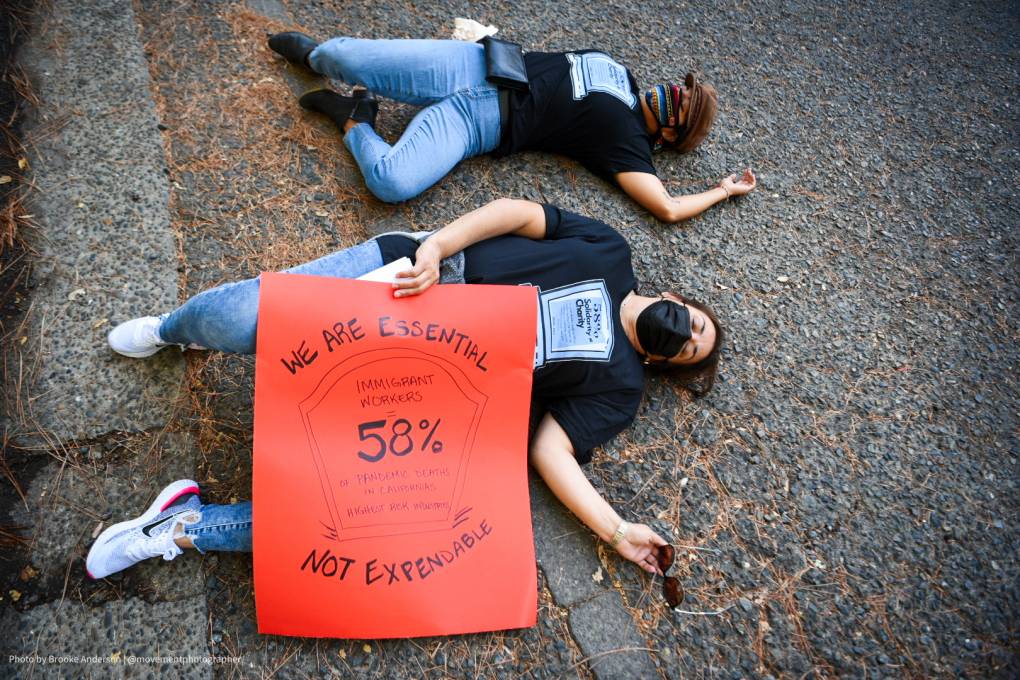
"caption": "Activists from across California staged a 'die-in' at Gov. Gavin Newsom's home to bring attention to what they see as a lack of equitable COVID-19 relief for immigrant workers.",
"description": null,
"title": "IMG_1938",
"credit": "Courtesy of Brooke Anderson (@MovementPhotographer)",
"status": "inherit",
"altTag": null,
"isLoading": false,
"fetchFailed": false
},
"news_11875013": {
"type": "attachments",
"id": "news_11875013",
"meta": {
"index": "attachments_1716263798",
"site": "news",
"id": "11875013",
"found": true
},
"parent": 11875012,
"imgSizes": {
"twentyfourteen-full-width": {
"file": "https://ww2.kqed.org/app/uploads/sites/10/2021/05/gettyimages-1319139833-fca287d27b5e4ef61140e39dfff5dcd51a22f4ae-1038x576.jpg",
"width": 1038,
"mimeType": "image/jpeg",
"height": 576
},
"thumbnail": {
"file": "https://ww2.kqed.org/app/uploads/sites/10/2021/05/gettyimages-1319139833-fca287d27b5e4ef61140e39dfff5dcd51a22f4ae-160x120.jpg",
"width": 160,
"mimeType": "image/jpeg",
"height": 120
},
"post-thumbnail": {
"file": "https://ww2.kqed.org/app/uploads/sites/10/2021/05/gettyimages-1319139833-fca287d27b5e4ef61140e39dfff5dcd51a22f4ae-672x372.jpg",
"width": 672,
"mimeType": "image/jpeg",
"height": 372
},
"kqedFullSize": {
"file": "https://ww2.kqed.org/app/uploads/sites/10/2021/05/gettyimages-1319139833-fca287d27b5e4ef61140e39dfff5dcd51a22f4ae-scaled-e1621878569773.jpg",
"width": 1920,
"height": 1440
},
"2048x2048": {
"file": "https://ww2.kqed.org/app/uploads/sites/10/2021/05/gettyimages-1319139833-fca287d27b5e4ef61140e39dfff5dcd51a22f4ae-2048x1536.jpg",
"width": 2048,
"mimeType": "image/jpeg",
"height": 1536
},
"large": {
"file": "https://ww2.kqed.org/app/uploads/sites/10/2021/05/gettyimages-1319139833-fca287d27b5e4ef61140e39dfff5dcd51a22f4ae-1020x765.jpg",
"width": 1020,
"mimeType": "image/jpeg",
"height": 765
},
"1536x1536": {
"file": "https://ww2.kqed.org/app/uploads/sites/10/2021/05/gettyimages-1319139833-fca287d27b5e4ef61140e39dfff5dcd51a22f4ae-1536x1152.jpg",
"width": 1536,
"mimeType": "image/jpeg",
"height": 1152
},
"full-width": {
"file": "https://ww2.kqed.org/app/uploads/sites/10/2021/05/gettyimages-1319139833-fca287d27b5e4ef61140e39dfff5dcd51a22f4ae-1920x1440.jpg",
"width": 1920,
"mimeType": "image/jpeg",
"height": 1440
},
"medium": {
"file": "https://ww2.kqed.org/app/uploads/sites/10/2021/05/gettyimages-1319139833-fca287d27b5e4ef61140e39dfff5dcd51a22f4ae-800x600.jpg",
"width": 800,
"mimeType": "image/jpeg",
"height": 600
}
},
"publishDate": 1621877956,
"modified": 1621884313,
"caption": "Pro Palestinian protesters face off with a group of Israel supporters and police in a violent clash in Times Square on May 20, 2021 in New York City. Despite an announcement of a cease fire between Israel and Gaza militants, dozens of supporters of both sides of the conflict fought in the streets of Times Square. Dozens were arrested and detained by police before they were dispersed out of the square. The 11 days of fighting has claimed the lives of at least 232 people in Gaza and 12 in Israel. ",
"description": "NEW YORK, NY - MAY 20: Pro Palestinian protesters face off with a group of Israel supporters and police in a violent clash in Times Square on May 20, 2021 in New York City. Despite an announcement of a cease fire between Israel and Gaza militants, dozens of supporters of both sides of the conflict fought in the streets of Times Square. Dozens were arrested and detained by police before they were dispersed out of the square. The 11 days of fighting has claimed the lives of at least 232 people in Gaza and 12 in Israel. (Photo by Spencer Platt/Getty Images)",
"title": "Pro-Palestinian protesters face off with a group of Israel supporters and police in a clash that turned violent in Times Square last week in New York City.",
"credit": "Spencer Platt/Getty Images",
"status": "inherit",
"altTag": null,
"isLoading": false,
"fetchFailed": false
},
"news_11874631": {
"type": "attachments",
"id": "news_11874631",
"meta": {
"index": "attachments_1716263798",
"site": "news",
"id": "11874631",
"found": true
},
"parent": 11874603,
"imgSizes": {
"twentyfourteen-full-width": {
"file": "https://ww2.kqed.org/app/uploads/sites/10/2021/05/RS49225_GettyImages-145777855-qut-1038x576.jpg",
"width": 1038,
"mimeType": "image/jpeg",
"height": 576
},
"thumbnail": {
"file": "https://ww2.kqed.org/app/uploads/sites/10/2021/05/RS49225_GettyImages-145777855-qut-160x102.jpg",
"width": 160,
"mimeType": "image/jpeg",
"height": 102
},
"post-thumbnail": {
"file": "https://ww2.kqed.org/app/uploads/sites/10/2021/05/RS49225_GettyImages-145777855-qut-672x372.jpg",
"width": 672,
"mimeType": "image/jpeg",
"height": 372
},
"kqedFullSize": {
"file": "https://ww2.kqed.org/app/uploads/sites/10/2021/05/RS49225_GettyImages-145777855-qut.jpg",
"width": 1920,
"height": 1229
},
"large": {
"file": "https://ww2.kqed.org/app/uploads/sites/10/2021/05/RS49225_GettyImages-145777855-qut-1020x653.jpg",
"width": 1020,
"mimeType": "image/jpeg",
"height": 653
},
"1536x1536": {
"file": "https://ww2.kqed.org/app/uploads/sites/10/2021/05/RS49225_GettyImages-145777855-qut-1536x983.jpg",
"width": 1536,
"mimeType": "image/jpeg",
"height": 983
},
"medium": {
"file": "https://ww2.kqed.org/app/uploads/sites/10/2021/05/RS49225_GettyImages-145777855-qut-800x512.jpg",
"width": 800,
"mimeType": "image/jpeg",
"height": 512
}
},
"publishDate": 1621561581,
"modified": 1621630116,
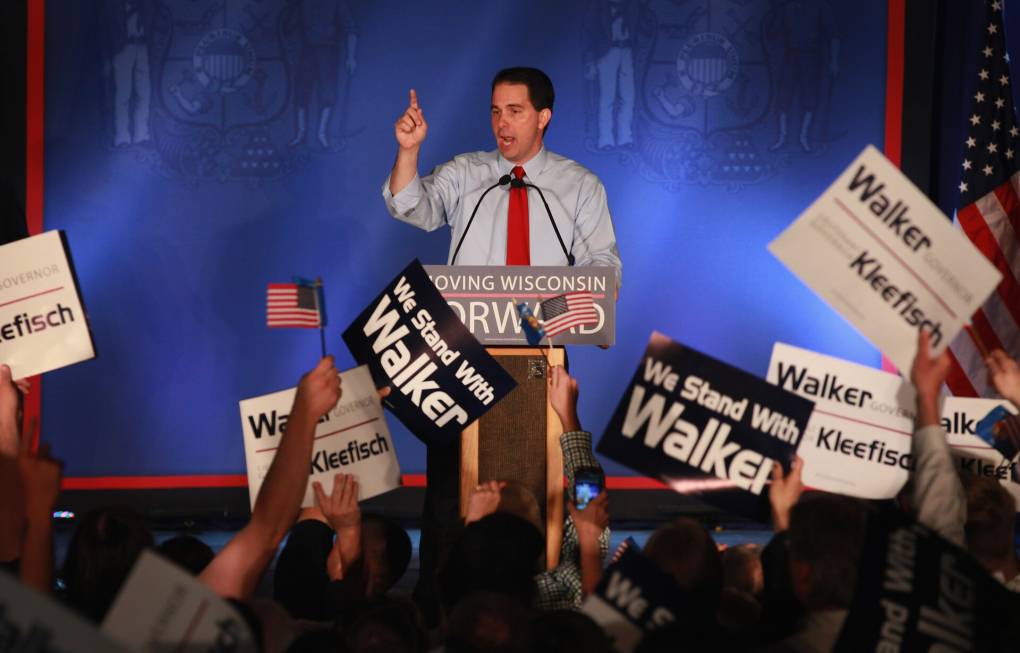
"caption": "Wisconsin Gov. Scott Walker greets supporters at an election-night rally June 5, 2012 in Waukesha, Wisconsin. ",
"description": null,
"title": "Wisconsin Gov. Walker Holds Recall Election Night Gathering",
"credit": "Scott Olson/Getty Images",
"status": "inherit",
"altTag": null,
"isLoading": false,
"fetchFailed": false
},
"news_11874701": {
"type": "attachments",
"id": "news_11874701",
"meta": {
"index": "attachments_1716263798",
"site": "news",
"id": "11874701",
"found": true
},
"parent": 11874680,
"imgSizes": {
"twentyfourteen-full-width": {
"file": "https://ww2.kqed.org/app/uploads/sites/10/2021/05/iStock_suspensefile_01-1038x576.jpeg",
"width": 1038,
"mimeType": "image/jpeg",
"height": 576
},
"thumbnail": {
"file": "https://ww2.kqed.org/app/uploads/sites/10/2021/05/iStock_suspensefile_01-160x109.jpeg",
"width": 160,
"mimeType": "image/jpeg",
"height": 109
},
"post-thumbnail": {
"file": "https://ww2.kqed.org/app/uploads/sites/10/2021/05/iStock_suspensefile_01-672x372.jpeg",
"width": 672,
"mimeType": "image/jpeg",
"height": 372
},
"kqedFullSize": {
"file": "https://ww2.kqed.org/app/uploads/sites/10/2021/05/iStock_suspensefile_01.jpeg",
"width": 2000,
"height": 1368
},
"large": {
"file": "https://ww2.kqed.org/app/uploads/sites/10/2021/05/iStock_suspensefile_01-1020x698.jpeg",
"width": 1020,
"mimeType": "image/jpeg",
"height": 698
},
"1536x1536": {
"file": "https://ww2.kqed.org/app/uploads/sites/10/2021/05/iStock_suspensefile_01-1536x1051.jpeg",
"width": 1536,
"mimeType": "image/jpeg",
"height": 1051
},
"full-width": {
"file": "https://ww2.kqed.org/app/uploads/sites/10/2021/05/iStock_suspensefile_01-1920x1313.jpeg",
"width": 1920,
"mimeType": "image/jpeg",
"height": 1313
},
"medium": {
"file": "https://ww2.kqed.org/app/uploads/sites/10/2021/05/iStock_suspensefile_01-800x547.jpeg",
"width": 800,
"mimeType": "image/jpeg",
"height": 547
}
},
"publishDate": 1621621912,
"modified": 1621621943,
"caption": null,
"description": null,
"title": "lost",
"credit": "Anne Wernikoff/CalMatters",
"status": "inherit",
"altTag": null,
"isLoading": false,
"fetchFailed": false
},
"news_11874595": {
"type": "attachments",
"id": "news_11874595",
"meta": {
"index": "attachments_1716263798",
"site": "news",
"id": "11874595",
"found": true
},
"parent": 11874594,
"imgSizes": {
"twentyfourteen-full-width": {
"file": "https://ww2.kqed.org/app/uploads/sites/10/2021/05/gettyimages-1232991280_wide-b1c9f682a1755a34d377a4265984a317f578f256-1038x576.jpg",
"width": 1038,
"mimeType": "image/jpeg",
"height": 576
},
"thumbnail": {
"file": "https://ww2.kqed.org/app/uploads/sites/10/2021/05/gettyimages-1232991280_wide-b1c9f682a1755a34d377a4265984a317f578f256-160x90.jpg",
"width": 160,
"mimeType": "image/jpeg",
"height": 90
},
"post-thumbnail": {
"file": "https://ww2.kqed.org/app/uploads/sites/10/2021/05/gettyimages-1232991280_wide-b1c9f682a1755a34d377a4265984a317f578f256-672x372.jpg",
"width": 672,
"mimeType": "image/jpeg",
"height": 372
},
"kqedFullSize": {
"file": "https://ww2.kqed.org/app/uploads/sites/10/2021/05/gettyimages-1232991280_wide-b1c9f682a1755a34d377a4265984a317f578f256-scaled-e1621556533478.jpg",
"width": 1920,
"height": 1080
},
"2048x2048": {
"file": "https://ww2.kqed.org/app/uploads/sites/10/2021/05/gettyimages-1232991280_wide-b1c9f682a1755a34d377a4265984a317f578f256-2048x1152.jpg",
"width": 2048,
"mimeType": "image/jpeg",
"height": 1152
},
"large": {
"file": "https://ww2.kqed.org/app/uploads/sites/10/2021/05/gettyimages-1232991280_wide-b1c9f682a1755a34d377a4265984a317f578f256-1020x574.jpg",
"width": 1020,
"mimeType": "image/jpeg",
"height": 574
},
"1536x1536": {
"file": "https://ww2.kqed.org/app/uploads/sites/10/2021/05/gettyimages-1232991280_wide-b1c9f682a1755a34d377a4265984a317f578f256-1536x864.jpg",
"width": 1536,
"mimeType": "image/jpeg",
"height": 864
},
"full-width": {
"file": "https://ww2.kqed.org/app/uploads/sites/10/2021/05/gettyimages-1232991280_wide-b1c9f682a1755a34d377a4265984a317f578f256-1920x1080.jpg",
"width": 1920,
"mimeType": "image/jpeg",
"height": 1080
},
"medium": {
"file": "https://ww2.kqed.org/app/uploads/sites/10/2021/05/gettyimages-1232991280_wide-b1c9f682a1755a34d377a4265984a317f578f256-800x450.jpg",
"width": 800,
"mimeType": "image/jpeg",
"height": 450
}
},
"publishDate": 1621554177,
"modified": 1621559829,
"caption": "Vice President Kamala Harris addresses the Asian Pacific American Heritage Month Unity Summit in the South Court Auditorium of the Eisenhower Executive Office Building, next to the White House, on May 19, 2021.",
"description": "US Vice President Kamala Harris addresses the Asian Pacific American Heritage Month Unity Summit in the South Court Auditorium of the Eisenhower Executive Office Building, next to the White House in Washington, DC on May 19, 2021. (Photo by MANDEL NGAN / AFP) (Photo by MANDEL NGAN/AFP via Getty Images)",
"title": "Vice President Harris addresses the Asian Pacific American Heritage Month Unity Summit on Wednesday.",
"credit": "Mandel Ngan/AFP via Getty Images",
"status": "inherit",
"altTag": null,
"isLoading": false,
"fetchFailed": false
},
"news_11874335": {
"type": "attachments",
"id": "news_11874335",
"meta": {
"index": "attachments_1716263798",
"site": "news",
"id": "11874335",
"found": true
},
"parent": 11874233,
"imgSizes": {
"twentyfourteen-full-width": {
"file": "https://ww2.kqed.org/app/uploads/sites/10/2021/05/RS38619_GettyImages-941502770-qut-1038x576.jpg",
"width": 1038,
"mimeType": "image/jpeg",
"height": 576
},
"thumbnail": {
"file": "https://ww2.kqed.org/app/uploads/sites/10/2021/05/RS38619_GettyImages-941502770-qut-160x107.jpg",
"width": 160,
"mimeType": "image/jpeg",
"height": 107
},
"post-thumbnail": {
"file": "https://ww2.kqed.org/app/uploads/sites/10/2021/05/RS38619_GettyImages-941502770-qut-672x372.jpg",
"width": 672,
"mimeType": "image/jpeg",
"height": 372
},
"kqedFullSize": {
"file": "https://ww2.kqed.org/app/uploads/sites/10/2021/05/RS38619_GettyImages-941502770-qut.jpg",
"width": 1920,
"height": 1280
},
"large": {
"file": "https://ww2.kqed.org/app/uploads/sites/10/2021/05/RS38619_GettyImages-941502770-qut-1020x680.jpg",
"width": 1020,
"mimeType": "image/jpeg",
"height": 680
},
"1536x1536": {
"file": "https://ww2.kqed.org/app/uploads/sites/10/2021/05/RS38619_GettyImages-941502770-qut-1536x1024.jpg",
"width": 1536,
"mimeType": "image/jpeg",
"height": 1024
},
"medium": {
"file": "https://ww2.kqed.org/app/uploads/sites/10/2021/05/RS38619_GettyImages-941502770-qut-800x533.jpg",
"width": 800,
"mimeType": "image/jpeg",
"height": 533
}
},
"publishDate": 1621456390,
"modified": 1621462430,
"caption": "Shirley Weber, then a state Assemblywoman, speaks at a 2018 news conference in Sacramento. Weber was confirmed as Secretary of State in January of 2021.",
"description": "Shirley Weber, then a state Assemblywoman, speaks at a 2018 news conference in Sacramento. Weber was confirmed as Secretary of State in January of 2021.",
"title": "California Lawmakers Announce Bill To Alter Police Use Of Lethal Force Policy",
"credit": "Justin Sullivan/Getty Images",
"status": "inherit",
"altTag": null,
"isLoading": false,
"fetchFailed": false
},
"news_11823006": {
"type": "attachments",
"id": "news_11823006",
"meta": {
"index": "attachments_1716263798",
"site": "news",
"id": "11823006",
"found": true
},
"parent": 11822817,
"imgSizes": {
"apple_news_ca_landscape_5_5": {
"file": "https://ww2.kqed.org/app/uploads/sites/10/2020/06/RS43444_043_KQED_Oakland_GeorgeFloydProtest_05292020-qut-1044x783.jpg",
"width": 1044,
"mimeType": "image/jpeg",
"height": 783
},
"apple_news_ca_square_4_0": {
"file": "https://ww2.kqed.org/app/uploads/sites/10/2020/06/RS43444_043_KQED_Oakland_GeorgeFloydProtest_05292020-qut-470x470.jpg",
"width": 470,
"mimeType": "image/jpeg",
"height": 470
},
"twentyfourteen-full-width": {
"file": "https://ww2.kqed.org/app/uploads/sites/10/2020/06/RS43444_043_KQED_Oakland_GeorgeFloydProtest_05292020-qut-1038x576.jpg",
"width": 1038,
"mimeType": "image/jpeg",
"height": 576
},
"thumbnail": {
"file": "https://ww2.kqed.org/app/uploads/sites/10/2020/06/RS43444_043_KQED_Oakland_GeorgeFloydProtest_05292020-qut-160x107.jpg",
"width": 160,
"mimeType": "image/jpeg",
"height": 107
},
"post-thumbnail": {
"file": "https://ww2.kqed.org/app/uploads/sites/10/2020/06/RS43444_043_KQED_Oakland_GeorgeFloydProtest_05292020-qut-672x372.jpg",
"width": 672,
"mimeType": "image/jpeg",
"height": 372
},
"kqedFullSize": {
"file": "https://ww2.kqed.org/app/uploads/sites/10/2020/06/RS43444_043_KQED_Oakland_GeorgeFloydProtest_05292020-qut.jpg",
"width": 1920,
"height": 1280
},
"apple_news_ca_landscape_4_7": {
"file": "https://ww2.kqed.org/app/uploads/sites/10/2020/06/RS43444_043_KQED_Oakland_GeorgeFloydProtest_05292020-qut-632x474.jpg",
"width": 632,
"mimeType": "image/jpeg",
"height": 474
},
"large": {
"file": "https://ww2.kqed.org/app/uploads/sites/10/2020/06/RS43444_043_KQED_Oakland_GeorgeFloydProtest_05292020-qut-1020x680.jpg",
"width": 1020,
"mimeType": "image/jpeg",
"height": 680
},
"apple_news_ca_landscape_4_0": {
"file": "https://ww2.kqed.org/app/uploads/sites/10/2020/06/RS43444_043_KQED_Oakland_GeorgeFloydProtest_05292020-qut-536x402.jpg",
"width": 536,
"mimeType": "image/jpeg",
"height": 402
},
"apple_news_ca_portrait_12_9": {
"file": "https://ww2.kqed.org/app/uploads/sites/10/2020/06/RS43444_043_KQED_Oakland_GeorgeFloydProtest_05292020-qut-1122x1280.jpg",
"width": 1122,
"mimeType": "image/jpeg",
"height": 1280
},
"medium": {
"file": "https://ww2.kqed.org/app/uploads/sites/10/2020/06/RS43444_043_KQED_Oakland_GeorgeFloydProtest_05292020-qut-800x533.jpg",
"width": 800,
"mimeType": "image/jpeg",
"height": 533
},
"apple_news_ca_portrait_4_0": {
"file": "https://ww2.kqed.org/app/uploads/sites/10/2020/06/RS43444_043_KQED_Oakland_GeorgeFloydProtest_05292020-qut-354x472.jpg",
"width": 354,
"mimeType": "image/jpeg",
"height": 472
},
"apple_news_ca_portrait_9_7": {
"file": "https://ww2.kqed.org/app/uploads/sites/10/2020/06/RS43444_043_KQED_Oakland_GeorgeFloydProtest_05292020-qut-840x1120.jpg",
"width": 840,
"mimeType": "image/jpeg",
"height": 1120
},
"apple_news_ca_landscape_12_9": {
"file": "https://ww2.kqed.org/app/uploads/sites/10/2020/06/RS43444_043_KQED_Oakland_GeorgeFloydProtest_05292020-qut-1832x1280.jpg",
"width": 1832,
"mimeType": "image/jpeg",
"height": 1280
},
"apple_news_ca_square_9_7": {
"file": "https://ww2.kqed.org/app/uploads/sites/10/2020/06/RS43444_043_KQED_Oakland_GeorgeFloydProtest_05292020-qut-1104x1104.jpg",
"width": 1104,
"mimeType": "image/jpeg",
"height": 1104
},
"apple_news_ca_portrait_4_7": {
"file": "https://ww2.kqed.org/app/uploads/sites/10/2020/06/RS43444_043_KQED_Oakland_GeorgeFloydProtest_05292020-qut-414x552.jpg",
"width": 414,
"mimeType": "image/jpeg",
"height": 552
},
"apple_news_ca_square_12_9": {
"file": "https://ww2.kqed.org/app/uploads/sites/10/2020/06/RS43444_043_KQED_Oakland_GeorgeFloydProtest_05292020-qut-1472x1280.jpg",
"width": 1472,
"mimeType": "image/jpeg",
"height": 1280
},
"apple_news_ca_portrait_5_5": {
"file": "https://ww2.kqed.org/app/uploads/sites/10/2020/06/RS43444_043_KQED_Oakland_GeorgeFloydProtest_05292020-qut-687x916.jpg",
"width": 687,
"mimeType": "image/jpeg",
"height": 916
},
"full-width": {
"file": "https://ww2.kqed.org/app/uploads/sites/10/2020/06/RS43444_043_KQED_Oakland_GeorgeFloydProtest_05292020-qut-1920x1280.jpg",
"width": 1920,
"mimeType": "image/jpeg",
"height": 1280
},
"apple_news_ca_square_4_7": {
"file": "https://ww2.kqed.org/app/uploads/sites/10/2020/06/RS43444_043_KQED_Oakland_GeorgeFloydProtest_05292020-qut-550x550.jpg",
"width": 550,
"mimeType": "image/jpeg",
"height": 550
},
"apple_news_ca_landscape_9_7": {
"file": "https://ww2.kqed.org/app/uploads/sites/10/2020/06/RS43444_043_KQED_Oakland_GeorgeFloydProtest_05292020-qut-1376x1032.jpg",
"width": 1376,
"mimeType": "image/jpeg",
"height": 1032
},
"apple_news_ca_square_5_5": {
"file": "https://ww2.kqed.org/app/uploads/sites/10/2020/06/RS43444_043_KQED_Oakland_GeorgeFloydProtest_05292020-qut-912x912.jpg",
"width": 912,
"mimeType": "image/jpeg",
"height": 912
}
},
"publishDate": 1591318054,
"modified": 1591318710,
"caption": "Demonstrators fill Broadway near Oakland Police Department headquarters on May 29, 2020 during a protest over the Minneapolis police killing of George Floyd.",
"description": null,
"title": "RS43444_043_KQED_Oakland_GeorgeFloydProtest_05292020-qut",
"credit": "Beth LaBerge/KQED",
"status": "inherit",
"isLoading": false,
"fetchFailed": false
},
"news_11874205": {
"type": "attachments",
"id": "news_11874205",
"meta": {
"index": "attachments_1716263798",
"site": "news",
"id": "11874205",
"found": true
},
"parent": 11874204,
"imgSizes": {
"twentyfourteen-full-width": {
"file": "https://ww2.kqed.org/app/uploads/sites/10/2021/05/gettyimages-1318655494_wide-c8c40d76737b9837d8fccbee4e24e6172517a9c1-1038x576.jpg",
"width": 1038,
"mimeType": "image/jpeg",
"height": 576
},
"thumbnail": {
"file": "https://ww2.kqed.org/app/uploads/sites/10/2021/05/gettyimages-1318655494_wide-c8c40d76737b9837d8fccbee4e24e6172517a9c1-160x90.jpg",
"width": 160,
"mimeType": "image/jpeg",
"height": 90
},
"post-thumbnail": {
"file": "https://ww2.kqed.org/app/uploads/sites/10/2021/05/gettyimages-1318655494_wide-c8c40d76737b9837d8fccbee4e24e6172517a9c1-672x372.jpg",
"width": 672,
"mimeType": "image/jpeg",
"height": 372
},
"kqedFullSize": {
"file": "https://ww2.kqed.org/app/uploads/sites/10/2021/05/gettyimages-1318655494_wide-c8c40d76737b9837d8fccbee4e24e6172517a9c1-scaled.jpg",
"width": 2560,
"height": 1440
},
"2048x2048": {
"file": "https://ww2.kqed.org/app/uploads/sites/10/2021/05/gettyimages-1318655494_wide-c8c40d76737b9837d8fccbee4e24e6172517a9c1-2048x1152.jpg",
"width": 2048,
"mimeType": "image/jpeg",
"height": 1152
},
"large": {
"file": "https://ww2.kqed.org/app/uploads/sites/10/2021/05/gettyimages-1318655494_wide-c8c40d76737b9837d8fccbee4e24e6172517a9c1-1020x574.jpg",
"width": 1020,
"mimeType": "image/jpeg",
"height": 574
},
"1536x1536": {
"file": "https://ww2.kqed.org/app/uploads/sites/10/2021/05/gettyimages-1318655494_wide-c8c40d76737b9837d8fccbee4e24e6172517a9c1-1536x864.jpg",
"width": 1536,
"mimeType": "image/jpeg",
"height": 864
},
"full-width": {
"file": "https://ww2.kqed.org/app/uploads/sites/10/2021/05/gettyimages-1318655494_wide-c8c40d76737b9837d8fccbee4e24e6172517a9c1-1920x1080.jpg",
"width": 1920,
"mimeType": "image/jpeg",
"height": 1080
},
"medium": {
"file": "https://ww2.kqed.org/app/uploads/sites/10/2021/05/gettyimages-1318655494_wide-c8c40d76737b9837d8fccbee4e24e6172517a9c1-800x450.jpg",
"width": 800,
"mimeType": "image/jpeg",
"height": 450
}
},
"publishDate": 1621379464,
"modified": 1621379959,
"caption": "Rep. Judy Chu, chair of the Congressional Asian Pacific American Caucus, speaks about the COVID-19 Hate Crimes Act ahead of its passage at the U.S. Capitol on Tuesday.",
"description": "Rep. Judy Chu, chair of the Congressional Asian Pacific American Caucus, speaks about the COVID-19 Hate Crimes Act ahead of its passage at the U.S. Capitol on Tuesday.",
"title": "Rep. Judy Chu, chair of the Congressional Asian Pacific American Caucus, speaks about the COVID-19 Hate Crimes Act ahead of its passage at the U.S. Capitol on Tuesday.",
"credit": "Kevin Dietsch/Getty Images",
"status": "inherit",
"altTag": null,
"isLoading": false,
"fetchFailed": false
},
"news_11874194": {
"type": "attachments",
"id": "news_11874194",
"meta": {
"index": "attachments_1716263798",
"site": "news",
"id": "11874194",
"found": true
},
"parent": 11874125,
"imgSizes": {
"twentyfourteen-full-width": {
"file": "https://ww2.kqed.org/app/uploads/sites/10/2021/05/GettyImages-1317324573-1024x576.jpg",
"width": 1024,
"mimeType": "image/jpeg",
"height": 576
},
"thumbnail": {
"file": "https://ww2.kqed.org/app/uploads/sites/10/2021/05/GettyImages-1317324573-160x109.jpg",
"width": 160,
"mimeType": "image/jpeg",
"height": 109
},
"post-thumbnail": {
"file": "https://ww2.kqed.org/app/uploads/sites/10/2021/05/GettyImages-1317324573-672x372.jpg",
"width": 672,
"mimeType": "image/jpeg",
"height": 372
},
"kqedFullSize": {
"file": "https://ww2.kqed.org/app/uploads/sites/10/2021/05/GettyImages-1317324573.jpg",
"width": 1024,
"height": 700
},
"large": {
"file": "https://ww2.kqed.org/app/uploads/sites/10/2021/05/GettyImages-1317324573-1020x697.jpg",
"width": 1020,
"mimeType": "image/jpeg",
"height": 697
},
"medium": {
"file": "https://ww2.kqed.org/app/uploads/sites/10/2021/05/GettyImages-1317324573-800x547.jpg",
"width": 800,
"mimeType": "image/jpeg",
"height": 547
}
},
"publishDate": 1621377824,
"modified": 1621388708,
"caption": "Gov. Gavin Newsom at a press conference in Oakland on May 10, 2021, as Oakland Libby Schaaf looks on.",
"description": "Gov. Gavin Newsom at a press conference in Oakland on May 10, 2021, as Oakland Libby Schaaf looks on.",
"title": "California Governor Newsom Unveils His Economic Recovery Package For The State",
"credit": "Justin Sullivan/Getty Images",
"status": "inherit",
"altTag": null,
"isLoading": false,
"fetchFailed": false
},
"news_11874106": {
"type": "attachments",
"id": "news_11874106",
"meta": {
"index": "attachments_1716263798",
"site": "news",
"id": "11874106",
"found": true
},
"parent": 11874105,
"imgSizes": {
"twentyfourteen-full-width": {
"file": "https://ww2.kqed.org/app/uploads/sites/10/2021/05/ap_21132641215828_wide-a459f7e68a01ff3bd8b4d7ed05bedbb9b5ff807a-1038x576.jpg",
"width": 1038,
"mimeType": "image/jpeg",
"height": 576
},
"thumbnail": {
"file": "https://ww2.kqed.org/app/uploads/sites/10/2021/05/ap_21132641215828_wide-a459f7e68a01ff3bd8b4d7ed05bedbb9b5ff807a-160x90.jpg",
"width": 160,
"mimeType": "image/jpeg",
"height": 90
},
"post-thumbnail": {
"file": "https://ww2.kqed.org/app/uploads/sites/10/2021/05/ap_21132641215828_wide-a459f7e68a01ff3bd8b4d7ed05bedbb9b5ff807a-672x372.jpg",
"width": 672,
"mimeType": "image/jpeg",
"height": 372
},
"kqedFullSize": {
"file": "https://ww2.kqed.org/app/uploads/sites/10/2021/05/ap_21132641215828_wide-a459f7e68a01ff3bd8b4d7ed05bedbb9b5ff807a-scaled.jpg",
"width": 2560,
"height": 1440
},
"2048x2048": {
"file": "https://ww2.kqed.org/app/uploads/sites/10/2021/05/ap_21132641215828_wide-a459f7e68a01ff3bd8b4d7ed05bedbb9b5ff807a-2048x1152.jpg",
"width": 2048,
"mimeType": "image/jpeg",
"height": 1152
},
"large": {
"file": "https://ww2.kqed.org/app/uploads/sites/10/2021/05/ap_21132641215828_wide-a459f7e68a01ff3bd8b4d7ed05bedbb9b5ff807a-1020x574.jpg",
"width": 1020,
"mimeType": "image/jpeg",
"height": 574
},
"1536x1536": {
"file": "https://ww2.kqed.org/app/uploads/sites/10/2021/05/ap_21132641215828_wide-a459f7e68a01ff3bd8b4d7ed05bedbb9b5ff807a-1536x864.jpg",
"width": 1536,
"mimeType": "image/jpeg",
"height": 864
},
"full-width": {
"file": "https://ww2.kqed.org/app/uploads/sites/10/2021/05/ap_21132641215828_wide-a459f7e68a01ff3bd8b4d7ed05bedbb9b5ff807a-1920x1080.jpg",
"width": 1920,
"mimeType": "image/jpeg",
"height": 1080
},
"medium": {
"file": "https://ww2.kqed.org/app/uploads/sites/10/2021/05/ap_21132641215828_wide-a459f7e68a01ff3bd8b4d7ed05bedbb9b5ff807a-800x450.jpg",
"width": 800,
"mimeType": "image/jpeg",
"height": 450
}
},
"publishDate": 1621355381,
"modified": 1621355973,
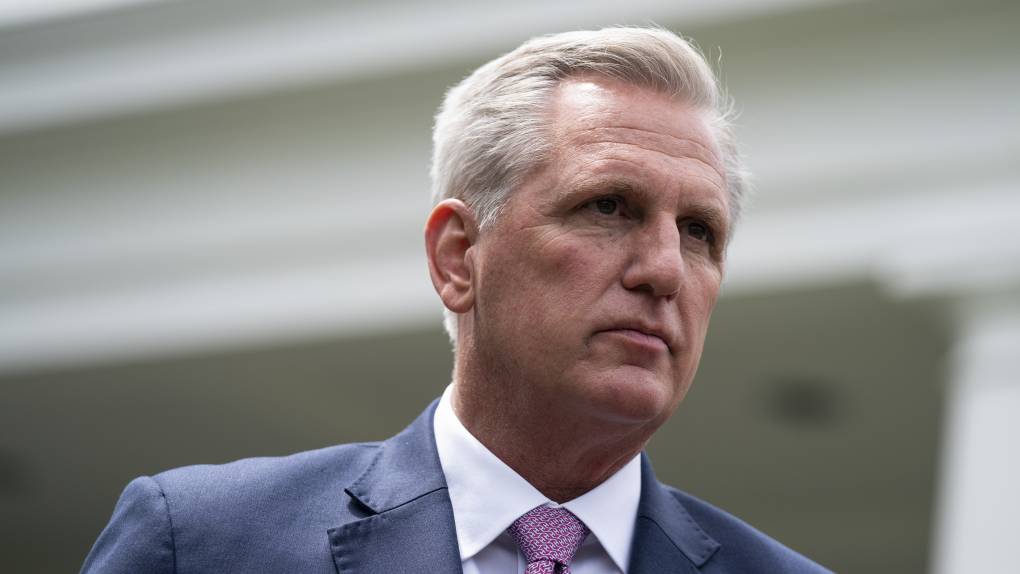
"caption": "California's Kevin McCarthy, the Republican House minority leader, speaks to reporters outside the White House after a meeting with President Joe Biden, Wednesday, May 12, 2021, in Washington.",
"description": "California's Kevin McCarthy, the Republican House minority leader, speaks to reporters outside the White House after a meeting with President Joe Biden, Wednesday, May 12, 2021, in Washington.",
"title": "House Minority Leader Kevin McCarthy, R-Calif., opposes a deal setting up a 9/11-style commission to investigate the Jan. 6 attacks on the U.S. Capitol.",
"credit": "Evan Vucci/AP",
"status": "inherit",
"altTag": null,
"isLoading": false,
"fetchFailed": false
}
},
"audioPlayerReducer": {
"postId": "stream_live",
"isPaused": true,
"isPlaying": false,
"pfsActive": false,
"pledgeModalIsOpen": true,
"playerDrawerIsOpen": false,
"liveAudioPlayStartedAt": 0,
"liveAudioPlayContext": ""
},
"authorsReducer": {
"byline_news_11876617": {
"type": "authors",
"id": "byline_news_11876617",
"meta": {
"override": true
},
"slug": "byline_news_11876617",
"name": "Olga R. Rodriguez and Kathleen Ronayne \u003cbr> The Associated Press",
"isLoading": false
},
"byline_news_11875012": {
"type": "authors",
"id": "byline_news_11875012",
"meta": {
"override": true
},
"slug": "byline_news_11875012",
"name": "Jason Breslow",
"isLoading": false
},
"byline_news_11874680": {
"type": "authors",
"id": "byline_news_11874680",
"meta": {
"override": true
},
"slug": "byline_news_11874680",
"name": "\u003ca href=\"https://calmatters.org/author/laurel-rosenhall/\">Laurel Rosenhall\u003c/a>",
"isLoading": false
},
"byline_news_11874594": {
"type": "authors",
"id": "byline_news_11874594",
"meta": {
"override": true
},
"slug": "byline_news_11874594",
"name": "Juana Summers",
"isLoading": false
},
"byline_news_11873608": {
"type": "authors",
"id": "byline_news_11873608",
"meta": {
"override": true
},
"slug": "byline_news_11873608",
"name": "Noah Baustin",
"isLoading": false
},
"byline_news_11874204": {
"type": "authors",
"id": "byline_news_11874204",
"meta": {
"override": true
},
"slug": "byline_news_11874204",
"name": "Barbara Sprunt",
"isLoading": false
},
"byline_news_11874105": {
"type": "authors",
"id": "byline_news_11874105",
"meta": {
"override": true
},
"slug": "byline_news_11874105",
"name": "\u003ca href=\"https://www.npr.org/people/617095374/deirdre-walsh\">Deirdre Walsh\u003c/a>",
"isLoading": false
},
"gmarzorati": {
"type": "authors",
"id": "227",
"meta": {
"index": "authors_1716337520",
"id": "227",
"found": true
},
"name": "Guy Marzorati",
"firstName": "Guy",
"lastName": "Marzorati",
"slug": "gmarzorati",
"email": "gmarzorati@KQED.org",
"display_author_email": true,
"staff_mastheads": [
"news"
],
"title": "Correspondent",
"bio": "Guy Marzorati is a correspondent on KQED's California Politics and Government Desk, based in San Jose. A graduate of Santa Clara University, Guy joined KQED in 2013. He reports on state and local politics and produces KQED's digital voter guide.",
"avatar": "https://secure.gravatar.com/avatar/e7038b8dbfd55b104369b76b1cd0b9de?s=600&d=blank&r=g",
"twitter": "guymarzorati",
"facebook": null,
"instagram": null,
"linkedin": null,
"sites": [
{
"site": "",
"roles": [
"editor"
]
},
{
"site": "news",
"roles": [
"editor"
]
},
{
"site": "science",
"roles": [
"editor"
]
},
{
"site": "forum",
"roles": [
"editor"
]
},
{
"site": "elections",
"roles": [
"editor"
]
},
{
"site": "liveblog",
"roles": [
"editor"
]
}
],
"headData": {
"title": "Guy Marzorati | KQED",
"description": "Correspondent",
"ogImgSrc": "https://secure.gravatar.com/avatar/e7038b8dbfd55b104369b76b1cd0b9de?s=600&d=blank&r=g",
"twImgSrc": "https://secure.gravatar.com/avatar/e7038b8dbfd55b104369b76b1cd0b9de?s=600&d=blank&r=g"
},
"isLoading": false,
"link": "/author/gmarzorati"
},
"scottshafer": {
"type": "authors",
"id": "255",
"meta": {
"index": "authors_1716337520",
"id": "255",
"found": true
},
"name": "Scott Shafer",
"firstName": "Scott",
"lastName": "Shafer",
"slug": "scottshafer",
"email": "sshafer@kqed.org",
"display_author_email": false,
"staff_mastheads": [
"news"
],
"title": "KQED Contributor",
"bio": "Scott Shafer is a senior editor with the KQED Politics and Government desk. He is co-host of Political Breakdown, the award-winning radio show and podcast with a personal take on the world of politics. Scott came to KQED in 1998 to host the statewide\u003cem> California Report\u003c/em>. Prior to that he had extended stints in politics and government\u003cem>.\u003c/em> He uses that inside experience at KQED in his, reporting, hosting and analysis for the politics desk. Scott collaborated \u003cem>Political Breakdown a\u003c/em>nd on \u003cem>The Political Mind of Jerry Brown, \u003c/em>an eight-part series about the life and extraordinary political career of the former governor. For fun, he plays water polo with the San Francisco Tsunami.",
"avatar": "https://secure.gravatar.com/avatar/a62ebae45b79d7aed1a39a0e3bf68104?s=600&d=blank&r=g",
"twitter": "scottshafer",
"bluesky": null,
"facebook": null,
"instagram": null,
"linkedin": null,
"sites": [
{
"site": "news",
"roles": [
"editor"
]
},
{
"site": "stateofhealth",
"roles": [
"author"
]
},
{
"site": "science",
"roles": [
"author"
]
},
{
"site": "forum",
"roles": [
"subscriber"
]
},
{
"site": "liveblog",
"roles": [
"author"
]
}
],
"headData": {
"title": "Scott Shafer | KQED",
"description": "KQED Contributor",
"ogImgSrc": "https://secure.gravatar.com/avatar/a62ebae45b79d7aed1a39a0e3bf68104?s=600&d=blank&r=g",
"twImgSrc": "https://secure.gravatar.com/avatar/a62ebae45b79d7aed1a39a0e3bf68104?s=600&d=blank&r=g"
},
"isLoading": false,
"link": "/author/scottshafer"
},
"markfiore": {
"type": "authors",
"id": "3236",
"meta": {
"index": "authors_1716337520",
"id": "3236",
"found": true
},
"name": "Mark Fiore",
"firstName": "Mark",
"lastName": "Fiore",
"slug": "markfiore",
"email": "mark@markfiore.com",
"display_author_email": false,
"staff_mastheads": [
"news"
],
"title": "KQED News Cartoonist",
"bio": "\u003ca href=\"http://www.MarkFiore.com\">MarkFiore.com\u003c/a> | \u003ca href=\"https://twitter.com/markfiore\">Follow on Twitter\u003c/a> | \u003ca href=\"https://www.facebook.com/pages/Mark-Fiore-Animated-Political-Cartoons/94451707396?ref=bookmarks\">Facebook\u003c/a> | \u003ca href=\"mailto:mark@markfiore.com\">email\u003c/a>\r\n\r\nPulitzer Prize-winner, Mark Fiore, who the Wall Street Journal has called “the undisputed guru of the form,” creates animated political cartoons in San Francisco, where his work has been featured regularly on the San Francisco Chronicle’s web site, SFGate.com. His work has appeared on Newsweek.com, Slate.com, CBSNews.com, MotherJones.com, DailyKos.com and NPR’s web site. Fiore’s political animation has appeared on CNN, Frontline, Bill Moyers Journal, Salon.com and cable and broadcast outlets across the globe.\r\n\r\nBeginning his professional life by drawing traditional political cartoons for newspapers, Fiore’s work appeared in publications ranging from the Washington Post to the Los Angeles Times. In the late 1990s, he began to experiment with animating political cartoons and, after a short stint at the San Jose Mercury News as their staff cartoonist, Fiore devoted all his energies to animation.\r\nGrowing up in California, Fiore also spent a good portion of his life in the backwoods of Idaho. It was this combination that shaped him politically. Mark majored in political science at Colorado College, where, in a perfect send-off for a cartoonist, he received his diploma in 1991 as commencement speaker Dick Cheney smiled approvingly.\r\nMark Fiore was awarded the Pulitzer Prize for political cartooning in 2010, a Robert F. Kennedy Journalism Award in 2004 and has twice received an Online Journalism Award for commentary from the Online News Association (2002, 2008). Fiore has received two awards for his work in new media from the National Cartoonists Society (2001, 2002), and in 2006 received The James Madison Freedom of Information Award from The Society of Professional Journalists.",
"avatar": "https://secure.gravatar.com/avatar/fc4e2a612b15b67bad0c6f0e1db4ca9b?s=600&d=blank&r=g",
"twitter": "MarkFiore",
"facebook": null,
"instagram": "https://www.instagram.com/markfiore/?hl=en",
"linkedin": null,
"sites": [
{
"site": "arts",
"roles": [
"contributor"
]
},
{
"site": "news",
"roles": [
"editor"
]
},
{
"site": "futureofyou",
"roles": [
"editor"
]
},
{
"site": "science",
"roles": [
"editor"
]
}
],
"headData": {
"title": "Mark Fiore | KQED",
"description": "KQED News Cartoonist",
"ogImgSrc": "https://secure.gravatar.com/avatar/fc4e2a612b15b67bad0c6f0e1db4ca9b?s=600&d=blank&r=g",
"twImgSrc": "https://secure.gravatar.com/avatar/fc4e2a612b15b67bad0c6f0e1db4ca9b?s=600&d=blank&r=g"
},
"isLoading": false,
"link": "/author/markfiore"
},
"lsarah": {
"type": "authors",
"id": "11626",
"meta": {
"index": "authors_1716337520",
"id": "11626",
"found": true
},
"name": "Lakshmi Sarah",
"firstName": "Lakshmi",
"lastName": "Sarah",
"slug": "lsarah",
"email": "lsarah@kqed.org",
"display_author_email": false,
"staff_mastheads": [],
"title": "Digital Producer",
"bio": "Lakshmi Sarah is an educator, author and journalist with a focus on innovative storytelling. She has worked with newspapers, radio and magazines from Ahmedabad, India to Los Angeles, California. She has written and produced for Die Zeit, Global Voices, AJ+, KQED, Fusion Media Group and the New York Times.",
"avatar": "https://secure.gravatar.com/avatar/652dcaecd8b28826fc17a8b2d6bb4e93?s=600&d=blank&r=g",
"twitter": "lakitalki",
"facebook": null,
"instagram": "https://www.instagram.com/laki.talki/",
"linkedin": "https://www.linkedin.com/in/lakisarah/",
"sites": [
{
"site": "arts",
"roles": []
},
{
"site": "news",
"roles": []
},
{
"site": "bayareabites",
"roles": []
},
{
"site": "science",
"roles": []
}
],
"headData": {
"title": "Lakshmi Sarah | KQED",
"description": "Digital Producer",
"ogImgSrc": "https://secure.gravatar.com/avatar/652dcaecd8b28826fc17a8b2d6bb4e93?s=600&d=blank&r=g",
"twImgSrc": "https://secure.gravatar.com/avatar/652dcaecd8b28826fc17a8b2d6bb4e93?s=600&d=blank&r=g"
},
"isLoading": false,
"link": "/author/lsarah"
},
"ccabreralomeli": {
"type": "authors",
"id": "11708",
"meta": {
"index": "authors_1716337520",
"id": "11708",
"found": true
},
"name": "Carlos Cabrera-Lomelí",
"firstName": "Carlos",
"lastName": "Cabrera-Lomelí",
"slug": "ccabreralomeli",
"email": "ccabreralomeli@KQED.org",
"display_author_email": true,
"staff_mastheads": [
"news"
],
"title": "Community Reporter",
"bio": "Carlos Cabrera-Lomelí is a community reporter with KQED's digital engagement team. He also reports and co-produces for KQED's bilingual news hub KQED en Español. He grew up in San Francisco's Mission District and has previously worked with Univision, 48 Hills and REFORMA in Mexico City.",
"avatar": "https://secure.gravatar.com/avatar/c309be9665e484f887b818c89e273ecc673004f426f36b24d00a4d813a2e0518?s=600&d=blank&r=g",
"twitter": "@LomeliCabrera",
"bluesky": null,
"facebook": null,
"instagram": null,
"linkedin": null,
"sites": [
{
"site": "arts",
"roles": [
"editor"
]
},
{
"site": "news",
"roles": [
"editor"
]
},
{
"site": "about",
"roles": [
"editor"
]
},
{
"site": "science",
"roles": [
"editor"
]
},
{
"site": "perspectives",
"roles": [
"editor"
]
},
{
"site": "elections",
"roles": [
"editor"
]
},
{
"site": "liveblog",
"roles": [
"contributor"
]
}
],
"headData": {
"title": "Carlos Cabrera-Lomelí | KQED",
"description": "Community Reporter",
"ogImgSrc": "https://secure.gravatar.com/avatar/c309be9665e484f887b818c89e273ecc673004f426f36b24d00a4d813a2e0518?s=600&d=blank&r=g",
"twImgSrc": "https://secure.gravatar.com/avatar/c309be9665e484f887b818c89e273ecc673004f426f36b24d00a4d813a2e0518?s=600&d=blank&r=g"
},
"isLoading": false,
"link": "/author/ccabreralomeli"
}
},
"pagesReducer": {
"news_tag_politics": {
"type": "terms",
"id": "news_17968",
"meta": {
"index": "terms_1716263798",
"site": "news",
"id": "17968",
"score": 8.003266
},
"name": "Politics",
"slug": "politics",
"taxonomy": "tag",
"description": null,
"featImg": null,
"headData": {
"title": "Politics | KQED News",
"description": null,
"ogTitle": null,
"ogDescription": null,
"ogImgId": null,
"twTitle": null,
"twDescription": null,
"twImgId": null
},
"ttid": 18002,
"isLoading": false,
"title": "Politics",
"pageMeta": {
"site": "news",
"WpPageTemplate": "page-topic-editorial",
"currentPage": 188
},
"blocks": [
{
"blockName": "kqed/post-list",
"attrs": {
"layout": "cardArticle2",
"query": "posts/news?tag=politics",
"seeMore": false,
"paginated": true,
"page": 188
}
},
{
"blockName": "kqed/ad"
}
]
}
},
"pfsSessionReducer": {},
"postsReducer": {
"stream_live": {
"type": "live",
"id": "stream_live",
"audioUrl": "https://streams.kqed.org/kqedradio",
"title": "Live Stream",
"excerpt": "Live Stream information currently unavailable.",
"link": "/radio",
"featImg": "",
"label": {
"name": "KQED Live",
"link": "/"
}
},
"stream_kqedNewscast": {
"type": "posts",
"id": "stream_kqedNewscast",
"audioUrl": "https://www.kqed.org/.stream/anon/radio/RDnews/newscast.mp3?_=1",
"title": "KQED Newscast",
"featImg": "",
"label": {
"name": "88.5 FM",
"link": "/"
}
},
"news_11876693": {
"type": "posts",
"id": "news_11876693",
"meta": {
"index": "posts_1716263798",
"site": "news",
"id": "11876693",
"score": null,
"sort": [
1622826806000
]
},
"guestAuthors": [],
"slug": "one-bill-makes-you-taller",
"title": "One Bill Makes You Taller...",
"publishDate": 1622826806,
"format": "aside",
"headTitle": "One Bill Makes You Taller… | KQED",
"labelTerm": {
"term": 18515,
"site": "news"
},
"content": "\u003cp>\u003ca href=\"https://ww2.kqed.org/app/uploads/sites/10/2021/06/psychedelic_060421_final.png\">\u003cimg loading=\"lazy\" decoding=\"async\" class=\"alignnone size-full wp-image-11876697\" src=\"https://ww2.kqed.org/app/uploads/sites/10/2021/06/psychedelic_060421_final.png\" alt=\"A Mark Fiore cartoon about state Sen. Scott Wiener's bill that would decriminalize psychedelics. The cartoon shows the caterpillar from Alice in Wonderland atop a mushroom labeled "SB 519" as Wiener says, "any way you can make yourself look more like a medical professional?"\" width=\"1920\" height=\"1392\" srcset=\"https://cdn.kqed.org/wp-content/uploads/sites/10/2021/06/psychedelic_060421_final.png 1920w, https://cdn.kqed.org/wp-content/uploads/sites/10/2021/06/psychedelic_060421_final-800x580.png 800w, https://cdn.kqed.org/wp-content/uploads/sites/10/2021/06/psychedelic_060421_final-1020x740.png 1020w, https://cdn.kqed.org/wp-content/uploads/sites/10/2021/06/psychedelic_060421_final-160x116.png 160w, https://cdn.kqed.org/wp-content/uploads/sites/10/2021/06/psychedelic_060421_final-1536x1114.png 1536w\" sizes=\"(max-width: 1920px) 100vw, 1920px\">\u003c/a>\u003c/p>\n\u003cp>California moved closer to \u003ca href=\"http://bit.ly/fiorepsychedelics\">decriminalizing psychedelics\u003c/a> after the state Senate approved San Francisco Sen. Scott Wiener’s SB 519 earlier this week.\u003c/p>\n\u003cp>Wiener and other proponents of the bill have emphasized the mental health benefits of psychedelics in treating everything from post-traumatic stress disorder to “end-of-life anxiety.”\u003c/p>\n\u003cp>It sounds like there is plenty of evidence that psychedelics do in fact help people with certain psychological disorders, but it may still be a tough sell given the reputation of substances like LSD, mushrooms and ecstasy.\u003c/p>\n\u003cp>[ad fullwidth]\u003c/p>\n\u003cp>\u003c/p>\n",
"blocks": [],
"excerpt": "California moved closer to decriminalizing psychedelics after the state Senate approved Sen. Scott Wiener's SB 519 earlier this week.",
"status": "publish",
"parent": 0,
"modified": 1721129712,
"stats": {
"hasAudio": false,
"hasVideo": false,
"hasChartOrMap": false,
"iframeSrcs": [],
"hasGoogleForm": false,
"hasGallery": false,
"hasHearkenModule": false,
"hasPolis": false,
"paragraphCount": 6,
"wordCount": 92
},
"headData": {
"title": "One Bill Makes You Taller... | KQED",
"description": "California moved closer to decriminalizing psychedelics after the state Senate approved Sen. Scott Wiener's SB 519 earlier this week.",
"ogTitle": "",
"ogDescription": "",
"ogImgId": "",
"twTitle": "",
"twDescription": "",
"twImgId": "",
"schema": {
"@context": "https://schema.org",
"@type": "NewsArticle",
"headline": "One Bill Makes You Taller...",
"datePublished": "2021-06-04T10:13:26-07:00",
"dateModified": "2024-07-16T04:35:12-07:00",
"image": "https://cdn.kqed.org/wp-content/uploads/2020/02/KQED-OG-Image@1x.png",
"isAccessibleForFree": "True",
"publisher": {
"@type": "NewsMediaOrganization",
"@id": "https://www.kqed.org/#organization",
"name": "KQED",
"logo": "https://cdn.kqed.org/wp-content/uploads/2020/02/KQED-OG-Image@1x.png",
"url": "https://www.kqed.org",
"sameAs": [
"https://www.facebook.com/KQED",
"https://twitter.com/KQED",
"https://www.instagram.com/kqed/",
"https://www.tiktok.com/@kqedofficial",
"https://www.linkedin.com/company/kqed",
"https://www.youtube.com/channel/UCeC0IOo7i1P_61zVUWbJ4nw"
]
}
}
},
"sticky": false,
"path": "/news/11876693/one-bill-makes-you-taller",
"audioTrackLength": null,
"parsedContent": [
{
"type": "contentString",
"content": "\u003cdiv class=\"post-body\">\u003cp>\u003cp>\u003ca href=\"https://ww2.kqed.org/app/uploads/sites/10/2021/06/psychedelic_060421_final.png\">\u003cimg loading=\"lazy\" decoding=\"async\" class=\"alignnone size-full wp-image-11876697\" src=\"https://ww2.kqed.org/app/uploads/sites/10/2021/06/psychedelic_060421_final.png\" alt=\"A Mark Fiore cartoon about state Sen. Scott Wiener's bill that would decriminalize psychedelics. The cartoon shows the caterpillar from Alice in Wonderland atop a mushroom labeled "SB 519" as Wiener says, "any way you can make yourself look more like a medical professional?"\" width=\"1920\" height=\"1392\" srcset=\"https://cdn.kqed.org/wp-content/uploads/sites/10/2021/06/psychedelic_060421_final.png 1920w, https://cdn.kqed.org/wp-content/uploads/sites/10/2021/06/psychedelic_060421_final-800x580.png 800w, https://cdn.kqed.org/wp-content/uploads/sites/10/2021/06/psychedelic_060421_final-1020x740.png 1020w, https://cdn.kqed.org/wp-content/uploads/sites/10/2021/06/psychedelic_060421_final-160x116.png 160w, https://cdn.kqed.org/wp-content/uploads/sites/10/2021/06/psychedelic_060421_final-1536x1114.png 1536w\" sizes=\"(max-width: 1920px) 100vw, 1920px\">\u003c/a>\u003c/p>\n\u003cp>California moved closer to \u003ca href=\"http://bit.ly/fiorepsychedelics\">decriminalizing psychedelics\u003c/a> after the state Senate approved San Francisco Sen. Scott Wiener’s SB 519 earlier this week.\u003c/p>\n\u003cp>Wiener and other proponents of the bill have emphasized the mental health benefits of psychedelics in treating everything from post-traumatic stress disorder to “end-of-life anxiety.”\u003c/p>\n\u003cp>It sounds like there is plenty of evidence that psychedelics do in fact help people with certain psychological disorders, but it may still be a tough sell given the reputation of substances like LSD, mushrooms and ecstasy.\u003c/p>\n\u003cp>\u003c/p>\u003c/div>",
"attributes": {
"named": {},
"numeric": []
}
},
{
"type": "component",
"content": "",
"name": "ad",
"attributes": {
"named": {
"label": "fullwidth"
},
"numeric": [
"fullwidth"
]
}
},
{
"type": "contentString",
"content": "\u003cdiv class=\"post-body\">\u003cp>\u003c/p>\n\u003cp>\u003c/p>\n\u003c/div>\u003c/p>",
"attributes": {
"named": {},
"numeric": []
}
}
],
"link": "/news/11876693/one-bill-makes-you-taller",
"authors": [
"3236"
],
"series": [
"news_18515"
],
"categories": [
"news_457",
"news_6188",
"news_13"
],
"tags": [
"news_2587",
"news_20949",
"news_17968",
"news_29536",
"news_2139",
"news_1217",
"news_3883"
],
"featImg": "news_11876697",
"label": "news_18515"
},
"news_11876617": {
"type": "posts",
"id": "news_11876617",
"meta": {
"index": "posts_1716263798",
"site": "news",
"id": "11876617",
"score": null,
"sort": [
1622766689000
]
},
"parent": 0,
"labelTerm": {},
"blocks": [],
"publishDate": 1622766689,
"format": "audio",
"disqusTitle": "California to Allow Sale of To-Go Cocktails Through 2021",
"title": "California to Allow Sale of To-Go Cocktails Through 2021",
"headTitle": "The California Report | KQED News",
"content": "\u003cp>There's one pandemic change that Californians are sure to toast: The to-go cocktail. \u003c/p>\n\u003cp>Gov. Gavin Newsom announced Thursday that the state will continue allowing restaurants to sell takeout alcohol and keep expanded outdoor dining through the end of the year. Restaurants turned to takeout and outdoor dining during the past year as coronavirus restrictions severely limited indoor service. \u003c/p>\n\u003cp>\"I'm very excited about this and I think this is a good thing for our economic recovery. It's also a good thing for our public health because what occurs is more people will still be outside,\" Newsom said during a news conference outside Tommy's Mexican Restaurant in San Francisco.\u003c/p>\n\u003cp>The extensions come as California plans to lift most business restrictions and social distancing rules on June 15, allowing restaurants to resume indoor service at full capacity. Even so, maintaining outdoor dining could help the state control virus spread, Newsom said. \u003c/p>\n\u003cp>The California Department of Alcoholic Beverage Control relaxed regulations in March 2020 to let restaurants sell alcohol to go, right around the time Newsom imposed the nation's first statewide stay-at-home order, shuttering restaurants for in-person dining. Since then, restaurants have been allowed to sell pre-packaged alcohol like bottles of beer and wine as well as pre-mixed cocktails ordered with food.\u003c/p>\n\u003cp>[ad fullwidth]\u003c/p>\n\u003cp>In May, as the state began allowing outdoor service to resume, the department made it easier for restaurants to expand outdoor dining by offering temporary catering authorizations. That allowed restaurants to continue to sell alcohol in off-premises locations like sidewalks and adjacent parking lots where many set up tables. The department has issued more than 10,000 of those licenses, said Newsom spokeswoman Amelia Matier.\u003c/p>\n\u003cp>Local governments also play a big role in determining how restaurants operate outdoor dining, and Newsom sent officials a letter Thursday urging them to continue allowing outdoor dining in places such as sidewalks and parking lots that aren't zoned for eating.\u003c/p>\n\u003cp>https://twitter.com/GuyMarzorati/status/1400538382007103490?s=20\u003c/p>\n\u003cp>In San Francisco, \"parklets\" that expand open-air dining onto streets and roadways have popped up all over the city. Mayor London Breed, who joined Newsom, called outdoor dining \"the one bright light we had\" during the pandemic. She's now fighting with the city's board of supervisors over a permanent expansion of such outdoor services. \u003c/p>\n\u003cp>\"It's bringing life to the city like never before,\" she said. \"As far as I'm concerned, they're here to stay.\"\u003c/p>\n\u003cp>Lawmakers could permanently extend the allowance of to-go cocktails through a bill by state Sen. Bill Dodd, a Napa Democrat. He said his proposal would boost income for struggling restaurants and give customers greater choice. \u003c/p>\n\u003cp>Newsom, who owns wineries and restaurants, praised the industry for its resilience and innovation during the pandemic. But restaurants struggled amid the stop-and-start restrictions that often varied by county. Even now, counties with the lowest virus transmission rates can only allow indoor dining at 75% capacity if all patrons are fully vaccinated. Nearly a third of California restaurants permanently closed during the pandemic, the California Restaurant Association told lawmakers last month.\u003c/p>\n\u003cp>All capacity restrictions will lift June 15, but now employers say they're struggling to find workers. As of May, restaurant employment was down by a quarter from pre-pandemic levels.\u003c/p>\n\u003cp>The chairwoman of the California Republican Party said Newsom's announcement, which she called a photo op, came too late for restaurants forced to close and workers who lost wages. \u003c/p>\n\u003cp>\u003c/p>\n\u003cp>\"California's restaurant industry suffered more than most under Gavin Newsom's overbearing shutdowns,\" Jessica Millan Patterson said in a statement.\u003c/p>\n\n",
"disqusIdentifier": "11876617 https://ww2.kqed.org/news/?p=11876617",
"disqusUrl": "https://ww2.kqed.org/news/2021/06/03/california-to-allow-sale-of-to-go-cocktails-through-2021/",
"stats": {
"hasVideo": false,
"hasChartOrMap": false,
"hasAudio": false,
"hasPolis": false,
"wordCount": 608,
"hasGoogleForm": false,
"hasGallery": false,
"hasHearkenModule": false,
"iframeSrcs": [],
"paragraphCount": 16
},
"modified": 1622831222,
"excerpt": "Gov. Gavin Newsom announced Thursday that the state will continue allowing restaurants to sell takeout alcohol and keep expanded outdoor dining through the end of the year.",
"headData": {
"twImgId": "",
"twTitle": "",
"ogTitle": "",
"ogImgId": "",
"twDescription": "",
"description": "Gov. Gavin Newsom announced Thursday that the state will continue allowing restaurants to sell takeout alcohol and keep expanded outdoor dining through the end of the year.",
"title": "California to Allow Sale of To-Go Cocktails Through 2021 | KQED",
"ogDescription": "",
"schema": {
"@context": "https://schema.org",
"@type": "NewsArticle",
"headline": "California to Allow Sale of To-Go Cocktails Through 2021",
"datePublished": "2021-06-03T17:31:29-07:00",
"dateModified": "2021-06-04T11:27:02-07:00",
"image": "https://cdn.kqed.org/wp-content/uploads/2020/02/KQED-OG-Image@1x.png",
"isAccessibleForFree": "True",
"publisher": {
"@type": "NewsMediaOrganization",
"@id": "https://www.kqed.org/#organization",
"name": "KQED",
"logo": "https://cdn.kqed.org/wp-content/uploads/2020/02/KQED-OG-Image@1x.png",
"url": "https://www.kqed.org",
"sameAs": [
"https://www.facebook.com/KQED",
"https://twitter.com/KQED",
"https://www.instagram.com/kqed/",
"https://www.tiktok.com/@kqedofficial",
"https://www.linkedin.com/company/kqed",
"https://www.youtube.com/channel/UCeC0IOo7i1P_61zVUWbJ4nw"
]
}
}
},
"guestAuthors": [],
"slug": "california-to-allow-sale-of-to-go-cocktails-through-2021",
"status": "publish",
"sourceUrl": "/food/",
"audioUrl": "https://traffic.omny.fm/d/clips/0af137ef-751e-4b19-a055-aaef00d2d578/ffca7e9f-6831-41c5-bcaf-aaef00f5a073/9fb0fbf7-58e8-4c8c-bc77-ad3d00f8f9d7/audio.mp3",
"nprByline": "Olga R. Rodriguez and Kathleen Ronayne \u003cbr> The Associated Press",
"source": "Food",
"path": "/news/11876617/california-to-allow-sale-of-to-go-cocktails-through-2021",
"audioDuration": 112000,
"audioTrackLength": null,
"parsedContent": [
{
"type": "contentString",
"content": "\u003cdiv class=\"post-body\">\u003cp>\u003cp>There's one pandemic change that Californians are sure to toast: The to-go cocktail. \u003c/p>\n\u003cp>Gov. Gavin Newsom announced Thursday that the state will continue allowing restaurants to sell takeout alcohol and keep expanded outdoor dining through the end of the year. Restaurants turned to takeout and outdoor dining during the past year as coronavirus restrictions severely limited indoor service. \u003c/p>\n\u003cp>\"I'm very excited about this and I think this is a good thing for our economic recovery. It's also a good thing for our public health because what occurs is more people will still be outside,\" Newsom said during a news conference outside Tommy's Mexican Restaurant in San Francisco.\u003c/p>\n\u003cp>The extensions come as California plans to lift most business restrictions and social distancing rules on June 15, allowing restaurants to resume indoor service at full capacity. Even so, maintaining outdoor dining could help the state control virus spread, Newsom said. \u003c/p>\n\u003cp>The California Department of Alcoholic Beverage Control relaxed regulations in March 2020 to let restaurants sell alcohol to go, right around the time Newsom imposed the nation's first statewide stay-at-home order, shuttering restaurants for in-person dining. Since then, restaurants have been allowed to sell pre-packaged alcohol like bottles of beer and wine as well as pre-mixed cocktails ordered with food.\u003c/p>\n\u003cp>\u003c/p>\u003c/div>",
"attributes": {
"named": {},
"numeric": []
}
},
{
"type": "component",
"content": "",
"name": "ad",
"attributes": {
"named": {
"label": "fullwidth"
},
"numeric": [
"fullwidth"
]
}
},
{
"type": "contentString",
"content": "\u003cdiv class=\"post-body\">\u003cp>\u003c/p>\n\u003cp>In May, as the state began allowing outdoor service to resume, the department made it easier for restaurants to expand outdoor dining by offering temporary catering authorizations. That allowed restaurants to continue to sell alcohol in off-premises locations like sidewalks and adjacent parking lots where many set up tables. The department has issued more than 10,000 of those licenses, said Newsom spokeswoman Amelia Matier.\u003c/p>\n\u003cp>Local governments also play a big role in determining how restaurants operate outdoor dining, and Newsom sent officials a letter Thursday urging them to continue allowing outdoor dining in places such as sidewalks and parking lots that aren't zoned for eating.\u003c/p>\u003c/p>\u003c/div>",
"attributes": {
"named": {},
"numeric": []
}
},
{
"type": "component",
"content": "",
"name": "singleTwitterStatus",
"attributes": {
"named": {
"id": "1400538382007103490"
},
"numeric": []
}
},
{
"type": "contentString",
"content": "\u003cdiv class=\"post-body\">\u003cp>\n\u003cp>In San Francisco, \"parklets\" that expand open-air dining onto streets and roadways have popped up all over the city. Mayor London Breed, who joined Newsom, called outdoor dining \"the one bright light we had\" during the pandemic. She's now fighting with the city's board of supervisors over a permanent expansion of such outdoor services. \u003c/p>\n\u003cp>\"It's bringing life to the city like never before,\" she said. \"As far as I'm concerned, they're here to stay.\"\u003c/p>\n\u003cp>Lawmakers could permanently extend the allowance of to-go cocktails through a bill by state Sen. Bill Dodd, a Napa Democrat. He said his proposal would boost income for struggling restaurants and give customers greater choice. \u003c/p>\n\u003cp>Newsom, who owns wineries and restaurants, praised the industry for its resilience and innovation during the pandemic. But restaurants struggled amid the stop-and-start restrictions that often varied by county. Even now, counties with the lowest virus transmission rates can only allow indoor dining at 75% capacity if all patrons are fully vaccinated. Nearly a third of California restaurants permanently closed during the pandemic, the California Restaurant Association told lawmakers last month.\u003c/p>\n\u003cp>All capacity restrictions will lift June 15, but now employers say they're struggling to find workers. As of May, restaurant employment was down by a quarter from pre-pandemic levels.\u003c/p>\n\u003cp>The chairwoman of the California Republican Party said Newsom's announcement, which she called a photo op, came too late for restaurants forced to close and workers who lost wages. \u003c/p>\n\u003cp>\u003c/p>\n\u003cp>\"California's restaurant industry suffered more than most under Gavin Newsom's overbearing shutdowns,\" Jessica Millan Patterson said in a statement.\u003c/p>\n\n\u003c/div>\u003c/p>",
"attributes": {
"named": {},
"numeric": []
}
}
],
"link": "/news/11876617/california-to-allow-sale-of-to-go-cocktails-through-2021",
"authors": [
"byline_news_11876617"
],
"programs": [
"news_72"
],
"categories": [
"news_24114",
"news_8"
],
"tags": [
"news_20353",
"news_18538",
"news_27350",
"news_333",
"news_16",
"news_17968"
],
"featImg": "news_11876636",
"label": "source_news_11876617"
},
"news_11876312": {
"type": "posts",
"id": "news_11876312",
"meta": {
"index": "posts_1716263798",
"site": "news",
"id": "11876312",
"score": null,
"sort": [
1622679459000
]
},
"guestAuthors": [],
"slug": "activists-stage-die-in-at-newsom-residence-to-demand-more-relief-for-immigrant-workers",
"title": "Activists Stage 'Die-in' at Newsom Residence to Demand More Relief for Immigrant Workers",
"publishDate": 1622679459,
"format": "standard",
"headTitle": "Activists Stage ‘Die-in’ at Newsom Residence to Demand More Relief for Immigrant Workers | KQED",
"labelTerm": {
"site": "news"
},
"content": "\u003cp>Activists held a die-in on the street in front of Gov. Gavin Newsom’s Sacramento home early Wednesday to demand COVID-19 relief for undocumented workers who they say are largely excluded from unemployment benefits.\u003c/p>\n\u003cp>Fifty-eight people, mostly immigrant workers and activists from across California, laid down in the street to bring attention to the disproportionate share of pandemic-related deaths borne by workers and their families in sectors the state identified as the most high-risk for COVID-19 spread, including agriculture, warehouses and restaurants.\u003c/p>\n\u003cp>In 10 industries in California, the first 10 months of the pandemic \u003ca href=\"https://clc.ucmerced.edu/sites/clc.ucmerced.edu/files/page/documents/fact_sheet_-_the_pandemics_toll_on_california_workers_in_high_risk_industries.pdf\">saw a 30% increase in deaths\u003c/a> of essential workers in those industries compared to the previous year, according to a study from the UC Merced Community and Labor Center.\u003c/p>\n\u003cp>[pullquote size=\"medium\" align=\"right\" citation=\"Mirna Bueso, undocumented worker\"]‘We are not asking for charity, we are asking to get back what we have given to this state.’[/pullquote]\u003c/p>\n\u003cp>“As an immigrant, I’ve seen how we’ve been excluded from all the benefits the government has provided to workers,” said Mirna Bueso, 45, who worked two part-time jobs, one at a warehouse and one at a restaurant before losing both jobs during the pandemic. Bueso, who lives in San Francisco, was unemployed for eight months but did not qualify for assistance because she is undocumented. Through an employment agency she was eventually able to find work a couple of days a week, but work is still unstable.\u003c/p>\n\u003cp>Bueso said she is not afraid of identifying herself as undocumented, because she contributes to the state and federal governments by paying her taxes.\u003c/p>\n\u003cp>“We are also part of this state. We pay taxes. We pay them in each of our paychecks,” she said. “Even if they don’t let us qualify for certain benefits.”\u003c/p>\n\u003cp>“Every week, charges are taxed on our income for unemployment, disability benefits and social security … but we don’t get to see that. We are not asking for charity, we are asking to get back what we have given to this state.”\u003c/p>\n\u003cp>[ad fullwidth]\u003c/p>\n\u003cp>Bueso has been volunteering at food banks as a way to feed her family. Last year, she received $1,000 from a nonprofit organization providing assistance to undocumented immigrant workers, but given the cost of living in San Francisco, the money hasn’t gone far.\u003c/p>\n\u003cp>“We [essential immigrant workers] should not be feeling so unprotected as we are now. We don’t have a guarantee … if we lose our employment, we are practically left with nothing, in the streets, because many of us have been evicted from the places we live because we owe more than eight months in rent,” Bueso said.\u003c/p>\n\u003cp>The state Legislature is currently in the final stages of deciding how to spend a $75 billion budget surplus. Some believe the surplus should include more support for immigrant workers.\u003c/p>\n\u003cp>“The issue of political will is always a question, but financially it’s viable,” said Lucas Zucker, policy and communications director for Central Coast Alliance United for a Sustainable Economy, which organized the protest. “The rich have gotten richer in this pandemic.”\u003c/p>\n\u003cp>[aside postID=news_11862122]Zucker said the state of New York has shown leadership on the issue with its establishment of an \u003ca href=\"https://access.nyc.gov/programs/excluded-workers-fund/\" target=\"_blank\" rel=\"noopener noreferrer\">excluded workers fund\u003c/a>, which is a direct payment for low-income workers who don’t qualify for other benefits. Zucker said he’d like to see that same kind of leadership in California.\u003c/p>\n\u003cp>“In terms of the recovery, California’s recovery won’t be complete if families are still left behind,” he said.\u003c/p>\n\u003cp>Bueso said that through today’s action, she would like to see the inclusion of immigrant workers in the state budget “because we are essential parts in the state’s economy.” The current plan doesn’t include workers like Bueso, she said, even though “we are a fundamental part of the state’s economy.”\u003c/p>\n\u003cp>Gov. Gavin Newsom’s office did not respond to a request for comment.\u003c/p>\n\u003cp>This year, undocumented workers were for the first time eligible for the California Earned Income Tax Credit, a tax credit for Californians who earn up to $30,000 and which may provide as much as $3,027 depending on the number of dependents in a family. But since those benefits are dependent on an undocumented worker filing taxes with an Individual Taxpayer Identification Number (ITIN), and since getting one \u003ca href=\"https://www.kqed.org/news/11874637/the-stimulus-gap-why-many-undocumented-immigrants-arent-getting-the-golden-state-stimulus-theyre-entitled-to\">can itself be an ordeal\u003c/a>, advocates say this means an unknown number of undocumented workers are still left out of California’s current stimulus plan.\u003c/p>\n\u003cp>“Too many of our families lost our entire life savings, went thousands of dollars in debt, or risked our lives in deadly jobs to make ends meet, while the rich continued to get richer,” said Jennifer Alejo of Trabajadores Unidos Workers United, who helped lead the die-in.\u003c/p>\n\u003cp>\u003c/p>\n",
"blocks": [],
"excerpt": "'We pay taxes ... We are not asking for charity, we are asking to get back what we have given to this state,' said one undocumented worker.",
"status": "publish",
"parent": 0,
"modified": 1739493729,
"stats": {
"hasAudio": false,
"hasVideo": false,
"hasChartOrMap": false,
"iframeSrcs": [],
"hasGoogleForm": false,
"hasGallery": false,
"hasHearkenModule": false,
"hasPolis": false,
"paragraphCount": 20,
"wordCount": 849
},
"headData": {
"title": "Activists Stage 'Die-in' at Newsom Residence to Demand More Relief for Immigrant Workers | KQED",
"description": "'We pay taxes ... We are not asking for charity, we are asking to get back what we have given to this state,' said one undocumented worker.",
"ogTitle": "",
"ogDescription": "",
"ogImgId": "",
"twTitle": "",
"twDescription": "",
"twImgId": "",
"schema": {
"@context": "https://schema.org",
"@type": "NewsArticle",
"headline": "Activists Stage 'Die-in' at Newsom Residence to Demand More Relief for Immigrant Workers",
"datePublished": "2021-06-02T17:17:39-07:00",
"dateModified": "2025-02-13T16:42:09-08:00",
"image": "https://cdn.kqed.org/wp-content/uploads/2020/02/KQED-OG-Image@1x.png",
"isAccessibleForFree": "True",
"publisher": {
"@type": "NewsMediaOrganization",
"@id": "https://www.kqed.org/#organization",
"name": "KQED",
"logo": "https://cdn.kqed.org/wp-content/uploads/2020/02/KQED-OG-Image@1x.png",
"url": "https://www.kqed.org",
"sameAs": [
"https://www.facebook.com/KQED",
"https://twitter.com/KQED",
"https://www.instagram.com/kqed/",
"https://www.tiktok.com/@kqedofficial",
"https://www.linkedin.com/company/kqed",
"https://www.youtube.com/channel/UCeC0IOo7i1P_61zVUWbJ4nw"
]
}
}
},
"sticky": false,
"path": "/news/11876312/activists-stage-die-in-at-newsom-residence-to-demand-more-relief-for-immigrant-workers",
"audioTrackLength": null,
"parsedContent": [
{
"type": "contentString",
"content": "\u003cdiv class=\"post-body\">\u003cp>\u003cp>Activists held a die-in on the street in front of Gov. Gavin Newsom’s Sacramento home early Wednesday to demand COVID-19 relief for undocumented workers who they say are largely excluded from unemployment benefits.\u003c/p>\n\u003cp>Fifty-eight people, mostly immigrant workers and activists from across California, laid down in the street to bring attention to the disproportionate share of pandemic-related deaths borne by workers and their families in sectors the state identified as the most high-risk for COVID-19 spread, including agriculture, warehouses and restaurants.\u003c/p>\n\u003cp>In 10 industries in California, the first 10 months of the pandemic \u003ca href=\"https://clc.ucmerced.edu/sites/clc.ucmerced.edu/files/page/documents/fact_sheet_-_the_pandemics_toll_on_california_workers_in_high_risk_industries.pdf\">saw a 30% increase in deaths\u003c/a> of essential workers in those industries compared to the previous year, according to a study from the UC Merced Community and Labor Center.\u003c/p>\n\u003cp>\u003c/p>\u003c/div>",
"attributes": {
"named": {},
"numeric": []
}
},
{
"type": "component",
"content": "‘We are not asking for charity, we are asking to get back what we have given to this state.’",
"name": "pullquote",
"attributes": {
"named": {
"size": "medium",
"align": "right",
"citation": "Mirna Bueso, undocumented worker",
"label": ""
},
"numeric": []
}
},
{
"type": "contentString",
"content": "\u003cdiv class=\"post-body\">\u003cp>\u003c/p>\n\u003cp>“As an immigrant, I’ve seen how we’ve been excluded from all the benefits the government has provided to workers,” said Mirna Bueso, 45, who worked two part-time jobs, one at a warehouse and one at a restaurant before losing both jobs during the pandemic. Bueso, who lives in San Francisco, was unemployed for eight months but did not qualify for assistance because she is undocumented. Through an employment agency she was eventually able to find work a couple of days a week, but work is still unstable.\u003c/p>\n\u003cp>Bueso said she is not afraid of identifying herself as undocumented, because she contributes to the state and federal governments by paying her taxes.\u003c/p>\n\u003cp>“We are also part of this state. We pay taxes. We pay them in each of our paychecks,” she said. “Even if they don’t let us qualify for certain benefits.”\u003c/p>\n\u003cp>“Every week, charges are taxed on our income for unemployment, disability benefits and social security … but we don’t get to see that. We are not asking for charity, we are asking to get back what we have given to this state.”\u003c/p>\n\u003cp>\u003c/p>\u003c/div>",
"attributes": {
"named": {},
"numeric": []
}
},
{
"type": "component",
"content": "",
"name": "ad",
"attributes": {
"named": {
"label": "fullwidth"
},
"numeric": [
"fullwidth"
]
}
},
{
"type": "contentString",
"content": "\u003cdiv class=\"post-body\">\u003cp>\u003c/p>\n\u003cp>Bueso has been volunteering at food banks as a way to feed her family. Last year, she received $1,000 from a nonprofit organization providing assistance to undocumented immigrant workers, but given the cost of living in San Francisco, the money hasn’t gone far.\u003c/p>\n\u003cp>“We [essential immigrant workers] should not be feeling so unprotected as we are now. We don’t have a guarantee … if we lose our employment, we are practically left with nothing, in the streets, because many of us have been evicted from the places we live because we owe more than eight months in rent,” Bueso said.\u003c/p>\n\u003cp>The state Legislature is currently in the final stages of deciding how to spend a $75 billion budget surplus. Some believe the surplus should include more support for immigrant workers.\u003c/p>\n\u003cp>“The issue of political will is always a question, but financially it’s viable,” said Lucas Zucker, policy and communications director for Central Coast Alliance United for a Sustainable Economy, which organized the protest. “The rich have gotten richer in this pandemic.”\u003c/p>\n\u003cp>\u003c/p>\u003c/div>",
"attributes": {
"named": {},
"numeric": []
}
},
{
"type": "component",
"content": "",
"name": "aside",
"attributes": {
"named": {
"postid": "news_11862122",
"label": ""
},
"numeric": []
}
},
{
"type": "contentString",
"content": "\u003cdiv class=\"post-body\">\u003cp>Zucker said the state of New York has shown leadership on the issue with its establishment of an \u003ca href=\"https://access.nyc.gov/programs/excluded-workers-fund/\" target=\"_blank\" rel=\"noopener noreferrer\">excluded workers fund\u003c/a>, which is a direct payment for low-income workers who don’t qualify for other benefits. Zucker said he’d like to see that same kind of leadership in California.\u003c/p>\n\u003cp>“In terms of the recovery, California’s recovery won’t be complete if families are still left behind,” he said.\u003c/p>\n\u003cp>Bueso said that through today’s action, she would like to see the inclusion of immigrant workers in the state budget “because we are essential parts in the state’s economy.” The current plan doesn’t include workers like Bueso, she said, even though “we are a fundamental part of the state’s economy.”\u003c/p>\n\u003cp>Gov. Gavin Newsom’s office did not respond to a request for comment.\u003c/p>\n\u003cp>This year, undocumented workers were for the first time eligible for the California Earned Income Tax Credit, a tax credit for Californians who earn up to $30,000 and which may provide as much as $3,027 depending on the number of dependents in a family. But since those benefits are dependent on an undocumented worker filing taxes with an Individual Taxpayer Identification Number (ITIN), and since getting one \u003ca href=\"https://www.kqed.org/news/11874637/the-stimulus-gap-why-many-undocumented-immigrants-arent-getting-the-golden-state-stimulus-theyre-entitled-to\">can itself be an ordeal\u003c/a>, advocates say this means an unknown number of undocumented workers are still left out of California’s current stimulus plan.\u003c/p>\n\u003cp>“Too many of our families lost our entire life savings, went thousands of dollars in debt, or risked our lives in deadly jobs to make ends meet, while the rich continued to get richer,” said Jennifer Alejo of Trabajadores Unidos Workers United, who helped lead the die-in.\u003c/p>\n\u003cp>\u003c/p>\n\u003c/div>\u003c/p>",
"attributes": {
"named": {},
"numeric": []
}
}
],
"link": "/news/11876312/activists-stage-die-in-at-newsom-residence-to-demand-more-relief-for-immigrant-workers",
"authors": [
"11626",
"11708"
],
"categories": [
"news_1758",
"news_457",
"news_1169",
"news_34551",
"news_8",
"news_13"
],
"tags": [
"news_18538",
"news_27350",
"news_27504",
"news_16",
"news_20611",
"news_20202",
"news_19904",
"news_17968",
"news_244",
"news_631"
],
"featImg": "news_11876313",
"label": "news"
},
"news_11875012": {
"type": "posts",
"id": "news_11875012",
"meta": {
"index": "posts_1716263798",
"site": "news",
"id": "11875012",
"score": null,
"sort": [
1621883466000
]
},
"guestAuthors": [],
"slug": "a-dangerous-and-drastic-surge-rise-in-anti-semitic-attacks-reported-in-wake-of-gaza-violence",
"title": "'A Dangerous and Drastic Surge': Rise in Antisemitic Attacks Reported in U.S. in Wake of Gaza Violence",
"publishDate": 1621883466,
"format": "standard",
"headTitle": "‘A Dangerous and Drastic Surge’: Rise in Antisemitic Attacks Reported in U.S. in Wake of Gaza Violence | KQED",
"labelTerm": {},
"content": "\u003cp>In Skokie, Ill., it was a shattered window at a synagogue. In Bal Harbour, Florida, it was four men yelling “Die Jew” at a man in a skullcap, then threatening to rape his wife and daughter. And in midtown Manhattan, it was a group of people attacking a Jewish man in the middle of the street in broad daylight.\u003c/p>\n\u003cp>From California to New York, a wave of antisemitic attacks has broken out in communities over the last two weeks, leaving officials in law enforcement and government scrambling to confront the domestic ripple effects of the recent outbreak in violence between Israel and Hamas.\u003c/p>\n\u003cp>The violence and abhorrent rhetoric has come both in-person and online. The Anti-Defamation League said that in the week after the fighting erupted, it received \u003ca href=\"https://www.adl.org/news/press-releases/preliminary-adl-data-reveals-uptick-in-antisemitic-incidents-linked-to-recent\">193 reports\u003c/a> of possible antisemitic violence, up from 131 the week before. On Twitter, the group said, it found more than 17,000 tweets using variations of the phrase “Hitler was right” between May 7 and May 14.\u003c/p>\n\u003cp>“We are witnessing a dangerous and drastic surge in anti-Jewish hate,” the group’s CEO, Jonathan Greenblatt, said \u003ca href=\"https://www.adl.org/news/press-releases/statement-from-adl-ceo-jonathan-greenblatt-on-current-surge-of-antisemitism\">in a statement\u003c/a> last week just ahead of the cease-fire announced between Israel and Hamas. He added: “To those who choose to indulge in age-old antisemitic tropes, exaggerated claims, and inflammatory rhetoric, it has consequences: attacks in real life on real people targeted for no other reason than they are Jewish. This is antisemitism, plain and simple. And it’s indisputably inexcusable in any context.”\u003c/p>\n\u003cp>\u003ca href=\"https://www.npr.org/2021/05/20/998644377/israels-cabinet-announces-unilateral-cease-fire-in-gaza-conflict\">A cease-fire on Thursday\u003c/a> brought an end, however tenuous, to fighting that left more than 230 Palestinians dead in Gaza, and killed at least 12 people in Israel. Yet despite the break in violence, several of the nation’s most prominent Jewish organizations are warning that repercussions for Jews in the United States could be long-lasting.\u003c/p>\n\u003cp>[ad fullwidth]\u003c/p>\n\u003cp>“We fear that the way the conflict has been used to amplify antisemitic rhetoric, embolden dangerous actors and attack Jews and Jewish communities will have ramifications far beyond these past two weeks,” read a letter sent to President Biden on Friday signed by the Anti-Defamation League, the American Jewish Committee, the Jewish Federations of North America, the Orthodox Union and the women’s group Hadassah.\u003c/p>\n\u003cp>The letter called on Biden, who helped broker the cease-fire, “to speak out forcefully against this dangerous trend and stand alongside the Jewish community in the face of this wave of hate before it gets any worse.”\u003c/p>\n\u003cp>Amnesty International issued a similar call to condemn the violence, saying antisemitism attacks “the very notion of universal human rights.”\u003c/p>\n\u003cp>“Intimidating worshipers at synagogues, defacing the Star of David, and using images and words that invoke antisemitic tropes is appalling and abusive, and when done in the name of protesting the actions of the Israeli government, belie the perpetrator’s motives and do nothing to advance human rights,” said Amnesty’s executive director, Paul O’Brien, in a statement.\u003c/p>\n\u003cp>President Biden condemned the violence against the Jewish community in \u003ca href=\"https://twitter.com/POTUS/status/1396800517091827713\">a Twitter post on Monday\u003c/a>, calling it “despicable.”\u003c/p>\n\u003cp>“I condemn this hateful behavior at home and abroad — it’s up to all of us to give hate no safe harbor,” Biden said.\u003c/p>\n\u003cp>[aside label=\"More coverage\" tag=\"israeli-palestinian-conflict\"]\u003c/p>\n\u003cp>The surge in violence has prompted hate-crime investigations in multiple states. In New York, where the NYPD is stepping up its presence in Jewish communities, authorities are investigating Thursday’s attack near Times Square as a hate crime. They are also investigating a separate incident in which a 55-year-old woman was injured by what police described as an “explosive device.”\u003c/p>\n\u003cp>“The antisemitism we’re seeing across our country isn’t in isolation and isn’t just a few incidents. It’s part of a horrible and consistent pattern. History teaches us we ignore that pattern at our own peril,” Mayor Bill de Blasio \u003ca href=\"https://twitter.com/NYCMayor/status/1395825031691780096\">tweeted\u003c/a> Friday.\u003c/p>\n\u003cp>In Los Angeles, authorities say they are investigating an attack on Jewish diners outside of a sushi restaurant by passersby who were reportedly seen wearing Palestinian flags and heard on video shouting “F*** you” and “You guys should be ashamed of yourselves.” The shouting soon turned violent, devolving into kicking and punching. Salam Al-Marayat, president of the Muslim Public Affairs Council, condemned the incident, \u003ca href=\"https://www.latimes.com/california/story/2021-05-19/l-a-sushi-restaurant-attack-is-being-investigated-as-an-antisemitic-hate-crime\">telling the Los Angeles Times\u003c/a> the attackers “did not represent our community.”\u003c/p>\n\u003cp>“They did not represent any of our organizations, and they definitely do not represent the Palestinian cause that we feel is just,” said Al-Marayat.\u003c/p>\n\u003cp>The surge in antisemitic incidents comes at a moment when such attacks were already elevated. In 2019, the Anti-Defamation League recorded more than 2,100 cases of assault, vandalism and harassment against Jews across the U.S., \u003ca href=\"https://www.adl.org/news/press-releases/antisemitic-incidents-hit-all-time-high-in-2019\">the most\u003c/a> since tracking began in 1979. In 2020, the number was the third-highest on record, Greenblatt \u003ca href=\"https://www.washingtonpost.com/national/antisemitic-attacks/2021/05/23/8907864e-bbdd-11eb-83e3-0ca705a96ba4_story.html\">told The Washington Post\u003c/a>, even as coronavirus shutdowns kept millions of Americans at home.\u003c/p>\n\u003cp>The latest uptick follows a familiar pattern of antisemitic hate crimes in the aftermath of violent episodes between Israel and the Palestinians. Since data collection began in 1992, some of the worst months of the last three decades have come in response to conflict in the region, according to data from the Center for the Study of Hate and Extremism at California State University, San Bernardino.\u003c/p>\n\u003cp>Muslims in the U.S. have also faced a spate of hate incidents over the last several weeks. In Brooklyn, a mosque was vandalized on the Eid al-Fitr holiday marking the end of Ramadan \u003ca href=\"https://www.cnn.com/2021/05/14/us/mosque-vandalized-eid-al-fitr-brooklyn-israel-palestinian/index.html\">earlier this month\u003c/a> with graffiti reading “Death 2 Palestine.” Police are also investigating an incident at a mosque in Long Island \u003ca href=\"https://newyork.cbslocal.com/2021/05/20/brentwood-mosque-hate-crime/\">last week\u003c/a> in which a Muslim religious flag was burned and pro-Trump graffiti was spray-painted on the base of the flag.\u003c/p>\n\u003cp>Speaking on CBS’ \u003ca href=\"https://www.cbsnews.com/news/transcript-senator-bernie-sanders-face-the-nation-05-23-2021/\">\u003cem>Face the Nation\u003c/em>\u003c/a> Sunday, Vermont Sen. Bernie Sanders, one of the nation’s most prominent Jewish politicians, sought to frame the attacks as part of a larger problem of violence and hatred facing the country.\u003c/p>\n\u003cp>[ad floatright]\u003c/p>\n\u003cp>“Antisemitism is rising in America. It’s rising all over the world. That is an outrage. And we have got to combat antisemitism,” Sanders said. “We have to combat the increase in hate crimes in this country, against Asians, against African Americans, against Latinos. So we got a serious problem of a nation which is being increasingly divided, being led by right-wing extremists in that direction.”\u003c/p>\n\u003cdiv class=\"fullattribution\">Copyright 2021 NPR. To see more, visit https://www.npr.org.\u003cimg decoding=\"async\" src=\"https://www.google-analytics.com/__utm.gif?utmac=UA-5828686-4&utmdt=Officials+Say+Hate+Crimes+Against+Jews+Are+Growing+In+The+Aftermath+Of+Gaza+Violence&utme=8(APIKey)9(MDAxOTAwOTE4MDEyMTkxMDAzNjczZDljZA004)\">\u003c/div>\n\n",
"blocks": [],
"excerpt": "Attacks have broken out in communities across the country, leaving officials in law enforcement and government scrambling to confront the ripple effects of recent violence between Israel and Hamas.",
"status": "publish",
"parent": 0,
"modified": 1721146160,
"stats": {
"hasAudio": false,
"hasVideo": false,
"hasChartOrMap": false,
"iframeSrcs": [],
"hasGoogleForm": false,
"hasGallery": false,
"hasHearkenModule": false,
"hasPolis": false,
"paragraphCount": 23,
"wordCount": 1145
},
"headData": {
"title": "'A Dangerous and Drastic Surge': Rise in Antisemitic Attacks Reported in U.S. in Wake of Gaza Violence | KQED",
"description": "Attacks have broken out in communities across the country, leaving officials in law enforcement and government scrambling to confront the ripple effects of recent violence between Israel and Hamas.",
"ogTitle": "",
"ogDescription": "",
"ogImgId": "",
"twTitle": "",
"twDescription": "",
"twImgId": "",
"schema": {
"@context": "https://schema.org",
"@type": "NewsArticle",
"headline": "'A Dangerous and Drastic Surge': Rise in Antisemitic Attacks Reported in U.S. in Wake of Gaza Violence",
"datePublished": "2021-05-24T12:11:06-07:00",
"dateModified": "2024-07-16T09:09:20-07:00",
"image": "https://cdn.kqed.org/wp-content/uploads/2020/02/KQED-OG-Image@1x.png",
"isAccessibleForFree": "True",
"publisher": {
"@type": "NewsMediaOrganization",
"@id": "https://www.kqed.org/#organization",
"name": "KQED",
"logo": "https://cdn.kqed.org/wp-content/uploads/2020/02/KQED-OG-Image@1x.png",
"url": "https://www.kqed.org",
"sameAs": [
"https://www.facebook.com/KQED",
"https://twitter.com/KQED",
"https://www.instagram.com/kqed/",
"https://www.tiktok.com/@kqedofficial",
"https://www.linkedin.com/company/kqed",
"https://www.youtube.com/channel/UCeC0IOo7i1P_61zVUWbJ4nw"
]
}
}
},
"source": "NPR",
"sourceUrl": "https://www.npr.org/",
"sticky": false,
"nprImageCredit": "Spencer Platt",
"nprByline": "Jason Breslow",
"nprImageAgency": "Getty Images",
"nprStoryId": "999790233",
"nprApiLink": "http://api.npr.org/query?id=999790233&apiKey=MDAxOTAwOTE4MDEyMTkxMDAzNjczZDljZA004",
"nprHtmlLink": "https://www.npr.org/2021/05/24/999790233/officials-say-hate-crimes-against-jews-are-growing-in-the-aftermath-of-gaza-viol?ft=nprml&f=999790233",
"nprRetrievedStory": "1",
"nprPubDate": "Mon, 24 May 2021 13:00:00 -0400",
"nprStoryDate": "Mon, 24 May 2021 11:27:00 -0400",
"nprLastModifiedDate": "Mon, 24 May 2021 13:00:50 -0400",
"excludeFromSiteSearch": "Include",
"showOnAuthorArchivePages": "No",
"articleAge": "0",
"path": "/news/11875012/a-dangerous-and-drastic-surge-rise-in-anti-semitic-attacks-reported-in-wake-of-gaza-violence",
"audioTrackLength": null,
"parsedContent": [
{
"type": "contentString",
"content": "\u003cdiv class=\"post-body\">\u003cp>\u003cp>In Skokie, Ill., it was a shattered window at a synagogue. In Bal Harbour, Florida, it was four men yelling “Die Jew” at a man in a skullcap, then threatening to rape his wife and daughter. And in midtown Manhattan, it was a group of people attacking a Jewish man in the middle of the street in broad daylight.\u003c/p>\n\u003cp>From California to New York, a wave of antisemitic attacks has broken out in communities over the last two weeks, leaving officials in law enforcement and government scrambling to confront the domestic ripple effects of the recent outbreak in violence between Israel and Hamas.\u003c/p>\n\u003cp>The violence and abhorrent rhetoric has come both in-person and online. The Anti-Defamation League said that in the week after the fighting erupted, it received \u003ca href=\"https://www.adl.org/news/press-releases/preliminary-adl-data-reveals-uptick-in-antisemitic-incidents-linked-to-recent\">193 reports\u003c/a> of possible antisemitic violence, up from 131 the week before. On Twitter, the group said, it found more than 17,000 tweets using variations of the phrase “Hitler was right” between May 7 and May 14.\u003c/p>\n\u003cp>“We are witnessing a dangerous and drastic surge in anti-Jewish hate,” the group’s CEO, Jonathan Greenblatt, said \u003ca href=\"https://www.adl.org/news/press-releases/statement-from-adl-ceo-jonathan-greenblatt-on-current-surge-of-antisemitism\">in a statement\u003c/a> last week just ahead of the cease-fire announced between Israel and Hamas. He added: “To those who choose to indulge in age-old antisemitic tropes, exaggerated claims, and inflammatory rhetoric, it has consequences: attacks in real life on real people targeted for no other reason than they are Jewish. This is antisemitism, plain and simple. And it’s indisputably inexcusable in any context.”\u003c/p>\n\u003cp>\u003ca href=\"https://www.npr.org/2021/05/20/998644377/israels-cabinet-announces-unilateral-cease-fire-in-gaza-conflict\">A cease-fire on Thursday\u003c/a> brought an end, however tenuous, to fighting that left more than 230 Palestinians dead in Gaza, and killed at least 12 people in Israel. Yet despite the break in violence, several of the nation’s most prominent Jewish organizations are warning that repercussions for Jews in the United States could be long-lasting.\u003c/p>\n\u003cp>\u003c/p>\u003c/div>",
"attributes": {
"named": {},
"numeric": []
}
},
{
"type": "component",
"content": "",
"name": "ad",
"attributes": {
"named": {
"label": "fullwidth"
},
"numeric": [
"fullwidth"
]
}
},
{
"type": "contentString",
"content": "\u003cdiv class=\"post-body\">\u003cp>\u003c/p>\n\u003cp>“We fear that the way the conflict has been used to amplify antisemitic rhetoric, embolden dangerous actors and attack Jews and Jewish communities will have ramifications far beyond these past two weeks,” read a letter sent to President Biden on Friday signed by the Anti-Defamation League, the American Jewish Committee, the Jewish Federations of North America, the Orthodox Union and the women’s group Hadassah.\u003c/p>\n\u003cp>The letter called on Biden, who helped broker the cease-fire, “to speak out forcefully against this dangerous trend and stand alongside the Jewish community in the face of this wave of hate before it gets any worse.”\u003c/p>\n\u003cp>Amnesty International issued a similar call to condemn the violence, saying antisemitism attacks “the very notion of universal human rights.”\u003c/p>\n\u003cp>“Intimidating worshipers at synagogues, defacing the Star of David, and using images and words that invoke antisemitic tropes is appalling and abusive, and when done in the name of protesting the actions of the Israeli government, belie the perpetrator’s motives and do nothing to advance human rights,” said Amnesty’s executive director, Paul O’Brien, in a statement.\u003c/p>\n\u003cp>President Biden condemned the violence against the Jewish community in \u003ca href=\"https://twitter.com/POTUS/status/1396800517091827713\">a Twitter post on Monday\u003c/a>, calling it “despicable.”\u003c/p>\n\u003cp>“I condemn this hateful behavior at home and abroad — it’s up to all of us to give hate no safe harbor,” Biden said.\u003c/p>\n\u003cp>\u003c/p>\u003c/div>",
"attributes": {
"named": {},
"numeric": []
}
},
{
"type": "component",
"content": "",
"name": "aside",
"attributes": {
"named": {
"label": "More coverage ",
"tag": "israeli-palestinian-conflict"
},
"numeric": []
}
},
{
"type": "contentString",
"content": "\u003cdiv class=\"post-body\">\u003cp>\u003c/p>\n\u003cp>The surge in violence has prompted hate-crime investigations in multiple states. In New York, where the NYPD is stepping up its presence in Jewish communities, authorities are investigating Thursday’s attack near Times Square as a hate crime. They are also investigating a separate incident in which a 55-year-old woman was injured by what police described as an “explosive device.”\u003c/p>\n\u003cp>“The antisemitism we’re seeing across our country isn’t in isolation and isn’t just a few incidents. It’s part of a horrible and consistent pattern. History teaches us we ignore that pattern at our own peril,” Mayor Bill de Blasio \u003ca href=\"https://twitter.com/NYCMayor/status/1395825031691780096\">tweeted\u003c/a> Friday.\u003c/p>\n\u003cp>In Los Angeles, authorities say they are investigating an attack on Jewish diners outside of a sushi restaurant by passersby who were reportedly seen wearing Palestinian flags and heard on video shouting “F*** you” and “You guys should be ashamed of yourselves.” The shouting soon turned violent, devolving into kicking and punching. Salam Al-Marayat, president of the Muslim Public Affairs Council, condemned the incident, \u003ca href=\"https://www.latimes.com/california/story/2021-05-19/l-a-sushi-restaurant-attack-is-being-investigated-as-an-antisemitic-hate-crime\">telling the Los Angeles Times\u003c/a> the attackers “did not represent our community.”\u003c/p>\n\u003cp>“They did not represent any of our organizations, and they definitely do not represent the Palestinian cause that we feel is just,” said Al-Marayat.\u003c/p>\n\u003cp>The surge in antisemitic incidents comes at a moment when such attacks were already elevated. In 2019, the Anti-Defamation League recorded more than 2,100 cases of assault, vandalism and harassment against Jews across the U.S., \u003ca href=\"https://www.adl.org/news/press-releases/antisemitic-incidents-hit-all-time-high-in-2019\">the most\u003c/a> since tracking began in 1979. In 2020, the number was the third-highest on record, Greenblatt \u003ca href=\"https://www.washingtonpost.com/national/antisemitic-attacks/2021/05/23/8907864e-bbdd-11eb-83e3-0ca705a96ba4_story.html\">told The Washington Post\u003c/a>, even as coronavirus shutdowns kept millions of Americans at home.\u003c/p>\n\u003cp>The latest uptick follows a familiar pattern of antisemitic hate crimes in the aftermath of violent episodes between Israel and the Palestinians. Since data collection began in 1992, some of the worst months of the last three decades have come in response to conflict in the region, according to data from the Center for the Study of Hate and Extremism at California State University, San Bernardino.\u003c/p>\n\u003cp>Muslims in the U.S. have also faced a spate of hate incidents over the last several weeks. In Brooklyn, a mosque was vandalized on the Eid al-Fitr holiday marking the end of Ramadan \u003ca href=\"https://www.cnn.com/2021/05/14/us/mosque-vandalized-eid-al-fitr-brooklyn-israel-palestinian/index.html\">earlier this month\u003c/a> with graffiti reading “Death 2 Palestine.” Police are also investigating an incident at a mosque in Long Island \u003ca href=\"https://newyork.cbslocal.com/2021/05/20/brentwood-mosque-hate-crime/\">last week\u003c/a> in which a Muslim religious flag was burned and pro-Trump graffiti was spray-painted on the base of the flag.\u003c/p>\n\u003cp>Speaking on CBS’ \u003ca href=\"https://www.cbsnews.com/news/transcript-senator-bernie-sanders-face-the-nation-05-23-2021/\">\u003cem>Face the Nation\u003c/em>\u003c/a> Sunday, Vermont Sen. Bernie Sanders, one of the nation’s most prominent Jewish politicians, sought to frame the attacks as part of a larger problem of violence and hatred facing the country.\u003c/p>\n\u003cp>\u003c/p>\u003c/div>",
"attributes": {
"named": {},
"numeric": []
}
},
{
"type": "component",
"content": "",
"name": "ad",
"attributes": {
"named": {
"label": "floatright"
},
"numeric": [
"floatright"
]
}
},
{
"type": "contentString",
"content": "\u003cdiv class=\"post-body\">\u003cp>\u003c/p>\n\u003cp>“Antisemitism is rising in America. It’s rising all over the world. That is an outrage. And we have got to combat antisemitism,” Sanders said. “We have to combat the increase in hate crimes in this country, against Asians, against African Americans, against Latinos. So we got a serious problem of a nation which is being increasingly divided, being led by right-wing extremists in that direction.”\u003c/p>\n\u003cdiv class=\"fullattribution\">Copyright 2021 NPR. To see more, visit https://www.npr.org.\u003cimg decoding=\"async\" src=\"https://www.google-analytics.com/__utm.gif?utmac=UA-5828686-4&utmdt=Officials+Say+Hate+Crimes+Against+Jews+Are+Growing+In+The+Aftermath+Of+Gaza+Violence&utme=8(APIKey)9(MDAxOTAwOTE4MDEyMTkxMDAzNjczZDljZA004)\">\u003c/div>\n\n\u003c/div>\u003c/p>",
"attributes": {
"named": {},
"numeric": []
}
}
],
"link": "/news/11875012/a-dangerous-and-drastic-surge-rise-in-anti-semitic-attacks-reported-in-wake-of-gaza-violence",
"authors": [
"byline_news_11875012"
],
"categories": [
"news_8"
],
"tags": [
"news_29026",
"news_6631",
"news_17968"
],
"featImg": "news_11875013",
"label": "source_news_11875012"
},
"news_11874603": {
"type": "posts",
"id": "news_11874603",
"meta": {
"index": "posts_1716263798",
"site": "news",
"id": "11874603",
"score": null,
"sort": [
1621625114000
]
},
"guestAuthors": [],
"slug": "how-to-survive-a-recall-lessons-from-an-advisor-to-wisconsin-governor-scott-walker",
"title": "How to Survive a Recall: Lessons From an Adviser to Wisconsin Gov. Scott Walker",
"publishDate": 1621625114,
"format": "audio",
"headTitle": "How to Survive a Recall: Lessons From an Adviser to Wisconsin Gov. Scott Walker | KQED",
"labelTerm": {
"site": "news"
},
"content": "\u003cp>A rising star in his party overcomes intense opposition from across the political aisle to survive a nationally watched recall election and bolster his resume.\u003c/p>\n\u003cp>It’s a story arc California Gov. Gavin Newsom would welcome as he faces a recall election in the fall — and it’s what happened in Wisconsin nearly a decade ago, when Republican Gov. Scott Walker defeated a recall attempt in the Badger State.\u003c/p>\n\u003cp>Republican consultant Liz Mair was an adviser to Walker during the 2012 campaign, and recently analyzed Newsom’s prospects of keeping his job.\u003c/p>\n\u003cp>“I do think that he will survive recall,” Mair \u003ca href=\"https://www.kqed.org/news/11874587/liz-mair-on-the-newsom-and-walker-recalls-and-why-devin-nunes-is-suing-her\">told KQED’s Political Breakdown\u003c/a>. “I just think that he is going to survive it by a much narrower margin than what he wants and what a lot of people are predicting.”\u003c/p>\n\u003cp>LISTEN TO FULL INTERVIEW HERE:\u003cbr>\n\u003c!-- iframe plugin v.4.3 wordpress.org/plugins/iframe/ -->\u003cbr>\n\u003ciframe loading=\"lazy\" frameborder=\"0\" height=\"200\" scrolling=\"no\" src=\"https://playlist.megaphone.fm?p=KQINC9796326111\" width=\"100%\" class=\"iframe-class\">\u003c/iframe>\u003c/p>\n\u003ch3>Fear the Parents\u003c/h3>\n\u003cp>A key similarity between the two recall campaigns, Mair said, is the groundswell of frustration among parents of school kids.\u003c/p>\n\u003cp>“In both instances you had this undercurrent of fairly deep parental anger at certain sorts of institutions and organizations impacting state government,” she said.\u003c/p>\n\u003cp>In Wisconsin, Walker pushed through cuts to bargaining rights and benefits for public workers within weeks of taking office in 2011 as a way to reduce the state’s budget deficit.\u003c/p>\n\u003cp>[aside label=\"More recall coverage\" tag=\"newsom-recall\"]Democrats and allies in organized labor held massive rallies in response at the state Capitol, and eventually qualified the recall petition.\u003c/p>\n\u003cp>“We had a lot of parents who had been forced to take sick leave, unpaid time off, all of these kinds of things, because their teachers basically closed the schools, didn’t teach and went to Madison and went to the Capitol to protest and demonstrate against Scott Walker,” Mair said. “I want to say [that] accounted for like minimum 5% to 10% of Walker’s support.”\u003c/p>\n\u003cp>“In California, I suspect you’ve got a similar undercurrent, but I think that’s going to be more pointed at Newsom and not working in his favor,” Mair added.\u003c/p>\n\u003cp>California has been among the slowest states in the country to fully reopen schools. But polling has been mixed on assigning blame to Newsom: A late-April \u003ca href=\"https://www.ppic.org/publication/ppic-statewide-survey-californians-and-education-april-2021/\" target=\"_blank\" rel=\"noopener noreferrer\">poll\u003c/a> from the Public Policy Institute of California found that 57% of Californians approve of Newsom’s handling of schools, while a \u003ca href=\"https://escholarship.org/uc/item/1m66w3d9\" target=\"_blank\" rel=\"noopener noreferrer\">survey\u003c/a> from the UC Berkeley Institute of Governmental Studies in May found just 31% of voters think the governor is doing a good or excellent job handing schools.\u003c/p>\n\u003cp>And there are two factors around schools that could work in Newsom’s favor: his apparent willingness to \u003ca href=\"https://www.kqed.org/news/11873813/newsom-proposes-a-return-to-in-person-learning-beginning-next-school-year\" target=\"_blank\" rel=\"noopener noreferrer\">buck teachers unions and end most distance learning\u003c/a> options for next year, and the state’s \u003ca href=\"https://www.kqed.org/news/11873677/newsom-unveils-revised-budget-proposal-touting-historic-windfall\">enormous budget surplus\u003c/a>, which will \u003ca href=\"https://www.kqed.org/news/11873432/newsom-proposes-universal-transitional-kindergarten-new-programs-for-low-income-students\">benefit schools\u003c/a>.\u003c/p>\n\u003ch3>Breaking the Seal\u003c/h3>\n\u003cp>Before 2012, no Wisconsin governor had faced a recall vote. Mair said the Walker campaign benefited from voter hesitance.\u003c/p>\n\u003cp>“We did actually have people who had not voted for Scott Walker when he was first elected, who then voted in our favor on the recall,” Mair said. “They just felt that it wasn’t right to cut the guy off midterm. That just wasn’t something that was done.”\u003c/p>\n\u003cp>California, of course, has been through the recall ringer.\u003c/p>\n\u003cp>“Once you’ve had the experience of doing a recall … you can kind of imagine doing it again — whether it’s ziplining [or] skydiving,” Mair said. “I suspect that this sort of mentality and psychology of voters is going to be a little bit different.”\u003c/p>\n\u003cp>[ad fullwidth]\u003c/p>\n\u003ch3>Expectations Matter\u003c/h3>\n\u003cp>In all likelihood, Mair said, the Newsom recall could be heading toward a similar conclusion to the 2012 challenge to Walker. Both governors \u003ca href=\"https://law.marquette.edu/poll/2012/01/25/walker-and-obama-have-single-digit-leads-in-marquette-law-school-poll/\" target=\"_blank\" rel=\"noopener noreferrer\">entered their recall campaigns\u003c/a> with \u003ca href=\"https://www.kqed.org/news/11873005/statewide-poll-finds-good-news-for-newsom-bad-news-for-gop-opponents\" target=\"_blank\" rel=\"noopener noreferrer\">positive approval numbers\u003c/a>, despite facing pitched anger from the opposing political party.\u003c/p>\n\u003cp>“I wouldn’t be terribly surprised if the percentage that Walker won and stayed up by [53%] looks very similar to what Newsom ends up winning and stayed up by,” Mair said.\u003c/p>\n\u003cp>The difference, argues the veteran GOP consultant, is a matter of expectations. Walker entered the bruising recall fight in a swing state that hadn’t voted for a Republican president in decades, less than two years after he had scraped out a victory to take office.\u003c/p>\n\u003cp>[pullquote size=\"medium\" align=\"right\" citation=\"Liz Mair, Republican consultant\"]‘Once you’ve had the experience of doing a recall … you can kind of imagine doing it again — whether it’s ziplining [or] skydiving.’[/pullquote]Newsom cruised into office with 62% of the vote in 2018, in a state where Republicans make up less than a quarter of the electorate.\u003c/p>\n\u003cp>“Walker’s margin was not huge,” Mair said. “We were perfectly satisfied with it — it was basically what we anticipated the whole way through based on what we were seeing.”\u003c/p>\n\u003cp>And it was success in the expectations game, Mair said, that launched Walker’s star. After defeating the recall, Walker won reelection in 2014 and was seen as a leading contender for president in 2016 before his campaign flamed out. Newsom’s potential margin of victory this fall could determine his outlook for reelection in 2022 and beyond.\u003c/p>\n\u003cp>“If [Newsom] wins decisively on the recall, I do agree that could help him a lot in 2022,” Mair said. “But if he comes out with like 52% of the vote or something, that could be a real drag going into 2022.”\u003c/p>\n\u003cp>“So I just think, you know, the psychology of the campaign teams is also going to be a little bit different,” she added. “And ultimately that does have an effect on how candidates perform.”\u003c/p>\n\u003cp>\u003c/p>\n",
"blocks": [],
"excerpt": "Republican consultant Liz Mair recently analyzed Newsom's prospects of keeping his job as the California governor faces a recall election in the fall.",
"status": "publish",
"parent": 0,
"modified": 1722644485,
"stats": {
"hasAudio": true,
"hasVideo": false,
"hasChartOrMap": false,
"iframeSrcs": [],
"hasGoogleForm": false,
"hasGallery": false,
"hasHearkenModule": false,
"hasPolis": false,
"paragraphCount": 27,
"wordCount": 998
},
"headData": {
"title": "How to Survive a Recall: Lessons From an Adviser to Wisconsin Gov. Scott Walker | KQED",
"description": "Republican consultant Liz Mair recently analyzed Newsom's prospects of keeping his job as the California governor faces a recall election in the fall.",
"ogTitle": "",
"ogDescription": "",
"ogImgId": "",
"twTitle": "",
"twDescription": "",
"twImgId": "",
"schema": {
"@context": "https://schema.org",
"@type": "NewsArticle",
"headline": "How to Survive a Recall: Lessons From an Adviser to Wisconsin Gov. Scott Walker",
"datePublished": "2021-05-21T12:25:14-07:00",
"dateModified": "2024-08-02T17:21:25-07:00",
"image": "https://cdn.kqed.org/wp-content/uploads/2020/02/KQED-OG-Image@1x.png",
"isAccessibleForFree": "True",
"publisher": {
"@type": "NewsMediaOrganization",
"@id": "https://www.kqed.org/#organization",
"name": "KQED",
"logo": "https://cdn.kqed.org/wp-content/uploads/2020/02/KQED-OG-Image@1x.png",
"url": "https://www.kqed.org",
"sameAs": [
"https://www.facebook.com/KQED",
"https://twitter.com/KQED",
"https://www.instagram.com/kqed/",
"https://www.tiktok.com/@kqedofficial",
"https://www.linkedin.com/company/kqed",
"https://www.youtube.com/channel/UCeC0IOo7i1P_61zVUWbJ4nw"
]
}
}
},
"audioUrl": "https://www.podtrac.com/pts/redirect.mp3/traffic.megaphone.fm/KQINC8681613321.mp3?updated=1621553058",
"sticky": false,
"path": "/news/11874603/how-to-survive-a-recall-lessons-from-an-advisor-to-wisconsin-governor-scott-walker",
"audioDuration": null,
"audioTrackLength": null,
"parsedContent": [
{
"type": "contentString",
"content": "\u003cdiv class=\"post-body\">\u003cp>\u003cp>A rising star in his party overcomes intense opposition from across the political aisle to survive a nationally watched recall election and bolster his resume.\u003c/p>\n\u003cp>It’s a story arc California Gov. Gavin Newsom would welcome as he faces a recall election in the fall — and it’s what happened in Wisconsin nearly a decade ago, when Republican Gov. Scott Walker defeated a recall attempt in the Badger State.\u003c/p>\n\u003cp>Republican consultant Liz Mair was an adviser to Walker during the 2012 campaign, and recently analyzed Newsom’s prospects of keeping his job.\u003c/p>\n\u003cp>“I do think that he will survive recall,” Mair \u003ca href=\"https://www.kqed.org/news/11874587/liz-mair-on-the-newsom-and-walker-recalls-and-why-devin-nunes-is-suing-her\">told KQED’s Political Breakdown\u003c/a>. “I just think that he is going to survive it by a much narrower margin than what he wants and what a lot of people are predicting.”\u003c/p>\n\u003cp>LISTEN TO FULL INTERVIEW HERE:\u003cbr>\n\u003c!-- iframe plugin v.4.3 wordpress.org/plugins/iframe/ -->\u003cbr>\n\u003ciframe loading=\"lazy\" frameborder=\"0\" height=\"200\" scrolling=\"no\" src=\"https://playlist.megaphone.fm?p=KQINC9796326111\" width=\"100%\" class=\"iframe-class\">\u003c/iframe>\u003c/p>\n\u003ch3>Fear the Parents\u003c/h3>\n\u003cp>A key similarity between the two recall campaigns, Mair said, is the groundswell of frustration among parents of school kids.\u003c/p>\n\u003cp>“In both instances you had this undercurrent of fairly deep parental anger at certain sorts of institutions and organizations impacting state government,” she said.\u003c/p>\n\u003cp>In Wisconsin, Walker pushed through cuts to bargaining rights and benefits for public workers within weeks of taking office in 2011 as a way to reduce the state’s budget deficit.\u003c/p>\n\u003cp>\u003c/p>\u003c/div>",
"attributes": {
"named": {},
"numeric": []
}
},
{
"type": "component",
"content": "",
"name": "aside",
"attributes": {
"named": {
"label": "More recall coverage ",
"tag": "newsom-recall"
},
"numeric": []
}
},
{
"type": "contentString",
"content": "\u003cdiv class=\"post-body\">\u003cp>Democrats and allies in organized labor held massive rallies in response at the state Capitol, and eventually qualified the recall petition.\u003c/p>\n\u003cp>“We had a lot of parents who had been forced to take sick leave, unpaid time off, all of these kinds of things, because their teachers basically closed the schools, didn’t teach and went to Madison and went to the Capitol to protest and demonstrate against Scott Walker,” Mair said. “I want to say [that] accounted for like minimum 5% to 10% of Walker’s support.”\u003c/p>\n\u003cp>“In California, I suspect you’ve got a similar undercurrent, but I think that’s going to be more pointed at Newsom and not working in his favor,” Mair added.\u003c/p>\n\u003cp>California has been among the slowest states in the country to fully reopen schools. But polling has been mixed on assigning blame to Newsom: A late-April \u003ca href=\"https://www.ppic.org/publication/ppic-statewide-survey-californians-and-education-april-2021/\" target=\"_blank\" rel=\"noopener noreferrer\">poll\u003c/a> from the Public Policy Institute of California found that 57% of Californians approve of Newsom’s handling of schools, while a \u003ca href=\"https://escholarship.org/uc/item/1m66w3d9\" target=\"_blank\" rel=\"noopener noreferrer\">survey\u003c/a> from the UC Berkeley Institute of Governmental Studies in May found just 31% of voters think the governor is doing a good or excellent job handing schools.\u003c/p>\n\u003cp>And there are two factors around schools that could work in Newsom’s favor: his apparent willingness to \u003ca href=\"https://www.kqed.org/news/11873813/newsom-proposes-a-return-to-in-person-learning-beginning-next-school-year\" target=\"_blank\" rel=\"noopener noreferrer\">buck teachers unions and end most distance learning\u003c/a> options for next year, and the state’s \u003ca href=\"https://www.kqed.org/news/11873677/newsom-unveils-revised-budget-proposal-touting-historic-windfall\">enormous budget surplus\u003c/a>, which will \u003ca href=\"https://www.kqed.org/news/11873432/newsom-proposes-universal-transitional-kindergarten-new-programs-for-low-income-students\">benefit schools\u003c/a>.\u003c/p>\n\u003ch3>Breaking the Seal\u003c/h3>\n\u003cp>Before 2012, no Wisconsin governor had faced a recall vote. Mair said the Walker campaign benefited from voter hesitance.\u003c/p>\n\u003cp>“We did actually have people who had not voted for Scott Walker when he was first elected, who then voted in our favor on the recall,” Mair said. “They just felt that it wasn’t right to cut the guy off midterm. That just wasn’t something that was done.”\u003c/p>\n\u003cp>California, of course, has been through the recall ringer.\u003c/p>\n\u003cp>“Once you’ve had the experience of doing a recall … you can kind of imagine doing it again — whether it’s ziplining [or] skydiving,” Mair said. “I suspect that this sort of mentality and psychology of voters is going to be a little bit different.”\u003c/p>\n\u003cp>\u003c/p>\u003c/div>",
"attributes": {
"named": {},
"numeric": []
}
},
{
"type": "component",
"content": "",
"name": "ad",
"attributes": {
"named": {
"label": "fullwidth"
},
"numeric": [
"fullwidth"
]
}
},
{
"type": "contentString",
"content": "\u003cdiv class=\"post-body\">\u003cp>\u003c/p>\n\u003ch3>Expectations Matter\u003c/h3>\n\u003cp>In all likelihood, Mair said, the Newsom recall could be heading toward a similar conclusion to the 2012 challenge to Walker. Both governors \u003ca href=\"https://law.marquette.edu/poll/2012/01/25/walker-and-obama-have-single-digit-leads-in-marquette-law-school-poll/\" target=\"_blank\" rel=\"noopener noreferrer\">entered their recall campaigns\u003c/a> with \u003ca href=\"https://www.kqed.org/news/11873005/statewide-poll-finds-good-news-for-newsom-bad-news-for-gop-opponents\" target=\"_blank\" rel=\"noopener noreferrer\">positive approval numbers\u003c/a>, despite facing pitched anger from the opposing political party.\u003c/p>\n\u003cp>“I wouldn’t be terribly surprised if the percentage that Walker won and stayed up by [53%] looks very similar to what Newsom ends up winning and stayed up by,” Mair said.\u003c/p>\n\u003cp>The difference, argues the veteran GOP consultant, is a matter of expectations. Walker entered the bruising recall fight in a swing state that hadn’t voted for a Republican president in decades, less than two years after he had scraped out a victory to take office.\u003c/p>\n\u003cp>\u003c/p>\u003c/div>",
"attributes": {
"named": {},
"numeric": []
}
},
{
"type": "component",
"content": "‘Once you’ve had the experience of doing a recall … you can kind of imagine doing it again — whether it’s ziplining [or] skydiving.’",
"name": "pullquote",
"attributes": {
"named": {
"size": "medium",
"align": "right",
"citation": "Liz Mair, Republican consultant",
"label": ""
},
"numeric": []
}
},
{
"type": "contentString",
"content": "\u003cdiv class=\"post-body\">\u003cp>Newsom cruised into office with 62% of the vote in 2018, in a state where Republicans make up less than a quarter of the electorate.\u003c/p>\n\u003cp>“Walker’s margin was not huge,” Mair said. “We were perfectly satisfied with it — it was basically what we anticipated the whole way through based on what we were seeing.”\u003c/p>\n\u003cp>And it was success in the expectations game, Mair said, that launched Walker’s star. After defeating the recall, Walker won reelection in 2014 and was seen as a leading contender for president in 2016 before his campaign flamed out. Newsom’s potential margin of victory this fall could determine his outlook for reelection in 2022 and beyond.\u003c/p>\n\u003cp>“If [Newsom] wins decisively on the recall, I do agree that could help him a lot in 2022,” Mair said. “But if he comes out with like 52% of the vote or something, that could be a real drag going into 2022.”\u003c/p>\n\u003cp>“So I just think, you know, the psychology of the campaign teams is also going to be a little bit different,” she added. “And ultimately that does have an effect on how candidates perform.”\u003c/p>\n\u003cp>\u003c/p>\n\u003c/div>\u003c/p>",
"attributes": {
"named": {},
"numeric": []
}
}
],
"link": "/news/11874603/how-to-survive-a-recall-lessons-from-an-advisor-to-wisconsin-governor-scott-walker",
"authors": [
"227"
],
"categories": [
"news_8"
],
"tags": [
"news_29125",
"news_23394",
"news_16",
"news_28988",
"news_17968"
],
"featImg": "news_11874631",
"label": "news"
},
"news_11874680": {
"type": "posts",
"id": "news_11874680",
"meta": {
"index": "posts_1716263798",
"site": "news",
"id": "11874680",
"score": null,
"sort": [
1621624999000
]
},
"guestAuthors": [],
"slug": "california-lawmakers-just-killed-200-bills-from-police-background-checks-to-rape-kits",
"title": "California Lawmakers Just Killed 200 Bills, From Police Background Checks to Rape Kits",
"publishDate": 1621624999,
"format": "standard",
"headTitle": "California Lawmakers Just Killed 200 Bills, From Police Background Checks to Rape Kits | KQED",
"labelTerm": {},
"content": "\u003cp>Forget about new protections for California kids cruising the internet. There will be no new requirements for crime labs to process old rape kits, or for background checks to explore if law enforcement officers have been affiliated with hate groups. And some households behind on their water bills won’t get more time to pay them back before their pipes get shut off.\u003c/p>\n\u003cp>Those were some of the more than 200 bills California lawmakers killed Thursday in the rapid-fire and often \u003ca href=\"https://calmatters.org/politics/2017/09/capitol-suspense-california-bills-vanish-almost-without-trace/\">mysterious procedure known as the suspense file\u003c/a>.\u003c/p>\n\u003cp>\u003cstrong>\u003ca href=\"#culling\">Skip to: details on the key proposals lawmakers killed this week\u003c/a>\u003c/strong>\u003c/p>\n\u003cp>Officially, the procedure promotes fiscal responsibility, allowing lawmakers to consider costly bills together and weigh their priorities. But it’s well known at the state Capitol that the suspense file is also a political tool that allows the most powerful legislators to keep controversial bills from reaching the Assembly or Senate floor — typically with no explanation, and sometimes without a public vote.\u003c/p>\n\u003cp>“It’s driven by a hundred different factors, some of which we can never explain and maybe the transparency is weak on,” said Assemblymember Lorena Gonzalez, the San Diego Democrat who chairs the appropriations committee.\u003c/p>\n\u003cp>“But I’ve never once had the speaker come to me and say, ‘This isn’t politically feasible,’ ” Gonzalez said.\u003c/p>\n\u003cp>With more than 350 bills on the Senate’s suspense file and more than 500 on the Assembly’s, the lobbying leading up to Thursday was intense: “Everybody but God himself has contacted me on a bill,” Gonzalez said.\u003c/p>\n\u003cp>[ad fullwidth]\u003c/p>\n\u003cp>Though she downplayed the role of politics, one of her predecessors said the job is like being the “speaker’s henchman.” They can use the suspense file to prevent an idea they don’t like from becoming law, exact revenge on a fellow lawmaker or shield their colleagues from having to take a position on a controversial proposal.\u003c/p>\n\u003cp>“You’ve got to be prepared to take really tough decisions for the caucus,” former Assemblymember Mike Gatto said on a \u003ca href=\"https://podcasts.apple.com/us/podcast/interview-with-former-assemblyman-mike-gatto/id1282148486?i=1000520630981\">recent podcast\u003c/a>.\u003c/p>\n\u003cp>[aside label='More Politics' tag='politics']Governors also try to bottle some things up in the suspense file, Gatto said, adding that when he left office in 2016, then-Gov. Jerry Brown thanked him for keeping legislation from reaching his desk.\u003c/p>\n\u003cp>The suspense file, of course, is not the only tool for slaying bills. Lawmakers can also kill them simply by doing nothing. For the last two years, the Assembly has allowed policy committee chairpersons to decide whether to give bills a hearing. That means they can \u003ca href=\"https://calmatters.org/politics/2019/04/california-legislators-killing-bills-committee-democrats/\">silently snuff them just by not taking them up for a vote\u003c/a>.\u003c/p>\n\u003cp>This is how Democrats, who control the Legislature, have killed some of the \u003ca href=\"https://calmatters.org/newsletters/whatmatters/2021/04/alex-lee-progressive-california/\">most progressive bills introduced this year\u003c/a>, including proposals to develop a single-payer health care system, ban fracking and levy a wealth tax. It’s also what doomed an attempt to \u003ca href=\"https://www.sfchronicle.com/local/article/California-soda-tax-bill-dies-in-another-win-for-16113143.php\">repeal a ban on local soda taxes\u003c/a>.\u003c/p>\n\u003cp>Gov. Gavin Newsom has said he will not sign tax increases this year, with the state awash in COVID-19 relief money from the federal government and taxes paid by wealthier residents benefiting from a booming stock market.\u003c/p>\n\u003cp>“When you’re enjoying a $76-plus billion — and growing — operating surplus, I don’t think it’s the time to do tax increases,” Newsom said last week as he \u003ca href=\"https://calmatters.org/politics/2021/05/gavin-newsom-spending-spree-california-budget/\">presented his updated budget\u003c/a>.\u003c/p>\n\u003cp>Still, one major tax increase survived the suspense file Thursday — a proposal to \u003ca href=\"https://leginfo.legislature.ca.gov/faces/billNavClient.xhtml?bill_id=202120220AB71\">increase taxes on international corporations to fund homeless services\u003c/a>.\u003c/p>\n\u003cp> \u003c/p>\n\u003ch3>Key Proposals That Stalled This Week\u003c/h3>\n\u003cfigure id=\"attachment_11835456\" class=\"wp-caption aligncenter\" style=\"max-width: 1418px\">\u003cimg loading=\"lazy\" decoding=\"async\" class=\"size-full wp-image-11835456\" src=\"https://ww2.kqed.org/app/uploads/sites/10/2020/08/Image-from-iOS-7.jpg\" alt=\"\" width=\"1418\" height=\"945\" srcset=\"https://cdn.kqed.org/wp-content/uploads/sites/10/2020/08/Image-from-iOS-7.jpg 1418w, https://cdn.kqed.org/wp-content/uploads/sites/10/2020/08/Image-from-iOS-7-800x533.jpg 800w, https://cdn.kqed.org/wp-content/uploads/sites/10/2020/08/Image-from-iOS-7-1020x680.jpg 1020w, https://cdn.kqed.org/wp-content/uploads/sites/10/2020/08/Image-from-iOS-7-160x107.jpg 160w\" sizes=\"auto, (max-width: 1418px) 100vw, 1418px\">\u003cfigcaption class=\"wp-caption-text\">Demonstrators stop at a police barricade outside of the Oakland Police Department on Broadway in Oakland on Aug. 26, 2020. \u003ccite>(Beth LaBerge/KQED)\u003c/cite>\u003c/figcaption>\u003c/figure>\n\u003cp>\u003cstrong>Criminal Justice\u003c/strong>\u003c/p>\n\u003cp>A year after protests across the country over police accountability and racism, lobbying by law enforcement groups effectively watered down or stopped a handful of bills aimed at policing the police:\u003c/p>\n\u003cul>\n\u003cli>A proposed requirement that background checks explore if law enforcement officers have been affiliated with \u003ca href=\"https://leginfo.legislature.ca.gov/faces/billNavClient.xhtml?bill_id=202120220AB655\">hate groups in the past\u003c/a> stalled amid opposition from the California Correctional Peace Officers Association\u003c/li>\n\u003c/ul>\n\u003cul>\n\u003cli>A bill requiring police departments to pull in different agencies to \u003ca href=\"https://leginfo.legislature.ca.gov/faces/billNavClient.xhtml?bill_id=202120220AB594\">investigate police shootings of armed people\u003c/a> is on hold until next year\u003c/li>\n\u003c/ul>\n\u003cul>\n\u003cli>The biggest police reform bill of the year — which would allow the state to kick bad cops out of the profession for certain types of misconduct and make it easier for people to sue officers and departments for civil rights violations — survived the suspense file, but only after it was watered down. The version that’s moving ahead is more limited in when a person can sue the police — a change the bill’s author, state Sen. Steve Bradford, said was “difficult to accept.” But the Gardena Democrat said in a statement: “Compromise requires us to work together to find common ground.”\u003c/li>\n\u003c/ul>\n\u003cp>For the second year in a row, the appropriations committee killed a bill requiring law enforcement agencies to process their backlogged rape kits. The California Public Defenders Association argued the bill would take away resources to test other types of evidence.\u003c/p>\n\u003cp>\u003cem>—Byrhonda Lyons and Robert Lewis\u003c/em>\u003c/p>\n\u003cfigure id=\"attachment_11829079\" class=\"wp-caption aligncenter\" style=\"max-width: 1920px\">\u003cimg loading=\"lazy\" decoding=\"async\" class=\"size-full wp-image-11829079\" src=\"https://ww2.kqed.org/app/uploads/sites/10/2020/07/RS41773_007_KQED_HousingSanFrancisco_02102020_2898-qut.jpg\" alt=\"\" width=\"1920\" height=\"1280\" srcset=\"https://cdn.kqed.org/wp-content/uploads/sites/10/2020/07/RS41773_007_KQED_HousingSanFrancisco_02102020_2898-qut.jpg 1920w, https://cdn.kqed.org/wp-content/uploads/sites/10/2020/07/RS41773_007_KQED_HousingSanFrancisco_02102020_2898-qut-800x533.jpg 800w, https://cdn.kqed.org/wp-content/uploads/sites/10/2020/07/RS41773_007_KQED_HousingSanFrancisco_02102020_2898-qut-1020x680.jpg 1020w, https://cdn.kqed.org/wp-content/uploads/sites/10/2020/07/RS41773_007_KQED_HousingSanFrancisco_02102020_2898-qut-160x107.jpg 160w, https://cdn.kqed.org/wp-content/uploads/sites/10/2020/07/RS41773_007_KQED_HousingSanFrancisco_02102020_2898-qut-1536x1024.jpg 1536w\" sizes=\"auto, (max-width: 1920px) 100vw, 1920px\">\u003cfigcaption class=\"wp-caption-text\">San Francisco on Feb. 10, 2020. \u003ccite>(Beth LaBerge/KQED)\u003c/cite>\u003c/figcaption>\u003c/figure>\n\u003cp>\u003cstrong>Housing\u003c/strong>\u003c/p>\n\u003cp>An effort to \u003ca href=\"https://leginfo.legislature.ca.gov/faces/billNavClient.xhtml?bill_id=202120220AB1135\">streamline affordable housing funding\u003c/a> by creating one place for developers to apply for tax credits, bonds and subsidies is on hold until next year. \u003ca href=\"https://ternercenter.berkeley.edu/wp-content/uploads/pdfs/LIHTC_Construction_Costs_March_2020.pdf\">UC Berkeley’s Terner Center\u003c/a> and the \u003ca href=\"https://www.auditor.ca.gov/pdfs/reports/2020-108.pdf\">state auditor\u003c/a> argued this approach would cut the cost and time it takes to build affordable housing, but state Treasurer Fiona Ma, whose office would have given up some power, called the overhaul “risky.”\u003c/p>\n\u003cp>Assemblymember Buffy Wicks’ \u003ca href=\"https://leginfo.legislature.ca.gov/faces/billNavClient.xhtml?bill_id=202120220AB1188\">third attempt to create a registry\u003c/a> making it easier to determine who owns rental housing died amid opposition from the California Association of Realtors, which argued the registry would burden property owners. The California Association of Realtors — a political powerhouse in Sacramento — spent \u003ca href=\"https://cal-access.sos.ca.gov/PDFGen/pdfgen.prg?filingid=2579564&amendid=0\">nearly $350,000 on lobbying\u003c/a> between January and March and also opposed a measure to curb evictions and another to help first-time homebuyers by ending a mortgage interest deduction on second homes, which \u003ca href=\"https://calmatters.org/housing/2021/05/california-homeownership-black/\">died before they even got to the Assembly appropriations committee\u003c/a>.\u003c/p>\n\u003cp>\u003cem>—Manuela Tobias\u003c/em>\u003c/p>\n\u003cp>\u003cimg loading=\"lazy\" decoding=\"async\" class=\"aligncenter size-full wp-image-11874743\" src=\"https://ww2.kqed.org/app/uploads/sites/10/2021/05/iStock-1198252594.jpg\" alt=\"\" width=\"2309\" height=\"1299\" srcset=\"https://cdn.kqed.org/wp-content/uploads/sites/10/2021/05/iStock-1198252594.jpg 2309w, https://cdn.kqed.org/wp-content/uploads/sites/10/2021/05/iStock-1198252594-800x450.jpg 800w, https://cdn.kqed.org/wp-content/uploads/sites/10/2021/05/iStock-1198252594-1020x574.jpg 1020w, https://cdn.kqed.org/wp-content/uploads/sites/10/2021/05/iStock-1198252594-160x90.jpg 160w, https://cdn.kqed.org/wp-content/uploads/sites/10/2021/05/iStock-1198252594-1536x864.jpg 1536w, https://cdn.kqed.org/wp-content/uploads/sites/10/2021/05/iStock-1198252594-2048x1152.jpg 2048w, https://cdn.kqed.org/wp-content/uploads/sites/10/2021/05/iStock-1198252594-1920x1080.jpg 1920w\" sizes=\"auto, (max-width: 2309px) 100vw, 2309px\">\u003cbr>\n\u003cstrong>Poverty and Inequality\u003c/strong>\u003c/p>\n\u003cp>A \u003ca href=\"https://leginfo.legislature.ca.gov/faces/billNavClient.xhtml?bill_id=202120220SB223\">proposal\u003c/a> to shield more \u003ca href=\"https://calmatters.org/california-divide/2021/01/water-debt-california-households-face-water-shutoffs/\">Californians who are late on water bills\u003c/a> from having their water shut off stalled in the face of opposition from municipal water agencies. But hope is not lost for those late on water bills. Newsom wants to spend $1 billion to bail out consumers and providers crushed by water debt. And \u003ca href=\"https://leginfo.legislature.ca.gov/faces/billNavClient.xhtml?bill_id=202120220SB222\">another bill\u003c/a> to create a water assistance program survived Thursday’s bloodbath.\u003c/p>\n\u003cp>A number of proposals aimed at using the tax system to help low-income consumers also died, including a \u003ca href=\"https://leginfo.legislature.ca.gov/faces/billNavClient.xhtml?bill_id=202120220SB691\">bill\u003c/a> to make parents without income eligible for California’s tax credit for young children of as much as $1,000, a \u003ca href=\"https://leginfo.legislature.ca.gov/faces/billNavClient.xhtml?bill_id=202120220SB276\">proposal\u003c/a> to help low-income workers maximize their tax refund by choosing from the last three years of income and a \u003ca href=\"https://leginfo.legislature.ca.gov/faces/billNavClient.xhtml?bill_id=202120220SB553\">plan\u003c/a> to create a state tax credit for employers who hire people who are disabled veterans, on public assistance or formerly incarcerated. For each, legislative analysts questioned whether the benefits outweigh the cost to the state.\u003c/p>\n\u003cp>\u003cem>—Jackie Botts\u003c/em>\u003c/p>\n\u003cp>\u003cimg loading=\"lazy\" decoding=\"async\" class=\"aligncenter size-full wp-image-11806716\" src=\"https://ww2.kqed.org/app/uploads/sites/10/2020/03/Nursing-Home-Hall.jpg\" alt=\"Even among nursing homes crowned with the maximum government rating of five stars for overall quality, nearly half have been cited for an infection-control lapse.\" width=\"1920\" height=\"1314\" srcset=\"https://cdn.kqed.org/wp-content/uploads/sites/10/2020/03/Nursing-Home-Hall.jpg 1920w, https://cdn.kqed.org/wp-content/uploads/sites/10/2020/03/Nursing-Home-Hall-160x110.jpg 160w, https://cdn.kqed.org/wp-content/uploads/sites/10/2020/03/Nursing-Home-Hall-800x548.jpg 800w, https://cdn.kqed.org/wp-content/uploads/sites/10/2020/03/Nursing-Home-Hall-1020x698.jpg 1020w\" sizes=\"auto, (max-width: 1920px) 100vw, 1920px\">\u003c/p>\n\u003cp>\u003cstrong>Health Care\u003c/strong>\u003c/p>\n\u003cp>Insurance companies prevailed in killing a bill that would have allowed the state to require health plans to issue “emergency payments” to struggling health providers in public health crises. \u003ca href=\"https://leginfo.legislature.ca.gov/faces/billTextClient.xhtml?bill_id=202120220AB454\">The legislation\u003c/a> was backed by doctors and dentists who said the pandemic left many medical and dental practices \u003ca href=\"https://calmatters.org/health/2020/04/coronavirus-private-practice-doctors/\">cash-strapped \u003c/a>because of fewer patient visits.\u003c/p>\n\u003cp>A\u003ca href=\"https://leginfo.legislature.ca.gov/faces/billAnalysisClient.xhtml?bill_id=202120220AB285\"> bill\u003c/a> to hire a chief school nurse at the state level also failed, even though — as \u003ca href=\"https://calmatters.org/health/2020/10/california-without-school-nurse-pandemic/\">CalMatters reported\u003c/a> last year — California is one of only 10 states without someone in that position.\u003c/p>\n\u003cp>\u003cem>—Ana B. Ibarra and Barbara Feder Ostrov\u003c/em>\u003c/p>\n\u003cfigure id=\"attachment_10485439\" class=\"wp-caption aligncenter\" style=\"max-width: 1920px\">\u003cimg loading=\"lazy\" decoding=\"async\" class=\"size-full wp-image-10485439\" src=\"https://ww2.kqed.org/app/uploads/sites/10/2015/04/SolarPanel-e1428694379439.jpg\" alt=\"Residential solar panel.\" width=\"1920\" height=\"1440\">\u003cfigcaption class=\"wp-caption-text\">A residential solar panel. \u003ccite>(Craig Miller/KQED)\u003c/cite>\u003c/figcaption>\u003c/figure>\n\u003cp>\u003cstrong>Environment \u003c/strong>\u003c/p>\n\u003cp>An attempt to streamline permitting for residential solar systems died amid opposition from unions representing electrical workers. Environmental groups supported the\u003ca href=\"https://leginfo.legislature.ca.gov/faces/billNavClient.xhtml?bill_id=202120220SB617\"> bill\u003c/a> that would have required cities and counties to establish online permitting and automated approvals for residential solar systems — a response to the often sluggish permitting process and the associated costs that has caused consumers to cool toward adopting solar systems.\u003c/p>\n\u003cp>Environmentalists also lost out with the stalling of a bill to require companies doing business in California with more than $1 billion in annual revenues to publicly \u003ca href=\"https://leginfo.legislature.ca.gov/faces/billTextClient.xhtml?bill_id=202120220SB260\">report their greenhouse gas emissions\u003c/a> from both direct sources, such as manufacturing, and indirect, such as from their supply chain. The bill’s delay until next year “shows just how much control corporate polluters still have in California,” the head of the California League of Conservation Voters said in a statement.\u003c/p>\n\u003cp>\u003cem>—Julie Cart\u003c/em>\u003c/p>\n\u003cfigure id=\"attachment_11796288\" class=\"wp-caption aligncenter\" style=\"max-width: 1920px\">\u003cimg loading=\"lazy\" decoding=\"async\" class=\"size-full wp-image-11796288\" src=\"https://ww2.kqed.org/app/uploads/sites/10/2020/01/Sather-Tower-UCBerkeley.jpg\" alt=\"Students walk near Sather Tower on the UC Berkeley campus.\" width=\"1920\" height=\"1282\" srcset=\"https://cdn.kqed.org/wp-content/uploads/sites/10/2020/01/Sather-Tower-UCBerkeley.jpg 1920w, https://cdn.kqed.org/wp-content/uploads/sites/10/2020/01/Sather-Tower-UCBerkeley-160x107.jpg 160w, https://cdn.kqed.org/wp-content/uploads/sites/10/2020/01/Sather-Tower-UCBerkeley-800x534.jpg 800w, https://cdn.kqed.org/wp-content/uploads/sites/10/2020/01/Sather-Tower-UCBerkeley-1020x681.jpg 1020w, https://cdn.kqed.org/wp-content/uploads/sites/10/2020/01/Sather-Tower-UCBerkeley-1200x801.jpg 1200w\" sizes=\"auto, (max-width: 1920px) 100vw, 1920px\">\u003cfigcaption class=\"wp-caption-text\">Students walk near Sather Tower on the UC Berkeley campus. \u003ccite>(Justin Sullivan/Getty Images)\u003c/cite>\u003c/figcaption>\u003c/figure>\n\u003cp>\u003cstrong>Higher Education\u003c/strong>\u003c/p>\n\u003cp>\u003ca href=\"https://leginfo.legislature.ca.gov/faces/billNavClient.xhtml?bill_id=202120220AB288\">Legislation aimed at preventing\u003c/a> universities from reducing students’ financial aid when they receive private scholarships is on hold until at least next year. A bill that \u003ca href=\"https://leginfo.legislature.ca.gov/faces/billTextClient.xhtml?bill_id=202120220AB940\">would have dedicated $20 million\u003c/a> to expand mental health services to students attending the state’s public colleges and universities also stalled, but Assemblymember Kevin McCarty said he’ll try to fund it through the state budget. \u003ca href=\"https://leginfo.legislature.ca.gov/faces/billTextClient.xhtml?bill_id=202120220SB566\">Legislation\u003c/a> to ensure support staff at California State University campuses get 5% merit raises failed amid opposition from university leaders.\u003c/p>\n\u003cp>Another measure that stalled \u003ca href=\"https://leginfo.legislature.ca.gov/faces/billTextClient.xhtml?bill_id=202120220SB379\">would have barred\u003c/a> the University of California from entering into contracts with health providers that forbid UC medical staff from providing reproductive health care and gender-affirming care for transgender patients. It was pulled to give the UC until next year to establish its own policies, said a spokesperson for the bill’s author, state Sen. Scott Wiener of San Francisco. The proposal was also \u003ca href=\"https://thealliance.net/sites/default/files/sb_379_oppose_senhealth_041421.pdf\">opposed\u003c/a> by Catholic hospitals, which have partnerships with UC hospitals.\u003c/p>\n\u003cp>Left to live another day is arguably the most consequential higher education bill — \u003ca href=\"https://calmatters.org/education/higher-education/2021/04/cal-grant-expansion-older-students/\">a massive expansion of state financial aid\u003c/a>.\u003c/p>\n\u003cp>\u003cem>—Felicia Mello and Mikhail Zinshteyn\u003c/em>\u003c/p>\n\u003cp>\u003cimg loading=\"lazy\" decoding=\"async\" class=\"aligncenter size-full wp-image-10897055\" src=\"https://ww2.kqed.org/app/uploads/sites/10/2016/03/RS11152_131990247-e1477087351446.jpg\" alt=\"Democratic lawmakers in California are moving to stop a private equity firm from buying the internet registry for .org domain names, which are commonly used by non-profits and advocacy groups.\" width=\"1920\" height=\"1280\">\u003cbr>\n\u003cstrong>Broadband Access and Internet Safety\u003c/strong>\u003c/p>\n\u003cp>The pandemic-induced shift to remote work and distance learning prompted a \u003ca href=\"https://calmatters.org/projects/california-digital-divide-broadband/\">slate of proposals aimed at closing the digital divide\u003c/a>. Two of them died Thursday:\u003c/p>\n\u003cul>\n\u003cli>One proposed \u003ca href=\"https://leginfo.legislature.ca.gov/faces/billNavClient.xhtml?bill_id=202120220AB1176\">a statewide broadband subsidy\u003c/a> for low-income people. While it aimed to improve \u003ca href=\"https://calmatters.org/projects/california-broadband-student-access/\">broadband affordability — a barrier to access that has been laid bare by the pandemic\u003c/a> — anti-poverty groups and advocates for lower taxes on businesses opposed its plan to charge telecom companies 23 cents per month per user. Plus, the federal government just created its own \u003ca href=\"https://www.fcc.gov/broadbandbenefit\">$50 per month pandemic broadband benefit\u003c/a> for low-income consumers, though it’s temporary\u003c/li>\n\u003cli>A \u003ca href=\"https://leginfo.legislature.ca.gov/faces/billTextClient.xhtml?bill_id=202120220AB34\">bill\u003c/a> to put a $10 billion bond on the 2022 ballot to fund a public-sector-run broadband network was scrapped after the governor \u003ca href=\"https://calmatters.org/projects/newsom-broadband-expansion/\">earmarked $7 billion\u003c/a> for internet deployment in his budget proposal\u003c/li>\n\u003c/ul>\n\u003cp>Concern that kids can too easily drift into violent or inappropriate content online prompted \u003ca href=\"https://leginfo.legislature.ca.gov/faces/billNavClient.xhtml?bill_id=202120220AB1545\">a bill\u003c/a> that would have prohibited features such as auto-play videos and in-app purchases, unless parents opt-in for their children. But it died for a second year in a row, even after being narrowed to address the tech industry’s opposition to an earlier version.\u003c/p>\n\u003cp>\u003cem>—Jackie Botts, Ben Christopher and Zayna Syed\u003c/em>\u003c/p>\n\u003cp>\u003cem>CalMatters reporters Rachel Becker, Nigel Duara and Jocelyn Wiener contributed to this story.\u003c/em>\u003c/p>\n\u003cp>\u003cem>Editor’s note: An earlier version of this story incorrectly reported that bills to increase transparency and accountability on nursing home ownership and to shorten the waiting period for end-of-life decisions had been killed. Also, the story has been changed to say that a bill to require reporting of greenhouse gas emissions has been delayed a year.\u003c/em>\u003c/p>\n\u003cp>\u003cem>This article was originally published by \u003ca href=\"https://calmatters.org/politics/2021/05/california-bills-legislators-kill/\">CalMatters\u003c/a>.\u003c/em>\u003c/p>\n\u003cp>\u003cem>This \u003ca href=\"https://calmatters.network/2021/05/20/suspense-file-day-which-controversial-bills-did-california-legislators-kill/\" target=\"_blank\" rel=\"noopener noreferrer\">article\u003c/a> first appeared on \u003ca href=\"https://calmatters.network\" target=\"_blank\" rel=\"noopener noreferrer\">CalMatters Network\u003c/a> and is republished here under a Creative Commons license.\u003cimg decoding=\"async\" style=\"width: 1em; height: 1em; margin-left: 10px;\" src=\"https://calmatters.network/wp-content/uploads/2021/01/cropped-cropped-calmatters-favicon-32x32-1.png\">\u003cimg decoding=\"async\" id=\"republication-tracker-tool-source\" style=\"width: 1px; height: 1px;\" src=\"https://calmatters.network/?republication-pixel=true&post=64435&ga=UA-59722930-8\">\u003c/em>\u003c/p>\n\u003cp>[ad floatright]\u003c/p>\n",
"blocks": [],
"excerpt": "Lawmakers shelved dozens of significant bills this week, many opposed by special interests. They include proposals on police reform, housing, health care and more.",
"status": "publish",
"parent": 0,
"modified": 1738186541,
"stats": {
"hasAudio": false,
"hasVideo": false,
"hasChartOrMap": false,
"iframeSrcs": [],
"hasGoogleForm": false,
"hasGallery": false,
"hasHearkenModule": false,
"hasPolis": false,
"paragraphCount": 51,
"wordCount": 2020
},
"headData": {
"title": "California Lawmakers Just Killed 200 Bills, From Police Background Checks to Rape Kits | KQED",
"description": "Lawmakers shelved dozens of significant bills this week, many opposed by special interests. They include proposals on police reform, housing, health care and more.",
"ogTitle": "",
"ogDescription": "",
"ogImgId": "",
"twTitle": "",
"twDescription": "",
"twImgId": "",
"schema": {
"@context": "https://schema.org",
"@type": "NewsArticle",
"headline": "California Lawmakers Just Killed 200 Bills, From Police Background Checks to Rape Kits",
"datePublished": "2021-05-21T12:23:19-07:00",
"dateModified": "2025-01-29T13:35:41-08:00",
"image": "https://cdn.kqed.org/wp-content/uploads/2020/02/KQED-OG-Image@1x.png",
"isAccessibleForFree": "True",
"publisher": {
"@type": "NewsMediaOrganization",
"@id": "https://www.kqed.org/#organization",
"name": "KQED",
"logo": "https://cdn.kqed.org/wp-content/uploads/2020/02/KQED-OG-Image@1x.png",
"url": "https://www.kqed.org",
"sameAs": [
"https://www.facebook.com/KQED",
"https://twitter.com/KQED",
"https://www.instagram.com/kqed/",
"https://www.tiktok.com/@kqedofficial",
"https://www.linkedin.com/company/kqed",
"https://www.youtube.com/channel/UCeC0IOo7i1P_61zVUWbJ4nw"
]
}
}
},
"source": "Calmatters",
"sourceUrl": "https://calmatters.org/",
"sticky": false,
"nprByline": "\u003ca href=\"https://calmatters.org/author/laurel-rosenhall/\">Laurel Rosenhall\u003c/a>",
"path": "/news/11874680/california-lawmakers-just-killed-200-bills-from-police-background-checks-to-rape-kits",
"audioTrackLength": null,
"parsedContent": [
{
"type": "contentString",
"content": "\u003cdiv class=\"post-body\">\u003cp>\u003cp>Forget about new protections for California kids cruising the internet. There will be no new requirements for crime labs to process old rape kits, or for background checks to explore if law enforcement officers have been affiliated with hate groups. And some households behind on their water bills won’t get more time to pay them back before their pipes get shut off.\u003c/p>\n\u003cp>Those were some of the more than 200 bills California lawmakers killed Thursday in the rapid-fire and often \u003ca href=\"https://calmatters.org/politics/2017/09/capitol-suspense-california-bills-vanish-almost-without-trace/\">mysterious procedure known as the suspense file\u003c/a>.\u003c/p>\n\u003cp>\u003cstrong>\u003ca href=\"#culling\">Skip to: details on the key proposals lawmakers killed this week\u003c/a>\u003c/strong>\u003c/p>\n\u003cp>Officially, the procedure promotes fiscal responsibility, allowing lawmakers to consider costly bills together and weigh their priorities. But it’s well known at the state Capitol that the suspense file is also a political tool that allows the most powerful legislators to keep controversial bills from reaching the Assembly or Senate floor — typically with no explanation, and sometimes without a public vote.\u003c/p>\n\u003cp>“It’s driven by a hundred different factors, some of which we can never explain and maybe the transparency is weak on,” said Assemblymember Lorena Gonzalez, the San Diego Democrat who chairs the appropriations committee.\u003c/p>\n\u003cp>“But I’ve never once had the speaker come to me and say, ‘This isn’t politically feasible,’ ” Gonzalez said.\u003c/p>\n\u003cp>With more than 350 bills on the Senate’s suspense file and more than 500 on the Assembly’s, the lobbying leading up to Thursday was intense: “Everybody but God himself has contacted me on a bill,” Gonzalez said.\u003c/p>\n\u003cp>\u003c/p>\u003c/div>",
"attributes": {
"named": {},
"numeric": []
}
},
{
"type": "component",
"content": "",
"name": "ad",
"attributes": {
"named": {
"label": "fullwidth"
},
"numeric": [
"fullwidth"
]
}
},
{
"type": "contentString",
"content": "\u003cdiv class=\"post-body\">\u003cp>\u003c/p>\n\u003cp>Though she downplayed the role of politics, one of her predecessors said the job is like being the “speaker’s henchman.” They can use the suspense file to prevent an idea they don’t like from becoming law, exact revenge on a fellow lawmaker or shield their colleagues from having to take a position on a controversial proposal.\u003c/p>\n\u003cp>“You’ve got to be prepared to take really tough decisions for the caucus,” former Assemblymember Mike Gatto said on a \u003ca href=\"https://podcasts.apple.com/us/podcast/interview-with-former-assemblyman-mike-gatto/id1282148486?i=1000520630981\">recent podcast\u003c/a>.\u003c/p>\n\u003cp>\u003c/p>\u003c/div>",
"attributes": {
"named": {},
"numeric": []
}
},
{
"type": "component",
"content": "",
"name": "aside",
"attributes": {
"named": {
"label": "More Politics ",
"tag": "politics"
},
"numeric": []
}
},
{
"type": "contentString",
"content": "\u003cdiv class=\"post-body\">\u003cp>Governors also try to bottle some things up in the suspense file, Gatto said, adding that when he left office in 2016, then-Gov. Jerry Brown thanked him for keeping legislation from reaching his desk.\u003c/p>\n\u003cp>The suspense file, of course, is not the only tool for slaying bills. Lawmakers can also kill them simply by doing nothing. For the last two years, the Assembly has allowed policy committee chairpersons to decide whether to give bills a hearing. That means they can \u003ca href=\"https://calmatters.org/politics/2019/04/california-legislators-killing-bills-committee-democrats/\">silently snuff them just by not taking them up for a vote\u003c/a>.\u003c/p>\n\u003cp>This is how Democrats, who control the Legislature, have killed some of the \u003ca href=\"https://calmatters.org/newsletters/whatmatters/2021/04/alex-lee-progressive-california/\">most progressive bills introduced this year\u003c/a>, including proposals to develop a single-payer health care system, ban fracking and levy a wealth tax. It’s also what doomed an attempt to \u003ca href=\"https://www.sfchronicle.com/local/article/California-soda-tax-bill-dies-in-another-win-for-16113143.php\">repeal a ban on local soda taxes\u003c/a>.\u003c/p>\n\u003cp>Gov. Gavin Newsom has said he will not sign tax increases this year, with the state awash in COVID-19 relief money from the federal government and taxes paid by wealthier residents benefiting from a booming stock market.\u003c/p>\n\u003cp>“When you’re enjoying a $76-plus billion — and growing — operating surplus, I don’t think it’s the time to do tax increases,” Newsom said last week as he \u003ca href=\"https://calmatters.org/politics/2021/05/gavin-newsom-spending-spree-california-budget/\">presented his updated budget\u003c/a>.\u003c/p>\n\u003cp>Still, one major tax increase survived the suspense file Thursday — a proposal to \u003ca href=\"https://leginfo.legislature.ca.gov/faces/billNavClient.xhtml?bill_id=202120220AB71\">increase taxes on international corporations to fund homeless services\u003c/a>.\u003c/p>\n\u003cp> \u003c/p>\n\u003ch3>Key Proposals That Stalled This Week\u003c/h3>\n\u003cfigure id=\"attachment_11835456\" class=\"wp-caption aligncenter\" style=\"max-width: 1418px\">\u003cimg loading=\"lazy\" decoding=\"async\" class=\"size-full wp-image-11835456\" src=\"https://ww2.kqed.org/app/uploads/sites/10/2020/08/Image-from-iOS-7.jpg\" alt=\"\" width=\"1418\" height=\"945\" srcset=\"https://cdn.kqed.org/wp-content/uploads/sites/10/2020/08/Image-from-iOS-7.jpg 1418w, https://cdn.kqed.org/wp-content/uploads/sites/10/2020/08/Image-from-iOS-7-800x533.jpg 800w, https://cdn.kqed.org/wp-content/uploads/sites/10/2020/08/Image-from-iOS-7-1020x680.jpg 1020w, https://cdn.kqed.org/wp-content/uploads/sites/10/2020/08/Image-from-iOS-7-160x107.jpg 160w\" sizes=\"auto, (max-width: 1418px) 100vw, 1418px\">\u003cfigcaption class=\"wp-caption-text\">Demonstrators stop at a police barricade outside of the Oakland Police Department on Broadway in Oakland on Aug. 26, 2020. \u003ccite>(Beth LaBerge/KQED)\u003c/cite>\u003c/figcaption>\u003c/figure>\n\u003cp>\u003cstrong>Criminal Justice\u003c/strong>\u003c/p>\n\u003cp>A year after protests across the country over police accountability and racism, lobbying by law enforcement groups effectively watered down or stopped a handful of bills aimed at policing the police:\u003c/p>\n\u003cul>\n\u003cli>A proposed requirement that background checks explore if law enforcement officers have been affiliated with \u003ca href=\"https://leginfo.legislature.ca.gov/faces/billNavClient.xhtml?bill_id=202120220AB655\">hate groups in the past\u003c/a> stalled amid opposition from the California Correctional Peace Officers Association\u003c/li>\n\u003c/ul>\n\u003cul>\n\u003cli>A bill requiring police departments to pull in different agencies to \u003ca href=\"https://leginfo.legislature.ca.gov/faces/billNavClient.xhtml?bill_id=202120220AB594\">investigate police shootings of armed people\u003c/a> is on hold until next year\u003c/li>\n\u003c/ul>\n\u003cul>\n\u003cli>The biggest police reform bill of the year — which would allow the state to kick bad cops out of the profession for certain types of misconduct and make it easier for people to sue officers and departments for civil rights violations — survived the suspense file, but only after it was watered down. The version that’s moving ahead is more limited in when a person can sue the police — a change the bill’s author, state Sen. Steve Bradford, said was “difficult to accept.” But the Gardena Democrat said in a statement: “Compromise requires us to work together to find common ground.”\u003c/li>\n\u003c/ul>\n\u003cp>For the second year in a row, the appropriations committee killed a bill requiring law enforcement agencies to process their backlogged rape kits. The California Public Defenders Association argued the bill would take away resources to test other types of evidence.\u003c/p>\n\u003cp>\u003cem>—Byrhonda Lyons and Robert Lewis\u003c/em>\u003c/p>\n\u003cfigure id=\"attachment_11829079\" class=\"wp-caption aligncenter\" style=\"max-width: 1920px\">\u003cimg loading=\"lazy\" decoding=\"async\" class=\"size-full wp-image-11829079\" src=\"https://ww2.kqed.org/app/uploads/sites/10/2020/07/RS41773_007_KQED_HousingSanFrancisco_02102020_2898-qut.jpg\" alt=\"\" width=\"1920\" height=\"1280\" srcset=\"https://cdn.kqed.org/wp-content/uploads/sites/10/2020/07/RS41773_007_KQED_HousingSanFrancisco_02102020_2898-qut.jpg 1920w, https://cdn.kqed.org/wp-content/uploads/sites/10/2020/07/RS41773_007_KQED_HousingSanFrancisco_02102020_2898-qut-800x533.jpg 800w, https://cdn.kqed.org/wp-content/uploads/sites/10/2020/07/RS41773_007_KQED_HousingSanFrancisco_02102020_2898-qut-1020x680.jpg 1020w, https://cdn.kqed.org/wp-content/uploads/sites/10/2020/07/RS41773_007_KQED_HousingSanFrancisco_02102020_2898-qut-160x107.jpg 160w, https://cdn.kqed.org/wp-content/uploads/sites/10/2020/07/RS41773_007_KQED_HousingSanFrancisco_02102020_2898-qut-1536x1024.jpg 1536w\" sizes=\"auto, (max-width: 1920px) 100vw, 1920px\">\u003cfigcaption class=\"wp-caption-text\">San Francisco on Feb. 10, 2020. \u003ccite>(Beth LaBerge/KQED)\u003c/cite>\u003c/figcaption>\u003c/figure>\n\u003cp>\u003cstrong>Housing\u003c/strong>\u003c/p>\n\u003cp>An effort to \u003ca href=\"https://leginfo.legislature.ca.gov/faces/billNavClient.xhtml?bill_id=202120220AB1135\">streamline affordable housing funding\u003c/a> by creating one place for developers to apply for tax credits, bonds and subsidies is on hold until next year. \u003ca href=\"https://ternercenter.berkeley.edu/wp-content/uploads/pdfs/LIHTC_Construction_Costs_March_2020.pdf\">UC Berkeley’s Terner Center\u003c/a> and the \u003ca href=\"https://www.auditor.ca.gov/pdfs/reports/2020-108.pdf\">state auditor\u003c/a> argued this approach would cut the cost and time it takes to build affordable housing, but state Treasurer Fiona Ma, whose office would have given up some power, called the overhaul “risky.”\u003c/p>\n\u003cp>Assemblymember Buffy Wicks’ \u003ca href=\"https://leginfo.legislature.ca.gov/faces/billNavClient.xhtml?bill_id=202120220AB1188\">third attempt to create a registry\u003c/a> making it easier to determine who owns rental housing died amid opposition from the California Association of Realtors, which argued the registry would burden property owners. The California Association of Realtors — a political powerhouse in Sacramento — spent \u003ca href=\"https://cal-access.sos.ca.gov/PDFGen/pdfgen.prg?filingid=2579564&amendid=0\">nearly $350,000 on lobbying\u003c/a> between January and March and also opposed a measure to curb evictions and another to help first-time homebuyers by ending a mortgage interest deduction on second homes, which \u003ca href=\"https://calmatters.org/housing/2021/05/california-homeownership-black/\">died before they even got to the Assembly appropriations committee\u003c/a>.\u003c/p>\n\u003cp>\u003cem>—Manuela Tobias\u003c/em>\u003c/p>\n\u003cp>\u003cimg loading=\"lazy\" decoding=\"async\" class=\"aligncenter size-full wp-image-11874743\" src=\"https://ww2.kqed.org/app/uploads/sites/10/2021/05/iStock-1198252594.jpg\" alt=\"\" width=\"2309\" height=\"1299\" srcset=\"https://cdn.kqed.org/wp-content/uploads/sites/10/2021/05/iStock-1198252594.jpg 2309w, https://cdn.kqed.org/wp-content/uploads/sites/10/2021/05/iStock-1198252594-800x450.jpg 800w, https://cdn.kqed.org/wp-content/uploads/sites/10/2021/05/iStock-1198252594-1020x574.jpg 1020w, https://cdn.kqed.org/wp-content/uploads/sites/10/2021/05/iStock-1198252594-160x90.jpg 160w, https://cdn.kqed.org/wp-content/uploads/sites/10/2021/05/iStock-1198252594-1536x864.jpg 1536w, https://cdn.kqed.org/wp-content/uploads/sites/10/2021/05/iStock-1198252594-2048x1152.jpg 2048w, https://cdn.kqed.org/wp-content/uploads/sites/10/2021/05/iStock-1198252594-1920x1080.jpg 1920w\" sizes=\"auto, (max-width: 2309px) 100vw, 2309px\">\u003cbr>\n\u003cstrong>Poverty and Inequality\u003c/strong>\u003c/p>\n\u003cp>A \u003ca href=\"https://leginfo.legislature.ca.gov/faces/billNavClient.xhtml?bill_id=202120220SB223\">proposal\u003c/a> to shield more \u003ca href=\"https://calmatters.org/california-divide/2021/01/water-debt-california-households-face-water-shutoffs/\">Californians who are late on water bills\u003c/a> from having their water shut off stalled in the face of opposition from municipal water agencies. But hope is not lost for those late on water bills. Newsom wants to spend $1 billion to bail out consumers and providers crushed by water debt. And \u003ca href=\"https://leginfo.legislature.ca.gov/faces/billNavClient.xhtml?bill_id=202120220SB222\">another bill\u003c/a> to create a water assistance program survived Thursday’s bloodbath.\u003c/p>\n\u003cp>A number of proposals aimed at using the tax system to help low-income consumers also died, including a \u003ca href=\"https://leginfo.legislature.ca.gov/faces/billNavClient.xhtml?bill_id=202120220SB691\">bill\u003c/a> to make parents without income eligible for California’s tax credit for young children of as much as $1,000, a \u003ca href=\"https://leginfo.legislature.ca.gov/faces/billNavClient.xhtml?bill_id=202120220SB276\">proposal\u003c/a> to help low-income workers maximize their tax refund by choosing from the last three years of income and a \u003ca href=\"https://leginfo.legislature.ca.gov/faces/billNavClient.xhtml?bill_id=202120220SB553\">plan\u003c/a> to create a state tax credit for employers who hire people who are disabled veterans, on public assistance or formerly incarcerated. For each, legislative analysts questioned whether the benefits outweigh the cost to the state.\u003c/p>\n\u003cp>\u003cem>—Jackie Botts\u003c/em>\u003c/p>\n\u003cp>\u003cimg loading=\"lazy\" decoding=\"async\" class=\"aligncenter size-full wp-image-11806716\" src=\"https://ww2.kqed.org/app/uploads/sites/10/2020/03/Nursing-Home-Hall.jpg\" alt=\"Even among nursing homes crowned with the maximum government rating of five stars for overall quality, nearly half have been cited for an infection-control lapse.\" width=\"1920\" height=\"1314\" srcset=\"https://cdn.kqed.org/wp-content/uploads/sites/10/2020/03/Nursing-Home-Hall.jpg 1920w, https://cdn.kqed.org/wp-content/uploads/sites/10/2020/03/Nursing-Home-Hall-160x110.jpg 160w, https://cdn.kqed.org/wp-content/uploads/sites/10/2020/03/Nursing-Home-Hall-800x548.jpg 800w, https://cdn.kqed.org/wp-content/uploads/sites/10/2020/03/Nursing-Home-Hall-1020x698.jpg 1020w\" sizes=\"auto, (max-width: 1920px) 100vw, 1920px\">\u003c/p>\n\u003cp>\u003cstrong>Health Care\u003c/strong>\u003c/p>\n\u003cp>Insurance companies prevailed in killing a bill that would have allowed the state to require health plans to issue “emergency payments” to struggling health providers in public health crises. \u003ca href=\"https://leginfo.legislature.ca.gov/faces/billTextClient.xhtml?bill_id=202120220AB454\">The legislation\u003c/a> was backed by doctors and dentists who said the pandemic left many medical and dental practices \u003ca href=\"https://calmatters.org/health/2020/04/coronavirus-private-practice-doctors/\">cash-strapped \u003c/a>because of fewer patient visits.\u003c/p>\n\u003cp>A\u003ca href=\"https://leginfo.legislature.ca.gov/faces/billAnalysisClient.xhtml?bill_id=202120220AB285\"> bill\u003c/a> to hire a chief school nurse at the state level also failed, even though — as \u003ca href=\"https://calmatters.org/health/2020/10/california-without-school-nurse-pandemic/\">CalMatters reported\u003c/a> last year — California is one of only 10 states without someone in that position.\u003c/p>\n\u003cp>\u003cem>—Ana B. Ibarra and Barbara Feder Ostrov\u003c/em>\u003c/p>\n\u003cfigure id=\"attachment_10485439\" class=\"wp-caption aligncenter\" style=\"max-width: 1920px\">\u003cimg loading=\"lazy\" decoding=\"async\" class=\"size-full wp-image-10485439\" src=\"https://ww2.kqed.org/app/uploads/sites/10/2015/04/SolarPanel-e1428694379439.jpg\" alt=\"Residential solar panel.\" width=\"1920\" height=\"1440\">\u003cfigcaption class=\"wp-caption-text\">A residential solar panel. \u003ccite>(Craig Miller/KQED)\u003c/cite>\u003c/figcaption>\u003c/figure>\n\u003cp>\u003cstrong>Environment \u003c/strong>\u003c/p>\n\u003cp>An attempt to streamline permitting for residential solar systems died amid opposition from unions representing electrical workers. Environmental groups supported the\u003ca href=\"https://leginfo.legislature.ca.gov/faces/billNavClient.xhtml?bill_id=202120220SB617\"> bill\u003c/a> that would have required cities and counties to establish online permitting and automated approvals for residential solar systems — a response to the often sluggish permitting process and the associated costs that has caused consumers to cool toward adopting solar systems.\u003c/p>\n\u003cp>Environmentalists also lost out with the stalling of a bill to require companies doing business in California with more than $1 billion in annual revenues to publicly \u003ca href=\"https://leginfo.legislature.ca.gov/faces/billTextClient.xhtml?bill_id=202120220SB260\">report their greenhouse gas emissions\u003c/a> from both direct sources, such as manufacturing, and indirect, such as from their supply chain. The bill’s delay until next year “shows just how much control corporate polluters still have in California,” the head of the California League of Conservation Voters said in a statement.\u003c/p>\n\u003cp>\u003cem>—Julie Cart\u003c/em>\u003c/p>\n\u003cfigure id=\"attachment_11796288\" class=\"wp-caption aligncenter\" style=\"max-width: 1920px\">\u003cimg loading=\"lazy\" decoding=\"async\" class=\"size-full wp-image-11796288\" src=\"https://ww2.kqed.org/app/uploads/sites/10/2020/01/Sather-Tower-UCBerkeley.jpg\" alt=\"Students walk near Sather Tower on the UC Berkeley campus.\" width=\"1920\" height=\"1282\" srcset=\"https://cdn.kqed.org/wp-content/uploads/sites/10/2020/01/Sather-Tower-UCBerkeley.jpg 1920w, https://cdn.kqed.org/wp-content/uploads/sites/10/2020/01/Sather-Tower-UCBerkeley-160x107.jpg 160w, https://cdn.kqed.org/wp-content/uploads/sites/10/2020/01/Sather-Tower-UCBerkeley-800x534.jpg 800w, https://cdn.kqed.org/wp-content/uploads/sites/10/2020/01/Sather-Tower-UCBerkeley-1020x681.jpg 1020w, https://cdn.kqed.org/wp-content/uploads/sites/10/2020/01/Sather-Tower-UCBerkeley-1200x801.jpg 1200w\" sizes=\"auto, (max-width: 1920px) 100vw, 1920px\">\u003cfigcaption class=\"wp-caption-text\">Students walk near Sather Tower on the UC Berkeley campus. \u003ccite>(Justin Sullivan/Getty Images)\u003c/cite>\u003c/figcaption>\u003c/figure>\n\u003cp>\u003cstrong>Higher Education\u003c/strong>\u003c/p>\n\u003cp>\u003ca href=\"https://leginfo.legislature.ca.gov/faces/billNavClient.xhtml?bill_id=202120220AB288\">Legislation aimed at preventing\u003c/a> universities from reducing students’ financial aid when they receive private scholarships is on hold until at least next year. A bill that \u003ca href=\"https://leginfo.legislature.ca.gov/faces/billTextClient.xhtml?bill_id=202120220AB940\">would have dedicated $20 million\u003c/a> to expand mental health services to students attending the state’s public colleges and universities also stalled, but Assemblymember Kevin McCarty said he’ll try to fund it through the state budget. \u003ca href=\"https://leginfo.legislature.ca.gov/faces/billTextClient.xhtml?bill_id=202120220SB566\">Legislation\u003c/a> to ensure support staff at California State University campuses get 5% merit raises failed amid opposition from university leaders.\u003c/p>\n\u003cp>Another measure that stalled \u003ca href=\"https://leginfo.legislature.ca.gov/faces/billTextClient.xhtml?bill_id=202120220SB379\">would have barred\u003c/a> the University of California from entering into contracts with health providers that forbid UC medical staff from providing reproductive health care and gender-affirming care for transgender patients. It was pulled to give the UC until next year to establish its own policies, said a spokesperson for the bill’s author, state Sen. Scott Wiener of San Francisco. The proposal was also \u003ca href=\"https://thealliance.net/sites/default/files/sb_379_oppose_senhealth_041421.pdf\">opposed\u003c/a> by Catholic hospitals, which have partnerships with UC hospitals.\u003c/p>\n\u003cp>Left to live another day is arguably the most consequential higher education bill — \u003ca href=\"https://calmatters.org/education/higher-education/2021/04/cal-grant-expansion-older-students/\">a massive expansion of state financial aid\u003c/a>.\u003c/p>\n\u003cp>\u003cem>—Felicia Mello and Mikhail Zinshteyn\u003c/em>\u003c/p>\n\u003cp>\u003cimg loading=\"lazy\" decoding=\"async\" class=\"aligncenter size-full wp-image-10897055\" src=\"https://ww2.kqed.org/app/uploads/sites/10/2016/03/RS11152_131990247-e1477087351446.jpg\" alt=\"Democratic lawmakers in California are moving to stop a private equity firm from buying the internet registry for .org domain names, which are commonly used by non-profits and advocacy groups.\" width=\"1920\" height=\"1280\">\u003cbr>\n\u003cstrong>Broadband Access and Internet Safety\u003c/strong>\u003c/p>\n\u003cp>The pandemic-induced shift to remote work and distance learning prompted a \u003ca href=\"https://calmatters.org/projects/california-digital-divide-broadband/\">slate of proposals aimed at closing the digital divide\u003c/a>. Two of them died Thursday:\u003c/p>\n\u003cul>\n\u003cli>One proposed \u003ca href=\"https://leginfo.legislature.ca.gov/faces/billNavClient.xhtml?bill_id=202120220AB1176\">a statewide broadband subsidy\u003c/a> for low-income people. While it aimed to improve \u003ca href=\"https://calmatters.org/projects/california-broadband-student-access/\">broadband affordability — a barrier to access that has been laid bare by the pandemic\u003c/a> — anti-poverty groups and advocates for lower taxes on businesses opposed its plan to charge telecom companies 23 cents per month per user. Plus, the federal government just created its own \u003ca href=\"https://www.fcc.gov/broadbandbenefit\">$50 per month pandemic broadband benefit\u003c/a> for low-income consumers, though it’s temporary\u003c/li>\n\u003cli>A \u003ca href=\"https://leginfo.legislature.ca.gov/faces/billTextClient.xhtml?bill_id=202120220AB34\">bill\u003c/a> to put a $10 billion bond on the 2022 ballot to fund a public-sector-run broadband network was scrapped after the governor \u003ca href=\"https://calmatters.org/projects/newsom-broadband-expansion/\">earmarked $7 billion\u003c/a> for internet deployment in his budget proposal\u003c/li>\n\u003c/ul>\n\u003cp>Concern that kids can too easily drift into violent or inappropriate content online prompted \u003ca href=\"https://leginfo.legislature.ca.gov/faces/billNavClient.xhtml?bill_id=202120220AB1545\">a bill\u003c/a> that would have prohibited features such as auto-play videos and in-app purchases, unless parents opt-in for their children. But it died for a second year in a row, even after being narrowed to address the tech industry’s opposition to an earlier version.\u003c/p>\n\u003cp>\u003cem>—Jackie Botts, Ben Christopher and Zayna Syed\u003c/em>\u003c/p>\n\u003cp>\u003cem>CalMatters reporters Rachel Becker, Nigel Duara and Jocelyn Wiener contributed to this story.\u003c/em>\u003c/p>\n\u003cp>\u003cem>Editor’s note: An earlier version of this story incorrectly reported that bills to increase transparency and accountability on nursing home ownership and to shorten the waiting period for end-of-life decisions had been killed. Also, the story has been changed to say that a bill to require reporting of greenhouse gas emissions has been delayed a year.\u003c/em>\u003c/p>\n\u003cp>\u003cem>This article was originally published by \u003ca href=\"https://calmatters.org/politics/2021/05/california-bills-legislators-kill/\">CalMatters\u003c/a>.\u003c/em>\u003c/p>\n\u003cp>\u003cem>This \u003ca href=\"https://calmatters.network/2021/05/20/suspense-file-day-which-controversial-bills-did-california-legislators-kill/\" target=\"_blank\" rel=\"noopener noreferrer\">article\u003c/a> first appeared on \u003ca href=\"https://calmatters.network\" target=\"_blank\" rel=\"noopener noreferrer\">CalMatters Network\u003c/a> and is republished here under a Creative Commons license.\u003cimg decoding=\"async\" style=\"width: 1em; height: 1em; margin-left: 10px;\" src=\"https://calmatters.network/wp-content/uploads/2021/01/cropped-cropped-calmatters-favicon-32x32-1.png\">\u003cimg decoding=\"async\" id=\"republication-tracker-tool-source\" style=\"width: 1px; height: 1px;\" src=\"https://calmatters.network/?republication-pixel=true&post=64435&ga=UA-59722930-8\">\u003c/em>\u003c/p>\n\u003cp>\u003c/p>\u003c/div>",
"attributes": {
"named": {},
"numeric": []
}
},
{
"type": "component",
"content": "",
"name": "ad",
"attributes": {
"named": {
"label": "floatright"
},
"numeric": [
"floatright"
]
}
},
{
"type": "contentString",
"content": "\u003cdiv class=\"post-body\">\u003cp>\u003c/p>\n\u003c/div>\u003c/p>",
"attributes": {
"named": {},
"numeric": []
}
}
],
"link": "/news/11874680/california-lawmakers-just-killed-200-bills-from-police-background-checks-to-rape-kits",
"authors": [
"byline_news_11874680"
],
"categories": [
"news_1758",
"news_18540",
"news_457",
"news_6266",
"news_6188",
"news_8",
"news_13"
],
"tags": [
"news_18538",
"news_2704",
"news_18543",
"news_20081",
"news_20625",
"news_17968"
],
"featImg": "news_11874701",
"label": "source_news_11874680"
},
"news_11874594": {
"type": "posts",
"id": "news_11874594",
"meta": {
"index": "posts_1716263798",
"site": "news",
"id": "11874594",
"score": null,
"sort": [
1621556647000
]
},
"parent": 0,
"labelTerm": {},
"blocks": [],
"publishDate": 1621556647,
"format": "standard",
"disqusTitle": "Harris to Asian Americans: Turn Pain and Outrage Into Political Power",
"title": "Harris to Asian Americans: Turn Pain and Outrage Into Political Power",
"headTitle": "KQED News",
"content": "\u003cp>Vice President Harris on Wednesday urged Asian Americans and Pacific Islanders to turn their pain into power, following a year marked by a surge of racially motivated attacks.\u003c/p>\n\u003cp>She also praised the \u003ca href=\"https://www.npr.org/2021/05/18/997847571/congress-passes-bill-to-counter-the-rise-in-anti-asian-hate-crimes\">passage of national legislation\u003c/a> this week to stem the rise in hate crimes and violence against Asian Americans since the start of the coronavirus pandemic.\u003c/p>\n\u003cp>\"As a member of this community, I share in that outrage and that grief,\" Harris said. \"And I believe we have an opportunity now to turn that pain into action. To turn that pain, that righteous anger, because of the injustice of it, we have an opportunity to turn that into power.\"\u003c/p>\n\u003cp>Harris — a daughter of immigrants from India and Jamaica, and the first vice president of Asian descent — was the keynote speaker for the inaugural AAPI Virtual Unity Summit hosted by the AAPI Victory Alliance.\u003c/p>\n\u003ch3>\u003cstrong>AAPI Voter Turnout Soared in 2020\u003c/strong>\u003c/h3>\n\u003cp>Galvanized in part by the racially motivated attacks of the past year, Asian Americans, who have historically had some of the lowest voter turnout levels nationally, are now seeking — and wielding — more political power.\u003c/p>\n\u003cp>[ad fullwidth]\u003c/p>\n\u003cp>\u003ca href=\"https://aapidata.com/blog/2020-record-turnout/\">An analysis of the U.S. Current Population Survey\u003c/a> from the firm AAPI Data found that turnout among Asian American citizens grew from 49% in 2016 to 60% in 2020, the highest it's ever been. Among Pacific Islanders, turnout increased from 41% in 2016 to 55% in 2020.\u003c/p>\n\u003cp>Although voter turnout still lagged behind \u003ca href=\"https://www.census.gov/library/stories/2021/04/record-high-turnout-in-2020-general-election.html\">the 67%\u003c/a> of all eligible voters who cast ballots in 2020, Asian Americans and Pacific Islands had the highest increases in voter turnout for any racial or ethnic group between 2016 to 2020, according to Karthick Ramakrishnan, the director of AAPI Data.\u003c/p>\n\u003cp>Some Democrats say that increase is due in part to former President Donald Trump's handling of the coronavirus pandemic, including his repeated references to the \"China virus,\" which repelled many voters. Some cite the impact of Harris' presence on the Democratic ticket. But organizers and experts also point to years of local outreach.\u003c/p>\n\u003cp>\"It's important to pay attention both to short-term campaign dynamics that help increase voter turnout because of increased investments by partisan organizations, but it's also important to acknowledge that those short-term increases build on a foundation of long-term investments in community organizing, naturalization, voter registration and voter education,\" Ramakrishnan said.\u003c/p>\n\u003cp>Data suggest that the majority of Asian voters cast ballots for then-candidate Joe Biden in the 2020 general election, Ramakrishnan said. Strong turnout among Asian Americans played a decisive role in swinging Georgia to Democrats for the first time since 1992. And analysts say that demographic change also played a role in places like Arizona, Michigan and Nevada.\u003c/p>\n\u003cp>The U.S. Asian electorate is also an incredibly diverse group, and there are meaningful differences among origin groups. Indian Americans, for example, are more likely to be Democrats than other Asian origin groups, \u003ca href=\"https://www.pewresearch.org/fact-tank/2020/05/07/asian-americans-are-the-fastest-growing-racial-or-ethnic-group-in-the-u-s-electorate/\">according to the Pew Research Center\u003c/a>, while Vietnamese Americans are more likely to identify as Republicans.\u003c/p>\n\u003cp>[aside label=\"related coverage\" tag=\"asian-americans\"]Ramakrishnan said there was a stark increase in voting last year among second-generation immigrants, who were born in the United States to immigrant parents.\u003c/p>\n\u003cp>\"This second generation is coming of political age, and especially during this moment of COVID and the increase in anti-Asian racism and hate incidents, you are seeing a kind of political consciousness that's forming that will likely last a generation,\" he said. \"So I think looking ahead, we're going to see a lot more civic engagement, political activism among the younger Asian American population, and especially given the circumstances of the past year.\"\u003c/p>\n\u003ch3>Inspired to Run and Leading by Example\u003c/h3>\n\u003cp>Alongside the increased turnout, more Asian Americans are running for office than ever before. They include Andrew Yang, who ran for president in 2020 and is now running for mayor of New York City, and Michelle Wu, who is running to be the mayor of Boston.\u003c/p>\n\u003cp>Ramakrishnan and others say there are a variety of reasons why the number of Asian American political candidates has been on the rise, though he and others say there is still a long way to go. A recent \u003ca href=\"https://wholeads.us/research/aapi-political-leadership/\">report from the Reflective Democracy Campaign\u003c/a> found that Asian American and Pacific Islander elected officials make up just 0.9% of elected leaders in the U.S.\u003c/p>\n\u003cp>Madalene Mielke, president of the Asian Pacific Institute for Congressional Studies, says the historical dearth in Asian elected officials is partly due to historic barriers.\u003c/p>\n\u003cp>\"There weren't a lot of Asian Americans running in the past because when you think about immigration, being U.S. citizens, having that opportunity to actually be a part of that electorate, there have been many public policies in the past that have excluded Asian Americans,\" Mielke said. \"You start to think about how these types of public policies discriminated and excluded the community itself and how the community then basically had to turn around and catch up.\"\u003c/p>\n\u003cp>Mielke said that Asian Americans seeking office also must confront cultural biases, as well as the challenge of building fundraising networks.\u003c/p>\n\u003cp>Ramakrishnan pointed out that when Asian candidates run for office and win, it encourages other potential candidates to come off the sidelines and either run themselves or become donors.\u003c/p>\n\u003cp>\u003c/p>\n\u003cp>\"Given the success of Kamala Harris as the highest-ranking Asian American elected official, as well as senators and members of Congress that have done very well over the last decade, we will likely see many more Asian Americans running for office in the future, inspired by those examples,\" he said.\u003c/p>\n\u003cdiv class=\"fullattribution\">Copyright 2021 NPR. To see more, visit \u003ca href=\"https://www.npr.org\">NPR.org\u003c/a>.\u003cimg src=\"https://www.google-analytics.com/__utm.gif?utmac=UA-5828686-4&utmdt=Harris+To+Asian+Americans%3A+Turn+Pain+And+Outrage+Into+Political+Power&utme=8(APIKey)9(MDAxOTAwOTE4MDEyMTkxMDAzNjczZDljZA004)\">\u003c/div>\n\n",
"disqusIdentifier": "11874594 https://ww2.kqed.org/news/?p=11874594",
"disqusUrl": "https://ww2.kqed.org/news/2021/05/20/harris-to-asian-americans-turn-pain-and-outrage-into-political-power/",
"stats": {
"hasVideo": false,
"hasChartOrMap": false,
"hasAudio": false,
"hasPolis": false,
"wordCount": 944,
"hasGoogleForm": false,
"hasGallery": false,
"hasHearkenModule": false,
"iframeSrcs": [],
"paragraphCount": 22
},
"modified": 1621612530,
"excerpt": "After a year of being galvanized by a surge of racially motivated attacks, Asian Americans are seeking — and wielding — more political power.",
"headData": {
"twImgId": "",
"twTitle": "",
"ogTitle": "",
"ogImgId": "",
"twDescription": "",
"description": "After a year of being galvanized by a surge of racially motivated attacks, Asian Americans are seeking — and wielding — more political power.",
"title": "Harris to Asian Americans: Turn Pain and Outrage Into Political Power | KQED",
"ogDescription": "",
"schema": {
"@context": "https://schema.org",
"@type": "NewsArticle",
"headline": "Harris to Asian Americans: Turn Pain and Outrage Into Political Power",
"datePublished": "2021-05-20T17:24:07-07:00",
"dateModified": "2021-05-21T08:55:30-07:00",
"image": "https://cdn.kqed.org/wp-content/uploads/2020/02/KQED-OG-Image@1x.png",
"isAccessibleForFree": "True",
"publisher": {
"@type": "NewsMediaOrganization",
"@id": "https://www.kqed.org/#organization",
"name": "KQED",
"logo": "https://cdn.kqed.org/wp-content/uploads/2020/02/KQED-OG-Image@1x.png",
"url": "https://www.kqed.org",
"sameAs": [
"https://www.facebook.com/KQED",
"https://twitter.com/KQED",
"https://www.instagram.com/kqed/",
"https://www.tiktok.com/@kqedofficial",
"https://www.linkedin.com/company/kqed",
"https://www.youtube.com/channel/UCeC0IOo7i1P_61zVUWbJ4nw"
]
}
}
},
"guestAuthors": [],
"slug": "harris-to-asian-americans-turn-pain-and-outrage-into-political-power",
"status": "publish",
"nprApiLink": "http://api.npr.org/query?id=998329626&apiKey=MDAxOTAwOTE4MDEyMTkxMDAzNjczZDljZA004",
"nprStoryDate": "Thu, 20 May 2021 05:01:00 -0400",
"nprLastModifiedDate": "Thu, 20 May 2021 16:22:51 -0400",
"nprHtmlLink": "https://www.npr.org/2021/05/20/998329626/harris-to-asian-americans-turn-pain-and-outrage-into-political-power?ft=nprml&f=998329626",
"nprAudio": "https://ondemand.npr.org/anon.npr-mp3/npr/me/2021/05/20210520_me_harris_to_asian_americans_turn_pain_and_outrage_into_political_power.mp3?orgId=1&topicId=1014&aggIds=997876283&d=213&p=3&story=998329626&ft=nprml&f=998329626",
"nprImageAgency": "AFP via Getty Images",
"source": "NPR",
"nprAudioM3u": "http://api.npr.org/m3u/1998483083-713b48.m3u?orgId=1&topicId=1014&aggIds=997876283&d=213&p=3&story=998329626&ft=nprml&f=998329626",
"nprStoryId": "998329626",
"sourceUrl": "https://www.npr.org/",
"nprByline": "Juana Summers",
"nprImageCredit": "Mandel Ngan",
"nprRetrievedStory": "1",
"nprPubDate": "Thu, 20 May 2021 16:22:00 -0400",
"path": "/news/11874594/harris-to-asian-americans-turn-pain-and-outrage-into-political-power",
"audioUrl": "https://ondemand.npr.org/anon.npr-mp3/npr/me/2021/05/20210520_me_harris_to_asian_americans_turn_pain_and_outrage_into_political_power.mp3?orgId=1&topicId=1014&aggIds=997876283&d=213&p=3&story=998329626&ft=nprml&f=998329626",
"audioTrackLength": null,
"parsedContent": [
{
"type": "contentString",
"content": "\u003cdiv class=\"post-body\">\u003cp>\u003cp>Vice President Harris on Wednesday urged Asian Americans and Pacific Islanders to turn their pain into power, following a year marked by a surge of racially motivated attacks.\u003c/p>\n\u003cp>She also praised the \u003ca href=\"https://www.npr.org/2021/05/18/997847571/congress-passes-bill-to-counter-the-rise-in-anti-asian-hate-crimes\">passage of national legislation\u003c/a> this week to stem the rise in hate crimes and violence against Asian Americans since the start of the coronavirus pandemic.\u003c/p>\n\u003cp>\"As a member of this community, I share in that outrage and that grief,\" Harris said. \"And I believe we have an opportunity now to turn that pain into action. To turn that pain, that righteous anger, because of the injustice of it, we have an opportunity to turn that into power.\"\u003c/p>\n\u003cp>Harris — a daughter of immigrants from India and Jamaica, and the first vice president of Asian descent — was the keynote speaker for the inaugural AAPI Virtual Unity Summit hosted by the AAPI Victory Alliance.\u003c/p>\n\u003ch3>\u003cstrong>AAPI Voter Turnout Soared in 2020\u003c/strong>\u003c/h3>\n\u003cp>Galvanized in part by the racially motivated attacks of the past year, Asian Americans, who have historically had some of the lowest voter turnout levels nationally, are now seeking — and wielding — more political power.\u003c/p>\n\u003cp>\u003c/p>\u003c/div>",
"attributes": {
"named": {},
"numeric": []
}
},
{
"type": "component",
"content": "",
"name": "ad",
"attributes": {
"named": {
"label": "fullwidth"
},
"numeric": [
"fullwidth"
]
}
},
{
"type": "contentString",
"content": "\u003cdiv class=\"post-body\">\u003cp>\u003c/p>\n\u003cp>\u003ca href=\"https://aapidata.com/blog/2020-record-turnout/\">An analysis of the U.S. Current Population Survey\u003c/a> from the firm AAPI Data found that turnout among Asian American citizens grew from 49% in 2016 to 60% in 2020, the highest it's ever been. Among Pacific Islanders, turnout increased from 41% in 2016 to 55% in 2020.\u003c/p>\n\u003cp>Although voter turnout still lagged behind \u003ca href=\"https://www.census.gov/library/stories/2021/04/record-high-turnout-in-2020-general-election.html\">the 67%\u003c/a> of all eligible voters who cast ballots in 2020, Asian Americans and Pacific Islands had the highest increases in voter turnout for any racial or ethnic group between 2016 to 2020, according to Karthick Ramakrishnan, the director of AAPI Data.\u003c/p>\n\u003cp>Some Democrats say that increase is due in part to former President Donald Trump's handling of the coronavirus pandemic, including his repeated references to the \"China virus,\" which repelled many voters. Some cite the impact of Harris' presence on the Democratic ticket. But organizers and experts also point to years of local outreach.\u003c/p>\n\u003cp>\"It's important to pay attention both to short-term campaign dynamics that help increase voter turnout because of increased investments by partisan organizations, but it's also important to acknowledge that those short-term increases build on a foundation of long-term investments in community organizing, naturalization, voter registration and voter education,\" Ramakrishnan said.\u003c/p>\n\u003cp>Data suggest that the majority of Asian voters cast ballots for then-candidate Joe Biden in the 2020 general election, Ramakrishnan said. Strong turnout among Asian Americans played a decisive role in swinging Georgia to Democrats for the first time since 1992. And analysts say that demographic change also played a role in places like Arizona, Michigan and Nevada.\u003c/p>\n\u003cp>The U.S. Asian electorate is also an incredibly diverse group, and there are meaningful differences among origin groups. Indian Americans, for example, are more likely to be Democrats than other Asian origin groups, \u003ca href=\"https://www.pewresearch.org/fact-tank/2020/05/07/asian-americans-are-the-fastest-growing-racial-or-ethnic-group-in-the-u-s-electorate/\">according to the Pew Research Center\u003c/a>, while Vietnamese Americans are more likely to identify as Republicans.\u003c/p>\n\u003cp>\u003c/p>\u003c/div>",
"attributes": {
"named": {},
"numeric": []
}
},
{
"type": "component",
"content": "",
"name": "aside",
"attributes": {
"named": {
"label": "related coverage ",
"tag": "asian-americans"
},
"numeric": []
}
},
{
"type": "contentString",
"content": "\u003cdiv class=\"post-body\">\u003cp>Ramakrishnan said there was a stark increase in voting last year among second-generation immigrants, who were born in the United States to immigrant parents.\u003c/p>\n\u003cp>\"This second generation is coming of political age, and especially during this moment of COVID and the increase in anti-Asian racism and hate incidents, you are seeing a kind of political consciousness that's forming that will likely last a generation,\" he said. \"So I think looking ahead, we're going to see a lot more civic engagement, political activism among the younger Asian American population, and especially given the circumstances of the past year.\"\u003c/p>\n\u003ch3>Inspired to Run and Leading by Example\u003c/h3>\n\u003cp>Alongside the increased turnout, more Asian Americans are running for office than ever before. They include Andrew Yang, who ran for president in 2020 and is now running for mayor of New York City, and Michelle Wu, who is running to be the mayor of Boston.\u003c/p>\n\u003cp>Ramakrishnan and others say there are a variety of reasons why the number of Asian American political candidates has been on the rise, though he and others say there is still a long way to go. A recent \u003ca href=\"https://wholeads.us/research/aapi-political-leadership/\">report from the Reflective Democracy Campaign\u003c/a> found that Asian American and Pacific Islander elected officials make up just 0.9% of elected leaders in the U.S.\u003c/p>\n\u003cp>Madalene Mielke, president of the Asian Pacific Institute for Congressional Studies, says the historical dearth in Asian elected officials is partly due to historic barriers.\u003c/p>\n\u003cp>\"There weren't a lot of Asian Americans running in the past because when you think about immigration, being U.S. citizens, having that opportunity to actually be a part of that electorate, there have been many public policies in the past that have excluded Asian Americans,\" Mielke said. \"You start to think about how these types of public policies discriminated and excluded the community itself and how the community then basically had to turn around and catch up.\"\u003c/p>\n\u003cp>Mielke said that Asian Americans seeking office also must confront cultural biases, as well as the challenge of building fundraising networks.\u003c/p>\n\u003cp>Ramakrishnan pointed out that when Asian candidates run for office and win, it encourages other potential candidates to come off the sidelines and either run themselves or become donors.\u003c/p>\n\u003cp>\u003c/p>\n\u003cp>\"Given the success of Kamala Harris as the highest-ranking Asian American elected official, as well as senators and members of Congress that have done very well over the last decade, we will likely see many more Asian Americans running for office in the future, inspired by those examples,\" he said.\u003c/p>\n\u003cdiv class=\"fullattribution\">Copyright 2021 NPR. To see more, visit \u003ca href=\"https://www.npr.org\">NPR.org\u003c/a>.\u003cimg src=\"https://www.google-analytics.com/__utm.gif?utmac=UA-5828686-4&utmdt=Harris+To+Asian+Americans%3A+Turn+Pain+And+Outrage+Into+Political+Power&utme=8(APIKey)9(MDAxOTAwOTE4MDEyMTkxMDAzNjczZDljZA004)\">\u003c/div>\n\n\u003c/div>\u003c/p>",
"attributes": {
"named": {},
"numeric": []
}
}
],
"link": "/news/11874594/harris-to-asian-americans-turn-pain-and-outrage-into-political-power",
"authors": [
"byline_news_11874594"
],
"categories": [
"news_8",
"news_13"
],
"tags": [
"news_29173",
"news_29272",
"news_20075",
"news_27626",
"news_61",
"news_17968"
],
"featImg": "news_11874595",
"label": "source_news_11874594"
},
"news_11874233": {
"type": "posts",
"id": "news_11874233",
"meta": {
"index": "posts_1716263798",
"site": "news",
"id": "11874233",
"score": null,
"sort": [
1621463244000
]
},
"parent": 0,
"labelTerm": {
"site": "news",
"term": 72
},
"blocks": [],
"publishDate": 1621463244,
"format": "standard",
"disqusTitle": "Shirley Weber, Appointed by Gov. Newsom, Now Oversees His Recall Election",
"title": "Shirley Weber, Appointed by Gov. Newsom, Now Oversees His Recall Election",
"headTitle": "The California Report | KQED News",
"content": "\u003cp>Just months after she was confirmed as California's top election official, Secretary of State Shirley Weber is already facing her first major challenge — overseeing the fall recall election of Gov. Gavin Newsom, who appointed Weber to her post in January.\u003c/p>\n\u003cp>In her role, Weber will have to educate the public about the unique aspects of the election and set the state's recall rules, all while preserving her impartiality at a time when election officials around the nation are facing partisan attacks over their administration of elections.\u003c/p>\n\u003cp>[aside tag=\"newsom-recall\" label=\"More recall coverage\"]\"We want to make sure people understand the process, understand what is being asked of them,\" said Weber, in an interview. \"And we want to have a great turnout so that it truly is a mandate from the people one way or the other.\"\u003c/p>\n\u003cp>In the state's 2003 recall election, 61% of registered voters cast ballots, a level of turnout in line with most gubernatorial elections in the state. And the table is set for high levels of voter participation this time after California voters turned out in historic numbers during the 2020 election.\u003c/p>\n\u003cp>And like last year, California voters will \u003ca href=\"https://www.kqed.org/news/11860552/state-legislature-votes-to-extend-universal-vote-by-mail-through-2021\" target=\"_blank\" rel=\"noopener noreferrer\">again receive a ballot in the mail\u003c/a> by default for the recall election, a practice that has \u003ca href=\"https://www.kqed.org/news/11869522/touting-voter-turnout-vote-by-mail-advocates-seek-permanent-change-to-california-elections\" target=\"_blank\" rel=\"noopener noreferrer\">driven spikes in turnout\u003c/a>.\u003c/p>\n\u003cp>But with nearly two decades having passed since the last recall, the challenge for Weber and local election officials will be to convey the \"nuts and bolts\" of the ballot, said Mindy Romero, director of the Center for Inclusive Democracy at the University of Southern California.\u003c/p>\n\u003cp>The date of the recall election likely won't be announced by Lt. Gov. Eleni Kounalakis until the fall, leaving Weber just a couple of months to spread the word about voting deadlines.\u003c/p>\n\u003cp>And the recall ballot will also look different from a typical gubernatorial election: Voters will first choose whether they support removing Newsom from office. They then must select their preferred candidate to replace the governor should the recall question win support from 50% plus one of voters.\u003c/p>\n\u003cp>\"If people feel unsure about what their vote even means, that could also potentially deter some people from participating,\" Romero said. \"And for people who aren't as aware of [the election], that tends to, generally speaking, disproportionately impact chronically underrepresented groups,\" like Black and Latino voters.\u003c/p>\n\u003cp>Within minutes of announcing that the recall campaign had \u003ca href=\"https://www.kqed.org/news/11870959/newsom-recall-campaign-officially-has-enough-valid-signatures-to-force-election\" target=\"_blank\" rel=\"noopener noreferrer\">collected enough valid signatures to force an election\u003c/a>, Weber's office tweeted a timeline of the recall's path to the ballot, which includes a period for voters to withdraw their signatures from the recall petition and months for state analysts to determine the election's cost.\u003c/p>\n\u003cblockquote class=\"twitter-tweet\">\n\u003cp dir=\"ltr\" lang=\"en\">THREAD: \u003ca href=\"https://twitter.com/hashtag/TrustedInfo?src=hash&ref_src=twsrc%5Etfw\">#TrustedInfo\u003c/a> on potential gubernatorial \u003ca href=\"https://twitter.com/hashtag/recall?src=hash&ref_src=twsrc%5Etfw\">#recall\u003c/a> election - status and next steps from the official election source! [1/8]\u003c/p>\n\u003cp>👇👇👇👇👇👇👇\u003c/p>\n\u003cp>— CA SOS Vote (@CASOSvote) \u003ca href=\"https://twitter.com/CASOSvote/status/1386818767099863041?ref_src=twsrc%5Etfw\">April 26, 2021\u003c/a>\u003c/p>\u003c/blockquote>\n\u003cp>\"I've discovered that a lot of folks don't understand the process,\" Weber said. \"Even friends and family members have called me and asked, 'Did the governor get recalled? In other words, is it over? What happened? Did we miss something?'\"\u003c/p>\n\u003cp>As the election nears, Weber could play a more active role in shaping the field of candidates.\u003c/p>\n\u003cp>The Secretary of State can set the qualifications for candidates hoping to get on the replacement ballot, for instance. In 2003, then-Secretary of State Kevin Shelley set the bar low: 65 voter signatures and a $3,500 filing fee. The result was a circus-like field of 135 candidates.\u003c/p>\n\u003cp>\u003cspan style=\"font-weight: 400\">[pullquote size=\"medium\" align=\"right\" citation=\"Shirley Weber, California Secretary of State\"]'We want to make sure people understand the process, understand what is being asked of them. And we want to have a great turnout so that it truly is a mandate from the people one way or the other.'[/pullquote]\u003c/span>At the time, the California Supreme Court \u003ca href=\"https://appellatecases.courtinfo.ca.gov/search/case/dockets.cfm?dist=0&doc_id=1849513&doc_no=S117834&request_token=NiIwLSEmTkw7WyBNSCJNVE5IIFA0UDxfIiMuJzlSMCAgCg%3D%3D\" target=\"_blank\" rel=\"noopener noreferrer\">rejected a legal challenge\u003c/a> to Shelley's threshold, finding \"The Secretary of State is the constitutional officer charged with administering California's election laws, and his interpretations of those laws are entitled to substantial judicial deference.\"\u003c/p>\n\u003cp>Brandon Stracener, a senior fellow at \u003ca href=\"https://www.law.berkeley.edu/research/california-constitution-center/\">Berkeley Law's California Constitution Center\u003c/a>, said despite the lack of clear statutory guidance on candidate qualifications in a recall election, Weber may face a legal challenge if she sets a higher threshold than existed in 2003.\u003c/p>\n\u003cp>\"Secretaries of state historically have chosen the safe maximal-democracy approach, making it easy for replacement candidates to qualify,\" said Stracener.\u003c/p>\n\u003cp>For her part, Weber sees little flexibility to change the requirements and potentially limit the field of candidates vying to replace Newsom.\u003c/p>\n\u003cp>\"Unfortunately, I don't have that kind of a power that would allow me to just change the requirements for running for office,\" she said. \"So will we avoid the 135 [candidates] or whatever it was last time? I would love to say we would and could, but I guess folks are already lining up.\"\u003c/p>\n\u003cp>Weber is right about that: The number of people filing papers indicating their intent to run is nearing 60, even with the recall election still months away.\u003c/p>\n\u003cp>Weber said she does plan to enforce a new requirement on the gubernatorial hopefuls: that all candidates hoping to appear on the ballot submit five years of tax returns to her office, per a \u003ca href=\"https://leginfo.legislature.ca.gov/faces/billTextClient.xhtml?bill_id=201920200SB27\" target=\"_blank\" rel=\"noopener noreferrer\">law signed by Newsom\u003c/a> in 2019.\u003c/p>\n\u003cp>[aside tag=\"shirley-weber\" label=\"Related coverage\"]Parts of the law relating to the tax returns of presidential candidates were gutted by the California Supreme Court, and \u003ca href=\"https://calmatters.org/politics/2021/05/gavin-newsom-taxes/\" target=\"_blank\" rel=\"noopener noreferrer\">some legal experts have questioned\u003c/a> whether the requirements on gubernatorial candidates apply to a recall election.\u003c/p>\n\u003cp>\"We're going to follow the law ... and not just say, well, this is a different kind of election so people can just do anything that they want to do,\" Weber added.\u003c/p>\n\u003cp>As an appointee and political ally of Newsom, Weber's actions in the recall will come under scrutiny, particularly by the governor's opponents. It remains to be seen if Weber will use her platform to take a position on the recall question itself.\u003c/p>\n\u003cp>\"I haven't really decided yet,\" she said. \"People have asked me what I think about it and I think as a citizen and elected official or not, I have a right to have an opinion about it. [That] doesn't affect what I have to do.\"\u003c/p>\n\u003cp>Weber's predecessor in the secretary of state's office, now-U.S. Sen. Alex Padilla, regularly endorsed candidates and ballot measures in elections he was overseeing, \u003ca href=\"https://www.kqed.org/news/11841574/some-wonder-if-californias-election-chief-is-too-partisan\" target=\"_blank\" rel=\"noopener noreferrer\">which raised the eyebrows of election watchdogs\u003c/a>.\u003c/p>\n\u003cp>\"I really do hope that Secretary Weber is able to pull back from that trend line,\" said Pete Peterson, dean of the \u003ca href=\"https://publicpolicy.pepperdine.edu/lp/christian-university/?utm_medium=cpc&utm_source=google&utm_campaign=DSA_Search&utm_term=DYNAMIC+SEARCH+ADS&utm_vendor=tsa&gclid=Cj0KCQjw7pKFBhDUARIsAFUoMDZZD5egiZ0RUDrvzMWy04jQbsvd0OLmNsbPYATQTaOW9ZTGMWNRORYaAhMUEALw_wcB&gclsrc=aw.ds\">Pepperdine University School of Public Policy\u003c/a>, and a candidate for Secretary of State in 2014.\u003c/p>\n\u003cp>[ad fullwidth]\u003c/p>\n\u003cp>\"Her primary role is in the administration of elections in such a way that voters trust the process and at the same time are encouraged in a nonpartisan way to engage in our rights as voters,\" he added.\u003c/p>\n\u003cp>Whatever the result of the election, Weber says she hopes to work with the state legislature to re-evaluate California's recall process going forward.\u003c/p>\n\u003cp>\"\u003cspan style=\"font-weight: 400\">I am concerned about if this is the best process,\" she said. \"Is this the best we can do with the resources that we will probably be spending on this process?\"\u003c/span>\u003c/p>\n\u003cp>[ad floatright]\u003c/p>\n",
"disqusIdentifier": "11874233 https://ww2.kqed.org/news/?p=11874233",
"disqusUrl": "https://ww2.kqed.org/news/2021/05/19/shirley-weber-appointed-by-gov-newsom-now-oversees-his-recall-election/",
"stats": {
"hasVideo": false,
"hasChartOrMap": false,
"hasAudio": false,
"hasPolis": false,
"wordCount": 1232,
"hasGoogleForm": false,
"hasGallery": false,
"hasHearkenModule": false,
"iframeSrcs": [],
"paragraphCount": 33
},
"modified": 1621476585,
"excerpt": "California's Secretary of State will play a key role in driving turnout and setting the rules of the recall election. ",
"headData": {
"twImgId": "",
"twTitle": "",
"ogTitle": "",
"ogImgId": "",
"twDescription": "",
"description": "California's Secretary of State will play a key role in driving turnout and setting the rules of the recall election. ",
"title": "Shirley Weber, Appointed by Gov. Newsom, Now Oversees His Recall Election | KQED",
"ogDescription": "",
"schema": {
"@context": "https://schema.org",
"@type": "NewsArticle",
"headline": "Shirley Weber, Appointed by Gov. Newsom, Now Oversees His Recall Election",
"datePublished": "2021-05-19T15:27:24-07:00",
"dateModified": "2021-05-19T19:09:45-07:00",
"image": "https://cdn.kqed.org/wp-content/uploads/2020/02/KQED-OG-Image@1x.png",
"isAccessibleForFree": "True",
"publisher": {
"@type": "NewsMediaOrganization",
"@id": "https://www.kqed.org/#organization",
"name": "KQED",
"logo": "https://cdn.kqed.org/wp-content/uploads/2020/02/KQED-OG-Image@1x.png",
"url": "https://www.kqed.org",
"sameAs": [
"https://www.facebook.com/KQED",
"https://twitter.com/KQED",
"https://www.instagram.com/kqed/",
"https://www.tiktok.com/@kqedofficial",
"https://www.linkedin.com/company/kqed",
"https://www.youtube.com/channel/UCeC0IOo7i1P_61zVUWbJ4nw"
]
}
}
},
"guestAuthors": [],
"slug": "shirley-weber-appointed-by-gov-newsom-now-oversees-his-recall-election",
"status": "publish",
"audioUrl": "https://traffic.omny.fm/d/clips/0af137ef-751e-4b19-a055-aaef00d2d578/ffca7e9f-6831-41c5-bcaf-aaef00f5a073/3f00b107-9098-4e08-8b62-ad2d010e9975/audio.mp3",
"path": "/news/11874233/shirley-weber-appointed-by-gov-newsom-now-oversees-his-recall-election",
"audioDuration": 185000,
"audioTrackLength": null,
"parsedContent": [
{
"type": "contentString",
"content": "\u003cdiv class=\"post-body\">\u003cp>\u003cp>Just months after she was confirmed as California's top election official, Secretary of State Shirley Weber is already facing her first major challenge — overseeing the fall recall election of Gov. Gavin Newsom, who appointed Weber to her post in January.\u003c/p>\n\u003cp>In her role, Weber will have to educate the public about the unique aspects of the election and set the state's recall rules, all while preserving her impartiality at a time when election officials around the nation are facing partisan attacks over their administration of elections.\u003c/p>\n\u003cp>\u003c/p>\u003c/div>",
"attributes": {
"named": {},
"numeric": []
}
},
{
"type": "component",
"content": "",
"name": "aside",
"attributes": {
"named": {
"tag": "newsom-recall",
"label": "More recall coverage "
},
"numeric": []
}
},
{
"type": "contentString",
"content": "\u003cdiv class=\"post-body\">\u003cp>\"We want to make sure people understand the process, understand what is being asked of them,\" said Weber, in an interview. \"And we want to have a great turnout so that it truly is a mandate from the people one way or the other.\"\u003c/p>\n\u003cp>In the state's 2003 recall election, 61% of registered voters cast ballots, a level of turnout in line with most gubernatorial elections in the state. And the table is set for high levels of voter participation this time after California voters turned out in historic numbers during the 2020 election.\u003c/p>\n\u003cp>And like last year, California voters will \u003ca href=\"https://www.kqed.org/news/11860552/state-legislature-votes-to-extend-universal-vote-by-mail-through-2021\" target=\"_blank\" rel=\"noopener noreferrer\">again receive a ballot in the mail\u003c/a> by default for the recall election, a practice that has \u003ca href=\"https://www.kqed.org/news/11869522/touting-voter-turnout-vote-by-mail-advocates-seek-permanent-change-to-california-elections\" target=\"_blank\" rel=\"noopener noreferrer\">driven spikes in turnout\u003c/a>.\u003c/p>\n\u003cp>But with nearly two decades having passed since the last recall, the challenge for Weber and local election officials will be to convey the \"nuts and bolts\" of the ballot, said Mindy Romero, director of the Center for Inclusive Democracy at the University of Southern California.\u003c/p>\n\u003cp>The date of the recall election likely won't be announced by Lt. Gov. Eleni Kounalakis until the fall, leaving Weber just a couple of months to spread the word about voting deadlines.\u003c/p>\n\u003cp>And the recall ballot will also look different from a typical gubernatorial election: Voters will first choose whether they support removing Newsom from office. They then must select their preferred candidate to replace the governor should the recall question win support from 50% plus one of voters.\u003c/p>\n\u003cp>\"If people feel unsure about what their vote even means, that could also potentially deter some people from participating,\" Romero said. \"And for people who aren't as aware of [the election], that tends to, generally speaking, disproportionately impact chronically underrepresented groups,\" like Black and Latino voters.\u003c/p>\n\u003cp>Within minutes of announcing that the recall campaign had \u003ca href=\"https://www.kqed.org/news/11870959/newsom-recall-campaign-officially-has-enough-valid-signatures-to-force-election\" target=\"_blank\" rel=\"noopener noreferrer\">collected enough valid signatures to force an election\u003c/a>, Weber's office tweeted a timeline of the recall's path to the ballot, which includes a period for voters to withdraw their signatures from the recall petition and months for state analysts to determine the election's cost.\u003c/p>\n\u003cblockquote class=\"twitter-tweet\">\n\u003cp dir=\"ltr\" lang=\"en\">THREAD: \u003ca href=\"https://twitter.com/hashtag/TrustedInfo?src=hash&ref_src=twsrc%5Etfw\">#TrustedInfo\u003c/a> on potential gubernatorial \u003ca href=\"https://twitter.com/hashtag/recall?src=hash&ref_src=twsrc%5Etfw\">#recall\u003c/a> election - status and next steps from the official election source! [1/8]\u003c/p>\n\u003cp>👇👇👇👇👇👇👇\u003c/p>\n\u003cp>— CA SOS Vote (@CASOSvote) \u003ca href=\"https://twitter.com/CASOSvote/status/1386818767099863041?ref_src=twsrc%5Etfw\">April 26, 2021\u003c/a>\u003c/p>\u003c/blockquote>\n\u003cp>\"I've discovered that a lot of folks don't understand the process,\" Weber said. \"Even friends and family members have called me and asked, 'Did the governor get recalled? In other words, is it over? What happened? Did we miss something?'\"\u003c/p>\n\u003cp>As the election nears, Weber could play a more active role in shaping the field of candidates.\u003c/p>\n\u003cp>The Secretary of State can set the qualifications for candidates hoping to get on the replacement ballot, for instance. In 2003, then-Secretary of State Kevin Shelley set the bar low: 65 voter signatures and a $3,500 filing fee. The result was a circus-like field of 135 candidates.\u003c/p>\n\u003cp>\u003cspan style=\"font-weight: 400\">\u003c/p>\u003c/div>",
"attributes": {
"named": {},
"numeric": []
}
},
{
"type": "component",
"content": "'We want to make sure people understand the process, understand what is being asked of them. And we want to have a great turnout so that it truly is a mandate from the people one way or the other.'",
"name": "pullquote",
"attributes": {
"named": {
"size": "medium",
"align": "right",
"citation": "Shirley Weber, California Secretary of State",
"label": ""
},
"numeric": []
}
},
{
"type": "contentString",
"content": "\u003cdiv class=\"post-body\">\u003cp>\u003c/span>At the time, the California Supreme Court \u003ca href=\"https://appellatecases.courtinfo.ca.gov/search/case/dockets.cfm?dist=0&doc_id=1849513&doc_no=S117834&request_token=NiIwLSEmTkw7WyBNSCJNVE5IIFA0UDxfIiMuJzlSMCAgCg%3D%3D\" target=\"_blank\" rel=\"noopener noreferrer\">rejected a legal challenge\u003c/a> to Shelley's threshold, finding \"The Secretary of State is the constitutional officer charged with administering California's election laws, and his interpretations of those laws are entitled to substantial judicial deference.\"\u003c/p>\n\u003cp>Brandon Stracener, a senior fellow at \u003ca href=\"https://www.law.berkeley.edu/research/california-constitution-center/\">Berkeley Law's California Constitution Center\u003c/a>, said despite the lack of clear statutory guidance on candidate qualifications in a recall election, Weber may face a legal challenge if she sets a higher threshold than existed in 2003.\u003c/p>\n\u003cp>\"Secretaries of state historically have chosen the safe maximal-democracy approach, making it easy for replacement candidates to qualify,\" said Stracener.\u003c/p>\n\u003cp>For her part, Weber sees little flexibility to change the requirements and potentially limit the field of candidates vying to replace Newsom.\u003c/p>\n\u003cp>\"Unfortunately, I don't have that kind of a power that would allow me to just change the requirements for running for office,\" she said. \"So will we avoid the 135 [candidates] or whatever it was last time? I would love to say we would and could, but I guess folks are already lining up.\"\u003c/p>\n\u003cp>Weber is right about that: The number of people filing papers indicating their intent to run is nearing 60, even with the recall election still months away.\u003c/p>\n\u003cp>Weber said she does plan to enforce a new requirement on the gubernatorial hopefuls: that all candidates hoping to appear on the ballot submit five years of tax returns to her office, per a \u003ca href=\"https://leginfo.legislature.ca.gov/faces/billTextClient.xhtml?bill_id=201920200SB27\" target=\"_blank\" rel=\"noopener noreferrer\">law signed by Newsom\u003c/a> in 2019.\u003c/p>\n\u003cp>\u003c/p>\u003c/div>",
"attributes": {
"named": {},
"numeric": []
}
},
{
"type": "component",
"content": "",
"name": "aside",
"attributes": {
"named": {
"tag": "shirley-weber",
"label": "Related coverage "
},
"numeric": []
}
},
{
"type": "contentString",
"content": "\u003cdiv class=\"post-body\">\u003cp>Parts of the law relating to the tax returns of presidential candidates were gutted by the California Supreme Court, and \u003ca href=\"https://calmatters.org/politics/2021/05/gavin-newsom-taxes/\" target=\"_blank\" rel=\"noopener noreferrer\">some legal experts have questioned\u003c/a> whether the requirements on gubernatorial candidates apply to a recall election.\u003c/p>\n\u003cp>\"We're going to follow the law ... and not just say, well, this is a different kind of election so people can just do anything that they want to do,\" Weber added.\u003c/p>\n\u003cp>As an appointee and political ally of Newsom, Weber's actions in the recall will come under scrutiny, particularly by the governor's opponents. It remains to be seen if Weber will use her platform to take a position on the recall question itself.\u003c/p>\n\u003cp>\"I haven't really decided yet,\" she said. \"People have asked me what I think about it and I think as a citizen and elected official or not, I have a right to have an opinion about it. [That] doesn't affect what I have to do.\"\u003c/p>\n\u003cp>Weber's predecessor in the secretary of state's office, now-U.S. Sen. Alex Padilla, regularly endorsed candidates and ballot measures in elections he was overseeing, \u003ca href=\"https://www.kqed.org/news/11841574/some-wonder-if-californias-election-chief-is-too-partisan\" target=\"_blank\" rel=\"noopener noreferrer\">which raised the eyebrows of election watchdogs\u003c/a>.\u003c/p>\n\u003cp>\"I really do hope that Secretary Weber is able to pull back from that trend line,\" said Pete Peterson, dean of the \u003ca href=\"https://publicpolicy.pepperdine.edu/lp/christian-university/?utm_medium=cpc&utm_source=google&utm_campaign=DSA_Search&utm_term=DYNAMIC+SEARCH+ADS&utm_vendor=tsa&gclid=Cj0KCQjw7pKFBhDUARIsAFUoMDZZD5egiZ0RUDrvzMWy04jQbsvd0OLmNsbPYATQTaOW9ZTGMWNRORYaAhMUEALw_wcB&gclsrc=aw.ds\">Pepperdine University School of Public Policy\u003c/a>, and a candidate for Secretary of State in 2014.\u003c/p>\n\u003cp>\u003c/p>\u003c/div>",
"attributes": {
"named": {},
"numeric": []
}
},
{
"type": "component",
"content": "",
"name": "ad",
"attributes": {
"named": {
"label": "fullwidth"
},
"numeric": [
"fullwidth"
]
}
},
{
"type": "contentString",
"content": "\u003cdiv class=\"post-body\">\u003cp>\u003c/p>\n\u003cp>\"Her primary role is in the administration of elections in such a way that voters trust the process and at the same time are encouraged in a nonpartisan way to engage in our rights as voters,\" he added.\u003c/p>\n\u003cp>Whatever the result of the election, Weber says she hopes to work with the state legislature to re-evaluate California's recall process going forward.\u003c/p>\n\u003cp>\"\u003cspan style=\"font-weight: 400\">I am concerned about if this is the best process,\" she said. \"Is this the best we can do with the resources that we will probably be spending on this process?\"\u003c/span>\u003c/p>\n\u003cp>\u003c/p>\u003c/div>",
"attributes": {
"named": {},
"numeric": []
}
},
{
"type": "component",
"content": "",
"name": "ad",
"attributes": {
"named": {
"label": "floatright"
},
"numeric": [
"floatright"
]
}
},
{
"type": "contentString",
"content": "\u003cdiv class=\"post-body\">\u003cp>\u003c/p>\n\u003c/div>\u003c/p>",
"attributes": {
"named": {},
"numeric": []
}
}
],
"link": "/news/11874233/shirley-weber-appointed-by-gov-newsom-now-oversees-his-recall-election",
"authors": [
"227"
],
"programs": [
"news_72"
],
"categories": [
"news_8",
"news_13"
],
"tags": [
"news_18538",
"news_27626",
"news_16",
"news_28988",
"news_17968",
"news_21509",
"news_25419"
],
"featImg": "news_11874335",
"label": "news_72"
},
"news_11873608": {
"type": "posts",
"id": "news_11873608",
"meta": {
"index": "posts_1716263798",
"site": "news",
"id": "11873608",
"score": null,
"sort": [
1621429200000
]
},
"parent": 0,
"labelTerm": {},
"blocks": [],
"publishDate": 1621429200,
"format": "standard",
"disqusTitle": "Dozens of Oakland Police Officers Collect 6-Figure Overtime Payments, Straining City's Budget",
"title": "Dozens of Oakland Police Officers Collect 6-Figure Overtime Payments, Straining City's Budget",
"headTitle": "KQED News",
"content": "\u003cp>Oakland Mayor Libby Schaaf’s\u003ca href=\"https://stories.opengov.com/oaklandca/published/lTrMIWK3R\"> proposed budget\u003c/a> for the coming fiscal year would nearly double the amount of money for police overtime, increasing the city’s law enforcement spending by almost 8% — even as city leaders last summer pledged to slash the department’s budget amid widespread racial justice protests.\u003c/p>\n\u003cp>Schaaf's proposed budget for the 2021-23 budget cycle, which\u003ca href=\"https://www.eastbaytimes.com/2021/05/11/oakland-mayors-proposed-budget-increases-police-spending/\"> she presented last Monday\u003c/a> to the Oakland City Council, includes about $61 million over the next two years for police overtime — up from roughly $32 million in the last two-year budget cycle.\u003c/p>\n\u003cp>[pullquote align=\"right\" size=\"medium\" citation=\"Ed Reiskin, Oakland city administrator\"]'If people are working so much that they can’t be effective and work safely, that’s my concern.'[/pullquote]That would increase total police spending from about $317 million this fiscal year to $341 million starting in July — or roughly 41% of the city's general fund — and then up to nearly $352 million the year after.\u003c/p>\n\u003cp>Schaaf's proposal, which she says “aligns with historical spending,” comes after a year of already hefty police overtime expenditures. In the 2020 calendar year, the city spent more than $35 million on police overtime, enabling more than 100 officers to more than double their base salaries, which raised total police personnel costs well above $250 million.\u003c/p>\n\u003ch3>Overtime Windfall\u003c/h3>\n\u003cp>That year, 73 officers and 63 sergeants earned more than Schaaf herself, whose own compensation package, including pay and benefits, was $337,140, according to city salary data obtained through a public records request.\u003c/p>\n\u003cp>Topping that list was Officer Timothy S. Dolan, who was the highest compensated employee in the department and the second-highest in all of city government. On top of his reported 2020 base salary of $134,080, Dolan earned more than $301,000 in overtime pay. That put his total compensation package, including health care and payments the city made into his pension fund, at $589,809.\u003c/p>\n\u003cp>The city has investigated the possibility that some of the highest-earning Oakland Police Department employees were taking advantage of the overtime system, said Oakland City Administrator Ed Reiskin. But he said no abuse has been found, as far as he is aware. Rather, he pointed to short staffing as the primary driver of overtime spending.\u003c/p>\n\u003cp>“My concern isn’t one officer making a lot of money. That’s not inherently problematic,” Reiskin said. “If people are working so much that they can’t be effective and work safely, that’s my concern.”\u003c/p>\n\u003cp>Last year, 64 OPD employees made over $100,000 in overtime alone.\u003c/p>\n\u003cp>Records show that many OPD employees brought in significant portions of their income through overtime work, in addition to lump-sum payments and other types of compensation. The data show that 107 OPD employees were paid more than double their base salary in 2020, including 17 who were paid more than triple, and five who were paid about quadruple.\u003c/p>\n\u003cp>That includes Officer Malcolm E. Miller, who brought home $362,000 last year (not including benefits), though his base salary was only $82,925.\u003c/p>\n\u003cp>Miller, Dolan and all other police personnel named in this story did not respond to emails requesting comment. OPD also would not comment and declined our requests to interview the officers.\u003c/p>\n\u003ch3>‘You’re Making a Choice’\u003c/h3>\n\u003cp>Sgt. Barry Donelan, president of the Oakland Police Officers' Association, said logging this many overtime hours suggests that these top earners volunteered for many additional assignments. The department regularly sends out emails to staff looking for officers willing to work overtime on special details or at public events, like Oakland A’s games, he noted.\u003c/p>\n\u003cp>[aside label=\"related coverage\" tag=\"opd\"]“When you get to those kinds of numbers, you’re making a choice,” Donelan said.\u003c/p>\n\u003cp>The city has policies intended to prevent officers from working too often. For example, OPD’s overtime policy states that department members who are ordered to work beyond their regular shifts are entitled to eight hours of rest before their next assignment begins. Members who work voluntary overtime are also supposed to have at least eight hours of rest between work periods, unless otherwise authorized by a commander. They are also supposed to take one day off each week, but a commander can override that.\u003c/p>\n\u003cp>The overtime policy places the burden of tracking rest periods on the officers, who are supposed to notify their managers.\u003c/p>\n\u003cp>Donelan said that OPD management waives overtime restrictions to meet demands for services, especially during periods of frequent mass demonstrations, like the Black Lives Matter protests last summer after the murder of George Floyd by a Minneapolis police officer.\u003c/p>\n\u003cp>Those same protests led to mounting pressure to scale back police funding. In response, city leaders formed a task force to rethink the department's operations and make recommendations for cutting its annual budget by $150 million — or roughly half.\u003c/p>\n\u003ch3>History of Spending Over Budget\u003c/h3>\n\u003cp>A 2019 city auditor’s\u003ca href=\"https://www.oaklandauditor.com/wp-content/uploads/2019/06/20190610_Performance-Audit_OPD-Overtime_Report.pdf\"> investigation\u003c/a> into OPD’s overtime use found that many officers worked a staggering number of off-duty hours. The report noted that police officers in San Francisco were not allowed to work more than 520 overtime hours each year. But in Oakland, 30% of officers exceeded that limit in the 2017-2018 fiscal year, when 24 sworn officers worked more than 1,249 overtime hours, and one member logged at least 2,600 hours.\u003c/p>\n\u003cp>The auditor recommended OPD establish an annual limit on how many overtime hours employees can work in one year. But the Schaaf administration disagreed, and when OPD implemented its new overtime policy in December, it did not include an annual limit.\u003c/p>\n\u003cp>For over a decade, OPD has consistently spent millions more than the amount allotted by the city, mostly driven by overtime hours and other personnel spending. For example, in the 2019-2020 fiscal year, OPD spent a total of nearly $338 million, according to the city’s comprehensive annual financial \u003ca href=\"https://cao-94612.s3.amazonaws.com/documents/CAFR-2020.pdf\">analysis\u003c/a>. And in a report to the City Council \u003ca href=\"https://cao-94612.s3.amazonaws.com/documents/FY-2019-20-Q4-Rev-Exp-Agenda-Report-FINAL120720-002.pdf\">last October, \u003c/a>Oakland Director of Finance Margaret O’Brien wrote that OPD exceeded its general-purpose fund budget by more than $32 million.\u003c/p>\n\u003cp>And in recent years, the department has regularly paid out more than twice as much for overtime as the council has budgeted.\u003c/p>\n\u003cfigure id=\"attachment_11874450\" class=\"wp-caption aligncenter\" style=\"max-width: 1640px\">\u003ca href=\"https://ww2.kqed.org/app/uploads/sites/10/2021/05/opd2.png\">\u003cimg class=\"size-full wp-image-11874450\" src=\"https://ww2.kqed.org/app/uploads/sites/10/2021/05/opd2.png\" alt=\"\" width=\"1640\" height=\"873\" srcset=\"https://ww2.kqed.org/app/uploads/sites/10/2021/05/opd2.png 1640w, https://ww2.kqed.org/app/uploads/sites/10/2021/05/opd2-800x426.png 800w, https://ww2.kqed.org/app/uploads/sites/10/2021/05/opd2-1020x543.png 1020w, https://ww2.kqed.org/app/uploads/sites/10/2021/05/opd2-160x85.png 160w, https://ww2.kqed.org/app/uploads/sites/10/2021/05/opd2-1536x818.png 1536w\" sizes=\"(max-width: 1640px) 100vw, 1640px\">\u003c/a>\u003cfigcaption class=\"wp-caption-text\">Source: Data from a March 2021 memo sent by Oakland Police Chief LeRonne Armstrong showing the difference between how much overtime the Oakland City Council approved in its budget versus how much OPD actually spent on overtime pay. The FY 2020-21 actual amount is a projection because the fiscal year has not ended. \u003ccite>(Matthew Green/KQED)\u003c/cite>\u003c/figcaption>\u003c/figure>\n\u003cp>As OPD continued to exceed its overtime budget in 2020, the city’s revenue plummeted due to the COVID-19 pandemic, prompting O’Brien to write \u003ca href=\"https://cao-94612.s3.amazonaws.com/documents/FY-2020-21-Q2-RE-Report.pdf\">in a February memo\u003c/a> that the city was “experiencing a financial crisis.”\u003c/p>\n\u003cp>If the city continued to spend at the rate it did in 2020, she cautioned, it would drain its emergency reserves. “This situation puts the City in jeopardy of being unable to pay for its daily operations,” O’Brien wrote.\u003c/p>\n\u003cp>She added that “personnel costs in the Police Department (OPD) is the primary area of overspending in the City’s budget.”\u003c/p>\n\u003cp>In 2020, the city spent over $257 million on police department employee compensation, including base salaries, overtime, benefits, and other pay. That made up over 35% of citywide personnel spending that year.\u003c/p>\n\u003cp>Oakland Councilmember At Large Rebecca Kaplan said that last year’s OPD spending is the latest example of how Schaaf and Reiskin disregard spending restrictions laid out in the city’s budget and adopted by the council. They have given some city departments more than they were budgeted, and others less than they were budgeted, skirting the public budget process, she added.\u003c/p>\n\u003cp>“Not only are they spending money that wasn’t authorized, and not only is this a violation of democracy, but the extra things that the administrator has been giving [OPD] without council approval are largely things that have nothing to do with public safety,” Kaplan said.\u003c/p>\n\u003cp>She pointed out that OPD’s overtime spending was particularly egregious in 2020, blaming the department's heavy-handed response to Black Lives Matter protests in June.\u003c/p>\n\u003cp>In a December 2020 memo, then-interim Police Chief Susan Manheimer, who has since been replaced by LeRonne Armstrong, wrote that the department spent nearly $2.5 million on protest activity “associated with Minneapolis Solidarity” by the end of June, and another $1.28 million on protest activity throughout the rest of the summer.\u003c/p>\n\u003ch3>\u003cstrong>The Steep Costs of Backfilling \u003c/strong>\u003c/h3>\n\u003cp>Demonstrations, however, weren’t the biggest reason for overtime spending last year. Manheimer’s December memo shows that backfill and shift extensions, which are largely used to maintain minimum patrol staffing of 35 officers per shift, had a much larger price tag. Those two categories cost the city $12.8 million in fiscal year 2019-20 and another $9.8 million so far in 2020-21.\u003c/p>\n\u003cp>Reiskin, the city administrator, said that OPD’s reliance on overtime to maintain minimum staffing levels speaks to a core problem: The department is too understaffed to fulfill all the services the city is demanding of its police. The city is budgeted to have 786 sworn police personnel, which he noted is significantly lower than in other cities of comparable population and level of violent crime. And that, he said, forces OPD to fill in the gaps by assigning overtime.\u003c/p>\n\u003cp>Further compounding the problem, the department last year had 47 sworn vacancies and 62 professional staff vacancies, Manheimer wrote in her memo.\u003c/p>\n\u003cp>Additionally, an uptick in homicides this year prompted Armstrong, the police chief, to recently create a\u003ca href=\"https://oaklandnorth.net/2021/04/05/oakland-police-create-new-division-to-address-murder-spike/\"> special division on violent crime\u003c/a>, which he filled by reassigning 60 officers.\u003c/p>\n\u003cp>[ad fullwidth]In a March memo to the Oakland City Council, Armstrong wrote that as the department struggles to maintain its minimum patrol staff at 35 officers per shift, there is little capacity to assign officers to special assignments on their regular shift time. For that reason, he said, the department has “become almost entirely reliant on overtime” to address many specialized police details. That includes response teams focused on sideshows, areas with high levels of violent crime, homicide operations, Lake Merritt patrols, and traffic investigations, he said.\u003c/p>\n\u003cp>Many overtime assignments come from superiors as orders, Donelan, the union president, said. “The gripe I get more than anything is the guy who \u003cem>doesn’t \u003c/em>want to work overtime,” he said.\u003c/p>\n\u003cp>Donelan explained that overtime orders can come in different forms. A watch commander might hold an officer on the clock after realizing that not enough officers are coming in for the next shift. Or the chief might order a “one call” phone notification, in which an officer is reached at home and ordered to report to work.\u003c/p>\n\u003ch3>Comp Time\u003c/h3>\n\u003cp>The 2019 city audit identified another big reason for OPD's glut in overtime: Officers can choose to receive compensatory time off (comp time) instead of money as reimbursement for working overtime. Since overtime work is compensated at time and a half, an officer working 10 hours of overtime can elect to receive 15 hours of comp time. When an officer takes that paid time off, another officer has to fill in, most likely using more overtime.\u003c/p>\n\u003cfigure id=\"attachment_11873804\" class=\"wp-caption aligncenter\" style=\"max-width: 1007px\">\u003ca href=\"https://ww2.kqed.org/app/uploads/sites/10/2021/05/comp.time_.png\">\u003cimg class=\"size-full wp-image-11873804\" src=\"https://ww2.kqed.org/app/uploads/sites/10/2021/05/comp.time_.png\" alt=\"\" width=\"1007\" height=\"445\" srcset=\"https://ww2.kqed.org/app/uploads/sites/10/2021/05/comp.time_.png 1007w, https://ww2.kqed.org/app/uploads/sites/10/2021/05/comp.time_-800x354.png 800w, https://ww2.kqed.org/app/uploads/sites/10/2021/05/comp.time_-160x71.png 160w\" sizes=\"(max-width: 1007px) 100vw, 1007px\">\u003c/a>\u003cfigcaption class=\"wp-caption-text\">This figure, published in a 2019 report by the Oakland city auditor, shows how reimbursing overtime work with comp time can make overtime hours, and costs, soar. \u003ccite>(Courtesy Oakland City Auditor)\u003c/cite>\u003c/figcaption>\u003c/figure>\n\u003cp>The 2019 audit reported that OPD officers are capped at 300 hours of comp time, the highest limit of any major city in California. Despite previous warnings from the city auditor about the comp time issue, the city did not address OPD’s high comp time accrual limit during its \u003ca href=\"https://www.oaklandca.gov/documents/union-contracts\">most recent negotiation\u003c/a> with the police officers union, which went into effect in December 2018. Since comp time accrual is part of the city’s agreement with the union, this system is set in stone until the next contract negotiation in 2024.\u003c/p>\n\u003cp>The audit noted that one specific officer was mostly responsible for determining the number of officers needed to staff events. It didn’t name the officer, but said he regularly assigned himself to work special events, and that he was the department’s second-highest overtime earner for five years in a row.\u003c/p>\n\u003cp>In December, the Schaaf administration implemented service cuts across departments to get a handle on the city’s overspending. Many of those cuts were to OPD overtime work, including sideshow enforcement, as well as some homicide and ceasefire operations, with personnel re-assigned to supplement understaffed patrol squads.\u003c/p>\n\u003cp>Those cuts also included a reduction of police patrols in Oakland's Chinatown shortly before a streak of attacks against the Asian community in Oakland and other cities across the country.\u003c/p>\n\u003cp>[pullquote align=\"right\" size=\"medium\" citation=\"Sgt. Barry Donelan, president of the Oakland Police Officers' Association\"]'The challenge within the police department is that everything every day is the highest community priority. Our service load is continuing to rise.'[/pullquote]On April 12, the City Council passed a resolution to use federal relief funding to reverse some of the service cuts. After a four-month hiatus, the city said it would restore funding for OPD community safety ambassadors in Chinatown and other neighborhoods, foot-patrol officers and ceasefire operations. This came amid a wave of violence that hit the city in the first quarter of 2021, resulting in 34 homicides, triple the number recorded in the first quarter of 2020.\u003c/p>\n\u003cp>“The challenge within the police department is that everything every day is the highest community priority,” Donelan said. “Our service load is continuing to rise.”\u003c/p>\n\u003cp>That could change if the Oakland City Council adopts the recommendations of the \u003ca href=\"https://www.oaklandca.gov/topics/reimagining-public-safety\">Reimagining Public Safety Taskforce\u003c/a> that it created after last summer's protests. Among the task force’s proposals are shifting staffing from police to civilian workers for a range of services, including responses to mental health calls and internal affairs investigations.\u003c/p>\n\u003ch3>An Uncertain Future\u003c/h3>\n\u003cp>Schaaf’s proposed $341 million police budget for next year is a far cry from the Oakland City Council’s pledge last summer to cut OPD funding in half.\u003c/p>\n\u003cp>The proposed budget would fund six police recruiting academies in the next two years, bringing additional officers onto the force — a move Chief Armstrong argues will reduce overtime expenses by increasing the department’s capacity to cover assignments on regularly assigned time. It would also transfer OPD’s vehicle enforcement unit to the city’s transportation department, as recommended by the task force, and add $2.6 million in funding over two years to launch a program to dispatch community responders, instead of police, to non-violent emergency calls.\u003c/p>\n\u003cp>However, the proposed budget does not incorporate other key recommendations of the task force, including staffing the 911 call center with employees from other departments.\u003c/p>\n\u003cp>Over the next six weeks, the Oakland City Council will decide what changes to make to Schaaf’s proposal before adopting the final two-year city budget.\u003c/p>\n\u003cp>“I fully agree with the Reimagining Public Safety Taskforce recommendation that we need to cap OPD overtime,” said Councilmember Loren Taylor, who co-chairs the task force, at the May 10 council meeting.\u003c/p>\n\u003cp>\"What I want to do is roll up sleeves and figure out what is a realistic overtime to hold ourselves to,” Taylor added. “That's something we have never been able to do because we have never been honest about what past overtime expenditures were and therefore, we were setting ourselves up for failure the entire time.\"\u003c/p>\n\u003cp>\u003cem>This story comes to KQED through a partnership with the\u003c/em>\u003ca href=\"https://journalism.berkeley.edu/programs/mj/investigative-reporting/\"> \u003cem>Investigative Reporting Program\u003c/em>\u003c/a>\u003cem> at the UC Berkeley Graduate School of Journalism. A version of the story first appeared in the publication\u003c/em>\u003ca href=\"https://oaklandnorth.net/2021/04/28/oakland-police-overtime-payments/\"> \u003cem>Oakland North\u003c/em>\u003c/a>\u003cem> on April 28, 2021.\u003c/em>\u003c/p>\n\u003cp>[ad floatright]\u003c/p>\n",
"disqusIdentifier": "11873608 https://ww2.kqed.org/news/?p=11873608",
"disqusUrl": "https://ww2.kqed.org/news/2021/05/19/dozens-of-oakland-police-officers-collect-6-figure-overtime-payments-straining-citys-budget/",
"stats": {
"hasVideo": false,
"hasChartOrMap": false,
"hasAudio": false,
"hasPolis": false,
"wordCount": 2709,
"hasGoogleForm": false,
"hasGallery": false,
"hasHearkenModule": false,
"iframeSrcs": [],
"paragraphCount": 53
},
"modified": 1621539985,
"excerpt": "The Oakland Police Department has for years spent far more than its allotted budget, a factor largely due to its heavy use of overtime amid perennial understaffing.",
"headData": {
"twImgId": "",
"twTitle": "",
"ogTitle": "",
"ogImgId": "",
"twDescription": "",
"description": "The Oakland Police Department has for years spent far more than its allotted budget, a factor largely due to its heavy use of overtime amid perennial understaffing.",
"title": "Dozens of Oakland Police Officers Collect 6-Figure Overtime Payments, Straining City's Budget | KQED",
"ogDescription": "",
"schema": {
"@context": "https://schema.org",
"@type": "NewsArticle",
"headline": "Dozens of Oakland Police Officers Collect 6-Figure Overtime Payments, Straining City's Budget",
"datePublished": "2021-05-19T06:00:00-07:00",
"dateModified": "2021-05-20T12:46:25-07:00",
"image": "https://cdn.kqed.org/wp-content/uploads/2020/02/KQED-OG-Image@1x.png",
"isAccessibleForFree": "True",
"publisher": {
"@type": "NewsMediaOrganization",
"@id": "https://www.kqed.org/#organization",
"name": "KQED",
"logo": "https://cdn.kqed.org/wp-content/uploads/2020/02/KQED-OG-Image@1x.png",
"url": "https://www.kqed.org",
"sameAs": [
"https://www.facebook.com/KQED",
"https://twitter.com/KQED",
"https://www.instagram.com/kqed/",
"https://www.tiktok.com/@kqedofficial",
"https://www.linkedin.com/company/kqed",
"https://www.youtube.com/channel/UCeC0IOo7i1P_61zVUWbJ4nw"
]
}
}
},
"guestAuthors": [],
"slug": "dozens-of-oakland-police-officers-collect-6-figure-overtime-payments-straining-citys-budget",
"status": "publish",
"sourceUrl": "https://journalism.berkeley.edu/programs/mj/investigative-reporting/",
"nprByline": "Noah Baustin",
"source": "UC Berkeley Investigative Reporting Program",
"path": "/news/11873608/dozens-of-oakland-police-officers-collect-6-figure-overtime-payments-straining-citys-budget",
"audioTrackLength": null,
"parsedContent": [
{
"type": "contentString",
"content": "\u003cdiv class=\"post-body\">\u003cp>\u003cp>Oakland Mayor Libby Schaaf’s\u003ca href=\"https://stories.opengov.com/oaklandca/published/lTrMIWK3R\"> proposed budget\u003c/a> for the coming fiscal year would nearly double the amount of money for police overtime, increasing the city’s law enforcement spending by almost 8% — even as city leaders last summer pledged to slash the department’s budget amid widespread racial justice protests.\u003c/p>\n\u003cp>Schaaf's proposed budget for the 2021-23 budget cycle, which\u003ca href=\"https://www.eastbaytimes.com/2021/05/11/oakland-mayors-proposed-budget-increases-police-spending/\"> she presented last Monday\u003c/a> to the Oakland City Council, includes about $61 million over the next two years for police overtime — up from roughly $32 million in the last two-year budget cycle.\u003c/p>\n\u003cp>\u003c/p>\u003c/div>",
"attributes": {
"named": {},
"numeric": []
}
},
{
"type": "component",
"content": "'If people are working so much that they can’t be effective and work safely, that’s my concern.'",
"name": "pullquote",
"attributes": {
"named": {
"align": "right",
"size": "medium",
"citation": "Ed Reiskin, Oakland city administrator",
"label": ""
},
"numeric": []
}
},
{
"type": "contentString",
"content": "\u003cdiv class=\"post-body\">\u003cp>That would increase total police spending from about $317 million this fiscal year to $341 million starting in July — or roughly 41% of the city's general fund — and then up to nearly $352 million the year after.\u003c/p>\n\u003cp>Schaaf's proposal, which she says “aligns with historical spending,” comes after a year of already hefty police overtime expenditures. In the 2020 calendar year, the city spent more than $35 million on police overtime, enabling more than 100 officers to more than double their base salaries, which raised total police personnel costs well above $250 million.\u003c/p>\n\u003ch3>Overtime Windfall\u003c/h3>\n\u003cp>That year, 73 officers and 63 sergeants earned more than Schaaf herself, whose own compensation package, including pay and benefits, was $337,140, according to city salary data obtained through a public records request.\u003c/p>\n\u003cp>Topping that list was Officer Timothy S. Dolan, who was the highest compensated employee in the department and the second-highest in all of city government. On top of his reported 2020 base salary of $134,080, Dolan earned more than $301,000 in overtime pay. That put his total compensation package, including health care and payments the city made into his pension fund, at $589,809.\u003c/p>\n\u003cp>The city has investigated the possibility that some of the highest-earning Oakland Police Department employees were taking advantage of the overtime system, said Oakland City Administrator Ed Reiskin. But he said no abuse has been found, as far as he is aware. Rather, he pointed to short staffing as the primary driver of overtime spending.\u003c/p>\n\u003cp>“My concern isn’t one officer making a lot of money. That’s not inherently problematic,” Reiskin said. “If people are working so much that they can’t be effective and work safely, that’s my concern.”\u003c/p>\n\u003cp>Last year, 64 OPD employees made over $100,000 in overtime alone.\u003c/p>\n\u003cp>Records show that many OPD employees brought in significant portions of their income through overtime work, in addition to lump-sum payments and other types of compensation. The data show that 107 OPD employees were paid more than double their base salary in 2020, including 17 who were paid more than triple, and five who were paid about quadruple.\u003c/p>\n\u003cp>That includes Officer Malcolm E. Miller, who brought home $362,000 last year (not including benefits), though his base salary was only $82,925.\u003c/p>\n\u003cp>Miller, Dolan and all other police personnel named in this story did not respond to emails requesting comment. OPD also would not comment and declined our requests to interview the officers.\u003c/p>\n\u003ch3>‘You’re Making a Choice’\u003c/h3>\n\u003cp>Sgt. Barry Donelan, president of the Oakland Police Officers' Association, said logging this many overtime hours suggests that these top earners volunteered for many additional assignments. The department regularly sends out emails to staff looking for officers willing to work overtime on special details or at public events, like Oakland A’s games, he noted.\u003c/p>\n\u003cp>\u003c/p>\u003c/div>",
"attributes": {
"named": {},
"numeric": []
}
},
{
"type": "component",
"content": "",
"name": "aside",
"attributes": {
"named": {
"label": "related coverage ",
"tag": "opd"
},
"numeric": []
}
},
{
"type": "contentString",
"content": "\u003cdiv class=\"post-body\">\u003cp>“When you get to those kinds of numbers, you’re making a choice,” Donelan said.\u003c/p>\n\u003cp>The city has policies intended to prevent officers from working too often. For example, OPD’s overtime policy states that department members who are ordered to work beyond their regular shifts are entitled to eight hours of rest before their next assignment begins. Members who work voluntary overtime are also supposed to have at least eight hours of rest between work periods, unless otherwise authorized by a commander. They are also supposed to take one day off each week, but a commander can override that.\u003c/p>\n\u003cp>The overtime policy places the burden of tracking rest periods on the officers, who are supposed to notify their managers.\u003c/p>\n\u003cp>Donelan said that OPD management waives overtime restrictions to meet demands for services, especially during periods of frequent mass demonstrations, like the Black Lives Matter protests last summer after the murder of George Floyd by a Minneapolis police officer.\u003c/p>\n\u003cp>Those same protests led to mounting pressure to scale back police funding. In response, city leaders formed a task force to rethink the department's operations and make recommendations for cutting its annual budget by $150 million — or roughly half.\u003c/p>\n\u003ch3>History of Spending Over Budget\u003c/h3>\n\u003cp>A 2019 city auditor’s\u003ca href=\"https://www.oaklandauditor.com/wp-content/uploads/2019/06/20190610_Performance-Audit_OPD-Overtime_Report.pdf\"> investigation\u003c/a> into OPD’s overtime use found that many officers worked a staggering number of off-duty hours. The report noted that police officers in San Francisco were not allowed to work more than 520 overtime hours each year. But in Oakland, 30% of officers exceeded that limit in the 2017-2018 fiscal year, when 24 sworn officers worked more than 1,249 overtime hours, and one member logged at least 2,600 hours.\u003c/p>\n\u003cp>The auditor recommended OPD establish an annual limit on how many overtime hours employees can work in one year. But the Schaaf administration disagreed, and when OPD implemented its new overtime policy in December, it did not include an annual limit.\u003c/p>\n\u003cp>For over a decade, OPD has consistently spent millions more than the amount allotted by the city, mostly driven by overtime hours and other personnel spending. For example, in the 2019-2020 fiscal year, OPD spent a total of nearly $338 million, according to the city’s comprehensive annual financial \u003ca href=\"https://cao-94612.s3.amazonaws.com/documents/CAFR-2020.pdf\">analysis\u003c/a>. And in a report to the City Council \u003ca href=\"https://cao-94612.s3.amazonaws.com/documents/FY-2019-20-Q4-Rev-Exp-Agenda-Report-FINAL120720-002.pdf\">last October, \u003c/a>Oakland Director of Finance Margaret O’Brien wrote that OPD exceeded its general-purpose fund budget by more than $32 million.\u003c/p>\n\u003cp>And in recent years, the department has regularly paid out more than twice as much for overtime as the council has budgeted.\u003c/p>\n\u003cfigure id=\"attachment_11874450\" class=\"wp-caption aligncenter\" style=\"max-width: 1640px\">\u003ca href=\"https://ww2.kqed.org/app/uploads/sites/10/2021/05/opd2.png\">\u003cimg class=\"size-full wp-image-11874450\" src=\"https://ww2.kqed.org/app/uploads/sites/10/2021/05/opd2.png\" alt=\"\" width=\"1640\" height=\"873\" srcset=\"https://ww2.kqed.org/app/uploads/sites/10/2021/05/opd2.png 1640w, https://ww2.kqed.org/app/uploads/sites/10/2021/05/opd2-800x426.png 800w, https://ww2.kqed.org/app/uploads/sites/10/2021/05/opd2-1020x543.png 1020w, https://ww2.kqed.org/app/uploads/sites/10/2021/05/opd2-160x85.png 160w, https://ww2.kqed.org/app/uploads/sites/10/2021/05/opd2-1536x818.png 1536w\" sizes=\"(max-width: 1640px) 100vw, 1640px\">\u003c/a>\u003cfigcaption class=\"wp-caption-text\">Source: Data from a March 2021 memo sent by Oakland Police Chief LeRonne Armstrong showing the difference between how much overtime the Oakland City Council approved in its budget versus how much OPD actually spent on overtime pay. The FY 2020-21 actual amount is a projection because the fiscal year has not ended. \u003ccite>(Matthew Green/KQED)\u003c/cite>\u003c/figcaption>\u003c/figure>\n\u003cp>As OPD continued to exceed its overtime budget in 2020, the city’s revenue plummeted due to the COVID-19 pandemic, prompting O’Brien to write \u003ca href=\"https://cao-94612.s3.amazonaws.com/documents/FY-2020-21-Q2-RE-Report.pdf\">in a February memo\u003c/a> that the city was “experiencing a financial crisis.”\u003c/p>\n\u003cp>If the city continued to spend at the rate it did in 2020, she cautioned, it would drain its emergency reserves. “This situation puts the City in jeopardy of being unable to pay for its daily operations,” O’Brien wrote.\u003c/p>\n\u003cp>She added that “personnel costs in the Police Department (OPD) is the primary area of overspending in the City’s budget.”\u003c/p>\n\u003cp>In 2020, the city spent over $257 million on police department employee compensation, including base salaries, overtime, benefits, and other pay. That made up over 35% of citywide personnel spending that year.\u003c/p>\n\u003cp>Oakland Councilmember At Large Rebecca Kaplan said that last year’s OPD spending is the latest example of how Schaaf and Reiskin disregard spending restrictions laid out in the city’s budget and adopted by the council. They have given some city departments more than they were budgeted, and others less than they were budgeted, skirting the public budget process, she added.\u003c/p>\n\u003cp>“Not only are they spending money that wasn’t authorized, and not only is this a violation of democracy, but the extra things that the administrator has been giving [OPD] without council approval are largely things that have nothing to do with public safety,” Kaplan said.\u003c/p>\n\u003cp>She pointed out that OPD’s overtime spending was particularly egregious in 2020, blaming the department's heavy-handed response to Black Lives Matter protests in June.\u003c/p>\n\u003cp>In a December 2020 memo, then-interim Police Chief Susan Manheimer, who has since been replaced by LeRonne Armstrong, wrote that the department spent nearly $2.5 million on protest activity “associated with Minneapolis Solidarity” by the end of June, and another $1.28 million on protest activity throughout the rest of the summer.\u003c/p>\n\u003ch3>\u003cstrong>The Steep Costs of Backfilling \u003c/strong>\u003c/h3>\n\u003cp>Demonstrations, however, weren’t the biggest reason for overtime spending last year. Manheimer’s December memo shows that backfill and shift extensions, which are largely used to maintain minimum patrol staffing of 35 officers per shift, had a much larger price tag. Those two categories cost the city $12.8 million in fiscal year 2019-20 and another $9.8 million so far in 2020-21.\u003c/p>\n\u003cp>Reiskin, the city administrator, said that OPD’s reliance on overtime to maintain minimum staffing levels speaks to a core problem: The department is too understaffed to fulfill all the services the city is demanding of its police. The city is budgeted to have 786 sworn police personnel, which he noted is significantly lower than in other cities of comparable population and level of violent crime. And that, he said, forces OPD to fill in the gaps by assigning overtime.\u003c/p>\n\u003cp>Further compounding the problem, the department last year had 47 sworn vacancies and 62 professional staff vacancies, Manheimer wrote in her memo.\u003c/p>\n\u003cp>Additionally, an uptick in homicides this year prompted Armstrong, the police chief, to recently create a\u003ca href=\"https://oaklandnorth.net/2021/04/05/oakland-police-create-new-division-to-address-murder-spike/\"> special division on violent crime\u003c/a>, which he filled by reassigning 60 officers.\u003c/p>\n\u003cp>\u003c/p>\u003c/div>",
"attributes": {
"named": {},
"numeric": []
}
},
{
"type": "component",
"content": "",
"name": "ad",
"attributes": {
"named": {
"label": "fullwidth"
},
"numeric": [
"fullwidth"
]
}
},
{
"type": "contentString",
"content": "\u003cdiv class=\"post-body\">\u003cp>In a March memo to the Oakland City Council, Armstrong wrote that as the department struggles to maintain its minimum patrol staff at 35 officers per shift, there is little capacity to assign officers to special assignments on their regular shift time. For that reason, he said, the department has “become almost entirely reliant on overtime” to address many specialized police details. That includes response teams focused on sideshows, areas with high levels of violent crime, homicide operations, Lake Merritt patrols, and traffic investigations, he said.\u003c/p>\n\u003cp>Many overtime assignments come from superiors as orders, Donelan, the union president, said. “The gripe I get more than anything is the guy who \u003cem>doesn’t \u003c/em>want to work overtime,” he said.\u003c/p>\n\u003cp>Donelan explained that overtime orders can come in different forms. A watch commander might hold an officer on the clock after realizing that not enough officers are coming in for the next shift. Or the chief might order a “one call” phone notification, in which an officer is reached at home and ordered to report to work.\u003c/p>\n\u003ch3>Comp Time\u003c/h3>\n\u003cp>The 2019 city audit identified another big reason for OPD's glut in overtime: Officers can choose to receive compensatory time off (comp time) instead of money as reimbursement for working overtime. Since overtime work is compensated at time and a half, an officer working 10 hours of overtime can elect to receive 15 hours of comp time. When an officer takes that paid time off, another officer has to fill in, most likely using more overtime.\u003c/p>\n\u003cfigure id=\"attachment_11873804\" class=\"wp-caption aligncenter\" style=\"max-width: 1007px\">\u003ca href=\"https://ww2.kqed.org/app/uploads/sites/10/2021/05/comp.time_.png\">\u003cimg class=\"size-full wp-image-11873804\" src=\"https://ww2.kqed.org/app/uploads/sites/10/2021/05/comp.time_.png\" alt=\"\" width=\"1007\" height=\"445\" srcset=\"https://ww2.kqed.org/app/uploads/sites/10/2021/05/comp.time_.png 1007w, https://ww2.kqed.org/app/uploads/sites/10/2021/05/comp.time_-800x354.png 800w, https://ww2.kqed.org/app/uploads/sites/10/2021/05/comp.time_-160x71.png 160w\" sizes=\"(max-width: 1007px) 100vw, 1007px\">\u003c/a>\u003cfigcaption class=\"wp-caption-text\">This figure, published in a 2019 report by the Oakland city auditor, shows how reimbursing overtime work with comp time can make overtime hours, and costs, soar. \u003ccite>(Courtesy Oakland City Auditor)\u003c/cite>\u003c/figcaption>\u003c/figure>\n\u003cp>The 2019 audit reported that OPD officers are capped at 300 hours of comp time, the highest limit of any major city in California. Despite previous warnings from the city auditor about the comp time issue, the city did not address OPD’s high comp time accrual limit during its \u003ca href=\"https://www.oaklandca.gov/documents/union-contracts\">most recent negotiation\u003c/a> with the police officers union, which went into effect in December 2018. Since comp time accrual is part of the city’s agreement with the union, this system is set in stone until the next contract negotiation in 2024.\u003c/p>\n\u003cp>The audit noted that one specific officer was mostly responsible for determining the number of officers needed to staff events. It didn’t name the officer, but said he regularly assigned himself to work special events, and that he was the department’s second-highest overtime earner for five years in a row.\u003c/p>\n\u003cp>In December, the Schaaf administration implemented service cuts across departments to get a handle on the city’s overspending. Many of those cuts were to OPD overtime work, including sideshow enforcement, as well as some homicide and ceasefire operations, with personnel re-assigned to supplement understaffed patrol squads.\u003c/p>\n\u003cp>Those cuts also included a reduction of police patrols in Oakland's Chinatown shortly before a streak of attacks against the Asian community in Oakland and other cities across the country.\u003c/p>\n\u003cp>\u003c/p>\u003c/div>",
"attributes": {
"named": {},
"numeric": []
}
},
{
"type": "component",
"content": "'The challenge within the police department is that everything every day is the highest community priority. Our service load is continuing to rise.'",
"name": "pullquote",
"attributes": {
"named": {
"align": "right",
"size": "medium",
"citation": "Sgt. Barry Donelan, president of the Oakland Police Officers' Association",
"label": ""
},
"numeric": []
}
},
{
"type": "contentString",
"content": "\u003cdiv class=\"post-body\">\u003cp>On April 12, the City Council passed a resolution to use federal relief funding to reverse some of the service cuts. After a four-month hiatus, the city said it would restore funding for OPD community safety ambassadors in Chinatown and other neighborhoods, foot-patrol officers and ceasefire operations. This came amid a wave of violence that hit the city in the first quarter of 2021, resulting in 34 homicides, triple the number recorded in the first quarter of 2020.\u003c/p>\n\u003cp>“The challenge within the police department is that everything every day is the highest community priority,” Donelan said. “Our service load is continuing to rise.”\u003c/p>\n\u003cp>That could change if the Oakland City Council adopts the recommendations of the \u003ca href=\"https://www.oaklandca.gov/topics/reimagining-public-safety\">Reimagining Public Safety Taskforce\u003c/a> that it created after last summer's protests. Among the task force’s proposals are shifting staffing from police to civilian workers for a range of services, including responses to mental health calls and internal affairs investigations.\u003c/p>\n\u003ch3>An Uncertain Future\u003c/h3>\n\u003cp>Schaaf’s proposed $341 million police budget for next year is a far cry from the Oakland City Council’s pledge last summer to cut OPD funding in half.\u003c/p>\n\u003cp>The proposed budget would fund six police recruiting academies in the next two years, bringing additional officers onto the force — a move Chief Armstrong argues will reduce overtime expenses by increasing the department’s capacity to cover assignments on regularly assigned time. It would also transfer OPD’s vehicle enforcement unit to the city’s transportation department, as recommended by the task force, and add $2.6 million in funding over two years to launch a program to dispatch community responders, instead of police, to non-violent emergency calls.\u003c/p>\n\u003cp>However, the proposed budget does not incorporate other key recommendations of the task force, including staffing the 911 call center with employees from other departments.\u003c/p>\n\u003cp>Over the next six weeks, the Oakland City Council will decide what changes to make to Schaaf’s proposal before adopting the final two-year city budget.\u003c/p>\n\u003cp>“I fully agree with the Reimagining Public Safety Taskforce recommendation that we need to cap OPD overtime,” said Councilmember Loren Taylor, who co-chairs the task force, at the May 10 council meeting.\u003c/p>\n\u003cp>\"What I want to do is roll up sleeves and figure out what is a realistic overtime to hold ourselves to,” Taylor added. “That's something we have never been able to do because we have never been honest about what past overtime expenditures were and therefore, we were setting ourselves up for failure the entire time.\"\u003c/p>\n\u003cp>\u003cem>This story comes to KQED through a partnership with the\u003c/em>\u003ca href=\"https://journalism.berkeley.edu/programs/mj/investigative-reporting/\"> \u003cem>Investigative Reporting Program\u003c/em>\u003c/a>\u003cem> at the UC Berkeley Graduate School of Journalism. A version of the story first appeared in the publication\u003c/em>\u003ca href=\"https://oaklandnorth.net/2021/04/28/oakland-police-overtime-payments/\"> \u003cem>Oakland North\u003c/em>\u003c/a>\u003cem> on April 28, 2021.\u003c/em>\u003c/p>\n\u003cp>\u003c/p>\u003c/div>",
"attributes": {
"named": {},
"numeric": []
}
},
{
"type": "component",
"content": "",
"name": "ad",
"attributes": {
"named": {
"label": "floatright"
},
"numeric": [
"floatright"
]
}
},
{
"type": "contentString",
"content": "\u003cdiv class=\"post-body\">\u003cp>\u003c/p>\n\u003c/div>\u003c/p>",
"attributes": {
"named": {},
"numeric": []
}
}
],
"link": "/news/11873608/dozens-of-oakland-police-officers-collect-6-figure-overtime-payments-straining-citys-budget",
"authors": [
"byline_news_11873608"
],
"categories": [
"news_6188",
"news_8"
],
"tags": [
"news_28066",
"news_27626",
"news_6905",
"news_18",
"news_416",
"news_1526",
"news_20081",
"news_20625",
"news_17968"
],
"featImg": "news_11823006",
"label": "source_news_11873608"
},
"news_11874204": {
"type": "posts",
"id": "news_11874204",
"meta": {
"index": "posts_1716263798",
"site": "news",
"id": "11874204",
"score": null,
"sort": [
1621381337000
]
},
"parent": 0,
"labelTerm": {},
"blocks": [],
"publishDate": 1621381337,
"format": "standard",
"disqusTitle": "Congress Passes Bill to Combat 'Second Pandemic' of Anti-Asian Hate",
"title": "Congress Passes Bill to Combat 'Second Pandemic' of Anti-Asian Hate",
"headTitle": "KQED News",
"content": "\u003cp>The U.S. House of Representatives passed a bill Tuesday to address the increase in hate crimes and violence against Asian Americans during the coronavirus pandemic, clearing the legislation for President Biden to sign.\u003c/p>\n\u003cp>The COVID–19 Hate Crimes Act passed by a 364-62 vote. All 62 votes against the bill were from Republicans. \u003ca href=\"https://www.npr.org/2021/04/22/989773400/in-rare-moment-of-bipartisan-unity-senate-approves-asian-american-hate-crimes-bi\">The Senate approved the legislation last month\u003c/a>.\u003c/p>\n\u003cp>[pullquote size=\"medium\" align=\"right\" citation=\"Rep. Grace Meng\"]'The COVID-19 Hate Crimes Act is a necessary step to confront the second pandemic of racism and discrimination. We cannot mend what we do not measure.'[/pullquote]\u003c/p>\n\u003cp>A rise in COVID-19 cases, the first instances of which were reported in China, has been linked to an increase in attacks on Asian Americans. Democrats have pointed to former President Donald Trump's \u003ca href=\"https://www.npr.org/2020/06/22/881810671/white-house-defends-trumps-use-of-racist-term-to-describe-coronavirus\">frequent use of racist phrases\u003c/a> such as \"kung-flu\" to describe the coronavirus as a link to the increase in anti-Asian sentiment.\u003c/p>\n\u003cp>The legislation, introduced by Rep. Grace Meng, D-New York, and Sen. Mazie Hirono, D-Hawaii, instructs the Department of Justice to designate a point person to expedite the review of hate crimes related to COVID-19.\u003c/p>\n\u003cp>[ad fullwidth]\u003c/p>\n\u003cp>The bill also expands efforts to make the reporting of hate crimes more accessible at the local and state levels, including providing online reporting resources that are available in multiple languages.\u003c/p>\n\u003cp>Speaking on the House floor ahead of the vote, Meng recalled how over the past year, the Asian American community has faced an \"additional pandemic: the virus of hate and bigotry.\"\u003c/p>\n\u003cp>https://twitter.com/civilrightsorg/status/1394719235524468742?s=20\u003c/p>\n\u003cp>\"The COVID-19 Hate Crimes Act is a necessary step to confront the second pandemic of racism and discrimination. We cannot mend what we do not measure,\" she said.\u003c/p>\n\u003cp>House Speaker Nancy Pelosi praised the bill as \"important legislation to address a grave and growing crisis.\"\u003c/p>\n\u003cp>\"The COVID-19 Hate Crimes Bill will strengthen our defenses against any anti-AAPI violence, speeding our response to hate crime, supporting state and local governments as they improve reporting, and ensuring that they have crimes information and it's more accessible to the Asian American communities,\" she said on the floor.\u003c/p>\n\u003cp>The legislation \u003ca href=\"https://www.npr.org/2021/04/22/989773400/in-rare-moment-of-bipartisan-unity-senate-approves-asian-american-hate-crimes-bi\">passed the Senate last month\u003c/a> with a rare bipartisan vote of 94 to 1. Republican Sen. Josh Hawley of Missouri voted against the measure.\u003c/p>\n\u003cp>Ahead of the bill's final passage Tuesday, Rep. Judy Chu, chair of the Congressional Asian Pacific American Caucus, applauded the Senate for its \"almost unheard of showing of bipartisan support.\"\u003c/p>\n\u003cp>\"It shows just how much the near-daily tragedies of anti-Asian violence have shocked our nation into action,\" Chu said at a press conference with Democrats involved with the legislation.\u003c/p>\n\u003cp>[aside label='Anti-Asian Attacks' tag='anti-asian-attacks']Meng reassured the Asian American and Pacific Islander communities that after a year of \"pain and struggle,\" Congress is taking action.\u003c/p>\n\u003cp>\"Those of Asian descent have been blamed and scapegoated for the outbreak of COVID-19, and as a result, Asian Americans have been beaten, slashed, spat on and even set on fire and killed,\" she said at the morning news conference. \"The Asian American community is exhausted from being forced to endure this rise in bigotry and racist attacks. Asian Americans are tired of living in fear and being frightened about their kids or elderly parents going outside.\"\u003c/p>\n\u003cp>The community experienced a dramatic \u003ca href=\"https://www.npr.org/2021/03/18/978438147/on-capitol-hill-asian-american-leaders-to-voice-very-real-fear-in-community\">spike in the number of hate crimes\u003c/a> in the past year. The organization \u003ca href=\"https://stopaapihate.org/national-report-through-march-2021/\">Stop AAPI Hate documented 6,603 hate incidents\u003c/a> from March 2020 to March 2021, and leaders said the true number is much higher as many attacks go unreported. Community-led programs in major cities have grown to help \u003ca href=\"https://www.npr.org/2021/04/09/985698836/a-sigh-of-relief-crowdfunded-cab-rides-aim-to-get-asian-americans-home-safe\">Asian American and Pacific Islander residents commute safely\u003c/a>.\u003c/p>\n\u003cp>Chu noted the heavy toll that the rise in hate crimes has had on the mental health of the community.\u003c/p>\n\u003cp>\"What is it like to open up the newspaper every day and see that yet another Asian American has been assaulted, attacked and even killed?\" she asked. \"You start to think, well, will I be next?\"\u003c/p>\n\u003cp>\u003c/p>\n\u003cp>Biden has\u003ca href=\"https://www.whitehouse.gov/briefing-room/statements-releases/2021/03/19/statement-by-president-biden-on-the-covid-19-hate-crimes-act/\"> previously called on Congress to pass \u003c/a>the legislation and is expected to sign it swiftly into law.\u003c/p>\n\u003cdiv class=\"fullattribution\">Copyright 2021 NPR. To see more, visit \u003ca href=\"https://www.npr.org\">NPR.org\u003c/a>.\u003cimg src=\"https://www.google-analytics.com/__utm.gif?utmac=UA-5828686-4&utmdt=Congress+Passes+Bill+To+Counter+The+Rise+In+Anti-Asian+Hate+Crimes&utme=8(APIKey)9(MDAxOTAwOTE4MDEyMTkxMDAzNjczZDljZA004)\">\u003c/div>\n\n",
"disqusIdentifier": "11874204 https://ww2.kqed.org/news/?p=11874204",
"disqusUrl": "https://ww2.kqed.org/news/2021/05/18/congress-passes-bill-to-combat-second-pandemic-of-anti-asian-hate/",
"stats": {
"hasVideo": false,
"hasChartOrMap": false,
"hasAudio": false,
"hasPolis": false,
"wordCount": 709,
"hasGoogleForm": false,
"hasGallery": false,
"hasHearkenModule": false,
"iframeSrcs": [],
"paragraphCount": 21
},
"modified": 1621452150,
"excerpt": "The legislation, which had near-unanimous support from the Senate, now goes to President Biden's desk for his signature. ",
"headData": {
"twImgId": "",
"twTitle": "",
"ogTitle": "",
"ogImgId": "",
"twDescription": "",
"description": "The legislation, which had near-unanimous support from the Senate, now goes to President Biden's desk for his signature. ",
"title": "Congress Passes Bill to Combat 'Second Pandemic' of Anti-Asian Hate | KQED",
"ogDescription": "",
"schema": {
"@context": "https://schema.org",
"@type": "NewsArticle",
"headline": "Congress Passes Bill to Combat 'Second Pandemic' of Anti-Asian Hate",
"datePublished": "2021-05-18T16:42:17-07:00",
"dateModified": "2021-05-19T12:22:30-07:00",
"image": "https://cdn.kqed.org/wp-content/uploads/2020/02/KQED-OG-Image@1x.png",
"isAccessibleForFree": "True",
"publisher": {
"@type": "NewsMediaOrganization",
"@id": "https://www.kqed.org/#organization",
"name": "KQED",
"logo": "https://cdn.kqed.org/wp-content/uploads/2020/02/KQED-OG-Image@1x.png",
"url": "https://www.kqed.org",
"sameAs": [
"https://www.facebook.com/KQED",
"https://twitter.com/KQED",
"https://www.instagram.com/kqed/",
"https://www.tiktok.com/@kqedofficial",
"https://www.linkedin.com/company/kqed",
"https://www.youtube.com/channel/UCeC0IOo7i1P_61zVUWbJ4nw"
]
}
}
},
"guestAuthors": [],
"slug": "congress-passes-bill-to-combat-second-pandemic-of-anti-asian-hate",
"status": "publish",
"sourceUrl": "https://www.npr.org/",
"nprApiLink": "http://api.npr.org/query?id=997847571&apiKey=MDAxOTAwOTE4MDEyMTkxMDAzNjczZDljZA004",
"nprByline": "Barbara Sprunt",
"nprStoryDate": "Tue, 18 May 2021 16:55:52 -0400",
"nprLastModifiedDate": "Tue, 18 May 2021 18:05:17 -0400",
"nprHtmlLink": "https://www.npr.org/2021/05/18/997847571/congress-passes-bill-to-counter-the-rise-in-anti-asian-hate-crimes?ft=nprml&f=997847571",
"nprImageAgency": "Getty Images",
"nprImageCredit": "Kevin Dietsch",
"source": "NPR",
"nprStoryId": "997847571",
"nprRetrievedStory": "1",
"nprPubDate": "Tue, 18 May 2021 18:05:00 -0400",
"path": "/news/11874204/congress-passes-bill-to-combat-second-pandemic-of-anti-asian-hate",
"audioTrackLength": null,
"parsedContent": [
{
"type": "contentString",
"content": "\u003cdiv class=\"post-body\">\u003cp>\u003cp>The U.S. House of Representatives passed a bill Tuesday to address the increase in hate crimes and violence against Asian Americans during the coronavirus pandemic, clearing the legislation for President Biden to sign.\u003c/p>\n\u003cp>The COVID–19 Hate Crimes Act passed by a 364-62 vote. All 62 votes against the bill were from Republicans. \u003ca href=\"https://www.npr.org/2021/04/22/989773400/in-rare-moment-of-bipartisan-unity-senate-approves-asian-american-hate-crimes-bi\">The Senate approved the legislation last month\u003c/a>.\u003c/p>\n\u003cp>\u003c/p>\u003c/div>",
"attributes": {
"named": {},
"numeric": []
}
},
{
"type": "component",
"content": "'The COVID-19 Hate Crimes Act is a necessary step to confront the second pandemic of racism and discrimination. We cannot mend what we do not measure.'",
"name": "pullquote",
"attributes": {
"named": {
"size": "medium",
"align": "right",
"citation": "Rep. Grace Meng",
"label": ""
},
"numeric": []
}
},
{
"type": "contentString",
"content": "\u003cdiv class=\"post-body\">\u003cp>\u003c/p>\n\u003cp>A rise in COVID-19 cases, the first instances of which were reported in China, has been linked to an increase in attacks on Asian Americans. Democrats have pointed to former President Donald Trump's \u003ca href=\"https://www.npr.org/2020/06/22/881810671/white-house-defends-trumps-use-of-racist-term-to-describe-coronavirus\">frequent use of racist phrases\u003c/a> such as \"kung-flu\" to describe the coronavirus as a link to the increase in anti-Asian sentiment.\u003c/p>\n\u003cp>The legislation, introduced by Rep. Grace Meng, D-New York, and Sen. Mazie Hirono, D-Hawaii, instructs the Department of Justice to designate a point person to expedite the review of hate crimes related to COVID-19.\u003c/p>\n\u003cp>\u003c/p>\u003c/div>",
"attributes": {
"named": {},
"numeric": []
}
},
{
"type": "component",
"content": "",
"name": "ad",
"attributes": {
"named": {
"label": "fullwidth"
},
"numeric": [
"fullwidth"
]
}
},
{
"type": "contentString",
"content": "\u003cdiv class=\"post-body\">\u003cp>\u003c/p>\n\u003cp>The bill also expands efforts to make the reporting of hate crimes more accessible at the local and state levels, including providing online reporting resources that are available in multiple languages.\u003c/p>\n\u003cp>Speaking on the House floor ahead of the vote, Meng recalled how over the past year, the Asian American community has faced an \"additional pandemic: the virus of hate and bigotry.\"\u003c/p>\u003c/p>\u003c/div>",
"attributes": {
"named": {},
"numeric": []
}
},
{
"type": "component",
"content": "",
"name": "singleTwitterStatus",
"attributes": {
"named": {
"id": "1394719235524468742"
},
"numeric": []
}
},
{
"type": "contentString",
"content": "\u003cdiv class=\"post-body\">\u003cp>\n\u003cp>\"The COVID-19 Hate Crimes Act is a necessary step to confront the second pandemic of racism and discrimination. We cannot mend what we do not measure,\" she said.\u003c/p>\n\u003cp>House Speaker Nancy Pelosi praised the bill as \"important legislation to address a grave and growing crisis.\"\u003c/p>\n\u003cp>\"The COVID-19 Hate Crimes Bill will strengthen our defenses against any anti-AAPI violence, speeding our response to hate crime, supporting state and local governments as they improve reporting, and ensuring that they have crimes information and it's more accessible to the Asian American communities,\" she said on the floor.\u003c/p>\n\u003cp>The legislation \u003ca href=\"https://www.npr.org/2021/04/22/989773400/in-rare-moment-of-bipartisan-unity-senate-approves-asian-american-hate-crimes-bi\">passed the Senate last month\u003c/a> with a rare bipartisan vote of 94 to 1. Republican Sen. Josh Hawley of Missouri voted against the measure.\u003c/p>\n\u003cp>Ahead of the bill's final passage Tuesday, Rep. Judy Chu, chair of the Congressional Asian Pacific American Caucus, applauded the Senate for its \"almost unheard of showing of bipartisan support.\"\u003c/p>\n\u003cp>\"It shows just how much the near-daily tragedies of anti-Asian violence have shocked our nation into action,\" Chu said at a press conference with Democrats involved with the legislation.\u003c/p>\n\u003cp>\u003c/p>\u003c/div>",
"attributes": {
"named": {},
"numeric": []
}
},
{
"type": "component",
"content": "",
"name": "aside",
"attributes": {
"named": {
"label": "Anti-Asian Attacks ",
"tag": "anti-asian-attacks"
},
"numeric": []
}
},
{
"type": "contentString",
"content": "\u003cdiv class=\"post-body\">\u003cp>Meng reassured the Asian American and Pacific Islander communities that after a year of \"pain and struggle,\" Congress is taking action.\u003c/p>\n\u003cp>\"Those of Asian descent have been blamed and scapegoated for the outbreak of COVID-19, and as a result, Asian Americans have been beaten, slashed, spat on and even set on fire and killed,\" she said at the morning news conference. \"The Asian American community is exhausted from being forced to endure this rise in bigotry and racist attacks. Asian Americans are tired of living in fear and being frightened about their kids or elderly parents going outside.\"\u003c/p>\n\u003cp>The community experienced a dramatic \u003ca href=\"https://www.npr.org/2021/03/18/978438147/on-capitol-hill-asian-american-leaders-to-voice-very-real-fear-in-community\">spike in the number of hate crimes\u003c/a> in the past year. The organization \u003ca href=\"https://stopaapihate.org/national-report-through-march-2021/\">Stop AAPI Hate documented 6,603 hate incidents\u003c/a> from March 2020 to March 2021, and leaders said the true number is much higher as many attacks go unreported. Community-led programs in major cities have grown to help \u003ca href=\"https://www.npr.org/2021/04/09/985698836/a-sigh-of-relief-crowdfunded-cab-rides-aim-to-get-asian-americans-home-safe\">Asian American and Pacific Islander residents commute safely\u003c/a>.\u003c/p>\n\u003cp>Chu noted the heavy toll that the rise in hate crimes has had on the mental health of the community.\u003c/p>\n\u003cp>\"What is it like to open up the newspaper every day and see that yet another Asian American has been assaulted, attacked and even killed?\" she asked. \"You start to think, well, will I be next?\"\u003c/p>\n\u003cp>\u003c/p>\n\u003cp>Biden has\u003ca href=\"https://www.whitehouse.gov/briefing-room/statements-releases/2021/03/19/statement-by-president-biden-on-the-covid-19-hate-crimes-act/\"> previously called on Congress to pass \u003c/a>the legislation and is expected to sign it swiftly into law.\u003c/p>\n\u003cdiv class=\"fullattribution\">Copyright 2021 NPR. To see more, visit \u003ca href=\"https://www.npr.org\">NPR.org\u003c/a>.\u003cimg src=\"https://www.google-analytics.com/__utm.gif?utmac=UA-5828686-4&utmdt=Congress+Passes+Bill+To+Counter+The+Rise+In+Anti-Asian+Hate+Crimes&utme=8(APIKey)9(MDAxOTAwOTE4MDEyMTkxMDAzNjczZDljZA004)\">\u003c/div>\n\n\u003c/div>\u003c/p>",
"attributes": {
"named": {},
"numeric": []
}
}
],
"link": "/news/11874204/congress-passes-bill-to-combat-second-pandemic-of-anti-asian-hate",
"authors": [
"byline_news_11874204"
],
"categories": [
"news_6188",
"news_8",
"news_13"
],
"tags": [
"news_29276",
"news_29182",
"news_29173",
"news_29272",
"news_20075",
"news_18538",
"news_27350",
"news_17968",
"news_19216",
"news_29159"
],
"featImg": "news_11874205",
"label": "source_news_11874204"
},
"news_11874125": {
"type": "posts",
"id": "news_11874125",
"meta": {
"index": "posts_1716263798",
"site": "news",
"id": "11874125",
"score": null,
"sort": [
1621380001000
]
},
"guestAuthors": [],
"slug": "californias-historic-budget-surplus-is-it-76-billion-or-38-billion",
"title": "California's Historic Budget Surplus: Is It $76 Billion or $38 Billion?",
"publishDate": 1621380001,
"format": "audio",
"headTitle": "California’s Historic Budget Surplus: Is It $76 Billion or $38 Billion? | KQED",
"labelTerm": {
"term": 72,
"site": "news"
},
"content": "\u003cp>Last week, Gov. Gavin Newsom embarked on a week-long parade of good news, budget-related press conferences across California, imparting a grand proclamation.\u003c/p>\n\u003cp>“I’m about to make an announcement no other governor in California history has ever made and I would argue no governor in American history has ever made,” Newsom said at a stop in Oakland last Monday. “Today we’re announcing a $75.7 billion budget surplus.”\u003c/p>\n\u003cp>[pullquote align=\"right\" size=\"medium\" citation=\"Ann Hollingshead, California Legislative Analyst's Office\"]‘Any money that is constitutionally required to be spent on a specific purpose, we don’t include that as part of the surplus. And it looks like the administration in this case did.’[/pullquote]That mind-boggling number indicates that “California isn’t just coming back. It’s roaring back,” he said.\u003c/p>\n\u003cp>“California Roars Back” has become\u003ca href=\"https://www.gov.ca.gov/2021/05/14/california-roars-back-governor-newsom-presents-100-billion-california-comeback-plan/\"> the slogan of Newsom’s campaign\u003c/a> to beat the drive to \u003ca href=\"https://www.kqed.org/news/11870959/newsom-recall-campaign-officially-has-enough-valid-signatures-to-force-election\">recall him from office.\u003c/a>\u003c/p>\n\u003cp>By any standard, it’s a remarkable fiscal turnaround in a state that just one year ago was facing a $54 billion deficit, induced by rising expenditures and collapsing revenues due to the COVID-19 pandemic.\u003c/p>\n\u003cp>But when the respected nonpartisan California Legislative Analyst’s Office (LAO) released its budget analysis Monday, stating that the \u003cem>actual\u003c/em> surplus was only $38 billion — half what Newsom cited — it triggered an inevitable social media storm of accusations, mischaracterizations and worse.\u003c/p>\n\u003cp>So, how could there possibly be such a large discrepancy in the size of California’s budget surplus?\u003c/p>\n\u003cp>In a tweet she would later delete, Bloomberg reporter Tiffany Stecker on Monday wrote, “@CAgovernor miscalculated the state’s surplus by double — it should be $38B, not $76B.”\u003c/p>\n\u003cp>\u003cimg loading=\"lazy\" decoding=\"async\" class=\"size-medium wp-image-11874129 aligncenter\" src=\"https://ww2.kqed.org/app/uploads/sites/10/2021/05/Stecker-1-800x142.jpg\" alt=\"\" width=\"800\" height=\"142\" srcset=\"https://cdn.kqed.org/wp-content/uploads/sites/10/2021/05/Stecker-1-800x142.jpg 800w, https://cdn.kqed.org/wp-content/uploads/sites/10/2021/05/Stecker-1-1020x182.jpg 1020w, https://cdn.kqed.org/wp-content/uploads/sites/10/2021/05/Stecker-1-160x28.jpg 160w, https://cdn.kqed.org/wp-content/uploads/sites/10/2021/05/Stecker-1.jpg 1258w\" sizes=\"(max-width: 800px) 100vw, 800px\">\u003cbr>\nThat set others in the Twitterverse off and running, lobbing accusations that Newsom “lied” — or at least misled — California voters. Some of the Republican candidates running to replace him as governor quickly jumped on the bandwagon.\u003c/p>\n\u003cp>“Newsom used smoke and mirrors to inflate the size of his budget surplus, misleading Californians by $38 billion,” said Republican gubernatorial candidate Kevin Faulconer, the former mayor of San Diego, in an email to supporters. “If Newsom can’t be honest when he’s trying to sell good news, we can’t trust him when he’s dealing with the very real problems facing our state.”\u003c/p>\n\u003cp>So what’s the truth about the budget surplus? Not surprisingly, it’s a bit complicated.\u003c/p>\n\u003cp>For starters, “\u003cspan style=\"font-weight: 400\">the term surplus does not have a legal or even formal budgetary definition,” said Ann Hollingshead, the LAO’s principal fiscal and policy analyst. “So this is just an informal word that we use to describe the condition of the budget\u003c/span>.”\u003cem> \u003c/em>\u003c/p>\n\u003cp>What then explains the vast difference between the surplus number offered by the governor and the LAO?\u003c/p>\n\u003cp>“T\u003cspan style=\"font-weight: 400\">he primary difference between our estimate and the administration’s estimate is just that we always exclude constitutional requirements from our definition of the surplus,” Hollingshead said. “So any money that is constitutionally required to be spent on a specific purpose, we don’t include that as part of the surplus. And it looks like the administration in this case did.”\u003c/span>\u003c/p>\n\u003cp>So this gets us to the meaning of the word “surplus.” If by \u003cem>surplus\u003c/em> you’re thinking something along the lines of extra money you didn’t anticipate previously having — like, say, a windfall — then the Newsom administration’s $75.7 billion figure \u003cem>is\u003c/em> accurate. It’s how much additional revenue is estimated to be available to the state in the coming budget year that had not been anticipated just a few months earlier.\u003c/p>\n\u003cp>But nearly half of that pot is automatically required to be spent on K-12 schools and community colleges, per \u003ca href=\"https://lao.ca.gov/Publications/Report/3526\">Proposition 98\u003c/a>, with the small remainder committed to the state’s rainy day fund and debt payments.\u003c/p>\n\u003cp>[aside label=\"related coverage\" tag=\"gavin-newsom\"]When you deduct those funds from the $76 billion “surplus” used by Newsom, you get the $38 billion figure referenced by the LAO.\u003c/p>\n\u003cp>In one of Newsom’s previous budget proposals, unveiled in May 2019, he announced that the remaining “surplus” was $500 million higher than anticipated, but he also explicitly noted that the figure did not include the required funding for schools and budgetary reserves.\u003c/p>\n\u003cp>In other words, in the past he’s used the same calculation the LAO used in its report this week, netting out constitutionally obligated funding.\u003c/p>\n\u003cp>Newsom’s administration was quick to suggest that the LAO’s calculation and the kerfuffle it sparked is really much ado about semantics.\u003c/p>\n\u003cp>“If you’re looking at the $38 billion figure that the legislative analyst indicated was the non-school, non-reserve amount of money, and compared it to the governor’s budget … our surplus estimates are nearly the same,” said Department of Finance spokesman H.D. Palmer.\u003c/p>\n\u003cp>“There’s no disagreement or daylight between the administration and Legislative Analyst on that,” Palmer added.\u003c/p>\n\u003cp>Bottom line: The governor chose to use the higher “surplus” figure even though that money is not entirely discretionary.\u003c/p>\n\u003cp>But no matter how you slice it, the budget is very good news for the millions of Californians set to benefit from tax rebates, rental assistance, small business relief, increased higher education funding and much more.\u003c/p>\n\u003cp>And it’s not so bad for a governor facing a recall election, either.\u003cbr>\n[ad fullwidth]\u003c/p>\n\u003cp>\u003c/p>\n",
"blocks": [],
"excerpt": "Widely varying state budget figures recently cited by Gov. Gavin Newsom and California's legislative analyst have triggered a debate about the very meaning of the word \"surplus.\"",
"status": "publish",
"parent": 0,
"modified": 1721124690,
"stats": {
"hasAudio": false,
"hasVideo": false,
"hasChartOrMap": false,
"iframeSrcs": [],
"hasGoogleForm": false,
"hasGallery": false,
"hasHearkenModule": false,
"hasPolis": false,
"paragraphCount": 26,
"wordCount": 962
},
"headData": {
"title": "California's Historic Budget Surplus: Is It $76 Billion or $38 Billion? | KQED",
"description": "Widely varying state budget figures recently cited by Gov. Gavin Newsom and California's legislative analyst have triggered a debate about the very meaning of the word "surplus."",
"ogTitle": "",
"ogDescription": "",
"ogImgId": "",
"twTitle": "",
"twDescription": "",
"twImgId": "",
"schema": {
"@context": "https://schema.org",
"@type": "NewsArticle",
"headline": "California's Historic Budget Surplus: Is It $76 Billion or $38 Billion?",
"datePublished": "2021-05-18T16:20:01-07:00",
"dateModified": "2024-07-16T03:11:30-07:00",
"image": "https://cdn.kqed.org/wp-content/uploads/2020/02/KQED-OG-Image@1x.png",
"isAccessibleForFree": "True",
"publisher": {
"@type": "NewsMediaOrganization",
"@id": "https://www.kqed.org/#organization",
"name": "KQED",
"logo": "https://cdn.kqed.org/wp-content/uploads/2020/02/KQED-OG-Image@1x.png",
"url": "https://www.kqed.org",
"sameAs": [
"https://www.facebook.com/KQED",
"https://twitter.com/KQED",
"https://www.instagram.com/kqed/",
"https://www.tiktok.com/@kqedofficial",
"https://www.linkedin.com/company/kqed",
"https://www.youtube.com/channel/UCeC0IOo7i1P_61zVUWbJ4nw"
]
}
}
},
"audioUrl": "https://traffic.omny.fm/d/clips/0af137ef-751e-4b19-a055-aaef00d2d578/ffca7e9f-6831-41c5-bcaf-aaef00f5a073/01fe2a66-3d4d-464e-b6f8-ad2e010e4044/audio.mp3",
"sticky": false,
"path": "/news/11874125/californias-historic-budget-surplus-is-it-76-billion-or-38-billion",
"audioDuration": 234000,
"audioTrackLength": null,
"parsedContent": [
{
"type": "contentString",
"content": "\u003cdiv class=\"post-body\">\u003cp>\u003cp>Last week, Gov. Gavin Newsom embarked on a week-long parade of good news, budget-related press conferences across California, imparting a grand proclamation.\u003c/p>\n\u003cp>“I’m about to make an announcement no other governor in California history has ever made and I would argue no governor in American history has ever made,” Newsom said at a stop in Oakland last Monday. “Today we’re announcing a $75.7 billion budget surplus.”\u003c/p>\n\u003cp>\u003c/p>\u003c/div>",
"attributes": {
"named": {},
"numeric": []
}
},
{
"type": "component",
"content": "‘Any money that is constitutionally required to be spent on a specific purpose, we don’t include that as part of the surplus. And it looks like the administration in this case did.’",
"name": "pullquote",
"attributes": {
"named": {
"align": "right",
"size": "medium",
"citation": "Ann Hollingshead, California Legislative Analyst's Office",
"label": ""
},
"numeric": []
}
},
{
"type": "contentString",
"content": "\u003cdiv class=\"post-body\">\u003cp>That mind-boggling number indicates that “California isn’t just coming back. It’s roaring back,” he said.\u003c/p>\n\u003cp>“California Roars Back” has become\u003ca href=\"https://www.gov.ca.gov/2021/05/14/california-roars-back-governor-newsom-presents-100-billion-california-comeback-plan/\"> the slogan of Newsom’s campaign\u003c/a> to beat the drive to \u003ca href=\"https://www.kqed.org/news/11870959/newsom-recall-campaign-officially-has-enough-valid-signatures-to-force-election\">recall him from office.\u003c/a>\u003c/p>\n\u003cp>By any standard, it’s a remarkable fiscal turnaround in a state that just one year ago was facing a $54 billion deficit, induced by rising expenditures and collapsing revenues due to the COVID-19 pandemic.\u003c/p>\n\u003cp>But when the respected nonpartisan California Legislative Analyst’s Office (LAO) released its budget analysis Monday, stating that the \u003cem>actual\u003c/em> surplus was only $38 billion — half what Newsom cited — it triggered an inevitable social media storm of accusations, mischaracterizations and worse.\u003c/p>\n\u003cp>So, how could there possibly be such a large discrepancy in the size of California’s budget surplus?\u003c/p>\n\u003cp>In a tweet she would later delete, Bloomberg reporter Tiffany Stecker on Monday wrote, “@CAgovernor miscalculated the state’s surplus by double — it should be $38B, not $76B.”\u003c/p>\n\u003cp>\u003cimg loading=\"lazy\" decoding=\"async\" class=\"size-medium wp-image-11874129 aligncenter\" src=\"https://ww2.kqed.org/app/uploads/sites/10/2021/05/Stecker-1-800x142.jpg\" alt=\"\" width=\"800\" height=\"142\" srcset=\"https://cdn.kqed.org/wp-content/uploads/sites/10/2021/05/Stecker-1-800x142.jpg 800w, https://cdn.kqed.org/wp-content/uploads/sites/10/2021/05/Stecker-1-1020x182.jpg 1020w, https://cdn.kqed.org/wp-content/uploads/sites/10/2021/05/Stecker-1-160x28.jpg 160w, https://cdn.kqed.org/wp-content/uploads/sites/10/2021/05/Stecker-1.jpg 1258w\" sizes=\"(max-width: 800px) 100vw, 800px\">\u003cbr>\nThat set others in the Twitterverse off and running, lobbing accusations that Newsom “lied” — or at least misled — California voters. Some of the Republican candidates running to replace him as governor quickly jumped on the bandwagon.\u003c/p>\n\u003cp>“Newsom used smoke and mirrors to inflate the size of his budget surplus, misleading Californians by $38 billion,” said Republican gubernatorial candidate Kevin Faulconer, the former mayor of San Diego, in an email to supporters. “If Newsom can’t be honest when he’s trying to sell good news, we can’t trust him when he’s dealing with the very real problems facing our state.”\u003c/p>\n\u003cp>So what’s the truth about the budget surplus? Not surprisingly, it’s a bit complicated.\u003c/p>\n\u003cp>For starters, “\u003cspan style=\"font-weight: 400\">the term surplus does not have a legal or even formal budgetary definition,” said Ann Hollingshead, the LAO’s principal fiscal and policy analyst. “So this is just an informal word that we use to describe the condition of the budget\u003c/span>.”\u003cem> \u003c/em>\u003c/p>\n\u003cp>What then explains the vast difference between the surplus number offered by the governor and the LAO?\u003c/p>\n\u003cp>“T\u003cspan style=\"font-weight: 400\">he primary difference between our estimate and the administration’s estimate is just that we always exclude constitutional requirements from our definition of the surplus,” Hollingshead said. “So any money that is constitutionally required to be spent on a specific purpose, we don’t include that as part of the surplus. And it looks like the administration in this case did.”\u003c/span>\u003c/p>\n\u003cp>So this gets us to the meaning of the word “surplus.” If by \u003cem>surplus\u003c/em> you’re thinking something along the lines of extra money you didn’t anticipate previously having — like, say, a windfall — then the Newsom administration’s $75.7 billion figure \u003cem>is\u003c/em> accurate. It’s how much additional revenue is estimated to be available to the state in the coming budget year that had not been anticipated just a few months earlier.\u003c/p>\n\u003cp>But nearly half of that pot is automatically required to be spent on K-12 schools and community colleges, per \u003ca href=\"https://lao.ca.gov/Publications/Report/3526\">Proposition 98\u003c/a>, with the small remainder committed to the state’s rainy day fund and debt payments.\u003c/p>\n\u003cp>\u003c/p>\u003c/div>",
"attributes": {
"named": {},
"numeric": []
}
},
{
"type": "component",
"content": "",
"name": "aside",
"attributes": {
"named": {
"label": "related coverage ",
"tag": "gavin-newsom"
},
"numeric": []
}
},
{
"type": "contentString",
"content": "\u003cdiv class=\"post-body\">\u003cp>When you deduct those funds from the $76 billion “surplus” used by Newsom, you get the $38 billion figure referenced by the LAO.\u003c/p>\n\u003cp>In one of Newsom’s previous budget proposals, unveiled in May 2019, he announced that the remaining “surplus” was $500 million higher than anticipated, but he also explicitly noted that the figure did not include the required funding for schools and budgetary reserves.\u003c/p>\n\u003cp>In other words, in the past he’s used the same calculation the LAO used in its report this week, netting out constitutionally obligated funding.\u003c/p>\n\u003cp>Newsom’s administration was quick to suggest that the LAO’s calculation and the kerfuffle it sparked is really much ado about semantics.\u003c/p>\n\u003cp>“If you’re looking at the $38 billion figure that the legislative analyst indicated was the non-school, non-reserve amount of money, and compared it to the governor’s budget … our surplus estimates are nearly the same,” said Department of Finance spokesman H.D. Palmer.\u003c/p>\n\u003cp>“There’s no disagreement or daylight between the administration and Legislative Analyst on that,” Palmer added.\u003c/p>\n\u003cp>Bottom line: The governor chose to use the higher “surplus” figure even though that money is not entirely discretionary.\u003c/p>\n\u003cp>But no matter how you slice it, the budget is very good news for the millions of Californians set to benefit from tax rebates, rental assistance, small business relief, increased higher education funding and much more.\u003c/p>\n\u003cp>And it’s not so bad for a governor facing a recall election, either.\u003cbr>\n\u003c/p>\u003c/div>",
"attributes": {
"named": {},
"numeric": []
}
},
{
"type": "component",
"content": "",
"name": "ad",
"attributes": {
"named": {
"label": "fullwidth"
},
"numeric": [
"fullwidth"
]
}
},
{
"type": "contentString",
"content": "\u003cdiv class=\"post-body\">\u003cp>\u003c/p>\n\u003cp>\u003c/p>\n\u003c/div>\u003c/p>",
"attributes": {
"named": {},
"numeric": []
}
}
],
"link": "/news/11874125/californias-historic-budget-surplus-is-it-76-billion-or-38-billion",
"authors": [
"255"
],
"programs": [
"news_72"
],
"categories": [
"news_8",
"news_13"
],
"tags": [
"news_402",
"news_29465",
"news_16",
"news_17968"
],
"featImg": "news_11874194",
"label": "news_72"
},
"news_11874105": {
"type": "posts",
"id": "news_11874105",
"meta": {
"index": "posts_1716263798",
"site": "news",
"id": "11874105",
"score": null,
"sort": [
1621357478000
]
},
"parent": 0,
"labelTerm": {},
"blocks": [],
"publishDate": 1621357478,
"format": "standard",
"disqusTitle": "Top House Republican Kevin McCarthy Rejects Bipartisan Probe of Capitol Riot",
"title": "Top House Republican Kevin McCarthy Rejects Bipartisan Probe of Capitol Riot",
"headTitle": "KQED News",
"content": "\u003cp>House Minority Leader Kevin McCarthy came out Tuesday against \u003ca href=\"https://www.npr.org/2021/05/14/996822835/house-lawmakers-reach-bipartisan-deal-on-panel-to-investigate-jan-6-attack\">a bipartisan proposal\u003c/a> to establish a 9/11-style commission to investigate the Jan. 6 attack on the U.S. Capitol. The announcement comes a day before the House of Representatives is slated to vote on the legislation.\u003c/p>\n\u003cp>McCarthy tasked the top-ranking Republican on the House Homeland Security Committee, Rep. John Katko of New York, to broker a deal on the commission, and the GOP leader's opposition undercuts his own member's agreement with Chairman Bennie Thompson, D-Mississippi, and gives cover to other House Republicans to vote against it.\u003c/p>\n\u003cp>To explain his opposition, the California Republican pointed to other bipartisan efforts in the Senate to probe the riots, a security review underway by a top House official, and \u003ca href=\"https://www.npr.org/2021/02/09/965472049/the-capitol-siege-the-arrested-and-their-stories\">the Justice Department's arrests of hundreds\u003c/a> who breached the Capitol that day. He said the fact that the commission also isn't designed to study other instances of political violence was a problem for him.\u003c/p>\n\u003cp>\"Given the political misdirections that have marred this process, given the now duplicative and potentially counterproductive nature of this effort, and given the Speaker's shortsighted scope that does not examine interrelated forms of political violence in America, I cannot support this legislation,\" McCarthy said in a written statement Tuesday.\u003c/p>\n\u003cp>The bipartisan proposal calls for a 10-member panel, evenly split between the two parties: Five of them, including the chair, would be appointed by the House speaker and the Senate majority leader; the other five, including the vice chair, would be appointed by the minority leaders of the House and Senate. The commission is tasked with studying the \"facts and circumstances of the January 6\u003csup>th\u003c/sup> attack on the Capitol as well as the influencing factors that may have provoked the attack on our democracy.\"\u003c/p>\n\u003cp>[ad fullwidth]\u003c/p>\n\u003cp>The commission would also have the power to issue subpoenas to carry out its investigation, but these would require \"agreement between the Chair and the Vice Chair or a vote by a majority of Commission members.\"\u003c/p>\n\u003cp>The panel is directed to produce a final report and recommendations by Dec. 31. That timeline is much more expedited than the 9/11 commission, which took more than a year for Congress to create and which issued a report almost three years after the terror attacks.\u003c/p>\n\u003cp>The four-month effort to get agreement on the structure of a commission was stalled as GOP lawmakers pushed back on House Speaker Nancy Pelosi's initial plan that included more Democrats than Republicans. They also wanted a broader focus.\u003c/p>\n\u003cp>Rep. Liz Cheney, R- Wyoming, who was \u003ca href=\"https://www.npr.org/2021/05/12/995072539/gop-poised-to-oust-cheney-from-leadership-over-her-criticism-of-trump\">ousted \u003c/a>last week from her No. 3 House GOP leadership post for her criticism of former President Donald Trump, \u003ca href=\"https://abcnews.go.com/Politics/liz-cheney-regrets-voting-trump-2020/story?id=77695446\">told ABC News\u003c/a> she wouldn't be surprised if McCarthy were subpoenaed by a commission.\u003c/p>\n\u003cp>McCarthy spoke with Trump on Jan. 6 and has talked publicly about his appeals to the president that day to address those rioting at the Capitol and urge them to leave. During the second impeachment trial of Trump, Rep. Jaime Herrera Beutler, R-Washington, revealed that McCarthy told her the president's response to him was, \" 'Well, Kevin, I guess these people are more upset about the election than you are.' \"\u003c/p>\n\u003cp>\"I would hope he doesn't require a subpoena, but I wouldn't be surprised if he were subpoenaed,\" Cheney said about McCarthy.\u003c/p>\n\u003cp>[aside label='The Capitol Insurrection' tag='capitol-insurrection']In recent weeks some Republican lawmakers \u003ca href=\"https://www.npr.org/2021/05/12/996162812/at-rancorous-hearing-on-jan-6-insurrection-partisan-divide-takes-center-stage\">have downplayed the threat \u003c/a>to the Capitol on Jan. 6 despite the fact that many of them were in the building when hundreds of violent protesters clashed with police. And while many on the right have tried to emphasize the threat of antifa, \u003ca href=\"https://www.npr.org/2021/03/02/972539274/fbi-director-wray-testifies-before-congress-for-1st-time-since-capitol-attack\">the nation's top law enforcement officials\u003c/a> and \u003ca href=\"https://www.npr.org/2021/03/02/972564176/antifa-didnt-storm-the-capitol-just-ask-the-rioters\">the rioters themselves\u003c/a> confirm that right-wing extremists hold responsibility for the violence.\u003c/p>\n\u003cp>McCarthy, who days after the attack said Trump deserved blame for the riots, has softened his stance. Last week after he met with President Biden, he maintained that no one is disputing the 2020 election results — hours after backing an effort to remove Cheney for calling out fellow Republicans who continue to raise questions about the certification in some states.\u003c/p>\n\u003cp>Pelosi, asked about McCarthy's opposition, told reporters on Capitol Hill, \"I'm very pleased that we have a bipartisan bill to come to the floor and it's disappointing, but not surprising, that the cowardice on the part of some on the Republican side not to want to find the truth.\"\u003c/p>\n\u003cp>Senate Minority Leader Mitch McConnell, R-Kentucky, has not weighed in on the proposal yet. The House is expected to approve the measure, but it would need 10 GOP senators to back it to get through the upper chamber.\u003c/p>\n\u003cp>\u003c/p>\n\u003cp>\u003cem>NPR congressional reporter Claudia Grisales contributed to this report.\u003c/em>\u003c/p>\n\u003cdiv class=\"fullattribution\">Copyright 2021 NPR. To see more, visit \u003ca href=\"https://www.npr.org\">NPR.org\u003c/a>.\u003cimg src=\"https://www.google-analytics.com/__utm.gif?utmac=UA-5828686-4&utmdt=Top+House+Republican+Opposes+Bipartisan+Commission+To+Probe+Capitol+Riot&utme=8(APIKey)9(MDAxOTAwOTE4MDEyMTkxMDAzNjczZDljZA004)\">\u003c/div>\n\n",
"disqusIdentifier": "11874105 https://ww2.kqed.org/news/?p=11874105",
"disqusUrl": "https://ww2.kqed.org/news/2021/05/18/top-house-republican-kevin-mccarthy-rejects-bipartisan-probe-of-capitol-riot/",
"stats": {
"hasVideo": false,
"hasChartOrMap": false,
"hasAudio": false,
"hasPolis": false,
"wordCount": 809,
"hasGoogleForm": false,
"hasGallery": false,
"hasHearkenModule": false,
"iframeSrcs": [],
"paragraphCount": 18
},
"modified": 1621359113,
"excerpt": "California's Kevin McCarthy, who directed the ranking Republican on the Homeland Security Committee to negotiate the structure of the commission, now says he will vote against the deal.",
"headData": {
"twImgId": "",
"twTitle": "",
"ogTitle": "",
"ogImgId": "",
"twDescription": "",
"description": "California's Kevin McCarthy, who directed the ranking Republican on the Homeland Security Committee to negotiate the structure of the commission, now says he will vote against the deal.",
"title": "Top House Republican Kevin McCarthy Rejects Bipartisan Probe of Capitol Riot | KQED",
"ogDescription": "",
"schema": {
"@context": "https://schema.org",
"@type": "NewsArticle",
"headline": "Top House Republican Kevin McCarthy Rejects Bipartisan Probe of Capitol Riot",
"datePublished": "2021-05-18T10:04:38-07:00",
"dateModified": "2021-05-18T10:31:53-07:00",
"image": "https://cdn.kqed.org/wp-content/uploads/2020/02/KQED-OG-Image@1x.png",
"isAccessibleForFree": "True",
"publisher": {
"@type": "NewsMediaOrganization",
"@id": "https://www.kqed.org/#organization",
"name": "KQED",
"logo": "https://cdn.kqed.org/wp-content/uploads/2020/02/KQED-OG-Image@1x.png",
"url": "https://www.kqed.org",
"sameAs": [
"https://www.facebook.com/KQED",
"https://twitter.com/KQED",
"https://www.instagram.com/kqed/",
"https://www.tiktok.com/@kqedofficial",
"https://www.linkedin.com/company/kqed",
"https://www.youtube.com/channel/UCeC0IOo7i1P_61zVUWbJ4nw"
]
}
}
},
"guestAuthors": [],
"slug": "top-house-republican-kevin-mccarthy-rejects-bipartisan-probe-of-capitol-riot",
"status": "publish",
"sourceUrl": "https://www.npr.org/",
"nprApiLink": "http://api.npr.org/query?id=997836874&apiKey=MDAxOTAwOTE4MDEyMTkxMDAzNjczZDljZA004",
"nprByline": "\u003ca href=\"https://www.npr.org/people/617095374/deirdre-walsh\">Deirdre Walsh\u003c/a>",
"nprStoryDate": "Tue, 18 May 2021 11:26:46 -0400",
"nprLastModifiedDate": "Tue, 18 May 2021 12:13:45 -0400",
"nprHtmlLink": "https://www.npr.org/2021/05/18/997836874/top-house-republican-opposes-bipartisan-commission-to-probe-capitol-riot?ft=nprml&f=997836874",
"nprImageAgency": "AP",
"nprImageCredit": "Evan Vucci",
"source": "NPR",
"nprStoryId": "997836874",
"nprRetrievedStory": "1",
"nprPubDate": "Tue, 18 May 2021 12:13:00 -0400",
"path": "/news/11874105/top-house-republican-kevin-mccarthy-rejects-bipartisan-probe-of-capitol-riot",
"audioTrackLength": null,
"parsedContent": [
{
"type": "contentString",
"content": "\u003cdiv class=\"post-body\">\u003cp>\u003cp>House Minority Leader Kevin McCarthy came out Tuesday against \u003ca href=\"https://www.npr.org/2021/05/14/996822835/house-lawmakers-reach-bipartisan-deal-on-panel-to-investigate-jan-6-attack\">a bipartisan proposal\u003c/a> to establish a 9/11-style commission to investigate the Jan. 6 attack on the U.S. Capitol. The announcement comes a day before the House of Representatives is slated to vote on the legislation.\u003c/p>\n\u003cp>McCarthy tasked the top-ranking Republican on the House Homeland Security Committee, Rep. John Katko of New York, to broker a deal on the commission, and the GOP leader's opposition undercuts his own member's agreement with Chairman Bennie Thompson, D-Mississippi, and gives cover to other House Republicans to vote against it.\u003c/p>\n\u003cp>To explain his opposition, the California Republican pointed to other bipartisan efforts in the Senate to probe the riots, a security review underway by a top House official, and \u003ca href=\"https://www.npr.org/2021/02/09/965472049/the-capitol-siege-the-arrested-and-their-stories\">the Justice Department's arrests of hundreds\u003c/a> who breached the Capitol that day. He said the fact that the commission also isn't designed to study other instances of political violence was a problem for him.\u003c/p>\n\u003cp>\"Given the political misdirections that have marred this process, given the now duplicative and potentially counterproductive nature of this effort, and given the Speaker's shortsighted scope that does not examine interrelated forms of political violence in America, I cannot support this legislation,\" McCarthy said in a written statement Tuesday.\u003c/p>\n\u003cp>The bipartisan proposal calls for a 10-member panel, evenly split between the two parties: Five of them, including the chair, would be appointed by the House speaker and the Senate majority leader; the other five, including the vice chair, would be appointed by the minority leaders of the House and Senate. The commission is tasked with studying the \"facts and circumstances of the January 6\u003csup>th\u003c/sup> attack on the Capitol as well as the influencing factors that may have provoked the attack on our democracy.\"\u003c/p>\n\u003cp>\u003c/p>\u003c/div>",
"attributes": {
"named": {},
"numeric": []
}
},
{
"type": "component",
"content": "",
"name": "ad",
"attributes": {
"named": {
"label": "fullwidth"
},
"numeric": [
"fullwidth"
]
}
},
{
"type": "contentString",
"content": "\u003cdiv class=\"post-body\">\u003cp>\u003c/p>\n\u003cp>The commission would also have the power to issue subpoenas to carry out its investigation, but these would require \"agreement between the Chair and the Vice Chair or a vote by a majority of Commission members.\"\u003c/p>\n\u003cp>The panel is directed to produce a final report and recommendations by Dec. 31. That timeline is much more expedited than the 9/11 commission, which took more than a year for Congress to create and which issued a report almost three years after the terror attacks.\u003c/p>\n\u003cp>The four-month effort to get agreement on the structure of a commission was stalled as GOP lawmakers pushed back on House Speaker Nancy Pelosi's initial plan that included more Democrats than Republicans. They also wanted a broader focus.\u003c/p>\n\u003cp>Rep. Liz Cheney, R- Wyoming, who was \u003ca href=\"https://www.npr.org/2021/05/12/995072539/gop-poised-to-oust-cheney-from-leadership-over-her-criticism-of-trump\">ousted \u003c/a>last week from her No. 3 House GOP leadership post for her criticism of former President Donald Trump, \u003ca href=\"https://abcnews.go.com/Politics/liz-cheney-regrets-voting-trump-2020/story?id=77695446\">told ABC News\u003c/a> she wouldn't be surprised if McCarthy were subpoenaed by a commission.\u003c/p>\n\u003cp>McCarthy spoke with Trump on Jan. 6 and has talked publicly about his appeals to the president that day to address those rioting at the Capitol and urge them to leave. During the second impeachment trial of Trump, Rep. Jaime Herrera Beutler, R-Washington, revealed that McCarthy told her the president's response to him was, \" 'Well, Kevin, I guess these people are more upset about the election than you are.' \"\u003c/p>\n\u003cp>\"I would hope he doesn't require a subpoena, but I wouldn't be surprised if he were subpoenaed,\" Cheney said about McCarthy.\u003c/p>\n\u003cp>\u003c/p>\u003c/div>",
"attributes": {
"named": {},
"numeric": []
}
},
{
"type": "component",
"content": "",
"name": "aside",
"attributes": {
"named": {
"label": "The Capitol Insurrection ",
"tag": "capitol-insurrection"
},
"numeric": []
}
},
{
"type": "contentString",
"content": "\u003cdiv class=\"post-body\">\u003cp>In recent weeks some Republican lawmakers \u003ca href=\"https://www.npr.org/2021/05/12/996162812/at-rancorous-hearing-on-jan-6-insurrection-partisan-divide-takes-center-stage\">have downplayed the threat \u003c/a>to the Capitol on Jan. 6 despite the fact that many of them were in the building when hundreds of violent protesters clashed with police. And while many on the right have tried to emphasize the threat of antifa, \u003ca href=\"https://www.npr.org/2021/03/02/972539274/fbi-director-wray-testifies-before-congress-for-1st-time-since-capitol-attack\">the nation's top law enforcement officials\u003c/a> and \u003ca href=\"https://www.npr.org/2021/03/02/972564176/antifa-didnt-storm-the-capitol-just-ask-the-rioters\">the rioters themselves\u003c/a> confirm that right-wing extremists hold responsibility for the violence.\u003c/p>\n\u003cp>McCarthy, who days after the attack said Trump deserved blame for the riots, has softened his stance. Last week after he met with President Biden, he maintained that no one is disputing the 2020 election results — hours after backing an effort to remove Cheney for calling out fellow Republicans who continue to raise questions about the certification in some states.\u003c/p>\n\u003cp>Pelosi, asked about McCarthy's opposition, told reporters on Capitol Hill, \"I'm very pleased that we have a bipartisan bill to come to the floor and it's disappointing, but not surprising, that the cowardice on the part of some on the Republican side not to want to find the truth.\"\u003c/p>\n\u003cp>Senate Minority Leader Mitch McConnell, R-Kentucky, has not weighed in on the proposal yet. The House is expected to approve the measure, but it would need 10 GOP senators to back it to get through the upper chamber.\u003c/p>\n\u003cp>\u003c/p>\n\u003cp>\u003cem>NPR congressional reporter Claudia Grisales contributed to this report.\u003c/em>\u003c/p>\n\u003cdiv class=\"fullattribution\">Copyright 2021 NPR. To see more, visit \u003ca href=\"https://www.npr.org\">NPR.org\u003c/a>.\u003cimg src=\"https://www.google-analytics.com/__utm.gif?utmac=UA-5828686-4&utmdt=Top+House+Republican+Opposes+Bipartisan+Commission+To+Probe+Capitol+Riot&utme=8(APIKey)9(MDAxOTAwOTE4MDEyMTkxMDAzNjczZDljZA004)\">\u003c/div>\n\n\u003c/div>\u003c/p>",
"attributes": {
"named": {},
"numeric": []
}
}
],
"link": "/news/11874105/top-house-republican-kevin-mccarthy-rejects-bipartisan-probe-of-capitol-riot",
"authors": [
"byline_news_11874105"
],
"categories": [
"news_8",
"news_13"
],
"tags": [
"news_18538",
"news_29011",
"news_1323",
"news_1891",
"news_17968",
"news_387"
],
"featImg": "news_11874106",
"label": "source_news_11874105"
}
},
"podcastsReducer": {
"isFetching": false,
"fetchFailed": false,
"hasFetched": false,
"podcasts": {}
},
"radioProgramsReducer": {
"isFetching": false,
"fetchFailed": false,
"hasFetched": false,
"radioPrograms": {}
},
"programsReducer": {
"all-things-considered": {
"id": "all-things-considered",
"title": "All Things Considered",
"info": "Every weekday, \u003cem>All Things Considered\u003c/em> hosts Robert Siegel, Audie Cornish, Ari Shapiro, and Kelly McEvers present the program's trademark mix of news, interviews, commentaries, reviews, and offbeat features. Michel Martin hosts on the weekends.",
"airtime": "MON-FRI 1pm-2pm, 4:30pm-6:30pm\u003cbr />SAT-SUN 5pm-6pm",
"imageSrc": "https://cdn.kqed.org/wp-content/uploads/2024/04/All-Things-Considered-Podcast-Tile-360x360-1.jpg",
"officialWebsiteLink": "https://www.npr.org/programs/all-things-considered/",
"meta": {
"site": "news",
"source": "npr"
},
"link": "/radio/program/all-things-considered"
},
"american-suburb-podcast": {
"id": "american-suburb-podcast",
"title": "American Suburb: The Podcast",
"tagline": "The flip side of gentrification, told through one town",
"info": "Gentrification is changing cities across America, forcing people from neighborhoods they have long called home. Call them the displaced. Now those priced out of the Bay Area are looking for a better life in an unlikely place. American Suburb follows this migration to one California town along the Delta, 45 miles from San Francisco. But is this once sleepy suburb ready for them?",
"imageSrc": "https://cdn.kqed.org/wp-content/uploads/2024/04/American-Suburb-Podcast-Tile-703x703-1.jpg",
"officialWebsiteLink": "/news/series/american-suburb-podcast",
"meta": {
"site": "news",
"source": "kqed",
"order": 19
},
"link": "/news/series/american-suburb-podcast/",
"subscribe": {
"npr": "https://rpb3r.app.goo.gl/RBrW",
"apple": "https://itunes.apple.com/WebObjects/MZStore.woa/wa/viewPodcast?mt=2&id=1287748328",
"tuneIn": "https://tunein.com/radio/American-Suburb-p1086805/",
"rss": "https://ww2.kqed.org/news/series/american-suburb-podcast/feed/podcast",
"google": "https://podcasts.google.com/feed/aHR0cHM6Ly9mZWVkcy5tZWdhcGhvbmUuZm0vS1FJTkMzMDExODgxNjA5"
}
},
"baycurious": {
"id": "baycurious",
"title": "Bay Curious",
"tagline": "Exploring the Bay Area, one question at a time",
"info": "KQED’s new podcast, Bay Curious, gets to the bottom of the mysteries — both profound and peculiar — that give the Bay Area its unique identity. And we’ll do it with your help! You ask the questions. You decide what Bay Curious investigates. And you join us on the journey to find the answers.",
"imageSrc": "https://cdn.kqed.org/wp-content/uploads/2024/04/Bay-Curious-Podcast-Tile-703x703-1.jpg",
"imageAlt": "KQED Bay Curious",
"officialWebsiteLink": "/news/series/baycurious",
"meta": {
"site": "news",
"source": "kqed",
"order": 3
},
"link": "/podcasts/baycurious",
"subscribe": {
"apple": "https://podcasts.apple.com/us/podcast/bay-curious/id1172473406",
"npr": "https://www.npr.org/podcasts/500557090/bay-curious",
"rss": "https://ww2.kqed.org/news/category/bay-curious-podcast/feed/podcast",
"amazon": "https://music.amazon.com/podcasts/9a90d476-aa04-455d-9a4c-0871ed6216d4/bay-curious",
"stitcher": "https://www.stitcher.com/podcast/kqed/bay-curious",
"spotify": "https://open.spotify.com/show/6O76IdmhixfijmhTZLIJ8k"
}
},
"bbc-world-service": {
"id": "bbc-world-service",
"title": "BBC World Service",
"info": "The day's top stories from BBC News compiled twice daily in the week, once at weekends.",
"airtime": "MON-FRI 9pm-10pm, TUE-FRI 1am-2am",
"imageSrc": "https://cdn.kqed.org/wp-content/uploads/2024/04/BBC-World-Service-Podcast-Tile-360x360-1.jpg",
"officialWebsiteLink": "https://www.bbc.co.uk/sounds/play/live:bbc_world_service",
"meta": {
"site": "news",
"source": "BBC World Service"
},
"link": "/radio/program/bbc-world-service",
"subscribe": {
"apple": "https://itunes.apple.com/us/podcast/global-news-podcast/id135067274?mt=2",
"tuneIn": "https://tunein.com/radio/BBC-World-Service-p455581/",
"rss": "https://podcasts.files.bbci.co.uk/p02nq0gn.rss"
}
},
"californiareport": {
"id": "californiareport",
"title": "The California Report",
"tagline": "California, day by day",
"info": "KQED’s statewide radio news program providing daily coverage of issues, trends and public policy decisions.",
"imageSrc": "https://cdn.kqed.org/wp-content/uploads/2024/04/The-California-Report-Podcast-Tile-703x703-1.jpg",
"imageAlt": "KQED The California Report",
"officialWebsiteLink": "/californiareport",
"meta": {
"site": "news",
"source": "kqed",
"order": 8
},
"link": "/californiareport",
"subscribe": {
"apple": "https://podcasts.apple.com/us/podcast/kqeds-the-california-report/id79681292",
"amazon": "https://music.amazon.com/podcasts/26099305-72af-4542-9dde-ac1807fe36d5/kqed-s-the-california-report",
"npr": "https://www.npr.org/podcasts/432285393/the-california-report",
"stitcher": "https://www.stitcher.com/podcast/kqedfm-kqeds-the-california-report-podcast-8838",
"rss": "https://ww2.kqed.org/news/tag/tcram/feed/podcast"
}
},
"californiareportmagazine": {
"id": "californiareportmagazine",
"title": "The California Report Magazine",
"tagline": "Your state, your stories",
"info": "Every week, The California Report Magazine takes you on a road trip for the ears: to visit the places and meet the people who make California unique. The in-depth storytelling podcast from the California Report.",
"airtime": "FRI 4:30pm-5pm, 6:30pm-7pm, 11pm-11:30pm",
"imageSrc": "https://cdn.kqed.org/wp-content/uploads/2024/04/The-California-Report-Magazine-Podcast-Tile-703x703-1.jpg",
"imageAlt": "KQED The California Report Magazine",
"officialWebsiteLink": "/californiareportmagazine",
"meta": {
"site": "news",
"source": "kqed",
"order": 10
},
"link": "/californiareportmagazine",
"subscribe": {
"apple": "https://podcasts.apple.com/us/podcast/the-california-report-magazine/id1314750545",
"google": "https://podcasts.google.com/feed/aHR0cHM6Ly9mZWVkcy5tZWdhcGhvbmUuZm0vS1FJTkM3NjkwNjk1OTAz",
"npr": "https://www.npr.org/podcasts/564733126/the-california-report-magazine",
"stitcher": "https://www.stitcher.com/podcast/kqed/the-california-report-magazine",
"rss": "https://ww2.kqed.org/news/tag/tcrmag/feed/podcast"
}
},
"city-arts": {
"id": "city-arts",
"title": "City Arts & Lectures",
"info": "A one-hour radio program to hear celebrated writers, artists and thinkers address contemporary ideas and values, often discussing the creative process. Please note: tapes or transcripts are not available",
"imageSrc": "https://ww2.kqed.org/radio/wp-content/uploads/sites/50/2018/05/cityartsandlecture-300x300.jpg",
"officialWebsiteLink": "https://www.cityarts.net/",
"airtime": "SUN 1pm-2pm, TUE 10pm, WED 1am",
"meta": {
"site": "news",
"source": "City Arts & Lectures"
},
"link": "https://www.cityarts.net",
"subscribe": {
"tuneIn": "https://tunein.com/radio/City-Arts-and-Lectures-p692/",
"rss": "https://www.cityarts.net/feed/"
}
},
"closealltabs": {
"id": "closealltabs",
"title": "Close All Tabs",
"tagline": "Your irreverent guide to the trends redefining our world",
"info": "Close All Tabs breaks down how digital culture shapes our world through thoughtful insights and irreverent humor.",
"imageSrc": "https://cdn.kqed.org/wp-content/uploads/2025/02/CAT_2_Tile-scaled.jpg",
"imageAlt": "KQED Close All Tabs",
"officialWebsiteLink": "/podcasts/closealltabs",
"meta": {
"site": "news",
"source": "kqed",
"order": 1
},
"link": "/podcasts/closealltabs",
"subscribe": {
"apple": "https://podcasts.apple.com/us/podcast/close-all-tabs/id214663465",
"rss": "https://feeds.megaphone.fm/KQINC6993880386",
"amazon": "https://music.amazon.com/podcasts/92d9d4ac-67a3-4eed-b10a-fb45d45b1ef2/close-all-tabs",
"spotify": "https://open.spotify.com/show/6LAJFHnGK1pYXYzv6SIol6?si=deb0cae19813417c"
}
},
"code-switch-life-kit": {
"id": "code-switch-life-kit",
"title": "Code Switch / Life Kit",
"info": "\u003cem>Code Switch\u003c/em>, which listeners will hear in the first part of the hour, has fearless and much-needed conversations about race. Hosted by journalists of color, the show tackles the subject of race head-on, exploring how it impacts every part of society — from politics and pop culture to history, sports and more.\u003cbr />\u003cbr />\u003cem>Life Kit\u003c/em>, which will be in the second part of the hour, guides you through spaces and feelings no one prepares you for — from finances to mental health, from workplace microaggressions to imposter syndrome, from relationships to parenting. The show features experts with real world experience and shares their knowledge. Because everyone needs a little help being human.\u003cbr />\u003cbr />\u003ca href=\"https://www.npr.org/podcasts/510312/codeswitch\">\u003cem>Code Switch\u003c/em> offical site and podcast\u003c/a>\u003cbr />\u003ca href=\"https://www.npr.org/lifekit\">\u003cem>Life Kit\u003c/em> offical site and podcast\u003c/a>\u003cbr />",
"airtime": "SUN 9pm-10pm",
"imageSrc": "https://cdn.kqed.org/wp-content/uploads/2024/04/Code-Switch-Life-Kit-Podcast-Tile-360x360-1.jpg",
"meta": {
"site": "radio",
"source": "npr"
},
"link": "/radio/program/code-switch-life-kit",
"subscribe": {
"apple": "https://podcasts.apple.com/podcast/1112190608?mt=2&at=11l79Y&ct=nprdirectory",
"google": "https://podcasts.google.com/feed/aHR0cHM6Ly93d3cubnByLm9yZy9yc3MvcG9kY2FzdC5waHA_aWQ9NTEwMzEy",
"spotify": "https://open.spotify.com/show/3bExJ9JQpkwNhoHvaIIuyV",
"rss": "https://feeds.npr.org/510312/podcast.xml"
}
},
"commonwealth-club": {
"id": "commonwealth-club",
"title": "Commonwealth Club of California Podcast",
"info": "The Commonwealth Club of California is the nation's oldest and largest public affairs forum. As a non-partisan forum, The Club brings to the public airwaves diverse viewpoints on important topics. The Club's weekly radio broadcast - the oldest in the U.S., dating back to 1924 - is carried across the nation on public radio stations and is now podcasting. Our website archive features audio of our recent programs, as well as selected speeches from our long and distinguished history. This podcast feed is usually updated twice a week and is always un-edited.",
"airtime": "THU 10pm, FRI 1am",
"imageSrc": "https://cdn.kqed.org/wp-content/uploads/2024/04/Commonwealth-Club-Podcast-Tile-360x360-1.jpg",
"officialWebsiteLink": "https://www.commonwealthclub.org/podcasts",
"meta": {
"site": "news",
"source": "Commonwealth Club of California"
},
"link": "/radio/program/commonwealth-club",
"subscribe": {
"apple": "https://itunes.apple.com/us/podcast/commonwealth-club-of-california-podcast/id976334034?mt=2",
"google": "https://podcasts.google.com/feed/aHR0cDovL3d3dy5jb21tb253ZWFsdGhjbHViLm9yZy9hdWRpby9wb2RjYXN0L3dlZWtseS54bWw",
"tuneIn": "https://tunein.com/radio/Commonwealth-Club-of-California-p1060/"
}
},
"forum": {
"id": "forum",
"title": "Forum",
"tagline": "The conversation starts here",
"info": "KQED’s live call-in program discussing local, state, national and international issues, as well as in-depth interviews.",
"airtime": "MON-FRI 9am-11am, 10pm-11pm",
"imageSrc": "https://cdn.kqed.org/wp-content/uploads/2024/04/Forum-Podcast-Tile-703x703-1.jpg",
"imageAlt": "KQED Forum with Mina Kim and Alexis Madrigal",
"officialWebsiteLink": "/forum",
"meta": {
"site": "news",
"source": "kqed",
"order": 9
},
"link": "/forum",
"subscribe": {
"apple": "https://podcasts.apple.com/us/podcast/kqeds-forum/id73329719",
"google": "https://podcasts.google.com/feed/aHR0cHM6Ly9mZWVkcy5tZWdhcGhvbmUuZm0vS1FJTkM5NTU3MzgxNjMz",
"npr": "https://www.npr.org/podcasts/432307980/forum",
"stitcher": "https://www.stitcher.com/podcast/kqedfm-kqeds-forum-podcast",
"rss": "https://feeds.megaphone.fm/KQINC9557381633"
}
},
"freakonomics-radio": {
"id": "freakonomics-radio",
"title": "Freakonomics Radio",
"info": "Freakonomics Radio is a one-hour award-winning podcast and public-radio project hosted by Stephen Dubner, with co-author Steve Levitt as a regular guest. It is produced in partnership with WNYC.",
"imageSrc": "https://ww2.kqed.org/news/wp-content/uploads/sites/10/2018/05/freakonomicsRadio.png",
"officialWebsiteLink": "http://freakonomics.com/",
"airtime": "SUN 1am-2am, SAT 3pm-4pm",
"meta": {
"site": "radio",
"source": "WNYC"
},
"link": "/radio/program/freakonomics-radio",
"subscribe": {
"npr": "https://rpb3r.app.goo.gl/4s8b",
"apple": "https://itunes.apple.com/us/podcast/freakonomics-radio/id354668519",
"tuneIn": "https://tunein.com/podcasts/WNYC-Podcasts/Freakonomics-Radio-p272293/",
"rss": "https://feeds.feedburner.com/freakonomicsradio"
}
},
"fresh-air": {
"id": "fresh-air",
"title": "Fresh Air",
"info": "Hosted by Terry Gross, \u003cem>Fresh Air from WHYY\u003c/em> is the Peabody Award-winning weekday magazine of contemporary arts and issues. One of public radio's most popular programs, Fresh Air features intimate conversations with today's biggest luminaries.",
"airtime": "MON-FRI 7pm-8pm",
"imageSrc": "https://cdn.kqed.org/wp-content/uploads/2024/04/Fresh-Air-Podcast-Tile-360x360-1.jpg",
"officialWebsiteLink": "https://www.npr.org/programs/fresh-air/",
"meta": {
"site": "radio",
"source": "npr"
},
"link": "/radio/program/fresh-air",
"subscribe": {
"npr": "https://rpb3r.app.goo.gl/4s8b",
"apple": "https://itunes.apple.com/WebObjects/MZStore.woa/wa/viewPodcast?s=143441&mt=2&id=214089682&at=11l79Y&ct=nprdirectory",
"tuneIn": "https://tunein.com/radio/Fresh-Air-p17/",
"rss": "https://feeds.npr.org/381444908/podcast.xml"
}
},
"here-and-now": {
"id": "here-and-now",
"title": "Here & Now",
"info": "A live production of NPR and WBUR Boston, in collaboration with stations across the country, Here & Now reflects the fluid world of news as it's happening in the middle of the day, with timely, in-depth news, interviews and conversation. Hosted by Robin Young, Jeremy Hobson and Tonya Mosley.",
"airtime": "MON-THU 11am-12pm",
"imageSrc": "https://cdn.kqed.org/wp-content/uploads/2024/04/Here-And-Now-Podcast-Tile-360x360-1.jpg",
"officialWebsiteLink": "http://www.wbur.org/hereandnow",
"meta": {
"site": "news",
"source": "npr"
},
"link": "/radio/program/here-and-now",
"subsdcribe": {
"apple": "https://itunes.apple.com/WebObjects/MZStore.woa/wa/viewPodcast?mt=2&id=426698661",
"tuneIn": "https://tunein.com/radio/Here--Now-p211/",
"rss": "https://feeds.npr.org/510051/podcast.xml"
}
},
"hidden-brain": {
"id": "hidden-brain",
"title": "Hidden Brain",
"info": "Shankar Vedantam uses science and storytelling to reveal the unconscious patterns that drive human behavior, shape our choices and direct our relationships.",
"imageSrc": "https://ww2.kqed.org/radio/wp-content/uploads/sites/50/2018/05/hiddenbrain.jpg",
"officialWebsiteLink": "https://www.npr.org/series/423302056/hidden-brain",
"airtime": "SUN 7pm-8pm",
"meta": {
"site": "news",
"source": "NPR"
},
"link": "/radio/program/hidden-brain",
"subscribe": {
"apple": "https://itunes.apple.com/us/podcast/hidden-brain/id1028908750?mt=2",
"tuneIn": "https://tunein.com/podcasts/Science-Podcasts/Hidden-Brain-p787503/",
"rss": "https://feeds.npr.org/510308/podcast.xml"
}
},
"how-i-built-this": {
"id": "how-i-built-this",
"title": "How I Built This with Guy Raz",
"info": "Guy Raz dives into the stories behind some of the world's best known companies. How I Built This weaves a narrative journey about innovators, entrepreneurs and idealists—and the movements they built.",
"imageSrc": "https://ww2.kqed.org/news/wp-content/uploads/sites/10/2018/05/howIBuiltThis.png",
"officialWebsiteLink": "https://www.npr.org/podcasts/510313/how-i-built-this",
"airtime": "SUN 7:30pm-8pm",
"meta": {
"site": "news",
"source": "npr"
},
"link": "/radio/program/how-i-built-this",
"subscribe": {
"npr": "https://rpb3r.app.goo.gl/3zxy",
"apple": "https://itunes.apple.com/us/podcast/how-i-built-this-with-guy-raz/id1150510297?mt=2",
"tuneIn": "https://tunein.com/podcasts/Arts--Culture-Podcasts/How-I-Built-This-p910896/",
"rss": "https://feeds.npr.org/510313/podcast.xml"
}
},
"hyphenacion": {
"id": "hyphenacion",
"title": "Hyphenación",
"tagline": "Where conversation and cultura meet",
"info": "What kind of no sabo word is Hyphenación? For us, it’s about living within a hyphenation. Like being a third-gen Mexican-American from the Texas border now living that Bay Area Chicano life. Like Xorje! Each week we bring together a couple of hyphenated Latinos to talk all about personal life choices: family, careers, relationships, belonging … everything is on the table. ",
"imageSrc": "https://cdn.kqed.org/wp-content/uploads/2025/03/Hyphenacion_FinalAssets_PodcastTile.png",
"imageAlt": "KQED Hyphenación",
"officialWebsiteLink": "/podcasts/hyphenacion",
"meta": {
"site": "news",
"source": "kqed",
"order": 15
},
"link": "/podcasts/hyphenacion",
"subscribe": {
"apple": "https://podcasts.apple.com/us/podcast/hyphenaci%C3%B3n/id1191591838",
"spotify": "https://open.spotify.com/show/2p3Fifq96nw9BPcmFdIq0o?si=39209f7b25774f38",
"youtube": "https://www.youtube.com/c/kqedarts",
"amazon": "https://music.amazon.com/podcasts/6c3dd23c-93fb-4aab-97ba-1725fa6315f1/hyphenaci%C3%B3n",
"rss": "https://feeds.megaphone.fm/KQINC2275451163"
}
},
"jerrybrown": {
"id": "jerrybrown",
"title": "The Political Mind of Jerry Brown",
"tagline": "Lessons from a lifetime in politics",
"info": "The Political Mind of Jerry Brown brings listeners the wisdom of the former Governor, Mayor, and presidential candidate. Scott Shafer interviewed Brown for more than 40 hours, covering the former governor's life and half-century in the political game – and Brown has some lessons he'd like to share. ",
"imageSrc": "https://cdn.kqed.org/wp-content/uploads/2024/04/The-Political-Mind-of-Jerry-Brown-Podcast-Tile-703x703-1.jpg",
"imageAlt": "KQED The Political Mind of Jerry Brown",
"officialWebsiteLink": "/podcasts/jerrybrown",
"meta": {
"site": "news",
"source": "kqed",
"order": 18
},
"link": "/podcasts/jerrybrown",
"subscribe": {
"npr": "https://www.npr.org/podcasts/790253322/the-political-mind-of-jerry-brown",
"apple": "https://itunes.apple.com/us/podcast/id1492194549",
"rss": "https://ww2.kqed.org/news/series/jerrybrown/feed/podcast/",
"tuneIn": "http://tun.in/pjGcK",
"stitcher": "https://www.stitcher.com/podcast/kqed/the-political-mind-of-jerry-brown",
"spotify": "https://open.spotify.com/show/54C1dmuyFyKMFttY6X2j6r?si=K8SgRCoISNK6ZbjpXrX5-w",
"amazon": "https://music.amazon.com/podcasts/44420f75-3b0e-4301-ab3b-16da6b09e543/the-political-mind-of-jerry-brown"
}
},
"latino-usa": {
"id": "latino-usa",
"title": "Latino USA",
"airtime": "MON 1am-2am, SUN 6pm-7pm",
"info": "Latino USA, the radio journal of news and culture, is the only national, English-language radio program produced from a Latino perspective.",
"imageSrc": "https://ww2.kqed.org/radio/wp-content/uploads/sites/50/2018/04/latinoUsa.jpg",
"officialWebsiteLink": "http://latinousa.org/",
"meta": {
"site": "news",
"source": "npr"
},
"link": "/radio/program/latino-usa",
"subscribe": {
"npr": "https://rpb3r.app.goo.gl/xtTd",
"apple": "https://itunes.apple.com/WebObjects/MZStore.woa/wa/viewPodcast?s=143441&mt=2&id=79681317&at=11l79Y&ct=nprdirectory",
"tuneIn": "https://tunein.com/radio/Latino-USA-p621/",
"rss": "https://feeds.npr.org/510016/podcast.xml"
}
},
"marketplace": {
"id": "marketplace",
"title": "Marketplace",
"info": "Our flagship program, helmed by Kai Ryssdal, examines what the day in money delivered, through stories, conversations, newsworthy numbers and more. Updated Monday through Friday at about 3:30 p.m. PT.",
"airtime": "MON-FRI 4pm-4:30pm, MON-WED 6:30pm-7pm",
"imageSrc": "https://cdn.kqed.org/wp-content/uploads/2024/04/Marketplace-Podcast-Tile-360x360-1.jpg",
"officialWebsiteLink": "https://www.marketplace.org/",
"meta": {
"site": "news",
"source": "American Public Media"
},
"link": "/radio/program/marketplace",
"subscribe": {
"apple": "https://itunes.apple.com/WebObjects/MZStore.woa/wa/viewPodcast?s=143441&mt=2&id=201853034&at=11l79Y&ct=nprdirectory",
"tuneIn": "https://tunein.com/radio/APM-Marketplace-p88/",
"rss": "https://feeds.publicradio.org/public_feeds/marketplace-pm/rss/rss"
}
},
"masters-of-scale": {
"id": "masters-of-scale",
"title": "Masters of Scale",
"info": "Masters of Scale is an original podcast in which LinkedIn co-founder and Greylock Partner Reid Hoffman sets out to describe and prove theories that explain how great entrepreneurs take their companies from zero to a gazillion in ingenious fashion.",
"airtime": "Every other Wednesday June 12 through October 16 at 8pm (repeats Thursdays at 2am)",
"imageSrc": "https://cdn.kqed.org/wp-content/uploads/2024/04/Masters-of-Scale-Podcast-Tile-360x360-1.jpg",
"officialWebsiteLink": "https://mastersofscale.com/",
"meta": {
"site": "radio",
"source": "WaitWhat"
},
"link": "/radio/program/masters-of-scale",
"subscribe": {
"apple": "http://mastersofscale.app.link/",
"rss": "https://rss.art19.com/masters-of-scale"
}
},
"mindshift": {
"id": "mindshift",
"title": "MindShift",
"tagline": "A podcast about the future of learning and how we raise our kids",
"info": "The MindShift podcast explores the innovations in education that are shaping how kids learn. Hosts Ki Sung and Katrina Schwartz introduce listeners to educators, researchers, parents and students who are developing effective ways to improve how kids learn. We cover topics like how fed-up administrators are developing surprising tactics to deal with classroom disruptions; how listening to podcasts are helping kids develop reading skills; the consequences of overparenting; and why interdisciplinary learning can engage students on all ends of the traditional achievement spectrum. This podcast is part of the MindShift education site, a division of KQED News. KQED is an NPR/PBS member station based in San Francisco. You can also visit the MindShift website for episodes and supplemental blog posts or tweet us \u003ca href=\"https://twitter.com/MindShiftKQED\">@MindShiftKQED\u003c/a> or visit us at \u003ca href=\"/mindshift\">MindShift.KQED.org\u003c/a>",
"imageSrc": "https://cdn.kqed.org/wp-content/uploads/2024/04/Mindshift-Podcast-Tile-703x703-1.jpg",
"imageAlt": "KQED MindShift: How We Will Learn",
"officialWebsiteLink": "/mindshift/",
"meta": {
"site": "news",
"source": "kqed",
"order": 12
},
"link": "/podcasts/mindshift",
"subscribe": {
"apple": "https://podcasts.apple.com/us/podcast/mindshift-podcast/id1078765985",
"google": "https://podcasts.google.com/feed/aHR0cHM6Ly9mZWVkcy5tZWdhcGhvbmUuZm0vS1FJTkM1NzY0NjAwNDI5",
"npr": "https://www.npr.org/podcasts/464615685/mind-shift-podcast",
"stitcher": "https://www.stitcher.com/podcast/kqed/stories-teachers-share",
"spotify": "https://open.spotify.com/show/0MxSpNYZKNprFLCl7eEtyx"
}
},
"morning-edition": {
"id": "morning-edition",
"title": "Morning Edition",
"info": "\u003cem>Morning Edition\u003c/em> takes listeners around the country and the world with multi-faceted stories and commentaries every weekday. Hosts Steve Inskeep, David Greene and Rachel Martin bring you the latest breaking news and features to prepare you for the day.",
"airtime": "MON-FRI 3am-9am",
"imageSrc": "https://cdn.kqed.org/wp-content/uploads/2024/04/Morning-Edition-Podcast-Tile-360x360-1.jpg",
"officialWebsiteLink": "https://www.npr.org/programs/morning-edition/",
"meta": {
"site": "news",
"source": "npr"
},
"link": "/radio/program/morning-edition"
},
"onourwatch": {
"id": "onourwatch",
"title": "On Our Watch",
"tagline": "Deeply-reported investigative journalism",
"info": "For decades, the process for how police police themselves has been inconsistent – if not opaque. In some states, like California, these proceedings were completely hidden. After a new police transparency law unsealed scores of internal affairs files, our reporters set out to examine these cases and the shadow world of police discipline. On Our Watch brings listeners into the rooms where officers are questioned and witnesses are interrogated to find out who this system is really protecting. Is it the officers, or the public they've sworn to serve?",
"imageSrc": "https://cdn.kqed.org/wp-content/uploads/2024/04/On-Our-Watch-Podcast-Tile-703x703-1.jpg",
"imageAlt": "On Our Watch from NPR and KQED",
"officialWebsiteLink": "/podcasts/onourwatch",
"meta": {
"site": "news",
"source": "kqed",
"order": 11
},
"link": "/podcasts/onourwatch",
"subscribe": {
"apple": "https://podcasts.apple.com/podcast/id1567098962",
"google": "https://podcasts.google.com/feed/aHR0cHM6Ly9mZWVkcy5ucHIub3JnLzUxMDM2MC9wb2RjYXN0LnhtbD9zYz1nb29nbGVwb2RjYXN0cw",
"npr": "https://rpb3r.app.goo.gl/onourwatch",
"spotify": "https://open.spotify.com/show/0OLWoyizopu6tY1XiuX70x",
"tuneIn": "https://tunein.com/radio/On-Our-Watch-p1436229/",
"stitcher": "https://www.stitcher.com/show/on-our-watch",
"rss": "https://feeds.npr.org/510360/podcast.xml"
}
},
"on-the-media": {
"id": "on-the-media",
"title": "On The Media",
"info": "Our weekly podcast explores how the media 'sausage' is made, casts an incisive eye on fluctuations in the marketplace of ideas, and examines threats to the freedom of information and expression in America and abroad. For one hour a week, the show tries to lift the veil from the process of \"making media,\" especially news media, because it's through that lens that we see the world and the world sees us",
"airtime": "SUN 2pm-3pm, MON 12am-1am",
"imageSrc": "https://ww2.kqed.org/radio/wp-content/uploads/sites/50/2018/04/onTheMedia.png",
"officialWebsiteLink": "https://www.wnycstudios.org/shows/otm",
"meta": {
"site": "news",
"source": "wnyc"
},
"link": "/radio/program/on-the-media",
"subscribe": {
"apple": "https://itunes.apple.com/us/podcast/on-the-media/id73330715?mt=2",
"tuneIn": "https://tunein.com/radio/On-the-Media-p69/",
"rss": "http://feeds.wnyc.org/onthemedia"
}
},
"pbs-newshour": {
"id": "pbs-newshour",
"title": "PBS NewsHour",
"info": "Analysis, background reports and updates from the PBS NewsHour putting today's news in context.",
"airtime": "MON-FRI 3pm-4pm",
"imageSrc": "https://cdn.kqed.org/wp-content/uploads/2024/04/PBS-News-Hour-Podcast-Tile-360x360-1.jpg",
"officialWebsiteLink": "https://www.pbs.org/newshour/",
"meta": {
"site": "news",
"source": "pbs"
},
"link": "/radio/program/pbs-newshour",
"subscribe": {
"apple": "https://itunes.apple.com/us/podcast/pbs-newshour-full-show/id394432287?mt=2",
"tuneIn": "https://tunein.com/radio/PBS-NewsHour---Full-Show-p425698/",
"rss": "https://www.pbs.org/newshour/feeds/rss/podcasts/show"
}
},
"perspectives": {
"id": "perspectives",
"title": "Perspectives",
"tagline": "KQED's series of daily listener commentaries since 1991",
"info": "KQED's series of daily listener commentaries since 1991.",
"imageSrc": "https://cdn.kqed.org/wp-content/uploads/2025/01/Perspectives_Tile_Final.jpg",
"imageAlt": "KQED Perspectives",
"officialWebsiteLink": "/perspectives/",
"meta": {
"site": "radio",
"source": "kqed",
"order": 14
},
"link": "/perspectives",
"subscribe": {
"apple": "https://podcasts.apple.com/us/podcast/id73801135",
"npr": "https://www.npr.org/podcasts/432309616/perspectives",
"rss": "https://ww2.kqed.org/perspectives/category/perspectives/feed/",
"google": "https://podcasts.google.com/feed/aHR0cHM6Ly93dzIua3FlZC5vcmcvcGVyc3BlY3RpdmVzL2NhdGVnb3J5L3BlcnNwZWN0aXZlcy9mZWVkLw"
}
},
"planet-money": {
"id": "planet-money",
"title": "Planet Money",
"info": "The economy explained. Imagine you could call up a friend and say, Meet me at the bar and tell me what's going on with the economy. Now imagine that's actually a fun evening.",
"airtime": "SUN 3pm-4pm",
"imageSrc": "https://ww2.kqed.org/radio/wp-content/uploads/sites/50/2018/04/planetmoney.jpg",
"officialWebsiteLink": "https://www.npr.org/sections/money/",
"meta": {
"site": "news",
"source": "npr"
},
"link": "/radio/program/planet-money",
"subscribe": {
"npr": "https://rpb3r.app.goo.gl/M4f5",
"apple": "https://itunes.apple.com/us/podcast/planet-money/id290783428?mt=2",
"tuneIn": "https://tunein.com/podcasts/Business--Economics-Podcasts/Planet-Money-p164680/",
"rss": "https://feeds.npr.org/510289/podcast.xml"
}
},
"politicalbreakdown": {
"id": "politicalbreakdown",
"title": "Political Breakdown",
"tagline": "Politics from a personal perspective",
"info": "Political Breakdown is a new series that explores the political intersection of California and the nation. Each week hosts Scott Shafer and Marisa Lagos are joined with a new special guest to unpack politics -- with personality — and offer an insider’s glimpse at how politics happens.",
"airtime": "THU 6:30pm-7pm",
"imageSrc": "https://cdn.kqed.org/wp-content/uploads/2024/04/Political-Breakdown-2024-Podcast-Tile-703x703-1.jpg",
"imageAlt": "KQED Political Breakdown",
"officialWebsiteLink": "/podcasts/politicalbreakdown",
"meta": {
"site": "radio",
"source": "kqed",
"order": 5
},
"link": "/podcasts/politicalbreakdown",
"subscribe": {
"apple": "https://podcasts.apple.com/us/podcast/political-breakdown/id1327641087",
"amazon": "https://music.amazon.com/podcasts/e0c2d153-ad36-4c8d-901d-f1da6a724824/political-breakdown",
"npr": "https://www.npr.org/podcasts/572155894/political-breakdown",
"stitcher": "https://www.stitcher.com/podcast/kqed/political-breakdown",
"spotify": "https://open.spotify.com/show/07RVyIjIdk2WDuVehvBMoN",
"rss": "https://ww2.kqed.org/news/tag/political-breakdown/feed/podcast"
}
},
"possible": {
"id": "possible",
"title": "Possible",
"info": "Possible is hosted by entrepreneur Reid Hoffman and writer Aria Finger. Together in Possible, Hoffman and Finger lead enlightening discussions about building a brighter collective future. The show features interviews with visionary guests like Trevor Noah, Sam Altman and Janette Sadik-Khan. Possible paints an optimistic portrait of the world we can create through science, policy, business, art and our shared humanity. It asks: What if everything goes right for once? How can we get there? Each episode also includes a short fiction story generated by advanced AI GPT-4, serving as a thought-provoking springboard to speculate how humanity could leverage technology for good.",
"airtime": "SUN 2pm",
"imageSrc": "https://cdn.kqed.org/wp-content/uploads/2024/04/Possible-Podcast-Tile-360x360-1.jpg",
"officialWebsiteLink": "https://www.possible.fm/",
"meta": {
"site": "news",
"source": "Possible"
},
"link": "/radio/program/possible",
"subscribe": {
"apple": "https://podcasts.apple.com/us/podcast/possible/id1677184070",
"spotify": "https://open.spotify.com/show/730YpdUSNlMyPQwNnyjp4k"
}
},
"pri-the-world": {
"id": "pri-the-world",
"title": "PRI's The World: Latest Edition",
"info": "Each weekday, host Marco Werman and his team of producers bring you the world's most interesting stories in an hour of radio that reminds us just how small our planet really is.",
"airtime": "MON-FRI 2pm-3pm",
"imageSrc": "https://cdn.kqed.org/wp-content/uploads/2024/04/The-World-Podcast-Tile-360x360-1.jpg",
"officialWebsiteLink": "https://www.pri.org/programs/the-world",
"meta": {
"site": "news",
"source": "PRI"
},
"link": "/radio/program/pri-the-world",
"subscribe": {
"apple": "https://itunes.apple.com/us/podcast/pris-the-world-latest-edition/id278196007?mt=2",
"tuneIn": "https://tunein.com/podcasts/News--Politics-Podcasts/PRIs-The-World-p24/",
"rss": "http://feeds.feedburner.com/pri/theworld"
}
},
"radiolab": {
"id": "radiolab",
"title": "Radiolab",
"info": "A two-time Peabody Award-winner, Radiolab is an investigation told through sounds and stories, and centered around one big idea. In the Radiolab world, information sounds like music and science and culture collide. Hosted by Jad Abumrad and Robert Krulwich, the show is designed for listeners who demand skepticism, but appreciate wonder. WNYC Studios is the producer of other leading podcasts including Freakonomics Radio, Death, Sex & Money, On the Media and many more.",
"airtime": "SUN 12am-1am, SAT 2pm-3pm",
"imageSrc": "https://ww2.kqed.org/radio/wp-content/uploads/sites/50/2018/04/radiolab1400.png",
"officialWebsiteLink": "https://www.wnycstudios.org/shows/radiolab/",
"meta": {
"site": "science",
"source": "WNYC"
},
"link": "/radio/program/radiolab",
"subscribe": {
"apple": "https://itunes.apple.com/us/podcast/radiolab/id152249110?mt=2",
"tuneIn": "https://tunein.com/radio/RadioLab-p68032/",
"rss": "https://feeds.wnyc.org/radiolab"
}
},
"reveal": {
"id": "reveal",
"title": "Reveal",
"info": "Created by The Center for Investigative Reporting and PRX, Reveal is public radios first one-hour weekly radio show and podcast dedicated to investigative reporting. Credible, fact based and without a partisan agenda, Reveal combines the power and artistry of driveway moment storytelling with data-rich reporting on critically important issues. The result is stories that inform and inspire, arming our listeners with information to right injustices, hold the powerful accountable and improve lives.Reveal is hosted by Al Letson and showcases the award-winning work of CIR and newsrooms large and small across the nation. In a radio and podcast market crowded with choices, Reveal focuses on important and often surprising stories that illuminate the world for our listeners.",
"airtime": "SAT 4pm-5pm",
"imageSrc": "https://ww2.kqed.org/radio/wp-content/uploads/sites/50/2018/04/reveal300px.png",
"officialWebsiteLink": "https://www.revealnews.org/episodes/",
"meta": {
"site": "news",
"source": "npr"
},
"link": "/radio/program/reveal",
"subscribe": {
"apple": "https://itunes.apple.com/us/podcast/reveal/id886009669",
"tuneIn": "https://tunein.com/radio/Reveal-p679597/",
"rss": "http://feeds.revealradio.org/revealpodcast"
}
},
"rightnowish": {
"id": "rightnowish",
"title": "Rightnowish",
"tagline": "Art is where you find it",
"info": "Rightnowish digs into life in the Bay Area right now… ish. Journalist Pendarvis Harshaw takes us to galleries painted on the sides of liquor stores in West Oakland. We'll dance in warehouses in the Bayview, make smoothies with kids in South Berkeley, and listen to classical music in a 1984 Cutlass Supreme in Richmond. Every week, Pen talks to movers and shakers about how the Bay Area shapes what they create, and how they shape the place we call home.",
"imageSrc": "https://cdn.kqed.org/wp-content/uploads/2024/04/Rightnowish-Podcast-Tile-500x500-1.jpg",
"imageAlt": "KQED Rightnowish with Pendarvis Harshaw",
"officialWebsiteLink": "/podcasts/rightnowish",
"meta": {
"site": "arts",
"source": "kqed",
"order": 16
},
"link": "/podcasts/rightnowish",
"subscribe": {
"npr": "https://www.npr.org/podcasts/721590300/rightnowish",
"rss": "https://ww2.kqed.org/arts/programs/rightnowish/feed/podcast",
"apple": "https://podcasts.apple.com/us/podcast/rightnowish/id1482187648",
"stitcher": "https://www.stitcher.com/podcast/kqed/rightnowish",
"google": "https://podcasts.google.com/feed/aHR0cHM6Ly9mZWVkcy5tZWdhcGhvbmUuZm0vS1FJTkMxMjU5MTY3NDc4",
"spotify": "https://open.spotify.com/show/7kEJuafTzTVan7B78ttz1I"
}
},
"science-friday": {
"id": "science-friday",
"title": "Science Friday",
"info": "Science Friday is a weekly science talk show, broadcast live over public radio stations nationwide. Each week, the show focuses on science topics that are in the news and tries to bring an educated, balanced discussion to bear on the scientific issues at hand. Panels of expert guests join host Ira Flatow, a veteran science journalist, to discuss science and to take questions from listeners during the call-in portion of the program.",
"airtime": "FRI 11am-1pm",
"imageSrc": "https://cdn.kqed.org/wp-content/uploads/2024/04/Science-Friday-Podcast-Tile-360x360-1.jpg",
"officialWebsiteLink": "https://www.wnycstudios.org/shows/science-friday",
"meta": {
"site": "news",
"source": "npr"
},
"link": "/radio/program/science-friday",
"subscribe": {
"apple": "https://itunes.apple.com/WebObjects/MZStore.woa/wa/viewPodcast?s=143441&mt=2&id=73329284&at=11l79Y&ct=nprdirectory",
"tuneIn": "https://tunein.com/radio/Science-Friday-p394/",
"rss": "http://feeds.wnyc.org/science-friday"
}
},
"snap-judgment": {
"id": "snap-judgment",
"title": "Snap Judgment",
"tagline": "Real stories with killer beats",
"info": "The Snap Judgment radio show and podcast mixes real stories with killer beats to produce cinematic, dramatic radio. Snap's musical brand of storytelling dares listeners to see the world through the eyes of another. This is storytelling... with a BEAT!! Snap first aired on public radio stations nationwide in July 2010. Today, Snap Judgment airs on over 450 public radio stations and is brought to the airwaves by KQED & PRX.",
"airtime": "SAT 1pm-2pm, 9pm-10pm",
"imageSrc": "https://cdn.kqed.org/wp-content/uploads/2024/05/Snap-Judgment-Podcast-Tile-703x703-1.jpg",
"imageAlt": "KQED Snap Judgment",
"officialWebsiteLink": "https://snapjudgment.org",
"meta": {
"site": "arts",
"source": "kqed",
"order": 4
},
"link": "https://snapjudgment.org",
"subscribe": {
"apple": "https://podcasts.apple.com/us/podcast/snap-judgment/id283657561",
"npr": "https://www.npr.org/podcasts/449018144/snap-judgment",
"stitcher": "https://www.pandora.com/podcast/snap-judgment/PC:241?source=stitcher-sunset",
"spotify": "https://open.spotify.com/show/3Cct7ZWmxHNAtLgBTqjC5v",
"rss": "https://snap.feed.snapjudgment.org/"
}
},
"soldout": {
"id": "soldout",
"title": "SOLD OUT: Rethinking Housing in America",
"tagline": "A new future for housing",
"info": "Sold Out: Rethinking Housing in America",
"imageSrc": "https://cdn.kqed.org/wp-content/uploads/2024/04/Sold-Out-Podcast-Tile-703x703-1.jpg",
"imageAlt": "KQED Sold Out: Rethinking Housing in America",
"officialWebsiteLink": "/podcasts/soldout",
"meta": {
"site": "news",
"source": "kqed",
"order": 13
},
"link": "/podcasts/soldout",
"subscribe": {
"npr": "https://www.npr.org/podcasts/911586047/s-o-l-d-o-u-t-a-new-future-for-housing",
"apple": "https://podcasts.apple.com/us/podcast/introducing-sold-out-rethinking-housing-in-america/id1531354937",
"rss": "https://feeds.megaphone.fm/soldout",
"spotify": "https://open.spotify.com/show/38dTBSk2ISFoPiyYNoKn1X",
"stitcher": "https://www.stitcher.com/podcast/kqed/sold-out-rethinking-housing-in-america",
"tunein": "https://tunein.com/radio/SOLD-OUT-Rethinking-Housing-in-America-p1365871/"
}
},
"spooked": {
"id": "spooked",
"title": "Spooked",
"tagline": "True-life supernatural stories",
"info": "",
"imageSrc": "https://cdn.kqed.org/wp-content/uploads/2024/10/Spooked-Podcast-Tile-703x703-1.jpg",
"imageAlt": "KQED Spooked",
"officialWebsiteLink": "https://spookedpodcast.org/",
"meta": {
"site": "news",
"source": "kqed",
"order": 7
},
"link": "https://spookedpodcast.org/",
"subscribe": {
"apple": "https://podcasts.apple.com/us/podcast/spooked/id1279361017",
"npr": "https://www.npr.org/podcasts/549547848/snap-judgment-presents-spooked",
"spotify": "https://open.spotify.com/show/76571Rfl3m7PLJQZKQIGCT",
"rss": "https://feeds.simplecast.com/TBotaapn"
}
},
"tech-nation": {
"id": "tech-nation",
"title": "Tech Nation Radio Podcast",
"info": "Tech Nation is a weekly public radio program, hosted by Dr. Moira Gunn. Founded in 1993, it has grown from a simple interview show to a multi-faceted production, featuring conversations with noted technology and science leaders, and a weekly science and technology-related commentary.",
"airtime": "FRI 10pm",
"imageSrc": "https://cdn.kqed.org/wp-content/uploads/2024/04/Tech-Nation-Radio-Podcast-Tile-360x360-1.jpg",
"officialWebsiteLink": "http://technation.podomatic.com/",
"meta": {
"site": "science",
"source": "Tech Nation Media"
},
"link": "/radio/program/tech-nation",
"subscribe": {
"rss": "https://technation.podomatic.com/rss2.xml"
}
},
"ted-radio-hour": {
"id": "ted-radio-hour",
"title": "TED Radio Hour",
"info": "The TED Radio Hour is a journey through fascinating ideas, astonishing inventions, fresh approaches to old problems, and new ways to think and create.",
"airtime": "SUN 3pm-4pm, SAT 10pm-11pm",
"imageSrc": "https://ww2.kqed.org/radio/wp-content/uploads/sites/50/2018/04/tedRadioHour.jpg",
"officialWebsiteLink": "https://www.npr.org/programs/ted-radio-hour/?showDate=2018-06-22",
"meta": {
"site": "news",
"source": "npr"
},
"link": "/radio/program/ted-radio-hour",
"subscribe": {
"npr": "https://rpb3r.app.goo.gl/8vsS",
"apple": "https://itunes.apple.com/WebObjects/MZStore.woa/wa/viewPodcast?s=143441&mt=2&id=523121474&at=11l79Y&ct=nprdirectory",
"tuneIn": "https://tunein.com/radio/TED-Radio-Hour-p418021/",
"rss": "https://feeds.npr.org/510298/podcast.xml"
}
},
"thebay": {
"id": "thebay",
"title": "The Bay",
"tagline": "Local news to keep you rooted",
"info": "Host Devin Katayama walks you through the biggest story of the day with reporters and newsmakers.",
"imageSrc": "https://cdn.kqed.org/wp-content/uploads/2024/04/The-Bay-Podcast-Tile-703x703-1.jpg",
"imageAlt": "KQED The Bay",
"officialWebsiteLink": "/podcasts/thebay",
"meta": {
"site": "radio",
"source": "kqed",
"order": 2
},
"link": "/podcasts/thebay",
"subscribe": {
"apple": "https://podcasts.apple.com/us/podcast/the-bay/id1350043452",
"amazon": "https://music.amazon.com/podcasts/d800ea4c-7a2c-42f2-b861-edaf78a5db0b/the-bay",
"npr": "https://www.npr.org/podcasts/586725995/the-bay",
"stitcher": "https://www.stitcher.com/podcast/kqed/the-bay",
"spotify": "https://open.spotify.com/show/4BIKBKIujizLHlIlBNaAqQ",
"rss": "https://feeds.megaphone.fm/KQINC8259786327"
}
},
"thelatest": {
"id": "thelatest",
"title": "The Latest",
"tagline": "Trusted local news in real time",
"info": "",
"imageSrc": "https://cdn.kqed.org/wp-content/uploads/2025/05/The-Latest-2025-Podcast-Tile-703x703-1.jpg",
"imageAlt": "KQED The Latest",
"officialWebsiteLink": "/thelatest",
"meta": {
"site": "news",
"source": "kqed",
"order": 6
},
"link": "/thelatest",
"subscribe": {
"apple": "https://podcasts.apple.com/us/podcast/the-latest-from-kqed/id1197721799",
"npr": "https://www.npr.org/podcasts/1257949365/the-latest-from-k-q-e-d",
"spotify": "https://open.spotify.com/show/5KIIXMgM9GTi5AepwOYvIZ?si=bd3053fec7244dba",
"rss": "https://feeds.megaphone.fm/KQINC9137121918"
}
},
"theleap": {
"id": "theleap",
"title": "The Leap",
"tagline": "What if you closed your eyes, and jumped?",
"info": "Stories about people making dramatic, risky changes, told by award-winning public radio reporter Judy Campbell.",
"imageSrc": "https://cdn.kqed.org/wp-content/uploads/2024/04/The-Leap-Podcast-Tile-703x703-1.jpg",
"imageAlt": "KQED The Leap",
"officialWebsiteLink": "/podcasts/theleap",
"meta": {
"site": "news",
"source": "kqed",
"order": 17
},
"link": "/podcasts/theleap",
"subscribe": {
"apple": "https://podcasts.apple.com/us/podcast/the-leap/id1046668171",
"npr": "https://www.npr.org/podcasts/447248267/the-leap",
"stitcher": "https://www.stitcher.com/podcast/kqed/the-leap",
"spotify": "https://open.spotify.com/show/3sSlVHHzU0ytLwuGs1SD1U",
"rss": "https://ww2.kqed.org/news/programs/the-leap/feed/podcast"
}
},
"the-moth-radio-hour": {
"id": "the-moth-radio-hour",
"title": "The Moth Radio Hour",
"info": "Since its launch in 1997, The Moth has presented thousands of true stories, told live and without notes, to standing-room-only crowds worldwide. Moth storytellers stand alone, under a spotlight, with only a microphone and a roomful of strangers. The storyteller and the audience embark on a high-wire act of shared experience which is both terrifying and exhilarating. Since 2008, The Moth podcast has featured many of our favorite stories told live on Moth stages around the country. For information on all of our programs and live events, visit themoth.org.",
"airtime": "SAT 8pm-9pm and SUN 11am-12pm",
"imageSrc": "https://ww2.kqed.org/radio/wp-content/uploads/sites/50/2018/04/theMoth.jpg",
"officialWebsiteLink": "https://themoth.org/",
"meta": {
"site": "arts",
"source": "prx"
},
"link": "/radio/program/the-moth-radio-hour",
"subscribe": {
"apple": "https://itunes.apple.com/us/podcast/the-moth-podcast/id275699983?mt=2",
"tuneIn": "https://tunein.com/radio/The-Moth-p273888/",
"rss": "http://feeds.themoth.org/themothpodcast"
}
},
"the-new-yorker-radio-hour": {
"id": "the-new-yorker-radio-hour",
"title": "The New Yorker Radio Hour",
"info": "The New Yorker Radio Hour is a weekly program presented by the magazine's editor, David Remnick, and produced by WNYC Studios and The New Yorker. Each episode features a diverse mix of interviews, profiles, storytelling, and an occasional burst of humor inspired by the magazine, and shaped by its writers, artists, and editors. This isn't a radio version of a magazine, but something all its own, reflecting the rich possibilities of audio storytelling and conversation. Theme music for the show was composed and performed by Merrill Garbus of tUnE-YArDs.",
"airtime": "SAT 10am-11am",
"imageSrc": "https://cdn.kqed.org/wp-content/uploads/2024/04/The-New-Yorker-Podcast-Tile-360x360-1.jpg",
"officialWebsiteLink": "https://www.wnycstudios.org/shows/tnyradiohour",
"meta": {
"site": "arts",
"source": "WNYC"
},
"link": "/radio/program/the-new-yorker-radio-hour",
"subscribe": {
"apple": "https://itunes.apple.com/us/podcast/id1050430296",
"tuneIn": "https://tunein.com/podcasts/WNYC-Podcasts/New-Yorker-Radio-Hour-p803804/",
"rss": "https://feeds.feedburner.com/newyorkerradiohour"
}
},
"the-sam-sanders-show": {
"id": "the-sam-sanders-show",
"title": "The Sam Sanders Show",
"info": "One of public radio's most dynamic voices, Sam Sanders helped launch The NPR Politics Podcast and hosted NPR's hit show It's Been A Minute. Now, the award-winning host returns with something brand new, The Sam Sanders Show. Every week, Sam Sanders and friends dig into the culture that shapes our lives: what's driving the biggest trends, how artists really think, and even the memes you can't stop scrolling past. Sam is beloved for his way of unpacking the world and bringing you up close to fresh currents and engaging conversations. The Sam Sanders Show is smart, funny and always a good time.",
"airtime": "FRI 12-1pm AND SAT 11am-12pm",
"imageSrc": "https://cdn.kqed.org/wp-content/uploads/2025/11/The-Sam-Sanders-Show-Podcast-Tile-400x400-1.jpg",
"officialWebsiteLink": "https://www.kcrw.com/shows/the-sam-sanders-show/latest",
"meta": {
"site": "arts",
"source": "KCRW"
},
"link": "https://www.kcrw.com/shows/the-sam-sanders-show/latest",
"subscribe": {
"rss": "https://feed.cdnstream1.com/zjb/feed/download/ac/28/59/ac28594c-e1d0-4231-8728-61865cdc80e8.xml"
}
},
"the-splendid-table": {
"id": "the-splendid-table",
"title": "The Splendid Table",
"info": "\u003cem>The Splendid Table\u003c/em> hosts our nation's conversations about cooking, sustainability and food culture.",
"imageSrc": "https://cdn.kqed.org/wp-content/uploads/2024/04/The-Splendid-Table-Podcast-Tile-360x360-1.jpg",
"officialWebsiteLink": "https://www.splendidtable.org/",
"airtime": "SUN 10-11 pm",
"meta": {
"site": "radio",
"source": "npr"
},
"link": "/radio/program/the-splendid-table"
},
"this-american-life": {
"id": "this-american-life",
"title": "This American Life",
"info": "This American Life is a weekly public radio show, heard by 2.2 million people on more than 500 stations. Another 2.5 million people download the weekly podcast. It is hosted by Ira Glass, produced in collaboration with Chicago Public Media, delivered to stations by PRX The Public Radio Exchange, and has won all of the major broadcasting awards.",
"airtime": "SAT 12pm-1pm, 7pm-8pm",
"imageSrc": "https://ww2.kqed.org/radio/wp-content/uploads/sites/50/2018/04/thisAmericanLife.png",
"officialWebsiteLink": "https://www.thisamericanlife.org/",
"meta": {
"site": "news",
"source": "wbez"
},
"link": "/radio/program/this-american-life",
"subscribe": {
"apple": "https://itunes.apple.com/WebObjects/MZStore.woa/wa/viewPodcast?s=143441&mt=2&id=201671138&at=11l79Y&ct=nprdirectory",
"rss": "https://www.thisamericanlife.org/podcast/rss.xml"
}
},
"tinydeskradio": {
"id": "tinydeskradio",
"title": "Tiny Desk Radio",
"info": "We're bringing the best of Tiny Desk to the airwaves, only on public radio.",
"airtime": "SUN 8pm and SAT 9pm",
"imageSrc": "https://cdn.kqed.org/wp-content/uploads/2025/04/300x300-For-Member-Station-Logo-Tiny-Desk-Radio-@2x.png",
"officialWebsiteLink": "https://www.npr.org/series/g-s1-52030/tiny-desk-radio",
"meta": {
"site": "news",
"source": "npr"
},
"link": "/radio/program/tinydeskradio",
"subscribe": {
"rss": "https://feeds.npr.org/g-s1-52030/rss.xml"
}
},
"wait-wait-dont-tell-me": {
"id": "wait-wait-dont-tell-me",
"title": "Wait Wait... Don't Tell Me!",
"info": "Peter Sagal and Bill Kurtis host the weekly NPR News quiz show alongside some of the best and brightest news and entertainment personalities.",
"airtime": "SUN 10am-11am, SAT 11am-12pm, SAT 6pm-7pm",
"imageSrc": "https://cdn.kqed.org/wp-content/uploads/2024/04/Wait-Wait-Podcast-Tile-300x300-1.jpg",
"officialWebsiteLink": "https://www.npr.org/programs/wait-wait-dont-tell-me/",
"meta": {
"site": "news",
"source": "npr"
},
"link": "/radio/program/wait-wait-dont-tell-me",
"subscribe": {
"npr": "https://rpb3r.app.goo.gl/Xogv",
"apple": "https://itunes.apple.com/WebObjects/MZStore.woa/wa/viewPodcast?s=143441&mt=2&id=121493804&at=11l79Y&ct=nprdirectory",
"tuneIn": "https://tunein.com/radio/Wait-Wait-Dont-Tell-Me-p46/",
"rss": "https://feeds.npr.org/344098539/podcast.xml"
}
},
"weekend-edition-saturday": {
"id": "weekend-edition-saturday",
"title": "Weekend Edition Saturday",
"info": "Weekend Edition Saturday wraps up the week's news and offers a mix of analysis and features on a wide range of topics, including arts, sports, entertainment, and human interest stories. The two-hour program is hosted by NPR's Peabody Award-winning Scott Simon.",
"airtime": "SAT 5am-10am",
"imageSrc": "https://cdn.kqed.org/wp-content/uploads/2024/04/Weekend-Edition-Podcast-Tile-360x360-1.jpg",
"officialWebsiteLink": "https://www.npr.org/programs/weekend-edition-saturday/",
"meta": {
"site": "news",
"source": "npr"
},
"link": "/radio/program/weekend-edition-saturday"
},
"weekend-edition-sunday": {
"id": "weekend-edition-sunday",
"title": "Weekend Edition Sunday",
"info": "Weekend Edition Sunday features interviews with newsmakers, artists, scientists, politicians, musicians, writers, theologians and historians. The program has covered news events from Nelson Mandela's 1990 release from a South African prison to the capture of Saddam Hussein.",
"airtime": "SUN 5am-10am",
"imageSrc": "https://cdn.kqed.org/wp-content/uploads/2024/04/Weekend-Edition-Podcast-Tile-360x360-1.jpg",
"officialWebsiteLink": "https://www.npr.org/programs/weekend-edition-sunday/",
"meta": {
"site": "news",
"source": "npr"
},
"link": "/radio/program/weekend-edition-sunday"
}
},
"racesReducer": {},
"racesGenElectionReducer": {},
"racesGenElection2026Reducer": {},
"radioSchedulesReducer": {},
"listsReducer": {
"posts/news?tag=politics": {
"isFetching": false,
"latestQuery": {
"from": 2244,
"size": 12
},
"vitalsOnly": false,
"totalRequested": 12,
"isLoading": false,
"isLoadingMore": true,
"total": {
"value": 3255,
"relation": "eq"
},
"items": [
"news_11876693",
"news_11876617",
"news_11876312",
"news_11875012",
"news_11874603",
"news_11874680",
"news_11874594",
"news_11874233",
"news_11873608",
"news_11874204",
"news_11874125",
"news_11874105"
],
"complete": true
}
},
"recallGuideReducer": {
"intros": {},
"policy": {},
"candidates": {}
},
"savedArticleReducer": {
"articles": [],
"status": {}
},
"newslettersReducer": {
"isFetching": false,
"fetchFailed": false,
"hasFetched": false,
"newsletters": {},
"isSubscribing": false,
"isUnsubscribing": false,
"subscribedNewsletters": {}
},
"termsReducer": {
"about": {
"name": "About",
"type": "terms",
"id": "about",
"slug": "about",
"link": "/about",
"taxonomy": "site"
},
"arts": {
"name": "Arts & Culture",
"grouping": [
"arts",
"pop",
"trulyca"
],
"description": "KQED Arts provides daily in-depth coverage of the Bay Area's music, art, film, performing arts, literature and arts news, as well as cultural commentary and criticism.",
"type": "terms",
"id": "arts",
"slug": "arts",
"link": "/arts",
"taxonomy": "site"
},
"artschool": {
"name": "Art School",
"parent": "arts",
"type": "terms",
"id": "artschool",
"slug": "artschool",
"link": "/artschool",
"taxonomy": "site"
},
"bayareabites": {
"name": "KQED food",
"grouping": [
"food",
"bayareabites",
"checkplease"
],
"parent": "food",
"type": "terms",
"id": "bayareabites",
"slug": "bayareabites",
"link": "/food",
"taxonomy": "site"
},
"bayareahiphop": {
"name": "Bay Area Hiphop",
"type": "terms",
"id": "bayareahiphop",
"slug": "bayareahiphop",
"link": "/bayareahiphop",
"taxonomy": "site"
},
"campaign21": {
"name": "Campaign 21",
"type": "terms",
"id": "campaign21",
"slug": "campaign21",
"link": "/campaign21",
"taxonomy": "site"
},
"careers": {
"name": "Careers",
"type": "terms",
"id": "careers",
"slug": "careers",
"link": "/careers",
"taxonomy": "site"
},
"checkplease": {
"name": "KQED food",
"grouping": [
"food",
"bayareabites",
"checkplease"
],
"parent": "food",
"type": "terms",
"id": "checkplease",
"slug": "checkplease",
"link": "/food",
"taxonomy": "site"
},
"education": {
"name": "Education",
"grouping": [
"education"
],
"type": "terms",
"id": "education",
"slug": "education",
"link": "/education",
"taxonomy": "site"
},
"elections": {
"name": "Elections",
"type": "terms",
"id": "elections",
"slug": "elections",
"link": "/elections",
"taxonomy": "site"
},
"events": {
"name": "Events",
"type": "terms",
"id": "events",
"slug": "events",
"link": "/events",
"taxonomy": "site"
},
"event": {
"name": "Event",
"alias": "events",
"type": "terms",
"id": "event",
"slug": "event",
"link": "/event",
"taxonomy": "site"
},
"filmschoolshorts": {
"name": "Film School Shorts",
"type": "terms",
"id": "filmschoolshorts",
"slug": "filmschoolshorts",
"link": "/filmschoolshorts",
"taxonomy": "site"
},
"food": {
"name": "KQED food",
"grouping": [
"food",
"bayareabites",
"checkplease"
],
"type": "terms",
"id": "food",
"slug": "food",
"link": "/food",
"taxonomy": "site"
},
"forum": {
"name": "Forum",
"relatedContentQuery": "posts/forum?",
"parent": "news",
"type": "terms",
"id": "forum",
"slug": "forum",
"link": "/forum",
"taxonomy": "site"
},
"futureofyou": {
"name": "Future of You",
"grouping": [
"science",
"futureofyou"
],
"parent": "science",
"type": "terms",
"id": "futureofyou",
"slug": "futureofyou",
"link": "/futureofyou",
"taxonomy": "site"
},
"jpepinheart": {
"name": "KQED food",
"relatedContentQuery": "posts/food,bayareabites,checkplease",
"parent": "food",
"type": "terms",
"id": "jpepinheart",
"slug": "jpepinheart",
"link": "/food",
"taxonomy": "site"
},
"liveblog": {
"name": "Live Blog",
"type": "terms",
"id": "liveblog",
"slug": "liveblog",
"link": "/liveblog",
"taxonomy": "site"
},
"livetv": {
"name": "Live TV",
"parent": "tv",
"type": "terms",
"id": "livetv",
"slug": "livetv",
"link": "/livetv",
"taxonomy": "site"
},
"lowdown": {
"name": "The Lowdown",
"relatedContentQuery": "posts/lowdown?",
"parent": "news",
"type": "terms",
"id": "lowdown",
"slug": "lowdown",
"link": "/lowdown",
"taxonomy": "site"
},
"mindshift": {
"name": "Mindshift",
"parent": "news",
"description": "MindShift explores the future of education by highlighting the innovative – and sometimes counterintuitive – ways educators and parents are helping all children succeed.",
"type": "terms",
"id": "mindshift",
"slug": "mindshift",
"link": "/mindshift",
"taxonomy": "site"
},
"news": {
"name": "News",
"grouping": [
"news",
"forum"
],
"type": "terms",
"id": "news",
"slug": "news",
"link": "/news",
"taxonomy": "site"
},
"newsletters": {
"name": "newsletters",
"type": "terms",
"id": "newsletters",
"slug": "newsletters",
"link": "/newsletters",
"taxonomy": "site"
},
"perspectives": {
"name": "Perspectives",
"parent": "radio",
"type": "terms",
"id": "perspectives",
"slug": "perspectives",
"link": "/perspectives",
"taxonomy": "site"
},
"podcasts": {
"name": "Podcasts",
"type": "terms",
"id": "podcasts",
"slug": "podcasts",
"link": "/podcasts",
"taxonomy": "site"
},
"pop": {
"name": "Pop",
"parent": "arts",
"type": "terms",
"id": "pop",
"slug": "pop",
"link": "/pop",
"taxonomy": "site"
},
"pressroom": {
"name": "Pressroom",
"type": "terms",
"id": "pressroom",
"slug": "pressroom",
"link": "/pressroom",
"taxonomy": "site"
},
"quest": {
"name": "Quest",
"parent": "science",
"type": "terms",
"id": "quest",
"slug": "quest",
"link": "/quest",
"taxonomy": "site"
},
"radio": {
"name": "Radio",
"grouping": [
"forum",
"perspectives"
],
"description": "Listen to KQED Public Radio – home of Forum and The California Report – on 88.5 FM in San Francisco, 89.3 FM in Sacramento, 88.3 FM in Santa Rosa and 88.1 FM in Martinez.",
"type": "terms",
"id": "radio",
"slug": "radio",
"link": "/radio",
"taxonomy": "site"
},
"root": {
"name": "KQED",
"image": "https://ww2.kqed.org/app/uploads/2020/02/KQED-OG-Image@1x.png",
"imageWidth": 1200,
"imageHeight": 630,
"headData": {
"title": "KQED | News, Radio, Podcasts, TV | Public Media for Northern California",
"description": "KQED provides public radio, television, and independent reporting on issues that matter to the Bay Area. We’re the NPR and PBS member station for Northern California."
},
"type": "terms",
"id": "root",
"slug": "root",
"link": "/root",
"taxonomy": "site"
},
"science": {
"name": "Science",
"grouping": [
"science",
"futureofyou"
],
"description": "KQED Science brings you award-winning science and environment coverage from the Bay Area and beyond.",
"type": "terms",
"id": "science",
"slug": "science",
"link": "/science",
"taxonomy": "site"
},
"stateofhealth": {
"name": "State of Health",
"parent": "science",
"type": "terms",
"id": "stateofhealth",
"slug": "stateofhealth",
"link": "/stateofhealth",
"taxonomy": "site"
},
"support": {
"name": "Support",
"type": "terms",
"id": "support",
"slug": "support",
"link": "/support",
"taxonomy": "site"
},
"thedolist": {
"name": "The Do List",
"parent": "arts",
"type": "terms",
"id": "thedolist",
"slug": "thedolist",
"link": "/thedolist",
"taxonomy": "site"
},
"trulyca": {
"name": "Truly CA",
"grouping": [
"arts",
"pop",
"trulyca"
],
"parent": "arts",
"type": "terms",
"id": "trulyca",
"slug": "trulyca",
"link": "/trulyca",
"taxonomy": "site"
},
"tv": {
"name": "TV",
"type": "terms",
"id": "tv",
"slug": "tv",
"link": "/tv",
"taxonomy": "site"
},
"voterguide": {
"name": "Voter Guide",
"parent": "elections",
"alias": "elections",
"type": "terms",
"id": "voterguide",
"slug": "voterguide",
"link": "/voterguide",
"taxonomy": "site"
},
"guiaelectoral": {
"name": "Guia Electoral",
"parent": "elections",
"alias": "elections",
"type": "terms",
"id": "guiaelectoral",
"slug": "guiaelectoral",
"link": "/guiaelectoral",
"taxonomy": "site"
},
"news_tag_politics": {
"isLoading": true
},
"news_17968": {
"type": "terms",
"id": "news_17968",
"meta": {
"index": "terms_1716263798",
"site": "news",
"id": "17968",
"found": true
},
"relationships": {},
"name": "Politics",
"slug": "politics",
"taxonomy": "tag",
"description": null,
"featImg": null,
"headData": {
"title": "Politics | KQED News",
"description": null,
"ogTitle": null,
"ogDescription": null,
"ogImgId": null,
"twTitle": null,
"twDescription": null,
"twImgId": null
},
"ttid": 18002,
"isLoading": false,
"link": "/news/tag/politics"
},
"source_news_11876617": {
"type": "terms",
"id": "source_news_11876617",
"meta": {
"override": true
},
"name": "Food",
"link": "/food/",
"isLoading": false
},
"source_news_11875012": {
"type": "terms",
"id": "source_news_11875012",
"meta": {
"override": true
},
"name": "NPR",
"link": "https://www.npr.org/",
"isLoading": false
},
"source_news_11874680": {
"type": "terms",
"id": "source_news_11874680",
"meta": {
"override": true
},
"name": "Calmatters",
"link": "https://calmatters.org/",
"isLoading": false
},
"source_news_11874594": {
"type": "terms",
"id": "source_news_11874594",
"meta": {
"override": true
},
"name": "NPR",
"link": "https://www.npr.org/",
"isLoading": false
},
"source_news_11873608": {
"type": "terms",
"id": "source_news_11873608",
"meta": {
"override": true
},
"name": "UC Berkeley Investigative Reporting Program",
"link": "https://journalism.berkeley.edu/programs/mj/investigative-reporting/",
"isLoading": false
},
"source_news_11874204": {
"type": "terms",
"id": "source_news_11874204",
"meta": {
"override": true
},
"name": "NPR",
"link": "https://www.npr.org/",
"isLoading": false
},
"source_news_11874105": {
"type": "terms",
"id": "source_news_11874105",
"meta": {
"override": true
},
"name": "NPR",
"link": "https://www.npr.org/",
"isLoading": false
},
"news_18515": {
"type": "terms",
"id": "news_18515",
"meta": {
"index": "terms_1716263798",
"site": "news",
"id": "18515",
"found": true
},
"relationships": {},
"featImg": "https://ww2.kqed.org/app/uploads/sites/10/2015/09/DrawnBayHeader.jpg",
"name": "Mark Fiore: Drawn to the Bay",
"description": "\"Mark Fiore: Drawn to the Bay\" is a look at the Bay Area through the eyes of a longtime local cartoonist. Sometimes current, sometimes quirky, always interesting and engaging, you can find Drawn to the Bay here and on KQED’s Facebook, Twitter and Instagram feeds Monday through Friday. Mark Fiore is a Pulitzer Prize-winning political animator and cartoonist who hatched in California before the Intertubes were even invented.\r\n",
"taxonomy": "series",
"headData": {
"twImgId": null,
"twTitle": null,
"ogTitle": null,
"ogImgId": null,
"twDescription": null,
"description": "\"Mark Fiore: Drawn to the Bay\" is a look at the Bay Area through the eyes of a longtime local cartoonist. Sometimes current, sometimes quirky, always interesting and engaging, you can find Drawn to the Bay here and on KQED’s Facebook, Twitter and Instagram feeds Monday through Friday. Mark Fiore is a Pulitzer Prize-winning political animator and cartoonist who hatched in California before the Intertubes were even invented.",
"title": "Mark Fiore: Drawn to the Bay Archives | KQED News",
"ogDescription": null
},
"ttid": 18549,
"slug": "mark-fiore-drawn-to-the-bay",
"isLoading": false,
"link": "/news/series/mark-fiore-drawn-to-the-bay"
},
"news_457": {
"type": "terms",
"id": "news_457",
"meta": {
"index": "terms_1716263798",
"site": "news",
"id": "457",
"found": true
},
"relationships": {},
"featImg": null,
"name": "Health",
"description": null,
"taxonomy": "category",
"headData": {
"twImgId": null,
"twTitle": null,
"ogTitle": null,
"ogImgId": null,
"twDescription": null,
"description": null,
"title": "Health Archives | KQED News",
"ogDescription": null
},
"ttid": 16998,
"slug": "health",
"isLoading": false,
"link": "/news/category/health"
},
"news_6188": {
"type": "terms",
"id": "news_6188",
"meta": {
"index": "terms_1716263798",
"site": "news",
"id": "6188",
"found": true
},
"relationships": {},
"featImg": null,
"name": "Law and Justice",
"description": null,
"taxonomy": "category",
"headData": {
"twImgId": null,
"twTitle": null,
"ogTitle": null,
"ogImgId": null,
"twDescription": null,
"description": null,
"title": "Law and Justice Archives | KQED News",
"ogDescription": null
},
"ttid": 6212,
"slug": "law-and-justice",
"isLoading": false,
"link": "/news/category/law-and-justice"
},
"news_13": {
"type": "terms",
"id": "news_13",
"meta": {
"index": "terms_1716263798",
"site": "news",
"id": "13",
"found": true
},
"relationships": {},
"name": "Politics",
"slug": "politics",
"taxonomy": "category",
"description": null,
"featImg": null,
"headData": {
"title": "Politics | KQED News",
"description": null,
"ogTitle": null,
"ogDescription": null,
"ogImgId": null,
"twTitle": null,
"twDescription": null,
"twImgId": null
},
"ttid": 13,
"isLoading": false,
"link": "/news/category/politics"
},
"news_2587": {
"type": "terms",
"id": "news_2587",
"meta": {
"index": "terms_1716263798",
"site": "news",
"id": "2587",
"found": true
},
"relationships": {},
"featImg": null,
"name": "drugs",
"description": null,
"taxonomy": "tag",
"headData": {
"twImgId": null,
"twTitle": null,
"ogTitle": null,
"ogImgId": null,
"twDescription": null,
"description": null,
"title": "drugs Archives | KQED News",
"ogDescription": null
},
"ttid": 2603,
"slug": "drugs",
"isLoading": false,
"link": "/news/tag/drugs"
},
"news_20949": {
"type": "terms",
"id": "news_20949",
"meta": {
"index": "terms_1716263798",
"site": "news",
"id": "20949",
"found": true
},
"relationships": {},
"featImg": null,
"name": "mark-fiore-drawn-to-the-bay-featured",
"description": null,
"taxonomy": "tag",
"headData": {
"twImgId": null,
"twTitle": null,
"ogTitle": null,
"ogImgId": null,
"twDescription": null,
"description": null,
"title": "mark-fiore-drawn-to-the-bay-featured Archives | KQED News",
"ogDescription": null
},
"ttid": 20966,
"slug": "mark-fiore-drawn-to-the-bay-featured",
"isLoading": false,
"link": "/news/tag/mark-fiore-drawn-to-the-bay-featured"
},
"news_29536": {
"type": "terms",
"id": "news_29536",
"meta": {
"index": "terms_1716263798",
"site": "news",
"id": "29536",
"found": true
},
"relationships": {},
"featImg": null,
"name": "psychedelics",
"description": null,
"taxonomy": "tag",
"headData": {
"twImgId": null,
"twTitle": null,
"ogTitle": null,
"ogImgId": null,
"twDescription": null,
"description": null,
"title": "psychedelics Archives | KQED News",
"ogDescription": null
},
"ttid": 29553,
"slug": "psychedelics",
"isLoading": false,
"link": "/news/tag/psychedelics"
},
"news_2139": {
"type": "terms",
"id": "news_2139",
"meta": {
"index": "terms_1716263798",
"site": "news",
"id": "2139",
"found": true
},
"relationships": {},
"featImg": null,
"name": "ptsd",
"description": null,
"taxonomy": "tag",
"headData": {
"twImgId": null,
"twTitle": null,
"ogTitle": null,
"ogImgId": null,
"twDescription": null,
"description": null,
"title": "ptsd Archives | KQED News",
"ogDescription": null
},
"ttid": 2154,
"slug": "ptsd",
"isLoading": false,
"link": "/news/tag/ptsd"
},
"news_1217": {
"type": "terms",
"id": "news_1217",
"meta": {
"index": "terms_1716263798",
"site": "news",
"id": "1217",
"found": true
},
"relationships": {},
"featImg": null,
"name": "Scott Wiener",
"description": null,
"taxonomy": "tag",
"headData": {
"twImgId": null,
"twTitle": null,
"ogTitle": null,
"ogImgId": null,
"twDescription": null,
"description": null,
"title": "Scott Wiener Archives | KQED News",
"ogDescription": null
},
"ttid": 1229,
"slug": "scott-wiener",
"isLoading": false,
"link": "/news/tag/scott-wiener"
},
"news_3883": {
"type": "terms",
"id": "news_3883",
"meta": {
"index": "terms_1716263798",
"site": "news",
"id": "3883",
"found": true
},
"relationships": {},
"featImg": null,
"name": "State Senate",
"description": null,
"taxonomy": "tag",
"headData": {
"twImgId": null,
"twTitle": null,
"ogTitle": null,
"ogImgId": null,
"twDescription": null,
"description": null,
"title": "State Senate Archives | KQED News",
"ogDescription": null
},
"ttid": 3902,
"slug": "state-senate",
"isLoading": false,
"link": "/news/tag/state-senate"
},
"news_72": {
"type": "terms",
"id": "news_72",
"meta": {
"index": "terms_1716263798",
"site": "news",
"id": "72",
"found": true
},
"relationships": {},
"featImg": "https://ww2.kqed.org/app/uploads/sites/10/2014/10/TCR-2-Logo-Web-Banners-03.png",
"name": "The California Report",
"description": null,
"taxonomy": "program",
"headData": {
"twImgId": null,
"twTitle": null,
"ogTitle": null,
"ogImgId": null,
"twDescription": null,
"description": null,
"title": "The California Report Archives | KQED News",
"ogDescription": null
},
"ttid": 6969,
"slug": "the-california-report",
"isLoading": false,
"link": "/news/program/the-california-report"
},
"news_24114": {
"type": "terms",
"id": "news_24114",
"meta": {
"index": "terms_1716263798",
"site": "news",
"id": "24114",
"found": true
},
"relationships": {},
"featImg": null,
"name": "Food",
"description": null,
"taxonomy": "category",
"headData": {
"twImgId": null,
"twTitle": null,
"ogTitle": null,
"ogImgId": null,
"twDescription": null,
"description": null,
"title": "Food Archives | KQED News",
"ogDescription": null
},
"ttid": 24131,
"slug": "food",
"isLoading": false,
"link": "/news/category/food"
},
"news_8": {
"type": "terms",
"id": "news_8",
"meta": {
"index": "terms_1716263798",
"site": "news",
"id": "8",
"found": true
},
"relationships": {},
"featImg": null,
"name": "News",
"description": null,
"taxonomy": "category",
"headData": {
"twImgId": null,
"twTitle": null,
"ogTitle": null,
"ogImgId": null,
"twDescription": null,
"description": null,
"title": "News Archives | KQED News",
"ogDescription": null
},
"ttid": 8,
"slug": "news",
"isLoading": false,
"link": "/news/category/news"
},
"news_20353": {
"type": "terms",
"id": "news_20353",
"meta": {
"index": "terms_1716263798",
"site": "news",
"id": "20353",
"found": true
},
"relationships": {},
"name": "alcohol",
"slug": "alcohol",
"taxonomy": "tag",
"description": null,
"featImg": null,
"headData": {
"title": "alcohol | KQED News",
"description": null,
"ogTitle": null,
"ogDescription": null,
"ogImgId": null,
"twTitle": null,
"twDescription": null,
"twImgId": null,
"metaRobotsNoIndex": "noindex"
},
"ttid": 20370,
"isLoading": false,
"link": "/news/tag/alcohol"
},
"news_18538": {
"type": "terms",
"id": "news_18538",
"meta": {
"index": "terms_1716263798",
"site": "news",
"id": "18538",
"found": true
},
"relationships": {},
"featImg": null,
"name": "California",
"description": null,
"taxonomy": "tag",
"headData": {
"twImgId": null,
"twTitle": null,
"ogTitle": null,
"ogImgId": null,
"twDescription": null,
"description": null,
"title": "California Archives | KQED News",
"ogDescription": null
},
"ttid": 31,
"slug": "california",
"isLoading": false,
"link": "/news/tag/california"
},
"news_27350": {
"type": "terms",
"id": "news_27350",
"meta": {
"index": "terms_1716263798",
"site": "news",
"id": "27350",
"found": true
},
"relationships": {},
"featImg": null,
"name": "coronavirus",
"description": null,
"taxonomy": "tag",
"headData": {
"twImgId": null,
"twTitle": null,
"ogTitle": null,
"ogImgId": null,
"twDescription": null,
"description": null,
"title": "coronavirus Archives | KQED News",
"ogDescription": null
},
"ttid": 27367,
"slug": "coronavirus",
"isLoading": false,
"link": "/news/tag/coronavirus"
},
"news_333": {
"type": "terms",
"id": "news_333",
"meta": {
"index": "terms_1716263798",
"site": "news",
"id": "333",
"found": true
},
"relationships": {},
"featImg": null,
"name": "Food",
"description": null,
"taxonomy": "tag",
"headData": {
"twImgId": null,
"twTitle": null,
"ogTitle": null,
"ogImgId": null,
"twDescription": null,
"description": null,
"title": "Food Archives | KQED News",
"ogDescription": null
},
"ttid": 341,
"slug": "food",
"isLoading": false,
"link": "/news/tag/food"
},
"news_16": {
"type": "terms",
"id": "news_16",
"meta": {
"index": "terms_1716263798",
"site": "news",
"id": "16",
"found": true
},
"relationships": {},
"featImg": null,
"name": "Gavin Newsom",
"description": null,
"taxonomy": "tag",
"headData": {
"twImgId": null,
"twTitle": null,
"ogTitle": null,
"ogImgId": null,
"twDescription": null,
"description": null,
"title": "Gavin Newsom Archives | KQED News",
"ogDescription": null
},
"ttid": 16,
"slug": "gavin-newsom",
"isLoading": false,
"link": "/news/tag/gavin-newsom"
},
"news_1758": {
"type": "terms",
"id": "news_1758",
"meta": {
"index": "terms_1716263798",
"site": "news",
"id": "1758",
"found": true
},
"relationships": {},
"featImg": null,
"name": "Economy",
"description": null,
"taxonomy": "category",
"headData": {
"twImgId": null,
"twTitle": null,
"ogTitle": null,
"ogImgId": null,
"twDescription": null,
"description": "Full coverage of the economy",
"title": "Economy Archives | KQED News",
"ogDescription": null
},
"ttid": 2648,
"slug": "economy",
"isLoading": false,
"link": "/news/category/economy"
},
"news_1169": {
"type": "terms",
"id": "news_1169",
"meta": {
"index": "terms_1716263798",
"site": "news",
"id": "1169",
"found": true
},
"relationships": {},
"featImg": null,
"name": "Immigration",
"description": null,
"taxonomy": "category",
"headData": {
"twImgId": null,
"twTitle": null,
"ogTitle": null,
"ogImgId": null,
"twDescription": null,
"description": null,
"title": "Immigration Archives | KQED News",
"ogDescription": null
},
"ttid": 1180,
"slug": "immigration",
"isLoading": false,
"link": "/news/category/immigration"
},
"news_34551": {
"type": "terms",
"id": "news_34551",
"meta": {
"index": "terms_1716263798",
"site": "news",
"id": "34551",
"found": true
},
"relationships": {},
"name": "Labor",
"slug": "labor",
"taxonomy": "category",
"description": "We examine worker safety, workplace regulation, employment trends and union organizing.",
"featImg": null,
"headData": {
"title": "Labor | KQED News",
"description": "We examine worker safety, workplace regulation, employment trends and union organizing.",
"ogTitle": null,
"ogDescription": null,
"ogImgId": null,
"twTitle": null,
"twDescription": null,
"twImgId": null
},
"ttid": 34568,
"isLoading": false,
"link": "/news/category/labor"
},
"news_27504": {
"type": "terms",
"id": "news_27504",
"meta": {
"index": "terms_1716263798",
"site": "news",
"id": "27504",
"found": true
},
"relationships": {},
"featImg": null,
"name": "covid-19",
"description": null,
"taxonomy": "tag",
"headData": {
"twImgId": null,
"twTitle": null,
"ogTitle": null,
"ogImgId": null,
"twDescription": null,
"description": null,
"title": "covid-19 Archives | KQED News",
"ogDescription": null
},
"ttid": 27521,
"slug": "covid-19",
"isLoading": false,
"link": "/news/tag/covid-19"
},
"news_20611": {
"type": "terms",
"id": "news_20611",
"meta": {
"index": "terms_1716263798",
"site": "news",
"id": "20611",
"found": true
},
"relationships": {},
"featImg": null,
"name": "immigrant",
"description": null,
"taxonomy": "tag",
"headData": {
"twImgId": null,
"twTitle": null,
"ogTitle": null,
"ogImgId": null,
"twDescription": null,
"description": null,
"title": "immigrant Archives | KQED News",
"ogDescription": null
},
"ttid": 20628,
"slug": "immigrant",
"isLoading": false,
"link": "/news/tag/immigrant"
},
"news_20202": {
"type": "terms",
"id": "news_20202",
"meta": {
"index": "terms_1716263798",
"site": "news",
"id": "20202",
"found": true
},
"relationships": {},
"featImg": null,
"name": "immigration",
"description": null,
"taxonomy": "tag",
"headData": {
"twImgId": null,
"twTitle": null,
"ogTitle": null,
"ogImgId": null,
"twDescription": null,
"description": null,
"title": "immigration Archives | KQED News",
"ogDescription": null
},
"ttid": 20219,
"slug": "immigration",
"isLoading": false,
"link": "/news/tag/immigration"
},
"news_19904": {
"type": "terms",
"id": "news_19904",
"meta": {
"index": "terms_1716263798",
"site": "news",
"id": "19904",
"found": true
},
"relationships": {},
"name": "Labor",
"slug": "labor",
"taxonomy": "tag",
"description": null,
"featImg": null,
"headData": {
"title": "Labor | KQED News",
"description": null,
"ogTitle": null,
"ogDescription": null,
"ogImgId": null,
"twTitle": null,
"twDescription": null,
"twImgId": null
},
"ttid": 19921,
"isLoading": false,
"link": "/news/tag/labor"
},
"news_244": {
"type": "terms",
"id": "news_244",
"meta": {
"index": "terms_1716263798",
"site": "news",
"id": "244",
"found": true
},
"relationships": {},
"featImg": null,
"name": "undocumented immigrants",
"description": null,
"taxonomy": "tag",
"headData": {
"twImgId": null,
"twTitle": null,
"ogTitle": null,
"ogImgId": null,
"twDescription": null,
"description": null,
"title": "undocumented immigrants Archives | KQED News",
"ogDescription": null
},
"ttid": 252,
"slug": "undocumented-immigrants",
"isLoading": false,
"link": "/news/tag/undocumented-immigrants"
},
"news_631": {
"type": "terms",
"id": "news_631",
"meta": {
"index": "terms_1716263798",
"site": "news",
"id": "631",
"found": true
},
"relationships": {},
"featImg": null,
"name": "unemployment",
"description": null,
"taxonomy": "tag",
"headData": {
"twImgId": null,
"twTitle": null,
"ogTitle": null,
"ogImgId": null,
"twDescription": null,
"description": null,
"title": "unemployment Archives | KQED News",
"ogDescription": null
},
"ttid": 640,
"slug": "unemployment",
"isLoading": false,
"link": "/news/tag/unemployment"
},
"news_29026": {
"type": "terms",
"id": "news_29026",
"meta": {
"index": "terms_1716263798",
"site": "news",
"id": "29026",
"found": true
},
"relationships": {},
"featImg": null,
"name": "extremism",
"description": null,
"taxonomy": "tag",
"headData": {
"twImgId": null,
"twTitle": null,
"ogTitle": null,
"ogImgId": null,
"twDescription": null,
"description": null,
"title": "extremism Archives | KQED News",
"ogDescription": null
},
"ttid": 29043,
"slug": "extremism",
"isLoading": false,
"link": "/news/tag/extremism"
},
"news_6631": {
"type": "terms",
"id": "news_6631",
"meta": {
"index": "terms_1716263798",
"site": "news",
"id": "6631",
"found": true
},
"relationships": {},
"featImg": null,
"name": "Gaza",
"description": null,
"taxonomy": "tag",
"headData": {
"twImgId": null,
"twTitle": null,
"ogTitle": null,
"ogImgId": null,
"twDescription": null,
"description": null,
"title": "Gaza Archives | KQED News",
"ogDescription": null
},
"ttid": 6655,
"slug": "gaza",
"isLoading": false,
"link": "/news/tag/gaza"
},
"news_29125": {
"type": "terms",
"id": "news_29125",
"meta": {
"index": "terms_1716263798",
"site": "news",
"id": "29125",
"found": true
},
"relationships": {},
"featImg": null,
"name": "california governor",
"description": null,
"taxonomy": "tag",
"headData": {
"twImgId": null,
"twTitle": null,
"ogTitle": null,
"ogImgId": null,
"twDescription": null,
"description": null,
"title": "california governor Archives | KQED News",
"ogDescription": null
},
"ttid": 29142,
"slug": "california-governor",
"isLoading": false,
"link": "/news/tag/california-governor"
},
"news_23394": {
"type": "terms",
"id": "news_23394",
"meta": {
"index": "terms_1716263798",
"site": "news",
"id": "23394",
"found": true
},
"relationships": {},
"featImg": null,
"name": "elections",
"description": null,
"taxonomy": "tag",
"headData": {
"twImgId": null,
"twTitle": null,
"ogTitle": null,
"ogImgId": null,
"twDescription": null,
"description": null,
"title": "elections Archives | KQED News",
"ogDescription": null
},
"ttid": 23411,
"slug": "elections",
"isLoading": false,
"link": "/news/tag/elections"
},
"news_28988": {
"type": "terms",
"id": "news_28988",
"meta": {
"index": "terms_1716263798",
"site": "news",
"id": "28988",
"found": true
},
"relationships": {},
"featImg": null,
"name": "Newsom Recall",
"description": "KQED's coverage of the 2021 recall election.",
"taxonomy": "tag",
"headData": {
"twImgId": null,
"twTitle": null,
"ogTitle": null,
"ogImgId": null,
"twDescription": null,
"description": "KQED's coverage of the 2021 recall election.",
"title": "Newsom Recall Archives | KQED News",
"ogDescription": null
},
"ttid": 29005,
"slug": "newsom-recall",
"isLoading": false,
"link": "/news/tag/newsom-recall"
},
"news_18540": {
"type": "terms",
"id": "news_18540",
"meta": {
"index": "terms_1716263798",
"site": "news",
"id": "18540",
"found": true
},
"relationships": {},
"featImg": null,
"name": "Education",
"description": null,
"taxonomy": "category",
"headData": {
"twImgId": null,
"twTitle": null,
"ogTitle": null,
"ogImgId": null,
"twDescription": null,
"description": null,
"title": "Education Archives | KQED News",
"ogDescription": null
},
"ttid": 2595,
"slug": "education",
"isLoading": false,
"link": "/news/category/education"
},
"news_6266": {
"type": "terms",
"id": "news_6266",
"meta": {
"index": "terms_1716263798",
"site": "news",
"id": "6266",
"found": true
},
"relationships": {},
"featImg": null,
"name": "Housing",
"description": null,
"taxonomy": "category",
"headData": {
"twImgId": null,
"twTitle": null,
"ogTitle": null,
"ogImgId": null,
"twDescription": null,
"description": null,
"title": "Housing Archives | KQED News",
"ogDescription": null
},
"ttid": 6290,
"slug": "housing",
"isLoading": false,
"link": "/news/category/housing"
},
"news_2704": {
"type": "terms",
"id": "news_2704",
"meta": {
"index": "terms_1716263798",
"site": "news",
"id": "2704",
"found": true
},
"relationships": {},
"featImg": null,
"name": "California Legislature",
"description": null,
"taxonomy": "tag",
"headData": {
"twImgId": null,
"twTitle": null,
"ogTitle": null,
"ogImgId": null,
"twDescription": null,
"description": null,
"title": "California Legislature Archives | KQED News",
"ogDescription": null
},
"ttid": 2722,
"slug": "california-legislature",
"isLoading": false,
"link": "/news/tag/california-legislature"
},
"news_18543": {
"type": "terms",
"id": "news_18543",
"meta": {
"index": "terms_1716263798",
"site": "news",
"id": "18543",
"found": true
},
"relationships": {},
"featImg": null,
"name": "Health",
"description": null,
"taxonomy": "tag",
"headData": {
"twImgId": null,
"twTitle": null,
"ogTitle": null,
"ogImgId": null,
"twDescription": null,
"description": null,
"title": "Health Archives | KQED News",
"ogDescription": null
},
"ttid": 466,
"slug": "health",
"isLoading": false,
"link": "/news/tag/health"
},
"news_20081": {
"type": "terms",
"id": "news_20081",
"meta": {
"index": "terms_1716263798",
"site": "news",
"id": "20081",
"found": true
},
"relationships": {},
"featImg": null,
"name": "police reform",
"description": null,
"taxonomy": "tag",
"headData": {
"twImgId": null,
"twTitle": null,
"ogTitle": null,
"ogImgId": null,
"twDescription": null,
"description": null,
"title": "police reform Archives | KQED News",
"ogDescription": null
},
"ttid": 20098,
"slug": "police-reform",
"isLoading": false,
"link": "/news/tag/police-reform"
},
"news_20625": {
"type": "terms",
"id": "news_20625",
"meta": {
"index": "terms_1716263798",
"site": "news",
"id": "20625",
"found": true
},
"relationships": {},
"featImg": null,
"name": "policing",
"description": null,
"taxonomy": "tag",
"headData": {
"twImgId": null,
"twTitle": null,
"ogTitle": null,
"ogImgId": null,
"twDescription": null,
"description": null,
"title": "policing Archives | KQED News",
"ogDescription": null
},
"ttid": 20642,
"slug": "policing",
"isLoading": false,
"link": "/news/tag/policing"
},
"news_29173": {
"type": "terms",
"id": "news_29173",
"meta": {
"index": "terms_1716263798",
"site": "news",
"id": "29173",
"found": true
},
"relationships": {},
"featImg": null,
"name": "anti-Asian attacks",
"description": null,
"taxonomy": "tag",
"headData": {
"twImgId": null,
"twTitle": null,
"ogTitle": null,
"ogImgId": null,
"twDescription": null,
"description": null,
"title": "anti-Asian attacks Archives | KQED News",
"ogDescription": null
},
"ttid": 29190,
"slug": "anti-asian-attacks",
"isLoading": false,
"link": "/news/tag/anti-asian-attacks"
},
"news_29272": {
"type": "terms",
"id": "news_29272",
"meta": {
"index": "terms_1716263798",
"site": "news",
"id": "29272",
"found": true
},
"relationships": {},
"featImg": null,
"name": "anti-asian violence",
"description": null,
"taxonomy": "tag",
"headData": {
"twImgId": null,
"twTitle": null,
"ogTitle": null,
"ogImgId": null,
"twDescription": null,
"description": null,
"title": "anti-asian violence Archives | KQED News",
"ogDescription": null
},
"ttid": 29289,
"slug": "anti-asian-violence",
"isLoading": false,
"link": "/news/tag/anti-asian-violence"
},
"news_20075": {
"type": "terms",
"id": "news_20075",
"meta": {
"index": "terms_1716263798",
"site": "news",
"id": "20075",
"found": true
},
"relationships": {},
"featImg": null,
"name": "asian americans",
"description": null,
"taxonomy": "tag",
"headData": {
"twImgId": null,
"twTitle": null,
"ogTitle": null,
"ogImgId": null,
"twDescription": null,
"description": null,
"title": "asian americans Archives | KQED News",
"ogDescription": null
},
"ttid": 20092,
"slug": "asian-americans",
"isLoading": false,
"link": "/news/tag/asian-americans"
},
"news_27626": {
"type": "terms",
"id": "news_27626",
"meta": {
"index": "terms_1716263798",
"site": "news",
"id": "27626",
"found": true
},
"relationships": {},
"featImg": null,
"name": "featured-news",
"description": null,
"taxonomy": "tag",
"headData": {
"twImgId": null,
"twTitle": null,
"ogTitle": null,
"ogImgId": null,
"twDescription": null,
"description": null,
"title": "featured-news Archives | KQED News",
"ogDescription": null
},
"ttid": 27643,
"slug": "featured-news",
"isLoading": false,
"link": "/news/tag/featured-news"
},
"news_61": {
"type": "terms",
"id": "news_61",
"meta": {
"index": "terms_1716263798",
"site": "news",
"id": "61",
"found": true
},
"relationships": {},
"name": "Kamala Harris",
"slug": "kamala-harris",
"taxonomy": "tag",
"description": "Browse all our stories on Vice President Kamala Harris, including archive coverage of her accomplishments — and controversies — during her time in Bay Area and California politics before 2020.\r\n\r\nThe Oakland-born, Berkeley-raised Harris was San Francisco district attorney from 2004–10, California attorney general from 2011–17 and United States senator for California from 2017–21. In 2020, she became the first woman, the first Black woman and the first South Asian woman to be elected to vice president.",
"featImg": null,
"headData": {
"title": "Kamala Harris Archives | KQED News",
"description": "Browse all our stories on Vice President Kamala Harris, including archive coverage of her accomplishments — and controversies — during her time in Bay Area and California politics before 2020. The Oakland-born, Berkeley-raised Harris was San Francisco district attorney from 2004–10, California attorney general from 2011–17 and United States senator for California from 2017–21. In 2020, she became the first woman, the first Black woman and the first South Asian woman to be elected to vice president.",
"ogTitle": null,
"ogDescription": null,
"ogImgId": null,
"twTitle": null,
"twDescription": null,
"twImgId": null
},
"ttid": 62,
"isLoading": false,
"link": "/news/tag/kamala-harris"
},
"news_21509": {
"type": "terms",
"id": "news_21509",
"meta": {
"index": "terms_1716263798",
"site": "news",
"id": "21509",
"found": true
},
"relationships": {},
"featImg": null,
"name": "recall",
"description": null,
"taxonomy": "tag",
"headData": {
"twImgId": null,
"twTitle": null,
"ogTitle": null,
"ogImgId": null,
"twDescription": null,
"description": null,
"title": "recall Archives | KQED News",
"ogDescription": null
},
"ttid": 21526,
"slug": "recall",
"isLoading": false,
"link": "/news/tag/recall"
},
"news_25419": {
"type": "terms",
"id": "news_25419",
"meta": {
"index": "terms_1716263798",
"site": "news",
"id": "25419",
"found": true
},
"relationships": {},
"featImg": null,
"name": "Shirley Weber",
"description": null,
"taxonomy": "tag",
"headData": {
"twImgId": null,
"twTitle": null,
"ogTitle": null,
"ogImgId": null,
"twDescription": null,
"description": null,
"title": "Shirley Weber Archives | KQED News",
"ogDescription": null
},
"ttid": 25436,
"slug": "shirley-weber",
"isLoading": false,
"link": "/news/tag/shirley-weber"
},
"news_28066": {
"type": "terms",
"id": "news_28066",
"meta": {
"index": "terms_1716263798",
"site": "news",
"id": "28066",
"found": true
},
"relationships": {},
"featImg": null,
"name": "defund police",
"description": null,
"taxonomy": "tag",
"headData": {
"twImgId": null,
"twTitle": null,
"ogTitle": null,
"ogImgId": null,
"twDescription": null,
"description": null,
"title": "defund police Archives | KQED News",
"ogDescription": null
},
"ttid": 28083,
"slug": "defund-police",
"isLoading": false,
"link": "/news/tag/defund-police"
},
"news_6905": {
"type": "terms",
"id": "news_6905",
"meta": {
"index": "terms_1716263798",
"site": "news",
"id": "6905",
"found": true
},
"relationships": {},
"featImg": null,
"name": "Libby Schaaf",
"description": null,
"taxonomy": "tag",
"headData": {
"twImgId": null,
"twTitle": null,
"ogTitle": null,
"ogImgId": null,
"twDescription": null,
"description": null,
"title": "Libby Schaaf Archives | KQED News",
"ogDescription": null
},
"ttid": 6929,
"slug": "libby-schaaf",
"isLoading": false,
"link": "/news/tag/libby-schaaf"
},
"news_416": {
"type": "terms",
"id": "news_416",
"meta": {
"index": "terms_1716263798",
"site": "news",
"id": "416",
"found": true
},
"relationships": {},
"featImg": null,
"name": "Oakland Police Department",
"description": null,
"taxonomy": "tag",
"headData": {
"twImgId": null,
"twTitle": null,
"ogTitle": null,
"ogImgId": null,
"twDescription": null,
"description": null,
"title": "Oakland Police Department Archives | KQED News",
"ogDescription": null
},
"ttid": 425,
"slug": "oakland-police-department",
"isLoading": false,
"link": "/news/tag/oakland-police-department"
},
"news_1526": {
"type": "terms",
"id": "news_1526",
"meta": {
"index": "terms_1716263798",
"site": "news",
"id": "1526",
"found": true
},
"relationships": {},
"featImg": null,
"name": "OPD",
"description": null,
"taxonomy": "tag",
"headData": {
"twImgId": null,
"twTitle": null,
"ogTitle": null,
"ogImgId": null,
"twDescription": null,
"description": null,
"title": "OPD Archives | KQED News",
"ogDescription": null
},
"ttid": 1538,
"slug": "opd",
"isLoading": false,
"link": "/news/tag/opd"
},
"news_29276": {
"type": "terms",
"id": "news_29276",
"meta": {
"index": "terms_1716263798",
"site": "news",
"id": "29276",
"found": true
},
"relationships": {},
"name": "#stopaapihate",
"slug": "stopaapihate",
"taxonomy": "tag",
"description": null,
"featImg": null,
"headData": {
"title": "#stopaapihate | KQED News",
"description": null,
"ogTitle": null,
"ogDescription": null,
"ogImgId": null,
"twTitle": null,
"twDescription": null,
"twImgId": null,
"metaRobotsNoIndex": "index"
},
"ttid": 29293,
"isLoading": false,
"link": "/news/tag/stopaapihate"
},
"news_29182": {
"type": "terms",
"id": "news_29182",
"meta": {
"index": "terms_1716263798",
"site": "news",
"id": "29182",
"found": true
},
"relationships": {},
"featImg": null,
"name": "AAPI",
"description": null,
"taxonomy": "tag",
"headData": {
"twImgId": null,
"twTitle": null,
"ogTitle": null,
"ogImgId": null,
"twDescription": null,
"description": null,
"title": "AAPI Archives | KQED News",
"ogDescription": null
},
"ttid": 29199,
"slug": "aapi",
"isLoading": false,
"link": "/news/tag/aapi"
},
"news_19216": {
"type": "terms",
"id": "news_19216",
"meta": {
"index": "terms_1716263798",
"site": "news",
"id": "19216",
"found": true
},
"relationships": {},
"featImg": null,
"name": "racism",
"description": null,
"taxonomy": "tag",
"headData": {
"twImgId": null,
"twTitle": null,
"ogTitle": null,
"ogImgId": null,
"twDescription": null,
"description": null,
"title": "racism Archives | KQED News",
"ogDescription": null
},
"ttid": 19233,
"slug": "racism",
"isLoading": false,
"link": "/news/tag/racism"
},
"news_29159": {
"type": "terms",
"id": "news_29159",
"meta": {
"index": "terms_1716263798",
"site": "news",
"id": "29159",
"found": true
},
"relationships": {},
"featImg": null,
"name": "stop aapi hate",
"description": null,
"taxonomy": "tag",
"headData": {
"twImgId": null,
"twTitle": null,
"ogTitle": null,
"ogImgId": null,
"twDescription": null,
"description": null,
"title": "stop aapi hate Archives | KQED News",
"ogDescription": null
},
"ttid": 29176,
"slug": "stop-aapi-hate",
"isLoading": false,
"link": "/news/tag/stop-aapi-hate"
},
"news_402": {
"type": "terms",
"id": "news_402",
"meta": {
"index": "terms_1716263798",
"site": "news",
"id": "402",
"found": true
},
"relationships": {},
"featImg": null,
"name": "California budget",
"description": null,
"taxonomy": "tag",
"headData": {
"twImgId": null,
"twTitle": null,
"ogTitle": null,
"ogImgId": null,
"twDescription": null,
"description": null,
"title": "California budget Archives | KQED News",
"ogDescription": null
},
"ttid": 410,
"slug": "california-budget",
"isLoading": false,
"link": "/news/tag/california-budget"
},
"news_29465": {
"type": "terms",
"id": "news_29465",
"meta": {
"index": "terms_1716263798",
"site": "news",
"id": "29465",
"found": true
},
"relationships": {},
"featImg": null,
"name": "california recall",
"description": null,
"taxonomy": "tag",
"headData": {
"twImgId": null,
"twTitle": null,
"ogTitle": null,
"ogImgId": null,
"twDescription": null,
"description": null,
"title": "california recall Archives | KQED News",
"ogDescription": null
},
"ttid": 29482,
"slug": "california-recall",
"isLoading": false,
"link": "/news/tag/california-recall"
},
"news_29011": {
"type": "terms",
"id": "news_29011",
"meta": {
"index": "terms_1716263798",
"site": "news",
"id": "29011",
"found": true
},
"relationships": {},
"featImg": null,
"name": "capitol insurrection",
"description": null,
"taxonomy": "tag",
"headData": {
"twImgId": null,
"twTitle": null,
"ogTitle": null,
"ogImgId": null,
"twDescription": null,
"description": null,
"title": "capitol insurrection Archives | KQED News",
"ogDescription": null
},
"ttid": 29028,
"slug": "capitol-insurrection",
"isLoading": false,
"link": "/news/tag/capitol-insurrection"
},
"news_1323": {
"type": "terms",
"id": "news_1323",
"meta": {
"index": "terms_1716263798",
"site": "news",
"id": "1323",
"found": true
},
"relationships": {},
"featImg": null,
"name": "Donald Trump",
"description": null,
"taxonomy": "tag",
"headData": {
"twImgId": null,
"twTitle": null,
"ogTitle": null,
"ogImgId": null,
"twDescription": null,
"description": null,
"title": "Donald Trump Archives | KQED News",
"ogDescription": null
},
"ttid": 1335,
"slug": "donald-trump",
"isLoading": false,
"link": "/news/tag/donald-trump"
},
"news_1891": {
"type": "terms",
"id": "news_1891",
"meta": {
"index": "terms_1716263798",
"site": "news",
"id": "1891",
"found": true
},
"relationships": {},
"featImg": null,
"name": "Kevin McCarthy",
"description": null,
"taxonomy": "tag",
"headData": {
"twImgId": null,
"twTitle": null,
"ogTitle": null,
"ogImgId": null,
"twDescription": null,
"description": null,
"title": "Kevin McCarthy Archives | KQED News",
"ogDescription": null
},
"ttid": 1906,
"slug": "kevin-mccarthy",
"isLoading": false,
"link": "/news/tag/kevin-mccarthy"
},
"news_387": {
"type": "terms",
"id": "news_387",
"meta": {
"index": "terms_1716263798",
"site": "news",
"id": "387",
"found": true
},
"relationships": {},
"featImg": null,
"name": "U.S. House of Representatives",
"description": null,
"taxonomy": "tag",
"headData": {
"twImgId": null,
"twTitle": null,
"ogTitle": null,
"ogImgId": null,
"twDescription": null,
"description": null,
"title": "U.S. House of Representatives Archives | KQED News",
"ogDescription": null
},
"ttid": 395,
"slug": "u-s-house-of-representatives",
"isLoading": false,
"link": "/news/tag/u-s-house-of-representatives"
}
},
"userPermissionsReducer": {
"wpLoggedIn": false
},
"eventsReducer": {},
"fssReducer": {},
"tvDailyScheduleReducer": {},
"tvWeeklyScheduleReducer": {},
"tvPrimetimeScheduleReducer": {},
"tvMonthlyScheduleReducer": {},
"userAccountReducer": {
"user": {
"email": null,
"emailStatus": "EMAIL_UNVALIDATED",
"loggedStatus": "LOGGED_OUT",
"loggingChecked": false,
"articles": [],
"firstName": null,
"lastName": null,
"phoneNumber": null,
"fetchingMembership": false,
"membershipError": false,
"memberships": [
{
"id": null,
"startDate": null,
"firstName": null,
"lastName": null,
"familyNumber": null,
"memberNumber": null,
"memberSince": null,
"expirationDate": null,
"pfsEligible": false,
"isSustaining": false,
"membershipLevel": "Prospect",
"membershipStatus": "Non Member",
"lastGiftDate": null,
"renewalDate": null,
"lastDonationAmount": null
}
]
},
"authModal": {
"isOpen": false,
"view": "LANDING_VIEW"
},
"error": null
},
"youthMediaReducer": {},
"checkPleaseReducer": {
"filterData": {
"region": {
"key": "Restaurant Region",
"filters": [
"Any Region"
]
},
"cuisine": {
"key": "Restaurant Cuisine",
"filters": [
"Any Cuisine"
]
}
},
"restaurantDataById": {},
"restaurantIdsSorted": [],
"error": null
},
"userAgentReducer": {
"userAgent": "Mozilla/5.0 AppleWebKit/537.36 (KHTML, like Gecko; compatible; ClaudeBot/1.0; +claudebot@anthropic.com)",
"isBot": true
}
}