window.__IS_SSR__=true
window.__INITIAL_STATE__={
"attachmentsReducer": {
"audio_0": {
"type": "attachments",
"id": "audio_0",
"imgSizes": {
"kqedFullSize": {
"file": "https://ww2.kqed.org/news/wp-content/themes/KQED-unified/img/audio_bgs/background0.jpg"
}
}
},
"audio_1": {
"type": "attachments",
"id": "audio_1",
"imgSizes": {
"kqedFullSize": {
"file": "https://ww2.kqed.org/news/wp-content/themes/KQED-unified/img/audio_bgs/background1.jpg"
}
}
},
"audio_2": {
"type": "attachments",
"id": "audio_2",
"imgSizes": {
"kqedFullSize": {
"file": "https://ww2.kqed.org/news/wp-content/themes/KQED-unified/img/audio_bgs/background2.jpg"
}
}
},
"audio_3": {
"type": "attachments",
"id": "audio_3",
"imgSizes": {
"kqedFullSize": {
"file": "https://ww2.kqed.org/news/wp-content/themes/KQED-unified/img/audio_bgs/background3.jpg"
}
}
},
"audio_4": {
"type": "attachments",
"id": "audio_4",
"imgSizes": {
"kqedFullSize": {
"file": "https://ww2.kqed.org/news/wp-content/themes/KQED-unified/img/audio_bgs/background4.jpg"
}
}
},
"placeholder": {
"type": "attachments",
"id": "placeholder",
"imgSizes": {
"thumbnail": {
"file": "https://cdn.kqed.org/wp-content/uploads/2024/12/KQED-Default-Image-816638274-2000x1333-1-160x107.jpg",
"width": 160,
"height": 107,
"mimeType": "image/jpeg"
},
"medium": {
"file": "https://cdn.kqed.org/wp-content/uploads/2024/12/KQED-Default-Image-816638274-2000x1333-1-800x533.jpg",
"width": 800,
"height": 533,
"mimeType": "image/jpeg"
},
"medium_large": {
"file": "https://cdn.kqed.org/wp-content/uploads/2024/12/KQED-Default-Image-816638274-2000x1333-1-768x512.jpg",
"width": 768,
"height": 512,
"mimeType": "image/jpeg"
},
"large": {
"file": "https://cdn.kqed.org/wp-content/uploads/2024/12/KQED-Default-Image-816638274-2000x1333-1-1020x680.jpg",
"width": 1020,
"height": 680,
"mimeType": "image/jpeg"
},
"1536x1536": {
"file": "https://cdn.kqed.org/wp-content/uploads/2024/12/KQED-Default-Image-816638274-2000x1333-1-1536x1024.jpg",
"width": 1536,
"height": 1024,
"mimeType": "image/jpeg"
},
"fd-lrg": {
"file": "https://cdn.kqed.org/wp-content/uploads/2024/12/KQED-Default-Image-816638274-2000x1333-1-1536x1024.jpg",
"width": 1536,
"height": 1024,
"mimeType": "image/jpeg"
},
"fd-med": {
"file": "https://cdn.kqed.org/wp-content/uploads/2024/12/KQED-Default-Image-816638274-2000x1333-1-1020x680.jpg",
"width": 1020,
"height": 680,
"mimeType": "image/jpeg"
},
"fd-sm": {
"file": "https://cdn.kqed.org/wp-content/uploads/2024/12/KQED-Default-Image-816638274-2000x1333-1-800x533.jpg",
"width": 800,
"height": 533,
"mimeType": "image/jpeg"
},
"post-thumbnail": {
"file": "https://cdn.kqed.org/wp-content/uploads/2024/12/KQED-Default-Image-816638274-2000x1333-1-672x372.jpg",
"width": 672,
"height": 372,
"mimeType": "image/jpeg"
},
"twentyfourteen-full-width": {
"file": "https://cdn.kqed.org/wp-content/uploads/2024/12/KQED-Default-Image-816638274-2000x1333-1-1038x576.jpg",
"width": 1038,
"height": 576,
"mimeType": "image/jpeg"
},
"xxsmall": {
"file": "https://cdn.kqed.org/wp-content/uploads/2024/12/KQED-Default-Image-816638274-2000x1333-1-160x107.jpg",
"width": 160,
"height": 107,
"mimeType": "image/jpeg"
},
"xsmall": {
"file": "https://cdn.kqed.org/wp-content/uploads/2024/12/KQED-Default-Image-816638274-2000x1333-1-672x372.jpg",
"width": 672,
"height": 372,
"mimeType": "image/jpeg"
},
"small": {
"file": "https://cdn.kqed.org/wp-content/uploads/2024/12/KQED-Default-Image-816638274-2000x1333-1-672x372.jpg",
"width": 672,
"height": 372,
"mimeType": "image/jpeg"
},
"xlarge": {
"file": "https://cdn.kqed.org/wp-content/uploads/2024/12/KQED-Default-Image-816638274-2000x1333-1-1020x680.jpg",
"width": 1020,
"height": 680,
"mimeType": "image/jpeg"
},
"full-width": {
"file": "https://cdn.kqed.org/wp-content/uploads/2024/12/KQED-Default-Image-816638274-2000x1333-1-1920x1280.jpg",
"width": 1920,
"height": 1280,
"mimeType": "image/jpeg"
},
"guest-author-32": {
"file": "https://cdn.kqed.org/wp-content/uploads/2025/01/KQED-Default-Image-816638274-1333x1333-1-160x160.jpg",
"width": 32,
"height": 32,
"mimeType": "image/jpeg"
},
"guest-author-50": {
"file": "https://cdn.kqed.org/wp-content/uploads/2025/01/KQED-Default-Image-816638274-1333x1333-1-160x160.jpg",
"width": 50,
"height": 50,
"mimeType": "image/jpeg"
},
"guest-author-64": {
"file": "https://cdn.kqed.org/wp-content/uploads/2025/01/KQED-Default-Image-816638274-1333x1333-1-160x160.jpg",
"width": 64,
"height": 64,
"mimeType": "image/jpeg"
},
"guest-author-96": {
"file": "https://cdn.kqed.org/wp-content/uploads/2025/01/KQED-Default-Image-816638274-1333x1333-1-160x160.jpg",
"width": 96,
"height": 96,
"mimeType": "image/jpeg"
},
"guest-author-128": {
"file": "https://cdn.kqed.org/wp-content/uploads/2025/01/KQED-Default-Image-816638274-1333x1333-1-160x160.jpg",
"width": 128,
"height": 128,
"mimeType": "image/jpeg"
},
"detail": {
"file": "https://cdn.kqed.org/wp-content/uploads/2025/01/KQED-Default-Image-816638274-1333x1333-1-160x160.jpg",
"width": 160,
"height": 160,
"mimeType": "image/jpeg"
},
"kqedFullSize": {
"file": "https://cdn.kqed.org/wp-content/uploads/2024/12/KQED-Default-Image-816638274-2000x1333-1.jpg",
"width": 2000,
"height": 1333
}
}
},
"news_11876538": {
"type": "attachments",
"id": "news_11876538",
"meta": {
"index": "attachments_1716263798",
"site": "news",
"id": "11876538",
"found": true
},
"parent": 11876535,
"imgSizes": {
"twentyfourteen-full-width": {
"file": "https://ww2.kqed.org/app/uploads/sites/10/2021/06/RS31296_GettyImages-968048630-qut-1038x576.jpg",
"width": 1038,
"mimeType": "image/jpeg",
"height": 576
},
"thumbnail": {
"file": "https://ww2.kqed.org/app/uploads/sites/10/2021/06/RS31296_GettyImages-968048630-qut-160x107.jpg",
"width": 160,
"mimeType": "image/jpeg",
"height": 107
},
"post-thumbnail": {
"file": "https://ww2.kqed.org/app/uploads/sites/10/2021/06/RS31296_GettyImages-968048630-qut-672x372.jpg",
"width": 672,
"mimeType": "image/jpeg",
"height": 372
},
"kqedFullSize": {
"file": "https://ww2.kqed.org/app/uploads/sites/10/2021/06/RS31296_GettyImages-968048630-qut.jpg",
"width": 1920,
"height": 1280
},
"large": {
"file": "https://ww2.kqed.org/app/uploads/sites/10/2021/06/RS31296_GettyImages-968048630-qut-1020x680.jpg",
"width": 1020,
"mimeType": "image/jpeg",
"height": 680
},
"1536x1536": {
"file": "https://ww2.kqed.org/app/uploads/sites/10/2021/06/RS31296_GettyImages-968048630-qut-1536x1024.jpg",
"width": 1536,
"mimeType": "image/jpeg",
"height": 1024
},
"medium": {
"file": "https://ww2.kqed.org/app/uploads/sites/10/2021/06/RS31296_GettyImages-968048630-qut-800x533.jpg",
"width": 800,
"mimeType": "image/jpeg",
"height": 533
}
},
"publishDate": 1622744958,
"modified": 1673047047,
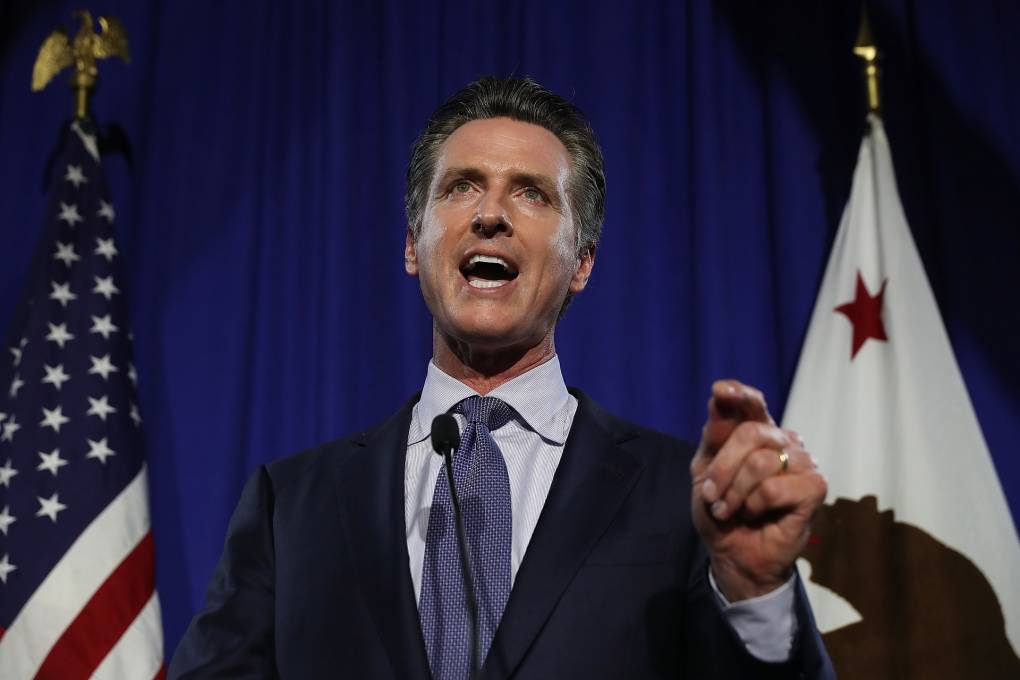
"caption": "Gov. Gavin Newsom speaks during his primary election night gathering on June 5, 2018, in San Francisco.",
"description": null,
"title": "California Gubernatorial Candidate Gavin Newsom Holds Primary Night Event In San Francisco",
"credit": "Justin Sullivan/Getty Images",
"status": "inherit",
"altTag": "A white man in a blue suit and blue tie flanked by the US flag and the California flag points his finger as he speaks.",
"isLoading": false,
"fetchFailed": false
},
"news_11881165": {
"type": "attachments",
"id": "news_11881165",
"meta": {
"index": "attachments_1716263798",
"site": "news",
"id": "11881165",
"found": true
},
"parent": 11881164,
"imgSizes": {
"twentyfourteen-full-width": {
"file": "https://ww2.kqed.org/app/uploads/sites/10/2021/07/gettyimages-1228332941-1-9b169e8c53649daad1661cc6e75856404695505e-1038x576.jpg",
"width": 1038,
"mimeType": "image/jpeg",
"height": 576
},
"thumbnail": {
"file": "https://ww2.kqed.org/app/uploads/sites/10/2021/07/gettyimages-1228332941-1-9b169e8c53649daad1661cc6e75856404695505e-160x120.jpg",
"width": 160,
"mimeType": "image/jpeg",
"height": 120
},
"post-thumbnail": {
"file": "https://ww2.kqed.org/app/uploads/sites/10/2021/07/gettyimages-1228332941-1-9b169e8c53649daad1661cc6e75856404695505e-672x372.jpg",
"width": 672,
"mimeType": "image/jpeg",
"height": 372
},
"kqedFullSize": {
"file": "https://ww2.kqed.org/app/uploads/sites/10/2021/07/gettyimages-1228332941-1-9b169e8c53649daad1661cc6e75856404695505e.jpg",
"width": 1911,
"height": 1433
},
"large": {
"file": "https://ww2.kqed.org/app/uploads/sites/10/2021/07/gettyimages-1228332941-1-9b169e8c53649daad1661cc6e75856404695505e-1020x765.jpg",
"width": 1020,
"mimeType": "image/jpeg",
"height": 765
},
"1536x1536": {
"file": "https://ww2.kqed.org/app/uploads/sites/10/2021/07/gettyimages-1228332941-1-9b169e8c53649daad1661cc6e75856404695505e-1536x1152.jpg",
"width": 1536,
"mimeType": "image/jpeg",
"height": 1152
},
"medium": {
"file": "https://ww2.kqed.org/app/uploads/sites/10/2021/07/gettyimages-1228332941-1-9b169e8c53649daad1661cc6e75856404695505e-800x600.jpg",
"width": 800,
"mimeType": "image/jpeg",
"height": 600
}
},
"publishDate": 1626289077,
"modified": 1626293533,
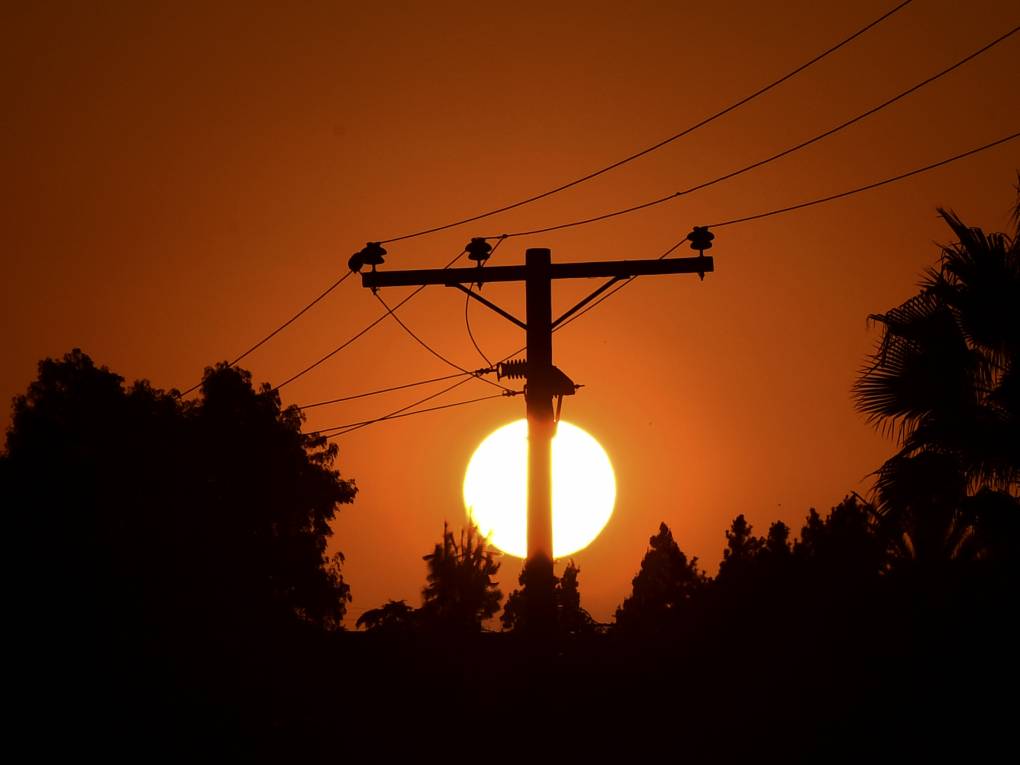
"caption": "The sun sets behind power lines in Los Angeles on Sept. 3, 2020, ahead of a heat wave that prompted a statewide flex alert.",
"description": "The sun sets behind power lines in Los Angeles, California on September 3, 2020, ahead of a heatwave to arrive September 4 through the Labour Day weekend prompting a statewide flex alert. (Photo by Frederic J. BROWN / AFP) (Photo by FREDERIC J. BROWN/AFP via Getty Images)",
"title": "The sun sets behind power lines in Los Angeles, California on September 3, 2020.",
"credit": "Frederic J. Brown/AFP via Getty Images",
"status": "inherit",
"altTag": null,
"isLoading": false,
"fetchFailed": false
},
"news_11881374": {
"type": "attachments",
"id": "news_11881374",
"meta": {
"index": "attachments_1716263798",
"site": "news",
"id": "11881374",
"found": true
},
"parent": 11881322,
"imgSizes": {
"twentyfourteen-full-width": {
"file": "https://ww2.kqed.org/app/uploads/sites/10/2021/07/GettyImages-1233493045-1-1038x576.jpg",
"width": 1038,
"mimeType": "image/jpeg",
"height": 576
},
"thumbnail": {
"file": "https://ww2.kqed.org/app/uploads/sites/10/2021/07/GettyImages-1233493045-1-160x107.jpg",
"width": 160,
"mimeType": "image/jpeg",
"height": 107
},
"post-thumbnail": {
"file": "https://ww2.kqed.org/app/uploads/sites/10/2021/07/GettyImages-1233493045-1-672x372.jpg",
"width": 672,
"mimeType": "image/jpeg",
"height": 372
},
"kqedFullSize": {
"file": "https://ww2.kqed.org/app/uploads/sites/10/2021/07/GettyImages-1233493045-1.jpg",
"width": 1920,
"height": 1281
},
"large": {
"file": "https://ww2.kqed.org/app/uploads/sites/10/2021/07/GettyImages-1233493045-1-1020x681.jpg",
"width": 1020,
"mimeType": "image/jpeg",
"height": 681
},
"1536x1536": {
"file": "https://ww2.kqed.org/app/uploads/sites/10/2021/07/GettyImages-1233493045-1-1536x1025.jpg",
"width": 1536,
"mimeType": "image/jpeg",
"height": 1025
},
"medium": {
"file": "https://ww2.kqed.org/app/uploads/sites/10/2021/07/GettyImages-1233493045-1-800x534.jpg",
"width": 800,
"mimeType": "image/jpeg",
"height": 534
}
},
"publishDate": 1626393645,
"modified": 1626458757,
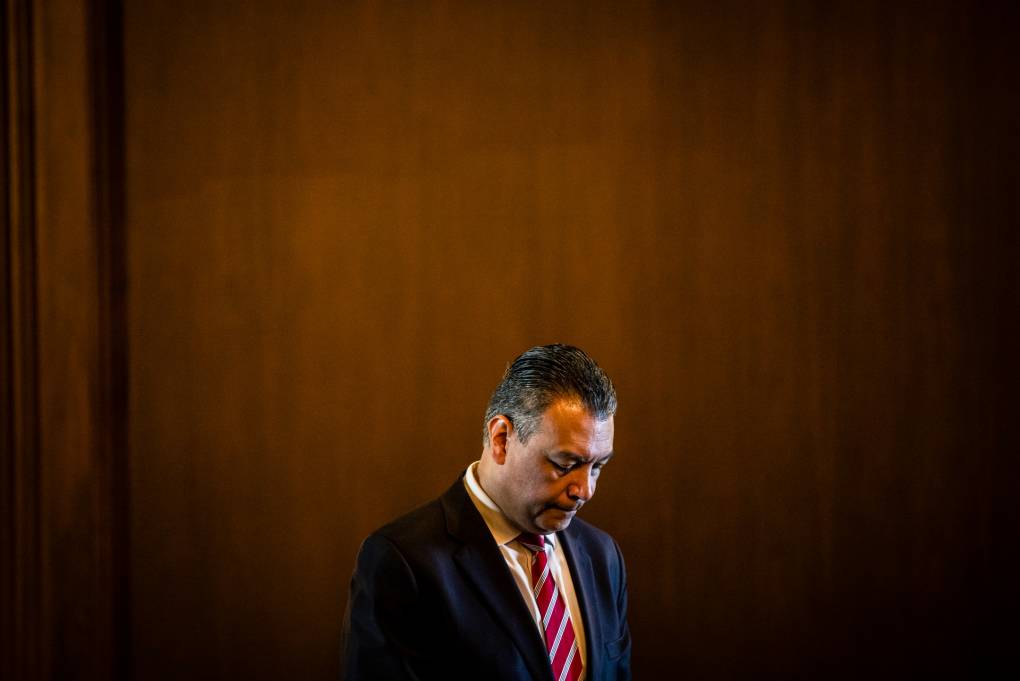
"caption": "U.S. Sen. Alex Padilla, D-California, waits for a meeting with Senate Majority Leader Chuck Schumer, D-New York, and Senate Budget Committee Democrats to begin in the Mansfield Room at the U.S. Capitol building on June 16, 2021 in Washington, D.C. Padilla, a member of the Senate Budget Committee, is pushing to pass a pathway to citizenship for essential workers, Dreamers and other undocumented immigrants as part of a spending bill.",
"description": "U.S. Sen. Alex Padilla (D-CA) waits for meeting with Senate Majority Leader Chuck Schumer (D-NY) and Senate Budget Committee Democrats to begin in the Mansfield Room at the U.S. Capitol building on June 16, 2021 in Washington, DC. Padilla, a member of the Senate Budget Committee, is pushing to pass a pathway to citizenship for essential workers, Dreamers and other undocumented immigrants as part of a spending bill.",
"title": "GettyImages-1233493045 (1)",
"credit": "Samuel Corum/Getty Images",
"status": "inherit",
"altTag": null,
"isLoading": false,
"fetchFailed": false
},
"news_11881337": {
"type": "attachments",
"id": "news_11881337",
"meta": {
"index": "attachments_1716263798",
"site": "news",
"id": "11881337",
"found": true
},
"parent": 11881314,
"imgSizes": {
"twentyfourteen-full-width": {
"file": "https://ww2.kqed.org/app/uploads/sites/10/2021/07/28090518140_9304c72ab9_k-1-1038x576.jpg",
"width": 1038,
"mimeType": "image/jpeg",
"height": 576
},
"thumbnail": {
"file": "https://ww2.kqed.org/app/uploads/sites/10/2021/07/28090518140_9304c72ab9_k-1-160x107.jpg",
"width": 160,
"mimeType": "image/jpeg",
"height": 107
},
"post-thumbnail": {
"file": "https://ww2.kqed.org/app/uploads/sites/10/2021/07/28090518140_9304c72ab9_k-1-672x372.jpg",
"width": 672,
"mimeType": "image/jpeg",
"height": 372
},
"kqedFullSize": {
"file": "https://ww2.kqed.org/app/uploads/sites/10/2021/07/28090518140_9304c72ab9_k-1.jpg",
"width": 1920,
"height": 1280
},
"large": {
"file": "https://ww2.kqed.org/app/uploads/sites/10/2021/07/28090518140_9304c72ab9_k-1-1020x680.jpg",
"width": 1020,
"mimeType": "image/jpeg",
"height": 680
},
"1536x1536": {
"file": "https://ww2.kqed.org/app/uploads/sites/10/2021/07/28090518140_9304c72ab9_k-1-1536x1024.jpg",
"width": 1536,
"mimeType": "image/jpeg",
"height": 1024
},
"medium": {
"file": "https://ww2.kqed.org/app/uploads/sites/10/2021/07/28090518140_9304c72ab9_k-1-800x533.jpg",
"width": 800,
"mimeType": "image/jpeg",
"height": 533
}
},
"publishDate": 1626391091,
"modified": 1626391171,
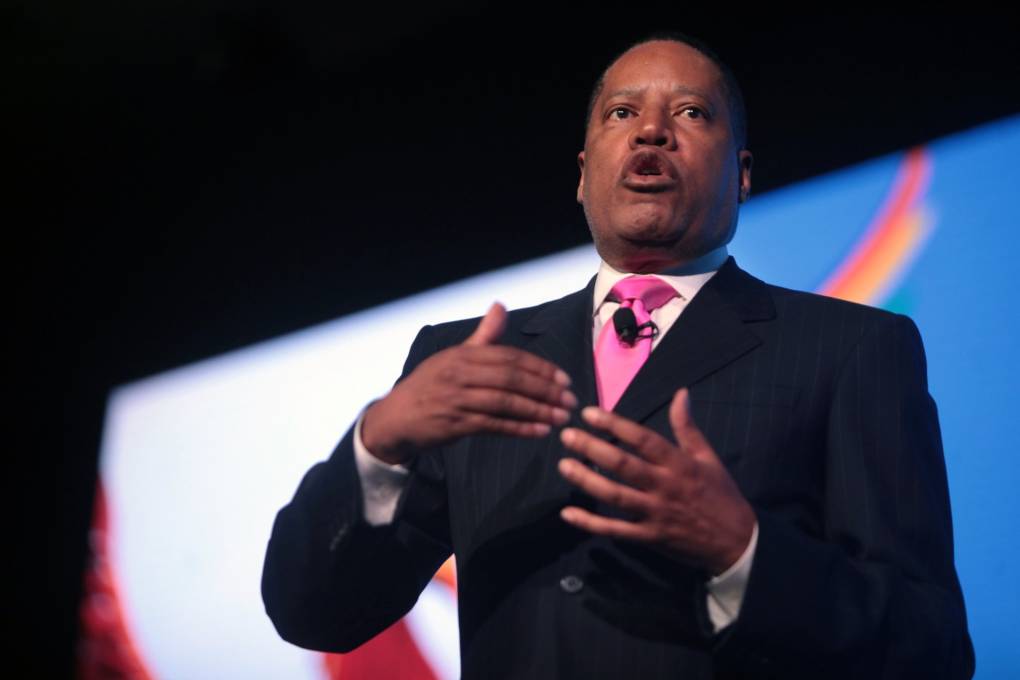
"caption": "Larry Elder speaking at the 2016 FreedomFest at Planet Hollywood in Las Vegas, Nevada. The radio talk show host is running for California governor as a Republican.",
"description": "Larry Elder speaking at the 2016 FreedomFest at Planet Hollywood in Las Vegas, Nevada. The radio talk show host is running for California governor as a Republican.",
"title": "28090518140_9304c72ab9_k (1)",
"credit": "Gage Skidmore/Flickr",
"status": "inherit",
"altTag": null,
"isLoading": false,
"fetchFailed": false
},
"news_11881123": {
"type": "attachments",
"id": "news_11881123",
"meta": {
"index": "attachments_1716263798",
"site": "news",
"id": "11881123",
"found": true
},
"parent": 11881120,
"imgSizes": {
"twentyfourteen-full-width": {
"file": "https://ww2.kqed.org/app/uploads/sites/10/2021/07/RS46276_028_KQED_SanFrancisco_COVIDShutdown_12042020-qut-1038x576.jpg",
"width": 1038,
"mimeType": "image/jpeg",
"height": 576
},
"thumbnail": {
"file": "https://ww2.kqed.org/app/uploads/sites/10/2021/07/RS46276_028_KQED_SanFrancisco_COVIDShutdown_12042020-qut-160x107.jpg",
"width": 160,
"mimeType": "image/jpeg",
"height": 107
},
"post-thumbnail": {
"file": "https://ww2.kqed.org/app/uploads/sites/10/2021/07/RS46276_028_KQED_SanFrancisco_COVIDShutdown_12042020-qut-672x372.jpg",
"width": 672,
"mimeType": "image/jpeg",
"height": 372
},
"kqedFullSize": {
"file": "https://ww2.kqed.org/app/uploads/sites/10/2021/07/RS46276_028_KQED_SanFrancisco_COVIDShutdown_12042020-qut.jpg",
"width": 1920,
"height": 1280
},
"large": {
"file": "https://ww2.kqed.org/app/uploads/sites/10/2021/07/RS46276_028_KQED_SanFrancisco_COVIDShutdown_12042020-qut-1020x680.jpg",
"width": 1020,
"mimeType": "image/jpeg",
"height": 680
},
"1536x1536": {
"file": "https://ww2.kqed.org/app/uploads/sites/10/2021/07/RS46276_028_KQED_SanFrancisco_COVIDShutdown_12042020-qut-1536x1024.jpg",
"width": 1536,
"mimeType": "image/jpeg",
"height": 1024
},
"medium": {
"file": "https://ww2.kqed.org/app/uploads/sites/10/2021/07/RS46276_028_KQED_SanFrancisco_COVIDShutdown_12042020-qut-800x533.jpg",
"width": 800,
"mimeType": "image/jpeg",
"height": 533
}
},
"publishDate": 1626226119,
"modified": 1626226297,
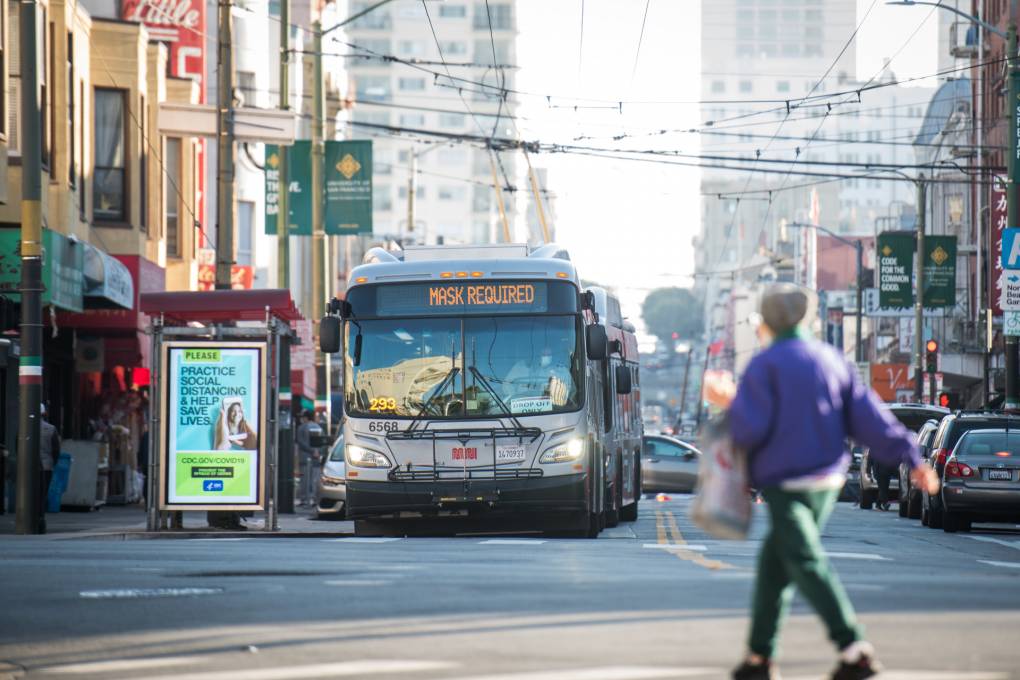
"caption": "A Muni bus in San Francisco's North Beach neighborhood on Dec. 4, 2020. The one-year expansion of Free Muni could cover around 100,000 youth in the city.",
"description": "A Muni bus with a marquee that says, \"Mask Required\" in San Francisco's North Beach neighborhood on Dec. 4, 2020.",
"title": "RS46276_028_KQED_SanFrancisco_COVIDShutdown_12042020-qut",
"credit": "Beth LaBerge/KQED",
"status": "inherit",
"altTag": "A pedestrian crosses a crowded street in the foreground while in the background, a Muni bus is visible.",
"isLoading": false,
"fetchFailed": false
},
"news_11871245": {
"type": "attachments",
"id": "news_11871245",
"meta": {
"index": "attachments_1716263798",
"site": "news",
"id": "11871245",
"found": true
},
"parent": 11870959,
"imgSizes": {
"twentyfourteen-full-width": {
"file": "https://ww2.kqed.org/app/uploads/sites/10/2021/04/RS48060_004_SanFrancisco_NewsomBontaPressConference_03242021-qut-1038x576.jpg",
"width": 1038,
"mimeType": "image/jpeg",
"height": 576
},
"thumbnail": {
"file": "https://ww2.kqed.org/app/uploads/sites/10/2021/04/RS48060_004_SanFrancisco_NewsomBontaPressConference_03242021-qut-160x107.jpg",
"width": 160,
"mimeType": "image/jpeg",
"height": 107
},
"post-thumbnail": {
"file": "https://ww2.kqed.org/app/uploads/sites/10/2021/04/RS48060_004_SanFrancisco_NewsomBontaPressConference_03242021-qut-672x372.jpg",
"width": 672,
"mimeType": "image/jpeg",
"height": 372
},
"kqedFullSize": {
"file": "https://ww2.kqed.org/app/uploads/sites/10/2021/04/RS48060_004_SanFrancisco_NewsomBontaPressConference_03242021-qut.jpg",
"width": 1920,
"height": 1278
},
"large": {
"file": "https://ww2.kqed.org/app/uploads/sites/10/2021/04/RS48060_004_SanFrancisco_NewsomBontaPressConference_03242021-qut-1020x679.jpg",
"width": 1020,
"mimeType": "image/jpeg",
"height": 679
},
"1536x1536": {
"file": "https://ww2.kqed.org/app/uploads/sites/10/2021/04/RS48060_004_SanFrancisco_NewsomBontaPressConference_03242021-qut-1536x1022.jpg",
"width": 1536,
"mimeType": "image/jpeg",
"height": 1022
},
"medium": {
"file": "https://ww2.kqed.org/app/uploads/sites/10/2021/04/RS48060_004_SanFrancisco_NewsomBontaPressConference_03242021-qut-800x533.jpg",
"width": 800,
"mimeType": "image/jpeg",
"height": 533
}
},
"publishDate": 1619476077,
"modified": 1626132929,
"caption": "Gov. Gavin Newsom at a press conference in San Francisco on March 24, 2021.",
"description": "Gov. Gavin Newsom, pictured at a press conference in San Francisco on March 24, 2021.",
"title": "RS48060_004_SanFrancisco_NewsomBontaPressConference_03242021-qut",
"credit": "Beth LaBerge/KQED",
"status": "inherit",
"altTag": "Newsom speaking",
"isLoading": false,
"fetchFailed": false
},
"news_11880511": {
"type": "attachments",
"id": "news_11880511",
"meta": {
"index": "attachments_1716263798",
"site": "news",
"id": "11880511",
"found": true
},
"parent": 11880470,
"imgSizes": {
"twentyfourteen-full-width": {
"file": "https://ww2.kqed.org/app/uploads/sites/10/2021/07/RS44115_004_KQED_Oakland_SchoolPods_ElisaCecaci_07272020-qut-1038x576.jpg",
"width": 1038,
"mimeType": "image/jpeg",
"height": 576
},
"thumbnail": {
"file": "https://ww2.kqed.org/app/uploads/sites/10/2021/07/RS44115_004_KQED_Oakland_SchoolPods_ElisaCecaci_07272020-qut-160x107.jpg",
"width": 160,
"mimeType": "image/jpeg",
"height": 107
},
"post-thumbnail": {
"file": "https://ww2.kqed.org/app/uploads/sites/10/2021/07/RS44115_004_KQED_Oakland_SchoolPods_ElisaCecaci_07272020-qut-672x372.jpg",
"width": 672,
"mimeType": "image/jpeg",
"height": 372
},
"kqedFullSize": {
"file": "https://ww2.kqed.org/app/uploads/sites/10/2021/07/RS44115_004_KQED_Oakland_SchoolPods_ElisaCecaci_07272020-qut.jpg",
"width": 1920,
"height": 1280
},
"large": {
"file": "https://ww2.kqed.org/app/uploads/sites/10/2021/07/RS44115_004_KQED_Oakland_SchoolPods_ElisaCecaci_07272020-qut-1020x680.jpg",
"width": 1020,
"mimeType": "image/jpeg",
"height": 680
},
"1536x1536": {
"file": "https://ww2.kqed.org/app/uploads/sites/10/2021/07/RS44115_004_KQED_Oakland_SchoolPods_ElisaCecaci_07272020-qut-1536x1024.jpg",
"width": 1536,
"mimeType": "image/jpeg",
"height": 1024
},
"medium": {
"file": "https://ww2.kqed.org/app/uploads/sites/10/2021/07/RS44115_004_KQED_Oakland_SchoolPods_ElisaCecaci_07272020-qut-800x533.jpg",
"width": 800,
"mimeType": "image/jpeg",
"height": 533
}
},
"publishDate": 1625685491,
"modified": 1625685517,
"caption": "Keli'i, 6, and Kanoa, 18, study on their front porch in Oakland on July 27, 2020. ",
"description": null,
"title": "RS44115_004_KQED_Oakland_SchoolPods_ElisaCecaci_07272020-qut",
"credit": "Beth LaBerge/KQED",
"status": "inherit",
"altTag": null,
"isLoading": false,
"fetchFailed": false
},
"news_11673517": {
"type": "attachments",
"id": "news_11673517",
"meta": {
"index": "attachments_1716263798",
"site": "news",
"id": "11673517",
"found": true
},
"parent": 11673398,
"imgSizes": {
"small": {
"file": "https://ww2.kqed.org/app/uploads/sites/10/2018/06/RS27212_GettyImages-859327428-qut-520x341.jpg",
"width": 520,
"mimeType": "image/jpeg",
"height": 341
},
"twentyfourteen-full-width": {
"file": "https://ww2.kqed.org/app/uploads/sites/10/2018/06/RS27212_GettyImages-859327428-qut-1038x576.jpg",
"width": 1038,
"mimeType": "image/jpeg",
"height": 576
},
"thumbnail": {
"file": "https://ww2.kqed.org/app/uploads/sites/10/2018/06/RS27212_GettyImages-859327428-qut-160x105.jpg",
"width": 160,
"mimeType": "image/jpeg",
"height": 105
},
"fd-sm": {
"file": "https://ww2.kqed.org/app/uploads/sites/10/2018/06/RS27212_GettyImages-859327428-qut-960x629.jpg",
"width": 960,
"mimeType": "image/jpeg",
"height": 629
},
"post-thumbnail": {
"file": "https://ww2.kqed.org/app/uploads/sites/10/2018/06/RS27212_GettyImages-859327428-qut-672x372.jpg",
"width": 672,
"mimeType": "image/jpeg",
"height": 372
},
"xsmall": {
"file": "https://ww2.kqed.org/app/uploads/sites/10/2018/06/RS27212_GettyImages-859327428-qut-375x246.jpg",
"width": 375,
"mimeType": "image/jpeg",
"height": 246
},
"kqedFullSize": {
"file": "https://ww2.kqed.org/app/uploads/sites/10/2018/06/RS27212_GettyImages-859327428-qut.jpg",
"width": 1920,
"height": 1258
},
"large": {
"file": "https://ww2.kqed.org/app/uploads/sites/10/2018/06/RS27212_GettyImages-859327428-qut-1020x668.jpg",
"width": 1020,
"mimeType": "image/jpeg",
"height": 668
},
"xlarge": {
"file": "https://ww2.kqed.org/app/uploads/sites/10/2018/06/RS27212_GettyImages-859327428-qut-1180x773.jpg",
"width": 1180,
"mimeType": "image/jpeg",
"height": 773
},
"complete_open_graph": {
"file": "https://ww2.kqed.org/app/uploads/sites/10/2018/06/RS27212_GettyImages-859327428-qut-1200x786.jpg",
"width": 1200,
"mimeType": "image/jpeg",
"height": 786
},
"guest-author-50": {
"file": "https://ww2.kqed.org/app/uploads/sites/10/2018/06/RS27212_GettyImages-859327428-qut-50x50.jpg",
"width": 50,
"mimeType": "image/jpeg",
"height": 50
},
"guest-author-96": {
"file": "https://ww2.kqed.org/app/uploads/sites/10/2018/06/RS27212_GettyImages-859327428-qut-96x96.jpg",
"width": 96,
"mimeType": "image/jpeg",
"height": 96
},
"medium": {
"file": "https://ww2.kqed.org/app/uploads/sites/10/2018/06/RS27212_GettyImages-859327428-qut-800x524.jpg",
"width": 800,
"mimeType": "image/jpeg",
"height": 524
},
"guest-author-64": {
"file": "https://ww2.kqed.org/app/uploads/sites/10/2018/06/RS27212_GettyImages-859327428-qut-64x64.jpg",
"width": 64,
"mimeType": "image/jpeg",
"height": 64
},
"guest-author-32": {
"file": "https://ww2.kqed.org/app/uploads/sites/10/2018/06/RS27212_GettyImages-859327428-qut-32x32.jpg",
"width": 32,
"mimeType": "image/jpeg",
"height": 32
},
"fd-lrg": {
"file": "https://ww2.kqed.org/app/uploads/sites/10/2018/06/RS27212_GettyImages-859327428-qut-1920x1258.jpg",
"width": 1920,
"mimeType": "image/jpeg",
"height": 1258
},
"fd-med": {
"file": "https://ww2.kqed.org/app/uploads/sites/10/2018/06/RS27212_GettyImages-859327428-qut-1180x773.jpg",
"width": 1180,
"mimeType": "image/jpeg",
"height": 773
},
"full-width": {
"file": "https://ww2.kqed.org/app/uploads/sites/10/2018/06/RS27212_GettyImages-859327428-qut-1920x1258.jpg",
"width": 1920,
"mimeType": "image/jpeg",
"height": 1258
},
"detail": {
"file": "https://ww2.kqed.org/app/uploads/sites/10/2018/06/RS27212_GettyImages-859327428-qut-150x150.jpg",
"width": 150,
"mimeType": "image/jpeg",
"height": 150
},
"guest-author-128": {
"file": "https://ww2.kqed.org/app/uploads/sites/10/2018/06/RS27212_GettyImages-859327428-qut-128x128.jpg",
"width": 128,
"mimeType": "image/jpeg",
"height": 128
},
"xxsmall": {
"file": "https://ww2.kqed.org/app/uploads/sites/10/2018/06/RS27212_GettyImages-859327428-qut-240x157.jpg",
"width": 240,
"mimeType": "image/jpeg",
"height": 157
}
},
"publishDate": 1528418780,
"modified": 1625700597,
"caption": "An inmate firefighter monitors flames as a house burns in the Napa wine region in California on Oct. 9, 2017. ",
"description": null,
"title": "US-WILDFIRES-CALIFORNIA",
"credit": "Josh Edelson/AFP/Getty Images",
"status": "inherit",
"altTag": null,
"isLoading": false,
"fetchFailed": false
},
"news_11880464": {
"type": "attachments",
"id": "news_11880464",
"meta": {
"index": "attachments_1716263798",
"site": "news",
"id": "11880464",
"found": true
},
"parent": 11880461,
"imgSizes": {
"twentyfourteen-full-width": {
"file": "https://ww2.kqed.org/app/uploads/sites/10/2021/07/RS43190_Kevin-Kiley-qut-1020x680-1-1020x576.jpeg",
"width": 1020,
"mimeType": "image/jpeg",
"height": 576
},
"thumbnail": {
"file": "https://ww2.kqed.org/app/uploads/sites/10/2021/07/RS43190_Kevin-Kiley-qut-1020x680-1-160x107.jpeg",
"width": 160,
"mimeType": "image/jpeg",
"height": 107
},
"post-thumbnail": {
"file": "https://ww2.kqed.org/app/uploads/sites/10/2021/07/RS43190_Kevin-Kiley-qut-1020x680-1-672x372.jpeg",
"width": 672,
"mimeType": "image/jpeg",
"height": 372
},
"kqedFullSize": {
"file": "https://ww2.kqed.org/app/uploads/sites/10/2021/07/RS43190_Kevin-Kiley-qut-1020x680-1.jpeg",
"width": 1020,
"height": 680
},
"medium": {
"file": "https://ww2.kqed.org/app/uploads/sites/10/2021/07/RS43190_Kevin-Kiley-qut-1020x680-1-800x533.jpeg",
"width": 800,
"mimeType": "image/jpeg",
"height": 533
}
},
"publishDate": 1625671781,
"modified": 1625671829,
"caption": "Assemblyman Kevin Kiley, R-Rocklin ",
"description": null,
"title": "RS43190_Kevin-Kiley-qut-1020x680",
"credit": "Office of Assemblyman Kevin Kiley",
"status": "inherit",
"altTag": null,
"isLoading": false,
"fetchFailed": false
},
"news_11879810": {
"type": "attachments",
"id": "news_11879810",
"meta": {
"index": "attachments_1716263798",
"site": "news",
"id": "11879810",
"found": true
},
"parent": 11879773,
"imgSizes": {
"twentyfourteen-full-width": {
"file": "https://ww2.kqed.org/app/uploads/sites/10/2021/06/RS50117_007_Oakland_MiaBonta_06232021-qut-1038x576.jpg",
"width": 1038,
"mimeType": "image/jpeg",
"height": 576
},
"thumbnail": {
"file": "https://ww2.kqed.org/app/uploads/sites/10/2021/06/RS50117_007_Oakland_MiaBonta_06232021-qut-160x107.jpg",
"width": 160,
"mimeType": "image/jpeg",
"height": 107
},
"post-thumbnail": {
"file": "https://ww2.kqed.org/app/uploads/sites/10/2021/06/RS50117_007_Oakland_MiaBonta_06232021-qut-672x372.jpg",
"width": 672,
"mimeType": "image/jpeg",
"height": 372
},
"kqedFullSize": {
"file": "https://ww2.kqed.org/app/uploads/sites/10/2021/06/RS50117_007_Oakland_MiaBonta_06232021-qut.jpg",
"width": 1920,
"height": 1280
},
"large": {
"file": "https://ww2.kqed.org/app/uploads/sites/10/2021/06/RS50117_007_Oakland_MiaBonta_06232021-qut-1020x680.jpg",
"width": 1020,
"mimeType": "image/jpeg",
"height": 680
},
"1536x1536": {
"file": "https://ww2.kqed.org/app/uploads/sites/10/2021/06/RS50117_007_Oakland_MiaBonta_06232021-qut-1536x1024.jpg",
"width": 1536,
"mimeType": "image/jpeg",
"height": 1024
},
"medium": {
"file": "https://ww2.kqed.org/app/uploads/sites/10/2021/06/RS50117_007_Oakland_MiaBonta_06232021-qut-800x533.jpg",
"width": 800,
"mimeType": "image/jpeg",
"height": 533
}
},
"publishDate": 1625003935,
"modified": 1625072621,
"caption": "Mia Bonta, a state Assembly candidate in District 18, which includes much of Oakland, Alameda and San Leandro, at her campaign headquarters in Oakland on June 23, 2021.",
"description": null,
"title": "RS50117_007_Oakland_MiaBonta_06232021-qut",
"credit": "Beth LaBerge/KQED",
"status": "inherit",
"altTag": null,
"isLoading": false,
"fetchFailed": false
},
"news_11879843": {
"type": "attachments",
"id": "news_11879843",
"meta": {
"index": "attachments_1716263798",
"site": "news",
"id": "11879843",
"found": true
},
"parent": 11879724,
"imgSizes": {
"twentyfourteen-full-width": {
"file": "https://ww2.kqed.org/app/uploads/sites/10/2021/06/RS50190_GettyImages-1310021506-qut-1038x576.jpg",
"width": 1038,
"mimeType": "image/jpeg",
"height": 576
},
"thumbnail": {
"file": "https://ww2.kqed.org/app/uploads/sites/10/2021/06/RS50190_GettyImages-1310021506-qut-160x105.jpg",
"width": 160,
"mimeType": "image/jpeg",
"height": 105
},
"post-thumbnail": {
"file": "https://ww2.kqed.org/app/uploads/sites/10/2021/06/RS50190_GettyImages-1310021506-qut-672x372.jpg",
"width": 672,
"mimeType": "image/jpeg",
"height": 372
},
"kqedFullSize": {
"file": "https://ww2.kqed.org/app/uploads/sites/10/2021/06/RS50190_GettyImages-1310021506-qut.jpg",
"width": 1920,
"height": 1257
},
"large": {
"file": "https://ww2.kqed.org/app/uploads/sites/10/2021/06/RS50190_GettyImages-1310021506-qut-1020x668.jpg",
"width": 1020,
"mimeType": "image/jpeg",
"height": 668
},
"1536x1536": {
"file": "https://ww2.kqed.org/app/uploads/sites/10/2021/06/RS50190_GettyImages-1310021506-qut-1536x1006.jpg",
"width": 1536,
"mimeType": "image/jpeg",
"height": 1006
},
"medium": {
"file": "https://ww2.kqed.org/app/uploads/sites/10/2021/06/RS50190_GettyImages-1310021506-qut-800x524.jpg",
"width": 800,
"mimeType": "image/jpeg",
"height": 524
}
},
"publishDate": 1625008489,
"modified": 1625008728,
"caption": "TODEC Executive Director Luz Gallegos holds a sign reading ‘COVID-19 Vaccine’ before conducting a vaccine information clinic for farmworkers on March 30, 2021 in Winchester, California. TODEC is an immigrant advocacy organization which has been traveling to agricultural sites to educate farmworkers while dispelling myths about the vaccines. She called the expansion of Medi-Cal benefits to undocumented elders 'a historic moment' for California.",
"description": "TODEC Executive Director Luz Gallegos holds a sign reading ‘COVID-19 Vaccine’ before conducting a vaccine information clinic for farmworkers on March 30, 2021 in Winchester, California. TODEC is an immigrant advocacy organization which has been traveling to agricultural sites to educate farmworkers while dispelling myths about the vaccines. She called the expansion of Medi-Cal benefits to undocumented elders 'a historic moment' for California.",
"title": "Aid Group Spreads Word On COVID-19 Vaccines To Farm Workers In California",
"credit": "Mario Tama/Getty Images",
"status": "inherit",
"altTag": null,
"isLoading": false,
"fetchFailed": false
},
"news_11879697": {
"type": "attachments",
"id": "news_11879697",
"meta": {
"index": "attachments_1716263798",
"site": "news",
"id": "11879697",
"found": true
},
"parent": 11879696,
"imgSizes": {
"twentyfourteen-full-width": {
"file": "https://ww2.kqed.org/app/uploads/sites/10/2021/06/iStock-1166892600-1038x576.jpeg",
"width": 1038,
"mimeType": "image/jpeg",
"height": 576
},
"thumbnail": {
"file": "https://ww2.kqed.org/app/uploads/sites/10/2021/06/iStock-1166892600-160x107.jpeg",
"width": 160,
"mimeType": "image/jpeg",
"height": 107
},
"post-thumbnail": {
"file": "https://ww2.kqed.org/app/uploads/sites/10/2021/06/iStock-1166892600-672x372.jpeg",
"width": 672,
"mimeType": "image/jpeg",
"height": 372
},
"kqedFullSize": {
"file": "https://ww2.kqed.org/app/uploads/sites/10/2021/06/iStock-1166892600.jpeg",
"width": 1200,
"height": 800
},
"large": {
"file": "https://ww2.kqed.org/app/uploads/sites/10/2021/06/iStock-1166892600-1020x680.jpeg",
"width": 1020,
"mimeType": "image/jpeg",
"height": 680
},
"medium": {
"file": "https://ww2.kqed.org/app/uploads/sites/10/2021/06/iStock-1166892600-800x533.jpeg",
"width": 800,
"mimeType": "image/jpeg",
"height": 533
}
},
"publishDate": 1624986467,
"modified": 1624986603,
"caption": "California schools, particularly those serving high-needs students, are being allocated a record amount of funding in the state budget.",
"description": null,
"title": "iStock-1166892600",
"credit": "iStock",
"status": "inherit",
"altTag": null,
"isLoading": false,
"fetchFailed": false
}
},
"audioPlayerReducer": {
"postId": "stream_live",
"isPaused": true,
"isPlaying": false,
"pfsActive": false,
"pledgeModalIsOpen": true,
"playerDrawerIsOpen": false,
"liveAudioPlayStartedAt": 0,
"liveAudioPlayContext": ""
},
"authorsReducer": {
"byline_news_11880461": {
"type": "authors",
"id": "byline_news_11880461",
"meta": {
"override": true
},
"slug": "byline_news_11880461",
"name": "Michael R. Blood \u003cbr />The Associated Press\u003cbr>",
"isLoading": false
},
"byline_news_11879696": {
"type": "authors",
"id": "byline_news_11879696",
"meta": {
"override": true
},
"slug": "byline_news_11879696",
"name": "\u003ca href=\"https://calmatters.org/author/joe-hong/\">Joe Hong\u003c/a>",
"isLoading": false
},
"gmarzorati": {
"type": "authors",
"id": "227",
"meta": {
"index": "authors_1716337520",
"id": "227",
"found": true
},
"name": "Guy Marzorati",
"firstName": "Guy",
"lastName": "Marzorati",
"slug": "gmarzorati",
"email": "gmarzorati@KQED.org",
"display_author_email": true,
"staff_mastheads": [
"news"
],
"title": "Correspondent",
"bio": "Guy Marzorati is a correspondent on KQED's California Politics and Government Desk, based in San Jose. A graduate of Santa Clara University, Guy joined KQED in 2013. He reports on state and local politics and produces KQED's digital voter guide.",
"avatar": "https://secure.gravatar.com/avatar/e7038b8dbfd55b104369b76b1cd0b9de?s=600&d=blank&r=g",
"twitter": "guymarzorati",
"facebook": null,
"instagram": null,
"linkedin": null,
"sites": [
{
"site": "",
"roles": [
"editor"
]
},
{
"site": "news",
"roles": [
"editor"
]
},
{
"site": "science",
"roles": [
"editor"
]
},
{
"site": "forum",
"roles": [
"editor"
]
},
{
"site": "elections",
"roles": [
"editor"
]
},
{
"site": "liveblog",
"roles": [
"editor"
]
}
],
"headData": {
"title": "Guy Marzorati | KQED",
"description": "Correspondent",
"ogImgSrc": "https://secure.gravatar.com/avatar/e7038b8dbfd55b104369b76b1cd0b9de?s=600&d=blank&r=g",
"twImgSrc": "https://secure.gravatar.com/avatar/e7038b8dbfd55b104369b76b1cd0b9de?s=600&d=blank&r=g"
},
"isLoading": false,
"link": "/author/gmarzorati"
},
"kqednewsstaffandwires": {
"type": "authors",
"id": "237",
"meta": {
"index": "authors_1716337520",
"id": "237",
"found": true
},
"name": "KQED News Staff and Wires",
"firstName": "KQED News Staff and Wires",
"lastName": null,
"slug": "kqednewsstaffandwires",
"email": "onlinenewsstaff@kqed.org",
"display_author_email": false,
"staff_mastheads": [],
"title": null,
"bio": null,
"avatar": "https://secure.gravatar.com/avatar/72295af8ebbfbd19a4948f5271285664?s=600&d=blank&r=g",
"twitter": null,
"facebook": null,
"instagram": null,
"linkedin": null,
"sites": [
{
"site": "arts",
"roles": [
"contributor"
]
},
{
"site": "news",
"roles": [
"contributor"
]
},
{
"site": "lowdown",
"roles": [
"author"
]
},
{
"site": "stateofhealth",
"roles": [
"contributor"
]
},
{
"site": "food",
"roles": [
"author"
]
}
],
"headData": {
"title": "KQED News Staff and Wires | KQED",
"description": null,
"ogImgSrc": "https://secure.gravatar.com/avatar/72295af8ebbfbd19a4948f5271285664?s=600&d=blank&r=g",
"twImgSrc": "https://secure.gravatar.com/avatar/72295af8ebbfbd19a4948f5271285664?s=600&d=blank&r=g"
},
"isLoading": false,
"link": "/author/kqednewsstaffandwires"
},
"scottshafer": {
"type": "authors",
"id": "255",
"meta": {
"index": "authors_1716337520",
"id": "255",
"found": true
},
"name": "Scott Shafer",
"firstName": "Scott",
"lastName": "Shafer",
"slug": "scottshafer",
"email": "sshafer@kqed.org",
"display_author_email": false,
"staff_mastheads": [
"news"
],
"title": "KQED Contributor",
"bio": "Scott Shafer is a senior editor with the KQED Politics and Government desk. He is co-host of Political Breakdown, the award-winning radio show and podcast with a personal take on the world of politics. Scott came to KQED in 1998 to host the statewide\u003cem> California Report\u003c/em>. Prior to that he had extended stints in politics and government\u003cem>.\u003c/em> He uses that inside experience at KQED in his, reporting, hosting and analysis for the politics desk. Scott collaborated \u003cem>Political Breakdown a\u003c/em>nd on \u003cem>The Political Mind of Jerry Brown, \u003c/em>an eight-part series about the life and extraordinary political career of the former governor. For fun, he plays water polo with the San Francisco Tsunami.",
"avatar": "https://secure.gravatar.com/avatar/a62ebae45b79d7aed1a39a0e3bf68104?s=600&d=blank&r=g",
"twitter": "scottshafer",
"bluesky": null,
"facebook": null,
"instagram": null,
"linkedin": null,
"sites": [
{
"site": "news",
"roles": [
"editor"
]
},
{
"site": "stateofhealth",
"roles": [
"author"
]
},
{
"site": "science",
"roles": [
"author"
]
},
{
"site": "forum",
"roles": [
"subscriber"
]
},
{
"site": "liveblog",
"roles": [
"author"
]
}
],
"headData": {
"title": "Scott Shafer | KQED",
"description": "KQED Contributor",
"ogImgSrc": "https://secure.gravatar.com/avatar/a62ebae45b79d7aed1a39a0e3bf68104?s=600&d=blank&r=g",
"twImgSrc": "https://secure.gravatar.com/avatar/a62ebae45b79d7aed1a39a0e3bf68104?s=600&d=blank&r=g"
},
"isLoading": false,
"link": "/author/scottshafer"
},
"fjhabvala": {
"type": "authors",
"id": "8659",
"meta": {
"index": "authors_1716337520",
"id": "8659",
"found": true
},
"name": "Farida Jhabvala Romero",
"firstName": "Farida",
"lastName": "Jhabvala Romero",
"slug": "fjhabvala",
"email": "fjhabvala@kqed.org",
"display_author_email": true,
"staff_mastheads": [
"news"
],
"title": "KQED Contributor",
"bio": "Farida Jhabvala Romero is a Labor Correspondent for KQED. She previously covered immigration. Farida was \u003ca href=\"https://www.ccnma.org/2022-most-influential-latina-journalists\">named\u003c/a> one of the 10 Most Influential Latina Journalists in California in 2022 by the California Chicano News Media Association. Her work has won awards from the Society of Professional Journalists (Northern California), as well as a national and regional Edward M. Murrow Award for the collaborative reporting projects “Dangerous Air” and “Graying California.” Before joining KQED, Farida worked as a producer at Radio Bilingüe, a national public radio network. Farida earned her master’s degree in journalism from Stanford University.",
"avatar": "https://secure.gravatar.com/avatar/f9f022d4e2609741874222a1e9d41f48fea74011aa7c615eef91d9a50c944ebe?s=600&d=blank&r=g",
"twitter": "FaridaJhabvala",
"bluesky": null,
"facebook": null,
"instagram": null,
"linkedin": "https://www.linkedin.com/in/faridajhabvala/",
"sites": [
{
"site": "news",
"roles": [
"editor"
]
},
{
"site": "stateofhealth",
"roles": [
"author"
]
},
{
"site": "liveblog",
"roles": [
"author"
]
}
],
"headData": {
"title": "Farida Jhabvala Romero | KQED",
"description": "KQED Contributor",
"ogImgSrc": "https://secure.gravatar.com/avatar/f9f022d4e2609741874222a1e9d41f48fea74011aa7c615eef91d9a50c944ebe?s=600&d=blank&r=g",
"twImgSrc": "https://secure.gravatar.com/avatar/f9f022d4e2609741874222a1e9d41f48fea74011aa7c615eef91d9a50c944ebe?s=600&d=blank&r=g"
},
"isLoading": false,
"link": "/author/fjhabvala"
},
"jrodriguez": {
"type": "authors",
"id": "11690",
"meta": {
"index": "authors_1716337520",
"id": "11690",
"found": true
},
"name": "Joe Fitzgerald Rodriguez",
"firstName": "Joe",
"lastName": "Fitzgerald Rodriguez",
"slug": "jrodriguez",
"email": "jrodriguez@kqed.org",
"display_author_email": true,
"staff_mastheads": [
"news"
],
"title": "Reporter and Producer",
"bio": "Joe Fitzgerald Rodriguez is a reporter and digital producer for KQED covering politics. Joe most recently wrote for the \u003cem>San Francisco Examiner\u003c/em> as a political columnist covering The City. He was raised in San Francisco and has spent his reporting career in his beloved, foggy, city by the bay. Joe was 12-years-old when he conducted his first interview in journalism, grilling former San Francisco Mayor Willie Brown for the Marina Middle School newspaper, \u003cem>The Penguin Press, \u003c/em>and he continues to report on the San Francisco Bay Area to this day.",
"avatar": "https://secure.gravatar.com/avatar/2247beb0564c1e9c62228d5649d2edac?s=600&d=blank&r=g",
"twitter": "FitztheReporter",
"facebook": null,
"instagram": "https://www.instagram.com/fitzthereporter/",
"linkedin": null,
"sites": [
{
"site": "",
"roles": [
"editor"
]
},
{
"site": "arts",
"roles": [
"editor"
]
},
{
"site": "news",
"roles": [
"editor"
]
},
{
"site": "science",
"roles": [
"editor"
]
},
{
"site": "elections",
"roles": [
"editor"
]
},
{
"site": "liveblog",
"roles": [
"editor"
]
}
],
"headData": {
"title": "Joe Fitzgerald Rodriguez | KQED",
"description": "Reporter and Producer",
"ogImgSrc": "https://secure.gravatar.com/avatar/2247beb0564c1e9c62228d5649d2edac?s=600&d=blank&r=g",
"twImgSrc": "https://secure.gravatar.com/avatar/2247beb0564c1e9c62228d5649d2edac?s=600&d=blank&r=g"
},
"isLoading": false,
"link": "/author/jrodriguez"
}
},
"pagesReducer": {
"news_tag_politics": {
"type": "terms",
"id": "news_17968",
"meta": {
"index": "terms_1716263798",
"site": "news",
"id": "17968",
"score": 8.003286
},
"name": "Politics",
"slug": "politics",
"taxonomy": "tag",
"description": null,
"featImg": null,
"headData": {
"title": "Politics | KQED News",
"description": null,
"ogTitle": null,
"ogDescription": null,
"ogImgId": null,
"twTitle": null,
"twDescription": null,
"twImgId": null
},
"ttid": 18002,
"isLoading": false,
"title": "Politics",
"pageMeta": {
"site": "news",
"WpPageTemplate": "page-topic-editorial",
"currentPage": 186
},
"blocks": [
{
"blockName": "kqed/post-list",
"attrs": {
"layout": "cardArticle2",
"query": "posts/news?tag=politics",
"seeMore": false,
"paginated": true,
"page": 186
}
},
{
"blockName": "kqed/ad"
}
]
}
},
"pfsSessionReducer": {},
"postsReducer": {
"stream_live": {
"type": "live",
"id": "stream_live",
"audioUrl": "https://streams.kqed.org/kqedradio",
"title": "Live Stream",
"excerpt": "Live Stream information currently unavailable.",
"link": "/radio",
"featImg": "",
"label": {
"name": "KQED Live",
"link": "/"
}
},
"stream_kqedNewscast": {
"type": "posts",
"id": "stream_kqedNewscast",
"audioUrl": "https://www.kqed.org/.stream/anon/radio/RDnews/newscast.mp3?_=1",
"title": "KQED Newscast",
"featImg": "",
"label": {
"name": "88.5 FM",
"link": "/"
}
},
"news_11881560": {
"type": "posts",
"id": "news_11881560",
"meta": {
"index": "posts_1716263798",
"site": "news",
"id": "11881560",
"score": null,
"sort": [
1626644389000
]
},
"parent": 0,
"labelTerm": {
"site": "news",
"term": 72
},
"blocks": [],
"publishDate": 1626644389,
"format": "audio",
"disqusTitle": "It's Official: 41 Candidates Vie to Replace Newsom",
"title": "It's Official: 41 Candidates Vie to Replace Newsom",
"headTitle": "The California Report | KQED News",
"content": "\u003cp>\u003cem>\u003cstrong>Update 7:18 p.m.:\u003c/strong> This article has been updated to clarify the requirements for talk show host Larry Elder to be placed on the list of certified candidates for governor.\u003c/em>\u003c/p>\n\u003cp>California’s top election official has released the list of candidates who filed to run for governor in the September recall election.\u003c/p>\n\u003cp>Secretary of State Shirley Weber says a total of 41 people filed the paperwork needed to run for governor by the Friday afternoon deadline — far fewer than the 135 who ran in 2003, when Gov. Gray Davis was recalled and replaced by Arnold Schwarzenegger.\u003c/p>\n\u003cp>No prominent Democrats are running, but among the top Republicans are former San Diego Mayor Kevin Faulconer, Assemblyman Kevin Kiley, businessman John Cox, former Congressman Doug Ose and reality TV star Caitlyn Jenner.\u003c/p>\n\u003cp>Political consultants to conservative talk show host Larry Elder said he filed the papers, but his name did not appear on the list. None of the candidates will become governor unless a majority of voters decide to recall Gov. Gavin Newsom in September.\u003c/p>\n\u003cp>[ad fullwidth]\u003c/p>\n\u003cp>Elder, a Republican and regular guest on Fox News, announced his candidacy on July 12, bringing a well-known voice on the political right to a Republican field trying to oust Newsom.\u003c/p>\n\u003cp>But he wasn’t on the list released by the secretary of state of candidates who met the requirements to be placed on the Sept. 14 ballot.\u003c/p>\n\u003cp>\"Calm down, that list was not certified, I fully expect to be on the ballot when the certified list comes out,\" Elder said in a pre-recorded video statement on Twitter.\u003c/p>\n\u003cp>While Elder’s campaign team expects him to be on the final list of certified candidates, the secretary of state’s office indicated it would take a court order to overturn Weber’s determination that Elder failed to submit all of the required paperwork related to his personal income tax filings.\u003c/p>\n\u003cp>https://twitter.com/larryelder/status/1416760877643042818\u003c/p>\n\u003cp>And the smaller-than-expected number of Republican candidates could be a setback for recall supporters who had hoped for a large, prominent field to attract voters for the first, crucial question: Should Newsom be recalled, yes or no? If that question fails, the recall is over and Newsom remains in office, with the potential replacement candidates on the second ballot rendered irrelevant.\u003c/p>\n\u003cp>If Newsom is recalled, then whoever on the list of potential replacements gets the most votes is the new governor of the nation’s most populous state. With numerous candidates and no clear front-runner, it’s possible the winner might get less than 25% of the votes.\u003c/p>\n\u003cp>The recall date was set earlier this month after Republican organizers easily cleared the required 1.5 million petition signatures needed to place the proposal on the ballot. The push to oust Newsom is largely rooted in frustration with long-running school and business closures during the pandemic that overturned daily life for millions of Californians.\u003c/p>\n\u003cp>Some of the leading Republican candidates have been campaigning for months, but no Democrat with political stature decided to run, giving Newsom what amounted to an important, incremental victory. In 2003, Arnold Schwarzenegger, a Republican, was elected after voters recalled Democratic then-Gov. Gray Davis. Many believe Davis was damaged when a fellow Democrat, Lt. Gov. Cruz Bustamante, entered the race.[aside tag=\"recall\" label=\"More recall coverage\"]\u003c/p>\n\u003cp>But that could also backfire. Polls have shown Newsom would beat back the recall. But should he lose in an upset, there would be no established Democrat among replacement candidates, potentially opening the way for a Republican to take the seat.\u003c/p>\n\u003cp>While there are some notable personalities, this year’s list lacks the panache of contenders in the state’s circus-like 2003 recall. Among the 135 names on the ballot that year were former child star Gary Coleman, pornographer Larry Flynt, former baseball Commissioner Peter Ueberroth and political pundit Arianna Huffington, who dropped out shortly before the election.\u003c/p>\n\u003cp>Polls have shown many voters are ignoring this year’s contest, and there were no new candidates who emerged Saturday who appeared to have the potential to reorder the trajectory of the race.\u003c/p>\n\u003cp>When it comes to requirements to run, the bar is relatively low. A candidate must be a citizen, registered or qualified to vote in California and not be convicted of felony bribery or theft of public money. Candidates must pay a filing fee of about $4,200 and submit at least 65 valid nomination signatures with their declaration of candidacy. They must also file copies of federal tax returns for the previous five years.\u003c/p>\n\u003cfigure id=\"attachment_11879531\" class=\"wp-caption alignnone\" style=\"max-width: 2560px\">\u003cimg class=\"size-full wp-image-11879531\" src=\"https://ww2.kqed.org/app/uploads/sites/10/2021/06/GettyImages-1302667642-scaled.jpg\" alt=\"\" width=\"2560\" height=\"1699\" srcset=\"https://ww2.kqed.org/app/uploads/sites/10/2021/06/GettyImages-1302667642-scaled.jpg 2560w, https://ww2.kqed.org/app/uploads/sites/10/2021/06/GettyImages-1302667642-800x531.jpg 800w, https://ww2.kqed.org/app/uploads/sites/10/2021/06/GettyImages-1302667642-1020x677.jpg 1020w, https://ww2.kqed.org/app/uploads/sites/10/2021/06/GettyImages-1302667642-160x106.jpg 160w, https://ww2.kqed.org/app/uploads/sites/10/2021/06/GettyImages-1302667642-1536x1019.jpg 1536w, https://ww2.kqed.org/app/uploads/sites/10/2021/06/GettyImages-1302667642-2048x1359.jpg 2048w, https://ww2.kqed.org/app/uploads/sites/10/2021/06/GettyImages-1302667642-1920x1274.jpg 1920w\" sizes=\"(max-width: 2560px) 100vw, 2560px\">\u003cfigcaption class=\"wp-caption-text\">Kevin Faulconer, former mayor of San Diego and a Republican candidate for California governor, speaks during a news conference in front of Abraham Lincoln High School on Feb. 17, 2021 in San Francisco. Faulconer held a news conference in front of the San Francisco high school to demand that California Gov. Gavin Newsom reopen schools in the state. \u003ccite>(Justin Sullivan/Getty Images)\u003c/cite>\u003c/figcaption>\u003c/figure>\n\u003cp>A certified list — the one voters will see — will be released Wednesday, and changes are possible. According to the secretary of state’s office, candidates who have filed the required paperwork include:\u003c/p>\n\u003cp>\u003cstrong>Kevin Paffrath\u003c/strong>, 29, is a YouTuber who gives financial advice to his 1.7 million subscribers. The Democrat says his lack of “political baggage” is a good thing. Anyone who wins the recall election would be governor for just over a year before the next election, which Paffrath likened to a trial run. His proposals include building underground tunnels for new roadways and cutting income taxes. The multimillionaire denies his run for office is a ploy to generate more publicity.\u003c/p>\n\u003cp>\u003cstrong>Jeff Hewitt\u003c/strong>, 68, is a Riverside County supervisor. He wrote in The Orange County Register that he was entering the race because “this state no longer accommodates dreams, fosters ideas or solves problems.” He argues the state needs a new approach and, as a Libertarian, he is positioned to work with Democrats and Republicans.\u003c/p>\n\u003cp>\u003cstrong>Joel Ventresca\u003c/strong>, 69, is a Democrat though says he’s further to the left than Newsom and even Vermont Sen. Bernie Sanders on some issues. “I consider Newsom a corporate, establishment, insider Democrat,” he says. Ventresca’s main campaign platform is providing free health care and education “cradle to grave” for everyone in California. He retired in 2018 from the San Francisco International Airport, where he held multiple roles, and he ran for mayor of San Francisco in 2019. He got 7% of the vote.\u003c/p>\n\u003cp>\u003cstrong>Sam Gallucci\u003c/strong>, 60, a Republican, is a former technology executive who is senior pastor at Embrace! Church in Oxnard, California. He also runs services that provide assistance for at-risk women and children and migrants. In his tech career, he rose through the corporate ranks to become an executive vice president and general manager for software maker PeopleSoft. Oracle acquired the company for $10.3 billion in 2004. He says “the soul of our state has been lost.”\u003c/p>\n\u003cp>\u003cstrong>Caitlyn Jenner\u003c/strong>, 71, is a lifelong Republican trying to parlay her celebrity into a surprise win. She won the men’s decathlon gold medal at the 1976 Olympics, married into the Kardashian family and with them became reality TV stars, and then came out as a transgender woman in 2015. She has described herself as a fiscal conservative who is liberal on social issues. But she’s proven gaffe-prone in interviews and a sprinkle of polling has suggested she’s no Arnold Schwarzenegger, who used the power of his celebrity to become California governor in a 2003 recall election.\u003c/p>\n\u003cp>\u003cstrong>John Cox\u003c/strong>, 66, was the Republican nominee for governor in 2018 and lost to Newsom in a landslide. This time around the multimillionaire businessman has displayed a showman’s instincts, campaigning at one point with a Kodiak bear to show he wants to make “beastly” changes to California. He’s long sought public office. Starting in 2000, Cox ran for the U.S. House and twice for the U.S. Senate in his old home state of Illinois, but fell short in crowded Republican primaries. He also ran a largely unnoticed campaign for the 2008 Republican presidential nomination.\u003c/p>\n\u003cp>\u003cstrong>Doug Ose\u003c/strong>, 66, is a multimillionaire businessman and former Republican congressman who represented a Sacramento-area district from 1999 to 2005. Ose says he’s ready to work across party lines to reopen schools and get the economy back at full strength. He calls Sacramento broken, pointing to the homeless crisis, climbing gas taxes and increasing crime rates. He’s been calling for regional debates. “Californians are tired of having a governor whose operating themes are hypocrisy, self-interest, half-truths and mediocrity,” Ose says. He briefly ran for governor in 2018.[aside tag=\"politics\" label=\"More Political Coverage\"]\u003c/p>\n\u003cp>\u003cstrong>Jacqueline McGowan\u003c/strong>, 46, a Democrat, is a former stockbroker turned cannabis policy reform advocate. She’s running to bring attention to what she calls a crisis in the legal cannabis market, which has struggled to get on its feet amid heavy regulation and taxes while facing stiff competition from the thriving underground market. Legal marijuana is not available in many parts of the state. She says the state has largely turned its back on the industry’s troubles. She would slash pot taxes and push communities that have not set up local markets to open the door for legal sales.\u003c/p>\n\u003cp>\u003cstrong>Kevin Faulconer\u003c/strong>, 54, is a Republican who was twice elected mayor of Democratic-leaning San Diego and left office last year. He was an early entrant in the recall race and has long been seen as a potential statewide candidate given his centrist credentials in strongly Democratic California. He’s presented himself as a problem-solver who can work across the political aisle and has touted his work keeping homeless encampments off streets while they spread unchecked in Los Angeles and San Francisco.\u003c/p>\n\u003cp>\u003cstrong>Steve Chavez Lodge\u003c/strong>, 62, is a retired homicide detective and small business owner. He gained notoriety when he got engaged to reality TV personality Vicki Gunvalson, who appeared on the “Real Housewives of Orange County” for 15 years. The Republican says “California is completely broken” and is promising to “get government out of our lives ... and out of our wallets.” He also has served on local government commissions.\u003c/p>\n\u003cp>\u003cstrong>Kevin Kiley\u003c/strong>, 36, is a Republican state assemblyman from the Sacramento area who emerged as a favorite among GOP volunteers who gathered petition signatures for the recall. He built a reputation as a strong conservative and one of Newsom’s most vocal critics, and is seen as a rising personality in the California GOP.\u003c/p>\n\u003cp>[ad floatright]\u003c/p>\n\u003cp>\u003cem>KQED Politics editor \u003ca href=\"https://www.kqed.org/author/scottshafer\">Scott Shafer \u003c/a>contributed to this report. Reporting from The Associated Press' \u003ca href=\"https://apnews.com/article/entertainment-health-government-and-politics-elections-california-c5eedc7f144b2e7baa5745b800e67709\">Michael R. Blood and Kathleen Ronayne\u003c/a> was also used in this report. \u003c/em>\u003c/p>\n\n",
"disqusIdentifier": "11881560 https://ww2.kqed.org/news/?p=11881560",
"disqusUrl": "https://ww2.kqed.org/news/2021/07/18/its-official-41-republicans-vie-to-topple-newsom/",
"stats": {
"hasVideo": false,
"hasChartOrMap": false,
"hasAudio": false,
"hasPolis": false,
"wordCount": 1832,
"hasGoogleForm": false,
"hasGallery": false,
"hasHearkenModule": false,
"iframeSrcs": [],
"paragraphCount": 32
},
"modified": 1626889182,
"excerpt": "That list of candidates does not include conservative talk show host Larry Elder, who publicly announced his run previously, and said he filed papers to run for governor.",
"headData": {
"twImgId": "",
"twTitle": "It's Official: 41 Candidates Vie to Replace Newsom",
"ogTitle": "It's Official: 41 Candidates Vie to Replace Newsom",
"ogImgId": "",
"twDescription": "",
"description": "That list of candidates does not include conservative talk show host Larry Elder, who publicly announced his run previously, and said he filed papers to run for governor.",
"title": "It's Official: 41 Candidates Vie to Replace Newsom | KQED",
"ogDescription": "",
"schema": {
"@context": "https://schema.org",
"@type": "NewsArticle",
"headline": "It's Official: 41 Candidates Vie to Replace Newsom",
"datePublished": "2021-07-18T14:39:49-07:00",
"dateModified": "2021-07-21T10:39:42-07:00",
"image": "https://cdn.kqed.org/wp-content/uploads/2020/02/KQED-OG-Image@1x.png",
"isAccessibleForFree": "True",
"publisher": {
"@type": "NewsMediaOrganization",
"@id": "https://www.kqed.org/#organization",
"name": "KQED",
"logo": "https://cdn.kqed.org/wp-content/uploads/2020/02/KQED-OG-Image@1x.png",
"url": "https://www.kqed.org",
"sameAs": [
"https://www.facebook.com/KQED",
"https://twitter.com/KQED",
"https://www.instagram.com/kqed/",
"https://www.tiktok.com/@kqedofficial",
"https://www.linkedin.com/company/kqed",
"https://www.youtube.com/channel/UCeC0IOo7i1P_61zVUWbJ4nw"
]
}
}
},
"guestAuthors": [],
"slug": "its-official-41-republicans-vie-to-topple-newsom",
"status": "publish",
"audioUrl": "https://traffic.omny.fm/d/clips/0af137ef-751e-4b19-a055-aaef00d2d578/ffca7e9f-6831-41c5-bcaf-aaef00f5a073/123045b5-96ad-4042-a429-ad6a010f1201/audio.mp3",
"path": "/news/11881560/its-official-41-republicans-vie-to-topple-newsom",
"audioDuration": 55000,
"audioTrackLength": null,
"parsedContent": [
{
"type": "contentString",
"content": "\u003cdiv class=\"post-body\">\u003cp>\u003cp>\u003cem>\u003cstrong>Update 7:18 p.m.:\u003c/strong> This article has been updated to clarify the requirements for talk show host Larry Elder to be placed on the list of certified candidates for governor.\u003c/em>\u003c/p>\n\u003cp>California’s top election official has released the list of candidates who filed to run for governor in the September recall election.\u003c/p>\n\u003cp>Secretary of State Shirley Weber says a total of 41 people filed the paperwork needed to run for governor by the Friday afternoon deadline — far fewer than the 135 who ran in 2003, when Gov. Gray Davis was recalled and replaced by Arnold Schwarzenegger.\u003c/p>\n\u003cp>No prominent Democrats are running, but among the top Republicans are former San Diego Mayor Kevin Faulconer, Assemblyman Kevin Kiley, businessman John Cox, former Congressman Doug Ose and reality TV star Caitlyn Jenner.\u003c/p>\n\u003cp>Political consultants to conservative talk show host Larry Elder said he filed the papers, but his name did not appear on the list. None of the candidates will become governor unless a majority of voters decide to recall Gov. Gavin Newsom in September.\u003c/p>\n\u003cp>\u003c/p>\u003c/div>",
"attributes": {
"named": {},
"numeric": []
}
},
{
"type": "component",
"content": "",
"name": "ad",
"attributes": {
"named": {
"label": "fullwidth"
},
"numeric": [
"fullwidth"
]
}
},
{
"type": "contentString",
"content": "\u003cdiv class=\"post-body\">\u003cp>\u003c/p>\n\u003cp>Elder, a Republican and regular guest on Fox News, announced his candidacy on July 12, bringing a well-known voice on the political right to a Republican field trying to oust Newsom.\u003c/p>\n\u003cp>But he wasn’t on the list released by the secretary of state of candidates who met the requirements to be placed on the Sept. 14 ballot.\u003c/p>\n\u003cp>\"Calm down, that list was not certified, I fully expect to be on the ballot when the certified list comes out,\" Elder said in a pre-recorded video statement on Twitter.\u003c/p>\n\u003cp>While Elder’s campaign team expects him to be on the final list of certified candidates, the secretary of state’s office indicated it would take a court order to overturn Weber’s determination that Elder failed to submit all of the required paperwork related to his personal income tax filings.\u003c/p>\u003c/p>\u003c/div>",
"attributes": {
"named": {},
"numeric": []
}
},
{
"type": "component",
"content": "",
"name": "singleTwitterStatus",
"attributes": {
"named": {
"id": "1416760877643042818"
},
"numeric": []
}
},
{
"type": "contentString",
"content": "\u003cdiv class=\"post-body\">\u003cp>\n\u003cp>And the smaller-than-expected number of Republican candidates could be a setback for recall supporters who had hoped for a large, prominent field to attract voters for the first, crucial question: Should Newsom be recalled, yes or no? If that question fails, the recall is over and Newsom remains in office, with the potential replacement candidates on the second ballot rendered irrelevant.\u003c/p>\n\u003cp>If Newsom is recalled, then whoever on the list of potential replacements gets the most votes is the new governor of the nation’s most populous state. With numerous candidates and no clear front-runner, it’s possible the winner might get less than 25% of the votes.\u003c/p>\n\u003cp>The recall date was set earlier this month after Republican organizers easily cleared the required 1.5 million petition signatures needed to place the proposal on the ballot. The push to oust Newsom is largely rooted in frustration with long-running school and business closures during the pandemic that overturned daily life for millions of Californians.\u003c/p>\n\u003cp>Some of the leading Republican candidates have been campaigning for months, but no Democrat with political stature decided to run, giving Newsom what amounted to an important, incremental victory. In 2003, Arnold Schwarzenegger, a Republican, was elected after voters recalled Democratic then-Gov. Gray Davis. Many believe Davis was damaged when a fellow Democrat, Lt. Gov. Cruz Bustamante, entered the race.\u003c/p>\u003c/div>",
"attributes": {
"named": {},
"numeric": []
}
},
{
"type": "component",
"content": "",
"name": "aside",
"attributes": {
"named": {
"tag": "recall",
"label": "More recall coverage "
},
"numeric": []
}
},
{
"type": "contentString",
"content": "\u003cdiv class=\"post-body\">\u003cp>\u003c/p>\n\u003cp>But that could also backfire. Polls have shown Newsom would beat back the recall. But should he lose in an upset, there would be no established Democrat among replacement candidates, potentially opening the way for a Republican to take the seat.\u003c/p>\n\u003cp>While there are some notable personalities, this year’s list lacks the panache of contenders in the state’s circus-like 2003 recall. Among the 135 names on the ballot that year were former child star Gary Coleman, pornographer Larry Flynt, former baseball Commissioner Peter Ueberroth and political pundit Arianna Huffington, who dropped out shortly before the election.\u003c/p>\n\u003cp>Polls have shown many voters are ignoring this year’s contest, and there were no new candidates who emerged Saturday who appeared to have the potential to reorder the trajectory of the race.\u003c/p>\n\u003cp>When it comes to requirements to run, the bar is relatively low. A candidate must be a citizen, registered or qualified to vote in California and not be convicted of felony bribery or theft of public money. Candidates must pay a filing fee of about $4,200 and submit at least 65 valid nomination signatures with their declaration of candidacy. They must also file copies of federal tax returns for the previous five years.\u003c/p>\n\u003cfigure id=\"attachment_11879531\" class=\"wp-caption alignnone\" style=\"max-width: 2560px\">\u003cimg class=\"size-full wp-image-11879531\" src=\"https://ww2.kqed.org/app/uploads/sites/10/2021/06/GettyImages-1302667642-scaled.jpg\" alt=\"\" width=\"2560\" height=\"1699\" srcset=\"https://ww2.kqed.org/app/uploads/sites/10/2021/06/GettyImages-1302667642-scaled.jpg 2560w, https://ww2.kqed.org/app/uploads/sites/10/2021/06/GettyImages-1302667642-800x531.jpg 800w, https://ww2.kqed.org/app/uploads/sites/10/2021/06/GettyImages-1302667642-1020x677.jpg 1020w, https://ww2.kqed.org/app/uploads/sites/10/2021/06/GettyImages-1302667642-160x106.jpg 160w, https://ww2.kqed.org/app/uploads/sites/10/2021/06/GettyImages-1302667642-1536x1019.jpg 1536w, https://ww2.kqed.org/app/uploads/sites/10/2021/06/GettyImages-1302667642-2048x1359.jpg 2048w, https://ww2.kqed.org/app/uploads/sites/10/2021/06/GettyImages-1302667642-1920x1274.jpg 1920w\" sizes=\"(max-width: 2560px) 100vw, 2560px\">\u003cfigcaption class=\"wp-caption-text\">Kevin Faulconer, former mayor of San Diego and a Republican candidate for California governor, speaks during a news conference in front of Abraham Lincoln High School on Feb. 17, 2021 in San Francisco. Faulconer held a news conference in front of the San Francisco high school to demand that California Gov. Gavin Newsom reopen schools in the state. \u003ccite>(Justin Sullivan/Getty Images)\u003c/cite>\u003c/figcaption>\u003c/figure>\n\u003cp>A certified list — the one voters will see — will be released Wednesday, and changes are possible. According to the secretary of state’s office, candidates who have filed the required paperwork include:\u003c/p>\n\u003cp>\u003cstrong>Kevin Paffrath\u003c/strong>, 29, is a YouTuber who gives financial advice to his 1.7 million subscribers. The Democrat says his lack of “political baggage” is a good thing. Anyone who wins the recall election would be governor for just over a year before the next election, which Paffrath likened to a trial run. His proposals include building underground tunnels for new roadways and cutting income taxes. The multimillionaire denies his run for office is a ploy to generate more publicity.\u003c/p>\n\u003cp>\u003cstrong>Jeff Hewitt\u003c/strong>, 68, is a Riverside County supervisor. He wrote in The Orange County Register that he was entering the race because “this state no longer accommodates dreams, fosters ideas or solves problems.” He argues the state needs a new approach and, as a Libertarian, he is positioned to work with Democrats and Republicans.\u003c/p>\n\u003cp>\u003cstrong>Joel Ventresca\u003c/strong>, 69, is a Democrat though says he’s further to the left than Newsom and even Vermont Sen. Bernie Sanders on some issues. “I consider Newsom a corporate, establishment, insider Democrat,” he says. Ventresca’s main campaign platform is providing free health care and education “cradle to grave” for everyone in California. He retired in 2018 from the San Francisco International Airport, where he held multiple roles, and he ran for mayor of San Francisco in 2019. He got 7% of the vote.\u003c/p>\n\u003cp>\u003cstrong>Sam Gallucci\u003c/strong>, 60, a Republican, is a former technology executive who is senior pastor at Embrace! Church in Oxnard, California. He also runs services that provide assistance for at-risk women and children and migrants. In his tech career, he rose through the corporate ranks to become an executive vice president and general manager for software maker PeopleSoft. Oracle acquired the company for $10.3 billion in 2004. He says “the soul of our state has been lost.”\u003c/p>\n\u003cp>\u003cstrong>Caitlyn Jenner\u003c/strong>, 71, is a lifelong Republican trying to parlay her celebrity into a surprise win. She won the men’s decathlon gold medal at the 1976 Olympics, married into the Kardashian family and with them became reality TV stars, and then came out as a transgender woman in 2015. She has described herself as a fiscal conservative who is liberal on social issues. But she’s proven gaffe-prone in interviews and a sprinkle of polling has suggested she’s no Arnold Schwarzenegger, who used the power of his celebrity to become California governor in a 2003 recall election.\u003c/p>\n\u003cp>\u003cstrong>John Cox\u003c/strong>, 66, was the Republican nominee for governor in 2018 and lost to Newsom in a landslide. This time around the multimillionaire businessman has displayed a showman’s instincts, campaigning at one point with a Kodiak bear to show he wants to make “beastly” changes to California. He’s long sought public office. Starting in 2000, Cox ran for the U.S. House and twice for the U.S. Senate in his old home state of Illinois, but fell short in crowded Republican primaries. He also ran a largely unnoticed campaign for the 2008 Republican presidential nomination.\u003c/p>\n\u003cp>\u003cstrong>Doug Ose\u003c/strong>, 66, is a multimillionaire businessman and former Republican congressman who represented a Sacramento-area district from 1999 to 2005. Ose says he’s ready to work across party lines to reopen schools and get the economy back at full strength. He calls Sacramento broken, pointing to the homeless crisis, climbing gas taxes and increasing crime rates. He’s been calling for regional debates. “Californians are tired of having a governor whose operating themes are hypocrisy, self-interest, half-truths and mediocrity,” Ose says. He briefly ran for governor in 2018.\u003c/p>\u003c/div>",
"attributes": {
"named": {},
"numeric": []
}
},
{
"type": "component",
"content": "",
"name": "aside",
"attributes": {
"named": {
"tag": "politics",
"label": "More Political Coverage "
},
"numeric": []
}
},
{
"type": "contentString",
"content": "\u003cdiv class=\"post-body\">\u003cp>\u003c/p>\n\u003cp>\u003cstrong>Jacqueline McGowan\u003c/strong>, 46, a Democrat, is a former stockbroker turned cannabis policy reform advocate. She’s running to bring attention to what she calls a crisis in the legal cannabis market, which has struggled to get on its feet amid heavy regulation and taxes while facing stiff competition from the thriving underground market. Legal marijuana is not available in many parts of the state. She says the state has largely turned its back on the industry’s troubles. She would slash pot taxes and push communities that have not set up local markets to open the door for legal sales.\u003c/p>\n\u003cp>\u003cstrong>Kevin Faulconer\u003c/strong>, 54, is a Republican who was twice elected mayor of Democratic-leaning San Diego and left office last year. He was an early entrant in the recall race and has long been seen as a potential statewide candidate given his centrist credentials in strongly Democratic California. He’s presented himself as a problem-solver who can work across the political aisle and has touted his work keeping homeless encampments off streets while they spread unchecked in Los Angeles and San Francisco.\u003c/p>\n\u003cp>\u003cstrong>Steve Chavez Lodge\u003c/strong>, 62, is a retired homicide detective and small business owner. He gained notoriety when he got engaged to reality TV personality Vicki Gunvalson, who appeared on the “Real Housewives of Orange County” for 15 years. The Republican says “California is completely broken” and is promising to “get government out of our lives ... and out of our wallets.” He also has served on local government commissions.\u003c/p>\n\u003cp>\u003cstrong>Kevin Kiley\u003c/strong>, 36, is a Republican state assemblyman from the Sacramento area who emerged as a favorite among GOP volunteers who gathered petition signatures for the recall. He built a reputation as a strong conservative and one of Newsom’s most vocal critics, and is seen as a rising personality in the California GOP.\u003c/p>\n\u003cp>\u003c/p>\u003c/div>",
"attributes": {
"named": {},
"numeric": []
}
},
{
"type": "component",
"content": "",
"name": "ad",
"attributes": {
"named": {
"label": "floatright"
},
"numeric": [
"floatright"
]
}
},
{
"type": "contentString",
"content": "\u003cdiv class=\"post-body\">\u003cp>\u003c/p>\n\u003cp>\u003cem>KQED Politics editor \u003ca href=\"https://www.kqed.org/author/scottshafer\">Scott Shafer \u003c/a>contributed to this report. Reporting from The Associated Press' \u003ca href=\"https://apnews.com/article/entertainment-health-government-and-politics-elections-california-c5eedc7f144b2e7baa5745b800e67709\">Michael R. Blood and Kathleen Ronayne\u003c/a> was also used in this report. \u003c/em>\u003c/p>\n\n\u003c/div>\u003c/p>",
"attributes": {
"named": {},
"numeric": []
}
}
],
"link": "/news/11881560/its-official-41-republicans-vie-to-topple-newsom",
"authors": [
"237"
],
"programs": [
"news_72"
],
"categories": [
"news_8",
"news_13"
],
"tags": [
"news_18538",
"news_23420",
"news_27626",
"news_16",
"news_29678",
"news_17968",
"news_21509"
],
"featImg": "news_11876538",
"label": "news_72"
},
"news_11881207": {
"type": "posts",
"id": "news_11881207",
"meta": {
"index": "posts_1716263798",
"site": "news",
"id": "11881207",
"score": null,
"sort": [
1626530439000
]
},
"guestAuthors": [],
"slug": "what-lessons-can-california-learn-from-its-energy-crisis-20-years-ago",
"title": "What Lessons Can California Learn From Its Energy Crisis 20 Years Ago?",
"publishDate": 1626530439,
"format": "standard",
"headTitle": "What Lessons Can California Learn From Its Energy Crisis 20 Years Ago? | KQED",
"labelTerm": {
"site": "news"
},
"content": "\u003cp>Wildfires. Heat waves. A massive energy utility emerging from bankruptcy.\u003c/p>\n\u003cp>California’s electric grid is under considerable strain, with energy operators facing mounting challenges in consistently keeping the lights on for millions of residents.\u003c/p>\n\u003cp>But this is hardly the first time the state has faced an energy predicament.\u003c/p>\n\u003cp>Twenty years ago, in 2001, a recently deregulated California energy market suddenly found itself without enough juice to power the state. Rolling blackouts shut down businesses, PG&E filed for bankruptcy (the first time around), the state’s economy contracted and the administration of then-Gov. Gray Davis spiraled into crisis.\u003c/p>\n\u003cp>Enter Enron Corporation, a Houston-based energy company whose brokers created an artificial electricity shortage by taking power plants offline, thereby raising prices by 800% or more. The firm ultimately unraveled when whistleblowers revealed that its managers were cooking the books, but not before the company wreaked havoc on energy markets, including in California.\u003c/p>\n\u003cp>[ad fullwidth]\u003c/p>\n\u003cp>Early this week, \u003ca href=\"https://www.kqed.org/forum/2010101884358/20-years-after-enron-and-rolling-blackouts-what-have-we-learned\">KQED Forum guest host Lily Jamali\u003c/a> spoke to former government officials and a veteran journalist to gauge what the state may have learned from that tumultuous period.\u003c/p>\n\u003cp>Forum guests included:\u003c/p>\n\u003cp>\u003cstrong>Loretta Lynch\u003c/strong>, the former president of the California Public Utilities Commission\u003c/p>\n\u003cp>\u003cstrong>Steve Weissman\u003c/strong>, an energy expert at the UC Berkeley Goldman School of Public Policy, who directed the CPUC’s initial investigation into the 2001 energy crisis\u003c/p>\n\u003cp>\u003cstrong>Rebecca Smith\u003c/strong>, a Wall Street Journal energy reporter, who was a Pulitzer Prize finalist for her coverage of the 2001 crisis\u003c/p>\n\u003cp>\u003cstrong>Gray Davis\u003c/strong>, the former governor of California\u003c/p>\n\u003cp>\u003cem>The following interview has been edited for length and clarity.\u003c/em>\u003c/p>\n\u003cp>\u003cstrong>What was the energy crisis like from where you sat? It’s easy to see now what a calamity this was. But was the gravity of the problem clear to you in those early days?\u003c/strong>\u003c/p>\n\u003cp>\u003cstrong>Gov. Gray Davis: \u003c/strong>That was the whole problem, we couldn’t figure out what was creating the blackouts. So six months after I left office, a video was released where Enron ordered that the power serving the city of San Francisco would go down and there were traffic accidents, and computers didn’t work and all kinds of problems ensued.\u003c/p>\n\u003cp>The reason that date is important, it was four days after a whole bunch of us met in Washington [D.C.] to see if there couldn’t be some sort of settlement arrangement. And I had two Republicans and two Democrats and all five of us rejected the only proposal that Enron and the other energy providers suggested, which was to raise rates … five to 10 times what used to be paid for electricity.\u003c/p>\n\u003cp>And none of us wanted the ratepayers to bear that burden because the ratepayers were not pushing for energy deregulation. That was the energy company. So I suspected all along that Enron was up to no good. I never thought they would be ordering blackouts, but that’s exactly what they did. And why did they do it? To drive up electricity prices.[pullquote size=\"medium\" align=\"right\" citation=\"Loretta Lynch, former CPUC president\"]‘We created an electricity market that has become a casino for the electricity traders. And we all pay and pay and pay. We have to shut down that casino or protect our people and our businesses.’[/pullquote]\u003cstrong>Rebecca Smith\u003c/strong>: I was actually worried about the California market from the moment it was deregulated. That happened, ironically, on April Fools Day in 1998. I was worried because I had watched the Legislature put together Assembly Bill 1890, which was the bill that deregulated California’s retail market. And after that law was passed, I interviewed people about the contents. I went through it literally line by line to try to understand everything that was included in that bill. And what I discovered was that the number of people in the Legislature whom I felt could actually show that they had a full understanding of that law, you could count the number of people on one hand. And I found that very worrisome, even though the thing passed nearly unanimously.\u003c/p>\n\u003cp>\u003cstrong>It sounds like you had a fairly clear view of just how dire the situation was, perhaps sooner than a lot of other players.\u003c/strong>\u003c/p>\n\u003cp>\u003cstrong>Loretta Lynch\u003c/strong>: That came from the private sector. I was a white-collar criminal defense lawyer before I joined the state government, so I knew a criminal when I saw one, and I knew that Enron was engaged in criminal activity. The question to me was, was it a criminal conspiracy? And it turned out, yes, it was. The problem is, the law that Rebecca Smith talked about almost let the criminals win. They designed the electricity market, which was brand new in the United States then. It was by them and they operated it. So not surprisingly, they got away with all sorts of fraud and it took government a really long time to catch up to them.\u003c/p>\n\u003cp>The 16 years of Republicans before Gov. Davis was elected intentionally starved the regulatory agencies so that they would not be able to catch the crooks from 20 years ago, Enron and its cronies took advantage of California’s new electricity markets to defraud those systems for profit. And that severely damaged California’s economy and frankly, helped the historic recall. The political and economic fallout of their fraud was vast.\u003c/p>\n\u003cp>\u003cstrong>Did you get the sense that there was corruption involved in this on the part of the state Legislature and on the part of regulators? \u003c/strong>\u003c/p>\n\u003cp>\u003cstrong>Rebecca Smith\u003c/strong>: No, I would not say I felt there was corruption, I felt what we saw was what we always see, which is that well-heeled interests that have money and that have an economic stake in outcomes are the most active forces in crafting legislation and participating in rulemaking proceedings. I mean, they’re the ones who have the time and the money to be active participants.\u003c/p>\n\u003cp>[aside tag=\"energy\" label=\"Related coverage\"]So what we really need is to make sure that the organizations and agencies that are responsible for representing consumers, that they also receive the resources they need. We need the ratepayer advocate office of the U.S. and these other institutions to be well resourced. They have to be in the game. They have to be representing the rest of us.\u003c/p>\n\u003cp>\u003cstrong>How can we prevent future blackouts?\u003c/strong>\u003c/p>\n\u003cp>\u003cb>Loretta Lynch: \u003c/b>Other Western states and other local government-owned utilities within California are not blacking their customers out and are not charging these exorbitant prices. This isn’t about climate change — the blackouts — because they all face droughts, wildfires and too little water to run their hydro systems.\u003c/p>\n\u003cp>The difference here is, California turned its electricity system over to a private corporation that answers to the feds. And we created an electricity market that has become a casino for the electricity traders. And we all pay and pay and pay. We have to shut down that casino or protect our people and our businesses.\u003c/p>\n\u003cp>\u003cstrong>I know from speaking with fire survivors in places like Paradise, in Sonoma County, they want nothing more than to not have to have PG&E provide their power. How realistic is it, this idea of decentralizing or having people kind of do their own thing? \u003c/strong>\u003c/p>\n\u003cp>\u003cstrong>Steve Weissman\u003c/strong>: Well, as it happens, UC Irvine is now really on the cutting edge in terms of trying to develop its own internal reliability by creating what people refer to as a microgrid, which would have a lot of the features like renewable energy sources and storage and the ability to relate to the bigger grid, but to isolate when there’s a problem on the bigger grid.\u003c/p>\n\u003cp>There’s a difference in terms of what reliability means to different kinds of customers. And there is now, fully, the technological capability of having these microgrids not only serving something as holistic as one university campus, but serving broader communities, taking care of emergency services within a particular city, for instance.\u003c/p>\n\u003cp>But we have a challenge in the state law, which was designed to protect the monopoly status of traditional utilities and doesn’t allow for this kind of, what I’d call, a community-based microgrid system, to be installed without being encumbered with all the regulations that traditional utilities would have. And efforts to deal with this in the Legislature have been quashed.\u003c/p>\n\u003cp>I think there’s a tremendous amount of concern, especially among the utility workers’ representatives, that this would somehow lead to a loss of good union jobs. And I think that’s not a necessary result.\u003c/p>\n\u003cp>But in the meantime, the state is spending, through the energy commission, millions of dollars to promote various kinds of pilot examples of these microgrids. And I think there’s no doubt that you could not only improve local reliability by having that kind of structure, but you also could improve the reliability of the broader grid by having many, many decentralized energy sources to work with.\u003c/p>\n\u003cp>[ad floatright]\u003c/p>\n\u003cp>\u003cem>Listen to \u003ca href=\"https://www.kqed.org/forum/2010101884358/20-years-after-enron-and-rolling-blackouts-what-have-we-learned\" target=\"_blank\" rel=\"noopener noreferrer\">KQED Forum\u003c/a> to hear the full episode.\u003c/em>\u003c/p>\n\n",
"blocks": [],
"excerpt": "What California can learn from its fiasco 20 years ago, when it suddenly found itself without enough energy to keep the lights on, prompting rolling blackouts.",
"status": "publish",
"parent": 0,
"modified": 1721129243,
"stats": {
"hasAudio": false,
"hasVideo": false,
"hasChartOrMap": false,
"iframeSrcs": [],
"hasGoogleForm": false,
"hasGallery": false,
"hasHearkenModule": false,
"hasPolis": false,
"paragraphCount": 34,
"wordCount": 1538
},
"headData": {
"title": "What Lessons Can California Learn From Its Energy Crisis 20 Years Ago? | KQED",
"description": "What California can learn from its fiasco 20 years ago, when it suddenly found itself without enough energy to keep the lights on, prompting rolling blackouts.",
"ogTitle": "",
"ogDescription": "",
"ogImgId": "",
"twTitle": "",
"twDescription": "",
"twImgId": "",
"schema": {
"@context": "https://schema.org",
"@type": "NewsArticle",
"headline": "What Lessons Can California Learn From Its Energy Crisis 20 Years Ago?",
"datePublished": "2021-07-17T07:00:39-07:00",
"dateModified": "2024-07-16T04:27:23-07:00",
"image": "https://cdn.kqed.org/wp-content/uploads/2020/02/KQED-OG-Image@1x.png",
"isAccessibleForFree": "True",
"publisher": {
"@type": "NewsMediaOrganization",
"@id": "https://www.kqed.org/#organization",
"name": "KQED",
"logo": "https://cdn.kqed.org/wp-content/uploads/2020/02/KQED-OG-Image@1x.png",
"url": "https://www.kqed.org",
"sameAs": [
"https://www.facebook.com/KQED",
"https://twitter.com/KQED",
"https://www.instagram.com/kqed/",
"https://www.tiktok.com/@kqedofficial",
"https://www.linkedin.com/company/kqed",
"https://www.youtube.com/channel/UCeC0IOo7i1P_61zVUWbJ4nw"
]
}
}
},
"audioUrl": "https://www.podtrac.com/pts/redirect.mp3/traffic.megaphone.fm/KQINC7779908653.mp3",
"sticky": false,
"path": "/news/11881207/what-lessons-can-california-learn-from-its-energy-crisis-20-years-ago",
"audioTrackLength": null,
"parsedContent": [
{
"type": "contentString",
"content": "\u003cdiv class=\"post-body\">\u003cp>\u003cp>Wildfires. Heat waves. A massive energy utility emerging from bankruptcy.\u003c/p>\n\u003cp>California’s electric grid is under considerable strain, with energy operators facing mounting challenges in consistently keeping the lights on for millions of residents.\u003c/p>\n\u003cp>But this is hardly the first time the state has faced an energy predicament.\u003c/p>\n\u003cp>Twenty years ago, in 2001, a recently deregulated California energy market suddenly found itself without enough juice to power the state. Rolling blackouts shut down businesses, PG&E filed for bankruptcy (the first time around), the state’s economy contracted and the administration of then-Gov. Gray Davis spiraled into crisis.\u003c/p>\n\u003cp>Enter Enron Corporation, a Houston-based energy company whose brokers created an artificial electricity shortage by taking power plants offline, thereby raising prices by 800% or more. The firm ultimately unraveled when whistleblowers revealed that its managers were cooking the books, but not before the company wreaked havoc on energy markets, including in California.\u003c/p>\n\u003cp>\u003c/p>\u003c/div>",
"attributes": {
"named": {},
"numeric": []
}
},
{
"type": "component",
"content": "",
"name": "ad",
"attributes": {
"named": {
"label": "fullwidth"
},
"numeric": [
"fullwidth"
]
}
},
{
"type": "contentString",
"content": "\u003cdiv class=\"post-body\">\u003cp>\u003c/p>\n\u003cp>Early this week, \u003ca href=\"https://www.kqed.org/forum/2010101884358/20-years-after-enron-and-rolling-blackouts-what-have-we-learned\">KQED Forum guest host Lily Jamali\u003c/a> spoke to former government officials and a veteran journalist to gauge what the state may have learned from that tumultuous period.\u003c/p>\n\u003cp>Forum guests included:\u003c/p>\n\u003cp>\u003cstrong>Loretta Lynch\u003c/strong>, the former president of the California Public Utilities Commission\u003c/p>\n\u003cp>\u003cstrong>Steve Weissman\u003c/strong>, an energy expert at the UC Berkeley Goldman School of Public Policy, who directed the CPUC’s initial investigation into the 2001 energy crisis\u003c/p>\n\u003cp>\u003cstrong>Rebecca Smith\u003c/strong>, a Wall Street Journal energy reporter, who was a Pulitzer Prize finalist for her coverage of the 2001 crisis\u003c/p>\n\u003cp>\u003cstrong>Gray Davis\u003c/strong>, the former governor of California\u003c/p>\n\u003cp>\u003cem>The following interview has been edited for length and clarity.\u003c/em>\u003c/p>\n\u003cp>\u003cstrong>What was the energy crisis like from where you sat? It’s easy to see now what a calamity this was. But was the gravity of the problem clear to you in those early days?\u003c/strong>\u003c/p>\n\u003cp>\u003cstrong>Gov. Gray Davis: \u003c/strong>That was the whole problem, we couldn’t figure out what was creating the blackouts. So six months after I left office, a video was released where Enron ordered that the power serving the city of San Francisco would go down and there were traffic accidents, and computers didn’t work and all kinds of problems ensued.\u003c/p>\n\u003cp>The reason that date is important, it was four days after a whole bunch of us met in Washington [D.C.] to see if there couldn’t be some sort of settlement arrangement. And I had two Republicans and two Democrats and all five of us rejected the only proposal that Enron and the other energy providers suggested, which was to raise rates … five to 10 times what used to be paid for electricity.\u003c/p>\n\u003cp>And none of us wanted the ratepayers to bear that burden because the ratepayers were not pushing for energy deregulation. That was the energy company. So I suspected all along that Enron was up to no good. I never thought they would be ordering blackouts, but that’s exactly what they did. And why did they do it? To drive up electricity prices.\u003c/p>\u003c/div>",
"attributes": {
"named": {},
"numeric": []
}
},
{
"type": "component",
"content": "‘We created an electricity market that has become a casino for the electricity traders. And we all pay and pay and pay. We have to shut down that casino or protect our people and our businesses.’",
"name": "pullquote",
"attributes": {
"named": {
"size": "medium",
"align": "right",
"citation": "Loretta Lynch, former CPUC president",
"label": ""
},
"numeric": []
}
},
{
"type": "contentString",
"content": "\u003cdiv class=\"post-body\">\u003cp>\u003cstrong>Rebecca Smith\u003c/strong>: I was actually worried about the California market from the moment it was deregulated. That happened, ironically, on April Fools Day in 1998. I was worried because I had watched the Legislature put together Assembly Bill 1890, which was the bill that deregulated California’s retail market. And after that law was passed, I interviewed people about the contents. I went through it literally line by line to try to understand everything that was included in that bill. And what I discovered was that the number of people in the Legislature whom I felt could actually show that they had a full understanding of that law, you could count the number of people on one hand. And I found that very worrisome, even though the thing passed nearly unanimously.\u003c/p>\n\u003cp>\u003cstrong>It sounds like you had a fairly clear view of just how dire the situation was, perhaps sooner than a lot of other players.\u003c/strong>\u003c/p>\n\u003cp>\u003cstrong>Loretta Lynch\u003c/strong>: That came from the private sector. I was a white-collar criminal defense lawyer before I joined the state government, so I knew a criminal when I saw one, and I knew that Enron was engaged in criminal activity. The question to me was, was it a criminal conspiracy? And it turned out, yes, it was. The problem is, the law that Rebecca Smith talked about almost let the criminals win. They designed the electricity market, which was brand new in the United States then. It was by them and they operated it. So not surprisingly, they got away with all sorts of fraud and it took government a really long time to catch up to them.\u003c/p>\n\u003cp>The 16 years of Republicans before Gov. Davis was elected intentionally starved the regulatory agencies so that they would not be able to catch the crooks from 20 years ago, Enron and its cronies took advantage of California’s new electricity markets to defraud those systems for profit. And that severely damaged California’s economy and frankly, helped the historic recall. The political and economic fallout of their fraud was vast.\u003c/p>\n\u003cp>\u003cstrong>Did you get the sense that there was corruption involved in this on the part of the state Legislature and on the part of regulators? \u003c/strong>\u003c/p>\n\u003cp>\u003cstrong>Rebecca Smith\u003c/strong>: No, I would not say I felt there was corruption, I felt what we saw was what we always see, which is that well-heeled interests that have money and that have an economic stake in outcomes are the most active forces in crafting legislation and participating in rulemaking proceedings. I mean, they’re the ones who have the time and the money to be active participants.\u003c/p>\n\u003cp>\u003c/p>\u003c/div>",
"attributes": {
"named": {},
"numeric": []
}
},
{
"type": "component",
"content": "",
"name": "aside",
"attributes": {
"named": {
"tag": "energy",
"label": "Related coverage "
},
"numeric": []
}
},
{
"type": "contentString",
"content": "\u003cdiv class=\"post-body\">\u003cp>So what we really need is to make sure that the organizations and agencies that are responsible for representing consumers, that they also receive the resources they need. We need the ratepayer advocate office of the U.S. and these other institutions to be well resourced. They have to be in the game. They have to be representing the rest of us.\u003c/p>\n\u003cp>\u003cstrong>How can we prevent future blackouts?\u003c/strong>\u003c/p>\n\u003cp>\u003cb>Loretta Lynch: \u003c/b>Other Western states and other local government-owned utilities within California are not blacking their customers out and are not charging these exorbitant prices. This isn’t about climate change — the blackouts — because they all face droughts, wildfires and too little water to run their hydro systems.\u003c/p>\n\u003cp>The difference here is, California turned its electricity system over to a private corporation that answers to the feds. And we created an electricity market that has become a casino for the electricity traders. And we all pay and pay and pay. We have to shut down that casino or protect our people and our businesses.\u003c/p>\n\u003cp>\u003cstrong>I know from speaking with fire survivors in places like Paradise, in Sonoma County, they want nothing more than to not have to have PG&E provide their power. How realistic is it, this idea of decentralizing or having people kind of do their own thing? \u003c/strong>\u003c/p>\n\u003cp>\u003cstrong>Steve Weissman\u003c/strong>: Well, as it happens, UC Irvine is now really on the cutting edge in terms of trying to develop its own internal reliability by creating what people refer to as a microgrid, which would have a lot of the features like renewable energy sources and storage and the ability to relate to the bigger grid, but to isolate when there’s a problem on the bigger grid.\u003c/p>\n\u003cp>There’s a difference in terms of what reliability means to different kinds of customers. And there is now, fully, the technological capability of having these microgrids not only serving something as holistic as one university campus, but serving broader communities, taking care of emergency services within a particular city, for instance.\u003c/p>\n\u003cp>But we have a challenge in the state law, which was designed to protect the monopoly status of traditional utilities and doesn’t allow for this kind of, what I’d call, a community-based microgrid system, to be installed without being encumbered with all the regulations that traditional utilities would have. And efforts to deal with this in the Legislature have been quashed.\u003c/p>\n\u003cp>I think there’s a tremendous amount of concern, especially among the utility workers’ representatives, that this would somehow lead to a loss of good union jobs. And I think that’s not a necessary result.\u003c/p>\n\u003cp>But in the meantime, the state is spending, through the energy commission, millions of dollars to promote various kinds of pilot examples of these microgrids. And I think there’s no doubt that you could not only improve local reliability by having that kind of structure, but you also could improve the reliability of the broader grid by having many, many decentralized energy sources to work with.\u003c/p>\n\u003cp>\u003c/p>\u003c/div>",
"attributes": {
"named": {},
"numeric": []
}
},
{
"type": "component",
"content": "",
"name": "ad",
"attributes": {
"named": {
"label": "floatright"
},
"numeric": [
"floatright"
]
}
},
{
"type": "contentString",
"content": "\u003cdiv class=\"post-body\">\u003cp>\u003c/p>\n\u003cp>\u003cem>Listen to \u003ca href=\"https://www.kqed.org/forum/2010101884358/20-years-after-enron-and-rolling-blackouts-what-have-we-learned\" target=\"_blank\" rel=\"noopener noreferrer\">KQED Forum\u003c/a> to hear the full episode.\u003c/em>\u003c/p>\n\n\u003c/div>\u003c/p>",
"attributes": {
"named": {},
"numeric": []
}
}
],
"link": "/news/11881207/what-lessons-can-california-learn-from-its-energy-crisis-20-years-ago",
"authors": [
"11690"
],
"categories": [
"news_8",
"news_13"
],
"tags": [
"news_21973",
"news_15",
"news_1092",
"news_140",
"news_17968"
],
"featImg": "news_11881165",
"label": "news"
},
"news_11881322": {
"type": "posts",
"id": "news_11881322",
"meta": {
"index": "posts_1716263798",
"site": "news",
"id": "11881322",
"score": null,
"sort": [
1626396632000
]
},
"parent": 0,
"labelTerm": {
"site": "news"
},
"blocks": [],
"publishDate": 1626396632,
"format": "standard",
"disqusTitle": "Can Democrats' Immigration Reform Plan Succeed Through Budget Reconciliation?",
"title": "Can Democrats' Immigration Reform Plan Succeed Through Budget Reconciliation?",
"headTitle": "KQED News",
"content": "\u003cp>As part of their ambitious $3.5 trillion budget plan to support families and spur job growth, top Senate Democrats included an immigration reform provision that could potentially offer a pathway to citizenship to millions of undocumented immigrants.\u003c/p>\n\u003cp>The lawmakers hope to pass the massive spending framework through a budget process called \u003ca href=\"https://www.cbpp.org/research/federal-budget/introduction-to-budget-reconciliation\">reconciliation\u003c/a>, which only needs a simple majority in the evenly split Senate. But some observers question whether a citizenship bill could be enacted through a procedure that skirts the possibility of a filibuster in that chamber.\u003c/p>\n\u003cp>The current plan, supported by the White House, would pay for clean energy projects to fight climate change, as well as “human infrastructure” programs including universal pre-kindergarten, community college grants and an expansion of health care for seniors.\u003c/p>\n\u003cp>Supporters of including immigration provisions in what is primarily a budget package argue that obtaining legal status is a key that opens opportunities for undocumented people, who are often low-income essential workers.\u003c/p>\n\u003cp>[pullquote size=\"medium\" align=\"right\" citation=\"Lorella Praeli, We Are Home co-chair\"]'We will make sure that every elected official knows they will be judged at the voting booth on whether they deliver citizenship for millions this year.’[/pullquote]\u003c/p>\n\u003cp>“Citizenship is essential infrastructure for immigrant families. For many, it's a gateway to a driver's license, to health care, to higher education,” said Sen. Alex Padilla, D-California, during a call with reporters.\u003c/p>\n\u003cp>Padilla, a member of the Senate Budget Committee, is pushing to pass a pathway to citizenship for essential workers, \"Dreamers\" and other undocumented immigrants as part of the spending bill — a move he said would benefit all Americans.\u003c/p>\n\u003cp>“Creating new paths to citizenship will grow our economy and improve workplaces for all. And that's exactly the purpose of the infrastructure investments that we are developing,” Padilla said.\u003c/p>\n\u003cp>The broad budget deal includes about $120 billion to grant green cards to immigrants and fund border management, according to a staffer in Padilla’s office. But details will still be worked out in coming months by the senator and other members of the Judiciary Committee, which oversees immigration policy.\u003c/p>\n\u003cp>[ad fullwidth]\u003c/p>\n\u003cp>This comes after bills to legalize more than 4 million \u003ca href=\"https://www.kqed.org/news/11866519/nearly-half-a-million-california-farmworkers-could-gain-legal-status-under-new-bill\">farmworkers\u003c/a>, \"\u003ca href=\"https://www.kqed.org/news/11878192/senate-democrats-rally-for-dreamers-bill-facing-stiff-gop-opposition\">Dreamers\u003c/a>\" and immigrants eligible for temporary humanitarian protections were approved in the U.S. House of Representatives earlier this year. But those measures would need at least 60 votes to succeed in the Senate, where they face a wall of opposition by Republicans.\u003c/p>\n\u003cp>That’s why for months now, immigrant advocates have pressured Democrats to use reconciliation to adopt immigration reforms that have proven elusive for decades.\u003c/p>\n\u003cp>“This is our year. We expect — and demand — the inclusion of citizenship for undocumented youth, TPS holders, farmworkers and essential workers in the reconciliation package,” said Lorella Praeli, co-chair of the \u003ca href=\"https://www.wearehome.us/about\">We Are Home\u003c/a> campaign.\u003cbr>\n[aside tag=\"immigration\" label=\"More immigration coverage\"]\u003c/p>\n\u003cp>“And, we will make sure that every elected official knows they will be judged at the voting booth on whether they deliver citizenship for millions this year,” warned Praeli, a formerly undocumented immigrant, adding that Democrats will lose credibility among Latino and immigrant voters if they don’t enact promised reforms.\u003c/p>\n\u003cp>A legalization program would create jobs and increase wages, with major economic benefits to the U.S., according to a recent \u003ca href=\"https://www.americanprogress.org/issues/immigration/news/2021/07/01/501212/pathway-citizenship-economic-growth-budget-reconciliation/\">study\u003c/a> by researchers at UC Davis and the left-leaning Center for American Progress.\u003c/p>\n\u003cp>But Bill Hoagland, a senior vice president with the Bipartisan Policy Center in Washington, D.C., said reconciliation is reserved for policies that have a direct budgetary impact — increasing or lowering the federal government’s tax revenue and spending. And the procedure is not intended to make major policy changes, he said.\u003c/p>\n\u003cp>“It would be a stretch to use this process that was set up to set a fiscal blueprint to take on and make major changes in immigration policy,” said Hoagland, a former staff director of the Senate Budget Committee. “I'm not arguing we shouldn't do it. I'm just saying this is not the tool to use.”\u003c/p>\n\u003cp>Whether immigration and other Democratic policy ambitions meet the strict requirements of reconciliation will be largely up to Senate \u003ca href=\"https://www.npr.org/2021/02/26/971793277/who-the-senate-parliamentarian-who-ruled-against-a-minimum-wage-increase\">Parliamentarian\u003c/a> Elizabeth MacDonough, whose job it is to interpret chamber rules.\u003c/p>\n\u003cp>https://twitter.com/SenAlexPadilla/status/1415415818444316676\u003c/p>\n\u003cp>\u003ca href=\"https://www.vox.com/policy-and-politics/2021/2/4/22264074/poll-undocumented-immigrants-citizenship-stimulus-biden\">Polls\u003c/a> show a majority of likely voters support a pathway to citizenship for unauthorized immigrants. An even greater proportion of Americans say \u003ca href=\"https://www.pewresearch.org/fact-tank/2020/06/17/americans-broadly-support-legal-status-for-immigrants-brought-to-the-u-s-illegally-as-children/\">they favor\u003c/a> providing a permanent legal status for \"Dreamers\" — people who have lived in the U.S. since they were children and who acquired the name base on a never-passed legalization bill called the DREAM Act.\u003c/p>\n\u003cp>If a carefully crafted immigration measure makes it into a final budget bill, it’s an open question whether all 50 Democratic senators would back it, particularly those from battleground states such as West Virginia and Arizona, said Muzaffar Chishti, a senior fellow at the Migration Policy Institute.\u003c/p>\n\u003cp>“It is such a narrow margin that if two Democratic senators in toss-up, contested states are concerned that they may be seen as pro-amnesty, you could see they may not support it,” Chishti.\u003c/p>\n\u003cp>Still, with strong Republican opposition to a broad immigration reform, he said this budget process is the only viable strategy Democrats and immigrant advocates have this year.\u003c/p>\n\u003cp>\u003c/p>\n",
"disqusIdentifier": "11881322 https://ww2.kqed.org/news/?p=11881322",
"disqusUrl": "https://ww2.kqed.org/news/2021/07/15/can-democrats-immigration-reform-plan-succeed-through-budget-reconciliation/",
"stats": {
"hasVideo": false,
"hasChartOrMap": false,
"hasAudio": false,
"hasPolis": false,
"wordCount": 905,
"hasGoogleForm": false,
"hasGallery": false,
"hasHearkenModule": false,
"iframeSrcs": [],
"paragraphCount": 23
},
"modified": 1626460811,
"excerpt": "California Sen. Alex Padilla, a member of the Senate Budget Committee, is pushing to include a pathway to citizenship for essential workers, 'Dreamers' and other undocumented immigrants as part of a Senate budget package that could pass with a simple majority and avoid a filibuster.",
"headData": {
"twImgId": "",
"twTitle": "",
"ogTitle": "",
"ogImgId": "",
"twDescription": "",
"description": "California Sen. Alex Padilla, a member of the Senate Budget Committee, is pushing to include a pathway to citizenship for essential workers, 'Dreamers' and other undocumented immigrants as part of a Senate budget package that could pass with a simple majority and avoid a filibuster.",
"title": "Can Democrats' Immigration Reform Plan Succeed Through Budget Reconciliation? | KQED",
"ogDescription": "",
"schema": {
"@context": "https://schema.org",
"@type": "NewsArticle",
"headline": "Can Democrats' Immigration Reform Plan Succeed Through Budget Reconciliation?",
"datePublished": "2021-07-15T17:50:32-07:00",
"dateModified": "2021-07-16T11:40:11-07:00",
"image": "https://cdn.kqed.org/wp-content/uploads/2020/02/KQED-OG-Image@1x.png",
"isAccessibleForFree": "True",
"publisher": {
"@type": "NewsMediaOrganization",
"@id": "https://www.kqed.org/#organization",
"name": "KQED",
"logo": "https://cdn.kqed.org/wp-content/uploads/2020/02/KQED-OG-Image@1x.png",
"url": "https://www.kqed.org",
"sameAs": [
"https://www.facebook.com/KQED",
"https://twitter.com/KQED",
"https://www.instagram.com/kqed/",
"https://www.tiktok.com/@kqedofficial",
"https://www.linkedin.com/company/kqed",
"https://www.youtube.com/channel/UCeC0IOo7i1P_61zVUWbJ4nw"
]
}
}
},
"guestAuthors": [],
"slug": "can-democrats-immigration-reform-plan-succeed-through-budget-reconciliation",
"status": "publish",
"audioUrl": "https://traffic.omny.fm/d/clips/0af137ef-751e-4b19-a055-aaef00d2d578/ffca7e9f-6831-4[…]f-aaef00f5a073/62474a3f-ebf8-4a7f-8103-ad6601136bcb/audio.mp3",
"path": "/news/11881322/can-democrats-immigration-reform-plan-succeed-through-budget-reconciliation",
"audioTrackLength": null,
"parsedContent": [
{
"type": "contentString",
"content": "\u003cdiv class=\"post-body\">\u003cp>\u003cp>As part of their ambitious $3.5 trillion budget plan to support families and spur job growth, top Senate Democrats included an immigration reform provision that could potentially offer a pathway to citizenship to millions of undocumented immigrants.\u003c/p>\n\u003cp>The lawmakers hope to pass the massive spending framework through a budget process called \u003ca href=\"https://www.cbpp.org/research/federal-budget/introduction-to-budget-reconciliation\">reconciliation\u003c/a>, which only needs a simple majority in the evenly split Senate. But some observers question whether a citizenship bill could be enacted through a procedure that skirts the possibility of a filibuster in that chamber.\u003c/p>\n\u003cp>The current plan, supported by the White House, would pay for clean energy projects to fight climate change, as well as “human infrastructure” programs including universal pre-kindergarten, community college grants and an expansion of health care for seniors.\u003c/p>\n\u003cp>Supporters of including immigration provisions in what is primarily a budget package argue that obtaining legal status is a key that opens opportunities for undocumented people, who are often low-income essential workers.\u003c/p>\n\u003cp>\u003c/p>\u003c/div>",
"attributes": {
"named": {},
"numeric": []
}
},
{
"type": "component",
"content": "'We will make sure that every elected official knows they will be judged at the voting booth on whether they deliver citizenship for millions this year.’",
"name": "pullquote",
"attributes": {
"named": {
"size": "medium",
"align": "right",
"citation": "Lorella Praeli, We Are Home co-chair",
"label": ""
},
"numeric": []
}
},
{
"type": "contentString",
"content": "\u003cdiv class=\"post-body\">\u003cp>\u003c/p>\n\u003cp>“Citizenship is essential infrastructure for immigrant families. For many, it's a gateway to a driver's license, to health care, to higher education,” said Sen. Alex Padilla, D-California, during a call with reporters.\u003c/p>\n\u003cp>Padilla, a member of the Senate Budget Committee, is pushing to pass a pathway to citizenship for essential workers, \"Dreamers\" and other undocumented immigrants as part of the spending bill — a move he said would benefit all Americans.\u003c/p>\n\u003cp>“Creating new paths to citizenship will grow our economy and improve workplaces for all. And that's exactly the purpose of the infrastructure investments that we are developing,” Padilla said.\u003c/p>\n\u003cp>The broad budget deal includes about $120 billion to grant green cards to immigrants and fund border management, according to a staffer in Padilla’s office. But details will still be worked out in coming months by the senator and other members of the Judiciary Committee, which oversees immigration policy.\u003c/p>\n\u003cp>\u003c/p>\u003c/div>",
"attributes": {
"named": {},
"numeric": []
}
},
{
"type": "component",
"content": "",
"name": "ad",
"attributes": {
"named": {
"label": "fullwidth"
},
"numeric": [
"fullwidth"
]
}
},
{
"type": "contentString",
"content": "\u003cdiv class=\"post-body\">\u003cp>\u003c/p>\n\u003cp>This comes after bills to legalize more than 4 million \u003ca href=\"https://www.kqed.org/news/11866519/nearly-half-a-million-california-farmworkers-could-gain-legal-status-under-new-bill\">farmworkers\u003c/a>, \"\u003ca href=\"https://www.kqed.org/news/11878192/senate-democrats-rally-for-dreamers-bill-facing-stiff-gop-opposition\">Dreamers\u003c/a>\" and immigrants eligible for temporary humanitarian protections were approved in the U.S. House of Representatives earlier this year. But those measures would need at least 60 votes to succeed in the Senate, where they face a wall of opposition by Republicans.\u003c/p>\n\u003cp>That’s why for months now, immigrant advocates have pressured Democrats to use reconciliation to adopt immigration reforms that have proven elusive for decades.\u003c/p>\n\u003cp>“This is our year. We expect — and demand — the inclusion of citizenship for undocumented youth, TPS holders, farmworkers and essential workers in the reconciliation package,” said Lorella Praeli, co-chair of the \u003ca href=\"https://www.wearehome.us/about\">We Are Home\u003c/a> campaign.\u003cbr>\n\u003c/p>\u003c/div>",
"attributes": {
"named": {},
"numeric": []
}
},
{
"type": "component",
"content": "",
"name": "aside",
"attributes": {
"named": {
"tag": "immigration",
"label": "More immigration coverage "
},
"numeric": []
}
},
{
"type": "contentString",
"content": "\u003cdiv class=\"post-body\">\u003cp>\u003c/p>\n\u003cp>“And, we will make sure that every elected official knows they will be judged at the voting booth on whether they deliver citizenship for millions this year,” warned Praeli, a formerly undocumented immigrant, adding that Democrats will lose credibility among Latino and immigrant voters if they don’t enact promised reforms.\u003c/p>\n\u003cp>A legalization program would create jobs and increase wages, with major economic benefits to the U.S., according to a recent \u003ca href=\"https://www.americanprogress.org/issues/immigration/news/2021/07/01/501212/pathway-citizenship-economic-growth-budget-reconciliation/\">study\u003c/a> by researchers at UC Davis and the left-leaning Center for American Progress.\u003c/p>\n\u003cp>But Bill Hoagland, a senior vice president with the Bipartisan Policy Center in Washington, D.C., said reconciliation is reserved for policies that have a direct budgetary impact — increasing or lowering the federal government’s tax revenue and spending. And the procedure is not intended to make major policy changes, he said.\u003c/p>\n\u003cp>“It would be a stretch to use this process that was set up to set a fiscal blueprint to take on and make major changes in immigration policy,” said Hoagland, a former staff director of the Senate Budget Committee. “I'm not arguing we shouldn't do it. I'm just saying this is not the tool to use.”\u003c/p>\n\u003cp>Whether immigration and other Democratic policy ambitions meet the strict requirements of reconciliation will be largely up to Senate \u003ca href=\"https://www.npr.org/2021/02/26/971793277/who-the-senate-parliamentarian-who-ruled-against-a-minimum-wage-increase\">Parliamentarian\u003c/a> Elizabeth MacDonough, whose job it is to interpret chamber rules.\u003c/p>\u003c/p>\u003c/div>",
"attributes": {
"named": {},
"numeric": []
}
},
{
"type": "component",
"content": "",
"name": "singleTwitterStatus",
"attributes": {
"named": {
"id": "1415415818444316676"
},
"numeric": []
}
},
{
"type": "contentString",
"content": "\u003cdiv class=\"post-body\">\u003cp>\n\u003cp>\u003ca href=\"https://www.vox.com/policy-and-politics/2021/2/4/22264074/poll-undocumented-immigrants-citizenship-stimulus-biden\">Polls\u003c/a> show a majority of likely voters support a pathway to citizenship for unauthorized immigrants. An even greater proportion of Americans say \u003ca href=\"https://www.pewresearch.org/fact-tank/2020/06/17/americans-broadly-support-legal-status-for-immigrants-brought-to-the-u-s-illegally-as-children/\">they favor\u003c/a> providing a permanent legal status for \"Dreamers\" — people who have lived in the U.S. since they were children and who acquired the name base on a never-passed legalization bill called the DREAM Act.\u003c/p>\n\u003cp>If a carefully crafted immigration measure makes it into a final budget bill, it’s an open question whether all 50 Democratic senators would back it, particularly those from battleground states such as West Virginia and Arizona, said Muzaffar Chishti, a senior fellow at the Migration Policy Institute.\u003c/p>\n\u003cp>“It is such a narrow margin that if two Democratic senators in toss-up, contested states are concerned that they may be seen as pro-amnesty, you could see they may not support it,” Chishti.\u003c/p>\n\u003cp>Still, with strong Republican opposition to a broad immigration reform, he said this budget process is the only viable strategy Democrats and immigrant advocates have this year.\u003c/p>\n\u003cp>\u003c/p>\n\u003c/div>\u003c/p>",
"attributes": {
"named": {},
"numeric": []
}
}
],
"link": "/news/11881322/can-democrats-immigration-reform-plan-succeed-through-budget-reconciliation",
"authors": [
"8659"
],
"categories": [
"news_1169",
"news_8",
"news_13"
],
"tags": [
"news_19112",
"news_1759",
"news_22883",
"news_20415",
"news_20202",
"news_22361",
"news_17968"
],
"featImg": "news_11881374",
"label": "news"
},
"news_11881314": {
"type": "posts",
"id": "news_11881314",
"meta": {
"index": "posts_1716263798",
"site": "news",
"id": "11881314",
"score": null,
"sort": [
1626391383000
]
},
"parent": 0,
"labelTerm": {
"site": "news"
},
"blocks": [],
"publishDate": 1626391383,
"format": "standard",
"disqusTitle": "Zero Political Experience Makes Me a 'Great' Candidate for Governor, Says Talk Show Host",
"title": "Zero Political Experience Makes Me a 'Great' Candidate for Governor, Says Talk Show Host",
"headTitle": "KQED News",
"content": "\u003cp>Talk show host Larry Elder, the so-called “\u003ca href=\"https://larryelder.com/larrys-column/\">Sage from South Central,\u003c/a>” is the latest Republican to throw his hat in the ring in the recall election to replace Gov. Gavin Newsom.\u003c/p>\n\u003cp>Born in Los Angeles, Elder is the son of a Marine who grew up in the Jim Crow South. He describes himself as “fiscally conservative and socially moderate,” but is also a big supporter of Donald Trump and \u003ca href=\"https://www.foxnews.com/person/e/larry-elder\">a regular commentator on Fox News\u003c/a>. Supporters say Elder can parlay his larger social media presence and lively personality to become a top-tier candidate on the second half of the recall ballot. Elder was in San Francisco this week and spoke to KQED Politics Editor Scott Shafer about his candidacy.\u003c/p>\n\u003cp>\u003cem>This interview was edited for length and clarity.\u003c/em>\u003c/p>\n\u003cp>\u003cstrong>Scott Shafer:\u003c/strong> \u003cstrong>What brings you to San Francisco?\u003c/strong>\u003c/p>\n\u003cp>\u003cstrong>Larry Elder:\u003c/strong> Well, I'm going to go up and down the state. I'm going to go to Sacramento. I'm going to the Central Valley. I'm going to go to San Diego. I'm going to be the governor of California. And as a result, I don't want to be perceived as just an Angelino. I care about the entire state.\u003c/p>\n\u003cp>[ad fullwidth]\u003c/p>\n\u003cp>\u003cstrong>On your website, you're referred to as the “Sage from South Central.” What does that mean to you?\u003c/strong>\u003c/p>\n\u003cp>It means great alliteration! I actually gave myself that name. It’s just kind of a tongue-in-cheek kind of thing. I think that I've got common sense. I think I've got good judgment.\u003c/p>\n\u003cp>\u003cstrong>You were born and raised in LA. You're African American. How would those experiences affect the kind of governor you'd be?\u003c/strong>\u003c/p>\n\u003cp>One reason I'm running is because I went to Crenshaw High School (in LA). And when I went there, everybody graduated on time. I'm not saying everybody could do math at grade level, but I didn't know anybody who couldn't. I picked up the L.A. Times a couple of years ago, (there was a) front-page article about Crenshaw High. Only 3% of kids can do math at grade level. Yet you are mandated if you're within a geographical area of that school to send your kid to a school where only 3% of kids can do math at grade level. It's ridiculous.\u003cbr>\nI support school choice. And the studies on school choice have shown that it certainly improves the education of the student, the graduation rates of the student improves the reading scores and math scores. It even improves the quality of the public schools because they don't want to lose the students. So that's one of my big issues, school choice.\u003c/p>\n\u003cp>And this governor is totally beholden to the teachers union. They're the largest under his campaign. They adamantly oppose school choice. And you add to that the rising crime, the rising homelessness. And I had to get into this. Maybe, just maybe I can do something about this.\u003c/p>\n\u003cp>[aside tag=\"recall\" label=\"More on the recall\"]\u003c/p>\n\u003cp>\u003cstrong>You're a political novice and I'm wondering why you think someone like you who has, as far as I know, no experience in government is …\u003c/strong>\u003c/p>\n\u003cp>Hold on Scott. I ran for a fifth-grade class president and I carried three out of four rows! I'm going to get a guy named William Moore. They're still cleaning up the blood!\u003c/p>\n\u003cp>Seriously though, Ronald Reagan had no experience. He was a great governor. And this governor was what, mayor? He was lieutenant governor for eight years and has been governor for two years. And look at what he's done. So experience with our common sense and good judgment is pretty useless in my opinion.\u003c/p>\n\u003cp>\u003cstrong>The last governor who had no experience governing was Arnold Schwarzenegger. How do you think he did as governor?\u003c/strong>\u003c/p>\n\u003cp>I thought he was lousy, a disaster. I felt that if he had put the hammer down when he got elected, he could have done something. He could have reined in some of these expenses. And then he shifted left, became a “green guy,\" became an environmental climate change alarmist. I don't know what the hell happened to him, but I was very disappointed in him and I was disappointed that I encouraged people to vote for him. Looking back at it. I wish I supported somebody like Tom McClintock. He was a disaster. He didn’t have to be.\u003c/p>\n\u003cp>\u003cstrong>You used the phrase “climate change alarmist.” I mean, if you were governor, what changes would you make to California's policies around lowering carbon emissions and that kind of thing?\u003c/strong>\u003c/p>\n\u003cp>Well, I don't want bad air, I don't want to drink bad water. And I’m OK with reasonable environmental standards, but everything has a trade-off. California is just one state. Meanwhile, India and China are still putting out all sorts of bad stuff. I don't understand why Californians are the canary in the coal mine on the issue of climate change, when no matter what we do, it's not going to have any real measurable effect on the climate in the country and the climate in the world. It’s ridiculous.\u003c/p>\n\u003cp>\u003cstrong>You and the other Republicans running for governor have been very critical of Gavin Newsom the way he's handled the pandemic. But we have the lowest or one of the lowest COVID rates in the country. We have one of the highest vaccination rates in the country. Would you say that some of that economic pain was worth it given where we are today on the pandemic?\u003c/strong>\u003c/p>\n\u003cp>No, I don’t. I think he did not follow science. He shut down the schools, even though the CDC said schools could open. We lost an entire year of education because of the way in which he shut down schools against science. And I think people are stupid. I don't want to catch COVID, I got my shots. You don't have to tell people what to do this way. I think businesses could have reasonably remained open with precautions.\u003c/p>\n\u003cp>I just don't believe you had to lock down the state the way he did.\u003cbr>\nSo this governor made a lot of mistakes. I think what you tell people, give people the truth, give people the science, and allow people to make their own decisions, treat people like adults. He didn't. He treated us like children.\u003c/p>\n\u003cp>\u003cstrong>What would you as governor do in terms of encouraging people to get vaccinated?\u003c/strong>\u003c/p>\n\u003cp>I would tell people that I, Larry, got vaccinated. The studies show that people who are vaccinated are less likely to contract coronavirus and then leave it up to them. I think they ought to be able to weigh the costs and benefits of that for their own individual lives.\u003c/p>\n\u003cp>\u003cstrong>Turning to the budget, the $263 billion budget, That's a big document. But big picture — are the priorities, wrong or right, from your perspective?\u003c/strong>\u003c/p>\n\u003cp>Well, it isn't so much that the budget is too big, it's that the vision of our politicians in Sacramento is too small. We are under-investing, investing in the state.\u003c/p>\n\u003cp>We haven't had any significant additions to the structure for water, underground storage, that kind of thing when it rains, in almost 40 years.\u003c/p>\n\u003cp>We have this CEQA, California Environmental Control (sic) Act that basically allows anybody to stop anything for any reason for an indefinite period of time. And as a result, we're not investing properly in our state's infrastructure.\u003c/p>\n\u003cp>I would declare a statewide emergency and suspend some of the CEQA laws so that we can encourage the construction of not only homes, but also the construction of more infrastructure. I believe droughts are God-made, but shortages are man-made. We should be planning better and we're not doing it.\u003c/p>\n\u003cp>\u003cstrong>If you were to become governor, you would still have to deal with a supermajority Democratic legislature. How would you navigate that? How would you get anything done?\u003c/strong>\u003c/p>\n\u003cp>This governor has been quite generous in issuing executive orders by claiming that coronavirus is a statewide emergency. And I would use some of those same powers. But also, there's a big thing called the bully pulpit. If I am elected governor, it will be because a whole bunch of people, including independents and Democrats, got fed up with this governor and have changed their mind. And I believe that I can make the argument that there's a connection between rising cost of living and bad government policies in Sacramento, there’s a connection between rising crime and bad policies in Sacramento. There's a connection between homelessness and bad policies in Sacramento. And if I can do that, they'll put pressure on their politicians to go along with some of the ideas that I have.\u003c/p>\n\u003cp>\u003cstrong>What would you do if you were king for a day or had executive authority? How would you change the policies that exist now?\u003c/strong>\u003c/p>\n\u003cp>I would look at rolling back the gas tax. And I would look again at all of the construction projects that have been stopped as a result. Environmentalists who claim that this, that, or the other is going to endanger this species or that species, because, again, we have to look at tradeoffs. We have to look at jobs. We have to look at the high cost of living that is higher and higher because we basically have stopped virtually any project for any reason. Because of all these environmental regulations, we are chasing away the young people for the first time in our state's history. And I would do something about that by using my emergency powers to suspend some of these rules that supposedly keep our environment pristine but also cost us jobs.\u003c/p>\n\u003cp>[aside tag=\"politics\" label=\"More political coverage\"]\u003c/p>\n\u003cp>\u003cstrong>You've supported Donald Trump and Trump lost by five million votes in California. So how would you expect to win, given how the state feels about Trump and apparently Republicans in general?\u003c/strong>\u003c/p>\n\u003cp>Gavin Newsom is not running against Trump. He's running against Larry Elder. I'm a Republican. I voted for the standard-bearer in 2020. I'll vote for the standard-bearer in 2024, no matter who he or she is. I don't understand why that's so surprising to people. Trump was his own man. I'm my own man. I'm a fresh face, frankly, for politics. I can make my case that will appeal to independents and to Democrats. My mother was a lifelong Democrat. My brother was a lifelong Democrat. I was able to convince my family anyway to reconsider their vote, not their party affiliation. And the beauty of America is we have a private ballot so people can go in there and vote for Larry Elder without telling anybody that they did.\u003c/p>\n\u003cp>\u003cstrong>I believe you describe yourself as a fiscal conservative and a social liberal. What does that mean?\u003c/strong>\u003c/p>\n\u003cp>I would say social moderate would be the way, I'm personally pro-life. I'm opposed to Roe v. Wade. I think it was one of the worst decisions that the (U.S.) Supreme Court ever handed down, except maybe since Dred Scott, and nullified anti-abortion laws in all 50 states. This should be an issue that should be done on a state-by-state basis. And I'm a realist enough to know that California is a pro-choice state. No matter how I feel, that's not going to change.\u003c/p>\n\u003cp>There have been a couple of initiatives that restricted abortion rights, one of which was parental notification. I voted for it. It was overwhelmingly defeated. And I'm a realist enough to know that that's the case regarding things like same-sex marriage. It's in the law. It's not going to be one of my issues. My issue is crime. My issue is homelessness. My issue is the rising cost of living. My issue is the arrogant way he (handled) the coronavirus, by imposing the most severe mandates of any of the 50 states. Those are my issues.\u003c/p>\n\u003cp>\u003cstrong>What else should voters know about you?\u003c/strong>\u003c/p>\n\u003cp>I've written half a dozen books. Not a single one of them has been reviewed by the L.A. Times, even though two of them made the L.A. Times bestseller list. I got on The Jay Leno Show for crying out loud about my book. L.A. Times never, ever, ever reviewed it.\u003c/p>\n\u003cp>\u003ca href=\"https://larryelder.com/larrys-column/\">I'm a syndicated columnist\u003c/a>. I've been writing a column since 1998 about all the ideas you and I have discussed. The (Los Angeles) Daily News carries my column. The Orange County Register carries my column. The L.A. Times has not published a single one of my one thousand columns.\u003c/p>\n\u003cp>[ad floatright]\u003c/p>\n\u003cp>So the average Californian is unaware of some of these ideas, and if the average Californian, in my opinion, had fair media in the LA area, maybe, just maybe, I wouldn't seem so weird.\u003c/p>\n\n",
"disqusIdentifier": "11881314 https://ww2.kqed.org/news/?p=11881314",
"disqusUrl": "https://ww2.kqed.org/news/2021/07/15/zero-political-experience-makes-me-a-great-candidate-for-governor-says-talk-show-host/",
"stats": {
"hasVideo": false,
"hasChartOrMap": false,
"hasAudio": false,
"hasPolis": false,
"wordCount": 2210,
"hasGoogleForm": false,
"hasGallery": false,
"hasHearkenModule": false,
"iframeSrcs": [],
"paragraphCount": 44
},
"modified": 1626397365,
"excerpt": "LA-born talk show host Larry Elder, the so-called “Sage from South Central,” is the latest Republican to throw his hat in the ring in the recall election to replace Gov. Gavin Newsom.",
"headData": {
"twImgId": "",
"twTitle": "",
"ogTitle": "",
"ogImgId": "",
"twDescription": "",
"description": "LA-born talk show host Larry Elder, the so-called “Sage from South Central,” is the latest Republican to throw his hat in the ring in the recall election to replace Gov. Gavin Newsom.",
"title": "Zero Political Experience Makes Me a 'Great' Candidate for Governor, Says Talk Show Host | KQED",
"ogDescription": "",
"schema": {
"@context": "https://schema.org",
"@type": "NewsArticle",
"headline": "Zero Political Experience Makes Me a 'Great' Candidate for Governor, Says Talk Show Host",
"datePublished": "2021-07-15T16:23:03-07:00",
"dateModified": "2021-07-15T18:02:45-07:00",
"image": "https://cdn.kqed.org/wp-content/uploads/2020/02/KQED-OG-Image@1x.png",
"isAccessibleForFree": "True",
"publisher": {
"@type": "NewsMediaOrganization",
"@id": "https://www.kqed.org/#organization",
"name": "KQED",
"logo": "https://cdn.kqed.org/wp-content/uploads/2020/02/KQED-OG-Image@1x.png",
"url": "https://www.kqed.org",
"sameAs": [
"https://www.facebook.com/KQED",
"https://twitter.com/KQED",
"https://www.instagram.com/kqed/",
"https://www.tiktok.com/@kqedofficial",
"https://www.linkedin.com/company/kqed",
"https://www.youtube.com/channel/UCeC0IOo7i1P_61zVUWbJ4nw"
]
}
}
},
"guestAuthors": [],
"slug": "zero-political-experience-makes-me-a-great-candidate-for-governor-says-talk-show-host",
"status": "publish",
"path": "/news/11881314/zero-political-experience-makes-me-a-great-candidate-for-governor-says-talk-show-host",
"audioTrackLength": null,
"parsedContent": [
{
"type": "contentString",
"content": "\u003cdiv class=\"post-body\">\u003cp>\u003cp>Talk show host Larry Elder, the so-called “\u003ca href=\"https://larryelder.com/larrys-column/\">Sage from South Central,\u003c/a>” is the latest Republican to throw his hat in the ring in the recall election to replace Gov. Gavin Newsom.\u003c/p>\n\u003cp>Born in Los Angeles, Elder is the son of a Marine who grew up in the Jim Crow South. He describes himself as “fiscally conservative and socially moderate,” but is also a big supporter of Donald Trump and \u003ca href=\"https://www.foxnews.com/person/e/larry-elder\">a regular commentator on Fox News\u003c/a>. Supporters say Elder can parlay his larger social media presence and lively personality to become a top-tier candidate on the second half of the recall ballot. Elder was in San Francisco this week and spoke to KQED Politics Editor Scott Shafer about his candidacy.\u003c/p>\n\u003cp>\u003cem>This interview was edited for length and clarity.\u003c/em>\u003c/p>\n\u003cp>\u003cstrong>Scott Shafer:\u003c/strong> \u003cstrong>What brings you to San Francisco?\u003c/strong>\u003c/p>\n\u003cp>\u003cstrong>Larry Elder:\u003c/strong> Well, I'm going to go up and down the state. I'm going to go to Sacramento. I'm going to the Central Valley. I'm going to go to San Diego. I'm going to be the governor of California. And as a result, I don't want to be perceived as just an Angelino. I care about the entire state.\u003c/p>\n\u003cp>\u003c/p>\u003c/div>",
"attributes": {
"named": {},
"numeric": []
}
},
{
"type": "component",
"content": "",
"name": "ad",
"attributes": {
"named": {
"label": "fullwidth"
},
"numeric": [
"fullwidth"
]
}
},
{
"type": "contentString",
"content": "\u003cdiv class=\"post-body\">\u003cp>\u003c/p>\n\u003cp>\u003cstrong>On your website, you're referred to as the “Sage from South Central.” What does that mean to you?\u003c/strong>\u003c/p>\n\u003cp>It means great alliteration! I actually gave myself that name. It’s just kind of a tongue-in-cheek kind of thing. I think that I've got common sense. I think I've got good judgment.\u003c/p>\n\u003cp>\u003cstrong>You were born and raised in LA. You're African American. How would those experiences affect the kind of governor you'd be?\u003c/strong>\u003c/p>\n\u003cp>One reason I'm running is because I went to Crenshaw High School (in LA). And when I went there, everybody graduated on time. I'm not saying everybody could do math at grade level, but I didn't know anybody who couldn't. I picked up the L.A. Times a couple of years ago, (there was a) front-page article about Crenshaw High. Only 3% of kids can do math at grade level. Yet you are mandated if you're within a geographical area of that school to send your kid to a school where only 3% of kids can do math at grade level. It's ridiculous.\u003cbr>\nI support school choice. And the studies on school choice have shown that it certainly improves the education of the student, the graduation rates of the student improves the reading scores and math scores. It even improves the quality of the public schools because they don't want to lose the students. So that's one of my big issues, school choice.\u003c/p>\n\u003cp>And this governor is totally beholden to the teachers union. They're the largest under his campaign. They adamantly oppose school choice. And you add to that the rising crime, the rising homelessness. And I had to get into this. Maybe, just maybe I can do something about this.\u003c/p>\n\u003cp>\u003c/p>\u003c/div>",
"attributes": {
"named": {},
"numeric": []
}
},
{
"type": "component",
"content": "",
"name": "aside",
"attributes": {
"named": {
"tag": "recall",
"label": "More on the recall "
},
"numeric": []
}
},
{
"type": "contentString",
"content": "\u003cdiv class=\"post-body\">\u003cp>\u003c/p>\n\u003cp>\u003cstrong>You're a political novice and I'm wondering why you think someone like you who has, as far as I know, no experience in government is …\u003c/strong>\u003c/p>\n\u003cp>Hold on Scott. I ran for a fifth-grade class president and I carried three out of four rows! I'm going to get a guy named William Moore. They're still cleaning up the blood!\u003c/p>\n\u003cp>Seriously though, Ronald Reagan had no experience. He was a great governor. And this governor was what, mayor? He was lieutenant governor for eight years and has been governor for two years. And look at what he's done. So experience with our common sense and good judgment is pretty useless in my opinion.\u003c/p>\n\u003cp>\u003cstrong>The last governor who had no experience governing was Arnold Schwarzenegger. How do you think he did as governor?\u003c/strong>\u003c/p>\n\u003cp>I thought he was lousy, a disaster. I felt that if he had put the hammer down when he got elected, he could have done something. He could have reined in some of these expenses. And then he shifted left, became a “green guy,\" became an environmental climate change alarmist. I don't know what the hell happened to him, but I was very disappointed in him and I was disappointed that I encouraged people to vote for him. Looking back at it. I wish I supported somebody like Tom McClintock. He was a disaster. He didn’t have to be.\u003c/p>\n\u003cp>\u003cstrong>You used the phrase “climate change alarmist.” I mean, if you were governor, what changes would you make to California's policies around lowering carbon emissions and that kind of thing?\u003c/strong>\u003c/p>\n\u003cp>Well, I don't want bad air, I don't want to drink bad water. And I’m OK with reasonable environmental standards, but everything has a trade-off. California is just one state. Meanwhile, India and China are still putting out all sorts of bad stuff. I don't understand why Californians are the canary in the coal mine on the issue of climate change, when no matter what we do, it's not going to have any real measurable effect on the climate in the country and the climate in the world. It’s ridiculous.\u003c/p>\n\u003cp>\u003cstrong>You and the other Republicans running for governor have been very critical of Gavin Newsom the way he's handled the pandemic. But we have the lowest or one of the lowest COVID rates in the country. We have one of the highest vaccination rates in the country. Would you say that some of that economic pain was worth it given where we are today on the pandemic?\u003c/strong>\u003c/p>\n\u003cp>No, I don’t. I think he did not follow science. He shut down the schools, even though the CDC said schools could open. We lost an entire year of education because of the way in which he shut down schools against science. And I think people are stupid. I don't want to catch COVID, I got my shots. You don't have to tell people what to do this way. I think businesses could have reasonably remained open with precautions.\u003c/p>\n\u003cp>I just don't believe you had to lock down the state the way he did.\u003cbr>\nSo this governor made a lot of mistakes. I think what you tell people, give people the truth, give people the science, and allow people to make their own decisions, treat people like adults. He didn't. He treated us like children.\u003c/p>\n\u003cp>\u003cstrong>What would you as governor do in terms of encouraging people to get vaccinated?\u003c/strong>\u003c/p>\n\u003cp>I would tell people that I, Larry, got vaccinated. The studies show that people who are vaccinated are less likely to contract coronavirus and then leave it up to them. I think they ought to be able to weigh the costs and benefits of that for their own individual lives.\u003c/p>\n\u003cp>\u003cstrong>Turning to the budget, the $263 billion budget, That's a big document. But big picture — are the priorities, wrong or right, from your perspective?\u003c/strong>\u003c/p>\n\u003cp>Well, it isn't so much that the budget is too big, it's that the vision of our politicians in Sacramento is too small. We are under-investing, investing in the state.\u003c/p>\n\u003cp>We haven't had any significant additions to the structure for water, underground storage, that kind of thing when it rains, in almost 40 years.\u003c/p>\n\u003cp>We have this CEQA, California Environmental Control (sic) Act that basically allows anybody to stop anything for any reason for an indefinite period of time. And as a result, we're not investing properly in our state's infrastructure.\u003c/p>\n\u003cp>I would declare a statewide emergency and suspend some of the CEQA laws so that we can encourage the construction of not only homes, but also the construction of more infrastructure. I believe droughts are God-made, but shortages are man-made. We should be planning better and we're not doing it.\u003c/p>\n\u003cp>\u003cstrong>If you were to become governor, you would still have to deal with a supermajority Democratic legislature. How would you navigate that? How would you get anything done?\u003c/strong>\u003c/p>\n\u003cp>This governor has been quite generous in issuing executive orders by claiming that coronavirus is a statewide emergency. And I would use some of those same powers. But also, there's a big thing called the bully pulpit. If I am elected governor, it will be because a whole bunch of people, including independents and Democrats, got fed up with this governor and have changed their mind. And I believe that I can make the argument that there's a connection between rising cost of living and bad government policies in Sacramento, there’s a connection between rising crime and bad policies in Sacramento. There's a connection between homelessness and bad policies in Sacramento. And if I can do that, they'll put pressure on their politicians to go along with some of the ideas that I have.\u003c/p>\n\u003cp>\u003cstrong>What would you do if you were king for a day or had executive authority? How would you change the policies that exist now?\u003c/strong>\u003c/p>\n\u003cp>I would look at rolling back the gas tax. And I would look again at all of the construction projects that have been stopped as a result. Environmentalists who claim that this, that, or the other is going to endanger this species or that species, because, again, we have to look at tradeoffs. We have to look at jobs. We have to look at the high cost of living that is higher and higher because we basically have stopped virtually any project for any reason. Because of all these environmental regulations, we are chasing away the young people for the first time in our state's history. And I would do something about that by using my emergency powers to suspend some of these rules that supposedly keep our environment pristine but also cost us jobs.\u003c/p>\n\u003cp>\u003c/p>\u003c/div>",
"attributes": {
"named": {},
"numeric": []
}
},
{
"type": "component",
"content": "",
"name": "aside",
"attributes": {
"named": {
"tag": "politics",
"label": "More political coverage "
},
"numeric": []
}
},
{
"type": "contentString",
"content": "\u003cdiv class=\"post-body\">\u003cp>\u003c/p>\n\u003cp>\u003cstrong>You've supported Donald Trump and Trump lost by five million votes in California. So how would you expect to win, given how the state feels about Trump and apparently Republicans in general?\u003c/strong>\u003c/p>\n\u003cp>Gavin Newsom is not running against Trump. He's running against Larry Elder. I'm a Republican. I voted for the standard-bearer in 2020. I'll vote for the standard-bearer in 2024, no matter who he or she is. I don't understand why that's so surprising to people. Trump was his own man. I'm my own man. I'm a fresh face, frankly, for politics. I can make my case that will appeal to independents and to Democrats. My mother was a lifelong Democrat. My brother was a lifelong Democrat. I was able to convince my family anyway to reconsider their vote, not their party affiliation. And the beauty of America is we have a private ballot so people can go in there and vote for Larry Elder without telling anybody that they did.\u003c/p>\n\u003cp>\u003cstrong>I believe you describe yourself as a fiscal conservative and a social liberal. What does that mean?\u003c/strong>\u003c/p>\n\u003cp>I would say social moderate would be the way, I'm personally pro-life. I'm opposed to Roe v. Wade. I think it was one of the worst decisions that the (U.S.) Supreme Court ever handed down, except maybe since Dred Scott, and nullified anti-abortion laws in all 50 states. This should be an issue that should be done on a state-by-state basis. And I'm a realist enough to know that California is a pro-choice state. No matter how I feel, that's not going to change.\u003c/p>\n\u003cp>There have been a couple of initiatives that restricted abortion rights, one of which was parental notification. I voted for it. It was overwhelmingly defeated. And I'm a realist enough to know that that's the case regarding things like same-sex marriage. It's in the law. It's not going to be one of my issues. My issue is crime. My issue is homelessness. My issue is the rising cost of living. My issue is the arrogant way he (handled) the coronavirus, by imposing the most severe mandates of any of the 50 states. Those are my issues.\u003c/p>\n\u003cp>\u003cstrong>What else should voters know about you?\u003c/strong>\u003c/p>\n\u003cp>I've written half a dozen books. Not a single one of them has been reviewed by the L.A. Times, even though two of them made the L.A. Times bestseller list. I got on The Jay Leno Show for crying out loud about my book. L.A. Times never, ever, ever reviewed it.\u003c/p>\n\u003cp>\u003ca href=\"https://larryelder.com/larrys-column/\">I'm a syndicated columnist\u003c/a>. I've been writing a column since 1998 about all the ideas you and I have discussed. The (Los Angeles) Daily News carries my column. The Orange County Register carries my column. The L.A. Times has not published a single one of my one thousand columns.\u003c/p>\n\u003cp>\u003c/p>\u003c/div>",
"attributes": {
"named": {},
"numeric": []
}
},
{
"type": "component",
"content": "",
"name": "ad",
"attributes": {
"named": {
"label": "floatright"
},
"numeric": [
"floatright"
]
}
},
{
"type": "contentString",
"content": "\u003cdiv class=\"post-body\">\u003cp>\u003c/p>\n\u003cp>So the average Californian is unaware of some of these ideas, and if the average Californian, in my opinion, had fair media in the LA area, maybe, just maybe, I wouldn't seem so weird.\u003c/p>\n\n\u003c/div>\u003c/p>",
"attributes": {
"named": {},
"numeric": []
}
}
],
"link": "/news/11881314/zero-political-experience-makes-me-a-great-candidate-for-governor-says-talk-show-host",
"authors": [
"255"
],
"categories": [
"news_8",
"news_13"
],
"tags": [
"news_16",
"news_29678",
"news_17968",
"news_21509",
"news_29647"
],
"featImg": "news_11881337",
"label": "news"
},
"news_11881120": {
"type": "posts",
"id": "news_11881120",
"meta": {
"index": "posts_1716263798",
"site": "news",
"id": "11881120",
"score": null,
"sort": [
1626228054000
]
},
"guestAuthors": [],
"slug": "free-muni-for-all-youth-ages-18-and-under-to-begin-on-august-15",
"title": "Youth Can Ride SF Muni for Free Starting Mid-August",
"publishDate": 1626228054,
"format": "standard",
"headTitle": "Youth Can Ride SF Muni for Free Starting Mid-August | KQED",
"labelTerm": {
"site": "news"
},
"content": "\u003cp>A program providing free rides on San Francisco Municipal Transportation Agency buses, trains and cable cars for people under age 19 will expand to last the entire 2021-2022 school year, city leaders \u003ca href=\"https://sfmayor.org/article/mayor-london-breed-and-supervisor-myrna-melgar-announce-expansion-free-muni-all-youth\">announced on Monday\u003c/a>.\u003c/p>\n\u003cp>The expanded Free Muni for Youth program is set to take effect on Aug. 15, a day before San Francisco Unified School District schools will reopen for all students.\u003c/p>\n\u003cp>The one-year program is expected to provide some 100,000 youth free access on Muni. According to Mayor London Breed’s office, $2 million in the upcoming budget has been allocated to cover this initiative.\u003c/p>\n\u003cp>With the program’s expansion, youth under 19 won’t need to fill out an application for the program and can simply hop aboard a Muni bus without having to tag their Clipper card.\u003c/p>\n\u003cp>Fare inspectors won’t request proof of payment for people who are visibly under 19 years old, however, youth above 16 are encouraged to carry their student ID or other form of identification, city officials said.\u003c/p>\n\u003cblockquote class=\"twitter-tweet\">\n\u003cp dir=\"ltr\" lang=\"en\">Our expansion of Free Muni for Youth will launch on August 15th to coincide with the start of the school year.\u003c/p>\n\u003cp>No application needed. If you’re 18 or under, Muni will be free. \u003ca href=\"https://t.co/UqbRtuGN4t\">https://t.co/UqbRtuGN4t\u003c/a>\u003c/p>\n\u003cp>— London Breed (@LondonBreed) \u003ca href=\"https://twitter.com/LondonBreed/status/1414640936596893696?ref_src=twsrc%5Etfw\">July 12, 2021\u003c/a>\u003c/p>\u003c/blockquote>\n\u003cp>“So many of our youth depend on Muni to get around the city, and these fares have a significant impact on their budgets,” said Breed in a statement. “I can’t wait to see Muni buses packed with students eager to return to the classroom this fall. This expansion will make San Francisco more accessible for all of our youth and, hopefully, foster a new generation of Muni riders.”\u003c/p>\n\u003cp>For cable car service, however, San Francisco youth will need to obtain a pass, which is provided by the SFMTA.\u003cbr>\n[ad fullwidth]\u003cbr>\n“Lowering the entry barrier to children and youth ensures access for everyone and will develop a generation of public transit riders, while we focus on improving Muni’s reliability and service in the recovery,” said Supervisor Myrna Melgar, an advocate for the program.\u003c/p>\n\u003cp>The Free Muni for Youth program began in 2013 for moderate- to low-income youth, and previously required an application process.\u003c/p>\n\u003cp>[aside label ='Related Coverage' tag='muni']In April 2020, the SFMTA Board of Directors approved expanding Free Muni for Youth beyond disadvantaged youth to all youth, but the COVID-19 pandemic made funding for the program scarce. At the moment, there are 39,350 residents who benefit from the Free Muni program, representing approximately 72% of those who are eligible.\u003c/p>\n\u003cp>SFMTA Director of Transportation Jeffrey Tumlin said he welcomed the expanded program, since it falls in line with Muni’s commitment to equity and boosting the city’s economic recovery.\u003c/p>\n\u003cp>“By welcoming San Francisco’s youngest residents aboard Muni free of charge, we are fostering the next generation of transit riders,” he said.\u003c/p>\n\u003cp>For more information about the program, you can \u003ca href=\"https://www.sfmta.com/fares/free-muni-all-youth-under-age-19\">visit the SFMTA website\u003c/a>.\u003c/p>\n\u003cp>\u003cem>Reporting from Daniel Montes of Bay City News was used in this post.\u003c/em>\u003cbr>\n[ad fullwidth]\u003c/p>\n\u003cp>\u003c/p>\n",
"blocks": [],
"excerpt": "The expanded Free Muni for Youth program will begin on Aug. 15, a day before San Francisco public schools will reopen for all students. The one-year program is expected to provide access to free Muni rides to some 100,000 youth.",
"status": "publish",
"parent": 0,
"modified": 1721129993,
"stats": {
"hasAudio": false,
"hasVideo": false,
"hasChartOrMap": false,
"iframeSrcs": [],
"hasGoogleForm": false,
"hasGallery": false,
"hasHearkenModule": false,
"hasPolis": false,
"paragraphCount": 16,
"wordCount": 529
},
"headData": {
"title": "Youth Can Ride SF Muni for Free Starting Mid-August | KQED",
"description": "The expanded Free Muni for Youth program will begin on Aug. 15, a day before San Francisco public schools will reopen for all students. The one-year program is expected to provide access to free Muni rides to some 100,000 youth.",
"ogTitle": "",
"ogDescription": "",
"ogImgId": "",
"twTitle": "",
"twDescription": "",
"twImgId": "",
"schema": {
"@context": "https://schema.org",
"@type": "NewsArticle",
"headline": "Youth Can Ride SF Muni for Free Starting Mid-August",
"datePublished": "2021-07-13T19:00:54-07:00",
"dateModified": "2024-07-16T04:39:53-07:00",
"image": "https://cdn.kqed.org/wp-content/uploads/2020/02/KQED-OG-Image@1x.png",
"isAccessibleForFree": "True",
"publisher": {
"@type": "NewsMediaOrganization",
"@id": "https://www.kqed.org/#organization",
"name": "KQED",
"logo": "https://cdn.kqed.org/wp-content/uploads/2020/02/KQED-OG-Image@1x.png",
"url": "https://www.kqed.org",
"sameAs": [
"https://www.facebook.com/KQED",
"https://twitter.com/KQED",
"https://www.instagram.com/kqed/",
"https://www.tiktok.com/@kqedofficial",
"https://www.linkedin.com/company/kqed",
"https://www.youtube.com/channel/UCeC0IOo7i1P_61zVUWbJ4nw"
]
}
}
},
"sticky": false,
"path": "/news/11881120/free-muni-for-all-youth-ages-18-and-under-to-begin-on-august-15",
"audioTrackLength": null,
"parsedContent": [
{
"type": "contentString",
"content": "\u003cdiv class=\"post-body\">\u003cp>\u003cp>A program providing free rides on San Francisco Municipal Transportation Agency buses, trains and cable cars for people under age 19 will expand to last the entire 2021-2022 school year, city leaders \u003ca href=\"https://sfmayor.org/article/mayor-london-breed-and-supervisor-myrna-melgar-announce-expansion-free-muni-all-youth\">announced on Monday\u003c/a>.\u003c/p>\n\u003cp>The expanded Free Muni for Youth program is set to take effect on Aug. 15, a day before San Francisco Unified School District schools will reopen for all students.\u003c/p>\n\u003cp>The one-year program is expected to provide some 100,000 youth free access on Muni. According to Mayor London Breed’s office, $2 million in the upcoming budget has been allocated to cover this initiative.\u003c/p>\n\u003cp>With the program’s expansion, youth under 19 won’t need to fill out an application for the program and can simply hop aboard a Muni bus without having to tag their Clipper card.\u003c/p>\n\u003cp>Fare inspectors won’t request proof of payment for people who are visibly under 19 years old, however, youth above 16 are encouraged to carry their student ID or other form of identification, city officials said.\u003c/p>\n\u003cblockquote class=\"twitter-tweet\">\n\u003cp dir=\"ltr\" lang=\"en\">Our expansion of Free Muni for Youth will launch on August 15th to coincide with the start of the school year.\u003c/p>\n\u003cp>No application needed. If you’re 18 or under, Muni will be free. \u003ca href=\"https://t.co/UqbRtuGN4t\">https://t.co/UqbRtuGN4t\u003c/a>\u003c/p>\n\u003cp>— London Breed (@LondonBreed) \u003ca href=\"https://twitter.com/LondonBreed/status/1414640936596893696?ref_src=twsrc%5Etfw\">July 12, 2021\u003c/a>\u003c/p>\u003c/blockquote>\n\u003cp>“So many of our youth depend on Muni to get around the city, and these fares have a significant impact on their budgets,” said Breed in a statement. “I can’t wait to see Muni buses packed with students eager to return to the classroom this fall. This expansion will make San Francisco more accessible for all of our youth and, hopefully, foster a new generation of Muni riders.”\u003c/p>\n\u003cp>For cable car service, however, San Francisco youth will need to obtain a pass, which is provided by the SFMTA.\u003cbr>\n\u003c/p>\u003c/div>",
"attributes": {
"named": {},
"numeric": []
}
},
{
"type": "component",
"content": "",
"name": "ad",
"attributes": {
"named": {
"label": "fullwidth"
},
"numeric": [
"fullwidth"
]
}
},
{
"type": "contentString",
"content": "\u003cdiv class=\"post-body\">\u003cp>\u003cbr>\n“Lowering the entry barrier to children and youth ensures access for everyone and will develop a generation of public transit riders, while we focus on improving Muni’s reliability and service in the recovery,” said Supervisor Myrna Melgar, an advocate for the program.\u003c/p>\n\u003cp>The Free Muni for Youth program began in 2013 for moderate- to low-income youth, and previously required an application process.\u003c/p>\n\u003cp>\u003c/p>\u003c/div>",
"attributes": {
"named": {},
"numeric": []
}
},
{
"type": "component",
"content": "",
"name": "aside",
"attributes": {
"named": {
"label": "Related Coverage ",
"tag": "muni"
},
"numeric": []
}
},
{
"type": "contentString",
"content": "\u003cdiv class=\"post-body\">\u003cp>In April 2020, the SFMTA Board of Directors approved expanding Free Muni for Youth beyond disadvantaged youth to all youth, but the COVID-19 pandemic made funding for the program scarce. At the moment, there are 39,350 residents who benefit from the Free Muni program, representing approximately 72% of those who are eligible.\u003c/p>\n\u003cp>SFMTA Director of Transportation Jeffrey Tumlin said he welcomed the expanded program, since it falls in line with Muni’s commitment to equity and boosting the city’s economic recovery.\u003c/p>\n\u003cp>“By welcoming San Francisco’s youngest residents aboard Muni free of charge, we are fostering the next generation of transit riders,” he said.\u003c/p>\n\u003cp>For more information about the program, you can \u003ca href=\"https://www.sfmta.com/fares/free-muni-all-youth-under-age-19\">visit the SFMTA website\u003c/a>.\u003c/p>\n\u003cp>\u003cem>Reporting from Daniel Montes of Bay City News was used in this post.\u003c/em>\u003cbr>\n\u003c/p>\u003c/div>",
"attributes": {
"named": {},
"numeric": []
}
},
{
"type": "component",
"content": "",
"name": "ad",
"attributes": {
"named": {
"label": "fullwidth"
},
"numeric": [
"fullwidth"
]
}
},
{
"type": "contentString",
"content": "\u003cdiv class=\"post-body\">\u003cp>\u003c/p>\n\u003cp>\u003c/p>\n\u003c/div>\u003c/p>",
"attributes": {
"named": {},
"numeric": []
}
}
],
"link": "/news/11881120/free-muni-for-all-youth-ages-18-and-under-to-begin-on-august-15",
"authors": [
"237"
],
"categories": [
"news_8"
],
"tags": [
"news_6931",
"news_320",
"news_17968",
"news_1334",
"news_98"
],
"featImg": "news_11881123",
"label": "news"
},
"news_11880918": {
"type": "posts",
"id": "news_11880918",
"meta": {
"index": "posts_1716263798",
"site": "news",
"id": "11880918",
"score": null,
"sort": [
1626137614000
]
},
"parent": 0,
"labelTerm": {
"site": "news"
},
"blocks": [],
"publishDate": 1626137614,
"format": "standard",
"disqusTitle": "Judge Denies Newsom’s Request to Identify Himself as a Democrat on Recall Ballot",
"title": "Judge Denies Newsom’s Request to Identify Himself as a Democrat on Recall Ballot",
"headTitle": "KQED News",
"content": "\u003cp>A superior court judge in Sacramento on Monday denied a request by Gov. Gavin Newsom to force California Secretary of State Shirley Weber to include his Democratic Party affiliation on the recall election ballot, despite the fact the Newsom missed a filing deadline.\u003c/p>\n\u003cp>In an \u003ca href=\"https://www.documentcloud.org/documents/20988296-newsom-v-weber-ruling\" target=\"_blank\" rel=\"noopener noreferrer\">11-page decision\u003c/a>, Judge James Arguelles said \"Secretary Weber had no ministerial duty to accept the untimely designation.\"\u003c/p>\n\u003cp>The decision comes after a \u003ca href=\"https://www.documentcloud.org/documents/20988213-newsom-lawsuit\" target=\"_blank\" rel=\"noopener noreferrer\">lawsuit filed two weeks ago\u003c/a> by Newsom's lawyers asked the court to compel Weber — a Newsom appointee — to include the governor's party affiliation next to his name on all recall ballots sent to voters.\u003c/p>\n\u003cp>In the June 28, 2021 suit, filed in Sacramento Superior Court, Newsom's attorneys acknowledged an \"inadvertent but good faith mistake on the part of his elections attorney\" in not including the governor's Democratic Party affiliation when the recall response papers were filed with the secretary of state in early 2020, as required by law.\u003c/p>\n\u003cp>Candidates who want their names included on the recall ballot as potential successors to Newsom have until this Friday to file the required paperwork to the secretary of state, including their last five years of personal income tax returns and party affiliation.\u003c/p>\n\u003cp>[ad fullwidth]\u003c/p>\n\u003cp>The recall election has been \u003ca href=\"https://www.kqed.org/news/11880180/california-recall-election-set-for-sept-14\">set for Sept. 14\u003c/a>.\u003c/p>\n\u003cp>Many political observers noted the irony of a governor suing his own hand-picked but independent election official, who refused his request because it was not filed by the legal deadline. To some it had the appearance of a kind of \"palace intrigue,\" revealing an unexpected clash between two fellow state Democrats.\u003c/p>\n\u003cp>To others, though, it exemplified the arrogance of a governor trying to get the state's top election official to basically do him a favor by disregarding a law that he had signed. That perception of hubris had already been established last year, after revelations that Newsom attended a birthday party for a lobbyist at an upscale Napa Valley restaurant, at a time when he was publicly urging Californians to stay home and wear masks to slow spread of the coronavirus — an incident that helped fuel the effort to recall him.\u003c/p>\n\u003cp>Kim Alexander, president of the nonpartisan California Voter Foundation, has long believed that a secretary of state best serves the voters by not being partisan or helping one party over another.\u003c/p>\n\u003cp>[aside label=\"related coverage\" tag=\"newsom-recall\"]\"If any election official is asked to do something that is not clearly defined in the law, the appropriate thing to do is to ask them to seek a court order,\" Alexander said. \"That's the right response no matter \u003cem>who\u003c/em> is asking,\" she said, adding that she hoped the governor would ultimately get to include his party affiliation, \"since it is vital election information that helps voters make their decisions.\"\u003c/p>\n\u003cp>According to \u003ca href=\"https://leginfo.legislature.ca.gov/faces/billTextClient.xhtml?bill_id=201920200SB151\">Senate Bill 151\u003c/a>, the 2019 law Newsom signed that outlines recall election procedures, \"If the officer did not state a political party preference on the officer’s affidavit of registration, the statement shall read: 'Party Preference: None.' \"\u003c/p>\n\u003cp>In some ways, that's worse than simply not including Newsom's party affiliation, since it could actually suggest to an uninformed voter that he doesn't belong to any party.\u003c/p>\n\u003cp>But it's not entirely clear how much the \"D\" next to Newsom's name would matter anyway, given the governor's strong name recognition among California voters.\u003c/p>\n\u003cp>\"I think it would make a 2% to 5% difference maybe, at most,\" said Anne Dunsmore, a political consultant to the recall campaign. \"For those who are going to vote in this election, everyone knows who Gavin Newsom is.\"\u003c/p>\n\u003cp>\u003c/p>\n\u003cp>Arguelles is the same judge who last year granted recall proponents an extra 120 days to collect valid signatures, a decision that proved invaluable to their efforts. The petition drive caught fire when news of the governor's ill-advised visit to French Laundry became public. Newsom now acknowledges that dinner was a costly political blunder.\u003c/p>\n\n",
"disqusIdentifier": "11880918 https://ww2.kqed.org/news/?p=11880918",
"disqusUrl": "https://ww2.kqed.org/news/2021/07/12/judge-denies-newsoms-request-to-identify-himself-as-a-democratic-on-recall-ballot/",
"stats": {
"hasVideo": false,
"hasChartOrMap": false,
"hasAudio": false,
"hasPolis": false,
"wordCount": 664,
"hasGoogleForm": false,
"hasGallery": false,
"hasHearkenModule": false,
"iframeSrcs": [],
"paragraphCount": 17
},
"modified": 1626138487,
"excerpt": "The decision comes after a lawsuit filed two weeks ago by Newsom's lawyers asking the court to compel Secretary of State Shirley Weber — a Newsom appointee — to include the governor's left-out party affiliation next to his name on all recall ballots sent to voters.",
"headData": {
"twImgId": "",
"twTitle": "",
"ogTitle": "",
"ogImgId": "",
"twDescription": "",
"description": "The decision comes after a lawsuit filed two weeks ago by Newsom's lawyers asking the court to compel Secretary of State Shirley Weber — a Newsom appointee — to include the governor's left-out party affiliation next to his name on all recall ballots sent to voters.",
"title": "Judge Denies Newsom’s Request to Identify Himself as a Democrat on Recall Ballot | KQED",
"ogDescription": "",
"schema": {
"@context": "https://schema.org",
"@type": "NewsArticle",
"headline": "Judge Denies Newsom’s Request to Identify Himself as a Democrat on Recall Ballot",
"datePublished": "2021-07-12T17:53:34-07:00",
"dateModified": "2021-07-12T18:08:07-07:00",
"image": "https://cdn.kqed.org/wp-content/uploads/2020/02/KQED-OG-Image@1x.png",
"isAccessibleForFree": "True",
"publisher": {
"@type": "NewsMediaOrganization",
"@id": "https://www.kqed.org/#organization",
"name": "KQED",
"logo": "https://cdn.kqed.org/wp-content/uploads/2020/02/KQED-OG-Image@1x.png",
"url": "https://www.kqed.org",
"sameAs": [
"https://www.facebook.com/KQED",
"https://twitter.com/KQED",
"https://www.instagram.com/kqed/",
"https://www.tiktok.com/@kqedofficial",
"https://www.linkedin.com/company/kqed",
"https://www.youtube.com/channel/UCeC0IOo7i1P_61zVUWbJ4nw"
]
}
}
},
"guestAuthors": [],
"slug": "judge-denies-newsoms-request-to-identify-himself-as-a-democratic-on-recall-ballot",
"status": "publish",
"path": "/news/11880918/judge-denies-newsoms-request-to-identify-himself-as-a-democratic-on-recall-ballot",
"audioTrackLength": null,
"parsedContent": [
{
"type": "contentString",
"content": "\u003cdiv class=\"post-body\">\u003cp>\u003cp>A superior court judge in Sacramento on Monday denied a request by Gov. Gavin Newsom to force California Secretary of State Shirley Weber to include his Democratic Party affiliation on the recall election ballot, despite the fact the Newsom missed a filing deadline.\u003c/p>\n\u003cp>In an \u003ca href=\"https://www.documentcloud.org/documents/20988296-newsom-v-weber-ruling\" target=\"_blank\" rel=\"noopener noreferrer\">11-page decision\u003c/a>, Judge James Arguelles said \"Secretary Weber had no ministerial duty to accept the untimely designation.\"\u003c/p>\n\u003cp>The decision comes after a \u003ca href=\"https://www.documentcloud.org/documents/20988213-newsom-lawsuit\" target=\"_blank\" rel=\"noopener noreferrer\">lawsuit filed two weeks ago\u003c/a> by Newsom's lawyers asked the court to compel Weber — a Newsom appointee — to include the governor's party affiliation next to his name on all recall ballots sent to voters.\u003c/p>\n\u003cp>In the June 28, 2021 suit, filed in Sacramento Superior Court, Newsom's attorneys acknowledged an \"inadvertent but good faith mistake on the part of his elections attorney\" in not including the governor's Democratic Party affiliation when the recall response papers were filed with the secretary of state in early 2020, as required by law.\u003c/p>\n\u003cp>Candidates who want their names included on the recall ballot as potential successors to Newsom have until this Friday to file the required paperwork to the secretary of state, including their last five years of personal income tax returns and party affiliation.\u003c/p>\n\u003cp>\u003c/p>\u003c/div>",
"attributes": {
"named": {},
"numeric": []
}
},
{
"type": "component",
"content": "",
"name": "ad",
"attributes": {
"named": {
"label": "fullwidth"
},
"numeric": [
"fullwidth"
]
}
},
{
"type": "contentString",
"content": "\u003cdiv class=\"post-body\">\u003cp>\u003c/p>\n\u003cp>The recall election has been \u003ca href=\"https://www.kqed.org/news/11880180/california-recall-election-set-for-sept-14\">set for Sept. 14\u003c/a>.\u003c/p>\n\u003cp>Many political observers noted the irony of a governor suing his own hand-picked but independent election official, who refused his request because it was not filed by the legal deadline. To some it had the appearance of a kind of \"palace intrigue,\" revealing an unexpected clash between two fellow state Democrats.\u003c/p>\n\u003cp>To others, though, it exemplified the arrogance of a governor trying to get the state's top election official to basically do him a favor by disregarding a law that he had signed. That perception of hubris had already been established last year, after revelations that Newsom attended a birthday party for a lobbyist at an upscale Napa Valley restaurant, at a time when he was publicly urging Californians to stay home and wear masks to slow spread of the coronavirus — an incident that helped fuel the effort to recall him.\u003c/p>\n\u003cp>Kim Alexander, president of the nonpartisan California Voter Foundation, has long believed that a secretary of state best serves the voters by not being partisan or helping one party over another.\u003c/p>\n\u003cp>\u003c/p>\u003c/div>",
"attributes": {
"named": {},
"numeric": []
}
},
{
"type": "component",
"content": "",
"name": "aside",
"attributes": {
"named": {
"label": "related coverage ",
"tag": "newsom-recall"
},
"numeric": []
}
},
{
"type": "contentString",
"content": "\u003cdiv class=\"post-body\">\u003cp>\"If any election official is asked to do something that is not clearly defined in the law, the appropriate thing to do is to ask them to seek a court order,\" Alexander said. \"That's the right response no matter \u003cem>who\u003c/em> is asking,\" she said, adding that she hoped the governor would ultimately get to include his party affiliation, \"since it is vital election information that helps voters make their decisions.\"\u003c/p>\n\u003cp>According to \u003ca href=\"https://leginfo.legislature.ca.gov/faces/billTextClient.xhtml?bill_id=201920200SB151\">Senate Bill 151\u003c/a>, the 2019 law Newsom signed that outlines recall election procedures, \"If the officer did not state a political party preference on the officer’s affidavit of registration, the statement shall read: 'Party Preference: None.' \"\u003c/p>\n\u003cp>In some ways, that's worse than simply not including Newsom's party affiliation, since it could actually suggest to an uninformed voter that he doesn't belong to any party.\u003c/p>\n\u003cp>But it's not entirely clear how much the \"D\" next to Newsom's name would matter anyway, given the governor's strong name recognition among California voters.\u003c/p>\n\u003cp>\"I think it would make a 2% to 5% difference maybe, at most,\" said Anne Dunsmore, a political consultant to the recall campaign. \"For those who are going to vote in this election, everyone knows who Gavin Newsom is.\"\u003c/p>\n\u003cp>\u003c/p>\n\u003cp>Arguelles is the same judge who last year granted recall proponents an extra 120 days to collect valid signatures, a decision that proved invaluable to their efforts. The petition drive caught fire when news of the governor's ill-advised visit to French Laundry became public. Newsom now acknowledges that dinner was a costly political blunder.\u003c/p>\n\n\u003c/div>\u003c/p>",
"attributes": {
"named": {},
"numeric": []
}
}
],
"link": "/news/11880918/judge-denies-newsoms-request-to-identify-himself-as-a-democratic-on-recall-ballot",
"authors": [
"255"
],
"categories": [
"news_8",
"news_13"
],
"tags": [
"news_29465",
"news_16",
"news_28988",
"news_17968",
"news_29647"
],
"featImg": "news_11871245",
"label": "news"
},
"news_11880470": {
"type": "posts",
"id": "news_11880470",
"meta": {
"index": "posts_1716263798",
"site": "news",
"id": "11880470",
"score": null,
"sort": [
1625700756000
]
},
"parent": 0,
"labelTerm": {
"site": "news"
},
"blocks": [],
"publishDate": 1625700756,
"format": "standard",
"disqusTitle": "Newsom, Legislative Leaders Agree to Expanded Independent Study for Remote Learners",
"title": "Newsom, Legislative Leaders Agree to Expanded Independent Study for Remote Learners",
"headTitle": "KQED News",
"content": "\u003cp>Facing a lingering demand for distance learning as California emerges from the COVID-19 pandemic, Gov. Gavin Newsom and legislative leaders have agreed to expand the state's independent study program and require that every public school district offer the remote learning option.\u003c/p>\n\u003cp>In-person learning will be the default for California schools next year, but the independent study plan, set for a vote in the state Legislature on Thursday, is an acknowledgement that some parents may be hesitant to send their children back to the classroom because of health or learning concerns — and would leave the public school system to pursue remote learning.\u003c/p>\n\u003cp>[pullquote size='medium' align='right' citation=\"Lisa Gardiner, California Teachers Association spokesperson\"]'While in-person learning will be a safe and preferred option for most students this fall, there must be options for students who are medically fragile, cannot be vaccinated or whose parents do not feel safe sending them to school.'[/pullquote]\u003c/p>\n\u003cp>\"Districts were concerned about enrollment and we were concerned that districts may encourage people to go to independent study as a proxy for distance learning,\" said Assembly Budget Chair Phil Ting, D-San Francisco. \"We really wanted to tighten up how independent study could be utilized by districts.\"\u003c/p>\n\u003cp>Independent study has existed in California schools for decades, but has been used by a small fraction of students — including child athletes, and those with severe health issues.\u003c/p>\n\u003cp>While many families found distance learning to be a poor substitute for classroom instruction during the pandemic, some came to \u003ca href=\"https://www.kqed.org/news/11869776/were-not-a-monolith-some-black-and-brown-parents-in-oakland-feel-conflicted-as-in-person-learning-returns\" target=\"_blank\" rel=\"noopener noreferrer\">prefer the remote education\u003c/a> their children were receiving.\u003c/p>\n\u003cp>\"This budget proposal strikes a good balance of flexibility to meet the needs of students and families and local school districts,\" said Lisa Gardiner, spokeswoman for the California Teachers Association. \"While in-person learning will be a safe and preferred option for most students this fall, there must be options for students who are medically fragile, cannot be vaccinated or whose parents do not feel safe sending them to school.\"\u003c/p>\n\u003cp>[ad fullwidth]\u003c/p>\n\u003cp>In his \u003ca href=\"https://www.kqed.org/news/11873813/newsom-proposes-a-return-to-in-person-learning-beginning-next-school-year\" target=\"_blank\" rel=\"noopener noreferrer\">revised budget proposal released\u003c/a> in May, Newsom made independent study optional for districts, but proposed more rules for the program — requiring districts provide an internet connection for students and monitor their progress on a daily basis.\u003c/p>\n\u003cp>The final deal reached between the governor and legislative leaders, \u003ca href=\"https://leginfo.legislature.ca.gov/faces/billNavClient.xhtml?bill_id=202120220AB130\" target=\"_blank\" rel=\"noopener noreferrer\">contained\u003c/a> in \u003ca href=\"https://leginfo.legislature.ca.gov/faces/billNavClient.xhtml?bill_id=202120220SB130\" target=\"_blank\" rel=\"noopener noreferrer\">two bills\u003c/a> connected to the state budget, requires all districts to offer independent study.\u003c/p>\n\u003cp>[aside label=\"Education Stories\" tag=\"remote-learning\"]\u003c/p>\n\u003cp>The only exception would be if the program places an \"unreasonable fiscal burden\" on the district, and if the agency can't reach a deal to transfer the student to another district offering independent study.\u003c/p>\n\u003cp>A statement from the California Association of Suburban School Districts says the group \"appreciates the compromise language in AB/SB 130 on independent study that provides an option for independent study in instances in which parents or guardians determine that in-person instruction would put a student’s health at risk.\"\u003c/p>\n\u003cp>Lawmakers are envisioning an independent study program that goes beyond the historic practice of having students pick up a study packet every few weeks.\u003c/p>\n\u003cp>Credentialed teachers will have to document live daily interaction with their students and kids in grades K-3 must get at least one hour a day of live instruction. Curriculum, instructional minutes and teacher-to-student ratios will have to align with what's offered to in-person students, and students will be provided with a connected device.\u003c/p>\n\u003cp>Importantly, Ting said, the bills provide parents with transparency about the independent study program, and a clear path to return their children to the classroom, if desired.\u003c/p>\n\u003cp>\"What we really were focused on is making sure that students that were going into independent study, say for the semester, really understood what they were getting into,\" he said. \"We ask that they have a parent-teacher conference with the administration, so parents are given the pros and cons of what you're really getting out of independent study.\"\u003c/p>\n\u003cp>Under the agreement, districts must set benchmarks for a student's progress. Late or unsatisfactory work would lead to \"an evaluation of whether or not the pupil should be allowed to continue in course-based independent study.\"\u003c/p>\n\u003cp>And if a family wishes to return their child to the classroom from independent study, districts will have make the transition happen within five school days.\u003c/p>\n\u003cp>\u003c/p>\n",
"disqusIdentifier": "11880470 https://ww2.kqed.org/news/?p=11880470",
"disqusUrl": "https://ww2.kqed.org/news/2021/07/07/newsom-legislative-leaders-agree-to-expanded-independent-study-for-remote-learners/",
"stats": {
"hasVideo": false,
"hasChartOrMap": false,
"hasAudio": false,
"hasPolis": false,
"wordCount": 726,
"hasGoogleForm": false,
"hasGallery": false,
"hasHearkenModule": false,
"iframeSrcs": [],
"paragraphCount": 20
},
"modified": 1625703305,
"excerpt": "California school districts will be required to offer independent study as a distance learning option.",
"headData": {
"twImgId": "",
"twTitle": "",
"ogTitle": "",
"ogImgId": "",
"twDescription": "",
"description": "California school districts will be required to offer independent study as a distance learning option.",
"title": "Newsom, Legislative Leaders Agree to Expanded Independent Study for Remote Learners | KQED",
"ogDescription": "",
"schema": {
"@context": "https://schema.org",
"@type": "NewsArticle",
"headline": "Newsom, Legislative Leaders Agree to Expanded Independent Study for Remote Learners",
"datePublished": "2021-07-07T16:32:36-07:00",
"dateModified": "2021-07-07T17:15:05-07:00",
"image": "https://cdn.kqed.org/wp-content/uploads/2020/02/KQED-OG-Image@1x.png",
"isAccessibleForFree": "True",
"publisher": {
"@type": "NewsMediaOrganization",
"@id": "https://www.kqed.org/#organization",
"name": "KQED",
"logo": "https://cdn.kqed.org/wp-content/uploads/2020/02/KQED-OG-Image@1x.png",
"url": "https://www.kqed.org",
"sameAs": [
"https://www.facebook.com/KQED",
"https://twitter.com/KQED",
"https://www.instagram.com/kqed/",
"https://www.tiktok.com/@kqedofficial",
"https://www.linkedin.com/company/kqed",
"https://www.youtube.com/channel/UCeC0IOo7i1P_61zVUWbJ4nw"
]
}
}
},
"guestAuthors": [],
"slug": "newsom-legislative-leaders-agree-to-expanded-independent-study-for-remote-learners",
"status": "publish",
"path": "/news/11880470/newsom-legislative-leaders-agree-to-expanded-independent-study-for-remote-learners",
"audioTrackLength": null,
"parsedContent": [
{
"type": "contentString",
"content": "\u003cdiv class=\"post-body\">\u003cp>\u003cp>Facing a lingering demand for distance learning as California emerges from the COVID-19 pandemic, Gov. Gavin Newsom and legislative leaders have agreed to expand the state's independent study program and require that every public school district offer the remote learning option.\u003c/p>\n\u003cp>In-person learning will be the default for California schools next year, but the independent study plan, set for a vote in the state Legislature on Thursday, is an acknowledgement that some parents may be hesitant to send their children back to the classroom because of health or learning concerns — and would leave the public school system to pursue remote learning.\u003c/p>\n\u003cp>\u003c/p>\u003c/div>",
"attributes": {
"named": {},
"numeric": []
}
},
{
"type": "component",
"content": "'While in-person learning will be a safe and preferred option for most students this fall, there must be options for students who are medically fragile, cannot be vaccinated or whose parents do not feel safe sending them to school.'",
"name": "pullquote",
"attributes": {
"named": {
"size": "medium",
"align": "right",
"citation": "Lisa Gardiner, California Teachers Association spokesperson",
"label": ""
},
"numeric": []
}
},
{
"type": "contentString",
"content": "\u003cdiv class=\"post-body\">\u003cp>\u003c/p>\n\u003cp>\"Districts were concerned about enrollment and we were concerned that districts may encourage people to go to independent study as a proxy for distance learning,\" said Assembly Budget Chair Phil Ting, D-San Francisco. \"We really wanted to tighten up how independent study could be utilized by districts.\"\u003c/p>\n\u003cp>Independent study has existed in California schools for decades, but has been used by a small fraction of students — including child athletes, and those with severe health issues.\u003c/p>\n\u003cp>While many families found distance learning to be a poor substitute for classroom instruction during the pandemic, some came to \u003ca href=\"https://www.kqed.org/news/11869776/were-not-a-monolith-some-black-and-brown-parents-in-oakland-feel-conflicted-as-in-person-learning-returns\" target=\"_blank\" rel=\"noopener noreferrer\">prefer the remote education\u003c/a> their children were receiving.\u003c/p>\n\u003cp>\"This budget proposal strikes a good balance of flexibility to meet the needs of students and families and local school districts,\" said Lisa Gardiner, spokeswoman for the California Teachers Association. \"While in-person learning will be a safe and preferred option for most students this fall, there must be options for students who are medically fragile, cannot be vaccinated or whose parents do not feel safe sending them to school.\"\u003c/p>\n\u003cp>\u003c/p>\u003c/div>",
"attributes": {
"named": {},
"numeric": []
}
},
{
"type": "component",
"content": "",
"name": "ad",
"attributes": {
"named": {
"label": "fullwidth"
},
"numeric": [
"fullwidth"
]
}
},
{
"type": "contentString",
"content": "\u003cdiv class=\"post-body\">\u003cp>\u003c/p>\n\u003cp>In his \u003ca href=\"https://www.kqed.org/news/11873813/newsom-proposes-a-return-to-in-person-learning-beginning-next-school-year\" target=\"_blank\" rel=\"noopener noreferrer\">revised budget proposal released\u003c/a> in May, Newsom made independent study optional for districts, but proposed more rules for the program — requiring districts provide an internet connection for students and monitor their progress on a daily basis.\u003c/p>\n\u003cp>The final deal reached between the governor and legislative leaders, \u003ca href=\"https://leginfo.legislature.ca.gov/faces/billNavClient.xhtml?bill_id=202120220AB130\" target=\"_blank\" rel=\"noopener noreferrer\">contained\u003c/a> in \u003ca href=\"https://leginfo.legislature.ca.gov/faces/billNavClient.xhtml?bill_id=202120220SB130\" target=\"_blank\" rel=\"noopener noreferrer\">two bills\u003c/a> connected to the state budget, requires all districts to offer independent study.\u003c/p>\n\u003cp>\u003c/p>\u003c/div>",
"attributes": {
"named": {},
"numeric": []
}
},
{
"type": "component",
"content": "",
"name": "aside",
"attributes": {
"named": {
"label": "Education Stories ",
"tag": "remote-learning"
},
"numeric": []
}
},
{
"type": "contentString",
"content": "\u003cdiv class=\"post-body\">\u003cp>\u003c/p>\n\u003cp>The only exception would be if the program places an \"unreasonable fiscal burden\" on the district, and if the agency can't reach a deal to transfer the student to another district offering independent study.\u003c/p>\n\u003cp>A statement from the California Association of Suburban School Districts says the group \"appreciates the compromise language in AB/SB 130 on independent study that provides an option for independent study in instances in which parents or guardians determine that in-person instruction would put a student’s health at risk.\"\u003c/p>\n\u003cp>Lawmakers are envisioning an independent study program that goes beyond the historic practice of having students pick up a study packet every few weeks.\u003c/p>\n\u003cp>Credentialed teachers will have to document live daily interaction with their students and kids in grades K-3 must get at least one hour a day of live instruction. Curriculum, instructional minutes and teacher-to-student ratios will have to align with what's offered to in-person students, and students will be provided with a connected device.\u003c/p>\n\u003cp>Importantly, Ting said, the bills provide parents with transparency about the independent study program, and a clear path to return their children to the classroom, if desired.\u003c/p>\n\u003cp>\"What we really were focused on is making sure that students that were going into independent study, say for the semester, really understood what they were getting into,\" he said. \"We ask that they have a parent-teacher conference with the administration, so parents are given the pros and cons of what you're really getting out of independent study.\"\u003c/p>\n\u003cp>Under the agreement, districts must set benchmarks for a student's progress. Late or unsatisfactory work would lead to \"an evaluation of whether or not the pupil should be allowed to continue in course-based independent study.\"\u003c/p>\n\u003cp>And if a family wishes to return their child to the classroom from independent study, districts will have make the transition happen within five school days.\u003c/p>\n\u003cp>\u003c/p>\n\u003c/div>\u003c/p>",
"attributes": {
"named": {},
"numeric": []
}
}
],
"link": "/news/11880470/newsom-legislative-leaders-agree-to-expanded-independent-study-for-remote-learners",
"authors": [
"227"
],
"categories": [
"news_18540",
"news_8",
"news_13"
],
"tags": [
"news_20013",
"news_17968",
"news_28515"
],
"featImg": "news_11880511",
"label": "news"
},
"news_11880400": {
"type": "posts",
"id": "news_11880400",
"meta": {
"index": "posts_1716263798",
"site": "news",
"id": "11880400",
"score": null,
"sort": [
1625698767000
]
},
"guestAuthors": [],
"slug": "new-regulations-would-increase-wildfire-risk-to-firefighters-and-civilians-fire-experts-warn",
"title": "New Regulations Would Increase Wildfire Risk to Firefighters and Civilians, Fire Experts Warn",
"publishDate": 1625698767,
"format": "standard",
"headTitle": "New Regulations Would Increase Wildfire Risk to Firefighters and Civilians, Fire Experts Warn | KQED",
"labelTerm": {
"site": "news"
},
"content": "\u003cp>In a strongly worded \u003ca href=\"https://tinyurl.com/rxssfku4\" target=\"_blank\" rel=\"noopener noreferrer\">letter\u003c/a> sent to California fire officials last week, 18 firefighting professionals from federal, state and county agencies warned that proposed changes to fire safety road regulations will encourage housing development in high fire-prone areas and increase the risk to lives and property during wildfire evacuations.[pullquote align='right' citation='Doug Leisz, former associate chief of the U.S. Forest Service']‘It sets up a situation where you would be trying to get fire equipment to a fire and people evacuating and they couldn’t pass one another on the road. Well, that’s unconscionable.’[/pullquote]\u003c/p>\n\u003cp>The letter, which is signed by mostly retired fire officials and practicing fire consultants, claims that existing rules “provide reasonable protection and could use some strengthening,” whereas the proposed changes “frankly put lives at risk.”\u003c/p>\n\u003cp>They addressed the letter to the California Board of Forestry and Fire Protection (BOF), which is revising the Minimum Fire-Safe Regulations as part of a process overseen by the California Natural Resources Agency, which includes Cal Fire.\u003c/p>\n\u003cp>State officials are updating, or “refreshing” regulations first enacted in 1991 at a time when out-of-control wildfires are increasingly common in nearly every corner of the state — a rising crisis exacerbated by decades of fire-suppression policies that have loaded forests with fuel, and warming temperatures that prime that wood to burn.\u003c/p>\n\u003cp>Evacuations are a frightening yet commonplace occurrence for many people living in wildland areas of the Sierra and along the state’s northern coast. Lots of rural California towns were not designed for residents to make a hurried escape, and sit at the end of long, narrow, dead-end roads.\u003c/p>\n\u003cp>[ad fullwidth]\u003c/p>\n\u003cp>When the Camp Fire roared through Paradise in 2018, for example, people \u003ca href=\"https://www.kqed.org/science/1942547/in-the-age-of-the-crazy-fast-fire-a-good-evacuation-plan-may-not-be-enough\" target=\"_blank\" rel=\"noopener noreferrer\">fled en masse\u003c/a> only to be caught in gridlock. Some residents abandoned their cars while others died in their vehicles.\u003c/p>\n\u003cp>“The lack of adequate ingress and egress for residents and first responders significantly contributed to the recent losses of lives and properties in California’s wildfires,” the letter from the fire officials states. “To claim that the (proposed) road standards are stronger is untrue.”\u003c/p>\n\u003cp>Among the proposed 2021 changes targeted by the letter are:\u003c/p>\n\u003cul>\n\u003cli>Reduce the 20-foot road width standard to 14 feet except for very large developments. The letter warns that 9-foot-wide firefighting equipment cannot possibly pass 6-foot wide passenger vehicles on a 14-foot wide road.\u003c/li>\n\u003cli>Eliminate dead-end length limits for all existing roads, remove most turnaround requirements and eliminate length limitations for one-way roads. \u003cem>Current\u003c/em> regulations for existing roads have a one-mile length limit for dead-end roads and require turnarounds every 1,320 feet.\u003c/li>\n\u003cli>Eliminate requirements for curve radius, gate openings and bridges except for very large developments.\u003c/li>\n\u003c/ul>\n\u003cp>The letter notes that the only place where proposed regulations are stricter is for newly built roads. Most new development occurs on existing roads, they state.\u003c/p>\n\u003cp>“Many of the existing communities in the highest fire severity zones were never designed to safely support their current housing, commercial and industrial density, let alone additional development,” said Doug Leisz, retired associate chief of the U.S. Forest Service and a signer of the letter.\u003c/p>\n\u003cp>“Communities across the state need stronger protections, not loopholes that would allow new development to be built on substandard unsafe roads. Who will be held liable for the increased loss of lives and property?” Leisz said.\u003c/p>\n\u003cp>Theirs is just one of a wide array of comments, criticisms and suggestions the BOF has received since it began updating its fire safety regulations. The demands from interest groups, including firefighters, developers, housing advocates, environmentalists and local officials, are often competing and conflicting, leaving policymakers with a somewhat impossible task.\u003c/p>\n\u003cp>“There is basically no way that we can, make everyone happy,” said Darcy Wheeles, a member of the Board of Forestry. Her message to stakeholders upset with the current draft regulations: “Please know that we’re listening. We’re hearing you.”\u003c/p>\n\u003cp>Wheeles and other state officials say they have to take into account conflicting goals. “We have stakeholders who are asking us to simultaneously protect communities and allow development in areas that are going to burn and also not go crosswise with the governor’s and the state’s housing goals and climate goals,” Wheeles said.\u003c/p>\n\u003cp>In addition, the reality is that many counties simply ignore the existing regulations, building on long, windy roads that would not simultaneously accommodate both firefighting equipment and fleeing residents. Recognizing that reality, Wheeles says they’re hoping to develop updated safety regulations that can in fact be followed.\u003c/p>\n\u003cp>“One size won’t fit all. So we can’t just be draconian. We need to provide flexibility as much as we can,” Wheeles said. Otherwise local permit reviewers might just ignore the regulations, as many do now.\u003c/p>\n\u003cp>As the number and severity of wildfires has caused scores of deaths and destroyed thousands of structures in California, policymakers, academics and others have \u003ca href=\"https://www.kqed.org/science/1975443/millions-of-calif-homes-are-in-fire-prone-areas-researchers-say-its-time-to-reimagine-where-they-live\" target=\"_blank\" rel=\"noopener noreferrer\">warned about “rebuilding as usual”\u003c/a> in fire-prone areas. The letter sent last week by firefighting professionals warns that the proposed changes will spur even more development in risky areas.\u003c/p>\n\u003cp>On June 22, four Southern California lawmakers — all Democrats — \u003ca href=\"https://www.documentcloud.org/documents/20983978-socal-legislators-letter1\" target=\"_blank\" rel=\"noopener noreferrer\">sent a letter\u003c/a> to the Board of Forestry, urging them to take into account recommendations from California fire chiefs and others they said would strengthen the regulations.\u003c/p>\n\u003cp>“We are concerned with any efforts that would further weaken fire safety regulations,” they wrote. “When roads are not upgraded and additional development is permitted this increases the number of vehicles that will need to use those roads for evacuations, which increases evacuation times for all existing residents.”\u003c/p>\n\u003cp>That letter followed \u003ca href=\"https://www.documentcloud.org/documents/20983979-weiner-mcguire-dodd-chiu-leter-to-bof-state-fire-safe-regulations-public-comment-letter21\" target=\"_blank\" rel=\"noopener noreferrer\">another one dated the day before\u003c/a> from three Northern California Democrats, including state Sen. Scott Wiener and Assemblyman David Chiu of San Francisco, both housing advocates, saying the proposed changes “would prohibit any future building construction on property served by a road that does not meet current standards, potentially putting large swaths of the state off limits to development.”\u003c/p>\n\u003cp>Adding to the competing political pressure from Democratic legislators, environmentalists and developers are county officials. Tracy Rhine of \u003ca href=\"https://www.rcrcnet.org/about-rcrc\" target=\"_blank\" rel=\"noopener noreferrer\">Rural County Representatives of California\u003c/a>, an advocacy group for rural county interests, said it’s important for updated regulations to take into account more than things like roads.\u003c/p>\n\u003cp>“I think that our issue has been through the process not seeing a balance and taking into consideration the other priorities of the state, like housing, affordable housing, even more so,” Rhine told KQED.\u003c/p>\n\u003cp>Rhine says the group’s members worry that if regulations around road upgrades are made more stringent it could “take swaths of these rural areas out of out of commission to build on, to increase your business, to rebuild.”\u003c/p>\n\u003cp>Local control of permitting is something of a sacred cow and some local officials worry that tougher regulations will hamper commercial and residential construction, pinching revenues from property taxes and other sources.\u003c/p>\n\u003cp>Doug Leisz, the former U.S. forestry official, said while the state has done a good job upgrading some parts of its regulations, such as treating and reducing potential fuels, the changes to minimum road standards in particular raised a red flag for him and his colleagues.\u003c/p>\n\u003cp>“It sets up a situation where you would be trying to get fire equipment to a fire and people evacuating and they couldn’t pass one another on the road. Well, that’s unconscionable,” Leisz said.\u003c/p>\n\u003cp>Wade Crowfoot, director of the California Natural Resources Agency, which oversees Cal Fire, says the state is still taking public comment on the matter.\u003c/p>\n\u003cp>“Comment letters to date reflect a range of perspectives on various aspects of the draft proposal,” said Crowfoot in a written statement. “The board is committed to considering input from a broad set of perspectives and will rely on further public engagement to refine regulations that protect public health and safety at a time of growing wildfire risk in California.”\u003c/p>\n\u003cp>State officials say their hope is to have final regulations for the Board of Forestry and Fire Protection to vote on in October.\u003c/p>\n\u003cp>[ad floatright]\u003c/p>\n\u003cp>One thing everyone agrees on: The current regulations, which have been in place for 30 years, need to be updated.\u003c/p>\n\n",
"blocks": [],
"excerpt": "Fire experts say proposed changes are 'unconscionable' and will create deadly situations for first responders and fleeing residents.",
"status": "publish",
"parent": 0,
"modified": 1722632161,
"stats": {
"hasAudio": false,
"hasVideo": false,
"hasChartOrMap": false,
"iframeSrcs": [],
"hasGoogleForm": false,
"hasGallery": false,
"hasHearkenModule": false,
"hasPolis": false,
"paragraphCount": 32,
"wordCount": 1427
},
"headData": {
"title": "New Regulations Would Increase Wildfire Risk to Firefighters and Civilians, Fire Experts Warn | KQED",
"description": "Fire experts say proposed changes are 'unconscionable' and will create deadly situations for first responders and fleeing residents.",
"ogTitle": "",
"ogDescription": "",
"ogImgId": "",
"twTitle": "",
"twDescription": "",
"twImgId": "",
"schema": {
"@context": "https://schema.org",
"@type": "NewsArticle",
"headline": "New Regulations Would Increase Wildfire Risk to Firefighters and Civilians, Fire Experts Warn",
"datePublished": "2021-07-07T15:59:27-07:00",
"dateModified": "2024-08-02T13:56:01-07:00",
"image": "https://cdn.kqed.org/wp-content/uploads/2020/02/KQED-OG-Image@1x.png",
"isAccessibleForFree": "True",
"publisher": {
"@type": "NewsMediaOrganization",
"@id": "https://www.kqed.org/#organization",
"name": "KQED",
"logo": "https://cdn.kqed.org/wp-content/uploads/2020/02/KQED-OG-Image@1x.png",
"url": "https://www.kqed.org",
"sameAs": [
"https://www.facebook.com/KQED",
"https://twitter.com/KQED",
"https://www.instagram.com/kqed/",
"https://www.tiktok.com/@kqedofficial",
"https://www.linkedin.com/company/kqed",
"https://www.youtube.com/channel/UCeC0IOo7i1P_61zVUWbJ4nw"
]
}
}
},
"sticky": false,
"path": "/news/11880400/new-regulations-would-increase-wildfire-risk-to-firefighters-and-civilians-fire-experts-warn",
"audioTrackLength": null,
"parsedContent": [
{
"type": "contentString",
"content": "\u003cdiv class=\"post-body\">\u003cp>\u003cp>In a strongly worded \u003ca href=\"https://tinyurl.com/rxssfku4\" target=\"_blank\" rel=\"noopener noreferrer\">letter\u003c/a> sent to California fire officials last week, 18 firefighting professionals from federal, state and county agencies warned that proposed changes to fire safety road regulations will encourage housing development in high fire-prone areas and increase the risk to lives and property during wildfire evacuations.\u003c/p>\u003c/div>",
"attributes": {
"named": {},
"numeric": []
}
},
{
"type": "component",
"content": "‘It sets up a situation where you would be trying to get fire equipment to a fire and people evacuating and they couldn’t pass one another on the road. Well, that’s unconscionable.’",
"name": "pullquote",
"attributes": {
"named": {
"align": "right",
"citation": "Doug Leisz, former associate chief of the U.S. Forest Service",
"label": ""
},
"numeric": []
}
},
{
"type": "contentString",
"content": "\u003cdiv class=\"post-body\">\u003cp>\u003c/p>\n\u003cp>The letter, which is signed by mostly retired fire officials and practicing fire consultants, claims that existing rules “provide reasonable protection and could use some strengthening,” whereas the proposed changes “frankly put lives at risk.”\u003c/p>\n\u003cp>They addressed the letter to the California Board of Forestry and Fire Protection (BOF), which is revising the Minimum Fire-Safe Regulations as part of a process overseen by the California Natural Resources Agency, which includes Cal Fire.\u003c/p>\n\u003cp>State officials are updating, or “refreshing” regulations first enacted in 1991 at a time when out-of-control wildfires are increasingly common in nearly every corner of the state — a rising crisis exacerbated by decades of fire-suppression policies that have loaded forests with fuel, and warming temperatures that prime that wood to burn.\u003c/p>\n\u003cp>Evacuations are a frightening yet commonplace occurrence for many people living in wildland areas of the Sierra and along the state’s northern coast. Lots of rural California towns were not designed for residents to make a hurried escape, and sit at the end of long, narrow, dead-end roads.\u003c/p>\n\u003cp>\u003c/p>\u003c/div>",
"attributes": {
"named": {},
"numeric": []
}
},
{
"type": "component",
"content": "",
"name": "ad",
"attributes": {
"named": {
"label": "fullwidth"
},
"numeric": [
"fullwidth"
]
}
},
{
"type": "contentString",
"content": "\u003cdiv class=\"post-body\">\u003cp>\u003c/p>\n\u003cp>When the Camp Fire roared through Paradise in 2018, for example, people \u003ca href=\"https://www.kqed.org/science/1942547/in-the-age-of-the-crazy-fast-fire-a-good-evacuation-plan-may-not-be-enough\" target=\"_blank\" rel=\"noopener noreferrer\">fled en masse\u003c/a> only to be caught in gridlock. Some residents abandoned their cars while others died in their vehicles.\u003c/p>\n\u003cp>“The lack of adequate ingress and egress for residents and first responders significantly contributed to the recent losses of lives and properties in California’s wildfires,” the letter from the fire officials states. “To claim that the (proposed) road standards are stronger is untrue.”\u003c/p>\n\u003cp>Among the proposed 2021 changes targeted by the letter are:\u003c/p>\n\u003cul>\n\u003cli>Reduce the 20-foot road width standard to 14 feet except for very large developments. The letter warns that 9-foot-wide firefighting equipment cannot possibly pass 6-foot wide passenger vehicles on a 14-foot wide road.\u003c/li>\n\u003cli>Eliminate dead-end length limits for all existing roads, remove most turnaround requirements and eliminate length limitations for one-way roads. \u003cem>Current\u003c/em> regulations for existing roads have a one-mile length limit for dead-end roads and require turnarounds every 1,320 feet.\u003c/li>\n\u003cli>Eliminate requirements for curve radius, gate openings and bridges except for very large developments.\u003c/li>\n\u003c/ul>\n\u003cp>The letter notes that the only place where proposed regulations are stricter is for newly built roads. Most new development occurs on existing roads, they state.\u003c/p>\n\u003cp>“Many of the existing communities in the highest fire severity zones were never designed to safely support their current housing, commercial and industrial density, let alone additional development,” said Doug Leisz, retired associate chief of the U.S. Forest Service and a signer of the letter.\u003c/p>\n\u003cp>“Communities across the state need stronger protections, not loopholes that would allow new development to be built on substandard unsafe roads. Who will be held liable for the increased loss of lives and property?” Leisz said.\u003c/p>\n\u003cp>Theirs is just one of a wide array of comments, criticisms and suggestions the BOF has received since it began updating its fire safety regulations. The demands from interest groups, including firefighters, developers, housing advocates, environmentalists and local officials, are often competing and conflicting, leaving policymakers with a somewhat impossible task.\u003c/p>\n\u003cp>“There is basically no way that we can, make everyone happy,” said Darcy Wheeles, a member of the Board of Forestry. Her message to stakeholders upset with the current draft regulations: “Please know that we’re listening. We’re hearing you.”\u003c/p>\n\u003cp>Wheeles and other state officials say they have to take into account conflicting goals. “We have stakeholders who are asking us to simultaneously protect communities and allow development in areas that are going to burn and also not go crosswise with the governor’s and the state’s housing goals and climate goals,” Wheeles said.\u003c/p>\n\u003cp>In addition, the reality is that many counties simply ignore the existing regulations, building on long, windy roads that would not simultaneously accommodate both firefighting equipment and fleeing residents. Recognizing that reality, Wheeles says they’re hoping to develop updated safety regulations that can in fact be followed.\u003c/p>\n\u003cp>“One size won’t fit all. So we can’t just be draconian. We need to provide flexibility as much as we can,” Wheeles said. Otherwise local permit reviewers might just ignore the regulations, as many do now.\u003c/p>\n\u003cp>As the number and severity of wildfires has caused scores of deaths and destroyed thousands of structures in California, policymakers, academics and others have \u003ca href=\"https://www.kqed.org/science/1975443/millions-of-calif-homes-are-in-fire-prone-areas-researchers-say-its-time-to-reimagine-where-they-live\" target=\"_blank\" rel=\"noopener noreferrer\">warned about “rebuilding as usual”\u003c/a> in fire-prone areas. The letter sent last week by firefighting professionals warns that the proposed changes will spur even more development in risky areas.\u003c/p>\n\u003cp>On June 22, four Southern California lawmakers — all Democrats — \u003ca href=\"https://www.documentcloud.org/documents/20983978-socal-legislators-letter1\" target=\"_blank\" rel=\"noopener noreferrer\">sent a letter\u003c/a> to the Board of Forestry, urging them to take into account recommendations from California fire chiefs and others they said would strengthen the regulations.\u003c/p>\n\u003cp>“We are concerned with any efforts that would further weaken fire safety regulations,” they wrote. “When roads are not upgraded and additional development is permitted this increases the number of vehicles that will need to use those roads for evacuations, which increases evacuation times for all existing residents.”\u003c/p>\n\u003cp>That letter followed \u003ca href=\"https://www.documentcloud.org/documents/20983979-weiner-mcguire-dodd-chiu-leter-to-bof-state-fire-safe-regulations-public-comment-letter21\" target=\"_blank\" rel=\"noopener noreferrer\">another one dated the day before\u003c/a> from three Northern California Democrats, including state Sen. Scott Wiener and Assemblyman David Chiu of San Francisco, both housing advocates, saying the proposed changes “would prohibit any future building construction on property served by a road that does not meet current standards, potentially putting large swaths of the state off limits to development.”\u003c/p>\n\u003cp>Adding to the competing political pressure from Democratic legislators, environmentalists and developers are county officials. Tracy Rhine of \u003ca href=\"https://www.rcrcnet.org/about-rcrc\" target=\"_blank\" rel=\"noopener noreferrer\">Rural County Representatives of California\u003c/a>, an advocacy group for rural county interests, said it’s important for updated regulations to take into account more than things like roads.\u003c/p>\n\u003cp>“I think that our issue has been through the process not seeing a balance and taking into consideration the other priorities of the state, like housing, affordable housing, even more so,” Rhine told KQED.\u003c/p>\n\u003cp>Rhine says the group’s members worry that if regulations around road upgrades are made more stringent it could “take swaths of these rural areas out of out of commission to build on, to increase your business, to rebuild.”\u003c/p>\n\u003cp>Local control of permitting is something of a sacred cow and some local officials worry that tougher regulations will hamper commercial and residential construction, pinching revenues from property taxes and other sources.\u003c/p>\n\u003cp>Doug Leisz, the former U.S. forestry official, said while the state has done a good job upgrading some parts of its regulations, such as treating and reducing potential fuels, the changes to minimum road standards in particular raised a red flag for him and his colleagues.\u003c/p>\n\u003cp>“It sets up a situation where you would be trying to get fire equipment to a fire and people evacuating and they couldn’t pass one another on the road. Well, that’s unconscionable,” Leisz said.\u003c/p>\n\u003cp>Wade Crowfoot, director of the California Natural Resources Agency, which oversees Cal Fire, says the state is still taking public comment on the matter.\u003c/p>\n\u003cp>“Comment letters to date reflect a range of perspectives on various aspects of the draft proposal,” said Crowfoot in a written statement. “The board is committed to considering input from a broad set of perspectives and will rely on further public engagement to refine regulations that protect public health and safety at a time of growing wildfire risk in California.”\u003c/p>\n\u003cp>State officials say their hope is to have final regulations for the Board of Forestry and Fire Protection to vote on in October.\u003c/p>\n\u003cp>\u003c/p>\u003c/div>",
"attributes": {
"named": {},
"numeric": []
}
},
{
"type": "component",
"content": "",
"name": "ad",
"attributes": {
"named": {
"label": "floatright"
},
"numeric": [
"floatright"
]
}
},
{
"type": "contentString",
"content": "\u003cdiv class=\"post-body\">\u003cp>\u003c/p>\n\u003cp>One thing everyone agrees on: The current regulations, which have been in place for 30 years, need to be updated.\u003c/p>\n\n\u003c/div>\u003c/p>",
"attributes": {
"named": {},
"numeric": []
}
}
],
"link": "/news/11880400/new-regulations-would-increase-wildfire-risk-to-firefighters-and-civilians-fire-experts-warn",
"authors": [
"255"
],
"categories": [
"news_8",
"news_13",
"news_356"
],
"tags": [
"news_6383",
"news_28199",
"news_17968",
"news_4463"
],
"featImg": "news_11673517",
"label": "news"
},
"news_11880461": {
"type": "posts",
"id": "news_11880461",
"meta": {
"index": "posts_1716263798",
"site": "news",
"id": "11880461",
"score": null,
"sort": [
1625671933000
]
},
"guestAuthors": [],
"slug": "gop-lawmaker-joins-recall-race-targeting-gov-gavin-newsom",
"title": "GOP Lawmaker Joins Recall Race Targeting Gov. Gavin Newsom",
"publishDate": 1625671933,
"format": "aside",
"headTitle": "GOP Lawmaker Joins Recall Race Targeting Gov. Gavin Newsom | KQED",
"labelTerm": {},
"content": "\u003cp>A California lawmaker on Tuesday joined the growing list of Republican candidates hoping to oust Democratic Gov. Gavin Newsom in a September recall election.\u003c/p>\n\u003cp>Assemblyman Kevin Kiley — one of Newsom’s most vocal critics at the Statehouse, and a rising personality in the California GOP — announced on Twitter that he would enter the race.\u003c/p>\n\u003cp>In a statement, he faulted the first-term governor for “special interest corruption” and promised to be an antidote to the governor’s “lawless mode of governance.”\u003c/p>\n\u003cp>“I’ve said I’m ready to play whatever role will do the most to get our movement across the finish line,” Kiley said, referring to the recall election. “After hearing from tens of thousands of Californians, I’m convinced that role is to replace Gavin Newsom as governor.”\u003c/p>\n\u003cp>https://twitter.com/GuyMarzorati/status/1412508511615918081?s=20\u003c/p>\n\u003cp>[ad fullwidth]\u003c/p>\n\u003cp>Kiley joins a large GOP field that includes former San Diego Mayor Kevin Faulconer; businessman John Cox, who was defeated by Newsom in 2018; reality TV personality Caitlyn Jenner; and former U.S. Rep. Doug Ose. Conservative talk show host Larry Elder has said he’s considering joining the race.\u003c/p>\n\u003cp>Kiley, a 36-year-old lawyer and former prosecutor from the Sacramento suburb of Rocklin, is known in the Legislature for fighting for access to charter schools and was one of the Republican lawmakers who filed a court challenge to Newsom’s far-reaching policies during the coronavirus pandemic.\u003c/p>\n\u003cp>Newsom, a former San Francisco mayor, was elected governor in a 2018 landslide in the heavily Democratic state. The recall drive gained momentum following school and business closures during the depths of the pandemic that unsettled life for millions of Californians. The election is set for Sept. 14.\u003c/p>\n\u003cp>In a statement earlier this month referenced by Kiley, recall organizer Orrin Heatlie said volunteers behind the effort where disappointed with the field of potential replacement candidates and predicted Kiley, should he enter the race, would unite those backing the drive to remove Newsom.\u003c/p>\n\u003cp>However, Kiley is little known statewide outside of GOP circles, and he enters a race in which some of the leading candidates have been campaigning for months.\u003c/p>\n\u003cp>Newsom’s campaign issued a statement calling Kiley “another Trump sycophant.”\u003c/p>\n\u003cp>A Kiley spokesman did not immediately respond to a question about whether the assemblyman voted for former President Donald Trump in 2016 or 2020.\u003c/p>\n\u003cp>\u003c/p>\n\u003cp>Kiley told The Sacramento Bee in May 2016 he was supporting then-Ohio Republican Gov. John Kasich in the presidential race.\u003c/p>\n\n",
"blocks": [],
"excerpt": "Assemblyman Kevin Kiley, R-Rocklin, announced on Twitter that he would enter the race. ",
"status": "publish",
"parent": 0,
"modified": 1722643798,
"stats": {
"hasAudio": false,
"hasVideo": false,
"hasChartOrMap": false,
"iframeSrcs": [],
"hasGoogleForm": false,
"hasGallery": false,
"hasHearkenModule": false,
"hasPolis": false,
"paragraphCount": 14,
"wordCount": 434
},
"headData": {
"title": "GOP Lawmaker Joins Recall Race Targeting Gov. Gavin Newsom | KQED",
"description": "Assemblyman Kevin Kiley, R-Rocklin, announced on Twitter that he would enter the race. ",
"ogTitle": "",
"ogDescription": "",
"ogImgId": "",
"twTitle": "",
"twDescription": "",
"twImgId": "",
"schema": {
"@context": "https://schema.org",
"@type": "NewsArticle",
"headline": "GOP Lawmaker Joins Recall Race Targeting Gov. Gavin Newsom",
"datePublished": "2021-07-07T08:32:13-07:00",
"dateModified": "2024-08-02T17:09:58-07:00",
"image": "https://cdn.kqed.org/wp-content/uploads/2020/02/KQED-OG-Image@1x.png",
"isAccessibleForFree": "True",
"publisher": {
"@type": "NewsMediaOrganization",
"@id": "https://www.kqed.org/#organization",
"name": "KQED",
"logo": "https://cdn.kqed.org/wp-content/uploads/2020/02/KQED-OG-Image@1x.png",
"url": "https://www.kqed.org",
"sameAs": [
"https://www.facebook.com/KQED",
"https://twitter.com/KQED",
"https://www.instagram.com/kqed/",
"https://www.tiktok.com/@kqedofficial",
"https://www.linkedin.com/company/kqed",
"https://www.youtube.com/channel/UCeC0IOo7i1P_61zVUWbJ4nw"
]
}
}
},
"source": "AP",
"sticky": false,
"nprByline": "Michael R. Blood \u003cbr />The Associated Press\u003cbr>",
"path": "/news/11880461/gop-lawmaker-joins-recall-race-targeting-gov-gavin-newsom",
"audioTrackLength": null,
"parsedContent": [
{
"type": "contentString",
"content": "\u003cdiv class=\"post-body\">\u003cp>\u003cp>A California lawmaker on Tuesday joined the growing list of Republican candidates hoping to oust Democratic Gov. Gavin Newsom in a September recall election.\u003c/p>\n\u003cp>Assemblyman Kevin Kiley — one of Newsom’s most vocal critics at the Statehouse, and a rising personality in the California GOP — announced on Twitter that he would enter the race.\u003c/p>\n\u003cp>In a statement, he faulted the first-term governor for “special interest corruption” and promised to be an antidote to the governor’s “lawless mode of governance.”\u003c/p>\n\u003cp>“I’ve said I’m ready to play whatever role will do the most to get our movement across the finish line,” Kiley said, referring to the recall election. “After hearing from tens of thousands of Californians, I’m convinced that role is to replace Gavin Newsom as governor.”\u003c/p>\u003c/p>\u003c/div>",
"attributes": {
"named": {},
"numeric": []
}
},
{
"type": "component",
"content": "",
"name": "singleTwitterStatus",
"attributes": {
"named": {
"id": "1412508511615918081"
},
"numeric": []
}
},
{
"type": "contentString",
"content": "\u003cdiv class=\"post-body\">\u003cp>\n\u003cp>\u003c/p>\u003c/div>",
"attributes": {
"named": {},
"numeric": []
}
},
{
"type": "component",
"content": "",
"name": "ad",
"attributes": {
"named": {
"label": "fullwidth"
},
"numeric": [
"fullwidth"
]
}
},
{
"type": "contentString",
"content": "\u003cdiv class=\"post-body\">\u003cp>\u003c/p>\n\u003cp>Kiley joins a large GOP field that includes former San Diego Mayor Kevin Faulconer; businessman John Cox, who was defeated by Newsom in 2018; reality TV personality Caitlyn Jenner; and former U.S. Rep. Doug Ose. Conservative talk show host Larry Elder has said he’s considering joining the race.\u003c/p>\n\u003cp>Kiley, a 36-year-old lawyer and former prosecutor from the Sacramento suburb of Rocklin, is known in the Legislature for fighting for access to charter schools and was one of the Republican lawmakers who filed a court challenge to Newsom’s far-reaching policies during the coronavirus pandemic.\u003c/p>\n\u003cp>Newsom, a former San Francisco mayor, was elected governor in a 2018 landslide in the heavily Democratic state. The recall drive gained momentum following school and business closures during the depths of the pandemic that unsettled life for millions of Californians. The election is set for Sept. 14.\u003c/p>\n\u003cp>In a statement earlier this month referenced by Kiley, recall organizer Orrin Heatlie said volunteers behind the effort where disappointed with the field of potential replacement candidates and predicted Kiley, should he enter the race, would unite those backing the drive to remove Newsom.\u003c/p>\n\u003cp>However, Kiley is little known statewide outside of GOP circles, and he enters a race in which some of the leading candidates have been campaigning for months.\u003c/p>\n\u003cp>Newsom’s campaign issued a statement calling Kiley “another Trump sycophant.”\u003c/p>\n\u003cp>A Kiley spokesman did not immediately respond to a question about whether the assemblyman voted for former President Donald Trump in 2016 or 2020.\u003c/p>\n\u003cp>\u003c/p>\n\u003cp>Kiley told The Sacramento Bee in May 2016 he was supporting then-Ohio Republican Gov. John Kasich in the presidential race.\u003c/p>\n\n\u003c/div>\u003c/p>",
"attributes": {
"named": {},
"numeric": []
}
}
],
"link": "/news/11880461/gop-lawmaker-joins-recall-race-targeting-gov-gavin-newsom",
"authors": [
"byline_news_11880461"
],
"categories": [
"news_8",
"news_13"
],
"tags": [
"news_16",
"news_27947",
"news_17968"
],
"featImg": "news_11880464",
"label": "source_news_11880461"
},
"news_11879773": {
"type": "posts",
"id": "news_11879773",
"meta": {
"index": "posts_1716263798",
"site": "news",
"id": "11879773",
"score": null,
"sort": [
1625025443000
]
},
"parent": 0,
"labelTerm": {
"site": "news"
},
"blocks": [],
"publishDate": 1625025443,
"format": "standard",
"disqusTitle": "East Bay Assembly Race Headed to Runoff, With Mia Bonta in Lead",
"title": "East Bay Assembly Race Headed to Runoff, With Mia Bonta in Lead",
"headTitle": "KQED News",
"content": "\u003cp>Mia Bonta, the president of the Alameda Unified School District's Board of Education, opened up an early lead on Tuesday in a special election to fill her husband's seat in the state Assembly. But early returns from the 18th District, which includes most of Oakland, San Leandro and Alameda, showed Bonta falling short of the majority vote needed to avoid a runoff later this summer.\u003c/p>\n\u003cp>Bonta captured 37% of the vote in the last results of the evening, released by the Alameda County Registrar of Voters.\u003c/p>\n\u003cp>If no candidate receives a majority of votes, the top two finishers will face off in a runoff scheduled for Aug. 31.\u003c/p>\n\u003cp>Social justice attorney Janani Ramachandran, who stands in second place with 21% of the vote, appeared headed to join Bonta in the runoff. Alameda Vice Mayor Malia Vella trailed with 16% of the vote, while Stephen Slauson, an electrical engineer and the lone Republican in the race, was at 11% at night's end.\u003c/p>\n\u003cp>Bonta celebrated the returns on Tuesday night at her campaign headquarters in Oakland's Fruitvale neighborhood, alongside her husband Rob Bonta — California's newly appointed attorney general — and East Bay politicos including BART Board of Directors member Lateefah Simon and Oakland City Councilmember Dan Kalb.\u003c/p>\n\u003cp>[ad fullwidth]\u003c/p>\n\u003cp>\"It's been so amazing to have so many supporters come out and just give testament to this amazing movement we've been creating together, so it feels like a blessing,\" Bonta said.\u003c/p>\n\u003cp>Looking ahead to the likely runoff with Ramachandran, Bonta said she would emphasize \"my experience, my connection to this district, the fact that I've been working in this district and with our community for over 20 years.\"\u003c/p>\n\u003cp>\"I think the common issue of being progressive leaders is something that we're going to have to duke it out about,\" she said of her probable opponent.\u003c/p>\n\u003cp>Just east of Lake Merritt, Ramachandran gathered with friends as well as supporters from the International Longshore and Warehouse Union at her apartment, which has served as a makeshift campaign headquarters.\u003c/p>\n\u003cp>\"This just shows to me that voters are excited for true progressive policies,\" she said. \"It shows to me that grassroots movements can win, that people power can win.\"\u003c/p>\n\u003cp>The special election campaign kicked off in late March after Rob Bonta, the district's five-term assemblyman, was \u003ca href=\"https://www.kqed.org/news/11865953/newsom-names-east-bay-assemblyman-rob-bonta-as-californias-new-attorney-general\" target=\"_blank\" rel=\"noopener noreferrer\">appointed by Gov. Gavin Newsom\u003c/a> to be the state's new attorney general.\u003c/p>\n\u003cp>The eight candidates who made it on the ballot campaigned in a three-month sprint as the region was emerging from the COVID-19 pandemic. All candidate forums were held virtually, although many of the campaigns conducted in-person door-knocking efforts across the district.\u003c/p>\n\u003cp>[aside label=\"related coverage\" tag=\"Mia-Bonta\"]\"I've literally been door knocking every day since the start of this campaign,\" said Ramachandran. \"That's how we were able to get so far, because we've been out there.\"\u003c/p>\n\u003cp>The 18th Assembly District is one of the most liberal in the state (65% of voters are registered as Democrats), and the leading candidates have all vowed to be reliably progressive votes in Sacramento.\u003c/p>\n\u003cp>Labor unions \u003ca href=\"https://www.kqed.org/news/11878253/organized-labor-flexes-power-in-east-bay-assembly-race\" target=\"_blank\" rel=\"noopener noreferrer\">invested heavily in the race\u003c/a> — spreading endorsements between Bonta, Vella and Ramachandran, and spending hundreds of thousands of dollars in support of Bonta and Vella.\u003c/p>\n\u003cp>The candidates did \u003ca href=\"https://www.kqed.org/news/11878950/east-bay-assembly-hopefuls-could-be-key-vote-on-contentious-housing-bills\" target=\"_blank\" rel=\"noopener noreferrer\">split in their approaches\u003c/a> to the vexing issue of housing development. Vella offered wholehearted support for two proposals in the state Legislature that would ease construction of duplexes and small apartment buildings, while Bonta and Ramachandran said they would push to amend the bills to add more affordable housing requirements before committing their support.\u003c/p>\n\u003cfigure id=\"attachment_11879929\" class=\"wp-caption alignnone\" style=\"max-width: 800px\">\u003cimg class=\"size-medium wp-image-11879929\" src=\"https://ww2.kqed.org/app/uploads/sites/10/2021/06/RS50200_009_Oakland_JananiRamachandran_06262021-qut-800x533.jpg\" alt=\"\" width=\"800\" height=\"533\" srcset=\"https://ww2.kqed.org/app/uploads/sites/10/2021/06/RS50200_009_Oakland_JananiRamachandran_06262021-qut-800x533.jpg 800w, https://ww2.kqed.org/app/uploads/sites/10/2021/06/RS50200_009_Oakland_JananiRamachandran_06262021-qut-1020x680.jpg 1020w, https://ww2.kqed.org/app/uploads/sites/10/2021/06/RS50200_009_Oakland_JananiRamachandran_06262021-qut-160x107.jpg 160w, https://ww2.kqed.org/app/uploads/sites/10/2021/06/RS50200_009_Oakland_JananiRamachandran_06262021-qut-1536x1024.jpg 1536w, https://ww2.kqed.org/app/uploads/sites/10/2021/06/RS50200_009_Oakland_JananiRamachandran_06262021-qut.jpg 1920w\" sizes=\"(max-width: 800px) 100vw, 800px\">\u003cfigcaption class=\"wp-caption-text\">Janani Ramachandran, candidate for state Assembly in the 18th District, takes a photo with campaign organizers in Oakland on June 26, 2021. \u003ccite>(Beth LaBerge/KQED)\u003c/cite>\u003c/figcaption>\u003c/figure>\n\u003cp>Ramachandran also broke from Bonta and Vella in her opposition to the Oakland A's proposed development at the Port of Oakland's Howard Terminal, where the team hopes to build a new stadium along with housing and office and retail space.\u003c/p>\n\u003cp>Bonta was boosted in the race by her name ID and her consistent advantage in campaign spending: Her 2021 campaign committee reported $324,272 in expenditures, compared to $220,018 for Vella and $57,473 for Ramachandran.\u003c/p>\n\u003cp>In addition, three independent super PACs, financed by groups representing teachers, school employees, and doctors and dentists, along with health insurers and card rooms, spent $398,620 to bolster Bonta's candidacy.\u003c/p>\n\u003cp>As the race's front-runner from the moment \u003ca href=\"https://www.kqed.org/news/11869066/mia-bonta-enters-race-to-replace-husband-rob-in-the-state-assembly\" target=\"_blank\" rel=\"noopener noreferrer\">she launched her campaign\u003c/a>, Bonta weathered attacks from her opponents, who said she was benefiting from her husband's name and was receiving donations from companies who wanted to influence the new attorney general.\u003c/p>\n\u003cfigure id=\"attachment_11879887\" class=\"wp-caption alignnone\" style=\"max-width: 800px\">\u003cimg class=\"size-medium wp-image-11879887\" src=\"https://ww2.kqed.org/app/uploads/sites/10/2021/06/RS50124_004_Alameda_MaliaVella_06232021-qut-800x533.jpg\" alt=\"\" width=\"800\" height=\"533\" srcset=\"https://ww2.kqed.org/app/uploads/sites/10/2021/06/RS50124_004_Alameda_MaliaVella_06232021-qut-800x533.jpg 800w, https://ww2.kqed.org/app/uploads/sites/10/2021/06/RS50124_004_Alameda_MaliaVella_06232021-qut-1020x680.jpg 1020w, https://ww2.kqed.org/app/uploads/sites/10/2021/06/RS50124_004_Alameda_MaliaVella_06232021-qut-160x107.jpg 160w, https://ww2.kqed.org/app/uploads/sites/10/2021/06/RS50124_004_Alameda_MaliaVella_06232021-qut-1536x1024.jpg 1536w, https://ww2.kqed.org/app/uploads/sites/10/2021/06/RS50124_004_Alameda_MaliaVella_06232021-qut.jpg 1920w\" sizes=\"(max-width: 800px) 100vw, 800px\">\u003cfigcaption class=\"wp-caption-text\">Malia Vella, vice mayor of Alameda, on June 23, 2021. \u003ccite>(Beth LaBerge/KQED)\u003c/cite>\u003c/figcaption>\u003c/figure>\n\u003cp>At a candidate forum in late May, Vella alluded to her opponent benefiting from \"political patronage.\" And last week, Ramachandran launched a more direct broadside, charging Bonta with \"legalized corruption\" for accepting donations from companies who are pursuing future statewide ballot measures, for which the attorney general will write the title and summary seen by voters.\u003c/p>\n\u003cp>Bonta denied any impropriety and described the race as an opportunity to introduce her own personal story to the district's residents.\u003c/p>\n\u003cp>The competitiveness of the campaign did not spur Alameda County voters to the polls, despite the continued expansion of mail-in voting. Every voter in the district was sent a ballot by default, and the county set up 21 drop boxes and 10 voting locations for residents to drop off their ballots or vote in person.\u003c/p>\n\u003cp>But the last returns released on Tuesday showed just 43,900 ballots cast, a turnout of about 15%.\u003c/p>\n\u003cp>That's in line with two prior special elections for state Assembly this year that saw low voter interest. In April, just 21% of voters cast ballots in a special election held in San Diego's 79th Assembly District. Last month, only 14% of registered voters in Los Angeles' 54th Assembly District voted in a special election.\u003c/p>\n\u003cp>\"I feel like a lot of people are distracted and we're seeing really low turnout,\" said Vella, at her election night gathering in Alameda.\u003c/p>\n\u003cp>Even if she remains out of the top two, Vella said the runoff would be a \"great opportunity\" for two female candidates.\u003c/p>\n\u003cp>[ad floatright]\u003c/p>\n\u003cp>\"What I do know is that we're going to have more women in the state Legislature than ever before,\" she added. \"And we're going to have a woman of color.\"\u003c/p>\n\n",
"disqusIdentifier": "11879773 https://ww2.kqed.org/news/?p=11879773",
"disqusUrl": "https://ww2.kqed.org/news/2021/06/29/mia-bonta-leads-early-returns-in-special-election-for-east-bay-assembly-seat/",
"stats": {
"hasVideo": false,
"hasChartOrMap": false,
"hasAudio": false,
"hasPolis": false,
"wordCount": 1089,
"hasGoogleForm": false,
"hasGallery": false,
"hasHearkenModule": false,
"iframeSrcs": [],
"paragraphCount": 30
},
"modified": 1627502022,
"excerpt": "Bonta's lead among voters in the 18th Assembly District, which includes most of Oakland, San Leandro and Alameda, is likely not large enough to avoid an Aug. 31 runoff. ",
"headData": {
"twImgId": "",
"twTitle": "",
"ogTitle": "",
"ogImgId": "",
"twDescription": "",
"description": "Bonta's lead among voters in the 18th Assembly District, which includes most of Oakland, San Leandro and Alameda, is likely not large enough to avoid an Aug. 31 runoff. ",
"title": "East Bay Assembly Race Headed to Runoff, With Mia Bonta in Lead | KQED",
"ogDescription": "",
"schema": {
"@context": "https://schema.org",
"@type": "NewsArticle",
"headline": "East Bay Assembly Race Headed to Runoff, With Mia Bonta in Lead",
"datePublished": "2021-06-29T20:57:23-07:00",
"dateModified": "2021-07-28T12:53:42-07:00",
"image": "https://cdn.kqed.org/wp-content/uploads/2020/02/KQED-OG-Image@1x.png",
"isAccessibleForFree": "True",
"publisher": {
"@type": "NewsMediaOrganization",
"@id": "https://www.kqed.org/#organization",
"name": "KQED",
"logo": "https://cdn.kqed.org/wp-content/uploads/2020/02/KQED-OG-Image@1x.png",
"url": "https://www.kqed.org",
"sameAs": [
"https://www.facebook.com/KQED",
"https://twitter.com/KQED",
"https://www.instagram.com/kqed/",
"https://www.tiktok.com/@kqedofficial",
"https://www.linkedin.com/company/kqed",
"https://www.youtube.com/channel/UCeC0IOo7i1P_61zVUWbJ4nw"
]
}
}
},
"guestAuthors": [],
"slug": "mia-bonta-leads-early-returns-in-special-election-for-east-bay-assembly-seat",
"status": "publish",
"path": "/news/11879773/mia-bonta-leads-early-returns-in-special-election-for-east-bay-assembly-seat",
"audioTrackLength": null,
"parsedContent": [
{
"type": "contentString",
"content": "\u003cdiv class=\"post-body\">\u003cp>\u003cp>Mia Bonta, the president of the Alameda Unified School District's Board of Education, opened up an early lead on Tuesday in a special election to fill her husband's seat in the state Assembly. But early returns from the 18th District, which includes most of Oakland, San Leandro and Alameda, showed Bonta falling short of the majority vote needed to avoid a runoff later this summer.\u003c/p>\n\u003cp>Bonta captured 37% of the vote in the last results of the evening, released by the Alameda County Registrar of Voters.\u003c/p>\n\u003cp>If no candidate receives a majority of votes, the top two finishers will face off in a runoff scheduled for Aug. 31.\u003c/p>\n\u003cp>Social justice attorney Janani Ramachandran, who stands in second place with 21% of the vote, appeared headed to join Bonta in the runoff. Alameda Vice Mayor Malia Vella trailed with 16% of the vote, while Stephen Slauson, an electrical engineer and the lone Republican in the race, was at 11% at night's end.\u003c/p>\n\u003cp>Bonta celebrated the returns on Tuesday night at her campaign headquarters in Oakland's Fruitvale neighborhood, alongside her husband Rob Bonta — California's newly appointed attorney general — and East Bay politicos including BART Board of Directors member Lateefah Simon and Oakland City Councilmember Dan Kalb.\u003c/p>\n\u003cp>\u003c/p>\u003c/div>",
"attributes": {
"named": {},
"numeric": []
}
},
{
"type": "component",
"content": "",
"name": "ad",
"attributes": {
"named": {
"label": "fullwidth"
},
"numeric": [
"fullwidth"
]
}
},
{
"type": "contentString",
"content": "\u003cdiv class=\"post-body\">\u003cp>\u003c/p>\n\u003cp>\"It's been so amazing to have so many supporters come out and just give testament to this amazing movement we've been creating together, so it feels like a blessing,\" Bonta said.\u003c/p>\n\u003cp>Looking ahead to the likely runoff with Ramachandran, Bonta said she would emphasize \"my experience, my connection to this district, the fact that I've been working in this district and with our community for over 20 years.\"\u003c/p>\n\u003cp>\"I think the common issue of being progressive leaders is something that we're going to have to duke it out about,\" she said of her probable opponent.\u003c/p>\n\u003cp>Just east of Lake Merritt, Ramachandran gathered with friends as well as supporters from the International Longshore and Warehouse Union at her apartment, which has served as a makeshift campaign headquarters.\u003c/p>\n\u003cp>\"This just shows to me that voters are excited for true progressive policies,\" she said. \"It shows to me that grassroots movements can win, that people power can win.\"\u003c/p>\n\u003cp>The special election campaign kicked off in late March after Rob Bonta, the district's five-term assemblyman, was \u003ca href=\"https://www.kqed.org/news/11865953/newsom-names-east-bay-assemblyman-rob-bonta-as-californias-new-attorney-general\" target=\"_blank\" rel=\"noopener noreferrer\">appointed by Gov. Gavin Newsom\u003c/a> to be the state's new attorney general.\u003c/p>\n\u003cp>The eight candidates who made it on the ballot campaigned in a three-month sprint as the region was emerging from the COVID-19 pandemic. All candidate forums were held virtually, although many of the campaigns conducted in-person door-knocking efforts across the district.\u003c/p>\n\u003cp>\u003c/p>\u003c/div>",
"attributes": {
"named": {},
"numeric": []
}
},
{
"type": "component",
"content": "",
"name": "aside",
"attributes": {
"named": {
"label": "related coverage ",
"tag": "Mia-Bonta"
},
"numeric": []
}
},
{
"type": "contentString",
"content": "\u003cdiv class=\"post-body\">\u003cp>\"I've literally been door knocking every day since the start of this campaign,\" said Ramachandran. \"That's how we were able to get so far, because we've been out there.\"\u003c/p>\n\u003cp>The 18th Assembly District is one of the most liberal in the state (65% of voters are registered as Democrats), and the leading candidates have all vowed to be reliably progressive votes in Sacramento.\u003c/p>\n\u003cp>Labor unions \u003ca href=\"https://www.kqed.org/news/11878253/organized-labor-flexes-power-in-east-bay-assembly-race\" target=\"_blank\" rel=\"noopener noreferrer\">invested heavily in the race\u003c/a> — spreading endorsements between Bonta, Vella and Ramachandran, and spending hundreds of thousands of dollars in support of Bonta and Vella.\u003c/p>\n\u003cp>The candidates did \u003ca href=\"https://www.kqed.org/news/11878950/east-bay-assembly-hopefuls-could-be-key-vote-on-contentious-housing-bills\" target=\"_blank\" rel=\"noopener noreferrer\">split in their approaches\u003c/a> to the vexing issue of housing development. Vella offered wholehearted support for two proposals in the state Legislature that would ease construction of duplexes and small apartment buildings, while Bonta and Ramachandran said they would push to amend the bills to add more affordable housing requirements before committing their support.\u003c/p>\n\u003cfigure id=\"attachment_11879929\" class=\"wp-caption alignnone\" style=\"max-width: 800px\">\u003cimg class=\"size-medium wp-image-11879929\" src=\"https://ww2.kqed.org/app/uploads/sites/10/2021/06/RS50200_009_Oakland_JananiRamachandran_06262021-qut-800x533.jpg\" alt=\"\" width=\"800\" height=\"533\" srcset=\"https://ww2.kqed.org/app/uploads/sites/10/2021/06/RS50200_009_Oakland_JananiRamachandran_06262021-qut-800x533.jpg 800w, https://ww2.kqed.org/app/uploads/sites/10/2021/06/RS50200_009_Oakland_JananiRamachandran_06262021-qut-1020x680.jpg 1020w, https://ww2.kqed.org/app/uploads/sites/10/2021/06/RS50200_009_Oakland_JananiRamachandran_06262021-qut-160x107.jpg 160w, https://ww2.kqed.org/app/uploads/sites/10/2021/06/RS50200_009_Oakland_JananiRamachandran_06262021-qut-1536x1024.jpg 1536w, https://ww2.kqed.org/app/uploads/sites/10/2021/06/RS50200_009_Oakland_JananiRamachandran_06262021-qut.jpg 1920w\" sizes=\"(max-width: 800px) 100vw, 800px\">\u003cfigcaption class=\"wp-caption-text\">Janani Ramachandran, candidate for state Assembly in the 18th District, takes a photo with campaign organizers in Oakland on June 26, 2021. \u003ccite>(Beth LaBerge/KQED)\u003c/cite>\u003c/figcaption>\u003c/figure>\n\u003cp>Ramachandran also broke from Bonta and Vella in her opposition to the Oakland A's proposed development at the Port of Oakland's Howard Terminal, where the team hopes to build a new stadium along with housing and office and retail space.\u003c/p>\n\u003cp>Bonta was boosted in the race by her name ID and her consistent advantage in campaign spending: Her 2021 campaign committee reported $324,272 in expenditures, compared to $220,018 for Vella and $57,473 for Ramachandran.\u003c/p>\n\u003cp>In addition, three independent super PACs, financed by groups representing teachers, school employees, and doctors and dentists, along with health insurers and card rooms, spent $398,620 to bolster Bonta's candidacy.\u003c/p>\n\u003cp>As the race's front-runner from the moment \u003ca href=\"https://www.kqed.org/news/11869066/mia-bonta-enters-race-to-replace-husband-rob-in-the-state-assembly\" target=\"_blank\" rel=\"noopener noreferrer\">she launched her campaign\u003c/a>, Bonta weathered attacks from her opponents, who said she was benefiting from her husband's name and was receiving donations from companies who wanted to influence the new attorney general.\u003c/p>\n\u003cfigure id=\"attachment_11879887\" class=\"wp-caption alignnone\" style=\"max-width: 800px\">\u003cimg class=\"size-medium wp-image-11879887\" src=\"https://ww2.kqed.org/app/uploads/sites/10/2021/06/RS50124_004_Alameda_MaliaVella_06232021-qut-800x533.jpg\" alt=\"\" width=\"800\" height=\"533\" srcset=\"https://ww2.kqed.org/app/uploads/sites/10/2021/06/RS50124_004_Alameda_MaliaVella_06232021-qut-800x533.jpg 800w, https://ww2.kqed.org/app/uploads/sites/10/2021/06/RS50124_004_Alameda_MaliaVella_06232021-qut-1020x680.jpg 1020w, https://ww2.kqed.org/app/uploads/sites/10/2021/06/RS50124_004_Alameda_MaliaVella_06232021-qut-160x107.jpg 160w, https://ww2.kqed.org/app/uploads/sites/10/2021/06/RS50124_004_Alameda_MaliaVella_06232021-qut-1536x1024.jpg 1536w, https://ww2.kqed.org/app/uploads/sites/10/2021/06/RS50124_004_Alameda_MaliaVella_06232021-qut.jpg 1920w\" sizes=\"(max-width: 800px) 100vw, 800px\">\u003cfigcaption class=\"wp-caption-text\">Malia Vella, vice mayor of Alameda, on June 23, 2021. \u003ccite>(Beth LaBerge/KQED)\u003c/cite>\u003c/figcaption>\u003c/figure>\n\u003cp>At a candidate forum in late May, Vella alluded to her opponent benefiting from \"political patronage.\" And last week, Ramachandran launched a more direct broadside, charging Bonta with \"legalized corruption\" for accepting donations from companies who are pursuing future statewide ballot measures, for which the attorney general will write the title and summary seen by voters.\u003c/p>\n\u003cp>Bonta denied any impropriety and described the race as an opportunity to introduce her own personal story to the district's residents.\u003c/p>\n\u003cp>The competitiveness of the campaign did not spur Alameda County voters to the polls, despite the continued expansion of mail-in voting. Every voter in the district was sent a ballot by default, and the county set up 21 drop boxes and 10 voting locations for residents to drop off their ballots or vote in person.\u003c/p>\n\u003cp>But the last returns released on Tuesday showed just 43,900 ballots cast, a turnout of about 15%.\u003c/p>\n\u003cp>That's in line with two prior special elections for state Assembly this year that saw low voter interest. In April, just 21% of voters cast ballots in a special election held in San Diego's 79th Assembly District. Last month, only 14% of registered voters in Los Angeles' 54th Assembly District voted in a special election.\u003c/p>\n\u003cp>\"I feel like a lot of people are distracted and we're seeing really low turnout,\" said Vella, at her election night gathering in Alameda.\u003c/p>\n\u003cp>Even if she remains out of the top two, Vella said the runoff would be a \"great opportunity\" for two female candidates.\u003c/p>\n\u003cp>\u003c/p>\u003c/div>",
"attributes": {
"named": {},
"numeric": []
}
},
{
"type": "component",
"content": "",
"name": "ad",
"attributes": {
"named": {
"label": "floatright"
},
"numeric": [
"floatright"
]
}
},
{
"type": "contentString",
"content": "\u003cdiv class=\"post-body\">\u003cp>\u003c/p>\n\u003cp>\"What I do know is that we're going to have more women in the state Legislature than ever before,\" she added. \"And we're going to have a woman of color.\"\u003c/p>\n\n\u003c/div>\u003c/p>",
"attributes": {
"named": {},
"numeric": []
}
}
],
"link": "/news/11879773/mia-bonta-leads-early-returns-in-special-election-for-east-bay-assembly-seat",
"authors": [
"227"
],
"categories": [
"news_8",
"news_13"
],
"tags": [
"news_29293",
"news_29585",
"news_29584",
"news_29347",
"news_17968"
],
"featImg": "news_11879810",
"label": "news"
},
"news_11879724": {
"type": "posts",
"id": "news_11879724",
"meta": {
"index": "posts_1716263798",
"site": "news",
"id": "11879724",
"score": null,
"sort": [
1625009945000
]
},
"guestAuthors": [],
"slug": "so-thankful-california-to-offer-medi-cal-to-235000-undocumented-californians",
"title": "'So Thankful': California to Offer Medi-Cal to 235,000 Undocumented Adults",
"publishDate": 1625009945,
"format": "audio",
"headTitle": "‘So Thankful’: California to Offer Medi-Cal to 235,000 Undocumented Adults | KQED",
"labelTerm": {
"term": 72,
"site": "news"
},
"content": "\u003cp>Nearly a quarter of a million undocumented adults and seniors in California – many of whom are or have been essential workers – will gain access to low-cost or free medical services as early as next year under a groundbreaking budget deal approved Monday by the Legislature.\u003c/p>\n\u003cp>California is now positioned to officially become the first state in the nation to offer public health insurance to low-income, undocumented residents ages 50 and older, a highly vulnerable population which has been made even more vulnerable by the deadly COVID-19 pandemic.\u003c/p>\n\u003cp>Gov. Gavin Newsom is expected to sign the agreement into law before July 1.\u003c/p>\n\u003cp>State Insurance Commissioner Ricardo Lara, who as senator introduced the first (unsuccessful) \u003ca href=\"https://leginfo.legislature.ca.gov/faces/billTextClient.xhtml?bill_id=201320140SB1005\">bill\u003c/a> in 2014 to end the exclusion of undocumented immigrants from full Medi-Cal benefits, applauded the news as “a dream come true.”\u003c/p>\n\u003cp>“California’s immigrants have given so much to our state and now they’ll have the dignity of accessing health care,” Lara said. “Today the state Legislature and the governor will be erasing a vestige of discrimination against our immigrant communities that so many of us have fought for years to overcome.”\u003c/p>\n\u003cp>The whopping $262.6 billion state budget deal includes spending on a range of programs with an eye toward social equity, including other projects like universal transitional kindergarten, enhanced after-school and summer learning programs and an effort to make the state’s top public universities more accessible to in-state students.\u003c/p>\n\u003cp>[pullquote size=\"medium\" align=\"right\" citation=\"Isabel, 76-year-old farmworker\"]‘I am so thankful. I’m very excited. We worked so much in the fields and we never got any benefits.’[/pullquote]Assembly Budget Chair Phil Ting, D-San Francisco, said the record-breaking budget presents a once-in-a-lifetime opportunity.\u003c/p>\n\u003cp>“This is a budget that really demonstrates that our values are protecting the most vulnerable families, the families who need our help the most in the time of the pandemic. But also well into the future,” Ting said.\u003c/p>\n\u003cp>[ad fullwidth]\u003c/p>\n\u003cp>One of the \u003ca href=\"https://lao.ca.gov/Publications/Report/4423\">estimated 235,000 undocumented immigrants\u003c/a> who could benefit from low or no-cost health care is Isabel, a 76-year-old former farmworker who did not want her last name used because of her immigration status.\u003c/p>\n\u003cp>“I am so thankful. I’m very excited,” she said, her voice breaking. “We worked so much in the fields and we never got any benefits.”\u003c/p>\n\u003cp>Isabel, who picked crops for more than three decades, said she feared for her life after she became seriously ill with COVID-19. But she did not seek medical care because she lacked insurance and worried about the cost of seeing a doctor, she said in Spanish.\u003c/p>\n\u003cp>“It was very, very difficult,” said Isabel, adding that her daughter, who lives with her, also got sick with the virus. “When we went to sleep, we thought we wouldn’t rise in the morning.”\u003c/p>\n\u003cp>Nearly 1.5 million unauthorized immigrants lacked health insurance last year, the largest group of uninsured in the state, according to a \u003ca href=\"https://laborcenter.berkeley.edu/ca-coverage-gains-to-erode-without-further-state-action/\">report\u003c/a> by the UC Berkeley Labor Center.\u003c/p>\n\u003cp>Undocumented immigrants in the United States \u003ca href=\"https://www.americanimmigrationcouncil.org/topics/tax-contributions\">pay billions of dollars in taxes\u003c/a> and often do \u003ca href=\"https://www.fwd.us/news/immigrant-essential-workers/\">essential work\u003c/a> in agriculture, food services, health care and other industries. But they are excluded from the Affordable Care Act and they cannot purchase subsidized coverage through Covered California, the state’s ACA health exchange.\u003c/p>\n\u003cp>In recent years, the state began offering full-scope Medi-Cal – covering doctor’s visits, prescriptions, eye and dental care and other services – to low-income undocumented children and young adults up to age 26. But older immigrants have only been eligible for limited Medi-Cal, which only covers prenatal care and health emergencies.\u003c/p>\n\u003cp>The earliest newly eligible seniors and older adults could access full coverage is May 2022, according to state Sen. María Elena Durazo, D-Los Angeles, who championed the program’s expansion. It will cost up to $1.3 billion per year, once the changes are fully established, according to the \u003ca href=\"https://abgt.assembly.ca.gov/sites/abgt.assembly.ca.gov/files/Floor%20Report%20of%20the%202021-22%20Budget%20-%20%28June%2028%2C%202021%20Version%29.pdf\">budget agreement\u003c/a>.\u003c/p>\n\u003cp>Durazo and other advocates stressed that because most undocumented adults ages 50 and older are already enrolled in restricted Medi-Cal, the state is responsible for paying the cost of emergency room visits, which are much more expensive than preventive care.\u003c/p>\n\u003cp>“That’s not a smart use of our funds,” said Durazo. “It’s much better to use our funds for preventative, primary health care. And that really matters not only to the individuals, but it matters in terms of dollars and cents.”\u003c/p>\n\u003cp>[aside label='Related Coverage' tag='undocumented-immigrants']The budget deal also includes resources to begin offering regular food assistance benefits to low-income residents, regardless of immigration status.\u003c/p>\n\u003cp>Lawmakers approved funds – up to $280 million by 2023 – to expand the \u003ca href=\"https://www.kqed.org/news/11876704/essential-for-everyone-food-aid-bill-for-undocumented-californians-gains-momentum\">California Food Assistance Program\u003c/a>. CFAP currently provides food aid to thousands of legal immigrants and refugees who have been excluded from federally funded food stamps.\u003c/p>\n\u003cp>“We are grateful to state leaders for seizing this historic opportunity to take tangible steps toward ensuring that undocumented immigrants – our neighbors, friends, colleagues, and important members of our California communities – are no longer denied basic food assistance,” said Jared Call, senior policy advocate with Nourish California, in a statement.\u003c/p>\n\u003cp>Call, whose organization co-leads the Food for All campaign, said California is set to become the first state to offer food assistance to undocumented immigrants via a permanent program.\u003c/p>\n\u003cp>Even before the COVID pandemic in California, children in families that include undocumented immigrants were three to four times more likely to grow up with unmet basic needs compared to children in non-immigrant families, according to a \u003ca href=\"https://calbudgetcenter.org/resources/state-policymakers-can-provide-food-support-to-undocumented-and-mixed-status-california-families-blocked-by-federal-policies/\">report\u003c/a> by the California Budget and Policy Center.\u003c/p>\n\u003cp>Advocates say that the process for newly eligible undocumented people to sign up for state-funded health coverage or food aid will be no different than for others applying for Medi-Cal or CalFresh. Enrollment for food assistance benefits is set to start in 2023.\u003c/p>\n\u003cp>\u003cem>This story includes reporting from KQED’s Katie Orr.\u003c/em>\u003c/p>\n\u003cp>\u003c/p>\n",
"blocks": [],
"excerpt": "Under a groundbreaking budget deal approved Monday by the Legislature, California is set to expand Medi-Cal benefits to low-income, undocumented residents ages 50 and older.",
"status": "publish",
"parent": 0,
"modified": 1726006304,
"stats": {
"hasAudio": false,
"hasVideo": false,
"hasChartOrMap": false,
"iframeSrcs": [],
"hasGoogleForm": false,
"hasGallery": false,
"hasHearkenModule": false,
"hasPolis": false,
"paragraphCount": 27,
"wordCount": 1042
},
"headData": {
"title": "'So Thankful': California to Offer Medi-Cal to 235,000 Undocumented Adults | KQED",
"description": "Under a groundbreaking budget deal approved Monday by the Legislature, California is set to expand Medi-Cal benefits to low-income, undocumented residents ages 50 and older.",
"ogTitle": "",
"ogDescription": "",
"ogImgId": "",
"twTitle": "",
"twDescription": "",
"twImgId": "",
"schema": {
"@context": "https://schema.org",
"@type": "NewsArticle",
"headline": "'So Thankful': California to Offer Medi-Cal to 235,000 Undocumented Adults",
"datePublished": "2021-06-29T16:39:05-07:00",
"dateModified": "2024-09-10T15:11:44-07:00",
"image": "https://cdn.kqed.org/wp-content/uploads/2020/02/KQED-OG-Image@1x.png",
"isAccessibleForFree": "True",
"publisher": {
"@type": "NewsMediaOrganization",
"@id": "https://www.kqed.org/#organization",
"name": "KQED",
"logo": "https://cdn.kqed.org/wp-content/uploads/2020/02/KQED-OG-Image@1x.png",
"url": "https://www.kqed.org",
"sameAs": [
"https://www.facebook.com/KQED",
"https://twitter.com/KQED",
"https://www.instagram.com/kqed/",
"https://www.tiktok.com/@kqedofficial",
"https://www.linkedin.com/company/kqed",
"https://www.youtube.com/channel/UCeC0IOo7i1P_61zVUWbJ4nw"
]
}
}
},
"audioUrl": "https://traffic.omny.fm/d/clips/0af137ef-751e-4b19-a055-aaef00d2d578/ffca7e9f-6831-41c5-bcaf-aaef00f5a073/ed7cd5f0-d68c-4bca-ab70-ad560150cf6f/audio.mp3",
"sticky": false,
"excludeFromSiteSearch": "Include",
"path": "/news/11879724/so-thankful-california-to-offer-medi-cal-to-235000-undocumented-californians",
"audioDuration": 83000,
"audioTrackLength": null,
"parsedContent": [
{
"type": "contentString",
"content": "\u003cdiv class=\"post-body\">\u003cp>\u003cp>Nearly a quarter of a million undocumented adults and seniors in California – many of whom are or have been essential workers – will gain access to low-cost or free medical services as early as next year under a groundbreaking budget deal approved Monday by the Legislature.\u003c/p>\n\u003cp>California is now positioned to officially become the first state in the nation to offer public health insurance to low-income, undocumented residents ages 50 and older, a highly vulnerable population which has been made even more vulnerable by the deadly COVID-19 pandemic.\u003c/p>\n\u003cp>Gov. Gavin Newsom is expected to sign the agreement into law before July 1.\u003c/p>\n\u003cp>State Insurance Commissioner Ricardo Lara, who as senator introduced the first (unsuccessful) \u003ca href=\"https://leginfo.legislature.ca.gov/faces/billTextClient.xhtml?bill_id=201320140SB1005\">bill\u003c/a> in 2014 to end the exclusion of undocumented immigrants from full Medi-Cal benefits, applauded the news as “a dream come true.”\u003c/p>\n\u003cp>“California’s immigrants have given so much to our state and now they’ll have the dignity of accessing health care,” Lara said. “Today the state Legislature and the governor will be erasing a vestige of discrimination against our immigrant communities that so many of us have fought for years to overcome.”\u003c/p>\n\u003cp>The whopping $262.6 billion state budget deal includes spending on a range of programs with an eye toward social equity, including other projects like universal transitional kindergarten, enhanced after-school and summer learning programs and an effort to make the state’s top public universities more accessible to in-state students.\u003c/p>\n\u003cp>\u003c/p>\u003c/div>",
"attributes": {
"named": {},
"numeric": []
}
},
{
"type": "component",
"content": "‘I am so thankful. I’m very excited. We worked so much in the fields and we never got any benefits.’",
"name": "pullquote",
"attributes": {
"named": {
"size": "medium",
"align": "right",
"citation": "Isabel, 76-year-old farmworker",
"label": ""
},
"numeric": []
}
},
{
"type": "contentString",
"content": "\u003cdiv class=\"post-body\">\u003cp>Assembly Budget Chair Phil Ting, D-San Francisco, said the record-breaking budget presents a once-in-a-lifetime opportunity.\u003c/p>\n\u003cp>“This is a budget that really demonstrates that our values are protecting the most vulnerable families, the families who need our help the most in the time of the pandemic. But also well into the future,” Ting said.\u003c/p>\n\u003cp>\u003c/p>\u003c/div>",
"attributes": {
"named": {},
"numeric": []
}
},
{
"type": "component",
"content": "",
"name": "ad",
"attributes": {
"named": {
"label": "fullwidth"
},
"numeric": [
"fullwidth"
]
}
},
{
"type": "contentString",
"content": "\u003cdiv class=\"post-body\">\u003cp>\u003c/p>\n\u003cp>One of the \u003ca href=\"https://lao.ca.gov/Publications/Report/4423\">estimated 235,000 undocumented immigrants\u003c/a> who could benefit from low or no-cost health care is Isabel, a 76-year-old former farmworker who did not want her last name used because of her immigration status.\u003c/p>\n\u003cp>“I am so thankful. I’m very excited,” she said, her voice breaking. “We worked so much in the fields and we never got any benefits.”\u003c/p>\n\u003cp>Isabel, who picked crops for more than three decades, said she feared for her life after she became seriously ill with COVID-19. But she did not seek medical care because she lacked insurance and worried about the cost of seeing a doctor, she said in Spanish.\u003c/p>\n\u003cp>“It was very, very difficult,” said Isabel, adding that her daughter, who lives with her, also got sick with the virus. “When we went to sleep, we thought we wouldn’t rise in the morning.”\u003c/p>\n\u003cp>Nearly 1.5 million unauthorized immigrants lacked health insurance last year, the largest group of uninsured in the state, according to a \u003ca href=\"https://laborcenter.berkeley.edu/ca-coverage-gains-to-erode-without-further-state-action/\">report\u003c/a> by the UC Berkeley Labor Center.\u003c/p>\n\u003cp>Undocumented immigrants in the United States \u003ca href=\"https://www.americanimmigrationcouncil.org/topics/tax-contributions\">pay billions of dollars in taxes\u003c/a> and often do \u003ca href=\"https://www.fwd.us/news/immigrant-essential-workers/\">essential work\u003c/a> in agriculture, food services, health care and other industries. But they are excluded from the Affordable Care Act and they cannot purchase subsidized coverage through Covered California, the state’s ACA health exchange.\u003c/p>\n\u003cp>In recent years, the state began offering full-scope Medi-Cal – covering doctor’s visits, prescriptions, eye and dental care and other services – to low-income undocumented children and young adults up to age 26. But older immigrants have only been eligible for limited Medi-Cal, which only covers prenatal care and health emergencies.\u003c/p>\n\u003cp>The earliest newly eligible seniors and older adults could access full coverage is May 2022, according to state Sen. María Elena Durazo, D-Los Angeles, who championed the program’s expansion. It will cost up to $1.3 billion per year, once the changes are fully established, according to the \u003ca href=\"https://abgt.assembly.ca.gov/sites/abgt.assembly.ca.gov/files/Floor%20Report%20of%20the%202021-22%20Budget%20-%20%28June%2028%2C%202021%20Version%29.pdf\">budget agreement\u003c/a>.\u003c/p>\n\u003cp>Durazo and other advocates stressed that because most undocumented adults ages 50 and older are already enrolled in restricted Medi-Cal, the state is responsible for paying the cost of emergency room visits, which are much more expensive than preventive care.\u003c/p>\n\u003cp>“That’s not a smart use of our funds,” said Durazo. “It’s much better to use our funds for preventative, primary health care. And that really matters not only to the individuals, but it matters in terms of dollars and cents.”\u003c/p>\n\u003cp>\u003c/p>\u003c/div>",
"attributes": {
"named": {},
"numeric": []
}
},
{
"type": "component",
"content": "",
"name": "aside",
"attributes": {
"named": {
"label": "Related Coverage ",
"tag": "undocumented-immigrants"
},
"numeric": []
}
},
{
"type": "contentString",
"content": "\u003cdiv class=\"post-body\">\u003cp>The budget deal also includes resources to begin offering regular food assistance benefits to low-income residents, regardless of immigration status.\u003c/p>\n\u003cp>Lawmakers approved funds – up to $280 million by 2023 – to expand the \u003ca href=\"https://www.kqed.org/news/11876704/essential-for-everyone-food-aid-bill-for-undocumented-californians-gains-momentum\">California Food Assistance Program\u003c/a>. CFAP currently provides food aid to thousands of legal immigrants and refugees who have been excluded from federally funded food stamps.\u003c/p>\n\u003cp>“We are grateful to state leaders for seizing this historic opportunity to take tangible steps toward ensuring that undocumented immigrants – our neighbors, friends, colleagues, and important members of our California communities – are no longer denied basic food assistance,” said Jared Call, senior policy advocate with Nourish California, in a statement.\u003c/p>\n\u003cp>Call, whose organization co-leads the Food for All campaign, said California is set to become the first state to offer food assistance to undocumented immigrants via a permanent program.\u003c/p>\n\u003cp>Even before the COVID pandemic in California, children in families that include undocumented immigrants were three to four times more likely to grow up with unmet basic needs compared to children in non-immigrant families, according to a \u003ca href=\"https://calbudgetcenter.org/resources/state-policymakers-can-provide-food-support-to-undocumented-and-mixed-status-california-families-blocked-by-federal-policies/\">report\u003c/a> by the California Budget and Policy Center.\u003c/p>\n\u003cp>Advocates say that the process for newly eligible undocumented people to sign up for state-funded health coverage or food aid will be no different than for others applying for Medi-Cal or CalFresh. Enrollment for food assistance benefits is set to start in 2023.\u003c/p>\n\u003cp>\u003cem>This story includes reporting from KQED’s Katie Orr.\u003c/em>\u003c/p>\n\u003cp>\u003c/p>\n\u003c/div>\u003c/p>",
"attributes": {
"named": {},
"numeric": []
}
}
],
"link": "/news/11879724/so-thankful-california-to-offer-medi-cal-to-235000-undocumented-californians",
"authors": [
"8659"
],
"programs": [
"news_72"
],
"categories": [
"news_457",
"news_1169",
"news_8",
"news_13"
],
"tags": [
"news_18538",
"news_18543",
"news_20202",
"news_2605",
"news_17968",
"news_244"
],
"featImg": "news_11879843",
"label": "news_72"
},
"news_11879696": {
"type": "posts",
"id": "news_11879696",
"meta": {
"index": "posts_1716263798",
"site": "news",
"id": "11879696",
"score": null,
"sort": [
1624988628000
]
},
"guestAuthors": [],
"slug": "special-ed-and-high-needs-students-get-windfall-in-budget-deal",
"title": "Special Ed and High-Needs Students Get Windfall in Budget Deal",
"publishDate": 1624988628,
"format": "standard",
"headTitle": "Special Ed and High-Needs Students Get Windfall in Budget Deal | KQED",
"labelTerm": {},
"content": "\u003cp>California schools are poised to get a record-breaking amount of money in the state budget to help students recover from 15 months of pandemic-related chaos, virtual classrooms, hybrid schedules and ever-shifting guidance.\u003c/p>\n\u003cp>Districts with lots of high-needs students, including those with disabilities, stand to get even more money.\u003c/p>\n\u003cp>Educators will use some of the extra funding to hire counselors who are better suited to address the mental health impacts of the pandemic. Lawmakers hope the unprecedented funding will also help address the pre-pandemic costs of special education and \u003ca href=\"https://calmatters.org/economy/2018/07/california-teacher-pension-debt/\">employee pensions\u003c/a>.\u003c/p>\n\u003cp>“The pandemic hit everybody, and everybody could use more mental health support and counseling,” said Sara Noguchi, superintendent of Modesto City Schools. “But the pension costs each year are also significant. And that is just one of the areas that’s been difficult to manage.”\u003c/p>\n\u003ch3>More Money Across the Board\u003c/h3>\n\u003cp>The state will spend an unprecedented $93.7 billion from its general fund on education this year, with most California districts raking in millions of dollars in new funding.\u003c/p>\n\u003cp>[ad fullwidth]\u003c/p>\n\u003cp>Modesto’s district, for example, which has close to 30,000 students, is getting an extra $16.5 million this year. And that money comes with almost no strings attached and can be spent on anything from payroll to maintenance.\u003c/p>\n\u003cp>But that’s just the beginning.\u003c/p>\n\u003cp>The state calculates funding for school districts using what’s called the Local Control Funding Formula. Under the formula, all districts receive a base amount of money per student, and more money for foster children, English learners or those qualifying for \u003ca href=\"https://www.cde.ca.gov/ls/nu/rs/scales2021.asp\">free or reduced-price lunch\u003c/a>. If any of those groups make up more than half of a district’s enrollment, the district gets additional money.\u003c/p>\n\u003cp>The budget deal also reflects Gov. Gavin Newsom’s proposal to direct $1.1 billion to districts with a high concentration of those vulnerable student groups; the Legislature had wanted to spread the money out over all districts that have high-needs students.\u003c/p>\n\u003ch3>Extra Attention for Special Ed\u003c/h3>\n\u003cp>Education experts are calling this fiscal year “the year of special ed,” with good reason: Not only are California lawmakers increasing state special ed spending by $656 million, President Biden’s administration has promised even more funding over the next several years.\u003c/p>\n\u003cp>“Special education funding has never, ever been the amount that is needed,” said Jonathan Kaplan, a senior policy analyst at the California Budget and Policy Center. “The federal government is the one that requires schools to provide an appropriate education, but they’ve never provided the funding. State dollars are provided to supplement what the federal government is providing.”\u003c/p>\n\u003cp>This year, California will provide a 4.05% cost-of-living adjustment for all special education programs.\u003c/p>\n\u003cp>In addition, the state will also provide another $550 million for “dispute resolution” for students who received little or no special education services during the pandemic.\u003c/p>\n\u003ch3>Early Childhood Education\u003c/h3>\n\u003cp>[aside label=\"more education coverage\" tag=\"education\"]The final budget deal also dedicates ongoing funding to transitional kindergarten, an intermediate grade level established to accommodate 4-year-olds who won’t turn 5 by Sept. 1, the cutoff for kindergarten admission.\u003c/p>\n\u003cp>The budget deal includes a timeline to implement transitional kindergarten for all 4-year-olds in California by the 2025-26 school year. The plan would cost $2.7 billion once fully implemented.\u003c/p>\n\u003cp>The state is also spending billions to expand child care subsidies. This year, $1.5 billion will go toward 120,000 additional kids, mostly those of essential workers. Next year, child care subsidy spending would increase to $2.7 billion.\u003c/p>\n\u003cp>“I’ve never seen such an expansion and an attempt to improve the quality of child care, really since the advent of pre-K in the 1960s,” said Bruce Fuller, a professor of education at UC Berkeley. “The expansion of early education, in sheer dollar amounts, rivals the increases in K-12.”\u003c/p>\n\u003ch3>\u003cstrong>Easing the Fiscal Burden of Pensions\u003c/strong>\u003c/h3>\n\u003cp>In past years, increases in overall education funding were dwarfed by the tens of millions of dollars some districts were required to pay to employee retirement funds. The cost of pension liability stressed district budgets, especially during the pandemic.\u003c/p>\n\u003cp>“Every year the pension costs continue to rise,” said Noguchi, from Modesto. “Last year, there was no cost-of-living adjustment but an increase in pension costs.”\u003c/p>\n\u003cp>The overall increase in funding this year would help districts with their pension liabilities, a fiscal burden that has pushed some districts into deficits.\u003c/p>\n\u003ch3>More Teachers, More Class Time, More Meals\u003c/h3>\n\u003cp>The budget deal also includes $2.8 billion in one-time funding to help school districts recruit, retain and train teachers. With a high number of \u003ca href=\"https://calmatters.org/education/2021/06/california-teacher-retirement/\">teacher retirements\u003c/a> this year, some districts face a looming staffing shortage. As the pandemic recedes, more teachers could keep class sizes low and allow students who fell behind to receive more one-on-one attention.\u003c/p>\n\u003cp>The state is also providing $1.8 billion this year as part of a multiyear $5 billion funding package to expand \u003ca href=\"https://calmatters.org/education/2021/06/summer-school-options-california/\">summer school\u003c/a> and after school programs. Districts with more low-income students, foster children and English learners would get more funding.\u003c/p>\n\u003cp>\u003c/p>\n\u003cp>In line with the Legislature’s proposal, the budget will also invest $54 million this year and $650 million in ongoing spending to pay for breakfasts and lunches for students.\u003c/p>\n\n",
"blocks": [],
"excerpt": "A historic boost in state funding will allow educators to make investments in high-needs students, special education and early childhood education.",
"status": "publish",
"parent": 0,
"modified": 1721149633,
"stats": {
"hasAudio": false,
"hasVideo": false,
"hasChartOrMap": false,
"iframeSrcs": [],
"hasGoogleForm": false,
"hasGallery": false,
"hasHearkenModule": false,
"hasPolis": false,
"paragraphCount": 25,
"wordCount": 917
},
"headData": {
"title": "Special Ed and High-Needs Students Get Windfall in Budget Deal | KQED",
"description": "A historic boost in state funding will allow educators to make investments in high-needs students, special education and early childhood education.",
"ogTitle": "",
"ogDescription": "",
"ogImgId": "",
"twTitle": "",
"twDescription": "",
"twImgId": "",
"schema": {
"@context": "https://schema.org",
"@type": "NewsArticle",
"headline": "Special Ed and High-Needs Students Get Windfall in Budget Deal",
"datePublished": "2021-06-29T10:43:48-07:00",
"dateModified": "2024-07-16T10:07:13-07:00",
"image": "https://cdn.kqed.org/wp-content/uploads/2020/02/KQED-OG-Image@1x.png",
"isAccessibleForFree": "True",
"publisher": {
"@type": "NewsMediaOrganization",
"@id": "https://www.kqed.org/#organization",
"name": "KQED",
"logo": "https://cdn.kqed.org/wp-content/uploads/2020/02/KQED-OG-Image@1x.png",
"url": "https://www.kqed.org",
"sameAs": [
"https://www.facebook.com/KQED",
"https://twitter.com/KQED",
"https://www.instagram.com/kqed/",
"https://www.tiktok.com/@kqedofficial",
"https://www.linkedin.com/company/kqed",
"https://www.youtube.com/channel/UCeC0IOo7i1P_61zVUWbJ4nw"
]
}
}
},
"source": "CalMatters",
"sourceUrl": "https://calmatters.org/",
"sticky": false,
"nprByline": "\u003ca href=\"https://calmatters.org/author/joe-hong/\">Joe Hong\u003c/a>",
"path": "/news/11879696/special-ed-and-high-needs-students-get-windfall-in-budget-deal",
"audioTrackLength": null,
"parsedContent": [
{
"type": "contentString",
"content": "\u003cdiv class=\"post-body\">\u003cp>\u003cp>California schools are poised to get a record-breaking amount of money in the state budget to help students recover from 15 months of pandemic-related chaos, virtual classrooms, hybrid schedules and ever-shifting guidance.\u003c/p>\n\u003cp>Districts with lots of high-needs students, including those with disabilities, stand to get even more money.\u003c/p>\n\u003cp>Educators will use some of the extra funding to hire counselors who are better suited to address the mental health impacts of the pandemic. Lawmakers hope the unprecedented funding will also help address the pre-pandemic costs of special education and \u003ca href=\"https://calmatters.org/economy/2018/07/california-teacher-pension-debt/\">employee pensions\u003c/a>.\u003c/p>\n\u003cp>“The pandemic hit everybody, and everybody could use more mental health support and counseling,” said Sara Noguchi, superintendent of Modesto City Schools. “But the pension costs each year are also significant. And that is just one of the areas that’s been difficult to manage.”\u003c/p>\n\u003ch3>More Money Across the Board\u003c/h3>\n\u003cp>The state will spend an unprecedented $93.7 billion from its general fund on education this year, with most California districts raking in millions of dollars in new funding.\u003c/p>\n\u003cp>\u003c/p>\u003c/div>",
"attributes": {
"named": {},
"numeric": []
}
},
{
"type": "component",
"content": "",
"name": "ad",
"attributes": {
"named": {
"label": "fullwidth"
},
"numeric": [
"fullwidth"
]
}
},
{
"type": "contentString",
"content": "\u003cdiv class=\"post-body\">\u003cp>\u003c/p>\n\u003cp>Modesto’s district, for example, which has close to 30,000 students, is getting an extra $16.5 million this year. And that money comes with almost no strings attached and can be spent on anything from payroll to maintenance.\u003c/p>\n\u003cp>But that’s just the beginning.\u003c/p>\n\u003cp>The state calculates funding for school districts using what’s called the Local Control Funding Formula. Under the formula, all districts receive a base amount of money per student, and more money for foster children, English learners or those qualifying for \u003ca href=\"https://www.cde.ca.gov/ls/nu/rs/scales2021.asp\">free or reduced-price lunch\u003c/a>. If any of those groups make up more than half of a district’s enrollment, the district gets additional money.\u003c/p>\n\u003cp>The budget deal also reflects Gov. Gavin Newsom’s proposal to direct $1.1 billion to districts with a high concentration of those vulnerable student groups; the Legislature had wanted to spread the money out over all districts that have high-needs students.\u003c/p>\n\u003ch3>Extra Attention for Special Ed\u003c/h3>\n\u003cp>Education experts are calling this fiscal year “the year of special ed,” with good reason: Not only are California lawmakers increasing state special ed spending by $656 million, President Biden’s administration has promised even more funding over the next several years.\u003c/p>\n\u003cp>“Special education funding has never, ever been the amount that is needed,” said Jonathan Kaplan, a senior policy analyst at the California Budget and Policy Center. “The federal government is the one that requires schools to provide an appropriate education, but they’ve never provided the funding. State dollars are provided to supplement what the federal government is providing.”\u003c/p>\n\u003cp>This year, California will provide a 4.05% cost-of-living adjustment for all special education programs.\u003c/p>\n\u003cp>In addition, the state will also provide another $550 million for “dispute resolution” for students who received little or no special education services during the pandemic.\u003c/p>\n\u003ch3>Early Childhood Education\u003c/h3>\n\u003cp>\u003c/p>\u003c/div>",
"attributes": {
"named": {},
"numeric": []
}
},
{
"type": "component",
"content": "",
"name": "aside",
"attributes": {
"named": {
"label": "more education coverage ",
"tag": "education"
},
"numeric": []
}
},
{
"type": "contentString",
"content": "\u003cdiv class=\"post-body\">\u003cp>The final budget deal also dedicates ongoing funding to transitional kindergarten, an intermediate grade level established to accommodate 4-year-olds who won’t turn 5 by Sept. 1, the cutoff for kindergarten admission.\u003c/p>\n\u003cp>The budget deal includes a timeline to implement transitional kindergarten for all 4-year-olds in California by the 2025-26 school year. The plan would cost $2.7 billion once fully implemented.\u003c/p>\n\u003cp>The state is also spending billions to expand child care subsidies. This year, $1.5 billion will go toward 120,000 additional kids, mostly those of essential workers. Next year, child care subsidy spending would increase to $2.7 billion.\u003c/p>\n\u003cp>“I’ve never seen such an expansion and an attempt to improve the quality of child care, really since the advent of pre-K in the 1960s,” said Bruce Fuller, a professor of education at UC Berkeley. “The expansion of early education, in sheer dollar amounts, rivals the increases in K-12.”\u003c/p>\n\u003ch3>\u003cstrong>Easing the Fiscal Burden of Pensions\u003c/strong>\u003c/h3>\n\u003cp>In past years, increases in overall education funding were dwarfed by the tens of millions of dollars some districts were required to pay to employee retirement funds. The cost of pension liability stressed district budgets, especially during the pandemic.\u003c/p>\n\u003cp>“Every year the pension costs continue to rise,” said Noguchi, from Modesto. “Last year, there was no cost-of-living adjustment but an increase in pension costs.”\u003c/p>\n\u003cp>The overall increase in funding this year would help districts with their pension liabilities, a fiscal burden that has pushed some districts into deficits.\u003c/p>\n\u003ch3>More Teachers, More Class Time, More Meals\u003c/h3>\n\u003cp>The budget deal also includes $2.8 billion in one-time funding to help school districts recruit, retain and train teachers. With a high number of \u003ca href=\"https://calmatters.org/education/2021/06/california-teacher-retirement/\">teacher retirements\u003c/a> this year, some districts face a looming staffing shortage. As the pandemic recedes, more teachers could keep class sizes low and allow students who fell behind to receive more one-on-one attention.\u003c/p>\n\u003cp>The state is also providing $1.8 billion this year as part of a multiyear $5 billion funding package to expand \u003ca href=\"https://calmatters.org/education/2021/06/summer-school-options-california/\">summer school\u003c/a> and after school programs. Districts with more low-income students, foster children and English learners would get more funding.\u003c/p>\n\u003cp>\u003c/p>\n\u003cp>In line with the Legislature’s proposal, the budget will also invest $54 million this year and $650 million in ongoing spending to pay for breakfasts and lunches for students.\u003c/p>\n\n\u003c/div>\u003c/p>",
"attributes": {
"named": {},
"numeric": []
}
}
],
"link": "/news/11879696/special-ed-and-high-needs-students-get-windfall-in-budget-deal",
"authors": [
"byline_news_11879696"
],
"categories": [
"news_18540",
"news_8",
"news_13"
],
"tags": [
"news_20013",
"news_17968",
"news_4449",
"news_70"
],
"featImg": "news_11879697",
"label": "source_news_11879696"
}
},
"podcastsReducer": {
"isFetching": false,
"fetchFailed": false,
"hasFetched": false,
"podcasts": {}
},
"radioProgramsReducer": {
"isFetching": false,
"fetchFailed": false,
"hasFetched": false,
"radioPrograms": {}
},
"programsReducer": {
"all-things-considered": {
"id": "all-things-considered",
"title": "All Things Considered",
"info": "Every weekday, \u003cem>All Things Considered\u003c/em> hosts Robert Siegel, Audie Cornish, Ari Shapiro, and Kelly McEvers present the program's trademark mix of news, interviews, commentaries, reviews, and offbeat features. Michel Martin hosts on the weekends.",
"airtime": "MON-FRI 1pm-2pm, 4:30pm-6:30pm\u003cbr />SAT-SUN 5pm-6pm",
"imageSrc": "https://cdn.kqed.org/wp-content/uploads/2024/04/All-Things-Considered-Podcast-Tile-360x360-1.jpg",
"officialWebsiteLink": "https://www.npr.org/programs/all-things-considered/",
"meta": {
"site": "news",
"source": "npr"
},
"link": "/radio/program/all-things-considered"
},
"american-suburb-podcast": {
"id": "american-suburb-podcast",
"title": "American Suburb: The Podcast",
"tagline": "The flip side of gentrification, told through one town",
"info": "Gentrification is changing cities across America, forcing people from neighborhoods they have long called home. Call them the displaced. Now those priced out of the Bay Area are looking for a better life in an unlikely place. American Suburb follows this migration to one California town along the Delta, 45 miles from San Francisco. But is this once sleepy suburb ready for them?",
"imageSrc": "https://cdn.kqed.org/wp-content/uploads/2024/04/American-Suburb-Podcast-Tile-703x703-1.jpg",
"officialWebsiteLink": "/news/series/american-suburb-podcast",
"meta": {
"site": "news",
"source": "kqed",
"order": 19
},
"link": "/news/series/american-suburb-podcast/",
"subscribe": {
"npr": "https://rpb3r.app.goo.gl/RBrW",
"apple": "https://itunes.apple.com/WebObjects/MZStore.woa/wa/viewPodcast?mt=2&id=1287748328",
"tuneIn": "https://tunein.com/radio/American-Suburb-p1086805/",
"rss": "https://ww2.kqed.org/news/series/american-suburb-podcast/feed/podcast",
"google": "https://podcasts.google.com/feed/aHR0cHM6Ly9mZWVkcy5tZWdhcGhvbmUuZm0vS1FJTkMzMDExODgxNjA5"
}
},
"baycurious": {
"id": "baycurious",
"title": "Bay Curious",
"tagline": "Exploring the Bay Area, one question at a time",
"info": "KQED’s new podcast, Bay Curious, gets to the bottom of the mysteries — both profound and peculiar — that give the Bay Area its unique identity. And we’ll do it with your help! You ask the questions. You decide what Bay Curious investigates. And you join us on the journey to find the answers.",
"imageSrc": "https://cdn.kqed.org/wp-content/uploads/2024/04/Bay-Curious-Podcast-Tile-703x703-1.jpg",
"imageAlt": "KQED Bay Curious",
"officialWebsiteLink": "/news/series/baycurious",
"meta": {
"site": "news",
"source": "kqed",
"order": 3
},
"link": "/podcasts/baycurious",
"subscribe": {
"apple": "https://podcasts.apple.com/us/podcast/bay-curious/id1172473406",
"npr": "https://www.npr.org/podcasts/500557090/bay-curious",
"rss": "https://ww2.kqed.org/news/category/bay-curious-podcast/feed/podcast",
"amazon": "https://music.amazon.com/podcasts/9a90d476-aa04-455d-9a4c-0871ed6216d4/bay-curious",
"stitcher": "https://www.stitcher.com/podcast/kqed/bay-curious",
"spotify": "https://open.spotify.com/show/6O76IdmhixfijmhTZLIJ8k"
}
},
"bbc-world-service": {
"id": "bbc-world-service",
"title": "BBC World Service",
"info": "The day's top stories from BBC News compiled twice daily in the week, once at weekends.",
"airtime": "MON-FRI 9pm-10pm, TUE-FRI 1am-2am",
"imageSrc": "https://cdn.kqed.org/wp-content/uploads/2024/04/BBC-World-Service-Podcast-Tile-360x360-1.jpg",
"officialWebsiteLink": "https://www.bbc.co.uk/sounds/play/live:bbc_world_service",
"meta": {
"site": "news",
"source": "BBC World Service"
},
"link": "/radio/program/bbc-world-service",
"subscribe": {
"apple": "https://itunes.apple.com/us/podcast/global-news-podcast/id135067274?mt=2",
"tuneIn": "https://tunein.com/radio/BBC-World-Service-p455581/",
"rss": "https://podcasts.files.bbci.co.uk/p02nq0gn.rss"
}
},
"californiareport": {
"id": "californiareport",
"title": "The California Report",
"tagline": "California, day by day",
"info": "KQED’s statewide radio news program providing daily coverage of issues, trends and public policy decisions.",
"imageSrc": "https://cdn.kqed.org/wp-content/uploads/2024/04/The-California-Report-Podcast-Tile-703x703-1.jpg",
"imageAlt": "KQED The California Report",
"officialWebsiteLink": "/californiareport",
"meta": {
"site": "news",
"source": "kqed",
"order": 8
},
"link": "/californiareport",
"subscribe": {
"apple": "https://podcasts.apple.com/us/podcast/kqeds-the-california-report/id79681292",
"amazon": "https://music.amazon.com/podcasts/26099305-72af-4542-9dde-ac1807fe36d5/kqed-s-the-california-report",
"npr": "https://www.npr.org/podcasts/432285393/the-california-report",
"stitcher": "https://www.stitcher.com/podcast/kqedfm-kqeds-the-california-report-podcast-8838",
"rss": "https://ww2.kqed.org/news/tag/tcram/feed/podcast"
}
},
"californiareportmagazine": {
"id": "californiareportmagazine",
"title": "The California Report Magazine",
"tagline": "Your state, your stories",
"info": "Every week, The California Report Magazine takes you on a road trip for the ears: to visit the places and meet the people who make California unique. The in-depth storytelling podcast from the California Report.",
"airtime": "FRI 4:30pm-5pm, 6:30pm-7pm, 11pm-11:30pm",
"imageSrc": "https://cdn.kqed.org/wp-content/uploads/2024/04/The-California-Report-Magazine-Podcast-Tile-703x703-1.jpg",
"imageAlt": "KQED The California Report Magazine",
"officialWebsiteLink": "/californiareportmagazine",
"meta": {
"site": "news",
"source": "kqed",
"order": 10
},
"link": "/californiareportmagazine",
"subscribe": {
"apple": "https://podcasts.apple.com/us/podcast/the-california-report-magazine/id1314750545",
"google": "https://podcasts.google.com/feed/aHR0cHM6Ly9mZWVkcy5tZWdhcGhvbmUuZm0vS1FJTkM3NjkwNjk1OTAz",
"npr": "https://www.npr.org/podcasts/564733126/the-california-report-magazine",
"stitcher": "https://www.stitcher.com/podcast/kqed/the-california-report-magazine",
"rss": "https://ww2.kqed.org/news/tag/tcrmag/feed/podcast"
}
},
"city-arts": {
"id": "city-arts",
"title": "City Arts & Lectures",
"info": "A one-hour radio program to hear celebrated writers, artists and thinkers address contemporary ideas and values, often discussing the creative process. Please note: tapes or transcripts are not available",
"imageSrc": "https://ww2.kqed.org/radio/wp-content/uploads/sites/50/2018/05/cityartsandlecture-300x300.jpg",
"officialWebsiteLink": "https://www.cityarts.net/",
"airtime": "SUN 1pm-2pm, TUE 10pm, WED 1am",
"meta": {
"site": "news",
"source": "City Arts & Lectures"
},
"link": "https://www.cityarts.net",
"subscribe": {
"tuneIn": "https://tunein.com/radio/City-Arts-and-Lectures-p692/",
"rss": "https://www.cityarts.net/feed/"
}
},
"closealltabs": {
"id": "closealltabs",
"title": "Close All Tabs",
"tagline": "Your irreverent guide to the trends redefining our world",
"info": "Close All Tabs breaks down how digital culture shapes our world through thoughtful insights and irreverent humor.",
"imageSrc": "https://cdn.kqed.org/wp-content/uploads/2025/02/CAT_2_Tile-scaled.jpg",
"imageAlt": "KQED Close All Tabs",
"officialWebsiteLink": "/podcasts/closealltabs",
"meta": {
"site": "news",
"source": "kqed",
"order": 1
},
"link": "/podcasts/closealltabs",
"subscribe": {
"apple": "https://podcasts.apple.com/us/podcast/close-all-tabs/id214663465",
"rss": "https://feeds.megaphone.fm/KQINC6993880386",
"amazon": "https://music.amazon.com/podcasts/92d9d4ac-67a3-4eed-b10a-fb45d45b1ef2/close-all-tabs",
"spotify": "https://open.spotify.com/show/6LAJFHnGK1pYXYzv6SIol6?si=deb0cae19813417c"
}
},
"code-switch-life-kit": {
"id": "code-switch-life-kit",
"title": "Code Switch / Life Kit",
"info": "\u003cem>Code Switch\u003c/em>, which listeners will hear in the first part of the hour, has fearless and much-needed conversations about race. Hosted by journalists of color, the show tackles the subject of race head-on, exploring how it impacts every part of society — from politics and pop culture to history, sports and more.\u003cbr />\u003cbr />\u003cem>Life Kit\u003c/em>, which will be in the second part of the hour, guides you through spaces and feelings no one prepares you for — from finances to mental health, from workplace microaggressions to imposter syndrome, from relationships to parenting. The show features experts with real world experience and shares their knowledge. Because everyone needs a little help being human.\u003cbr />\u003cbr />\u003ca href=\"https://www.npr.org/podcasts/510312/codeswitch\">\u003cem>Code Switch\u003c/em> offical site and podcast\u003c/a>\u003cbr />\u003ca href=\"https://www.npr.org/lifekit\">\u003cem>Life Kit\u003c/em> offical site and podcast\u003c/a>\u003cbr />",
"airtime": "SUN 9pm-10pm",
"imageSrc": "https://cdn.kqed.org/wp-content/uploads/2024/04/Code-Switch-Life-Kit-Podcast-Tile-360x360-1.jpg",
"meta": {
"site": "radio",
"source": "npr"
},
"link": "/radio/program/code-switch-life-kit",
"subscribe": {
"apple": "https://podcasts.apple.com/podcast/1112190608?mt=2&at=11l79Y&ct=nprdirectory",
"google": "https://podcasts.google.com/feed/aHR0cHM6Ly93d3cubnByLm9yZy9yc3MvcG9kY2FzdC5waHA_aWQ9NTEwMzEy",
"spotify": "https://open.spotify.com/show/3bExJ9JQpkwNhoHvaIIuyV",
"rss": "https://feeds.npr.org/510312/podcast.xml"
}
},
"commonwealth-club": {
"id": "commonwealth-club",
"title": "Commonwealth Club of California Podcast",
"info": "The Commonwealth Club of California is the nation's oldest and largest public affairs forum. As a non-partisan forum, The Club brings to the public airwaves diverse viewpoints on important topics. The Club's weekly radio broadcast - the oldest in the U.S., dating back to 1924 - is carried across the nation on public radio stations and is now podcasting. Our website archive features audio of our recent programs, as well as selected speeches from our long and distinguished history. This podcast feed is usually updated twice a week and is always un-edited.",
"airtime": "THU 10pm, FRI 1am",
"imageSrc": "https://cdn.kqed.org/wp-content/uploads/2024/04/Commonwealth-Club-Podcast-Tile-360x360-1.jpg",
"officialWebsiteLink": "https://www.commonwealthclub.org/podcasts",
"meta": {
"site": "news",
"source": "Commonwealth Club of California"
},
"link": "/radio/program/commonwealth-club",
"subscribe": {
"apple": "https://itunes.apple.com/us/podcast/commonwealth-club-of-california-podcast/id976334034?mt=2",
"google": "https://podcasts.google.com/feed/aHR0cDovL3d3dy5jb21tb253ZWFsdGhjbHViLm9yZy9hdWRpby9wb2RjYXN0L3dlZWtseS54bWw",
"tuneIn": "https://tunein.com/radio/Commonwealth-Club-of-California-p1060/"
}
},
"forum": {
"id": "forum",
"title": "Forum",
"tagline": "The conversation starts here",
"info": "KQED’s live call-in program discussing local, state, national and international issues, as well as in-depth interviews.",
"airtime": "MON-FRI 9am-11am, 10pm-11pm",
"imageSrc": "https://cdn.kqed.org/wp-content/uploads/2024/04/Forum-Podcast-Tile-703x703-1.jpg",
"imageAlt": "KQED Forum with Mina Kim and Alexis Madrigal",
"officialWebsiteLink": "/forum",
"meta": {
"site": "news",
"source": "kqed",
"order": 9
},
"link": "/forum",
"subscribe": {
"apple": "https://podcasts.apple.com/us/podcast/kqeds-forum/id73329719",
"google": "https://podcasts.google.com/feed/aHR0cHM6Ly9mZWVkcy5tZWdhcGhvbmUuZm0vS1FJTkM5NTU3MzgxNjMz",
"npr": "https://www.npr.org/podcasts/432307980/forum",
"stitcher": "https://www.stitcher.com/podcast/kqedfm-kqeds-forum-podcast",
"rss": "https://feeds.megaphone.fm/KQINC9557381633"
}
},
"freakonomics-radio": {
"id": "freakonomics-radio",
"title": "Freakonomics Radio",
"info": "Freakonomics Radio is a one-hour award-winning podcast and public-radio project hosted by Stephen Dubner, with co-author Steve Levitt as a regular guest. It is produced in partnership with WNYC.",
"imageSrc": "https://ww2.kqed.org/news/wp-content/uploads/sites/10/2018/05/freakonomicsRadio.png",
"officialWebsiteLink": "http://freakonomics.com/",
"airtime": "SUN 1am-2am, SAT 3pm-4pm",
"meta": {
"site": "radio",
"source": "WNYC"
},
"link": "/radio/program/freakonomics-radio",
"subscribe": {
"npr": "https://rpb3r.app.goo.gl/4s8b",
"apple": "https://itunes.apple.com/us/podcast/freakonomics-radio/id354668519",
"tuneIn": "https://tunein.com/podcasts/WNYC-Podcasts/Freakonomics-Radio-p272293/",
"rss": "https://feeds.feedburner.com/freakonomicsradio"
}
},
"fresh-air": {
"id": "fresh-air",
"title": "Fresh Air",
"info": "Hosted by Terry Gross, \u003cem>Fresh Air from WHYY\u003c/em> is the Peabody Award-winning weekday magazine of contemporary arts and issues. One of public radio's most popular programs, Fresh Air features intimate conversations with today's biggest luminaries.",
"airtime": "MON-FRI 7pm-8pm",
"imageSrc": "https://cdn.kqed.org/wp-content/uploads/2024/04/Fresh-Air-Podcast-Tile-360x360-1.jpg",
"officialWebsiteLink": "https://www.npr.org/programs/fresh-air/",
"meta": {
"site": "radio",
"source": "npr"
},
"link": "/radio/program/fresh-air",
"subscribe": {
"npr": "https://rpb3r.app.goo.gl/4s8b",
"apple": "https://itunes.apple.com/WebObjects/MZStore.woa/wa/viewPodcast?s=143441&mt=2&id=214089682&at=11l79Y&ct=nprdirectory",
"tuneIn": "https://tunein.com/radio/Fresh-Air-p17/",
"rss": "https://feeds.npr.org/381444908/podcast.xml"
}
},
"here-and-now": {
"id": "here-and-now",
"title": "Here & Now",
"info": "A live production of NPR and WBUR Boston, in collaboration with stations across the country, Here & Now reflects the fluid world of news as it's happening in the middle of the day, with timely, in-depth news, interviews and conversation. Hosted by Robin Young, Jeremy Hobson and Tonya Mosley.",
"airtime": "MON-THU 11am-12pm",
"imageSrc": "https://cdn.kqed.org/wp-content/uploads/2024/04/Here-And-Now-Podcast-Tile-360x360-1.jpg",
"officialWebsiteLink": "http://www.wbur.org/hereandnow",
"meta": {
"site": "news",
"source": "npr"
},
"link": "/radio/program/here-and-now",
"subsdcribe": {
"apple": "https://itunes.apple.com/WebObjects/MZStore.woa/wa/viewPodcast?mt=2&id=426698661",
"tuneIn": "https://tunein.com/radio/Here--Now-p211/",
"rss": "https://feeds.npr.org/510051/podcast.xml"
}
},
"hidden-brain": {
"id": "hidden-brain",
"title": "Hidden Brain",
"info": "Shankar Vedantam uses science and storytelling to reveal the unconscious patterns that drive human behavior, shape our choices and direct our relationships.",
"imageSrc": "https://ww2.kqed.org/radio/wp-content/uploads/sites/50/2018/05/hiddenbrain.jpg",
"officialWebsiteLink": "https://www.npr.org/series/423302056/hidden-brain",
"airtime": "SUN 7pm-8pm",
"meta": {
"site": "news",
"source": "NPR"
},
"link": "/radio/program/hidden-brain",
"subscribe": {
"apple": "https://itunes.apple.com/us/podcast/hidden-brain/id1028908750?mt=2",
"tuneIn": "https://tunein.com/podcasts/Science-Podcasts/Hidden-Brain-p787503/",
"rss": "https://feeds.npr.org/510308/podcast.xml"
}
},
"how-i-built-this": {
"id": "how-i-built-this",
"title": "How I Built This with Guy Raz",
"info": "Guy Raz dives into the stories behind some of the world's best known companies. How I Built This weaves a narrative journey about innovators, entrepreneurs and idealists—and the movements they built.",
"imageSrc": "https://ww2.kqed.org/news/wp-content/uploads/sites/10/2018/05/howIBuiltThis.png",
"officialWebsiteLink": "https://www.npr.org/podcasts/510313/how-i-built-this",
"airtime": "SUN 7:30pm-8pm",
"meta": {
"site": "news",
"source": "npr"
},
"link": "/radio/program/how-i-built-this",
"subscribe": {
"npr": "https://rpb3r.app.goo.gl/3zxy",
"apple": "https://itunes.apple.com/us/podcast/how-i-built-this-with-guy-raz/id1150510297?mt=2",
"tuneIn": "https://tunein.com/podcasts/Arts--Culture-Podcasts/How-I-Built-This-p910896/",
"rss": "https://feeds.npr.org/510313/podcast.xml"
}
},
"hyphenacion": {
"id": "hyphenacion",
"title": "Hyphenación",
"tagline": "Where conversation and cultura meet",
"info": "What kind of no sabo word is Hyphenación? For us, it’s about living within a hyphenation. Like being a third-gen Mexican-American from the Texas border now living that Bay Area Chicano life. Like Xorje! Each week we bring together a couple of hyphenated Latinos to talk all about personal life choices: family, careers, relationships, belonging … everything is on the table. ",
"imageSrc": "https://cdn.kqed.org/wp-content/uploads/2025/03/Hyphenacion_FinalAssets_PodcastTile.png",
"imageAlt": "KQED Hyphenación",
"officialWebsiteLink": "/podcasts/hyphenacion",
"meta": {
"site": "news",
"source": "kqed",
"order": 15
},
"link": "/podcasts/hyphenacion",
"subscribe": {
"apple": "https://podcasts.apple.com/us/podcast/hyphenaci%C3%B3n/id1191591838",
"spotify": "https://open.spotify.com/show/2p3Fifq96nw9BPcmFdIq0o?si=39209f7b25774f38",
"youtube": "https://www.youtube.com/c/kqedarts",
"amazon": "https://music.amazon.com/podcasts/6c3dd23c-93fb-4aab-97ba-1725fa6315f1/hyphenaci%C3%B3n",
"rss": "https://feeds.megaphone.fm/KQINC2275451163"
}
},
"jerrybrown": {
"id": "jerrybrown",
"title": "The Political Mind of Jerry Brown",
"tagline": "Lessons from a lifetime in politics",
"info": "The Political Mind of Jerry Brown brings listeners the wisdom of the former Governor, Mayor, and presidential candidate. Scott Shafer interviewed Brown for more than 40 hours, covering the former governor's life and half-century in the political game – and Brown has some lessons he'd like to share. ",
"imageSrc": "https://cdn.kqed.org/wp-content/uploads/2024/04/The-Political-Mind-of-Jerry-Brown-Podcast-Tile-703x703-1.jpg",
"imageAlt": "KQED The Political Mind of Jerry Brown",
"officialWebsiteLink": "/podcasts/jerrybrown",
"meta": {
"site": "news",
"source": "kqed",
"order": 18
},
"link": "/podcasts/jerrybrown",
"subscribe": {
"npr": "https://www.npr.org/podcasts/790253322/the-political-mind-of-jerry-brown",
"apple": "https://itunes.apple.com/us/podcast/id1492194549",
"rss": "https://ww2.kqed.org/news/series/jerrybrown/feed/podcast/",
"tuneIn": "http://tun.in/pjGcK",
"stitcher": "https://www.stitcher.com/podcast/kqed/the-political-mind-of-jerry-brown",
"spotify": "https://open.spotify.com/show/54C1dmuyFyKMFttY6X2j6r?si=K8SgRCoISNK6ZbjpXrX5-w",
"amazon": "https://music.amazon.com/podcasts/44420f75-3b0e-4301-ab3b-16da6b09e543/the-political-mind-of-jerry-brown"
}
},
"latino-usa": {
"id": "latino-usa",
"title": "Latino USA",
"airtime": "MON 1am-2am, SUN 6pm-7pm",
"info": "Latino USA, the radio journal of news and culture, is the only national, English-language radio program produced from a Latino perspective.",
"imageSrc": "https://ww2.kqed.org/radio/wp-content/uploads/sites/50/2018/04/latinoUsa.jpg",
"officialWebsiteLink": "http://latinousa.org/",
"meta": {
"site": "news",
"source": "npr"
},
"link": "/radio/program/latino-usa",
"subscribe": {
"npr": "https://rpb3r.app.goo.gl/xtTd",
"apple": "https://itunes.apple.com/WebObjects/MZStore.woa/wa/viewPodcast?s=143441&mt=2&id=79681317&at=11l79Y&ct=nprdirectory",
"tuneIn": "https://tunein.com/radio/Latino-USA-p621/",
"rss": "https://feeds.npr.org/510016/podcast.xml"
}
},
"marketplace": {
"id": "marketplace",
"title": "Marketplace",
"info": "Our flagship program, helmed by Kai Ryssdal, examines what the day in money delivered, through stories, conversations, newsworthy numbers and more. Updated Monday through Friday at about 3:30 p.m. PT.",
"airtime": "MON-FRI 4pm-4:30pm, MON-WED 6:30pm-7pm",
"imageSrc": "https://cdn.kqed.org/wp-content/uploads/2024/04/Marketplace-Podcast-Tile-360x360-1.jpg",
"officialWebsiteLink": "https://www.marketplace.org/",
"meta": {
"site": "news",
"source": "American Public Media"
},
"link": "/radio/program/marketplace",
"subscribe": {
"apple": "https://itunes.apple.com/WebObjects/MZStore.woa/wa/viewPodcast?s=143441&mt=2&id=201853034&at=11l79Y&ct=nprdirectory",
"tuneIn": "https://tunein.com/radio/APM-Marketplace-p88/",
"rss": "https://feeds.publicradio.org/public_feeds/marketplace-pm/rss/rss"
}
},
"masters-of-scale": {
"id": "masters-of-scale",
"title": "Masters of Scale",
"info": "Masters of Scale is an original podcast in which LinkedIn co-founder and Greylock Partner Reid Hoffman sets out to describe and prove theories that explain how great entrepreneurs take their companies from zero to a gazillion in ingenious fashion.",
"airtime": "Every other Wednesday June 12 through October 16 at 8pm (repeats Thursdays at 2am)",
"imageSrc": "https://cdn.kqed.org/wp-content/uploads/2024/04/Masters-of-Scale-Podcast-Tile-360x360-1.jpg",
"officialWebsiteLink": "https://mastersofscale.com/",
"meta": {
"site": "radio",
"source": "WaitWhat"
},
"link": "/radio/program/masters-of-scale",
"subscribe": {
"apple": "http://mastersofscale.app.link/",
"rss": "https://rss.art19.com/masters-of-scale"
}
},
"mindshift": {
"id": "mindshift",
"title": "MindShift",
"tagline": "A podcast about the future of learning and how we raise our kids",
"info": "The MindShift podcast explores the innovations in education that are shaping how kids learn. Hosts Ki Sung and Katrina Schwartz introduce listeners to educators, researchers, parents and students who are developing effective ways to improve how kids learn. We cover topics like how fed-up administrators are developing surprising tactics to deal with classroom disruptions; how listening to podcasts are helping kids develop reading skills; the consequences of overparenting; and why interdisciplinary learning can engage students on all ends of the traditional achievement spectrum. This podcast is part of the MindShift education site, a division of KQED News. KQED is an NPR/PBS member station based in San Francisco. You can also visit the MindShift website for episodes and supplemental blog posts or tweet us \u003ca href=\"https://twitter.com/MindShiftKQED\">@MindShiftKQED\u003c/a> or visit us at \u003ca href=\"/mindshift\">MindShift.KQED.org\u003c/a>",
"imageSrc": "https://cdn.kqed.org/wp-content/uploads/2024/04/Mindshift-Podcast-Tile-703x703-1.jpg",
"imageAlt": "KQED MindShift: How We Will Learn",
"officialWebsiteLink": "/mindshift/",
"meta": {
"site": "news",
"source": "kqed",
"order": 12
},
"link": "/podcasts/mindshift",
"subscribe": {
"apple": "https://podcasts.apple.com/us/podcast/mindshift-podcast/id1078765985",
"google": "https://podcasts.google.com/feed/aHR0cHM6Ly9mZWVkcy5tZWdhcGhvbmUuZm0vS1FJTkM1NzY0NjAwNDI5",
"npr": "https://www.npr.org/podcasts/464615685/mind-shift-podcast",
"stitcher": "https://www.stitcher.com/podcast/kqed/stories-teachers-share",
"spotify": "https://open.spotify.com/show/0MxSpNYZKNprFLCl7eEtyx"
}
},
"morning-edition": {
"id": "morning-edition",
"title": "Morning Edition",
"info": "\u003cem>Morning Edition\u003c/em> takes listeners around the country and the world with multi-faceted stories and commentaries every weekday. Hosts Steve Inskeep, David Greene and Rachel Martin bring you the latest breaking news and features to prepare you for the day.",
"airtime": "MON-FRI 3am-9am",
"imageSrc": "https://cdn.kqed.org/wp-content/uploads/2024/04/Morning-Edition-Podcast-Tile-360x360-1.jpg",
"officialWebsiteLink": "https://www.npr.org/programs/morning-edition/",
"meta": {
"site": "news",
"source": "npr"
},
"link": "/radio/program/morning-edition"
},
"onourwatch": {
"id": "onourwatch",
"title": "On Our Watch",
"tagline": "Deeply-reported investigative journalism",
"info": "For decades, the process for how police police themselves has been inconsistent – if not opaque. In some states, like California, these proceedings were completely hidden. After a new police transparency law unsealed scores of internal affairs files, our reporters set out to examine these cases and the shadow world of police discipline. On Our Watch brings listeners into the rooms where officers are questioned and witnesses are interrogated to find out who this system is really protecting. Is it the officers, or the public they've sworn to serve?",
"imageSrc": "https://cdn.kqed.org/wp-content/uploads/2024/04/On-Our-Watch-Podcast-Tile-703x703-1.jpg",
"imageAlt": "On Our Watch from NPR and KQED",
"officialWebsiteLink": "/podcasts/onourwatch",
"meta": {
"site": "news",
"source": "kqed",
"order": 11
},
"link": "/podcasts/onourwatch",
"subscribe": {
"apple": "https://podcasts.apple.com/podcast/id1567098962",
"google": "https://podcasts.google.com/feed/aHR0cHM6Ly9mZWVkcy5ucHIub3JnLzUxMDM2MC9wb2RjYXN0LnhtbD9zYz1nb29nbGVwb2RjYXN0cw",
"npr": "https://rpb3r.app.goo.gl/onourwatch",
"spotify": "https://open.spotify.com/show/0OLWoyizopu6tY1XiuX70x",
"tuneIn": "https://tunein.com/radio/On-Our-Watch-p1436229/",
"stitcher": "https://www.stitcher.com/show/on-our-watch",
"rss": "https://feeds.npr.org/510360/podcast.xml"
}
},
"on-the-media": {
"id": "on-the-media",
"title": "On The Media",
"info": "Our weekly podcast explores how the media 'sausage' is made, casts an incisive eye on fluctuations in the marketplace of ideas, and examines threats to the freedom of information and expression in America and abroad. For one hour a week, the show tries to lift the veil from the process of \"making media,\" especially news media, because it's through that lens that we see the world and the world sees us",
"airtime": "SUN 2pm-3pm, MON 12am-1am",
"imageSrc": "https://ww2.kqed.org/radio/wp-content/uploads/sites/50/2018/04/onTheMedia.png",
"officialWebsiteLink": "https://www.wnycstudios.org/shows/otm",
"meta": {
"site": "news",
"source": "wnyc"
},
"link": "/radio/program/on-the-media",
"subscribe": {
"apple": "https://itunes.apple.com/us/podcast/on-the-media/id73330715?mt=2",
"tuneIn": "https://tunein.com/radio/On-the-Media-p69/",
"rss": "http://feeds.wnyc.org/onthemedia"
}
},
"pbs-newshour": {
"id": "pbs-newshour",
"title": "PBS NewsHour",
"info": "Analysis, background reports and updates from the PBS NewsHour putting today's news in context.",
"airtime": "MON-FRI 3pm-4pm",
"imageSrc": "https://cdn.kqed.org/wp-content/uploads/2024/04/PBS-News-Hour-Podcast-Tile-360x360-1.jpg",
"officialWebsiteLink": "https://www.pbs.org/newshour/",
"meta": {
"site": "news",
"source": "pbs"
},
"link": "/radio/program/pbs-newshour",
"subscribe": {
"apple": "https://itunes.apple.com/us/podcast/pbs-newshour-full-show/id394432287?mt=2",
"tuneIn": "https://tunein.com/radio/PBS-NewsHour---Full-Show-p425698/",
"rss": "https://www.pbs.org/newshour/feeds/rss/podcasts/show"
}
},
"perspectives": {
"id": "perspectives",
"title": "Perspectives",
"tagline": "KQED's series of daily listener commentaries since 1991",
"info": "KQED's series of daily listener commentaries since 1991.",
"imageSrc": "https://cdn.kqed.org/wp-content/uploads/2025/01/Perspectives_Tile_Final.jpg",
"imageAlt": "KQED Perspectives",
"officialWebsiteLink": "/perspectives/",
"meta": {
"site": "radio",
"source": "kqed",
"order": 14
},
"link": "/perspectives",
"subscribe": {
"apple": "https://podcasts.apple.com/us/podcast/id73801135",
"npr": "https://www.npr.org/podcasts/432309616/perspectives",
"rss": "https://ww2.kqed.org/perspectives/category/perspectives/feed/",
"google": "https://podcasts.google.com/feed/aHR0cHM6Ly93dzIua3FlZC5vcmcvcGVyc3BlY3RpdmVzL2NhdGVnb3J5L3BlcnNwZWN0aXZlcy9mZWVkLw"
}
},
"planet-money": {
"id": "planet-money",
"title": "Planet Money",
"info": "The economy explained. Imagine you could call up a friend and say, Meet me at the bar and tell me what's going on with the economy. Now imagine that's actually a fun evening.",
"airtime": "SUN 3pm-4pm",
"imageSrc": "https://ww2.kqed.org/radio/wp-content/uploads/sites/50/2018/04/planetmoney.jpg",
"officialWebsiteLink": "https://www.npr.org/sections/money/",
"meta": {
"site": "news",
"source": "npr"
},
"link": "/radio/program/planet-money",
"subscribe": {
"npr": "https://rpb3r.app.goo.gl/M4f5",
"apple": "https://itunes.apple.com/us/podcast/planet-money/id290783428?mt=2",
"tuneIn": "https://tunein.com/podcasts/Business--Economics-Podcasts/Planet-Money-p164680/",
"rss": "https://feeds.npr.org/510289/podcast.xml"
}
},
"politicalbreakdown": {
"id": "politicalbreakdown",
"title": "Political Breakdown",
"tagline": "Politics from a personal perspective",
"info": "Political Breakdown is a new series that explores the political intersection of California and the nation. Each week hosts Scott Shafer and Marisa Lagos are joined with a new special guest to unpack politics -- with personality — and offer an insider’s glimpse at how politics happens.",
"airtime": "THU 6:30pm-7pm",
"imageSrc": "https://cdn.kqed.org/wp-content/uploads/2024/04/Political-Breakdown-2024-Podcast-Tile-703x703-1.jpg",
"imageAlt": "KQED Political Breakdown",
"officialWebsiteLink": "/podcasts/politicalbreakdown",
"meta": {
"site": "radio",
"source": "kqed",
"order": 5
},
"link": "/podcasts/politicalbreakdown",
"subscribe": {
"apple": "https://podcasts.apple.com/us/podcast/political-breakdown/id1327641087",
"amazon": "https://music.amazon.com/podcasts/e0c2d153-ad36-4c8d-901d-f1da6a724824/political-breakdown",
"npr": "https://www.npr.org/podcasts/572155894/political-breakdown",
"stitcher": "https://www.stitcher.com/podcast/kqed/political-breakdown",
"spotify": "https://open.spotify.com/show/07RVyIjIdk2WDuVehvBMoN",
"rss": "https://ww2.kqed.org/news/tag/political-breakdown/feed/podcast"
}
},
"possible": {
"id": "possible",
"title": "Possible",
"info": "Possible is hosted by entrepreneur Reid Hoffman and writer Aria Finger. Together in Possible, Hoffman and Finger lead enlightening discussions about building a brighter collective future. The show features interviews with visionary guests like Trevor Noah, Sam Altman and Janette Sadik-Khan. Possible paints an optimistic portrait of the world we can create through science, policy, business, art and our shared humanity. It asks: What if everything goes right for once? How can we get there? Each episode also includes a short fiction story generated by advanced AI GPT-4, serving as a thought-provoking springboard to speculate how humanity could leverage technology for good.",
"airtime": "SUN 2pm",
"imageSrc": "https://cdn.kqed.org/wp-content/uploads/2024/04/Possible-Podcast-Tile-360x360-1.jpg",
"officialWebsiteLink": "https://www.possible.fm/",
"meta": {
"site": "news",
"source": "Possible"
},
"link": "/radio/program/possible",
"subscribe": {
"apple": "https://podcasts.apple.com/us/podcast/possible/id1677184070",
"spotify": "https://open.spotify.com/show/730YpdUSNlMyPQwNnyjp4k"
}
},
"pri-the-world": {
"id": "pri-the-world",
"title": "PRI's The World: Latest Edition",
"info": "Each weekday, host Marco Werman and his team of producers bring you the world's most interesting stories in an hour of radio that reminds us just how small our planet really is.",
"airtime": "MON-FRI 2pm-3pm",
"imageSrc": "https://cdn.kqed.org/wp-content/uploads/2024/04/The-World-Podcast-Tile-360x360-1.jpg",
"officialWebsiteLink": "https://www.pri.org/programs/the-world",
"meta": {
"site": "news",
"source": "PRI"
},
"link": "/radio/program/pri-the-world",
"subscribe": {
"apple": "https://itunes.apple.com/us/podcast/pris-the-world-latest-edition/id278196007?mt=2",
"tuneIn": "https://tunein.com/podcasts/News--Politics-Podcasts/PRIs-The-World-p24/",
"rss": "http://feeds.feedburner.com/pri/theworld"
}
},
"radiolab": {
"id": "radiolab",
"title": "Radiolab",
"info": "A two-time Peabody Award-winner, Radiolab is an investigation told through sounds and stories, and centered around one big idea. In the Radiolab world, information sounds like music and science and culture collide. Hosted by Jad Abumrad and Robert Krulwich, the show is designed for listeners who demand skepticism, but appreciate wonder. WNYC Studios is the producer of other leading podcasts including Freakonomics Radio, Death, Sex & Money, On the Media and many more.",
"airtime": "SUN 12am-1am, SAT 2pm-3pm",
"imageSrc": "https://ww2.kqed.org/radio/wp-content/uploads/sites/50/2018/04/radiolab1400.png",
"officialWebsiteLink": "https://www.wnycstudios.org/shows/radiolab/",
"meta": {
"site": "science",
"source": "WNYC"
},
"link": "/radio/program/radiolab",
"subscribe": {
"apple": "https://itunes.apple.com/us/podcast/radiolab/id152249110?mt=2",
"tuneIn": "https://tunein.com/radio/RadioLab-p68032/",
"rss": "https://feeds.wnyc.org/radiolab"
}
},
"reveal": {
"id": "reveal",
"title": "Reveal",
"info": "Created by The Center for Investigative Reporting and PRX, Reveal is public radios first one-hour weekly radio show and podcast dedicated to investigative reporting. Credible, fact based and without a partisan agenda, Reveal combines the power and artistry of driveway moment storytelling with data-rich reporting on critically important issues. The result is stories that inform and inspire, arming our listeners with information to right injustices, hold the powerful accountable and improve lives.Reveal is hosted by Al Letson and showcases the award-winning work of CIR and newsrooms large and small across the nation. In a radio and podcast market crowded with choices, Reveal focuses on important and often surprising stories that illuminate the world for our listeners.",
"airtime": "SAT 4pm-5pm",
"imageSrc": "https://ww2.kqed.org/radio/wp-content/uploads/sites/50/2018/04/reveal300px.png",
"officialWebsiteLink": "https://www.revealnews.org/episodes/",
"meta": {
"site": "news",
"source": "npr"
},
"link": "/radio/program/reveal",
"subscribe": {
"apple": "https://itunes.apple.com/us/podcast/reveal/id886009669",
"tuneIn": "https://tunein.com/radio/Reveal-p679597/",
"rss": "http://feeds.revealradio.org/revealpodcast"
}
},
"rightnowish": {
"id": "rightnowish",
"title": "Rightnowish",
"tagline": "Art is where you find it",
"info": "Rightnowish digs into life in the Bay Area right now… ish. Journalist Pendarvis Harshaw takes us to galleries painted on the sides of liquor stores in West Oakland. We'll dance in warehouses in the Bayview, make smoothies with kids in South Berkeley, and listen to classical music in a 1984 Cutlass Supreme in Richmond. Every week, Pen talks to movers and shakers about how the Bay Area shapes what they create, and how they shape the place we call home.",
"imageSrc": "https://cdn.kqed.org/wp-content/uploads/2024/04/Rightnowish-Podcast-Tile-500x500-1.jpg",
"imageAlt": "KQED Rightnowish with Pendarvis Harshaw",
"officialWebsiteLink": "/podcasts/rightnowish",
"meta": {
"site": "arts",
"source": "kqed",
"order": 16
},
"link": "/podcasts/rightnowish",
"subscribe": {
"npr": "https://www.npr.org/podcasts/721590300/rightnowish",
"rss": "https://ww2.kqed.org/arts/programs/rightnowish/feed/podcast",
"apple": "https://podcasts.apple.com/us/podcast/rightnowish/id1482187648",
"stitcher": "https://www.stitcher.com/podcast/kqed/rightnowish",
"google": "https://podcasts.google.com/feed/aHR0cHM6Ly9mZWVkcy5tZWdhcGhvbmUuZm0vS1FJTkMxMjU5MTY3NDc4",
"spotify": "https://open.spotify.com/show/7kEJuafTzTVan7B78ttz1I"
}
},
"science-friday": {
"id": "science-friday",
"title": "Science Friday",
"info": "Science Friday is a weekly science talk show, broadcast live over public radio stations nationwide. Each week, the show focuses on science topics that are in the news and tries to bring an educated, balanced discussion to bear on the scientific issues at hand. Panels of expert guests join host Ira Flatow, a veteran science journalist, to discuss science and to take questions from listeners during the call-in portion of the program.",
"airtime": "FRI 11am-1pm",
"imageSrc": "https://cdn.kqed.org/wp-content/uploads/2024/04/Science-Friday-Podcast-Tile-360x360-1.jpg",
"officialWebsiteLink": "https://www.wnycstudios.org/shows/science-friday",
"meta": {
"site": "news",
"source": "npr"
},
"link": "/radio/program/science-friday",
"subscribe": {
"apple": "https://itunes.apple.com/WebObjects/MZStore.woa/wa/viewPodcast?s=143441&mt=2&id=73329284&at=11l79Y&ct=nprdirectory",
"tuneIn": "https://tunein.com/radio/Science-Friday-p394/",
"rss": "http://feeds.wnyc.org/science-friday"
}
},
"snap-judgment": {
"id": "snap-judgment",
"title": "Snap Judgment",
"tagline": "Real stories with killer beats",
"info": "The Snap Judgment radio show and podcast mixes real stories with killer beats to produce cinematic, dramatic radio. Snap's musical brand of storytelling dares listeners to see the world through the eyes of another. This is storytelling... with a BEAT!! Snap first aired on public radio stations nationwide in July 2010. Today, Snap Judgment airs on over 450 public radio stations and is brought to the airwaves by KQED & PRX.",
"airtime": "SAT 1pm-2pm, 9pm-10pm",
"imageSrc": "https://cdn.kqed.org/wp-content/uploads/2024/05/Snap-Judgment-Podcast-Tile-703x703-1.jpg",
"imageAlt": "KQED Snap Judgment",
"officialWebsiteLink": "https://snapjudgment.org",
"meta": {
"site": "arts",
"source": "kqed",
"order": 4
},
"link": "https://snapjudgment.org",
"subscribe": {
"apple": "https://podcasts.apple.com/us/podcast/snap-judgment/id283657561",
"npr": "https://www.npr.org/podcasts/449018144/snap-judgment",
"stitcher": "https://www.pandora.com/podcast/snap-judgment/PC:241?source=stitcher-sunset",
"spotify": "https://open.spotify.com/show/3Cct7ZWmxHNAtLgBTqjC5v",
"rss": "https://snap.feed.snapjudgment.org/"
}
},
"soldout": {
"id": "soldout",
"title": "SOLD OUT: Rethinking Housing in America",
"tagline": "A new future for housing",
"info": "Sold Out: Rethinking Housing in America",
"imageSrc": "https://cdn.kqed.org/wp-content/uploads/2024/04/Sold-Out-Podcast-Tile-703x703-1.jpg",
"imageAlt": "KQED Sold Out: Rethinking Housing in America",
"officialWebsiteLink": "/podcasts/soldout",
"meta": {
"site": "news",
"source": "kqed",
"order": 13
},
"link": "/podcasts/soldout",
"subscribe": {
"npr": "https://www.npr.org/podcasts/911586047/s-o-l-d-o-u-t-a-new-future-for-housing",
"apple": "https://podcasts.apple.com/us/podcast/introducing-sold-out-rethinking-housing-in-america/id1531354937",
"rss": "https://feeds.megaphone.fm/soldout",
"spotify": "https://open.spotify.com/show/38dTBSk2ISFoPiyYNoKn1X",
"stitcher": "https://www.stitcher.com/podcast/kqed/sold-out-rethinking-housing-in-america",
"tunein": "https://tunein.com/radio/SOLD-OUT-Rethinking-Housing-in-America-p1365871/"
}
},
"spooked": {
"id": "spooked",
"title": "Spooked",
"tagline": "True-life supernatural stories",
"info": "",
"imageSrc": "https://cdn.kqed.org/wp-content/uploads/2024/10/Spooked-Podcast-Tile-703x703-1.jpg",
"imageAlt": "KQED Spooked",
"officialWebsiteLink": "https://spookedpodcast.org/",
"meta": {
"site": "news",
"source": "kqed",
"order": 7
},
"link": "https://spookedpodcast.org/",
"subscribe": {
"apple": "https://podcasts.apple.com/us/podcast/spooked/id1279361017",
"npr": "https://www.npr.org/podcasts/549547848/snap-judgment-presents-spooked",
"spotify": "https://open.spotify.com/show/76571Rfl3m7PLJQZKQIGCT",
"rss": "https://feeds.simplecast.com/TBotaapn"
}
},
"tech-nation": {
"id": "tech-nation",
"title": "Tech Nation Radio Podcast",
"info": "Tech Nation is a weekly public radio program, hosted by Dr. Moira Gunn. Founded in 1993, it has grown from a simple interview show to a multi-faceted production, featuring conversations with noted technology and science leaders, and a weekly science and technology-related commentary.",
"airtime": "FRI 10pm",
"imageSrc": "https://cdn.kqed.org/wp-content/uploads/2024/04/Tech-Nation-Radio-Podcast-Tile-360x360-1.jpg",
"officialWebsiteLink": "http://technation.podomatic.com/",
"meta": {
"site": "science",
"source": "Tech Nation Media"
},
"link": "/radio/program/tech-nation",
"subscribe": {
"rss": "https://technation.podomatic.com/rss2.xml"
}
},
"ted-radio-hour": {
"id": "ted-radio-hour",
"title": "TED Radio Hour",
"info": "The TED Radio Hour is a journey through fascinating ideas, astonishing inventions, fresh approaches to old problems, and new ways to think and create.",
"airtime": "SUN 3pm-4pm, SAT 10pm-11pm",
"imageSrc": "https://ww2.kqed.org/radio/wp-content/uploads/sites/50/2018/04/tedRadioHour.jpg",
"officialWebsiteLink": "https://www.npr.org/programs/ted-radio-hour/?showDate=2018-06-22",
"meta": {
"site": "news",
"source": "npr"
},
"link": "/radio/program/ted-radio-hour",
"subscribe": {
"npr": "https://rpb3r.app.goo.gl/8vsS",
"apple": "https://itunes.apple.com/WebObjects/MZStore.woa/wa/viewPodcast?s=143441&mt=2&id=523121474&at=11l79Y&ct=nprdirectory",
"tuneIn": "https://tunein.com/radio/TED-Radio-Hour-p418021/",
"rss": "https://feeds.npr.org/510298/podcast.xml"
}
},
"thebay": {
"id": "thebay",
"title": "The Bay",
"tagline": "Local news to keep you rooted",
"info": "Host Devin Katayama walks you through the biggest story of the day with reporters and newsmakers.",
"imageSrc": "https://cdn.kqed.org/wp-content/uploads/2024/04/The-Bay-Podcast-Tile-703x703-1.jpg",
"imageAlt": "KQED The Bay",
"officialWebsiteLink": "/podcasts/thebay",
"meta": {
"site": "radio",
"source": "kqed",
"order": 2
},
"link": "/podcasts/thebay",
"subscribe": {
"apple": "https://podcasts.apple.com/us/podcast/the-bay/id1350043452",
"amazon": "https://music.amazon.com/podcasts/d800ea4c-7a2c-42f2-b861-edaf78a5db0b/the-bay",
"npr": "https://www.npr.org/podcasts/586725995/the-bay",
"stitcher": "https://www.stitcher.com/podcast/kqed/the-bay",
"spotify": "https://open.spotify.com/show/4BIKBKIujizLHlIlBNaAqQ",
"rss": "https://feeds.megaphone.fm/KQINC8259786327"
}
},
"thelatest": {
"id": "thelatest",
"title": "The Latest",
"tagline": "Trusted local news in real time",
"info": "",
"imageSrc": "https://cdn.kqed.org/wp-content/uploads/2025/05/The-Latest-2025-Podcast-Tile-703x703-1.jpg",
"imageAlt": "KQED The Latest",
"officialWebsiteLink": "/thelatest",
"meta": {
"site": "news",
"source": "kqed",
"order": 6
},
"link": "/thelatest",
"subscribe": {
"apple": "https://podcasts.apple.com/us/podcast/the-latest-from-kqed/id1197721799",
"npr": "https://www.npr.org/podcasts/1257949365/the-latest-from-k-q-e-d",
"spotify": "https://open.spotify.com/show/5KIIXMgM9GTi5AepwOYvIZ?si=bd3053fec7244dba",
"rss": "https://feeds.megaphone.fm/KQINC9137121918"
}
},
"theleap": {
"id": "theleap",
"title": "The Leap",
"tagline": "What if you closed your eyes, and jumped?",
"info": "Stories about people making dramatic, risky changes, told by award-winning public radio reporter Judy Campbell.",
"imageSrc": "https://cdn.kqed.org/wp-content/uploads/2024/04/The-Leap-Podcast-Tile-703x703-1.jpg",
"imageAlt": "KQED The Leap",
"officialWebsiteLink": "/podcasts/theleap",
"meta": {
"site": "news",
"source": "kqed",
"order": 17
},
"link": "/podcasts/theleap",
"subscribe": {
"apple": "https://podcasts.apple.com/us/podcast/the-leap/id1046668171",
"npr": "https://www.npr.org/podcasts/447248267/the-leap",
"stitcher": "https://www.stitcher.com/podcast/kqed/the-leap",
"spotify": "https://open.spotify.com/show/3sSlVHHzU0ytLwuGs1SD1U",
"rss": "https://ww2.kqed.org/news/programs/the-leap/feed/podcast"
}
},
"the-moth-radio-hour": {
"id": "the-moth-radio-hour",
"title": "The Moth Radio Hour",
"info": "Since its launch in 1997, The Moth has presented thousands of true stories, told live and without notes, to standing-room-only crowds worldwide. Moth storytellers stand alone, under a spotlight, with only a microphone and a roomful of strangers. The storyteller and the audience embark on a high-wire act of shared experience which is both terrifying and exhilarating. Since 2008, The Moth podcast has featured many of our favorite stories told live on Moth stages around the country. For information on all of our programs and live events, visit themoth.org.",
"airtime": "SAT 8pm-9pm and SUN 11am-12pm",
"imageSrc": "https://ww2.kqed.org/radio/wp-content/uploads/sites/50/2018/04/theMoth.jpg",
"officialWebsiteLink": "https://themoth.org/",
"meta": {
"site": "arts",
"source": "prx"
},
"link": "/radio/program/the-moth-radio-hour",
"subscribe": {
"apple": "https://itunes.apple.com/us/podcast/the-moth-podcast/id275699983?mt=2",
"tuneIn": "https://tunein.com/radio/The-Moth-p273888/",
"rss": "http://feeds.themoth.org/themothpodcast"
}
},
"the-new-yorker-radio-hour": {
"id": "the-new-yorker-radio-hour",
"title": "The New Yorker Radio Hour",
"info": "The New Yorker Radio Hour is a weekly program presented by the magazine's editor, David Remnick, and produced by WNYC Studios and The New Yorker. Each episode features a diverse mix of interviews, profiles, storytelling, and an occasional burst of humor inspired by the magazine, and shaped by its writers, artists, and editors. This isn't a radio version of a magazine, but something all its own, reflecting the rich possibilities of audio storytelling and conversation. Theme music for the show was composed and performed by Merrill Garbus of tUnE-YArDs.",
"airtime": "SAT 10am-11am",
"imageSrc": "https://cdn.kqed.org/wp-content/uploads/2024/04/The-New-Yorker-Podcast-Tile-360x360-1.jpg",
"officialWebsiteLink": "https://www.wnycstudios.org/shows/tnyradiohour",
"meta": {
"site": "arts",
"source": "WNYC"
},
"link": "/radio/program/the-new-yorker-radio-hour",
"subscribe": {
"apple": "https://itunes.apple.com/us/podcast/id1050430296",
"tuneIn": "https://tunein.com/podcasts/WNYC-Podcasts/New-Yorker-Radio-Hour-p803804/",
"rss": "https://feeds.feedburner.com/newyorkerradiohour"
}
},
"the-sam-sanders-show": {
"id": "the-sam-sanders-show",
"title": "The Sam Sanders Show",
"info": "One of public radio's most dynamic voices, Sam Sanders helped launch The NPR Politics Podcast and hosted NPR's hit show It's Been A Minute. Now, the award-winning host returns with something brand new, The Sam Sanders Show. Every week, Sam Sanders and friends dig into the culture that shapes our lives: what's driving the biggest trends, how artists really think, and even the memes you can't stop scrolling past. Sam is beloved for his way of unpacking the world and bringing you up close to fresh currents and engaging conversations. The Sam Sanders Show is smart, funny and always a good time.",
"airtime": "FRI 12-1pm AND SAT 11am-12pm",
"imageSrc": "https://cdn.kqed.org/wp-content/uploads/2025/11/The-Sam-Sanders-Show-Podcast-Tile-400x400-1.jpg",
"officialWebsiteLink": "https://www.kcrw.com/shows/the-sam-sanders-show/latest",
"meta": {
"site": "arts",
"source": "KCRW"
},
"link": "https://www.kcrw.com/shows/the-sam-sanders-show/latest",
"subscribe": {
"rss": "https://feed.cdnstream1.com/zjb/feed/download/ac/28/59/ac28594c-e1d0-4231-8728-61865cdc80e8.xml"
}
},
"the-splendid-table": {
"id": "the-splendid-table",
"title": "The Splendid Table",
"info": "\u003cem>The Splendid Table\u003c/em> hosts our nation's conversations about cooking, sustainability and food culture.",
"imageSrc": "https://cdn.kqed.org/wp-content/uploads/2024/04/The-Splendid-Table-Podcast-Tile-360x360-1.jpg",
"officialWebsiteLink": "https://www.splendidtable.org/",
"airtime": "SUN 10-11 pm",
"meta": {
"site": "radio",
"source": "npr"
},
"link": "/radio/program/the-splendid-table"
},
"this-american-life": {
"id": "this-american-life",
"title": "This American Life",
"info": "This American Life is a weekly public radio show, heard by 2.2 million people on more than 500 stations. Another 2.5 million people download the weekly podcast. It is hosted by Ira Glass, produced in collaboration with Chicago Public Media, delivered to stations by PRX The Public Radio Exchange, and has won all of the major broadcasting awards.",
"airtime": "SAT 12pm-1pm, 7pm-8pm",
"imageSrc": "https://ww2.kqed.org/radio/wp-content/uploads/sites/50/2018/04/thisAmericanLife.png",
"officialWebsiteLink": "https://www.thisamericanlife.org/",
"meta": {
"site": "news",
"source": "wbez"
},
"link": "/radio/program/this-american-life",
"subscribe": {
"apple": "https://itunes.apple.com/WebObjects/MZStore.woa/wa/viewPodcast?s=143441&mt=2&id=201671138&at=11l79Y&ct=nprdirectory",
"rss": "https://www.thisamericanlife.org/podcast/rss.xml"
}
},
"tinydeskradio": {
"id": "tinydeskradio",
"title": "Tiny Desk Radio",
"info": "We're bringing the best of Tiny Desk to the airwaves, only on public radio.",
"airtime": "SUN 8pm and SAT 9pm",
"imageSrc": "https://cdn.kqed.org/wp-content/uploads/2025/04/300x300-For-Member-Station-Logo-Tiny-Desk-Radio-@2x.png",
"officialWebsiteLink": "https://www.npr.org/series/g-s1-52030/tiny-desk-radio",
"meta": {
"site": "news",
"source": "npr"
},
"link": "/radio/program/tinydeskradio",
"subscribe": {
"rss": "https://feeds.npr.org/g-s1-52030/rss.xml"
}
},
"wait-wait-dont-tell-me": {
"id": "wait-wait-dont-tell-me",
"title": "Wait Wait... Don't Tell Me!",
"info": "Peter Sagal and Bill Kurtis host the weekly NPR News quiz show alongside some of the best and brightest news and entertainment personalities.",
"airtime": "SUN 10am-11am, SAT 11am-12pm, SAT 6pm-7pm",
"imageSrc": "https://cdn.kqed.org/wp-content/uploads/2024/04/Wait-Wait-Podcast-Tile-300x300-1.jpg",
"officialWebsiteLink": "https://www.npr.org/programs/wait-wait-dont-tell-me/",
"meta": {
"site": "news",
"source": "npr"
},
"link": "/radio/program/wait-wait-dont-tell-me",
"subscribe": {
"npr": "https://rpb3r.app.goo.gl/Xogv",
"apple": "https://itunes.apple.com/WebObjects/MZStore.woa/wa/viewPodcast?s=143441&mt=2&id=121493804&at=11l79Y&ct=nprdirectory",
"tuneIn": "https://tunein.com/radio/Wait-Wait-Dont-Tell-Me-p46/",
"rss": "https://feeds.npr.org/344098539/podcast.xml"
}
},
"weekend-edition-saturday": {
"id": "weekend-edition-saturday",
"title": "Weekend Edition Saturday",
"info": "Weekend Edition Saturday wraps up the week's news and offers a mix of analysis and features on a wide range of topics, including arts, sports, entertainment, and human interest stories. The two-hour program is hosted by NPR's Peabody Award-winning Scott Simon.",
"airtime": "SAT 5am-10am",
"imageSrc": "https://cdn.kqed.org/wp-content/uploads/2024/04/Weekend-Edition-Podcast-Tile-360x360-1.jpg",
"officialWebsiteLink": "https://www.npr.org/programs/weekend-edition-saturday/",
"meta": {
"site": "news",
"source": "npr"
},
"link": "/radio/program/weekend-edition-saturday"
},
"weekend-edition-sunday": {
"id": "weekend-edition-sunday",
"title": "Weekend Edition Sunday",
"info": "Weekend Edition Sunday features interviews with newsmakers, artists, scientists, politicians, musicians, writers, theologians and historians. The program has covered news events from Nelson Mandela's 1990 release from a South African prison to the capture of Saddam Hussein.",
"airtime": "SUN 5am-10am",
"imageSrc": "https://cdn.kqed.org/wp-content/uploads/2024/04/Weekend-Edition-Podcast-Tile-360x360-1.jpg",
"officialWebsiteLink": "https://www.npr.org/programs/weekend-edition-sunday/",
"meta": {
"site": "news",
"source": "npr"
},
"link": "/radio/program/weekend-edition-sunday"
}
},
"racesReducer": {},
"racesGenElectionReducer": {},
"racesGenElection2026Reducer": {},
"radioSchedulesReducer": {},
"listsReducer": {
"posts/news?tag=politics": {
"isFetching": false,
"latestQuery": {
"from": 2220,
"size": 12
},
"vitalsOnly": false,
"totalRequested": 12,
"isLoading": false,
"isLoadingMore": true,
"total": {
"value": 3255,
"relation": "eq"
},
"items": [
"news_11881560",
"news_11881207",
"news_11881322",
"news_11881314",
"news_11881120",
"news_11880918",
"news_11880470",
"news_11880400",
"news_11880461",
"news_11879773",
"news_11879724",
"news_11879696"
],
"complete": true
}
},
"recallGuideReducer": {
"intros": {},
"policy": {},
"candidates": {}
},
"savedArticleReducer": {
"articles": [],
"status": {}
},
"newslettersReducer": {
"isFetching": false,
"fetchFailed": false,
"hasFetched": false,
"newsletters": {},
"isSubscribing": false,
"isUnsubscribing": false,
"subscribedNewsletters": {}
},
"termsReducer": {
"about": {
"name": "About",
"type": "terms",
"id": "about",
"slug": "about",
"link": "/about",
"taxonomy": "site"
},
"arts": {
"name": "Arts & Culture",
"grouping": [
"arts",
"pop",
"trulyca"
],
"description": "KQED Arts provides daily in-depth coverage of the Bay Area's music, art, film, performing arts, literature and arts news, as well as cultural commentary and criticism.",
"type": "terms",
"id": "arts",
"slug": "arts",
"link": "/arts",
"taxonomy": "site"
},
"artschool": {
"name": "Art School",
"parent": "arts",
"type": "terms",
"id": "artschool",
"slug": "artschool",
"link": "/artschool",
"taxonomy": "site"
},
"bayareabites": {
"name": "KQED food",
"grouping": [
"food",
"bayareabites",
"checkplease"
],
"parent": "food",
"type": "terms",
"id": "bayareabites",
"slug": "bayareabites",
"link": "/food",
"taxonomy": "site"
},
"bayareahiphop": {
"name": "Bay Area Hiphop",
"type": "terms",
"id": "bayareahiphop",
"slug": "bayareahiphop",
"link": "/bayareahiphop",
"taxonomy": "site"
},
"campaign21": {
"name": "Campaign 21",
"type": "terms",
"id": "campaign21",
"slug": "campaign21",
"link": "/campaign21",
"taxonomy": "site"
},
"careers": {
"name": "Careers",
"type": "terms",
"id": "careers",
"slug": "careers",
"link": "/careers",
"taxonomy": "site"
},
"checkplease": {
"name": "KQED food",
"grouping": [
"food",
"bayareabites",
"checkplease"
],
"parent": "food",
"type": "terms",
"id": "checkplease",
"slug": "checkplease",
"link": "/food",
"taxonomy": "site"
},
"education": {
"name": "Education",
"grouping": [
"education"
],
"type": "terms",
"id": "education",
"slug": "education",
"link": "/education",
"taxonomy": "site"
},
"elections": {
"name": "Elections",
"type": "terms",
"id": "elections",
"slug": "elections",
"link": "/elections",
"taxonomy": "site"
},
"events": {
"name": "Events",
"type": "terms",
"id": "events",
"slug": "events",
"link": "/events",
"taxonomy": "site"
},
"event": {
"name": "Event",
"alias": "events",
"type": "terms",
"id": "event",
"slug": "event",
"link": "/event",
"taxonomy": "site"
},
"filmschoolshorts": {
"name": "Film School Shorts",
"type": "terms",
"id": "filmschoolshorts",
"slug": "filmschoolshorts",
"link": "/filmschoolshorts",
"taxonomy": "site"
},
"food": {
"name": "KQED food",
"grouping": [
"food",
"bayareabites",
"checkplease"
],
"type": "terms",
"id": "food",
"slug": "food",
"link": "/food",
"taxonomy": "site"
},
"forum": {
"name": "Forum",
"relatedContentQuery": "posts/forum?",
"parent": "news",
"type": "terms",
"id": "forum",
"slug": "forum",
"link": "/forum",
"taxonomy": "site"
},
"futureofyou": {
"name": "Future of You",
"grouping": [
"science",
"futureofyou"
],
"parent": "science",
"type": "terms",
"id": "futureofyou",
"slug": "futureofyou",
"link": "/futureofyou",
"taxonomy": "site"
},
"jpepinheart": {
"name": "KQED food",
"relatedContentQuery": "posts/food,bayareabites,checkplease",
"parent": "food",
"type": "terms",
"id": "jpepinheart",
"slug": "jpepinheart",
"link": "/food",
"taxonomy": "site"
},
"liveblog": {
"name": "Live Blog",
"type": "terms",
"id": "liveblog",
"slug": "liveblog",
"link": "/liveblog",
"taxonomy": "site"
},
"livetv": {
"name": "Live TV",
"parent": "tv",
"type": "terms",
"id": "livetv",
"slug": "livetv",
"link": "/livetv",
"taxonomy": "site"
},
"lowdown": {
"name": "The Lowdown",
"relatedContentQuery": "posts/lowdown?",
"parent": "news",
"type": "terms",
"id": "lowdown",
"slug": "lowdown",
"link": "/lowdown",
"taxonomy": "site"
},
"mindshift": {
"name": "Mindshift",
"parent": "news",
"description": "MindShift explores the future of education by highlighting the innovative – and sometimes counterintuitive – ways educators and parents are helping all children succeed.",
"type": "terms",
"id": "mindshift",
"slug": "mindshift",
"link": "/mindshift",
"taxonomy": "site"
},
"news": {
"name": "News",
"grouping": [
"news",
"forum"
],
"type": "terms",
"id": "news",
"slug": "news",
"link": "/news",
"taxonomy": "site"
},
"newsletters": {
"name": "newsletters",
"type": "terms",
"id": "newsletters",
"slug": "newsletters",
"link": "/newsletters",
"taxonomy": "site"
},
"perspectives": {
"name": "Perspectives",
"parent": "radio",
"type": "terms",
"id": "perspectives",
"slug": "perspectives",
"link": "/perspectives",
"taxonomy": "site"
},
"podcasts": {
"name": "Podcasts",
"type": "terms",
"id": "podcasts",
"slug": "podcasts",
"link": "/podcasts",
"taxonomy": "site"
},
"pop": {
"name": "Pop",
"parent": "arts",
"type": "terms",
"id": "pop",
"slug": "pop",
"link": "/pop",
"taxonomy": "site"
},
"pressroom": {
"name": "Pressroom",
"type": "terms",
"id": "pressroom",
"slug": "pressroom",
"link": "/pressroom",
"taxonomy": "site"
},
"quest": {
"name": "Quest",
"parent": "science",
"type": "terms",
"id": "quest",
"slug": "quest",
"link": "/quest",
"taxonomy": "site"
},
"radio": {
"name": "Radio",
"grouping": [
"forum",
"perspectives"
],
"description": "Listen to KQED Public Radio – home of Forum and The California Report – on 88.5 FM in San Francisco, 89.3 FM in Sacramento, 88.3 FM in Santa Rosa and 88.1 FM in Martinez.",
"type": "terms",
"id": "radio",
"slug": "radio",
"link": "/radio",
"taxonomy": "site"
},
"root": {
"name": "KQED",
"image": "https://ww2.kqed.org/app/uploads/2020/02/KQED-OG-Image@1x.png",
"imageWidth": 1200,
"imageHeight": 630,
"headData": {
"title": "KQED | News, Radio, Podcasts, TV | Public Media for Northern California",
"description": "KQED provides public radio, television, and independent reporting on issues that matter to the Bay Area. We’re the NPR and PBS member station for Northern California."
},
"type": "terms",
"id": "root",
"slug": "root",
"link": "/root",
"taxonomy": "site"
},
"science": {
"name": "Science",
"grouping": [
"science",
"futureofyou"
],
"description": "KQED Science brings you award-winning science and environment coverage from the Bay Area and beyond.",
"type": "terms",
"id": "science",
"slug": "science",
"link": "/science",
"taxonomy": "site"
},
"stateofhealth": {
"name": "State of Health",
"parent": "science",
"type": "terms",
"id": "stateofhealth",
"slug": "stateofhealth",
"link": "/stateofhealth",
"taxonomy": "site"
},
"support": {
"name": "Support",
"type": "terms",
"id": "support",
"slug": "support",
"link": "/support",
"taxonomy": "site"
},
"thedolist": {
"name": "The Do List",
"parent": "arts",
"type": "terms",
"id": "thedolist",
"slug": "thedolist",
"link": "/thedolist",
"taxonomy": "site"
},
"trulyca": {
"name": "Truly CA",
"grouping": [
"arts",
"pop",
"trulyca"
],
"parent": "arts",
"type": "terms",
"id": "trulyca",
"slug": "trulyca",
"link": "/trulyca",
"taxonomy": "site"
},
"tv": {
"name": "TV",
"type": "terms",
"id": "tv",
"slug": "tv",
"link": "/tv",
"taxonomy": "site"
},
"voterguide": {
"name": "Voter Guide",
"parent": "elections",
"alias": "elections",
"type": "terms",
"id": "voterguide",
"slug": "voterguide",
"link": "/voterguide",
"taxonomy": "site"
},
"guiaelectoral": {
"name": "Guia Electoral",
"parent": "elections",
"alias": "elections",
"type": "terms",
"id": "guiaelectoral",
"slug": "guiaelectoral",
"link": "/guiaelectoral",
"taxonomy": "site"
},
"news_tag_politics": {
"isLoading": true
},
"news_17968": {
"type": "terms",
"id": "news_17968",
"meta": {
"index": "terms_1716263798",
"site": "news",
"id": "17968",
"found": true
},
"relationships": {},
"name": "Politics",
"slug": "politics",
"taxonomy": "tag",
"description": null,
"featImg": null,
"headData": {
"title": "Politics | KQED News",
"description": null,
"ogTitle": null,
"ogDescription": null,
"ogImgId": null,
"twTitle": null,
"twDescription": null,
"twImgId": null
},
"ttid": 18002,
"isLoading": false,
"link": "/news/tag/politics"
},
"source_news_11880461": {
"type": "terms",
"id": "source_news_11880461",
"meta": {
"override": true
},
"name": "AP",
"isLoading": false
},
"source_news_11879696": {
"type": "terms",
"id": "source_news_11879696",
"meta": {
"override": true
},
"name": "CalMatters",
"link": "https://calmatters.org/",
"isLoading": false
},
"news_72": {
"type": "terms",
"id": "news_72",
"meta": {
"index": "terms_1716263798",
"site": "news",
"id": "72",
"found": true
},
"relationships": {},
"featImg": "https://ww2.kqed.org/app/uploads/sites/10/2014/10/TCR-2-Logo-Web-Banners-03.png",
"name": "The California Report",
"description": null,
"taxonomy": "program",
"headData": {
"twImgId": null,
"twTitle": null,
"ogTitle": null,
"ogImgId": null,
"twDescription": null,
"description": null,
"title": "The California Report Archives | KQED News",
"ogDescription": null
},
"ttid": 6969,
"slug": "the-california-report",
"isLoading": false,
"link": "/news/program/the-california-report"
},
"news_8": {
"type": "terms",
"id": "news_8",
"meta": {
"index": "terms_1716263798",
"site": "news",
"id": "8",
"found": true
},
"relationships": {},
"featImg": null,
"name": "News",
"description": null,
"taxonomy": "category",
"headData": {
"twImgId": null,
"twTitle": null,
"ogTitle": null,
"ogImgId": null,
"twDescription": null,
"description": null,
"title": "News Archives | KQED News",
"ogDescription": null
},
"ttid": 8,
"slug": "news",
"isLoading": false,
"link": "/news/category/news"
},
"news_13": {
"type": "terms",
"id": "news_13",
"meta": {
"index": "terms_1716263798",
"site": "news",
"id": "13",
"found": true
},
"relationships": {},
"name": "Politics",
"slug": "politics",
"taxonomy": "category",
"description": null,
"featImg": null,
"headData": {
"title": "Politics | KQED News",
"description": null,
"ogTitle": null,
"ogDescription": null,
"ogImgId": null,
"twTitle": null,
"twDescription": null,
"twImgId": null
},
"ttid": 13,
"isLoading": false,
"link": "/news/category/politics"
},
"news_18538": {
"type": "terms",
"id": "news_18538",
"meta": {
"index": "terms_1716263798",
"site": "news",
"id": "18538",
"found": true
},
"relationships": {},
"featImg": null,
"name": "California",
"description": null,
"taxonomy": "tag",
"headData": {
"twImgId": null,
"twTitle": null,
"ogTitle": null,
"ogImgId": null,
"twDescription": null,
"description": null,
"title": "California Archives | KQED News",
"ogDescription": null
},
"ttid": 31,
"slug": "california",
"isLoading": false,
"link": "/news/tag/california"
},
"news_27626": {
"type": "terms",
"id": "news_27626",
"meta": {
"index": "terms_1716263798",
"site": "news",
"id": "27626",
"found": true
},
"relationships": {},
"featImg": null,
"name": "featured-news",
"description": null,
"taxonomy": "tag",
"headData": {
"twImgId": null,
"twTitle": null,
"ogTitle": null,
"ogImgId": null,
"twDescription": null,
"description": null,
"title": "featured-news Archives | KQED News",
"ogDescription": null
},
"ttid": 27643,
"slug": "featured-news",
"isLoading": false,
"link": "/news/tag/featured-news"
},
"news_16": {
"type": "terms",
"id": "news_16",
"meta": {
"index": "terms_1716263798",
"site": "news",
"id": "16",
"found": true
},
"relationships": {},
"featImg": null,
"name": "Gavin Newsom",
"description": null,
"taxonomy": "tag",
"headData": {
"twImgId": null,
"twTitle": null,
"ogTitle": null,
"ogImgId": null,
"twDescription": null,
"description": null,
"title": "Gavin Newsom Archives | KQED News",
"ogDescription": null
},
"ttid": 16,
"slug": "gavin-newsom",
"isLoading": false,
"link": "/news/tag/gavin-newsom"
},
"news_29678": {
"type": "terms",
"id": "news_29678",
"meta": {
"index": "terms_1716263798",
"site": "news",
"id": "29678",
"found": true
},
"relationships": {},
"featImg": null,
"name": "Larry Elder",
"description": null,
"taxonomy": "tag",
"headData": {
"twImgId": null,
"twTitle": null,
"ogTitle": null,
"ogImgId": null,
"twDescription": null,
"description": null,
"title": "Larry Elder Archives | KQED News",
"ogDescription": null
},
"ttid": 29695,
"slug": "larry-elder",
"isLoading": false,
"link": "/news/tag/larry-elder"
},
"news_21509": {
"type": "terms",
"id": "news_21509",
"meta": {
"index": "terms_1716263798",
"site": "news",
"id": "21509",
"found": true
},
"relationships": {},
"featImg": null,
"name": "recall",
"description": null,
"taxonomy": "tag",
"headData": {
"twImgId": null,
"twTitle": null,
"ogTitle": null,
"ogImgId": null,
"twDescription": null,
"description": null,
"title": "recall Archives | KQED News",
"ogDescription": null
},
"ttid": 21526,
"slug": "recall",
"isLoading": false,
"link": "/news/tag/recall"
},
"news_21973": {
"type": "terms",
"id": "news_21973",
"meta": {
"index": "terms_1716263798",
"site": "news",
"id": "21973",
"found": true
},
"relationships": {},
"featImg": null,
"name": "energy",
"description": null,
"taxonomy": "tag",
"headData": {
"twImgId": null,
"twTitle": null,
"ogTitle": null,
"ogImgId": null,
"twDescription": null,
"description": null,
"title": "energy Archives | KQED News",
"ogDescription": null
},
"ttid": 21990,
"slug": "energy",
"isLoading": false,
"link": "/news/tag/energy"
},
"news_15": {
"type": "terms",
"id": "news_15",
"meta": {
"index": "terms_1716263798",
"site": "news",
"id": "15",
"found": true
},
"relationships": {},
"featImg": null,
"name": "Forum",
"description": null,
"taxonomy": "tag",
"headData": {
"twImgId": null,
"twTitle": null,
"ogTitle": null,
"ogImgId": null,
"twDescription": null,
"description": null,
"title": "Forum Archives | KQED News",
"ogDescription": null
},
"ttid": 15,
"slug": "forum",
"isLoading": false,
"link": "/news/tag/forum"
},
"news_1092": {
"type": "terms",
"id": "news_1092",
"meta": {
"index": "terms_1716263798",
"site": "news",
"id": "1092",
"found": true
},
"relationships": {},
"featImg": null,
"name": "pacific gas and electric",
"description": null,
"taxonomy": "tag",
"headData": {
"twImgId": null,
"twTitle": null,
"ogTitle": null,
"ogImgId": null,
"twDescription": null,
"description": null,
"title": "pacific gas and electric Archives | KQED News",
"ogDescription": null
},
"ttid": 1103,
"slug": "pacific-gas-and-electric",
"isLoading": false,
"link": "/news/tag/pacific-gas-and-electric"
},
"news_140": {
"type": "terms",
"id": "news_140",
"meta": {
"index": "terms_1716263798",
"site": "news",
"id": "140",
"found": true
},
"relationships": {},
"featImg": null,
"name": "PG&E",
"description": null,
"taxonomy": "tag",
"headData": {
"twImgId": null,
"twTitle": null,
"ogTitle": null,
"ogImgId": null,
"twDescription": null,
"description": null,
"title": "PG&E Archives | KQED News",
"ogDescription": null
},
"ttid": 144,
"slug": "pge",
"isLoading": false,
"link": "/news/tag/pge"
},
"news_1169": {
"type": "terms",
"id": "news_1169",
"meta": {
"index": "terms_1716263798",
"site": "news",
"id": "1169",
"found": true
},
"relationships": {},
"featImg": null,
"name": "Immigration",
"description": null,
"taxonomy": "category",
"headData": {
"twImgId": null,
"twTitle": null,
"ogTitle": null,
"ogImgId": null,
"twDescription": null,
"description": null,
"title": "Immigration Archives | KQED News",
"ogDescription": null
},
"ttid": 1180,
"slug": "immigration",
"isLoading": false,
"link": "/news/category/immigration"
},
"news_19112": {
"type": "terms",
"id": "news_19112",
"meta": {
"index": "terms_1716263798",
"site": "news",
"id": "19112",
"found": true
},
"relationships": {},
"featImg": null,
"name": "Alex Padilla",
"description": null,
"taxonomy": "tag",
"headData": {
"twImgId": null,
"twTitle": null,
"ogTitle": null,
"ogImgId": null,
"twDescription": null,
"description": null,
"title": "Alex Padilla Archives | KQED News",
"ogDescription": null
},
"ttid": 19129,
"slug": "alex-padilla",
"isLoading": false,
"link": "/news/tag/alex-padilla"
},
"news_1759": {
"type": "terms",
"id": "news_1759",
"meta": {
"index": "terms_1716263798",
"site": "news",
"id": "1759",
"found": true
},
"relationships": {},
"featImg": null,
"name": "budget",
"description": null,
"taxonomy": "tag",
"headData": {
"twImgId": null,
"twTitle": null,
"ogTitle": null,
"ogImgId": null,
"twDescription": null,
"description": null,
"title": "budget Archives | KQED News",
"ogDescription": null
},
"ttid": 1772,
"slug": "budget",
"isLoading": false,
"link": "/news/tag/budget"
},
"news_22883": {
"type": "terms",
"id": "news_22883",
"meta": {
"index": "terms_1716263798",
"site": "news",
"id": "22883",
"found": true
},
"relationships": {},
"featImg": null,
"name": "citizenship",
"description": null,
"taxonomy": "tag",
"headData": {
"twImgId": null,
"twTitle": null,
"ogTitle": null,
"ogImgId": null,
"twDescription": null,
"description": null,
"title": "citizenship Archives | KQED News",
"ogDescription": null
},
"ttid": 22900,
"slug": "citizenship",
"isLoading": false,
"link": "/news/tag/citizenship"
},
"news_20415": {
"type": "terms",
"id": "news_20415",
"meta": {
"index": "terms_1716263798",
"site": "news",
"id": "20415",
"found": true
},
"relationships": {},
"featImg": null,
"name": "dreamers",
"description": null,
"taxonomy": "tag",
"headData": {
"twImgId": null,
"twTitle": null,
"ogTitle": null,
"ogImgId": null,
"twDescription": null,
"description": null,
"title": "dreamers Archives | KQED News",
"ogDescription": null
},
"ttid": 20432,
"slug": "dreamers",
"isLoading": false,
"link": "/news/tag/dreamers"
},
"news_20202": {
"type": "terms",
"id": "news_20202",
"meta": {
"index": "terms_1716263798",
"site": "news",
"id": "20202",
"found": true
},
"relationships": {},
"featImg": null,
"name": "immigration",
"description": null,
"taxonomy": "tag",
"headData": {
"twImgId": null,
"twTitle": null,
"ogTitle": null,
"ogImgId": null,
"twDescription": null,
"description": null,
"title": "immigration Archives | KQED News",
"ogDescription": null
},
"ttid": 20219,
"slug": "immigration",
"isLoading": false,
"link": "/news/tag/immigration"
},
"news_22361": {
"type": "terms",
"id": "news_22361",
"meta": {
"index": "terms_1716263798",
"site": "news",
"id": "22361",
"found": true
},
"relationships": {},
"featImg": null,
"name": "Immigration reform",
"description": null,
"taxonomy": "tag",
"headData": {
"twImgId": null,
"twTitle": null,
"ogTitle": null,
"ogImgId": null,
"twDescription": null,
"description": null,
"title": "Immigration reform Archives | KQED News",
"ogDescription": null
},
"ttid": 22378,
"slug": "immigration-reform",
"isLoading": false,
"link": "/news/tag/immigration-reform"
},
"news_29647": {
"type": "terms",
"id": "news_29647",
"meta": {
"index": "terms_1716263798",
"site": "news",
"id": "29647",
"found": true
},
"relationships": {},
"featImg": null,
"name": "Recall election",
"description": null,
"taxonomy": "tag",
"headData": {
"twImgId": null,
"twTitle": null,
"ogTitle": null,
"ogImgId": null,
"twDescription": null,
"description": null,
"title": "Recall election Archives | KQED News",
"ogDescription": null
},
"ttid": 29664,
"slug": "recall-election",
"isLoading": false,
"link": "/news/tag/recall-election"
},
"news_6931": {
"type": "terms",
"id": "news_6931",
"meta": {
"index": "terms_1716263798",
"site": "news",
"id": "6931",
"found": true
},
"relationships": {},
"featImg": null,
"name": "London Breed",
"description": null,
"taxonomy": "tag",
"headData": {
"twImgId": null,
"twTitle": null,
"ogTitle": null,
"ogImgId": null,
"twDescription": null,
"description": null,
"title": "London Breed Archives | KQED News",
"ogDescription": null
},
"ttid": 6955,
"slug": "london-breed",
"isLoading": false,
"link": "/news/tag/london-breed"
},
"news_320": {
"type": "terms",
"id": "news_320",
"meta": {
"index": "terms_1716263798",
"site": "news",
"id": "320",
"found": true
},
"relationships": {},
"featImg": null,
"name": "Muni",
"description": null,
"taxonomy": "tag",
"headData": {
"twImgId": null,
"twTitle": null,
"ogTitle": null,
"ogImgId": null,
"twDescription": null,
"description": null,
"title": "Muni Archives | KQED News",
"ogDescription": null
},
"ttid": 328,
"slug": "muni",
"isLoading": false,
"link": "/news/tag/muni"
},
"news_1334": {
"type": "terms",
"id": "news_1334",
"meta": {
"index": "terms_1716263798",
"site": "news",
"id": "1334",
"found": true
},
"relationships": {},
"featImg": null,
"name": "SFMTA",
"description": null,
"taxonomy": "tag",
"headData": {
"twImgId": null,
"twTitle": null,
"ogTitle": null,
"ogImgId": null,
"twDescription": null,
"description": null,
"title": "SFMTA Archives | KQED News",
"ogDescription": null
},
"ttid": 1346,
"slug": "sfmta",
"isLoading": false,
"link": "/news/tag/sfmta"
},
"news_98": {
"type": "terms",
"id": "news_98",
"meta": {
"index": "terms_1716263798",
"site": "news",
"id": "98",
"found": true
},
"relationships": {},
"featImg": null,
"name": "Youth",
"description": null,
"taxonomy": "tag",
"headData": {
"twImgId": null,
"twTitle": null,
"ogTitle": null,
"ogImgId": null,
"twDescription": null,
"description": null,
"title": "Youth Archives | KQED News",
"ogDescription": null
},
"ttid": 101,
"slug": "youth",
"isLoading": false,
"link": "/news/tag/youth"
},
"news_29465": {
"type": "terms",
"id": "news_29465",
"meta": {
"index": "terms_1716263798",
"site": "news",
"id": "29465",
"found": true
},
"relationships": {},
"featImg": null,
"name": "california recall",
"description": null,
"taxonomy": "tag",
"headData": {
"twImgId": null,
"twTitle": null,
"ogTitle": null,
"ogImgId": null,
"twDescription": null,
"description": null,
"title": "california recall Archives | KQED News",
"ogDescription": null
},
"ttid": 29482,
"slug": "california-recall",
"isLoading": false,
"link": "/news/tag/california-recall"
},
"news_28988": {
"type": "terms",
"id": "news_28988",
"meta": {
"index": "terms_1716263798",
"site": "news",
"id": "28988",
"found": true
},
"relationships": {},
"featImg": null,
"name": "Newsom Recall",
"description": "KQED's coverage of the 2021 recall election.",
"taxonomy": "tag",
"headData": {
"twImgId": null,
"twTitle": null,
"ogTitle": null,
"ogImgId": null,
"twDescription": null,
"description": "KQED's coverage of the 2021 recall election.",
"title": "Newsom Recall Archives | KQED News",
"ogDescription": null
},
"ttid": 29005,
"slug": "newsom-recall",
"isLoading": false,
"link": "/news/tag/newsom-recall"
},
"news_18540": {
"type": "terms",
"id": "news_18540",
"meta": {
"index": "terms_1716263798",
"site": "news",
"id": "18540",
"found": true
},
"relationships": {},
"featImg": null,
"name": "Education",
"description": null,
"taxonomy": "category",
"headData": {
"twImgId": null,
"twTitle": null,
"ogTitle": null,
"ogImgId": null,
"twDescription": null,
"description": null,
"title": "Education Archives | KQED News",
"ogDescription": null
},
"ttid": 2595,
"slug": "education",
"isLoading": false,
"link": "/news/category/education"
},
"news_20013": {
"type": "terms",
"id": "news_20013",
"meta": {
"index": "terms_1716263798",
"site": "news",
"id": "20013",
"found": true
},
"relationships": {},
"featImg": null,
"name": "education",
"description": null,
"taxonomy": "tag",
"headData": {
"twImgId": null,
"twTitle": null,
"ogTitle": null,
"ogImgId": null,
"twDescription": null,
"description": null,
"title": "education Archives | KQED News",
"ogDescription": null
},
"ttid": 20030,
"slug": "education",
"isLoading": false,
"link": "/news/tag/education"
},
"news_28515": {
"type": "terms",
"id": "news_28515",
"meta": {
"index": "terms_1716263798",
"site": "news",
"id": "28515",
"found": true
},
"relationships": {},
"featImg": null,
"name": "remote learning",
"description": null,
"taxonomy": "tag",
"headData": {
"twImgId": null,
"twTitle": null,
"ogTitle": null,
"ogImgId": null,
"twDescription": null,
"description": null,
"title": "remote learning Archives | KQED News",
"ogDescription": null
},
"ttid": 28532,
"slug": "remote-learning",
"isLoading": false,
"link": "/news/tag/remote-learning"
},
"news_356": {
"type": "terms",
"id": "news_356",
"meta": {
"index": "terms_1716263798",
"site": "news",
"id": "356",
"found": true
},
"relationships": {},
"featImg": null,
"name": "Science",
"description": null,
"taxonomy": "category",
"headData": {
"twImgId": null,
"twTitle": null,
"ogTitle": null,
"ogImgId": null,
"twDescription": null,
"description": null,
"title": "Science Archives | KQED News",
"ogDescription": null
},
"ttid": 364,
"slug": "science",
"isLoading": false,
"link": "/news/category/science"
},
"news_6383": {
"type": "terms",
"id": "news_6383",
"meta": {
"index": "terms_1716263798",
"site": "news",
"id": "6383",
"found": true
},
"relationships": {},
"featImg": null,
"name": "Cal Fire",
"description": null,
"taxonomy": "tag",
"headData": {
"twImgId": null,
"twTitle": null,
"ogTitle": null,
"ogImgId": null,
"twDescription": null,
"description": null,
"title": "Cal Fire Archives | KQED News",
"ogDescription": null
},
"ttid": 6407,
"slug": "cal-fire",
"isLoading": false,
"link": "/news/tag/cal-fire"
},
"news_28199": {
"type": "terms",
"id": "news_28199",
"meta": {
"index": "terms_1716263798",
"site": "news",
"id": "28199",
"found": true
},
"relationships": {},
"featImg": null,
"name": "featured-science",
"description": null,
"taxonomy": "tag",
"headData": {
"twImgId": null,
"twTitle": null,
"ogTitle": null,
"ogImgId": null,
"twDescription": null,
"description": null,
"title": "featured-science Archives | KQED News",
"ogDescription": null
},
"ttid": 28216,
"slug": "featured-science",
"isLoading": false,
"link": "/news/tag/featured-science"
},
"news_4463": {
"type": "terms",
"id": "news_4463",
"meta": {
"index": "terms_1716263798",
"site": "news",
"id": "4463",
"found": true
},
"relationships": {},
"featImg": null,
"name": "wildfires",
"description": null,
"taxonomy": "tag",
"headData": {
"twImgId": null,
"twTitle": null,
"ogTitle": null,
"ogImgId": null,
"twDescription": null,
"description": null,
"title": "wildfires Archives | KQED News",
"ogDescription": null
},
"ttid": 4482,
"slug": "wildfires",
"isLoading": false,
"link": "/news/tag/wildfires"
},
"news_27947": {
"type": "terms",
"id": "news_27947",
"meta": {
"index": "terms_1716263798",
"site": "news",
"id": "27947",
"found": true
},
"relationships": {},
"featImg": null,
"name": "Kevin Kiley",
"description": null,
"taxonomy": "tag",
"headData": {
"twImgId": null,
"twTitle": null,
"ogTitle": null,
"ogImgId": null,
"twDescription": null,
"description": null,
"title": "Kevin Kiley Archives | KQED News",
"ogDescription": null
},
"ttid": 27964,
"slug": "kevin-kiley",
"isLoading": false,
"link": "/news/tag/kevin-kiley"
},
"news_29293": {
"type": "terms",
"id": "news_29293",
"meta": {
"index": "terms_1716263798",
"site": "news",
"id": "29293",
"found": true
},
"relationships": {},
"featImg": null,
"name": "AD18",
"description": null,
"taxonomy": "tag",
"headData": {
"twImgId": null,
"twTitle": null,
"ogTitle": null,
"ogImgId": null,
"twDescription": null,
"description": null,
"title": "AD18 Archives | KQED News",
"ogDescription": null
},
"ttid": 29310,
"slug": "ad18",
"isLoading": false,
"link": "/news/tag/ad18"
},
"news_29585": {
"type": "terms",
"id": "news_29585",
"meta": {
"index": "terms_1716263798",
"site": "news",
"id": "29585",
"found": true
},
"relationships": {},
"featImg": null,
"name": "Janani Ramachandran",
"description": null,
"taxonomy": "tag",
"headData": {
"twImgId": null,
"twTitle": null,
"ogTitle": null,
"ogImgId": null,
"twDescription": null,
"description": null,
"title": "Janani Ramachandran Archives | KQED News",
"ogDescription": null
},
"ttid": 29602,
"slug": "janani-ramachandran",
"isLoading": false,
"link": "/news/tag/janani-ramachandran"
},
"news_29584": {
"type": "terms",
"id": "news_29584",
"meta": {
"index": "terms_1716263798",
"site": "news",
"id": "29584",
"found": true
},
"relationships": {},
"name": "Malia Vella",
"slug": "malia-vella",
"taxonomy": "tag",
"description": null,
"featImg": null,
"headData": {
"title": "Malia Vella | KQED News",
"description": null,
"ogTitle": null,
"ogDescription": null,
"ogImgId": null,
"twTitle": null,
"twDescription": null,
"twImgId": null,
"metaRobotsNoIndex": "noindex"
},
"ttid": 29601,
"isLoading": false,
"link": "/news/tag/malia-vella"
},
"news_29347": {
"type": "terms",
"id": "news_29347",
"meta": {
"index": "terms_1716263798",
"site": "news",
"id": "29347",
"found": true
},
"relationships": {},
"featImg": null,
"name": "Mia Bonta",
"description": null,
"taxonomy": "tag",
"headData": {
"twImgId": null,
"twTitle": null,
"ogTitle": null,
"ogImgId": null,
"twDescription": null,
"description": null,
"title": "Mia Bonta Archives | KQED News",
"ogDescription": null
},
"ttid": 29364,
"slug": "mia-bonta",
"isLoading": false,
"link": "/news/tag/mia-bonta"
},
"news_457": {
"type": "terms",
"id": "news_457",
"meta": {
"index": "terms_1716263798",
"site": "news",
"id": "457",
"found": true
},
"relationships": {},
"featImg": null,
"name": "Health",
"description": null,
"taxonomy": "category",
"headData": {
"twImgId": null,
"twTitle": null,
"ogTitle": null,
"ogImgId": null,
"twDescription": null,
"description": null,
"title": "Health Archives | KQED News",
"ogDescription": null
},
"ttid": 16998,
"slug": "health",
"isLoading": false,
"link": "/news/category/health"
},
"news_18543": {
"type": "terms",
"id": "news_18543",
"meta": {
"index": "terms_1716263798",
"site": "news",
"id": "18543",
"found": true
},
"relationships": {},
"featImg": null,
"name": "Health",
"description": null,
"taxonomy": "tag",
"headData": {
"twImgId": null,
"twTitle": null,
"ogTitle": null,
"ogImgId": null,
"twDescription": null,
"description": null,
"title": "Health Archives | KQED News",
"ogDescription": null
},
"ttid": 466,
"slug": "health",
"isLoading": false,
"link": "/news/tag/health"
},
"news_2605": {
"type": "terms",
"id": "news_2605",
"meta": {
"index": "terms_1716263798",
"site": "news",
"id": "2605",
"found": true
},
"relationships": {},
"featImg": null,
"name": "Medi-Cal",
"description": null,
"taxonomy": "tag",
"headData": {
"twImgId": null,
"twTitle": null,
"ogTitle": null,
"ogImgId": null,
"twDescription": null,
"description": null,
"title": "Medi-Cal Archives | KQED News",
"ogDescription": null
},
"ttid": 2621,
"slug": "medi-cal",
"isLoading": false,
"link": "/news/tag/medi-cal"
},
"news_244": {
"type": "terms",
"id": "news_244",
"meta": {
"index": "terms_1716263798",
"site": "news",
"id": "244",
"found": true
},
"relationships": {},
"featImg": null,
"name": "undocumented immigrants",
"description": null,
"taxonomy": "tag",
"headData": {
"twImgId": null,
"twTitle": null,
"ogTitle": null,
"ogImgId": null,
"twDescription": null,
"description": null,
"title": "undocumented immigrants Archives | KQED News",
"ogDescription": null
},
"ttid": 252,
"slug": "undocumented-immigrants",
"isLoading": false,
"link": "/news/tag/undocumented-immigrants"
},
"news_4449": {
"type": "terms",
"id": "news_4449",
"meta": {
"index": "terms_1716263798",
"site": "news",
"id": "4449",
"found": true
},
"relationships": {},
"featImg": null,
"name": "special education",
"description": null,
"taxonomy": "tag",
"headData": {
"twImgId": null,
"twTitle": null,
"ogTitle": null,
"ogImgId": null,
"twDescription": null,
"description": null,
"title": "special education Archives | KQED News",
"ogDescription": null
},
"ttid": 4468,
"slug": "special-education",
"isLoading": false,
"link": "/news/tag/special-education"
},
"news_70": {
"type": "terms",
"id": "news_70",
"meta": {
"index": "terms_1716263798",
"site": "news",
"id": "70",
"found": true
},
"relationships": {},
"featImg": null,
"name": "state budget",
"description": null,
"taxonomy": "tag",
"headData": {
"twImgId": null,
"twTitle": null,
"ogTitle": null,
"ogImgId": null,
"twDescription": null,
"description": null,
"title": "state budget Archives | KQED News",
"ogDescription": null
},
"ttid": 71,
"slug": "state-budget",
"isLoading": false,
"link": "/news/tag/state-budget"
}
},
"userPermissionsReducer": {
"wpLoggedIn": false
},
"eventsReducer": {},
"fssReducer": {},
"tvDailyScheduleReducer": {},
"tvWeeklyScheduleReducer": {},
"tvPrimetimeScheduleReducer": {},
"tvMonthlyScheduleReducer": {},
"userAccountReducer": {
"user": {
"email": null,
"emailStatus": "EMAIL_UNVALIDATED",
"loggedStatus": "LOGGED_OUT",
"loggingChecked": false,
"articles": [],
"firstName": null,
"lastName": null,
"phoneNumber": null,
"fetchingMembership": false,
"membershipError": false,
"memberships": [
{
"id": null,
"startDate": null,
"firstName": null,
"lastName": null,
"familyNumber": null,
"memberNumber": null,
"memberSince": null,
"expirationDate": null,
"pfsEligible": false,
"isSustaining": false,
"membershipLevel": "Prospect",
"membershipStatus": "Non Member",
"lastGiftDate": null,
"renewalDate": null,
"lastDonationAmount": null
}
]
},
"authModal": {
"isOpen": false,
"view": "LANDING_VIEW"
},
"error": null
},
"youthMediaReducer": {},
"checkPleaseReducer": {
"filterData": {
"region": {
"key": "Restaurant Region",
"filters": [
"Any Region"
]
},
"cuisine": {
"key": "Restaurant Cuisine",
"filters": [
"Any Cuisine"
]
}
},
"restaurantDataById": {},
"restaurantIdsSorted": [],
"error": null
},
"userAgentReducer": {
"userAgent": "Mozilla/5.0 AppleWebKit/537.36 (KHTML, like Gecko; compatible; ClaudeBot/1.0; +claudebot@anthropic.com)",
"isBot": true
}
}