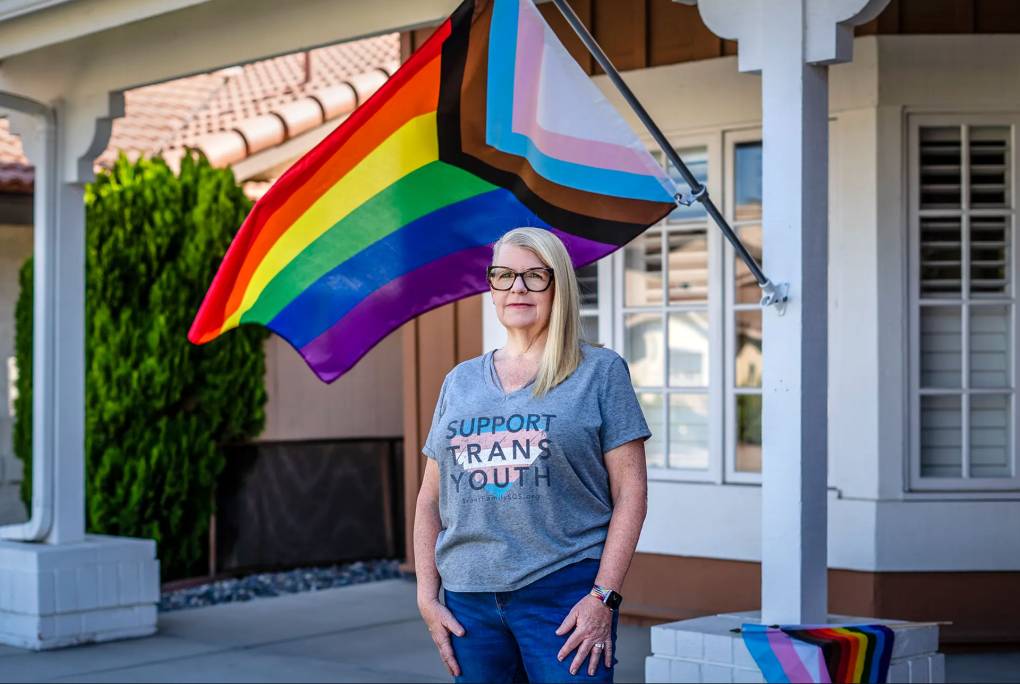
window.__IS_SSR__=true
window.__INITIAL_STATE__={
"attachmentsReducer": {
"audio_0": {
"type": "attachments",
"id": "audio_0",
"imgSizes": {
"kqedFullSize": {
"file": "https://ww2.kqed.org/news/wp-content/themes/KQED-unified/img/audio_bgs/background0.jpg"
}
}
},
"audio_1": {
"type": "attachments",
"id": "audio_1",
"imgSizes": {
"kqedFullSize": {
"file": "https://ww2.kqed.org/news/wp-content/themes/KQED-unified/img/audio_bgs/background1.jpg"
}
}
},
"audio_2": {
"type": "attachments",
"id": "audio_2",
"imgSizes": {
"kqedFullSize": {
"file": "https://ww2.kqed.org/news/wp-content/themes/KQED-unified/img/audio_bgs/background2.jpg"
}
}
},
"audio_3": {
"type": "attachments",
"id": "audio_3",
"imgSizes": {
"kqedFullSize": {
"file": "https://ww2.kqed.org/news/wp-content/themes/KQED-unified/img/audio_bgs/background3.jpg"
}
}
},
"audio_4": {
"type": "attachments",
"id": "audio_4",
"imgSizes": {
"kqedFullSize": {
"file": "https://ww2.kqed.org/news/wp-content/themes/KQED-unified/img/audio_bgs/background4.jpg"
}
}
},
"placeholder": {
"type": "attachments",
"id": "placeholder",
"imgSizes": {
"thumbnail": {
"file": "https://cdn.kqed.org/wp-content/uploads/2024/12/KQED-Default-Image-816638274-2000x1333-1-160x107.jpg",
"width": 160,
"height": 107,
"mimeType": "image/jpeg"
},
"medium": {
"file": "https://cdn.kqed.org/wp-content/uploads/2024/12/KQED-Default-Image-816638274-2000x1333-1-800x533.jpg",
"width": 800,
"height": 533,
"mimeType": "image/jpeg"
},
"medium_large": {
"file": "https://cdn.kqed.org/wp-content/uploads/2024/12/KQED-Default-Image-816638274-2000x1333-1-768x512.jpg",
"width": 768,
"height": 512,
"mimeType": "image/jpeg"
},
"large": {
"file": "https://cdn.kqed.org/wp-content/uploads/2024/12/KQED-Default-Image-816638274-2000x1333-1-1020x680.jpg",
"width": 1020,
"height": 680,
"mimeType": "image/jpeg"
},
"1536x1536": {
"file": "https://cdn.kqed.org/wp-content/uploads/2024/12/KQED-Default-Image-816638274-2000x1333-1-1536x1024.jpg",
"width": 1536,
"height": 1024,
"mimeType": "image/jpeg"
},
"fd-lrg": {
"file": "https://cdn.kqed.org/wp-content/uploads/2024/12/KQED-Default-Image-816638274-2000x1333-1-1536x1024.jpg",
"width": 1536,
"height": 1024,
"mimeType": "image/jpeg"
},
"fd-med": {
"file": "https://cdn.kqed.org/wp-content/uploads/2024/12/KQED-Default-Image-816638274-2000x1333-1-1020x680.jpg",
"width": 1020,
"height": 680,
"mimeType": "image/jpeg"
},
"fd-sm": {
"file": "https://cdn.kqed.org/wp-content/uploads/2024/12/KQED-Default-Image-816638274-2000x1333-1-800x533.jpg",
"width": 800,
"height": 533,
"mimeType": "image/jpeg"
},
"post-thumbnail": {
"file": "https://cdn.kqed.org/wp-content/uploads/2024/12/KQED-Default-Image-816638274-2000x1333-1-672x372.jpg",
"width": 672,
"height": 372,
"mimeType": "image/jpeg"
},
"twentyfourteen-full-width": {
"file": "https://cdn.kqed.org/wp-content/uploads/2024/12/KQED-Default-Image-816638274-2000x1333-1-1038x576.jpg",
"width": 1038,
"height": 576,
"mimeType": "image/jpeg"
},
"xxsmall": {
"file": "https://cdn.kqed.org/wp-content/uploads/2024/12/KQED-Default-Image-816638274-2000x1333-1-160x107.jpg",
"width": 160,
"height": 107,
"mimeType": "image/jpeg"
},
"xsmall": {
"file": "https://cdn.kqed.org/wp-content/uploads/2024/12/KQED-Default-Image-816638274-2000x1333-1-672x372.jpg",
"width": 672,
"height": 372,
"mimeType": "image/jpeg"
},
"small": {
"file": "https://cdn.kqed.org/wp-content/uploads/2024/12/KQED-Default-Image-816638274-2000x1333-1-672x372.jpg",
"width": 672,
"height": 372,
"mimeType": "image/jpeg"
},
"xlarge": {
"file": "https://cdn.kqed.org/wp-content/uploads/2024/12/KQED-Default-Image-816638274-2000x1333-1-1020x680.jpg",
"width": 1020,
"height": 680,
"mimeType": "image/jpeg"
},
"full-width": {
"file": "https://cdn.kqed.org/wp-content/uploads/2024/12/KQED-Default-Image-816638274-2000x1333-1-1920x1280.jpg",
"width": 1920,
"height": 1280,
"mimeType": "image/jpeg"
},
"guest-author-32": {
"file": "https://cdn.kqed.org/wp-content/uploads/2025/01/KQED-Default-Image-816638274-1333x1333-1-160x160.jpg",
"width": 32,
"height": 32,
"mimeType": "image/jpeg"
},
"guest-author-50": {
"file": "https://cdn.kqed.org/wp-content/uploads/2025/01/KQED-Default-Image-816638274-1333x1333-1-160x160.jpg",
"width": 50,
"height": 50,
"mimeType": "image/jpeg"
},
"guest-author-64": {
"file": "https://cdn.kqed.org/wp-content/uploads/2025/01/KQED-Default-Image-816638274-1333x1333-1-160x160.jpg",
"width": 64,
"height": 64,
"mimeType": "image/jpeg"
},
"guest-author-96": {
"file": "https://cdn.kqed.org/wp-content/uploads/2025/01/KQED-Default-Image-816638274-1333x1333-1-160x160.jpg",
"width": 96,
"height": 96,
"mimeType": "image/jpeg"
},
"guest-author-128": {
"file": "https://cdn.kqed.org/wp-content/uploads/2025/01/KQED-Default-Image-816638274-1333x1333-1-160x160.jpg",
"width": 128,
"height": 128,
"mimeType": "image/jpeg"
},
"detail": {
"file": "https://cdn.kqed.org/wp-content/uploads/2025/01/KQED-Default-Image-816638274-1333x1333-1-160x160.jpg",
"width": 160,
"height": 160,
"mimeType": "image/jpeg"
},
"kqedFullSize": {
"file": "https://cdn.kqed.org/wp-content/uploads/2024/12/KQED-Default-Image-816638274-2000x1333-1.jpg",
"width": 2000,
"height": 1333
}
}
},
"news_11927329": {
"type": "attachments",
"id": "news_11927329",
"meta": {
"index": "attachments_1716263798",
"site": "news",
"id": "11927329",
"found": true
},
"parent": 11927310,
"imgSizes": {
"twentyfourteen-full-width": {
"file": "https://ww2.kqed.org/app/uploads/sites/10/2022/09/MoehligCalmatters-1038x576.jpg",
"width": 1038,
"mimeType": "image/jpeg",
"height": 576
},
"thumbnail": {
"file": "https://ww2.kqed.org/app/uploads/sites/10/2022/09/MoehligCalmatters-160x107.jpg",
"width": 160,
"mimeType": "image/jpeg",
"height": 107
},
"post-thumbnail": {
"file": "https://ww2.kqed.org/app/uploads/sites/10/2022/09/MoehligCalmatters-672x372.jpg",
"width": 672,
"mimeType": "image/jpeg",
"height": 372
},
"kqedFullSize": {
"file": "https://ww2.kqed.org/app/uploads/sites/10/2022/09/MoehligCalmatters.jpg",
"width": 1920,
"height": 1287
},
"large": {
"file": "https://ww2.kqed.org/app/uploads/sites/10/2022/09/MoehligCalmatters-1020x684.jpg",
"width": 1020,
"mimeType": "image/jpeg",
"height": 684
},
"1536x1536": {
"file": "https://ww2.kqed.org/app/uploads/sites/10/2022/09/MoehligCalmatters-1536x1030.jpg",
"width": 1536,
"mimeType": "image/jpeg",
"height": 1030
},
"medium": {
"file": "https://ww2.kqed.org/app/uploads/sites/10/2022/09/MoehligCalmatters-800x536.jpg",
"width": 800,
"mimeType": "image/jpeg",
"height": 536
}
},
"publishDate": 1664567294,
"modified": 1664567391,
"caption": "Kathie Moehlig, founder of TransFamily Support Services, at her home in San Diego County on Aug. 26, 2022.",
"description": null,
"title": "MoehligCalmatters",
"credit": "Ariana Drehsler/CalMatters",
"status": "inherit",
"altTag": "woman with straight blonde hair and glasses wearing 'support trans youth' shirt stands underneath a pride flag outdoors outside of a home",
"isLoading": false,
"fetchFailed": false
},
"news_11926869": {
"type": "attachments",
"id": "news_11926869",
"meta": {
"index": "attachments_1716263798",
"site": "news",
"id": "11926869",
"found": true
},
"parent": 11926839,
"imgSizes": {
"twentyfourteen-full-width": {
"file": "https://ww2.kqed.org/app/uploads/sites/10/2022/09/Prop26-27_GettyImages-1358137983-qut-1038x576.jpg",
"width": 1038,
"mimeType": "image/jpeg",
"height": 576
},
"thumbnail": {
"file": "https://ww2.kqed.org/app/uploads/sites/10/2022/09/Prop26-27_GettyImages-1358137983-qut-160x106.jpg",
"width": 160,
"mimeType": "image/jpeg",
"height": 106
},
"post-thumbnail": {
"file": "https://ww2.kqed.org/app/uploads/sites/10/2022/09/Prop26-27_GettyImages-1358137983-qut-672x372.jpg",
"width": 672,
"mimeType": "image/jpeg",
"height": 372
},
"kqedFullSize": {
"file": "https://ww2.kqed.org/app/uploads/sites/10/2022/09/Prop26-27_GettyImages-1358137983-qut.jpg",
"width": 1920,
"height": 1277
},
"large": {
"file": "https://ww2.kqed.org/app/uploads/sites/10/2022/09/Prop26-27_GettyImages-1358137983-qut-1020x678.jpg",
"width": 1020,
"mimeType": "image/jpeg",
"height": 678
},
"1536x1536": {
"file": "https://ww2.kqed.org/app/uploads/sites/10/2022/09/Prop26-27_GettyImages-1358137983-qut-1536x1022.jpg",
"width": 1536,
"mimeType": "image/jpeg",
"height": 1022
},
"medium": {
"file": "https://ww2.kqed.org/app/uploads/sites/10/2022/09/Prop26-27_GettyImages-1358137983-qut-800x532.jpg",
"width": 800,
"mimeType": "image/jpeg",
"height": 532
}
},
"publishDate": 1664312541,
"modified": 1664312661,
"caption": "Whether or not California should allow sports betting and how are big money questions on the ballot this fall. ",
"description": null,
"title": "MGM National Harbor, Governor Larry Hogan And Joe Theismann Launch Sports Betting In Maryland With BETMGM",
"credit": "Shannon Finney/Getty Images for MGM National Harbor",
"status": "inherit",
"altTag": "Huge circular TV screen mounted above a bar shows multiple football games at once.",
"isLoading": false,
"fetchFailed": false
},
"news_10756301": {
"type": "attachments",
"id": "news_10756301",
"meta": {
"index": "attachments_1716263798",
"site": "news",
"id": "10756301",
"found": true
},
"parent": 10756297,
"imgSizes": {
"twentyfourteen-full-width": {
"file": "https://ww2.kqed.org/app/uploads/sites/10/2015/11/ChulaVista-1038x576.jpg",
"width": 1038,
"mimeType": "image/jpeg",
"height": 576
},
"thumbnail": {
"file": "https://ww2.kqed.org/app/uploads/sites/10/2015/11/ChulaVista-400x267.jpg",
"width": 400,
"mimeType": "image/jpeg",
"height": 267
},
"fd-sm": {
"file": "https://ww2.kqed.org/app/uploads/sites/10/2015/11/ChulaVista-960x640.jpg",
"width": 960,
"mimeType": "image/jpeg",
"height": 640
},
"post-thumbnail": {
"file": "https://ww2.kqed.org/app/uploads/sites/10/2015/11/ChulaVista-672x372.jpg",
"width": 672,
"mimeType": "image/jpeg",
"height": 372
},
"kqedFullSize": {
"file": "https://ww2.kqed.org/app/uploads/sites/10/2015/11/ChulaVista-e1447364791866.jpg",
"width": 1920,
"height": 1280
},
"large": {
"file": "https://ww2.kqed.org/app/uploads/sites/10/2015/11/ChulaVista-1440x960.jpg",
"width": 1440,
"mimeType": "image/jpeg",
"height": 960
},
"guest-author-96": {
"file": "https://ww2.kqed.org/app/uploads/sites/10/2015/11/ChulaVista-96x96.jpg",
"width": 96,
"mimeType": "image/jpeg",
"height": 96
},
"medium": {
"file": "https://ww2.kqed.org/app/uploads/sites/10/2015/11/ChulaVista-800x533.jpg",
"width": 800,
"mimeType": "image/jpeg",
"height": 533
},
"guest-author-64": {
"file": "https://ww2.kqed.org/app/uploads/sites/10/2015/11/ChulaVista-64x64.jpg",
"width": 64,
"mimeType": "image/jpeg",
"height": 64
},
"guest-author-32": {
"file": "https://ww2.kqed.org/app/uploads/sites/10/2015/11/ChulaVista-32x32.jpg",
"width": 32,
"mimeType": "image/jpeg",
"height": 32
},
"jmtc-small-thumb": {
"file": "https://ww2.kqed.org/app/uploads/sites/10/2015/11/ChulaVista-280x150.jpg",
"width": 280,
"mimeType": "image/jpeg",
"height": 150
},
"fd-lrg": {
"file": "https://ww2.kqed.org/app/uploads/sites/10/2015/11/ChulaVista-1920x1280.jpg",
"width": 1920,
"mimeType": "image/jpeg",
"height": 1280
},
"fd-med": {
"file": "https://ww2.kqed.org/app/uploads/sites/10/2015/11/ChulaVista-1180x787.jpg",
"width": 1180,
"mimeType": "image/jpeg",
"height": 787
},
"detail": {
"file": "https://ww2.kqed.org/app/uploads/sites/10/2015/11/ChulaVista-75x75.jpg",
"width": 75,
"mimeType": "image/jpeg",
"height": 75
},
"guest-author-128": {
"file": "https://ww2.kqed.org/app/uploads/sites/10/2015/11/ChulaVista-128x128.jpg",
"width": 128,
"mimeType": "image/jpeg",
"height": 128
}
},
"publishDate": 1447364779,
"modified": 1447364898,
"caption": "Zoe Kumagai, 23, a new music teacher at Veterans Elementary School in Chula Vista, California, instructs a group of kindergarten students. ",
"description": null,
"title": "ChulaVista",
"credit": "Mary Plummer/KPCC",
"status": "inherit",
"isLoading": false,
"fetchFailed": false
},
"news_11927142": {
"type": "attachments",
"id": "news_11927142",
"meta": {
"index": "attachments_1716263798",
"site": "news",
"id": "11927142",
"found": true
},
"parent": 11927129,
"imgSizes": {
"twentyfourteen-full-width": {
"file": "https://ww2.kqed.org/app/uploads/sites/10/2022/09/RS58893_IMG_4413-qut-1038x576.jpg",
"width": 1038,
"mimeType": "image/jpeg",
"height": 576
},
"thumbnail": {
"file": "https://ww2.kqed.org/app/uploads/sites/10/2022/09/RS58893_IMG_4413-qut-160x96.jpg",
"width": 160,
"mimeType": "image/jpeg",
"height": 96
},
"post-thumbnail": {
"file": "https://ww2.kqed.org/app/uploads/sites/10/2022/09/RS58893_IMG_4413-qut-672x372.jpg",
"width": 672,
"mimeType": "image/jpeg",
"height": 372
},
"kqedFullSize": {
"file": "https://ww2.kqed.org/app/uploads/sites/10/2022/09/RS58893_IMG_4413-qut.jpg",
"width": 1920,
"height": 1150
},
"large": {
"file": "https://ww2.kqed.org/app/uploads/sites/10/2022/09/RS58893_IMG_4413-qut-1020x611.jpg",
"width": 1020,
"mimeType": "image/jpeg",
"height": 611
},
"1536x1536": {
"file": "https://ww2.kqed.org/app/uploads/sites/10/2022/09/RS58893_IMG_4413-qut-1536x920.jpg",
"width": 1536,
"mimeType": "image/jpeg",
"height": 920
},
"medium": {
"file": "https://ww2.kqed.org/app/uploads/sites/10/2022/09/RS58893_IMG_4413-qut-800x479.jpg",
"width": 800,
"mimeType": "image/jpeg",
"height": 479
}
},
"publishDate": 1664477435,
"modified": 1664477461,
"caption": "Nathan Hochman, candidate for California Attorney General, on Political Breakdown.",
"description": null,
"title": "RS58893_IMG_4413-qut",
"credit": "Guy Marzorati/KQED",
"status": "inherit",
"altTag": null,
"isLoading": false,
"fetchFailed": false
},
"news_11927064": {
"type": "attachments",
"id": "news_11927064",
"meta": {
"index": "attachments_1716263798",
"site": "news",
"id": "11927064",
"found": true
},
"parent": 11927062,
"imgSizes": {
"twentyfourteen-full-width": {
"file": "https://ww2.kqed.org/app/uploads/sites/10/2022/09/RS54766_008_KQED_CastroHousingRightsRally_03272022-qut-1038x576.jpg",
"width": 1038,
"mimeType": "image/jpeg",
"height": 576
},
"thumbnail": {
"file": "https://ww2.kqed.org/app/uploads/sites/10/2022/09/RS54766_008_KQED_CastroHousingRightsRally_03272022-qut-160x107.jpg",
"width": 160,
"mimeType": "image/jpeg",
"height": 107
},
"post-thumbnail": {
"file": "https://ww2.kqed.org/app/uploads/sites/10/2022/09/RS54766_008_KQED_CastroHousingRightsRally_03272022-qut-672x372.jpg",
"width": 672,
"mimeType": "image/jpeg",
"height": 372
},
"kqedFullSize": {
"file": "https://ww2.kqed.org/app/uploads/sites/10/2022/09/RS54766_008_KQED_CastroHousingRightsRally_03272022-qut.jpg",
"width": 1920,
"height": 1278
},
"large": {
"file": "https://ww2.kqed.org/app/uploads/sites/10/2022/09/RS54766_008_KQED_CastroHousingRightsRally_03272022-qut-1020x679.jpg",
"width": 1020,
"mimeType": "image/jpeg",
"height": 679
},
"1536x1536": {
"file": "https://ww2.kqed.org/app/uploads/sites/10/2022/09/RS54766_008_KQED_CastroHousingRightsRally_03272022-qut-1536x1022.jpg",
"width": 1536,
"mimeType": "image/jpeg",
"height": 1022
},
"medium": {
"file": "https://ww2.kqed.org/app/uploads/sites/10/2022/09/RS54766_008_KQED_CastroHousingRightsRally_03272022-qut-800x533.jpg",
"width": 800,
"mimeType": "image/jpeg",
"height": 533
}
},
"publishDate": 1664410267,
"modified": 1664471018,
"caption": "Assemblymember Matt Haney will lead a bipartisan committee that will look for solutions to the opioid epidemic.",
"description": null,
"title": "RS54766_008_KQED_CastroHousingRightsRally_03272022-qut",
"credit": "Beth LaBerge/KQED",
"status": "inherit",
"altTag": "Assemblyman Matt Haney smiles among a crowd of people.",
"isLoading": false,
"fetchFailed": false
},
"news_11926728": {
"type": "attachments",
"id": "news_11926728",
"meta": {
"index": "attachments_1716263798",
"site": "news",
"id": "11926728",
"found": true
},
"parent": 11926701,
"imgSizes": {
"thumbnail": {
"file": "https://ww2.kqed.org/app/uploads/sites/10/2022/09/GettyImages-597316481-160x107.jpg",
"width": 160,
"mimeType": "image/jpeg",
"height": 107
},
"post-thumbnail": {
"file": "https://ww2.kqed.org/app/uploads/sites/10/2022/09/GettyImages-597316481-672x372.jpg",
"width": 672,
"mimeType": "image/jpeg",
"height": 372
},
"kqedFullSize": {
"file": "https://ww2.kqed.org/app/uploads/sites/10/2022/09/GettyImages-597316481.jpg",
"width": 724,
"height": 483
}
},
"publishDate": 1664224102,
"modified": 1664227343,
"caption": "Gov. Newsom vetoed a bill Sunday that aimed to close the gap in academic opportunity for students from lower-income families and students of color, saying it would create 'one-time and ongoing costs in the hundreds of millions of dollars.'",
"description": "A teacher and her kindergarten students learn the alphabet in class.",
"title": "Kindergarten students and teacher using digital tablets",
"credit": "Ariel Skelley/Getty Images",
"status": "inherit",
"altTag": "A teacher of South Asian descent points at a tablet with letters on it as smiling children of different races raise their hands",
"isLoading": false,
"fetchFailed": false
},
"news_11926501": {
"type": "attachments",
"id": "news_11926501",
"meta": {
"index": "attachments_1716263798",
"site": "news",
"id": "11926501",
"found": true
},
"parent": 11926496,
"imgSizes": {
"twentyfourteen-full-width": {
"file": "https://ww2.kqed.org/app/uploads/sites/10/2022/09/RS58812_IMG_4401-qut-1038x576.jpg",
"width": 1038,
"mimeType": "image/jpeg",
"height": 576
},
"thumbnail": {
"file": "https://ww2.kqed.org/app/uploads/sites/10/2022/09/RS58812_IMG_4401-qut-160x120.jpg",
"width": 160,
"mimeType": "image/jpeg",
"height": 120
},
"post-thumbnail": {
"file": "https://ww2.kqed.org/app/uploads/sites/10/2022/09/RS58812_IMG_4401-qut-672x372.jpg",
"width": 672,
"mimeType": "image/jpeg",
"height": 372
},
"kqedFullSize": {
"file": "https://ww2.kqed.org/app/uploads/sites/10/2022/09/RS58812_IMG_4401-qut.jpg",
"width": 1920,
"height": 1440
},
"large": {
"file": "https://ww2.kqed.org/app/uploads/sites/10/2022/09/RS58812_IMG_4401-qut-1020x765.jpg",
"width": 1020,
"mimeType": "image/jpeg",
"height": 765
},
"1536x1536": {
"file": "https://ww2.kqed.org/app/uploads/sites/10/2022/09/RS58812_IMG_4401-qut-1536x1152.jpg",
"width": 1536,
"mimeType": "image/jpeg",
"height": 1152
},
"medium": {
"file": "https://ww2.kqed.org/app/uploads/sites/10/2022/09/RS58812_IMG_4401-qut-800x600.jpg",
"width": 800,
"mimeType": "image/jpeg",
"height": 600
}
},
"publishDate": 1663887088,
"modified": 1663887134,
"caption": "California Attorney General Rob Bonta joins Political Breakdown on September 20, 2022.",
"description": null,
"title": "RS58812_IMG_4401-qut",
"credit": "Guy Marzorati/KQED",
"status": "inherit",
"altTag": null,
"isLoading": false,
"fetchFailed": false
},
"news_11926202": {
"type": "attachments",
"id": "news_11926202",
"meta": {
"index": "attachments_1716263798",
"site": "news",
"id": "11926202",
"found": true
},
"title": "RS57150_037_KQED_DABrookeJenkins_07072022-qut",
"publishDate": 1663613926,
"status": "inherit",
"parent": 11926200,
"modified": 1727224345,
"caption": "San Francisco District Attorney Brooke Jenkins speaks during a press conference at City Hall on July 7, 2022, shortly after Mayor London Breed appointed her to the position following the recall of Chesa Boudin.",
"credit": "Beth LaBerge/KQED",
"altTag": "A woman wearing a business suit stands in front of a microphone with the American flag in the background.",
"description": null,
"imgSizes": {
"medium": {
"file": "https://cdn.kqed.org/wp-content/uploads/sites/10/2022/09/RS57150_037_KQED_DABrookeJenkins_07072022-qut-800x533.jpg",
"width": 800,
"height": 533,
"mimeType": "image/jpeg"
},
"large": {
"file": "https://cdn.kqed.org/wp-content/uploads/sites/10/2022/09/RS57150_037_KQED_DABrookeJenkins_07072022-qut-1020x680.jpg",
"width": 1020,
"height": 680,
"mimeType": "image/jpeg"
},
"thumbnail": {
"file": "https://cdn.kqed.org/wp-content/uploads/sites/10/2022/09/RS57150_037_KQED_DABrookeJenkins_07072022-qut-160x107.jpg",
"width": 160,
"height": 107,
"mimeType": "image/jpeg"
},
"1536x1536": {
"file": "https://cdn.kqed.org/wp-content/uploads/sites/10/2022/09/RS57150_037_KQED_DABrookeJenkins_07072022-qut-1536x1024.jpg",
"width": 1536,
"height": 1024,
"mimeType": "image/jpeg"
},
"post-thumbnail": {
"file": "https://cdn.kqed.org/wp-content/uploads/sites/10/2022/09/RS57150_037_KQED_DABrookeJenkins_07072022-qut-672x372.jpg",
"width": 672,
"height": 372,
"mimeType": "image/jpeg"
},
"twentyfourteen-full-width": {
"file": "https://cdn.kqed.org/wp-content/uploads/sites/10/2022/09/RS57150_037_KQED_DABrookeJenkins_07072022-qut-1038x576.jpg",
"width": 1038,
"height": 576,
"mimeType": "image/jpeg"
},
"kqedFullSize": {
"file": "https://cdn.kqed.org/wp-content/uploads/sites/10/2022/09/RS57150_037_KQED_DABrookeJenkins_07072022-qut.jpg",
"width": 1920,
"height": 1280
}
},
"isLoading": false,
"fetchFailed": false
},
"news_11925855": {
"type": "attachments",
"id": "news_11925855",
"meta": {
"index": "attachments_1716263798",
"site": "news",
"id": "11925855",
"found": true
},
"parent": 11925851,
"imgSizes": {
"twentyfourteen-full-width": {
"file": "https://ww2.kqed.org/app/uploads/sites/10/2022/09/JSN-marquee-1038x576.jpg",
"width": 1038,
"mimeType": "image/jpeg",
"height": 576
},
"thumbnail": {
"file": "https://ww2.kqed.org/app/uploads/sites/10/2022/09/JSN-marquee-160x99.jpg",
"width": 160,
"mimeType": "image/jpeg",
"height": 99
},
"post-thumbnail": {
"file": "https://ww2.kqed.org/app/uploads/sites/10/2022/09/JSN-marquee-672x372.jpg",
"width": 672,
"mimeType": "image/jpeg",
"height": 372
},
"kqedFullSize": {
"file": "https://ww2.kqed.org/app/uploads/sites/10/2022/09/JSN-marquee.jpg",
"width": 1055,
"height": 650
},
"large": {
"file": "https://ww2.kqed.org/app/uploads/sites/10/2022/09/JSN-marquee-1020x628.jpg",
"width": 1020,
"mimeType": "image/jpeg",
"height": 628
},
"medium": {
"file": "https://ww2.kqed.org/app/uploads/sites/10/2022/09/JSN-marquee-800x493.jpg",
"width": 800,
"mimeType": "image/jpeg",
"height": 493
}
},
"publishDate": 1663282708,
"modified": 1663282708,
"caption": null,
"description": null,
"title": "JSN marquee",
"credit": null,
"status": "inherit",
"altTag": null,
"isLoading": false,
"fetchFailed": false
},
"news_11925886": {
"type": "attachments",
"id": "news_11925886",
"meta": {
"index": "attachments_1716263798",
"site": "news",
"id": "11925886",
"found": true
},
"parent": 11925876,
"imgSizes": {
"twentyfourteen-full-width": {
"file": "https://ww2.kqed.org/app/uploads/sites/10/2022/09/RS58617_IMG_4387-qut-1038x576.jpg",
"width": 1038,
"mimeType": "image/jpeg",
"height": 576
},
"thumbnail": {
"file": "https://ww2.kqed.org/app/uploads/sites/10/2022/09/RS58617_IMG_4387-qut-160x91.jpg",
"width": 160,
"mimeType": "image/jpeg",
"height": 91
},
"post-thumbnail": {
"file": "https://ww2.kqed.org/app/uploads/sites/10/2022/09/RS58617_IMG_4387-qut-672x372.jpg",
"width": 672,
"mimeType": "image/jpeg",
"height": 372
},
"kqedFullSize": {
"file": "https://ww2.kqed.org/app/uploads/sites/10/2022/09/RS58617_IMG_4387-qut.jpg",
"width": 1455,
"height": 828
},
"large": {
"file": "https://ww2.kqed.org/app/uploads/sites/10/2022/09/RS58617_IMG_4387-qut-1020x580.jpg",
"width": 1020,
"mimeType": "image/jpeg",
"height": 580
},
"medium": {
"file": "https://ww2.kqed.org/app/uploads/sites/10/2022/09/RS58617_IMG_4387-qut-800x455.jpg",
"width": 800,
"mimeType": "image/jpeg",
"height": 455
}
},
"publishDate": 1663286760,
"modified": 1663286785,
"caption": "State Senator Brian Dahle, R-Bieber, on Political Breakdown.",
"description": null,
"title": "RS58617_IMG_4387-qut",
"credit": null,
"status": "inherit",
"altTag": null,
"isLoading": false,
"fetchFailed": false
},
"news_11925713": {
"type": "attachments",
"id": "news_11925713",
"meta": {
"index": "attachments_1716263798",
"site": "news",
"id": "11925713",
"found": true
},
"parent": 11925703,
"imgSizes": {
"twentyfourteen-full-width": {
"file": "https://ww2.kqed.org/app/uploads/sites/10/2022/09/GettyImages-1219033486-1038x576.jpg",
"width": 1038,
"mimeType": "image/jpeg",
"height": 576
},
"thumbnail": {
"file": "https://ww2.kqed.org/app/uploads/sites/10/2022/09/GettyImages-1219033486-160x107.jpg",
"width": 160,
"mimeType": "image/jpeg",
"height": 107
},
"post-thumbnail": {
"file": "https://ww2.kqed.org/app/uploads/sites/10/2022/09/GettyImages-1219033486-672x372.jpg",
"width": 672,
"mimeType": "image/jpeg",
"height": 372
},
"kqedFullSize": {
"file": "https://ww2.kqed.org/app/uploads/sites/10/2022/09/GettyImages-1219033486-scaled.jpg",
"width": 2560,
"height": 1707
},
"2048x2048": {
"file": "https://ww2.kqed.org/app/uploads/sites/10/2022/09/GettyImages-1219033486-2048x1365.jpg",
"width": 2048,
"mimeType": "image/jpeg",
"height": 1365
},
"large": {
"file": "https://ww2.kqed.org/app/uploads/sites/10/2022/09/GettyImages-1219033486-1020x680.jpg",
"width": 1020,
"mimeType": "image/jpeg",
"height": 680
},
"1536x1536": {
"file": "https://ww2.kqed.org/app/uploads/sites/10/2022/09/GettyImages-1219033486-1536x1024.jpg",
"width": 1536,
"mimeType": "image/jpeg",
"height": 1024
},
"full-width": {
"file": "https://ww2.kqed.org/app/uploads/sites/10/2022/09/GettyImages-1219033486-1920x1280.jpg",
"width": 1920,
"mimeType": "image/jpeg",
"height": 1280
},
"medium": {
"file": "https://ww2.kqed.org/app/uploads/sites/10/2022/09/GettyImages-1219033486-800x533.jpg",
"width": 800,
"mimeType": "image/jpeg",
"height": 533
}
},
"publishDate": 1663202437,
"modified": 1663208004,
"caption": "Electric vehicle charging station, Los Angeles.",
"description": "Electric Vehicle charging station, Los Angeles, California ",
"title": "Electric Vehicle charging station",
"credit": "Citizen of the Planet/Education Images/Universal Images Group via Getty Images",
"status": "inherit",
"altTag": "The image shows two electric car charging stations on either side of an empty parking space. The stations are tall white booths with long black hoses that plug into and charge electric cars. A worker in a white hard hat, blue jeans and a blue jacket reaches up toward the top of one charging station. In the background of the image are cars in a mall parking lot in front of unidentified storefronts, a large, leafy green tree and a tall palm tree.",
"isLoading": false,
"fetchFailed": false
},
"news_11925352": {
"type": "attachments",
"id": "news_11925352",
"meta": {
"index": "attachments_1716263798",
"site": "news",
"id": "11925352",
"found": true
},
"parent": 11924942,
"imgSizes": {
"twentyfourteen-full-width": {
"file": "https://ww2.kqed.org/app/uploads/sites/10/2022/09/RS8738_IMG_2473-1038x576.jpg",
"width": 1038,
"mimeType": "image/jpeg",
"height": 576
},
"thumbnail": {
"file": "https://ww2.kqed.org/app/uploads/sites/10/2022/09/RS8738_IMG_2473-160x107.jpg",
"width": 160,
"mimeType": "image/jpeg",
"height": 107
},
"post-thumbnail": {
"file": "https://ww2.kqed.org/app/uploads/sites/10/2022/09/RS8738_IMG_2473-672x372.jpg",
"width": 672,
"mimeType": "image/jpeg",
"height": 372
},
"kqedFullSize": {
"file": "https://ww2.kqed.org/app/uploads/sites/10/2022/09/RS8738_IMG_2473.jpg",
"width": 2000,
"height": 1333
},
"large": {
"file": "https://ww2.kqed.org/app/uploads/sites/10/2022/09/RS8738_IMG_2473-1020x680.jpg",
"width": 1020,
"mimeType": "image/jpeg",
"height": 680
},
"1536x1536": {
"file": "https://ww2.kqed.org/app/uploads/sites/10/2022/09/RS8738_IMG_2473-1536x1024.jpg",
"width": 1536,
"mimeType": "image/jpeg",
"height": 1024
},
"full-width": {
"file": "https://ww2.kqed.org/app/uploads/sites/10/2022/09/RS8738_IMG_2473-1920x1280.jpg",
"width": 1920,
"mimeType": "image/jpeg",
"height": 1280
},
"medium": {
"file": "https://ww2.kqed.org/app/uploads/sites/10/2022/09/RS8738_IMG_2473-800x533.jpg",
"width": 800,
"mimeType": "image/jpeg",
"height": 533
}
},
"publishDate": 1663006247,
"modified": 1663013015,
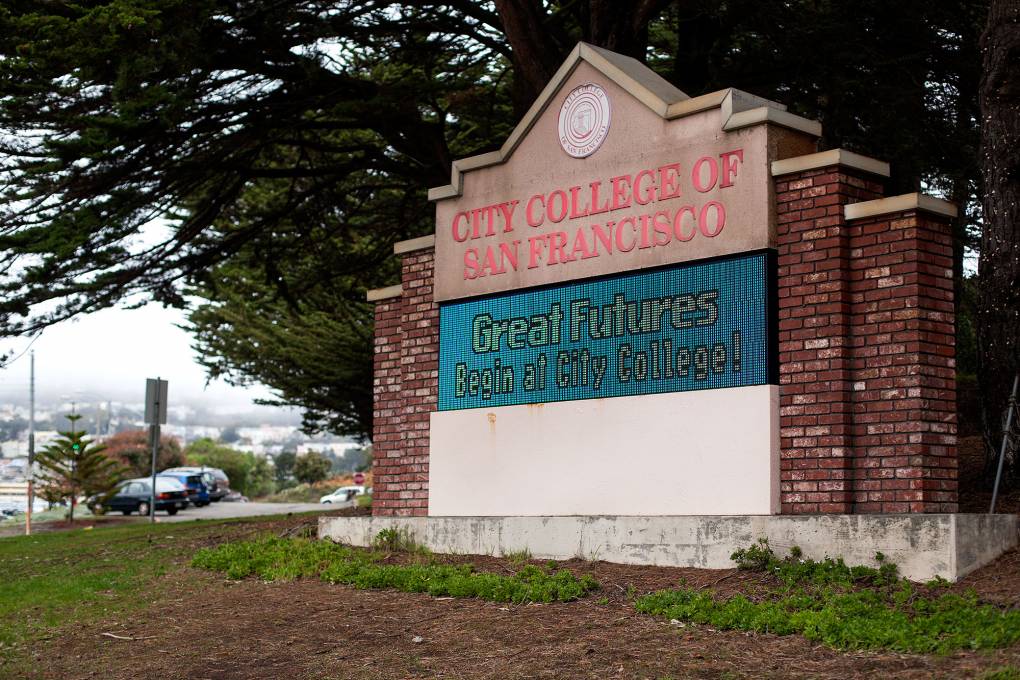
"caption": "A sign at Ocean and Phelan avenues promises great futures at City College of San Francisco in February 2014.",
"description": null,
"title": "RS8738_IMG_2473",
"credit": "Mark Andrew Boyer/KQED",
"status": "inherit",
"altTag": "A sign that reads \"City College of San Francisco.\"",
"isLoading": false,
"fetchFailed": false
}
},
"audioPlayerReducer": {
"postId": "stream_live",
"isPaused": true,
"isPlaying": false,
"pfsActive": false,
"pledgeModalIsOpen": true,
"playerDrawerIsOpen": false,
"liveAudioPlayStartedAt": 0,
"liveAudioPlayContext": ""
},
"authorsReducer": {
"byline_news_11927310": {
"type": "authors",
"id": "byline_news_11927310",
"meta": {
"override": true
},
"slug": "byline_news_11927310",
"name": "\u003ca href=\"https://calmatters.org/author/ariel-gans/\">Ariel Gans\u003c/a>",
"isLoading": false
},
"byline_news_11926701": {
"type": "authors",
"id": "byline_news_11926701",
"meta": {
"override": true
},
"slug": "byline_news_11926701",
"name": "\u003ca href=\"https://twitter.com/sophieadanna\">Sophie Austin\u003c/a>, \u003ca href=\"https://www.ap.org/en/\">Associated Press\u003c/a>",
"isLoading": false
},
"gmarzorati": {
"type": "authors",
"id": "227",
"meta": {
"index": "authors_1716337520",
"id": "227",
"found": true
},
"name": "Guy Marzorati",
"firstName": "Guy",
"lastName": "Marzorati",
"slug": "gmarzorati",
"email": "gmarzorati@KQED.org",
"display_author_email": true,
"staff_mastheads": [
"news"
],
"title": "Correspondent",
"bio": "Guy Marzorati is a correspondent on KQED's California Politics and Government Desk, based in San Jose. A graduate of Santa Clara University, Guy joined KQED in 2013. He reports on state and local politics and produces KQED's digital voter guide.",
"avatar": "https://secure.gravatar.com/avatar/e7038b8dbfd55b104369b76b1cd0b9de?s=600&d=blank&r=g",
"twitter": "guymarzorati",
"facebook": null,
"instagram": null,
"linkedin": null,
"sites": [
{
"site": "",
"roles": [
"editor"
]
},
{
"site": "news",
"roles": [
"editor"
]
},
{
"site": "science",
"roles": [
"editor"
]
},
{
"site": "forum",
"roles": [
"editor"
]
},
{
"site": "elections",
"roles": [
"editor"
]
},
{
"site": "liveblog",
"roles": [
"editor"
]
}
],
"headData": {
"title": "Guy Marzorati | KQED",
"description": "Correspondent",
"ogImgSrc": "https://secure.gravatar.com/avatar/e7038b8dbfd55b104369b76b1cd0b9de?s=600&d=blank&r=g",
"twImgSrc": "https://secure.gravatar.com/avatar/e7038b8dbfd55b104369b76b1cd0b9de?s=600&d=blank&r=g"
},
"isLoading": false,
"link": "/author/gmarzorati"
},
"jmcevoy": {
"type": "authors",
"id": "231",
"meta": {
"index": "authors_1716337520",
"id": "231",
"found": true
},
"name": "Julia McEvoy",
"firstName": "Julia",
"lastName": "McEvoy",
"slug": "jmcevoy",
"email": "jmcevoy@KQED.org",
"display_author_email": true,
"staff_mastheads": [
"news"
],
"title": "KQED Senior Editor",
"bio": "Julia McEvoy is KQED's Senior Editor, Education Equity.\r\n\r\nJulia heads KQED’s education coverage examining inequities students face in Bay Area and California schools, and reports on what it will take to educate the next generation.\r\n\r\nJulia's editorial work has received a Peabody Award, a Casey Medal for Coverage of Children and Families, several Edward R. Murrow awards, as well as awards from the Public Radio News Directors Inc. and the Society for Professional Journalists.",
"avatar": "https://secure.gravatar.com/avatar/aec3ce21abe02b302fd33638abd56a22?s=600&d=blank&r=g",
"twitter": "juliamcevoy1",
"facebook": null,
"instagram": null,
"linkedin": null,
"sites": [
{
"site": "news",
"roles": []
},
{
"site": "stateofhealth",
"roles": [
"author"
]
}
],
"headData": {
"title": "Julia McEvoy | KQED",
"description": "KQED Senior Editor",
"ogImgSrc": "https://secure.gravatar.com/avatar/aec3ce21abe02b302fd33638abd56a22?s=600&d=blank&r=g",
"twImgSrc": "https://secure.gravatar.com/avatar/aec3ce21abe02b302fd33638abd56a22?s=600&d=blank&r=g"
},
"isLoading": false,
"link": "/author/jmcevoy"
},
"katrinaschwartz": {
"type": "authors",
"id": "234",
"meta": {
"index": "authors_1716337520",
"id": "234",
"found": true
},
"name": "Katrina Schwartz",
"firstName": "Katrina",
"lastName": "Schwartz",
"slug": "katrinaschwartz",
"email": "kschwartz@kqed.org",
"display_author_email": false,
"staff_mastheads": [
"news"
],
"title": "Producer",
"bio": "Katrina Schwartz is a journalist based in San Francisco. She's worked at KPCC public radio in LA and has reported on air and online for KQED since 2010. She covered how teaching and learning is changing for MindShift between 2012 and 2020. She is the co-host of the MindShift podcast and now produces KQED's Bay Curious podcast.",
"avatar": "https://secure.gravatar.com/avatar/edb4ee79070447a018538c9aae6eeecf28786515b8a0c30e43b6b7dce5aa44c8?s=600&d=blank&r=g",
"twitter": "kschwart",
"bluesky": null,
"facebook": null,
"instagram": null,
"linkedin": null,
"sites": [
{
"site": "news",
"roles": [
"editor"
]
},
{
"site": "mindshift",
"roles": [
"administrator"
]
},
{
"site": "stateofhealth",
"roles": [
"author"
]
},
{
"site": "science",
"roles": [
"editor"
]
}
],
"headData": {
"title": "Katrina Schwartz | KQED",
"description": "Producer",
"ogImgSrc": "https://secure.gravatar.com/avatar/edb4ee79070447a018538c9aae6eeecf28786515b8a0c30e43b6b7dce5aa44c8?s=600&d=blank&r=g",
"twImgSrc": "https://secure.gravatar.com/avatar/edb4ee79070447a018538c9aae6eeecf28786515b8a0c30e43b6b7dce5aa44c8?s=600&d=blank&r=g"
},
"isLoading": false,
"link": "/author/katrinaschwartz"
},
"kqed": {
"type": "authors",
"id": "236",
"meta": {
"index": "authors_1716337520",
"id": "236",
"found": true
},
"name": "KQED News Staff",
"firstName": "KQED News Staff",
"lastName": null,
"slug": "kqed",
"email": "faq@kqed.org",
"display_author_email": false,
"staff_mastheads": [],
"title": null,
"bio": null,
"avatar": "https://secure.gravatar.com/avatar/ef0e801a68c4c54afa9180db14084167?s=600&d=blank&r=g",
"twitter": null,
"facebook": null,
"instagram": null,
"linkedin": null,
"sites": [
{
"site": "arts",
"roles": [
"contributor"
]
},
{
"site": "news",
"roles": [
"editor"
]
},
{
"site": "futureofyou",
"roles": [
"author"
]
}
],
"headData": {
"title": "KQED News Staff | KQED",
"description": null,
"ogImgSrc": "https://secure.gravatar.com/avatar/ef0e801a68c4c54afa9180db14084167?s=600&d=blank&r=g",
"twImgSrc": "https://secure.gravatar.com/avatar/ef0e801a68c4c54afa9180db14084167?s=600&d=blank&r=g"
},
"isLoading": false,
"link": "/author/kqed"
},
"scottshafer": {
"type": "authors",
"id": "255",
"meta": {
"index": "authors_1716337520",
"id": "255",
"found": true
},
"name": "Scott Shafer",
"firstName": "Scott",
"lastName": "Shafer",
"slug": "scottshafer",
"email": "sshafer@kqed.org",
"display_author_email": false,
"staff_mastheads": [
"news"
],
"title": "KQED Contributor",
"bio": "Scott Shafer is a senior editor with the KQED Politics and Government desk. He is co-host of Political Breakdown, the award-winning radio show and podcast with a personal take on the world of politics. Scott came to KQED in 1998 to host the statewide\u003cem> California Report\u003c/em>. Prior to that he had extended stints in politics and government\u003cem>.\u003c/em> He uses that inside experience at KQED in his, reporting, hosting and analysis for the politics desk. Scott collaborated \u003cem>Political Breakdown a\u003c/em>nd on \u003cem>The Political Mind of Jerry Brown, \u003c/em>an eight-part series about the life and extraordinary political career of the former governor. For fun, he plays water polo with the San Francisco Tsunami.",
"avatar": "https://secure.gravatar.com/avatar/a62ebae45b79d7aed1a39a0e3bf68104?s=600&d=blank&r=g",
"twitter": "scottshafer",
"bluesky": null,
"facebook": null,
"instagram": null,
"linkedin": null,
"sites": [
{
"site": "news",
"roles": [
"editor"
]
},
{
"site": "stateofhealth",
"roles": [
"author"
]
},
{
"site": "science",
"roles": [
"author"
]
},
{
"site": "forum",
"roles": [
"subscriber"
]
},
{
"site": "liveblog",
"roles": [
"author"
]
}
],
"headData": {
"title": "Scott Shafer | KQED",
"description": "KQED Contributor",
"ogImgSrc": "https://secure.gravatar.com/avatar/a62ebae45b79d7aed1a39a0e3bf68104?s=600&d=blank&r=g",
"twImgSrc": "https://secure.gravatar.com/avatar/a62ebae45b79d7aed1a39a0e3bf68104?s=600&d=blank&r=g"
},
"isLoading": false,
"link": "/author/scottshafer"
},
"mlagos": {
"type": "authors",
"id": "3239",
"meta": {
"index": "authors_1716337520",
"id": "3239",
"found": true
},
"name": "Marisa Lagos",
"firstName": "Marisa",
"lastName": "Lagos",
"slug": "mlagos",
"email": "mlagos@kqed.org",
"display_author_email": false,
"staff_mastheads": [
"news"
],
"title": "KQED Contributor",
"bio": "Marisa Lagos is a correspondent for KQED’s California Politics and Government Desk and co-hosts the award-winning show and podcast, Political Breakdown. At KQED, Lagos also conducts reporting, analysis and investigations into state, local and national politics for radio, TV, online and onstage. In 2022, she and co-host, Scott Shafer, moderated the only gubernatorial debate in California. In 2020, the \u003ci>Washington Post\u003c/i> named her one of the top political journalists in California; she was nominated for a Peabody and won several other awards for her work investigating the 2017 California wildfires. She has worked at the \u003ci>San Francisco Chronicle\u003c/i>, \u003ci>San Francisco Examiner\u003c/i> and \u003ci>Los Angeles Times\u003c/i>. A UC Santa Barbara graduate, she lives in San Francisco with her two sons and husband.",
"avatar": "https://secure.gravatar.com/avatar/a261a0d3696fc066871ef96b85b5e7d2?s=600&d=blank&r=g",
"twitter": "@mlagos",
"facebook": null,
"instagram": null,
"linkedin": null,
"sites": [
{
"site": "arts",
"roles": [
"author"
]
},
{
"site": "news",
"roles": [
"editor"
]
},
{
"site": "science",
"roles": [
"editor"
]
},
{
"site": "forum",
"roles": [
"author"
]
},
{
"site": "liveblog",
"roles": [
"author"
]
}
],
"headData": {
"title": "Marisa Lagos | KQED",
"description": "KQED Contributor",
"ogImgSrc": "https://secure.gravatar.com/avatar/a261a0d3696fc066871ef96b85b5e7d2?s=600&d=blank&r=g",
"twImgSrc": "https://secure.gravatar.com/avatar/a261a0d3696fc066871ef96b85b5e7d2?s=600&d=blank&r=g"
},
"isLoading": false,
"link": "/author/mlagos"
},
"ecruzguevarra": {
"type": "authors",
"id": "8654",
"meta": {
"index": "authors_1716337520",
"id": "8654",
"found": true
},
"name": "Ericka Cruz Guevarra",
"firstName": "Ericka",
"lastName": "Cruz Guevarra",
"slug": "ecruzguevarra",
"email": "ecruzguevarra@kqed.org",
"display_author_email": true,
"staff_mastheads": [
"news"
],
"title": "Producer, The Bay Podcast",
"bio": "Ericka Cruz Guevarra is host of \u003ca href=\"https://www.kqed.org/podcasts/thebay\">\u003cem>The Bay\u003c/em>\u003c/a> podcast at KQED. Before host, she was the show’s producer. Her work in that capacity includes a three-part reported series on policing in Vallejo, which won a 2020 excellence in journalism award from the Society of Professional Journalists. Ericka has worked as a breaking news reporter at Oregon Public Broadcasting, helped produce the Code Switch podcast, and was KQED’s inaugural Raul Ramirez Diversity Fund intern. She’s also an alumna of NPR’s Next Generation Radio program. Send her an email if you have strong feelings about whether Fairfield and Suisun City are the Bay. Ericka is represented by SAG-AFTRA.",
"avatar": "https://secure.gravatar.com/avatar/accefc1de4bafc7e234b69bcb9b6f6536c130fd84709bc3069ef11a78787e1bb?s=600&d=blank&r=g",
"twitter": "NotoriousECG",
"bluesky": null,
"facebook": null,
"instagram": null,
"linkedin": null,
"sites": [
{
"site": "arts",
"roles": [
"subscriber"
]
},
{
"site": "news",
"roles": [
"editor",
"manage_categories"
]
},
{
"site": "futureofyou",
"roles": [
"subscriber"
]
},
{
"site": "stateofhealth",
"roles": [
"subscriber"
]
},
{
"site": "science",
"roles": [
"editor"
]
},
{
"site": "forum",
"roles": [
"subscriber"
]
}
],
"headData": {
"title": "Ericka Cruz Guevarra | KQED",
"description": "Producer, The Bay Podcast",
"ogImgSrc": "https://secure.gravatar.com/avatar/accefc1de4bafc7e234b69bcb9b6f6536c130fd84709bc3069ef11a78787e1bb?s=600&d=blank&r=g",
"twImgSrc": "https://secure.gravatar.com/avatar/accefc1de4bafc7e234b69bcb9b6f6536c130fd84709bc3069ef11a78787e1bb?s=600&d=blank&r=g"
},
"isLoading": false,
"link": "/author/ecruzguevarra"
},
"kevinstark": {
"type": "authors",
"id": "11608",
"meta": {
"index": "authors_1716337520",
"id": "11608",
"found": true
},
"name": "Kevin Stark",
"firstName": "Kevin",
"lastName": "Stark",
"slug": "kevinstark",
"email": "kstark@kqed.org",
"display_author_email": true,
"staff_mastheads": [
"science"
],
"title": "Senior Editor",
"bio": "Kevin is a senior editor for KQED Science, managing the station's health and climate desks. His journalism career began in the Pacific Northwest, and he later became a lead reporter for the San Francisco Public Press. His work has appeared in Pacific Standard magazine, the Energy News Network, the Center for Investigative Reporting's Reveal and WBEZ in Chicago. Kevin joined KQED in 2019, and has covered issues related to energy, wildfire, climate change and the environment.",
"avatar": "https://secure.gravatar.com/avatar/1f646bf546a63d638e04ff23b52b0e79?s=600&d=blank&r=g",
"twitter": "starkkev",
"facebook": null,
"instagram": null,
"linkedin": null,
"sites": [
{
"site": "",
"roles": [
"editor"
]
},
{
"site": "news",
"roles": [
"editor"
]
},
{
"site": "science",
"roles": [
"administrator"
]
}
],
"headData": {
"title": "Kevin Stark | KQED",
"description": "Senior Editor",
"ogImgSrc": "https://secure.gravatar.com/avatar/1f646bf546a63d638e04ff23b52b0e79?s=600&d=blank&r=g",
"twImgSrc": "https://secure.gravatar.com/avatar/1f646bf546a63d638e04ff23b52b0e79?s=600&d=blank&r=g"
},
"isLoading": false,
"link": "/author/kevinstark"
},
"amontecillo": {
"type": "authors",
"id": "11649",
"meta": {
"index": "authors_1716337520",
"id": "11649",
"found": true
},
"name": "Alan Montecillo",
"firstName": "Alan",
"lastName": "Montecillo",
"slug": "amontecillo",
"email": "amontecillo@kqed.org",
"display_author_email": false,
"staff_mastheads": [
"news"
],
"title": "KQED Contributor",
"bio": "Alan Montecillo is the senior editor of \u003cem>\u003ca href=\"http://kqed.org/thebay\">The Bay\u003c/a>, \u003c/em> KQED's local news podcast. Before moving to the Bay Area, he worked as a senior talk show producer for WILL in Champaign-Urbana, Illinois and at Oregon Public Broadcasting in Portland, Oregon. He has won journalism awards from the Society of Professional Journalists Northern California, the Public Media Journalists Association, The Signal Awards, and has also received a regional Edward R. Murrow award. Alan is a Filipino American from Hong Kong and a graduate of Reed College.",
"avatar": "https://secure.gravatar.com/avatar/268f53a2066899ea9efdd8a5900218b17c822d9862cbc9326cccec53ef41d349?s=600&d=blank&r=g",
"twitter": "alanmontecillo",
"bluesky": null,
"facebook": null,
"instagram": null,
"linkedin": null,
"sites": [
{
"site": "",
"roles": [
"editor"
]
},
{
"site": "news",
"roles": [
"editor",
"manage_categories"
]
}
],
"headData": {
"title": "Alan Montecillo | KQED",
"description": "KQED Contributor",
"ogImgSrc": "https://secure.gravatar.com/avatar/268f53a2066899ea9efdd8a5900218b17c822d9862cbc9326cccec53ef41d349?s=600&d=blank&r=g",
"twImgSrc": "https://secure.gravatar.com/avatar/268f53a2066899ea9efdd8a5900218b17c822d9862cbc9326cccec53ef41d349?s=600&d=blank&r=g"
},
"isLoading": false,
"link": "/author/amontecillo"
},
"jrodriguez": {
"type": "authors",
"id": "11690",
"meta": {
"index": "authors_1716337520",
"id": "11690",
"found": true
},
"name": "Joe Fitzgerald Rodriguez",
"firstName": "Joe",
"lastName": "Fitzgerald Rodriguez",
"slug": "jrodriguez",
"email": "jrodriguez@kqed.org",
"display_author_email": true,
"staff_mastheads": [
"news"
],
"title": "Reporter and Producer",
"bio": "Joe Fitzgerald Rodriguez is a reporter and digital producer for KQED covering politics. Joe most recently wrote for the \u003cem>San Francisco Examiner\u003c/em> as a political columnist covering The City. He was raised in San Francisco and has spent his reporting career in his beloved, foggy, city by the bay. Joe was 12-years-old when he conducted his first interview in journalism, grilling former San Francisco Mayor Willie Brown for the Marina Middle School newspaper, \u003cem>The Penguin Press, \u003c/em>and he continues to report on the San Francisco Bay Area to this day.",
"avatar": "https://secure.gravatar.com/avatar/2247beb0564c1e9c62228d5649d2edac?s=600&d=blank&r=g",
"twitter": "FitztheReporter",
"facebook": null,
"instagram": "https://www.instagram.com/fitzthereporter/",
"linkedin": null,
"sites": [
{
"site": "",
"roles": [
"editor"
]
},
{
"site": "arts",
"roles": [
"editor"
]
},
{
"site": "news",
"roles": [
"editor"
]
},
{
"site": "science",
"roles": [
"editor"
]
},
{
"site": "elections",
"roles": [
"editor"
]
},
{
"site": "liveblog",
"roles": [
"editor"
]
}
],
"headData": {
"title": "Joe Fitzgerald Rodriguez | KQED",
"description": "Reporter and Producer",
"ogImgSrc": "https://secure.gravatar.com/avatar/2247beb0564c1e9c62228d5649d2edac?s=600&d=blank&r=g",
"twImgSrc": "https://secure.gravatar.com/avatar/2247beb0564c1e9c62228d5649d2edac?s=600&d=blank&r=g"
},
"isLoading": false,
"link": "/author/jrodriguez"
},
"mesquinca": {
"type": "authors",
"id": "11802",
"meta": {
"index": "authors_1716337520",
"id": "11802",
"found": true
},
"name": "Maria Esquinca",
"firstName": "Maria",
"lastName": "Esquinca",
"slug": "mesquinca",
"email": "mesquinca@kqed.org",
"display_author_email": false,
"staff_mastheads": [],
"title": "Producer, The Bay",
"bio": "María Esquinca is a producer of The Bay. Before that, she was a New York Women’s Foundation IGNITE Fellow at Latino USA. She worked at Radio Bilingue where she covered the San Joaquin Valley. Maria has interned at WLRN, News 21, The New York Times Student Journalism Institute and at Crain’s Detroit Business as a Dow Jones News Fund Business Reporting Intern. She is an MFA graduate from the University of Miami. In 2017, she graduated from the Walter Cronkite School of Journalism and Mass Communication with a Master of Mass Communication. A fronteriza, she was born in Ciudad Juárez, Chihuahua, Mexico and grew up in El Paso, Texas.",
"avatar": "https://secure.gravatar.com/avatar/77cedba18aae91da775038ba06dcd8d0?s=600&d=blank&r=g",
"twitter": "@m_esquinca",
"facebook": null,
"instagram": null,
"linkedin": null,
"sites": [
{
"site": "news",
"roles": []
}
],
"headData": {
"title": "Maria Esquinca | KQED",
"description": "Producer, The Bay",
"ogImgSrc": "https://secure.gravatar.com/avatar/77cedba18aae91da775038ba06dcd8d0?s=600&d=blank&r=g",
"twImgSrc": "https://secure.gravatar.com/avatar/77cedba18aae91da775038ba06dcd8d0?s=600&d=blank&r=g"
},
"isLoading": false,
"link": "/author/mesquinca"
}
},
"pagesReducer": {
"news_tag_politics": {
"type": "terms",
"id": "news_17968",
"meta": {
"index": "terms_1716263798",
"site": "news",
"id": "17968",
"score": 8.003266
},
"name": "Politics",
"slug": "politics",
"taxonomy": "tag",
"description": null,
"featImg": null,
"headData": {
"title": "Politics | KQED News",
"description": null,
"ogTitle": null,
"ogDescription": null,
"ogImgId": null,
"twTitle": null,
"twDescription": null,
"twImgId": null
},
"ttid": 18002,
"isLoading": false,
"title": "Politics",
"pageMeta": {
"site": "news",
"WpPageTemplate": "page-topic-editorial",
"currentPage": 170
},
"blocks": [
{
"blockName": "kqed/post-list",
"attrs": {
"layout": "cardArticle2",
"query": "posts/news?tag=politics",
"seeMore": false,
"paginated": true,
"page": 170
}
},
{
"blockName": "kqed/ad"
}
]
}
},
"pfsSessionReducer": {},
"postsReducer": {
"stream_live": {
"type": "live",
"id": "stream_live",
"audioUrl": "https://streams.kqed.org/kqedradio",
"title": "Live Stream",
"excerpt": "Live Stream information currently unavailable.",
"link": "/radio",
"featImg": "",
"label": {
"name": "KQED Live",
"link": "/"
}
},
"stream_kqedNewscast": {
"type": "posts",
"id": "stream_kqedNewscast",
"audioUrl": "https://www.kqed.org/.stream/anon/radio/RDnews/newscast.mp3?_=1",
"title": "KQED Newscast",
"featImg": "",
"label": {
"name": "88.5 FM",
"link": "/"
}
},
"news_11927310": {
"type": "posts",
"id": "news_11927310",
"meta": {
"index": "posts_1716263798",
"site": "news",
"id": "11927310",
"score": null,
"sort": [
1664572497000
]
},
"guestAuthors": [],
"slug": "california-set-to-become-a-refuge-for-transgender-health-care-under-new-law",
"title": "California Set to Become a Refuge for Transgender Health Care Under New Law",
"publishDate": 1664572497,
"format": "standard",
"headTitle": "California Set to Become a Refuge for Transgender Health Care Under New Law | KQED",
"labelTerm": {},
"content": "\u003cp>\u003cem>Gov. Gavin Newsom announced on Thursday that he signed \u003ca href=\"https://leginfo.legislature.ca.gov/faces/billTextClient.xhtml?bill_id=202120220SB107\">Senate Bill 107\u003c/a>, legislation that provides legal protections for transgender kids and their parents who come to the state after facing criminal prosecution or being threatened with forcible separation in other states.\u003c/em>\u003c/p>\n\u003cp>\u003cem>“In California we believe in equality and acceptance,” Newsom said in a \u003ca href=\"https://www.gov.ca.gov/wp-content/uploads/2022/09/SB-107-SIGNING.pdf?emrc=1a80c5\">signing statement\u003c/a>. “We believe that no one should be prosecuted or persecuted for getting the care they need – including gender-affirming care.” The new law takes effect Jan. 1, 2023.\u003c/em>\u003c/p>\n\u003cp>[dropcap]W[/dropcap]hen Kathie Moehlig’s 11-year-old son decided to transition in 2012, she says not one doctor in San Diego was willing to treat him. “When I called to make appointments, they kept telling me, ‘We don’t treat kids like that here,’” Moehlig said.\u003c/p>\n\u003cp>But she continued making calls, eventually breaking through at Rady Children’s Hospital. Her efforts drew attention from other families of transgender kids, many of whom began asking her for help.\u003c/p>\n\u003cp>She decided she “couldn’t just be a family friend,” so eight years ago she started \u003ca href=\"https://transfamilysos.org/\">TransFamily Support Services\u003c/a>, a nonprofit that offers a multitude of services to hundreds of families of transgender individuals across the country, including support groups, assistance navigating the medical system and — most recently — political advocacy.\u003c/p>\n\u003cp>TransFamily Support Services co-sponsored \u003ca href=\"https://leginfo.legislature.ca.gov/faces/billCompareClient.xhtml?bill_id=202120220SB107&showamends=false\">Senate Bill 107\u003c/a>, designed to protect from prosecution patients who travel to California for what supporters call gender-affirming care and doctors who provide that care.\u003c/p>\n\u003cp>The Assembly gave its final approval to the bill in a \u003ca href=\"https://leginfo.legislature.ca.gov/faces/billVotesClient.xhtml?bill_id=202120220SB107\">60-19 vote\u003c/a>. The Senate went along on a 30-9 vote, sending the bill to Gov. Gavin Newsom, who signed it September 29. The new law will take effect Jan. 1, 2023.\u003c/p>\n\u003cp>[pullquote size=\"medium\" align=\"right\" citation=\"State Sen. Scott Wiener, author of SB 107\"]‘As so many states work to erase trans kids and criminalize their families, California must always have their backs.’[/pullquote]The bill will make California \u003ca href=\"https://sd11.senate.ca.gov/news/20220803-senator-wiener%E2%80%99s-bill-provide-refuge-trans-kids-and-their-families-passes-final\">a refuge for minors seeking gender-affirming care\u003c/a>, similar to how \u003ca href=\"https://leginfo.legislature.ca.gov/faces/billTextClient.xhtml?bill_id=202120220AB1666\">Assembly Bill 1666\u003c/a>, which \u003ca href=\"https://calmatters.org/abortion-rights/2022/06/california-abortion-roe-ruling/\">Newsom signed into law in June\u003c/a>, made the state a refuge for those seeking abortions.\u003c/p>\n\u003cp>“It will send a very clear message that trans kids and their families, if they don’t feel safe in their state, they can come here and we’ll do everything in our power to protect them from prosecution,” state Sen. Scott Wiener, a San Francisco Democrat and the bill’s author, told CalMatters.\u003c/p>\n\u003cp>“As so many states work to erase trans kids and criminalize their families, California must always have their backs,” Wiener said in a statement on Friday after Newsom signed the bill. “With SB 107 signed into law, California is forcefully pushing back against the anti-LGBTQ hatred spreading across parts of our nation. The rainbow wave is real, and it’s coming.”\u003c/p>\n\u003cp>[ad fullwidth]\u003c/p>\n\u003cp>But state Sen. Melissa Melendez, a Lake Elsinore Republican, said the bill interferes with the relationship between parents and their transgender children.\u003c/p>\n\u003cp>“I don’t disagree that we should make sure that kids in this category are protected, and not bullied, and not harassed, and provided some understanding and certainly any medical attention mental-health-wise that they may need,” she said during the floor debate. “But I don’t think the state of California should be stepping in and facilitating that. That’s not our place.”\u003c/p>\n\u003cp>In a statement in response to the bill-signing, Jonathan Keller, president of the California Family Council, said, “By signing this extreme bill, Gavin Newsom is telling all parents across the country that he knows what’s best for their children.”\u003c/p>\n\u003cp>But Tony Hoang, executive director of Equality California, countered in a statement: “While small, hateful men like Greg Abbott and Ron DeSantis attack trans children and their families, Governor Newsom today made clear that California will welcome them with open arms. SB 107 officially makes California a state of refuge for trans kids and their families.”\u003c/p>\n\u003ch2>A national wave\u003c/h2>\n\u003cp>The bill, perhaps the highest-profile of \u003ca href=\"https://www.ebar.com/story.php?ch=News&sc=Latest%20News&id=318471\">several LGBTQ-related proposals\u003c/a> also sent to Newsom, responds to a recent wave of legislation: \u003ca href=\"https://freedomforallamericans.org/legislative-tracker/medical-care-bans/\">At least 40 bills in 20 states\u003c/a> would restrict access to gender-affirming medical care for transgender youth. These proposals vary from an Idaho bill to \u003ca href=\"https://www.washingtonpost.com/lifestyle/2022/03/11/idaho-transgender-medical-treatment-bill/\">criminalize gender-affirming medical procedures\u003c/a> to a Florida law \u003ca href=\"https://www.politico.com/news/2022/08/11/florida-finalizes-ban-medicaid-transgender-treatments-00051259\">banning their insurance coverage\u003c/a>. In Texas, \u003ca href=\"https://www.wfaa.com/article/news/local/texas/gov-abbotts-order-to-investigate-trans-youth-elicited-anger-confusion-inside-state-protective-services-internal-emails-open-records/287-f42c4255-4a31-4a32-a63c-83ecb7de0d1b\">state social workers are reportedly rebelling\u003c/a> — or even threatening to quit — rather than carry out an order by Gov. Greg Abbott to investigate parents who allow transgender health care.\u003c/p>\n\u003cp>Proponents of the bill say it is California’s responsibility to intervene.\u003c/p>\n\u003cp>“There are efforts all across the country … to go after trans kids and their families. California has a role to play in providing a safe, welcoming environment for trans kids and their families to get the care they need,” said Samuel Garrett-Pate, managing director of external affairs for Equality California, which \u003ca href=\"https://www.eqca.org/legislation/#\">supports the bill\u003c/a> and says it’s the nation’s largest LGBTQ+ civil rights group.\u003c/p>\n\u003cp>SB 107 will:\u003c/p>\n\u003cul>\n\u003cli>Prohibit law-enforcement participation and the arrest or extradition of an individual for allowing a person to receive or provide gender-affirming care when that care is legal under California and federal law.\u003c/li>\n\u003cli>Declare arrest warrants for individuals who allowed their child to receive gender-affirming health care the lowest law enforcement priority.\u003c/li>\n\u003cli>Ban the enforcement of another state’s law authorizing a state agency to remove a child from their parent or guardian because they allowed their child to receive gender-affirming care.\u003c/li>\n\u003cli>Bar compliance with subpoenas seeking medical information related to gender-affirming care that interferes with a person’s right to allow a child to receive that care.\u003c/li>\n\u003c/ul>\n\u003cp>“As it stands, transgender youth and their parents in these states are under a constant threat of being reported by anyone around them, while forgoing life-saving treatment,” said Assemblymember Lori Wilson, a Suisun City Democrat and parent of a trans person, in presenting the bill on the Assembly floor. “In doing so, they are targeting our most vulnerable population — children — as well as their parents and doctors who support them.”\u003c/p>\n\u003cfigure id=\"attachment_11927340\" class=\"wp-caption aligncenter\" style=\"max-width: 1920px\">\u003cimg loading=\"lazy\" decoding=\"async\" class=\"size-full wp-image-11927340\" src=\"https://ww2.kqed.org/app/uploads/sites/10/2022/09/RS56923_018_KQED_SFTransMarch_06242022-qut.jpg\" alt=\"Person wearing brightly colored clothing holds large sign in middle of large street during large-scale street march\" width=\"1920\" height=\"1280\" srcset=\"https://cdn.kqed.org/wp-content/uploads/sites/10/2022/09/RS56923_018_KQED_SFTransMarch_06242022-qut.jpg 1920w, https://cdn.kqed.org/wp-content/uploads/sites/10/2022/09/RS56923_018_KQED_SFTransMarch_06242022-qut-800x533.jpg 800w, https://cdn.kqed.org/wp-content/uploads/sites/10/2022/09/RS56923_018_KQED_SFTransMarch_06242022-qut-1020x680.jpg 1020w, https://cdn.kqed.org/wp-content/uploads/sites/10/2022/09/RS56923_018_KQED_SFTransMarch_06242022-qut-160x107.jpg 160w, https://cdn.kqed.org/wp-content/uploads/sites/10/2022/09/RS56923_018_KQED_SFTransMarch_06242022-qut-1536x1024.jpg 1536w\" sizes=\"auto, (max-width: 1920px) 100vw, 1920px\">\u003cfigcaption class=\"wp-caption-text\">A participant in the Trans March carries a sign that says ‘Fight for Trans Rights, Fight for Abortion Access for All’ in San Francisco on June 24, 2022. \u003ccite>(Beth LaBerge/KQED)\u003c/cite>\u003c/figcaption>\u003c/figure>\n\u003ch2>Foes raise concerns\u003c/h2>\n\u003cp>By leaning into the national debate around transgender issues, the bill has generated intense opposition.\u003c/p>\n\u003cp>Opponents say that children often misunderstand their gender identity and are likely to regret their decision to get irreversible treatments such as hormone replacement therapy and gender-affirming surgery.\u003c/p>\n\u003cp>“A lot of kids don’t quite comprehend the implications of taking puberty blockers, cross-sex hormones and even some of the surgeries; don’t comprehend the long-term nature and the damaging effect it would have on their on their bodies when they were minors,” said Greg Burt, a spokesperson for the \u003ca href=\"https://www.californiafamily.org/\">California Family Council\u003c/a>.\u003c/p>\n\u003cp>Burt cited \u003ca href=\"https://www.youtube.com/watch?v=pzgohkz22Fg\">testimony from Chloe Cole\u003c/a> before the Assembly Public Safety Committee on June 28.\u003c/p>\n\u003cp>“SB 107 is circumventing states’ laws and that have needed safeguards in place so my story’s not repeated. Children cannot consent,” said Cole, a 17-year-old from the Central Valley, who medically transitioned from age 13 to 15 with puberty blockers, male hormones and a mastectomy.\u003c/p>\n\u003cp>Given this, Burt said the religious nonprofit “would be against any kind of drugs or surgeries to try and match a person’s body to their feelings below the age of 18,” regardless of parental consent.\u003c/p>\n\u003cp>“We don’t let parents sterilize their kids, even if parents consent to it, and we think this is in the same category,” Burt said. “You can’t harm your child permanently, even if you believe the harm is somehow justified.”\u003c/p>\n\u003cp>However, Sen. Richard Pan, a Sacramento Democrat who is also a pediatrician, said the medical profession does not recommend surgery for transgender individuals under the age of 18. During a floor debate, he cited research showing that the majority of children who question their gender identity do not change their minds and that the majority of treatments provided to transgender youth are reversible.\u003c/p>\n\u003cp>[aside label='Related Coverage' tag='transgender']Opponents also highlight a \u003ca href=\"https://leginfo.legislature.ca.gov/faces/billCompareClient.xhtml?bill_id=202120220SB107&showamends=false\">clause in the bill\u003c/a> that they say \u003ca href=\"https://www.californiafamily.org/2022/08/california-parents-fight-back-against-gender-transition-bills/\">could take custody rights away\u003c/a> from an out-of-state parent who disagrees with the other on their child’s gender-affirming care.\u003c/p>\n\u003cp>Erin Friday, a San Francisco attorney and parent of a child who once wanted to transition, said that the clause “pits parents against parents” by allowing an out-of-state parent to refile for full medical custody of their child in California and eclipse the consent of the non-affirming parent.\u003c/p>\n\u003cp>“It makes it easier for the one parent who wants to harm their child to harm their child, and it’s an enticement for kids to run away. There’s no two ways about it,” she said.\u003c/p>\n\u003cp>Wiener’s office disputes that this is the bill’s intent.\u003c/p>\n\u003cp>“The point of the bill is not to remove kids from their parents’ custody — not when parents come here with their kids to prevent states like Texas from removing them from their custody,” he said.\u003c/p>\n\u003ch2>Helping families, one at a time\u003c/h2>\n\u003cp>As the political debate rages on, Moehlig and her staff of 10 continue their work, helping families across the U.S. figure out the best doctor and how to get insurance coverage, and providing support groups for people from elementary school age to age 30. She says her group has assisted 3,000 families in its lifetime.\u003c/p>\n\u003cp>That work convinces her of the importance of the bill. She said it’s “ludicrous” for politicians to assert that they know better than the parents of transgender children and their doctors about what medical care and treatment is best.\u003c/p>\n\u003cp>As of now, every law that criminalizes gender-affirming care in other states has been delayed by legal challenges. Moehlig, however, said it’s only a matter of time before one of these bills becomes law.\u003c/p>\n\u003cp>And she’s already seeing the impact: She said she has multiple clients who have moved to California because of the laws in other states. One of her clients in Texas said his doctor canceled his top surgery because they were no longer comfortable treating transgender youth.\u003c/p>\n\u003cp>“I think that protecting the rights of these parents to make these medical choices and get this treatment for these kids without having to worry about any of the ramifications of prosecutions is super important,” Moehlig said.\u003c/p>\n\u003cp>[ad floatright]\u003c/p>\n",
"blocks": [],
"excerpt": "Gov. Gavin Newsom has signed a bill to protect those receiving or providing transgender health care in California from prosecution under a wave of legislation in other states.",
"status": "publish",
"parent": 0,
"modified": 1738777327,
"stats": {
"hasAudio": false,
"hasVideo": false,
"hasChartOrMap": false,
"iframeSrcs": [],
"hasGoogleForm": false,
"hasGallery": false,
"hasHearkenModule": false,
"hasPolis": false,
"paragraphCount": 39,
"wordCount": 1872
},
"headData": {
"title": "California Set to Become a Refuge for Transgender Health Care Under New Law | KQED",
"description": "Gov. Gavin Newsom has signed a bill to protect those receiving or providing transgender health care in California from prosecution under a wave of legislation in other states.",
"ogTitle": "",
"ogDescription": "",
"ogImgId": "",
"twTitle": "",
"twDescription": "",
"twImgId": "",
"schema": {
"@context": "https://schema.org",
"@type": "NewsArticle",
"headline": "California Set to Become a Refuge for Transgender Health Care Under New Law",
"datePublished": "2022-09-30T14:14:57-07:00",
"dateModified": "2025-02-05T09:42:07-08:00",
"image": "https://cdn.kqed.org/wp-content/uploads/2020/02/KQED-OG-Image@1x.png",
"isAccessibleForFree": "True",
"publisher": {
"@type": "NewsMediaOrganization",
"@id": "https://www.kqed.org/#organization",
"name": "KQED",
"logo": "https://cdn.kqed.org/wp-content/uploads/2020/02/KQED-OG-Image@1x.png",
"url": "https://www.kqed.org",
"sameAs": [
"https://www.facebook.com/KQED",
"https://twitter.com/KQED",
"https://www.instagram.com/kqed/",
"https://www.tiktok.com/@kqedofficial",
"https://www.linkedin.com/company/kqed",
"https://www.youtube.com/channel/UCeC0IOo7i1P_61zVUWbJ4nw"
]
}
}
},
"source": "Calmatters",
"sourceUrl": "https://calmatters.org/",
"sticky": false,
"nprByline": "\u003ca href=\"https://calmatters.org/author/ariel-gans/\">Ariel Gans\u003c/a>",
"excludeFromSiteSearch": "Include",
"showOnAuthorArchivePages": "No",
"path": "/news/11927310/california-set-to-become-a-refuge-for-transgender-health-care-under-new-law",
"audioTrackLength": null,
"parsedContent": [
{
"type": "contentString",
"content": "\u003cdiv class=\"post-body\">\u003cp>\u003cp>\u003cem>Gov. Gavin Newsom announced on Thursday that he signed \u003ca href=\"https://leginfo.legislature.ca.gov/faces/billTextClient.xhtml?bill_id=202120220SB107\">Senate Bill 107\u003c/a>, legislation that provides legal protections for transgender kids and their parents who come to the state after facing criminal prosecution or being threatened with forcible separation in other states.\u003c/em>\u003c/p>\n\u003cp>\u003cem>“In California we believe in equality and acceptance,” Newsom said in a \u003ca href=\"https://www.gov.ca.gov/wp-content/uploads/2022/09/SB-107-SIGNING.pdf?emrc=1a80c5\">signing statement\u003c/a>. “We believe that no one should be prosecuted or persecuted for getting the care they need – including gender-affirming care.” The new law takes effect Jan. 1, 2023.\u003c/em>\u003c/p>\n\u003cp>\u003c/p>\u003cp>\u003cspan class=\"utils-parseShortcode-shortcodes-__dropcapShortcode__dropcap\">W\u003c/span>\u003c/p>\u003cp>hen Kathie Moehlig’s 11-year-old son decided to transition in 2012, she says not one doctor in San Diego was willing to treat him. “When I called to make appointments, they kept telling me, ‘We don’t treat kids like that here,’” Moehlig said.\u003c/p>\n\u003cp>But she continued making calls, eventually breaking through at Rady Children’s Hospital. Her efforts drew attention from other families of transgender kids, many of whom began asking her for help.\u003c/p>\n\u003cp>She decided she “couldn’t just be a family friend,” so eight years ago she started \u003ca href=\"https://transfamilysos.org/\">TransFamily Support Services\u003c/a>, a nonprofit that offers a multitude of services to hundreds of families of transgender individuals across the country, including support groups, assistance navigating the medical system and — most recently — political advocacy.\u003c/p>\n\u003cp>TransFamily Support Services co-sponsored \u003ca href=\"https://leginfo.legislature.ca.gov/faces/billCompareClient.xhtml?bill_id=202120220SB107&showamends=false\">Senate Bill 107\u003c/a>, designed to protect from prosecution patients who travel to California for what supporters call gender-affirming care and doctors who provide that care.\u003c/p>\n\u003cp>The Assembly gave its final approval to the bill in a \u003ca href=\"https://leginfo.legislature.ca.gov/faces/billVotesClient.xhtml?bill_id=202120220SB107\">60-19 vote\u003c/a>. The Senate went along on a 30-9 vote, sending the bill to Gov. Gavin Newsom, who signed it September 29. The new law will take effect Jan. 1, 2023.\u003c/p>\n\u003cp>\u003c/p>\u003c/div>",
"attributes": {
"named": {},
"numeric": []
}
},
{
"type": "component",
"content": "‘As so many states work to erase trans kids and criminalize their families, California must always have their backs.’",
"name": "pullquote",
"attributes": {
"named": {
"size": "medium",
"align": "right",
"citation": "State Sen. Scott Wiener, author of SB 107",
"label": ""
},
"numeric": []
}
},
{
"type": "contentString",
"content": "\u003cdiv class=\"post-body\">\u003cp>The bill will make California \u003ca href=\"https://sd11.senate.ca.gov/news/20220803-senator-wiener%E2%80%99s-bill-provide-refuge-trans-kids-and-their-families-passes-final\">a refuge for minors seeking gender-affirming care\u003c/a>, similar to how \u003ca href=\"https://leginfo.legislature.ca.gov/faces/billTextClient.xhtml?bill_id=202120220AB1666\">Assembly Bill 1666\u003c/a>, which \u003ca href=\"https://calmatters.org/abortion-rights/2022/06/california-abortion-roe-ruling/\">Newsom signed into law in June\u003c/a>, made the state a refuge for those seeking abortions.\u003c/p>\n\u003cp>“It will send a very clear message that trans kids and their families, if they don’t feel safe in their state, they can come here and we’ll do everything in our power to protect them from prosecution,” state Sen. Scott Wiener, a San Francisco Democrat and the bill’s author, told CalMatters.\u003c/p>\n\u003cp>“As so many states work to erase trans kids and criminalize their families, California must always have their backs,” Wiener said in a statement on Friday after Newsom signed the bill. “With SB 107 signed into law, California is forcefully pushing back against the anti-LGBTQ hatred spreading across parts of our nation. The rainbow wave is real, and it’s coming.”\u003c/p>\n\u003cp>\u003c/p>\u003c/div>",
"attributes": {
"named": {},
"numeric": []
}
},
{
"type": "component",
"content": "",
"name": "ad",
"attributes": {
"named": {
"label": "fullwidth"
},
"numeric": [
"fullwidth"
]
}
},
{
"type": "contentString",
"content": "\u003cdiv class=\"post-body\">\u003cp>\u003c/p>\n\u003cp>But state Sen. Melissa Melendez, a Lake Elsinore Republican, said the bill interferes with the relationship between parents and their transgender children.\u003c/p>\n\u003cp>“I don’t disagree that we should make sure that kids in this category are protected, and not bullied, and not harassed, and provided some understanding and certainly any medical attention mental-health-wise that they may need,” she said during the floor debate. “But I don’t think the state of California should be stepping in and facilitating that. That’s not our place.”\u003c/p>\n\u003cp>In a statement in response to the bill-signing, Jonathan Keller, president of the California Family Council, said, “By signing this extreme bill, Gavin Newsom is telling all parents across the country that he knows what’s best for their children.”\u003c/p>\n\u003cp>But Tony Hoang, executive director of Equality California, countered in a statement: “While small, hateful men like Greg Abbott and Ron DeSantis attack trans children and their families, Governor Newsom today made clear that California will welcome them with open arms. SB 107 officially makes California a state of refuge for trans kids and their families.”\u003c/p>\n\u003ch2>A national wave\u003c/h2>\n\u003cp>The bill, perhaps the highest-profile of \u003ca href=\"https://www.ebar.com/story.php?ch=News&sc=Latest%20News&id=318471\">several LGBTQ-related proposals\u003c/a> also sent to Newsom, responds to a recent wave of legislation: \u003ca href=\"https://freedomforallamericans.org/legislative-tracker/medical-care-bans/\">At least 40 bills in 20 states\u003c/a> would restrict access to gender-affirming medical care for transgender youth. These proposals vary from an Idaho bill to \u003ca href=\"https://www.washingtonpost.com/lifestyle/2022/03/11/idaho-transgender-medical-treatment-bill/\">criminalize gender-affirming medical procedures\u003c/a> to a Florida law \u003ca href=\"https://www.politico.com/news/2022/08/11/florida-finalizes-ban-medicaid-transgender-treatments-00051259\">banning their insurance coverage\u003c/a>. In Texas, \u003ca href=\"https://www.wfaa.com/article/news/local/texas/gov-abbotts-order-to-investigate-trans-youth-elicited-anger-confusion-inside-state-protective-services-internal-emails-open-records/287-f42c4255-4a31-4a32-a63c-83ecb7de0d1b\">state social workers are reportedly rebelling\u003c/a> — or even threatening to quit — rather than carry out an order by Gov. Greg Abbott to investigate parents who allow transgender health care.\u003c/p>\n\u003cp>Proponents of the bill say it is California’s responsibility to intervene.\u003c/p>\n\u003cp>“There are efforts all across the country … to go after trans kids and their families. California has a role to play in providing a safe, welcoming environment for trans kids and their families to get the care they need,” said Samuel Garrett-Pate, managing director of external affairs for Equality California, which \u003ca href=\"https://www.eqca.org/legislation/#\">supports the bill\u003c/a> and says it’s the nation’s largest LGBTQ+ civil rights group.\u003c/p>\n\u003cp>SB 107 will:\u003c/p>\n\u003cul>\n\u003cli>Prohibit law-enforcement participation and the arrest or extradition of an individual for allowing a person to receive or provide gender-affirming care when that care is legal under California and federal law.\u003c/li>\n\u003cli>Declare arrest warrants for individuals who allowed their child to receive gender-affirming health care the lowest law enforcement priority.\u003c/li>\n\u003cli>Ban the enforcement of another state’s law authorizing a state agency to remove a child from their parent or guardian because they allowed their child to receive gender-affirming care.\u003c/li>\n\u003cli>Bar compliance with subpoenas seeking medical information related to gender-affirming care that interferes with a person’s right to allow a child to receive that care.\u003c/li>\n\u003c/ul>\n\u003cp>“As it stands, transgender youth and their parents in these states are under a constant threat of being reported by anyone around them, while forgoing life-saving treatment,” said Assemblymember Lori Wilson, a Suisun City Democrat and parent of a trans person, in presenting the bill on the Assembly floor. “In doing so, they are targeting our most vulnerable population — children — as well as their parents and doctors who support them.”\u003c/p>\n\u003cfigure id=\"attachment_11927340\" class=\"wp-caption aligncenter\" style=\"max-width: 1920px\">\u003cimg loading=\"lazy\" decoding=\"async\" class=\"size-full wp-image-11927340\" src=\"https://ww2.kqed.org/app/uploads/sites/10/2022/09/RS56923_018_KQED_SFTransMarch_06242022-qut.jpg\" alt=\"Person wearing brightly colored clothing holds large sign in middle of large street during large-scale street march\" width=\"1920\" height=\"1280\" srcset=\"https://cdn.kqed.org/wp-content/uploads/sites/10/2022/09/RS56923_018_KQED_SFTransMarch_06242022-qut.jpg 1920w, https://cdn.kqed.org/wp-content/uploads/sites/10/2022/09/RS56923_018_KQED_SFTransMarch_06242022-qut-800x533.jpg 800w, https://cdn.kqed.org/wp-content/uploads/sites/10/2022/09/RS56923_018_KQED_SFTransMarch_06242022-qut-1020x680.jpg 1020w, https://cdn.kqed.org/wp-content/uploads/sites/10/2022/09/RS56923_018_KQED_SFTransMarch_06242022-qut-160x107.jpg 160w, https://cdn.kqed.org/wp-content/uploads/sites/10/2022/09/RS56923_018_KQED_SFTransMarch_06242022-qut-1536x1024.jpg 1536w\" sizes=\"auto, (max-width: 1920px) 100vw, 1920px\">\u003cfigcaption class=\"wp-caption-text\">A participant in the Trans March carries a sign that says ‘Fight for Trans Rights, Fight for Abortion Access for All’ in San Francisco on June 24, 2022. \u003ccite>(Beth LaBerge/KQED)\u003c/cite>\u003c/figcaption>\u003c/figure>\n\u003ch2>Foes raise concerns\u003c/h2>\n\u003cp>By leaning into the national debate around transgender issues, the bill has generated intense opposition.\u003c/p>\n\u003cp>Opponents say that children often misunderstand their gender identity and are likely to regret their decision to get irreversible treatments such as hormone replacement therapy and gender-affirming surgery.\u003c/p>\n\u003cp>“A lot of kids don’t quite comprehend the implications of taking puberty blockers, cross-sex hormones and even some of the surgeries; don’t comprehend the long-term nature and the damaging effect it would have on their on their bodies when they were minors,” said Greg Burt, a spokesperson for the \u003ca href=\"https://www.californiafamily.org/\">California Family Council\u003c/a>.\u003c/p>\n\u003cp>Burt cited \u003ca href=\"https://www.youtube.com/watch?v=pzgohkz22Fg\">testimony from Chloe Cole\u003c/a> before the Assembly Public Safety Committee on June 28.\u003c/p>\n\u003cp>“SB 107 is circumventing states’ laws and that have needed safeguards in place so my story’s not repeated. Children cannot consent,” said Cole, a 17-year-old from the Central Valley, who medically transitioned from age 13 to 15 with puberty blockers, male hormones and a mastectomy.\u003c/p>\n\u003cp>Given this, Burt said the religious nonprofit “would be against any kind of drugs or surgeries to try and match a person’s body to their feelings below the age of 18,” regardless of parental consent.\u003c/p>\n\u003cp>“We don’t let parents sterilize their kids, even if parents consent to it, and we think this is in the same category,” Burt said. “You can’t harm your child permanently, even if you believe the harm is somehow justified.”\u003c/p>\n\u003cp>However, Sen. Richard Pan, a Sacramento Democrat who is also a pediatrician, said the medical profession does not recommend surgery for transgender individuals under the age of 18. During a floor debate, he cited research showing that the majority of children who question their gender identity do not change their minds and that the majority of treatments provided to transgender youth are reversible.\u003c/p>\n\u003cp>\u003c/p>\u003c/div>",
"attributes": {
"named": {},
"numeric": []
}
},
{
"type": "component",
"content": "",
"name": "aside",
"attributes": {
"named": {
"label": "Related Coverage ",
"tag": "transgender"
},
"numeric": []
}
},
{
"type": "contentString",
"content": "\u003cdiv class=\"post-body\">\u003cp>Opponents also highlight a \u003ca href=\"https://leginfo.legislature.ca.gov/faces/billCompareClient.xhtml?bill_id=202120220SB107&showamends=false\">clause in the bill\u003c/a> that they say \u003ca href=\"https://www.californiafamily.org/2022/08/california-parents-fight-back-against-gender-transition-bills/\">could take custody rights away\u003c/a> from an out-of-state parent who disagrees with the other on their child’s gender-affirming care.\u003c/p>\n\u003cp>Erin Friday, a San Francisco attorney and parent of a child who once wanted to transition, said that the clause “pits parents against parents” by allowing an out-of-state parent to refile for full medical custody of their child in California and eclipse the consent of the non-affirming parent.\u003c/p>\n\u003cp>“It makes it easier for the one parent who wants to harm their child to harm their child, and it’s an enticement for kids to run away. There’s no two ways about it,” she said.\u003c/p>\n\u003cp>Wiener’s office disputes that this is the bill’s intent.\u003c/p>\n\u003cp>“The point of the bill is not to remove kids from their parents’ custody — not when parents come here with their kids to prevent states like Texas from removing them from their custody,” he said.\u003c/p>\n\u003ch2>Helping families, one at a time\u003c/h2>\n\u003cp>As the political debate rages on, Moehlig and her staff of 10 continue their work, helping families across the U.S. figure out the best doctor and how to get insurance coverage, and providing support groups for people from elementary school age to age 30. She says her group has assisted 3,000 families in its lifetime.\u003c/p>\n\u003cp>That work convinces her of the importance of the bill. She said it’s “ludicrous” for politicians to assert that they know better than the parents of transgender children and their doctors about what medical care and treatment is best.\u003c/p>\n\u003cp>As of now, every law that criminalizes gender-affirming care in other states has been delayed by legal challenges. Moehlig, however, said it’s only a matter of time before one of these bills becomes law.\u003c/p>\n\u003cp>And she’s already seeing the impact: She said she has multiple clients who have moved to California because of the laws in other states. One of her clients in Texas said his doctor canceled his top surgery because they were no longer comfortable treating transgender youth.\u003c/p>\n\u003cp>“I think that protecting the rights of these parents to make these medical choices and get this treatment for these kids without having to worry about any of the ramifications of prosecutions is super important,” Moehlig said.\u003c/p>\n\u003cp>\u003c/p>\u003c/div>",
"attributes": {
"named": {},
"numeric": []
}
},
{
"type": "component",
"content": "",
"name": "ad",
"attributes": {
"named": {
"label": "floatright"
},
"numeric": [
"floatright"
]
}
},
{
"type": "contentString",
"content": "\u003cdiv class=\"post-body\">\u003cp>\u003c/p>\n\u003c/div>\u003c/p>",
"attributes": {
"named": {},
"numeric": []
}
}
],
"link": "/news/11927310/california-set-to-become-a-refuge-for-transgender-health-care-under-new-law",
"authors": [
"byline_news_11927310"
],
"categories": [
"news_457",
"news_8",
"news_13"
],
"tags": [
"news_18538",
"news_18543",
"news_17968",
"news_1217",
"news_2486"
],
"featImg": "news_11927329",
"label": "source_news_11927310"
},
"news_11926839": {
"type": "posts",
"id": "news_11926839",
"meta": {
"index": "posts_1716263798",
"site": "news",
"id": "11926839",
"score": null,
"sort": [
1664532119000
]
},
"guestAuthors": [],
"slug": "propositions-26-and-27-offer-different-ways-california-could-allow-sports-betting-transcript",
"title": "Transcript: Props. 26 and 27 Offer Different Ways California Could Allow Sports Betting",
"publishDate": 1664532119,
"format": "standard",
"headTitle": "Transcript: Props. 26 and 27 Offer Different Ways California Could Allow Sports Betting | KQED",
"labelTerm": {},
"content": "\u003cp>\u003cem>This is a transcript of the Prop Fest episode explaining Propositions 26 and 27 on the 2022 California ballot. Check out \u003ca href=\"https://www.kqed.org/voterguide/\">KQED’s Voter Guide\u003c/a> for more information on local and state races.\u003c/em>\u003c/p>\n\u003cp>\u003cstrong>Olivia Allen-Price\u003c/strong> [00:00:01] I’m Olivia Allen-Price. You’re listening to Prop Fest, a collaborative series from Bay Curious and The Bay. Today, we’re talking Propositions 26 and 27, which affect sports betting at tribal casinos and online. They’re among the most expensive ballot measures in California history. Even more has been spent on Prop 27 than that uber expensive Uber prop from back in 2020. Big money shows up in California elections when there is big money on the line. Here’s how 26 and 27 will read in part on your ballot.\u003c/p>\n\u003cp>[baycuriouspodcastinfo]\u003c/p>\n\u003cp>\u003cstrong>Voice reading ballot\u003c/strong> [00:00:38] Prop 26 allows federally recognized Native American tribes to operate roulette, dice games and sports wagering on tribal lands.\u003c/p>\n\u003cp>\u003cstrong>Different voice reading ballot\u003c/strong> [00:00:46] Proposition 27 proposes a constitutional amendment and statute to authorize a gaming tribe to operate online sports betting for individuals 21 years of age or older in the state, but outside of Indian lands.\u003c/p>\n\u003cp>[ad fullwidth]\u003c/p>\n\u003cp>\u003cstrong>Olivia Allen-Price\u003c/strong> [00:00:59] It’s a two for one Prop Fest episode all about changing the state’s gambling laws. We’ll begin just ahead on Prop Fest. I’m Olivia Allen-Price.\u003c/p>\n\u003cp>\u003cstrong>Olivia Allen-Price\u003c/strong> [00:01:12] So Propositions 26 and 27 will affect the way sports betting and some other forms of gambling are handled in the state of California. Here to help us make sense of it all is KQED political reporter Guy Marzorati. Hey, Guy.\u003c/p>\n\u003cp>\u003cstrong>Guy Marzorati\u003c/strong> [00:01:25] Hey, Olivia.\u003c/p>\n\u003cp>\u003cstrong>Olivia Allen-Price\u003c/strong> [00:01:26] So kick us off with where things are with gambling in California today. What’s allowed and what’s not.\u003c/p>\n\u003cp>\u003cstrong>Guy Marzorati\u003c/strong> [00:01:31] So right now, sports betting is illegal in California. That doesn’t mean it doesn’t happen. There’s a huge black market of sports gambling. But right now, you can’t use an app legally to bet on sports. You can’t go to a casino and place a bet on a game. You can do other things at tribal casinos in California, like playing a slot machine or playing blackjack.\u003c/p>\n\u003cp>\u003cstrong>Olivia Allen-Price\u003c/strong> [00:01:52] Now, you mentioned tribal casinos, and I think to give this conversation a good foundation, we should learn why tribes and gambling are linked in California. So, could you walk us through that history a little bit?\u003c/p>\n\u003cp>\u003cstrong>Guy Marzorati\u003c/strong> [00:02:04] Tribal governments, through the long kind of genocidal history of federal policy, state policy, in a lot of cases were pushed to parts of the state where there weren’t tons of economic opportunities like large scale agricultural, for example. And so starting in the eighties, a lot of tribal governments started pushing for more gaming opportunities, and they were aided by two big events. One was the Supreme Court ruling in 1987 that said California cannot block tribes from offering gaming. And a law that was passed the next year in Congress that kind of set the ground rules nationally. So that set up this decade of the nineties where California tribes were supposed to come to compact agreements with the state government. Those kind of set the rules of the road for gaming, how much revenue get shared with the state, how much get shared with tribes that don’t run casinos because state tax rules don’t apply to these tribes, they’re sovereign. But during the nineties, the tribes, former Governor Pete Wilson, they couldn’t agree on compacts. So, tribes basically continued to offer games kind of at the legal margins. And then ultimately the breakthrough came when tribes went to the voters passing perhaps in 1998 and 2000 to basically secure their position as the state’s top gaming operator. For reference, today there are around 110 federally recognized tribes in California. Sixty-four of them operate casinos.\u003c/p>\n\u003cp>\u003cstrong>Olivia Allen-Price\u003c/strong> [00:03:25] We’re talking about these props together because on the surface, they seem to essentially cover two different ways that people can bet on sports. One of them in a casino and the other online. But let’s talk about what’s distinct in each one. Let’s start with Prop 26. What would that do?\u003c/p>\n\u003cp>\u003cstrong>Guy Marzorati\u003c/strong> [00:03:41] So Prop 26 really does three key things. The first is legalize sports betting in California, but only in tribal casinos and the four horse horseracing tracks around the state. The second thing is allowing roulette and craps at tribal casinos. These are games that if you went to Las Vegas, you’d be able to play there. But you can’t right now in California. Tribes have wanted to do that for a long time. They would get those games legalized if Prop 26 passes. And then the third thing is probably the most complex. It would let an individual file a lawsuit to enforce gambling laws in California instead of leaving that just to the attorney general.\u003c/p>\n\u003cp>\u003cstrong>Olivia Allen-Price\u003c/strong> [00:04:16] We’re going to dig in a lot more on that in just a minute. But first, let’s get to know the broad strokes of Prop 27 and how is it different from Prop 26.\u003c/p>\n\u003cp>\u003cstrong>Guy Marzorati\u003c/strong> [00:04:24] So the main difference between Prop 27 and Prop 26 is Prop 27 would legalize online sports betting. So, you wouldn’t have to go to any physical location to, say, place a bet on the Warriors beating the Lakers. You could do that on your phone. You could do that on your computer, on an app and place a bet that way.\u003c/p>\n\u003cp>\u003cstrong>Olivia Allen-Price\u003c/strong> [00:04:41] So when I first read these props, I figured it would kind of break down into two groups like people who want sports betting would vote, you know. Yes, on both because they want sports betting, however they can get it. And people who don’t want sports betting would vote another way. And for some voters, it might be that simple. But this one gets a lot more complicated when you take a closer look at where the money goes. That’s kind of the crux of these two props, Guy. Can you walk us through that?\u003c/p>\n\u003cp>\u003cstrong>Guy Marzorati\u003c/strong> [00:05:06] Yeah. So, it kind of breaks down beyond what you say, what you might see it at first glance, which is how do you want to legalize sports gambling? Do you want to legalize sports gambling? And it gets into a lot of the issues at play between the groups backing these initiatives. So, I’ll start out with Proposition 26. Who would really benefit from this are California’s Native American Indian tribes. They put Proposition 26 on the ballot, and they argue that by getting revenue from sports betting, by getting revenue from craps roulette, this would continue to provide an economic uplift to tribes. Jacob Mejia is vice president of public affairs for the Pechanga Tribe in Southern California. He kind of gave an overview of the benefits currently brought to tribes in the state by virtue of having those casinos.\u003c/p>\n\u003cp>[baycuriousbug]\u003c/p>\n\u003cp>\u003cstrong>Jacob Mejia\u003c/strong> [00:05:47] 150,000 jobs are created by tribal gaming, tens of billions of dollars in overall economic activity, hundreds of millions of dollars in terms of taxes that are generated, not to mention revenue sharing or sharing agreements between tribes and local governments.\u003c/p>\n\u003cp>\u003cstrong>Guy Marzorati\u003c/strong> [00:06:01] So if Proposition 26 were to pass, it would require each tribe to go and renegotiate their compact with the state to incorporate sports betting. The state has these agreements with around 75 tribal governments that lay out the rules for gaming as it currently exists in California. Those would have to be amended to figure out, you know, how much money is going to be shared with the state, with local governments, kind of lay out the rules of the road for sports gambling at tribal casinos.\u003c/p>\n\u003cp>\u003cstrong>Olivia Allen-Price\u003c/strong> [00:06:27] Got it. So, for Prop 26, the lion’s share of money goes to California’s tribes. Who benefits financially from Proposition 27?\u003c/p>\n\u003cp>\u003cstrong>Guy Marzorati\u003c/strong> [00:06:36] So Proposition 27 was put on the ballot by gambling companies that operate nationally. You might have heard of them FanDuel, DraftKings, MGM, they’re putting this measure forward to legalize this online marketplace in California, and that could bring in billions and billions of dollars for these companies. This is a huge economic opportunity for them, but it’s also an economic opportunity for some tribes because under Proposition 27, every gambling company that launches an app in California needs to partner with the tribe here. So, you could see some tribes really, really benefiting if Proposition 27 passes.\u003c/p>\n\u003cp>\u003cstrong>Olivia Allen-Price\u003c/strong> [00:07:10] We’re hearing a lot of ads that mention homelessness with Prop 27. What’s the connection there?\u003c/p>\n\u003cp>\u003cstrong>Guy Marzorati\u003c/strong> [00:07:15] If Proposition 27 passes, these betting platforms would be taxed. Ten percent of their gambling revenue would go to the state, with most of that earmarked for a problem that Californians care a lot about, which is homelessness. That 10% tax is kind of in line with a lot of the other states that have already legalized sports betting, like Arizona and Colorado, though we have seen states like Nevada have gone lower with their tax rate. And New York set their tax at a whopping 51% of gross spending revenue. So, under Proposition 27, the tax would be at 10%. Eighty-five percent of that tax money would go to local governments to fund housing, homeless services, mental health services. And then 15% of the money would go to tribes that are not participating in this brand new online gambling market. And it’s the homelessness funding in Prop 27 that’s really drawn the support of mayors like Libby Schaaf in Oakland, Darrell Steinberg in Sacramento. They’ve gotten behind the Yes on 27 campaign, along with some homeless advocates, though it’s worth noting other homeless service providers have kind of stayed away from this. They’ve said they don’t want to wade into this debate about sports betting and take a yes or no position on Prop 27. But when we’re comparing these two props, Prop 26, Prop 27, the key thing with 27 is that it would bring in a lot more money because online betting is just a lot more popular than folks driving to a casino, placing a bet there. The Legislative Analyst’s Office says Prop 27 would bring in hundreds of millions of dollars for the state a year. And as Prop 27 spokesman Nathan Klick says finally create a dedicated stream of funding to tackle homelessness.\u003c/p>\n\u003cp>\u003cstrong>Nathan Click\u003c/strong> [00:08:47] Right now, the state is using one time money for that. This the homelessness advocates who are supporting our measure will attest, will help create permanent solutions to homelessness, help build more housing, help finance more housing, help create mental health services that help get folks off the streets and into housing.\u003c/p>\n\u003cp>\u003cstrong>Olivia Allen-Price\u003c/strong> [00:09:11] That was a lot. So here’s a quick recap. Prop 26 is backed by California tribal governments. The money made from expanded gambling would benefit tribes that operate casinos. They pay into a fund that gives money to non-gaming tribes as well. Some money will go to the state and local governments, but the details of that will get worked out in compact agreements that haven’t been made yet. Prop 27 is backed by national gambling companies. They pay a 10% tax on everything they make. 85% of that tax is earmarked for homeless services, and 15% will go into a bucket of money that is shared among California’s tribes that don’t participate in sports betting. Does that make sense? I really hope so. Okay. Back to the conversation, Guy. The campaign ads that I’m seeing kind of makes it seem like it’s smaller tribes being pitted against larger tribes in this debate.\u003c/p>\n\u003cp>\u003cstrong>Guy Marzorati\u003c/strong> [00:10:08] Yeah. So that’s something that you could easily get confused about seeing all of these ads on TV messaging around these two props. The vast majority of California tribes who have weighed in are on the side of Prop 26, and the props do different things as far as promising tribes money. Obviously, Prop 26 would focus sports gambling in tribal casinos. So through that, those casinos would get money for tribes and also more money would go through to this trust fund. That money gets allocated for tribes that don’t have big gaming operations. There are a few tribes that are backing Prop 27, most notably the Middletown Rancheria Pomo Indians of California. Their tribal chairman is actually appeared in a lot of the ads for Prop 27. But if 27 were to pass, every company that comes into California to participate in the sports betting market would have to partner with a tribe. So, you might see, you know, three, four or five different tribes participate out of the roughly 75 right now that have gambling operations in compacts with the state. Everyone else would have to draw out of that pool of money set aside for tribes that don’t have a sports betting app.\u003c/p>\n\u003cp>\u003cstrong>Olivia Allen-Price\u003c/strong> [00:11:12] There’s also one smaller but important group that has a stake in this — local cardrooms. That’s places like Artichoke Joe’s in San Bruno or Casino M8trix in San Jose. These are businesses where you can play games like poker. There are 84 of these cardrooms around the state. And they’re worried about Proposition 26. Guy, can you explain why?\u003c/p>\n\u003cp>[emailsignup newslettername=\"baycurious\" align=\"right\"]\u003c/p>\n\u003cp>\u003cstrong>Guy Marzorati\u003c/strong> [00:11:34] So this is where things get a little complicated. The opposition of cardrooms to Prop 26 is based on a provision in the measure that would let individuals bring civil lawsuits to enforce state gaming law. So, the backdrop to this is a longstanding disagreement between tribes and cardrooms over a state rule that says only tribal casinos can offer games in which the house serves as the bank, meaning it has a stake against the players like blackjack. Tribes say cardrooms use different tactics to get around this and offer blackjack. They filed lawsuits, but in some cases, the tribes have lacked standing to actually bring the suit. So, if Prop 26 passes, any individual could hypothetically take these cardrooms to court. Where this gets beyond just a struggle between different gambling operators is that some cities in California really rely heavily on tax revenue from cardrooms. The most well-known example is in Hawaiian Gardens in L.A. County, that small city gets like 70% of its tax revenue from the local cardroom. But we see that even in San Jose, it gets $15 million a year from local cardroom revenue. So that’s why those cities and then some of the municipal employee unions in the cities have come out against Prop 26. They’re afraid of the long-term economic impact if cardrooms start getting sued left and right.\u003c/p>\n\u003cp>\u003cstrong>Olivia Allen-Price\u003c/strong> [00:12:50] We’re not the first state in the country to be considering sports betting. All of our neighboring states have allowed it sort of writ large. Where are the rest of the states at on it?\u003c/p>\n\u003cp>\u003cstrong>Guy Marzorati\u003c/strong> [00:13:00] Yeah, there’s been an explosion of states doing this. Ever since 2018, the Supreme Court ended the federal ban on sports betting. We’ve seen 33 states now offer some form of legalized sports gambling, and we’ve seen that in many cases take the form of online mobile betting. And honestly, as a sports fan, you can’t watch a game these days without seeing either an ad for these gambling companies, even like features, segments within sports shows often integrate gambling and sports betting. So, it’s really just in a matter of a few years, totally reshaped in some ways the industry.\u003c/p>\n\u003cp>\u003cstrong>Olivia Allen-Price\u003c/strong> [00:13:36] And I think that’s the perfect segue way to talk about the money flying around on both of these props, because there’s a lot of money at stake here. We’re having this conversation in mid-September. And so even though a ton of spending has already happened, we know more is coming down the pike. Who is spending to help these props pass?\u003c/p>\n\u003cp>\u003cstrong>Guy Marzorati\u003c/strong> [00:13:54] On the Proposition 26 side, we have the tribal governments who are really bankrolling the campaign. So far, over 120 million has been contributed in support of Prop 26. 43 million raised against it. Really, the bigger money at this point is coming with Proposition 27. There you have these gambling companies pitching in roughly $170 million so far in support. And many of the same tribal governments that are pushing Prop 26, they’re opposing Prop 27. They’ve shelled out over $90 million so far against that measure. So just by itself, Prop 27 is the most expensive ballot measure campaign in California history and in American history. And if you put both of these campaigns together, we’re talking over $420 million raised. It’s like nothing the state has ever seen before.\u003c/p>\n\u003cp>\u003cstrong>Olivia Allen-Price\u003c/strong> [00:14:41] Now, one question I know you’ve gotten and I had myself had is, you know, are voters going to vote typically, yes for both of these or no for both of these, will people be split? How are we expecting this to shake out with two props that in some ways overlap?\u003c/p>\n\u003cp>\u003cstrong>Guy Marzorati\u003c/strong> [00:14:56] Yeah, that’s a great question and something I’m really curious to see how it plays out. Do people take different approaches on the two, reject them altogether? And then there’s the legal question of what happens if voters approve both of these propositions. In all likelihood, that would end up in the courts. And figuring out which initiative can actually take place, can they both go into effect? It may end up which one gets more votes takes precedent. That all could be sorted out in the weeks after Election Day.\u003c/p>\n\u003cp>\u003cstrong>Olivia Allen-Price\u003c/strong> [00:15:23] Wow. Well, this one is gnarly, guy. Thank you for taking the time to chat with me today.\u003c/p>\n\u003cp>\u003cstrong>Guy Marzorati\u003c/strong> [00:15:29] My pleasure.\u003c/p>\n\u003cp>\u003cstrong>Olivia Allen-Price\u003c/strong> [00:15:34] All right, let me see if I can put a cap on this one. A vote yes on Prop 26 says you think that sports betting, roulette and dice games should be legal at American Indian gaming casinos in California; sports betting should be allowed at racetracks; and individuals should be able to bring lawsuits against gaming operators if they’re breaking state law. Money made from this expanded gambling would mostly go to tribal governments.\u003c/p>\n\u003cp>A vote yes on Prop 27 means you support legalizing online and mobile sports betting for people 21 and older. Money made from the passage of this prop would largely go to gambling companies and the tribes they partner with. The tax money they pay would be earmarked for homelessness services and tribes that don’t have an online app.\u003c/p>\n\u003cp>A vote no on both props means you think things should stay the way they are now. And if you mix it up a vote yes on one and no on the other. You’d like to see sports betting allowed in some ways, but not all the ways. Or maybe you want to see funding go to one group and not the other. I really hope we helped all that make sense. It has been a doozy.\u003c/p>\n\u003cp>If you’re a new listener, just tuning in for our Prop Fest series, be sure to subscribe to the Bay Curious podcast. Every Thursday, we drop episodes that explore listener questions about the San Francisco Bay Area. It’s a lot of fun and we always learn so much. So, if you’re digging Prop Fest, I think you’ll enjoy our other work too.\u003c/p>\n\u003cp>Prop Fest is produced by Katrina Schwartz, Christopher Beale, Brendan Willard, Amanda Font, Darren Tu and me Olivia Allen-Price in partnership with the team behind The Bay – Alan Montecillo, Ericka Cruz Guevarra and Maria Equinca. You can find audio and transcripts for the series at \u003ca href=\"https://www.kqed.org/propfest\">Baycurious.org/PropFest\u003c/a>. Our show is made in San Francisco at member supported KQED. Set your alarms because we’ll be back on Monday with an episode on Prop 28, the education funding Prop. I’ll see you then.\u003c/p>\n\u003cp>[ad floatright]\u003c/p>\n\u003cp>[baycuriousquestion]\u003c/p>\n\n",
"blocks": [],
"excerpt": "Prop Fest 2022 breaks down all the statewide propositions on your ballot. Propositions 26 and 27 will affect the way sports betting, and some other forms of gambling, are handled in the state of California.",
"status": "publish",
"parent": 0,
"modified": 1728428696,
"stats": {
"hasAudio": false,
"hasVideo": false,
"hasChartOrMap": false,
"iframeSrcs": [],
"hasGoogleForm": false,
"hasGallery": false,
"hasHearkenModule": true,
"hasPolis": false,
"paragraphCount": 47,
"wordCount": 3620
},
"headData": {
"title": "Transcript: Props. 26 and 27 Offer Different Ways California Could Allow Sports Betting | KQED",
"description": "Prop Fest 2022 breaks down all the statewide propositions on your ballot. Propositions 26 and 27 will affect the way sports betting, and some other forms of gambling, are handled in the state of California.",
"ogTitle": "",
"ogDescription": "",
"ogImgId": "",
"twTitle": "",
"twDescription": "",
"twImgId": "",
"schema": {
"@context": "https://schema.org",
"@type": "NewsArticle",
"headline": "Transcript: Props. 26 and 27 Offer Different Ways California Could Allow Sports Betting",
"datePublished": "2022-09-30T03:01:59-07:00",
"dateModified": "2024-10-08T16:04:56-07:00",
"image": "https://cdn.kqed.org/wp-content/uploads/2020/02/KQED-OG-Image@1x.png",
"isAccessibleForFree": "True",
"publisher": {
"@type": "NewsMediaOrganization",
"@id": "https://www.kqed.org/#organization",
"name": "KQED",
"logo": "https://cdn.kqed.org/wp-content/uploads/2020/02/KQED-OG-Image@1x.png",
"url": "https://www.kqed.org",
"sameAs": [
"https://www.facebook.com/KQED",
"https://twitter.com/KQED",
"https://www.instagram.com/kqed/",
"https://www.tiktok.com/@kqedofficial",
"https://www.linkedin.com/company/kqed",
"https://www.youtube.com/channel/UCeC0IOo7i1P_61zVUWbJ4nw"
]
}
}
},
"source": "Bay Curious",
"sourceUrl": "https://www.kqed.org/podcasts/baycurious",
"audioUrl": "https://www.podtrac.com/pts/redirect.mp3/traffic.megaphone.fm/KQINC5997562027.mp3?updated=1664316762",
"sticky": false,
"excludeFromSiteSearch": "Include",
"path": "/news/11926839/propositions-26-and-27-offer-different-ways-california-could-allow-sports-betting-transcript",
"audioTrackLength": null,
"parsedContent": [
{
"type": "contentString",
"content": "\u003cdiv class=\"post-body\">\u003cp>\u003cp>\u003cem>This is a transcript of the Prop Fest episode explaining Propositions 26 and 27 on the 2022 California ballot. Check out \u003ca href=\"https://www.kqed.org/voterguide/\">KQED’s Voter Guide\u003c/a> for more information on local and state races.\u003c/em>\u003c/p>\n\u003cp>\u003cstrong>Olivia Allen-Price\u003c/strong> [00:00:01] I’m Olivia Allen-Price. You’re listening to Prop Fest, a collaborative series from Bay Curious and The Bay. Today, we’re talking Propositions 26 and 27, which affect sports betting at tribal casinos and online. They’re among the most expensive ballot measures in California history. Even more has been spent on Prop 27 than that uber expensive Uber prop from back in 2020. Big money shows up in California elections when there is big money on the line. Here’s how 26 and 27 will read in part on your ballot.\u003c/p>\n\u003cp>\u003c/p>\u003cp>\u003caside class=\"alignleft utils-parseShortcode-shortcodes-__bayCuriousPodcastShortcode__bayCurious\">\u003cimg src=https://cdn.kqed.org/wp-content/uploads/2023/02/bayCuriousLogo.png alt=\"Bay Curious Podcast\" loading=\"lazy\" />\n \u003ca href=\"/news/series/baycurious\">Bay Curious\u003c/a> is a podcast that answers your questions about the Bay Area.\n Subscribe on \u003ca href=\"https://itunes.apple.com/us/podcast/bay-curious/id1172473406\" target=\"_blank\" rel=\"noopener noreferrer\">Apple Podcasts\u003c/a>,\n \u003ca href=\"http://www.npr.org/podcasts/500557090/bay-curious\" target=\"_blank\" rel=\"noopener noreferrer\">NPR One\u003c/a> or your favorite podcast platform.\u003c/aside>\u003c/p>\u003cp>\u003c/p>\n\u003cp>\u003cstrong>Voice reading ballot\u003c/strong> [00:00:38] Prop 26 allows federally recognized Native American tribes to operate roulette, dice games and sports wagering on tribal lands.\u003c/p>\n\u003cp>\u003cstrong>Different voice reading ballot\u003c/strong> [00:00:46] Proposition 27 proposes a constitutional amendment and statute to authorize a gaming tribe to operate online sports betting for individuals 21 years of age or older in the state, but outside of Indian lands.\u003c/p>\n\u003cp>\u003c/p>\u003c/div>",
"attributes": {
"named": {},
"numeric": []
}
},
{
"type": "component",
"content": "",
"name": "ad",
"attributes": {
"named": {
"label": "fullwidth"
},
"numeric": [
"fullwidth"
]
}
},
{
"type": "contentString",
"content": "\u003cdiv class=\"post-body\">\u003cp>\u003c/p>\n\u003cp>\u003cstrong>Olivia Allen-Price\u003c/strong> [00:00:59] It’s a two for one Prop Fest episode all about changing the state’s gambling laws. We’ll begin just ahead on Prop Fest. I’m Olivia Allen-Price.\u003c/p>\n\u003cp>\u003cstrong>Olivia Allen-Price\u003c/strong> [00:01:12] So Propositions 26 and 27 will affect the way sports betting and some other forms of gambling are handled in the state of California. Here to help us make sense of it all is KQED political reporter Guy Marzorati. Hey, Guy.\u003c/p>\n\u003cp>\u003cstrong>Guy Marzorati\u003c/strong> [00:01:25] Hey, Olivia.\u003c/p>\n\u003cp>\u003cstrong>Olivia Allen-Price\u003c/strong> [00:01:26] So kick us off with where things are with gambling in California today. What’s allowed and what’s not.\u003c/p>\n\u003cp>\u003cstrong>Guy Marzorati\u003c/strong> [00:01:31] So right now, sports betting is illegal in California. That doesn’t mean it doesn’t happen. There’s a huge black market of sports gambling. But right now, you can’t use an app legally to bet on sports. You can’t go to a casino and place a bet on a game. You can do other things at tribal casinos in California, like playing a slot machine or playing blackjack.\u003c/p>\n\u003cp>\u003cstrong>Olivia Allen-Price\u003c/strong> [00:01:52] Now, you mentioned tribal casinos, and I think to give this conversation a good foundation, we should learn why tribes and gambling are linked in California. So, could you walk us through that history a little bit?\u003c/p>\n\u003cp>\u003cstrong>Guy Marzorati\u003c/strong> [00:02:04] Tribal governments, through the long kind of genocidal history of federal policy, state policy, in a lot of cases were pushed to parts of the state where there weren’t tons of economic opportunities like large scale agricultural, for example. And so starting in the eighties, a lot of tribal governments started pushing for more gaming opportunities, and they were aided by two big events. One was the Supreme Court ruling in 1987 that said California cannot block tribes from offering gaming. And a law that was passed the next year in Congress that kind of set the ground rules nationally. So that set up this decade of the nineties where California tribes were supposed to come to compact agreements with the state government. Those kind of set the rules of the road for gaming, how much revenue get shared with the state, how much get shared with tribes that don’t run casinos because state tax rules don’t apply to these tribes, they’re sovereign. But during the nineties, the tribes, former Governor Pete Wilson, they couldn’t agree on compacts. So, tribes basically continued to offer games kind of at the legal margins. And then ultimately the breakthrough came when tribes went to the voters passing perhaps in 1998 and 2000 to basically secure their position as the state’s top gaming operator. For reference, today there are around 110 federally recognized tribes in California. Sixty-four of them operate casinos.\u003c/p>\n\u003cp>\u003cstrong>Olivia Allen-Price\u003c/strong> [00:03:25] We’re talking about these props together because on the surface, they seem to essentially cover two different ways that people can bet on sports. One of them in a casino and the other online. But let’s talk about what’s distinct in each one. Let’s start with Prop 26. What would that do?\u003c/p>\n\u003cp>\u003cstrong>Guy Marzorati\u003c/strong> [00:03:41] So Prop 26 really does three key things. The first is legalize sports betting in California, but only in tribal casinos and the four horse horseracing tracks around the state. The second thing is allowing roulette and craps at tribal casinos. These are games that if you went to Las Vegas, you’d be able to play there. But you can’t right now in California. Tribes have wanted to do that for a long time. They would get those games legalized if Prop 26 passes. And then the third thing is probably the most complex. It would let an individual file a lawsuit to enforce gambling laws in California instead of leaving that just to the attorney general.\u003c/p>\n\u003cp>\u003cstrong>Olivia Allen-Price\u003c/strong> [00:04:16] We’re going to dig in a lot more on that in just a minute. But first, let’s get to know the broad strokes of Prop 27 and how is it different from Prop 26.\u003c/p>\n\u003cp>\u003cstrong>Guy Marzorati\u003c/strong> [00:04:24] So the main difference between Prop 27 and Prop 26 is Prop 27 would legalize online sports betting. So, you wouldn’t have to go to any physical location to, say, place a bet on the Warriors beating the Lakers. You could do that on your phone. You could do that on your computer, on an app and place a bet that way.\u003c/p>\n\u003cp>\u003cstrong>Olivia Allen-Price\u003c/strong> [00:04:41] So when I first read these props, I figured it would kind of break down into two groups like people who want sports betting would vote, you know. Yes, on both because they want sports betting, however they can get it. And people who don’t want sports betting would vote another way. And for some voters, it might be that simple. But this one gets a lot more complicated when you take a closer look at where the money goes. That’s kind of the crux of these two props, Guy. Can you walk us through that?\u003c/p>\n\u003cp>\u003cstrong>Guy Marzorati\u003c/strong> [00:05:06] Yeah. So, it kind of breaks down beyond what you say, what you might see it at first glance, which is how do you want to legalize sports gambling? Do you want to legalize sports gambling? And it gets into a lot of the issues at play between the groups backing these initiatives. So, I’ll start out with Proposition 26. Who would really benefit from this are California’s Native American Indian tribes. They put Proposition 26 on the ballot, and they argue that by getting revenue from sports betting, by getting revenue from craps roulette, this would continue to provide an economic uplift to tribes. Jacob Mejia is vice president of public affairs for the Pechanga Tribe in Southern California. He kind of gave an overview of the benefits currently brought to tribes in the state by virtue of having those casinos.\u003c/p>\n\u003cp>\u003c/p>\u003cp>\u003caside class=\"alignleft utils-parseShortcode-shortcodes-__bayCuriousPodcastShortcode__bayCurious\">\u003cimg src=https://cdn.kqed.org/wp-content/uploads/2023/02/bayCuriousLogo.png alt=\"Bay Curious Podcast\" loading=\"lazy\" />\n What do you wonder about the Bay Area, its culture or people that you want KQED to investigate?\n \u003ca href=\"/news/series/baycurious\">Ask Bay Curious.\u003c/a>\u003c/aside>\u003c/p>\u003cp>\u003c/p>\n\u003cp>\u003cstrong>Jacob Mejia\u003c/strong> [00:05:47] 150,000 jobs are created by tribal gaming, tens of billions of dollars in overall economic activity, hundreds of millions of dollars in terms of taxes that are generated, not to mention revenue sharing or sharing agreements between tribes and local governments.\u003c/p>\n\u003cp>\u003cstrong>Guy Marzorati\u003c/strong> [00:06:01] So if Proposition 26 were to pass, it would require each tribe to go and renegotiate their compact with the state to incorporate sports betting. The state has these agreements with around 75 tribal governments that lay out the rules for gaming as it currently exists in California. Those would have to be amended to figure out, you know, how much money is going to be shared with the state, with local governments, kind of lay out the rules of the road for sports gambling at tribal casinos.\u003c/p>\n\u003cp>\u003cstrong>Olivia Allen-Price\u003c/strong> [00:06:27] Got it. So, for Prop 26, the lion’s share of money goes to California’s tribes. Who benefits financially from Proposition 27?\u003c/p>\n\u003cp>\u003cstrong>Guy Marzorati\u003c/strong> [00:06:36] So Proposition 27 was put on the ballot by gambling companies that operate nationally. You might have heard of them FanDuel, DraftKings, MGM, they’re putting this measure forward to legalize this online marketplace in California, and that could bring in billions and billions of dollars for these companies. This is a huge economic opportunity for them, but it’s also an economic opportunity for some tribes because under Proposition 27, every gambling company that launches an app in California needs to partner with the tribe here. So, you could see some tribes really, really benefiting if Proposition 27 passes.\u003c/p>\n\u003cp>\u003cstrong>Olivia Allen-Price\u003c/strong> [00:07:10] We’re hearing a lot of ads that mention homelessness with Prop 27. What’s the connection there?\u003c/p>\n\u003cp>\u003cstrong>Guy Marzorati\u003c/strong> [00:07:15] If Proposition 27 passes, these betting platforms would be taxed. Ten percent of their gambling revenue would go to the state, with most of that earmarked for a problem that Californians care a lot about, which is homelessness. That 10% tax is kind of in line with a lot of the other states that have already legalized sports betting, like Arizona and Colorado, though we have seen states like Nevada have gone lower with their tax rate. And New York set their tax at a whopping 51% of gross spending revenue. So, under Proposition 27, the tax would be at 10%. Eighty-five percent of that tax money would go to local governments to fund housing, homeless services, mental health services. And then 15% of the money would go to tribes that are not participating in this brand new online gambling market. And it’s the homelessness funding in Prop 27 that’s really drawn the support of mayors like Libby Schaaf in Oakland, Darrell Steinberg in Sacramento. They’ve gotten behind the Yes on 27 campaign, along with some homeless advocates, though it’s worth noting other homeless service providers have kind of stayed away from this. They’ve said they don’t want to wade into this debate about sports betting and take a yes or no position on Prop 27. But when we’re comparing these two props, Prop 26, Prop 27, the key thing with 27 is that it would bring in a lot more money because online betting is just a lot more popular than folks driving to a casino, placing a bet there. The Legislative Analyst’s Office says Prop 27 would bring in hundreds of millions of dollars for the state a year. And as Prop 27 spokesman Nathan Klick says finally create a dedicated stream of funding to tackle homelessness.\u003c/p>\n\u003cp>\u003cstrong>Nathan Click\u003c/strong> [00:08:47] Right now, the state is using one time money for that. This the homelessness advocates who are supporting our measure will attest, will help create permanent solutions to homelessness, help build more housing, help finance more housing, help create mental health services that help get folks off the streets and into housing.\u003c/p>\n\u003cp>\u003cstrong>Olivia Allen-Price\u003c/strong> [00:09:11] That was a lot. So here’s a quick recap. Prop 26 is backed by California tribal governments. The money made from expanded gambling would benefit tribes that operate casinos. They pay into a fund that gives money to non-gaming tribes as well. Some money will go to the state and local governments, but the details of that will get worked out in compact agreements that haven’t been made yet. Prop 27 is backed by national gambling companies. They pay a 10% tax on everything they make. 85% of that tax is earmarked for homeless services, and 15% will go into a bucket of money that is shared among California’s tribes that don’t participate in sports betting. Does that make sense? I really hope so. Okay. Back to the conversation, Guy. The campaign ads that I’m seeing kind of makes it seem like it’s smaller tribes being pitted against larger tribes in this debate.\u003c/p>\n\u003cp>\u003cstrong>Guy Marzorati\u003c/strong> [00:10:08] Yeah. So that’s something that you could easily get confused about seeing all of these ads on TV messaging around these two props. The vast majority of California tribes who have weighed in are on the side of Prop 26, and the props do different things as far as promising tribes money. Obviously, Prop 26 would focus sports gambling in tribal casinos. So through that, those casinos would get money for tribes and also more money would go through to this trust fund. That money gets allocated for tribes that don’t have big gaming operations. There are a few tribes that are backing Prop 27, most notably the Middletown Rancheria Pomo Indians of California. Their tribal chairman is actually appeared in a lot of the ads for Prop 27. But if 27 were to pass, every company that comes into California to participate in the sports betting market would have to partner with a tribe. So, you might see, you know, three, four or five different tribes participate out of the roughly 75 right now that have gambling operations in compacts with the state. Everyone else would have to draw out of that pool of money set aside for tribes that don’t have a sports betting app.\u003c/p>\n\u003cp>\u003cstrong>Olivia Allen-Price\u003c/strong> [00:11:12] There’s also one smaller but important group that has a stake in this — local cardrooms. That’s places like Artichoke Joe’s in San Bruno or Casino M8trix in San Jose. These are businesses where you can play games like poker. There are 84 of these cardrooms around the state. And they’re worried about Proposition 26. Guy, can you explain why?\u003c/p>\n\u003cp>\u003c/p>\u003c/div>",
"attributes": {
"named": {},
"numeric": []
}
},
{
"type": "component",
"content": "",
"name": "emailsignup",
"attributes": {
"named": {
"newslettername": "baycurious",
"align": "right",
"label": ""
},
"numeric": []
}
},
{
"type": "contentString",
"content": "\u003cdiv class=\"post-body\">\u003cp>\u003c/p>\n\u003cp>\u003cstrong>Guy Marzorati\u003c/strong> [00:11:34] So this is where things get a little complicated. The opposition of cardrooms to Prop 26 is based on a provision in the measure that would let individuals bring civil lawsuits to enforce state gaming law. So, the backdrop to this is a longstanding disagreement between tribes and cardrooms over a state rule that says only tribal casinos can offer games in which the house serves as the bank, meaning it has a stake against the players like blackjack. Tribes say cardrooms use different tactics to get around this and offer blackjack. They filed lawsuits, but in some cases, the tribes have lacked standing to actually bring the suit. So, if Prop 26 passes, any individual could hypothetically take these cardrooms to court. Where this gets beyond just a struggle between different gambling operators is that some cities in California really rely heavily on tax revenue from cardrooms. The most well-known example is in Hawaiian Gardens in L.A. County, that small city gets like 70% of its tax revenue from the local cardroom. But we see that even in San Jose, it gets $15 million a year from local cardroom revenue. So that’s why those cities and then some of the municipal employee unions in the cities have come out against Prop 26. They’re afraid of the long-term economic impact if cardrooms start getting sued left and right.\u003c/p>\n\u003cp>\u003cstrong>Olivia Allen-Price\u003c/strong> [00:12:50] We’re not the first state in the country to be considering sports betting. All of our neighboring states have allowed it sort of writ large. Where are the rest of the states at on it?\u003c/p>\n\u003cp>\u003cstrong>Guy Marzorati\u003c/strong> [00:13:00] Yeah, there’s been an explosion of states doing this. Ever since 2018, the Supreme Court ended the federal ban on sports betting. We’ve seen 33 states now offer some form of legalized sports gambling, and we’ve seen that in many cases take the form of online mobile betting. And honestly, as a sports fan, you can’t watch a game these days without seeing either an ad for these gambling companies, even like features, segments within sports shows often integrate gambling and sports betting. So, it’s really just in a matter of a few years, totally reshaped in some ways the industry.\u003c/p>\n\u003cp>\u003cstrong>Olivia Allen-Price\u003c/strong> [00:13:36] And I think that’s the perfect segue way to talk about the money flying around on both of these props, because there’s a lot of money at stake here. We’re having this conversation in mid-September. And so even though a ton of spending has already happened, we know more is coming down the pike. Who is spending to help these props pass?\u003c/p>\n\u003cp>\u003cstrong>Guy Marzorati\u003c/strong> [00:13:54] On the Proposition 26 side, we have the tribal governments who are really bankrolling the campaign. So far, over 120 million has been contributed in support of Prop 26. 43 million raised against it. Really, the bigger money at this point is coming with Proposition 27. There you have these gambling companies pitching in roughly $170 million so far in support. And many of the same tribal governments that are pushing Prop 26, they’re opposing Prop 27. They’ve shelled out over $90 million so far against that measure. So just by itself, Prop 27 is the most expensive ballot measure campaign in California history and in American history. And if you put both of these campaigns together, we’re talking over $420 million raised. It’s like nothing the state has ever seen before.\u003c/p>\n\u003cp>\u003cstrong>Olivia Allen-Price\u003c/strong> [00:14:41] Now, one question I know you’ve gotten and I had myself had is, you know, are voters going to vote typically, yes for both of these or no for both of these, will people be split? How are we expecting this to shake out with two props that in some ways overlap?\u003c/p>\n\u003cp>\u003cstrong>Guy Marzorati\u003c/strong> [00:14:56] Yeah, that’s a great question and something I’m really curious to see how it plays out. Do people take different approaches on the two, reject them altogether? And then there’s the legal question of what happens if voters approve both of these propositions. In all likelihood, that would end up in the courts. And figuring out which initiative can actually take place, can they both go into effect? It may end up which one gets more votes takes precedent. That all could be sorted out in the weeks after Election Day.\u003c/p>\n\u003cp>\u003cstrong>Olivia Allen-Price\u003c/strong> [00:15:23] Wow. Well, this one is gnarly, guy. Thank you for taking the time to chat with me today.\u003c/p>\n\u003cp>\u003cstrong>Guy Marzorati\u003c/strong> [00:15:29] My pleasure.\u003c/p>\n\u003cp>\u003cstrong>Olivia Allen-Price\u003c/strong> [00:15:34] All right, let me see if I can put a cap on this one. A vote yes on Prop 26 says you think that sports betting, roulette and dice games should be legal at American Indian gaming casinos in California; sports betting should be allowed at racetracks; and individuals should be able to bring lawsuits against gaming operators if they’re breaking state law. Money made from this expanded gambling would mostly go to tribal governments.\u003c/p>\n\u003cp>A vote yes on Prop 27 means you support legalizing online and mobile sports betting for people 21 and older. Money made from the passage of this prop would largely go to gambling companies and the tribes they partner with. The tax money they pay would be earmarked for homelessness services and tribes that don’t have an online app.\u003c/p>\n\u003cp>A vote no on both props means you think things should stay the way they are now. And if you mix it up a vote yes on one and no on the other. You’d like to see sports betting allowed in some ways, but not all the ways. Or maybe you want to see funding go to one group and not the other. I really hope we helped all that make sense. It has been a doozy.\u003c/p>\n\u003cp>If you’re a new listener, just tuning in for our Prop Fest series, be sure to subscribe to the Bay Curious podcast. Every Thursday, we drop episodes that explore listener questions about the San Francisco Bay Area. It’s a lot of fun and we always learn so much. So, if you’re digging Prop Fest, I think you’ll enjoy our other work too.\u003c/p>\n\u003cp>Prop Fest is produced by Katrina Schwartz, Christopher Beale, Brendan Willard, Amanda Font, Darren Tu and me Olivia Allen-Price in partnership with the team behind The Bay – Alan Montecillo, Ericka Cruz Guevarra and Maria Equinca. You can find audio and transcripts for the series at \u003ca href=\"https://www.kqed.org/propfest\">Baycurious.org/PropFest\u003c/a>. Our show is made in San Francisco at member supported KQED. Set your alarms because we’ll be back on Monday with an episode on Prop 28, the education funding Prop. I’ll see you then.\u003c/p>\n\u003cp>\u003c/p>\u003c/div>",
"attributes": {
"named": {},
"numeric": []
}
},
{
"type": "component",
"content": "",
"name": "ad",
"attributes": {
"named": {
"label": "floatright"
},
"numeric": [
"floatright"
]
}
},
{
"type": "contentString",
"content": "\u003cdiv class=\"post-body\">\u003cp>\u003c/p>\n\u003cp>\u003c/p>\u003c/div>",
"attributes": {
"named": {},
"numeric": []
}
},
{
"type": "component",
"content": "",
"name": "baycuriousquestion",
"attributes": {
"named": {
"label": ""
},
"numeric": []
}
},
{
"type": "contentString",
"content": "\u003cdiv class=\"post-body\">\u003cp>\u003c/p>\n\n\u003c/div>\u003c/p>",
"attributes": {
"named": {},
"numeric": []
}
}
],
"link": "/news/11926839/propositions-26-and-27-offer-different-ways-california-could-allow-sports-betting-transcript",
"authors": [
"234",
"227"
],
"programs": [
"news_28779",
"news_34552",
"news_33523"
],
"series": [
"news_17986"
],
"categories": [
"news_8",
"news_33520"
],
"tags": [
"news_28606",
"news_18745",
"news_17968",
"news_30403"
],
"featImg": "news_11926869",
"label": "source_news_11926839"
},
"news_11927000": {
"type": "posts",
"id": "news_11927000",
"meta": {
"index": "posts_1716263798",
"site": "news",
"id": "11927000",
"score": null,
"sort": [
1664532009000
]
},
"guestAuthors": [],
"slug": "prop-28-additional-funding-for-art-and-music-in-public-schools",
"title": "Prop. 28: Additional Funding for Art and Music in Public Schools",
"publishDate": 1664532009,
"format": "audio",
"headTitle": "Prop. 28: Additional Funding for Art and Music in Public Schools | KQED",
"labelTerm": {},
"content": "\u003cp>\u003cspan style=\"font-weight: 400\">Studies show that arts and music education benefit students, reducing things like depression and truancy. However, when budgets are slashed, they’re the first programs to go. The problem is exacerbated in low-income schools, which already face under-staffed and low budgeted music and arts programs, argues former Los Angeles Unified School School District Superintendent, Austin Beutner, who launched Prop. 28. \u003c/span>\u003c/p>\n\u003cp>\u003cspan style=\"font-weight: 400\">Prop. 28 would increase the amount of funding allocated for music and arts education in public schools. Currently, 40 percent of the state’s general fund goes to public schools. If approved, Prop. 28 would require at least one percent of that go towards music and arts education, an estimated $1 billion annually.\u003c/span>\u003c/p>\n\u003cp>\u003cb>Guest: \u003c/b>\u003ca href=\"https://twitter.com/juliamcevoy1\" target=\"_blank\" rel=\"noopener noreferrer\">Julia McEvoy,\u003c/a> s\u003cspan style=\"font-weight: 400\">enior editor\u003c/span>\u003c/p>\n\u003cdiv class=\"card card--enclosed grey\">\n\u003cp id=\"embed-code\" class=\"inconsolata\">\n\u003c!-- iframe plugin v.4.3 wordpress.org/plugins/iframe/ -->\u003cbr>\n\u003ciframe loading=\"lazy\" frameborder=\"0\" height=\"200\" scrolling=\"no\" src=\"https://playlist.megaphone.fm?e=KQINC7515829543&light=true\" width=\"100%\" class=\"iframe-class\">\u003c/iframe>\n\u003c/p>\n\u003cp>\u003cem>\u003ca href=\"https://bit.ly/3Cmo09P\" target=\"_blank\" rel=\"noopener noreferrer\">Episode Transcript\u003c/a>\u003c/em>\u003c/p>\n\u003cp>\u003cstrong>Links:\u003c/strong>\u003c/p>\n\u003cul>\n\u003cli>The Sacramento Bee editorial board’s \u003ca href=\"https://www.sacbee.com/opinion/election-endorsements/article266397786.html\">interview\u003c/a> with former L.A. Unified Superintendent Austin Beutner\u003c/li>\n\u003c/ul>\n\u003c/div>\n\u003cdiv class=\"card card--enclosed grey\">\n\u003cp id=\"embed-code\" class=\"inconsolata\">\u003cem>Your support makes KQED podcasts possible. You can show your love by going to \u003c/em>\u003ca href=\"https://kqed.org/donate/podcasts\" target=\"_blank\" rel=\"noopener noreferrer\">\u003cem>https://kqed.org/donate/podcasts\u003c/em>\u003c/a>\u003cem>.\u003c/em>\u003c/p>\n\u003c/div>\n\u003cp>[ad fullwidth]\u003c/p>\u003cp>\u003c/p>\n",
"blocks": [],
"excerpt": null,
"status": "publish",
"parent": 0,
"modified": 1721134842,
"stats": {
"hasAudio": true,
"hasVideo": false,
"hasChartOrMap": false,
"iframeSrcs": [],
"hasGoogleForm": false,
"hasGallery": false,
"hasHearkenModule": false,
"hasPolis": false,
"paragraphCount": 7,
"wordCount": 166
},
"headData": {
"title": "Prop. 28: Additional Funding for Art and Music in Public Schools | KQED",
"description": "Studies show that arts and music education benefit students, reducing things like depression and truancy. However, when budgets are slashed, they’re the first programs to go. The problem is exacerbated in low-income schools, which already face under-staffed and low budgeted music and arts programs, argues former Los Angeles Unified School School District Superintendent, Austin Beutner,",
"ogTitle": "",
"ogDescription": "",
"ogImgId": "",
"twTitle": "",
"twDescription": "",
"twImgId": "",
"schema": {
"@context": "https://schema.org",
"@type": "NewsArticle",
"headline": "Prop. 28: Additional Funding for Art and Music in Public Schools",
"datePublished": "2022-09-30T03:00:09-07:00",
"dateModified": "2024-07-16T06:00:42-07:00",
"image": "https://cdn.kqed.org/wp-content/uploads/2020/02/KQED-OG-Image@1x.png",
"isAccessibleForFree": "True",
"publisher": {
"@type": "NewsMediaOrganization",
"@id": "https://www.kqed.org/#organization",
"name": "KQED",
"logo": "https://cdn.kqed.org/wp-content/uploads/2020/02/KQED-OG-Image@1x.png",
"url": "https://www.kqed.org",
"sameAs": [
"https://www.facebook.com/KQED",
"https://twitter.com/KQED",
"https://www.instagram.com/kqed/",
"https://www.tiktok.com/@kqedofficial",
"https://www.linkedin.com/company/kqed",
"https://www.youtube.com/channel/UCeC0IOo7i1P_61zVUWbJ4nw"
]
}
}
},
"source": "The Bay",
"sourceUrl": "https://www.kqed.org/podcasts/thebay",
"audioUrl": "https://www.podtrac.com/pts/redirect.mp3/traffic.megaphone.fm/KQINC7515829543.mp3?updated=1664403144",
"sticky": false,
"excludeFromSiteSearch": "Include",
"path": "/news/11927000/prop-28-additional-funding-for-art-and-music-in-public-schools",
"audioTrackLength": null,
"parsedContent": [
{
"type": "contentString",
"content": "\u003cdiv class=\"post-body\">\u003cp>\u003cp>\u003cspan style=\"font-weight: 400\">Studies show that arts and music education benefit students, reducing things like depression and truancy. However, when budgets are slashed, they’re the first programs to go. The problem is exacerbated in low-income schools, which already face under-staffed and low budgeted music and arts programs, argues former Los Angeles Unified School School District Superintendent, Austin Beutner, who launched Prop. 28. \u003c/span>\u003c/p>\n\u003cp>\u003cspan style=\"font-weight: 400\">Prop. 28 would increase the amount of funding allocated for music and arts education in public schools. Currently, 40 percent of the state’s general fund goes to public schools. If approved, Prop. 28 would require at least one percent of that go towards music and arts education, an estimated $1 billion annually.\u003c/span>\u003c/p>\n\u003cp>\u003cb>Guest: \u003c/b>\u003ca href=\"https://twitter.com/juliamcevoy1\" target=\"_blank\" rel=\"noopener noreferrer\">Julia McEvoy,\u003c/a> s\u003cspan style=\"font-weight: 400\">enior editor\u003c/span>\u003c/p>\n\u003cdiv class=\"card card--enclosed grey\">\n\u003cp id=\"embed-code\" class=\"inconsolata\">\n\u003c!-- iframe plugin v.4.3 wordpress.org/plugins/iframe/ -->\u003cbr>\n\u003ciframe loading=\"lazy\" frameborder=\"0\" height=\"200\" scrolling=\"no\" src=\"https://playlist.megaphone.fm?e=KQINC7515829543&light=true\" width=\"100%\" class=\"iframe-class\">\u003c/iframe>\n\u003c/p>\n\u003cp>\u003cem>\u003ca href=\"https://bit.ly/3Cmo09P\" target=\"_blank\" rel=\"noopener noreferrer\">Episode Transcript\u003c/a>\u003c/em>\u003c/p>\n\u003cp>\u003cstrong>Links:\u003c/strong>\u003c/p>\n\u003cul>\n\u003cli>The Sacramento Bee editorial board’s \u003ca href=\"https://www.sacbee.com/opinion/election-endorsements/article266397786.html\">interview\u003c/a> with former L.A. Unified Superintendent Austin Beutner\u003c/li>\n\u003c/ul>\n\u003c/div>\n\u003cdiv class=\"card card--enclosed grey\">\n\u003cp id=\"embed-code\" class=\"inconsolata\">\u003cem>Your support makes KQED podcasts possible. You can show your love by going to \u003c/em>\u003ca href=\"https://kqed.org/donate/podcasts\" target=\"_blank\" rel=\"noopener noreferrer\">\u003cem>https://kqed.org/donate/podcasts\u003c/em>\u003c/a>\u003cem>.\u003c/em>\u003c/p>\n\u003c/div>\n\u003cp>\u003c/p>\u003c/div>",
"attributes": {
"named": {},
"numeric": []
}
},
{
"type": "component",
"content": "",
"name": "ad",
"attributes": {
"named": {
"label": "fullwidth"
},
"numeric": [
"fullwidth"
]
}
},
{
"type": "contentString",
"content": "\u003cdiv class=\"post-body\">\u003cp>\u003c/p>\u003cp>\u003c/p>\n\u003c/div>\u003c/p>",
"attributes": {
"named": {},
"numeric": []
}
}
],
"link": "/news/11927000/prop-28-additional-funding-for-art-and-music-in-public-schools",
"authors": [
"8654",
"231",
"11649",
"11802"
],
"programs": [
"news_28779"
],
"categories": [
"news_8",
"news_33520"
],
"tags": [
"news_30879",
"news_17968",
"news_28645",
"news_22598"
],
"featImg": "news_10756301",
"label": "source_news_11927000"
},
"news_11927129": {
"type": "posts",
"id": "news_11927129",
"meta": {
"index": "posts_1716263798",
"site": "news",
"id": "11927129",
"score": null,
"sort": [
1664501145000
]
},
"guestAuthors": [],
"slug": "nathan-hochman-makes-his-case-to-be-californias-attorney-general",
"title": "Nathan Hochman Makes His Case to Be California's Attorney General",
"publishDate": 1664501145,
"format": "audio",
"headTitle": "Nathan Hochman Makes His Case to Be California’s Attorney General | KQED",
"labelTerm": {},
"content": "\u003cp>Marisa and Scott sit down with attorney Nathan Hochman, a Republican running for Attorney General against incumbent Rob Bonta. Hochman shares his campaign slogan for high school class president, how he’ll pursue the “hard middle” on criminal justice policy, his views on Propositions 47 and 57, his thoughts on Los Angeles Sheriff Alex Villanueva, and how he will tackle the state’s fentanyl crisis.\u003c/p>\n\u003cp>[ad fullwidth]\u003c/p>\u003cp>\u003c/p>\n",
"blocks": [],
"excerpt": "Can Los Angeles Attorney Break Republican Drought in Statewide Races?",
"status": "publish",
"parent": 0,
"modified": 1733184561,
"stats": {
"hasAudio": false,
"hasVideo": false,
"hasChartOrMap": false,
"iframeSrcs": [],
"hasGoogleForm": false,
"hasGallery": false,
"hasHearkenModule": false,
"hasPolis": false,
"paragraphCount": 3,
"wordCount": 71
},
"headData": {
"title": "Nathan Hochman Makes His Case to Be California's Attorney General | KQED",
"description": "Can Los Angeles Attorney Break Republican Drought in Statewide Races?",
"ogTitle": "",
"ogDescription": "",
"ogImgId": "",
"twTitle": "",
"twDescription": "",
"twImgId": "",
"schema": {
"@context": "https://schema.org",
"@type": "NewsArticle",
"headline": "Nathan Hochman Makes His Case to Be California's Attorney General",
"datePublished": "2022-09-29T18:25:45-07:00",
"dateModified": "2024-12-02T16:09:21-08:00",
"image": "https://cdn.kqed.org/wp-content/uploads/2020/02/KQED-OG-Image@1x.png",
"isAccessibleForFree": "True",
"publisher": {
"@type": "NewsMediaOrganization",
"@id": "https://www.kqed.org/#organization",
"name": "KQED",
"logo": "https://cdn.kqed.org/wp-content/uploads/2020/02/KQED-OG-Image@1x.png",
"url": "https://www.kqed.org",
"sameAs": [
"https://www.facebook.com/KQED",
"https://twitter.com/KQED",
"https://www.instagram.com/kqed/",
"https://www.tiktok.com/@kqedofficial",
"https://www.linkedin.com/company/kqed",
"https://www.youtube.com/channel/UCeC0IOo7i1P_61zVUWbJ4nw"
]
}
}
},
"source": "Political Breakdown",
"audioUrl": "https://www.podtrac.com/pts/redirect.mp3/traffic.megaphone.fm/KQINC3709153718.mp3?updated=1664479342",
"sticky": false,
"excludeFromSiteSearch": "Include",
"articleAge": "0",
"path": "/news/11927129/nathan-hochman-makes-his-case-to-be-californias-attorney-general",
"audioTrackLength": null,
"parsedContent": [
{
"type": "contentString",
"content": "\u003cdiv class=\"post-body\">\u003cp>\u003cp>Marisa and Scott sit down with attorney Nathan Hochman, a Republican running for Attorney General against incumbent Rob Bonta. Hochman shares his campaign slogan for high school class president, how he’ll pursue the “hard middle” on criminal justice policy, his views on Propositions 47 and 57, his thoughts on Los Angeles Sheriff Alex Villanueva, and how he will tackle the state’s fentanyl crisis.\u003c/p>\n\u003cp>\u003c/p>\u003c/div>",
"attributes": {
"named": {},
"numeric": []
}
},
{
"type": "component",
"content": "",
"name": "ad",
"attributes": {
"named": {
"label": "fullwidth"
},
"numeric": [
"fullwidth"
]
}
},
{
"type": "contentString",
"content": "\u003cdiv class=\"post-body\">\u003cp>\u003c/p>\u003cp>\u003c/p>\n\u003c/div>\u003c/p>",
"attributes": {
"named": {},
"numeric": []
}
}
],
"link": "/news/11927129/nathan-hochman-makes-his-case-to-be-californias-attorney-general",
"authors": [
"3239",
"255"
],
"programs": [
"news_33544"
],
"categories": [
"news_8",
"news_33520"
],
"tags": [
"news_22235",
"news_17968",
"news_34624"
],
"featImg": "news_11927142",
"label": "source_news_11927129"
},
"news_11927062": {
"type": "posts",
"id": "news_11927062",
"meta": {
"index": "posts_1716263798",
"site": "news",
"id": "11927062",
"score": null,
"sort": [
1664471739000
]
},
"guestAuthors": [],
"slug": "sf-assemblyman-haney-to-lead-californias-new-opioid-committee",
"title": "San Francisco Assemblymember Matt Haney to Lead California's New Opioid Committee",
"publishDate": 1664471739,
"format": "standard",
"headTitle": "San Francisco Assemblymember Matt Haney to Lead California’s New Opioid Committee | KQED",
"labelTerm": {
"site": "news"
},
"content": "\u003cp>San Francisco Assemblymember Matt Haney will lead a bipartisan committee of state lawmakers to investigate solutions to the state’s opioid crisis, which kills thousands of people each year in California.\u003c/p>\n\u003cp>The 11-member committee named by Assembly Speaker Anthony Rendon includes four Republicans and encompasses representatives from rural and urban districts all around the state.\u003c/p>\n\u003cp>Haney said they will look for solutions from multiple points of view, including public health and criminal justice.\u003c/p>\n\u003cp>“If somebody needs a bed to get help, we need to have that available,” he said. “We need effective responses within our criminal justice system. We need support from state and federal [agencies] around the drug supply challenges and drug-dealing issues we’re facing.”\u003c/p>\n\u003cp>In particular, Haney said he wants to push the conversation around overdoses beyond one controversial issue: a \u003ca href=\"https://www.kqed.org/science/1980034/california-allows-supervised-illicit-drug-use-to-prevent-overdoses\">recently vetoed bill\u003c/a> that would have allowed some cities to operate so-called safe injection sites, where people can use illicit drugs under the supervision of medical personnel.\u003c/p>\n\u003cp>[ad fullwidth]\u003c/p>\n\u003cp>The bill, which passed without GOP support, was \u003ca href=\"https://www.gov.ca.gov/wp-content/uploads/2022/08/SB-57-veto-msg-August-22-2022.pdf?emrc=435330\">vetoed by Gov. Gavin Newsom\u003c/a>, who said he will instead direct state health officials to make their own recommendations for overdose prevention programs.\u003c/p>\n\u003cp>Haney said there’s no time to waste, and noted that this is a problem plaguing communities around the state, not just urban centers like San Francisco.\u003c/p>\n\u003cp>[aside label=\"related coverage\" tag=\"opioids\"]“I say this as a very strong supporter of safe injection sites: [The veto] can’t be used as a reason to not do everything that we possibly can right now,” he said.\u003c/p>\n\u003cp>“Some of my colleagues have said [safe injection sites are] not going to solve the problem, that we need to stop these drugs, we need to stop the drug dealing, we need to get people into treatment,” he added. “And what I said to them about that is, ‘Yes, yes and yes. So we had a small setback around the safe injection sites, but we need the yes, yes and yes to everything else in the meantime.”\u003c/p>\n\u003cp>Haney should expect the committee’s GOP lawmakers to push some of those other conversations, said Assemblymember Laurie Davies, a Republican who represents southern Orange County. She successfully pushed legislation this year that will make it easier to distribute fentanyl tests, which allow people to detect the presence of the deadly opioid in other drugs.\u003c/p>\n\u003cp>“There’s a lot of other things that we need to work on. But I’m just grateful that eyes are opening and they realize this is a crisis and we can do something to stop it,” she said, adding that one part of the conversation needs to be around prosecuting people who sell deadly fentanyl.\u003c/p>\n\u003cp>“This isn’t just an inner-city problem. It’s affecting every parent, it’s affecting every race and every color,” Davies said. “We’re losing men, women, children, no matter what the races, what their religion is, what their party affiliation is. This is something that affects every single Californian.”\u003c/p>\n\u003cp>One of those Californians who has been devastated by the impact of opioids is San Francisco resident Amy Cooper. She lost her son, John, to an overdose in 2014 — and then watched the dentist who had prescribed him the drugs without ever meeting him get acquitted at trial.\u003c/p>\n\u003cp>Cooper said since John’s death, she’s dedicated herself to advocating for solutions and educating people about the fentanyl problem. She said lawmakers need to focus on both education and accountability, including holding both doctors and pharmaceutical companies responsible.\u003c/p>\n\u003cp>“I can just tell you, 100%, we were uneducated and unaware. We had no idea that this was happening and that it was happening for our son. And then the results are just catastrophic,” she said.\u003c/p>\n\u003cp>Another aspect of the crisis that some hope to shed light on is the number of young people mistakenly buying drugs — often online — that turn out to be fentanyl. Lee Trope, a pediatric doctor at Santa Clara Valley Medical Center, said many of her patients seem to be experimenting with different substances and wind up becoming addicted to fentanyl or overdosing on it.\u003c/p>\n\u003cp>“They don’t realize what they’re buying, oftentimes on apps like Snapchat,” she said. “They think what they’re buying — they all call it ‘percs’ — they think they’re buying Percocet, which is a … less-potent opioid. And it’s pure fentanyl.”\u003c/p>\n\u003cp>Jayme Congdon, a pediatrician and researcher at UC San Francisco, said the new select committee will be raising awareness as it does its work — and she also believes shedding light on the issue is the first step toward change.\u003c/p>\n\u003cp>Congdon said 250 teens are dying in California each year from opioids. That’s seven times the number of pediatric COVID-19 deaths the state has witnessed.\u003c/p>\n\u003cp>\u003c/p>\n\u003cp>“Because substance use and addiction are stigmatized issues, it’s just one of these topics that I think, you know, people think it’s not going to affect them or their families until it does,” she said. “We’re so pleased to see Assemblymember Haney is taking the lead on this issue so this crisis is hopefully going to start getting the attention that is warranted.”\u003c/p>\n\n",
"blocks": [],
"excerpt": "The new bipartisan committee will travel around California looking for solutions to the deadly opioid crisis.",
"status": "publish",
"parent": 0,
"modified": 1738095956,
"stats": {
"hasAudio": false,
"hasVideo": false,
"hasChartOrMap": false,
"iframeSrcs": [],
"hasGoogleForm": false,
"hasGallery": false,
"hasHearkenModule": false,
"hasPolis": false,
"paragraphCount": 22,
"wordCount": 923
},
"headData": {
"title": "San Francisco Assemblymember Matt Haney to Lead California's New Opioid Committee | KQED",
"description": "The new bipartisan committee will travel around California looking for solutions to the deadly opioid crisis.",
"ogTitle": "",
"ogDescription": "",
"ogImgId": "",
"twTitle": "",
"twDescription": "",
"twImgId": "",
"schema": {
"@context": "https://schema.org",
"@type": "NewsArticle",
"headline": "San Francisco Assemblymember Matt Haney to Lead California's New Opioid Committee",
"datePublished": "2022-09-29T10:15:39-07:00",
"dateModified": "2025-01-28T12:25:56-08:00",
"image": "https://cdn.kqed.org/wp-content/uploads/2020/02/KQED-OG-Image@1x.png",
"isAccessibleForFree": "True",
"publisher": {
"@type": "NewsMediaOrganization",
"@id": "https://www.kqed.org/#organization",
"name": "KQED",
"logo": "https://cdn.kqed.org/wp-content/uploads/2020/02/KQED-OG-Image@1x.png",
"url": "https://www.kqed.org",
"sameAs": [
"https://www.facebook.com/KQED",
"https://twitter.com/KQED",
"https://www.instagram.com/kqed/",
"https://www.tiktok.com/@kqedofficial",
"https://www.linkedin.com/company/kqed",
"https://www.youtube.com/channel/UCeC0IOo7i1P_61zVUWbJ4nw"
]
}
}
},
"sticky": false,
"excludeFromSiteSearch": "Include",
"path": "/news/11927062/sf-assemblyman-haney-to-lead-californias-new-opioid-committee",
"audioTrackLength": null,
"parsedContent": [
{
"type": "contentString",
"content": "\u003cdiv class=\"post-body\">\u003cp>\u003cp>San Francisco Assemblymember Matt Haney will lead a bipartisan committee of state lawmakers to investigate solutions to the state’s opioid crisis, which kills thousands of people each year in California.\u003c/p>\n\u003cp>The 11-member committee named by Assembly Speaker Anthony Rendon includes four Republicans and encompasses representatives from rural and urban districts all around the state.\u003c/p>\n\u003cp>Haney said they will look for solutions from multiple points of view, including public health and criminal justice.\u003c/p>\n\u003cp>“If somebody needs a bed to get help, we need to have that available,” he said. “We need effective responses within our criminal justice system. We need support from state and federal [agencies] around the drug supply challenges and drug-dealing issues we’re facing.”\u003c/p>\n\u003cp>In particular, Haney said he wants to push the conversation around overdoses beyond one controversial issue: a \u003ca href=\"https://www.kqed.org/science/1980034/california-allows-supervised-illicit-drug-use-to-prevent-overdoses\">recently vetoed bill\u003c/a> that would have allowed some cities to operate so-called safe injection sites, where people can use illicit drugs under the supervision of medical personnel.\u003c/p>\n\u003cp>\u003c/p>\u003c/div>",
"attributes": {
"named": {},
"numeric": []
}
},
{
"type": "component",
"content": "",
"name": "ad",
"attributes": {
"named": {
"label": "fullwidth"
},
"numeric": [
"fullwidth"
]
}
},
{
"type": "contentString",
"content": "\u003cdiv class=\"post-body\">\u003cp>\u003c/p>\n\u003cp>The bill, which passed without GOP support, was \u003ca href=\"https://www.gov.ca.gov/wp-content/uploads/2022/08/SB-57-veto-msg-August-22-2022.pdf?emrc=435330\">vetoed by Gov. Gavin Newsom\u003c/a>, who said he will instead direct state health officials to make their own recommendations for overdose prevention programs.\u003c/p>\n\u003cp>Haney said there’s no time to waste, and noted that this is a problem plaguing communities around the state, not just urban centers like San Francisco.\u003c/p>\n\u003cp>\u003c/p>\u003c/div>",
"attributes": {
"named": {},
"numeric": []
}
},
{
"type": "component",
"content": "",
"name": "aside",
"attributes": {
"named": {
"label": "related coverage ",
"tag": "opioids"
},
"numeric": []
}
},
{
"type": "contentString",
"content": "\u003cdiv class=\"post-body\">\u003cp>“I say this as a very strong supporter of safe injection sites: [The veto] can’t be used as a reason to not do everything that we possibly can right now,” he said.\u003c/p>\n\u003cp>“Some of my colleagues have said [safe injection sites are] not going to solve the problem, that we need to stop these drugs, we need to stop the drug dealing, we need to get people into treatment,” he added. “And what I said to them about that is, ‘Yes, yes and yes. So we had a small setback around the safe injection sites, but we need the yes, yes and yes to everything else in the meantime.”\u003c/p>\n\u003cp>Haney should expect the committee’s GOP lawmakers to push some of those other conversations, said Assemblymember Laurie Davies, a Republican who represents southern Orange County. She successfully pushed legislation this year that will make it easier to distribute fentanyl tests, which allow people to detect the presence of the deadly opioid in other drugs.\u003c/p>\n\u003cp>“There’s a lot of other things that we need to work on. But I’m just grateful that eyes are opening and they realize this is a crisis and we can do something to stop it,” she said, adding that one part of the conversation needs to be around prosecuting people who sell deadly fentanyl.\u003c/p>\n\u003cp>“This isn’t just an inner-city problem. It’s affecting every parent, it’s affecting every race and every color,” Davies said. “We’re losing men, women, children, no matter what the races, what their religion is, what their party affiliation is. This is something that affects every single Californian.”\u003c/p>\n\u003cp>One of those Californians who has been devastated by the impact of opioids is San Francisco resident Amy Cooper. She lost her son, John, to an overdose in 2014 — and then watched the dentist who had prescribed him the drugs without ever meeting him get acquitted at trial.\u003c/p>\n\u003cp>Cooper said since John’s death, she’s dedicated herself to advocating for solutions and educating people about the fentanyl problem. She said lawmakers need to focus on both education and accountability, including holding both doctors and pharmaceutical companies responsible.\u003c/p>\n\u003cp>“I can just tell you, 100%, we were uneducated and unaware. We had no idea that this was happening and that it was happening for our son. And then the results are just catastrophic,” she said.\u003c/p>\n\u003cp>Another aspect of the crisis that some hope to shed light on is the number of young people mistakenly buying drugs — often online — that turn out to be fentanyl. Lee Trope, a pediatric doctor at Santa Clara Valley Medical Center, said many of her patients seem to be experimenting with different substances and wind up becoming addicted to fentanyl or overdosing on it.\u003c/p>\n\u003cp>“They don’t realize what they’re buying, oftentimes on apps like Snapchat,” she said. “They think what they’re buying — they all call it ‘percs’ — they think they’re buying Percocet, which is a … less-potent opioid. And it’s pure fentanyl.”\u003c/p>\n\u003cp>Jayme Congdon, a pediatrician and researcher at UC San Francisco, said the new select committee will be raising awareness as it does its work — and she also believes shedding light on the issue is the first step toward change.\u003c/p>\n\u003cp>Congdon said 250 teens are dying in California each year from opioids. That’s seven times the number of pediatric COVID-19 deaths the state has witnessed.\u003c/p>\n\u003cp>\u003c/p>\n\u003cp>“Because substance use and addiction are stigmatized issues, it’s just one of these topics that I think, you know, people think it’s not going to affect them or their families until it does,” she said. “We’re so pleased to see Assemblymember Haney is taking the lead on this issue so this crisis is hopefully going to start getting the attention that is warranted.”\u003c/p>\n\n\u003c/div>\u003c/p>",
"attributes": {
"named": {},
"numeric": []
}
}
],
"link": "/news/11927062/sf-assemblyman-haney-to-lead-californias-new-opioid-committee",
"authors": [
"3239"
],
"categories": [
"news_457",
"news_8",
"news_13"
],
"tags": [
"news_18538",
"news_25968",
"news_27626",
"news_29524",
"news_18543",
"news_25468",
"news_22774",
"news_17968"
],
"featImg": "news_11927064",
"label": "news"
},
"news_11926701": {
"type": "posts",
"id": "news_11926701",
"meta": {
"index": "posts_1716263798",
"site": "news",
"id": "11926701",
"score": null,
"sort": [
1664227604000
]
},
"guestAuthors": [],
"slug": "still-no-mandatory-kindergarten-in-california-as-gov-newsom-vetoes-bill-citing-budgetary-reasons",
"title": "Still No Mandatory Kindergarten in California As Gov. Newsom Vetoes Bill, Citing Budgetary Reasons",
"publishDate": 1664227604,
"format": "standard",
"headTitle": "Still No Mandatory Kindergarten in California As Gov. Newsom Vetoes Bill, Citing Budgetary Reasons | KQED",
"labelTerm": {
"site": "news"
},
"content": "\u003cp>Beyond what they learn academically in kindergarten, students learn everyday routines like how to take care of class materials and how to be kind to their peers, according to Golden Empire Elementary School kindergarten teacher Carla Randazzo.\u003c/p>\n\u003cp>While developing those skills became more difficult for students going to school online during the pandemic, occasionally a student entering first grade at Golden Empire will not have attended kindergarten at all, Randazzo said. Furthermore, nearly two-thirds of students at the Sacramento school are English learners.\u003c/p>\n\u003cp>“Those kids just start out having to climb uphill,” she said. “They need a lot of support to be successful.”\u003c/p>\n\u003cp>Randazzo always thought it was “peculiar” that kindergarten is not mandatory in California. For now, though, California won’t join 20 other states with mandatory kindergarten.[pullquote size=\"medium\" align=\"right\" citation=\"Samantha Fee, parent of a 7-year-old at Golden Empire Elementary School\"]‘They learn a lot in that first year — how to sit at their desks, and how to raise their hand and all that they’re expected to know in the first grade. Without kindergarten, they don’t have that.’[/pullquote]Gov. Gavin Newsom, a Democrat, vetoed legislation Sunday night that would have required children to attend kindergarten — whether through homeschooling or public or private school — before entering first grade at a public school.\u003c/p>\n\u003cp>As he has with other recent legislative vetoes, Newsom cited the costs associated with providing mandatory kindergarten — about $268 million annually, which he said was not accounted for in the state budget.\u003c/p>\n\u003cp>Newsom has supported similar legislation in the past. Last year, he signed a package of education bills, including one transitioning the state to universal pre-K starting in the 2025-26 school year. But the state’s \u003ca href=\"https://esd.dof.ca.gov/LegAnalysis/getPdf/E56AA19C-580F-ED11-913B-00505685B5D1\">Department of Finance opposed the mandatory kindergarten bill\u003c/a>, stating it would strain funds by adding up to 20,000 new public school students.\u003c/p>\n\u003cp>Proponents of mandatory kindergarten say it could help close the academic opportunity gap for students from lower-income families and students of color, as well as help children develop important social skills before first grade. The bill was introduced after K-12 attendance rates dropped during the pandemic and some students struggled with online learning.\u003c/p>\n\u003cp>Kindergarten enrollment in California dropped nearly 12% in the 2020-21 academic year compared to the previous year, according to the state Department of Education. Nationwide, public school enrollment dropped by 3% in 2020-21 compared to the previous school year, with preschool and kindergarten enrollment dropping at higher rates, according to the National Center for Education Statistics.\u003c/p>\n\u003cp>Samantha Fee of Citrus Heights said her 7-year-old son could solve practically any math equation during the 2020-21 school year while he attended kindergarten online. But by the end of the school year, he still couldn’t read and didn’t know all his letters.[aside label='related coverage' tag='kindergarten']She said the family made the difficult decision to have her son, who attends Golden Empire, repeat kindergarten to prepare him for first grade.\u003c/p>\n\u003cp>“They learn a lot in that first year — how to sit at their desks, and how to raise their hand and all that they’re expected to know in the first grade,” Fee said. “Without kindergarten, they don’t have that.”\u003c/p>\n\u003cp>Research from the Economic Policy Institute shows that \u003ca href=\"https://www.epi.org/press/achievement-gaps-exist-as-early-as-when-children-begin-kindergarten/\">disparities in academic opportunity begin as early as kindergarten\u003c/a>. Children who develop their social and emotional skills by the time they reach kindergarten age can be \u003ca href=\"https://ajph.aphapublications.org/doi/full/10.2105/AJPH.2015.302630\">more likely to go to college\u003c/a>, according to a 2015 study by the American Public Health Association.\u003c/p>\n\u003cp>“The pandemic led to a startling drop in K-12 enrollment, raising concerns about a widening opportunity gap,” said Jessica Lall, president and CEO of the Central City Association of Los Angeles.\u003c/p>\n\u003cp>While the legislation to make kindergarten mandatory passed overwhelmingly in both houses of the Legislature, Sen. Brian Jones of San Diego County opposed it, saying the state should focus instead on education reform.\u003c/p>\n\u003cp>Newsom also vetoed separate legislation that would have required every school with kindergarten to offer at least one full-day class option, saying it “will create one-time and ongoing costs in the hundreds of millions of dollars,” noting that the 2022-23 budget included $4 billion in funding for expanded learning opportunities.\u003c/p>\n\u003cp>[ad fullwidth]\u003c/p>\n\u003cp>\u003c/p>\n",
"blocks": [],
"excerpt": "No mandatory kindergarten after Newsom vetoes law meant to address decreasing attendance during pandemic.",
"status": "publish",
"parent": 0,
"modified": 1721104022,
"stats": {
"hasAudio": false,
"hasVideo": false,
"hasChartOrMap": false,
"iframeSrcs": [],
"hasGoogleForm": false,
"hasGallery": false,
"hasHearkenModule": false,
"hasPolis": false,
"paragraphCount": 16,
"wordCount": 751
},
"headData": {
"title": "Still No Mandatory Kindergarten in California As Gov. Newsom Vetoes Bill, Citing Budgetary Reasons | KQED",
"description": "No mandatory kindergarten after Newsom vetoes law meant to address decreasing attendance during pandemic.",
"ogTitle": "",
"ogDescription": "",
"ogImgId": "",
"twTitle": "",
"twDescription": "",
"twImgId": "",
"schema": {
"@context": "https://schema.org",
"@type": "NewsArticle",
"headline": "Still No Mandatory Kindergarten in California As Gov. Newsom Vetoes Bill, Citing Budgetary Reasons",
"datePublished": "2022-09-26T14:26:44-07:00",
"dateModified": "2024-07-15T21:27:02-07:00",
"image": "https://cdn.kqed.org/wp-content/uploads/2020/02/KQED-OG-Image@1x.png",
"isAccessibleForFree": "True",
"publisher": {
"@type": "NewsMediaOrganization",
"@id": "https://www.kqed.org/#organization",
"name": "KQED",
"logo": "https://cdn.kqed.org/wp-content/uploads/2020/02/KQED-OG-Image@1x.png",
"url": "https://www.kqed.org",
"sameAs": [
"https://www.facebook.com/KQED",
"https://twitter.com/KQED",
"https://www.instagram.com/kqed/",
"https://www.tiktok.com/@kqedofficial",
"https://www.linkedin.com/company/kqed",
"https://www.youtube.com/channel/UCeC0IOo7i1P_61zVUWbJ4nw"
]
}
}
},
"sticky": false,
"nprByline": "\u003ca href=\"https://twitter.com/sophieadanna\">Sophie Austin\u003c/a>, \u003ca href=\"https://www.ap.org/en/\">Associated Press\u003c/a>",
"excludeFromSiteSearch": "Include",
"showOnAuthorArchivePages": "No",
"path": "/news/11926701/still-no-mandatory-kindergarten-in-california-as-gov-newsom-vetoes-bill-citing-budgetary-reasons",
"audioTrackLength": null,
"parsedContent": [
{
"type": "contentString",
"content": "\u003cdiv class=\"post-body\">\u003cp>\u003cp>Beyond what they learn academically in kindergarten, students learn everyday routines like how to take care of class materials and how to be kind to their peers, according to Golden Empire Elementary School kindergarten teacher Carla Randazzo.\u003c/p>\n\u003cp>While developing those skills became more difficult for students going to school online during the pandemic, occasionally a student entering first grade at Golden Empire will not have attended kindergarten at all, Randazzo said. Furthermore, nearly two-thirds of students at the Sacramento school are English learners.\u003c/p>\n\u003cp>“Those kids just start out having to climb uphill,” she said. “They need a lot of support to be successful.”\u003c/p>\n\u003cp>Randazzo always thought it was “peculiar” that kindergarten is not mandatory in California. For now, though, California won’t join 20 other states with mandatory kindergarten.\u003c/p>\u003c/div>",
"attributes": {
"named": {},
"numeric": []
}
},
{
"type": "component",
"content": "‘They learn a lot in that first year — how to sit at their desks, and how to raise their hand and all that they’re expected to know in the first grade. Without kindergarten, they don’t have that.’",
"name": "pullquote",
"attributes": {
"named": {
"size": "medium",
"align": "right",
"citation": "Samantha Fee, parent of a 7-year-old at Golden Empire Elementary School",
"label": ""
},
"numeric": []
}
},
{
"type": "contentString",
"content": "\u003cdiv class=\"post-body\">\u003cp>Gov. Gavin Newsom, a Democrat, vetoed legislation Sunday night that would have required children to attend kindergarten — whether through homeschooling or public or private school — before entering first grade at a public school.\u003c/p>\n\u003cp>As he has with other recent legislative vetoes, Newsom cited the costs associated with providing mandatory kindergarten — about $268 million annually, which he said was not accounted for in the state budget.\u003c/p>\n\u003cp>Newsom has supported similar legislation in the past. Last year, he signed a package of education bills, including one transitioning the state to universal pre-K starting in the 2025-26 school year. But the state’s \u003ca href=\"https://esd.dof.ca.gov/LegAnalysis/getPdf/E56AA19C-580F-ED11-913B-00505685B5D1\">Department of Finance opposed the mandatory kindergarten bill\u003c/a>, stating it would strain funds by adding up to 20,000 new public school students.\u003c/p>\n\u003cp>Proponents of mandatory kindergarten say it could help close the academic opportunity gap for students from lower-income families and students of color, as well as help children develop important social skills before first grade. The bill was introduced after K-12 attendance rates dropped during the pandemic and some students struggled with online learning.\u003c/p>\n\u003cp>Kindergarten enrollment in California dropped nearly 12% in the 2020-21 academic year compared to the previous year, according to the state Department of Education. Nationwide, public school enrollment dropped by 3% in 2020-21 compared to the previous school year, with preschool and kindergarten enrollment dropping at higher rates, according to the National Center for Education Statistics.\u003c/p>\n\u003cp>Samantha Fee of Citrus Heights said her 7-year-old son could solve practically any math equation during the 2020-21 school year while he attended kindergarten online. But by the end of the school year, he still couldn’t read and didn’t know all his letters.\u003c/p>\u003c/div>",
"attributes": {
"named": {},
"numeric": []
}
},
{
"type": "component",
"content": "",
"name": "aside",
"attributes": {
"named": {
"label": "related coverage ",
"tag": "kindergarten"
},
"numeric": []
}
},
{
"type": "contentString",
"content": "\u003cdiv class=\"post-body\">\u003cp>She said the family made the difficult decision to have her son, who attends Golden Empire, repeat kindergarten to prepare him for first grade.\u003c/p>\n\u003cp>“They learn a lot in that first year — how to sit at their desks, and how to raise their hand and all that they’re expected to know in the first grade,” Fee said. “Without kindergarten, they don’t have that.”\u003c/p>\n\u003cp>Research from the Economic Policy Institute shows that \u003ca href=\"https://www.epi.org/press/achievement-gaps-exist-as-early-as-when-children-begin-kindergarten/\">disparities in academic opportunity begin as early as kindergarten\u003c/a>. Children who develop their social and emotional skills by the time they reach kindergarten age can be \u003ca href=\"https://ajph.aphapublications.org/doi/full/10.2105/AJPH.2015.302630\">more likely to go to college\u003c/a>, according to a 2015 study by the American Public Health Association.\u003c/p>\n\u003cp>“The pandemic led to a startling drop in K-12 enrollment, raising concerns about a widening opportunity gap,” said Jessica Lall, president and CEO of the Central City Association of Los Angeles.\u003c/p>\n\u003cp>While the legislation to make kindergarten mandatory passed overwhelmingly in both houses of the Legislature, Sen. Brian Jones of San Diego County opposed it, saying the state should focus instead on education reform.\u003c/p>\n\u003cp>Newsom also vetoed separate legislation that would have required every school with kindergarten to offer at least one full-day class option, saying it “will create one-time and ongoing costs in the hundreds of millions of dollars,” noting that the 2022-23 budget included $4 billion in funding for expanded learning opportunities.\u003c/p>\n\u003cp>\u003c/p>\u003c/div>",
"attributes": {
"named": {},
"numeric": []
}
},
{
"type": "component",
"content": "",
"name": "ad",
"attributes": {
"named": {
"label": "fullwidth"
},
"numeric": [
"fullwidth"
]
}
},
{
"type": "contentString",
"content": "\u003cdiv class=\"post-body\">\u003cp>\u003c/p>\n\u003cp>\u003c/p>\n\u003c/div>\u003c/p>",
"attributes": {
"named": {},
"numeric": []
}
}
],
"link": "/news/11926701/still-no-mandatory-kindergarten-in-california-as-gov-newsom-vetoes-bill-citing-budgetary-reasons",
"authors": [
"byline_news_11926701"
],
"categories": [
"news_18540",
"news_8"
],
"tags": [
"news_18538",
"news_30911",
"news_16",
"news_17968"
],
"featImg": "news_11926728",
"label": "news"
},
"news_11926496": {
"type": "posts",
"id": "news_11926496",
"meta": {
"index": "posts_1716263798",
"site": "news",
"id": "11926496",
"score": null,
"sort": [
1663896318000
]
},
"guestAuthors": [],
"slug": "rob-bonta-shares-his-vision-for-public-safety-in-california",
"title": "Rob Bonta Shares His Vision for Public Safety in California",
"publishDate": 1663896318,
"format": "video",
"headTitle": "Rob Bonta Shares His Vision for Public Safety in California | KQED",
"labelTerm": {},
"content": "\u003cp>Scott and Marisa are joined by Attorney General Rob Bonta, who discusses his new initiative to reduce gun violence and how the state is preparing for the potential arrival of migrants from red states. Bonta also shares his vision for public safety in California, and \u003ca href=\"https://www.kqed.org/news/11898640/gavin-newsom-and-rob-bonta-on-crime-in-california\" target=\"_blank\" rel=\"noopener noreferrer\">how his background\u003c/a> has shaped his views on a controversial farm worker unionization bill.\u003c/p>\n\u003cp>[ad fullwidth]\u003c/p>\u003cp>\u003c/p>\n",
"blocks": [],
"excerpt": "California's Attorney General is running for his first full term in November.",
"status": "publish",
"parent": 0,
"modified": 1721134796,
"stats": {
"hasAudio": false,
"hasVideo": false,
"hasChartOrMap": false,
"iframeSrcs": [],
"hasGoogleForm": false,
"hasGallery": false,
"hasHearkenModule": false,
"hasPolis": false,
"paragraphCount": 3,
"wordCount": 61
},
"headData": {
"title": "Rob Bonta Shares His Vision for Public Safety in California | KQED",
"description": "California's Attorney General is running for his first full term in November.",
"ogTitle": "",
"ogDescription": "",
"ogImgId": "",
"twTitle": "",
"twDescription": "",
"twImgId": "",
"schema": {
"@context": "https://schema.org",
"@type": "NewsArticle",
"headline": "Rob Bonta Shares His Vision for Public Safety in California",
"datePublished": "2022-09-22T18:25:18-07:00",
"dateModified": "2024-07-16T05:59:56-07:00",
"image": "https://cdn.kqed.org/wp-content/uploads/2020/02/KQED-OG-Image@1x.png",
"isAccessibleForFree": "True",
"publisher": {
"@type": "NewsMediaOrganization",
"@id": "https://www.kqed.org/#organization",
"name": "KQED",
"logo": "https://cdn.kqed.org/wp-content/uploads/2020/02/KQED-OG-Image@1x.png",
"url": "https://www.kqed.org",
"sameAs": [
"https://www.facebook.com/KQED",
"https://twitter.com/KQED",
"https://www.instagram.com/kqed/",
"https://www.tiktok.com/@kqedofficial",
"https://www.linkedin.com/company/kqed",
"https://www.youtube.com/channel/UCeC0IOo7i1P_61zVUWbJ4nw"
]
}
}
},
"source": "Political Breakdown",
"audioUrl": "https://www.podtrac.com/pts/redirect.mp3/traffic.megaphone.fm/KQINC1305075919.mp3",
"sticky": false,
"excludeFromSiteSearch": "Include",
"path": "/news/11926496/rob-bonta-shares-his-vision-for-public-safety-in-california",
"audioDuration": 1746000,
"audioTrackLength": null,
"parsedContent": [
{
"type": "contentString",
"content": "\u003cdiv class=\"post-body\">\u003cp>\u003cp>Scott and Marisa are joined by Attorney General Rob Bonta, who discusses his new initiative to reduce gun violence and how the state is preparing for the potential arrival of migrants from red states. Bonta also shares his vision for public safety in California, and \u003ca href=\"https://www.kqed.org/news/11898640/gavin-newsom-and-rob-bonta-on-crime-in-california\" target=\"_blank\" rel=\"noopener noreferrer\">how his background\u003c/a> has shaped his views on a controversial farm worker unionization bill.\u003c/p>\n\u003cp>\u003c/p>\u003c/div>",
"attributes": {
"named": {},
"numeric": []
}
},
{
"type": "component",
"content": "",
"name": "ad",
"attributes": {
"named": {
"label": "fullwidth"
},
"numeric": [
"fullwidth"
]
}
},
{
"type": "contentString",
"content": "\u003cdiv class=\"post-body\">\u003cp>\u003c/p>\u003cp>\u003c/p>\n\u003c/div>\u003c/p>",
"attributes": {
"named": {},
"numeric": []
}
}
],
"link": "/news/11926496/rob-bonta-shares-his-vision-for-public-safety-in-california",
"authors": [
"255",
"3239"
],
"programs": [
"news_33544"
],
"categories": [
"news_8",
"news_33520"
],
"tags": [
"news_22235",
"news_17968",
"news_3674"
],
"featImg": "news_11926501",
"label": "source_news_11926496"
},
"news_11926200": {
"type": "posts",
"id": "news_11926200",
"meta": {
"index": "posts_1716263798",
"site": "news",
"id": "11926200",
"score": null,
"sort": [
1663617640000
]
},
"guestAuthors": [],
"slug": "the-doors-been-shut-aunt-of-man-killed-by-sfpd-says-first-meeting-with-da-jenkins-hints-at-lighter-touch-to-prosecuting-police",
"title": "'The Door's Been Shut': Aunt of Man Killed by SFPD Says First Meeting With DA Jenkins Hints at Lighter Touch to Prosecuting Police",
"publishDate": 1663617640,
"format": "standard",
"headTitle": "‘The Door’s Been Shut’: Aunt of Man Killed by SFPD Says First Meeting With DA Jenkins Hints at Lighter Touch to Prosecuting Police | KQED",
"labelTerm": {
"site": "news"
},
"content": "\u003cp>\u003cspan style=\"font-weight: 400\">The aunt of a man fatally shot by a rookie San Francisco Police Department officer had her first meeting with new District Attorney Brooke Jenkins on August 24 about the ongoing criminal case against that officer. It may be the public’s earliest glimpse into how a tough-on-crime DA will approach police prosecutions.\u003c/span>\u003c/p>\n\u003cp>\u003cspan style=\"font-weight: 400\">That first peek may show a higher bar for police prosecutions than with her predecessor, former DA Chesa Boudin, who was recalled in June. \u003c/span>[pullquote size=\"medium\" align=\"right\" citation=\"April Green, aunt of Keita O'Neil\"]‘We’re talking about .39 seconds from the time my nephew took his foot off the pedal and left it running when he was shot.’[/pullquote]\u003c/p>\n\u003cp>\u003cspan style=\"font-weight: 400\">The meeting left April Green with little hope that Jenkins would pursue a case against Christopher Samayoa, the officer who killed her nephew, Keita O’Neil. \u003c/span>\u003c/p>\n\u003cp>\u003cspan style=\"font-weight: 400\">“I already feel that the door’s been shut,” Green told KQED in a September interview, two weeks after that meeting.\u003c/span>\u003c/p>\n\u003cp>\u003cspan style=\"font-weight: 400\">The manner of her nephew’s death still haunts Green, who is worried that her elderly sister and O’Neil’s mother, Judy O’Neil, will die because of her poor health before the family sees justice. \u003c/span>\u003c/p>\n\u003cp>\u003cspan style=\"font-weight: 400\">“We’re talking about .39 seconds from the time my nephew took his foot off the pedal and left it running when he was shot,” she said. \u003c/span>[aside postID=\"news_11919634,news_11919770\" label=\"Related Posts\"]\u003cspan style=\"font-weight: 400\">On Dec. 1, 2017, O’Neil, \u003ca href=\"https://www.kqed.org/news/11848521/in-first-for-sf-district-attorney-chesa-boudin-charges-former-police-officer-with-homicide\">suspected of carjacking a California Lottery van\u003c/a> in Potrero Hill,\u003c/span>\u003cspan style=\"font-weight: 400\"> led San Francisco police on a car chase that ultimately ended in the Alice Griffith housing development in the Bayview. Police cars closed in and blocked O’Neil into the housing projects. \u003c/span>\u003c/p>\n\u003cp>\u003cspan style=\"font-weight: 400\">As O’Neil ran past the police car where Officer Samayoa sat, Samayoa fired his gun through the passenger-side window, killing O’Neil. O’Neil, 42, was unarmed. \u003c/span>\u003c/p>\n\u003cp>\u003cspan style=\"font-weight: 400\">Prior to Green’s meeting, Jenkins had moved to continue a hearing in that case, and in at least one other criminal proceeding, against a law enforcement officer named Kenneth Cha. The cases were essentially delayed until after her election, with the argument that \u003ca href=\"https://missionlocal.org/2022/09/brooke-jenkins-police-prosecution/\">the cases against law enforcement officers needed review\u003c/a>\u003c/span>\u003cspan style=\"font-weight: 400\">. \u003c/span>\u003c/p>\n\u003cp>\u003cspan style=\"font-weight: 400\">Green said she did not feel reassured by Jenkins in their meeting that the case against Samayoa would move forward after November.\u003c/span>\u003c/p>\n\u003cp>\u003cspan style=\"font-weight: 400\">“Jenkins said she wanted me to trust her,” Green said. “She wanted this door to be open for there to be some kind of trust. But how do I feel trust if they hadn’t even followed through with their promise? The case hasn’t been moved.” \u003c/span>\u003c/p>\n\u003cp>\u003cspan style=\"font-weight: 400\">Jenkins was appointed by Mayor London Breed. She’s running to keep the seat against candidates John Hamasaki and Joe Alioto Veronese in November’s election. \u003c/span>\u003c/p>\n\u003cp>\u003cspan style=\"font-weight: 400\">When asked during a KQED voter’s guide interview about her stance on the various ongoing cases against police officers the DA’s office is reviewing, Jenkins declined to comment on specifics, and said that doing so would be “inappropriate.” \u003c/span>\u003c/p>\n\u003cp>\u003cspan style=\"font-weight: 400\">However, generally, Jenkins said, “my bar is the law. And if somebody breaks the law, regardless of who they are or what their stature is in our society, then they should be prosecuted. So that is always the bar that we set.”\u003c/span>\u003c/p>\n\u003cp>\u003cspan style=\"font-weight: 400\">Jenkins added, “Can we prove that somebody broke the law beyond a reasonable doubt, to a jury? And so if a cop violates the law in a manner that is brought to us, and that we feel we can prosecute beyond a reasonable doubt, then that’s what we will do.” \u003c/span>\u003c/p>\n\u003cp>\u003cspan style=\"font-weight: 400\">O’Neil’s family \u003c/span>\u003cspan style=\"font-weight: 400\">settled \u003ca href=\"https://www.courthousenews.com/san-francisco-to-pay-2-5-million-in-police-killing-of-unarmed-fleeing-man/\">a civil lawsuit against the city for $2.5 million\u003c/a>. But in 2020, Boudin announced a historic first in San Francisco that made headlines: homicide charges against a police officer. Samayoa was accused of voluntary manslaughter, involuntary manslaughter, assault by an executive officer, assault with a semi-automatic firearm and negligent discharge of a firearm. \u003c/span>\u003c/p>\n\u003cp>\u003cspan style=\"font-weight: 400\">Samayoa was arrested and arraigned in 2020. He was released under his own recognizance pending a hearing. But that proceeding was brought to a halt in mid-August, when Jenkins \u003c/span>\u003ca href=\"https://missionlocal.org/2022/08/jenkins-removed-prosecutor-police-misconduct-homicide-trial/\">\u003cspan style=\"font-weight: 400\">reportedly removed Assistant District Attorney James Conger\u003c/span>\u003c/a>\u003cspan style=\"font-weight: 400\"> from the case. Jenkins then moved to continue it to a later date. \u003c/span>\u003c/p>\n\u003cp>\u003cspan style=\"font-weight: 400\">Green later defended Boudin publicly against his recall, \u003c/span>\u003ca href=\"https://sfbayview.com/2022/03/our-race-depends-on-it-stop-the-recall-of-san-francisco-da-chesa-boudin/\">\u003cspan style=\"font-weight: 400\">arguing in The San Francisco Bay View newspaper \u003c/span>\u003c/a>\u003cspan style=\"font-weight: 400\">that his recall might mean that Samayoa would “walk away a free man.” \u003c/span>\u003c/p>\n\u003cp>\u003cspan style=\"font-weight: 400\">Veronese, who was once an SFPD patrol reserve officer himself and a former investigator in the DA’s office, said he believes Jenkins moving the cases until after the election is a dire sign of things to come. \u003c/span>\u003c/p>\n\u003cp>\u003cspan style=\"font-weight: 400\">“Can I make a prediction? All of those cases go away after the election,” Veronese said. “She will support the police in a way that I think is unethical. I think she will not prosecute police officers that are bad cops.” \u003c/span>\u003c/p>\n\u003cp>\u003cspan style=\"font-weight: 400\">Essentially, Veronese argued, the election may become a referendum on how police officers accused of misconduct face consequences, if at all. \u003c/span>\u003c/p>\n\u003cp>\u003cspan style=\"font-weight: 400\">“Bad cops get prosecuted in my administration,” he said. \u003c/span>\u003c/p>\n\u003cp>\u003cspan style=\"font-weight: 400\">In a statement, candidate Hamasaki said, “If police are allowed to break the law, how can they be trusted to enforce it? I plan on pursuing police misconduct and violence cases with the full authority of the District Attorney’s Office.” \u003c/span>\u003c/p>\n\u003cp>\u003cspan style=\"font-weight: 400\">Green’s attorney, Neil Hallinan, said delaying the cases was a reason to worry. \u003c/span>\u003c/p>\n\u003cp>\u003cspan style=\"font-weight: 400\">“We’re hoping that Brooke Jenkins does prove us wrong, and we’re hoping that we have a good relationship and find her totally trustworthy by the time this whole saga is over,” said Hallinan, who attended Green’s meeting with Jenkins.\u003c/span>\u003c/p>\n\u003cp>\u003cspan style=\"font-weight: 400\">Jenkins was flanked by the new assistant district attorney in charge of the case against Samayoa, Darby Williams. Green said one statement from Williams particularly troubled her: that to pursue the case, they need to be able to prove it “beyond a reasonable doubt, and then some,” Green recalled Williams saying. \u003c/span>\u003c/p>\n\u003cp>\u003cspan style=\"font-weight: 400\">The DA’s office would not confirm Green’s recollections of what Williams said. But Hallinan, who said he took notes during the interview, verified the use of the phrase. Green also produced a screenshot of her attorney specifically explaining that phrase to her, sent the day of the meeting. \u003c/span>\u003c/p>\n\u003cp>\u003cspan style=\"font-weight: 400\">It is well-known in criminal legal circles that \u003c/span>\u003ca href=\"https://www.npr.org/2021/01/25/956177021/fatal-police-shootings-of-unarmed-black-people-reveal-troubling-patterns\">\u003cspan style=\"font-weight: 400\">juries often sympathize with police\u003c/span>\u003c/a>\u003cspan style=\"font-weight: 400\">, making convicting officers of murder or manslaughter a notoriously tall order. Yet John Crew, a retired ACLU attorney and former director of the ACLU’s Police Practices Project, said that Williams’ alleged phrasing was troubling. \u003c/span>\u003c/p>\n\u003cp>\u003cspan style=\"font-weight: 400\">“The legal standard for all criminal cases is you need to prove it with evidence that is beyond a reasonable doubt,” Crew said. “There’s not a separate standard for police officers.” \u003c/span>\u003c/p>\n\u003cp>\u003cspan style=\"font-weight: 400\">Hallinan said Green comes “from a community where there’s a firm belief that police officers don’t get prosecuted for crimes against members of the community.” \u003c/span>\u003c/p>\n\u003cp>\u003cspan style=\"font-weight: 400\">“In that context, they should know who they’re talking to,” he continued. “Why would they want to convey that message in the first place?”\u003c/span>\u003c/p>\n\u003cp>\u003cspan style=\"font-weight: 400\">In a statement, DA’s office spokesperson Randy Quezada said at the time of charging that the prosecution is required to be able to prove a criminal charge by proof beyond a reasonable doubt. \u003c/span>\u003c/p>\n\u003cp>\u003cspan style=\"font-weight: 400\">In assault-based cases, however, “the prosecution has an additional burden: to be able to disprove the anticipated claims of self-defense (or defense of others) by proof beyond a reasonable doubt. This is particularly true in police officer cases where the claim is the charge of murder or manslaughter, and the question exists as to whether or not the shooting/killing/use of force was lawful.”\u003c/span>\u003c/p>\n\u003cp>\u003cspan style=\"font-weight: 400\">The DA’s office, he said, “does this all the time.” \u003c/span>\u003c/p>\n\u003cp>\u003cspan style=\"font-weight: 400\">Other elements of the meeting and how it was subsequently handled also troubled Green. She said she persistently asked, “What’s the next step?” According to Green, she was told that a review was necessary. \u003c/span>\u003c/p>\n\u003cp>\u003cspan style=\"font-weight: 400\">Green said Boudin would text updates, calming her mind about how the case was going. But she said she hasn’t heard from Jenkins since the meeting, and the DA’s office hasn’t contacted Hallinan.\u003c/span>\u003c/p>\n\u003cp>\u003cspan style=\"font-weight: 400\">“I feel like I’m on the outside looking in, and I’ve just been disconnected,” Green said. \u003c/span>\u003c/p>\n\u003cp>[ad fullwidth]\u003c/p>\n\u003cp>[ad floatright]\u003c/p>\n",
"blocks": [],
"excerpt": "The aunt of a man fatally shot by a rookie SFPD officer had her first meeting with new District Attorney Brooke Jenkins on August 24 about the ongoing criminal case against that officer. It may be an early glimpse into how a tough-on-crime DA will approach police prosecutions.",
"status": "publish",
"parent": 0,
"modified": 1721135165,
"stats": {
"hasAudio": false,
"hasVideo": false,
"hasChartOrMap": false,
"iframeSrcs": [],
"hasGoogleForm": false,
"hasGallery": false,
"hasHearkenModule": false,
"hasPolis": false,
"paragraphCount": 38,
"wordCount": 1500
},
"headData": {
"title": "'The Door's Been Shut': Aunt of Man Killed by SFPD Says First Meeting With DA Jenkins Hints at Lighter Touch to Prosecuting Police | KQED",
"description": "The aunt of a man fatally shot by a rookie SFPD officer had her first meeting with new District Attorney Brooke Jenkins on August 24 about the ongoing criminal case against that officer. It may be an early glimpse into how a tough-on-crime DA will approach police prosecutions.",
"ogTitle": "",
"ogDescription": "",
"ogImgId": "",
"twTitle": "",
"twDescription": "",
"twImgId": "",
"schema": {
"@context": "https://schema.org",
"@type": "NewsArticle",
"headline": "'The Door's Been Shut': Aunt of Man Killed by SFPD Says First Meeting With DA Jenkins Hints at Lighter Touch to Prosecuting Police",
"datePublished": "2022-09-19T13:00:40-07:00",
"dateModified": "2024-07-16T06:06:05-07:00",
"image": "https://cdn.kqed.org/wp-content/uploads/2020/02/KQED-OG-Image@1x.png",
"isAccessibleForFree": "True",
"publisher": {
"@type": "NewsMediaOrganization",
"@id": "https://www.kqed.org/#organization",
"name": "KQED",
"logo": "https://cdn.kqed.org/wp-content/uploads/2020/02/KQED-OG-Image@1x.png",
"url": "https://www.kqed.org",
"sameAs": [
"https://www.facebook.com/KQED",
"https://twitter.com/KQED",
"https://www.instagram.com/kqed/",
"https://www.tiktok.com/@kqedofficial",
"https://www.linkedin.com/company/kqed",
"https://www.youtube.com/channel/UCeC0IOo7i1P_61zVUWbJ4nw"
]
}
}
},
"sticky": false,
"excludeFromSiteSearch": "Include",
"path": "/news/11926200/the-doors-been-shut-aunt-of-man-killed-by-sfpd-says-first-meeting-with-da-jenkins-hints-at-lighter-touch-to-prosecuting-police",
"audioTrackLength": null,
"parsedContent": [
{
"type": "contentString",
"content": "\u003cdiv class=\"post-body\">\u003cp>\u003cp>\u003cspan style=\"font-weight: 400\">The aunt of a man fatally shot by a rookie San Francisco Police Department officer had her first meeting with new District Attorney Brooke Jenkins on August 24 about the ongoing criminal case against that officer. It may be the public’s earliest glimpse into how a tough-on-crime DA will approach police prosecutions.\u003c/span>\u003c/p>\n\u003cp>\u003cspan style=\"font-weight: 400\">That first peek may show a higher bar for police prosecutions than with her predecessor, former DA Chesa Boudin, who was recalled in June. \u003c/span>\u003c/p>\u003c/div>",
"attributes": {
"named": {},
"numeric": []
}
},
{
"type": "component",
"content": "‘We’re talking about .39 seconds from the time my nephew took his foot off the pedal and left it running when he was shot.’",
"name": "pullquote",
"attributes": {
"named": {
"size": "medium",
"align": "right",
"citation": "April Green, aunt of Keita O'Neil",
"label": ""
},
"numeric": []
}
},
{
"type": "contentString",
"content": "\u003cdiv class=\"post-body\">\u003cp>\u003c/p>\n\u003cp>\u003cspan style=\"font-weight: 400\">The meeting left April Green with little hope that Jenkins would pursue a case against Christopher Samayoa, the officer who killed her nephew, Keita O’Neil. \u003c/span>\u003c/p>\n\u003cp>\u003cspan style=\"font-weight: 400\">“I already feel that the door’s been shut,” Green told KQED in a September interview, two weeks after that meeting.\u003c/span>\u003c/p>\n\u003cp>\u003cspan style=\"font-weight: 400\">The manner of her nephew’s death still haunts Green, who is worried that her elderly sister and O’Neil’s mother, Judy O’Neil, will die because of her poor health before the family sees justice. \u003c/span>\u003c/p>\n\u003cp>\u003cspan style=\"font-weight: 400\">“We’re talking about .39 seconds from the time my nephew took his foot off the pedal and left it running when he was shot,” she said. \u003c/span>\u003c/p>\u003c/div>",
"attributes": {
"named": {},
"numeric": []
}
},
{
"type": "component",
"content": "",
"name": "aside",
"attributes": {
"named": {
"postid": "news_11919634,news_11919770",
"label": "Related Posts "
},
"numeric": []
}
},
{
"type": "contentString",
"content": "\u003cdiv class=\"post-body\">\u003cp>\u003cspan style=\"font-weight: 400\">On Dec. 1, 2017, O’Neil, \u003ca href=\"https://www.kqed.org/news/11848521/in-first-for-sf-district-attorney-chesa-boudin-charges-former-police-officer-with-homicide\">suspected of carjacking a California Lottery van\u003c/a> in Potrero Hill,\u003c/span>\u003cspan style=\"font-weight: 400\"> led San Francisco police on a car chase that ultimately ended in the Alice Griffith housing development in the Bayview. Police cars closed in and blocked O’Neil into the housing projects. \u003c/span>\u003c/p>\n\u003cp>\u003cspan style=\"font-weight: 400\">As O’Neil ran past the police car where Officer Samayoa sat, Samayoa fired his gun through the passenger-side window, killing O’Neil. O’Neil, 42, was unarmed. \u003c/span>\u003c/p>\n\u003cp>\u003cspan style=\"font-weight: 400\">Prior to Green’s meeting, Jenkins had moved to continue a hearing in that case, and in at least one other criminal proceeding, against a law enforcement officer named Kenneth Cha. The cases were essentially delayed until after her election, with the argument that \u003ca href=\"https://missionlocal.org/2022/09/brooke-jenkins-police-prosecution/\">the cases against law enforcement officers needed review\u003c/a>\u003c/span>\u003cspan style=\"font-weight: 400\">. \u003c/span>\u003c/p>\n\u003cp>\u003cspan style=\"font-weight: 400\">Green said she did not feel reassured by Jenkins in their meeting that the case against Samayoa would move forward after November.\u003c/span>\u003c/p>\n\u003cp>\u003cspan style=\"font-weight: 400\">“Jenkins said she wanted me to trust her,” Green said. “She wanted this door to be open for there to be some kind of trust. But how do I feel trust if they hadn’t even followed through with their promise? The case hasn’t been moved.” \u003c/span>\u003c/p>\n\u003cp>\u003cspan style=\"font-weight: 400\">Jenkins was appointed by Mayor London Breed. She’s running to keep the seat against candidates John Hamasaki and Joe Alioto Veronese in November’s election. \u003c/span>\u003c/p>\n\u003cp>\u003cspan style=\"font-weight: 400\">When asked during a KQED voter’s guide interview about her stance on the various ongoing cases against police officers the DA’s office is reviewing, Jenkins declined to comment on specifics, and said that doing so would be “inappropriate.” \u003c/span>\u003c/p>\n\u003cp>\u003cspan style=\"font-weight: 400\">However, generally, Jenkins said, “my bar is the law. And if somebody breaks the law, regardless of who they are or what their stature is in our society, then they should be prosecuted. So that is always the bar that we set.”\u003c/span>\u003c/p>\n\u003cp>\u003cspan style=\"font-weight: 400\">Jenkins added, “Can we prove that somebody broke the law beyond a reasonable doubt, to a jury? And so if a cop violates the law in a manner that is brought to us, and that we feel we can prosecute beyond a reasonable doubt, then that’s what we will do.” \u003c/span>\u003c/p>\n\u003cp>\u003cspan style=\"font-weight: 400\">O’Neil’s family \u003c/span>\u003cspan style=\"font-weight: 400\">settled \u003ca href=\"https://www.courthousenews.com/san-francisco-to-pay-2-5-million-in-police-killing-of-unarmed-fleeing-man/\">a civil lawsuit against the city for $2.5 million\u003c/a>. But in 2020, Boudin announced a historic first in San Francisco that made headlines: homicide charges against a police officer. Samayoa was accused of voluntary manslaughter, involuntary manslaughter, assault by an executive officer, assault with a semi-automatic firearm and negligent discharge of a firearm. \u003c/span>\u003c/p>\n\u003cp>\u003cspan style=\"font-weight: 400\">Samayoa was arrested and arraigned in 2020. He was released under his own recognizance pending a hearing. But that proceeding was brought to a halt in mid-August, when Jenkins \u003c/span>\u003ca href=\"https://missionlocal.org/2022/08/jenkins-removed-prosecutor-police-misconduct-homicide-trial/\">\u003cspan style=\"font-weight: 400\">reportedly removed Assistant District Attorney James Conger\u003c/span>\u003c/a>\u003cspan style=\"font-weight: 400\"> from the case. Jenkins then moved to continue it to a later date. \u003c/span>\u003c/p>\n\u003cp>\u003cspan style=\"font-weight: 400\">Green later defended Boudin publicly against his recall, \u003c/span>\u003ca href=\"https://sfbayview.com/2022/03/our-race-depends-on-it-stop-the-recall-of-san-francisco-da-chesa-boudin/\">\u003cspan style=\"font-weight: 400\">arguing in The San Francisco Bay View newspaper \u003c/span>\u003c/a>\u003cspan style=\"font-weight: 400\">that his recall might mean that Samayoa would “walk away a free man.” \u003c/span>\u003c/p>\n\u003cp>\u003cspan style=\"font-weight: 400\">Veronese, who was once an SFPD patrol reserve officer himself and a former investigator in the DA’s office, said he believes Jenkins moving the cases until after the election is a dire sign of things to come. \u003c/span>\u003c/p>\n\u003cp>\u003cspan style=\"font-weight: 400\">“Can I make a prediction? All of those cases go away after the election,” Veronese said. “She will support the police in a way that I think is unethical. I think she will not prosecute police officers that are bad cops.” \u003c/span>\u003c/p>\n\u003cp>\u003cspan style=\"font-weight: 400\">Essentially, Veronese argued, the election may become a referendum on how police officers accused of misconduct face consequences, if at all. \u003c/span>\u003c/p>\n\u003cp>\u003cspan style=\"font-weight: 400\">“Bad cops get prosecuted in my administration,” he said. \u003c/span>\u003c/p>\n\u003cp>\u003cspan style=\"font-weight: 400\">In a statement, candidate Hamasaki said, “If police are allowed to break the law, how can they be trusted to enforce it? I plan on pursuing police misconduct and violence cases with the full authority of the District Attorney’s Office.” \u003c/span>\u003c/p>\n\u003cp>\u003cspan style=\"font-weight: 400\">Green’s attorney, Neil Hallinan, said delaying the cases was a reason to worry. \u003c/span>\u003c/p>\n\u003cp>\u003cspan style=\"font-weight: 400\">“We’re hoping that Brooke Jenkins does prove us wrong, and we’re hoping that we have a good relationship and find her totally trustworthy by the time this whole saga is over,” said Hallinan, who attended Green’s meeting with Jenkins.\u003c/span>\u003c/p>\n\u003cp>\u003cspan style=\"font-weight: 400\">Jenkins was flanked by the new assistant district attorney in charge of the case against Samayoa, Darby Williams. Green said one statement from Williams particularly troubled her: that to pursue the case, they need to be able to prove it “beyond a reasonable doubt, and then some,” Green recalled Williams saying. \u003c/span>\u003c/p>\n\u003cp>\u003cspan style=\"font-weight: 400\">The DA’s office would not confirm Green’s recollections of what Williams said. But Hallinan, who said he took notes during the interview, verified the use of the phrase. Green also produced a screenshot of her attorney specifically explaining that phrase to her, sent the day of the meeting. \u003c/span>\u003c/p>\n\u003cp>\u003cspan style=\"font-weight: 400\">It is well-known in criminal legal circles that \u003c/span>\u003ca href=\"https://www.npr.org/2021/01/25/956177021/fatal-police-shootings-of-unarmed-black-people-reveal-troubling-patterns\">\u003cspan style=\"font-weight: 400\">juries often sympathize with police\u003c/span>\u003c/a>\u003cspan style=\"font-weight: 400\">, making convicting officers of murder or manslaughter a notoriously tall order. Yet John Crew, a retired ACLU attorney and former director of the ACLU’s Police Practices Project, said that Williams’ alleged phrasing was troubling. \u003c/span>\u003c/p>\n\u003cp>\u003cspan style=\"font-weight: 400\">“The legal standard for all criminal cases is you need to prove it with evidence that is beyond a reasonable doubt,” Crew said. “There’s not a separate standard for police officers.” \u003c/span>\u003c/p>\n\u003cp>\u003cspan style=\"font-weight: 400\">Hallinan said Green comes “from a community where there’s a firm belief that police officers don’t get prosecuted for crimes against members of the community.” \u003c/span>\u003c/p>\n\u003cp>\u003cspan style=\"font-weight: 400\">“In that context, they should know who they’re talking to,” he continued. “Why would they want to convey that message in the first place?”\u003c/span>\u003c/p>\n\u003cp>\u003cspan style=\"font-weight: 400\">In a statement, DA’s office spokesperson Randy Quezada said at the time of charging that the prosecution is required to be able to prove a criminal charge by proof beyond a reasonable doubt. \u003c/span>\u003c/p>\n\u003cp>\u003cspan style=\"font-weight: 400\">In assault-based cases, however, “the prosecution has an additional burden: to be able to disprove the anticipated claims of self-defense (or defense of others) by proof beyond a reasonable doubt. This is particularly true in police officer cases where the claim is the charge of murder or manslaughter, and the question exists as to whether or not the shooting/killing/use of force was lawful.”\u003c/span>\u003c/p>\n\u003cp>\u003cspan style=\"font-weight: 400\">The DA’s office, he said, “does this all the time.” \u003c/span>\u003c/p>\n\u003cp>\u003cspan style=\"font-weight: 400\">Other elements of the meeting and how it was subsequently handled also troubled Green. She said she persistently asked, “What’s the next step?” According to Green, she was told that a review was necessary. \u003c/span>\u003c/p>\n\u003cp>\u003cspan style=\"font-weight: 400\">Green said Boudin would text updates, calming her mind about how the case was going. But she said she hasn’t heard from Jenkins since the meeting, and the DA’s office hasn’t contacted Hallinan.\u003c/span>\u003c/p>\n\u003cp>\u003cspan style=\"font-weight: 400\">“I feel like I’m on the outside looking in, and I’ve just been disconnected,” Green said. \u003c/span>\u003c/p>\n\u003cp>\u003c/p>\u003c/div>",
"attributes": {
"named": {},
"numeric": []
}
},
{
"type": "component",
"content": "",
"name": "ad",
"attributes": {
"named": {
"label": "fullwidth"
},
"numeric": [
"fullwidth"
]
}
},
{
"type": "contentString",
"content": "\u003cdiv class=\"post-body\">\u003cp>\u003c/p>\n\u003cp>\u003c/p>\u003c/div>",
"attributes": {
"named": {},
"numeric": []
}
},
{
"type": "component",
"content": "",
"name": "ad",
"attributes": {
"named": {
"label": "floatright"
},
"numeric": [
"floatright"
]
}
},
{
"type": "contentString",
"content": "\u003cdiv class=\"post-body\">\u003cp>\u003c/p>\n\u003c/div>\u003c/p>",
"attributes": {
"named": {},
"numeric": []
}
}
],
"link": "/news/11926200/the-doors-been-shut-aunt-of-man-killed-by-sfpd-says-first-meeting-with-da-jenkins-hints-at-lighter-touch-to-prosecuting-police",
"authors": [
"11690"
],
"categories": [
"news_8"
],
"tags": [
"news_31298",
"news_31765",
"news_6104",
"news_4379",
"news_17968"
],
"featImg": "news_11926202",
"label": "news"
},
"news_11925851": {
"type": "posts",
"id": "news_11925851",
"meta": {
"index": "posts_1716263798",
"site": "news",
"id": "11925851",
"score": null,
"sort": [
1663368862000
]
},
"guestAuthors": [],
"slug": "jennifer-siebel-newsom",
"title": "Jennifer Siebel Newsom",
"publishDate": 1663368862,
"format": "video",
"headTitle": "Jennifer Siebel Newsom | KQED",
"labelTerm": {
"term": 7052,
"site": "news"
},
"content": "\u003cp>\u003cb>Jennifer Siebel Newsom\u003cbr>\n\u003c/b>\u003cspan style=\"font-weight: 400\">We talk with California’s first partner and documentary filmmaker Jennifer Siebel Newsom, whose latest film, “Fair Play,” examines the division of labor in the home. We’ll talk about her work, her life and how she and her husband, Gov. Gavin Newsom, handle the chores in their household.\u003c/span>\u003c/p>\n\u003cp>\u003cb>Something Beautiful: Crissy Field\u003cbr>\n\u003c/b>\u003cspan style=\"font-weight: 400\">We visit one of Newsom’s favorite places in the Bay Area; Crissy Field was a former military airfield that has been converted since 2001 into a national park. Today you’ll find people picnicking and walking dogs at the beach with scenic views of the Bay and the Golden Gate Bridge.\u003c/span>\u003c/p>\n\u003cp>[ad fullwidth]\u003c/p>\u003cp>\u003c/p>\n",
"blocks": [],
"excerpt": null,
"status": "publish",
"parent": 0,
"modified": 1722644299,
"stats": {
"hasAudio": false,
"hasVideo": false,
"hasChartOrMap": false,
"iframeSrcs": [],
"hasGoogleForm": false,
"hasGallery": false,
"hasHearkenModule": false,
"hasPolis": false,
"paragraphCount": 4,
"wordCount": 116
},
"headData": {
"title": "Jennifer Siebel Newsom | KQED",
"description": "Jennifer Siebel Newsom We talk with California's first partner and documentary filmmaker Jennifer Siebel Newsom, whose latest film, "Fair Play," examines the division of labor in the home. We'll talk about her work, her life and how she and her husband, Gov. Gavin Newsom, handle the chores in their household. Something Beautiful: Crissy Field We visit one of Newsom's favorite places in the Bay Area; Crissy Field was a former military airfield that has been converted since 2001 into a national park. Today you'll find people picnicking and walking dogs at the beach with scenic views of the Bay and",
"ogTitle": "",
"ogDescription": "",
"ogImgId": "",
"twTitle": "",
"twDescription": "",
"twImgId": "",
"schema": {
"@context": "https://schema.org",
"@type": "NewsArticle",
"headline": "Jennifer Siebel Newsom",
"datePublished": "2022-09-16T15:54:22-07:00",
"dateModified": "2024-08-02T17:18:19-07:00",
"image": "https://cdn.kqed.org/wp-content/uploads/2020/02/KQED-OG-Image@1x.png",
"isAccessibleForFree": "True",
"publisher": {
"@type": "NewsMediaOrganization",
"@id": "https://www.kqed.org/#organization",
"name": "KQED",
"logo": "https://cdn.kqed.org/wp-content/uploads/2020/02/KQED-OG-Image@1x.png",
"url": "https://www.kqed.org",
"sameAs": [
"https://www.facebook.com/KQED",
"https://twitter.com/KQED",
"https://www.instagram.com/kqed/",
"https://www.tiktok.com/@kqedofficial",
"https://www.linkedin.com/company/kqed",
"https://www.youtube.com/channel/UCeC0IOo7i1P_61zVUWbJ4nw"
]
}
}
},
"videoEmbed": "https://youtu.be/0BVbjtu4SMc",
"sticky": false,
"templateType": "standard",
"featuredImageType": "standard",
"excludeFromSiteSearch": "Include",
"path": "/news/11925851/jennifer-siebel-newsom",
"audioTrackLength": null,
"parsedContent": [
{
"type": "contentString",
"content": "\u003cdiv class=\"post-body\">\u003cp>\u003cp>\u003cb>Jennifer Siebel Newsom\u003cbr>\n\u003c/b>\u003cspan style=\"font-weight: 400\">We talk with California’s first partner and documentary filmmaker Jennifer Siebel Newsom, whose latest film, “Fair Play,” examines the division of labor in the home. We’ll talk about her work, her life and how she and her husband, Gov. Gavin Newsom, handle the chores in their household.\u003c/span>\u003c/p>\n\u003cp>\u003cb>Something Beautiful: Crissy Field\u003cbr>\n\u003c/b>\u003cspan style=\"font-weight: 400\">We visit one of Newsom’s favorite places in the Bay Area; Crissy Field was a former military airfield that has been converted since 2001 into a national park. Today you’ll find people picnicking and walking dogs at the beach with scenic views of the Bay and the Golden Gate Bridge.\u003c/span>\u003c/p>\n\u003cp>\u003c/p>\u003c/div>",
"attributes": {
"named": {},
"numeric": []
}
},
{
"type": "component",
"content": "",
"name": "ad",
"attributes": {
"named": {
"label": "fullwidth"
},
"numeric": [
"fullwidth"
]
}
},
{
"type": "contentString",
"content": "\u003cdiv class=\"post-body\">\u003cp>\u003c/p>\u003cp>\u003c/p>\n\u003c/div>\u003c/p>",
"attributes": {
"named": {},
"numeric": []
}
}
],
"link": "/news/11925851/jennifer-siebel-newsom",
"authors": [
"236"
],
"programs": [
"news_7052"
],
"categories": [
"news_223",
"news_457",
"news_8",
"news_13"
],
"tags": [
"news_4867",
"news_16",
"news_17921",
"news_20297",
"news_19177",
"news_17968"
],
"featImg": "news_11925855",
"label": "news_7052"
},
"news_11925876": {
"type": "posts",
"id": "news_11925876",
"meta": {
"index": "posts_1716263798",
"site": "news",
"id": "11925876",
"score": null,
"sort": [
1663291518000
]
},
"guestAuthors": [],
"slug": "brian-dahle-on-running-for-governor-and-his-unique-marriage-proposal",
"title": "Brian Dahle on Running for Governor and His Unique Marriage Proposal",
"publishDate": 1663291518,
"format": "audio",
"headTitle": "Brian Dahle on Running for Governor and His Unique Marriage Proposal | KQED",
"labelTerm": {},
"content": "\u003cp>Marisa and Scott discuss how key state ballot measures are fairing in a new poll from the Public Policy Institute of California. Then, State Senator Brian Dahle joins to talk about his family’s farming history, his run for governor and what it’s like being married to a fellow state legislator, Megan Dahle.\u003c/p>\n\u003cp>[ad fullwidth]\u003c/p>\u003cp>\u003c/p>\n",
"blocks": [],
"excerpt": "Dahle shares his positions on climate and abortion policy.",
"status": "publish",
"parent": 0,
"modified": 1721135104,
"stats": {
"hasAudio": false,
"hasVideo": false,
"hasChartOrMap": false,
"iframeSrcs": [],
"hasGoogleForm": false,
"hasGallery": false,
"hasHearkenModule": false,
"hasPolis": false,
"paragraphCount": 3,
"wordCount": 58
},
"headData": {
"title": "Brian Dahle on Running for Governor and His Unique Marriage Proposal | KQED",
"description": "Dahle shares his positions on climate and abortion policy.",
"ogTitle": "",
"ogDescription": "",
"ogImgId": "",
"twTitle": "",
"twDescription": "",
"twImgId": "",
"schema": {
"@context": "https://schema.org",
"@type": "NewsArticle",
"headline": "Brian Dahle on Running for Governor and His Unique Marriage Proposal",
"datePublished": "2022-09-15T18:25:18-07:00",
"dateModified": "2024-07-16T06:05:04-07:00",
"image": "https://cdn.kqed.org/wp-content/uploads/2020/02/KQED-OG-Image@1x.png",
"isAccessibleForFree": "True",
"publisher": {
"@type": "NewsMediaOrganization",
"@id": "https://www.kqed.org/#organization",
"name": "KQED",
"logo": "https://cdn.kqed.org/wp-content/uploads/2020/02/KQED-OG-Image@1x.png",
"url": "https://www.kqed.org",
"sameAs": [
"https://www.facebook.com/KQED",
"https://twitter.com/KQED",
"https://www.instagram.com/kqed/",
"https://www.tiktok.com/@kqedofficial",
"https://www.linkedin.com/company/kqed",
"https://www.youtube.com/channel/UCeC0IOo7i1P_61zVUWbJ4nw"
]
}
}
},
"source": "Political Breakdown",
"audioUrl": "https://www.podtrac.com/pts/redirect.mp3/traffic.megaphone.fm/KQINC6826287813.mp3?updated=1663289692",
"sticky": false,
"excludeFromSiteSearch": "Include",
"path": "/news/11925876/brian-dahle-on-running-for-governor-and-his-unique-marriage-proposal",
"audioTrackLength": null,
"parsedContent": [
{
"type": "contentString",
"content": "\u003cdiv class=\"post-body\">\u003cp>\u003cp>Marisa and Scott discuss how key state ballot measures are fairing in a new poll from the Public Policy Institute of California. Then, State Senator Brian Dahle joins to talk about his family’s farming history, his run for governor and what it’s like being married to a fellow state legislator, Megan Dahle.\u003c/p>\n\u003cp>\u003c/p>\u003c/div>",
"attributes": {
"named": {},
"numeric": []
}
},
{
"type": "component",
"content": "",
"name": "ad",
"attributes": {
"named": {
"label": "fullwidth"
},
"numeric": [
"fullwidth"
]
}
},
{
"type": "contentString",
"content": "\u003cdiv class=\"post-body\">\u003cp>\u003c/p>\u003cp>\u003c/p>\n\u003c/div>\u003c/p>",
"attributes": {
"named": {},
"numeric": []
}
}
],
"link": "/news/11925876/brian-dahle-on-running-for-governor-and-his-unique-marriage-proposal",
"authors": [
"3239",
"255"
],
"programs": [
"news_33544"
],
"categories": [
"news_8",
"news_33520"
],
"tags": [
"news_31642",
"news_30879",
"news_22235",
"news_17968"
],
"featImg": "news_11925886",
"label": "source_news_11925876"
},
"news_11925703": {
"type": "posts",
"id": "news_11925703",
"meta": {
"index": "posts_1716263798",
"site": "news",
"id": "11925703",
"score": null,
"sort": [
1663243257000
]
},
"guestAuthors": [],
"slug": "ballot-fight-over-electric-car-tax-splits-newsom-from-fellow-democrats",
"title": "Ballot Fight Over Electric Car Tax Splits Newsom From Fellow Democrats",
"publishDate": 1663243257,
"format": "standard",
"headTitle": "Ballot Fight Over Electric Car Tax Splits Newsom From Fellow Democrats | KQED",
"labelTerm": {
"site": "news"
},
"content": "\u003cp>\u003ca href=\"https://oag.ca.gov/system/files/initiatives/pdfs/21-0037A1%20%28Electric%20Vehicle%20Funding%20%29.pdf\">Proposition 30\u003c/a>, a “clean air initiative” that would tax the wealthiest Californians to pay for electric car rebates and charging stations, has majority support among likely voters.\u003c/p>\n\u003cp>According to a survey from the Public Policy Institute of California, 55% of likely voters support the measure.\u003c/p>\n\u003cp>At least, that’s for now. The November election is still a ways out, but Prop. 30 has already generated major debate, breaking old alliances in the Democratic party and making odd political bedfellows of Gov. Gavin Newsom, the \u003ca href=\"https://www.calchamber.com/\">California Chamber of Commerce\u003c/a> and the conservative \u003ca href=\"https://www.hjta.org/\">Howard Jarvis Taxpayers Association\u003c/a>.\u003c/p>\n\u003cp>\u003ca href=\"https://ballotpedia.org/California_Proposition_30,_Tax_on_Income_Above_%242_Million_for_Zero-Emissions_Vehicles_and_Wildfire_Prevention_Initiative_(2022)\">Prop. 30 would raise the state income tax by 1.75% for people who make more than $2 million dollars each year.\u003c/a>\u003c/p>\n\u003cp>The state would spend about half of that revenue on zero-emission vehicle rebates, while some of it would be spent on chargers and infrastructure and the rest would fund firefighting and suppression programs and hiring and training firefighters.\u003c/p>\n\u003cp>[aside postID='news_11923634,news_11923224']Newsom, who remains popular and influential in California, went all-in against the measure this week, making himself\u003cspan style=\"font-weight: 400\"> \u003c/span>\u003ca href=\"https://calmatters.org/newsletters/whatmatters/2022/09/california-propositions-newsom/\">\u003cspan style=\"font-weight: 400\">the face of the opposition\u003c/span>\u003c/a> by starring solo in an advertisement “warning” Californians not to vote for it, calling Prop. 30 a “Trojan horse” and a “cynical scheme” by the ride-hailing giant Lyft to “to grab a huge taxpayer-funded subsidy” to pay for a fleet of electric vehicles.\u003c/p>\n\u003cp>The day after Newsom’s ad dropped, Lyft dumped an additional $10 million in support of Proposition 30. Big-money donors supporting the measure also include San Francisco venture capitalist Ron Conway and former presidential candidate Tom Steyer. But Lyft has contributed by far the most, a total of around $25 million.\u003c/p>\n\u003cp>On Wednesday, Bay Area heavyweights from the Democratic Party (and Newsom allies) rallied in support of Prop. 30 at a kickoff event in front of Oakland’s City Hall, arguing in stark and personal terms that passing the measure is absolutely necessary to reduce greenhouse gas emissions and fight air pollution from the state’s biggest offenders: cars and wildfires.\u003c/p>\n\u003cp>Oakland Mayor Libby Schaaf said pollution is not only killing our planet, it is killing our people and “Prop. 30 will fix that. [It] is an innovative measure that all Californians must support, as if their lives depend on it.”\u003c/p>\n\u003cp>[aside postID='news_11921266']Assemblymember Buffy Wicks (D-Oakland) grew up in the community of Foresthill, now located at the eastern flank of the monstrous Mosquito Fire, which has burned through more than 60,000 acres and into that town.\u003c/p>\n\u003cp>“The community I grew up in Foresthill is at threat of being completely wiped off the face of the Earth right now for me,” she said. “That compels me to take action and to ask everyone to take action on this really critical issue.”\u003c/p>\n\u003ch2>\u003cstrong>Newsom’s argument to voters: Prop. 30 is about Lyft, not climate\u003c/strong>\u003c/h2>\n\u003cp>“Don’t be fooled,” Newsom said in his campaign ad, reportedly the only one Newsom will personally appear in this year. “Prop. 30 is being advertised as a climate initiative but in reality it was devised by a single corporation to funnel state income taxes to benefit their company.”\u003c/p>\n\u003cp>Newsom’s ad is a huge expenditure of political capital against a proposition that would fund electrical vehicle rebates and charging infrastructure — and comes only weeks after California solidified its \u003ca href=\"https://www.kqed.org/news/11923540/california-poised-to-phase-out-sale-of-new-gas-powered-cars\">\u003cspan style=\"font-weight: 400\">plan to phase out the sale of gasoline-powered cars next decade\u003c/span>\u003c/a>.\u003c/p>\n\u003cp>The San Francisco Chronicle’s Joe Garofoli \u003ca href=\"https://www.sfchronicle.com/politics/article/Newsom-s-allies-support-Prop-30-here-s-why-17439855.php\">\u003cspan style=\"font-weight: 400\">reported that Newsom’s traditional political enemies are loving him for starring in the ad\u003c/span>\u003c/a>.\u003c/p>\n\u003cp>Maybe it’s good politics, if you’re going to oppose Prop. 30, to paint it as a corporate bailout. But critics say it’s a cynical and disingenuous take on the measure, which was actually devised by transit and environmental justice groups such as the Bay Area \u003ca href=\"https://www.spur.org/\">nonprofit think tank SPUR\u003c/a> and \u003ca href=\"https://www.movela.org/\">\u003cspan style=\"font-weight: 400\">Move LA\u003c/span>\u003c/a> from the Los Angeles area.\u003c/p>\n\u003cp>For years, those groups have pushed California to reduce its top source of greenhouse gas emissions: transportation.\u003c/p>\n\u003cp>Back in 2020, they convened a bunch of California’s climate intelligentsia — including Mary Nichols, Newsom’s former top air regulator — and asked them this question: If you had $30 billion to spend fighting climate change, what would you do?\u003c/p>\n\u003cp>The answer: Invest in electric vehicle rebates and chargers.\u003c/p>\n\u003cp>“Build out charging infrastructure for passenger cars,” said Kevin de León, former leader of the state Senate, during that event. “The infrastructure has to be there.”\u003c/p>\n\u003cp>[aside postID='forum_2010101890398' label='Electric Car Mandate']Lyft president John Zimmer did not say the governor’s name at Wednesday’s rally for Prop. 30 in Oakland, but he did push back on Newsom’s assertion that the measure was “devised” by the company he co-founded.\u003c/p>\n\u003cp>“This issue is far, far bigger than one company or a single industry,” he said. “This is about the health of our neighbors and communities. That’s why we agreed to get involved when environmental leaders approached us with their plan to reduce California emissions.”\u003c/p>\n\u003cp>Last year California approved a mandate for ride-hailing companies: Ninety percent of their miles logged must be with electric cars by 2030. The company has said it supports that goal but has called it unrealistic without government subsidies to support charging infrastructure, which Prop. 30 would provide.\u003c/p>\n\u003cp>Zimmer said Prop. 30 would help “millions of Californians finally make the transition to electric vehicles,” which would presumably include many of the company’s drivers, too. “[Electric vehicles] should be for everyone,” he said.\u003c/p>\n\u003ch2>\u003cstrong>Californians support Prop. 1 and Prop. 27, too\u003c/strong>\u003c/h2>\n\u003cp>The PPIC poll also surveyed likely California voters about two other hot-button ballot measures: Proposition 1, to enshrine the right to abortion in the state constitution; and Proposition 27, to legalize online sports betting.\u003c/p>\n\u003cp>[aside postID='news_11918098,news_11918631']The state Legislature placed Prop. 1 on the ballot in the wake of the Supreme Court’s decision overturning the constitutional right to abortion and referring the issue to the states. In the months since, Democrats in California have made it a centerpiece of their midterm campaigns, seeing it as an attractive wedge issue for the state’s swing voters.\u003c/p>\n\u003cp>The PPIC survey finds overwhelming support for the measure, with 69% of likely voters and 67% of independents planning to vote yes. Just as important for supporters hoping the measure will boost turnout in competitive congressional seats: Sixty-one percent of the electorate says the outcome of Proposition 1 is “very important.” The measure also enjoys the support of 70% of likely voters in districts deemed “competitive” by the Cook Political Report, which provides independent, nonpartisan analysis of federal and state election issues.\u003c/p>\n\u003cp>Despite an avalanche of campaign advertisements on both sides of Proposition 27, voters seem less invested in the outcome of that one, with just 29% naming the fate of online sports betting as “very important.”\u003c/p>\n\u003cp>Gambling companies supporting the measure and the Native American tribes opposing it have raised a combined $260 million to blanket the airwaves with ads. With a month until voting begins, a majority of the electorate (54%) is opposed to allowing wagering on phones and computers, the poll found, compared to just 34% who support it.\u003c/p>\n\u003cp>The PPIC did not ask about Proposition 26, also on the November ballot, which would legalize roulette, games of dice and sports betting in tribal casinos.\u003c/p>\n\u003cp>\u003cem>KQED’s Guy Marzorati contributed to this report.\u003c/em>\u003c/p>\n\u003cp>[ad fullwidth]\u003c/p>\n\u003cp>[ad floatright]\u003c/p>\n",
"blocks": [],
"excerpt": "New polling finds tax on millionaires to fund electric car rebates has big support, but Newsom's opposition advertising could shift that.",
"status": "publish",
"parent": 0,
"modified": 1727130483,
"stats": {
"hasAudio": false,
"hasVideo": false,
"hasChartOrMap": false,
"iframeSrcs": [],
"hasGoogleForm": false,
"hasGallery": false,
"hasHearkenModule": false,
"hasPolis": false,
"paragraphCount": 32,
"wordCount": 1303
},
"headData": {
"title": "Ballot Fight Over Electric Car Tax Splits Newsom From Fellow Democrats | KQED",
"description": "New polling finds tax on millionaires to fund electric car rebates has big support, but Newsom's opposition advertising could shift that.",
"ogTitle": "",
"ogDescription": "",
"ogImgId": "",
"twTitle": "",
"twDescription": "",
"twImgId": "",
"schema": {
"@context": "https://schema.org",
"@type": "NewsArticle",
"headline": "Ballot Fight Over Electric Car Tax Splits Newsom From Fellow Democrats",
"datePublished": "2022-09-15T05:00:57-07:00",
"dateModified": "2024-09-23T15:28:03-07:00",
"image": "https://cdn.kqed.org/wp-content/uploads/2020/02/KQED-OG-Image@1x.png",
"isAccessibleForFree": "True",
"publisher": {
"@type": "NewsMediaOrganization",
"@id": "https://www.kqed.org/#organization",
"name": "KQED",
"logo": "https://cdn.kqed.org/wp-content/uploads/2020/02/KQED-OG-Image@1x.png",
"url": "https://www.kqed.org",
"sameAs": [
"https://www.facebook.com/KQED",
"https://twitter.com/KQED",
"https://www.instagram.com/kqed/",
"https://www.tiktok.com/@kqedofficial",
"https://www.linkedin.com/company/kqed",
"https://www.youtube.com/channel/UCeC0IOo7i1P_61zVUWbJ4nw"
]
}
}
},
"sticky": false,
"excludeFromSiteSearch": "Include",
"path": "/news/11925703/ballot-fight-over-electric-car-tax-splits-newsom-from-fellow-democrats",
"audioTrackLength": null,
"parsedContent": [
{
"type": "contentString",
"content": "\u003cdiv class=\"post-body\">\u003cp>\u003cp>\u003ca href=\"https://oag.ca.gov/system/files/initiatives/pdfs/21-0037A1%20%28Electric%20Vehicle%20Funding%20%29.pdf\">Proposition 30\u003c/a>, a “clean air initiative” that would tax the wealthiest Californians to pay for electric car rebates and charging stations, has majority support among likely voters.\u003c/p>\n\u003cp>According to a survey from the Public Policy Institute of California, 55% of likely voters support the measure.\u003c/p>\n\u003cp>At least, that’s for now. The November election is still a ways out, but Prop. 30 has already generated major debate, breaking old alliances in the Democratic party and making odd political bedfellows of Gov. Gavin Newsom, the \u003ca href=\"https://www.calchamber.com/\">California Chamber of Commerce\u003c/a> and the conservative \u003ca href=\"https://www.hjta.org/\">Howard Jarvis Taxpayers Association\u003c/a>.\u003c/p>\n\u003cp>\u003ca href=\"https://ballotpedia.org/California_Proposition_30,_Tax_on_Income_Above_%242_Million_for_Zero-Emissions_Vehicles_and_Wildfire_Prevention_Initiative_(2022)\">Prop. 30 would raise the state income tax by 1.75% for people who make more than $2 million dollars each year.\u003c/a>\u003c/p>\n\u003cp>The state would spend about half of that revenue on zero-emission vehicle rebates, while some of it would be spent on chargers and infrastructure and the rest would fund firefighting and suppression programs and hiring and training firefighters.\u003c/p>\n\u003cp>\u003c/p>\u003c/div>",
"attributes": {
"named": {},
"numeric": []
}
},
{
"type": "component",
"content": "",
"name": "aside",
"attributes": {
"named": {
"postid": "news_11923634,news_11923224",
"label": ""
},
"numeric": []
}
},
{
"type": "contentString",
"content": "\u003cdiv class=\"post-body\">\u003cp>Newsom, who remains popular and influential in California, went all-in against the measure this week, making himself\u003cspan style=\"font-weight: 400\"> \u003c/span>\u003ca href=\"https://calmatters.org/newsletters/whatmatters/2022/09/california-propositions-newsom/\">\u003cspan style=\"font-weight: 400\">the face of the opposition\u003c/span>\u003c/a> by starring solo in an advertisement “warning” Californians not to vote for it, calling Prop. 30 a “Trojan horse” and a “cynical scheme” by the ride-hailing giant Lyft to “to grab a huge taxpayer-funded subsidy” to pay for a fleet of electric vehicles.\u003c/p>\n\u003cp>The day after Newsom’s ad dropped, Lyft dumped an additional $10 million in support of Proposition 30. Big-money donors supporting the measure also include San Francisco venture capitalist Ron Conway and former presidential candidate Tom Steyer. But Lyft has contributed by far the most, a total of around $25 million.\u003c/p>\n\u003cp>On Wednesday, Bay Area heavyweights from the Democratic Party (and Newsom allies) rallied in support of Prop. 30 at a kickoff event in front of Oakland’s City Hall, arguing in stark and personal terms that passing the measure is absolutely necessary to reduce greenhouse gas emissions and fight air pollution from the state’s biggest offenders: cars and wildfires.\u003c/p>\n\u003cp>Oakland Mayor Libby Schaaf said pollution is not only killing our planet, it is killing our people and “Prop. 30 will fix that. [It] is an innovative measure that all Californians must support, as if their lives depend on it.”\u003c/p>\n\u003cp>\u003c/p>\u003c/div>",
"attributes": {
"named": {},
"numeric": []
}
},
{
"type": "component",
"content": "",
"name": "aside",
"attributes": {
"named": {
"postid": "news_11921266",
"label": ""
},
"numeric": []
}
},
{
"type": "contentString",
"content": "\u003cdiv class=\"post-body\">\u003cp>Assemblymember Buffy Wicks (D-Oakland) grew up in the community of Foresthill, now located at the eastern flank of the monstrous Mosquito Fire, which has burned through more than 60,000 acres and into that town.\u003c/p>\n\u003cp>“The community I grew up in Foresthill is at threat of being completely wiped off the face of the Earth right now for me,” she said. “That compels me to take action and to ask everyone to take action on this really critical issue.”\u003c/p>\n\u003ch2>\u003cstrong>Newsom’s argument to voters: Prop. 30 is about Lyft, not climate\u003c/strong>\u003c/h2>\n\u003cp>“Don’t be fooled,” Newsom said in his campaign ad, reportedly the only one Newsom will personally appear in this year. “Prop. 30 is being advertised as a climate initiative but in reality it was devised by a single corporation to funnel state income taxes to benefit their company.”\u003c/p>\n\u003cp>Newsom’s ad is a huge expenditure of political capital against a proposition that would fund electrical vehicle rebates and charging infrastructure — and comes only weeks after California solidified its \u003ca href=\"https://www.kqed.org/news/11923540/california-poised-to-phase-out-sale-of-new-gas-powered-cars\">\u003cspan style=\"font-weight: 400\">plan to phase out the sale of gasoline-powered cars next decade\u003c/span>\u003c/a>.\u003c/p>\n\u003cp>The San Francisco Chronicle’s Joe Garofoli \u003ca href=\"https://www.sfchronicle.com/politics/article/Newsom-s-allies-support-Prop-30-here-s-why-17439855.php\">\u003cspan style=\"font-weight: 400\">reported that Newsom’s traditional political enemies are loving him for starring in the ad\u003c/span>\u003c/a>.\u003c/p>\n\u003cp>Maybe it’s good politics, if you’re going to oppose Prop. 30, to paint it as a corporate bailout. But critics say it’s a cynical and disingenuous take on the measure, which was actually devised by transit and environmental justice groups such as the Bay Area \u003ca href=\"https://www.spur.org/\">nonprofit think tank SPUR\u003c/a> and \u003ca href=\"https://www.movela.org/\">\u003cspan style=\"font-weight: 400\">Move LA\u003c/span>\u003c/a> from the Los Angeles area.\u003c/p>\n\u003cp>For years, those groups have pushed California to reduce its top source of greenhouse gas emissions: transportation.\u003c/p>\n\u003cp>Back in 2020, they convened a bunch of California’s climate intelligentsia — including Mary Nichols, Newsom’s former top air regulator — and asked them this question: If you had $30 billion to spend fighting climate change, what would you do?\u003c/p>\n\u003cp>The answer: Invest in electric vehicle rebates and chargers.\u003c/p>\n\u003cp>“Build out charging infrastructure for passenger cars,” said Kevin de León, former leader of the state Senate, during that event. “The infrastructure has to be there.”\u003c/p>\n\u003cp>\u003c/p>\u003c/div>",
"attributes": {
"named": {},
"numeric": []
}
},
{
"type": "component",
"content": "",
"name": "aside",
"attributes": {
"named": {
"postid": "forum_2010101890398",
"label": "Electric Car Mandate "
},
"numeric": []
}
},
{
"type": "contentString",
"content": "\u003cdiv class=\"post-body\">\u003cp>Lyft president John Zimmer did not say the governor’s name at Wednesday’s rally for Prop. 30 in Oakland, but he did push back on Newsom’s assertion that the measure was “devised” by the company he co-founded.\u003c/p>\n\u003cp>“This issue is far, far bigger than one company or a single industry,” he said. “This is about the health of our neighbors and communities. That’s why we agreed to get involved when environmental leaders approached us with their plan to reduce California emissions.”\u003c/p>\n\u003cp>Last year California approved a mandate for ride-hailing companies: Ninety percent of their miles logged must be with electric cars by 2030. The company has said it supports that goal but has called it unrealistic without government subsidies to support charging infrastructure, which Prop. 30 would provide.\u003c/p>\n\u003cp>Zimmer said Prop. 30 would help “millions of Californians finally make the transition to electric vehicles,” which would presumably include many of the company’s drivers, too. “[Electric vehicles] should be for everyone,” he said.\u003c/p>\n\u003ch2>\u003cstrong>Californians support Prop. 1 and Prop. 27, too\u003c/strong>\u003c/h2>\n\u003cp>The PPIC poll also surveyed likely California voters about two other hot-button ballot measures: Proposition 1, to enshrine the right to abortion in the state constitution; and Proposition 27, to legalize online sports betting.\u003c/p>\n\u003cp>\u003c/p>\u003c/div>",
"attributes": {
"named": {},
"numeric": []
}
},
{
"type": "component",
"content": "",
"name": "aside",
"attributes": {
"named": {
"postid": "news_11918098,news_11918631",
"label": ""
},
"numeric": []
}
},
{
"type": "contentString",
"content": "\u003cdiv class=\"post-body\">\u003cp>The state Legislature placed Prop. 1 on the ballot in the wake of the Supreme Court’s decision overturning the constitutional right to abortion and referring the issue to the states. In the months since, Democrats in California have made it a centerpiece of their midterm campaigns, seeing it as an attractive wedge issue for the state’s swing voters.\u003c/p>\n\u003cp>The PPIC survey finds overwhelming support for the measure, with 69% of likely voters and 67% of independents planning to vote yes. Just as important for supporters hoping the measure will boost turnout in competitive congressional seats: Sixty-one percent of the electorate says the outcome of Proposition 1 is “very important.” The measure also enjoys the support of 70% of likely voters in districts deemed “competitive” by the Cook Political Report, which provides independent, nonpartisan analysis of federal and state election issues.\u003c/p>\n\u003cp>Despite an avalanche of campaign advertisements on both sides of Proposition 27, voters seem less invested in the outcome of that one, with just 29% naming the fate of online sports betting as “very important.”\u003c/p>\n\u003cp>Gambling companies supporting the measure and the Native American tribes opposing it have raised a combined $260 million to blanket the airwaves with ads. With a month until voting begins, a majority of the electorate (54%) is opposed to allowing wagering on phones and computers, the poll found, compared to just 34% who support it.\u003c/p>\n\u003cp>The PPIC did not ask about Proposition 26, also on the November ballot, which would legalize roulette, games of dice and sports betting in tribal casinos.\u003c/p>\n\u003cp>\u003cem>KQED’s Guy Marzorati contributed to this report.\u003c/em>\u003c/p>\n\u003cp>\u003c/p>\u003c/div>",
"attributes": {
"named": {},
"numeric": []
}
},
{
"type": "component",
"content": "",
"name": "ad",
"attributes": {
"named": {
"label": "fullwidth"
},
"numeric": [
"fullwidth"
]
}
},
{
"type": "contentString",
"content": "\u003cdiv class=\"post-body\">\u003cp>\u003c/p>\n\u003cp>\u003c/p>\u003c/div>",
"attributes": {
"named": {},
"numeric": []
}
},
{
"type": "component",
"content": "",
"name": "ad",
"attributes": {
"named": {
"label": "floatright"
},
"numeric": [
"floatright"
]
}
},
{
"type": "contentString",
"content": "\u003cdiv class=\"post-body\">\u003cp>\u003c/p>\n\u003c/div>\u003c/p>",
"attributes": {
"named": {},
"numeric": []
}
}
],
"link": "/news/11925703/ballot-fight-over-electric-car-tax-splits-newsom-from-fellow-democrats",
"authors": [
"11608"
],
"categories": [
"news_34165",
"news_8",
"news_13",
"news_356"
],
"tags": [
"news_255",
"news_30879",
"news_22457",
"news_27626",
"news_20008",
"news_17968",
"news_17602"
],
"featImg": "news_11925713",
"label": "news"
},
"news_11924942": {
"type": "posts",
"id": "news_11924942",
"meta": {
"index": "posts_1716263798",
"site": "news",
"id": "11924942",
"score": null,
"sort": [
1663018559000
]
},
"guestAuthors": [],
"slug": "former-long-time-republican-now-democratic-candidate-for-san-francisco-city-college-board-in-hot-water-over-tweet-opposing-critical-race-theory",
"title": "Former Long-Time Republican, Now Democrat and Candidate for San Francisco City College Board, in Hot Water Over Tweet Opposing Critical Race Theory",
"publishDate": 1663018559,
"format": "standard",
"headTitle": "Former Long-Time Republican, Now Democrat and Candidate for San Francisco City College Board, in Hot Water Over Tweet Opposing Critical Race Theory | KQED",
"labelTerm": {
"site": "news"
},
"content": "\u003cp>A candidate running in November’s election for the board governing City College of San Francisco posted controversial views condemning critical race theory, often referred to as CRT, in a since-deleted tweet.\u003c/p>\n\u003cp>The revelation on Twitter of a prior comment by board trustee candidate Marie Hurabiell is now prompting a Democratic club in the city to reopen discussions on their endorsement of her, the club’s president told KQED.\u003c/p>\n\u003cp>In the tweet, which was published in May 2021, Hurabiell wrote, “CRT was a tactic used by Hitler and the KKK.” These were not her words; rather, Hurabiell was amplifying the words of a speaker at a school board meeting in Loudoun County, Va.\u003c/p>\n\u003cfigure id=\"attachment_11925350\" class=\"wp-caption aligncenter\" style=\"max-width: 800px\">\u003ca href=\"https://ww2.kqed.org/app/uploads/sites/10/2022/09/sfboetweet1.jpeg\">\u003cimg loading=\"lazy\" decoding=\"async\" class=\"size-medium wp-image-11925350\" src=\"https://ww2.kqed.org/app/uploads/sites/10/2022/09/sfboetweet1-800x1604.jpeg\" alt=\"A screenshot of a tweet.\" width=\"800\" height=\"1604\" srcset=\"https://cdn.kqed.org/wp-content/uploads/sites/10/2022/09/sfboetweet1-800x1604.jpeg 800w, https://cdn.kqed.org/wp-content/uploads/sites/10/2022/09/sfboetweet1-1020x2046.jpeg 1020w, https://cdn.kqed.org/wp-content/uploads/sites/10/2022/09/sfboetweet1-160x321.jpeg 160w, https://cdn.kqed.org/wp-content/uploads/sites/10/2022/09/sfboetweet1-766x1536.jpeg 766w, https://cdn.kqed.org/wp-content/uploads/sites/10/2022/09/sfboetweet1-1021x2048.jpeg 1021w, https://cdn.kqed.org/wp-content/uploads/sites/10/2022/09/sfboetweet1.jpeg 1074w\" sizes=\"(max-width: 800px) 100vw, 800px\">\u003c/a>\u003cfigcaption class=\"wp-caption-text\">A screenshot of a now-deleted tweet from board trustee candidate Marie Hurabiell published in May 2021. \u003ccite>(Twitter)\u003c/cite>\u003c/figcaption>\u003c/figure>\n\u003cp>Then, Hurabiell added, in her own words, “Gratitude to this strong and passionate parent for fighting this dangerous nonsense.”\u003c/p>\n\u003cp>Critical race theory is an academic school of thought \u003ca href=\"https://www.npr.org/2021/07/02/1012696188/how-critical-race-theory-went-from-harvard-law-to-fox-news\">teaching how racism is baked into the systems and policies of the United States\u003c/a>. It entered the national spotlight last year as a bogeyman of conservatives looking to lambaste local school boards. Striking critical race theory from school campuses is among a number of efforts by conservatives to reform school boards across the country over the past year, including \u003ca href=\"https://www.npr.org/2021/11/13/1055524205/more-republican-leaders-try-to-ban-books-on-race-lgbtq-issues\">banning books promoting racial equity and LGBTQ+ themes\u003c/a>.\u003c/p>\n\u003cp>Outrage against CRT is usually reserved for screeds on ultraconservative websites like Breitbart, or on President Donald Trump’s social network, Truth Social. It’s certainly not an everyday talking point in liberal San Francisco.\u003c/p>\n\u003cp>The Virginia school board meeting took place amid heated rhetoric against critical race theory from then-gubernatorial candidate Glenn Youngkin. After he won the race, Youngkin\u003ca href=\"https://www.13newsnow.com/article/news/education/glenn-youngkin-critical-race-theory-ban-executive-order/291-30a4d6e7-3fcf-4938-8d7f-7f82e5b24d44\"> issued an executive order\u003c/a> to end “inherently divisive concepts,” which he billed as a way to end critical race theory from being taught in K-12 schools.\u003c/p>\n\u003cp>Fanning flames against critical race theory was central to Republicans in his race, but in Democratic San Francisco, Hurabiell may have found a sympathetic ear for those views from people wishing to recall several local school board members.\u003c/p>\n\u003cp>In the deleted tweet, Hurabiell tagged numerous accounts, including an account of the San Francisco Board of Education recall called @recallsfboe that belongs to a group now called the SF Guardians. That group worked to successfully recall school board commissioners Gabriela López, Alison Collins and Faauuga Moliga.\u003c/p>\n\u003cp>“I think it was a really stupid thing that I said,” Hurabiell told KQED. “I think it was really stupid that I retweeted it and I’m extremely apologetic for that.”\u003c/p>\n\u003cp>Hurabiell said she believes systemic racism is a “real problem” in the country.\u003c/p>\n\u003cp>“In my life I have not spent a lot of time digging into CRT, but I’m trying to understand it better now,” she said. “I’m always open to being wrong.”\u003c/p>\n\u003cp>When asked if she usually calls things she doesn’t know about “dangerous nonsense,” she responded, “I don’t routinely talk about things that I’m not terribly familiar with.”\u003c/p>\n\u003cp>Hurabiell is an eighth-generation San Franciscan and has been an attorney since the 1990s. She also serves on the Georgetown University Board of Regents. An ardent supporter of the recall campaigns of the three San Francisco Board of Education members and District Attorney Chesa Boudin, she also is a member of the nonprofit Stop Crime SF, the organization Board of Supervisors candidate Joel Engardio sits on the board of.\u003c/p>\n\u003cp>Adele Failes-Carpenter, political director for the City College of San Francisco faculty union, AFT Local 2121, said Hurabiell’s views are out of step with the college’s mission.\u003c/p>\n\u003cp>“We need public education to keep our commitment to ending racism at the center of our work,” she said. “Anyone who is participating in open, reactionary attacks on critical examinations of the history of race and racism in this country is not in a position to help us do that work.”\u003c/p>\n\u003cp>Hurabiell has been endorsed by at least two local Democratic clubs in her race so far this year: the Eastern Neighborhoods Democratic Club and the \u003ca href=\"https://www.uniteddems.org/\">United Democratic Club\u003c/a>. These endorsements can be especially key in political races that don’t have as much funding, like down-ballot college board races.\u003c/p>\n\u003cp>When reached by text,\u003ca href=\"https://www.sfendc.com/\"> Eastern Neighborhoods Democratic Club\u003c/a> President Bruce Agid said he was not aware of Hurabiell’s tweet about critical race theory, and that he would discuss her views with his club’s board. Bobak Esfandiari, president of the United Democratic Club, did not answer texts inquiring about the club’s endorsement of Hurabiell.\u003c/p>\n\u003cp>Failes-Carpenter said the clubs should reconsider their endorsements.\u003c/p>\n\u003cp>“I would ask them to stand by students and by public educators that have committed to fighting racism within our public institutions and within our educational institutions, by not endorsing and supporting candidates who are openly hostile to anti-racist analyses and anti-racist teaching,” she said.\u003c/p>\n\u003cp>The endorsement of Hurabiell by two Democratic clubs may be an odd choice for another reason: For two decades Hurabiell was a Republican. She was appointed to the Presidio Trust Board of Directors, where she served for three years, by former President Donald Trump in 2018.\u003c/p>\n\u003cp>Records from the San Francisco Department of Elections show she was a registered Republican in San Francisco from at least 2000, which is as far back as more easily accessible records could reveal. She changed her party preference to Democrat on Aug. 18, 2022 — six days after she filed paperwork to run for the City College of San Francisco Board of Trustees.\u003c/p>\n\u003cp>San Francisco Democratic Party Chair Honey Mahogany said the organization’s bylaws do not specify how long someone needs to be registered as a Democrat before a Democratic club can endorse them. Furthermore, Democratic clubs are allowed to endorse someone of any party in nonpartisan races, like for City College’s Board of Trustees.\u003c/p>\n\u003cp>Hurabiell would have had an uphill battle running for office advertising herself as a Republican in San Francisco, where the party is widely disfavored in local elections.\u003c/p>\n\u003cp>San Francisco has no elected Republicans in office. The last Republican elected in San Francisco was the late James Fang, who formerly sat on the BART Board of Directors. He was first elected in 1990 and served until his defeat in 2014.\u003c/p>\n\u003cp>Hurabiell said she changed her party registration after joining a group called “No Labels,” and finding moderate Democrats who agreed with her on issues, but disliked her being known as a Republican Party member.\u003c/p>\n\u003cp>“We just wanted to solve problems. We just wanted to work together and effect positive change in our community,” she said.\u003c/p>\n\u003cp>The San Francisco Chronicle\u003ca href=\"https://www.sfchronicle.com/opinion/editorials/article/Chronicle-recommends-Williams-Temprano-Quick-15617670.php\"> praised Hurabiell during her 2020 run for the college board \u003c/a> — which she lost — endorsing her for “fiscal savvy.” Indeed, in her interview with KQED, she professed a desire to set City College on a fiscally solvent path, and expressed concern that too many classes that are still being offered are under-enrolled.\u003c/p>\n\u003cp>When Hurabiell said she didn’t know much about CRT, we asked whether she believed in other progressive causes that may be valued at City College, like the Black Lives Matter movement.\u003c/p>\n\u003cp>“I’m not sure I fully understand that movement,” she said, repeating her same explanation for having no stance on CRT. While the death of George Floyd left her “disgusted and devastated,” she said, “I want to say yes to that, but again I’m not sure I understand enough about it.”\u003c/p>\n\u003cp>Responding to Hurabiell’s repeated claims of not understanding both CRT and the Black Lives Matter movement, Jane Kim, state director of the California Working Families Party — who championed and won free City College tuition during her time on the San Francisco Board of Supervisors — bristled.\u003c/p>\n\u003cp>“Listen, it is one thing for an individual in our society or to say that they don’t know a lot about critical race theory or Black Lives Matter, but if you are a candidate that is running to represent over 800,000 residents of San Francisco, many of whom are people of color, then I think that it is your job to understand those things,” Kim said. “If you don’t understand the Black community, the Latino community, API community, then you shouldn’t be running for office.”\u003c/p>\n\u003cp>\u003ci data-stringify-type=\"italic\">Correction: Joel Engardio is a board member of Stop Crime SF, but did not start the group as we originally stated.\u003c/i>\u003c/p>\n\u003cp>[ad fullwidth]\u003c/p>\n\u003cp>[ad floatright]\u003c/p>\n",
"blocks": [],
"excerpt": "City College board candidate Marie Hurabiell called critical race theory 'dangerous nonsense' in a deleted tweet in May 2021.",
"status": "publish",
"parent": 0,
"modified": 1721132718,
"stats": {
"hasAudio": false,
"hasVideo": false,
"hasChartOrMap": false,
"iframeSrcs": [],
"hasGoogleForm": false,
"hasGallery": false,
"hasHearkenModule": false,
"hasPolis": false,
"paragraphCount": 35,
"wordCount": 1479
},
"headData": {
"title": "Former Long-Time Republican, Now Democrat and Candidate for San Francisco City College Board, in Hot Water Over Tweet Opposing Critical Race Theory | KQED",
"description": "City College board candidate Marie Hurabiell called critical race theory 'dangerous nonsense' in a deleted tweet in May 2021.",
"ogTitle": "",
"ogDescription": "",
"ogImgId": "",
"twTitle": "",
"twDescription": "",
"twImgId": "",
"schema": {
"@context": "https://schema.org",
"@type": "NewsArticle",
"headline": "Former Long-Time Republican, Now Democrat and Candidate for San Francisco City College Board, in Hot Water Over Tweet Opposing Critical Race Theory",
"datePublished": "2022-09-12T14:35:59-07:00",
"dateModified": "2024-07-16T05:25:18-07:00",
"image": "https://cdn.kqed.org/wp-content/uploads/2020/02/KQED-OG-Image@1x.png",
"isAccessibleForFree": "True",
"publisher": {
"@type": "NewsMediaOrganization",
"@id": "https://www.kqed.org/#organization",
"name": "KQED",
"logo": "https://cdn.kqed.org/wp-content/uploads/2020/02/KQED-OG-Image@1x.png",
"url": "https://www.kqed.org",
"sameAs": [
"https://www.facebook.com/KQED",
"https://twitter.com/KQED",
"https://www.instagram.com/kqed/",
"https://www.tiktok.com/@kqedofficial",
"https://www.linkedin.com/company/kqed",
"https://www.youtube.com/channel/UCeC0IOo7i1P_61zVUWbJ4nw"
]
}
}
},
"sticky": false,
"excludeFromSiteSearch": "Include",
"path": "/news/11924942/former-long-time-republican-now-democratic-candidate-for-san-francisco-city-college-board-in-hot-water-over-tweet-opposing-critical-race-theory",
"audioTrackLength": null,
"parsedContent": [
{
"type": "contentString",
"content": "\u003cdiv class=\"post-body\">\u003cp>\u003cp>A candidate running in November’s election for the board governing City College of San Francisco posted controversial views condemning critical race theory, often referred to as CRT, in a since-deleted tweet.\u003c/p>\n\u003cp>The revelation on Twitter of a prior comment by board trustee candidate Marie Hurabiell is now prompting a Democratic club in the city to reopen discussions on their endorsement of her, the club’s president told KQED.\u003c/p>\n\u003cp>In the tweet, which was published in May 2021, Hurabiell wrote, “CRT was a tactic used by Hitler and the KKK.” These were not her words; rather, Hurabiell was amplifying the words of a speaker at a school board meeting in Loudoun County, Va.\u003c/p>\n\u003cfigure id=\"attachment_11925350\" class=\"wp-caption aligncenter\" style=\"max-width: 800px\">\u003ca href=\"https://ww2.kqed.org/app/uploads/sites/10/2022/09/sfboetweet1.jpeg\">\u003cimg loading=\"lazy\" decoding=\"async\" class=\"size-medium wp-image-11925350\" src=\"https://ww2.kqed.org/app/uploads/sites/10/2022/09/sfboetweet1-800x1604.jpeg\" alt=\"A screenshot of a tweet.\" width=\"800\" height=\"1604\" srcset=\"https://cdn.kqed.org/wp-content/uploads/sites/10/2022/09/sfboetweet1-800x1604.jpeg 800w, https://cdn.kqed.org/wp-content/uploads/sites/10/2022/09/sfboetweet1-1020x2046.jpeg 1020w, https://cdn.kqed.org/wp-content/uploads/sites/10/2022/09/sfboetweet1-160x321.jpeg 160w, https://cdn.kqed.org/wp-content/uploads/sites/10/2022/09/sfboetweet1-766x1536.jpeg 766w, https://cdn.kqed.org/wp-content/uploads/sites/10/2022/09/sfboetweet1-1021x2048.jpeg 1021w, https://cdn.kqed.org/wp-content/uploads/sites/10/2022/09/sfboetweet1.jpeg 1074w\" sizes=\"(max-width: 800px) 100vw, 800px\">\u003c/a>\u003cfigcaption class=\"wp-caption-text\">A screenshot of a now-deleted tweet from board trustee candidate Marie Hurabiell published in May 2021. \u003ccite>(Twitter)\u003c/cite>\u003c/figcaption>\u003c/figure>\n\u003cp>Then, Hurabiell added, in her own words, “Gratitude to this strong and passionate parent for fighting this dangerous nonsense.”\u003c/p>\n\u003cp>Critical race theory is an academic school of thought \u003ca href=\"https://www.npr.org/2021/07/02/1012696188/how-critical-race-theory-went-from-harvard-law-to-fox-news\">teaching how racism is baked into the systems and policies of the United States\u003c/a>. It entered the national spotlight last year as a bogeyman of conservatives looking to lambaste local school boards. Striking critical race theory from school campuses is among a number of efforts by conservatives to reform school boards across the country over the past year, including \u003ca href=\"https://www.npr.org/2021/11/13/1055524205/more-republican-leaders-try-to-ban-books-on-race-lgbtq-issues\">banning books promoting racial equity and LGBTQ+ themes\u003c/a>.\u003c/p>\n\u003cp>Outrage against CRT is usually reserved for screeds on ultraconservative websites like Breitbart, or on President Donald Trump’s social network, Truth Social. It’s certainly not an everyday talking point in liberal San Francisco.\u003c/p>\n\u003cp>The Virginia school board meeting took place amid heated rhetoric against critical race theory from then-gubernatorial candidate Glenn Youngkin. After he won the race, Youngkin\u003ca href=\"https://www.13newsnow.com/article/news/education/glenn-youngkin-critical-race-theory-ban-executive-order/291-30a4d6e7-3fcf-4938-8d7f-7f82e5b24d44\"> issued an executive order\u003c/a> to end “inherently divisive concepts,” which he billed as a way to end critical race theory from being taught in K-12 schools.\u003c/p>\n\u003cp>Fanning flames against critical race theory was central to Republicans in his race, but in Democratic San Francisco, Hurabiell may have found a sympathetic ear for those views from people wishing to recall several local school board members.\u003c/p>\n\u003cp>In the deleted tweet, Hurabiell tagged numerous accounts, including an account of the San Francisco Board of Education recall called @recallsfboe that belongs to a group now called the SF Guardians. That group worked to successfully recall school board commissioners Gabriela López, Alison Collins and Faauuga Moliga.\u003c/p>\n\u003cp>“I think it was a really stupid thing that I said,” Hurabiell told KQED. “I think it was really stupid that I retweeted it and I’m extremely apologetic for that.”\u003c/p>\n\u003cp>Hurabiell said she believes systemic racism is a “real problem” in the country.\u003c/p>\n\u003cp>“In my life I have not spent a lot of time digging into CRT, but I’m trying to understand it better now,” she said. “I’m always open to being wrong.”\u003c/p>\n\u003cp>When asked if she usually calls things she doesn’t know about “dangerous nonsense,” she responded, “I don’t routinely talk about things that I’m not terribly familiar with.”\u003c/p>\n\u003cp>Hurabiell is an eighth-generation San Franciscan and has been an attorney since the 1990s. She also serves on the Georgetown University Board of Regents. An ardent supporter of the recall campaigns of the three San Francisco Board of Education members and District Attorney Chesa Boudin, she also is a member of the nonprofit Stop Crime SF, the organization Board of Supervisors candidate Joel Engardio sits on the board of.\u003c/p>\n\u003cp>Adele Failes-Carpenter, political director for the City College of San Francisco faculty union, AFT Local 2121, said Hurabiell’s views are out of step with the college’s mission.\u003c/p>\n\u003cp>“We need public education to keep our commitment to ending racism at the center of our work,” she said. “Anyone who is participating in open, reactionary attacks on critical examinations of the history of race and racism in this country is not in a position to help us do that work.”\u003c/p>\n\u003cp>Hurabiell has been endorsed by at least two local Democratic clubs in her race so far this year: the Eastern Neighborhoods Democratic Club and the \u003ca href=\"https://www.uniteddems.org/\">United Democratic Club\u003c/a>. These endorsements can be especially key in political races that don’t have as much funding, like down-ballot college board races.\u003c/p>\n\u003cp>When reached by text,\u003ca href=\"https://www.sfendc.com/\"> Eastern Neighborhoods Democratic Club\u003c/a> President Bruce Agid said he was not aware of Hurabiell’s tweet about critical race theory, and that he would discuss her views with his club’s board. Bobak Esfandiari, president of the United Democratic Club, did not answer texts inquiring about the club’s endorsement of Hurabiell.\u003c/p>\n\u003cp>Failes-Carpenter said the clubs should reconsider their endorsements.\u003c/p>\n\u003cp>“I would ask them to stand by students and by public educators that have committed to fighting racism within our public institutions and within our educational institutions, by not endorsing and supporting candidates who are openly hostile to anti-racist analyses and anti-racist teaching,” she said.\u003c/p>\n\u003cp>The endorsement of Hurabiell by two Democratic clubs may be an odd choice for another reason: For two decades Hurabiell was a Republican. She was appointed to the Presidio Trust Board of Directors, where she served for three years, by former President Donald Trump in 2018.\u003c/p>\n\u003cp>Records from the San Francisco Department of Elections show she was a registered Republican in San Francisco from at least 2000, which is as far back as more easily accessible records could reveal. She changed her party preference to Democrat on Aug. 18, 2022 — six days after she filed paperwork to run for the City College of San Francisco Board of Trustees.\u003c/p>\n\u003cp>San Francisco Democratic Party Chair Honey Mahogany said the organization’s bylaws do not specify how long someone needs to be registered as a Democrat before a Democratic club can endorse them. Furthermore, Democratic clubs are allowed to endorse someone of any party in nonpartisan races, like for City College’s Board of Trustees.\u003c/p>\n\u003cp>Hurabiell would have had an uphill battle running for office advertising herself as a Republican in San Francisco, where the party is widely disfavored in local elections.\u003c/p>\n\u003cp>San Francisco has no elected Republicans in office. The last Republican elected in San Francisco was the late James Fang, who formerly sat on the BART Board of Directors. He was first elected in 1990 and served until his defeat in 2014.\u003c/p>\n\u003cp>Hurabiell said she changed her party registration after joining a group called “No Labels,” and finding moderate Democrats who agreed with her on issues, but disliked her being known as a Republican Party member.\u003c/p>\n\u003cp>“We just wanted to solve problems. We just wanted to work together and effect positive change in our community,” she said.\u003c/p>\n\u003cp>The San Francisco Chronicle\u003ca href=\"https://www.sfchronicle.com/opinion/editorials/article/Chronicle-recommends-Williams-Temprano-Quick-15617670.php\"> praised Hurabiell during her 2020 run for the college board \u003c/a> — which she lost — endorsing her for “fiscal savvy.” Indeed, in her interview with KQED, she professed a desire to set City College on a fiscally solvent path, and expressed concern that too many classes that are still being offered are under-enrolled.\u003c/p>\n\u003cp>When Hurabiell said she didn’t know much about CRT, we asked whether she believed in other progressive causes that may be valued at City College, like the Black Lives Matter movement.\u003c/p>\n\u003cp>“I’m not sure I fully understand that movement,” she said, repeating her same explanation for having no stance on CRT. While the death of George Floyd left her “disgusted and devastated,” she said, “I want to say yes to that, but again I’m not sure I understand enough about it.”\u003c/p>\n\u003cp>Responding to Hurabiell’s repeated claims of not understanding both CRT and the Black Lives Matter movement, Jane Kim, state director of the California Working Families Party — who championed and won free City College tuition during her time on the San Francisco Board of Supervisors — bristled.\u003c/p>\n\u003cp>“Listen, it is one thing for an individual in our society or to say that they don’t know a lot about critical race theory or Black Lives Matter, but if you are a candidate that is running to represent over 800,000 residents of San Francisco, many of whom are people of color, then I think that it is your job to understand those things,” Kim said. “If you don’t understand the Black community, the Latino community, API community, then you shouldn’t be running for office.”\u003c/p>\n\u003cp>\u003ci data-stringify-type=\"italic\">Correction: Joel Engardio is a board member of Stop Crime SF, but did not start the group as we originally stated.\u003c/i>\u003c/p>\n\u003cp>\u003c/p>\u003c/div>",
"attributes": {
"named": {},
"numeric": []
}
},
{
"type": "component",
"content": "",
"name": "ad",
"attributes": {
"named": {
"label": "fullwidth"
},
"numeric": [
"fullwidth"
]
}
},
{
"type": "contentString",
"content": "\u003cdiv class=\"post-body\">\u003cp>\u003c/p>\n\u003cp>\u003c/p>\u003c/div>",
"attributes": {
"named": {},
"numeric": []
}
},
{
"type": "component",
"content": "",
"name": "ad",
"attributes": {
"named": {
"label": "floatright"
},
"numeric": [
"floatright"
]
}
},
{
"type": "contentString",
"content": "\u003cdiv class=\"post-body\">\u003cp>\u003c/p>\n\u003c/div>\u003c/p>",
"attributes": {
"named": {},
"numeric": []
}
}
],
"link": "/news/11924942/former-long-time-republican-now-democratic-candidate-for-san-francisco-city-college-board-in-hot-water-over-tweet-opposing-critical-race-theory",
"authors": [
"11690"
],
"categories": [
"news_18540",
"news_8",
"news_13"
],
"tags": [
"news_2863",
"news_30830",
"news_17968",
"news_30150"
],
"featImg": "news_11925352",
"label": "news"
}
},
"podcastsReducer": {
"isFetching": false,
"fetchFailed": false,
"hasFetched": false,
"podcasts": {}
},
"radioProgramsReducer": {
"isFetching": false,
"fetchFailed": false,
"hasFetched": false,
"radioPrograms": {}
},
"programsReducer": {
"all-things-considered": {
"id": "all-things-considered",
"title": "All Things Considered",
"info": "Every weekday, \u003cem>All Things Considered\u003c/em> hosts Robert Siegel, Audie Cornish, Ari Shapiro, and Kelly McEvers present the program's trademark mix of news, interviews, commentaries, reviews, and offbeat features. Michel Martin hosts on the weekends.",
"airtime": "MON-FRI 1pm-2pm, 4:30pm-6:30pm\u003cbr />SAT-SUN 5pm-6pm",
"imageSrc": "https://cdn.kqed.org/wp-content/uploads/2024/04/All-Things-Considered-Podcast-Tile-360x360-1.jpg",
"officialWebsiteLink": "https://www.npr.org/programs/all-things-considered/",
"meta": {
"site": "news",
"source": "npr"
},
"link": "/radio/program/all-things-considered"
},
"american-suburb-podcast": {
"id": "american-suburb-podcast",
"title": "American Suburb: The Podcast",
"tagline": "The flip side of gentrification, told through one town",
"info": "Gentrification is changing cities across America, forcing people from neighborhoods they have long called home. Call them the displaced. Now those priced out of the Bay Area are looking for a better life in an unlikely place. American Suburb follows this migration to one California town along the Delta, 45 miles from San Francisco. But is this once sleepy suburb ready for them?",
"imageSrc": "https://cdn.kqed.org/wp-content/uploads/2024/04/American-Suburb-Podcast-Tile-703x703-1.jpg",
"officialWebsiteLink": "/news/series/american-suburb-podcast",
"meta": {
"site": "news",
"source": "kqed",
"order": 19
},
"link": "/news/series/american-suburb-podcast/",
"subscribe": {
"npr": "https://rpb3r.app.goo.gl/RBrW",
"apple": "https://itunes.apple.com/WebObjects/MZStore.woa/wa/viewPodcast?mt=2&id=1287748328",
"tuneIn": "https://tunein.com/radio/American-Suburb-p1086805/",
"rss": "https://ww2.kqed.org/news/series/american-suburb-podcast/feed/podcast",
"google": "https://podcasts.google.com/feed/aHR0cHM6Ly9mZWVkcy5tZWdhcGhvbmUuZm0vS1FJTkMzMDExODgxNjA5"
}
},
"baycurious": {
"id": "baycurious",
"title": "Bay Curious",
"tagline": "Exploring the Bay Area, one question at a time",
"info": "KQED’s new podcast, Bay Curious, gets to the bottom of the mysteries — both profound and peculiar — that give the Bay Area its unique identity. And we’ll do it with your help! You ask the questions. You decide what Bay Curious investigates. And you join us on the journey to find the answers.",
"imageSrc": "https://cdn.kqed.org/wp-content/uploads/2024/04/Bay-Curious-Podcast-Tile-703x703-1.jpg",
"imageAlt": "KQED Bay Curious",
"officialWebsiteLink": "/news/series/baycurious",
"meta": {
"site": "news",
"source": "kqed",
"order": 3
},
"link": "/podcasts/baycurious",
"subscribe": {
"apple": "https://podcasts.apple.com/us/podcast/bay-curious/id1172473406",
"npr": "https://www.npr.org/podcasts/500557090/bay-curious",
"rss": "https://ww2.kqed.org/news/category/bay-curious-podcast/feed/podcast",
"amazon": "https://music.amazon.com/podcasts/9a90d476-aa04-455d-9a4c-0871ed6216d4/bay-curious",
"stitcher": "https://www.stitcher.com/podcast/kqed/bay-curious",
"spotify": "https://open.spotify.com/show/6O76IdmhixfijmhTZLIJ8k"
}
},
"bbc-world-service": {
"id": "bbc-world-service",
"title": "BBC World Service",
"info": "The day's top stories from BBC News compiled twice daily in the week, once at weekends.",
"airtime": "MON-FRI 9pm-10pm, TUE-FRI 1am-2am",
"imageSrc": "https://cdn.kqed.org/wp-content/uploads/2024/04/BBC-World-Service-Podcast-Tile-360x360-1.jpg",
"officialWebsiteLink": "https://www.bbc.co.uk/sounds/play/live:bbc_world_service",
"meta": {
"site": "news",
"source": "BBC World Service"
},
"link": "/radio/program/bbc-world-service",
"subscribe": {
"apple": "https://itunes.apple.com/us/podcast/global-news-podcast/id135067274?mt=2",
"tuneIn": "https://tunein.com/radio/BBC-World-Service-p455581/",
"rss": "https://podcasts.files.bbci.co.uk/p02nq0gn.rss"
}
},
"californiareport": {
"id": "californiareport",
"title": "The California Report",
"tagline": "California, day by day",
"info": "KQED’s statewide radio news program providing daily coverage of issues, trends and public policy decisions.",
"imageSrc": "https://cdn.kqed.org/wp-content/uploads/2024/04/The-California-Report-Podcast-Tile-703x703-1.jpg",
"imageAlt": "KQED The California Report",
"officialWebsiteLink": "/californiareport",
"meta": {
"site": "news",
"source": "kqed",
"order": 8
},
"link": "/californiareport",
"subscribe": {
"apple": "https://podcasts.apple.com/us/podcast/kqeds-the-california-report/id79681292",
"amazon": "https://music.amazon.com/podcasts/26099305-72af-4542-9dde-ac1807fe36d5/kqed-s-the-california-report",
"npr": "https://www.npr.org/podcasts/432285393/the-california-report",
"stitcher": "https://www.stitcher.com/podcast/kqedfm-kqeds-the-california-report-podcast-8838",
"rss": "https://ww2.kqed.org/news/tag/tcram/feed/podcast"
}
},
"californiareportmagazine": {
"id": "californiareportmagazine",
"title": "The California Report Magazine",
"tagline": "Your state, your stories",
"info": "Every week, The California Report Magazine takes you on a road trip for the ears: to visit the places and meet the people who make California unique. The in-depth storytelling podcast from the California Report.",
"airtime": "FRI 4:30pm-5pm, 6:30pm-7pm, 11pm-11:30pm",
"imageSrc": "https://cdn.kqed.org/wp-content/uploads/2024/04/The-California-Report-Magazine-Podcast-Tile-703x703-1.jpg",
"imageAlt": "KQED The California Report Magazine",
"officialWebsiteLink": "/californiareportmagazine",
"meta": {
"site": "news",
"source": "kqed",
"order": 10
},
"link": "/californiareportmagazine",
"subscribe": {
"apple": "https://podcasts.apple.com/us/podcast/the-california-report-magazine/id1314750545",
"google": "https://podcasts.google.com/feed/aHR0cHM6Ly9mZWVkcy5tZWdhcGhvbmUuZm0vS1FJTkM3NjkwNjk1OTAz",
"npr": "https://www.npr.org/podcasts/564733126/the-california-report-magazine",
"stitcher": "https://www.stitcher.com/podcast/kqed/the-california-report-magazine",
"rss": "https://ww2.kqed.org/news/tag/tcrmag/feed/podcast"
}
},
"city-arts": {
"id": "city-arts",
"title": "City Arts & Lectures",
"info": "A one-hour radio program to hear celebrated writers, artists and thinkers address contemporary ideas and values, often discussing the creative process. Please note: tapes or transcripts are not available",
"imageSrc": "https://ww2.kqed.org/radio/wp-content/uploads/sites/50/2018/05/cityartsandlecture-300x300.jpg",
"officialWebsiteLink": "https://www.cityarts.net/",
"airtime": "SUN 1pm-2pm, TUE 10pm, WED 1am",
"meta": {
"site": "news",
"source": "City Arts & Lectures"
},
"link": "https://www.cityarts.net",
"subscribe": {
"tuneIn": "https://tunein.com/radio/City-Arts-and-Lectures-p692/",
"rss": "https://www.cityarts.net/feed/"
}
},
"closealltabs": {
"id": "closealltabs",
"title": "Close All Tabs",
"tagline": "Your irreverent guide to the trends redefining our world",
"info": "Close All Tabs breaks down how digital culture shapes our world through thoughtful insights and irreverent humor.",
"imageSrc": "https://cdn.kqed.org/wp-content/uploads/2025/02/CAT_2_Tile-scaled.jpg",
"imageAlt": "KQED Close All Tabs",
"officialWebsiteLink": "/podcasts/closealltabs",
"meta": {
"site": "news",
"source": "kqed",
"order": 1
},
"link": "/podcasts/closealltabs",
"subscribe": {
"apple": "https://podcasts.apple.com/us/podcast/close-all-tabs/id214663465",
"rss": "https://feeds.megaphone.fm/KQINC6993880386",
"amazon": "https://music.amazon.com/podcasts/92d9d4ac-67a3-4eed-b10a-fb45d45b1ef2/close-all-tabs",
"spotify": "https://open.spotify.com/show/6LAJFHnGK1pYXYzv6SIol6?si=deb0cae19813417c"
}
},
"code-switch-life-kit": {
"id": "code-switch-life-kit",
"title": "Code Switch / Life Kit",
"info": "\u003cem>Code Switch\u003c/em>, which listeners will hear in the first part of the hour, has fearless and much-needed conversations about race. Hosted by journalists of color, the show tackles the subject of race head-on, exploring how it impacts every part of society — from politics and pop culture to history, sports and more.\u003cbr />\u003cbr />\u003cem>Life Kit\u003c/em>, which will be in the second part of the hour, guides you through spaces and feelings no one prepares you for — from finances to mental health, from workplace microaggressions to imposter syndrome, from relationships to parenting. The show features experts with real world experience and shares their knowledge. Because everyone needs a little help being human.\u003cbr />\u003cbr />\u003ca href=\"https://www.npr.org/podcasts/510312/codeswitch\">\u003cem>Code Switch\u003c/em> offical site and podcast\u003c/a>\u003cbr />\u003ca href=\"https://www.npr.org/lifekit\">\u003cem>Life Kit\u003c/em> offical site and podcast\u003c/a>\u003cbr />",
"airtime": "SUN 9pm-10pm",
"imageSrc": "https://cdn.kqed.org/wp-content/uploads/2024/04/Code-Switch-Life-Kit-Podcast-Tile-360x360-1.jpg",
"meta": {
"site": "radio",
"source": "npr"
},
"link": "/radio/program/code-switch-life-kit",
"subscribe": {
"apple": "https://podcasts.apple.com/podcast/1112190608?mt=2&at=11l79Y&ct=nprdirectory",
"google": "https://podcasts.google.com/feed/aHR0cHM6Ly93d3cubnByLm9yZy9yc3MvcG9kY2FzdC5waHA_aWQ9NTEwMzEy",
"spotify": "https://open.spotify.com/show/3bExJ9JQpkwNhoHvaIIuyV",
"rss": "https://feeds.npr.org/510312/podcast.xml"
}
},
"commonwealth-club": {
"id": "commonwealth-club",
"title": "Commonwealth Club of California Podcast",
"info": "The Commonwealth Club of California is the nation's oldest and largest public affairs forum. As a non-partisan forum, The Club brings to the public airwaves diverse viewpoints on important topics. The Club's weekly radio broadcast - the oldest in the U.S., dating back to 1924 - is carried across the nation on public radio stations and is now podcasting. Our website archive features audio of our recent programs, as well as selected speeches from our long and distinguished history. This podcast feed is usually updated twice a week and is always un-edited.",
"airtime": "THU 10pm, FRI 1am",
"imageSrc": "https://cdn.kqed.org/wp-content/uploads/2024/04/Commonwealth-Club-Podcast-Tile-360x360-1.jpg",
"officialWebsiteLink": "https://www.commonwealthclub.org/podcasts",
"meta": {
"site": "news",
"source": "Commonwealth Club of California"
},
"link": "/radio/program/commonwealth-club",
"subscribe": {
"apple": "https://itunes.apple.com/us/podcast/commonwealth-club-of-california-podcast/id976334034?mt=2",
"google": "https://podcasts.google.com/feed/aHR0cDovL3d3dy5jb21tb253ZWFsdGhjbHViLm9yZy9hdWRpby9wb2RjYXN0L3dlZWtseS54bWw",
"tuneIn": "https://tunein.com/radio/Commonwealth-Club-of-California-p1060/"
}
},
"forum": {
"id": "forum",
"title": "Forum",
"tagline": "The conversation starts here",
"info": "KQED’s live call-in program discussing local, state, national and international issues, as well as in-depth interviews.",
"airtime": "MON-FRI 9am-11am, 10pm-11pm",
"imageSrc": "https://cdn.kqed.org/wp-content/uploads/2024/04/Forum-Podcast-Tile-703x703-1.jpg",
"imageAlt": "KQED Forum with Mina Kim and Alexis Madrigal",
"officialWebsiteLink": "/forum",
"meta": {
"site": "news",
"source": "kqed",
"order": 9
},
"link": "/forum",
"subscribe": {
"apple": "https://podcasts.apple.com/us/podcast/kqeds-forum/id73329719",
"google": "https://podcasts.google.com/feed/aHR0cHM6Ly9mZWVkcy5tZWdhcGhvbmUuZm0vS1FJTkM5NTU3MzgxNjMz",
"npr": "https://www.npr.org/podcasts/432307980/forum",
"stitcher": "https://www.stitcher.com/podcast/kqedfm-kqeds-forum-podcast",
"rss": "https://feeds.megaphone.fm/KQINC9557381633"
}
},
"freakonomics-radio": {
"id": "freakonomics-radio",
"title": "Freakonomics Radio",
"info": "Freakonomics Radio is a one-hour award-winning podcast and public-radio project hosted by Stephen Dubner, with co-author Steve Levitt as a regular guest. It is produced in partnership with WNYC.",
"imageSrc": "https://ww2.kqed.org/news/wp-content/uploads/sites/10/2018/05/freakonomicsRadio.png",
"officialWebsiteLink": "http://freakonomics.com/",
"airtime": "SUN 1am-2am, SAT 3pm-4pm",
"meta": {
"site": "radio",
"source": "WNYC"
},
"link": "/radio/program/freakonomics-radio",
"subscribe": {
"npr": "https://rpb3r.app.goo.gl/4s8b",
"apple": "https://itunes.apple.com/us/podcast/freakonomics-radio/id354668519",
"tuneIn": "https://tunein.com/podcasts/WNYC-Podcasts/Freakonomics-Radio-p272293/",
"rss": "https://feeds.feedburner.com/freakonomicsradio"
}
},
"fresh-air": {
"id": "fresh-air",
"title": "Fresh Air",
"info": "Hosted by Terry Gross, \u003cem>Fresh Air from WHYY\u003c/em> is the Peabody Award-winning weekday magazine of contemporary arts and issues. One of public radio's most popular programs, Fresh Air features intimate conversations with today's biggest luminaries.",
"airtime": "MON-FRI 7pm-8pm",
"imageSrc": "https://cdn.kqed.org/wp-content/uploads/2024/04/Fresh-Air-Podcast-Tile-360x360-1.jpg",
"officialWebsiteLink": "https://www.npr.org/programs/fresh-air/",
"meta": {
"site": "radio",
"source": "npr"
},
"link": "/radio/program/fresh-air",
"subscribe": {
"npr": "https://rpb3r.app.goo.gl/4s8b",
"apple": "https://itunes.apple.com/WebObjects/MZStore.woa/wa/viewPodcast?s=143441&mt=2&id=214089682&at=11l79Y&ct=nprdirectory",
"tuneIn": "https://tunein.com/radio/Fresh-Air-p17/",
"rss": "https://feeds.npr.org/381444908/podcast.xml"
}
},
"here-and-now": {
"id": "here-and-now",
"title": "Here & Now",
"info": "A live production of NPR and WBUR Boston, in collaboration with stations across the country, Here & Now reflects the fluid world of news as it's happening in the middle of the day, with timely, in-depth news, interviews and conversation. Hosted by Robin Young, Jeremy Hobson and Tonya Mosley.",
"airtime": "MON-THU 11am-12pm",
"imageSrc": "https://cdn.kqed.org/wp-content/uploads/2024/04/Here-And-Now-Podcast-Tile-360x360-1.jpg",
"officialWebsiteLink": "http://www.wbur.org/hereandnow",
"meta": {
"site": "news",
"source": "npr"
},
"link": "/radio/program/here-and-now",
"subsdcribe": {
"apple": "https://itunes.apple.com/WebObjects/MZStore.woa/wa/viewPodcast?mt=2&id=426698661",
"tuneIn": "https://tunein.com/radio/Here--Now-p211/",
"rss": "https://feeds.npr.org/510051/podcast.xml"
}
},
"hidden-brain": {
"id": "hidden-brain",
"title": "Hidden Brain",
"info": "Shankar Vedantam uses science and storytelling to reveal the unconscious patterns that drive human behavior, shape our choices and direct our relationships.",
"imageSrc": "https://ww2.kqed.org/radio/wp-content/uploads/sites/50/2018/05/hiddenbrain.jpg",
"officialWebsiteLink": "https://www.npr.org/series/423302056/hidden-brain",
"airtime": "SUN 7pm-8pm",
"meta": {
"site": "news",
"source": "NPR"
},
"link": "/radio/program/hidden-brain",
"subscribe": {
"apple": "https://itunes.apple.com/us/podcast/hidden-brain/id1028908750?mt=2",
"tuneIn": "https://tunein.com/podcasts/Science-Podcasts/Hidden-Brain-p787503/",
"rss": "https://feeds.npr.org/510308/podcast.xml"
}
},
"how-i-built-this": {
"id": "how-i-built-this",
"title": "How I Built This with Guy Raz",
"info": "Guy Raz dives into the stories behind some of the world's best known companies. How I Built This weaves a narrative journey about innovators, entrepreneurs and idealists—and the movements they built.",
"imageSrc": "https://ww2.kqed.org/news/wp-content/uploads/sites/10/2018/05/howIBuiltThis.png",
"officialWebsiteLink": "https://www.npr.org/podcasts/510313/how-i-built-this",
"airtime": "SUN 7:30pm-8pm",
"meta": {
"site": "news",
"source": "npr"
},
"link": "/radio/program/how-i-built-this",
"subscribe": {
"npr": "https://rpb3r.app.goo.gl/3zxy",
"apple": "https://itunes.apple.com/us/podcast/how-i-built-this-with-guy-raz/id1150510297?mt=2",
"tuneIn": "https://tunein.com/podcasts/Arts--Culture-Podcasts/How-I-Built-This-p910896/",
"rss": "https://feeds.npr.org/510313/podcast.xml"
}
},
"hyphenacion": {
"id": "hyphenacion",
"title": "Hyphenación",
"tagline": "Where conversation and cultura meet",
"info": "What kind of no sabo word is Hyphenación? For us, it’s about living within a hyphenation. Like being a third-gen Mexican-American from the Texas border now living that Bay Area Chicano life. Like Xorje! Each week we bring together a couple of hyphenated Latinos to talk all about personal life choices: family, careers, relationships, belonging … everything is on the table. ",
"imageSrc": "https://cdn.kqed.org/wp-content/uploads/2025/03/Hyphenacion_FinalAssets_PodcastTile.png",
"imageAlt": "KQED Hyphenación",
"officialWebsiteLink": "/podcasts/hyphenacion",
"meta": {
"site": "news",
"source": "kqed",
"order": 15
},
"link": "/podcasts/hyphenacion",
"subscribe": {
"apple": "https://podcasts.apple.com/us/podcast/hyphenaci%C3%B3n/id1191591838",
"spotify": "https://open.spotify.com/show/2p3Fifq96nw9BPcmFdIq0o?si=39209f7b25774f38",
"youtube": "https://www.youtube.com/c/kqedarts",
"amazon": "https://music.amazon.com/podcasts/6c3dd23c-93fb-4aab-97ba-1725fa6315f1/hyphenaci%C3%B3n",
"rss": "https://feeds.megaphone.fm/KQINC2275451163"
}
},
"jerrybrown": {
"id": "jerrybrown",
"title": "The Political Mind of Jerry Brown",
"tagline": "Lessons from a lifetime in politics",
"info": "The Political Mind of Jerry Brown brings listeners the wisdom of the former Governor, Mayor, and presidential candidate. Scott Shafer interviewed Brown for more than 40 hours, covering the former governor's life and half-century in the political game – and Brown has some lessons he'd like to share. ",
"imageSrc": "https://cdn.kqed.org/wp-content/uploads/2024/04/The-Political-Mind-of-Jerry-Brown-Podcast-Tile-703x703-1.jpg",
"imageAlt": "KQED The Political Mind of Jerry Brown",
"officialWebsiteLink": "/podcasts/jerrybrown",
"meta": {
"site": "news",
"source": "kqed",
"order": 18
},
"link": "/podcasts/jerrybrown",
"subscribe": {
"npr": "https://www.npr.org/podcasts/790253322/the-political-mind-of-jerry-brown",
"apple": "https://itunes.apple.com/us/podcast/id1492194549",
"rss": "https://ww2.kqed.org/news/series/jerrybrown/feed/podcast/",
"tuneIn": "http://tun.in/pjGcK",
"stitcher": "https://www.stitcher.com/podcast/kqed/the-political-mind-of-jerry-brown",
"spotify": "https://open.spotify.com/show/54C1dmuyFyKMFttY6X2j6r?si=K8SgRCoISNK6ZbjpXrX5-w",
"amazon": "https://music.amazon.com/podcasts/44420f75-3b0e-4301-ab3b-16da6b09e543/the-political-mind-of-jerry-brown"
}
},
"latino-usa": {
"id": "latino-usa",
"title": "Latino USA",
"airtime": "MON 1am-2am, SUN 6pm-7pm",
"info": "Latino USA, the radio journal of news and culture, is the only national, English-language radio program produced from a Latino perspective.",
"imageSrc": "https://ww2.kqed.org/radio/wp-content/uploads/sites/50/2018/04/latinoUsa.jpg",
"officialWebsiteLink": "http://latinousa.org/",
"meta": {
"site": "news",
"source": "npr"
},
"link": "/radio/program/latino-usa",
"subscribe": {
"npr": "https://rpb3r.app.goo.gl/xtTd",
"apple": "https://itunes.apple.com/WebObjects/MZStore.woa/wa/viewPodcast?s=143441&mt=2&id=79681317&at=11l79Y&ct=nprdirectory",
"tuneIn": "https://tunein.com/radio/Latino-USA-p621/",
"rss": "https://feeds.npr.org/510016/podcast.xml"
}
},
"marketplace": {
"id": "marketplace",
"title": "Marketplace",
"info": "Our flagship program, helmed by Kai Ryssdal, examines what the day in money delivered, through stories, conversations, newsworthy numbers and more. Updated Monday through Friday at about 3:30 p.m. PT.",
"airtime": "MON-FRI 4pm-4:30pm, MON-WED 6:30pm-7pm",
"imageSrc": "https://cdn.kqed.org/wp-content/uploads/2024/04/Marketplace-Podcast-Tile-360x360-1.jpg",
"officialWebsiteLink": "https://www.marketplace.org/",
"meta": {
"site": "news",
"source": "American Public Media"
},
"link": "/radio/program/marketplace",
"subscribe": {
"apple": "https://itunes.apple.com/WebObjects/MZStore.woa/wa/viewPodcast?s=143441&mt=2&id=201853034&at=11l79Y&ct=nprdirectory",
"tuneIn": "https://tunein.com/radio/APM-Marketplace-p88/",
"rss": "https://feeds.publicradio.org/public_feeds/marketplace-pm/rss/rss"
}
},
"masters-of-scale": {
"id": "masters-of-scale",
"title": "Masters of Scale",
"info": "Masters of Scale is an original podcast in which LinkedIn co-founder and Greylock Partner Reid Hoffman sets out to describe and prove theories that explain how great entrepreneurs take their companies from zero to a gazillion in ingenious fashion.",
"airtime": "Every other Wednesday June 12 through October 16 at 8pm (repeats Thursdays at 2am)",
"imageSrc": "https://cdn.kqed.org/wp-content/uploads/2024/04/Masters-of-Scale-Podcast-Tile-360x360-1.jpg",
"officialWebsiteLink": "https://mastersofscale.com/",
"meta": {
"site": "radio",
"source": "WaitWhat"
},
"link": "/radio/program/masters-of-scale",
"subscribe": {
"apple": "http://mastersofscale.app.link/",
"rss": "https://rss.art19.com/masters-of-scale"
}
},
"mindshift": {
"id": "mindshift",
"title": "MindShift",
"tagline": "A podcast about the future of learning and how we raise our kids",
"info": "The MindShift podcast explores the innovations in education that are shaping how kids learn. Hosts Ki Sung and Katrina Schwartz introduce listeners to educators, researchers, parents and students who are developing effective ways to improve how kids learn. We cover topics like how fed-up administrators are developing surprising tactics to deal with classroom disruptions; how listening to podcasts are helping kids develop reading skills; the consequences of overparenting; and why interdisciplinary learning can engage students on all ends of the traditional achievement spectrum. This podcast is part of the MindShift education site, a division of KQED News. KQED is an NPR/PBS member station based in San Francisco. You can also visit the MindShift website for episodes and supplemental blog posts or tweet us \u003ca href=\"https://twitter.com/MindShiftKQED\">@MindShiftKQED\u003c/a> or visit us at \u003ca href=\"/mindshift\">MindShift.KQED.org\u003c/a>",
"imageSrc": "https://cdn.kqed.org/wp-content/uploads/2024/04/Mindshift-Podcast-Tile-703x703-1.jpg",
"imageAlt": "KQED MindShift: How We Will Learn",
"officialWebsiteLink": "/mindshift/",
"meta": {
"site": "news",
"source": "kqed",
"order": 12
},
"link": "/podcasts/mindshift",
"subscribe": {
"apple": "https://podcasts.apple.com/us/podcast/mindshift-podcast/id1078765985",
"google": "https://podcasts.google.com/feed/aHR0cHM6Ly9mZWVkcy5tZWdhcGhvbmUuZm0vS1FJTkM1NzY0NjAwNDI5",
"npr": "https://www.npr.org/podcasts/464615685/mind-shift-podcast",
"stitcher": "https://www.stitcher.com/podcast/kqed/stories-teachers-share",
"spotify": "https://open.spotify.com/show/0MxSpNYZKNprFLCl7eEtyx"
}
},
"morning-edition": {
"id": "morning-edition",
"title": "Morning Edition",
"info": "\u003cem>Morning Edition\u003c/em> takes listeners around the country and the world with multi-faceted stories and commentaries every weekday. Hosts Steve Inskeep, David Greene and Rachel Martin bring you the latest breaking news and features to prepare you for the day.",
"airtime": "MON-FRI 3am-9am",
"imageSrc": "https://cdn.kqed.org/wp-content/uploads/2024/04/Morning-Edition-Podcast-Tile-360x360-1.jpg",
"officialWebsiteLink": "https://www.npr.org/programs/morning-edition/",
"meta": {
"site": "news",
"source": "npr"
},
"link": "/radio/program/morning-edition"
},
"onourwatch": {
"id": "onourwatch",
"title": "On Our Watch",
"tagline": "Deeply-reported investigative journalism",
"info": "For decades, the process for how police police themselves has been inconsistent – if not opaque. In some states, like California, these proceedings were completely hidden. After a new police transparency law unsealed scores of internal affairs files, our reporters set out to examine these cases and the shadow world of police discipline. On Our Watch brings listeners into the rooms where officers are questioned and witnesses are interrogated to find out who this system is really protecting. Is it the officers, or the public they've sworn to serve?",
"imageSrc": "https://cdn.kqed.org/wp-content/uploads/2024/04/On-Our-Watch-Podcast-Tile-703x703-1.jpg",
"imageAlt": "On Our Watch from NPR and KQED",
"officialWebsiteLink": "/podcasts/onourwatch",
"meta": {
"site": "news",
"source": "kqed",
"order": 11
},
"link": "/podcasts/onourwatch",
"subscribe": {
"apple": "https://podcasts.apple.com/podcast/id1567098962",
"google": "https://podcasts.google.com/feed/aHR0cHM6Ly9mZWVkcy5ucHIub3JnLzUxMDM2MC9wb2RjYXN0LnhtbD9zYz1nb29nbGVwb2RjYXN0cw",
"npr": "https://rpb3r.app.goo.gl/onourwatch",
"spotify": "https://open.spotify.com/show/0OLWoyizopu6tY1XiuX70x",
"tuneIn": "https://tunein.com/radio/On-Our-Watch-p1436229/",
"stitcher": "https://www.stitcher.com/show/on-our-watch",
"rss": "https://feeds.npr.org/510360/podcast.xml"
}
},
"on-the-media": {
"id": "on-the-media",
"title": "On The Media",
"info": "Our weekly podcast explores how the media 'sausage' is made, casts an incisive eye on fluctuations in the marketplace of ideas, and examines threats to the freedom of information and expression in America and abroad. For one hour a week, the show tries to lift the veil from the process of \"making media,\" especially news media, because it's through that lens that we see the world and the world sees us",
"airtime": "SUN 2pm-3pm, MON 12am-1am",
"imageSrc": "https://ww2.kqed.org/radio/wp-content/uploads/sites/50/2018/04/onTheMedia.png",
"officialWebsiteLink": "https://www.wnycstudios.org/shows/otm",
"meta": {
"site": "news",
"source": "wnyc"
},
"link": "/radio/program/on-the-media",
"subscribe": {
"apple": "https://itunes.apple.com/us/podcast/on-the-media/id73330715?mt=2",
"tuneIn": "https://tunein.com/radio/On-the-Media-p69/",
"rss": "http://feeds.wnyc.org/onthemedia"
}
},
"pbs-newshour": {
"id": "pbs-newshour",
"title": "PBS NewsHour",
"info": "Analysis, background reports and updates from the PBS NewsHour putting today's news in context.",
"airtime": "MON-FRI 3pm-4pm",
"imageSrc": "https://cdn.kqed.org/wp-content/uploads/2024/04/PBS-News-Hour-Podcast-Tile-360x360-1.jpg",
"officialWebsiteLink": "https://www.pbs.org/newshour/",
"meta": {
"site": "news",
"source": "pbs"
},
"link": "/radio/program/pbs-newshour",
"subscribe": {
"apple": "https://itunes.apple.com/us/podcast/pbs-newshour-full-show/id394432287?mt=2",
"tuneIn": "https://tunein.com/radio/PBS-NewsHour---Full-Show-p425698/",
"rss": "https://www.pbs.org/newshour/feeds/rss/podcasts/show"
}
},
"perspectives": {
"id": "perspectives",
"title": "Perspectives",
"tagline": "KQED's series of daily listener commentaries since 1991",
"info": "KQED's series of daily listener commentaries since 1991.",
"imageSrc": "https://cdn.kqed.org/wp-content/uploads/2025/01/Perspectives_Tile_Final.jpg",
"imageAlt": "KQED Perspectives",
"officialWebsiteLink": "/perspectives/",
"meta": {
"site": "radio",
"source": "kqed",
"order": 14
},
"link": "/perspectives",
"subscribe": {
"apple": "https://podcasts.apple.com/us/podcast/id73801135",
"npr": "https://www.npr.org/podcasts/432309616/perspectives",
"rss": "https://ww2.kqed.org/perspectives/category/perspectives/feed/",
"google": "https://podcasts.google.com/feed/aHR0cHM6Ly93dzIua3FlZC5vcmcvcGVyc3BlY3RpdmVzL2NhdGVnb3J5L3BlcnNwZWN0aXZlcy9mZWVkLw"
}
},
"planet-money": {
"id": "planet-money",
"title": "Planet Money",
"info": "The economy explained. Imagine you could call up a friend and say, Meet me at the bar and tell me what's going on with the economy. Now imagine that's actually a fun evening.",
"airtime": "SUN 3pm-4pm",
"imageSrc": "https://ww2.kqed.org/radio/wp-content/uploads/sites/50/2018/04/planetmoney.jpg",
"officialWebsiteLink": "https://www.npr.org/sections/money/",
"meta": {
"site": "news",
"source": "npr"
},
"link": "/radio/program/planet-money",
"subscribe": {
"npr": "https://rpb3r.app.goo.gl/M4f5",
"apple": "https://itunes.apple.com/us/podcast/planet-money/id290783428?mt=2",
"tuneIn": "https://tunein.com/podcasts/Business--Economics-Podcasts/Planet-Money-p164680/",
"rss": "https://feeds.npr.org/510289/podcast.xml"
}
},
"politicalbreakdown": {
"id": "politicalbreakdown",
"title": "Political Breakdown",
"tagline": "Politics from a personal perspective",
"info": "Political Breakdown is a new series that explores the political intersection of California and the nation. Each week hosts Scott Shafer and Marisa Lagos are joined with a new special guest to unpack politics -- with personality — and offer an insider’s glimpse at how politics happens.",
"airtime": "THU 6:30pm-7pm",
"imageSrc": "https://cdn.kqed.org/wp-content/uploads/2024/04/Political-Breakdown-2024-Podcast-Tile-703x703-1.jpg",
"imageAlt": "KQED Political Breakdown",
"officialWebsiteLink": "/podcasts/politicalbreakdown",
"meta": {
"site": "radio",
"source": "kqed",
"order": 5
},
"link": "/podcasts/politicalbreakdown",
"subscribe": {
"apple": "https://podcasts.apple.com/us/podcast/political-breakdown/id1327641087",
"amazon": "https://music.amazon.com/podcasts/e0c2d153-ad36-4c8d-901d-f1da6a724824/political-breakdown",
"npr": "https://www.npr.org/podcasts/572155894/political-breakdown",
"stitcher": "https://www.stitcher.com/podcast/kqed/political-breakdown",
"spotify": "https://open.spotify.com/show/07RVyIjIdk2WDuVehvBMoN",
"rss": "https://ww2.kqed.org/news/tag/political-breakdown/feed/podcast"
}
},
"possible": {
"id": "possible",
"title": "Possible",
"info": "Possible is hosted by entrepreneur Reid Hoffman and writer Aria Finger. Together in Possible, Hoffman and Finger lead enlightening discussions about building a brighter collective future. The show features interviews with visionary guests like Trevor Noah, Sam Altman and Janette Sadik-Khan. Possible paints an optimistic portrait of the world we can create through science, policy, business, art and our shared humanity. It asks: What if everything goes right for once? How can we get there? Each episode also includes a short fiction story generated by advanced AI GPT-4, serving as a thought-provoking springboard to speculate how humanity could leverage technology for good.",
"airtime": "SUN 2pm",
"imageSrc": "https://cdn.kqed.org/wp-content/uploads/2024/04/Possible-Podcast-Tile-360x360-1.jpg",
"officialWebsiteLink": "https://www.possible.fm/",
"meta": {
"site": "news",
"source": "Possible"
},
"link": "/radio/program/possible",
"subscribe": {
"apple": "https://podcasts.apple.com/us/podcast/possible/id1677184070",
"spotify": "https://open.spotify.com/show/730YpdUSNlMyPQwNnyjp4k"
}
},
"pri-the-world": {
"id": "pri-the-world",
"title": "PRI's The World: Latest Edition",
"info": "Each weekday, host Marco Werman and his team of producers bring you the world's most interesting stories in an hour of radio that reminds us just how small our planet really is.",
"airtime": "MON-FRI 2pm-3pm",
"imageSrc": "https://cdn.kqed.org/wp-content/uploads/2024/04/The-World-Podcast-Tile-360x360-1.jpg",
"officialWebsiteLink": "https://www.pri.org/programs/the-world",
"meta": {
"site": "news",
"source": "PRI"
},
"link": "/radio/program/pri-the-world",
"subscribe": {
"apple": "https://itunes.apple.com/us/podcast/pris-the-world-latest-edition/id278196007?mt=2",
"tuneIn": "https://tunein.com/podcasts/News--Politics-Podcasts/PRIs-The-World-p24/",
"rss": "http://feeds.feedburner.com/pri/theworld"
}
},
"radiolab": {
"id": "radiolab",
"title": "Radiolab",
"info": "A two-time Peabody Award-winner, Radiolab is an investigation told through sounds and stories, and centered around one big idea. In the Radiolab world, information sounds like music and science and culture collide. Hosted by Jad Abumrad and Robert Krulwich, the show is designed for listeners who demand skepticism, but appreciate wonder. WNYC Studios is the producer of other leading podcasts including Freakonomics Radio, Death, Sex & Money, On the Media and many more.",
"airtime": "SUN 12am-1am, SAT 2pm-3pm",
"imageSrc": "https://ww2.kqed.org/radio/wp-content/uploads/sites/50/2018/04/radiolab1400.png",
"officialWebsiteLink": "https://www.wnycstudios.org/shows/radiolab/",
"meta": {
"site": "science",
"source": "WNYC"
},
"link": "/radio/program/radiolab",
"subscribe": {
"apple": "https://itunes.apple.com/us/podcast/radiolab/id152249110?mt=2",
"tuneIn": "https://tunein.com/radio/RadioLab-p68032/",
"rss": "https://feeds.wnyc.org/radiolab"
}
},
"reveal": {
"id": "reveal",
"title": "Reveal",
"info": "Created by The Center for Investigative Reporting and PRX, Reveal is public radios first one-hour weekly radio show and podcast dedicated to investigative reporting. Credible, fact based and without a partisan agenda, Reveal combines the power and artistry of driveway moment storytelling with data-rich reporting on critically important issues. The result is stories that inform and inspire, arming our listeners with information to right injustices, hold the powerful accountable and improve lives.Reveal is hosted by Al Letson and showcases the award-winning work of CIR and newsrooms large and small across the nation. In a radio and podcast market crowded with choices, Reveal focuses on important and often surprising stories that illuminate the world for our listeners.",
"airtime": "SAT 4pm-5pm",
"imageSrc": "https://ww2.kqed.org/radio/wp-content/uploads/sites/50/2018/04/reveal300px.png",
"officialWebsiteLink": "https://www.revealnews.org/episodes/",
"meta": {
"site": "news",
"source": "npr"
},
"link": "/radio/program/reveal",
"subscribe": {
"apple": "https://itunes.apple.com/us/podcast/reveal/id886009669",
"tuneIn": "https://tunein.com/radio/Reveal-p679597/",
"rss": "http://feeds.revealradio.org/revealpodcast"
}
},
"rightnowish": {
"id": "rightnowish",
"title": "Rightnowish",
"tagline": "Art is where you find it",
"info": "Rightnowish digs into life in the Bay Area right now… ish. Journalist Pendarvis Harshaw takes us to galleries painted on the sides of liquor stores in West Oakland. We'll dance in warehouses in the Bayview, make smoothies with kids in South Berkeley, and listen to classical music in a 1984 Cutlass Supreme in Richmond. Every week, Pen talks to movers and shakers about how the Bay Area shapes what they create, and how they shape the place we call home.",
"imageSrc": "https://cdn.kqed.org/wp-content/uploads/2024/04/Rightnowish-Podcast-Tile-500x500-1.jpg",
"imageAlt": "KQED Rightnowish with Pendarvis Harshaw",
"officialWebsiteLink": "/podcasts/rightnowish",
"meta": {
"site": "arts",
"source": "kqed",
"order": 16
},
"link": "/podcasts/rightnowish",
"subscribe": {
"npr": "https://www.npr.org/podcasts/721590300/rightnowish",
"rss": "https://ww2.kqed.org/arts/programs/rightnowish/feed/podcast",
"apple": "https://podcasts.apple.com/us/podcast/rightnowish/id1482187648",
"stitcher": "https://www.stitcher.com/podcast/kqed/rightnowish",
"google": "https://podcasts.google.com/feed/aHR0cHM6Ly9mZWVkcy5tZWdhcGhvbmUuZm0vS1FJTkMxMjU5MTY3NDc4",
"spotify": "https://open.spotify.com/show/7kEJuafTzTVan7B78ttz1I"
}
},
"science-friday": {
"id": "science-friday",
"title": "Science Friday",
"info": "Science Friday is a weekly science talk show, broadcast live over public radio stations nationwide. Each week, the show focuses on science topics that are in the news and tries to bring an educated, balanced discussion to bear on the scientific issues at hand. Panels of expert guests join host Ira Flatow, a veteran science journalist, to discuss science and to take questions from listeners during the call-in portion of the program.",
"airtime": "FRI 11am-1pm",
"imageSrc": "https://cdn.kqed.org/wp-content/uploads/2024/04/Science-Friday-Podcast-Tile-360x360-1.jpg",
"officialWebsiteLink": "https://www.wnycstudios.org/shows/science-friday",
"meta": {
"site": "news",
"source": "npr"
},
"link": "/radio/program/science-friday",
"subscribe": {
"apple": "https://itunes.apple.com/WebObjects/MZStore.woa/wa/viewPodcast?s=143441&mt=2&id=73329284&at=11l79Y&ct=nprdirectory",
"tuneIn": "https://tunein.com/radio/Science-Friday-p394/",
"rss": "http://feeds.wnyc.org/science-friday"
}
},
"snap-judgment": {
"id": "snap-judgment",
"title": "Snap Judgment",
"tagline": "Real stories with killer beats",
"info": "The Snap Judgment radio show and podcast mixes real stories with killer beats to produce cinematic, dramatic radio. Snap's musical brand of storytelling dares listeners to see the world through the eyes of another. This is storytelling... with a BEAT!! Snap first aired on public radio stations nationwide in July 2010. Today, Snap Judgment airs on over 450 public radio stations and is brought to the airwaves by KQED & PRX.",
"airtime": "SAT 1pm-2pm, 9pm-10pm",
"imageSrc": "https://cdn.kqed.org/wp-content/uploads/2024/05/Snap-Judgment-Podcast-Tile-703x703-1.jpg",
"imageAlt": "KQED Snap Judgment",
"officialWebsiteLink": "https://snapjudgment.org",
"meta": {
"site": "arts",
"source": "kqed",
"order": 4
},
"link": "https://snapjudgment.org",
"subscribe": {
"apple": "https://podcasts.apple.com/us/podcast/snap-judgment/id283657561",
"npr": "https://www.npr.org/podcasts/449018144/snap-judgment",
"stitcher": "https://www.pandora.com/podcast/snap-judgment/PC:241?source=stitcher-sunset",
"spotify": "https://open.spotify.com/show/3Cct7ZWmxHNAtLgBTqjC5v",
"rss": "https://snap.feed.snapjudgment.org/"
}
},
"soldout": {
"id": "soldout",
"title": "SOLD OUT: Rethinking Housing in America",
"tagline": "A new future for housing",
"info": "Sold Out: Rethinking Housing in America",
"imageSrc": "https://cdn.kqed.org/wp-content/uploads/2024/04/Sold-Out-Podcast-Tile-703x703-1.jpg",
"imageAlt": "KQED Sold Out: Rethinking Housing in America",
"officialWebsiteLink": "/podcasts/soldout",
"meta": {
"site": "news",
"source": "kqed",
"order": 13
},
"link": "/podcasts/soldout",
"subscribe": {
"npr": "https://www.npr.org/podcasts/911586047/s-o-l-d-o-u-t-a-new-future-for-housing",
"apple": "https://podcasts.apple.com/us/podcast/introducing-sold-out-rethinking-housing-in-america/id1531354937",
"rss": "https://feeds.megaphone.fm/soldout",
"spotify": "https://open.spotify.com/show/38dTBSk2ISFoPiyYNoKn1X",
"stitcher": "https://www.stitcher.com/podcast/kqed/sold-out-rethinking-housing-in-america",
"tunein": "https://tunein.com/radio/SOLD-OUT-Rethinking-Housing-in-America-p1365871/"
}
},
"spooked": {
"id": "spooked",
"title": "Spooked",
"tagline": "True-life supernatural stories",
"info": "",
"imageSrc": "https://cdn.kqed.org/wp-content/uploads/2024/10/Spooked-Podcast-Tile-703x703-1.jpg",
"imageAlt": "KQED Spooked",
"officialWebsiteLink": "https://spookedpodcast.org/",
"meta": {
"site": "news",
"source": "kqed",
"order": 7
},
"link": "https://spookedpodcast.org/",
"subscribe": {
"apple": "https://podcasts.apple.com/us/podcast/spooked/id1279361017",
"npr": "https://www.npr.org/podcasts/549547848/snap-judgment-presents-spooked",
"spotify": "https://open.spotify.com/show/76571Rfl3m7PLJQZKQIGCT",
"rss": "https://feeds.simplecast.com/TBotaapn"
}
},
"tech-nation": {
"id": "tech-nation",
"title": "Tech Nation Radio Podcast",
"info": "Tech Nation is a weekly public radio program, hosted by Dr. Moira Gunn. Founded in 1993, it has grown from a simple interview show to a multi-faceted production, featuring conversations with noted technology and science leaders, and a weekly science and technology-related commentary.",
"airtime": "FRI 10pm",
"imageSrc": "https://cdn.kqed.org/wp-content/uploads/2024/04/Tech-Nation-Radio-Podcast-Tile-360x360-1.jpg",
"officialWebsiteLink": "http://technation.podomatic.com/",
"meta": {
"site": "science",
"source": "Tech Nation Media"
},
"link": "/radio/program/tech-nation",
"subscribe": {
"rss": "https://technation.podomatic.com/rss2.xml"
}
},
"ted-radio-hour": {
"id": "ted-radio-hour",
"title": "TED Radio Hour",
"info": "The TED Radio Hour is a journey through fascinating ideas, astonishing inventions, fresh approaches to old problems, and new ways to think and create.",
"airtime": "SUN 3pm-4pm, SAT 10pm-11pm",
"imageSrc": "https://ww2.kqed.org/radio/wp-content/uploads/sites/50/2018/04/tedRadioHour.jpg",
"officialWebsiteLink": "https://www.npr.org/programs/ted-radio-hour/?showDate=2018-06-22",
"meta": {
"site": "news",
"source": "npr"
},
"link": "/radio/program/ted-radio-hour",
"subscribe": {
"npr": "https://rpb3r.app.goo.gl/8vsS",
"apple": "https://itunes.apple.com/WebObjects/MZStore.woa/wa/viewPodcast?s=143441&mt=2&id=523121474&at=11l79Y&ct=nprdirectory",
"tuneIn": "https://tunein.com/radio/TED-Radio-Hour-p418021/",
"rss": "https://feeds.npr.org/510298/podcast.xml"
}
},
"thebay": {
"id": "thebay",
"title": "The Bay",
"tagline": "Local news to keep you rooted",
"info": "Host Devin Katayama walks you through the biggest story of the day with reporters and newsmakers.",
"imageSrc": "https://cdn.kqed.org/wp-content/uploads/2024/04/The-Bay-Podcast-Tile-703x703-1.jpg",
"imageAlt": "KQED The Bay",
"officialWebsiteLink": "/podcasts/thebay",
"meta": {
"site": "radio",
"source": "kqed",
"order": 2
},
"link": "/podcasts/thebay",
"subscribe": {
"apple": "https://podcasts.apple.com/us/podcast/the-bay/id1350043452",
"amazon": "https://music.amazon.com/podcasts/d800ea4c-7a2c-42f2-b861-edaf78a5db0b/the-bay",
"npr": "https://www.npr.org/podcasts/586725995/the-bay",
"stitcher": "https://www.stitcher.com/podcast/kqed/the-bay",
"spotify": "https://open.spotify.com/show/4BIKBKIujizLHlIlBNaAqQ",
"rss": "https://feeds.megaphone.fm/KQINC8259786327"
}
},
"thelatest": {
"id": "thelatest",
"title": "The Latest",
"tagline": "Trusted local news in real time",
"info": "",
"imageSrc": "https://cdn.kqed.org/wp-content/uploads/2025/05/The-Latest-2025-Podcast-Tile-703x703-1.jpg",
"imageAlt": "KQED The Latest",
"officialWebsiteLink": "/thelatest",
"meta": {
"site": "news",
"source": "kqed",
"order": 6
},
"link": "/thelatest",
"subscribe": {
"apple": "https://podcasts.apple.com/us/podcast/the-latest-from-kqed/id1197721799",
"npr": "https://www.npr.org/podcasts/1257949365/the-latest-from-k-q-e-d",
"spotify": "https://open.spotify.com/show/5KIIXMgM9GTi5AepwOYvIZ?si=bd3053fec7244dba",
"rss": "https://feeds.megaphone.fm/KQINC9137121918"
}
},
"theleap": {
"id": "theleap",
"title": "The Leap",
"tagline": "What if you closed your eyes, and jumped?",
"info": "Stories about people making dramatic, risky changes, told by award-winning public radio reporter Judy Campbell.",
"imageSrc": "https://cdn.kqed.org/wp-content/uploads/2024/04/The-Leap-Podcast-Tile-703x703-1.jpg",
"imageAlt": "KQED The Leap",
"officialWebsiteLink": "/podcasts/theleap",
"meta": {
"site": "news",
"source": "kqed",
"order": 17
},
"link": "/podcasts/theleap",
"subscribe": {
"apple": "https://podcasts.apple.com/us/podcast/the-leap/id1046668171",
"npr": "https://www.npr.org/podcasts/447248267/the-leap",
"stitcher": "https://www.stitcher.com/podcast/kqed/the-leap",
"spotify": "https://open.spotify.com/show/3sSlVHHzU0ytLwuGs1SD1U",
"rss": "https://ww2.kqed.org/news/programs/the-leap/feed/podcast"
}
},
"the-moth-radio-hour": {
"id": "the-moth-radio-hour",
"title": "The Moth Radio Hour",
"info": "Since its launch in 1997, The Moth has presented thousands of true stories, told live and without notes, to standing-room-only crowds worldwide. Moth storytellers stand alone, under a spotlight, with only a microphone and a roomful of strangers. The storyteller and the audience embark on a high-wire act of shared experience which is both terrifying and exhilarating. Since 2008, The Moth podcast has featured many of our favorite stories told live on Moth stages around the country. For information on all of our programs and live events, visit themoth.org.",
"airtime": "SAT 8pm-9pm and SUN 11am-12pm",
"imageSrc": "https://ww2.kqed.org/radio/wp-content/uploads/sites/50/2018/04/theMoth.jpg",
"officialWebsiteLink": "https://themoth.org/",
"meta": {
"site": "arts",
"source": "prx"
},
"link": "/radio/program/the-moth-radio-hour",
"subscribe": {
"apple": "https://itunes.apple.com/us/podcast/the-moth-podcast/id275699983?mt=2",
"tuneIn": "https://tunein.com/radio/The-Moth-p273888/",
"rss": "http://feeds.themoth.org/themothpodcast"
}
},
"the-new-yorker-radio-hour": {
"id": "the-new-yorker-radio-hour",
"title": "The New Yorker Radio Hour",
"info": "The New Yorker Radio Hour is a weekly program presented by the magazine's editor, David Remnick, and produced by WNYC Studios and The New Yorker. Each episode features a diverse mix of interviews, profiles, storytelling, and an occasional burst of humor inspired by the magazine, and shaped by its writers, artists, and editors. This isn't a radio version of a magazine, but something all its own, reflecting the rich possibilities of audio storytelling and conversation. Theme music for the show was composed and performed by Merrill Garbus of tUnE-YArDs.",
"airtime": "SAT 10am-11am",
"imageSrc": "https://cdn.kqed.org/wp-content/uploads/2024/04/The-New-Yorker-Podcast-Tile-360x360-1.jpg",
"officialWebsiteLink": "https://www.wnycstudios.org/shows/tnyradiohour",
"meta": {
"site": "arts",
"source": "WNYC"
},
"link": "/radio/program/the-new-yorker-radio-hour",
"subscribe": {
"apple": "https://itunes.apple.com/us/podcast/id1050430296",
"tuneIn": "https://tunein.com/podcasts/WNYC-Podcasts/New-Yorker-Radio-Hour-p803804/",
"rss": "https://feeds.feedburner.com/newyorkerradiohour"
}
},
"the-sam-sanders-show": {
"id": "the-sam-sanders-show",
"title": "The Sam Sanders Show",
"info": "One of public radio's most dynamic voices, Sam Sanders helped launch The NPR Politics Podcast and hosted NPR's hit show It's Been A Minute. Now, the award-winning host returns with something brand new, The Sam Sanders Show. Every week, Sam Sanders and friends dig into the culture that shapes our lives: what's driving the biggest trends, how artists really think, and even the memes you can't stop scrolling past. Sam is beloved for his way of unpacking the world and bringing you up close to fresh currents and engaging conversations. The Sam Sanders Show is smart, funny and always a good time.",
"airtime": "FRI 12-1pm AND SAT 11am-12pm",
"imageSrc": "https://cdn.kqed.org/wp-content/uploads/2025/11/The-Sam-Sanders-Show-Podcast-Tile-400x400-1.jpg",
"officialWebsiteLink": "https://www.kcrw.com/shows/the-sam-sanders-show/latest",
"meta": {
"site": "arts",
"source": "KCRW"
},
"link": "https://www.kcrw.com/shows/the-sam-sanders-show/latest",
"subscribe": {
"rss": "https://feed.cdnstream1.com/zjb/feed/download/ac/28/59/ac28594c-e1d0-4231-8728-61865cdc80e8.xml"
}
},
"the-splendid-table": {
"id": "the-splendid-table",
"title": "The Splendid Table",
"info": "\u003cem>The Splendid Table\u003c/em> hosts our nation's conversations about cooking, sustainability and food culture.",
"imageSrc": "https://cdn.kqed.org/wp-content/uploads/2024/04/The-Splendid-Table-Podcast-Tile-360x360-1.jpg",
"officialWebsiteLink": "https://www.splendidtable.org/",
"airtime": "SUN 10-11 pm",
"meta": {
"site": "radio",
"source": "npr"
},
"link": "/radio/program/the-splendid-table"
},
"this-american-life": {
"id": "this-american-life",
"title": "This American Life",
"info": "This American Life is a weekly public radio show, heard by 2.2 million people on more than 500 stations. Another 2.5 million people download the weekly podcast. It is hosted by Ira Glass, produced in collaboration with Chicago Public Media, delivered to stations by PRX The Public Radio Exchange, and has won all of the major broadcasting awards.",
"airtime": "SAT 12pm-1pm, 7pm-8pm",
"imageSrc": "https://ww2.kqed.org/radio/wp-content/uploads/sites/50/2018/04/thisAmericanLife.png",
"officialWebsiteLink": "https://www.thisamericanlife.org/",
"meta": {
"site": "news",
"source": "wbez"
},
"link": "/radio/program/this-american-life",
"subscribe": {
"apple": "https://itunes.apple.com/WebObjects/MZStore.woa/wa/viewPodcast?s=143441&mt=2&id=201671138&at=11l79Y&ct=nprdirectory",
"rss": "https://www.thisamericanlife.org/podcast/rss.xml"
}
},
"tinydeskradio": {
"id": "tinydeskradio",
"title": "Tiny Desk Radio",
"info": "We're bringing the best of Tiny Desk to the airwaves, only on public radio.",
"airtime": "SUN 8pm and SAT 9pm",
"imageSrc": "https://cdn.kqed.org/wp-content/uploads/2025/04/300x300-For-Member-Station-Logo-Tiny-Desk-Radio-@2x.png",
"officialWebsiteLink": "https://www.npr.org/series/g-s1-52030/tiny-desk-radio",
"meta": {
"site": "news",
"source": "npr"
},
"link": "/radio/program/tinydeskradio",
"subscribe": {
"rss": "https://feeds.npr.org/g-s1-52030/rss.xml"
}
},
"wait-wait-dont-tell-me": {
"id": "wait-wait-dont-tell-me",
"title": "Wait Wait... Don't Tell Me!",
"info": "Peter Sagal and Bill Kurtis host the weekly NPR News quiz show alongside some of the best and brightest news and entertainment personalities.",
"airtime": "SUN 10am-11am, SAT 11am-12pm, SAT 6pm-7pm",
"imageSrc": "https://cdn.kqed.org/wp-content/uploads/2024/04/Wait-Wait-Podcast-Tile-300x300-1.jpg",
"officialWebsiteLink": "https://www.npr.org/programs/wait-wait-dont-tell-me/",
"meta": {
"site": "news",
"source": "npr"
},
"link": "/radio/program/wait-wait-dont-tell-me",
"subscribe": {
"npr": "https://rpb3r.app.goo.gl/Xogv",
"apple": "https://itunes.apple.com/WebObjects/MZStore.woa/wa/viewPodcast?s=143441&mt=2&id=121493804&at=11l79Y&ct=nprdirectory",
"tuneIn": "https://tunein.com/radio/Wait-Wait-Dont-Tell-Me-p46/",
"rss": "https://feeds.npr.org/344098539/podcast.xml"
}
},
"weekend-edition-saturday": {
"id": "weekend-edition-saturday",
"title": "Weekend Edition Saturday",
"info": "Weekend Edition Saturday wraps up the week's news and offers a mix of analysis and features on a wide range of topics, including arts, sports, entertainment, and human interest stories. The two-hour program is hosted by NPR's Peabody Award-winning Scott Simon.",
"airtime": "SAT 5am-10am",
"imageSrc": "https://cdn.kqed.org/wp-content/uploads/2024/04/Weekend-Edition-Podcast-Tile-360x360-1.jpg",
"officialWebsiteLink": "https://www.npr.org/programs/weekend-edition-saturday/",
"meta": {
"site": "news",
"source": "npr"
},
"link": "/radio/program/weekend-edition-saturday"
},
"weekend-edition-sunday": {
"id": "weekend-edition-sunday",
"title": "Weekend Edition Sunday",
"info": "Weekend Edition Sunday features interviews with newsmakers, artists, scientists, politicians, musicians, writers, theologians and historians. The program has covered news events from Nelson Mandela's 1990 release from a South African prison to the capture of Saddam Hussein.",
"airtime": "SUN 5am-10am",
"imageSrc": "https://cdn.kqed.org/wp-content/uploads/2024/04/Weekend-Edition-Podcast-Tile-360x360-1.jpg",
"officialWebsiteLink": "https://www.npr.org/programs/weekend-edition-sunday/",
"meta": {
"site": "news",
"source": "npr"
},
"link": "/radio/program/weekend-edition-sunday"
}
},
"racesReducer": {},
"racesGenElectionReducer": {},
"racesGenElection2026Reducer": {},
"radioSchedulesReducer": {},
"listsReducer": {
"posts/news?tag=politics": {
"isFetching": false,
"latestQuery": {
"from": 2028,
"size": 12
},
"vitalsOnly": false,
"totalRequested": 12,
"isLoading": false,
"isLoadingMore": true,
"total": {
"value": 3255,
"relation": "eq"
},
"items": [
"news_11927310",
"news_11926839",
"news_11927000",
"news_11927129",
"news_11927062",
"news_11926701",
"news_11926496",
"news_11926200",
"news_11925851",
"news_11925876",
"news_11925703",
"news_11924942"
],
"complete": true
}
},
"recallGuideReducer": {
"intros": {},
"policy": {},
"candidates": {}
},
"savedArticleReducer": {
"articles": [],
"status": {}
},
"newslettersReducer": {
"isFetching": false,
"fetchFailed": false,
"hasFetched": false,
"newsletters": {},
"isSubscribing": false,
"isUnsubscribing": false,
"subscribedNewsletters": {}
},
"termsReducer": {
"about": {
"name": "About",
"type": "terms",
"id": "about",
"slug": "about",
"link": "/about",
"taxonomy": "site"
},
"arts": {
"name": "Arts & Culture",
"grouping": [
"arts",
"pop",
"trulyca"
],
"description": "KQED Arts provides daily in-depth coverage of the Bay Area's music, art, film, performing arts, literature and arts news, as well as cultural commentary and criticism.",
"type": "terms",
"id": "arts",
"slug": "arts",
"link": "/arts",
"taxonomy": "site"
},
"artschool": {
"name": "Art School",
"parent": "arts",
"type": "terms",
"id": "artschool",
"slug": "artschool",
"link": "/artschool",
"taxonomy": "site"
},
"bayareabites": {
"name": "KQED food",
"grouping": [
"food",
"bayareabites",
"checkplease"
],
"parent": "food",
"type": "terms",
"id": "bayareabites",
"slug": "bayareabites",
"link": "/food",
"taxonomy": "site"
},
"bayareahiphop": {
"name": "Bay Area Hiphop",
"type": "terms",
"id": "bayareahiphop",
"slug": "bayareahiphop",
"link": "/bayareahiphop",
"taxonomy": "site"
},
"campaign21": {
"name": "Campaign 21",
"type": "terms",
"id": "campaign21",
"slug": "campaign21",
"link": "/campaign21",
"taxonomy": "site"
},
"careers": {
"name": "Careers",
"type": "terms",
"id": "careers",
"slug": "careers",
"link": "/careers",
"taxonomy": "site"
},
"checkplease": {
"name": "KQED food",
"grouping": [
"food",
"bayareabites",
"checkplease"
],
"parent": "food",
"type": "terms",
"id": "checkplease",
"slug": "checkplease",
"link": "/food",
"taxonomy": "site"
},
"education": {
"name": "Education",
"grouping": [
"education"
],
"type": "terms",
"id": "education",
"slug": "education",
"link": "/education",
"taxonomy": "site"
},
"elections": {
"name": "Elections",
"type": "terms",
"id": "elections",
"slug": "elections",
"link": "/elections",
"taxonomy": "site"
},
"events": {
"name": "Events",
"type": "terms",
"id": "events",
"slug": "events",
"link": "/events",
"taxonomy": "site"
},
"event": {
"name": "Event",
"alias": "events",
"type": "terms",
"id": "event",
"slug": "event",
"link": "/event",
"taxonomy": "site"
},
"filmschoolshorts": {
"name": "Film School Shorts",
"type": "terms",
"id": "filmschoolshorts",
"slug": "filmschoolshorts",
"link": "/filmschoolshorts",
"taxonomy": "site"
},
"food": {
"name": "KQED food",
"grouping": [
"food",
"bayareabites",
"checkplease"
],
"type": "terms",
"id": "food",
"slug": "food",
"link": "/food",
"taxonomy": "site"
},
"forum": {
"name": "Forum",
"relatedContentQuery": "posts/forum?",
"parent": "news",
"type": "terms",
"id": "forum",
"slug": "forum",
"link": "/forum",
"taxonomy": "site"
},
"futureofyou": {
"name": "Future of You",
"grouping": [
"science",
"futureofyou"
],
"parent": "science",
"type": "terms",
"id": "futureofyou",
"slug": "futureofyou",
"link": "/futureofyou",
"taxonomy": "site"
},
"jpepinheart": {
"name": "KQED food",
"relatedContentQuery": "posts/food,bayareabites,checkplease",
"parent": "food",
"type": "terms",
"id": "jpepinheart",
"slug": "jpepinheart",
"link": "/food",
"taxonomy": "site"
},
"liveblog": {
"name": "Live Blog",
"type": "terms",
"id": "liveblog",
"slug": "liveblog",
"link": "/liveblog",
"taxonomy": "site"
},
"livetv": {
"name": "Live TV",
"parent": "tv",
"type": "terms",
"id": "livetv",
"slug": "livetv",
"link": "/livetv",
"taxonomy": "site"
},
"lowdown": {
"name": "The Lowdown",
"relatedContentQuery": "posts/lowdown?",
"parent": "news",
"type": "terms",
"id": "lowdown",
"slug": "lowdown",
"link": "/lowdown",
"taxonomy": "site"
},
"mindshift": {
"name": "Mindshift",
"parent": "news",
"description": "MindShift explores the future of education by highlighting the innovative – and sometimes counterintuitive – ways educators and parents are helping all children succeed.",
"type": "terms",
"id": "mindshift",
"slug": "mindshift",
"link": "/mindshift",
"taxonomy": "site"
},
"news": {
"name": "News",
"grouping": [
"news",
"forum"
],
"type": "terms",
"id": "news",
"slug": "news",
"link": "/news",
"taxonomy": "site"
},
"newsletters": {
"name": "newsletters",
"type": "terms",
"id": "newsletters",
"slug": "newsletters",
"link": "/newsletters",
"taxonomy": "site"
},
"perspectives": {
"name": "Perspectives",
"parent": "radio",
"type": "terms",
"id": "perspectives",
"slug": "perspectives",
"link": "/perspectives",
"taxonomy": "site"
},
"podcasts": {
"name": "Podcasts",
"type": "terms",
"id": "podcasts",
"slug": "podcasts",
"link": "/podcasts",
"taxonomy": "site"
},
"pop": {
"name": "Pop",
"parent": "arts",
"type": "terms",
"id": "pop",
"slug": "pop",
"link": "/pop",
"taxonomy": "site"
},
"pressroom": {
"name": "Pressroom",
"type": "terms",
"id": "pressroom",
"slug": "pressroom",
"link": "/pressroom",
"taxonomy": "site"
},
"quest": {
"name": "Quest",
"parent": "science",
"type": "terms",
"id": "quest",
"slug": "quest",
"link": "/quest",
"taxonomy": "site"
},
"radio": {
"name": "Radio",
"grouping": [
"forum",
"perspectives"
],
"description": "Listen to KQED Public Radio – home of Forum and The California Report – on 88.5 FM in San Francisco, 89.3 FM in Sacramento, 88.3 FM in Santa Rosa and 88.1 FM in Martinez.",
"type": "terms",
"id": "radio",
"slug": "radio",
"link": "/radio",
"taxonomy": "site"
},
"root": {
"name": "KQED",
"image": "https://ww2.kqed.org/app/uploads/2020/02/KQED-OG-Image@1x.png",
"imageWidth": 1200,
"imageHeight": 630,
"headData": {
"title": "KQED | News, Radio, Podcasts, TV | Public Media for Northern California",
"description": "KQED provides public radio, television, and independent reporting on issues that matter to the Bay Area. We’re the NPR and PBS member station for Northern California."
},
"type": "terms",
"id": "root",
"slug": "root",
"link": "/root",
"taxonomy": "site"
},
"science": {
"name": "Science",
"grouping": [
"science",
"futureofyou"
],
"description": "KQED Science brings you award-winning science and environment coverage from the Bay Area and beyond.",
"type": "terms",
"id": "science",
"slug": "science",
"link": "/science",
"taxonomy": "site"
},
"stateofhealth": {
"name": "State of Health",
"parent": "science",
"type": "terms",
"id": "stateofhealth",
"slug": "stateofhealth",
"link": "/stateofhealth",
"taxonomy": "site"
},
"support": {
"name": "Support",
"type": "terms",
"id": "support",
"slug": "support",
"link": "/support",
"taxonomy": "site"
},
"thedolist": {
"name": "The Do List",
"parent": "arts",
"type": "terms",
"id": "thedolist",
"slug": "thedolist",
"link": "/thedolist",
"taxonomy": "site"
},
"trulyca": {
"name": "Truly CA",
"grouping": [
"arts",
"pop",
"trulyca"
],
"parent": "arts",
"type": "terms",
"id": "trulyca",
"slug": "trulyca",
"link": "/trulyca",
"taxonomy": "site"
},
"tv": {
"name": "TV",
"type": "terms",
"id": "tv",
"slug": "tv",
"link": "/tv",
"taxonomy": "site"
},
"voterguide": {
"name": "Voter Guide",
"parent": "elections",
"alias": "elections",
"type": "terms",
"id": "voterguide",
"slug": "voterguide",
"link": "/voterguide",
"taxonomy": "site"
},
"guiaelectoral": {
"name": "Guia Electoral",
"parent": "elections",
"alias": "elections",
"type": "terms",
"id": "guiaelectoral",
"slug": "guiaelectoral",
"link": "/guiaelectoral",
"taxonomy": "site"
},
"news_tag_politics": {
"isLoading": true
},
"news_17968": {
"type": "terms",
"id": "news_17968",
"meta": {
"index": "terms_1716263798",
"site": "news",
"id": "17968",
"found": true
},
"relationships": {},
"name": "Politics",
"slug": "politics",
"taxonomy": "tag",
"description": null,
"featImg": null,
"headData": {
"title": "Politics | KQED News",
"description": null,
"ogTitle": null,
"ogDescription": null,
"ogImgId": null,
"twTitle": null,
"twDescription": null,
"twImgId": null
},
"ttid": 18002,
"isLoading": false,
"link": "/news/tag/politics"
},
"source_news_11927310": {
"type": "terms",
"id": "source_news_11927310",
"meta": {
"override": true
},
"name": "Calmatters",
"link": "https://calmatters.org/",
"isLoading": false
},
"source_news_11926839": {
"type": "terms",
"id": "source_news_11926839",
"meta": {
"override": true
},
"name": "Bay Curious",
"link": "https://www.kqed.org/podcasts/baycurious",
"isLoading": false
},
"source_news_11927000": {
"type": "terms",
"id": "source_news_11927000",
"meta": {
"override": true
},
"name": "The Bay",
"link": "https://www.kqed.org/podcasts/thebay",
"isLoading": false
},
"source_news_11927129": {
"type": "terms",
"id": "source_news_11927129",
"meta": {
"override": true
},
"name": "Political Breakdown",
"isLoading": false
},
"source_news_11926496": {
"type": "terms",
"id": "source_news_11926496",
"meta": {
"override": true
},
"name": "Political Breakdown",
"isLoading": false
},
"source_news_11925876": {
"type": "terms",
"id": "source_news_11925876",
"meta": {
"override": true
},
"name": "Political Breakdown",
"isLoading": false
},
"news_457": {
"type": "terms",
"id": "news_457",
"meta": {
"index": "terms_1716263798",
"site": "news",
"id": "457",
"found": true
},
"relationships": {},
"featImg": null,
"name": "Health",
"description": null,
"taxonomy": "category",
"headData": {
"twImgId": null,
"twTitle": null,
"ogTitle": null,
"ogImgId": null,
"twDescription": null,
"description": null,
"title": "Health Archives | KQED News",
"ogDescription": null
},
"ttid": 16998,
"slug": "health",
"isLoading": false,
"link": "/news/category/health"
},
"news_8": {
"type": "terms",
"id": "news_8",
"meta": {
"index": "terms_1716263798",
"site": "news",
"id": "8",
"found": true
},
"relationships": {},
"featImg": null,
"name": "News",
"description": null,
"taxonomy": "category",
"headData": {
"twImgId": null,
"twTitle": null,
"ogTitle": null,
"ogImgId": null,
"twDescription": null,
"description": null,
"title": "News Archives | KQED News",
"ogDescription": null
},
"ttid": 8,
"slug": "news",
"isLoading": false,
"link": "/news/category/news"
},
"news_13": {
"type": "terms",
"id": "news_13",
"meta": {
"index": "terms_1716263798",
"site": "news",
"id": "13",
"found": true
},
"relationships": {},
"name": "Politics",
"slug": "politics",
"taxonomy": "category",
"description": null,
"featImg": null,
"headData": {
"title": "Politics | KQED News",
"description": null,
"ogTitle": null,
"ogDescription": null,
"ogImgId": null,
"twTitle": null,
"twDescription": null,
"twImgId": null
},
"ttid": 13,
"isLoading": false,
"link": "/news/category/politics"
},
"news_18538": {
"type": "terms",
"id": "news_18538",
"meta": {
"index": "terms_1716263798",
"site": "news",
"id": "18538",
"found": true
},
"relationships": {},
"featImg": null,
"name": "California",
"description": null,
"taxonomy": "tag",
"headData": {
"twImgId": null,
"twTitle": null,
"ogTitle": null,
"ogImgId": null,
"twDescription": null,
"description": null,
"title": "California Archives | KQED News",
"ogDescription": null
},
"ttid": 31,
"slug": "california",
"isLoading": false,
"link": "/news/tag/california"
},
"news_18543": {
"type": "terms",
"id": "news_18543",
"meta": {
"index": "terms_1716263798",
"site": "news",
"id": "18543",
"found": true
},
"relationships": {},
"featImg": null,
"name": "Health",
"description": null,
"taxonomy": "tag",
"headData": {
"twImgId": null,
"twTitle": null,
"ogTitle": null,
"ogImgId": null,
"twDescription": null,
"description": null,
"title": "Health Archives | KQED News",
"ogDescription": null
},
"ttid": 466,
"slug": "health",
"isLoading": false,
"link": "/news/tag/health"
},
"news_1217": {
"type": "terms",
"id": "news_1217",
"meta": {
"index": "terms_1716263798",
"site": "news",
"id": "1217",
"found": true
},
"relationships": {},
"featImg": null,
"name": "Scott Wiener",
"description": null,
"taxonomy": "tag",
"headData": {
"twImgId": null,
"twTitle": null,
"ogTitle": null,
"ogImgId": null,
"twDescription": null,
"description": null,
"title": "Scott Wiener Archives | KQED News",
"ogDescription": null
},
"ttid": 1229,
"slug": "scott-wiener",
"isLoading": false,
"link": "/news/tag/scott-wiener"
},
"news_2486": {
"type": "terms",
"id": "news_2486",
"meta": {
"index": "terms_1716263798",
"site": "news",
"id": "2486",
"found": true
},
"relationships": {},
"featImg": null,
"name": "transgender",
"description": null,
"taxonomy": "tag",
"headData": {
"twImgId": null,
"twTitle": null,
"ogTitle": null,
"ogImgId": null,
"twDescription": null,
"description": null,
"title": "transgender Archives | KQED News",
"ogDescription": null
},
"ttid": 2501,
"slug": "transgender",
"isLoading": false,
"link": "/news/tag/transgender"
},
"news_28779": {
"type": "terms",
"id": "news_28779",
"meta": {
"index": "terms_1716263798",
"site": "news",
"id": "28779",
"found": true
},
"relationships": {},
"featImg": null,
"name": "The Bay",
"description": null,
"taxonomy": "program",
"headData": {
"twImgId": null,
"twTitle": null,
"ogTitle": null,
"ogImgId": null,
"twDescription": null,
"description": "The Bay is a daily news and culture program from KQED that covers the latest headlines, trends, and stories that matter to the Bay Area.",
"title": "The Bay Area Archives | KQED",
"ogDescription": null
},
"ttid": 28796,
"slug": "the-bay",
"isLoading": false,
"link": "/news/program/the-bay"
},
"news_34552": {
"type": "terms",
"id": "news_34552",
"meta": {
"index": "terms_1716263798",
"site": "news",
"id": "34552",
"found": true
},
"relationships": {},
"name": "baycurious",
"slug": "baycurious",
"taxonomy": "program",
"description": null,
"featImg": null,
"headData": {
"title": "baycurious | KQED News",
"description": null,
"ogTitle": null,
"ogDescription": null,
"ogImgId": null,
"twTitle": null,
"twDescription": null,
"twImgId": null
},
"ttid": 34569,
"isLoading": false,
"link": "/news/program/baycurious"
},
"news_33523": {
"type": "terms",
"id": "news_33523",
"meta": {
"index": "terms_1716263798",
"site": "news",
"id": "33523",
"found": true
},
"relationships": {},
"featImg": null,
"name": "Bay Curious",
"description": null,
"taxonomy": "program",
"headData": {
"twImgId": null,
"twTitle": null,
"ogTitle": null,
"ogImgId": null,
"twDescription": null,
"description": null,
"title": "Bay Curious Archives | KQED News",
"ogDescription": null
},
"ttid": 33540,
"slug": "bay-curious",
"isLoading": false,
"link": "/news/program/bay-curious"
},
"news_17986": {
"type": "terms",
"id": "news_17986",
"meta": {
"index": "terms_1716263798",
"site": "news",
"id": "17986",
"found": true
},
"relationships": {},
"featImg": "https://ww2.kqed.org/app/uploads/sites/10/2016/11/BayCuriousLogoFinal01-e1493662037229.png",
"name": "Bay Curious",
"description": "\u003ch2>A podcast exploring the Bay Area one question at a time\u003c/h2>\r\n\r\n\u003caside>\r\n\u003cdiv style=\"width: 100%; padding-right: 20px;\">\r\n\r\nKQED’s \u003cstrong>Bay Curious\u003c/strong> gets to the bottom of the mysteries — both profound and peculiar — that give the Bay Area its unique identity. And we’ll do it with your help! You ask the questions. You decide what Bay Curious investigates. And you join us on the journey to find the answers.\r\n\u003cbr />\r\n\u003cspan class=\"alignleft\">\u003ca href=\"https://itunes.apple.com/us/podcast/id1172473406\">\u003cimg width=\"75px\" src=\"https://ww2.kqed.org/news/wp-content/uploads/sites/10/2016/11/DownloadOniTunes_100x100.png\">\u003c/a> \u003ca href=\"https://goo.gl/app/playmusic?ibi=com.google.PlayMusic&isi=691797987&ius=googleplaymusic&link=https://play.google.com/music/m/Ipi2mc5aqfen4nr2daayiziiyuy?t%3DBay_Curious\">\u003cimg width=\"75px\" src=\"https://ww2.kqed.org/news/wp-content/uploads/sites/10/2016/11/Google_Play_100x100.png\">\u003c/a>\u003c/span>\u003c/div>\r\n\u003c/aside> \r\n\u003ch2>What's your question?\u003c/h2>\r\n\u003cdiv id=\"huxq6\" class=\"curiosity-module\" data-pym-src=\"//modules.wearehearken.com/kqed/curiosity_modules/133\">\u003c/div>\r\n\u003cscript src=\"//assets.wearehearken.com/production/thirdparty/p.m.js\">\u003c/script>\r\n\u003ch2>Bay Curious monthly newsletter\u003c/h2>\r\nWe're launching it soon! \u003ca href=\"https://docs.google.com/forms/d/e/1FAIpQLSdEtzbyNbSQkRHCCAkKhoGiAl3Bd0zWxhk0ZseJ1KH_o_ZDjQ/viewform\" target=\"_blank\">Sign up\u003c/a> so you don't miss it when it drops.\r\n",
"taxonomy": "series",
"headData": {
"twImgId": null,
"twTitle": null,
"ogTitle": null,
"ogImgId": null,
"twDescription": null,
"description": "A podcast exploring the Bay Area one question at a time KQED’s Bay Curious gets to the bottom of the mysteries — both profound and peculiar — that give the Bay Area its unique identity. And we’ll do it with your help! You ask the questions. You decide what Bay Curious investigates. And you join us on the journey to find the answers. What's your question? Bay Curious monthly newsletter We're launching it soon! Sign up so you don't miss it when it drops.",
"title": "Bay Curious Archives | KQED News",
"ogDescription": null
},
"ttid": 18020,
"slug": "baycurious",
"isLoading": false,
"link": "/news/series/baycurious"
},
"news_33520": {
"type": "terms",
"id": "news_33520",
"meta": {
"index": "terms_1716263798",
"site": "news",
"id": "33520",
"found": true
},
"relationships": {},
"featImg": null,
"name": "Podcast",
"description": null,
"taxonomy": "category",
"headData": {
"twImgId": null,
"twTitle": null,
"ogTitle": null,
"ogImgId": null,
"twDescription": null,
"description": null,
"title": "Podcast Archives | KQED News",
"ogDescription": null
},
"ttid": 33537,
"slug": "podcast",
"isLoading": false,
"link": "/news/category/podcast"
},
"news_28606": {
"type": "terms",
"id": "news_28606",
"meta": {
"index": "terms_1716263798",
"site": "news",
"id": "28606",
"found": true
},
"relationships": {},
"featImg": null,
"name": "Bay Curious Prop Fest",
"description": null,
"taxonomy": "tag",
"headData": {
"twImgId": null,
"twTitle": null,
"ogTitle": null,
"ogImgId": null,
"twDescription": null,
"description": null,
"title": "Bay Curious Prop Fest Archives | KQED News",
"ogDescription": null
},
"ttid": 28623,
"slug": "bay-curious-prop-fest",
"isLoading": false,
"link": "/news/tag/bay-curious-prop-fest"
},
"news_18745": {
"type": "terms",
"id": "news_18745",
"meta": {
"index": "terms_1716263798",
"site": "news",
"id": "18745",
"found": true
},
"relationships": {},
"featImg": null,
"name": "gambling",
"description": null,
"taxonomy": "tag",
"headData": {
"twImgId": null,
"twTitle": null,
"ogTitle": null,
"ogImgId": null,
"twDescription": null,
"description": null,
"title": "gambling Archives | KQED News",
"ogDescription": null
},
"ttid": 18762,
"slug": "gambling",
"isLoading": false,
"link": "/news/tag/gambling"
},
"news_30403": {
"type": "terms",
"id": "news_30403",
"meta": {
"index": "terms_1716263798",
"site": "news",
"id": "30403",
"found": true
},
"relationships": {},
"featImg": null,
"name": "sports betting",
"description": null,
"taxonomy": "tag",
"headData": {
"twImgId": null,
"twTitle": null,
"ogTitle": null,
"ogImgId": null,
"twDescription": null,
"description": null,
"title": "sports betting Archives | KQED News",
"ogDescription": null
},
"ttid": 30420,
"slug": "sports-betting",
"isLoading": false,
"link": "/news/tag/sports-betting"
},
"news_30879": {
"type": "terms",
"id": "news_30879",
"meta": {
"index": "terms_1716263798",
"site": "news",
"id": "30879",
"found": true
},
"relationships": {},
"name": "Election 2022",
"slug": "election-2022",
"taxonomy": "tag",
"description": null,
"featImg": null,
"headData": {
"title": "Election 2022 | KQED News",
"description": null,
"ogTitle": null,
"ogDescription": null,
"ogImgId": null,
"twTitle": null,
"twDescription": null,
"twImgId": null
},
"ttid": 30896,
"isLoading": false,
"link": "/news/tag/election-2022"
},
"news_28645": {
"type": "terms",
"id": "news_28645",
"meta": {
"index": "terms_1716263798",
"site": "news",
"id": "28645",
"found": true
},
"relationships": {},
"featImg": null,
"name": "prop fest",
"description": null,
"taxonomy": "tag",
"headData": {
"twImgId": null,
"twTitle": null,
"ogTitle": null,
"ogImgId": null,
"twDescription": null,
"description": null,
"title": "prop fest Archives | KQED News",
"ogDescription": null
},
"ttid": 28662,
"slug": "prop-fest",
"isLoading": false,
"link": "/news/tag/prop-fest"
},
"news_22598": {
"type": "terms",
"id": "news_22598",
"meta": {
"index": "terms_1716263798",
"site": "news",
"id": "22598",
"found": true
},
"relationships": {},
"featImg": null,
"name": "The Bay",
"description": "\u003cimg class=\"alignnone size-medium wp-image-11638190\" src=\"https://ww2.kqed.org/news/wp-content/uploads/sites/10/2018/02/TheBay_1200x6301.png\" alt=\"\" />\r\n\u003cbr/>\r\n\r\nEvery good story starts local. So that’s where we start. \u003ci>The Bay\u003c/i> is storytelling for daily news. KQED host Devin Katayama talks with reporters to help us make sense of what’s happening in the Bay Area. One story. One conversation. One idea.\r\n\r\n\u003cstrong>Subscribe to The Bay:\u003c/strong>\r\n\r\n\u003ca href=\"https://itunes.apple.com/us/podcast/the-bay/id1350043452?mt=2\">\u003cimg src=\"https://ww2.kqed.org/news/wp-content/uploads/sites/10/2018/01/Listen_on_Apple_Podcasts_sRGB_US-e1515635079510.png\" />\u003c/a>",
"taxonomy": "tag",
"headData": {
"twImgId": null,
"twTitle": null,
"ogTitle": null,
"ogImgId": null,
"twDescription": null,
"description": "Every good story starts local. So that’s where we start. The Bay is storytelling for daily news. KQED host Devin Katayama talks with reporters to help us make sense of what’s happening in the Bay Area. One story. One conversation. One idea. Subscribe to The Bay:",
"title": "The Bay Archives | KQED News",
"ogDescription": null
},
"ttid": 22615,
"slug": "the-bay",
"isLoading": false,
"link": "/news/tag/the-bay"
},
"news_33544": {
"type": "terms",
"id": "news_33544",
"meta": {
"index": "terms_1716263798",
"site": "news",
"id": "33544",
"found": true
},
"relationships": {},
"featImg": null,
"name": "Political Breakdown",
"description": null,
"taxonomy": "program",
"headData": {
"twImgId": null,
"twTitle": null,
"ogTitle": null,
"ogImgId": null,
"twDescription": null,
"description": null,
"title": "Political Breakdown Archives | KQED News",
"ogDescription": null
},
"ttid": 33561,
"slug": "political-breakdown",
"isLoading": false,
"link": "/news/program/political-breakdown"
},
"news_22235": {
"type": "terms",
"id": "news_22235",
"meta": {
"index": "terms_1716263798",
"site": "news",
"id": "22235",
"found": true
},
"relationships": {},
"featImg": null,
"name": "Political Breakdown",
"description": "\u003cimg class=\"alignnone size-medium wp-image-11638190\" src=\"https://ww2.kqed.org/news/wp-content/uploads/sites/10/2018/01/PB-for-FB-links.png\" alt=\"\" />\r\n\r\nJoin hosts\u003cstrong> Scott Shafer\u003c/strong> and \u003cstrong>Marisa Lagos\u003c/strong> as they unpack the week in politics with a California perspective. Featuring interviews with reporters and other insiders involved in the craft of politics—including elected officials, candidates, pollsters, campaign managers, fundraisers, and other political players—\u003ci>Political Breakdown \u003c/i>pulls back the curtain to offer an insider’s glimpse at how politics works today.\r\n\r\n\u003ca href=\"https://itunes.apple.com/us/podcast/political-breakdown/id1327641087?mt=2\">\u003cimg src=\"https://ww2.kqed.org/news/wp-content/uploads/sites/10/2018/01/Listen_on_Apple_Podcasts_sRGB_US-e1515635079510.png\" />\u003c/a>",
"taxonomy": "tag",
"headData": {
"twImgId": null,
"twTitle": null,
"ogTitle": null,
"ogImgId": null,
"twDescription": null,
"description": "Join hosts Scott Shafer and Marisa Lagos as they unpack the week in politics with a California perspective. Featuring interviews with reporters and other insiders involved in the craft of politics—including elected officials, candidates, pollsters, campaign managers, fundraisers, and other political players—Political Breakdown pulls back the curtain to offer an insider’s glimpse at how politics works today.",
"title": "Political Breakdown Archives | KQED News",
"ogDescription": null
},
"ttid": 22252,
"slug": "political-breakdown",
"isLoading": false,
"link": "/news/tag/political-breakdown"
},
"news_34624": {
"type": "terms",
"id": "news_34624",
"meta": {
"index": "terms_1716263798",
"site": "news",
"id": "34624",
"found": true
},
"relationships": {},
"name": "politics featured",
"slug": "politics-featured",
"taxonomy": "tag",
"description": null,
"featImg": null,
"headData": {
"title": "politics featured | KQED News",
"description": null,
"ogTitle": null,
"ogDescription": null,
"ogImgId": null,
"twTitle": null,
"twDescription": null,
"twImgId": null
},
"ttid": 34641,
"isLoading": false,
"link": "/news/tag/politics-featured"
},
"news_25968": {
"type": "terms",
"id": "news_25968",
"meta": {
"index": "terms_1716263798",
"site": "news",
"id": "25968",
"found": true
},
"relationships": {},
"featImg": null,
"name": "drug addiction",
"description": null,
"taxonomy": "tag",
"headData": {
"twImgId": null,
"twTitle": null,
"ogTitle": null,
"ogImgId": null,
"twDescription": null,
"description": null,
"title": "drug addiction Archives | KQED News",
"ogDescription": null
},
"ttid": 25985,
"slug": "drug-addiction",
"isLoading": false,
"link": "/news/tag/drug-addiction"
},
"news_27626": {
"type": "terms",
"id": "news_27626",
"meta": {
"index": "terms_1716263798",
"site": "news",
"id": "27626",
"found": true
},
"relationships": {},
"featImg": null,
"name": "featured-news",
"description": null,
"taxonomy": "tag",
"headData": {
"twImgId": null,
"twTitle": null,
"ogTitle": null,
"ogImgId": null,
"twDescription": null,
"description": null,
"title": "featured-news Archives | KQED News",
"ogDescription": null
},
"ttid": 27643,
"slug": "featured-news",
"isLoading": false,
"link": "/news/tag/featured-news"
},
"news_29524": {
"type": "terms",
"id": "news_29524",
"meta": {
"index": "terms_1716263798",
"site": "news",
"id": "29524",
"found": true
},
"relationships": {},
"featImg": null,
"name": "Fentanyl overdoses",
"description": null,
"taxonomy": "tag",
"headData": {
"twImgId": null,
"twTitle": null,
"ogTitle": null,
"ogImgId": null,
"twDescription": null,
"description": null,
"title": "Fentanyl overdoses Archives | KQED News",
"ogDescription": null
},
"ttid": 29541,
"slug": "fentanyl-overdoses",
"isLoading": false,
"link": "/news/tag/fentanyl-overdoses"
},
"news_25468": {
"type": "terms",
"id": "news_25468",
"meta": {
"index": "terms_1716263798",
"site": "news",
"id": "25468",
"found": true
},
"relationships": {},
"featImg": null,
"name": "Matt Haney",
"description": null,
"taxonomy": "tag",
"headData": {
"twImgId": null,
"twTitle": null,
"ogTitle": null,
"ogImgId": null,
"twDescription": null,
"description": null,
"title": "Matt Haney Archives | KQED News",
"ogDescription": null
},
"ttid": 25485,
"slug": "matt-haney",
"isLoading": false,
"link": "/news/tag/matt-haney"
},
"news_22774": {
"type": "terms",
"id": "news_22774",
"meta": {
"index": "terms_1716263798",
"site": "news",
"id": "22774",
"found": true
},
"relationships": {},
"featImg": null,
"name": "opioids",
"description": null,
"taxonomy": "tag",
"headData": {
"twImgId": null,
"twTitle": null,
"ogTitle": null,
"ogImgId": null,
"twDescription": null,
"description": null,
"title": "opioids Archives | KQED News",
"ogDescription": null
},
"ttid": 22791,
"slug": "opioids",
"isLoading": false,
"link": "/news/tag/opioids"
},
"news_18540": {
"type": "terms",
"id": "news_18540",
"meta": {
"index": "terms_1716263798",
"site": "news",
"id": "18540",
"found": true
},
"relationships": {},
"featImg": null,
"name": "Education",
"description": null,
"taxonomy": "category",
"headData": {
"twImgId": null,
"twTitle": null,
"ogTitle": null,
"ogImgId": null,
"twDescription": null,
"description": null,
"title": "Education Archives | KQED News",
"ogDescription": null
},
"ttid": 2595,
"slug": "education",
"isLoading": false,
"link": "/news/category/education"
},
"news_30911": {
"type": "terms",
"id": "news_30911",
"meta": {
"index": "terms_1716263798",
"site": "news",
"id": "30911",
"found": true
},
"relationships": {},
"featImg": null,
"name": "california schools",
"description": null,
"taxonomy": "tag",
"headData": {
"twImgId": null,
"twTitle": null,
"ogTitle": null,
"ogImgId": null,
"twDescription": null,
"description": null,
"title": "california schools Archives | KQED News",
"ogDescription": null
},
"ttid": 30928,
"slug": "california-schools",
"isLoading": false,
"link": "/news/tag/california-schools"
},
"news_16": {
"type": "terms",
"id": "news_16",
"meta": {
"index": "terms_1716263798",
"site": "news",
"id": "16",
"found": true
},
"relationships": {},
"featImg": null,
"name": "Gavin Newsom",
"description": null,
"taxonomy": "tag",
"headData": {
"twImgId": null,
"twTitle": null,
"ogTitle": null,
"ogImgId": null,
"twDescription": null,
"description": null,
"title": "Gavin Newsom Archives | KQED News",
"ogDescription": null
},
"ttid": 16,
"slug": "gavin-newsom",
"isLoading": false,
"link": "/news/tag/gavin-newsom"
},
"news_3674": {
"type": "terms",
"id": "news_3674",
"meta": {
"index": "terms_1716263798",
"site": "news",
"id": "3674",
"found": true
},
"relationships": {},
"featImg": null,
"name": "Rob Bonta",
"description": null,
"taxonomy": "tag",
"headData": {
"twImgId": null,
"twTitle": null,
"ogTitle": null,
"ogImgId": null,
"twDescription": null,
"description": null,
"title": "Rob Bonta Archives | KQED News",
"ogDescription": null
},
"ttid": 3692,
"slug": "rob-bonta",
"isLoading": false,
"link": "/news/tag/rob-bonta"
},
"news_31298": {
"type": "terms",
"id": "news_31298",
"meta": {
"index": "terms_1716263798",
"site": "news",
"id": "31298",
"found": true
},
"relationships": {},
"name": "Brooke Jenkins",
"slug": "brooke-jenkins",
"taxonomy": "tag",
"description": null,
"featImg": null,
"headData": {
"title": "Brooke Jenkins | KQED News",
"description": null,
"ogTitle": null,
"ogDescription": null,
"ogImgId": null,
"twTitle": null,
"twDescription": null,
"twImgId": null,
"metaRobotsNoIndex": "index"
},
"ttid": 31315,
"isLoading": false,
"link": "/news/tag/brooke-jenkins"
},
"news_31765": {
"type": "terms",
"id": "news_31765",
"meta": {
"index": "terms_1716263798",
"site": "news",
"id": "31765",
"found": true
},
"relationships": {},
"name": "Keita O'Neill",
"slug": "keita-oneill",
"taxonomy": "tag",
"description": null,
"featImg": null,
"headData": {
"title": "Keita O'Neill | KQED News",
"description": null,
"ogTitle": null,
"ogDescription": null,
"ogImgId": null,
"twTitle": null,
"twDescription": null,
"twImgId": null,
"metaRobotsNoIndex": "noindex"
},
"ttid": 31782,
"isLoading": false,
"link": "/news/tag/keita-oneill"
},
"news_6104": {
"type": "terms",
"id": "news_6104",
"meta": {
"index": "terms_1716263798",
"site": "news",
"id": "6104",
"found": true
},
"relationships": {},
"featImg": null,
"name": "officer involved shootings",
"description": null,
"taxonomy": "tag",
"headData": {
"twImgId": null,
"twTitle": null,
"ogTitle": null,
"ogImgId": null,
"twDescription": null,
"description": null,
"title": "officer involved shootings Archives | KQED News",
"ogDescription": null
},
"ttid": 6128,
"slug": "officer-involved-shootings",
"isLoading": false,
"link": "/news/tag/officer-involved-shootings"
},
"news_4379": {
"type": "terms",
"id": "news_4379",
"meta": {
"index": "terms_1716263798",
"site": "news",
"id": "4379",
"found": true
},
"relationships": {},
"featImg": null,
"name": "police shootings",
"description": null,
"taxonomy": "tag",
"headData": {
"twImgId": null,
"twTitle": null,
"ogTitle": null,
"ogImgId": null,
"twDescription": null,
"description": null,
"title": "police shootings Archives | KQED News",
"ogDescription": null
},
"ttid": 4398,
"slug": "police-shootings",
"isLoading": false,
"link": "/news/tag/police-shootings"
},
"news_7052": {
"type": "terms",
"id": "news_7052",
"meta": {
"index": "terms_1716263798",
"site": "news",
"id": "7052",
"found": true
},
"relationships": {
"ogImgId": {
"data": {
"type": "attachments",
"id": "news_117396"
}
}
},
"featImg": "https://ww2.kqed.org/app/uploads/sites/10/2014/10/KQED-Newsroom-Logo-Web-Banners-051.png",
"name": "KQED Newsroom",
"description": null,
"taxonomy": "program",
"headData": {
"twImgId": null,
"twTitle": null,
"ogTitle": "KQED Newsroom",
"ogImgId": "news_117396",
"twDescription": null,
"description": "KQED Newsroom airs every Friday on KQED-9",
"title": "KQED Newsroom | KQED Arts",
"ogDescription": "KQED Newsroom is our weekly show highlighting the issues that matter most to the people of Northern California."
},
"ttid": 7078,
"slug": "kqed-newsroom",
"isLoading": false,
"link": "/news/program/kqed-newsroom"
},
"news_223": {
"type": "terms",
"id": "news_223",
"meta": {
"index": "terms_1716263798",
"site": "news",
"id": "223",
"found": true
},
"relationships": {},
"featImg": null,
"name": "Arts and Culture",
"description": null,
"taxonomy": "category",
"headData": {
"twImgId": null,
"twTitle": null,
"ogTitle": null,
"ogImgId": null,
"twDescription": null,
"description": null,
"title": "Arts and Culture Archives | KQED News",
"ogDescription": null
},
"ttid": 231,
"slug": "arts-and-culture",
"isLoading": false,
"link": "/news/category/arts-and-culture"
},
"news_4867": {
"type": "terms",
"id": "news_4867",
"meta": {
"index": "terms_1716263798",
"site": "news",
"id": "4867",
"found": true
},
"relationships": {},
"featImg": null,
"name": "Crissy Field",
"description": null,
"taxonomy": "tag",
"headData": {
"twImgId": null,
"twTitle": null,
"ogTitle": null,
"ogImgId": null,
"twDescription": null,
"description": null,
"title": "Crissy Field Archives | KQED News",
"ogDescription": null
},
"ttid": 4886,
"slug": "crissy-field",
"isLoading": false,
"link": "/news/tag/crissy-field"
},
"news_17921": {
"type": "terms",
"id": "news_17921",
"meta": {
"index": "terms_1716263798",
"site": "news",
"id": "17921",
"found": true
},
"relationships": {},
"featImg": null,
"name": "gender equality",
"description": null,
"taxonomy": "tag",
"headData": {
"twImgId": null,
"twTitle": null,
"ogTitle": null,
"ogImgId": null,
"twDescription": null,
"description": null,
"title": "gender equality Archives | KQED News",
"ogDescription": null
},
"ttid": 17955,
"slug": "gender-equality",
"isLoading": false,
"link": "/news/tag/gender-equality"
},
"news_20297": {
"type": "terms",
"id": "news_20297",
"meta": {
"index": "terms_1716263798",
"site": "news",
"id": "20297",
"found": true
},
"relationships": {},
"featImg": "https://ww2.kqed.org/app/uploads/sites/10/2014/10/KQED-Newsroom-Logo-Web-Banners-051.png",
"name": "KQED Newsroom Full Episodes",
"description": null,
"taxonomy": "tag",
"headData": {
"twImgId": null,
"twTitle": null,
"ogTitle": null,
"ogImgId": null,
"twDescription": null,
"description": null,
"title": "KQED Newsroom Full Episodes Archives | KQED News",
"ogDescription": null
},
"ttid": 20314,
"slug": "kqed-newsroom-episode",
"isLoading": false,
"link": "/news/tag/kqed-newsroom-episode"
},
"news_19177": {
"type": "terms",
"id": "news_19177",
"meta": {
"index": "terms_1716263798",
"site": "news",
"id": "19177",
"found": true
},
"relationships": {},
"featImg": null,
"name": "kqed-newsroom-featured",
"description": null,
"taxonomy": "tag",
"headData": {
"twImgId": null,
"twTitle": null,
"ogTitle": null,
"ogImgId": null,
"twDescription": null,
"description": null,
"title": "kqed-newsroom-featured Archives | KQED News",
"ogDescription": null
},
"ttid": 19194,
"slug": "kqed-newsroom-featured",
"isLoading": false,
"link": "/news/tag/kqed-newsroom-featured"
},
"news_31642": {
"type": "terms",
"id": "news_31642",
"meta": {
"index": "terms_1716263798",
"site": "news",
"id": "31642",
"found": true
},
"relationships": {},
"featImg": null,
"name": "brian dahle",
"description": null,
"taxonomy": "tag",
"headData": {
"twImgId": null,
"twTitle": null,
"ogTitle": null,
"ogImgId": null,
"twDescription": null,
"description": null,
"title": "brian dahle Archives | KQED News",
"ogDescription": null
},
"ttid": 31659,
"slug": "brian-dahle",
"isLoading": false,
"link": "/news/tag/brian-dahle"
},
"news_34165": {
"type": "terms",
"id": "news_34165",
"meta": {
"index": "terms_1716263798",
"site": "news",
"id": "34165",
"found": true
},
"relationships": {},
"name": "Climate",
"slug": "climate",
"taxonomy": "category",
"description": null,
"featImg": null,
"headData": {
"title": "Climate Archives | KQED News",
"description": null,
"ogTitle": null,
"ogDescription": null,
"ogImgId": null,
"twTitle": null,
"twDescription": null,
"twImgId": null
},
"ttid": 34182,
"isLoading": false,
"link": "/news/category/climate"
},
"news_356": {
"type": "terms",
"id": "news_356",
"meta": {
"index": "terms_1716263798",
"site": "news",
"id": "356",
"found": true
},
"relationships": {},
"featImg": null,
"name": "Science",
"description": null,
"taxonomy": "category",
"headData": {
"twImgId": null,
"twTitle": null,
"ogTitle": null,
"ogImgId": null,
"twDescription": null,
"description": null,
"title": "Science Archives | KQED News",
"ogDescription": null
},
"ttid": 364,
"slug": "science",
"isLoading": false,
"link": "/news/category/science"
},
"news_255": {
"type": "terms",
"id": "news_255",
"meta": {
"index": "terms_1716263798",
"site": "news",
"id": "255",
"found": true
},
"relationships": {},
"featImg": null,
"name": "climate change",
"description": null,
"taxonomy": "tag",
"headData": {
"twImgId": null,
"twTitle": null,
"ogTitle": null,
"ogImgId": null,
"twDescription": null,
"description": null,
"title": "climate change Archives | KQED News",
"ogDescription": null
},
"ttid": 263,
"slug": "climate-change",
"isLoading": false,
"link": "/news/tag/climate-change"
},
"news_22457": {
"type": "terms",
"id": "news_22457",
"meta": {
"index": "terms_1716263798",
"site": "news",
"id": "22457",
"found": true
},
"relationships": {},
"featImg": null,
"name": "electric cars",
"description": null,
"taxonomy": "tag",
"headData": {
"twImgId": null,
"twTitle": null,
"ogTitle": null,
"ogImgId": null,
"twDescription": null,
"description": null,
"title": "electric cars Archives | KQED News",
"ogDescription": null
},
"ttid": 22474,
"slug": "electric-cars",
"isLoading": false,
"link": "/news/tag/electric-cars"
},
"news_20008": {
"type": "terms",
"id": "news_20008",
"meta": {
"index": "terms_1716263798",
"site": "news",
"id": "20008",
"found": true
},
"relationships": {},
"featImg": null,
"name": "Metropolitan Transportation Commission",
"description": null,
"taxonomy": "tag",
"headData": {
"twImgId": null,
"twTitle": null,
"ogTitle": null,
"ogImgId": null,
"twDescription": null,
"description": null,
"title": "Metropolitan Transportation Commission Archives | KQED News",
"ogDescription": null
},
"ttid": 20025,
"slug": "metropolitan-transportation-commission",
"isLoading": false,
"link": "/news/tag/metropolitan-transportation-commission"
},
"news_17602": {
"type": "terms",
"id": "news_17602",
"meta": {
"index": "terms_1716263798",
"site": "news",
"id": "17602",
"found": true
},
"relationships": {},
"featImg": null,
"name": "Proposition 30",
"description": null,
"taxonomy": "tag",
"headData": {
"twImgId": null,
"twTitle": null,
"ogTitle": null,
"ogImgId": null,
"twDescription": null,
"description": null,
"title": "Proposition 30 Archives | KQED News",
"ogDescription": null
},
"ttid": 17636,
"slug": "proposition-30",
"isLoading": false,
"link": "/news/tag/proposition-30"
},
"news_2863": {
"type": "terms",
"id": "news_2863",
"meta": {
"index": "terms_1716263798",
"site": "news",
"id": "2863",
"found": true
},
"relationships": {},
"featImg": null,
"name": "City College of San Francisco",
"description": null,
"taxonomy": "tag",
"headData": {
"twImgId": null,
"twTitle": null,
"ogTitle": null,
"ogImgId": null,
"twDescription": null,
"description": null,
"title": "City College of San Francisco Archives | KQED News",
"ogDescription": null
},
"ttid": 2881,
"slug": "city-college-of-san-francisco",
"isLoading": false,
"link": "/news/tag/city-college-of-san-francisco"
},
"news_30830": {
"type": "terms",
"id": "news_30830",
"meta": {
"index": "terms_1716263798",
"site": "news",
"id": "30830",
"found": true
},
"relationships": {},
"featImg": null,
"name": "District Attorney recall",
"description": null,
"taxonomy": "tag",
"headData": {
"twImgId": null,
"twTitle": null,
"ogTitle": null,
"ogImgId": null,
"twDescription": null,
"description": null,
"title": "District Attorney recall Archives | KQED News",
"ogDescription": null
},
"ttid": 30847,
"slug": "district-attorney-recall",
"isLoading": false,
"link": "/news/tag/district-attorney-recall"
},
"news_30150": {
"type": "terms",
"id": "news_30150",
"meta": {
"index": "terms_1716263798",
"site": "news",
"id": "30150",
"found": true
},
"relationships": {},
"featImg": null,
"name": "school board recall",
"description": null,
"taxonomy": "tag",
"headData": {
"twImgId": null,
"twTitle": null,
"ogTitle": null,
"ogImgId": null,
"twDescription": null,
"description": null,
"title": "school board recall Archives | KQED News",
"ogDescription": null
},
"ttid": 30167,
"slug": "school-board-recall",
"isLoading": false,
"link": "/news/tag/school-board-recall"
}
},
"userPermissionsReducer": {
"wpLoggedIn": false
},
"eventsReducer": {},
"fssReducer": {},
"tvDailyScheduleReducer": {},
"tvWeeklyScheduleReducer": {},
"tvPrimetimeScheduleReducer": {},
"tvMonthlyScheduleReducer": {},
"userAccountReducer": {
"user": {
"email": null,
"emailStatus": "EMAIL_UNVALIDATED",
"loggedStatus": "LOGGED_OUT",
"loggingChecked": false,
"articles": [],
"firstName": null,
"lastName": null,
"phoneNumber": null,
"fetchingMembership": false,
"membershipError": false,
"memberships": [
{
"id": null,
"startDate": null,
"firstName": null,
"lastName": null,
"familyNumber": null,
"memberNumber": null,
"memberSince": null,
"expirationDate": null,
"pfsEligible": false,
"isSustaining": false,
"membershipLevel": "Prospect",
"membershipStatus": "Non Member",
"lastGiftDate": null,
"renewalDate": null,
"lastDonationAmount": null
}
]
},
"authModal": {
"isOpen": false,
"view": "LANDING_VIEW"
},
"error": null
},
"youthMediaReducer": {},
"checkPleaseReducer": {
"filterData": {
"region": {
"key": "Restaurant Region",
"filters": [
"Any Region"
]
},
"cuisine": {
"key": "Restaurant Cuisine",
"filters": [
"Any Cuisine"
]
}
},
"restaurantDataById": {},
"restaurantIdsSorted": [],
"error": null
},
"userAgentReducer": {
"userAgent": "Mozilla/5.0 AppleWebKit/537.36 (KHTML, like Gecko; compatible; ClaudeBot/1.0; +claudebot@anthropic.com)",
"isBot": true
}
}