window.__IS_SSR__=true
window.__INITIAL_STATE__={
"attachmentsReducer": {
"audio_0": {
"type": "attachments",
"id": "audio_0",
"imgSizes": {
"kqedFullSize": {
"file": "https://ww2.kqed.org/news/wp-content/themes/KQED-unified/img/audio_bgs/background0.jpg"
}
}
},
"audio_1": {
"type": "attachments",
"id": "audio_1",
"imgSizes": {
"kqedFullSize": {
"file": "https://ww2.kqed.org/news/wp-content/themes/KQED-unified/img/audio_bgs/background1.jpg"
}
}
},
"audio_2": {
"type": "attachments",
"id": "audio_2",
"imgSizes": {
"kqedFullSize": {
"file": "https://ww2.kqed.org/news/wp-content/themes/KQED-unified/img/audio_bgs/background2.jpg"
}
}
},
"audio_3": {
"type": "attachments",
"id": "audio_3",
"imgSizes": {
"kqedFullSize": {
"file": "https://ww2.kqed.org/news/wp-content/themes/KQED-unified/img/audio_bgs/background3.jpg"
}
}
},
"audio_4": {
"type": "attachments",
"id": "audio_4",
"imgSizes": {
"kqedFullSize": {
"file": "https://ww2.kqed.org/news/wp-content/themes/KQED-unified/img/audio_bgs/background4.jpg"
}
}
},
"placeholder": {
"type": "attachments",
"id": "placeholder",
"imgSizes": {
"thumbnail": {
"file": "https://cdn.kqed.org/wp-content/uploads/2024/12/KQED-Default-Image-816638274-2000x1333-1-160x107.jpg",
"width": 160,
"height": 107,
"mimeType": "image/jpeg"
},
"medium": {
"file": "https://cdn.kqed.org/wp-content/uploads/2024/12/KQED-Default-Image-816638274-2000x1333-1-800x533.jpg",
"width": 800,
"height": 533,
"mimeType": "image/jpeg"
},
"medium_large": {
"file": "https://cdn.kqed.org/wp-content/uploads/2024/12/KQED-Default-Image-816638274-2000x1333-1-768x512.jpg",
"width": 768,
"height": 512,
"mimeType": "image/jpeg"
},
"large": {
"file": "https://cdn.kqed.org/wp-content/uploads/2024/12/KQED-Default-Image-816638274-2000x1333-1-1020x680.jpg",
"width": 1020,
"height": 680,
"mimeType": "image/jpeg"
},
"1536x1536": {
"file": "https://cdn.kqed.org/wp-content/uploads/2024/12/KQED-Default-Image-816638274-2000x1333-1-1536x1024.jpg",
"width": 1536,
"height": 1024,
"mimeType": "image/jpeg"
},
"fd-lrg": {
"file": "https://cdn.kqed.org/wp-content/uploads/2024/12/KQED-Default-Image-816638274-2000x1333-1-1536x1024.jpg",
"width": 1536,
"height": 1024,
"mimeType": "image/jpeg"
},
"fd-med": {
"file": "https://cdn.kqed.org/wp-content/uploads/2024/12/KQED-Default-Image-816638274-2000x1333-1-1020x680.jpg",
"width": 1020,
"height": 680,
"mimeType": "image/jpeg"
},
"fd-sm": {
"file": "https://cdn.kqed.org/wp-content/uploads/2024/12/KQED-Default-Image-816638274-2000x1333-1-800x533.jpg",
"width": 800,
"height": 533,
"mimeType": "image/jpeg"
},
"post-thumbnail": {
"file": "https://cdn.kqed.org/wp-content/uploads/2024/12/KQED-Default-Image-816638274-2000x1333-1-672x372.jpg",
"width": 672,
"height": 372,
"mimeType": "image/jpeg"
},
"twentyfourteen-full-width": {
"file": "https://cdn.kqed.org/wp-content/uploads/2024/12/KQED-Default-Image-816638274-2000x1333-1-1038x576.jpg",
"width": 1038,
"height": 576,
"mimeType": "image/jpeg"
},
"xxsmall": {
"file": "https://cdn.kqed.org/wp-content/uploads/2024/12/KQED-Default-Image-816638274-2000x1333-1-160x107.jpg",
"width": 160,
"height": 107,
"mimeType": "image/jpeg"
},
"xsmall": {
"file": "https://cdn.kqed.org/wp-content/uploads/2024/12/KQED-Default-Image-816638274-2000x1333-1-672x372.jpg",
"width": 672,
"height": 372,
"mimeType": "image/jpeg"
},
"small": {
"file": "https://cdn.kqed.org/wp-content/uploads/2024/12/KQED-Default-Image-816638274-2000x1333-1-672x372.jpg",
"width": 672,
"height": 372,
"mimeType": "image/jpeg"
},
"xlarge": {
"file": "https://cdn.kqed.org/wp-content/uploads/2024/12/KQED-Default-Image-816638274-2000x1333-1-1020x680.jpg",
"width": 1020,
"height": 680,
"mimeType": "image/jpeg"
},
"full-width": {
"file": "https://cdn.kqed.org/wp-content/uploads/2024/12/KQED-Default-Image-816638274-2000x1333-1-1920x1280.jpg",
"width": 1920,
"height": 1280,
"mimeType": "image/jpeg"
},
"guest-author-32": {
"file": "https://cdn.kqed.org/wp-content/uploads/2025/01/KQED-Default-Image-816638274-1333x1333-1-160x160.jpg",
"width": 32,
"height": 32,
"mimeType": "image/jpeg"
},
"guest-author-50": {
"file": "https://cdn.kqed.org/wp-content/uploads/2025/01/KQED-Default-Image-816638274-1333x1333-1-160x160.jpg",
"width": 50,
"height": 50,
"mimeType": "image/jpeg"
},
"guest-author-64": {
"file": "https://cdn.kqed.org/wp-content/uploads/2025/01/KQED-Default-Image-816638274-1333x1333-1-160x160.jpg",
"width": 64,
"height": 64,
"mimeType": "image/jpeg"
},
"guest-author-96": {
"file": "https://cdn.kqed.org/wp-content/uploads/2025/01/KQED-Default-Image-816638274-1333x1333-1-160x160.jpg",
"width": 96,
"height": 96,
"mimeType": "image/jpeg"
},
"guest-author-128": {
"file": "https://cdn.kqed.org/wp-content/uploads/2025/01/KQED-Default-Image-816638274-1333x1333-1-160x160.jpg",
"width": 128,
"height": 128,
"mimeType": "image/jpeg"
},
"detail": {
"file": "https://cdn.kqed.org/wp-content/uploads/2025/01/KQED-Default-Image-816638274-1333x1333-1-160x160.jpg",
"width": 160,
"height": 160,
"mimeType": "image/jpeg"
},
"kqedFullSize": {
"file": "https://cdn.kqed.org/wp-content/uploads/2024/12/KQED-Default-Image-816638274-2000x1333-1.jpg",
"width": 2000,
"height": 1333
}
}
},
"news_11845026": {
"type": "attachments",
"id": "news_11845026",
"meta": {
"index": "attachments_1716263798",
"site": "news",
"id": "11845026",
"found": true
},
"parent": 11843752,
"imgSizes": {
"apple_news_ca_landscape_5_5": {
"file": "https://ww2.kqed.org/app/uploads/sites/10/2020/11/USS-Makin-Island-1044x783.jpg",
"width": 1044,
"mimeType": "image/jpeg",
"height": 783
},
"apple_news_ca_square_4_0": {
"file": "https://ww2.kqed.org/app/uploads/sites/10/2020/11/USS-Makin-Island-470x470.jpg",
"width": 470,
"mimeType": "image/jpeg",
"height": 470
},
"twentyfourteen-full-width": {
"file": "https://ww2.kqed.org/app/uploads/sites/10/2020/11/USS-Makin-Island-1038x576.jpg",
"width": 1038,
"mimeType": "image/jpeg",
"height": 576
},
"thumbnail": {
"file": "https://ww2.kqed.org/app/uploads/sites/10/2020/11/USS-Makin-Island-160x85.jpg",
"width": 160,
"mimeType": "image/jpeg",
"height": 85
},
"post-thumbnail": {
"file": "https://ww2.kqed.org/app/uploads/sites/10/2020/11/USS-Makin-Island-672x372.jpg",
"width": 672,
"mimeType": "image/jpeg",
"height": 372
},
"kqedFullSize": {
"file": "https://ww2.kqed.org/app/uploads/sites/10/2020/11/USS-Makin-Island.jpg",
"width": 1920,
"height": 1018
},
"apple_news_ca_landscape_4_7": {
"file": "https://ww2.kqed.org/app/uploads/sites/10/2020/11/USS-Makin-Island-632x474.jpg",
"width": 632,
"mimeType": "image/jpeg",
"height": 474
},
"large": {
"file": "https://ww2.kqed.org/app/uploads/sites/10/2020/11/USS-Makin-Island-1020x541.jpg",
"width": 1020,
"mimeType": "image/jpeg",
"height": 541
},
"apple_news_ca_landscape_4_0": {
"file": "https://ww2.kqed.org/app/uploads/sites/10/2020/11/USS-Makin-Island-536x402.jpg",
"width": 536,
"mimeType": "image/jpeg",
"height": 402
},
"apple_news_ca_portrait_12_9": {
"file": "https://ww2.kqed.org/app/uploads/sites/10/2020/11/USS-Makin-Island-1122x1018.jpg",
"width": 1122,
"mimeType": "image/jpeg",
"height": 1018
},
"medium": {
"file": "https://ww2.kqed.org/app/uploads/sites/10/2020/11/USS-Makin-Island-800x424.jpg",
"width": 800,
"mimeType": "image/jpeg",
"height": 424
},
"apple_news_ca_portrait_4_0": {
"file": "https://ww2.kqed.org/app/uploads/sites/10/2020/11/USS-Makin-Island-354x472.jpg",
"width": 354,
"mimeType": "image/jpeg",
"height": 472
},
"apple_news_ca_portrait_9_7": {
"file": "https://ww2.kqed.org/app/uploads/sites/10/2020/11/USS-Makin-Island-840x1018.jpg",
"width": 840,
"mimeType": "image/jpeg",
"height": 1018
},
"apple_news_ca_landscape_12_9": {
"file": "https://ww2.kqed.org/app/uploads/sites/10/2020/11/USS-Makin-Island-1832x1018.jpg",
"width": 1832,
"mimeType": "image/jpeg",
"height": 1018
},
"apple_news_ca_square_9_7": {
"file": "https://ww2.kqed.org/app/uploads/sites/10/2020/11/USS-Makin-Island-1104x1018.jpg",
"width": 1104,
"mimeType": "image/jpeg",
"height": 1018
},
"1536x1536": {
"file": "https://ww2.kqed.org/app/uploads/sites/10/2020/11/USS-Makin-Island-1536x814.jpg",
"width": 1536,
"mimeType": "image/jpeg",
"height": 814
},
"apple_news_ca_portrait_4_7": {
"file": "https://ww2.kqed.org/app/uploads/sites/10/2020/11/USS-Makin-Island-414x552.jpg",
"width": 414,
"mimeType": "image/jpeg",
"height": 552
},
"apple_news_ca_square_12_9": {
"file": "https://ww2.kqed.org/app/uploads/sites/10/2020/11/USS-Makin-Island-1472x1018.jpg",
"width": 1472,
"mimeType": "image/jpeg",
"height": 1018
},
"apple_news_ca_portrait_5_5": {
"file": "https://ww2.kqed.org/app/uploads/sites/10/2020/11/USS-Makin-Island-687x916.jpg",
"width": 687,
"mimeType": "image/jpeg",
"height": 916
},
"apple_news_ca_square_4_7": {
"file": "https://ww2.kqed.org/app/uploads/sites/10/2020/11/USS-Makin-Island-550x550.jpg",
"width": 550,
"mimeType": "image/jpeg",
"height": 550
},
"apple_news_ca_landscape_9_7": {
"file": "https://ww2.kqed.org/app/uploads/sites/10/2020/11/USS-Makin-Island-1376x1018.jpg",
"width": 1376,
"mimeType": "image/jpeg",
"height": 1018
},
"apple_news_ca_square_5_5": {
"file": "https://ww2.kqed.org/app/uploads/sites/10/2020/11/USS-Makin-Island-912x912.jpg",
"width": 912,
"mimeType": "image/jpeg",
"height": 912
}
},
"publishDate": 1604361251,
"modified": 1604361404,
"caption": "Navy officials confirmed a COVID-19 outbreak on the USS Makin Island.",
"description": "Navy officials confirmed a COVID-19 outbreak on the USS Makin Island.",
"title": "USS-Makin-Island",
"credit": "U.S. Navy/YouTube",
"status": "inherit",
"isLoading": false,
"fetchFailed": false
},
"news_11844980": {
"type": "attachments",
"id": "news_11844980",
"meta": {
"index": "attachments_1716263798",
"site": "news",
"id": "11844980",
"found": true
},
"parent": 11844936,
"imgSizes": {
"apple_news_ca_landscape_5_5": {
"file": "https://ww2.kqed.org/app/uploads/sites/10/2020/11/WeChat-Collage-featured_2-1044x783.jpg",
"width": 1044,
"mimeType": "image/jpeg",
"height": 783
},
"apple_news_ca_square_4_0": {
"file": "https://ww2.kqed.org/app/uploads/sites/10/2020/11/WeChat-Collage-featured_2-470x470.jpg",
"width": 470,
"mimeType": "image/jpeg",
"height": 470
},
"twentyfourteen-full-width": {
"file": "https://ww2.kqed.org/app/uploads/sites/10/2020/11/WeChat-Collage-featured_2-1038x576.jpg",
"width": 1038,
"mimeType": "image/jpeg",
"height": 576
},
"thumbnail": {
"file": "https://ww2.kqed.org/app/uploads/sites/10/2020/11/WeChat-Collage-featured_2-160x107.jpg",
"width": 160,
"mimeType": "image/jpeg",
"height": 107
},
"post-thumbnail": {
"file": "https://ww2.kqed.org/app/uploads/sites/10/2020/11/WeChat-Collage-featured_2-672x372.jpg",
"width": 672,
"mimeType": "image/jpeg",
"height": 372
},
"kqedFullSize": {
"file": "https://ww2.kqed.org/app/uploads/sites/10/2020/11/WeChat-Collage-featured_2.jpg",
"width": 1920,
"height": 1280
},
"apple_news_ca_landscape_4_7": {
"file": "https://ww2.kqed.org/app/uploads/sites/10/2020/11/WeChat-Collage-featured_2-632x474.jpg",
"width": 632,
"mimeType": "image/jpeg",
"height": 474
},
"large": {
"file": "https://ww2.kqed.org/app/uploads/sites/10/2020/11/WeChat-Collage-featured_2-1020x680.jpg",
"width": 1020,
"mimeType": "image/jpeg",
"height": 680
},
"apple_news_ca_landscape_4_0": {
"file": "https://ww2.kqed.org/app/uploads/sites/10/2020/11/WeChat-Collage-featured_2-536x402.jpg",
"width": 536,
"mimeType": "image/jpeg",
"height": 402
},
"apple_news_ca_portrait_12_9": {
"file": "https://ww2.kqed.org/app/uploads/sites/10/2020/11/WeChat-Collage-featured_2-1122x1280.jpg",
"width": 1122,
"mimeType": "image/jpeg",
"height": 1280
},
"medium": {
"file": "https://ww2.kqed.org/app/uploads/sites/10/2020/11/WeChat-Collage-featured_2-800x533.jpg",
"width": 800,
"mimeType": "image/jpeg",
"height": 533
},
"apple_news_ca_portrait_4_0": {
"file": "https://ww2.kqed.org/app/uploads/sites/10/2020/11/WeChat-Collage-featured_2-354x472.jpg",
"width": 354,
"mimeType": "image/jpeg",
"height": 472
},
"apple_news_ca_portrait_9_7": {
"file": "https://ww2.kqed.org/app/uploads/sites/10/2020/11/WeChat-Collage-featured_2-840x1120.jpg",
"width": 840,
"mimeType": "image/jpeg",
"height": 1120
},
"apple_news_ca_landscape_12_9": {
"file": "https://ww2.kqed.org/app/uploads/sites/10/2020/11/WeChat-Collage-featured_2-1832x1280.jpg",
"width": 1832,
"mimeType": "image/jpeg",
"height": 1280
},
"apple_news_ca_square_9_7": {
"file": "https://ww2.kqed.org/app/uploads/sites/10/2020/11/WeChat-Collage-featured_2-1104x1104.jpg",
"width": 1104,
"mimeType": "image/jpeg",
"height": 1104
},
"1536x1536": {
"file": "https://ww2.kqed.org/app/uploads/sites/10/2020/11/WeChat-Collage-featured_2-1536x1024.jpg",
"width": 1536,
"mimeType": "image/jpeg",
"height": 1024
},
"apple_news_ca_portrait_4_7": {
"file": "https://ww2.kqed.org/app/uploads/sites/10/2020/11/WeChat-Collage-featured_2-414x552.jpg",
"width": 414,
"mimeType": "image/jpeg",
"height": 552
},
"apple_news_ca_square_12_9": {
"file": "https://ww2.kqed.org/app/uploads/sites/10/2020/11/WeChat-Collage-featured_2-1472x1280.jpg",
"width": 1472,
"mimeType": "image/jpeg",
"height": 1280
},
"apple_news_ca_portrait_5_5": {
"file": "https://ww2.kqed.org/app/uploads/sites/10/2020/11/WeChat-Collage-featured_2-687x916.jpg",
"width": 687,
"mimeType": "image/jpeg",
"height": 916
},
"apple_news_ca_square_4_7": {
"file": "https://ww2.kqed.org/app/uploads/sites/10/2020/11/WeChat-Collage-featured_2-550x550.jpg",
"width": 550,
"mimeType": "image/jpeg",
"height": 550
},
"apple_news_ca_landscape_9_7": {
"file": "https://ww2.kqed.org/app/uploads/sites/10/2020/11/WeChat-Collage-featured_2-1376x1032.jpg",
"width": 1376,
"mimeType": "image/jpeg",
"height": 1032
},
"apple_news_ca_square_5_5": {
"file": "https://ww2.kqed.org/app/uploads/sites/10/2020/11/WeChat-Collage-featured_2-912x912.jpg",
"width": 912,
"mimeType": "image/jpeg",
"height": 912
}
},
"publishDate": 1604353017,
"modified": 1604353088,
"caption": null,
"description": null,
"title": "WeChat-Collage-featured_2",
"credit": "Photo illustration: Lisa Larson-Walker/ProPublica; Source: Rose Pak Democratic Club",
"status": "inherit",
"isLoading": false,
"fetchFailed": false
},
"news_11844944": {
"type": "attachments",
"id": "news_11844944",
"meta": {
"index": "attachments_1716263798",
"site": "news",
"id": "11844944",
"found": true
},
"parent": 11844914,
"imgSizes": {
"apple_news_ca_landscape_5_5": {
"file": "https://ww2.kqed.org/app/uploads/sites/10/2020/11/SQ-intake-1_v2-1044x783.jpg",
"width": 1044,
"mimeType": "image/jpeg",
"height": 783
},
"apple_news_ca_square_4_0": {
"file": "https://ww2.kqed.org/app/uploads/sites/10/2020/11/SQ-intake-1_v2-470x470.jpg",
"width": 470,
"mimeType": "image/jpeg",
"height": 470
},
"twentyfourteen-full-width": {
"file": "https://ww2.kqed.org/app/uploads/sites/10/2020/11/SQ-intake-1_v2-1038x576.jpg",
"width": 1038,
"mimeType": "image/jpeg",
"height": 576
},
"thumbnail": {
"file": "https://ww2.kqed.org/app/uploads/sites/10/2020/11/SQ-intake-1_v2-160x90.jpg",
"width": 160,
"mimeType": "image/jpeg",
"height": 90
},
"post-thumbnail": {
"file": "https://ww2.kqed.org/app/uploads/sites/10/2020/11/SQ-intake-1_v2-672x372.jpg",
"width": 672,
"mimeType": "image/jpeg",
"height": 372
},
"kqedFullSize": {
"file": "https://ww2.kqed.org/app/uploads/sites/10/2020/11/SQ-intake-1_v2.jpg",
"width": 1920,
"height": 1080
},
"apple_news_ca_landscape_4_7": {
"file": "https://ww2.kqed.org/app/uploads/sites/10/2020/11/SQ-intake-1_v2-632x474.jpg",
"width": 632,
"mimeType": "image/jpeg",
"height": 474
},
"large": {
"file": "https://ww2.kqed.org/app/uploads/sites/10/2020/11/SQ-intake-1_v2-1020x574.jpg",
"width": 1020,
"mimeType": "image/jpeg",
"height": 574
},
"apple_news_ca_landscape_4_0": {
"file": "https://ww2.kqed.org/app/uploads/sites/10/2020/11/SQ-intake-1_v2-536x402.jpg",
"width": 536,
"mimeType": "image/jpeg",
"height": 402
},
"apple_news_ca_portrait_12_9": {
"file": "https://ww2.kqed.org/app/uploads/sites/10/2020/11/SQ-intake-1_v2-1122x1080.jpg",
"width": 1122,
"mimeType": "image/jpeg",
"height": 1080
},
"medium": {
"file": "https://ww2.kqed.org/app/uploads/sites/10/2020/11/SQ-intake-1_v2-800x450.jpg",
"width": 800,
"mimeType": "image/jpeg",
"height": 450
},
"apple_news_ca_portrait_4_0": {
"file": "https://ww2.kqed.org/app/uploads/sites/10/2020/11/SQ-intake-1_v2-354x472.jpg",
"width": 354,
"mimeType": "image/jpeg",
"height": 472
},
"apple_news_ca_portrait_9_7": {
"file": "https://ww2.kqed.org/app/uploads/sites/10/2020/11/SQ-intake-1_v2-840x1080.jpg",
"width": 840,
"mimeType": "image/jpeg",
"height": 1080
},
"apple_news_ca_landscape_12_9": {
"file": "https://ww2.kqed.org/app/uploads/sites/10/2020/11/SQ-intake-1_v2-1832x1080.jpg",
"width": 1832,
"mimeType": "image/jpeg",
"height": 1080
},
"apple_news_ca_square_9_7": {
"file": "https://ww2.kqed.org/app/uploads/sites/10/2020/11/SQ-intake-1_v2-1104x1080.jpg",
"width": 1104,
"mimeType": "image/jpeg",
"height": 1080
},
"1536x1536": {
"file": "https://ww2.kqed.org/app/uploads/sites/10/2020/11/SQ-intake-1_v2-1536x864.jpg",
"width": 1536,
"mimeType": "image/jpeg",
"height": 864
},
"apple_news_ca_portrait_4_7": {
"file": "https://ww2.kqed.org/app/uploads/sites/10/2020/11/SQ-intake-1_v2-414x552.jpg",
"width": 414,
"mimeType": "image/jpeg",
"height": 552
},
"apple_news_ca_square_12_9": {
"file": "https://ww2.kqed.org/app/uploads/sites/10/2020/11/SQ-intake-1_v2-1472x1080.jpg",
"width": 1472,
"mimeType": "image/jpeg",
"height": 1080
},
"apple_news_ca_portrait_5_5": {
"file": "https://ww2.kqed.org/app/uploads/sites/10/2020/11/SQ-intake-1_v2-687x916.jpg",
"width": 687,
"mimeType": "image/jpeg",
"height": 916
},
"apple_news_ca_square_4_7": {
"file": "https://ww2.kqed.org/app/uploads/sites/10/2020/11/SQ-intake-1_v2-550x550.jpg",
"width": 550,
"mimeType": "image/jpeg",
"height": 550
},
"apple_news_ca_landscape_9_7": {
"file": "https://ww2.kqed.org/app/uploads/sites/10/2020/11/SQ-intake-1_v2-1376x1032.jpg",
"width": 1376,
"mimeType": "image/jpeg",
"height": 1032
},
"apple_news_ca_square_5_5": {
"file": "https://ww2.kqed.org/app/uploads/sites/10/2020/11/SQ-intake-1_v2-912x912.jpg",
"width": 912,
"mimeType": "image/jpeg",
"height": 912
}
},
"publishDate": 1604349451,
"modified": 1604349572,
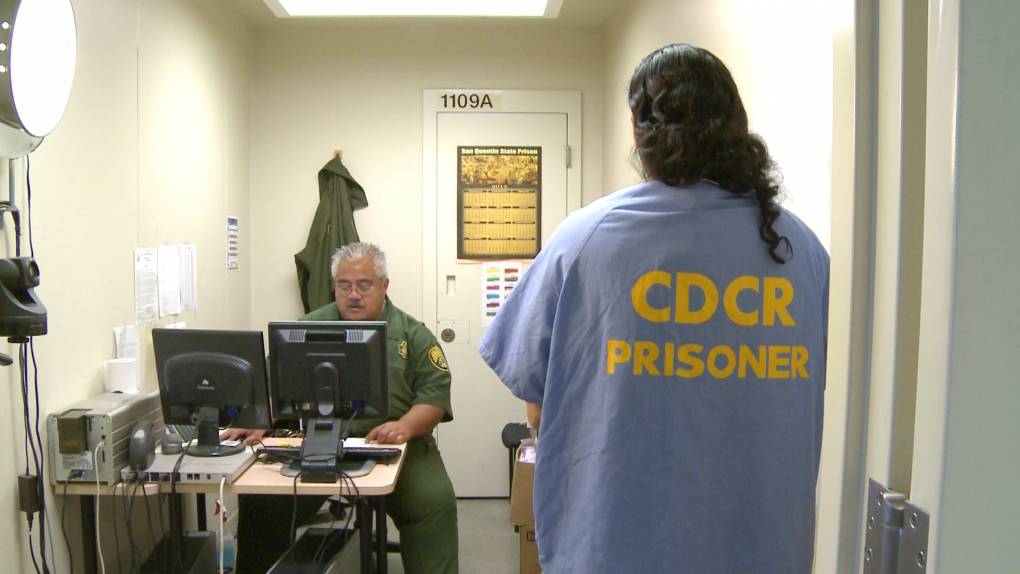
"caption": "A man goes through the intake process at San Quentin State Prison in 2012.",
"description": "A man goes through the intake process at San Quentin State Prison in 2012.",
"title": "SQ intake 1_v2",
"credit": "Monica Lam/KQED/CIR",
"status": "inherit",
"isLoading": false,
"fetchFailed": false
},
"news_11844579": {
"type": "attachments",
"id": "news_11844579",
"meta": {
"index": "attachments_1716263798",
"site": "news",
"id": "11844579",
"found": true
},
"parent": 11844558,
"imgSizes": {
"apple_news_ca_landscape_5_5": {
"file": "https://ww2.kqed.org/app/uploads/sites/10/2020/10/phone-banking-1-1044x759.jpg",
"width": 1044,
"mimeType": "image/jpeg",
"height": 759
},
"apple_news_ca_square_4_0": {
"file": "https://ww2.kqed.org/app/uploads/sites/10/2020/10/phone-banking-1-470x470.jpg",
"width": 470,
"mimeType": "image/jpeg",
"height": 470
},
"twentyfourteen-full-width": {
"file": "https://ww2.kqed.org/app/uploads/sites/10/2020/10/phone-banking-1-1038x576.jpg",
"width": 1038,
"mimeType": "image/jpeg",
"height": 576
},
"thumbnail": {
"file": "https://ww2.kqed.org/app/uploads/sites/10/2020/10/phone-banking-1-160x95.jpg",
"width": 160,
"mimeType": "image/jpeg",
"height": 95
},
"post-thumbnail": {
"file": "https://ww2.kqed.org/app/uploads/sites/10/2020/10/phone-banking-1-672x372.jpg",
"width": 672,
"mimeType": "image/jpeg",
"height": 372
},
"kqedFullSize": {
"file": "https://ww2.kqed.org/app/uploads/sites/10/2020/10/phone-banking-1-e1604166664577.jpg",
"width": 1284,
"height": 759
},
"apple_news_ca_landscape_4_7": {
"file": "https://ww2.kqed.org/app/uploads/sites/10/2020/10/phone-banking-1-632x474.jpg",
"width": 632,
"mimeType": "image/jpeg",
"height": 474
},
"large": {
"file": "https://ww2.kqed.org/app/uploads/sites/10/2020/10/phone-banking-1-1020x603.jpg",
"width": 1020,
"mimeType": "image/jpeg",
"height": 603
},
"apple_news_ca_landscape_4_0": {
"file": "https://ww2.kqed.org/app/uploads/sites/10/2020/10/phone-banking-1-536x402.jpg",
"width": 536,
"mimeType": "image/jpeg",
"height": 402
},
"apple_news_ca_portrait_12_9": {
"file": "https://ww2.kqed.org/app/uploads/sites/10/2020/10/phone-banking-1-1122x759.jpg",
"width": 1122,
"mimeType": "image/jpeg",
"height": 759
},
"medium": {
"file": "https://ww2.kqed.org/app/uploads/sites/10/2020/10/phone-banking-1-800x473.jpg",
"width": 800,
"mimeType": "image/jpeg",
"height": 473
},
"apple_news_ca_portrait_4_0": {
"file": "https://ww2.kqed.org/app/uploads/sites/10/2020/10/phone-banking-1-354x472.jpg",
"width": 354,
"mimeType": "image/jpeg",
"height": 472
},
"apple_news_ca_portrait_9_7": {
"file": "https://ww2.kqed.org/app/uploads/sites/10/2020/10/phone-banking-1-840x759.jpg",
"width": 840,
"mimeType": "image/jpeg",
"height": 759
},
"apple_news_ca_square_9_7": {
"file": "https://ww2.kqed.org/app/uploads/sites/10/2020/10/phone-banking-1-1104x759.jpg",
"width": 1104,
"mimeType": "image/jpeg",
"height": 759
},
"apple_news_ca_portrait_4_7": {
"file": "https://ww2.kqed.org/app/uploads/sites/10/2020/10/phone-banking-1-414x552.jpg",
"width": 414,
"mimeType": "image/jpeg",
"height": 552
},
"apple_news_ca_portrait_5_5": {
"file": "https://ww2.kqed.org/app/uploads/sites/10/2020/10/phone-banking-1-687x759.jpg",
"width": 687,
"mimeType": "image/jpeg",
"height": 759
},
"apple_news_ca_square_4_7": {
"file": "https://ww2.kqed.org/app/uploads/sites/10/2020/10/phone-banking-1-550x550.jpg",
"width": 550,
"mimeType": "image/jpeg",
"height": 550
},
"apple_news_ca_square_5_5": {
"file": "https://ww2.kqed.org/app/uploads/sites/10/2020/10/phone-banking-1-912x759.jpg",
"width": 912,
"mimeType": "image/jpeg",
"height": 759
}
},
"publishDate": 1604084978,
"modified": 1604341692,
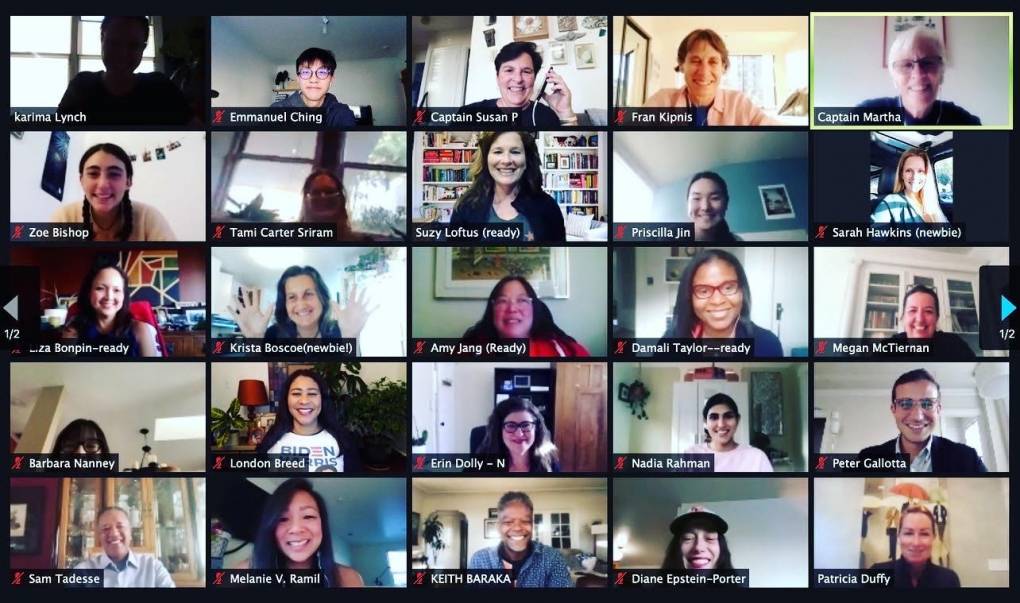
"caption": "San Francisco Democrats gather for a virtual phone banking event. They've been calling Arizona voters. ",
"description": null,
"title": "phone-banking-1",
"credit": "Courtesy of Suzy Loftus",
"status": "inherit",
"isLoading": false,
"fetchFailed": false
},
"news_11845095": {
"type": "attachments",
"id": "news_11845095",
"meta": {
"index": "attachments_1716263798",
"site": "news",
"id": "11845095",
"found": true
},
"parent": 11844841,
"imgSizes": {
"apple_news_ca_landscape_5_5": {
"file": "https://ww2.kqed.org/app/uploads/sites/10/2020/11/RS45609_003_KQED_SanFrancisco_BallotDropOff_10312020-qut-1044x783.jpg",
"width": 1044,
"mimeType": "image/jpeg",
"height": 783
},
"apple_news_ca_square_4_0": {
"file": "https://ww2.kqed.org/app/uploads/sites/10/2020/11/RS45609_003_KQED_SanFrancisco_BallotDropOff_10312020-qut-470x470.jpg",
"width": 470,
"mimeType": "image/jpeg",
"height": 470
},
"twentyfourteen-full-width": {
"file": "https://ww2.kqed.org/app/uploads/sites/10/2020/11/RS45609_003_KQED_SanFrancisco_BallotDropOff_10312020-qut-1038x576.jpg",
"width": 1038,
"mimeType": "image/jpeg",
"height": 576
},
"thumbnail": {
"file": "https://ww2.kqed.org/app/uploads/sites/10/2020/11/RS45609_003_KQED_SanFrancisco_BallotDropOff_10312020-qut-160x107.jpg",
"width": 160,
"mimeType": "image/jpeg",
"height": 107
},
"post-thumbnail": {
"file": "https://ww2.kqed.org/app/uploads/sites/10/2020/11/RS45609_003_KQED_SanFrancisco_BallotDropOff_10312020-qut-672x372.jpg",
"width": 672,
"mimeType": "image/jpeg",
"height": 372
},
"kqedFullSize": {
"file": "https://ww2.kqed.org/app/uploads/sites/10/2020/11/RS45609_003_KQED_SanFrancisco_BallotDropOff_10312020-qut.jpg",
"width": 1920,
"height": 1280
},
"apple_news_ca_landscape_4_7": {
"file": "https://ww2.kqed.org/app/uploads/sites/10/2020/11/RS45609_003_KQED_SanFrancisco_BallotDropOff_10312020-qut-632x474.jpg",
"width": 632,
"mimeType": "image/jpeg",
"height": 474
},
"large": {
"file": "https://ww2.kqed.org/app/uploads/sites/10/2020/11/RS45609_003_KQED_SanFrancisco_BallotDropOff_10312020-qut-1020x680.jpg",
"width": 1020,
"mimeType": "image/jpeg",
"height": 680
},
"apple_news_ca_landscape_4_0": {
"file": "https://ww2.kqed.org/app/uploads/sites/10/2020/11/RS45609_003_KQED_SanFrancisco_BallotDropOff_10312020-qut-536x402.jpg",
"width": 536,
"mimeType": "image/jpeg",
"height": 402
},
"apple_news_ca_portrait_12_9": {
"file": "https://ww2.kqed.org/app/uploads/sites/10/2020/11/RS45609_003_KQED_SanFrancisco_BallotDropOff_10312020-qut-1122x1280.jpg",
"width": 1122,
"mimeType": "image/jpeg",
"height": 1280
},
"medium": {
"file": "https://ww2.kqed.org/app/uploads/sites/10/2020/11/RS45609_003_KQED_SanFrancisco_BallotDropOff_10312020-qut-800x533.jpg",
"width": 800,
"mimeType": "image/jpeg",
"height": 533
},
"apple_news_ca_portrait_4_0": {
"file": "https://ww2.kqed.org/app/uploads/sites/10/2020/11/RS45609_003_KQED_SanFrancisco_BallotDropOff_10312020-qut-354x472.jpg",
"width": 354,
"mimeType": "image/jpeg",
"height": 472
},
"apple_news_ca_portrait_9_7": {
"file": "https://ww2.kqed.org/app/uploads/sites/10/2020/11/RS45609_003_KQED_SanFrancisco_BallotDropOff_10312020-qut-840x1120.jpg",
"width": 840,
"mimeType": "image/jpeg",
"height": 1120
},
"apple_news_ca_landscape_12_9": {
"file": "https://ww2.kqed.org/app/uploads/sites/10/2020/11/RS45609_003_KQED_SanFrancisco_BallotDropOff_10312020-qut-1832x1280.jpg",
"width": 1832,
"mimeType": "image/jpeg",
"height": 1280
},
"apple_news_ca_square_9_7": {
"file": "https://ww2.kqed.org/app/uploads/sites/10/2020/11/RS45609_003_KQED_SanFrancisco_BallotDropOff_10312020-qut-1104x1104.jpg",
"width": 1104,
"mimeType": "image/jpeg",
"height": 1104
},
"1536x1536": {
"file": "https://ww2.kqed.org/app/uploads/sites/10/2020/11/RS45609_003_KQED_SanFrancisco_BallotDropOff_10312020-qut-1536x1024.jpg",
"width": 1536,
"mimeType": "image/jpeg",
"height": 1024
},
"apple_news_ca_portrait_4_7": {
"file": "https://ww2.kqed.org/app/uploads/sites/10/2020/11/RS45609_003_KQED_SanFrancisco_BallotDropOff_10312020-qut-414x552.jpg",
"width": 414,
"mimeType": "image/jpeg",
"height": 552
},
"apple_news_ca_square_12_9": {
"file": "https://ww2.kqed.org/app/uploads/sites/10/2020/11/RS45609_003_KQED_SanFrancisco_BallotDropOff_10312020-qut-1472x1280.jpg",
"width": 1472,
"mimeType": "image/jpeg",
"height": 1280
},
"apple_news_ca_portrait_5_5": {
"file": "https://ww2.kqed.org/app/uploads/sites/10/2020/11/RS45609_003_KQED_SanFrancisco_BallotDropOff_10312020-qut-687x916.jpg",
"width": 687,
"mimeType": "image/jpeg",
"height": 916
},
"apple_news_ca_square_4_7": {
"file": "https://ww2.kqed.org/app/uploads/sites/10/2020/11/RS45609_003_KQED_SanFrancisco_BallotDropOff_10312020-qut-550x550.jpg",
"width": 550,
"mimeType": "image/jpeg",
"height": 550
},
"apple_news_ca_landscape_9_7": {
"file": "https://ww2.kqed.org/app/uploads/sites/10/2020/11/RS45609_003_KQED_SanFrancisco_BallotDropOff_10312020-qut-1376x1032.jpg",
"width": 1376,
"mimeType": "image/jpeg",
"height": 1032
},
"apple_news_ca_square_5_5": {
"file": "https://ww2.kqed.org/app/uploads/sites/10/2020/11/RS45609_003_KQED_SanFrancisco_BallotDropOff_10312020-qut-912x912.jpg",
"width": 912,
"mimeType": "image/jpeg",
"height": 912
}
},
"publishDate": 1604371216,
"modified": 1604371266,
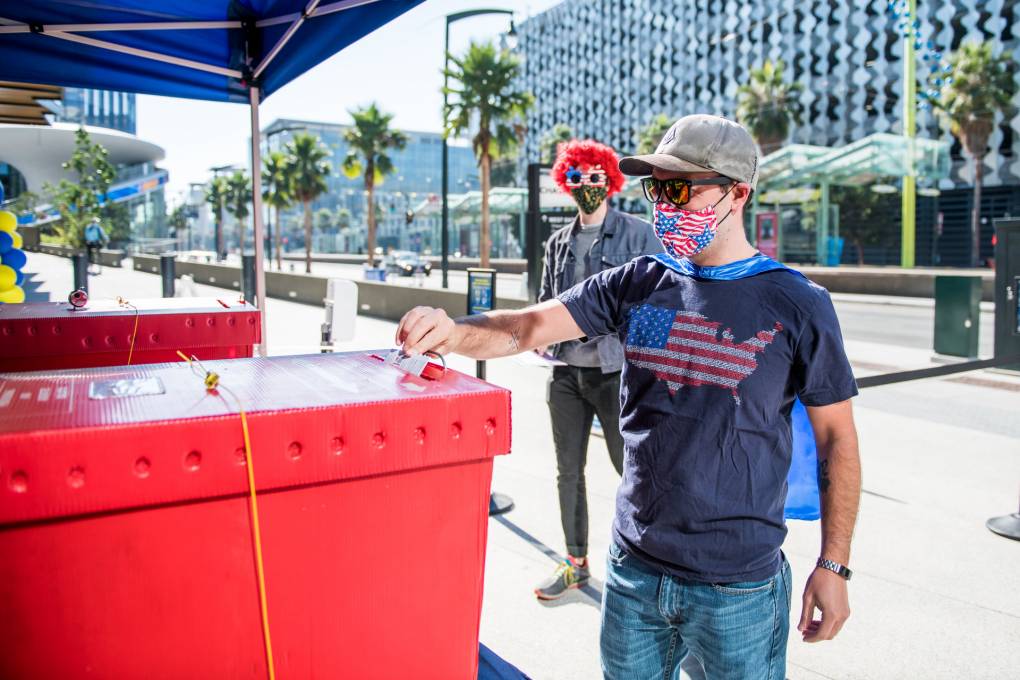
"caption": "Travis Strong drops off his mail-in ballot in costume at the Chase Center official drop-off location in San Francisco on Oct. 31, 2020.",
"description": null,
"title": "RS45609_003_KQED_SanFrancisco_BallotDropOff_10312020-qut",
"credit": "Beth LaBerge/KQED",
"status": "inherit",
"isLoading": false,
"fetchFailed": false
},
"news_11844818": {
"type": "attachments",
"id": "news_11844818",
"meta": {
"index": "attachments_1716263798",
"site": "news",
"id": "11844818",
"found": true
},
"parent": 11844698,
"imgSizes": {
"apple_news_ca_landscape_5_5": {
"file": "https://ww2.kqed.org/app/uploads/sites/10/2020/10/GettyImages-1251969801-1044x783.jpg",
"width": 1044,
"mimeType": "image/jpeg",
"height": 783
},
"apple_news_ca_square_4_0": {
"file": "https://ww2.kqed.org/app/uploads/sites/10/2020/10/GettyImages-1251969801-470x470.jpg",
"width": 470,
"mimeType": "image/jpeg",
"height": 470
},
"twentyfourteen-full-width": {
"file": "https://ww2.kqed.org/app/uploads/sites/10/2020/10/GettyImages-1251969801-1038x576.jpg",
"width": 1038,
"mimeType": "image/jpeg",
"height": 576
},
"thumbnail": {
"file": "https://ww2.kqed.org/app/uploads/sites/10/2020/10/GettyImages-1251969801-160x107.jpg",
"width": 160,
"mimeType": "image/jpeg",
"height": 107
},
"post-thumbnail": {
"file": "https://ww2.kqed.org/app/uploads/sites/10/2020/10/GettyImages-1251969801-672x372.jpg",
"width": 672,
"mimeType": "image/jpeg",
"height": 372
},
"kqedFullSize": {
"file": "https://ww2.kqed.org/app/uploads/sites/10/2020/10/GettyImages-1251969801-scaled.jpg",
"width": 2560,
"height": 1707
},
"2048x2048": {
"file": "https://ww2.kqed.org/app/uploads/sites/10/2020/10/GettyImages-1251969801-2048x1365.jpg",
"width": 2048,
"mimeType": "image/jpeg",
"height": 1365
},
"apple_news_ca_landscape_4_7": {
"file": "https://ww2.kqed.org/app/uploads/sites/10/2020/10/GettyImages-1251969801-632x474.jpg",
"width": 632,
"mimeType": "image/jpeg",
"height": 474
},
"large": {
"file": "https://ww2.kqed.org/app/uploads/sites/10/2020/10/GettyImages-1251969801-1020x680.jpg",
"width": 1020,
"mimeType": "image/jpeg",
"height": 680
},
"apple_news_ca_landscape_4_0": {
"file": "https://ww2.kqed.org/app/uploads/sites/10/2020/10/GettyImages-1251969801-536x402.jpg",
"width": 536,
"mimeType": "image/jpeg",
"height": 402
},
"apple_news_ca_portrait_12_9": {
"file": "https://ww2.kqed.org/app/uploads/sites/10/2020/10/GettyImages-1251969801-1122x1496.jpg",
"width": 1122,
"mimeType": "image/jpeg",
"height": 1496
},
"medium": {
"file": "https://ww2.kqed.org/app/uploads/sites/10/2020/10/GettyImages-1251969801-800x533.jpg",
"width": 800,
"mimeType": "image/jpeg",
"height": 533
},
"apple_news_ca_portrait_4_0": {
"file": "https://ww2.kqed.org/app/uploads/sites/10/2020/10/GettyImages-1251969801-354x472.jpg",
"width": 354,
"mimeType": "image/jpeg",
"height": 472
},
"apple_news_ca_portrait_9_7": {
"file": "https://ww2.kqed.org/app/uploads/sites/10/2020/10/GettyImages-1251969801-840x1120.jpg",
"width": 840,
"mimeType": "image/jpeg",
"height": 1120
},
"apple_news_ca_landscape_12_9": {
"file": "https://ww2.kqed.org/app/uploads/sites/10/2020/10/GettyImages-1251969801-1832x1374.jpg",
"width": 1832,
"mimeType": "image/jpeg",
"height": 1374
},
"apple_news_ca_square_9_7": {
"file": "https://ww2.kqed.org/app/uploads/sites/10/2020/10/GettyImages-1251969801-1104x1104.jpg",
"width": 1104,
"mimeType": "image/jpeg",
"height": 1104
},
"1536x1536": {
"file": "https://ww2.kqed.org/app/uploads/sites/10/2020/10/GettyImages-1251969801-1536x1024.jpg",
"width": 1536,
"mimeType": "image/jpeg",
"height": 1024
},
"apple_news_ca_portrait_4_7": {
"file": "https://ww2.kqed.org/app/uploads/sites/10/2020/10/GettyImages-1251969801-414x552.jpg",
"width": 414,
"mimeType": "image/jpeg",
"height": 552
},
"apple_news_ca_square_12_9": {
"file": "https://ww2.kqed.org/app/uploads/sites/10/2020/10/GettyImages-1251969801-1472x1472.jpg",
"width": 1472,
"mimeType": "image/jpeg",
"height": 1472
},
"apple_news_ca_portrait_5_5": {
"file": "https://ww2.kqed.org/app/uploads/sites/10/2020/10/GettyImages-1251969801-687x916.jpg",
"width": 687,
"mimeType": "image/jpeg",
"height": 916
},
"full-width": {
"file": "https://ww2.kqed.org/app/uploads/sites/10/2020/10/GettyImages-1251969801-1920x1280.jpg",
"width": 1920,
"mimeType": "image/jpeg",
"height": 1280
},
"apple_news_ca_square_4_7": {
"file": "https://ww2.kqed.org/app/uploads/sites/10/2020/10/GettyImages-1251969801-550x550.jpg",
"width": 550,
"mimeType": "image/jpeg",
"height": 550
},
"apple_news_ca_landscape_9_7": {
"file": "https://ww2.kqed.org/app/uploads/sites/10/2020/10/GettyImages-1251969801-1376x1032.jpg",
"width": 1376,
"mimeType": "image/jpeg",
"height": 1032
},
"apple_news_ca_square_5_5": {
"file": "https://ww2.kqed.org/app/uploads/sites/10/2020/10/GettyImages-1251969801-912x912.jpg",
"width": 912,
"mimeType": "image/jpeg",
"height": 912
}
},
"publishDate": 1604171606,
"modified": 1604345183,
"caption": "Protesters in cars block Pacific Avenue during a demonstration in front of the home of Uber CEO Dara Khosrowshahi on June 24, 2020 in San Francisco. Dozens of app-based workers held a caravan style protest outside of the home of Uber CEO Dara Khosrowshahi to denounce companies that are classifying workers as independent contractors and have not supplied workers with proper personal protective equipment (PPE) during the coronavirus COVID-19 pandemic.",
"description": null,
"title": "App-Based Workers Protest Outside Home Of Uber CEO Dara Khosrowshahi",
"credit": "Justin Sullivan/Getty Images",
"status": "inherit",
"isLoading": false,
"fetchFailed": false
},
"news_11844825": {
"type": "attachments",
"id": "news_11844825",
"meta": {
"index": "attachments_1716263798",
"site": "news",
"id": "11844825",
"found": true
},
"parent": 11844469,
"imgSizes": {
"apple_news_ca_landscape_5_5": {
"file": "https://ww2.kqed.org/app/uploads/sites/10/2020/10/RS44929_024_KQED_Oakland_OBCACensus_09162020-qut-1044x783.jpg",
"width": 1044,
"mimeType": "image/jpeg",
"height": 783
},
"apple_news_ca_square_4_0": {
"file": "https://ww2.kqed.org/app/uploads/sites/10/2020/10/RS44929_024_KQED_Oakland_OBCACensus_09162020-qut-470x470.jpg",
"width": 470,
"mimeType": "image/jpeg",
"height": 470
},
"twentyfourteen-full-width": {
"file": "https://ww2.kqed.org/app/uploads/sites/10/2020/10/RS44929_024_KQED_Oakland_OBCACensus_09162020-qut-1038x576.jpg",
"width": 1038,
"mimeType": "image/jpeg",
"height": 576
},
"thumbnail": {
"file": "https://ww2.kqed.org/app/uploads/sites/10/2020/10/RS44929_024_KQED_Oakland_OBCACensus_09162020-qut-160x107.jpg",
"width": 160,
"mimeType": "image/jpeg",
"height": 107
},
"post-thumbnail": {
"file": "https://ww2.kqed.org/app/uploads/sites/10/2020/10/RS44929_024_KQED_Oakland_OBCACensus_09162020-qut-672x372.jpg",
"width": 672,
"mimeType": "image/jpeg",
"height": 372
},
"kqedFullSize": {
"file": "https://ww2.kqed.org/app/uploads/sites/10/2020/10/RS44929_024_KQED_Oakland_OBCACensus_09162020-qut.jpg",
"width": 1920,
"height": 1280
},
"apple_news_ca_landscape_4_7": {
"file": "https://ww2.kqed.org/app/uploads/sites/10/2020/10/RS44929_024_KQED_Oakland_OBCACensus_09162020-qut-632x474.jpg",
"width": 632,
"mimeType": "image/jpeg",
"height": 474
},
"large": {
"file": "https://ww2.kqed.org/app/uploads/sites/10/2020/10/RS44929_024_KQED_Oakland_OBCACensus_09162020-qut-1020x680.jpg",
"width": 1020,
"mimeType": "image/jpeg",
"height": 680
},
"apple_news_ca_landscape_4_0": {
"file": "https://ww2.kqed.org/app/uploads/sites/10/2020/10/RS44929_024_KQED_Oakland_OBCACensus_09162020-qut-536x402.jpg",
"width": 536,
"mimeType": "image/jpeg",
"height": 402
},
"apple_news_ca_portrait_12_9": {
"file": "https://ww2.kqed.org/app/uploads/sites/10/2020/10/RS44929_024_KQED_Oakland_OBCACensus_09162020-qut-1122x1280.jpg",
"width": 1122,
"mimeType": "image/jpeg",
"height": 1280
},
"medium": {
"file": "https://ww2.kqed.org/app/uploads/sites/10/2020/10/RS44929_024_KQED_Oakland_OBCACensus_09162020-qut-800x533.jpg",
"width": 800,
"mimeType": "image/jpeg",
"height": 533
},
"apple_news_ca_portrait_4_0": {
"file": "https://ww2.kqed.org/app/uploads/sites/10/2020/10/RS44929_024_KQED_Oakland_OBCACensus_09162020-qut-354x472.jpg",
"width": 354,
"mimeType": "image/jpeg",
"height": 472
},
"apple_news_ca_portrait_9_7": {
"file": "https://ww2.kqed.org/app/uploads/sites/10/2020/10/RS44929_024_KQED_Oakland_OBCACensus_09162020-qut-840x1120.jpg",
"width": 840,
"mimeType": "image/jpeg",
"height": 1120
},
"apple_news_ca_landscape_12_9": {
"file": "https://ww2.kqed.org/app/uploads/sites/10/2020/10/RS44929_024_KQED_Oakland_OBCACensus_09162020-qut-1832x1280.jpg",
"width": 1832,
"mimeType": "image/jpeg",
"height": 1280
},
"apple_news_ca_square_9_7": {
"file": "https://ww2.kqed.org/app/uploads/sites/10/2020/10/RS44929_024_KQED_Oakland_OBCACensus_09162020-qut-1104x1104.jpg",
"width": 1104,
"mimeType": "image/jpeg",
"height": 1104
},
"1536x1536": {
"file": "https://ww2.kqed.org/app/uploads/sites/10/2020/10/RS44929_024_KQED_Oakland_OBCACensus_09162020-qut-1536x1024.jpg",
"width": 1536,
"mimeType": "image/jpeg",
"height": 1024
},
"apple_news_ca_portrait_4_7": {
"file": "https://ww2.kqed.org/app/uploads/sites/10/2020/10/RS44929_024_KQED_Oakland_OBCACensus_09162020-qut-414x552.jpg",
"width": 414,
"mimeType": "image/jpeg",
"height": 552
},
"apple_news_ca_square_12_9": {
"file": "https://ww2.kqed.org/app/uploads/sites/10/2020/10/RS44929_024_KQED_Oakland_OBCACensus_09162020-qut-1472x1280.jpg",
"width": 1472,
"mimeType": "image/jpeg",
"height": 1280
},
"apple_news_ca_portrait_5_5": {
"file": "https://ww2.kqed.org/app/uploads/sites/10/2020/10/RS44929_024_KQED_Oakland_OBCACensus_09162020-qut-687x916.jpg",
"width": 687,
"mimeType": "image/jpeg",
"height": 916
},
"apple_news_ca_square_4_7": {
"file": "https://ww2.kqed.org/app/uploads/sites/10/2020/10/RS44929_024_KQED_Oakland_OBCACensus_09162020-qut-550x550.jpg",
"width": 550,
"mimeType": "image/jpeg",
"height": 550
},
"apple_news_ca_landscape_9_7": {
"file": "https://ww2.kqed.org/app/uploads/sites/10/2020/10/RS44929_024_KQED_Oakland_OBCACensus_09162020-qut-1376x1032.jpg",
"width": 1376,
"mimeType": "image/jpeg",
"height": 1032
},
"apple_news_ca_square_5_5": {
"file": "https://ww2.kqed.org/app/uploads/sites/10/2020/10/RS44929_024_KQED_Oakland_OBCACensus_09162020-qut-912x912.jpg",
"width": 912,
"mimeType": "image/jpeg",
"height": 912
}
},
"publishDate": 1604173817,
"modified": 1604173846,
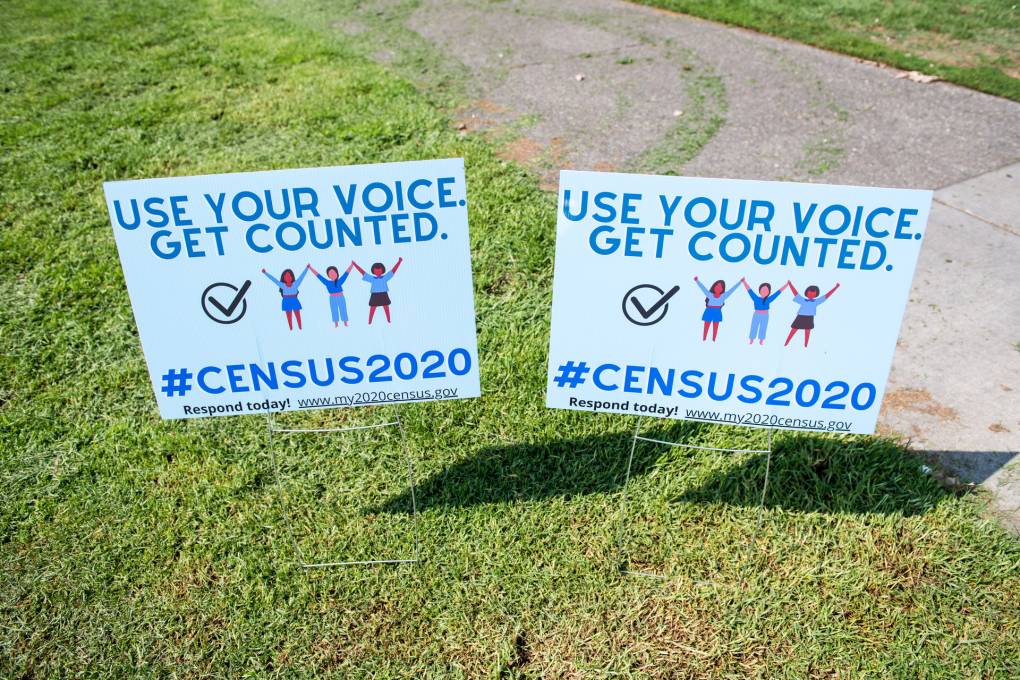
"caption": "Census 2020 signs at De Fremery Park in West Oakland on Sep. 16, 2020.",
"description": null,
"title": "Census 2020 signs at De Fremery Park in West Oakland on Sep. 16, 2020.",
"credit": "Beth LaBerge/KQED",
"status": "inherit",
"isLoading": false,
"fetchFailed": false
},
"news_11844551": {
"type": "attachments",
"id": "news_11844551",
"meta": {
"index": "attachments_1716263798",
"site": "news",
"id": "11844551",
"found": true
},
"parent": 11844491,
"imgSizes": {
"apple_news_ca_landscape_5_5": {
"file": "https://ww2.kqed.org/app/uploads/sites/10/2020/10/CBP-family-border-1044x783.jpg",
"width": 1044,
"mimeType": "image/jpeg",
"height": 783
},
"apple_news_ca_square_4_0": {
"file": "https://ww2.kqed.org/app/uploads/sites/10/2020/10/CBP-family-border-470x470.jpg",
"width": 470,
"mimeType": "image/jpeg",
"height": 470
},
"twentyfourteen-full-width": {
"file": "https://ww2.kqed.org/app/uploads/sites/10/2020/10/CBP-family-border-1038x576.jpg",
"width": 1038,
"mimeType": "image/jpeg",
"height": 576
},
"thumbnail": {
"file": "https://ww2.kqed.org/app/uploads/sites/10/2020/10/CBP-family-border-160x107.jpg",
"width": 160,
"mimeType": "image/jpeg",
"height": 107
},
"post-thumbnail": {
"file": "https://ww2.kqed.org/app/uploads/sites/10/2020/10/CBP-family-border-672x372.jpg",
"width": 672,
"mimeType": "image/jpeg",
"height": 372
},
"kqedFullSize": {
"file": "https://ww2.kqed.org/app/uploads/sites/10/2020/10/CBP-family-border.jpg",
"width": 1920,
"height": 1280
},
"apple_news_ca_landscape_4_7": {
"file": "https://ww2.kqed.org/app/uploads/sites/10/2020/10/CBP-family-border-632x474.jpg",
"width": 632,
"mimeType": "image/jpeg",
"height": 474
},
"large": {
"file": "https://ww2.kqed.org/app/uploads/sites/10/2020/10/CBP-family-border-1020x680.jpg",
"width": 1020,
"mimeType": "image/jpeg",
"height": 680
},
"apple_news_ca_landscape_4_0": {
"file": "https://ww2.kqed.org/app/uploads/sites/10/2020/10/CBP-family-border-536x402.jpg",
"width": 536,
"mimeType": "image/jpeg",
"height": 402
},
"apple_news_ca_portrait_12_9": {
"file": "https://ww2.kqed.org/app/uploads/sites/10/2020/10/CBP-family-border-1122x1280.jpg",
"width": 1122,
"mimeType": "image/jpeg",
"height": 1280
},
"medium": {
"file": "https://ww2.kqed.org/app/uploads/sites/10/2020/10/CBP-family-border-800x533.jpg",
"width": 800,
"mimeType": "image/jpeg",
"height": 533
},
"apple_news_ca_portrait_4_0": {
"file": "https://ww2.kqed.org/app/uploads/sites/10/2020/10/CBP-family-border-354x472.jpg",
"width": 354,
"mimeType": "image/jpeg",
"height": 472
},
"apple_news_ca_portrait_9_7": {
"file": "https://ww2.kqed.org/app/uploads/sites/10/2020/10/CBP-family-border-840x1120.jpg",
"width": 840,
"mimeType": "image/jpeg",
"height": 1120
},
"apple_news_ca_landscape_12_9": {
"file": "https://ww2.kqed.org/app/uploads/sites/10/2020/10/CBP-family-border-1832x1280.jpg",
"width": 1832,
"mimeType": "image/jpeg",
"height": 1280
},
"apple_news_ca_square_9_7": {
"file": "https://ww2.kqed.org/app/uploads/sites/10/2020/10/CBP-family-border-1104x1104.jpg",
"width": 1104,
"mimeType": "image/jpeg",
"height": 1104
},
"1536x1536": {
"file": "https://ww2.kqed.org/app/uploads/sites/10/2020/10/CBP-family-border-1536x1024.jpg",
"width": 1536,
"mimeType": "image/jpeg",
"height": 1024
},
"apple_news_ca_portrait_4_7": {
"file": "https://ww2.kqed.org/app/uploads/sites/10/2020/10/CBP-family-border-414x552.jpg",
"width": 414,
"mimeType": "image/jpeg",
"height": 552
},
"apple_news_ca_square_12_9": {
"file": "https://ww2.kqed.org/app/uploads/sites/10/2020/10/CBP-family-border-1472x1280.jpg",
"width": 1472,
"mimeType": "image/jpeg",
"height": 1280
},
"apple_news_ca_portrait_5_5": {
"file": "https://ww2.kqed.org/app/uploads/sites/10/2020/10/CBP-family-border-687x916.jpg",
"width": 687,
"mimeType": "image/jpeg",
"height": 916
},
"apple_news_ca_square_4_7": {
"file": "https://ww2.kqed.org/app/uploads/sites/10/2020/10/CBP-family-border-550x550.jpg",
"width": 550,
"mimeType": "image/jpeg",
"height": 550
},
"apple_news_ca_landscape_9_7": {
"file": "https://ww2.kqed.org/app/uploads/sites/10/2020/10/CBP-family-border-1376x1032.jpg",
"width": 1376,
"mimeType": "image/jpeg",
"height": 1032
},
"apple_news_ca_square_5_5": {
"file": "https://ww2.kqed.org/app/uploads/sites/10/2020/10/CBP-family-border-912x912.jpg",
"width": 912,
"mimeType": "image/jpeg",
"height": 912
}
},
"publishDate": 1604083508,
"modified": 1604083584,
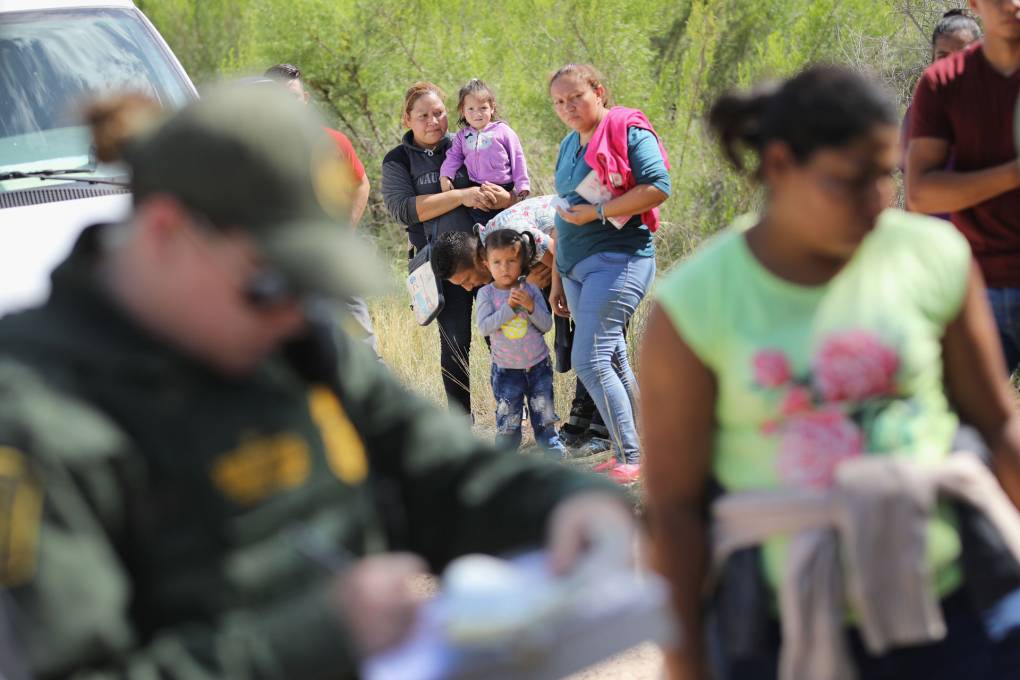
"caption": "Central American asylum seekers wait as U.S. Border Patrol agents take them into custody on June 12, 2018 near McAllen, Texas. The families were then sent to a U.S. Customs and Border Protection (CBP) processing center for possible separation.",
"description": "Central American asylum seekers wait as U.S. Border Patrol agents take them into custody on June 12, 2018 near McAllen, Texas. The families were then sent to a U.S. Customs and Border Protection (CBP) processing center for possible separation.",
"title": "CBP-family-border",
"credit": "John Moore/Getty Images",
"status": "inherit",
"isLoading": false,
"fetchFailed": false
},
"news_11844303": {
"type": "attachments",
"id": "news_11844303",
"meta": {
"index": "attachments_1716263798",
"site": "news",
"id": "11844303",
"found": true
},
"parent": 11844299,
"imgSizes": {
"apple_news_ca_landscape_5_5": {
"file": "https://ww2.kqed.org/app/uploads/sites/10/2020/10/BreanneYee_AW_sized-1044x783.jpg",
"width": 1044,
"mimeType": "image/jpeg",
"height": 783
},
"apple_news_ca_square_4_0": {
"file": "https://ww2.kqed.org/app/uploads/sites/10/2020/10/BreanneYee_AW_sized-470x470.jpg",
"width": 470,
"mimeType": "image/jpeg",
"height": 470
},
"twentyfourteen-full-width": {
"file": "https://ww2.kqed.org/app/uploads/sites/10/2020/10/BreanneYee_AW_sized-1038x576.jpg",
"width": 1038,
"mimeType": "image/jpeg",
"height": 576
},
"thumbnail": {
"file": "https://ww2.kqed.org/app/uploads/sites/10/2020/10/BreanneYee_AW_sized-160x109.jpg",
"width": 160,
"mimeType": "image/jpeg",
"height": 109
},
"post-thumbnail": {
"file": "https://ww2.kqed.org/app/uploads/sites/10/2020/10/BreanneYee_AW_sized-672x372.jpg",
"width": 672,
"mimeType": "image/jpeg",
"height": 372
},
"kqedFullSize": {
"file": "https://ww2.kqed.org/app/uploads/sites/10/2020/10/BreanneYee_AW_sized.jpg",
"width": 1920,
"height": 1305
},
"apple_news_ca_landscape_4_7": {
"file": "https://ww2.kqed.org/app/uploads/sites/10/2020/10/BreanneYee_AW_sized-632x474.jpg",
"width": 632,
"mimeType": "image/jpeg",
"height": 474
},
"large": {
"file": "https://ww2.kqed.org/app/uploads/sites/10/2020/10/BreanneYee_AW_sized-1020x693.jpg",
"width": 1020,
"mimeType": "image/jpeg",
"height": 693
},
"apple_news_ca_landscape_4_0": {
"file": "https://ww2.kqed.org/app/uploads/sites/10/2020/10/BreanneYee_AW_sized-536x402.jpg",
"width": 536,
"mimeType": "image/jpeg",
"height": 402
},
"apple_news_ca_portrait_12_9": {
"file": "https://ww2.kqed.org/app/uploads/sites/10/2020/10/BreanneYee_AW_sized-1122x1305.jpg",
"width": 1122,
"mimeType": "image/jpeg",
"height": 1305
},
"medium": {
"file": "https://ww2.kqed.org/app/uploads/sites/10/2020/10/BreanneYee_AW_sized-800x544.jpg",
"width": 800,
"mimeType": "image/jpeg",
"height": 544
},
"apple_news_ca_portrait_4_0": {
"file": "https://ww2.kqed.org/app/uploads/sites/10/2020/10/BreanneYee_AW_sized-354x472.jpg",
"width": 354,
"mimeType": "image/jpeg",
"height": 472
},
"apple_news_ca_portrait_9_7": {
"file": "https://ww2.kqed.org/app/uploads/sites/10/2020/10/BreanneYee_AW_sized-840x1120.jpg",
"width": 840,
"mimeType": "image/jpeg",
"height": 1120
},
"apple_news_ca_landscape_12_9": {
"file": "https://ww2.kqed.org/app/uploads/sites/10/2020/10/BreanneYee_AW_sized-1832x1305.jpg",
"width": 1832,
"mimeType": "image/jpeg",
"height": 1305
},
"apple_news_ca_square_9_7": {
"file": "https://ww2.kqed.org/app/uploads/sites/10/2020/10/BreanneYee_AW_sized-1104x1104.jpg",
"width": 1104,
"mimeType": "image/jpeg",
"height": 1104
},
"1536x1536": {
"file": "https://ww2.kqed.org/app/uploads/sites/10/2020/10/BreanneYee_AW_sized-1536x1044.jpg",
"width": 1536,
"mimeType": "image/jpeg",
"height": 1044
},
"apple_news_ca_portrait_4_7": {
"file": "https://ww2.kqed.org/app/uploads/sites/10/2020/10/BreanneYee_AW_sized-414x552.jpg",
"width": 414,
"mimeType": "image/jpeg",
"height": 552
},
"apple_news_ca_square_12_9": {
"file": "https://ww2.kqed.org/app/uploads/sites/10/2020/10/BreanneYee_AW_sized-1472x1305.jpg",
"width": 1472,
"mimeType": "image/jpeg",
"height": 1305
},
"apple_news_ca_portrait_5_5": {
"file": "https://ww2.kqed.org/app/uploads/sites/10/2020/10/BreanneYee_AW_sized-687x916.jpg",
"width": 687,
"mimeType": "image/jpeg",
"height": 916
},
"apple_news_ca_square_4_7": {
"file": "https://ww2.kqed.org/app/uploads/sites/10/2020/10/BreanneYee_AW_sized-550x550.jpg",
"width": 550,
"mimeType": "image/jpeg",
"height": 550
},
"apple_news_ca_landscape_9_7": {
"file": "https://ww2.kqed.org/app/uploads/sites/10/2020/10/BreanneYee_AW_sized-1376x1032.jpg",
"width": 1376,
"mimeType": "image/jpeg",
"height": 1032
},
"apple_news_ca_square_5_5": {
"file": "https://ww2.kqed.org/app/uploads/sites/10/2020/10/BreanneYee_AW_sized-912x912.jpg",
"width": 912,
"mimeType": "image/jpeg",
"height": 912
}
},
"publishDate": 1603998994,
"modified": 1603999097,
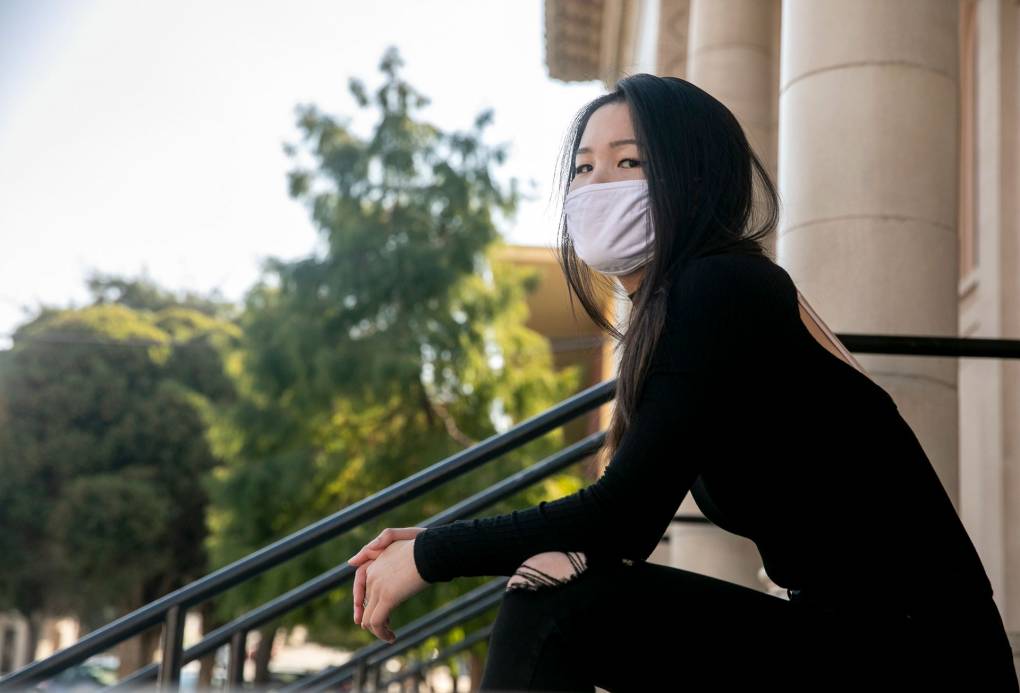
"caption": "Breanne Yee, 19, a third-year student at Cal State Long Beach, sits outside the Sunset District library near her parents’ San Francisco home. Yee says investing in community programs is a better way to fight inequality than affirmative action.",
"description": "Breanne Yee, 19, a third-year student at Cal State Long Beach, sits outside the Sunset District library near her parents’ San Francisco home. Yee says investing in community programs is a better way to fight inequality than affirmative action.",
"title": "BreanneYee_AW_sized",
"credit": "Anne Wernikoff/CALMatters",
"status": "inherit",
"isLoading": false,
"fetchFailed": false
},
"news_11844061": {
"type": "attachments",
"id": "news_11844061",
"meta": {
"index": "attachments_1716263798",
"site": "news",
"id": "11844061",
"found": true
},
"parent": 11844019,
"imgSizes": {
"apple_news_ca_landscape_5_5": {
"file": "https://ww2.kqed.org/app/uploads/sites/10/2020/10/2-Lakefull-1044x783.png",
"width": 1044,
"mimeType": "image/png",
"height": 783
},
"apple_news_ca_square_4_0": {
"file": "https://ww2.kqed.org/app/uploads/sites/10/2020/10/2-Lakefull-470x470.png",
"width": 470,
"mimeType": "image/png",
"height": 470
},
"twentyfourteen-full-width": {
"file": "https://ww2.kqed.org/app/uploads/sites/10/2020/10/2-Lakefull-1038x576.png",
"width": 1038,
"mimeType": "image/png",
"height": 576
},
"thumbnail": {
"file": "https://ww2.kqed.org/app/uploads/sites/10/2020/10/2-Lakefull-160x107.png",
"width": 160,
"mimeType": "image/png",
"height": 107
},
"post-thumbnail": {
"file": "https://ww2.kqed.org/app/uploads/sites/10/2020/10/2-Lakefull-672x372.png",
"width": 672,
"mimeType": "image/png",
"height": 372
},
"kqedFullSize": {
"file": "https://ww2.kqed.org/app/uploads/sites/10/2020/10/2-Lakefull.png",
"width": 1920,
"height": 1280
},
"apple_news_ca_landscape_4_7": {
"file": "https://ww2.kqed.org/app/uploads/sites/10/2020/10/2-Lakefull-632x474.png",
"width": 632,
"mimeType": "image/png",
"height": 474
},
"large": {
"file": "https://ww2.kqed.org/app/uploads/sites/10/2020/10/2-Lakefull-1020x680.png",
"width": 1020,
"mimeType": "image/png",
"height": 680
},
"apple_news_ca_landscape_4_0": {
"file": "https://ww2.kqed.org/app/uploads/sites/10/2020/10/2-Lakefull-536x402.png",
"width": 536,
"mimeType": "image/png",
"height": 402
},
"apple_news_ca_portrait_12_9": {
"file": "https://ww2.kqed.org/app/uploads/sites/10/2020/10/2-Lakefull-1122x1280.png",
"width": 1122,
"mimeType": "image/png",
"height": 1280
},
"medium": {
"file": "https://ww2.kqed.org/app/uploads/sites/10/2020/10/2-Lakefull-800x533.png",
"width": 800,
"mimeType": "image/png",
"height": 533
},
"apple_news_ca_portrait_4_0": {
"file": "https://ww2.kqed.org/app/uploads/sites/10/2020/10/2-Lakefull-354x472.png",
"width": 354,
"mimeType": "image/png",
"height": 472
},
"apple_news_ca_portrait_9_7": {
"file": "https://ww2.kqed.org/app/uploads/sites/10/2020/10/2-Lakefull-840x1120.png",
"width": 840,
"mimeType": "image/png",
"height": 1120
},
"apple_news_ca_landscape_12_9": {
"file": "https://ww2.kqed.org/app/uploads/sites/10/2020/10/2-Lakefull-1832x1280.png",
"width": 1832,
"mimeType": "image/png",
"height": 1280
},
"apple_news_ca_square_9_7": {
"file": "https://ww2.kqed.org/app/uploads/sites/10/2020/10/2-Lakefull-1104x1104.png",
"width": 1104,
"mimeType": "image/png",
"height": 1104
},
"1536x1536": {
"file": "https://ww2.kqed.org/app/uploads/sites/10/2020/10/2-Lakefull-1536x1024.png",
"width": 1536,
"mimeType": "image/png",
"height": 1024
},
"apple_news_ca_portrait_4_7": {
"file": "https://ww2.kqed.org/app/uploads/sites/10/2020/10/2-Lakefull-414x552.png",
"width": 414,
"mimeType": "image/png",
"height": 552
},
"apple_news_ca_square_12_9": {
"file": "https://ww2.kqed.org/app/uploads/sites/10/2020/10/2-Lakefull-1472x1280.png",
"width": 1472,
"mimeType": "image/png",
"height": 1280
},
"apple_news_ca_portrait_5_5": {
"file": "https://ww2.kqed.org/app/uploads/sites/10/2020/10/2-Lakefull-687x916.png",
"width": 687,
"mimeType": "image/png",
"height": 916
},
"apple_news_ca_square_4_7": {
"file": "https://ww2.kqed.org/app/uploads/sites/10/2020/10/2-Lakefull-550x550.png",
"width": 550,
"mimeType": "image/png",
"height": 550
},
"apple_news_ca_landscape_9_7": {
"file": "https://ww2.kqed.org/app/uploads/sites/10/2020/10/2-Lakefull-1376x1032.png",
"width": 1376,
"mimeType": "image/png",
"height": 1032
},
"apple_news_ca_square_5_5": {
"file": "https://ww2.kqed.org/app/uploads/sites/10/2020/10/2-Lakefull-912x912.png",
"width": 912,
"mimeType": "image/png",
"height": 912
}
},
"publishDate": 1603861833,
"modified": 1603861908,
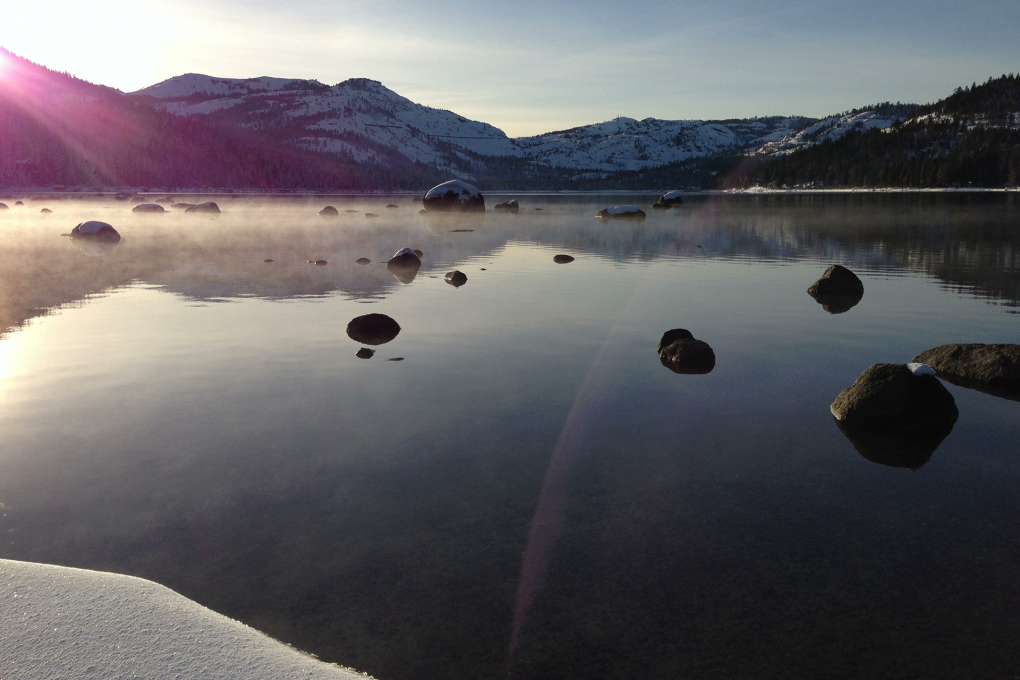
"caption": "Donner Lake in the winter. The lake was frozen solid for much of the Donner Party's ordeal here.",
"description": null,
"title": "2-Lakefull",
"credit": "Cyril Fluck/Flickr",
"status": "inherit",
"isLoading": false,
"fetchFailed": false
},
"news_11844081": {
"type": "attachments",
"id": "news_11844081",
"meta": {
"index": "attachments_1716263798",
"site": "news",
"id": "11844081",
"found": true
},
"parent": 11844011,
"imgSizes": {
"apple_news_ca_landscape_5_5": {
"file": "https://ww2.kqed.org/app/uploads/sites/10/2020/10/1-4-1044x783.png",
"width": 1044,
"mimeType": "image/png",
"height": 783
},
"apple_news_ca_square_4_0": {
"file": "https://ww2.kqed.org/app/uploads/sites/10/2020/10/1-4-470x470.png",
"width": 470,
"mimeType": "image/png",
"height": 470
},
"twentyfourteen-full-width": {
"file": "https://ww2.kqed.org/app/uploads/sites/10/2020/10/1-4-1038x576.png",
"width": 1038,
"mimeType": "image/png",
"height": 576
},
"thumbnail": {
"file": "https://ww2.kqed.org/app/uploads/sites/10/2020/10/1-4-160x107.png",
"width": 160,
"mimeType": "image/png",
"height": 107
},
"post-thumbnail": {
"file": "https://ww2.kqed.org/app/uploads/sites/10/2020/10/1-4-672x372.png",
"width": 672,
"mimeType": "image/png",
"height": 372
},
"kqedFullSize": {
"file": "https://ww2.kqed.org/app/uploads/sites/10/2020/10/1-4.png",
"width": 1920,
"height": 1280
},
"apple_news_ca_landscape_4_7": {
"file": "https://ww2.kqed.org/app/uploads/sites/10/2020/10/1-4-632x474.png",
"width": 632,
"mimeType": "image/png",
"height": 474
},
"large": {
"file": "https://ww2.kqed.org/app/uploads/sites/10/2020/10/1-4-1020x680.png",
"width": 1020,
"mimeType": "image/png",
"height": 680
},
"apple_news_ca_landscape_4_0": {
"file": "https://ww2.kqed.org/app/uploads/sites/10/2020/10/1-4-536x402.png",
"width": 536,
"mimeType": "image/png",
"height": 402
},
"apple_news_ca_portrait_12_9": {
"file": "https://ww2.kqed.org/app/uploads/sites/10/2020/10/1-4-1122x1280.png",
"width": 1122,
"mimeType": "image/png",
"height": 1280
},
"medium": {
"file": "https://ww2.kqed.org/app/uploads/sites/10/2020/10/1-4-800x533.png",
"width": 800,
"mimeType": "image/png",
"height": 533
},
"apple_news_ca_portrait_4_0": {
"file": "https://ww2.kqed.org/app/uploads/sites/10/2020/10/1-4-354x472.png",
"width": 354,
"mimeType": "image/png",
"height": 472
},
"apple_news_ca_portrait_9_7": {
"file": "https://ww2.kqed.org/app/uploads/sites/10/2020/10/1-4-840x1120.png",
"width": 840,
"mimeType": "image/png",
"height": 1120
},
"apple_news_ca_landscape_12_9": {
"file": "https://ww2.kqed.org/app/uploads/sites/10/2020/10/1-4-1832x1280.png",
"width": 1832,
"mimeType": "image/png",
"height": 1280
},
"apple_news_ca_square_9_7": {
"file": "https://ww2.kqed.org/app/uploads/sites/10/2020/10/1-4-1104x1104.png",
"width": 1104,
"mimeType": "image/png",
"height": 1104
},
"1536x1536": {
"file": "https://ww2.kqed.org/app/uploads/sites/10/2020/10/1-4-1536x1024.png",
"width": 1536,
"mimeType": "image/png",
"height": 1024
},
"apple_news_ca_portrait_4_7": {
"file": "https://ww2.kqed.org/app/uploads/sites/10/2020/10/1-4-414x552.png",
"width": 414,
"mimeType": "image/png",
"height": 552
},
"apple_news_ca_square_12_9": {
"file": "https://ww2.kqed.org/app/uploads/sites/10/2020/10/1-4-1472x1280.png",
"width": 1472,
"mimeType": "image/png",
"height": 1280
},
"apple_news_ca_portrait_5_5": {
"file": "https://ww2.kqed.org/app/uploads/sites/10/2020/10/1-4-687x916.png",
"width": 687,
"mimeType": "image/png",
"height": 916
},
"apple_news_ca_square_4_7": {
"file": "https://ww2.kqed.org/app/uploads/sites/10/2020/10/1-4-550x550.png",
"width": 550,
"mimeType": "image/png",
"height": 550
},
"apple_news_ca_landscape_9_7": {
"file": "https://ww2.kqed.org/app/uploads/sites/10/2020/10/1-4-1376x1032.png",
"width": 1376,
"mimeType": "image/png",
"height": 1032
},
"apple_news_ca_square_5_5": {
"file": "https://ww2.kqed.org/app/uploads/sites/10/2020/10/1-4-912x912.png",
"width": 912,
"mimeType": "image/png",
"height": 912
}
},
"publishDate": 1603863976,
"modified": 1603864020,
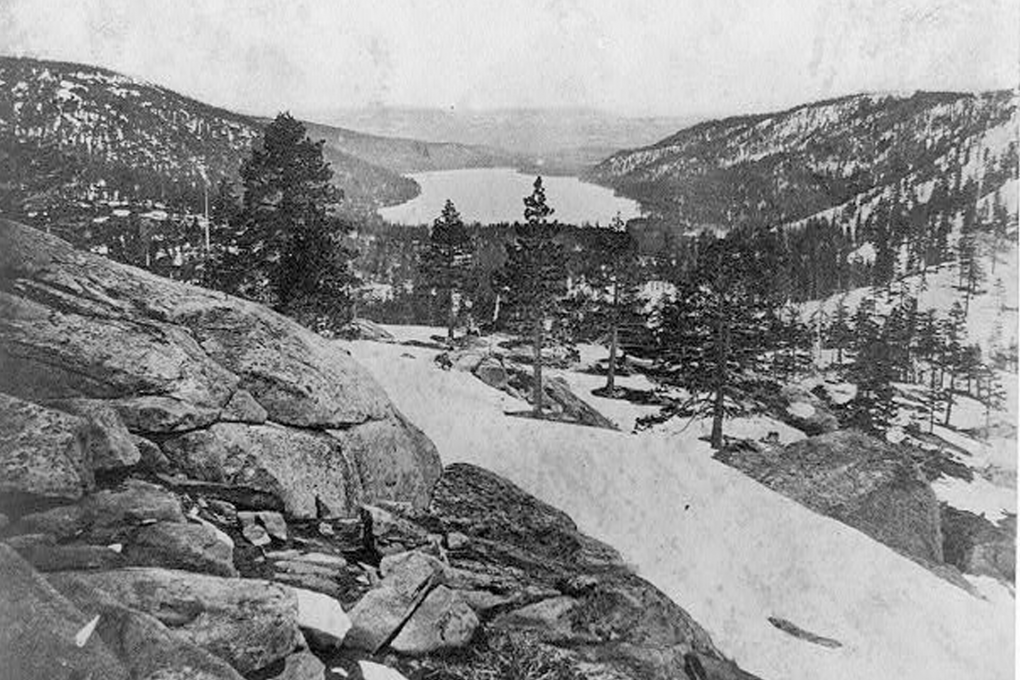
"caption": "Donner Lake from the summit, photographed in 1866 Lawrence & Houseworth",
"description": null,
"title": "1-4",
"credit": "Library of Congress",
"status": "inherit",
"isLoading": false,
"fetchFailed": false
},
"news_11844000": {
"type": "attachments",
"id": "news_11844000",
"meta": {
"index": "attachments_1716263798",
"site": "news",
"id": "11844000",
"found": true
},
"title": "CBPAgent",
"publishDate": 1603844148,
"status": "inherit",
"parent": 11843880,
"modified": 1760641559,
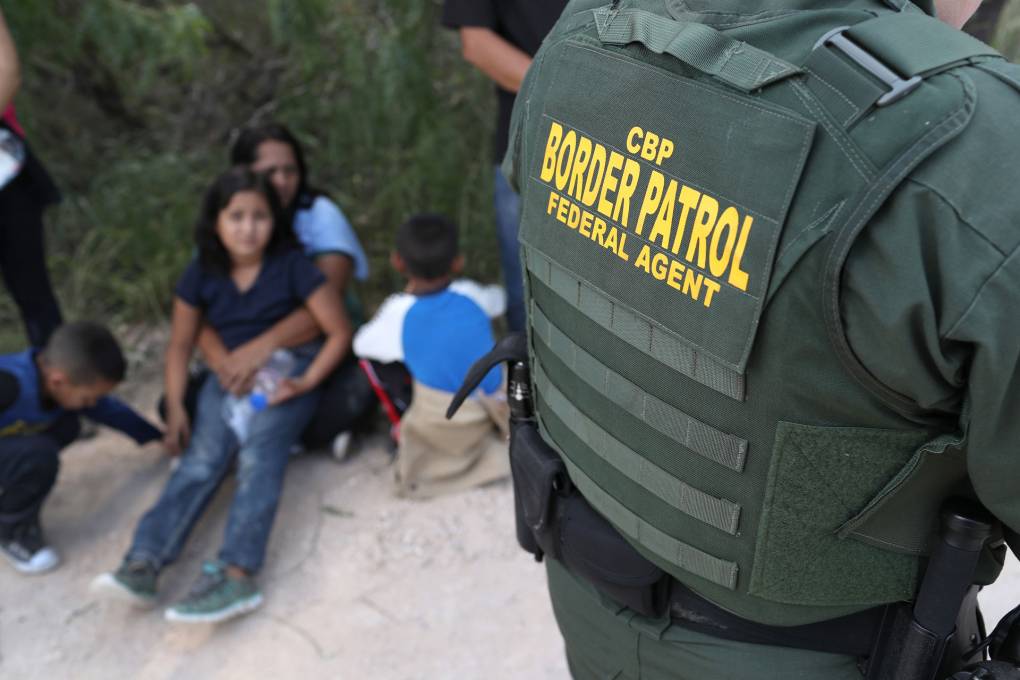
"caption": "Central American asylum seekers wait as U.S. Border Patrol agents take them into custody in 2018 near McAllen, Texas. The families were then sent to a U.S. Customs and Border Protection (CBP) processing center for possible separation as part of the Trump administration's \"zero tolerance\" policy toward undocumented immigrants.",
"credit": "John Moore/Getty Images",
"altTag": "CBP agent detains migrants",
"description": "Central American asylum seekers wait as U.S. Border Patrol agents take them into custody in 2018 near McAllen, Texas. The families were then sent to a U.S. Customs and Border Protection (CBP) processing center for possible separation as part of the Trump administration's \"zero tolerance\" policy towards undocumented immigrants.",
"imgSizes": {
"medium": {
"file": "https://cdn.kqed.org/wp-content/uploads/sites/10/2020/10/CBPAgent-800x533.jpg",
"width": 800,
"height": 533,
"mimeType": "image/jpeg"
},
"large": {
"file": "https://cdn.kqed.org/wp-content/uploads/sites/10/2020/10/CBPAgent-1020x680.jpg",
"width": 1020,
"height": 680,
"mimeType": "image/jpeg"
},
"thumbnail": {
"file": "https://cdn.kqed.org/wp-content/uploads/sites/10/2020/10/CBPAgent-160x107.jpg",
"width": 160,
"height": 107,
"mimeType": "image/jpeg"
},
"1536x1536": {
"file": "https://cdn.kqed.org/wp-content/uploads/sites/10/2020/10/CBPAgent-1536x1024.jpg",
"width": 1536,
"height": 1024,
"mimeType": "image/jpeg"
},
"post-thumbnail": {
"file": "https://cdn.kqed.org/wp-content/uploads/sites/10/2020/10/CBPAgent-672x372.jpg",
"width": 672,
"height": 372,
"mimeType": "image/jpeg"
},
"twentyfourteen-full-width": {
"file": "https://cdn.kqed.org/wp-content/uploads/sites/10/2020/10/CBPAgent-1038x576.jpg",
"width": 1038,
"height": 576,
"mimeType": "image/jpeg"
},
"apple_news_ca_landscape_12_9": {
"file": "https://cdn.kqed.org/wp-content/uploads/sites/10/2020/10/CBPAgent-1832x1280.jpg",
"width": 1832,
"height": 1280,
"mimeType": "image/jpeg"
},
"apple_news_ca_landscape_9_7": {
"file": "https://cdn.kqed.org/wp-content/uploads/sites/10/2020/10/CBPAgent-1376x1032.jpg",
"width": 1376,
"height": 1032,
"mimeType": "image/jpeg"
},
"apple_news_ca_landscape_5_5": {
"file": "https://cdn.kqed.org/wp-content/uploads/sites/10/2020/10/CBPAgent-1044x783.jpg",
"width": 1044,
"height": 783,
"mimeType": "image/jpeg"
},
"apple_news_ca_landscape_4_7": {
"file": "https://cdn.kqed.org/wp-content/uploads/sites/10/2020/10/CBPAgent-632x474.jpg",
"width": 632,
"height": 474,
"mimeType": "image/jpeg"
},
"apple_news_ca_landscape_4_0": {
"file": "https://cdn.kqed.org/wp-content/uploads/sites/10/2020/10/CBPAgent-536x402.jpg",
"width": 536,
"height": 402,
"mimeType": "image/jpeg"
},
"apple_news_ca_portrait_12_9": {
"file": "https://cdn.kqed.org/wp-content/uploads/sites/10/2020/10/CBPAgent-1122x1280.jpg",
"width": 1122,
"height": 1280,
"mimeType": "image/jpeg"
},
"apple_news_ca_portrait_9_7": {
"file": "https://cdn.kqed.org/wp-content/uploads/sites/10/2020/10/CBPAgent-840x1120.jpg",
"width": 840,
"height": 1120,
"mimeType": "image/jpeg"
},
"apple_news_ca_portrait_5_5": {
"file": "https://cdn.kqed.org/wp-content/uploads/sites/10/2020/10/CBPAgent-687x916.jpg",
"width": 687,
"height": 916,
"mimeType": "image/jpeg"
},
"apple_news_ca_portrait_4_7": {
"file": "https://cdn.kqed.org/wp-content/uploads/sites/10/2020/10/CBPAgent-414x552.jpg",
"width": 414,
"height": 552,
"mimeType": "image/jpeg"
},
"apple_news_ca_portrait_4_0": {
"file": "https://cdn.kqed.org/wp-content/uploads/sites/10/2020/10/CBPAgent-354x472.jpg",
"width": 354,
"height": 472,
"mimeType": "image/jpeg"
},
"apple_news_ca_square_12_9": {
"file": "https://cdn.kqed.org/wp-content/uploads/sites/10/2020/10/CBPAgent-1472x1280.jpg",
"width": 1472,
"height": 1280,
"mimeType": "image/jpeg"
},
"apple_news_ca_square_9_7": {
"file": "https://cdn.kqed.org/wp-content/uploads/sites/10/2020/10/CBPAgent-1104x1104.jpg",
"width": 1104,
"height": 1104,
"mimeType": "image/jpeg"
},
"apple_news_ca_square_5_5": {
"file": "https://cdn.kqed.org/wp-content/uploads/sites/10/2020/10/CBPAgent-912x912.jpg",
"width": 912,
"height": 912,
"mimeType": "image/jpeg"
},
"apple_news_ca_square_4_7": {
"file": "https://cdn.kqed.org/wp-content/uploads/sites/10/2020/10/CBPAgent-550x550.jpg",
"width": 550,
"height": 550,
"mimeType": "image/jpeg"
},
"apple_news_ca_square_4_0": {
"file": "https://cdn.kqed.org/wp-content/uploads/sites/10/2020/10/CBPAgent-470x470.jpg",
"width": 470,
"height": 470,
"mimeType": "image/jpeg"
},
"kqedFullSize": {
"file": "https://cdn.kqed.org/wp-content/uploads/sites/10/2020/10/CBPAgent.jpg",
"width": 1920,
"height": 1280
}
},
"isLoading": false,
"fetchFailed": false
}
},
"audioPlayerReducer": {
"postId": "stream_live",
"isPaused": true,
"isPlaying": false,
"pfsActive": false,
"pledgeModalIsOpen": true,
"playerDrawerIsOpen": false,
"liveAudioPlayStartedAt": 0,
"liveAudioPlayContext": ""
},
"authorsReducer": {
"byline_news_11844936": {
"type": "authors",
"id": "byline_news_11844936",
"meta": {
"override": true
},
"slug": "byline_news_11844936",
"name": "\u003ca href=\"https://www.kqed.org/author/jrodriguez\">Joe Fitzgerald Rodriguez\u003c/a> and \u003ca href=\"https://twitter.com/linshannonlin?lang=en\">Shannon Lin\u003c/a>, KQED \u003cbr> \u003ca href=\"https://www.propublica.org/people/jessica-huseman\">Jessica Huseman\u003c/a>, ProPublica",
"isLoading": false
},
"byline_news_11844841": {
"type": "authors",
"id": "byline_news_11844841",
"meta": {
"override": true
},
"slug": "byline_news_11844841",
"name": "Adam Beam \u003cbr> Associated Press",
"isLoading": false
},
"byline_news_11844469": {
"type": "authors",
"id": "byline_news_11844469",
"meta": {
"override": true
},
"slug": "byline_news_11844469",
"name": "Mike Schneider \u003cbr> Associated Press ",
"isLoading": false
},
"byline_news_11844299": {
"type": "authors",
"id": "byline_news_11844299",
"meta": {
"override": true
},
"slug": "byline_news_11844299",
"name": "\u003ca href=\"https://calmatters.org/author/janellesalanga/\">Janelle Marie Salanga\u003c/a>",
"isLoading": false
},
"samharnett": {
"type": "authors",
"id": "253",
"meta": {
"index": "authors_1716337520",
"id": "253",
"found": true
},
"name": "Sam Harnett",
"firstName": "Sam",
"lastName": "Harnett",
"slug": "samharnett",
"email": "samharnett@gmail.com",
"display_author_email": false,
"staff_mastheads": [],
"title": "KQED Contributor",
"bio": "Sam Harnett covered tech and work at KQED. He is the co-creator of \u003cem>\u003ca href=\"http://www.theworldaccordingtosound.org\">The World According to Sound\u003c/a>,\u003c/em> a 90-second podcast that features different sounds and the stories behind them.\r\n\r\nBefore coming to KQED, Sam worked as an independent reporter who contributed regularly to \u003cem>The California Report, Marketplace,\u003c/em> \u003cem>The World \u003c/em>and NPR.",
"avatar": "https://secure.gravatar.com/avatar/2538b972ac02f2b9546c7a6c59a0f3d0?s=600&d=blank&r=g",
"twitter": "Samwharnett",
"facebook": null,
"instagram": null,
"linkedin": null,
"sites": [
{
"site": "news",
"roles": [
"edit_others_posts",
"subscriber"
]
},
{
"site": "stateofhealth",
"roles": [
"author"
]
},
{
"site": "science",
"roles": [
"editor"
]
},
{
"site": "quest",
"roles": [
"subscriber"
]
}
],
"headData": {
"title": "Sam Harnett | KQED",
"description": "KQED Contributor",
"ogImgSrc": "https://secure.gravatar.com/avatar/2538b972ac02f2b9546c7a6c59a0f3d0?s=600&d=blank&r=g",
"twImgSrc": "https://secure.gravatar.com/avatar/2538b972ac02f2b9546c7a6c59a0f3d0?s=600&d=blank&r=g"
},
"isLoading": false,
"link": "/author/samharnett"
},
"mlagos": {
"type": "authors",
"id": "3239",
"meta": {
"index": "authors_1716337520",
"id": "3239",
"found": true
},
"name": "Marisa Lagos",
"firstName": "Marisa",
"lastName": "Lagos",
"slug": "mlagos",
"email": "mlagos@kqed.org",
"display_author_email": false,
"staff_mastheads": [
"news"
],
"title": "KQED Contributor",
"bio": "Marisa Lagos is a correspondent for KQED’s California Politics and Government Desk and co-hosts the award-winning show and podcast, Political Breakdown. At KQED, Lagos also conducts reporting, analysis and investigations into state, local and national politics for radio, TV, online and onstage. In 2022, she and co-host, Scott Shafer, moderated the only gubernatorial debate in California. In 2020, the \u003ci>Washington Post\u003c/i> named her one of the top political journalists in California; she was nominated for a Peabody and won several other awards for her work investigating the 2017 California wildfires. She has worked at the \u003ci>San Francisco Chronicle\u003c/i>, \u003ci>San Francisco Examiner\u003c/i> and \u003ci>Los Angeles Times\u003c/i>. A UC Santa Barbara graduate, she lives in San Francisco with her two sons and husband.",
"avatar": "https://secure.gravatar.com/avatar/a261a0d3696fc066871ef96b85b5e7d2?s=600&d=blank&r=g",
"twitter": "@mlagos",
"facebook": null,
"instagram": null,
"linkedin": null,
"sites": [
{
"site": "arts",
"roles": [
"author"
]
},
{
"site": "news",
"roles": [
"editor"
]
},
{
"site": "science",
"roles": [
"editor"
]
},
{
"site": "forum",
"roles": [
"author"
]
},
{
"site": "liveblog",
"roles": [
"author"
]
}
],
"headData": {
"title": "Marisa Lagos | KQED",
"description": "KQED Contributor",
"ogImgSrc": "https://secure.gravatar.com/avatar/a261a0d3696fc066871ef96b85b5e7d2?s=600&d=blank&r=g",
"twImgSrc": "https://secure.gravatar.com/avatar/a261a0d3696fc066871ef96b85b5e7d2?s=600&d=blank&r=g"
},
"isLoading": false,
"link": "/author/mlagos"
},
"carlysevern": {
"type": "authors",
"id": "3243",
"meta": {
"index": "authors_1716337520",
"id": "3243",
"found": true
},
"name": "Carly Severn",
"firstName": "Carly",
"lastName": "Severn",
"slug": "carlysevern",
"email": "csevern@kqed.org",
"display_author_email": false,
"staff_mastheads": [
"news"
],
"title": "Senior Editor, Audience News ",
"bio": "Carly is KQED's Senior Editor of Audience News on the Digital News team, and has reported for the California Report Magazine, Bay Curious and KQED Arts. She's formerly the host of \u003ca href=\"http://ww2.kqed.org/pop/category/the-cooler/\" rel=\"noopener noreferrer\">The Cooler\u003c/a> podcast.",
"avatar": "https://secure.gravatar.com/avatar/2d8d6765f186e64c798cf7f0c8088a41?s=600&d=blank&r=g",
"twitter": "teacupinthebay",
"facebook": null,
"instagram": null,
"linkedin": null,
"sites": [
{
"site": "",
"roles": [
"editor"
]
},
{
"site": "arts",
"roles": [
"editor"
]
},
{
"site": "news",
"roles": [
"administrator"
]
},
{
"site": "pop",
"roles": [
"editor"
]
},
{
"site": "futureofyou",
"roles": [
"editor"
]
},
{
"site": "about",
"roles": [
"administrator"
]
},
{
"site": "mindshift",
"roles": [
"editor"
]
},
{
"site": "bayareabites",
"roles": [
"editor"
]
},
{
"site": "stateofhealth",
"roles": [
"editor"
]
},
{
"site": "science",
"roles": [
"editor"
]
},
{
"site": "food",
"roles": [
"contributor"
]
},
{
"site": "forum",
"roles": [
"editor"
]
},
{
"site": "perspectives",
"roles": [
"administrator"
]
},
{
"site": "liveblog",
"roles": [
"editor"
]
}
],
"headData": {
"title": "Carly Severn | KQED",
"description": "Senior Editor, Audience News ",
"ogImgSrc": "https://secure.gravatar.com/avatar/2d8d6765f186e64c798cf7f0c8088a41?s=600&d=blank&r=g",
"twImgSrc": "https://secure.gravatar.com/avatar/2d8d6765f186e64c798cf7f0c8088a41?s=600&d=blank&r=g"
},
"isLoading": false,
"link": "/author/carlysevern"
},
"katewolffe": {
"type": "authors",
"id": "11523",
"meta": {
"index": "authors_1716337520",
"id": "11523",
"found": true
},
"name": "Kate Wolffe",
"firstName": "Kate",
"lastName": "Wolffe",
"slug": "katewolffe",
"email": "kwolffe@kqed.org",
"display_author_email": true,
"staff_mastheads": [
"news"
],
"title": "KQED Reporter + Weekend Host",
"bio": "Kate Wolffe reports on local Bay Area happenings for KQED, and hosts the news on weekend afternoons. She joined KQED in 2018 as an intern on the Forum team, before moving to cover topics ranging from politics to criminal justice to homelessness. A Bay Area native and UC Berkeley graduate, Kate loves to discover new corners of the region.",
"avatar": "https://secure.gravatar.com/avatar/22455f14db824a03ee252f73052fe939?s=600&d=blank&r=g",
"twitter": "katewolffe",
"facebook": null,
"instagram": null,
"linkedin": null,
"sites": [
{
"site": "arts",
"roles": [
"editor"
]
},
{
"site": "news",
"roles": [
"author",
"edit_others_posts"
]
},
{
"site": "forum",
"roles": [
"editor"
]
}
],
"headData": {
"title": "Kate Wolffe | KQED",
"description": "KQED Reporter + Weekend Host",
"ogImgSrc": "https://secure.gravatar.com/avatar/22455f14db824a03ee252f73052fe939?s=600&d=blank&r=g",
"twImgSrc": "https://secure.gravatar.com/avatar/22455f14db824a03ee252f73052fe939?s=600&d=blank&r=g"
},
"isLoading": false,
"link": "/author/katewolffe"
},
"mwiley": {
"type": "authors",
"id": "11526",
"meta": {
"index": "authors_1716337520",
"id": "11526",
"found": true
},
"name": "Michelle Wiley",
"firstName": "Michelle",
"lastName": "Wiley",
"slug": "mwiley",
"email": "mwiley@KQED.org",
"display_author_email": true,
"staff_mastheads": [],
"title": null,
"bio": "Michelle Wiley was the senior editor of weekends.",
"avatar": "https://secure.gravatar.com/avatar/3b897d82a09e8587e8e73fa69fbcc635?s=600&d=blank&r=g",
"twitter": "michelleewiley",
"facebook": null,
"instagram": null,
"linkedin": null,
"sites": [
{
"site": "",
"roles": [
"editor"
]
},
{
"site": "arts",
"roles": [
"editor"
]
},
{
"site": "news",
"roles": [
"subscriber"
]
},
{
"site": "lowdown",
"roles": [
"editor"
]
},
{
"site": "science",
"roles": [
"editor"
]
},
{
"site": "podcasts",
"roles": [
"editor"
]
}
],
"headData": {
"title": "Michelle Wiley | KQED",
"description": null,
"ogImgSrc": "https://secure.gravatar.com/avatar/3b897d82a09e8587e8e73fa69fbcc635?s=600&d=blank&r=g",
"twImgSrc": "https://secure.gravatar.com/avatar/3b897d82a09e8587e8e73fa69fbcc635?s=600&d=blank&r=g"
},
"isLoading": false,
"link": "/author/mwiley"
}
},
"pagesReducer": {
"news_tag_california": {
"type": "terms",
"id": "news_18538",
"meta": {
"index": "terms_1716263798",
"site": "news",
"id": "18538",
"score": 6.8456693
},
"featImg": null,
"name": "California",
"description": null,
"taxonomy": "tag",
"headData": {
"twImgId": null,
"twTitle": null,
"ogTitle": null,
"ogImgId": null,
"twDescription": null,
"description": null,
"title": "California Archives | KQED News",
"ogDescription": null
},
"ttid": 31,
"slug": "california",
"isLoading": false,
"title": "California",
"pageMeta": {
"site": "news",
"WpPageTemplate": "page-topic-editorial",
"currentPage": 191
},
"blocks": [
{
"blockName": "kqed/post-list",
"attrs": {
"layout": "cardArticle2",
"query": "posts/news?tag=california",
"seeMore": false,
"paginated": true,
"page": 191
}
},
{
"blockName": "kqed/ad"
}
]
}
},
"pfsSessionReducer": {},
"postsReducer": {
"stream_live": {
"type": "live",
"id": "stream_live",
"audioUrl": "https://streams.kqed.org/kqedradio",
"title": "Live Stream",
"excerpt": "Live Stream information currently unavailable.",
"link": "/radio",
"featImg": "",
"label": {
"name": "KQED Live",
"link": "/"
}
},
"stream_kqedNewscast": {
"type": "posts",
"id": "stream_kqedNewscast",
"audioUrl": "https://www.kqed.org/.stream/anon/radio/RDnews/newscast.mp3?_=1",
"title": "KQED Newscast",
"featImg": "",
"label": {
"name": "88.5 FM",
"link": "/"
}
},
"news_11843752": {
"type": "posts",
"id": "news_11843752",
"meta": {
"index": "posts_1716263798",
"site": "news",
"id": "11843752",
"score": null,
"sort": [
1604361679000
]
},
"parent": 0,
"labelTerm": {
"site": "news"
},
"blocks": [],
"publishDate": 1604361679,
"format": "standard",
"disqusTitle": "Navy Officials Confirm COVID-19 Outbreak on San Diego-Based Vessel",
"title": "Navy Officials Confirm COVID-19 Outbreak on San Diego-Based Vessel",
"headTitle": "KQED News",
"content": "\u003cp>Military officials have confirmed an outbreak of the coronavirus on the USS Makin Island, a Navy vessel that normally docks in San Diego County and is currently performing its mission off California's coast. The first positive case was confirmed on Oct. 6, according to Navy officials, while the vessel was underway.\u003c/p>\n\u003cp>\"Personnel assigned to the Makin Island Amphibious Ready Group (ARG)/15th Marine Expeditionary Unit (15th MEU), tested positive for Coronavirus Disease 2019 (COVID-19),\" said spokesman Lt. Logan Taylor in a statement, but he emphasized that the team \"remains able to meet its mission.\"\u003c/p>\n\u003cp>According to Navy officials, before service members arrive on the vessel, they're required to quarantine for two weeks. Then once they're on board, they quarantine again for another two weeks before the vessel can depart. If a sailor is confirmed positive with COVID-19, they're placed in isolation on the ship until they can be safely taken to shore, according to Cmdr. Sean Robertson, special assistant for public affairs to commander, U.S. Third Fleet.\u003c/p>\n\u003cp>But the total number of personnel who have contracted the virus on the USS Makin Island remains unclear – and that has raised concerns among some family members of the Marines and Navy personnel onboard.\u003c/p>\n\u003cp>It's always nerve-wracking for Nicole, whose last name we're not using for fear of retribution, when her husband is deployed. He's currently serving aboard the USS Makin Island. And during the coronavirus pandemic, her concerns are even more acute.\u003c/p>\n\u003cp>So when her husband told her there were confirmed coronavirus cases on the vessel, she was very worried.\u003c/p>\n\u003cp>\"It's stressful and it's upsetting for me because I would do anything to change this whole situation if I could,\" she said. \"You know, he'd be sitting next to me right now and not being put in those positions where he's susceptible to actually getting sick.\"\u003c/p>\n\u003cp>[ad fullwidth]\u003c/p>\n\u003cp>Nicole said her husband heard there were several hundred confirmed cases in a statement made over the vessel's intercom system.\u003c/p>\n\u003cp>Military officials have strongly disputed that number and the account, but refuse to give exact numbers. Robertson said they could not discuss confirmed positives at the \"unit level\" due to national security reasons.\u003c/p>\n\u003cp>[aside label='Coronavirus Coverage' tag='coronavirus']But Nicole said she feels like they're downplaying the situation.\u003c/p>\n\u003cp>\"I just feel like they're just trying to, like, downplay it and make it seem like it's not a big deal,\" she said.\u003c/p>\n\u003cp>Her concerns increased after she received a video from her spouse, taken during his first few days on the ship, of the conditions there. In the video, which KQED has reviewed, sailors appear to mingle in close quarters, with some of them clearly not wearing masks.\u003c/p>\n\u003cp>\"I feel like that's why so many people that were getting sick is because people weren't wearing masks,\" Nicole said. \"And ... you can see in the video how close quarters people were, from where they were sleeping and where they were sitting, and that there's just not a lot of space to be able to stay away from people.\"\u003c/p>\n\u003cp>Cmdr. Robertson said sailors are required to wear masks on the vessel, and are generally \"self-policing\" to ensure others on the ship are wearing them.\u003c/p>\n\u003cp>Lt. Taylor said that leadership is \"committed to taking every measure possible to protect the health of our force,\" and that the Navy and the Marine Corps \"remain in close coordination with state and federal authorities and public health authorities to ensure the well-being of our personnel.\"\u003c/p>\n\u003cp>\u003c/p>\n",
"disqusIdentifier": "11843752 https://ww2.kqed.org/news/?p=11843752",
"disqusUrl": "https://ww2.kqed.org/news/2020/11/02/navy-officials-confirm-covid-19-outbreak-on-san-diego-based-vessel/",
"stats": {
"hasVideo": false,
"hasChartOrMap": false,
"hasAudio": false,
"hasPolis": false,
"wordCount": 601,
"hasGoogleForm": false,
"hasGallery": false,
"hasHearkenModule": false,
"iframeSrcs": [],
"paragraphCount": 17
},
"modified": 1604366144,
"excerpt": "The first positive coronavirus case on board the USS Makin Island was confirmed in early October, according to Navy officials.",
"headData": {
"twImgId": "",
"twTitle": "",
"ogTitle": "",
"ogImgId": "",
"twDescription": "",
"description": "The first positive coronavirus case on board the USS Makin Island was confirmed in early October, according to Navy officials.",
"title": "Navy Officials Confirm COVID-19 Outbreak on San Diego-Based Vessel | KQED",
"ogDescription": "",
"schema": {
"@context": "https://schema.org",
"@type": "NewsArticle",
"headline": "Navy Officials Confirm COVID-19 Outbreak on San Diego-Based Vessel",
"datePublished": "2020-11-02T16:01:19-08:00",
"dateModified": "2020-11-02T17:15:44-08:00",
"image": "https://cdn.kqed.org/wp-content/uploads/2020/02/KQED-OG-Image@1x.png",
"isAccessibleForFree": "True",
"publisher": {
"@type": "NewsMediaOrganization",
"@id": "https://www.kqed.org/#organization",
"name": "KQED",
"logo": "https://cdn.kqed.org/wp-content/uploads/2020/02/KQED-OG-Image@1x.png",
"url": "https://www.kqed.org",
"sameAs": [
"https://www.facebook.com/KQED",
"https://twitter.com/KQED",
"https://www.instagram.com/kqed/",
"https://www.tiktok.com/@kqedofficial",
"https://www.linkedin.com/company/kqed",
"https://www.youtube.com/channel/UCeC0IOo7i1P_61zVUWbJ4nw"
]
}
}
},
"guestAuthors": [],
"slug": "navy-officials-confirm-covid-19-outbreak-on-san-diego-based-vessel",
"status": "publish",
"path": "/news/11843752/navy-officials-confirm-covid-19-outbreak-on-san-diego-based-vessel",
"audioTrackLength": null,
"parsedContent": [
{
"type": "contentString",
"content": "\u003cdiv class=\"post-body\">\u003cp>\u003cp>Military officials have confirmed an outbreak of the coronavirus on the USS Makin Island, a Navy vessel that normally docks in San Diego County and is currently performing its mission off California's coast. The first positive case was confirmed on Oct. 6, according to Navy officials, while the vessel was underway.\u003c/p>\n\u003cp>\"Personnel assigned to the Makin Island Amphibious Ready Group (ARG)/15th Marine Expeditionary Unit (15th MEU), tested positive for Coronavirus Disease 2019 (COVID-19),\" said spokesman Lt. Logan Taylor in a statement, but he emphasized that the team \"remains able to meet its mission.\"\u003c/p>\n\u003cp>According to Navy officials, before service members arrive on the vessel, they're required to quarantine for two weeks. Then once they're on board, they quarantine again for another two weeks before the vessel can depart. If a sailor is confirmed positive with COVID-19, they're placed in isolation on the ship until they can be safely taken to shore, according to Cmdr. Sean Robertson, special assistant for public affairs to commander, U.S. Third Fleet.\u003c/p>\n\u003cp>But the total number of personnel who have contracted the virus on the USS Makin Island remains unclear – and that has raised concerns among some family members of the Marines and Navy personnel onboard.\u003c/p>\n\u003cp>It's always nerve-wracking for Nicole, whose last name we're not using for fear of retribution, when her husband is deployed. He's currently serving aboard the USS Makin Island. And during the coronavirus pandemic, her concerns are even more acute.\u003c/p>\n\u003cp>So when her husband told her there were confirmed coronavirus cases on the vessel, she was very worried.\u003c/p>\n\u003cp>\"It's stressful and it's upsetting for me because I would do anything to change this whole situation if I could,\" she said. \"You know, he'd be sitting next to me right now and not being put in those positions where he's susceptible to actually getting sick.\"\u003c/p>\n\u003cp>\u003c/p>\u003c/div>",
"attributes": {
"named": {},
"numeric": []
}
},
{
"type": "component",
"content": "",
"name": "ad",
"attributes": {
"named": {
"label": "fullwidth"
},
"numeric": [
"fullwidth"
]
}
},
{
"type": "contentString",
"content": "\u003cdiv class=\"post-body\">\u003cp>\u003c/p>\n\u003cp>Nicole said her husband heard there were several hundred confirmed cases in a statement made over the vessel's intercom system.\u003c/p>\n\u003cp>Military officials have strongly disputed that number and the account, but refuse to give exact numbers. Robertson said they could not discuss confirmed positives at the \"unit level\" due to national security reasons.\u003c/p>\n\u003cp>\u003c/p>\u003c/div>",
"attributes": {
"named": {},
"numeric": []
}
},
{
"type": "component",
"content": "",
"name": "aside",
"attributes": {
"named": {
"label": "Coronavirus Coverage ",
"tag": "coronavirus"
},
"numeric": []
}
},
{
"type": "contentString",
"content": "\u003cdiv class=\"post-body\">\u003cp>But Nicole said she feels like they're downplaying the situation.\u003c/p>\n\u003cp>\"I just feel like they're just trying to, like, downplay it and make it seem like it's not a big deal,\" she said.\u003c/p>\n\u003cp>Her concerns increased after she received a video from her spouse, taken during his first few days on the ship, of the conditions there. In the video, which KQED has reviewed, sailors appear to mingle in close quarters, with some of them clearly not wearing masks.\u003c/p>\n\u003cp>\"I feel like that's why so many people that were getting sick is because people weren't wearing masks,\" Nicole said. \"And ... you can see in the video how close quarters people were, from where they were sleeping and where they were sitting, and that there's just not a lot of space to be able to stay away from people.\"\u003c/p>\n\u003cp>Cmdr. Robertson said sailors are required to wear masks on the vessel, and are generally \"self-policing\" to ensure others on the ship are wearing them.\u003c/p>\n\u003cp>Lt. Taylor said that leadership is \"committed to taking every measure possible to protect the health of our force,\" and that the Navy and the Marine Corps \"remain in close coordination with state and federal authorities and public health authorities to ensure the well-being of our personnel.\"\u003c/p>\n\u003cp>\u003c/p>\n\u003c/div>\u003c/p>",
"attributes": {
"named": {},
"numeric": []
}
}
],
"link": "/news/11843752/navy-officials-confirm-covid-19-outbreak-on-san-diego-based-vessel",
"authors": [
"11526"
],
"categories": [
"news_457",
"news_8"
],
"tags": [
"news_18538",
"news_27350",
"news_27504",
"news_4486",
"news_4220"
],
"featImg": "news_11845026",
"label": "news"
},
"news_11844936": {
"type": "posts",
"id": "news_11844936",
"meta": {
"index": "posts_1716263798",
"site": "news",
"id": "11844936",
"score": null,
"sort": [
1604354513000
]
},
"guestAuthors": [],
"slug": "misinformation-on-wechat-attempts-to-frighten-chinese-americans-out-of-voting",
"title": "Misinformation on WeChat Attempts to Frighten Chinese Americans Out of Voting",
"publishDate": 1604354513,
"format": "standard",
"headTitle": "Misinformation on WeChat Attempts to Frighten Chinese Americans Out of Voting | KQED",
"labelTerm": {
"site": "news"
},
"content": "\u003cp>\u003cem>This article is co-published with \u003ca href=\"https://www.propublica.org/\">ProPublica\u003c/a>.\u003c/em>\u003c/p>\n\u003cp>At least two dozen groups on the Chinese-owned social media app WeChat have been circulating misinformation that the U.S. Department of Homeland Security is “preparing to mobilize” the National Guard and “dispatch” the military to quell impending riots, apparently in an attempt to frighten Chinese Americans into staying home on Election Day.\u003c/p>\n\u003cp>The misinformation, which takes the form of a photo of a flyer and is in both English and Chinese, also warns that the government plans to impose a national two-week quarantine and close all businesses.\u003c/p>\n\u003cp>“They will announce this as soon as they have troops in place to prevent looters and rioters,” it states. The flyer originally appeared on WeChat during the first surge of the pandemic, and it later spread to other social media. It recently resurfaced on WeChat.\u003c/p>\n\u003cp>“I’m sure thousands of people have seen that. I’m sure that it’s pretty widespread,” said Shaw San Liu, executive director of the Chinese Progressive Association in San Francisco, which has been tracking the flyer and other misinformation on WeChat. “We’re really concerned about making sure we get some good counterinformation, facts out there so that people are not discouraged because this is the last stretch.”\u003c/p>\n\u003cp>[pullquote size=\"medium\" align=\"right\" citation=\"Carly Liu, San Francisco\"]‘It makes us feel more scared … I do think if there were (people) who were going to vote in-person on Nov. 3, they may definitely be deterred from going out in person.’[/pullquote]\u003c/p>\n\u003cp>Nahaku McFadden, a spokesperson for the National Guard, called the flyer “categorically false,” adding that DHS “does not have the authority to mobilize the National Guard,” which is under the control of state governors, and that “there is no discussion of a nationwide quarantine.”\u003c/p>\n\u003cp>ProPublica’s \u003ca href=\"https://www.propublica.org/electionland/\">Electionland\u003c/a> project first received a tip about the flyer from a San Francisco resident whose elderly mother received it.\u003c/p>\n\u003cp>“My mother is not proficient in English, but she read the Chinese part and started freaking out,” the woman, who gave her first name as Dora, said. “It is clearly to keep people from the polls.”\u003c/p>\n\u003cfigure id=\"attachment_11844969\" class=\"wp-caption aligncenter\" style=\"max-width: 800px\">\u003cimg loading=\"lazy\" decoding=\"async\" class=\"size-full wp-image-11844969\" src=\"https://ww2.kqed.org/app/uploads/sites/10/2020/11/CPA-Flyer-WeChat.jpg\" alt=\"flyer debunking disinformation on WeChat\" width=\"800\" height=\"1200\" srcset=\"https://cdn.kqed.org/wp-content/uploads/sites/10/2020/11/CPA-Flyer-WeChat.jpg 800w, https://cdn.kqed.org/wp-content/uploads/sites/10/2020/11/CPA-Flyer-WeChat-160x240.jpg 160w\" sizes=\"(max-width: 800px) 100vw, 800px\">\u003cfigcaption class=\"wp-caption-text\">This flyer was created by the Chinese Progressive Association after reporting from KQED and ProPublica to combat misinformation in the Chinese community. \u003ccite>(Chinese Progressive Association)\u003c/cite>\u003c/figcaption>\u003c/figure>\n\u003cp>Although the Trump administration has tried to ban WeChat, a spate of recent misinformation on the app appears aimed at boosting the president’s reelection campaign by deterring Chinese Americans from voting Democratic.\u003c/p>\n\u003cp>“Shameful democrats, truly shameful,” runs one frequently shared message, which KQED translated from Chinese. “Without our consent, they made everyone permanent mail in ballot voters. Also, some people’s political registration has been changed to ‘independent’ or ‘democrat.’ ”\u003c/p>\n\u003cp>Another asserts that “90 percent of media is controlled by Democrats, 60 percent of college professors are left wing. That means America’s population, culture, wealth, media, and education are in the hands of Democrats. Trump and Republicans are in a very dangerous situation.”\u003c/p>\n\u003cp>[ad fullwidth]\u003c/p>\n\u003cp>Owned by Shenzhen-based Tencent Holdings Ltd, WeChat is among the world’s largest social media apps, boasting more than 1 billion active monthly users, mostly in China. Chinese Americans, who once used it primarily to communicate with family back home, have increasingly formed chat groups on the app for everything from sharing recipes to organizing rent strikes. \u003ca href=\"https://www.nbcnews.com/news/asian-america/how-chinese-language-media-u-s-are-debunking-wechat-coronavirus-n1156621\">During the pandemic\u003c/a> and the presidential campaign, dozens of groups have promulgated misinformation without it being flagged or removed.\u003c/p>\n\u003cp>As of Saturday night, WeChat had received no recent complaints regarding the flyer about the National Guard, though there may have been some when the image first circulated in late March and early April, a person familiar with WeChat’s policies said. Unlike Facebook and Twitter, which have started to crack down on false information, WeChat is almost entirely reliant on individual users to report misinformation, the person said. Users agree on signing up not to post “fraudulent, false, misleading or deceptive” information on the platform.\u003c/p>\n\u003cp>[aside label='Related Coverage' tag='election-explainers']\u003c/p>\n\u003cp>The person also said that, unlike some U.S.-based social media companies, WeChat has no specific relationship with the federal government to track or report misinformation. WeChat’s user base in this country is far smaller — “in the low single-digit millions” — than that of Facebook or Twitter. Asian Americans, many of whom reportedly use WeChat, make up 36% of San Francisco’s population. DHS officials said they were unaware of any efforts by WeChat or the federal government to partner to address election misinformation.\u003c/p>\n\u003cp>The Trump administration wrote a series of rules \u003ca href=\"https://www.kqed.org/news/11834806/wechat-ban-and-sfs-chinatown-how-trumps-plan-could-hurt-housing-rights-campaigns\">that would have effectively banned downloads of WeChat\u003c/a> and the video-sharing app TikTok in the U.S. this fall. On Sept. 20, the day they were to go into effect, a federal judge stayed the ruling, giving WeChat a reprieve. The app can be downloaded for free with no restrictions in the U.S.\u003c/p>\n\u003cp>DHS officials said that the FBI handles most investigations of domestic misinformation and election interference. The FBI declined to comment on whether it is investigating the flyer or on any other interactions with WeChat.\u003c/p>\n\u003cp>“The FBI remains in close touch with all of our interagency partners and social media and technology companies to enable a quick exchange of threat information,” said Sutton Roach, a spokesperson for the bureau.\u003c/p>\n\u003cp>Misinformation on WeChat is not a new phenomenon. A 2018 study by the Columbia Journalism Review found that political discourse on WeChat is “asymmetrically polarized” and “especially vulnerable to political misinformation” such as unfounded right-wing conspiracy theories. Most of this misinformation \u003ca href=\"https://www.cjr.org/tow_center/wechat-misinformation-china.php\">is spread in large chat rooms\u003c/a>, like the ones the Chinese Progressive Association has observed in San Francisco.\u003c/p>\n\u003cp>[pullquote size=\"medium\" align=\"right\" citation=\"Shaw San Liu, Chinese Progressive Association\"]‘This conflation of racial justice and Black Lives Matters with riots as a white right-wing talking point, that is very much being brought into the Chinese right-wing analysis.’[/pullquote]\u003c/p>\n\u003cp>After similar reports of misinformation in Australia, WeChat blocked Australian users from seeing the content of problematic accounts flagged by the Australian government. WeChat worked with Austrian regulators to help ensure that information on official accounts – which require verification and payment by account owners – complied with local laws banning the dissemination of misinformation.\u003c/p>\n\u003ch3>Stemming the Tide\u003c/h3>\n\u003cp>Without intervention from WeChat, responsibility for pushing back against misinformation has often fallen on younger members of Chinese American families, said Kitty Fong, a San Francisco resident and president of the Rose Pak Democratic Club.\u003c/p>\n\u003cp>One evening in October, the 32-year-old Fong walked into her family kitchen to get some water. Her mother was cooking spare ribs and rice, and over the simmering meat she turned to Fong to ask if she’d heard the rumor on WeChat that riots were coming on the heels of the election, and that families should stock up on food and other goods. The flyer warning about mobilizing the National Guard also encourages people to “stock up on whatever you need to make sure you have a two week supply of everything.”\u003c/p>\n\u003cp>Carly Liu, a San Francisco resident who lives in the South of Market neighborhood, said she thinks that misinformation on WeChat has swayed her community. The messages echo claims on right-wing websites that presidential candidate Joe Biden and his son Hunter are corrupt and being investigated, and that there’s a media cover-up.\u003c/p>\n\u003cp>Biden “should be arrested and prosecuted for racketeering charges,” one WeChat message says. “This very serious case is ignored and censored by mainstream media.”\u003c/p>\n\u003cp>Such messages “actually convinced some people to vote for Trump because they weren’t sure they can trust Biden,” Liu said.\u003c/p>\n\u003cp>While she is not a U.S. citizen, Liu helped her parents, who are in their 80s, to vote. But Liu has seen misinformation popping up on WeChat that gave her pause about going outside to help them cast their ballot.\u003c/p>\n\u003cp>Just Tuesday she saw a photo spreading on WeChat of a local Social Security office with boarded up windows, accompanied by the flyer warning of riots.\u003c/p>\n\u003cp>“It makes us feel more scared,” Liu said in Cantonese. “I do think if there were (people) who were going to vote in-person on Nov. 3, they may definitely be deterred from going out in person.”\u003c/p>\n\u003cp>[aside postID=news_11844284 hero='https://ww2.kqed.org/app/uploads/sites/10/2020/10/RS45228_019_KQED_SanFrancisco_VotingCenter_10052020-qut-1020x680.jpg']Shaw San Liu, from the Chinese Progressive Association, said that robberies publicized in Chinese media, racist insults on the rise amid the pandemic and physical attacks have led some in San Francisco’s Chinese American community to feel isolated and unsupported by the government and to be more receptive to right-wing extremism.\u003c/p>\n\u003cp>“So there is this very much deep-seated narrative that has been building in the community around the Chinese community being victimized. The Chinese community being attacked,” Liu said. That has fostered anti-homeless, anti-queer, anti-Black sentiment in the community, she added. “This conflation of racial justice and Black Lives Matters with riots as a white right-wing talking point, that is very much being brought into the Chinese right-wing analysis.”\u003c/p>\n\u003cp>After groups on WeChat first spread the flyer in late March, the National Guard stamped the flyer “FALSE” in a tweet. The hoax resurfaced again in the last few weeks, spurring fears of voter suppression. This past weekend, KQED showed the Guard’s tweet to the Chinese Progressive Association, which translated it into Chinese to warn the community.\u003c/p>\n\u003cp>But Liu said she’s worried that the association can’t reach everyone who is exposed to the misinformation on WeChat.\u003c/p>\n\u003cp>“How do we make interventions in the WeChat space?” Liu said. “How do we reach out to our community when they’re sometimes literally bombarded with messages that are untrue, misleading and confusing, causing fear and division?”\u003c/p>\n\u003cp>\u003cem>This story was produced with the help of a tip reported through \u003ca href=\"https://www.propublica.org/electionland/\">ProPublica’s Electionland project\u003c/a>. If you experience or witness a problem voting, \u003ca href=\"https://www.propublica.org/electionland/\">please let us know\u003c/a>. \u003c/em>\u003c/p>\n\u003cp>[ad floatright]\u003c/p>\n",
"blocks": [],
"excerpt": "Chat groups on the Chinese-owned app are echoing right-wing extremists and spreading 'categorically false' claims that the U.S. is mobilizing troops to quell riots.",
"status": "publish",
"parent": 0,
"modified": 1729028054,
"stats": {
"hasAudio": false,
"hasVideo": false,
"hasChartOrMap": false,
"iframeSrcs": [],
"hasGoogleForm": false,
"hasGallery": false,
"hasHearkenModule": false,
"hasPolis": false,
"paragraphCount": 38,
"wordCount": 1762
},
"headData": {
"title": "Misinformation on WeChat Attempts to Frighten Chinese Americans Out of Voting | KQED",
"description": "Chat groups on the Chinese-owned app are echoing right-wing extremists and spreading 'categorically false' claims that the U.S. is mobilizing troops to quell riots.",
"ogTitle": "",
"ogDescription": "",
"ogImgId": "",
"twTitle": "",
"twDescription": "",
"twImgId": "",
"socialDescription": "Chat groups on the Chinese-owned app are echoing right-wing extremists and spreading 'categorically false' claims that the U.S. is mobilizing troops to quell riots.",
"schema": {
"@context": "https://schema.org",
"@type": "NewsArticle",
"headline": "Misinformation on WeChat Attempts to Frighten Chinese Americans Out of Voting",
"datePublished": "2020-11-02T14:01:53-08:00",
"dateModified": "2024-10-15T14:34:14-07:00",
"image": "https://cdn.kqed.org/wp-content/uploads/2020/02/KQED-OG-Image@1x.png",
"isAccessibleForFree": "True",
"publisher": {
"@type": "NewsMediaOrganization",
"@id": "https://www.kqed.org/#organization",
"name": "KQED",
"logo": "https://cdn.kqed.org/wp-content/uploads/2020/02/KQED-OG-Image@1x.png",
"url": "https://www.kqed.org",
"sameAs": [
"https://www.facebook.com/KQED",
"https://twitter.com/KQED",
"https://www.instagram.com/kqed/",
"https://www.tiktok.com/@kqedofficial",
"https://www.linkedin.com/company/kqed",
"https://www.youtube.com/channel/UCeC0IOo7i1P_61zVUWbJ4nw"
]
}
}
},
"sticky": false,
"nprByline": "\u003ca href=\"https://www.kqed.org/author/jrodriguez\">Joe Fitzgerald Rodriguez\u003c/a> and \u003ca href=\"https://twitter.com/linshannonlin?lang=en\">Shannon Lin\u003c/a>, KQED \u003cbr> \u003ca href=\"https://www.propublica.org/people/jessica-huseman\">Jessica Huseman\u003c/a>, ProPublica",
"path": "/news/11844936/misinformation-on-wechat-attempts-to-frighten-chinese-americans-out-of-voting",
"audioTrackLength": null,
"parsedContent": [
{
"type": "contentString",
"content": "\u003cdiv class=\"post-body\">\u003cp>\u003cp>\u003cem>This article is co-published with \u003ca href=\"https://www.propublica.org/\">ProPublica\u003c/a>.\u003c/em>\u003c/p>\n\u003cp>At least two dozen groups on the Chinese-owned social media app WeChat have been circulating misinformation that the U.S. Department of Homeland Security is “preparing to mobilize” the National Guard and “dispatch” the military to quell impending riots, apparently in an attempt to frighten Chinese Americans into staying home on Election Day.\u003c/p>\n\u003cp>The misinformation, which takes the form of a photo of a flyer and is in both English and Chinese, also warns that the government plans to impose a national two-week quarantine and close all businesses.\u003c/p>\n\u003cp>“They will announce this as soon as they have troops in place to prevent looters and rioters,” it states. The flyer originally appeared on WeChat during the first surge of the pandemic, and it later spread to other social media. It recently resurfaced on WeChat.\u003c/p>\n\u003cp>“I’m sure thousands of people have seen that. I’m sure that it’s pretty widespread,” said Shaw San Liu, executive director of the Chinese Progressive Association in San Francisco, which has been tracking the flyer and other misinformation on WeChat. “We’re really concerned about making sure we get some good counterinformation, facts out there so that people are not discouraged because this is the last stretch.”\u003c/p>\n\u003cp>\u003c/p>\u003c/div>",
"attributes": {
"named": {},
"numeric": []
}
},
{
"type": "component",
"content": "‘It makes us feel more scared … I do think if there were (people) who were going to vote in-person on Nov. 3, they may definitely be deterred from going out in person.’",
"name": "pullquote",
"attributes": {
"named": {
"size": "medium",
"align": "right",
"citation": "Carly Liu, San Francisco",
"label": ""
},
"numeric": []
}
},
{
"type": "contentString",
"content": "\u003cdiv class=\"post-body\">\u003cp>\u003c/p>\n\u003cp>Nahaku McFadden, a spokesperson for the National Guard, called the flyer “categorically false,” adding that DHS “does not have the authority to mobilize the National Guard,” which is under the control of state governors, and that “there is no discussion of a nationwide quarantine.”\u003c/p>\n\u003cp>ProPublica’s \u003ca href=\"https://www.propublica.org/electionland/\">Electionland\u003c/a> project first received a tip about the flyer from a San Francisco resident whose elderly mother received it.\u003c/p>\n\u003cp>“My mother is not proficient in English, but she read the Chinese part and started freaking out,” the woman, who gave her first name as Dora, said. “It is clearly to keep people from the polls.”\u003c/p>\n\u003cfigure id=\"attachment_11844969\" class=\"wp-caption aligncenter\" style=\"max-width: 800px\">\u003cimg loading=\"lazy\" decoding=\"async\" class=\"size-full wp-image-11844969\" src=\"https://ww2.kqed.org/app/uploads/sites/10/2020/11/CPA-Flyer-WeChat.jpg\" alt=\"flyer debunking disinformation on WeChat\" width=\"800\" height=\"1200\" srcset=\"https://cdn.kqed.org/wp-content/uploads/sites/10/2020/11/CPA-Flyer-WeChat.jpg 800w, https://cdn.kqed.org/wp-content/uploads/sites/10/2020/11/CPA-Flyer-WeChat-160x240.jpg 160w\" sizes=\"(max-width: 800px) 100vw, 800px\">\u003cfigcaption class=\"wp-caption-text\">This flyer was created by the Chinese Progressive Association after reporting from KQED and ProPublica to combat misinformation in the Chinese community. \u003ccite>(Chinese Progressive Association)\u003c/cite>\u003c/figcaption>\u003c/figure>\n\u003cp>Although the Trump administration has tried to ban WeChat, a spate of recent misinformation on the app appears aimed at boosting the president’s reelection campaign by deterring Chinese Americans from voting Democratic.\u003c/p>\n\u003cp>“Shameful democrats, truly shameful,” runs one frequently shared message, which KQED translated from Chinese. “Without our consent, they made everyone permanent mail in ballot voters. Also, some people’s political registration has been changed to ‘independent’ or ‘democrat.’ ”\u003c/p>\n\u003cp>Another asserts that “90 percent of media is controlled by Democrats, 60 percent of college professors are left wing. That means America’s population, culture, wealth, media, and education are in the hands of Democrats. Trump and Republicans are in a very dangerous situation.”\u003c/p>\n\u003cp>\u003c/p>\u003c/div>",
"attributes": {
"named": {},
"numeric": []
}
},
{
"type": "component",
"content": "",
"name": "ad",
"attributes": {
"named": {
"label": "fullwidth"
},
"numeric": [
"fullwidth"
]
}
},
{
"type": "contentString",
"content": "\u003cdiv class=\"post-body\">\u003cp>\u003c/p>\n\u003cp>Owned by Shenzhen-based Tencent Holdings Ltd, WeChat is among the world’s largest social media apps, boasting more than 1 billion active monthly users, mostly in China. Chinese Americans, who once used it primarily to communicate with family back home, have increasingly formed chat groups on the app for everything from sharing recipes to organizing rent strikes. \u003ca href=\"https://www.nbcnews.com/news/asian-america/how-chinese-language-media-u-s-are-debunking-wechat-coronavirus-n1156621\">During the pandemic\u003c/a> and the presidential campaign, dozens of groups have promulgated misinformation without it being flagged or removed.\u003c/p>\n\u003cp>As of Saturday night, WeChat had received no recent complaints regarding the flyer about the National Guard, though there may have been some when the image first circulated in late March and early April, a person familiar with WeChat’s policies said. Unlike Facebook and Twitter, which have started to crack down on false information, WeChat is almost entirely reliant on individual users to report misinformation, the person said. Users agree on signing up not to post “fraudulent, false, misleading or deceptive” information on the platform.\u003c/p>\n\u003cp>\u003c/p>\u003c/div>",
"attributes": {
"named": {},
"numeric": []
}
},
{
"type": "component",
"content": "",
"name": "aside",
"attributes": {
"named": {
"label": "Related Coverage ",
"tag": "election-explainers"
},
"numeric": []
}
},
{
"type": "contentString",
"content": "\u003cdiv class=\"post-body\">\u003cp>\u003c/p>\n\u003cp>The person also said that, unlike some U.S.-based social media companies, WeChat has no specific relationship with the federal government to track or report misinformation. WeChat’s user base in this country is far smaller — “in the low single-digit millions” — than that of Facebook or Twitter. Asian Americans, many of whom reportedly use WeChat, make up 36% of San Francisco’s population. DHS officials said they were unaware of any efforts by WeChat or the federal government to partner to address election misinformation.\u003c/p>\n\u003cp>The Trump administration wrote a series of rules \u003ca href=\"https://www.kqed.org/news/11834806/wechat-ban-and-sfs-chinatown-how-trumps-plan-could-hurt-housing-rights-campaigns\">that would have effectively banned downloads of WeChat\u003c/a> and the video-sharing app TikTok in the U.S. this fall. On Sept. 20, the day they were to go into effect, a federal judge stayed the ruling, giving WeChat a reprieve. The app can be downloaded for free with no restrictions in the U.S.\u003c/p>\n\u003cp>DHS officials said that the FBI handles most investigations of domestic misinformation and election interference. The FBI declined to comment on whether it is investigating the flyer or on any other interactions with WeChat.\u003c/p>\n\u003cp>“The FBI remains in close touch with all of our interagency partners and social media and technology companies to enable a quick exchange of threat information,” said Sutton Roach, a spokesperson for the bureau.\u003c/p>\n\u003cp>Misinformation on WeChat is not a new phenomenon. A 2018 study by the Columbia Journalism Review found that political discourse on WeChat is “asymmetrically polarized” and “especially vulnerable to political misinformation” such as unfounded right-wing conspiracy theories. Most of this misinformation \u003ca href=\"https://www.cjr.org/tow_center/wechat-misinformation-china.php\">is spread in large chat rooms\u003c/a>, like the ones the Chinese Progressive Association has observed in San Francisco.\u003c/p>\n\u003cp>\u003c/p>\u003c/div>",
"attributes": {
"named": {},
"numeric": []
}
},
{
"type": "component",
"content": "‘This conflation of racial justice and Black Lives Matters with riots as a white right-wing talking point, that is very much being brought into the Chinese right-wing analysis.’",
"name": "pullquote",
"attributes": {
"named": {
"size": "medium",
"align": "right",
"citation": "Shaw San Liu, Chinese Progressive Association",
"label": ""
},
"numeric": []
}
},
{
"type": "contentString",
"content": "\u003cdiv class=\"post-body\">\u003cp>\u003c/p>\n\u003cp>After similar reports of misinformation in Australia, WeChat blocked Australian users from seeing the content of problematic accounts flagged by the Australian government. WeChat worked with Austrian regulators to help ensure that information on official accounts – which require verification and payment by account owners – complied with local laws banning the dissemination of misinformation.\u003c/p>\n\u003ch3>Stemming the Tide\u003c/h3>\n\u003cp>Without intervention from WeChat, responsibility for pushing back against misinformation has often fallen on younger members of Chinese American families, said Kitty Fong, a San Francisco resident and president of the Rose Pak Democratic Club.\u003c/p>\n\u003cp>One evening in October, the 32-year-old Fong walked into her family kitchen to get some water. Her mother was cooking spare ribs and rice, and over the simmering meat she turned to Fong to ask if she’d heard the rumor on WeChat that riots were coming on the heels of the election, and that families should stock up on food and other goods. The flyer warning about mobilizing the National Guard also encourages people to “stock up on whatever you need to make sure you have a two week supply of everything.”\u003c/p>\n\u003cp>Carly Liu, a San Francisco resident who lives in the South of Market neighborhood, said she thinks that misinformation on WeChat has swayed her community. The messages echo claims on right-wing websites that presidential candidate Joe Biden and his son Hunter are corrupt and being investigated, and that there’s a media cover-up.\u003c/p>\n\u003cp>Biden “should be arrested and prosecuted for racketeering charges,” one WeChat message says. “This very serious case is ignored and censored by mainstream media.”\u003c/p>\n\u003cp>Such messages “actually convinced some people to vote for Trump because they weren’t sure they can trust Biden,” Liu said.\u003c/p>\n\u003cp>While she is not a U.S. citizen, Liu helped her parents, who are in their 80s, to vote. But Liu has seen misinformation popping up on WeChat that gave her pause about going outside to help them cast their ballot.\u003c/p>\n\u003cp>Just Tuesday she saw a photo spreading on WeChat of a local Social Security office with boarded up windows, accompanied by the flyer warning of riots.\u003c/p>\n\u003cp>“It makes us feel more scared,” Liu said in Cantonese. “I do think if there were (people) who were going to vote in-person on Nov. 3, they may definitely be deterred from going out in person.”\u003c/p>\n\u003cp>\u003c/p>\u003c/div>",
"attributes": {
"named": {},
"numeric": []
}
},
{
"type": "component",
"content": "",
"name": "aside",
"attributes": {
"named": {
"postid": "news_11844284",
"hero": "https://ww2.kqed.org/app/uploads/sites/10/2020/10/RS45228_019_KQED_SanFrancisco_VotingCenter_10052020-qut-1020x680.jpg",
"label": ""
},
"numeric": []
}
},
{
"type": "contentString",
"content": "\u003cdiv class=\"post-body\">\u003cp>Shaw San Liu, from the Chinese Progressive Association, said that robberies publicized in Chinese media, racist insults on the rise amid the pandemic and physical attacks have led some in San Francisco’s Chinese American community to feel isolated and unsupported by the government and to be more receptive to right-wing extremism.\u003c/p>\n\u003cp>“So there is this very much deep-seated narrative that has been building in the community around the Chinese community being victimized. The Chinese community being attacked,” Liu said. That has fostered anti-homeless, anti-queer, anti-Black sentiment in the community, she added. “This conflation of racial justice and Black Lives Matters with riots as a white right-wing talking point, that is very much being brought into the Chinese right-wing analysis.”\u003c/p>\n\u003cp>After groups on WeChat first spread the flyer in late March, the National Guard stamped the flyer “FALSE” in a tweet. The hoax resurfaced again in the last few weeks, spurring fears of voter suppression. This past weekend, KQED showed the Guard’s tweet to the Chinese Progressive Association, which translated it into Chinese to warn the community.\u003c/p>\n\u003cp>But Liu said she’s worried that the association can’t reach everyone who is exposed to the misinformation on WeChat.\u003c/p>\n\u003cp>“How do we make interventions in the WeChat space?” Liu said. “How do we reach out to our community when they’re sometimes literally bombarded with messages that are untrue, misleading and confusing, causing fear and division?”\u003c/p>\n\u003cp>\u003cem>This story was produced with the help of a tip reported through \u003ca href=\"https://www.propublica.org/electionland/\">ProPublica’s Electionland project\u003c/a>. If you experience or witness a problem voting, \u003ca href=\"https://www.propublica.org/electionland/\">please let us know\u003c/a>. \u003c/em>\u003c/p>\n\u003cp>\u003c/p>\u003c/div>",
"attributes": {
"named": {},
"numeric": []
}
},
{
"type": "component",
"content": "",
"name": "ad",
"attributes": {
"named": {
"label": "floatright"
},
"numeric": [
"floatright"
]
}
},
{
"type": "contentString",
"content": "\u003cdiv class=\"post-body\">\u003cp>\u003c/p>\n\u003c/div>\u003c/p>",
"attributes": {
"named": {},
"numeric": []
}
}
],
"link": "/news/11844936/misinformation-on-wechat-attempts-to-frighten-chinese-americans-out-of-voting",
"authors": [
"byline_news_11844936"
],
"categories": [
"news_6188",
"news_8",
"news_13",
"news_248"
],
"tags": [
"news_18538",
"news_28756",
"news_17968",
"news_38",
"news_1631",
"news_2027"
],
"featImg": "news_11844980",
"label": "news"
},
"news_11844914": {
"type": "posts",
"id": "news_11844914",
"meta": {
"index": "posts_1716263798",
"site": "news",
"id": "11844914",
"score": null,
"sort": [
1604350773000
]
},
"guestAuthors": [],
"slug": "prop-20-law-and-order-proponents-soften-rhetoric-to-pick-up-votes",
"title": "Proposition 20: Law and Order Proponents Soften Rhetoric to Pick Up Votes",
"publishDate": 1604350773,
"format": "standard",
"headTitle": "Proposition 20: Law and Order Proponents Soften Rhetoric to Pick Up Votes | KQED",
"labelTerm": {
"site": "news"
},
"content": "\u003cp>Among the dozen ballot measures facing California voters this year is \u003ca href=\"https://www.kqed.org/voterguide/proposition-20-crime-prosecutors-law-enforcement\">Proposition 20\u003c/a>, which seeks to roll back a series of criminal justice reforms passed over the last decade.\u003c/p>\n\u003cp>Proposition 20 would increase penalties on some theft and fraud crimes and require people convicted of some misdemeanors to submit their DNA to a state database. It would also add more than a dozen new crimes to the list of what’s considered “violent” in California.\u003c/p>\n\u003cp>You could call it a “tough-on-crime” measure, but proponents of it are avoiding that rhetoric.\u003c/p>\n\u003cp>“This initiative does not increase the prison population,” said Richard Temple, a political consultant for Proposition 20.\u003c/p>\n\u003cp>That’s because the way Californians talk — and think — about criminal justice has shifted dramatically in the past few decades.\u003c/p>\n\u003cp>[ad fullwidth]\u003c/p>\n\u003cp>[pullquote size=\"medium\" align=\"right\" citation=\"Fernando Guerra, Loyola Marymount University political science professor\"]‘It used to be, even in California, that an effective campaign was to talk about law and order — that you were really, really for it as a Republican or that you weren’t against it as a Democrat.’[/pullquote]\u003c/p>\n\u003cp>In the 1990s, California led the nation in passing a spate of strict sentencing laws.\u003c/p>\n\u003cp>One of the harshest and most recognizable laws of that era was the 1994 three strikes law. The law put people in state prisons for decades after committing a third offense, even if it was a nonviolent crime. It passed with bipartisan support.\u003c/p>\n\u003cp>“It used to be, even in California, that an effective campaign was to talk about law and order — that you were really, really for it as a Republican or that you weren’t against it as a Democrat,” said Fernando Guerra, a political science professor at Loyola Marymount University.\u003c/p>\n\u003cp>As the state packed its prisons and spending ballooned, however, public sentiment slowly began to change.\u003c/p>\n\u003cp>In 2011, when the U.S. Supreme Court ruled that prisons were so overcrowded that conditions inside were unconstitutional, the state finally acted.\u003c/p>\n\u003cp>First, lawmakers passed a bill mandating jail, instead of prison time, for most nonviolent crimes. Then in 2014, voters passed Proposition 47, decreasing penalties for drug use and petty theft.\u003c/p>\n\u003cp>Two years later, voters passed Proposition 57, letting thousands of prisoners qualify for early parole.\u003c/p>\n\u003cp>All of the changes were approved over the objections of law enforcement, who warned they’d lead to spikes in crime. Supporters of those measures say that never happened.\u003c/p>\n\u003cp>“You’re in the midst right now of monumental decline in crime here in California,” said Maureen Washburn, a policy analyst at the Center on Juvenile and Criminal Justice, which advocates for less incarceration.\u003c/p>\n\u003cp>“In 2019, we actually reached the lowest level of crime in California in 50 years,” she added.\u003c/p>\n\u003cp>However, those pushing a rollback of the reforms say there’s at least one area where crime has continued to climb: theft.\u003c/p>\n\u003cp>Proposition 20 consultant Temple said theft has increased by 30% since Proposition 47 passed.\u003c/p>\n\u003cp>Proposition 20 would make it easier to charge someone with felony theft and easier to send someone back to jail for violating their probation. And adding crimes such as domestic violence and rape of an unconscious person to the list of violent crimes would prevent thousands of prisoners from being considered for early parole.\u003c/p>\n\u003cp>Temple said it’s a simple concept: People who have committed violent crimes shouldn’t be eligible for early release.\u003c/p>\n\u003cp>However, in this moment of racial reckoning and amid calls for more oversight of police and prisons, Temple and other Proposition 20 proponents are quick to contend that the measure won’t send any new people to prison.\u003c/p>\n\u003cp>“It’s written there that no matter what your theft, nobody goes to prison for stealing in a store, for shoplifting,” he said. “They won’t go to prison. That’s in the initiative. It cannot happen, and it won’t.”\u003c/p>\n\u003cp>Technically, he’s right: Proposition 20 would likely send more people to county jails, not state prisons, while keeping some people in prison longer. However, for a ballot measure backed by prosecutors and police, the emphasis on keeping people out of prison is a noticeable shift away from “lock them up and throw away the key.”\u003c/p>\n\u003cp>Temple also says Proposition 20 would help people with drug and mental health problems that are falling through the cracks. Many critics of Proposition 47 have complained for years that after the measure passed, prosecutors and courts lost leverage to push people into treatment. That’s because without the threat of jail time, some offenders would just take a misdemeanor conviction instead of agreeing to participate in rehabilitation programs to avoid jail.\u003c/p>\n\u003cp>“How is this taking care of them — by letting them over and over steal and not get treatment?” Temple said.\u003c/p>\n\u003cp>[aside tag=\"election-2020\" label=\"election 2020 coverage\"]\u003c/p>\n\u003cp>Guerra said this shift in language reflects the evolution that the state has gone through — voters aren’t willing to simply take law enforcement’s word for it that harsher laws are necessary.\u003c/p>\n\u003cp>“You say ‘law and order’ now, people ask, ‘OK, what does that mean?’ ” Guerra said. “In California and many progressive states, we’re not going to accept the slogan ‘law and order’ without some meat on it.”\u003c/p>\n\u003cp>Opponents of Proposition 20 argue that despite the softer rhetoric from the other side, this is just the same playbook with a different script. They contend that the measure would likely undercut rehabilitation by redirecting money from community-based programs back to locking people up.\u003c/p>\n\u003cp>“Now is the time to go further with reform. But what Prop. 20 does is seek to send us back,” said Lenore Anderson, who helped to write some of the reforms that Proposition 20 is seeking to roll back. “Prop. 20 is an effort to return California to its tough-on-crime, mass incarceration past.”\u003c/p>\n\u003cp>Ultimately, it’ll be up to the voters to decide whether California has become too lenient, but Guerra said that if Proposition 20 passes, it will send an important message.\u003c/p>\n\u003cp>“Clearly, there’s been tremendous momentum from the criminal justice proponents,” he said. But if Proposition 20 passes, Guerra said, it would indicate that voters think the reforms have gone too far.\u003c/p>\n\u003cp>[ad floatright]\u003c/p>\n\u003cp>If Proposition 20 fails, it could be that the criminal justice reforms are here to stay.\u003c/p>\n\n",
"blocks": [],
"excerpt": "Supporters of stricter sentencing laws aren't using the \"tough-on-crime\" playbook this election, but are talking about the need for rehabilitation and keeping people out of prison.",
"status": "publish",
"parent": 0,
"modified": 1730494505,
"stats": {
"hasAudio": false,
"hasVideo": false,
"hasChartOrMap": false,
"iframeSrcs": [],
"hasGoogleForm": false,
"hasGallery": false,
"hasHearkenModule": false,
"hasPolis": false,
"paragraphCount": 35,
"wordCount": 1117
},
"headData": {
"title": "Proposition 20: Law and Order Proponents Soften Rhetoric to Pick Up Votes | KQED",
"description": "Supporters of stricter sentencing laws aren't using the "tough-on-crime" playbook this election, but are talking about the need for rehabilitation and keeping people out of prison.",
"ogTitle": "",
"ogDescription": "",
"ogImgId": "",
"twTitle": "",
"twDescription": "",
"twImgId": "",
"schema": {
"@context": "https://schema.org",
"@type": "NewsArticle",
"headline": "Proposition 20: Law and Order Proponents Soften Rhetoric to Pick Up Votes",
"datePublished": "2020-11-02T12:59:33-08:00",
"dateModified": "2024-11-01T13:55:05-07:00",
"image": "https://cdn.kqed.org/wp-content/uploads/2020/02/KQED-OG-Image@1x.png",
"isAccessibleForFree": "True",
"publisher": {
"@type": "NewsMediaOrganization",
"@id": "https://www.kqed.org/#organization",
"name": "KQED",
"logo": "https://cdn.kqed.org/wp-content/uploads/2020/02/KQED-OG-Image@1x.png",
"url": "https://www.kqed.org",
"sameAs": [
"https://www.facebook.com/KQED",
"https://twitter.com/KQED",
"https://www.instagram.com/kqed/",
"https://www.tiktok.com/@kqedofficial",
"https://www.linkedin.com/company/kqed",
"https://www.youtube.com/channel/UCeC0IOo7i1P_61zVUWbJ4nw"
]
}
}
},
"sticky": false,
"path": "/news/11844914/prop-20-law-and-order-proponents-soften-rhetoric-to-pick-up-votes",
"audioTrackLength": null,
"parsedContent": [
{
"type": "contentString",
"content": "\u003cdiv class=\"post-body\">\u003cp>\u003cp>Among the dozen ballot measures facing California voters this year is \u003ca href=\"https://www.kqed.org/voterguide/proposition-20-crime-prosecutors-law-enforcement\">Proposition 20\u003c/a>, which seeks to roll back a series of criminal justice reforms passed over the last decade.\u003c/p>\n\u003cp>Proposition 20 would increase penalties on some theft and fraud crimes and require people convicted of some misdemeanors to submit their DNA to a state database. It would also add more than a dozen new crimes to the list of what’s considered “violent” in California.\u003c/p>\n\u003cp>You could call it a “tough-on-crime” measure, but proponents of it are avoiding that rhetoric.\u003c/p>\n\u003cp>“This initiative does not increase the prison population,” said Richard Temple, a political consultant for Proposition 20.\u003c/p>\n\u003cp>That’s because the way Californians talk — and think — about criminal justice has shifted dramatically in the past few decades.\u003c/p>\n\u003cp>\u003c/p>\u003c/div>",
"attributes": {
"named": {},
"numeric": []
}
},
{
"type": "component",
"content": "",
"name": "ad",
"attributes": {
"named": {
"label": "fullwidth"
},
"numeric": [
"fullwidth"
]
}
},
{
"type": "contentString",
"content": "\u003cdiv class=\"post-body\">\u003cp>\u003c/p>\n\u003cp>\u003c/p>\u003c/div>",
"attributes": {
"named": {},
"numeric": []
}
},
{
"type": "component",
"content": "‘It used to be, even in California, that an effective campaign was to talk about law and order — that you were really, really for it as a Republican or that you weren’t against it as a Democrat.’",
"name": "pullquote",
"attributes": {
"named": {
"size": "medium",
"align": "right",
"citation": "Fernando Guerra, Loyola Marymount University political science professor",
"label": ""
},
"numeric": []
}
},
{
"type": "contentString",
"content": "\u003cdiv class=\"post-body\">\u003cp>\u003c/p>\n\u003cp>In the 1990s, California led the nation in passing a spate of strict sentencing laws.\u003c/p>\n\u003cp>One of the harshest and most recognizable laws of that era was the 1994 three strikes law. The law put people in state prisons for decades after committing a third offense, even if it was a nonviolent crime. It passed with bipartisan support.\u003c/p>\n\u003cp>“It used to be, even in California, that an effective campaign was to talk about law and order — that you were really, really for it as a Republican or that you weren’t against it as a Democrat,” said Fernando Guerra, a political science professor at Loyola Marymount University.\u003c/p>\n\u003cp>As the state packed its prisons and spending ballooned, however, public sentiment slowly began to change.\u003c/p>\n\u003cp>In 2011, when the U.S. Supreme Court ruled that prisons were so overcrowded that conditions inside were unconstitutional, the state finally acted.\u003c/p>\n\u003cp>First, lawmakers passed a bill mandating jail, instead of prison time, for most nonviolent crimes. Then in 2014, voters passed Proposition 47, decreasing penalties for drug use and petty theft.\u003c/p>\n\u003cp>Two years later, voters passed Proposition 57, letting thousands of prisoners qualify for early parole.\u003c/p>\n\u003cp>All of the changes were approved over the objections of law enforcement, who warned they’d lead to spikes in crime. Supporters of those measures say that never happened.\u003c/p>\n\u003cp>“You’re in the midst right now of monumental decline in crime here in California,” said Maureen Washburn, a policy analyst at the Center on Juvenile and Criminal Justice, which advocates for less incarceration.\u003c/p>\n\u003cp>“In 2019, we actually reached the lowest level of crime in California in 50 years,” she added.\u003c/p>\n\u003cp>However, those pushing a rollback of the reforms say there’s at least one area where crime has continued to climb: theft.\u003c/p>\n\u003cp>Proposition 20 consultant Temple said theft has increased by 30% since Proposition 47 passed.\u003c/p>\n\u003cp>Proposition 20 would make it easier to charge someone with felony theft and easier to send someone back to jail for violating their probation. And adding crimes such as domestic violence and rape of an unconscious person to the list of violent crimes would prevent thousands of prisoners from being considered for early parole.\u003c/p>\n\u003cp>Temple said it’s a simple concept: People who have committed violent crimes shouldn’t be eligible for early release.\u003c/p>\n\u003cp>However, in this moment of racial reckoning and amid calls for more oversight of police and prisons, Temple and other Proposition 20 proponents are quick to contend that the measure won’t send any new people to prison.\u003c/p>\n\u003cp>“It’s written there that no matter what your theft, nobody goes to prison for stealing in a store, for shoplifting,” he said. “They won’t go to prison. That’s in the initiative. It cannot happen, and it won’t.”\u003c/p>\n\u003cp>Technically, he’s right: Proposition 20 would likely send more people to county jails, not state prisons, while keeping some people in prison longer. However, for a ballot measure backed by prosecutors and police, the emphasis on keeping people out of prison is a noticeable shift away from “lock them up and throw away the key.”\u003c/p>\n\u003cp>Temple also says Proposition 20 would help people with drug and mental health problems that are falling through the cracks. Many critics of Proposition 47 have complained for years that after the measure passed, prosecutors and courts lost leverage to push people into treatment. That’s because without the threat of jail time, some offenders would just take a misdemeanor conviction instead of agreeing to participate in rehabilitation programs to avoid jail.\u003c/p>\n\u003cp>“How is this taking care of them — by letting them over and over steal and not get treatment?” Temple said.\u003c/p>\n\u003cp>\u003c/p>\u003c/div>",
"attributes": {
"named": {},
"numeric": []
}
},
{
"type": "component",
"content": "",
"name": "aside",
"attributes": {
"named": {
"tag": "election-2020",
"label": "election 2020 coverage "
},
"numeric": []
}
},
{
"type": "contentString",
"content": "\u003cdiv class=\"post-body\">\u003cp>\u003c/p>\n\u003cp>Guerra said this shift in language reflects the evolution that the state has gone through — voters aren’t willing to simply take law enforcement’s word for it that harsher laws are necessary.\u003c/p>\n\u003cp>“You say ‘law and order’ now, people ask, ‘OK, what does that mean?’ ” Guerra said. “In California and many progressive states, we’re not going to accept the slogan ‘law and order’ without some meat on it.”\u003c/p>\n\u003cp>Opponents of Proposition 20 argue that despite the softer rhetoric from the other side, this is just the same playbook with a different script. They contend that the measure would likely undercut rehabilitation by redirecting money from community-based programs back to locking people up.\u003c/p>\n\u003cp>“Now is the time to go further with reform. But what Prop. 20 does is seek to send us back,” said Lenore Anderson, who helped to write some of the reforms that Proposition 20 is seeking to roll back. “Prop. 20 is an effort to return California to its tough-on-crime, mass incarceration past.”\u003c/p>\n\u003cp>Ultimately, it’ll be up to the voters to decide whether California has become too lenient, but Guerra said that if Proposition 20 passes, it will send an important message.\u003c/p>\n\u003cp>“Clearly, there’s been tremendous momentum from the criminal justice proponents,” he said. But if Proposition 20 passes, Guerra said, it would indicate that voters think the reforms have gone too far.\u003c/p>\n\u003cp>\u003c/p>\u003c/div>",
"attributes": {
"named": {},
"numeric": []
}
},
{
"type": "component",
"content": "",
"name": "ad",
"attributes": {
"named": {
"label": "floatright"
},
"numeric": [
"floatright"
]
}
},
{
"type": "contentString",
"content": "\u003cdiv class=\"post-body\">\u003cp>\u003c/p>\n\u003cp>If Proposition 20 fails, it could be that the criminal justice reforms are here to stay.\u003c/p>\n\n\u003c/div>\u003c/p>",
"attributes": {
"named": {},
"numeric": []
}
}
],
"link": "/news/11844914/prop-20-law-and-order-proponents-soften-rhetoric-to-pick-up-votes",
"authors": [
"11523"
],
"categories": [
"news_6188",
"news_8",
"news_13"
],
"tags": [
"news_18538",
"news_17725",
"news_28756",
"news_17968",
"news_283",
"news_18502",
"news_18418",
"news_1331"
],
"featImg": "news_11844944",
"label": "news"
},
"news_11844558": {
"type": "posts",
"id": "news_11844558",
"meta": {
"index": "posts_1716263798",
"site": "news",
"id": "11844558",
"score": null,
"sort": [
1604342361000
]
},
"guestAuthors": [],
"slug": "californians-turn-out-to-flip-arizona-blue",
"title": "Californians Turn Out to Flip Arizona Blue",
"publishDate": 1604342361,
"format": "audio",
"headTitle": "Californians Turn Out to Flip Arizona Blue | KQED",
"labelTerm": {
"site": "news"
},
"content": "\u003cp>\u003cem>This post has been updated on Wednesday, Nov. 4 at 1:30 p.m.\u003c/em>\u003c/p>\n\u003cp>\u003cstrong>UPDATE: The AP called the heavily contested state of Arizona for Joe Biden, adding 11 electoral votes and making him the first Democratic presidential nominee to win the state since Bill Clinton in 1996. \u003ca href=\"https://www.npr.org/2020/11/03/925838887/arizona-state-election-results-2020\">Read more from NPR, \u003c/a>and \u003ca href=\"https://www.kqed.org/elections/results\">find KQED’s election results here\u003c/a>.\u003c/strong>\u003c/p>\n\u003cp>\u003cem>Original story:\u003c/em>\u003c/p>\n\u003cp>Arizona, home of conservative icon Barry Goldwater, has been a reliably red state in all but one presidential race since 1948 — but this year, Democrats are convinced they have a shot at carrying it.\u003c/p>\n\u003cp>That’s prompted eager California Democrats to flood the zone — both literally and virtually — in the final days before this election.\u003c/p>\n\u003cp>Purnima Gaddam is one of them. Gaddam lives in Palo Alto. She’s a mom of two young kids, and she’s a nonprofit consultant. Like most working parents, she has a lot on her plate.\u003c/p>\n\u003cp>But like many Democrats, she was also appalled by President Trump’s victory in 2016. \u003cspan style=\"font-weight: 400;\">[pullquote size=\"medium\" align=\"right\" citation=\"Suzy Loftus, San Francisco Democratic County Central Committee member\"]‘It’s a lot of my neighbors, moms on our PTA, on my kid’s soccer team, who all wanted to find a way to do something rather than sit around.’[/pullquote]\u003c/span>\u003c/p>\n\u003cp>“It really made me feel like I needed to be more politically engaged in a very active way as opposed to just a theoretical way before,” she said.\u003c/p>\n\u003cp>This year, she decided to get involved. For her, the safest, easiest thing was text-banking persuadable voters in Arizona with help from the National Immigration Law Center. Even though it’s just texting, Gaddam said it was initially terrifying.\u003c/p>\n\u003cp>“I would say out of the first two hundred texts that I would send, a majority of them don’t respond or ask to be opted out,” she said.\u003c/p>\n\u003cp>But then there are those voters who do engage.\u003c/p>\n\u003cp>“I spoke to one swing voter in Arizona that was really worried about the economy. And when I sent them different questions from the Biden/Harris website that had specific economic plans, that really made sense to the voter,” she said.\u003c/p>\n\u003cp>Gaddam said she felt good after that specific exchange. “Maybe it wasn’t something that was coming through the media they were consuming,” she said. “We were able to have a real conversation about it. And he got information that he might not have seen otherwise.”\u003c/p>\n\u003cp>Gaddam is not alone. Hundreds of Californians have signed up with groups like the National Immigration Law Center, which is contacting 130,000 “persuadable” voters in three battleground states — including more than 43,000 in Arizona.\u003c/p>\n\u003cfigure id=\"attachment_11844581\" class=\"wp-caption aligncenter\" style=\"max-width: 800px\">\u003cimg loading=\"lazy\" decoding=\"async\" class=\"size-medium wp-image-11844581\" src=\"https://ww2.kqed.org/app/uploads/sites/10/2020/10/phone-banking-2-800x475.jpg\" alt=\"\" width=\"800\" height=\"475\" srcset=\"https://cdn.kqed.org/wp-content/uploads/sites/10/2020/10/phone-banking-2-800x475.jpg 800w, https://cdn.kqed.org/wp-content/uploads/sites/10/2020/10/phone-banking-2-1020x606.jpg 1020w, https://cdn.kqed.org/wp-content/uploads/sites/10/2020/10/phone-banking-2-160x95.jpg 160w, https://cdn.kqed.org/wp-content/uploads/sites/10/2020/10/phone-banking-2.jpg 1440w\" sizes=\"(max-width: 800px) 100vw, 800px\">\u003cfigcaption class=\"wp-caption-text\">San Francisco Mayor London Breed speaks to volunteers phone banking for Arizona Democrats from California. \u003ccite>(Courtesy of Suzy Loftus)\u003c/cite>\u003c/figcaption>\u003c/figure>\n\u003cp>They’re targeting Arizona because polling showed the state’s large Latinx population, as well as nonpartisan women, were open to a pro-immigrant message. It’s a far cry from 2016, when Republicans, led by Donald Trump, were using immigration to drive up conservative turnout.\u003c/p>\n\u003cp>Other groups, like the climate change-focused Sunrise Movement, are helping bring people to Arizona to canvass in person.\u003c/p>\n\u003cp>With safety precautions in place, of course.\u003c/p>\n\u003cp>“It’s very, very safe,” said Pat Reilly, a longtime Democratic strategist, based in the Bay Area, who spent part of last week canvassing in Maricopa County, Arizona.\u003c/p>\n\u003cp>[aside tag=\"2020-election\" label=\"more election coverage\"]\u003c/p>\n\u003cp>“Arizona has actually become a model for other states in arranging a field program. They’ve got an epidemiologist that they’re working with. You need to go through a COVID-19 health training. You’ve got all the PPE gear. You feel very cared for,” she said.\u003c/p>\n\u003cp>Reilly said she has been moved by how many of her fellow volunteers are young people, many of them people of color, who are getting politically involved for the first time this year.\u003c/p>\n\u003cp>“They’re joined every day by an increasing number of volunteers, I must say, a huge number of them from California who are coming down, young Californians who are taking the time to really ensure that every vote counts,” she said.\u003c/p>\n\u003cp>These outside groups are not going to stop reaching out to voters until the polls close, said Archana Sahgal, director of the polling and outreach program that the National Immigrant Law Center created to help Democrats win key battleground states.\u003c/p>\n\u003cp>“We know that Arizona has captured a lot of the spotlight among Californians. And it’s understandable. It’s a neighboring state. It has one more electoral vote than Wisconsin does. And there’s the added appeal of flipping a red state to blue,” she said. [ad fullwidth]\u003c/p>\n\u003cp>Democratic leaders in California are also doing their part. Suzy Loftus serves on the San Francisco Democratic County Central Committee and helped host four separate “Women’s Wednesdays” phone banking parties. The parties were all held on Zoom, and were supported by \u003ca href=\"https://www.sfdemocrats.org/votebluesf\" target=\"_blank\" rel=\"noopener noreferrer\">Vote Blue SF\u003c/a>, a partnership between the local Democratic party and House Speaker Nancy Pelosi.\u003c/p>\n\u003cp>Women’s Wednesdays have featured Democrats like Pelosi and San Francisco Mayor London Breed. But Loftus said she’s been most impressed by the everyday folks who made time in their lives to try to flip Arizona blue.\u003c/p>\n\u003cp>“It’s a lot of my neighbors, moms on our PTA, on my kid’s soccer team, who all wanted to find a way to do something rather than sit around,” Loftus said. “Since we are on the West Coast, we are doing this before we get dinner on the table. I have been amazed at how creative everyone is being, how people have been using and leveraging all the Democratic energy in San Francisco to send it where it’s needed.”\u003c/p>\n\u003cp>Loftus said the tone has shifted over these final weeks — now, most of the calls are aimed at making sure Democrats turn in their ballots, not trying to convince folks to vote for Biden or the Democratic candidate for U.S. Senate in Arizona, Mark Kelly.\u003c/p>\n\u003cp>“If we win Arizona, so many people out here will be so proud,” she said.\u003c/p>\n\u003cp>[ad floatright]\u003c/p>\n",
"blocks": [],
"excerpt": "Hundreds of Californians have signed up with groups like the National Immigration Law Center, which is contacting 130,000 'persuadable' voters in three battleground states — including more than 43,000 in Arizona.",
"status": "publish",
"parent": 0,
"modified": 1722891614,
"stats": {
"hasAudio": false,
"hasVideo": false,
"hasChartOrMap": false,
"iframeSrcs": [],
"hasGoogleForm": false,
"hasGallery": false,
"hasHearkenModule": false,
"hasPolis": false,
"paragraphCount": 30,
"wordCount": 1082
},
"headData": {
"title": "Californians Turn Out to Flip Arizona Blue | KQED",
"description": "Hundreds of Californians have signed up with groups like the National Immigration Law Center, which is contacting 130,000 'persuadable' voters in three battleground states — including more than 43,000 in Arizona.",
"ogTitle": "",
"ogDescription": "",
"ogImgId": "",
"twTitle": "",
"twDescription": "",
"twImgId": "",
"schema": {
"@context": "https://schema.org",
"@type": "NewsArticle",
"headline": "Californians Turn Out to Flip Arizona Blue",
"datePublished": "2020-11-02T10:39:21-08:00",
"dateModified": "2024-08-05T14:00:14-07:00",
"image": "https://cdn.kqed.org/wp-content/uploads/2020/02/KQED-OG-Image@1x.png",
"isAccessibleForFree": "True",
"publisher": {
"@type": "NewsMediaOrganization",
"@id": "https://www.kqed.org/#organization",
"name": "KQED",
"logo": "https://cdn.kqed.org/wp-content/uploads/2020/02/KQED-OG-Image@1x.png",
"url": "https://www.kqed.org",
"sameAs": [
"https://www.facebook.com/KQED",
"https://twitter.com/KQED",
"https://www.instagram.com/kqed/",
"https://www.tiktok.com/@kqedofficial",
"https://www.linkedin.com/company/kqed",
"https://www.youtube.com/channel/UCeC0IOo7i1P_61zVUWbJ4nw"
]
}
}
},
"audioUrl": "https://traffic.omny.fm/d/clips/0af137ef-751e-4b19-a055-aaef00d2d578/ffca7e9f-6831-41c5-bcaf-aaef00f5a073/785349b3-1b31-4015-8b69-ac6701083c75/audio.mp3",
"sticky": false,
"path": "/news/11844558/californians-turn-out-to-flip-arizona-blue",
"audioDuration": 212000,
"audioTrackLength": null,
"parsedContent": [
{
"type": "contentString",
"content": "\u003cdiv class=\"post-body\">\u003cp>\u003cp>\u003cem>This post has been updated on Wednesday, Nov. 4 at 1:30 p.m.\u003c/em>\u003c/p>\n\u003cp>\u003cstrong>UPDATE: The AP called the heavily contested state of Arizona for Joe Biden, adding 11 electoral votes and making him the first Democratic presidential nominee to win the state since Bill Clinton in 1996. \u003ca href=\"https://www.npr.org/2020/11/03/925838887/arizona-state-election-results-2020\">Read more from NPR, \u003c/a>and \u003ca href=\"https://www.kqed.org/elections/results\">find KQED’s election results here\u003c/a>.\u003c/strong>\u003c/p>\n\u003cp>\u003cem>Original story:\u003c/em>\u003c/p>\n\u003cp>Arizona, home of conservative icon Barry Goldwater, has been a reliably red state in all but one presidential race since 1948 — but this year, Democrats are convinced they have a shot at carrying it.\u003c/p>\n\u003cp>That’s prompted eager California Democrats to flood the zone — both literally and virtually — in the final days before this election.\u003c/p>\n\u003cp>Purnima Gaddam is one of them. Gaddam lives in Palo Alto. She’s a mom of two young kids, and she’s a nonprofit consultant. Like most working parents, she has a lot on her plate.\u003c/p>\n\u003cp>But like many Democrats, she was also appalled by President Trump’s victory in 2016. \u003cspan style=\"font-weight: 400;\">\u003c/p>\u003c/div>",
"attributes": {
"named": {},
"numeric": []
}
},
{
"type": "component",
"content": "‘It’s a lot of my neighbors, moms on our PTA, on my kid’s soccer team, who all wanted to find a way to do something rather than sit around.’",
"name": "pullquote",
"attributes": {
"named": {
"size": "medium",
"align": "right",
"citation": "Suzy Loftus, San Francisco Democratic County Central Committee member",
"label": ""
},
"numeric": []
}
},
{
"type": "contentString",
"content": "\u003cdiv class=\"post-body\">\u003cp>\u003c/span>\u003c/p>\n\u003cp>“It really made me feel like I needed to be more politically engaged in a very active way as opposed to just a theoretical way before,” she said.\u003c/p>\n\u003cp>This year, she decided to get involved. For her, the safest, easiest thing was text-banking persuadable voters in Arizona with help from the National Immigration Law Center. Even though it’s just texting, Gaddam said it was initially terrifying.\u003c/p>\n\u003cp>“I would say out of the first two hundred texts that I would send, a majority of them don’t respond or ask to be opted out,” she said.\u003c/p>\n\u003cp>But then there are those voters who do engage.\u003c/p>\n\u003cp>“I spoke to one swing voter in Arizona that was really worried about the economy. And when I sent them different questions from the Biden/Harris website that had specific economic plans, that really made sense to the voter,” she said.\u003c/p>\n\u003cp>Gaddam said she felt good after that specific exchange. “Maybe it wasn’t something that was coming through the media they were consuming,” she said. “We were able to have a real conversation about it. And he got information that he might not have seen otherwise.”\u003c/p>\n\u003cp>Gaddam is not alone. Hundreds of Californians have signed up with groups like the National Immigration Law Center, which is contacting 130,000 “persuadable” voters in three battleground states — including more than 43,000 in Arizona.\u003c/p>\n\u003cfigure id=\"attachment_11844581\" class=\"wp-caption aligncenter\" style=\"max-width: 800px\">\u003cimg loading=\"lazy\" decoding=\"async\" class=\"size-medium wp-image-11844581\" src=\"https://ww2.kqed.org/app/uploads/sites/10/2020/10/phone-banking-2-800x475.jpg\" alt=\"\" width=\"800\" height=\"475\" srcset=\"https://cdn.kqed.org/wp-content/uploads/sites/10/2020/10/phone-banking-2-800x475.jpg 800w, https://cdn.kqed.org/wp-content/uploads/sites/10/2020/10/phone-banking-2-1020x606.jpg 1020w, https://cdn.kqed.org/wp-content/uploads/sites/10/2020/10/phone-banking-2-160x95.jpg 160w, https://cdn.kqed.org/wp-content/uploads/sites/10/2020/10/phone-banking-2.jpg 1440w\" sizes=\"(max-width: 800px) 100vw, 800px\">\u003cfigcaption class=\"wp-caption-text\">San Francisco Mayor London Breed speaks to volunteers phone banking for Arizona Democrats from California. \u003ccite>(Courtesy of Suzy Loftus)\u003c/cite>\u003c/figcaption>\u003c/figure>\n\u003cp>They’re targeting Arizona because polling showed the state’s large Latinx population, as well as nonpartisan women, were open to a pro-immigrant message. It’s a far cry from 2016, when Republicans, led by Donald Trump, were using immigration to drive up conservative turnout.\u003c/p>\n\u003cp>Other groups, like the climate change-focused Sunrise Movement, are helping bring people to Arizona to canvass in person.\u003c/p>\n\u003cp>With safety precautions in place, of course.\u003c/p>\n\u003cp>“It’s very, very safe,” said Pat Reilly, a longtime Democratic strategist, based in the Bay Area, who spent part of last week canvassing in Maricopa County, Arizona.\u003c/p>\n\u003cp>\u003c/p>\u003c/div>",
"attributes": {
"named": {},
"numeric": []
}
},
{
"type": "component",
"content": "",
"name": "aside",
"attributes": {
"named": {
"tag": "2020-election",
"label": "more election coverage "
},
"numeric": []
}
},
{
"type": "contentString",
"content": "\u003cdiv class=\"post-body\">\u003cp>\u003c/p>\n\u003cp>“Arizona has actually become a model for other states in arranging a field program. They’ve got an epidemiologist that they’re working with. You need to go through a COVID-19 health training. You’ve got all the PPE gear. You feel very cared for,” she said.\u003c/p>\n\u003cp>Reilly said she has been moved by how many of her fellow volunteers are young people, many of them people of color, who are getting politically involved for the first time this year.\u003c/p>\n\u003cp>“They’re joined every day by an increasing number of volunteers, I must say, a huge number of them from California who are coming down, young Californians who are taking the time to really ensure that every vote counts,” she said.\u003c/p>\n\u003cp>These outside groups are not going to stop reaching out to voters until the polls close, said Archana Sahgal, director of the polling and outreach program that the National Immigrant Law Center created to help Democrats win key battleground states.\u003c/p>\n\u003cp>“We know that Arizona has captured a lot of the spotlight among Californians. And it’s understandable. It’s a neighboring state. It has one more electoral vote than Wisconsin does. And there’s the added appeal of flipping a red state to blue,” she said. \u003c/p>\u003c/div>",
"attributes": {
"named": {},
"numeric": []
}
},
{
"type": "component",
"content": "",
"name": "ad",
"attributes": {
"named": {
"label": "fullwidth"
},
"numeric": [
"fullwidth"
]
}
},
{
"type": "contentString",
"content": "\u003cdiv class=\"post-body\">\u003cp>\u003c/p>\n\u003cp>Democratic leaders in California are also doing their part. Suzy Loftus serves on the San Francisco Democratic County Central Committee and helped host four separate “Women’s Wednesdays” phone banking parties. The parties were all held on Zoom, and were supported by \u003ca href=\"https://www.sfdemocrats.org/votebluesf\" target=\"_blank\" rel=\"noopener noreferrer\">Vote Blue SF\u003c/a>, a partnership between the local Democratic party and House Speaker Nancy Pelosi.\u003c/p>\n\u003cp>Women’s Wednesdays have featured Democrats like Pelosi and San Francisco Mayor London Breed. But Loftus said she’s been most impressed by the everyday folks who made time in their lives to try to flip Arizona blue.\u003c/p>\n\u003cp>“It’s a lot of my neighbors, moms on our PTA, on my kid’s soccer team, who all wanted to find a way to do something rather than sit around,” Loftus said. “Since we are on the West Coast, we are doing this before we get dinner on the table. I have been amazed at how creative everyone is being, how people have been using and leveraging all the Democratic energy in San Francisco to send it where it’s needed.”\u003c/p>\n\u003cp>Loftus said the tone has shifted over these final weeks — now, most of the calls are aimed at making sure Democrats turn in their ballots, not trying to convince folks to vote for Biden or the Democratic candidate for U.S. Senate in Arizona, Mark Kelly.\u003c/p>\n\u003cp>“If we win Arizona, so many people out here will be so proud,” she said.\u003c/p>\n\u003cp>\u003c/p>\u003c/div>",
"attributes": {
"named": {},
"numeric": []
}
},
{
"type": "component",
"content": "",
"name": "ad",
"attributes": {
"named": {
"label": "floatright"
},
"numeric": [
"floatright"
]
}
},
{
"type": "contentString",
"content": "\u003cdiv class=\"post-body\">\u003cp>\u003c/p>\n\u003c/div>\u003c/p>",
"attributes": {
"named": {},
"numeric": []
}
}
],
"link": "/news/11844558/californians-turn-out-to-flip-arizona-blue",
"authors": [
"3239"
],
"categories": [
"news_8",
"news_13"
],
"tags": [
"news_21477",
"news_18538",
"news_28756",
"news_17968",
"news_2027"
],
"featImg": "news_11844579",
"label": "news"
},
"news_11844841": {
"type": "posts",
"id": "news_11844841",
"meta": {
"index": "posts_1716263798",
"site": "news",
"id": "11844841",
"score": null,
"sort": [
1604254112000
]
},
"parent": 0,
"labelTerm": {
"site": "news"
},
"blocks": [],
"publishDate": 1604254112,
"format": "standard",
"disqusTitle": "'I Don't Want My Ballot Getting Lost': Voters Bring Mail-In Ballots to Polling Places",
"title": "'I Don't Want My Ballot Getting Lost': Voters Bring Mail-In Ballots to Polling Places",
"headTitle": "KQED News",
"content": "\u003cp>\u003cspan style=\"font-weight: 400\">Polling places opened to voters over the weekend in the Bay Area. W\u003c/span>\u003cspan style=\"font-weight: 400\">ith much at stake in this election, many voters said they just didn’t want to leave their ballot to chance. [aside postID=\"news_11841547\" \u003ci>label=\u003c/i>\"Did you make a Mistake?\"]\u003c/span>\u003c/p>\n\u003cp>\"It's too important ... especially this year,\" said Jeff Robinette with his wife Flo. They dropped their mail in ballots at the Richmond Civic Center voting location. \"With all the craziness going on right now, we wanted to make sure it was at an official, preferably a county or city, building,\" Robinette said. \"It's a beautiful day. We've done our civic duty and now we're going down to Point Richmond to have breakfast.\"\u003c/p>\n\u003cp>More than 22 million people are registered to vote in California, nearly 88% of all eligible adults. That’s the highest percentage heading into a general election in the past 80 years, according to the secretary of state’s office.\u003c/p>\n\u003cfigure id=\"attachment_11845096\" class=\"wp-caption alignnone\" style=\"max-width: 800px\">\u003cimg class=\"size-medium wp-image-11845096\" src=\"https://ww2.kqed.org/app/uploads/sites/10/2020/11/RS45648_014_KQED_Oakland_Coliseum_PollingPlace_10312020-qut-800x533.jpg\" alt=\"\" width=\"800\" height=\"533\" srcset=\"https://ww2.kqed.org/app/uploads/sites/10/2020/11/RS45648_014_KQED_Oakland_Coliseum_PollingPlace_10312020-qut-800x533.jpg 800w, https://ww2.kqed.org/app/uploads/sites/10/2020/11/RS45648_014_KQED_Oakland_Coliseum_PollingPlace_10312020-qut-1020x680.jpg 1020w, https://ww2.kqed.org/app/uploads/sites/10/2020/11/RS45648_014_KQED_Oakland_Coliseum_PollingPlace_10312020-qut-160x107.jpg 160w, https://ww2.kqed.org/app/uploads/sites/10/2020/11/RS45648_014_KQED_Oakland_Coliseum_PollingPlace_10312020-qut-1536x1024.jpg 1536w, https://ww2.kqed.org/app/uploads/sites/10/2020/11/RS45648_014_KQED_Oakland_Coliseum_PollingPlace_10312020-qut.jpg 1920w\" sizes=\"(max-width: 800px) 100vw, 800px\">\u003cfigcaption class=\"wp-caption-text\">Election workers (from left) Robert Steffani and Carolyn Jones collect mail-in ballots at the Coliseum official ballot dropoff location in Oakland on Oct. 31, 2020. \u003ccite>(Beth LaBerge/KQED)\u003c/cite>\u003c/figcaption>\u003c/figure>\n\u003cp>\u003cspan style=\"font-weight: 400\">Richmond voter Abraham Rodriguez was going to use a secured drop box outside the Richmond Civic Center, until he learned that at least 29 ballots dropped there on October 12 were still unaccounted for.\u003c/span> \"I came in to the actual in-person voting place to make sure my ballot was safely in there,\" Rodriguez said.\u003c/p>\n\u003cp>Tim Dupuis, the Registrar of Voters for Alameda County said the county\u003cspan style=\"font-weight: 400\"> had to turn volunteers away after thousands stepped forward to fill 1,500 election worker spots. Election workers wore face shields, plastic ponchos, masks and gloves and cleaned electronic voting touch screens between voters. Those with the roll of judges had to complete a two hour in-person course followed by a 90-minute online test to be approved.\u003c/span>\u003c/p>\n\u003cp>[ad fullwidth]\u003c/p>\n\u003cp>\u003cimg class=\"alignnone size-medium wp-image-11845097\" src=\"https://ww2.kqed.org/app/uploads/sites/10/2020/11/RS45652_020_KQED_Oakland_Coliseum_PollingPlace_10312020-qut-800x533.jpg\" alt=\"\" width=\"800\" height=\"533\" srcset=\"https://ww2.kqed.org/app/uploads/sites/10/2020/11/RS45652_020_KQED_Oakland_Coliseum_PollingPlace_10312020-qut-800x533.jpg 800w, https://ww2.kqed.org/app/uploads/sites/10/2020/11/RS45652_020_KQED_Oakland_Coliseum_PollingPlace_10312020-qut-1020x680.jpg 1020w, https://ww2.kqed.org/app/uploads/sites/10/2020/11/RS45652_020_KQED_Oakland_Coliseum_PollingPlace_10312020-qut-160x107.jpg 160w, https://ww2.kqed.org/app/uploads/sites/10/2020/11/RS45652_020_KQED_Oakland_Coliseum_PollingPlace_10312020-qut-1536x1024.jpg 1536w, https://ww2.kqed.org/app/uploads/sites/10/2020/11/RS45652_020_KQED_Oakland_Coliseum_PollingPlace_10312020-qut.jpg 1920w\" sizes=\"(max-width: 800px) 100vw, 800px\">At the Oakland Coliseum polling place, election judge Linda Zunas said she initially had concerns about volunteering because of COVID-19, but feels things are being run well. \"I was really relieved when I got assigned to the Coliseum because I know the Coliseum has good airflow, lots of space,\" Zunas said. \"We have a woman who has a compromised immune system working the drive-up drop boxes because she's thrilled she can be outside and still participate,\" she added.\u003c/p>\n\u003cp>\u003cspan style=\"font-weight: 400\">One voter said as far as safety is concerned, voting felt no more dangerous than going to the grocery store. \u003c/span>This year, all California voters got a ballot in the mail, part of the state’s effort to encourage people to vote remotely and avoid spreading the coronavirus. As of Sunday, more than 9.4 million people have returned their ballot, accounting for nearly two-thirds of all votes Californians cast during the 2016 presidential election.\u003c/p>\n\u003cp>That points to a potential record-high turnout as vote centers opened in advance of Election Day on Tuesday. The 14.6 million votes cast in 2016 was the most ever in a California election. The highest percentage of registered voters to cast ballots since 1910 was 88.38% in 1964.\u003c/p>\n\u003cp>The state Legislature agreed to let counties offer fewer polling places this year, but only if they opened them earlier. But like most things in 2020, voting in person won’t be the same.\u003c/p>\n\u003cp>The registrar for one Bay Area county is reporting that registered voters are returning their ballots early — and in large numbers. Napa County Registrar John Tuteur said that as of 5 p.m. Friday, the county's Registrar of Voters office has received and processed 46,869 ballots for Tuesday's presidential election. Tuteur added that this represents 55.4% of the overall turnout of the county's registered voters to date. \"I am pleased that voters are voting safely by using their vote by mail ballots and voting early to avoid congestion on Election Day,\" he said. [pullquote size=\"medium\" align=\"right\" citation=\"Krystal Bastyr, a Sacramento voter\"]'I wouldn’t mail it. I won’t even drop it in this box. I’m taking it inside,” she said. “Nobody is going to mess with my vote.'[/pullquote]\u003c/p>\n\u003cp>Comparing the latest numbers for Tuesday's presidential election with the last presidential election in November 2016, only 33,117 registered voters returned their ballots at this point in the election cycle, which represented a 43 percent overall turnout. Tuteur added that when the 2016 election was certified, 82.3% of the county's registered voters had cast ballots. \"If this trend continues, we could approach a 90 percent final turnout which would be the highest turnout in the past 60 years,\" Tuteur said.\u003c/p>\n\u003cp>Gov. Gavin Newsom cast his ballot on Thursday at the Golden 1 Center, home of the NBA’s Sacramento Kings. \"Suppress the virus. Not the vote,\" Newsom tweeted on October 30, adding that as of the day before over 9 million ballots had been cast in California, compared to over 4 million at the same time in 2016.\u003c/p>\n\u003cp>https://twitter.com/GavinNewsom/status/1322298145762471936\u003c/p>\n\u003cp>For the primary in March, Santa Barbara County opened 86 traditional polling places on Election Day. But this election, the county planned to have 35 consolidated polling places open on Saturday, three days ahead of Election Day. Registrar of Voters Joe Holland isn’t sure what to expect because, out of roughly 241,000 registered voters, more than 123,000 have already voted.\u003c/p>\n\u003cp>“This is really fundamentally changing the way America votes,” he said. “The old-fashioned way of voting is history, and it’s really exciting.”\u003c/p>\n\u003cp>People who do vote in person will be greeted by poll workers who will follow behind them to clean the equipment after they use it. It’s likely to slow down the process and could create long lines.\u003c/p>\n\u003cfigure id=\"attachment_11844845\" class=\"wp-caption alignnone\" style=\"max-width: 800px\">\u003cimg class=\"size-medium wp-image-11844845\" src=\"https://ww2.kqed.org/app/uploads/sites/10/2020/11/RS45634_037_KQED_SanFrancisco_BallotDropOff_10312020-qut-800x533.jpg\" alt=\"\" width=\"800\" height=\"533\" srcset=\"https://ww2.kqed.org/app/uploads/sites/10/2020/11/RS45634_037_KQED_SanFrancisco_BallotDropOff_10312020-qut-800x533.jpg 800w, https://ww2.kqed.org/app/uploads/sites/10/2020/11/RS45634_037_KQED_SanFrancisco_BallotDropOff_10312020-qut-1020x680.jpg 1020w, https://ww2.kqed.org/app/uploads/sites/10/2020/11/RS45634_037_KQED_SanFrancisco_BallotDropOff_10312020-qut-160x107.jpg 160w, https://ww2.kqed.org/app/uploads/sites/10/2020/11/RS45634_037_KQED_SanFrancisco_BallotDropOff_10312020-qut-1536x1024.jpg 1536w, https://ww2.kqed.org/app/uploads/sites/10/2020/11/RS45634_037_KQED_SanFrancisco_BallotDropOff_10312020-qut.jpg 1920w\" sizes=\"(max-width: 800px) 100vw, 800px\">\u003cfigcaption class=\"wp-caption-text\">Olivia Vong puts on her 'I Voted' sticker at the Chase Center official ballot dropoff location in San Francisco on Oct. 31, 2020. \u003ccite>(Beth LaBerge/KQED)\u003c/cite>\u003c/figcaption>\u003c/figure>\n\u003cp>Officials are also worried about the potential for violence, given the tense political environment this year. Businesses in Beverly Hills and some San Francisco Bay Area counties are boarding up windows and coming up with emergency plans, the San Francisco Chronicle reported. A report by the Armed Conflict Location & Event Data Project listed California as a “moderate risk” for election-related violence. [aside label=\"More 2020 Election Coverage\" tag=\"election-2020\"]\u003c/p>\n\u003cp>The pandemic has also changed how election workers count the ballots. In a normal year, observers from campaigns and advocacy groups will look over the shoulders of election workers as they count ballots on Election Night, often sharing tight spaces. That’s not possible during a pandemic, with public health orders requiring people to stay socially distant.\u003c/p>\n\u003cp>In Sacramento County, observers can still watch the county this year through the eyes of a robot, affectionately nicknamed “Clyde,” purchased with the help of grant funding. County spokeswoman Janna Haynes said Clyde looks like “a tablet riding a Segway,” with its camera projecting video onto a screen in the lobby for observers to monitor.\u003c/p>\n\u003cp>“He’s pretty stealth,” Haynes said.\u003c/p>\n\u003cfigure id=\"attachment_11844846\" class=\"wp-caption alignnone\" style=\"max-width: 800px\">\u003cimg class=\"size-medium wp-image-11844846\" src=\"https://ww2.kqed.org/app/uploads/sites/10/2020/11/RS45624_027_KQED_SanFrancisco_BallotDropOff_10312020-qut-800x533.jpg\" alt=\"\" width=\"800\" height=\"533\" srcset=\"https://ww2.kqed.org/app/uploads/sites/10/2020/11/RS45624_027_KQED_SanFrancisco_BallotDropOff_10312020-qut-800x533.jpg 800w, https://ww2.kqed.org/app/uploads/sites/10/2020/11/RS45624_027_KQED_SanFrancisco_BallotDropOff_10312020-qut-1020x680.jpg 1020w, https://ww2.kqed.org/app/uploads/sites/10/2020/11/RS45624_027_KQED_SanFrancisco_BallotDropOff_10312020-qut-160x107.jpg 160w, https://ww2.kqed.org/app/uploads/sites/10/2020/11/RS45624_027_KQED_SanFrancisco_BallotDropOff_10312020-qut-1536x1024.jpg 1536w, https://ww2.kqed.org/app/uploads/sites/10/2020/11/RS45624_027_KQED_SanFrancisco_BallotDropOff_10312020-qut.jpg 1920w\" sizes=\"(max-width: 800px) 100vw, 800px\">\u003cfigcaption class=\"wp-caption-text\">Voters drop off their mail-in ballots at the Chase Center official ballot dropoff location on Oct. 31, 2020. \u003ccite>(Beth LaBerge/KQED)\u003c/cite>\u003c/figcaption>\u003c/figure>\n\u003cp>Republican President Donald Trump has routinely cast doubts about the integrity of mail-in voting, a message amplified by social media and conservative media outlets. California Republicans are working hard to boost turnout through other means.\u003c/p>\n\u003cp>In Sacramento, the county GOP hosted a drive-thru ballot collection on Saturday, encouraging people to show up in costume to hand over their ballots to “trained collectors” who promise to deliver their ballots to the county elections office on Monday.\u003c/p>\n\u003cfigure id=\"attachment_11844849\" class=\"wp-caption alignnone\" style=\"max-width: 800px\">\u003cimg class=\"size-medium wp-image-11844849\" src=\"https://ww2.kqed.org/app/uploads/sites/10/2020/11/RS45618_016_KQED_SanFrancisco_BallotDropOff_10312020-qut-800x533.jpg\" alt=\"\" width=\"800\" height=\"533\" srcset=\"https://ww2.kqed.org/app/uploads/sites/10/2020/11/RS45618_016_KQED_SanFrancisco_BallotDropOff_10312020-qut-800x533.jpg 800w, https://ww2.kqed.org/app/uploads/sites/10/2020/11/RS45618_016_KQED_SanFrancisco_BallotDropOff_10312020-qut-1020x680.jpg 1020w, https://ww2.kqed.org/app/uploads/sites/10/2020/11/RS45618_016_KQED_SanFrancisco_BallotDropOff_10312020-qut-160x107.jpg 160w, https://ww2.kqed.org/app/uploads/sites/10/2020/11/RS45618_016_KQED_SanFrancisco_BallotDropOff_10312020-qut-1536x1024.jpg 1536w, https://ww2.kqed.org/app/uploads/sites/10/2020/11/RS45618_016_KQED_SanFrancisco_BallotDropOff_10312020-qut.jpg 1920w\" sizes=\"(max-width: 800px) 100vw, 800px\">\u003cfigcaption class=\"wp-caption-text\">Andrew Nelson (L) and Travis Strong (R) pose for a portrait after dropping off their mail-in ballots in costume at the Chase Center official drop-off location in San Francisco on Oct. 31, 2020. \u003ccite>(Beth LaBerge/KQED)\u003c/cite>\u003c/figcaption>\u003c/figure>\n\u003cp>In some counties with closely contested U.S. House races — including Orange and Los Angeles — Republicans have set up their unofficial ballot drop boxes to assuage any fears of spooked GOP voters. Secretary of State Alex Padilla initially said those boxes were illegal and ordered them removed. Republicans refused, arguing they are collecting ballots as allowed under state law.\u003c/p>\n\u003cp>The talk is impacting some Democratic voters, including 50-year-old Krystal Bastyr, who drove her ballot to the Sacramento County elections office earlier this week to deliver it in person.\u003c/p>\n\u003cp>“I wouldn’t mail it. I won’t even drop it in this box. I’m taking it inside,” she said. “Nobody is going to mess with my vote.”\u003c/p>\n\u003cp>[ad floatright]\u003c/p>\n\u003cp>\u003cem>KQED's Julia McEvoy contributed to this report.\u003c/em>\u003c/p>\n\n",
"disqusIdentifier": "11844841 https://ww2.kqed.org/news/?p=11844841",
"disqusUrl": "https://ww2.kqed.org/news/2020/11/01/nobody-is-going-to-mess-with-my-vote-in-person-voting-underway-in-california/",
"stats": {
"hasVideo": false,
"hasChartOrMap": false,
"hasAudio": false,
"hasPolis": false,
"wordCount": 1491,
"hasGoogleForm": false,
"hasGallery": false,
"hasHearkenModule": false,
"iframeSrcs": [],
"paragraphCount": 27
},
"modified": 1604421844,
"excerpt": "More than 22 million people are registered to vote in California, nearly 88% of all eligible adults. That’s the highest percentage heading into a general election in the past 80 years, according to the secretary of state’s office.",
"headData": {
"twImgId": "",
"twTitle": "",
"ogTitle": "",
"ogImgId": "",
"twDescription": "",
"description": "More than 22 million people are registered to vote in California, nearly 88% of all eligible adults. That’s the highest percentage heading into a general election in the past 80 years, according to the secretary of state’s office.",
"title": "'I Don't Want My Ballot Getting Lost': Voters Bring Mail-In Ballots to Polling Places | KQED",
"ogDescription": "",
"schema": {
"@context": "https://schema.org",
"@type": "NewsArticle",
"headline": "'I Don't Want My Ballot Getting Lost': Voters Bring Mail-In Ballots to Polling Places",
"datePublished": "2020-11-01T10:08:32-08:00",
"dateModified": "2020-11-03T08:44:04-08:00",
"image": "https://cdn.kqed.org/wp-content/uploads/2020/02/KQED-OG-Image@1x.png",
"isAccessibleForFree": "True",
"publisher": {
"@type": "NewsMediaOrganization",
"@id": "https://www.kqed.org/#organization",
"name": "KQED",
"logo": "https://cdn.kqed.org/wp-content/uploads/2020/02/KQED-OG-Image@1x.png",
"url": "https://www.kqed.org",
"sameAs": [
"https://www.facebook.com/KQED",
"https://twitter.com/KQED",
"https://www.instagram.com/kqed/",
"https://www.tiktok.com/@kqedofficial",
"https://www.linkedin.com/company/kqed",
"https://www.youtube.com/channel/UCeC0IOo7i1P_61zVUWbJ4nw"
]
}
}
},
"guestAuthors": [],
"slug": "nobody-is-going-to-mess-with-my-vote-in-person-voting-underway-in-california",
"status": "publish",
"nprByline": "Adam Beam \u003cbr> Associated Press",
"path": "/news/11844841/nobody-is-going-to-mess-with-my-vote-in-person-voting-underway-in-california",
"audioTrackLength": null,
"parsedContent": [
{
"type": "contentString",
"content": "\u003cdiv class=\"post-body\">\u003cp>\u003cp>\u003cspan style=\"font-weight: 400\">Polling places opened to voters over the weekend in the Bay Area. W\u003c/span>\u003cspan style=\"font-weight: 400\">ith much at stake in this election, many voters said they just didn’t want to leave their ballot to chance. \u003c/p>\u003c/div>",
"attributes": {
"named": {},
"numeric": []
}
},
{
"type": "component",
"content": "",
"name": "aside",
"attributes": {
"named": {
"postid": "news_11841547",
"label": "\u003ci>label=\u003c/i>\"Did you make a Mistake?\""
},
"numeric": [
"\u003ci>label=\u003c/i>\"Did",
"you",
"make",
"a",
"Mistake?\""
]
}
},
{
"type": "contentString",
"content": "\u003cdiv class=\"post-body\">\u003cp>\u003c/span>\u003c/p>\n\u003cp>\"It's too important ... especially this year,\" said Jeff Robinette with his wife Flo. They dropped their mail in ballots at the Richmond Civic Center voting location. \"With all the craziness going on right now, we wanted to make sure it was at an official, preferably a county or city, building,\" Robinette said. \"It's a beautiful day. We've done our civic duty and now we're going down to Point Richmond to have breakfast.\"\u003c/p>\n\u003cp>More than 22 million people are registered to vote in California, nearly 88% of all eligible adults. That’s the highest percentage heading into a general election in the past 80 years, according to the secretary of state’s office.\u003c/p>\n\u003cfigure id=\"attachment_11845096\" class=\"wp-caption alignnone\" style=\"max-width: 800px\">\u003cimg class=\"size-medium wp-image-11845096\" src=\"https://ww2.kqed.org/app/uploads/sites/10/2020/11/RS45648_014_KQED_Oakland_Coliseum_PollingPlace_10312020-qut-800x533.jpg\" alt=\"\" width=\"800\" height=\"533\" srcset=\"https://ww2.kqed.org/app/uploads/sites/10/2020/11/RS45648_014_KQED_Oakland_Coliseum_PollingPlace_10312020-qut-800x533.jpg 800w, https://ww2.kqed.org/app/uploads/sites/10/2020/11/RS45648_014_KQED_Oakland_Coliseum_PollingPlace_10312020-qut-1020x680.jpg 1020w, https://ww2.kqed.org/app/uploads/sites/10/2020/11/RS45648_014_KQED_Oakland_Coliseum_PollingPlace_10312020-qut-160x107.jpg 160w, https://ww2.kqed.org/app/uploads/sites/10/2020/11/RS45648_014_KQED_Oakland_Coliseum_PollingPlace_10312020-qut-1536x1024.jpg 1536w, https://ww2.kqed.org/app/uploads/sites/10/2020/11/RS45648_014_KQED_Oakland_Coliseum_PollingPlace_10312020-qut.jpg 1920w\" sizes=\"(max-width: 800px) 100vw, 800px\">\u003cfigcaption class=\"wp-caption-text\">Election workers (from left) Robert Steffani and Carolyn Jones collect mail-in ballots at the Coliseum official ballot dropoff location in Oakland on Oct. 31, 2020. \u003ccite>(Beth LaBerge/KQED)\u003c/cite>\u003c/figcaption>\u003c/figure>\n\u003cp>\u003cspan style=\"font-weight: 400\">Richmond voter Abraham Rodriguez was going to use a secured drop box outside the Richmond Civic Center, until he learned that at least 29 ballots dropped there on October 12 were still unaccounted for.\u003c/span> \"I came in to the actual in-person voting place to make sure my ballot was safely in there,\" Rodriguez said.\u003c/p>\n\u003cp>Tim Dupuis, the Registrar of Voters for Alameda County said the county\u003cspan style=\"font-weight: 400\"> had to turn volunteers away after thousands stepped forward to fill 1,500 election worker spots. Election workers wore face shields, plastic ponchos, masks and gloves and cleaned electronic voting touch screens between voters. Those with the roll of judges had to complete a two hour in-person course followed by a 90-minute online test to be approved.\u003c/span>\u003c/p>\n\u003cp>\u003c/p>\u003c/div>",
"attributes": {
"named": {},
"numeric": []
}
},
{
"type": "component",
"content": "",
"name": "ad",
"attributes": {
"named": {
"label": "fullwidth"
},
"numeric": [
"fullwidth"
]
}
},
{
"type": "contentString",
"content": "\u003cdiv class=\"post-body\">\u003cp>\u003c/p>\n\u003cp>\u003cimg class=\"alignnone size-medium wp-image-11845097\" src=\"https://ww2.kqed.org/app/uploads/sites/10/2020/11/RS45652_020_KQED_Oakland_Coliseum_PollingPlace_10312020-qut-800x533.jpg\" alt=\"\" width=\"800\" height=\"533\" srcset=\"https://ww2.kqed.org/app/uploads/sites/10/2020/11/RS45652_020_KQED_Oakland_Coliseum_PollingPlace_10312020-qut-800x533.jpg 800w, https://ww2.kqed.org/app/uploads/sites/10/2020/11/RS45652_020_KQED_Oakland_Coliseum_PollingPlace_10312020-qut-1020x680.jpg 1020w, https://ww2.kqed.org/app/uploads/sites/10/2020/11/RS45652_020_KQED_Oakland_Coliseum_PollingPlace_10312020-qut-160x107.jpg 160w, https://ww2.kqed.org/app/uploads/sites/10/2020/11/RS45652_020_KQED_Oakland_Coliseum_PollingPlace_10312020-qut-1536x1024.jpg 1536w, https://ww2.kqed.org/app/uploads/sites/10/2020/11/RS45652_020_KQED_Oakland_Coliseum_PollingPlace_10312020-qut.jpg 1920w\" sizes=\"(max-width: 800px) 100vw, 800px\">At the Oakland Coliseum polling place, election judge Linda Zunas said she initially had concerns about volunteering because of COVID-19, but feels things are being run well. \"I was really relieved when I got assigned to the Coliseum because I know the Coliseum has good airflow, lots of space,\" Zunas said. \"We have a woman who has a compromised immune system working the drive-up drop boxes because she's thrilled she can be outside and still participate,\" she added.\u003c/p>\n\u003cp>\u003cspan style=\"font-weight: 400\">One voter said as far as safety is concerned, voting felt no more dangerous than going to the grocery store. \u003c/span>This year, all California voters got a ballot in the mail, part of the state’s effort to encourage people to vote remotely and avoid spreading the coronavirus. As of Sunday, more than 9.4 million people have returned their ballot, accounting for nearly two-thirds of all votes Californians cast during the 2016 presidential election.\u003c/p>\n\u003cp>That points to a potential record-high turnout as vote centers opened in advance of Election Day on Tuesday. The 14.6 million votes cast in 2016 was the most ever in a California election. The highest percentage of registered voters to cast ballots since 1910 was 88.38% in 1964.\u003c/p>\n\u003cp>The state Legislature agreed to let counties offer fewer polling places this year, but only if they opened them earlier. But like most things in 2020, voting in person won’t be the same.\u003c/p>\n\u003cp>The registrar for one Bay Area county is reporting that registered voters are returning their ballots early — and in large numbers. Napa County Registrar John Tuteur said that as of 5 p.m. Friday, the county's Registrar of Voters office has received and processed 46,869 ballots for Tuesday's presidential election. Tuteur added that this represents 55.4% of the overall turnout of the county's registered voters to date. \"I am pleased that voters are voting safely by using their vote by mail ballots and voting early to avoid congestion on Election Day,\" he said. \u003c/p>\u003c/div>",
"attributes": {
"named": {},
"numeric": []
}
},
{
"type": "component",
"content": "'I wouldn’t mail it. I won’t even drop it in this box. I’m taking it inside,” she said. “Nobody is going to mess with my vote.'",
"name": "pullquote",
"attributes": {
"named": {
"size": "medium",
"align": "right",
"citation": "Krystal Bastyr, a Sacramento voter",
"label": ""
},
"numeric": []
}
},
{
"type": "contentString",
"content": "\u003cdiv class=\"post-body\">\u003cp>\u003c/p>\n\u003cp>Comparing the latest numbers for Tuesday's presidential election with the last presidential election in November 2016, only 33,117 registered voters returned their ballots at this point in the election cycle, which represented a 43 percent overall turnout. Tuteur added that when the 2016 election was certified, 82.3% of the county's registered voters had cast ballots. \"If this trend continues, we could approach a 90 percent final turnout which would be the highest turnout in the past 60 years,\" Tuteur said.\u003c/p>\n\u003cp>Gov. Gavin Newsom cast his ballot on Thursday at the Golden 1 Center, home of the NBA’s Sacramento Kings. \"Suppress the virus. Not the vote,\" Newsom tweeted on October 30, adding that as of the day before over 9 million ballots had been cast in California, compared to over 4 million at the same time in 2016.\u003c/p>\u003c/p>\u003c/div>",
"attributes": {
"named": {},
"numeric": []
}
},
{
"type": "component",
"content": "",
"name": "singleTwitterStatus",
"attributes": {
"named": {
"id": "1322298145762471936"
},
"numeric": []
}
},
{
"type": "contentString",
"content": "\u003cdiv class=\"post-body\">\u003cp>\n\u003cp>For the primary in March, Santa Barbara County opened 86 traditional polling places on Election Day. But this election, the county planned to have 35 consolidated polling places open on Saturday, three days ahead of Election Day. Registrar of Voters Joe Holland isn’t sure what to expect because, out of roughly 241,000 registered voters, more than 123,000 have already voted.\u003c/p>\n\u003cp>“This is really fundamentally changing the way America votes,” he said. “The old-fashioned way of voting is history, and it’s really exciting.”\u003c/p>\n\u003cp>People who do vote in person will be greeted by poll workers who will follow behind them to clean the equipment after they use it. It’s likely to slow down the process and could create long lines.\u003c/p>\n\u003cfigure id=\"attachment_11844845\" class=\"wp-caption alignnone\" style=\"max-width: 800px\">\u003cimg class=\"size-medium wp-image-11844845\" src=\"https://ww2.kqed.org/app/uploads/sites/10/2020/11/RS45634_037_KQED_SanFrancisco_BallotDropOff_10312020-qut-800x533.jpg\" alt=\"\" width=\"800\" height=\"533\" srcset=\"https://ww2.kqed.org/app/uploads/sites/10/2020/11/RS45634_037_KQED_SanFrancisco_BallotDropOff_10312020-qut-800x533.jpg 800w, https://ww2.kqed.org/app/uploads/sites/10/2020/11/RS45634_037_KQED_SanFrancisco_BallotDropOff_10312020-qut-1020x680.jpg 1020w, https://ww2.kqed.org/app/uploads/sites/10/2020/11/RS45634_037_KQED_SanFrancisco_BallotDropOff_10312020-qut-160x107.jpg 160w, https://ww2.kqed.org/app/uploads/sites/10/2020/11/RS45634_037_KQED_SanFrancisco_BallotDropOff_10312020-qut-1536x1024.jpg 1536w, https://ww2.kqed.org/app/uploads/sites/10/2020/11/RS45634_037_KQED_SanFrancisco_BallotDropOff_10312020-qut.jpg 1920w\" sizes=\"(max-width: 800px) 100vw, 800px\">\u003cfigcaption class=\"wp-caption-text\">Olivia Vong puts on her 'I Voted' sticker at the Chase Center official ballot dropoff location in San Francisco on Oct. 31, 2020. \u003ccite>(Beth LaBerge/KQED)\u003c/cite>\u003c/figcaption>\u003c/figure>\n\u003cp>Officials are also worried about the potential for violence, given the tense political environment this year. Businesses in Beverly Hills and some San Francisco Bay Area counties are boarding up windows and coming up with emergency plans, the San Francisco Chronicle reported. A report by the Armed Conflict Location & Event Data Project listed California as a “moderate risk” for election-related violence. \u003c/p>\u003c/div>",
"attributes": {
"named": {},
"numeric": []
}
},
{
"type": "component",
"content": "",
"name": "aside",
"attributes": {
"named": {
"label": "More 2020 Election Coverage ",
"tag": "election-2020"
},
"numeric": []
}
},
{
"type": "contentString",
"content": "\u003cdiv class=\"post-body\">\u003cp>\u003c/p>\n\u003cp>The pandemic has also changed how election workers count the ballots. In a normal year, observers from campaigns and advocacy groups will look over the shoulders of election workers as they count ballots on Election Night, often sharing tight spaces. That’s not possible during a pandemic, with public health orders requiring people to stay socially distant.\u003c/p>\n\u003cp>In Sacramento County, observers can still watch the county this year through the eyes of a robot, affectionately nicknamed “Clyde,” purchased with the help of grant funding. County spokeswoman Janna Haynes said Clyde looks like “a tablet riding a Segway,” with its camera projecting video onto a screen in the lobby for observers to monitor.\u003c/p>\n\u003cp>“He’s pretty stealth,” Haynes said.\u003c/p>\n\u003cfigure id=\"attachment_11844846\" class=\"wp-caption alignnone\" style=\"max-width: 800px\">\u003cimg class=\"size-medium wp-image-11844846\" src=\"https://ww2.kqed.org/app/uploads/sites/10/2020/11/RS45624_027_KQED_SanFrancisco_BallotDropOff_10312020-qut-800x533.jpg\" alt=\"\" width=\"800\" height=\"533\" srcset=\"https://ww2.kqed.org/app/uploads/sites/10/2020/11/RS45624_027_KQED_SanFrancisco_BallotDropOff_10312020-qut-800x533.jpg 800w, https://ww2.kqed.org/app/uploads/sites/10/2020/11/RS45624_027_KQED_SanFrancisco_BallotDropOff_10312020-qut-1020x680.jpg 1020w, https://ww2.kqed.org/app/uploads/sites/10/2020/11/RS45624_027_KQED_SanFrancisco_BallotDropOff_10312020-qut-160x107.jpg 160w, https://ww2.kqed.org/app/uploads/sites/10/2020/11/RS45624_027_KQED_SanFrancisco_BallotDropOff_10312020-qut-1536x1024.jpg 1536w, https://ww2.kqed.org/app/uploads/sites/10/2020/11/RS45624_027_KQED_SanFrancisco_BallotDropOff_10312020-qut.jpg 1920w\" sizes=\"(max-width: 800px) 100vw, 800px\">\u003cfigcaption class=\"wp-caption-text\">Voters drop off their mail-in ballots at the Chase Center official ballot dropoff location on Oct. 31, 2020. \u003ccite>(Beth LaBerge/KQED)\u003c/cite>\u003c/figcaption>\u003c/figure>\n\u003cp>Republican President Donald Trump has routinely cast doubts about the integrity of mail-in voting, a message amplified by social media and conservative media outlets. California Republicans are working hard to boost turnout through other means.\u003c/p>\n\u003cp>In Sacramento, the county GOP hosted a drive-thru ballot collection on Saturday, encouraging people to show up in costume to hand over their ballots to “trained collectors” who promise to deliver their ballots to the county elections office on Monday.\u003c/p>\n\u003cfigure id=\"attachment_11844849\" class=\"wp-caption alignnone\" style=\"max-width: 800px\">\u003cimg class=\"size-medium wp-image-11844849\" src=\"https://ww2.kqed.org/app/uploads/sites/10/2020/11/RS45618_016_KQED_SanFrancisco_BallotDropOff_10312020-qut-800x533.jpg\" alt=\"\" width=\"800\" height=\"533\" srcset=\"https://ww2.kqed.org/app/uploads/sites/10/2020/11/RS45618_016_KQED_SanFrancisco_BallotDropOff_10312020-qut-800x533.jpg 800w, https://ww2.kqed.org/app/uploads/sites/10/2020/11/RS45618_016_KQED_SanFrancisco_BallotDropOff_10312020-qut-1020x680.jpg 1020w, https://ww2.kqed.org/app/uploads/sites/10/2020/11/RS45618_016_KQED_SanFrancisco_BallotDropOff_10312020-qut-160x107.jpg 160w, https://ww2.kqed.org/app/uploads/sites/10/2020/11/RS45618_016_KQED_SanFrancisco_BallotDropOff_10312020-qut-1536x1024.jpg 1536w, https://ww2.kqed.org/app/uploads/sites/10/2020/11/RS45618_016_KQED_SanFrancisco_BallotDropOff_10312020-qut.jpg 1920w\" sizes=\"(max-width: 800px) 100vw, 800px\">\u003cfigcaption class=\"wp-caption-text\">Andrew Nelson (L) and Travis Strong (R) pose for a portrait after dropping off their mail-in ballots in costume at the Chase Center official drop-off location in San Francisco on Oct. 31, 2020. \u003ccite>(Beth LaBerge/KQED)\u003c/cite>\u003c/figcaption>\u003c/figure>\n\u003cp>In some counties with closely contested U.S. House races — including Orange and Los Angeles — Republicans have set up their unofficial ballot drop boxes to assuage any fears of spooked GOP voters. Secretary of State Alex Padilla initially said those boxes were illegal and ordered them removed. Republicans refused, arguing they are collecting ballots as allowed under state law.\u003c/p>\n\u003cp>The talk is impacting some Democratic voters, including 50-year-old Krystal Bastyr, who drove her ballot to the Sacramento County elections office earlier this week to deliver it in person.\u003c/p>\n\u003cp>“I wouldn’t mail it. I won’t even drop it in this box. I’m taking it inside,” she said. “Nobody is going to mess with my vote.”\u003c/p>\n\u003cp>\u003c/p>\u003c/div>",
"attributes": {
"named": {},
"numeric": []
}
},
{
"type": "component",
"content": "",
"name": "ad",
"attributes": {
"named": {
"label": "floatright"
},
"numeric": [
"floatright"
]
}
},
{
"type": "contentString",
"content": "\u003cdiv class=\"post-body\">\u003cp>\u003c/p>\n\u003cp>\u003cem>KQED's Julia McEvoy contributed to this report.\u003c/em>\u003c/p>\n\n\u003c/div>\u003c/p>",
"attributes": {
"named": {},
"numeric": []
}
}
],
"link": "/news/11844841/nobody-is-going-to-mess-with-my-vote-in-person-voting-underway-in-california",
"authors": [
"byline_news_11844841"
],
"categories": [
"news_8",
"news_13"
],
"tags": [
"news_1386",
"news_18538",
"news_27370",
"news_2520",
"news_17968",
"news_17648",
"news_2027"
],
"featImg": "news_11845095",
"label": "news"
},
"news_11844698": {
"type": "posts",
"id": "news_11844698",
"meta": {
"index": "posts_1716263798",
"site": "news",
"id": "11844698",
"score": null,
"sort": [
1604245831000
]
},
"guestAuthors": [],
"slug": "uber-engineer-quits-over-pressure-to-support-proposition-22",
"title": "Uber Engineer Quits Over Pressure to Support Proposition 22",
"publishDate": 1604245831,
"format": "standard",
"headTitle": "Uber Engineer Quits Over Pressure to Support Proposition 22 | KQED",
"labelTerm": {
"site": "news"
},
"content": "\u003cp>Former Uber engineer Eddy Hernandez said it started with the yes on Proposition 22 Zoom backgrounds that began appearing around the onset of the coronavirus pandemic. Then employees were offered free Proposition 22 T-shirts, managers and executives talked about the proposition in meetings and Hernandez got the sense that bonuses and promotions would go to people who worked on projects related to promoting the proposition.\u003c/p>\n\u003cp>Hernandez said he felt a constant push to support the proposition at work. He didn’t like feeling that kind of political pressure on the job. On top of that, Hernandez opposes the ballot initiative, and he did not feel comfortable having that viewpoint. If the proposition passes, so-called gig economy companies such as Uber, Lyft and Instacart would be exempted from state labor law and allowed to continue classifying workers as contractors.\u003c/p>\n\u003cp>“I felt like I was stripped of my voice because if I said anything there would be a conflict of interest or it would affect the financials of the company. That’s a weird place to be in. It’s something I didn’t want to normalize,” he said.[pullquote size=\"medium\" align=\"right\" citation=\"Eddy Hernandez, former Uber engineer\"]‘I felt like I was stripped of my voice because if I said anything there would be a conflict of interest or it would affect the financials of the company … It’s something I didn’t want to normalize.’[/pullquote]\u003c/p>\n\u003cp>Finally, in the middle of the pandemic and without another job, he decided he would quit. At the end of September, he handed in his resignation.\u003c/p>\n\u003cp>Hernandez, \u003ca href=\"https://news.techworkerscoalition.org/2020/10/30/issue-13/\" target=\"_blank\" rel=\"noopener noreferrer\">who has since written a public letter about leaving Uber\u003c/a> and his opposition to Proposition 22, is not the first employee to speak out about this kind of pressure.\u003c/p>\n\u003cp>Drivers at Uber tried, unsuccessfully, to sue the company over the \u003ca href=\"https://www.kqed.org/news/11842964/gig-companies-are-making-their-workers-promote-prop-22\" target=\"_blank\" rel=\"noopener noreferrer\">in-app pop-ups soliciting their support\u003c/a>. Current Uber employee Kurt Nelson also wrote an \u003ca href=\"https://techcrunch.com/2020/10/06/im-a-software-engineer-at-uber-im-voting-against-prop-22/\" target=\"_blank\" rel=\"noopener noreferrer\">op-ed in TechCrunch\u003c/a> about opposing Proposition 22, and later described yes on Proposition 22 pressure at the company, similar to what Hernandez experienced.\u003c/p>\n\u003cp>Hernandez said he only started working there in 2019 because the team that was hiring said the company was really changing its culture. He was apprehensive, but eventually took the job.\u003c/p>\n\u003cp>Over the last year, Hernandez said he realized the company has not changed from its past, and that there was no real interest for social good — just economic gain for the company and those who worked there. [ad fullwidth]\u003c/p>\n\u003cp>Hernandez said he was alarmed by an email he said he received from Uber asking him to tell his family and friends why he supported Proposition 22.\u003c/p>\n\u003cp>Uber spokesperson Davis White said there were only two company-wide emails related to Proposition 22. White said that the second email said: “As always, lending your voice, your vote, or your time to Prop. 22 is entirely up to you. With that being said, here are some ways to pitch in, if you choose.” [aside postID=\"news_11843123\" label=\"More on Proposition 22\"]\u003c/p>\n\u003cp>During the coronavirus, Hernandez said the pressure to support Proposition 22 grew. He saw more and more managers start putting the yes on Proposition 22 backgrounds on Zoom, and the company offered to give a free “yes-on-prop-22” T-shirt to any employee who wanted one and many employees started working on yes on Proposition 22 products, like pop-ups urging drivers to vote yes.\u003c/p>\n\u003cp>There is an internal wiki page at Uber with company initiatives and priorities that employees look at to know what is important to talk about in performance review meetings, Hernandez said. He saw Proposition 22 listed there, which he felt meant that employees who did work on Proposition 22-related projects would have an easier chance of being rewarded with bonuses and promotions.\u003c/p>\n\u003cp>“These materials are not what managers use as a guide for performance reviews. There is a lot displayed on the site that is not relevant to everyone,” Uber spokesperson White wrote in an email. “It is simply a general sense of what’s important to the company as a whole, which Prop. 22 obviously is.” \u003c/p>\n\u003cp>He added, “an employee’s position on Prop. 22 has never and in no way will factor into performance reviews.”\u003c/p>\n\u003cp>\u003c/p>\n",
"blocks": [],
"excerpt": "Former Uber engineer Eddy Hernandez handed in his resignation at the end of September. He has since written a public letter about leaving Uber and his opposition to Proposition 22.",
"status": "publish",
"parent": 0,
"modified": 1728430594,
"stats": {
"hasAudio": false,
"hasVideo": false,
"hasChartOrMap": false,
"iframeSrcs": [],
"hasGoogleForm": false,
"hasGallery": false,
"hasHearkenModule": false,
"hasPolis": false,
"paragraphCount": 15,
"wordCount": 735
},
"headData": {
"title": "Uber Engineer Quits Over Pressure to Support Proposition 22 | KQED",
"description": "Former Uber engineer Eddy Hernandez handed in his resignation at the end of September. He has since written a public letter about leaving Uber and his opposition to Proposition 22.",
"ogTitle": "",
"ogDescription": "",
"ogImgId": "",
"twTitle": "",
"twDescription": "",
"twImgId": "",
"schema": {
"@context": "https://schema.org",
"@type": "NewsArticle",
"headline": "Uber Engineer Quits Over Pressure to Support Proposition 22",
"datePublished": "2020-11-01T07:50:31-08:00",
"dateModified": "2024-10-08T16:36:34-07:00",
"image": "https://cdn.kqed.org/wp-content/uploads/2020/02/KQED-OG-Image@1x.png",
"isAccessibleForFree": "True",
"publisher": {
"@type": "NewsMediaOrganization",
"@id": "https://www.kqed.org/#organization",
"name": "KQED",
"logo": "https://cdn.kqed.org/wp-content/uploads/2020/02/KQED-OG-Image@1x.png",
"url": "https://www.kqed.org",
"sameAs": [
"https://www.facebook.com/KQED",
"https://twitter.com/KQED",
"https://www.instagram.com/kqed/",
"https://www.tiktok.com/@kqedofficial",
"https://www.linkedin.com/company/kqed",
"https://www.youtube.com/channel/UCeC0IOo7i1P_61zVUWbJ4nw"
]
}
}
},
"sticky": false,
"path": "/news/11844698/uber-engineer-quits-over-pressure-to-support-proposition-22",
"audioTrackLength": null,
"parsedContent": [
{
"type": "contentString",
"content": "\u003cdiv class=\"post-body\">\u003cp>\u003cp>Former Uber engineer Eddy Hernandez said it started with the yes on Proposition 22 Zoom backgrounds that began appearing around the onset of the coronavirus pandemic. Then employees were offered free Proposition 22 T-shirts, managers and executives talked about the proposition in meetings and Hernandez got the sense that bonuses and promotions would go to people who worked on projects related to promoting the proposition.\u003c/p>\n\u003cp>Hernandez said he felt a constant push to support the proposition at work. He didn’t like feeling that kind of political pressure on the job. On top of that, Hernandez opposes the ballot initiative, and he did not feel comfortable having that viewpoint. If the proposition passes, so-called gig economy companies such as Uber, Lyft and Instacart would be exempted from state labor law and allowed to continue classifying workers as contractors.\u003c/p>\n\u003cp>“I felt like I was stripped of my voice because if I said anything there would be a conflict of interest or it would affect the financials of the company. That’s a weird place to be in. It’s something I didn’t want to normalize,” he said.\u003c/p>\u003c/div>",
"attributes": {
"named": {},
"numeric": []
}
},
{
"type": "component",
"content": "‘I felt like I was stripped of my voice because if I said anything there would be a conflict of interest or it would affect the financials of the company … It’s something I didn’t want to normalize.’",
"name": "pullquote",
"attributes": {
"named": {
"size": "medium",
"align": "right",
"citation": "Eddy Hernandez, former Uber engineer",
"label": ""
},
"numeric": []
}
},
{
"type": "contentString",
"content": "\u003cdiv class=\"post-body\">\u003cp>\u003c/p>\n\u003cp>Finally, in the middle of the pandemic and without another job, he decided he would quit. At the end of September, he handed in his resignation.\u003c/p>\n\u003cp>Hernandez, \u003ca href=\"https://news.techworkerscoalition.org/2020/10/30/issue-13/\" target=\"_blank\" rel=\"noopener noreferrer\">who has since written a public letter about leaving Uber\u003c/a> and his opposition to Proposition 22, is not the first employee to speak out about this kind of pressure.\u003c/p>\n\u003cp>Drivers at Uber tried, unsuccessfully, to sue the company over the \u003ca href=\"https://www.kqed.org/news/11842964/gig-companies-are-making-their-workers-promote-prop-22\" target=\"_blank\" rel=\"noopener noreferrer\">in-app pop-ups soliciting their support\u003c/a>. Current Uber employee Kurt Nelson also wrote an \u003ca href=\"https://techcrunch.com/2020/10/06/im-a-software-engineer-at-uber-im-voting-against-prop-22/\" target=\"_blank\" rel=\"noopener noreferrer\">op-ed in TechCrunch\u003c/a> about opposing Proposition 22, and later described yes on Proposition 22 pressure at the company, similar to what Hernandez experienced.\u003c/p>\n\u003cp>Hernandez said he only started working there in 2019 because the team that was hiring said the company was really changing its culture. He was apprehensive, but eventually took the job.\u003c/p>\n\u003cp>Over the last year, Hernandez said he realized the company has not changed from its past, and that there was no real interest for social good — just economic gain for the company and those who worked there. \u003c/p>\u003c/div>",
"attributes": {
"named": {},
"numeric": []
}
},
{
"type": "component",
"content": "",
"name": "ad",
"attributes": {
"named": {
"label": "fullwidth"
},
"numeric": [
"fullwidth"
]
}
},
{
"type": "contentString",
"content": "\u003cdiv class=\"post-body\">\u003cp>\u003c/p>\n\u003cp>Hernandez said he was alarmed by an email he said he received from Uber asking him to tell his family and friends why he supported Proposition 22.\u003c/p>\n\u003cp>Uber spokesperson Davis White said there were only two company-wide emails related to Proposition 22. White said that the second email said: “As always, lending your voice, your vote, or your time to Prop. 22 is entirely up to you. With that being said, here are some ways to pitch in, if you choose.” \u003c/p>\u003c/div>",
"attributes": {
"named": {},
"numeric": []
}
},
{
"type": "component",
"content": "",
"name": "aside",
"attributes": {
"named": {
"postid": "news_11843123",
"label": "More on Proposition 22 "
},
"numeric": []
}
},
{
"type": "contentString",
"content": "\u003cdiv class=\"post-body\">\u003cp>\u003c/p>\n\u003cp>During the coronavirus, Hernandez said the pressure to support Proposition 22 grew. He saw more and more managers start putting the yes on Proposition 22 backgrounds on Zoom, and the company offered to give a free “yes-on-prop-22” T-shirt to any employee who wanted one and many employees started working on yes on Proposition 22 products, like pop-ups urging drivers to vote yes.\u003c/p>\n\u003cp>There is an internal wiki page at Uber with company initiatives and priorities that employees look at to know what is important to talk about in performance review meetings, Hernandez said. He saw Proposition 22 listed there, which he felt meant that employees who did work on Proposition 22-related projects would have an easier chance of being rewarded with bonuses and promotions.\u003c/p>\n\u003cp>“These materials are not what managers use as a guide for performance reviews. There is a lot displayed on the site that is not relevant to everyone,” Uber spokesperson White wrote in an email. “It is simply a general sense of what’s important to the company as a whole, which Prop. 22 obviously is.” \u003c/p>\n\u003cp>He added, “an employee’s position on Prop. 22 has never and in no way will factor into performance reviews.”\u003c/p>\n\u003cp>\u003c/p>\n\u003c/div>\u003c/p>",
"attributes": {
"named": {},
"numeric": []
}
}
],
"link": "/news/11844698/uber-engineer-quits-over-pressure-to-support-proposition-22",
"authors": [
"253"
],
"categories": [
"news_8",
"news_13"
],
"tags": [
"news_18538",
"news_26532",
"news_28756",
"news_19904",
"news_4524",
"news_28581",
"news_28695",
"news_4523"
],
"featImg": "news_11844818",
"label": "news"
},
"news_11844469": {
"type": "posts",
"id": "news_11844469",
"meta": {
"index": "posts_1716263798",
"site": "news",
"id": "11844469",
"score": null,
"sort": [
1604178481000
]
},
"parent": 0,
"labelTerm": {
"site": "news"
},
"blocks": [],
"publishDate": 1604178481,
"format": "standard",
"disqusTitle": "Lawsuit Says Census Takers Were Pressured to Falsify Data",
"title": "Lawsuit Says Census Takers Were Pressured to Falsify Data",
"headTitle": "KQED News",
"content": "\u003cp>The U.S. Census Bureau was able to claim it had reached 99.9% of households when the 2020 census ended two weeks ago because census takers were pressured to falsify data as the statistical agency cut corners and slashed standards, according to an amended lawsuit from advocacy groups and local governments.\u003c/p>\n\u003cp>In Baltimore, Southern California and the states of Massachusetts, North Carolina and Texas, some households were marked as completed after only one attempt to reach residents living there, according to the revised lawsuit filed by the National Urban League; the city of San Jose, California; and others.\u003c/p>\n\u003cp>Elsewhere, census takers were pressured by supervisors to close cases as quickly as possible, and they did this by guessing the number of people living in a household, claiming an address was too dangerous to visit or falsely saying residents of a household had refused to answer questions during door-knocking, said the lawsuit filed in federal court in San Jose. [aside tag=\"census\" label=\"More Related Stories\"]\u003c/p>\n\u003cp>“Instructions such as those identified above suggested to enumerators that they should falsify data to close cases quickly,” the lawsuit said.\u003c/p>\n\u003cp>The lawsuit argues the disregard for accuracy was done to end the count early so that census numbers could be processed while President Donald Trump was still in the White House, regardless of who wins the presidential race. That would allow the Trump administration to enforce a presidential order seeking to exclude people living in the U.S. illegally when congressional seats are divvied up among the states.\u003c/p>\n\u003cp>[ad fullwidth]\u003c/p>\n\u003cp>According to the lawsuit, the Census Bureau also relied heavily on methods other than directly interviewing households during its door-knocking phase in order to achieve its high completion rate. Those less accurate methods relied on administrative records like IRS returns, interviewing neighbors or landlords and just getting a head count rather than getting details about residents’ race, sex, age, Hispanic origin and relationship to each other, the lawsuit said.\u003c/p>\n\u003cp>In the race to finish field operations for the 2020 census, “Defendants cut many corners and made decisions that do not bear a reasonable relationship to the accomplishment of an actual enumeration,” the amended complaint said. “Such non-direct enumeration methods are less accurate and have a profound effect on immigrants and minorities — the hard-to-count populations.”\u003c/p>\n\u003cp>[pullquote size=\"medium\" align=\"right\" citation=\"Lawsuit filed by the National Urban League; the city of San Jose, California; and others\"]'Such non-direct enumeration methods are less accurate and have a profound effect on immigrants and minorities — the hard-to-count populations.'[/pullquote]\u003c/p>\n\u003cp>The revised lawsuit was filed on October 27, two weeks after the Supreme Court sided with the Trump administration and suspended an order from a district judge allowing the head count to continue through the end of the month. The coalition of local governments and advocacy groups had sued the Trump administration to keep the count from ending a month early and to extend the deadline for turning in apportionment numbers from Dec. 31 to the end of April 2021.\u003c/p>\n\u003cp>The Supreme Court decision allowed the Census Bureau to end field operations and start the process of crunching numbers ahead of the year-end deadline for turning in numbers used for divvying up congressional seats by state in a process called apportionment.\u003c/p>\n\u003cp>The Trump administration said in court papers last week that the courts should not interfere with efforts to meet the year-end deadline for turning in apportionment numbers now that the Supreme Court has ruled. Besides deciding how many congressional seats each state gets, in a process known as apportionment, the census helps determine the distribution of $1.5 trillion in federal spending annually. “Census data is counted on to equitably distribute both power and money,” census historian Dan Bouk said in a Webinar on October 29 hosted by \u003ca href=\"https://www.revealnews.org/\" target=\"_blank\" rel=\"noopener noreferrer\">Reveal\u003c/a>, Georgetown's \u003ca href=\"https://beeckcenter.georgetown.edu/\" target=\"_blank\" rel=\"noopener noreferrer\">Beeck Center on Social Impact and Innovation\u003c/a> and \u003ca href=\"https://journalistsresource.org/\" target=\"_blank\" rel=\"noopener noreferrer\">Journalist's Resource\u003c/a>.\u003c/p>\n\u003cp>The amended lawsuit argues that the Trump administration is pushing to finish data processing for the 2020 census by Dec. 31 so that the numbers used for apportionment are completed while Trump is still in office. That would allow the Commerce Department, which oversees the Census Bureau, to enforce a Trump directive seeking to exclude people living in the country illegally from the apportionment count, the lawsuit said.\u003c/p>\n\u003cp>Federal courts in New York and California have ruled Trump’s order unlawful and unconstitutional. Trump is appealing the New York case to the Supreme Court.\u003c/p>\n\u003cp>The coalition of local governments and advocacy groups says the Census Bureau doesn’t have enough time to crunch the numbers by Dec. 31, and the apportionment deadline should be moved to the end of next April.\u003c/p>\n\u003cp>\u003c/p>\n\u003cp>\u003cem>KQED's Lakshmi Sarah contributed to this story. \u003c/em>\u003c/p>\n\n",
"disqusIdentifier": "11844469 https://ww2.kqed.org/news/?p=11844469",
"disqusUrl": "https://ww2.kqed.org/news/2020/10/31/lawsuit-says-census-takers-were-pressured-to-falsify-data/",
"stats": {
"hasVideo": false,
"hasChartOrMap": false,
"hasAudio": false,
"hasPolis": false,
"wordCount": 808,
"hasGoogleForm": false,
"hasGallery": false,
"hasHearkenModule": false,
"iframeSrcs": [],
"paragraphCount": 17
},
"modified": 1604174890,
"excerpt": "Census takers were pressured by supervisors to close cases as quickly as possible, and they did this by guessing the number of people living in a household or claiming an address was too dangerous to visit, said the lawsuit filed in federal court in San Jose.",
"headData": {
"twImgId": "",
"twTitle": "",
"ogTitle": "",
"ogImgId": "",
"twDescription": "",
"description": "Census takers were pressured by supervisors to close cases as quickly as possible, and they did this by guessing the number of people living in a household or claiming an address was too dangerous to visit, said the lawsuit filed in federal court in San Jose.",
"title": "Lawsuit Says Census Takers Were Pressured to Falsify Data | KQED",
"ogDescription": "",
"schema": {
"@context": "https://schema.org",
"@type": "NewsArticle",
"headline": "Lawsuit Says Census Takers Were Pressured to Falsify Data",
"datePublished": "2020-10-31T14:08:01-07:00",
"dateModified": "2020-10-31T13:08:10-07:00",
"image": "https://cdn.kqed.org/wp-content/uploads/2020/02/KQED-OG-Image@1x.png",
"isAccessibleForFree": "True",
"publisher": {
"@type": "NewsMediaOrganization",
"@id": "https://www.kqed.org/#organization",
"name": "KQED",
"logo": "https://cdn.kqed.org/wp-content/uploads/2020/02/KQED-OG-Image@1x.png",
"url": "https://www.kqed.org",
"sameAs": [
"https://www.facebook.com/KQED",
"https://twitter.com/KQED",
"https://www.instagram.com/kqed/",
"https://www.tiktok.com/@kqedofficial",
"https://www.linkedin.com/company/kqed",
"https://www.youtube.com/channel/UCeC0IOo7i1P_61zVUWbJ4nw"
]
}
}
},
"guestAuthors": [],
"slug": "lawsuit-says-census-takers-were-pressured-to-falsify-data",
"status": "publish",
"nprByline": "Mike Schneider \u003cbr> Associated Press ",
"path": "/news/11844469/lawsuit-says-census-takers-were-pressured-to-falsify-data",
"audioTrackLength": null,
"parsedContent": [
{
"type": "contentString",
"content": "\u003cdiv class=\"post-body\">\u003cp>\u003cp>The U.S. Census Bureau was able to claim it had reached 99.9% of households when the 2020 census ended two weeks ago because census takers were pressured to falsify data as the statistical agency cut corners and slashed standards, according to an amended lawsuit from advocacy groups and local governments.\u003c/p>\n\u003cp>In Baltimore, Southern California and the states of Massachusetts, North Carolina and Texas, some households were marked as completed after only one attempt to reach residents living there, according to the revised lawsuit filed by the National Urban League; the city of San Jose, California; and others.\u003c/p>\n\u003cp>Elsewhere, census takers were pressured by supervisors to close cases as quickly as possible, and they did this by guessing the number of people living in a household, claiming an address was too dangerous to visit or falsely saying residents of a household had refused to answer questions during door-knocking, said the lawsuit filed in federal court in San Jose. \u003c/p>\u003c/div>",
"attributes": {
"named": {},
"numeric": []
}
},
{
"type": "component",
"content": "",
"name": "aside",
"attributes": {
"named": {
"tag": "census",
"label": "More Related Stories "
},
"numeric": []
}
},
{
"type": "contentString",
"content": "\u003cdiv class=\"post-body\">\u003cp>\u003c/p>\n\u003cp>“Instructions such as those identified above suggested to enumerators that they should falsify data to close cases quickly,” the lawsuit said.\u003c/p>\n\u003cp>The lawsuit argues the disregard for accuracy was done to end the count early so that census numbers could be processed while President Donald Trump was still in the White House, regardless of who wins the presidential race. That would allow the Trump administration to enforce a presidential order seeking to exclude people living in the U.S. illegally when congressional seats are divvied up among the states.\u003c/p>\n\u003cp>\u003c/p>\u003c/div>",
"attributes": {
"named": {},
"numeric": []
}
},
{
"type": "component",
"content": "",
"name": "ad",
"attributes": {
"named": {
"label": "fullwidth"
},
"numeric": [
"fullwidth"
]
}
},
{
"type": "contentString",
"content": "\u003cdiv class=\"post-body\">\u003cp>\u003c/p>\n\u003cp>According to the lawsuit, the Census Bureau also relied heavily on methods other than directly interviewing households during its door-knocking phase in order to achieve its high completion rate. Those less accurate methods relied on administrative records like IRS returns, interviewing neighbors or landlords and just getting a head count rather than getting details about residents’ race, sex, age, Hispanic origin and relationship to each other, the lawsuit said.\u003c/p>\n\u003cp>In the race to finish field operations for the 2020 census, “Defendants cut many corners and made decisions that do not bear a reasonable relationship to the accomplishment of an actual enumeration,” the amended complaint said. “Such non-direct enumeration methods are less accurate and have a profound effect on immigrants and minorities — the hard-to-count populations.”\u003c/p>\n\u003cp>\u003c/p>\u003c/div>",
"attributes": {
"named": {},
"numeric": []
}
},
{
"type": "component",
"content": "'Such non-direct enumeration methods are less accurate and have a profound effect on immigrants and minorities — the hard-to-count populations.'",
"name": "pullquote",
"attributes": {
"named": {
"size": "medium",
"align": "right",
"citation": "Lawsuit filed by the National Urban League; the city of San Jose, California; and others",
"label": ""
},
"numeric": []
}
},
{
"type": "contentString",
"content": "\u003cdiv class=\"post-body\">\u003cp>\u003c/p>\n\u003cp>The revised lawsuit was filed on October 27, two weeks after the Supreme Court sided with the Trump administration and suspended an order from a district judge allowing the head count to continue through the end of the month. The coalition of local governments and advocacy groups had sued the Trump administration to keep the count from ending a month early and to extend the deadline for turning in apportionment numbers from Dec. 31 to the end of April 2021.\u003c/p>\n\u003cp>The Supreme Court decision allowed the Census Bureau to end field operations and start the process of crunching numbers ahead of the year-end deadline for turning in numbers used for divvying up congressional seats by state in a process called apportionment.\u003c/p>\n\u003cp>The Trump administration said in court papers last week that the courts should not interfere with efforts to meet the year-end deadline for turning in apportionment numbers now that the Supreme Court has ruled. Besides deciding how many congressional seats each state gets, in a process known as apportionment, the census helps determine the distribution of $1.5 trillion in federal spending annually. “Census data is counted on to equitably distribute both power and money,” census historian Dan Bouk said in a Webinar on October 29 hosted by \u003ca href=\"https://www.revealnews.org/\" target=\"_blank\" rel=\"noopener noreferrer\">Reveal\u003c/a>, Georgetown's \u003ca href=\"https://beeckcenter.georgetown.edu/\" target=\"_blank\" rel=\"noopener noreferrer\">Beeck Center on Social Impact and Innovation\u003c/a> and \u003ca href=\"https://journalistsresource.org/\" target=\"_blank\" rel=\"noopener noreferrer\">Journalist's Resource\u003c/a>.\u003c/p>\n\u003cp>The amended lawsuit argues that the Trump administration is pushing to finish data processing for the 2020 census by Dec. 31 so that the numbers used for apportionment are completed while Trump is still in office. That would allow the Commerce Department, which oversees the Census Bureau, to enforce a Trump directive seeking to exclude people living in the country illegally from the apportionment count, the lawsuit said.\u003c/p>\n\u003cp>Federal courts in New York and California have ruled Trump’s order unlawful and unconstitutional. Trump is appealing the New York case to the Supreme Court.\u003c/p>\n\u003cp>The coalition of local governments and advocacy groups says the Census Bureau doesn’t have enough time to crunch the numbers by Dec. 31, and the apportionment deadline should be moved to the end of next April.\u003c/p>\n\u003cp>\u003c/p>\n\u003cp>\u003cem>KQED's Lakshmi Sarah contributed to this story. \u003c/em>\u003c/p>\n\n\u003c/div>\u003c/p>",
"attributes": {
"named": {},
"numeric": []
}
}
],
"link": "/news/11844469/lawsuit-says-census-takers-were-pressured-to-falsify-data",
"authors": [
"byline_news_11844469"
],
"categories": [
"news_8",
"news_13"
],
"tags": [
"news_26244",
"news_18538",
"news_482",
"news_25535",
"news_20199"
],
"featImg": "news_11844825",
"label": "news"
},
"news_11844491": {
"type": "posts",
"id": "news_11844491",
"meta": {
"index": "posts_1716263798",
"site": "news",
"id": "11844491",
"score": null,
"sort": [
1604084573000
]
},
"guestAuthors": [],
"slug": "a-shameful-chapter-house-releases-comprehensive-report-on-family-separations",
"title": "'A Shameful Chapter': House Releases Comprehensive Report on Family Separations",
"publishDate": 1604084573,
"format": "audio",
"headTitle": "‘A Shameful Chapter’: House Releases Comprehensive Report on Family Separations | KQED",
"labelTerm": {
"site": "news"
},
"content": "\u003cp>The Trump administration’s family separation policy was marked by “reckless incompetence and intentional cruelty,” according to a \u003ca href=\"https://assets.documentcloud.org/documents/20400755/the_trump_administration_family_separation_policy_trauma_destruction_and_chaos.pdf\">report\u003c/a> released Thursday by the U.S. House Judiciary Committee.\u003c/p>\n\u003cp>The new report, released as the result of a 21-month investigation, shows that the administration’s plan to separate families at the U.S.-Mexico border began much earlier than many knew: within weeks of President Trump’s inauguration.\u003c/p>\n\u003cp>“It’s an outrageous, shameful chapter in America’s history,” said Rep. Zoe Lofgren, D-San Jose, who serves on the Judiciary Committee and chairs the House Immigration Subcommittee.\u003c/p>\n\u003cp>[pullquote size=\"medium\" align=\"right\" citation=\"Rep. Zoe Lofgren\"]‘Either it was an intentional human rights abuse or it was [done] with such a reckless disregard that it might as well have been an intentional human rights abuse.’[/pullquote]\u003c/p>\n\u003cp>The report also found that while a formal process of separations didn’t start until the summer of 2017, that spring saw a spike in family separations. The percentage of children in the custody of the Office of Refugee Resettlement (ORR) as a result of family separation jumped from 0.3% in November 2016 to 2.6% in March 2017.\u003c/p>\n\u003cp>While much of the report details information that has been widespread in the more than three years since separations began, it highlights the lack of communication between agencies under the Department of Homeland Security; particularly U.S. Customs and Border Protection, U.S. Immigration and Customs Enforcement and ORR.\u003c/p>\n\u003cp>One example of this disorganization happened in July 2018, according to the report, after U.S. District Judge Dana Sabraw in San Diego ordered the youngest group of separated children to be reunified with their parents. On July 16, 2018, “37 ‘tender age’ children were approved for reunification with their parents at an ICE detention facility.” But, after waiting eight hours at the facility, “ICE still had not processed any of the parents.” ORR officials then took the children back to the buses, where they waited until late in the evening.\u003c/p>\n\u003cfigure id=\"attachment_11844497\" class=\"wp-caption aligncenter\" style=\"max-width: 1802px\">\u003cimg loading=\"lazy\" decoding=\"async\" class=\"size-full wp-image-11844497\" src=\"https://ww2.kqed.org/app/uploads/sites/10/2020/10/Screen-Shot-2020-10-29-at-11.20.29-PM.png\" alt=\"\" width=\"1802\" height=\"758\" srcset=\"https://cdn.kqed.org/wp-content/uploads/sites/10/2020/10/Screen-Shot-2020-10-29-at-11.20.29-PM.png 1802w, https://cdn.kqed.org/wp-content/uploads/sites/10/2020/10/Screen-Shot-2020-10-29-at-11.20.29-PM-800x337.png 800w, https://cdn.kqed.org/wp-content/uploads/sites/10/2020/10/Screen-Shot-2020-10-29-at-11.20.29-PM-1020x429.png 1020w, https://cdn.kqed.org/wp-content/uploads/sites/10/2020/10/Screen-Shot-2020-10-29-at-11.20.29-PM-160x67.png 160w, https://cdn.kqed.org/wp-content/uploads/sites/10/2020/10/Screen-Shot-2020-10-29-at-11.20.29-PM-1536x646.png 1536w\" sizes=\"auto, (max-width: 1802px) 100vw, 1802px\">\u003cfigcaption class=\"wp-caption-text\">According to the report, inconsistent guidance — as displayed here — made the separation process “chaotic and even more cruel than necessary.” \u003ccite>(House Judiciary Committee)\u003c/cite>\u003c/figcaption>\u003c/figure>\n\u003cp>Lofgren said she was struck by the widespread knowledge of the program and the complicity of people within the administration.\u003c/p>\n\u003cp>“All the way from the secretary of Homeland Security to the attorney general to the head of the Border Patrol: They knew that they were taking these children away and they lacked the capacity to track them with their parents or to ever reunite them,” Lofgren said.\u003c/p>\n\u003cp>Earlier this month, court documents detailed that lawyers and advocates were \u003ca href=\"https://www.kqed.org/news/11843100/parents-of-545-children-separated-at-u-s-mexico-border-still-cant-be-found\">unable to find the parents of hundreds of children\u003c/a> who’d been separated in 2017.\u003c/p>\n\u003cp>[ad fullwidth]\u003c/p>\n\u003cp>According to the committee’s report, during that initial five-month pilot program in El Paso, Texas, where many of those 545 families were separated, Trump administration officials “discovered that the government was unable to track separated family members in a way that allowed for later reunification of children with their parents.”\u003c/p>\n\u003cp>“And, knowing that, they went ahead and took thousands of children away from their parents anyway,” Lofgren said. “Either it was an intentional human rights abuse or it was [done] with such a reckless disregard that it might as well have been an intentional human rights abuse.”\u003c/p>\n\u003cp>[aside label='Related Coverage' tag='family-separation']This week, a group of doctors \u003ca href=\"https://www.kqed.org/news/11843880/us-treatment-of-migrant-children-falls-under-un-definition-of-torture-doctors-say\">published a paper in the medical journal Pediatrics\u003c/a> alleging that the federal government’s treatment of separated families amounts to torture under international law. Lofgren said she agrees with that assessment.\u003c/p>\n\u003cp>“Children were taken from their parents without even being told what was going on. They never had a chance to even say goodbye to their parents. They were traumatized and removed to remote locations. Really there’s no excuse for it, and it really is torture in some cases,” she said.\u003c/p>\n\u003cp>In an effort to redress the policy of family separation, and numerous other issues at the border, Lofgren said she’s working on a comprehensive rewrite of the country’s \u003ca href=\"https://www.uscis.gov/laws-and-policy/legislation/immigration-and-nationality-act\">Immigration and Nationality Act\u003c/a>.\u003c/p>\n\u003cp>“The act hasn’t really been rewritten in its entirety since 1965, and it doesn’t well-serve the United States at this point,” she said.\u003c/p>\n\u003cp>Lofgren plans to release the new version before the end of the year.\u003c/p>\n\u003cp>\u003c/p>\n",
"blocks": [],
"excerpt": "The Trump administration’s family separation policy was marked by 'reckless incompetence and intentional cruelty,' according to a report released Thursday by the House Judiciary Committee.",
"status": "publish",
"parent": 0,
"modified": 1739475172,
"stats": {
"hasAudio": false,
"hasVideo": false,
"hasChartOrMap": false,
"iframeSrcs": [],
"hasGoogleForm": false,
"hasGallery": false,
"hasHearkenModule": false,
"hasPolis": false,
"paragraphCount": 19,
"wordCount": 762
},
"headData": {
"title": "'A Shameful Chapter': House Releases Comprehensive Report on Family Separations | KQED",
"description": "The Trump administration’s family separation policy was marked by 'reckless incompetence and intentional cruelty,' according to a report released Thursday by the House Judiciary Committee.",
"ogTitle": "",
"ogDescription": "",
"ogImgId": "",
"twTitle": "",
"twDescription": "",
"twImgId": "",
"schema": {
"@context": "https://schema.org",
"@type": "NewsArticle",
"headline": "'A Shameful Chapter': House Releases Comprehensive Report on Family Separations",
"datePublished": "2020-10-30T12:02:53-07:00",
"dateModified": "2025-02-13T11:32:52-08:00",
"image": "https://cdn.kqed.org/wp-content/uploads/2020/02/KQED-OG-Image@1x.png",
"isAccessibleForFree": "True",
"publisher": {
"@type": "NewsMediaOrganization",
"@id": "https://www.kqed.org/#organization",
"name": "KQED",
"logo": "https://cdn.kqed.org/wp-content/uploads/2020/02/KQED-OG-Image@1x.png",
"url": "https://www.kqed.org",
"sameAs": [
"https://www.facebook.com/KQED",
"https://twitter.com/KQED",
"https://www.instagram.com/kqed/",
"https://www.tiktok.com/@kqedofficial",
"https://www.linkedin.com/company/kqed",
"https://www.youtube.com/channel/UCeC0IOo7i1P_61zVUWbJ4nw"
]
}
}
},
"audioUrl": "https://www.kqed.org/.stream/anon/radio/RDnews/2020/10/WileyFamilySeparation.mp3",
"sticky": false,
"path": "/news/11844491/a-shameful-chapter-house-releases-comprehensive-report-on-family-separations",
"audioDuration": 69000,
"audioTrackLength": null,
"parsedContent": [
{
"type": "contentString",
"content": "\u003cdiv class=\"post-body\">\u003cp>\u003cp>The Trump administration’s family separation policy was marked by “reckless incompetence and intentional cruelty,” according to a \u003ca href=\"https://assets.documentcloud.org/documents/20400755/the_trump_administration_family_separation_policy_trauma_destruction_and_chaos.pdf\">report\u003c/a> released Thursday by the U.S. House Judiciary Committee.\u003c/p>\n\u003cp>The new report, released as the result of a 21-month investigation, shows that the administration’s plan to separate families at the U.S.-Mexico border began much earlier than many knew: within weeks of President Trump’s inauguration.\u003c/p>\n\u003cp>“It’s an outrageous, shameful chapter in America’s history,” said Rep. Zoe Lofgren, D-San Jose, who serves on the Judiciary Committee and chairs the House Immigration Subcommittee.\u003c/p>\n\u003cp>\u003c/p>\u003c/div>",
"attributes": {
"named": {},
"numeric": []
}
},
{
"type": "component",
"content": "‘Either it was an intentional human rights abuse or it was [done] with such a reckless disregard that it might as well have been an intentional human rights abuse.’",
"name": "pullquote",
"attributes": {
"named": {
"size": "medium",
"align": "right",
"citation": "Rep. Zoe Lofgren",
"label": ""
},
"numeric": []
}
},
{
"type": "contentString",
"content": "\u003cdiv class=\"post-body\">\u003cp>\u003c/p>\n\u003cp>The report also found that while a formal process of separations didn’t start until the summer of 2017, that spring saw a spike in family separations. The percentage of children in the custody of the Office of Refugee Resettlement (ORR) as a result of family separation jumped from 0.3% in November 2016 to 2.6% in March 2017.\u003c/p>\n\u003cp>While much of the report details information that has been widespread in the more than three years since separations began, it highlights the lack of communication between agencies under the Department of Homeland Security; particularly U.S. Customs and Border Protection, U.S. Immigration and Customs Enforcement and ORR.\u003c/p>\n\u003cp>One example of this disorganization happened in July 2018, according to the report, after U.S. District Judge Dana Sabraw in San Diego ordered the youngest group of separated children to be reunified with their parents. On July 16, 2018, “37 ‘tender age’ children were approved for reunification with their parents at an ICE detention facility.” But, after waiting eight hours at the facility, “ICE still had not processed any of the parents.” ORR officials then took the children back to the buses, where they waited until late in the evening.\u003c/p>\n\u003cfigure id=\"attachment_11844497\" class=\"wp-caption aligncenter\" style=\"max-width: 1802px\">\u003cimg loading=\"lazy\" decoding=\"async\" class=\"size-full wp-image-11844497\" src=\"https://ww2.kqed.org/app/uploads/sites/10/2020/10/Screen-Shot-2020-10-29-at-11.20.29-PM.png\" alt=\"\" width=\"1802\" height=\"758\" srcset=\"https://cdn.kqed.org/wp-content/uploads/sites/10/2020/10/Screen-Shot-2020-10-29-at-11.20.29-PM.png 1802w, https://cdn.kqed.org/wp-content/uploads/sites/10/2020/10/Screen-Shot-2020-10-29-at-11.20.29-PM-800x337.png 800w, https://cdn.kqed.org/wp-content/uploads/sites/10/2020/10/Screen-Shot-2020-10-29-at-11.20.29-PM-1020x429.png 1020w, https://cdn.kqed.org/wp-content/uploads/sites/10/2020/10/Screen-Shot-2020-10-29-at-11.20.29-PM-160x67.png 160w, https://cdn.kqed.org/wp-content/uploads/sites/10/2020/10/Screen-Shot-2020-10-29-at-11.20.29-PM-1536x646.png 1536w\" sizes=\"auto, (max-width: 1802px) 100vw, 1802px\">\u003cfigcaption class=\"wp-caption-text\">According to the report, inconsistent guidance — as displayed here — made the separation process “chaotic and even more cruel than necessary.” \u003ccite>(House Judiciary Committee)\u003c/cite>\u003c/figcaption>\u003c/figure>\n\u003cp>Lofgren said she was struck by the widespread knowledge of the program and the complicity of people within the administration.\u003c/p>\n\u003cp>“All the way from the secretary of Homeland Security to the attorney general to the head of the Border Patrol: They knew that they were taking these children away and they lacked the capacity to track them with their parents or to ever reunite them,” Lofgren said.\u003c/p>\n\u003cp>Earlier this month, court documents detailed that lawyers and advocates were \u003ca href=\"https://www.kqed.org/news/11843100/parents-of-545-children-separated-at-u-s-mexico-border-still-cant-be-found\">unable to find the parents of hundreds of children\u003c/a> who’d been separated in 2017.\u003c/p>\n\u003cp>\u003c/p>\u003c/div>",
"attributes": {
"named": {},
"numeric": []
}
},
{
"type": "component",
"content": "",
"name": "ad",
"attributes": {
"named": {
"label": "fullwidth"
},
"numeric": [
"fullwidth"
]
}
},
{
"type": "contentString",
"content": "\u003cdiv class=\"post-body\">\u003cp>\u003c/p>\n\u003cp>According to the committee’s report, during that initial five-month pilot program in El Paso, Texas, where many of those 545 families were separated, Trump administration officials “discovered that the government was unable to track separated family members in a way that allowed for later reunification of children with their parents.”\u003c/p>\n\u003cp>“And, knowing that, they went ahead and took thousands of children away from their parents anyway,” Lofgren said. “Either it was an intentional human rights abuse or it was [done] with such a reckless disregard that it might as well have been an intentional human rights abuse.”\u003c/p>\n\u003cp>\u003c/p>\u003c/div>",
"attributes": {
"named": {},
"numeric": []
}
},
{
"type": "component",
"content": "",
"name": "aside",
"attributes": {
"named": {
"label": "Related Coverage ",
"tag": "family-separation"
},
"numeric": []
}
},
{
"type": "contentString",
"content": "\u003cdiv class=\"post-body\">\u003cp>This week, a group of doctors \u003ca href=\"https://www.kqed.org/news/11843880/us-treatment-of-migrant-children-falls-under-un-definition-of-torture-doctors-say\">published a paper in the medical journal Pediatrics\u003c/a> alleging that the federal government’s treatment of separated families amounts to torture under international law. Lofgren said she agrees with that assessment.\u003c/p>\n\u003cp>“Children were taken from their parents without even being told what was going on. They never had a chance to even say goodbye to their parents. They were traumatized and removed to remote locations. Really there’s no excuse for it, and it really is torture in some cases,” she said.\u003c/p>\n\u003cp>In an effort to redress the policy of family separation, and numerous other issues at the border, Lofgren said she’s working on a comprehensive rewrite of the country’s \u003ca href=\"https://www.uscis.gov/laws-and-policy/legislation/immigration-and-nationality-act\">Immigration and Nationality Act\u003c/a>.\u003c/p>\n\u003cp>“The act hasn’t really been rewritten in its entirety since 1965, and it doesn’t well-serve the United States at this point,” she said.\u003c/p>\n\u003cp>Lofgren plans to release the new version before the end of the year.\u003c/p>\n\u003cp>\u003c/p>\n\u003c/div>\u003c/p>",
"attributes": {
"named": {},
"numeric": []
}
}
],
"link": "/news/11844491/a-shameful-chapter-house-releases-comprehensive-report-on-family-separations",
"authors": [
"11526"
],
"categories": [
"news_1169",
"news_8",
"news_13"
],
"tags": [
"news_18538",
"news_1323",
"news_23456",
"news_20202",
"news_17968",
"news_2013"
],
"featImg": "news_11844551",
"label": "news"
},
"news_11844299": {
"type": "posts",
"id": "news_11844299",
"meta": {
"index": "posts_1716263798",
"site": "news",
"id": "11844299",
"score": null,
"sort": [
1604003075000
]
},
"guestAuthors": [],
"slug": "challenging-the-model-minority-myth-asian-american-students-divided-over-affirmative-action",
"title": "Challenging the Model Minority Myth: Asian American Students Divided Over Affirmative Action",
"publishDate": 1604003075,
"format": "audio",
"headTitle": "Challenging the Model Minority Myth: Asian American Students Divided Over Affirmative Action | KQED",
"labelTerm": {},
"content": "\u003cp>The moment he stepped into Clovis High School, Chali Lee – now a first-year at Clovis Community College – left his Hmong identity outside its doors.\u003c/p>\n\u003cp>Other students, he said, saw him as just another Asian male, another model minority – someone taking up all the seats at colleges.\u003c/p>\n\u003cp>Lee knows it’s not that simple.\u003c/p>\n\u003cp>“Although I am Asian, I carry the term Southeast Asian,” he said. “You have to disaggregate the data and look at the dangers of using umbrella terms — in the Hmong community specifically, not many pursue higher education.”\u003c/p>\n\u003cp>Next week, Californians will vote on \u003ca href=\"https://www.kqed.org/voterguide/proposition-16-affirmative-action\">Proposition 16\u003c/a>, which would allow public colleges to once again consider race, gender and ethnicity in admissions and hiring.\u003c/p>\n\u003cp>[aside label=\"Election 2020\" link1=\"https://www.kqed.org/voterguide,KQED's California Voter Guide\" hero=\"https://ww2.kqed.org/app/uploads/sites/10/2020/10/RS45342_001_KQED_SanFrancisco_Election2020_MailinBallot_10122020-qut-1020x680.jpg\"]\u003c/p>\n\u003cp>But some Asian American students and academics say they have been unfairly lumped together in discussions around affirmative action. The model minority myth, they say, obscures different Asian American ethnic communities’ varied access to resources and education.\u003c/p>\n\u003cp>Asian Americans have been at the center of affirmative action debates in California and nationwide. In Students for Fair Admissions v. Harvard, the federal court case that \u003ca href=\"https://admissionscase.harvard.edu/files/adm-case/files/2019-10-30_dkt_672_findings_of_fact_and_conclusions_of_law.pdf\">upheld the university’s affirmative action policies\u003c/a> in 2019 and is now under appeal, the plaintiffs are Asian American students who said they were discriminated against in the admission process. \u003c/p>\n\u003cp>And in 2014, when California legislators last tried reviving affirmative action, three Chinese-American state senators who initially backed its reinstatement received thousands of messages from constituents urging them to withdraw their support.\u003c/p>\n\u003cp>“As lifelong advocates for the Asian American and other communities, we would never support a policy that we believed would negatively impact our children,” the Democratic senators — Ted Lieu, Carol Liu and Leland Yee — wrote in a letter to then-Assembly Speaker John Pérez. The lobbying campaign worked, and the bill died.\u003c/p>\n\u003cp>[ad fullwidth]\u003c/p>\n\u003cp>While Prop. 16 made it on this year’s ballot, it still faces opposition from some Asian American groups. Assemblymember Evan Low, a Cupertino Democrat, \u003ca href=\"https://www.youtube.com/watch?v=dP4LieEaoJ4\">said on the Assembly floor\u003c/a> that he supported the ballot measure because it’s difficult to tackle race-specific problems with race-neutral policies — but he’d received over 3,000 messages from his constituents opposing the measure, compared to 99 messages in support.\u003c/p>\n\u003cp>Low, who is Chinese American, said elected officials in his district told him: “Aren’t you yellow? Why are you voting against your own people? Why are you betraying us?”\u003c/p>\n\u003cp>The reality is more complicated. AAPIs for Civic Empowerment, the Asian American Legal Defense and Education Fund and Asian Americans Advancing Justice are just a few organizations \u003ca href=\"https://voteyesonprop16.org/endorsements/\">backing\u003c/a> Prop. 16. Supporters of a No vote include \u003ca href=\"https://californiansforequalrights.org/endorsements/\">Asian American Legal Foundation Vice President Denise Louie\u003c/a> and \u003ca href=\"https://californiansforequalrights.org/about/our-organization-our-leaders/\">Californians for Equal Rights\u003c/a>.\u003c/p>\n\u003cp>Some of those different opinions are shaped by ethnicity and geography’s impact on Asian Americans’ educational opportunities. While 54% of Asians in California have a bachelor’s degree or higher, the number \u003ca href=\"https://data.census.gov/cedsci/table?t=Educational%20Attainment&g=0400000US06,06.050000&tid=ACSST1Y2019.S1501&hidePreview=true\">is lower in every Central Valley county\u003c/a>. Only 24% of Hmong adults had a bachelor’s degree in 2019, compared to 74% of Asian Indian.\u003c/p>\n\u003cp>\u003c!-- iframe plugin v.4.3 wordpress.org/plugins/iframe/ -->\u003cbr>\n\u003ciframe loading=\"lazy\" title=\"Educational attainment by Asian subgroup in California, 2019\" aria-label=\"chart\" id=\"datawrapper-chart-1fLkg\" src=\"https://datawrapper.dwcdn.net/1fLkg/2/\" scrolling=\"no\" frameborder=\"0\" style=\"width: 0; min-width: 100% !important; border: none;\" height=\"349\" width=\"100%\" class=\"iframe-class\">\u003c/iframe>\u003c/p>\n\u003cp>The University of California has \u003ca href=\"https://www.universityofcalifornia.edu/infocenter/disaggregated-data\">tracked enrollment and retention data\u003c/a> for 18 Asian sub-groups since the mid-2000s, after a student-led movement, \u003ca href=\"https://dailybruin.com/2007/05/31/groups_rally_admissions_data_count_me_in\">Count Me In\u003c/a>, pushed for disaggregated Asian and Pacific Islander student data.\u003c/p>\n\u003cp>Having that data means less-represented Asian American and Pacific Islander groups can receive more targeted support, said OiYan Poon, who supported the campaign as a graduate student at UCLA and now directs the Race & Intersectional Studies for Educational Equity Center at Colorado State University.\u003c/p>\n\u003cp>“For instance, a Cambodian student association could say, ‘Okay, here’s how many Cambodian American students applied to the university. Here’s how many got in, how many are on campus and what the retention challenges are that might need addressing,’” Poon said.\u003c/p>\n\u003cp>Asians and Asian Americans were 39% of UC’s student body in 2019, far more than their 15.5% share of California’s population.\u003c/p>\n\u003cp>But the data that emerged as a result of the Count Me In campaign complicates that narrative of Asian American overrepresentation. In 2019, there were only 534 Hmong students out of the 120,000 Asian American students at UCs — even though California’s Hmong population, at more than 100,000, is the highest nationwide.\u003c/p>\n\u003cp>Chinese students on California campuses are represented at two times the rate of their California population, while Filipino students make up roughly the same percentage of the UC student body as Filipinos in California, who are the state’s \u003ca href=\"https://www.migrationpolicy.org/article/filipino-immigrants-united-states\">largest Asian group\u003c/a>. Hmong students, by contrast, are represented at less than half a percent.\u003c/p>\n\u003cp>[aside postID=news_11840892 hero='https://ww2.kqed.org/app/uploads/sites/10/2020/10/GettyImages-138891408-1020x681.jpg']Seng Alexander Vang, a lecturer at Cal State Stanislaus and UC Merced, said his parents were among the first wave of Hmong refugees entering America after the Secret War in the ‘80s.\u003c/p>\n\u003cp>“In Laos and Thailand, when we were in the refugee camps, [my parents] never got the opportunity for education,” he said. “They were placed in job training and English classes, but it was very difficult for them to read and write a new language because they never had schools.”\u003c/p>\n\u003cp>Vang’s parents provided emotional support and wanted him to go to school, but didn’t know how to help him with homework and extracurricular activities. So he only applied to one university — Cal State Stanislaus — and said he wasn’t prepared to go to a four-year school.\u003c/p>\n\u003cp>“It was a struggle to the point where I didn’t feel like I was good enough,” Vang said. “Today, students, to just get into a UC, they need half a dozen AP classes, a 4.0+ (GPA) — and I barely passed my high school by one class.”\u003c/p>\n\u003cp>Vang, who teaches Hmong studies classes at Stanislaus, said he wanted to become a professor because he saw himself in students of color who had potential but didn’t feel understood or heard by their teachers.\u003c/p>\n\u003cp>One of the things he’s talked about with his students is affirmative action. Many of them, Vang said, come into his class believing affirmative action is bad and colorblindness is good.\u003c/p>\n\u003cp>“When you talk about race and ethnicity, they’ve become uncomfortable, because they’ve been taught not to talk about race,” he said. “But then they learn about (affirmative action) and realize that no, actually, colorblindness is harmful — it’s like you’re erasing people by saying you don’t see color.”\u003c/p>\n\u003cp>Vang, who voted yes on Prop. 16, said it’s important for students to be aware about racism today, because education can make it seem like racism no longer exists.\u003c/p>\n\u003cp>“They think we had the civil rights movement and it was all peaceful protest — but it wasn’t just that, it was violent,” Vang said. “There are conflicts between communities of color — there’s so much anti-Blackness in the Hmong community, because it’s something people learn as they assimilate and become Americanized.”\u003c/p>\n\u003cfigure id=\"attachment_11844319\" class=\"wp-caption aligncenter\" style=\"max-width: 1920px\">\u003cimg loading=\"lazy\" decoding=\"async\" class=\"size-full wp-image-11844319\" src=\"https://ww2.kqed.org/app/uploads/sites/10/2020/10/ChaliLee_ZS_sized.jpg\" alt=\"\" width=\"1920\" height=\"1281\" srcset=\"https://cdn.kqed.org/wp-content/uploads/sites/10/2020/10/ChaliLee_ZS_sized.jpg 1920w, https://cdn.kqed.org/wp-content/uploads/sites/10/2020/10/ChaliLee_ZS_sized-800x534.jpg 800w, https://cdn.kqed.org/wp-content/uploads/sites/10/2020/10/ChaliLee_ZS_sized-1020x681.jpg 1020w, https://cdn.kqed.org/wp-content/uploads/sites/10/2020/10/ChaliLee_ZS_sized-160x107.jpg 160w, https://cdn.kqed.org/wp-content/uploads/sites/10/2020/10/ChaliLee_ZS_sized-1536x1025.jpg 1536w\" sizes=\"(max-width: 1920px) 100vw, 1920px\">\u003cfigcaption class=\"wp-caption-text\">Chali Lee, a political science major at Clovis Community College, supports Prop. 16, the ballot initiative to allow affirmative action at California’s public colleges and universities. \u003ccite>(Zaeem Shaikh/CALMatters)\u003c/cite>\u003c/figcaption>\u003c/figure>\n\u003cp>The model minority myth, adds Poon, is rooted in anti-Blackness and a desire to show racism no longer exists in America.\u003c/p>\n\u003cp>“It’s a way to say without saying that Black, Latinx and Indigenous people, if they work hard like Asian Americans, maybe calls around racism are overblown,” she said. “But with anti-Asian coded racism, the Black Lives Matter movement, police killings on screen all the time — they know that racism is real.”\u003c/p>\n\u003cp>Affirmative action, she said, is a policy tool for public institutions to acknowledge the existence of racism, sexism and patriarchy and to combat them.\u003c/p>\n\u003cp>But some Asian American students say that affirmative action isn’t the best way to help communities of color.\u003c/p>\n\u003cp>Sunjay Muralitharan, a junior at Washington High School involved with \u003ca href=\"https://californiansforequalrights.org/\">Californians for Equal Rights\u003c/a>, which encourages a No vote on Prop. 16, said Prop. 16 is racist.\u003c/p>\n\u003cp>“Prop. 16 assumes that minorities like the Asian community and other communities won’t be able to get into a high-level institution without this upper-hand,” he said. “I think we need to shift the focus to more of a socioeconomic viewpoint than a racial standpoint.”\u003c/p>\n\u003cp>Though he admires Prop. 16’s proponents for diagnosing systemic racism and misogyny as problems, Muralitharan said the policy wouldn’t solve those underlying issues.\u003c/p>\n\u003cp>“We should focus on giving disadvantaged minorities the tools they need to succeed,” he said. “I support things like universal basic income, so people can pay off rent or get tutoring.”\u003c/p>\n\u003cp>[aside postID=science_1970355 hero='https://ww2.kqed.org/app/uploads/sites/35/2029/10/GettyImages-1206664280-1020x679.jpg']For Breanne Yee, a third-year student at CSU Long Beach, passing laws isn’t the only way to combat racial injustice.\u003c/p>\n\u003cp>“Elections are important, but investing in the community is just as, if not more, important,” Yee said. \u003c/p>\n\u003cp>Taking ethnic studies classes, as well as serving as a fellow at \u003ca href=\"https://www.seeding-change.org/\" rel=\"noopener noreferrer\" target=\"_blank\">Seeding Change\u003c/a> — a center focused on grassroots organizing in Asian American communities — shaped Yee’s belief that community-driven solutions, like the Black Panther Party’s free breakfast program, achieve more than legislation.\u003c/p>\n\u003cp>“I think people on the ground are closer to finding solutions than the people who don’t need to worry about where they’re going to get their next meal or where they’re going to sleep tonight,” she said. “The community knows what is needed and what works.”\u003c/p>\n\u003cp>Seventy percent of Asian American registered voters nationwide said they supported affirmative action, according to a \u003ca href=\"https://www.apiavote.org/sites/default/files/2020-09/2020%20Asian%20American%20Voter%20Survey%20-%20Sept%2015.pdf\">2020 AAPI Data survey\u003c/a> — a 2% increase from 2014. Still, that hides divisions among ethnicities, with only 56% of Chinese American voters in favor compared to 86% of Asian Indians.\u003c/p>\n\u003cp>Despite endorsements from Democratic vice presidential candidate Kamala Harris and all three public California university systems, Prop. 16’s future is still uncertain.\u003c/p>\n\u003cp>Two polls released in the past week by the \u003ca href=\"https://www.ppic.org/wp-content/uploads/crosstabs-likely-voters-1020.pdf\">Public Policy Institute of California\u003c/a> and the \u003ca href=\"https://escholarship.org/uc/item/2pr670k8?\">Berkeley Institute of Governmental Studies\u003c/a> show fewer than 40% of likely voters plan voting yes on Prop. 16, with about half saying they’ll vote against. Lee, the Clovis Community College student, said he recently had a conversation with one of his classmates who felt that there weren’t enough opportunities for white folks anymore.\u003c/p>\n\u003cp>But he said that’s exactly the narrative he hopes to disrupt in supporting Prop. 16.\u003c/p>\n\u003cp>“Many white people — even without affirmative action — have tutors, their parents have attended college before, have graduated from college,” Lee said. “Their chances of getting into UC are much, much, much higher — just because me and other Southeast Asians come from a disenfranchised community doesn’t mean we automatically get into a UC.”\u003c/p>\n\u003cp>And whether or not Prop. 16 passes, Lee said that there’s still work to be done to ensure students of color can thrive after being admitted to college.\u003c/p>\n\u003cp>“It’s one thing to get in and have these systems help us,” Lee said. “It’s another to make sure that students who were able to get a seat at the table also get resources that they need.”\u003c/p>\n\u003cp>\u003cem>Janelle Marie Salanga is a fellow with the \u003ca href=\"https://calmatters.org/projects/college-journalism-network/\">CalMatters College Journalism Network\u003c/a>, a collaboration between CalMatters and student journalists from across California. This story and other higher education coverage are supported by the College Futures Foundation.\u003c/em>\u003c/p>\n\u003cp>[ad floatright]\u003c/p>\n",
"blocks": [],
"excerpt": "As Californians decide on Prop. 16, some Asian American students say they've been unfairly lumped together in discussions around affirmative action. The model minority myth, they say, obscures different communities’ varied access to resources and education.",
"status": "publish",
"parent": 0,
"modified": 1721126587,
"stats": {
"hasAudio": false,
"hasVideo": false,
"hasChartOrMap": true,
"iframeSrcs": [
"https://datawrapper.dwcdn.net/1fLkg/2/"
],
"hasGoogleForm": false,
"hasGallery": false,
"hasHearkenModule": false,
"hasPolis": false,
"paragraphCount": 52,
"wordCount": 2063
},
"headData": {
"title": "Challenging the Model Minority Myth: Asian American Students Divided Over Affirmative Action | KQED",
"description": "As Californians decide on Prop. 16, some Asian American students say they've been unfairly lumped together in discussions around affirmative action. The model minority myth, they say, obscures different communities’ varied access to resources and education.",
"ogTitle": "",
"ogDescription": "",
"ogImgId": "",
"twTitle": "",
"twDescription": "",
"twImgId": "",
"socialDescription": "As Californians decide on Prop. 16, some Asian American students say they've been unfairly lumped together in discussions around affirmative action. The model minority myth, they say, obscures different communities’ varied access to resources and education.",
"canonicalUrl": "https://calmatters.org/education/higher-education/college-beat-higher-education/2020/10/asian-american-students-affirmative-action/",
"schema": {
"@context": "https://schema.org",
"@type": "NewsArticle",
"headline": "Challenging the Model Minority Myth: Asian American Students Divided Over Affirmative Action",
"datePublished": "2020-10-29T13:24:35-07:00",
"dateModified": "2024-07-16T03:43:07-07:00",
"image": "https://cdn.kqed.org/wp-content/uploads/2020/02/KQED-OG-Image@1x.png",
"isAccessibleForFree": "True",
"publisher": {
"@type": "NewsMediaOrganization",
"@id": "https://www.kqed.org/#organization",
"name": "KQED",
"logo": "https://cdn.kqed.org/wp-content/uploads/2020/02/KQED-OG-Image@1x.png",
"url": "https://www.kqed.org",
"sameAs": [
"https://www.facebook.com/KQED",
"https://twitter.com/KQED",
"https://www.instagram.com/kqed/",
"https://www.tiktok.com/@kqedofficial",
"https://www.linkedin.com/company/kqed",
"https://www.youtube.com/channel/UCeC0IOo7i1P_61zVUWbJ4nw"
]
}
}
},
"source": "CALmatters",
"sourceUrl": "https://calmatters.org/",
"audioUrl": "https://traffic.omny.fm/d/clips/0af137ef-751e-4b19-a055-aaef00d2d578/ffca7e9f-6831-41c5-bcaf-aaef00f5a073/db7b7968-443c-474b-8be2-ac62010e647d/audio.mp3",
"sticky": false,
"nprByline": "\u003ca href=\"https://calmatters.org/author/janellesalanga/\">Janelle Marie Salanga\u003c/a>",
"path": "https://calmatters.org/education/higher-education/college-beat-higher-education/2020/10/asian-american-students-affirmative-action/",
"redirect": {
"type": "external",
"url": "https://calmatters.org/education/higher-education/college-beat-higher-education/2020/10/asian-american-students-affirmative-action/"
},
"audioDuration": 228000,
"audioTrackLength": null,
"parsedContent": [
{
"type": "contentString",
"content": "\u003cdiv class=\"post-body\">\u003cp>\u003cp>The moment he stepped into Clovis High School, Chali Lee – now a first-year at Clovis Community College – left his Hmong identity outside its doors.\u003c/p>\n\u003cp>Other students, he said, saw him as just another Asian male, another model minority – someone taking up all the seats at colleges.\u003c/p>\n\u003cp>Lee knows it’s not that simple.\u003c/p>\n\u003cp>“Although I am Asian, I carry the term Southeast Asian,” he said. “You have to disaggregate the data and look at the dangers of using umbrella terms — in the Hmong community specifically, not many pursue higher education.”\u003c/p>\n\u003cp>Next week, Californians will vote on \u003ca href=\"https://www.kqed.org/voterguide/proposition-16-affirmative-action\">Proposition 16\u003c/a>, which would allow public colleges to once again consider race, gender and ethnicity in admissions and hiring.\u003c/p>\n\u003cp>\u003c/p>\u003c/div>",
"attributes": {
"named": {},
"numeric": []
}
},
{
"type": "component",
"content": "",
"name": "aside",
"attributes": {
"named": {
"label": "Election 2020 ",
"link1": "https://www.kqed.org/voterguide,KQED's California Voter Guide",
"hero": "https://ww2.kqed.org/app/uploads/sites/10/2020/10/RS45342_001_KQED_SanFrancisco_Election2020_MailinBallot_10122020-qut-1020x680.jpg"
},
"numeric": []
}
},
{
"type": "contentString",
"content": "\u003cdiv class=\"post-body\">\u003cp>\u003c/p>\n\u003cp>But some Asian American students and academics say they have been unfairly lumped together in discussions around affirmative action. The model minority myth, they say, obscures different Asian American ethnic communities’ varied access to resources and education.\u003c/p>\n\u003cp>Asian Americans have been at the center of affirmative action debates in California and nationwide. In Students for Fair Admissions v. Harvard, the federal court case that \u003ca href=\"https://admissionscase.harvard.edu/files/adm-case/files/2019-10-30_dkt_672_findings_of_fact_and_conclusions_of_law.pdf\">upheld the university’s affirmative action policies\u003c/a> in 2019 and is now under appeal, the plaintiffs are Asian American students who said they were discriminated against in the admission process. \u003c/p>\n\u003cp>And in 2014, when California legislators last tried reviving affirmative action, three Chinese-American state senators who initially backed its reinstatement received thousands of messages from constituents urging them to withdraw their support.\u003c/p>\n\u003cp>“As lifelong advocates for the Asian American and other communities, we would never support a policy that we believed would negatively impact our children,” the Democratic senators — Ted Lieu, Carol Liu and Leland Yee — wrote in a letter to then-Assembly Speaker John Pérez. The lobbying campaign worked, and the bill died.\u003c/p>\n\u003cp>\u003c/p>\u003c/div>",
"attributes": {
"named": {},
"numeric": []
}
},
{
"type": "component",
"content": "",
"name": "ad",
"attributes": {
"named": {
"label": "fullwidth"
},
"numeric": [
"fullwidth"
]
}
},
{
"type": "contentString",
"content": "\u003cdiv class=\"post-body\">\u003cp>\u003c/p>\n\u003cp>While Prop. 16 made it on this year’s ballot, it still faces opposition from some Asian American groups. Assemblymember Evan Low, a Cupertino Democrat, \u003ca href=\"https://www.youtube.com/watch?v=dP4LieEaoJ4\">said on the Assembly floor\u003c/a> that he supported the ballot measure because it’s difficult to tackle race-specific problems with race-neutral policies — but he’d received over 3,000 messages from his constituents opposing the measure, compared to 99 messages in support.\u003c/p>\n\u003cp>Low, who is Chinese American, said elected officials in his district told him: “Aren’t you yellow? Why are you voting against your own people? Why are you betraying us?”\u003c/p>\n\u003cp>The reality is more complicated. AAPIs for Civic Empowerment, the Asian American Legal Defense and Education Fund and Asian Americans Advancing Justice are just a few organizations \u003ca href=\"https://voteyesonprop16.org/endorsements/\">backing\u003c/a> Prop. 16. Supporters of a No vote include \u003ca href=\"https://californiansforequalrights.org/endorsements/\">Asian American Legal Foundation Vice President Denise Louie\u003c/a> and \u003ca href=\"https://californiansforequalrights.org/about/our-organization-our-leaders/\">Californians for Equal Rights\u003c/a>.\u003c/p>\n\u003cp>Some of those different opinions are shaped by ethnicity and geography’s impact on Asian Americans’ educational opportunities. While 54% of Asians in California have a bachelor’s degree or higher, the number \u003ca href=\"https://data.census.gov/cedsci/table?t=Educational%20Attainment&g=0400000US06,06.050000&tid=ACSST1Y2019.S1501&hidePreview=true\">is lower in every Central Valley county\u003c/a>. Only 24% of Hmong adults had a bachelor’s degree in 2019, compared to 74% of Asian Indian.\u003c/p>\n\u003cp>\u003c!-- iframe plugin v.4.3 wordpress.org/plugins/iframe/ -->\u003cbr>\n\u003ciframe loading=\"lazy\" title=\"Educational attainment by Asian subgroup in California, 2019\" aria-label=\"chart\" id=\"datawrapper-chart-1fLkg\" src=\"https://datawrapper.dwcdn.net/1fLkg/2/\" scrolling=\"no\" frameborder=\"0\" style=\"width: 0; min-width: 100% !important; border: none;\" height=\"349\" width=\"100%\" class=\"iframe-class\">\u003c/iframe>\u003c/p>\n\u003cp>The University of California has \u003ca href=\"https://www.universityofcalifornia.edu/infocenter/disaggregated-data\">tracked enrollment and retention data\u003c/a> for 18 Asian sub-groups since the mid-2000s, after a student-led movement, \u003ca href=\"https://dailybruin.com/2007/05/31/groups_rally_admissions_data_count_me_in\">Count Me In\u003c/a>, pushed for disaggregated Asian and Pacific Islander student data.\u003c/p>\n\u003cp>Having that data means less-represented Asian American and Pacific Islander groups can receive more targeted support, said OiYan Poon, who supported the campaign as a graduate student at UCLA and now directs the Race & Intersectional Studies for Educational Equity Center at Colorado State University.\u003c/p>\n\u003cp>“For instance, a Cambodian student association could say, ‘Okay, here’s how many Cambodian American students applied to the university. Here’s how many got in, how many are on campus and what the retention challenges are that might need addressing,’” Poon said.\u003c/p>\n\u003cp>Asians and Asian Americans were 39% of UC’s student body in 2019, far more than their 15.5% share of California’s population.\u003c/p>\n\u003cp>But the data that emerged as a result of the Count Me In campaign complicates that narrative of Asian American overrepresentation. In 2019, there were only 534 Hmong students out of the 120,000 Asian American students at UCs — even though California’s Hmong population, at more than 100,000, is the highest nationwide.\u003c/p>\n\u003cp>Chinese students on California campuses are represented at two times the rate of their California population, while Filipino students make up roughly the same percentage of the UC student body as Filipinos in California, who are the state’s \u003ca href=\"https://www.migrationpolicy.org/article/filipino-immigrants-united-states\">largest Asian group\u003c/a>. Hmong students, by contrast, are represented at less than half a percent.\u003c/p>\n\u003cp>\u003c/p>\u003c/div>",
"attributes": {
"named": {},
"numeric": []
}
},
{
"type": "component",
"content": "",
"name": "aside",
"attributes": {
"named": {
"postid": "news_11840892",
"hero": "https://ww2.kqed.org/app/uploads/sites/10/2020/10/GettyImages-138891408-1020x681.jpg",
"label": ""
},
"numeric": []
}
},
{
"type": "contentString",
"content": "\u003cdiv class=\"post-body\">\u003cp>Seng Alexander Vang, a lecturer at Cal State Stanislaus and UC Merced, said his parents were among the first wave of Hmong refugees entering America after the Secret War in the ‘80s.\u003c/p>\n\u003cp>“In Laos and Thailand, when we were in the refugee camps, [my parents] never got the opportunity for education,” he said. “They were placed in job training and English classes, but it was very difficult for them to read and write a new language because they never had schools.”\u003c/p>\n\u003cp>Vang’s parents provided emotional support and wanted him to go to school, but didn’t know how to help him with homework and extracurricular activities. So he only applied to one university — Cal State Stanislaus — and said he wasn’t prepared to go to a four-year school.\u003c/p>\n\u003cp>“It was a struggle to the point where I didn’t feel like I was good enough,” Vang said. “Today, students, to just get into a UC, they need half a dozen AP classes, a 4.0+ (GPA) — and I barely passed my high school by one class.”\u003c/p>\n\u003cp>Vang, who teaches Hmong studies classes at Stanislaus, said he wanted to become a professor because he saw himself in students of color who had potential but didn’t feel understood or heard by their teachers.\u003c/p>\n\u003cp>One of the things he’s talked about with his students is affirmative action. Many of them, Vang said, come into his class believing affirmative action is bad and colorblindness is good.\u003c/p>\n\u003cp>“When you talk about race and ethnicity, they’ve become uncomfortable, because they’ve been taught not to talk about race,” he said. “But then they learn about (affirmative action) and realize that no, actually, colorblindness is harmful — it’s like you’re erasing people by saying you don’t see color.”\u003c/p>\n\u003cp>Vang, who voted yes on Prop. 16, said it’s important for students to be aware about racism today, because education can make it seem like racism no longer exists.\u003c/p>\n\u003cp>“They think we had the civil rights movement and it was all peaceful protest — but it wasn’t just that, it was violent,” Vang said. “There are conflicts between communities of color — there’s so much anti-Blackness in the Hmong community, because it’s something people learn as they assimilate and become Americanized.”\u003c/p>\n\u003cfigure id=\"attachment_11844319\" class=\"wp-caption aligncenter\" style=\"max-width: 1920px\">\u003cimg loading=\"lazy\" decoding=\"async\" class=\"size-full wp-image-11844319\" src=\"https://ww2.kqed.org/app/uploads/sites/10/2020/10/ChaliLee_ZS_sized.jpg\" alt=\"\" width=\"1920\" height=\"1281\" srcset=\"https://cdn.kqed.org/wp-content/uploads/sites/10/2020/10/ChaliLee_ZS_sized.jpg 1920w, https://cdn.kqed.org/wp-content/uploads/sites/10/2020/10/ChaliLee_ZS_sized-800x534.jpg 800w, https://cdn.kqed.org/wp-content/uploads/sites/10/2020/10/ChaliLee_ZS_sized-1020x681.jpg 1020w, https://cdn.kqed.org/wp-content/uploads/sites/10/2020/10/ChaliLee_ZS_sized-160x107.jpg 160w, https://cdn.kqed.org/wp-content/uploads/sites/10/2020/10/ChaliLee_ZS_sized-1536x1025.jpg 1536w\" sizes=\"(max-width: 1920px) 100vw, 1920px\">\u003cfigcaption class=\"wp-caption-text\">Chali Lee, a political science major at Clovis Community College, supports Prop. 16, the ballot initiative to allow affirmative action at California’s public colleges and universities. \u003ccite>(Zaeem Shaikh/CALMatters)\u003c/cite>\u003c/figcaption>\u003c/figure>\n\u003cp>The model minority myth, adds Poon, is rooted in anti-Blackness and a desire to show racism no longer exists in America.\u003c/p>\n\u003cp>“It’s a way to say without saying that Black, Latinx and Indigenous people, if they work hard like Asian Americans, maybe calls around racism are overblown,” she said. “But with anti-Asian coded racism, the Black Lives Matter movement, police killings on screen all the time — they know that racism is real.”\u003c/p>\n\u003cp>Affirmative action, she said, is a policy tool for public institutions to acknowledge the existence of racism, sexism and patriarchy and to combat them.\u003c/p>\n\u003cp>But some Asian American students say that affirmative action isn’t the best way to help communities of color.\u003c/p>\n\u003cp>Sunjay Muralitharan, a junior at Washington High School involved with \u003ca href=\"https://californiansforequalrights.org/\">Californians for Equal Rights\u003c/a>, which encourages a No vote on Prop. 16, said Prop. 16 is racist.\u003c/p>\n\u003cp>“Prop. 16 assumes that minorities like the Asian community and other communities won’t be able to get into a high-level institution without this upper-hand,” he said. “I think we need to shift the focus to more of a socioeconomic viewpoint than a racial standpoint.”\u003c/p>\n\u003cp>Though he admires Prop. 16’s proponents for diagnosing systemic racism and misogyny as problems, Muralitharan said the policy wouldn’t solve those underlying issues.\u003c/p>\n\u003cp>“We should focus on giving disadvantaged minorities the tools they need to succeed,” he said. “I support things like universal basic income, so people can pay off rent or get tutoring.”\u003c/p>\n\u003cp>\u003c/p>\u003c/div>",
"attributes": {
"named": {},
"numeric": []
}
},
{
"type": "component",
"content": "",
"name": "aside",
"attributes": {
"named": {
"postid": "science_1970355",
"hero": "https://ww2.kqed.org/app/uploads/sites/35/2029/10/GettyImages-1206664280-1020x679.jpg",
"label": ""
},
"numeric": []
}
},
{
"type": "contentString",
"content": "\u003cdiv class=\"post-body\">\u003cp>For Breanne Yee, a third-year student at CSU Long Beach, passing laws isn’t the only way to combat racial injustice.\u003c/p>\n\u003cp>“Elections are important, but investing in the community is just as, if not more, important,” Yee said. \u003c/p>\n\u003cp>Taking ethnic studies classes, as well as serving as a fellow at \u003ca href=\"https://www.seeding-change.org/\" rel=\"noopener noreferrer\" target=\"_blank\">Seeding Change\u003c/a> — a center focused on grassroots organizing in Asian American communities — shaped Yee’s belief that community-driven solutions, like the Black Panther Party’s free breakfast program, achieve more than legislation.\u003c/p>\n\u003cp>“I think people on the ground are closer to finding solutions than the people who don’t need to worry about where they’re going to get their next meal or where they’re going to sleep tonight,” she said. “The community knows what is needed and what works.”\u003c/p>\n\u003cp>Seventy percent of Asian American registered voters nationwide said they supported affirmative action, according to a \u003ca href=\"https://www.apiavote.org/sites/default/files/2020-09/2020%20Asian%20American%20Voter%20Survey%20-%20Sept%2015.pdf\">2020 AAPI Data survey\u003c/a> — a 2% increase from 2014. Still, that hides divisions among ethnicities, with only 56% of Chinese American voters in favor compared to 86% of Asian Indians.\u003c/p>\n\u003cp>Despite endorsements from Democratic vice presidential candidate Kamala Harris and all three public California university systems, Prop. 16’s future is still uncertain.\u003c/p>\n\u003cp>Two polls released in the past week by the \u003ca href=\"https://www.ppic.org/wp-content/uploads/crosstabs-likely-voters-1020.pdf\">Public Policy Institute of California\u003c/a> and the \u003ca href=\"https://escholarship.org/uc/item/2pr670k8?\">Berkeley Institute of Governmental Studies\u003c/a> show fewer than 40% of likely voters plan voting yes on Prop. 16, with about half saying they’ll vote against. Lee, the Clovis Community College student, said he recently had a conversation with one of his classmates who felt that there weren’t enough opportunities for white folks anymore.\u003c/p>\n\u003cp>But he said that’s exactly the narrative he hopes to disrupt in supporting Prop. 16.\u003c/p>\n\u003cp>“Many white people — even without affirmative action — have tutors, their parents have attended college before, have graduated from college,” Lee said. “Their chances of getting into UC are much, much, much higher — just because me and other Southeast Asians come from a disenfranchised community doesn’t mean we automatically get into a UC.”\u003c/p>\n\u003cp>And whether or not Prop. 16 passes, Lee said that there’s still work to be done to ensure students of color can thrive after being admitted to college.\u003c/p>\n\u003cp>“It’s one thing to get in and have these systems help us,” Lee said. “It’s another to make sure that students who were able to get a seat at the table also get resources that they need.”\u003c/p>\n\u003cp>\u003cem>Janelle Marie Salanga is a fellow with the \u003ca href=\"https://calmatters.org/projects/college-journalism-network/\">CalMatters College Journalism Network\u003c/a>, a collaboration between CalMatters and student journalists from across California. This story and other higher education coverage are supported by the College Futures Foundation.\u003c/em>\u003c/p>\n\u003cp>\u003c/p>\u003c/div>",
"attributes": {
"named": {},
"numeric": []
}
},
{
"type": "component",
"content": "",
"name": "ad",
"attributes": {
"named": {
"label": "floatright"
},
"numeric": [
"floatright"
]
}
},
{
"type": "contentString",
"content": "\u003cdiv class=\"post-body\">\u003cp>\u003c/p>\n\u003c/div>\u003c/p>",
"attributes": {
"named": {},
"numeric": []
}
}
],
"link": "https://calmatters.org/education/higher-education/college-beat-higher-education/2020/10/asian-american-students-affirmative-action/",
"authors": [
"byline_news_11844299"
],
"programs": [
"news_72"
],
"categories": [
"news_18540",
"news_8",
"news_13"
],
"tags": [
"news_1895",
"news_24788",
"news_20075",
"news_18538",
"news_28756",
"news_17968",
"news_28626"
],
"affiliates": [
"news_18481"
],
"featImg": "news_11844303",
"label": "source_news_11844299"
},
"news_11844019": {
"type": "posts",
"id": "news_11844019",
"meta": {
"index": "posts_1716263798",
"site": "news",
"id": "11844019",
"score": null,
"sort": [
1603965689000
]
},
"parent": 0,
"labelTerm": {
"site": "news",
"term": 33523
},
"blocks": [],
"publishDate": 1603965689,
"format": "image",
"title": "Surviving the Donner Party: California, Gold and Lifelong Secrets",
"headTitle": "Surviving the Donner Party: California, Gold and Lifelong Secrets | KQED",
"content": "\u003cp>\u003cem>\u003cstrong>This is Part Two of the Bay Curious series on the Donner Party. \u003ca href=\"https://www.kqed.org/news/11844011/donner-party-pt-1\">Read Part One of this story here.\u003c/a>\u003c/strong>\u003c/em>\u003c/p>\n\u003cp>[dropcap]W[/dropcap]hen the snow finally melted in spring of 1847, the grisly evidence of the Donner Party’s ordeal — the things that had been buried under feet of snow at Donner Lake — were revealed in full.\u003c/p>\n\u003cp>Word of the Donner Party disaster had spread across the country and was already creating “lousy PR” for California, says Donner Party historian Greg Palmer. The story spooked would-be emigrants to the state, making officials wish “they could just wipe the slate clean.”\u003c/p>\n\u003cp>The solution was a California military detachment, led by Gen. Stephen Kearny. On their way over the mountains to Kansas in summer 1847, these men were given new orders to go to Donner Lake and clean up the mess.\u003c/p>\n\u003cp>Writer Edwin Bryant was with them — himself a recent emigrant who’d been on the Oregon Trail just ahead of the Donner Party. What he later wrote about that day was stomach-churning.\u003c/p>\n\u003cp>“Near the principal lake cabin I saw two bodies entire, except the abdomens had been cut open and entrails extracted,” Bryant wrote. “Their flesh had been either wasted by famine or evaporated by exposure to dry atmosphere, and presented the appearance of mummies.”\u003c/p>\n\u003cfigure id=\"attachment_11844056\" class=\"wp-caption alignnone\" style=\"max-width: 1920px\">\u003cimg decoding=\"async\" loading=\"lazy\" class=\"size-full wp-image-11844056\" src=\"https://ww2.kqed.org/app/uploads/sites/10/2020/10/2-Creek.png\" alt=\"\" width=\"1920\" height=\"1280\" srcset=\"https://ww2.kqed.org/app/uploads/sites/10/2020/10/2-Creek.png 1920w, https://ww2.kqed.org/app/uploads/sites/10/2020/10/2-Creek-800x533.png 800w, https://ww2.kqed.org/app/uploads/sites/10/2020/10/2-Creek-1020x680.png 1020w, https://ww2.kqed.org/app/uploads/sites/10/2020/10/2-Creek-160x107.png 160w, https://ww2.kqed.org/app/uploads/sites/10/2020/10/2-Creek-1536x1024.png 1536w\" sizes=\"(max-width: 1920px) 100vw, 1920px\">\u003cfigcaption class=\"wp-caption-text\">Donner Memorial State Park in summer \u003ccite>(Carly Severn/KQED)\u003c/cite>\u003c/figcaption>\u003c/figure>\n\u003cp>Bryant and the other soldiers were looking at what remained of the Donner Party: evidence of sheer desperation, and what it looks like when human bodies are stripped for food. “Human skeletons, in short, in every variety of mutilation,” Bryant wrote. “A more appalling spectacle I never witnessed.”\u003c/p>\n\u003cp>Bryant reported how that military party scraped all the remains they could find up from the forest floor, dug a hole in the floor of one of the cabins, and set fire to the whole thing: “With everything surrounding them connected with the horrible and melancholy tragedy, consumed.”\u003c/p>\n\u003cp>These soldiers weren’t just performing a physical clean-up job. They were taking a truly shameful part of the state’s history and erasing it from human sight. This new California demanded it.\u003c/p>\n\u003ch3>Survivors in the Spotlight\u003c/h3>\n\u003cp>As soldiers were burning the Donner Party’s dead up at Donner Lake, their family members who’d made it out alive were safe and warm miles away in the west.\u003c/p>\n\u003cp>A lot of the survivors spent the immediate aftermath recovering in present-day Sacramento at Sutter’s Fort. Presided over by colonizer John Sutter, this was the same place that had acted as a kind of Donner Party rescue command center during those long winter months.\u003c/p>\n\u003cp>Once the first survivors had escaped and brought the terrible news to California, public interest in the Donner Party saga soared. “The fact that it wasn’t just a bunch of mountain men … but these were women and children,” made it even more compelling, Palmer says. And of course, there was the cannibalism.\u003c/p>\n\u003cp>Like many people who find themselves at the center of disaster, the Donner Party survivors quickly found that other people were already writing their story for them. The same month that the last survivor, Lewis Keseberg, was rescued from Donner Lake, the California Star newspaper published an account it claimed was based on eyewitness accounts from the rescuers.\u003c/p>\n\u003cp>“A more shocking scene cannot be imagined than was witnessed by the party of men who went to the relief of the unfortunate emigrants in the California Mountains … A woman sat by the side of the body of her dead husband cutting out his tongue ; the heart she had already taken out, broiled, and eaten.”\u003c/p>\n\u003cp>The California Star cast the Donner Party as terrifying ghouls, so hooked on the taste of humans that they’d been somehow transformed by it into cannibalistic monsters:\u003c/p>\n\u003cp>“So changed had the emigrants become that when the rescuing party arrived with food, some of them cast it aside, and seemed to prefer the putrid human flesh that still remained.”\u003c/p>\n\u003cfigure id=\"attachment_11844051\" class=\"wp-caption alignnone\" style=\"max-width: 1920px\">\u003cimg decoding=\"async\" loading=\"lazy\" class=\"size-full wp-image-11844051\" src=\"https://ww2.kqed.org/app/uploads/sites/10/2020/10/2-6.png\" alt=\"\" width=\"1920\" height=\"1280\" srcset=\"https://ww2.kqed.org/app/uploads/sites/10/2020/10/2-6.png 1920w, https://ww2.kqed.org/app/uploads/sites/10/2020/10/2-6-800x533.png 800w, https://ww2.kqed.org/app/uploads/sites/10/2020/10/2-6-1020x680.png 1020w, https://ww2.kqed.org/app/uploads/sites/10/2020/10/2-6-160x107.png 160w, https://ww2.kqed.org/app/uploads/sites/10/2020/10/2-6-1536x1024.png 1536w\" sizes=\"(max-width: 1920px) 100vw, 1920px\">\u003cfigcaption class=\"wp-caption-text\">A man poses by stumps of trees cut above the snow line by the Donner Party in Summit Valley, Placer County, photographed in1866 by Lawrence & Houseworth, \u003ccite>(Library of Congress)\u003c/cite>\u003c/figcaption>\u003c/figure>\n\u003cp>This account drips with revulsion at what cannibalism might have done to the Donner Party’s very humanity:\u003c/p>\n\u003cp>“Calculations were coldly made, as they sat around their gloomy camp fires, for the next succeeding meals… Language can not describe the awful change that a few weeks of dire suffering had wrought in the minds of the wretched and pitiable beings.”\u003c/p>\n\u003cp>A lot of what was published in the California Star is undoubtedly sensationalized, or just flat-out wrong. But this story, published hot on the heels of the disaster, set the tone for how California looked at the Donner Party, and it haunted the survivors for years.\u003c/p>\n\u003cp>Eliza Donner was just three years old when the Sierras orphaned her. It wasn’t until 1911 that she felt able to write her memoir, and to talk publicly about what she remembered of the disaster, but also about her life as a Donner Party survivor. In her book “The Expedition of the Donner Party and its Tragic Fate” she detailed how for years afterward, people came up to her and quoted that newspaper story.\u003c/p>\n\u003cp>“Evidently, it was written without malice, but in ignorance, and by some warmly clad, well nourished person, who did not know the humanizing effect of suffering and sorrow,” she wrote.\u003c/p>\n\u003ch3>Two Survivors, Two Stories\u003c/h3>\n\u003cp>A lot of the public outcry was directed at the final man to leave Donner Lake: Lewis Keseberg. Much of this was owing to another bit of lurid reportage, this time courtesy of one of the men who’d rescued Keseberg, Capt. William Fallon. He wrote how he “discovered Keseberg lying down amid the human bones, and beside him a large pan full of fresh liver and lights [lungs]”, and heavily insinuated that Keseberg had murdered Eliza Donner’s mother, Tamsen Donner, to consume her flesh and keep himself alive.\u003c/p>\n\u003cp>From almost the moment he came down from the mountain, Keseberg was a marked man. “Some declared him crazy, others called him a monster,” wrote Eliza Donner, who knew all too well how fast — and how effectively — the written word could be used against someone. She described “blood-curdling editorials” that were written about Keseberg, “stamping him with the mark of Cain, and closing the door of every home against him.”\u003c/p>\n\u003cfigure id=\"attachment_11844052\" class=\"wp-caption alignnone\" style=\"max-width: 1920px\">\u003cimg decoding=\"async\" loading=\"lazy\" class=\"size-full wp-image-11844052\" src=\"https://ww2.kqed.org/app/uploads/sites/10/2020/10/2-Lakeside.png\" alt=\"\" width=\"1920\" height=\"1280\" srcset=\"https://ww2.kqed.org/app/uploads/sites/10/2020/10/2-Lakeside.png 1920w, https://ww2.kqed.org/app/uploads/sites/10/2020/10/2-Lakeside-800x533.png 800w, https://ww2.kqed.org/app/uploads/sites/10/2020/10/2-Lakeside-1020x680.png 1020w, https://ww2.kqed.org/app/uploads/sites/10/2020/10/2-Lakeside-160x107.png 160w, https://ww2.kqed.org/app/uploads/sites/10/2020/10/2-Lakeside-1536x1024.png 1536w\" sizes=\"(max-width: 1920px) 100vw, 1920px\">\u003cfigcaption class=\"wp-caption-text\">Donner Lake, pictured in summer \u003ccite>(Carly Severn/KQED)\u003c/cite>\u003c/figcaption>\u003c/figure>\n\u003cp>Yet all the while, another man — the only actual, confirmed murderer of the Donner Party — received quite different treatment. It was no secret that William Foster had murdered the two Miwok men Luis and Salvador so that the first “Folorn Hope” group to escape Donner Lake could eat their flesh. But because of who he’d killed — two Native Americans, rather than a white woman like Tamsen Donner — Foster never faced a reckoning for his crime.\u003c/p>\n\u003cp>As Greg Palmer says, it wasn’t even seen as a crime. “‘They’re only Indian’: That was the mentality of the day,” he says.\u003c/p>\n\u003cp>What’s more, Foster had chosen to join the third rescue party, to voluntarily return to Donner Lake to bring more people to safety. To the white world in California, Foster was a hero, not a murderer —and condemning him would have meant condemning a mindset and a way of life that had greatly benefited many people who came to California to claim it for their own.\u003c/p>\n\u003cp>And the many more were about to make the journey.\u003c/p>\n\u003ch3>The Gold Rush Takes Over\u003c/h3>\n\u003cp>As brutal as the Donner Party’s life and death story is, the immediate aftermath actually marks a calm before the storm in California’s history.\u003c/p>\n\u003cp>In the short-term, the Donner Party horror scared people in California, but also would-be emigrants contemplating the same trip. The overland traffic of settlers in 1847 and 1848 dropped sharply, says Greg Palmer “because of what happened.”\u003c/p>\n\u003cp>In January, 1848, just nine months after final survivor Lewis Keseberg was dragged off the mountain, gold was discovered in California. As if to demonstrate the interconnectedness of the players in this period of time, that gold was found on land claimed by none other than John Sutter, on a site he was developing as an expansion of his Sutter’s Fort empire.\u003c/p>\n\u003cfigure id=\"attachment_11844049\" class=\"wp-caption alignnone\" style=\"max-width: 1920px\">\u003cimg decoding=\"async\" loading=\"lazy\" class=\"size-full wp-image-11844049\" src=\"https://ww2.kqed.org/app/uploads/sites/10/2020/10/2-9.png\" alt=\"\" width=\"1920\" height=\"1280\" srcset=\"https://ww2.kqed.org/app/uploads/sites/10/2020/10/2-9.png 1920w, https://ww2.kqed.org/app/uploads/sites/10/2020/10/2-9-800x533.png 800w, https://ww2.kqed.org/app/uploads/sites/10/2020/10/2-9-1020x680.png 1020w, https://ww2.kqed.org/app/uploads/sites/10/2020/10/2-9-160x107.png 160w, https://ww2.kqed.org/app/uploads/sites/10/2020/10/2-9-1536x1024.png 1536w\" sizes=\"(max-width: 1920px) 100vw, 1920px\">\u003cfigcaption class=\"wp-caption-text\">Gold miners in El Dorado, California, between ca. 1848 and ca. 1853 \u003ccite>(Library of Congress)\u003c/cite>\u003c/figcaption>\u003c/figure>\n\u003cp>Those small flakes of gold in a river on Sutter’s land changed California forever — and most of all, for those Indigenous communities that had lived here for centuries.\u003c/p>\n\u003cp>Dahlton Brown is Executive Director for the \u003ca href=\"http://wiltonrancheria-nsn.gov/\">Wilton Rancheria\u003c/a> tribe in Elk Grove, outside Sacramento. And says he still finds it “just incredible” how the Miwok and Nisenan people of this region “could go from being the ancestral stewards of a place since time immemorial to just being a resource to be used, for the kind of capitalistic growth and entrenchment of an American society that hadn’t even been on this continent, established as a nation for 100 years.”\u003c/p>\n\u003cp>Earlier colonizers had already hugely disrupted the lives of California’s Indigenous residents. Settlers like the Donner Party had then wanted their land — and now with gold, everybody else did, too. White migration into California had been a trickle, but now it became a flood.\u003c/p>\n\u003cp>It’s estimated that in the first 20 years after gold was discovered, 80% of California’s Indigenous population was wiped out — not just by disease, but by destruction and murder. Those that survived found themselves displaced, and their customs, cultures and lives irrevocably altered — by design.\u003c/p>\n\u003cp>There were “insane restrictions put on our tribal communities that were meant to suffocate our life ways,” Brown says. These limitations were meant to “rob our communities and land, to make way for these miners and for these folks looking to make their riches.”\u003c/p>\n\u003cfigure id=\"attachment_11844048\" class=\"wp-caption alignnone\" style=\"max-width: 1920px\">\u003cimg decoding=\"async\" loading=\"lazy\" class=\"size-full wp-image-11844048\" src=\"https://ww2.kqed.org/app/uploads/sites/10/2020/10/2-8.png\" alt=\"\" width=\"1920\" height=\"1280\" srcset=\"https://ww2.kqed.org/app/uploads/sites/10/2020/10/2-8.png 1920w, https://ww2.kqed.org/app/uploads/sites/10/2020/10/2-8-800x533.png 800w, https://ww2.kqed.org/app/uploads/sites/10/2020/10/2-8-1020x680.png 1020w, https://ww2.kqed.org/app/uploads/sites/10/2020/10/2-8-160x107.png 160w, https://ww2.kqed.org/app/uploads/sites/10/2020/10/2-8-1536x1024.png 1536w\" sizes=\"(max-width: 1920px) 100vw, 1920px\">\u003cfigcaption class=\"wp-caption-text\">Gold prospectors amid log cabins in El Dorado, California, between ca. 1848 and ca. 1853 \u003ccite>(Library of Congress)\u003c/cite>\u003c/figcaption>\u003c/figure>\n\u003cp>California had a new image, a new way of being. And everything that came before that didn’t fit was treated like dirt in the gold pan: discarded in the name of “progress.”\u003c/p>\n\u003ch3>Hidden From Sight\u003c/h3>\n\u003cp>As California bloomed under the Gold Rush, virtually all of the survivors of the Donner Party quietly, deliberately retreated from view, and scattered throughout the Bay Area and Northern California. For almost all of them, what happened up by Donner Lake was something they never wanted to talk about publicly.\u003c/p>\n\u003cp>If you’re imagining the remaining members of the Donner Party might have wanted to stick together, think again, says Greg Palmer. After what happened, there seems to have been very little desire to even speak to any of the others ever again. “There were animosities that weren’t forgotten,” Palmer says. “Which is totally natural.”\u003c/p>\n\u003cp>Of the families that entered the mountains, only two survived intact: The Reed and Breen families. Of all of the survivors, the Reed clan probably made the best of it — something you could attribute to the fact that patriarch James Reed hadn’t actually been trapped in the Sierras with his family. His earlier banishment from the trail ensured his safe arrival into California, where he’d been able to find time to do some land deals in San Jose while he was raising money to go rescue his wife and children. These included the purchase of the land where San Jose State University now lies.\u003c/p>\n\u003cp>When the Reed family escaped the mountains, they relocated down to the new home waiting for them in South Bay, where they settled into civic life with relative ease. After striking it rich in the Gold Rush, James Reed even became the Chief of Police in the San Jose Police Department. The family also welcomed two of the Donner family orphans into their home.\u003c/p>\n\u003cp>After recuperating at Sutter’s Fort, the Breens quietly moved south to San Juan Bautista, outside Gilroy. The other survivors, who had all watched at least one family member die in the Sierras, scattered more quietly around Northern California — from Petaluma and Sonoma to Sebastopol and Tomales Bay. Marysville, just outside Yuba City, is named after one of the Donner Party survivors, Mary Murphy.\u003c/p>\n\u003cp>And what about Lewis Keseberg, the man who had ‘cannibal’ yelled at him in the street? He sued a bunch of people for calling him a murderer — but the judge sneeringly awarded him damages of just one dollar in each case. He lived for almost fifty more miserable years after being dragged off the mountain, beset by misfortune and bereavement.\u003c/p>\n\u003cfigure id=\"attachment_11844053\" class=\"wp-caption alignnone\" style=\"max-width: 1920px\">\u003cimg decoding=\"async\" loading=\"lazy\" class=\"size-full wp-image-11844053\" src=\"https://ww2.kqed.org/app/uploads/sites/10/2020/10/2-Rock.png\" alt=\"\" width=\"1920\" height=\"1280\" srcset=\"https://ww2.kqed.org/app/uploads/sites/10/2020/10/2-Rock.png 1920w, https://ww2.kqed.org/app/uploads/sites/10/2020/10/2-Rock-800x533.png 800w, https://ww2.kqed.org/app/uploads/sites/10/2020/10/2-Rock-1020x680.png 1020w, https://ww2.kqed.org/app/uploads/sites/10/2020/10/2-Rock-160x107.png 160w, https://ww2.kqed.org/app/uploads/sites/10/2020/10/2-Rock-1536x1024.png 1536w\" sizes=\"(max-width: 1920px) 100vw, 1920px\">\u003cfigcaption class=\"wp-caption-text\">The large rock in Donner Memorial State Park that formed the back wall of the Murphy cabin, which now holds a plaque bearing the Donner Party’s names \u003ccite>(Carly Severn/KQED)\u003c/cite>\u003c/figcaption>\u003c/figure>\n\u003cp>Lansford Hastings, the entrepreneur whose wrong-headed guidebook was the blueprint for the Donner Party’s demise, became a lawyer in San Francisco, and then abandoned it to go into the Gold Rush business with none other than John Sutter. Even Sutter — the enslaving colonizer — described Hastings as “a bad man.”\u003c/p>\n\u003cp>Hastings then became a Civil War major, on the Confederate side. Having been at least the semi-architect of one disastrous journey, his last voyage was to Brazil, where he was attempting to start a colony for Confederates. He died on the ship on the way.\u003c/p>\n\u003cfigure id=\"attachment_11844059\" class=\"wp-caption alignnone\" style=\"max-width: 1920px\">\u003cimg decoding=\"async\" loading=\"lazy\" class=\"size-full wp-image-11844059\" src=\"https://ww2.kqed.org/app/uploads/sites/10/2020/10/2-Plaque2.png\" alt=\"\" width=\"1920\" height=\"1280\" srcset=\"https://ww2.kqed.org/app/uploads/sites/10/2020/10/2-Plaque2.png 1920w, https://ww2.kqed.org/app/uploads/sites/10/2020/10/2-Plaque2-800x533.png 800w, https://ww2.kqed.org/app/uploads/sites/10/2020/10/2-Plaque2-1020x680.png 1020w, https://ww2.kqed.org/app/uploads/sites/10/2020/10/2-Plaque2-160x107.png 160w, https://ww2.kqed.org/app/uploads/sites/10/2020/10/2-Plaque2-1536x1024.png 1536w\" sizes=\"(max-width: 1920px) 100vw, 1920px\">\u003cfigcaption class=\"wp-caption-text\">A plaque at Donner Memorial State Park bears the names of the Donner Party. The large boulder that holds the plaque was used as the back wall of the Murphy family cabin \u003ccite>(Carly Severn/KQED)\u003c/cite>\u003c/figcaption>\u003c/figure>\n\u003cp>Many of the survivors never even spoke about that winter with their own families, says Greg Palmer. “I guess you could call it the code of silence, remembering that this is the Victorian era … speaking of anything that’s very personal, particularly something as taboo as eating the flesh of people was just not done. And so the shameful stigma of it pervaded most of the members.”\u003c/p>\n\u003cp>When you remember that first newspaper story in the California Star, who could blame them? The public seized on what they’d read and if anything, remembered it as even worse. Eliza Donner recalled being taunted by a stranger years after the disaster, who “insisted that the Donner Party was responsible for its own misfortune” and who proclaimed “that he himself felt that the miserable wretches brought from starvation were not worth the price it had cost to save them.”\u003c/p>\n\u003cp>Perhaps this new California — swollen with people, gold and self-regard — didn’t want any reminder of early failures. Desperation and degradation, after all, hardly makes for a satisfying origin myth.\u003c/p>\n\u003ch3>A Legend Resurrected\u003c/h3>\n\u003cp>For three decades after the disaster, little more was heard from or about the Donner Party survivors. But in 1878, a historian and newspaper editor in Truckee named Charles McGlashan had a chance encounter with a Donner Party survivor. This was James Breen — who, like Eliza Donner, had only been a tiny child when his family lived through the disaster. But the meeting was enough to get Charles McGlashan instantly obsessed with this local, infamous history.\u003c/p>\n\u003cp>[ad fullwidth]\u003c/p>\n\u003cp>McGlashan’s exhaustive research resulted in him writing the first comprehensive book on the Donner disaster: “The History of the Donner Party.” It reignited interest in this horrible part of California history, and those who had survived it. McGlashan even took a role in those survivors’ lives, urging Eliza Donner — then in her thirties —to meet with Lewis Keseberg and give him the chance to confess if he really had killed her mother up at Donner Lake. She agreed, and later wrote how Keseberg sank to the ground and cried out “On my knees before you, and in the sight of God, I want to assert my innocence.”\u003c/p>\n\u003cp>She chose to believe him — and if Keseberg was lying, then he held on to his secrets for another 16 years until his death, age 81, penniless in Sacramento.\u003c/p>\n\u003cp>Eliza Donner lived many years more. She was born before the railroads, but lived to see the First World War, and died in 1922 just before her 80th birthday.\u003c/p>\n\u003cp>And thirteen years after that, a woman named Isabel Breen died in the South Bay, in 1935. She’d been just one year old when her family fought for their lives up at Donner Lake. With her death, the very last of the Donner Party survivors quietly left the earth.\u003c/p>\n\u003ch3>The Secret Tomb\u003c/h3>\n\u003cp>At Donner Memorial State Park, you can wander the site of the camps where the Breens, the Reeds and all those other families lived, and died. You can explore the museum, and pose for photos by the huge Pioneer Monument that stretches over 20 feet into the blue Truckee sky.\u003c/p>\n\u003cfigure id=\"attachment_11844044\" class=\"wp-caption alignnone\" style=\"max-width: 1920px\">\u003cimg decoding=\"async\" loading=\"lazy\" class=\"size-full wp-image-11844044\" src=\"https://ww2.kqed.org/app/uploads/sites/10/2020/10/2-Monument.png\" alt=\"\" width=\"1920\" height=\"1280\" srcset=\"https://ww2.kqed.org/app/uploads/sites/10/2020/10/2-Monument.png 1920w, https://ww2.kqed.org/app/uploads/sites/10/2020/10/2-Monument-800x533.png 800w, https://ww2.kqed.org/app/uploads/sites/10/2020/10/2-Monument-1020x680.png 1020w, https://ww2.kqed.org/app/uploads/sites/10/2020/10/2-Monument-160x107.png 160w, https://ww2.kqed.org/app/uploads/sites/10/2020/10/2-Monument-1536x1024.png 1536w\" sizes=\"(max-width: 1920px) 100vw, 1920px\">\u003cfigcaption class=\"wp-caption-text\">The Pioneer Monument in Donner Memorial State Park \u003ccite>(Carly Severn/KQED)\u003c/cite>\u003c/figcaption>\u003c/figure>\n\u003cp>This massive statue was erected in the warm sun of summer in 1918. The crowd that watched included 80-year-old Patty Reed, who’d been just eight when her family survived the Sierras, and who’d returned to this place that had brought her family such unimaginable pain.\u003c/p>\n\u003cp>In summer, Donner Lake hums with the sound of campers and holidaymakers. In winter, when the snow shrouds everything, it’s much more silent. And that’s when your mind might turn to wondering: Where did all those bodies find their resting place?\u003c/p>\n\u003cp>That military party that first swept this place when the snows thawed in 1847 had buried all the corpses they could find in a pit they’d dug in one the cabins, and then burned it all. But for a long time, nobody was able to work out which cabin that was.\u003c/p>\n\u003cp>Greg Palmer says they’ve excavated various parts of the park looking for the burial site: “They found rifle balls, jewelry, coins, buttons, various fragments of broken china and whatnot,” he says. “But they did not find evidence of a mass grave.”\u003c/p>\n\u003cp>When they built Interstate 80 in the 1960s, they excavated another cabin site too. Nothing. That left one more place, hiding in plain sight.\u003c/p>\n\u003cp>“The only conclusion that we can reach is that the cabin that had the mass grave was the Breen family cabin, located where the monument is standing right now,” says Palmer.\u003c/p>\n\u003cfigure id=\"attachment_11844045\" class=\"wp-caption alignnone\" style=\"max-width: 474px\">\u003cimg decoding=\"async\" loading=\"lazy\" class=\"size-full wp-image-11844045\" src=\"https://ww2.kqed.org/app/uploads/sites/10/2020/10/2-1918.jpg\" alt=\"\" width=\"474\" height=\"400\" srcset=\"https://ww2.kqed.org/app/uploads/sites/10/2020/10/2-1918.jpg 474w, https://ww2.kqed.org/app/uploads/sites/10/2020/10/2-1918-160x135.jpg 160w\" sizes=\"(max-width: 474px) 100vw, 474px\">\u003cfigcaption class=\"wp-caption-text\">A group of people including then-California Gov. William D. Stephens at the 1918 unveiling of the Pioneer Monument \u003ccite>(Shades of San Francisco, San Francisco Public Library )\u003c/cite>\u003c/figcaption>\u003c/figure>\n\u003cp>Meaning that buried under this landmark — the one that every visitor to this place poses for photographs in front of — is very probably a mass grave. Palmer says that cadaver dogs trained to detect the presence of human bodies have reacted to it in a way that leaves almost no doubt.\u003c/p>\n\u003cp>That makes the monument “more than just a testament,” Palmer says. “It’s a tomb, and should be respected as such.”\u003c/p>\n\u003ch3>A Lasting Legacy\u003c/h3>\n\u003cp>We humans like to make meaning from things. We’re compelled toward the idea that there are lessons to be found within history, even the bad parts, like quartz concealed in Sierra granite.\u003c/p>\n\u003cp>Looking back at the Donner Party in 2020 — yes, it’s sometimes still treated like a pop culture punchline: the cannibalism, the grand plans gone spectacularly awry. Yet it’s also seen by many as kind of an American tragedy. A group of questing “pioneers” in search of the California dream, cruelly denied — but fate couldn’t stop some of them from prevailing.\u003c/p>\n\u003cp>For Dahlton Brown, of the Wilton Rancheria tribe, the Donner Party saga tells a very different story about California, and the United States as a whole. In this story, he sees “kind of this glorification of the American spirit, and having to do what needed to be done in order to survive — that has become pretty synonymous with the way that America treats itself. There’s this idea that ‘if I gotta step on a few necks to survive, then I’ll do it.’”\u003c/p>\n\u003cp>The Donner Party wanted what many people have wanted throughout history: something better for them and their families. All the while, they knew that came at a cost for others — for the people whose land they were claiming for their own — and they did it anyway. For Brown, their drive to acquire and extract — that zeal to stretch out to grab more — doesn’t just prefigure the Gold Rush: it’s America in a nutshell. He says many Americans still often act like manifest destiny is their creed: “that there is this God-given and inherently given right that American citizens have to colonize a place because, in their view, it is making it better,” he says.\u003c/p>\n\u003cfigure id=\"attachment_11844064\" class=\"wp-caption alignnone\" style=\"max-width: 1920px\">\u003cimg decoding=\"async\" loading=\"lazy\" class=\"size-full wp-image-11844064\" src=\"https://ww2.kqed.org/app/uploads/sites/10/2020/10/2-Flickr-1.png\" alt=\"\" width=\"1920\" height=\"1280\" srcset=\"https://ww2.kqed.org/app/uploads/sites/10/2020/10/2-Flickr-1.png 1920w, https://ww2.kqed.org/app/uploads/sites/10/2020/10/2-Flickr-1-800x533.png 800w, https://ww2.kqed.org/app/uploads/sites/10/2020/10/2-Flickr-1-1020x680.png 1020w, https://ww2.kqed.org/app/uploads/sites/10/2020/10/2-Flickr-1-160x107.png 160w, https://ww2.kqed.org/app/uploads/sites/10/2020/10/2-Flickr-1-1536x1024.png 1536w\" sizes=\"(max-width: 1920px) 100vw, 1920px\">\u003cfigcaption class=\"wp-caption-text\">A snowy peak on the route from Reno to Donner \u003ccite>(Alisha Vargas/Flickr)\u003c/cite>\u003c/figcaption>\u003c/figure>\n\u003cp>The Donner disaster might even show us what happens when such an impulse isn’t accompanied by knowledge of the land you’re coming to claim. Knowledge that the Indigenous people who already lived here absolutely prized.\u003c/p>\n\u003cp>As 81 people learned in the winter of 1846, if you misjudge this landscape it can consume you whole.\u003c/p>\n\u003cp>[ad floatright]\u003c/p>\n",
"stats": {
"hasVideo": false,
"hasChartOrMap": false,
"hasAudio": false,
"hasPolis": false,
"wordCount": 3698,
"hasGoogleForm": false,
"hasGallery": false,
"hasHearkenModule": false,
"iframeSrcs": [],
"paragraphCount": 69
},
"modified": 1700589181,
"excerpt": "Where did those who survived the Sierras and cannibalism end up? And how did this notorious disaster come to represent everything California wanted to forget?",
"headData": {
"twImgId": "",
"twTitle": "",
"ogTitle": "",
"ogImgId": "",
"twDescription": "",
"description": "Where did those who survived the Sierras and cannibalism end up? And how did this notorious disaster come to represent everything California wanted to forget?",
"title": "Surviving the Donner Party: California, Gold and Lifelong Secrets | KQED",
"ogDescription": "",
"schema": {
"@context": "https://schema.org",
"@type": "NewsArticle",
"headline": "Surviving the Donner Party: California, Gold and Lifelong Secrets",
"datePublished": "2020-10-29T03:01:29-07:00",
"dateModified": "2023-11-21T09:53:01-08:00",
"image": "https://cdn.kqed.org/wp-content/uploads/2020/02/KQED-OG-Image@1x.png",
"isAccessibleForFree": "True",
"publisher": {
"@type": "NewsMediaOrganization",
"@id": "https://www.kqed.org/#organization",
"name": "KQED",
"logo": "https://cdn.kqed.org/wp-content/uploads/2020/02/KQED-OG-Image@1x.png",
"url": "https://www.kqed.org",
"sameAs": [
"https://www.facebook.com/KQED",
"https://twitter.com/KQED",
"https://www.instagram.com/kqed/",
"https://www.tiktok.com/@kqedofficial",
"https://www.linkedin.com/company/kqed",
"https://www.youtube.com/channel/UCeC0IOo7i1P_61zVUWbJ4nw"
]
}
}
},
"guestAuthors": [],
"slug": "donner-party-pt2",
"status": "publish",
"audioUrl": "https://www.podtrac.com/pts/redirect.mp3/traffic.megaphone.fm/KQINC3095203718.mp3?updated=1603849639",
"path": "/news/11844019/donner-party-pt2",
"audioTrackLength": null,
"parsedContent": [
{
"type": "contentString",
"content": "\u003cdiv class=\"post-body\">\u003cp>\u003cp>\u003cem>\u003cstrong>This is Part Two of the Bay Curious series on the Donner Party. \u003ca href=\"https://www.kqed.org/news/11844011/donner-party-pt-1\">Read Part One of this story here.\u003c/a>\u003c/strong>\u003c/em>\u003c/p>\n\u003cp>\u003c/p>\u003cp>\u003cspan class=\"utils-parseShortcode-shortcodes-__dropcapShortcode__dropcap\">W\u003c/span>\u003c/p>\u003cp>hen the snow finally melted in spring of 1847, the grisly evidence of the Donner Party’s ordeal — the things that had been buried under feet of snow at Donner Lake — were revealed in full.\u003c/p>\n\u003cp>Word of the Donner Party disaster had spread across the country and was already creating “lousy PR” for California, says Donner Party historian Greg Palmer. The story spooked would-be emigrants to the state, making officials wish “they could just wipe the slate clean.”\u003c/p>\n\u003cp>The solution was a California military detachment, led by Gen. Stephen Kearny. On their way over the mountains to Kansas in summer 1847, these men were given new orders to go to Donner Lake and clean up the mess.\u003c/p>\n\u003cp>Writer Edwin Bryant was with them — himself a recent emigrant who’d been on the Oregon Trail just ahead of the Donner Party. What he later wrote about that day was stomach-churning.\u003c/p>\n\u003cp>“Near the principal lake cabin I saw two bodies entire, except the abdomens had been cut open and entrails extracted,” Bryant wrote. “Their flesh had been either wasted by famine or evaporated by exposure to dry atmosphere, and presented the appearance of mummies.”\u003c/p>\n\u003cfigure id=\"attachment_11844056\" class=\"wp-caption alignnone\" style=\"max-width: 1920px\">\u003cimg decoding=\"async\" loading=\"lazy\" class=\"size-full wp-image-11844056\" src=\"https://ww2.kqed.org/app/uploads/sites/10/2020/10/2-Creek.png\" alt=\"\" width=\"1920\" height=\"1280\" srcset=\"https://ww2.kqed.org/app/uploads/sites/10/2020/10/2-Creek.png 1920w, https://ww2.kqed.org/app/uploads/sites/10/2020/10/2-Creek-800x533.png 800w, https://ww2.kqed.org/app/uploads/sites/10/2020/10/2-Creek-1020x680.png 1020w, https://ww2.kqed.org/app/uploads/sites/10/2020/10/2-Creek-160x107.png 160w, https://ww2.kqed.org/app/uploads/sites/10/2020/10/2-Creek-1536x1024.png 1536w\" sizes=\"(max-width: 1920px) 100vw, 1920px\">\u003cfigcaption class=\"wp-caption-text\">Donner Memorial State Park in summer \u003ccite>(Carly Severn/KQED)\u003c/cite>\u003c/figcaption>\u003c/figure>\n\u003cp>Bryant and the other soldiers were looking at what remained of the Donner Party: evidence of sheer desperation, and what it looks like when human bodies are stripped for food. “Human skeletons, in short, in every variety of mutilation,” Bryant wrote. “A more appalling spectacle I never witnessed.”\u003c/p>\n\u003cp>Bryant reported how that military party scraped all the remains they could find up from the forest floor, dug a hole in the floor of one of the cabins, and set fire to the whole thing: “With everything surrounding them connected with the horrible and melancholy tragedy, consumed.”\u003c/p>\n\u003cp>These soldiers weren’t just performing a physical clean-up job. They were taking a truly shameful part of the state’s history and erasing it from human sight. This new California demanded it.\u003c/p>\n\u003ch3>Survivors in the Spotlight\u003c/h3>\n\u003cp>As soldiers were burning the Donner Party’s dead up at Donner Lake, their family members who’d made it out alive were safe and warm miles away in the west.\u003c/p>\n\u003cp>A lot of the survivors spent the immediate aftermath recovering in present-day Sacramento at Sutter’s Fort. Presided over by colonizer John Sutter, this was the same place that had acted as a kind of Donner Party rescue command center during those long winter months.\u003c/p>\n\u003cp>Once the first survivors had escaped and brought the terrible news to California, public interest in the Donner Party saga soared. “The fact that it wasn’t just a bunch of mountain men … but these were women and children,” made it even more compelling, Palmer says. And of course, there was the cannibalism.\u003c/p>\n\u003cp>Like many people who find themselves at the center of disaster, the Donner Party survivors quickly found that other people were already writing their story for them. The same month that the last survivor, Lewis Keseberg, was rescued from Donner Lake, the California Star newspaper published an account it claimed was based on eyewitness accounts from the rescuers.\u003c/p>\n\u003cp>“A more shocking scene cannot be imagined than was witnessed by the party of men who went to the relief of the unfortunate emigrants in the California Mountains … A woman sat by the side of the body of her dead husband cutting out his tongue ; the heart she had already taken out, broiled, and eaten.”\u003c/p>\n\u003cp>The California Star cast the Donner Party as terrifying ghouls, so hooked on the taste of humans that they’d been somehow transformed by it into cannibalistic monsters:\u003c/p>\n\u003cp>“So changed had the emigrants become that when the rescuing party arrived with food, some of them cast it aside, and seemed to prefer the putrid human flesh that still remained.”\u003c/p>\n\u003cfigure id=\"attachment_11844051\" class=\"wp-caption alignnone\" style=\"max-width: 1920px\">\u003cimg decoding=\"async\" loading=\"lazy\" class=\"size-full wp-image-11844051\" src=\"https://ww2.kqed.org/app/uploads/sites/10/2020/10/2-6.png\" alt=\"\" width=\"1920\" height=\"1280\" srcset=\"https://ww2.kqed.org/app/uploads/sites/10/2020/10/2-6.png 1920w, https://ww2.kqed.org/app/uploads/sites/10/2020/10/2-6-800x533.png 800w, https://ww2.kqed.org/app/uploads/sites/10/2020/10/2-6-1020x680.png 1020w, https://ww2.kqed.org/app/uploads/sites/10/2020/10/2-6-160x107.png 160w, https://ww2.kqed.org/app/uploads/sites/10/2020/10/2-6-1536x1024.png 1536w\" sizes=\"(max-width: 1920px) 100vw, 1920px\">\u003cfigcaption class=\"wp-caption-text\">A man poses by stumps of trees cut above the snow line by the Donner Party in Summit Valley, Placer County, photographed in1866 by Lawrence & Houseworth, \u003ccite>(Library of Congress)\u003c/cite>\u003c/figcaption>\u003c/figure>\n\u003cp>This account drips with revulsion at what cannibalism might have done to the Donner Party’s very humanity:\u003c/p>\n\u003cp>“Calculations were coldly made, as they sat around their gloomy camp fires, for the next succeeding meals… Language can not describe the awful change that a few weeks of dire suffering had wrought in the minds of the wretched and pitiable beings.”\u003c/p>\n\u003cp>A lot of what was published in the California Star is undoubtedly sensationalized, or just flat-out wrong. But this story, published hot on the heels of the disaster, set the tone for how California looked at the Donner Party, and it haunted the survivors for years.\u003c/p>\n\u003cp>Eliza Donner was just three years old when the Sierras orphaned her. It wasn’t until 1911 that she felt able to write her memoir, and to talk publicly about what she remembered of the disaster, but also about her life as a Donner Party survivor. In her book “The Expedition of the Donner Party and its Tragic Fate” she detailed how for years afterward, people came up to her and quoted that newspaper story.\u003c/p>\n\u003cp>“Evidently, it was written without malice, but in ignorance, and by some warmly clad, well nourished person, who did not know the humanizing effect of suffering and sorrow,” she wrote.\u003c/p>\n\u003ch3>Two Survivors, Two Stories\u003c/h3>\n\u003cp>A lot of the public outcry was directed at the final man to leave Donner Lake: Lewis Keseberg. Much of this was owing to another bit of lurid reportage, this time courtesy of one of the men who’d rescued Keseberg, Capt. William Fallon. He wrote how he “discovered Keseberg lying down amid the human bones, and beside him a large pan full of fresh liver and lights [lungs]”, and heavily insinuated that Keseberg had murdered Eliza Donner’s mother, Tamsen Donner, to consume her flesh and keep himself alive.\u003c/p>\n\u003cp>From almost the moment he came down from the mountain, Keseberg was a marked man. “Some declared him crazy, others called him a monster,” wrote Eliza Donner, who knew all too well how fast — and how effectively — the written word could be used against someone. She described “blood-curdling editorials” that were written about Keseberg, “stamping him with the mark of Cain, and closing the door of every home against him.”\u003c/p>\n\u003cfigure id=\"attachment_11844052\" class=\"wp-caption alignnone\" style=\"max-width: 1920px\">\u003cimg decoding=\"async\" loading=\"lazy\" class=\"size-full wp-image-11844052\" src=\"https://ww2.kqed.org/app/uploads/sites/10/2020/10/2-Lakeside.png\" alt=\"\" width=\"1920\" height=\"1280\" srcset=\"https://ww2.kqed.org/app/uploads/sites/10/2020/10/2-Lakeside.png 1920w, https://ww2.kqed.org/app/uploads/sites/10/2020/10/2-Lakeside-800x533.png 800w, https://ww2.kqed.org/app/uploads/sites/10/2020/10/2-Lakeside-1020x680.png 1020w, https://ww2.kqed.org/app/uploads/sites/10/2020/10/2-Lakeside-160x107.png 160w, https://ww2.kqed.org/app/uploads/sites/10/2020/10/2-Lakeside-1536x1024.png 1536w\" sizes=\"(max-width: 1920px) 100vw, 1920px\">\u003cfigcaption class=\"wp-caption-text\">Donner Lake, pictured in summer \u003ccite>(Carly Severn/KQED)\u003c/cite>\u003c/figcaption>\u003c/figure>\n\u003cp>Yet all the while, another man — the only actual, confirmed murderer of the Donner Party — received quite different treatment. It was no secret that William Foster had murdered the two Miwok men Luis and Salvador so that the first “Folorn Hope” group to escape Donner Lake could eat their flesh. But because of who he’d killed — two Native Americans, rather than a white woman like Tamsen Donner — Foster never faced a reckoning for his crime.\u003c/p>\n\u003cp>As Greg Palmer says, it wasn’t even seen as a crime. “‘They’re only Indian’: That was the mentality of the day,” he says.\u003c/p>\n\u003cp>What’s more, Foster had chosen to join the third rescue party, to voluntarily return to Donner Lake to bring more people to safety. To the white world in California, Foster was a hero, not a murderer —and condemning him would have meant condemning a mindset and a way of life that had greatly benefited many people who came to California to claim it for their own.\u003c/p>\n\u003cp>And the many more were about to make the journey.\u003c/p>\n\u003ch3>The Gold Rush Takes Over\u003c/h3>\n\u003cp>As brutal as the Donner Party’s life and death story is, the immediate aftermath actually marks a calm before the storm in California’s history.\u003c/p>\n\u003cp>In the short-term, the Donner Party horror scared people in California, but also would-be emigrants contemplating the same trip. The overland traffic of settlers in 1847 and 1848 dropped sharply, says Greg Palmer “because of what happened.”\u003c/p>\n\u003cp>In January, 1848, just nine months after final survivor Lewis Keseberg was dragged off the mountain, gold was discovered in California. As if to demonstrate the interconnectedness of the players in this period of time, that gold was found on land claimed by none other than John Sutter, on a site he was developing as an expansion of his Sutter’s Fort empire.\u003c/p>\n\u003cfigure id=\"attachment_11844049\" class=\"wp-caption alignnone\" style=\"max-width: 1920px\">\u003cimg decoding=\"async\" loading=\"lazy\" class=\"size-full wp-image-11844049\" src=\"https://ww2.kqed.org/app/uploads/sites/10/2020/10/2-9.png\" alt=\"\" width=\"1920\" height=\"1280\" srcset=\"https://ww2.kqed.org/app/uploads/sites/10/2020/10/2-9.png 1920w, https://ww2.kqed.org/app/uploads/sites/10/2020/10/2-9-800x533.png 800w, https://ww2.kqed.org/app/uploads/sites/10/2020/10/2-9-1020x680.png 1020w, https://ww2.kqed.org/app/uploads/sites/10/2020/10/2-9-160x107.png 160w, https://ww2.kqed.org/app/uploads/sites/10/2020/10/2-9-1536x1024.png 1536w\" sizes=\"(max-width: 1920px) 100vw, 1920px\">\u003cfigcaption class=\"wp-caption-text\">Gold miners in El Dorado, California, between ca. 1848 and ca. 1853 \u003ccite>(Library of Congress)\u003c/cite>\u003c/figcaption>\u003c/figure>\n\u003cp>Those small flakes of gold in a river on Sutter’s land changed California forever — and most of all, for those Indigenous communities that had lived here for centuries.\u003c/p>\n\u003cp>Dahlton Brown is Executive Director for the \u003ca href=\"http://wiltonrancheria-nsn.gov/\">Wilton Rancheria\u003c/a> tribe in Elk Grove, outside Sacramento. And says he still finds it “just incredible” how the Miwok and Nisenan people of this region “could go from being the ancestral stewards of a place since time immemorial to just being a resource to be used, for the kind of capitalistic growth and entrenchment of an American society that hadn’t even been on this continent, established as a nation for 100 years.”\u003c/p>\n\u003cp>Earlier colonizers had already hugely disrupted the lives of California’s Indigenous residents. Settlers like the Donner Party had then wanted their land — and now with gold, everybody else did, too. White migration into California had been a trickle, but now it became a flood.\u003c/p>\n\u003cp>It’s estimated that in the first 20 years after gold was discovered, 80% of California’s Indigenous population was wiped out — not just by disease, but by destruction and murder. Those that survived found themselves displaced, and their customs, cultures and lives irrevocably altered — by design.\u003c/p>\n\u003cp>There were “insane restrictions put on our tribal communities that were meant to suffocate our life ways,” Brown says. These limitations were meant to “rob our communities and land, to make way for these miners and for these folks looking to make their riches.”\u003c/p>\n\u003cfigure id=\"attachment_11844048\" class=\"wp-caption alignnone\" style=\"max-width: 1920px\">\u003cimg decoding=\"async\" loading=\"lazy\" class=\"size-full wp-image-11844048\" src=\"https://ww2.kqed.org/app/uploads/sites/10/2020/10/2-8.png\" alt=\"\" width=\"1920\" height=\"1280\" srcset=\"https://ww2.kqed.org/app/uploads/sites/10/2020/10/2-8.png 1920w, https://ww2.kqed.org/app/uploads/sites/10/2020/10/2-8-800x533.png 800w, https://ww2.kqed.org/app/uploads/sites/10/2020/10/2-8-1020x680.png 1020w, https://ww2.kqed.org/app/uploads/sites/10/2020/10/2-8-160x107.png 160w, https://ww2.kqed.org/app/uploads/sites/10/2020/10/2-8-1536x1024.png 1536w\" sizes=\"(max-width: 1920px) 100vw, 1920px\">\u003cfigcaption class=\"wp-caption-text\">Gold prospectors amid log cabins in El Dorado, California, between ca. 1848 and ca. 1853 \u003ccite>(Library of Congress)\u003c/cite>\u003c/figcaption>\u003c/figure>\n\u003cp>California had a new image, a new way of being. And everything that came before that didn’t fit was treated like dirt in the gold pan: discarded in the name of “progress.”\u003c/p>\n\u003ch3>Hidden From Sight\u003c/h3>\n\u003cp>As California bloomed under the Gold Rush, virtually all of the survivors of the Donner Party quietly, deliberately retreated from view, and scattered throughout the Bay Area and Northern California. For almost all of them, what happened up by Donner Lake was something they never wanted to talk about publicly.\u003c/p>\n\u003cp>If you’re imagining the remaining members of the Donner Party might have wanted to stick together, think again, says Greg Palmer. After what happened, there seems to have been very little desire to even speak to any of the others ever again. “There were animosities that weren’t forgotten,” Palmer says. “Which is totally natural.”\u003c/p>\n\u003cp>Of the families that entered the mountains, only two survived intact: The Reed and Breen families. Of all of the survivors, the Reed clan probably made the best of it — something you could attribute to the fact that patriarch James Reed hadn’t actually been trapped in the Sierras with his family. His earlier banishment from the trail ensured his safe arrival into California, where he’d been able to find time to do some land deals in San Jose while he was raising money to go rescue his wife and children. These included the purchase of the land where San Jose State University now lies.\u003c/p>\n\u003cp>When the Reed family escaped the mountains, they relocated down to the new home waiting for them in South Bay, where they settled into civic life with relative ease. After striking it rich in the Gold Rush, James Reed even became the Chief of Police in the San Jose Police Department. The family also welcomed two of the Donner family orphans into their home.\u003c/p>\n\u003cp>After recuperating at Sutter’s Fort, the Breens quietly moved south to San Juan Bautista, outside Gilroy. The other survivors, who had all watched at least one family member die in the Sierras, scattered more quietly around Northern California — from Petaluma and Sonoma to Sebastopol and Tomales Bay. Marysville, just outside Yuba City, is named after one of the Donner Party survivors, Mary Murphy.\u003c/p>\n\u003cp>And what about Lewis Keseberg, the man who had ‘cannibal’ yelled at him in the street? He sued a bunch of people for calling him a murderer — but the judge sneeringly awarded him damages of just one dollar in each case. He lived for almost fifty more miserable years after being dragged off the mountain, beset by misfortune and bereavement.\u003c/p>\n\u003cfigure id=\"attachment_11844053\" class=\"wp-caption alignnone\" style=\"max-width: 1920px\">\u003cimg decoding=\"async\" loading=\"lazy\" class=\"size-full wp-image-11844053\" src=\"https://ww2.kqed.org/app/uploads/sites/10/2020/10/2-Rock.png\" alt=\"\" width=\"1920\" height=\"1280\" srcset=\"https://ww2.kqed.org/app/uploads/sites/10/2020/10/2-Rock.png 1920w, https://ww2.kqed.org/app/uploads/sites/10/2020/10/2-Rock-800x533.png 800w, https://ww2.kqed.org/app/uploads/sites/10/2020/10/2-Rock-1020x680.png 1020w, https://ww2.kqed.org/app/uploads/sites/10/2020/10/2-Rock-160x107.png 160w, https://ww2.kqed.org/app/uploads/sites/10/2020/10/2-Rock-1536x1024.png 1536w\" sizes=\"(max-width: 1920px) 100vw, 1920px\">\u003cfigcaption class=\"wp-caption-text\">The large rock in Donner Memorial State Park that formed the back wall of the Murphy cabin, which now holds a plaque bearing the Donner Party’s names \u003ccite>(Carly Severn/KQED)\u003c/cite>\u003c/figcaption>\u003c/figure>\n\u003cp>Lansford Hastings, the entrepreneur whose wrong-headed guidebook was the blueprint for the Donner Party’s demise, became a lawyer in San Francisco, and then abandoned it to go into the Gold Rush business with none other than John Sutter. Even Sutter — the enslaving colonizer — described Hastings as “a bad man.”\u003c/p>\n\u003cp>Hastings then became a Civil War major, on the Confederate side. Having been at least the semi-architect of one disastrous journey, his last voyage was to Brazil, where he was attempting to start a colony for Confederates. He died on the ship on the way.\u003c/p>\n\u003cfigure id=\"attachment_11844059\" class=\"wp-caption alignnone\" style=\"max-width: 1920px\">\u003cimg decoding=\"async\" loading=\"lazy\" class=\"size-full wp-image-11844059\" src=\"https://ww2.kqed.org/app/uploads/sites/10/2020/10/2-Plaque2.png\" alt=\"\" width=\"1920\" height=\"1280\" srcset=\"https://ww2.kqed.org/app/uploads/sites/10/2020/10/2-Plaque2.png 1920w, https://ww2.kqed.org/app/uploads/sites/10/2020/10/2-Plaque2-800x533.png 800w, https://ww2.kqed.org/app/uploads/sites/10/2020/10/2-Plaque2-1020x680.png 1020w, https://ww2.kqed.org/app/uploads/sites/10/2020/10/2-Plaque2-160x107.png 160w, https://ww2.kqed.org/app/uploads/sites/10/2020/10/2-Plaque2-1536x1024.png 1536w\" sizes=\"(max-width: 1920px) 100vw, 1920px\">\u003cfigcaption class=\"wp-caption-text\">A plaque at Donner Memorial State Park bears the names of the Donner Party. The large boulder that holds the plaque was used as the back wall of the Murphy family cabin \u003ccite>(Carly Severn/KQED)\u003c/cite>\u003c/figcaption>\u003c/figure>\n\u003cp>Many of the survivors never even spoke about that winter with their own families, says Greg Palmer. “I guess you could call it the code of silence, remembering that this is the Victorian era … speaking of anything that’s very personal, particularly something as taboo as eating the flesh of people was just not done. And so the shameful stigma of it pervaded most of the members.”\u003c/p>\n\u003cp>When you remember that first newspaper story in the California Star, who could blame them? The public seized on what they’d read and if anything, remembered it as even worse. Eliza Donner recalled being taunted by a stranger years after the disaster, who “insisted that the Donner Party was responsible for its own misfortune” and who proclaimed “that he himself felt that the miserable wretches brought from starvation were not worth the price it had cost to save them.”\u003c/p>\n\u003cp>Perhaps this new California — swollen with people, gold and self-regard — didn’t want any reminder of early failures. Desperation and degradation, after all, hardly makes for a satisfying origin myth.\u003c/p>\n\u003ch3>A Legend Resurrected\u003c/h3>\n\u003cp>For three decades after the disaster, little more was heard from or about the Donner Party survivors. But in 1878, a historian and newspaper editor in Truckee named Charles McGlashan had a chance encounter with a Donner Party survivor. This was James Breen — who, like Eliza Donner, had only been a tiny child when his family lived through the disaster. But the meeting was enough to get Charles McGlashan instantly obsessed with this local, infamous history.\u003c/p>\n\u003cp>\u003c/p>\u003c/div>",
"attributes": {
"named": {},
"numeric": []
}
},
{
"type": "component",
"content": "",
"name": "ad",
"attributes": {
"named": {
"label": "fullwidth"
},
"numeric": [
"fullwidth"
]
}
},
{
"type": "contentString",
"content": "\u003cdiv class=\"post-body\">\u003cp>\u003c/p>\n\u003cp>McGlashan’s exhaustive research resulted in him writing the first comprehensive book on the Donner disaster: “The History of the Donner Party.” It reignited interest in this horrible part of California history, and those who had survived it. McGlashan even took a role in those survivors’ lives, urging Eliza Donner — then in her thirties —to meet with Lewis Keseberg and give him the chance to confess if he really had killed her mother up at Donner Lake. She agreed, and later wrote how Keseberg sank to the ground and cried out “On my knees before you, and in the sight of God, I want to assert my innocence.”\u003c/p>\n\u003cp>She chose to believe him — and if Keseberg was lying, then he held on to his secrets for another 16 years until his death, age 81, penniless in Sacramento.\u003c/p>\n\u003cp>Eliza Donner lived many years more. She was born before the railroads, but lived to see the First World War, and died in 1922 just before her 80th birthday.\u003c/p>\n\u003cp>And thirteen years after that, a woman named Isabel Breen died in the South Bay, in 1935. She’d been just one year old when her family fought for their lives up at Donner Lake. With her death, the very last of the Donner Party survivors quietly left the earth.\u003c/p>\n\u003ch3>The Secret Tomb\u003c/h3>\n\u003cp>At Donner Memorial State Park, you can wander the site of the camps where the Breens, the Reeds and all those other families lived, and died. You can explore the museum, and pose for photos by the huge Pioneer Monument that stretches over 20 feet into the blue Truckee sky.\u003c/p>\n\u003cfigure id=\"attachment_11844044\" class=\"wp-caption alignnone\" style=\"max-width: 1920px\">\u003cimg decoding=\"async\" loading=\"lazy\" class=\"size-full wp-image-11844044\" src=\"https://ww2.kqed.org/app/uploads/sites/10/2020/10/2-Monument.png\" alt=\"\" width=\"1920\" height=\"1280\" srcset=\"https://ww2.kqed.org/app/uploads/sites/10/2020/10/2-Monument.png 1920w, https://ww2.kqed.org/app/uploads/sites/10/2020/10/2-Monument-800x533.png 800w, https://ww2.kqed.org/app/uploads/sites/10/2020/10/2-Monument-1020x680.png 1020w, https://ww2.kqed.org/app/uploads/sites/10/2020/10/2-Monument-160x107.png 160w, https://ww2.kqed.org/app/uploads/sites/10/2020/10/2-Monument-1536x1024.png 1536w\" sizes=\"(max-width: 1920px) 100vw, 1920px\">\u003cfigcaption class=\"wp-caption-text\">The Pioneer Monument in Donner Memorial State Park \u003ccite>(Carly Severn/KQED)\u003c/cite>\u003c/figcaption>\u003c/figure>\n\u003cp>This massive statue was erected in the warm sun of summer in 1918. The crowd that watched included 80-year-old Patty Reed, who’d been just eight when her family survived the Sierras, and who’d returned to this place that had brought her family such unimaginable pain.\u003c/p>\n\u003cp>In summer, Donner Lake hums with the sound of campers and holidaymakers. In winter, when the snow shrouds everything, it’s much more silent. And that’s when your mind might turn to wondering: Where did all those bodies find their resting place?\u003c/p>\n\u003cp>That military party that first swept this place when the snows thawed in 1847 had buried all the corpses they could find in a pit they’d dug in one the cabins, and then burned it all. But for a long time, nobody was able to work out which cabin that was.\u003c/p>\n\u003cp>Greg Palmer says they’ve excavated various parts of the park looking for the burial site: “They found rifle balls, jewelry, coins, buttons, various fragments of broken china and whatnot,” he says. “But they did not find evidence of a mass grave.”\u003c/p>\n\u003cp>When they built Interstate 80 in the 1960s, they excavated another cabin site too. Nothing. That left one more place, hiding in plain sight.\u003c/p>\n\u003cp>“The only conclusion that we can reach is that the cabin that had the mass grave was the Breen family cabin, located where the monument is standing right now,” says Palmer.\u003c/p>\n\u003cfigure id=\"attachment_11844045\" class=\"wp-caption alignnone\" style=\"max-width: 474px\">\u003cimg decoding=\"async\" loading=\"lazy\" class=\"size-full wp-image-11844045\" src=\"https://ww2.kqed.org/app/uploads/sites/10/2020/10/2-1918.jpg\" alt=\"\" width=\"474\" height=\"400\" srcset=\"https://ww2.kqed.org/app/uploads/sites/10/2020/10/2-1918.jpg 474w, https://ww2.kqed.org/app/uploads/sites/10/2020/10/2-1918-160x135.jpg 160w\" sizes=\"(max-width: 474px) 100vw, 474px\">\u003cfigcaption class=\"wp-caption-text\">A group of people including then-California Gov. William D. Stephens at the 1918 unveiling of the Pioneer Monument \u003ccite>(Shades of San Francisco, San Francisco Public Library )\u003c/cite>\u003c/figcaption>\u003c/figure>\n\u003cp>Meaning that buried under this landmark — the one that every visitor to this place poses for photographs in front of — is very probably a mass grave. Palmer says that cadaver dogs trained to detect the presence of human bodies have reacted to it in a way that leaves almost no doubt.\u003c/p>\n\u003cp>That makes the monument “more than just a testament,” Palmer says. “It’s a tomb, and should be respected as such.”\u003c/p>\n\u003ch3>A Lasting Legacy\u003c/h3>\n\u003cp>We humans like to make meaning from things. We’re compelled toward the idea that there are lessons to be found within history, even the bad parts, like quartz concealed in Sierra granite.\u003c/p>\n\u003cp>Looking back at the Donner Party in 2020 — yes, it’s sometimes still treated like a pop culture punchline: the cannibalism, the grand plans gone spectacularly awry. Yet it’s also seen by many as kind of an American tragedy. A group of questing “pioneers” in search of the California dream, cruelly denied — but fate couldn’t stop some of them from prevailing.\u003c/p>\n\u003cp>For Dahlton Brown, of the Wilton Rancheria tribe, the Donner Party saga tells a very different story about California, and the United States as a whole. In this story, he sees “kind of this glorification of the American spirit, and having to do what needed to be done in order to survive — that has become pretty synonymous with the way that America treats itself. There’s this idea that ‘if I gotta step on a few necks to survive, then I’ll do it.’”\u003c/p>\n\u003cp>The Donner Party wanted what many people have wanted throughout history: something better for them and their families. All the while, they knew that came at a cost for others — for the people whose land they were claiming for their own — and they did it anyway. For Brown, their drive to acquire and extract — that zeal to stretch out to grab more — doesn’t just prefigure the Gold Rush: it’s America in a nutshell. He says many Americans still often act like manifest destiny is their creed: “that there is this God-given and inherently given right that American citizens have to colonize a place because, in their view, it is making it better,” he says.\u003c/p>\n\u003cfigure id=\"attachment_11844064\" class=\"wp-caption alignnone\" style=\"max-width: 1920px\">\u003cimg decoding=\"async\" loading=\"lazy\" class=\"size-full wp-image-11844064\" src=\"https://ww2.kqed.org/app/uploads/sites/10/2020/10/2-Flickr-1.png\" alt=\"\" width=\"1920\" height=\"1280\" srcset=\"https://ww2.kqed.org/app/uploads/sites/10/2020/10/2-Flickr-1.png 1920w, https://ww2.kqed.org/app/uploads/sites/10/2020/10/2-Flickr-1-800x533.png 800w, https://ww2.kqed.org/app/uploads/sites/10/2020/10/2-Flickr-1-1020x680.png 1020w, https://ww2.kqed.org/app/uploads/sites/10/2020/10/2-Flickr-1-160x107.png 160w, https://ww2.kqed.org/app/uploads/sites/10/2020/10/2-Flickr-1-1536x1024.png 1536w\" sizes=\"(max-width: 1920px) 100vw, 1920px\">\u003cfigcaption class=\"wp-caption-text\">A snowy peak on the route from Reno to Donner \u003ccite>(Alisha Vargas/Flickr)\u003c/cite>\u003c/figcaption>\u003c/figure>\n\u003cp>The Donner disaster might even show us what happens when such an impulse isn’t accompanied by knowledge of the land you’re coming to claim. Knowledge that the Indigenous people who already lived here absolutely prized.\u003c/p>\n\u003cp>As 81 people learned in the winter of 1846, if you misjudge this landscape it can consume you whole.\u003c/p>\n\u003cp>\u003c/p>\u003c/div>",
"attributes": {
"named": {},
"numeric": []
}
},
{
"type": "component",
"content": "",
"name": "ad",
"attributes": {
"named": {
"label": "floatright"
},
"numeric": [
"floatright"
]
}
},
{
"type": "contentString",
"content": "\u003cdiv class=\"post-body\">\u003cp>\u003c/p>\n\u003c/div>\u003c/p>",
"attributes": {
"named": {},
"numeric": []
}
}
],
"link": "/news/11844019/donner-party-pt2",
"authors": [
"3243"
],
"programs": [
"news_33523"
],
"series": [
"news_17986"
],
"categories": [
"news_28250",
"news_8",
"news_33520"
],
"tags": [
"news_18538",
"news_20397",
"news_18607",
"news_4747"
],
"featImg": "news_11844061",
"label": "news_33523"
},
"news_11844011": {
"type": "posts",
"id": "news_11844011",
"meta": {
"index": "posts_1716263798",
"site": "news",
"id": "11844011",
"score": null,
"sort": [
1603965644000
]
},
"parent": 0,
"labelTerm": {
"site": "news",
"term": 33523
},
"blocks": [],
"publishDate": 1603965644,
"format": "image",
"title": "Endless Winter: A Fresh Look at the Donner Party Saga",
"headTitle": "Endless Winter: A Fresh Look at the Donner Party Saga | KQED",
"content": "\u003cp>\u003cstrong>This is Part One of a two-part Bay Curious series. \u003ca href=\"https://www.kqed.org/news/11844019/donner-party-pt2\">Read Part Two here.\u003c/a>\u003c/strong>\u003c/p>\n\u003cp>[dropcap]D[/dropcap]onner Memorial State Park is a serene place. You might even call it low key, considering its outsized place in history.\u003c/p>\n\u003cp>If you’ve driven I-80 east towards Reno, and climbed the road high into the mountains around Truckee, you’ve passed it. Safe in your car, up on the ridge on the freeway above Donner Lake, you’ve sped by the site of one of the grisliest, most infamous events in California history.\u003c/p>\n\u003cp>Here in Donner Memorial State Park, visitors are greeted by the towering Pioneer Monument: a giant column with a statue of a family at its top. It pays tribute to those people, like the Donner Party, who came from the midwest and walked over these mountains in the 1800s, on their way to make new lives in California.\u003c/p>\n\u003cfigure id=\"attachment_11844079\" class=\"wp-caption alignnone\" style=\"max-width: 1920px\">\u003cimg decoding=\"async\" loading=\"lazy\" class=\"size-full wp-image-11844079\" src=\"https://ww2.kqed.org/app/uploads/sites/10/2020/10/1-Monument.png\" alt=\"\" width=\"1920\" height=\"1280\" srcset=\"https://ww2.kqed.org/app/uploads/sites/10/2020/10/1-Monument.png 1920w, https://ww2.kqed.org/app/uploads/sites/10/2020/10/1-Monument-800x533.png 800w, https://ww2.kqed.org/app/uploads/sites/10/2020/10/1-Monument-1020x680.png 1020w, https://ww2.kqed.org/app/uploads/sites/10/2020/10/1-Monument-160x107.png 160w, https://ww2.kqed.org/app/uploads/sites/10/2020/10/1-Monument-1536x1024.png 1536w\" sizes=\"(max-width: 1920px) 100vw, 1920px\">\u003cfigcaption class=\"wp-caption-text\">The Pioneer Monument in Donner Memorial State Park \u003ccite>(Carly Severn/KQED)\u003c/cite>\u003c/figcaption>\u003c/figure>\n\u003cp>Long before the railroad, these emigrants made the journey with animals and wagons full of everything they owned. Gold hadn’t yet been found in California, that would come later in 1848. At this time, it was land and total freedom, not nuggets, they wanted to claim.\u003c/p>\n\u003ch3>The Age of ‘Manifest Destiny’\u003c/h3>\n\u003cp>In 1846, the “California” to which the Donner Party was journeying wasn’t actually part of the United States. This was still Mexican territory — called Alta California — and it wouldn’t become officially part of the U.S. for another four years.\u003c/p>\n\u003cp>Of course, this wasn’t empty land either. Before European colonization, California was home to an estimated 300,000 Indigenous people. From the Washoe tribe of the Lake Tahoe area to \u003ca href=\"https://www.kqed.org/news/11704679/there-were-once-more-than-425-shellmounds-in-the-bay-area-where-did-they-go\">the Ohlone\u003c/a> in what is now San Francisco, the wider Bay Area alone was — and still is — home to many longstanding tribes with incredibly diverse cultures and languages.\u003c/p>\n\u003cp>Pre-colonization, California was “a bountiful, bountiful place where communities were free to trade, free and interact,” says Dahlton Brown, Executive Director for the \u003ca href=\"http://wiltonrancheria-nsn.gov/\">Wilton Rancheria\u003c/a> tribe in Elk Grove, outside Sacramento.\u003c/p>\n\u003cp>It was, he says, a life with “no restrictions on existence” for the Miwok and Nisenan people of this region.\u003c/p>\n\u003cp>Brown’s ancestors are a part of the Donner Party’s story that often gets left out. It was their land that settlers like the Donner Party were trying to reach. What made these white migrants think they could pack up, relocate their entire families and everything they owned to claim this land for their own?\u003c/p>\n\u003cfigure id=\"attachment_11844075\" class=\"wp-caption alignnone\" style=\"max-width: 1920px\">\u003cimg decoding=\"async\" loading=\"lazy\" class=\"size-full wp-image-11844075\" src=\"https://ww2.kqed.org/app/uploads/sites/10/2020/10/1-2.png\" alt=\"\" width=\"1920\" height=\"1280\" srcset=\"https://ww2.kqed.org/app/uploads/sites/10/2020/10/1-2.png 1920w, https://ww2.kqed.org/app/uploads/sites/10/2020/10/1-2-800x533.png 800w, https://ww2.kqed.org/app/uploads/sites/10/2020/10/1-2-1020x680.png 1020w, https://ww2.kqed.org/app/uploads/sites/10/2020/10/1-2-160x107.png 160w, https://ww2.kqed.org/app/uploads/sites/10/2020/10/1-2-1536x1024.png 1536w\" sizes=\"(max-width: 1920px) 100vw, 1920px\">\u003cfigcaption class=\"wp-caption-text\">A covered wagon camp of emigrants on the Humboldt River in western Nevada pictured in 1859 by Daniel A. Jenks \u003ccite>(Library of Congress)\u003c/cite>\u003c/figcaption>\u003c/figure>\n\u003cp>It’s simple, says Greg Palmer, a Donner Party historian who’s worked with the Donner Memorial State Park museum for several decades: “This is the era of Manifest Destiny. President James Polk has propagated the idea that it’s our divine right and duty to build a country coast to coast after the Louisiana Purchase.”\u003c/p>\n\u003cp>The fact that this land was home for the Indigenous people who’d lived here for centuries, or that it was legally Mexican territory, didn’t stop self-styled pioneers from coming to California. In addition to almost limitless real estate opportunities, settlers like the Donner Party saw an escape from unfavorable situations in their own midwest homelands: places where diseases like cholera and malaria abounded.\u003c/p>\n\u003cp>“Many people prior to gold were moving west for a more healthful environment,” Palmer says. “Free land, ‘the land of milk and honey,’ opportunity.”\u003c/p>\n\u003cp>The Donner Party wasn’t just one family called Donner. It was a blended bunch of multiple families, plus some lone travelers and hired hands brought on board to assist: all bound together on a journey of over one thousand miles west.\u003c/p>\n\u003cp>They were joining many other migrants and traveling in one long snaking party of wheels and livestock along what was called the Oregon Trail; through the grasslands of Illinois, across the desert and, finally, over the mountains into California. And to fully understand just how shocking and unique what happened to the Donner Party was, it’s important to understand that their party was just one of many like them that season. “Hundreds of wagons and thousands of people,” as Palmer says, made it to the West safely.\u003c/p>\n\u003cp>The Donner Party took a very different path — literally.\u003c/p>\n\u003ch3>Who Were the Donner Party?\u003c/h3>\n\u003cp>Emigrants making the journey west in the 1840s traveled in parties, and the Donner Party was led by 60-year-old George Donner from Illinois, accompanied by not just his own large family, but that of his brother, Jacob Donner. They set out with another local family, the Reeds. That’s the reason this group is sometimes also referred to as the Donner-Reed Party.\u003c/p>\n\u003cp>Setting off from Independence, Missouri, the group was gradually joined by other would-be settlers: the Breen family from Ireland, the Graves clan, the Keseberg family and many more. At its largest, the Donner Party numbered almost 100 people, including children of all ages — from babies and toddlers to teens.\u003c/p>\n\u003cp>The majority of the Donner Party weren’t the hardscrabble travelers you might be conjuring in your mind. As Palmer reminds us, “in the 1840s, to go overland to California or Oregon, poor people couldn’t do it. They couldn’t afford it.”\u003c/p>\n\u003cp>Aside from the hired hands in the party — single men being paid to do the hard work on the journey — most of these families on the trail with the Donners had money and land already. They just wanted a little more of it.\u003c/p>\n\u003cfigure id=\"attachment_11844076\" class=\"wp-caption alignnone\" style=\"max-width: 1920px\">\u003cimg decoding=\"async\" loading=\"lazy\" class=\"size-full wp-image-11844076\" src=\"https://ww2.kqed.org/app/uploads/sites/10/2020/10/1-Museum.png\" alt=\"\" width=\"1920\" height=\"1280\" srcset=\"https://ww2.kqed.org/app/uploads/sites/10/2020/10/1-Museum.png 1920w, https://ww2.kqed.org/app/uploads/sites/10/2020/10/1-Museum-800x533.png 800w, https://ww2.kqed.org/app/uploads/sites/10/2020/10/1-Museum-1020x680.png 1020w, https://ww2.kqed.org/app/uploads/sites/10/2020/10/1-Museum-160x107.png 160w, https://ww2.kqed.org/app/uploads/sites/10/2020/10/1-Museum-1536x1024.png 1536w\" sizes=\"(max-width: 1920px) 100vw, 1920px\">\u003cfigcaption class=\"wp-caption-text\">A recreation of one of the Donner Party’s covered wagons in the Donner Memorial State Park museum \u003ccite>(Carly Severn/KQED)\u003c/cite>\u003c/figcaption>\u003c/figure>\n\u003cp>So if there were a lot of folks making this journey West that year, what made the Donner Party different? Put simply, they were the only travelers on the trail who collectively decided to follow not the trusted path into California with all those others, but to take a chance on a new route.\u003c/p>\n\u003cp>By 1846, migration West had become an industry — and any industry attracts its grifters. One of those was a guy called Lansford Hastings. He’d written a guide to making the journey into California that told travelers of a “cutoff” — a shortcut he promised would save them weeks, and cut out up to 400 miles.\u003c/p>\n\u003cp>Unfortunately, this route was little short of a scam, based on guesswork. Hastings himself had never taken it, and his travel “guide” primarily recommended it because he wanted to divert travelers into places where he himself had money-making schemes set up to profit off them.\u003c/p>\n\u003cp>Far from saving them time, Hasting’s cutoff actually added 30 days to the Donner Party’s journey — through heinously difficult terrain that was utterly unsuitable for wagons.\u003c/p>\n\u003cp>In addition, they were already too late setting off. Hastings’s terrible guide had gotten one thing right: in order not to cross the Sierra Nevada in the snow, travelers needed to leave the midwest at the right time. It warned would-be settlers “unless you pass over the mountains early in the fall, you are very liable to be detained, be impassable mountains of snow, until the next spring, or, perhaps, forever.”\u003c/p>\n\u003cp>By the time members of the Donner Party left the midwest, they were already three weeks behind schedule. As the last wagons on the trail, their fate was sealed.\u003c/p>\n\u003ch3>Struggles in the Desert\u003c/h3>\n\u003cp>Understandably, a lot of the focus on the Donner Party story tends to fall on the unbelievable horror that befell them in the mountains. One aspect of their saga that this focus tends to obscure: this band of travelers was in dangerous disarray far before they reached any snow.\u003c/p>\n\u003cp>The extra weeks and miles on their journey from Hasting’s cutoff meant they were already running out of food. Their livestock, which pulled their wagons, were frequently taken by the Indigenous people through whose tribal land they were trekking. They often had to hitch themselves to their wagons when crossing rivers, exhausting themselves as they continued to trudge over inhospitable, jagged terrain they should never have been in.\u003c/p>\n\u003cfigure id=\"attachment_11844070\" class=\"wp-caption alignnone\" style=\"max-width: 1920px\">\u003cimg decoding=\"async\" loading=\"lazy\" class=\"size-full wp-image-11844070\" src=\"https://ww2.kqed.org/app/uploads/sites/10/2020/10/1-7.png\" alt=\"\" width=\"1920\" height=\"1280\" srcset=\"https://ww2.kqed.org/app/uploads/sites/10/2020/10/1-7.png 1920w, https://ww2.kqed.org/app/uploads/sites/10/2020/10/1-7-800x533.png 800w, https://ww2.kqed.org/app/uploads/sites/10/2020/10/1-7-1020x680.png 1020w, https://ww2.kqed.org/app/uploads/sites/10/2020/10/1-7-160x107.png 160w, https://ww2.kqed.org/app/uploads/sites/10/2020/10/1-7-1536x1024.png 1536w\" sizes=\"(max-width: 1920px) 100vw, 1920px\">\u003cfigcaption class=\"wp-caption-text\">Weber Cañon in the Wasatch Mountains, photographed by Andrew J. Russell between 1868 and 1869 \u003ccite>(Library of Congress)\u003c/cite>\u003c/figcaption>\u003c/figure>\n\u003cp>After having to literally hack a path through the Wasatch Mountains, the 80-mile ordeal of crossing the Great Salt Lake Desert alone took them a week. Hastings had told them it was 40 miles — it was double that.\u003c/p>\n\u003cp>The death began far before the Sierras. As they desperately pulled their wagons over steep rock, 19th century road rage kicked in — resulting in patriarch James Reed shooting another man dead. For this, Reed was banished and released into the wilderness to make his own way to California without his family. They stayed behind with the Donner Party.\u003c/p>\n\u003cp>Reed wasn’t the only one to leave the wagon trail. When it became clear that things were already going very wrong for this crew, two other men were sent ahead to California to bring back supplies. Their destination was a sprawling settlement located where Sacramento is now, a place called Sutter’s Fort, presided over by the Swiss colonizer John Sutter.\u003c/p>\n\u003cp>Sutter’s Fort was Sutter’s miniature empire, and it represented the kind of opportunity that the Donner Party — miserably struggling on the other side of the Sierras — hoped to find in the California sun.\u003c/p>\n\u003cp>But to the Indigenous people whose land Sutter had claimed, this place held only loss and pain. Sutter first sought to entice the local Miwok and Nisesan people to work for pay at his fort, but when he met those who wouldn’t, he forced them into what a visiting settler called “a complete state of slavery.”\u003c/p>\n\u003cfigure id=\"attachment_11844069\" class=\"wp-caption alignnone\" style=\"max-width: 1920px\">\u003cimg decoding=\"async\" loading=\"lazy\" class=\"size-full wp-image-11844069\" src=\"https://ww2.kqed.org/app/uploads/sites/10/2020/10/1-3.png\" alt=\"\" width=\"1920\" height=\"1280\" srcset=\"https://ww2.kqed.org/app/uploads/sites/10/2020/10/1-3.png 1920w, https://ww2.kqed.org/app/uploads/sites/10/2020/10/1-3-800x533.png 800w, https://ww2.kqed.org/app/uploads/sites/10/2020/10/1-3-1020x680.png 1020w, https://ww2.kqed.org/app/uploads/sites/10/2020/10/1-3-160x107.png 160w, https://ww2.kqed.org/app/uploads/sites/10/2020/10/1-3-1536x1024.png 1536w\" sizes=\"(max-width: 1920px) 100vw, 1920px\">\u003cfigcaption class=\"wp-caption-text\">Sutter’s Fort in present-day Sacramento, pictured in 1847 \u003ccite>(Library of Congress)\u003c/cite>\u003c/figcaption>\u003c/figure>\n\u003cp>For Dahlton Brown of Wilton Rancheria, tales of Sutter’s cruelty to his ancestors echo to this day. “The man burned down Miwok and Nisenan roundhouses as a way of motivating people to work harder,” Brown says. “And that’s the equivalent of burning down somebody’s church.”\u003c/p>\n\u003cp>When the men from the Donner Party finally arrived at Sutter’s Fort, Sutter agreed to provide the supplies they requested. But he also “gave” them two young Miwok men to accompany them back into the desert with those lifesaving supplies, and to then help them complete their journey into California. A great deal still remains unknown about these two men, including whether they labored by choice at Sutter’s Fort or were enslaved.\u003c/p>\n\u003cp>These two men were called Luis and Salvador — names given to them when they were converted to Catholicism by the Spanish missionaries. Their story often gets lost or overlooked in the Donner Party saga.\u003c/p>\n\u003cp>What was later done to Luis and Salvador by the very people they were sent to help makes that fact all the more painful.\u003c/p>\n\u003ch3>Reaching the Sierras\u003c/h3>\n\u003cp>After multiple weeks in the desert, the Donner Party — already dangerously exhausted, and with barely any provisions — reached the granite cliff-faces of the Sierra Nevada. Just as it was starting to snow.\u003c/p>\n\u003cp>They approached from where Reno is now, rested, then edged slowly toward where Truckee now lies. Their slowness was another pivotal delay: it could be said, Greg Palmer says, that had they left the Reno area even one day earlier, they might have made it through the mountains safely, and the name “Donner Party” would just be a historical footnote.\u003c/p>\n\u003cp>On October 20, 1846, this group of 81 adults and children was attacked by a shockingly early snowstorm that kept piling snow multiple feet deep on the ground around them. It didn’t stop for days. The snowstorms most of us have seen in our lives are nothing compared to what the Donner Party saw that year. It was snow that literally buried them.\u003c/p>\n\u003cfigure id=\"attachment_11844086\" class=\"wp-caption alignnone\" style=\"max-width: 1920px\">\u003cimg decoding=\"async\" loading=\"lazy\" class=\"size-full wp-image-11844086\" src=\"https://ww2.kqed.org/app/uploads/sites/10/2020/10/1-5.png\" alt=\"\" width=\"1920\" height=\"1280\" srcset=\"https://ww2.kqed.org/app/uploads/sites/10/2020/10/1-5.png 1920w, https://ww2.kqed.org/app/uploads/sites/10/2020/10/1-5-800x533.png 800w, https://ww2.kqed.org/app/uploads/sites/10/2020/10/1-5-1020x680.png 1020w, https://ww2.kqed.org/app/uploads/sites/10/2020/10/1-5-160x107.png 160w, https://ww2.kqed.org/app/uploads/sites/10/2020/10/1-5-1536x1024.png 1536w\" sizes=\"(max-width: 1920px) 100vw, 1920px\">\u003cfigcaption class=\"wp-caption-text\">Deep snow photographed in the Donner area (Dutch Flat and Donner Lake Wagon Road) in 1866, twenty years after the Donner Party’s ordeal (Lawrence & Houseworth) \u003ccite>(Library of Congress)\u003c/cite>\u003c/figcaption>\u003c/figure>\n\u003cp>When the travelers realized they could not go any further, they made camp by what’s now called Donner Lake, at the place where Donner Memorial State Park now lies. But several of them, including the Donner family themselves, were stuck miles behind at a place called Alder Creek.\u003c/p>\n\u003cp>The Donner Party started desperately constructing shelter from the elements. Some had the strength to fashion rough cabins — but in the unbelievable conditions and nonstop snow, others managed nothing more than lean-to tents made from sticks and canvas.\u003c/p>\n\u003cp>The families of the Donner Party built their cabins and shelters startlingly far apart. After six months of chaos and violence on the trail these people were sick of the sight of each other. There truly was, Palmer says, “no love lost between the families. It’s every family out for themselves.”\u003c/p>\n\u003cp>Already running dangerously low on provisions, the travelers trapped in the snow killed the last of their oxen for food — eating first the meat, then the hides. A few attempted to travel through the snow to the other side of the mountain, but were repeatedly forced to turn back by impassable snowdrifts.\u003c/p>\n\u003cp>As the weeks turned into months, Patrick Breen, the father of the Breen family, began to keep a diary. It’s the only first-person account of the Donner Party horror written at the time that’s seen the light of day.\u003c/p>\n\u003cblockquote>\u003cp>Wednesday 13th Jan 1847 Snowing fast, snow higher than the shanty, must be 13 feet deep. Don’t know how to get wood this morning. It is dreadful to look at.\u003c/p>\n\u003cp>Thursday Jan 26 1847 Provisions getting very scant. People getting weak, liveing [sic] on short allowance of hides.\u003c/p>\u003c/blockquote>\n\u003cp>A true battle for survival had begun. And all around them, as the days turned into weeks, the freezing snow just kept coming.\u003c/p>\n\u003cfigure id=\"attachment_11844068\" class=\"wp-caption alignnone\" style=\"max-width: 1920px\">\u003cimg decoding=\"async\" loading=\"lazy\" class=\"size-full wp-image-11844068\" src=\"https://ww2.kqed.org/app/uploads/sites/10/2020/10/1-Diary.png\" alt=\"\" width=\"1920\" height=\"1280\" srcset=\"https://ww2.kqed.org/app/uploads/sites/10/2020/10/1-Diary.png 1920w, https://ww2.kqed.org/app/uploads/sites/10/2020/10/1-Diary-800x533.png 800w, https://ww2.kqed.org/app/uploads/sites/10/2020/10/1-Diary-1020x680.png 1020w, https://ww2.kqed.org/app/uploads/sites/10/2020/10/1-Diary-160x107.png 160w, https://ww2.kqed.org/app/uploads/sites/10/2020/10/1-Diary-1536x1024.png 1536w\" sizes=\"(max-width: 1920px) 100vw, 1920px\">\u003cfigcaption class=\"wp-caption-text\">2017 reproduction of the Patrick Breen diary \u003ccite>(Carly Severn/KQED)\u003c/cite>\u003c/figcaption>\u003c/figure>\n\u003ch3>Snowbound Suffering\u003c/h3>\n\u003cp>Both the Donner Party camps were filled with children of all ages, enduring one of the most traumatic events imaginable.\u003c/p>\n\u003cp>Eliza Donner was the youngest child in the Donner family, and was only three years old at the time. One of the few to survive in the family, she eventually wrote a memoir in much later life. In it, she emphasized the relentless isolation experienced by those trapped up in the Sierras: “Oh, it was painfully quiet some days in those great mountains, and lonesome upon the snow. The pines had a whispering homesick murmur, and we children had lost all inclination to play.”\u003c/p>\n\u003cp>Inside their makeshift cabins, where weak and hungry families huddled to escape the elements, it was dark, and increasingly fetid — especially when the deaths began.\u003c/p>\n\u003cp>“Days at a time sequestered in the cabins: you can use your imagination and imagine just how gross that was,” Palmer says.\u003c/p>\n\u003cp>After several weeks, it became clear that if anyone was going to survive, someone needed to go for help.\u003c/p>\n\u003cp>Fifteen of the strongest people in the Donner Party strapped on makeshift snowshoes, said goodbye to their families and hiked away high onto the peaks above Donner Lake to cross the mountains. With them were Luis and Salvador, the two Miwok men that John Sutter had delivered into this grueling ordeal.\u003c/p>\n\u003cp>And if things at the camps were bad, things out on the pass, fully exposed to the elements, got much worse quickly. This was where the members of the Donner Party first gave in to their desperate hunger and took the irreversible step towards cannibalism.\u003c/p>\n\u003cfigure id=\"attachment_11844039\" class=\"wp-caption alignnone\" style=\"max-width: 1920px\">\u003cimg decoding=\"async\" loading=\"lazy\" class=\"size-full wp-image-11844039\" src=\"https://ww2.kqed.org/app/uploads/sites/10/2020/10/2-Flickr.png\" alt=\"\" width=\"1920\" height=\"1280\" srcset=\"https://ww2.kqed.org/app/uploads/sites/10/2020/10/2-Flickr.png 1920w, https://ww2.kqed.org/app/uploads/sites/10/2020/10/2-Flickr-800x533.png 800w, https://ww2.kqed.org/app/uploads/sites/10/2020/10/2-Flickr-1020x680.png 1020w, https://ww2.kqed.org/app/uploads/sites/10/2020/10/2-Flickr-160x107.png 160w, https://ww2.kqed.org/app/uploads/sites/10/2020/10/2-Flickr-1536x1024.png 1536w\" sizes=\"(max-width: 1920px) 100vw, 1920px\">\u003cfigcaption class=\"wp-caption-text\">Snow on the route from Reno to Donner \u003ccite>(Alisha Vargas/Flickr)\u003c/cite>\u003c/figcaption>\u003c/figure>\n\u003ch3>Cannibalism and Murder\u003c/h3>\n\u003cp>The snowshoe party — known in Donner Party lore as “the Forlorn Hope” — desperately pressed on with bleeding feet, virtually blinded by the glare of the snow. First one died, then another.\u003c/p>\n\u003cp>They were too far to return to the camps, so for the first time, the famished, freezing people of the Forlorn Hope band started to talk about the possibility of sustaining themselves on human flesh. When a third man died, the remaining survivors finally took that step, stripped his bones for flesh, and began to eat it.\u003c/p>\n\u003cp>The notion persists to this day that the Donner Party’s cannibalism never extended to outright murder for food, and that they only ate the flesh of the already-deceased. But unfortunately, that’s not accurate.\u003c/p>\n\u003cp>When the snowshoe party started to eat their dead, Luis and Salvador were the only ones to refuse, even though they themselves were dying of hunger. For the two Miwok men, to have eaten human flesh would have been “culturally taboo, and an absolute no” says Dahlton Brown.\u003c/p>\n\u003cp>Seeing their strength waning, that’s when one of the Donner Party, William Foster, murdered Luis and Salvador with his gun — so that the rest of the snowshoe party could eat their bodies, and keep themselves alive.\u003c/p>\n\u003cp>The fact that Luis and Salvador had brought the Donner Party lifesaving supplies from John Sutter many weeks earlier — effectively saving their lives — made no difference. For Dahlton Brown, Sutter was “sending them up there as a sacrifice whether or not he knew it.” Ultimately, in being killed and used as meat, Luis and Salvador “were treated as no different than any animal the party may have come across.”\u003c/p>\n\u003cfigure id=\"attachment_11844072\" class=\"wp-caption alignnone\" style=\"max-width: 1920px\">\u003cimg decoding=\"async\" loading=\"lazy\" class=\"size-full wp-image-11844072\" src=\"https://ww2.kqed.org/app/uploads/sites/10/2020/10/1-Plaque.png\" alt=\"\" width=\"1920\" height=\"1280\" srcset=\"https://ww2.kqed.org/app/uploads/sites/10/2020/10/1-Plaque.png 1920w, https://ww2.kqed.org/app/uploads/sites/10/2020/10/1-Plaque-800x533.png 800w, https://ww2.kqed.org/app/uploads/sites/10/2020/10/1-Plaque-1020x680.png 1020w, https://ww2.kqed.org/app/uploads/sites/10/2020/10/1-Plaque-160x107.png 160w, https://ww2.kqed.org/app/uploads/sites/10/2020/10/1-Plaque-1536x1024.png 1536w\" sizes=\"(max-width: 1920px) 100vw, 1920px\">\u003cfigcaption class=\"wp-caption-text\">A plaque at Donner Memorial State Park bearing the name of the members of the Donner Party. Luis is here spelled ‘Lewis’ \u003ccite>(Carly Severn/KQED)\u003c/cite>\u003c/figcaption>\u003c/figure>\n\u003cp>In 1995, historian Joseph King used records at Mission San Jose, where he believed Luis and Salvador had been converted, to try to divine more information about the two murdered men. From this, King believed that Salvador might have been a Miwok of the Cosumne tribelet, whose birth name was Queyuen — and that he’d have been around 28 when he was murdered. King believed Luis might have been an Ochehamne Miwok, with the birth name Eema, who was just 19 when he was killed for food.\u003c/p>\n\u003cp>For Dahlton Brown, it all comes down to who “gets” to write history. “The way the story has been shaped and evolved over time. It really shows you where emphasis was placed when it came to human life,” he says.\u003c/p>\n\u003cp>“These men’s story deserves to be told,” Brown says. “They’ve really almost been erased from history.”\u003c/p>\n\u003cp>After 33 days crossing the mountains, sustained by murdering and eating two men, the survivors of the Forlorn Hope party had the strength to stagger into the valley below. And the first people they saw — the ones who helped these half-dead survivors, giving them food and shelter — were people from the Miwok village they stumbled into. These villagers had no idea the party they were helping had murdered and eaten two of their own people just days before.\u003c/p>\n\u003ch3>The First Rescue\u003c/h3>\n\u003cp>Once the survivors made it to Sutter’s Fort, news of the disaster spread like wildfire. As Eliza Donner later characterized the news they brought in her memoir: “Men, women, and little children are snow bound in the Sierras, and starving to death!”\u003c/p>\n\u003cp>A rescue had to be mounted, but ensuring the safe return of that many people would cost money. An open letter asking for assistance was written from Sutter’s Fort to the people of San Francisco, and was read aloud in the dining room of one of the city’s hotels.\u003c/p>\n\u003cfigure id=\"attachment_11844073\" class=\"wp-caption alignnone\" style=\"max-width: 1920px\">\u003cimg decoding=\"async\" loading=\"lazy\" class=\"size-full wp-image-11844073\" src=\"https://ww2.kqed.org/app/uploads/sites/10/2020/10/1-10.png\" alt=\"\" width=\"1920\" height=\"1280\" srcset=\"https://ww2.kqed.org/app/uploads/sites/10/2020/10/1-10.png 1920w, https://ww2.kqed.org/app/uploads/sites/10/2020/10/1-10-800x533.png 800w, https://ww2.kqed.org/app/uploads/sites/10/2020/10/1-10-1020x680.png 1020w, https://ww2.kqed.org/app/uploads/sites/10/2020/10/1-10-160x107.png 160w, https://ww2.kqed.org/app/uploads/sites/10/2020/10/1-10-1536x1024.png 1536w\" sizes=\"(max-width: 1920px) 100vw, 1920px\">\u003cfigcaption class=\"wp-caption-text\">A view of San Francisco looking towards the bay by Frank Marryat, ca. 1850 \u003ccite>(Library of Congress)\u003c/cite>\u003c/figcaption>\u003c/figure>\n\u003cp>Pre-gold, San Francisco was not a large town — and some of those people listening to that letter had actually been on the emigrant trail with the Donner Party before they took that fateful cutoff. To these travelers safe and warm in that hotel dining room, this glimpse into what might have been their fate was horrifying, and as Eliza Donner later wrote, “the misfortunes which had since befallen the party seemed incredible.”\u003c/p>\n\u003cp>While San Francisco was digging into its pockets, James Reed — the Reed family patriarch who’d been banished from the Donner Party months before they reached the Sierras — had found that exile had saved his life. He made his way safely to California, and he too was now fundraising for a rescue party, knowing that his wife and children were running out of food fast.\u003c/p>\n\u003cp>Meanwhile, a rag-tag rescue party of seven men was dispatched from Sutter’s Fort into the mountains. This first rescue party is known as the First Relief.\u003c/p>\n\u003cp>By the time the First Relief reached the Donner Party camps, 13 people there had already died. And the people they found still living were essentially living under the snow, their cabins blanketed by drifts as high as 15 feet.\u003c/p>\n\u003cp>What those rescuers first saw when they arrived at the site, says Greg Palmer, were rudimentary chimneys: just “plumes of smoke coming out of a hole in the snow,” and “a woman crawling up out of a hole in the snow, kind of like coming out of a gopher hole.”\u003c/p>\n\u003cp>One of those rescuers recollected how a woman, gaunt and delirious from hunger, asked him “Are you men from California or do you come from heaven?” But that first rescue party was only seven men, and all they could do was distribute a little food among the survivors, then lead the ones who were strong enough to walk out of the camps.\u003c/p>\n\u003cp>This was no modern Medevac to safety, but instead the start of a days-long march over the mountains, through snow drifts as high as buildings. In these desperate conditions, and still lacking enough food, several of them died on the rescue route.\u003c/p>\n\u003ch3>Cannibalism Comes to the Camps\u003c/h3>\n\u003cp>Back at the camps, the members of the Donner Party who’d had to watch others being led away to hopeful safety while they themselves were left behind, returned to trying to survive in those rotting, dark cabins.\u003c/p>\n\u003cp>Eliza Donner was one of them. She recalled the desperation for food — any food. “The little field mice that had crept into camp were caught then and used to ease the pangs of hunger,” she wrote, years later. “Even the bark and twigs of pine were chewed in the vain effort to soothe the gnawings which made one cry for bread and meat.”\u003c/p>\n\u003cfigure id=\"attachment_11844084\" class=\"wp-caption alignnone\" style=\"max-width: 1920px\">\u003cimg decoding=\"async\" loading=\"lazy\" class=\"size-full wp-image-11844084\" src=\"https://ww2.kqed.org/app/uploads/sites/10/2020/10/1-Dol.png\" alt=\"\" width=\"1920\" height=\"1280\" srcset=\"https://ww2.kqed.org/app/uploads/sites/10/2020/10/1-Dol.png 1920w, https://ww2.kqed.org/app/uploads/sites/10/2020/10/1-Dol-800x533.png 800w, https://ww2.kqed.org/app/uploads/sites/10/2020/10/1-Dol-1020x680.png 1020w, https://ww2.kqed.org/app/uploads/sites/10/2020/10/1-Dol-160x107.png 160w, https://ww2.kqed.org/app/uploads/sites/10/2020/10/1-Dol-1536x1024.png 1536w\" sizes=\"(max-width: 1920px) 100vw, 1920px\">\u003cfigcaption class=\"wp-caption-text\">A display in Donner Memorial State Park museum contains a replica of a doll owned by Patty Reed, a daughter of the Reed family in the Donner Party \u003ccite>(Carly Severn/KQED)\u003c/cite>\u003c/figcaption>\u003c/figure>\n\u003cp>It was then that Patrick Breen’s diary made the first mention of cannibalism at the camp, after the death of a young man named Milt:\u003c/p>\n\u003cblockquote>\u003cp>Friday Feb 26th 1847 Mrs Murphy said here yesterday that she thought she would commence on Milt and eat him.\u003c/p>\u003c/blockquote>\n\u003cp>Eliza Donner’s memoir confirms the fact that the starving survivors at the camp used the dead to “sustain the living.” But not, she said, until mothers had watched their children eat the very last of the food the first relief party had left them days ago — and until wolves had found the snowed-over graves they’d dug for the dead.\u003c/p>\n\u003cp>“Perhaps God sent the wolves to show Mrs. Murphy and also Mrs. Graves where to get sustenance for their dependent little ones… Was it culpable, or cannibalistic to seek and use the only life-saving means left them?” she wrote.\u003c/p>\n\u003cp>It was several weeks until a second rescue party arrived, led by none other than James Reed, who’d finally raised enough money and men to go rescue his family.\u003c/p>\n\u003cp>This time, 17 people were evacuated — leaving only a few members of the Donner Party behind. This included most of the Donner family themselves at their creek camp, which had become a horrific site of death and bodies.\u003c/p>\n\u003cp>Two weeks later, a third rescue party arrived and evacuated the remaining Donner children.\u003c/p>\n\u003cp>After surviving being stuck in an incredible blizzard near where Sugar Bowl ski resort now stands, Eliza Donner recalled reaching the safety of the Sacramento Valley, five months after they’d first been stranded in the Sierras:\u003c/p>\n\u003cp>“There, we caught the first breath of springtide, touched the warm dry earth, and saw green fields far beyond the foot of that cold, cruel mountain range.”\u003c/p>\n\u003ch3>The Final Rescue\u003c/h3>\n\u003cp>Only a handful of the Donner Party were now left behind at the camps, walking skeletons kept barely alive by human flesh. They were either too weak to travel or refused to leave. Eliza Donner’s own mother wouldn’t leave her sick husband and watched her children leave without her.\u003c/p>\n\u003cp>The very last “rescuers” who made it to Donner Lake in April 1847 were really only making the journey for the salvage. And after so many months of survival, the landscape that greeted these people was one of total horror. Body parts — including heads — were reportedly strewn around the snow.\u003c/p>\n\u003cp>[ad fullwidth]\u003c/p>\n\u003cp>They found one last survivor: an injured man called Lewis Keseberg, whose family had been rescued by the first party. Suspiciously, Keseberg was now in possession of a great deal of the Donner family’s possessions, and coins.\u003c/p>\n\u003cp>The disgusted rescuers dragged Keseberg out of the camp along the same frozen path to freedom his own family had taken weeks before. Having been left for weeks back at the lake camp, watching others die around him until he entered complete isolation, Keseberg was utterly unaware that his young daughter had died on this path, and had been buried under the snow where she fell.\u003c/p>\n\u003cfigure id=\"attachment_11844083\" class=\"wp-caption alignnone\" style=\"max-width: 1920px\">\u003cimg decoding=\"async\" loading=\"lazy\" class=\"size-full wp-image-11844083\" src=\"https://ww2.kqed.org/app/uploads/sites/10/2020/10/2-Night.png\" alt=\"\" width=\"1920\" height=\"1280\" srcset=\"https://ww2.kqed.org/app/uploads/sites/10/2020/10/2-Night.png 1920w, https://ww2.kqed.org/app/uploads/sites/10/2020/10/2-Night-800x533.png 800w, https://ww2.kqed.org/app/uploads/sites/10/2020/10/2-Night-1020x680.png 1020w, https://ww2.kqed.org/app/uploads/sites/10/2020/10/2-Night-160x107.png 160w, https://ww2.kqed.org/app/uploads/sites/10/2020/10/2-Night-1536x1024.png 1536w\" sizes=\"(max-width: 1920px) 100vw, 1920px\">\u003cfigcaption class=\"wp-caption-text\">Donner Lake at night \u003ccite>(Carly Severn/KQED)\u003c/cite>\u003c/figcaption>\u003c/figure>\n\u003cp> \u003c/p>\n\u003cp>Stopping to rest, the exhausted Keseburg saw a piece of cloth sticking up from the snow and pulled it to find out what it was. He exhumed his own daughter’s body.\u003c/p>\n\u003cp>It’s a ghastly ending to a horrific saga. But as the last of the Donner Party was brought down from the mountains, and a silence settled over Donner Lake once more, California’s true reckoning with this disaster — and its own mythology — was only just beginning.\u003c/p>\n\u003cp>\u003cstrong>This was Part One of a two-part Bay Curious series. \u003ca href=\"https://www.kqed.org/news/11844019/donner-party-pt2\">Read Part Two here.\u003c/a>\u003c/strong>\u003c/p>\n\u003cp>[ad floatright]\u003c/p>\n",
"stats": {
"hasVideo": false,
"hasChartOrMap": false,
"hasAudio": false,
"hasPolis": false,
"wordCount": 4555,
"hasGoogleForm": false,
"hasGallery": false,
"hasHearkenModule": false,
"iframeSrcs": [],
"paragraphCount": 94
},
"modified": 1700589195,
"excerpt": "Cannibalism, death, suffering: Most know the broad strokes of the infamous Donner Party. But there are crucial elements to this story that get left out.",
"headData": {
"twImgId": "",
"twTitle": "",
"ogTitle": "",
"ogImgId": "",
"twDescription": "",
"description": "Cannibalism, death, suffering: Most know the broad strokes of the infamous Donner Party. But there are crucial elements to this story that get left out.",
"title": "Endless Winter: A Fresh Look at the Donner Party Saga | KQED",
"ogDescription": "",
"schema": {
"@context": "https://schema.org",
"@type": "NewsArticle",
"headline": "Endless Winter: A Fresh Look at the Donner Party Saga",
"datePublished": "2020-10-29T03:00:44-07:00",
"dateModified": "2023-11-21T09:53:15-08:00",
"image": "https://cdn.kqed.org/wp-content/uploads/2020/02/KQED-OG-Image@1x.png",
"isAccessibleForFree": "True",
"publisher": {
"@type": "NewsMediaOrganization",
"@id": "https://www.kqed.org/#organization",
"name": "KQED",
"logo": "https://cdn.kqed.org/wp-content/uploads/2020/02/KQED-OG-Image@1x.png",
"url": "https://www.kqed.org",
"sameAs": [
"https://www.facebook.com/KQED",
"https://twitter.com/KQED",
"https://www.instagram.com/kqed/",
"https://www.tiktok.com/@kqedofficial",
"https://www.linkedin.com/company/kqed",
"https://www.youtube.com/channel/UCeC0IOo7i1P_61zVUWbJ4nw"
]
}
}
},
"guestAuthors": [],
"slug": "donner-party-pt-1",
"status": "publish",
"audioUrl": "https://www.podtrac.com/pts/redirect.mp3/traffic.megaphone.fm/KQINC7041325219.mp3",
"path": "/news/11844011/donner-party-pt-1",
"audioTrackLength": null,
"parsedContent": [
{
"type": "contentString",
"content": "\u003cdiv class=\"post-body\">\u003cp>\u003cp>\u003cstrong>This is Part One of a two-part Bay Curious series. \u003ca href=\"https://www.kqed.org/news/11844019/donner-party-pt2\">Read Part Two here.\u003c/a>\u003c/strong>\u003c/p>\n\u003cp>\u003c/p>\u003cp>\u003cspan class=\"utils-parseShortcode-shortcodes-__dropcapShortcode__dropcap\">D\u003c/span>\u003c/p>\u003cp>onner Memorial State Park is a serene place. You might even call it low key, considering its outsized place in history.\u003c/p>\n\u003cp>If you’ve driven I-80 east towards Reno, and climbed the road high into the mountains around Truckee, you’ve passed it. Safe in your car, up on the ridge on the freeway above Donner Lake, you’ve sped by the site of one of the grisliest, most infamous events in California history.\u003c/p>\n\u003cp>Here in Donner Memorial State Park, visitors are greeted by the towering Pioneer Monument: a giant column with a statue of a family at its top. It pays tribute to those people, like the Donner Party, who came from the midwest and walked over these mountains in the 1800s, on their way to make new lives in California.\u003c/p>\n\u003cfigure id=\"attachment_11844079\" class=\"wp-caption alignnone\" style=\"max-width: 1920px\">\u003cimg decoding=\"async\" loading=\"lazy\" class=\"size-full wp-image-11844079\" src=\"https://ww2.kqed.org/app/uploads/sites/10/2020/10/1-Monument.png\" alt=\"\" width=\"1920\" height=\"1280\" srcset=\"https://ww2.kqed.org/app/uploads/sites/10/2020/10/1-Monument.png 1920w, https://ww2.kqed.org/app/uploads/sites/10/2020/10/1-Monument-800x533.png 800w, https://ww2.kqed.org/app/uploads/sites/10/2020/10/1-Monument-1020x680.png 1020w, https://ww2.kqed.org/app/uploads/sites/10/2020/10/1-Monument-160x107.png 160w, https://ww2.kqed.org/app/uploads/sites/10/2020/10/1-Monument-1536x1024.png 1536w\" sizes=\"(max-width: 1920px) 100vw, 1920px\">\u003cfigcaption class=\"wp-caption-text\">The Pioneer Monument in Donner Memorial State Park \u003ccite>(Carly Severn/KQED)\u003c/cite>\u003c/figcaption>\u003c/figure>\n\u003cp>Long before the railroad, these emigrants made the journey with animals and wagons full of everything they owned. Gold hadn’t yet been found in California, that would come later in 1848. At this time, it was land and total freedom, not nuggets, they wanted to claim.\u003c/p>\n\u003ch3>The Age of ‘Manifest Destiny’\u003c/h3>\n\u003cp>In 1846, the “California” to which the Donner Party was journeying wasn’t actually part of the United States. This was still Mexican territory — called Alta California — and it wouldn’t become officially part of the U.S. for another four years.\u003c/p>\n\u003cp>Of course, this wasn’t empty land either. Before European colonization, California was home to an estimated 300,000 Indigenous people. From the Washoe tribe of the Lake Tahoe area to \u003ca href=\"https://www.kqed.org/news/11704679/there-were-once-more-than-425-shellmounds-in-the-bay-area-where-did-they-go\">the Ohlone\u003c/a> in what is now San Francisco, the wider Bay Area alone was — and still is — home to many longstanding tribes with incredibly diverse cultures and languages.\u003c/p>\n\u003cp>Pre-colonization, California was “a bountiful, bountiful place where communities were free to trade, free and interact,” says Dahlton Brown, Executive Director for the \u003ca href=\"http://wiltonrancheria-nsn.gov/\">Wilton Rancheria\u003c/a> tribe in Elk Grove, outside Sacramento.\u003c/p>\n\u003cp>It was, he says, a life with “no restrictions on existence” for the Miwok and Nisenan people of this region.\u003c/p>\n\u003cp>Brown’s ancestors are a part of the Donner Party’s story that often gets left out. It was their land that settlers like the Donner Party were trying to reach. What made these white migrants think they could pack up, relocate their entire families and everything they owned to claim this land for their own?\u003c/p>\n\u003cfigure id=\"attachment_11844075\" class=\"wp-caption alignnone\" style=\"max-width: 1920px\">\u003cimg decoding=\"async\" loading=\"lazy\" class=\"size-full wp-image-11844075\" src=\"https://ww2.kqed.org/app/uploads/sites/10/2020/10/1-2.png\" alt=\"\" width=\"1920\" height=\"1280\" srcset=\"https://ww2.kqed.org/app/uploads/sites/10/2020/10/1-2.png 1920w, https://ww2.kqed.org/app/uploads/sites/10/2020/10/1-2-800x533.png 800w, https://ww2.kqed.org/app/uploads/sites/10/2020/10/1-2-1020x680.png 1020w, https://ww2.kqed.org/app/uploads/sites/10/2020/10/1-2-160x107.png 160w, https://ww2.kqed.org/app/uploads/sites/10/2020/10/1-2-1536x1024.png 1536w\" sizes=\"(max-width: 1920px) 100vw, 1920px\">\u003cfigcaption class=\"wp-caption-text\">A covered wagon camp of emigrants on the Humboldt River in western Nevada pictured in 1859 by Daniel A. Jenks \u003ccite>(Library of Congress)\u003c/cite>\u003c/figcaption>\u003c/figure>\n\u003cp>It’s simple, says Greg Palmer, a Donner Party historian who’s worked with the Donner Memorial State Park museum for several decades: “This is the era of Manifest Destiny. President James Polk has propagated the idea that it’s our divine right and duty to build a country coast to coast after the Louisiana Purchase.”\u003c/p>\n\u003cp>The fact that this land was home for the Indigenous people who’d lived here for centuries, or that it was legally Mexican territory, didn’t stop self-styled pioneers from coming to California. In addition to almost limitless real estate opportunities, settlers like the Donner Party saw an escape from unfavorable situations in their own midwest homelands: places where diseases like cholera and malaria abounded.\u003c/p>\n\u003cp>“Many people prior to gold were moving west for a more healthful environment,” Palmer says. “Free land, ‘the land of milk and honey,’ opportunity.”\u003c/p>\n\u003cp>The Donner Party wasn’t just one family called Donner. It was a blended bunch of multiple families, plus some lone travelers and hired hands brought on board to assist: all bound together on a journey of over one thousand miles west.\u003c/p>\n\u003cp>They were joining many other migrants and traveling in one long snaking party of wheels and livestock along what was called the Oregon Trail; through the grasslands of Illinois, across the desert and, finally, over the mountains into California. And to fully understand just how shocking and unique what happened to the Donner Party was, it’s important to understand that their party was just one of many like them that season. “Hundreds of wagons and thousands of people,” as Palmer says, made it to the West safely.\u003c/p>\n\u003cp>The Donner Party took a very different path — literally.\u003c/p>\n\u003ch3>Who Were the Donner Party?\u003c/h3>\n\u003cp>Emigrants making the journey west in the 1840s traveled in parties, and the Donner Party was led by 60-year-old George Donner from Illinois, accompanied by not just his own large family, but that of his brother, Jacob Donner. They set out with another local family, the Reeds. That’s the reason this group is sometimes also referred to as the Donner-Reed Party.\u003c/p>\n\u003cp>Setting off from Independence, Missouri, the group was gradually joined by other would-be settlers: the Breen family from Ireland, the Graves clan, the Keseberg family and many more. At its largest, the Donner Party numbered almost 100 people, including children of all ages — from babies and toddlers to teens.\u003c/p>\n\u003cp>The majority of the Donner Party weren’t the hardscrabble travelers you might be conjuring in your mind. As Palmer reminds us, “in the 1840s, to go overland to California or Oregon, poor people couldn’t do it. They couldn’t afford it.”\u003c/p>\n\u003cp>Aside from the hired hands in the party — single men being paid to do the hard work on the journey — most of these families on the trail with the Donners had money and land already. They just wanted a little more of it.\u003c/p>\n\u003cfigure id=\"attachment_11844076\" class=\"wp-caption alignnone\" style=\"max-width: 1920px\">\u003cimg decoding=\"async\" loading=\"lazy\" class=\"size-full wp-image-11844076\" src=\"https://ww2.kqed.org/app/uploads/sites/10/2020/10/1-Museum.png\" alt=\"\" width=\"1920\" height=\"1280\" srcset=\"https://ww2.kqed.org/app/uploads/sites/10/2020/10/1-Museum.png 1920w, https://ww2.kqed.org/app/uploads/sites/10/2020/10/1-Museum-800x533.png 800w, https://ww2.kqed.org/app/uploads/sites/10/2020/10/1-Museum-1020x680.png 1020w, https://ww2.kqed.org/app/uploads/sites/10/2020/10/1-Museum-160x107.png 160w, https://ww2.kqed.org/app/uploads/sites/10/2020/10/1-Museum-1536x1024.png 1536w\" sizes=\"(max-width: 1920px) 100vw, 1920px\">\u003cfigcaption class=\"wp-caption-text\">A recreation of one of the Donner Party’s covered wagons in the Donner Memorial State Park museum \u003ccite>(Carly Severn/KQED)\u003c/cite>\u003c/figcaption>\u003c/figure>\n\u003cp>So if there were a lot of folks making this journey West that year, what made the Donner Party different? Put simply, they were the only travelers on the trail who collectively decided to follow not the trusted path into California with all those others, but to take a chance on a new route.\u003c/p>\n\u003cp>By 1846, migration West had become an industry — and any industry attracts its grifters. One of those was a guy called Lansford Hastings. He’d written a guide to making the journey into California that told travelers of a “cutoff” — a shortcut he promised would save them weeks, and cut out up to 400 miles.\u003c/p>\n\u003cp>Unfortunately, this route was little short of a scam, based on guesswork. Hastings himself had never taken it, and his travel “guide” primarily recommended it because he wanted to divert travelers into places where he himself had money-making schemes set up to profit off them.\u003c/p>\n\u003cp>Far from saving them time, Hasting’s cutoff actually added 30 days to the Donner Party’s journey — through heinously difficult terrain that was utterly unsuitable for wagons.\u003c/p>\n\u003cp>In addition, they were already too late setting off. Hastings’s terrible guide had gotten one thing right: in order not to cross the Sierra Nevada in the snow, travelers needed to leave the midwest at the right time. It warned would-be settlers “unless you pass over the mountains early in the fall, you are very liable to be detained, be impassable mountains of snow, until the next spring, or, perhaps, forever.”\u003c/p>\n\u003cp>By the time members of the Donner Party left the midwest, they were already three weeks behind schedule. As the last wagons on the trail, their fate was sealed.\u003c/p>\n\u003ch3>Struggles in the Desert\u003c/h3>\n\u003cp>Understandably, a lot of the focus on the Donner Party story tends to fall on the unbelievable horror that befell them in the mountains. One aspect of their saga that this focus tends to obscure: this band of travelers was in dangerous disarray far before they reached any snow.\u003c/p>\n\u003cp>The extra weeks and miles on their journey from Hasting’s cutoff meant they were already running out of food. Their livestock, which pulled their wagons, were frequently taken by the Indigenous people through whose tribal land they were trekking. They often had to hitch themselves to their wagons when crossing rivers, exhausting themselves as they continued to trudge over inhospitable, jagged terrain they should never have been in.\u003c/p>\n\u003cfigure id=\"attachment_11844070\" class=\"wp-caption alignnone\" style=\"max-width: 1920px\">\u003cimg decoding=\"async\" loading=\"lazy\" class=\"size-full wp-image-11844070\" src=\"https://ww2.kqed.org/app/uploads/sites/10/2020/10/1-7.png\" alt=\"\" width=\"1920\" height=\"1280\" srcset=\"https://ww2.kqed.org/app/uploads/sites/10/2020/10/1-7.png 1920w, https://ww2.kqed.org/app/uploads/sites/10/2020/10/1-7-800x533.png 800w, https://ww2.kqed.org/app/uploads/sites/10/2020/10/1-7-1020x680.png 1020w, https://ww2.kqed.org/app/uploads/sites/10/2020/10/1-7-160x107.png 160w, https://ww2.kqed.org/app/uploads/sites/10/2020/10/1-7-1536x1024.png 1536w\" sizes=\"(max-width: 1920px) 100vw, 1920px\">\u003cfigcaption class=\"wp-caption-text\">Weber Cañon in the Wasatch Mountains, photographed by Andrew J. Russell between 1868 and 1869 \u003ccite>(Library of Congress)\u003c/cite>\u003c/figcaption>\u003c/figure>\n\u003cp>After having to literally hack a path through the Wasatch Mountains, the 80-mile ordeal of crossing the Great Salt Lake Desert alone took them a week. Hastings had told them it was 40 miles — it was double that.\u003c/p>\n\u003cp>The death began far before the Sierras. As they desperately pulled their wagons over steep rock, 19th century road rage kicked in — resulting in patriarch James Reed shooting another man dead. For this, Reed was banished and released into the wilderness to make his own way to California without his family. They stayed behind with the Donner Party.\u003c/p>\n\u003cp>Reed wasn’t the only one to leave the wagon trail. When it became clear that things were already going very wrong for this crew, two other men were sent ahead to California to bring back supplies. Their destination was a sprawling settlement located where Sacramento is now, a place called Sutter’s Fort, presided over by the Swiss colonizer John Sutter.\u003c/p>\n\u003cp>Sutter’s Fort was Sutter’s miniature empire, and it represented the kind of opportunity that the Donner Party — miserably struggling on the other side of the Sierras — hoped to find in the California sun.\u003c/p>\n\u003cp>But to the Indigenous people whose land Sutter had claimed, this place held only loss and pain. Sutter first sought to entice the local Miwok and Nisesan people to work for pay at his fort, but when he met those who wouldn’t, he forced them into what a visiting settler called “a complete state of slavery.”\u003c/p>\n\u003cfigure id=\"attachment_11844069\" class=\"wp-caption alignnone\" style=\"max-width: 1920px\">\u003cimg decoding=\"async\" loading=\"lazy\" class=\"size-full wp-image-11844069\" src=\"https://ww2.kqed.org/app/uploads/sites/10/2020/10/1-3.png\" alt=\"\" width=\"1920\" height=\"1280\" srcset=\"https://ww2.kqed.org/app/uploads/sites/10/2020/10/1-3.png 1920w, https://ww2.kqed.org/app/uploads/sites/10/2020/10/1-3-800x533.png 800w, https://ww2.kqed.org/app/uploads/sites/10/2020/10/1-3-1020x680.png 1020w, https://ww2.kqed.org/app/uploads/sites/10/2020/10/1-3-160x107.png 160w, https://ww2.kqed.org/app/uploads/sites/10/2020/10/1-3-1536x1024.png 1536w\" sizes=\"(max-width: 1920px) 100vw, 1920px\">\u003cfigcaption class=\"wp-caption-text\">Sutter’s Fort in present-day Sacramento, pictured in 1847 \u003ccite>(Library of Congress)\u003c/cite>\u003c/figcaption>\u003c/figure>\n\u003cp>For Dahlton Brown of Wilton Rancheria, tales of Sutter’s cruelty to his ancestors echo to this day. “The man burned down Miwok and Nisenan roundhouses as a way of motivating people to work harder,” Brown says. “And that’s the equivalent of burning down somebody’s church.”\u003c/p>\n\u003cp>When the men from the Donner Party finally arrived at Sutter’s Fort, Sutter agreed to provide the supplies they requested. But he also “gave” them two young Miwok men to accompany them back into the desert with those lifesaving supplies, and to then help them complete their journey into California. A great deal still remains unknown about these two men, including whether they labored by choice at Sutter’s Fort or were enslaved.\u003c/p>\n\u003cp>These two men were called Luis and Salvador — names given to them when they were converted to Catholicism by the Spanish missionaries. Their story often gets lost or overlooked in the Donner Party saga.\u003c/p>\n\u003cp>What was later done to Luis and Salvador by the very people they were sent to help makes that fact all the more painful.\u003c/p>\n\u003ch3>Reaching the Sierras\u003c/h3>\n\u003cp>After multiple weeks in the desert, the Donner Party — already dangerously exhausted, and with barely any provisions — reached the granite cliff-faces of the Sierra Nevada. Just as it was starting to snow.\u003c/p>\n\u003cp>They approached from where Reno is now, rested, then edged slowly toward where Truckee now lies. Their slowness was another pivotal delay: it could be said, Greg Palmer says, that had they left the Reno area even one day earlier, they might have made it through the mountains safely, and the name “Donner Party” would just be a historical footnote.\u003c/p>\n\u003cp>On October 20, 1846, this group of 81 adults and children was attacked by a shockingly early snowstorm that kept piling snow multiple feet deep on the ground around them. It didn’t stop for days. The snowstorms most of us have seen in our lives are nothing compared to what the Donner Party saw that year. It was snow that literally buried them.\u003c/p>\n\u003cfigure id=\"attachment_11844086\" class=\"wp-caption alignnone\" style=\"max-width: 1920px\">\u003cimg decoding=\"async\" loading=\"lazy\" class=\"size-full wp-image-11844086\" src=\"https://ww2.kqed.org/app/uploads/sites/10/2020/10/1-5.png\" alt=\"\" width=\"1920\" height=\"1280\" srcset=\"https://ww2.kqed.org/app/uploads/sites/10/2020/10/1-5.png 1920w, https://ww2.kqed.org/app/uploads/sites/10/2020/10/1-5-800x533.png 800w, https://ww2.kqed.org/app/uploads/sites/10/2020/10/1-5-1020x680.png 1020w, https://ww2.kqed.org/app/uploads/sites/10/2020/10/1-5-160x107.png 160w, https://ww2.kqed.org/app/uploads/sites/10/2020/10/1-5-1536x1024.png 1536w\" sizes=\"(max-width: 1920px) 100vw, 1920px\">\u003cfigcaption class=\"wp-caption-text\">Deep snow photographed in the Donner area (Dutch Flat and Donner Lake Wagon Road) in 1866, twenty years after the Donner Party’s ordeal (Lawrence & Houseworth) \u003ccite>(Library of Congress)\u003c/cite>\u003c/figcaption>\u003c/figure>\n\u003cp>When the travelers realized they could not go any further, they made camp by what’s now called Donner Lake, at the place where Donner Memorial State Park now lies. But several of them, including the Donner family themselves, were stuck miles behind at a place called Alder Creek.\u003c/p>\n\u003cp>The Donner Party started desperately constructing shelter from the elements. Some had the strength to fashion rough cabins — but in the unbelievable conditions and nonstop snow, others managed nothing more than lean-to tents made from sticks and canvas.\u003c/p>\n\u003cp>The families of the Donner Party built their cabins and shelters startlingly far apart. After six months of chaos and violence on the trail these people were sick of the sight of each other. There truly was, Palmer says, “no love lost between the families. It’s every family out for themselves.”\u003c/p>\n\u003cp>Already running dangerously low on provisions, the travelers trapped in the snow killed the last of their oxen for food — eating first the meat, then the hides. A few attempted to travel through the snow to the other side of the mountain, but were repeatedly forced to turn back by impassable snowdrifts.\u003c/p>\n\u003cp>As the weeks turned into months, Patrick Breen, the father of the Breen family, began to keep a diary. It’s the only first-person account of the Donner Party horror written at the time that’s seen the light of day.\u003c/p>\n\u003cblockquote>\u003cp>Wednesday 13th Jan 1847 Snowing fast, snow higher than the shanty, must be 13 feet deep. Don’t know how to get wood this morning. It is dreadful to look at.\u003c/p>\n\u003cp>Thursday Jan 26 1847 Provisions getting very scant. People getting weak, liveing [sic] on short allowance of hides.\u003c/p>\u003c/blockquote>\n\u003cp>A true battle for survival had begun. And all around them, as the days turned into weeks, the freezing snow just kept coming.\u003c/p>\n\u003cfigure id=\"attachment_11844068\" class=\"wp-caption alignnone\" style=\"max-width: 1920px\">\u003cimg decoding=\"async\" loading=\"lazy\" class=\"size-full wp-image-11844068\" src=\"https://ww2.kqed.org/app/uploads/sites/10/2020/10/1-Diary.png\" alt=\"\" width=\"1920\" height=\"1280\" srcset=\"https://ww2.kqed.org/app/uploads/sites/10/2020/10/1-Diary.png 1920w, https://ww2.kqed.org/app/uploads/sites/10/2020/10/1-Diary-800x533.png 800w, https://ww2.kqed.org/app/uploads/sites/10/2020/10/1-Diary-1020x680.png 1020w, https://ww2.kqed.org/app/uploads/sites/10/2020/10/1-Diary-160x107.png 160w, https://ww2.kqed.org/app/uploads/sites/10/2020/10/1-Diary-1536x1024.png 1536w\" sizes=\"(max-width: 1920px) 100vw, 1920px\">\u003cfigcaption class=\"wp-caption-text\">2017 reproduction of the Patrick Breen diary \u003ccite>(Carly Severn/KQED)\u003c/cite>\u003c/figcaption>\u003c/figure>\n\u003ch3>Snowbound Suffering\u003c/h3>\n\u003cp>Both the Donner Party camps were filled with children of all ages, enduring one of the most traumatic events imaginable.\u003c/p>\n\u003cp>Eliza Donner was the youngest child in the Donner family, and was only three years old at the time. One of the few to survive in the family, she eventually wrote a memoir in much later life. In it, she emphasized the relentless isolation experienced by those trapped up in the Sierras: “Oh, it was painfully quiet some days in those great mountains, and lonesome upon the snow. The pines had a whispering homesick murmur, and we children had lost all inclination to play.”\u003c/p>\n\u003cp>Inside their makeshift cabins, where weak and hungry families huddled to escape the elements, it was dark, and increasingly fetid — especially when the deaths began.\u003c/p>\n\u003cp>“Days at a time sequestered in the cabins: you can use your imagination and imagine just how gross that was,” Palmer says.\u003c/p>\n\u003cp>After several weeks, it became clear that if anyone was going to survive, someone needed to go for help.\u003c/p>\n\u003cp>Fifteen of the strongest people in the Donner Party strapped on makeshift snowshoes, said goodbye to their families and hiked away high onto the peaks above Donner Lake to cross the mountains. With them were Luis and Salvador, the two Miwok men that John Sutter had delivered into this grueling ordeal.\u003c/p>\n\u003cp>And if things at the camps were bad, things out on the pass, fully exposed to the elements, got much worse quickly. This was where the members of the Donner Party first gave in to their desperate hunger and took the irreversible step towards cannibalism.\u003c/p>\n\u003cfigure id=\"attachment_11844039\" class=\"wp-caption alignnone\" style=\"max-width: 1920px\">\u003cimg decoding=\"async\" loading=\"lazy\" class=\"size-full wp-image-11844039\" src=\"https://ww2.kqed.org/app/uploads/sites/10/2020/10/2-Flickr.png\" alt=\"\" width=\"1920\" height=\"1280\" srcset=\"https://ww2.kqed.org/app/uploads/sites/10/2020/10/2-Flickr.png 1920w, https://ww2.kqed.org/app/uploads/sites/10/2020/10/2-Flickr-800x533.png 800w, https://ww2.kqed.org/app/uploads/sites/10/2020/10/2-Flickr-1020x680.png 1020w, https://ww2.kqed.org/app/uploads/sites/10/2020/10/2-Flickr-160x107.png 160w, https://ww2.kqed.org/app/uploads/sites/10/2020/10/2-Flickr-1536x1024.png 1536w\" sizes=\"(max-width: 1920px) 100vw, 1920px\">\u003cfigcaption class=\"wp-caption-text\">Snow on the route from Reno to Donner \u003ccite>(Alisha Vargas/Flickr)\u003c/cite>\u003c/figcaption>\u003c/figure>\n\u003ch3>Cannibalism and Murder\u003c/h3>\n\u003cp>The snowshoe party — known in Donner Party lore as “the Forlorn Hope” — desperately pressed on with bleeding feet, virtually blinded by the glare of the snow. First one died, then another.\u003c/p>\n\u003cp>They were too far to return to the camps, so for the first time, the famished, freezing people of the Forlorn Hope band started to talk about the possibility of sustaining themselves on human flesh. When a third man died, the remaining survivors finally took that step, stripped his bones for flesh, and began to eat it.\u003c/p>\n\u003cp>The notion persists to this day that the Donner Party’s cannibalism never extended to outright murder for food, and that they only ate the flesh of the already-deceased. But unfortunately, that’s not accurate.\u003c/p>\n\u003cp>When the snowshoe party started to eat their dead, Luis and Salvador were the only ones to refuse, even though they themselves were dying of hunger. For the two Miwok men, to have eaten human flesh would have been “culturally taboo, and an absolute no” says Dahlton Brown.\u003c/p>\n\u003cp>Seeing their strength waning, that’s when one of the Donner Party, William Foster, murdered Luis and Salvador with his gun — so that the rest of the snowshoe party could eat their bodies, and keep themselves alive.\u003c/p>\n\u003cp>The fact that Luis and Salvador had brought the Donner Party lifesaving supplies from John Sutter many weeks earlier — effectively saving their lives — made no difference. For Dahlton Brown, Sutter was “sending them up there as a sacrifice whether or not he knew it.” Ultimately, in being killed and used as meat, Luis and Salvador “were treated as no different than any animal the party may have come across.”\u003c/p>\n\u003cfigure id=\"attachment_11844072\" class=\"wp-caption alignnone\" style=\"max-width: 1920px\">\u003cimg decoding=\"async\" loading=\"lazy\" class=\"size-full wp-image-11844072\" src=\"https://ww2.kqed.org/app/uploads/sites/10/2020/10/1-Plaque.png\" alt=\"\" width=\"1920\" height=\"1280\" srcset=\"https://ww2.kqed.org/app/uploads/sites/10/2020/10/1-Plaque.png 1920w, https://ww2.kqed.org/app/uploads/sites/10/2020/10/1-Plaque-800x533.png 800w, https://ww2.kqed.org/app/uploads/sites/10/2020/10/1-Plaque-1020x680.png 1020w, https://ww2.kqed.org/app/uploads/sites/10/2020/10/1-Plaque-160x107.png 160w, https://ww2.kqed.org/app/uploads/sites/10/2020/10/1-Plaque-1536x1024.png 1536w\" sizes=\"(max-width: 1920px) 100vw, 1920px\">\u003cfigcaption class=\"wp-caption-text\">A plaque at Donner Memorial State Park bearing the name of the members of the Donner Party. Luis is here spelled ‘Lewis’ \u003ccite>(Carly Severn/KQED)\u003c/cite>\u003c/figcaption>\u003c/figure>\n\u003cp>In 1995, historian Joseph King used records at Mission San Jose, where he believed Luis and Salvador had been converted, to try to divine more information about the two murdered men. From this, King believed that Salvador might have been a Miwok of the Cosumne tribelet, whose birth name was Queyuen — and that he’d have been around 28 when he was murdered. King believed Luis might have been an Ochehamne Miwok, with the birth name Eema, who was just 19 when he was killed for food.\u003c/p>\n\u003cp>For Dahlton Brown, it all comes down to who “gets” to write history. “The way the story has been shaped and evolved over time. It really shows you where emphasis was placed when it came to human life,” he says.\u003c/p>\n\u003cp>“These men’s story deserves to be told,” Brown says. “They’ve really almost been erased from history.”\u003c/p>\n\u003cp>After 33 days crossing the mountains, sustained by murdering and eating two men, the survivors of the Forlorn Hope party had the strength to stagger into the valley below. And the first people they saw — the ones who helped these half-dead survivors, giving them food and shelter — were people from the Miwok village they stumbled into. These villagers had no idea the party they were helping had murdered and eaten two of their own people just days before.\u003c/p>\n\u003ch3>The First Rescue\u003c/h3>\n\u003cp>Once the survivors made it to Sutter’s Fort, news of the disaster spread like wildfire. As Eliza Donner later characterized the news they brought in her memoir: “Men, women, and little children are snow bound in the Sierras, and starving to death!”\u003c/p>\n\u003cp>A rescue had to be mounted, but ensuring the safe return of that many people would cost money. An open letter asking for assistance was written from Sutter’s Fort to the people of San Francisco, and was read aloud in the dining room of one of the city’s hotels.\u003c/p>\n\u003cfigure id=\"attachment_11844073\" class=\"wp-caption alignnone\" style=\"max-width: 1920px\">\u003cimg decoding=\"async\" loading=\"lazy\" class=\"size-full wp-image-11844073\" src=\"https://ww2.kqed.org/app/uploads/sites/10/2020/10/1-10.png\" alt=\"\" width=\"1920\" height=\"1280\" srcset=\"https://ww2.kqed.org/app/uploads/sites/10/2020/10/1-10.png 1920w, https://ww2.kqed.org/app/uploads/sites/10/2020/10/1-10-800x533.png 800w, https://ww2.kqed.org/app/uploads/sites/10/2020/10/1-10-1020x680.png 1020w, https://ww2.kqed.org/app/uploads/sites/10/2020/10/1-10-160x107.png 160w, https://ww2.kqed.org/app/uploads/sites/10/2020/10/1-10-1536x1024.png 1536w\" sizes=\"(max-width: 1920px) 100vw, 1920px\">\u003cfigcaption class=\"wp-caption-text\">A view of San Francisco looking towards the bay by Frank Marryat, ca. 1850 \u003ccite>(Library of Congress)\u003c/cite>\u003c/figcaption>\u003c/figure>\n\u003cp>Pre-gold, San Francisco was not a large town — and some of those people listening to that letter had actually been on the emigrant trail with the Donner Party before they took that fateful cutoff. To these travelers safe and warm in that hotel dining room, this glimpse into what might have been their fate was horrifying, and as Eliza Donner later wrote, “the misfortunes which had since befallen the party seemed incredible.”\u003c/p>\n\u003cp>While San Francisco was digging into its pockets, James Reed — the Reed family patriarch who’d been banished from the Donner Party months before they reached the Sierras — had found that exile had saved his life. He made his way safely to California, and he too was now fundraising for a rescue party, knowing that his wife and children were running out of food fast.\u003c/p>\n\u003cp>Meanwhile, a rag-tag rescue party of seven men was dispatched from Sutter’s Fort into the mountains. This first rescue party is known as the First Relief.\u003c/p>\n\u003cp>By the time the First Relief reached the Donner Party camps, 13 people there had already died. And the people they found still living were essentially living under the snow, their cabins blanketed by drifts as high as 15 feet.\u003c/p>\n\u003cp>What those rescuers first saw when they arrived at the site, says Greg Palmer, were rudimentary chimneys: just “plumes of smoke coming out of a hole in the snow,” and “a woman crawling up out of a hole in the snow, kind of like coming out of a gopher hole.”\u003c/p>\n\u003cp>One of those rescuers recollected how a woman, gaunt and delirious from hunger, asked him “Are you men from California or do you come from heaven?” But that first rescue party was only seven men, and all they could do was distribute a little food among the survivors, then lead the ones who were strong enough to walk out of the camps.\u003c/p>\n\u003cp>This was no modern Medevac to safety, but instead the start of a days-long march over the mountains, through snow drifts as high as buildings. In these desperate conditions, and still lacking enough food, several of them died on the rescue route.\u003c/p>\n\u003ch3>Cannibalism Comes to the Camps\u003c/h3>\n\u003cp>Back at the camps, the members of the Donner Party who’d had to watch others being led away to hopeful safety while they themselves were left behind, returned to trying to survive in those rotting, dark cabins.\u003c/p>\n\u003cp>Eliza Donner was one of them. She recalled the desperation for food — any food. “The little field mice that had crept into camp were caught then and used to ease the pangs of hunger,” she wrote, years later. “Even the bark and twigs of pine were chewed in the vain effort to soothe the gnawings which made one cry for bread and meat.”\u003c/p>\n\u003cfigure id=\"attachment_11844084\" class=\"wp-caption alignnone\" style=\"max-width: 1920px\">\u003cimg decoding=\"async\" loading=\"lazy\" class=\"size-full wp-image-11844084\" src=\"https://ww2.kqed.org/app/uploads/sites/10/2020/10/1-Dol.png\" alt=\"\" width=\"1920\" height=\"1280\" srcset=\"https://ww2.kqed.org/app/uploads/sites/10/2020/10/1-Dol.png 1920w, https://ww2.kqed.org/app/uploads/sites/10/2020/10/1-Dol-800x533.png 800w, https://ww2.kqed.org/app/uploads/sites/10/2020/10/1-Dol-1020x680.png 1020w, https://ww2.kqed.org/app/uploads/sites/10/2020/10/1-Dol-160x107.png 160w, https://ww2.kqed.org/app/uploads/sites/10/2020/10/1-Dol-1536x1024.png 1536w\" sizes=\"(max-width: 1920px) 100vw, 1920px\">\u003cfigcaption class=\"wp-caption-text\">A display in Donner Memorial State Park museum contains a replica of a doll owned by Patty Reed, a daughter of the Reed family in the Donner Party \u003ccite>(Carly Severn/KQED)\u003c/cite>\u003c/figcaption>\u003c/figure>\n\u003cp>It was then that Patrick Breen’s diary made the first mention of cannibalism at the camp, after the death of a young man named Milt:\u003c/p>\n\u003cblockquote>\u003cp>Friday Feb 26th 1847 Mrs Murphy said here yesterday that she thought she would commence on Milt and eat him.\u003c/p>\u003c/blockquote>\n\u003cp>Eliza Donner’s memoir confirms the fact that the starving survivors at the camp used the dead to “sustain the living.” But not, she said, until mothers had watched their children eat the very last of the food the first relief party had left them days ago — and until wolves had found the snowed-over graves they’d dug for the dead.\u003c/p>\n\u003cp>“Perhaps God sent the wolves to show Mrs. Murphy and also Mrs. Graves where to get sustenance for their dependent little ones… Was it culpable, or cannibalistic to seek and use the only life-saving means left them?” she wrote.\u003c/p>\n\u003cp>It was several weeks until a second rescue party arrived, led by none other than James Reed, who’d finally raised enough money and men to go rescue his family.\u003c/p>\n\u003cp>This time, 17 people were evacuated — leaving only a few members of the Donner Party behind. This included most of the Donner family themselves at their creek camp, which had become a horrific site of death and bodies.\u003c/p>\n\u003cp>Two weeks later, a third rescue party arrived and evacuated the remaining Donner children.\u003c/p>\n\u003cp>After surviving being stuck in an incredible blizzard near where Sugar Bowl ski resort now stands, Eliza Donner recalled reaching the safety of the Sacramento Valley, five months after they’d first been stranded in the Sierras:\u003c/p>\n\u003cp>“There, we caught the first breath of springtide, touched the warm dry earth, and saw green fields far beyond the foot of that cold, cruel mountain range.”\u003c/p>\n\u003ch3>The Final Rescue\u003c/h3>\n\u003cp>Only a handful of the Donner Party were now left behind at the camps, walking skeletons kept barely alive by human flesh. They were either too weak to travel or refused to leave. Eliza Donner’s own mother wouldn’t leave her sick husband and watched her children leave without her.\u003c/p>\n\u003cp>The very last “rescuers” who made it to Donner Lake in April 1847 were really only making the journey for the salvage. And after so many months of survival, the landscape that greeted these people was one of total horror. Body parts — including heads — were reportedly strewn around the snow.\u003c/p>\n\u003cp>\u003c/p>\u003c/div>",
"attributes": {
"named": {},
"numeric": []
}
},
{
"type": "component",
"content": "",
"name": "ad",
"attributes": {
"named": {
"label": "fullwidth"
},
"numeric": [
"fullwidth"
]
}
},
{
"type": "contentString",
"content": "\u003cdiv class=\"post-body\">\u003cp>\u003c/p>\n\u003cp>They found one last survivor: an injured man called Lewis Keseberg, whose family had been rescued by the first party. Suspiciously, Keseberg was now in possession of a great deal of the Donner family’s possessions, and coins.\u003c/p>\n\u003cp>The disgusted rescuers dragged Keseberg out of the camp along the same frozen path to freedom his own family had taken weeks before. Having been left for weeks back at the lake camp, watching others die around him until he entered complete isolation, Keseberg was utterly unaware that his young daughter had died on this path, and had been buried under the snow where she fell.\u003c/p>\n\u003cfigure id=\"attachment_11844083\" class=\"wp-caption alignnone\" style=\"max-width: 1920px\">\u003cimg decoding=\"async\" loading=\"lazy\" class=\"size-full wp-image-11844083\" src=\"https://ww2.kqed.org/app/uploads/sites/10/2020/10/2-Night.png\" alt=\"\" width=\"1920\" height=\"1280\" srcset=\"https://ww2.kqed.org/app/uploads/sites/10/2020/10/2-Night.png 1920w, https://ww2.kqed.org/app/uploads/sites/10/2020/10/2-Night-800x533.png 800w, https://ww2.kqed.org/app/uploads/sites/10/2020/10/2-Night-1020x680.png 1020w, https://ww2.kqed.org/app/uploads/sites/10/2020/10/2-Night-160x107.png 160w, https://ww2.kqed.org/app/uploads/sites/10/2020/10/2-Night-1536x1024.png 1536w\" sizes=\"(max-width: 1920px) 100vw, 1920px\">\u003cfigcaption class=\"wp-caption-text\">Donner Lake at night \u003ccite>(Carly Severn/KQED)\u003c/cite>\u003c/figcaption>\u003c/figure>\n\u003cp> \u003c/p>\n\u003cp>Stopping to rest, the exhausted Keseburg saw a piece of cloth sticking up from the snow and pulled it to find out what it was. He exhumed his own daughter’s body.\u003c/p>\n\u003cp>It’s a ghastly ending to a horrific saga. But as the last of the Donner Party was brought down from the mountains, and a silence settled over Donner Lake once more, California’s true reckoning with this disaster — and its own mythology — was only just beginning.\u003c/p>\n\u003cp>\u003cstrong>This was Part One of a two-part Bay Curious series. \u003ca href=\"https://www.kqed.org/news/11844019/donner-party-pt2\">Read Part Two here.\u003c/a>\u003c/strong>\u003c/p>\n\u003cp>\u003c/p>\u003c/div>",
"attributes": {
"named": {},
"numeric": []
}
},
{
"type": "component",
"content": "",
"name": "ad",
"attributes": {
"named": {
"label": "floatright"
},
"numeric": [
"floatright"
]
}
},
{
"type": "contentString",
"content": "\u003cdiv class=\"post-body\">\u003cp>\u003c/p>\n\u003c/div>\u003c/p>",
"attributes": {
"named": {},
"numeric": []
}
}
],
"link": "/news/11844011/donner-party-pt-1",
"authors": [
"3243"
],
"programs": [
"news_33523"
],
"series": [
"news_17986"
],
"categories": [
"news_28250",
"news_8",
"news_33520"
],
"tags": [
"news_18538",
"news_20397",
"news_27626",
"news_1430",
"news_4747"
],
"featImg": "news_11844081",
"label": "news_33523"
},
"news_11843880": {
"type": "posts",
"id": "news_11843880",
"meta": {
"index": "posts_1716263798",
"site": "news",
"id": "11843880",
"score": null,
"sort": [
1603845041000
]
},
"parent": 0,
"labelTerm": {
"site": "news"
},
"blocks": [],
"publishDate": 1603845041,
"format": "audio",
"disqusTitle": "US Treatment of Migrant Children Falls Under UN Definition of 'Torture,' Doctors Say",
"title": "US Treatment of Migrant Children Falls Under UN Definition of 'Torture,' Doctors Say",
"headTitle": "KQED News",
"content": "\u003cp>A new paper, \u003ca href=\"https://pediatrics.aappublications.org/content/early/2020/10/23/peds.2020-012930\">published on the website of the medical journal \"Pediatrics\"\u003c/a> on Tuesday, calls the federal government's handling of migrant children at the border \"consistent with torture\" and recommends that pediatricians and child health care professionals take action.\u003c/p>\n\u003cp>\"There's been a really active dialogue across the country with child health professionals about the difference between: 'Is this child abuse and neglect that's going on in detention centers and foster homes related to those detention centers, or is it torture?'\" said Coleen Kivlahan, a family medicine doctor at UCSF and the co-chair of the UCSF Health and Human Rights Initiative who co-authored the paper.\u003c/p>\n\u003cp>The conclusion, according to the paper, is that the \"treatment of children at the border constitutes cruel, inhuman, or degrading treatment that rises to the level of torture.\"\u003c/p>\n\u003cp>The \u003ca href=\"https://www.ohchr.org/en/professionalinterest/pages/cat.aspx\">United Nations Convention against Torture\u003c/a> defines torture as follows:\u003c/p>\n\u003cblockquote>\u003cp>Any act by which severe pain or suffering, whether physical or mental, is intentionally inflicted on a person for such purposes as obtaining from him or a third person information or a confession, punishing him for an act he or a third person has committed or is suspected of having committed, or intimidating or coercing him or a third person, or for any reason based on discrimination of any kind, when such pain or suffering is inflicted by or at the instigation of or with the consent or acquiescence of a public official or other person acting in an official capacity.\u003c/p>\u003c/blockquote>\n\u003cp>The paper argues that the government's treatment of migrant children falls under three criteria from this definition, as well as the \u003ca href=\"https://www.icc-cpi.int/resource-library/documents/rs-eng.pdf\">Rome Statute\u003c/a> of the International Criminal Court.\u003c/p>\n\u003cp>[pullquote size=\"medium\" align=\"right\" citation=\"Dr. Coleen Kivlahan, UCSF\"]'I would describe cages and sleeping on the floor and being forcefully separated from their parents as severe pain or suffering. No different than I would if someone was beaten with a truncheon.'[/pullquote]\u003c/p>\n\u003cp>Researchers argue that actions like family separations caused \"severe pain and suffering\" and were inflicted with a specific purpose and with the consent of government officials — oftentimes by order from the president himself.\u003c/p>\n\u003cp>\"I would describe cages and sleeping on the floor and being forcefully separated from their parents as severe pain or suffering. No different than I would if someone was beaten with a truncheon,\" Kivlahan explained.\u003c/p>\n\u003cp>\"'Did in fact that occur for a purpose?' Of course it occurred for a purpose. And there are public statements regarding the purpose, and that is to deter people from crossing the border, and especially from [bringing] your children across. And ... it absolutely is done by people working in an official capacity.\"\u003c/p>\n\u003cp>[ad fullwidth]\u003c/p>\n\u003cp>In 2019, the \u003ca href=\"https://www.aappublications.org/news/2019/01/18/immigration011819\">American Academy of Pediatrics reported that family separation can cause toxic stress in children\u003c/a> and can damage their developing brains.\u003c/p>\n\u003cp>Dr. Zarin Noor, who also co-authored the paper, has seen these impacts firsthand. A pediatrician in Oakland, Noor said toxic stress can cause medical issues in children like speech delay, anxiety, aggressive behavior and depression, as well as long-term health impacts like diabetes.\u003c/p>\n\u003cp>And it's not just children who are impacted by these policies. According to Kivlahan, who practices family medicine at UCSF, the impacts can be intergenerational.\u003c/p>\n\u003cp>\"This becomes a multigenerational story of loss and trauma ... that impacts entire populations and is completely avoidable and preventable by making sure that we never engage in policies like this that can have this level of long-term impact,\" she said.\u003c/p>\n\u003cp>[aside postID=news_11831289 hero='https://ww2.kqed.org/app/uploads/sites/10/2020/09/child-separations4-1038x576.jpg']\u003c/p>\n\u003cp>A February \u003ca href=\"https://phr.org/wp-content/uploads/2020/02/PHR-Report-2020-Family-Separation-Full-Report.pdf\">study\u003c/a> from the nonprofit Physicians for Human Rights found that parents who'd been separated from their children at the border often experienced “pervasive symptoms and behaviors consistent with trauma,” and most met the conditions for “at least one mental health condition,” like post-traumatic stress disorder (PTSD) or major depression.\u003c/p>\n\u003cp>Dr. Noor also pointed out that the stress families are experiencing didn't necessarily start at the U.S. border – what happens there may be adding to an already stressful situation.\u003c/p>\n\u003cp>\"Families and children who are fleeing their country ... We know that they're leaving traumatic things. They're fleeing from violence or things that are harmful to them and their family ... so that's one part of the trauma,\" she said. \"And then they have the trauma that they are facing during migration, whether it's walking four miles, whatever it is to get to the border. And then they're dealing with another trauma of being separated from their family.\"\u003c/p>\n\u003cp>In the paper, the authors calls on pediatricians and child health professionals to take action to combat this treatment of children, including by:\u003c/p>\n\u003cul>\n\u003cli>Training in \"forensic assessments to identify, document, and disseminate the effects of severe ill treatment on migrant children\"\u003c/li>\n\u003cli>Using the conventions of international law, including the UN Conventions on the Rights of the Child and against Torture, to frame advocacy\u003c/li>\n\u003cli>Collaborating with families and cross-disciplinary groups, like Doctors Without Borders and Human Rights Watch, to develop programs, policies and systems \"related to children on the move at the border and globally\"\u003c/li>\n\u003c/ul>\n\u003cp>The paper also calls on the American Academy of Pediatrics (AAP) to immediately demand worldwide reunification of separated families, issue a policy statement on torture and child rights and initiate or support a case against the United States in the Inter-American Commission on Human Rights, in collaboration with other organizations.\u003c/p>\n\u003cp>\"They're just children. And I think that we just need to remember that, that they are children and they need our protection,\" Noor said.\u003c/p>\n\u003cp>\"They need ... pediatricians and child health providers, but also [they need] the public to really look at them and say, 'these are children, these are children just like our children, and they need our protection and they have rights just as we do.'\"\u003c/p>\n\u003cp>\u003c/p>\n",
"disqusIdentifier": "11843880 https://ww2.kqed.org/news/?p=11843880",
"disqusUrl": "https://ww2.kqed.org/news/2020/10/27/us-treatment-of-migrant-children-falls-under-un-definition-of-torture-doctors-say/",
"stats": {
"hasVideo": false,
"hasChartOrMap": false,
"hasAudio": false,
"hasPolis": false,
"wordCount": 983,
"hasGoogleForm": false,
"hasGallery": false,
"hasHearkenModule": false,
"iframeSrcs": [],
"paragraphCount": 24
},
"modified": 1603906173,
"excerpt": "A new paper in the medical journal 'Pediatrics' calls the federal government's treatment of migrant children at the US-Mexico border torture.",
"headData": {
"twImgId": "",
"twTitle": "",
"ogTitle": "",
"ogImgId": "",
"twDescription": "",
"description": "A new paper in the medical journal 'Pediatrics' calls the federal government's treatment of migrant children at the US-Mexico border torture.",
"title": "US Treatment of Migrant Children Falls Under UN Definition of 'Torture,' Doctors Say | KQED",
"ogDescription": "",
"schema": {
"@context": "https://schema.org",
"@type": "NewsArticle",
"headline": "US Treatment of Migrant Children Falls Under UN Definition of 'Torture,' Doctors Say",
"datePublished": "2020-10-27T17:30:41-07:00",
"dateModified": "2020-10-28T10:29:33-07:00",
"image": "https://cdn.kqed.org/wp-content/uploads/2020/02/KQED-OG-Image@1x.png",
"isAccessibleForFree": "True",
"publisher": {
"@type": "NewsMediaOrganization",
"@id": "https://www.kqed.org/#organization",
"name": "KQED",
"logo": "https://cdn.kqed.org/wp-content/uploads/2020/02/KQED-OG-Image@1x.png",
"url": "https://www.kqed.org",
"sameAs": [
"https://www.facebook.com/KQED",
"https://twitter.com/KQED",
"https://www.instagram.com/kqed/",
"https://www.tiktok.com/@kqedofficial",
"https://www.linkedin.com/company/kqed",
"https://www.youtube.com/channel/UCeC0IOo7i1P_61zVUWbJ4nw"
]
}
}
},
"guestAuthors": [],
"slug": "us-treatment-of-migrant-children-falls-under-un-definition-of-torture-doctors-say",
"status": "publish",
"audioUrl": "https://traffic.omny.fm/d/clips/0af137ef-751e-4b19-a055-aaef00d2d578/ffca7e9f-6831-41c5-bcaf-aaef00f5a073/6d950bd7-d641-44c4-8237-ac620112c79d/audio.mp3",
"path": "/news/11843880/us-treatment-of-migrant-children-falls-under-un-definition-of-torture-doctors-say",
"audioDuration": 60000,
"audioTrackLength": null,
"parsedContent": [
{
"type": "contentString",
"content": "\u003cdiv class=\"post-body\">\u003cp>\u003cp>A new paper, \u003ca href=\"https://pediatrics.aappublications.org/content/early/2020/10/23/peds.2020-012930\">published on the website of the medical journal \"Pediatrics\"\u003c/a> on Tuesday, calls the federal government's handling of migrant children at the border \"consistent with torture\" and recommends that pediatricians and child health care professionals take action.\u003c/p>\n\u003cp>\"There's been a really active dialogue across the country with child health professionals about the difference between: 'Is this child abuse and neglect that's going on in detention centers and foster homes related to those detention centers, or is it torture?'\" said Coleen Kivlahan, a family medicine doctor at UCSF and the co-chair of the UCSF Health and Human Rights Initiative who co-authored the paper.\u003c/p>\n\u003cp>The conclusion, according to the paper, is that the \"treatment of children at the border constitutes cruel, inhuman, or degrading treatment that rises to the level of torture.\"\u003c/p>\n\u003cp>The \u003ca href=\"https://www.ohchr.org/en/professionalinterest/pages/cat.aspx\">United Nations Convention against Torture\u003c/a> defines torture as follows:\u003c/p>\n\u003cblockquote>\u003cp>Any act by which severe pain or suffering, whether physical or mental, is intentionally inflicted on a person for such purposes as obtaining from him or a third person information or a confession, punishing him for an act he or a third person has committed or is suspected of having committed, or intimidating or coercing him or a third person, or for any reason based on discrimination of any kind, when such pain or suffering is inflicted by or at the instigation of or with the consent or acquiescence of a public official or other person acting in an official capacity.\u003c/p>\u003c/blockquote>\n\u003cp>The paper argues that the government's treatment of migrant children falls under three criteria from this definition, as well as the \u003ca href=\"https://www.icc-cpi.int/resource-library/documents/rs-eng.pdf\">Rome Statute\u003c/a> of the International Criminal Court.\u003c/p>\n\u003cp>\u003c/p>\u003c/div>",
"attributes": {
"named": {},
"numeric": []
}
},
{
"type": "component",
"content": "'I would describe cages and sleeping on the floor and being forcefully separated from their parents as severe pain or suffering. No different than I would if someone was beaten with a truncheon.'",
"name": "pullquote",
"attributes": {
"named": {
"size": "medium",
"align": "right",
"citation": "Dr. Coleen Kivlahan, UCSF",
"label": ""
},
"numeric": []
}
},
{
"type": "contentString",
"content": "\u003cdiv class=\"post-body\">\u003cp>\u003c/p>\n\u003cp>Researchers argue that actions like family separations caused \"severe pain and suffering\" and were inflicted with a specific purpose and with the consent of government officials — oftentimes by order from the president himself.\u003c/p>\n\u003cp>\"I would describe cages and sleeping on the floor and being forcefully separated from their parents as severe pain or suffering. No different than I would if someone was beaten with a truncheon,\" Kivlahan explained.\u003c/p>\n\u003cp>\"'Did in fact that occur for a purpose?' Of course it occurred for a purpose. And there are public statements regarding the purpose, and that is to deter people from crossing the border, and especially from [bringing] your children across. And ... it absolutely is done by people working in an official capacity.\"\u003c/p>\n\u003cp>\u003c/p>\u003c/div>",
"attributes": {
"named": {},
"numeric": []
}
},
{
"type": "component",
"content": "",
"name": "ad",
"attributes": {
"named": {
"label": "fullwidth"
},
"numeric": [
"fullwidth"
]
}
},
{
"type": "contentString",
"content": "\u003cdiv class=\"post-body\">\u003cp>\u003c/p>\n\u003cp>In 2019, the \u003ca href=\"https://www.aappublications.org/news/2019/01/18/immigration011819\">American Academy of Pediatrics reported that family separation can cause toxic stress in children\u003c/a> and can damage their developing brains.\u003c/p>\n\u003cp>Dr. Zarin Noor, who also co-authored the paper, has seen these impacts firsthand. A pediatrician in Oakland, Noor said toxic stress can cause medical issues in children like speech delay, anxiety, aggressive behavior and depression, as well as long-term health impacts like diabetes.\u003c/p>\n\u003cp>And it's not just children who are impacted by these policies. According to Kivlahan, who practices family medicine at UCSF, the impacts can be intergenerational.\u003c/p>\n\u003cp>\"This becomes a multigenerational story of loss and trauma ... that impacts entire populations and is completely avoidable and preventable by making sure that we never engage in policies like this that can have this level of long-term impact,\" she said.\u003c/p>\n\u003cp>\u003c/p>\u003c/div>",
"attributes": {
"named": {},
"numeric": []
}
},
{
"type": "component",
"content": "",
"name": "aside",
"attributes": {
"named": {
"postid": "news_11831289",
"hero": "https://ww2.kqed.org/app/uploads/sites/10/2020/09/child-separations4-1038x576.jpg",
"label": ""
},
"numeric": []
}
},
{
"type": "contentString",
"content": "\u003cdiv class=\"post-body\">\u003cp>\u003c/p>\n\u003cp>A February \u003ca href=\"https://phr.org/wp-content/uploads/2020/02/PHR-Report-2020-Family-Separation-Full-Report.pdf\">study\u003c/a> from the nonprofit Physicians for Human Rights found that parents who'd been separated from their children at the border often experienced “pervasive symptoms and behaviors consistent with trauma,” and most met the conditions for “at least one mental health condition,” like post-traumatic stress disorder (PTSD) or major depression.\u003c/p>\n\u003cp>Dr. Noor also pointed out that the stress families are experiencing didn't necessarily start at the U.S. border – what happens there may be adding to an already stressful situation.\u003c/p>\n\u003cp>\"Families and children who are fleeing their country ... We know that they're leaving traumatic things. They're fleeing from violence or things that are harmful to them and their family ... so that's one part of the trauma,\" she said. \"And then they have the trauma that they are facing during migration, whether it's walking four miles, whatever it is to get to the border. And then they're dealing with another trauma of being separated from their family.\"\u003c/p>\n\u003cp>In the paper, the authors calls on pediatricians and child health professionals to take action to combat this treatment of children, including by:\u003c/p>\n\u003cul>\n\u003cli>Training in \"forensic assessments to identify, document, and disseminate the effects of severe ill treatment on migrant children\"\u003c/li>\n\u003cli>Using the conventions of international law, including the UN Conventions on the Rights of the Child and against Torture, to frame advocacy\u003c/li>\n\u003cli>Collaborating with families and cross-disciplinary groups, like Doctors Without Borders and Human Rights Watch, to develop programs, policies and systems \"related to children on the move at the border and globally\"\u003c/li>\n\u003c/ul>\n\u003cp>The paper also calls on the American Academy of Pediatrics (AAP) to immediately demand worldwide reunification of separated families, issue a policy statement on torture and child rights and initiate or support a case against the United States in the Inter-American Commission on Human Rights, in collaboration with other organizations.\u003c/p>\n\u003cp>\"They're just children. And I think that we just need to remember that, that they are children and they need our protection,\" Noor said.\u003c/p>\n\u003cp>\"They need ... pediatricians and child health providers, but also [they need] the public to really look at them and say, 'these are children, these are children just like our children, and they need our protection and they have rights just as we do.'\"\u003c/p>\n\u003cp>\u003c/p>\n\u003c/div>\u003c/p>",
"attributes": {
"named": {},
"numeric": []
}
}
],
"link": "/news/11843880/us-treatment-of-migrant-children-falls-under-un-definition-of-torture-doctors-say",
"authors": [
"11526"
],
"categories": [
"news_1169",
"news_6188",
"news_8",
"news_13"
],
"tags": [
"news_20458",
"news_18538",
"news_24082",
"news_1323",
"news_23456",
"news_27626",
"news_20202",
"news_17968",
"news_21038"
],
"featImg": "news_11844000",
"label": "news"
}
},
"podcastsReducer": {
"isFetching": false,
"fetchFailed": false,
"hasFetched": false,
"podcasts": {}
},
"radioProgramsReducer": {
"isFetching": false,
"fetchFailed": false,
"hasFetched": false,
"radioPrograms": {}
},
"programsReducer": {
"all-things-considered": {
"id": "all-things-considered",
"title": "All Things Considered",
"info": "Every weekday, \u003cem>All Things Considered\u003c/em> hosts Robert Siegel, Audie Cornish, Ari Shapiro, and Kelly McEvers present the program's trademark mix of news, interviews, commentaries, reviews, and offbeat features. Michel Martin hosts on the weekends.",
"airtime": "MON-FRI 1pm-2pm, 4:30pm-6:30pm\u003cbr />SAT-SUN 5pm-6pm",
"imageSrc": "https://cdn.kqed.org/wp-content/uploads/2024/04/All-Things-Considered-Podcast-Tile-360x360-1.jpg",
"officialWebsiteLink": "https://www.npr.org/programs/all-things-considered/",
"meta": {
"site": "news",
"source": "npr"
},
"link": "/radio/program/all-things-considered"
},
"american-suburb-podcast": {
"id": "american-suburb-podcast",
"title": "American Suburb: The Podcast",
"tagline": "The flip side of gentrification, told through one town",
"info": "Gentrification is changing cities across America, forcing people from neighborhoods they have long called home. Call them the displaced. Now those priced out of the Bay Area are looking for a better life in an unlikely place. American Suburb follows this migration to one California town along the Delta, 45 miles from San Francisco. But is this once sleepy suburb ready for them?",
"imageSrc": "https://cdn.kqed.org/wp-content/uploads/2024/04/American-Suburb-Podcast-Tile-703x703-1.jpg",
"officialWebsiteLink": "/news/series/american-suburb-podcast",
"meta": {
"site": "news",
"source": "kqed",
"order": 19
},
"link": "/news/series/american-suburb-podcast/",
"subscribe": {
"npr": "https://rpb3r.app.goo.gl/RBrW",
"apple": "https://itunes.apple.com/WebObjects/MZStore.woa/wa/viewPodcast?mt=2&id=1287748328",
"tuneIn": "https://tunein.com/radio/American-Suburb-p1086805/",
"rss": "https://ww2.kqed.org/news/series/american-suburb-podcast/feed/podcast",
"google": "https://podcasts.google.com/feed/aHR0cHM6Ly9mZWVkcy5tZWdhcGhvbmUuZm0vS1FJTkMzMDExODgxNjA5"
}
},
"baycurious": {
"id": "baycurious",
"title": "Bay Curious",
"tagline": "Exploring the Bay Area, one question at a time",
"info": "KQED’s new podcast, Bay Curious, gets to the bottom of the mysteries — both profound and peculiar — that give the Bay Area its unique identity. And we’ll do it with your help! You ask the questions. You decide what Bay Curious investigates. And you join us on the journey to find the answers.",
"imageSrc": "https://cdn.kqed.org/wp-content/uploads/2024/04/Bay-Curious-Podcast-Tile-703x703-1.jpg",
"imageAlt": "KQED Bay Curious",
"officialWebsiteLink": "/news/series/baycurious",
"meta": {
"site": "news",
"source": "kqed",
"order": 3
},
"link": "/podcasts/baycurious",
"subscribe": {
"apple": "https://podcasts.apple.com/us/podcast/bay-curious/id1172473406",
"npr": "https://www.npr.org/podcasts/500557090/bay-curious",
"rss": "https://ww2.kqed.org/news/category/bay-curious-podcast/feed/podcast",
"amazon": "https://music.amazon.com/podcasts/9a90d476-aa04-455d-9a4c-0871ed6216d4/bay-curious",
"stitcher": "https://www.stitcher.com/podcast/kqed/bay-curious",
"spotify": "https://open.spotify.com/show/6O76IdmhixfijmhTZLIJ8k"
}
},
"bbc-world-service": {
"id": "bbc-world-service",
"title": "BBC World Service",
"info": "The day's top stories from BBC News compiled twice daily in the week, once at weekends.",
"airtime": "MON-FRI 9pm-10pm, TUE-FRI 1am-2am",
"imageSrc": "https://cdn.kqed.org/wp-content/uploads/2024/04/BBC-World-Service-Podcast-Tile-360x360-1.jpg",
"officialWebsiteLink": "https://www.bbc.co.uk/sounds/play/live:bbc_world_service",
"meta": {
"site": "news",
"source": "BBC World Service"
},
"link": "/radio/program/bbc-world-service",
"subscribe": {
"apple": "https://itunes.apple.com/us/podcast/global-news-podcast/id135067274?mt=2",
"tuneIn": "https://tunein.com/radio/BBC-World-Service-p455581/",
"rss": "https://podcasts.files.bbci.co.uk/p02nq0gn.rss"
}
},
"californiareport": {
"id": "californiareport",
"title": "The California Report",
"tagline": "California, day by day",
"info": "KQED’s statewide radio news program providing daily coverage of issues, trends and public policy decisions.",
"imageSrc": "https://cdn.kqed.org/wp-content/uploads/2024/04/The-California-Report-Podcast-Tile-703x703-1.jpg",
"imageAlt": "KQED The California Report",
"officialWebsiteLink": "/californiareport",
"meta": {
"site": "news",
"source": "kqed",
"order": 8
},
"link": "/californiareport",
"subscribe": {
"apple": "https://podcasts.apple.com/us/podcast/kqeds-the-california-report/id79681292",
"amazon": "https://music.amazon.com/podcasts/26099305-72af-4542-9dde-ac1807fe36d5/kqed-s-the-california-report",
"npr": "https://www.npr.org/podcasts/432285393/the-california-report",
"stitcher": "https://www.stitcher.com/podcast/kqedfm-kqeds-the-california-report-podcast-8838",
"rss": "https://ww2.kqed.org/news/tag/tcram/feed/podcast"
}
},
"californiareportmagazine": {
"id": "californiareportmagazine",
"title": "The California Report Magazine",
"tagline": "Your state, your stories",
"info": "Every week, The California Report Magazine takes you on a road trip for the ears: to visit the places and meet the people who make California unique. The in-depth storytelling podcast from the California Report.",
"airtime": "FRI 4:30pm-5pm, 6:30pm-7pm, 11pm-11:30pm",
"imageSrc": "https://cdn.kqed.org/wp-content/uploads/2024/04/The-California-Report-Magazine-Podcast-Tile-703x703-1.jpg",
"imageAlt": "KQED The California Report Magazine",
"officialWebsiteLink": "/californiareportmagazine",
"meta": {
"site": "news",
"source": "kqed",
"order": 10
},
"link": "/californiareportmagazine",
"subscribe": {
"apple": "https://podcasts.apple.com/us/podcast/the-california-report-magazine/id1314750545",
"google": "https://podcasts.google.com/feed/aHR0cHM6Ly9mZWVkcy5tZWdhcGhvbmUuZm0vS1FJTkM3NjkwNjk1OTAz",
"npr": "https://www.npr.org/podcasts/564733126/the-california-report-magazine",
"stitcher": "https://www.stitcher.com/podcast/kqed/the-california-report-magazine",
"rss": "https://ww2.kqed.org/news/tag/tcrmag/feed/podcast"
}
},
"city-arts": {
"id": "city-arts",
"title": "City Arts & Lectures",
"info": "A one-hour radio program to hear celebrated writers, artists and thinkers address contemporary ideas and values, often discussing the creative process. Please note: tapes or transcripts are not available",
"imageSrc": "https://ww2.kqed.org/radio/wp-content/uploads/sites/50/2018/05/cityartsandlecture-300x300.jpg",
"officialWebsiteLink": "https://www.cityarts.net/",
"airtime": "SUN 1pm-2pm, TUE 10pm, WED 1am",
"meta": {
"site": "news",
"source": "City Arts & Lectures"
},
"link": "https://www.cityarts.net",
"subscribe": {
"tuneIn": "https://tunein.com/radio/City-Arts-and-Lectures-p692/",
"rss": "https://www.cityarts.net/feed/"
}
},
"closealltabs": {
"id": "closealltabs",
"title": "Close All Tabs",
"tagline": "Your irreverent guide to the trends redefining our world",
"info": "Close All Tabs breaks down how digital culture shapes our world through thoughtful insights and irreverent humor.",
"imageSrc": "https://cdn.kqed.org/wp-content/uploads/2025/02/CAT_2_Tile-scaled.jpg",
"imageAlt": "KQED Close All Tabs",
"officialWebsiteLink": "/podcasts/closealltabs",
"meta": {
"site": "news",
"source": "kqed",
"order": 1
},
"link": "/podcasts/closealltabs",
"subscribe": {
"apple": "https://podcasts.apple.com/us/podcast/close-all-tabs/id214663465",
"rss": "https://feeds.megaphone.fm/KQINC6993880386",
"amazon": "https://music.amazon.com/podcasts/92d9d4ac-67a3-4eed-b10a-fb45d45b1ef2/close-all-tabs",
"spotify": "https://open.spotify.com/show/6LAJFHnGK1pYXYzv6SIol6?si=deb0cae19813417c"
}
},
"code-switch-life-kit": {
"id": "code-switch-life-kit",
"title": "Code Switch / Life Kit",
"info": "\u003cem>Code Switch\u003c/em>, which listeners will hear in the first part of the hour, has fearless and much-needed conversations about race. Hosted by journalists of color, the show tackles the subject of race head-on, exploring how it impacts every part of society — from politics and pop culture to history, sports and more.\u003cbr />\u003cbr />\u003cem>Life Kit\u003c/em>, which will be in the second part of the hour, guides you through spaces and feelings no one prepares you for — from finances to mental health, from workplace microaggressions to imposter syndrome, from relationships to parenting. The show features experts with real world experience and shares their knowledge. Because everyone needs a little help being human.\u003cbr />\u003cbr />\u003ca href=\"https://www.npr.org/podcasts/510312/codeswitch\">\u003cem>Code Switch\u003c/em> offical site and podcast\u003c/a>\u003cbr />\u003ca href=\"https://www.npr.org/lifekit\">\u003cem>Life Kit\u003c/em> offical site and podcast\u003c/a>\u003cbr />",
"airtime": "SUN 9pm-10pm",
"imageSrc": "https://cdn.kqed.org/wp-content/uploads/2024/04/Code-Switch-Life-Kit-Podcast-Tile-360x360-1.jpg",
"meta": {
"site": "radio",
"source": "npr"
},
"link": "/radio/program/code-switch-life-kit",
"subscribe": {
"apple": "https://podcasts.apple.com/podcast/1112190608?mt=2&at=11l79Y&ct=nprdirectory",
"google": "https://podcasts.google.com/feed/aHR0cHM6Ly93d3cubnByLm9yZy9yc3MvcG9kY2FzdC5waHA_aWQ9NTEwMzEy",
"spotify": "https://open.spotify.com/show/3bExJ9JQpkwNhoHvaIIuyV",
"rss": "https://feeds.npr.org/510312/podcast.xml"
}
},
"commonwealth-club": {
"id": "commonwealth-club",
"title": "Commonwealth Club of California Podcast",
"info": "The Commonwealth Club of California is the nation's oldest and largest public affairs forum. As a non-partisan forum, The Club brings to the public airwaves diverse viewpoints on important topics. The Club's weekly radio broadcast - the oldest in the U.S., dating back to 1924 - is carried across the nation on public radio stations and is now podcasting. Our website archive features audio of our recent programs, as well as selected speeches from our long and distinguished history. This podcast feed is usually updated twice a week and is always un-edited.",
"airtime": "THU 10pm, FRI 1am",
"imageSrc": "https://cdn.kqed.org/wp-content/uploads/2024/04/Commonwealth-Club-Podcast-Tile-360x360-1.jpg",
"officialWebsiteLink": "https://www.commonwealthclub.org/podcasts",
"meta": {
"site": "news",
"source": "Commonwealth Club of California"
},
"link": "/radio/program/commonwealth-club",
"subscribe": {
"apple": "https://itunes.apple.com/us/podcast/commonwealth-club-of-california-podcast/id976334034?mt=2",
"google": "https://podcasts.google.com/feed/aHR0cDovL3d3dy5jb21tb253ZWFsdGhjbHViLm9yZy9hdWRpby9wb2RjYXN0L3dlZWtseS54bWw",
"tuneIn": "https://tunein.com/radio/Commonwealth-Club-of-California-p1060/"
}
},
"forum": {
"id": "forum",
"title": "Forum",
"tagline": "The conversation starts here",
"info": "KQED’s live call-in program discussing local, state, national and international issues, as well as in-depth interviews.",
"airtime": "MON-FRI 9am-11am, 10pm-11pm",
"imageSrc": "https://cdn.kqed.org/wp-content/uploads/2024/04/Forum-Podcast-Tile-703x703-1.jpg",
"imageAlt": "KQED Forum with Mina Kim and Alexis Madrigal",
"officialWebsiteLink": "/forum",
"meta": {
"site": "news",
"source": "kqed",
"order": 9
},
"link": "/forum",
"subscribe": {
"apple": "https://podcasts.apple.com/us/podcast/kqeds-forum/id73329719",
"google": "https://podcasts.google.com/feed/aHR0cHM6Ly9mZWVkcy5tZWdhcGhvbmUuZm0vS1FJTkM5NTU3MzgxNjMz",
"npr": "https://www.npr.org/podcasts/432307980/forum",
"stitcher": "https://www.stitcher.com/podcast/kqedfm-kqeds-forum-podcast",
"rss": "https://feeds.megaphone.fm/KQINC9557381633"
}
},
"freakonomics-radio": {
"id": "freakonomics-radio",
"title": "Freakonomics Radio",
"info": "Freakonomics Radio is a one-hour award-winning podcast and public-radio project hosted by Stephen Dubner, with co-author Steve Levitt as a regular guest. It is produced in partnership with WNYC.",
"imageSrc": "https://ww2.kqed.org/news/wp-content/uploads/sites/10/2018/05/freakonomicsRadio.png",
"officialWebsiteLink": "http://freakonomics.com/",
"airtime": "SUN 1am-2am, SAT 3pm-4pm",
"meta": {
"site": "radio",
"source": "WNYC"
},
"link": "/radio/program/freakonomics-radio",
"subscribe": {
"npr": "https://rpb3r.app.goo.gl/4s8b",
"apple": "https://itunes.apple.com/us/podcast/freakonomics-radio/id354668519",
"tuneIn": "https://tunein.com/podcasts/WNYC-Podcasts/Freakonomics-Radio-p272293/",
"rss": "https://feeds.feedburner.com/freakonomicsradio"
}
},
"fresh-air": {
"id": "fresh-air",
"title": "Fresh Air",
"info": "Hosted by Terry Gross, \u003cem>Fresh Air from WHYY\u003c/em> is the Peabody Award-winning weekday magazine of contemporary arts and issues. One of public radio's most popular programs, Fresh Air features intimate conversations with today's biggest luminaries.",
"airtime": "MON-FRI 7pm-8pm",
"imageSrc": "https://cdn.kqed.org/wp-content/uploads/2024/04/Fresh-Air-Podcast-Tile-360x360-1.jpg",
"officialWebsiteLink": "https://www.npr.org/programs/fresh-air/",
"meta": {
"site": "radio",
"source": "npr"
},
"link": "/radio/program/fresh-air",
"subscribe": {
"npr": "https://rpb3r.app.goo.gl/4s8b",
"apple": "https://itunes.apple.com/WebObjects/MZStore.woa/wa/viewPodcast?s=143441&mt=2&id=214089682&at=11l79Y&ct=nprdirectory",
"tuneIn": "https://tunein.com/radio/Fresh-Air-p17/",
"rss": "https://feeds.npr.org/381444908/podcast.xml"
}
},
"here-and-now": {
"id": "here-and-now",
"title": "Here & Now",
"info": "A live production of NPR and WBUR Boston, in collaboration with stations across the country, Here & Now reflects the fluid world of news as it's happening in the middle of the day, with timely, in-depth news, interviews and conversation. Hosted by Robin Young, Jeremy Hobson and Tonya Mosley.",
"airtime": "MON-THU 11am-12pm",
"imageSrc": "https://cdn.kqed.org/wp-content/uploads/2024/04/Here-And-Now-Podcast-Tile-360x360-1.jpg",
"officialWebsiteLink": "http://www.wbur.org/hereandnow",
"meta": {
"site": "news",
"source": "npr"
},
"link": "/radio/program/here-and-now",
"subsdcribe": {
"apple": "https://itunes.apple.com/WebObjects/MZStore.woa/wa/viewPodcast?mt=2&id=426698661",
"tuneIn": "https://tunein.com/radio/Here--Now-p211/",
"rss": "https://feeds.npr.org/510051/podcast.xml"
}
},
"hidden-brain": {
"id": "hidden-brain",
"title": "Hidden Brain",
"info": "Shankar Vedantam uses science and storytelling to reveal the unconscious patterns that drive human behavior, shape our choices and direct our relationships.",
"imageSrc": "https://ww2.kqed.org/radio/wp-content/uploads/sites/50/2018/05/hiddenbrain.jpg",
"officialWebsiteLink": "https://www.npr.org/series/423302056/hidden-brain",
"airtime": "SUN 7pm-8pm",
"meta": {
"site": "news",
"source": "NPR"
},
"link": "/radio/program/hidden-brain",
"subscribe": {
"apple": "https://itunes.apple.com/us/podcast/hidden-brain/id1028908750?mt=2",
"tuneIn": "https://tunein.com/podcasts/Science-Podcasts/Hidden-Brain-p787503/",
"rss": "https://feeds.npr.org/510308/podcast.xml"
}
},
"how-i-built-this": {
"id": "how-i-built-this",
"title": "How I Built This with Guy Raz",
"info": "Guy Raz dives into the stories behind some of the world's best known companies. How I Built This weaves a narrative journey about innovators, entrepreneurs and idealists—and the movements they built.",
"imageSrc": "https://ww2.kqed.org/news/wp-content/uploads/sites/10/2018/05/howIBuiltThis.png",
"officialWebsiteLink": "https://www.npr.org/podcasts/510313/how-i-built-this",
"airtime": "SUN 7:30pm-8pm",
"meta": {
"site": "news",
"source": "npr"
},
"link": "/radio/program/how-i-built-this",
"subscribe": {
"npr": "https://rpb3r.app.goo.gl/3zxy",
"apple": "https://itunes.apple.com/us/podcast/how-i-built-this-with-guy-raz/id1150510297?mt=2",
"tuneIn": "https://tunein.com/podcasts/Arts--Culture-Podcasts/How-I-Built-This-p910896/",
"rss": "https://feeds.npr.org/510313/podcast.xml"
}
},
"hyphenacion": {
"id": "hyphenacion",
"title": "Hyphenación",
"tagline": "Where conversation and cultura meet",
"info": "What kind of no sabo word is Hyphenación? For us, it’s about living within a hyphenation. Like being a third-gen Mexican-American from the Texas border now living that Bay Area Chicano life. Like Xorje! Each week we bring together a couple of hyphenated Latinos to talk all about personal life choices: family, careers, relationships, belonging … everything is on the table. ",
"imageSrc": "https://cdn.kqed.org/wp-content/uploads/2025/03/Hyphenacion_FinalAssets_PodcastTile.png",
"imageAlt": "KQED Hyphenación",
"officialWebsiteLink": "/podcasts/hyphenacion",
"meta": {
"site": "news",
"source": "kqed",
"order": 15
},
"link": "/podcasts/hyphenacion",
"subscribe": {
"apple": "https://podcasts.apple.com/us/podcast/hyphenaci%C3%B3n/id1191591838",
"spotify": "https://open.spotify.com/show/2p3Fifq96nw9BPcmFdIq0o?si=39209f7b25774f38",
"youtube": "https://www.youtube.com/c/kqedarts",
"amazon": "https://music.amazon.com/podcasts/6c3dd23c-93fb-4aab-97ba-1725fa6315f1/hyphenaci%C3%B3n",
"rss": "https://feeds.megaphone.fm/KQINC2275451163"
}
},
"jerrybrown": {
"id": "jerrybrown",
"title": "The Political Mind of Jerry Brown",
"tagline": "Lessons from a lifetime in politics",
"info": "The Political Mind of Jerry Brown brings listeners the wisdom of the former Governor, Mayor, and presidential candidate. Scott Shafer interviewed Brown for more than 40 hours, covering the former governor's life and half-century in the political game – and Brown has some lessons he'd like to share. ",
"imageSrc": "https://cdn.kqed.org/wp-content/uploads/2024/04/The-Political-Mind-of-Jerry-Brown-Podcast-Tile-703x703-1.jpg",
"imageAlt": "KQED The Political Mind of Jerry Brown",
"officialWebsiteLink": "/podcasts/jerrybrown",
"meta": {
"site": "news",
"source": "kqed",
"order": 18
},
"link": "/podcasts/jerrybrown",
"subscribe": {
"npr": "https://www.npr.org/podcasts/790253322/the-political-mind-of-jerry-brown",
"apple": "https://itunes.apple.com/us/podcast/id1492194549",
"rss": "https://ww2.kqed.org/news/series/jerrybrown/feed/podcast/",
"tuneIn": "http://tun.in/pjGcK",
"stitcher": "https://www.stitcher.com/podcast/kqed/the-political-mind-of-jerry-brown",
"spotify": "https://open.spotify.com/show/54C1dmuyFyKMFttY6X2j6r?si=K8SgRCoISNK6ZbjpXrX5-w",
"amazon": "https://music.amazon.com/podcasts/44420f75-3b0e-4301-ab3b-16da6b09e543/the-political-mind-of-jerry-brown"
}
},
"latino-usa": {
"id": "latino-usa",
"title": "Latino USA",
"airtime": "MON 1am-2am, SUN 6pm-7pm",
"info": "Latino USA, the radio journal of news and culture, is the only national, English-language radio program produced from a Latino perspective.",
"imageSrc": "https://ww2.kqed.org/radio/wp-content/uploads/sites/50/2018/04/latinoUsa.jpg",
"officialWebsiteLink": "http://latinousa.org/",
"meta": {
"site": "news",
"source": "npr"
},
"link": "/radio/program/latino-usa",
"subscribe": {
"npr": "https://rpb3r.app.goo.gl/xtTd",
"apple": "https://itunes.apple.com/WebObjects/MZStore.woa/wa/viewPodcast?s=143441&mt=2&id=79681317&at=11l79Y&ct=nprdirectory",
"tuneIn": "https://tunein.com/radio/Latino-USA-p621/",
"rss": "https://feeds.npr.org/510016/podcast.xml"
}
},
"marketplace": {
"id": "marketplace",
"title": "Marketplace",
"info": "Our flagship program, helmed by Kai Ryssdal, examines what the day in money delivered, through stories, conversations, newsworthy numbers and more. Updated Monday through Friday at about 3:30 p.m. PT.",
"airtime": "MON-FRI 4pm-4:30pm, MON-WED 6:30pm-7pm",
"imageSrc": "https://cdn.kqed.org/wp-content/uploads/2024/04/Marketplace-Podcast-Tile-360x360-1.jpg",
"officialWebsiteLink": "https://www.marketplace.org/",
"meta": {
"site": "news",
"source": "American Public Media"
},
"link": "/radio/program/marketplace",
"subscribe": {
"apple": "https://itunes.apple.com/WebObjects/MZStore.woa/wa/viewPodcast?s=143441&mt=2&id=201853034&at=11l79Y&ct=nprdirectory",
"tuneIn": "https://tunein.com/radio/APM-Marketplace-p88/",
"rss": "https://feeds.publicradio.org/public_feeds/marketplace-pm/rss/rss"
}
},
"masters-of-scale": {
"id": "masters-of-scale",
"title": "Masters of Scale",
"info": "Masters of Scale is an original podcast in which LinkedIn co-founder and Greylock Partner Reid Hoffman sets out to describe and prove theories that explain how great entrepreneurs take their companies from zero to a gazillion in ingenious fashion.",
"airtime": "Every other Wednesday June 12 through October 16 at 8pm (repeats Thursdays at 2am)",
"imageSrc": "https://cdn.kqed.org/wp-content/uploads/2024/04/Masters-of-Scale-Podcast-Tile-360x360-1.jpg",
"officialWebsiteLink": "https://mastersofscale.com/",
"meta": {
"site": "radio",
"source": "WaitWhat"
},
"link": "/radio/program/masters-of-scale",
"subscribe": {
"apple": "http://mastersofscale.app.link/",
"rss": "https://rss.art19.com/masters-of-scale"
}
},
"mindshift": {
"id": "mindshift",
"title": "MindShift",
"tagline": "A podcast about the future of learning and how we raise our kids",
"info": "The MindShift podcast explores the innovations in education that are shaping how kids learn. Hosts Ki Sung and Katrina Schwartz introduce listeners to educators, researchers, parents and students who are developing effective ways to improve how kids learn. We cover topics like how fed-up administrators are developing surprising tactics to deal with classroom disruptions; how listening to podcasts are helping kids develop reading skills; the consequences of overparenting; and why interdisciplinary learning can engage students on all ends of the traditional achievement spectrum. This podcast is part of the MindShift education site, a division of KQED News. KQED is an NPR/PBS member station based in San Francisco. You can also visit the MindShift website for episodes and supplemental blog posts or tweet us \u003ca href=\"https://twitter.com/MindShiftKQED\">@MindShiftKQED\u003c/a> or visit us at \u003ca href=\"/mindshift\">MindShift.KQED.org\u003c/a>",
"imageSrc": "https://cdn.kqed.org/wp-content/uploads/2024/04/Mindshift-Podcast-Tile-703x703-1.jpg",
"imageAlt": "KQED MindShift: How We Will Learn",
"officialWebsiteLink": "/mindshift/",
"meta": {
"site": "news",
"source": "kqed",
"order": 12
},
"link": "/podcasts/mindshift",
"subscribe": {
"apple": "https://podcasts.apple.com/us/podcast/mindshift-podcast/id1078765985",
"google": "https://podcasts.google.com/feed/aHR0cHM6Ly9mZWVkcy5tZWdhcGhvbmUuZm0vS1FJTkM1NzY0NjAwNDI5",
"npr": "https://www.npr.org/podcasts/464615685/mind-shift-podcast",
"stitcher": "https://www.stitcher.com/podcast/kqed/stories-teachers-share",
"spotify": "https://open.spotify.com/show/0MxSpNYZKNprFLCl7eEtyx"
}
},
"morning-edition": {
"id": "morning-edition",
"title": "Morning Edition",
"info": "\u003cem>Morning Edition\u003c/em> takes listeners around the country and the world with multi-faceted stories and commentaries every weekday. Hosts Steve Inskeep, David Greene and Rachel Martin bring you the latest breaking news and features to prepare you for the day.",
"airtime": "MON-FRI 3am-9am",
"imageSrc": "https://cdn.kqed.org/wp-content/uploads/2024/04/Morning-Edition-Podcast-Tile-360x360-1.jpg",
"officialWebsiteLink": "https://www.npr.org/programs/morning-edition/",
"meta": {
"site": "news",
"source": "npr"
},
"link": "/radio/program/morning-edition"
},
"onourwatch": {
"id": "onourwatch",
"title": "On Our Watch",
"tagline": "Deeply-reported investigative journalism",
"info": "For decades, the process for how police police themselves has been inconsistent – if not opaque. In some states, like California, these proceedings were completely hidden. After a new police transparency law unsealed scores of internal affairs files, our reporters set out to examine these cases and the shadow world of police discipline. On Our Watch brings listeners into the rooms where officers are questioned and witnesses are interrogated to find out who this system is really protecting. Is it the officers, or the public they've sworn to serve?",
"imageSrc": "https://cdn.kqed.org/wp-content/uploads/2024/04/On-Our-Watch-Podcast-Tile-703x703-1.jpg",
"imageAlt": "On Our Watch from NPR and KQED",
"officialWebsiteLink": "/podcasts/onourwatch",
"meta": {
"site": "news",
"source": "kqed",
"order": 11
},
"link": "/podcasts/onourwatch",
"subscribe": {
"apple": "https://podcasts.apple.com/podcast/id1567098962",
"google": "https://podcasts.google.com/feed/aHR0cHM6Ly9mZWVkcy5ucHIub3JnLzUxMDM2MC9wb2RjYXN0LnhtbD9zYz1nb29nbGVwb2RjYXN0cw",
"npr": "https://rpb3r.app.goo.gl/onourwatch",
"spotify": "https://open.spotify.com/show/0OLWoyizopu6tY1XiuX70x",
"tuneIn": "https://tunein.com/radio/On-Our-Watch-p1436229/",
"stitcher": "https://www.stitcher.com/show/on-our-watch",
"rss": "https://feeds.npr.org/510360/podcast.xml"
}
},
"on-the-media": {
"id": "on-the-media",
"title": "On The Media",
"info": "Our weekly podcast explores how the media 'sausage' is made, casts an incisive eye on fluctuations in the marketplace of ideas, and examines threats to the freedom of information and expression in America and abroad. For one hour a week, the show tries to lift the veil from the process of \"making media,\" especially news media, because it's through that lens that we see the world and the world sees us",
"airtime": "SUN 2pm-3pm, MON 12am-1am",
"imageSrc": "https://ww2.kqed.org/radio/wp-content/uploads/sites/50/2018/04/onTheMedia.png",
"officialWebsiteLink": "https://www.wnycstudios.org/shows/otm",
"meta": {
"site": "news",
"source": "wnyc"
},
"link": "/radio/program/on-the-media",
"subscribe": {
"apple": "https://itunes.apple.com/us/podcast/on-the-media/id73330715?mt=2",
"tuneIn": "https://tunein.com/radio/On-the-Media-p69/",
"rss": "http://feeds.wnyc.org/onthemedia"
}
},
"pbs-newshour": {
"id": "pbs-newshour",
"title": "PBS NewsHour",
"info": "Analysis, background reports and updates from the PBS NewsHour putting today's news in context.",
"airtime": "MON-FRI 3pm-4pm",
"imageSrc": "https://cdn.kqed.org/wp-content/uploads/2024/04/PBS-News-Hour-Podcast-Tile-360x360-1.jpg",
"officialWebsiteLink": "https://www.pbs.org/newshour/",
"meta": {
"site": "news",
"source": "pbs"
},
"link": "/radio/program/pbs-newshour",
"subscribe": {
"apple": "https://itunes.apple.com/us/podcast/pbs-newshour-full-show/id394432287?mt=2",
"tuneIn": "https://tunein.com/radio/PBS-NewsHour---Full-Show-p425698/",
"rss": "https://www.pbs.org/newshour/feeds/rss/podcasts/show"
}
},
"perspectives": {
"id": "perspectives",
"title": "Perspectives",
"tagline": "KQED's series of daily listener commentaries since 1991",
"info": "KQED's series of daily listener commentaries since 1991.",
"imageSrc": "https://cdn.kqed.org/wp-content/uploads/2025/01/Perspectives_Tile_Final.jpg",
"imageAlt": "KQED Perspectives",
"officialWebsiteLink": "/perspectives/",
"meta": {
"site": "radio",
"source": "kqed",
"order": 14
},
"link": "/perspectives",
"subscribe": {
"apple": "https://podcasts.apple.com/us/podcast/id73801135",
"npr": "https://www.npr.org/podcasts/432309616/perspectives",
"rss": "https://ww2.kqed.org/perspectives/category/perspectives/feed/",
"google": "https://podcasts.google.com/feed/aHR0cHM6Ly93dzIua3FlZC5vcmcvcGVyc3BlY3RpdmVzL2NhdGVnb3J5L3BlcnNwZWN0aXZlcy9mZWVkLw"
}
},
"planet-money": {
"id": "planet-money",
"title": "Planet Money",
"info": "The economy explained. Imagine you could call up a friend and say, Meet me at the bar and tell me what's going on with the economy. Now imagine that's actually a fun evening.",
"airtime": "SUN 3pm-4pm",
"imageSrc": "https://ww2.kqed.org/radio/wp-content/uploads/sites/50/2018/04/planetmoney.jpg",
"officialWebsiteLink": "https://www.npr.org/sections/money/",
"meta": {
"site": "news",
"source": "npr"
},
"link": "/radio/program/planet-money",
"subscribe": {
"npr": "https://rpb3r.app.goo.gl/M4f5",
"apple": "https://itunes.apple.com/us/podcast/planet-money/id290783428?mt=2",
"tuneIn": "https://tunein.com/podcasts/Business--Economics-Podcasts/Planet-Money-p164680/",
"rss": "https://feeds.npr.org/510289/podcast.xml"
}
},
"politicalbreakdown": {
"id": "politicalbreakdown",
"title": "Political Breakdown",
"tagline": "Politics from a personal perspective",
"info": "Political Breakdown is a new series that explores the political intersection of California and the nation. Each week hosts Scott Shafer and Marisa Lagos are joined with a new special guest to unpack politics -- with personality — and offer an insider’s glimpse at how politics happens.",
"airtime": "THU 6:30pm-7pm",
"imageSrc": "https://cdn.kqed.org/wp-content/uploads/2024/04/Political-Breakdown-2024-Podcast-Tile-703x703-1.jpg",
"imageAlt": "KQED Political Breakdown",
"officialWebsiteLink": "/podcasts/politicalbreakdown",
"meta": {
"site": "radio",
"source": "kqed",
"order": 5
},
"link": "/podcasts/politicalbreakdown",
"subscribe": {
"apple": "https://podcasts.apple.com/us/podcast/political-breakdown/id1327641087",
"amazon": "https://music.amazon.com/podcasts/e0c2d153-ad36-4c8d-901d-f1da6a724824/political-breakdown",
"npr": "https://www.npr.org/podcasts/572155894/political-breakdown",
"stitcher": "https://www.stitcher.com/podcast/kqed/political-breakdown",
"spotify": "https://open.spotify.com/show/07RVyIjIdk2WDuVehvBMoN",
"rss": "https://ww2.kqed.org/news/tag/political-breakdown/feed/podcast"
}
},
"possible": {
"id": "possible",
"title": "Possible",
"info": "Possible is hosted by entrepreneur Reid Hoffman and writer Aria Finger. Together in Possible, Hoffman and Finger lead enlightening discussions about building a brighter collective future. The show features interviews with visionary guests like Trevor Noah, Sam Altman and Janette Sadik-Khan. Possible paints an optimistic portrait of the world we can create through science, policy, business, art and our shared humanity. It asks: What if everything goes right for once? How can we get there? Each episode also includes a short fiction story generated by advanced AI GPT-4, serving as a thought-provoking springboard to speculate how humanity could leverage technology for good.",
"airtime": "SUN 2pm",
"imageSrc": "https://cdn.kqed.org/wp-content/uploads/2024/04/Possible-Podcast-Tile-360x360-1.jpg",
"officialWebsiteLink": "https://www.possible.fm/",
"meta": {
"site": "news",
"source": "Possible"
},
"link": "/radio/program/possible",
"subscribe": {
"apple": "https://podcasts.apple.com/us/podcast/possible/id1677184070",
"spotify": "https://open.spotify.com/show/730YpdUSNlMyPQwNnyjp4k"
}
},
"pri-the-world": {
"id": "pri-the-world",
"title": "PRI's The World: Latest Edition",
"info": "Each weekday, host Marco Werman and his team of producers bring you the world's most interesting stories in an hour of radio that reminds us just how small our planet really is.",
"airtime": "MON-FRI 2pm-3pm",
"imageSrc": "https://cdn.kqed.org/wp-content/uploads/2024/04/The-World-Podcast-Tile-360x360-1.jpg",
"officialWebsiteLink": "https://www.pri.org/programs/the-world",
"meta": {
"site": "news",
"source": "PRI"
},
"link": "/radio/program/pri-the-world",
"subscribe": {
"apple": "https://itunes.apple.com/us/podcast/pris-the-world-latest-edition/id278196007?mt=2",
"tuneIn": "https://tunein.com/podcasts/News--Politics-Podcasts/PRIs-The-World-p24/",
"rss": "http://feeds.feedburner.com/pri/theworld"
}
},
"radiolab": {
"id": "radiolab",
"title": "Radiolab",
"info": "A two-time Peabody Award-winner, Radiolab is an investigation told through sounds and stories, and centered around one big idea. In the Radiolab world, information sounds like music and science and culture collide. Hosted by Jad Abumrad and Robert Krulwich, the show is designed for listeners who demand skepticism, but appreciate wonder. WNYC Studios is the producer of other leading podcasts including Freakonomics Radio, Death, Sex & Money, On the Media and many more.",
"airtime": "SUN 12am-1am, SAT 2pm-3pm",
"imageSrc": "https://ww2.kqed.org/radio/wp-content/uploads/sites/50/2018/04/radiolab1400.png",
"officialWebsiteLink": "https://www.wnycstudios.org/shows/radiolab/",
"meta": {
"site": "science",
"source": "WNYC"
},
"link": "/radio/program/radiolab",
"subscribe": {
"apple": "https://itunes.apple.com/us/podcast/radiolab/id152249110?mt=2",
"tuneIn": "https://tunein.com/radio/RadioLab-p68032/",
"rss": "https://feeds.wnyc.org/radiolab"
}
},
"reveal": {
"id": "reveal",
"title": "Reveal",
"info": "Created by The Center for Investigative Reporting and PRX, Reveal is public radios first one-hour weekly radio show and podcast dedicated to investigative reporting. Credible, fact based and without a partisan agenda, Reveal combines the power and artistry of driveway moment storytelling with data-rich reporting on critically important issues. The result is stories that inform and inspire, arming our listeners with information to right injustices, hold the powerful accountable and improve lives.Reveal is hosted by Al Letson and showcases the award-winning work of CIR and newsrooms large and small across the nation. In a radio and podcast market crowded with choices, Reveal focuses on important and often surprising stories that illuminate the world for our listeners.",
"airtime": "SAT 4pm-5pm",
"imageSrc": "https://ww2.kqed.org/radio/wp-content/uploads/sites/50/2018/04/reveal300px.png",
"officialWebsiteLink": "https://www.revealnews.org/episodes/",
"meta": {
"site": "news",
"source": "npr"
},
"link": "/radio/program/reveal",
"subscribe": {
"apple": "https://itunes.apple.com/us/podcast/reveal/id886009669",
"tuneIn": "https://tunein.com/radio/Reveal-p679597/",
"rss": "http://feeds.revealradio.org/revealpodcast"
}
},
"rightnowish": {
"id": "rightnowish",
"title": "Rightnowish",
"tagline": "Art is where you find it",
"info": "Rightnowish digs into life in the Bay Area right now… ish. Journalist Pendarvis Harshaw takes us to galleries painted on the sides of liquor stores in West Oakland. We'll dance in warehouses in the Bayview, make smoothies with kids in South Berkeley, and listen to classical music in a 1984 Cutlass Supreme in Richmond. Every week, Pen talks to movers and shakers about how the Bay Area shapes what they create, and how they shape the place we call home.",
"imageSrc": "https://cdn.kqed.org/wp-content/uploads/2024/04/Rightnowish-Podcast-Tile-500x500-1.jpg",
"imageAlt": "KQED Rightnowish with Pendarvis Harshaw",
"officialWebsiteLink": "/podcasts/rightnowish",
"meta": {
"site": "arts",
"source": "kqed",
"order": 16
},
"link": "/podcasts/rightnowish",
"subscribe": {
"npr": "https://www.npr.org/podcasts/721590300/rightnowish",
"rss": "https://ww2.kqed.org/arts/programs/rightnowish/feed/podcast",
"apple": "https://podcasts.apple.com/us/podcast/rightnowish/id1482187648",
"stitcher": "https://www.stitcher.com/podcast/kqed/rightnowish",
"google": "https://podcasts.google.com/feed/aHR0cHM6Ly9mZWVkcy5tZWdhcGhvbmUuZm0vS1FJTkMxMjU5MTY3NDc4",
"spotify": "https://open.spotify.com/show/7kEJuafTzTVan7B78ttz1I"
}
},
"science-friday": {
"id": "science-friday",
"title": "Science Friday",
"info": "Science Friday is a weekly science talk show, broadcast live over public radio stations nationwide. Each week, the show focuses on science topics that are in the news and tries to bring an educated, balanced discussion to bear on the scientific issues at hand. Panels of expert guests join host Ira Flatow, a veteran science journalist, to discuss science and to take questions from listeners during the call-in portion of the program.",
"airtime": "FRI 11am-1pm",
"imageSrc": "https://cdn.kqed.org/wp-content/uploads/2024/04/Science-Friday-Podcast-Tile-360x360-1.jpg",
"officialWebsiteLink": "https://www.wnycstudios.org/shows/science-friday",
"meta": {
"site": "news",
"source": "npr"
},
"link": "/radio/program/science-friday",
"subscribe": {
"apple": "https://itunes.apple.com/WebObjects/MZStore.woa/wa/viewPodcast?s=143441&mt=2&id=73329284&at=11l79Y&ct=nprdirectory",
"tuneIn": "https://tunein.com/radio/Science-Friday-p394/",
"rss": "http://feeds.wnyc.org/science-friday"
}
},
"snap-judgment": {
"id": "snap-judgment",
"title": "Snap Judgment",
"tagline": "Real stories with killer beats",
"info": "The Snap Judgment radio show and podcast mixes real stories with killer beats to produce cinematic, dramatic radio. Snap's musical brand of storytelling dares listeners to see the world through the eyes of another. This is storytelling... with a BEAT!! Snap first aired on public radio stations nationwide in July 2010. Today, Snap Judgment airs on over 450 public radio stations and is brought to the airwaves by KQED & PRX.",
"airtime": "SAT 1pm-2pm, 9pm-10pm",
"imageSrc": "https://cdn.kqed.org/wp-content/uploads/2024/05/Snap-Judgment-Podcast-Tile-703x703-1.jpg",
"imageAlt": "KQED Snap Judgment",
"officialWebsiteLink": "https://snapjudgment.org",
"meta": {
"site": "arts",
"source": "kqed",
"order": 4
},
"link": "https://snapjudgment.org",
"subscribe": {
"apple": "https://podcasts.apple.com/us/podcast/snap-judgment/id283657561",
"npr": "https://www.npr.org/podcasts/449018144/snap-judgment",
"stitcher": "https://www.pandora.com/podcast/snap-judgment/PC:241?source=stitcher-sunset",
"spotify": "https://open.spotify.com/show/3Cct7ZWmxHNAtLgBTqjC5v",
"rss": "https://snap.feed.snapjudgment.org/"
}
},
"soldout": {
"id": "soldout",
"title": "SOLD OUT: Rethinking Housing in America",
"tagline": "A new future for housing",
"info": "Sold Out: Rethinking Housing in America",
"imageSrc": "https://cdn.kqed.org/wp-content/uploads/2024/04/Sold-Out-Podcast-Tile-703x703-1.jpg",
"imageAlt": "KQED Sold Out: Rethinking Housing in America",
"officialWebsiteLink": "/podcasts/soldout",
"meta": {
"site": "news",
"source": "kqed",
"order": 13
},
"link": "/podcasts/soldout",
"subscribe": {
"npr": "https://www.npr.org/podcasts/911586047/s-o-l-d-o-u-t-a-new-future-for-housing",
"apple": "https://podcasts.apple.com/us/podcast/introducing-sold-out-rethinking-housing-in-america/id1531354937",
"rss": "https://feeds.megaphone.fm/soldout",
"spotify": "https://open.spotify.com/show/38dTBSk2ISFoPiyYNoKn1X",
"stitcher": "https://www.stitcher.com/podcast/kqed/sold-out-rethinking-housing-in-america",
"tunein": "https://tunein.com/radio/SOLD-OUT-Rethinking-Housing-in-America-p1365871/"
}
},
"spooked": {
"id": "spooked",
"title": "Spooked",
"tagline": "True-life supernatural stories",
"info": "",
"imageSrc": "https://cdn.kqed.org/wp-content/uploads/2024/10/Spooked-Podcast-Tile-703x703-1.jpg",
"imageAlt": "KQED Spooked",
"officialWebsiteLink": "https://spookedpodcast.org/",
"meta": {
"site": "news",
"source": "kqed",
"order": 7
},
"link": "https://spookedpodcast.org/",
"subscribe": {
"apple": "https://podcasts.apple.com/us/podcast/spooked/id1279361017",
"npr": "https://www.npr.org/podcasts/549547848/snap-judgment-presents-spooked",
"spotify": "https://open.spotify.com/show/76571Rfl3m7PLJQZKQIGCT",
"rss": "https://feeds.simplecast.com/TBotaapn"
}
},
"tech-nation": {
"id": "tech-nation",
"title": "Tech Nation Radio Podcast",
"info": "Tech Nation is a weekly public radio program, hosted by Dr. Moira Gunn. Founded in 1993, it has grown from a simple interview show to a multi-faceted production, featuring conversations with noted technology and science leaders, and a weekly science and technology-related commentary.",
"airtime": "FRI 10pm",
"imageSrc": "https://cdn.kqed.org/wp-content/uploads/2024/04/Tech-Nation-Radio-Podcast-Tile-360x360-1.jpg",
"officialWebsiteLink": "http://technation.podomatic.com/",
"meta": {
"site": "science",
"source": "Tech Nation Media"
},
"link": "/radio/program/tech-nation",
"subscribe": {
"rss": "https://technation.podomatic.com/rss2.xml"
}
},
"ted-radio-hour": {
"id": "ted-radio-hour",
"title": "TED Radio Hour",
"info": "The TED Radio Hour is a journey through fascinating ideas, astonishing inventions, fresh approaches to old problems, and new ways to think and create.",
"airtime": "SUN 3pm-4pm, SAT 10pm-11pm",
"imageSrc": "https://ww2.kqed.org/radio/wp-content/uploads/sites/50/2018/04/tedRadioHour.jpg",
"officialWebsiteLink": "https://www.npr.org/programs/ted-radio-hour/?showDate=2018-06-22",
"meta": {
"site": "news",
"source": "npr"
},
"link": "/radio/program/ted-radio-hour",
"subscribe": {
"npr": "https://rpb3r.app.goo.gl/8vsS",
"apple": "https://itunes.apple.com/WebObjects/MZStore.woa/wa/viewPodcast?s=143441&mt=2&id=523121474&at=11l79Y&ct=nprdirectory",
"tuneIn": "https://tunein.com/radio/TED-Radio-Hour-p418021/",
"rss": "https://feeds.npr.org/510298/podcast.xml"
}
},
"thebay": {
"id": "thebay",
"title": "The Bay",
"tagline": "Local news to keep you rooted",
"info": "Host Devin Katayama walks you through the biggest story of the day with reporters and newsmakers.",
"imageSrc": "https://cdn.kqed.org/wp-content/uploads/2024/04/The-Bay-Podcast-Tile-703x703-1.jpg",
"imageAlt": "KQED The Bay",
"officialWebsiteLink": "/podcasts/thebay",
"meta": {
"site": "radio",
"source": "kqed",
"order": 2
},
"link": "/podcasts/thebay",
"subscribe": {
"apple": "https://podcasts.apple.com/us/podcast/the-bay/id1350043452",
"amazon": "https://music.amazon.com/podcasts/d800ea4c-7a2c-42f2-b861-edaf78a5db0b/the-bay",
"npr": "https://www.npr.org/podcasts/586725995/the-bay",
"stitcher": "https://www.stitcher.com/podcast/kqed/the-bay",
"spotify": "https://open.spotify.com/show/4BIKBKIujizLHlIlBNaAqQ",
"rss": "https://feeds.megaphone.fm/KQINC8259786327"
}
},
"thelatest": {
"id": "thelatest",
"title": "The Latest",
"tagline": "Trusted local news in real time",
"info": "",
"imageSrc": "https://cdn.kqed.org/wp-content/uploads/2025/05/The-Latest-2025-Podcast-Tile-703x703-1.jpg",
"imageAlt": "KQED The Latest",
"officialWebsiteLink": "/thelatest",
"meta": {
"site": "news",
"source": "kqed",
"order": 6
},
"link": "/thelatest",
"subscribe": {
"apple": "https://podcasts.apple.com/us/podcast/the-latest-from-kqed/id1197721799",
"npr": "https://www.npr.org/podcasts/1257949365/the-latest-from-k-q-e-d",
"spotify": "https://open.spotify.com/show/5KIIXMgM9GTi5AepwOYvIZ?si=bd3053fec7244dba",
"rss": "https://feeds.megaphone.fm/KQINC9137121918"
}
},
"theleap": {
"id": "theleap",
"title": "The Leap",
"tagline": "What if you closed your eyes, and jumped?",
"info": "Stories about people making dramatic, risky changes, told by award-winning public radio reporter Judy Campbell.",
"imageSrc": "https://cdn.kqed.org/wp-content/uploads/2024/04/The-Leap-Podcast-Tile-703x703-1.jpg",
"imageAlt": "KQED The Leap",
"officialWebsiteLink": "/podcasts/theleap",
"meta": {
"site": "news",
"source": "kqed",
"order": 17
},
"link": "/podcasts/theleap",
"subscribe": {
"apple": "https://podcasts.apple.com/us/podcast/the-leap/id1046668171",
"npr": "https://www.npr.org/podcasts/447248267/the-leap",
"stitcher": "https://www.stitcher.com/podcast/kqed/the-leap",
"spotify": "https://open.spotify.com/show/3sSlVHHzU0ytLwuGs1SD1U",
"rss": "https://ww2.kqed.org/news/programs/the-leap/feed/podcast"
}
},
"the-moth-radio-hour": {
"id": "the-moth-radio-hour",
"title": "The Moth Radio Hour",
"info": "Since its launch in 1997, The Moth has presented thousands of true stories, told live and without notes, to standing-room-only crowds worldwide. Moth storytellers stand alone, under a spotlight, with only a microphone and a roomful of strangers. The storyteller and the audience embark on a high-wire act of shared experience which is both terrifying and exhilarating. Since 2008, The Moth podcast has featured many of our favorite stories told live on Moth stages around the country. For information on all of our programs and live events, visit themoth.org.",
"airtime": "SAT 8pm-9pm and SUN 11am-12pm",
"imageSrc": "https://ww2.kqed.org/radio/wp-content/uploads/sites/50/2018/04/theMoth.jpg",
"officialWebsiteLink": "https://themoth.org/",
"meta": {
"site": "arts",
"source": "prx"
},
"link": "/radio/program/the-moth-radio-hour",
"subscribe": {
"apple": "https://itunes.apple.com/us/podcast/the-moth-podcast/id275699983?mt=2",
"tuneIn": "https://tunein.com/radio/The-Moth-p273888/",
"rss": "http://feeds.themoth.org/themothpodcast"
}
},
"the-new-yorker-radio-hour": {
"id": "the-new-yorker-radio-hour",
"title": "The New Yorker Radio Hour",
"info": "The New Yorker Radio Hour is a weekly program presented by the magazine's editor, David Remnick, and produced by WNYC Studios and The New Yorker. Each episode features a diverse mix of interviews, profiles, storytelling, and an occasional burst of humor inspired by the magazine, and shaped by its writers, artists, and editors. This isn't a radio version of a magazine, but something all its own, reflecting the rich possibilities of audio storytelling and conversation. Theme music for the show was composed and performed by Merrill Garbus of tUnE-YArDs.",
"airtime": "SAT 10am-11am",
"imageSrc": "https://cdn.kqed.org/wp-content/uploads/2024/04/The-New-Yorker-Podcast-Tile-360x360-1.jpg",
"officialWebsiteLink": "https://www.wnycstudios.org/shows/tnyradiohour",
"meta": {
"site": "arts",
"source": "WNYC"
},
"link": "/radio/program/the-new-yorker-radio-hour",
"subscribe": {
"apple": "https://itunes.apple.com/us/podcast/id1050430296",
"tuneIn": "https://tunein.com/podcasts/WNYC-Podcasts/New-Yorker-Radio-Hour-p803804/",
"rss": "https://feeds.feedburner.com/newyorkerradiohour"
}
},
"the-sam-sanders-show": {
"id": "the-sam-sanders-show",
"title": "The Sam Sanders Show",
"info": "One of public radio's most dynamic voices, Sam Sanders helped launch The NPR Politics Podcast and hosted NPR's hit show It's Been A Minute. Now, the award-winning host returns with something brand new, The Sam Sanders Show. Every week, Sam Sanders and friends dig into the culture that shapes our lives: what's driving the biggest trends, how artists really think, and even the memes you can't stop scrolling past. Sam is beloved for his way of unpacking the world and bringing you up close to fresh currents and engaging conversations. The Sam Sanders Show is smart, funny and always a good time.",
"airtime": "FRI 12-1pm AND SAT 11am-12pm",
"imageSrc": "https://cdn.kqed.org/wp-content/uploads/2025/11/The-Sam-Sanders-Show-Podcast-Tile-400x400-1.jpg",
"officialWebsiteLink": "https://www.kcrw.com/shows/the-sam-sanders-show/latest",
"meta": {
"site": "arts",
"source": "KCRW"
},
"link": "https://www.kcrw.com/shows/the-sam-sanders-show/latest",
"subscribe": {
"rss": "https://feed.cdnstream1.com/zjb/feed/download/ac/28/59/ac28594c-e1d0-4231-8728-61865cdc80e8.xml"
}
},
"the-splendid-table": {
"id": "the-splendid-table",
"title": "The Splendid Table",
"info": "\u003cem>The Splendid Table\u003c/em> hosts our nation's conversations about cooking, sustainability and food culture.",
"imageSrc": "https://cdn.kqed.org/wp-content/uploads/2024/04/The-Splendid-Table-Podcast-Tile-360x360-1.jpg",
"officialWebsiteLink": "https://www.splendidtable.org/",
"airtime": "SUN 10-11 pm",
"meta": {
"site": "radio",
"source": "npr"
},
"link": "/radio/program/the-splendid-table"
},
"this-american-life": {
"id": "this-american-life",
"title": "This American Life",
"info": "This American Life is a weekly public radio show, heard by 2.2 million people on more than 500 stations. Another 2.5 million people download the weekly podcast. It is hosted by Ira Glass, produced in collaboration with Chicago Public Media, delivered to stations by PRX The Public Radio Exchange, and has won all of the major broadcasting awards.",
"airtime": "SAT 12pm-1pm, 7pm-8pm",
"imageSrc": "https://ww2.kqed.org/radio/wp-content/uploads/sites/50/2018/04/thisAmericanLife.png",
"officialWebsiteLink": "https://www.thisamericanlife.org/",
"meta": {
"site": "news",
"source": "wbez"
},
"link": "/radio/program/this-american-life",
"subscribe": {
"apple": "https://itunes.apple.com/WebObjects/MZStore.woa/wa/viewPodcast?s=143441&mt=2&id=201671138&at=11l79Y&ct=nprdirectory",
"rss": "https://www.thisamericanlife.org/podcast/rss.xml"
}
},
"tinydeskradio": {
"id": "tinydeskradio",
"title": "Tiny Desk Radio",
"info": "We're bringing the best of Tiny Desk to the airwaves, only on public radio.",
"airtime": "SUN 8pm and SAT 9pm",
"imageSrc": "https://cdn.kqed.org/wp-content/uploads/2025/04/300x300-For-Member-Station-Logo-Tiny-Desk-Radio-@2x.png",
"officialWebsiteLink": "https://www.npr.org/series/g-s1-52030/tiny-desk-radio",
"meta": {
"site": "news",
"source": "npr"
},
"link": "/radio/program/tinydeskradio",
"subscribe": {
"rss": "https://feeds.npr.org/g-s1-52030/rss.xml"
}
},
"wait-wait-dont-tell-me": {
"id": "wait-wait-dont-tell-me",
"title": "Wait Wait... Don't Tell Me!",
"info": "Peter Sagal and Bill Kurtis host the weekly NPR News quiz show alongside some of the best and brightest news and entertainment personalities.",
"airtime": "SUN 10am-11am, SAT 11am-12pm, SAT 6pm-7pm",
"imageSrc": "https://cdn.kqed.org/wp-content/uploads/2024/04/Wait-Wait-Podcast-Tile-300x300-1.jpg",
"officialWebsiteLink": "https://www.npr.org/programs/wait-wait-dont-tell-me/",
"meta": {
"site": "news",
"source": "npr"
},
"link": "/radio/program/wait-wait-dont-tell-me",
"subscribe": {
"npr": "https://rpb3r.app.goo.gl/Xogv",
"apple": "https://itunes.apple.com/WebObjects/MZStore.woa/wa/viewPodcast?s=143441&mt=2&id=121493804&at=11l79Y&ct=nprdirectory",
"tuneIn": "https://tunein.com/radio/Wait-Wait-Dont-Tell-Me-p46/",
"rss": "https://feeds.npr.org/344098539/podcast.xml"
}
},
"weekend-edition-saturday": {
"id": "weekend-edition-saturday",
"title": "Weekend Edition Saturday",
"info": "Weekend Edition Saturday wraps up the week's news and offers a mix of analysis and features on a wide range of topics, including arts, sports, entertainment, and human interest stories. The two-hour program is hosted by NPR's Peabody Award-winning Scott Simon.",
"airtime": "SAT 5am-10am",
"imageSrc": "https://cdn.kqed.org/wp-content/uploads/2024/04/Weekend-Edition-Podcast-Tile-360x360-1.jpg",
"officialWebsiteLink": "https://www.npr.org/programs/weekend-edition-saturday/",
"meta": {
"site": "news",
"source": "npr"
},
"link": "/radio/program/weekend-edition-saturday"
},
"weekend-edition-sunday": {
"id": "weekend-edition-sunday",
"title": "Weekend Edition Sunday",
"info": "Weekend Edition Sunday features interviews with newsmakers, artists, scientists, politicians, musicians, writers, theologians and historians. The program has covered news events from Nelson Mandela's 1990 release from a South African prison to the capture of Saddam Hussein.",
"airtime": "SUN 5am-10am",
"imageSrc": "https://cdn.kqed.org/wp-content/uploads/2024/04/Weekend-Edition-Podcast-Tile-360x360-1.jpg",
"officialWebsiteLink": "https://www.npr.org/programs/weekend-edition-sunday/",
"meta": {
"site": "news",
"source": "npr"
},
"link": "/radio/program/weekend-edition-sunday"
}
},
"racesReducer": {},
"racesGenElectionReducer": {},
"racesGenElection2026Reducer": {},
"radioSchedulesReducer": {},
"listsReducer": {
"posts/news?tag=california": {
"isFetching": false,
"latestQuery": {
"from": 2280,
"size": 12
},
"vitalsOnly": false,
"totalRequested": 12,
"isLoading": false,
"isLoadingMore": true,
"total": {
"value": 2769,
"relation": "eq"
},
"items": [
"news_11843752",
"news_11844936",
"news_11844914",
"news_11844558",
"news_11844841",
"news_11844698",
"news_11844469",
"news_11844491",
"news_11844299",
"news_11844019",
"news_11844011",
"news_11843880"
],
"complete": true
}
},
"recallGuideReducer": {
"intros": {},
"policy": {},
"candidates": {}
},
"savedArticleReducer": {
"articles": [],
"status": {}
},
"newslettersReducer": {
"isFetching": false,
"fetchFailed": false,
"hasFetched": false,
"newsletters": {},
"isSubscribing": false,
"isUnsubscribing": false,
"subscribedNewsletters": {}
},
"termsReducer": {
"about": {
"name": "About",
"type": "terms",
"id": "about",
"slug": "about",
"link": "/about",
"taxonomy": "site"
},
"arts": {
"name": "Arts & Culture",
"grouping": [
"arts",
"pop",
"trulyca"
],
"description": "KQED Arts provides daily in-depth coverage of the Bay Area's music, art, film, performing arts, literature and arts news, as well as cultural commentary and criticism.",
"type": "terms",
"id": "arts",
"slug": "arts",
"link": "/arts",
"taxonomy": "site"
},
"artschool": {
"name": "Art School",
"parent": "arts",
"type": "terms",
"id": "artschool",
"slug": "artschool",
"link": "/artschool",
"taxonomy": "site"
},
"bayareabites": {
"name": "KQED food",
"grouping": [
"food",
"bayareabites",
"checkplease"
],
"parent": "food",
"type": "terms",
"id": "bayareabites",
"slug": "bayareabites",
"link": "/food",
"taxonomy": "site"
},
"bayareahiphop": {
"name": "Bay Area Hiphop",
"type": "terms",
"id": "bayareahiphop",
"slug": "bayareahiphop",
"link": "/bayareahiphop",
"taxonomy": "site"
},
"campaign21": {
"name": "Campaign 21",
"type": "terms",
"id": "campaign21",
"slug": "campaign21",
"link": "/campaign21",
"taxonomy": "site"
},
"careers": {
"name": "Careers",
"type": "terms",
"id": "careers",
"slug": "careers",
"link": "/careers",
"taxonomy": "site"
},
"checkplease": {
"name": "KQED food",
"grouping": [
"food",
"bayareabites",
"checkplease"
],
"parent": "food",
"type": "terms",
"id": "checkplease",
"slug": "checkplease",
"link": "/food",
"taxonomy": "site"
},
"education": {
"name": "Education",
"grouping": [
"education"
],
"type": "terms",
"id": "education",
"slug": "education",
"link": "/education",
"taxonomy": "site"
},
"elections": {
"name": "Elections",
"type": "terms",
"id": "elections",
"slug": "elections",
"link": "/elections",
"taxonomy": "site"
},
"events": {
"name": "Events",
"type": "terms",
"id": "events",
"slug": "events",
"link": "/events",
"taxonomy": "site"
},
"event": {
"name": "Event",
"alias": "events",
"type": "terms",
"id": "event",
"slug": "event",
"link": "/event",
"taxonomy": "site"
},
"filmschoolshorts": {
"name": "Film School Shorts",
"type": "terms",
"id": "filmschoolshorts",
"slug": "filmschoolshorts",
"link": "/filmschoolshorts",
"taxonomy": "site"
},
"food": {
"name": "KQED food",
"grouping": [
"food",
"bayareabites",
"checkplease"
],
"type": "terms",
"id": "food",
"slug": "food",
"link": "/food",
"taxonomy": "site"
},
"forum": {
"name": "Forum",
"relatedContentQuery": "posts/forum?",
"parent": "news",
"type": "terms",
"id": "forum",
"slug": "forum",
"link": "/forum",
"taxonomy": "site"
},
"futureofyou": {
"name": "Future of You",
"grouping": [
"science",
"futureofyou"
],
"parent": "science",
"type": "terms",
"id": "futureofyou",
"slug": "futureofyou",
"link": "/futureofyou",
"taxonomy": "site"
},
"jpepinheart": {
"name": "KQED food",
"relatedContentQuery": "posts/food,bayareabites,checkplease",
"parent": "food",
"type": "terms",
"id": "jpepinheart",
"slug": "jpepinheart",
"link": "/food",
"taxonomy": "site"
},
"liveblog": {
"name": "Live Blog",
"type": "terms",
"id": "liveblog",
"slug": "liveblog",
"link": "/liveblog",
"taxonomy": "site"
},
"livetv": {
"name": "Live TV",
"parent": "tv",
"type": "terms",
"id": "livetv",
"slug": "livetv",
"link": "/livetv",
"taxonomy": "site"
},
"lowdown": {
"name": "The Lowdown",
"relatedContentQuery": "posts/lowdown?",
"parent": "news",
"type": "terms",
"id": "lowdown",
"slug": "lowdown",
"link": "/lowdown",
"taxonomy": "site"
},
"mindshift": {
"name": "Mindshift",
"parent": "news",
"description": "MindShift explores the future of education by highlighting the innovative – and sometimes counterintuitive – ways educators and parents are helping all children succeed.",
"type": "terms",
"id": "mindshift",
"slug": "mindshift",
"link": "/mindshift",
"taxonomy": "site"
},
"news": {
"name": "News",
"grouping": [
"news",
"forum"
],
"type": "terms",
"id": "news",
"slug": "news",
"link": "/news",
"taxonomy": "site"
},
"newsletters": {
"name": "newsletters",
"type": "terms",
"id": "newsletters",
"slug": "newsletters",
"link": "/newsletters",
"taxonomy": "site"
},
"perspectives": {
"name": "Perspectives",
"parent": "radio",
"type": "terms",
"id": "perspectives",
"slug": "perspectives",
"link": "/perspectives",
"taxonomy": "site"
},
"podcasts": {
"name": "Podcasts",
"type": "terms",
"id": "podcasts",
"slug": "podcasts",
"link": "/podcasts",
"taxonomy": "site"
},
"pop": {
"name": "Pop",
"parent": "arts",
"type": "terms",
"id": "pop",
"slug": "pop",
"link": "/pop",
"taxonomy": "site"
},
"pressroom": {
"name": "Pressroom",
"type": "terms",
"id": "pressroom",
"slug": "pressroom",
"link": "/pressroom",
"taxonomy": "site"
},
"quest": {
"name": "Quest",
"parent": "science",
"type": "terms",
"id": "quest",
"slug": "quest",
"link": "/quest",
"taxonomy": "site"
},
"radio": {
"name": "Radio",
"grouping": [
"forum",
"perspectives"
],
"description": "Listen to KQED Public Radio – home of Forum and The California Report – on 88.5 FM in San Francisco, 89.3 FM in Sacramento, 88.3 FM in Santa Rosa and 88.1 FM in Martinez.",
"type": "terms",
"id": "radio",
"slug": "radio",
"link": "/radio",
"taxonomy": "site"
},
"root": {
"name": "KQED",
"image": "https://ww2.kqed.org/app/uploads/2020/02/KQED-OG-Image@1x.png",
"imageWidth": 1200,
"imageHeight": 630,
"headData": {
"title": "KQED | News, Radio, Podcasts, TV | Public Media for Northern California",
"description": "KQED provides public radio, television, and independent reporting on issues that matter to the Bay Area. We’re the NPR and PBS member station for Northern California."
},
"type": "terms",
"id": "root",
"slug": "root",
"link": "/root",
"taxonomy": "site"
},
"science": {
"name": "Science",
"grouping": [
"science",
"futureofyou"
],
"description": "KQED Science brings you award-winning science and environment coverage from the Bay Area and beyond.",
"type": "terms",
"id": "science",
"slug": "science",
"link": "/science",
"taxonomy": "site"
},
"stateofhealth": {
"name": "State of Health",
"parent": "science",
"type": "terms",
"id": "stateofhealth",
"slug": "stateofhealth",
"link": "/stateofhealth",
"taxonomy": "site"
},
"support": {
"name": "Support",
"type": "terms",
"id": "support",
"slug": "support",
"link": "/support",
"taxonomy": "site"
},
"thedolist": {
"name": "The Do List",
"parent": "arts",
"type": "terms",
"id": "thedolist",
"slug": "thedolist",
"link": "/thedolist",
"taxonomy": "site"
},
"trulyca": {
"name": "Truly CA",
"grouping": [
"arts",
"pop",
"trulyca"
],
"parent": "arts",
"type": "terms",
"id": "trulyca",
"slug": "trulyca",
"link": "/trulyca",
"taxonomy": "site"
},
"tv": {
"name": "TV",
"type": "terms",
"id": "tv",
"slug": "tv",
"link": "/tv",
"taxonomy": "site"
},
"voterguide": {
"name": "Voter Guide",
"parent": "elections",
"alias": "elections",
"type": "terms",
"id": "voterguide",
"slug": "voterguide",
"link": "/voterguide",
"taxonomy": "site"
},
"guiaelectoral": {
"name": "Guia Electoral",
"parent": "elections",
"alias": "elections",
"type": "terms",
"id": "guiaelectoral",
"slug": "guiaelectoral",
"link": "/guiaelectoral",
"taxonomy": "site"
},
"news_tag_california": {
"isLoading": true
},
"news_18538": {
"type": "terms",
"id": "news_18538",
"meta": {
"index": "terms_1716263798",
"site": "news",
"id": "18538",
"found": true
},
"relationships": {},
"featImg": null,
"name": "California",
"description": null,
"taxonomy": "tag",
"headData": {
"twImgId": null,
"twTitle": null,
"ogTitle": null,
"ogImgId": null,
"twDescription": null,
"description": null,
"title": "California Archives | KQED News",
"ogDescription": null
},
"ttid": 31,
"slug": "california",
"isLoading": false,
"link": "/news/tag/california"
},
"source_news_11844299": {
"type": "terms",
"id": "source_news_11844299",
"meta": {
"override": true
},
"name": "CALmatters",
"link": "https://calmatters.org/",
"isLoading": false
},
"news_457": {
"type": "terms",
"id": "news_457",
"meta": {
"index": "terms_1716263798",
"site": "news",
"id": "457",
"found": true
},
"relationships": {},
"featImg": null,
"name": "Health",
"description": null,
"taxonomy": "category",
"headData": {
"twImgId": null,
"twTitle": null,
"ogTitle": null,
"ogImgId": null,
"twDescription": null,
"description": null,
"title": "Health Archives | KQED News",
"ogDescription": null
},
"ttid": 16998,
"slug": "health",
"isLoading": false,
"link": "/news/category/health"
},
"news_8": {
"type": "terms",
"id": "news_8",
"meta": {
"index": "terms_1716263798",
"site": "news",
"id": "8",
"found": true
},
"relationships": {},
"featImg": null,
"name": "News",
"description": null,
"taxonomy": "category",
"headData": {
"twImgId": null,
"twTitle": null,
"ogTitle": null,
"ogImgId": null,
"twDescription": null,
"description": null,
"title": "News Archives | KQED News",
"ogDescription": null
},
"ttid": 8,
"slug": "news",
"isLoading": false,
"link": "/news/category/news"
},
"news_27350": {
"type": "terms",
"id": "news_27350",
"meta": {
"index": "terms_1716263798",
"site": "news",
"id": "27350",
"found": true
},
"relationships": {},
"featImg": null,
"name": "coronavirus",
"description": null,
"taxonomy": "tag",
"headData": {
"twImgId": null,
"twTitle": null,
"ogTitle": null,
"ogImgId": null,
"twDescription": null,
"description": null,
"title": "coronavirus Archives | KQED News",
"ogDescription": null
},
"ttid": 27367,
"slug": "coronavirus",
"isLoading": false,
"link": "/news/tag/coronavirus"
},
"news_27504": {
"type": "terms",
"id": "news_27504",
"meta": {
"index": "terms_1716263798",
"site": "news",
"id": "27504",
"found": true
},
"relationships": {},
"featImg": null,
"name": "covid-19",
"description": null,
"taxonomy": "tag",
"headData": {
"twImgId": null,
"twTitle": null,
"ogTitle": null,
"ogImgId": null,
"twDescription": null,
"description": null,
"title": "covid-19 Archives | KQED News",
"ogDescription": null
},
"ttid": 27521,
"slug": "covid-19",
"isLoading": false,
"link": "/news/tag/covid-19"
},
"news_4486": {
"type": "terms",
"id": "news_4486",
"meta": {
"index": "terms_1716263798",
"site": "news",
"id": "4486",
"found": true
},
"relationships": {},
"featImg": null,
"name": "San Diego",
"description": null,
"taxonomy": "tag",
"headData": {
"twImgId": null,
"twTitle": null,
"ogTitle": null,
"ogImgId": null,
"twDescription": null,
"description": null,
"title": "San Diego Archives | KQED News",
"ogDescription": null
},
"ttid": 4505,
"slug": "san-diego",
"isLoading": false,
"link": "/news/tag/san-diego"
},
"news_4220": {
"type": "terms",
"id": "news_4220",
"meta": {
"index": "terms_1716263798",
"site": "news",
"id": "4220",
"found": true
},
"relationships": {},
"featImg": null,
"name": "U.S. Navy",
"description": null,
"taxonomy": "tag",
"headData": {
"twImgId": null,
"twTitle": null,
"ogTitle": null,
"ogImgId": null,
"twDescription": null,
"description": null,
"title": "U.S. Navy Archives | KQED News",
"ogDescription": null
},
"ttid": 4239,
"slug": "u-s-navy",
"isLoading": false,
"link": "/news/tag/u-s-navy"
},
"news_6188": {
"type": "terms",
"id": "news_6188",
"meta": {
"index": "terms_1716263798",
"site": "news",
"id": "6188",
"found": true
},
"relationships": {},
"featImg": null,
"name": "Law and Justice",
"description": null,
"taxonomy": "category",
"headData": {
"twImgId": null,
"twTitle": null,
"ogTitle": null,
"ogImgId": null,
"twDescription": null,
"description": null,
"title": "Law and Justice Archives | KQED News",
"ogDescription": null
},
"ttid": 6212,
"slug": "law-and-justice",
"isLoading": false,
"link": "/news/category/law-and-justice"
},
"news_13": {
"type": "terms",
"id": "news_13",
"meta": {
"index": "terms_1716263798",
"site": "news",
"id": "13",
"found": true
},
"relationships": {},
"name": "Politics",
"slug": "politics",
"taxonomy": "category",
"description": null,
"featImg": null,
"headData": {
"title": "Politics | KQED News",
"description": null,
"ogTitle": null,
"ogDescription": null,
"ogImgId": null,
"twTitle": null,
"twDescription": null,
"twImgId": null
},
"ttid": 13,
"isLoading": false,
"link": "/news/category/politics"
},
"news_248": {
"type": "terms",
"id": "news_248",
"meta": {
"index": "terms_1716263798",
"site": "news",
"id": "248",
"found": true
},
"relationships": {},
"featImg": null,
"name": "Technology",
"description": null,
"taxonomy": "category",
"headData": {
"twImgId": null,
"twTitle": null,
"ogTitle": null,
"ogImgId": null,
"twDescription": null,
"description": null,
"title": "Technology Archives | KQED News",
"ogDescription": null
},
"ttid": 256,
"slug": "technology",
"isLoading": false,
"link": "/news/category/technology"
},
"news_28756": {
"type": "terms",
"id": "news_28756",
"meta": {
"index": "terms_1716263798",
"site": "news",
"id": "28756",
"found": true
},
"relationships": {},
"name": "Election 2020",
"slug": "election-2020",
"taxonomy": "tag",
"description": null,
"featImg": null,
"headData": {
"title": "Election 2020 | KQED News",
"description": null,
"ogTitle": null,
"ogDescription": null,
"ogImgId": null,
"twTitle": null,
"twDescription": null,
"twImgId": null
},
"ttid": 28773,
"isLoading": false,
"link": "/news/tag/election-2020"
},
"news_17968": {
"type": "terms",
"id": "news_17968",
"meta": {
"index": "terms_1716263798",
"site": "news",
"id": "17968",
"found": true
},
"relationships": {},
"name": "Politics",
"slug": "politics",
"taxonomy": "tag",
"description": null,
"featImg": null,
"headData": {
"title": "Politics | KQED News",
"description": null,
"ogTitle": null,
"ogDescription": null,
"ogImgId": null,
"twTitle": null,
"twDescription": null,
"twImgId": null
},
"ttid": 18002,
"isLoading": false,
"link": "/news/tag/politics"
},
"news_38": {
"type": "terms",
"id": "news_38",
"meta": {
"index": "terms_1716263798",
"site": "news",
"id": "38",
"found": true
},
"relationships": {},
"featImg": null,
"name": "San Francisco",
"description": null,
"taxonomy": "tag",
"headData": {
"twImgId": null,
"twTitle": null,
"ogTitle": null,
"ogImgId": null,
"twDescription": null,
"description": null,
"title": "San Francisco Archives | KQED News",
"ogDescription": null
},
"ttid": 58,
"slug": "san-francisco",
"isLoading": false,
"link": "/news/tag/san-francisco"
},
"news_1631": {
"type": "terms",
"id": "news_1631",
"meta": {
"index": "terms_1716263798",
"site": "news",
"id": "1631",
"found": true
},
"relationships": {},
"name": "Technology",
"slug": "technology",
"taxonomy": "tag",
"description": null,
"featImg": null,
"headData": {
"title": "Technology | KQED News",
"description": null,
"ogTitle": null,
"ogDescription": null,
"ogImgId": null,
"twTitle": null,
"twDescription": null,
"twImgId": null
},
"ttid": 1643,
"isLoading": false,
"link": "/news/tag/technology"
},
"news_2027": {
"type": "terms",
"id": "news_2027",
"meta": {
"index": "terms_1716263798",
"site": "news",
"id": "2027",
"found": true
},
"relationships": {},
"featImg": null,
"name": "voting",
"description": null,
"taxonomy": "tag",
"headData": {
"twImgId": null,
"twTitle": null,
"ogTitle": null,
"ogImgId": null,
"twDescription": null,
"description": null,
"title": "voting Archives | KQED News",
"ogDescription": null
},
"ttid": 2042,
"slug": "voting",
"isLoading": false,
"link": "/news/tag/voting"
},
"news_17725": {
"type": "terms",
"id": "news_17725",
"meta": {
"index": "terms_1716263798",
"site": "news",
"id": "17725",
"found": true
},
"relationships": {},
"featImg": null,
"name": "criminal justice",
"description": null,
"taxonomy": "tag",
"headData": {
"twImgId": null,
"twTitle": null,
"ogTitle": null,
"ogImgId": null,
"twDescription": null,
"description": null,
"title": "criminal justice Archives | KQED News",
"ogDescription": null
},
"ttid": 17759,
"slug": "criminal-justice",
"isLoading": false,
"link": "/news/tag/criminal-justice"
},
"news_283": {
"type": "terms",
"id": "news_283",
"meta": {
"index": "terms_1716263798",
"site": "news",
"id": "283",
"found": true
},
"relationships": {},
"featImg": null,
"name": "Proposition 20",
"description": null,
"taxonomy": "tag",
"headData": {
"twImgId": null,
"twTitle": null,
"ogTitle": null,
"ogImgId": null,
"twDescription": null,
"description": null,
"title": "Proposition 20 Archives | KQED News",
"ogDescription": null
},
"ttid": 291,
"slug": "proposition-20",
"isLoading": false,
"link": "/news/tag/proposition-20"
},
"news_18502": {
"type": "terms",
"id": "news_18502",
"meta": {
"index": "terms_1716263798",
"site": "news",
"id": "18502",
"found": true
},
"relationships": {},
"featImg": null,
"name": "Proposition 47",
"description": null,
"taxonomy": "tag",
"headData": {
"twImgId": null,
"twTitle": null,
"ogTitle": null,
"ogImgId": null,
"twDescription": null,
"description": null,
"title": "Proposition 47 Archives | KQED News",
"ogDescription": null
},
"ttid": 18536,
"slug": "proposition-47",
"isLoading": false,
"link": "/news/tag/proposition-47"
},
"news_18418": {
"type": "terms",
"id": "news_18418",
"meta": {
"index": "terms_1716263798",
"site": "news",
"id": "18418",
"found": true
},
"relationships": {},
"featImg": null,
"name": "Proposition 57",
"description": null,
"taxonomy": "tag",
"headData": {
"twImgId": null,
"twTitle": null,
"ogTitle": null,
"ogImgId": null,
"twDescription": null,
"description": null,
"title": "Proposition 57 Archives | KQED News",
"ogDescription": null
},
"ttid": 18452,
"slug": "proposition-57",
"isLoading": false,
"link": "/news/tag/proposition-57"
},
"news_1331": {
"type": "terms",
"id": "news_1331",
"meta": {
"index": "terms_1716263798",
"site": "news",
"id": "1331",
"found": true
},
"relationships": {},
"featImg": null,
"name": "Three Strikes Law",
"description": null,
"taxonomy": "tag",
"headData": {
"twImgId": null,
"twTitle": null,
"ogTitle": null,
"ogImgId": null,
"twDescription": null,
"description": null,
"title": "Three Strikes Law Archives | KQED News",
"ogDescription": null
},
"ttid": 1343,
"slug": "three-strikes-law",
"isLoading": false,
"link": "/news/tag/three-strikes-law"
},
"news_21477": {
"type": "terms",
"id": "news_21477",
"meta": {
"index": "terms_1716263798",
"site": "news",
"id": "21477",
"found": true
},
"relationships": {},
"featImg": null,
"name": "Arizona",
"description": null,
"taxonomy": "tag",
"headData": {
"twImgId": null,
"twTitle": null,
"ogTitle": null,
"ogImgId": null,
"twDescription": null,
"description": null,
"title": "Arizona Archives | KQED News",
"ogDescription": null
},
"ttid": 21494,
"slug": "arizona",
"isLoading": false,
"link": "/news/tag/arizona"
},
"news_1386": {
"type": "terms",
"id": "news_1386",
"meta": {
"index": "terms_1716263798",
"site": "news",
"id": "1386",
"found": true
},
"relationships": {},
"featImg": null,
"name": "Bay Area",
"description": null,
"taxonomy": "tag",
"headData": {
"twImgId": null,
"twTitle": null,
"ogTitle": null,
"ogImgId": null,
"twDescription": null,
"description": null,
"title": "Bay Area Archives | KQED News",
"ogDescription": null
},
"ttid": 1398,
"slug": "bay-area",
"isLoading": false,
"link": "/news/tag/bay-area"
},
"news_27370": {
"type": "terms",
"id": "news_27370",
"meta": {
"index": "terms_1716263798",
"site": "news",
"id": "27370",
"found": true
},
"relationships": {},
"name": "Election2020",
"slug": "election2020",
"taxonomy": "tag",
"description": null,
"featImg": null,
"headData": {
"title": "Election2020 | KQED News",
"description": null,
"ogTitle": null,
"ogDescription": null,
"ogImgId": null,
"twTitle": null,
"twDescription": null,
"twImgId": null
},
"ttid": 27387,
"isLoading": false,
"link": "/news/tag/election2020"
},
"news_2520": {
"type": "terms",
"id": "news_2520",
"meta": {
"index": "terms_1716263798",
"site": "news",
"id": "2520",
"found": true
},
"relationships": {},
"featImg": null,
"name": "Napa",
"description": null,
"taxonomy": "tag",
"headData": {
"twImgId": null,
"twTitle": null,
"ogTitle": null,
"ogImgId": null,
"twDescription": null,
"description": null,
"title": "Napa Archives | KQED News",
"ogDescription": null
},
"ttid": 2535,
"slug": "napa",
"isLoading": false,
"link": "/news/tag/napa"
},
"news_17648": {
"type": "terms",
"id": "news_17648",
"meta": {
"index": "terms_1716263798",
"site": "news",
"id": "17648",
"found": true
},
"relationships": {},
"featImg": null,
"name": "voter turnout",
"description": null,
"taxonomy": "tag",
"headData": {
"twImgId": null,
"twTitle": null,
"ogTitle": null,
"ogImgId": null,
"twDescription": null,
"description": null,
"title": "voter turnout Archives | KQED News",
"ogDescription": null
},
"ttid": 17682,
"slug": "voter-turnout",
"isLoading": false,
"link": "/news/tag/voter-turnout"
},
"news_26532": {
"type": "terms",
"id": "news_26532",
"meta": {
"index": "terms_1716263798",
"site": "news",
"id": "26532",
"found": true
},
"relationships": {},
"featImg": null,
"name": "doordash",
"description": null,
"taxonomy": "tag",
"headData": {
"twImgId": null,
"twTitle": null,
"ogTitle": null,
"ogImgId": null,
"twDescription": null,
"description": null,
"title": "doordash Archives | KQED News",
"ogDescription": null
},
"ttid": 26549,
"slug": "doordash",
"isLoading": false,
"link": "/news/tag/doordash"
},
"news_19904": {
"type": "terms",
"id": "news_19904",
"meta": {
"index": "terms_1716263798",
"site": "news",
"id": "19904",
"found": true
},
"relationships": {},
"name": "Labor",
"slug": "labor",
"taxonomy": "tag",
"description": null,
"featImg": null,
"headData": {
"title": "Labor | KQED News",
"description": null,
"ogTitle": null,
"ogDescription": null,
"ogImgId": null,
"twTitle": null,
"twDescription": null,
"twImgId": null
},
"ttid": 19921,
"isLoading": false,
"link": "/news/tag/labor"
},
"news_4524": {
"type": "terms",
"id": "news_4524",
"meta": {
"index": "terms_1716263798",
"site": "news",
"id": "4524",
"found": true
},
"relationships": {},
"featImg": null,
"name": "Lyft",
"description": null,
"taxonomy": "tag",
"headData": {
"twImgId": null,
"twTitle": null,
"ogTitle": null,
"ogImgId": null,
"twDescription": null,
"description": null,
"title": "Lyft Archives | KQED News",
"ogDescription": null
},
"ttid": 4543,
"slug": "lyft",
"isLoading": false,
"link": "/news/tag/lyft"
},
"news_28581": {
"type": "terms",
"id": "news_28581",
"meta": {
"index": "terms_1716263798",
"site": "news",
"id": "28581",
"found": true
},
"relationships": {},
"featImg": null,
"name": "prop 22",
"description": null,
"taxonomy": "tag",
"headData": {
"twImgId": null,
"twTitle": null,
"ogTitle": null,
"ogImgId": null,
"twDescription": null,
"description": null,
"title": "prop 22 Archives | KQED News",
"ogDescription": null
},
"ttid": 28598,
"slug": "prop-22",
"isLoading": false,
"link": "/news/tag/prop-22"
},
"news_28695": {
"type": "terms",
"id": "news_28695",
"meta": {
"index": "terms_1716263798",
"site": "news",
"id": "28695",
"found": true
},
"relationships": {},
"featImg": null,
"name": "proposition 22",
"description": null,
"taxonomy": "tag",
"headData": {
"twImgId": null,
"twTitle": null,
"ogTitle": null,
"ogImgId": null,
"twDescription": null,
"description": null,
"title": "proposition 22 Archives | KQED News",
"ogDescription": null
},
"ttid": 28712,
"slug": "proposition-22",
"isLoading": false,
"link": "/news/tag/proposition-22"
},
"news_4523": {
"type": "terms",
"id": "news_4523",
"meta": {
"index": "terms_1716263798",
"site": "news",
"id": "4523",
"found": true
},
"relationships": {},
"featImg": null,
"name": "Uber",
"description": null,
"taxonomy": "tag",
"headData": {
"twImgId": null,
"twTitle": null,
"ogTitle": null,
"ogImgId": null,
"twDescription": null,
"description": null,
"title": "Uber Archives | KQED News",
"ogDescription": null
},
"ttid": 4542,
"slug": "uber",
"isLoading": false,
"link": "/news/tag/uber"
},
"news_26244": {
"type": "terms",
"id": "news_26244",
"meta": {
"index": "terms_1716263798",
"site": "news",
"id": "26244",
"found": true
},
"relationships": {},
"name": "2020 census",
"slug": "2020-census",
"taxonomy": "tag",
"description": null,
"featImg": null,
"headData": {
"title": "2020 census | KQED News",
"description": null,
"ogTitle": null,
"ogDescription": null,
"ogImgId": null,
"twTitle": null,
"twDescription": null,
"twImgId": null,
"metaRobotsNoIndex": "noindex"
},
"ttid": 26261,
"isLoading": false,
"link": "/news/tag/2020-census"
},
"news_482": {
"type": "terms",
"id": "news_482",
"meta": {
"index": "terms_1716263798",
"site": "news",
"id": "482",
"found": true
},
"relationships": {},
"featImg": null,
"name": "census",
"description": null,
"taxonomy": "tag",
"headData": {
"twImgId": null,
"twTitle": null,
"ogTitle": null,
"ogImgId": null,
"twDescription": null,
"description": null,
"title": "census Archives | KQED News",
"ogDescription": null
},
"ttid": 491,
"slug": "census",
"isLoading": false,
"link": "/news/tag/census"
},
"news_25535": {
"type": "terms",
"id": "news_25535",
"meta": {
"index": "terms_1716263798",
"site": "news",
"id": "25535",
"found": true
},
"relationships": {},
"featImg": null,
"name": "Census 2020",
"description": null,
"taxonomy": "tag",
"headData": {
"twImgId": null,
"twTitle": null,
"ogTitle": null,
"ogImgId": null,
"twDescription": null,
"description": null,
"title": "Census 2020 Archives | KQED News",
"ogDescription": null
},
"ttid": 25552,
"slug": "census-2020",
"isLoading": false,
"link": "/news/tag/census-2020"
},
"news_20199": {
"type": "terms",
"id": "news_20199",
"meta": {
"index": "terms_1716263798",
"site": "news",
"id": "20199",
"found": true
},
"relationships": {},
"featImg": null,
"name": "lawsuit",
"description": null,
"taxonomy": "tag",
"headData": {
"twImgId": null,
"twTitle": null,
"ogTitle": null,
"ogImgId": null,
"twDescription": null,
"description": null,
"title": "lawsuit Archives | KQED News",
"ogDescription": null
},
"ttid": 20216,
"slug": "lawsuit",
"isLoading": false,
"link": "/news/tag/lawsuit"
},
"news_1169": {
"type": "terms",
"id": "news_1169",
"meta": {
"index": "terms_1716263798",
"site": "news",
"id": "1169",
"found": true
},
"relationships": {},
"featImg": null,
"name": "Immigration",
"description": null,
"taxonomy": "category",
"headData": {
"twImgId": null,
"twTitle": null,
"ogTitle": null,
"ogImgId": null,
"twDescription": null,
"description": null,
"title": "Immigration Archives | KQED News",
"ogDescription": null
},
"ttid": 1180,
"slug": "immigration",
"isLoading": false,
"link": "/news/category/immigration"
},
"news_1323": {
"type": "terms",
"id": "news_1323",
"meta": {
"index": "terms_1716263798",
"site": "news",
"id": "1323",
"found": true
},
"relationships": {},
"featImg": null,
"name": "Donald Trump",
"description": null,
"taxonomy": "tag",
"headData": {
"twImgId": null,
"twTitle": null,
"ogTitle": null,
"ogImgId": null,
"twDescription": null,
"description": null,
"title": "Donald Trump Archives | KQED News",
"ogDescription": null
},
"ttid": 1335,
"slug": "donald-trump",
"isLoading": false,
"link": "/news/tag/donald-trump"
},
"news_23456": {
"type": "terms",
"id": "news_23456",
"meta": {
"index": "terms_1716263798",
"site": "news",
"id": "23456",
"found": true
},
"relationships": {},
"featImg": null,
"name": "family separation",
"description": null,
"taxonomy": "tag",
"headData": {
"twImgId": null,
"twTitle": null,
"ogTitle": null,
"ogImgId": null,
"twDescription": null,
"description": null,
"title": "family separation Archives | KQED News",
"ogDescription": null
},
"ttid": 23473,
"slug": "family-separation",
"isLoading": false,
"link": "/news/tag/family-separation"
},
"news_20202": {
"type": "terms",
"id": "news_20202",
"meta": {
"index": "terms_1716263798",
"site": "news",
"id": "20202",
"found": true
},
"relationships": {},
"featImg": null,
"name": "immigration",
"description": null,
"taxonomy": "tag",
"headData": {
"twImgId": null,
"twTitle": null,
"ogTitle": null,
"ogImgId": null,
"twDescription": null,
"description": null,
"title": "immigration Archives | KQED News",
"ogDescription": null
},
"ttid": 20219,
"slug": "immigration",
"isLoading": false,
"link": "/news/tag/immigration"
},
"news_2013": {
"type": "terms",
"id": "news_2013",
"meta": {
"index": "terms_1716263798",
"site": "news",
"id": "2013",
"found": true
},
"relationships": {},
"featImg": null,
"name": "Zoe Lofgren",
"description": null,
"taxonomy": "tag",
"headData": {
"twImgId": null,
"twTitle": null,
"ogTitle": null,
"ogImgId": null,
"twDescription": null,
"description": null,
"title": "Zoe Lofgren Archives | KQED News",
"ogDescription": null
},
"ttid": 2028,
"slug": "zoe-lofgren",
"isLoading": false,
"link": "/news/tag/zoe-lofgren"
},
"news_72": {
"type": "terms",
"id": "news_72",
"meta": {
"index": "terms_1716263798",
"site": "news",
"id": "72",
"found": true
},
"relationships": {},
"featImg": "https://ww2.kqed.org/app/uploads/sites/10/2014/10/TCR-2-Logo-Web-Banners-03.png",
"name": "The California Report",
"description": null,
"taxonomy": "program",
"headData": {
"twImgId": null,
"twTitle": null,
"ogTitle": null,
"ogImgId": null,
"twDescription": null,
"description": null,
"title": "The California Report Archives | KQED News",
"ogDescription": null
},
"ttid": 6969,
"slug": "the-california-report",
"isLoading": false,
"link": "/news/program/the-california-report"
},
"news_18540": {
"type": "terms",
"id": "news_18540",
"meta": {
"index": "terms_1716263798",
"site": "news",
"id": "18540",
"found": true
},
"relationships": {},
"featImg": null,
"name": "Education",
"description": null,
"taxonomy": "category",
"headData": {
"twImgId": null,
"twTitle": null,
"ogTitle": null,
"ogImgId": null,
"twDescription": null,
"description": null,
"title": "Education Archives | KQED News",
"ogDescription": null
},
"ttid": 2595,
"slug": "education",
"isLoading": false,
"link": "/news/category/education"
},
"news_1895": {
"type": "terms",
"id": "news_1895",
"meta": {
"index": "terms_1716263798",
"site": "news",
"id": "1895",
"found": true
},
"relationships": {},
"featImg": null,
"name": "affirmative action",
"description": null,
"taxonomy": "tag",
"headData": {
"twImgId": null,
"twTitle": null,
"ogTitle": null,
"ogImgId": null,
"twDescription": null,
"description": null,
"title": "affirmative action Archives | KQED News",
"ogDescription": null
},
"ttid": 1910,
"slug": "affirmative-action",
"isLoading": false,
"link": "/news/tag/affirmative-action"
},
"news_24788": {
"type": "terms",
"id": "news_24788",
"meta": {
"index": "terms_1716263798",
"site": "news",
"id": "24788",
"found": true
},
"relationships": {},
"featImg": null,
"name": "Asian American",
"description": null,
"taxonomy": "tag",
"headData": {
"twImgId": null,
"twTitle": null,
"ogTitle": null,
"ogImgId": null,
"twDescription": null,
"description": null,
"title": "Asian American Archives | KQED News",
"ogDescription": null
},
"ttid": 24805,
"slug": "asian-american",
"isLoading": false,
"link": "/news/tag/asian-american"
},
"news_20075": {
"type": "terms",
"id": "news_20075",
"meta": {
"index": "terms_1716263798",
"site": "news",
"id": "20075",
"found": true
},
"relationships": {},
"featImg": null,
"name": "asian americans",
"description": null,
"taxonomy": "tag",
"headData": {
"twImgId": null,
"twTitle": null,
"ogTitle": null,
"ogImgId": null,
"twDescription": null,
"description": null,
"title": "asian americans Archives | KQED News",
"ogDescription": null
},
"ttid": 20092,
"slug": "asian-americans",
"isLoading": false,
"link": "/news/tag/asian-americans"
},
"news_28626": {
"type": "terms",
"id": "news_28626",
"meta": {
"index": "terms_1716263798",
"site": "news",
"id": "28626",
"found": true
},
"relationships": {},
"featImg": null,
"name": "proposition 16",
"description": null,
"taxonomy": "tag",
"headData": {
"twImgId": null,
"twTitle": null,
"ogTitle": null,
"ogImgId": null,
"twDescription": null,
"description": null,
"title": "proposition 16 Archives | KQED News",
"ogDescription": null
},
"ttid": 28643,
"slug": "proposition-16",
"isLoading": false,
"link": "/news/tag/proposition-16"
},
"news_18481": {
"type": "terms",
"id": "news_18481",
"meta": {
"index": "terms_1716263798",
"site": "news",
"id": "18481",
"found": true
},
"relationships": {},
"featImg": null,
"name": "CALmatters",
"description": null,
"taxonomy": "affiliate",
"headData": {
"twImgId": null,
"twTitle": null,
"ogTitle": null,
"ogImgId": null,
"twDescription": null,
"description": null,
"title": "CALmatters Archives | KQED Arts",
"ogDescription": null
},
"ttid": 18515,
"slug": "calmatters",
"isLoading": false,
"link": "/news/affiliate/calmatters"
},
"news_33523": {
"type": "terms",
"id": "news_33523",
"meta": {
"index": "terms_1716263798",
"site": "news",
"id": "33523",
"found": true
},
"relationships": {},
"featImg": null,
"name": "Bay Curious",
"description": null,
"taxonomy": "program",
"headData": {
"twImgId": null,
"twTitle": null,
"ogTitle": null,
"ogImgId": null,
"twDescription": null,
"description": null,
"title": "Bay Curious Archives | KQED News",
"ogDescription": null
},
"ttid": 33540,
"slug": "bay-curious",
"isLoading": false,
"link": "/news/program/bay-curious"
},
"news_17986": {
"type": "terms",
"id": "news_17986",
"meta": {
"index": "terms_1716263798",
"site": "news",
"id": "17986",
"found": true
},
"relationships": {},
"featImg": "https://ww2.kqed.org/app/uploads/sites/10/2016/11/BayCuriousLogoFinal01-e1493662037229.png",
"name": "Bay Curious",
"description": "\u003ch2>A podcast exploring the Bay Area one question at a time\u003c/h2>\r\n\r\n\u003caside>\r\n\u003cdiv style=\"width: 100%; padding-right: 20px;\">\r\n\r\nKQED’s \u003cstrong>Bay Curious\u003c/strong> gets to the bottom of the mysteries — both profound and peculiar — that give the Bay Area its unique identity. And we’ll do it with your help! You ask the questions. You decide what Bay Curious investigates. And you join us on the journey to find the answers.\r\n\u003cbr />\r\n\u003cspan class=\"alignleft\">\u003ca href=\"https://itunes.apple.com/us/podcast/id1172473406\">\u003cimg width=\"75px\" src=\"https://ww2.kqed.org/news/wp-content/uploads/sites/10/2016/11/DownloadOniTunes_100x100.png\">\u003c/a> \u003ca href=\"https://goo.gl/app/playmusic?ibi=com.google.PlayMusic&isi=691797987&ius=googleplaymusic&link=https://play.google.com/music/m/Ipi2mc5aqfen4nr2daayiziiyuy?t%3DBay_Curious\">\u003cimg width=\"75px\" src=\"https://ww2.kqed.org/news/wp-content/uploads/sites/10/2016/11/Google_Play_100x100.png\">\u003c/a>\u003c/span>\u003c/div>\r\n\u003c/aside> \r\n\u003ch2>What's your question?\u003c/h2>\r\n\u003cdiv id=\"huxq6\" class=\"curiosity-module\" data-pym-src=\"//modules.wearehearken.com/kqed/curiosity_modules/133\">\u003c/div>\r\n\u003cscript src=\"//assets.wearehearken.com/production/thirdparty/p.m.js\">\u003c/script>\r\n\u003ch2>Bay Curious monthly newsletter\u003c/h2>\r\nWe're launching it soon! \u003ca href=\"https://docs.google.com/forms/d/e/1FAIpQLSdEtzbyNbSQkRHCCAkKhoGiAl3Bd0zWxhk0ZseJ1KH_o_ZDjQ/viewform\" target=\"_blank\">Sign up\u003c/a> so you don't miss it when it drops.\r\n",
"taxonomy": "series",
"headData": {
"twImgId": null,
"twTitle": null,
"ogTitle": null,
"ogImgId": null,
"twDescription": null,
"description": "A podcast exploring the Bay Area one question at a time KQED’s Bay Curious gets to the bottom of the mysteries — both profound and peculiar — that give the Bay Area its unique identity. And we’ll do it with your help! You ask the questions. You decide what Bay Curious investigates. And you join us on the journey to find the answers. What's your question? Bay Curious monthly newsletter We're launching it soon! Sign up so you don't miss it when it drops.",
"title": "Bay Curious Archives | KQED News",
"ogDescription": null
},
"ttid": 18020,
"slug": "baycurious",
"isLoading": false,
"link": "/news/series/baycurious"
},
"news_28250": {
"type": "terms",
"id": "news_28250",
"meta": {
"index": "terms_1716263798",
"site": "news",
"id": "28250",
"found": true
},
"relationships": {},
"featImg": null,
"name": "Local",
"description": null,
"taxonomy": "category",
"headData": {
"twImgId": null,
"twTitle": null,
"ogTitle": null,
"ogImgId": null,
"twDescription": null,
"description": null,
"title": "Local Archives | KQED News",
"ogDescription": null
},
"ttid": 28267,
"slug": "local",
"isLoading": false,
"link": "/news/category/local"
},
"news_33520": {
"type": "terms",
"id": "news_33520",
"meta": {
"index": "terms_1716263798",
"site": "news",
"id": "33520",
"found": true
},
"relationships": {},
"featImg": null,
"name": "Podcast",
"description": null,
"taxonomy": "category",
"headData": {
"twImgId": null,
"twTitle": null,
"ogTitle": null,
"ogImgId": null,
"twDescription": null,
"description": null,
"title": "Podcast Archives | KQED News",
"ogDescription": null
},
"ttid": 33537,
"slug": "podcast",
"isLoading": false,
"link": "/news/category/podcast"
},
"news_20397": {
"type": "terms",
"id": "news_20397",
"meta": {
"index": "terms_1716263798",
"site": "news",
"id": "20397",
"found": true
},
"relationships": {},
"featImg": null,
"name": "California history",
"description": null,
"taxonomy": "tag",
"headData": {
"twImgId": null,
"twTitle": null,
"ogTitle": null,
"ogImgId": null,
"twDescription": null,
"description": null,
"title": "California history Archives | KQED News",
"ogDescription": null
},
"ttid": 20414,
"slug": "california-history",
"isLoading": false,
"link": "/news/tag/california-history"
},
"news_18607": {
"type": "terms",
"id": "news_18607",
"meta": {
"index": "terms_1716263798",
"site": "news",
"id": "18607",
"found": true
},
"relationships": {},
"featImg": null,
"name": "Gold rush",
"description": null,
"taxonomy": "tag",
"headData": {
"twImgId": null,
"twTitle": null,
"ogTitle": null,
"ogImgId": null,
"twDescription": null,
"description": null,
"title": "Gold rush Archives | KQED News",
"ogDescription": null
},
"ttid": 18624,
"slug": "gold-rush",
"isLoading": false,
"link": "/news/tag/gold-rush"
},
"news_4747": {
"type": "terms",
"id": "news_4747",
"meta": {
"index": "terms_1716263798",
"site": "news",
"id": "4747",
"found": true
},
"relationships": {},
"featImg": null,
"name": "Sierra Nevada",
"description": null,
"taxonomy": "tag",
"headData": {
"twImgId": null,
"twTitle": null,
"ogTitle": null,
"ogImgId": null,
"twDescription": null,
"description": null,
"title": "Sierra Nevada Archives | KQED News",
"ogDescription": null
},
"ttid": 4766,
"slug": "sierra-nevada",
"isLoading": false,
"link": "/news/tag/sierra-nevada"
},
"news_27626": {
"type": "terms",
"id": "news_27626",
"meta": {
"index": "terms_1716263798",
"site": "news",
"id": "27626",
"found": true
},
"relationships": {},
"featImg": null,
"name": "featured-news",
"description": null,
"taxonomy": "tag",
"headData": {
"twImgId": null,
"twTitle": null,
"ogTitle": null,
"ogImgId": null,
"twDescription": null,
"description": null,
"title": "featured-news Archives | KQED News",
"ogDescription": null
},
"ttid": 27643,
"slug": "featured-news",
"isLoading": false,
"link": "/news/tag/featured-news"
},
"news_1430": {
"type": "terms",
"id": "news_1430",
"meta": {
"index": "terms_1716263798",
"site": "news",
"id": "1430",
"found": true
},
"relationships": {},
"featImg": null,
"name": "Lake Tahoe",
"description": null,
"taxonomy": "tag",
"headData": {
"twImgId": null,
"twTitle": null,
"ogTitle": null,
"ogImgId": null,
"twDescription": null,
"description": null,
"title": "Lake Tahoe Archives | KQED News",
"ogDescription": null
},
"ttid": 1442,
"slug": "lake-tahoe",
"isLoading": false,
"link": "/news/tag/lake-tahoe"
},
"news_20458": {
"type": "terms",
"id": "news_20458",
"meta": {
"index": "terms_1716263798",
"site": "news",
"id": "20458",
"found": true
},
"relationships": {},
"featImg": null,
"name": "border",
"description": null,
"taxonomy": "tag",
"headData": {
"twImgId": null,
"twTitle": null,
"ogTitle": null,
"ogImgId": null,
"twDescription": null,
"description": null,
"title": "border Archives | KQED News",
"ogDescription": null
},
"ttid": 20475,
"slug": "border",
"isLoading": false,
"link": "/news/tag/border"
},
"news_24082": {
"type": "terms",
"id": "news_24082",
"meta": {
"index": "terms_1716263798",
"site": "news",
"id": "24082",
"found": true
},
"relationships": {},
"featImg": null,
"name": "child migrants",
"description": null,
"taxonomy": "tag",
"headData": {
"twImgId": null,
"twTitle": null,
"ogTitle": null,
"ogImgId": null,
"twDescription": null,
"description": null,
"title": "child migrants Archives | KQED News",
"ogDescription": null
},
"ttid": 24099,
"slug": "child-migrants",
"isLoading": false,
"link": "/news/tag/child-migrants"
},
"news_21038": {
"type": "terms",
"id": "news_21038",
"meta": {
"index": "terms_1716263798",
"site": "news",
"id": "21038",
"found": true
},
"relationships": {},
"featImg": null,
"name": "U.S. Mexico border",
"description": null,
"taxonomy": "tag",
"headData": {
"twImgId": null,
"twTitle": null,
"ogTitle": null,
"ogImgId": null,
"twDescription": null,
"description": null,
"title": "U.S. Mexico border Archives | KQED News",
"ogDescription": null
},
"ttid": 21055,
"slug": "u-s-mexico-border",
"isLoading": false,
"link": "/news/tag/u-s-mexico-border"
}
},
"userPermissionsReducer": {
"wpLoggedIn": false
},
"eventsReducer": {},
"fssReducer": {},
"tvDailyScheduleReducer": {},
"tvWeeklyScheduleReducer": {},
"tvPrimetimeScheduleReducer": {},
"tvMonthlyScheduleReducer": {},
"userAccountReducer": {
"user": {
"email": null,
"emailStatus": "EMAIL_UNVALIDATED",
"loggedStatus": "LOGGED_OUT",
"loggingChecked": false,
"articles": [],
"firstName": null,
"lastName": null,
"phoneNumber": null,
"fetchingMembership": false,
"membershipError": false,
"memberships": [
{
"id": null,
"startDate": null,
"firstName": null,
"lastName": null,
"familyNumber": null,
"memberNumber": null,
"memberSince": null,
"expirationDate": null,
"pfsEligible": false,
"isSustaining": false,
"membershipLevel": "Prospect",
"membershipStatus": "Non Member",
"lastGiftDate": null,
"renewalDate": null,
"lastDonationAmount": null
}
]
},
"authModal": {
"isOpen": false,
"view": "LANDING_VIEW"
},
"error": null
},
"youthMediaReducer": {},
"checkPleaseReducer": {
"filterData": {
"region": {
"key": "Restaurant Region",
"filters": [
"Any Region"
]
},
"cuisine": {
"key": "Restaurant Cuisine",
"filters": [
"Any Cuisine"
]
}
},
"restaurantDataById": {},
"restaurantIdsSorted": [],
"error": null
},
"userAgentReducer": {
"userAgent": "Mozilla/5.0 AppleWebKit/537.36 (KHTML, like Gecko; compatible; ClaudeBot/1.0; +claudebot@anthropic.com)",
"isBot": true
}
}