window.__IS_SSR__=true
window.__INITIAL_STATE__={
"attachmentsReducer": {
"audio_0": {
"type": "attachments",
"id": "audio_0",
"imgSizes": {
"kqedFullSize": {
"file": "https://ww2.kqed.org/news/wp-content/themes/KQED-unified/img/audio_bgs/background0.jpg"
}
}
},
"audio_1": {
"type": "attachments",
"id": "audio_1",
"imgSizes": {
"kqedFullSize": {
"file": "https://ww2.kqed.org/news/wp-content/themes/KQED-unified/img/audio_bgs/background1.jpg"
}
}
},
"audio_2": {
"type": "attachments",
"id": "audio_2",
"imgSizes": {
"kqedFullSize": {
"file": "https://ww2.kqed.org/news/wp-content/themes/KQED-unified/img/audio_bgs/background2.jpg"
}
}
},
"audio_3": {
"type": "attachments",
"id": "audio_3",
"imgSizes": {
"kqedFullSize": {
"file": "https://ww2.kqed.org/news/wp-content/themes/KQED-unified/img/audio_bgs/background3.jpg"
}
}
},
"audio_4": {
"type": "attachments",
"id": "audio_4",
"imgSizes": {
"kqedFullSize": {
"file": "https://ww2.kqed.org/news/wp-content/themes/KQED-unified/img/audio_bgs/background4.jpg"
}
}
},
"placeholder": {
"type": "attachments",
"id": "placeholder",
"imgSizes": {
"thumbnail": {
"file": "https://cdn.kqed.org/wp-content/uploads/2024/12/KQED-Default-Image-816638274-2000x1333-1-160x107.jpg",
"width": 160,
"height": 107,
"mimeType": "image/jpeg"
},
"medium": {
"file": "https://cdn.kqed.org/wp-content/uploads/2024/12/KQED-Default-Image-816638274-2000x1333-1-800x533.jpg",
"width": 800,
"height": 533,
"mimeType": "image/jpeg"
},
"medium_large": {
"file": "https://cdn.kqed.org/wp-content/uploads/2024/12/KQED-Default-Image-816638274-2000x1333-1-768x512.jpg",
"width": 768,
"height": 512,
"mimeType": "image/jpeg"
},
"large": {
"file": "https://cdn.kqed.org/wp-content/uploads/2024/12/KQED-Default-Image-816638274-2000x1333-1-1020x680.jpg",
"width": 1020,
"height": 680,
"mimeType": "image/jpeg"
},
"1536x1536": {
"file": "https://cdn.kqed.org/wp-content/uploads/2024/12/KQED-Default-Image-816638274-2000x1333-1-1536x1024.jpg",
"width": 1536,
"height": 1024,
"mimeType": "image/jpeg"
},
"fd-lrg": {
"file": "https://cdn.kqed.org/wp-content/uploads/2024/12/KQED-Default-Image-816638274-2000x1333-1-1536x1024.jpg",
"width": 1536,
"height": 1024,
"mimeType": "image/jpeg"
},
"fd-med": {
"file": "https://cdn.kqed.org/wp-content/uploads/2024/12/KQED-Default-Image-816638274-2000x1333-1-1020x680.jpg",
"width": 1020,
"height": 680,
"mimeType": "image/jpeg"
},
"fd-sm": {
"file": "https://cdn.kqed.org/wp-content/uploads/2024/12/KQED-Default-Image-816638274-2000x1333-1-800x533.jpg",
"width": 800,
"height": 533,
"mimeType": "image/jpeg"
},
"post-thumbnail": {
"file": "https://cdn.kqed.org/wp-content/uploads/2024/12/KQED-Default-Image-816638274-2000x1333-1-672x372.jpg",
"width": 672,
"height": 372,
"mimeType": "image/jpeg"
},
"twentyfourteen-full-width": {
"file": "https://cdn.kqed.org/wp-content/uploads/2024/12/KQED-Default-Image-816638274-2000x1333-1-1038x576.jpg",
"width": 1038,
"height": 576,
"mimeType": "image/jpeg"
},
"xxsmall": {
"file": "https://cdn.kqed.org/wp-content/uploads/2024/12/KQED-Default-Image-816638274-2000x1333-1-160x107.jpg",
"width": 160,
"height": 107,
"mimeType": "image/jpeg"
},
"xsmall": {
"file": "https://cdn.kqed.org/wp-content/uploads/2024/12/KQED-Default-Image-816638274-2000x1333-1-672x372.jpg",
"width": 672,
"height": 372,
"mimeType": "image/jpeg"
},
"small": {
"file": "https://cdn.kqed.org/wp-content/uploads/2024/12/KQED-Default-Image-816638274-2000x1333-1-672x372.jpg",
"width": 672,
"height": 372,
"mimeType": "image/jpeg"
},
"xlarge": {
"file": "https://cdn.kqed.org/wp-content/uploads/2024/12/KQED-Default-Image-816638274-2000x1333-1-1020x680.jpg",
"width": 1020,
"height": 680,
"mimeType": "image/jpeg"
},
"full-width": {
"file": "https://cdn.kqed.org/wp-content/uploads/2024/12/KQED-Default-Image-816638274-2000x1333-1-1920x1280.jpg",
"width": 1920,
"height": 1280,
"mimeType": "image/jpeg"
},
"guest-author-32": {
"file": "https://cdn.kqed.org/wp-content/uploads/2025/01/KQED-Default-Image-816638274-1333x1333-1-160x160.jpg",
"width": 32,
"height": 32,
"mimeType": "image/jpeg"
},
"guest-author-50": {
"file": "https://cdn.kqed.org/wp-content/uploads/2025/01/KQED-Default-Image-816638274-1333x1333-1-160x160.jpg",
"width": 50,
"height": 50,
"mimeType": "image/jpeg"
},
"guest-author-64": {
"file": "https://cdn.kqed.org/wp-content/uploads/2025/01/KQED-Default-Image-816638274-1333x1333-1-160x160.jpg",
"width": 64,
"height": 64,
"mimeType": "image/jpeg"
},
"guest-author-96": {
"file": "https://cdn.kqed.org/wp-content/uploads/2025/01/KQED-Default-Image-816638274-1333x1333-1-160x160.jpg",
"width": 96,
"height": 96,
"mimeType": "image/jpeg"
},
"guest-author-128": {
"file": "https://cdn.kqed.org/wp-content/uploads/2025/01/KQED-Default-Image-816638274-1333x1333-1-160x160.jpg",
"width": 128,
"height": 128,
"mimeType": "image/jpeg"
},
"detail": {
"file": "https://cdn.kqed.org/wp-content/uploads/2025/01/KQED-Default-Image-816638274-1333x1333-1-160x160.jpg",
"width": 160,
"height": 160,
"mimeType": "image/jpeg"
},
"kqedFullSize": {
"file": "https://cdn.kqed.org/wp-content/uploads/2024/12/KQED-Default-Image-816638274-2000x1333-1.jpg",
"width": 2000,
"height": 1333
}
}
},
"news_11886356": {
"type": "attachments",
"id": "news_11886356",
"meta": {
"index": "attachments_1716263798",
"site": "news",
"id": "11886356",
"found": true
},
"parent": 11886227,
"imgSizes": {
"twentyfourteen-full-width": {
"file": "https://ww2.kqed.org/app/uploads/sites/10/2021/08/RS51127_010_SanJose_Immigration_08232021-qut-1038x576.jpg",
"width": 1038,
"mimeType": "image/jpeg",
"height": 576
},
"thumbnail": {
"file": "https://ww2.kqed.org/app/uploads/sites/10/2021/08/RS51127_010_SanJose_Immigration_08232021-qut-160x107.jpg",
"width": 160,
"mimeType": "image/jpeg",
"height": 107
},
"post-thumbnail": {
"file": "https://ww2.kqed.org/app/uploads/sites/10/2021/08/RS51127_010_SanJose_Immigration_08232021-qut-672x372.jpg",
"width": 672,
"mimeType": "image/jpeg",
"height": 372
},
"kqedFullSize": {
"file": "https://ww2.kqed.org/app/uploads/sites/10/2021/08/RS51127_010_SanJose_Immigration_08232021-qut.jpg",
"width": 1920,
"height": 1280
},
"large": {
"file": "https://ww2.kqed.org/app/uploads/sites/10/2021/08/RS51127_010_SanJose_Immigration_08232021-qut-1020x680.jpg",
"width": 1020,
"mimeType": "image/jpeg",
"height": 680
},
"1536x1536": {
"file": "https://ww2.kqed.org/app/uploads/sites/10/2021/08/RS51127_010_SanJose_Immigration_08232021-qut-1536x1024.jpg",
"width": 1536,
"mimeType": "image/jpeg",
"height": 1024
},
"medium": {
"file": "https://ww2.kqed.org/app/uploads/sites/10/2021/08/RS51127_010_SanJose_Immigration_08232021-qut-800x533.jpg",
"width": 800,
"mimeType": "image/jpeg",
"height": 533
}
},
"publishDate": 1629934598,
"modified": 1630015502,
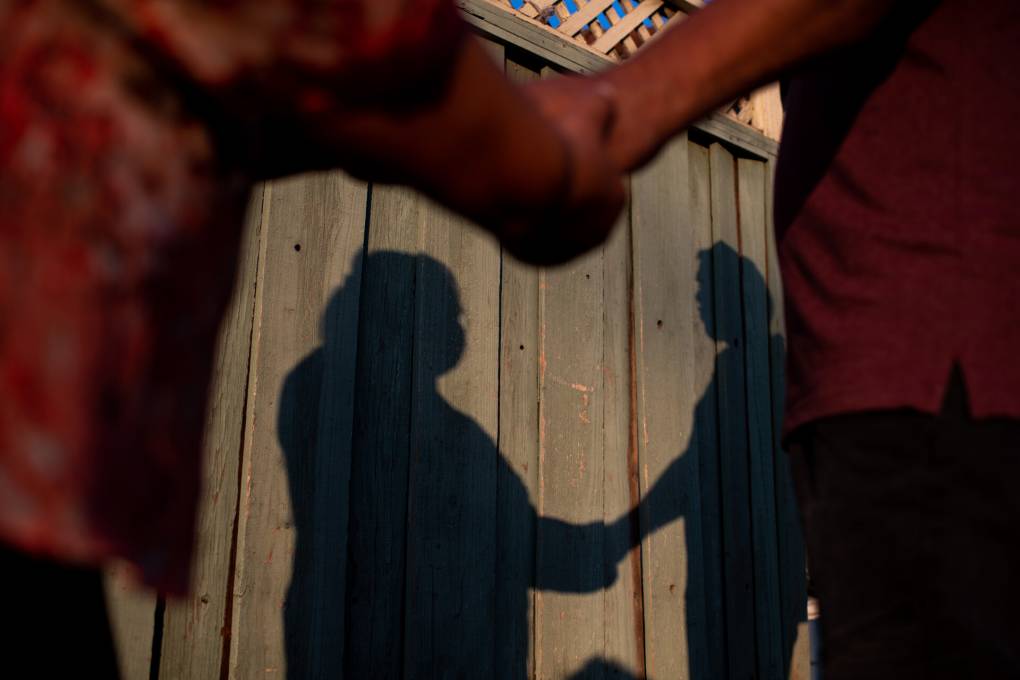
"caption": "Herrera and Gonzalez hold hands in their yard on Aug. 23, 2021. The couple, along with their three children, fled Mexico and are seeking asylum in the U.S. But their case has dragged on for six years in immigration court. ",
"description": null,
"title": "RS51127_010_SanJose_Immigration_08232021-qut",
"credit": "Beth LaBerge/KQED",
"status": "inherit",
"altTag": null,
"isLoading": false,
"fetchFailed": false
},
"news_11886217": {
"type": "attachments",
"id": "news_11886217",
"meta": {
"index": "attachments_1716263798",
"site": "news",
"id": "11886217",
"found": true
},
"parent": 11886134,
"imgSizes": {
"twentyfourteen-full-width": {
"file": "https://ww2.kqed.org/app/uploads/sites/10/2021/08/GettyImages-2586310-1024x576.jpg",
"width": 1024,
"mimeType": "image/jpeg",
"height": 576
},
"thumbnail": {
"file": "https://ww2.kqed.org/app/uploads/sites/10/2021/08/GettyImages-2586310-160x116.jpg",
"width": 160,
"mimeType": "image/jpeg",
"height": 116
},
"post-thumbnail": {
"file": "https://ww2.kqed.org/app/uploads/sites/10/2021/08/GettyImages-2586310-672x372.jpg",
"width": 672,
"mimeType": "image/jpeg",
"height": 372
},
"kqedFullSize": {
"file": "https://ww2.kqed.org/app/uploads/sites/10/2021/08/GettyImages-2586310.jpg",
"width": 1024,
"height": 743
},
"large": {
"file": "https://ww2.kqed.org/app/uploads/sites/10/2021/08/GettyImages-2586310-1020x740.jpg",
"width": 1020,
"mimeType": "image/jpeg",
"height": 740
},
"medium": {
"file": "https://ww2.kqed.org/app/uploads/sites/10/2021/08/GettyImages-2586310-800x580.jpg",
"width": 800,
"mimeType": "image/jpeg",
"height": 580
}
},
"publishDate": 1629849155,
"modified": 1629926254,
"caption": "Arnold Schwarzenegger and then-wife Maria Shriver celebrate his recall election victory over then-Gov. Gray Davis on Oct. 7, 2003.",
"description": null,
"title": "Arnold Schwarzenegger and wife Maria Shr",
"credit": "Robyn Beck/AFP via Getty Images",
"status": "inherit",
"altTag": null,
"isLoading": false,
"fetchFailed": false
},
"news_11886109": {
"type": "attachments",
"id": "news_11886109",
"meta": {
"index": "attachments_1716263798",
"site": "news",
"id": "11886109",
"found": true
},
"parent": 11885708,
"imgSizes": {
"twentyfourteen-full-width": {
"file": "https://ww2.kqed.org/app/uploads/sites/10/2021/08/GettyImages-1307455081-1024x576.jpg",
"width": 1024,
"mimeType": "image/jpeg",
"height": 576
},
"thumbnail": {
"file": "https://ww2.kqed.org/app/uploads/sites/10/2021/08/GettyImages-1307455081-160x107.jpg",
"width": 160,
"mimeType": "image/jpeg",
"height": 107
},
"post-thumbnail": {
"file": "https://ww2.kqed.org/app/uploads/sites/10/2021/08/GettyImages-1307455081-672x372.jpg",
"width": 672,
"mimeType": "image/jpeg",
"height": 372
},
"kqedFullSize": {
"file": "https://ww2.kqed.org/app/uploads/sites/10/2021/08/GettyImages-1307455081.jpg",
"width": 1024,
"height": 683
},
"large": {
"file": "https://ww2.kqed.org/app/uploads/sites/10/2021/08/GettyImages-1307455081-1020x680.jpg",
"width": 1020,
"mimeType": "image/jpeg",
"height": 680
},
"medium": {
"file": "https://ww2.kqed.org/app/uploads/sites/10/2021/08/GettyImages-1307455081-800x534.jpg",
"width": 800,
"mimeType": "image/jpeg",
"height": 534
}
},
"publishDate": 1629764014,
"modified": 1629764135,
"caption": "Gov. Gavin Newsom talks with teachers and local officials as he visits the newly reopened Ruby Bridges Elementary School on March 16, 2021, in Alameda, part of his tour across California to highlight the state's efforts to reopen schools and businesses.",
"description": null,
"title": "Governor Gavin Newsom Visits School To Highlight State's Reopening Efforts",
"credit": "Justin Sullivan/Getty Images",
"status": "inherit",
"altTag": null,
"isLoading": false,
"fetchFailed": false
},
"news_11843210": {
"type": "attachments",
"id": "news_11843210",
"meta": {
"index": "attachments_1716263798",
"site": "news",
"id": "11843210",
"found": true
},
"parent": 11843123,
"imgSizes": {
"apple_news_ca_landscape_5_5": {
"file": "https://cdn.kqed.org/wp-content/uploads/sites/10/2020/10/RS45263_001_KQED_ElectionStockPhotos_TikaHall_10062020-qut-1044x783.jpg",
"width": 1044,
"mimeType": "image/jpeg",
"height": 783
},
"apple_news_ca_square_4_0": {
"file": "https://cdn.kqed.org/wp-content/uploads/sites/10/2020/10/RS45263_001_KQED_ElectionStockPhotos_TikaHall_10062020-qut-470x470.jpg",
"width": 470,
"mimeType": "image/jpeg",
"height": 470
},
"twentyfourteen-full-width": {
"file": "https://cdn.kqed.org/wp-content/uploads/sites/10/2020/10/RS45263_001_KQED_ElectionStockPhotos_TikaHall_10062020-qut-1038x576.jpg",
"width": 1038,
"mimeType": "image/jpeg",
"height": 576
},
"thumbnail": {
"file": "https://cdn.kqed.org/wp-content/uploads/sites/10/2020/10/RS45263_001_KQED_ElectionStockPhotos_TikaHall_10062020-qut-160x107.jpg",
"width": 160,
"mimeType": "image/jpeg",
"height": 107
},
"post-thumbnail": {
"file": "https://cdn.kqed.org/wp-content/uploads/sites/10/2020/10/RS45263_001_KQED_ElectionStockPhotos_TikaHall_10062020-qut-672x372.jpg",
"width": 672,
"mimeType": "image/jpeg",
"height": 372
},
"kqedFullSize": {
"file": "https://cdn.kqed.org/wp-content/uploads/sites/10/2020/10/RS45263_001_KQED_ElectionStockPhotos_TikaHall_10062020-qut.jpg",
"width": 1920,
"height": 1280
},
"apple_news_ca_landscape_4_7": {
"file": "https://cdn.kqed.org/wp-content/uploads/sites/10/2020/10/RS45263_001_KQED_ElectionStockPhotos_TikaHall_10062020-qut-632x474.jpg",
"width": 632,
"mimeType": "image/jpeg",
"height": 474
},
"large": {
"file": "https://cdn.kqed.org/wp-content/uploads/sites/10/2020/10/RS45263_001_KQED_ElectionStockPhotos_TikaHall_10062020-qut-1020x680.jpg",
"width": 1020,
"mimeType": "image/jpeg",
"height": 680
},
"apple_news_ca_landscape_4_0": {
"file": "https://cdn.kqed.org/wp-content/uploads/sites/10/2020/10/RS45263_001_KQED_ElectionStockPhotos_TikaHall_10062020-qut-536x402.jpg",
"width": 536,
"mimeType": "image/jpeg",
"height": 402
},
"apple_news_ca_portrait_12_9": {
"file": "https://cdn.kqed.org/wp-content/uploads/sites/10/2020/10/RS45263_001_KQED_ElectionStockPhotos_TikaHall_10062020-qut-1122x1280.jpg",
"width": 1122,
"mimeType": "image/jpeg",
"height": 1280
},
"medium": {
"file": "https://cdn.kqed.org/wp-content/uploads/sites/10/2020/10/RS45263_001_KQED_ElectionStockPhotos_TikaHall_10062020-qut-800x533.jpg",
"width": 800,
"mimeType": "image/jpeg",
"height": 533
},
"apple_news_ca_portrait_4_0": {
"file": "https://cdn.kqed.org/wp-content/uploads/sites/10/2020/10/RS45263_001_KQED_ElectionStockPhotos_TikaHall_10062020-qut-354x472.jpg",
"width": 354,
"mimeType": "image/jpeg",
"height": 472
},
"apple_news_ca_portrait_9_7": {
"file": "https://cdn.kqed.org/wp-content/uploads/sites/10/2020/10/RS45263_001_KQED_ElectionStockPhotos_TikaHall_10062020-qut-840x1120.jpg",
"width": 840,
"mimeType": "image/jpeg",
"height": 1120
},
"apple_news_ca_landscape_12_9": {
"file": "https://cdn.kqed.org/wp-content/uploads/sites/10/2020/10/RS45263_001_KQED_ElectionStockPhotos_TikaHall_10062020-qut-1832x1280.jpg",
"width": 1832,
"mimeType": "image/jpeg",
"height": 1280
},
"apple_news_ca_square_9_7": {
"file": "https://cdn.kqed.org/wp-content/uploads/sites/10/2020/10/RS45263_001_KQED_ElectionStockPhotos_TikaHall_10062020-qut-1104x1104.jpg",
"width": 1104,
"mimeType": "image/jpeg",
"height": 1104
},
"1536x1536": {
"file": "https://cdn.kqed.org/wp-content/uploads/sites/10/2020/10/RS45263_001_KQED_ElectionStockPhotos_TikaHall_10062020-qut-1536x1024.jpg",
"width": 1536,
"mimeType": "image/jpeg",
"height": 1024
},
"apple_news_ca_portrait_4_7": {
"file": "https://cdn.kqed.org/wp-content/uploads/sites/10/2020/10/RS45263_001_KQED_ElectionStockPhotos_TikaHall_10062020-qut-414x552.jpg",
"width": 414,
"mimeType": "image/jpeg",
"height": 552
},
"apple_news_ca_square_12_9": {
"file": "https://cdn.kqed.org/wp-content/uploads/sites/10/2020/10/RS45263_001_KQED_ElectionStockPhotos_TikaHall_10062020-qut-1472x1280.jpg",
"width": 1472,
"mimeType": "image/jpeg",
"height": 1280
},
"apple_news_ca_portrait_5_5": {
"file": "https://cdn.kqed.org/wp-content/uploads/sites/10/2020/10/RS45263_001_KQED_ElectionStockPhotos_TikaHall_10062020-qut-687x916.jpg",
"width": 687,
"mimeType": "image/jpeg",
"height": 916
},
"apple_news_ca_square_4_7": {
"file": "https://cdn.kqed.org/wp-content/uploads/sites/10/2020/10/RS45263_001_KQED_ElectionStockPhotos_TikaHall_10062020-qut-550x550.jpg",
"width": 550,
"mimeType": "image/jpeg",
"height": 550
},
"apple_news_ca_landscape_9_7": {
"file": "https://cdn.kqed.org/wp-content/uploads/sites/10/2020/10/RS45263_001_KQED_ElectionStockPhotos_TikaHall_10062020-qut-1376x1032.jpg",
"width": 1376,
"mimeType": "image/jpeg",
"height": 1032
},
"apple_news_ca_square_5_5": {
"file": "https://cdn.kqed.org/wp-content/uploads/sites/10/2020/10/RS45263_001_KQED_ElectionStockPhotos_TikaHall_10062020-qut-912x912.jpg",
"width": 912,
"mimeType": "image/jpeg",
"height": 912
}
},
"publishDate": 1603321981,
"modified": 1706906764,
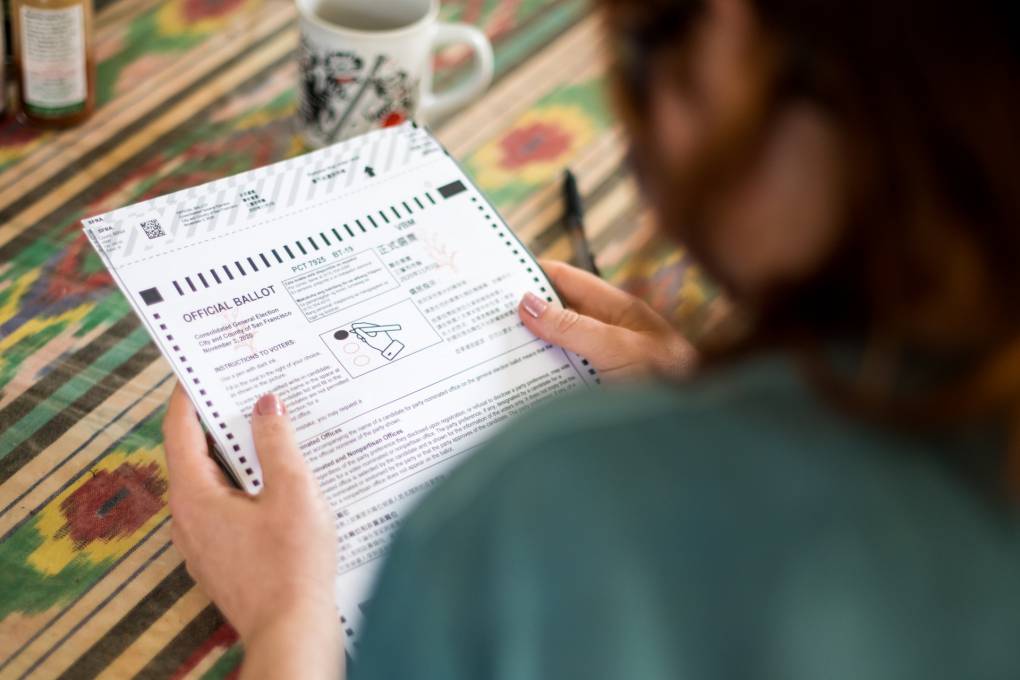
"caption": "A San Francisco resident fills out their mail-in ballot on Oct. 6, 2020.",
"description": "A San Francisco resident fills out their mail-in ballot on Oct. 6, 2020.",
"title": "how-to-fix-ballot-mistake",
"credit": "Beth LaBerge/KQED",
"status": "inherit",
"altTag": "A person wearing a green shirt holds a ballot.",
"isLoading": false,
"fetchFailed": false
},
"news_11885635": {
"type": "attachments",
"id": "news_11885635",
"meta": {
"index": "attachments_1716263798",
"site": "news",
"id": "11885635",
"found": true
},
"parent": 11885623,
"imgSizes": {
"twentyfourteen-full-width": {
"file": "https://ww2.kqed.org/app/uploads/sites/10/2021/08/AP_ImperialCOVID_072120_01-1038x576.jpg",
"width": 1038,
"mimeType": "image/jpeg",
"height": 576
},
"thumbnail": {
"file": "https://ww2.kqed.org/app/uploads/sites/10/2021/08/AP_ImperialCOVID_072120_01-160x107.jpg",
"width": 160,
"mimeType": "image/jpeg",
"height": 107
},
"post-thumbnail": {
"file": "https://ww2.kqed.org/app/uploads/sites/10/2021/08/AP_ImperialCOVID_072120_01-672x372.jpg",
"width": 672,
"mimeType": "image/jpeg",
"height": 372
},
"kqedFullSize": {
"file": "https://ww2.kqed.org/app/uploads/sites/10/2021/08/AP_ImperialCOVID_072120_01.jpg",
"width": 1536,
"height": 1024
},
"large": {
"file": "https://ww2.kqed.org/app/uploads/sites/10/2021/08/AP_ImperialCOVID_072120_01-1020x680.jpg",
"width": 1020,
"mimeType": "image/jpeg",
"height": 680
},
"medium": {
"file": "https://ww2.kqed.org/app/uploads/sites/10/2021/08/AP_ImperialCOVID_072120_01-800x533.jpg",
"width": 800,
"mimeType": "image/jpeg",
"height": 533
}
},
"publishDate": 1629351667,
"modified": 1629402274,
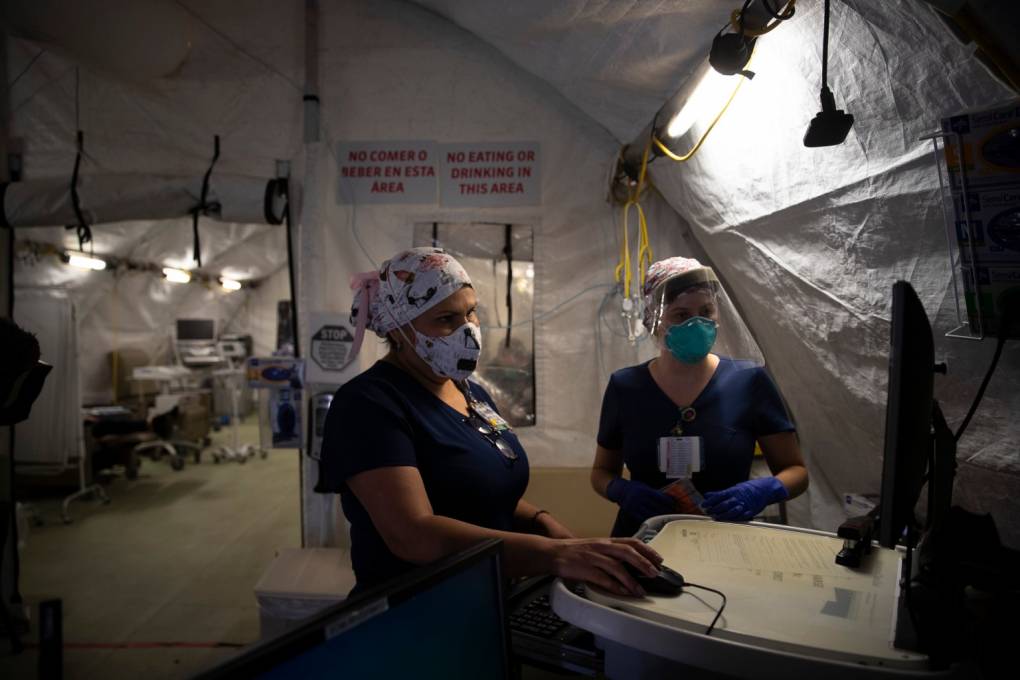
"caption": "Nurses Karla Salazar, right, and Marisol Perez work in a tent set up to help treat COVID-19 patients at El Centro Regional Medical Center on July 21, 2020. Hit hard by COVID-19, Imperial County now has a vaccination rate as high as that of San Francisco.",
"description": "Nurses Karla Salazar, right, and Marisol Perez work in a tent set up to help treat COVID-19 patients at El Centro Regional Medical Center in El Centro on July 21, 2020.",
"title": "AP_ImperialCOVID_072120_01",
"credit": "Jae C. Hong/AP Photo",
"status": "inherit",
"altTag": "Two nurses wearing scrubs and facemasks look at a screen in a dark tent.",
"isLoading": false,
"fetchFailed": false
},
"news_11885616": {
"type": "attachments",
"id": "news_11885616",
"meta": {
"index": "attachments_1716263798",
"site": "news",
"id": "11885616",
"found": true
},
"parent": 11885591,
"imgSizes": {
"twentyfourteen-full-width": {
"file": "https://ww2.kqed.org/app/uploads/sites/10/2021/08/GettyImages-1334745055-1038x576.jpg",
"width": 1038,
"mimeType": "image/jpeg",
"height": 576
},
"thumbnail": {
"file": "https://ww2.kqed.org/app/uploads/sites/10/2021/08/GettyImages-1334745055-160x107.jpg",
"width": 160,
"mimeType": "image/jpeg",
"height": 107
},
"post-thumbnail": {
"file": "https://ww2.kqed.org/app/uploads/sites/10/2021/08/GettyImages-1334745055-672x372.jpg",
"width": 672,
"mimeType": "image/jpeg",
"height": 372
},
"kqedFullSize": {
"file": "https://ww2.kqed.org/app/uploads/sites/10/2021/08/GettyImages-1334745055-scaled.jpg",
"width": 2560,
"height": 1707
},
"2048x2048": {
"file": "https://ww2.kqed.org/app/uploads/sites/10/2021/08/GettyImages-1334745055-2048x1366.jpg",
"width": 2048,
"mimeType": "image/jpeg",
"height": 1366
},
"large": {
"file": "https://ww2.kqed.org/app/uploads/sites/10/2021/08/GettyImages-1334745055-1020x680.jpg",
"width": 1020,
"mimeType": "image/jpeg",
"height": 680
},
"1536x1536": {
"file": "https://ww2.kqed.org/app/uploads/sites/10/2021/08/GettyImages-1334745055-1536x1024.jpg",
"width": 1536,
"mimeType": "image/jpeg",
"height": 1024
},
"full-width": {
"file": "https://ww2.kqed.org/app/uploads/sites/10/2021/08/GettyImages-1334745055-1920x1281.jpg",
"width": 1920,
"mimeType": "image/jpeg",
"height": 1281
},
"medium": {
"file": "https://ww2.kqed.org/app/uploads/sites/10/2021/08/GettyImages-1334745055-800x534.jpg",
"width": 800,
"mimeType": "image/jpeg",
"height": 534
}
},
"publishDate": 1629329584,
"modified": 1629334586,
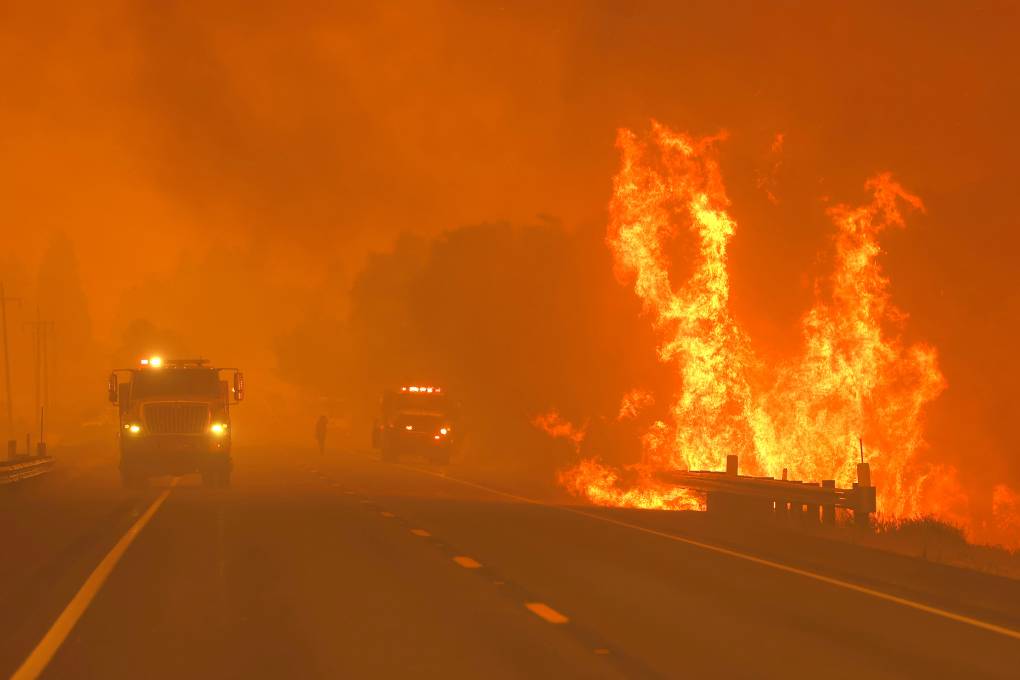
"caption": "The Dixie Fire burns along U.S. 395 near the Lassen County community of Milford on Aug. 17, 2021. ",
"description": null,
"title": "Dixie Fire Continues To Burn In Northern California",
"credit": "Justin Sullivan/Getty Images",
"status": "inherit",
"altTag": null,
"isLoading": false,
"fetchFailed": false
},
"news_11885603": {
"type": "attachments",
"id": "news_11885603",
"meta": {
"index": "attachments_1716263798",
"site": "news",
"id": "11885603",
"found": true
},
"parent": 11885571,
"imgSizes": {
"twentyfourteen-full-width": {
"file": "https://ww2.kqed.org/app/uploads/sites/10/2021/08/RS36891_GettyImages-84565042-qut-1038x576.jpg",
"width": 1038,
"mimeType": "image/jpeg",
"height": 576
},
"thumbnail": {
"file": "https://ww2.kqed.org/app/uploads/sites/10/2021/08/RS36891_GettyImages-84565042-qut-160x113.jpg",
"width": 160,
"mimeType": "image/jpeg",
"height": 113
},
"post-thumbnail": {
"file": "https://ww2.kqed.org/app/uploads/sites/10/2021/08/RS36891_GettyImages-84565042-qut-672x372.jpg",
"width": 672,
"mimeType": "image/jpeg",
"height": 372
},
"kqedFullSize": {
"file": "https://ww2.kqed.org/app/uploads/sites/10/2021/08/RS36891_GettyImages-84565042-qut.jpg",
"width": 1920,
"height": 1356
},
"large": {
"file": "https://ww2.kqed.org/app/uploads/sites/10/2021/08/RS36891_GettyImages-84565042-qut-1020x720.jpg",
"width": 1020,
"mimeType": "image/jpeg",
"height": 720
},
"1536x1536": {
"file": "https://ww2.kqed.org/app/uploads/sites/10/2021/08/RS36891_GettyImages-84565042-qut-1536x1085.jpg",
"width": 1536,
"mimeType": "image/jpeg",
"height": 1085
},
"medium": {
"file": "https://ww2.kqed.org/app/uploads/sites/10/2021/08/RS36891_GettyImages-84565042-qut-800x565.jpg",
"width": 800,
"mimeType": "image/jpeg",
"height": 565
}
},
"publishDate": 1629324527,
"modified": 1629334130,
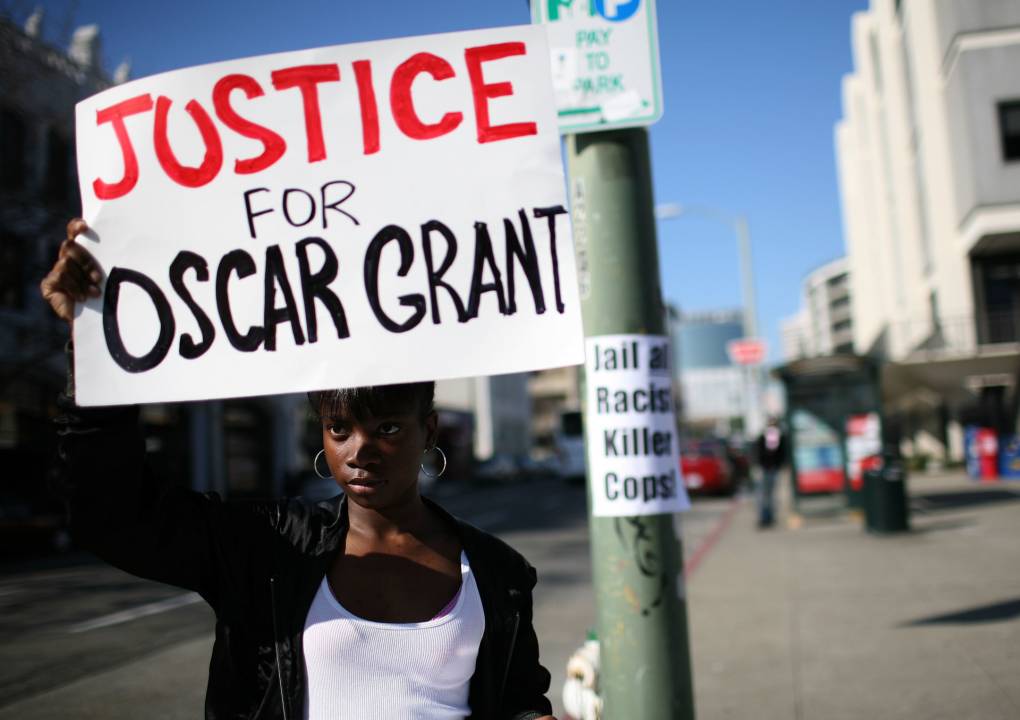
"caption": "Javone Sloan holds a sign during a protest outside an Alameda County Superior Court hearing Jan. 30, 2009, in Oakland.",
"description": "Javone Sloan holds a sign saying 'Justice For Oscar Grant' during a protest outside an Alameda County Superior Court hearing Jan. 30, 2009, in Oakland",
"title": "Protestors Attend Bail Hearing For Cop Accused In BART Shooting",
"credit": "Justin Sullivan/Getty Images",
"status": "inherit",
"altTag": null,
"isLoading": false,
"fetchFailed": false
},
"news_11885556": {
"type": "attachments",
"id": "news_11885556",
"meta": {
"index": "attachments_1716263798",
"site": "news",
"id": "11885556",
"found": true
},
"parent": 11885260,
"imgSizes": {
"twentyfourteen-full-width": {
"file": "https://ww2.kqed.org/app/uploads/sites/10/2021/08/BhaiFamily-1038x576.jpg",
"width": 1038,
"mimeType": "image/jpeg",
"height": 576
},
"thumbnail": {
"file": "https://ww2.kqed.org/app/uploads/sites/10/2021/08/BhaiFamily-160x115.jpg",
"width": 160,
"mimeType": "image/jpeg",
"height": 115
},
"post-thumbnail": {
"file": "https://ww2.kqed.org/app/uploads/sites/10/2021/08/BhaiFamily-672x372.jpg",
"width": 672,
"mimeType": "image/jpeg",
"height": 372
},
"kqedFullSize": {
"file": "https://ww2.kqed.org/app/uploads/sites/10/2021/08/BhaiFamily.jpg",
"width": 1920,
"height": 1377
},
"large": {
"file": "https://ww2.kqed.org/app/uploads/sites/10/2021/08/BhaiFamily-1020x732.jpg",
"width": 1020,
"mimeType": "image/jpeg",
"height": 732
},
"1536x1536": {
"file": "https://ww2.kqed.org/app/uploads/sites/10/2021/08/BhaiFamily-1536x1102.jpg",
"width": 1536,
"mimeType": "image/jpeg",
"height": 1102
},
"medium": {
"file": "https://ww2.kqed.org/app/uploads/sites/10/2021/08/BhaiFamily-800x574.jpg",
"width": 800,
"mimeType": "image/jpeg",
"height": 574
}
},
"publishDate": 1629312416,
"modified": 1629312449,
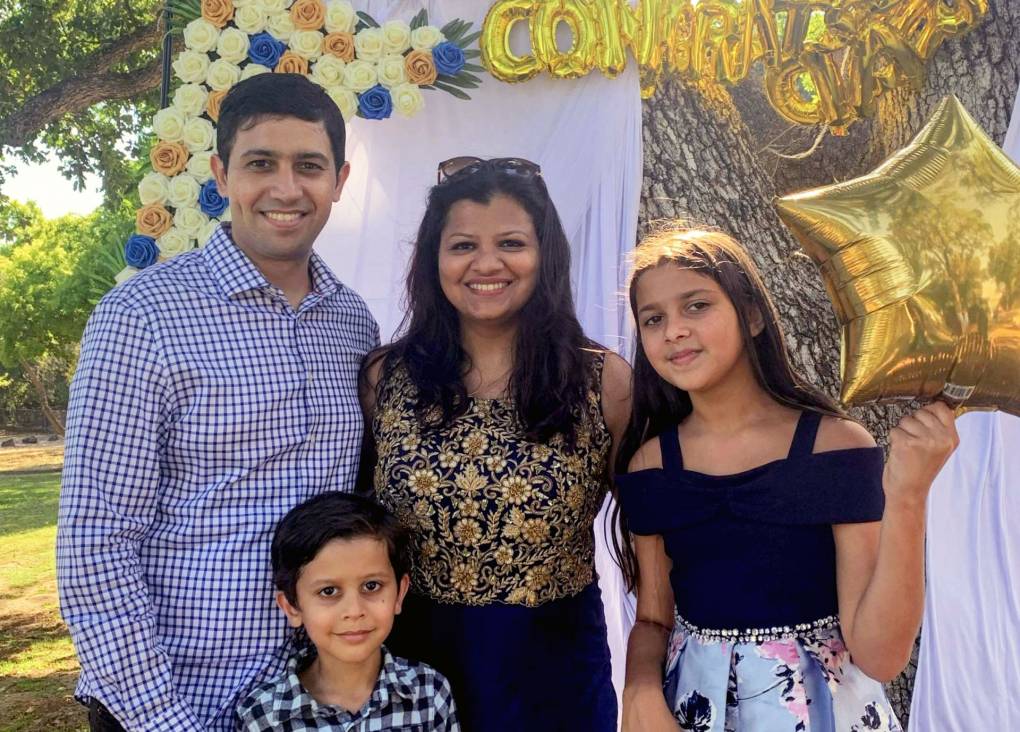
"caption": "Leena Bhai with her family at a recent graduation celebration. Her husband Siddharth has a job at Splunk and an H-1B visa, but because of the years-long wait time many Indian applicants face for an employment-based green card, the Bhais feel like they may have to give up on their 'American dream.'",
"description": "Leena Bhai with her family at a recent graduation celebration. Her husband Siddharth has a job at Splunk and an H-1B visa, but because of the years-long wait time many Indian applicants face for an employment-based green card, the Bhais feel like they may have to give up on their 'American dream.'",
"title": "BhaiFamily",
"credit": "Courtesy of Leena Bhai",
"status": "inherit",
"altTag": null,
"isLoading": false,
"fetchFailed": false
},
"news_11885349": {
"type": "attachments",
"id": "news_11885349",
"meta": {
"index": "attachments_1716263798",
"site": "news",
"id": "11885349",
"found": true
},
"parent": 11885250,
"imgSizes": {
"twentyfourteen-full-width": {
"file": "https://ww2.kqed.org/app/uploads/sites/10/2021/08/BontaRamachandran-1038x576.jpg",
"width": 1038,
"mimeType": "image/jpeg",
"height": 576
},
"thumbnail": {
"file": "https://ww2.kqed.org/app/uploads/sites/10/2021/08/BontaRamachandran-160x83.jpg",
"width": 160,
"mimeType": "image/jpeg",
"height": 83
},
"post-thumbnail": {
"file": "https://ww2.kqed.org/app/uploads/sites/10/2021/08/BontaRamachandran-672x372.jpg",
"width": 672,
"mimeType": "image/jpeg",
"height": 372
},
"kqedFullSize": {
"file": "https://ww2.kqed.org/app/uploads/sites/10/2021/08/BontaRamachandran.jpg",
"width": 1920,
"height": 998
},
"large": {
"file": "https://ww2.kqed.org/app/uploads/sites/10/2021/08/BontaRamachandran-1020x530.jpg",
"width": 1020,
"mimeType": "image/jpeg",
"height": 530
},
"1536x1536": {
"file": "https://ww2.kqed.org/app/uploads/sites/10/2021/08/BontaRamachandran-1536x798.jpg",
"width": 1536,
"mimeType": "image/jpeg",
"height": 798
},
"medium": {
"file": "https://ww2.kqed.org/app/uploads/sites/10/2021/08/BontaRamachandran-800x416.jpg",
"width": 800,
"mimeType": "image/jpeg",
"height": 416
}
},
"publishDate": 1629157879,
"modified": 1629158015,
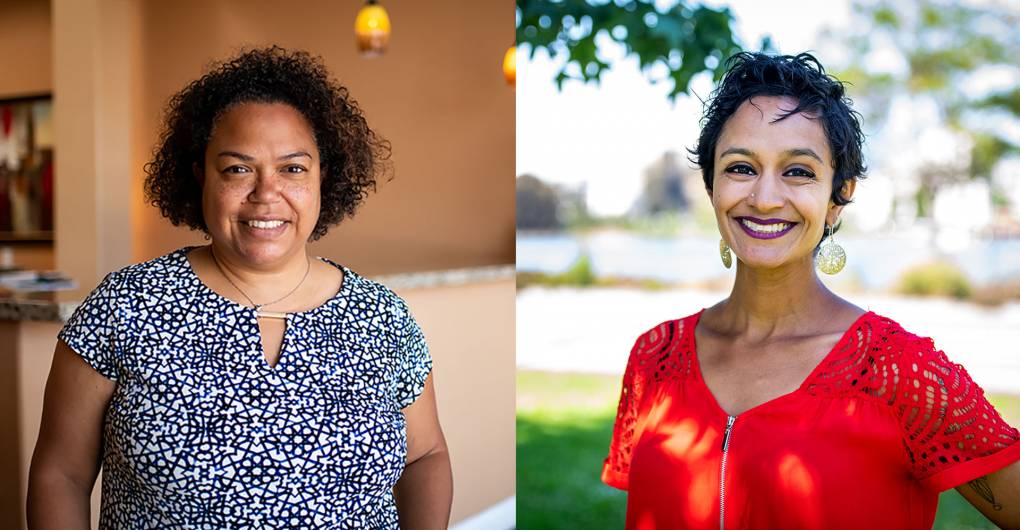
"caption": "Mia Bonta (left) and Janani Ramachandran face each other in an Aug. 31 runoff election for the East Bay Assembly seat vacated by Bonta's husband, Rob Bonta, when he became California's attorney general.",
"description": "Mia Bonta (left) and Janani Ramachandran face each other in an Aug. 31 runoff election for the East Bay Assembly seat vacated by Bonta's husband, Rob Bonta, when he became California's attorney general.",
"title": "BontaRamachandran",
"credit": "Beth LaBerge/KQED",
"status": "inherit",
"altTag": "side by side photos of Mia Bonta and Janani Ramachandran",
"isLoading": false,
"fetchFailed": false
},
"news_11885103": {
"type": "attachments",
"id": "news_11885103",
"meta": {
"index": "attachments_1716263798",
"site": "news",
"id": "11885103",
"found": true
},
"parent": 11885054,
"imgSizes": {
"twentyfourteen-full-width": {
"file": "https://ww2.kqed.org/app/uploads/sites/10/2021/08/RS50624_IMG_3321-qut-e1628897040831-1038x576.jpg",
"width": 1038,
"mimeType": "image/jpeg",
"height": 576
},
"thumbnail": {
"file": "https://ww2.kqed.org/app/uploads/sites/10/2021/08/RS50624_IMG_3321-qut-e1628897040831-160x120.jpg",
"width": 160,
"mimeType": "image/jpeg",
"height": 120
},
"post-thumbnail": {
"file": "https://ww2.kqed.org/app/uploads/sites/10/2021/08/RS50624_IMG_3321-qut-e1628897040831-672x372.jpg",
"width": 672,
"mimeType": "image/jpeg",
"height": 372
},
"kqedFullSize": {
"file": "https://ww2.kqed.org/app/uploads/sites/10/2021/08/RS50624_IMG_3321-qut-e1628897040831.jpg",
"width": 1920,
"height": 1440
},
"large": {
"file": "https://ww2.kqed.org/app/uploads/sites/10/2021/08/RS50624_IMG_3321-qut-e1628897040831-1020x765.jpg",
"width": 1020,
"mimeType": "image/jpeg",
"height": 765
},
"1536x1536": {
"file": "https://ww2.kqed.org/app/uploads/sites/10/2021/08/RS50624_IMG_3321-qut-e1628897040831-1536x1152.jpg",
"width": 1536,
"mimeType": "image/jpeg",
"height": 1152
},
"medium": {
"file": "https://ww2.kqed.org/app/uploads/sites/10/2021/08/RS50624_IMG_3321-qut-e1628897040831-800x600.jpg",
"width": 800,
"mimeType": "image/jpeg",
"height": 600
}
},
"publishDate": 1628897024,
"modified": 1628897697,
"caption": "Gov. Gavin Newsom is flanked by state and local Democratic officeholders as he urges a no vote in California's gubernatorial election, at Manny's in San Francisco on August 13, 2021. ",
"description": "Gov. Gavin Newsom is flanked by state and local Democratic officeholders as he urges a no vote in California's gubernatorial election, at Manny's in San Francisco on August 13, 2021. ",
"title": "RS50624_IMG_3321-qut",
"credit": "Guy Marzorati/KQED",
"status": "inherit",
"altTag": "Gov. Gavin Newsom is flanked by state and local Democratic officeholders in a photo.",
"isLoading": false,
"fetchFailed": false
},
"news_11885022": {
"type": "attachments",
"id": "news_11885022",
"meta": {
"index": "attachments_1716263798",
"site": "news",
"id": "11885022",
"found": true
},
"parent": 11884716,
"imgSizes": {
"twentyfourteen-full-width": {
"file": "https://ww2.kqed.org/app/uploads/sites/10/2021/08/RS50623_GettyImages-1317323995-qut-1038x576.jpg",
"width": 1038,
"mimeType": "image/jpeg",
"height": 576
},
"thumbnail": {
"file": "https://ww2.kqed.org/app/uploads/sites/10/2021/08/RS50623_GettyImages-1317323995-qut-160x107.jpg",
"width": 160,
"mimeType": "image/jpeg",
"height": 107
},
"post-thumbnail": {
"file": "https://ww2.kqed.org/app/uploads/sites/10/2021/08/RS50623_GettyImages-1317323995-qut-672x372.jpg",
"width": 672,
"mimeType": "image/jpeg",
"height": 372
},
"kqedFullSize": {
"file": "https://ww2.kqed.org/app/uploads/sites/10/2021/08/RS50623_GettyImages-1317323995-qut.jpg",
"width": 1920,
"height": 1280
},
"large": {
"file": "https://ww2.kqed.org/app/uploads/sites/10/2021/08/RS50623_GettyImages-1317323995-qut-1020x680.jpg",
"width": 1020,
"mimeType": "image/jpeg",
"height": 680
},
"1536x1536": {
"file": "https://ww2.kqed.org/app/uploads/sites/10/2021/08/RS50623_GettyImages-1317323995-qut-1536x1024.jpg",
"width": 1536,
"mimeType": "image/jpeg",
"height": 1024
},
"medium": {
"file": "https://ww2.kqed.org/app/uploads/sites/10/2021/08/RS50623_GettyImages-1317323995-qut-800x533.jpg",
"width": 800,
"mimeType": "image/jpeg",
"height": 533
}
},
"publishDate": 1628882955,
"modified": 1629128263,
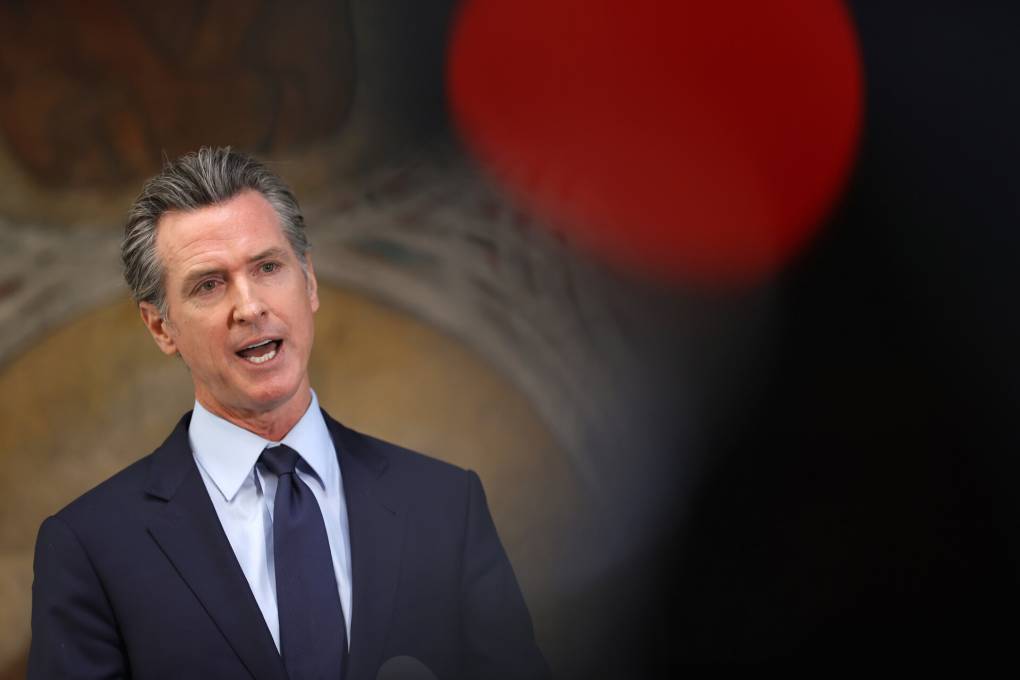
"caption": "Gov. Gavin Newsom speaks during a press conference on May 10, 2021, in Oakland.",
"description": "Gov. Gavin Newsom speaks during a press conference on May 10, 2021 in Oakland.",
"title": "California Governor Newsom Unveils His Economic Recovery Package For The State",
"credit": "Justin Sullivan/Getty Images",
"status": "inherit",
"altTag": null,
"isLoading": false,
"fetchFailed": false
},
"news_11884525": {
"type": "attachments",
"id": "news_11884525",
"meta": {
"index": "attachments_1716263798",
"site": "news",
"id": "11884525",
"found": true
},
"parent": 11884520,
"imgSizes": {
"twentyfourteen-full-width": {
"file": "https://ww2.kqed.org/app/uploads/sites/10/2021/08/GettyImages-1307489157-1038x576.jpg",
"width": 1038,
"mimeType": "image/jpeg",
"height": 576
},
"thumbnail": {
"file": "https://ww2.kqed.org/app/uploads/sites/10/2021/08/GettyImages-1307489157-160x107.jpg",
"width": 160,
"mimeType": "image/jpeg",
"height": 107
},
"post-thumbnail": {
"file": "https://ww2.kqed.org/app/uploads/sites/10/2021/08/GettyImages-1307489157-672x372.jpg",
"width": 672,
"mimeType": "image/jpeg",
"height": 372
},
"kqedFullSize": {
"file": "https://ww2.kqed.org/app/uploads/sites/10/2021/08/GettyImages-1307489157.jpg",
"width": 2000,
"height": 1333
},
"large": {
"file": "https://ww2.kqed.org/app/uploads/sites/10/2021/08/GettyImages-1307489157-1020x680.jpg",
"width": 1020,
"mimeType": "image/jpeg",
"height": 680
},
"1536x1536": {
"file": "https://ww2.kqed.org/app/uploads/sites/10/2021/08/GettyImages-1307489157-1536x1024.jpg",
"width": 1536,
"mimeType": "image/jpeg",
"height": 1024
},
"full-width": {
"file": "https://ww2.kqed.org/app/uploads/sites/10/2021/08/GettyImages-1307489157-1920x1280.jpg",
"width": 1920,
"mimeType": "image/jpeg",
"height": 1280
},
"medium": {
"file": "https://ww2.kqed.org/app/uploads/sites/10/2021/08/GettyImages-1307489157-800x533.jpg",
"width": 800,
"mimeType": "image/jpeg",
"height": 533
}
},
"publishDate": 1628626581,
"modified": 1628626627,
"caption": "Gov. Gavin Newsom will face a recall election on Sept. 14, 2021. ",
"description": "Gov. Gavin Newsom will face a recall election on Sept. 14, 2021. ",
"title": "Governor Gavin Newsom Visits School To Highlight State's Reopening Efforts",
"credit": "Justin Sullivan/Getty Images",
"status": "inherit",
"altTag": null,
"isLoading": false,
"fetchFailed": false
}
},
"audioPlayerReducer": {
"postId": "stream_live",
"isPaused": true,
"isPlaying": false,
"pfsActive": false,
"pledgeModalIsOpen": true,
"playerDrawerIsOpen": false,
"liveAudioPlayStartedAt": 0,
"liveAudioPlayContext": ""
},
"authorsReducer": {
"byline_news_11885623": {
"type": "authors",
"id": "byline_news_11885623",
"meta": {
"override": true
},
"slug": "byline_news_11885623",
"name": "\u003ca href=\"https://calmatters.org/author/anaibarra/\">Ana B. Ibarra\u003c/a>",
"isLoading": false
},
"ohubertallen": {
"type": "authors",
"id": "102",
"meta": {
"index": "authors_1716337520",
"id": "102",
"found": true
},
"name": "Olivia Allen-Price",
"firstName": "Olivia",
"lastName": "Allen-Price",
"slug": "ohubertallen",
"email": "oallenprice@kqed.org",
"display_author_email": false,
"staff_mastheads": [
"news"
],
"title": "Senior Editor",
"bio": "Olivia Allen-Price is senior editor and host of the award-winning Bay Curious podcast. Prior to joining KQED in 2013, Olivia worked at The Baltimore Sun and The Virginian-Pilot in Norfolk, Va. She holds degrees in journalism and political science from Elon University. Her work has earned awards from the Society of Professional Journalists, the Hearst Foundation and Hearken. She loves to talk about running and curly hair.\r\n\r\nFollow: \u003ca href=\"https://twitter.com/oallenprice\">@oallenprice\u003c/a>\r\nEmail: \u003ca href=\"mailto:oallenprice@kqed.org\">oallenprice@kqed.org\u003c/a>",
"avatar": "https://secure.gravatar.com/avatar/07f7803c1f6be56f3be58ef276dfa64dce898502e0554408ef4858451a8294f7?s=600&d=blank&r=g",
"twitter": "oallenprice",
"bluesky": null,
"facebook": null,
"instagram": null,
"linkedin": null,
"sites": [
{
"site": "",
"roles": [
"editor"
]
},
{
"site": "arts",
"roles": [
"subscriber"
]
},
{
"site": "news",
"roles": [
"administrator"
]
},
{
"site": "pop",
"roles": [
"administrator"
]
},
{
"site": "bayareabites",
"roles": [
"contributor"
]
},
{
"site": "stateofhealth",
"roles": [
"administrator"
]
},
{
"site": "science",
"roles": [
"editor"
]
}
],
"headData": {
"title": "Olivia Allen-Price | KQED",
"description": "Senior Editor",
"ogImgSrc": "https://secure.gravatar.com/avatar/07f7803c1f6be56f3be58ef276dfa64dce898502e0554408ef4858451a8294f7?s=600&d=blank&r=g",
"twImgSrc": "https://secure.gravatar.com/avatar/07f7803c1f6be56f3be58ef276dfa64dce898502e0554408ef4858451a8294f7?s=600&d=blank&r=g"
},
"isLoading": false,
"link": "/author/ohubertallen"
},
"danbrekke": {
"type": "authors",
"id": "222",
"meta": {
"index": "authors_1716337520",
"id": "222",
"found": true
},
"name": "Dan Brekke",
"firstName": "Dan",
"lastName": "Brekke",
"slug": "danbrekke",
"email": "dbrekke@kqed.org",
"display_author_email": true,
"staff_mastheads": [
"news",
"science"
],
"title": "KQED Editor and Reporter",
"bio": "Dan Brekke is a reporter and editor for KQED News, responsible for coverage of topics ranging from California water issues to the Bay Area's transportation challenges. In a newsroom career that began in Chicago in 1972, Dan has worked for \u003cem>The San Francisco Examiner,\u003c/em> Wired and TechTV and has been published in The New York Times, The New York Times Magazine, Business 2.0, Salon and elsewhere.\r\n\r\nSince joining KQED in 2007, Dan has reported, edited and produced both radio and online features and breaking news pieces. He has shared as both editor and reporter in four Society of Professional Journalists Norcal Excellence in Journalism awards and one Edward R. Murrow regional award. He was chosen for a spring 2017 residency at the Mesa Refuge to advance his research on California salmon.\r\n\r\nEmail Dan at: \u003ca href=\"mailto:dbrekke@kqed.org\">dbrekke@kqed.org\u003c/a>\r\n\r\n\u003cstrong>Twitter:\u003c/strong> \u003ca href=\"https://twitter.com/danbrekke\" rel=\"noopener noreferrer\">twitter.com/danbrekke\u003c/a>\r\n\u003cstrong>Facebook:\u003c/strong> \u003ca href=\"https://www.facebook.com/danbrekke\" rel=\"noopener noreferrer\">www.facebook.com/danbrekke\u003c/a>\r\n\u003cstrong>LinkedIn:\u003c/strong> \u003ca href=\"https://www.linkedin.com/in/danbrekke\" rel=\"noopener noreferrer\">www.linkedin.com/in/danbrekke\u003c/a>",
"avatar": "https://secure.gravatar.com/avatar/c8126230345efca3f7aa89b1a402be45?s=600&d=mm&r=g",
"twitter": "danbrekke",
"facebook": null,
"instagram": "https://www.instagram.com/dan.brekke/",
"linkedin": "https://www.linkedin.com/in/danbrekke/",
"sites": [
{
"site": "news",
"roles": [
"administrator",
"create_posts"
]
},
{
"site": "stateofhealth",
"roles": [
"editor"
]
},
{
"site": "science",
"roles": [
"editor"
]
},
{
"site": "quest",
"roles": [
"contributor"
]
},
{
"site": "food",
"roles": [
"contributor"
]
},
{
"site": "forum",
"roles": [
"contributor"
]
},
{
"site": "liveblog",
"roles": [
"editor"
]
}
],
"headData": {
"title": "Dan Brekke | KQED",
"description": "KQED Editor and Reporter",
"ogImgSrc": "https://secure.gravatar.com/avatar/c8126230345efca3f7aa89b1a402be45?s=600&d=mm&r=g",
"twImgSrc": "https://secure.gravatar.com/avatar/c8126230345efca3f7aa89b1a402be45?s=600&d=mm&r=g"
},
"isLoading": false,
"link": "/author/danbrekke"
},
"gmarzorati": {
"type": "authors",
"id": "227",
"meta": {
"index": "authors_1716337520",
"id": "227",
"found": true
},
"name": "Guy Marzorati",
"firstName": "Guy",
"lastName": "Marzorati",
"slug": "gmarzorati",
"email": "gmarzorati@KQED.org",
"display_author_email": true,
"staff_mastheads": [
"news"
],
"title": "Correspondent",
"bio": "Guy Marzorati is a correspondent on KQED's California Politics and Government Desk, based in San Jose. A graduate of Santa Clara University, Guy joined KQED in 2013. He reports on state and local politics and produces KQED's digital voter guide.",
"avatar": "https://secure.gravatar.com/avatar/e7038b8dbfd55b104369b76b1cd0b9de?s=600&d=blank&r=g",
"twitter": "guymarzorati",
"facebook": null,
"instagram": null,
"linkedin": null,
"sites": [
{
"site": "",
"roles": [
"editor"
]
},
{
"site": "news",
"roles": [
"editor"
]
},
{
"site": "science",
"roles": [
"editor"
]
},
{
"site": "forum",
"roles": [
"editor"
]
},
{
"site": "elections",
"roles": [
"editor"
]
},
{
"site": "liveblog",
"roles": [
"editor"
]
}
],
"headData": {
"title": "Guy Marzorati | KQED",
"description": "Correspondent",
"ogImgSrc": "https://secure.gravatar.com/avatar/e7038b8dbfd55b104369b76b1cd0b9de?s=600&d=blank&r=g",
"twImgSrc": "https://secure.gravatar.com/avatar/e7038b8dbfd55b104369b76b1cd0b9de?s=600&d=blank&r=g"
},
"isLoading": false,
"link": "/author/gmarzorati"
},
"rachael-myrow": {
"type": "authors",
"id": "251",
"meta": {
"index": "authors_1716337520",
"id": "251",
"found": true
},
"name": "Rachael Myrow",
"firstName": "Rachael",
"lastName": "Myrow",
"slug": "rachael-myrow",
"email": "rmyrow@kqed.org",
"display_author_email": true,
"staff_mastheads": [
"news"
],
"title": "Senior Editor of KQED's Silicon Valley News Desk",
"bio": "• I write and edit stories about how Silicon Valley power and policies shape everyday life in California. I’m also passionate about making Bay Area history and culture more accessible to a broad public. • I’ve been a journalist for most of my life, starting in high school with The Franklin Press in Los Angeles, where I grew up. While earning my first degree in English at UC Berkeley, I got my start in public radio at KALX-FM. After completing a second degree in journalism at Cal, I landed my first professional job at Marketplace, then moved on to KPCC (now LAist), and then KQED, where I hosted The California Report for more than seven years. • My reporting has appeared on NPR, The World, WBUR’s \u003ci>Here & Now\u003c/i>, and the BBC. I also guest host for KQED’s \u003ci>Forum\u003c/i>, as well as the Commonwealth Club in San Francisco. • I speak periodically on media, democracy and technology issues, and do voiceover work for documentaries and educational video projects. • Outside of the studio, you'll find me hiking Bay Area trails and whipping up Insta-ready meals in my kitchen. • I do not accept gifts, money, or favors from anyone connected to my reporting, I don't pay people for information, and I do not support or donate to political causes. • I strive to treat the people I report on with fairness, honesty, and respect. I also recognize there are often multiple sides to a story and work to verify information through multiple sources and documentation. If I get something wrong, I correct it.",
"avatar": "https://secure.gravatar.com/avatar/87bf8cb5874e045cdff430523a6d48b1?s=600&d=blank&r=g",
"twitter": "rachaelmyrow",
"facebook": null,
"instagram": null,
"linkedin": "https://www.linkedin.com/in/rachaelmyrow/",
"sites": [
{
"site": "arts",
"roles": [
"administrator"
]
},
{
"site": "news",
"roles": [
"edit_others_posts",
"editor"
]
},
{
"site": "futureofyou",
"roles": [
"editor"
]
},
{
"site": "bayareabites",
"roles": [
"editor"
]
},
{
"site": "stateofhealth",
"roles": [
"editor"
]
},
{
"site": "science",
"roles": [
"editor"
]
},
{
"site": "food",
"roles": [
"editor"
]
},
{
"site": "forum",
"roles": [
"editor"
]
},
{
"site": "liveblog",
"roles": [
"author"
]
}
],
"headData": {
"title": "Rachael Myrow | KQED",
"description": "Senior Editor of KQED's Silicon Valley News Desk",
"ogImgSrc": "https://secure.gravatar.com/avatar/87bf8cb5874e045cdff430523a6d48b1?s=600&d=blank&r=g",
"twImgSrc": "https://secure.gravatar.com/avatar/87bf8cb5874e045cdff430523a6d48b1?s=600&d=blank&r=g"
},
"isLoading": false,
"link": "/author/rachael-myrow"
},
"scottshafer": {
"type": "authors",
"id": "255",
"meta": {
"index": "authors_1716337520",
"id": "255",
"found": true
},
"name": "Scott Shafer",
"firstName": "Scott",
"lastName": "Shafer",
"slug": "scottshafer",
"email": "sshafer@kqed.org",
"display_author_email": false,
"staff_mastheads": [
"news"
],
"title": "KQED Contributor",
"bio": "Scott Shafer is a senior editor with the KQED Politics and Government desk. He is co-host of Political Breakdown, the award-winning radio show and podcast with a personal take on the world of politics. Scott came to KQED in 1998 to host the statewide\u003cem> California Report\u003c/em>. Prior to that he had extended stints in politics and government\u003cem>.\u003c/em> He uses that inside experience at KQED in his, reporting, hosting and analysis for the politics desk. Scott collaborated \u003cem>Political Breakdown a\u003c/em>nd on \u003cem>The Political Mind of Jerry Brown, \u003c/em>an eight-part series about the life and extraordinary political career of the former governor. For fun, he plays water polo with the San Francisco Tsunami.",
"avatar": "https://secure.gravatar.com/avatar/a62ebae45b79d7aed1a39a0e3bf68104?s=600&d=blank&r=g",
"twitter": "scottshafer",
"bluesky": null,
"facebook": null,
"instagram": null,
"linkedin": null,
"sites": [
{
"site": "news",
"roles": [
"editor"
]
},
{
"site": "stateofhealth",
"roles": [
"author"
]
},
{
"site": "science",
"roles": [
"author"
]
},
{
"site": "forum",
"roles": [
"subscriber"
]
},
{
"site": "liveblog",
"roles": [
"author"
]
}
],
"headData": {
"title": "Scott Shafer | KQED",
"description": "KQED Contributor",
"ogImgSrc": "https://secure.gravatar.com/avatar/a62ebae45b79d7aed1a39a0e3bf68104?s=600&d=blank&r=g",
"twImgSrc": "https://secure.gravatar.com/avatar/a62ebae45b79d7aed1a39a0e3bf68104?s=600&d=blank&r=g"
},
"isLoading": false,
"link": "/author/scottshafer"
},
"tychehendricks": {
"type": "authors",
"id": "259",
"meta": {
"index": "authors_1716337520",
"id": "259",
"found": true
},
"name": "Tyche Hendricks",
"firstName": "Tyche",
"lastName": "Hendricks",
"slug": "tychehendricks",
"email": "thendricks@kqed.org",
"display_author_email": true,
"staff_mastheads": [
"news"
],
"title": "KQED Senior Editor, Immigration",
"bio": "\u003cspan style=\"font-weight: 400;\">Tyche Hendricks is KQED’s senior editor for immigration, leading coverage of the policy and politics that affect California’s immigrant communities. Her work for KQED’s radio and online audiences is also carried on NPR and other national outlets. She has been recognized with awards from the Radio and Television News Directors Association, the Society for Professional Journalists; the Education Writers Association; the Best of the West and the National Federation of Community Broadcasters. Before joining KQED in 2010, Tyche spent more than a dozen years as a newspaper reporter, notably at the \u003c/span>\u003ci>\u003cspan style=\"font-weight: 400;\">San Francisco Chronicle\u003c/span>\u003c/i>\u003cspan style=\"font-weight: 400;\">. At different times she has covered criminal justice, government and politics and urban planning. Tyche has taught in the MFA Creative Writing program at the University of San Francisco and at UC Berkeley’s Graduate School of Journalism, where she was co-director of a national immigration symposium for professional journalists. She is the author of \u003c/span>\u003ci>\u003cspan style=\"font-weight: 400;\">The Wind Doesn't Need a Passport: Stories from the U.S.-Mexico Borderlands\u003c/span>\u003c/i>\u003cspan style=\"font-weight: 400;\"> (University of California Press). \u003c/span>",
"avatar": "https://secure.gravatar.com/avatar/b8ee458e2731c2d43df86882ce17267e?s=600&d=blank&r=g",
"twitter": "tychehendricks",
"facebook": null,
"instagram": null,
"linkedin": null,
"sites": [
{
"site": "news",
"roles": [
"editor"
]
},
{
"site": "stateofhealth",
"roles": [
"editor"
]
}
],
"headData": {
"title": "Tyche Hendricks | KQED",
"description": "KQED Senior Editor, Immigration",
"ogImgSrc": "https://secure.gravatar.com/avatar/b8ee458e2731c2d43df86882ce17267e?s=600&d=blank&r=g",
"twImgSrc": "https://secure.gravatar.com/avatar/b8ee458e2731c2d43df86882ce17267e?s=600&d=blank&r=g"
},
"isLoading": false,
"link": "/author/tychehendricks"
},
"mlagos": {
"type": "authors",
"id": "3239",
"meta": {
"index": "authors_1716337520",
"id": "3239",
"found": true
},
"name": "Marisa Lagos",
"firstName": "Marisa",
"lastName": "Lagos",
"slug": "mlagos",
"email": "mlagos@kqed.org",
"display_author_email": false,
"staff_mastheads": [
"news"
],
"title": "KQED Contributor",
"bio": "Marisa Lagos is a correspondent for KQED’s California Politics and Government Desk and co-hosts the award-winning show and podcast, Political Breakdown. At KQED, Lagos also conducts reporting, analysis and investigations into state, local and national politics for radio, TV, online and onstage. In 2022, she and co-host, Scott Shafer, moderated the only gubernatorial debate in California. In 2020, the \u003ci>Washington Post\u003c/i> named her one of the top political journalists in California; she was nominated for a Peabody and won several other awards for her work investigating the 2017 California wildfires. She has worked at the \u003ci>San Francisco Chronicle\u003c/i>, \u003ci>San Francisco Examiner\u003c/i> and \u003ci>Los Angeles Times\u003c/i>. A UC Santa Barbara graduate, she lives in San Francisco with her two sons and husband.",
"avatar": "https://secure.gravatar.com/avatar/a261a0d3696fc066871ef96b85b5e7d2?s=600&d=blank&r=g",
"twitter": "@mlagos",
"facebook": null,
"instagram": null,
"linkedin": null,
"sites": [
{
"site": "arts",
"roles": [
"author"
]
},
{
"site": "news",
"roles": [
"editor"
]
},
{
"site": "science",
"roles": [
"editor"
]
},
{
"site": "forum",
"roles": [
"author"
]
},
{
"site": "liveblog",
"roles": [
"author"
]
}
],
"headData": {
"title": "Marisa Lagos | KQED",
"description": "KQED Contributor",
"ogImgSrc": "https://secure.gravatar.com/avatar/a261a0d3696fc066871ef96b85b5e7d2?s=600&d=blank&r=g",
"twImgSrc": "https://secure.gravatar.com/avatar/a261a0d3696fc066871ef96b85b5e7d2?s=600&d=blank&r=g"
},
"isLoading": false,
"link": "/author/mlagos"
},
"carlysevern": {
"type": "authors",
"id": "3243",
"meta": {
"index": "authors_1716337520",
"id": "3243",
"found": true
},
"name": "Carly Severn",
"firstName": "Carly",
"lastName": "Severn",
"slug": "carlysevern",
"email": "csevern@kqed.org",
"display_author_email": false,
"staff_mastheads": [
"news"
],
"title": "Senior Editor, Audience News ",
"bio": "Carly is KQED's Senior Editor of Audience News on the Digital News team, and has reported for the California Report Magazine, Bay Curious and KQED Arts. She's formerly the host of \u003ca href=\"http://ww2.kqed.org/pop/category/the-cooler/\" rel=\"noopener noreferrer\">The Cooler\u003c/a> podcast.",
"avatar": "https://secure.gravatar.com/avatar/2d8d6765f186e64c798cf7f0c8088a41?s=600&d=blank&r=g",
"twitter": "teacupinthebay",
"facebook": null,
"instagram": null,
"linkedin": null,
"sites": [
{
"site": "",
"roles": [
"editor"
]
},
{
"site": "arts",
"roles": [
"editor"
]
},
{
"site": "news",
"roles": [
"administrator"
]
},
{
"site": "pop",
"roles": [
"editor"
]
},
{
"site": "futureofyou",
"roles": [
"editor"
]
},
{
"site": "about",
"roles": [
"administrator"
]
},
{
"site": "mindshift",
"roles": [
"editor"
]
},
{
"site": "bayareabites",
"roles": [
"editor"
]
},
{
"site": "stateofhealth",
"roles": [
"editor"
]
},
{
"site": "science",
"roles": [
"editor"
]
},
{
"site": "food",
"roles": [
"contributor"
]
},
{
"site": "forum",
"roles": [
"editor"
]
},
{
"site": "perspectives",
"roles": [
"administrator"
]
},
{
"site": "liveblog",
"roles": [
"editor"
]
}
],
"headData": {
"title": "Carly Severn | KQED",
"description": "Senior Editor, Audience News ",
"ogImgSrc": "https://secure.gravatar.com/avatar/2d8d6765f186e64c798cf7f0c8088a41?s=600&d=blank&r=g",
"twImgSrc": "https://secure.gravatar.com/avatar/2d8d6765f186e64c798cf7f0c8088a41?s=600&d=blank&r=g"
},
"isLoading": false,
"link": "/author/carlysevern"
},
"slewis": {
"type": "authors",
"id": "8676",
"meta": {
"index": "authors_1716337520",
"id": "8676",
"found": true
},
"name": "Sukey Lewis",
"firstName": "Sukey",
"lastName": "Lewis",
"slug": "slewis",
"email": "slewis@kqed.org",
"display_author_email": true,
"staff_mastheads": [
"news"
],
"title": "KQED Contributor",
"bio": "Sukey Lewis is a criminal justice reporter and host of \u003cem>On Our Watch\u003c/em>, a new podcast from NPR and KQED about the shadow world of police discipline. In 2018, she co-founded the California Reporting Project, a coalition of newsrooms across the state focused on obtaining previously sealed internal affairs records from law enforcement. In addition to her reporting on police accountability, Sukey has investigated the bail bonds industry, California's wildfires and the high cost of prison phone calls. Sukey earned a master's degree in journalism from the University of California at Berkeley. Send news tips to slewis@kqed.org.",
"avatar": "https://secure.gravatar.com/avatar/03fd6b21024f99d8b0a1966654586de7?s=600&d=blank&r=g",
"twitter": "SukeyLewis",
"facebook": null,
"instagram": null,
"linkedin": null,
"sites": [
{
"site": "news",
"roles": [
"author",
"edit_others_posts"
]
}
],
"headData": {
"title": "Sukey Lewis | KQED",
"description": "KQED Contributor",
"ogImgSrc": "https://secure.gravatar.com/avatar/03fd6b21024f99d8b0a1966654586de7?s=600&d=blank&r=g",
"twImgSrc": "https://secure.gravatar.com/avatar/03fd6b21024f99d8b0a1966654586de7?s=600&d=blank&r=g"
},
"isLoading": false,
"link": "/author/slewis"
},
"korr": {
"type": "authors",
"id": "11200",
"meta": {
"index": "authors_1716337520",
"id": "11200",
"found": true
},
"name": "Katie Orr",
"firstName": "Katie",
"lastName": "Orr",
"slug": "korr",
"email": "korr@kqed.org",
"display_author_email": false,
"staff_mastheads": [],
"title": "KQED Contributor",
"bio": "Katie Orr was a Sacramento-based reporter for KQED's Politics and Government Desk, covering the state Capitol and a variety of issues including women in politics, voting and elections and legislation. Prior to joining KQED in 2016, Katie was state government reporter for Capital Public Radio in Sacramento. She's also worked for KPBS in San Diego, where she covered City Hall.\r\n\r\nKatie received her masters degree in political science from San Diego State University and holds a Bachelors degree in broadcast journalism from Arizona State University.\r\n\r\nIn 2015 Katie won a national Clarion Award for a series of stories she did on women in California politics. She's been honored by the Society for Professional Journalists and, in 2013, was named by \u003cem>The Washington Post\u003c/em> as one of the country's top state Capitol reporters. She's also reported for the award-winning documentary series \u003cem>The View from Here \u003c/em>and was part of the team that won national PRNDI and Gabriel Awards in 2015. She lives in Sacramento with her husband. Twitter: @1KatieOrr",
"avatar": "https://secure.gravatar.com/avatar/41a40b25845adc78f50808670860449e?s=600&d=blank&r=g",
"twitter": "1katieorr",
"facebook": null,
"instagram": null,
"linkedin": null,
"sites": [
{
"site": "news",
"roles": [
"subscriber"
]
},
{
"site": "stateofhealth",
"roles": [
"author"
]
},
{
"site": "forum",
"roles": [
"author"
]
}
],
"headData": {
"title": "Katie Orr | KQED",
"description": "KQED Contributor",
"ogImgSrc": "https://secure.gravatar.com/avatar/41a40b25845adc78f50808670860449e?s=600&d=blank&r=g",
"twImgSrc": "https://secure.gravatar.com/avatar/41a40b25845adc78f50808670860449e?s=600&d=blank&r=g"
},
"isLoading": false,
"link": "/author/korr"
}
},
"pagesReducer": {
"news_tag_california": {
"type": "terms",
"id": "news_18538",
"meta": {
"index": "terms_1716263798",
"site": "news",
"id": "18538",
"score": 6.8456693
},
"featImg": null,
"name": "California",
"description": null,
"taxonomy": "tag",
"headData": {
"twImgId": null,
"twTitle": null,
"ogTitle": null,
"ogImgId": null,
"twDescription": null,
"description": null,
"title": "California Archives | KQED News",
"ogDescription": null
},
"ttid": 31,
"slug": "california",
"isLoading": false,
"title": "California",
"pageMeta": {
"site": "news",
"WpPageTemplate": "page-topic-editorial",
"currentPage": 174
},
"blocks": [
{
"blockName": "kqed/post-list",
"attrs": {
"layout": "cardArticle2",
"query": "posts/news?tag=california",
"seeMore": false,
"paginated": true,
"page": 174
}
},
{
"blockName": "kqed/ad"
}
]
}
},
"pfsSessionReducer": {},
"postsReducer": {
"stream_live": {
"type": "live",
"id": "stream_live",
"audioUrl": "https://streams.kqed.org/kqedradio",
"title": "Live Stream",
"excerpt": "Live Stream information currently unavailable.",
"link": "/radio",
"featImg": "",
"label": {
"name": "KQED Live",
"link": "/"
}
},
"stream_kqedNewscast": {
"type": "posts",
"id": "stream_kqedNewscast",
"audioUrl": "https://www.kqed.org/.stream/anon/radio/RDnews/newscast.mp3?_=1",
"title": "KQED Newscast",
"featImg": "",
"label": {
"name": "88.5 FM",
"link": "/"
}
},
"news_11886227": {
"type": "posts",
"id": "news_11886227",
"meta": {
"index": "posts_1716263798",
"site": "news",
"id": "11886227",
"score": null,
"sort": [
1629937901000
]
},
"guestAuthors": [],
"slug": "like-living-through-it-all-over-again-new-biden-plan-could-ease-impact-on-asylum-seekers-asked-to-recount-their-trauma",
"title": "'Like Living Through It All Over Again': New Biden Plan Could Ease Impact on Asylum Seekers Asked to Recount Their Trauma",
"publishDate": 1629937901,
"format": "audio",
"headTitle": "‘Like Living Through It All Over Again’: New Biden Plan Could Ease Impact on Asylum Seekers Asked to Recount Their Trauma | KQED",
"labelTerm": {
"term": 72,
"site": "news"
},
"content": "\u003cp>In 2015 a man named Herrera fled to the U.S. with his family after he says he became the target of political violence in his hometown in central Mexico. When they reached the San Francisco Bay Area, he applied for asylum. But security still feels elusive: His case in immigration court has dragged on for six years, and it involves grueling cross-examinations that he says rekindle the terror he experienced.\u003c/p>\n\u003cp>“I didn’t want to remember the kidnapping or anything else because it’s really ugly,” said Herrera, now 50 and a construction worker in San José. “But I have to keep opening up the trunk and pulling out those memories.”\u003c/p>\n\u003cp>[pullquote size='medium' align='right' citation=\"Herrera, asylum seeker\"]‘I have to keep opening up the trunk and pulling out those memories.’[/pullquote]\u003c/p>\n\u003cp>He says a ruthless mob attacked his home one night, bashing in doors and windows, and kidnapped him for days over his involvement with a rival political campaign. When authorities told him they couldn’t protect him or his wife and three kids, he said he knew he had to get them to safety. Herrera spoke to KQED on the condition that he only be identified by one of his last names, because of fear that divulging his identity could hurt his asylum case.\u003c/p>\n\u003cp>With a \u003ca href=\"https://www.justice.gov/eoir/page/file/1106366/download\">growing number of asylum seekers\u003c/a> at the U.S.-Mexico border, and U.S. immigration courts mired in an \u003ca href=\"https://trac.syr.edu/phptools/immigration/court_backlog/\">epic backlog\u003c/a> of nearly 1.4 million cases, the Biden administration has proposed a fundamental change in the way asylum cases are decided. The \u003ca href=\"https://www.dhs.gov/news/2021/08/18/dhs-and-doj-publish-notice-proposed-rulemaking-make-asylum-process-more-efficient\">plan\u003c/a>, announced last week, aims to speed up the process and reduce pressure on the courts. It could also make the experience more humane for migrants fleeing persecution, like Herrera.\u003c/p>\n\u003cp>[ad fullwidth]\u003c/p>\n\u003ch2>The trauma is hard to shake\u003c/h2>\n\u003cp>Three hours into his last hearing, Herrera broke down sobbing on the witness stand, recalled his pro bono lawyer, Abby Sullivan Engen, a supervising immigration attorney with Oakland-based Centro Legal de la Raza. She said she asked the judge for a break but was denied.\u003c/p>\n\u003cp>“[The judge] instead helped him to focus on his breathing and asked that he keep recounting his traumatic story,” said Sullivan Engen, who found the experience disturbing. “The prosecutor’s sight remained fixed on her computer and desk, never once looking at this man crying profusely on the witness stand.”\u003c/p>\n\u003cp>Just recounting the hostile questioning he experienced in immigration court, and his inability to satisfy the Immigration and Customs Enforcement prosecutor with every detail of the violence he suffered, was agitating for Herrera. In the middle of an interview with KQED over Zoom, he stopped suddenly, wiped his face and walked away, eventually returning with a bottle of cold water to drink.\u003c/p>\n\u003cfigure id=\"attachment_11886302\" class=\"wp-caption aligncenter\" style=\"max-width: 1920px\">\u003cimg loading=\"lazy\" decoding=\"async\" class=\"size-full wp-image-11886302\" src=\"https://ww2.kqed.org/app/uploads/sites/10/2021/08/RS51133_016_SanJose_Immigration_08232021-qut.jpg\" alt=\"\" width=\"1920\" height=\"1280\" srcset=\"https://cdn.kqed.org/wp-content/uploads/sites/10/2021/08/RS51133_016_SanJose_Immigration_08232021-qut.jpg 1920w, https://cdn.kqed.org/wp-content/uploads/sites/10/2021/08/RS51133_016_SanJose_Immigration_08232021-qut-800x533.jpg 800w, https://cdn.kqed.org/wp-content/uploads/sites/10/2021/08/RS51133_016_SanJose_Immigration_08232021-qut-1020x680.jpg 1020w, https://cdn.kqed.org/wp-content/uploads/sites/10/2021/08/RS51133_016_SanJose_Immigration_08232021-qut-160x107.jpg 160w, https://cdn.kqed.org/wp-content/uploads/sites/10/2021/08/RS51133_016_SanJose_Immigration_08232021-qut-1536x1024.jpg 1536w\" sizes=\"(max-width: 1920px) 100vw, 1920px\">\u003cfigcaption class=\"wp-caption-text\">Herrera and Gonzalez watch their son jump on the trampoline at their home on August 23, 2021. \u003ccite>(Beth LaBerge/KQED)\u003c/cite>\u003c/figcaption>\u003c/figure>\n\u003cp>Herrera’s wife — whom KQED agreed to refer to only by her last name, Gonzalez, so as not to jeopardize the case — remained on the living room couch.\u003c/p>\n\u003cp>“He’s still really traumatized,” she said. “We’ve been through a lot, and each time we have to present it in court, it’s like living through it all over again.”\u003c/p>\n\u003cp>Gonzalez said what’s hardest to see is the anxiety her children suffer each time their parents prepare to go to court. She said they’re still haunted by memories of watching the angry mob kidnap their father and threaten to burn them alive in their house.\u003c/p>\n\u003cp>“Our children ask, ‘Mami, what’s going to happen if we have to go back there? Are we going to have to go live there again?'” she said.\u003c/p>\n\u003ch2>Different systems for different asylum seekers\u003c/h2>\n\u003cp>Herrera was one of almost 64,000 people who applied for asylum in 2015 after reaching the U.S.-Mexico border. In 2020, the number was close to 200,000. And all of those cases must go through the immigration court system, where overstretched judges are often rushed and hearings are routinely delayed for months or years.\u003c/p>\n\u003cp>But not every asylum seeker goes through immigration court — only people who seek refuge at the time they are entering the country. The process is different for those who request protection after they’re already in the U.S. — on a student visa or as a tourist, for example. Those applicants are interviewed in an office setting by an asylum officer employed by U.S. Citizenship and Immigration Services.\u003c/p>\n\u003cp>The \u003ca href=\"https://www.federalregister.gov/documents/2021/08/20/2021-17779/procedures-for-credible-fear-screening-and-consideration-of-asylum-withholding-of-removal-and-cat\">proposed rule\u003c/a> by the Department of Justice, which oversees the immigration courts, and the Department of Homeland Security, where U.S.C.I.S. is located, was published Aug. 20 in the Federal Register. It would send everyone who claims asylum at the border to the U.S.C.I.S. asylum office as well. One primary objective: Officials say adjudications would move faster than in immigration court, allowing cases to be decided in months, rather than years.\u003c/p>\n\u003cp>[pullquote size='medium' align='right' citation=\"Homeland Security Secretary Alejandro Mayorkas\"]‘We are building an immigration system that is designed to ensure due process, respect human dignity, and promote equity.’[/pullquote]\u003c/p>\n\u003cp>“Individuals who are eligible will receive relief more swiftly, while those who are not eligible will be expeditiously removed,” said Homeland Security Secretary Alejandro Mayorkas in a statement. “We are building an immigration system that is designed to ensure due process, respect human dignity, and promote equity.”\u003c/p>\n\u003cp>The plan would help restore credibility to an immigration system that’s “pretty badly broken,” says Doris Meissner, a senior fellow at the Migration Policy Institute in Washington, D.C., who has advocated for such a reform for several years.\u003c/p>\n\u003cp>“The Biden administration’s new rule represents a fundamental retooling of the asylum system that preserves asylum as a bedrock element of the U.S. immigration system while also recognizing that a secure border and deterring unlawful crossings are legitimate and necessary attributes of an effective, credible immigration system,” Meissner wrote in a recent \u003ca href=\"https://www.migrationpolicy.org/news/biden-asylum-processing-proposed-rule\">commentary\u003c/a>.\u003c/p>\n\u003cp>All asylum seekers must prove they meet the legal definition of a refugee: that they have suffered persecution, or fear that they will suffer persecution, in their home country due to their race, religion, nationality, political opinion or membership in a particular social group.\u003c/p>\n\u003cp>Having your case heard by a U.S.C.I.S. asylum officer doesn’t mean you’re more likely to be granted asylum, though. The annual approval rate from 2012 to 2020 in immigration court ranged from 26% to 53%. At U.S.C.I.S., it ranged from 27% to 48%.\u003c/p>\n\u003cp>But asylum officers have more specialized training on asylum law and country conditions around the world, according to Meissner. And supervision in the U.S.C.I.S. asylum division leads to greater consistency in asylum decisions compared to immigration courts, where the \u003ca href=\"https://trac.syr.edu/immigration/reports/judge2020/denialrates.html\">approval rates\u003c/a> of individual judges can vary from 0.9% of all cases to 96.7%, she said.\u003c/p>\n\u003cp>[aside label=\"Related Stories\" tag=\"asylum-seeker\"]\u003c/p>\n\u003cp>The proposed rule would only affect future cases, not those currently in immigration court. But Sullivan Engen says if Herrera could have made his case to an asylum officer, rather than before a judge and a prosecutor, it would have been much less harrowing for him.\u003c/p>\n\u003cp>“I won’t say that it’s completely non-adversarial because sometimes the officers do ask questions in a manner that’s a little bit more like a prosecutor. But as a general rule, the asylum officer’s task is to elicit the story,” she said. “The applicant doesn’t feel like they’re being grilled in the same way. A lot of the officers have training in trauma-informed approaches to interviewing … It’s just night and day.”\u003c/p>\n\u003cp>Diego Aranda-Teixeira is a supervising attorney with Al Otro Lado, a cross-border legal services agency with offices in San Diego, Los Angeles and Tijuana. He says another important aspect of the Biden plan is that it would also allow the government to release some asylum seekers who’d otherwise be locked up while their cases proceed. The rule doesn’t require releasing detainees, but it gives officials leeway to decide that “detention is unavailable or impracticable.”\u003c/p>\n\u003cp>“People are actively harmed by detention,” said Aranda-Teixeira. “It’s bad for their mental health and really bad for their immigration case, because if you’re new to the country and you’re detained, who are you going to call? There are no public defenders for immigration … When people get released, that really improves the chances they will get some kind of help.”\u003c/p>\n\u003ch2>Questions of due process\u003c/h2>\n\u003cp>But not all immigrant advocates are convinced the new system would be an improvement.\u003c/p>\n\u003cp>Dulce Garcia, a San Diego immigration attorney and executive director of the advocacy group Border Angels, has seen the work of U.S.C.I.S. asylum officers up close when they perform another of their functions: conducting initial screenings, called “credible fear interviews,” of people who ask for asylum at the border. She said she often finds problems with those screenings, and that makes her skeptical about expanding the role of asylum officers further.\u003c/p>\n\u003cp>“We’ve seen on the ground, those of us that work at the border, when you give so much power to someone in an arbitrary system, things usually go wrong and they don’t favor migrants,” she said. “If we’re going to rework the system, I think there are better ways to do so.”\u003c/p>\n\u003cp>[pullquote size='medium' align='right' citation=\"Dulce Garcia, Director of Border Angels\"]‘If we’re going to rework the system, I think there are better ways to do so.’[/pullquote]\u003c/p>\n\u003cp>Garcia said she would rather see a broader overhaul to make the immigration courts independent of the Department of Justice and to build in greater due process protections. That’s a plan that has been endorsed by the American Bar Association and others, but would require Congress to act.\u003c/p>\n\u003cp>Human Rights First, a U.S.-based international human rights nonprofit, has also raised concerns. The group said it welcomed the proposal to allow asylum seekers to present their claims in the “less traumatizing, non-adversarial setting” of the U.S.C.I.S. asylum office. However, it criticized the government’s plan to continue to subject unauthorized migrants at the border to a fast-track deportation process known as “expedited removal,” unless they pass their initial asylum screening.\u003c/p>\n\u003cp>“The proposed rule could be used and abused to rush asylum seekers through adjudications without sufficient time to secure legal representation, gather evidence or prepare their cases, leading U.S. agencies to return to persecution people who actually do qualify for asylum,” said Eleanor Acer, the group’s senior director for refugee protection, in a \u003ca href=\"https://www.humanrightsfirst.org/press-release/human-rights-first-expresses-concern-some-proposed-asylum-changes\">statement\u003c/a>.\u003c/p>\n\u003cp>[aside label=\"Immigration Stories\" tag=\"immigration\"]\u003c/p>\n\u003cp>A provision that allows people to request an administrative review — but not a full appeal in immigration court — if their claim is denied by U.S.C.I.S. also raised a red flag.\u003c/p>\n\u003cp>“The proposal’s restriction on access to immigration court hearings … could limit their ability to present crucial evidence,” Acer said.\u003c/p>\n\u003cp>Criticism also came from groups that favor further restrictions on immigration. The Center for Immigration Studies in Washington, D.C., \u003ca href=\"https://cis.org/Arthur/DHSDOJ-Propose-Changes-Asylum-Process-Border\">argued\u003c/a> that the proposed rule would give asylum seekers too much of a right to appeal and found fault with the rule for expanding discretion to release asylum seekers from detention.\u003c/p>\n\u003cp>Members of the public have until Oct. 19 to \u003ca href=\"https://www.federalregister.gov/documents/2021/08/20/2021-17779/procedures-for-credible-fear-screening-and-consideration-of-asylum-withholding-of-removal-and-cat\">submit comments\u003c/a> on the proposed rule.\u003c/p>\n\u003ch2>New funding for asylum officers needed\u003c/h2>\n\u003cp>If the new plan goes into effect, the job of the nation’s nearly 800 asylum officers would expand by perhaps 150,000 claims per year, according to U.S.C.I.S. The agency currently has 350,000 pending cases, and the only way to actually speed up asylum adjudications under the new system would be to hire more staff. U.S.C.I.S. has announced plans to add 1,000 more asylum officers and 1,000 support staff to meet the workload. But that will depend on new funding, something Biden has requested of Congress.\u003c/p>\n\u003cp>[pullquote size='medium' align='right' citation=\"Herrera, asylum seeker\"]‘I wish that whatever’s going to happen, would just happen.’[/pullquote]\u003c/p>\n\u003cp>U.S.C.I.S. asylum offices are located in San Francisco, Los Angeles and nine other major cities. Asylum officers also travel to perform interviews at additional U.S.C.I.S. field offices around the country.\u003c/p>\n\u003cp>As the Biden proposal makes its way through the federal rulemaking process, those currently seeking asylum through the overtaxed immigration courts must continue to wait. For Herrera, the six long years have been hard to bear.\u003c/p>\n\u003cp>“It’s difficult,” he said. “For me personally, I wish that whatever’s going to happen, would just happen.”\u003c/p>\n\u003cp>[ad floatright]\u003c/p>\n",
"blocks": [],
"excerpt": "Administration officials say the plan would lead to swifter decisions by shifting most asylum cases out of immigration court to non-adversarial interviews.",
"status": "publish",
"parent": 0,
"modified": 1721152401,
"stats": {
"hasAudio": false,
"hasVideo": false,
"hasChartOrMap": false,
"iframeSrcs": [],
"hasGoogleForm": false,
"hasGallery": false,
"hasHearkenModule": false,
"hasPolis": false,
"paragraphCount": 46,
"wordCount": 2248
},
"headData": {
"title": "'Like Living Through It All Over Again': New Biden Plan Could Ease Impact on Asylum Seekers Asked to Recount Their Trauma | KQED",
"description": "Administration officials say the plan would lead to swifter decisions by shifting most asylum cases out of immigration court to non-adversarial interviews.",
"ogTitle": "",
"ogDescription": "",
"ogImgId": "",
"twTitle": "",
"twDescription": "",
"twImgId": "",
"schema": {
"@context": "https://schema.org",
"@type": "NewsArticle",
"headline": "'Like Living Through It All Over Again': New Biden Plan Could Ease Impact on Asylum Seekers Asked to Recount Their Trauma",
"datePublished": "2021-08-25T17:31:41-07:00",
"dateModified": "2024-07-16T10:53:21-07:00",
"image": "https://cdn.kqed.org/wp-content/uploads/2020/02/KQED-OG-Image@1x.png",
"isAccessibleForFree": "True",
"publisher": {
"@type": "NewsMediaOrganization",
"@id": "https://www.kqed.org/#organization",
"name": "KQED",
"logo": "https://cdn.kqed.org/wp-content/uploads/2020/02/KQED-OG-Image@1x.png",
"url": "https://www.kqed.org",
"sameAs": [
"https://www.facebook.com/KQED",
"https://twitter.com/KQED",
"https://www.instagram.com/kqed/",
"https://www.tiktok.com/@kqedofficial",
"https://www.linkedin.com/company/kqed",
"https://www.youtube.com/channel/UCeC0IOo7i1P_61zVUWbJ4nw"
]
}
}
},
"audioUrl": "https://traffic.omny.fm/d/clips/0af137ef-751e-4b19-a055-aaef00d2d578/ffca7e9f-6831-41c5-bcaf-aaef00f5a073/51991678-2330-4fd4-99ae-ad90010cd8f0/audio.mp3",
"sticky": false,
"path": "/news/11886227/like-living-through-it-all-over-again-new-biden-plan-could-ease-impact-on-asylum-seekers-asked-to-recount-their-trauma",
"audioTrackLength": null,
"parsedContent": [
{
"type": "contentString",
"content": "\u003cdiv class=\"post-body\">\u003cp>\u003cp>In 2015 a man named Herrera fled to the U.S. with his family after he says he became the target of political violence in his hometown in central Mexico. When they reached the San Francisco Bay Area, he applied for asylum. But security still feels elusive: His case in immigration court has dragged on for six years, and it involves grueling cross-examinations that he says rekindle the terror he experienced.\u003c/p>\n\u003cp>“I didn’t want to remember the kidnapping or anything else because it’s really ugly,” said Herrera, now 50 and a construction worker in San José. “But I have to keep opening up the trunk and pulling out those memories.”\u003c/p>\n\u003cp>\u003c/p>\u003c/div>",
"attributes": {
"named": {},
"numeric": []
}
},
{
"type": "component",
"content": "‘I have to keep opening up the trunk and pulling out those memories.’",
"name": "pullquote",
"attributes": {
"named": {
"size": "medium",
"align": "right",
"citation": "Herrera, asylum seeker",
"label": ""
},
"numeric": []
}
},
{
"type": "contentString",
"content": "\u003cdiv class=\"post-body\">\u003cp>\u003c/p>\n\u003cp>He says a ruthless mob attacked his home one night, bashing in doors and windows, and kidnapped him for days over his involvement with a rival political campaign. When authorities told him they couldn’t protect him or his wife and three kids, he said he knew he had to get them to safety. Herrera spoke to KQED on the condition that he only be identified by one of his last names, because of fear that divulging his identity could hurt his asylum case.\u003c/p>\n\u003cp>With a \u003ca href=\"https://www.justice.gov/eoir/page/file/1106366/download\">growing number of asylum seekers\u003c/a> at the U.S.-Mexico border, and U.S. immigration courts mired in an \u003ca href=\"https://trac.syr.edu/phptools/immigration/court_backlog/\">epic backlog\u003c/a> of nearly 1.4 million cases, the Biden administration has proposed a fundamental change in the way asylum cases are decided. The \u003ca href=\"https://www.dhs.gov/news/2021/08/18/dhs-and-doj-publish-notice-proposed-rulemaking-make-asylum-process-more-efficient\">plan\u003c/a>, announced last week, aims to speed up the process and reduce pressure on the courts. It could also make the experience more humane for migrants fleeing persecution, like Herrera.\u003c/p>\n\u003cp>\u003c/p>\u003c/div>",
"attributes": {
"named": {},
"numeric": []
}
},
{
"type": "component",
"content": "",
"name": "ad",
"attributes": {
"named": {
"label": "fullwidth"
},
"numeric": [
"fullwidth"
]
}
},
{
"type": "contentString",
"content": "\u003cdiv class=\"post-body\">\u003cp>\u003c/p>\n\u003ch2>The trauma is hard to shake\u003c/h2>\n\u003cp>Three hours into his last hearing, Herrera broke down sobbing on the witness stand, recalled his pro bono lawyer, Abby Sullivan Engen, a supervising immigration attorney with Oakland-based Centro Legal de la Raza. She said she asked the judge for a break but was denied.\u003c/p>\n\u003cp>“[The judge] instead helped him to focus on his breathing and asked that he keep recounting his traumatic story,” said Sullivan Engen, who found the experience disturbing. “The prosecutor’s sight remained fixed on her computer and desk, never once looking at this man crying profusely on the witness stand.”\u003c/p>\n\u003cp>Just recounting the hostile questioning he experienced in immigration court, and his inability to satisfy the Immigration and Customs Enforcement prosecutor with every detail of the violence he suffered, was agitating for Herrera. In the middle of an interview with KQED over Zoom, he stopped suddenly, wiped his face and walked away, eventually returning with a bottle of cold water to drink.\u003c/p>\n\u003cfigure id=\"attachment_11886302\" class=\"wp-caption aligncenter\" style=\"max-width: 1920px\">\u003cimg loading=\"lazy\" decoding=\"async\" class=\"size-full wp-image-11886302\" src=\"https://ww2.kqed.org/app/uploads/sites/10/2021/08/RS51133_016_SanJose_Immigration_08232021-qut.jpg\" alt=\"\" width=\"1920\" height=\"1280\" srcset=\"https://cdn.kqed.org/wp-content/uploads/sites/10/2021/08/RS51133_016_SanJose_Immigration_08232021-qut.jpg 1920w, https://cdn.kqed.org/wp-content/uploads/sites/10/2021/08/RS51133_016_SanJose_Immigration_08232021-qut-800x533.jpg 800w, https://cdn.kqed.org/wp-content/uploads/sites/10/2021/08/RS51133_016_SanJose_Immigration_08232021-qut-1020x680.jpg 1020w, https://cdn.kqed.org/wp-content/uploads/sites/10/2021/08/RS51133_016_SanJose_Immigration_08232021-qut-160x107.jpg 160w, https://cdn.kqed.org/wp-content/uploads/sites/10/2021/08/RS51133_016_SanJose_Immigration_08232021-qut-1536x1024.jpg 1536w\" sizes=\"(max-width: 1920px) 100vw, 1920px\">\u003cfigcaption class=\"wp-caption-text\">Herrera and Gonzalez watch their son jump on the trampoline at their home on August 23, 2021. \u003ccite>(Beth LaBerge/KQED)\u003c/cite>\u003c/figcaption>\u003c/figure>\n\u003cp>Herrera’s wife — whom KQED agreed to refer to only by her last name, Gonzalez, so as not to jeopardize the case — remained on the living room couch.\u003c/p>\n\u003cp>“He’s still really traumatized,” she said. “We’ve been through a lot, and each time we have to present it in court, it’s like living through it all over again.”\u003c/p>\n\u003cp>Gonzalez said what’s hardest to see is the anxiety her children suffer each time their parents prepare to go to court. She said they’re still haunted by memories of watching the angry mob kidnap their father and threaten to burn them alive in their house.\u003c/p>\n\u003cp>“Our children ask, ‘Mami, what’s going to happen if we have to go back there? Are we going to have to go live there again?'” she said.\u003c/p>\n\u003ch2>Different systems for different asylum seekers\u003c/h2>\n\u003cp>Herrera was one of almost 64,000 people who applied for asylum in 2015 after reaching the U.S.-Mexico border. In 2020, the number was close to 200,000. And all of those cases must go through the immigration court system, where overstretched judges are often rushed and hearings are routinely delayed for months or years.\u003c/p>\n\u003cp>But not every asylum seeker goes through immigration court — only people who seek refuge at the time they are entering the country. The process is different for those who request protection after they’re already in the U.S. — on a student visa or as a tourist, for example. Those applicants are interviewed in an office setting by an asylum officer employed by U.S. Citizenship and Immigration Services.\u003c/p>\n\u003cp>The \u003ca href=\"https://www.federalregister.gov/documents/2021/08/20/2021-17779/procedures-for-credible-fear-screening-and-consideration-of-asylum-withholding-of-removal-and-cat\">proposed rule\u003c/a> by the Department of Justice, which oversees the immigration courts, and the Department of Homeland Security, where U.S.C.I.S. is located, was published Aug. 20 in the Federal Register. It would send everyone who claims asylum at the border to the U.S.C.I.S. asylum office as well. One primary objective: Officials say adjudications would move faster than in immigration court, allowing cases to be decided in months, rather than years.\u003c/p>\n\u003cp>\u003c/p>\u003c/div>",
"attributes": {
"named": {},
"numeric": []
}
},
{
"type": "component",
"content": "‘We are building an immigration system that is designed to ensure due process, respect human dignity, and promote equity.’",
"name": "pullquote",
"attributes": {
"named": {
"size": "medium",
"align": "right",
"citation": "Homeland Security Secretary Alejandro Mayorkas",
"label": ""
},
"numeric": []
}
},
{
"type": "contentString",
"content": "\u003cdiv class=\"post-body\">\u003cp>\u003c/p>\n\u003cp>“Individuals who are eligible will receive relief more swiftly, while those who are not eligible will be expeditiously removed,” said Homeland Security Secretary Alejandro Mayorkas in a statement. “We are building an immigration system that is designed to ensure due process, respect human dignity, and promote equity.”\u003c/p>\n\u003cp>The plan would help restore credibility to an immigration system that’s “pretty badly broken,” says Doris Meissner, a senior fellow at the Migration Policy Institute in Washington, D.C., who has advocated for such a reform for several years.\u003c/p>\n\u003cp>“The Biden administration’s new rule represents a fundamental retooling of the asylum system that preserves asylum as a bedrock element of the U.S. immigration system while also recognizing that a secure border and deterring unlawful crossings are legitimate and necessary attributes of an effective, credible immigration system,” Meissner wrote in a recent \u003ca href=\"https://www.migrationpolicy.org/news/biden-asylum-processing-proposed-rule\">commentary\u003c/a>.\u003c/p>\n\u003cp>All asylum seekers must prove they meet the legal definition of a refugee: that they have suffered persecution, or fear that they will suffer persecution, in their home country due to their race, religion, nationality, political opinion or membership in a particular social group.\u003c/p>\n\u003cp>Having your case heard by a U.S.C.I.S. asylum officer doesn’t mean you’re more likely to be granted asylum, though. The annual approval rate from 2012 to 2020 in immigration court ranged from 26% to 53%. At U.S.C.I.S., it ranged from 27% to 48%.\u003c/p>\n\u003cp>But asylum officers have more specialized training on asylum law and country conditions around the world, according to Meissner. And supervision in the U.S.C.I.S. asylum division leads to greater consistency in asylum decisions compared to immigration courts, where the \u003ca href=\"https://trac.syr.edu/immigration/reports/judge2020/denialrates.html\">approval rates\u003c/a> of individual judges can vary from 0.9% of all cases to 96.7%, she said.\u003c/p>\n\u003cp>\u003c/p>\u003c/div>",
"attributes": {
"named": {},
"numeric": []
}
},
{
"type": "component",
"content": "",
"name": "aside",
"attributes": {
"named": {
"label": "Related Stories ",
"tag": "asylum-seeker"
},
"numeric": []
}
},
{
"type": "contentString",
"content": "\u003cdiv class=\"post-body\">\u003cp>\u003c/p>\n\u003cp>The proposed rule would only affect future cases, not those currently in immigration court. But Sullivan Engen says if Herrera could have made his case to an asylum officer, rather than before a judge and a prosecutor, it would have been much less harrowing for him.\u003c/p>\n\u003cp>“I won’t say that it’s completely non-adversarial because sometimes the officers do ask questions in a manner that’s a little bit more like a prosecutor. But as a general rule, the asylum officer’s task is to elicit the story,” she said. “The applicant doesn’t feel like they’re being grilled in the same way. A lot of the officers have training in trauma-informed approaches to interviewing … It’s just night and day.”\u003c/p>\n\u003cp>Diego Aranda-Teixeira is a supervising attorney with Al Otro Lado, a cross-border legal services agency with offices in San Diego, Los Angeles and Tijuana. He says another important aspect of the Biden plan is that it would also allow the government to release some asylum seekers who’d otherwise be locked up while their cases proceed. The rule doesn’t require releasing detainees, but it gives officials leeway to decide that “detention is unavailable or impracticable.”\u003c/p>\n\u003cp>“People are actively harmed by detention,” said Aranda-Teixeira. “It’s bad for their mental health and really bad for their immigration case, because if you’re new to the country and you’re detained, who are you going to call? There are no public defenders for immigration … When people get released, that really improves the chances they will get some kind of help.”\u003c/p>\n\u003ch2>Questions of due process\u003c/h2>\n\u003cp>But not all immigrant advocates are convinced the new system would be an improvement.\u003c/p>\n\u003cp>Dulce Garcia, a San Diego immigration attorney and executive director of the advocacy group Border Angels, has seen the work of U.S.C.I.S. asylum officers up close when they perform another of their functions: conducting initial screenings, called “credible fear interviews,” of people who ask for asylum at the border. She said she often finds problems with those screenings, and that makes her skeptical about expanding the role of asylum officers further.\u003c/p>\n\u003cp>“We’ve seen on the ground, those of us that work at the border, when you give so much power to someone in an arbitrary system, things usually go wrong and they don’t favor migrants,” she said. “If we’re going to rework the system, I think there are better ways to do so.”\u003c/p>\n\u003cp>\u003c/p>\u003c/div>",
"attributes": {
"named": {},
"numeric": []
}
},
{
"type": "component",
"content": "‘If we’re going to rework the system, I think there are better ways to do so.’",
"name": "pullquote",
"attributes": {
"named": {
"size": "medium",
"align": "right",
"citation": "Dulce Garcia, Director of Border Angels",
"label": ""
},
"numeric": []
}
},
{
"type": "contentString",
"content": "\u003cdiv class=\"post-body\">\u003cp>\u003c/p>\n\u003cp>Garcia said she would rather see a broader overhaul to make the immigration courts independent of the Department of Justice and to build in greater due process protections. That’s a plan that has been endorsed by the American Bar Association and others, but would require Congress to act.\u003c/p>\n\u003cp>Human Rights First, a U.S.-based international human rights nonprofit, has also raised concerns. The group said it welcomed the proposal to allow asylum seekers to present their claims in the “less traumatizing, non-adversarial setting” of the U.S.C.I.S. asylum office. However, it criticized the government’s plan to continue to subject unauthorized migrants at the border to a fast-track deportation process known as “expedited removal,” unless they pass their initial asylum screening.\u003c/p>\n\u003cp>“The proposed rule could be used and abused to rush asylum seekers through adjudications without sufficient time to secure legal representation, gather evidence or prepare their cases, leading U.S. agencies to return to persecution people who actually do qualify for asylum,” said Eleanor Acer, the group’s senior director for refugee protection, in a \u003ca href=\"https://www.humanrightsfirst.org/press-release/human-rights-first-expresses-concern-some-proposed-asylum-changes\">statement\u003c/a>.\u003c/p>\n\u003cp>\u003c/p>\u003c/div>",
"attributes": {
"named": {},
"numeric": []
}
},
{
"type": "component",
"content": "",
"name": "aside",
"attributes": {
"named": {
"label": "Immigration Stories ",
"tag": "immigration"
},
"numeric": []
}
},
{
"type": "contentString",
"content": "\u003cdiv class=\"post-body\">\u003cp>\u003c/p>\n\u003cp>A provision that allows people to request an administrative review — but not a full appeal in immigration court — if their claim is denied by U.S.C.I.S. also raised a red flag.\u003c/p>\n\u003cp>“The proposal’s restriction on access to immigration court hearings … could limit their ability to present crucial evidence,” Acer said.\u003c/p>\n\u003cp>Criticism also came from groups that favor further restrictions on immigration. The Center for Immigration Studies in Washington, D.C., \u003ca href=\"https://cis.org/Arthur/DHSDOJ-Propose-Changes-Asylum-Process-Border\">argued\u003c/a> that the proposed rule would give asylum seekers too much of a right to appeal and found fault with the rule for expanding discretion to release asylum seekers from detention.\u003c/p>\n\u003cp>Members of the public have until Oct. 19 to \u003ca href=\"https://www.federalregister.gov/documents/2021/08/20/2021-17779/procedures-for-credible-fear-screening-and-consideration-of-asylum-withholding-of-removal-and-cat\">submit comments\u003c/a> on the proposed rule.\u003c/p>\n\u003ch2>New funding for asylum officers needed\u003c/h2>\n\u003cp>If the new plan goes into effect, the job of the nation’s nearly 800 asylum officers would expand by perhaps 150,000 claims per year, according to U.S.C.I.S. The agency currently has 350,000 pending cases, and the only way to actually speed up asylum adjudications under the new system would be to hire more staff. U.S.C.I.S. has announced plans to add 1,000 more asylum officers and 1,000 support staff to meet the workload. But that will depend on new funding, something Biden has requested of Congress.\u003c/p>\n\u003cp>\u003c/p>\u003c/div>",
"attributes": {
"named": {},
"numeric": []
}
},
{
"type": "component",
"content": "‘I wish that whatever’s going to happen, would just happen.’",
"name": "pullquote",
"attributes": {
"named": {
"size": "medium",
"align": "right",
"citation": "Herrera, asylum seeker",
"label": ""
},
"numeric": []
}
},
{
"type": "contentString",
"content": "\u003cdiv class=\"post-body\">\u003cp>\u003c/p>\n\u003cp>U.S.C.I.S. asylum offices are located in San Francisco, Los Angeles and nine other major cities. Asylum officers also travel to perform interviews at additional U.S.C.I.S. field offices around the country.\u003c/p>\n\u003cp>As the Biden proposal makes its way through the federal rulemaking process, those currently seeking asylum through the overtaxed immigration courts must continue to wait. For Herrera, the six long years have been hard to bear.\u003c/p>\n\u003cp>“It’s difficult,” he said. “For me personally, I wish that whatever’s going to happen, would just happen.”\u003c/p>\n\u003cp>\u003c/p>\u003c/div>",
"attributes": {
"named": {},
"numeric": []
}
},
{
"type": "component",
"content": "",
"name": "ad",
"attributes": {
"named": {
"label": "floatright"
},
"numeric": [
"floatright"
]
}
},
{
"type": "contentString",
"content": "\u003cdiv class=\"post-body\">\u003cp>\u003c/p>\n\u003c/div>\u003c/p>",
"attributes": {
"named": {},
"numeric": []
}
}
],
"link": "/news/11886227/like-living-through-it-all-over-again-new-biden-plan-could-ease-impact-on-asylum-seekers-asked-to-recount-their-trauma",
"authors": [
"259"
],
"programs": [
"news_72"
],
"categories": [
"news_1169",
"news_6188",
"news_8"
],
"tags": [
"news_23087",
"news_26233",
"news_20458",
"news_18538",
"news_24239",
"news_27626",
"news_20202",
"news_6883",
"news_22226",
"news_20058",
"news_22530",
"news_21628",
"news_26537"
],
"featImg": "news_11886356",
"label": "news_72"
},
"news_11886134": {
"type": "posts",
"id": "news_11886134",
"meta": {
"index": "posts_1716263798",
"site": "news",
"id": "11886134",
"score": null,
"sort": [
1629896485000
]
},
"parent": 0,
"labelTerm": {
"site": "news",
"term": 72
},
"blocks": [],
"publishDate": 1629896485,
"format": "audio",
"disqusTitle": "The Schwarzenegger Effect: How California's Recall Effort Worked Out for Republicans Last Time Around",
"title": "The Schwarzenegger Effect: How California's Recall Effort Worked Out for Republicans Last Time Around",
"headTitle": "The California Report | KQED News",
"content": "\u003cp>California Republicans were \u003ca href=\"https://abcnews.go.com/Archives/video/oct-2003-schwarzenegger-wins-election-9107297\">ecstatic in 2003\u003c/a> when voters ousted Democratic Gov. Gray Davis and replaced him with a Republican movie star: Arnold Schwarzenegger.\u003c/p>\n\u003cp>Since his reelection in 2006, no Republican has won statewide office in California, a slump the state GOP hopes to break in next month's gubernatorial recall election.[pullquote align=\"right\" size=\"medium\" citation=\"Sam Blakeslee, former state assemblyman\"]'A lot of Republicans were aghast and deeply confused because they literally thought they had voted for and had one type of governor at the top of the ticket and woke up the next day and found out he was someone altogether different.'[/pullquote]Yet a review of Schwarzenegger's two-term record is decidedly mixed when it comes to both Republican power and priorities. Since his recall win in 2003, the GOP's share of the electorate has shrunk from 35% to 24%, and Democrats now control a supermajority of the state Legislature. Meanwhile, some of Schwarzenegger's signature policy achievements — including on climate change and political reform — remain unpopular with many Republicans.\u003c/p>\n\u003cp>But at the beginning, says former Schwarzenegger communications director Rob Stutzman, even those who hadn't voted for the movie star were excited.\u003c/p>\n\u003cp>\u003cb>\"\u003c/b>I wouldn't say the Republican party completely coalesced around him [during the recall campaign],\" Stutzman said. \"But Schwarzenegger captured the imagination — even beyond Republicans — of the potential of him. And once he was governor, the party did consolidate around him for quite a while.\"\u003c/p>\n\u003cp>It wasn't just Davis’s unpopularity or Schwarzenegger’s Hollywood status that propelled the actor and former pro bodybuilder to victory in 2003. Schwarzenegger capitalized on his position as an outsider — promising to blow up boxes and upend business as usual in Sacramento. He pledged to repeal the so-called car tax and balance the state’s budget, but not raise other taxes.\u003c/p>\n\u003cp>[ad fullwidth]\u003c/p>\n\u003cp>Looking back, though, political insiders say the excitement was palpable among the broader political community when Schwarzenegger first arrived in Sacramento.\u003c/p>\n\u003cp>\"It's kind of hard to imagine the enthusiasm that everyone felt having someone like Gov. Schwarzenegger, the Terminator, show up and claim he was going to fix the state, he was going to clean house and he was going to restructure government so it worked more like a business,\" recalled Sam Blakeslee, a Republican elected to the Assembly shortly after Schwarzenegger took office.\u003c/p>\n\u003cp>Blakeslee, who eventually became the Assembly Republican leader before being elected to the state Senate, says it wasn’t just Republicans who were optimistic.\u003c/p>\n\u003cp>\"I remember talking to lobbyists and fellow Republicans, even Democrats, who were genuinely excited to see what he could get done,\" he said.\u003c/p>\n\u003cp>But governing is different from campaigning, and Schwarzenegger soon found himself faced with a massive budget deficit, in part because he repealed that car tax.\u003c/p>\n\u003cp>In his first year, Schwarzenegger had political wind at his back, and managed to convince voters to borrow $15 billion to close the spending gap. But one year later, his effort to go around the state Legislature with another series of ballot measures was crushed by organized labor, which unleashed a ferocious opposition campaign. Voters resoundingly rejected Schwarzenegger's package that, among other things, would have curbed state spending and weakened public employee unions.\u003c/p>\n\u003cp>After losing that ballot fight, Schwarzenegger brought more powerful, experienced Democrats into his administration — \u003ca href=\"https://capitolweekly.net/schwarzenegger-picks-key-davis-aide-susan-kennedy-as-new-chief-of-staff-sparking-anger-among-some-republicans/\">including a new chief of staff\u003c/a>.\u003c/p>\n\u003cp>\"Well, that was the point when a lot of Republicans broke with Schwarzenegger,\" said Blakeslee, who noted that the former governor didn't just have Democratic advisers — he actually listened to them.\u003c/p>\n\u003cp>\"Arnold embraced their perspective,\" he said. \"And a lot of Republicans were aghast and deeply confused because they literally thought they had voted for and had one type of governor at the top of the ticket and woke up the next day and found out he was someone altogether different.\"\u003c/p>\n\u003cp>Budget fights with both parties in the state Legislature would color Schwarzenegger’s entire tenure —but another former Republican Assembly leader during that time, Connie Conway, said she saw his willingness to listen to all sides as one of his major strengths.\u003c/p>\n\u003cp>Conway credits Schwarzenegger for raising up the voices of minority Republicans during budget negotiations.\u003c/p>\n\u003cp>\"I always appreciated the fact that I feel that Gov. Schwarzenegger was inclusive. Everybody's opinion did matter ... It's part of his DNA,\" she said.\u003c/p>\n\u003cp>But things got a lot more complicated between the governor and the GOP near the end of his first term. Months before he won reelection, Schwarzenegger signed Assembly Bill 32, California's landmark climate change bill, which was passed largely on party lines and set the stage for the state's cap and trade program. It remains deeply controversial among Republicans.\u003c/p>\n\u003cp>[aside label=\"related coverage\" tag=\"recall-election\"]Still, Blakeslee notes that Schwarzenegger was able to get some GOP lawmakers on board with other carbon-reduction legislation. He calls the issue one of Schwarzenegger's \"chief achievements.\"\u003c/p>\n\u003cp>\"And he actually created a space where there could be moderate Republicans who could bring forward reforms or proposals to improve the environment,\" he said. \"He actually did a pretty good job of keeping a cohort of moderate Republicans in a position where they could work with him because he did take their input.\"\u003c/p>\n\u003cp>But it was what happened after Schwarzenegger won reelection in 2006 that angered GOP stalwarts the most, says Stutzman, his former communications director: He reneged on a campaign promise not to raise taxes.\u003c/p>\n\u003cp>\"He ran for reelection ... [and] promised not to raise taxes, but he did raise taxes,\" Stutzman said. \"So, yeah, at that point, I think Republicans were getting frustrated.\"\u003c/p>\n\u003cp>And then there were Schwarzenegger's successful political reform efforts — achievements that may have undercut an already waning Republican party in California.\u003c/p>\n\u003cp>First, in 2008, Schwarzenegger wrote a ballot measure that took legislative redistricting powers away from lawmakers and put them in the hands of an independent commission. Then, in 2010 — as he prepared to leave office — Schwarzenegger backed a ballot measure that ended party primaries in California and allowed the top two candidates to move on to the general election, leaving neither party with a guaranteed spot in the runoff.\u003c/p>\n\u003cp>Allan Zaremberg, CEO of the California Chamber of Commerce, said the initiatives did what Schwarzenegger and other backers had wanted: They opened the door to electing more centrist politicians.\u003c/p>\n\u003cp>Whether the changes were positive for the Republican Party is another question.\u003c/p>\n\u003cp>\"We, as well as the governor, were concerned about making sure that the lines were fairly drawn to represent communities of interest as opposed to, you know, 'Can you protect my seat,' which happened all the time when you had incumbents drawing the lines,\" he said. \"You want to have as many people participate in the election as possible and get the candidate who appeals to the majority of the voters.\"\u003c/p>\n\u003cp>Stutzman also sees those measures as a win because they stripped power from both political parties. He said Schwarzenegger achieved other important victories, too, like reforming workers’ compensation laws.\u003c/p>\n\u003cp>\"By and large, I put Arnold up there, his Republican governor record, with just about any Republican governor we've had,\" he said.\u003c/p>\n\u003cp>[ad floatright]\u003c/p>\n\u003cp>As of now, he’s also the last GOP governor California has seen.\u003c/p>\n\n",
"disqusIdentifier": "11886134 https://ww2.kqed.org/news/?p=11886134",
"disqusUrl": "https://ww2.kqed.org/news/2021/08/25/the-schwarzenegger-effect-how-californias-recall-effort-worked-out-for-republicans-last-time-around/",
"stats": {
"hasVideo": false,
"hasChartOrMap": false,
"hasAudio": false,
"hasPolis": false,
"wordCount": 1225,
"hasGoogleForm": false,
"hasGallery": false,
"hasHearkenModule": false,
"iframeSrcs": [],
"paragraphCount": 32
},
"modified": 1629926257,
"excerpt": "Many state Republicans have decidedly mixed feelings about Schwarzenegger's two-term record, which included a series of reforms that remain unpopular among the party's leadership. ",
"headData": {
"twImgId": "",
"twTitle": "",
"ogTitle": "",
"ogImgId": "",
"twDescription": "",
"description": "Many state Republicans have decidedly mixed feelings about Schwarzenegger's two-term record, which included a series of reforms that remain unpopular among the party's leadership. ",
"title": "The Schwarzenegger Effect: How California's Recall Effort Worked Out for Republicans Last Time Around | KQED",
"ogDescription": "",
"schema": {
"@context": "https://schema.org",
"@type": "NewsArticle",
"headline": "The Schwarzenegger Effect: How California's Recall Effort Worked Out for Republicans Last Time Around",
"datePublished": "2021-08-25T06:01:25-07:00",
"dateModified": "2021-08-25T14:17:37-07:00",
"image": "https://cdn.kqed.org/wp-content/uploads/2020/02/KQED-OG-Image@1x.png",
"isAccessibleForFree": "True",
"publisher": {
"@type": "NewsMediaOrganization",
"@id": "https://www.kqed.org/#organization",
"name": "KQED",
"logo": "https://cdn.kqed.org/wp-content/uploads/2020/02/KQED-OG-Image@1x.png",
"url": "https://www.kqed.org",
"sameAs": [
"https://www.facebook.com/KQED",
"https://twitter.com/KQED",
"https://www.instagram.com/kqed/",
"https://www.tiktok.com/@kqedofficial",
"https://www.linkedin.com/company/kqed",
"https://www.youtube.com/channel/UCeC0IOo7i1P_61zVUWbJ4nw"
]
}
}
},
"guestAuthors": [],
"slug": "the-schwarzenegger-effect-how-californias-recall-effort-worked-out-for-republicans-last-time-around",
"status": "publish",
"audioUrl": "https://traffic.omny.fm/d/clips/0af137ef-751e-4b19-a055-aaef00d2d578/ffca7e9f-6831-41c5-bcaf-aaef00f5a073/8e9eea16-7fd7-4ec0-b752-ad8f0110d019/audio.mp3",
"path": "/news/11886134/the-schwarzenegger-effect-how-californias-recall-effort-worked-out-for-republicans-last-time-around",
"audioDuration": 288000,
"audioTrackLength": null,
"parsedContent": [
{
"type": "contentString",
"content": "\u003cdiv class=\"post-body\">\u003cp>\u003cp>California Republicans were \u003ca href=\"https://abcnews.go.com/Archives/video/oct-2003-schwarzenegger-wins-election-9107297\">ecstatic in 2003\u003c/a> when voters ousted Democratic Gov. Gray Davis and replaced him with a Republican movie star: Arnold Schwarzenegger.\u003c/p>\n\u003cp>Since his reelection in 2006, no Republican has won statewide office in California, a slump the state GOP hopes to break in next month's gubernatorial recall election.\u003c/p>\u003c/div>",
"attributes": {
"named": {},
"numeric": []
}
},
{
"type": "component",
"content": "'A lot of Republicans were aghast and deeply confused because they literally thought they had voted for and had one type of governor at the top of the ticket and woke up the next day and found out he was someone altogether different.'",
"name": "pullquote",
"attributes": {
"named": {
"align": "right",
"size": "medium",
"citation": "Sam Blakeslee, former state assemblyman",
"label": ""
},
"numeric": []
}
},
{
"type": "contentString",
"content": "\u003cdiv class=\"post-body\">\u003cp>Yet a review of Schwarzenegger's two-term record is decidedly mixed when it comes to both Republican power and priorities. Since his recall win in 2003, the GOP's share of the electorate has shrunk from 35% to 24%, and Democrats now control a supermajority of the state Legislature. Meanwhile, some of Schwarzenegger's signature policy achievements — including on climate change and political reform — remain unpopular with many Republicans.\u003c/p>\n\u003cp>But at the beginning, says former Schwarzenegger communications director Rob Stutzman, even those who hadn't voted for the movie star were excited.\u003c/p>\n\u003cp>\u003cb>\"\u003c/b>I wouldn't say the Republican party completely coalesced around him [during the recall campaign],\" Stutzman said. \"But Schwarzenegger captured the imagination — even beyond Republicans — of the potential of him. And once he was governor, the party did consolidate around him for quite a while.\"\u003c/p>\n\u003cp>It wasn't just Davis’s unpopularity or Schwarzenegger’s Hollywood status that propelled the actor and former pro bodybuilder to victory in 2003. Schwarzenegger capitalized on his position as an outsider — promising to blow up boxes and upend business as usual in Sacramento. He pledged to repeal the so-called car tax and balance the state’s budget, but not raise other taxes.\u003c/p>\n\u003cp>\u003c/p>\u003c/div>",
"attributes": {
"named": {},
"numeric": []
}
},
{
"type": "component",
"content": "",
"name": "ad",
"attributes": {
"named": {
"label": "fullwidth"
},
"numeric": [
"fullwidth"
]
}
},
{
"type": "contentString",
"content": "\u003cdiv class=\"post-body\">\u003cp>\u003c/p>\n\u003cp>Looking back, though, political insiders say the excitement was palpable among the broader political community when Schwarzenegger first arrived in Sacramento.\u003c/p>\n\u003cp>\"It's kind of hard to imagine the enthusiasm that everyone felt having someone like Gov. Schwarzenegger, the Terminator, show up and claim he was going to fix the state, he was going to clean house and he was going to restructure government so it worked more like a business,\" recalled Sam Blakeslee, a Republican elected to the Assembly shortly after Schwarzenegger took office.\u003c/p>\n\u003cp>Blakeslee, who eventually became the Assembly Republican leader before being elected to the state Senate, says it wasn’t just Republicans who were optimistic.\u003c/p>\n\u003cp>\"I remember talking to lobbyists and fellow Republicans, even Democrats, who were genuinely excited to see what he could get done,\" he said.\u003c/p>\n\u003cp>But governing is different from campaigning, and Schwarzenegger soon found himself faced with a massive budget deficit, in part because he repealed that car tax.\u003c/p>\n\u003cp>In his first year, Schwarzenegger had political wind at his back, and managed to convince voters to borrow $15 billion to close the spending gap. But one year later, his effort to go around the state Legislature with another series of ballot measures was crushed by organized labor, which unleashed a ferocious opposition campaign. Voters resoundingly rejected Schwarzenegger's package that, among other things, would have curbed state spending and weakened public employee unions.\u003c/p>\n\u003cp>After losing that ballot fight, Schwarzenegger brought more powerful, experienced Democrats into his administration — \u003ca href=\"https://capitolweekly.net/schwarzenegger-picks-key-davis-aide-susan-kennedy-as-new-chief-of-staff-sparking-anger-among-some-republicans/\">including a new chief of staff\u003c/a>.\u003c/p>\n\u003cp>\"Well, that was the point when a lot of Republicans broke with Schwarzenegger,\" said Blakeslee, who noted that the former governor didn't just have Democratic advisers — he actually listened to them.\u003c/p>\n\u003cp>\"Arnold embraced their perspective,\" he said. \"And a lot of Republicans were aghast and deeply confused because they literally thought they had voted for and had one type of governor at the top of the ticket and woke up the next day and found out he was someone altogether different.\"\u003c/p>\n\u003cp>Budget fights with both parties in the state Legislature would color Schwarzenegger’s entire tenure —but another former Republican Assembly leader during that time, Connie Conway, said she saw his willingness to listen to all sides as one of his major strengths.\u003c/p>\n\u003cp>Conway credits Schwarzenegger for raising up the voices of minority Republicans during budget negotiations.\u003c/p>\n\u003cp>\"I always appreciated the fact that I feel that Gov. Schwarzenegger was inclusive. Everybody's opinion did matter ... It's part of his DNA,\" she said.\u003c/p>\n\u003cp>But things got a lot more complicated between the governor and the GOP near the end of his first term. Months before he won reelection, Schwarzenegger signed Assembly Bill 32, California's landmark climate change bill, which was passed largely on party lines and set the stage for the state's cap and trade program. It remains deeply controversial among Republicans.\u003c/p>\n\u003cp>\u003c/p>\u003c/div>",
"attributes": {
"named": {},
"numeric": []
}
},
{
"type": "component",
"content": "",
"name": "aside",
"attributes": {
"named": {
"label": "related coverage ",
"tag": "recall-election"
},
"numeric": []
}
},
{
"type": "contentString",
"content": "\u003cdiv class=\"post-body\">\u003cp>Still, Blakeslee notes that Schwarzenegger was able to get some GOP lawmakers on board with other carbon-reduction legislation. He calls the issue one of Schwarzenegger's \"chief achievements.\"\u003c/p>\n\u003cp>\"And he actually created a space where there could be moderate Republicans who could bring forward reforms or proposals to improve the environment,\" he said. \"He actually did a pretty good job of keeping a cohort of moderate Republicans in a position where they could work with him because he did take their input.\"\u003c/p>\n\u003cp>But it was what happened after Schwarzenegger won reelection in 2006 that angered GOP stalwarts the most, says Stutzman, his former communications director: He reneged on a campaign promise not to raise taxes.\u003c/p>\n\u003cp>\"He ran for reelection ... [and] promised not to raise taxes, but he did raise taxes,\" Stutzman said. \"So, yeah, at that point, I think Republicans were getting frustrated.\"\u003c/p>\n\u003cp>And then there were Schwarzenegger's successful political reform efforts — achievements that may have undercut an already waning Republican party in California.\u003c/p>\n\u003cp>First, in 2008, Schwarzenegger wrote a ballot measure that took legislative redistricting powers away from lawmakers and put them in the hands of an independent commission. Then, in 2010 — as he prepared to leave office — Schwarzenegger backed a ballot measure that ended party primaries in California and allowed the top two candidates to move on to the general election, leaving neither party with a guaranteed spot in the runoff.\u003c/p>\n\u003cp>Allan Zaremberg, CEO of the California Chamber of Commerce, said the initiatives did what Schwarzenegger and other backers had wanted: They opened the door to electing more centrist politicians.\u003c/p>\n\u003cp>Whether the changes were positive for the Republican Party is another question.\u003c/p>\n\u003cp>\"We, as well as the governor, were concerned about making sure that the lines were fairly drawn to represent communities of interest as opposed to, you know, 'Can you protect my seat,' which happened all the time when you had incumbents drawing the lines,\" he said. \"You want to have as many people participate in the election as possible and get the candidate who appeals to the majority of the voters.\"\u003c/p>\n\u003cp>Stutzman also sees those measures as a win because they stripped power from both political parties. He said Schwarzenegger achieved other important victories, too, like reforming workers’ compensation laws.\u003c/p>\n\u003cp>\"By and large, I put Arnold up there, his Republican governor record, with just about any Republican governor we've had,\" he said.\u003c/p>\n\u003cp>\u003c/p>\u003c/div>",
"attributes": {
"named": {},
"numeric": []
}
},
{
"type": "component",
"content": "",
"name": "ad",
"attributes": {
"named": {
"label": "floatright"
},
"numeric": [
"floatright"
]
}
},
{
"type": "contentString",
"content": "\u003cdiv class=\"post-body\">\u003cp>\u003c/p>\n\u003cp>As of now, he’s also the last GOP governor California has seen.\u003c/p>\n\n\u003c/div>\u003c/p>",
"attributes": {
"named": {},
"numeric": []
}
}
],
"link": "/news/11886134/the-schwarzenegger-effect-how-californias-recall-effort-worked-out-for-republicans-last-time-around",
"authors": [
"3239"
],
"programs": [
"news_72"
],
"categories": [
"news_8",
"news_13"
],
"tags": [
"news_65",
"news_18538",
"news_29465",
"news_16",
"news_28988",
"news_17968",
"news_29647"
],
"featImg": "news_11886217",
"label": "news_72"
},
"news_11885708": {
"type": "posts",
"id": "news_11885708",
"meta": {
"index": "posts_1716263798",
"site": "news",
"id": "11885708",
"score": null,
"sort": [
1629763672000
]
},
"parent": 0,
"labelTerm": {
"site": "news",
"term": 72
},
"blocks": [],
"publishDate": 1629763672,
"format": "audio",
"disqusTitle": "COVID School Closures Could Loom Large in Newsom Recall",
"title": "COVID School Closures Could Loom Large in Newsom Recall",
"headTitle": "The California Report | KQED News",
"content": "\u003cp>As summer vacation came to a close earlier this month, Megan Bacigalupi was ecstatic about sending her kids back to their public schools in Oakland.\u003c/p>\n\u003cp>“Myself, my husband, and, I think, my kids especially are just thrilled to be back with all of their friends in a full classroom and as close to normal as I think they have probably felt in a long time,” she said.\u003c/p>\n\u003cp>Bacigalupi says she was extremely frustrated that her kids had to stay home for almost all of the last school year, even as some private schools and a handful of nearby public school districts began offering some form of in-person learning.\u003c/p>\n\u003cp>So she started \u003ca href=\"https://www.openschoolsca.org/\">OpenSchoolsCA\u003c/a>, an organization focused on getting more kids back in the classroom during the COVID-19 pandemic. She says Gov. Gavin Newsom wasn’t decisive enough in trying to restart in-person education.\u003c/p>\n\u003cp>“I think he decisively, essentially, with the stroke of a pen, closed schools last spring when it was likely the right thing to do in the immediacy,” Bacigalupi said. \"But he took no decisive action to get them back up.”\u003c/p>\n\u003cp>[ad fullwidth]\u003c/p>\n\u003cp>In fact, Newsom never ordered California schools to close, though his March 2020 \u003ca href=\"https://www.gov.ca.gov/wp-content/uploads/2020/03/3.19.20-attested-EO-N-33-20-COVID-19-HEALTH-ORDER.pdf\">statewide stay-at-home order\u003c/a> essentially had that effect.\u003c/p>\n\u003cp>Bacigalupi says she heard from scores of frustrated parents — many of them progressive Democrats like herself — who signed the petition for a gubernatorial recall election. Bacigalupi says she never had the opportunity to sign the petition, and never sought it out, but understands why other parents did.\u003c/p>\n\u003cp>[aside label=\"related coverage\" tag=\"recall-election\"]“I voted for Gov. Newsom when he ran [in 2018]. I have supported Democrats my whole life,” she said. “But I understand parents who are in the same boat as me, who are supporting this purely because of what happened with their kids this year.”\u003c/p>\n\u003cp>Newsom’s handling of education has helped fuel the recall effort, and been a key talking point for recall candidates like \u003ca href=\"https://www.kqed.org/news/11883011/kevin-kiley-on-his-recall-bid-and-plans-for-california-schools\">Assemblymember Kevin Kiley\u003c/a>, a Republican from Rocklin.\u003c/p>\n\u003cp>“He’s just saying whatever is necessary to cater to the agenda of the teachers unions who want the outcome of schools being closed,” Kiley said. “And he’ll give whatever rationale it takes to get there.”\u003c/p>\n\u003cp>But, at a recent press conference, Newsom maintained he’s been following the science while also balancing the demands of a massive public education system.\u003c/p>\n\u003cp>“We have been working with our partners in our education system, 1,050-plus school districts. We’re trying to support the needs of 6.1 million public school kids,” Newsom said. “And we’ve been engaged to address the concerns and anxiety around reopening our schools.”\u003c/p>\n\u003cp>Kevin Gordon, president of Capitol Advisors Group, which lobbies for school districts across the state, says many districts wanted Newsom to act unilaterally.\u003c/p>\n\u003cp>“Schools that normally don't like the state infringing on their local control were actually hoping the governor would just do a statewide edict that we’re closing schools physically so they didn't have to wrestle with the local politics,” he said.\u003c/p>\n\u003cp>Gordon believes that overall, Newsom handled an unprecedented and complicated situation really well, but that he also found himself trapped in the very tricky position of trying to balance his support for public education with his loyalty to the labor unions that have long backed him.\u003c/p>\n\u003cp>“And where they became this conflict was wanting kids to be back in school, but his own constituencies across labor not wanting to come back,” he said.\u003c/p>\n\u003cp>But Becky Zoglman, associate executive director of the California Teachers Association, points out that teachers and school employees weren’t the only ones concerned about returning to in-person learning — many parents were also very hesitant.\u003c/p>\n\u003cp>“When schools started to reopen, for example, 70% of parents in Los Angeles chose to keep their kids home and that played out in districts across the state,” she said.\u003c/p>\n\u003cp>Newsom continues to face staunch criticism for how he handled — and continues to handle — the return-to-school situation. He was particularly lambasted for issuing \u003ca href=\"https://www.gov.ca.gov/2020/07/17/governor-gavin-newsom-lays-out-pandemic-plan-for-learning-and-safe-schools/\">strict school COVID guidelines\u003c/a> in advance of the 2020-21 school year, but then not being more forceful about reopening schools in the spring when vaccines became widely available.\u003c/p>\n\u003cp>Bacigalupi, with OpenSchoolsCA, says it seems like education was never a priority for Newsom.\u003c/p>\n\u003cp>“Instead of saying, ‘Schools are essential, they must be open, how do we do it?,’ it was, ‘Can we open schools?’” she said.\u003c/p>\n\u003cp>Newsom has also taken heat for sending his own children back to in-person learning at their \u003ca href=\"https://www.politico.com/states/california/story/2020/10/30/newsom-sends-his-children-back-to-school-classrooms-in-california-1332811\">private school\u003c/a> last fall, even as most California public school students were at that point still participating remotely.\u003c/p>\n\u003cp>And even now that most schools are reopening, Newsom is still facing challenges, amid a surge in cases of the highly contagious delta variant.\u003c/p>\n\u003cp>\u003c/p>\n\u003cp>Just this month, \u003ca href=\"https://thehill.com/homenews/state-watch/566633-newsom-sued-over-school-mask-mandate\">he was sued\u003c/a> by the Orange County Board of Education over the state’s requirement that all adults and students wear masks indoors in K-12 schools, even if they’ve been fully vaccinated. The California Supreme Court last week \u003ca href=\"https://www.latimes.com/california/story/2021-08-19/orange-county-mask-challenge-denied\">declined to hear the case\u003c/a>.\u003c/p>\n\n",
"disqusIdentifier": "11885708 https://ww2.kqed.org/news/?p=11885708",
"disqusUrl": "https://ww2.kqed.org/news/2021/08/23/covid-school-closures-could-loom-large-in-newsom-recall/",
"stats": {
"hasVideo": false,
"hasChartOrMap": false,
"hasAudio": false,
"hasPolis": false,
"wordCount": 893,
"hasGoogleForm": false,
"hasGallery": false,
"hasHearkenModule": false,
"iframeSrcs": [],
"paragraphCount": 26
},
"modified": 1629849422,
"excerpt": "The recall campaign was fueled, in part, by parents angry about California's prolonged pandemic-related school closures last year.",
"headData": {
"twImgId": "",
"twTitle": "",
"ogTitle": "",
"ogImgId": "",
"twDescription": "",
"description": "The recall campaign was fueled, in part, by parents angry about California's prolonged pandemic-related school closures last year.",
"title": "COVID School Closures Could Loom Large in Newsom Recall | KQED",
"ogDescription": "",
"schema": {
"@context": "https://schema.org",
"@type": "NewsArticle",
"headline": "COVID School Closures Could Loom Large in Newsom Recall",
"datePublished": "2021-08-23T17:07:52-07:00",
"dateModified": "2021-08-24T16:57:02-07:00",
"image": "https://cdn.kqed.org/wp-content/uploads/2020/02/KQED-OG-Image@1x.png",
"isAccessibleForFree": "True",
"publisher": {
"@type": "NewsMediaOrganization",
"@id": "https://www.kqed.org/#organization",
"name": "KQED",
"logo": "https://cdn.kqed.org/wp-content/uploads/2020/02/KQED-OG-Image@1x.png",
"url": "https://www.kqed.org",
"sameAs": [
"https://www.facebook.com/KQED",
"https://twitter.com/KQED",
"https://www.instagram.com/kqed/",
"https://www.tiktok.com/@kqedofficial",
"https://www.linkedin.com/company/kqed",
"https://www.youtube.com/channel/UCeC0IOo7i1P_61zVUWbJ4nw"
]
}
}
},
"guestAuthors": [],
"slug": "covid-school-closures-could-loom-large-in-newsom-recall",
"status": "publish",
"audioUrl": "https://traffic.omny.fm/d/clips/0af137ef-751e-4b19-a055-aaef00d2d578/ffca7e9f-6831-41c5-bcaf-aaef00f5a073/1bfdd07e-312f-444a-86c2-ad8e010d934b/audio.mp3",
"path": "/news/11885708/covid-school-closures-could-loom-large-in-newsom-recall",
"audioDuration": 283000,
"audioTrackLength": null,
"parsedContent": [
{
"type": "contentString",
"content": "\u003cdiv class=\"post-body\">\u003cp>\u003cp>As summer vacation came to a close earlier this month, Megan Bacigalupi was ecstatic about sending her kids back to their public schools in Oakland.\u003c/p>\n\u003cp>“Myself, my husband, and, I think, my kids especially are just thrilled to be back with all of their friends in a full classroom and as close to normal as I think they have probably felt in a long time,” she said.\u003c/p>\n\u003cp>Bacigalupi says she was extremely frustrated that her kids had to stay home for almost all of the last school year, even as some private schools and a handful of nearby public school districts began offering some form of in-person learning.\u003c/p>\n\u003cp>So she started \u003ca href=\"https://www.openschoolsca.org/\">OpenSchoolsCA\u003c/a>, an organization focused on getting more kids back in the classroom during the COVID-19 pandemic. She says Gov. Gavin Newsom wasn’t decisive enough in trying to restart in-person education.\u003c/p>\n\u003cp>“I think he decisively, essentially, with the stroke of a pen, closed schools last spring when it was likely the right thing to do in the immediacy,” Bacigalupi said. \"But he took no decisive action to get them back up.”\u003c/p>\n\u003cp>\u003c/p>\u003c/div>",
"attributes": {
"named": {},
"numeric": []
}
},
{
"type": "component",
"content": "",
"name": "ad",
"attributes": {
"named": {
"label": "fullwidth"
},
"numeric": [
"fullwidth"
]
}
},
{
"type": "contentString",
"content": "\u003cdiv class=\"post-body\">\u003cp>\u003c/p>\n\u003cp>In fact, Newsom never ordered California schools to close, though his March 2020 \u003ca href=\"https://www.gov.ca.gov/wp-content/uploads/2020/03/3.19.20-attested-EO-N-33-20-COVID-19-HEALTH-ORDER.pdf\">statewide stay-at-home order\u003c/a> essentially had that effect.\u003c/p>\n\u003cp>Bacigalupi says she heard from scores of frustrated parents — many of them progressive Democrats like herself — who signed the petition for a gubernatorial recall election. Bacigalupi says she never had the opportunity to sign the petition, and never sought it out, but understands why other parents did.\u003c/p>\n\u003cp>\u003c/p>\u003c/div>",
"attributes": {
"named": {},
"numeric": []
}
},
{
"type": "component",
"content": "",
"name": "aside",
"attributes": {
"named": {
"label": "related coverage ",
"tag": "recall-election"
},
"numeric": []
}
},
{
"type": "contentString",
"content": "\u003cdiv class=\"post-body\">\u003cp>“I voted for Gov. Newsom when he ran [in 2018]. I have supported Democrats my whole life,” she said. “But I understand parents who are in the same boat as me, who are supporting this purely because of what happened with their kids this year.”\u003c/p>\n\u003cp>Newsom’s handling of education has helped fuel the recall effort, and been a key talking point for recall candidates like \u003ca href=\"https://www.kqed.org/news/11883011/kevin-kiley-on-his-recall-bid-and-plans-for-california-schools\">Assemblymember Kevin Kiley\u003c/a>, a Republican from Rocklin.\u003c/p>\n\u003cp>“He’s just saying whatever is necessary to cater to the agenda of the teachers unions who want the outcome of schools being closed,” Kiley said. “And he’ll give whatever rationale it takes to get there.”\u003c/p>\n\u003cp>But, at a recent press conference, Newsom maintained he’s been following the science while also balancing the demands of a massive public education system.\u003c/p>\n\u003cp>“We have been working with our partners in our education system, 1,050-plus school districts. We’re trying to support the needs of 6.1 million public school kids,” Newsom said. “And we’ve been engaged to address the concerns and anxiety around reopening our schools.”\u003c/p>\n\u003cp>Kevin Gordon, president of Capitol Advisors Group, which lobbies for school districts across the state, says many districts wanted Newsom to act unilaterally.\u003c/p>\n\u003cp>“Schools that normally don't like the state infringing on their local control were actually hoping the governor would just do a statewide edict that we’re closing schools physically so they didn't have to wrestle with the local politics,” he said.\u003c/p>\n\u003cp>Gordon believes that overall, Newsom handled an unprecedented and complicated situation really well, but that he also found himself trapped in the very tricky position of trying to balance his support for public education with his loyalty to the labor unions that have long backed him.\u003c/p>\n\u003cp>“And where they became this conflict was wanting kids to be back in school, but his own constituencies across labor not wanting to come back,” he said.\u003c/p>\n\u003cp>But Becky Zoglman, associate executive director of the California Teachers Association, points out that teachers and school employees weren’t the only ones concerned about returning to in-person learning — many parents were also very hesitant.\u003c/p>\n\u003cp>“When schools started to reopen, for example, 70% of parents in Los Angeles chose to keep their kids home and that played out in districts across the state,” she said.\u003c/p>\n\u003cp>Newsom continues to face staunch criticism for how he handled — and continues to handle — the return-to-school situation. He was particularly lambasted for issuing \u003ca href=\"https://www.gov.ca.gov/2020/07/17/governor-gavin-newsom-lays-out-pandemic-plan-for-learning-and-safe-schools/\">strict school COVID guidelines\u003c/a> in advance of the 2020-21 school year, but then not being more forceful about reopening schools in the spring when vaccines became widely available.\u003c/p>\n\u003cp>Bacigalupi, with OpenSchoolsCA, says it seems like education was never a priority for Newsom.\u003c/p>\n\u003cp>“Instead of saying, ‘Schools are essential, they must be open, how do we do it?,’ it was, ‘Can we open schools?’” she said.\u003c/p>\n\u003cp>Newsom has also taken heat for sending his own children back to in-person learning at their \u003ca href=\"https://www.politico.com/states/california/story/2020/10/30/newsom-sends-his-children-back-to-school-classrooms-in-california-1332811\">private school\u003c/a> last fall, even as most California public school students were at that point still participating remotely.\u003c/p>\n\u003cp>And even now that most schools are reopening, Newsom is still facing challenges, amid a surge in cases of the highly contagious delta variant.\u003c/p>\n\u003cp>\u003c/p>\n\u003cp>Just this month, \u003ca href=\"https://thehill.com/homenews/state-watch/566633-newsom-sued-over-school-mask-mandate\">he was sued\u003c/a> by the Orange County Board of Education over the state’s requirement that all adults and students wear masks indoors in K-12 schools, even if they’ve been fully vaccinated. The California Supreme Court last week \u003ca href=\"https://www.latimes.com/california/story/2021-08-19/orange-county-mask-challenge-denied\">declined to hear the case\u003c/a>.\u003c/p>\n\n\u003c/div>\u003c/p>",
"attributes": {
"named": {},
"numeric": []
}
}
],
"link": "/news/11885708/covid-school-closures-could-loom-large-in-newsom-recall",
"authors": [
"11200"
],
"programs": [
"news_72"
],
"categories": [
"news_457",
"news_8",
"news_13"
],
"tags": [
"news_18538",
"news_29465",
"news_29546",
"news_20013",
"news_27626",
"news_16",
"news_28988",
"news_17968",
"news_18536",
"news_21509",
"news_24524"
],
"featImg": "news_11886109",
"label": "news_72"
},
"news_11885679": {
"type": "posts",
"id": "news_11885679",
"meta": {
"index": "posts_1716263798",
"site": "news",
"id": "11885679",
"score": null,
"sort": [
1629489710000
]
},
"parent": 0,
"labelTerm": {
"site": "news"
},
"blocks": [],
"publishDate": 1629489710,
"format": "image",
"disqusTitle": "How to Fill Out Your Recall Ballot — and How to Correct a Mistake",
"title": "How to Fill Out Your Recall Ballot — and How to Correct a Mistake",
"headTitle": "KQED News",
"content": "\u003cp>\u003cem>\u003ca href=\"https://www.kqed.org/news/11885883\" target=\"_blank\" rel=\"noopener noreferrer\">Leer en español\u003c/a>\u003c/em>\u003c/p>\n\u003cul>\n\u003cli>\u003cstrong>\u003ca href=\"#ask\">Ask us: What do you want to know about voting in the Newsom recall election?\u003c/a>\u003c/strong>\u003c/li>\n\u003cli>\u003cstrong>\u003ca href=\"#mistake\">Skip to: How to fix a mistake on your ballot\u003c/a>\u003c/strong>\u003c/li>\n\u003c/ul>\n\u003cp>On Sept. 14, there'll be a recall election to decide whether Gov. Gavin Newsom will be replaced — and the stakes are high.\u003c/p>\n\u003cp>If more than 50% of the total voters in this recall election say \"yes\" to recalling Newsom, he will be recalled and whichever replacement candidate gets the most votes will become governor of California for the rest of Newsom’s term, ending in January 2023.\u003c/p>\n\u003cp>If you're a registered California voter, you've probably already received your ballot (and \u003ca href=\"#missingballot\">here's what to do if hasn't arrived yet\u003c/a>). But what if you're unsure of how to fill it out according to how you want to vote — or if you've made a mistake?\u003cspan style=\"font-weight: 400\">[aside postID=\"news_11884716\"]\u003c/span>\u003c/p>\n\u003cp>We spoke with Kim Alexander, president of the nonpartisan \u003ca href=\"https://www.calvoter.org/\">California Voter Foundation\u003c/a>, for expert answers to \u003ca href=\"#ask\">the questions we've received\u003c/a> on how to fill out your ballot, how important your signature is and your options if you need to start again with a fresh ballot.\u003c/p>\n\u003cul>\n\u003cli>\u003cstrong>Skip to: \u003ca href=\"#missingballot\">My ballot is missing or hasn't arrived. What should I do?\u003c/a>\u003c/strong>\u003c/li>\n\u003c/ul>\n\u003ch3>How to fill out your recall ballot properly\u003c/h3>\n\u003cp>\u003cstrong>'How do I make \u003cem>very\u003c/em> sure I'm voting for or against recalling Newsom?'\u003c/strong>\u003c/p>\n\u003cp>Your ballot has two things to vote on, in the form of two questions: whether you want to recall Newsom, and which candidate you want to succeed him if he is recalled.\u003c/p>\n\u003cp>Question 1 reads: “Shall GAVIN NEWSOM be recalled (removed) from the office of Governor?” Yes or No.\u003c/p>\n\u003cp>This means:\u003c/p>\n\u003cul>\n\u003cli>If you vote \"yes,\" you're voting to recall Newsom and remove him from his position as governor of California.\u003c/li>\n\u003cli>If you vote \"no,\" you're voting to keep Newsom as governor of California.\u003c/li>\n\u003c/ul>\n\u003cp>It's important to clarify this, because the yes/no expression of Question 1 might be confusing to some folks. For example, some might think a \"yes\" vote means a thumbs-up for Newsom (as in \"yes, I support him\"). It doesn't.\u003c/p>\n\u003cp>If you accidentally mark the wrong box, we have \u003ca href=\"#mistake\">advice on how to address that mistake on your ballot\u003c/a> below.\u003c/p>\n\u003cp>\u003cstrong>'I don't want to recall Newsom. Do I just leave Question 2 blank and forget about choosing a replacement candidate?'\u003c/strong>\u003c/p>\n\u003cp>It's up to you. Question 2 has a list of 46 candidates who could succeed Newsom if he \u003cem>is\u003c/em> recalled. You can choose one, even if you voted \"no\" on the recall itself in Question 1.\u003c/p>\n\u003cp>Why would you want to choose a potential replacement for Newsom, if you don't want him to be recalled? If Newsom is recalled, your choice of candidate will still count toward who replaces him as governor. And answering Question 2 by choosing a succession candidate doesn't affect or invalidate a \"no\" answer to Question 1 about the recall itself.\u003c/p>\n\u003cp>In short, by voting on Question 2, you'll have a say in who California's next governor is if Newsom were to be recalled, even if you vote against the recall. But if you leave Question 2 blank, you won't have that say.\u003c/p>\n\u003cfigure id=\"attachment_11882472\" class=\"wp-caption alignnone\" style=\"max-width: 2560px\">\u003cimg class=\"size-full wp-image-11882472\" src=\"https://ww2.kqed.org/app/uploads/sites/10/2021/07/GettyImages-1311148803-scaled-1.jpeg\" alt=\"Gov. Gavin Newsom at a conference.\" width=\"2560\" height=\"1709\" srcset=\"https://ww2.kqed.org/app/uploads/sites/10/2021/07/GettyImages-1311148803-scaled-1.jpeg 2560w, https://ww2.kqed.org/app/uploads/sites/10/2021/07/GettyImages-1311148803-scaled-1-800x534.jpeg 800w, https://ww2.kqed.org/app/uploads/sites/10/2021/07/GettyImages-1311148803-scaled-1-1020x681.jpeg 1020w, https://ww2.kqed.org/app/uploads/sites/10/2021/07/GettyImages-1311148803-scaled-1-160x107.jpeg 160w, https://ww2.kqed.org/app/uploads/sites/10/2021/07/GettyImages-1311148803-scaled-1-1536x1025.jpeg 1536w, https://ww2.kqed.org/app/uploads/sites/10/2021/07/GettyImages-1311148803-scaled-1-2048x1367.jpeg 2048w, https://ww2.kqed.org/app/uploads/sites/10/2021/07/GettyImages-1311148803-scaled-1-1920x1282.jpeg 1920w\" sizes=\"(max-width: 2560px) 100vw, 2560px\">\u003cfigcaption class=\"wp-caption-text\">California Gov. Gavin Newsom (L) speaks during a news conference after touring the vaccination clinic at City College of San Francisco with San Francisco Mayor London Breed (R) on April 6, 2021, in San Francisco. \u003ccite>(Justin Sullivan/Getty Images)\u003c/cite>\u003c/figcaption>\u003c/figure>\n\u003cp>\u003cstrong>'If I don't want to recall Newsom, can I write in his name instead of choosing from the replacement candidates?'\u003c/strong>\u003c/p>\n\u003cp>You can, but your write-in won't be counted. That's because \u003ca href=\"https://www.sos.ca.gov/elections/upcoming-elections/2021-ca-gov-recall/newsom-recall-faqs#qandr\">Newsom can't run against himself in the recall\u003c/a>.\u003c/p>\n\u003cp>This also applies to \u003cem>any\u003c/em> other candidates you write in who aren't official replacement candidates (i.e., listed on the ballot) or who haven't formally applied to be a write-in candidate. That leads us to ...\u003c/p>\n\u003cp>\u003cstrong>'So what's the difference between replacement candidates and write-in candidates?'\u003c/strong>\u003c/p>\n\u003cp>That list on Question 2 of your ballot contains \u003ca href=\"https://elections.cdn.sos.ca.gov/statewide-elections/2021-recall/certified-list.pdf\">46 replacement candidates\u003c/a>. These are the people who want to replace Newsom as governor of California. \u003ca href=\"https://www.kqed.org/recall\">Read more about the top six replacement candidates in our recall voter guide.\u003c/a>\u003c/p>\n\u003cp>Replacement candidates had to file their candidacy by July 16, but if a candidate wants to apply after that date, they have to file as a write-in candidate. This means that voters have to literally write in that person's name to cast a vote for them in Question 2.\u003c/p>\n\u003cp>A write-in vote is only counted if the person whose name you're writing has actually applied to be \u003ca href=\"https://elections.cdn.sos.ca.gov/statewide-elections/2021-recall/certified-list-writein.pdf\">a write-in candidate\u003c/a>, or is on the list of replacement candidates on the ballot. Writing in any other name (including Newsom's, remember) won't be counted.\u003c/p>\n\u003cp>\u003ca href=\"https://elections.cdn.sos.ca.gov/statewide-elections/2021-recall/certified-list-writein.pdf\">The certified list of write-in candidates is now available as of Sept. 3\u003c/a>. Read more about \u003ca href=\"https://www.sos.ca.gov/elections/upcoming-elections/2021-ca-gov-recall/newsom-recall-faqs\">how write-in candidates work on your ballot.\u003c/a>\u003c/p>\n\u003cp>\u003cstrong>'If choosing a replacement candidate at least gives me a say in California's potential next governor, why is Newsom telling me not to do it?'\u003c/strong>\u003c/p>\n\u003cp>Good question. \u003ca href=\"https://www.kqed.org/news/11885054/recall-heats-up-as-newsom-challengers-rally-supporters\">Gov. Newsom is urging voters to skip answering Question 2 on the ballot\u003c/a>. \"It's a simple thing,\" he has said. \"Just vote 'no' and go to the mailbox and get these ballots back.\" Why?\u003c/p>\n\u003cp>We asked \u003ca href=\"https://www.kqed.org/author/gmarzorati\">Guy Marzorati\u003c/a> of KQED's California Politics and Government Desk, who says he thinks Newsom's \"just vote 'no'\" strategy is \"for simplicity of communication.\"\u003c/p>\n\u003cp>\"Newsom's campaign worked for months to successfully discourage high-profile Democrats from putting their names on the ballot,\" says Marzorati. \"So it's not like Newsom has an ally to recommend as a backup anyway.\"\u003c/p>\n\u003cp>Kim Alexander of the California Voter Foundation says it's important to remember that in 2003, in California's last recall election, a Democrat — then Governor Gray Davis — \u003cem>did\u003c/em> put himself forward as an ostensible strong backup candidate on the ballot. California's then Lt. Governor Cruz Bustamante filed as a replacement candidate on that ballot, with the message \"Vote 'No' on the recall and 'Yes' on Bustamante.\" He was beaten by Republican Arnold Schwarzenegger anyway, who served as California governor until 2011. \u003ca href=\"https://www.kqed.org/news/11870960/should-a-democrat-run-in-the-newsom-recall-we-asked-cruz-bustamante\">Read more about the 2003 Cruz Bustamante situation.\u003c/a>\u003c/p>\n\u003cp>\"This time around, there's been a lot more, I would say, discipline among the Democratic Party leaders to keep anybody from doing the same thing that Cruz Bustamante did,\" says Alexander. \"And so as a result, you have a very high-powered campaign supporting the retention of Gov. Newsom that is being supported by the Democratic Party, that is very vocal in urging people to vote 'no' on the recall, but then is completely silent on the question of what to do with the replacement choice.\" That silence, says Alexander, is \"contributing to voter confusion.\"\u003c/p>\n\u003cp>Knowing all this, if you don't want Newsom to be recalled, what \u003cem>should\u003c/em> you do with Question 2 on your ballot?\u003c/p>\n\u003cp>It's entirely up to you — but if you want a say in choosing your next California governor if Newsom is recalled, the only way to do so is by picking an official replacement candidate.\u003c/p>\n\u003cfigure id=\"attachment_11841798\" class=\"wp-caption aligncenter\" style=\"max-width: 1920px\">\u003cimg class=\"size-full wp-image-11841798\" src=\"https://ww2.kqed.org/app/uploads/sites/10/2020/10/RS45270_008_KQED_ElectionStockPhotos_TikaHall_10062020-qut.jpg\" alt=\"\" width=\"1920\" height=\"1280\" srcset=\"https://ww2.kqed.org/app/uploads/sites/10/2020/10/RS45270_008_KQED_ElectionStockPhotos_TikaHall_10062020-qut.jpg 1920w, https://ww2.kqed.org/app/uploads/sites/10/2020/10/RS45270_008_KQED_ElectionStockPhotos_TikaHall_10062020-qut-800x533.jpg 800w, https://ww2.kqed.org/app/uploads/sites/10/2020/10/RS45270_008_KQED_ElectionStockPhotos_TikaHall_10062020-qut-1020x680.jpg 1020w, https://ww2.kqed.org/app/uploads/sites/10/2020/10/RS45270_008_KQED_ElectionStockPhotos_TikaHall_10062020-qut-160x107.jpg 160w, https://ww2.kqed.org/app/uploads/sites/10/2020/10/RS45270_008_KQED_ElectionStockPhotos_TikaHall_10062020-qut-1536x1024.jpg 1536w\" sizes=\"(max-width: 1920px) 100vw, 1920px\">\u003cfigcaption class=\"wp-caption-text\">A San Francisco resident drops their mail-in ballot into a mailbox on Oct. 6, 2020. \u003ccite>(Beth LaBerge/KQED)\u003c/cite>\u003c/figcaption>\u003c/figure>\n\u003ch3>\u003ca id=\"mistake\">\u003c/a>How to fix a mistake on your ballot\u003c/h3>\n\u003cp>It's important to note that each county is \u003cem>slightly\u003c/em> different on how they'd prefer you to address a mistake on your ballot, and will often provide specific details about corrections \u003cem>on\u003c/em> the ballot itself. If you have a specific question about your ballot that isn't answered here, you can always \u003ca href=\"#contact\">contact your local registrar of voters for advice and instructions.\u003c/a>\u003c/p>\n\u003cp>\u003cstrong>'What if I have problems with my signature?'\u003c/strong>\u003c/p>\n\u003cp>When you're done filling out your ballot, you must sign the envelope. But two big mistakes people make with their signatures are:\u003c/p>\n\u003cul>\n\u003cli>Forgetting to sign their ballot entirely, or...\u003c/li>\n\u003cli>Making a signature that doesn't match the signature they made when they registered to vote.\u003c/li>\n\u003c/ul>\n\u003cp>Why \u003cem>wouldn't\u003c/em> your signature match the one on file? If you registered to vote at a young age, maybe your signature has changed over time. Or perhaps you registered to vote at the DMV and provided your signature on a screen with a stylus, which doesn't quite replicate how you'd make your signature with a pen on paper.\u003c/p>\n\u003cp>If you registered this way, one simple way to avoid any signature problems is to take a quick glance at the signature that's on your driver's license or state I.D. — because that's the one you want your ballot signature to match.\u003c/p>\n\u003cp>Even if you didn't register at the DMV, that signature on your most recent license or state I.D. is still very likely the one to emulate. That's because when you register to vote online, your county elections office electronically requests a copy of the signature the DMV \u003cem>currently\u003c/em> has for you, and this information is regularly updated.\u003c/p>\n\u003cp>To further set your mind at rest, know that California isn't an \"exact match\" state, and doesn't demand voters' signatures 100% replicate the signature that's on file.\u003c/p>\n\u003cp>\u003cstrong>'What if I just don't know my 'correct' signature I'm registered to vote with?'\u003c/strong>\u003c/p>\n\u003cp>If you're \u003cem>really\u003c/em> worried about the signature on your envelope not matching the signature you're registered to vote with, there are two good solutions.\u003c/p>\n\u003cp>One: If it's before Aug. 30, you can \u003ca href=\"https://registertovote.ca.gov/\">re-register to vote with your current signature\u003c/a>, to be sure that the state now has your most recent one on file. If you are re-registering after Aug. 30, you'd need to complete the \u003ca href=\"https://www.sos.ca.gov/elections/voter-registration/same-day-reg/\">same-day voter registration\u003c/a> process (aka conditional voting) and request your ballot in person at your county elections office or polling location.\u003c/p>\n\u003cp>The other solution if you're worried about your signature, says Kim Alexander? Go vote in person, if you're able.\u003c/p>\n\u003cp>That's because the signature only goes on your ballot's \u003cem>envelope\u003c/em> — and if you're voting in person, there's no envelope, because that ballot then goes straight into the ballot box without needing that envelope at all.\u003c/p>\n\u003cp>\"So if you want that satisfaction of seeing your ballot drop in the box and know that it's not going to get held up because of some signature issue, you can go and vote in person,\" says Alexander.\u003c/p>\n\u003cp>\u003cstrong>'I already mailed my ballot but now I'm paranoid about my signature. What if I messed it up?'\u003c/strong>\u003c/p>\n\u003cp>Rest assured: There's a whole system in place to help you correct your mistake.\u003c/p>\n\u003cp>If your county's election office detects a signature mismatch on your ballot, they'll reach out to you via mail to verify and work with you to correct it, so that your ballot can be counted after all. It's called curing a ballot.\u003c/p>\n\u003cp>This system is also applied when it looks like a member of a voter's family might have signed their ballot, instead of the voter. This happens a \u003cem>surprising\u003c/em> amount, when one household has several voters who all receive a ballot in the mail.\u003c/p>\n\u003cp>One way to get peace of mind: \u003ca href=\"https://california.ballottrax.net/voter/\">Sign up to track your ballot\u003c/a>, and you'll find out about any issues with your ballot or your signature quickly.\u003c/p>\n\u003cfigure id=\"attachment_11842571\" class=\"wp-caption alignnone\" style=\"max-width: 1920px\">\u003cimg class=\"size-full wp-image-11842571\" src=\"https://ww2.kqed.org/app/uploads/sites/10/2020/10/RS45341_023_KQED_SanFrancisco_Election2020_TanyaYule_10092020-qut.jpg\" alt=\"\" width=\"1920\" height=\"1280\" srcset=\"https://ww2.kqed.org/app/uploads/sites/10/2020/10/RS45341_023_KQED_SanFrancisco_Election2020_TanyaYule_10092020-qut.jpg 1920w, https://ww2.kqed.org/app/uploads/sites/10/2020/10/RS45341_023_KQED_SanFrancisco_Election2020_TanyaYule_10092020-qut-800x533.jpg 800w, https://ww2.kqed.org/app/uploads/sites/10/2020/10/RS45341_023_KQED_SanFrancisco_Election2020_TanyaYule_10092020-qut-1020x680.jpg 1020w, https://ww2.kqed.org/app/uploads/sites/10/2020/10/RS45341_023_KQED_SanFrancisco_Election2020_TanyaYule_10092020-qut-160x107.jpg 160w, https://ww2.kqed.org/app/uploads/sites/10/2020/10/RS45341_023_KQED_SanFrancisco_Election2020_TanyaYule_10092020-qut-1536x1024.jpg 1536w\" sizes=\"(max-width: 1920px) 100vw, 1920px\">\u003cfigcaption class=\"wp-caption-text\">A San Francisco resident hands their mail-in ballot to U.S. Postal Service employee Elmer Padilla on Oct. 9, 2020. \u003ccite>(Beth LaBerge/KQED)\u003c/cite>\u003c/figcaption>\u003c/figure>\n\u003cp>\u003cstrong>'I made a mistake on my ballot. How do I fix it?'\u003c/strong>\u003c/p>\n\u003cp>First, don't panic. People make mistakes on ballots and find good ways to correct them.\u003c/p>\n\u003cp>Counties give different directions to voters about what to do if they make a mistake (remember: Read the instructions!) but you can usually simply \"X\" out the choice you didn't intend.\u003c/p>\n\u003cp>The job of county elections officials — once they've verified your signature — is to make sure your ballot can be read correctly. If that means that your corrections on your ballot have resulted in readability issues, officials working in teams of two will actually remake it for you according to the intent you've signaled with your corrections.\u003c/p>\n\u003cp>That said, because there are only two questions on your recall ballot, you should be extra-concerned with getting them right. Some counties, like Alameda, ask that you actually contact them first if you make a serious mistake — including voting for the wrong candidate — so they can send you a replacement ballot. So, wherever you live, it's a good idea to check with your local elections office first to see what \u003cem>they\u003c/em> recommend if you made a mistake.\u003c/p>\n\u003cp>And remember, there's always this option ...\u003c/p>\n\u003cp>\u003cstrong>'What if I just want a new ballot?'\u003c/strong>\u003c/p>\n\u003cp>If you've made a big mistake on your ballot — too big to fix — your best plan of action may be to focus on getting a fresh new one. And that's totally OK. You can:\u003c/p>\n\u003cul>\n\u003cli>Call your county elections office and ask them to cancel that ballot and issue a new one to you.\u003c/li>\n\u003cli>Go to your county elections office with your spoiled ballot and vote right there at the counter during business hours.\u003c/li>\n\u003cli>Take advantage of the early voting options available in many counties.\u003c/li>\n\u003cli>Go to a voting site on Election Day, Sept. 14, turn in your spoiled ballot there and get a new ballot.\u003c/li>\n\u003c/ul>\n\u003cp>You can also do this if you've accidentally damaged your ballot in some way. (Coffee spills happen.)\u003c/p>\n\u003cfigure id=\"attachment_11843241\" class=\"wp-caption alignnone\" style=\"max-width: 1920px\">\u003cimg class=\"size-full wp-image-11843241\" src=\"https://ww2.kqed.org/app/uploads/sites/10/2020/10/RS45338_019_KQED_SanFrancisco_Election2020_TanyaYule_10092020-qut.jpg\" alt=\"\" width=\"1920\" height=\"1280\" srcset=\"https://ww2.kqed.org/app/uploads/sites/10/2020/10/RS45338_019_KQED_SanFrancisco_Election2020_TanyaYule_10092020-qut.jpg 1920w, https://ww2.kqed.org/app/uploads/sites/10/2020/10/RS45338_019_KQED_SanFrancisco_Election2020_TanyaYule_10092020-qut-800x533.jpg 800w, https://ww2.kqed.org/app/uploads/sites/10/2020/10/RS45338_019_KQED_SanFrancisco_Election2020_TanyaYule_10092020-qut-1020x680.jpg 1020w, https://ww2.kqed.org/app/uploads/sites/10/2020/10/RS45338_019_KQED_SanFrancisco_Election2020_TanyaYule_10092020-qut-160x107.jpg 160w, https://ww2.kqed.org/app/uploads/sites/10/2020/10/RS45338_019_KQED_SanFrancisco_Election2020_TanyaYule_10092020-qut-1536x1024.jpg 1536w\" sizes=\"(max-width: 1920px) 100vw, 1920px\">\u003cfigcaption class=\"wp-caption-text\">A San Francisco resident puts on an \"I Voted!\" sticker after completing their mail-in ballot on Oct. 9, 2020. \u003ccite>(Beth LaBerge/KQED)\u003c/cite>\u003c/figcaption>\u003c/figure>\n\u003cp>\u003cstrong>'I think I put the wrong date on my envelope.'\u003c/strong>\u003c/p>\n\u003cp>First off, that date should be the date you signed your envelope — not your birthday. (We had many questions during the 2020 election about this.)\u003c/p>\n\u003cp>But if you're worried you messed up the date, don't worry. Elections officials say that the date they're \u003cem>really\u003c/em> looking for is the date that the ballot is postmarked, to make sure it was submitted on time.\u003c/p>\n\u003cp>Election officials will only truly scrutinize the date you've written if they receive your ballot \u003cem>after\u003c/em> Election Day.\u003c/p>\n\u003cp>\"Like maybe you mailed it Monday before Election Day,\" John Gardner, assistant registrar of voters for Solano County, told us in 2020. \"That's when we have to start looking at postmarks on the ballot, or date that the voter signed the envelope, to determine if we can count the ballot or not.\"\u003c/p>\n\u003cp>And if you haven't mailed your envelope yet, it's an easy fix: Just clearly cross out the incorrect date on the envelope and write in the correct one above it.\u003c/p>\n\u003cp>\u003cstrong>'What if I use assistive technology to complete forms?'\u003c/strong>\u003c/p>\n\u003cp>Getting physical assistance with filling out your ballot from someone you trust is always fine, whether you're voting at home or at a voting site. You just need to make sure your signature is your own, and matches the one you're registered to vote with.\u003c/p>\n\u003cp>Disabled voters can also choose to use the \u003ca href=\"https://www.sos.ca.gov/elections/voting-resources/remote-accessible-vote-mail\">Remote Accessible Vote-by-Mail \u003c/a>system to vote privately and independently at home, using their usual assistive device on their home computer to fill out the ballot on their screen and then print and mail it.\u003c/p>\n\u003cp>Every voting location in California is also equipped with an accessible voting unit. Here, voters who are sight-impaired or have a disability that limits their dexterity will be able to use the assistive device of their choice that allows them to vote privately and independently.\u003c/p>\n\u003cp>\u003cstrong>'How can I make sure my mail-in ballot gets there on time?'\u003c/strong>\u003c/p>\n\u003cp>Remember, one big reason that ballots get disqualified in elections is because voters mail them too late: either too late on Election Day itself (after U.S. Postal Service mailboxes have already been collected), or after Election Day.\u003c/p>\n\u003cp>In order to be counted in this recall election, your ballot must be postmarked on Election Day (Sept. 14) at the latest. Your ballot has seven days to reach your county elections office.\u003c/p>\n\u003cp>So in this recall election, it's as crucial as ever to make sure you have a plan for voting on time — and if you're not voting in person, that means making sure you get your ballot into a mailbox or into a secure voting drop box, at a polling location or your county elections office, by the time polls close on Sept. 14.\u003c/p>\n\u003ch3>A few other common ballot mistakes to watch out for ...\u003c/h3>\n\u003cp>\u003cstrong>Make sure you're filling out and signing the ballot and envelope with \u003cem>your\u003c/em> name on it\u003c/strong>: It's common to see partners or roommates accidentally mix up their ballots. So make sure you're signing the document that bears your name.\u003c/p>\n\u003cp>\u003cstrong>Make sure you use a black or blue pen\u003c/strong>: It reads better, and it doesn't slow workers down when they have to check to see what voter intent was. (Don't use a felt tip or a Sharpie that bleeds through the paper and marks other pages on your ballot.)\u003c/p>\n\u003cp>\u003cstrong>Don't mail an empty envelope\u003c/strong>: It does happen. Keeping your envelope and your ballot together in your home might be a helpful way of avoiding this problem. And of course, when you're ready to mail your ballot, make sure it's actually inside the envelope before you seal it.\u003c/p>\n\u003cp>\u003cstrong>Don't bother with a stamp\u003c/strong>: Your ballot envelope is postage paid. You don't need it.\u003c/p>\n\u003cfigure id=\"attachment_11879395\" class=\"wp-caption alignnone\" style=\"max-width: 1920px\">\u003cimg class=\"size-full wp-image-11879395\" src=\"https://ww2.kqed.org/app/uploads/sites/10/2021/06/Oakland-by-Beth.jpg\" alt=\"\" width=\"1920\" height=\"1280\" srcset=\"https://ww2.kqed.org/app/uploads/sites/10/2021/06/Oakland-by-Beth.jpg 1920w, https://ww2.kqed.org/app/uploads/sites/10/2021/06/Oakland-by-Beth-800x533.jpg 800w, https://ww2.kqed.org/app/uploads/sites/10/2021/06/Oakland-by-Beth-1020x680.jpg 1020w, https://ww2.kqed.org/app/uploads/sites/10/2021/06/Oakland-by-Beth-160x107.jpg 160w, https://ww2.kqed.org/app/uploads/sites/10/2021/06/Oakland-by-Beth-1536x1024.jpg 1536w\" sizes=\"(max-width: 1920px) 100vw, 1920px\">\u003cfigcaption class=\"wp-caption-text\">Bei Kao holds her \"I Voted\" sticker after voting in Oakland on Oct. 27, 2020. \u003ccite>(Beth LaBerge/KQED)\u003c/cite>\u003c/figcaption>\u003c/figure>\n\u003ch3>\u003ca id=\"missingballot\">\u003c/a>My ballot is missing or hasn't arrived. What should I do?\u003c/h3>\n\u003cp>If you're worried that your ballot hasn't arrived yet, that's probably a reasonable concern, since the deadline for counties to send out ballots was Aug. 16. But if you're in this situation, don't panic: You have options. Here's what to do:\u003c/p>\n\u003cp>\u003cstrong>Check you’re actually registered to vote — and to the right address.\u003c/strong>\u003c/p>\n\u003cp>\u003ca href=\"https://voterstatus.sos.ca.gov/\">Input your details on the Secretary of State's voter status page\u003c/a> to check your registration status. This will show whether you're actually registered to vote, and to which address. It should also show whether your ballot was mailed out.\u003c/p>\n\u003cp>You can also use \u003ca href=\"https://california.ballottrax.net/voter/\">the Where's My Ballot tool\u003c/a> to check whether your ballot has been sent.\u003c/p>\n\u003cp>\u003cstrong>If you're registered to the wrong address, you can update it before Aug. 30. \u003c/strong>\u003c/p>\n\u003cp>If you update your voter registration and address using \u003ca href=\"https://voterstatus.sos.ca.gov/\">the Secretary of State's voter status page\u003c/a> before the Aug. 30 deadline to register online, you county will cancel the ballot that went to your old address and send you a new one.\u003c/p>\n\u003cp>And if it turns out your ballot \u003ci>was \u003c/i>missing because your voter registration wasn't updated, don't feel bad — people move all the time and forget to update their registration accordingly. Kim Alexander also reminds you that updating your address at the post office doesn't in fact update your voter registration. The DMV, on the other hand, \u003cem>will\u003c/em> update your voter registration details if you update your address with them.\u003c/p>\n\u003cp>\u003cstrong>If your voter registration address was correct but your ballot never showed up, you still have options.\u003c/strong>\u003c/p>\n\u003cp>If it's more than six days before Election Day (Sept. 14), you can \u003ca href=\"#contact\">call your county elections office \u003c/a>ask them to send a new ballot. \u003ca href=\"#contact\">Find your county elections office in our contact list. \u003c/a>\u003c/p>\n\u003cp>Your county election office won't mail you a ballot six days or less before Election Day, because it can't be sure it'll reach you in time. So if you're trying to get a ballot in the immediate run-up to Election Day, go to your county elections office in person and request one at the counter.\u003c/p>\n\u003cp>Your county elections office is also now open for early voting through Sept. 14, so you could also go there in person during opening hours and vote right there at the counter. More early voting locations will be opening soon in early September.\u003c/p>\n\u003cp>And remember, if you're \u003cem>not\u003c/em> actually registered to vote, you always have the option of \u003ca href=\"https://www.sos.ca.gov/elections/voter-registration/same-day-reg\">same-day voter registration\u003c/a>, aka conditional voter registration, at a voting location, where you can then fill out and submit your ballot, too.\u003c/p>\n\u003cp>[ad fullwidth]\u003c/p>\n\u003ch3>\u003ca id=\"contact\">\u003c/a>Contact your county directly\u003c/h3>\n\u003cp>Across the Bay Area, elections officials are encouraging voters to reach out — early — with any questions or concerns. Here's the contact information for your county:\u003c/p>\n\u003cul>\n\u003cli>\u003cstrong>\u003ca href=\"https://www.acvote.org/index\">Alameda\u003c/a>\u003c/strong>: For information about voting by mail, registration and polling place lookup, call (510) 267-8683.\u003c/li>\n\u003cli>\u003cstrong>\u003ca href=\"https://www.cocovote.us\">Contra Costa\u003c/a>\u003c/strong>: Call (925) 335-7800 or email voter.services@vote.cccounty.us.\u003c/li>\n\u003cli>\u003cstrong>\u003ca href=\"https://www.marincounty.org/depts/rv\">Marin\u003c/a>\u003c/strong>: You can call (415) 473-6456 or go to the Marin County elections page to \u003ca href=\"https://www.marincounty.org/depts/rv/contact-us\">send a form email\u003c/a>.\u003c/li>\n\u003cli>\u003cstrong>\u003ca href=\"https://www.countyofnapa.org/396/Elections\">Napa\u003c/a>\u003c/strong>: Call (707) 253-4321 or email the election office at elections@countyofnapa.org.\u003c/li>\n\u003cli>\u003cstrong>\u003ca href=\"https://sfelections.sfgov.org\">San Francisco\u003c/a>\u003c/strong>: You can get in touch with the department by calling (415) 554-4375 or emailing sfvote@sfgov.org.\u003c/li>\n\u003cli>\u003cstrong>\u003ca href=\"https://www.smcacre.org/elections\">San Mateo\u003c/a>\u003c/strong>: Call (888) 762-8683 or email registrar@smcacre.org.\u003c/li>\n\u003cli>\u003ca href=\"https://www.sccgov.org/sites/rov/Pages/Registrar-of-Voters.aspx\">\u003cstrong>Santa Clara\u003c/strong>\u003c/a>: You can call toll-free at (866) 430-VOTE (8683) or email registrar@rov.sccgov.org.\u003c/li>\n\u003cli>\u003cstrong>\u003ca href=\"https://www.solanocounty.com/depts/rov/default.asp\">Solano\u003c/a>\u003c/strong>\u003cstrong>: \u003c/strong>Call (707) 784-6675 or (888) 933-VOTE (8683). You can also email elections@solanocounty.com.\u003c/li>\n\u003cli>\u003cstrong>\u003ca href=\"https://sonomacounty.ca.gov/CRA/Registrar-of-Voters/\">Sonoma\u003c/a>\u003c/strong>: Call (707) 565-6800 or toll-free at (800) 750-8683.\u003c/li>\n\u003c/ul>\n\u003ch3>\u003ca id=\"ask\">\u003c/a>Tell us: What else do you want to know?\u003c/h3>\n\u003cp>[hearken id=\"8544\" src=\"https://modules.wearehearken.com/kqed/embed/8544.js\"]\u003c/p>\n\u003cp>[ad floatright]\u003c/p>\n",
"disqusIdentifier": "11885679 https://ww2.kqed.org/news/?p=11885679",
"disqusUrl": "https://ww2.kqed.org/news/2021/08/20/how-to-fill-out-your-recall-ballot-and-how-to-correct-a-mistake/",
"stats": {
"hasVideo": false,
"hasChartOrMap": false,
"hasAudio": false,
"hasPolis": false,
"wordCount": 3641,
"hasGoogleForm": false,
"hasGallery": false,
"hasHearkenModule": true,
"iframeSrcs": [],
"paragraphCount": 92
},
"modified": 1634533800,
"excerpt": "From the signature on your envelope to what happens if you make a mistake on your ballot, we have answers to your questions about voting in the Newsom recall election.",
"headData": {
"twImgId": "",
"twTitle": "",
"ogTitle": "",
"ogImgId": "",
"twDescription": "",
"description": "From the signature on your envelope to what happens if you make a mistake on your ballot, we have answers to your questions about voting in the Newsom recall election.",
"title": "How to Fill Out Your Recall Ballot — and How to Correct a Mistake | KQED",
"ogDescription": "",
"schema": {
"@context": "https://schema.org",
"@type": "NewsArticle",
"headline": "How to Fill Out Your Recall Ballot — and How to Correct a Mistake",
"datePublished": "2021-08-20T13:01:50-07:00",
"dateModified": "2021-10-17T22:10:00-07:00",
"image": "https://cdn.kqed.org/wp-content/uploads/2020/02/KQED-OG-Image@1x.png",
"isAccessibleForFree": "True",
"publisher": {
"@type": "NewsMediaOrganization",
"@id": "https://www.kqed.org/#organization",
"name": "KQED",
"logo": "https://cdn.kqed.org/wp-content/uploads/2020/02/KQED-OG-Image@1x.png",
"url": "https://www.kqed.org",
"sameAs": [
"https://www.facebook.com/KQED",
"https://twitter.com/KQED",
"https://www.instagram.com/kqed/",
"https://www.tiktok.com/@kqedofficial",
"https://www.linkedin.com/company/kqed",
"https://www.youtube.com/channel/UCeC0IOo7i1P_61zVUWbJ4nw"
]
}
}
},
"guestAuthors": [],
"slug": "how-to-fill-out-your-recall-ballot-and-how-to-correct-a-mistake",
"status": "publish",
"path": "/news/11885679/how-to-fill-out-your-recall-ballot-and-how-to-correct-a-mistake",
"audioTrackLength": null,
"parsedContent": [
{
"type": "contentString",
"content": "\u003cdiv class=\"post-body\">\u003cp>\u003cp>\u003cem>\u003ca href=\"https://www.kqed.org/news/11885883\" target=\"_blank\" rel=\"noopener noreferrer\">Leer en español\u003c/a>\u003c/em>\u003c/p>\n\u003cul>\n\u003cli>\u003cstrong>\u003ca href=\"#ask\">Ask us: What do you want to know about voting in the Newsom recall election?\u003c/a>\u003c/strong>\u003c/li>\n\u003cli>\u003cstrong>\u003ca href=\"#mistake\">Skip to: How to fix a mistake on your ballot\u003c/a>\u003c/strong>\u003c/li>\n\u003c/ul>\n\u003cp>On Sept. 14, there'll be a recall election to decide whether Gov. Gavin Newsom will be replaced — and the stakes are high.\u003c/p>\n\u003cp>If more than 50% of the total voters in this recall election say \"yes\" to recalling Newsom, he will be recalled and whichever replacement candidate gets the most votes will become governor of California for the rest of Newsom’s term, ending in January 2023.\u003c/p>\n\u003cp>If you're a registered California voter, you've probably already received your ballot (and \u003ca href=\"#missingballot\">here's what to do if hasn't arrived yet\u003c/a>). But what if you're unsure of how to fill it out according to how you want to vote — or if you've made a mistake?\u003cspan style=\"font-weight: 400\">\u003c/p>\u003c/div>",
"attributes": {
"named": {},
"numeric": []
}
},
{
"type": "component",
"content": "",
"name": "aside",
"attributes": {
"named": {
"postid": "news_11884716",
"label": ""
},
"numeric": []
}
},
{
"type": "contentString",
"content": "\u003cdiv class=\"post-body\">\u003cp>\u003c/span>\u003c/p>\n\u003cp>We spoke with Kim Alexander, president of the nonpartisan \u003ca href=\"https://www.calvoter.org/\">California Voter Foundation\u003c/a>, for expert answers to \u003ca href=\"#ask\">the questions we've received\u003c/a> on how to fill out your ballot, how important your signature is and your options if you need to start again with a fresh ballot.\u003c/p>\n\u003cul>\n\u003cli>\u003cstrong>Skip to: \u003ca href=\"#missingballot\">My ballot is missing or hasn't arrived. What should I do?\u003c/a>\u003c/strong>\u003c/li>\n\u003c/ul>\n\u003ch3>How to fill out your recall ballot properly\u003c/h3>\n\u003cp>\u003cstrong>'How do I make \u003cem>very\u003c/em> sure I'm voting for or against recalling Newsom?'\u003c/strong>\u003c/p>\n\u003cp>Your ballot has two things to vote on, in the form of two questions: whether you want to recall Newsom, and which candidate you want to succeed him if he is recalled.\u003c/p>\n\u003cp>Question 1 reads: “Shall GAVIN NEWSOM be recalled (removed) from the office of Governor?” Yes or No.\u003c/p>\n\u003cp>This means:\u003c/p>\n\u003cul>\n\u003cli>If you vote \"yes,\" you're voting to recall Newsom and remove him from his position as governor of California.\u003c/li>\n\u003cli>If you vote \"no,\" you're voting to keep Newsom as governor of California.\u003c/li>\n\u003c/ul>\n\u003cp>It's important to clarify this, because the yes/no expression of Question 1 might be confusing to some folks. For example, some might think a \"yes\" vote means a thumbs-up for Newsom (as in \"yes, I support him\"). It doesn't.\u003c/p>\n\u003cp>If you accidentally mark the wrong box, we have \u003ca href=\"#mistake\">advice on how to address that mistake on your ballot\u003c/a> below.\u003c/p>\n\u003cp>\u003cstrong>'I don't want to recall Newsom. Do I just leave Question 2 blank and forget about choosing a replacement candidate?'\u003c/strong>\u003c/p>\n\u003cp>It's up to you. Question 2 has a list of 46 candidates who could succeed Newsom if he \u003cem>is\u003c/em> recalled. You can choose one, even if you voted \"no\" on the recall itself in Question 1.\u003c/p>\n\u003cp>Why would you want to choose a potential replacement for Newsom, if you don't want him to be recalled? If Newsom is recalled, your choice of candidate will still count toward who replaces him as governor. And answering Question 2 by choosing a succession candidate doesn't affect or invalidate a \"no\" answer to Question 1 about the recall itself.\u003c/p>\n\u003cp>In short, by voting on Question 2, you'll have a say in who California's next governor is if Newsom were to be recalled, even if you vote against the recall. But if you leave Question 2 blank, you won't have that say.\u003c/p>\n\u003cfigure id=\"attachment_11882472\" class=\"wp-caption alignnone\" style=\"max-width: 2560px\">\u003cimg class=\"size-full wp-image-11882472\" src=\"https://ww2.kqed.org/app/uploads/sites/10/2021/07/GettyImages-1311148803-scaled-1.jpeg\" alt=\"Gov. Gavin Newsom at a conference.\" width=\"2560\" height=\"1709\" srcset=\"https://ww2.kqed.org/app/uploads/sites/10/2021/07/GettyImages-1311148803-scaled-1.jpeg 2560w, https://ww2.kqed.org/app/uploads/sites/10/2021/07/GettyImages-1311148803-scaled-1-800x534.jpeg 800w, https://ww2.kqed.org/app/uploads/sites/10/2021/07/GettyImages-1311148803-scaled-1-1020x681.jpeg 1020w, https://ww2.kqed.org/app/uploads/sites/10/2021/07/GettyImages-1311148803-scaled-1-160x107.jpeg 160w, https://ww2.kqed.org/app/uploads/sites/10/2021/07/GettyImages-1311148803-scaled-1-1536x1025.jpeg 1536w, https://ww2.kqed.org/app/uploads/sites/10/2021/07/GettyImages-1311148803-scaled-1-2048x1367.jpeg 2048w, https://ww2.kqed.org/app/uploads/sites/10/2021/07/GettyImages-1311148803-scaled-1-1920x1282.jpeg 1920w\" sizes=\"(max-width: 2560px) 100vw, 2560px\">\u003cfigcaption class=\"wp-caption-text\">California Gov. Gavin Newsom (L) speaks during a news conference after touring the vaccination clinic at City College of San Francisco with San Francisco Mayor London Breed (R) on April 6, 2021, in San Francisco. \u003ccite>(Justin Sullivan/Getty Images)\u003c/cite>\u003c/figcaption>\u003c/figure>\n\u003cp>\u003cstrong>'If I don't want to recall Newsom, can I write in his name instead of choosing from the replacement candidates?'\u003c/strong>\u003c/p>\n\u003cp>You can, but your write-in won't be counted. That's because \u003ca href=\"https://www.sos.ca.gov/elections/upcoming-elections/2021-ca-gov-recall/newsom-recall-faqs#qandr\">Newsom can't run against himself in the recall\u003c/a>.\u003c/p>\n\u003cp>This also applies to \u003cem>any\u003c/em> other candidates you write in who aren't official replacement candidates (i.e., listed on the ballot) or who haven't formally applied to be a write-in candidate. That leads us to ...\u003c/p>\n\u003cp>\u003cstrong>'So what's the difference between replacement candidates and write-in candidates?'\u003c/strong>\u003c/p>\n\u003cp>That list on Question 2 of your ballot contains \u003ca href=\"https://elections.cdn.sos.ca.gov/statewide-elections/2021-recall/certified-list.pdf\">46 replacement candidates\u003c/a>. These are the people who want to replace Newsom as governor of California. \u003ca href=\"https://www.kqed.org/recall\">Read more about the top six replacement candidates in our recall voter guide.\u003c/a>\u003c/p>\n\u003cp>Replacement candidates had to file their candidacy by July 16, but if a candidate wants to apply after that date, they have to file as a write-in candidate. This means that voters have to literally write in that person's name to cast a vote for them in Question 2.\u003c/p>\n\u003cp>A write-in vote is only counted if the person whose name you're writing has actually applied to be \u003ca href=\"https://elections.cdn.sos.ca.gov/statewide-elections/2021-recall/certified-list-writein.pdf\">a write-in candidate\u003c/a>, or is on the list of replacement candidates on the ballot. Writing in any other name (including Newsom's, remember) won't be counted.\u003c/p>\n\u003cp>\u003ca href=\"https://elections.cdn.sos.ca.gov/statewide-elections/2021-recall/certified-list-writein.pdf\">The certified list of write-in candidates is now available as of Sept. 3\u003c/a>. Read more about \u003ca href=\"https://www.sos.ca.gov/elections/upcoming-elections/2021-ca-gov-recall/newsom-recall-faqs\">how write-in candidates work on your ballot.\u003c/a>\u003c/p>\n\u003cp>\u003cstrong>'If choosing a replacement candidate at least gives me a say in California's potential next governor, why is Newsom telling me not to do it?'\u003c/strong>\u003c/p>\n\u003cp>Good question. \u003ca href=\"https://www.kqed.org/news/11885054/recall-heats-up-as-newsom-challengers-rally-supporters\">Gov. Newsom is urging voters to skip answering Question 2 on the ballot\u003c/a>. \"It's a simple thing,\" he has said. \"Just vote 'no' and go to the mailbox and get these ballots back.\" Why?\u003c/p>\n\u003cp>We asked \u003ca href=\"https://www.kqed.org/author/gmarzorati\">Guy Marzorati\u003c/a> of KQED's California Politics and Government Desk, who says he thinks Newsom's \"just vote 'no'\" strategy is \"for simplicity of communication.\"\u003c/p>\n\u003cp>\"Newsom's campaign worked for months to successfully discourage high-profile Democrats from putting their names on the ballot,\" says Marzorati. \"So it's not like Newsom has an ally to recommend as a backup anyway.\"\u003c/p>\n\u003cp>Kim Alexander of the California Voter Foundation says it's important to remember that in 2003, in California's last recall election, a Democrat — then Governor Gray Davis — \u003cem>did\u003c/em> put himself forward as an ostensible strong backup candidate on the ballot. California's then Lt. Governor Cruz Bustamante filed as a replacement candidate on that ballot, with the message \"Vote 'No' on the recall and 'Yes' on Bustamante.\" He was beaten by Republican Arnold Schwarzenegger anyway, who served as California governor until 2011. \u003ca href=\"https://www.kqed.org/news/11870960/should-a-democrat-run-in-the-newsom-recall-we-asked-cruz-bustamante\">Read more about the 2003 Cruz Bustamante situation.\u003c/a>\u003c/p>\n\u003cp>\"This time around, there's been a lot more, I would say, discipline among the Democratic Party leaders to keep anybody from doing the same thing that Cruz Bustamante did,\" says Alexander. \"And so as a result, you have a very high-powered campaign supporting the retention of Gov. Newsom that is being supported by the Democratic Party, that is very vocal in urging people to vote 'no' on the recall, but then is completely silent on the question of what to do with the replacement choice.\" That silence, says Alexander, is \"contributing to voter confusion.\"\u003c/p>\n\u003cp>Knowing all this, if you don't want Newsom to be recalled, what \u003cem>should\u003c/em> you do with Question 2 on your ballot?\u003c/p>\n\u003cp>It's entirely up to you — but if you want a say in choosing your next California governor if Newsom is recalled, the only way to do so is by picking an official replacement candidate.\u003c/p>\n\u003cfigure id=\"attachment_11841798\" class=\"wp-caption aligncenter\" style=\"max-width: 1920px\">\u003cimg class=\"size-full wp-image-11841798\" src=\"https://ww2.kqed.org/app/uploads/sites/10/2020/10/RS45270_008_KQED_ElectionStockPhotos_TikaHall_10062020-qut.jpg\" alt=\"\" width=\"1920\" height=\"1280\" srcset=\"https://ww2.kqed.org/app/uploads/sites/10/2020/10/RS45270_008_KQED_ElectionStockPhotos_TikaHall_10062020-qut.jpg 1920w, https://ww2.kqed.org/app/uploads/sites/10/2020/10/RS45270_008_KQED_ElectionStockPhotos_TikaHall_10062020-qut-800x533.jpg 800w, https://ww2.kqed.org/app/uploads/sites/10/2020/10/RS45270_008_KQED_ElectionStockPhotos_TikaHall_10062020-qut-1020x680.jpg 1020w, https://ww2.kqed.org/app/uploads/sites/10/2020/10/RS45270_008_KQED_ElectionStockPhotos_TikaHall_10062020-qut-160x107.jpg 160w, https://ww2.kqed.org/app/uploads/sites/10/2020/10/RS45270_008_KQED_ElectionStockPhotos_TikaHall_10062020-qut-1536x1024.jpg 1536w\" sizes=\"(max-width: 1920px) 100vw, 1920px\">\u003cfigcaption class=\"wp-caption-text\">A San Francisco resident drops their mail-in ballot into a mailbox on Oct. 6, 2020. \u003ccite>(Beth LaBerge/KQED)\u003c/cite>\u003c/figcaption>\u003c/figure>\n\u003ch3>\u003ca id=\"mistake\">\u003c/a>How to fix a mistake on your ballot\u003c/h3>\n\u003cp>It's important to note that each county is \u003cem>slightly\u003c/em> different on how they'd prefer you to address a mistake on your ballot, and will often provide specific details about corrections \u003cem>on\u003c/em> the ballot itself. If you have a specific question about your ballot that isn't answered here, you can always \u003ca href=\"#contact\">contact your local registrar of voters for advice and instructions.\u003c/a>\u003c/p>\n\u003cp>\u003cstrong>'What if I have problems with my signature?'\u003c/strong>\u003c/p>\n\u003cp>When you're done filling out your ballot, you must sign the envelope. But two big mistakes people make with their signatures are:\u003c/p>\n\u003cul>\n\u003cli>Forgetting to sign their ballot entirely, or...\u003c/li>\n\u003cli>Making a signature that doesn't match the signature they made when they registered to vote.\u003c/li>\n\u003c/ul>\n\u003cp>Why \u003cem>wouldn't\u003c/em> your signature match the one on file? If you registered to vote at a young age, maybe your signature has changed over time. Or perhaps you registered to vote at the DMV and provided your signature on a screen with a stylus, which doesn't quite replicate how you'd make your signature with a pen on paper.\u003c/p>\n\u003cp>If you registered this way, one simple way to avoid any signature problems is to take a quick glance at the signature that's on your driver's license or state I.D. — because that's the one you want your ballot signature to match.\u003c/p>\n\u003cp>Even if you didn't register at the DMV, that signature on your most recent license or state I.D. is still very likely the one to emulate. That's because when you register to vote online, your county elections office electronically requests a copy of the signature the DMV \u003cem>currently\u003c/em> has for you, and this information is regularly updated.\u003c/p>\n\u003cp>To further set your mind at rest, know that California isn't an \"exact match\" state, and doesn't demand voters' signatures 100% replicate the signature that's on file.\u003c/p>\n\u003cp>\u003cstrong>'What if I just don't know my 'correct' signature I'm registered to vote with?'\u003c/strong>\u003c/p>\n\u003cp>If you're \u003cem>really\u003c/em> worried about the signature on your envelope not matching the signature you're registered to vote with, there are two good solutions.\u003c/p>\n\u003cp>One: If it's before Aug. 30, you can \u003ca href=\"https://registertovote.ca.gov/\">re-register to vote with your current signature\u003c/a>, to be sure that the state now has your most recent one on file. If you are re-registering after Aug. 30, you'd need to complete the \u003ca href=\"https://www.sos.ca.gov/elections/voter-registration/same-day-reg/\">same-day voter registration\u003c/a> process (aka conditional voting) and request your ballot in person at your county elections office or polling location.\u003c/p>\n\u003cp>The other solution if you're worried about your signature, says Kim Alexander? Go vote in person, if you're able.\u003c/p>\n\u003cp>That's because the signature only goes on your ballot's \u003cem>envelope\u003c/em> — and if you're voting in person, there's no envelope, because that ballot then goes straight into the ballot box without needing that envelope at all.\u003c/p>\n\u003cp>\"So if you want that satisfaction of seeing your ballot drop in the box and know that it's not going to get held up because of some signature issue, you can go and vote in person,\" says Alexander.\u003c/p>\n\u003cp>\u003cstrong>'I already mailed my ballot but now I'm paranoid about my signature. What if I messed it up?'\u003c/strong>\u003c/p>\n\u003cp>Rest assured: There's a whole system in place to help you correct your mistake.\u003c/p>\n\u003cp>If your county's election office detects a signature mismatch on your ballot, they'll reach out to you via mail to verify and work with you to correct it, so that your ballot can be counted after all. It's called curing a ballot.\u003c/p>\n\u003cp>This system is also applied when it looks like a member of a voter's family might have signed their ballot, instead of the voter. This happens a \u003cem>surprising\u003c/em> amount, when one household has several voters who all receive a ballot in the mail.\u003c/p>\n\u003cp>One way to get peace of mind: \u003ca href=\"https://california.ballottrax.net/voter/\">Sign up to track your ballot\u003c/a>, and you'll find out about any issues with your ballot or your signature quickly.\u003c/p>\n\u003cfigure id=\"attachment_11842571\" class=\"wp-caption alignnone\" style=\"max-width: 1920px\">\u003cimg class=\"size-full wp-image-11842571\" src=\"https://ww2.kqed.org/app/uploads/sites/10/2020/10/RS45341_023_KQED_SanFrancisco_Election2020_TanyaYule_10092020-qut.jpg\" alt=\"\" width=\"1920\" height=\"1280\" srcset=\"https://ww2.kqed.org/app/uploads/sites/10/2020/10/RS45341_023_KQED_SanFrancisco_Election2020_TanyaYule_10092020-qut.jpg 1920w, https://ww2.kqed.org/app/uploads/sites/10/2020/10/RS45341_023_KQED_SanFrancisco_Election2020_TanyaYule_10092020-qut-800x533.jpg 800w, https://ww2.kqed.org/app/uploads/sites/10/2020/10/RS45341_023_KQED_SanFrancisco_Election2020_TanyaYule_10092020-qut-1020x680.jpg 1020w, https://ww2.kqed.org/app/uploads/sites/10/2020/10/RS45341_023_KQED_SanFrancisco_Election2020_TanyaYule_10092020-qut-160x107.jpg 160w, https://ww2.kqed.org/app/uploads/sites/10/2020/10/RS45341_023_KQED_SanFrancisco_Election2020_TanyaYule_10092020-qut-1536x1024.jpg 1536w\" sizes=\"(max-width: 1920px) 100vw, 1920px\">\u003cfigcaption class=\"wp-caption-text\">A San Francisco resident hands their mail-in ballot to U.S. Postal Service employee Elmer Padilla on Oct. 9, 2020. \u003ccite>(Beth LaBerge/KQED)\u003c/cite>\u003c/figcaption>\u003c/figure>\n\u003cp>\u003cstrong>'I made a mistake on my ballot. How do I fix it?'\u003c/strong>\u003c/p>\n\u003cp>First, don't panic. People make mistakes on ballots and find good ways to correct them.\u003c/p>\n\u003cp>Counties give different directions to voters about what to do if they make a mistake (remember: Read the instructions!) but you can usually simply \"X\" out the choice you didn't intend.\u003c/p>\n\u003cp>The job of county elections officials — once they've verified your signature — is to make sure your ballot can be read correctly. If that means that your corrections on your ballot have resulted in readability issues, officials working in teams of two will actually remake it for you according to the intent you've signaled with your corrections.\u003c/p>\n\u003cp>That said, because there are only two questions on your recall ballot, you should be extra-concerned with getting them right. Some counties, like Alameda, ask that you actually contact them first if you make a serious mistake — including voting for the wrong candidate — so they can send you a replacement ballot. So, wherever you live, it's a good idea to check with your local elections office first to see what \u003cem>they\u003c/em> recommend if you made a mistake.\u003c/p>\n\u003cp>And remember, there's always this option ...\u003c/p>\n\u003cp>\u003cstrong>'What if I just want a new ballot?'\u003c/strong>\u003c/p>\n\u003cp>If you've made a big mistake on your ballot — too big to fix — your best plan of action may be to focus on getting a fresh new one. And that's totally OK. You can:\u003c/p>\n\u003cul>\n\u003cli>Call your county elections office and ask them to cancel that ballot and issue a new one to you.\u003c/li>\n\u003cli>Go to your county elections office with your spoiled ballot and vote right there at the counter during business hours.\u003c/li>\n\u003cli>Take advantage of the early voting options available in many counties.\u003c/li>\n\u003cli>Go to a voting site on Election Day, Sept. 14, turn in your spoiled ballot there and get a new ballot.\u003c/li>\n\u003c/ul>\n\u003cp>You can also do this if you've accidentally damaged your ballot in some way. (Coffee spills happen.)\u003c/p>\n\u003cfigure id=\"attachment_11843241\" class=\"wp-caption alignnone\" style=\"max-width: 1920px\">\u003cimg class=\"size-full wp-image-11843241\" src=\"https://ww2.kqed.org/app/uploads/sites/10/2020/10/RS45338_019_KQED_SanFrancisco_Election2020_TanyaYule_10092020-qut.jpg\" alt=\"\" width=\"1920\" height=\"1280\" srcset=\"https://ww2.kqed.org/app/uploads/sites/10/2020/10/RS45338_019_KQED_SanFrancisco_Election2020_TanyaYule_10092020-qut.jpg 1920w, https://ww2.kqed.org/app/uploads/sites/10/2020/10/RS45338_019_KQED_SanFrancisco_Election2020_TanyaYule_10092020-qut-800x533.jpg 800w, https://ww2.kqed.org/app/uploads/sites/10/2020/10/RS45338_019_KQED_SanFrancisco_Election2020_TanyaYule_10092020-qut-1020x680.jpg 1020w, https://ww2.kqed.org/app/uploads/sites/10/2020/10/RS45338_019_KQED_SanFrancisco_Election2020_TanyaYule_10092020-qut-160x107.jpg 160w, https://ww2.kqed.org/app/uploads/sites/10/2020/10/RS45338_019_KQED_SanFrancisco_Election2020_TanyaYule_10092020-qut-1536x1024.jpg 1536w\" sizes=\"(max-width: 1920px) 100vw, 1920px\">\u003cfigcaption class=\"wp-caption-text\">A San Francisco resident puts on an \"I Voted!\" sticker after completing their mail-in ballot on Oct. 9, 2020. \u003ccite>(Beth LaBerge/KQED)\u003c/cite>\u003c/figcaption>\u003c/figure>\n\u003cp>\u003cstrong>'I think I put the wrong date on my envelope.'\u003c/strong>\u003c/p>\n\u003cp>First off, that date should be the date you signed your envelope — not your birthday. (We had many questions during the 2020 election about this.)\u003c/p>\n\u003cp>But if you're worried you messed up the date, don't worry. Elections officials say that the date they're \u003cem>really\u003c/em> looking for is the date that the ballot is postmarked, to make sure it was submitted on time.\u003c/p>\n\u003cp>Election officials will only truly scrutinize the date you've written if they receive your ballot \u003cem>after\u003c/em> Election Day.\u003c/p>\n\u003cp>\"Like maybe you mailed it Monday before Election Day,\" John Gardner, assistant registrar of voters for Solano County, told us in 2020. \"That's when we have to start looking at postmarks on the ballot, or date that the voter signed the envelope, to determine if we can count the ballot or not.\"\u003c/p>\n\u003cp>And if you haven't mailed your envelope yet, it's an easy fix: Just clearly cross out the incorrect date on the envelope and write in the correct one above it.\u003c/p>\n\u003cp>\u003cstrong>'What if I use assistive technology to complete forms?'\u003c/strong>\u003c/p>\n\u003cp>Getting physical assistance with filling out your ballot from someone you trust is always fine, whether you're voting at home or at a voting site. You just need to make sure your signature is your own, and matches the one you're registered to vote with.\u003c/p>\n\u003cp>Disabled voters can also choose to use the \u003ca href=\"https://www.sos.ca.gov/elections/voting-resources/remote-accessible-vote-mail\">Remote Accessible Vote-by-Mail \u003c/a>system to vote privately and independently at home, using their usual assistive device on their home computer to fill out the ballot on their screen and then print and mail it.\u003c/p>\n\u003cp>Every voting location in California is also equipped with an accessible voting unit. Here, voters who are sight-impaired or have a disability that limits their dexterity will be able to use the assistive device of their choice that allows them to vote privately and independently.\u003c/p>\n\u003cp>\u003cstrong>'How can I make sure my mail-in ballot gets there on time?'\u003c/strong>\u003c/p>\n\u003cp>Remember, one big reason that ballots get disqualified in elections is because voters mail them too late: either too late on Election Day itself (after U.S. Postal Service mailboxes have already been collected), or after Election Day.\u003c/p>\n\u003cp>In order to be counted in this recall election, your ballot must be postmarked on Election Day (Sept. 14) at the latest. Your ballot has seven days to reach your county elections office.\u003c/p>\n\u003cp>So in this recall election, it's as crucial as ever to make sure you have a plan for voting on time — and if you're not voting in person, that means making sure you get your ballot into a mailbox or into a secure voting drop box, at a polling location or your county elections office, by the time polls close on Sept. 14.\u003c/p>\n\u003ch3>A few other common ballot mistakes to watch out for ...\u003c/h3>\n\u003cp>\u003cstrong>Make sure you're filling out and signing the ballot and envelope with \u003cem>your\u003c/em> name on it\u003c/strong>: It's common to see partners or roommates accidentally mix up their ballots. So make sure you're signing the document that bears your name.\u003c/p>\n\u003cp>\u003cstrong>Make sure you use a black or blue pen\u003c/strong>: It reads better, and it doesn't slow workers down when they have to check to see what voter intent was. (Don't use a felt tip or a Sharpie that bleeds through the paper and marks other pages on your ballot.)\u003c/p>\n\u003cp>\u003cstrong>Don't mail an empty envelope\u003c/strong>: It does happen. Keeping your envelope and your ballot together in your home might be a helpful way of avoiding this problem. And of course, when you're ready to mail your ballot, make sure it's actually inside the envelope before you seal it.\u003c/p>\n\u003cp>\u003cstrong>Don't bother with a stamp\u003c/strong>: Your ballot envelope is postage paid. You don't need it.\u003c/p>\n\u003cfigure id=\"attachment_11879395\" class=\"wp-caption alignnone\" style=\"max-width: 1920px\">\u003cimg class=\"size-full wp-image-11879395\" src=\"https://ww2.kqed.org/app/uploads/sites/10/2021/06/Oakland-by-Beth.jpg\" alt=\"\" width=\"1920\" height=\"1280\" srcset=\"https://ww2.kqed.org/app/uploads/sites/10/2021/06/Oakland-by-Beth.jpg 1920w, https://ww2.kqed.org/app/uploads/sites/10/2021/06/Oakland-by-Beth-800x533.jpg 800w, https://ww2.kqed.org/app/uploads/sites/10/2021/06/Oakland-by-Beth-1020x680.jpg 1020w, https://ww2.kqed.org/app/uploads/sites/10/2021/06/Oakland-by-Beth-160x107.jpg 160w, https://ww2.kqed.org/app/uploads/sites/10/2021/06/Oakland-by-Beth-1536x1024.jpg 1536w\" sizes=\"(max-width: 1920px) 100vw, 1920px\">\u003cfigcaption class=\"wp-caption-text\">Bei Kao holds her \"I Voted\" sticker after voting in Oakland on Oct. 27, 2020. \u003ccite>(Beth LaBerge/KQED)\u003c/cite>\u003c/figcaption>\u003c/figure>\n\u003ch3>\u003ca id=\"missingballot\">\u003c/a>My ballot is missing or hasn't arrived. What should I do?\u003c/h3>\n\u003cp>If you're worried that your ballot hasn't arrived yet, that's probably a reasonable concern, since the deadline for counties to send out ballots was Aug. 16. But if you're in this situation, don't panic: You have options. Here's what to do:\u003c/p>\n\u003cp>\u003cstrong>Check you’re actually registered to vote — and to the right address.\u003c/strong>\u003c/p>\n\u003cp>\u003ca href=\"https://voterstatus.sos.ca.gov/\">Input your details on the Secretary of State's voter status page\u003c/a> to check your registration status. This will show whether you're actually registered to vote, and to which address. It should also show whether your ballot was mailed out.\u003c/p>\n\u003cp>You can also use \u003ca href=\"https://california.ballottrax.net/voter/\">the Where's My Ballot tool\u003c/a> to check whether your ballot has been sent.\u003c/p>\n\u003cp>\u003cstrong>If you're registered to the wrong address, you can update it before Aug. 30. \u003c/strong>\u003c/p>\n\u003cp>If you update your voter registration and address using \u003ca href=\"https://voterstatus.sos.ca.gov/\">the Secretary of State's voter status page\u003c/a> before the Aug. 30 deadline to register online, you county will cancel the ballot that went to your old address and send you a new one.\u003c/p>\n\u003cp>And if it turns out your ballot \u003ci>was \u003c/i>missing because your voter registration wasn't updated, don't feel bad — people move all the time and forget to update their registration accordingly. Kim Alexander also reminds you that updating your address at the post office doesn't in fact update your voter registration. The DMV, on the other hand, \u003cem>will\u003c/em> update your voter registration details if you update your address with them.\u003c/p>\n\u003cp>\u003cstrong>If your voter registration address was correct but your ballot never showed up, you still have options.\u003c/strong>\u003c/p>\n\u003cp>If it's more than six days before Election Day (Sept. 14), you can \u003ca href=\"#contact\">call your county elections office \u003c/a>ask them to send a new ballot. \u003ca href=\"#contact\">Find your county elections office in our contact list. \u003c/a>\u003c/p>\n\u003cp>Your county election office won't mail you a ballot six days or less before Election Day, because it can't be sure it'll reach you in time. So if you're trying to get a ballot in the immediate run-up to Election Day, go to your county elections office in person and request one at the counter.\u003c/p>\n\u003cp>Your county elections office is also now open for early voting through Sept. 14, so you could also go there in person during opening hours and vote right there at the counter. More early voting locations will be opening soon in early September.\u003c/p>\n\u003cp>And remember, if you're \u003cem>not\u003c/em> actually registered to vote, you always have the option of \u003ca href=\"https://www.sos.ca.gov/elections/voter-registration/same-day-reg\">same-day voter registration\u003c/a>, aka conditional voter registration, at a voting location, where you can then fill out and submit your ballot, too.\u003c/p>\n\u003cp>\u003c/p>\u003c/div>",
"attributes": {
"named": {},
"numeric": []
}
},
{
"type": "component",
"content": "",
"name": "ad",
"attributes": {
"named": {
"label": "fullwidth"
},
"numeric": [
"fullwidth"
]
}
},
{
"type": "contentString",
"content": "\u003cdiv class=\"post-body\">\u003cp>\u003c/p>\n\u003ch3>\u003ca id=\"contact\">\u003c/a>Contact your county directly\u003c/h3>\n\u003cp>Across the Bay Area, elections officials are encouraging voters to reach out — early — with any questions or concerns. Here's the contact information for your county:\u003c/p>\n\u003cul>\n\u003cli>\u003cstrong>\u003ca href=\"https://www.acvote.org/index\">Alameda\u003c/a>\u003c/strong>: For information about voting by mail, registration and polling place lookup, call (510) 267-8683.\u003c/li>\n\u003cli>\u003cstrong>\u003ca href=\"https://www.cocovote.us\">Contra Costa\u003c/a>\u003c/strong>: Call (925) 335-7800 or email voter.services@vote.cccounty.us.\u003c/li>\n\u003cli>\u003cstrong>\u003ca href=\"https://www.marincounty.org/depts/rv\">Marin\u003c/a>\u003c/strong>: You can call (415) 473-6456 or go to the Marin County elections page to \u003ca href=\"https://www.marincounty.org/depts/rv/contact-us\">send a form email\u003c/a>.\u003c/li>\n\u003cli>\u003cstrong>\u003ca href=\"https://www.countyofnapa.org/396/Elections\">Napa\u003c/a>\u003c/strong>: Call (707) 253-4321 or email the election office at elections@countyofnapa.org.\u003c/li>\n\u003cli>\u003cstrong>\u003ca href=\"https://sfelections.sfgov.org\">San Francisco\u003c/a>\u003c/strong>: You can get in touch with the department by calling (415) 554-4375 or emailing sfvote@sfgov.org.\u003c/li>\n\u003cli>\u003cstrong>\u003ca href=\"https://www.smcacre.org/elections\">San Mateo\u003c/a>\u003c/strong>: Call (888) 762-8683 or email registrar@smcacre.org.\u003c/li>\n\u003cli>\u003ca href=\"https://www.sccgov.org/sites/rov/Pages/Registrar-of-Voters.aspx\">\u003cstrong>Santa Clara\u003c/strong>\u003c/a>: You can call toll-free at (866) 430-VOTE (8683) or email registrar@rov.sccgov.org.\u003c/li>\n\u003cli>\u003cstrong>\u003ca href=\"https://www.solanocounty.com/depts/rov/default.asp\">Solano\u003c/a>\u003c/strong>\u003cstrong>: \u003c/strong>Call (707) 784-6675 or (888) 933-VOTE (8683). You can also email elections@solanocounty.com.\u003c/li>\n\u003cli>\u003cstrong>\u003ca href=\"https://sonomacounty.ca.gov/CRA/Registrar-of-Voters/\">Sonoma\u003c/a>\u003c/strong>: Call (707) 565-6800 or toll-free at (800) 750-8683.\u003c/li>\n\u003c/ul>\n\u003ch3>\u003ca id=\"ask\">\u003c/a>Tell us: What else do you want to know?\u003c/h3>\n\u003cp>\u003c/p>\u003c/div>",
"attributes": {
"named": {},
"numeric": []
}
},
{
"type": "component",
"content": "",
"name": "hearken",
"attributes": {
"named": {
"id": "8544",
"src": "https://modules.wearehearken.com/kqed/embed/8544.js",
"label": ""
},
"numeric": []
}
},
{
"type": "contentString",
"content": "\u003cdiv class=\"post-body\">\u003cp>\u003c/p>\n\u003cp>\u003c/p>\u003c/div>",
"attributes": {
"named": {},
"numeric": []
}
},
{
"type": "component",
"content": "",
"name": "ad",
"attributes": {
"named": {
"label": "floatright"
},
"numeric": [
"floatright"
]
}
},
{
"type": "contentString",
"content": "\u003cdiv class=\"post-body\">\u003cp>\u003c/p>\n\u003c/div>\u003c/p>",
"attributes": {
"named": {},
"numeric": []
}
}
],
"link": "/news/11885679/how-to-fill-out-your-recall-ballot-and-how-to-correct-a-mistake",
"authors": [
"3243"
],
"categories": [
"news_8",
"news_13"
],
"tags": [
"news_18538",
"news_29465",
"news_27370",
"news_28639",
"news_28403",
"news_28988",
"news_17968",
"news_21509",
"news_29647",
"news_2027"
],
"featImg": "news_11843210",
"label": "news"
},
"news_11885623": {
"type": "posts",
"id": "news_11885623",
"meta": {
"index": "posts_1716263798",
"site": "news",
"id": "11885623",
"score": null,
"sort": [
1629388803000
]
},
"guestAuthors": [],
"slug": "imperial-county-has-one-of-californias-best-vaccination-rates-heres-why",
"title": "Imperial County Has One of California’s Best Vaccination Rates. Here’s Why.",
"publishDate": 1629388803,
"format": "standard",
"headTitle": "Imperial County Has One of California’s Best Vaccination Rates. Here’s Why. | KQED",
"labelTerm": {},
"content": "\u003cp>\u003ca href=\"https://calmatters.org/calmatters-en-espanol/2021/08/el-condado-de-imperial-tiene-una-de-las-mejores-tasas-de-vacunacion-de-california-esta-es-la-razon/\">\u003cem>Leer en español\u003c/em>\u003c/a>\u003c/p>\n\u003cp>\u003cem>This story was updated on Aug. 19, 2021.\u003c/em>\u003c/p>\n\u003cp>Imperial County, tucked into the southeast corner of California, learned early on what it meant to be a COVID-19 hot spot. The virus bulldozed through the agricultural county last spring, then again in the winter. About one in six residents has been infected, and 746 people have died.\u003c/p>\n\u003cp>But Imperial County has one statistic that is giving local health officials hope: 86% of its eligible population has been vaccinated with at least one dose. It’s one of the best vaccination rates in California, eclipsed only by Marin and Santa Clara counties and tied with San Francisco. Statewide, \u003ca href=\"https://covid19.ca.gov/vaccination-progress-data/\">the rate is almost 65%\u003c/a>.\u003c/p>\n\u003cp>[aside postID=\"news_11855623\" hero=\"https://ww2.kqed.org/app/uploads/sites/10/2021/02/Vaccination-Prep-1020x680.jpg\"]In addition, Imperial was \u003ca href=\"https://calmatters.org/health/coronavirus/2021/07/medi-cal-covid-vaccinations/\">one of only 11 counties\u003c/a> in mid-July where more than half of its residents on Medi-Cal, the state health insurance program for lower-income people, were vaccinated. That’s a sign that it is faring better than most counties in protecting its marginalized residents from COVID-19.\u003c/p>\n\u003cp>In many ways, Imperial is defying the odds: Despite its remoteness and high poverty rate, which is often associated with worse health outcomes, most of its 186,000 residents appear steadfast in keeping the virus at bay.\u003c/p>\n\u003cp>“In general, there is a correlation with income and vaccination rates, but I think what Imperial County data tells us is that it can be overcome. It just takes effort,” said Fabian Rivera-Chávez, assistant professor of pediatrics and biological sciences at the University of California, San Diego.\u003c/p>\n\u003cp>The reasons for Imperial’s high percentage of vaccinated residents are not well understood. But local experts and health officials say one key factor is its strong network of nonprofits, clinics, hospitals and agricultural employers that have reached out to people personally to provide vaccinations.\u003c/p>\n\u003cp>Located far from California’s more populous areas, Imperial’s residents over the years have come to rely on their local network to overcome health challenges.\u003c/p>\n\u003cp>\u003c!-- iframe plugin v.4.3 wordpress.org/plugins/iframe/ -->\u003cbr>\n\u003ciframe loading=\"lazy\" src=\"https://e.infogram.com/_/rSG08Cv774mE3AJ1rWTB?src=embed\" title=\"Imperial figures\" width=\"800\" height=\"842\" scrolling=\"no\" frameborder=\"0\" style=\"border:none;\" allowfullscreen=\"allowfullscreen\" class=\"iframe-class\">\u003c/iframe>\u003c/p>\n\u003cp>“In our world, we do learn from others. I think small communities, we are used to working closely together and that has translated in our efforts and our response,” said Rosyo Ramirez, deputy director at the Imperial County Public Health Department.\u003c/p>\n\u003cp>The county has administered 227,700 doses of COVID-19 vaccines. “There is no way we would have been able to do that on our own,” Ramirez said.\u003c/p>\n\u003cp>Imperial has the largest proportion of vaccinated residents in the entire southern half of the state. About 73% of Los Angeles County residents and 50% of Kern County residents, for instance, have received at least one shot, compared to Imperial’s 86%.\u003c/p>\n\u003cp>Imperial County has a lot working against it when it comes to controlling a pandemic.\u003c/p>\n\u003cp>[pullquote align=\"right\" size=\"medium\" citation=\"Rosyo Ramirez, Deputy Director, Public Health Department of Imperial County\"]‘I think small communities, we are used to working closely together and that has translated in our efforts and our response.’[/pullquote]More than one in five residents lives in poverty, \u003ca href=\"https://www.indexmundi.com/facts/united-states/quick-facts/california/percent-of-people-of-all-ages-in-poverty#map\">one of the highest rates in the state\u003c/a>. About \u003ca href=\"https://www.census.gov/quickfacts/imperialcountycalifornia\">85% of its population is Latino\u003c/a>, a group that statewide continues to fall behind on vaccines; 44% of Latinos in California have yet to receive a first dose, \u003ca href=\"https://covid19.ca.gov/vaccination-progress-data/\">according to state data\u003c/a>.\u003c/p>\n\u003cp>It’s also sparsely populated — 43 people live per square mile, compared to its next door neighbor, San Diego County, which has 793 people per square mile, and to Los Angeles, with 2,744.\u003c/p>\n\u003cp>That means not having access to a car in Imperial can pose significant challenges and limitations for people seeking vaccinations.\u003c/p>\n\u003cp>Being a border county, Imperial also has a large binational population, meaning people may work on one side of the border and live on the other. That comes with its own unique logistical challenges in controlling and tracing the spread of the virus.\u003c/p>\n\u003cp>The Imperial Valley was desert, inhabited by humans, until it was transformed at the turn of the 20th century when a canal diverted Colorado River water to irrigate crops. Since then, it has become a \u003ca href=\"https://agcom.imperialcounty.org/wp-content/uploads/2020/12/2019-Crop-Report.pdf\">top producer of vegetables and livestock\u003c/a>, valued at more than $2 billion a year, led by cattle, alfalfa, lettuce and broccoli. Its biggest city is El Centro, home to 44,000 people.\u003c/p>\n\u003cfigure id=\"attachment_11885639\" class=\"wp-caption alignnone\" style=\"max-width: 1024px\">\u003cimg loading=\"lazy\" decoding=\"async\" class=\"size-full wp-image-11885639\" src=\"https://ww2.kqed.org/app/uploads/sites/10/2021/08/04292021_ElCentroCourts_SH_20.jpg\" alt=\"An old truck is parked in an empty and sandy parking lot. Behind it are empty warehouses and telephone poles. This takes place in a rural setting.\" width=\"1024\" height=\"682\" srcset=\"https://cdn.kqed.org/wp-content/uploads/sites/10/2021/08/04292021_ElCentroCourts_SH_20.jpg 1024w, https://cdn.kqed.org/wp-content/uploads/sites/10/2021/08/04292021_ElCentroCourts_SH_20-800x533.jpg 800w, https://cdn.kqed.org/wp-content/uploads/sites/10/2021/08/04292021_ElCentroCourts_SH_20-1020x679.jpg 1020w, https://cdn.kqed.org/wp-content/uploads/sites/10/2021/08/04292021_ElCentroCourts_SH_20-160x107.jpg 160w\" sizes=\"auto, (max-width: 1024px) 100vw, 1024px\">\u003cfigcaption class=\"wp-caption-text\">El Centro, with a population of 44,000, is Imperial County’s largest city. Since the turn of the 20th century, the Imperial Valley has been a top producer of vegetables and livestock, valued at more than $2 billion a year. \u003ccite>(Shae Hammond/CalMatters)\u003c/cite>\u003c/figcaption>\u003c/figure>\n\u003ch3>A personalized approach to vaccinations\u003c/h3>\n\u003cp>Reaching out to people in remote towns that are many miles apart is difficult, but seems to be paying off in Imperial County.\u003c/p>\n\u003cp>Rosa Diaz, CEO of the \u003ca href=\"https://www.ivlgbtcenter.com/\">Imperial Valley LGBT Resource Center\u003c/a>, said her organization has focused on some of the most rural communities, like Ocotillo, Bombay Beach, Niland and Seely, where populations range from 200 to 1,000 people. When the weather allows, her team sets up canopies in these towns to provide vaccine education and information on how to sign up, and to survey people on whether they have bedridden family members who need transportation, Diaz said.\u003c/p>\n\u003cp>[pullquote align=\"right\" size=\"medium\" citation=\"Shelby Trimm, Executive Director, Imperial Valley Vegetable Growers Association\"]‘You had these buses full of workers from the fields show up to vaccination clinics … The goal was really to make it as easy as possible.’[/pullquote]For four months this year, a medical team from El Centro Regional Medical Center, one of two area hospitals, set up shop at the Imperial Valley Mall every Friday. They’d administer anywhere from 600 to 1,000 doses a day — on their busiest day they had almost 2,000 people, said CEO Adolphe Edward of the medical center.\u003c/p>\n\u003cp>When vaccines became more available to farmworkers in the spring, Shelby Trimm, executive director of the Imperial Valley Vegetable Growers Association, spent days on the phone coordinating with farm labor contractors so they’d send field workers to vaccination clinics.\u003c/p>\n\u003cp>Many farmworkers have to report to different worksites, so going through the contractors was a good way to capture more people, Trimm said.\u003c/p>\n\u003cp>“You had these buses full of workers from the fields show up to vaccination clinics,” Trimm said. “The goal was really to make it as easy as possible.”\u003c/p>\n\u003cp>Trimm said that local providers also set up clinics at the border to offer doses to farmworkers and others who come into Imperial for work.\u003c/p>\n\u003cfigure id=\"attachment_11885640\" class=\"wp-caption alignnone\" style=\"max-width: 862px\">\u003cimg loading=\"lazy\" decoding=\"async\" class=\"size-full wp-image-11885640\" src=\"https://ww2.kqed.org/app/uploads/sites/10/2021/08/04292021_ElCentroCourts_SH_34.jpg\" alt=\"An aerial view of a desert in Imperial Valley. A few bushes are surrounded by vast stretches of dry land.\" width=\"862\" height=\"575\" srcset=\"https://cdn.kqed.org/wp-content/uploads/sites/10/2021/08/04292021_ElCentroCourts_SH_34.jpg 862w, https://cdn.kqed.org/wp-content/uploads/sites/10/2021/08/04292021_ElCentroCourts_SH_34-800x534.jpg 800w, https://cdn.kqed.org/wp-content/uploads/sites/10/2021/08/04292021_ElCentroCourts_SH_34-160x107.jpg 160w\" sizes=\"auto, (max-width: 862px) 100vw, 862px\">\u003cfigcaption class=\"wp-caption-text\">A plot of desert land in Imperial Valley. The county is sparsely populated, as 43 people live per square mile, a fraction of its next-door neighbor, San Diego County, which has 793 people per square mile. \u003ccite>(Shae Hammond/CalMatters)\u003c/cite>\u003c/figcaption>\u003c/figure>\n\u003cp>The county offers vaccinations to people who work in Imperial County and live in Mexico. But its vaccination data only reflects doses given to people with U.S. addresses and ZIP codes, county public health officials said.\u003c/p>\n\u003cp>“If they’re working here, they’re affecting our community,” Ramirez said. “From the beginning we understood that it was important to get them vaccinated.”\u003c/p>\n\u003cp>[aside label ='Related Coverage' tag='vaccines']While there is no county data to show vaccination uptake by sector, Trimm said that anecdotally there wasn’t much vaccine resistance or hesitance among farmworkers.\u003c/p>\n\u003cp>“At this point you’ve had COVID or have a loved one who did,” Trimm said. “So many people saw family members dying or sick. It can’t get any worse than that. So if there was a way to save themselves, people did it.”\u003c/p>\n\u003cp>The medical center’s Edward agrees that many of the county’s residents may have felt compelled to get vaccinated because the virus hit close to home. “People got serious about it,” he said.\u003c/p>\n\u003cp>Imperial County may have more natural immunity because of its high infection rate.\u003c/p>\n\u003cp>“A county that was hit hard like Imperial is also likely to have a higher rate of natural immunity,” Rivera-Chávez at UCSD said. And when people who have natural immunity get vaccinated, they gain what’s known as “hybrid immunity,” which can provide even stronger protection, he explained.\u003c/p>\n\u003cfigure id=\"attachment_11885641\" class=\"wp-caption alignnone\" style=\"max-width: 1024px\">\u003cimg loading=\"lazy\" decoding=\"async\" class=\"size-full wp-image-11885641\" src=\"https://ww2.kqed.org/app/uploads/sites/10/2021/08/02052021_LithiumValley_SH_02H.jpg\" alt=\"A wide shot of an crop field during the morning. The sun is slightly above the horizon and the sky is clear.\" width=\"1024\" height=\"682\" srcset=\"https://cdn.kqed.org/wp-content/uploads/sites/10/2021/08/02052021_LithiumValley_SH_02H.jpg 1024w, https://cdn.kqed.org/wp-content/uploads/sites/10/2021/08/02052021_LithiumValley_SH_02H-800x533.jpg 800w, https://cdn.kqed.org/wp-content/uploads/sites/10/2021/08/02052021_LithiumValley_SH_02H-1020x679.jpg 1020w, https://cdn.kqed.org/wp-content/uploads/sites/10/2021/08/02052021_LithiumValley_SH_02H-160x107.jpg 160w\" sizes=\"auto, (max-width: 1024px) 100vw, 1024px\">\u003cfigcaption class=\"wp-caption-text\">Rows of crops grow near Brawley in this photo from Feb. 5, 2021. So far, the county has administered 227,700 doses of COVID-19 vaccines. \u003ccite>(Shae Hammond/CalMatters)\u003c/cite>\u003c/figcaption>\u003c/figure>\n\u003ch3>Hospitalizations on the rise\u003c/h3>\n\u003cp>Still, as long as some residents continue to be unvaccinated, there is risk, Edward said. In the last two weeks, Imperial’s seven-day average of COVID hospitalizations jumped from eight to 16 between July 29 and Aug. 11. Hospital admissions in California have \u003ca href=\"https://calmatters.org/health/2021/08/covid-hospitals-california/\">shot up at roughly the same rate\u003c/a>.\u003c/p>\n\u003cp>[pullquote align=\"right\" size=\"medium\" citation=\"Adolphe Edward, El Centro Regional Medical Center\"]‘I’m glad people are getting vaccinated, but we can’t stop here … we know that the people left are the hardest to reach.’[/pullquote]This shows that there is still work to be done. More than half of Imperial County residents are on Medi-Cal. And while Imperial is ahead of most other counties with 50% of its Medi-Cal members vaccinated, that means there is another half still to be vaccinated.\u003c/p>\n\u003cp>Earlier this month, the state announced it would be rolling out \u003ca href=\"https://www.sacbee.com/news/politics-government/capitol-alert/article253323043.html\">$350 million in incentive payments\u003c/a> for health insurance plans to increase vaccination among their Medi-Cal members across the state. Funding for health plans is contingent upon them meeting specific vaccination goals, and some money could provide direct incentives to people, like grocery store gift cards.\u003c/p>\n\u003cp>“I’m glad people are getting vaccinated, but we can’t stop here,” Edward said. “I think a lot of people are running out of energy … but we know that the people left are the hardest to reach.”\u003cbr>\n[ad fullwidth]\u003c/p>\n\u003cp>[ad floatright]\u003c/p>\n",
"blocks": [],
"excerpt": "Imperial County has emerged as an unexpected success story: 86% of eligible residents are vaccinated — despite being remote and heavily hit by COVID-19.",
"status": "publish",
"parent": 0,
"modified": 1740699421,
"stats": {
"hasAudio": false,
"hasVideo": false,
"hasChartOrMap": true,
"iframeSrcs": [
"https://e.infogram.com/_/rSG08Cv774mE3AJ1rWTB"
],
"hasGoogleForm": false,
"hasGallery": false,
"hasHearkenModule": false,
"hasPolis": false,
"paragraphCount": 38,
"wordCount": 1698
},
"headData": {
"title": "Imperial County Has One of California’s Best Vaccination Rates. Here’s Why. | KQED",
"description": "Imperial County has emerged as an unexpected success story: 86% of eligible residents are vaccinated — despite being remote and heavily hit by COVID-19.",
"ogTitle": "",
"ogDescription": "",
"ogImgId": "",
"twTitle": "",
"twDescription": "",
"twImgId": "",
"schema": {
"@context": "https://schema.org",
"@type": "NewsArticle",
"headline": "Imperial County Has One of California’s Best Vaccination Rates. Here’s Why.",
"datePublished": "2021-08-19T09:00:03-07:00",
"dateModified": "2025-02-27T15:37:01-08:00",
"image": "https://cdn.kqed.org/wp-content/uploads/2020/02/KQED-OG-Image@1x.png",
"isAccessibleForFree": "True",
"publisher": {
"@type": "NewsMediaOrganization",
"@id": "https://www.kqed.org/#organization",
"name": "KQED",
"logo": "https://cdn.kqed.org/wp-content/uploads/2020/02/KQED-OG-Image@1x.png",
"url": "https://www.kqed.org",
"sameAs": [
"https://www.facebook.com/KQED",
"https://twitter.com/KQED",
"https://www.instagram.com/kqed/",
"https://www.tiktok.com/@kqedofficial",
"https://www.linkedin.com/company/kqed",
"https://www.youtube.com/channel/UCeC0IOo7i1P_61zVUWbJ4nw"
]
}
}
},
"source": "CalMatters",
"sourceUrl": "https://calmatters.org/",
"sticky": false,
"nprByline": "\u003ca href=\"https://calmatters.org/author/anaibarra/\">Ana B. Ibarra\u003c/a>",
"path": "/news/11885623/imperial-county-has-one-of-californias-best-vaccination-rates-heres-why",
"audioTrackLength": null,
"parsedContent": [
{
"type": "contentString",
"content": "\u003cdiv class=\"post-body\">\u003cp>\u003cp>\u003ca href=\"https://calmatters.org/calmatters-en-espanol/2021/08/el-condado-de-imperial-tiene-una-de-las-mejores-tasas-de-vacunacion-de-california-esta-es-la-razon/\">\u003cem>Leer en español\u003c/em>\u003c/a>\u003c/p>\n\u003cp>\u003cem>This story was updated on Aug. 19, 2021.\u003c/em>\u003c/p>\n\u003cp>Imperial County, tucked into the southeast corner of California, learned early on what it meant to be a COVID-19 hot spot. The virus bulldozed through the agricultural county last spring, then again in the winter. About one in six residents has been infected, and 746 people have died.\u003c/p>\n\u003cp>But Imperial County has one statistic that is giving local health officials hope: 86% of its eligible population has been vaccinated with at least one dose. It’s one of the best vaccination rates in California, eclipsed only by Marin and Santa Clara counties and tied with San Francisco. Statewide, \u003ca href=\"https://covid19.ca.gov/vaccination-progress-data/\">the rate is almost 65%\u003c/a>.\u003c/p>\n\u003cp>\u003c/p>\u003c/div>",
"attributes": {
"named": {},
"numeric": []
}
},
{
"type": "component",
"content": "",
"name": "aside",
"attributes": {
"named": {
"postid": "news_11855623",
"hero": "https://ww2.kqed.org/app/uploads/sites/10/2021/02/Vaccination-Prep-1020x680.jpg",
"label": ""
},
"numeric": []
}
},
{
"type": "contentString",
"content": "\u003cdiv class=\"post-body\">\u003cp>In addition, Imperial was \u003ca href=\"https://calmatters.org/health/coronavirus/2021/07/medi-cal-covid-vaccinations/\">one of only 11 counties\u003c/a> in mid-July where more than half of its residents on Medi-Cal, the state health insurance program for lower-income people, were vaccinated. That’s a sign that it is faring better than most counties in protecting its marginalized residents from COVID-19.\u003c/p>\n\u003cp>In many ways, Imperial is defying the odds: Despite its remoteness and high poverty rate, which is often associated with worse health outcomes, most of its 186,000 residents appear steadfast in keeping the virus at bay.\u003c/p>\n\u003cp>“In general, there is a correlation with income and vaccination rates, but I think what Imperial County data tells us is that it can be overcome. It just takes effort,” said Fabian Rivera-Chávez, assistant professor of pediatrics and biological sciences at the University of California, San Diego.\u003c/p>\n\u003cp>The reasons for Imperial’s high percentage of vaccinated residents are not well understood. But local experts and health officials say one key factor is its strong network of nonprofits, clinics, hospitals and agricultural employers that have reached out to people personally to provide vaccinations.\u003c/p>\n\u003cp>Located far from California’s more populous areas, Imperial’s residents over the years have come to rely on their local network to overcome health challenges.\u003c/p>\n\u003cp>\u003c!-- iframe plugin v.4.3 wordpress.org/plugins/iframe/ -->\u003cbr>\n\u003ciframe loading=\"lazy\" src=\"https://e.infogram.com/_/rSG08Cv774mE3AJ1rWTB?src=embed\" title=\"Imperial figures\" width=\"800\" height=\"842\" scrolling=\"no\" frameborder=\"0\" style=\"border:none;\" allowfullscreen=\"allowfullscreen\" class=\"iframe-class\">\u003c/iframe>\u003c/p>\n\u003cp>“In our world, we do learn from others. I think small communities, we are used to working closely together and that has translated in our efforts and our response,” said Rosyo Ramirez, deputy director at the Imperial County Public Health Department.\u003c/p>\n\u003cp>The county has administered 227,700 doses of COVID-19 vaccines. “There is no way we would have been able to do that on our own,” Ramirez said.\u003c/p>\n\u003cp>Imperial has the largest proportion of vaccinated residents in the entire southern half of the state. About 73% of Los Angeles County residents and 50% of Kern County residents, for instance, have received at least one shot, compared to Imperial’s 86%.\u003c/p>\n\u003cp>Imperial County has a lot working against it when it comes to controlling a pandemic.\u003c/p>\n\u003cp>\u003c/p>\u003c/div>",
"attributes": {
"named": {},
"numeric": []
}
},
{
"type": "component",
"content": "‘I think small communities, we are used to working closely together and that has translated in our efforts and our response.’",
"name": "pullquote",
"attributes": {
"named": {
"align": "right",
"size": "medium",
"citation": "Rosyo Ramirez, Deputy Director, Public Health Department of Imperial County",
"label": ""
},
"numeric": []
}
},
{
"type": "contentString",
"content": "\u003cdiv class=\"post-body\">\u003cp>More than one in five residents lives in poverty, \u003ca href=\"https://www.indexmundi.com/facts/united-states/quick-facts/california/percent-of-people-of-all-ages-in-poverty#map\">one of the highest rates in the state\u003c/a>. About \u003ca href=\"https://www.census.gov/quickfacts/imperialcountycalifornia\">85% of its population is Latino\u003c/a>, a group that statewide continues to fall behind on vaccines; 44% of Latinos in California have yet to receive a first dose, \u003ca href=\"https://covid19.ca.gov/vaccination-progress-data/\">according to state data\u003c/a>.\u003c/p>\n\u003cp>It’s also sparsely populated — 43 people live per square mile, compared to its next door neighbor, San Diego County, which has 793 people per square mile, and to Los Angeles, with 2,744.\u003c/p>\n\u003cp>That means not having access to a car in Imperial can pose significant challenges and limitations for people seeking vaccinations.\u003c/p>\n\u003cp>Being a border county, Imperial also has a large binational population, meaning people may work on one side of the border and live on the other. That comes with its own unique logistical challenges in controlling and tracing the spread of the virus.\u003c/p>\n\u003cp>The Imperial Valley was desert, inhabited by humans, until it was transformed at the turn of the 20th century when a canal diverted Colorado River water to irrigate crops. Since then, it has become a \u003ca href=\"https://agcom.imperialcounty.org/wp-content/uploads/2020/12/2019-Crop-Report.pdf\">top producer of vegetables and livestock\u003c/a>, valued at more than $2 billion a year, led by cattle, alfalfa, lettuce and broccoli. Its biggest city is El Centro, home to 44,000 people.\u003c/p>\n\u003cfigure id=\"attachment_11885639\" class=\"wp-caption alignnone\" style=\"max-width: 1024px\">\u003cimg loading=\"lazy\" decoding=\"async\" class=\"size-full wp-image-11885639\" src=\"https://ww2.kqed.org/app/uploads/sites/10/2021/08/04292021_ElCentroCourts_SH_20.jpg\" alt=\"An old truck is parked in an empty and sandy parking lot. Behind it are empty warehouses and telephone poles. This takes place in a rural setting.\" width=\"1024\" height=\"682\" srcset=\"https://cdn.kqed.org/wp-content/uploads/sites/10/2021/08/04292021_ElCentroCourts_SH_20.jpg 1024w, https://cdn.kqed.org/wp-content/uploads/sites/10/2021/08/04292021_ElCentroCourts_SH_20-800x533.jpg 800w, https://cdn.kqed.org/wp-content/uploads/sites/10/2021/08/04292021_ElCentroCourts_SH_20-1020x679.jpg 1020w, https://cdn.kqed.org/wp-content/uploads/sites/10/2021/08/04292021_ElCentroCourts_SH_20-160x107.jpg 160w\" sizes=\"auto, (max-width: 1024px) 100vw, 1024px\">\u003cfigcaption class=\"wp-caption-text\">El Centro, with a population of 44,000, is Imperial County’s largest city. Since the turn of the 20th century, the Imperial Valley has been a top producer of vegetables and livestock, valued at more than $2 billion a year. \u003ccite>(Shae Hammond/CalMatters)\u003c/cite>\u003c/figcaption>\u003c/figure>\n\u003ch3>A personalized approach to vaccinations\u003c/h3>\n\u003cp>Reaching out to people in remote towns that are many miles apart is difficult, but seems to be paying off in Imperial County.\u003c/p>\n\u003cp>Rosa Diaz, CEO of the \u003ca href=\"https://www.ivlgbtcenter.com/\">Imperial Valley LGBT Resource Center\u003c/a>, said her organization has focused on some of the most rural communities, like Ocotillo, Bombay Beach, Niland and Seely, where populations range from 200 to 1,000 people. When the weather allows, her team sets up canopies in these towns to provide vaccine education and information on how to sign up, and to survey people on whether they have bedridden family members who need transportation, Diaz said.\u003c/p>\n\u003cp>\u003c/p>\u003c/div>",
"attributes": {
"named": {},
"numeric": []
}
},
{
"type": "component",
"content": "‘You had these buses full of workers from the fields show up to vaccination clinics … The goal was really to make it as easy as possible.’",
"name": "pullquote",
"attributes": {
"named": {
"align": "right",
"size": "medium",
"citation": "Shelby Trimm, Executive Director, Imperial Valley Vegetable Growers Association",
"label": ""
},
"numeric": []
}
},
{
"type": "contentString",
"content": "\u003cdiv class=\"post-body\">\u003cp>For four months this year, a medical team from El Centro Regional Medical Center, one of two area hospitals, set up shop at the Imperial Valley Mall every Friday. They’d administer anywhere from 600 to 1,000 doses a day — on their busiest day they had almost 2,000 people, said CEO Adolphe Edward of the medical center.\u003c/p>\n\u003cp>When vaccines became more available to farmworkers in the spring, Shelby Trimm, executive director of the Imperial Valley Vegetable Growers Association, spent days on the phone coordinating with farm labor contractors so they’d send field workers to vaccination clinics.\u003c/p>\n\u003cp>Many farmworkers have to report to different worksites, so going through the contractors was a good way to capture more people, Trimm said.\u003c/p>\n\u003cp>“You had these buses full of workers from the fields show up to vaccination clinics,” Trimm said. “The goal was really to make it as easy as possible.”\u003c/p>\n\u003cp>Trimm said that local providers also set up clinics at the border to offer doses to farmworkers and others who come into Imperial for work.\u003c/p>\n\u003cfigure id=\"attachment_11885640\" class=\"wp-caption alignnone\" style=\"max-width: 862px\">\u003cimg loading=\"lazy\" decoding=\"async\" class=\"size-full wp-image-11885640\" src=\"https://ww2.kqed.org/app/uploads/sites/10/2021/08/04292021_ElCentroCourts_SH_34.jpg\" alt=\"An aerial view of a desert in Imperial Valley. A few bushes are surrounded by vast stretches of dry land.\" width=\"862\" height=\"575\" srcset=\"https://cdn.kqed.org/wp-content/uploads/sites/10/2021/08/04292021_ElCentroCourts_SH_34.jpg 862w, https://cdn.kqed.org/wp-content/uploads/sites/10/2021/08/04292021_ElCentroCourts_SH_34-800x534.jpg 800w, https://cdn.kqed.org/wp-content/uploads/sites/10/2021/08/04292021_ElCentroCourts_SH_34-160x107.jpg 160w\" sizes=\"auto, (max-width: 862px) 100vw, 862px\">\u003cfigcaption class=\"wp-caption-text\">A plot of desert land in Imperial Valley. The county is sparsely populated, as 43 people live per square mile, a fraction of its next-door neighbor, San Diego County, which has 793 people per square mile. \u003ccite>(Shae Hammond/CalMatters)\u003c/cite>\u003c/figcaption>\u003c/figure>\n\u003cp>The county offers vaccinations to people who work in Imperial County and live in Mexico. But its vaccination data only reflects doses given to people with U.S. addresses and ZIP codes, county public health officials said.\u003c/p>\n\u003cp>“If they’re working here, they’re affecting our community,” Ramirez said. “From the beginning we understood that it was important to get them vaccinated.”\u003c/p>\n\u003cp>\u003c/p>\u003c/div>",
"attributes": {
"named": {},
"numeric": []
}
},
{
"type": "component",
"content": "",
"name": "aside",
"attributes": {
"named": {
"label": "Related Coverage ",
"tag": "vaccines"
},
"numeric": []
}
},
{
"type": "contentString",
"content": "\u003cdiv class=\"post-body\">\u003cp>While there is no county data to show vaccination uptake by sector, Trimm said that anecdotally there wasn’t much vaccine resistance or hesitance among farmworkers.\u003c/p>\n\u003cp>“At this point you’ve had COVID or have a loved one who did,” Trimm said. “So many people saw family members dying or sick. It can’t get any worse than that. So if there was a way to save themselves, people did it.”\u003c/p>\n\u003cp>The medical center’s Edward agrees that many of the county’s residents may have felt compelled to get vaccinated because the virus hit close to home. “People got serious about it,” he said.\u003c/p>\n\u003cp>Imperial County may have more natural immunity because of its high infection rate.\u003c/p>\n\u003cp>“A county that was hit hard like Imperial is also likely to have a higher rate of natural immunity,” Rivera-Chávez at UCSD said. And when people who have natural immunity get vaccinated, they gain what’s known as “hybrid immunity,” which can provide even stronger protection, he explained.\u003c/p>\n\u003cfigure id=\"attachment_11885641\" class=\"wp-caption alignnone\" style=\"max-width: 1024px\">\u003cimg loading=\"lazy\" decoding=\"async\" class=\"size-full wp-image-11885641\" src=\"https://ww2.kqed.org/app/uploads/sites/10/2021/08/02052021_LithiumValley_SH_02H.jpg\" alt=\"A wide shot of an crop field during the morning. The sun is slightly above the horizon and the sky is clear.\" width=\"1024\" height=\"682\" srcset=\"https://cdn.kqed.org/wp-content/uploads/sites/10/2021/08/02052021_LithiumValley_SH_02H.jpg 1024w, https://cdn.kqed.org/wp-content/uploads/sites/10/2021/08/02052021_LithiumValley_SH_02H-800x533.jpg 800w, https://cdn.kqed.org/wp-content/uploads/sites/10/2021/08/02052021_LithiumValley_SH_02H-1020x679.jpg 1020w, https://cdn.kqed.org/wp-content/uploads/sites/10/2021/08/02052021_LithiumValley_SH_02H-160x107.jpg 160w\" sizes=\"auto, (max-width: 1024px) 100vw, 1024px\">\u003cfigcaption class=\"wp-caption-text\">Rows of crops grow near Brawley in this photo from Feb. 5, 2021. So far, the county has administered 227,700 doses of COVID-19 vaccines. \u003ccite>(Shae Hammond/CalMatters)\u003c/cite>\u003c/figcaption>\u003c/figure>\n\u003ch3>Hospitalizations on the rise\u003c/h3>\n\u003cp>Still, as long as some residents continue to be unvaccinated, there is risk, Edward said. In the last two weeks, Imperial’s seven-day average of COVID hospitalizations jumped from eight to 16 between July 29 and Aug. 11. Hospital admissions in California have \u003ca href=\"https://calmatters.org/health/2021/08/covid-hospitals-california/\">shot up at roughly the same rate\u003c/a>.\u003c/p>\n\u003cp>\u003c/p>\u003c/div>",
"attributes": {
"named": {},
"numeric": []
}
},
{
"type": "component",
"content": "‘I’m glad people are getting vaccinated, but we can’t stop here … we know that the people left are the hardest to reach.’",
"name": "pullquote",
"attributes": {
"named": {
"align": "right",
"size": "medium",
"citation": "Adolphe Edward, El Centro Regional Medical Center",
"label": ""
},
"numeric": []
}
},
{
"type": "contentString",
"content": "\u003cdiv class=\"post-body\">\u003cp>This shows that there is still work to be done. More than half of Imperial County residents are on Medi-Cal. And while Imperial is ahead of most other counties with 50% of its Medi-Cal members vaccinated, that means there is another half still to be vaccinated.\u003c/p>\n\u003cp>Earlier this month, the state announced it would be rolling out \u003ca href=\"https://www.sacbee.com/news/politics-government/capitol-alert/article253323043.html\">$350 million in incentive payments\u003c/a> for health insurance plans to increase vaccination among their Medi-Cal members across the state. Funding for health plans is contingent upon them meeting specific vaccination goals, and some money could provide direct incentives to people, like grocery store gift cards.\u003c/p>\n\u003cp>“I’m glad people are getting vaccinated, but we can’t stop here,” Edward said. “I think a lot of people are running out of energy … but we know that the people left are the hardest to reach.”\u003cbr>\n\u003c/p>\u003c/div>",
"attributes": {
"named": {},
"numeric": []
}
},
{
"type": "component",
"content": "",
"name": "ad",
"attributes": {
"named": {
"label": "fullwidth"
},
"numeric": [
"fullwidth"
]
}
},
{
"type": "contentString",
"content": "\u003cdiv class=\"post-body\">\u003cp>\u003c/p>\n\u003cp>\u003c/p>\u003c/div>",
"attributes": {
"named": {},
"numeric": []
}
},
{
"type": "component",
"content": "",
"name": "ad",
"attributes": {
"named": {
"label": "floatright"
},
"numeric": [
"floatright"
]
}
},
{
"type": "contentString",
"content": "\u003cdiv class=\"post-body\">\u003cp>\u003c/p>\n\u003c/div>\u003c/p>",
"attributes": {
"named": {},
"numeric": []
}
}
],
"link": "/news/11885623/imperial-county-has-one-of-californias-best-vaccination-rates-heres-why",
"authors": [
"byline_news_11885623"
],
"categories": [
"news_457",
"news_8"
],
"tags": [
"news_18538",
"news_27350",
"news_28801",
"news_28126",
"news_24369",
"news_981"
],
"featImg": "news_11885635",
"label": "source_news_11885623"
},
"news_11885591": {
"type": "posts",
"id": "news_11885591",
"meta": {
"index": "posts_1716263798",
"site": "news",
"id": "11885591",
"score": null,
"sort": [
1629332113000
]
},
"parent": 0,
"labelTerm": {
"site": "news"
},
"blocks": [],
"publishDate": 1629332113,
"format": "standard",
"disqusTitle": "PG&E Faces New Round of Questions Over Its Response at Outset of Dixie Fire",
"title": "PG&E Faces New Round of Questions Over Its Response at Outset of Dixie Fire",
"headTitle": "KQED News",
"content": "\u003cp>\u003cem>Updated 1:40 p.m. Thursday, Aug. 19, 2021.\u003c/em>\u003c/p>\n\u003cp>With the \u003ca href=\"https://www.fire.ca.gov/incidents/2021/7/14/dixie-fire/\">Dixie Fire\u003c/a> in the sixth week of its rampage through the northern Sierra and beyond, PG&E is facing new scrutiny over its possible role in igniting the blaze.\u003c/p>\n\u003cp>The utility is facing a tough new round of questions from U.S. District Judge William Alsup, who is seeking new details about the company's response to a power line problem in the Feather River Canyon on July 13, the day the fire started.\u003c/p>\n\u003cp>As part of his inquiry, Alsup has ordered a PG&E worker who responded to the line problem and eventually discovered the beginnings of the Dixie Fire to appear at a court hearing set for Sept. 13. The judge said he will issue a subpoena to compel the worker's appearance if he does not attend voluntarily.\u003c/p>\n\u003cp>Alsup is overseeing PG&E's probation for criminal convictions arising from the deadly \u003ca href=\"https://www.kqed.org/news/11287618/pge-gets-3m-fine-for-san-bruno-blast-must-advertise-its-conviction-on-tv\">2010 San Bruno natural gas pipeline disaster\u003c/a>. He wants the company to more fully explain the actions of the worker, called a troubleman.\u003c/p>\n\u003cp>In orders issued \u003ca href=\"https://s3.documentcloud.org/documents/21045564/1417-usavpge-210817.pdf\" target=\"_blank\" rel=\"noopener noreferrer\">Tuesday\u003c/a>, \u003ca href=\"https://s3.documentcloud.org/documents/21045565/1418-usavpge-210818.pdf\" target=\"_blank\" rel=\"noopener noreferrer\">Wednesday\u003c/a> and \u003ca href=\"https://s3.documentcloud.org/documents/21046071/1419-usavpge-210819.pdf\" target=\"_blank\" rel=\"noopener noreferrer\">Thursday\u003c/a>, Alsup posed dozens of questions centering on events in the first 10 hours of the fire.\u003c/p>\n\u003cp>[ad fullwidth]\u003c/p>\n\u003cp>In filings submitted last month to the California Public Utilities Commission and Judge Alsup's court, PG&E reported that the first sign of problem in the area where the fire started was detected early July 13: A power outage was detected at the company's Cresta Dam, on the North Fork of the Feather River northeast of Oroville.\u003c/p>\n\u003cp>PG&E's filing explained that remote sensing equipment had detected a momentary surge of current on the three-conductor line at 6:48 a.m. The surge was too brief — just a few thousandths of a second — for a safety device called a recloser to trip and shut off power through the line. That meant that current continued to flow through the line in an area well known to be at high risk for wildfires as PG&E began the process of investigating the problem.\u003c/p>\n\u003cp>The most attention-getting detail in the company's account of its response was its admission that \u003ca href=\"https://www.kqed.org/news/11881837/why-it-took-pge-9-5-hours-to-get-to-the-scene-where-dixie-fire-started\" target=\"_blank\" rel=\"noopener noreferrer\">it took nearly 10 hours\u003c/a> after the first sign of a problem for its troubleman to reach the site where a 70-foot Douglas-fir tree had fallen across a power line and ignited a small fire.\u003c/p>\n\u003cp>[aside postID=news_11881837 hero='https://ww2.kqed.org/app/uploads/sites/10/2021/07/dixiefire-1536x851.jpg']The worker tried unsuccessfully to extinguish the blaze, which he described as growing to about 1,200 square feet as he fought it. A fire crew that happened to be driving up the other side of the Feather River on Highway 70 had already spotted the flames and, a few minutes after 5 p.m., reported the incident to a Cal Fire dispatcher as an \"established\" fire measuring about 40 feet by 40 feet.\u003c/p>\n\u003cp>In his long list of queries, Judge Alsup asks PG&E to explain why the power line problem apparently took so long to ignite the small fire the troubleman first encountered. Noting that no one had spotted a fire before the PG&E worker arrived at the site, Alsup asked, \"What, if anything, did the troubleman do upon his arrival at the site that might have accidentally caused the fire?\"\u003c/p>\n\u003cp>Alsup's questions include a back-and-forth between the judge and PG&E over what the company knows about a drone flight that interfered with firefighters in the hours immediately following the discovery of the Dixie Fire.\u003c/p>\n\u003cp>Alsup \u003ca href=\"https://www.kqed.org/news/11884337/investigators-probing-pges-possible-link-to-fateful-dixie-fire-drone-flight\" target=\"_blank\" rel=\"noopener noreferrer\">ordered the company \u003c/a>on Aug. 6 to tell him what it knows about the drone, including whether it might have been flown by a contractor. In a response filed Monday, PG&E \u003ca href=\"https://www.kqed.org/news/11885363/pge-tells-judge-it-knows-nothing-about-dixie-fire-drone-flight\" target=\"_blank\" rel=\"noopener noreferrer\">flatly denied\u003c/a> knowing anything about the drone flight.\u003c/p>\n\u003cp>But on Tuesday, Alsup posed the drone question again. The judge said he had information by way of the court monitor assigned to track PG&E's safety performance that the company might know something about the drone after all.\u003c/p>\n\u003cp>\"The court has received information that PG&E informed the monitor of the following: PG&E believed that the drone that interfered with Dixie firefighting on July 13 was being flown by a PG&E contractor at the time of the interference,\" Alsup wrote. \"PG&E believed that the contractor was not doing work for PG&E at the time of the interference, however, because records indicated that it had completed PG&E surveillance work for the day. Is it true that PG&E did believe that a PG&E contractor operated the drone (regardless of whether it was on behalf of PG&E or not)? What was the source of this information? Does PG&E still believe that?\"\u003c/p>\n\u003cp>In a statement, PG&E reiterated it's \"not aware of any evidence that the company or any of its contractors operated a drone anywhere near the start of the Dixie fire on July 13.\"\u003c/p>\n\u003cp>\"We intend to update the court on what appears to be a misunderstanding based on early reports and preliminary information,\" the company said. \"We will clarify this information with the court and seek to clarify all stakeholders' understanding of the facts.\"\u003c/p>\n\u003cp>The Dixie Fire has burned more than 1,050 square miles over the past 38 days, has destroyed more than 500 homes and continues to threaten communities in Lassen, Plumas and Tehama counties.\u003c/p>\n\u003cp>\u003c/p>\n",
"disqusIdentifier": "11885591 https://ww2.kqed.org/news/?p=11885591",
"disqusUrl": "https://ww2.kqed.org/news/2021/08/18/pge-faces-new-round-of-questions-over-its-response-at-outset-of-dixie-fire/",
"stats": {
"hasVideo": false,
"hasChartOrMap": false,
"hasAudio": false,
"hasPolis": false,
"wordCount": 935,
"hasGoogleForm": false,
"hasGallery": false,
"hasHearkenModule": false,
"iframeSrcs": [],
"paragraphCount": 20
},
"modified": 1629412896,
"excerpt": "Judge Alsup orders PG&E to provide new details of how it handled a problem with a power line that's under investigation as the possible source of a blaze that's now consumed nearly 1,000 square miles of northern Sierra forest.",
"headData": {
"twImgId": "",
"twTitle": "",
"ogTitle": "",
"ogImgId": "",
"twDescription": "",
"description": "Judge Alsup orders PG&E to provide new details of how it handled a problem with a power line that's under investigation as the possible source of a blaze that's now consumed nearly 1,000 square miles of northern Sierra forest.",
"title": "PG&E Faces New Round of Questions Over Its Response at Outset of Dixie Fire | KQED",
"ogDescription": "",
"schema": {
"@context": "https://schema.org",
"@type": "NewsArticle",
"headline": "PG&E Faces New Round of Questions Over Its Response at Outset of Dixie Fire",
"datePublished": "2021-08-18T17:15:13-07:00",
"dateModified": "2021-08-19T15:41:36-07:00",
"image": "https://cdn.kqed.org/wp-content/uploads/2020/02/KQED-OG-Image@1x.png",
"isAccessibleForFree": "True",
"publisher": {
"@type": "NewsMediaOrganization",
"@id": "https://www.kqed.org/#organization",
"name": "KQED",
"logo": "https://cdn.kqed.org/wp-content/uploads/2020/02/KQED-OG-Image@1x.png",
"url": "https://www.kqed.org",
"sameAs": [
"https://www.facebook.com/KQED",
"https://twitter.com/KQED",
"https://www.instagram.com/kqed/",
"https://www.tiktok.com/@kqedofficial",
"https://www.linkedin.com/company/kqed",
"https://www.youtube.com/channel/UCeC0IOo7i1P_61zVUWbJ4nw"
]
}
}
},
"guestAuthors": [],
"slug": "pge-faces-new-round-of-questions-over-its-response-at-outset-of-dixie-fire",
"status": "publish",
"path": "/news/11885591/pge-faces-new-round-of-questions-over-its-response-at-outset-of-dixie-fire",
"audioTrackLength": null,
"parsedContent": [
{
"type": "contentString",
"content": "\u003cdiv class=\"post-body\">\u003cp>\u003cp>\u003cem>Updated 1:40 p.m. Thursday, Aug. 19, 2021.\u003c/em>\u003c/p>\n\u003cp>With the \u003ca href=\"https://www.fire.ca.gov/incidents/2021/7/14/dixie-fire/\">Dixie Fire\u003c/a> in the sixth week of its rampage through the northern Sierra and beyond, PG&E is facing new scrutiny over its possible role in igniting the blaze.\u003c/p>\n\u003cp>The utility is facing a tough new round of questions from U.S. District Judge William Alsup, who is seeking new details about the company's response to a power line problem in the Feather River Canyon on July 13, the day the fire started.\u003c/p>\n\u003cp>As part of his inquiry, Alsup has ordered a PG&E worker who responded to the line problem and eventually discovered the beginnings of the Dixie Fire to appear at a court hearing set for Sept. 13. The judge said he will issue a subpoena to compel the worker's appearance if he does not attend voluntarily.\u003c/p>\n\u003cp>Alsup is overseeing PG&E's probation for criminal convictions arising from the deadly \u003ca href=\"https://www.kqed.org/news/11287618/pge-gets-3m-fine-for-san-bruno-blast-must-advertise-its-conviction-on-tv\">2010 San Bruno natural gas pipeline disaster\u003c/a>. He wants the company to more fully explain the actions of the worker, called a troubleman.\u003c/p>\n\u003cp>In orders issued \u003ca href=\"https://s3.documentcloud.org/documents/21045564/1417-usavpge-210817.pdf\" target=\"_blank\" rel=\"noopener noreferrer\">Tuesday\u003c/a>, \u003ca href=\"https://s3.documentcloud.org/documents/21045565/1418-usavpge-210818.pdf\" target=\"_blank\" rel=\"noopener noreferrer\">Wednesday\u003c/a> and \u003ca href=\"https://s3.documentcloud.org/documents/21046071/1419-usavpge-210819.pdf\" target=\"_blank\" rel=\"noopener noreferrer\">Thursday\u003c/a>, Alsup posed dozens of questions centering on events in the first 10 hours of the fire.\u003c/p>\n\u003cp>\u003c/p>\u003c/div>",
"attributes": {
"named": {},
"numeric": []
}
},
{
"type": "component",
"content": "",
"name": "ad",
"attributes": {
"named": {
"label": "fullwidth"
},
"numeric": [
"fullwidth"
]
}
},
{
"type": "contentString",
"content": "\u003cdiv class=\"post-body\">\u003cp>\u003c/p>\n\u003cp>In filings submitted last month to the California Public Utilities Commission and Judge Alsup's court, PG&E reported that the first sign of problem in the area where the fire started was detected early July 13: A power outage was detected at the company's Cresta Dam, on the North Fork of the Feather River northeast of Oroville.\u003c/p>\n\u003cp>PG&E's filing explained that remote sensing equipment had detected a momentary surge of current on the three-conductor line at 6:48 a.m. The surge was too brief — just a few thousandths of a second — for a safety device called a recloser to trip and shut off power through the line. That meant that current continued to flow through the line in an area well known to be at high risk for wildfires as PG&E began the process of investigating the problem.\u003c/p>\n\u003cp>The most attention-getting detail in the company's account of its response was its admission that \u003ca href=\"https://www.kqed.org/news/11881837/why-it-took-pge-9-5-hours-to-get-to-the-scene-where-dixie-fire-started\" target=\"_blank\" rel=\"noopener noreferrer\">it took nearly 10 hours\u003c/a> after the first sign of a problem for its troubleman to reach the site where a 70-foot Douglas-fir tree had fallen across a power line and ignited a small fire.\u003c/p>\n\u003cp>\u003c/p>\u003c/div>",
"attributes": {
"named": {},
"numeric": []
}
},
{
"type": "component",
"content": "",
"name": "aside",
"attributes": {
"named": {
"postid": "news_11881837",
"hero": "https://ww2.kqed.org/app/uploads/sites/10/2021/07/dixiefire-1536x851.jpg",
"label": ""
},
"numeric": []
}
},
{
"type": "contentString",
"content": "\u003cdiv class=\"post-body\">\u003cp>The worker tried unsuccessfully to extinguish the blaze, which he described as growing to about 1,200 square feet as he fought it. A fire crew that happened to be driving up the other side of the Feather River on Highway 70 had already spotted the flames and, a few minutes after 5 p.m., reported the incident to a Cal Fire dispatcher as an \"established\" fire measuring about 40 feet by 40 feet.\u003c/p>\n\u003cp>In his long list of queries, Judge Alsup asks PG&E to explain why the power line problem apparently took so long to ignite the small fire the troubleman first encountered. Noting that no one had spotted a fire before the PG&E worker arrived at the site, Alsup asked, \"What, if anything, did the troubleman do upon his arrival at the site that might have accidentally caused the fire?\"\u003c/p>\n\u003cp>Alsup's questions include a back-and-forth between the judge and PG&E over what the company knows about a drone flight that interfered with firefighters in the hours immediately following the discovery of the Dixie Fire.\u003c/p>\n\u003cp>Alsup \u003ca href=\"https://www.kqed.org/news/11884337/investigators-probing-pges-possible-link-to-fateful-dixie-fire-drone-flight\" target=\"_blank\" rel=\"noopener noreferrer\">ordered the company \u003c/a>on Aug. 6 to tell him what it knows about the drone, including whether it might have been flown by a contractor. In a response filed Monday, PG&E \u003ca href=\"https://www.kqed.org/news/11885363/pge-tells-judge-it-knows-nothing-about-dixie-fire-drone-flight\" target=\"_blank\" rel=\"noopener noreferrer\">flatly denied\u003c/a> knowing anything about the drone flight.\u003c/p>\n\u003cp>But on Tuesday, Alsup posed the drone question again. The judge said he had information by way of the court monitor assigned to track PG&E's safety performance that the company might know something about the drone after all.\u003c/p>\n\u003cp>\"The court has received information that PG&E informed the monitor of the following: PG&E believed that the drone that interfered with Dixie firefighting on July 13 was being flown by a PG&E contractor at the time of the interference,\" Alsup wrote. \"PG&E believed that the contractor was not doing work for PG&E at the time of the interference, however, because records indicated that it had completed PG&E surveillance work for the day. Is it true that PG&E did believe that a PG&E contractor operated the drone (regardless of whether it was on behalf of PG&E or not)? What was the source of this information? Does PG&E still believe that?\"\u003c/p>\n\u003cp>In a statement, PG&E reiterated it's \"not aware of any evidence that the company or any of its contractors operated a drone anywhere near the start of the Dixie fire on July 13.\"\u003c/p>\n\u003cp>\"We intend to update the court on what appears to be a misunderstanding based on early reports and preliminary information,\" the company said. \"We will clarify this information with the court and seek to clarify all stakeholders' understanding of the facts.\"\u003c/p>\n\u003cp>The Dixie Fire has burned more than 1,050 square miles over the past 38 days, has destroyed more than 500 homes and continues to threaten communities in Lassen, Plumas and Tehama counties.\u003c/p>\n\u003cp>\u003c/p>\n\u003c/div>\u003c/p>",
"attributes": {
"named": {},
"numeric": []
}
}
],
"link": "/news/11885591/pge-faces-new-round-of-questions-over-its-response-at-outset-of-dixie-fire",
"authors": [
"222"
],
"categories": [
"news_19906",
"news_6188",
"news_8"
],
"tags": [
"news_18538",
"news_29684",
"news_140",
"news_26848",
"news_4463",
"news_24784"
],
"featImg": "news_11885616",
"label": "news"
},
"news_11885571": {
"type": "posts",
"id": "news_11885571",
"meta": {
"index": "posts_1716263798",
"site": "news",
"id": "11885571",
"score": null,
"sort": [
1629324909000
]
},
"guestAuthors": [],
"slug": "oscar-grant-killing-will-get-new-review-from-california-dept-of-justice",
"title": "Oscar Grant Killing Will Get New Review From California Dept. of Justice",
"publishDate": 1629324909,
"format": "audio",
"headTitle": "Oscar Grant Killing Will Get New Review From California Dept. of Justice | KQED",
"labelTerm": {
"term": 72,
"site": "news"
},
"content": "\u003cp>The California Department of Justice \u003ca href=\"https://oag.ca.gov/news/press-releases/attorney-general-bonta-announces-review-oscar-grant-case\">\u003cspan style=\"font-weight: 400\">announced Tuesday\u003c/span>\u003c/a> it will look into the actions of a former BART police officer who was involved, but never criminally charged, in the 2009 killing of Oscar Grant.\u003c/p>\n\u003cp>Grant, a 24-year-old Black man, had no weapons and was being held down on his stomach on a Fruitvale BART station platform when transit cop Johannes Mehserle fired a fatal shot into his back. The incident \u003ca href=\"https://www.kqed.org/news/11823246/it-started-with-oscar-grant-a-police-shooting-in-oakland-and-the-making-of-a-movement-2\">led to massive protests\u003c/a> and murder charges for Mehserle. Mehserle, who said he confused his gun for his Taser, was convicted of manslaughter in 2010 and sentenced to a two-year prison term, of which he served 11 months. He was released in June 2011.\u003c/p>\n\u003cp>Now more than a decade later, California Attorney General Rob Bonta says his office will look into the actions of a second officer: Anthony ‘Tony’ Pirone.\u003c/p>\n\u003cp>[pullquote size=\"medium\" align=\"right\" citation=\"Rev. Wanda Johnson, mother of Oscar Grant\"]‘[Pirone] should have been charged 12 years ago. And I’m grateful that the attorney general is stepping into it.’[/pullquote]“Transparency is critical to building and maintaining trust between law enforcement and the communities we serve,” Bonta said in a statement. “The California Department of Justice is committed to conducting a thorough, fair, and independent review and will go where the facts lead.”\u003c/p>\n\u003cp>The request for an independent review came from BART’s board of directors and Grant’s family including his mother, Rev. Wanda Johnson, according to the DOJ statement.\u003c/p>\n\u003cp>“He [Pirone] should have been charged 12 years ago,” Johnson said. “And I’m grateful that the attorney general is stepping into it.”\u003c/p>\n\u003cp>[ad fullwidth]\u003c/p>\n\u003cp>Bonta’s decision to look into Pirone’s role in Oscar Grant’s killing comes on the heels of another \u003ca href=\"https://www.kqed.org/news/11841062/alameda-da-reopens-investigation-into-oscar-grant-killing-nearly-12-years-later\">review of the case\u003c/a> done by Alameda County District Attorney Nancy O’Malley last year. In January, O’Malley \u003ca href=\"https://www.kqed.org/news/11854829/crying-out-for-justice-oscar-grants-family-vows-to-keep-fighting-after-da-declines-to-file-new-charges\">announced her office would not bring criminal charges\u003c/a> against the former transit cop.\u003c/p>\n\u003cp>[aside postID=news_11854829 hero='https://ww2.kqed.org/app/uploads/sites/10/2021/01/Oscar-Grant-Mural-1020x741.jpg']Pirone was the first officer on the scene in the early hours of New Year’s Day 2009, responding to a call about a fight on a crowded BART train. He pulled Grant off the train, kneed Grant and pinned him to the ground moments before Mehserle fired the fatal shot.\u003c/p>\n\u003cp>BART fired Pirone in 2010, finding he was “in large part, responsible for setting the events in motion that created a chaotic and tense situation on the platform, setting the stage, even if inadvertent, for the shooting of Oscar Grant.”\u003c/p>\n\u003cp>A lawsuit filed this year by KQED \u003ca href=\"https://www.kqed.org/news/11880600/on-our-watch-litigation-reveals-new-details-in-police-shooting-of-oscar-grant\">uncovered new details\u003c/a> about Pirone’s involvement in Grant’s death and confidential tapes of BART’s flawed investigation of the incident that were featured in the investigative podcast “\u003ca href=\"https://www.npr.org/podcasts/510360/on-our-watch\">On Our Watch\u003c/a>.”\u003c/p>\n\u003cp>[aside postID=news_11880600 hero='https://ww2.kqed.org/app/uploads/sites/10/2021/07/finalgrant_wide-e975852f7a7910e38d96a29e7717eea38cf16446-1020x574.jpg']Video footage and witness testimony revealed Pirone threw Grant’s friend Michael Greer to the ground, struck Grant repeatedly, and used the N-word in a verbal exchange with Grant.\u003c/p>\n\u003cp>O’Malley called Pirone’s conduct “utterly unprofessional and disgraceful” in a recorded statement issued in January, but found his only potential crime was assault under color of authority. She said that is a misdemeanor, and the statute of limitations for that crime had long since expired.\u003c/p>\n\u003cp>“There was no conduct [by Pirone] that would support felony murder,” O’Malley said in a June interview with KQED. A team of five lawyers from her office reviewed all the reports and videos, said O’Malley. “I know that we did more than we’ve done for most cases ever.”\u003c/p>\n\u003cp>Pirone is currently a special forces communications sergeant serving in the California National Guard. His lawyer did not respond to a request for comment.\u003c/p>\n\u003cp>Cephus ‘Uncle Bobby X’ Johnson, Grant’s uncle, said after all this time and many disappointments, he is “cautiously optimistic” about the DOJ review.\u003c/p>\n\u003cfigure id=\"attachment_11885604\" class=\"wp-caption aligncenter\" style=\"max-width: 1920px\">\u003cimg loading=\"lazy\" decoding=\"async\" class=\"size-full wp-image-11885604\" src=\"https://ww2.kqed.org/app/uploads/sites/10/2021/08/RS43770_048_KQED_Oakland_Juneteenth_06192020-qut.jpg\" alt=\"\" width=\"1920\" height=\"1278\" srcset=\"https://cdn.kqed.org/wp-content/uploads/sites/10/2021/08/RS43770_048_KQED_Oakland_Juneteenth_06192020-qut.jpg 1920w, https://cdn.kqed.org/wp-content/uploads/sites/10/2021/08/RS43770_048_KQED_Oakland_Juneteenth_06192020-qut-800x533.jpg 800w, https://cdn.kqed.org/wp-content/uploads/sites/10/2021/08/RS43770_048_KQED_Oakland_Juneteenth_06192020-qut-1020x679.jpg 1020w, https://cdn.kqed.org/wp-content/uploads/sites/10/2021/08/RS43770_048_KQED_Oakland_Juneteenth_06192020-qut-160x107.jpg 160w, https://cdn.kqed.org/wp-content/uploads/sites/10/2021/08/RS43770_048_KQED_Oakland_Juneteenth_06192020-qut-1536x1022.jpg 1536w\" sizes=\"(max-width: 1920px) 100vw, 1920px\">\u003cfigcaption class=\"wp-caption-text\">Cephus ‘Uncle Bobby X’ Johnson, the uncle of Oscar Grant, speaks during a Juneteenth rally in downtown Oakland on June 19, 2020. \u003ccite>(Beth LaBerge/KQED)\u003c/cite>\u003c/figcaption>\u003c/figure>\n\u003cp>“It’s a very little small price for us to pay, to continue to stand and protest and seek the justice that Oscar was simply trying to get when he was on that platform before he was murdered,” Cephus Johnson said.\u003c/p>\n\u003cp>He said his hope is that this move by the attorney general will provide momentum for two police reform bills that are currently being considered by the Legislature: \u003ca href=\"https://leginfo.legislature.ca.gov/faces/billCompareClient.xhtml?bill_id=202120220SB2&showamends=false\">\u003cspan style=\"font-weight: 400\">S.B. 2\u003c/span>\u003c/a>\u003cspan style=\"font-weight: 400\">, which would create a decertification process for police officers, and\u003c/span>\u003ca href=\"https://leginfo.legislature.ca.gov/faces/billNavClient.xhtml?bill_id=202120220SB16\">\u003cspan style=\"font-weight: 400\"> S.B. 16\u003c/span>\u003c/a>\u003cspan style=\"font-weight: 400\"> which would expand police transparency requirements.\u003c/span>\u003c/p>\n\u003cp>Oscar Grant’s mother Wanda Johnson said she hopes that her family’s years-long struggle for justice and the DOJ review will provide hope to other families who have lost loved ones to police violence.\u003c/p>\n\u003cp>“Nothing can bring my son back,” she said, “but my family sure can help other families.”\u003c/p>\n\u003cp>\u003c/p>\n",
"blocks": [],
"excerpt": "Attorney General Rob Bonta says his office will review the actions of former BART officer Anthony Pirone. In January, Alameda County DA Nancy O'Malley declined to file charges against Pirone after her office reopened the case.",
"status": "publish",
"parent": 0,
"modified": 1721128352,
"stats": {
"hasAudio": false,
"hasVideo": false,
"hasChartOrMap": false,
"iframeSrcs": [],
"hasGoogleForm": false,
"hasGallery": false,
"hasHearkenModule": false,
"hasPolis": false,
"paragraphCount": 21,
"wordCount": 892
},
"headData": {
"title": "Oscar Grant Killing Will Get New Review From California Dept. of Justice | KQED",
"description": "Attorney General Rob Bonta says his office will review the actions of former BART officer Anthony Pirone. In January, Alameda County DA Nancy O'Malley declined to file charges against Pirone after her office reopened the case.",
"ogTitle": "",
"ogDescription": "",
"ogImgId": "",
"twTitle": "",
"twDescription": "",
"twImgId": "",
"schema": {
"@context": "https://schema.org",
"@type": "NewsArticle",
"headline": "Oscar Grant Killing Will Get New Review From California Dept. of Justice",
"datePublished": "2021-08-18T15:15:09-07:00",
"dateModified": "2024-07-16T04:12:32-07:00",
"image": "https://cdn.kqed.org/wp-content/uploads/2020/02/KQED-OG-Image@1x.png",
"isAccessibleForFree": "True",
"publisher": {
"@type": "NewsMediaOrganization",
"@id": "https://www.kqed.org/#organization",
"name": "KQED",
"logo": "https://cdn.kqed.org/wp-content/uploads/2020/02/KQED-OG-Image@1x.png",
"url": "https://www.kqed.org",
"sameAs": [
"https://www.facebook.com/KQED",
"https://twitter.com/KQED",
"https://www.instagram.com/kqed/",
"https://www.tiktok.com/@kqedofficial",
"https://www.linkedin.com/company/kqed",
"https://www.youtube.com/channel/UCeC0IOo7i1P_61zVUWbJ4nw"
]
}
}
},
"audioUrl": "https://traffic.omny.fm/d/clips/0af137ef-751e-4b19-a055-aaef00d2d578/ffca7e9f-6831-41c5-bcaf-aaef00f5a073/8b7ad729-0eda-4c20-a12f-ad880106e91e/audio.mp3",
"sticky": false,
"subhead": "Attorney General Rob Bonta's office is looking into the actions of a former BART police officer who was never criminally charged in the 2009 shooting.",
"path": "/news/11885571/oscar-grant-killing-will-get-new-review-from-california-dept-of-justice",
"audioDuration": 57000,
"audioTrackLength": null,
"parsedContent": [
{
"type": "contentString",
"content": "\u003cdiv class=\"post-body\">\u003cp>\u003cp>The California Department of Justice \u003ca href=\"https://oag.ca.gov/news/press-releases/attorney-general-bonta-announces-review-oscar-grant-case\">\u003cspan style=\"font-weight: 400\">announced Tuesday\u003c/span>\u003c/a> it will look into the actions of a former BART police officer who was involved, but never criminally charged, in the 2009 killing of Oscar Grant.\u003c/p>\n\u003cp>Grant, a 24-year-old Black man, had no weapons and was being held down on his stomach on a Fruitvale BART station platform when transit cop Johannes Mehserle fired a fatal shot into his back. The incident \u003ca href=\"https://www.kqed.org/news/11823246/it-started-with-oscar-grant-a-police-shooting-in-oakland-and-the-making-of-a-movement-2\">led to massive protests\u003c/a> and murder charges for Mehserle. Mehserle, who said he confused his gun for his Taser, was convicted of manslaughter in 2010 and sentenced to a two-year prison term, of which he served 11 months. He was released in June 2011.\u003c/p>\n\u003cp>Now more than a decade later, California Attorney General Rob Bonta says his office will look into the actions of a second officer: Anthony ‘Tony’ Pirone.\u003c/p>\n\u003cp>\u003c/p>\u003c/div>",
"attributes": {
"named": {},
"numeric": []
}
},
{
"type": "component",
"content": "‘[Pirone] should have been charged 12 years ago. And I’m grateful that the attorney general is stepping into it.’",
"name": "pullquote",
"attributes": {
"named": {
"size": "medium",
"align": "right",
"citation": "Rev. Wanda Johnson, mother of Oscar Grant",
"label": ""
},
"numeric": []
}
},
{
"type": "contentString",
"content": "\u003cdiv class=\"post-body\">\u003cp>“Transparency is critical to building and maintaining trust between law enforcement and the communities we serve,” Bonta said in a statement. “The California Department of Justice is committed to conducting a thorough, fair, and independent review and will go where the facts lead.”\u003c/p>\n\u003cp>The request for an independent review came from BART’s board of directors and Grant’s family including his mother, Rev. Wanda Johnson, according to the DOJ statement.\u003c/p>\n\u003cp>“He [Pirone] should have been charged 12 years ago,” Johnson said. “And I’m grateful that the attorney general is stepping into it.”\u003c/p>\n\u003cp>\u003c/p>\u003c/div>",
"attributes": {
"named": {},
"numeric": []
}
},
{
"type": "component",
"content": "",
"name": "ad",
"attributes": {
"named": {
"label": "fullwidth"
},
"numeric": [
"fullwidth"
]
}
},
{
"type": "contentString",
"content": "\u003cdiv class=\"post-body\">\u003cp>\u003c/p>\n\u003cp>Bonta’s decision to look into Pirone’s role in Oscar Grant’s killing comes on the heels of another \u003ca href=\"https://www.kqed.org/news/11841062/alameda-da-reopens-investigation-into-oscar-grant-killing-nearly-12-years-later\">review of the case\u003c/a> done by Alameda County District Attorney Nancy O’Malley last year. In January, O’Malley \u003ca href=\"https://www.kqed.org/news/11854829/crying-out-for-justice-oscar-grants-family-vows-to-keep-fighting-after-da-declines-to-file-new-charges\">announced her office would not bring criminal charges\u003c/a> against the former transit cop.\u003c/p>\n\u003cp>\u003c/p>\u003c/div>",
"attributes": {
"named": {},
"numeric": []
}
},
{
"type": "component",
"content": "",
"name": "aside",
"attributes": {
"named": {
"postid": "news_11854829",
"hero": "https://ww2.kqed.org/app/uploads/sites/10/2021/01/Oscar-Grant-Mural-1020x741.jpg",
"label": ""
},
"numeric": []
}
},
{
"type": "contentString",
"content": "\u003cdiv class=\"post-body\">\u003cp>Pirone was the first officer on the scene in the early hours of New Year’s Day 2009, responding to a call about a fight on a crowded BART train. He pulled Grant off the train, kneed Grant and pinned him to the ground moments before Mehserle fired the fatal shot.\u003c/p>\n\u003cp>BART fired Pirone in 2010, finding he was “in large part, responsible for setting the events in motion that created a chaotic and tense situation on the platform, setting the stage, even if inadvertent, for the shooting of Oscar Grant.”\u003c/p>\n\u003cp>A lawsuit filed this year by KQED \u003ca href=\"https://www.kqed.org/news/11880600/on-our-watch-litigation-reveals-new-details-in-police-shooting-of-oscar-grant\">uncovered new details\u003c/a> about Pirone’s involvement in Grant’s death and confidential tapes of BART’s flawed investigation of the incident that were featured in the investigative podcast “\u003ca href=\"https://www.npr.org/podcasts/510360/on-our-watch\">On Our Watch\u003c/a>.”\u003c/p>\n\u003cp>\u003c/p>\u003c/div>",
"attributes": {
"named": {},
"numeric": []
}
},
{
"type": "component",
"content": "",
"name": "aside",
"attributes": {
"named": {
"postid": "news_11880600",
"hero": "https://ww2.kqed.org/app/uploads/sites/10/2021/07/finalgrant_wide-e975852f7a7910e38d96a29e7717eea38cf16446-1020x574.jpg",
"label": ""
},
"numeric": []
}
},
{
"type": "contentString",
"content": "\u003cdiv class=\"post-body\">\u003cp>Video footage and witness testimony revealed Pirone threw Grant’s friend Michael Greer to the ground, struck Grant repeatedly, and used the N-word in a verbal exchange with Grant.\u003c/p>\n\u003cp>O’Malley called Pirone’s conduct “utterly unprofessional and disgraceful” in a recorded statement issued in January, but found his only potential crime was assault under color of authority. She said that is a misdemeanor, and the statute of limitations for that crime had long since expired.\u003c/p>\n\u003cp>“There was no conduct [by Pirone] that would support felony murder,” O’Malley said in a June interview with KQED. A team of five lawyers from her office reviewed all the reports and videos, said O’Malley. “I know that we did more than we’ve done for most cases ever.”\u003c/p>\n\u003cp>Pirone is currently a special forces communications sergeant serving in the California National Guard. His lawyer did not respond to a request for comment.\u003c/p>\n\u003cp>Cephus ‘Uncle Bobby X’ Johnson, Grant’s uncle, said after all this time and many disappointments, he is “cautiously optimistic” about the DOJ review.\u003c/p>\n\u003cfigure id=\"attachment_11885604\" class=\"wp-caption aligncenter\" style=\"max-width: 1920px\">\u003cimg loading=\"lazy\" decoding=\"async\" class=\"size-full wp-image-11885604\" src=\"https://ww2.kqed.org/app/uploads/sites/10/2021/08/RS43770_048_KQED_Oakland_Juneteenth_06192020-qut.jpg\" alt=\"\" width=\"1920\" height=\"1278\" srcset=\"https://cdn.kqed.org/wp-content/uploads/sites/10/2021/08/RS43770_048_KQED_Oakland_Juneteenth_06192020-qut.jpg 1920w, https://cdn.kqed.org/wp-content/uploads/sites/10/2021/08/RS43770_048_KQED_Oakland_Juneteenth_06192020-qut-800x533.jpg 800w, https://cdn.kqed.org/wp-content/uploads/sites/10/2021/08/RS43770_048_KQED_Oakland_Juneteenth_06192020-qut-1020x679.jpg 1020w, https://cdn.kqed.org/wp-content/uploads/sites/10/2021/08/RS43770_048_KQED_Oakland_Juneteenth_06192020-qut-160x107.jpg 160w, https://cdn.kqed.org/wp-content/uploads/sites/10/2021/08/RS43770_048_KQED_Oakland_Juneteenth_06192020-qut-1536x1022.jpg 1536w\" sizes=\"(max-width: 1920px) 100vw, 1920px\">\u003cfigcaption class=\"wp-caption-text\">Cephus ‘Uncle Bobby X’ Johnson, the uncle of Oscar Grant, speaks during a Juneteenth rally in downtown Oakland on June 19, 2020. \u003ccite>(Beth LaBerge/KQED)\u003c/cite>\u003c/figcaption>\u003c/figure>\n\u003cp>“It’s a very little small price for us to pay, to continue to stand and protest and seek the justice that Oscar was simply trying to get when he was on that platform before he was murdered,” Cephus Johnson said.\u003c/p>\n\u003cp>He said his hope is that this move by the attorney general will provide momentum for two police reform bills that are currently being considered by the Legislature: \u003ca href=\"https://leginfo.legislature.ca.gov/faces/billCompareClient.xhtml?bill_id=202120220SB2&showamends=false\">\u003cspan style=\"font-weight: 400\">S.B. 2\u003c/span>\u003c/a>\u003cspan style=\"font-weight: 400\">, which would create a decertification process for police officers, and\u003c/span>\u003ca href=\"https://leginfo.legislature.ca.gov/faces/billNavClient.xhtml?bill_id=202120220SB16\">\u003cspan style=\"font-weight: 400\"> S.B. 16\u003c/span>\u003c/a>\u003cspan style=\"font-weight: 400\"> which would expand police transparency requirements.\u003c/span>\u003c/p>\n\u003cp>Oscar Grant’s mother Wanda Johnson said she hopes that her family’s years-long struggle for justice and the DOJ review will provide hope to other families who have lost loved ones to police violence.\u003c/p>\n\u003cp>“Nothing can bring my son back,” she said, “but my family sure can help other families.”\u003c/p>\n\u003cp>\u003c/p>\n\u003c/div>\u003c/p>",
"attributes": {
"named": {},
"numeric": []
}
}
],
"link": "/news/11885571/oscar-grant-killing-will-get-new-review-from-california-dept-of-justice",
"authors": [
"8676"
],
"programs": [
"news_72"
],
"categories": [
"news_6188",
"news_8"
],
"tags": [
"news_28634",
"news_18538",
"news_155",
"news_29021",
"news_147",
"news_28089",
"news_4379",
"news_3674"
],
"featImg": "news_11885603",
"label": "news_72"
},
"news_11885260": {
"type": "posts",
"id": "news_11885260",
"meta": {
"index": "posts_1716263798",
"site": "news",
"id": "11885260",
"score": null,
"sort": [
1629314374000
]
},
"guestAuthors": [],
"slug": "silicon-valley-lawmaker-seeks-to-shorten-path-to-citizenship-for-immigrant-tech-workers",
"title": "Silicon Valley Lawmaker Seeks to Shorten Path to Citizenship for Immigrant Tech Workers",
"publishDate": 1629314374,
"format": "audio",
"headTitle": "Silicon Valley Lawmaker Seeks to Shorten Path to Citizenship for Immigrant Tech Workers | KQED",
"labelTerm": {
"site": "news"
},
"content": "\u003cp>Many skilled foreign workers — especially from India — wait years, or even decades, for a green card, which would allow them to stay and work in the United States permanently. Federal legislation\u003ca href=\"https://lofgren.house.gov/media/press-releases/lofgren-curtis-introduce-bipartisan-legislation-eliminate-arbitrary-country\" target=\"_blank\" rel=\"noopener noreferrer\"> co-sponsored\u003c/a> by Democratic Silicon Valley Rep. Zoe Lofgren would phase out some of the rules that have created that backlog. But the bill’s survival is far from certain.\u003c/p>\n\u003cp>If you spend much time in the tech world, you invariably hear about the epic queue for \u003ca href=\"https://www.uscis.gov/green-card/green-card-eligibility/green-card-for-employment-based-immigrants\" target=\"_blank\" rel=\"noopener noreferrer\">employment-based green cards\u003c/a>, especially from Indian nationals. Shibin Nambiar of Fremont did when he first moved to the U.S. in 2013 on a temporary H-1B work visa.\u003c/p>\n\u003cp>“You don’t realize it today, but down the line, when you’ll have your kid and your wife, and you’re settled and you have a house — that time you’ll realize — you just will never get your green card,” said Nambiar, a data architect at Rubrik, a cloud data management company based in Palo Alto. “It’s going to be a life of uncertainty forever.”\u003c/p>\n\u003cp>Nambiar applied for a green card in 2015, after he got married, had a kid and bought a house. But he faces a wait so long, he jokes he may have to wait for his 4-year-old son, born here in the U.S., to turn 21 and sponsor him for residency based on their family relationship. “He can file for us ultimately, and that’s the way we might get a green card!”\u003c/p>\n\u003cp>[pullquote size=\"medium\" align=\"right\" citation=\"Rep. Zoe Lofgren\"]‘If you were born in India, applications filed on Aug. 1, 2010, are being approved today. It doesn’t make any sense to organize it in this way.’[/pullquote]According to 2020 data from U.S. Citizenship and Immigration Services, more than 1 million people are waiting for an employment-based green card. And more people join the queue each year. But immigration law caps the total number of new cards at just 140,000 per year, and spouses and children of green card applicants count toward the annual cap.\u003c/p>\n\u003cp>“You know, the system that we have now has basically not been changed in many decades, and I think it’s operating in a way that people likely didn’t envision,” said Lofgren, who co-sponsored the \u003ca href=\"https://lofgren.house.gov/sites/lofgren.house.gov/files/EAGLE%20Act%20Final%20Bill%20Text.pdf\" target=\"_blank\" rel=\"noopener noreferrer\">Equal Access to Green cards for Legal Employment\u003c/a>, or EAGLE, Act of 2021. She serves on the Judiciary Committee and chairs the House Immigration and Citizenship Subcommittee.\u003c/p>\n\u003cp>The bottleneck is compounded for immigrants from high-demand countries, because U.S. law stipulates that no more than 7% of green cards can go to workers from any single country in a given year.\u003c/p>\n\u003cp>“If you were born in India, applications filed on Aug. 1, 2010, are being approved today, and it doesn’t make any sense to organize it in this way,” she added.\u003c/p>\n\u003cp>[ad fullwidth]\u003c/p>\n\u003cp>Most of those waiting for employment-based green cards are from two countries: India and China. Albania and Zimbabwe are allocated the same number as India and China, even though Albania and Zimbabwe don’t have nearly as many applicants keen to work in Silicon Valley.\u003c/p>\n\u003cp>“It’s worth remembering the only people who actually benefit from this bill are people who’ve gone through all the hoops to become legal permanent residents of the United States,” said Lofgren. “And, in a way that’s really un-American, instead of looking at their merits, we’re looking at their place of birth.”\u003c/p>\n\u003cp>The bill, H.R. 3648, phases out the 7% per-country limit on employment-based immigrant visas. It would also raise the 7% per-country limit on family-sponsored immigrant visas to 15%.\u003c/p>\n\u003cp>Reducing the bottlenecks and allowing more skilled foreign workers to make a permanent home in the U.S. will benefit the broader economy, said Sean Randolph, senior director of the Bay Area Council Economic Institute, a public-private partnership of business, labor, government and higher education.\u003c/p>\n\u003cp>“If you look at where a lot of the hiring is from in tech companies, the big story is India,” Randolph said. “There is a pretty broad consensus, on a bipartisan level, that we need to support more skilled immigration into the United States.”\u003c/p>\n\u003cp>[aside postID=\"news_10859344,news_11707255,news_11701936\" label=\"Related Coverage\"]But even though the EAGLE Act is widely supported by business interests, its future is not assured. A similar bill failed to make it to President Trump’s desk in 2019. And due to the way partisanship has frozen Washington, D.C., it’s become difficult for Republican lawmakers to publicly support a hot-button issue like immigration reform.\u003c/p>\n\u003cp>While the EAGLE Act may not move forward as a stand-alone bill, according to a Democratic staffer who asked not to be identified, there’s a plan to fold in elements of the bill when the Senate sends its budget to the House for reconciliation, sometime in September. Lofgren was one of roughly a dozen lawmakers lobbying President Biden over the summer for various immigration reforms. It’s too soon to say which parts of the bill might survive these negotiations.\u003c/p>\n\u003cp>The EAGLE Act also includes reforms to the contentious H-1B visa program, which allows foreign citizens in specialty occupations, like computer engineering, to work in the U.S. temporarily. Silicon Valley employers have long taken advantage of people on these visas — and often hire them instead of American citizens who expect better pay and working conditions. The changes the EAGLE Act would make are not enough to mollify critics like protectionist John Miano, a computer programmer turned lawyer who’s sued multiple administrations over immigration policy.\u003c/p>\n\u003cp>Among other things, he dislikes the fact that a 1990 law allowed employers of H-1B and L-1 visa holders to apply for green cards for those workers. That extended the U.S. stay of those employees while the applications are processed, and it gave hundreds of thousands of foreign workers like Nambiar hope of a permanent life here. But it also swamped the waiting line for employment-based green cards. The EAGLE Act, Miano argues, would not change that.\u003c/p>\n\u003cp>“The fundamental problem is that we have a guest worker system, and we have a permanent immigration system. The guest worker system is larger than the permanent immigration system,” said Miano. “They used to be separate. You take a large system and you pour it into a small system, and you can see what happens.”\u003c/p>\n\u003cp>Comedian John Oliver, who came to the U.S. on a work-based visa himself, explained this dynamic in a 2019 episode of his show “Last Week Tonight.”\u003c/p>\n\u003cp>“I can tell you from experience here, living on a visa can be very stressful, and involves having to jump through endless, costly hoops,” Oliver said.\u003c/p>\n\u003cp>When his employer finally presented Oliver with a green card, he said he nearly burst into tears from relief: “That is when I realized I’d been worried about my immigration status every single day.”\u003c/p>\n\u003cp>https://www.youtube.com/watch?v=tXqnRMU1fTs\u003c/p>\n\u003cp>So what do those in the epic queue for a green card think of the modest ambitions of the EAGLE Act?\u003c/p>\n\u003cp>“I feel [if a] Band-Aid is the approach, then [so be] it,” said Leena Bhai of Sunnyvale. Her family has been waiting on her husband’s green card application for five years. “Is comprehensive reform even possible? If not, let’s just work with what we can.”\u003c/p>\n\u003cp>One of Bhai’s children was born in the U.S., the other in India. If they don’t get their green cards before the child born in India — now 6 — turns 21, he will lose his dependent status, and will have to return to the country of his birth to file his own green card application.\u003c/p>\n\u003cp>At the very least, Bhai says, she’s hoping federal lawmakers make clear whether they want families like hers to stay permanently. Because if not, she and her husband are likely to move their family to another country — one where they can feel secure that their young children will be welcome to go to college when that day comes.\u003c/p>\n\u003cp>[ad floatright]\u003c/p>\n",
"blocks": [],
"excerpt": "A bill by Democratic Rep. Zoe Lofgren could reduce immigration bottlenecks that have kept 1 million skilled workers – most from India and China – waiting years for green cards.",
"status": "publish",
"parent": 0,
"modified": 1738715759,
"stats": {
"hasAudio": false,
"hasVideo": true,
"hasChartOrMap": false,
"iframeSrcs": [],
"hasGoogleForm": false,
"hasGallery": false,
"hasHearkenModule": false,
"hasPolis": false,
"paragraphCount": 27,
"wordCount": 1440
},
"headData": {
"title": "Silicon Valley Lawmaker Seeks to Shorten Path to Citizenship for Immigrant Tech Workers | KQED",
"description": "A bill by Democratic Rep. Zoe Lofgren could reduce immigration bottlenecks that have kept 1 million skilled workers – most from India and China – waiting years for green cards.",
"ogTitle": "",
"ogDescription": "",
"ogImgId": "",
"twTitle": "",
"twDescription": "",
"twImgId": "",
"schema": {
"@context": "https://schema.org",
"@type": "NewsArticle",
"headline": "Silicon Valley Lawmaker Seeks to Shorten Path to Citizenship for Immigrant Tech Workers",
"datePublished": "2021-08-18T12:19:34-07:00",
"dateModified": "2025-02-04T16:35:59-08:00",
"image": "https://cdn.kqed.org/wp-content/uploads/2020/02/KQED-OG-Image@1x.png",
"isAccessibleForFree": "True",
"publisher": {
"@type": "NewsMediaOrganization",
"@id": "https://www.kqed.org/#organization",
"name": "KQED",
"logo": "https://cdn.kqed.org/wp-content/uploads/2020/02/KQED-OG-Image@1x.png",
"url": "https://www.kqed.org",
"sameAs": [
"https://www.facebook.com/KQED",
"https://twitter.com/KQED",
"https://www.instagram.com/kqed/",
"https://www.tiktok.com/@kqedofficial",
"https://www.linkedin.com/company/kqed",
"https://www.youtube.com/channel/UCeC0IOo7i1P_61zVUWbJ4nw"
]
}
}
},
"audioUrl": "https://traffic.omny.fm/d/clips/0af137ef-751e-4b19-a055-aaef00d2d578/ffca7e9f-6831-41c5-bcaf-aaef00f5a073/42dd94fc-c723-4f18-aaff-ad880123b6ee/audio.mp3",
"sticky": false,
"path": "/news/11885260/silicon-valley-lawmaker-seeks-to-shorten-path-to-citizenship-for-immigrant-tech-workers",
"audioTrackLength": null,
"parsedContent": [
{
"type": "contentString",
"content": "\u003cdiv class=\"post-body\">\u003cp>\u003cp>Many skilled foreign workers — especially from India — wait years, or even decades, for a green card, which would allow them to stay and work in the United States permanently. Federal legislation\u003ca href=\"https://lofgren.house.gov/media/press-releases/lofgren-curtis-introduce-bipartisan-legislation-eliminate-arbitrary-country\" target=\"_blank\" rel=\"noopener noreferrer\"> co-sponsored\u003c/a> by Democratic Silicon Valley Rep. Zoe Lofgren would phase out some of the rules that have created that backlog. But the bill’s survival is far from certain.\u003c/p>\n\u003cp>If you spend much time in the tech world, you invariably hear about the epic queue for \u003ca href=\"https://www.uscis.gov/green-card/green-card-eligibility/green-card-for-employment-based-immigrants\" target=\"_blank\" rel=\"noopener noreferrer\">employment-based green cards\u003c/a>, especially from Indian nationals. Shibin Nambiar of Fremont did when he first moved to the U.S. in 2013 on a temporary H-1B work visa.\u003c/p>\n\u003cp>“You don’t realize it today, but down the line, when you’ll have your kid and your wife, and you’re settled and you have a house — that time you’ll realize — you just will never get your green card,” said Nambiar, a data architect at Rubrik, a cloud data management company based in Palo Alto. “It’s going to be a life of uncertainty forever.”\u003c/p>\n\u003cp>Nambiar applied for a green card in 2015, after he got married, had a kid and bought a house. But he faces a wait so long, he jokes he may have to wait for his 4-year-old son, born here in the U.S., to turn 21 and sponsor him for residency based on their family relationship. “He can file for us ultimately, and that’s the way we might get a green card!”\u003c/p>\n\u003cp>\u003c/p>\u003c/div>",
"attributes": {
"named": {},
"numeric": []
}
},
{
"type": "component",
"content": "‘If you were born in India, applications filed on Aug. 1, 2010, are being approved today. It doesn’t make any sense to organize it in this way.’",
"name": "pullquote",
"attributes": {
"named": {
"size": "medium",
"align": "right",
"citation": "Rep. Zoe Lofgren",
"label": ""
},
"numeric": []
}
},
{
"type": "contentString",
"content": "\u003cdiv class=\"post-body\">\u003cp>According to 2020 data from U.S. Citizenship and Immigration Services, more than 1 million people are waiting for an employment-based green card. And more people join the queue each year. But immigration law caps the total number of new cards at just 140,000 per year, and spouses and children of green card applicants count toward the annual cap.\u003c/p>\n\u003cp>“You know, the system that we have now has basically not been changed in many decades, and I think it’s operating in a way that people likely didn’t envision,” said Lofgren, who co-sponsored the \u003ca href=\"https://lofgren.house.gov/sites/lofgren.house.gov/files/EAGLE%20Act%20Final%20Bill%20Text.pdf\" target=\"_blank\" rel=\"noopener noreferrer\">Equal Access to Green cards for Legal Employment\u003c/a>, or EAGLE, Act of 2021. She serves on the Judiciary Committee and chairs the House Immigration and Citizenship Subcommittee.\u003c/p>\n\u003cp>The bottleneck is compounded for immigrants from high-demand countries, because U.S. law stipulates that no more than 7% of green cards can go to workers from any single country in a given year.\u003c/p>\n\u003cp>“If you were born in India, applications filed on Aug. 1, 2010, are being approved today, and it doesn’t make any sense to organize it in this way,” she added.\u003c/p>\n\u003cp>\u003c/p>\u003c/div>",
"attributes": {
"named": {},
"numeric": []
}
},
{
"type": "component",
"content": "",
"name": "ad",
"attributes": {
"named": {
"label": "fullwidth"
},
"numeric": [
"fullwidth"
]
}
},
{
"type": "contentString",
"content": "\u003cdiv class=\"post-body\">\u003cp>\u003c/p>\n\u003cp>Most of those waiting for employment-based green cards are from two countries: India and China. Albania and Zimbabwe are allocated the same number as India and China, even though Albania and Zimbabwe don’t have nearly as many applicants keen to work in Silicon Valley.\u003c/p>\n\u003cp>“It’s worth remembering the only people who actually benefit from this bill are people who’ve gone through all the hoops to become legal permanent residents of the United States,” said Lofgren. “And, in a way that’s really un-American, instead of looking at their merits, we’re looking at their place of birth.”\u003c/p>\n\u003cp>The bill, H.R. 3648, phases out the 7% per-country limit on employment-based immigrant visas. It would also raise the 7% per-country limit on family-sponsored immigrant visas to 15%.\u003c/p>\n\u003cp>Reducing the bottlenecks and allowing more skilled foreign workers to make a permanent home in the U.S. will benefit the broader economy, said Sean Randolph, senior director of the Bay Area Council Economic Institute, a public-private partnership of business, labor, government and higher education.\u003c/p>\n\u003cp>“If you look at where a lot of the hiring is from in tech companies, the big story is India,” Randolph said. “There is a pretty broad consensus, on a bipartisan level, that we need to support more skilled immigration into the United States.”\u003c/p>\n\u003cp>\u003c/p>\u003c/div>",
"attributes": {
"named": {},
"numeric": []
}
},
{
"type": "component",
"content": "",
"name": "aside",
"attributes": {
"named": {
"postid": "news_10859344,news_11707255,news_11701936",
"label": "Related Coverage "
},
"numeric": []
}
},
{
"type": "contentString",
"content": "\u003cdiv class=\"post-body\">\u003cp>But even though the EAGLE Act is widely supported by business interests, its future is not assured. A similar bill failed to make it to President Trump’s desk in 2019. And due to the way partisanship has frozen Washington, D.C., it’s become difficult for Republican lawmakers to publicly support a hot-button issue like immigration reform.\u003c/p>\n\u003cp>While the EAGLE Act may not move forward as a stand-alone bill, according to a Democratic staffer who asked not to be identified, there’s a plan to fold in elements of the bill when the Senate sends its budget to the House for reconciliation, sometime in September. Lofgren was one of roughly a dozen lawmakers lobbying President Biden over the summer for various immigration reforms. It’s too soon to say which parts of the bill might survive these negotiations.\u003c/p>\n\u003cp>The EAGLE Act also includes reforms to the contentious H-1B visa program, which allows foreign citizens in specialty occupations, like computer engineering, to work in the U.S. temporarily. Silicon Valley employers have long taken advantage of people on these visas — and often hire them instead of American citizens who expect better pay and working conditions. The changes the EAGLE Act would make are not enough to mollify critics like protectionist John Miano, a computer programmer turned lawyer who’s sued multiple administrations over immigration policy.\u003c/p>\n\u003cp>Among other things, he dislikes the fact that a 1990 law allowed employers of H-1B and L-1 visa holders to apply for green cards for those workers. That extended the U.S. stay of those employees while the applications are processed, and it gave hundreds of thousands of foreign workers like Nambiar hope of a permanent life here. But it also swamped the waiting line for employment-based green cards. The EAGLE Act, Miano argues, would not change that.\u003c/p>\n\u003cp>“The fundamental problem is that we have a guest worker system, and we have a permanent immigration system. The guest worker system is larger than the permanent immigration system,” said Miano. “They used to be separate. You take a large system and you pour it into a small system, and you can see what happens.”\u003c/p>\n\u003cp>Comedian John Oliver, who came to the U.S. on a work-based visa himself, explained this dynamic in a 2019 episode of his show “Last Week Tonight.”\u003c/p>\n\u003cp>“I can tell you from experience here, living on a visa can be very stressful, and involves having to jump through endless, costly hoops,” Oliver said.\u003c/p>\n\u003cp>When his employer finally presented Oliver with a green card, he said he nearly burst into tears from relief: “That is when I realized I’d been worried about my immigration status every single day.”\u003c/p>\u003c/p>\u003cp>\u003cspan class='utils-parseShortcode-shortcodes-__youtubeShortcode__embedYoutube'>\n \u003cspan class='utils-parseShortcode-shortcodes-__youtubeShortcode__embedYoutubeInside'>\n \u003ciframe\n loading='lazy'\n class='utils-parseShortcode-shortcodes-__youtubeShortcode__youtubePlayer'\n type='text/html'\n src='//www.youtube.com/embed/tXqnRMU1fTs'\n title='//www.youtube.com/embed/tXqnRMU1fTs'\n allowfullscreen='true'\n style='border:0;'>\u003c/iframe>\n \u003c/span>\n \u003c/span>\u003c/p>\u003cp>\u003cp>So what do those in the epic queue for a green card think of the modest ambitions of the EAGLE Act?\u003c/p>\n\u003cp>“I feel [if a] Band-Aid is the approach, then [so be] it,” said Leena Bhai of Sunnyvale. Her family has been waiting on her husband’s green card application for five years. “Is comprehensive reform even possible? If not, let’s just work with what we can.”\u003c/p>\n\u003cp>One of Bhai’s children was born in the U.S., the other in India. If they don’t get their green cards before the child born in India — now 6 — turns 21, he will lose his dependent status, and will have to return to the country of his birth to file his own green card application.\u003c/p>\n\u003cp>At the very least, Bhai says, she’s hoping federal lawmakers make clear whether they want families like hers to stay permanently. Because if not, she and her husband are likely to move their family to another country — one where they can feel secure that their young children will be welcome to go to college when that day comes.\u003c/p>\n\u003cp>\u003c/p>\u003c/div>",
"attributes": {
"named": {},
"numeric": []
}
},
{
"type": "component",
"content": "",
"name": "ad",
"attributes": {
"named": {
"label": "floatright"
},
"numeric": [
"floatright"
]
}
},
{
"type": "contentString",
"content": "\u003cdiv class=\"post-body\">\u003cp>\u003c/p>\n\u003c/div>\u003c/p>",
"attributes": {
"named": {},
"numeric": []
}
}
],
"link": "/news/11885260/silicon-valley-lawmaker-seeks-to-shorten-path-to-citizenship-for-immigrant-tech-workers",
"authors": [
"251"
],
"categories": [
"news_1758",
"news_1169",
"news_8",
"news_13",
"news_248"
],
"tags": [
"news_18538",
"news_20829",
"news_28145",
"news_21027",
"news_20202",
"news_22750",
"news_2011",
"news_1631",
"news_2013"
],
"featImg": "news_11885556",
"label": "news"
},
"news_11885250": {
"type": "posts",
"id": "news_11885250",
"meta": {
"index": "posts_1716263798",
"site": "news",
"id": "11885250",
"score": null,
"sort": [
1629159368000
]
},
"guestAuthors": [],
"slug": "assembly-candidates-mia-bonta-janani-ramachandran-clash-in-kqed-debate",
"title": "Assembly Candidates Mia Bonta, Janani Ramachandran Clash in KQED Debate",
"publishDate": 1629159368,
"format": "audio",
"headTitle": "Assembly Candidates Mia Bonta, Janani Ramachandran Clash in KQED Debate | KQED",
"labelTerm": {
"site": "news"
},
"content": "\u003cp>Mia Bonta and Janani Ramachandran, two Democrats running for state Assembly in the East Bay, clashed Monday over campaign endorsements, housing policy and the future of the Oakland Athletics in a \u003ca href=\"https://www.kqed.org/forum/2010101884989/bonta-ramachandran-face-off-in-east-bay-assembly-race\">debate on KQED Forum\u003c/a>.\u003c/p>\n\u003cp>With just over two weeks until voting ends in the Aug. 31 special election, the debate, hosted by KQED’s Alexis Madrigal, turned heated at times — with candidates lobbing charges of hypocrisy, name-calling and superficiality.\u003c/p>\n\u003cp>The winner of the special election will fill the 18th Assembly District seat that has been vacant since Rob Bonta — Mia’s husband — took office as California’s attorney general. In June, Mia Bonta and Ramachandran \u003ca href=\"https://www.kqed.org/news/11879773/mia-bonta-leads-early-returns-in-special-election-for-east-bay-assembly-seat\" target=\"_blank\" rel=\"noopener noreferrer\">finished atop a field of eight candidates\u003c/a> in the special election primary, and now face each other in the Aug. 31 runoff.\u003c/p>\n\u003cp>Nearly two-thirds of voters in the district are Democrats, making it one of the most liberal seats in California. On Monday, housing policy dominated the discussion between the candidates, who both listed it as a top issue for the voters they hope to represent in Oakland, San Leandro and Alameda.\u003c/p>\n\u003cp>[ad fullwidth]\u003c/p>\n\u003cp>“People who live and work and call District 18 home have been steadily leaving because things are extremely unaffordable,” said Ramachandran, an Oakland-based social justice attorney.\u003c/p>\n\u003cp>Sparks began to fly when Ramachandran said calls for housing to be a human right had been “co-opted by individuals who do not believe housing is actually a human right,” alluding to Bonta, and charging that her opponent would be beholden to developer interests.\u003c/p>\n\u003cp>Bonta, the president of the Alameda Unified School District’s Board of Education, urged for a “move beyond the hashtags that we often hear in this campaign and from the other candidate in this race.”\u003c/p>\n\u003cp>And she repeatedly bashed the endorsement Ramachandran received from the Alameda Citizens Task Force, a local advocacy group that has opposed efforts to expand multifamily housing and battled with tenants groups in recent rent control campaigns.\u003c/p>\n\u003cp>“I find it really kind of striking that somebody who is endorsed and supported and proactively seeks out the endorsement of people who are NIMBYs [not in my back yard] … [speaks] so callously about the fact that housing is a human right,” said Bonta.\u003c/p>\n\u003cp>[aside postID=news_11878253]The pair offered ideas for the Legislature to take an expanded role toward ensuring that more affordable housing is constructed in the state.\u003c/p>\n\u003cp>Ramachandran advocated for taxes on large real estate developers and a greater reliance on government-built housing, to ensure “there is equity in terms of who is able to build [units].”\u003c/p>\n\u003cp>Bonta said the state could enact a uniform requirement for developers to make a certain percentage of new units affordable, similar to the local requirements that exist in many Bay Area cities.\u003c/p>\n\u003cp>“I think if we do that across the state and hold the line across the state, then a developer can’t decide to try to pit one county or city against the other in declaring that it’s too expensive to build the housing that we rightfully need,” she said.\u003c/p>\n\u003cp>Underlying the candidate’s responses was a familiar dynamic in local Democrat vs. Democrat elections: Bonta, the candidate with establishment backing, touted her ability to hit the ground running in Sacramento, while Ramachandran, who identifies with the party’s left flank, pitched herself as a break from the status quo.\u003c/p>\n\u003cp>When asked by a listener how to address violent crime in the short term, Bonta said her work in education nonprofits makes her better suited to tackle the “solutions for today.”\u003c/p>\n\u003cp>That experience, Bonta said, “is really at the heart of what the difference is between me and the other candidate in this race.”\u003c/p>\n\u003cp>Ramachandran used her answers on issues like homelessness to deliver a message of change — and to tie Bonta to local elected officials who she said “are the spearhead of failed projects” to aid the unhoused.\u003c/p>\n\u003cp>“Our political leaders at the state and local level, particularly at the state level, love to try to throw money at the problem for the photo ops and hope it goes away,” Ramachandran said.\u003c/p>\n\u003cp>The candidates’ sharpest policy division came over the Oakland A’s proposed stadium development at Howard Terminal. It’s unclear what role a state legislator could play in the project’s future, but more hurdles remain despite the city of Oakland’s \u003ca href=\"https://www.kqed.org/news/11881816/oakland-city-council-approves-amended-terms-for-as-howard-terminal-ballpark-plan-and-no-one-seems-happy-about-it\" target=\"_blank\" rel=\"noopener noreferrer\">approval of a financial plan for the project\u003c/a>.\u003c/p>\n\u003cp>“I believe we have an opportunity with the Howard Terminal project to ensure that working people have the jobs that they deserve in the city of Oakland, and I believe we have a pathway to be able to ensure that the environmental impacts are thoroughly reviewed and taken care of,” said Bonta.\u003c/p>\n\u003cp>Ramachandran fired back against what she labeled “a real cop-out answer from my opponent.”\u003c/p>\n\u003cp>“This is not a project about economic development, this is not about jobs for Oakland, this never has been,” Ramachandran said. “This is about billionaire interests and billionaire-owned sports teams.”\u003c/p>\n\u003cp>Voter turnout in the June primary was a paltry 20%, despite the Alameda County Registrar of Voters mailing every registered voter a ballot by default.\u003c/p>\n\u003cp>Ballots have already been mailed to voters for the special election runoff and the county is opening \u003ca href=\"https://www.acgov.org/rov_app/avllist?electionid=244\" target=\"_blank\" rel=\"noopener noreferrer\">early voting locations\u003c/a> and \u003ca href=\"https://www.acgov.org/rov_app/pollinglist?electionid=244\" target=\"_blank\" rel=\"noopener noreferrer\">Election Day polling places\u003c/a>.\u003c/p>\n\u003cp>\u003c/p>\n",
"blocks": [],
"excerpt": "Candidates in the 18th District traded barbs on housing and the Oakland A's Howard Terminal development ahead of the Aug. 31 special election.",
"status": "publish",
"parent": 0,
"modified": 1721129940,
"stats": {
"hasAudio": false,
"hasVideo": false,
"hasChartOrMap": false,
"iframeSrcs": [],
"hasGoogleForm": false,
"hasGallery": false,
"hasHearkenModule": false,
"hasPolis": false,
"paragraphCount": 26,
"wordCount": 925
},
"headData": {
"title": "Assembly Candidates Mia Bonta, Janani Ramachandran Clash in KQED Debate | KQED",
"description": "Candidates in the 18th District traded barbs on housing and the Oakland A's Howard Terminal development ahead of the Aug. 31 special election.",
"ogTitle": "",
"ogDescription": "",
"ogImgId": "",
"twTitle": "",
"twDescription": "",
"twImgId": "",
"schema": {
"@context": "https://schema.org",
"@type": "NewsArticle",
"headline": "Assembly Candidates Mia Bonta, Janani Ramachandran Clash in KQED Debate",
"datePublished": "2021-08-16T17:16:08-07:00",
"dateModified": "2024-07-16T04:39:00-07:00",
"image": "https://cdn.kqed.org/wp-content/uploads/2020/02/KQED-OG-Image@1x.png",
"isAccessibleForFree": "True",
"publisher": {
"@type": "NewsMediaOrganization",
"@id": "https://www.kqed.org/#organization",
"name": "KQED",
"logo": "https://cdn.kqed.org/wp-content/uploads/2020/02/KQED-OG-Image@1x.png",
"url": "https://www.kqed.org",
"sameAs": [
"https://www.facebook.com/KQED",
"https://twitter.com/KQED",
"https://www.instagram.com/kqed/",
"https://www.tiktok.com/@kqedofficial",
"https://www.linkedin.com/company/kqed",
"https://www.youtube.com/channel/UCeC0IOo7i1P_61zVUWbJ4nw"
]
}
}
},
"audioUrl": "https://www.podtrac.com/pts/redirect.mp3/traffic.megaphone.fm/KQINC3543280261.mp3?updated=1629142137",
"sticky": false,
"path": "/news/11885250/assembly-candidates-mia-bonta-janani-ramachandran-clash-in-kqed-debate",
"audioTrackLength": null,
"parsedContent": [
{
"type": "contentString",
"content": "\u003cdiv class=\"post-body\">\u003cp>\u003cp>Mia Bonta and Janani Ramachandran, two Democrats running for state Assembly in the East Bay, clashed Monday over campaign endorsements, housing policy and the future of the Oakland Athletics in a \u003ca href=\"https://www.kqed.org/forum/2010101884989/bonta-ramachandran-face-off-in-east-bay-assembly-race\">debate on KQED Forum\u003c/a>.\u003c/p>\n\u003cp>With just over two weeks until voting ends in the Aug. 31 special election, the debate, hosted by KQED’s Alexis Madrigal, turned heated at times — with candidates lobbing charges of hypocrisy, name-calling and superficiality.\u003c/p>\n\u003cp>The winner of the special election will fill the 18th Assembly District seat that has been vacant since Rob Bonta — Mia’s husband — took office as California’s attorney general. In June, Mia Bonta and Ramachandran \u003ca href=\"https://www.kqed.org/news/11879773/mia-bonta-leads-early-returns-in-special-election-for-east-bay-assembly-seat\" target=\"_blank\" rel=\"noopener noreferrer\">finished atop a field of eight candidates\u003c/a> in the special election primary, and now face each other in the Aug. 31 runoff.\u003c/p>\n\u003cp>Nearly two-thirds of voters in the district are Democrats, making it one of the most liberal seats in California. On Monday, housing policy dominated the discussion between the candidates, who both listed it as a top issue for the voters they hope to represent in Oakland, San Leandro and Alameda.\u003c/p>\n\u003cp>\u003c/p>\u003c/div>",
"attributes": {
"named": {},
"numeric": []
}
},
{
"type": "component",
"content": "",
"name": "ad",
"attributes": {
"named": {
"label": "fullwidth"
},
"numeric": [
"fullwidth"
]
}
},
{
"type": "contentString",
"content": "\u003cdiv class=\"post-body\">\u003cp>\u003c/p>\n\u003cp>“People who live and work and call District 18 home have been steadily leaving because things are extremely unaffordable,” said Ramachandran, an Oakland-based social justice attorney.\u003c/p>\n\u003cp>Sparks began to fly when Ramachandran said calls for housing to be a human right had been “co-opted by individuals who do not believe housing is actually a human right,” alluding to Bonta, and charging that her opponent would be beholden to developer interests.\u003c/p>\n\u003cp>Bonta, the president of the Alameda Unified School District’s Board of Education, urged for a “move beyond the hashtags that we often hear in this campaign and from the other candidate in this race.”\u003c/p>\n\u003cp>And she repeatedly bashed the endorsement Ramachandran received from the Alameda Citizens Task Force, a local advocacy group that has opposed efforts to expand multifamily housing and battled with tenants groups in recent rent control campaigns.\u003c/p>\n\u003cp>“I find it really kind of striking that somebody who is endorsed and supported and proactively seeks out the endorsement of people who are NIMBYs [not in my back yard] … [speaks] so callously about the fact that housing is a human right,” said Bonta.\u003c/p>\n\u003cp>\u003c/p>\u003c/div>",
"attributes": {
"named": {},
"numeric": []
}
},
{
"type": "component",
"content": "",
"name": "aside",
"attributes": {
"named": {
"postid": "news_11878253",
"label": ""
},
"numeric": []
}
},
{
"type": "contentString",
"content": "\u003cdiv class=\"post-body\">\u003cp>The pair offered ideas for the Legislature to take an expanded role toward ensuring that more affordable housing is constructed in the state.\u003c/p>\n\u003cp>Ramachandran advocated for taxes on large real estate developers and a greater reliance on government-built housing, to ensure “there is equity in terms of who is able to build [units].”\u003c/p>\n\u003cp>Bonta said the state could enact a uniform requirement for developers to make a certain percentage of new units affordable, similar to the local requirements that exist in many Bay Area cities.\u003c/p>\n\u003cp>“I think if we do that across the state and hold the line across the state, then a developer can’t decide to try to pit one county or city against the other in declaring that it’s too expensive to build the housing that we rightfully need,” she said.\u003c/p>\n\u003cp>Underlying the candidate’s responses was a familiar dynamic in local Democrat vs. Democrat elections: Bonta, the candidate with establishment backing, touted her ability to hit the ground running in Sacramento, while Ramachandran, who identifies with the party’s left flank, pitched herself as a break from the status quo.\u003c/p>\n\u003cp>When asked by a listener how to address violent crime in the short term, Bonta said her work in education nonprofits makes her better suited to tackle the “solutions for today.”\u003c/p>\n\u003cp>That experience, Bonta said, “is really at the heart of what the difference is between me and the other candidate in this race.”\u003c/p>\n\u003cp>Ramachandran used her answers on issues like homelessness to deliver a message of change — and to tie Bonta to local elected officials who she said “are the spearhead of failed projects” to aid the unhoused.\u003c/p>\n\u003cp>“Our political leaders at the state and local level, particularly at the state level, love to try to throw money at the problem for the photo ops and hope it goes away,” Ramachandran said.\u003c/p>\n\u003cp>The candidates’ sharpest policy division came over the Oakland A’s proposed stadium development at Howard Terminal. It’s unclear what role a state legislator could play in the project’s future, but more hurdles remain despite the city of Oakland’s \u003ca href=\"https://www.kqed.org/news/11881816/oakland-city-council-approves-amended-terms-for-as-howard-terminal-ballpark-plan-and-no-one-seems-happy-about-it\" target=\"_blank\" rel=\"noopener noreferrer\">approval of a financial plan for the project\u003c/a>.\u003c/p>\n\u003cp>“I believe we have an opportunity with the Howard Terminal project to ensure that working people have the jobs that they deserve in the city of Oakland, and I believe we have a pathway to be able to ensure that the environmental impacts are thoroughly reviewed and taken care of,” said Bonta.\u003c/p>\n\u003cp>Ramachandran fired back against what she labeled “a real cop-out answer from my opponent.”\u003c/p>\n\u003cp>“This is not a project about economic development, this is not about jobs for Oakland, this never has been,” Ramachandran said. “This is about billionaire interests and billionaire-owned sports teams.”\u003c/p>\n\u003cp>Voter turnout in the June primary was a paltry 20%, despite the Alameda County Registrar of Voters mailing every registered voter a ballot by default.\u003c/p>\n\u003cp>Ballots have already been mailed to voters for the special election runoff and the county is opening \u003ca href=\"https://www.acgov.org/rov_app/avllist?electionid=244\" target=\"_blank\" rel=\"noopener noreferrer\">early voting locations\u003c/a> and \u003ca href=\"https://www.acgov.org/rov_app/pollinglist?electionid=244\" target=\"_blank\" rel=\"noopener noreferrer\">Election Day polling places\u003c/a>.\u003c/p>\n\u003cp>\u003c/p>\n\u003c/div>\u003c/p>",
"attributes": {
"named": {},
"numeric": []
}
}
],
"link": "/news/11885250/assembly-candidates-mia-bonta-janani-ramachandran-clash-in-kqed-debate",
"authors": [
"227"
],
"categories": [
"news_8",
"news_13"
],
"tags": [
"news_29293",
"news_18538",
"news_913",
"news_29585",
"news_29347",
"news_17968"
],
"featImg": "news_11885349",
"label": "news"
},
"news_11885054": {
"type": "posts",
"id": "news_11885054",
"meta": {
"index": "posts_1716263798",
"site": "news",
"id": "11885054",
"score": null,
"sort": [
1628901986000
]
},
"parent": 0,
"labelTerm": {
"site": "news"
},
"blocks": [],
"publishDate": 1628901986,
"format": "standard",
"disqusTitle": "Recall Heats Up as Newsom, Challengers Rally Supporters",
"title": "Recall Heats Up as Newsom, Challengers Rally Supporters",
"headTitle": "KQED News",
"content": "\u003cp>Polls show Gov. Gavin Newsom \u003ca href=\"https://www.kqed.org/news/11884520/your-guide-to-the-gavin-newsom-recall-election\">in more trouble than previously thought\u003c/a>, even as ballots are already landing in voters' mailboxes across the state. It was against that backdrop that the governor and his main challengers held in-person and online media events Friday in hopes of rallying voters to their cause.\u003c/p>\n\u003cp>Newsom returned to the city he once governed for his event, surrounding himself with a who's-who of San Francisco politicos who collectively sang his praises. They also warned about the cost of apathy among Democrats who might not be taking the recall threat seriously.\u003c/p>\n\u003cp>\"We're here because the polls are close. \u003ca href=\"https://www.kqed.org/news/11882496/new-poll-shows-potential-problems-for-newsom-heading-into-recall\">They are too close\u003c/a>,\" said Assemblymember David Chiu, D-San Francisco, one of the elected officials gathered at Manny's in the city's Mission district.\u003c/p>\n\u003cp>Warning against overconfidence, Chiu asked Democrats to \"remember how we all felt the night before the election in 2016, the presidential election. We thought we had it in the bag.\"\u003c/p>\n\u003cp>As voters are \u003ca href=\"https://www.kqed.org/news/11884716/newsom-recall-election-what-you-might-not-know-about-voting\" target=\"_blank\" rel=\"noopener noreferrer\">presented with a unique recall ballot\u003c/a>, Newsom focused his message on the first question at hand: Should the governor be removed from office?\u003c/p>\n\u003cp>[ad fullwidth]\u003c/p>\n\u003cp>\"It's a simple thing: Just vote 'no' and go to the mailbox and get these ballots back,\" said Newsom.[pullquote size=\"medium\" align=\"right\" citation=\"Larry Elder, talk show host and gubernatorial candidate\"]'The dirty little secret is that a lot of Asian Americans are being attacked by Blacks and the newspapers want it underreported because they don't want to make Black people look bad. But we don't get anywhere without telling the truth.'[/pullquote]\u003c/p>\n\u003cp>The governor urged voters to skip the second part of the ballot, which asks voters to pick a potential replacement for Newsom, should a majority vote to recall.\u003c/p>\n\u003cp>Moments later, San Francisco Mayor London Breed struck up a chant: \"Just vote no!\"\u003c/p>\n\u003cp>Nine of the 46 candidates vying to replace Newsom are Democrats. Kevin Paffrath, \u003ca href=\"https://ballotpedia.org/Kevin_Paffrath\">a Southern California realtor known for his investment advice videos on YouTube\u003c/a>, is the only Democrat to make any traction in the polls. On Friday, he stood outside of Newsom's rally, offering himself as a \"backup\" in case the governor is ousted.\u003c/p>\n\u003cp>\"We don't need to leave question two blank,\" said Paffrath. \"Leaving question two blank is a lack of civic duty, it's sabotage of democracy.\"\u003c/p>\n\u003cp>The only opposing candidate Newsom mentioned by name was Larry Elder, \u003ca href=\"https://www.kqed.org/news/11881314/zero-political-experience-makes-me-a-great-candidate-for-governor-says-talk-show-host\">the Los Angeles-based talk show host who is leading the replacement field in the polls\u003c/a>.\u003c/p>\n\u003cp>The governor slammed Elder's positions on abortion rights, gun control, taxes and the minimum wage, labeling Elder \"to the right of Donald Trump.\"\u003c/p>\n\u003cp>\"Larry Elder is running away with this on the other side,\" Newsom said. \"I just hope folks [know] what could happen on Election Day if we don't turn out in historic numbers to vote no on this recall.\"\u003c/p>\n\u003cp>Elder, the darling of conservative media appeared on a Zoom press conference where he was introduced by former Monterey Park Mayor Betty Chu. In his remarks, Elder emphasized public safety and the rise in anti-Asian hate crimes, promising to build more prisons and reverse parole recommendations for people who committed violent crimes.\u003c/p>\n\u003cp>https://twitter.com/JoeBiden/status/1425984566012092422\u003c/p>\n\u003cp> \u003c/p>\n\u003cp>Elder also announced he was supporting efforts to recall \"soft on crime\" district attorneys George Gascon in Los Angeles and Chesa Boudin in San Francisco. (Boudin was among those appearing at Newsom's press conference.)\u003c/p>\n\u003cp>Elder also decried recent calls for police reform.\u003c/p>\n\u003cp>\"Many people on the left argue that the police are using deadly force against Black people just because they're Black,\" Elder said. \"And the studies have shown for decades that is not true.\" The radio personality alleged that relentless criticism of police use of excessive force have led to \"passive policing, as opposed to proactive policing,\" meaning more officers are just sitting in their cars phoning in calls rather than actively pursing criminals.\u003c/p>\n\u003cp>Elder promised to reverse the trend toward rehabilitation instead of longer periods of incarceration, even though much of that would require a vote of the people.\u003c/p>\n\u003cp>\"I also think that we need to build enough prisons to store people who committed bad things,\" he said. \"I think people who commit crimes should be put behind bars for the length of their sentences and I'm going to be tough on crime.\"\u003c/p>\n\u003cp>Elder, who is Black, spent considerable time talking about issues affecting people of Asian descent, including hate crimes, in a way that could stoke interracial animosity.[aside tag=\"recall\" label=\"More recall coverage\"]\u003c/p>\n\u003cp>\u003cb>\"\u003c/b>The dirty little secret is that a lot of Asian Americans are being attacked by Blacks and the newspapers want it underreported because they don't want to make Black people look bad. But we don't get anywhere without telling the truth,\" Elder said.\u003c/p>\n\u003cp>He also criticized affirmative action, saying Asian Americans were often disadvantaged by it. He called out\u003ca href=\"https://www.kqed.org/news/11858202/lowells-black-students-and-alumni-push-elite-sf-school-to-confront-history-of-racism\"> Lowell High School in San Francisco\u003c/a>, where the San Francisco Board of Education recently voted to end admissions based on grades and merit and instead use a lottery-based system.\u003c/p>\n\u003cp>\"That, to me, is an attack on merit and is an unfair attack on qualified, hardworking Asian American students,\" he said.\u003c/p>\n\u003cp>Before the event, the Elder campaign said preference for following questions would be given to \"media from the communities affected by the issues we will discuss.\" True to their word, the campaign only called on reporters from Chinese-language news outlets, including one who described himself as \"a longtime fan.\"\u003c/p>\n\u003cp>To date, Elder, along with Caitlyn Jenner, has declined to participate in candidate debates with fellow Republicans, including one next week sponsored by the Sacramento Press Club.\u003c/p>\n\u003cp>None of the replacement candidates will become governor unless a majority of voters supports the recall. In that case, whichever candidate gets the most votes, no matter how small the percentage, will become governor.\u003c/p>\n\u003cp>\u003c/p>\n\u003cp>The last day to vote in the recall election is September 14.\u003c/p>\n\n",
"disqusIdentifier": "11885054 https://ww2.kqed.org/news/?p=11885054",
"disqusUrl": "https://ww2.kqed.org/news/2021/08/13/recall-heats-up-as-newsom-challengers-rally-supporters/",
"stats": {
"hasVideo": false,
"hasChartOrMap": false,
"hasAudio": false,
"hasPolis": false,
"wordCount": 1003,
"hasGoogleForm": false,
"hasGallery": false,
"hasHearkenModule": false,
"iframeSrcs": [],
"paragraphCount": 29
},
"modified": 1630442938,
"excerpt": "Gov. Gavin Newsom whips up support against the recall as polls show his challengers inching closer to unseating him. Conservative talk show host Larry Elder rails against progressive district attorneys and calls for more prisons. ",
"headData": {
"twImgId": "",
"twTitle": "",
"ogTitle": "",
"ogImgId": "",
"twDescription": "",
"description": "Gov. Gavin Newsom whips up support against the recall as polls show his challengers inching closer to unseating him. Conservative talk show host Larry Elder rails against progressive district attorneys and calls for more prisons. ",
"title": "Recall Heats Up as Newsom, Challengers Rally Supporters | KQED",
"ogDescription": "",
"schema": {
"@context": "https://schema.org",
"@type": "NewsArticle",
"headline": "Recall Heats Up as Newsom, Challengers Rally Supporters",
"datePublished": "2021-08-13T17:46:26-07:00",
"dateModified": "2021-08-31T13:48:58-07:00",
"image": "https://cdn.kqed.org/wp-content/uploads/2020/02/KQED-OG-Image@1x.png",
"isAccessibleForFree": "True",
"publisher": {
"@type": "NewsMediaOrganization",
"@id": "https://www.kqed.org/#organization",
"name": "KQED",
"logo": "https://cdn.kqed.org/wp-content/uploads/2020/02/KQED-OG-Image@1x.png",
"url": "https://www.kqed.org",
"sameAs": [
"https://www.facebook.com/KQED",
"https://twitter.com/KQED",
"https://www.instagram.com/kqed/",
"https://www.tiktok.com/@kqedofficial",
"https://www.linkedin.com/company/kqed",
"https://www.youtube.com/channel/UCeC0IOo7i1P_61zVUWbJ4nw"
]
}
}
},
"guestAuthors": [],
"slug": "recall-heats-up-as-newsom-challengers-rally-supporters",
"status": "publish",
"path": "/news/11885054/recall-heats-up-as-newsom-challengers-rally-supporters",
"audioTrackLength": null,
"parsedContent": [
{
"type": "contentString",
"content": "\u003cdiv class=\"post-body\">\u003cp>\u003cp>Polls show Gov. Gavin Newsom \u003ca href=\"https://www.kqed.org/news/11884520/your-guide-to-the-gavin-newsom-recall-election\">in more trouble than previously thought\u003c/a>, even as ballots are already landing in voters' mailboxes across the state. It was against that backdrop that the governor and his main challengers held in-person and online media events Friday in hopes of rallying voters to their cause.\u003c/p>\n\u003cp>Newsom returned to the city he once governed for his event, surrounding himself with a who's-who of San Francisco politicos who collectively sang his praises. They also warned about the cost of apathy among Democrats who might not be taking the recall threat seriously.\u003c/p>\n\u003cp>\"We're here because the polls are close. \u003ca href=\"https://www.kqed.org/news/11882496/new-poll-shows-potential-problems-for-newsom-heading-into-recall\">They are too close\u003c/a>,\" said Assemblymember David Chiu, D-San Francisco, one of the elected officials gathered at Manny's in the city's Mission district.\u003c/p>\n\u003cp>Warning against overconfidence, Chiu asked Democrats to \"remember how we all felt the night before the election in 2016, the presidential election. We thought we had it in the bag.\"\u003c/p>\n\u003cp>As voters are \u003ca href=\"https://www.kqed.org/news/11884716/newsom-recall-election-what-you-might-not-know-about-voting\" target=\"_blank\" rel=\"noopener noreferrer\">presented with a unique recall ballot\u003c/a>, Newsom focused his message on the first question at hand: Should the governor be removed from office?\u003c/p>\n\u003cp>\u003c/p>\u003c/div>",
"attributes": {
"named": {},
"numeric": []
}
},
{
"type": "component",
"content": "",
"name": "ad",
"attributes": {
"named": {
"label": "fullwidth"
},
"numeric": [
"fullwidth"
]
}
},
{
"type": "contentString",
"content": "\u003cdiv class=\"post-body\">\u003cp>\u003c/p>\n\u003cp>\"It's a simple thing: Just vote 'no' and go to the mailbox and get these ballots back,\" said Newsom.\u003c/p>\u003c/div>",
"attributes": {
"named": {},
"numeric": []
}
},
{
"type": "component",
"content": "'The dirty little secret is that a lot of Asian Americans are being attacked by Blacks and the newspapers want it underreported because they don't want to make Black people look bad. But we don't get anywhere without telling the truth.'",
"name": "pullquote",
"attributes": {
"named": {
"size": "medium",
"align": "right",
"citation": "Larry Elder, talk show host and gubernatorial candidate",
"label": ""
},
"numeric": []
}
},
{
"type": "contentString",
"content": "\u003cdiv class=\"post-body\">\u003cp>\u003c/p>\n\u003cp>The governor urged voters to skip the second part of the ballot, which asks voters to pick a potential replacement for Newsom, should a majority vote to recall.\u003c/p>\n\u003cp>Moments later, San Francisco Mayor London Breed struck up a chant: \"Just vote no!\"\u003c/p>\n\u003cp>Nine of the 46 candidates vying to replace Newsom are Democrats. Kevin Paffrath, \u003ca href=\"https://ballotpedia.org/Kevin_Paffrath\">a Southern California realtor known for his investment advice videos on YouTube\u003c/a>, is the only Democrat to make any traction in the polls. On Friday, he stood outside of Newsom's rally, offering himself as a \"backup\" in case the governor is ousted.\u003c/p>\n\u003cp>\"We don't need to leave question two blank,\" said Paffrath. \"Leaving question two blank is a lack of civic duty, it's sabotage of democracy.\"\u003c/p>\n\u003cp>The only opposing candidate Newsom mentioned by name was Larry Elder, \u003ca href=\"https://www.kqed.org/news/11881314/zero-political-experience-makes-me-a-great-candidate-for-governor-says-talk-show-host\">the Los Angeles-based talk show host who is leading the replacement field in the polls\u003c/a>.\u003c/p>\n\u003cp>The governor slammed Elder's positions on abortion rights, gun control, taxes and the minimum wage, labeling Elder \"to the right of Donald Trump.\"\u003c/p>\n\u003cp>\"Larry Elder is running away with this on the other side,\" Newsom said. \"I just hope folks [know] what could happen on Election Day if we don't turn out in historic numbers to vote no on this recall.\"\u003c/p>\n\u003cp>Elder, the darling of conservative media appeared on a Zoom press conference where he was introduced by former Monterey Park Mayor Betty Chu. In his remarks, Elder emphasized public safety and the rise in anti-Asian hate crimes, promising to build more prisons and reverse parole recommendations for people who committed violent crimes.\u003c/p>\u003c/p>\u003c/div>",
"attributes": {
"named": {},
"numeric": []
}
},
{
"type": "component",
"content": "",
"name": "singleTwitterStatus",
"attributes": {
"named": {
"id": "1425984566012092422"
},
"numeric": []
}
},
{
"type": "contentString",
"content": "\u003cdiv class=\"post-body\">\u003cp>\n\u003cp> \u003c/p>\n\u003cp>Elder also announced he was supporting efforts to recall \"soft on crime\" district attorneys George Gascon in Los Angeles and Chesa Boudin in San Francisco. (Boudin was among those appearing at Newsom's press conference.)\u003c/p>\n\u003cp>Elder also decried recent calls for police reform.\u003c/p>\n\u003cp>\"Many people on the left argue that the police are using deadly force against Black people just because they're Black,\" Elder said. \"And the studies have shown for decades that is not true.\" The radio personality alleged that relentless criticism of police use of excessive force have led to \"passive policing, as opposed to proactive policing,\" meaning more officers are just sitting in their cars phoning in calls rather than actively pursing criminals.\u003c/p>\n\u003cp>Elder promised to reverse the trend toward rehabilitation instead of longer periods of incarceration, even though much of that would require a vote of the people.\u003c/p>\n\u003cp>\"I also think that we need to build enough prisons to store people who committed bad things,\" he said. \"I think people who commit crimes should be put behind bars for the length of their sentences and I'm going to be tough on crime.\"\u003c/p>\n\u003cp>Elder, who is Black, spent considerable time talking about issues affecting people of Asian descent, including hate crimes, in a way that could stoke interracial animosity.\u003c/p>\u003c/div>",
"attributes": {
"named": {},
"numeric": []
}
},
{
"type": "component",
"content": "",
"name": "aside",
"attributes": {
"named": {
"tag": "recall",
"label": "More recall coverage "
},
"numeric": []
}
},
{
"type": "contentString",
"content": "\u003cdiv class=\"post-body\">\u003cp>\u003c/p>\n\u003cp>\u003cb>\"\u003c/b>The dirty little secret is that a lot of Asian Americans are being attacked by Blacks and the newspapers want it underreported because they don't want to make Black people look bad. But we don't get anywhere without telling the truth,\" Elder said.\u003c/p>\n\u003cp>He also criticized affirmative action, saying Asian Americans were often disadvantaged by it. He called out\u003ca href=\"https://www.kqed.org/news/11858202/lowells-black-students-and-alumni-push-elite-sf-school-to-confront-history-of-racism\"> Lowell High School in San Francisco\u003c/a>, where the San Francisco Board of Education recently voted to end admissions based on grades and merit and instead use a lottery-based system.\u003c/p>\n\u003cp>\"That, to me, is an attack on merit and is an unfair attack on qualified, hardworking Asian American students,\" he said.\u003c/p>\n\u003cp>Before the event, the Elder campaign said preference for following questions would be given to \"media from the communities affected by the issues we will discuss.\" True to their word, the campaign only called on reporters from Chinese-language news outlets, including one who described himself as \"a longtime fan.\"\u003c/p>\n\u003cp>To date, Elder, along with Caitlyn Jenner, has declined to participate in candidate debates with fellow Republicans, including one next week sponsored by the Sacramento Press Club.\u003c/p>\n\u003cp>None of the replacement candidates will become governor unless a majority of voters supports the recall. In that case, whichever candidate gets the most votes, no matter how small the percentage, will become governor.\u003c/p>\n\u003cp>\u003c/p>\n\u003cp>The last day to vote in the recall election is September 14.\u003c/p>\n\n\u003c/div>\u003c/p>",
"attributes": {
"named": {},
"numeric": []
}
}
],
"link": "/news/11885054/recall-heats-up-as-newsom-challengers-rally-supporters",
"authors": [
"255",
"227"
],
"categories": [
"news_8",
"news_13"
],
"tags": [
"news_18538",
"news_29465",
"news_24162",
"news_167",
"news_16",
"news_29678",
"news_29798",
"news_28988",
"news_17968",
"news_21509",
"news_29647"
],
"featImg": "news_11885103",
"label": "news"
},
"news_11884716": {
"type": "posts",
"id": "news_11884716",
"meta": {
"index": "posts_1716263798",
"site": "news",
"id": "11884716",
"score": null,
"sort": [
1628892629000
]
},
"guestAuthors": [],
"slug": "newsom-recall-election-what-you-might-not-know-about-voting",
"title": "California's Newsom Recall Election: How to Vote, and What You Might Not Expect",
"publishDate": 1628892629,
"format": "standard",
"headTitle": "California’s Newsom Recall Election: How to Vote, and What You Might Not Expect | KQED",
"labelTerm": {
"site": "news"
},
"content": "\u003cul>\n\u003cli>\u003cstrong>\u003ca href=\"#ask\">Ask us: What do you want to know about voting in the Newsom recall election?\u003c/a>\u003c/strong>\u003c/li>\n\u003c/ul>\n\u003cp>\u003ca href=\"https://www.kqed.org/news/11885191/como-votar-en-la-eleccion-revocatoria-de-newsom-en-california\">\u003cem>Leer en español\u003c/em>\u003c/a>\u003c/p>\n\u003cp>On Sept. 14, there’ll be a recall election against Gov. Gavin Newsom, in which California voters will decide whether he should be replaced. Ballots are already being sent out to the state’s registered voters in some counties, and all voters should have their ballots by next week.\u003c/p>\n\u003cp>The last gubernatorial recall election in California was back in 2003, when Arnold Schwarzenegger was elected to replace then-governor Gray Davis. Read on for the key points about the 2021 Newsom recall election, from what’s on your ballot to how voting works — there could be some elements you might not be aware of.\u003c/p>\n\u003cp>And if you’re interested in why this election is even happening and how we got here, take a look at this \u003ca href=\"https://www.kqed.org/news/11884520/your-guide-to-the-gavin-newsom-recall-election\">explainer from our friends at Bay Curious\u003c/a>.\u003c/p>\n\u003ch3>Even if you don’t want to recall Newsom, you should still vote\u003c/h3>\n\u003cp>If more than 50% of the total voters in this recall election say “yes” to recalling Newsom, he will be recalled and whichever replacement candidate gets the most votes will become governor in late October.\u003c/p>\n\u003cp>The replacement candidate won’t need a majority of votes. It also won’t matter how few votes they get. They will become governor of California for the next year and a half, for the rest of Newsom’s term.[pullquote size='medium' align='right']The deadline to \u003ca href=\"https://www.sos.ca.gov/elections/voter-registration/\">register online to vote\u003c/a> is Monday, Aug. 30.[/pullquote]\u003c/p>\n\u003cp>If more than 50% of voters say “no” to the recall, Newsom will continue as governor until his term ends on Jan. 2, 2023.\u003c/p>\n\u003cp>All this means that even if you believe Newsom should remain governor of California, you should actively vote for that outcome, rather than sitting it out. Your lack of a vote won’t count as a vote against the recall.\u003c/p>\n\u003ch3>Everyone’s getting a mail-in ballot (again)\u003c/h3>\n\u003cp>Just as in the 2020 general election, \u003ca href=\"https://www.sos.ca.gov/elections/voter-registration/vote-mail\">if you’re registered to vote you’ll be receiving a mail-in ballot by default\u003c/a> for the recall election, without requesting it.[pullquote size='medium' align='right']Election Day for the recall is Sept. 14.[/pullquote]\u003c/p>\n\u003cp>Remember: Your ballot will be sent to the address at which you’re registered to vote, so \u003ca href=\"https://voterstatus.sos.ca.gov/\">check now that your address is correct\u003c/a> — especially if you moved in the last year. And \u003ca href=\"https://www.sos.ca.gov/elections/voter-registration/\">if you’re not already registered to vote, you can do it online or by mail until Aug. 30\u003c/a>. If you miss that deadline, you can still conditionally register at any voting location through Election Day.\u003c/p>\n\u003ch3>You might find the recall question you’re voting on confusing\u003c/h3>\n\u003cp>Your ballot has two things to vote on, in the form of two questions: whether you want to recall Newsom, and which candidate you want to succeed him if he is recalled.\u003c/p>\n\u003cp>Question 1 reads: “Shall GAVIN NEWSOM be recalled (removed) from the office of Governor?” Yes or no.\u003c/p>\n\u003cp>This means that if you vote “yes,” you’re voting to recall Newsom and remove him from his position as governor of California. If you vote “no,” you’re voting to keep Newsom as governor of California.\u003c/p>\n\u003cp>It’s important to clarify this, because the yes/no expression of Question 1 might be confusing to some folks. For example, some might think a “yes” vote means a thumbs-up for Newsom.\u003c/p>\n\u003cp>Next on your ballot, Question 2 has a list of 46 candidates who could succeed Newsom if he is recalled. You can choose one. Which leads us to …\u003c/p>\n\u003ch3>Even if you don’t want to recall Newsom, you can still vote for a hypothetical replacement…\u003c/h3>\n\u003cp>Even if you vote “no” on recalling Newsom on Question 1 of your ballot, you can still answer Question 2 by choosing a candidate to succeed him in the event that the recall effort is successful. And for folks who didn’t vote in the last recall election back in 2003, or don’t remember it, that concept might not be obvious.\u003c/p>\n\u003cp>If you’re voting “no” on the recall, you might think “if I don’t want Newsom to be recalled, why should I choose his potential replacement?” The answer to that is: If Newsom \u003cem>is\u003c/em> recalled, your choice of candidate will still actively count toward who replaces him as governor. Answering Question 2 by choosing a succession candidate doesn’t affect or invalidate a “no” answer to Question 1 about the recall itself.\u003c/p>\n\u003cp>In short, by voting on Question 2, you’ll have a say in who California’s next governor is if Newsom were to be recalled, even if you vote against the recall. But if you leave Question 2 blank, you won’t have that say.\u003c/p>\n\u003ch3>… and you can’t just write in Newsom’s name\u003c/h3>\n\u003cp>If you’re voting “no” on the recall in Question 1, you may also be tempted to write in Gavin Newsom’s name in Question 2 rather than choosing one of the replacement candidates listed. But if you do this, your write-in won’t be counted, as Newsom can’t run against himself in the recall.\u003c/p>\n\u003cp>This also applies to any other candidates you write in who aren’t official replacement candidates (i.e., listed on the ballot) or who haven’t formally applied to be a write-in candidate. \u003ca href=\"https://www.sos.ca.gov/elections/upcoming-elections/2021-ca-gov-recall/newsom-recall-faqs\">Read more about how write-in candidates work on your ballot.\u003c/a>\u003c/p>\n\u003cfigure id=\"attachment_11833305\" class=\"wp-caption alignnone\" style=\"max-width: 1900px\">\u003cimg loading=\"lazy\" decoding=\"async\" class=\"size-full wp-image-11833305\" src=\"https://ww2.kqed.org/app/uploads/sites/10/2020/08/election2020.png\" alt=\"Election 2020 is drawing closer. Get to know the crucial dates.\" width=\"1900\" height=\"1280\" srcset=\"https://cdn.kqed.org/wp-content/uploads/sites/10/2020/08/election2020.png 1900w, https://cdn.kqed.org/wp-content/uploads/sites/10/2020/08/election2020-800x539.png 800w, https://cdn.kqed.org/wp-content/uploads/sites/10/2020/08/election2020-1020x687.png 1020w, https://cdn.kqed.org/wp-content/uploads/sites/10/2020/08/election2020-160x108.png 160w, https://cdn.kqed.org/wp-content/uploads/sites/10/2020/08/election2020-1536x1035.png 1536w\" sizes=\"(max-width: 1900px) 100vw, 1900px\">\u003cfigcaption class=\"wp-caption-text\">The 2021 California recall election is drawing closer. Get to know the crucial dates. \u003ccite>(cottonbro/Pexels)\u003c/cite>\u003c/figcaption>\u003c/figure>\n\u003ch3>Why you might want to mail your ballot early, or deliver it in person\u003c/h3>\n\u003cp>In order to be counted, your ballot must be postmarked on Election Day (Sept. 14) at the latest.\u003c/p>\n\u003cp>In this recall election, your ballot has seven days to reach your county elections office. (That’s versus the 17 days that it had for the 2020 election.)\u003c/p>\n\u003cp>[ad fullwidth]\u003c/p>\n\u003cp>Remember, one big reason that ballots get disqualified is because voters mail them too late: either too late on Election Day itself, after U.S. Postal Service mailboxes have already been collected, or after Election Day. So in this recall election, it’s as crucial as ever to make sure you have a plan for voting on time — and if you’re not voting in person, that means making sure you get your ballot into a mailbox or into a secure voting drop box, at a polling location or your county elections office, by the time polls close on Sept. 14.\u003c/p>\n\u003ch3>Missed the deadline to register to vote? Don’t panic\u003c/h3>\n\u003cp>If you miss the Aug. 30 deadline to register to vote, you can register via what’s called \u003ca href=\"https://www.sos.ca.gov/elections/voter-registration/same-day-reg\">Same Day Voter Registration\u003c/a> (also known as Conditional Voter Registration). If you’re doing this on Election Day itself, you can register and vote at the same time at your polling place — \u003ca href=\"https://www.sos.ca.gov/elections/polling-place\">find details of your polling place here\u003c/a>.\u003c/p>\n\u003cp>If you’re unhoused or have no fixed address, you can still register to vote by providing a description of the place where you spend most of your time, including cross streets. You can \u003ca href=\"https://registertovote.ca.gov/\">register to vote this way via online application\u003c/a> — deadline Aug. 30 — or on the paper voter registration application you can pick up at any Department of Motor Vehicles field office, or many post offices, public libraries, government offices or \u003ca href=\"https://www.sos.ca.gov/elections/voting-resources/county-elections-offices\">your county elections office\u003c/a> by request. You can also do it on the day you vote in person, with Same Day Voter Registration.\u003c/p>\n\u003cp>\u003ca href=\"https://elections.cdn.sos.ca.gov/pdfs/votesafe-displaced-voters.pdf\">If you have been displaced from your home by a wildfire\u003c/a> and won’t be able to access your ballot, you can fill out a \u003ca href=\"https://elections.cdn.sos.ca.gov/vote-by-mail/pdf/vote-by-mail-application.pdf\" target=\"_blank\" rel=\"noopener noreferrer\">one-time Vote-by-Mail Ballot Application\u003c/a> and list a new mailing address where you’d like to receive your ballot for the recall election.\u003c/p>\n\u003ch3>\u003ca id=\"ask\">\u003c/a>Tell us: What else do you want to know?\u003c/h3>\n\u003cp>[hearken id=\"8544\" src=\"https://modules.wearehearken.com/kqed/embed/8544.js\"]\u003c/p>\n\u003cp>[ad floatright]\u003c/p>\n",
"blocks": [],
"excerpt": "From the election date to how to vote, what you need to know about the 2021 California recall election of Governor Gavin Newsom.",
"status": "publish",
"parent": 0,
"modified": 1728430463,
"stats": {
"hasAudio": false,
"hasVideo": false,
"hasChartOrMap": false,
"iframeSrcs": [],
"hasGoogleForm": false,
"hasGallery": false,
"hasHearkenModule": true,
"hasPolis": false,
"paragraphCount": 29,
"wordCount": 1403
},
"headData": {
"title": "California's Newsom Recall Election: How to Vote, and What You Might Not Expect | KQED",
"description": "From mail-in ballots to polling places, the COVID-19 pandemic means that there are several big changes to how you'll vote in the 2020 election.",
"ogTitle": "",
"ogDescription": "",
"ogImgId": "",
"twTitle": "",
"twDescription": "",
"twImgId": "",
"socialDescription": "From mail-in ballots to polling places, the COVID-19 pandemic means that there are several big changes to how you'll vote in the 2020 election.",
"schema": {
"@context": "https://schema.org",
"@type": "NewsArticle",
"headline": "California's Newsom Recall Election: How to Vote, and What You Might Not Expect",
"datePublished": "2021-08-13T15:10:29-07:00",
"dateModified": "2024-10-08T16:34:23-07:00",
"image": "https://cdn.kqed.org/wp-content/uploads/2020/02/KQED-OG-Image@1x.png",
"isAccessibleForFree": "True",
"publisher": {
"@type": "NewsMediaOrganization",
"@id": "https://www.kqed.org/#organization",
"name": "KQED",
"logo": "https://cdn.kqed.org/wp-content/uploads/2020/02/KQED-OG-Image@1x.png",
"url": "https://www.kqed.org",
"sameAs": [
"https://www.facebook.com/KQED",
"https://twitter.com/KQED",
"https://www.instagram.com/kqed/",
"https://www.tiktok.com/@kqedofficial",
"https://www.linkedin.com/company/kqed",
"https://www.youtube.com/channel/UCeC0IOo7i1P_61zVUWbJ4nw"
]
}
}
},
"sticky": false,
"path": "/news/11884716/newsom-recall-election-what-you-might-not-know-about-voting",
"audioTrackLength": null,
"parsedContent": [
{
"type": "contentString",
"content": "\u003cdiv class=\"post-body\">\u003cp>\u003cul>\n\u003cli>\u003cstrong>\u003ca href=\"#ask\">Ask us: What do you want to know about voting in the Newsom recall election?\u003c/a>\u003c/strong>\u003c/li>\n\u003c/ul>\n\u003cp>\u003ca href=\"https://www.kqed.org/news/11885191/como-votar-en-la-eleccion-revocatoria-de-newsom-en-california\">\u003cem>Leer en español\u003c/em>\u003c/a>\u003c/p>\n\u003cp>On Sept. 14, there’ll be a recall election against Gov. Gavin Newsom, in which California voters will decide whether he should be replaced. Ballots are already being sent out to the state’s registered voters in some counties, and all voters should have their ballots by next week.\u003c/p>\n\u003cp>The last gubernatorial recall election in California was back in 2003, when Arnold Schwarzenegger was elected to replace then-governor Gray Davis. Read on for the key points about the 2021 Newsom recall election, from what’s on your ballot to how voting works — there could be some elements you might not be aware of.\u003c/p>\n\u003cp>And if you’re interested in why this election is even happening and how we got here, take a look at this \u003ca href=\"https://www.kqed.org/news/11884520/your-guide-to-the-gavin-newsom-recall-election\">explainer from our friends at Bay Curious\u003c/a>.\u003c/p>\n\u003ch3>Even if you don’t want to recall Newsom, you should still vote\u003c/h3>\n\u003cp>If more than 50% of the total voters in this recall election say “yes” to recalling Newsom, he will be recalled and whichever replacement candidate gets the most votes will become governor in late October.\u003c/p>\n\u003cp>The replacement candidate won’t need a majority of votes. It also won’t matter how few votes they get. They will become governor of California for the next year and a half, for the rest of Newsom’s term.\u003c/p>\u003c/div>",
"attributes": {
"named": {},
"numeric": []
}
},
{
"type": "component",
"content": "The deadline to \u003ca href=\"https://www.sos.ca.gov/elections/voter-registration/\">register online to vote\u003c/a> is Monday, Aug. 30.",
"name": "pullquote",
"attributes": {
"named": {
"size": "medium",
"align": "right",
"label": ""
},
"numeric": []
}
},
{
"type": "contentString",
"content": "\u003cdiv class=\"post-body\">\u003cp>\u003c/p>\n\u003cp>If more than 50% of voters say “no” to the recall, Newsom will continue as governor until his term ends on Jan. 2, 2023.\u003c/p>\n\u003cp>All this means that even if you believe Newsom should remain governor of California, you should actively vote for that outcome, rather than sitting it out. Your lack of a vote won’t count as a vote against the recall.\u003c/p>\n\u003ch3>Everyone’s getting a mail-in ballot (again)\u003c/h3>\n\u003cp>Just as in the 2020 general election, \u003ca href=\"https://www.sos.ca.gov/elections/voter-registration/vote-mail\">if you’re registered to vote you’ll be receiving a mail-in ballot by default\u003c/a> for the recall election, without requesting it.\u003c/p>\u003c/div>",
"attributes": {
"named": {},
"numeric": []
}
},
{
"type": "component",
"content": "Election Day for the recall is Sept. 14.",
"name": "pullquote",
"attributes": {
"named": {
"size": "medium",
"align": "right",
"label": ""
},
"numeric": []
}
},
{
"type": "contentString",
"content": "\u003cdiv class=\"post-body\">\u003cp>\u003c/p>\n\u003cp>Remember: Your ballot will be sent to the address at which you’re registered to vote, so \u003ca href=\"https://voterstatus.sos.ca.gov/\">check now that your address is correct\u003c/a> — especially if you moved in the last year. And \u003ca href=\"https://www.sos.ca.gov/elections/voter-registration/\">if you’re not already registered to vote, you can do it online or by mail until Aug. 30\u003c/a>. If you miss that deadline, you can still conditionally register at any voting location through Election Day.\u003c/p>\n\u003ch3>You might find the recall question you’re voting on confusing\u003c/h3>\n\u003cp>Your ballot has two things to vote on, in the form of two questions: whether you want to recall Newsom, and which candidate you want to succeed him if he is recalled.\u003c/p>\n\u003cp>Question 1 reads: “Shall GAVIN NEWSOM be recalled (removed) from the office of Governor?” Yes or no.\u003c/p>\n\u003cp>This means that if you vote “yes,” you’re voting to recall Newsom and remove him from his position as governor of California. If you vote “no,” you’re voting to keep Newsom as governor of California.\u003c/p>\n\u003cp>It’s important to clarify this, because the yes/no expression of Question 1 might be confusing to some folks. For example, some might think a “yes” vote means a thumbs-up for Newsom.\u003c/p>\n\u003cp>Next on your ballot, Question 2 has a list of 46 candidates who could succeed Newsom if he is recalled. You can choose one. Which leads us to …\u003c/p>\n\u003ch3>Even if you don’t want to recall Newsom, you can still vote for a hypothetical replacement…\u003c/h3>\n\u003cp>Even if you vote “no” on recalling Newsom on Question 1 of your ballot, you can still answer Question 2 by choosing a candidate to succeed him in the event that the recall effort is successful. And for folks who didn’t vote in the last recall election back in 2003, or don’t remember it, that concept might not be obvious.\u003c/p>\n\u003cp>If you’re voting “no” on the recall, you might think “if I don’t want Newsom to be recalled, why should I choose his potential replacement?” The answer to that is: If Newsom \u003cem>is\u003c/em> recalled, your choice of candidate will still actively count toward who replaces him as governor. Answering Question 2 by choosing a succession candidate doesn’t affect or invalidate a “no” answer to Question 1 about the recall itself.\u003c/p>\n\u003cp>In short, by voting on Question 2, you’ll have a say in who California’s next governor is if Newsom were to be recalled, even if you vote against the recall. But if you leave Question 2 blank, you won’t have that say.\u003c/p>\n\u003ch3>… and you can’t just write in Newsom’s name\u003c/h3>\n\u003cp>If you’re voting “no” on the recall in Question 1, you may also be tempted to write in Gavin Newsom’s name in Question 2 rather than choosing one of the replacement candidates listed. But if you do this, your write-in won’t be counted, as Newsom can’t run against himself in the recall.\u003c/p>\n\u003cp>This also applies to any other candidates you write in who aren’t official replacement candidates (i.e., listed on the ballot) or who haven’t formally applied to be a write-in candidate. \u003ca href=\"https://www.sos.ca.gov/elections/upcoming-elections/2021-ca-gov-recall/newsom-recall-faqs\">Read more about how write-in candidates work on your ballot.\u003c/a>\u003c/p>\n\u003cfigure id=\"attachment_11833305\" class=\"wp-caption alignnone\" style=\"max-width: 1900px\">\u003cimg loading=\"lazy\" decoding=\"async\" class=\"size-full wp-image-11833305\" src=\"https://ww2.kqed.org/app/uploads/sites/10/2020/08/election2020.png\" alt=\"Election 2020 is drawing closer. Get to know the crucial dates.\" width=\"1900\" height=\"1280\" srcset=\"https://cdn.kqed.org/wp-content/uploads/sites/10/2020/08/election2020.png 1900w, https://cdn.kqed.org/wp-content/uploads/sites/10/2020/08/election2020-800x539.png 800w, https://cdn.kqed.org/wp-content/uploads/sites/10/2020/08/election2020-1020x687.png 1020w, https://cdn.kqed.org/wp-content/uploads/sites/10/2020/08/election2020-160x108.png 160w, https://cdn.kqed.org/wp-content/uploads/sites/10/2020/08/election2020-1536x1035.png 1536w\" sizes=\"(max-width: 1900px) 100vw, 1900px\">\u003cfigcaption class=\"wp-caption-text\">The 2021 California recall election is drawing closer. Get to know the crucial dates. \u003ccite>(cottonbro/Pexels)\u003c/cite>\u003c/figcaption>\u003c/figure>\n\u003ch3>Why you might want to mail your ballot early, or deliver it in person\u003c/h3>\n\u003cp>In order to be counted, your ballot must be postmarked on Election Day (Sept. 14) at the latest.\u003c/p>\n\u003cp>In this recall election, your ballot has seven days to reach your county elections office. (That’s versus the 17 days that it had for the 2020 election.)\u003c/p>\n\u003cp>\u003c/p>\u003c/div>",
"attributes": {
"named": {},
"numeric": []
}
},
{
"type": "component",
"content": "",
"name": "ad",
"attributes": {
"named": {
"label": "fullwidth"
},
"numeric": [
"fullwidth"
]
}
},
{
"type": "contentString",
"content": "\u003cdiv class=\"post-body\">\u003cp>\u003c/p>\n\u003cp>Remember, one big reason that ballots get disqualified is because voters mail them too late: either too late on Election Day itself, after U.S. Postal Service mailboxes have already been collected, or after Election Day. So in this recall election, it’s as crucial as ever to make sure you have a plan for voting on time — and if you’re not voting in person, that means making sure you get your ballot into a mailbox or into a secure voting drop box, at a polling location or your county elections office, by the time polls close on Sept. 14.\u003c/p>\n\u003ch3>Missed the deadline to register to vote? Don’t panic\u003c/h3>\n\u003cp>If you miss the Aug. 30 deadline to register to vote, you can register via what’s called \u003ca href=\"https://www.sos.ca.gov/elections/voter-registration/same-day-reg\">Same Day Voter Registration\u003c/a> (also known as Conditional Voter Registration). If you’re doing this on Election Day itself, you can register and vote at the same time at your polling place — \u003ca href=\"https://www.sos.ca.gov/elections/polling-place\">find details of your polling place here\u003c/a>.\u003c/p>\n\u003cp>If you’re unhoused or have no fixed address, you can still register to vote by providing a description of the place where you spend most of your time, including cross streets. You can \u003ca href=\"https://registertovote.ca.gov/\">register to vote this way via online application\u003c/a> — deadline Aug. 30 — or on the paper voter registration application you can pick up at any Department of Motor Vehicles field office, or many post offices, public libraries, government offices or \u003ca href=\"https://www.sos.ca.gov/elections/voting-resources/county-elections-offices\">your county elections office\u003c/a> by request. You can also do it on the day you vote in person, with Same Day Voter Registration.\u003c/p>\n\u003cp>\u003ca href=\"https://elections.cdn.sos.ca.gov/pdfs/votesafe-displaced-voters.pdf\">If you have been displaced from your home by a wildfire\u003c/a> and won’t be able to access your ballot, you can fill out a \u003ca href=\"https://elections.cdn.sos.ca.gov/vote-by-mail/pdf/vote-by-mail-application.pdf\" target=\"_blank\" rel=\"noopener noreferrer\">one-time Vote-by-Mail Ballot Application\u003c/a> and list a new mailing address where you’d like to receive your ballot for the recall election.\u003c/p>\n\u003ch3>\u003ca id=\"ask\">\u003c/a>Tell us: What else do you want to know?\u003c/h3>\n\u003cp>\u003c/p>\u003c/div>",
"attributes": {
"named": {},
"numeric": []
}
},
{
"type": "component",
"content": "",
"name": "hearken",
"attributes": {
"named": {
"id": "8544",
"src": "https://modules.wearehearken.com/kqed/embed/8544.js",
"label": ""
},
"numeric": []
}
},
{
"type": "contentString",
"content": "\u003cdiv class=\"post-body\">\u003cp>\u003c/p>\n\u003cp>\u003c/p>\u003c/div>",
"attributes": {
"named": {},
"numeric": []
}
},
{
"type": "component",
"content": "",
"name": "ad",
"attributes": {
"named": {
"label": "floatright"
},
"numeric": [
"floatright"
]
}
},
{
"type": "contentString",
"content": "\u003cdiv class=\"post-body\">\u003cp>\u003c/p>\n\u003c/div>\u003c/p>",
"attributes": {
"named": {},
"numeric": []
}
}
],
"link": "/news/11884716/newsom-recall-election-what-you-might-not-know-about-voting",
"authors": [
"3243"
],
"categories": [
"news_8",
"news_13"
],
"tags": [
"news_28606",
"news_18538",
"news_28756",
"news_28639",
"news_16",
"news_28404",
"news_28403",
"news_28988",
"news_17968"
],
"featImg": "news_11885022",
"label": "news"
},
"news_11884520": {
"type": "posts",
"id": "news_11884520",
"meta": {
"index": "posts_1716263798",
"site": "news",
"id": "11884520",
"score": null,
"sort": [
1628762428000
]
},
"parent": 0,
"labelTerm": {},
"blocks": [],
"publishDate": 1628762428,
"format": "standard",
"title": "Your Guide to the Gavin Newsom Recall Election",
"headTitle": "Your Guide to the Gavin Newsom Recall Election | KQED",
"content": "\u003cp>Just when Californians thought they were done with elections for a while, a new one pops on the scene. If you haven’t been paying attention, there’s an election to recall Governor Gavin Newsom coming up. Here’s a primer with nitty-gritty voting details, some context for the campaign, and what you’ll find on your ballot.\u003c/p>\n\u003ch3>When Is the Recall Election?\u003c/h3>\n\u003cp>Sept. 14, 2021. Local election officials will begin sending out vote-by-mail ballots by Aug. 16.\u003c/p>\n\u003ch3>How Do I Vote?\u003c/h3>\n\u003cp>You can vote by mail or in person.\u003c/p>\n\u003cp>For voting by mail: If you’re registered to vote, you will receive a mail-in ballot at the \u003ca href=\"https://voterstatus.sos.ca.gov/\">address you have registered\u003c/a> with the state. Be sure to \u003ca href=\"https://www.kqed.org/news/11840343/how-to-make-sure-your-mail-in-ballot-isnt-rejected-in-california\">sign and date your election envelope\u003c/a> before sending it back. Drop your completed ballot off at any U.S. Postal Service mailbox, or at the post office. There will also be ballot drop-off locations available in your county. Check with your county’s election office for details.\u003c/p>\n\u003cp>For in-person voting: Some counties have in-person voting sites that will open Sept. 4. Many also offer curbside ballot drop-off. Again, check with your county’s election office for details.\u003c/p>\n\u003ch3>Are Recalls Common in California?\u003c/h3>\n\u003cp>Recall attempts are very common, but it’s rare for a petition to collect enough signatures to go to a ballot. According to the secretary of state: “Since 1913, there have been 179 recall attempts of state elected officials in California. Eleven recall efforts collected enough signatures to qualify for the ballot and of those, the elected official was recalled in six instances.”\u003c/p>\n\u003cp>[ad fullwidth]\u003c/p>\n\u003cp>It’s worth noting the number of signatures needed to recall a governor in California is among the lowest in the nation. Only Montana and Virginia require a smaller percentage of signatures. Still, California is a large state, and running a recall campaign across many large media markets is an expensive proposition.\u003c/p>\n\u003ch3>How Did This Recall Attempt Make It to the Ballot?\u003c/h3>\n\u003cp>There have been five other signature-gathering attempts to recall Governor Gavin Newsom since he took office in 2019. Those efforts failed to collect the 1,495,709 signatures needed (that’s 12% of the number of people who voted in the last gubernatorial election) within 160 days.\u003c/p>\n\u003cp>This petition was led by Orrin Heatlie, a retired Yolo county sheriff’s sergeant. Initially, it looked like it would also fail to collect enough signatures, but in November, a Sacramento judge gave recall proponents four additional months to gather signatures. The judge said arguments that the pandemic had inhibited proponents’ ability to gather signatures were “persuasive.”\u003c/p>\n\u003cfigure id=\"attachment_11883827\" class=\"wp-caption aligncenter\" style=\"max-width: 800px\">\u003cimg decoding=\"async\" loading=\"lazy\" class=\"size-medium wp-image-11883827\" src=\"https://ww2.kqed.org/app/uploads/sites/10/2021/08/RS50551_GettyImages-1231446905-qut-800x534.jpg\" alt=\"\" width=\"800\" height=\"534\" srcset=\"https://ww2.kqed.org/app/uploads/sites/10/2021/08/RS50551_GettyImages-1231446905-qut-800x534.jpg 800w, https://ww2.kqed.org/app/uploads/sites/10/2021/08/RS50551_GettyImages-1231446905-qut-1020x681.jpg 1020w, https://ww2.kqed.org/app/uploads/sites/10/2021/08/RS50551_GettyImages-1231446905-qut-160x107.jpg 160w, https://ww2.kqed.org/app/uploads/sites/10/2021/08/RS50551_GettyImages-1231446905-qut-1536x1025.jpg 1536w, https://ww2.kqed.org/app/uploads/sites/10/2021/08/RS50551_GettyImages-1231446905-qut.jpg 1920w\" sizes=\"(max-width: 800px) 100vw, 800px\">\u003cfigcaption class=\"wp-caption-text\">Paul Von Lutzow signs a petition in a recall effort against California Governor Gavin Newsom near Pasadena City Hall in Pasadena, California, on Feb. 28, 2021. (Photo by David McNew/AFP via Getty Images) \u003ccite>(David McNew/AFP via Getty Images)\u003c/cite>\u003c/figcaption>\u003c/figure>\n\u003cp>“The extension really coincided with COVID-19, the pandemic, really hitting its worst stage in California,” says Guy Marzorati, reporter and producer with KQED’s California politics and government desk. “And Newsom started to make some self-inflicted errors.”\u003c/p>\n\u003cp>On the same day recall organizers were given the signature-gathering extension, Newsom visited the French Laundry, an expensive Napa Valley restaurant. Photos were taken of the governor mingling, unmasked, with a large group of friends — at a time when he was urging Californians to stay home and wear masks to avoid spreading the virus. It was a scandal.\u003c/p>\n\u003cp>According to the secretary of state, recall organizers ultimately turned in 2,161,349 signatures. Following verification and withdrawals, 1,719,900 valid signatures remained — more than enough to get the recall on the ballot.\u003c/p>\n\u003ch3>Why Is the Election in September?\u003c/h3>\n\u003cp>Many expected the election to be held in November or early December, a time of year when elections are often held. But Democratic lawmakers changed election laws so they could speed up the timeline for the recall.\u003c/p>\n\u003cp>By holding the election in September, Democrats hope to take advantage of the governor’s rising approval rating. Republicans have \u003ca href=\"https://www.npr.org/2021/07/01/1012338448/california-sets-sept-14-as-the-date-for-the-recall-election-targeting-gov-newsom\">cried foul\u003c/a>, but the Sept. 14 election date has stuck.\u003c/p>\n\u003ch3>What Will Voters See on the Ballot?\u003c/h3>\n\u003cp>There are two things to vote on:\u003c/p>\n\u003cul>\n\u003cli style=\"list-style-type: none;\">\n\u003cul>\n\u003cli>“Shall GAVIN NEWSOM be recalled (removed) from the office of Governor?” Yes or no.\u003c/li>\n\u003cli>Then, there’s a list of 46 candidates who could succeed Newsom if he is recalled. Voters can choose one.\u003c/li>\n\u003c/ul>\n\u003c/li>\n\u003c/ul>\n\u003cp>Voters who vote against the recall can still choose a successor candidate.\u003c/p>\n\u003ch3>Who Is Running Against Newsom?\u003c/h3>\n\u003cp>Republicans dominate the \u003ca href=\"https://elections.cdn.sos.ca.gov/statewide-elections/2021-recall/certified-list.pdf\">field of 46 candidates\u003c/a>, which has no establishment Democrats — a win for the Newsom camp. They didn’t want a well known Democrat to run as a replacement candidate, thinking it would give credence to a recall they’re trying to frame as a Republican power grab. However it leaves Democrats with no recognizable backup candidate if Newsom is recalled.\u003c/p>\n\u003cp>Finance YouTuber Kevin Paffrath is trying to fill that void, positioning himself as the Democratic alternative to Newsom. Notably, \u003ca href=\"https://www.kqed.org/news/11880918/judge-denies-newsoms-request-to-identify-himself-as-a-democratic-on-recall-ballot\">Newsom won’t be listed as a Democrat\u003c/a> on the ballot.\u003c/p>\n\u003cp>“We see [the Republicans] broken down into two buckets,” says Marzorati. “Traditional politicians, and then entertainers, celebrity types.”\u003c/p>\n\u003cp>Among the traditional politicians are: former San Diego Mayor Kevin Faulconer, who was long discussed as a potential opponent for Newsom; former gubernatorial candidate John Cox, who lost to Newsom in 2018; state Assemblymember Kevin Kiley of Rocklin; and former U.S. Rep. Doug Ose.\u003c/p>\n\u003cp>The bigger names in the entertainment set are: Larry Elder, conservative talk radio show host; and Caitlyn Jenner, reality TV star and former Olympian.\u003c/p>\n\u003cp>“It will be interesting to see who Californians voting on these replacement candidates go for: the traditional politicians, or as we saw in 2003 [when Arnold Schwarzenegger beat Gray Davis], someone who is coming from outside the world of politics,” says Marzorati.\u003c/p>\n\u003cp>On Aug. 4, Kevin Faulconer, John Cox, Kevin Kiley and Doug Ose faced off in a \u003ca href=\"https://www.youtube.com/watch?v=QwEMO-K22uQ\">televised debate\u003c/a>.\u003c/p>\n\u003ch3>What Do the Polls Say?\u003c/h3>\n\u003cp>While polls a few months ago showed the recall was unlikely to be successful, Newsom now has reason to worry. Two new polls, one from the \u003ca href=\"https://escholarship.org/uc/item/27x9k5qt\">UC Berkeley Institute of Governmental Studies\u003c/a> and the other from \u003ca href=\"https://emersonpolling.reportablenews.com/pr/california-voters-split-on-recalling-governor-newsom\">Emerson College\u003c/a>, show it’s a close race among likely voters, with Republicans showing more interest in voting than Democrats or those with No Party Preference.\u003c/p>\n\u003cp>[ad floatright]\u003c/p>\n\u003cp>Of the replacement candidates, the polls show Larry Elder, John Cox and Kevin Faulconer leading in the race to replace Newsom.\u003c/p>\n\n",
"stats": {
"hasVideo": false,
"hasChartOrMap": false,
"hasAudio": false,
"hasPolis": false,
"wordCount": 1119,
"hasGoogleForm": false,
"hasGallery": false,
"hasHearkenModule": false,
"iframeSrcs": [],
"paragraphCount": 27
},
"modified": 1700588144,
"excerpt": "On Sept. 14, Californians will vote on whether or not to recall Gov. Gavin Newsom, and whom should replace him if he is recalled.",
"headData": {
"twImgId": "",
"twTitle": "",
"ogTitle": "",
"ogImgId": "",
"twDescription": "",
"description": "On Sept. 14, Californians will vote on whether or not to recall Gov. Gavin Newsom, and whom should replace him if he is recalled.",
"title": "Your Guide to the Gavin Newsom Recall Election | KQED",
"ogDescription": "",
"schema": {
"@context": "https://schema.org",
"@type": "NewsArticle",
"headline": "Your Guide to the Gavin Newsom Recall Election",
"datePublished": "2021-08-12T03:00:28-07:00",
"dateModified": "2023-11-21T09:35:44-08:00",
"image": "https://cdn.kqed.org/wp-content/uploads/2020/02/KQED-OG-Image@1x.png",
"isAccessibleForFree": "True",
"publisher": {
"@type": "NewsMediaOrganization",
"@id": "https://www.kqed.org/#organization",
"name": "KQED",
"logo": "https://cdn.kqed.org/wp-content/uploads/2020/02/KQED-OG-Image@1x.png",
"url": "https://www.kqed.org",
"sameAs": [
"https://www.facebook.com/KQED",
"https://twitter.com/KQED",
"https://www.instagram.com/kqed/",
"https://www.tiktok.com/@kqedofficial",
"https://www.linkedin.com/company/kqed",
"https://www.youtube.com/channel/UCeC0IOo7i1P_61zVUWbJ4nw"
]
}
}
},
"guestAuthors": [],
"slug": "your-guide-to-the-gavin-newsom-recall-election",
"status": "publish",
"sourceUrl": "/food/",
"audioUrl": "https://www.podtrac.com/pts/redirect.mp3/traffic.megaphone.fm/KQINC8242822501.mp3?updated=1628721831",
"source": "Food",
"path": "/news/11884520/your-guide-to-the-gavin-newsom-recall-election",
"audioTrackLength": null,
"parsedContent": [
{
"type": "contentString",
"content": "\u003cdiv class=\"post-body\">\u003cp>\u003cp>Just when Californians thought they were done with elections for a while, a new one pops on the scene. If you haven’t been paying attention, there’s an election to recall Governor Gavin Newsom coming up. Here’s a primer with nitty-gritty voting details, some context for the campaign, and what you’ll find on your ballot.\u003c/p>\n\u003ch3>When Is the Recall Election?\u003c/h3>\n\u003cp>Sept. 14, 2021. Local election officials will begin sending out vote-by-mail ballots by Aug. 16.\u003c/p>\n\u003ch3>How Do I Vote?\u003c/h3>\n\u003cp>You can vote by mail or in person.\u003c/p>\n\u003cp>For voting by mail: If you’re registered to vote, you will receive a mail-in ballot at the \u003ca href=\"https://voterstatus.sos.ca.gov/\">address you have registered\u003c/a> with the state. Be sure to \u003ca href=\"https://www.kqed.org/news/11840343/how-to-make-sure-your-mail-in-ballot-isnt-rejected-in-california\">sign and date your election envelope\u003c/a> before sending it back. Drop your completed ballot off at any U.S. Postal Service mailbox, or at the post office. There will also be ballot drop-off locations available in your county. Check with your county’s election office for details.\u003c/p>\n\u003cp>For in-person voting: Some counties have in-person voting sites that will open Sept. 4. Many also offer curbside ballot drop-off. Again, check with your county’s election office for details.\u003c/p>\n\u003ch3>Are Recalls Common in California?\u003c/h3>\n\u003cp>Recall attempts are very common, but it’s rare for a petition to collect enough signatures to go to a ballot. According to the secretary of state: “Since 1913, there have been 179 recall attempts of state elected officials in California. Eleven recall efforts collected enough signatures to qualify for the ballot and of those, the elected official was recalled in six instances.”\u003c/p>\n\u003cp>\u003c/p>\u003c/div>",
"attributes": {
"named": {},
"numeric": []
}
},
{
"type": "component",
"content": "",
"name": "ad",
"attributes": {
"named": {
"label": "fullwidth"
},
"numeric": [
"fullwidth"
]
}
},
{
"type": "contentString",
"content": "\u003cdiv class=\"post-body\">\u003cp>\u003c/p>\n\u003cp>It’s worth noting the number of signatures needed to recall a governor in California is among the lowest in the nation. Only Montana and Virginia require a smaller percentage of signatures. Still, California is a large state, and running a recall campaign across many large media markets is an expensive proposition.\u003c/p>\n\u003ch3>How Did This Recall Attempt Make It to the Ballot?\u003c/h3>\n\u003cp>There have been five other signature-gathering attempts to recall Governor Gavin Newsom since he took office in 2019. Those efforts failed to collect the 1,495,709 signatures needed (that’s 12% of the number of people who voted in the last gubernatorial election) within 160 days.\u003c/p>\n\u003cp>This petition was led by Orrin Heatlie, a retired Yolo county sheriff’s sergeant. Initially, it looked like it would also fail to collect enough signatures, but in November, a Sacramento judge gave recall proponents four additional months to gather signatures. The judge said arguments that the pandemic had inhibited proponents’ ability to gather signatures were “persuasive.”\u003c/p>\n\u003cfigure id=\"attachment_11883827\" class=\"wp-caption aligncenter\" style=\"max-width: 800px\">\u003cimg decoding=\"async\" loading=\"lazy\" class=\"size-medium wp-image-11883827\" src=\"https://ww2.kqed.org/app/uploads/sites/10/2021/08/RS50551_GettyImages-1231446905-qut-800x534.jpg\" alt=\"\" width=\"800\" height=\"534\" srcset=\"https://ww2.kqed.org/app/uploads/sites/10/2021/08/RS50551_GettyImages-1231446905-qut-800x534.jpg 800w, https://ww2.kqed.org/app/uploads/sites/10/2021/08/RS50551_GettyImages-1231446905-qut-1020x681.jpg 1020w, https://ww2.kqed.org/app/uploads/sites/10/2021/08/RS50551_GettyImages-1231446905-qut-160x107.jpg 160w, https://ww2.kqed.org/app/uploads/sites/10/2021/08/RS50551_GettyImages-1231446905-qut-1536x1025.jpg 1536w, https://ww2.kqed.org/app/uploads/sites/10/2021/08/RS50551_GettyImages-1231446905-qut.jpg 1920w\" sizes=\"(max-width: 800px) 100vw, 800px\">\u003cfigcaption class=\"wp-caption-text\">Paul Von Lutzow signs a petition in a recall effort against California Governor Gavin Newsom near Pasadena City Hall in Pasadena, California, on Feb. 28, 2021. (Photo by David McNew/AFP via Getty Images) \u003ccite>(David McNew/AFP via Getty Images)\u003c/cite>\u003c/figcaption>\u003c/figure>\n\u003cp>“The extension really coincided with COVID-19, the pandemic, really hitting its worst stage in California,” says Guy Marzorati, reporter and producer with KQED’s California politics and government desk. “And Newsom started to make some self-inflicted errors.”\u003c/p>\n\u003cp>On the same day recall organizers were given the signature-gathering extension, Newsom visited the French Laundry, an expensive Napa Valley restaurant. Photos were taken of the governor mingling, unmasked, with a large group of friends — at a time when he was urging Californians to stay home and wear masks to avoid spreading the virus. It was a scandal.\u003c/p>\n\u003cp>According to the secretary of state, recall organizers ultimately turned in 2,161,349 signatures. Following verification and withdrawals, 1,719,900 valid signatures remained — more than enough to get the recall on the ballot.\u003c/p>\n\u003ch3>Why Is the Election in September?\u003c/h3>\n\u003cp>Many expected the election to be held in November or early December, a time of year when elections are often held. But Democratic lawmakers changed election laws so they could speed up the timeline for the recall.\u003c/p>\n\u003cp>By holding the election in September, Democrats hope to take advantage of the governor’s rising approval rating. Republicans have \u003ca href=\"https://www.npr.org/2021/07/01/1012338448/california-sets-sept-14-as-the-date-for-the-recall-election-targeting-gov-newsom\">cried foul\u003c/a>, but the Sept. 14 election date has stuck.\u003c/p>\n\u003ch3>What Will Voters See on the Ballot?\u003c/h3>\n\u003cp>There are two things to vote on:\u003c/p>\n\u003cul>\n\u003cli style=\"list-style-type: none;\">\n\u003cul>\n\u003cli>“Shall GAVIN NEWSOM be recalled (removed) from the office of Governor?” Yes or no.\u003c/li>\n\u003cli>Then, there’s a list of 46 candidates who could succeed Newsom if he is recalled. Voters can choose one.\u003c/li>\n\u003c/ul>\n\u003c/li>\n\u003c/ul>\n\u003cp>Voters who vote against the recall can still choose a successor candidate.\u003c/p>\n\u003ch3>Who Is Running Against Newsom?\u003c/h3>\n\u003cp>Republicans dominate the \u003ca href=\"https://elections.cdn.sos.ca.gov/statewide-elections/2021-recall/certified-list.pdf\">field of 46 candidates\u003c/a>, which has no establishment Democrats — a win for the Newsom camp. They didn’t want a well known Democrat to run as a replacement candidate, thinking it would give credence to a recall they’re trying to frame as a Republican power grab. However it leaves Democrats with no recognizable backup candidate if Newsom is recalled.\u003c/p>\n\u003cp>Finance YouTuber Kevin Paffrath is trying to fill that void, positioning himself as the Democratic alternative to Newsom. Notably, \u003ca href=\"https://www.kqed.org/news/11880918/judge-denies-newsoms-request-to-identify-himself-as-a-democratic-on-recall-ballot\">Newsom won’t be listed as a Democrat\u003c/a> on the ballot.\u003c/p>\n\u003cp>“We see [the Republicans] broken down into two buckets,” says Marzorati. “Traditional politicians, and then entertainers, celebrity types.”\u003c/p>\n\u003cp>Among the traditional politicians are: former San Diego Mayor Kevin Faulconer, who was long discussed as a potential opponent for Newsom; former gubernatorial candidate John Cox, who lost to Newsom in 2018; state Assemblymember Kevin Kiley of Rocklin; and former U.S. Rep. Doug Ose.\u003c/p>\n\u003cp>The bigger names in the entertainment set are: Larry Elder, conservative talk radio show host; and Caitlyn Jenner, reality TV star and former Olympian.\u003c/p>\n\u003cp>“It will be interesting to see who Californians voting on these replacement candidates go for: the traditional politicians, or as we saw in 2003 [when Arnold Schwarzenegger beat Gray Davis], someone who is coming from outside the world of politics,” says Marzorati.\u003c/p>\n\u003cp>On Aug. 4, Kevin Faulconer, John Cox, Kevin Kiley and Doug Ose faced off in a \u003ca href=\"https://www.youtube.com/watch?v=QwEMO-K22uQ\">televised debate\u003c/a>.\u003c/p>\n\u003ch3>What Do the Polls Say?\u003c/h3>\n\u003cp>While polls a few months ago showed the recall was unlikely to be successful, Newsom now has reason to worry. Two new polls, one from the \u003ca href=\"https://escholarship.org/uc/item/27x9k5qt\">UC Berkeley Institute of Governmental Studies\u003c/a> and the other from \u003ca href=\"https://emersonpolling.reportablenews.com/pr/california-voters-split-on-recalling-governor-newsom\">Emerson College\u003c/a>, show it’s a close race among likely voters, with Republicans showing more interest in voting than Democrats or those with No Party Preference.\u003c/p>\n\u003cp>\u003c/p>\u003c/div>",
"attributes": {
"named": {},
"numeric": []
}
},
{
"type": "component",
"content": "",
"name": "ad",
"attributes": {
"named": {
"label": "floatright"
},
"numeric": [
"floatright"
]
}
},
{
"type": "contentString",
"content": "\u003cdiv class=\"post-body\">\u003cp>\u003c/p>\n\u003cp>Of the replacement candidates, the polls show Larry Elder, John Cox and Kevin Faulconer leading in the race to replace Newsom.\u003c/p>\n\n\u003c/div>\u003c/p>",
"attributes": {
"named": {},
"numeric": []
}
}
],
"link": "/news/11884520/your-guide-to-the-gavin-newsom-recall-election",
"authors": [
"102"
],
"programs": [
"news_33523"
],
"series": [
"news_17986"
],
"categories": [
"news_8",
"news_33520",
"news_13"
],
"tags": [
"news_18538",
"news_29465",
"news_27626",
"news_16",
"news_28988",
"news_17968",
"news_29647",
"news_2027"
],
"featImg": "news_11884525",
"label": "source_news_11884520"
}
},
"podcastsReducer": {
"isFetching": false,
"fetchFailed": false,
"hasFetched": false,
"podcasts": {}
},
"radioProgramsReducer": {
"isFetching": false,
"fetchFailed": false,
"hasFetched": false,
"radioPrograms": {}
},
"programsReducer": {
"all-things-considered": {
"id": "all-things-considered",
"title": "All Things Considered",
"info": "Every weekday, \u003cem>All Things Considered\u003c/em> hosts Robert Siegel, Audie Cornish, Ari Shapiro, and Kelly McEvers present the program's trademark mix of news, interviews, commentaries, reviews, and offbeat features. Michel Martin hosts on the weekends.",
"airtime": "MON-FRI 1pm-2pm, 4:30pm-6:30pm\u003cbr />SAT-SUN 5pm-6pm",
"imageSrc": "https://cdn.kqed.org/wp-content/uploads/2024/04/All-Things-Considered-Podcast-Tile-360x360-1.jpg",
"officialWebsiteLink": "https://www.npr.org/programs/all-things-considered/",
"meta": {
"site": "news",
"source": "npr"
},
"link": "/radio/program/all-things-considered"
},
"american-suburb-podcast": {
"id": "american-suburb-podcast",
"title": "American Suburb: The Podcast",
"tagline": "The flip side of gentrification, told through one town",
"info": "Gentrification is changing cities across America, forcing people from neighborhoods they have long called home. Call them the displaced. Now those priced out of the Bay Area are looking for a better life in an unlikely place. American Suburb follows this migration to one California town along the Delta, 45 miles from San Francisco. But is this once sleepy suburb ready for them?",
"imageSrc": "https://cdn.kqed.org/wp-content/uploads/2024/04/American-Suburb-Podcast-Tile-703x703-1.jpg",
"officialWebsiteLink": "/news/series/american-suburb-podcast",
"meta": {
"site": "news",
"source": "kqed",
"order": 19
},
"link": "/news/series/american-suburb-podcast/",
"subscribe": {
"npr": "https://rpb3r.app.goo.gl/RBrW",
"apple": "https://itunes.apple.com/WebObjects/MZStore.woa/wa/viewPodcast?mt=2&id=1287748328",
"tuneIn": "https://tunein.com/radio/American-Suburb-p1086805/",
"rss": "https://ww2.kqed.org/news/series/american-suburb-podcast/feed/podcast",
"google": "https://podcasts.google.com/feed/aHR0cHM6Ly9mZWVkcy5tZWdhcGhvbmUuZm0vS1FJTkMzMDExODgxNjA5"
}
},
"baycurious": {
"id": "baycurious",
"title": "Bay Curious",
"tagline": "Exploring the Bay Area, one question at a time",
"info": "KQED’s new podcast, Bay Curious, gets to the bottom of the mysteries — both profound and peculiar — that give the Bay Area its unique identity. And we’ll do it with your help! You ask the questions. You decide what Bay Curious investigates. And you join us on the journey to find the answers.",
"imageSrc": "https://cdn.kqed.org/wp-content/uploads/2024/04/Bay-Curious-Podcast-Tile-703x703-1.jpg",
"imageAlt": "KQED Bay Curious",
"officialWebsiteLink": "/news/series/baycurious",
"meta": {
"site": "news",
"source": "kqed",
"order": 3
},
"link": "/podcasts/baycurious",
"subscribe": {
"apple": "https://podcasts.apple.com/us/podcast/bay-curious/id1172473406",
"npr": "https://www.npr.org/podcasts/500557090/bay-curious",
"rss": "https://ww2.kqed.org/news/category/bay-curious-podcast/feed/podcast",
"amazon": "https://music.amazon.com/podcasts/9a90d476-aa04-455d-9a4c-0871ed6216d4/bay-curious",
"stitcher": "https://www.stitcher.com/podcast/kqed/bay-curious",
"spotify": "https://open.spotify.com/show/6O76IdmhixfijmhTZLIJ8k"
}
},
"bbc-world-service": {
"id": "bbc-world-service",
"title": "BBC World Service",
"info": "The day's top stories from BBC News compiled twice daily in the week, once at weekends.",
"airtime": "MON-FRI 9pm-10pm, TUE-FRI 1am-2am",
"imageSrc": "https://cdn.kqed.org/wp-content/uploads/2024/04/BBC-World-Service-Podcast-Tile-360x360-1.jpg",
"officialWebsiteLink": "https://www.bbc.co.uk/sounds/play/live:bbc_world_service",
"meta": {
"site": "news",
"source": "BBC World Service"
},
"link": "/radio/program/bbc-world-service",
"subscribe": {
"apple": "https://itunes.apple.com/us/podcast/global-news-podcast/id135067274?mt=2",
"tuneIn": "https://tunein.com/radio/BBC-World-Service-p455581/",
"rss": "https://podcasts.files.bbci.co.uk/p02nq0gn.rss"
}
},
"californiareport": {
"id": "californiareport",
"title": "The California Report",
"tagline": "California, day by day",
"info": "KQED’s statewide radio news program providing daily coverage of issues, trends and public policy decisions.",
"imageSrc": "https://cdn.kqed.org/wp-content/uploads/2024/04/The-California-Report-Podcast-Tile-703x703-1.jpg",
"imageAlt": "KQED The California Report",
"officialWebsiteLink": "/californiareport",
"meta": {
"site": "news",
"source": "kqed",
"order": 8
},
"link": "/californiareport",
"subscribe": {
"apple": "https://podcasts.apple.com/us/podcast/kqeds-the-california-report/id79681292",
"amazon": "https://music.amazon.com/podcasts/26099305-72af-4542-9dde-ac1807fe36d5/kqed-s-the-california-report",
"npr": "https://www.npr.org/podcasts/432285393/the-california-report",
"stitcher": "https://www.stitcher.com/podcast/kqedfm-kqeds-the-california-report-podcast-8838",
"rss": "https://ww2.kqed.org/news/tag/tcram/feed/podcast"
}
},
"californiareportmagazine": {
"id": "californiareportmagazine",
"title": "The California Report Magazine",
"tagline": "Your state, your stories",
"info": "Every week, The California Report Magazine takes you on a road trip for the ears: to visit the places and meet the people who make California unique. The in-depth storytelling podcast from the California Report.",
"airtime": "FRI 4:30pm-5pm, 6:30pm-7pm, 11pm-11:30pm",
"imageSrc": "https://cdn.kqed.org/wp-content/uploads/2024/04/The-California-Report-Magazine-Podcast-Tile-703x703-1.jpg",
"imageAlt": "KQED The California Report Magazine",
"officialWebsiteLink": "/californiareportmagazine",
"meta": {
"site": "news",
"source": "kqed",
"order": 10
},
"link": "/californiareportmagazine",
"subscribe": {
"apple": "https://podcasts.apple.com/us/podcast/the-california-report-magazine/id1314750545",
"google": "https://podcasts.google.com/feed/aHR0cHM6Ly9mZWVkcy5tZWdhcGhvbmUuZm0vS1FJTkM3NjkwNjk1OTAz",
"npr": "https://www.npr.org/podcasts/564733126/the-california-report-magazine",
"stitcher": "https://www.stitcher.com/podcast/kqed/the-california-report-magazine",
"rss": "https://ww2.kqed.org/news/tag/tcrmag/feed/podcast"
}
},
"city-arts": {
"id": "city-arts",
"title": "City Arts & Lectures",
"info": "A one-hour radio program to hear celebrated writers, artists and thinkers address contemporary ideas and values, often discussing the creative process. Please note: tapes or transcripts are not available",
"imageSrc": "https://ww2.kqed.org/radio/wp-content/uploads/sites/50/2018/05/cityartsandlecture-300x300.jpg",
"officialWebsiteLink": "https://www.cityarts.net/",
"airtime": "SUN 1pm-2pm, TUE 10pm, WED 1am",
"meta": {
"site": "news",
"source": "City Arts & Lectures"
},
"link": "https://www.cityarts.net",
"subscribe": {
"tuneIn": "https://tunein.com/radio/City-Arts-and-Lectures-p692/",
"rss": "https://www.cityarts.net/feed/"
}
},
"closealltabs": {
"id": "closealltabs",
"title": "Close All Tabs",
"tagline": "Your irreverent guide to the trends redefining our world",
"info": "Close All Tabs breaks down how digital culture shapes our world through thoughtful insights and irreverent humor.",
"imageSrc": "https://cdn.kqed.org/wp-content/uploads/2025/02/CAT_2_Tile-scaled.jpg",
"imageAlt": "KQED Close All Tabs",
"officialWebsiteLink": "/podcasts/closealltabs",
"meta": {
"site": "news",
"source": "kqed",
"order": 1
},
"link": "/podcasts/closealltabs",
"subscribe": {
"apple": "https://podcasts.apple.com/us/podcast/close-all-tabs/id214663465",
"rss": "https://feeds.megaphone.fm/KQINC6993880386",
"amazon": "https://music.amazon.com/podcasts/92d9d4ac-67a3-4eed-b10a-fb45d45b1ef2/close-all-tabs",
"spotify": "https://open.spotify.com/show/6LAJFHnGK1pYXYzv6SIol6?si=deb0cae19813417c"
}
},
"code-switch-life-kit": {
"id": "code-switch-life-kit",
"title": "Code Switch / Life Kit",
"info": "\u003cem>Code Switch\u003c/em>, which listeners will hear in the first part of the hour, has fearless and much-needed conversations about race. Hosted by journalists of color, the show tackles the subject of race head-on, exploring how it impacts every part of society — from politics and pop culture to history, sports and more.\u003cbr />\u003cbr />\u003cem>Life Kit\u003c/em>, which will be in the second part of the hour, guides you through spaces and feelings no one prepares you for — from finances to mental health, from workplace microaggressions to imposter syndrome, from relationships to parenting. The show features experts with real world experience and shares their knowledge. Because everyone needs a little help being human.\u003cbr />\u003cbr />\u003ca href=\"https://www.npr.org/podcasts/510312/codeswitch\">\u003cem>Code Switch\u003c/em> offical site and podcast\u003c/a>\u003cbr />\u003ca href=\"https://www.npr.org/lifekit\">\u003cem>Life Kit\u003c/em> offical site and podcast\u003c/a>\u003cbr />",
"airtime": "SUN 9pm-10pm",
"imageSrc": "https://cdn.kqed.org/wp-content/uploads/2024/04/Code-Switch-Life-Kit-Podcast-Tile-360x360-1.jpg",
"meta": {
"site": "radio",
"source": "npr"
},
"link": "/radio/program/code-switch-life-kit",
"subscribe": {
"apple": "https://podcasts.apple.com/podcast/1112190608?mt=2&at=11l79Y&ct=nprdirectory",
"google": "https://podcasts.google.com/feed/aHR0cHM6Ly93d3cubnByLm9yZy9yc3MvcG9kY2FzdC5waHA_aWQ9NTEwMzEy",
"spotify": "https://open.spotify.com/show/3bExJ9JQpkwNhoHvaIIuyV",
"rss": "https://feeds.npr.org/510312/podcast.xml"
}
},
"commonwealth-club": {
"id": "commonwealth-club",
"title": "Commonwealth Club of California Podcast",
"info": "The Commonwealth Club of California is the nation's oldest and largest public affairs forum. As a non-partisan forum, The Club brings to the public airwaves diverse viewpoints on important topics. The Club's weekly radio broadcast - the oldest in the U.S., dating back to 1924 - is carried across the nation on public radio stations and is now podcasting. Our website archive features audio of our recent programs, as well as selected speeches from our long and distinguished history. This podcast feed is usually updated twice a week and is always un-edited.",
"airtime": "THU 10pm, FRI 1am",
"imageSrc": "https://cdn.kqed.org/wp-content/uploads/2024/04/Commonwealth-Club-Podcast-Tile-360x360-1.jpg",
"officialWebsiteLink": "https://www.commonwealthclub.org/podcasts",
"meta": {
"site": "news",
"source": "Commonwealth Club of California"
},
"link": "/radio/program/commonwealth-club",
"subscribe": {
"apple": "https://itunes.apple.com/us/podcast/commonwealth-club-of-california-podcast/id976334034?mt=2",
"google": "https://podcasts.google.com/feed/aHR0cDovL3d3dy5jb21tb253ZWFsdGhjbHViLm9yZy9hdWRpby9wb2RjYXN0L3dlZWtseS54bWw",
"tuneIn": "https://tunein.com/radio/Commonwealth-Club-of-California-p1060/"
}
},
"forum": {
"id": "forum",
"title": "Forum",
"tagline": "The conversation starts here",
"info": "KQED’s live call-in program discussing local, state, national and international issues, as well as in-depth interviews.",
"airtime": "MON-FRI 9am-11am, 10pm-11pm",
"imageSrc": "https://cdn.kqed.org/wp-content/uploads/2024/04/Forum-Podcast-Tile-703x703-1.jpg",
"imageAlt": "KQED Forum with Mina Kim and Alexis Madrigal",
"officialWebsiteLink": "/forum",
"meta": {
"site": "news",
"source": "kqed",
"order": 9
},
"link": "/forum",
"subscribe": {
"apple": "https://podcasts.apple.com/us/podcast/kqeds-forum/id73329719",
"google": "https://podcasts.google.com/feed/aHR0cHM6Ly9mZWVkcy5tZWdhcGhvbmUuZm0vS1FJTkM5NTU3MzgxNjMz",
"npr": "https://www.npr.org/podcasts/432307980/forum",
"stitcher": "https://www.stitcher.com/podcast/kqedfm-kqeds-forum-podcast",
"rss": "https://feeds.megaphone.fm/KQINC9557381633"
}
},
"freakonomics-radio": {
"id": "freakonomics-radio",
"title": "Freakonomics Radio",
"info": "Freakonomics Radio is a one-hour award-winning podcast and public-radio project hosted by Stephen Dubner, with co-author Steve Levitt as a regular guest. It is produced in partnership with WNYC.",
"imageSrc": "https://ww2.kqed.org/news/wp-content/uploads/sites/10/2018/05/freakonomicsRadio.png",
"officialWebsiteLink": "http://freakonomics.com/",
"airtime": "SUN 1am-2am, SAT 3pm-4pm",
"meta": {
"site": "radio",
"source": "WNYC"
},
"link": "/radio/program/freakonomics-radio",
"subscribe": {
"npr": "https://rpb3r.app.goo.gl/4s8b",
"apple": "https://itunes.apple.com/us/podcast/freakonomics-radio/id354668519",
"tuneIn": "https://tunein.com/podcasts/WNYC-Podcasts/Freakonomics-Radio-p272293/",
"rss": "https://feeds.feedburner.com/freakonomicsradio"
}
},
"fresh-air": {
"id": "fresh-air",
"title": "Fresh Air",
"info": "Hosted by Terry Gross, \u003cem>Fresh Air from WHYY\u003c/em> is the Peabody Award-winning weekday magazine of contemporary arts and issues. One of public radio's most popular programs, Fresh Air features intimate conversations with today's biggest luminaries.",
"airtime": "MON-FRI 7pm-8pm",
"imageSrc": "https://cdn.kqed.org/wp-content/uploads/2024/04/Fresh-Air-Podcast-Tile-360x360-1.jpg",
"officialWebsiteLink": "https://www.npr.org/programs/fresh-air/",
"meta": {
"site": "radio",
"source": "npr"
},
"link": "/radio/program/fresh-air",
"subscribe": {
"npr": "https://rpb3r.app.goo.gl/4s8b",
"apple": "https://itunes.apple.com/WebObjects/MZStore.woa/wa/viewPodcast?s=143441&mt=2&id=214089682&at=11l79Y&ct=nprdirectory",
"tuneIn": "https://tunein.com/radio/Fresh-Air-p17/",
"rss": "https://feeds.npr.org/381444908/podcast.xml"
}
},
"here-and-now": {
"id": "here-and-now",
"title": "Here & Now",
"info": "A live production of NPR and WBUR Boston, in collaboration with stations across the country, Here & Now reflects the fluid world of news as it's happening in the middle of the day, with timely, in-depth news, interviews and conversation. Hosted by Robin Young, Jeremy Hobson and Tonya Mosley.",
"airtime": "MON-THU 11am-12pm",
"imageSrc": "https://cdn.kqed.org/wp-content/uploads/2024/04/Here-And-Now-Podcast-Tile-360x360-1.jpg",
"officialWebsiteLink": "http://www.wbur.org/hereandnow",
"meta": {
"site": "news",
"source": "npr"
},
"link": "/radio/program/here-and-now",
"subsdcribe": {
"apple": "https://itunes.apple.com/WebObjects/MZStore.woa/wa/viewPodcast?mt=2&id=426698661",
"tuneIn": "https://tunein.com/radio/Here--Now-p211/",
"rss": "https://feeds.npr.org/510051/podcast.xml"
}
},
"hidden-brain": {
"id": "hidden-brain",
"title": "Hidden Brain",
"info": "Shankar Vedantam uses science and storytelling to reveal the unconscious patterns that drive human behavior, shape our choices and direct our relationships.",
"imageSrc": "https://ww2.kqed.org/radio/wp-content/uploads/sites/50/2018/05/hiddenbrain.jpg",
"officialWebsiteLink": "https://www.npr.org/series/423302056/hidden-brain",
"airtime": "SUN 7pm-8pm",
"meta": {
"site": "news",
"source": "NPR"
},
"link": "/radio/program/hidden-brain",
"subscribe": {
"apple": "https://itunes.apple.com/us/podcast/hidden-brain/id1028908750?mt=2",
"tuneIn": "https://tunein.com/podcasts/Science-Podcasts/Hidden-Brain-p787503/",
"rss": "https://feeds.npr.org/510308/podcast.xml"
}
},
"how-i-built-this": {
"id": "how-i-built-this",
"title": "How I Built This with Guy Raz",
"info": "Guy Raz dives into the stories behind some of the world's best known companies. How I Built This weaves a narrative journey about innovators, entrepreneurs and idealists—and the movements they built.",
"imageSrc": "https://ww2.kqed.org/news/wp-content/uploads/sites/10/2018/05/howIBuiltThis.png",
"officialWebsiteLink": "https://www.npr.org/podcasts/510313/how-i-built-this",
"airtime": "SUN 7:30pm-8pm",
"meta": {
"site": "news",
"source": "npr"
},
"link": "/radio/program/how-i-built-this",
"subscribe": {
"npr": "https://rpb3r.app.goo.gl/3zxy",
"apple": "https://itunes.apple.com/us/podcast/how-i-built-this-with-guy-raz/id1150510297?mt=2",
"tuneIn": "https://tunein.com/podcasts/Arts--Culture-Podcasts/How-I-Built-This-p910896/",
"rss": "https://feeds.npr.org/510313/podcast.xml"
}
},
"hyphenacion": {
"id": "hyphenacion",
"title": "Hyphenación",
"tagline": "Where conversation and cultura meet",
"info": "What kind of no sabo word is Hyphenación? For us, it’s about living within a hyphenation. Like being a third-gen Mexican-American from the Texas border now living that Bay Area Chicano life. Like Xorje! Each week we bring together a couple of hyphenated Latinos to talk all about personal life choices: family, careers, relationships, belonging … everything is on the table. ",
"imageSrc": "https://cdn.kqed.org/wp-content/uploads/2025/03/Hyphenacion_FinalAssets_PodcastTile.png",
"imageAlt": "KQED Hyphenación",
"officialWebsiteLink": "/podcasts/hyphenacion",
"meta": {
"site": "news",
"source": "kqed",
"order": 15
},
"link": "/podcasts/hyphenacion",
"subscribe": {
"apple": "https://podcasts.apple.com/us/podcast/hyphenaci%C3%B3n/id1191591838",
"spotify": "https://open.spotify.com/show/2p3Fifq96nw9BPcmFdIq0o?si=39209f7b25774f38",
"youtube": "https://www.youtube.com/c/kqedarts",
"amazon": "https://music.amazon.com/podcasts/6c3dd23c-93fb-4aab-97ba-1725fa6315f1/hyphenaci%C3%B3n",
"rss": "https://feeds.megaphone.fm/KQINC2275451163"
}
},
"jerrybrown": {
"id": "jerrybrown",
"title": "The Political Mind of Jerry Brown",
"tagline": "Lessons from a lifetime in politics",
"info": "The Political Mind of Jerry Brown brings listeners the wisdom of the former Governor, Mayor, and presidential candidate. Scott Shafer interviewed Brown for more than 40 hours, covering the former governor's life and half-century in the political game – and Brown has some lessons he'd like to share. ",
"imageSrc": "https://cdn.kqed.org/wp-content/uploads/2024/04/The-Political-Mind-of-Jerry-Brown-Podcast-Tile-703x703-1.jpg",
"imageAlt": "KQED The Political Mind of Jerry Brown",
"officialWebsiteLink": "/podcasts/jerrybrown",
"meta": {
"site": "news",
"source": "kqed",
"order": 18
},
"link": "/podcasts/jerrybrown",
"subscribe": {
"npr": "https://www.npr.org/podcasts/790253322/the-political-mind-of-jerry-brown",
"apple": "https://itunes.apple.com/us/podcast/id1492194549",
"rss": "https://ww2.kqed.org/news/series/jerrybrown/feed/podcast/",
"tuneIn": "http://tun.in/pjGcK",
"stitcher": "https://www.stitcher.com/podcast/kqed/the-political-mind-of-jerry-brown",
"spotify": "https://open.spotify.com/show/54C1dmuyFyKMFttY6X2j6r?si=K8SgRCoISNK6ZbjpXrX5-w",
"amazon": "https://music.amazon.com/podcasts/44420f75-3b0e-4301-ab3b-16da6b09e543/the-political-mind-of-jerry-brown"
}
},
"latino-usa": {
"id": "latino-usa",
"title": "Latino USA",
"airtime": "MON 1am-2am, SUN 6pm-7pm",
"info": "Latino USA, the radio journal of news and culture, is the only national, English-language radio program produced from a Latino perspective.",
"imageSrc": "https://ww2.kqed.org/radio/wp-content/uploads/sites/50/2018/04/latinoUsa.jpg",
"officialWebsiteLink": "http://latinousa.org/",
"meta": {
"site": "news",
"source": "npr"
},
"link": "/radio/program/latino-usa",
"subscribe": {
"npr": "https://rpb3r.app.goo.gl/xtTd",
"apple": "https://itunes.apple.com/WebObjects/MZStore.woa/wa/viewPodcast?s=143441&mt=2&id=79681317&at=11l79Y&ct=nprdirectory",
"tuneIn": "https://tunein.com/radio/Latino-USA-p621/",
"rss": "https://feeds.npr.org/510016/podcast.xml"
}
},
"marketplace": {
"id": "marketplace",
"title": "Marketplace",
"info": "Our flagship program, helmed by Kai Ryssdal, examines what the day in money delivered, through stories, conversations, newsworthy numbers and more. Updated Monday through Friday at about 3:30 p.m. PT.",
"airtime": "MON-FRI 4pm-4:30pm, MON-WED 6:30pm-7pm",
"imageSrc": "https://cdn.kqed.org/wp-content/uploads/2024/04/Marketplace-Podcast-Tile-360x360-1.jpg",
"officialWebsiteLink": "https://www.marketplace.org/",
"meta": {
"site": "news",
"source": "American Public Media"
},
"link": "/radio/program/marketplace",
"subscribe": {
"apple": "https://itunes.apple.com/WebObjects/MZStore.woa/wa/viewPodcast?s=143441&mt=2&id=201853034&at=11l79Y&ct=nprdirectory",
"tuneIn": "https://tunein.com/radio/APM-Marketplace-p88/",
"rss": "https://feeds.publicradio.org/public_feeds/marketplace-pm/rss/rss"
}
},
"masters-of-scale": {
"id": "masters-of-scale",
"title": "Masters of Scale",
"info": "Masters of Scale is an original podcast in which LinkedIn co-founder and Greylock Partner Reid Hoffman sets out to describe and prove theories that explain how great entrepreneurs take their companies from zero to a gazillion in ingenious fashion.",
"airtime": "Every other Wednesday June 12 through October 16 at 8pm (repeats Thursdays at 2am)",
"imageSrc": "https://cdn.kqed.org/wp-content/uploads/2024/04/Masters-of-Scale-Podcast-Tile-360x360-1.jpg",
"officialWebsiteLink": "https://mastersofscale.com/",
"meta": {
"site": "radio",
"source": "WaitWhat"
},
"link": "/radio/program/masters-of-scale",
"subscribe": {
"apple": "http://mastersofscale.app.link/",
"rss": "https://rss.art19.com/masters-of-scale"
}
},
"mindshift": {
"id": "mindshift",
"title": "MindShift",
"tagline": "A podcast about the future of learning and how we raise our kids",
"info": "The MindShift podcast explores the innovations in education that are shaping how kids learn. Hosts Ki Sung and Katrina Schwartz introduce listeners to educators, researchers, parents and students who are developing effective ways to improve how kids learn. We cover topics like how fed-up administrators are developing surprising tactics to deal with classroom disruptions; how listening to podcasts are helping kids develop reading skills; the consequences of overparenting; and why interdisciplinary learning can engage students on all ends of the traditional achievement spectrum. This podcast is part of the MindShift education site, a division of KQED News. KQED is an NPR/PBS member station based in San Francisco. You can also visit the MindShift website for episodes and supplemental blog posts or tweet us \u003ca href=\"https://twitter.com/MindShiftKQED\">@MindShiftKQED\u003c/a> or visit us at \u003ca href=\"/mindshift\">MindShift.KQED.org\u003c/a>",
"imageSrc": "https://cdn.kqed.org/wp-content/uploads/2024/04/Mindshift-Podcast-Tile-703x703-1.jpg",
"imageAlt": "KQED MindShift: How We Will Learn",
"officialWebsiteLink": "/mindshift/",
"meta": {
"site": "news",
"source": "kqed",
"order": 12
},
"link": "/podcasts/mindshift",
"subscribe": {
"apple": "https://podcasts.apple.com/us/podcast/mindshift-podcast/id1078765985",
"google": "https://podcasts.google.com/feed/aHR0cHM6Ly9mZWVkcy5tZWdhcGhvbmUuZm0vS1FJTkM1NzY0NjAwNDI5",
"npr": "https://www.npr.org/podcasts/464615685/mind-shift-podcast",
"stitcher": "https://www.stitcher.com/podcast/kqed/stories-teachers-share",
"spotify": "https://open.spotify.com/show/0MxSpNYZKNprFLCl7eEtyx"
}
},
"morning-edition": {
"id": "morning-edition",
"title": "Morning Edition",
"info": "\u003cem>Morning Edition\u003c/em> takes listeners around the country and the world with multi-faceted stories and commentaries every weekday. Hosts Steve Inskeep, David Greene and Rachel Martin bring you the latest breaking news and features to prepare you for the day.",
"airtime": "MON-FRI 3am-9am",
"imageSrc": "https://cdn.kqed.org/wp-content/uploads/2024/04/Morning-Edition-Podcast-Tile-360x360-1.jpg",
"officialWebsiteLink": "https://www.npr.org/programs/morning-edition/",
"meta": {
"site": "news",
"source": "npr"
},
"link": "/radio/program/morning-edition"
},
"onourwatch": {
"id": "onourwatch",
"title": "On Our Watch",
"tagline": "Deeply-reported investigative journalism",
"info": "For decades, the process for how police police themselves has been inconsistent – if not opaque. In some states, like California, these proceedings were completely hidden. After a new police transparency law unsealed scores of internal affairs files, our reporters set out to examine these cases and the shadow world of police discipline. On Our Watch brings listeners into the rooms where officers are questioned and witnesses are interrogated to find out who this system is really protecting. Is it the officers, or the public they've sworn to serve?",
"imageSrc": "https://cdn.kqed.org/wp-content/uploads/2024/04/On-Our-Watch-Podcast-Tile-703x703-1.jpg",
"imageAlt": "On Our Watch from NPR and KQED",
"officialWebsiteLink": "/podcasts/onourwatch",
"meta": {
"site": "news",
"source": "kqed",
"order": 11
},
"link": "/podcasts/onourwatch",
"subscribe": {
"apple": "https://podcasts.apple.com/podcast/id1567098962",
"google": "https://podcasts.google.com/feed/aHR0cHM6Ly9mZWVkcy5ucHIub3JnLzUxMDM2MC9wb2RjYXN0LnhtbD9zYz1nb29nbGVwb2RjYXN0cw",
"npr": "https://rpb3r.app.goo.gl/onourwatch",
"spotify": "https://open.spotify.com/show/0OLWoyizopu6tY1XiuX70x",
"tuneIn": "https://tunein.com/radio/On-Our-Watch-p1436229/",
"stitcher": "https://www.stitcher.com/show/on-our-watch",
"rss": "https://feeds.npr.org/510360/podcast.xml"
}
},
"on-the-media": {
"id": "on-the-media",
"title": "On The Media",
"info": "Our weekly podcast explores how the media 'sausage' is made, casts an incisive eye on fluctuations in the marketplace of ideas, and examines threats to the freedom of information and expression in America and abroad. For one hour a week, the show tries to lift the veil from the process of \"making media,\" especially news media, because it's through that lens that we see the world and the world sees us",
"airtime": "SUN 2pm-3pm, MON 12am-1am",
"imageSrc": "https://ww2.kqed.org/radio/wp-content/uploads/sites/50/2018/04/onTheMedia.png",
"officialWebsiteLink": "https://www.wnycstudios.org/shows/otm",
"meta": {
"site": "news",
"source": "wnyc"
},
"link": "/radio/program/on-the-media",
"subscribe": {
"apple": "https://itunes.apple.com/us/podcast/on-the-media/id73330715?mt=2",
"tuneIn": "https://tunein.com/radio/On-the-Media-p69/",
"rss": "http://feeds.wnyc.org/onthemedia"
}
},
"pbs-newshour": {
"id": "pbs-newshour",
"title": "PBS NewsHour",
"info": "Analysis, background reports and updates from the PBS NewsHour putting today's news in context.",
"airtime": "MON-FRI 3pm-4pm",
"imageSrc": "https://cdn.kqed.org/wp-content/uploads/2024/04/PBS-News-Hour-Podcast-Tile-360x360-1.jpg",
"officialWebsiteLink": "https://www.pbs.org/newshour/",
"meta": {
"site": "news",
"source": "pbs"
},
"link": "/radio/program/pbs-newshour",
"subscribe": {
"apple": "https://itunes.apple.com/us/podcast/pbs-newshour-full-show/id394432287?mt=2",
"tuneIn": "https://tunein.com/radio/PBS-NewsHour---Full-Show-p425698/",
"rss": "https://www.pbs.org/newshour/feeds/rss/podcasts/show"
}
},
"perspectives": {
"id": "perspectives",
"title": "Perspectives",
"tagline": "KQED's series of daily listener commentaries since 1991",
"info": "KQED's series of daily listener commentaries since 1991.",
"imageSrc": "https://cdn.kqed.org/wp-content/uploads/2025/01/Perspectives_Tile_Final.jpg",
"imageAlt": "KQED Perspectives",
"officialWebsiteLink": "/perspectives/",
"meta": {
"site": "radio",
"source": "kqed",
"order": 14
},
"link": "/perspectives",
"subscribe": {
"apple": "https://podcasts.apple.com/us/podcast/id73801135",
"npr": "https://www.npr.org/podcasts/432309616/perspectives",
"rss": "https://ww2.kqed.org/perspectives/category/perspectives/feed/",
"google": "https://podcasts.google.com/feed/aHR0cHM6Ly93dzIua3FlZC5vcmcvcGVyc3BlY3RpdmVzL2NhdGVnb3J5L3BlcnNwZWN0aXZlcy9mZWVkLw"
}
},
"planet-money": {
"id": "planet-money",
"title": "Planet Money",
"info": "The economy explained. Imagine you could call up a friend and say, Meet me at the bar and tell me what's going on with the economy. Now imagine that's actually a fun evening.",
"airtime": "SUN 3pm-4pm",
"imageSrc": "https://ww2.kqed.org/radio/wp-content/uploads/sites/50/2018/04/planetmoney.jpg",
"officialWebsiteLink": "https://www.npr.org/sections/money/",
"meta": {
"site": "news",
"source": "npr"
},
"link": "/radio/program/planet-money",
"subscribe": {
"npr": "https://rpb3r.app.goo.gl/M4f5",
"apple": "https://itunes.apple.com/us/podcast/planet-money/id290783428?mt=2",
"tuneIn": "https://tunein.com/podcasts/Business--Economics-Podcasts/Planet-Money-p164680/",
"rss": "https://feeds.npr.org/510289/podcast.xml"
}
},
"politicalbreakdown": {
"id": "politicalbreakdown",
"title": "Political Breakdown",
"tagline": "Politics from a personal perspective",
"info": "Political Breakdown is a new series that explores the political intersection of California and the nation. Each week hosts Scott Shafer and Marisa Lagos are joined with a new special guest to unpack politics -- with personality — and offer an insider’s glimpse at how politics happens.",
"airtime": "THU 6:30pm-7pm",
"imageSrc": "https://cdn.kqed.org/wp-content/uploads/2024/04/Political-Breakdown-2024-Podcast-Tile-703x703-1.jpg",
"imageAlt": "KQED Political Breakdown",
"officialWebsiteLink": "/podcasts/politicalbreakdown",
"meta": {
"site": "radio",
"source": "kqed",
"order": 5
},
"link": "/podcasts/politicalbreakdown",
"subscribe": {
"apple": "https://podcasts.apple.com/us/podcast/political-breakdown/id1327641087",
"amazon": "https://music.amazon.com/podcasts/e0c2d153-ad36-4c8d-901d-f1da6a724824/political-breakdown",
"npr": "https://www.npr.org/podcasts/572155894/political-breakdown",
"stitcher": "https://www.stitcher.com/podcast/kqed/political-breakdown",
"spotify": "https://open.spotify.com/show/07RVyIjIdk2WDuVehvBMoN",
"rss": "https://ww2.kqed.org/news/tag/political-breakdown/feed/podcast"
}
},
"possible": {
"id": "possible",
"title": "Possible",
"info": "Possible is hosted by entrepreneur Reid Hoffman and writer Aria Finger. Together in Possible, Hoffman and Finger lead enlightening discussions about building a brighter collective future. The show features interviews with visionary guests like Trevor Noah, Sam Altman and Janette Sadik-Khan. Possible paints an optimistic portrait of the world we can create through science, policy, business, art and our shared humanity. It asks: What if everything goes right for once? How can we get there? Each episode also includes a short fiction story generated by advanced AI GPT-4, serving as a thought-provoking springboard to speculate how humanity could leverage technology for good.",
"airtime": "SUN 2pm",
"imageSrc": "https://cdn.kqed.org/wp-content/uploads/2024/04/Possible-Podcast-Tile-360x360-1.jpg",
"officialWebsiteLink": "https://www.possible.fm/",
"meta": {
"site": "news",
"source": "Possible"
},
"link": "/radio/program/possible",
"subscribe": {
"apple": "https://podcasts.apple.com/us/podcast/possible/id1677184070",
"spotify": "https://open.spotify.com/show/730YpdUSNlMyPQwNnyjp4k"
}
},
"pri-the-world": {
"id": "pri-the-world",
"title": "PRI's The World: Latest Edition",
"info": "Each weekday, host Marco Werman and his team of producers bring you the world's most interesting stories in an hour of radio that reminds us just how small our planet really is.",
"airtime": "MON-FRI 2pm-3pm",
"imageSrc": "https://cdn.kqed.org/wp-content/uploads/2024/04/The-World-Podcast-Tile-360x360-1.jpg",
"officialWebsiteLink": "https://www.pri.org/programs/the-world",
"meta": {
"site": "news",
"source": "PRI"
},
"link": "/radio/program/pri-the-world",
"subscribe": {
"apple": "https://itunes.apple.com/us/podcast/pris-the-world-latest-edition/id278196007?mt=2",
"tuneIn": "https://tunein.com/podcasts/News--Politics-Podcasts/PRIs-The-World-p24/",
"rss": "http://feeds.feedburner.com/pri/theworld"
}
},
"radiolab": {
"id": "radiolab",
"title": "Radiolab",
"info": "A two-time Peabody Award-winner, Radiolab is an investigation told through sounds and stories, and centered around one big idea. In the Radiolab world, information sounds like music and science and culture collide. Hosted by Jad Abumrad and Robert Krulwich, the show is designed for listeners who demand skepticism, but appreciate wonder. WNYC Studios is the producer of other leading podcasts including Freakonomics Radio, Death, Sex & Money, On the Media and many more.",
"airtime": "SUN 12am-1am, SAT 2pm-3pm",
"imageSrc": "https://ww2.kqed.org/radio/wp-content/uploads/sites/50/2018/04/radiolab1400.png",
"officialWebsiteLink": "https://www.wnycstudios.org/shows/radiolab/",
"meta": {
"site": "science",
"source": "WNYC"
},
"link": "/radio/program/radiolab",
"subscribe": {
"apple": "https://itunes.apple.com/us/podcast/radiolab/id152249110?mt=2",
"tuneIn": "https://tunein.com/radio/RadioLab-p68032/",
"rss": "https://feeds.wnyc.org/radiolab"
}
},
"reveal": {
"id": "reveal",
"title": "Reveal",
"info": "Created by The Center for Investigative Reporting and PRX, Reveal is public radios first one-hour weekly radio show and podcast dedicated to investigative reporting. Credible, fact based and without a partisan agenda, Reveal combines the power and artistry of driveway moment storytelling with data-rich reporting on critically important issues. The result is stories that inform and inspire, arming our listeners with information to right injustices, hold the powerful accountable and improve lives.Reveal is hosted by Al Letson and showcases the award-winning work of CIR and newsrooms large and small across the nation. In a radio and podcast market crowded with choices, Reveal focuses on important and often surprising stories that illuminate the world for our listeners.",
"airtime": "SAT 4pm-5pm",
"imageSrc": "https://ww2.kqed.org/radio/wp-content/uploads/sites/50/2018/04/reveal300px.png",
"officialWebsiteLink": "https://www.revealnews.org/episodes/",
"meta": {
"site": "news",
"source": "npr"
},
"link": "/radio/program/reveal",
"subscribe": {
"apple": "https://itunes.apple.com/us/podcast/reveal/id886009669",
"tuneIn": "https://tunein.com/radio/Reveal-p679597/",
"rss": "http://feeds.revealradio.org/revealpodcast"
}
},
"rightnowish": {
"id": "rightnowish",
"title": "Rightnowish",
"tagline": "Art is where you find it",
"info": "Rightnowish digs into life in the Bay Area right now… ish. Journalist Pendarvis Harshaw takes us to galleries painted on the sides of liquor stores in West Oakland. We'll dance in warehouses in the Bayview, make smoothies with kids in South Berkeley, and listen to classical music in a 1984 Cutlass Supreme in Richmond. Every week, Pen talks to movers and shakers about how the Bay Area shapes what they create, and how they shape the place we call home.",
"imageSrc": "https://cdn.kqed.org/wp-content/uploads/2024/04/Rightnowish-Podcast-Tile-500x500-1.jpg",
"imageAlt": "KQED Rightnowish with Pendarvis Harshaw",
"officialWebsiteLink": "/podcasts/rightnowish",
"meta": {
"site": "arts",
"source": "kqed",
"order": 16
},
"link": "/podcasts/rightnowish",
"subscribe": {
"npr": "https://www.npr.org/podcasts/721590300/rightnowish",
"rss": "https://ww2.kqed.org/arts/programs/rightnowish/feed/podcast",
"apple": "https://podcasts.apple.com/us/podcast/rightnowish/id1482187648",
"stitcher": "https://www.stitcher.com/podcast/kqed/rightnowish",
"google": "https://podcasts.google.com/feed/aHR0cHM6Ly9mZWVkcy5tZWdhcGhvbmUuZm0vS1FJTkMxMjU5MTY3NDc4",
"spotify": "https://open.spotify.com/show/7kEJuafTzTVan7B78ttz1I"
}
},
"science-friday": {
"id": "science-friday",
"title": "Science Friday",
"info": "Science Friday is a weekly science talk show, broadcast live over public radio stations nationwide. Each week, the show focuses on science topics that are in the news and tries to bring an educated, balanced discussion to bear on the scientific issues at hand. Panels of expert guests join host Ira Flatow, a veteran science journalist, to discuss science and to take questions from listeners during the call-in portion of the program.",
"airtime": "FRI 11am-1pm",
"imageSrc": "https://cdn.kqed.org/wp-content/uploads/2024/04/Science-Friday-Podcast-Tile-360x360-1.jpg",
"officialWebsiteLink": "https://www.wnycstudios.org/shows/science-friday",
"meta": {
"site": "news",
"source": "npr"
},
"link": "/radio/program/science-friday",
"subscribe": {
"apple": "https://itunes.apple.com/WebObjects/MZStore.woa/wa/viewPodcast?s=143441&mt=2&id=73329284&at=11l79Y&ct=nprdirectory",
"tuneIn": "https://tunein.com/radio/Science-Friday-p394/",
"rss": "http://feeds.wnyc.org/science-friday"
}
},
"snap-judgment": {
"id": "snap-judgment",
"title": "Snap Judgment",
"tagline": "Real stories with killer beats",
"info": "The Snap Judgment radio show and podcast mixes real stories with killer beats to produce cinematic, dramatic radio. Snap's musical brand of storytelling dares listeners to see the world through the eyes of another. This is storytelling... with a BEAT!! Snap first aired on public radio stations nationwide in July 2010. Today, Snap Judgment airs on over 450 public radio stations and is brought to the airwaves by KQED & PRX.",
"airtime": "SAT 1pm-2pm, 9pm-10pm",
"imageSrc": "https://cdn.kqed.org/wp-content/uploads/2024/05/Snap-Judgment-Podcast-Tile-703x703-1.jpg",
"imageAlt": "KQED Snap Judgment",
"officialWebsiteLink": "https://snapjudgment.org",
"meta": {
"site": "arts",
"source": "kqed",
"order": 4
},
"link": "https://snapjudgment.org",
"subscribe": {
"apple": "https://podcasts.apple.com/us/podcast/snap-judgment/id283657561",
"npr": "https://www.npr.org/podcasts/449018144/snap-judgment",
"stitcher": "https://www.pandora.com/podcast/snap-judgment/PC:241?source=stitcher-sunset",
"spotify": "https://open.spotify.com/show/3Cct7ZWmxHNAtLgBTqjC5v",
"rss": "https://snap.feed.snapjudgment.org/"
}
},
"soldout": {
"id": "soldout",
"title": "SOLD OUT: Rethinking Housing in America",
"tagline": "A new future for housing",
"info": "Sold Out: Rethinking Housing in America",
"imageSrc": "https://cdn.kqed.org/wp-content/uploads/2024/04/Sold-Out-Podcast-Tile-703x703-1.jpg",
"imageAlt": "KQED Sold Out: Rethinking Housing in America",
"officialWebsiteLink": "/podcasts/soldout",
"meta": {
"site": "news",
"source": "kqed",
"order": 13
},
"link": "/podcasts/soldout",
"subscribe": {
"npr": "https://www.npr.org/podcasts/911586047/s-o-l-d-o-u-t-a-new-future-for-housing",
"apple": "https://podcasts.apple.com/us/podcast/introducing-sold-out-rethinking-housing-in-america/id1531354937",
"rss": "https://feeds.megaphone.fm/soldout",
"spotify": "https://open.spotify.com/show/38dTBSk2ISFoPiyYNoKn1X",
"stitcher": "https://www.stitcher.com/podcast/kqed/sold-out-rethinking-housing-in-america",
"tunein": "https://tunein.com/radio/SOLD-OUT-Rethinking-Housing-in-America-p1365871/"
}
},
"spooked": {
"id": "spooked",
"title": "Spooked",
"tagline": "True-life supernatural stories",
"info": "",
"imageSrc": "https://cdn.kqed.org/wp-content/uploads/2024/10/Spooked-Podcast-Tile-703x703-1.jpg",
"imageAlt": "KQED Spooked",
"officialWebsiteLink": "https://spookedpodcast.org/",
"meta": {
"site": "news",
"source": "kqed",
"order": 7
},
"link": "https://spookedpodcast.org/",
"subscribe": {
"apple": "https://podcasts.apple.com/us/podcast/spooked/id1279361017",
"npr": "https://www.npr.org/podcasts/549547848/snap-judgment-presents-spooked",
"spotify": "https://open.spotify.com/show/76571Rfl3m7PLJQZKQIGCT",
"rss": "https://feeds.simplecast.com/TBotaapn"
}
},
"tech-nation": {
"id": "tech-nation",
"title": "Tech Nation Radio Podcast",
"info": "Tech Nation is a weekly public radio program, hosted by Dr. Moira Gunn. Founded in 1993, it has grown from a simple interview show to a multi-faceted production, featuring conversations with noted technology and science leaders, and a weekly science and technology-related commentary.",
"airtime": "FRI 10pm",
"imageSrc": "https://cdn.kqed.org/wp-content/uploads/2024/04/Tech-Nation-Radio-Podcast-Tile-360x360-1.jpg",
"officialWebsiteLink": "http://technation.podomatic.com/",
"meta": {
"site": "science",
"source": "Tech Nation Media"
},
"link": "/radio/program/tech-nation",
"subscribe": {
"rss": "https://technation.podomatic.com/rss2.xml"
}
},
"ted-radio-hour": {
"id": "ted-radio-hour",
"title": "TED Radio Hour",
"info": "The TED Radio Hour is a journey through fascinating ideas, astonishing inventions, fresh approaches to old problems, and new ways to think and create.",
"airtime": "SUN 3pm-4pm, SAT 10pm-11pm",
"imageSrc": "https://ww2.kqed.org/radio/wp-content/uploads/sites/50/2018/04/tedRadioHour.jpg",
"officialWebsiteLink": "https://www.npr.org/programs/ted-radio-hour/?showDate=2018-06-22",
"meta": {
"site": "news",
"source": "npr"
},
"link": "/radio/program/ted-radio-hour",
"subscribe": {
"npr": "https://rpb3r.app.goo.gl/8vsS",
"apple": "https://itunes.apple.com/WebObjects/MZStore.woa/wa/viewPodcast?s=143441&mt=2&id=523121474&at=11l79Y&ct=nprdirectory",
"tuneIn": "https://tunein.com/radio/TED-Radio-Hour-p418021/",
"rss": "https://feeds.npr.org/510298/podcast.xml"
}
},
"thebay": {
"id": "thebay",
"title": "The Bay",
"tagline": "Local news to keep you rooted",
"info": "Host Devin Katayama walks you through the biggest story of the day with reporters and newsmakers.",
"imageSrc": "https://cdn.kqed.org/wp-content/uploads/2024/04/The-Bay-Podcast-Tile-703x703-1.jpg",
"imageAlt": "KQED The Bay",
"officialWebsiteLink": "/podcasts/thebay",
"meta": {
"site": "radio",
"source": "kqed",
"order": 2
},
"link": "/podcasts/thebay",
"subscribe": {
"apple": "https://podcasts.apple.com/us/podcast/the-bay/id1350043452",
"amazon": "https://music.amazon.com/podcasts/d800ea4c-7a2c-42f2-b861-edaf78a5db0b/the-bay",
"npr": "https://www.npr.org/podcasts/586725995/the-bay",
"stitcher": "https://www.stitcher.com/podcast/kqed/the-bay",
"spotify": "https://open.spotify.com/show/4BIKBKIujizLHlIlBNaAqQ",
"rss": "https://feeds.megaphone.fm/KQINC8259786327"
}
},
"thelatest": {
"id": "thelatest",
"title": "The Latest",
"tagline": "Trusted local news in real time",
"info": "",
"imageSrc": "https://cdn.kqed.org/wp-content/uploads/2025/05/The-Latest-2025-Podcast-Tile-703x703-1.jpg",
"imageAlt": "KQED The Latest",
"officialWebsiteLink": "/thelatest",
"meta": {
"site": "news",
"source": "kqed",
"order": 6
},
"link": "/thelatest",
"subscribe": {
"apple": "https://podcasts.apple.com/us/podcast/the-latest-from-kqed/id1197721799",
"npr": "https://www.npr.org/podcasts/1257949365/the-latest-from-k-q-e-d",
"spotify": "https://open.spotify.com/show/5KIIXMgM9GTi5AepwOYvIZ?si=bd3053fec7244dba",
"rss": "https://feeds.megaphone.fm/KQINC9137121918"
}
},
"theleap": {
"id": "theleap",
"title": "The Leap",
"tagline": "What if you closed your eyes, and jumped?",
"info": "Stories about people making dramatic, risky changes, told by award-winning public radio reporter Judy Campbell.",
"imageSrc": "https://cdn.kqed.org/wp-content/uploads/2024/04/The-Leap-Podcast-Tile-703x703-1.jpg",
"imageAlt": "KQED The Leap",
"officialWebsiteLink": "/podcasts/theleap",
"meta": {
"site": "news",
"source": "kqed",
"order": 17
},
"link": "/podcasts/theleap",
"subscribe": {
"apple": "https://podcasts.apple.com/us/podcast/the-leap/id1046668171",
"npr": "https://www.npr.org/podcasts/447248267/the-leap",
"stitcher": "https://www.stitcher.com/podcast/kqed/the-leap",
"spotify": "https://open.spotify.com/show/3sSlVHHzU0ytLwuGs1SD1U",
"rss": "https://ww2.kqed.org/news/programs/the-leap/feed/podcast"
}
},
"the-moth-radio-hour": {
"id": "the-moth-radio-hour",
"title": "The Moth Radio Hour",
"info": "Since its launch in 1997, The Moth has presented thousands of true stories, told live and without notes, to standing-room-only crowds worldwide. Moth storytellers stand alone, under a spotlight, with only a microphone and a roomful of strangers. The storyteller and the audience embark on a high-wire act of shared experience which is both terrifying and exhilarating. Since 2008, The Moth podcast has featured many of our favorite stories told live on Moth stages around the country. For information on all of our programs and live events, visit themoth.org.",
"airtime": "SAT 8pm-9pm and SUN 11am-12pm",
"imageSrc": "https://ww2.kqed.org/radio/wp-content/uploads/sites/50/2018/04/theMoth.jpg",
"officialWebsiteLink": "https://themoth.org/",
"meta": {
"site": "arts",
"source": "prx"
},
"link": "/radio/program/the-moth-radio-hour",
"subscribe": {
"apple": "https://itunes.apple.com/us/podcast/the-moth-podcast/id275699983?mt=2",
"tuneIn": "https://tunein.com/radio/The-Moth-p273888/",
"rss": "http://feeds.themoth.org/themothpodcast"
}
},
"the-new-yorker-radio-hour": {
"id": "the-new-yorker-radio-hour",
"title": "The New Yorker Radio Hour",
"info": "The New Yorker Radio Hour is a weekly program presented by the magazine's editor, David Remnick, and produced by WNYC Studios and The New Yorker. Each episode features a diverse mix of interviews, profiles, storytelling, and an occasional burst of humor inspired by the magazine, and shaped by its writers, artists, and editors. This isn't a radio version of a magazine, but something all its own, reflecting the rich possibilities of audio storytelling and conversation. Theme music for the show was composed and performed by Merrill Garbus of tUnE-YArDs.",
"airtime": "SAT 10am-11am",
"imageSrc": "https://cdn.kqed.org/wp-content/uploads/2024/04/The-New-Yorker-Podcast-Tile-360x360-1.jpg",
"officialWebsiteLink": "https://www.wnycstudios.org/shows/tnyradiohour",
"meta": {
"site": "arts",
"source": "WNYC"
},
"link": "/radio/program/the-new-yorker-radio-hour",
"subscribe": {
"apple": "https://itunes.apple.com/us/podcast/id1050430296",
"tuneIn": "https://tunein.com/podcasts/WNYC-Podcasts/New-Yorker-Radio-Hour-p803804/",
"rss": "https://feeds.feedburner.com/newyorkerradiohour"
}
},
"the-sam-sanders-show": {
"id": "the-sam-sanders-show",
"title": "The Sam Sanders Show",
"info": "One of public radio's most dynamic voices, Sam Sanders helped launch The NPR Politics Podcast and hosted NPR's hit show It's Been A Minute. Now, the award-winning host returns with something brand new, The Sam Sanders Show. Every week, Sam Sanders and friends dig into the culture that shapes our lives: what's driving the biggest trends, how artists really think, and even the memes you can't stop scrolling past. Sam is beloved for his way of unpacking the world and bringing you up close to fresh currents and engaging conversations. The Sam Sanders Show is smart, funny and always a good time.",
"airtime": "FRI 12-1pm AND SAT 11am-12pm",
"imageSrc": "https://cdn.kqed.org/wp-content/uploads/2025/11/The-Sam-Sanders-Show-Podcast-Tile-400x400-1.jpg",
"officialWebsiteLink": "https://www.kcrw.com/shows/the-sam-sanders-show/latest",
"meta": {
"site": "arts",
"source": "KCRW"
},
"link": "https://www.kcrw.com/shows/the-sam-sanders-show/latest",
"subscribe": {
"rss": "https://feed.cdnstream1.com/zjb/feed/download/ac/28/59/ac28594c-e1d0-4231-8728-61865cdc80e8.xml"
}
},
"the-splendid-table": {
"id": "the-splendid-table",
"title": "The Splendid Table",
"info": "\u003cem>The Splendid Table\u003c/em> hosts our nation's conversations about cooking, sustainability and food culture.",
"imageSrc": "https://cdn.kqed.org/wp-content/uploads/2024/04/The-Splendid-Table-Podcast-Tile-360x360-1.jpg",
"officialWebsiteLink": "https://www.splendidtable.org/",
"airtime": "SUN 10-11 pm",
"meta": {
"site": "radio",
"source": "npr"
},
"link": "/radio/program/the-splendid-table"
},
"this-american-life": {
"id": "this-american-life",
"title": "This American Life",
"info": "This American Life is a weekly public radio show, heard by 2.2 million people on more than 500 stations. Another 2.5 million people download the weekly podcast. It is hosted by Ira Glass, produced in collaboration with Chicago Public Media, delivered to stations by PRX The Public Radio Exchange, and has won all of the major broadcasting awards.",
"airtime": "SAT 12pm-1pm, 7pm-8pm",
"imageSrc": "https://ww2.kqed.org/radio/wp-content/uploads/sites/50/2018/04/thisAmericanLife.png",
"officialWebsiteLink": "https://www.thisamericanlife.org/",
"meta": {
"site": "news",
"source": "wbez"
},
"link": "/radio/program/this-american-life",
"subscribe": {
"apple": "https://itunes.apple.com/WebObjects/MZStore.woa/wa/viewPodcast?s=143441&mt=2&id=201671138&at=11l79Y&ct=nprdirectory",
"rss": "https://www.thisamericanlife.org/podcast/rss.xml"
}
},
"tinydeskradio": {
"id": "tinydeskradio",
"title": "Tiny Desk Radio",
"info": "We're bringing the best of Tiny Desk to the airwaves, only on public radio.",
"airtime": "SUN 8pm and SAT 9pm",
"imageSrc": "https://cdn.kqed.org/wp-content/uploads/2025/04/300x300-For-Member-Station-Logo-Tiny-Desk-Radio-@2x.png",
"officialWebsiteLink": "https://www.npr.org/series/g-s1-52030/tiny-desk-radio",
"meta": {
"site": "news",
"source": "npr"
},
"link": "/radio/program/tinydeskradio",
"subscribe": {
"rss": "https://feeds.npr.org/g-s1-52030/rss.xml"
}
},
"wait-wait-dont-tell-me": {
"id": "wait-wait-dont-tell-me",
"title": "Wait Wait... Don't Tell Me!",
"info": "Peter Sagal and Bill Kurtis host the weekly NPR News quiz show alongside some of the best and brightest news and entertainment personalities.",
"airtime": "SUN 10am-11am, SAT 11am-12pm, SAT 6pm-7pm",
"imageSrc": "https://cdn.kqed.org/wp-content/uploads/2024/04/Wait-Wait-Podcast-Tile-300x300-1.jpg",
"officialWebsiteLink": "https://www.npr.org/programs/wait-wait-dont-tell-me/",
"meta": {
"site": "news",
"source": "npr"
},
"link": "/radio/program/wait-wait-dont-tell-me",
"subscribe": {
"npr": "https://rpb3r.app.goo.gl/Xogv",
"apple": "https://itunes.apple.com/WebObjects/MZStore.woa/wa/viewPodcast?s=143441&mt=2&id=121493804&at=11l79Y&ct=nprdirectory",
"tuneIn": "https://tunein.com/radio/Wait-Wait-Dont-Tell-Me-p46/",
"rss": "https://feeds.npr.org/344098539/podcast.xml"
}
},
"weekend-edition-saturday": {
"id": "weekend-edition-saturday",
"title": "Weekend Edition Saturday",
"info": "Weekend Edition Saturday wraps up the week's news and offers a mix of analysis and features on a wide range of topics, including arts, sports, entertainment, and human interest stories. The two-hour program is hosted by NPR's Peabody Award-winning Scott Simon.",
"airtime": "SAT 5am-10am",
"imageSrc": "https://cdn.kqed.org/wp-content/uploads/2024/04/Weekend-Edition-Podcast-Tile-360x360-1.jpg",
"officialWebsiteLink": "https://www.npr.org/programs/weekend-edition-saturday/",
"meta": {
"site": "news",
"source": "npr"
},
"link": "/radio/program/weekend-edition-saturday"
},
"weekend-edition-sunday": {
"id": "weekend-edition-sunday",
"title": "Weekend Edition Sunday",
"info": "Weekend Edition Sunday features interviews with newsmakers, artists, scientists, politicians, musicians, writers, theologians and historians. The program has covered news events from Nelson Mandela's 1990 release from a South African prison to the capture of Saddam Hussein.",
"airtime": "SUN 5am-10am",
"imageSrc": "https://cdn.kqed.org/wp-content/uploads/2024/04/Weekend-Edition-Podcast-Tile-360x360-1.jpg",
"officialWebsiteLink": "https://www.npr.org/programs/weekend-edition-sunday/",
"meta": {
"site": "news",
"source": "npr"
},
"link": "/radio/program/weekend-edition-sunday"
}
},
"racesReducer": {},
"racesGenElectionReducer": {},
"racesGenElection2026Reducer": {},
"radioSchedulesReducer": {},
"listsReducer": {
"posts/news?tag=california": {
"isFetching": false,
"latestQuery": {
"from": 2076,
"size": 12
},
"vitalsOnly": false,
"totalRequested": 12,
"isLoading": false,
"isLoadingMore": true,
"total": {
"value": 2771,
"relation": "eq"
},
"items": [
"news_11886227",
"news_11886134",
"news_11885708",
"news_11885679",
"news_11885623",
"news_11885591",
"news_11885571",
"news_11885260",
"news_11885250",
"news_11885054",
"news_11884716",
"news_11884520"
],
"complete": true
}
},
"recallGuideReducer": {
"intros": {},
"policy": {},
"candidates": {}
},
"savedArticleReducer": {
"articles": [],
"status": {}
},
"newslettersReducer": {
"isFetching": false,
"fetchFailed": false,
"hasFetched": false,
"newsletters": {},
"isSubscribing": false,
"isUnsubscribing": false,
"subscribedNewsletters": {}
},
"termsReducer": {
"about": {
"name": "About",
"type": "terms",
"id": "about",
"slug": "about",
"link": "/about",
"taxonomy": "site"
},
"arts": {
"name": "Arts & Culture",
"grouping": [
"arts",
"pop",
"trulyca"
],
"description": "KQED Arts provides daily in-depth coverage of the Bay Area's music, art, film, performing arts, literature and arts news, as well as cultural commentary and criticism.",
"type": "terms",
"id": "arts",
"slug": "arts",
"link": "/arts",
"taxonomy": "site"
},
"artschool": {
"name": "Art School",
"parent": "arts",
"type": "terms",
"id": "artschool",
"slug": "artschool",
"link": "/artschool",
"taxonomy": "site"
},
"bayareabites": {
"name": "KQED food",
"grouping": [
"food",
"bayareabites",
"checkplease"
],
"parent": "food",
"type": "terms",
"id": "bayareabites",
"slug": "bayareabites",
"link": "/food",
"taxonomy": "site"
},
"bayareahiphop": {
"name": "Bay Area Hiphop",
"type": "terms",
"id": "bayareahiphop",
"slug": "bayareahiphop",
"link": "/bayareahiphop",
"taxonomy": "site"
},
"campaign21": {
"name": "Campaign 21",
"type": "terms",
"id": "campaign21",
"slug": "campaign21",
"link": "/campaign21",
"taxonomy": "site"
},
"careers": {
"name": "Careers",
"type": "terms",
"id": "careers",
"slug": "careers",
"link": "/careers",
"taxonomy": "site"
},
"checkplease": {
"name": "KQED food",
"grouping": [
"food",
"bayareabites",
"checkplease"
],
"parent": "food",
"type": "terms",
"id": "checkplease",
"slug": "checkplease",
"link": "/food",
"taxonomy": "site"
},
"education": {
"name": "Education",
"grouping": [
"education"
],
"type": "terms",
"id": "education",
"slug": "education",
"link": "/education",
"taxonomy": "site"
},
"elections": {
"name": "Elections",
"type": "terms",
"id": "elections",
"slug": "elections",
"link": "/elections",
"taxonomy": "site"
},
"events": {
"name": "Events",
"type": "terms",
"id": "events",
"slug": "events",
"link": "/events",
"taxonomy": "site"
},
"event": {
"name": "Event",
"alias": "events",
"type": "terms",
"id": "event",
"slug": "event",
"link": "/event",
"taxonomy": "site"
},
"filmschoolshorts": {
"name": "Film School Shorts",
"type": "terms",
"id": "filmschoolshorts",
"slug": "filmschoolshorts",
"link": "/filmschoolshorts",
"taxonomy": "site"
},
"food": {
"name": "KQED food",
"grouping": [
"food",
"bayareabites",
"checkplease"
],
"type": "terms",
"id": "food",
"slug": "food",
"link": "/food",
"taxonomy": "site"
},
"forum": {
"name": "Forum",
"relatedContentQuery": "posts/forum?",
"parent": "news",
"type": "terms",
"id": "forum",
"slug": "forum",
"link": "/forum",
"taxonomy": "site"
},
"futureofyou": {
"name": "Future of You",
"grouping": [
"science",
"futureofyou"
],
"parent": "science",
"type": "terms",
"id": "futureofyou",
"slug": "futureofyou",
"link": "/futureofyou",
"taxonomy": "site"
},
"jpepinheart": {
"name": "KQED food",
"relatedContentQuery": "posts/food,bayareabites,checkplease",
"parent": "food",
"type": "terms",
"id": "jpepinheart",
"slug": "jpepinheart",
"link": "/food",
"taxonomy": "site"
},
"liveblog": {
"name": "Live Blog",
"type": "terms",
"id": "liveblog",
"slug": "liveblog",
"link": "/liveblog",
"taxonomy": "site"
},
"livetv": {
"name": "Live TV",
"parent": "tv",
"type": "terms",
"id": "livetv",
"slug": "livetv",
"link": "/livetv",
"taxonomy": "site"
},
"lowdown": {
"name": "The Lowdown",
"relatedContentQuery": "posts/lowdown?",
"parent": "news",
"type": "terms",
"id": "lowdown",
"slug": "lowdown",
"link": "/lowdown",
"taxonomy": "site"
},
"mindshift": {
"name": "Mindshift",
"parent": "news",
"description": "MindShift explores the future of education by highlighting the innovative – and sometimes counterintuitive – ways educators and parents are helping all children succeed.",
"type": "terms",
"id": "mindshift",
"slug": "mindshift",
"link": "/mindshift",
"taxonomy": "site"
},
"news": {
"name": "News",
"grouping": [
"news",
"forum"
],
"type": "terms",
"id": "news",
"slug": "news",
"link": "/news",
"taxonomy": "site"
},
"newsletters": {
"name": "newsletters",
"type": "terms",
"id": "newsletters",
"slug": "newsletters",
"link": "/newsletters",
"taxonomy": "site"
},
"perspectives": {
"name": "Perspectives",
"parent": "radio",
"type": "terms",
"id": "perspectives",
"slug": "perspectives",
"link": "/perspectives",
"taxonomy": "site"
},
"podcasts": {
"name": "Podcasts",
"type": "terms",
"id": "podcasts",
"slug": "podcasts",
"link": "/podcasts",
"taxonomy": "site"
},
"pop": {
"name": "Pop",
"parent": "arts",
"type": "terms",
"id": "pop",
"slug": "pop",
"link": "/pop",
"taxonomy": "site"
},
"pressroom": {
"name": "Pressroom",
"type": "terms",
"id": "pressroom",
"slug": "pressroom",
"link": "/pressroom",
"taxonomy": "site"
},
"quest": {
"name": "Quest",
"parent": "science",
"type": "terms",
"id": "quest",
"slug": "quest",
"link": "/quest",
"taxonomy": "site"
},
"radio": {
"name": "Radio",
"grouping": [
"forum",
"perspectives"
],
"description": "Listen to KQED Public Radio – home of Forum and The California Report – on 88.5 FM in San Francisco, 89.3 FM in Sacramento, 88.3 FM in Santa Rosa and 88.1 FM in Martinez.",
"type": "terms",
"id": "radio",
"slug": "radio",
"link": "/radio",
"taxonomy": "site"
},
"root": {
"name": "KQED",
"image": "https://ww2.kqed.org/app/uploads/2020/02/KQED-OG-Image@1x.png",
"imageWidth": 1200,
"imageHeight": 630,
"headData": {
"title": "KQED | News, Radio, Podcasts, TV | Public Media for Northern California",
"description": "KQED provides public radio, television, and independent reporting on issues that matter to the Bay Area. We’re the NPR and PBS member station for Northern California."
},
"type": "terms",
"id": "root",
"slug": "root",
"link": "/root",
"taxonomy": "site"
},
"science": {
"name": "Science",
"grouping": [
"science",
"futureofyou"
],
"description": "KQED Science brings you award-winning science and environment coverage from the Bay Area and beyond.",
"type": "terms",
"id": "science",
"slug": "science",
"link": "/science",
"taxonomy": "site"
},
"stateofhealth": {
"name": "State of Health",
"parent": "science",
"type": "terms",
"id": "stateofhealth",
"slug": "stateofhealth",
"link": "/stateofhealth",
"taxonomy": "site"
},
"support": {
"name": "Support",
"type": "terms",
"id": "support",
"slug": "support",
"link": "/support",
"taxonomy": "site"
},
"thedolist": {
"name": "The Do List",
"parent": "arts",
"type": "terms",
"id": "thedolist",
"slug": "thedolist",
"link": "/thedolist",
"taxonomy": "site"
},
"trulyca": {
"name": "Truly CA",
"grouping": [
"arts",
"pop",
"trulyca"
],
"parent": "arts",
"type": "terms",
"id": "trulyca",
"slug": "trulyca",
"link": "/trulyca",
"taxonomy": "site"
},
"tv": {
"name": "TV",
"type": "terms",
"id": "tv",
"slug": "tv",
"link": "/tv",
"taxonomy": "site"
},
"voterguide": {
"name": "Voter Guide",
"parent": "elections",
"alias": "elections",
"type": "terms",
"id": "voterguide",
"slug": "voterguide",
"link": "/voterguide",
"taxonomy": "site"
},
"guiaelectoral": {
"name": "Guia Electoral",
"parent": "elections",
"alias": "elections",
"type": "terms",
"id": "guiaelectoral",
"slug": "guiaelectoral",
"link": "/guiaelectoral",
"taxonomy": "site"
},
"news_tag_california": {
"isLoading": true
},
"news_18538": {
"type": "terms",
"id": "news_18538",
"meta": {
"index": "terms_1716263798",
"site": "news",
"id": "18538",
"found": true
},
"relationships": {},
"featImg": null,
"name": "California",
"description": null,
"taxonomy": "tag",
"headData": {
"twImgId": null,
"twTitle": null,
"ogTitle": null,
"ogImgId": null,
"twDescription": null,
"description": null,
"title": "California Archives | KQED News",
"ogDescription": null
},
"ttid": 31,
"slug": "california",
"isLoading": false,
"link": "/news/tag/california"
},
"source_news_11885623": {
"type": "terms",
"id": "source_news_11885623",
"meta": {
"override": true
},
"name": "CalMatters",
"link": "https://calmatters.org/",
"isLoading": false
},
"source_news_11884520": {
"type": "terms",
"id": "source_news_11884520",
"meta": {
"override": true
},
"name": "Food",
"link": "/food/",
"isLoading": false
},
"news_72": {
"type": "terms",
"id": "news_72",
"meta": {
"index": "terms_1716263798",
"site": "news",
"id": "72",
"found": true
},
"relationships": {},
"featImg": "https://ww2.kqed.org/app/uploads/sites/10/2014/10/TCR-2-Logo-Web-Banners-03.png",
"name": "The California Report",
"description": null,
"taxonomy": "program",
"headData": {
"twImgId": null,
"twTitle": null,
"ogTitle": null,
"ogImgId": null,
"twDescription": null,
"description": null,
"title": "The California Report Archives | KQED News",
"ogDescription": null
},
"ttid": 6969,
"slug": "the-california-report",
"isLoading": false,
"link": "/news/program/the-california-report"
},
"news_1169": {
"type": "terms",
"id": "news_1169",
"meta": {
"index": "terms_1716263798",
"site": "news",
"id": "1169",
"found": true
},
"relationships": {},
"featImg": null,
"name": "Immigration",
"description": null,
"taxonomy": "category",
"headData": {
"twImgId": null,
"twTitle": null,
"ogTitle": null,
"ogImgId": null,
"twDescription": null,
"description": null,
"title": "Immigration Archives | KQED News",
"ogDescription": null
},
"ttid": 1180,
"slug": "immigration",
"isLoading": false,
"link": "/news/category/immigration"
},
"news_6188": {
"type": "terms",
"id": "news_6188",
"meta": {
"index": "terms_1716263798",
"site": "news",
"id": "6188",
"found": true
},
"relationships": {},
"featImg": null,
"name": "Law and Justice",
"description": null,
"taxonomy": "category",
"headData": {
"twImgId": null,
"twTitle": null,
"ogTitle": null,
"ogImgId": null,
"twDescription": null,
"description": null,
"title": "Law and Justice Archives | KQED News",
"ogDescription": null
},
"ttid": 6212,
"slug": "law-and-justice",
"isLoading": false,
"link": "/news/category/law-and-justice"
},
"news_8": {
"type": "terms",
"id": "news_8",
"meta": {
"index": "terms_1716263798",
"site": "news",
"id": "8",
"found": true
},
"relationships": {},
"featImg": null,
"name": "News",
"description": null,
"taxonomy": "category",
"headData": {
"twImgId": null,
"twTitle": null,
"ogTitle": null,
"ogImgId": null,
"twDescription": null,
"description": null,
"title": "News Archives | KQED News",
"ogDescription": null
},
"ttid": 8,
"slug": "news",
"isLoading": false,
"link": "/news/category/news"
},
"news_23087": {
"type": "terms",
"id": "news_23087",
"meta": {
"index": "terms_1716263798",
"site": "news",
"id": "23087",
"found": true
},
"relationships": {},
"featImg": null,
"name": "Asylum",
"description": null,
"taxonomy": "tag",
"headData": {
"twImgId": null,
"twTitle": null,
"ogTitle": null,
"ogImgId": null,
"twDescription": null,
"description": null,
"title": "Asylum Archives | KQED News",
"ogDescription": null
},
"ttid": 23104,
"slug": "asylum",
"isLoading": false,
"link": "/news/tag/asylum"
},
"news_26233": {
"type": "terms",
"id": "news_26233",
"meta": {
"index": "terms_1716263798",
"site": "news",
"id": "26233",
"found": true
},
"relationships": {},
"featImg": null,
"name": "asylum seeker",
"description": null,
"taxonomy": "tag",
"headData": {
"twImgId": null,
"twTitle": null,
"ogTitle": null,
"ogImgId": null,
"twDescription": null,
"description": null,
"title": "asylum seeker Archives | KQED News",
"ogDescription": null
},
"ttid": 26250,
"slug": "asylum-seeker",
"isLoading": false,
"link": "/news/tag/asylum-seeker"
},
"news_20458": {
"type": "terms",
"id": "news_20458",
"meta": {
"index": "terms_1716263798",
"site": "news",
"id": "20458",
"found": true
},
"relationships": {},
"featImg": null,
"name": "border",
"description": null,
"taxonomy": "tag",
"headData": {
"twImgId": null,
"twTitle": null,
"ogTitle": null,
"ogImgId": null,
"twDescription": null,
"description": null,
"title": "border Archives | KQED News",
"ogDescription": null
},
"ttid": 20475,
"slug": "border",
"isLoading": false,
"link": "/news/tag/border"
},
"news_24239": {
"type": "terms",
"id": "news_24239",
"meta": {
"index": "terms_1716263798",
"site": "news",
"id": "24239",
"found": true
},
"relationships": {},
"featImg": null,
"name": "DHS",
"description": null,
"taxonomy": "tag",
"headData": {
"twImgId": null,
"twTitle": null,
"ogTitle": null,
"ogImgId": null,
"twDescription": null,
"description": null,
"title": "DHS Archives | KQED News",
"ogDescription": null
},
"ttid": 24256,
"slug": "dhs",
"isLoading": false,
"link": "/news/tag/dhs"
},
"news_27626": {
"type": "terms",
"id": "news_27626",
"meta": {
"index": "terms_1716263798",
"site": "news",
"id": "27626",
"found": true
},
"relationships": {},
"featImg": null,
"name": "featured-news",
"description": null,
"taxonomy": "tag",
"headData": {
"twImgId": null,
"twTitle": null,
"ogTitle": null,
"ogImgId": null,
"twDescription": null,
"description": null,
"title": "featured-news Archives | KQED News",
"ogDescription": null
},
"ttid": 27643,
"slug": "featured-news",
"isLoading": false,
"link": "/news/tag/featured-news"
},
"news_20202": {
"type": "terms",
"id": "news_20202",
"meta": {
"index": "terms_1716263798",
"site": "news",
"id": "20202",
"found": true
},
"relationships": {},
"featImg": null,
"name": "immigration",
"description": null,
"taxonomy": "tag",
"headData": {
"twImgId": null,
"twTitle": null,
"ogTitle": null,
"ogImgId": null,
"twDescription": null,
"description": null,
"title": "immigration Archives | KQED News",
"ogDescription": null
},
"ttid": 20219,
"slug": "immigration",
"isLoading": false,
"link": "/news/tag/immigration"
},
"news_6883": {
"type": "terms",
"id": "news_6883",
"meta": {
"index": "terms_1716263798",
"site": "news",
"id": "6883",
"found": true
},
"relationships": {},
"featImg": null,
"name": "immigration courts",
"description": null,
"taxonomy": "tag",
"headData": {
"twImgId": null,
"twTitle": null,
"ogTitle": null,
"ogImgId": null,
"twDescription": null,
"description": null,
"title": "immigration courts Archives | KQED News",
"ogDescription": null
},
"ttid": 6907,
"slug": "immigration-courts",
"isLoading": false,
"link": "/news/tag/immigration-courts"
},
"news_22226": {
"type": "terms",
"id": "news_22226",
"meta": {
"index": "terms_1716263798",
"site": "news",
"id": "22226",
"found": true
},
"relationships": {},
"featImg": null,
"name": "U.S. Department of Homeland Security",
"description": null,
"taxonomy": "tag",
"headData": {
"twImgId": null,
"twTitle": null,
"ogTitle": null,
"ogImgId": null,
"twDescription": null,
"description": null,
"title": "U.S. Department of Homeland Security Archives | KQED News",
"ogDescription": null
},
"ttid": 22243,
"slug": "u-s-department-of-homeland-security",
"isLoading": false,
"link": "/news/tag/u-s-department-of-homeland-security"
},
"news_20058": {
"type": "terms",
"id": "news_20058",
"meta": {
"index": "terms_1716263798",
"site": "news",
"id": "20058",
"found": true
},
"relationships": {},
"featImg": null,
"name": "U.S. Department of Justice",
"description": null,
"taxonomy": "tag",
"headData": {
"twImgId": null,
"twTitle": null,
"ogTitle": null,
"ogImgId": null,
"twDescription": null,
"description": null,
"title": "U.S. Department of Justice Archives | KQED News",
"ogDescription": null
},
"ttid": 20075,
"slug": "u-s-department-of-justice",
"isLoading": false,
"link": "/news/tag/u-s-department-of-justice"
},
"news_22530": {
"type": "terms",
"id": "news_22530",
"meta": {
"index": "terms_1716263798",
"site": "news",
"id": "22530",
"found": true
},
"relationships": {},
"featImg": null,
"name": "U.S.Citizenship and Immigration Services",
"description": null,
"taxonomy": "tag",
"headData": {
"twImgId": null,
"twTitle": null,
"ogTitle": null,
"ogImgId": null,
"twDescription": null,
"description": null,
"title": "U.S.Citizenship and Immigration Services Archives | KQED News",
"ogDescription": null
},
"ttid": 22547,
"slug": "u-s-citizenship-and-immigration-services",
"isLoading": false,
"link": "/news/tag/u-s-citizenship-and-immigration-services"
},
"news_21628": {
"type": "terms",
"id": "news_21628",
"meta": {
"index": "terms_1716263798",
"site": "news",
"id": "21628",
"found": true
},
"relationships": {},
"featImg": null,
"name": "US Mexico border",
"description": null,
"taxonomy": "tag",
"headData": {
"twImgId": null,
"twTitle": null,
"ogTitle": null,
"ogImgId": null,
"twDescription": null,
"description": null,
"title": "US Mexico border Archives | KQED News",
"ogDescription": null
},
"ttid": 21645,
"slug": "us-mexico-border",
"isLoading": false,
"link": "/news/tag/us-mexico-border"
},
"news_26537": {
"type": "terms",
"id": "news_26537",
"meta": {
"index": "terms_1716263798",
"site": "news",
"id": "26537",
"found": true
},
"relationships": {},
"featImg": null,
"name": "USCIS",
"description": null,
"taxonomy": "tag",
"headData": {
"twImgId": null,
"twTitle": null,
"ogTitle": null,
"ogImgId": null,
"twDescription": null,
"description": null,
"title": "USCIS Archives | KQED News",
"ogDescription": null
},
"ttid": 26554,
"slug": "uscis",
"isLoading": false,
"link": "/news/tag/uscis"
},
"news_13": {
"type": "terms",
"id": "news_13",
"meta": {
"index": "terms_1716263798",
"site": "news",
"id": "13",
"found": true
},
"relationships": {},
"name": "Politics",
"slug": "politics",
"taxonomy": "category",
"description": null,
"featImg": null,
"headData": {
"title": "Politics | KQED News",
"description": null,
"ogTitle": null,
"ogDescription": null,
"ogImgId": null,
"twTitle": null,
"twDescription": null,
"twImgId": null
},
"ttid": 13,
"isLoading": false,
"link": "/news/category/politics"
},
"news_65": {
"type": "terms",
"id": "news_65",
"meta": {
"index": "terms_1716263798",
"site": "news",
"id": "65",
"found": true
},
"relationships": {},
"featImg": null,
"name": "Arnold Schwarzenegger",
"description": null,
"taxonomy": "tag",
"headData": {
"twImgId": null,
"twTitle": null,
"ogTitle": null,
"ogImgId": null,
"twDescription": null,
"description": null,
"title": "Arnold Schwarzenegger Archives | KQED News",
"ogDescription": null
},
"ttid": 66,
"slug": "arnold-schwarzenegger",
"isLoading": false,
"link": "/news/tag/arnold-schwarzenegger"
},
"news_29465": {
"type": "terms",
"id": "news_29465",
"meta": {
"index": "terms_1716263798",
"site": "news",
"id": "29465",
"found": true
},
"relationships": {},
"featImg": null,
"name": "california recall",
"description": null,
"taxonomy": "tag",
"headData": {
"twImgId": null,
"twTitle": null,
"ogTitle": null,
"ogImgId": null,
"twDescription": null,
"description": null,
"title": "california recall Archives | KQED News",
"ogDescription": null
},
"ttid": 29482,
"slug": "california-recall",
"isLoading": false,
"link": "/news/tag/california-recall"
},
"news_16": {
"type": "terms",
"id": "news_16",
"meta": {
"index": "terms_1716263798",
"site": "news",
"id": "16",
"found": true
},
"relationships": {},
"featImg": null,
"name": "Gavin Newsom",
"description": null,
"taxonomy": "tag",
"headData": {
"twImgId": null,
"twTitle": null,
"ogTitle": null,
"ogImgId": null,
"twDescription": null,
"description": null,
"title": "Gavin Newsom Archives | KQED News",
"ogDescription": null
},
"ttid": 16,
"slug": "gavin-newsom",
"isLoading": false,
"link": "/news/tag/gavin-newsom"
},
"news_28988": {
"type": "terms",
"id": "news_28988",
"meta": {
"index": "terms_1716263798",
"site": "news",
"id": "28988",
"found": true
},
"relationships": {},
"featImg": null,
"name": "Newsom Recall",
"description": "KQED's coverage of the 2021 recall election.",
"taxonomy": "tag",
"headData": {
"twImgId": null,
"twTitle": null,
"ogTitle": null,
"ogImgId": null,
"twDescription": null,
"description": "KQED's coverage of the 2021 recall election.",
"title": "Newsom Recall Archives | KQED News",
"ogDescription": null
},
"ttid": 29005,
"slug": "newsom-recall",
"isLoading": false,
"link": "/news/tag/newsom-recall"
},
"news_17968": {
"type": "terms",
"id": "news_17968",
"meta": {
"index": "terms_1716263798",
"site": "news",
"id": "17968",
"found": true
},
"relationships": {},
"name": "Politics",
"slug": "politics",
"taxonomy": "tag",
"description": null,
"featImg": null,
"headData": {
"title": "Politics | KQED News",
"description": null,
"ogTitle": null,
"ogDescription": null,
"ogImgId": null,
"twTitle": null,
"twDescription": null,
"twImgId": null
},
"ttid": 18002,
"isLoading": false,
"link": "/news/tag/politics"
},
"news_29647": {
"type": "terms",
"id": "news_29647",
"meta": {
"index": "terms_1716263798",
"site": "news",
"id": "29647",
"found": true
},
"relationships": {},
"featImg": null,
"name": "Recall election",
"description": null,
"taxonomy": "tag",
"headData": {
"twImgId": null,
"twTitle": null,
"ogTitle": null,
"ogImgId": null,
"twDescription": null,
"description": null,
"title": "Recall election Archives | KQED News",
"ogDescription": null
},
"ttid": 29664,
"slug": "recall-election",
"isLoading": false,
"link": "/news/tag/recall-election"
},
"news_457": {
"type": "terms",
"id": "news_457",
"meta": {
"index": "terms_1716263798",
"site": "news",
"id": "457",
"found": true
},
"relationships": {},
"featImg": null,
"name": "Health",
"description": null,
"taxonomy": "category",
"headData": {
"twImgId": null,
"twTitle": null,
"ogTitle": null,
"ogImgId": null,
"twDescription": null,
"description": null,
"title": "Health Archives | KQED News",
"ogDescription": null
},
"ttid": 16998,
"slug": "health",
"isLoading": false,
"link": "/news/category/health"
},
"news_29546": {
"type": "terms",
"id": "news_29546",
"meta": {
"index": "terms_1716263798",
"site": "news",
"id": "29546",
"found": true
},
"relationships": {},
"featImg": null,
"name": "Covid 19 Pandemic",
"description": null,
"taxonomy": "tag",
"headData": {
"twImgId": null,
"twTitle": null,
"ogTitle": null,
"ogImgId": null,
"twDescription": null,
"description": null,
"title": "Covid 19 Pandemic Archives | KQED News",
"ogDescription": null
},
"ttid": 29563,
"slug": "covid-19-pandemic",
"isLoading": false,
"link": "/news/tag/covid-19-pandemic"
},
"news_20013": {
"type": "terms",
"id": "news_20013",
"meta": {
"index": "terms_1716263798",
"site": "news",
"id": "20013",
"found": true
},
"relationships": {},
"featImg": null,
"name": "education",
"description": null,
"taxonomy": "tag",
"headData": {
"twImgId": null,
"twTitle": null,
"ogTitle": null,
"ogImgId": null,
"twDescription": null,
"description": null,
"title": "education Archives | KQED News",
"ogDescription": null
},
"ttid": 20030,
"slug": "education",
"isLoading": false,
"link": "/news/tag/education"
},
"news_21509": {
"type": "terms",
"id": "news_21509",
"meta": {
"index": "terms_1716263798",
"site": "news",
"id": "21509",
"found": true
},
"relationships": {},
"featImg": null,
"name": "recall",
"description": null,
"taxonomy": "tag",
"headData": {
"twImgId": null,
"twTitle": null,
"ogTitle": null,
"ogImgId": null,
"twDescription": null,
"description": null,
"title": "recall Archives | KQED News",
"ogDescription": null
},
"ttid": 21526,
"slug": "recall",
"isLoading": false,
"link": "/news/tag/recall"
},
"news_24524": {
"type": "terms",
"id": "news_24524",
"meta": {
"index": "terms_1716263798",
"site": "news",
"id": "24524",
"found": true
},
"relationships": {},
"featImg": null,
"name": "school closures",
"description": null,
"taxonomy": "tag",
"headData": {
"twImgId": null,
"twTitle": null,
"ogTitle": null,
"ogImgId": null,
"twDescription": null,
"description": null,
"title": "school closures Archives | KQED News",
"ogDescription": null
},
"ttid": 24541,
"slug": "school-closures",
"isLoading": false,
"link": "/news/tag/school-closures"
},
"news_27370": {
"type": "terms",
"id": "news_27370",
"meta": {
"index": "terms_1716263798",
"site": "news",
"id": "27370",
"found": true
},
"relationships": {},
"name": "Election2020",
"slug": "election2020",
"taxonomy": "tag",
"description": null,
"featImg": null,
"headData": {
"title": "Election2020 | KQED News",
"description": null,
"ogTitle": null,
"ogDescription": null,
"ogImgId": null,
"twTitle": null,
"twDescription": null,
"twImgId": null
},
"ttid": 27387,
"isLoading": false,
"link": "/news/tag/election2020"
},
"news_28639": {
"type": "terms",
"id": "news_28639",
"meta": {
"index": "terms_1716263798",
"site": "news",
"id": "28639",
"found": true
},
"relationships": {},
"featImg": null,
"name": "Election Explainers",
"description": null,
"taxonomy": "tag",
"headData": {
"twImgId": null,
"twTitle": null,
"ogTitle": null,
"ogImgId": null,
"twDescription": null,
"description": null,
"title": "Election Explainers Archives | KQED News",
"ogDescription": null
},
"ttid": 28656,
"slug": "election-explainers",
"isLoading": false,
"link": "/news/tag/election-explainers"
},
"news_28403": {
"type": "terms",
"id": "news_28403",
"meta": {
"index": "terms_1716263798",
"site": "news",
"id": "28403",
"found": true
},
"relationships": {},
"featImg": null,
"name": "mail-in voting",
"description": null,
"taxonomy": "tag",
"headData": {
"twImgId": null,
"twTitle": null,
"ogTitle": null,
"ogImgId": null,
"twDescription": null,
"description": null,
"title": "mail-in voting Archives | KQED News",
"ogDescription": null
},
"ttid": 28420,
"slug": "mail-in-voting",
"isLoading": false,
"link": "/news/tag/mail-in-voting"
},
"news_2027": {
"type": "terms",
"id": "news_2027",
"meta": {
"index": "terms_1716263798",
"site": "news",
"id": "2027",
"found": true
},
"relationships": {},
"featImg": null,
"name": "voting",
"description": null,
"taxonomy": "tag",
"headData": {
"twImgId": null,
"twTitle": null,
"ogTitle": null,
"ogImgId": null,
"twDescription": null,
"description": null,
"title": "voting Archives | KQED News",
"ogDescription": null
},
"ttid": 2042,
"slug": "voting",
"isLoading": false,
"link": "/news/tag/voting"
},
"news_27350": {
"type": "terms",
"id": "news_27350",
"meta": {
"index": "terms_1716263798",
"site": "news",
"id": "27350",
"found": true
},
"relationships": {},
"featImg": null,
"name": "coronavirus",
"description": null,
"taxonomy": "tag",
"headData": {
"twImgId": null,
"twTitle": null,
"ogTitle": null,
"ogImgId": null,
"twDescription": null,
"description": null,
"title": "coronavirus Archives | KQED News",
"ogDescription": null
},
"ttid": 27367,
"slug": "coronavirus",
"isLoading": false,
"link": "/news/tag/coronavirus"
},
"news_28801": {
"type": "terms",
"id": "news_28801",
"meta": {
"index": "terms_1716263798",
"site": "news",
"id": "28801",
"found": true
},
"relationships": {},
"name": "COVID vaccines",
"slug": "covid-vaccines",
"taxonomy": "tag",
"description": null,
"featImg": null,
"headData": {
"title": "COVID vaccines | KQED News",
"description": null,
"ogTitle": null,
"ogDescription": null,
"ogImgId": null,
"twTitle": null,
"twDescription": null,
"twImgId": null
},
"ttid": 28818,
"isLoading": false,
"link": "/news/tag/covid-vaccines"
},
"news_28126": {
"type": "terms",
"id": "news_28126",
"meta": {
"index": "terms_1716263798",
"site": "news",
"id": "28126",
"found": true
},
"relationships": {},
"featImg": null,
"name": "imperial county",
"description": null,
"taxonomy": "tag",
"headData": {
"twImgId": null,
"twTitle": null,
"ogTitle": null,
"ogImgId": null,
"twDescription": null,
"description": null,
"title": "imperial county Archives | KQED News",
"ogDescription": null
},
"ttid": 28143,
"slug": "imperial-county",
"isLoading": false,
"link": "/news/tag/imperial-county"
},
"news_24369": {
"type": "terms",
"id": "news_24369",
"meta": {
"index": "terms_1716263798",
"site": "news",
"id": "24369",
"found": true
},
"relationships": {},
"name": "Imperial Valley",
"slug": "imperial-valley",
"taxonomy": "tag",
"description": null,
"featImg": null,
"headData": {
"title": "Imperial Valley | KQED News",
"description": null,
"ogTitle": null,
"ogDescription": null,
"ogImgId": null,
"twTitle": null,
"twDescription": null,
"twImgId": null,
"metaRobotsNoIndex": "noindex"
},
"ttid": 24386,
"isLoading": false,
"link": "/news/tag/imperial-valley"
},
"news_981": {
"type": "terms",
"id": "news_981",
"meta": {
"index": "terms_1716263798",
"site": "news",
"id": "981",
"found": true
},
"relationships": {},
"name": "Vaccines",
"slug": "vaccines",
"taxonomy": "tag",
"description": null,
"featImg": null,
"headData": {
"title": "Vaccines | KQED News",
"description": null,
"ogTitle": null,
"ogDescription": null,
"ogImgId": null,
"twTitle": null,
"twDescription": null,
"twImgId": null
},
"ttid": 991,
"isLoading": false,
"link": "/news/tag/vaccines"
},
"news_19906": {
"type": "terms",
"id": "news_19906",
"meta": {
"index": "terms_1716263798",
"site": "news",
"id": "19906",
"found": true
},
"relationships": {},
"featImg": null,
"name": "Environment",
"description": null,
"taxonomy": "category",
"headData": {
"twImgId": null,
"twTitle": null,
"ogTitle": null,
"ogImgId": null,
"twDescription": null,
"description": null,
"title": "Environment Archives | KQED News",
"ogDescription": null
},
"ttid": 19923,
"slug": "environment",
"isLoading": false,
"link": "/news/category/environment"
},
"news_29684": {
"type": "terms",
"id": "news_29684",
"meta": {
"index": "terms_1716263798",
"site": "news",
"id": "29684",
"found": true
},
"relationships": {},
"featImg": null,
"name": "Dixie Fire",
"description": null,
"taxonomy": "tag",
"headData": {
"twImgId": null,
"twTitle": null,
"ogTitle": null,
"ogImgId": null,
"twDescription": null,
"description": null,
"title": "Dixie Fire Archives | KQED News",
"ogDescription": null
},
"ttid": 29701,
"slug": "dixie-fire",
"isLoading": false,
"link": "/news/tag/dixie-fire"
},
"news_140": {
"type": "terms",
"id": "news_140",
"meta": {
"index": "terms_1716263798",
"site": "news",
"id": "140",
"found": true
},
"relationships": {},
"featImg": null,
"name": "PG&E",
"description": null,
"taxonomy": "tag",
"headData": {
"twImgId": null,
"twTitle": null,
"ogTitle": null,
"ogImgId": null,
"twDescription": null,
"description": null,
"title": "PG&E Archives | KQED News",
"ogDescription": null
},
"ttid": 144,
"slug": "pge",
"isLoading": false,
"link": "/news/tag/pge"
},
"news_26848": {
"type": "terms",
"id": "news_26848",
"meta": {
"index": "terms_1716263798",
"site": "news",
"id": "26848",
"found": true
},
"relationships": {},
"featImg": null,
"name": "pg&e wildfire claims",
"description": null,
"taxonomy": "tag",
"headData": {
"twImgId": null,
"twTitle": null,
"ogTitle": null,
"ogImgId": null,
"twDescription": null,
"description": null,
"title": "pg&e wildfire claims Archives | KQED News",
"ogDescription": null
},
"ttid": 26865,
"slug": "pge-wildfire-claims",
"isLoading": false,
"link": "/news/tag/pge-wildfire-claims"
},
"news_4463": {
"type": "terms",
"id": "news_4463",
"meta": {
"index": "terms_1716263798",
"site": "news",
"id": "4463",
"found": true
},
"relationships": {},
"featImg": null,
"name": "wildfires",
"description": null,
"taxonomy": "tag",
"headData": {
"twImgId": null,
"twTitle": null,
"ogTitle": null,
"ogImgId": null,
"twDescription": null,
"description": null,
"title": "wildfires Archives | KQED News",
"ogDescription": null
},
"ttid": 4482,
"slug": "wildfires",
"isLoading": false,
"link": "/news/tag/wildfires"
},
"news_24784": {
"type": "terms",
"id": "news_24784",
"meta": {
"index": "terms_1716263798",
"site": "news",
"id": "24784",
"found": true
},
"relationships": {},
"featImg": null,
"name": "William Alsup",
"description": null,
"taxonomy": "tag",
"headData": {
"twImgId": null,
"twTitle": null,
"ogTitle": null,
"ogImgId": null,
"twDescription": null,
"description": null,
"title": "William Alsup Archives | KQED News",
"ogDescription": null
},
"ttid": 24801,
"slug": "william-alsup",
"isLoading": false,
"link": "/news/tag/william-alsup"
},
"news_28634": {
"type": "terms",
"id": "news_28634",
"meta": {
"index": "terms_1716263798",
"site": "news",
"id": "28634",
"found": true
},
"relationships": {},
"featImg": null,
"name": "Anthony Pirone",
"description": null,
"taxonomy": "tag",
"headData": {
"twImgId": null,
"twTitle": null,
"ogTitle": null,
"ogImgId": null,
"twDescription": null,
"description": null,
"title": "Anthony Pirone Archives | KQED News",
"ogDescription": null
},
"ttid": 28651,
"slug": "anthony-pirone",
"isLoading": false,
"link": "/news/tag/anthony-pirone"
},
"news_155": {
"type": "terms",
"id": "news_155",
"meta": {
"index": "terms_1716263798",
"site": "news",
"id": "155",
"found": true
},
"relationships": {},
"featImg": null,
"name": "Johannes Mehserle",
"description": null,
"taxonomy": "tag",
"headData": {
"twImgId": null,
"twTitle": null,
"ogTitle": null,
"ogImgId": null,
"twDescription": null,
"description": null,
"title": "Johannes Mehserle Archives | KQED News",
"ogDescription": null
},
"ttid": 162,
"slug": "johannes-mehserle",
"isLoading": false,
"link": "/news/tag/johannes-mehserle"
},
"news_29021": {
"type": "terms",
"id": "news_29021",
"meta": {
"index": "terms_1716263798",
"site": "news",
"id": "29021",
"found": true
},
"relationships": {},
"featImg": null,
"name": "nancy o'malley",
"description": null,
"taxonomy": "tag",
"headData": {
"twImgId": null,
"twTitle": null,
"ogTitle": null,
"ogImgId": null,
"twDescription": null,
"description": null,
"title": "nancy o'malley Archives | KQED News",
"ogDescription": null
},
"ttid": 29038,
"slug": "nancy-omalley",
"isLoading": false,
"link": "/news/tag/nancy-omalley"
},
"news_147": {
"type": "terms",
"id": "news_147",
"meta": {
"index": "terms_1716263798",
"site": "news",
"id": "147",
"found": true
},
"relationships": {},
"featImg": null,
"name": "Oscar Grant",
"description": null,
"taxonomy": "tag",
"headData": {
"twImgId": null,
"twTitle": null,
"ogTitle": null,
"ogImgId": null,
"twDescription": null,
"description": null,
"title": "Oscar Grant Archives | KQED News",
"ogDescription": null
},
"ttid": 153,
"slug": "oscar-grant",
"isLoading": false,
"link": "/news/tag/oscar-grant"
},
"news_28089": {
"type": "terms",
"id": "news_28089",
"meta": {
"index": "terms_1716263798",
"site": "news",
"id": "28089",
"found": true
},
"relationships": {},
"featImg": null,
"name": "police killings",
"description": null,
"taxonomy": "tag",
"headData": {
"twImgId": null,
"twTitle": null,
"ogTitle": null,
"ogImgId": null,
"twDescription": null,
"description": null,
"title": "police killings Archives | KQED News",
"ogDescription": null
},
"ttid": 28106,
"slug": "police-killings",
"isLoading": false,
"link": "/news/tag/police-killings"
},
"news_4379": {
"type": "terms",
"id": "news_4379",
"meta": {
"index": "terms_1716263798",
"site": "news",
"id": "4379",
"found": true
},
"relationships": {},
"featImg": null,
"name": "police shootings",
"description": null,
"taxonomy": "tag",
"headData": {
"twImgId": null,
"twTitle": null,
"ogTitle": null,
"ogImgId": null,
"twDescription": null,
"description": null,
"title": "police shootings Archives | KQED News",
"ogDescription": null
},
"ttid": 4398,
"slug": "police-shootings",
"isLoading": false,
"link": "/news/tag/police-shootings"
},
"news_3674": {
"type": "terms",
"id": "news_3674",
"meta": {
"index": "terms_1716263798",
"site": "news",
"id": "3674",
"found": true
},
"relationships": {},
"featImg": null,
"name": "Rob Bonta",
"description": null,
"taxonomy": "tag",
"headData": {
"twImgId": null,
"twTitle": null,
"ogTitle": null,
"ogImgId": null,
"twDescription": null,
"description": null,
"title": "Rob Bonta Archives | KQED News",
"ogDescription": null
},
"ttid": 3692,
"slug": "rob-bonta",
"isLoading": false,
"link": "/news/tag/rob-bonta"
},
"news_1758": {
"type": "terms",
"id": "news_1758",
"meta": {
"index": "terms_1716263798",
"site": "news",
"id": "1758",
"found": true
},
"relationships": {},
"featImg": null,
"name": "Economy",
"description": null,
"taxonomy": "category",
"headData": {
"twImgId": null,
"twTitle": null,
"ogTitle": null,
"ogImgId": null,
"twDescription": null,
"description": "Full coverage of the economy",
"title": "Economy Archives | KQED News",
"ogDescription": null
},
"ttid": 2648,
"slug": "economy",
"isLoading": false,
"link": "/news/category/economy"
},
"news_248": {
"type": "terms",
"id": "news_248",
"meta": {
"index": "terms_1716263798",
"site": "news",
"id": "248",
"found": true
},
"relationships": {},
"featImg": null,
"name": "Technology",
"description": null,
"taxonomy": "category",
"headData": {
"twImgId": null,
"twTitle": null,
"ogTitle": null,
"ogImgId": null,
"twDescription": null,
"description": null,
"title": "Technology Archives | KQED News",
"ogDescription": null
},
"ttid": 256,
"slug": "technology",
"isLoading": false,
"link": "/news/category/technology"
},
"news_20829": {
"type": "terms",
"id": "news_20829",
"meta": {
"index": "terms_1716263798",
"site": "news",
"id": "20829",
"found": true
},
"relationships": {},
"featImg": null,
"name": "green card",
"description": null,
"taxonomy": "tag",
"headData": {
"twImgId": null,
"twTitle": null,
"ogTitle": null,
"ogImgId": null,
"twDescription": null,
"description": null,
"title": "green card Archives | KQED News",
"ogDescription": null
},
"ttid": 20846,
"slug": "green-card",
"isLoading": false,
"link": "/news/tag/green-card"
},
"news_28145": {
"type": "terms",
"id": "news_28145",
"meta": {
"index": "terms_1716263798",
"site": "news",
"id": "28145",
"found": true
},
"relationships": {},
"featImg": null,
"name": "H1B visas",
"description": null,
"taxonomy": "tag",
"headData": {
"twImgId": null,
"twTitle": null,
"ogTitle": null,
"ogImgId": null,
"twDescription": null,
"description": null,
"title": "H1B visas Archives | KQED News",
"ogDescription": null
},
"ttid": 28162,
"slug": "h1b-visas",
"isLoading": false,
"link": "/news/tag/h1b-visas"
},
"news_21027": {
"type": "terms",
"id": "news_21027",
"meta": {
"index": "terms_1716263798",
"site": "news",
"id": "21027",
"found": true
},
"relationships": {},
"featImg": null,
"name": "ICE",
"description": null,
"taxonomy": "tag",
"headData": {
"twImgId": null,
"twTitle": null,
"ogTitle": null,
"ogImgId": null,
"twDescription": null,
"description": null,
"title": "ICE Archives | KQED News",
"ogDescription": null
},
"ttid": 21044,
"slug": "ice",
"isLoading": false,
"link": "/news/tag/ice"
},
"news_22750": {
"type": "terms",
"id": "news_22750",
"meta": {
"index": "terms_1716263798",
"site": "news",
"id": "22750",
"found": true
},
"relationships": {},
"featImg": null,
"name": "Indians",
"description": null,
"taxonomy": "tag",
"headData": {
"twImgId": null,
"twTitle": null,
"ogTitle": null,
"ogImgId": null,
"twDescription": null,
"description": null,
"title": "Indians Archives | KQED News",
"ogDescription": null
},
"ttid": 22767,
"slug": "indians",
"isLoading": false,
"link": "/news/tag/indians"
},
"news_2011": {
"type": "terms",
"id": "news_2011",
"meta": {
"index": "terms_1716263798",
"site": "news",
"id": "2011",
"found": true
},
"relationships": {},
"featImg": null,
"name": "Rachael Myrow",
"description": null,
"taxonomy": "tag",
"headData": {
"twImgId": null,
"twTitle": null,
"ogTitle": null,
"ogImgId": null,
"twDescription": null,
"description": null,
"title": "Rachael Myrow Archives | KQED News",
"ogDescription": null
},
"ttid": 2026,
"slug": "rachael-myrow-2",
"isLoading": false,
"link": "/news/tag/rachael-myrow-2"
},
"news_1631": {
"type": "terms",
"id": "news_1631",
"meta": {
"index": "terms_1716263798",
"site": "news",
"id": "1631",
"found": true
},
"relationships": {},
"name": "Technology",
"slug": "technology",
"taxonomy": "tag",
"description": null,
"featImg": null,
"headData": {
"title": "Technology | KQED News",
"description": null,
"ogTitle": null,
"ogDescription": null,
"ogImgId": null,
"twTitle": null,
"twDescription": null,
"twImgId": null
},
"ttid": 1643,
"isLoading": false,
"link": "/news/tag/technology"
},
"news_2013": {
"type": "terms",
"id": "news_2013",
"meta": {
"index": "terms_1716263798",
"site": "news",
"id": "2013",
"found": true
},
"relationships": {},
"featImg": null,
"name": "Zoe Lofgren",
"description": null,
"taxonomy": "tag",
"headData": {
"twImgId": null,
"twTitle": null,
"ogTitle": null,
"ogImgId": null,
"twDescription": null,
"description": null,
"title": "Zoe Lofgren Archives | KQED News",
"ogDescription": null
},
"ttid": 2028,
"slug": "zoe-lofgren",
"isLoading": false,
"link": "/news/tag/zoe-lofgren"
},
"news_29293": {
"type": "terms",
"id": "news_29293",
"meta": {
"index": "terms_1716263798",
"site": "news",
"id": "29293",
"found": true
},
"relationships": {},
"featImg": null,
"name": "AD18",
"description": null,
"taxonomy": "tag",
"headData": {
"twImgId": null,
"twTitle": null,
"ogTitle": null,
"ogImgId": null,
"twDescription": null,
"description": null,
"title": "AD18 Archives | KQED News",
"ogDescription": null
},
"ttid": 29310,
"slug": "ad18",
"isLoading": false,
"link": "/news/tag/ad18"
},
"news_913": {
"type": "terms",
"id": "news_913",
"meta": {
"index": "terms_1716263798",
"site": "news",
"id": "913",
"found": true
},
"relationships": {},
"featImg": null,
"name": "California Assembly",
"description": null,
"taxonomy": "tag",
"headData": {
"twImgId": null,
"twTitle": null,
"ogTitle": null,
"ogImgId": null,
"twDescription": null,
"description": null,
"title": "California Assembly Archives | KQED News",
"ogDescription": null
},
"ttid": 923,
"slug": "california-assembly",
"isLoading": false,
"link": "/news/tag/california-assembly"
},
"news_29585": {
"type": "terms",
"id": "news_29585",
"meta": {
"index": "terms_1716263798",
"site": "news",
"id": "29585",
"found": true
},
"relationships": {},
"featImg": null,
"name": "Janani Ramachandran",
"description": null,
"taxonomy": "tag",
"headData": {
"twImgId": null,
"twTitle": null,
"ogTitle": null,
"ogImgId": null,
"twDescription": null,
"description": null,
"title": "Janani Ramachandran Archives | KQED News",
"ogDescription": null
},
"ttid": 29602,
"slug": "janani-ramachandran",
"isLoading": false,
"link": "/news/tag/janani-ramachandran"
},
"news_29347": {
"type": "terms",
"id": "news_29347",
"meta": {
"index": "terms_1716263798",
"site": "news",
"id": "29347",
"found": true
},
"relationships": {},
"featImg": null,
"name": "Mia Bonta",
"description": null,
"taxonomy": "tag",
"headData": {
"twImgId": null,
"twTitle": null,
"ogTitle": null,
"ogImgId": null,
"twDescription": null,
"description": null,
"title": "Mia Bonta Archives | KQED News",
"ogDescription": null
},
"ttid": 29364,
"slug": "mia-bonta",
"isLoading": false,
"link": "/news/tag/mia-bonta"
},
"news_24162": {
"type": "terms",
"id": "news_24162",
"meta": {
"index": "terms_1716263798",
"site": "news",
"id": "24162",
"found": true
},
"relationships": {},
"featImg": null,
"name": "Chesa Boudin",
"description": null,
"taxonomy": "tag",
"headData": {
"twImgId": null,
"twTitle": null,
"ogTitle": null,
"ogImgId": null,
"twDescription": null,
"description": null,
"title": "Chesa Boudin Archives | KQED News",
"ogDescription": null
},
"ttid": 24179,
"slug": "chesa-boudin",
"isLoading": false,
"link": "/news/tag/chesa-boudin"
},
"news_167": {
"type": "terms",
"id": "news_167",
"meta": {
"index": "terms_1716263798",
"site": "news",
"id": "167",
"found": true
},
"relationships": {},
"featImg": null,
"name": "David Chiu",
"description": null,
"taxonomy": "tag",
"headData": {
"twImgId": null,
"twTitle": null,
"ogTitle": null,
"ogImgId": null,
"twDescription": null,
"description": null,
"title": "David Chiu Archives | KQED News",
"ogDescription": null
},
"ttid": 174,
"slug": "david-chiu",
"isLoading": false,
"link": "/news/tag/david-chiu"
},
"news_29678": {
"type": "terms",
"id": "news_29678",
"meta": {
"index": "terms_1716263798",
"site": "news",
"id": "29678",
"found": true
},
"relationships": {},
"featImg": null,
"name": "Larry Elder",
"description": null,
"taxonomy": "tag",
"headData": {
"twImgId": null,
"twTitle": null,
"ogTitle": null,
"ogImgId": null,
"twDescription": null,
"description": null,
"title": "Larry Elder Archives | KQED News",
"ogDescription": null
},
"ttid": 29695,
"slug": "larry-elder",
"isLoading": false,
"link": "/news/tag/larry-elder"
},
"news_28606": {
"type": "terms",
"id": "news_28606",
"meta": {
"index": "terms_1716263798",
"site": "news",
"id": "28606",
"found": true
},
"relationships": {},
"featImg": null,
"name": "Bay Curious Prop Fest",
"description": null,
"taxonomy": "tag",
"headData": {
"twImgId": null,
"twTitle": null,
"ogTitle": null,
"ogImgId": null,
"twDescription": null,
"description": null,
"title": "Bay Curious Prop Fest Archives | KQED News",
"ogDescription": null
},
"ttid": 28623,
"slug": "bay-curious-prop-fest",
"isLoading": false,
"link": "/news/tag/bay-curious-prop-fest"
},
"news_28756": {
"type": "terms",
"id": "news_28756",
"meta": {
"index": "terms_1716263798",
"site": "news",
"id": "28756",
"found": true
},
"relationships": {},
"name": "Election 2020",
"slug": "election-2020",
"taxonomy": "tag",
"description": null,
"featImg": null,
"headData": {
"title": "Election 2020 | KQED News",
"description": null,
"ogTitle": null,
"ogDescription": null,
"ogImgId": null,
"twTitle": null,
"twDescription": null,
"twImgId": null
},
"ttid": 28773,
"isLoading": false,
"link": "/news/tag/election-2020"
},
"news_28404": {
"type": "terms",
"id": "news_28404",
"meta": {
"index": "terms_1716263798",
"site": "news",
"id": "28404",
"found": true
},
"relationships": {},
"featImg": null,
"name": "mail-in ballots",
"description": null,
"taxonomy": "tag",
"headData": {
"twImgId": null,
"twTitle": null,
"ogTitle": null,
"ogImgId": null,
"twDescription": null,
"description": null,
"title": "mail-in ballots Archives | KQED News",
"ogDescription": null
},
"ttid": 28421,
"slug": "mail-in-ballots",
"isLoading": false,
"link": "/news/tag/mail-in-ballots"
},
"news_33523": {
"type": "terms",
"id": "news_33523",
"meta": {
"index": "terms_1716263798",
"site": "news",
"id": "33523",
"found": true
},
"relationships": {},
"featImg": null,
"name": "Bay Curious",
"description": null,
"taxonomy": "program",
"headData": {
"twImgId": null,
"twTitle": null,
"ogTitle": null,
"ogImgId": null,
"twDescription": null,
"description": null,
"title": "Bay Curious Archives | KQED News",
"ogDescription": null
},
"ttid": 33540,
"slug": "bay-curious",
"isLoading": false,
"link": "/news/program/bay-curious"
},
"news_17986": {
"type": "terms",
"id": "news_17986",
"meta": {
"index": "terms_1716263798",
"site": "news",
"id": "17986",
"found": true
},
"relationships": {},
"featImg": "https://ww2.kqed.org/app/uploads/sites/10/2016/11/BayCuriousLogoFinal01-e1493662037229.png",
"name": "Bay Curious",
"description": "\u003ch2>A podcast exploring the Bay Area one question at a time\u003c/h2>\r\n\r\n\u003caside>\r\n\u003cdiv style=\"width: 100%; padding-right: 20px;\">\r\n\r\nKQED’s \u003cstrong>Bay Curious\u003c/strong> gets to the bottom of the mysteries — both profound and peculiar — that give the Bay Area its unique identity. And we’ll do it with your help! You ask the questions. You decide what Bay Curious investigates. And you join us on the journey to find the answers.\r\n\u003cbr />\r\n\u003cspan class=\"alignleft\">\u003ca href=\"https://itunes.apple.com/us/podcast/id1172473406\">\u003cimg width=\"75px\" src=\"https://ww2.kqed.org/news/wp-content/uploads/sites/10/2016/11/DownloadOniTunes_100x100.png\">\u003c/a> \u003ca href=\"https://goo.gl/app/playmusic?ibi=com.google.PlayMusic&isi=691797987&ius=googleplaymusic&link=https://play.google.com/music/m/Ipi2mc5aqfen4nr2daayiziiyuy?t%3DBay_Curious\">\u003cimg width=\"75px\" src=\"https://ww2.kqed.org/news/wp-content/uploads/sites/10/2016/11/Google_Play_100x100.png\">\u003c/a>\u003c/span>\u003c/div>\r\n\u003c/aside> \r\n\u003ch2>What's your question?\u003c/h2>\r\n\u003cdiv id=\"huxq6\" class=\"curiosity-module\" data-pym-src=\"//modules.wearehearken.com/kqed/curiosity_modules/133\">\u003c/div>\r\n\u003cscript src=\"//assets.wearehearken.com/production/thirdparty/p.m.js\">\u003c/script>\r\n\u003ch2>Bay Curious monthly newsletter\u003c/h2>\r\nWe're launching it soon! \u003ca href=\"https://docs.google.com/forms/d/e/1FAIpQLSdEtzbyNbSQkRHCCAkKhoGiAl3Bd0zWxhk0ZseJ1KH_o_ZDjQ/viewform\" target=\"_blank\">Sign up\u003c/a> so you don't miss it when it drops.\r\n",
"taxonomy": "series",
"headData": {
"twImgId": null,
"twTitle": null,
"ogTitle": null,
"ogImgId": null,
"twDescription": null,
"description": "A podcast exploring the Bay Area one question at a time KQED’s Bay Curious gets to the bottom of the mysteries — both profound and peculiar — that give the Bay Area its unique identity. And we’ll do it with your help! You ask the questions. You decide what Bay Curious investigates. And you join us on the journey to find the answers. What's your question? Bay Curious monthly newsletter We're launching it soon! Sign up so you don't miss it when it drops.",
"title": "Bay Curious Archives | KQED News",
"ogDescription": null
},
"ttid": 18020,
"slug": "baycurious",
"isLoading": false,
"link": "/news/series/baycurious"
},
"news_33520": {
"type": "terms",
"id": "news_33520",
"meta": {
"index": "terms_1716263798",
"site": "news",
"id": "33520",
"found": true
},
"relationships": {},
"featImg": null,
"name": "Podcast",
"description": null,
"taxonomy": "category",
"headData": {
"twImgId": null,
"twTitle": null,
"ogTitle": null,
"ogImgId": null,
"twDescription": null,
"description": null,
"title": "Podcast Archives | KQED News",
"ogDescription": null
},
"ttid": 33537,
"slug": "podcast",
"isLoading": false,
"link": "/news/category/podcast"
}
},
"userPermissionsReducer": {
"wpLoggedIn": false
},
"eventsReducer": {},
"fssReducer": {},
"tvDailyScheduleReducer": {},
"tvWeeklyScheduleReducer": {},
"tvPrimetimeScheduleReducer": {},
"tvMonthlyScheduleReducer": {},
"userAccountReducer": {
"user": {
"email": null,
"emailStatus": "EMAIL_UNVALIDATED",
"loggedStatus": "LOGGED_OUT",
"loggingChecked": false,
"articles": [],
"firstName": null,
"lastName": null,
"phoneNumber": null,
"fetchingMembership": false,
"membershipError": false,
"memberships": [
{
"id": null,
"startDate": null,
"firstName": null,
"lastName": null,
"familyNumber": null,
"memberNumber": null,
"memberSince": null,
"expirationDate": null,
"pfsEligible": false,
"isSustaining": false,
"membershipLevel": "Prospect",
"membershipStatus": "Non Member",
"lastGiftDate": null,
"renewalDate": null,
"lastDonationAmount": null
}
]
},
"authModal": {
"isOpen": false,
"view": "LANDING_VIEW"
},
"error": null
},
"youthMediaReducer": {},
"checkPleaseReducer": {
"filterData": {
"region": {
"key": "Restaurant Region",
"filters": [
"Any Region"
]
},
"cuisine": {
"key": "Restaurant Cuisine",
"filters": [
"Any Cuisine"
]
}
},
"restaurantDataById": {},
"restaurantIdsSorted": [],
"error": null
},
"userAgentReducer": {
"userAgent": "Mozilla/5.0 AppleWebKit/537.36 (KHTML, like Gecko; compatible; ClaudeBot/1.0; +claudebot@anthropic.com)",
"isBot": true
}
}