window.__IS_SSR__=true
window.__INITIAL_STATE__={
"attachmentsReducer": {
"audio_0": {
"type": "attachments",
"id": "audio_0",
"imgSizes": {
"kqedFullSize": {
"file": "https://ww2.kqed.org/news/wp-content/themes/KQED-unified/img/audio_bgs/background0.jpg"
}
}
},
"audio_1": {
"type": "attachments",
"id": "audio_1",
"imgSizes": {
"kqedFullSize": {
"file": "https://ww2.kqed.org/news/wp-content/themes/KQED-unified/img/audio_bgs/background1.jpg"
}
}
},
"audio_2": {
"type": "attachments",
"id": "audio_2",
"imgSizes": {
"kqedFullSize": {
"file": "https://ww2.kqed.org/news/wp-content/themes/KQED-unified/img/audio_bgs/background2.jpg"
}
}
},
"audio_3": {
"type": "attachments",
"id": "audio_3",
"imgSizes": {
"kqedFullSize": {
"file": "https://ww2.kqed.org/news/wp-content/themes/KQED-unified/img/audio_bgs/background3.jpg"
}
}
},
"audio_4": {
"type": "attachments",
"id": "audio_4",
"imgSizes": {
"kqedFullSize": {
"file": "https://ww2.kqed.org/news/wp-content/themes/KQED-unified/img/audio_bgs/background4.jpg"
}
}
},
"placeholder": {
"type": "attachments",
"id": "placeholder",
"imgSizes": {
"thumbnail": {
"file": "https://cdn.kqed.org/wp-content/uploads/2024/12/KQED-Default-Image-816638274-2000x1333-1-160x107.jpg",
"width": 160,
"height": 107,
"mimeType": "image/jpeg"
},
"medium": {
"file": "https://cdn.kqed.org/wp-content/uploads/2024/12/KQED-Default-Image-816638274-2000x1333-1-800x533.jpg",
"width": 800,
"height": 533,
"mimeType": "image/jpeg"
},
"medium_large": {
"file": "https://cdn.kqed.org/wp-content/uploads/2024/12/KQED-Default-Image-816638274-2000x1333-1-768x512.jpg",
"width": 768,
"height": 512,
"mimeType": "image/jpeg"
},
"large": {
"file": "https://cdn.kqed.org/wp-content/uploads/2024/12/KQED-Default-Image-816638274-2000x1333-1-1020x680.jpg",
"width": 1020,
"height": 680,
"mimeType": "image/jpeg"
},
"1536x1536": {
"file": "https://cdn.kqed.org/wp-content/uploads/2024/12/KQED-Default-Image-816638274-2000x1333-1-1536x1024.jpg",
"width": 1536,
"height": 1024,
"mimeType": "image/jpeg"
},
"fd-lrg": {
"file": "https://cdn.kqed.org/wp-content/uploads/2024/12/KQED-Default-Image-816638274-2000x1333-1-1536x1024.jpg",
"width": 1536,
"height": 1024,
"mimeType": "image/jpeg"
},
"fd-med": {
"file": "https://cdn.kqed.org/wp-content/uploads/2024/12/KQED-Default-Image-816638274-2000x1333-1-1020x680.jpg",
"width": 1020,
"height": 680,
"mimeType": "image/jpeg"
},
"fd-sm": {
"file": "https://cdn.kqed.org/wp-content/uploads/2024/12/KQED-Default-Image-816638274-2000x1333-1-800x533.jpg",
"width": 800,
"height": 533,
"mimeType": "image/jpeg"
},
"post-thumbnail": {
"file": "https://cdn.kqed.org/wp-content/uploads/2024/12/KQED-Default-Image-816638274-2000x1333-1-672x372.jpg",
"width": 672,
"height": 372,
"mimeType": "image/jpeg"
},
"twentyfourteen-full-width": {
"file": "https://cdn.kqed.org/wp-content/uploads/2024/12/KQED-Default-Image-816638274-2000x1333-1-1038x576.jpg",
"width": 1038,
"height": 576,
"mimeType": "image/jpeg"
},
"xxsmall": {
"file": "https://cdn.kqed.org/wp-content/uploads/2024/12/KQED-Default-Image-816638274-2000x1333-1-160x107.jpg",
"width": 160,
"height": 107,
"mimeType": "image/jpeg"
},
"xsmall": {
"file": "https://cdn.kqed.org/wp-content/uploads/2024/12/KQED-Default-Image-816638274-2000x1333-1-672x372.jpg",
"width": 672,
"height": 372,
"mimeType": "image/jpeg"
},
"small": {
"file": "https://cdn.kqed.org/wp-content/uploads/2024/12/KQED-Default-Image-816638274-2000x1333-1-672x372.jpg",
"width": 672,
"height": 372,
"mimeType": "image/jpeg"
},
"xlarge": {
"file": "https://cdn.kqed.org/wp-content/uploads/2024/12/KQED-Default-Image-816638274-2000x1333-1-1020x680.jpg",
"width": 1020,
"height": 680,
"mimeType": "image/jpeg"
},
"full-width": {
"file": "https://cdn.kqed.org/wp-content/uploads/2024/12/KQED-Default-Image-816638274-2000x1333-1-1920x1280.jpg",
"width": 1920,
"height": 1280,
"mimeType": "image/jpeg"
},
"guest-author-32": {
"file": "https://cdn.kqed.org/wp-content/uploads/2025/01/KQED-Default-Image-816638274-1333x1333-1-160x160.jpg",
"width": 32,
"height": 32,
"mimeType": "image/jpeg"
},
"guest-author-50": {
"file": "https://cdn.kqed.org/wp-content/uploads/2025/01/KQED-Default-Image-816638274-1333x1333-1-160x160.jpg",
"width": 50,
"height": 50,
"mimeType": "image/jpeg"
},
"guest-author-64": {
"file": "https://cdn.kqed.org/wp-content/uploads/2025/01/KQED-Default-Image-816638274-1333x1333-1-160x160.jpg",
"width": 64,
"height": 64,
"mimeType": "image/jpeg"
},
"guest-author-96": {
"file": "https://cdn.kqed.org/wp-content/uploads/2025/01/KQED-Default-Image-816638274-1333x1333-1-160x160.jpg",
"width": 96,
"height": 96,
"mimeType": "image/jpeg"
},
"guest-author-128": {
"file": "https://cdn.kqed.org/wp-content/uploads/2025/01/KQED-Default-Image-816638274-1333x1333-1-160x160.jpg",
"width": 128,
"height": 128,
"mimeType": "image/jpeg"
},
"detail": {
"file": "https://cdn.kqed.org/wp-content/uploads/2025/01/KQED-Default-Image-816638274-1333x1333-1-160x160.jpg",
"width": 160,
"height": 160,
"mimeType": "image/jpeg"
},
"kqedFullSize": {
"file": "https://cdn.kqed.org/wp-content/uploads/2024/12/KQED-Default-Image-816638274-2000x1333-1.jpg",
"width": 2000,
"height": 1333
}
}
},
"news_11944304": {
"type": "attachments",
"id": "news_11944304",
"meta": {
"index": "attachments_1716263798",
"site": "news",
"id": "11944304",
"found": true
},
"parent": 11944295,
"imgSizes": {
"twentyfourteen-full-width": {
"file": "https://ww2.kqed.org/app/uploads/sites/10/2023/03/RS63704_03192023_kqed_pajarobridge-107-qut-1038x576.jpg",
"width": 1038,
"mimeType": "image/jpeg",
"height": 576
},
"thumbnail": {
"file": "https://ww2.kqed.org/app/uploads/sites/10/2023/03/RS63704_03192023_kqed_pajarobridge-107-qut-160x106.jpg",
"width": 160,
"mimeType": "image/jpeg",
"height": 106
},
"post-thumbnail": {
"file": "https://ww2.kqed.org/app/uploads/sites/10/2023/03/RS63704_03192023_kqed_pajarobridge-107-qut-672x372.jpg",
"width": 672,
"mimeType": "image/jpeg",
"height": 372
},
"kqedFullSize": {
"file": "https://ww2.kqed.org/app/uploads/sites/10/2023/03/RS63704_03192023_kqed_pajarobridge-107-qut.jpg",
"width": 1920,
"height": 1277
},
"large": {
"file": "https://ww2.kqed.org/app/uploads/sites/10/2023/03/RS63704_03192023_kqed_pajarobridge-107-qut-1020x678.jpg",
"width": 1020,
"mimeType": "image/jpeg",
"height": 678
},
"1536x1536": {
"file": "https://ww2.kqed.org/app/uploads/sites/10/2023/03/RS63704_03192023_kqed_pajarobridge-107-qut-1536x1022.jpg",
"width": 1536,
"mimeType": "image/jpeg",
"height": 1022
},
"medium": {
"file": "https://ww2.kqed.org/app/uploads/sites/10/2023/03/RS63704_03192023_kqed_pajarobridge-107-qut-800x532.jpg",
"width": 800,
"mimeType": "image/jpeg",
"height": 532
}
},
"publishDate": 1679443696,
"modified": 1679445085,
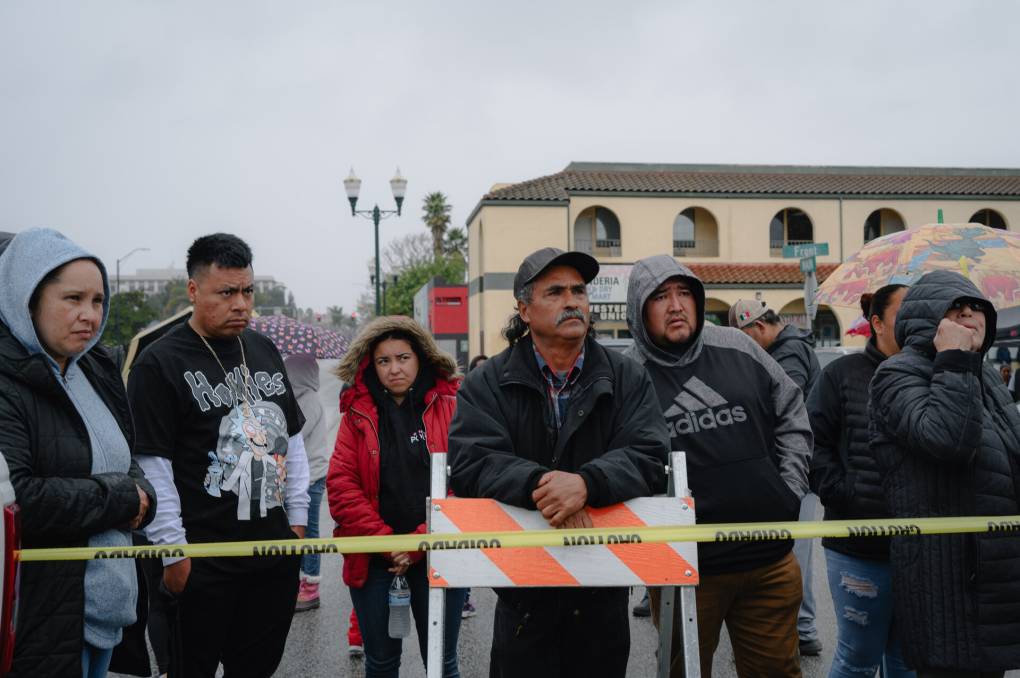
"caption": "Residents of Pajaro, the unincorporated area in Monterey County that flooded after a levee breach on March 10, gather just across the river in Watsonville, on March 19, 2023, waiting for authorities to let them return home.",
"description": null,
"title": "RS63704_03192023_kqed_pajarobridge 107-qut",
"credit": "Kori Suzuki/KQED",
"status": "inherit",
"altTag": "A group of people stand behind police caution tape.",
"isLoading": false,
"fetchFailed": false
},
"news_11943666": {
"type": "attachments",
"id": "news_11943666",
"meta": {
"index": "attachments_1716263798",
"site": "news",
"id": "11943666",
"found": true
},
"parent": 0,
"imgSizes": {
"twentyfourteen-full-width": {
"file": "https://ww2.kqed.org/app/uploads/sites/10/2023/03/CalMatters_01-1038x576.jpg",
"width": 1038,
"mimeType": "image/jpeg",
"height": 576
},
"thumbnail": {
"file": "https://ww2.kqed.org/app/uploads/sites/10/2023/03/CalMatters_01-160x107.jpg",
"width": 160,
"mimeType": "image/jpeg",
"height": 107
},
"post-thumbnail": {
"file": "https://ww2.kqed.org/app/uploads/sites/10/2023/03/CalMatters_01-672x372.jpg",
"width": 672,
"mimeType": "image/jpeg",
"height": 372
},
"kqedFullSize": {
"file": "https://ww2.kqed.org/app/uploads/sites/10/2023/03/CalMatters_01.jpg",
"width": 2000,
"height": 1333
},
"large": {
"file": "https://ww2.kqed.org/app/uploads/sites/10/2023/03/CalMatters_01-1020x680.jpg",
"width": 1020,
"mimeType": "image/jpeg",
"height": 680
},
"1536x1536": {
"file": "https://ww2.kqed.org/app/uploads/sites/10/2023/03/CalMatters_01-1536x1024.jpg",
"width": 1536,
"mimeType": "image/jpeg",
"height": 1024
},
"full-width": {
"file": "https://ww2.kqed.org/app/uploads/sites/10/2023/03/CalMatters_01-1920x1280.jpg",
"width": 1920,
"mimeType": "image/jpeg",
"height": 1280
},
"medium": {
"file": "https://ww2.kqed.org/app/uploads/sites/10/2023/03/CalMatters_01-800x533.jpg",
"width": 800,
"mimeType": "image/jpeg",
"height": 533
}
},
"publishDate": 1678924556,
"modified": 1678989288,
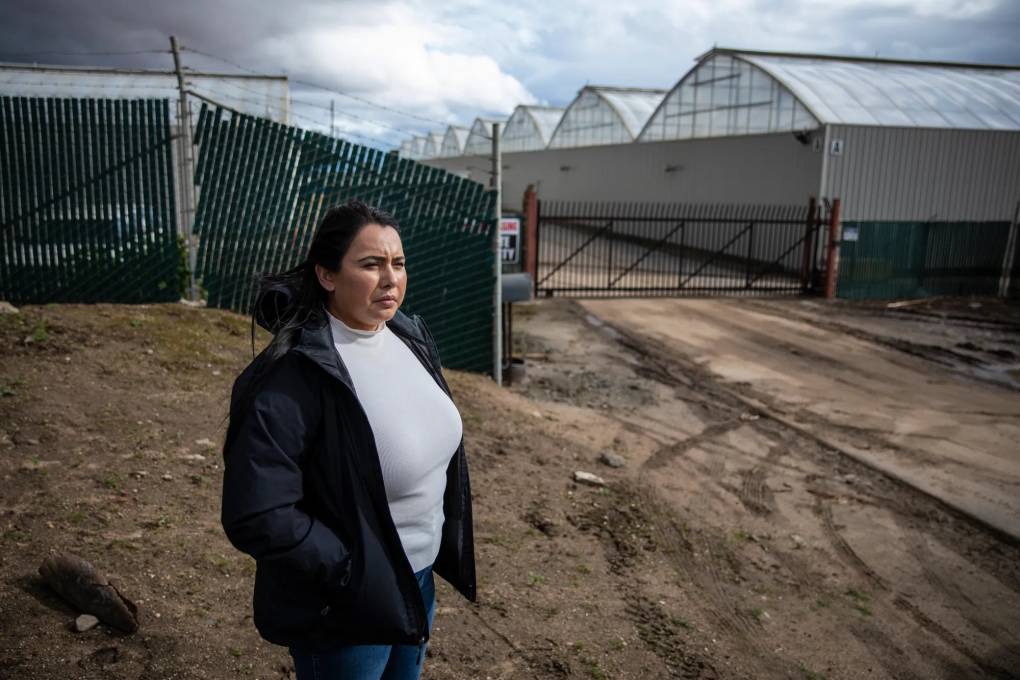
"caption": "Michelle Hackett at the entrance to Riverview Farms in Salinas, which flooded in the mid-March storms.",
"description": null,
"title": "CalMatters_01",
"credit": "Martin do Nascimento/CalMatters",
"status": "inherit",
"altTag": "A woman with dark hair, a black jacket, gray blouse and jeans stands in front of a dirt road that leads to a gateway entrance of a farm. She looks concerned as greenhouses can be seen in the background.",
"isLoading": false,
"fetchFailed": false
},
"news_11937119": {
"type": "attachments",
"id": "news_11937119",
"meta": {
"index": "attachments_1716263798",
"site": "news",
"id": "11937119",
"found": true
},
"parent": 11937103,
"imgSizes": {
"twentyfourteen-full-width": {
"file": "https://ww2.kqed.org/app/uploads/sites/10/2023/01/RS61892_008_KQED_WoodStreetFlooding_01052023-qut-1038x576.jpg",
"width": 1038,
"mimeType": "image/jpeg",
"height": 576
},
"thumbnail": {
"file": "https://ww2.kqed.org/app/uploads/sites/10/2023/01/RS61892_008_KQED_WoodStreetFlooding_01052023-qut-160x107.jpg",
"width": 160,
"mimeType": "image/jpeg",
"height": 107
},
"post-thumbnail": {
"file": "https://ww2.kqed.org/app/uploads/sites/10/2023/01/RS61892_008_KQED_WoodStreetFlooding_01052023-qut-672x372.jpg",
"width": 672,
"mimeType": "image/jpeg",
"height": 372
},
"kqedFullSize": {
"file": "https://ww2.kqed.org/app/uploads/sites/10/2023/01/RS61892_008_KQED_WoodStreetFlooding_01052023-qut.jpg",
"width": 1920,
"height": 1280
},
"large": {
"file": "https://ww2.kqed.org/app/uploads/sites/10/2023/01/RS61892_008_KQED_WoodStreetFlooding_01052023-qut-1020x680.jpg",
"width": 1020,
"mimeType": "image/jpeg",
"height": 680
},
"1536x1536": {
"file": "https://ww2.kqed.org/app/uploads/sites/10/2023/01/RS61892_008_KQED_WoodStreetFlooding_01052023-qut-1536x1024.jpg",
"width": 1536,
"mimeType": "image/jpeg",
"height": 1024
},
"medium": {
"file": "https://ww2.kqed.org/app/uploads/sites/10/2023/01/RS61892_008_KQED_WoodStreetFlooding_01052023-qut-800x533.jpg",
"width": 800,
"mimeType": "image/jpeg",
"height": 533
}
},
"publishDate": 1672968427,
"modified": 1672968582,
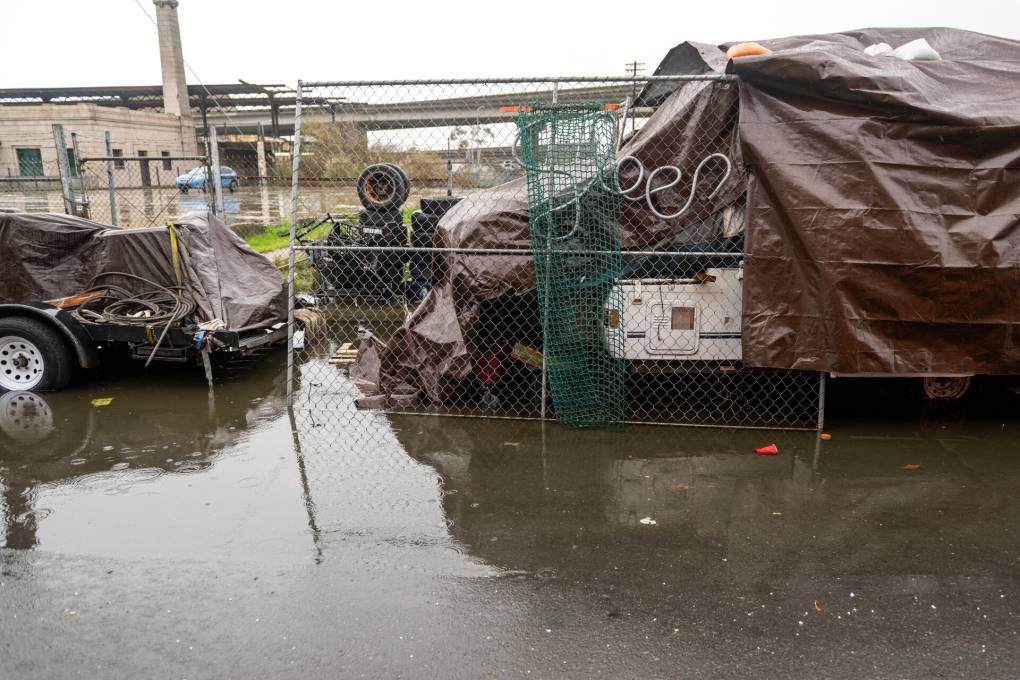
"caption": "An RV sits in water on Wood Street in Oakland on Jan. 5, 2023, after recent storms contributed to flooding in the area.",
"description": null,
"title": "shelter-homeless",
"credit": "Beth LaBerge/KQED",
"status": "inherit",
"altTag": null,
"isLoading": false,
"fetchFailed": false
},
"news_11943146": {
"type": "attachments",
"id": "news_11943146",
"meta": {
"index": "attachments_1716263798",
"site": "news",
"id": "11943146",
"found": true
},
"parent": 11943031,
"imgSizes": {
"twentyfourteen-full-width": {
"file": "https://ww2.kqed.org/app/uploads/sites/10/2023/03/005_KQED_WinterStorm_03092023-1038x576.jpg",
"width": 1038,
"mimeType": "image/jpeg",
"height": 576
},
"thumbnail": {
"file": "https://ww2.kqed.org/app/uploads/sites/10/2023/03/005_KQED_WinterStorm_03092023-160x107.jpg",
"width": 160,
"mimeType": "image/jpeg",
"height": 107
},
"post-thumbnail": {
"file": "https://ww2.kqed.org/app/uploads/sites/10/2023/03/005_KQED_WinterStorm_03092023-672x372.jpg",
"width": 672,
"mimeType": "image/jpeg",
"height": 372
},
"kqedFullSize": {
"file": "https://ww2.kqed.org/app/uploads/sites/10/2023/03/005_KQED_WinterStorm_03092023.jpg",
"width": 1920,
"height": 1280
},
"large": {
"file": "https://ww2.kqed.org/app/uploads/sites/10/2023/03/005_KQED_WinterStorm_03092023-1020x680.jpg",
"width": 1020,
"mimeType": "image/jpeg",
"height": 680
},
"1536x1536": {
"file": "https://ww2.kqed.org/app/uploads/sites/10/2023/03/005_KQED_WinterStorm_03092023-1536x1024.jpg",
"width": 1536,
"mimeType": "image/jpeg",
"height": 1024
},
"medium": {
"file": "https://ww2.kqed.org/app/uploads/sites/10/2023/03/005_KQED_WinterStorm_03092023-800x533.jpg",
"width": 800,
"mimeType": "image/jpeg",
"height": 533
}
},
"publishDate": 1678404548,
"modified": 1678404863,
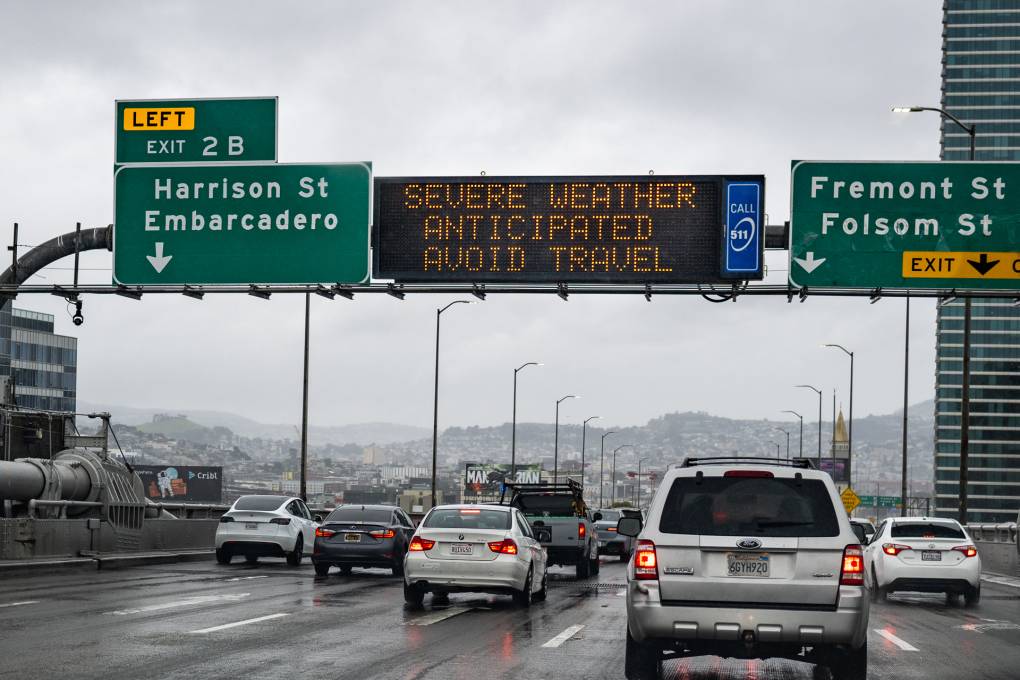
"caption": "A Caltrans sign on the western span of the Bay Bridge, heading into San Francisco, urges drivers to avoid travel, amid 'severe weather anticipated,' on March 9, 2023.",
"description": null,
"title": "005_KQED_WinterStorm_03092023",
"credit": "Beth LaBerge/KQED",
"status": "inherit",
"altTag": "Cars head west, at the end of the Bay Bridge, toward San Francisco on a rainy day. A highway digital sign says 'Severe weather anticipated - avoid travel.'",
"isLoading": false,
"fetchFailed": false
},
"news_11939495": {
"type": "attachments",
"id": "news_11939495",
"meta": {
"index": "attachments_1716263798",
"site": "news",
"id": "11939495",
"found": true
},
"parent": 11939492,
"imgSizes": {
"twentyfourteen-full-width": {
"file": "https://ww2.kqed.org/app/uploads/sites/10/2023/01/RS62053_029_KQED_StormSanFrancisco_01102023-qut-1038x576.jpg",
"width": 1038,
"mimeType": "image/jpeg",
"height": 576
},
"thumbnail": {
"file": "https://ww2.kqed.org/app/uploads/sites/10/2023/01/RS62053_029_KQED_StormSanFrancisco_01102023-qut-160x107.jpg",
"width": 160,
"mimeType": "image/jpeg",
"height": 107
},
"post-thumbnail": {
"file": "https://ww2.kqed.org/app/uploads/sites/10/2023/01/RS62053_029_KQED_StormSanFrancisco_01102023-qut-672x372.jpg",
"width": 672,
"mimeType": "image/jpeg",
"height": 372
},
"kqedFullSize": {
"file": "https://ww2.kqed.org/app/uploads/sites/10/2023/01/RS62053_029_KQED_StormSanFrancisco_01102023-qut.jpg",
"width": 1920,
"height": 1280
},
"large": {
"file": "https://ww2.kqed.org/app/uploads/sites/10/2023/01/RS62053_029_KQED_StormSanFrancisco_01102023-qut-1020x680.jpg",
"width": 1020,
"mimeType": "image/jpeg",
"height": 680
},
"1536x1536": {
"file": "https://ww2.kqed.org/app/uploads/sites/10/2023/01/RS62053_029_KQED_StormSanFrancisco_01102023-qut-1536x1024.jpg",
"width": 1536,
"mimeType": "image/jpeg",
"height": 1024
},
"medium": {
"file": "https://ww2.kqed.org/app/uploads/sites/10/2023/01/RS62053_029_KQED_StormSanFrancisco_01102023-qut-800x533.jpg",
"width": 800,
"mimeType": "image/jpeg",
"height": 533
}
},
"publishDate": 1674861474,
"modified": 1674861485,
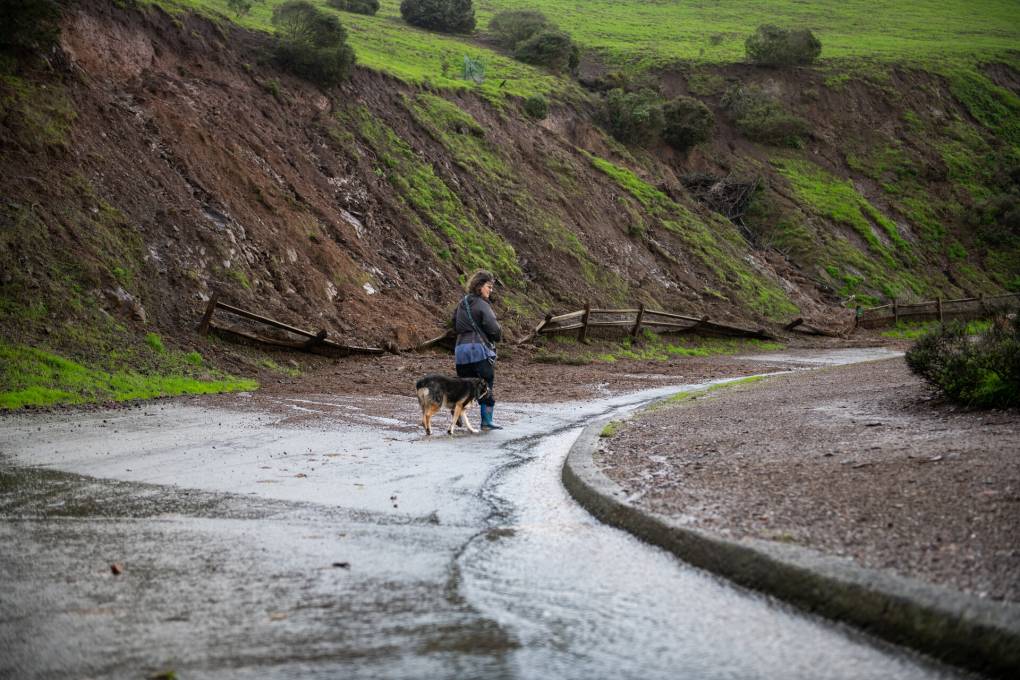
"caption": "A woman walks past a mudslide and a stream of water flowing down Bernal Heights in San Francisco on Jan. 10, 2023.",
"description": null,
"title": "RS62053_029_KQED_StormSanFrancisco_01102023-qut",
"credit": "Beth LaBerge/KQED News",
"status": "inherit",
"altTag": null,
"isLoading": false,
"fetchFailed": false
},
"news_11938721": {
"type": "attachments",
"id": "news_11938721",
"meta": {
"index": "attachments_1716263798",
"site": "news",
"id": "11938721",
"found": true
},
"parent": 11938647,
"imgSizes": {
"twentyfourteen-full-width": {
"file": "https://ww2.kqed.org/app/uploads/sites/10/2023/01/IMG_3914-1038x576.jpg",
"width": 1038,
"mimeType": "image/jpeg",
"height": 576
},
"thumbnail": {
"file": "https://ww2.kqed.org/app/uploads/sites/10/2023/01/IMG_3914-160x112.jpg",
"width": 160,
"mimeType": "image/jpeg",
"height": 112
},
"post-thumbnail": {
"file": "https://ww2.kqed.org/app/uploads/sites/10/2023/01/IMG_3914-672x372.jpg",
"width": 672,
"mimeType": "image/jpeg",
"height": 372
},
"kqedFullSize": {
"file": "https://ww2.kqed.org/app/uploads/sites/10/2023/01/IMG_3914.jpg",
"width": 1911,
"height": 1342
},
"large": {
"file": "https://ww2.kqed.org/app/uploads/sites/10/2023/01/IMG_3914-1020x716.jpg",
"width": 1020,
"mimeType": "image/jpeg",
"height": 716
},
"1536x1536": {
"file": "https://ww2.kqed.org/app/uploads/sites/10/2023/01/IMG_3914-1536x1079.jpg",
"width": 1536,
"mimeType": "image/jpeg",
"height": 1079
},
"medium": {
"file": "https://ww2.kqed.org/app/uploads/sites/10/2023/01/IMG_3914-800x562.jpg",
"width": 800,
"mimeType": "image/jpeg",
"height": 562
}
},
"publishDate": 1674251839,
"modified": 1674259299,
"caption": "Laura Cisneros, on Jan. 6, 2023, points to where the rising waters of Rheem Creek seeped through the fence and ultimately surrounded her house in the unincorporated Contra Costa County community of Rollingwood, during the torrential downpour on New Year's Eve.",
"description": null,
"title": "IMG_3914",
"credit": "Ezra David Romero/KQED",
"status": "inherit",
"altTag": "A woman stands by a creek, pointing to a cement wall.",
"isLoading": false,
"fetchFailed": false
},
"news_11938559": {
"type": "attachments",
"id": "news_11938559",
"meta": {
"index": "attachments_1716263798",
"site": "news",
"id": "11938559",
"found": true
},
"parent": 11938557,
"imgSizes": {
"twentyfourteen-full-width": {
"file": "https://ww2.kqed.org/app/uploads/sites/10/2023/01/GettyImages-1456821940-1024x576.jpg",
"width": 1024,
"mimeType": "image/jpeg",
"height": 576
},
"thumbnail": {
"file": "https://ww2.kqed.org/app/uploads/sites/10/2023/01/GettyImages-1456821940-160x109.jpg",
"width": 160,
"mimeType": "image/jpeg",
"height": 109
},
"post-thumbnail": {
"file": "https://ww2.kqed.org/app/uploads/sites/10/2023/01/GettyImages-1456821940-672x372.jpg",
"width": 672,
"mimeType": "image/jpeg",
"height": 372
},
"kqedFullSize": {
"file": "https://ww2.kqed.org/app/uploads/sites/10/2023/01/GettyImages-1456821940.jpg",
"width": 1024,
"height": 696
},
"large": {
"file": "https://ww2.kqed.org/app/uploads/sites/10/2023/01/GettyImages-1456821940-1020x693.jpg",
"width": 1020,
"mimeType": "image/jpeg",
"height": 693
},
"medium": {
"file": "https://ww2.kqed.org/app/uploads/sites/10/2023/01/GettyImages-1456821940-800x544.jpg",
"width": 800,
"mimeType": "image/jpeg",
"height": 544
}
},
"publishDate": 1674153506,
"modified": 1674172295,
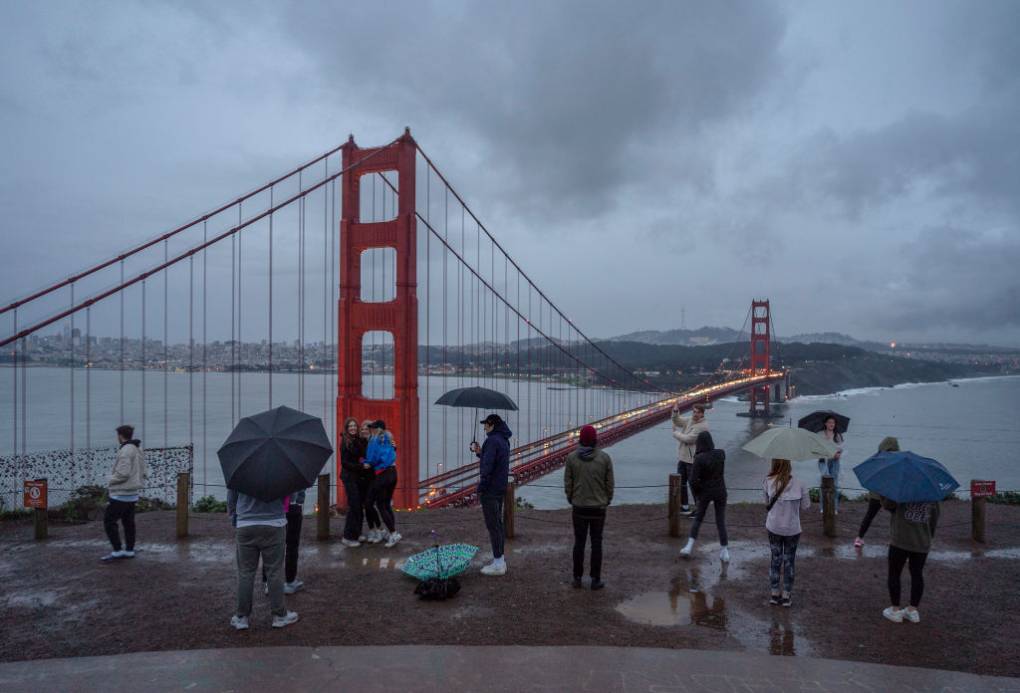
"caption": "People look at the Golden Gate Bridge at a vista point during a rainfall on Jan. 15, 2023, in Sausalito.",
"description": null,
"title": "Rainfall In San Francisco",
"credit": "Liu Guanguan/China News Service/VCG via Getty Images",
"status": "inherit",
"altTag": "Several people dressed in raincoats and holding umbrellas stand behind the Golden Gate Bridge.",
"isLoading": false,
"fetchFailed": false
},
"news_11938234": {
"type": "attachments",
"id": "news_11938234",
"meta": {
"index": "attachments_1716263798",
"site": "news",
"id": "11938234",
"found": true
},
"parent": 11938216,
"imgSizes": {
"twentyfourteen-full-width": {
"file": "https://ww2.kqed.org/app/uploads/sites/10/2023/01/Flood-1038x576.jpg",
"width": 1038,
"mimeType": "image/jpeg",
"height": 576
},
"thumbnail": {
"file": "https://ww2.kqed.org/app/uploads/sites/10/2023/01/Flood-160x103.jpg",
"width": 160,
"mimeType": "image/jpeg",
"height": 103
},
"post-thumbnail": {
"file": "https://ww2.kqed.org/app/uploads/sites/10/2023/01/Flood-672x372.jpg",
"width": 672,
"mimeType": "image/jpeg",
"height": 372
},
"kqedFullSize": {
"file": "https://ww2.kqed.org/app/uploads/sites/10/2023/01/Flood.jpg",
"width": 1980,
"height": 1269
},
"large": {
"file": "https://ww2.kqed.org/app/uploads/sites/10/2023/01/Flood-1020x654.jpg",
"width": 1020,
"mimeType": "image/jpeg",
"height": 654
},
"1536x1536": {
"file": "https://ww2.kqed.org/app/uploads/sites/10/2023/01/Flood-1536x984.jpg",
"width": 1536,
"mimeType": "image/jpeg",
"height": 984
},
"full-width": {
"file": "https://ww2.kqed.org/app/uploads/sites/10/2023/01/Flood-1920x1231.jpg",
"width": 1920,
"mimeType": "image/jpeg",
"height": 1231
},
"medium": {
"file": "https://ww2.kqed.org/app/uploads/sites/10/2023/01/Flood-800x513.jpg",
"width": 800,
"mimeType": "image/jpeg",
"height": 513
}
},
"publishDate": 1673913838,
"modified": 1673982743,
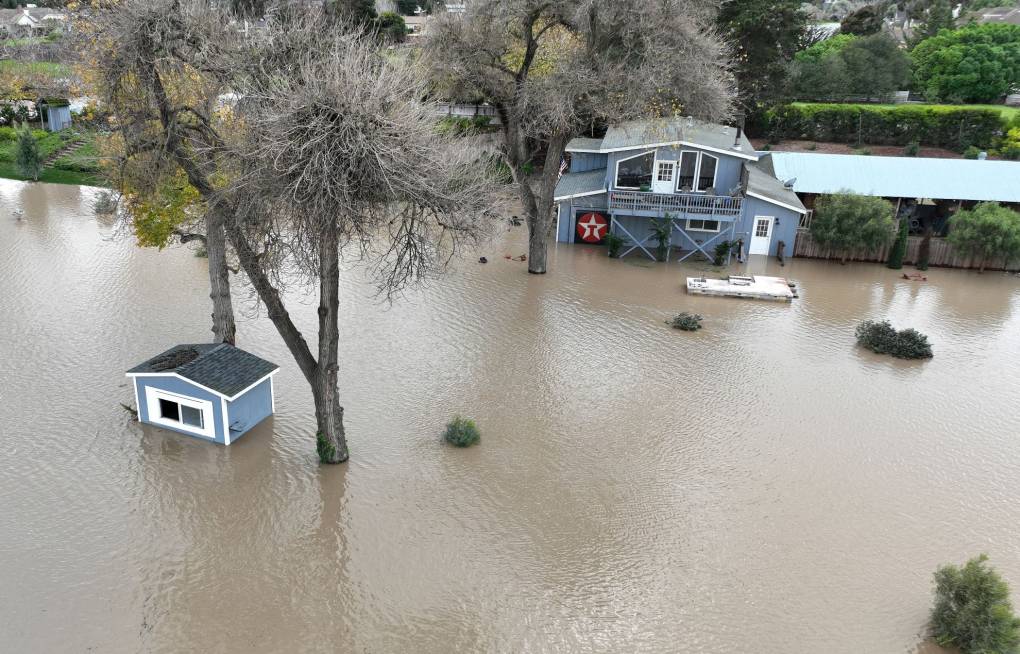
"caption": "In an aerial view, a home is seen submerged in floodwater after the Salinas River overflowed its banks on Jan. 13, 2023, in Salinas. Several atmospheric river events continue to pound California with record rainfall and high winds.",
"description": null,
"title": "Flood",
"credit": "Justin Sullivan/Getty Images",
"status": "inherit",
"altTag": "Two buildings are partially submerged in murky brown water. One small shack in the foreground, and a larger house in the background.",
"isLoading": false,
"fetchFailed": false
},
"news_10366483": {
"type": "attachments",
"id": "news_10366483",
"meta": {
"index": "attachments_1716263798",
"site": "news",
"id": "10366483",
"found": true
},
"parent": 0,
"imgSizes": {
"twentyfourteen-full-width": {
"file": "https://ww2.kqed.org/app/uploads/sites/10/2014/12/459889820-1038x576.jpg",
"width": 1038,
"mimeType": "image/jpeg",
"height": 576
},
"thumbnail": {
"file": "https://ww2.kqed.org/app/uploads/sites/10/2014/12/459889820-400x273.jpg",
"width": 400,
"mimeType": "image/jpeg",
"height": 273
},
"post-thumbnail": {
"file": "https://ww2.kqed.org/app/uploads/sites/10/2014/12/459889820-672x372.jpg",
"width": 672,
"mimeType": "image/jpeg",
"height": 372
},
"kqedFullSize": {
"file": "https://ww2.kqed.org/app/uploads/sites/10/2014/12/459889820.jpg",
"width": 3000,
"height": 2051
},
"large": {
"file": "https://ww2.kqed.org/app/uploads/sites/10/2014/12/459889820-1440x984.jpg",
"width": 1440,
"mimeType": "image/jpeg",
"height": 984
},
"guest-author-96": {
"file": "https://ww2.kqed.org/app/uploads/sites/10/2014/12/459889820-96x96.jpg",
"width": 96,
"mimeType": "image/jpeg",
"height": 96
},
"medium": {
"file": "https://ww2.kqed.org/app/uploads/sites/10/2014/12/459889820-800x546.jpg",
"width": 800,
"mimeType": "image/jpeg",
"height": 546
},
"guest-author-64": {
"file": "https://ww2.kqed.org/app/uploads/sites/10/2014/12/459889820-64x64.jpg",
"width": 64,
"mimeType": "image/jpeg",
"height": 64
},
"detail": {
"file": "https://ww2.kqed.org/app/uploads/sites/10/2014/12/459889820-75x75.jpg",
"width": 75,
"mimeType": "image/jpeg",
"height": 75
},
"guest-author-32": {
"file": "https://ww2.kqed.org/app/uploads/sites/10/2014/12/459889820-32x32.jpg",
"width": 32,
"mimeType": "image/jpeg",
"height": 32
},
"guest-author-128": {
"file": "https://ww2.kqed.org/app/uploads/sites/10/2014/12/459889820-128x128.jpg",
"width": 128,
"mimeType": "image/jpeg",
"height": 128
}
},
"publishDate": 1417656738,
"modified": 1674155313,
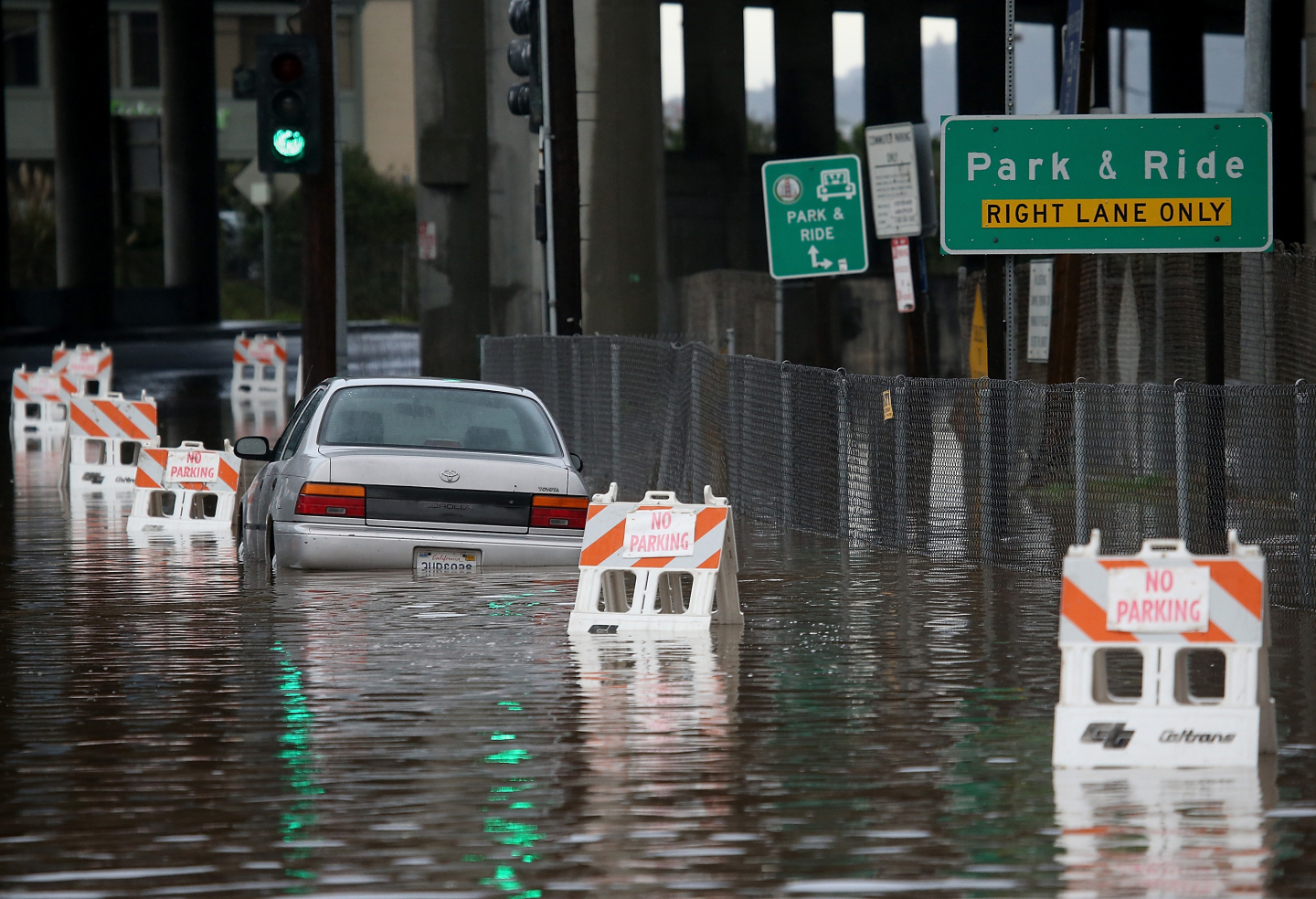
"caption": "A car stranded near flooded US 101 in Mill Valley after the storm last week.",
"description": "MILL VALLEY, CA - DECEMBER 03: A car sits partially submerged in water on a flooded section of roadway on December 3, 2014 in Mill Valley, California. The San Francisco Bay Area is being hit with its first major storm of the year that is bringing heavy rain, lightning and hail to the region. The heavy overnight rain has caused flooding which has blocked several roadways and caused severe traffic backups. (Photo by Justin Sullivan/Getty Images)",
"title": "Storm-Flood-Mill Valley",
"credit": "Justin Sullivan/Getty Images",
"status": "inherit",
"altTag": "A car submerged in water near safety markers.",
"isLoading": false,
"fetchFailed": false
},
"news_11938034": {
"type": "attachments",
"id": "news_11938034",
"meta": {
"index": "attachments_1716263798",
"site": "news",
"id": "11938034",
"found": true
},
"parent": 11938033,
"imgSizes": {
"twentyfourteen-full-width": {
"file": "https://ww2.kqed.org/app/uploads/sites/10/2023/01/CA_Storm-1038x576.png",
"width": 1038,
"mimeType": "image/png",
"height": 576
},
"thumbnail": {
"file": "https://ww2.kqed.org/app/uploads/sites/10/2023/01/CA_Storm-160x90.png",
"width": 160,
"mimeType": "image/png",
"height": 90
},
"post-thumbnail": {
"file": "https://ww2.kqed.org/app/uploads/sites/10/2023/01/CA_Storm-672x372.png",
"width": 672,
"mimeType": "image/png",
"height": 372
},
"kqedFullSize": {
"file": "https://ww2.kqed.org/app/uploads/sites/10/2023/01/CA_Storm.png",
"width": 1920,
"height": 1080
},
"large": {
"file": "https://ww2.kqed.org/app/uploads/sites/10/2023/01/CA_Storm-1020x574.png",
"width": 1020,
"mimeType": "image/png",
"height": 574
},
"1536x1536": {
"file": "https://ww2.kqed.org/app/uploads/sites/10/2023/01/CA_Storm-1536x864.png",
"width": 1536,
"mimeType": "image/png",
"height": 864
},
"medium": {
"file": "https://ww2.kqed.org/app/uploads/sites/10/2023/01/CA_Storm-800x450.png",
"width": 800,
"mimeType": "image/png",
"height": 450
}
},
"publishDate": 1673646538,
"modified": 1673646538,
"caption": null,
"description": null,
"title": "CA_Storm",
"credit": null,
"status": "inherit",
"altTag": null,
"isLoading": false,
"fetchFailed": false
},
"news_11938150": {
"type": "attachments",
"id": "news_11938150",
"meta": {
"index": "attachments_1716263798",
"site": "news",
"id": "11938150",
"found": true
},
"parent": 11938002,
"imgSizes": {
"twentyfourteen-full-width": {
"file": "https://ww2.kqed.org/app/uploads/sites/10/2023/01/GettyImages-1456250701-1024x576.jpg",
"width": 1024,
"mimeType": "image/jpeg",
"height": 576
},
"thumbnail": {
"file": "https://ww2.kqed.org/app/uploads/sites/10/2023/01/GettyImages-1456250701-160x98.jpg",
"width": 160,
"mimeType": "image/jpeg",
"height": 98
},
"post-thumbnail": {
"file": "https://ww2.kqed.org/app/uploads/sites/10/2023/01/GettyImages-1456250701-672x372.jpg",
"width": 672,
"mimeType": "image/jpeg",
"height": 372
},
"kqedFullSize": {
"file": "https://ww2.kqed.org/app/uploads/sites/10/2023/01/GettyImages-1456250701.jpg",
"width": 1024,
"height": 629
},
"large": {
"file": "https://ww2.kqed.org/app/uploads/sites/10/2023/01/GettyImages-1456250701-1020x627.jpg",
"width": 1020,
"mimeType": "image/jpeg",
"height": 627
},
"medium": {
"file": "https://ww2.kqed.org/app/uploads/sites/10/2023/01/GettyImages-1456250701-800x491.jpg",
"width": 800,
"mimeType": "image/jpeg",
"height": 491
}
},
"publishDate": 1673734218,
"modified": 1673734298,
"caption": "In an aerial view, floodwaters cover an agricultural area after the Salinas River overflowed its banks on Jan. 13, 2023 in Salinas, Monterey County. Several atmospheric river events continue to pound California with record rainfall and high winds.",
"description": null,
"title": "Multiple Storms Batter California With Flooding Rains",
"credit": "Justin Sullivan/Getty Images",
"status": "inherit",
"altTag": "An aerial view of flooded farmland and farm houses.",
"isLoading": false,
"fetchFailed": false
},
"news_11937369": {
"type": "attachments",
"id": "news_11937369",
"meta": {
"index": "attachments_1716263798",
"site": "news",
"id": "11937369",
"found": true
},
"parent": 11937367,
"imgSizes": {
"thumbnail": {
"file": "https://ww2.kqed.org/app/uploads/sites/10/2023/01/GettyImages-1454693473-160x90.jpg",
"width": 160,
"mimeType": "image/jpeg",
"height": 90
},
"post-thumbnail": {
"file": "https://ww2.kqed.org/app/uploads/sites/10/2023/01/GettyImages-1454693473-672x372.jpg",
"width": 672,
"mimeType": "image/jpeg",
"height": 372
},
"kqedFullSize": {
"file": "https://ww2.kqed.org/app/uploads/sites/10/2023/01/GettyImages-1454693473.jpg",
"width": 1024,
"height": 576
},
"large": {
"file": "https://ww2.kqed.org/app/uploads/sites/10/2023/01/GettyImages-1454693473-1020x574.jpg",
"width": 1020,
"mimeType": "image/jpeg",
"height": 574
},
"medium": {
"file": "https://ww2.kqed.org/app/uploads/sites/10/2023/01/GettyImages-1454693473-800x450.jpg",
"width": 800,
"mimeType": "image/jpeg",
"height": 450
}
},
"publishDate": 1673150979,
"modified": 1673325086,
"caption": "In an aerial view, damage from a powerful storm is visible on Jan. 6, 2023, in Capitola, Santa Cruz County. A powerful storm pounded the West Coast this week, uprooting trees and cutting power for tens of thousands on the heels of record rainfall over the weekend.",
"description": null,
"title": "Massive Storm Brings Flooding Rains And Damaging Winds To California",
"credit": "Justin Sullivan/Getty Images",
"status": "inherit",
"altTag": "A view of damaged colorful houses along the shores of the river with a bridge in Capitola.",
"isLoading": false,
"fetchFailed": false
}
},
"audioPlayerReducer": {
"postId": "stream_live",
"isPaused": true,
"isPlaying": false,
"pfsActive": false,
"pledgeModalIsOpen": true,
"playerDrawerIsOpen": false,
"liveAudioPlayStartedAt": 0,
"liveAudioPlayContext": ""
},
"authorsReducer": {
"byline_news_11944295": {
"type": "authors",
"id": "byline_news_11944295",
"meta": {
"override": true
},
"slug": "byline_news_11944295",
"name": "\u003ca href=\"https://twitter.com/koritsuzuki?ref_src=twsrc%5Egoogle%7Ctwcamp%5Eserp%7Ctwgr%5Eauthor\">Kori Suzuki\u003c/a> and \u003ca href=\"https://www.kqed.org/author/matthewgreen\">Matthew Green\u003c/a>",
"isLoading": false
},
"byline_news_11943590": {
"type": "authors",
"id": "byline_news_11943590",
"meta": {
"override": true
},
"slug": "byline_news_11943590",
"name": "\u003ca href=\"https://calmatters.org/author/laurenhepler/\">Lauren Hepler\u003c/a>, \u003ca href=\"https://calmatters.org/author/nicole-foy/\">Nicole Foy \u003c/a>, \u003ca href=\"https://calmatters.org/author/wendy-fry/\">Wendy Fry\u003c/a>",
"isLoading": false
},
"byline_news_11938557": {
"type": "authors",
"id": "byline_news_11938557",
"meta": {
"override": true
},
"slug": "byline_news_11938557",
"name": "Seth Borenstein\u003cbr>The Associated Press",
"isLoading": false
},
"danbrekke": {
"type": "authors",
"id": "222",
"meta": {
"index": "authors_1716337520",
"id": "222",
"found": true
},
"name": "Dan Brekke",
"firstName": "Dan",
"lastName": "Brekke",
"slug": "danbrekke",
"email": "dbrekke@kqed.org",
"display_author_email": true,
"staff_mastheads": [
"news",
"science"
],
"title": "KQED Editor and Reporter",
"bio": "Dan Brekke is a reporter and editor for KQED News, responsible for coverage of topics ranging from California water issues to the Bay Area's transportation challenges. In a newsroom career that began in Chicago in 1972, Dan has worked for \u003cem>The San Francisco Examiner,\u003c/em> Wired and TechTV and has been published in The New York Times, The New York Times Magazine, Business 2.0, Salon and elsewhere.\r\n\r\nSince joining KQED in 2007, Dan has reported, edited and produced both radio and online features and breaking news pieces. He has shared as both editor and reporter in four Society of Professional Journalists Norcal Excellence in Journalism awards and one Edward R. Murrow regional award. He was chosen for a spring 2017 residency at the Mesa Refuge to advance his research on California salmon.\r\n\r\nEmail Dan at: \u003ca href=\"mailto:dbrekke@kqed.org\">dbrekke@kqed.org\u003c/a>\r\n\r\n\u003cstrong>Twitter:\u003c/strong> \u003ca href=\"https://twitter.com/danbrekke\" rel=\"noopener noreferrer\">twitter.com/danbrekke\u003c/a>\r\n\u003cstrong>Facebook:\u003c/strong> \u003ca href=\"https://www.facebook.com/danbrekke\" rel=\"noopener noreferrer\">www.facebook.com/danbrekke\u003c/a>\r\n\u003cstrong>LinkedIn:\u003c/strong> \u003ca href=\"https://www.linkedin.com/in/danbrekke\" rel=\"noopener noreferrer\">www.linkedin.com/in/danbrekke\u003c/a>",
"avatar": "https://secure.gravatar.com/avatar/c8126230345efca3f7aa89b1a402be45?s=600&d=mm&r=g",
"twitter": "danbrekke",
"facebook": null,
"instagram": "https://www.instagram.com/dan.brekke/",
"linkedin": "https://www.linkedin.com/in/danbrekke/",
"sites": [
{
"site": "news",
"roles": [
"administrator",
"create_posts"
]
},
{
"site": "stateofhealth",
"roles": [
"editor"
]
},
{
"site": "science",
"roles": [
"editor"
]
},
{
"site": "quest",
"roles": [
"contributor"
]
},
{
"site": "food",
"roles": [
"contributor"
]
},
{
"site": "forum",
"roles": [
"contributor"
]
},
{
"site": "liveblog",
"roles": [
"editor"
]
}
],
"headData": {
"title": "Dan Brekke | KQED",
"description": "KQED Editor and Reporter",
"ogImgSrc": "https://secure.gravatar.com/avatar/c8126230345efca3f7aa89b1a402be45?s=600&d=mm&r=g",
"twImgSrc": "https://secure.gravatar.com/avatar/c8126230345efca3f7aa89b1a402be45?s=600&d=mm&r=g"
},
"isLoading": false,
"link": "/author/danbrekke"
},
"kqed": {
"type": "authors",
"id": "236",
"meta": {
"index": "authors_1716337520",
"id": "236",
"found": true
},
"name": "KQED News Staff",
"firstName": "KQED News Staff",
"lastName": null,
"slug": "kqed",
"email": "faq@kqed.org",
"display_author_email": false,
"staff_mastheads": [],
"title": null,
"bio": null,
"avatar": "https://secure.gravatar.com/avatar/ef0e801a68c4c54afa9180db14084167?s=600&d=blank&r=g",
"twitter": null,
"facebook": null,
"instagram": null,
"linkedin": null,
"sites": [
{
"site": "arts",
"roles": [
"contributor"
]
},
{
"site": "news",
"roles": [
"editor"
]
},
{
"site": "futureofyou",
"roles": [
"author"
]
}
],
"headData": {
"title": "KQED News Staff | KQED",
"description": null,
"ogImgSrc": "https://secure.gravatar.com/avatar/ef0e801a68c4c54afa9180db14084167?s=600&d=blank&r=g",
"twImgSrc": "https://secure.gravatar.com/avatar/ef0e801a68c4c54afa9180db14084167?s=600&d=blank&r=g"
},
"isLoading": false,
"link": "/author/kqed"
},
"kqednewsstaffandwires": {
"type": "authors",
"id": "237",
"meta": {
"index": "authors_1716337520",
"id": "237",
"found": true
},
"name": "KQED News Staff and Wires",
"firstName": "KQED News Staff and Wires",
"lastName": null,
"slug": "kqednewsstaffandwires",
"email": "onlinenewsstaff@kqed.org",
"display_author_email": false,
"staff_mastheads": [],
"title": null,
"bio": null,
"avatar": "https://secure.gravatar.com/avatar/72295af8ebbfbd19a4948f5271285664?s=600&d=blank&r=g",
"twitter": null,
"facebook": null,
"instagram": null,
"linkedin": null,
"sites": [
{
"site": "arts",
"roles": [
"contributor"
]
},
{
"site": "news",
"roles": [
"contributor"
]
},
{
"site": "lowdown",
"roles": [
"author"
]
},
{
"site": "stateofhealth",
"roles": [
"contributor"
]
},
{
"site": "food",
"roles": [
"author"
]
}
],
"headData": {
"title": "KQED News Staff and Wires | KQED",
"description": null,
"ogImgSrc": "https://secure.gravatar.com/avatar/72295af8ebbfbd19a4948f5271285664?s=600&d=blank&r=g",
"twImgSrc": "https://secure.gravatar.com/avatar/72295af8ebbfbd19a4948f5271285664?s=600&d=blank&r=g"
},
"isLoading": false,
"link": "/author/kqednewsstaffandwires"
},
"ecruzguevarra": {
"type": "authors",
"id": "8654",
"meta": {
"index": "authors_1716337520",
"id": "8654",
"found": true
},
"name": "Ericka Cruz Guevarra",
"firstName": "Ericka",
"lastName": "Cruz Guevarra",
"slug": "ecruzguevarra",
"email": "ecruzguevarra@kqed.org",
"display_author_email": true,
"staff_mastheads": [
"news"
],
"title": "Producer, The Bay Podcast",
"bio": "Ericka Cruz Guevarra is host of \u003ca href=\"https://www.kqed.org/podcasts/thebay\">\u003cem>The Bay\u003c/em>\u003c/a> podcast at KQED. Before host, she was the show’s producer. Her work in that capacity includes a three-part reported series on policing in Vallejo, which won a 2020 excellence in journalism award from the Society of Professional Journalists. Ericka has worked as a breaking news reporter at Oregon Public Broadcasting, helped produce the Code Switch podcast, and was KQED’s inaugural Raul Ramirez Diversity Fund intern. She’s also an alumna of NPR’s Next Generation Radio program. Send her an email if you have strong feelings about whether Fairfield and Suisun City are the Bay. Ericka is represented by SAG-AFTRA.",
"avatar": "https://secure.gravatar.com/avatar/25e5ab8d3d53fad2dcc7bb2b5c506b1a?s=600&d=blank&r=g",
"twitter": "NotoriousECG",
"facebook": null,
"instagram": null,
"linkedin": null,
"sites": [
{
"site": "arts",
"roles": [
"subscriber"
]
},
{
"site": "news",
"roles": [
"editor",
"manage_categories"
]
},
{
"site": "futureofyou",
"roles": [
"subscriber"
]
},
{
"site": "stateofhealth",
"roles": [
"subscriber"
]
},
{
"site": "science",
"roles": [
"editor"
]
},
{
"site": "forum",
"roles": [
"subscriber"
]
}
],
"headData": {
"title": "Ericka Cruz Guevarra | KQED",
"description": "Producer, The Bay Podcast",
"ogImgSrc": "https://secure.gravatar.com/avatar/25e5ab8d3d53fad2dcc7bb2b5c506b1a?s=600&d=blank&r=g",
"twImgSrc": "https://secure.gravatar.com/avatar/25e5ab8d3d53fad2dcc7bb2b5c506b1a?s=600&d=blank&r=g"
},
"isLoading": false,
"link": "/author/ecruzguevarra"
},
"lesleymcclurg": {
"type": "authors",
"id": "11229",
"meta": {
"index": "authors_1716337520",
"id": "11229",
"found": true
},
"name": "Lesley McClurg",
"firstName": "Lesley",
"lastName": "McClurg",
"slug": "lesleymcclurg",
"email": "lmcclurg@KQED.org",
"display_author_email": false,
"staff_mastheads": [
"news",
"science"
],
"title": "KQED Health Correspondent",
"bio": "Lesley McClurg is a health correspondent and fill-in host whose work is regularly rebroadcast on NPR and PBS programs. She’s earned multiple regional Emmy awards, a national and a regional Edward R. Murrow award, and was named Best Beat Reporter by the Association of Health Care Journalists. The Society of Professional Journalists has recognized her work several times, and the Society of Environmental Journalists spotlighted her coverage of California’s historic drought.\r\n\r\nBefore joining KQED in 2016, Lesley covered food and sustainability for Capital Public Radio, environmental issues for Colorado Public Radio, and reported for KUOW and KCTS 9 in Seattle. Away from the newsroom, she loves skiing with her daughter, mountain biking with her partner, and playing with Ollie, the family’s goldendoodle. On deadline, she runs almost entirely on chocolate chips.\r\n\r\n ",
"avatar": "https://secure.gravatar.com/avatar/bab49e972ea10c774fe0f5e29dba1722b158f7c0d58a360923d1389d380b2978?s=600&d=blank&r=g",
"twitter": "lesleywmcclurg",
"bluesky": null,
"facebook": null,
"instagram": null,
"linkedin": null,
"sites": [
{
"site": "arts",
"roles": [
"author"
]
},
{
"site": "news",
"roles": [
"editor"
]
},
{
"site": "futureofyou",
"roles": [
"editor"
]
},
{
"site": "stateofhealth",
"roles": [
"author"
]
},
{
"site": "science",
"roles": [
"editor"
]
},
{
"site": "quest",
"roles": [
"subscriber"
]
},
{
"site": "forum",
"roles": [
"administrator"
]
},
{
"site": "liveblog",
"roles": [
"author"
]
}
],
"headData": {
"title": "Lesley McClurg | KQED",
"description": "KQED Health Correspondent",
"ogImgSrc": "https://secure.gravatar.com/avatar/bab49e972ea10c774fe0f5e29dba1722b158f7c0d58a360923d1389d380b2978?s=600&d=blank&r=g",
"twImgSrc": "https://secure.gravatar.com/avatar/bab49e972ea10c774fe0f5e29dba1722b158f7c0d58a360923d1389d380b2978?s=600&d=blank&r=g"
},
"isLoading": false,
"link": "/author/lesleymcclurg"
},
"vrancano": {
"type": "authors",
"id": "11276",
"meta": {
"index": "authors_1716337520",
"id": "11276",
"found": true
},
"name": "Vanessa Rancaño",
"firstName": "Vanessa",
"lastName": "Rancaño",
"slug": "vrancano",
"email": "vrancano@kqed.org",
"display_author_email": false,
"staff_mastheads": [
"news"
],
"title": "Reporter, Housing",
"bio": "Vanessa Rancaño is a features reporter for KQED. She’s also covered homelessness and education for the station and reported from the Central Valley. Her work has aired across public radio, from flagship national news shows to longform narrative podcasts. Before taking up a mic, she worked as a freelance print journalist. She’s been recognized with a number of national and regional awards. Vanessa grew up in California's Central Valley. She's a former NPR Kroc Fellow, and a graduate of the UC Berkeley Graduate School of Journalism.",
"avatar": "https://secure.gravatar.com/avatar/b3a383dfb0e7ee1c17568f2cf067904ab654d6e3de9743fc661f3c788ade1bed?s=600&d=blank&r=g",
"twitter": "vanessarancano",
"bluesky": null,
"facebook": null,
"instagram": null,
"linkedin": null,
"sites": [
{
"site": "arts",
"roles": [
"editor"
]
},
{
"site": "news",
"roles": [
"editor"
]
},
{
"site": "liveblog",
"roles": [
"contributor"
]
}
],
"headData": {
"title": "Vanessa Rancaño | KQED",
"description": "Reporter, Housing",
"ogImgSrc": "https://secure.gravatar.com/avatar/b3a383dfb0e7ee1c17568f2cf067904ab654d6e3de9743fc661f3c788ade1bed?s=600&d=blank&r=g",
"twImgSrc": "https://secure.gravatar.com/avatar/b3a383dfb0e7ee1c17568f2cf067904ab654d6e3de9743fc661f3c788ade1bed?s=600&d=blank&r=g"
},
"isLoading": false,
"link": "/author/vrancano"
},
"amontecillo": {
"type": "authors",
"id": "11649",
"meta": {
"index": "authors_1716337520",
"id": "11649",
"found": true
},
"name": "Alan Montecillo",
"firstName": "Alan",
"lastName": "Montecillo",
"slug": "amontecillo",
"email": "amontecillo@kqed.org",
"display_author_email": false,
"staff_mastheads": [
"news"
],
"title": "KQED Contributor",
"bio": "Alan Montecillo is the senior editor of \u003cem>\u003ca href=\"http://kqed.org/thebay\">The Bay\u003c/a>, \u003c/em> KQED's local news podcast. Before moving to the Bay Area, he worked as a senior talk show producer for WILL in Champaign-Urbana, Illinois and at Oregon Public Broadcasting in Portland, Oregon. He has won journalism awards from the Society of Professional Journalists Northern California, the Public Media Journalists Association, The Signal Awards, and has also received a regional Edward R. Murrow award. Alan is a Filipino American from Hong Kong and a graduate of Reed College.",
"avatar": "https://secure.gravatar.com/avatar/d5e4e7a76481969ccba76f4e2b5ccabc?s=600&d=blank&r=g",
"twitter": "alanmontecillo",
"facebook": null,
"instagram": null,
"linkedin": null,
"sites": [
{
"site": "",
"roles": [
"editor"
]
},
{
"site": "news",
"roles": [
"editor",
"manage_categories"
]
}
],
"headData": {
"title": "Alan Montecillo | KQED",
"description": "KQED Contributor",
"ogImgSrc": "https://secure.gravatar.com/avatar/d5e4e7a76481969ccba76f4e2b5ccabc?s=600&d=blank&r=g",
"twImgSrc": "https://secure.gravatar.com/avatar/d5e4e7a76481969ccba76f4e2b5ccabc?s=600&d=blank&r=g"
},
"isLoading": false,
"link": "/author/amontecillo"
},
"eromero": {
"type": "authors",
"id": "11746",
"meta": {
"index": "authors_1716337520",
"id": "11746",
"found": true
},
"name": "Ezra David Romero",
"firstName": "Ezra David",
"lastName": "Romero",
"slug": "eromero",
"email": "eromero@kqed.org",
"display_author_email": true,
"staff_mastheads": [
"news",
"science"
],
"title": "Climate Reporter",
"bio": "Ezra David Romero is a climate reporter for KQED News. He covers the absence and excess of water in the Bay Area — think sea level rise, flooding and drought. For nearly a decade he’s covered how warming temperatures are altering the lives of Californians. He’s reported on farmers worried their pistachio trees aren’t getting enough sleep, families desperate for water, scientists studying dying giant sequoias, and alongside firefighters containing wildfires. His work has appeared on local stations across California and nationally on public radio shows like Morning Edition, Here and Now, All Things Considered and Science Friday. ",
"avatar": "https://secure.gravatar.com/avatar/9c15bb8bab267e058708a9eeaeef16bf?s=600&d=blank&r=g",
"twitter": "ezraromero",
"bluesky": null,
"facebook": null,
"instagram": null,
"linkedin": null,
"sites": [
{
"site": "arts",
"roles": [
"editor"
]
},
{
"site": "news",
"roles": [
"editor"
]
},
{
"site": "science",
"roles": [
"editor"
]
},
{
"site": "liveblog",
"roles": [
"author"
]
}
],
"headData": {
"title": "Ezra David Romero | KQED",
"description": "Climate Reporter",
"ogImgSrc": "https://secure.gravatar.com/avatar/9c15bb8bab267e058708a9eeaeef16bf?s=600&d=blank&r=g",
"twImgSrc": "https://secure.gravatar.com/avatar/9c15bb8bab267e058708a9eeaeef16bf?s=600&d=blank&r=g"
},
"isLoading": false,
"link": "/author/eromero"
},
"nnavarro": {
"type": "authors",
"id": "11756",
"meta": {
"index": "authors_1716337520",
"id": "11756",
"found": true
},
"name": "Natalia Navarro",
"firstName": "Natalia",
"lastName": "Navarro",
"slug": "nnavarro",
"email": "nnavarro@kqed.org",
"display_author_email": true,
"staff_mastheads": [
"news"
],
"title": "Afternoon News Anchor",
"bio": "Natalia Navarro is KQED's afternoon radio news anchor. She came to KQED in 2021 from Colorado Public Radio, where she was a reporter and host. She has received several awards for her work covering daily and breaking news from professional organizations such as the San Francisco Press Club, Society of Professional Journalists and the Colorado Broadcasters Association. Natalia is originally from Tucson, Arizona, where she got her start in journalism writing for the Arizona Daily Star, Arizona Public Media and the Tucson Weekly. Natalia earned her bachelor's degree in journalism and economics, and her master's degree in journalism from the University of Arizona.",
"avatar": "https://secure.gravatar.com/avatar/45f866ea8b5c52bf1fa4c236dd0c03c2?s=600&d=blank&r=g",
"twitter": "@NataliaVNavarro",
"facebook": null,
"instagram": null,
"linkedin": null,
"sites": [
{
"site": "news",
"roles": [
"editor"
]
}
],
"headData": {
"title": "Natalia Navarro | KQED",
"description": "Afternoon News Anchor",
"ogImgSrc": "https://secure.gravatar.com/avatar/45f866ea8b5c52bf1fa4c236dd0c03c2?s=600&d=blank&r=g",
"twImgSrc": "https://secure.gravatar.com/avatar/45f866ea8b5c52bf1fa4c236dd0c03c2?s=600&d=blank&r=g"
},
"isLoading": false,
"link": "/author/nnavarro"
},
"adahlstromeckman": {
"type": "authors",
"id": "11785",
"meta": {
"index": "authors_1716337520",
"id": "11785",
"found": true
},
"name": "Azul Dahlstrom-Eckman",
"firstName": "Azul",
"lastName": "Dahlstrom-Eckman",
"slug": "adahlstromeckman",
"email": "adahlstrom-eckman@kqed.org",
"display_author_email": true,
"staff_mastheads": [],
"title": "Reporter",
"bio": "Azul is a reporter for KQED focusing on transportation and features. He joined KQED in 2021 as an alumna of KALW's Audio Academy radio journalism training program.",
"avatar": "https://secure.gravatar.com/avatar/9cb750298435add7815a777f55bf1f46845c1386bb8452555c60a7b820b5aba3?s=600&d=blank&r=g",
"twitter": "@zuliemann",
"bluesky": "@azul415.bsky.social",
"facebook": null,
"instagram": null,
"linkedin": null,
"sites": [
{
"site": "arts",
"roles": [
"editor"
]
},
{
"site": "news",
"roles": [
"editor"
]
},
{
"site": "science",
"roles": [
"editor"
]
},
{
"site": "liveblog",
"roles": [
"author"
]
}
],
"headData": {
"title": "Azul Dahlstrom-Eckman | KQED",
"description": "Reporter",
"ogImgSrc": "https://secure.gravatar.com/avatar/9cb750298435add7815a777f55bf1f46845c1386bb8452555c60a7b820b5aba3?s=600&d=blank&r=g",
"twImgSrc": "https://secure.gravatar.com/avatar/9cb750298435add7815a777f55bf1f46845c1386bb8452555c60a7b820b5aba3?s=600&d=blank&r=g"
},
"isLoading": false,
"link": "/author/adahlstromeckman"
}
},
"pagesReducer": {
"news_tag_atmospheric-river": {
"type": "terms",
"id": "news_20061",
"meta": {
"index": "terms_1716263798",
"site": "news",
"id": "20061",
"score": 9.553679
},
"featImg": null,
"name": "Atmospheric River",
"description": null,
"taxonomy": "tag",
"headData": {
"twImgId": null,
"twTitle": null,
"ogTitle": null,
"ogImgId": null,
"twDescription": null,
"description": null,
"title": "Atmospheric River Archives | KQED News",
"ogDescription": null
},
"ttid": 20078,
"slug": "atmospheric-river",
"isLoading": false,
"title": "Atmospheric River",
"pageMeta": {
"site": "news",
"WpPageTemplate": "page-topic-editorial",
"currentPage": 3
},
"blocks": [
{
"blockName": "kqed/post-list",
"attrs": {
"layout": "cardArticle2",
"query": "posts/news?tag=atmospheric-river",
"seeMore": false,
"paginated": true,
"page": 3
}
},
{
"blockName": "kqed/ad"
}
]
}
},
"pfsSessionReducer": {},
"postsReducer": {
"stream_live": {
"type": "live",
"id": "stream_live",
"audioUrl": "https://streams.kqed.org/kqedradio",
"title": "Live Stream",
"excerpt": "Live Stream information currently unavailable.",
"link": "/radio",
"featImg": "",
"label": {
"name": "KQED Live",
"link": "/"
}
},
"stream_kqedNewscast": {
"type": "posts",
"id": "stream_kqedNewscast",
"audioUrl": "https://www.kqed.org/.stream/anon/radio/RDnews/newscast.mp3?_=1",
"title": "KQED Newscast",
"featImg": "",
"label": {
"name": "88.5 FM",
"link": "/"
}
},
"news_11944295": {
"type": "posts",
"id": "news_11944295",
"meta": {
"index": "posts_1716263798",
"site": "news",
"id": "11944295",
"score": null,
"sort": [
1679591964000
]
},
"guestAuthors": [],
"slug": "were-survivors-scenes-from-pajaro-after-the-water-finally-receded",
"title": "'We're Survivors': Scenes From Pajaro After the Water Finally Receded",
"publishDate": 1679591964,
"format": "standard",
"headTitle": "‘We’re Survivors’: Scenes From Pajaro After the Water Finally Receded | KQED",
"labelTerm": {
"site": "news"
},
"content": "\u003cp>\u003cem>Updated 11:30 a.m. Thursday\u003c/em>\u003c/p>\n\u003cp>More than a week after \u003ca href=\"https://www.kqed.org/news/11943316/pajaro-river-levee-breached-where-to-find-evacuation-shelters\">the Pajaro River burst through an aging levee\u003c/a>, submerging much of the small unincorporated community along its banks, the floodwaters had mostly receded.\u003c/p>\n\u003cp>But last weekend, the 2,000 Pajaro residents — many of them Latino farmworkers — who heeded the evacuation order in the early hours of March 11, fleeing across the river to seek shelter in Watsonville, were still waiting for permission to return home.\u003c/p>\n\u003cp>On Sunday, a group of displaced residents gathered across the river from their homes, on the Watsonville side of the Pajaro River Bridge, where sheriff’s deputies had established a checkpoint and were continuing to prevent most people from crossing back over.\u003c/p>\n\u003cfigure id=\"attachment_11944309\" class=\"wp-caption alignnone\" style=\"max-width: 1920px\">\u003ca href=\"https://ww2.kqed.org/app/uploads/sites/10/2023/03/RS63736_03192023_kqed_pajarobridge-840-qut.jpg\">\u003cimg loading=\"lazy\" decoding=\"async\" class=\"size-full wp-image-11944309\" src=\"https://ww2.kqed.org/app/uploads/sites/10/2023/03/RS63736_03192023_kqed_pajarobridge-840-qut.jpg\" alt=\"\" width=\"1920\" height=\"1282\" srcset=\"https://cdn.kqed.org/wp-content/uploads/sites/10/2023/03/RS63736_03192023_kqed_pajarobridge-840-qut.jpg 1920w, https://cdn.kqed.org/wp-content/uploads/sites/10/2023/03/RS63736_03192023_kqed_pajarobridge-840-qut-800x534.jpg 800w, https://cdn.kqed.org/wp-content/uploads/sites/10/2023/03/RS63736_03192023_kqed_pajarobridge-840-qut-1020x681.jpg 1020w, https://cdn.kqed.org/wp-content/uploads/sites/10/2023/03/RS63736_03192023_kqed_pajarobridge-840-qut-160x107.jpg 160w, https://cdn.kqed.org/wp-content/uploads/sites/10/2023/03/RS63736_03192023_kqed_pajarobridge-840-qut-1536x1026.jpg 1536w\" sizes=\"(max-width: 1920px) 100vw, 1920px\">\u003c/a>\u003cfigcaption class=\"wp-caption-text\">Monterey County Sheriff’s Deputy Antonio Jardines stops a driver trying to cross the Pajaro River Bridge. Police have blocked residents from returning after the unincorporated area flooded on March 11. \u003ccite>(Kori Suzuki/KQED)\u003c/cite>\u003c/figcaption>\u003c/figure>\n\u003cp>“It’s like the border,” Leonardo Torres, 53, a former farmworker who has lived in Pajaro for 13 years, said of the scene on the bridge, comparing it the checkpoint between the United States and Mexico. “This community has always been discriminated against for years.”\u003c/p>\n\u003cp>Facing growing pressure from the community, the Monterey County Office of Emergency Services on Thursday morning \u003ca href=\"https://www.co.monterey.ca.us/government/departments-a-h/administrative-office/office-of-emergency-services/incidents/2023-pineapple-express\">lifted the evacuation order\u003c/a> — a day earlier than anticipated — allowing residents to return to their homes and assess the damage.\u003c/p>\n\u003cp>“We understand that many residents are eager to return to their homes and begin the process of recovery and clean-up, but we urge caution and emphasize that there are still health risks associated with re-entry,” the agency said in a statement.\u003c/p>\n\u003cp>Potable water remains unavailable, and toilets can’t be flushed, as crews continue to scramble to repair the town’s damaged wastewater sewer system, it said.\u003c/p>\n\u003cp>“It is not recommended that residents live in their homes until sewer and water is restored. Those who choose to enter the area do so at their own risk,” the agency warned. It noted that cleaning stations, portable toilets, showers, laundry services and information booths has been set up at Pajaro Park and Pajaro Middle School, and that free bus service is available to shuttle residents from evacuation shelters back into town.\u003c/p>\n\u003cfigure id=\"attachment_11944486\" class=\"wp-caption alignnone\" style=\"max-width: 1920px\">\u003ca href=\"https://ww2.kqed.org/app/uploads/sites/10/2023/03/RS63713_03192023_kqed_pajarobridge-324-qut.jpg\">\u003cimg loading=\"lazy\" decoding=\"async\" class=\"wp-image-11944486 size-full\" src=\"https://ww2.kqed.org/app/uploads/sites/10/2023/03/RS63713_03192023_kqed_pajarobridge-324-qut.jpg\" alt=\"A group of people, including parents with children, pick up food outside a gas station.\" width=\"1920\" height=\"1277\" srcset=\"https://cdn.kqed.org/wp-content/uploads/sites/10/2023/03/RS63713_03192023_kqed_pajarobridge-324-qut.jpg 1920w, https://cdn.kqed.org/wp-content/uploads/sites/10/2023/03/RS63713_03192023_kqed_pajarobridge-324-qut-800x532.jpg 800w, https://cdn.kqed.org/wp-content/uploads/sites/10/2023/03/RS63713_03192023_kqed_pajarobridge-324-qut-1020x678.jpg 1020w, https://cdn.kqed.org/wp-content/uploads/sites/10/2023/03/RS63713_03192023_kqed_pajarobridge-324-qut-160x106.jpg 160w, https://cdn.kqed.org/wp-content/uploads/sites/10/2023/03/RS63713_03192023_kqed_pajarobridge-324-qut-1536x1022.jpg 1536w\" sizes=\"(max-width: 1920px) 100vw, 1920px\">\u003c/a>\u003cfigcaption class=\"wp-caption-text\">Blanca Garcia (right) hands out supplies to displaced Pajaro residents under the awning of a gas station just across the river, in Watsonville. Authorities are blocking most people who leave Pajaro from returning after the unincorporated area flooded on March 11. \u003ccite>(Kori Suzuki /KQED)\u003c/cite>\u003c/figcaption>\u003c/figure>\n\u003cp>Situated some 3 miles upstream from Pajaro, the levee was built in 1949 and has failed multiple times. It “no longer provides the designed level of protection,” \u003ca href=\"https://www.spn.usace.army.mil/Missions/Projects-and-Programs/Current-Projects/Pajaro-River-I/\">according to an Army Corps of Engineers webpage summary\u003c/a> from 2021.\u003c/p>\n\u003cp>A \u003ca href=\"https://www.ksbw.com/article/pajaro-valley-flood-of-1995-described-by-ksbw-8-s-jim-vanderzwaan/42479036\">devastating flood in 1995\u003c/a>, in which two people drowned, resulted in as much as $95 million in economic damage. And just a few months ago, during the year’s first series of atmospheric rivers in January, \u003ca href=\"https://www.ksbw.com/article/santa-cruz-county-storm-update-january-16-evacuation-orders-remain-in-place-outside-of-watsonville/42525255\">residents were evacuated for a week\u003c/a> amid severe flooding danger.\u003c/p>\n\u003cfigure id=\"attachment_11944488\" class=\"wp-caption alignnone\" style=\"max-width: 1920px\">\u003ca href=\"https://ww2.kqed.org/app/uploads/sites/10/2023/03/RS63726_03192023_kqed_pajarobridge-577-qut.jpg\">\u003cimg loading=\"lazy\" decoding=\"async\" class=\"size-full wp-image-11944488\" src=\"https://ww2.kqed.org/app/uploads/sites/10/2023/03/RS63726_03192023_kqed_pajarobridge-577-qut.jpg\" alt=\"A group of people stand in front of a store, with a sign that says 'Snack Shop Now Open.' Some hold slices of pizza.\" width=\"1920\" height=\"1277\" srcset=\"https://cdn.kqed.org/wp-content/uploads/sites/10/2023/03/RS63726_03192023_kqed_pajarobridge-577-qut.jpg 1920w, https://cdn.kqed.org/wp-content/uploads/sites/10/2023/03/RS63726_03192023_kqed_pajarobridge-577-qut-800x532.jpg 800w, https://cdn.kqed.org/wp-content/uploads/sites/10/2023/03/RS63726_03192023_kqed_pajarobridge-577-qut-1020x678.jpg 1020w, https://cdn.kqed.org/wp-content/uploads/sites/10/2023/03/RS63726_03192023_kqed_pajarobridge-577-qut-160x106.jpg 160w, https://cdn.kqed.org/wp-content/uploads/sites/10/2023/03/RS63726_03192023_kqed_pajarobridge-577-qut-1536x1022.jpg 1536w\" sizes=\"(max-width: 1920px) 100vw, 1920px\">\u003c/a>\u003cfigcaption class=\"wp-caption-text\">Pajaro resident David Rodriguez smiles as other residents receive slices of pizza from volunteers in Watsonville, just across the river. \u003ccite>(Kori Suzuki/KQED)\u003c/cite>\u003c/figcaption>\u003c/figure>\n\u003cp>Local and federal officials had long known the levee could fail, but continuously postponed repair projects, \u003ca href=\"https://www.latimes.com/california/story/2023-03-20/a-long-history-of-racism-set-the-stage-for-pajaro-flooding\">\u003cem>The Los Angeles Times\u003c/em> recently reported\u003c/a>. The delays were, in part, because “it’s a low-income area. It’s largely farmworkers that live” there, an unnamed official told a \u003cem>Times\u003c/em> reporter.\u003c/p>\n\u003cp>Torres, 53, was among the minority of residents who stayed put as the floodwaters approached, defying the evacuation order. “We’re survivors,” he said.\u003c/p>\n\u003cfigure id=\"attachment_11944311\" class=\"wp-caption alignnone\" style=\"max-width: 1920px\">\u003ca href=\"https://ww2.kqed.org/app/uploads/sites/10/2023/03/RS63738_03192023_kqed_pajarobridge-827-qut.jpg\">\u003cimg loading=\"lazy\" decoding=\"async\" class=\"size-full wp-image-11944311\" src=\"https://ww2.kqed.org/app/uploads/sites/10/2023/03/RS63738_03192023_kqed_pajarobridge-827-qut.jpg\" alt=\"\" width=\"1920\" height=\"1282\" srcset=\"https://cdn.kqed.org/wp-content/uploads/sites/10/2023/03/RS63738_03192023_kqed_pajarobridge-827-qut.jpg 1920w, https://cdn.kqed.org/wp-content/uploads/sites/10/2023/03/RS63738_03192023_kqed_pajarobridge-827-qut-800x534.jpg 800w, https://cdn.kqed.org/wp-content/uploads/sites/10/2023/03/RS63738_03192023_kqed_pajarobridge-827-qut-1020x681.jpg 1020w, https://cdn.kqed.org/wp-content/uploads/sites/10/2023/03/RS63738_03192023_kqed_pajarobridge-827-qut-160x107.jpg 160w, https://cdn.kqed.org/wp-content/uploads/sites/10/2023/03/RS63738_03192023_kqed_pajarobridge-827-qut-1536x1026.jpg 1536w\" sizes=\"(max-width: 1920px) 100vw, 1920px\">\u003c/a>\u003cfigcaption class=\"wp-caption-text\">Pajaro residents gather near a bridge in Watsonville, just across the Pajaro River from their homes, awaiting permission from officials to return. Authorities continue to block residents from crossing back over the river. \u003ccite>(Kori Suzuki/KQED)\u003c/cite>\u003c/figcaption>\u003c/figure>\n\u003cp>But by last Sunday, Torres and other residents who stayed behind were running low on food and had begun collecting rainwater in buckets. They crossed the bridge to pick up pizza, bread and bottled water from volunteers stationed on the Watsonville side, and were then allowed to return to their waterlogged homes as part of an informal arrangement with sheriff’s deputies at the checkpoint.\u003c/p>\n\u003cfigure id=\"attachment_11944308\" class=\"wp-caption alignnone\" style=\"max-width: 1920px\">\u003ca href=\"https://ww2.kqed.org/app/uploads/sites/10/2023/03/RS63731_03192023_kqed_pajarobridge-667-qut.jpg\">\u003cimg loading=\"lazy\" decoding=\"async\" class=\"size-full wp-image-11944308\" src=\"https://ww2.kqed.org/app/uploads/sites/10/2023/03/RS63731_03192023_kqed_pajarobridge-667-qut.jpg\" alt=\"A flooded field.\" width=\"1920\" height=\"1277\" srcset=\"https://cdn.kqed.org/wp-content/uploads/sites/10/2023/03/RS63731_03192023_kqed_pajarobridge-667-qut.jpg 1920w, https://cdn.kqed.org/wp-content/uploads/sites/10/2023/03/RS63731_03192023_kqed_pajarobridge-667-qut-800x532.jpg 800w, https://cdn.kqed.org/wp-content/uploads/sites/10/2023/03/RS63731_03192023_kqed_pajarobridge-667-qut-1020x678.jpg 1020w, https://cdn.kqed.org/wp-content/uploads/sites/10/2023/03/RS63731_03192023_kqed_pajarobridge-667-qut-160x106.jpg 160w, https://cdn.kqed.org/wp-content/uploads/sites/10/2023/03/RS63731_03192023_kqed_pajarobridge-667-qut-1536x1022.jpg 1536w\" sizes=\"(max-width: 1920px) 100vw, 1920px\">\u003c/a>\u003cfigcaption class=\"wp-caption-text\">Some fields remained flooded in Pajaro, more than a week after the Pajaro River levee failed. \u003ccite>(Kori Suzuki/KQED)\u003c/cite>\u003c/figcaption>\u003c/figure>\n\u003cp>That morning, a group of local businesses from the nearby community of Freedom had set up tents near the bridge and were offering food and other supplies to displaced residents.\u003c/p>\n\u003cp>“They want answers, and they don’t have answers,” said Barbara Padilla with Community Bridges, a social service nonprofit in Watsonville that regularly works with Pajaro’s farmworker and undocumented communities. “They feel lost.”\u003c/p>\n\u003cfigure id=\"attachment_11944305\" class=\"wp-caption alignnone\" style=\"max-width: 1920px\">\u003ca href=\"https://ww2.kqed.org/app/uploads/sites/10/2023/03/RS63719_03192023_kqed_pajarobridge-467-qut.jpg\">\u003cimg loading=\"lazy\" decoding=\"async\" class=\"size-full wp-image-11944305\" src=\"https://ww2.kqed.org/app/uploads/sites/10/2023/03/RS63719_03192023_kqed_pajarobridge-467-qut.jpg\" alt=\"A man stands in back of a waterlogged house surrounded by mud.\" width=\"1920\" height=\"1277\" srcset=\"https://cdn.kqed.org/wp-content/uploads/sites/10/2023/03/RS63719_03192023_kqed_pajarobridge-467-qut.jpg 1920w, https://cdn.kqed.org/wp-content/uploads/sites/10/2023/03/RS63719_03192023_kqed_pajarobridge-467-qut-800x532.jpg 800w, https://cdn.kqed.org/wp-content/uploads/sites/10/2023/03/RS63719_03192023_kqed_pajarobridge-467-qut-1020x678.jpg 1020w, https://cdn.kqed.org/wp-content/uploads/sites/10/2023/03/RS63719_03192023_kqed_pajarobridge-467-qut-160x106.jpg 160w, https://cdn.kqed.org/wp-content/uploads/sites/10/2023/03/RS63719_03192023_kqed_pajarobridge-467-qut-1536x1022.jpg 1536w\" sizes=\"(max-width: 1920px) 100vw, 1920px\">\u003c/a>\u003cfigcaption class=\"wp-caption-text\">José Hernandez stands in the muddy backyard of his home in Pajaro that had, until recently, been underwater. He is among the residents who opted to stay, despite evacuation order after the area flooded on March 11. \u003ccite>(Kori Suzuki/KQED)\u003c/cite>\u003c/figcaption>\u003c/figure>\n\u003cp>Padilla has been \u003ca href=\"https://www.kqed.org/news/11944008/we-have-nothing-pajaro-farmworkers-face-the-prospect-of-no-income-at-start-of-harvesting-season\">helping residents fill out applications for financial assistance\u003c/a> and loaning cleaning equipment like vacuum cleaners and pressure washers for them to use when they are permitted to return home. She said her organization also set up showers at the nearby county fairground evacuation site, where many residents have been staying since the flood.\u003c/p>\n\u003cp>When the evacuation order came on March 11, José Hernandez, a 46-year-old roofer, sent his family across the river to his father-in-law’s house. But he stayed behind to take care of their pets – two huskies, three cats, a bird and a guinea pig — which he said he eventually had to evacuate by boat.\u003c/p>\n\u003cfigure id=\"attachment_11944487\" class=\"wp-caption alignnone\" style=\"max-width: 1920px\">\u003ca href=\"https://ww2.kqed.org/app/uploads/sites/10/2023/03/RS63720_03192023_kqed_pajarobridge-480-qut.jpg\">\u003cimg loading=\"lazy\" decoding=\"async\" class=\"size-full wp-image-11944487\" src=\"https://ww2.kqed.org/app/uploads/sites/10/2023/03/RS63720_03192023_kqed_pajarobridge-480-qut.jpg\" alt=\"A man in a jacket with a baseball cap stands outside his house, motioning with his arm.\" width=\"1920\" height=\"1277\" srcset=\"https://cdn.kqed.org/wp-content/uploads/sites/10/2023/03/RS63720_03192023_kqed_pajarobridge-480-qut.jpg 1920w, https://cdn.kqed.org/wp-content/uploads/sites/10/2023/03/RS63720_03192023_kqed_pajarobridge-480-qut-800x532.jpg 800w, https://cdn.kqed.org/wp-content/uploads/sites/10/2023/03/RS63720_03192023_kqed_pajarobridge-480-qut-1020x678.jpg 1020w, https://cdn.kqed.org/wp-content/uploads/sites/10/2023/03/RS63720_03192023_kqed_pajarobridge-480-qut-160x106.jpg 160w, https://cdn.kqed.org/wp-content/uploads/sites/10/2023/03/RS63720_03192023_kqed_pajarobridge-480-qut-1536x1022.jpg 1536w\" sizes=\"(max-width: 1920px) 100vw, 1920px\">\u003c/a>\u003cfigcaption class=\"wp-caption-text\">José Hernandez outside his home in Pajaro, where he chosen to stay, despite evacuation order. ‘These people need help now,’ he said. \u003ccite>(Kori Suzuki/KQED)\u003c/cite>\u003c/figcaption>\u003c/figure>\n\u003cp>On Sunday, Hernandez was still in Pajaro but said he was planning to cross the bridge that evening to see his family.\u003c/p>\n\u003cp>“Everybody wants to come back to their houses like normal life. But I don’t know if it’s going to be possible. I don’t know when,” he said. “We really, really need help. That’s the thing. They have to do something now.”\u003cbr>\n[ad fullwidth]\u003c/p>\n\u003cp>[ad floatright]\u003c/p>\n",
"blocks": [],
"excerpt": "Nearly two weeks after the Pajaro River burst through an aging levee and submerged the small town along its banks, authorities allowed the roughly 2,000 residents who evacuated to return home and assess the damage.",
"status": "publish",
"parent": 0,
"modified": 1721146378,
"stats": {
"hasAudio": false,
"hasVideo": false,
"hasChartOrMap": false,
"iframeSrcs": [],
"hasGoogleForm": false,
"hasGallery": false,
"hasHearkenModule": false,
"hasPolis": false,
"paragraphCount": 21,
"wordCount": 1082
},
"headData": {
"title": "'We're Survivors': Scenes From Pajaro After the Water Finally Receded | KQED",
"description": "Nearly two weeks after the Pajaro River burst through an aging levee and submerged the small town along its banks, authorities allowed the roughly 2,000 residents who evacuated to return home and assess the damage.",
"ogTitle": "",
"ogDescription": "",
"ogImgId": "",
"twTitle": "",
"twDescription": "",
"twImgId": "",
"schema": {
"@context": "https://schema.org",
"@type": "NewsArticle",
"headline": "'We're Survivors': Scenes From Pajaro After the Water Finally Receded",
"datePublished": "2023-03-23T10:19:24-07:00",
"dateModified": "2024-07-16T09:12:58-07:00",
"image": "https://cdn.kqed.org/wp-content/uploads/2020/02/KQED-OG-Image@1x.png",
"isAccessibleForFree": "True",
"publisher": {
"@type": "NewsMediaOrganization",
"@id": "https://www.kqed.org/#organization",
"name": "KQED",
"logo": "https://cdn.kqed.org/wp-content/uploads/2020/02/KQED-OG-Image@1x.png",
"url": "https://www.kqed.org",
"sameAs": [
"https://www.facebook.com/KQED",
"https://twitter.com/KQED",
"https://www.instagram.com/kqed/",
"https://www.tiktok.com/@kqedofficial",
"https://www.linkedin.com/company/kqed",
"https://www.youtube.com/channel/UCeC0IOo7i1P_61zVUWbJ4nw"
]
}
}
},
"sticky": false,
"nprByline": "\u003ca href=\"https://twitter.com/koritsuzuki?ref_src=twsrc%5Egoogle%7Ctwcamp%5Eserp%7Ctwgr%5Eauthor\">Kori Suzuki\u003c/a> and \u003ca href=\"https://www.kqed.org/author/matthewgreen\">Matthew Green\u003c/a>",
"excludeFromSiteSearch": "Include",
"showOnAuthorArchivePages": "No",
"articleAge": "0",
"path": "/news/11944295/were-survivors-scenes-from-pajaro-after-the-water-finally-receded",
"audioTrackLength": null,
"parsedContent": [
{
"type": "contentString",
"content": "\u003cdiv class=\"post-body\">\u003cp>\u003cp>\u003cem>Updated 11:30 a.m. Thursday\u003c/em>\u003c/p>\n\u003cp>More than a week after \u003ca href=\"https://www.kqed.org/news/11943316/pajaro-river-levee-breached-where-to-find-evacuation-shelters\">the Pajaro River burst through an aging levee\u003c/a>, submerging much of the small unincorporated community along its banks, the floodwaters had mostly receded.\u003c/p>\n\u003cp>But last weekend, the 2,000 Pajaro residents — many of them Latino farmworkers — who heeded the evacuation order in the early hours of March 11, fleeing across the river to seek shelter in Watsonville, were still waiting for permission to return home.\u003c/p>\n\u003cp>On Sunday, a group of displaced residents gathered across the river from their homes, on the Watsonville side of the Pajaro River Bridge, where sheriff’s deputies had established a checkpoint and were continuing to prevent most people from crossing back over.\u003c/p>\n\u003cfigure id=\"attachment_11944309\" class=\"wp-caption alignnone\" style=\"max-width: 1920px\">\u003ca href=\"https://ww2.kqed.org/app/uploads/sites/10/2023/03/RS63736_03192023_kqed_pajarobridge-840-qut.jpg\">\u003cimg loading=\"lazy\" decoding=\"async\" class=\"size-full wp-image-11944309\" src=\"https://ww2.kqed.org/app/uploads/sites/10/2023/03/RS63736_03192023_kqed_pajarobridge-840-qut.jpg\" alt=\"\" width=\"1920\" height=\"1282\" srcset=\"https://cdn.kqed.org/wp-content/uploads/sites/10/2023/03/RS63736_03192023_kqed_pajarobridge-840-qut.jpg 1920w, https://cdn.kqed.org/wp-content/uploads/sites/10/2023/03/RS63736_03192023_kqed_pajarobridge-840-qut-800x534.jpg 800w, https://cdn.kqed.org/wp-content/uploads/sites/10/2023/03/RS63736_03192023_kqed_pajarobridge-840-qut-1020x681.jpg 1020w, https://cdn.kqed.org/wp-content/uploads/sites/10/2023/03/RS63736_03192023_kqed_pajarobridge-840-qut-160x107.jpg 160w, https://cdn.kqed.org/wp-content/uploads/sites/10/2023/03/RS63736_03192023_kqed_pajarobridge-840-qut-1536x1026.jpg 1536w\" sizes=\"(max-width: 1920px) 100vw, 1920px\">\u003c/a>\u003cfigcaption class=\"wp-caption-text\">Monterey County Sheriff’s Deputy Antonio Jardines stops a driver trying to cross the Pajaro River Bridge. Police have blocked residents from returning after the unincorporated area flooded on March 11. \u003ccite>(Kori Suzuki/KQED)\u003c/cite>\u003c/figcaption>\u003c/figure>\n\u003cp>“It’s like the border,” Leonardo Torres, 53, a former farmworker who has lived in Pajaro for 13 years, said of the scene on the bridge, comparing it the checkpoint between the United States and Mexico. “This community has always been discriminated against for years.”\u003c/p>\n\u003cp>Facing growing pressure from the community, the Monterey County Office of Emergency Services on Thursday morning \u003ca href=\"https://www.co.monterey.ca.us/government/departments-a-h/administrative-office/office-of-emergency-services/incidents/2023-pineapple-express\">lifted the evacuation order\u003c/a> — a day earlier than anticipated — allowing residents to return to their homes and assess the damage.\u003c/p>\n\u003cp>“We understand that many residents are eager to return to their homes and begin the process of recovery and clean-up, but we urge caution and emphasize that there are still health risks associated with re-entry,” the agency said in a statement.\u003c/p>\n\u003cp>Potable water remains unavailable, and toilets can’t be flushed, as crews continue to scramble to repair the town’s damaged wastewater sewer system, it said.\u003c/p>\n\u003cp>“It is not recommended that residents live in their homes until sewer and water is restored. Those who choose to enter the area do so at their own risk,” the agency warned. It noted that cleaning stations, portable toilets, showers, laundry services and information booths has been set up at Pajaro Park and Pajaro Middle School, and that free bus service is available to shuttle residents from evacuation shelters back into town.\u003c/p>\n\u003cfigure id=\"attachment_11944486\" class=\"wp-caption alignnone\" style=\"max-width: 1920px\">\u003ca href=\"https://ww2.kqed.org/app/uploads/sites/10/2023/03/RS63713_03192023_kqed_pajarobridge-324-qut.jpg\">\u003cimg loading=\"lazy\" decoding=\"async\" class=\"wp-image-11944486 size-full\" src=\"https://ww2.kqed.org/app/uploads/sites/10/2023/03/RS63713_03192023_kqed_pajarobridge-324-qut.jpg\" alt=\"A group of people, including parents with children, pick up food outside a gas station.\" width=\"1920\" height=\"1277\" srcset=\"https://cdn.kqed.org/wp-content/uploads/sites/10/2023/03/RS63713_03192023_kqed_pajarobridge-324-qut.jpg 1920w, https://cdn.kqed.org/wp-content/uploads/sites/10/2023/03/RS63713_03192023_kqed_pajarobridge-324-qut-800x532.jpg 800w, https://cdn.kqed.org/wp-content/uploads/sites/10/2023/03/RS63713_03192023_kqed_pajarobridge-324-qut-1020x678.jpg 1020w, https://cdn.kqed.org/wp-content/uploads/sites/10/2023/03/RS63713_03192023_kqed_pajarobridge-324-qut-160x106.jpg 160w, https://cdn.kqed.org/wp-content/uploads/sites/10/2023/03/RS63713_03192023_kqed_pajarobridge-324-qut-1536x1022.jpg 1536w\" sizes=\"(max-width: 1920px) 100vw, 1920px\">\u003c/a>\u003cfigcaption class=\"wp-caption-text\">Blanca Garcia (right) hands out supplies to displaced Pajaro residents under the awning of a gas station just across the river, in Watsonville. Authorities are blocking most people who leave Pajaro from returning after the unincorporated area flooded on March 11. \u003ccite>(Kori Suzuki /KQED)\u003c/cite>\u003c/figcaption>\u003c/figure>\n\u003cp>Situated some 3 miles upstream from Pajaro, the levee was built in 1949 and has failed multiple times. It “no longer provides the designed level of protection,” \u003ca href=\"https://www.spn.usace.army.mil/Missions/Projects-and-Programs/Current-Projects/Pajaro-River-I/\">according to an Army Corps of Engineers webpage summary\u003c/a> from 2021.\u003c/p>\n\u003cp>A \u003ca href=\"https://www.ksbw.com/article/pajaro-valley-flood-of-1995-described-by-ksbw-8-s-jim-vanderzwaan/42479036\">devastating flood in 1995\u003c/a>, in which two people drowned, resulted in as much as $95 million in economic damage. And just a few months ago, during the year’s first series of atmospheric rivers in January, \u003ca href=\"https://www.ksbw.com/article/santa-cruz-county-storm-update-january-16-evacuation-orders-remain-in-place-outside-of-watsonville/42525255\">residents were evacuated for a week\u003c/a> amid severe flooding danger.\u003c/p>\n\u003cfigure id=\"attachment_11944488\" class=\"wp-caption alignnone\" style=\"max-width: 1920px\">\u003ca href=\"https://ww2.kqed.org/app/uploads/sites/10/2023/03/RS63726_03192023_kqed_pajarobridge-577-qut.jpg\">\u003cimg loading=\"lazy\" decoding=\"async\" class=\"size-full wp-image-11944488\" src=\"https://ww2.kqed.org/app/uploads/sites/10/2023/03/RS63726_03192023_kqed_pajarobridge-577-qut.jpg\" alt=\"A group of people stand in front of a store, with a sign that says 'Snack Shop Now Open.' Some hold slices of pizza.\" width=\"1920\" height=\"1277\" srcset=\"https://cdn.kqed.org/wp-content/uploads/sites/10/2023/03/RS63726_03192023_kqed_pajarobridge-577-qut.jpg 1920w, https://cdn.kqed.org/wp-content/uploads/sites/10/2023/03/RS63726_03192023_kqed_pajarobridge-577-qut-800x532.jpg 800w, https://cdn.kqed.org/wp-content/uploads/sites/10/2023/03/RS63726_03192023_kqed_pajarobridge-577-qut-1020x678.jpg 1020w, https://cdn.kqed.org/wp-content/uploads/sites/10/2023/03/RS63726_03192023_kqed_pajarobridge-577-qut-160x106.jpg 160w, https://cdn.kqed.org/wp-content/uploads/sites/10/2023/03/RS63726_03192023_kqed_pajarobridge-577-qut-1536x1022.jpg 1536w\" sizes=\"(max-width: 1920px) 100vw, 1920px\">\u003c/a>\u003cfigcaption class=\"wp-caption-text\">Pajaro resident David Rodriguez smiles as other residents receive slices of pizza from volunteers in Watsonville, just across the river. \u003ccite>(Kori Suzuki/KQED)\u003c/cite>\u003c/figcaption>\u003c/figure>\n\u003cp>Local and federal officials had long known the levee could fail, but continuously postponed repair projects, \u003ca href=\"https://www.latimes.com/california/story/2023-03-20/a-long-history-of-racism-set-the-stage-for-pajaro-flooding\">\u003cem>The Los Angeles Times\u003c/em> recently reported\u003c/a>. The delays were, in part, because “it’s a low-income area. It’s largely farmworkers that live” there, an unnamed official told a \u003cem>Times\u003c/em> reporter.\u003c/p>\n\u003cp>Torres, 53, was among the minority of residents who stayed put as the floodwaters approached, defying the evacuation order. “We’re survivors,” he said.\u003c/p>\n\u003cfigure id=\"attachment_11944311\" class=\"wp-caption alignnone\" style=\"max-width: 1920px\">\u003ca href=\"https://ww2.kqed.org/app/uploads/sites/10/2023/03/RS63738_03192023_kqed_pajarobridge-827-qut.jpg\">\u003cimg loading=\"lazy\" decoding=\"async\" class=\"size-full wp-image-11944311\" src=\"https://ww2.kqed.org/app/uploads/sites/10/2023/03/RS63738_03192023_kqed_pajarobridge-827-qut.jpg\" alt=\"\" width=\"1920\" height=\"1282\" srcset=\"https://cdn.kqed.org/wp-content/uploads/sites/10/2023/03/RS63738_03192023_kqed_pajarobridge-827-qut.jpg 1920w, https://cdn.kqed.org/wp-content/uploads/sites/10/2023/03/RS63738_03192023_kqed_pajarobridge-827-qut-800x534.jpg 800w, https://cdn.kqed.org/wp-content/uploads/sites/10/2023/03/RS63738_03192023_kqed_pajarobridge-827-qut-1020x681.jpg 1020w, https://cdn.kqed.org/wp-content/uploads/sites/10/2023/03/RS63738_03192023_kqed_pajarobridge-827-qut-160x107.jpg 160w, https://cdn.kqed.org/wp-content/uploads/sites/10/2023/03/RS63738_03192023_kqed_pajarobridge-827-qut-1536x1026.jpg 1536w\" sizes=\"(max-width: 1920px) 100vw, 1920px\">\u003c/a>\u003cfigcaption class=\"wp-caption-text\">Pajaro residents gather near a bridge in Watsonville, just across the Pajaro River from their homes, awaiting permission from officials to return. Authorities continue to block residents from crossing back over the river. \u003ccite>(Kori Suzuki/KQED)\u003c/cite>\u003c/figcaption>\u003c/figure>\n\u003cp>But by last Sunday, Torres and other residents who stayed behind were running low on food and had begun collecting rainwater in buckets. They crossed the bridge to pick up pizza, bread and bottled water from volunteers stationed on the Watsonville side, and were then allowed to return to their waterlogged homes as part of an informal arrangement with sheriff’s deputies at the checkpoint.\u003c/p>\n\u003cfigure id=\"attachment_11944308\" class=\"wp-caption alignnone\" style=\"max-width: 1920px\">\u003ca href=\"https://ww2.kqed.org/app/uploads/sites/10/2023/03/RS63731_03192023_kqed_pajarobridge-667-qut.jpg\">\u003cimg loading=\"lazy\" decoding=\"async\" class=\"size-full wp-image-11944308\" src=\"https://ww2.kqed.org/app/uploads/sites/10/2023/03/RS63731_03192023_kqed_pajarobridge-667-qut.jpg\" alt=\"A flooded field.\" width=\"1920\" height=\"1277\" srcset=\"https://cdn.kqed.org/wp-content/uploads/sites/10/2023/03/RS63731_03192023_kqed_pajarobridge-667-qut.jpg 1920w, https://cdn.kqed.org/wp-content/uploads/sites/10/2023/03/RS63731_03192023_kqed_pajarobridge-667-qut-800x532.jpg 800w, https://cdn.kqed.org/wp-content/uploads/sites/10/2023/03/RS63731_03192023_kqed_pajarobridge-667-qut-1020x678.jpg 1020w, https://cdn.kqed.org/wp-content/uploads/sites/10/2023/03/RS63731_03192023_kqed_pajarobridge-667-qut-160x106.jpg 160w, https://cdn.kqed.org/wp-content/uploads/sites/10/2023/03/RS63731_03192023_kqed_pajarobridge-667-qut-1536x1022.jpg 1536w\" sizes=\"(max-width: 1920px) 100vw, 1920px\">\u003c/a>\u003cfigcaption class=\"wp-caption-text\">Some fields remained flooded in Pajaro, more than a week after the Pajaro River levee failed. \u003ccite>(Kori Suzuki/KQED)\u003c/cite>\u003c/figcaption>\u003c/figure>\n\u003cp>That morning, a group of local businesses from the nearby community of Freedom had set up tents near the bridge and were offering food and other supplies to displaced residents.\u003c/p>\n\u003cp>“They want answers, and they don’t have answers,” said Barbara Padilla with Community Bridges, a social service nonprofit in Watsonville that regularly works with Pajaro’s farmworker and undocumented communities. “They feel lost.”\u003c/p>\n\u003cfigure id=\"attachment_11944305\" class=\"wp-caption alignnone\" style=\"max-width: 1920px\">\u003ca href=\"https://ww2.kqed.org/app/uploads/sites/10/2023/03/RS63719_03192023_kqed_pajarobridge-467-qut.jpg\">\u003cimg loading=\"lazy\" decoding=\"async\" class=\"size-full wp-image-11944305\" src=\"https://ww2.kqed.org/app/uploads/sites/10/2023/03/RS63719_03192023_kqed_pajarobridge-467-qut.jpg\" alt=\"A man stands in back of a waterlogged house surrounded by mud.\" width=\"1920\" height=\"1277\" srcset=\"https://cdn.kqed.org/wp-content/uploads/sites/10/2023/03/RS63719_03192023_kqed_pajarobridge-467-qut.jpg 1920w, https://cdn.kqed.org/wp-content/uploads/sites/10/2023/03/RS63719_03192023_kqed_pajarobridge-467-qut-800x532.jpg 800w, https://cdn.kqed.org/wp-content/uploads/sites/10/2023/03/RS63719_03192023_kqed_pajarobridge-467-qut-1020x678.jpg 1020w, https://cdn.kqed.org/wp-content/uploads/sites/10/2023/03/RS63719_03192023_kqed_pajarobridge-467-qut-160x106.jpg 160w, https://cdn.kqed.org/wp-content/uploads/sites/10/2023/03/RS63719_03192023_kqed_pajarobridge-467-qut-1536x1022.jpg 1536w\" sizes=\"(max-width: 1920px) 100vw, 1920px\">\u003c/a>\u003cfigcaption class=\"wp-caption-text\">José Hernandez stands in the muddy backyard of his home in Pajaro that had, until recently, been underwater. He is among the residents who opted to stay, despite evacuation order after the area flooded on March 11. \u003ccite>(Kori Suzuki/KQED)\u003c/cite>\u003c/figcaption>\u003c/figure>\n\u003cp>Padilla has been \u003ca href=\"https://www.kqed.org/news/11944008/we-have-nothing-pajaro-farmworkers-face-the-prospect-of-no-income-at-start-of-harvesting-season\">helping residents fill out applications for financial assistance\u003c/a> and loaning cleaning equipment like vacuum cleaners and pressure washers for them to use when they are permitted to return home. She said her organization also set up showers at the nearby county fairground evacuation site, where many residents have been staying since the flood.\u003c/p>\n\u003cp>When the evacuation order came on March 11, José Hernandez, a 46-year-old roofer, sent his family across the river to his father-in-law’s house. But he stayed behind to take care of their pets – two huskies, three cats, a bird and a guinea pig — which he said he eventually had to evacuate by boat.\u003c/p>\n\u003cfigure id=\"attachment_11944487\" class=\"wp-caption alignnone\" style=\"max-width: 1920px\">\u003ca href=\"https://ww2.kqed.org/app/uploads/sites/10/2023/03/RS63720_03192023_kqed_pajarobridge-480-qut.jpg\">\u003cimg loading=\"lazy\" decoding=\"async\" class=\"size-full wp-image-11944487\" src=\"https://ww2.kqed.org/app/uploads/sites/10/2023/03/RS63720_03192023_kqed_pajarobridge-480-qut.jpg\" alt=\"A man in a jacket with a baseball cap stands outside his house, motioning with his arm.\" width=\"1920\" height=\"1277\" srcset=\"https://cdn.kqed.org/wp-content/uploads/sites/10/2023/03/RS63720_03192023_kqed_pajarobridge-480-qut.jpg 1920w, https://cdn.kqed.org/wp-content/uploads/sites/10/2023/03/RS63720_03192023_kqed_pajarobridge-480-qut-800x532.jpg 800w, https://cdn.kqed.org/wp-content/uploads/sites/10/2023/03/RS63720_03192023_kqed_pajarobridge-480-qut-1020x678.jpg 1020w, https://cdn.kqed.org/wp-content/uploads/sites/10/2023/03/RS63720_03192023_kqed_pajarobridge-480-qut-160x106.jpg 160w, https://cdn.kqed.org/wp-content/uploads/sites/10/2023/03/RS63720_03192023_kqed_pajarobridge-480-qut-1536x1022.jpg 1536w\" sizes=\"(max-width: 1920px) 100vw, 1920px\">\u003c/a>\u003cfigcaption class=\"wp-caption-text\">José Hernandez outside his home in Pajaro, where he chosen to stay, despite evacuation order. ‘These people need help now,’ he said. \u003ccite>(Kori Suzuki/KQED)\u003c/cite>\u003c/figcaption>\u003c/figure>\n\u003cp>On Sunday, Hernandez was still in Pajaro but said he was planning to cross the bridge that evening to see his family.\u003c/p>\n\u003cp>“Everybody wants to come back to their houses like normal life. But I don’t know if it’s going to be possible. I don’t know when,” he said. “We really, really need help. That’s the thing. They have to do something now.”\u003cbr>\n\u003c/p>\u003c/div>",
"attributes": {
"named": {},
"numeric": []
}
},
{
"type": "component",
"content": "",
"name": "ad",
"attributes": {
"named": {
"label": "fullwidth"
},
"numeric": [
"fullwidth"
]
}
},
{
"type": "contentString",
"content": "\u003cdiv class=\"post-body\">\u003cp>\u003c/p>\n\u003cp>\u003c/p>\u003c/div>",
"attributes": {
"named": {},
"numeric": []
}
},
{
"type": "component",
"content": "",
"name": "ad",
"attributes": {
"named": {
"label": "floatright"
},
"numeric": [
"floatright"
]
}
},
{
"type": "contentString",
"content": "\u003cdiv class=\"post-body\">\u003cp>\u003c/p>\n\u003c/div>\u003c/p>",
"attributes": {
"named": {},
"numeric": []
}
}
],
"link": "/news/11944295/were-survivors-scenes-from-pajaro-after-the-water-finally-receded",
"authors": [
"byline_news_11944295"
],
"categories": [
"news_8"
],
"tags": [
"news_20061",
"news_32519"
],
"featImg": "news_11944304",
"label": "news"
},
"news_11943590": {
"type": "posts",
"id": "news_11943590",
"meta": {
"index": "posts_1716263798",
"site": "news",
"id": "11943590",
"score": null,
"sort": [
1678971642000
]
},
"guestAuthors": [],
"slug": "thousands-of-californians-arent-eligible-for-federal-aid-after-storms-heres-why",
"title": "Thousands of Californians Aren't Eligible for Federal Aid After Storms. Here's Why",
"publishDate": 1678971642,
"format": "standard",
"headTitle": "Thousands of Californians Aren’t Eligible for Federal Aid After Storms. Here’s Why | KQED",
"labelTerm": {
"term": 18481,
"site": "news"
},
"content": "\u003cp>It was late Friday morning when muddy, brown water started rushing onto Michelle Hackett’s Salinas Valley farms.\u003c/p>\n\u003cp>On one side of her family’s Riverview Farms cannabis business, a county-mandated retention pond overflowed. Next door, a farm abandoned by another grower — one of \u003ca href=\"https://calmatters.org/politics/2023/02/emerald-triangle-cannabis-communities/\">dozens of cannabis businesses to shut down in Monterey County\u003c/a> in recent years — spawned another small river headed straight for Hackett and her skeleton crew.\u003c/p>\n\u003cp>“The water completely stopped and backed up,” Hackett said. “I thought, ‘Holy s—, this is going to flood our greenhouses.’”\u003c/p>\n\u003cp>Cannabis businesses like Hackett’s — along with thousands of undocumented farmworkers and the area’s unhoused residents — fear they’ll be left to fend for themselves as yet another winter storm batters California’s Central Coast, local officials and advocates say.\u003c/p>\n\u003cp>[ad fullwidth]\u003c/p>\n\u003cp>Undocumented workers and cannabis businesses are, by law, ineligible for federally funded programs such as unemployment or aid from the Federal Emergency Management Agency.\u003c/p>\n\u003cp>Now — after days of wind and rain and a Pajaro River levee failure flooded the area, displacing hundreds of people in Monterey County alone — details are lacking about how state officials would respond to calls to direct state funds and other disaster relief to these communities in the region known as \u003ca href=\"https://asmith.ucdavis.edu/news/whither-salinas-valley#:~:text=Salinas%20Valley%20grows%20almost%20half,over%2080%25%20of%20its%20artichokes.\">America’s salad bowl\u003c/a>.\u003c/p>\n\u003cp>California has stepped into the breach before, offering some \u003ca href=\"https://www.gov.ca.gov/2020/04/15/governor-newsom-announces-new-initiatives-to-support-california-workers-impacted-by-covid-19/\">support to undocumented workers\u003c/a> during the height of the \u003ca href=\"https://calmatters.org/california-divide/2022/04/california-undocumented-immigrants/\">COVID-19 pandemic\u003c/a>, and to some cannabis farmers whose crops were \u003ca href=\"https://cannabis.ca.gov/resources/disaster-relief-programs/\">damaged in wildfires\u003c/a>.\u003c/p>\n\u003cp>It’s an issue complicated by competing political priorities and a projected \u003ca href=\"https://calmatters.org/california-divide/2022/12/california-budget-deficit-safety-net/\">$24 billion state budget deficit\u003c/a> for the coming year.\u003c/p>\n\u003cp>Gov. Gavin Newsom is scheduled to survey flood and storm damage in Monterey County on March 15, including the inundated farmworker town of Pajaro. He will be getting an update from local officials, a spokesperson said.\u003c/p>\n\u003cp>As Newsom planned his visit, many officials and advocates said they hope to hear how the state will help. A few lawmakers said they’re exploring legislative options.\u003c/p>\n\u003cfigure id=\"attachment_11943670\" class=\"wp-caption aligncenter\" style=\"max-width: 2560px\">\u003cimg loading=\"lazy\" decoding=\"async\" class=\"size-full wp-image-11943670\" src=\"https://ww2.kqed.org/app/uploads/sites/10/2023/03/GettyImages-1248040438-scaled.jpg\" alt=\"An aerial view shows many buildings, homes, streets and cars flooded with brown water.\" width=\"2560\" height=\"1430\" srcset=\"https://cdn.kqed.org/wp-content/uploads/sites/10/2023/03/GettyImages-1248040438-scaled.jpg 2560w, https://cdn.kqed.org/wp-content/uploads/sites/10/2023/03/GettyImages-1248040438-800x447.jpg 800w, https://cdn.kqed.org/wp-content/uploads/sites/10/2023/03/GettyImages-1248040438-1020x570.jpg 1020w, https://cdn.kqed.org/wp-content/uploads/sites/10/2023/03/GettyImages-1248040438-160x89.jpg 160w, https://cdn.kqed.org/wp-content/uploads/sites/10/2023/03/GettyImages-1248040438-1536x858.jpg 1536w, https://cdn.kqed.org/wp-content/uploads/sites/10/2023/03/GettyImages-1248040438-2048x1144.jpg 2048w, https://cdn.kqed.org/wp-content/uploads/sites/10/2023/03/GettyImages-1248040438-1920x1072.jpg 1920w\" sizes=\"auto, (max-width: 2560px) 100vw, 2560px\">\u003cfigcaption class=\"wp-caption-text\">An aerial view shows a flooded neighborhood in the unincorporated community of Pajaro in Watsonville, on March 11, 2023. Residents were forced to evacuate in the middle of the night after an atmospheric river storm surge broke the Pajaro levee and sent floodwaters flowing into the community. \u003ccite>(Josh Edelson/Getty Images)\u003c/cite>\u003c/figcaption>\u003c/figure>\n\u003cp>“I think we need to step up our efforts to help those who are undocumented and can’t earn a paycheck because of the current rains and floods,” said Assemblymember Miguel Santiago, a Democrat representing Los Angeles.\u003c/p>\n\u003cp>He is co-sponsoring \u003ca href=\"https://leginfo.legislature.ca.gov/faces/billTextClient.xhtml?bill_id=202320240SB227\">Senate Bill 227\u003c/a> to provide \u003ca href=\"https://calmatters.org/california-divide/2023/02/california-safety-net/\">unemployment benefits\u003c/a> to undocumented Californians. About \u003ca href=\"https://clc.ucmerced.edu/sites/clc.ucmerced.edu/files/page/documents/fwhs_report_2.2.2383.pdf?_gl=1*pc2ynm*_ga*MTQ2ODM4OTYwMC4xNjc1Mzg4NTc3*_ga_TSE2LSBDQZ*MTY3ODg0OTMxNC4zLjEuMTY3ODg0OTMyMS41My4wLjA.\">6 in 10 farmworkers are not eligible for unemployment benefits (PDF)\u003c/a>, according to studies.\u003c/p>\n\u003cp>Santiago said the current situation is frustrating because he has advocated for years for more safety-net programs that could have helped families hurt by the flooding. If such legislation were in place, he said, “we’d be able to have a place where we could go get people some financial relief.”\u003c/p>\n\u003cp>[pullquote size=\"medium\" align=\"right\" citation=\"Assemblymember Miguel Santiago (D-Los Angeles)\"]‘I think we need to step up our efforts to help those who are undocumented and can’t earn a paycheck because of the current rains and floods.’[/pullquote]\u003c/p>\n\u003cp>Assemblymember Robert Rivas of Salinas, chosen by his fellow Democrats to be the next Assembly Speaker, noted in a statement to CalMatters that undocumented workers typically don’t qualify for federal assistance funds for emergency housing, home repairs, personal property loss, funeral expenses and other aid.\u003c/p>\n\u003cp>“My office, in collaboration with other legislative offices, is exploring immediate legislative and budget action to provide relief for these vulnerable communities,” Rivas said, noting that the workers also had been ineligible for many COVID-19 relief programs.\u003c/p>\n\u003cp>The state began filling some of that gap during the pandemic. Undocumented workers were eligible for $1,700 in state funds: a $500 COVID-19 disaster relief prepaid card and $1,200 from the Golden State Stimulus Fund.\u003c/p>\n\u003cp>Tuesday afternoon, groups of people remained in tents along the flooded Pajaro River. Despite large federal and state housing budgets, many of those people don’t have homes.\u003c/p>\n\u003cp>Many farmworker families in the flooded region are undocumented, from Indigenous groups, and don’t speak either English or Spanish well, said Eloy Ortiz, board member for the Watsonville-based \u003ca href=\"https://farmworkerfamily.org/board-of-directors\">Center for Farmworker Families\u003c/a>.\u003c/p>\n\u003cp>That complicates attempts to apply for assistance on behalf of the legal residents in their household. Some were rejected when they applied for aid in January, Ortiz said.\u003c/p>\n\u003cp>“The folks who have been flooded out, if it were a normal year, they’d be starting to go back to the fields to work right now,” Ortiz said. “And now they will probably not be able to go back for months.”\u003c/p>\n\u003cp>[aside label='California Storm Coverage' tag='california-storm']\u003c/p>\n\u003cp>More than 20,000 acres of agricultural land in Monterey County will likely sit fallow because of stormwater contamination, noted Monterey County Supervisor Luis Alejo, a former Assembly member from Watsonville, in a tweet.\u003c/p>\n\u003cp>“These are low-income Latino families, and the start of the harvest season for strawberries, raspberries and other crops is in March. Now farmworkers will be out of work,” he wrote Tuesday.\u003c/p>\n\u003cp>“I urge our state leaders to provide aid in the state budget for undocumented flood victims who do not qualify for FEMA assistance & additional relief for farmworkers who will be out of work due to flooded ag fields and not qualifying for unemployment insurance,” he wrote.\u003c/p>\n\u003cp>“The financial pain they will face will be severe & prolonged!”\u003c/p>\n\u003cp>As many as 8,500 people were under flood evacuation warnings in Monterey County over the weekend. The California Governor’s Office of Emergency Services \u003ca href=\"https://news.caloes.ca.gov/shelters-available-for-residents-impacted-by-march-storms-03-14-23/\">reported that more than 300 people had stayed in five shelters across Santa Cruz and Monterey counties\u003c/a> Monday night, the vast majority taking shelter at the Santa Cruz County Fairgrounds.\u003c/p>\n\u003cp>https://twitter.com/SupervisorAlejo/status/1635917913394937857\u003c/p>\n\u003cp>In Salinas, Hackett, 32, said her choice was simple as the storm bore down: save herself, or say goodbye to a crop that has already weathered a steep drop in prices and other industry pressures. At least 56 cannabis businesses have closed in Monterey County in recent years, according to a recent estimate.\u003c/p>\n\u003cp>As the water rose Friday morning, Hackett and her team who normally would be busy trimming plants or readying retail products instead shut down early to reinforce storm ditches and forge cement slabs into an impromptu flood wall.\u003c/p>\n\u003cp>On Tuesday, as another storm knocked out power at her two adjacent 10-acre farms, Hackett said she is unaware of any aid available for cannabis businesses affected by flooding.\u003c/p>\n\u003cp>“Ideally if we were any other business, we would have immediately had help,” Hackett said. “Whether it be the county, whether it be the state — someone needs to be held accountable.”\u003c/p>\n\u003cp>Longer term, Hackett said she fears climate change and economic obstacles will point her industry toward the same downward trajectory that wiped out many of the flower growers who once thrived in the same Monterey County greenhouses.\u003c/p>\n\u003cfigure id=\"attachment_11943673\" class=\"wp-caption aligncenter\" style=\"max-width: 2560px\">\u003cimg loading=\"lazy\" decoding=\"async\" class=\"size-full wp-image-11943673\" src=\"https://ww2.kqed.org/app/uploads/sites/10/2023/03/RS21243_Grow-scaled.jpg\" alt=\"Rows of bright green cannabis plants inside a greenhouse during the daytime.\" width=\"2560\" height=\"1920\" srcset=\"https://cdn.kqed.org/wp-content/uploads/sites/10/2023/03/RS21243_Grow-scaled.jpg 2560w, https://cdn.kqed.org/wp-content/uploads/sites/10/2023/03/RS21243_Grow-800x600.jpg 800w, https://cdn.kqed.org/wp-content/uploads/sites/10/2023/03/RS21243_Grow-1020x765.jpg 1020w, https://cdn.kqed.org/wp-content/uploads/sites/10/2023/03/RS21243_Grow-160x120.jpg 160w, https://cdn.kqed.org/wp-content/uploads/sites/10/2023/03/RS21243_Grow-1536x1152.jpg 1536w, https://cdn.kqed.org/wp-content/uploads/sites/10/2023/03/RS21243_Grow-2048x1536.jpg 2048w, https://cdn.kqed.org/wp-content/uploads/sites/10/2023/03/RS21243_Grow-1920x1440.jpg 1920w\" sizes=\"auto, (max-width: 2560px) 100vw, 2560px\">\u003cfigcaption class=\"wp-caption-text\">The inside of a cannabis greenhouse. \u003ccite>(Sam Harnett/KQED)\u003c/cite>\u003c/figcaption>\u003c/figure>\n\u003cp>She isn’t alone in her frustrations.\u003c/p>\n\u003cp>Joey Espinoza, a Salinas-raised cannabis compliance consultant, said several of his clients were directly affected by floodwaters, including one grower who had to evacuate plants from a flooded greenhouse. Even while the ground was still muddy, he said, many cannabis farmers have turned their attention to other pressing challenges in the industry.\u003c/p>\n\u003cp>As cannabis remains illegal at the national level, Espinoza said, local growers shut out of federal financial aid are now confronting storm damage after a collapse in cannabis prices and while facing a tight deadline to apply for new state licenses by the end of the year.\u003c/p>\n\u003cp>Industry advocates say\u003ca href=\"https://calmatters.org/politics/2023/02/emerald-triangle-cannabis-communities/\"> the economic turmoil\u003c/a> stems from a mix of overproduction of legal and illegal cannabis, as well as ever-changing taxes and regulations.\u003c/p>\n\u003cp>“There’s layers of issues with all of this,” Espinoza said. “And the thing to remember is, there’s not gonna be a lot of relief for cannabis in terms of FEMA and things like that.”\u003c/p>\n\u003cp>It was unclear exactly what the state might do.\u003c/p>\n\u003cp>The California Department of Cannabis Control told CalMatters that, under current state law, \u003ca href=\"https://cannabis.ca.gov/resources/disaster-relief-programs/\">cannabis businesses affected by disasters may apply for temporary waivers of license requirements\u003c/a> if they become unable to meet regulatory requirements. State \u003ca href=\"https://cannabis.ca.gov/applicants/application-resources/\">licensing rules\u003c/a> govern everything from sometimes-costly infrastructure requirements to the way products are transported and secured.\u003c/p>\n\u003cp>“All requests are reviewed on a case-by-case basis and aim to provide regulatory relief to licensees for impacts related to issues including flooding,” said David Hafner, department spokesperson.\u003c/p>\n\u003cp>In the past the \u003ca href=\"https://cannabis.ca.gov/2021/09/disaster-relief-for-cannabis-businesses-affected-by-fires/\">department has offered support for cannabis growers\u003c/a> affected by wildfires.\u003c/p>\n\u003cp>Few lawmakers voiced ideas.\u003c/p>\n\u003cp>In the meantime, some residents took matters into their own hands.\u003c/p>\n\u003cp>Gabino Orozco Avila was getting ready to serve dinner to neighbors gathered on a walkway above the rushing Pajaro River late Tuesday afternoon, a stone’s throw from his daughter’s home in Pajaro. While his daughter remained evacuated, Avila, owner of a longtime food business, Tacos Los Jacona — a nod to his Michoacán hometown — had prepared carne asada, rice and beans for the community that had long supported him.\u003c/p>\n\u003cp>“Now that people need me,” he said in Spanish, “I’ll be here.”\u003c/p>\n\u003cp>[ad floatright]\u003c/p>\n",
"blocks": [],
"excerpt": "Many cannabis farms and undocumented farmworkers lost their homes and livelihoods, yet they won't qualify for federal help. Will legislators and Gov. Gavin Newsom, who's expected to visit flooded areas on March 15, commit state funds to remedy that?",
"status": "publish",
"parent": 0,
"modified": 1738793692,
"stats": {
"hasAudio": false,
"hasVideo": false,
"hasChartOrMap": false,
"iframeSrcs": [],
"hasGoogleForm": false,
"hasGallery": false,
"hasHearkenModule": false,
"hasPolis": false,
"paragraphCount": 47,
"wordCount": 1630
},
"headData": {
"title": "Thousands of Californians Aren't Eligible for Federal Aid After Storms. Here's Why | KQED",
"description": "Many cannabis farms and undocumented farmworkers lost their homes and livelihoods, yet they won't qualify for federal help. Will legislators and Gov. Gavin Newsom, who's expected to visit flooded areas on March 15, commit state funds to remedy that?",
"ogTitle": "",
"ogDescription": "",
"ogImgId": "",
"twTitle": "",
"twDescription": "",
"twImgId": "",
"schema": {
"@context": "https://schema.org",
"@type": "NewsArticle",
"headline": "Thousands of Californians Aren't Eligible for Federal Aid After Storms. Here's Why",
"datePublished": "2023-03-16T06:00:42-07:00",
"dateModified": "2025-02-05T14:14:52-08:00",
"image": "https://cdn.kqed.org/wp-content/uploads/2020/02/KQED-OG-Image@1x.png",
"isAccessibleForFree": "True",
"publisher": {
"@type": "NewsMediaOrganization",
"@id": "https://www.kqed.org/#organization",
"name": "KQED",
"logo": "https://cdn.kqed.org/wp-content/uploads/2020/02/KQED-OG-Image@1x.png",
"url": "https://www.kqed.org",
"sameAs": [
"https://www.facebook.com/KQED",
"https://twitter.com/KQED",
"https://www.instagram.com/kqed/",
"https://www.tiktok.com/@kqedofficial",
"https://www.linkedin.com/company/kqed",
"https://www.youtube.com/channel/UCeC0IOo7i1P_61zVUWbJ4nw"
]
}
}
},
"sticky": false,
"nprByline": "\u003ca href=\"https://calmatters.org/author/laurenhepler/\">Lauren Hepler\u003c/a>, \u003ca href=\"https://calmatters.org/author/nicole-foy/\">Nicole Foy \u003c/a>, \u003ca href=\"https://calmatters.org/author/wendy-fry/\">Wendy Fry\u003c/a>",
"excludeFromSiteSearch": "Include",
"showOnAuthorArchivePages": "No",
"articleAge": "0",
"path": "/news/11943590/thousands-of-californians-arent-eligible-for-federal-aid-after-storms-heres-why",
"audioTrackLength": null,
"parsedContent": [
{
"type": "contentString",
"content": "\u003cdiv class=\"post-body\">\u003cp>\u003cp>It was late Friday morning when muddy, brown water started rushing onto Michelle Hackett’s Salinas Valley farms.\u003c/p>\n\u003cp>On one side of her family’s Riverview Farms cannabis business, a county-mandated retention pond overflowed. Next door, a farm abandoned by another grower — one of \u003ca href=\"https://calmatters.org/politics/2023/02/emerald-triangle-cannabis-communities/\">dozens of cannabis businesses to shut down in Monterey County\u003c/a> in recent years — spawned another small river headed straight for Hackett and her skeleton crew.\u003c/p>\n\u003cp>“The water completely stopped and backed up,” Hackett said. “I thought, ‘Holy s—, this is going to flood our greenhouses.’”\u003c/p>\n\u003cp>Cannabis businesses like Hackett’s — along with thousands of undocumented farmworkers and the area’s unhoused residents — fear they’ll be left to fend for themselves as yet another winter storm batters California’s Central Coast, local officials and advocates say.\u003c/p>\n\u003cp>\u003c/p>\u003c/div>",
"attributes": {
"named": {},
"numeric": []
}
},
{
"type": "component",
"content": "",
"name": "ad",
"attributes": {
"named": {
"label": "fullwidth"
},
"numeric": [
"fullwidth"
]
}
},
{
"type": "contentString",
"content": "\u003cdiv class=\"post-body\">\u003cp>\u003c/p>\n\u003cp>Undocumented workers and cannabis businesses are, by law, ineligible for federally funded programs such as unemployment or aid from the Federal Emergency Management Agency.\u003c/p>\n\u003cp>Now — after days of wind and rain and a Pajaro River levee failure flooded the area, displacing hundreds of people in Monterey County alone — details are lacking about how state officials would respond to calls to direct state funds and other disaster relief to these communities in the region known as \u003ca href=\"https://asmith.ucdavis.edu/news/whither-salinas-valley#:~:text=Salinas%20Valley%20grows%20almost%20half,over%2080%25%20of%20its%20artichokes.\">America’s salad bowl\u003c/a>.\u003c/p>\n\u003cp>California has stepped into the breach before, offering some \u003ca href=\"https://www.gov.ca.gov/2020/04/15/governor-newsom-announces-new-initiatives-to-support-california-workers-impacted-by-covid-19/\">support to undocumented workers\u003c/a> during the height of the \u003ca href=\"https://calmatters.org/california-divide/2022/04/california-undocumented-immigrants/\">COVID-19 pandemic\u003c/a>, and to some cannabis farmers whose crops were \u003ca href=\"https://cannabis.ca.gov/resources/disaster-relief-programs/\">damaged in wildfires\u003c/a>.\u003c/p>\n\u003cp>It’s an issue complicated by competing political priorities and a projected \u003ca href=\"https://calmatters.org/california-divide/2022/12/california-budget-deficit-safety-net/\">$24 billion state budget deficit\u003c/a> for the coming year.\u003c/p>\n\u003cp>Gov. Gavin Newsom is scheduled to survey flood and storm damage in Monterey County on March 15, including the inundated farmworker town of Pajaro. He will be getting an update from local officials, a spokesperson said.\u003c/p>\n\u003cp>As Newsom planned his visit, many officials and advocates said they hope to hear how the state will help. A few lawmakers said they’re exploring legislative options.\u003c/p>\n\u003cfigure id=\"attachment_11943670\" class=\"wp-caption aligncenter\" style=\"max-width: 2560px\">\u003cimg loading=\"lazy\" decoding=\"async\" class=\"size-full wp-image-11943670\" src=\"https://ww2.kqed.org/app/uploads/sites/10/2023/03/GettyImages-1248040438-scaled.jpg\" alt=\"An aerial view shows many buildings, homes, streets and cars flooded with brown water.\" width=\"2560\" height=\"1430\" srcset=\"https://cdn.kqed.org/wp-content/uploads/sites/10/2023/03/GettyImages-1248040438-scaled.jpg 2560w, https://cdn.kqed.org/wp-content/uploads/sites/10/2023/03/GettyImages-1248040438-800x447.jpg 800w, https://cdn.kqed.org/wp-content/uploads/sites/10/2023/03/GettyImages-1248040438-1020x570.jpg 1020w, https://cdn.kqed.org/wp-content/uploads/sites/10/2023/03/GettyImages-1248040438-160x89.jpg 160w, https://cdn.kqed.org/wp-content/uploads/sites/10/2023/03/GettyImages-1248040438-1536x858.jpg 1536w, https://cdn.kqed.org/wp-content/uploads/sites/10/2023/03/GettyImages-1248040438-2048x1144.jpg 2048w, https://cdn.kqed.org/wp-content/uploads/sites/10/2023/03/GettyImages-1248040438-1920x1072.jpg 1920w\" sizes=\"auto, (max-width: 2560px) 100vw, 2560px\">\u003cfigcaption class=\"wp-caption-text\">An aerial view shows a flooded neighborhood in the unincorporated community of Pajaro in Watsonville, on March 11, 2023. Residents were forced to evacuate in the middle of the night after an atmospheric river storm surge broke the Pajaro levee and sent floodwaters flowing into the community. \u003ccite>(Josh Edelson/Getty Images)\u003c/cite>\u003c/figcaption>\u003c/figure>\n\u003cp>“I think we need to step up our efforts to help those who are undocumented and can’t earn a paycheck because of the current rains and floods,” said Assemblymember Miguel Santiago, a Democrat representing Los Angeles.\u003c/p>\n\u003cp>He is co-sponsoring \u003ca href=\"https://leginfo.legislature.ca.gov/faces/billTextClient.xhtml?bill_id=202320240SB227\">Senate Bill 227\u003c/a> to provide \u003ca href=\"https://calmatters.org/california-divide/2023/02/california-safety-net/\">unemployment benefits\u003c/a> to undocumented Californians. About \u003ca href=\"https://clc.ucmerced.edu/sites/clc.ucmerced.edu/files/page/documents/fwhs_report_2.2.2383.pdf?_gl=1*pc2ynm*_ga*MTQ2ODM4OTYwMC4xNjc1Mzg4NTc3*_ga_TSE2LSBDQZ*MTY3ODg0OTMxNC4zLjEuMTY3ODg0OTMyMS41My4wLjA.\">6 in 10 farmworkers are not eligible for unemployment benefits (PDF)\u003c/a>, according to studies.\u003c/p>\n\u003cp>Santiago said the current situation is frustrating because he has advocated for years for more safety-net programs that could have helped families hurt by the flooding. If such legislation were in place, he said, “we’d be able to have a place where we could go get people some financial relief.”\u003c/p>\n\u003cp>\u003c/p>\u003c/div>",
"attributes": {
"named": {},
"numeric": []
}
},
{
"type": "component",
"content": "‘I think we need to step up our efforts to help those who are undocumented and can’t earn a paycheck because of the current rains and floods.’",
"name": "pullquote",
"attributes": {
"named": {
"size": "medium",
"align": "right",
"citation": "Assemblymember Miguel Santiago (D-Los Angeles)",
"label": ""
},
"numeric": []
}
},
{
"type": "contentString",
"content": "\u003cdiv class=\"post-body\">\u003cp>\u003c/p>\n\u003cp>Assemblymember Robert Rivas of Salinas, chosen by his fellow Democrats to be the next Assembly Speaker, noted in a statement to CalMatters that undocumented workers typically don’t qualify for federal assistance funds for emergency housing, home repairs, personal property loss, funeral expenses and other aid.\u003c/p>\n\u003cp>“My office, in collaboration with other legislative offices, is exploring immediate legislative and budget action to provide relief for these vulnerable communities,” Rivas said, noting that the workers also had been ineligible for many COVID-19 relief programs.\u003c/p>\n\u003cp>The state began filling some of that gap during the pandemic. Undocumented workers were eligible for $1,700 in state funds: a $500 COVID-19 disaster relief prepaid card and $1,200 from the Golden State Stimulus Fund.\u003c/p>\n\u003cp>Tuesday afternoon, groups of people remained in tents along the flooded Pajaro River. Despite large federal and state housing budgets, many of those people don’t have homes.\u003c/p>\n\u003cp>Many farmworker families in the flooded region are undocumented, from Indigenous groups, and don’t speak either English or Spanish well, said Eloy Ortiz, board member for the Watsonville-based \u003ca href=\"https://farmworkerfamily.org/board-of-directors\">Center for Farmworker Families\u003c/a>.\u003c/p>\n\u003cp>That complicates attempts to apply for assistance on behalf of the legal residents in their household. Some were rejected when they applied for aid in January, Ortiz said.\u003c/p>\n\u003cp>“The folks who have been flooded out, if it were a normal year, they’d be starting to go back to the fields to work right now,” Ortiz said. “And now they will probably not be able to go back for months.”\u003c/p>\n\u003cp>\u003c/p>\u003c/div>",
"attributes": {
"named": {},
"numeric": []
}
},
{
"type": "component",
"content": "",
"name": "aside",
"attributes": {
"named": {
"label": "California Storm Coverage ",
"tag": "california-storm"
},
"numeric": []
}
},
{
"type": "contentString",
"content": "\u003cdiv class=\"post-body\">\u003cp>\u003c/p>\n\u003cp>More than 20,000 acres of agricultural land in Monterey County will likely sit fallow because of stormwater contamination, noted Monterey County Supervisor Luis Alejo, a former Assembly member from Watsonville, in a tweet.\u003c/p>\n\u003cp>“These are low-income Latino families, and the start of the harvest season for strawberries, raspberries and other crops is in March. Now farmworkers will be out of work,” he wrote Tuesday.\u003c/p>\n\u003cp>“I urge our state leaders to provide aid in the state budget for undocumented flood victims who do not qualify for FEMA assistance & additional relief for farmworkers who will be out of work due to flooded ag fields and not qualifying for unemployment insurance,” he wrote.\u003c/p>\n\u003cp>“The financial pain they will face will be severe & prolonged!”\u003c/p>\n\u003cp>As many as 8,500 people were under flood evacuation warnings in Monterey County over the weekend. The California Governor’s Office of Emergency Services \u003ca href=\"https://news.caloes.ca.gov/shelters-available-for-residents-impacted-by-march-storms-03-14-23/\">reported that more than 300 people had stayed in five shelters across Santa Cruz and Monterey counties\u003c/a> Monday night, the vast majority taking shelter at the Santa Cruz County Fairgrounds.\u003c/p>\u003c/p>\u003c/div>",
"attributes": {
"named": {},
"numeric": []
}
},
{
"type": "component",
"content": "",
"name": "singleTwitterStatus",
"attributes": {
"named": {
"id": "1635917913394937857"
},
"numeric": []
}
},
{
"type": "contentString",
"content": "\u003cdiv class=\"post-body\">\u003cp>\n\u003cp>In Salinas, Hackett, 32, said her choice was simple as the storm bore down: save herself, or say goodbye to a crop that has already weathered a steep drop in prices and other industry pressures. At least 56 cannabis businesses have closed in Monterey County in recent years, according to a recent estimate.\u003c/p>\n\u003cp>As the water rose Friday morning, Hackett and her team who normally would be busy trimming plants or readying retail products instead shut down early to reinforce storm ditches and forge cement slabs into an impromptu flood wall.\u003c/p>\n\u003cp>On Tuesday, as another storm knocked out power at her two adjacent 10-acre farms, Hackett said she is unaware of any aid available for cannabis businesses affected by flooding.\u003c/p>\n\u003cp>“Ideally if we were any other business, we would have immediately had help,” Hackett said. “Whether it be the county, whether it be the state — someone needs to be held accountable.”\u003c/p>\n\u003cp>Longer term, Hackett said she fears climate change and economic obstacles will point her industry toward the same downward trajectory that wiped out many of the flower growers who once thrived in the same Monterey County greenhouses.\u003c/p>\n\u003cfigure id=\"attachment_11943673\" class=\"wp-caption aligncenter\" style=\"max-width: 2560px\">\u003cimg loading=\"lazy\" decoding=\"async\" class=\"size-full wp-image-11943673\" src=\"https://ww2.kqed.org/app/uploads/sites/10/2023/03/RS21243_Grow-scaled.jpg\" alt=\"Rows of bright green cannabis plants inside a greenhouse during the daytime.\" width=\"2560\" height=\"1920\" srcset=\"https://cdn.kqed.org/wp-content/uploads/sites/10/2023/03/RS21243_Grow-scaled.jpg 2560w, https://cdn.kqed.org/wp-content/uploads/sites/10/2023/03/RS21243_Grow-800x600.jpg 800w, https://cdn.kqed.org/wp-content/uploads/sites/10/2023/03/RS21243_Grow-1020x765.jpg 1020w, https://cdn.kqed.org/wp-content/uploads/sites/10/2023/03/RS21243_Grow-160x120.jpg 160w, https://cdn.kqed.org/wp-content/uploads/sites/10/2023/03/RS21243_Grow-1536x1152.jpg 1536w, https://cdn.kqed.org/wp-content/uploads/sites/10/2023/03/RS21243_Grow-2048x1536.jpg 2048w, https://cdn.kqed.org/wp-content/uploads/sites/10/2023/03/RS21243_Grow-1920x1440.jpg 1920w\" sizes=\"auto, (max-width: 2560px) 100vw, 2560px\">\u003cfigcaption class=\"wp-caption-text\">The inside of a cannabis greenhouse. \u003ccite>(Sam Harnett/KQED)\u003c/cite>\u003c/figcaption>\u003c/figure>\n\u003cp>She isn’t alone in her frustrations.\u003c/p>\n\u003cp>Joey Espinoza, a Salinas-raised cannabis compliance consultant, said several of his clients were directly affected by floodwaters, including one grower who had to evacuate plants from a flooded greenhouse. Even while the ground was still muddy, he said, many cannabis farmers have turned their attention to other pressing challenges in the industry.\u003c/p>\n\u003cp>As cannabis remains illegal at the national level, Espinoza said, local growers shut out of federal financial aid are now confronting storm damage after a collapse in cannabis prices and while facing a tight deadline to apply for new state licenses by the end of the year.\u003c/p>\n\u003cp>Industry advocates say\u003ca href=\"https://calmatters.org/politics/2023/02/emerald-triangle-cannabis-communities/\"> the economic turmoil\u003c/a> stems from a mix of overproduction of legal and illegal cannabis, as well as ever-changing taxes and regulations.\u003c/p>\n\u003cp>“There’s layers of issues with all of this,” Espinoza said. “And the thing to remember is, there’s not gonna be a lot of relief for cannabis in terms of FEMA and things like that.”\u003c/p>\n\u003cp>It was unclear exactly what the state might do.\u003c/p>\n\u003cp>The California Department of Cannabis Control told CalMatters that, under current state law, \u003ca href=\"https://cannabis.ca.gov/resources/disaster-relief-programs/\">cannabis businesses affected by disasters may apply for temporary waivers of license requirements\u003c/a> if they become unable to meet regulatory requirements. State \u003ca href=\"https://cannabis.ca.gov/applicants/application-resources/\">licensing rules\u003c/a> govern everything from sometimes-costly infrastructure requirements to the way products are transported and secured.\u003c/p>\n\u003cp>“All requests are reviewed on a case-by-case basis and aim to provide regulatory relief to licensees for impacts related to issues including flooding,” said David Hafner, department spokesperson.\u003c/p>\n\u003cp>In the past the \u003ca href=\"https://cannabis.ca.gov/2021/09/disaster-relief-for-cannabis-businesses-affected-by-fires/\">department has offered support for cannabis growers\u003c/a> affected by wildfires.\u003c/p>\n\u003cp>Few lawmakers voiced ideas.\u003c/p>\n\u003cp>In the meantime, some residents took matters into their own hands.\u003c/p>\n\u003cp>Gabino Orozco Avila was getting ready to serve dinner to neighbors gathered on a walkway above the rushing Pajaro River late Tuesday afternoon, a stone’s throw from his daughter’s home in Pajaro. While his daughter remained evacuated, Avila, owner of a longtime food business, Tacos Los Jacona — a nod to his Michoacán hometown — had prepared carne asada, rice and beans for the community that had long supported him.\u003c/p>\n\u003cp>“Now that people need me,” he said in Spanish, “I’ll be here.”\u003c/p>\n\u003cp>\u003c/p>\u003c/div>",
"attributes": {
"named": {},
"numeric": []
}
},
{
"type": "component",
"content": "",
"name": "ad",
"attributes": {
"named": {
"label": "floatright"
},
"numeric": [
"floatright"
]
}
},
{
"type": "contentString",
"content": "\u003cdiv class=\"post-body\">\u003cp>\u003c/p>\n\u003c/div>\u003c/p>",
"attributes": {
"named": {},
"numeric": []
}
}
],
"link": "/news/11943590/thousands-of-californians-arent-eligible-for-federal-aid-after-storms-heres-why",
"authors": [
"byline_news_11943590"
],
"categories": [
"news_8"
],
"tags": [
"news_4092",
"news_20061",
"news_18538",
"news_31961",
"news_19963",
"news_18269",
"news_3431",
"news_16",
"news_102",
"news_32519",
"news_32380"
],
"affiliates": [
"news_18481"
],
"featImg": "news_11943666",
"label": "news_18481"
},
"news_11937103": {
"type": "posts",
"id": "news_11937103",
"meta": {
"index": "posts_1716263798",
"site": "news",
"id": "11937103",
"score": null,
"sort": [
1678743637000
]
},
"guestAuthors": [],
"slug": "warming-shelters-flood-bomb-cyclone-storm-bay-area",
"title": "Where to Find Shelter From Rain and Floods in the Bay Area",
"publishDate": 1678743637,
"format": "standard",
"headTitle": "Where to Find Shelter From Rain and Floods in the Bay Area | KQED",
"labelTerm": {
"site": "news"
},
"content": "\u003cp>Moderate to heavy rain is expected throughout the Bay Area beginning Monday evening as \u003ca href=\"https://www.kqed.org/news/11936674/how-to-prepare-for-this-weeks-atmospheric-river-storm-sandbags-emergency-kits-and-more\">yet another atmospheric river storm approaches\u003c/a>. The National Weather Service has \u003ca href=\"https://forecast.weather.gov/showsigwx.php?warnzone=CAZ006&warncounty=CAC075&firewxzone=CAZ006&local_place1=San%20Francisco%20CA&product1=Flood+Watch&lat=37.7452&lon=-122.4159#.ZA-PUnbMI2z\">issued a flood watch for the entire region\u003c/a> through late Tuesday night, along with a high wind warning.\u003c/p>\n\u003cp>https://twitter.com/NWSBayArea/status/1635254292637700098?s=20\u003c/p>\n\u003cp>Flooding concerns are especially serious just south of the Bay Area where late Friday night, the Pajaro River, which borders Monterey and Santa Cruz counties, \u003ca href=\"https://www.kqed.org/news/11943316/pajaro-river-levee-breached-where-to-find-evacuation-shelters\">breached a levee and flooded the Pajaro River Valley\u003c/a>. Evacuation orders remain in place for the roughly 1,700 residents of Pajaro as an incoming atmospheric river is set to bring more heavy rain and flooding concerns as early as Monday night, according to the National Weather Service. Here’s \u003ca href=\"https://www.kazu.org/kazu-news/2023-03-11/pajaro-river-levee-breached-where-to-find-evacuation-shelters\">where to find evacuation shelters\u003c/a>.\u003c/p>\n\u003cp>As many unhoused people in the Bay Area also struggle to stay dry, several warming centers are open this week, with year-round shelters continuing their operations.\u003c/p>\n\u003cp>\u003cstrong>Jump straight to shelters available during Bay Area storms in:\u003c/strong>\u003c/p>\n\u003cul>\n\u003cli style=\"list-style-type: none\">\n\u003cul>\n\u003cli>\u003cstrong>\u003ca href=\"#sanfranciscoshelters\">City and County of San Francisco\u003c/a>\u003c/strong>\u003c/li>\n\u003cli>\u003cstrong>\u003ca href=\"#alamedashelters\">Alameda County\u003c/a>\u003c/strong>\u003c/li>\n\u003cli>\u003cstrong>\u003ca href=\"#santaclarashelters\">Santa Clara County\u003c/a>\u003c/strong>\u003c/li>\n\u003cli>\u003cstrong>\u003ca href=\"#sonomashelters\">Sonoma County\u003c/a>\u003c/strong>\u003c/li>\n\u003cli>\u003cstrong>\u003ca href=\"#contracostashelters\">Contra Costa County\u003c/a>\u003c/strong>\u003c/li>\n\u003cli>\u003cstrong>\u003ca href=\"#sanmateoshelters\">San Mateo County\u003c/a>\u003c/strong>\u003c/li>\n\u003cli>\u003cstrong>\u003ca href=\"#santacruzshelters\">Santa Cruz County\u003c/a>\u003c/strong>\u003c/li>\n\u003c/ul>\n\u003c/li>\n\u003c/ul>\n\u003cp>[ad fullwidth]\u003c/p>\n\u003ch2>‘A nightmare’\u003c/h2>\n\u003cp>Cities across the region have opened warming shelters this winter to help get unhoused people inside. But many unhoused folks aren’t willing to leave their belongings exposed to the weather.\u003c/p>\n\u003cp>“It’s a nightmare, when it rains here,” said Lydia Blumberg, a resident of West Oakland’s Wood Street Commons encampment, after the New Year’s Eve storm. “My site is entirely flooded.”[aside postID=news_11936674 hero='https://ww2.kqed.org/app/uploads/sites/10/2023/01/E2081DCF-BC1D-480F-B27A-DBB7E0C45B3A-1020x680.jpg']\u003c/p>\n\u003cp>Advocates have expressed deep concern about residents’ safety.\u003c/p>\n\u003cp>Andrea Burton of \u003ca href=\"https://www.homefirstscc.org/\">HomeFirst\u003c/a>, one of the largest providers of services for people experiencing homelessness in Santa Clara County, told KQED’s Rachael Myrow on Monday that the organization is active, especially during storms.\u003c/p>\n\u003cp>“Our staff are literally in the rain and dark and flooding areas and at risk trying to get the word out there to educate people … then, we transport them, and the belongings that we can manage, to a safe place,” Burton said. “Oftentimes, that is a HomeFirst location. We are the largest provider of cold-weather shelter in the county going back over 20 years.”\u003c/p>\n\u003cp>Talya Husbands-Hankin, founder of the advocacy organization Love and Justice in the Streets, echoed the risks of being exposed to the elements.\u003c/p>\n\u003cp>“This really just exposes how dangerous it is to be living outside when we have a climate emergency going on and people have no way to dry off or get warm,” Husbands-Hankin told KQED in January. “It’s really, really frightening.”\u003c/p>\n\u003cp>She urged those who want to help to pass out tarps and share information with unhoused neighbors about where they can go for shelter. Other advocates have suggested warm blankets and clothes, socks, rain boots, rain jackets, tents, flashlights, batteries and other warm-weather gear.\u003c/p>\n\u003cp>Another way to help, said Husbands-Hankin, is to directly ask people what they need.\u003c/p>\n\u003cp>“And then figure out how to go and get it for them,” she said.\u003c/p>\n\u003cp>Keep reading for where residents can access warming shelters in the Bay Area.\u003c/p>\n\u003ch2>\u003ca id=\"sanfranciscoshelters\">\u003c/a>Shelters in San Francisco\u003c/h2>\n\u003cp>San Francisco has rotating shelters available through the \u003ca href=\"https://ecs-sf.org/interfaith-winter-shelter/\">Interfaith Winter Shelter Program\u003c/a>, which runs through March 26. \u003cem>Please note the shelters below have different opening and closing dates:\u003c/em>\u003c/p>\n\u003cp>\u003cstrong>Canon Kip Senior Center\u003c/strong>\u003cbr>\n705 Natoma Street, San Francisco, CA 94103\u003cbr>\nAvailable Friday, March 3 through Sunday, March 26.\u003c/p>\n\u003cul>\n\u003cli>Doors open at 6 p.m.; dinner at 7 p.m.; shelter closes at 7 a.m.\u003c/li>\n\u003c/ul>\n\u003cp>Public libraries around San Francisco are also available as warming centers. \u003ca href=\"https://sfpl.org/locations/#!/filters?sort_by=weight&sort_order=ASC\">Find a branch of the San Francisco Public Library near you.\u003c/a>\u003c/p>\n\u003ch2>\u003ca id=\"alamedashelters\">\u003c/a>Shelters in Alameda County\u003c/h2>\n\u003cp>\u003cstrong>St. Vincent de Paul\u003c/strong>\u003cbr>\n675 23rd Street, West Oakland, CA 94612\u003c/p>\n\u003cul>\n\u003cli>Open 6 p.m. to 8 a.m. Day programs five days a week, Tuesday through Saturday.\u003c/li>\n\u003cli>Shelter beds can be secured through referral, reservation and walk-up on a first-come, first-served basis during the hours above.\u003c/li>\n\u003cli>Capacity for up to 100 people.\u003c/li>\n\u003cli>Contact St. Vincent de Paul directly by phone: (510) 638-7600.\u003c/li>\n\u003c/ul>\n\u003cp>\u003cstrong>Alameda Warming Center\u003cbr>\n\u003c/strong>1700 Santa Clara Ave., Alameda, CA 94501\u003c/p>\n\u003cul>\n\u003cli>Shelter is located at Christ Episcopal Church.\u003c/li>\n\u003cli>Typically open every Monday, Wednesday and Friday evening 5 p.m.–7 a.m. (days and hours expanded during winter storms).\u003c/li>\n\u003cli>Dinner is provided at 6:30 p.m. and breakfast at 6:30 a.m. On Wednesdays and Fridays, showers are provided 6 p.m.–8 p.m.\u003c/li>\n\u003cli>Toiletries and clothes are available, along with limited overnight storage for belongings.\u003c/li>\n\u003cli>One approved and screened pet is welcome per guest. Space is limited.\u003c/li>\n\u003cli>Contact Marichelle Alcantara by phone: (510) 832-1382, ext. 123.\u003c/li>\n\u003c/ul>\n\u003cp>\u003cstrong>Livermore Warming Center, Veterans Memorial Building\u003c/strong>\u003cbr>\n522 S. L Street, Livermore, CA 94550\u003c/p>\n\u003cul>\n\u003cli>Open 6 p.m.–8 a.m. on a first-come, first-served basis, serving adults from Livermore, Pleasanton and Dublin.\u003c/li>\n\u003cli>Shelter is open through April 30, when there’s an expected forecast of overnight temperatures at or below 45 degrees and/or a 20% or higher chance of rain.\u003c/li>\n\u003cli>Open to anyone; expected to accommodate 15–20 people each evening.\u003c/li>\n\u003cli>CityServe does case management; Abode Services helps with street medical team.\u003c/li>\n\u003cli>No showers are available at this shelter.\u003c/li>\n\u003cli>Call (510) 224-3755 for preregistration.\u003c/li>\n\u003c/ul>\n\u003cp>\u003cstrong>First Presbyterian Church of Hayward in Castro Valley\u003c/strong>\u003cbr>\n2490 Grove Ave., Castro Valley, CA 94546\u003c/p>\n\u003cul>\n\u003cli>Open year-round. Doors open at 6:30 p.m., dinner is served. Check-in ends at 8 p.m.\u003c/li>\n\u003cli>Bagged breakfast served; you must be off the property by 7 a.m.\u003c/li>\n\u003cli>Possibility to park and live in your car on-site.\u003c/li>\n\u003cli>Guests must be able to care for themselves (i.e., transfer, toilet, eat and dress).\u003c/li>\n\u003cli>Pets will be admitted if they are on leash or in a crate.\u003c/li>\n\u003cli>Call first for availability: (510) 634-4750.\u003c/li>\n\u003c/ul>\n\u003cp>\u003cstrong>South Hayward Parish\u003c/strong>\u003cbr>\n27287 Patrick Avenue, Hayward, CA 94544\u003c/p>\n\u003cul>\n\u003cli>Open 6:30 p.m.–7 a.m., seven days a week.\u003c/li>\n\u003cli>\u003ca href=\"https://www.southhaywardparish.org/winter-shelter\">Shelter usually has capacity of 18 people per night\u003c/a>, and preregistration is required by calling (510) 634-2229.\u003c/li>\n\u003c/ul>\n\u003cp>In Hayward, community members living unsheltered or displaced due to flooding and other storm effects — or aware of someone in need of assistance — may contact the City of Hayward Emergency Operations Center by phone at (510) 583-2182.\u003c/p>\n\u003cp>Local service providers also are requesting donations of pocket warmers, ponchos, umbrellas, plastic and rubber shoe covers, and raincoats. Please direct donations to Bay Area Community Services (590 B Street, Hayward, CA 94541), open until 4:30 p.m. Monday–Friday.\u003c/p>\n\u003cp>\u003cstrong>Community Christian Church\u003c/strong>\u003cbr>\n17640 Crest Ave., Morgan Hill, CA 95037\u003c/p>\n\u003cul>\n\u003cli>Available from 7 p.m.–7 a.m.\u003c/li>\n\u003cli>Overnight warming center.\u003c/li>\n\u003c/ul>\n\u003cp>\u003cstrong>Sunnyvale Public Library\u003c/strong>\u003cbr>\n665 W. Olive Ave., Sunnyvale, CA 94086\u003c/p>\n\u003cul>\n\u003cli>Available March 9 from 10 a.m.–9 p.m.\u003c/li>\n\u003cli>Overnight warming center.\u003c/li>\n\u003c/ul>\n\u003cp>\u003cstrong>Central Park Library\u003c/strong>\u003cbr>\n2635 Homestead Rd., Santa Clara, CA 95051\u003c/p>\n\u003cul>\n\u003cli>Available Thursday, March 9 from noon–7 p.m.; Friday, March 10 from 10 a.m.–2 p.m.; Saturday, March 11 from 10 a.m.–2 p.m.\u003c/li>\n\u003c/ul>\n\u003cp>\u003cstrong>Cupertino Library\u003c/strong>\u003cbr>\n10800 Torre Ave., Cupertino, CA 95014\u003c/p>\n\u003cul>\n\u003cli>Available Thursday, March 9 from 10 a.m.–9 p.m., Friday, March 10 from 10 a.m.–9 p.m., Saturday, March 11 from 10 a.m.–6:30 p.m.\u003c/li>\n\u003c/ul>\n\u003cp>\u003cstrong>Gilroy Library\u003c/strong>\u003cbr>\n350 W. 6th St., Gilroy, CA 95020\u003c/p>\n\u003cul>\n\u003cli>Available Thursday, March 9 from 10 a.m.–9 p.m., Friday, March 10 from 10 a.m.–7 p.m., Saturday, March 11 from 10 a.m.–7 p.m.\u003c/li>\n\u003c/ul>\n\u003cp>\u003cstrong>Los Altos Library\u003c/strong>\u003cbr>\n13 S. San Antonio Rd., Los Altos, CA 94022\u003c/p>\n\u003cul>\n\u003cli>Available Thursday, March 9 from 10 a.m.–9 p.m., Friday, March 10 from 10 a.m.–7 p.m., Saturday, March 11 from 10 a.m.–7 p.m.\u003c/li>\n\u003c/ul>\n\u003cp>\u003cstrong>Milpitas Library\u003c/strong>\u003cbr>\n160 N. Main St., Milpitas, CA 95035\u003c/p>\n\u003cul>\n\u003cli>Available Thursday, March 9 from 10 a.m.–9 p.m., Friday, March 10 from 10 a.m.–7 p.m., Saturday, March 11 from 10 a.m.–7 p.m.\u003c/li>\n\u003c/ul>\n\u003cp>\u003cstrong>Mission Branch Library\u003c/strong>\u003cbr>\n1098 Lexington St., Santa Clara, CA 95050\u003c/p>\n\u003cul>\n\u003cli>Available Thursday, March 9 from 12 p.m.–5 p.m.\u003c/li>\n\u003c/ul>\n\u003cp>\u003cstrong>Morgan Hill Library\u003c/strong>\u003cbr>\n660 W. Main Ave., Morgan Hill, CA 95037\u003c/p>\n\u003cul>\n\u003cli>Available Thursday, March 9 from 10 a.m.–6 p.m., Friday, March 10 from 10 a.m.–6 p.m., Saturday, March 11 from 10 a.m.–6 p.m.\u003c/li>\n\u003c/ul>\n\u003cp>\u003cstrong>Northside Branch Library\u003c/strong>\u003cbr>\n695 Moreland Way, Santa Clara, CA 95054\u003c/p>\n\u003cul>\n\u003cli>Available Thursday, March 9 from 12 p.m.–7 p.m., Friday, March 10 from 10 a.m.–2 p.m., Saturday, March 11 from 10 a.m.–2 p.m.\u003c/li>\n\u003c/ul>\n\u003cp>\u003cstrong>Santa Clara Senior Center\u003c/strong>\u003cbr>\n1303 Fremont St., Santa Clara, CA 95050\u003c/p>\n\u003cul>\n\u003cli>Available Thursday, March 9 from 7 a.m.–3 p.m., Friday, March 10 from 7 a.m.–3 p.m.\u003c/li>\n\u003c/ul>\n\u003cp>\u003cstrong>Saratoga Library\u003c/strong>\u003cbr>\n13650 Saratoga Ave., Saratoga, CA 95070\u003c/p>\n\u003cul>\n\u003cli>Available Thursday, March 9 from 10 a.m.–6 p.m., Friday, March 10 from 10 a.m.–6 p.m., Saturday, March 11 from 10 a.m.–6 p.m.\u003c/li>\n\u003c/ul>\n\u003cp>\u003ca href=\"https://emergencymanagement.sccgov.org/residents/cold-weather-safety?utm_campaign=preparescc-vanity-redirect&utm_medium=redirect&utm_source=vanity\">Explore a list of warming centers in Santa Clara County\u003c/a> available during the day.\u003c/p>\n\u003cp>For shelter placements, Santa Clara’s Office of Supportive Housing asks that you contact the county’s Here4You Hotline at (408) 385-2400, staffed 9 a.m.–7 p.m., seven days a week.\u003c/p>\n\u003cp>Please note that the following shelters are unable to accept families with children:\u003c/p>\n\u003cp>\u003cstrong>CityTeam (for men)\u003c/strong>\u003cbr>\n1174 Old Bayshore Highway, San José, CA 95112\u003c/p>\n\u003cul>\n\u003cli>Call (408) 288-2153.\u003c/li>\n\u003cli>Intake begins 5:30 p.m., first-come, first-served.\u003c/li>\n\u003c/ul>\n\u003cp>\u003cstrong>HomeFirst – Boccardo Reception Center\u003c/strong>\u003cbr>\n2011 Little Orchard Street, San José, CA 95125\u003c/p>\n\u003cul>\n\u003cli>Call (408) 294-2100.\u003c/li>\n\u003cli>Intake begins 3:30 p.m., first-come, first-served.\u003c/li>\n\u003c/ul>\n\u003cp>\u003cstrong>LifeMoves – Georgia Travis House (for women)\u003cbr>\n\u003c/strong>260 Commercial Street, San José, CA 95112\u003c/p>\n\u003cul>\n\u003cli>Call (408) 271-1630 for more information.\u003c/li>\n\u003c/ul>\n\u003cp>\u003cstrong>LifeMoves – Montgomery Street Inn (for men)\u003c/strong>\u003cbr>\n358 North Montgomery Street, San José, CA 95110\u003c/p>\n\u003cul>\n\u003cli>Call (408) 271-5160.\u003c/li>\n\u003cli>Program assessments Monday through Friday at 12:30 p.m.\u003c/li>\n\u003c/ul>\n\u003cp>\u003cstrong>Salvation Army – Emmanuel House (for men)\u003c/strong>\u003cbr>\n405 North Fourth Street, San José, CA 95112\u003c/p>\n\u003cul>\n\u003cli>Call (408) 282-1175.\u003c/li>\n\u003cli>Suggested arrival time is between 1:30 p.m. and 2:30 p.m.\u003c/li>\n\u003c/ul>\n\u003cp>\u003cstrong>HomeFirst – Veterans Services\u003c/strong>\u003cbr>\n2011 Little Orchard Street, San José, CA 95125\u003c/p>\n\u003cul>\n\u003cli>Call (408) 510-7522.\u003c/li>\n\u003cli>Beds for veterans are on a first-come, first-served basis; check in at 3:30 p.m.\u003c/li>\n\u003c/ul>\n\u003ch2>\u003ca id=\"sonomashelters\">\u003c/a>Shelters in Sonoma County\u003c/h2>\n\u003cp>\u003cstrong>West County Community Services, Guerneville Veterans Memorial Building\u003c/strong>\u003cbr>\n16255 First Street, Guerneville, CA 95446\u003c/p>\n\u003cul>\n\u003cli>Contact this shelter by phone at (707) 823-1640, ext.115.\u003c/li>\n\u003c/ul>\n\u003cp>\u003cstrong>Social Advocates for Youth, Dream Center at Santa Rosa Junior College\u003c/strong>\u003cbr>\n2447 Summerfield Road, Santa Rosa, CA 95405\u003c/p>\n\u003cul>\n\u003cli>A nightly shelter reserved for youth ages 18–24 to escape the cold temperatures, open through March 31.\u003c/li>\n\u003cli>Call the crisis line before 5 p.m. at (888) 729-0012 to reserve a spot, or drop in at Coffee House Teen Shelter at 1243 Ripley Street, Santa Rosa, CA 95401, before 5 p.m. to reserve a spot.\u003c/li>\n\u003cli>After reserving a spot, youth must arrive at Coffee House Teen Shelter from 6 p.m.–7 p.m. for transportation to Dream Center.\u003c/li>\n\u003c/ul>\n\u003cp>\u003cstrong>Homeless Action Sonoma (HAS) Navigation Center and Warming Station\u003c/strong>\u003cbr>\n867 West Napa Street, CA 95476 (site of the former Community Café)\u003c/p>\n\u003cul>\n\u003cli>Open 2 p.m.–10 a.m., seven days a week.\u003c/li>\n\u003c/ul>\n\u003ch2>\u003ca id=\"contracostashelters\">\u003c/a>Shelters in Contra Costa County\u003c/h2>\n\u003cp>County officials say that anyone needing assistance with getting placed in a shelter should call the Contra Costa Crisis Center directly at 211. People in need of help finding resources in Contra Costa County also can text the word “HOPE” to 20121.\u003c/p>\n\u003cp>\u003cstrong>Concord Service Center Overnight Warming Center\u003c/strong>\u003cbr>\n2047 Arnold Industrial Way, Suite A, Concord, CA 94520\u003c/p>\n\u003cp>\u003cstrong>Greater Richmond Interfaith Program (GRIP)\u003c/strong>\u003cbr>\n165 22nd Street, Richmond, CA 94801\u003c/p>\n\u003cp>\u003cstrong>Trinity Center Winter Evening Program\u003c/strong>\u003cbr>\n1888 Trinity Ave., Walnut Creek, CA 94596\u003c/p>\n\u003cp>\u003cstrong>Delta Landing\u003c/strong>\u003cbr>\n2101 Loveridge Rd., Pittsburg, CA 94565\u003c/p>\n\u003cp>\u003cstrong>Bay Area Rescue Mission\u003c/strong>\u003cbr>\n200 Macdonald Ave., Richmond, CA 94801\u003c/p>\n\u003cp>Contra Costa County says its outreach teams are in need of sleeping bags, gloves and beanies, tarps and blankets (in order of importance). Donations can be dropped off at 2400 Bisso Lane, Suite D, Concord, CA 94520.\u003c/p>\n\u003ch2>\u003ca id=\"marinshelters\">\u003c/a>Shelters in Marin County\u003c/h2>\n\u003cp>Marin County is activating its severe weather emergency shelter for people experiencing homelessness.\u003c/p>\n\u003cp>\u003cstrong>Marin Health and Wellness Campus\u003c/strong>\u003cbr>\n3240 Kerner Boulevard, San Rafael, CA 94901\u003c/p>\n\u003cul>\n\u003cli>The warming center will be open for three nights, from Wednesday evening through Saturday morning, 5 p.m.–6:30 a.m.\u003c/li>\n\u003cli>Individuals are encouraged to sign in by 8 p.m.\u003c/li>\n\u003c/ul>\n\u003cp>People in need also may contact these agencies for services:\u003c/p>\n\u003cp>\u003cstrong>Family Center (shelter for families)\u003c/strong>\u003cbr>\n430 Mission Avenue, San Rafael, CA 94901\u003cbr>\nCall (415) 457-2115 for more information.\u003cbr>\nTTY English: (866) 660-4288\u003cbr>\nTTY Spanish: (866) 288-1311\u003c/p>\n\u003cp>\u003cstrong>Jonathan’s Place (shelter for adults)\u003cbr>\n\u003c/strong>190 Mill Street, San Rafael, CA 94901\u003cbr>\nCall (415) 457-9651 or (800) 428-1488 for more information.\u003cbr>\nTTY English: (866) 660-4288\u003cbr>\nTTY Spanish: (866) 288-1311\u003c/p>\n\u003cp>\u003cstrong>St. Vincent de Paul Society Free Dining Room\u003c/strong>\u003cbr>\n820 B Street, San Rafael, CA 94901\u003c/p>\n\u003cul>\n\u003cli>Open from 6 a.m. to 1 p.m., serving free breakfast and lunch.\u003c/li>\n\u003cli>Call (415) 454-3303 for more information.\u003c/li>\n\u003c/ul>\n\u003cp>\u003cstrong>Ritter Center\u003c/strong>\u003cbr>\n16 Ritter Street, San Rafael, CA 94912\u003c/p>\n\u003cul>\n\u003cli>Showers, information, emergency clothing and food, and laundry are available.\u003c/li>\n\u003cli>Call (415) 457-8182 for more information.\u003c/li>\n\u003c/ul>\n\u003cp>\u003cem>KQED’s Carly Severn and Spencer Whitney contributed to this story.\u003c/em>\u003c/p>\n\u003cp>\u003cem>An earlier version of this story was published on Jan. 5.\u003c/em>\u003c/p>\n\u003cp>[ad floatright]\u003c/p>\n",
"blocks": [],
"excerpt": "As the Bay Area braces for another storm, people living in tents, RVs and cars are struggling to stay dry. Find a warming shelter near you in our list.",
"status": "publish",
"parent": 0,
"modified": 1740517098,
"stats": {
"hasAudio": false,
"hasVideo": false,
"hasChartOrMap": false,
"iframeSrcs": [],
"hasGoogleForm": false,
"hasGallery": false,
"hasHearkenModule": false,
"hasPolis": false,
"paragraphCount": 67,
"wordCount": 2368
},
"headData": {
"title": "Where to Find Shelter From Rain and Floods in the Bay Area | KQED",
"description": "As the Bay Area braces for another storm, people living in tents, RVs and cars are struggling to stay dry. Find a warming shelter near you in our list.",
"ogTitle": "",
"ogDescription": "",
"ogImgId": "",
"twTitle": "",
"twDescription": "",
"twImgId": "",
"schema": {
"@context": "https://schema.org",
"@type": "NewsArticle",
"headline": "Where to Find Shelter From Rain and Floods in the Bay Area",
"datePublished": "2023-03-13T14:40:37-07:00",
"dateModified": "2025-02-25T12:58:18-08:00",
"image": "https://cdn.kqed.org/wp-content/uploads/2020/02/KQED-OG-Image@1x.png",
"isAccessibleForFree": "True",
"publisher": {
"@type": "NewsMediaOrganization",
"@id": "https://www.kqed.org/#organization",
"name": "KQED",
"logo": "https://cdn.kqed.org/wp-content/uploads/2020/02/KQED-OG-Image@1x.png",
"url": "https://www.kqed.org",
"sameAs": [
"https://www.facebook.com/KQED",
"https://twitter.com/KQED",
"https://www.instagram.com/kqed/",
"https://www.tiktok.com/@kqedofficial",
"https://www.linkedin.com/company/kqed",
"https://www.youtube.com/channel/UCeC0IOo7i1P_61zVUWbJ4nw"
]
}
}
},
"sticky": false,
"excludeFromSiteSearch": "Include",
"articleAge": "0",
"path": "/news/11937103/warming-shelters-flood-bomb-cyclone-storm-bay-area",
"audioTrackLength": null,
"parsedContent": [
{
"type": "contentString",
"content": "\u003cdiv class=\"post-body\">\u003cp>\u003cp>Moderate to heavy rain is expected throughout the Bay Area beginning Monday evening as \u003ca href=\"https://www.kqed.org/news/11936674/how-to-prepare-for-this-weeks-atmospheric-river-storm-sandbags-emergency-kits-and-more\">yet another atmospheric river storm approaches\u003c/a>. The National Weather Service has \u003ca href=\"https://forecast.weather.gov/showsigwx.php?warnzone=CAZ006&warncounty=CAC075&firewxzone=CAZ006&local_place1=San%20Francisco%20CA&product1=Flood+Watch&lat=37.7452&lon=-122.4159#.ZA-PUnbMI2z\">issued a flood watch for the entire region\u003c/a> through late Tuesday night, along with a high wind warning.\u003c/p>\u003c/p>\u003c/div>",
"attributes": {
"named": {},
"numeric": []
}
},
{
"type": "component",
"content": "",
"name": "singleTwitterStatus",
"attributes": {
"named": {
"id": "1635254292637700098"
},
"numeric": []
}
},
{
"type": "contentString",
"content": "\u003cdiv class=\"post-body\">\u003cp>\n\u003cp>Flooding concerns are especially serious just south of the Bay Area where late Friday night, the Pajaro River, which borders Monterey and Santa Cruz counties, \u003ca href=\"https://www.kqed.org/news/11943316/pajaro-river-levee-breached-where-to-find-evacuation-shelters\">breached a levee and flooded the Pajaro River Valley\u003c/a>. Evacuation orders remain in place for the roughly 1,700 residents of Pajaro as an incoming atmospheric river is set to bring more heavy rain and flooding concerns as early as Monday night, according to the National Weather Service. Here’s \u003ca href=\"https://www.kazu.org/kazu-news/2023-03-11/pajaro-river-levee-breached-where-to-find-evacuation-shelters\">where to find evacuation shelters\u003c/a>.\u003c/p>\n\u003cp>As many unhoused people in the Bay Area also struggle to stay dry, several warming centers are open this week, with year-round shelters continuing their operations.\u003c/p>\n\u003cp>\u003cstrong>Jump straight to shelters available during Bay Area storms in:\u003c/strong>\u003c/p>\n\u003cul>\n\u003cli style=\"list-style-type: none\">\n\u003cul>\n\u003cli>\u003cstrong>\u003ca href=\"#sanfranciscoshelters\">City and County of San Francisco\u003c/a>\u003c/strong>\u003c/li>\n\u003cli>\u003cstrong>\u003ca href=\"#alamedashelters\">Alameda County\u003c/a>\u003c/strong>\u003c/li>\n\u003cli>\u003cstrong>\u003ca href=\"#santaclarashelters\">Santa Clara County\u003c/a>\u003c/strong>\u003c/li>\n\u003cli>\u003cstrong>\u003ca href=\"#sonomashelters\">Sonoma County\u003c/a>\u003c/strong>\u003c/li>\n\u003cli>\u003cstrong>\u003ca href=\"#contracostashelters\">Contra Costa County\u003c/a>\u003c/strong>\u003c/li>\n\u003cli>\u003cstrong>\u003ca href=\"#sanmateoshelters\">San Mateo County\u003c/a>\u003c/strong>\u003c/li>\n\u003cli>\u003cstrong>\u003ca href=\"#santacruzshelters\">Santa Cruz County\u003c/a>\u003c/strong>\u003c/li>\n\u003c/ul>\n\u003c/li>\n\u003c/ul>\n\u003cp>\u003c/p>\u003c/div>",
"attributes": {
"named": {},
"numeric": []
}
},
{
"type": "component",
"content": "",
"name": "ad",
"attributes": {
"named": {
"label": "fullwidth"
},
"numeric": [
"fullwidth"
]
}
},
{
"type": "contentString",
"content": "\u003cdiv class=\"post-body\">\u003cp>\u003c/p>\n\u003ch2>‘A nightmare’\u003c/h2>\n\u003cp>Cities across the region have opened warming shelters this winter to help get unhoused people inside. But many unhoused folks aren’t willing to leave their belongings exposed to the weather.\u003c/p>\n\u003cp>“It’s a nightmare, when it rains here,” said Lydia Blumberg, a resident of West Oakland’s Wood Street Commons encampment, after the New Year’s Eve storm. “My site is entirely flooded.”\u003c/p>\u003c/div>",
"attributes": {
"named": {},
"numeric": []
}
},
{
"type": "component",
"content": "",
"name": "aside",
"attributes": {
"named": {
"postid": "news_11936674",
"hero": "https://ww2.kqed.org/app/uploads/sites/10/2023/01/E2081DCF-BC1D-480F-B27A-DBB7E0C45B3A-1020x680.jpg",
"label": ""
},
"numeric": []
}
},
{
"type": "contentString",
"content": "\u003cdiv class=\"post-body\">\u003cp>\u003c/p>\n\u003cp>Advocates have expressed deep concern about residents’ safety.\u003c/p>\n\u003cp>Andrea Burton of \u003ca href=\"https://www.homefirstscc.org/\">HomeFirst\u003c/a>, one of the largest providers of services for people experiencing homelessness in Santa Clara County, told KQED’s Rachael Myrow on Monday that the organization is active, especially during storms.\u003c/p>\n\u003cp>“Our staff are literally in the rain and dark and flooding areas and at risk trying to get the word out there to educate people … then, we transport them, and the belongings that we can manage, to a safe place,” Burton said. “Oftentimes, that is a HomeFirst location. We are the largest provider of cold-weather shelter in the county going back over 20 years.”\u003c/p>\n\u003cp>Talya Husbands-Hankin, founder of the advocacy organization Love and Justice in the Streets, echoed the risks of being exposed to the elements.\u003c/p>\n\u003cp>“This really just exposes how dangerous it is to be living outside when we have a climate emergency going on and people have no way to dry off or get warm,” Husbands-Hankin told KQED in January. “It’s really, really frightening.”\u003c/p>\n\u003cp>She urged those who want to help to pass out tarps and share information with unhoused neighbors about where they can go for shelter. Other advocates have suggested warm blankets and clothes, socks, rain boots, rain jackets, tents, flashlights, batteries and other warm-weather gear.\u003c/p>\n\u003cp>Another way to help, said Husbands-Hankin, is to directly ask people what they need.\u003c/p>\n\u003cp>“And then figure out how to go and get it for them,” she said.\u003c/p>\n\u003cp>Keep reading for where residents can access warming shelters in the Bay Area.\u003c/p>\n\u003ch2>\u003ca id=\"sanfranciscoshelters\">\u003c/a>Shelters in San Francisco\u003c/h2>\n\u003cp>San Francisco has rotating shelters available through the \u003ca href=\"https://ecs-sf.org/interfaith-winter-shelter/\">Interfaith Winter Shelter Program\u003c/a>, which runs through March 26. \u003cem>Please note the shelters below have different opening and closing dates:\u003c/em>\u003c/p>\n\u003cp>\u003cstrong>Canon Kip Senior Center\u003c/strong>\u003cbr>\n705 Natoma Street, San Francisco, CA 94103\u003cbr>\nAvailable Friday, March 3 through Sunday, March 26.\u003c/p>\n\u003cul>\n\u003cli>Doors open at 6 p.m.; dinner at 7 p.m.; shelter closes at 7 a.m.\u003c/li>\n\u003c/ul>\n\u003cp>Public libraries around San Francisco are also available as warming centers. \u003ca href=\"https://sfpl.org/locations/#!/filters?sort_by=weight&sort_order=ASC\">Find a branch of the San Francisco Public Library near you.\u003c/a>\u003c/p>\n\u003ch2>\u003ca id=\"alamedashelters\">\u003c/a>Shelters in Alameda County\u003c/h2>\n\u003cp>\u003cstrong>St. Vincent de Paul\u003c/strong>\u003cbr>\n675 23rd Street, West Oakland, CA 94612\u003c/p>\n\u003cul>\n\u003cli>Open 6 p.m. to 8 a.m. Day programs five days a week, Tuesday through Saturday.\u003c/li>\n\u003cli>Shelter beds can be secured through referral, reservation and walk-up on a first-come, first-served basis during the hours above.\u003c/li>\n\u003cli>Capacity for up to 100 people.\u003c/li>\n\u003cli>Contact St. Vincent de Paul directly by phone: (510) 638-7600.\u003c/li>\n\u003c/ul>\n\u003cp>\u003cstrong>Alameda Warming Center\u003cbr>\n\u003c/strong>1700 Santa Clara Ave., Alameda, CA 94501\u003c/p>\n\u003cul>\n\u003cli>Shelter is located at Christ Episcopal Church.\u003c/li>\n\u003cli>Typically open every Monday, Wednesday and Friday evening 5 p.m.–7 a.m. (days and hours expanded during winter storms).\u003c/li>\n\u003cli>Dinner is provided at 6:30 p.m. and breakfast at 6:30 a.m. On Wednesdays and Fridays, showers are provided 6 p.m.–8 p.m.\u003c/li>\n\u003cli>Toiletries and clothes are available, along with limited overnight storage for belongings.\u003c/li>\n\u003cli>One approved and screened pet is welcome per guest. Space is limited.\u003c/li>\n\u003cli>Contact Marichelle Alcantara by phone: (510) 832-1382, ext. 123.\u003c/li>\n\u003c/ul>\n\u003cp>\u003cstrong>Livermore Warming Center, Veterans Memorial Building\u003c/strong>\u003cbr>\n522 S. L Street, Livermore, CA 94550\u003c/p>\n\u003cul>\n\u003cli>Open 6 p.m.–8 a.m. on a first-come, first-served basis, serving adults from Livermore, Pleasanton and Dublin.\u003c/li>\n\u003cli>Shelter is open through April 30, when there’s an expected forecast of overnight temperatures at or below 45 degrees and/or a 20% or higher chance of rain.\u003c/li>\n\u003cli>Open to anyone; expected to accommodate 15–20 people each evening.\u003c/li>\n\u003cli>CityServe does case management; Abode Services helps with street medical team.\u003c/li>\n\u003cli>No showers are available at this shelter.\u003c/li>\n\u003cli>Call (510) 224-3755 for preregistration.\u003c/li>\n\u003c/ul>\n\u003cp>\u003cstrong>First Presbyterian Church of Hayward in Castro Valley\u003c/strong>\u003cbr>\n2490 Grove Ave., Castro Valley, CA 94546\u003c/p>\n\u003cul>\n\u003cli>Open year-round. Doors open at 6:30 p.m., dinner is served. Check-in ends at 8 p.m.\u003c/li>\n\u003cli>Bagged breakfast served; you must be off the property by 7 a.m.\u003c/li>\n\u003cli>Possibility to park and live in your car on-site.\u003c/li>\n\u003cli>Guests must be able to care for themselves (i.e., transfer, toilet, eat and dress).\u003c/li>\n\u003cli>Pets will be admitted if they are on leash or in a crate.\u003c/li>\n\u003cli>Call first for availability: (510) 634-4750.\u003c/li>\n\u003c/ul>\n\u003cp>\u003cstrong>South Hayward Parish\u003c/strong>\u003cbr>\n27287 Patrick Avenue, Hayward, CA 94544\u003c/p>\n\u003cul>\n\u003cli>Open 6:30 p.m.–7 a.m., seven days a week.\u003c/li>\n\u003cli>\u003ca href=\"https://www.southhaywardparish.org/winter-shelter\">Shelter usually has capacity of 18 people per night\u003c/a>, and preregistration is required by calling (510) 634-2229.\u003c/li>\n\u003c/ul>\n\u003cp>In Hayward, community members living unsheltered or displaced due to flooding and other storm effects — or aware of someone in need of assistance — may contact the City of Hayward Emergency Operations Center by phone at (510) 583-2182.\u003c/p>\n\u003cp>Local service providers also are requesting donations of pocket warmers, ponchos, umbrellas, plastic and rubber shoe covers, and raincoats. Please direct donations to Bay Area Community Services (590 B Street, Hayward, CA 94541), open until 4:30 p.m. Monday–Friday.\u003c/p>\n\u003cp>\u003cstrong>Community Christian Church\u003c/strong>\u003cbr>\n17640 Crest Ave., Morgan Hill, CA 95037\u003c/p>\n\u003cul>\n\u003cli>Available from 7 p.m.–7 a.m.\u003c/li>\n\u003cli>Overnight warming center.\u003c/li>\n\u003c/ul>\n\u003cp>\u003cstrong>Sunnyvale Public Library\u003c/strong>\u003cbr>\n665 W. Olive Ave., Sunnyvale, CA 94086\u003c/p>\n\u003cul>\n\u003cli>Available March 9 from 10 a.m.–9 p.m.\u003c/li>\n\u003cli>Overnight warming center.\u003c/li>\n\u003c/ul>\n\u003cp>\u003cstrong>Central Park Library\u003c/strong>\u003cbr>\n2635 Homestead Rd., Santa Clara, CA 95051\u003c/p>\n\u003cul>\n\u003cli>Available Thursday, March 9 from noon–7 p.m.; Friday, March 10 from 10 a.m.–2 p.m.; Saturday, March 11 from 10 a.m.–2 p.m.\u003c/li>\n\u003c/ul>\n\u003cp>\u003cstrong>Cupertino Library\u003c/strong>\u003cbr>\n10800 Torre Ave., Cupertino, CA 95014\u003c/p>\n\u003cul>\n\u003cli>Available Thursday, March 9 from 10 a.m.–9 p.m., Friday, March 10 from 10 a.m.–9 p.m., Saturday, March 11 from 10 a.m.–6:30 p.m.\u003c/li>\n\u003c/ul>\n\u003cp>\u003cstrong>Gilroy Library\u003c/strong>\u003cbr>\n350 W. 6th St., Gilroy, CA 95020\u003c/p>\n\u003cul>\n\u003cli>Available Thursday, March 9 from 10 a.m.–9 p.m., Friday, March 10 from 10 a.m.–7 p.m., Saturday, March 11 from 10 a.m.–7 p.m.\u003c/li>\n\u003c/ul>\n\u003cp>\u003cstrong>Los Altos Library\u003c/strong>\u003cbr>\n13 S. San Antonio Rd., Los Altos, CA 94022\u003c/p>\n\u003cul>\n\u003cli>Available Thursday, March 9 from 10 a.m.–9 p.m., Friday, March 10 from 10 a.m.–7 p.m., Saturday, March 11 from 10 a.m.–7 p.m.\u003c/li>\n\u003c/ul>\n\u003cp>\u003cstrong>Milpitas Library\u003c/strong>\u003cbr>\n160 N. Main St., Milpitas, CA 95035\u003c/p>\n\u003cul>\n\u003cli>Available Thursday, March 9 from 10 a.m.–9 p.m., Friday, March 10 from 10 a.m.–7 p.m., Saturday, March 11 from 10 a.m.–7 p.m.\u003c/li>\n\u003c/ul>\n\u003cp>\u003cstrong>Mission Branch Library\u003c/strong>\u003cbr>\n1098 Lexington St., Santa Clara, CA 95050\u003c/p>\n\u003cul>\n\u003cli>Available Thursday, March 9 from 12 p.m.–5 p.m.\u003c/li>\n\u003c/ul>\n\u003cp>\u003cstrong>Morgan Hill Library\u003c/strong>\u003cbr>\n660 W. Main Ave., Morgan Hill, CA 95037\u003c/p>\n\u003cul>\n\u003cli>Available Thursday, March 9 from 10 a.m.–6 p.m., Friday, March 10 from 10 a.m.–6 p.m., Saturday, March 11 from 10 a.m.–6 p.m.\u003c/li>\n\u003c/ul>\n\u003cp>\u003cstrong>Northside Branch Library\u003c/strong>\u003cbr>\n695 Moreland Way, Santa Clara, CA 95054\u003c/p>\n\u003cul>\n\u003cli>Available Thursday, March 9 from 12 p.m.–7 p.m., Friday, March 10 from 10 a.m.–2 p.m., Saturday, March 11 from 10 a.m.–2 p.m.\u003c/li>\n\u003c/ul>\n\u003cp>\u003cstrong>Santa Clara Senior Center\u003c/strong>\u003cbr>\n1303 Fremont St., Santa Clara, CA 95050\u003c/p>\n\u003cul>\n\u003cli>Available Thursday, March 9 from 7 a.m.–3 p.m., Friday, March 10 from 7 a.m.–3 p.m.\u003c/li>\n\u003c/ul>\n\u003cp>\u003cstrong>Saratoga Library\u003c/strong>\u003cbr>\n13650 Saratoga Ave., Saratoga, CA 95070\u003c/p>\n\u003cul>\n\u003cli>Available Thursday, March 9 from 10 a.m.–6 p.m., Friday, March 10 from 10 a.m.–6 p.m., Saturday, March 11 from 10 a.m.–6 p.m.\u003c/li>\n\u003c/ul>\n\u003cp>\u003ca href=\"https://emergencymanagement.sccgov.org/residents/cold-weather-safety?utm_campaign=preparescc-vanity-redirect&utm_medium=redirect&utm_source=vanity\">Explore a list of warming centers in Santa Clara County\u003c/a> available during the day.\u003c/p>\n\u003cp>For shelter placements, Santa Clara’s Office of Supportive Housing asks that you contact the county’s Here4You Hotline at (408) 385-2400, staffed 9 a.m.–7 p.m., seven days a week.\u003c/p>\n\u003cp>Please note that the following shelters are unable to accept families with children:\u003c/p>\n\u003cp>\u003cstrong>CityTeam (for men)\u003c/strong>\u003cbr>\n1174 Old Bayshore Highway, San José, CA 95112\u003c/p>\n\u003cul>\n\u003cli>Call (408) 288-2153.\u003c/li>\n\u003cli>Intake begins 5:30 p.m., first-come, first-served.\u003c/li>\n\u003c/ul>\n\u003cp>\u003cstrong>HomeFirst – Boccardo Reception Center\u003c/strong>\u003cbr>\n2011 Little Orchard Street, San José, CA 95125\u003c/p>\n\u003cul>\n\u003cli>Call (408) 294-2100.\u003c/li>\n\u003cli>Intake begins 3:30 p.m., first-come, first-served.\u003c/li>\n\u003c/ul>\n\u003cp>\u003cstrong>LifeMoves – Georgia Travis House (for women)\u003cbr>\n\u003c/strong>260 Commercial Street, San José, CA 95112\u003c/p>\n\u003cul>\n\u003cli>Call (408) 271-1630 for more information.\u003c/li>\n\u003c/ul>\n\u003cp>\u003cstrong>LifeMoves – Montgomery Street Inn (for men)\u003c/strong>\u003cbr>\n358 North Montgomery Street, San José, CA 95110\u003c/p>\n\u003cul>\n\u003cli>Call (408) 271-5160.\u003c/li>\n\u003cli>Program assessments Monday through Friday at 12:30 p.m.\u003c/li>\n\u003c/ul>\n\u003cp>\u003cstrong>Salvation Army – Emmanuel House (for men)\u003c/strong>\u003cbr>\n405 North Fourth Street, San José, CA 95112\u003c/p>\n\u003cul>\n\u003cli>Call (408) 282-1175.\u003c/li>\n\u003cli>Suggested arrival time is between 1:30 p.m. and 2:30 p.m.\u003c/li>\n\u003c/ul>\n\u003cp>\u003cstrong>HomeFirst – Veterans Services\u003c/strong>\u003cbr>\n2011 Little Orchard Street, San José, CA 95125\u003c/p>\n\u003cul>\n\u003cli>Call (408) 510-7522.\u003c/li>\n\u003cli>Beds for veterans are on a first-come, first-served basis; check in at 3:30 p.m.\u003c/li>\n\u003c/ul>\n\u003ch2>\u003ca id=\"sonomashelters\">\u003c/a>Shelters in Sonoma County\u003c/h2>\n\u003cp>\u003cstrong>West County Community Services, Guerneville Veterans Memorial Building\u003c/strong>\u003cbr>\n16255 First Street, Guerneville, CA 95446\u003c/p>\n\u003cul>\n\u003cli>Contact this shelter by phone at (707) 823-1640, ext.115.\u003c/li>\n\u003c/ul>\n\u003cp>\u003cstrong>Social Advocates for Youth, Dream Center at Santa Rosa Junior College\u003c/strong>\u003cbr>\n2447 Summerfield Road, Santa Rosa, CA 95405\u003c/p>\n\u003cul>\n\u003cli>A nightly shelter reserved for youth ages 18–24 to escape the cold temperatures, open through March 31.\u003c/li>\n\u003cli>Call the crisis line before 5 p.m. at (888) 729-0012 to reserve a spot, or drop in at Coffee House Teen Shelter at 1243 Ripley Street, Santa Rosa, CA 95401, before 5 p.m. to reserve a spot.\u003c/li>\n\u003cli>After reserving a spot, youth must arrive at Coffee House Teen Shelter from 6 p.m.–7 p.m. for transportation to Dream Center.\u003c/li>\n\u003c/ul>\n\u003cp>\u003cstrong>Homeless Action Sonoma (HAS) Navigation Center and Warming Station\u003c/strong>\u003cbr>\n867 West Napa Street, CA 95476 (site of the former Community Café)\u003c/p>\n\u003cul>\n\u003cli>Open 2 p.m.–10 a.m., seven days a week.\u003c/li>\n\u003c/ul>\n\u003ch2>\u003ca id=\"contracostashelters\">\u003c/a>Shelters in Contra Costa County\u003c/h2>\n\u003cp>County officials say that anyone needing assistance with getting placed in a shelter should call the Contra Costa Crisis Center directly at 211. People in need of help finding resources in Contra Costa County also can text the word “HOPE” to 20121.\u003c/p>\n\u003cp>\u003cstrong>Concord Service Center Overnight Warming Center\u003c/strong>\u003cbr>\n2047 Arnold Industrial Way, Suite A, Concord, CA 94520\u003c/p>\n\u003cp>\u003cstrong>Greater Richmond Interfaith Program (GRIP)\u003c/strong>\u003cbr>\n165 22nd Street, Richmond, CA 94801\u003c/p>\n\u003cp>\u003cstrong>Trinity Center Winter Evening Program\u003c/strong>\u003cbr>\n1888 Trinity Ave., Walnut Creek, CA 94596\u003c/p>\n\u003cp>\u003cstrong>Delta Landing\u003c/strong>\u003cbr>\n2101 Loveridge Rd., Pittsburg, CA 94565\u003c/p>\n\u003cp>\u003cstrong>Bay Area Rescue Mission\u003c/strong>\u003cbr>\n200 Macdonald Ave., Richmond, CA 94801\u003c/p>\n\u003cp>Contra Costa County says its outreach teams are in need of sleeping bags, gloves and beanies, tarps and blankets (in order of importance). Donations can be dropped off at 2400 Bisso Lane, Suite D, Concord, CA 94520.\u003c/p>\n\u003ch2>\u003ca id=\"marinshelters\">\u003c/a>Shelters in Marin County\u003c/h2>\n\u003cp>Marin County is activating its severe weather emergency shelter for people experiencing homelessness.\u003c/p>\n\u003cp>\u003cstrong>Marin Health and Wellness Campus\u003c/strong>\u003cbr>\n3240 Kerner Boulevard, San Rafael, CA 94901\u003c/p>\n\u003cul>\n\u003cli>The warming center will be open for three nights, from Wednesday evening through Saturday morning, 5 p.m.–6:30 a.m.\u003c/li>\n\u003cli>Individuals are encouraged to sign in by 8 p.m.\u003c/li>\n\u003c/ul>\n\u003cp>People in need also may contact these agencies for services:\u003c/p>\n\u003cp>\u003cstrong>Family Center (shelter for families)\u003c/strong>\u003cbr>\n430 Mission Avenue, San Rafael, CA 94901\u003cbr>\nCall (415) 457-2115 for more information.\u003cbr>\nTTY English: (866) 660-4288\u003cbr>\nTTY Spanish: (866) 288-1311\u003c/p>\n\u003cp>\u003cstrong>Jonathan’s Place (shelter for adults)\u003cbr>\n\u003c/strong>190 Mill Street, San Rafael, CA 94901\u003cbr>\nCall (415) 457-9651 or (800) 428-1488 for more information.\u003cbr>\nTTY English: (866) 660-4288\u003cbr>\nTTY Spanish: (866) 288-1311\u003c/p>\n\u003cp>\u003cstrong>St. Vincent de Paul Society Free Dining Room\u003c/strong>\u003cbr>\n820 B Street, San Rafael, CA 94901\u003c/p>\n\u003cul>\n\u003cli>Open from 6 a.m. to 1 p.m., serving free breakfast and lunch.\u003c/li>\n\u003cli>Call (415) 454-3303 for more information.\u003c/li>\n\u003c/ul>\n\u003cp>\u003cstrong>Ritter Center\u003c/strong>\u003cbr>\n16 Ritter Street, San Rafael, CA 94912\u003c/p>\n\u003cul>\n\u003cli>Showers, information, emergency clothing and food, and laundry are available.\u003c/li>\n\u003cli>Call (415) 457-8182 for more information.\u003c/li>\n\u003c/ul>\n\u003cp>\u003cem>KQED’s Carly Severn and Spencer Whitney contributed to this story.\u003c/em>\u003c/p>\n\u003cp>\u003cem>An earlier version of this story was published on Jan. 5.\u003c/em>\u003c/p>\n\u003cp>\u003c/p>\u003c/div>",
"attributes": {
"named": {},
"numeric": []
}
},
{
"type": "component",
"content": "",
"name": "ad",
"attributes": {
"named": {
"label": "floatright"
},
"numeric": [
"floatright"
]
}
},
{
"type": "contentString",
"content": "\u003cdiv class=\"post-body\">\u003cp>\u003c/p>\n\u003c/div>\u003c/p>",
"attributes": {
"named": {},
"numeric": []
}
}
],
"link": "/news/11937103/warming-shelters-flood-bomb-cyclone-storm-bay-area",
"authors": [
"11276"
],
"categories": [
"news_19906",
"news_6266",
"news_8"
],
"tags": [
"news_20061",
"news_1386",
"news_30126",
"news_4020",
"news_1775",
"news_1083",
"news_29607"
],
"featImg": "news_11937119",
"label": "news"
},
"news_11943031": {
"type": "posts",
"id": "news_11943031",
"meta": {
"index": "posts_1716263798",
"site": "news",
"id": "11943031",
"score": null,
"sort": [
1678398639000
]
},
"guestAuthors": [],
"slug": "atmospheric-river-storm-san-francisco-bay-area-impacts-march-9-2023",
"title": "It's Another Atmospheric River Storm. Here's What You Need to Know",
"publishDate": 1678398639,
"format": "standard",
"headTitle": "It’s Another Atmospheric River Storm. Here’s What You Need to Know | KQED",
"labelTerm": {
"site": "news"
},
"content": "\u003cp>[dropcap]T[/dropcap]he Bay Area and the rest of Northern and Central California are about to see the onset of a powerful storm tapping into an unusually warm atmospheric river drawing moisture to the coast from the tropics well beyond Hawaii.\u003c/p>\n\u003cp>What can we expect?\u003c/p>\n\u003cp>The latest thinking from the National Weather Service’s San Francisco Bay Area office is that Thursday morning’s light, scattered rain will intensify and spread across the entire region into the afternoon.\u003c/p>\n\u003cp>https://twitter.com/NWSBayArea/status/1633837390065451015\u003c/p>\n\u003cp>That more intense rain is expected to continue overnight and begin lightening up in much of the Bay Area on Friday morning, but will likely remain heavy in the Santa Cruz Mountains and Santa Lucia Range through mid-afternoon.\u003c/p>\n\u003cp>Here in the Bay Area, we’ll see lots of typical wet weather effects: some local flooding, “\u003ca href=\"https://www.trenchlesspedia.com/definition/4217/water-ponding-slab-on-grade\">water ponding\u003c/a>” on roadways and, most likely, some vehicle collisions, because not all of us get the “slow down!” memo.\u003c/p>\n\u003cp>But here’s the reason we’re a little obsessed with what happens in the next 48 hours, and the 48 hours after that, and the 48 hours after that …\u003c/p>\n\u003cp>This warm atmospheric river storm arrives after a long series of much colder storms that have resulted in an immense snowpack. The snowpack is not only phenomenally deep — parts of the Sierra Nevada have gotten more than 50 feet of snow this season — it also covers an unusually expansive area, stretching into the foothill regions across the state.\u003c/p>\n\u003cp>[aside label=\"related coverage\" tag=\"atmospheric-rivers\"]Thursday’s storm is expected to trigger a rapid melting of snow below the 5,000-foot level in Central California and below 4,000 feet to the north, leading to dramatically increased runoff into streams and rivers, heightening risks of flooding.\u003c/p>\n\u003cp>Higher up, the ultra-deep snowpack is expected to absorb most of the rain that falls, but as UCLA climate scientist Daniel Swain pointed out earlier this week, that poses a different kind of hazard.\u003c/p>\n\u003cp>“If you add a bunch of water to that snowpack, it doesn’t necessarily get deeper, but it sure gets heavier as that snow absorbs more water,” Swain said. That added weight will increase the risk that structures will collapse under the load.\u003c/p>\n\u003cp>Although the arriving atmospheric river system is warm, it will drop more snow at higher elevations. The NWS office in Sacramento, which handles forecasts for the central and northern Sierra and the Sacramento Valley, says as much as 8 feet of new snow — relatively heavy, dense “Sierra cement,” as opposed to the powder that’s fallen in recent weeks — will fall at elevations above 7,000 feet.\u003c/p>\n\u003cp>https://twitter.com/NWSSacramento/status/1633860196995923971\u003c/p>\n\u003cp>Here’s a breakdown of major storm features and impacts:\u003c/p>\n\u003cp>\u003cstrong>Onset and duration\u003c/strong>: The storm begins with showery weather Thursday morning, intensifies early in the afternoon, and lasts through Friday morning in most of the Bay Area and into Friday afternoon in the Santa Cruz Mountains and the Santa Lucia Range above Big Sur.\u003c/p>\n\u003cp>\u003cstrong>Rain amounts\u003c/strong>: Per the NWS San Francisco Bay Area office on \u003ca href=\"https://www.weather.gov/wrh/TextProduct?product=afdmtr\">Thursday morning\u003c/a>, forecasted totals for inland regions is 1–3 inches; inland hills, 3–6 inches; the Santa Cruz Mountains, 4–6 inches, with locally higher amounts up to 8 inches; and the Santa Lucia Range, 8–10 inches, with locally higher amounts at the highest peaks of up to 12 inches.\u003c/p>\n\u003cp>https://twitter.com/NWSBayArea/status/1633822557970505731\u003c/p>\n\u003cp>\u003cstrong>Winds\u003c/strong>: Again via NWS Bay Area, we can expect a prolonged, very windy period from early Thursday afternoon through Friday morning, with sustained winds from 20 to 30 mph and gusts as high as 50 mph. With soils already deeply soaked, the high winds could blow down trees and create widespread power outages. So far this winter, millions of California residents — yes, millions — have lost power at some point due to stormy weather.\u003c/p>\n\u003cp>\u003cstrong>Flood watch\u003c/strong>: NWS offices throughout Central and Northern California issued flood watches earlier this week. For the Bay Area forecast area — a region stretching from Monterey and San Benito counties in the south up to Sonoma, Napa and Solano counties in the north — the flood watch continues through Sunday.\u003c/p>\n\u003cp>\u003cstrong>Flood locations\u003c/strong>: In addition to possible flooding of roadways and neighborhoods, including in parts of San Francisco and Oakland with persistent drainage problems, the NWS points to several areas south of the Bay Area as sources of particular concern, particularly those near the Salinas, Pajaro, Carmel and Big Sur rivers. The NWS’ \u003ca href=\"https://www.cnrfc.noaa.gov/\">California Nevada River Forecast Center\u003c/a> is also projecting the Russian River at Guerneville \u003ca href=\"https://www.cnrfc.noaa.gov/graphicalRVF.php?id=GUEC1\">will crest just above flood stage late Friday night\u003c/a>. However, no major impacts are expected in that high-water forecast.\u003c/p>\n\u003cp>The \u003ca href=\"https://www.cnrfc.noaa.gov/\">center\u003c/a> also forecasts that many points on Central Valley rivers and streams will reach monitor or flood stage in coming days, including the Sacramento, Mokelumne, Cosumnes, Tuolumne and San Joaquin rivers. One stream that experienced severe flooding in January, Bear Creek just outside the city of Merced, is expected to flood again.\u003c/p>\n\u003cp>\u003cstrong>Reservoirs\u003c/strong>: Several of the big reservoirs along the Sierra foothills — from Oroville Dam on the Feather River, south to Pine Flat Dam on the Kings River east of Fresno — have risen to the level where managers must release water to maintain space to provide flood protection for downstream communities. The California Department of Water Resources is expected to begin releasing water down the rebuilt spillway at Oroville Dam on Friday for the first time since 2019.\u003c/p>\n\u003cp>[ad fullwidth]\u003c/p>\n\u003cp>\u003c/p>\n",
"blocks": [],
"excerpt": "Forecasters say the warm atmospheric river storm rolling into the Bay Area on Thursday will create plenty of problems, including flooding, possible power outages and lots more snow at the highest elevations in the Sierra.\r\n\r\n",
"status": "publish",
"parent": 0,
"modified": 1738792471,
"stats": {
"hasAudio": false,
"hasVideo": false,
"hasChartOrMap": false,
"iframeSrcs": [],
"hasGoogleForm": false,
"hasGallery": false,
"hasHearkenModule": false,
"hasPolis": false,
"paragraphCount": 21,
"wordCount": 943
},
"headData": {
"title": "It's Another Atmospheric River Storm. Here's What You Need to Know | KQED",
"description": "Forecasters say the warm atmospheric river storm rolling into the Bay Area on Thursday will create plenty of problems, including flooding, possible power outages and lots more snow at the highest elevations in the Sierra.\r\n\r\n",
"ogTitle": "",
"ogDescription": "",
"ogImgId": "",
"twTitle": "",
"twDescription": "",
"twImgId": "",
"schema": {
"@context": "https://schema.org",
"@type": "NewsArticle",
"headline": "It's Another Atmospheric River Storm. Here's What You Need to Know",
"datePublished": "2023-03-09T13:50:39-08:00",
"dateModified": "2025-02-05T13:54:31-08:00",
"image": "https://cdn.kqed.org/wp-content/uploads/2020/02/KQED-OG-Image@1x.png",
"isAccessibleForFree": "True",
"publisher": {
"@type": "NewsMediaOrganization",
"@id": "https://www.kqed.org/#organization",
"name": "KQED",
"logo": "https://cdn.kqed.org/wp-content/uploads/2020/02/KQED-OG-Image@1x.png",
"url": "https://www.kqed.org",
"sameAs": [
"https://www.facebook.com/KQED",
"https://twitter.com/KQED",
"https://www.instagram.com/kqed/",
"https://www.tiktok.com/@kqedofficial",
"https://www.linkedin.com/company/kqed",
"https://www.youtube.com/channel/UCeC0IOo7i1P_61zVUWbJ4nw"
]
}
}
},
"sticky": false,
"excludeFromSiteSearch": "Include",
"articleAge": "0",
"path": "/news/11943031/atmospheric-river-storm-san-francisco-bay-area-impacts-march-9-2023",
"audioTrackLength": null,
"parsedContent": [
{
"type": "contentString",
"content": "\u003cdiv class=\"post-body\">\u003cp>\u003cp>\u003c/p>\u003cp>\u003cspan class=\"utils-parseShortcode-shortcodes-__dropcapShortcode__dropcap\">T\u003c/span>\u003c/p>\u003cp>he Bay Area and the rest of Northern and Central California are about to see the onset of a powerful storm tapping into an unusually warm atmospheric river drawing moisture to the coast from the tropics well beyond Hawaii.\u003c/p>\n\u003cp>What can we expect?\u003c/p>\n\u003cp>The latest thinking from the National Weather Service’s San Francisco Bay Area office is that Thursday morning’s light, scattered rain will intensify and spread across the entire region into the afternoon.\u003c/p>\u003c/p>\u003c/div>",
"attributes": {
"named": {},
"numeric": []
}
},
{
"type": "component",
"content": "",
"name": "singleTwitterStatus",
"attributes": {
"named": {
"id": "1633837390065451015"
},
"numeric": []
}
},
{
"type": "contentString",
"content": "\u003cdiv class=\"post-body\">\u003cp>\n\u003cp>That more intense rain is expected to continue overnight and begin lightening up in much of the Bay Area on Friday morning, but will likely remain heavy in the Santa Cruz Mountains and Santa Lucia Range through mid-afternoon.\u003c/p>\n\u003cp>Here in the Bay Area, we’ll see lots of typical wet weather effects: some local flooding, “\u003ca href=\"https://www.trenchlesspedia.com/definition/4217/water-ponding-slab-on-grade\">water ponding\u003c/a>” on roadways and, most likely, some vehicle collisions, because not all of us get the “slow down!” memo.\u003c/p>\n\u003cp>But here’s the reason we’re a little obsessed with what happens in the next 48 hours, and the 48 hours after that, and the 48 hours after that …\u003c/p>\n\u003cp>This warm atmospheric river storm arrives after a long series of much colder storms that have resulted in an immense snowpack. The snowpack is not only phenomenally deep — parts of the Sierra Nevada have gotten more than 50 feet of snow this season — it also covers an unusually expansive area, stretching into the foothill regions across the state.\u003c/p>\n\u003cp>\u003c/p>\u003c/div>",
"attributes": {
"named": {},
"numeric": []
}
},
{
"type": "component",
"content": "",
"name": "aside",
"attributes": {
"named": {
"label": "related coverage ",
"tag": "atmospheric-rivers"
},
"numeric": []
}
},
{
"type": "contentString",
"content": "\u003cdiv class=\"post-body\">\u003cp>Thursday’s storm is expected to trigger a rapid melting of snow below the 5,000-foot level in Central California and below 4,000 feet to the north, leading to dramatically increased runoff into streams and rivers, heightening risks of flooding.\u003c/p>\n\u003cp>Higher up, the ultra-deep snowpack is expected to absorb most of the rain that falls, but as UCLA climate scientist Daniel Swain pointed out earlier this week, that poses a different kind of hazard.\u003c/p>\n\u003cp>“If you add a bunch of water to that snowpack, it doesn’t necessarily get deeper, but it sure gets heavier as that snow absorbs more water,” Swain said. That added weight will increase the risk that structures will collapse under the load.\u003c/p>\n\u003cp>Although the arriving atmospheric river system is warm, it will drop more snow at higher elevations. The NWS office in Sacramento, which handles forecasts for the central and northern Sierra and the Sacramento Valley, says as much as 8 feet of new snow — relatively heavy, dense “Sierra cement,” as opposed to the powder that’s fallen in recent weeks — will fall at elevations above 7,000 feet.\u003c/p>\u003c/p>\u003c/div>",
"attributes": {
"named": {},
"numeric": []
}
},
{
"type": "component",
"content": "",
"name": "singleTwitterStatus",
"attributes": {
"named": {
"id": "1633860196995923971"
},
"numeric": []
}
},
{
"type": "contentString",
"content": "\u003cdiv class=\"post-body\">\u003cp>\n\u003cp>Here’s a breakdown of major storm features and impacts:\u003c/p>\n\u003cp>\u003cstrong>Onset and duration\u003c/strong>: The storm begins with showery weather Thursday morning, intensifies early in the afternoon, and lasts through Friday morning in most of the Bay Area and into Friday afternoon in the Santa Cruz Mountains and the Santa Lucia Range above Big Sur.\u003c/p>\n\u003cp>\u003cstrong>Rain amounts\u003c/strong>: Per the NWS San Francisco Bay Area office on \u003ca href=\"https://www.weather.gov/wrh/TextProduct?product=afdmtr\">Thursday morning\u003c/a>, forecasted totals for inland regions is 1–3 inches; inland hills, 3–6 inches; the Santa Cruz Mountains, 4–6 inches, with locally higher amounts up to 8 inches; and the Santa Lucia Range, 8–10 inches, with locally higher amounts at the highest peaks of up to 12 inches.\u003c/p>\u003c/p>\u003c/div>",
"attributes": {
"named": {},
"numeric": []
}
},
{
"type": "component",
"content": "",
"name": "singleTwitterStatus",
"attributes": {
"named": {
"id": "1633822557970505731"
},
"numeric": []
}
},
{
"type": "contentString",
"content": "\u003cdiv class=\"post-body\">\u003cp>\n\u003cp>\u003cstrong>Winds\u003c/strong>: Again via NWS Bay Area, we can expect a prolonged, very windy period from early Thursday afternoon through Friday morning, with sustained winds from 20 to 30 mph and gusts as high as 50 mph. With soils already deeply soaked, the high winds could blow down trees and create widespread power outages. So far this winter, millions of California residents — yes, millions — have lost power at some point due to stormy weather.\u003c/p>\n\u003cp>\u003cstrong>Flood watch\u003c/strong>: NWS offices throughout Central and Northern California issued flood watches earlier this week. For the Bay Area forecast area — a region stretching from Monterey and San Benito counties in the south up to Sonoma, Napa and Solano counties in the north — the flood watch continues through Sunday.\u003c/p>\n\u003cp>\u003cstrong>Flood locations\u003c/strong>: In addition to possible flooding of roadways and neighborhoods, including in parts of San Francisco and Oakland with persistent drainage problems, the NWS points to several areas south of the Bay Area as sources of particular concern, particularly those near the Salinas, Pajaro, Carmel and Big Sur rivers. The NWS’ \u003ca href=\"https://www.cnrfc.noaa.gov/\">California Nevada River Forecast Center\u003c/a> is also projecting the Russian River at Guerneville \u003ca href=\"https://www.cnrfc.noaa.gov/graphicalRVF.php?id=GUEC1\">will crest just above flood stage late Friday night\u003c/a>. However, no major impacts are expected in that high-water forecast.\u003c/p>\n\u003cp>The \u003ca href=\"https://www.cnrfc.noaa.gov/\">center\u003c/a> also forecasts that many points on Central Valley rivers and streams will reach monitor or flood stage in coming days, including the Sacramento, Mokelumne, Cosumnes, Tuolumne and San Joaquin rivers. One stream that experienced severe flooding in January, Bear Creek just outside the city of Merced, is expected to flood again.\u003c/p>\n\u003cp>\u003cstrong>Reservoirs\u003c/strong>: Several of the big reservoirs along the Sierra foothills — from Oroville Dam on the Feather River, south to Pine Flat Dam on the Kings River east of Fresno — have risen to the level where managers must release water to maintain space to provide flood protection for downstream communities. The California Department of Water Resources is expected to begin releasing water down the rebuilt spillway at Oroville Dam on Friday for the first time since 2019.\u003c/p>\n\u003cp>\u003c/p>\u003c/div>",
"attributes": {
"named": {},
"numeric": []
}
},
{
"type": "component",
"content": "",
"name": "ad",
"attributes": {
"named": {
"label": "fullwidth"
},
"numeric": [
"fullwidth"
]
}
},
{
"type": "contentString",
"content": "\u003cdiv class=\"post-body\">\u003cp>\u003c/p>\n\u003cp>\u003c/p>\n\u003c/div>\u003c/p>",
"attributes": {
"named": {},
"numeric": []
}
}
],
"link": "/news/11943031/atmospheric-river-storm-san-francisco-bay-area-impacts-march-9-2023",
"authors": [
"222"
],
"categories": [
"news_8",
"news_356"
],
"tags": [
"news_20061",
"news_27626",
"news_461",
"news_3"
],
"featImg": "news_11943146",
"label": "news"
},
"news_11939492": {
"type": "posts",
"id": "news_11939492",
"meta": {
"index": "posts_1716263798",
"site": "news",
"id": "11939492",
"score": null,
"sort": [
1675076449000
]
},
"guestAuthors": [],
"slug": "why-sewage-flooded-the-bay",
"title": "Why Sewage Flooded the Bay",
"publishDate": 1675076449,
"format": "audio",
"headTitle": "Why Sewage Flooded the Bay | KQED",
"labelTerm": {},
"content": "\u003cp>\u003cspan style=\"font-weight: 400\">An estimated 62 million gallons of sewage — or about 94 Olympic-sized swimming pools — spilled into the San Francisco Bay during the storms in late December and January. \u003c/span>\u003c/p>\n\u003cp>\u003cspan style=\"font-weight: 400\">Those storms are now behind us, and officials say the water is now safe. But now is actually the perfect time to unpack what went wrong with our sewage system, and how we can better prepare our infrastructure for the next big storm.\u003c/span>\u003c/p>\n\u003cp>\u003cb>Guest: \u003c/b>\u003cspan style=\"font-weight: 400\">\u003ca href=\"https://twitter.com/lesleywmcclurg\">Lesley McClurg\u003c/a>, KQED health correspondent\u003c/span>\u003c/p>\n\u003cdiv class=\"card card--enclosed grey\">\n\u003cp id=\"embed-code\" class=\"inconsolata\">\n\u003c!-- iframe plugin v.4.3 wordpress.org/plugins/iframe/ -->\u003cbr>\n\u003ciframe loading=\"lazy\" frameborder=\"0\" height=\"200\" scrolling=\"no\" src=\"https://playlist.megaphone.fm/?e=KQINC8436782907&light=true\" width=\"100%\" class=\"iframe-class\">\u003c/iframe>\n\u003c/p>\n\u003cp>\u003cem>\u003ca href=\"http://bit.ly/40cvPsJ\" target=\"_blank\" rel=\"noopener\">Episode Transcript\u003c/a>\u003c/em>\u003c/p>\n\u003c/div>\n\u003cp>\u003cstrong>Links: \u003c/strong>\u003c/p>\n\u003cul>\n\u003cli>\u003ca href=\"https://www.kqed.org/about/17653/help-make-the-bay-even-better\">Take The Bay Survey\u003c/a>\u003c/li>\n\u003cli>\u003ca href=\"https://www.kqed.org/news/11938273/our-worst-nightmare-as-storms-raged-millions-of-gallons-of-sewage-spilled-into-bay-area-waterways-streets-and-yards\">‘Our Worst Nightmare’: As Storms Raged, Some 62 Million Gallons of Sewage Spilled Into Bay Area Waterways, Streets and Yards\u003c/a>\u003c/li>\n\u003c/ul>\n\u003cp>[ad fullwidth]\u003c/p>\u003cp>\u003c/p>\n",
"blocks": [],
"excerpt": "An estimated 62 million gallons of sewage spilled into the San Francisco Bay during the storms in late December and January.",
"status": "publish",
"parent": 0,
"modified": 1721135275,
"stats": {
"hasAudio": true,
"hasVideo": false,
"hasChartOrMap": false,
"iframeSrcs": [],
"hasGoogleForm": false,
"hasGallery": false,
"hasHearkenModule": false,
"hasPolis": false,
"paragraphCount": 7,
"wordCount": 112
},
"headData": {
"title": "Why Sewage Flooded the Bay | KQED",
"description": "An estimated 62 million gallons of sewage spilled into the San Francisco Bay during the storms in late December and January.",
"ogTitle": "",
"ogDescription": "",
"ogImgId": "",
"twTitle": "",
"twDescription": "",
"twImgId": "",
"schema": {
"@context": "https://schema.org",
"@type": "NewsArticle",
"headline": "Why Sewage Flooded the Bay",
"datePublished": "2023-01-30T03:00:49-08:00",
"dateModified": "2024-07-16T06:07:55-07:00",
"image": "https://cdn.kqed.org/wp-content/uploads/2020/02/KQED-OG-Image@1x.png",
"isAccessibleForFree": "True",
"publisher": {
"@type": "NewsMediaOrganization",
"@id": "https://www.kqed.org/#organization",
"name": "KQED",
"logo": "https://cdn.kqed.org/wp-content/uploads/2020/02/KQED-OG-Image@1x.png",
"url": "https://www.kqed.org",
"sameAs": [
"https://www.facebook.com/KQED",
"https://twitter.com/KQED",
"https://www.instagram.com/kqed/",
"https://www.tiktok.com/@kqedofficial",
"https://www.linkedin.com/company/kqed",
"https://www.youtube.com/channel/UCeC0IOo7i1P_61zVUWbJ4nw"
]
}
}
},
"source": "The Bay",
"sourceUrl": "https://www.kqed.org/podcasts/thebay",
"audioUrl": "https://www.podtrac.com/pts/redirect.mp3/chrt.fm/track/A511B8/traffic.megaphone.fm/KQINC8436782907.mp3?updated=1674864445",
"sticky": false,
"excludeFromSiteSearch": "Include",
"articleAge": "0",
"path": "/news/11939492/why-sewage-flooded-the-bay",
"audioTrackLength": null,
"parsedContent": [
{
"type": "contentString",
"content": "\u003cdiv class=\"post-body\">\u003cp>\u003cp>\u003cspan style=\"font-weight: 400\">An estimated 62 million gallons of sewage — or about 94 Olympic-sized swimming pools — spilled into the San Francisco Bay during the storms in late December and January. \u003c/span>\u003c/p>\n\u003cp>\u003cspan style=\"font-weight: 400\">Those storms are now behind us, and officials say the water is now safe. But now is actually the perfect time to unpack what went wrong with our sewage system, and how we can better prepare our infrastructure for the next big storm.\u003c/span>\u003c/p>\n\u003cp>\u003cb>Guest: \u003c/b>\u003cspan style=\"font-weight: 400\">\u003ca href=\"https://twitter.com/lesleywmcclurg\">Lesley McClurg\u003c/a>, KQED health correspondent\u003c/span>\u003c/p>\n\u003cdiv class=\"card card--enclosed grey\">\n\u003cp id=\"embed-code\" class=\"inconsolata\">\n\u003c!-- iframe plugin v.4.3 wordpress.org/plugins/iframe/ -->\u003cbr>\n\u003ciframe loading=\"lazy\" frameborder=\"0\" height=\"200\" scrolling=\"no\" src=\"https://playlist.megaphone.fm/?e=KQINC8436782907&light=true\" width=\"100%\" class=\"iframe-class\">\u003c/iframe>\n\u003c/p>\n\u003cp>\u003cem>\u003ca href=\"http://bit.ly/40cvPsJ\" target=\"_blank\" rel=\"noopener\">Episode Transcript\u003c/a>\u003c/em>\u003c/p>\n\u003c/div>\n\u003cp>\u003cstrong>Links: \u003c/strong>\u003c/p>\n\u003cul>\n\u003cli>\u003ca href=\"https://www.kqed.org/about/17653/help-make-the-bay-even-better\">Take The Bay Survey\u003c/a>\u003c/li>\n\u003cli>\u003ca href=\"https://www.kqed.org/news/11938273/our-worst-nightmare-as-storms-raged-millions-of-gallons-of-sewage-spilled-into-bay-area-waterways-streets-and-yards\">‘Our Worst Nightmare’: As Storms Raged, Some 62 Million Gallons of Sewage Spilled Into Bay Area Waterways, Streets and Yards\u003c/a>\u003c/li>\n\u003c/ul>\n\u003cp>\u003c/p>\u003c/div>",
"attributes": {
"named": {},
"numeric": []
}
},
{
"type": "component",
"content": "",
"name": "ad",
"attributes": {
"named": {
"label": "fullwidth"
},
"numeric": [
"fullwidth"
]
}
},
{
"type": "contentString",
"content": "\u003cdiv class=\"post-body\">\u003cp>\u003c/p>\u003cp>\u003c/p>\n\u003c/div>\u003c/p>",
"attributes": {
"named": {},
"numeric": []
}
}
],
"link": "/news/11939492/why-sewage-flooded-the-bay",
"authors": [
"8654",
"11229",
"11649"
],
"programs": [
"news_28779"
],
"categories": [
"news_8",
"news_33520",
"news_356"
],
"tags": [
"news_20061",
"news_20023",
"news_465",
"news_22598"
],
"featImg": "news_11939495",
"label": "source_news_11939492"
},
"news_11938647": {
"type": "posts",
"id": "news_11938647",
"meta": {
"index": "posts_1716263798",
"site": "news",
"id": "11938647",
"score": null,
"sort": [
1674259702000
]
},
"guestAuthors": [],
"slug": "it-was-like-a-river-flood-insurance-is-often-out-of-reach-for-bay-area-residents-who-need-it-most",
"title": "'It Was Like a River': Flood Insurance Is Often Out of Reach for Bay Area Residents Who Need It Most",
"publishDate": 1674259702,
"format": "standard",
"headTitle": "‘It Was Like a River’: Flood Insurance Is Often Out of Reach for Bay Area Residents Who Need It Most | KQED",
"labelTerm": {
"site": "news"
},
"content": "\u003cp>On New Year’s Eve, Carla Villalta and her husband, Denyss, were ready to celebrate with their family, but an atmospheric river was dumping outside.\u003c/p>\n\u003cp>Rheem Creek, next to their eggshell-colored one-story home in the unincorporated Rollingwood neighborhood of San Pablo, overflowed onto their street.\u003c/p>\n\u003cp>“It was like a river, and then it started coming here inside our garage,” Villalta said.\u003c/p>\n\u003cp>They frantically moved their cars to higher ground as water crept toward their doorstep. It soon began seeping through the foundation of their house, and filling the crawl space beneath it.\u003c/p>\n\u003cp>When the family of four moved here two years ago, purchasing their first house, they didn’t realize it was located in a part of Contra Costa County that regularly floods.\u003c/p>\n\u003cp>On Federal Emergency Management Agency flood maps, the neighborhood is marked as an “AREA OF MINIMAL FLOOD HAZARD,” which means homeowners here aren’t required to purchase flood insurance.\u003c/p>\n\u003cp>https://twitter.com/ezraromero/status/1613998745829666817\u003c/p>\n\u003cp>But Villalta’s experience in this neighborhood near I-80, wedged between Richmond and San Pablo, certainly doesn’t correspond with that map.\u003c/p>\n\u003cp>The New Year’s storm marked the second instance the creek had spilled onto their street in the short time they’d been living here.\u003c/p>\n\u003cp>With this latest round of storms finally over, the family is still assessing the damage to their home and trying to determine whether their limited home insurance plan will cover any of it.\u003c/p>\n\u003cp>Villalta says she’s now on the hunt for a good flood insurance plan she can afford.\u003c/p>\n\u003cp>[aside label=:\"related coverage\" tag=\"flood-insurance\"]“That’s going to be the No. 1 thing we’re working on,” she said.\u003c/p>\n\u003cp>The storms that recently pummeled California hit places like Rollingwood and other low-lying, predominantly lower-income communities of color particularly hard, where few homeowners have flood insurance.\u003c/p>\n\u003cp>And while homeowners insurance may cover property damage from rain and wind, it \u003ca href=\"https://www.kqed.org/news/11937459/does-your-insurance-plan-cover-flood-and-storm-damage\">rarely covers damages caused by flooding\u003c/a>.\u003c/p>\n\u003cp>Despite its neutral designation on FEMA maps, the \u003ca href=\"https://riskfactor.com/property/2977-greenwood-dr-san-pablo-ca-94806/605368029_fsid/flood\">Rollingwood neighborhood’s flood risk is labeled “severe”\u003c/a> on the online tool Risk Factor, which predicts there is a 99% chance of floodwaters reaching most homes at least once within the next 30 years.\u003c/p>\n\u003cp>Laura Cisneros, a neighbor who has lived along Rheem Creek for roughly two decades, says floodwaters have encircled her home on a near-yearly basis — including twice during the recent storms.\u003c/p>\n\u003cp>“This is really scary for me because if it continues to rain anymore, we may have to evacuate our house,” she said, midway through the three-week inundation earlier this month.\u003c/p>\n\u003cp>Kathleen Schaefer, who oversaw the creation of FEMA’s insurance maps for California five years ago, says residents of unincorporated areas often feel stuck because they “lack the infrastructure to deal with these storms.”\u003c/p>\n\u003cp>But with atmospheric river storms expected to dump increasingly more rain — making the Bay Area as much as \u003ca href=\"https://www.sciencedirect.com/science/article/pii/S2212094722000275\">37% wetter\u003c/a> by the end of the century, according to some predictions — Schaefer strongly urges people in places like Rollingwood to buy flood insurance.\u003c/p>\n\u003cp>But the problem, she adds, is that it’s often just too expensive for those who are most vulnerable to flooding.\u003c/p>\n\u003cfigure id=\"attachment_11938720\" class=\"wp-caption alignnone\" style=\"max-width: 1920px\">\u003ca href=\"https://ww2.kqed.org/app/uploads/sites/10/2023/01/IMG_3847.jpg\">\u003cimg loading=\"lazy\" decoding=\"async\" class=\"size-full wp-image-11938720\" src=\"https://ww2.kqed.org/app/uploads/sites/10/2023/01/IMG_3847.jpg\" alt=\"A man and woman stand in front of their 1-story home.\" width=\"1920\" height=\"1213\" srcset=\"https://cdn.kqed.org/wp-content/uploads/sites/10/2023/01/IMG_3847.jpg 1920w, https://cdn.kqed.org/wp-content/uploads/sites/10/2023/01/IMG_3847-800x505.jpg 800w, https://cdn.kqed.org/wp-content/uploads/sites/10/2023/01/IMG_3847-1020x644.jpg 1020w, https://cdn.kqed.org/wp-content/uploads/sites/10/2023/01/IMG_3847-160x101.jpg 160w, https://cdn.kqed.org/wp-content/uploads/sites/10/2023/01/IMG_3847-1536x970.jpg 1536w\" sizes=\"auto, (max-width: 1920px) 100vw, 1920px\">\u003c/a>\u003cfigcaption class=\"wp-caption-text\">Carla and Denyss Villalta stand in front of their home in the unincorporated Rollingwood neighborhood outside San Pablo, on Jan. 6, 2023. The couple say floodwaters have already surrounded their home at least twice since they moved in about two years ago, and they are now trying to find reasonable flood insurance. \u003ccite>(Ezra David Romero/KQED)\u003c/cite>\u003c/figcaption>\u003c/figure>\n\u003cp>“California residents are already overburdened by their housing costs,” said Schaefer, who is pursuing a Ph.D in civil engineering at UC Davis.\u003c/p>\n\u003cp>The price of an insurance policy can range from hundreds to thousands of dollars per year, and depends on a home’s elevation, the year it was built, and how close it is to a body of water.\u003c/p>\n\u003cp>According to Schaefer, a policy in the Rollingwood neighborhood could cost in the range of $700 to $800 per year.\u003c/p>\n\u003cp>Among the more than 60,000 people who live in the 94806 ZIP code — which encompasses Rollingwood and several other unincorporated communities, as well as parts of San Pablo and Richmond — only \u003ca href=\"https://www.fema.gov/openfema-data-page/fima-nfip-redacted-policies-v1\">about 300 homeowners have flood insurance policies\u003c/a>. And while many residents are renters, the scant number of policyholders here suggests that thousands of homeowners are largely unprotected from flood damage.\u003c/p>\n\u003cp>People of color make up \u003ca href=\"https://www.california-demographics.com/94806-demographics#:~:text=Median%20Income,94806%20families%20live%20in%20poverty\">more than 80% of the population in this ZIP code\u003c/a>, and median household income is roughly $74,000.\u003c/p>\n\u003cp>Schaefer says flood insurance needs to be made more affordable and accessible to lower-income communities, as climate-fueled storms intensify.\u003c/p>\n\u003cp>“One solution could be a community-based insurance program, which would be cheaper and offer more protection,” said Schaefer, who is in the process of creating a pilot for this model.\u003c/p>\n\u003cp>For a program like this to work, she says, a government agency — either the county or a hyper-local assessment district — would need to be directly involved. Homeowners would pay that agency a discounted premium and receive a fixed amount of payment when a triggering event, like a flood, occurs.\u003c/p>\n\u003cp>“It would be predetermined, and … a homeowner would know going into the storm, if something happened, they’d at least have the money to have a safe and warm place,” she said.\u003c/p>\n\u003cfigure id=\"attachment_11938718\" class=\"wp-caption alignright\" style=\"max-width: 600px\">\u003ca href=\"https://ww2.kqed.org/app/uploads/sites/10/2023/01/141B0871-.jpg\">\u003cimg loading=\"lazy\" decoding=\"async\" class=\"wp-image-11938718 size-full\" src=\"https://ww2.kqed.org/app/uploads/sites/10/2023/01/141B0871-.jpg\" alt=\"A front gate opens onto a flooded street\" width=\"600\" height=\"800\" srcset=\"https://cdn.kqed.org/wp-content/uploads/sites/10/2023/01/141B0871-.jpg 600w, https://cdn.kqed.org/wp-content/uploads/sites/10/2023/01/141B0871--160x213.jpg 160w\" sizes=\"auto, (max-width: 600px) 100vw, 600px\">\u003c/a>\u003cfigcaption class=\"wp-caption-text\">Floodwater from Rheem Creek creeps ominously close to Carla and Denyss Villalta’s front door on New Year’s Eve. \u003ccite>(Courtesy of Carla Villalta)\u003c/cite>\u003c/figcaption>\u003c/figure>\n\u003cp>A higher-level, or more traditional, coverage tier would also be available under Schaefer’s proposed plan, but it would be capped at 1% of household income.\u003c/p>\n\u003cp>“In the case of San Pablo, for example, the insurance would be kind of whatever you could buy for $520 a year,” she said. In contrast, some San Pablo residents pay \u003ca href=\"https://www.policygenius.com/homeowners-insurance/flood-insurance-california/\">triple that amount\u003c/a>, according to the site Policygenius.\u003c/p>\n\u003cp>Schaefer says she would also like to see insurance companies, local governments and community members working together to implement longer-term solutions, like building additional filtration basins, adding more storm drains and restoring badly eroded creeks.\u003c/p>\n\u003cp>Some local flood-mitigation projects in the area are already underway, including a \u003ca href=\"https://www.ci.richmond.ca.us/3732/Rheem-Creek\">$1.6 million state-funded initiative\u003c/a> to widen flood drains and restore parts of Rheem Creek by deepening the channel and planting native trees along its edges to lock in sediment.\u003c/p>\n\u003cp>“Currently, the creek floods several times a year, and we hope after this project, it should only flood every five to 10 years,” said Anne Bremirez, program director with The Watershed Project, one of the nonprofit groups leading the initiative.\u003c/p>\n\u003cp>But Cisneros, who said she can’t afford flood insurance, finds it hard to believe the project will be effective enough to protect her family.\u003c/p>\n\u003cp>“They’ve told us too many times [they’d fix the flooding issues],” she said, adding that if the creek continues to flood, she might consider relocating to higher ground.\u003c/p>\n\u003cp>“I want to see when they finish it. Otherwise, I won’t believe it.”\u003cbr>\n[ad fullwidth]\u003c/p>\n\u003cp>[ad floatright]\u003c/p>\n",
"blocks": [],
"excerpt": "The atmospheric river storms that recently pummeled California, hit low-lying, predominantly lower-income communities of color particularly hard, where homeowners are far less likely to have comprehensive flood insurance to cover their property.",
"status": "publish",
"parent": 0,
"modified": 1738792477,
"stats": {
"hasAudio": false,
"hasVideo": false,
"hasChartOrMap": false,
"iframeSrcs": [],
"hasGoogleForm": false,
"hasGallery": false,
"hasHearkenModule": false,
"hasPolis": false,
"paragraphCount": 37,
"wordCount": 1223
},
"headData": {
"title": "'It Was Like a River': Flood Insurance Is Often Out of Reach for Bay Area Residents Who Need It Most | KQED",
"description": "The atmospheric river storms that recently pummeled California, hit low-lying, predominantly lower-income communities of color particularly hard, where homeowners are far less likely to have comprehensive flood insurance to cover their property.",
"ogTitle": "",
"ogDescription": "",
"ogImgId": "",
"twTitle": "",
"twDescription": "",
"twImgId": "",
"schema": {
"@context": "https://schema.org",
"@type": "NewsArticle",
"headline": "'It Was Like a River': Flood Insurance Is Often Out of Reach for Bay Area Residents Who Need It Most",
"datePublished": "2023-01-20T16:08:22-08:00",
"dateModified": "2025-02-05T13:54:37-08:00",
"image": "https://cdn.kqed.org/wp-content/uploads/2020/02/KQED-OG-Image@1x.png",
"isAccessibleForFree": "True",
"publisher": {
"@type": "NewsMediaOrganization",
"@id": "https://www.kqed.org/#organization",
"name": "KQED",
"logo": "https://cdn.kqed.org/wp-content/uploads/2020/02/KQED-OG-Image@1x.png",
"url": "https://www.kqed.org",
"sameAs": [
"https://www.facebook.com/KQED",
"https://twitter.com/KQED",
"https://www.instagram.com/kqed/",
"https://www.tiktok.com/@kqedofficial",
"https://www.linkedin.com/company/kqed",
"https://www.youtube.com/channel/UCeC0IOo7i1P_61zVUWbJ4nw"
]
}
}
},
"sticky": false,
"excludeFromSiteSearch": "Include",
"articleAge": "0",
"path": "/news/11938647/it-was-like-a-river-flood-insurance-is-often-out-of-reach-for-bay-area-residents-who-need-it-most",
"audioTrackLength": null,
"parsedContent": [
{
"type": "contentString",
"content": "\u003cdiv class=\"post-body\">\u003cp>\u003cp>On New Year’s Eve, Carla Villalta and her husband, Denyss, were ready to celebrate with their family, but an atmospheric river was dumping outside.\u003c/p>\n\u003cp>Rheem Creek, next to their eggshell-colored one-story home in the unincorporated Rollingwood neighborhood of San Pablo, overflowed onto their street.\u003c/p>\n\u003cp>“It was like a river, and then it started coming here inside our garage,” Villalta said.\u003c/p>\n\u003cp>They frantically moved their cars to higher ground as water crept toward their doorstep. It soon began seeping through the foundation of their house, and filling the crawl space beneath it.\u003c/p>\n\u003cp>When the family of four moved here two years ago, purchasing their first house, they didn’t realize it was located in a part of Contra Costa County that regularly floods.\u003c/p>\n\u003cp>On Federal Emergency Management Agency flood maps, the neighborhood is marked as an “AREA OF MINIMAL FLOOD HAZARD,” which means homeowners here aren’t required to purchase flood insurance.\u003c/p>\u003c/p>\u003c/div>",
"attributes": {
"named": {},
"numeric": []
}
},
{
"type": "component",
"content": "",
"name": "singleTwitterStatus",
"attributes": {
"named": {
"id": "1613998745829666817"
},
"numeric": []
}
},
{
"type": "contentString",
"content": "\u003cdiv class=\"post-body\">\u003cp>\n\u003cp>But Villalta’s experience in this neighborhood near I-80, wedged between Richmond and San Pablo, certainly doesn’t correspond with that map.\u003c/p>\n\u003cp>The New Year’s storm marked the second instance the creek had spilled onto their street in the short time they’d been living here.\u003c/p>\n\u003cp>With this latest round of storms finally over, the family is still assessing the damage to their home and trying to determine whether their limited home insurance plan will cover any of it.\u003c/p>\n\u003cp>Villalta says she’s now on the hunt for a good flood insurance plan she can afford.\u003c/p>\n\u003cp>\u003c/p>\u003c/div>",
"attributes": {
"named": {},
"numeric": []
}
},
{
"type": "component",
"content": "",
"name": "aside",
"attributes": {
"named": {
"tag": "flood-insurance",
"label": "label=:\"related coverage\""
},
"numeric": [
"label=:\"related",
"coverage\""
]
}
},
{
"type": "contentString",
"content": "\u003cdiv class=\"post-body\">\u003cp>“That’s going to be the No. 1 thing we’re working on,” she said.\u003c/p>\n\u003cp>The storms that recently pummeled California hit places like Rollingwood and other low-lying, predominantly lower-income communities of color particularly hard, where few homeowners have flood insurance.\u003c/p>\n\u003cp>And while homeowners insurance may cover property damage from rain and wind, it \u003ca href=\"https://www.kqed.org/news/11937459/does-your-insurance-plan-cover-flood-and-storm-damage\">rarely covers damages caused by flooding\u003c/a>.\u003c/p>\n\u003cp>Despite its neutral designation on FEMA maps, the \u003ca href=\"https://riskfactor.com/property/2977-greenwood-dr-san-pablo-ca-94806/605368029_fsid/flood\">Rollingwood neighborhood’s flood risk is labeled “severe”\u003c/a> on the online tool Risk Factor, which predicts there is a 99% chance of floodwaters reaching most homes at least once within the next 30 years.\u003c/p>\n\u003cp>Laura Cisneros, a neighbor who has lived along Rheem Creek for roughly two decades, says floodwaters have encircled her home on a near-yearly basis — including twice during the recent storms.\u003c/p>\n\u003cp>“This is really scary for me because if it continues to rain anymore, we may have to evacuate our house,” she said, midway through the three-week inundation earlier this month.\u003c/p>\n\u003cp>Kathleen Schaefer, who oversaw the creation of FEMA’s insurance maps for California five years ago, says residents of unincorporated areas often feel stuck because they “lack the infrastructure to deal with these storms.”\u003c/p>\n\u003cp>But with atmospheric river storms expected to dump increasingly more rain — making the Bay Area as much as \u003ca href=\"https://www.sciencedirect.com/science/article/pii/S2212094722000275\">37% wetter\u003c/a> by the end of the century, according to some predictions — Schaefer strongly urges people in places like Rollingwood to buy flood insurance.\u003c/p>\n\u003cp>But the problem, she adds, is that it’s often just too expensive for those who are most vulnerable to flooding.\u003c/p>\n\u003cfigure id=\"attachment_11938720\" class=\"wp-caption alignnone\" style=\"max-width: 1920px\">\u003ca href=\"https://ww2.kqed.org/app/uploads/sites/10/2023/01/IMG_3847.jpg\">\u003cimg loading=\"lazy\" decoding=\"async\" class=\"size-full wp-image-11938720\" src=\"https://ww2.kqed.org/app/uploads/sites/10/2023/01/IMG_3847.jpg\" alt=\"A man and woman stand in front of their 1-story home.\" width=\"1920\" height=\"1213\" srcset=\"https://cdn.kqed.org/wp-content/uploads/sites/10/2023/01/IMG_3847.jpg 1920w, https://cdn.kqed.org/wp-content/uploads/sites/10/2023/01/IMG_3847-800x505.jpg 800w, https://cdn.kqed.org/wp-content/uploads/sites/10/2023/01/IMG_3847-1020x644.jpg 1020w, https://cdn.kqed.org/wp-content/uploads/sites/10/2023/01/IMG_3847-160x101.jpg 160w, https://cdn.kqed.org/wp-content/uploads/sites/10/2023/01/IMG_3847-1536x970.jpg 1536w\" sizes=\"auto, (max-width: 1920px) 100vw, 1920px\">\u003c/a>\u003cfigcaption class=\"wp-caption-text\">Carla and Denyss Villalta stand in front of their home in the unincorporated Rollingwood neighborhood outside San Pablo, on Jan. 6, 2023. The couple say floodwaters have already surrounded their home at least twice since they moved in about two years ago, and they are now trying to find reasonable flood insurance. \u003ccite>(Ezra David Romero/KQED)\u003c/cite>\u003c/figcaption>\u003c/figure>\n\u003cp>“California residents are already overburdened by their housing costs,” said Schaefer, who is pursuing a Ph.D in civil engineering at UC Davis.\u003c/p>\n\u003cp>The price of an insurance policy can range from hundreds to thousands of dollars per year, and depends on a home’s elevation, the year it was built, and how close it is to a body of water.\u003c/p>\n\u003cp>According to Schaefer, a policy in the Rollingwood neighborhood could cost in the range of $700 to $800 per year.\u003c/p>\n\u003cp>Among the more than 60,000 people who live in the 94806 ZIP code — which encompasses Rollingwood and several other unincorporated communities, as well as parts of San Pablo and Richmond — only \u003ca href=\"https://www.fema.gov/openfema-data-page/fima-nfip-redacted-policies-v1\">about 300 homeowners have flood insurance policies\u003c/a>. And while many residents are renters, the scant number of policyholders here suggests that thousands of homeowners are largely unprotected from flood damage.\u003c/p>\n\u003cp>People of color make up \u003ca href=\"https://www.california-demographics.com/94806-demographics#:~:text=Median%20Income,94806%20families%20live%20in%20poverty\">more than 80% of the population in this ZIP code\u003c/a>, and median household income is roughly $74,000.\u003c/p>\n\u003cp>Schaefer says flood insurance needs to be made more affordable and accessible to lower-income communities, as climate-fueled storms intensify.\u003c/p>\n\u003cp>“One solution could be a community-based insurance program, which would be cheaper and offer more protection,” said Schaefer, who is in the process of creating a pilot for this model.\u003c/p>\n\u003cp>For a program like this to work, she says, a government agency — either the county or a hyper-local assessment district — would need to be directly involved. Homeowners would pay that agency a discounted premium and receive a fixed amount of payment when a triggering event, like a flood, occurs.\u003c/p>\n\u003cp>“It would be predetermined, and … a homeowner would know going into the storm, if something happened, they’d at least have the money to have a safe and warm place,” she said.\u003c/p>\n\u003cfigure id=\"attachment_11938718\" class=\"wp-caption alignright\" style=\"max-width: 600px\">\u003ca href=\"https://ww2.kqed.org/app/uploads/sites/10/2023/01/141B0871-.jpg\">\u003cimg loading=\"lazy\" decoding=\"async\" class=\"wp-image-11938718 size-full\" src=\"https://ww2.kqed.org/app/uploads/sites/10/2023/01/141B0871-.jpg\" alt=\"A front gate opens onto a flooded street\" width=\"600\" height=\"800\" srcset=\"https://cdn.kqed.org/wp-content/uploads/sites/10/2023/01/141B0871-.jpg 600w, https://cdn.kqed.org/wp-content/uploads/sites/10/2023/01/141B0871--160x213.jpg 160w\" sizes=\"auto, (max-width: 600px) 100vw, 600px\">\u003c/a>\u003cfigcaption class=\"wp-caption-text\">Floodwater from Rheem Creek creeps ominously close to Carla and Denyss Villalta’s front door on New Year’s Eve. \u003ccite>(Courtesy of Carla Villalta)\u003c/cite>\u003c/figcaption>\u003c/figure>\n\u003cp>A higher-level, or more traditional, coverage tier would also be available under Schaefer’s proposed plan, but it would be capped at 1% of household income.\u003c/p>\n\u003cp>“In the case of San Pablo, for example, the insurance would be kind of whatever you could buy for $520 a year,” she said. In contrast, some San Pablo residents pay \u003ca href=\"https://www.policygenius.com/homeowners-insurance/flood-insurance-california/\">triple that amount\u003c/a>, according to the site Policygenius.\u003c/p>\n\u003cp>Schaefer says she would also like to see insurance companies, local governments and community members working together to implement longer-term solutions, like building additional filtration basins, adding more storm drains and restoring badly eroded creeks.\u003c/p>\n\u003cp>Some local flood-mitigation projects in the area are already underway, including a \u003ca href=\"https://www.ci.richmond.ca.us/3732/Rheem-Creek\">$1.6 million state-funded initiative\u003c/a> to widen flood drains and restore parts of Rheem Creek by deepening the channel and planting native trees along its edges to lock in sediment.\u003c/p>\n\u003cp>“Currently, the creek floods several times a year, and we hope after this project, it should only flood every five to 10 years,” said Anne Bremirez, program director with The Watershed Project, one of the nonprofit groups leading the initiative.\u003c/p>\n\u003cp>But Cisneros, who said she can’t afford flood insurance, finds it hard to believe the project will be effective enough to protect her family.\u003c/p>\n\u003cp>“They’ve told us too many times [they’d fix the flooding issues],” she said, adding that if the creek continues to flood, she might consider relocating to higher ground.\u003c/p>\n\u003cp>“I want to see when they finish it. Otherwise, I won’t believe it.”\u003cbr>\n\u003c/p>\u003c/div>",
"attributes": {
"named": {},
"numeric": []
}
},
{
"type": "component",
"content": "",
"name": "ad",
"attributes": {
"named": {
"label": "fullwidth"
},
"numeric": [
"fullwidth"
]
}
},
{
"type": "contentString",
"content": "\u003cdiv class=\"post-body\">\u003cp>\u003c/p>\n\u003cp>\u003c/p>\u003c/div>",
"attributes": {
"named": {},
"numeric": []
}
},
{
"type": "component",
"content": "",
"name": "ad",
"attributes": {
"named": {
"label": "floatright"
},
"numeric": [
"floatright"
]
}
},
{
"type": "contentString",
"content": "\u003cdiv class=\"post-body\">\u003cp>\u003c/p>\n\u003c/div>\u003c/p>",
"attributes": {
"named": {},
"numeric": []
}
}
],
"link": "/news/11938647/it-was-like-a-river-flood-insurance-is-often-out-of-reach-for-bay-area-residents-who-need-it-most",
"authors": [
"11746"
],
"categories": [
"news_8"
],
"tags": [
"news_20061",
"news_27626",
"news_3431",
"news_18159",
"news_23011",
"news_3"
],
"featImg": "news_11938721",
"label": "news"
},
"news_11938557": {
"type": "posts",
"id": "news_11938557",
"meta": {
"index": "posts_1716263798",
"site": "news",
"id": "11938557",
"score": null,
"sort": [
1674172619000
]
},
"guestAuthors": [],
"slug": "california-downpours-could-become-even-more-intense-due-to-global-warming-study-says",
"title": "California Downpours Could Become Even More Intense Due to Global Warming, Study Says",
"publishDate": 1674172619,
"format": "standard",
"headTitle": "California Downpours Could Become Even More Intense Due to Global Warming, Study Says | KQED",
"labelTerm": {
"site": "news"
},
"content": "\u003cp>As damaging as it was for more than 32 trillion gallons of rain and snow to fall on California since the winter holidays, a worst-case global warming scenario could juice up similar, future downpours by one-third by the middle of this century, a new study says.\u003c/p>\n\u003cp>The strongest of California’s storms from atmospheric rivers, long and wide plumes of moisture that form over an ocean and flow through the sky over land, would probably get an overall 34% increase in total precipitation, or another 11 trillion gallons more than just fell. That’s because the rain and snow is likely to be 22% more concentrated at its peak in places that get really doused, and to fall over a considerably larger area if fossil fuel emissions grow uncontrolled, according to a new study in Thursday’s journal \u003cem>Nature Climate Change\u003c/em>.[pullquote size=\"medium\" align=\"right\" citation=\"Ruby Leung, climate scientist, US Pacific Northwest National Lab\"]‘If we control the emissions and lower the global warming in the future, we can limit the impacts of climate change on the society, particularly flooding and extreme precipitation that we are talking about in this study.’[/pullquote]\u003c/p>\n\u003cp>The entire western United States would likely see a 31% increase in precipitation from these worst-of-the-worst storms in a souped-up warming world because of more intense and widely spread rainfall, the study said.\u003c/p>\n\u003cp>Scientists say the worst-case scenario, which is about 4.4 degrees Celsius of warming since preindustrial times, looks a bit more unlikely since efforts are being undertaken to rein in emissions. If countries do as they promise, temperatures are on track to warm about 2.7 degrees Celsius, according to Climate Action Tracker.\u003c/p>\n\u003cp>The National Weather Service calculated that California averaged 11.47 inches of precipitation statewide from Dec. 26 to Jan. 17 — including 18.33 inches in Oakland and 47.74 inches in one spot 235 miles north of San Francisco — because of a series of nine devastating atmospheric river storms that caused power outages, flooding, levee breaks, washouts and landslides. At least 20 people died.[aside postID=\"arts_13923663,news_11938002\" label=\"Related Posts\"]“It could be even worse,” said study author Ruby Leung, climate scientist at the U.S. Pacific Northwest National Lab. “We need to start planning how would we be able to deal with this.”\u003c/p>\n\u003cp>Leung used regional scale computer simulations to predict what the worst of the western winter storms will be like between 2040 and 2070 in a scenario where carbon emissions have run amok. She looked at total precipitation, how concentrated peak raining and snowing would be and the area that would get hit. All three factors grow for the West in general. California is predicted to get the highest increase in peak precipitation, while the Southwest is likely to see more rain because of a big jump in area of rainfall. The Pacific Northwest would see the least juicing of the three areas.\u003c/p>\n\u003cp>Overall precipitation is a bit lessened from adding all the factors, because just as the peak rainfall grows, the rainfall on the edges of the storms is predicted to weaken, according to the study.\u003c/p>\n\u003cp>There are two types of storms that Leung said she worries about: flash floods from intense rain concentrated over a small area, and slower, larger floods that occur from rain and snow piling up over a large area. Both are bad, but the flash floods cause more damage and hurt people more, she said.\u003c/p>\n\u003cp>And those flash floods are likely to get worse from what Leung’s paper calls a “sharpening” effect that happens in an ever warmer world. That means more rainfall concentrated in the central areas of storms, falling at higher rates per hour, while at the outer edges rainfall is a bit weaker.\u003c/p>\n\u003cp>This happens because of the physics of rainstorms, Leung said.\u003c/p>\n\u003cp>Not only can the atmosphere hold 4% more moisture per degree Fahrenheit (7% per degree Celsius), but it’s what happens in the storm that changes and makes the precipitation come down even more, Leung said. You’ve got air rising inside the storm with more water vapor condensing to produce rain and snow; it then releases heat “that kind of causes the storm to become more vigorous and stronger,” she said.\u003c/p>\n\u003cp>When water vapor condenses, it comes down as rain and snow along the edges of the storm, but heating sort of squeezes that falling precipitation in toward the middle, Leung said.\u003c/p>\n\u003cp>“The concepts and impacts of how precipitation features are likely to change are well quantified and well explained,” said David Gochis, an expert in how water affects the weather at the National Center for Atmospheric Research in Boulder, Colorado, who wasn’t part of the study.\u003c/p>\n\u003cp>When she used computer simulations, Leung chose the most severe worst-case scenario for how the world’s carbon emissions will grow. It’s a scenario that used to be called business as usual, but the world is no longer on that track. After years of climate negotiations and the growth of renewable fuels, the globe is heading to less warming than the worst case, according to climate scientist Zeke Hausfather of the tech company Stripe and of Berkeley Earth.\u003c/p>\n\u003cp>“We are providing more of a worst-case scenario, but understanding that if we do take action to reduce emissions in the future, we could end up better,” Leung said. “If we control the emissions and lower the global warming in the future, we can limit the impacts of climate change on the society, particularly flooding and extreme precipitation that we are talking about in this study.”\u003c/p>\n\u003cp>[ad fullwidth]\u003c/p>\n\u003cp>\u003c/p>\n",
"blocks": [],
"excerpt": "A new study says drenchings like those California has been getting since Christmas will only get wetter and nastier with climate change. Already more than 32 trillion gallons of rain and snow have fallen on California.",
"status": "publish",
"parent": 0,
"modified": 1738792484,
"stats": {
"hasAudio": false,
"hasVideo": false,
"hasChartOrMap": false,
"iframeSrcs": [],
"hasGoogleForm": false,
"hasGallery": false,
"hasHearkenModule": false,
"hasPolis": false,
"paragraphCount": 17,
"wordCount": 969
},
"headData": {
"title": "California Downpours Could Become Even More Intense Due to Global Warming, Study Says | KQED",
"description": "A new study says drenchings like those California has been getting since Christmas will only get wetter and nastier with climate change. Already more than 32 trillion gallons of rain and snow have fallen on California.",
"ogTitle": "",
"ogDescription": "",
"ogImgId": "",
"twTitle": "",
"twDescription": "",
"twImgId": "",
"schema": {
"@context": "https://schema.org",
"@type": "NewsArticle",
"headline": "California Downpours Could Become Even More Intense Due to Global Warming, Study Says",
"datePublished": "2023-01-19T15:56:59-08:00",
"dateModified": "2025-02-05T13:54:44-08:00",
"image": "https://cdn.kqed.org/wp-content/uploads/2020/02/KQED-OG-Image@1x.png",
"isAccessibleForFree": "True",
"publisher": {
"@type": "NewsMediaOrganization",
"@id": "https://www.kqed.org/#organization",
"name": "KQED",
"logo": "https://cdn.kqed.org/wp-content/uploads/2020/02/KQED-OG-Image@1x.png",
"url": "https://www.kqed.org",
"sameAs": [
"https://www.facebook.com/KQED",
"https://twitter.com/KQED",
"https://www.instagram.com/kqed/",
"https://www.tiktok.com/@kqedofficial",
"https://www.linkedin.com/company/kqed",
"https://www.youtube.com/channel/UCeC0IOo7i1P_61zVUWbJ4nw"
]
}
}
},
"sticky": false,
"nprByline": "Seth Borenstein\u003cbr>The Associated Press",
"excludeFromSiteSearch": "Include",
"showOnAuthorArchivePages": "No",
"articleAge": "0",
"path": "/news/11938557/california-downpours-could-become-even-more-intense-due-to-global-warming-study-says",
"audioTrackLength": null,
"parsedContent": [
{
"type": "contentString",
"content": "\u003cdiv class=\"post-body\">\u003cp>\u003cp>As damaging as it was for more than 32 trillion gallons of rain and snow to fall on California since the winter holidays, a worst-case global warming scenario could juice up similar, future downpours by one-third by the middle of this century, a new study says.\u003c/p>\n\u003cp>The strongest of California’s storms from atmospheric rivers, long and wide plumes of moisture that form over an ocean and flow through the sky over land, would probably get an overall 34% increase in total precipitation, or another 11 trillion gallons more than just fell. That’s because the rain and snow is likely to be 22% more concentrated at its peak in places that get really doused, and to fall over a considerably larger area if fossil fuel emissions grow uncontrolled, according to a new study in Thursday’s journal \u003cem>Nature Climate Change\u003c/em>.\u003c/p>\u003c/div>",
"attributes": {
"named": {},
"numeric": []
}
},
{
"type": "component",
"content": "‘If we control the emissions and lower the global warming in the future, we can limit the impacts of climate change on the society, particularly flooding and extreme precipitation that we are talking about in this study.’",
"name": "pullquote",
"attributes": {
"named": {
"size": "medium",
"align": "right",
"citation": "Ruby Leung, climate scientist, US Pacific Northwest National Lab",
"label": ""
},
"numeric": []
}
},
{
"type": "contentString",
"content": "\u003cdiv class=\"post-body\">\u003cp>\u003c/p>\n\u003cp>The entire western United States would likely see a 31% increase in precipitation from these worst-of-the-worst storms in a souped-up warming world because of more intense and widely spread rainfall, the study said.\u003c/p>\n\u003cp>Scientists say the worst-case scenario, which is about 4.4 degrees Celsius of warming since preindustrial times, looks a bit more unlikely since efforts are being undertaken to rein in emissions. If countries do as they promise, temperatures are on track to warm about 2.7 degrees Celsius, according to Climate Action Tracker.\u003c/p>\n\u003cp>The National Weather Service calculated that California averaged 11.47 inches of precipitation statewide from Dec. 26 to Jan. 17 — including 18.33 inches in Oakland and 47.74 inches in one spot 235 miles north of San Francisco — because of a series of nine devastating atmospheric river storms that caused power outages, flooding, levee breaks, washouts and landslides. At least 20 people died.\u003c/p>\u003c/div>",
"attributes": {
"named": {},
"numeric": []
}
},
{
"type": "component",
"content": "",
"name": "aside",
"attributes": {
"named": {
"postid": "arts_13923663,news_11938002",
"label": "Related Posts "
},
"numeric": []
}
},
{
"type": "contentString",
"content": "\u003cdiv class=\"post-body\">\u003cp>“It could be even worse,” said study author Ruby Leung, climate scientist at the U.S. Pacific Northwest National Lab. “We need to start planning how would we be able to deal with this.”\u003c/p>\n\u003cp>Leung used regional scale computer simulations to predict what the worst of the western winter storms will be like between 2040 and 2070 in a scenario where carbon emissions have run amok. She looked at total precipitation, how concentrated peak raining and snowing would be and the area that would get hit. All three factors grow for the West in general. California is predicted to get the highest increase in peak precipitation, while the Southwest is likely to see more rain because of a big jump in area of rainfall. The Pacific Northwest would see the least juicing of the three areas.\u003c/p>\n\u003cp>Overall precipitation is a bit lessened from adding all the factors, because just as the peak rainfall grows, the rainfall on the edges of the storms is predicted to weaken, according to the study.\u003c/p>\n\u003cp>There are two types of storms that Leung said she worries about: flash floods from intense rain concentrated over a small area, and slower, larger floods that occur from rain and snow piling up over a large area. Both are bad, but the flash floods cause more damage and hurt people more, she said.\u003c/p>\n\u003cp>And those flash floods are likely to get worse from what Leung’s paper calls a “sharpening” effect that happens in an ever warmer world. That means more rainfall concentrated in the central areas of storms, falling at higher rates per hour, while at the outer edges rainfall is a bit weaker.\u003c/p>\n\u003cp>This happens because of the physics of rainstorms, Leung said.\u003c/p>\n\u003cp>Not only can the atmosphere hold 4% more moisture per degree Fahrenheit (7% per degree Celsius), but it’s what happens in the storm that changes and makes the precipitation come down even more, Leung said. You’ve got air rising inside the storm with more water vapor condensing to produce rain and snow; it then releases heat “that kind of causes the storm to become more vigorous and stronger,” she said.\u003c/p>\n\u003cp>When water vapor condenses, it comes down as rain and snow along the edges of the storm, but heating sort of squeezes that falling precipitation in toward the middle, Leung said.\u003c/p>\n\u003cp>“The concepts and impacts of how precipitation features are likely to change are well quantified and well explained,” said David Gochis, an expert in how water affects the weather at the National Center for Atmospheric Research in Boulder, Colorado, who wasn’t part of the study.\u003c/p>\n\u003cp>When she used computer simulations, Leung chose the most severe worst-case scenario for how the world’s carbon emissions will grow. It’s a scenario that used to be called business as usual, but the world is no longer on that track. After years of climate negotiations and the growth of renewable fuels, the globe is heading to less warming than the worst case, according to climate scientist Zeke Hausfather of the tech company Stripe and of Berkeley Earth.\u003c/p>\n\u003cp>“We are providing more of a worst-case scenario, but understanding that if we do take action to reduce emissions in the future, we could end up better,” Leung said. “If we control the emissions and lower the global warming in the future, we can limit the impacts of climate change on the society, particularly flooding and extreme precipitation that we are talking about in this study.”\u003c/p>\n\u003cp>\u003c/p>\u003c/div>",
"attributes": {
"named": {},
"numeric": []
}
},
{
"type": "component",
"content": "",
"name": "ad",
"attributes": {
"named": {
"label": "fullwidth"
},
"numeric": [
"fullwidth"
]
}
},
{
"type": "contentString",
"content": "\u003cdiv class=\"post-body\">\u003cp>\u003c/p>\n\u003cp>\u003c/p>\n\u003c/div>\u003c/p>",
"attributes": {
"named": {},
"numeric": []
}
}
],
"link": "/news/11938557/california-downpours-could-become-even-more-intense-due-to-global-warming-study-says",
"authors": [
"byline_news_11938557"
],
"categories": [
"news_34165",
"news_8",
"news_356"
],
"tags": [
"news_20061",
"news_328"
],
"featImg": "news_11938559",
"label": "news"
},
"news_11938216": {
"type": "posts",
"id": "news_11938216",
"meta": {
"index": "posts_1716263798",
"site": "news",
"id": "11938216",
"score": null,
"sort": [
1673916136000
]
},
"guestAuthors": [],
"slug": "the-great-soaking-is-almost-over-let-the-great-dry-out-begin",
"title": "The Great Soaking Is Almost Over. Let the Great Dry-Out Begin",
"publishDate": 1673916136,
"format": "standard",
"headTitle": "The Great Soaking Is Almost Over. Let the Great Dry-Out Begin | KQED",
"labelTerm": {
"site": "news"
},
"content": "\u003cp>You’re probably ready for the Great Dry-Out of 2023 to begin.\u003c/p>\n\u003cp>But it’s a little too early to declare an absolute end to the Great Soaking of ’22–’23, which for three weeks beginning Dec. 26 has deluged Northern California with near-record volumes of rain and snow. The storm siege has triggered widespread flooding, knocked out power at least briefly to millions and killed as many as 21 people.\u003c/p>\n\u003cp>Forecasters say that the entire state will see a long, precipitation-free period beginning later this week. Before that, though, we’re due for a brief encounter with a Wednesday evening storm that forecasters say will bring mostly light rain to the Bay Area.[pullquote align=\"right\" size=\"medium\" citation=\"Jan Null, meteorologist\"]‘We are just about to the end of this.’[/pullquote]\u003c/p>\n\u003cp>The break will give residents, local governments and state agencies a chance to take stock of the damage and begin to clean up. A widely publicized estimate from the National Oceanic and Atmospheric Administration last week said the \u003ca href=\"https://www.latimes.com/california/story/2023-01-10/california-storm-costs-could-add-up-to-nations-first-billion-dollar-disaster-of-2023\">price tag on the three weeks of storms could top $1 billion\u003c/a>. Other estimates have put the \u003ca href=\"https://www.siliconvalley.com/2023/01/12/california-storm-losses-estimated-at-more-than-30-billion/\">potential cost in the tens of billions\u003c/a>.\u003c/p>\n\u003cp>Widespread power outages are part of that damage assessment. PG&E said Monday it has restored electricity to about 2.6 million customers who have lost power for varying periods since Dec. 30. The utility says about 6,500 are still without power. Hundreds of thousands more customers of other utilities have also suffered through blackouts as the series of storms blew down trees and snapped power lines.\u003c/p>\n\u003cp>[ad fullwidth]\u003c/p>\n\u003cp>“We are just about to the end of this,” Jan Null, a veteran forecaster and consulting meteorologist who operates \u003ca href=\"https://ggweather.com/\">Golden Gate Weather Services\u003c/a>, said in an interview Monday.\u003c/p>\n\u003cp>Null said the storm arriving late in the day Wednesday will bring no more than a quarter-inch of rain to most Bay Area locales. “But after that, the models are showing nothing for two weeks,” he said.\u003c/p>\n\u003cp>Null, who is also a historian of San Francisco rainfall, noted that the three weeks ending Sunday night were the second-rainiest since record-keeping began in San Francisco in 1849. The only period that surpassed the recent series of storms came in January 1862, in the midst of the wettest recorded winter in the city’s history.\u003c/p>\n\u003cp>https://twitter.com/ggweather/status/1615026485932486657\u003c/p>\n\u003cp>Monday and Tuesday’s lull in the rainy onslaught is allowing rivers and streams throughout the state to drop below flood level.\u003c/p>\n\u003cp>In a briefing Monday, the California Department of Water Resources said the series of storms — each of which wrung heavy precipitation out of a series of atmospheric rivers wafting in to the California coast from the southwest — has given a much-needed boost to the state’s reservoirs and snowpack after two very dry winters.\u003c/p>\n\u003cp>https://twitter.com/CIRA_CSU/status/1615077858673856513\u003c/p>\n\u003cp>State Climatologist Michael Anderson said the snowpack, the “frozen reservoir” that in a “normal” year provides one-third of the state’s water supply, is at “epic levels.”[aside label=\"Related Stories\" postID=\"news_11937849,science_1981234,news_11937367\"]Anderson noted that the storms that began rolling in after Dec. 26 were relatively cold. That meant virtually all of the precipitation that fell at higher elevations came down as snow. The result is a statewide snowpack that is currently 247% of average for this time of year — and 120% of its average level on April 1 — traditionally considered the peak date for the Sierra snowpack.\u003c/p>\n\u003cp>“We’re ahead of the record snowpack of 1982–83,” Anderson said. He added that the huge surplus of water currently locked up as snow in the mountains could pose a challenge later in the wet season.\u003c/p>\n\u003cp>“Looking to the future, this does set the stage for potentially dealing with flood issues as we move through the snowmelt season,” Anderson said. But, he noted, that prospect is not imminent with continued cold temperatures expected to aid in preserving the snowpack in coming weeks.\u003c/p>\n\u003cp>The DWR said the storms have fueled a big increase in the volume of water stored in the state’s reservoirs, though not at the eye-popping levels seen in the snowpack statistics.\u003c/p>\n\u003cp>Molly White, water operations manager for the State Water Project, said statewide reservoir levels are at 91% of average for mid-January. Huge increases have been seen at the SWP’s \u003ca href=\"https://cdec.water.ca.gov/dynamicapp/QueryDaily?s=oro&d=16-Jan-2023+15:04\">Lake Oroville\u003c/a>, where storage has nearly doubled since Dec. 26, to 2 million acre-feet, and at the federal Central Valley Project’s \u003ca href=\"https://cdec.water.ca.gov/dynamicapp/QueryDaily?s=sha&d=16-Jan-2023+15:04\">Shasta Lake\u003c/a>, where the amount of water captured has increased about 60% in three weeks.\u003c/p>\n\u003cp>\u003c/p>\n\u003cp>Shasta, the state’s largest reservoir, is at 82% of average for this point in the season; Oroville, the second-largest, is at 101%. White said that leaves a lot of room in both lakes before flood control concerns become an issue.\u003c/p>\n\n",
"blocks": [],
"excerpt": "Forecasters say a long spell of dry weather will set in later this week, giving residents and officials time to take stock of a storm siege that may have caused at least $1 billion in damage.",
"status": "publish",
"parent": 0,
"modified": 1738792488,
"stats": {
"hasAudio": false,
"hasVideo": false,
"hasChartOrMap": false,
"iframeSrcs": [],
"hasGoogleForm": false,
"hasGallery": false,
"hasHearkenModule": false,
"hasPolis": false,
"paragraphCount": 18,
"wordCount": 847
},
"headData": {
"title": "The Great Soaking Is Almost Over. Let the Great Dry-Out Begin | KQED",
"description": "Forecasters say a long spell of dry weather will set in later this week, giving residents and officials time to take stock of a storm siege that may have caused at least $1 billion in damage.",
"ogTitle": "",
"ogDescription": "",
"ogImgId": "",
"twTitle": "",
"twDescription": "",
"twImgId": "",
"schema": {
"@context": "https://schema.org",
"@type": "NewsArticle",
"headline": "The Great Soaking Is Almost Over. Let the Great Dry-Out Begin",
"datePublished": "2023-01-16T16:42:16-08:00",
"dateModified": "2025-02-05T13:54:48-08:00",
"image": "https://cdn.kqed.org/wp-content/uploads/2020/02/KQED-OG-Image@1x.png",
"isAccessibleForFree": "True",
"publisher": {
"@type": "NewsMediaOrganization",
"@id": "https://www.kqed.org/#organization",
"name": "KQED",
"logo": "https://cdn.kqed.org/wp-content/uploads/2020/02/KQED-OG-Image@1x.png",
"url": "https://www.kqed.org",
"sameAs": [
"https://www.facebook.com/KQED",
"https://twitter.com/KQED",
"https://www.instagram.com/kqed/",
"https://www.tiktok.com/@kqedofficial",
"https://www.linkedin.com/company/kqed",
"https://www.youtube.com/channel/UCeC0IOo7i1P_61zVUWbJ4nw"
]
}
}
},
"sticky": false,
"excludeFromSiteSearch": "Include",
"articleAge": "0",
"path": "/news/11938216/the-great-soaking-is-almost-over-let-the-great-dry-out-begin",
"audioTrackLength": null,
"parsedContent": [
{
"type": "contentString",
"content": "\u003cdiv class=\"post-body\">\u003cp>\u003cp>You’re probably ready for the Great Dry-Out of 2023 to begin.\u003c/p>\n\u003cp>But it’s a little too early to declare an absolute end to the Great Soaking of ’22–’23, which for three weeks beginning Dec. 26 has deluged Northern California with near-record volumes of rain and snow. The storm siege has triggered widespread flooding, knocked out power at least briefly to millions and killed as many as 21 people.\u003c/p>\n\u003cp>Forecasters say that the entire state will see a long, precipitation-free period beginning later this week. Before that, though, we’re due for a brief encounter with a Wednesday evening storm that forecasters say will bring mostly light rain to the Bay Area.\u003c/p>\u003c/div>",
"attributes": {
"named": {},
"numeric": []
}
},
{
"type": "component",
"content": "‘We are just about to the end of this.’",
"name": "pullquote",
"attributes": {
"named": {
"align": "right",
"size": "medium",
"citation": "Jan Null, meteorologist",
"label": ""
},
"numeric": []
}
},
{
"type": "contentString",
"content": "\u003cdiv class=\"post-body\">\u003cp>\u003c/p>\n\u003cp>The break will give residents, local governments and state agencies a chance to take stock of the damage and begin to clean up. A widely publicized estimate from the National Oceanic and Atmospheric Administration last week said the \u003ca href=\"https://www.latimes.com/california/story/2023-01-10/california-storm-costs-could-add-up-to-nations-first-billion-dollar-disaster-of-2023\">price tag on the three weeks of storms could top $1 billion\u003c/a>. Other estimates have put the \u003ca href=\"https://www.siliconvalley.com/2023/01/12/california-storm-losses-estimated-at-more-than-30-billion/\">potential cost in the tens of billions\u003c/a>.\u003c/p>\n\u003cp>Widespread power outages are part of that damage assessment. PG&E said Monday it has restored electricity to about 2.6 million customers who have lost power for varying periods since Dec. 30. The utility says about 6,500 are still without power. Hundreds of thousands more customers of other utilities have also suffered through blackouts as the series of storms blew down trees and snapped power lines.\u003c/p>\n\u003cp>\u003c/p>\u003c/div>",
"attributes": {
"named": {},
"numeric": []
}
},
{
"type": "component",
"content": "",
"name": "ad",
"attributes": {
"named": {
"label": "fullwidth"
},
"numeric": [
"fullwidth"
]
}
},
{
"type": "contentString",
"content": "\u003cdiv class=\"post-body\">\u003cp>\u003c/p>\n\u003cp>“We are just about to the end of this,” Jan Null, a veteran forecaster and consulting meteorologist who operates \u003ca href=\"https://ggweather.com/\">Golden Gate Weather Services\u003c/a>, said in an interview Monday.\u003c/p>\n\u003cp>Null said the storm arriving late in the day Wednesday will bring no more than a quarter-inch of rain to most Bay Area locales. “But after that, the models are showing nothing for two weeks,” he said.\u003c/p>\n\u003cp>Null, who is also a historian of San Francisco rainfall, noted that the three weeks ending Sunday night were the second-rainiest since record-keeping began in San Francisco in 1849. The only period that surpassed the recent series of storms came in January 1862, in the midst of the wettest recorded winter in the city’s history.\u003c/p>\u003c/p>\u003c/div>",
"attributes": {
"named": {},
"numeric": []
}
},
{
"type": "component",
"content": "",
"name": "singleTwitterStatus",
"attributes": {
"named": {
"id": "1615026485932486657"
},
"numeric": []
}
},
{
"type": "contentString",
"content": "\u003cdiv class=\"post-body\">\u003cp>\n\u003cp>Monday and Tuesday’s lull in the rainy onslaught is allowing rivers and streams throughout the state to drop below flood level.\u003c/p>\n\u003cp>In a briefing Monday, the California Department of Water Resources said the series of storms — each of which wrung heavy precipitation out of a series of atmospheric rivers wafting in to the California coast from the southwest — has given a much-needed boost to the state’s reservoirs and snowpack after two very dry winters.\u003c/p>\u003c/p>\u003c/div>",
"attributes": {
"named": {},
"numeric": []
}
},
{
"type": "component",
"content": "",
"name": "singleTwitterStatus",
"attributes": {
"named": {
"id": "1615077858673856513"
},
"numeric": []
}
},
{
"type": "contentString",
"content": "\u003cdiv class=\"post-body\">\u003cp>\n\u003cp>State Climatologist Michael Anderson said the snowpack, the “frozen reservoir” that in a “normal” year provides one-third of the state’s water supply, is at “epic levels.”\u003c/p>\u003c/div>",
"attributes": {
"named": {},
"numeric": []
}
},
{
"type": "component",
"content": "",
"name": "aside",
"attributes": {
"named": {
"label": "Related Stories ",
"postid": "news_11937849,science_1981234,news_11937367"
},
"numeric": []
}
},
{
"type": "contentString",
"content": "\u003cdiv class=\"post-body\">\u003cp>Anderson noted that the storms that began rolling in after Dec. 26 were relatively cold. That meant virtually all of the precipitation that fell at higher elevations came down as snow. The result is a statewide snowpack that is currently 247% of average for this time of year — and 120% of its average level on April 1 — traditionally considered the peak date for the Sierra snowpack.\u003c/p>\n\u003cp>“We’re ahead of the record snowpack of 1982–83,” Anderson said. He added that the huge surplus of water currently locked up as snow in the mountains could pose a challenge later in the wet season.\u003c/p>\n\u003cp>“Looking to the future, this does set the stage for potentially dealing with flood issues as we move through the snowmelt season,” Anderson said. But, he noted, that prospect is not imminent with continued cold temperatures expected to aid in preserving the snowpack in coming weeks.\u003c/p>\n\u003cp>The DWR said the storms have fueled a big increase in the volume of water stored in the state’s reservoirs, though not at the eye-popping levels seen in the snowpack statistics.\u003c/p>\n\u003cp>Molly White, water operations manager for the State Water Project, said statewide reservoir levels are at 91% of average for mid-January. Huge increases have been seen at the SWP’s \u003ca href=\"https://cdec.water.ca.gov/dynamicapp/QueryDaily?s=oro&d=16-Jan-2023+15:04\">Lake Oroville\u003c/a>, where storage has nearly doubled since Dec. 26, to 2 million acre-feet, and at the federal Central Valley Project’s \u003ca href=\"https://cdec.water.ca.gov/dynamicapp/QueryDaily?s=sha&d=16-Jan-2023+15:04\">Shasta Lake\u003c/a>, where the amount of water captured has increased about 60% in three weeks.\u003c/p>\n\u003cp>\u003c/p>\n\u003cp>Shasta, the state’s largest reservoir, is at 82% of average for this point in the season; Oroville, the second-largest, is at 101%. White said that leaves a lot of room in both lakes before flood control concerns become an issue.\u003c/p>\n\n\u003c/div>\u003c/p>",
"attributes": {
"named": {},
"numeric": []
}
}
],
"link": "/news/11938216/the-great-soaking-is-almost-over-let-the-great-dry-out-begin",
"authors": [
"222"
],
"categories": [
"news_19906",
"news_8",
"news_356"
],
"tags": [
"news_20061",
"news_18538",
"news_27626",
"news_461",
"news_3"
],
"featImg": "news_11938234",
"label": "news"
},
"news_11937849": {
"type": "posts",
"id": "news_11937849",
"meta": {
"index": "posts_1716263798",
"site": "news",
"id": "11937849",
"score": null,
"sort": [
1673740844000
]
},
"guestAuthors": [],
"slug": "recent-storms-will-help-in-the-short-term-but-californias-drought-is-still-far-from-over",
"title": "Recent Storms Will Help in the Short Term, but California's Drought Is Still Far From Over",
"publishDate": 1673740844,
"format": "standard",
"headTitle": "Recent Storms Will Help in the Short Term, but California’s Drought Is Still Far From Over | KQED",
"labelTerm": {
"site": "news"
},
"content": "\u003cp>The new year in California has gotten off to a very wet, rocky start.\u003c/p>\n\u003cp>Over the last two weeks, the state has experienced an unrelenting and deadly \u003ca href=\"https://www.kqed.org/news/11937216/calm-before-the-next-storms-a-reeling-california-braces-for-back-to-back-atmospheric-rivers\">series of storms\u003c/a> — or “bomb cyclones” — that have delivered an onslaught of flooding, landslides, fallen trees and power outages, inflicting an estimated \u003ca href=\"https://www.nytimes.com/2023/01/10/us/california-storm-damage.html\">billion dollars of damage\u003c/a>, and causing at \u003ca href=\"https://www.latimes.com/california/story/2023-01-10/tracking-the-deaths-from-californias-winter-storms\">least 19 deaths\u003c/a>.\u003c/p>\n\u003cp>And the barrage isn’t over, as \u003ca href=\"http://kqed.org/news/11938002/bay-area-weekend-weather-a-new-round-of-winter-storms-is-coming\">yet another series of storms move in \u003c/a>over the weekend.\u003c/p>\n\u003cfigure id=\"attachment_11938026\" class=\"wp-caption alignright\" style=\"max-width: 800px\">\u003cimg loading=\"lazy\" decoding=\"async\" class=\"size-medium wp-image-11938026\" src=\"https://ww2.kqed.org/app/uploads/sites/10/2023/01/GettyImages-1456047532-800x450.jpg\" alt=\"An aerial view of a reservoir at full capacity.\" width=\"800\" height=\"450\" srcset=\"https://cdn.kqed.org/wp-content/uploads/sites/10/2023/01/GettyImages-1456047532-800x450.jpg 800w, https://cdn.kqed.org/wp-content/uploads/sites/10/2023/01/GettyImages-1456047532-1020x574.jpg 1020w, https://cdn.kqed.org/wp-content/uploads/sites/10/2023/01/GettyImages-1456047532-160x90.jpg 160w, https://cdn.kqed.org/wp-content/uploads/sites/10/2023/01/GettyImages-1456047532.jpg 1024w\" sizes=\"auto, (max-width: 800px) 100vw, 800px\">\u003cfigcaption class=\"wp-caption-text\">Nicasio Reservoir is one of seven reservoirs in Marin County that is now at 100% capacity, on Jan. 12, 2023. \u003ccite>(Justin Sullivan/Getty Images)\u003c/cite>\u003c/figcaption>\u003c/figure>\n\u003cp>But there is a silver lining to these so-called \u003ca href=\"https://www.kqed.org/science/1935067/rivers-in-the-sky-what-you-need-to-know-about-atmospheric-river-storms\">atmospheric rivers\u003c/a>: They’ve delivered a much-needed resource that our perennially dehydrated state, ironically, needs much more of.\u003c/p>\n\u003cp>\u003ca href=\"https://www.kqed.org/news/11927120/california-drought-enters-fourth-year-with-little-respite-on-the-horizon\">For the last four years\u003c/a>, California has experienced a devastating \u003ca href=\"https://www.latimes.com/california/story/2022-05-09/drought-california-oroville-shasta-reservoirs-critically-low\">drought that has depleted its reservoirs\u003c/a>, forced officials to plead with residents to conserve water and \u003ca href=\"https://www.kqed.org/news/11933826/california-cities-struggle-to-get-water-from-state-as-drought-conditions-continue\">constrained supplies\u003c/a> to municipalities and \u003ca href=\"https://www.kqed.org/news/11934697/how-californias-drought-is-changing-the-politics-of-the-nations-largest-notoriously-thirsty-farming-district\">vital farmland\u003c/a>. Now, with \u003ca href=\"https://www.kqed.org/news/11936767/california-snowpack-increases-amid-severe-drought\">the snowpack at 174% of the historical average\u003c/a> this year — the third-best measurement in the past four decades — Californians could be forgiven for thinking the drought may soon be over.\u003c/p>\n\u003cp>But while the recent massive dump of precipitation has already helped alleviate drought conditions and replenish reservoirs — with the storms pushing much of the state \u003ca href=\"https://www.drought.gov/states/california\">out of the “extreme drought”\u003c/a>\u003ca href=\"https://cdec.water.ca.gov/resapp/RescondMain\"> category\u003c/a> — experts say that positive impact will likely be ephemeral, and fall far short of pulling California out of its protracted state of \u003ca href=\"https://www.kqed.org/science/1981234/climate-change-makes-heat-waves-storms-and-droughts-worse-report-confirms\">climate-change fueled drought\u003c/a>.[aside postID=\"forum_2010101891818,news_11936767,science_1981241\" label=\"Related Posts\"]“These storms have not ended the drought,” said Molly White, water operations manager for the State Water Project. Despite the jaw-dropping amount of rain — and in the mountains, snow — that has fallen on the state in recent weeks, she said, “major reservoir storage remains below average, and conditions could turn dry again this winter, offsetting recent rain and snow.”\u003c/p>\n\u003cp>But some have begun to fill at a rapid pace, especially those near the hard-hit Sacramento region and parts of the Sierra Nevada mountains.\u003c/p>\n\u003cp>“What we’ve got so far puts us in good shape, probably for at least the next year,” said Alan Haynes, the hydrologist in charge of the California Nevada River Forecast Center.\u003c/p>\n\u003cp>Snowpack is its own type of reservoir, storing moisture that ideally melts slowly into reservoirs, supplying residents with water during the drier months of summer and fall. But now that snowpack often melts too quickly and reservoirs aren’t able to capture enough of it.\u003c/p>\n\u003cp>“The California system was built for a climate we don’t have any more,” said Laura Feinstein, who leads work on climate resilience and environment at SPUR, a public policy nonprofit.\u003c/p>\n\u003ch2>Where could the storms fall short?\u003c/h2>\n\u003cp>It’s still early in the winter and it’s unclear what the next few months will bring. Last year, statewide snowpack around this time also looked promising. But a few warm, dry months followed, and when snowpack was supposed to peak in early April, it was just 38% of the historic average.\u003c/p>\n\u003cp>“We are not out of the drought yet,” said Feinstein.\u003c/p>\n\u003cp>Plus, the storms haven’t dropped as much water on northern California. The state’s largest reservoir at \u003ca href=\"https://shasta.uslakes.info/Level/\">Lake Shasta that was at 55% of its historical average during the winter holidays had risen to 70% by Tuesday\u003c/a> — an improvement, but still well below historical averages due to years of water scarcity, according to Haynes.\u003c/p>\n\u003cp>The atmospheric rivers aren’t striking everywhere. They move around “like a garden hose if you are spraying it across the yard,” said David Gochis, an expert in how water affects the weather at the National Center for Atmospheric Research in Boulder, Colorado.\u003c/p>\n\u003cp>“Those biggest reservoirs are just so massive it is probably going to take awhile for them to fill,” he said. For some of the biggest, most crucial reservoirs, it may take take five or six such drenchings, he said.[pullquote align=\"right\" size=\"medium\" citation=\"Alan Haynes, hydrologist, California Nevada River Forecast Center\"]‘What we’ve got so far puts us in good shape, probably for at least the next year.’[/pullquote]David Novak, director of the National Weather’s Service’s Weather Prediction Center, says the atmospheric rivers still to come will likely be weaker. The problem is the already wet ground won’t be able to absorb much more water, creating problems with runoff. In about 10 days, weather patterns may shift and finally “turn off the spigot,” he said.\u003c/p>\n\u003cp>And the Colorado River, a major source of water for Southern California, has also been stricken by drought that has depleted major reservoirs on that river. The recent storms won’t fix that problem.\u003c/p>\n\u003cp>Dr. Michael Anderson, state climatologist with the California Department of Water Resources, says that there’s still a long way to go before larger reservoirs are filled.\u003c/p>\n\u003cp>“Smaller water systems probably got their fill and then some with these storms, larger projects [like] the two big ones, Oroville and Shasta, are still trying to recover storage,” said Anderson on a recent episode of KQED Forum. “Depletion of those reservoirs was so great, that even gaining half-a-million acre-feet still leaves them with another half-million to a million acre-feet to recover before they get back to where they would be considered average for this time of year.”\u003c/p>\n\u003cp>Anderson urged people to have a conservation mindset and understand that the current wet weather may not cure all the challenges that have been set into place due to drought conditions.\u003c/p>\n\u003cblockquote class=\"twitter-tweet\" data-width=\"550\" data-dnt=\"true\">\n\u003cp lang=\"en\" dir=\"ltr\">⚠️ Long-term drought, dating back to winter 2019-2020, continues across California, the Great Basin, & parts of the Pacific Northwest. However, intense precip in \u003ca href=\"https://twitter.com/hashtag/CA?src=hash&ref_src=twsrc%5Etfw\">#CA\u003c/a> the past few weeks has significantly reduced \u003ca href=\"https://twitter.com/hashtag/drought?src=hash&ref_src=twsrc%5Etfw\">#drought\u003c/a> intensity in California. \u003ca href=\"https://t.co/hs7rCpQMsY\">https://t.co/hs7rCpQMsY\u003c/a> \u003ca href=\"https://t.co/9mIwB8xP3V\">pic.twitter.com/9mIwB8xP3V\u003c/a>\u003c/p>\n\u003cp>— NOAA NCEI (@NOAANCEI) \u003ca href=\"https://twitter.com/NOAANCEI/status/1613963027618856965?ref_src=twsrc%5Etfw\">January 13, 2023\u003c/a>\u003c/p>\u003c/blockquote>\n\u003cp>\u003cscript async src=\"https://platform.twitter.com/widgets.js\" charset=\"utf-8\">\u003c/script>\u003c/p>\n\u003cp>Jessica Bean, a specialist with the state’s Water Rights Division, says capturing rainwater is a crucial solution, alongside water recycling. The Water Rights Division is streamlining permits for agencies to recharge their groundwater.\u003c/p>\n\u003cp>“There isn’t going to be a silver bullet. Whether or not you like the analogy, it’s more like silver buckshot,” said Bean. “If we’re going to go after something, we need to do many different things.”\u003c/p>\n\u003ch2>What about long-term issues like climate change?\u003c/h2>\n\u003cp>Many farmers in California pump water from underground, \u003ca href=\"https://www.kqed.org/news/11936313/as-drought-continues-many-in-central-valley-drill-deeper-for-water\">with the enormous amounts pulled from aquifers depleting groundwater\u003c/a>. Some wells are running dry. It is an entrenched problem and it isn’t going to be solved by a short-term series of storms, experts said.[pullquote align=\"right\" size=\"medium\" citation=\"Jeanine Jones, interstate resources manager, California Department of Water Resources\"]‘[T]his series of storms really is kind of just a drop in the bucket.’[/pullquote]“Our management of land has prevented it from being recharged very well,” said Mike Antos, a watershed specialist at Stantec, a consulting company. He says the Central Valley needs more places for water flows to seep down and replenish aquifers.\u003c/p>\n\u003cp>And California is facing a long-term problem. Although there have been some wet years mixed in, California’s drought has been going on for roughly two decades. Climate change is creating drier, hotter conditions. Water evaporates faster. California officials predict there will be less water in the state’s future.\u003c/p>\n\u003cp>“So in that big picture, this series of storms really is kind of just a drop in the bucket,” said Jeanine Jones, the interstate resources manager at California Department of Water Resources.\u003c/p>\n\u003cp>\u003cem>Michael Phillis from The Associated Press and KQED’s Sara Hossaini and Alexis Madrigal contributed reporting to this story.\u003c/em>\u003c/p>\n\u003cp>[ad fullwidth]\u003c/p>\n\u003cp>[ad floatright]\u003c/p>\n",
"blocks": [],
"excerpt": "The rain from a series of severe storms is soaking a state that desperately needs water, even as it takes a devastating human toll. Experts say it will help drought conditions, but it isn't yet clear exactly how much.",
"status": "publish",
"parent": 0,
"modified": 1738792494,
"stats": {
"hasAudio": false,
"hasVideo": false,
"hasChartOrMap": false,
"iframeSrcs": [],
"hasGoogleForm": false,
"hasGallery": false,
"hasHearkenModule": false,
"hasPolis": false,
"paragraphCount": 29,
"wordCount": 1354
},
"headData": {
"title": "Recent Storms Will Help in the Short Term, but California's Drought Is Still Far From Over | KQED",
"description": "The rain from a series of severe storms is soaking a state that desperately needs water, even as it takes a devastating human toll. Experts say it will help drought conditions, but it isn't yet clear exactly how much.",
"ogTitle": "",
"ogDescription": "",
"ogImgId": "",
"twTitle": "",
"twDescription": "",
"twImgId": "",
"schema": {
"@context": "https://schema.org",
"@type": "NewsArticle",
"headline": "Recent Storms Will Help in the Short Term, but California's Drought Is Still Far From Over",
"datePublished": "2023-01-14T16:00:44-08:00",
"dateModified": "2025-02-05T13:54:54-08:00",
"image": "https://cdn.kqed.org/wp-content/uploads/2020/02/KQED-OG-Image@1x.png",
"isAccessibleForFree": "True",
"publisher": {
"@type": "NewsMediaOrganization",
"@id": "https://www.kqed.org/#organization",
"name": "KQED",
"logo": "https://cdn.kqed.org/wp-content/uploads/2020/02/KQED-OG-Image@1x.png",
"url": "https://www.kqed.org",
"sameAs": [
"https://www.facebook.com/KQED",
"https://twitter.com/KQED",
"https://www.instagram.com/kqed/",
"https://www.tiktok.com/@kqedofficial",
"https://www.linkedin.com/company/kqed",
"https://www.youtube.com/channel/UCeC0IOo7i1P_61zVUWbJ4nw"
]
}
}
},
"sticky": false,
"excludeFromSiteSearch": "Include",
"showOnAuthorArchivePages": "No",
"articleAge": "0",
"path": "/news/11937849/recent-storms-will-help-in-the-short-term-but-californias-drought-is-still-far-from-over",
"audioTrackLength": null,
"parsedContent": [
{
"type": "contentString",
"content": "\u003cdiv class=\"post-body\">\u003cp>\u003cp>The new year in California has gotten off to a very wet, rocky start.\u003c/p>\n\u003cp>Over the last two weeks, the state has experienced an unrelenting and deadly \u003ca href=\"https://www.kqed.org/news/11937216/calm-before-the-next-storms-a-reeling-california-braces-for-back-to-back-atmospheric-rivers\">series of storms\u003c/a> — or “bomb cyclones” — that have delivered an onslaught of flooding, landslides, fallen trees and power outages, inflicting an estimated \u003ca href=\"https://www.nytimes.com/2023/01/10/us/california-storm-damage.html\">billion dollars of damage\u003c/a>, and causing at \u003ca href=\"https://www.latimes.com/california/story/2023-01-10/tracking-the-deaths-from-californias-winter-storms\">least 19 deaths\u003c/a>.\u003c/p>\n\u003cp>And the barrage isn’t over, as \u003ca href=\"http://kqed.org/news/11938002/bay-area-weekend-weather-a-new-round-of-winter-storms-is-coming\">yet another series of storms move in \u003c/a>over the weekend.\u003c/p>\n\u003cfigure id=\"attachment_11938026\" class=\"wp-caption alignright\" style=\"max-width: 800px\">\u003cimg loading=\"lazy\" decoding=\"async\" class=\"size-medium wp-image-11938026\" src=\"https://ww2.kqed.org/app/uploads/sites/10/2023/01/GettyImages-1456047532-800x450.jpg\" alt=\"An aerial view of a reservoir at full capacity.\" width=\"800\" height=\"450\" srcset=\"https://cdn.kqed.org/wp-content/uploads/sites/10/2023/01/GettyImages-1456047532-800x450.jpg 800w, https://cdn.kqed.org/wp-content/uploads/sites/10/2023/01/GettyImages-1456047532-1020x574.jpg 1020w, https://cdn.kqed.org/wp-content/uploads/sites/10/2023/01/GettyImages-1456047532-160x90.jpg 160w, https://cdn.kqed.org/wp-content/uploads/sites/10/2023/01/GettyImages-1456047532.jpg 1024w\" sizes=\"auto, (max-width: 800px) 100vw, 800px\">\u003cfigcaption class=\"wp-caption-text\">Nicasio Reservoir is one of seven reservoirs in Marin County that is now at 100% capacity, on Jan. 12, 2023. \u003ccite>(Justin Sullivan/Getty Images)\u003c/cite>\u003c/figcaption>\u003c/figure>\n\u003cp>But there is a silver lining to these so-called \u003ca href=\"https://www.kqed.org/science/1935067/rivers-in-the-sky-what-you-need-to-know-about-atmospheric-river-storms\">atmospheric rivers\u003c/a>: They’ve delivered a much-needed resource that our perennially dehydrated state, ironically, needs much more of.\u003c/p>\n\u003cp>\u003ca href=\"https://www.kqed.org/news/11927120/california-drought-enters-fourth-year-with-little-respite-on-the-horizon\">For the last four years\u003c/a>, California has experienced a devastating \u003ca href=\"https://www.latimes.com/california/story/2022-05-09/drought-california-oroville-shasta-reservoirs-critically-low\">drought that has depleted its reservoirs\u003c/a>, forced officials to plead with residents to conserve water and \u003ca href=\"https://www.kqed.org/news/11933826/california-cities-struggle-to-get-water-from-state-as-drought-conditions-continue\">constrained supplies\u003c/a> to municipalities and \u003ca href=\"https://www.kqed.org/news/11934697/how-californias-drought-is-changing-the-politics-of-the-nations-largest-notoriously-thirsty-farming-district\">vital farmland\u003c/a>. Now, with \u003ca href=\"https://www.kqed.org/news/11936767/california-snowpack-increases-amid-severe-drought\">the snowpack at 174% of the historical average\u003c/a> this year — the third-best measurement in the past four decades — Californians could be forgiven for thinking the drought may soon be over.\u003c/p>\n\u003cp>But while the recent massive dump of precipitation has already helped alleviate drought conditions and replenish reservoirs — with the storms pushing much of the state \u003ca href=\"https://www.drought.gov/states/california\">out of the “extreme drought”\u003c/a>\u003ca href=\"https://cdec.water.ca.gov/resapp/RescondMain\"> category\u003c/a> — experts say that positive impact will likely be ephemeral, and fall far short of pulling California out of its protracted state of \u003ca href=\"https://www.kqed.org/science/1981234/climate-change-makes-heat-waves-storms-and-droughts-worse-report-confirms\">climate-change fueled drought\u003c/a>.\u003c/p>\u003c/div>",
"attributes": {
"named": {},
"numeric": []
}
},
{
"type": "component",
"content": "",
"name": "aside",
"attributes": {
"named": {
"postid": "forum_2010101891818,news_11936767,science_1981241",
"label": "Related Posts "
},
"numeric": []
}
},
{
"type": "contentString",
"content": "\u003cdiv class=\"post-body\">\u003cp>“These storms have not ended the drought,” said Molly White, water operations manager for the State Water Project. Despite the jaw-dropping amount of rain — and in the mountains, snow — that has fallen on the state in recent weeks, she said, “major reservoir storage remains below average, and conditions could turn dry again this winter, offsetting recent rain and snow.”\u003c/p>\n\u003cp>But some have begun to fill at a rapid pace, especially those near the hard-hit Sacramento region and parts of the Sierra Nevada mountains.\u003c/p>\n\u003cp>“What we’ve got so far puts us in good shape, probably for at least the next year,” said Alan Haynes, the hydrologist in charge of the California Nevada River Forecast Center.\u003c/p>\n\u003cp>Snowpack is its own type of reservoir, storing moisture that ideally melts slowly into reservoirs, supplying residents with water during the drier months of summer and fall. But now that snowpack often melts too quickly and reservoirs aren’t able to capture enough of it.\u003c/p>\n\u003cp>“The California system was built for a climate we don’t have any more,” said Laura Feinstein, who leads work on climate resilience and environment at SPUR, a public policy nonprofit.\u003c/p>\n\u003ch2>Where could the storms fall short?\u003c/h2>\n\u003cp>It’s still early in the winter and it’s unclear what the next few months will bring. Last year, statewide snowpack around this time also looked promising. But a few warm, dry months followed, and when snowpack was supposed to peak in early April, it was just 38% of the historic average.\u003c/p>\n\u003cp>“We are not out of the drought yet,” said Feinstein.\u003c/p>\n\u003cp>Plus, the storms haven’t dropped as much water on northern California. The state’s largest reservoir at \u003ca href=\"https://shasta.uslakes.info/Level/\">Lake Shasta that was at 55% of its historical average during the winter holidays had risen to 70% by Tuesday\u003c/a> — an improvement, but still well below historical averages due to years of water scarcity, according to Haynes.\u003c/p>\n\u003cp>The atmospheric rivers aren’t striking everywhere. They move around “like a garden hose if you are spraying it across the yard,” said David Gochis, an expert in how water affects the weather at the National Center for Atmospheric Research in Boulder, Colorado.\u003c/p>\n\u003cp>“Those biggest reservoirs are just so massive it is probably going to take awhile for them to fill,” he said. For some of the biggest, most crucial reservoirs, it may take take five or six such drenchings, he said.\u003c/p>\u003c/div>",
"attributes": {
"named": {},
"numeric": []
}
},
{
"type": "component",
"content": "‘What we’ve got so far puts us in good shape, probably for at least the next year.’",
"name": "pullquote",
"attributes": {
"named": {
"align": "right",
"size": "medium",
"citation": "Alan Haynes, hydrologist, California Nevada River Forecast Center",
"label": ""
},
"numeric": []
}
},
{
"type": "contentString",
"content": "\u003cdiv class=\"post-body\">\u003cp>David Novak, director of the National Weather’s Service’s Weather Prediction Center, says the atmospheric rivers still to come will likely be weaker. The problem is the already wet ground won’t be able to absorb much more water, creating problems with runoff. In about 10 days, weather patterns may shift and finally “turn off the spigot,” he said.\u003c/p>\n\u003cp>And the Colorado River, a major source of water for Southern California, has also been stricken by drought that has depleted major reservoirs on that river. The recent storms won’t fix that problem.\u003c/p>\n\u003cp>Dr. Michael Anderson, state climatologist with the California Department of Water Resources, says that there’s still a long way to go before larger reservoirs are filled.\u003c/p>\n\u003cp>“Smaller water systems probably got their fill and then some with these storms, larger projects [like] the two big ones, Oroville and Shasta, are still trying to recover storage,” said Anderson on a recent episode of KQED Forum. “Depletion of those reservoirs was so great, that even gaining half-a-million acre-feet still leaves them with another half-million to a million acre-feet to recover before they get back to where they would be considered average for this time of year.”\u003c/p>\n\u003cp>Anderson urged people to have a conservation mindset and understand that the current wet weather may not cure all the challenges that have been set into place due to drought conditions.\u003c/p>\n\u003cblockquote class=\"twitter-tweet\" data-width=\"550\" data-dnt=\"true\">\n\u003cp lang=\"en\" dir=\"ltr\">⚠️ Long-term drought, dating back to winter 2019-2020, continues across California, the Great Basin, & parts of the Pacific Northwest. However, intense precip in \u003ca href=\"https://twitter.com/hashtag/CA?src=hash&ref_src=twsrc%5Etfw\">#CA\u003c/a> the past few weeks has significantly reduced \u003ca href=\"https://twitter.com/hashtag/drought?src=hash&ref_src=twsrc%5Etfw\">#drought\u003c/a> intensity in California. \u003ca href=\"https://t.co/hs7rCpQMsY\">https://t.co/hs7rCpQMsY\u003c/a> \u003ca href=\"https://t.co/9mIwB8xP3V\">pic.twitter.com/9mIwB8xP3V\u003c/a>\u003c/p>\n\u003cp>— NOAA NCEI (@NOAANCEI) \u003ca href=\"https://twitter.com/NOAANCEI/status/1613963027618856965?ref_src=twsrc%5Etfw\">January 13, 2023\u003c/a>\u003c/p>\u003c/blockquote>\n\u003cp>\u003cscript async src=\"https://platform.twitter.com/widgets.js\" charset=\"utf-8\">\u003c/script>\u003c/p>\n\u003cp>Jessica Bean, a specialist with the state’s Water Rights Division, says capturing rainwater is a crucial solution, alongside water recycling. The Water Rights Division is streamlining permits for agencies to recharge their groundwater.\u003c/p>\n\u003cp>“There isn’t going to be a silver bullet. Whether or not you like the analogy, it’s more like silver buckshot,” said Bean. “If we’re going to go after something, we need to do many different things.”\u003c/p>\n\u003ch2>What about long-term issues like climate change?\u003c/h2>\n\u003cp>Many farmers in California pump water from underground, \u003ca href=\"https://www.kqed.org/news/11936313/as-drought-continues-many-in-central-valley-drill-deeper-for-water\">with the enormous amounts pulled from aquifers depleting groundwater\u003c/a>. Some wells are running dry. It is an entrenched problem and it isn’t going to be solved by a short-term series of storms, experts said.\u003c/p>\u003c/div>",
"attributes": {
"named": {},
"numeric": []
}
},
{
"type": "component",
"content": "‘[T]his series of storms really is kind of just a drop in the bucket.’",
"name": "pullquote",
"attributes": {
"named": {
"align": "right",
"size": "medium",
"citation": "Jeanine Jones, interstate resources manager, California Department of Water Resources",
"label": ""
},
"numeric": []
}
},
{
"type": "contentString",
"content": "\u003cdiv class=\"post-body\">\u003cp>“Our management of land has prevented it from being recharged very well,” said Mike Antos, a watershed specialist at Stantec, a consulting company. He says the Central Valley needs more places for water flows to seep down and replenish aquifers.\u003c/p>\n\u003cp>And California is facing a long-term problem. Although there have been some wet years mixed in, California’s drought has been going on for roughly two decades. Climate change is creating drier, hotter conditions. Water evaporates faster. California officials predict there will be less water in the state’s future.\u003c/p>\n\u003cp>“So in that big picture, this series of storms really is kind of just a drop in the bucket,” said Jeanine Jones, the interstate resources manager at California Department of Water Resources.\u003c/p>\n\u003cp>\u003cem>Michael Phillis from The Associated Press and KQED’s Sara Hossaini and Alexis Madrigal contributed reporting to this story.\u003c/em>\u003c/p>\n\u003cp>\u003c/p>\u003c/div>",
"attributes": {
"named": {},
"numeric": []
}
},
{
"type": "component",
"content": "",
"name": "ad",
"attributes": {
"named": {
"label": "fullwidth"
},
"numeric": [
"fullwidth"
]
}
},
{
"type": "contentString",
"content": "\u003cdiv class=\"post-body\">\u003cp>\u003c/p>\n\u003cp>\u003c/p>\u003c/div>",
"attributes": {
"named": {},
"numeric": []
}
},
{
"type": "component",
"content": "",
"name": "ad",
"attributes": {
"named": {
"label": "floatright"
},
"numeric": [
"floatright"
]
}
},
{
"type": "contentString",
"content": "\u003cdiv class=\"post-body\">\u003cp>\u003c/p>\n\u003c/div>\u003c/p>",
"attributes": {
"named": {},
"numeric": []
}
}
],
"link": "/news/11937849/recent-storms-will-help-in-the-short-term-but-californias-drought-is-still-far-from-over",
"authors": [
"237"
],
"categories": [
"news_19906",
"news_8"
],
"tags": [
"news_20061",
"news_5892"
],
"featImg": "news_10366483",
"label": "news"
},
"news_11938033": {
"type": "posts",
"id": "news_11938033",
"meta": {
"index": "posts_1716263798",
"site": "news",
"id": "11938033",
"score": null,
"sort": [
1673661222000
]
},
"guestAuthors": [],
"slug": "atmospheric-river-ca-tech-news",
"title": "Atmospheric River | CA Tech News",
"publishDate": 1673661222,
"format": "video",
"headTitle": "Atmospheric River | CA Tech News | KQED",
"labelTerm": {
"term": 7052,
"site": "news"
},
"content": "\u003cp>\u003cb>California’s Atmospheric River\u003cbr>\n\u003c/b>\u003cspan style=\"font-weight: 400\">Across the state, at least 19 people have died as a result of the storms. Thousands of others have been evacuated to avoid potential flooding and landslides and hundreds of thousands more have lost electricity. Meteorologists say we should expect at least another week of wet weather. We consider what all this wet stuff tells us about our shifting weather patterns.\u003c/span>\u003c/p>\n\u003cp>\u003cspan style=\"font-weight: 400\">Guests:\u003c/span>\u003c/p>\n\u003cul>\n\u003cli style=\"font-weight: 400\">\u003cspan style=\"font-weight: 400\">Gerry Diaz, San Francisco Chronicle newsroom meteorologist \u003c/span>\u003c/li>\n\u003cli style=\"font-weight: 400\">\u003cspan style=\"font-weight: 400\">Danielle Venton, KQED science reporter\u003c/span>\u003c/li>\n\u003c/ul>\n\u003cp>\u003cb>This Week in California Tech News\u003cbr>\n\u003c/b>\u003cspan style=\"font-weight: 400\">Another 18,000 tech workers lost their jobs at companies like Amazon and Salesforce in these first weeks of January, with more layoffs likely on the way, according to industry analysts. We consider the economic forecast for the year ahead as Gov. Gavin Newsom warns of a major deficit in this year’s state budget.\u003c/span>\u003c/p>\n\u003cp>\u003cspan style=\"font-weight: 400\">Guests:\u003c/span>\u003c/p>\n\u003cul>\n\u003cli style=\"font-weight: 400\">\u003cspan style=\"font-weight: 400\">Jeremy C. Owens, MarketWatch San Francisco bureau chief\u003c/span>\u003c/li>\n\u003cli style=\"font-weight: 400\">\u003cspan style=\"font-weight: 400\">Levi Sumagaysay, MarketWatch senior reporter\u003c/span>\u003c/li>\n\u003c/ul>\n\u003cp>\u003cb>Something Beautiful: Angela Davis, Seize the Time Exhibit\u003cbr>\n\u003c/b>\u003cspan style=\"font-weight: 400\">Angela Davis is an outspoken social activist and Bay Area icon. In the 1970’s she became known throughout the nation as a prominent face of the black power movement. During that time, she was also embroiled in a high profile murder case in Marin County, in which she was acquitted. Davis also advocates for the end of what she calls the “prison industrial complex.’ \u003c/span>\u003c/p>\n\u003cp>[ad fullwidth]\u003c/p>\n\u003cp>\u003c/p>\n\u003cp>\u003cspan style=\"font-weight: 400\">This Something Beautiful segment is an exhibit at the Oakland Museum of California featuring Davis’ sometimes polarizing impact and influence. \u003c/span>\u003cb> \u003c/b>\u003c/p>\n\n",
"blocks": [],
"excerpt": null,
"status": "publish",
"parent": 0,
"modified": 1740178986,
"stats": {
"hasAudio": false,
"hasVideo": false,
"hasChartOrMap": false,
"iframeSrcs": [],
"hasGoogleForm": false,
"hasGallery": false,
"hasHearkenModule": false,
"hasPolis": false,
"paragraphCount": 8,
"wordCount": 258
},
"headData": {
"title": "Atmospheric River | CA Tech News | KQED",
"description": "California’s Atmospheric River Across the state, at least 19 people have died as a result of the storms. Thousands of others have been evacuated to avoid potential flooding and landslides and hundreds of thousands more have lost electricity. Meteorologists say we should expect at least another week of wet weather. We consider what all this wet stuff tells us about our shifting weather patterns. Guests: Gerry Diaz, San Francisco Chronicle newsroom meteorologist Danielle Venton, KQED science reporter This Week in California Tech News Another 18,000 tech workers lost their jobs at companies like Amazon and Salesforce in these first weeks",
"ogTitle": "",
"ogDescription": "",
"ogImgId": "",
"twTitle": "",
"twDescription": "",
"twImgId": "",
"schema": {
"@context": "https://schema.org",
"@type": "NewsArticle",
"headline": "Atmospheric River | CA Tech News",
"datePublished": "2023-01-13T17:53:42-08:00",
"dateModified": "2025-02-21T15:03:06-08:00",
"image": "https://cdn.kqed.org/wp-content/uploads/2020/02/KQED-OG-Image@1x.png",
"isAccessibleForFree": "True",
"publisher": {
"@type": "NewsMediaOrganization",
"@id": "https://www.kqed.org/#organization",
"name": "KQED",
"logo": "https://cdn.kqed.org/wp-content/uploads/2020/02/KQED-OG-Image@1x.png",
"url": "https://www.kqed.org",
"sameAs": [
"https://www.facebook.com/KQED",
"https://twitter.com/KQED",
"https://www.instagram.com/kqed/",
"https://www.tiktok.com/@kqedofficial",
"https://www.linkedin.com/company/kqed",
"https://www.youtube.com/channel/UCeC0IOo7i1P_61zVUWbJ4nw"
]
}
}
},
"videoEmbed": "https://youtu.be/is92HDEY_lc",
"sticky": false,
"excludeFromSiteSearch": "Include",
"articleAge": "0",
"path": "/news/11938033/atmospheric-river-ca-tech-news",
"audioTrackLength": null,
"parsedContent": [
{
"type": "contentString",
"content": "\u003cdiv class=\"post-body\">\u003cp>\u003cp>\u003cb>California’s Atmospheric River\u003cbr>\n\u003c/b>\u003cspan style=\"font-weight: 400\">Across the state, at least 19 people have died as a result of the storms. Thousands of others have been evacuated to avoid potential flooding and landslides and hundreds of thousands more have lost electricity. Meteorologists say we should expect at least another week of wet weather. We consider what all this wet stuff tells us about our shifting weather patterns.\u003c/span>\u003c/p>\n\u003cp>\u003cspan style=\"font-weight: 400\">Guests:\u003c/span>\u003c/p>\n\u003cul>\n\u003cli style=\"font-weight: 400\">\u003cspan style=\"font-weight: 400\">Gerry Diaz, San Francisco Chronicle newsroom meteorologist \u003c/span>\u003c/li>\n\u003cli style=\"font-weight: 400\">\u003cspan style=\"font-weight: 400\">Danielle Venton, KQED science reporter\u003c/span>\u003c/li>\n\u003c/ul>\n\u003cp>\u003cb>This Week in California Tech News\u003cbr>\n\u003c/b>\u003cspan style=\"font-weight: 400\">Another 18,000 tech workers lost their jobs at companies like Amazon and Salesforce in these first weeks of January, with more layoffs likely on the way, according to industry analysts. We consider the economic forecast for the year ahead as Gov. Gavin Newsom warns of a major deficit in this year’s state budget.\u003c/span>\u003c/p>\n\u003cp>\u003cspan style=\"font-weight: 400\">Guests:\u003c/span>\u003c/p>\n\u003cul>\n\u003cli style=\"font-weight: 400\">\u003cspan style=\"font-weight: 400\">Jeremy C. Owens, MarketWatch San Francisco bureau chief\u003c/span>\u003c/li>\n\u003cli style=\"font-weight: 400\">\u003cspan style=\"font-weight: 400\">Levi Sumagaysay, MarketWatch senior reporter\u003c/span>\u003c/li>\n\u003c/ul>\n\u003cp>\u003cb>Something Beautiful: Angela Davis, Seize the Time Exhibit\u003cbr>\n\u003c/b>\u003cspan style=\"font-weight: 400\">Angela Davis is an outspoken social activist and Bay Area icon. In the 1970’s she became known throughout the nation as a prominent face of the black power movement. During that time, she was also embroiled in a high profile murder case in Marin County, in which she was acquitted. Davis also advocates for the end of what she calls the “prison industrial complex.’ \u003c/span>\u003c/p>\n\u003cp>\u003c/p>\u003c/div>",
"attributes": {
"named": {},
"numeric": []
}
},
{
"type": "component",
"content": "",
"name": "ad",
"attributes": {
"named": {
"label": "fullwidth"
},
"numeric": [
"fullwidth"
]
}
},
{
"type": "contentString",
"content": "\u003cdiv class=\"post-body\">\u003cp>\u003c/p>\n\u003cp>\u003c/p>\n\u003cp>\u003cspan style=\"font-weight: 400\">This Something Beautiful segment is an exhibit at the Oakland Museum of California featuring Davis’ sometimes polarizing impact and influence. \u003c/span>\u003cb> \u003c/b>\u003c/p>\n\n\u003c/div>\u003c/p>",
"attributes": {
"named": {},
"numeric": []
}
}
],
"link": "/news/11938033/atmospheric-river-ca-tech-news",
"authors": [
"236"
],
"programs": [
"news_7052"
],
"categories": [
"news_8"
],
"tags": [
"news_20061",
"news_32298",
"news_4593",
"news_31981",
"news_31214",
"news_1258",
"news_1631",
"news_3"
],
"featImg": "news_11938034",
"label": "news_7052"
},
"news_11938002": {
"type": "posts",
"id": "news_11938002",
"meta": {
"index": "posts_1716263798",
"site": "news",
"id": "11938002",
"score": null,
"sort": [
1673646392000
]
},
"guestAuthors": [],
"slug": "bay-area-weekend-weather-a-new-round-of-winter-storms-is-coming",
"title": "Bay Area Weekend Weather: Latest Round of Winter Storms Expected to Continue Into Monday",
"publishDate": 1673646392,
"format": "standard",
"headTitle": "Bay Area Weekend Weather: Latest Round of Winter Storms Expected to Continue Into Monday | KQED",
"labelTerm": {
"site": "news"
},
"content": "\u003cp>\u003cem>This story will no longer be updated.\u003c/em>\u003c/p>\n\u003cp>\u003cstrong>Updated, 12 p.m. Sunday:\u003c/strong> More rain and snow fell during the weekend in \u003ca href=\"https://apnews.com/article/science-weather-landslides-and-mudslides-california-climate-environment-69b594ed7f68a6701543ae7b9560f7e6?utm_source=homepage&utm_medium=TopNews&utm_campaign=position_07\">storm-battered California\u003c/a>, making travel dangerous and prompting new evacuation orders over flooding concerns along a swollen river near Sacramento.\u003c/p>\n\u003cp>Bands of thunderstorms with gusty winds started Saturday in the north and spread south, with yet another atmospheric river storm following close behind Sunday, the National Weather Service said.\u003c/p>\n\u003cp>Up to 2 inches of rain was predicted for the saturated Sacramento Valley, where residents of semi-rural Wilton, home to about 5,000 people, were ordered to evacuate as the Cosumnes River continued to rise.\u003c/p>\n\u003cp>Another 3 inches of snow and gusty winds were expected in the Sierra Nevada. Interstate 80, a key highway from the San Francisco Bay Area to Lake Tahoe ski resorts, reopened after being closed most of Saturday because of slick roads, snow and whiteout conditions.\u003c/p>\n\u003cp>The University of California Berkeley Central Sierra Snow Lab tweeted Sunday morning that it received 21.5 inches of snow in 24 hours. Its snowpack of about 10 feet was expected to grow several more feet by Monday.\u003c/p>\n\u003cp>A backcountry avalanche warning was issued for the central Sierra, including the greater Lake Tahoe area, through Monday.\u003c/p>\n\u003cp>The California Highway Patrol rescued three people whose car slid off a rain-slicked road and ended up teetering at the edge of a cliff in the Santa Cruz Mountains on Friday. The occupants of the car “were scared for their lives and were in disbelief” when they were pulled safely from the car as \u003ca href=\"https://www.facebook.com/CHPSantaCruz/\">the vehicle’s front end hung precariously over the cliff’s edge\u003c/a>, the highway patrol said in a statement.\u003c/p>\n\u003cp>“We cannot stress this enough. Please ONLY drive if it’s necessary,” the statement said.\u003c/p>\n\u003cp>Just to the south in Santa Cruz County, the tiny community of Felton Grove along the San Lorenzo River was under an evacuation warning.\u003c/p>\n\u003cp>The swollen Salinas River swamped farmland in Monterey County. To the east, flood warnings were in effect for Merced County in the agricultural Central Valley, where Gov. Gavin Newsom visited Saturday to take stock of problems and warn of still more possible danger.\u003c/p>\n\u003cp>“We’re not done,” Newsom said. He urged people to be vigilant about safety for a few more days, when the last of a parade of nine atmospheric rivers was expected to move through.\u003c/p>\n\u003cp>In Southern California, winter storm warnings and advisories were in place for mountain areas, where many roads remained impassable because of mud and rock slides. Two northbound lanes of Interstate 5 near Castaic in northern Los Angeles County were closed indefinitely after a hillside collapsed.\u003c/p>\n\u003cp>The series of storms has dumped rain and snow on California since late December, cutting power to thousands, swamping roads, unleashing debris flows, and triggering \u003ca href=\"https://apnews.com/article/science-weather-landslides-and-mudslides-california-climate-environment-69b594ed7f68a6701543ae7b9560f7e6?utm_source=homepage&utm_medium=TopNews&utm_campaign=position_07\">landslides\u003c/a>.\u003c/p>\n\u003cp>President Joe Biden declared a major disaster in the state and ordered federal aid to supplement local recovery efforts in affected areas.\u003c/p>\n\u003cp>At least 19 storm-related deaths have occurred, and a \u003ca href=\"https://apnews.com/article/california-natural-disasters-paso-robles-0ed27eb4cf8696fa57d9bf4e170538bc\">5-year-old boy remained missing\u003c/a> after being swept out of his mother’s car by floodwaters in San Luis Obispo County.\u003c/p>\n\u003cp>Dry days are in this week’s forecast for California starting on Tuesday.\u003c/p>\n\u003cp>\u003cstrong>Updated, 6:30 p.m. Saturday:\u003c/strong> Sacramento County’s Office of Emergency Services has issued an evacuation order for the Wilton Area due to an anticipated rise in the Cosumnes River levels. The evacuation orders are an upgrade from the warning earlier and will be in effect from 4:32 p.m. Saturday to 4:32 a.m. Sunday. Areas impacted are within the area of Highway 16 and Grantline West to Highway 99, South to Valensin, and North East to Dillard and Highway 16.\u003c/p>\n\u003cp>\u003cimg loading=\"lazy\" decoding=\"async\" class=\"alignright size-medium wp-image-11938170\" src=\"https://ww2.kqed.org/app/uploads/sites/10/2023/01/Screen-Shot-2023-01-14-at-4.49.18-PM-800x622.png\" alt=\"A flood chart showing potential flooding.\" width=\"800\" height=\"622\" srcset=\"https://cdn.kqed.org/wp-content/uploads/sites/10/2023/01/Screen-Shot-2023-01-14-at-4.49.18-PM-800x622.png 800w, https://cdn.kqed.org/wp-content/uploads/sites/10/2023/01/Screen-Shot-2023-01-14-at-4.49.18-PM-1020x793.png 1020w, https://cdn.kqed.org/wp-content/uploads/sites/10/2023/01/Screen-Shot-2023-01-14-at-4.49.18-PM-160x124.png 160w, https://cdn.kqed.org/wp-content/uploads/sites/10/2023/01/Screen-Shot-2023-01-14-at-4.49.18-PM.png 1240w\" sizes=\"(max-width: 800px) 100vw, 800px\">\u003c/p>\n\u003cp>An evacuation shelter is located at the Chabolla Center, 600 Chabolla Avenue, Galt, CA 95632. Call 211 for additional information. Report flooded roads by calling 311.\u003c/p>\n\u003cp>As of 3 p.m. Saturday, \u003ca href=\"https://www.pgecurrents.com/articles/3635-county-outage-information-update-1-10-8-00-pm\">PG&E had 5,258 customers without power\u003c/a> in the nine Bay Area counties, with another 5,326 customers without power in Santa Cruz County. For more information, see PG&E’s \u003ca href=\"https://pgealerts.alerts.pge.com/outagecenter/\">power outage map\u003c/a>.\u003c/p>\n\u003cp>\u003cstrong>Updated, 3:30 p.m. Saturday:\u003c/strong> The National Weather Service issued a flood watch and wind advisory for the Bay Area that runs from 3 a.m. Saturday through 9 a.m. Monday.\u003c/p>\n\u003cp>Locations prone to tidal flooding in coastal areas will likely see coastal flooding caused by a combination of high tidal cycles, onshore winds, heavy runoff and continued rainfall, the weather service said.\u003c/p>\n\u003cp>More evacuation orders were issued in Santa Cruz County today, for the \u003ca href=\"https://www.co.santa-cruz.ca.us/Portals/0/County/CAO/press%20releases/2023/PR%201.14.23%20South%20County%20evac.pdf\">low-lying areas of Corralitos or Salsipuedes Creeks (PDF)\u003c/a>, the \u003ca href=\"https://www.facebook.com/photo/?fbid=514415440877803&set=pcb.514415770877770\">Rio Del Mar Esplanade\u003c/a>, and the low-lying residences along \u003ca href=\"https://www.facebook.com/photo/?fbid=514376710881676&set=pcb.514378467548167\">Soquel Wharf Road, Soquel Village and 3060 Porter Street\u003c/a>. County officials also said evacuations were underway in \u003ca href=\"https://twitter.com/sccounty/status/1614366980852842496\">Holohan/East Lake/College, PAJ-E015, E024, E026, E027, E028\u003c/a>.\u003c/p>\n\u003cp>The San Lorenzo River rose rapidly today, \u003ca href=\"https://water.weather.gov/ahps2/hydrograph.php?wfo=mtr&gage=btec1&refresh=true\">reaching major flooding stage by midday before dropping back to moderate flooding stage\u003c/a> by 3 p.m. Emergency evacuations were underway in Felton Grove in Santa Cruz County as water levels rise, county officials said Saturday morning. Shelter sites at Cabrillo College and the Santa Cruz County Fairgrounds remain open, county officials said.\u003c/p>\n\u003cblockquote class=\"twitter-tweet\" data-width=\"500\" data-dnt=\"true\">\n\u003cp lang=\"en\" dir=\"ltr\">Great visit from our federal, state and local officials to survey storm damage throughout Santa Cruz County. Thank you \u003ca href=\"https://twitter.com/RepJimmyPanetta?ref_src=twsrc%5Etfw\">@RepJimmyPanetta\u003c/a>, \u003ca href=\"https://twitter.com/SenJohnLaird?ref_src=twsrc%5Etfw\">@SenJohnLaird\u003c/a>, \u003ca href=\"https://twitter.com/AsmDawnAddis?ref_src=twsrc%5Etfw\">@AsmDawnAddis\u003c/a>, \u003ca href=\"https://twitter.com/AsmGailPellerin?ref_src=twsrc%5Etfw\">@AsmGailPellerin\u003c/a> \u003ca href=\"https://twitter.com/Bruce_McPherson?ref_src=twsrc%5Etfw\">@Bruce_McPherson\u003c/a> \u003ca href=\"https://twitter.com/zachfriend55?ref_src=twsrc%5Etfw\">@zachfriend55\u003c/a> as well as \u003ca href=\"https://twitter.com/CAStateParksSC?ref_src=twsrc%5Etfw\">@CAStateParksSC\u003c/a> for hosting this stop at SeacliffSB. \u003ca href=\"https://t.co/ISPLMEtrA8\">pic.twitter.com/ISPLMEtrA8\u003c/a>\u003c/p>\n\u003cp>— Santa Cruz County (@sccounty) \u003ca href=\"https://twitter.com/sccounty/status/1614102709027901440?ref_src=twsrc%5Etfw\">January 14, 2023\u003c/a>\u003c/p>\u003c/blockquote>\n\u003cp>\u003cscript async src=\"https://platform.twitter.com/widgets.js\" charset=\"utf-8\">\u003c/script>\u003c/p>\n\u003cp>In Monterey County, evacuation orders have been issued for low-lying areas of Carmel River, the Monterey County Sheriff’s Office said Saturday in an alert sent out at 1 p.m. The order includes the Carmel River north of Klondike Canyon Road/Carmel Valley Road and south of Rancho San Carlos Road. The order upgraded evacuation warnings to evacuation orders.\u003c/p>\n\u003cp>Evacuation warnings for areas near Las Lomas were also effective immediately until further notice due to the storm, county officials said just after noon Saturday.\u003c/p>\n\u003cp>U.S. Highway 1 is closed in Point Reyes between Mesa and Cypress roads, Marin County officials said Saturday morning. PG&E is responding due to power lines that went down, officials said on social media. The closure is expected to last for most of the day. About 851 PG&E customers are affected by the outage, according to officials, who added that residents and the traveling public should avoid the area.\u003c/p>\n\u003cblockquote class=\"twitter-tweet\" data-width=\"500\" data-dnt=\"true\">\n\u003cp lang=\"en\" dir=\"ltr\">JUST IN\u003cbr>Have you heard about the atmospheric rivers hitting CA but aren't sure what they are? Learn all about atmospheric rivers & how \u003ca href=\"https://twitter.com/NOAA?ref_src=twsrc%5Etfw\">@NOAA\u003c/a> researches them in this new web article that explores the causes & impacts of these intense weather events: \u003ca href=\"https://t.co/Et7NFlvgvz\">https://t.co/Et7NFlvgvz\u003c/a> \u003ca href=\"https://t.co/CP1jImsRkJ\">pic.twitter.com/CP1jImsRkJ\u003c/a>\u003c/p>\n\u003cp>— NOAA Research (@NOAAResearch) \u003ca href=\"https://twitter.com/NOAAResearch/status/1613584352432263169?ref_src=twsrc%5Etfw\">January 12, 2023\u003c/a>\u003c/p>\u003c/blockquote>\n\u003cp>\u003cscript async src=\"https://platform.twitter.com/widgets.js\" charset=\"utf-8\">\u003c/script>\u003c/p>\n\u003cp>\u003cstrong>Updated, 2 p.m. Saturday:\u003c/strong> Storm-battered California got more wind, rain and snow today, raising flooding concerns, causing power outages and making travel dangerous.\u003c/p>\n\u003cp>Bands of rain with gusty winds started in the north and spread south, with more storms expected to follow into early next week, the National Weather Service said, adding “lighter rainfall could continue Sunday with another ramp-up late Sunday into early Monday ahead of a second system.”\u003c/p>\n\u003cp>More than 68,000 utility customers were without electricity by late morning, according to \u003ca href=\"https://poweroutage.us/\">poweroutage.us\u003c/a>.\u003c/p>\n\u003cp>Flood warnings were issued for the region north of San Francisco Bay, including Napa, Sonoma, Mendocino and Marin counties.[aside postID=\"news_11936674\" hero=\"https://ww2.kqed.org/app/uploads/sites/10/2023/01/9087DD7B-BAED-4FD6-86F7-DAB5EA222B31-1-1020x680.jpg\"]A \u003ca href=\"https://www.marinij.com/2023/01/13/fairfax-landslide-damages-homes-as-marin-storm-trials-continue/\">landslide in Fairfax, Marin County\u003c/a>, damaged six apartments and displaced 19 residents as the county continued to grapple with the effects of a drenching month, reported the Marin Independent Journal on Friday.\u003c/p>\n\u003cp>The slide happened at a complex on Olema Road, sending mud and debris at the residences and in some spots breaking through walls, doors and windows, said Marin County Fire Department Chief Jason Weber in an interview with Marin Independent Journal reporter Alex N. Gecan. No injuries were reported.\u003c/p>\n\u003cp>“Due to the fact that our soils are completely saturated, we’re going to see quite a bit of land movement around the county,” Weber said. “Those that live on or around hillsides need to be cognizant of this, and make sure that their drainage is working.”\u003c/p>\n\u003cp>To the south, warnings were posted for parts of counties including San Mateo and Santa Cruz, where the tiny community of Felton Grove along the San Lorenzo River was ordered evacuated.\u003c/p>\n\u003cp>The county of Santa Cruz on Friday \u003ca href=\"https://www.co.santa-cruz.ca.us/portals/0/county/CAO/press%20releases/2023/AssistanceRequest.01.13.2023.pdf\">formally requested state and federal assistance (PDF)\u003c/a> through the California Disaster Assistance Act on behalf of the region “to assist with losses and emergency repairs as a result of damages cause by the atmospheric winter storms which began on December 30, 2022.”\u003c/p>\n\u003cp>The swollen Salinas River swamped farmland in Monterey County, and to the east, flood warnings were in effect for the San Joaquin Valley community of Merced.\u003c/p>\n\u003cp>Slick roads, snow and whiteout conditions plagued highways through the Sierra Nevada.\u003c/p>\n\u003cp>The UC Berkeley Central Sierra Snow Lab tweeted Saturday morning that it received 21.3 inches of snow in 24 hours and that its snowpack of about 10 feet was expected to grow several more feet by Monday.\u003c/p>\n\u003cp>A backcountry \u003ca href=\"https://www.sierraavalanchecenter.org/\">avalanche warning\u003c/a> was issued for the central Sierra, including the greater Lake Tahoe area.\u003c/p>\n\u003cp>\u003cstrong>Original story, 5:30 p.m. Friday:\u003c/strong> California will see another round of stormy weather through the weekend and into next week, in an unwelcome continuation of the atmospheric river pattern that has been soaking the state for the last two weeks.\u003c/p>\n\u003cp>After a brief respite of dry weather on Thursday, rain — heavy at times — returned to the Bay Area Friday morning, with the possibility of more thunderstorms Friday afternoon and into the evening, particularly in the North Bay, according to the National Weather Service.\u003c/p>\n\u003cp>Forecasters say a new, similar cold front is likely to bring more intense rain Saturday morning, raising a new round of flood concerns.\u003c/p>\n\u003cp>A wind advisory has also been issued for the Bay Area for Saturday, from 4 a.m. to noon, with possible gusts of up to 50 mph possible in higher elevations.\u003c/p>\n\u003cp>As a result, falling debris, downed power lines and downed trees are once again expected to threaten human life throughout the storm’s duration.\u003c/p>\n\u003cp>After a brief lull Sunday morning, yet another storm system, this time a warm front, is expected to reach the region by Sunday afternoon, with lighter but more consistent rain expected through Monday, said Eleanor Dhuyvetter, a meteorologist with the National Weather Service based in Monterey.\u003c/p>\n\u003cp>“We know especially with the [49ers] playoff game tomorrow, people might be out and about, so do make sure to be aware of flash-flood warnings and especially be cautious with driving,” she said. “We’ve seen videos of a lot of potholes and sinkholes, which do creep up in areas that have had a lot of water … and that’s a lot of areas right now.”\u003c/p>\n\u003cp>The new wave of precipitation prompted the NWS to issue a \u003ca href=\"https://www.weather.gov/mtr/\">new flood watch\u003c/a> Friday for the entire Bay Area and Central Coast, remaining in effect through Monday afternoon.\u003c/p>\n\u003cp>The North Bay and Santa Cruz and Monterey counties face the highest risk of flooding, high winds and high surf with waves of 20 to 25 feet during the storm, according to the weather service, as both areas are forecasted to receive between 4 and 6 inches of rain along the coast and at higher elevations.\u003c/p>\n\u003cp>https://twitter.com/NWSBayArea/status/1613636978066747392\u003c/p>\n\u003cp>“We are not out of the woods yet,” Nancy Ward, director of the Governor’s Office of Emergency Services, said during a Friday media briefing. “People will become complacent, but the ground is saturated. It is extremely, extremely dangerous.”\u003c/p>\n\u003cp>“The threat to communities remains and waters will continue to rise even after these storms have passed,” Ward added. She said that the state is still gathering information from local governments about damage suffered so far in the recent storms, but estimated that the price tag for recovery could top $1 billion.\u003cbr>\n.\u003cbr>\nDeanne Criswell, chief of the Federal Emergency Management Agency, said during Friday’s briefing that the Biden administration is still reviewing a request from Gov. Gavin Newsom to declare the storms a major disaster, a step that would clear the way for increased federal aid to the state.\u003c/p>\n\u003cp>In Sonoma County, \u003ca href=\"https://www.cnrfc.noaa.gov/graphicalRVF.php?id=GUEC1\">guidance\u003c/a> from the California-Nevada River Forecast Center suggests the Russian River at Guerneville will crest late Sunday morning 1.5 feet above flood level. Nearby streams, including Mark West Creek east of Guerneville, are also at flood level.\u003c/p>\n\u003cp>Flood warnings were also \u003ca href=\"https://www.cnrfc.noaa.gov/graphicalRVF.php?id=SPRC1&scale=0\">in effect Friday for the Salinas River\u003c/a>, near the city of Salinas, in Monterey County, about 90 miles south of San Francisco. Drone footage from late Thursday shows a levee breaking and the river beginning to overflow its banks. Dhuyvetter said the river remains in a “minor flood stage” and is expected to crest later on Friday, before midnight, then come back down. She said she could not comment on which specific levees might have failed.\u003c/p>\n\u003cp>Flood concerns also continue along Bear Creek, a tributary of the Merced River that flooded earlier this week and inundated the town of Planada.\u003c/p>\n\u003cp>At least 20,000 acres of farmland in the Salinas Valley, the so-called “salad bowl of the world,” were at risk of flooding, according to NWS reports. As of Friday, some 6,000 people were under evacuation orders throughout California, said Ward.\u003c/p>\n\u003cp>https://twitter.com/abc7newsbayarea/status/1613961623026139137\u003c/p>\n\u003cp>According to Monterey County’s Department of Emergency Management and the county Sheriff’s Office, flooding is expected on state Highway 68, River Road, Reservation Road, Blanco Road, several secondary roads and possibly state Highway 1.\u003c/p>\n\u003cp>Evacuation orders are already in effect for low-lying areas along the Salinas River from north of Highway 68 to the coast. Evacuation order information for Monterey County \u003ca href=\"https://montereyco.maps.arcgis.com/apps/webappviewer/index.html?id=905a9458324b4868804d96b5593eb978\">can be found here\u003c/a>\u003cstrong>.\u003c/strong>\u003c/p>\n\u003cp>Power outages continue to roil the region due to downed trees and power lines caused by high winds, which have reached hurricane strength in some parts of the state. On Friday, 20,000 households were without power, said Ward.\u003c/p>\n\u003cp>Since late December, California has been drenched by a relentless string of “atmospheric river” storms, with the normally drought-plagued state averaging more than 9 inches of rainfall a day over the last 18 days — a remarkable amount that has seen some locations meet their average annual rainfall already, said David Lawrence, meteorologist with the National Weather Service.\u003c/p>\n\u003cp>The storms have also spurred an onslaught of flooding, fallen trees, power outages and debris flows, and resulted in at least 19 storm-related deaths. Half of those have involved motorists, with some of the deaths preventable if drivers had heeded road closure signs, said Sean Duryee, acting commissioner of the California Highway Patrol.\u003c/p>\n\u003cp>With more rain and snow predicted through the weekend and into next week, the state’s Office of Emergency Services said it was preparing resources, including swift-water rescue teams and firefighting personnel, across eight counties in Central and Northern California.\u003c/p>\n\u003cp>\u003cem>This story includes reporting from KQED’s Dan Brekke and Emma Silvers, The Associated Press and Bay City News.\u003c/em>\u003cbr>\n[ad fullwidth]\u003c/p>\n\u003cp>[ad floatright]\u003c/p>\n",
"blocks": [],
"excerpt": "The heaviest rainfall hit the Bay Area on Saturday, with another storm — the ninth atmospheric river in two weeks — due to move in Sunday. A flood watch has been in effect throughout the entire Bay Area and Central Coast until Monday afternoon.",
"status": "publish",
"parent": 0,
"modified": 1721136102,
"stats": {
"hasAudio": false,
"hasVideo": false,
"hasChartOrMap": false,
"iframeSrcs": [],
"hasGoogleForm": false,
"hasGallery": false,
"hasHearkenModule": false,
"hasPolis": false,
"paragraphCount": 67,
"wordCount": 2611
},
"headData": {
"title": "Bay Area Weekend Weather: Latest Round of Winter Storms Expected to Continue Into Monday | KQED",
"description": "The heaviest rainfall hit the Bay Area on Saturday, with another storm — the ninth atmospheric river in two weeks — due to move in Sunday. A flood watch has been in effect throughout the entire Bay Area and Central Coast until Monday afternoon.",
"ogTitle": "",
"ogDescription": "",
"ogImgId": "",
"twTitle": "",
"twDescription": "",
"twImgId": "",
"schema": {
"@context": "https://schema.org",
"@type": "NewsArticle",
"headline": "Bay Area Weekend Weather: Latest Round of Winter Storms Expected to Continue Into Monday",
"datePublished": "2023-01-13T13:46:32-08:00",
"dateModified": "2024-07-16T06:21:42-07:00",
"image": "https://cdn.kqed.org/wp-content/uploads/2020/02/KQED-OG-Image@1x.png",
"isAccessibleForFree": "True",
"publisher": {
"@type": "NewsMediaOrganization",
"@id": "https://www.kqed.org/#organization",
"name": "KQED",
"logo": "https://cdn.kqed.org/wp-content/uploads/2020/02/KQED-OG-Image@1x.png",
"url": "https://www.kqed.org",
"sameAs": [
"https://www.facebook.com/KQED",
"https://twitter.com/KQED",
"https://www.instagram.com/kqed/",
"https://www.tiktok.com/@kqedofficial",
"https://www.linkedin.com/company/kqed",
"https://www.youtube.com/channel/UCeC0IOo7i1P_61zVUWbJ4nw"
]
}
}
},
"sticky": false,
"excludeFromSiteSearch": "Include",
"articleAge": "0",
"path": "/news/11938002/bay-area-weekend-weather-a-new-round-of-winter-storms-is-coming",
"audioTrackLength": null,
"parsedContent": [
{
"type": "contentString",
"content": "\u003cdiv class=\"post-body\">\u003cp>\u003cp>\u003cem>This story will no longer be updated.\u003c/em>\u003c/p>\n\u003cp>\u003cstrong>Updated, 12 p.m. Sunday:\u003c/strong> More rain and snow fell during the weekend in \u003ca href=\"https://apnews.com/article/science-weather-landslides-and-mudslides-california-climate-environment-69b594ed7f68a6701543ae7b9560f7e6?utm_source=homepage&utm_medium=TopNews&utm_campaign=position_07\">storm-battered California\u003c/a>, making travel dangerous and prompting new evacuation orders over flooding concerns along a swollen river near Sacramento.\u003c/p>\n\u003cp>Bands of thunderstorms with gusty winds started Saturday in the north and spread south, with yet another atmospheric river storm following close behind Sunday, the National Weather Service said.\u003c/p>\n\u003cp>Up to 2 inches of rain was predicted for the saturated Sacramento Valley, where residents of semi-rural Wilton, home to about 5,000 people, were ordered to evacuate as the Cosumnes River continued to rise.\u003c/p>\n\u003cp>Another 3 inches of snow and gusty winds were expected in the Sierra Nevada. Interstate 80, a key highway from the San Francisco Bay Area to Lake Tahoe ski resorts, reopened after being closed most of Saturday because of slick roads, snow and whiteout conditions.\u003c/p>\n\u003cp>The University of California Berkeley Central Sierra Snow Lab tweeted Sunday morning that it received 21.5 inches of snow in 24 hours. Its snowpack of about 10 feet was expected to grow several more feet by Monday.\u003c/p>\n\u003cp>A backcountry avalanche warning was issued for the central Sierra, including the greater Lake Tahoe area, through Monday.\u003c/p>\n\u003cp>The California Highway Patrol rescued three people whose car slid off a rain-slicked road and ended up teetering at the edge of a cliff in the Santa Cruz Mountains on Friday. The occupants of the car “were scared for their lives and were in disbelief” when they were pulled safely from the car as \u003ca href=\"https://www.facebook.com/CHPSantaCruz/\">the vehicle’s front end hung precariously over the cliff’s edge\u003c/a>, the highway patrol said in a statement.\u003c/p>\n\u003cp>“We cannot stress this enough. Please ONLY drive if it’s necessary,” the statement said.\u003c/p>\n\u003cp>Just to the south in Santa Cruz County, the tiny community of Felton Grove along the San Lorenzo River was under an evacuation warning.\u003c/p>\n\u003cp>The swollen Salinas River swamped farmland in Monterey County. To the east, flood warnings were in effect for Merced County in the agricultural Central Valley, where Gov. Gavin Newsom visited Saturday to take stock of problems and warn of still more possible danger.\u003c/p>\n\u003cp>“We’re not done,” Newsom said. He urged people to be vigilant about safety for a few more days, when the last of a parade of nine atmospheric rivers was expected to move through.\u003c/p>\n\u003cp>In Southern California, winter storm warnings and advisories were in place for mountain areas, where many roads remained impassable because of mud and rock slides. Two northbound lanes of Interstate 5 near Castaic in northern Los Angeles County were closed indefinitely after a hillside collapsed.\u003c/p>\n\u003cp>The series of storms has dumped rain and snow on California since late December, cutting power to thousands, swamping roads, unleashing debris flows, and triggering \u003ca href=\"https://apnews.com/article/science-weather-landslides-and-mudslides-california-climate-environment-69b594ed7f68a6701543ae7b9560f7e6?utm_source=homepage&utm_medium=TopNews&utm_campaign=position_07\">landslides\u003c/a>.\u003c/p>\n\u003cp>President Joe Biden declared a major disaster in the state and ordered federal aid to supplement local recovery efforts in affected areas.\u003c/p>\n\u003cp>At least 19 storm-related deaths have occurred, and a \u003ca href=\"https://apnews.com/article/california-natural-disasters-paso-robles-0ed27eb4cf8696fa57d9bf4e170538bc\">5-year-old boy remained missing\u003c/a> after being swept out of his mother’s car by floodwaters in San Luis Obispo County.\u003c/p>\n\u003cp>Dry days are in this week’s forecast for California starting on Tuesday.\u003c/p>\n\u003cp>\u003cstrong>Updated, 6:30 p.m. Saturday:\u003c/strong> Sacramento County’s Office of Emergency Services has issued an evacuation order for the Wilton Area due to an anticipated rise in the Cosumnes River levels. The evacuation orders are an upgrade from the warning earlier and will be in effect from 4:32 p.m. Saturday to 4:32 a.m. Sunday. Areas impacted are within the area of Highway 16 and Grantline West to Highway 99, South to Valensin, and North East to Dillard and Highway 16.\u003c/p>\n\u003cp>\u003cimg loading=\"lazy\" decoding=\"async\" class=\"alignright size-medium wp-image-11938170\" src=\"https://ww2.kqed.org/app/uploads/sites/10/2023/01/Screen-Shot-2023-01-14-at-4.49.18-PM-800x622.png\" alt=\"A flood chart showing potential flooding.\" width=\"800\" height=\"622\" srcset=\"https://cdn.kqed.org/wp-content/uploads/sites/10/2023/01/Screen-Shot-2023-01-14-at-4.49.18-PM-800x622.png 800w, https://cdn.kqed.org/wp-content/uploads/sites/10/2023/01/Screen-Shot-2023-01-14-at-4.49.18-PM-1020x793.png 1020w, https://cdn.kqed.org/wp-content/uploads/sites/10/2023/01/Screen-Shot-2023-01-14-at-4.49.18-PM-160x124.png 160w, https://cdn.kqed.org/wp-content/uploads/sites/10/2023/01/Screen-Shot-2023-01-14-at-4.49.18-PM.png 1240w\" sizes=\"(max-width: 800px) 100vw, 800px\">\u003c/p>\n\u003cp>An evacuation shelter is located at the Chabolla Center, 600 Chabolla Avenue, Galt, CA 95632. Call 211 for additional information. Report flooded roads by calling 311.\u003c/p>\n\u003cp>As of 3 p.m. Saturday, \u003ca href=\"https://www.pgecurrents.com/articles/3635-county-outage-information-update-1-10-8-00-pm\">PG&E had 5,258 customers without power\u003c/a> in the nine Bay Area counties, with another 5,326 customers without power in Santa Cruz County. For more information, see PG&E’s \u003ca href=\"https://pgealerts.alerts.pge.com/outagecenter/\">power outage map\u003c/a>.\u003c/p>\n\u003cp>\u003cstrong>Updated, 3:30 p.m. Saturday:\u003c/strong> The National Weather Service issued a flood watch and wind advisory for the Bay Area that runs from 3 a.m. Saturday through 9 a.m. Monday.\u003c/p>\n\u003cp>Locations prone to tidal flooding in coastal areas will likely see coastal flooding caused by a combination of high tidal cycles, onshore winds, heavy runoff and continued rainfall, the weather service said.\u003c/p>\n\u003cp>More evacuation orders were issued in Santa Cruz County today, for the \u003ca href=\"https://www.co.santa-cruz.ca.us/Portals/0/County/CAO/press%20releases/2023/PR%201.14.23%20South%20County%20evac.pdf\">low-lying areas of Corralitos or Salsipuedes Creeks (PDF)\u003c/a>, the \u003ca href=\"https://www.facebook.com/photo/?fbid=514415440877803&set=pcb.514415770877770\">Rio Del Mar Esplanade\u003c/a>, and the low-lying residences along \u003ca href=\"https://www.facebook.com/photo/?fbid=514376710881676&set=pcb.514378467548167\">Soquel Wharf Road, Soquel Village and 3060 Porter Street\u003c/a>. County officials also said evacuations were underway in \u003ca href=\"https://twitter.com/sccounty/status/1614366980852842496\">Holohan/East Lake/College, PAJ-E015, E024, E026, E027, E028\u003c/a>.\u003c/p>\n\u003cp>The San Lorenzo River rose rapidly today, \u003ca href=\"https://water.weather.gov/ahps2/hydrograph.php?wfo=mtr&gage=btec1&refresh=true\">reaching major flooding stage by midday before dropping back to moderate flooding stage\u003c/a> by 3 p.m. Emergency evacuations were underway in Felton Grove in Santa Cruz County as water levels rise, county officials said Saturday morning. Shelter sites at Cabrillo College and the Santa Cruz County Fairgrounds remain open, county officials said.\u003c/p>\n\u003cblockquote class=\"twitter-tweet\" data-width=\"500\" data-dnt=\"true\">\n\u003cp lang=\"en\" dir=\"ltr\">Great visit from our federal, state and local officials to survey storm damage throughout Santa Cruz County. Thank you \u003ca href=\"https://twitter.com/RepJimmyPanetta?ref_src=twsrc%5Etfw\">@RepJimmyPanetta\u003c/a>, \u003ca href=\"https://twitter.com/SenJohnLaird?ref_src=twsrc%5Etfw\">@SenJohnLaird\u003c/a>, \u003ca href=\"https://twitter.com/AsmDawnAddis?ref_src=twsrc%5Etfw\">@AsmDawnAddis\u003c/a>, \u003ca href=\"https://twitter.com/AsmGailPellerin?ref_src=twsrc%5Etfw\">@AsmGailPellerin\u003c/a> \u003ca href=\"https://twitter.com/Bruce_McPherson?ref_src=twsrc%5Etfw\">@Bruce_McPherson\u003c/a> \u003ca href=\"https://twitter.com/zachfriend55?ref_src=twsrc%5Etfw\">@zachfriend55\u003c/a> as well as \u003ca href=\"https://twitter.com/CAStateParksSC?ref_src=twsrc%5Etfw\">@CAStateParksSC\u003c/a> for hosting this stop at SeacliffSB. \u003ca href=\"https://t.co/ISPLMEtrA8\">pic.twitter.com/ISPLMEtrA8\u003c/a>\u003c/p>\n\u003cp>— Santa Cruz County (@sccounty) \u003ca href=\"https://twitter.com/sccounty/status/1614102709027901440?ref_src=twsrc%5Etfw\">January 14, 2023\u003c/a>\u003c/p>\u003c/blockquote>\n\u003cp>\u003cscript async src=\"https://platform.twitter.com/widgets.js\" charset=\"utf-8\">\u003c/script>\u003c/p>\n\u003cp>In Monterey County, evacuation orders have been issued for low-lying areas of Carmel River, the Monterey County Sheriff’s Office said Saturday in an alert sent out at 1 p.m. The order includes the Carmel River north of Klondike Canyon Road/Carmel Valley Road and south of Rancho San Carlos Road. The order upgraded evacuation warnings to evacuation orders.\u003c/p>\n\u003cp>Evacuation warnings for areas near Las Lomas were also effective immediately until further notice due to the storm, county officials said just after noon Saturday.\u003c/p>\n\u003cp>U.S. Highway 1 is closed in Point Reyes between Mesa and Cypress roads, Marin County officials said Saturday morning. PG&E is responding due to power lines that went down, officials said on social media. The closure is expected to last for most of the day. About 851 PG&E customers are affected by the outage, according to officials, who added that residents and the traveling public should avoid the area.\u003c/p>\n\u003cblockquote class=\"twitter-tweet\" data-width=\"500\" data-dnt=\"true\">\n\u003cp lang=\"en\" dir=\"ltr\">JUST IN\u003cbr>Have you heard about the atmospheric rivers hitting CA but aren't sure what they are? Learn all about atmospheric rivers & how \u003ca href=\"https://twitter.com/NOAA?ref_src=twsrc%5Etfw\">@NOAA\u003c/a> researches them in this new web article that explores the causes & impacts of these intense weather events: \u003ca href=\"https://t.co/Et7NFlvgvz\">https://t.co/Et7NFlvgvz\u003c/a> \u003ca href=\"https://t.co/CP1jImsRkJ\">pic.twitter.com/CP1jImsRkJ\u003c/a>\u003c/p>\n\u003cp>— NOAA Research (@NOAAResearch) \u003ca href=\"https://twitter.com/NOAAResearch/status/1613584352432263169?ref_src=twsrc%5Etfw\">January 12, 2023\u003c/a>\u003c/p>\u003c/blockquote>\n\u003cp>\u003cscript async src=\"https://platform.twitter.com/widgets.js\" charset=\"utf-8\">\u003c/script>\u003c/p>\n\u003cp>\u003cstrong>Updated, 2 p.m. Saturday:\u003c/strong> Storm-battered California got more wind, rain and snow today, raising flooding concerns, causing power outages and making travel dangerous.\u003c/p>\n\u003cp>Bands of rain with gusty winds started in the north and spread south, with more storms expected to follow into early next week, the National Weather Service said, adding “lighter rainfall could continue Sunday with another ramp-up late Sunday into early Monday ahead of a second system.”\u003c/p>\n\u003cp>More than 68,000 utility customers were without electricity by late morning, according to \u003ca href=\"https://poweroutage.us/\">poweroutage.us\u003c/a>.\u003c/p>\n\u003cp>Flood warnings were issued for the region north of San Francisco Bay, including Napa, Sonoma, Mendocino and Marin counties.\u003c/p>\u003c/div>",
"attributes": {
"named": {},
"numeric": []
}
},
{
"type": "component",
"content": "",
"name": "aside",
"attributes": {
"named": {
"postid": "news_11936674",
"hero": "https://ww2.kqed.org/app/uploads/sites/10/2023/01/9087DD7B-BAED-4FD6-86F7-DAB5EA222B31-1-1020x680.jpg",
"label": ""
},
"numeric": []
}
},
{
"type": "contentString",
"content": "\u003cdiv class=\"post-body\">\u003cp>A \u003ca href=\"https://www.marinij.com/2023/01/13/fairfax-landslide-damages-homes-as-marin-storm-trials-continue/\">landslide in Fairfax, Marin County\u003c/a>, damaged six apartments and displaced 19 residents as the county continued to grapple with the effects of a drenching month, reported the Marin Independent Journal on Friday.\u003c/p>\n\u003cp>The slide happened at a complex on Olema Road, sending mud and debris at the residences and in some spots breaking through walls, doors and windows, said Marin County Fire Department Chief Jason Weber in an interview with Marin Independent Journal reporter Alex N. Gecan. No injuries were reported.\u003c/p>\n\u003cp>“Due to the fact that our soils are completely saturated, we’re going to see quite a bit of land movement around the county,” Weber said. “Those that live on or around hillsides need to be cognizant of this, and make sure that their drainage is working.”\u003c/p>\n\u003cp>To the south, warnings were posted for parts of counties including San Mateo and Santa Cruz, where the tiny community of Felton Grove along the San Lorenzo River was ordered evacuated.\u003c/p>\n\u003cp>The county of Santa Cruz on Friday \u003ca href=\"https://www.co.santa-cruz.ca.us/portals/0/county/CAO/press%20releases/2023/AssistanceRequest.01.13.2023.pdf\">formally requested state and federal assistance (PDF)\u003c/a> through the California Disaster Assistance Act on behalf of the region “to assist with losses and emergency repairs as a result of damages cause by the atmospheric winter storms which began on December 30, 2022.”\u003c/p>\n\u003cp>The swollen Salinas River swamped farmland in Monterey County, and to the east, flood warnings were in effect for the San Joaquin Valley community of Merced.\u003c/p>\n\u003cp>Slick roads, snow and whiteout conditions plagued highways through the Sierra Nevada.\u003c/p>\n\u003cp>The UC Berkeley Central Sierra Snow Lab tweeted Saturday morning that it received 21.3 inches of snow in 24 hours and that its snowpack of about 10 feet was expected to grow several more feet by Monday.\u003c/p>\n\u003cp>A backcountry \u003ca href=\"https://www.sierraavalanchecenter.org/\">avalanche warning\u003c/a> was issued for the central Sierra, including the greater Lake Tahoe area.\u003c/p>\n\u003cp>\u003cstrong>Original story, 5:30 p.m. Friday:\u003c/strong> California will see another round of stormy weather through the weekend and into next week, in an unwelcome continuation of the atmospheric river pattern that has been soaking the state for the last two weeks.\u003c/p>\n\u003cp>After a brief respite of dry weather on Thursday, rain — heavy at times — returned to the Bay Area Friday morning, with the possibility of more thunderstorms Friday afternoon and into the evening, particularly in the North Bay, according to the National Weather Service.\u003c/p>\n\u003cp>Forecasters say a new, similar cold front is likely to bring more intense rain Saturday morning, raising a new round of flood concerns.\u003c/p>\n\u003cp>A wind advisory has also been issued for the Bay Area for Saturday, from 4 a.m. to noon, with possible gusts of up to 50 mph possible in higher elevations.\u003c/p>\n\u003cp>As a result, falling debris, downed power lines and downed trees are once again expected to threaten human life throughout the storm’s duration.\u003c/p>\n\u003cp>After a brief lull Sunday morning, yet another storm system, this time a warm front, is expected to reach the region by Sunday afternoon, with lighter but more consistent rain expected through Monday, said Eleanor Dhuyvetter, a meteorologist with the National Weather Service based in Monterey.\u003c/p>\n\u003cp>“We know especially with the [49ers] playoff game tomorrow, people might be out and about, so do make sure to be aware of flash-flood warnings and especially be cautious with driving,” she said. “We’ve seen videos of a lot of potholes and sinkholes, which do creep up in areas that have had a lot of water … and that’s a lot of areas right now.”\u003c/p>\n\u003cp>The new wave of precipitation prompted the NWS to issue a \u003ca href=\"https://www.weather.gov/mtr/\">new flood watch\u003c/a> Friday for the entire Bay Area and Central Coast, remaining in effect through Monday afternoon.\u003c/p>\n\u003cp>The North Bay and Santa Cruz and Monterey counties face the highest risk of flooding, high winds and high surf with waves of 20 to 25 feet during the storm, according to the weather service, as both areas are forecasted to receive between 4 and 6 inches of rain along the coast and at higher elevations.\u003c/p>\u003c/p>\u003c/div>",
"attributes": {
"named": {},
"numeric": []
}
},
{
"type": "component",
"content": "",
"name": "singleTwitterStatus",
"attributes": {
"named": {
"id": "1613636978066747392"
},
"numeric": []
}
},
{
"type": "contentString",
"content": "\u003cdiv class=\"post-body\">\u003cp>\n\u003cp>“We are not out of the woods yet,” Nancy Ward, director of the Governor’s Office of Emergency Services, said during a Friday media briefing. “People will become complacent, but the ground is saturated. It is extremely, extremely dangerous.”\u003c/p>\n\u003cp>“The threat to communities remains and waters will continue to rise even after these storms have passed,” Ward added. She said that the state is still gathering information from local governments about damage suffered so far in the recent storms, but estimated that the price tag for recovery could top $1 billion.\u003cbr>\n.\u003cbr>\nDeanne Criswell, chief of the Federal Emergency Management Agency, said during Friday’s briefing that the Biden administration is still reviewing a request from Gov. Gavin Newsom to declare the storms a major disaster, a step that would clear the way for increased federal aid to the state.\u003c/p>\n\u003cp>In Sonoma County, \u003ca href=\"https://www.cnrfc.noaa.gov/graphicalRVF.php?id=GUEC1\">guidance\u003c/a> from the California-Nevada River Forecast Center suggests the Russian River at Guerneville will crest late Sunday morning 1.5 feet above flood level. Nearby streams, including Mark West Creek east of Guerneville, are also at flood level.\u003c/p>\n\u003cp>Flood warnings were also \u003ca href=\"https://www.cnrfc.noaa.gov/graphicalRVF.php?id=SPRC1&scale=0\">in effect Friday for the Salinas River\u003c/a>, near the city of Salinas, in Monterey County, about 90 miles south of San Francisco. Drone footage from late Thursday shows a levee breaking and the river beginning to overflow its banks. Dhuyvetter said the river remains in a “minor flood stage” and is expected to crest later on Friday, before midnight, then come back down. She said she could not comment on which specific levees might have failed.\u003c/p>\n\u003cp>Flood concerns also continue along Bear Creek, a tributary of the Merced River that flooded earlier this week and inundated the town of Planada.\u003c/p>\n\u003cp>At least 20,000 acres of farmland in the Salinas Valley, the so-called “salad bowl of the world,” were at risk of flooding, according to NWS reports. As of Friday, some 6,000 people were under evacuation orders throughout California, said Ward.\u003c/p>\u003c/p>\u003c/div>",
"attributes": {
"named": {},
"numeric": []
}
},
{
"type": "component",
"content": "",
"name": "singleTwitterStatus",
"attributes": {
"named": {
"id": "1613961623026139137"
},
"numeric": []
}
},
{
"type": "contentString",
"content": "\u003cdiv class=\"post-body\">\u003cp>\n\u003cp>According to Monterey County’s Department of Emergency Management and the county Sheriff’s Office, flooding is expected on state Highway 68, River Road, Reservation Road, Blanco Road, several secondary roads and possibly state Highway 1.\u003c/p>\n\u003cp>Evacuation orders are already in effect for low-lying areas along the Salinas River from north of Highway 68 to the coast. Evacuation order information for Monterey County \u003ca href=\"https://montereyco.maps.arcgis.com/apps/webappviewer/index.html?id=905a9458324b4868804d96b5593eb978\">can be found here\u003c/a>\u003cstrong>.\u003c/strong>\u003c/p>\n\u003cp>Power outages continue to roil the region due to downed trees and power lines caused by high winds, which have reached hurricane strength in some parts of the state. On Friday, 20,000 households were without power, said Ward.\u003c/p>\n\u003cp>Since late December, California has been drenched by a relentless string of “atmospheric river” storms, with the normally drought-plagued state averaging more than 9 inches of rainfall a day over the last 18 days — a remarkable amount that has seen some locations meet their average annual rainfall already, said David Lawrence, meteorologist with the National Weather Service.\u003c/p>\n\u003cp>The storms have also spurred an onslaught of flooding, fallen trees, power outages and debris flows, and resulted in at least 19 storm-related deaths. Half of those have involved motorists, with some of the deaths preventable if drivers had heeded road closure signs, said Sean Duryee, acting commissioner of the California Highway Patrol.\u003c/p>\n\u003cp>With more rain and snow predicted through the weekend and into next week, the state’s Office of Emergency Services said it was preparing resources, including swift-water rescue teams and firefighting personnel, across eight counties in Central and Northern California.\u003c/p>\n\u003cp>\u003cem>This story includes reporting from KQED’s Dan Brekke and Emma Silvers, The Associated Press and Bay City News.\u003c/em>\u003cbr>\n\u003c/p>\u003c/div>",
"attributes": {
"named": {},
"numeric": []
}
},
{
"type": "component",
"content": "",
"name": "ad",
"attributes": {
"named": {
"label": "fullwidth"
},
"numeric": [
"fullwidth"
]
}
},
{
"type": "contentString",
"content": "\u003cdiv class=\"post-body\">\u003cp>\u003c/p>\n\u003cp>\u003c/p>\u003c/div>",
"attributes": {
"named": {},
"numeric": []
}
},
{
"type": "component",
"content": "",
"name": "ad",
"attributes": {
"named": {
"label": "floatright"
},
"numeric": [
"floatright"
]
}
},
{
"type": "contentString",
"content": "\u003cdiv class=\"post-body\">\u003cp>\u003c/p>\n\u003c/div>\u003c/p>",
"attributes": {
"named": {},
"numeric": []
}
}
],
"link": "/news/11938002/bay-area-weekend-weather-a-new-round-of-winter-storms-is-coming",
"authors": [
"237"
],
"categories": [
"news_31795",
"news_8"
],
"tags": [
"news_20061",
"news_31961",
"news_27626",
"news_465",
"news_3"
],
"featImg": "news_11938150",
"label": "news"
},
"news_11937367": {
"type": "posts",
"id": "news_11937367",
"meta": {
"index": "posts_1716263798",
"site": "news",
"id": "11937367",
"score": null,
"sort": [
1673215221000
]
},
"parent": 0,
"labelTerm": {
"site": "news"
},
"blocks": [],
"publishDate": 1673215221,
"format": "standard",
"title": "Hard-Hit Santa Cruz County Cleans Up From One Storm While Preparing for the Next",
"headTitle": "KQED News",
"content": "\u003cp>A series of atmospheric rivers has caused storm damage to infrastructure throughout Santa Cruz County. On Thursday, the wharf in Capitola was broken in half by a powerful storm surge. Currently over 5,000 people remain without power, and initial damage estimates from the storm are over $20 million. This all comes as another powerful storm is set to make landfall on Monday.\u003c/p>\n\u003cp>KQED's Natalia Navarro spoke with Dave Reid, director of the Santa Cruz County Office of Response, Recovery and Resilience, about the county’s efforts both to prepare for the next storms and clean up after the last one.\u003c/p>\n\u003cp>\u003cem>This story has been edited for clarity and brevity.\u003c/em>\u003c/p>\n\u003cp>\u003cb>Natalia Navarro: So Dave, we’re hearing that the damage in Santa Cruz County is really countywide. Can you give us an idea of the kinds of damage we are seeing and who it’s affecting?\u003c/b>\u003c/p>\n\u003cp>\u003cb>Dave Reid:\u003c/b> It’s a profound impact across our county. In our mountainous regions we’re seeing landslides and slope failures impacting our county-maintained road network as well as damaging homes and other critical infrastructure. Along our rivers and creeks and drainages, we’ve experienced flooding in our Soquel businesses and residences in mid-county and south county. And a lot of people saw on social media the power and impact of our ocean along our coastline. So it’s really a widespread impact from these storms over the last week.\u003c/p>\n\u003cp>\u003cb>Is the county spending more resources right now cleaning up from the last storm, or preparing for the next?\u003c/b>\u003c/p>\n\u003cp>There’s a balance there. What we’re trying to do in the cleanup and preparation side is to make sure to the best of our ability that our natural drainage systems and our engineered stormwater systems are clear and ready to try and take this next storm. So we’re trying to remove woody debris that may cause more harm or damage to the flooding potential. We’re trying to clear our drainage infrastructure so that our storm drains and culverts are clear. And we are trying to get out when we can to assess current damages to our community members ahead of this next storm.\u003c/p>\n\u003cfigure id=\"attachment_11937370\" class=\"wp-caption alignright\" style=\"max-width: 800px\">\u003cimg class=\"size-medium wp-image-11937370\" src=\"https://ww2.kqed.org/app/uploads/sites/10/2023/01/GettyImages-1246023656-800x534.jpg\" alt=\"A bulldozer in a flood battered neighborhood removes debris.\" width=\"800\" height=\"534\" srcset=\"https://ww2.kqed.org/app/uploads/sites/10/2023/01/GettyImages-1246023656-800x534.jpg 800w, https://ww2.kqed.org/app/uploads/sites/10/2023/01/GettyImages-1246023656-1020x680.jpg 1020w, https://ww2.kqed.org/app/uploads/sites/10/2023/01/GettyImages-1246023656-160x107.jpg 160w, https://ww2.kqed.org/app/uploads/sites/10/2023/01/GettyImages-1246023656.jpg 1024w\" sizes=\"(max-width: 800px) 100vw, 800px\">\u003cfigcaption class=\"wp-caption-text\">A bulldozer begins clearing debris from Capitola Village after massive waves pushed seawater and debris down the street, damaging bars and restaurants along Esplanade, in Capitola on Jan. 5, 2023. \u003ccite>(Dai Sugano/MediaNews Group/The Mercury News via Getty Images)\u003c/cite>\u003c/figcaption>\u003c/figure>\n\u003cp>\u003cb>One area of concern is the Pajaro River, on the border with Monterey County. Could you talk about what you’ll be watching for, and what steps you will take if the river reaches a flood stage?\u003c/b>\u003c/p>\n\u003cp>We’re going to be watching the storm in all our creeks and streams obviously, but the Pajaro and the potential impact there could be very significant. So we’re going to be watching as the water levels rise and interact with the very old levee system that we gratefully got funding to have repaired, but that has not been repaired yet. So as those water levels rise Monday evening into early Tuesday, we’ll be watching that closely, and well ahead of any of those concerns we may be issuing evacuation orders. But what we really want to make sure is that we’re watching the weather forecasting and that we have the best available data to make the most informed decisions to keep our community safe.\u003c/p>\n\u003cp>\u003cb>Are there specific areas in the county that you are anticipating may have evacuation orders in the coming few days?\u003c/b>\u003c/p>\n\u003cp>If the weather forecast holds, we will be issuing evacuation orders in most of our low-lying drainages — Soquel Creek, Aptos Creek, the Salsipuedes-Corralitos-Pajaro River and the San Lorenzo River. But this storm may also cause additional damages in our mountainous regions with additional landslides and slope failures, because the soils are so saturated already.[aside postID=news_11936674 hero='https://ww2.kqed.org/app/uploads/sites/10/2023/01/E2081DCF-BC1D-480F-B27A-DBB7E0C45B3A-1020x680.jpg']When we make a decision to issue an evacuation order, we want to make sure that there are resources available to folks who are being displaced for a place for them to stay. We always recommend the best place to stay is with family or friends out of harm's way. That's going to be the most comfortable solution for most people. But for folks who don't have those resources here locally, we're setting up shelter facilities where they can spend the night if they need to, and cots or a tent environment to try and give them a warm place to be while they're under an evacuation order.\u003c/p>\n\u003cp>\u003cb>When do you expect the worst part of the storm to be in the next few days?\u003c/b>\u003c/p>\n\u003cp>Depending on the hazard, it’s most likely going to be most of the day Monday and into Tuesday. The intensity of the rainfall would be the thing that causes slope failures and landslides. This storm has some wind associated with it, and with the volume of rain forecasted, we could see some additional landslides and slope failures throughout the county. The rivers react a little bit slower, so later into the day on Monday and into Tuesday we’ll be watching river levels. So we’ll be on high alert if the weather forecast holds from Sunday night late all the way to midday Tuesday.\u003c/p>\n\u003cp>\u003cb>What are you advising residents so far in terms of storm preparations?\u003c/b>\u003c/p>\n\u003cp>The best thing to do is to try and stay home, have all of your devices charged, have food that you can prepare for yourself if you're out of power for extended periods of time. Sheltering in place where it’s safe to do so is always the best solution. And there are certainly some places where it's not safe to do that. So we'll be asking those folks to try and get out of harm's way.\u003c/p>\n\u003cp>I’d also like to add that our \u003ca href=\"https://www.cfscc.org/\">Community Foundation of Santa Cruz County\u003c/a> has opened up a relief fund donation site. So if there are folks that haven't been impacted or have the financial means to support those impacted, they are collecting monetary donations. We have not set up any other donation system for supplies. We're not accepting material things at this time.\u003c/p>\n\u003cp>[ad fullwidth]\u003c/p>\n\u003cp>[ad floatright]\u003c/p>\n",
"stats": {
"hasVideo": false,
"hasChartOrMap": false,
"hasAudio": false,
"hasPolis": false,
"wordCount": 1089,
"hasGoogleForm": false,
"hasGallery": false,
"hasHearkenModule": false,
"iframeSrcs": [],
"paragraphCount": 18
},
"modified": 1673325336,
"excerpt": "KQED's Natalia Navarro talks to the Santa Cruz County Office of Response, Recovery and Resilience about the county's efforts to both prepare for the next storms and clean up after the last one.",
"headData": {
"twImgId": "",
"twTitle": "",
"ogTitle": "",
"ogImgId": "",
"twDescription": "",
"description": "KQED's Natalia Navarro talks to the Santa Cruz County Office of Response, Recovery and Resilience about the county's efforts to both prepare for the next storms and clean up after the last one.",
"title": "Hard-Hit Santa Cruz County Cleans Up From One Storm While Preparing for the Next | KQED",
"ogDescription": "",
"schema": {
"@context": "https://schema.org",
"@type": "NewsArticle",
"headline": "Hard-Hit Santa Cruz County Cleans Up From One Storm While Preparing for the Next",
"datePublished": "2023-01-08T14:00:21-08:00",
"dateModified": "2023-01-09T20:35:36-08:00",
"image": "https://cdn.kqed.org/wp-content/uploads/2020/02/KQED-OG-Image@1x.png",
"isAccessibleForFree": "True",
"publisher": {
"@type": "NewsMediaOrganization",
"@id": "https://www.kqed.org/#organization",
"name": "KQED",
"logo": "https://cdn.kqed.org/wp-content/uploads/2020/02/KQED-OG-Image@1x.png",
"url": "https://www.kqed.org",
"sameAs": [
"https://www.facebook.com/KQED",
"https://twitter.com/KQED",
"https://www.instagram.com/kqed/",
"https://www.tiktok.com/@kqedofficial",
"https://www.linkedin.com/company/kqed",
"https://www.youtube.com/channel/UCeC0IOo7i1P_61zVUWbJ4nw"
]
}
}
},
"guestAuthors": [],
"slug": "hard-hit-santa-cruz-county-cleans-up-from-one-storm-while-preparing-for-the-next",
"status": "publish",
"excludeFromSiteSearch": "Include",
"articleAge": "0",
"path": "/news/11937367/hard-hit-santa-cruz-county-cleans-up-from-one-storm-while-preparing-for-the-next",
"audioTrackLength": null,
"parsedContent": [
{
"type": "contentString",
"content": "\u003cdiv class=\"post-body\">\u003cp>\u003cp>A series of atmospheric rivers has caused storm damage to infrastructure throughout Santa Cruz County. On Thursday, the wharf in Capitola was broken in half by a powerful storm surge. Currently over 5,000 people remain without power, and initial damage estimates from the storm are over $20 million. This all comes as another powerful storm is set to make landfall on Monday.\u003c/p>\n\u003cp>KQED's Natalia Navarro spoke with Dave Reid, director of the Santa Cruz County Office of Response, Recovery and Resilience, about the county’s efforts both to prepare for the next storms and clean up after the last one.\u003c/p>\n\u003cp>\u003cem>This story has been edited for clarity and brevity.\u003c/em>\u003c/p>\n\u003cp>\u003cb>Natalia Navarro: So Dave, we’re hearing that the damage in Santa Cruz County is really countywide. Can you give us an idea of the kinds of damage we are seeing and who it’s affecting?\u003c/b>\u003c/p>\n\u003cp>\u003cb>Dave Reid:\u003c/b> It’s a profound impact across our county. In our mountainous regions we’re seeing landslides and slope failures impacting our county-maintained road network as well as damaging homes and other critical infrastructure. Along our rivers and creeks and drainages, we’ve experienced flooding in our Soquel businesses and residences in mid-county and south county. And a lot of people saw on social media the power and impact of our ocean along our coastline. So it’s really a widespread impact from these storms over the last week.\u003c/p>\n\u003cp>\u003cb>Is the county spending more resources right now cleaning up from the last storm, or preparing for the next?\u003c/b>\u003c/p>\n\u003cp>There’s a balance there. What we’re trying to do in the cleanup and preparation side is to make sure to the best of our ability that our natural drainage systems and our engineered stormwater systems are clear and ready to try and take this next storm. So we’re trying to remove woody debris that may cause more harm or damage to the flooding potential. We’re trying to clear our drainage infrastructure so that our storm drains and culverts are clear. And we are trying to get out when we can to assess current damages to our community members ahead of this next storm.\u003c/p>\n\u003cfigure id=\"attachment_11937370\" class=\"wp-caption alignright\" style=\"max-width: 800px\">\u003cimg class=\"size-medium wp-image-11937370\" src=\"https://ww2.kqed.org/app/uploads/sites/10/2023/01/GettyImages-1246023656-800x534.jpg\" alt=\"A bulldozer in a flood battered neighborhood removes debris.\" width=\"800\" height=\"534\" srcset=\"https://ww2.kqed.org/app/uploads/sites/10/2023/01/GettyImages-1246023656-800x534.jpg 800w, https://ww2.kqed.org/app/uploads/sites/10/2023/01/GettyImages-1246023656-1020x680.jpg 1020w, https://ww2.kqed.org/app/uploads/sites/10/2023/01/GettyImages-1246023656-160x107.jpg 160w, https://ww2.kqed.org/app/uploads/sites/10/2023/01/GettyImages-1246023656.jpg 1024w\" sizes=\"(max-width: 800px) 100vw, 800px\">\u003cfigcaption class=\"wp-caption-text\">A bulldozer begins clearing debris from Capitola Village after massive waves pushed seawater and debris down the street, damaging bars and restaurants along Esplanade, in Capitola on Jan. 5, 2023. \u003ccite>(Dai Sugano/MediaNews Group/The Mercury News via Getty Images)\u003c/cite>\u003c/figcaption>\u003c/figure>\n\u003cp>\u003cb>One area of concern is the Pajaro River, on the border with Monterey County. Could you talk about what you’ll be watching for, and what steps you will take if the river reaches a flood stage?\u003c/b>\u003c/p>\n\u003cp>We’re going to be watching the storm in all our creeks and streams obviously, but the Pajaro and the potential impact there could be very significant. So we’re going to be watching as the water levels rise and interact with the very old levee system that we gratefully got funding to have repaired, but that has not been repaired yet. So as those water levels rise Monday evening into early Tuesday, we’ll be watching that closely, and well ahead of any of those concerns we may be issuing evacuation orders. But what we really want to make sure is that we’re watching the weather forecasting and that we have the best available data to make the most informed decisions to keep our community safe.\u003c/p>\n\u003cp>\u003cb>Are there specific areas in the county that you are anticipating may have evacuation orders in the coming few days?\u003c/b>\u003c/p>\n\u003cp>If the weather forecast holds, we will be issuing evacuation orders in most of our low-lying drainages — Soquel Creek, Aptos Creek, the Salsipuedes-Corralitos-Pajaro River and the San Lorenzo River. But this storm may also cause additional damages in our mountainous regions with additional landslides and slope failures, because the soils are so saturated already.\u003c/p>\u003c/div>",
"attributes": {
"named": {},
"numeric": []
}
},
{
"type": "component",
"content": "",
"name": "aside",
"attributes": {
"named": {
"postid": "news_11936674",
"hero": "https://ww2.kqed.org/app/uploads/sites/10/2023/01/E2081DCF-BC1D-480F-B27A-DBB7E0C45B3A-1020x680.jpg",
"label": ""
},
"numeric": []
}
},
{
"type": "contentString",
"content": "\u003cdiv class=\"post-body\">\u003cp>When we make a decision to issue an evacuation order, we want to make sure that there are resources available to folks who are being displaced for a place for them to stay. We always recommend the best place to stay is with family or friends out of harm's way. That's going to be the most comfortable solution for most people. But for folks who don't have those resources here locally, we're setting up shelter facilities where they can spend the night if they need to, and cots or a tent environment to try and give them a warm place to be while they're under an evacuation order.\u003c/p>\n\u003cp>\u003cb>When do you expect the worst part of the storm to be in the next few days?\u003c/b>\u003c/p>\n\u003cp>Depending on the hazard, it’s most likely going to be most of the day Monday and into Tuesday. The intensity of the rainfall would be the thing that causes slope failures and landslides. This storm has some wind associated with it, and with the volume of rain forecasted, we could see some additional landslides and slope failures throughout the county. The rivers react a little bit slower, so later into the day on Monday and into Tuesday we’ll be watching river levels. So we’ll be on high alert if the weather forecast holds from Sunday night late all the way to midday Tuesday.\u003c/p>\n\u003cp>\u003cb>What are you advising residents so far in terms of storm preparations?\u003c/b>\u003c/p>\n\u003cp>The best thing to do is to try and stay home, have all of your devices charged, have food that you can prepare for yourself if you're out of power for extended periods of time. Sheltering in place where it’s safe to do so is always the best solution. And there are certainly some places where it's not safe to do that. So we'll be asking those folks to try and get out of harm's way.\u003c/p>\n\u003cp>I’d also like to add that our \u003ca href=\"https://www.cfscc.org/\">Community Foundation of Santa Cruz County\u003c/a> has opened up a relief fund donation site. So if there are folks that haven't been impacted or have the financial means to support those impacted, they are collecting monetary donations. We have not set up any other donation system for supplies. We're not accepting material things at this time.\u003c/p>\n\u003cp>\u003c/p>\u003c/div>",
"attributes": {
"named": {},
"numeric": []
}
},
{
"type": "component",
"content": "",
"name": "ad",
"attributes": {
"named": {
"label": "fullwidth"
},
"numeric": [
"fullwidth"
]
}
},
{
"type": "contentString",
"content": "\u003cdiv class=\"post-body\">\u003cp>\u003c/p>\n\u003cp>\u003c/p>\u003c/div>",
"attributes": {
"named": {},
"numeric": []
}
},
{
"type": "component",
"content": "",
"name": "ad",
"attributes": {
"named": {
"label": "floatright"
},
"numeric": [
"floatright"
]
}
},
{
"type": "contentString",
"content": "\u003cdiv class=\"post-body\">\u003cp>\u003c/p>\n\u003c/div>\u003c/p>",
"attributes": {
"named": {},
"numeric": []
}
}
],
"link": "/news/11937367/hard-hit-santa-cruz-county-cleans-up-from-one-storm-while-preparing-for-the-next",
"authors": [
"11756",
"11785"
],
"categories": [
"news_8"
],
"tags": [
"news_20061",
"news_30126",
"news_20534",
"news_3431",
"news_1142",
"news_20527",
"news_1083"
],
"featImg": "news_11937369",
"label": "news"
}
},
"podcastsReducer": {
"isFetching": false,
"fetchFailed": false,
"hasFetched": false,
"podcasts": {}
},
"radioProgramsReducer": {
"isFetching": false,
"fetchFailed": false,
"hasFetched": false,
"radioPrograms": {}
},
"programsReducer": {
"all-things-considered": {
"id": "all-things-considered",
"title": "All Things Considered",
"info": "Every weekday, \u003cem>All Things Considered\u003c/em> hosts Robert Siegel, Audie Cornish, Ari Shapiro, and Kelly McEvers present the program's trademark mix of news, interviews, commentaries, reviews, and offbeat features. Michel Martin hosts on the weekends.",
"airtime": "MON-FRI 1pm-2pm, 4:30pm-6:30pm\u003cbr />SAT-SUN 5pm-6pm",
"imageSrc": "https://cdn.kqed.org/wp-content/uploads/2024/04/All-Things-Considered-Podcast-Tile-360x360-1.jpg",
"officialWebsiteLink": "https://www.npr.org/programs/all-things-considered/",
"meta": {
"site": "news",
"source": "npr"
},
"link": "/radio/program/all-things-considered"
},
"american-suburb-podcast": {
"id": "american-suburb-podcast",
"title": "American Suburb: The Podcast",
"tagline": "The flip side of gentrification, told through one town",
"info": "Gentrification is changing cities across America, forcing people from neighborhoods they have long called home. Call them the displaced. Now those priced out of the Bay Area are looking for a better life in an unlikely place. American Suburb follows this migration to one California town along the Delta, 45 miles from San Francisco. But is this once sleepy suburb ready for them?",
"imageSrc": "https://cdn.kqed.org/wp-content/uploads/2024/04/American-Suburb-Podcast-Tile-703x703-1.jpg",
"officialWebsiteLink": "/news/series/american-suburb-podcast",
"meta": {
"site": "news",
"source": "kqed",
"order": 19
},
"link": "/news/series/american-suburb-podcast/",
"subscribe": {
"npr": "https://rpb3r.app.goo.gl/RBrW",
"apple": "https://itunes.apple.com/WebObjects/MZStore.woa/wa/viewPodcast?mt=2&id=1287748328",
"tuneIn": "https://tunein.com/radio/American-Suburb-p1086805/",
"rss": "https://ww2.kqed.org/news/series/american-suburb-podcast/feed/podcast",
"google": "https://podcasts.google.com/feed/aHR0cHM6Ly9mZWVkcy5tZWdhcGhvbmUuZm0vS1FJTkMzMDExODgxNjA5"
}
},
"baycurious": {
"id": "baycurious",
"title": "Bay Curious",
"tagline": "Exploring the Bay Area, one question at a time",
"info": "KQED’s new podcast, Bay Curious, gets to the bottom of the mysteries — both profound and peculiar — that give the Bay Area its unique identity. And we’ll do it with your help! You ask the questions. You decide what Bay Curious investigates. And you join us on the journey to find the answers.",
"imageSrc": "https://cdn.kqed.org/wp-content/uploads/2024/04/Bay-Curious-Podcast-Tile-703x703-1.jpg",
"imageAlt": "KQED Bay Curious",
"officialWebsiteLink": "/news/series/baycurious",
"meta": {
"site": "news",
"source": "kqed",
"order": 3
},
"link": "/podcasts/baycurious",
"subscribe": {
"apple": "https://podcasts.apple.com/us/podcast/bay-curious/id1172473406",
"npr": "https://www.npr.org/podcasts/500557090/bay-curious",
"rss": "https://ww2.kqed.org/news/category/bay-curious-podcast/feed/podcast",
"amazon": "https://music.amazon.com/podcasts/9a90d476-aa04-455d-9a4c-0871ed6216d4/bay-curious",
"stitcher": "https://www.stitcher.com/podcast/kqed/bay-curious",
"spotify": "https://open.spotify.com/show/6O76IdmhixfijmhTZLIJ8k"
}
},
"bbc-world-service": {
"id": "bbc-world-service",
"title": "BBC World Service",
"info": "The day's top stories from BBC News compiled twice daily in the week, once at weekends.",
"airtime": "MON-FRI 9pm-10pm, TUE-FRI 1am-2am",
"imageSrc": "https://cdn.kqed.org/wp-content/uploads/2024/04/BBC-World-Service-Podcast-Tile-360x360-1.jpg",
"officialWebsiteLink": "https://www.bbc.co.uk/sounds/play/live:bbc_world_service",
"meta": {
"site": "news",
"source": "BBC World Service"
},
"link": "/radio/program/bbc-world-service",
"subscribe": {
"apple": "https://itunes.apple.com/us/podcast/global-news-podcast/id135067274?mt=2",
"tuneIn": "https://tunein.com/radio/BBC-World-Service-p455581/",
"rss": "https://podcasts.files.bbci.co.uk/p02nq0gn.rss"
}
},
"californiareport": {
"id": "californiareport",
"title": "The California Report",
"tagline": "California, day by day",
"info": "KQED’s statewide radio news program providing daily coverage of issues, trends and public policy decisions.",
"imageSrc": "https://cdn.kqed.org/wp-content/uploads/2024/04/The-California-Report-Podcast-Tile-703x703-1.jpg",
"imageAlt": "KQED The California Report",
"officialWebsiteLink": "/californiareport",
"meta": {
"site": "news",
"source": "kqed",
"order": 8
},
"link": "/californiareport",
"subscribe": {
"apple": "https://podcasts.apple.com/us/podcast/kqeds-the-california-report/id79681292",
"amazon": "https://music.amazon.com/podcasts/26099305-72af-4542-9dde-ac1807fe36d5/kqed-s-the-california-report",
"npr": "https://www.npr.org/podcasts/432285393/the-california-report",
"stitcher": "https://www.stitcher.com/podcast/kqedfm-kqeds-the-california-report-podcast-8838",
"rss": "https://ww2.kqed.org/news/tag/tcram/feed/podcast"
}
},
"californiareportmagazine": {
"id": "californiareportmagazine",
"title": "The California Report Magazine",
"tagline": "Your state, your stories",
"info": "Every week, The California Report Magazine takes you on a road trip for the ears: to visit the places and meet the people who make California unique. The in-depth storytelling podcast from the California Report.",
"airtime": "FRI 4:30pm-5pm, 6:30pm-7pm, 11pm-11:30pm",
"imageSrc": "https://cdn.kqed.org/wp-content/uploads/2024/04/The-California-Report-Magazine-Podcast-Tile-703x703-1.jpg",
"imageAlt": "KQED The California Report Magazine",
"officialWebsiteLink": "/californiareportmagazine",
"meta": {
"site": "news",
"source": "kqed",
"order": 10
},
"link": "/californiareportmagazine",
"subscribe": {
"apple": "https://podcasts.apple.com/us/podcast/the-california-report-magazine/id1314750545",
"google": "https://podcasts.google.com/feed/aHR0cHM6Ly9mZWVkcy5tZWdhcGhvbmUuZm0vS1FJTkM3NjkwNjk1OTAz",
"npr": "https://www.npr.org/podcasts/564733126/the-california-report-magazine",
"stitcher": "https://www.stitcher.com/podcast/kqed/the-california-report-magazine",
"rss": "https://ww2.kqed.org/news/tag/tcrmag/feed/podcast"
}
},
"city-arts": {
"id": "city-arts",
"title": "City Arts & Lectures",
"info": "A one-hour radio program to hear celebrated writers, artists and thinkers address contemporary ideas and values, often discussing the creative process. Please note: tapes or transcripts are not available",
"imageSrc": "https://ww2.kqed.org/radio/wp-content/uploads/sites/50/2018/05/cityartsandlecture-300x300.jpg",
"officialWebsiteLink": "https://www.cityarts.net/",
"airtime": "SUN 1pm-2pm, TUE 10pm, WED 1am",
"meta": {
"site": "news",
"source": "City Arts & Lectures"
},
"link": "https://www.cityarts.net",
"subscribe": {
"tuneIn": "https://tunein.com/radio/City-Arts-and-Lectures-p692/",
"rss": "https://www.cityarts.net/feed/"
}
},
"closealltabs": {
"id": "closealltabs",
"title": "Close All Tabs",
"tagline": "Your irreverent guide to the trends redefining our world",
"info": "Close All Tabs breaks down how digital culture shapes our world through thoughtful insights and irreverent humor.",
"imageSrc": "https://cdn.kqed.org/wp-content/uploads/2025/02/CAT_2_Tile-scaled.jpg",
"imageAlt": "KQED Close All Tabs",
"officialWebsiteLink": "/podcasts/closealltabs",
"meta": {
"site": "news",
"source": "kqed",
"order": 1
},
"link": "/podcasts/closealltabs",
"subscribe": {
"apple": "https://podcasts.apple.com/us/podcast/close-all-tabs/id214663465",
"rss": "https://feeds.megaphone.fm/KQINC6993880386",
"amazon": "https://music.amazon.com/podcasts/92d9d4ac-67a3-4eed-b10a-fb45d45b1ef2/close-all-tabs",
"spotify": "https://open.spotify.com/show/6LAJFHnGK1pYXYzv6SIol6?si=deb0cae19813417c"
}
},
"code-switch-life-kit": {
"id": "code-switch-life-kit",
"title": "Code Switch / Life Kit",
"info": "\u003cem>Code Switch\u003c/em>, which listeners will hear in the first part of the hour, has fearless and much-needed conversations about race. Hosted by journalists of color, the show tackles the subject of race head-on, exploring how it impacts every part of society — from politics and pop culture to history, sports and more.\u003cbr />\u003cbr />\u003cem>Life Kit\u003c/em>, which will be in the second part of the hour, guides you through spaces and feelings no one prepares you for — from finances to mental health, from workplace microaggressions to imposter syndrome, from relationships to parenting. The show features experts with real world experience and shares their knowledge. Because everyone needs a little help being human.\u003cbr />\u003cbr />\u003ca href=\"https://www.npr.org/podcasts/510312/codeswitch\">\u003cem>Code Switch\u003c/em> offical site and podcast\u003c/a>\u003cbr />\u003ca href=\"https://www.npr.org/lifekit\">\u003cem>Life Kit\u003c/em> offical site and podcast\u003c/a>\u003cbr />",
"airtime": "SUN 9pm-10pm",
"imageSrc": "https://cdn.kqed.org/wp-content/uploads/2024/04/Code-Switch-Life-Kit-Podcast-Tile-360x360-1.jpg",
"meta": {
"site": "radio",
"source": "npr"
},
"link": "/radio/program/code-switch-life-kit",
"subscribe": {
"apple": "https://podcasts.apple.com/podcast/1112190608?mt=2&at=11l79Y&ct=nprdirectory",
"google": "https://podcasts.google.com/feed/aHR0cHM6Ly93d3cubnByLm9yZy9yc3MvcG9kY2FzdC5waHA_aWQ9NTEwMzEy",
"spotify": "https://open.spotify.com/show/3bExJ9JQpkwNhoHvaIIuyV",
"rss": "https://feeds.npr.org/510312/podcast.xml"
}
},
"commonwealth-club": {
"id": "commonwealth-club",
"title": "Commonwealth Club of California Podcast",
"info": "The Commonwealth Club of California is the nation's oldest and largest public affairs forum. As a non-partisan forum, The Club brings to the public airwaves diverse viewpoints on important topics. The Club's weekly radio broadcast - the oldest in the U.S., dating back to 1924 - is carried across the nation on public radio stations and is now podcasting. Our website archive features audio of our recent programs, as well as selected speeches from our long and distinguished history. This podcast feed is usually updated twice a week and is always un-edited.",
"airtime": "THU 10pm, FRI 1am",
"imageSrc": "https://cdn.kqed.org/wp-content/uploads/2024/04/Commonwealth-Club-Podcast-Tile-360x360-1.jpg",
"officialWebsiteLink": "https://www.commonwealthclub.org/podcasts",
"meta": {
"site": "news",
"source": "Commonwealth Club of California"
},
"link": "/radio/program/commonwealth-club",
"subscribe": {
"apple": "https://itunes.apple.com/us/podcast/commonwealth-club-of-california-podcast/id976334034?mt=2",
"google": "https://podcasts.google.com/feed/aHR0cDovL3d3dy5jb21tb253ZWFsdGhjbHViLm9yZy9hdWRpby9wb2RjYXN0L3dlZWtseS54bWw",
"tuneIn": "https://tunein.com/radio/Commonwealth-Club-of-California-p1060/"
}
},
"forum": {
"id": "forum",
"title": "Forum",
"tagline": "The conversation starts here",
"info": "KQED’s live call-in program discussing local, state, national and international issues, as well as in-depth interviews.",
"airtime": "MON-FRI 9am-11am, 10pm-11pm",
"imageSrc": "https://cdn.kqed.org/wp-content/uploads/2024/04/Forum-Podcast-Tile-703x703-1.jpg",
"imageAlt": "KQED Forum with Mina Kim and Alexis Madrigal",
"officialWebsiteLink": "/forum",
"meta": {
"site": "news",
"source": "kqed",
"order": 9
},
"link": "/forum",
"subscribe": {
"apple": "https://podcasts.apple.com/us/podcast/kqeds-forum/id73329719",
"google": "https://podcasts.google.com/feed/aHR0cHM6Ly9mZWVkcy5tZWdhcGhvbmUuZm0vS1FJTkM5NTU3MzgxNjMz",
"npr": "https://www.npr.org/podcasts/432307980/forum",
"stitcher": "https://www.stitcher.com/podcast/kqedfm-kqeds-forum-podcast",
"rss": "https://feeds.megaphone.fm/KQINC9557381633"
}
},
"freakonomics-radio": {
"id": "freakonomics-radio",
"title": "Freakonomics Radio",
"info": "Freakonomics Radio is a one-hour award-winning podcast and public-radio project hosted by Stephen Dubner, with co-author Steve Levitt as a regular guest. It is produced in partnership with WNYC.",
"imageSrc": "https://ww2.kqed.org/news/wp-content/uploads/sites/10/2018/05/freakonomicsRadio.png",
"officialWebsiteLink": "http://freakonomics.com/",
"airtime": "SUN 1am-2am, SAT 3pm-4pm",
"meta": {
"site": "radio",
"source": "WNYC"
},
"link": "/radio/program/freakonomics-radio",
"subscribe": {
"npr": "https://rpb3r.app.goo.gl/4s8b",
"apple": "https://itunes.apple.com/us/podcast/freakonomics-radio/id354668519",
"tuneIn": "https://tunein.com/podcasts/WNYC-Podcasts/Freakonomics-Radio-p272293/",
"rss": "https://feeds.feedburner.com/freakonomicsradio"
}
},
"fresh-air": {
"id": "fresh-air",
"title": "Fresh Air",
"info": "Hosted by Terry Gross, \u003cem>Fresh Air from WHYY\u003c/em> is the Peabody Award-winning weekday magazine of contemporary arts and issues. One of public radio's most popular programs, Fresh Air features intimate conversations with today's biggest luminaries.",
"airtime": "MON-FRI 7pm-8pm",
"imageSrc": "https://cdn.kqed.org/wp-content/uploads/2024/04/Fresh-Air-Podcast-Tile-360x360-1.jpg",
"officialWebsiteLink": "https://www.npr.org/programs/fresh-air/",
"meta": {
"site": "radio",
"source": "npr"
},
"link": "/radio/program/fresh-air",
"subscribe": {
"npr": "https://rpb3r.app.goo.gl/4s8b",
"apple": "https://itunes.apple.com/WebObjects/MZStore.woa/wa/viewPodcast?s=143441&mt=2&id=214089682&at=11l79Y&ct=nprdirectory",
"tuneIn": "https://tunein.com/radio/Fresh-Air-p17/",
"rss": "https://feeds.npr.org/381444908/podcast.xml"
}
},
"here-and-now": {
"id": "here-and-now",
"title": "Here & Now",
"info": "A live production of NPR and WBUR Boston, in collaboration with stations across the country, Here & Now reflects the fluid world of news as it's happening in the middle of the day, with timely, in-depth news, interviews and conversation. Hosted by Robin Young, Jeremy Hobson and Tonya Mosley.",
"airtime": "MON-THU 11am-12pm",
"imageSrc": "https://cdn.kqed.org/wp-content/uploads/2024/04/Here-And-Now-Podcast-Tile-360x360-1.jpg",
"officialWebsiteLink": "http://www.wbur.org/hereandnow",
"meta": {
"site": "news",
"source": "npr"
},
"link": "/radio/program/here-and-now",
"subsdcribe": {
"apple": "https://itunes.apple.com/WebObjects/MZStore.woa/wa/viewPodcast?mt=2&id=426698661",
"tuneIn": "https://tunein.com/radio/Here--Now-p211/",
"rss": "https://feeds.npr.org/510051/podcast.xml"
}
},
"hidden-brain": {
"id": "hidden-brain",
"title": "Hidden Brain",
"info": "Shankar Vedantam uses science and storytelling to reveal the unconscious patterns that drive human behavior, shape our choices and direct our relationships.",
"imageSrc": "https://ww2.kqed.org/radio/wp-content/uploads/sites/50/2018/05/hiddenbrain.jpg",
"officialWebsiteLink": "https://www.npr.org/series/423302056/hidden-brain",
"airtime": "SUN 7pm-8pm",
"meta": {
"site": "news",
"source": "NPR"
},
"link": "/radio/program/hidden-brain",
"subscribe": {
"apple": "https://itunes.apple.com/us/podcast/hidden-brain/id1028908750?mt=2",
"tuneIn": "https://tunein.com/podcasts/Science-Podcasts/Hidden-Brain-p787503/",
"rss": "https://feeds.npr.org/510308/podcast.xml"
}
},
"how-i-built-this": {
"id": "how-i-built-this",
"title": "How I Built This with Guy Raz",
"info": "Guy Raz dives into the stories behind some of the world's best known companies. How I Built This weaves a narrative journey about innovators, entrepreneurs and idealists—and the movements they built.",
"imageSrc": "https://ww2.kqed.org/news/wp-content/uploads/sites/10/2018/05/howIBuiltThis.png",
"officialWebsiteLink": "https://www.npr.org/podcasts/510313/how-i-built-this",
"airtime": "SUN 7:30pm-8pm",
"meta": {
"site": "news",
"source": "npr"
},
"link": "/radio/program/how-i-built-this",
"subscribe": {
"npr": "https://rpb3r.app.goo.gl/3zxy",
"apple": "https://itunes.apple.com/us/podcast/how-i-built-this-with-guy-raz/id1150510297?mt=2",
"tuneIn": "https://tunein.com/podcasts/Arts--Culture-Podcasts/How-I-Built-This-p910896/",
"rss": "https://feeds.npr.org/510313/podcast.xml"
}
},
"hyphenacion": {
"id": "hyphenacion",
"title": "Hyphenación",
"tagline": "Where conversation and cultura meet",
"info": "What kind of no sabo word is Hyphenación? For us, it’s about living within a hyphenation. Like being a third-gen Mexican-American from the Texas border now living that Bay Area Chicano life. Like Xorje! Each week we bring together a couple of hyphenated Latinos to talk all about personal life choices: family, careers, relationships, belonging … everything is on the table. ",
"imageSrc": "https://cdn.kqed.org/wp-content/uploads/2025/03/Hyphenacion_FinalAssets_PodcastTile.png",
"imageAlt": "KQED Hyphenación",
"officialWebsiteLink": "/podcasts/hyphenacion",
"meta": {
"site": "news",
"source": "kqed",
"order": 15
},
"link": "/podcasts/hyphenacion",
"subscribe": {
"apple": "https://podcasts.apple.com/us/podcast/hyphenaci%C3%B3n/id1191591838",
"spotify": "https://open.spotify.com/show/2p3Fifq96nw9BPcmFdIq0o?si=39209f7b25774f38",
"youtube": "https://www.youtube.com/c/kqedarts",
"amazon": "https://music.amazon.com/podcasts/6c3dd23c-93fb-4aab-97ba-1725fa6315f1/hyphenaci%C3%B3n",
"rss": "https://feeds.megaphone.fm/KQINC2275451163"
}
},
"jerrybrown": {
"id": "jerrybrown",
"title": "The Political Mind of Jerry Brown",
"tagline": "Lessons from a lifetime in politics",
"info": "The Political Mind of Jerry Brown brings listeners the wisdom of the former Governor, Mayor, and presidential candidate. Scott Shafer interviewed Brown for more than 40 hours, covering the former governor's life and half-century in the political game – and Brown has some lessons he'd like to share. ",
"imageSrc": "https://cdn.kqed.org/wp-content/uploads/2024/04/The-Political-Mind-of-Jerry-Brown-Podcast-Tile-703x703-1.jpg",
"imageAlt": "KQED The Political Mind of Jerry Brown",
"officialWebsiteLink": "/podcasts/jerrybrown",
"meta": {
"site": "news",
"source": "kqed",
"order": 18
},
"link": "/podcasts/jerrybrown",
"subscribe": {
"npr": "https://www.npr.org/podcasts/790253322/the-political-mind-of-jerry-brown",
"apple": "https://itunes.apple.com/us/podcast/id1492194549",
"rss": "https://ww2.kqed.org/news/series/jerrybrown/feed/podcast/",
"tuneIn": "http://tun.in/pjGcK",
"stitcher": "https://www.stitcher.com/podcast/kqed/the-political-mind-of-jerry-brown",
"spotify": "https://open.spotify.com/show/54C1dmuyFyKMFttY6X2j6r?si=K8SgRCoISNK6ZbjpXrX5-w",
"amazon": "https://music.amazon.com/podcasts/44420f75-3b0e-4301-ab3b-16da6b09e543/the-political-mind-of-jerry-brown"
}
},
"latino-usa": {
"id": "latino-usa",
"title": "Latino USA",
"airtime": "MON 1am-2am, SUN 6pm-7pm",
"info": "Latino USA, the radio journal of news and culture, is the only national, English-language radio program produced from a Latino perspective.",
"imageSrc": "https://ww2.kqed.org/radio/wp-content/uploads/sites/50/2018/04/latinoUsa.jpg",
"officialWebsiteLink": "http://latinousa.org/",
"meta": {
"site": "news",
"source": "npr"
},
"link": "/radio/program/latino-usa",
"subscribe": {
"npr": "https://rpb3r.app.goo.gl/xtTd",
"apple": "https://itunes.apple.com/WebObjects/MZStore.woa/wa/viewPodcast?s=143441&mt=2&id=79681317&at=11l79Y&ct=nprdirectory",
"tuneIn": "https://tunein.com/radio/Latino-USA-p621/",
"rss": "https://feeds.npr.org/510016/podcast.xml"
}
},
"marketplace": {
"id": "marketplace",
"title": "Marketplace",
"info": "Our flagship program, helmed by Kai Ryssdal, examines what the day in money delivered, through stories, conversations, newsworthy numbers and more. Updated Monday through Friday at about 3:30 p.m. PT.",
"airtime": "MON-FRI 4pm-4:30pm, MON-WED 6:30pm-7pm",
"imageSrc": "https://cdn.kqed.org/wp-content/uploads/2024/04/Marketplace-Podcast-Tile-360x360-1.jpg",
"officialWebsiteLink": "https://www.marketplace.org/",
"meta": {
"site": "news",
"source": "American Public Media"
},
"link": "/radio/program/marketplace",
"subscribe": {
"apple": "https://itunes.apple.com/WebObjects/MZStore.woa/wa/viewPodcast?s=143441&mt=2&id=201853034&at=11l79Y&ct=nprdirectory",
"tuneIn": "https://tunein.com/radio/APM-Marketplace-p88/",
"rss": "https://feeds.publicradio.org/public_feeds/marketplace-pm/rss/rss"
}
},
"masters-of-scale": {
"id": "masters-of-scale",
"title": "Masters of Scale",
"info": "Masters of Scale is an original podcast in which LinkedIn co-founder and Greylock Partner Reid Hoffman sets out to describe and prove theories that explain how great entrepreneurs take their companies from zero to a gazillion in ingenious fashion.",
"airtime": "Every other Wednesday June 12 through October 16 at 8pm (repeats Thursdays at 2am)",
"imageSrc": "https://cdn.kqed.org/wp-content/uploads/2024/04/Masters-of-Scale-Podcast-Tile-360x360-1.jpg",
"officialWebsiteLink": "https://mastersofscale.com/",
"meta": {
"site": "radio",
"source": "WaitWhat"
},
"link": "/radio/program/masters-of-scale",
"subscribe": {
"apple": "http://mastersofscale.app.link/",
"rss": "https://rss.art19.com/masters-of-scale"
}
},
"mindshift": {
"id": "mindshift",
"title": "MindShift",
"tagline": "A podcast about the future of learning and how we raise our kids",
"info": "The MindShift podcast explores the innovations in education that are shaping how kids learn. Hosts Ki Sung and Katrina Schwartz introduce listeners to educators, researchers, parents and students who are developing effective ways to improve how kids learn. We cover topics like how fed-up administrators are developing surprising tactics to deal with classroom disruptions; how listening to podcasts are helping kids develop reading skills; the consequences of overparenting; and why interdisciplinary learning can engage students on all ends of the traditional achievement spectrum. This podcast is part of the MindShift education site, a division of KQED News. KQED is an NPR/PBS member station based in San Francisco. You can also visit the MindShift website for episodes and supplemental blog posts or tweet us \u003ca href=\"https://twitter.com/MindShiftKQED\">@MindShiftKQED\u003c/a> or visit us at \u003ca href=\"/mindshift\">MindShift.KQED.org\u003c/a>",
"imageSrc": "https://cdn.kqed.org/wp-content/uploads/2024/04/Mindshift-Podcast-Tile-703x703-1.jpg",
"imageAlt": "KQED MindShift: How We Will Learn",
"officialWebsiteLink": "/mindshift/",
"meta": {
"site": "news",
"source": "kqed",
"order": 12
},
"link": "/podcasts/mindshift",
"subscribe": {
"apple": "https://podcasts.apple.com/us/podcast/mindshift-podcast/id1078765985",
"google": "https://podcasts.google.com/feed/aHR0cHM6Ly9mZWVkcy5tZWdhcGhvbmUuZm0vS1FJTkM1NzY0NjAwNDI5",
"npr": "https://www.npr.org/podcasts/464615685/mind-shift-podcast",
"stitcher": "https://www.stitcher.com/podcast/kqed/stories-teachers-share",
"spotify": "https://open.spotify.com/show/0MxSpNYZKNprFLCl7eEtyx"
}
},
"morning-edition": {
"id": "morning-edition",
"title": "Morning Edition",
"info": "\u003cem>Morning Edition\u003c/em> takes listeners around the country and the world with multi-faceted stories and commentaries every weekday. Hosts Steve Inskeep, David Greene and Rachel Martin bring you the latest breaking news and features to prepare you for the day.",
"airtime": "MON-FRI 3am-9am",
"imageSrc": "https://cdn.kqed.org/wp-content/uploads/2024/04/Morning-Edition-Podcast-Tile-360x360-1.jpg",
"officialWebsiteLink": "https://www.npr.org/programs/morning-edition/",
"meta": {
"site": "news",
"source": "npr"
},
"link": "/radio/program/morning-edition"
},
"onourwatch": {
"id": "onourwatch",
"title": "On Our Watch",
"tagline": "Deeply-reported investigative journalism",
"info": "For decades, the process for how police police themselves has been inconsistent – if not opaque. In some states, like California, these proceedings were completely hidden. After a new police transparency law unsealed scores of internal affairs files, our reporters set out to examine these cases and the shadow world of police discipline. On Our Watch brings listeners into the rooms where officers are questioned and witnesses are interrogated to find out who this system is really protecting. Is it the officers, or the public they've sworn to serve?",
"imageSrc": "https://cdn.kqed.org/wp-content/uploads/2024/04/On-Our-Watch-Podcast-Tile-703x703-1.jpg",
"imageAlt": "On Our Watch from NPR and KQED",
"officialWebsiteLink": "/podcasts/onourwatch",
"meta": {
"site": "news",
"source": "kqed",
"order": 11
},
"link": "/podcasts/onourwatch",
"subscribe": {
"apple": "https://podcasts.apple.com/podcast/id1567098962",
"google": "https://podcasts.google.com/feed/aHR0cHM6Ly9mZWVkcy5ucHIub3JnLzUxMDM2MC9wb2RjYXN0LnhtbD9zYz1nb29nbGVwb2RjYXN0cw",
"npr": "https://rpb3r.app.goo.gl/onourwatch",
"spotify": "https://open.spotify.com/show/0OLWoyizopu6tY1XiuX70x",
"tuneIn": "https://tunein.com/radio/On-Our-Watch-p1436229/",
"stitcher": "https://www.stitcher.com/show/on-our-watch",
"rss": "https://feeds.npr.org/510360/podcast.xml"
}
},
"on-the-media": {
"id": "on-the-media",
"title": "On The Media",
"info": "Our weekly podcast explores how the media 'sausage' is made, casts an incisive eye on fluctuations in the marketplace of ideas, and examines threats to the freedom of information and expression in America and abroad. For one hour a week, the show tries to lift the veil from the process of \"making media,\" especially news media, because it's through that lens that we see the world and the world sees us",
"airtime": "SUN 2pm-3pm, MON 12am-1am",
"imageSrc": "https://ww2.kqed.org/radio/wp-content/uploads/sites/50/2018/04/onTheMedia.png",
"officialWebsiteLink": "https://www.wnycstudios.org/shows/otm",
"meta": {
"site": "news",
"source": "wnyc"
},
"link": "/radio/program/on-the-media",
"subscribe": {
"apple": "https://itunes.apple.com/us/podcast/on-the-media/id73330715?mt=2",
"tuneIn": "https://tunein.com/radio/On-the-Media-p69/",
"rss": "http://feeds.wnyc.org/onthemedia"
}
},
"pbs-newshour": {
"id": "pbs-newshour",
"title": "PBS NewsHour",
"info": "Analysis, background reports and updates from the PBS NewsHour putting today's news in context.",
"airtime": "MON-FRI 3pm-4pm",
"imageSrc": "https://cdn.kqed.org/wp-content/uploads/2024/04/PBS-News-Hour-Podcast-Tile-360x360-1.jpg",
"officialWebsiteLink": "https://www.pbs.org/newshour/",
"meta": {
"site": "news",
"source": "pbs"
},
"link": "/radio/program/pbs-newshour",
"subscribe": {
"apple": "https://itunes.apple.com/us/podcast/pbs-newshour-full-show/id394432287?mt=2",
"tuneIn": "https://tunein.com/radio/PBS-NewsHour---Full-Show-p425698/",
"rss": "https://www.pbs.org/newshour/feeds/rss/podcasts/show"
}
},
"perspectives": {
"id": "perspectives",
"title": "Perspectives",
"tagline": "KQED's series of daily listener commentaries since 1991",
"info": "KQED's series of daily listener commentaries since 1991.",
"imageSrc": "https://cdn.kqed.org/wp-content/uploads/2025/01/Perspectives_Tile_Final.jpg",
"imageAlt": "KQED Perspectives",
"officialWebsiteLink": "/perspectives/",
"meta": {
"site": "radio",
"source": "kqed",
"order": 14
},
"link": "/perspectives",
"subscribe": {
"apple": "https://podcasts.apple.com/us/podcast/id73801135",
"npr": "https://www.npr.org/podcasts/432309616/perspectives",
"rss": "https://ww2.kqed.org/perspectives/category/perspectives/feed/",
"google": "https://podcasts.google.com/feed/aHR0cHM6Ly93dzIua3FlZC5vcmcvcGVyc3BlY3RpdmVzL2NhdGVnb3J5L3BlcnNwZWN0aXZlcy9mZWVkLw"
}
},
"planet-money": {
"id": "planet-money",
"title": "Planet Money",
"info": "The economy explained. Imagine you could call up a friend and say, Meet me at the bar and tell me what's going on with the economy. Now imagine that's actually a fun evening.",
"airtime": "SUN 3pm-4pm",
"imageSrc": "https://ww2.kqed.org/radio/wp-content/uploads/sites/50/2018/04/planetmoney.jpg",
"officialWebsiteLink": "https://www.npr.org/sections/money/",
"meta": {
"site": "news",
"source": "npr"
},
"link": "/radio/program/planet-money",
"subscribe": {
"npr": "https://rpb3r.app.goo.gl/M4f5",
"apple": "https://itunes.apple.com/us/podcast/planet-money/id290783428?mt=2",
"tuneIn": "https://tunein.com/podcasts/Business--Economics-Podcasts/Planet-Money-p164680/",
"rss": "https://feeds.npr.org/510289/podcast.xml"
}
},
"politicalbreakdown": {
"id": "politicalbreakdown",
"title": "Political Breakdown",
"tagline": "Politics from a personal perspective",
"info": "Political Breakdown is a new series that explores the political intersection of California and the nation. Each week hosts Scott Shafer and Marisa Lagos are joined with a new special guest to unpack politics -- with personality — and offer an insider’s glimpse at how politics happens.",
"airtime": "THU 6:30pm-7pm",
"imageSrc": "https://cdn.kqed.org/wp-content/uploads/2024/04/Political-Breakdown-2024-Podcast-Tile-703x703-1.jpg",
"imageAlt": "KQED Political Breakdown",
"officialWebsiteLink": "/podcasts/politicalbreakdown",
"meta": {
"site": "radio",
"source": "kqed",
"order": 5
},
"link": "/podcasts/politicalbreakdown",
"subscribe": {
"apple": "https://podcasts.apple.com/us/podcast/political-breakdown/id1327641087",
"amazon": "https://music.amazon.com/podcasts/e0c2d153-ad36-4c8d-901d-f1da6a724824/political-breakdown",
"npr": "https://www.npr.org/podcasts/572155894/political-breakdown",
"stitcher": "https://www.stitcher.com/podcast/kqed/political-breakdown",
"spotify": "https://open.spotify.com/show/07RVyIjIdk2WDuVehvBMoN",
"rss": "https://ww2.kqed.org/news/tag/political-breakdown/feed/podcast"
}
},
"possible": {
"id": "possible",
"title": "Possible",
"info": "Possible is hosted by entrepreneur Reid Hoffman and writer Aria Finger. Together in Possible, Hoffman and Finger lead enlightening discussions about building a brighter collective future. The show features interviews with visionary guests like Trevor Noah, Sam Altman and Janette Sadik-Khan. Possible paints an optimistic portrait of the world we can create through science, policy, business, art and our shared humanity. It asks: What if everything goes right for once? How can we get there? Each episode also includes a short fiction story generated by advanced AI GPT-4, serving as a thought-provoking springboard to speculate how humanity could leverage technology for good.",
"airtime": "SUN 2pm",
"imageSrc": "https://cdn.kqed.org/wp-content/uploads/2024/04/Possible-Podcast-Tile-360x360-1.jpg",
"officialWebsiteLink": "https://www.possible.fm/",
"meta": {
"site": "news",
"source": "Possible"
},
"link": "/radio/program/possible",
"subscribe": {
"apple": "https://podcasts.apple.com/us/podcast/possible/id1677184070",
"spotify": "https://open.spotify.com/show/730YpdUSNlMyPQwNnyjp4k"
}
},
"pri-the-world": {
"id": "pri-the-world",
"title": "PRI's The World: Latest Edition",
"info": "Each weekday, host Marco Werman and his team of producers bring you the world's most interesting stories in an hour of radio that reminds us just how small our planet really is.",
"airtime": "MON-FRI 2pm-3pm",
"imageSrc": "https://cdn.kqed.org/wp-content/uploads/2024/04/The-World-Podcast-Tile-360x360-1.jpg",
"officialWebsiteLink": "https://www.pri.org/programs/the-world",
"meta": {
"site": "news",
"source": "PRI"
},
"link": "/radio/program/pri-the-world",
"subscribe": {
"apple": "https://itunes.apple.com/us/podcast/pris-the-world-latest-edition/id278196007?mt=2",
"tuneIn": "https://tunein.com/podcasts/News--Politics-Podcasts/PRIs-The-World-p24/",
"rss": "http://feeds.feedburner.com/pri/theworld"
}
},
"radiolab": {
"id": "radiolab",
"title": "Radiolab",
"info": "A two-time Peabody Award-winner, Radiolab is an investigation told through sounds and stories, and centered around one big idea. In the Radiolab world, information sounds like music and science and culture collide. Hosted by Jad Abumrad and Robert Krulwich, the show is designed for listeners who demand skepticism, but appreciate wonder. WNYC Studios is the producer of other leading podcasts including Freakonomics Radio, Death, Sex & Money, On the Media and many more.",
"airtime": "SUN 12am-1am, SAT 2pm-3pm",
"imageSrc": "https://ww2.kqed.org/radio/wp-content/uploads/sites/50/2018/04/radiolab1400.png",
"officialWebsiteLink": "https://www.wnycstudios.org/shows/radiolab/",
"meta": {
"site": "science",
"source": "WNYC"
},
"link": "/radio/program/radiolab",
"subscribe": {
"apple": "https://itunes.apple.com/us/podcast/radiolab/id152249110?mt=2",
"tuneIn": "https://tunein.com/radio/RadioLab-p68032/",
"rss": "https://feeds.wnyc.org/radiolab"
}
},
"reveal": {
"id": "reveal",
"title": "Reveal",
"info": "Created by The Center for Investigative Reporting and PRX, Reveal is public radios first one-hour weekly radio show and podcast dedicated to investigative reporting. Credible, fact based and without a partisan agenda, Reveal combines the power and artistry of driveway moment storytelling with data-rich reporting on critically important issues. The result is stories that inform and inspire, arming our listeners with information to right injustices, hold the powerful accountable and improve lives.Reveal is hosted by Al Letson and showcases the award-winning work of CIR and newsrooms large and small across the nation. In a radio and podcast market crowded with choices, Reveal focuses on important and often surprising stories that illuminate the world for our listeners.",
"airtime": "SAT 4pm-5pm",
"imageSrc": "https://ww2.kqed.org/radio/wp-content/uploads/sites/50/2018/04/reveal300px.png",
"officialWebsiteLink": "https://www.revealnews.org/episodes/",
"meta": {
"site": "news",
"source": "npr"
},
"link": "/radio/program/reveal",
"subscribe": {
"apple": "https://itunes.apple.com/us/podcast/reveal/id886009669",
"tuneIn": "https://tunein.com/radio/Reveal-p679597/",
"rss": "http://feeds.revealradio.org/revealpodcast"
}
},
"rightnowish": {
"id": "rightnowish",
"title": "Rightnowish",
"tagline": "Art is where you find it",
"info": "Rightnowish digs into life in the Bay Area right now… ish. Journalist Pendarvis Harshaw takes us to galleries painted on the sides of liquor stores in West Oakland. We'll dance in warehouses in the Bayview, make smoothies with kids in South Berkeley, and listen to classical music in a 1984 Cutlass Supreme in Richmond. Every week, Pen talks to movers and shakers about how the Bay Area shapes what they create, and how they shape the place we call home.",
"imageSrc": "https://cdn.kqed.org/wp-content/uploads/2024/04/Rightnowish-Podcast-Tile-500x500-1.jpg",
"imageAlt": "KQED Rightnowish with Pendarvis Harshaw",
"officialWebsiteLink": "/podcasts/rightnowish",
"meta": {
"site": "arts",
"source": "kqed",
"order": 16
},
"link": "/podcasts/rightnowish",
"subscribe": {
"npr": "https://www.npr.org/podcasts/721590300/rightnowish",
"rss": "https://ww2.kqed.org/arts/programs/rightnowish/feed/podcast",
"apple": "https://podcasts.apple.com/us/podcast/rightnowish/id1482187648",
"stitcher": "https://www.stitcher.com/podcast/kqed/rightnowish",
"google": "https://podcasts.google.com/feed/aHR0cHM6Ly9mZWVkcy5tZWdhcGhvbmUuZm0vS1FJTkMxMjU5MTY3NDc4",
"spotify": "https://open.spotify.com/show/7kEJuafTzTVan7B78ttz1I"
}
},
"science-friday": {
"id": "science-friday",
"title": "Science Friday",
"info": "Science Friday is a weekly science talk show, broadcast live over public radio stations nationwide. Each week, the show focuses on science topics that are in the news and tries to bring an educated, balanced discussion to bear on the scientific issues at hand. Panels of expert guests join host Ira Flatow, a veteran science journalist, to discuss science and to take questions from listeners during the call-in portion of the program.",
"airtime": "FRI 11am-1pm",
"imageSrc": "https://cdn.kqed.org/wp-content/uploads/2024/04/Science-Friday-Podcast-Tile-360x360-1.jpg",
"officialWebsiteLink": "https://www.wnycstudios.org/shows/science-friday",
"meta": {
"site": "news",
"source": "npr"
},
"link": "/radio/program/science-friday",
"subscribe": {
"apple": "https://itunes.apple.com/WebObjects/MZStore.woa/wa/viewPodcast?s=143441&mt=2&id=73329284&at=11l79Y&ct=nprdirectory",
"tuneIn": "https://tunein.com/radio/Science-Friday-p394/",
"rss": "http://feeds.wnyc.org/science-friday"
}
},
"snap-judgment": {
"id": "snap-judgment",
"title": "Snap Judgment",
"tagline": "Real stories with killer beats",
"info": "The Snap Judgment radio show and podcast mixes real stories with killer beats to produce cinematic, dramatic radio. Snap's musical brand of storytelling dares listeners to see the world through the eyes of another. This is storytelling... with a BEAT!! Snap first aired on public radio stations nationwide in July 2010. Today, Snap Judgment airs on over 450 public radio stations and is brought to the airwaves by KQED & PRX.",
"airtime": "SAT 1pm-2pm, 9pm-10pm",
"imageSrc": "https://cdn.kqed.org/wp-content/uploads/2024/05/Snap-Judgment-Podcast-Tile-703x703-1.jpg",
"imageAlt": "KQED Snap Judgment",
"officialWebsiteLink": "https://snapjudgment.org",
"meta": {
"site": "arts",
"source": "kqed",
"order": 4
},
"link": "https://snapjudgment.org",
"subscribe": {
"apple": "https://podcasts.apple.com/us/podcast/snap-judgment/id283657561",
"npr": "https://www.npr.org/podcasts/449018144/snap-judgment",
"stitcher": "https://www.pandora.com/podcast/snap-judgment/PC:241?source=stitcher-sunset",
"spotify": "https://open.spotify.com/show/3Cct7ZWmxHNAtLgBTqjC5v",
"rss": "https://snap.feed.snapjudgment.org/"
}
},
"soldout": {
"id": "soldout",
"title": "SOLD OUT: Rethinking Housing in America",
"tagline": "A new future for housing",
"info": "Sold Out: Rethinking Housing in America",
"imageSrc": "https://cdn.kqed.org/wp-content/uploads/2024/04/Sold-Out-Podcast-Tile-703x703-1.jpg",
"imageAlt": "KQED Sold Out: Rethinking Housing in America",
"officialWebsiteLink": "/podcasts/soldout",
"meta": {
"site": "news",
"source": "kqed",
"order": 13
},
"link": "/podcasts/soldout",
"subscribe": {
"npr": "https://www.npr.org/podcasts/911586047/s-o-l-d-o-u-t-a-new-future-for-housing",
"apple": "https://podcasts.apple.com/us/podcast/introducing-sold-out-rethinking-housing-in-america/id1531354937",
"rss": "https://feeds.megaphone.fm/soldout",
"spotify": "https://open.spotify.com/show/38dTBSk2ISFoPiyYNoKn1X",
"stitcher": "https://www.stitcher.com/podcast/kqed/sold-out-rethinking-housing-in-america",
"tunein": "https://tunein.com/radio/SOLD-OUT-Rethinking-Housing-in-America-p1365871/"
}
},
"spooked": {
"id": "spooked",
"title": "Spooked",
"tagline": "True-life supernatural stories",
"info": "",
"imageSrc": "https://cdn.kqed.org/wp-content/uploads/2024/10/Spooked-Podcast-Tile-703x703-1.jpg",
"imageAlt": "KQED Spooked",
"officialWebsiteLink": "https://spookedpodcast.org/",
"meta": {
"site": "news",
"source": "kqed",
"order": 7
},
"link": "https://spookedpodcast.org/",
"subscribe": {
"apple": "https://podcasts.apple.com/us/podcast/spooked/id1279361017",
"npr": "https://www.npr.org/podcasts/549547848/snap-judgment-presents-spooked",
"spotify": "https://open.spotify.com/show/76571Rfl3m7PLJQZKQIGCT",
"rss": "https://feeds.simplecast.com/TBotaapn"
}
},
"tech-nation": {
"id": "tech-nation",
"title": "Tech Nation Radio Podcast",
"info": "Tech Nation is a weekly public radio program, hosted by Dr. Moira Gunn. Founded in 1993, it has grown from a simple interview show to a multi-faceted production, featuring conversations with noted technology and science leaders, and a weekly science and technology-related commentary.",
"airtime": "FRI 10pm",
"imageSrc": "https://cdn.kqed.org/wp-content/uploads/2024/04/Tech-Nation-Radio-Podcast-Tile-360x360-1.jpg",
"officialWebsiteLink": "http://technation.podomatic.com/",
"meta": {
"site": "science",
"source": "Tech Nation Media"
},
"link": "/radio/program/tech-nation",
"subscribe": {
"rss": "https://technation.podomatic.com/rss2.xml"
}
},
"ted-radio-hour": {
"id": "ted-radio-hour",
"title": "TED Radio Hour",
"info": "The TED Radio Hour is a journey through fascinating ideas, astonishing inventions, fresh approaches to old problems, and new ways to think and create.",
"airtime": "SUN 3pm-4pm, SAT 10pm-11pm",
"imageSrc": "https://ww2.kqed.org/radio/wp-content/uploads/sites/50/2018/04/tedRadioHour.jpg",
"officialWebsiteLink": "https://www.npr.org/programs/ted-radio-hour/?showDate=2018-06-22",
"meta": {
"site": "news",
"source": "npr"
},
"link": "/radio/program/ted-radio-hour",
"subscribe": {
"npr": "https://rpb3r.app.goo.gl/8vsS",
"apple": "https://itunes.apple.com/WebObjects/MZStore.woa/wa/viewPodcast?s=143441&mt=2&id=523121474&at=11l79Y&ct=nprdirectory",
"tuneIn": "https://tunein.com/radio/TED-Radio-Hour-p418021/",
"rss": "https://feeds.npr.org/510298/podcast.xml"
}
},
"thebay": {
"id": "thebay",
"title": "The Bay",
"tagline": "Local news to keep you rooted",
"info": "Host Devin Katayama walks you through the biggest story of the day with reporters and newsmakers.",
"imageSrc": "https://cdn.kqed.org/wp-content/uploads/2024/04/The-Bay-Podcast-Tile-703x703-1.jpg",
"imageAlt": "KQED The Bay",
"officialWebsiteLink": "/podcasts/thebay",
"meta": {
"site": "radio",
"source": "kqed",
"order": 2
},
"link": "/podcasts/thebay",
"subscribe": {
"apple": "https://podcasts.apple.com/us/podcast/the-bay/id1350043452",
"amazon": "https://music.amazon.com/podcasts/d800ea4c-7a2c-42f2-b861-edaf78a5db0b/the-bay",
"npr": "https://www.npr.org/podcasts/586725995/the-bay",
"stitcher": "https://www.stitcher.com/podcast/kqed/the-bay",
"spotify": "https://open.spotify.com/show/4BIKBKIujizLHlIlBNaAqQ",
"rss": "https://feeds.megaphone.fm/KQINC8259786327"
}
},
"thelatest": {
"id": "thelatest",
"title": "The Latest",
"tagline": "Trusted local news in real time",
"info": "",
"imageSrc": "https://cdn.kqed.org/wp-content/uploads/2025/05/The-Latest-2025-Podcast-Tile-703x703-1.jpg",
"imageAlt": "KQED The Latest",
"officialWebsiteLink": "/thelatest",
"meta": {
"site": "news",
"source": "kqed",
"order": 6
},
"link": "/thelatest",
"subscribe": {
"apple": "https://podcasts.apple.com/us/podcast/the-latest-from-kqed/id1197721799",
"npr": "https://www.npr.org/podcasts/1257949365/the-latest-from-k-q-e-d",
"spotify": "https://open.spotify.com/show/5KIIXMgM9GTi5AepwOYvIZ?si=bd3053fec7244dba",
"rss": "https://feeds.megaphone.fm/KQINC9137121918"
}
},
"theleap": {
"id": "theleap",
"title": "The Leap",
"tagline": "What if you closed your eyes, and jumped?",
"info": "Stories about people making dramatic, risky changes, told by award-winning public radio reporter Judy Campbell.",
"imageSrc": "https://cdn.kqed.org/wp-content/uploads/2024/04/The-Leap-Podcast-Tile-703x703-1.jpg",
"imageAlt": "KQED The Leap",
"officialWebsiteLink": "/podcasts/theleap",
"meta": {
"site": "news",
"source": "kqed",
"order": 17
},
"link": "/podcasts/theleap",
"subscribe": {
"apple": "https://podcasts.apple.com/us/podcast/the-leap/id1046668171",
"npr": "https://www.npr.org/podcasts/447248267/the-leap",
"stitcher": "https://www.stitcher.com/podcast/kqed/the-leap",
"spotify": "https://open.spotify.com/show/3sSlVHHzU0ytLwuGs1SD1U",
"rss": "https://ww2.kqed.org/news/programs/the-leap/feed/podcast"
}
},
"the-moth-radio-hour": {
"id": "the-moth-radio-hour",
"title": "The Moth Radio Hour",
"info": "Since its launch in 1997, The Moth has presented thousands of true stories, told live and without notes, to standing-room-only crowds worldwide. Moth storytellers stand alone, under a spotlight, with only a microphone and a roomful of strangers. The storyteller and the audience embark on a high-wire act of shared experience which is both terrifying and exhilarating. Since 2008, The Moth podcast has featured many of our favorite stories told live on Moth stages around the country. For information on all of our programs and live events, visit themoth.org.",
"airtime": "SAT 8pm-9pm and SUN 11am-12pm",
"imageSrc": "https://ww2.kqed.org/radio/wp-content/uploads/sites/50/2018/04/theMoth.jpg",
"officialWebsiteLink": "https://themoth.org/",
"meta": {
"site": "arts",
"source": "prx"
},
"link": "/radio/program/the-moth-radio-hour",
"subscribe": {
"apple": "https://itunes.apple.com/us/podcast/the-moth-podcast/id275699983?mt=2",
"tuneIn": "https://tunein.com/radio/The-Moth-p273888/",
"rss": "http://feeds.themoth.org/themothpodcast"
}
},
"the-new-yorker-radio-hour": {
"id": "the-new-yorker-radio-hour",
"title": "The New Yorker Radio Hour",
"info": "The New Yorker Radio Hour is a weekly program presented by the magazine's editor, David Remnick, and produced by WNYC Studios and The New Yorker. Each episode features a diverse mix of interviews, profiles, storytelling, and an occasional burst of humor inspired by the magazine, and shaped by its writers, artists, and editors. This isn't a radio version of a magazine, but something all its own, reflecting the rich possibilities of audio storytelling and conversation. Theme music for the show was composed and performed by Merrill Garbus of tUnE-YArDs.",
"airtime": "SAT 10am-11am",
"imageSrc": "https://cdn.kqed.org/wp-content/uploads/2024/04/The-New-Yorker-Podcast-Tile-360x360-1.jpg",
"officialWebsiteLink": "https://www.wnycstudios.org/shows/tnyradiohour",
"meta": {
"site": "arts",
"source": "WNYC"
},
"link": "/radio/program/the-new-yorker-radio-hour",
"subscribe": {
"apple": "https://itunes.apple.com/us/podcast/id1050430296",
"tuneIn": "https://tunein.com/podcasts/WNYC-Podcasts/New-Yorker-Radio-Hour-p803804/",
"rss": "https://feeds.feedburner.com/newyorkerradiohour"
}
},
"the-sam-sanders-show": {
"id": "the-sam-sanders-show",
"title": "The Sam Sanders Show",
"info": "One of public radio's most dynamic voices, Sam Sanders helped launch The NPR Politics Podcast and hosted NPR's hit show It's Been A Minute. Now, the award-winning host returns with something brand new, The Sam Sanders Show. Every week, Sam Sanders and friends dig into the culture that shapes our lives: what's driving the biggest trends, how artists really think, and even the memes you can't stop scrolling past. Sam is beloved for his way of unpacking the world and bringing you up close to fresh currents and engaging conversations. The Sam Sanders Show is smart, funny and always a good time.",
"airtime": "FRI 12-1pm AND SAT 11am-12pm",
"imageSrc": "https://cdn.kqed.org/wp-content/uploads/2025/11/The-Sam-Sanders-Show-Podcast-Tile-400x400-1.jpg",
"officialWebsiteLink": "https://www.kcrw.com/shows/the-sam-sanders-show/latest",
"meta": {
"site": "arts",
"source": "KCRW"
},
"link": "https://www.kcrw.com/shows/the-sam-sanders-show/latest",
"subscribe": {
"rss": "https://feed.cdnstream1.com/zjb/feed/download/ac/28/59/ac28594c-e1d0-4231-8728-61865cdc80e8.xml"
}
},
"the-splendid-table": {
"id": "the-splendid-table",
"title": "The Splendid Table",
"info": "\u003cem>The Splendid Table\u003c/em> hosts our nation's conversations about cooking, sustainability and food culture.",
"imageSrc": "https://cdn.kqed.org/wp-content/uploads/2024/04/The-Splendid-Table-Podcast-Tile-360x360-1.jpg",
"officialWebsiteLink": "https://www.splendidtable.org/",
"airtime": "SUN 10-11 pm",
"meta": {
"site": "radio",
"source": "npr"
},
"link": "/radio/program/the-splendid-table"
},
"this-american-life": {
"id": "this-american-life",
"title": "This American Life",
"info": "This American Life is a weekly public radio show, heard by 2.2 million people on more than 500 stations. Another 2.5 million people download the weekly podcast. It is hosted by Ira Glass, produced in collaboration with Chicago Public Media, delivered to stations by PRX The Public Radio Exchange, and has won all of the major broadcasting awards.",
"airtime": "SAT 12pm-1pm, 7pm-8pm",
"imageSrc": "https://ww2.kqed.org/radio/wp-content/uploads/sites/50/2018/04/thisAmericanLife.png",
"officialWebsiteLink": "https://www.thisamericanlife.org/",
"meta": {
"site": "news",
"source": "wbez"
},
"link": "/radio/program/this-american-life",
"subscribe": {
"apple": "https://itunes.apple.com/WebObjects/MZStore.woa/wa/viewPodcast?s=143441&mt=2&id=201671138&at=11l79Y&ct=nprdirectory",
"rss": "https://www.thisamericanlife.org/podcast/rss.xml"
}
},
"tinydeskradio": {
"id": "tinydeskradio",
"title": "Tiny Desk Radio",
"info": "We're bringing the best of Tiny Desk to the airwaves, only on public radio.",
"airtime": "SUN 8pm and SAT 9pm",
"imageSrc": "https://cdn.kqed.org/wp-content/uploads/2025/04/300x300-For-Member-Station-Logo-Tiny-Desk-Radio-@2x.png",
"officialWebsiteLink": "https://www.npr.org/series/g-s1-52030/tiny-desk-radio",
"meta": {
"site": "news",
"source": "npr"
},
"link": "/radio/program/tinydeskradio",
"subscribe": {
"rss": "https://feeds.npr.org/g-s1-52030/rss.xml"
}
},
"wait-wait-dont-tell-me": {
"id": "wait-wait-dont-tell-me",
"title": "Wait Wait... Don't Tell Me!",
"info": "Peter Sagal and Bill Kurtis host the weekly NPR News quiz show alongside some of the best and brightest news and entertainment personalities.",
"airtime": "SUN 10am-11am, SAT 11am-12pm, SAT 6pm-7pm",
"imageSrc": "https://cdn.kqed.org/wp-content/uploads/2024/04/Wait-Wait-Podcast-Tile-300x300-1.jpg",
"officialWebsiteLink": "https://www.npr.org/programs/wait-wait-dont-tell-me/",
"meta": {
"site": "news",
"source": "npr"
},
"link": "/radio/program/wait-wait-dont-tell-me",
"subscribe": {
"npr": "https://rpb3r.app.goo.gl/Xogv",
"apple": "https://itunes.apple.com/WebObjects/MZStore.woa/wa/viewPodcast?s=143441&mt=2&id=121493804&at=11l79Y&ct=nprdirectory",
"tuneIn": "https://tunein.com/radio/Wait-Wait-Dont-Tell-Me-p46/",
"rss": "https://feeds.npr.org/344098539/podcast.xml"
}
},
"weekend-edition-saturday": {
"id": "weekend-edition-saturday",
"title": "Weekend Edition Saturday",
"info": "Weekend Edition Saturday wraps up the week's news and offers a mix of analysis and features on a wide range of topics, including arts, sports, entertainment, and human interest stories. The two-hour program is hosted by NPR's Peabody Award-winning Scott Simon.",
"airtime": "SAT 5am-10am",
"imageSrc": "https://cdn.kqed.org/wp-content/uploads/2024/04/Weekend-Edition-Podcast-Tile-360x360-1.jpg",
"officialWebsiteLink": "https://www.npr.org/programs/weekend-edition-saturday/",
"meta": {
"site": "news",
"source": "npr"
},
"link": "/radio/program/weekend-edition-saturday"
},
"weekend-edition-sunday": {
"id": "weekend-edition-sunday",
"title": "Weekend Edition Sunday",
"info": "Weekend Edition Sunday features interviews with newsmakers, artists, scientists, politicians, musicians, writers, theologians and historians. The program has covered news events from Nelson Mandela's 1990 release from a South African prison to the capture of Saddam Hussein.",
"airtime": "SUN 5am-10am",
"imageSrc": "https://cdn.kqed.org/wp-content/uploads/2024/04/Weekend-Edition-Podcast-Tile-360x360-1.jpg",
"officialWebsiteLink": "https://www.npr.org/programs/weekend-edition-sunday/",
"meta": {
"site": "news",
"source": "npr"
},
"link": "/radio/program/weekend-edition-sunday"
}
},
"racesReducer": {},
"racesGenElectionReducer": {},
"racesGenElection2026Reducer": {},
"radioSchedulesReducer": {},
"listsReducer": {
"posts/news?tag=atmospheric-river": {
"isFetching": false,
"latestQuery": {
"from": 24,
"size": 12
},
"vitalsOnly": false,
"totalRequested": 12,
"isLoading": false,
"isLoadingMore": true,
"total": {
"value": 59,
"relation": "eq"
},
"items": [
"news_11944295",
"news_11943590",
"news_11937103",
"news_11943031",
"news_11939492",
"news_11938647",
"news_11938557",
"news_11938216",
"news_11937849",
"news_11938033",
"news_11938002",
"news_11937367"
],
"complete": true
}
},
"recallGuideReducer": {
"intros": {},
"policy": {},
"candidates": {}
},
"savedArticleReducer": {
"articles": [],
"status": {}
},
"newslettersReducer": {
"isFetching": false,
"fetchFailed": false,
"hasFetched": false,
"newsletters": {},
"isSubscribing": false,
"isUnsubscribing": false,
"subscribedNewsletters": {}
},
"termsReducer": {
"about": {
"name": "About",
"type": "terms",
"id": "about",
"slug": "about",
"link": "/about",
"taxonomy": "site"
},
"arts": {
"name": "Arts & Culture",
"grouping": [
"arts",
"pop",
"trulyca"
],
"description": "KQED Arts provides daily in-depth coverage of the Bay Area's music, art, film, performing arts, literature and arts news, as well as cultural commentary and criticism.",
"type": "terms",
"id": "arts",
"slug": "arts",
"link": "/arts",
"taxonomy": "site"
},
"artschool": {
"name": "Art School",
"parent": "arts",
"type": "terms",
"id": "artschool",
"slug": "artschool",
"link": "/artschool",
"taxonomy": "site"
},
"bayareabites": {
"name": "KQED food",
"grouping": [
"food",
"bayareabites",
"checkplease"
],
"parent": "food",
"type": "terms",
"id": "bayareabites",
"slug": "bayareabites",
"link": "/food",
"taxonomy": "site"
},
"bayareahiphop": {
"name": "Bay Area Hiphop",
"type": "terms",
"id": "bayareahiphop",
"slug": "bayareahiphop",
"link": "/bayareahiphop",
"taxonomy": "site"
},
"campaign21": {
"name": "Campaign 21",
"type": "terms",
"id": "campaign21",
"slug": "campaign21",
"link": "/campaign21",
"taxonomy": "site"
},
"careers": {
"name": "Careers",
"type": "terms",
"id": "careers",
"slug": "careers",
"link": "/careers",
"taxonomy": "site"
},
"checkplease": {
"name": "KQED food",
"grouping": [
"food",
"bayareabites",
"checkplease"
],
"parent": "food",
"type": "terms",
"id": "checkplease",
"slug": "checkplease",
"link": "/food",
"taxonomy": "site"
},
"education": {
"name": "Education",
"grouping": [
"education"
],
"type": "terms",
"id": "education",
"slug": "education",
"link": "/education",
"taxonomy": "site"
},
"elections": {
"name": "Elections",
"type": "terms",
"id": "elections",
"slug": "elections",
"link": "/elections",
"taxonomy": "site"
},
"events": {
"name": "Events",
"type": "terms",
"id": "events",
"slug": "events",
"link": "/events",
"taxonomy": "site"
},
"event": {
"name": "Event",
"alias": "events",
"type": "terms",
"id": "event",
"slug": "event",
"link": "/event",
"taxonomy": "site"
},
"filmschoolshorts": {
"name": "Film School Shorts",
"type": "terms",
"id": "filmschoolshorts",
"slug": "filmschoolshorts",
"link": "/filmschoolshorts",
"taxonomy": "site"
},
"food": {
"name": "KQED food",
"grouping": [
"food",
"bayareabites",
"checkplease"
],
"type": "terms",
"id": "food",
"slug": "food",
"link": "/food",
"taxonomy": "site"
},
"forum": {
"name": "Forum",
"relatedContentQuery": "posts/forum?",
"parent": "news",
"type": "terms",
"id": "forum",
"slug": "forum",
"link": "/forum",
"taxonomy": "site"
},
"futureofyou": {
"name": "Future of You",
"grouping": [
"science",
"futureofyou"
],
"parent": "science",
"type": "terms",
"id": "futureofyou",
"slug": "futureofyou",
"link": "/futureofyou",
"taxonomy": "site"
},
"jpepinheart": {
"name": "KQED food",
"relatedContentQuery": "posts/food,bayareabites,checkplease",
"parent": "food",
"type": "terms",
"id": "jpepinheart",
"slug": "jpepinheart",
"link": "/food",
"taxonomy": "site"
},
"liveblog": {
"name": "Live Blog",
"type": "terms",
"id": "liveblog",
"slug": "liveblog",
"link": "/liveblog",
"taxonomy": "site"
},
"livetv": {
"name": "Live TV",
"parent": "tv",
"type": "terms",
"id": "livetv",
"slug": "livetv",
"link": "/livetv",
"taxonomy": "site"
},
"lowdown": {
"name": "The Lowdown",
"relatedContentQuery": "posts/lowdown?",
"parent": "news",
"type": "terms",
"id": "lowdown",
"slug": "lowdown",
"link": "/lowdown",
"taxonomy": "site"
},
"mindshift": {
"name": "Mindshift",
"parent": "news",
"description": "MindShift explores the future of education by highlighting the innovative – and sometimes counterintuitive – ways educators and parents are helping all children succeed.",
"type": "terms",
"id": "mindshift",
"slug": "mindshift",
"link": "/mindshift",
"taxonomy": "site"
},
"news": {
"name": "News",
"grouping": [
"news",
"forum"
],
"type": "terms",
"id": "news",
"slug": "news",
"link": "/news",
"taxonomy": "site"
},
"newsletters": {
"name": "newsletters",
"type": "terms",
"id": "newsletters",
"slug": "newsletters",
"link": "/newsletters",
"taxonomy": "site"
},
"perspectives": {
"name": "Perspectives",
"parent": "radio",
"type": "terms",
"id": "perspectives",
"slug": "perspectives",
"link": "/perspectives",
"taxonomy": "site"
},
"podcasts": {
"name": "Podcasts",
"type": "terms",
"id": "podcasts",
"slug": "podcasts",
"link": "/podcasts",
"taxonomy": "site"
},
"pop": {
"name": "Pop",
"parent": "arts",
"type": "terms",
"id": "pop",
"slug": "pop",
"link": "/pop",
"taxonomy": "site"
},
"pressroom": {
"name": "Pressroom",
"type": "terms",
"id": "pressroom",
"slug": "pressroom",
"link": "/pressroom",
"taxonomy": "site"
},
"quest": {
"name": "Quest",
"parent": "science",
"type": "terms",
"id": "quest",
"slug": "quest",
"link": "/quest",
"taxonomy": "site"
},
"radio": {
"name": "Radio",
"grouping": [
"forum",
"perspectives"
],
"description": "Listen to KQED Public Radio – home of Forum and The California Report – on 88.5 FM in San Francisco, 89.3 FM in Sacramento, 88.3 FM in Santa Rosa and 88.1 FM in Martinez.",
"type": "terms",
"id": "radio",
"slug": "radio",
"link": "/radio",
"taxonomy": "site"
},
"root": {
"name": "KQED",
"image": "https://ww2.kqed.org/app/uploads/2020/02/KQED-OG-Image@1x.png",
"imageWidth": 1200,
"imageHeight": 630,
"headData": {
"title": "KQED | News, Radio, Podcasts, TV | Public Media for Northern California",
"description": "KQED provides public radio, television, and independent reporting on issues that matter to the Bay Area. We’re the NPR and PBS member station for Northern California."
},
"type": "terms",
"id": "root",
"slug": "root",
"link": "/root",
"taxonomy": "site"
},
"science": {
"name": "Science",
"grouping": [
"science",
"futureofyou"
],
"description": "KQED Science brings you award-winning science and environment coverage from the Bay Area and beyond.",
"type": "terms",
"id": "science",
"slug": "science",
"link": "/science",
"taxonomy": "site"
},
"stateofhealth": {
"name": "State of Health",
"parent": "science",
"type": "terms",
"id": "stateofhealth",
"slug": "stateofhealth",
"link": "/stateofhealth",
"taxonomy": "site"
},
"support": {
"name": "Support",
"type": "terms",
"id": "support",
"slug": "support",
"link": "/support",
"taxonomy": "site"
},
"thedolist": {
"name": "The Do List",
"parent": "arts",
"type": "terms",
"id": "thedolist",
"slug": "thedolist",
"link": "/thedolist",
"taxonomy": "site"
},
"trulyca": {
"name": "Truly CA",
"grouping": [
"arts",
"pop",
"trulyca"
],
"parent": "arts",
"type": "terms",
"id": "trulyca",
"slug": "trulyca",
"link": "/trulyca",
"taxonomy": "site"
},
"tv": {
"name": "TV",
"type": "terms",
"id": "tv",
"slug": "tv",
"link": "/tv",
"taxonomy": "site"
},
"voterguide": {
"name": "Voter Guide",
"parent": "elections",
"alias": "elections",
"type": "terms",
"id": "voterguide",
"slug": "voterguide",
"link": "/voterguide",
"taxonomy": "site"
},
"guiaelectoral": {
"name": "Guia Electoral",
"parent": "elections",
"alias": "elections",
"type": "terms",
"id": "guiaelectoral",
"slug": "guiaelectoral",
"link": "/guiaelectoral",
"taxonomy": "site"
},
"news_tag_atmospheric-river": {
"isLoading": true
},
"news_20061": {
"type": "terms",
"id": "news_20061",
"meta": {
"index": "terms_1716263798",
"site": "news",
"id": "20061",
"found": true
},
"relationships": {},
"featImg": null,
"name": "Atmospheric River",
"description": null,
"taxonomy": "tag",
"headData": {
"twImgId": null,
"twTitle": null,
"ogTitle": null,
"ogImgId": null,
"twDescription": null,
"description": null,
"title": "Atmospheric River Archives | KQED News",
"ogDescription": null
},
"ttid": 20078,
"slug": "atmospheric-river",
"isLoading": false,
"link": "/news/tag/atmospheric-river"
},
"source_news_11939492": {
"type": "terms",
"id": "source_news_11939492",
"meta": {
"override": true
},
"name": "The Bay",
"link": "https://www.kqed.org/podcasts/thebay",
"isLoading": false
},
"news_8": {
"type": "terms",
"id": "news_8",
"meta": {
"index": "terms_1716263798",
"site": "news",
"id": "8",
"found": true
},
"relationships": {},
"featImg": null,
"name": "News",
"description": null,
"taxonomy": "category",
"headData": {
"twImgId": null,
"twTitle": null,
"ogTitle": null,
"ogImgId": null,
"twDescription": null,
"description": null,
"title": "News Archives | KQED News",
"ogDescription": null
},
"ttid": 8,
"slug": "news",
"isLoading": false,
"link": "/news/category/news"
},
"news_32519": {
"type": "terms",
"id": "news_32519",
"meta": {
"index": "terms_1716263798",
"site": "news",
"id": "32519",
"found": true
},
"relationships": {},
"featImg": null,
"name": "pajaro",
"description": null,
"taxonomy": "tag",
"headData": {
"twImgId": null,
"twTitle": null,
"ogTitle": null,
"ogImgId": null,
"twDescription": null,
"description": null,
"title": "pajaro Archives | KQED News",
"ogDescription": null
},
"ttid": 32536,
"slug": "pajaro",
"isLoading": false,
"link": "/news/tag/pajaro"
},
"news_4092": {
"type": "terms",
"id": "news_4092",
"meta": {
"index": "terms_1716263798",
"site": "news",
"id": "4092",
"found": true
},
"relationships": {},
"featImg": null,
"name": "agriculture",
"description": null,
"taxonomy": "tag",
"headData": {
"twImgId": null,
"twTitle": null,
"ogTitle": null,
"ogImgId": null,
"twDescription": null,
"description": null,
"title": "agriculture Archives | KQED News",
"ogDescription": null
},
"ttid": 4111,
"slug": "agriculture-2",
"isLoading": false,
"link": "/news/tag/agriculture-2"
},
"news_18538": {
"type": "terms",
"id": "news_18538",
"meta": {
"index": "terms_1716263798",
"site": "news",
"id": "18538",
"found": true
},
"relationships": {},
"featImg": null,
"name": "California",
"description": null,
"taxonomy": "tag",
"headData": {
"twImgId": null,
"twTitle": null,
"ogTitle": null,
"ogImgId": null,
"twDescription": null,
"description": null,
"title": "California Archives | KQED News",
"ogDescription": null
},
"ttid": 31,
"slug": "california",
"isLoading": false,
"link": "/news/tag/california"
},
"news_31961": {
"type": "terms",
"id": "news_31961",
"meta": {
"index": "terms_1716263798",
"site": "news",
"id": "31961",
"found": true
},
"relationships": {},
"featImg": null,
"name": "California storm",
"description": null,
"taxonomy": "tag",
"headData": {
"twImgId": null,
"twTitle": null,
"ogTitle": null,
"ogImgId": null,
"twDescription": null,
"description": null,
"title": "California storm Archives | KQED News",
"ogDescription": null
},
"ttid": 31978,
"slug": "california-storm",
"isLoading": false,
"link": "/news/tag/california-storm"
},
"news_19963": {
"type": "terms",
"id": "news_19963",
"meta": {
"index": "terms_1716263798",
"site": "news",
"id": "19963",
"found": true
},
"relationships": {},
"featImg": null,
"name": "Cannabis",
"description": null,
"taxonomy": "tag",
"headData": {
"twImgId": null,
"twTitle": null,
"ogTitle": null,
"ogImgId": null,
"twDescription": null,
"description": null,
"title": "Cannabis Archives | KQED News",
"ogDescription": null
},
"ttid": 19980,
"slug": "cannabis",
"isLoading": false,
"link": "/news/tag/cannabis"
},
"news_18269": {
"type": "terms",
"id": "news_18269",
"meta": {
"index": "terms_1716263798",
"site": "news",
"id": "18269",
"found": true
},
"relationships": {},
"featImg": null,
"name": "farmworkers",
"description": null,
"taxonomy": "tag",
"headData": {
"twImgId": null,
"twTitle": null,
"ogTitle": null,
"ogImgId": null,
"twDescription": null,
"description": null,
"title": "farmworkers Archives | KQED News",
"ogDescription": null
},
"ttid": 18303,
"slug": "farmworkers",
"isLoading": false,
"link": "/news/tag/farmworkers"
},
"news_3431": {
"type": "terms",
"id": "news_3431",
"meta": {
"index": "terms_1716263798",
"site": "news",
"id": "3431",
"found": true
},
"relationships": {},
"name": "Flooding",
"slug": "flooding",
"taxonomy": "tag",
"description": null,
"featImg": null,
"headData": {
"title": "Flooding | KQED News",
"description": null,
"ogTitle": null,
"ogDescription": null,
"ogImgId": null,
"twTitle": null,
"twDescription": null,
"twImgId": null
},
"ttid": 3449,
"isLoading": false,
"link": "/news/tag/flooding"
},
"news_16": {
"type": "terms",
"id": "news_16",
"meta": {
"index": "terms_1716263798",
"site": "news",
"id": "16",
"found": true
},
"relationships": {},
"featImg": null,
"name": "Gavin Newsom",
"description": null,
"taxonomy": "tag",
"headData": {
"twImgId": null,
"twTitle": null,
"ogTitle": null,
"ogImgId": null,
"twDescription": null,
"description": null,
"title": "Gavin Newsom Archives | KQED News",
"ogDescription": null
},
"ttid": 16,
"slug": "gavin-newsom",
"isLoading": false,
"link": "/news/tag/gavin-newsom"
},
"news_102": {
"type": "terms",
"id": "news_102",
"meta": {
"index": "terms_1716263798",
"site": "news",
"id": "102",
"found": true
},
"relationships": {},
"featImg": null,
"name": "marijuana",
"description": null,
"taxonomy": "tag",
"headData": {
"twImgId": null,
"twTitle": null,
"ogTitle": null,
"ogImgId": null,
"twDescription": null,
"description": null,
"title": "marijuana Archives | KQED News",
"ogDescription": null
},
"ttid": 106,
"slug": "marijuana",
"isLoading": false,
"link": "/news/tag/marijuana"
},
"news_32380": {
"type": "terms",
"id": "news_32380",
"meta": {
"index": "terms_1716263798",
"site": "news",
"id": "32380",
"found": true
},
"relationships": {},
"featImg": null,
"name": "undocumented workers",
"description": null,
"taxonomy": "tag",
"headData": {
"twImgId": null,
"twTitle": null,
"ogTitle": null,
"ogImgId": null,
"twDescription": null,
"description": null,
"title": "undocumented workers Archives | KQED News",
"ogDescription": null
},
"ttid": 32397,
"slug": "undocumented-workers",
"isLoading": false,
"link": "/news/tag/undocumented-workers"
},
"news_18481": {
"type": "terms",
"id": "news_18481",
"meta": {
"index": "terms_1716263798",
"site": "news",
"id": "18481",
"found": true
},
"relationships": {},
"featImg": null,
"name": "CALmatters",
"description": null,
"taxonomy": "affiliate",
"headData": {
"twImgId": null,
"twTitle": null,
"ogTitle": null,
"ogImgId": null,
"twDescription": null,
"description": null,
"title": "CALmatters Archives | KQED Arts",
"ogDescription": null
},
"ttid": 18515,
"slug": "calmatters",
"isLoading": false,
"link": "/news/affiliate/calmatters"
},
"news_19906": {
"type": "terms",
"id": "news_19906",
"meta": {
"index": "terms_1716263798",
"site": "news",
"id": "19906",
"found": true
},
"relationships": {},
"featImg": null,
"name": "Environment",
"description": null,
"taxonomy": "category",
"headData": {
"twImgId": null,
"twTitle": null,
"ogTitle": null,
"ogImgId": null,
"twDescription": null,
"description": null,
"title": "Environment Archives | KQED News",
"ogDescription": null
},
"ttid": 19923,
"slug": "environment",
"isLoading": false,
"link": "/news/category/environment"
},
"news_6266": {
"type": "terms",
"id": "news_6266",
"meta": {
"index": "terms_1716263798",
"site": "news",
"id": "6266",
"found": true
},
"relationships": {},
"featImg": null,
"name": "Housing",
"description": null,
"taxonomy": "category",
"headData": {
"twImgId": null,
"twTitle": null,
"ogTitle": null,
"ogImgId": null,
"twDescription": null,
"description": null,
"title": "Housing Archives | KQED News",
"ogDescription": null
},
"ttid": 6290,
"slug": "housing",
"isLoading": false,
"link": "/news/category/housing"
},
"news_1386": {
"type": "terms",
"id": "news_1386",
"meta": {
"index": "terms_1716263798",
"site": "news",
"id": "1386",
"found": true
},
"relationships": {},
"featImg": null,
"name": "Bay Area",
"description": null,
"taxonomy": "tag",
"headData": {
"twImgId": null,
"twTitle": null,
"ogTitle": null,
"ogImgId": null,
"twDescription": null,
"description": null,
"title": "Bay Area Archives | KQED News",
"ogDescription": null
},
"ttid": 1398,
"slug": "bay-area",
"isLoading": false,
"link": "/news/tag/bay-area"
},
"news_30126": {
"type": "terms",
"id": "news_30126",
"meta": {
"index": "terms_1716263798",
"site": "news",
"id": "30126",
"found": true
},
"relationships": {},
"featImg": null,
"name": "bomb cyclone",
"description": null,
"taxonomy": "tag",
"headData": {
"twImgId": null,
"twTitle": null,
"ogTitle": null,
"ogImgId": null,
"twDescription": null,
"description": null,
"title": "bomb cyclone Archives | KQED News",
"ogDescription": null
},
"ttid": 30143,
"slug": "bomb-cyclone",
"isLoading": false,
"link": "/news/tag/bomb-cyclone"
},
"news_4020": {
"type": "terms",
"id": "news_4020",
"meta": {
"index": "terms_1716263798",
"site": "news",
"id": "4020",
"found": true
},
"relationships": {},
"name": "Homelessness",
"slug": "homelessness",
"taxonomy": "tag",
"description": null,
"featImg": null,
"headData": {
"title": "Homelessness | KQED News",
"description": null,
"ogTitle": null,
"ogDescription": null,
"ogImgId": null,
"twTitle": null,
"twDescription": null,
"twImgId": null,
"metaRobotsNoIndex": "index"
},
"ttid": 4039,
"isLoading": false,
"link": "/news/tag/homelessness"
},
"news_1775": {
"type": "terms",
"id": "news_1775",
"meta": {
"index": "terms_1716263798",
"site": "news",
"id": "1775",
"found": true
},
"relationships": {},
"featImg": null,
"name": "housing",
"description": null,
"taxonomy": "tag",
"headData": {
"twImgId": null,
"twTitle": null,
"ogTitle": null,
"ogImgId": null,
"twDescription": null,
"description": null,
"title": "housing Archives | KQED News",
"ogDescription": null
},
"ttid": 1790,
"slug": "housing",
"isLoading": false,
"link": "/news/tag/housing"
},
"news_1083": {
"type": "terms",
"id": "news_1083",
"meta": {
"index": "terms_1716263798",
"site": "news",
"id": "1083",
"found": true
},
"relationships": {},
"featImg": null,
"name": "storm",
"description": null,
"taxonomy": "tag",
"headData": {
"twImgId": null,
"twTitle": null,
"ogTitle": null,
"ogImgId": null,
"twDescription": null,
"description": null,
"title": "storm Archives | KQED News",
"ogDescription": null
},
"ttid": 1094,
"slug": "storm",
"isLoading": false,
"link": "/news/tag/storm"
},
"news_29607": {
"type": "terms",
"id": "news_29607",
"meta": {
"index": "terms_1716263798",
"site": "news",
"id": "29607",
"found": true
},
"relationships": {},
"featImg": null,
"name": "unhoused",
"description": null,
"taxonomy": "tag",
"headData": {
"twImgId": null,
"twTitle": null,
"ogTitle": null,
"ogImgId": null,
"twDescription": null,
"description": null,
"title": "unhoused Archives | KQED News",
"ogDescription": null
},
"ttid": 29624,
"slug": "unhoused",
"isLoading": false,
"link": "/news/tag/unhoused"
},
"news_356": {
"type": "terms",
"id": "news_356",
"meta": {
"index": "terms_1716263798",
"site": "news",
"id": "356",
"found": true
},
"relationships": {},
"featImg": null,
"name": "Science",
"description": null,
"taxonomy": "category",
"headData": {
"twImgId": null,
"twTitle": null,
"ogTitle": null,
"ogImgId": null,
"twDescription": null,
"description": null,
"title": "Science Archives | KQED News",
"ogDescription": null
},
"ttid": 364,
"slug": "science",
"isLoading": false,
"link": "/news/category/science"
},
"news_27626": {
"type": "terms",
"id": "news_27626",
"meta": {
"index": "terms_1716263798",
"site": "news",
"id": "27626",
"found": true
},
"relationships": {},
"featImg": null,
"name": "featured-news",
"description": null,
"taxonomy": "tag",
"headData": {
"twImgId": null,
"twTitle": null,
"ogTitle": null,
"ogImgId": null,
"twDescription": null,
"description": null,
"title": "featured-news Archives | KQED News",
"ogDescription": null
},
"ttid": 27643,
"slug": "featured-news",
"isLoading": false,
"link": "/news/tag/featured-news"
},
"news_461": {
"type": "terms",
"id": "news_461",
"meta": {
"index": "terms_1716263798",
"site": "news",
"id": "461",
"found": true
},
"relationships": {},
"featImg": null,
"name": "National Weather Service",
"description": null,
"taxonomy": "tag",
"headData": {
"twImgId": null,
"twTitle": null,
"ogTitle": null,
"ogImgId": null,
"twDescription": null,
"description": null,
"title": "National Weather Service Archives | KQED News",
"ogDescription": null
},
"ttid": 470,
"slug": "national-weather-service",
"isLoading": false,
"link": "/news/tag/national-weather-service"
},
"news_3": {
"type": "terms",
"id": "news_3",
"meta": {
"index": "terms_1716263798",
"site": "news",
"id": "3",
"found": true
},
"relationships": {},
"featImg": null,
"name": "weather",
"description": null,
"taxonomy": "tag",
"headData": {
"twImgId": null,
"twTitle": null,
"ogTitle": null,
"ogImgId": null,
"twDescription": null,
"description": null,
"title": "weather Archives | KQED News",
"ogDescription": null
},
"ttid": 3,
"slug": "weather",
"isLoading": false,
"link": "/news/tag/weather"
},
"news_28779": {
"type": "terms",
"id": "news_28779",
"meta": {
"index": "terms_1716263798",
"site": "news",
"id": "28779",
"found": true
},
"relationships": {},
"featImg": null,
"name": "The Bay",
"description": null,
"taxonomy": "program",
"headData": {
"twImgId": null,
"twTitle": null,
"ogTitle": null,
"ogImgId": null,
"twDescription": null,
"description": "The Bay is a daily news and culture program from KQED that covers the latest headlines, trends, and stories that matter to the Bay Area.",
"title": "The Bay Area Archives | KQED",
"ogDescription": null
},
"ttid": 28796,
"slug": "the-bay",
"isLoading": false,
"link": "/news/program/the-bay"
},
"news_33520": {
"type": "terms",
"id": "news_33520",
"meta": {
"index": "terms_1716263798",
"site": "news",
"id": "33520",
"found": true
},
"relationships": {},
"featImg": null,
"name": "Podcast",
"description": null,
"taxonomy": "category",
"headData": {
"twImgId": null,
"twTitle": null,
"ogTitle": null,
"ogImgId": null,
"twDescription": null,
"description": null,
"title": "Podcast Archives | KQED News",
"ogDescription": null
},
"ttid": 33537,
"slug": "podcast",
"isLoading": false,
"link": "/news/category/podcast"
},
"news_20023": {
"type": "terms",
"id": "news_20023",
"meta": {
"index": "terms_1716263798",
"site": "news",
"id": "20023",
"found": true
},
"relationships": {},
"featImg": null,
"name": "environment",
"description": null,
"taxonomy": "tag",
"headData": {
"twImgId": null,
"twTitle": null,
"ogTitle": null,
"ogImgId": null,
"twDescription": null,
"description": null,
"title": "environment Archives | KQED News",
"ogDescription": null
},
"ttid": 20040,
"slug": "environment",
"isLoading": false,
"link": "/news/tag/environment"
},
"news_465": {
"type": "terms",
"id": "news_465",
"meta": {
"index": "terms_1716263798",
"site": "news",
"id": "465",
"found": true
},
"relationships": {},
"featImg": null,
"name": "rain",
"description": null,
"taxonomy": "tag",
"headData": {
"twImgId": null,
"twTitle": null,
"ogTitle": null,
"ogImgId": null,
"twDescription": null,
"description": null,
"title": "rain Archives | KQED News",
"ogDescription": null
},
"ttid": 474,
"slug": "rain",
"isLoading": false,
"link": "/news/tag/rain"
},
"news_22598": {
"type": "terms",
"id": "news_22598",
"meta": {
"index": "terms_1716263798",
"site": "news",
"id": "22598",
"found": true
},
"relationships": {},
"featImg": null,
"name": "The Bay",
"description": "\u003cimg class=\"alignnone size-medium wp-image-11638190\" src=\"https://ww2.kqed.org/news/wp-content/uploads/sites/10/2018/02/TheBay_1200x6301.png\" alt=\"\" />\r\n\u003cbr/>\r\n\r\nEvery good story starts local. So that’s where we start. \u003ci>The Bay\u003c/i> is storytelling for daily news. KQED host Devin Katayama talks with reporters to help us make sense of what’s happening in the Bay Area. One story. One conversation. One idea.\r\n\r\n\u003cstrong>Subscribe to The Bay:\u003c/strong>\r\n\r\n\u003ca href=\"https://itunes.apple.com/us/podcast/the-bay/id1350043452?mt=2\">\u003cimg src=\"https://ww2.kqed.org/news/wp-content/uploads/sites/10/2018/01/Listen_on_Apple_Podcasts_sRGB_US-e1515635079510.png\" />\u003c/a>",
"taxonomy": "tag",
"headData": {
"twImgId": null,
"twTitle": null,
"ogTitle": null,
"ogImgId": null,
"twDescription": null,
"description": "Every good story starts local. So that’s where we start. The Bay is storytelling for daily news. KQED host Devin Katayama talks with reporters to help us make sense of what’s happening in the Bay Area. One story. One conversation. One idea. Subscribe to The Bay:",
"title": "The Bay Archives | KQED News",
"ogDescription": null
},
"ttid": 22615,
"slug": "the-bay",
"isLoading": false,
"link": "/news/tag/the-bay"
},
"news_18159": {
"type": "terms",
"id": "news_18159",
"meta": {
"index": "terms_1716263798",
"site": "news",
"id": "18159",
"found": true
},
"relationships": {},
"featImg": null,
"name": "insurance",
"description": null,
"taxonomy": "tag",
"headData": {
"twImgId": null,
"twTitle": null,
"ogTitle": null,
"ogImgId": null,
"twDescription": null,
"description": null,
"title": "insurance Archives | KQED News",
"ogDescription": null
},
"ttid": 18193,
"slug": "insurance",
"isLoading": false,
"link": "/news/tag/insurance"
},
"news_23011": {
"type": "terms",
"id": "news_23011",
"meta": {
"index": "terms_1716263798",
"site": "news",
"id": "23011",
"found": true
},
"relationships": {},
"featImg": null,
"name": "San Pablo",
"description": null,
"taxonomy": "tag",
"headData": {
"twImgId": null,
"twTitle": null,
"ogTitle": null,
"ogImgId": null,
"twDescription": null,
"description": null,
"title": "San Pablo Archives | KQED News",
"ogDescription": null
},
"ttid": 23028,
"slug": "san-pablo",
"isLoading": false,
"link": "/news/tag/san-pablo"
},
"news_34165": {
"type": "terms",
"id": "news_34165",
"meta": {
"index": "terms_1716263798",
"site": "news",
"id": "34165",
"found": true
},
"relationships": {},
"name": "Climate",
"slug": "climate",
"taxonomy": "category",
"description": null,
"featImg": null,
"headData": {
"title": "Climate Archives | KQED News",
"description": null,
"ogTitle": null,
"ogDescription": null,
"ogImgId": null,
"twTitle": null,
"twDescription": null,
"twImgId": null
},
"ttid": 34182,
"isLoading": false,
"link": "/news/category/climate"
},
"news_328": {
"type": "terms",
"id": "news_328",
"meta": {
"index": "terms_1716263798",
"site": "news",
"id": "328",
"found": true
},
"relationships": {},
"featImg": null,
"name": "global warming",
"description": null,
"taxonomy": "tag",
"headData": {
"twImgId": null,
"twTitle": null,
"ogTitle": null,
"ogImgId": null,
"twDescription": null,
"description": null,
"title": "global warming Archives | KQED News",
"ogDescription": null
},
"ttid": 336,
"slug": "global-warming",
"isLoading": false,
"link": "/news/tag/global-warming"
},
"news_5892": {
"type": "terms",
"id": "news_5892",
"meta": {
"index": "terms_1716263798",
"site": "news",
"id": "5892",
"found": true
},
"relationships": {},
"featImg": null,
"name": "groundwater",
"description": null,
"taxonomy": "tag",
"headData": {
"twImgId": null,
"twTitle": null,
"ogTitle": null,
"ogImgId": null,
"twDescription": null,
"description": null,
"title": "groundwater Archives | KQED News",
"ogDescription": null
},
"ttid": 5916,
"slug": "groundwater",
"isLoading": false,
"link": "/news/tag/groundwater"
},
"news_7052": {
"type": "terms",
"id": "news_7052",
"meta": {
"index": "terms_1716263798",
"site": "news",
"id": "7052",
"found": true
},
"relationships": {
"ogImgId": {
"data": {
"type": "attachments",
"id": "news_117396"
}
}
},
"featImg": "https://ww2.kqed.org/app/uploads/sites/10/2014/10/KQED-Newsroom-Logo-Web-Banners-051.png",
"name": "KQED Newsroom",
"description": null,
"taxonomy": "program",
"headData": {
"twImgId": null,
"twTitle": null,
"ogTitle": "KQED Newsroom",
"ogImgId": "news_117396",
"twDescription": null,
"description": "KQED Newsroom airs every Friday on KQED-9",
"title": "KQED Newsroom | KQED Arts",
"ogDescription": "KQED Newsroom is our weekly show highlighting the issues that matter most to the people of Northern California."
},
"ttid": 7078,
"slug": "kqed-newsroom",
"isLoading": false,
"link": "/news/program/kqed-newsroom"
},
"news_32298": {
"type": "terms",
"id": "news_32298",
"meta": {
"index": "terms_1716263798",
"site": "news",
"id": "32298",
"found": true
},
"relationships": {},
"name": "Gerry Diaz",
"slug": "gerry-diaz",
"taxonomy": "tag",
"description": null,
"featImg": null,
"headData": {
"title": "Gerry Diaz | KQED News",
"description": null,
"ogTitle": null,
"ogDescription": null,
"ogImgId": null,
"twTitle": null,
"twDescription": null,
"twImgId": null,
"metaRobotsNoIndex": "noindex"
},
"ttid": 32315,
"isLoading": false,
"link": "/news/tag/gerry-diaz"
},
"news_4593": {
"type": "terms",
"id": "news_4593",
"meta": {
"index": "terms_1716263798",
"site": "news",
"id": "4593",
"found": true
},
"relationships": {},
"featImg": null,
"name": "KQED newsroom",
"description": null,
"taxonomy": "tag",
"headData": {
"twImgId": null,
"twTitle": null,
"ogTitle": null,
"ogImgId": null,
"twDescription": null,
"description": null,
"title": "KQED newsroom Archives | KQED News",
"ogDescription": null
},
"ttid": 4612,
"slug": "newsroom-kqed",
"isLoading": false,
"link": "/news/tag/newsroom-kqed"
},
"news_31981": {
"type": "terms",
"id": "news_31981",
"meta": {
"index": "terms_1716263798",
"site": "news",
"id": "31981",
"found": true
},
"relationships": {},
"name": "Levi Sumagaysay",
"slug": "levi-sumagaysay",
"taxonomy": "tag",
"description": null,
"featImg": null,
"headData": {
"title": "Levi Sumagaysay | KQED News",
"description": null,
"ogTitle": null,
"ogDescription": null,
"ogImgId": null,
"twTitle": null,
"twDescription": null,
"twImgId": null,
"metaRobotsNoIndex": "noindex"
},
"ttid": 31998,
"isLoading": false,
"link": "/news/tag/levi-sumagaysay"
},
"news_31214": {
"type": "terms",
"id": "news_31214",
"meta": {
"index": "terms_1716263798",
"site": "news",
"id": "31214",
"found": true
},
"relationships": {},
"featImg": null,
"name": "MarketWatch",
"description": null,
"taxonomy": "tag",
"headData": {
"twImgId": null,
"twTitle": null,
"ogTitle": null,
"ogImgId": null,
"twDescription": null,
"description": null,
"title": "MarketWatch Archives | KQED News",
"ogDescription": null
},
"ttid": 31231,
"slug": "marketwatch",
"isLoading": false,
"link": "/news/tag/marketwatch"
},
"news_1258": {
"type": "terms",
"id": "news_1258",
"meta": {
"index": "terms_1716263798",
"site": "news",
"id": "1258",
"found": true
},
"relationships": {},
"featImg": null,
"name": "San Francisco Chronicle",
"description": null,
"taxonomy": "tag",
"headData": {
"twImgId": null,
"twTitle": null,
"ogTitle": null,
"ogImgId": null,
"twDescription": null,
"description": null,
"title": "San Francisco Chronicle Archives | KQED News",
"ogDescription": null
},
"ttid": 1270,
"slug": "san-francisco-chronicle",
"isLoading": false,
"link": "/news/tag/san-francisco-chronicle"
},
"news_1631": {
"type": "terms",
"id": "news_1631",
"meta": {
"index": "terms_1716263798",
"site": "news",
"id": "1631",
"found": true
},
"relationships": {},
"name": "Technology",
"slug": "technology",
"taxonomy": "tag",
"description": null,
"featImg": null,
"headData": {
"title": "Technology | KQED News",
"description": null,
"ogTitle": null,
"ogDescription": null,
"ogImgId": null,
"twTitle": null,
"twDescription": null,
"twImgId": null
},
"ttid": 1643,
"isLoading": false,
"link": "/news/tag/technology"
},
"news_31795": {
"type": "terms",
"id": "news_31795",
"meta": {
"index": "terms_1716263798",
"site": "news",
"id": "31795",
"found": true
},
"relationships": {},
"featImg": null,
"name": "California",
"description": null,
"taxonomy": "category",
"headData": {
"twImgId": null,
"twTitle": null,
"ogTitle": null,
"ogImgId": null,
"twDescription": null,
"description": null,
"title": "California Archives | KQED News",
"ogDescription": null
},
"ttid": 31812,
"slug": "california",
"isLoading": false,
"link": "/news/category/california"
},
"news_20534": {
"type": "terms",
"id": "news_20534",
"meta": {
"index": "terms_1716263798",
"site": "news",
"id": "20534",
"found": true
},
"relationships": {},
"featImg": null,
"name": "evacuations",
"description": null,
"taxonomy": "tag",
"headData": {
"twImgId": null,
"twTitle": null,
"ogTitle": null,
"ogImgId": null,
"twDescription": null,
"description": null,
"title": "evacuations Archives | KQED News",
"ogDescription": null
},
"ttid": 20551,
"slug": "evacuations",
"isLoading": false,
"link": "/news/tag/evacuations"
},
"news_1142": {
"type": "terms",
"id": "news_1142",
"meta": {
"index": "terms_1716263798",
"site": "news",
"id": "1142",
"found": true
},
"relationships": {},
"featImg": null,
"name": "landslides",
"description": null,
"taxonomy": "tag",
"headData": {
"twImgId": null,
"twTitle": null,
"ogTitle": null,
"ogImgId": null,
"twDescription": null,
"description": null,
"title": "landslides Archives | KQED News",
"ogDescription": null
},
"ttid": 1153,
"slug": "landslides",
"isLoading": false,
"link": "/news/tag/landslides"
},
"news_20527": {
"type": "terms",
"id": "news_20527",
"meta": {
"index": "terms_1716263798",
"site": "news",
"id": "20527",
"found": true
},
"relationships": {},
"featImg": null,
"name": "Santa Cruz County",
"description": null,
"taxonomy": "tag",
"headData": {
"twImgId": null,
"twTitle": null,
"ogTitle": null,
"ogImgId": null,
"twDescription": null,
"description": null,
"title": "Santa Cruz County Archives | KQED News",
"ogDescription": null
},
"ttid": 20544,
"slug": "santa-cruz-county",
"isLoading": false,
"link": "/news/tag/santa-cruz-county"
}
},
"userPermissionsReducer": {
"wpLoggedIn": false
},
"eventsReducer": {},
"fssReducer": {},
"tvDailyScheduleReducer": {},
"tvWeeklyScheduleReducer": {},
"tvPrimetimeScheduleReducer": {},
"tvMonthlyScheduleReducer": {},
"userAccountReducer": {
"user": {
"email": null,
"emailStatus": "EMAIL_UNVALIDATED",
"loggedStatus": "LOGGED_OUT",
"loggingChecked": false,
"articles": [],
"firstName": null,
"lastName": null,
"phoneNumber": null,
"fetchingMembership": false,
"membershipError": false,
"memberships": [
{
"id": null,
"startDate": null,
"firstName": null,
"lastName": null,
"familyNumber": null,
"memberNumber": null,
"memberSince": null,
"expirationDate": null,
"pfsEligible": false,
"isSustaining": false,
"membershipLevel": "Prospect",
"membershipStatus": "Non Member",
"lastGiftDate": null,
"renewalDate": null,
"lastDonationAmount": null
}
]
},
"authModal": {
"isOpen": false,
"view": "LANDING_VIEW"
},
"error": null
},
"youthMediaReducer": {},
"checkPleaseReducer": {
"filterData": {
"region": {
"key": "Restaurant Region",
"filters": [
"Any Region"
]
},
"cuisine": {
"key": "Restaurant Cuisine",
"filters": [
"Any Cuisine"
]
}
},
"restaurantDataById": {},
"restaurantIdsSorted": [],
"error": null
},
"userAgentReducer": {
"userAgent": "Mozilla/5.0 AppleWebKit/537.36 (KHTML, like Gecko; compatible; ClaudeBot/1.0; +claudebot@anthropic.com)",
"isBot": true
}
}