window.__IS_SSR__=true
window.__INITIAL_STATE__={
"attachmentsReducer": {
"audio_0": {
"type": "attachments",
"id": "audio_0",
"imgSizes": {
"kqedFullSize": {
"file": "https://ww2.kqed.org/news/wp-content/themes/KQED-unified/img/audio_bgs/background0.jpg"
}
}
},
"audio_1": {
"type": "attachments",
"id": "audio_1",
"imgSizes": {
"kqedFullSize": {
"file": "https://ww2.kqed.org/news/wp-content/themes/KQED-unified/img/audio_bgs/background1.jpg"
}
}
},
"audio_2": {
"type": "attachments",
"id": "audio_2",
"imgSizes": {
"kqedFullSize": {
"file": "https://ww2.kqed.org/news/wp-content/themes/KQED-unified/img/audio_bgs/background2.jpg"
}
}
},
"audio_3": {
"type": "attachments",
"id": "audio_3",
"imgSizes": {
"kqedFullSize": {
"file": "https://ww2.kqed.org/news/wp-content/themes/KQED-unified/img/audio_bgs/background3.jpg"
}
}
},
"audio_4": {
"type": "attachments",
"id": "audio_4",
"imgSizes": {
"kqedFullSize": {
"file": "https://ww2.kqed.org/news/wp-content/themes/KQED-unified/img/audio_bgs/background4.jpg"
}
}
},
"placeholder": {
"type": "attachments",
"id": "placeholder",
"imgSizes": {
"thumbnail": {
"file": "https://cdn.kqed.org/wp-content/uploads/2024/12/KQED-Default-Image-816638274-2000x1333-1-160x107.jpg",
"width": 160,
"height": 107,
"mimeType": "image/jpeg"
},
"medium": {
"file": "https://cdn.kqed.org/wp-content/uploads/2024/12/KQED-Default-Image-816638274-2000x1333-1-800x533.jpg",
"width": 800,
"height": 533,
"mimeType": "image/jpeg"
},
"medium_large": {
"file": "https://cdn.kqed.org/wp-content/uploads/2024/12/KQED-Default-Image-816638274-2000x1333-1-768x512.jpg",
"width": 768,
"height": 512,
"mimeType": "image/jpeg"
},
"large": {
"file": "https://cdn.kqed.org/wp-content/uploads/2024/12/KQED-Default-Image-816638274-2000x1333-1-1020x680.jpg",
"width": 1020,
"height": 680,
"mimeType": "image/jpeg"
},
"1536x1536": {
"file": "https://cdn.kqed.org/wp-content/uploads/2024/12/KQED-Default-Image-816638274-2000x1333-1-1536x1024.jpg",
"width": 1536,
"height": 1024,
"mimeType": "image/jpeg"
},
"fd-lrg": {
"file": "https://cdn.kqed.org/wp-content/uploads/2024/12/KQED-Default-Image-816638274-2000x1333-1-1536x1024.jpg",
"width": 1536,
"height": 1024,
"mimeType": "image/jpeg"
},
"fd-med": {
"file": "https://cdn.kqed.org/wp-content/uploads/2024/12/KQED-Default-Image-816638274-2000x1333-1-1020x680.jpg",
"width": 1020,
"height": 680,
"mimeType": "image/jpeg"
},
"fd-sm": {
"file": "https://cdn.kqed.org/wp-content/uploads/2024/12/KQED-Default-Image-816638274-2000x1333-1-800x533.jpg",
"width": 800,
"height": 533,
"mimeType": "image/jpeg"
},
"post-thumbnail": {
"file": "https://cdn.kqed.org/wp-content/uploads/2024/12/KQED-Default-Image-816638274-2000x1333-1-672x372.jpg",
"width": 672,
"height": 372,
"mimeType": "image/jpeg"
},
"twentyfourteen-full-width": {
"file": "https://cdn.kqed.org/wp-content/uploads/2024/12/KQED-Default-Image-816638274-2000x1333-1-1038x576.jpg",
"width": 1038,
"height": 576,
"mimeType": "image/jpeg"
},
"xxsmall": {
"file": "https://cdn.kqed.org/wp-content/uploads/2024/12/KQED-Default-Image-816638274-2000x1333-1-160x107.jpg",
"width": 160,
"height": 107,
"mimeType": "image/jpeg"
},
"xsmall": {
"file": "https://cdn.kqed.org/wp-content/uploads/2024/12/KQED-Default-Image-816638274-2000x1333-1-672x372.jpg",
"width": 672,
"height": 372,
"mimeType": "image/jpeg"
},
"small": {
"file": "https://cdn.kqed.org/wp-content/uploads/2024/12/KQED-Default-Image-816638274-2000x1333-1-672x372.jpg",
"width": 672,
"height": 372,
"mimeType": "image/jpeg"
},
"xlarge": {
"file": "https://cdn.kqed.org/wp-content/uploads/2024/12/KQED-Default-Image-816638274-2000x1333-1-1020x680.jpg",
"width": 1020,
"height": 680,
"mimeType": "image/jpeg"
},
"full-width": {
"file": "https://cdn.kqed.org/wp-content/uploads/2024/12/KQED-Default-Image-816638274-2000x1333-1-1920x1280.jpg",
"width": 1920,
"height": 1280,
"mimeType": "image/jpeg"
},
"guest-author-32": {
"file": "https://cdn.kqed.org/wp-content/uploads/2025/01/KQED-Default-Image-816638274-1333x1333-1-160x160.jpg",
"width": 32,
"height": 32,
"mimeType": "image/jpeg"
},
"guest-author-50": {
"file": "https://cdn.kqed.org/wp-content/uploads/2025/01/KQED-Default-Image-816638274-1333x1333-1-160x160.jpg",
"width": 50,
"height": 50,
"mimeType": "image/jpeg"
},
"guest-author-64": {
"file": "https://cdn.kqed.org/wp-content/uploads/2025/01/KQED-Default-Image-816638274-1333x1333-1-160x160.jpg",
"width": 64,
"height": 64,
"mimeType": "image/jpeg"
},
"guest-author-96": {
"file": "https://cdn.kqed.org/wp-content/uploads/2025/01/KQED-Default-Image-816638274-1333x1333-1-160x160.jpg",
"width": 96,
"height": 96,
"mimeType": "image/jpeg"
},
"guest-author-128": {
"file": "https://cdn.kqed.org/wp-content/uploads/2025/01/KQED-Default-Image-816638274-1333x1333-1-160x160.jpg",
"width": 128,
"height": 128,
"mimeType": "image/jpeg"
},
"detail": {
"file": "https://cdn.kqed.org/wp-content/uploads/2025/01/KQED-Default-Image-816638274-1333x1333-1-160x160.jpg",
"width": 160,
"height": 160,
"mimeType": "image/jpeg"
},
"kqedFullSize": {
"file": "https://cdn.kqed.org/wp-content/uploads/2024/12/KQED-Default-Image-816638274-2000x1333-1.jpg",
"width": 2000,
"height": 1333
}
}
},
"news_11893623": {
"type": "attachments",
"id": "news_11893623",
"meta": {
"index": "attachments_1716263798",
"site": "news",
"id": "11893623",
"found": true
},
"title": "\"Bomb Cyclone\" Brings Heavy Precipitation To Northwest United States",
"publishDate": 1635190633,
"status": "inherit",
"parent": 11893615,
"modified": 1738701552,
"caption": "A \"road closed\" sign floats on a flooded street in San Rafael, California, on Oct. 24, 2021.",
"credit": "Justin Sullivan/Getty Images",
"altTag": "The \"Road Closed\" sign floats on a sea of brown water. A man holding a plastic bag wades through ankle-deep water beyond it.",
"description": null,
"imgSizes": {
"medium": {
"file": "https://cdn.kqed.org/wp-content/uploads/sites/10/2021/10/GettyImages-1348762271-800x532.jpg",
"width": 800,
"height": 532,
"mimeType": "image/jpeg"
},
"large": {
"file": "https://cdn.kqed.org/wp-content/uploads/sites/10/2021/10/GettyImages-1348762271-1020x679.jpg",
"width": 1020,
"height": 679,
"mimeType": "image/jpeg"
},
"thumbnail": {
"file": "https://cdn.kqed.org/wp-content/uploads/sites/10/2021/10/GettyImages-1348762271-160x106.jpg",
"width": 160,
"height": 106,
"mimeType": "image/jpeg"
},
"1536x1536": {
"file": "https://cdn.kqed.org/wp-content/uploads/sites/10/2021/10/GettyImages-1348762271-1536x1022.jpg",
"width": 1536,
"height": 1022,
"mimeType": "image/jpeg"
},
"2048x2048": {
"file": "https://cdn.kqed.org/wp-content/uploads/sites/10/2021/10/GettyImages-1348762271-2048x1363.jpg",
"width": 2048,
"height": 1363,
"mimeType": "image/jpeg"
},
"post-thumbnail": {
"file": "https://cdn.kqed.org/wp-content/uploads/sites/10/2021/10/GettyImages-1348762271-672x372.jpg",
"width": 672,
"height": 372,
"mimeType": "image/jpeg"
},
"twentyfourteen-full-width": {
"file": "https://cdn.kqed.org/wp-content/uploads/sites/10/2021/10/GettyImages-1348762271-1038x576.jpg",
"width": 1038,
"height": 576,
"mimeType": "image/jpeg"
},
"full-width": {
"file": "https://cdn.kqed.org/wp-content/uploads/sites/10/2021/10/GettyImages-1348762271-1920x1278.jpg",
"width": 1920,
"height": 1278,
"mimeType": "image/jpeg"
},
"kqedFullSize": {
"file": "https://cdn.kqed.org/wp-content/uploads/sites/10/2021/10/GettyImages-1348762271-scaled-e1635193290513.jpg",
"width": 1920,
"height": 1278
}
},
"isLoading": false,
"fetchFailed": false
},
"news_11893046": {
"type": "attachments",
"id": "news_11893046",
"meta": {
"index": "attachments_1716263798",
"site": "news",
"id": "11893046",
"found": true
},
"parent": 11893018,
"imgSizes": {
"twentyfourteen-full-width": {
"file": "https://ww2.kqed.org/app/uploads/sites/10/2021/10/GettyImages-460313270-1024x576.jpg",
"width": 1024,
"mimeType": "image/jpeg",
"height": 576
},
"thumbnail": {
"file": "https://ww2.kqed.org/app/uploads/sites/10/2021/10/GettyImages-460313270-160x106.jpg",
"width": 160,
"mimeType": "image/jpeg",
"height": 106
},
"post-thumbnail": {
"file": "https://ww2.kqed.org/app/uploads/sites/10/2021/10/GettyImages-460313270-672x372.jpg",
"width": 672,
"mimeType": "image/jpeg",
"height": 372
},
"kqedFullSize": {
"file": "https://ww2.kqed.org/app/uploads/sites/10/2021/10/GettyImages-460313270.jpg",
"width": 1024,
"height": 681
},
"large": {
"file": "https://ww2.kqed.org/app/uploads/sites/10/2021/10/GettyImages-460313270-1020x678.jpg",
"width": 1020,
"mimeType": "image/jpeg",
"height": 678
},
"medium": {
"file": "https://ww2.kqed.org/app/uploads/sites/10/2021/10/GettyImages-460313270-800x532.jpg",
"width": 800,
"mimeType": "image/jpeg",
"height": 532
}
},
"publishDate": 1634750967,
"modified": 1634781392,
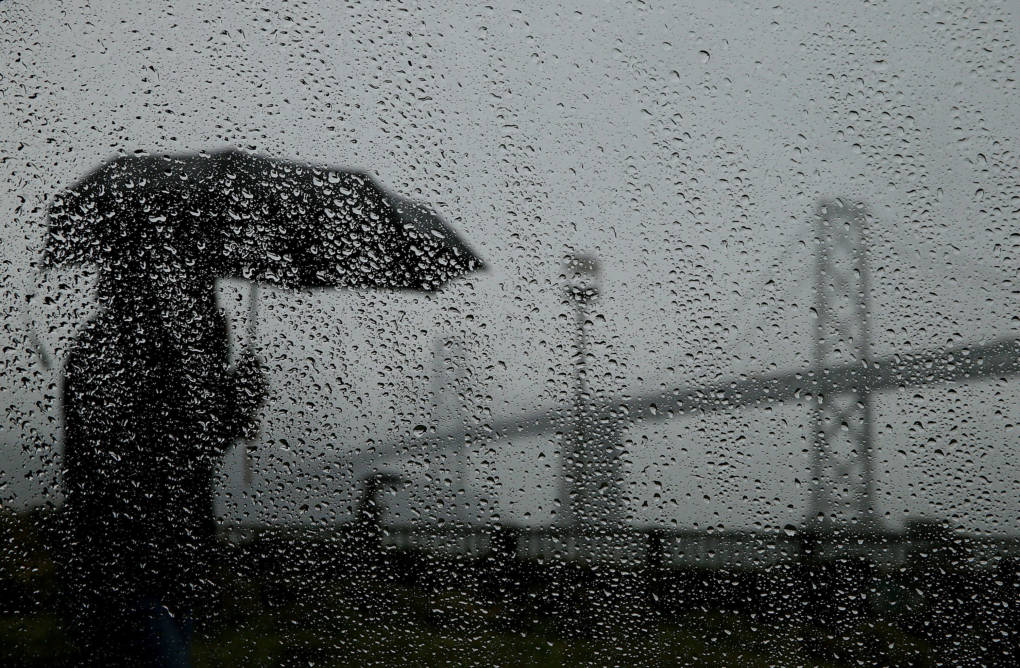
"caption": "A pedestrian walks in the rain next to the San Francisco-Oakland Bay Bridge. ",
"description": null,
"title": "Large Winter Storm Brings Heavy Rains And High Ways To Northern California",
"credit": "Justin Sullivan/Getty Images",
"status": "inherit",
"altTag": "A dark silhouette of a person with an umbrella walking through dense gray fog and rain in front of the Bay Bridge.",
"isLoading": false,
"fetchFailed": false
},
"news_11857060": {
"type": "attachments",
"id": "news_11857060",
"meta": {
"index": "attachments_1716263798",
"site": "news",
"id": "11857060",
"found": true
},
"parent": 11856987,
"imgSizes": {
"apple_news_ca_landscape_5_5": {
"file": "https://ww2.kqed.org/app/uploads/sites/10/2021/01/RS44829_021_KQED_BigBasin_Fire_09102020-qut-1044x783.jpg",
"width": 1044,
"mimeType": "image/jpeg",
"height": 783
},
"apple_news_ca_square_4_0": {
"file": "https://ww2.kqed.org/app/uploads/sites/10/2021/01/RS44829_021_KQED_BigBasin_Fire_09102020-qut-470x470.jpg",
"width": 470,
"mimeType": "image/jpeg",
"height": 470
},
"twentyfourteen-full-width": {
"file": "https://ww2.kqed.org/app/uploads/sites/10/2021/01/RS44829_021_KQED_BigBasin_Fire_09102020-qut-1038x576.jpg",
"width": 1038,
"mimeType": "image/jpeg",
"height": 576
},
"thumbnail": {
"file": "https://ww2.kqed.org/app/uploads/sites/10/2021/01/RS44829_021_KQED_BigBasin_Fire_09102020-qut-160x107.jpg",
"width": 160,
"mimeType": "image/jpeg",
"height": 107
},
"post-thumbnail": {
"file": "https://ww2.kqed.org/app/uploads/sites/10/2021/01/RS44829_021_KQED_BigBasin_Fire_09102020-qut-672x372.jpg",
"width": 672,
"mimeType": "image/jpeg",
"height": 372
},
"kqedFullSize": {
"file": "https://ww2.kqed.org/app/uploads/sites/10/2021/01/RS44829_021_KQED_BigBasin_Fire_09102020-qut.jpg",
"width": 1920,
"height": 1278
},
"apple_news_ca_landscape_4_7": {
"file": "https://ww2.kqed.org/app/uploads/sites/10/2021/01/RS44829_021_KQED_BigBasin_Fire_09102020-qut-632x474.jpg",
"width": 632,
"mimeType": "image/jpeg",
"height": 474
},
"large": {
"file": "https://ww2.kqed.org/app/uploads/sites/10/2021/01/RS44829_021_KQED_BigBasin_Fire_09102020-qut-1020x679.jpg",
"width": 1020,
"mimeType": "image/jpeg",
"height": 679
},
"apple_news_ca_landscape_4_0": {
"file": "https://ww2.kqed.org/app/uploads/sites/10/2021/01/RS44829_021_KQED_BigBasin_Fire_09102020-qut-536x402.jpg",
"width": 536,
"mimeType": "image/jpeg",
"height": 402
},
"apple_news_ca_portrait_12_9": {
"file": "https://ww2.kqed.org/app/uploads/sites/10/2021/01/RS44829_021_KQED_BigBasin_Fire_09102020-qut-1122x1278.jpg",
"width": 1122,
"mimeType": "image/jpeg",
"height": 1278
},
"medium": {
"file": "https://ww2.kqed.org/app/uploads/sites/10/2021/01/RS44829_021_KQED_BigBasin_Fire_09102020-qut-800x533.jpg",
"width": 800,
"mimeType": "image/jpeg",
"height": 533
},
"apple_news_ca_portrait_4_0": {
"file": "https://ww2.kqed.org/app/uploads/sites/10/2021/01/RS44829_021_KQED_BigBasin_Fire_09102020-qut-354x472.jpg",
"width": 354,
"mimeType": "image/jpeg",
"height": 472
},
"apple_news_ca_portrait_9_7": {
"file": "https://ww2.kqed.org/app/uploads/sites/10/2021/01/RS44829_021_KQED_BigBasin_Fire_09102020-qut-840x1120.jpg",
"width": 840,
"mimeType": "image/jpeg",
"height": 1120
},
"apple_news_ca_landscape_12_9": {
"file": "https://ww2.kqed.org/app/uploads/sites/10/2021/01/RS44829_021_KQED_BigBasin_Fire_09102020-qut-1832x1278.jpg",
"width": 1832,
"mimeType": "image/jpeg",
"height": 1278
},
"apple_news_ca_square_9_7": {
"file": "https://ww2.kqed.org/app/uploads/sites/10/2021/01/RS44829_021_KQED_BigBasin_Fire_09102020-qut-1104x1104.jpg",
"width": 1104,
"mimeType": "image/jpeg",
"height": 1104
},
"1536x1536": {
"file": "https://ww2.kqed.org/app/uploads/sites/10/2021/01/RS44829_021_KQED_BigBasin_Fire_09102020-qut-1536x1022.jpg",
"width": 1536,
"mimeType": "image/jpeg",
"height": 1022
},
"apple_news_ca_portrait_4_7": {
"file": "https://ww2.kqed.org/app/uploads/sites/10/2021/01/RS44829_021_KQED_BigBasin_Fire_09102020-qut-414x552.jpg",
"width": 414,
"mimeType": "image/jpeg",
"height": 552
},
"apple_news_ca_square_12_9": {
"file": "https://ww2.kqed.org/app/uploads/sites/10/2021/01/RS44829_021_KQED_BigBasin_Fire_09102020-qut-1472x1278.jpg",
"width": 1472,
"mimeType": "image/jpeg",
"height": 1278
},
"apple_news_ca_portrait_5_5": {
"file": "https://ww2.kqed.org/app/uploads/sites/10/2021/01/RS44829_021_KQED_BigBasin_Fire_09102020-qut-687x916.jpg",
"width": 687,
"mimeType": "image/jpeg",
"height": 916
},
"apple_news_ca_square_4_7": {
"file": "https://ww2.kqed.org/app/uploads/sites/10/2021/01/RS44829_021_KQED_BigBasin_Fire_09102020-qut-550x550.jpg",
"width": 550,
"mimeType": "image/jpeg",
"height": 550
},
"apple_news_ca_landscape_9_7": {
"file": "https://ww2.kqed.org/app/uploads/sites/10/2021/01/RS44829_021_KQED_BigBasin_Fire_09102020-qut-1376x1032.jpg",
"width": 1376,
"mimeType": "image/jpeg",
"height": 1032
},
"apple_news_ca_square_5_5": {
"file": "https://ww2.kqed.org/app/uploads/sites/10/2021/01/RS44829_021_KQED_BigBasin_Fire_09102020-qut-912x912.jpg",
"width": 912,
"mimeType": "image/jpeg",
"height": 912
}
},
"publishDate": 1611629818,
"modified": 1611629867,
"caption": "Redwood trees after the CZU Lightning Complex wildfires burned much of the area at Big Basin Redwoods State Park on Sep. 10, 2020.",
"description": "Redwood trees after the CZU Lightning Complex wildfires burned much of the area at Big Basin Redwoods State Park on Sep. 10, 2020.",
"title": "RS44829_021_KQED_BigBasin_Fire_09102020-qut",
"credit": "Beth LaBerge/KQED",
"status": "inherit",
"altTag": null,
"isLoading": false,
"fetchFailed": false
},
"news_11789192": {
"type": "attachments",
"id": "news_11789192",
"meta": {
"index": "attachments_1716263798",
"site": "news",
"id": "11789192",
"found": true
},
"parent": 11789142,
"imgSizes": {
"apple_news_ca_landscape_5_5": {
"file": "https://ww2.kqed.org/app/uploads/sites/10/2019/12/noe-valley-rain-1920-1044x783.jpg",
"width": 1044,
"mimeType": "image/jpeg",
"height": 783
},
"apple_news_ca_square_4_0": {
"file": "https://ww2.kqed.org/app/uploads/sites/10/2019/12/noe-valley-rain-1920-470x470.jpg",
"width": 470,
"mimeType": "image/jpeg",
"height": 470
},
"twentyfourteen-full-width": {
"file": "https://ww2.kqed.org/app/uploads/sites/10/2019/12/noe-valley-rain-1920-1038x576.jpg",
"width": 1038,
"mimeType": "image/jpeg",
"height": 576
},
"thumbnail": {
"file": "https://ww2.kqed.org/app/uploads/sites/10/2019/12/noe-valley-rain-1920-160x123.jpg",
"width": 160,
"mimeType": "image/jpeg",
"height": 123
},
"post-thumbnail": {
"file": "https://ww2.kqed.org/app/uploads/sites/10/2019/12/noe-valley-rain-1920-672x372.jpg",
"width": 672,
"mimeType": "image/jpeg",
"height": 372
},
"kqedFullSize": {
"file": "https://ww2.kqed.org/app/uploads/sites/10/2019/12/noe-valley-rain-1920.jpg",
"width": 1920,
"height": 1475
},
"apple_news_ca_landscape_4_7": {
"file": "https://ww2.kqed.org/app/uploads/sites/10/2019/12/noe-valley-rain-1920-632x474.jpg",
"width": 632,
"mimeType": "image/jpeg",
"height": 474
},
"large": {
"file": "https://ww2.kqed.org/app/uploads/sites/10/2019/12/noe-valley-rain-1920-1020x784.jpg",
"width": 1020,
"mimeType": "image/jpeg",
"height": 784
},
"complete_open_graph": {
"file": "https://ww2.kqed.org/app/uploads/sites/10/2019/12/noe-valley-rain-1920-1200x922.jpg",
"width": 1200,
"mimeType": "image/jpeg",
"height": 922
},
"apple_news_ca_landscape_4_0": {
"file": "https://ww2.kqed.org/app/uploads/sites/10/2019/12/noe-valley-rain-1920-536x402.jpg",
"width": 536,
"mimeType": "image/jpeg",
"height": 402
},
"apple_news_ca_portrait_12_9": {
"file": "https://ww2.kqed.org/app/uploads/sites/10/2019/12/noe-valley-rain-1920-1122x1475.jpg",
"width": 1122,
"mimeType": "image/jpeg",
"height": 1475
},
"medium": {
"file": "https://ww2.kqed.org/app/uploads/sites/10/2019/12/noe-valley-rain-1920-800x615.jpg",
"width": 800,
"mimeType": "image/jpeg",
"height": 615
},
"apple_news_ca_portrait_4_0": {
"file": "https://ww2.kqed.org/app/uploads/sites/10/2019/12/noe-valley-rain-1920-354x472.jpg",
"width": 354,
"mimeType": "image/jpeg",
"height": 472
},
"apple_news_ca_portrait_9_7": {
"file": "https://ww2.kqed.org/app/uploads/sites/10/2019/12/noe-valley-rain-1920-840x1120.jpg",
"width": 840,
"mimeType": "image/jpeg",
"height": 1120
},
"apple_news_ca_landscape_12_9": {
"file": "https://ww2.kqed.org/app/uploads/sites/10/2019/12/noe-valley-rain-1920-1832x1374.jpg",
"width": 1832,
"mimeType": "image/jpeg",
"height": 1374
},
"apple_news_ca_square_9_7": {
"file": "https://ww2.kqed.org/app/uploads/sites/10/2019/12/noe-valley-rain-1920-1104x1104.jpg",
"width": 1104,
"mimeType": "image/jpeg",
"height": 1104
},
"apple_news_ca_portrait_4_7": {
"file": "https://ww2.kqed.org/app/uploads/sites/10/2019/12/noe-valley-rain-1920-414x552.jpg",
"width": 414,
"mimeType": "image/jpeg",
"height": 552
},
"apple_news_ca_square_12_9": {
"file": "https://ww2.kqed.org/app/uploads/sites/10/2019/12/noe-valley-rain-1920-1472x1472.jpg",
"width": 1472,
"mimeType": "image/jpeg",
"height": 1472
},
"apple_news_ca_portrait_5_5": {
"file": "https://ww2.kqed.org/app/uploads/sites/10/2019/12/noe-valley-rain-1920-687x916.jpg",
"width": 687,
"mimeType": "image/jpeg",
"height": 916
},
"full-width": {
"file": "https://ww2.kqed.org/app/uploads/sites/10/2019/12/noe-valley-rain-1920-1920x1475.jpg",
"width": 1920,
"mimeType": "image/jpeg",
"height": 1475
},
"apple_news_ca_square_4_7": {
"file": "https://ww2.kqed.org/app/uploads/sites/10/2019/12/noe-valley-rain-1920-550x550.jpg",
"width": 550,
"mimeType": "image/jpeg",
"height": 550
},
"apple_news_ca_landscape_9_7": {
"file": "https://ww2.kqed.org/app/uploads/sites/10/2019/12/noe-valley-rain-1920-1376x1032.jpg",
"width": 1376,
"mimeType": "image/jpeg",
"height": 1032
},
"apple_news_ca_square_5_5": {
"file": "https://ww2.kqed.org/app/uploads/sites/10/2019/12/noe-valley-rain-1920-912x912.jpg",
"width": 912,
"mimeType": "image/jpeg",
"height": 912
}
},
"publishDate": 1575325896,
"modified": 1604626907,
"caption": "Rain falls in the Noe Valley neighborhood of San Francisco on Dec. 1, 2019.",
"description": null,
"title": "noe-valley-rain-1920",
"credit": "Annelise Wunderlich/KQED",
"status": "inherit",
"isLoading": false,
"fetchFailed": false
},
"news_11730036": {
"type": "attachments",
"id": "news_11730036",
"meta": {
"index": "attachments_1716263798",
"site": "news",
"id": "11730036",
"found": true
},
"parent": 11728586,
"imgSizes": {
"twentyfourteen-full-width": {
"file": "https://ww2.kqed.org/app/uploads/sites/10/2019/02/GettyImages-1132881595-1038x576.jpg",
"width": 1038,
"mimeType": "image/jpeg",
"height": 576
},
"thumbnail": {
"file": "https://ww2.kqed.org/app/uploads/sites/10/2019/02/GettyImages-1132881595-160x107.jpg",
"width": 160,
"mimeType": "image/jpeg",
"height": 107
},
"post-thumbnail": {
"file": "https://ww2.kqed.org/app/uploads/sites/10/2019/02/GettyImages-1132881595-672x372.jpg",
"width": 672,
"mimeType": "image/jpeg",
"height": 372
},
"kqedFullSize": {
"file": "https://ww2.kqed.org/app/uploads/sites/10/2019/02/GettyImages-1132881595-e1551471354186.jpg",
"width": 1920,
"height": 1280
},
"large": {
"file": "https://ww2.kqed.org/app/uploads/sites/10/2019/02/GettyImages-1132881595-1020x680.jpg",
"width": 1020,
"mimeType": "image/jpeg",
"height": 680
},
"complete_open_graph": {
"file": "https://ww2.kqed.org/app/uploads/sites/10/2019/02/GettyImages-1132881595-1200x800.jpg",
"width": 1200,
"mimeType": "image/jpeg",
"height": 800
},
"guest-author-50": {
"file": "https://ww2.kqed.org/app/uploads/sites/10/2019/02/GettyImages-1132881595-50x50.jpg",
"width": 50,
"mimeType": "image/jpeg",
"height": 50
},
"guest-author-96": {
"file": "https://ww2.kqed.org/app/uploads/sites/10/2019/02/GettyImages-1132881595-96x96.jpg",
"width": 96,
"mimeType": "image/jpeg",
"height": 96
},
"medium": {
"file": "https://ww2.kqed.org/app/uploads/sites/10/2019/02/GettyImages-1132881595-800x533.jpg",
"width": 800,
"mimeType": "image/jpeg",
"height": 533
},
"guest-author-64": {
"file": "https://ww2.kqed.org/app/uploads/sites/10/2019/02/GettyImages-1132881595-64x64.jpg",
"width": 64,
"mimeType": "image/jpeg",
"height": 64
},
"guest-author-32": {
"file": "https://ww2.kqed.org/app/uploads/sites/10/2019/02/GettyImages-1132881595-32x32.jpg",
"width": 32,
"mimeType": "image/jpeg",
"height": 32
},
"full-width": {
"file": "https://ww2.kqed.org/app/uploads/sites/10/2019/02/GettyImages-1132881595-1920x1280.jpg",
"width": 1920,
"mimeType": "image/jpeg",
"height": 1280
},
"guest-author-128": {
"file": "https://ww2.kqed.org/app/uploads/sites/10/2019/02/GettyImages-1132881595-128x128.jpg",
"width": 128,
"mimeType": "image/jpeg",
"height": 128
}
},
"publishDate": 1551471293,
"modified": 1553804511,
"caption": "An aerial view of a flooded neighborhood on Feb. 28, 2019, in Guerneville.",
"description": "An aerial view of a flooded neighborhood on Feb. 28, 2019, in Guerneville.",
"title": "Where’s Federal Help? Sonoma County Asks for Aid Dollars After Flooding",
"credit": "Justin Sullivan/Getty Images",
"status": "inherit",
"isLoading": false,
"fetchFailed": false
},
"news_11729155": {
"type": "attachments",
"id": "news_11729155",
"meta": {
"index": "attachments_1716263798",
"site": "news",
"id": "11729155",
"found": true
},
"parent": 11729151,
"imgSizes": {
"twentyfourteen-full-width": {
"file": "https://ww2.kqed.org/app/uploads/sites/10/2019/02/rivers_022619_final-1038x576.jpg",
"width": 1038,
"mimeType": "image/jpeg",
"height": 576
},
"thumbnail": {
"file": "https://ww2.kqed.org/app/uploads/sites/10/2019/02/rivers_022619_final-160x112.jpg",
"width": 160,
"mimeType": "image/jpeg",
"height": 112
},
"post-thumbnail": {
"file": "https://ww2.kqed.org/app/uploads/sites/10/2019/02/rivers_022619_final-672x372.jpg",
"width": 672,
"mimeType": "image/jpeg",
"height": 372
},
"kqedFullSize": {
"file": "https://ww2.kqed.org/app/uploads/sites/10/2019/02/rivers_022619_final.jpg",
"width": 1920,
"height": 1341
},
"large": {
"file": "https://ww2.kqed.org/app/uploads/sites/10/2019/02/rivers_022619_final-1020x712.jpg",
"width": 1020,
"mimeType": "image/jpeg",
"height": 712
},
"complete_open_graph": {
"file": "https://ww2.kqed.org/app/uploads/sites/10/2019/02/rivers_022619_final-1200x838.jpg",
"width": 1200,
"mimeType": "image/jpeg",
"height": 838
},
"guest-author-50": {
"file": "https://ww2.kqed.org/app/uploads/sites/10/2019/02/rivers_022619_final-50x50.jpg",
"width": 50,
"mimeType": "image/jpeg",
"height": 50
},
"guest-author-96": {
"file": "https://ww2.kqed.org/app/uploads/sites/10/2019/02/rivers_022619_final-96x96.jpg",
"width": 96,
"mimeType": "image/jpeg",
"height": 96
},
"medium": {
"file": "https://ww2.kqed.org/app/uploads/sites/10/2019/02/rivers_022619_final-800x559.jpg",
"width": 800,
"mimeType": "image/jpeg",
"height": 559
},
"guest-author-64": {
"file": "https://ww2.kqed.org/app/uploads/sites/10/2019/02/rivers_022619_final-64x64.jpg",
"width": 64,
"mimeType": "image/jpeg",
"height": 64
},
"guest-author-32": {
"file": "https://ww2.kqed.org/app/uploads/sites/10/2019/02/rivers_022619_final-32x32.jpg",
"width": 32,
"mimeType": "image/jpeg",
"height": 32
},
"full-width": {
"file": "https://ww2.kqed.org/app/uploads/sites/10/2019/02/rivers_022619_final-1920x1341.jpg",
"width": 1920,
"mimeType": "image/jpeg",
"height": 1341
},
"detail": {
"file": "https://ww2.kqed.org/app/uploads/sites/10/2019/02/rivers_022619_final-150x150.jpg",
"width": 150,
"mimeType": "image/jpeg",
"height": 150
},
"guest-author-128": {
"file": "https://ww2.kqed.org/app/uploads/sites/10/2019/02/rivers_022619_final-128x128.jpg",
"width": 128,
"mimeType": "image/jpeg",
"height": 128
}
},
"publishDate": 1551221245,
"modified": 1551221269,
"caption": null,
"description": null,
"title": "rivers_022619_final",
"credit": null,
"status": "inherit",
"isLoading": false,
"fetchFailed": false
},
"news_11726224": {
"type": "attachments",
"id": "news_11726224",
"meta": {
"index": "attachments_1716263798",
"site": "news",
"id": "11726224",
"found": true
},
"parent": 11725582,
"imgSizes": {
"twentyfourteen-full-width": {
"file": "https://ww2.kqed.org/app/uploads/sites/10/2019/02/dzt4slruyaatxep-1038x576.jpeg",
"width": 1038,
"mimeType": "image/jpeg",
"height": 576
},
"thumbnail": {
"file": "https://ww2.kqed.org/app/uploads/sites/10/2019/02/dzt4slruyaatxep-160x90.jpeg",
"width": 160,
"mimeType": "image/jpeg",
"height": 90
},
"post-thumbnail": {
"file": "https://ww2.kqed.org/app/uploads/sites/10/2019/02/dzt4slruyaatxep-672x372.jpeg",
"width": 672,
"mimeType": "image/jpeg",
"height": 372
},
"kqedFullSize": {
"file": "https://ww2.kqed.org/app/uploads/sites/10/2019/02/dzt4slruyaatxep-e1550158380789.jpeg",
"width": 1920,
"height": 1080
},
"large": {
"file": "https://ww2.kqed.org/app/uploads/sites/10/2019/02/dzt4slruyaatxep-1020x574.jpeg",
"width": 1020,
"mimeType": "image/jpeg",
"height": 574
},
"complete_open_graph": {
"file": "https://ww2.kqed.org/app/uploads/sites/10/2019/02/dzt4slruyaatxep-1200x675.jpeg",
"width": 1200,
"mimeType": "image/jpeg",
"height": 675
},
"guest-author-50": {
"file": "https://ww2.kqed.org/app/uploads/sites/10/2019/02/dzt4slruyaatxep-50x50.jpeg",
"width": 50,
"mimeType": "image/jpeg",
"height": 50
},
"guest-author-96": {
"file": "https://ww2.kqed.org/app/uploads/sites/10/2019/02/dzt4slruyaatxep-96x96.jpeg",
"width": 96,
"mimeType": "image/jpeg",
"height": 96
},
"medium": {
"file": "https://ww2.kqed.org/app/uploads/sites/10/2019/02/dzt4slruyaatxep-800x450.jpeg",
"width": 800,
"mimeType": "image/jpeg",
"height": 450
},
"guest-author-64": {
"file": "https://ww2.kqed.org/app/uploads/sites/10/2019/02/dzt4slruyaatxep-64x64.jpeg",
"width": 64,
"mimeType": "image/jpeg",
"height": 64
},
"guest-author-32": {
"file": "https://ww2.kqed.org/app/uploads/sites/10/2019/02/dzt4slruyaatxep-32x32.jpeg",
"width": 32,
"mimeType": "image/jpeg",
"height": 32
},
"full-width": {
"file": "https://ww2.kqed.org/app/uploads/sites/10/2019/02/dzt4slruyaatxep-1920x1080.jpeg",
"width": 1920,
"mimeType": "image/jpeg",
"height": 1080
},
"detail": {
"file": "https://ww2.kqed.org/app/uploads/sites/10/2019/02/dzt4slruyaatxep-150x150.jpeg",
"width": 150,
"mimeType": "image/jpeg",
"height": 150
},
"guest-author-128": {
"file": "https://ww2.kqed.org/app/uploads/sites/10/2019/02/dzt4slruyaatxep-128x128.jpeg",
"width": 128,
"mimeType": "image/jpeg",
"height": 128
}
},
"publishDate": 1550157775,
"modified": 1550158371,
"caption": "A car was submerged Wednesday in floodwaters from Arana Creek in Santa Cruz. ",
"description": null,
"title": "Bay Area Storm 2019-02-13",
"credit": "California Highway Patrol",
"status": "inherit",
"isLoading": false,
"fetchFailed": false
},
"news_11660596": {
"type": "attachments",
"id": "news_11660596",
"meta": {
"index": "attachments_1716263798",
"site": "news",
"id": "11660596",
"found": true
},
"parent": 11660593,
"imgSizes": {
"small": {
"file": "https://ww2.kqed.org/app/uploads/sites/10/2018/04/RS8626_467299859-520x341.jpg",
"width": 520,
"mimeType": "image/jpeg",
"height": 341
},
"twentyfourteen-full-width": {
"file": "https://ww2.kqed.org/app/uploads/sites/10/2018/04/RS8626_467299859-1038x576.jpg",
"width": 1038,
"mimeType": "image/jpeg",
"height": 576
},
"thumbnail": {
"file": "https://ww2.kqed.org/app/uploads/sites/10/2018/04/RS8626_467299859-160x105.jpg",
"width": 160,
"mimeType": "image/jpeg",
"height": 105
},
"fd-sm": {
"file": "https://ww2.kqed.org/app/uploads/sites/10/2018/04/RS8626_467299859-960x629.jpg",
"width": 960,
"mimeType": "image/jpeg",
"height": 629
},
"post-thumbnail": {
"file": "https://ww2.kqed.org/app/uploads/sites/10/2018/04/RS8626_467299859-672x372.jpg",
"width": 672,
"mimeType": "image/jpeg",
"height": 372
},
"xsmall": {
"file": "https://ww2.kqed.org/app/uploads/sites/10/2018/04/RS8626_467299859-375x246.jpg",
"width": 375,
"mimeType": "image/jpeg",
"height": 246
},
"kqedFullSize": {
"file": "https://ww2.kqed.org/app/uploads/sites/10/2018/04/RS8626_467299859-e1523140672183.jpg",
"width": 1920,
"height": 1258
},
"large": {
"file": "https://ww2.kqed.org/app/uploads/sites/10/2018/04/RS8626_467299859-1020x668.jpg",
"width": 1020,
"mimeType": "image/jpeg",
"height": 668
},
"xlarge": {
"file": "https://ww2.kqed.org/app/uploads/sites/10/2018/04/RS8626_467299859-1180x773.jpg",
"width": 1180,
"mimeType": "image/jpeg",
"height": 773
},
"guest-author-50": {
"file": "https://ww2.kqed.org/app/uploads/sites/10/2018/04/RS8626_467299859-50x50.jpg",
"width": 50,
"mimeType": "image/jpeg",
"height": 50
},
"guest-author-96": {
"file": "https://ww2.kqed.org/app/uploads/sites/10/2018/04/RS8626_467299859-96x96.jpg",
"width": 96,
"mimeType": "image/jpeg",
"height": 96
},
"medium": {
"file": "https://ww2.kqed.org/app/uploads/sites/10/2018/04/RS8626_467299859-800x524.jpg",
"width": 800,
"mimeType": "image/jpeg",
"height": 524
},
"guest-author-64": {
"file": "https://ww2.kqed.org/app/uploads/sites/10/2018/04/RS8626_467299859-64x64.jpg",
"width": 64,
"mimeType": "image/jpeg",
"height": 64
},
"guest-author-32": {
"file": "https://ww2.kqed.org/app/uploads/sites/10/2018/04/RS8626_467299859-32x32.jpg",
"width": 32,
"mimeType": "image/jpeg",
"height": 32
},
"fd-lrg": {
"file": "https://ww2.kqed.org/app/uploads/sites/10/2018/04/RS8626_467299859-1920x1258.jpg",
"width": 1920,
"mimeType": "image/jpeg",
"height": 1258
},
"fd-med": {
"file": "https://ww2.kqed.org/app/uploads/sites/10/2018/04/RS8626_467299859-1180x773.jpg",
"width": 1180,
"mimeType": "image/jpeg",
"height": 773
},
"full-width": {
"file": "https://ww2.kqed.org/app/uploads/sites/10/2018/04/RS8626_467299859-1920x1258.jpg",
"width": 1920,
"mimeType": "image/jpeg",
"height": 1258
},
"detail": {
"file": "https://ww2.kqed.org/app/uploads/sites/10/2018/04/RS8626_467299859-150x150.jpg",
"width": 150,
"mimeType": "image/jpeg",
"height": 150
},
"guest-author-128": {
"file": "https://ww2.kqed.org/app/uploads/sites/10/2018/04/RS8626_467299859-128x128.jpg",
"width": 128,
"mimeType": "image/jpeg",
"height": 128
},
"xxsmall": {
"file": "https://ww2.kqed.org/app/uploads/sites/10/2018/04/RS8626_467299859-240x157.jpg",
"width": 240,
"mimeType": "image/jpeg",
"height": 157
}
},
"publishDate": 1523140609,
"modified": 1523140783,
"caption": "Downtown San Francisco saw nearly 2 inches of rain on Friday, with other coastal areas in the state receiving up to 8 inches. ",
"description": "Downtown San Francisco saw nearly 2 inches of rain on Friday, with other coastal areas in the state receiving up to 8 inches.",
"title": "Much Needed Rain Falls In Bay Area, As State Continues To Suffer Worsening Drought",
"credit": "Justin Sullivan/Getty Images",
"status": "inherit",
"isLoading": false,
"fetchFailed": false
},
"news_11660536": {
"type": "attachments",
"id": "news_11660536",
"meta": {
"index": "attachments_1716263798",
"site": "news",
"id": "11660536",
"found": true
},
"parent": 11660516,
"imgSizes": {
"small": {
"file": "https://ww2.kqed.org/app/uploads/sites/10/2018/04/pineappleexpress32018-520x293.png",
"width": 520,
"mimeType": "image/png",
"height": 293
},
"twentyfourteen-full-width": {
"file": "https://ww2.kqed.org/app/uploads/sites/10/2018/04/pineappleexpress32018-1038x576.png",
"width": 1038,
"mimeType": "image/png",
"height": 576
},
"thumbnail": {
"file": "https://ww2.kqed.org/app/uploads/sites/10/2018/04/pineappleexpress32018-160x90.png",
"width": 160,
"mimeType": "image/png",
"height": 90
},
"fd-sm": {
"file": "https://ww2.kqed.org/app/uploads/sites/10/2018/04/pineappleexpress32018-960x540.png",
"width": 960,
"mimeType": "image/png",
"height": 540
},
"post-thumbnail": {
"file": "https://ww2.kqed.org/app/uploads/sites/10/2018/04/pineappleexpress32018-672x372.png",
"width": 672,
"mimeType": "image/png",
"height": 372
},
"xsmall": {
"file": "https://ww2.kqed.org/app/uploads/sites/10/2018/04/pineappleexpress32018-375x211.png",
"width": 375,
"mimeType": "image/png",
"height": 211
},
"kqedFullSize": {
"file": "https://ww2.kqed.org/app/uploads/sites/10/2018/04/pineappleexpress32018.png",
"width": 1920,
"height": 1080
},
"large": {
"file": "https://ww2.kqed.org/app/uploads/sites/10/2018/04/pineappleexpress32018-1020x574.png",
"width": 1020,
"mimeType": "image/png",
"height": 574
},
"xlarge": {
"file": "https://ww2.kqed.org/app/uploads/sites/10/2018/04/pineappleexpress32018-1180x664.png",
"width": 1180,
"mimeType": "image/png",
"height": 664
},
"guest-author-50": {
"file": "https://ww2.kqed.org/app/uploads/sites/10/2018/04/pineappleexpress32018-50x50.png",
"width": 50,
"mimeType": "image/png",
"height": 50
},
"guest-author-96": {
"file": "https://ww2.kqed.org/app/uploads/sites/10/2018/04/pineappleexpress32018-96x96.png",
"width": 96,
"mimeType": "image/png",
"height": 96
},
"medium": {
"file": "https://ww2.kqed.org/app/uploads/sites/10/2018/04/pineappleexpress32018-800x450.png",
"width": 800,
"mimeType": "image/png",
"height": 450
},
"guest-author-64": {
"file": "https://ww2.kqed.org/app/uploads/sites/10/2018/04/pineappleexpress32018-64x64.png",
"width": 64,
"mimeType": "image/png",
"height": 64
},
"guest-author-32": {
"file": "https://ww2.kqed.org/app/uploads/sites/10/2018/04/pineappleexpress32018-32x32.png",
"width": 32,
"mimeType": "image/png",
"height": 32
},
"fd-lrg": {
"file": "https://ww2.kqed.org/app/uploads/sites/10/2018/04/pineappleexpress32018-1920x1080.png",
"width": 1920,
"mimeType": "image/png",
"height": 1080
},
"fd-med": {
"file": "https://ww2.kqed.org/app/uploads/sites/10/2018/04/pineappleexpress32018-1180x664.png",
"width": 1180,
"mimeType": "image/png",
"height": 664
},
"full-width": {
"file": "https://ww2.kqed.org/app/uploads/sites/10/2018/04/pineappleexpress32018-1920x1080.png",
"width": 1920,
"mimeType": "image/png",
"height": 1080
},
"detail": {
"file": "https://ww2.kqed.org/app/uploads/sites/10/2018/04/pineappleexpress32018-150x150.png",
"width": 150,
"mimeType": "image/png",
"height": 150
},
"guest-author-128": {
"file": "https://ww2.kqed.org/app/uploads/sites/10/2018/04/pineappleexpress32018-128x128.png",
"width": 128,
"mimeType": "image/png",
"height": 128
},
"xxsmall": {
"file": "https://ww2.kqed.org/app/uploads/sites/10/2018/04/pineappleexpress32018-240x135.png",
"width": 240,
"mimeType": "image/png",
"height": 135
}
},
"publishDate": 1523115897,
"modified": 1523116805,
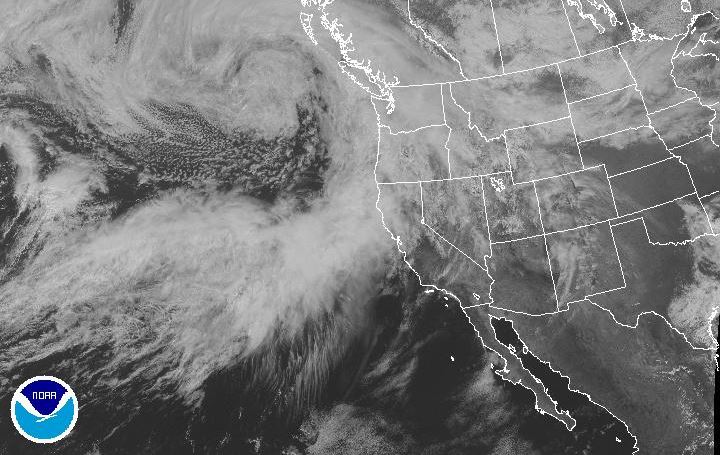
"caption": "Satellite image of the storm off the Northern California coast on April 6, 2018.",
"description": null,
"title": "pineappleexpress32018",
"credit": "NOAA National Environmental Satellite, Data, and Information Service",
"status": "inherit",
"isLoading": false,
"fetchFailed": false
},
"news_11660078": {
"type": "attachments",
"id": "news_11660078",
"meta": {
"index": "attachments_1716263798",
"site": "news",
"id": "11660078",
"found": true
},
"parent": 11660015,
"imgSizes": {
"small": {
"file": "https://ww2.kqed.org/app/uploads/sites/10/2018/04/storm20180405-520x329.jpg",
"width": 520,
"mimeType": "image/jpeg",
"height": 329
},
"thumbnail": {
"file": "https://ww2.kqed.org/app/uploads/sites/10/2018/04/storm20180405-160x101.jpg",
"width": 160,
"mimeType": "image/jpeg",
"height": 101
},
"post-thumbnail": {
"file": "https://ww2.kqed.org/app/uploads/sites/10/2018/04/storm20180405-672x372.jpg",
"width": 672,
"mimeType": "image/jpeg",
"height": 372
},
"xsmall": {
"file": "https://ww2.kqed.org/app/uploads/sites/10/2018/04/storm20180405-375x237.jpg",
"width": 375,
"mimeType": "image/jpeg",
"height": 237
},
"kqedFullSize": {
"file": "https://ww2.kqed.org/app/uploads/sites/10/2018/04/storm20180405.jpg",
"width": 720,
"height": 455
},
"guest-author-50": {
"file": "https://ww2.kqed.org/app/uploads/sites/10/2018/04/storm20180405-50x50.jpg",
"width": 50,
"mimeType": "image/jpeg",
"height": 50
},
"guest-author-96": {
"file": "https://ww2.kqed.org/app/uploads/sites/10/2018/04/storm20180405-96x96.jpg",
"width": 96,
"mimeType": "image/jpeg",
"height": 96
},
"guest-author-64": {
"file": "https://ww2.kqed.org/app/uploads/sites/10/2018/04/storm20180405-64x64.jpg",
"width": 64,
"mimeType": "image/jpeg",
"height": 64
},
"detail": {
"file": "https://ww2.kqed.org/app/uploads/sites/10/2018/04/storm20180405-150x150.jpg",
"width": 150,
"mimeType": "image/jpeg",
"height": 150
},
"guest-author-32": {
"file": "https://ww2.kqed.org/app/uploads/sites/10/2018/04/storm20180405-32x32.jpg",
"width": 32,
"mimeType": "image/jpeg",
"height": 32
},
"guest-author-128": {
"file": "https://ww2.kqed.org/app/uploads/sites/10/2018/04/storm20180405-128x128.jpg",
"width": 128,
"mimeType": "image/jpeg",
"height": 128
},
"xxsmall": {
"file": "https://ww2.kqed.org/app/uploads/sites/10/2018/04/storm20180405-240x152.jpg",
"width": 240,
"mimeType": "image/jpeg",
"height": 152
}
},
"publishDate": 1522960554,
"modified": 1522960722,
"caption": "Satellite image of the storm off the Northern California coast before landfall on April 5, 2018.",
"description": null,
"title": "storm20180405",
"credit": "National Oceanic and Atmospheric Administration",
"status": "inherit",
"isLoading": false,
"fetchFailed": false
},
"news_11395138": {
"type": "attachments",
"id": "news_11395138",
"meta": {
"index": "attachments_1716263798",
"site": "news",
"id": "11395138",
"found": true
},
"parent": 11395127,
"imgSizes": {
"small": {
"file": "https://ww2.kqed.org/app/uploads/sites/10/2017/04/RS3091_storm20121127-520x350.jpg",
"width": 520,
"mimeType": "image/jpeg",
"height": 350
},
"twentyfourteen-full-width": {
"file": "https://ww2.kqed.org/app/uploads/sites/10/2017/04/RS3091_storm20121127-1038x576.jpg",
"width": 1038,
"mimeType": "image/jpeg",
"height": 576
},
"thumbnail": {
"file": "https://ww2.kqed.org/app/uploads/sites/10/2017/04/RS3091_storm20121127-160x108.jpg",
"width": 160,
"mimeType": "image/jpeg",
"height": 108
},
"fd-sm": {
"file": "https://ww2.kqed.org/app/uploads/sites/10/2017/04/RS3091_storm20121127-960x645.jpg",
"width": 960,
"mimeType": "image/jpeg",
"height": 645
},
"post-thumbnail": {
"file": "https://ww2.kqed.org/app/uploads/sites/10/2017/04/RS3091_storm20121127-672x372.jpg",
"width": 672,
"mimeType": "image/jpeg",
"height": 372
},
"xsmall": {
"file": "https://ww2.kqed.org/app/uploads/sites/10/2017/04/RS3091_storm20121127-375x252.jpg",
"width": 375,
"mimeType": "image/jpeg",
"height": 252
},
"kqedFullSize": {
"file": "https://ww2.kqed.org/app/uploads/sites/10/2017/04/RS3091_storm20121127.jpg",
"width": 3000,
"height": 2017
},
"large": {
"file": "https://ww2.kqed.org/app/uploads/sites/10/2017/04/RS3091_storm20121127-1020x686.jpg",
"width": 1020,
"mimeType": "image/jpeg",
"height": 686
},
"xlarge": {
"file": "https://ww2.kqed.org/app/uploads/sites/10/2017/04/RS3091_storm20121127-1180x793.jpg",
"width": 1180,
"mimeType": "image/jpeg",
"height": 793
},
"guest-author-50": {
"file": "https://ww2.kqed.org/app/uploads/sites/10/2017/04/RS3091_storm20121127-50x50.jpg",
"width": 50,
"mimeType": "image/jpeg",
"height": 50
},
"guest-author-96": {
"file": "https://ww2.kqed.org/app/uploads/sites/10/2017/04/RS3091_storm20121127-96x96.jpg",
"width": 96,
"mimeType": "image/jpeg",
"height": 96
},
"medium": {
"file": "https://ww2.kqed.org/app/uploads/sites/10/2017/04/RS3091_storm20121127-800x538.jpg",
"width": 800,
"mimeType": "image/jpeg",
"height": 538
},
"guest-author-64": {
"file": "https://ww2.kqed.org/app/uploads/sites/10/2017/04/RS3091_storm20121127-64x64.jpg",
"width": 64,
"mimeType": "image/jpeg",
"height": 64
},
"guest-author-32": {
"file": "https://ww2.kqed.org/app/uploads/sites/10/2017/04/RS3091_storm20121127-32x32.jpg",
"width": 32,
"mimeType": "image/jpeg",
"height": 32
},
"fd-lrg": {
"file": "https://ww2.kqed.org/app/uploads/sites/10/2017/04/RS3091_storm20121127-1920x1291.jpg",
"width": 1920,
"mimeType": "image/jpeg",
"height": 1291
},
"fd-med": {
"file": "https://ww2.kqed.org/app/uploads/sites/10/2017/04/RS3091_storm20121127-1180x793.jpg",
"width": 1180,
"mimeType": "image/jpeg",
"height": 793
},
"full-width": {
"file": "https://ww2.kqed.org/app/uploads/sites/10/2017/04/RS3091_storm20121127-1920x1291.jpg",
"width": 1920,
"mimeType": "image/jpeg",
"height": 1291
},
"detail": {
"file": "https://ww2.kqed.org/app/uploads/sites/10/2017/04/RS3091_storm20121127-150x150.jpg",
"width": 150,
"mimeType": "image/jpeg",
"height": 150
},
"guest-author-128": {
"file": "https://ww2.kqed.org/app/uploads/sites/10/2017/04/RS3091_storm20121127-128x128.jpg",
"width": 128,
"mimeType": "image/jpeg",
"height": 128
},
"xxsmall": {
"file": "https://ww2.kqed.org/app/uploads/sites/10/2017/04/RS3091_storm20121127-240x161.jpg",
"width": 240,
"mimeType": "image/jpeg",
"height": 161
}
},
"publishDate": 1491508155,
"modified": 1491508203,
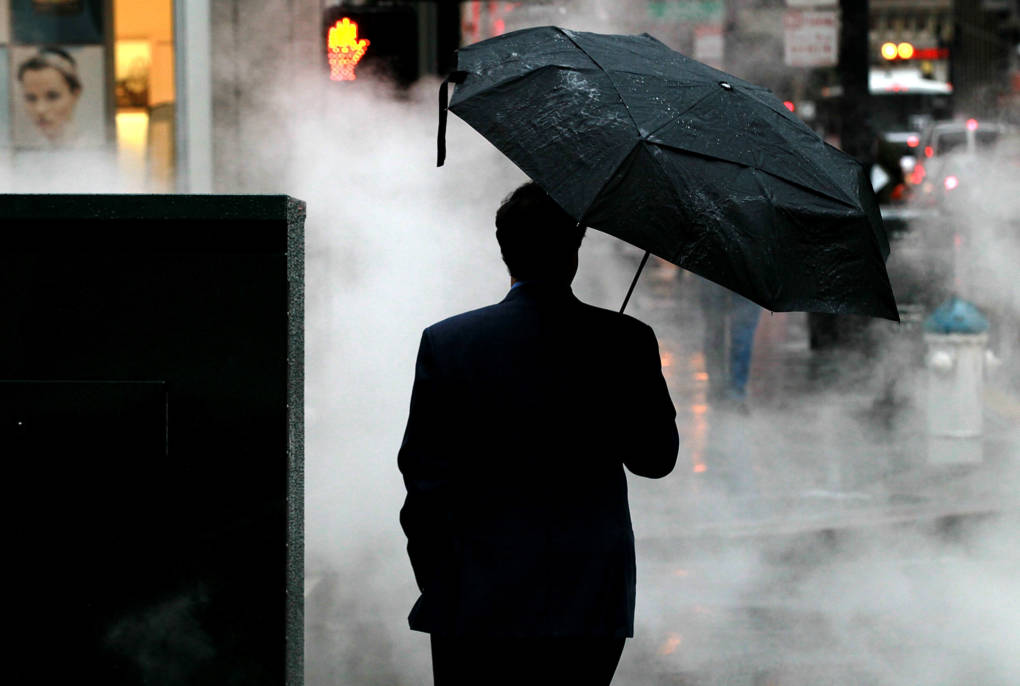
"caption": "A man fights the rain during a previous storm in downtown San Francisco.",
"description": null,
"title": "Winter Rainstorms Drench Bay Area",
"credit": "Justin Sullivan/Getty Images",
"status": "inherit",
"isLoading": false,
"fetchFailed": false
}
},
"audioPlayerReducer": {
"postId": "stream_live",
"isPaused": true,
"isPlaying": false,
"pfsActive": false,
"pledgeModalIsOpen": true,
"playerDrawerIsOpen": false,
"liveAudioPlayStartedAt": 0,
"liveAudioPlayContext": ""
},
"authorsReducer": {
"byline_news_11660516": {
"type": "authors",
"id": "byline_news_11660516",
"meta": {
"override": true
},
"slug": "byline_news_11660516",
"name": "\u003cstrong>Associated Press\u003c/strong>",
"isLoading": false
},
"dclyde": {
"type": "authors",
"id": "104",
"meta": {
"index": "authors_1716337520",
"id": "104",
"found": true
},
"name": "Don Clyde",
"firstName": "Don",
"lastName": "Clyde",
"slug": "dclyde",
"email": "dclyde@kqed.org",
"display_author_email": false,
"staff_mastheads": [],
"title": "KQED Contributor",
"bio": "Don Clyde is an online producer, reporter and copy editor for KQED News. Before venturing into journalism, he worked as a medical device engineer and scientist for nearly a decade after earning a degree in physics from UC Berkeley. He loves travel, reading, living in Oakland, and most importantly, a good walk. Email him at dclyde@kqed.org or follow him @clydedon.",
"avatar": "https://secure.gravatar.com/avatar/decd3e640c3eedbd0a574275aebb2d19?s=600&d=blank&r=g",
"twitter": "clydedon",
"facebook": null,
"instagram": null,
"linkedin": null,
"sites": [
{
"site": "artschool",
"roles": [
"editor"
]
},
{
"site": "news",
"roles": [
"administrator"
]
},
{
"site": "futureofyou",
"roles": [
"editor"
]
},
{
"site": "about",
"roles": [
"editor"
]
},
{
"site": "mindshift",
"roles": [
"contributor"
]
},
{
"site": "bayareabites",
"roles": [
"contributor"
]
},
{
"site": "lowdown",
"roles": [
"editor"
]
},
{
"site": "stateofhealth",
"roles": [
"administrator"
]
},
{
"site": "spark",
"roles": [
"administrator"
]
},
{
"site": "trulyca",
"roles": [
"administrator"
]
},
{
"site": "imagemakers",
"roles": [
"administrator"
]
},
{
"site": "science",
"roles": []
},
{
"site": "education",
"roles": [
"editor"
]
},
{
"site": "quest",
"roles": [
"subscriber"
]
},
{
"site": "checkplease",
"roles": [
"subscriber"
]
},
{
"site": "forum",
"roles": [
"editor"
]
},
{
"site": "perspectives",
"roles": [
"editor"
]
}
],
"headData": {
"title": "Don Clyde | KQED",
"description": "KQED Contributor",
"ogImgSrc": "https://secure.gravatar.com/avatar/decd3e640c3eedbd0a574275aebb2d19?s=600&d=blank&r=g",
"twImgSrc": "https://secure.gravatar.com/avatar/decd3e640c3eedbd0a574275aebb2d19?s=600&d=blank&r=g"
},
"isLoading": false,
"link": "/author/dclyde"
},
"danbrekke": {
"type": "authors",
"id": "222",
"meta": {
"index": "authors_1716337520",
"id": "222",
"found": true
},
"name": "Dan Brekke",
"firstName": "Dan",
"lastName": "Brekke",
"slug": "danbrekke",
"email": "dbrekke@kqed.org",
"display_author_email": true,
"staff_mastheads": [
"news",
"science"
],
"title": "KQED Editor and Reporter",
"bio": "Dan Brekke is a reporter and editor for KQED News, responsible for coverage of topics ranging from California water issues to the Bay Area's transportation challenges. In a newsroom career that began in Chicago in 1972, Dan has worked for \u003cem>The San Francisco Examiner,\u003c/em> Wired and TechTV and has been published in The New York Times, The New York Times Magazine, Business 2.0, Salon and elsewhere.\r\n\r\nSince joining KQED in 2007, Dan has reported, edited and produced both radio and online features and breaking news pieces. He has shared as both editor and reporter in four Society of Professional Journalists Norcal Excellence in Journalism awards and one Edward R. Murrow regional award. He was chosen for a spring 2017 residency at the Mesa Refuge to advance his research on California salmon.\r\n\r\nEmail Dan at: \u003ca href=\"mailto:dbrekke@kqed.org\">dbrekke@kqed.org\u003c/a>\r\n\r\n\u003cstrong>Twitter:\u003c/strong> \u003ca href=\"https://twitter.com/danbrekke\" rel=\"noopener noreferrer\">twitter.com/danbrekke\u003c/a>\r\n\u003cstrong>Facebook:\u003c/strong> \u003ca href=\"https://www.facebook.com/danbrekke\" rel=\"noopener noreferrer\">www.facebook.com/danbrekke\u003c/a>\r\n\u003cstrong>LinkedIn:\u003c/strong> \u003ca href=\"https://www.linkedin.com/in/danbrekke\" rel=\"noopener noreferrer\">www.linkedin.com/in/danbrekke\u003c/a>",
"avatar": "https://secure.gravatar.com/avatar/c8126230345efca3f7aa89b1a402be45?s=600&d=mm&r=g",
"twitter": "danbrekke",
"facebook": null,
"instagram": "https://www.instagram.com/dan.brekke/",
"linkedin": "https://www.linkedin.com/in/danbrekke/",
"sites": [
{
"site": "news",
"roles": [
"administrator",
"create_posts"
]
},
{
"site": "stateofhealth",
"roles": [
"editor"
]
},
{
"site": "science",
"roles": [
"editor"
]
},
{
"site": "quest",
"roles": [
"contributor"
]
},
{
"site": "food",
"roles": [
"contributor"
]
},
{
"site": "forum",
"roles": [
"contributor"
]
},
{
"site": "liveblog",
"roles": [
"editor"
]
}
],
"headData": {
"title": "Dan Brekke | KQED",
"description": "KQED Editor and Reporter",
"ogImgSrc": "https://secure.gravatar.com/avatar/c8126230345efca3f7aa89b1a402be45?s=600&d=mm&r=g",
"twImgSrc": "https://secure.gravatar.com/avatar/c8126230345efca3f7aa89b1a402be45?s=600&d=mm&r=g"
},
"isLoading": false,
"link": "/author/danbrekke"
},
"kqed": {
"type": "authors",
"id": "236",
"meta": {
"index": "authors_1716337520",
"id": "236",
"found": true
},
"name": "KQED News Staff",
"firstName": "KQED News Staff",
"lastName": null,
"slug": "kqed",
"email": "faq@kqed.org",
"display_author_email": false,
"staff_mastheads": [],
"title": null,
"bio": null,
"avatar": "https://secure.gravatar.com/avatar/ef0e801a68c4c54afa9180db14084167?s=600&d=blank&r=g",
"twitter": null,
"facebook": null,
"instagram": null,
"linkedin": null,
"sites": [
{
"site": "arts",
"roles": [
"contributor"
]
},
{
"site": "news",
"roles": [
"editor"
]
},
{
"site": "futureofyou",
"roles": [
"author"
]
}
],
"headData": {
"title": "KQED News Staff | KQED",
"description": null,
"ogImgSrc": "https://secure.gravatar.com/avatar/ef0e801a68c4c54afa9180db14084167?s=600&d=blank&r=g",
"twImgSrc": "https://secure.gravatar.com/avatar/ef0e801a68c4c54afa9180db14084167?s=600&d=blank&r=g"
},
"isLoading": false,
"link": "/author/kqed"
},
"kqednewsstaffandwires": {
"type": "authors",
"id": "237",
"meta": {
"index": "authors_1716337520",
"id": "237",
"found": true
},
"name": "KQED News Staff and Wires",
"firstName": "KQED News Staff and Wires",
"lastName": null,
"slug": "kqednewsstaffandwires",
"email": "onlinenewsstaff@kqed.org",
"display_author_email": false,
"staff_mastheads": [],
"title": null,
"bio": null,
"avatar": "https://secure.gravatar.com/avatar/72295af8ebbfbd19a4948f5271285664?s=600&d=blank&r=g",
"twitter": null,
"facebook": null,
"instagram": null,
"linkedin": null,
"sites": [
{
"site": "arts",
"roles": [
"contributor"
]
},
{
"site": "news",
"roles": [
"contributor"
]
},
{
"site": "lowdown",
"roles": [
"author"
]
},
{
"site": "stateofhealth",
"roles": [
"contributor"
]
},
{
"site": "food",
"roles": [
"author"
]
}
],
"headData": {
"title": "KQED News Staff and Wires | KQED",
"description": null,
"ogImgSrc": "https://secure.gravatar.com/avatar/72295af8ebbfbd19a4948f5271285664?s=600&d=blank&r=g",
"twImgSrc": "https://secure.gravatar.com/avatar/72295af8ebbfbd19a4948f5271285664?s=600&d=blank&r=g"
},
"isLoading": false,
"link": "/author/kqednewsstaffandwires"
},
"markfiore": {
"type": "authors",
"id": "3236",
"meta": {
"index": "authors_1716337520",
"id": "3236",
"found": true
},
"name": "Mark Fiore",
"firstName": "Mark",
"lastName": "Fiore",
"slug": "markfiore",
"email": "mark@markfiore.com",
"display_author_email": false,
"staff_mastheads": [
"news"
],
"title": "KQED News Cartoonist",
"bio": "\u003ca href=\"http://www.MarkFiore.com\">MarkFiore.com\u003c/a> | \u003ca href=\"https://twitter.com/markfiore\">Follow on Twitter\u003c/a> | \u003ca href=\"https://www.facebook.com/pages/Mark-Fiore-Animated-Political-Cartoons/94451707396?ref=bookmarks\">Facebook\u003c/a> | \u003ca href=\"mailto:mark@markfiore.com\">email\u003c/a>\r\n\r\nPulitzer Prize-winner, Mark Fiore, who the Wall Street Journal has called “the undisputed guru of the form,” creates animated political cartoons in San Francisco, where his work has been featured regularly on the San Francisco Chronicle’s web site, SFGate.com. His work has appeared on Newsweek.com, Slate.com, CBSNews.com, MotherJones.com, DailyKos.com and NPR’s web site. Fiore’s political animation has appeared on CNN, Frontline, Bill Moyers Journal, Salon.com and cable and broadcast outlets across the globe.\r\n\r\nBeginning his professional life by drawing traditional political cartoons for newspapers, Fiore’s work appeared in publications ranging from the Washington Post to the Los Angeles Times. In the late 1990s, he began to experiment with animating political cartoons and, after a short stint at the San Jose Mercury News as their staff cartoonist, Fiore devoted all his energies to animation.\r\nGrowing up in California, Fiore also spent a good portion of his life in the backwoods of Idaho. It was this combination that shaped him politically. Mark majored in political science at Colorado College, where, in a perfect send-off for a cartoonist, he received his diploma in 1991 as commencement speaker Dick Cheney smiled approvingly.\r\nMark Fiore was awarded the Pulitzer Prize for political cartooning in 2010, a Robert F. Kennedy Journalism Award in 2004 and has twice received an Online Journalism Award for commentary from the Online News Association (2002, 2008). Fiore has received two awards for his work in new media from the National Cartoonists Society (2001, 2002), and in 2006 received The James Madison Freedom of Information Award from The Society of Professional Journalists.",
"avatar": "https://secure.gravatar.com/avatar/fc4e2a612b15b67bad0c6f0e1db4ca9b?s=600&d=blank&r=g",
"twitter": "MarkFiore",
"facebook": null,
"instagram": "https://www.instagram.com/markfiore/?hl=en",
"linkedin": null,
"sites": [
{
"site": "arts",
"roles": [
"contributor"
]
},
{
"site": "news",
"roles": [
"editor"
]
},
{
"site": "futureofyou",
"roles": [
"editor"
]
},
{
"site": "science",
"roles": [
"editor"
]
}
],
"headData": {
"title": "Mark Fiore | KQED",
"description": "KQED News Cartoonist",
"ogImgSrc": "https://secure.gravatar.com/avatar/fc4e2a612b15b67bad0c6f0e1db4ca9b?s=600&d=blank&r=g",
"twImgSrc": "https://secure.gravatar.com/avatar/fc4e2a612b15b67bad0c6f0e1db4ca9b?s=600&d=blank&r=g"
},
"isLoading": false,
"link": "/author/markfiore"
},
"shutson": {
"type": "authors",
"id": "11216",
"meta": {
"index": "authors_1716337520",
"id": "11216",
"found": true
},
"name": "Sonja Hutson",
"firstName": "Sonja",
"lastName": "Hutson",
"slug": "shutson",
"email": "shutson@kqed.org",
"display_author_email": false,
"staff_mastheads": [],
"title": "KQED Contributor",
"bio": "Sonja Hutson is a former reporter for KQED's Silicon Valley desk and weekend newscasts. She primarily covers tech and housing. Sonja is a Bay Area native and now lives in San Francisco. When she's not working, you can find her camping, skiing, scuba diving, and struggling with the New York Times Crossword. Email: \u003ca href=\"mailto:shutson@kqed.org\">shutson@kqed.org. \u003c/a>Twitter: \u003ca href=\"https://twitter.com/SonjaHutson\">@SonjaHutson\u003c/a>",
"avatar": "https://secure.gravatar.com/avatar/7537c5e36818614e599b6c0f41d72b7a?s=600&d=blank&r=g",
"twitter": "SonjaHutson",
"facebook": null,
"instagram": null,
"linkedin": null,
"sites": [
{
"site": "arts",
"roles": [
"author"
]
},
{
"site": "news",
"roles": [
"subscriber"
]
}
],
"headData": {
"title": "Sonja Hutson | KQED",
"description": "KQED Contributor",
"ogImgSrc": "https://secure.gravatar.com/avatar/7537c5e36818614e599b6c0f41d72b7a?s=600&d=blank&r=g",
"twImgSrc": "https://secure.gravatar.com/avatar/7537c5e36818614e599b6c0f41d72b7a?s=600&d=blank&r=g"
},
"isLoading": false,
"link": "/author/shutson"
},
"mleitsinger": {
"type": "authors",
"id": "11310",
"meta": {
"index": "authors_1716337520",
"id": "11310",
"found": true
},
"name": "Miranda Leitsinger",
"firstName": "Miranda",
"lastName": "Leitsinger",
"slug": "mleitsinger",
"email": "mleitsinger@KQED.org",
"display_author_email": false,
"staff_mastheads": [
"news"
],
"title": "KQED Contributor",
"bio": "Miranda Leitsinger has worked in journalism as a reporter and editor since 2000, including seven years at The Associated Press in locales such as Cambodia and Puerto Rico, four years at NBC News Digital in New York and 2.5 years at CNN.com International in Hong Kong. Major stories she has covered included sexual abuse in the yoga community, the rise of women in local politics post-2016 election, the struggle over LGBTQ inclusion in the Boy Scouts, aftermath of the 2004 and 2011 tsunamis, the Aurora movie theater attack, the Newtown school shooting, Superstorm Sandy and the Boston Marathon bombing.",
"avatar": "https://secure.gravatar.com/avatar/cdd00de7be92aab3b7fd3d915e02033d?s=600&d=blank&r=g",
"twitter": "mimileitsinger",
"facebook": null,
"instagram": null,
"linkedin": null,
"sites": [
{
"site": "arts",
"roles": [
"author"
]
},
{
"site": "news",
"roles": [
"subscriber"
]
},
{
"site": "futureofyou",
"roles": [
"editor"
]
},
{
"site": "stateofhealth",
"roles": [
"editor"
]
}
],
"headData": {
"title": "Miranda Leitsinger | KQED",
"description": "KQED Contributor",
"ogImgSrc": "https://secure.gravatar.com/avatar/cdd00de7be92aab3b7fd3d915e02033d?s=600&d=blank&r=g",
"twImgSrc": "https://secure.gravatar.com/avatar/cdd00de7be92aab3b7fd3d915e02033d?s=600&d=blank&r=g"
},
"isLoading": false,
"link": "/author/mleitsinger"
},
"nnavarro": {
"type": "authors",
"id": "11756",
"meta": {
"index": "authors_1716337520",
"id": "11756",
"found": true
},
"name": "Natalia Navarro",
"firstName": "Natalia",
"lastName": "Navarro",
"slug": "nnavarro",
"email": "nnavarro@kqed.org",
"display_author_email": true,
"staff_mastheads": [
"news"
],
"title": "Afternoon News Anchor",
"bio": "Natalia Navarro is KQED's afternoon radio news anchor. She came to KQED in 2021 from Colorado Public Radio, where she was a reporter and host. She has received several awards for her work covering daily and breaking news from professional organizations such as the San Francisco Press Club, Society of Professional Journalists and the Colorado Broadcasters Association. Natalia is originally from Tucson, Arizona, where she got her start in journalism writing for the Arizona Daily Star, Arizona Public Media and the Tucson Weekly. Natalia earned her bachelor's degree in journalism and economics, and her master's degree in journalism from the University of Arizona.",
"avatar": "https://secure.gravatar.com/avatar/45f866ea8b5c52bf1fa4c236dd0c03c2?s=600&d=blank&r=g",
"twitter": "@NataliaVNavarro",
"facebook": null,
"instagram": null,
"linkedin": null,
"sites": [
{
"site": "news",
"roles": [
"editor"
]
}
],
"headData": {
"title": "Natalia Navarro | KQED",
"description": "Afternoon News Anchor",
"ogImgSrc": "https://secure.gravatar.com/avatar/45f866ea8b5c52bf1fa4c236dd0c03c2?s=600&d=blank&r=g",
"twImgSrc": "https://secure.gravatar.com/avatar/45f866ea8b5c52bf1fa4c236dd0c03c2?s=600&d=blank&r=g"
},
"isLoading": false,
"link": "/author/nnavarro"
}
},
"pagesReducer": {
"news_tag_atmospheric-river": {
"type": "terms",
"id": "news_20061",
"meta": {
"index": "terms_1716263798",
"site": "news",
"id": "20061",
"score": 9.553679
},
"featImg": null,
"name": "Atmospheric River",
"description": null,
"taxonomy": "tag",
"headData": {
"twImgId": null,
"twTitle": null,
"ogTitle": null,
"ogImgId": null,
"twDescription": null,
"description": null,
"title": "Atmospheric River Archives | KQED News",
"ogDescription": null
},
"ttid": 20078,
"slug": "atmospheric-river",
"isLoading": false,
"title": "Atmospheric River",
"pageMeta": {
"site": "news",
"WpPageTemplate": "page-topic-editorial",
"currentPage": 5
},
"blocks": [
{
"blockName": "kqed/post-list",
"attrs": {
"layout": "cardArticle2",
"query": "posts/news?tag=atmospheric-river",
"seeMore": false,
"paginated": true,
"page": 5
}
},
{
"blockName": "kqed/ad"
}
]
}
},
"pfsSessionReducer": {},
"postsReducer": {
"stream_live": {
"type": "live",
"id": "stream_live",
"audioUrl": "https://streams.kqed.org/kqedradio",
"title": "Live Stream",
"excerpt": "Live Stream information currently unavailable.",
"link": "/radio",
"featImg": "",
"label": {
"name": "KQED Live",
"link": "/"
}
},
"stream_kqedNewscast": {
"type": "posts",
"id": "stream_kqedNewscast",
"audioUrl": "https://www.kqed.org/.stream/anon/radio/RDnews/newscast.mp3?_=1",
"title": "KQED Newscast",
"featImg": "",
"label": {
"name": "88.5 FM",
"link": "/"
}
},
"news_11893615": {
"type": "posts",
"id": "news_11893615",
"meta": {
"index": "posts_1716263798",
"site": "news",
"id": "11893615",
"score": null,
"sort": [
1635196809000
]
},
"guestAuthors": [],
"slug": "massive-storm-heads-south-after-soaking-northern-california",
"title": "‘A Big Drop in the Bucket’: After Drenching Northern California, Massive Storm Heads South",
"publishDate": 1635196809,
"format": "standard",
"headTitle": "‘A Big Drop in the Bucket’: After Drenching Northern California, Massive Storm Heads South | KQED",
"labelTerm": {
"site": "news"
},
"content": "\u003cp>A massive storm barreled toward Southern California on Monday after flooding highways, toppling trees, cutting power to about 380,000 utility customers and causing rockslides and mudflows in areas burned bare by wildfires across the northern half of the state.\u003c/p>\n\u003cp>Drenching rains and strong winds accompanied the weekend arrival of an atmospheric river — a long plume of Pacific moisture — into the drought-stricken state.\u003c/p>\n\u003cp>Rainfall records were shattered and heavy snow pounded high elevations of the Sierra Nevada. The National Weather Service issued numerous flash flood warnings.\u003c/p>\n\u003cfigure id=\"attachment_11893625\" class=\"wp-caption aligncenter\" style=\"max-width: 1920px\">\u003cimg loading=\"lazy\" decoding=\"async\" class=\"wp-image-11893625 size-full\" src=\"https://ww2.kqed.org/app/uploads/sites/10/2021/10/GettyImages-1348793761-scaled-e1635196592525.jpg\" alt=\"A man wades through water higher than his knees next to two parked cars past their bumpers in water, on a tree-lined street, beyond blurred yellow police tape in the foreground.\" width=\"1920\" height=\"1274\">\u003cfigcaption class=\"wp-caption-text\">A pedestrian walks on a flooded street on Oct. 24, 2021, in Kentfield, California. \u003ccite>(Justin Sullivan/Getty Images)\u003c/cite>\u003c/figcaption>\u003c/figure>\n\u003cp>There were widespread power outages in Northern California, with Pacific Gas & Electric reporting Sunday evening that about 130,000 customers did not have electricity, though the utility said power had been restored to about 250,000 customers.\u003c/p>\n\u003cp>“What’s most interesting about the storm is that we typically tend to get stronger storms into the winter,” said Sean Miller, a meteorologist with the National Weather Service. “This early in the season is anomalous and the moisture was like a firehose in our area.”\u003c/p>\n\u003cp>[ad fullwidth]\u003c/p>\n\u003cp>Miller advised Bay Area residents traveling today in the wake of the massive storm to be cautious and take proactive measures to clean out storm drains and gutters. “Trees have been weakened by wind and water,” he said. “Behind the system, the surf is really high and strong. There will be some big waves for the next few days, and it will take time for the swells to go down.”\u003c/p>\n\u003cp>Flooding was reported across the San Francisco Bay Area, closing streets in Berkeley, inundating Oakland’s Bay Bridge toll plaza and overflowing rivers in Napa and Sonoma counties.\u003c/p>\n\u003cfigure id=\"attachment_11893606\" class=\"wp-caption aligncenter\" style=\"max-width: 800px\">\u003cimg loading=\"lazy\" decoding=\"async\" class=\"wp-image-11893606 size-medium\" src=\"https://ww2.kqed.org/app/uploads/sites/10/2021/10/GettyImages-1348762275-800x533.jpg\" alt=\"A gray four-door car sits alongside a power line, with a house and trees in the background.\" width=\"800\" height=\"533\">\u003cfigcaption class=\"wp-caption-text\">A car sits stranded on a flooded street on Oct. 24, 2021, in San Rafael, California. \u003ccite>(Justin Sullivan/Getty Images)\u003c/cite>\u003c/figcaption>\u003c/figure>\n\u003cp>Sacramento received 5.4 inches of rain, smashing the all-time one-day rainfall record dating back to 1880, the weather service said. Interstate 80, the major highway through the Sierra to Reno, Nevada, was shut down by heavy snow early Monday.\u003c/p>\n\u003cp>The same storm system also slammed Oregon and Washington, causing power outages that affected tens of thousands of people. Two people were killed when a tree fell on a vehicle in the greater Seattle area.\u003c/p>\n\u003cp>In California’s Colusa and Yolo counties, state highways 16 and 20 were shut for several miles because of mudslides, the state Department of Transportation said.\u003c/p>\n\u003cfigure id=\"attachment_11893624\" class=\"wp-caption aligncenter\" style=\"max-width: 800px\">\u003cimg loading=\"lazy\" decoding=\"async\" class=\"wp-image-11893624 size-medium\" src=\"https://ww2.kqed.org/app/uploads/sites/10/2021/10/GettyImages-1348791095-800x533.jpg\" alt=\"Two people wearing helmets and rain gear use a hand-operated machine attached to the back of a truck (?) while a kid plays in the background.\" width=\"800\" height=\"533\">\u003cfigcaption class=\"wp-caption-text\">Workers cut up a tree that fell across a road on Oct. 24, 2021, in Ross, California. \u003ccite>(Justin Sullivan/Getty Images)\u003c/cite>\u003c/figcaption>\u003c/figure>\n\u003cp>South of San Francisco, evacuation orders were in effect in the Santa Cruz Mountains over concerns that several inches of rain could trigger debris flows in the CZU Lightning Complex Fire burn scar when the storm moved through early Monday.\u003c/p>\n\u003cp>Further south, evacuation warnings for parts of western Santa Barbara County were upgraded to evacuation orders in the area burned by this month’s Alisal Fire.\u003c/p>\n\u003cfigure id=\"attachment_11893626\" class=\"wp-caption aligncenter\" style=\"max-width: 800px\">\u003cimg loading=\"lazy\" decoding=\"async\" class=\"wp-image-11893626 size-medium\" src=\"https://ww2.kqed.org/app/uploads/sites/10/2021/10/GettyImages-1348806842-800x542.jpg\" alt=\"Six figures in green-yellow reflective rain gear. Two hold hands on the edge of a built berm as four feet of water gush past them onto the sidewalk below, where a third person, backed to the edge of the sidewalk, bends at the knees, holding something in both hands.\" width=\"800\" height=\"542\">\u003cfigcaption class=\"wp-caption-text\">Workers try to divert water into drains as rain pours down on Oct. 24, 2021, in Marin City, California. \u003ccite>(Justin Sullivan/Getty Images)\u003c/cite>\u003c/figcaption>\u003c/figure>\n\u003cp>Officials said mountain areas above 9,000 feet in the Sierra Nevada could get 18 inches of snow or more from Sunday until Monday morning.\u003c/p>\n\u003cp>Recent storms have helped contain some of the nation’s largest wildfires this year. But it remains to be seen whether the wet weather will make a dent in the drought that’s plaguing California and the western United States.\u003c/p>\n\u003cp>“This was a big drop in the bucket, but at the same time, it’s a big bucket,” said Alison Bridger, chair of the Department of Meteorology and Climate Science at San José State University. “We’re talking about the whole West being dry, and only a part of the West got hit by this storm, certainly in the Northern California foothills and higher areas that drain down into our reservoirs. This is going to help.”\u003c/p>\n\u003cp>California’s climate is hotter and drier now, and that means the rain and snow that does fall is more likely to evaporate and less likely to absorb into the soil.\u003c/p>\n\u003cp>California’s 2021 water year, which ended Sept. 30, was the second-driest on record and last year’s was the fifth-driest on record. Some of the state’s most important reservoirs are at record low levels.\u003c/p>\n\u003cp>“If you are in the vicinity of a recent burn scar and haven’t already, prepare now for likely debris flows,” the Sacramento weather service tweeted. “If you are told to evacuate by local officials, or you feel threatened, do not hesitate to do so. If it is too late to evacuate, get to higher ground.”[aside label=\"related coverage\" tag=\"atmospheric-river\"]South of San Francisco, evacuation orders were in effect in the Santa Cruz Mountains over concerns that several inches of rain could trigger debris flows in the CZU Lightning Complex Fire burn scar when the storm moves through early Monday.\u003c/p>\n\u003cp>“We’ve seen a lot of drought and wildfires in recent years, but we kind of forget about the fact we’ve also seen some conspicuously extreme weather events as well in that same period,” said Daniel Swain, a climate scientist at UCLA and The Nature Conservancy. “This is somewhat characteristic of what we expect to see in California’s warming climate, where the overall amount of precipitation may not change tremendously.”\u003c/p>\n\u003cp>\u003c/p>\n\u003cp>\u003cem>This post includes additional reporting from KQED’s Spencer Whitney and Natalia Navarro, as well as The Associated Press.\u003c/em>\u003c/p>\n\n",
"blocks": [],
"excerpt": "A massive storm brought in record amounts of rainfall, leading to mudslides, flooding, evacuations and power outages across California, Oregon and Washington over the weekend. ",
"status": "publish",
"parent": 0,
"modified": 1738792509,
"stats": {
"hasAudio": false,
"hasVideo": false,
"hasChartOrMap": false,
"iframeSrcs": [],
"hasGoogleForm": false,
"hasGallery": false,
"hasHearkenModule": false,
"hasPolis": false,
"paragraphCount": 22,
"wordCount": 967
},
"headData": {
"title": "‘A Big Drop in the Bucket’: After Drenching Northern California, Massive Storm Heads South | KQED",
"description": "A massive storm brought in record amounts of rainfall, leading to mudslides, flooding, evacuations and power outages across California, Oregon and Washington over the weekend. ",
"ogTitle": "",
"ogDescription": "",
"ogImgId": "",
"twTitle": "",
"twDescription": "",
"twImgId": "",
"schema": {
"@context": "https://schema.org",
"@type": "NewsArticle",
"headline": "‘A Big Drop in the Bucket’: After Drenching Northern California, Massive Storm Heads South",
"datePublished": "2021-10-25T14:20:09-07:00",
"dateModified": "2025-02-05T13:55:09-08:00",
"image": "https://cdn.kqed.org/wp-content/uploads/2020/02/KQED-OG-Image@1x.png",
"isAccessibleForFree": "True",
"publisher": {
"@type": "NewsMediaOrganization",
"@id": "https://www.kqed.org/#organization",
"name": "KQED",
"logo": "https://cdn.kqed.org/wp-content/uploads/2020/02/KQED-OG-Image@1x.png",
"url": "https://www.kqed.org",
"sameAs": [
"https://www.facebook.com/KQED",
"https://twitter.com/KQED",
"https://www.instagram.com/kqed/",
"https://www.tiktok.com/@kqedofficial",
"https://www.linkedin.com/company/kqed",
"https://www.youtube.com/channel/UCeC0IOo7i1P_61zVUWbJ4nw"
]
}
}
},
"sticky": false,
"path": "/news/11893615/massive-storm-heads-south-after-soaking-northern-california",
"audioTrackLength": null,
"parsedContent": [
{
"type": "contentString",
"content": "\u003cdiv class=\"post-body\">\u003cp>\u003cp>A massive storm barreled toward Southern California on Monday after flooding highways, toppling trees, cutting power to about 380,000 utility customers and causing rockslides and mudflows in areas burned bare by wildfires across the northern half of the state.\u003c/p>\n\u003cp>Drenching rains and strong winds accompanied the weekend arrival of an atmospheric river — a long plume of Pacific moisture — into the drought-stricken state.\u003c/p>\n\u003cp>Rainfall records were shattered and heavy snow pounded high elevations of the Sierra Nevada. The National Weather Service issued numerous flash flood warnings.\u003c/p>\n\u003cfigure id=\"attachment_11893625\" class=\"wp-caption aligncenter\" style=\"max-width: 1920px\">\u003cimg loading=\"lazy\" decoding=\"async\" class=\"wp-image-11893625 size-full\" src=\"https://ww2.kqed.org/app/uploads/sites/10/2021/10/GettyImages-1348793761-scaled-e1635196592525.jpg\" alt=\"A man wades through water higher than his knees next to two parked cars past their bumpers in water, on a tree-lined street, beyond blurred yellow police tape in the foreground.\" width=\"1920\" height=\"1274\">\u003cfigcaption class=\"wp-caption-text\">A pedestrian walks on a flooded street on Oct. 24, 2021, in Kentfield, California. \u003ccite>(Justin Sullivan/Getty Images)\u003c/cite>\u003c/figcaption>\u003c/figure>\n\u003cp>There were widespread power outages in Northern California, with Pacific Gas & Electric reporting Sunday evening that about 130,000 customers did not have electricity, though the utility said power had been restored to about 250,000 customers.\u003c/p>\n\u003cp>“What’s most interesting about the storm is that we typically tend to get stronger storms into the winter,” said Sean Miller, a meteorologist with the National Weather Service. “This early in the season is anomalous and the moisture was like a firehose in our area.”\u003c/p>\n\u003cp>\u003c/p>\u003c/div>",
"attributes": {
"named": {},
"numeric": []
}
},
{
"type": "component",
"content": "",
"name": "ad",
"attributes": {
"named": {
"label": "fullwidth"
},
"numeric": [
"fullwidth"
]
}
},
{
"type": "contentString",
"content": "\u003cdiv class=\"post-body\">\u003cp>\u003c/p>\n\u003cp>Miller advised Bay Area residents traveling today in the wake of the massive storm to be cautious and take proactive measures to clean out storm drains and gutters. “Trees have been weakened by wind and water,” he said. “Behind the system, the surf is really high and strong. There will be some big waves for the next few days, and it will take time for the swells to go down.”\u003c/p>\n\u003cp>Flooding was reported across the San Francisco Bay Area, closing streets in Berkeley, inundating Oakland’s Bay Bridge toll plaza and overflowing rivers in Napa and Sonoma counties.\u003c/p>\n\u003cfigure id=\"attachment_11893606\" class=\"wp-caption aligncenter\" style=\"max-width: 800px\">\u003cimg loading=\"lazy\" decoding=\"async\" class=\"wp-image-11893606 size-medium\" src=\"https://ww2.kqed.org/app/uploads/sites/10/2021/10/GettyImages-1348762275-800x533.jpg\" alt=\"A gray four-door car sits alongside a power line, with a house and trees in the background.\" width=\"800\" height=\"533\">\u003cfigcaption class=\"wp-caption-text\">A car sits stranded on a flooded street on Oct. 24, 2021, in San Rafael, California. \u003ccite>(Justin Sullivan/Getty Images)\u003c/cite>\u003c/figcaption>\u003c/figure>\n\u003cp>Sacramento received 5.4 inches of rain, smashing the all-time one-day rainfall record dating back to 1880, the weather service said. Interstate 80, the major highway through the Sierra to Reno, Nevada, was shut down by heavy snow early Monday.\u003c/p>\n\u003cp>The same storm system also slammed Oregon and Washington, causing power outages that affected tens of thousands of people. Two people were killed when a tree fell on a vehicle in the greater Seattle area.\u003c/p>\n\u003cp>In California’s Colusa and Yolo counties, state highways 16 and 20 were shut for several miles because of mudslides, the state Department of Transportation said.\u003c/p>\n\u003cfigure id=\"attachment_11893624\" class=\"wp-caption aligncenter\" style=\"max-width: 800px\">\u003cimg loading=\"lazy\" decoding=\"async\" class=\"wp-image-11893624 size-medium\" src=\"https://ww2.kqed.org/app/uploads/sites/10/2021/10/GettyImages-1348791095-800x533.jpg\" alt=\"Two people wearing helmets and rain gear use a hand-operated machine attached to the back of a truck (?) while a kid plays in the background.\" width=\"800\" height=\"533\">\u003cfigcaption class=\"wp-caption-text\">Workers cut up a tree that fell across a road on Oct. 24, 2021, in Ross, California. \u003ccite>(Justin Sullivan/Getty Images)\u003c/cite>\u003c/figcaption>\u003c/figure>\n\u003cp>South of San Francisco, evacuation orders were in effect in the Santa Cruz Mountains over concerns that several inches of rain could trigger debris flows in the CZU Lightning Complex Fire burn scar when the storm moved through early Monday.\u003c/p>\n\u003cp>Further south, evacuation warnings for parts of western Santa Barbara County were upgraded to evacuation orders in the area burned by this month’s Alisal Fire.\u003c/p>\n\u003cfigure id=\"attachment_11893626\" class=\"wp-caption aligncenter\" style=\"max-width: 800px\">\u003cimg loading=\"lazy\" decoding=\"async\" class=\"wp-image-11893626 size-medium\" src=\"https://ww2.kqed.org/app/uploads/sites/10/2021/10/GettyImages-1348806842-800x542.jpg\" alt=\"Six figures in green-yellow reflective rain gear. Two hold hands on the edge of a built berm as four feet of water gush past them onto the sidewalk below, where a third person, backed to the edge of the sidewalk, bends at the knees, holding something in both hands.\" width=\"800\" height=\"542\">\u003cfigcaption class=\"wp-caption-text\">Workers try to divert water into drains as rain pours down on Oct. 24, 2021, in Marin City, California. \u003ccite>(Justin Sullivan/Getty Images)\u003c/cite>\u003c/figcaption>\u003c/figure>\n\u003cp>Officials said mountain areas above 9,000 feet in the Sierra Nevada could get 18 inches of snow or more from Sunday until Monday morning.\u003c/p>\n\u003cp>Recent storms have helped contain some of the nation’s largest wildfires this year. But it remains to be seen whether the wet weather will make a dent in the drought that’s plaguing California and the western United States.\u003c/p>\n\u003cp>“This was a big drop in the bucket, but at the same time, it’s a big bucket,” said Alison Bridger, chair of the Department of Meteorology and Climate Science at San José State University. “We’re talking about the whole West being dry, and only a part of the West got hit by this storm, certainly in the Northern California foothills and higher areas that drain down into our reservoirs. This is going to help.”\u003c/p>\n\u003cp>California’s climate is hotter and drier now, and that means the rain and snow that does fall is more likely to evaporate and less likely to absorb into the soil.\u003c/p>\n\u003cp>California’s 2021 water year, which ended Sept. 30, was the second-driest on record and last year’s was the fifth-driest on record. Some of the state’s most important reservoirs are at record low levels.\u003c/p>\n\u003cp>“If you are in the vicinity of a recent burn scar and haven’t already, prepare now for likely debris flows,” the Sacramento weather service tweeted. “If you are told to evacuate by local officials, or you feel threatened, do not hesitate to do so. If it is too late to evacuate, get to higher ground.”\u003c/p>\u003c/div>",
"attributes": {
"named": {},
"numeric": []
}
},
{
"type": "component",
"content": "",
"name": "aside",
"attributes": {
"named": {
"label": "related coverage ",
"tag": "atmospheric-river"
},
"numeric": []
}
},
{
"type": "contentString",
"content": "\u003cdiv class=\"post-body\">\u003cp>South of San Francisco, evacuation orders were in effect in the Santa Cruz Mountains over concerns that several inches of rain could trigger debris flows in the CZU Lightning Complex Fire burn scar when the storm moves through early Monday.\u003c/p>\n\u003cp>“We’ve seen a lot of drought and wildfires in recent years, but we kind of forget about the fact we’ve also seen some conspicuously extreme weather events as well in that same period,” said Daniel Swain, a climate scientist at UCLA and The Nature Conservancy. “This is somewhat characteristic of what we expect to see in California’s warming climate, where the overall amount of precipitation may not change tremendously.”\u003c/p>\n\u003cp>\u003c/p>\n\u003cp>\u003cem>This post includes additional reporting from KQED’s Spencer Whitney and Natalia Navarro, as well as The Associated Press.\u003c/em>\u003c/p>\n\n\u003c/div>\u003c/p>",
"attributes": {
"named": {},
"numeric": []
}
}
],
"link": "/news/11893615/massive-storm-heads-south-after-soaking-northern-california",
"authors": [
"237"
],
"categories": [
"news_19906",
"news_8"
],
"tags": [
"news_20061",
"news_18022",
"news_27626",
"news_30125"
],
"featImg": "news_11893623",
"label": "news"
},
"news_11893018": {
"type": "posts",
"id": "news_11893018",
"meta": {
"index": "posts_1716263798",
"site": "news",
"id": "11893018",
"score": null,
"sort": [
1634762883000
]
},
"guestAuthors": [],
"slug": "will-october-rain-end-fire-season-and-the-drought-what-wet-weather-means-for-the-bay-area",
"title": "Will October Rain End Fire Season and the Drought? What Wet Weather Means for the Bay Area",
"publishDate": 1634762883,
"format": "standard",
"headTitle": "Will October Rain End Fire Season and the Drought? What Wet Weather Means for the Bay Area | KQED",
"labelTerm": {
"site": "news"
},
"content": "\u003cp>Skip to:\u003c/p>\n\u003cul>\n\u003cli>\u003cstrong>\u003ca href=\"#resources\">Where can I find the latest on Bay Area weather?\u003c/a>\u003c/strong>\u003c/li>\n\u003cli>\u003cstrong>\u003ca href=\"#alerts\">How do I sign up for emergency weather updates?\u003c/a>\u003c/strong>\u003c/li>\n\u003c/ul>\n\u003cp>A series of heavy storms has hit the Bay Area and Northern California and is expected to continue through the weekend, bringing potentially record-breaking amounts of rain of up to 7 inches in parched parts of the state. The rains coming later this week could be the biggest storms the state’s Central Valley region has seen in nine months.\u003c/p>\n\u003cp>Local residents got a taste of what’s coming over the weekend when smaller storms sprinkled some areas in the valley while dumping 10 inches of snow in higher elevations of the Sierra Nevada.\u003c/p>\n\u003cp>“This is definitely going to be one of those ground-soaking events,” said Emily Heller, a meteorologist with the National Weather Service in Sacramento.\u003c/p>\n\u003cp>In a statement from the California Governor’s Office of Emergency Services Tuesday, officials advised that all Californians should be prepared. Officials are most concerned about mudslides in areas with burn scars from the Caldor and Dixie fires. The most dangerous conditions occur hours after a storm when the rain stops and water is absorbed into the earth.\u003c/p>\n\u003cul>\n\u003cli>\u003cstrong>\u003ca href=\"#alerts\">If you’re concerned about weather conditions in your area, sign up for alerts through your county.\u003c/a>\u003c/strong>\u003c/li>\n\u003c/ul>\n\u003cblockquote class=\"twitter-tweet\" data-width=\"550\" data-dnt=\"true\">\n\u003cp lang=\"en\" dir=\"ltr\">A series of weather system will bring periods of light to moderate rainfall ️ to the \u003ca href=\"https://twitter.com/hashtag/BayArea?src=hash&ref_src=twsrc%5Etfw\">#BayArea\u003c/a> & \u003ca href=\"https://twitter.com/hashtag/CentralCoast?src=hash&ref_src=twsrc%5Etfw\">#CentralCoast\u003c/a> through Friday. A more potent atmospheric river then takes aim on the region late in the weekend with widespread rainfall and gusty winds. Stay tuned!⚠️\u003ca href=\"https://twitter.com/hashtag/CAwx?src=hash&ref_src=twsrc%5Etfw\">#CAwx\u003c/a> \u003ca href=\"https://twitter.com/hashtag/BayAreaWX?src=hash&ref_src=twsrc%5Etfw\">#BayAreaWX\u003c/a> \u003ca href=\"https://t.co/usmXHUzWfk\">pic.twitter.com/usmXHUzWfk\u003c/a>\u003c/p>\n\u003cp>— NWS Bay Area (@NWSBayArea) \u003ca href=\"https://twitter.com/NWSBayArea/status/1450800366941990912?ref_src=twsrc%5Etfw\">October 20, 2021\u003c/a>\u003c/p>\u003c/blockquote>\n\u003cp>\u003cscript async src=\"https://platform.twitter.com/widgets.js\" charset=\"utf-8\">\u003c/script>\u003c/p>\n\u003cp>In anticipation of more wet weather, KQED host Natalia Navarro sat down with reporter Dan Brekke to find out what storms could mean for California’s drought and the fire season.\u003c/p>\n\u003cp>\u003ci data-stringify-type=\"italic\">This interview from Oct. 19 has been edited for length and clarity.\u003c/i>\u003c/p>\n\u003ch3>Natalia Navarro: What is significant about this forecast?\u003c/h3>\n\u003cp>\u003cstrong>Dan Brekke\u003c/strong>: It’s a huge relief to people just to see rain, period, after our usual summer dry spell. But we’re also in a really serious, prolonged drought. I think the main thing that we’re going to see is a lot of rain. We’re going to get one round of rain coming in tonight into tomorrow, another one Thursday into Friday, and then over the weekend starting Sunday and into Monday. [We could see] potentially really heavy rains that could fall across most of the northern half of the state. This is an opportunity — perhaps — to see the end of the fire season that has also been pretty rough on the state all year.\u003c/p>\n\u003ch3>How much rain can the Bay Area expect?\u003c/h3>\n\u003cp>It depends on where you are. Around the Bay Area, the rainiest locations are in northern Sonoma County and in the Santa Cruz Mountains, and those places could see — by the end of this whole series of storms — more than 6 inches of rain. [In] San Francisco, Oakland, Richmond, we could see maybe 3 to 4 inches of rain, which is a lot for October. We’ll see much less in the South Bay and further south.\u003cbr>\n[aside postID=science_1935067 hero='https://ww2.kqed.org/app/uploads/sites/39/2012/11/atmoriver.png']\u003c/p>\n\u003cp>When you expand out and start to look beyond, there’s going to be really heavy rain in the Feather River watershed — where Lake Oroville is, around Shasta Lake and at the head of the Sacramento River. And in the northern and central Sierra, very heavy precipitation [is expected] in all of those places over the next week.\u003c/p>\n\u003ch3>What could this amount of rain mean for this year’s fire season?\u003c/h3>\n\u003cp>The hope is that if this forecast pans out for the next week, there will be enough rain over the northern half of the state that it’s really going to end the fire threat for the season — meaning that the vegetation that might burn in a fire is basically thoroughly soaked enough that it’s just not going to be something that’s going to catch fire if there was a thunderstorm (which is less likely at this time of year) or in the event of a big windstorm.\u003c/p>\n\u003cp>Unfortunately, for the southern half of the state, we’re not going to get enough rain over this period to really end the fire threat, from, say, Monterey County south to Los Angeles and San Diego counties.\u003c/p>\n\u003ch3>Are there any concerns about flooding or mudslides?\u003c/h3>\n\u003cp>There are concerns, and those concerns are directly related to the fires that we’ve seen over the last couple of years. We had immense fires around the Bay Area and throughout Northern California last year and again this year. And all of those areas are places that are prone to debris flows and landslides because of the heavy amounts of rain that could be falling — especially the storm that’s coming in Sunday and Monday.\u003c/p>\n\u003cul>\n\u003cli>\u003ca href=\"https://water.ca.gov/What-We-Do/Flood-Preparedness/Flood-Preparedness-Week\" target=\"_blank\" rel=\"noopener noreferrer\">\u003cstrong>How to prepare for floods in California \u003c/strong>\u003c/a>\u003c/li>\n\u003c/ul>\n\u003ch3>Will this series of storms help us get out of this drought?\u003c/h3>\n\u003cp>It’s not really going to end the drought. I like the term that the National Weather Service office for the Bay Area uses: They speak of “beneficial rains,” and that’s really a short-term thing.\u003c/p>\n\u003cp>This is really a series of storms that is going to bring us some short-term benefits. Some of our reservoirs may bounce back from where they’ve been, and we’re going to get enough rain across our terribly brown, dry-looking landscape that will green up later in the fall.\u003c/p>\n\u003cp>But the drought is really a long-term issue. The long-term climate forecast for this coming season is that we’re in a La Niña pattern, which generally means less rain for Northern California than a normal year.\u003c/p>\n\u003cp>The bottom line [is that] what we really need to get is three really wet months in December, January and February to really say that we were out of the drought. But even then, you’re dealing with long-term effects. [The drought] really won’t be over until we have several seasons of normal rainfall.\u003c/p>\n\u003cfigure id=\"attachment_11893022\" class=\"wp-caption aligncenter\" style=\"max-width: 600px\">\u003cimg loading=\"lazy\" decoding=\"async\" class=\"size-full wp-image-11893022\" src=\"https://ww2.kqed.org/app/uploads/sites/10/2021/10/G17_sector_psw_GEOCOLOR_24fr_20211020-1202.gif\" alt=\"Animated gif of a satellite image of the Bay Area region with clouds and rainstorms moving through the frame.\" width=\"600\" height=\"600\">\u003cfigcaption class=\"wp-caption-text\">Satellite image captured the morning of October 20, 2021. \u003ccite>(NWS Bay Area)\u003c/cite>\u003c/figcaption>\u003c/figure>\n\u003ch3>\u003ca id=\"resources\">\u003c/a>Resources for tracking Bay Area weather\u003c/h3>\n\u003cp>There are plenty of online resources and apps available for tracking weather in real time, especially ahead of rain, storms and extreme conditions. Below is a list of sites KQED regularly uses in our reporting.\u003c/p>\n\u003cp>Websites to track basic weather information:\u003c/p>\n\u003cul>\n\u003cli>\u003ca href=\"http://www.wrh.noaa.gov/mtr/\" target=\"_blank\" rel=\"noopener noreferrer\">National Weather Service, San Francisco Bay Area\u003c/a>\u003c/li>\n\u003cli>\u003ca href=\"http://www.cnrfc.noaa.gov/\" target=\"_blank\" rel=\"noopener noreferrer\">California Nevada River Forecast Center\u003c/a>\u003c/li>\n\u003cli>\u003ca href=\"https://opensnow.com/dailysnow/tahoe\" target=\"_blank\" rel=\"noopener noreferrer\">Tahoe Daily Snow\u003c/a>\u003c/li>\n\u003c/ul>\n\u003cp>Comprehensive scientific sites for weather watch:\u003c/p>\n\u003cul>\n\u003cli>\u003ca href=\"http://earth.nullschool.net/\" target=\"_blank\" rel=\"noopener noreferrer\">Earth\u003c/a>\u003c/li>\n\u003cli>\u003ca href=\"http://www.cpc.ncep.noaa.gov/\" target=\"_blank\" rel=\"noopener noreferrer\">National Oceanic and Atmospheric Administration (NOAA) Climate Prediction Center\u003c/a>\u003c/li>\n\u003cli>\u003ca href=\"http://www.weatherwest.com/\" target=\"_blank\" rel=\"noopener noreferrer\">Weather West: California weather and climate perspectives\u003c/a>\u003c/li>\n\u003c/ul>\n\u003ch3>\u003ca id=\"alerts\">\u003c/a>Where to sign up for Bay Area emergency weather alerts\u003c/h3>\n\u003cp>\u003ca href=\"https://www.acgov.org/emergencysite/\" target=\"_blank\" rel=\"noopener noreferrer\">Alameda County emergency alerts\u003c/a>\u003c/p>\n\u003cp>\u003ca href=\"https://www.cityofberkeley.info/EmergencyAlerting/\" target=\"_blank\" rel=\"noopener noreferrer\">City of Berkeley emergency alerts\u003c/a>\u003c/p>\n\u003cp>\u003ca href=\"https://www.contracosta.ca.gov/2269/Emergency-Alerts-Resources\" target=\"_blank\" rel=\"noopener noreferrer\">Contra Costa County emergency alerts\u003c/a>\u003c/p>\n\u003cp>\u003ca href=\"https://emergency.marincounty.org/\" target=\"_blank\" rel=\"noopener noreferrer\">Marin County emergency alerts\u003c/a>\u003c/p>\n\u003cp>\u003ca href=\"https://www.countyofnapa.org/2481/Emergency-Alerts\" target=\"_blank\" rel=\"noopener noreferrer\">Napa County emergency alerts\u003c/a>\u003c/p>\n\u003cp>\u003ca href=\"https://sfdem.org/get-city-alerts\" target=\"_blank\" rel=\"noopener noreferrer\">San Francisco County emergency alerts\u003c/a>\u003c/p>\n\u003cp>\u003ca href=\"https://cmo.smcgov.org/smc-alert\" target=\"_blank\" rel=\"noopener noreferrer\">San Mateo County emergency alerts\u003c/a>\u003c/p>\n\u003cp>\u003ca href=\"https://emergencymanagement.sccgov.org/AlertSCC\" target=\"_blank\" rel=\"noopener noreferrer\">Santa Clara County emergency alerts\u003c/a>\u003c/p>\n\u003cp>\u003ca href=\"https://www.solanocounty.com/depts/oes/emergency.asp\" target=\"_blank\" rel=\"noopener noreferrer\">Solano County emergency alerts\u003c/a>\u003c/p>\n\u003cp>\u003ca href=\"https://socoemergency.org/get-ready/sign-up/\" target=\"_blank\" rel=\"noopener noreferrer\">Sonoma County emergency alerts\u003c/a>\u003c/p>\n\u003cp>\u003cem>\u003ci data-stringify-type=\"italic\">This post includes reporting from The Associated Press. \u003c/i>KQED’s Dan Brekke, Natalia Navarro, Lina Blanco and Carlos Cabrera-Lomelí contributed to this report. \u003c/em>\u003c/p>\n\u003cp>[ad fullwidth]\u003c/p>\n\u003cp>[ad floatright]\u003c/p>\n",
"blocks": [],
"excerpt": "Rainy weather and storms already are hitting the Bay Area and Northern California and are expected through the week. Here's what you can expect — plus, how to prepare.",
"status": "publish",
"parent": 0,
"modified": 1726006160,
"stats": {
"hasAudio": false,
"hasVideo": false,
"hasChartOrMap": false,
"iframeSrcs": [],
"hasGoogleForm": false,
"hasGallery": false,
"hasHearkenModule": false,
"hasPolis": false,
"paragraphCount": 35,
"wordCount": 1252
},
"headData": {
"title": "Will October Rain End Fire Season and the Drought? What Wet Weather Means for the Bay Area | KQED",
"description": "Rainy weather and storms already are hitting the Bay Area and Northern California and are expected through the week. Here's what you can expect — plus, how to prepare.",
"ogTitle": "",
"ogDescription": "",
"ogImgId": "",
"twTitle": "",
"twDescription": "",
"twImgId": "",
"schema": {
"@context": "https://schema.org",
"@type": "NewsArticle",
"headline": "Will October Rain End Fire Season and the Drought? What Wet Weather Means for the Bay Area",
"datePublished": "2021-10-20T13:48:03-07:00",
"dateModified": "2024-09-10T15:09:20-07:00",
"image": "https://cdn.kqed.org/wp-content/uploads/2020/02/KQED-OG-Image@1x.png",
"isAccessibleForFree": "True",
"publisher": {
"@type": "NewsMediaOrganization",
"@id": "https://www.kqed.org/#organization",
"name": "KQED",
"logo": "https://cdn.kqed.org/wp-content/uploads/2020/02/KQED-OG-Image@1x.png",
"url": "https://www.kqed.org",
"sameAs": [
"https://www.facebook.com/KQED",
"https://twitter.com/KQED",
"https://www.instagram.com/kqed/",
"https://www.tiktok.com/@kqedofficial",
"https://www.linkedin.com/company/kqed",
"https://www.youtube.com/channel/UCeC0IOo7i1P_61zVUWbJ4nw"
]
}
}
},
"audioUrl": "https://traffic.omny.fm/d/clips/0af137ef-751e-4b19-a055-aaef00d2d578/ffca7e9f-6831-41c5-bcaf-aaef00f5a073/8aaeccf1-211c-448d-b35c-adc7000ed926/audio.mp3",
"sticky": false,
"excludeFromSiteSearch": "Include",
"path": "/news/11893018/will-october-rain-end-fire-season-and-the-drought-what-wet-weather-means-for-the-bay-area",
"audioTrackLength": null,
"parsedContent": [
{
"type": "contentString",
"content": "\u003cdiv class=\"post-body\">\u003cp>\u003cp>Skip to:\u003c/p>\n\u003cul>\n\u003cli>\u003cstrong>\u003ca href=\"#resources\">Where can I find the latest on Bay Area weather?\u003c/a>\u003c/strong>\u003c/li>\n\u003cli>\u003cstrong>\u003ca href=\"#alerts\">How do I sign up for emergency weather updates?\u003c/a>\u003c/strong>\u003c/li>\n\u003c/ul>\n\u003cp>A series of heavy storms has hit the Bay Area and Northern California and is expected to continue through the weekend, bringing potentially record-breaking amounts of rain of up to 7 inches in parched parts of the state. The rains coming later this week could be the biggest storms the state’s Central Valley region has seen in nine months.\u003c/p>\n\u003cp>Local residents got a taste of what’s coming over the weekend when smaller storms sprinkled some areas in the valley while dumping 10 inches of snow in higher elevations of the Sierra Nevada.\u003c/p>\n\u003cp>“This is definitely going to be one of those ground-soaking events,” said Emily Heller, a meteorologist with the National Weather Service in Sacramento.\u003c/p>\n\u003cp>In a statement from the California Governor’s Office of Emergency Services Tuesday, officials advised that all Californians should be prepared. Officials are most concerned about mudslides in areas with burn scars from the Caldor and Dixie fires. The most dangerous conditions occur hours after a storm when the rain stops and water is absorbed into the earth.\u003c/p>\n\u003cul>\n\u003cli>\u003cstrong>\u003ca href=\"#alerts\">If you’re concerned about weather conditions in your area, sign up for alerts through your county.\u003c/a>\u003c/strong>\u003c/li>\n\u003c/ul>\n\u003cblockquote class=\"twitter-tweet\" data-width=\"550\" data-dnt=\"true\">\n\u003cp lang=\"en\" dir=\"ltr\">A series of weather system will bring periods of light to moderate rainfall ️ to the \u003ca href=\"https://twitter.com/hashtag/BayArea?src=hash&ref_src=twsrc%5Etfw\">#BayArea\u003c/a> & \u003ca href=\"https://twitter.com/hashtag/CentralCoast?src=hash&ref_src=twsrc%5Etfw\">#CentralCoast\u003c/a> through Friday. A more potent atmospheric river then takes aim on the region late in the weekend with widespread rainfall and gusty winds. Stay tuned!⚠️\u003ca href=\"https://twitter.com/hashtag/CAwx?src=hash&ref_src=twsrc%5Etfw\">#CAwx\u003c/a> \u003ca href=\"https://twitter.com/hashtag/BayAreaWX?src=hash&ref_src=twsrc%5Etfw\">#BayAreaWX\u003c/a> \u003ca href=\"https://t.co/usmXHUzWfk\">pic.twitter.com/usmXHUzWfk\u003c/a>\u003c/p>\n\u003cp>— NWS Bay Area (@NWSBayArea) \u003ca href=\"https://twitter.com/NWSBayArea/status/1450800366941990912?ref_src=twsrc%5Etfw\">October 20, 2021\u003c/a>\u003c/p>\u003c/blockquote>\n\u003cp>\u003cscript async src=\"https://platform.twitter.com/widgets.js\" charset=\"utf-8\">\u003c/script>\u003c/p>\n\u003cp>In anticipation of more wet weather, KQED host Natalia Navarro sat down with reporter Dan Brekke to find out what storms could mean for California’s drought and the fire season.\u003c/p>\n\u003cp>\u003ci data-stringify-type=\"italic\">This interview from Oct. 19 has been edited for length and clarity.\u003c/i>\u003c/p>\n\u003ch3>Natalia Navarro: What is significant about this forecast?\u003c/h3>\n\u003cp>\u003cstrong>Dan Brekke\u003c/strong>: It’s a huge relief to people just to see rain, period, after our usual summer dry spell. But we’re also in a really serious, prolonged drought. I think the main thing that we’re going to see is a lot of rain. We’re going to get one round of rain coming in tonight into tomorrow, another one Thursday into Friday, and then over the weekend starting Sunday and into Monday. [We could see] potentially really heavy rains that could fall across most of the northern half of the state. This is an opportunity — perhaps — to see the end of the fire season that has also been pretty rough on the state all year.\u003c/p>\n\u003ch3>How much rain can the Bay Area expect?\u003c/h3>\n\u003cp>It depends on where you are. Around the Bay Area, the rainiest locations are in northern Sonoma County and in the Santa Cruz Mountains, and those places could see — by the end of this whole series of storms — more than 6 inches of rain. [In] San Francisco, Oakland, Richmond, we could see maybe 3 to 4 inches of rain, which is a lot for October. We’ll see much less in the South Bay and further south.\u003cbr>\n\u003c/p>\u003c/div>",
"attributes": {
"named": {},
"numeric": []
}
},
{
"type": "component",
"content": "",
"name": "aside",
"attributes": {
"named": {
"postid": "science_1935067",
"hero": "https://ww2.kqed.org/app/uploads/sites/39/2012/11/atmoriver.png",
"label": ""
},
"numeric": []
}
},
{
"type": "contentString",
"content": "\u003cdiv class=\"post-body\">\u003cp>\u003c/p>\n\u003cp>When you expand out and start to look beyond, there’s going to be really heavy rain in the Feather River watershed — where Lake Oroville is, around Shasta Lake and at the head of the Sacramento River. And in the northern and central Sierra, very heavy precipitation [is expected] in all of those places over the next week.\u003c/p>\n\u003ch3>What could this amount of rain mean for this year’s fire season?\u003c/h3>\n\u003cp>The hope is that if this forecast pans out for the next week, there will be enough rain over the northern half of the state that it’s really going to end the fire threat for the season — meaning that the vegetation that might burn in a fire is basically thoroughly soaked enough that it’s just not going to be something that’s going to catch fire if there was a thunderstorm (which is less likely at this time of year) or in the event of a big windstorm.\u003c/p>\n\u003cp>Unfortunately, for the southern half of the state, we’re not going to get enough rain over this period to really end the fire threat, from, say, Monterey County south to Los Angeles and San Diego counties.\u003c/p>\n\u003ch3>Are there any concerns about flooding or mudslides?\u003c/h3>\n\u003cp>There are concerns, and those concerns are directly related to the fires that we’ve seen over the last couple of years. We had immense fires around the Bay Area and throughout Northern California last year and again this year. And all of those areas are places that are prone to debris flows and landslides because of the heavy amounts of rain that could be falling — especially the storm that’s coming in Sunday and Monday.\u003c/p>\n\u003cul>\n\u003cli>\u003ca href=\"https://water.ca.gov/What-We-Do/Flood-Preparedness/Flood-Preparedness-Week\" target=\"_blank\" rel=\"noopener noreferrer\">\u003cstrong>How to prepare for floods in California \u003c/strong>\u003c/a>\u003c/li>\n\u003c/ul>\n\u003ch3>Will this series of storms help us get out of this drought?\u003c/h3>\n\u003cp>It’s not really going to end the drought. I like the term that the National Weather Service office for the Bay Area uses: They speak of “beneficial rains,” and that’s really a short-term thing.\u003c/p>\n\u003cp>This is really a series of storms that is going to bring us some short-term benefits. Some of our reservoirs may bounce back from where they’ve been, and we’re going to get enough rain across our terribly brown, dry-looking landscape that will green up later in the fall.\u003c/p>\n\u003cp>But the drought is really a long-term issue. The long-term climate forecast for this coming season is that we’re in a La Niña pattern, which generally means less rain for Northern California than a normal year.\u003c/p>\n\u003cp>The bottom line [is that] what we really need to get is three really wet months in December, January and February to really say that we were out of the drought. But even then, you’re dealing with long-term effects. [The drought] really won’t be over until we have several seasons of normal rainfall.\u003c/p>\n\u003cfigure id=\"attachment_11893022\" class=\"wp-caption aligncenter\" style=\"max-width: 600px\">\u003cimg loading=\"lazy\" decoding=\"async\" class=\"size-full wp-image-11893022\" src=\"https://ww2.kqed.org/app/uploads/sites/10/2021/10/G17_sector_psw_GEOCOLOR_24fr_20211020-1202.gif\" alt=\"Animated gif of a satellite image of the Bay Area region with clouds and rainstorms moving through the frame.\" width=\"600\" height=\"600\">\u003cfigcaption class=\"wp-caption-text\">Satellite image captured the morning of October 20, 2021. \u003ccite>(NWS Bay Area)\u003c/cite>\u003c/figcaption>\u003c/figure>\n\u003ch3>\u003ca id=\"resources\">\u003c/a>Resources for tracking Bay Area weather\u003c/h3>\n\u003cp>There are plenty of online resources and apps available for tracking weather in real time, especially ahead of rain, storms and extreme conditions. Below is a list of sites KQED regularly uses in our reporting.\u003c/p>\n\u003cp>Websites to track basic weather information:\u003c/p>\n\u003cul>\n\u003cli>\u003ca href=\"http://www.wrh.noaa.gov/mtr/\" target=\"_blank\" rel=\"noopener noreferrer\">National Weather Service, San Francisco Bay Area\u003c/a>\u003c/li>\n\u003cli>\u003ca href=\"http://www.cnrfc.noaa.gov/\" target=\"_blank\" rel=\"noopener noreferrer\">California Nevada River Forecast Center\u003c/a>\u003c/li>\n\u003cli>\u003ca href=\"https://opensnow.com/dailysnow/tahoe\" target=\"_blank\" rel=\"noopener noreferrer\">Tahoe Daily Snow\u003c/a>\u003c/li>\n\u003c/ul>\n\u003cp>Comprehensive scientific sites for weather watch:\u003c/p>\n\u003cul>\n\u003cli>\u003ca href=\"http://earth.nullschool.net/\" target=\"_blank\" rel=\"noopener noreferrer\">Earth\u003c/a>\u003c/li>\n\u003cli>\u003ca href=\"http://www.cpc.ncep.noaa.gov/\" target=\"_blank\" rel=\"noopener noreferrer\">National Oceanic and Atmospheric Administration (NOAA) Climate Prediction Center\u003c/a>\u003c/li>\n\u003cli>\u003ca href=\"http://www.weatherwest.com/\" target=\"_blank\" rel=\"noopener noreferrer\">Weather West: California weather and climate perspectives\u003c/a>\u003c/li>\n\u003c/ul>\n\u003ch3>\u003ca id=\"alerts\">\u003c/a>Where to sign up for Bay Area emergency weather alerts\u003c/h3>\n\u003cp>\u003ca href=\"https://www.acgov.org/emergencysite/\" target=\"_blank\" rel=\"noopener noreferrer\">Alameda County emergency alerts\u003c/a>\u003c/p>\n\u003cp>\u003ca href=\"https://www.cityofberkeley.info/EmergencyAlerting/\" target=\"_blank\" rel=\"noopener noreferrer\">City of Berkeley emergency alerts\u003c/a>\u003c/p>\n\u003cp>\u003ca href=\"https://www.contracosta.ca.gov/2269/Emergency-Alerts-Resources\" target=\"_blank\" rel=\"noopener noreferrer\">Contra Costa County emergency alerts\u003c/a>\u003c/p>\n\u003cp>\u003ca href=\"https://emergency.marincounty.org/\" target=\"_blank\" rel=\"noopener noreferrer\">Marin County emergency alerts\u003c/a>\u003c/p>\n\u003cp>\u003ca href=\"https://www.countyofnapa.org/2481/Emergency-Alerts\" target=\"_blank\" rel=\"noopener noreferrer\">Napa County emergency alerts\u003c/a>\u003c/p>\n\u003cp>\u003ca href=\"https://sfdem.org/get-city-alerts\" target=\"_blank\" rel=\"noopener noreferrer\">San Francisco County emergency alerts\u003c/a>\u003c/p>\n\u003cp>\u003ca href=\"https://cmo.smcgov.org/smc-alert\" target=\"_blank\" rel=\"noopener noreferrer\">San Mateo County emergency alerts\u003c/a>\u003c/p>\n\u003cp>\u003ca href=\"https://emergencymanagement.sccgov.org/AlertSCC\" target=\"_blank\" rel=\"noopener noreferrer\">Santa Clara County emergency alerts\u003c/a>\u003c/p>\n\u003cp>\u003ca href=\"https://www.solanocounty.com/depts/oes/emergency.asp\" target=\"_blank\" rel=\"noopener noreferrer\">Solano County emergency alerts\u003c/a>\u003c/p>\n\u003cp>\u003ca href=\"https://socoemergency.org/get-ready/sign-up/\" target=\"_blank\" rel=\"noopener noreferrer\">Sonoma County emergency alerts\u003c/a>\u003c/p>\n\u003cp>\u003cem>\u003ci data-stringify-type=\"italic\">This post includes reporting from The Associated Press. \u003c/i>KQED’s Dan Brekke, Natalia Navarro, Lina Blanco and Carlos Cabrera-Lomelí contributed to this report. \u003c/em>\u003c/p>\n\u003cp>\u003c/p>\u003c/div>",
"attributes": {
"named": {},
"numeric": []
}
},
{
"type": "component",
"content": "",
"name": "ad",
"attributes": {
"named": {
"label": "fullwidth"
},
"numeric": [
"fullwidth"
]
}
},
{
"type": "contentString",
"content": "\u003cdiv class=\"post-body\">\u003cp>\u003c/p>\n\u003cp>\u003c/p>\u003c/div>",
"attributes": {
"named": {},
"numeric": []
}
},
{
"type": "component",
"content": "",
"name": "ad",
"attributes": {
"named": {
"label": "floatright"
},
"numeric": [
"floatright"
]
}
},
{
"type": "contentString",
"content": "\u003cdiv class=\"post-body\">\u003cp>\u003c/p>\n\u003c/div>\u003c/p>",
"attributes": {
"named": {},
"numeric": []
}
}
],
"link": "/news/11893018/will-october-rain-end-fire-season-and-the-drought-what-wet-weather-means-for-the-bay-area",
"authors": [
"11756",
"222"
],
"categories": [
"news_457",
"news_28250",
"news_8",
"news_356"
],
"tags": [
"news_20061",
"news_1386",
"news_17601",
"news_27626",
"news_28199",
"news_212",
"news_18543",
"news_465",
"news_1083",
"news_3"
],
"featImg": "news_11893046",
"label": "news"
},
"news_11856987": {
"type": "posts",
"id": "news_11856987",
"meta": {
"index": "posts_1716263798",
"site": "news",
"id": "11856987",
"score": null,
"sort": [
1611629381000
]
},
"guestAuthors": [],
"slug": "evacuation-orders-issued-for-santa-cruz-burn-areas-as-big-storm-approaches",
"title": "Evacuation Orders Issued for Santa Cruz Burn Areas as Big Storm Approaches",
"publishDate": 1611629381,
"format": "image",
"headTitle": "Evacuation Orders Issued for Santa Cruz Burn Areas as Big Storm Approaches | KQED",
"labelTerm": {
"site": "news"
},
"content": "\u003cp>The Bay Area and a wide swath of California are about to get a very wet, windy, cold reacquaintance with winter.\u003c/p>\n\u003cp>After a season that’s featured little rain and long stretches of unseasonably warm weather, the National Weather Service says a storm rolling into the region Tuesday afternoon will bring periods of heavy rain and high winds to the entire Bay Area.\u003c/p>\n\u003cp>[pullquote size='medium' align='right' citation='Brian Garcia']‘The message I want to really drive home for people is if you are in an area that is on or near a burn scar and your county has put you on an evacuation warning or an evacuation order, take that seriously’[/pullquote]\u003c/p>\n\u003cp>The storm, fueled in part by \u003ca href=\"https://www.kqed.org/science/1935067/rivers-in-the-sky-what-you-need-to-know-about-atmospheric-river-storms\" target=\"_blank\" rel=\"noopener noreferrer\">an atmospheric river\u003c/a> wafting across the Pacific, could bring a prolonged deluge to areas burned by last year’s epic wildfires.\u003c/p>\n\u003cp>The potential for massive debris flows in the fire zones led officials in Santa Cruz County to issue mandatory evacuation orders early Monday to about 5,000 people living in \u003ca href=\"https://community.zonehaven.com/?latlon=37.12814270368537,-122.17131763235852&z=11.511652110110276&selected=CRZ-E004\" target=\"_blank\" rel=\"noopener noreferrer\">flood-prone areas\u003c/a> near the CZU Lightning Complex burn scar.\u003c/p>\n\u003cp>Brian Garcia, warning coordination meteorologist with the National Weather Service’s Bay Area office in Monterey, said Monday that areas in the Santa Cruz Mountains could get a foot of rain.\u003c/p>\n\u003cp>“The message I want to really drive home for people is if you are in an area that is on or near a burn scar and your county has put you on an evacuation warning or an evacuation order, take that seriously,” Garcia said.\u003c/p>\n\u003cp>Santa Cruz County has set up temporary evacuation points at San Lorenzo Valley High School in Felton, Scotts Valley Community Center in Scotts Valley and Pacific Elementary School in Davenport. The county has also set up a call center at (831) 454-2181.\u003c/p>\n\u003cp>https://twitter.com/sccounty/status/1353773366574895104\u003c/p>\n\u003cp>Garcia emphasized that residents of the southern Bay Area and Santa Cruz County, as well as areas of Monterey and San Luis Obispo counties, will need to remain vigilant through the end of the week.\u003c/p>\n\u003cp>“This is not just a Tuesday night into Wednesday event,” Garcia said. “This is an extended, prolonged event that will be with us well into Thursday and it probably won’t be until Thursday night that we see some relief from the rain.”\u003c/p>\n\u003cp>Flash flood watches are also in place for other areas that burned during the summer, including: areas in an around the LNU Complex in Sonoma, Napa, Solano and Yolo counties; near the SCU Complex in eastern Alameda and Santa Clara counties and into neighboring San Joaquin, Stanislaus and Contra Costa counties; and the Glass Fire in Napa and Sonoma counties.\u003c/p>\n\u003cp>On Monday night, additional evacuation warnings were issued for parts of San Mateo County.\u003c/p>\n\u003cp>https://twitter.com/CALFIRECZU/status/1353885881149493250\u003c/p>\n\u003cp>[ad fullwidth]\u003c/p>\n\u003cp>In addition to a big jolt of precipitation, the storm will hit the region with high winds for the second time in two weeks. This time, they will blow from the south, with many areas experiencing sustained wind speeds of 20 to 30 mph. Higher elevations could see gusts in the 50 mph to 70 mph range. Forecasters warn that could topple trees over a wide area and lead to extensive power outages.\u003c/p>\n\u003cp>Outside the Bay Area, the storm is also expected to bring a thick blanket of snow to much of Northern California, from the upper Sacramento Valley through the Sierra foothills to the high country above Lake Tahoe. As much as two feet of snow is forecast in foothill areas, with up to three feet on the shore of Lake Tahoe and seven feet at the highest mountain elevations.\u003c/p>\n\u003cp>[aside tag=\"wildfires,atmospheric-rivers\" label=\"more coverage\"]\u003c/p>\n\u003cp>The weather system is forecast to begin moving across Sonoma County early Tuesday afternoon and then move steadily south through the Bay Area. Several hours of heavy rain and high winds are expected to accompany the passage of a cold front late Tuesday night and early Wednesday morning. At that point, the storm may ease in the northern and central Bay Area, with sunny periods possible during the day Wednesday.\u003c/p>\n\u003cp>But the onslaught is forecast to continue in areas to the south as the storm slows and the main plume of the atmospheric river moves slowly down the Monterey County coast to around San Luis Obispo, then shifts slowly back north to near Santa Cruz.\u003c/p>\n\u003cp>Even with the welcome soaking expected through the end of the week, virtually all of California will remain in a serious seasonal precipitation deficit.\u003c/p>\n\u003cp>Jan Null, a consulting meteorologist and veteran of the National Weather Service, points out that San Francisco has gotten only about one-quarter of its “normal” rainfall to date.\u003c/p>\n\u003cp>“Even if we double San Francisco’s rainfall this week, we’re going to go from 26% of normal to 50% of normal,” Null said. He added that even with this week’s storm, regional rainfall totals for the month of January will also wind up below average.\u003c/p>\n\u003cp>\u003c/p>\n",
"blocks": [],
"excerpt": "With as much as a foot of rain forecast to fall in the Santa Cruz Mountains, officials order people to leave homes near areas that burned in big wildfires last summer. ",
"status": "publish",
"parent": 0,
"modified": 1738792515,
"stats": {
"hasAudio": false,
"hasVideo": false,
"hasChartOrMap": false,
"iframeSrcs": [],
"hasGoogleForm": false,
"hasGallery": false,
"hasHearkenModule": false,
"hasPolis": false,
"paragraphCount": 22,
"wordCount": 851
},
"headData": {
"title": "Evacuation Orders Issued for Santa Cruz Burn Areas as Big Storm Approaches | KQED",
"description": "With as much as a foot of rain forecast to fall in the Santa Cruz Mountains, officials order people to leave homes near areas that burned in big wildfires last summer. ",
"ogTitle": "",
"ogDescription": "",
"ogImgId": "",
"twTitle": "",
"twDescription": "",
"twImgId": "",
"schema": {
"@context": "https://schema.org",
"@type": "NewsArticle",
"headline": "Evacuation Orders Issued for Santa Cruz Burn Areas as Big Storm Approaches",
"datePublished": "2021-01-25T18:49:41-08:00",
"dateModified": "2025-02-05T13:55:15-08:00",
"image": "https://cdn.kqed.org/wp-content/uploads/2020/02/KQED-OG-Image@1x.png",
"isAccessibleForFree": "True",
"publisher": {
"@type": "NewsMediaOrganization",
"@id": "https://www.kqed.org/#organization",
"name": "KQED",
"logo": "https://cdn.kqed.org/wp-content/uploads/2020/02/KQED-OG-Image@1x.png",
"url": "https://www.kqed.org",
"sameAs": [
"https://www.facebook.com/KQED",
"https://twitter.com/KQED",
"https://www.instagram.com/kqed/",
"https://www.tiktok.com/@kqedofficial",
"https://www.linkedin.com/company/kqed",
"https://www.youtube.com/channel/UCeC0IOo7i1P_61zVUWbJ4nw"
]
}
}
},
"sticky": false,
"path": "/news/11856987/evacuation-orders-issued-for-santa-cruz-burn-areas-as-big-storm-approaches",
"audioTrackLength": null,
"parsedContent": [
{
"type": "contentString",
"content": "\u003cdiv class=\"post-body\">\u003cp>\u003cp>The Bay Area and a wide swath of California are about to get a very wet, windy, cold reacquaintance with winter.\u003c/p>\n\u003cp>After a season that’s featured little rain and long stretches of unseasonably warm weather, the National Weather Service says a storm rolling into the region Tuesday afternoon will bring periods of heavy rain and high winds to the entire Bay Area.\u003c/p>\n\u003cp>\u003c/p>\u003c/div>",
"attributes": {
"named": {},
"numeric": []
}
},
{
"type": "component",
"content": "‘The message I want to really drive home for people is if you are in an area that is on or near a burn scar and your county has put you on an evacuation warning or an evacuation order, take that seriously’",
"name": "pullquote",
"attributes": {
"named": {
"size": "medium",
"align": "right",
"citation": "Brian Garcia",
"label": ""
},
"numeric": []
}
},
{
"type": "contentString",
"content": "\u003cdiv class=\"post-body\">\u003cp>\u003c/p>\n\u003cp>The storm, fueled in part by \u003ca href=\"https://www.kqed.org/science/1935067/rivers-in-the-sky-what-you-need-to-know-about-atmospheric-river-storms\" target=\"_blank\" rel=\"noopener noreferrer\">an atmospheric river\u003c/a> wafting across the Pacific, could bring a prolonged deluge to areas burned by last year’s epic wildfires.\u003c/p>\n\u003cp>The potential for massive debris flows in the fire zones led officials in Santa Cruz County to issue mandatory evacuation orders early Monday to about 5,000 people living in \u003ca href=\"https://community.zonehaven.com/?latlon=37.12814270368537,-122.17131763235852&z=11.511652110110276&selected=CRZ-E004\" target=\"_blank\" rel=\"noopener noreferrer\">flood-prone areas\u003c/a> near the CZU Lightning Complex burn scar.\u003c/p>\n\u003cp>Brian Garcia, warning coordination meteorologist with the National Weather Service’s Bay Area office in Monterey, said Monday that areas in the Santa Cruz Mountains could get a foot of rain.\u003c/p>\n\u003cp>“The message I want to really drive home for people is if you are in an area that is on or near a burn scar and your county has put you on an evacuation warning or an evacuation order, take that seriously,” Garcia said.\u003c/p>\n\u003cp>Santa Cruz County has set up temporary evacuation points at San Lorenzo Valley High School in Felton, Scotts Valley Community Center in Scotts Valley and Pacific Elementary School in Davenport. The county has also set up a call center at (831) 454-2181.\u003c/p>\u003c/p>\u003c/div>",
"attributes": {
"named": {},
"numeric": []
}
},
{
"type": "component",
"content": "",
"name": "singleTwitterStatus",
"attributes": {
"named": {
"id": "1353773366574895104"
},
"numeric": []
}
},
{
"type": "contentString",
"content": "\u003cdiv class=\"post-body\">\u003cp>\n\u003cp>Garcia emphasized that residents of the southern Bay Area and Santa Cruz County, as well as areas of Monterey and San Luis Obispo counties, will need to remain vigilant through the end of the week.\u003c/p>\n\u003cp>“This is not just a Tuesday night into Wednesday event,” Garcia said. “This is an extended, prolonged event that will be with us well into Thursday and it probably won’t be until Thursday night that we see some relief from the rain.”\u003c/p>\n\u003cp>Flash flood watches are also in place for other areas that burned during the summer, including: areas in an around the LNU Complex in Sonoma, Napa, Solano and Yolo counties; near the SCU Complex in eastern Alameda and Santa Clara counties and into neighboring San Joaquin, Stanislaus and Contra Costa counties; and the Glass Fire in Napa and Sonoma counties.\u003c/p>\n\u003cp>On Monday night, additional evacuation warnings were issued for parts of San Mateo County.\u003c/p>\u003c/p>\u003c/div>",
"attributes": {
"named": {},
"numeric": []
}
},
{
"type": "component",
"content": "",
"name": "singleTwitterStatus",
"attributes": {
"named": {
"id": "1353885881149493250"
},
"numeric": []
}
},
{
"type": "contentString",
"content": "\u003cdiv class=\"post-body\">\u003cp>\n\u003cp>\u003c/p>\u003c/div>",
"attributes": {
"named": {},
"numeric": []
}
},
{
"type": "component",
"content": "",
"name": "ad",
"attributes": {
"named": {
"label": "fullwidth"
},
"numeric": [
"fullwidth"
]
}
},
{
"type": "contentString",
"content": "\u003cdiv class=\"post-body\">\u003cp>\u003c/p>\n\u003cp>In addition to a big jolt of precipitation, the storm will hit the region with high winds for the second time in two weeks. This time, they will blow from the south, with many areas experiencing sustained wind speeds of 20 to 30 mph. Higher elevations could see gusts in the 50 mph to 70 mph range. Forecasters warn that could topple trees over a wide area and lead to extensive power outages.\u003c/p>\n\u003cp>Outside the Bay Area, the storm is also expected to bring a thick blanket of snow to much of Northern California, from the upper Sacramento Valley through the Sierra foothills to the high country above Lake Tahoe. As much as two feet of snow is forecast in foothill areas, with up to three feet on the shore of Lake Tahoe and seven feet at the highest mountain elevations.\u003c/p>\n\u003cp>\u003c/p>\u003c/div>",
"attributes": {
"named": {},
"numeric": []
}
},
{
"type": "component",
"content": "",
"name": "aside",
"attributes": {
"named": {
"tag": "wildfires,atmospheric-rivers",
"label": "more coverage "
},
"numeric": []
}
},
{
"type": "contentString",
"content": "\u003cdiv class=\"post-body\">\u003cp>\u003c/p>\n\u003cp>The weather system is forecast to begin moving across Sonoma County early Tuesday afternoon and then move steadily south through the Bay Area. Several hours of heavy rain and high winds are expected to accompany the passage of a cold front late Tuesday night and early Wednesday morning. At that point, the storm may ease in the northern and central Bay Area, with sunny periods possible during the day Wednesday.\u003c/p>\n\u003cp>But the onslaught is forecast to continue in areas to the south as the storm slows and the main plume of the atmospheric river moves slowly down the Monterey County coast to around San Luis Obispo, then shifts slowly back north to near Santa Cruz.\u003c/p>\n\u003cp>Even with the welcome soaking expected through the end of the week, virtually all of California will remain in a serious seasonal precipitation deficit.\u003c/p>\n\u003cp>Jan Null, a consulting meteorologist and veteran of the National Weather Service, points out that San Francisco has gotten only about one-quarter of its “normal” rainfall to date.\u003c/p>\n\u003cp>“Even if we double San Francisco’s rainfall this week, we’re going to go from 26% of normal to 50% of normal,” Null said. He added that even with this week’s storm, regional rainfall totals for the month of January will also wind up below average.\u003c/p>\n\u003cp>\u003c/p>\n\u003c/div>\u003c/p>",
"attributes": {
"named": {},
"numeric": []
}
}
],
"link": "/news/11856987/evacuation-orders-issued-for-santa-cruz-burn-areas-as-big-storm-approaches",
"authors": [
"222"
],
"categories": [
"news_19906",
"news_8",
"news_356"
],
"tags": [
"news_20061",
"news_28442",
"news_27626",
"news_28199",
"news_461",
"news_3"
],
"featImg": "news_11857060",
"label": "news"
},
"news_11789142": {
"type": "posts",
"id": "news_11789142",
"meta": {
"index": "posts_1716263798",
"site": "news",
"id": "11789142",
"score": null,
"sort": [
1575326039000
]
},
"guestAuthors": [],
"slug": "showers-to-continue-across-bay-area-and-another-storm-is-on-the-way",
"title": "Showers to Continue Across Bay Area, and Another Storm Is on the Way",
"publishDate": 1575326039,
"format": "audio",
"headTitle": "Showers to Continue Across Bay Area, and Another Storm Is on the Way | KQED",
"labelTerm": {
"site": "news"
},
"content": "\u003cp>It’s been only a week since the season’s first serious raindrops fell, so you can’t be tired of our wet weather yet.\u003c/p>\n\u003cp>And that’s good, because you can expect on and off showers throughout much of the Bay Area through Wednesday morning. Then, after a brief dry break, another storm bringing the possibility of high winds and heavy rain is expected to announce its arrival late Thursday.\u003c/p>\n\u003cp>As for the weekend’s storm: Some places — notably the western Sonoma County hills, east-central Marin, the Santa Cruz Mountains and the Santa Lucia range along the Big Sur coast — got really drenched from the season’s first \u003ca href=\"https://www.kqed.org/science/1935067/rivers-in-the-sky-what-you-need-to-know-about-atmospheric-river-storms\" target=\"_blank\" rel=\"noopener noreferrer\">atmospheric river\u003c/a>. And most locales, such as communities ringing San Francisco Bay itself — saw a perfectly ordinary couple of days of seasonal moisture.\u003c/p>\n\u003cp>The storm, fed by a dense plume of subtropical moisture pulled to the California coast by a slow-moving low pressure system, had dumped 16.85 inches of rain on a weather station at Mining Ridge, in the Santa Lucia about 40 miles southeast of the city of Monterey. Heavy rain continued on Monday, and the National Weather Service said Monday the site could hit 20 inches before the storm moves on.\u003c/p>\n\u003cp>“Rather impressive to see rain totals of that magnitude from one system. It`s not completely unheard of, but definitely a rarity when looking over the last 15 years,” NWS meteorologists wrote in a forecast discussion.\u003c/p>\n\u003cp>https://twitter.com/NWSBayArea/status/1201581567354777600\u003c/p>\n\u003cp>In Sonoma County, the famously overflowing rain gauge at Venado, just west of Healdsburg, recorded 11.71 inches of rain.\u003c/p>\n\u003cp>There were less astronomical but still impressive totals in the Santa Cruz Mountains — a gauge in the Santa Cruz Mountains community of Ben Lomond recorded 8.46 inches. And north of the Golden Gate, east and north of Mount Tamalpais, both San Anselmo and Marin Civic Center topped 8 inches.\u003c/p>\n\u003cp>But because of the influence of our local mountains and ridges, nearby locations received relatively modest precipitation.\u003c/p>\n\u003cp>Davenport, on the northern Santa Cruz County coast just 7 miles southwest of Ben Lomond, got just .63 inches; San Jose International Airport, 20 miles northeast of Ben Lomond, got just .26. Lots of sites around the bay got modest or very ordinary totals: Downtown San Francisco got .60, Oakland International Airport got .53, and the KQED Berkeley Flatlands Bureau got .73.\u003c/p>\n\u003cp>National Weather Service meteorologist Ryan Walbrun said he expects that the current storm will bring the region closer to normal rainfall levels for the season.\u003c/p>\n\u003cp>“Those percent-of-normal numbers are going to be interesting, and unfortunately we’ve got to wait for the rain to stop before we tally everything up. But we did have such a dry fall, so it’s beneficial rain, and for the most part here, we’ll start to fill the reservoirs up,” Walbrun said.\u003c/p>\n\u003cp>Inclement weather throughout the country has caused delays and cancellations for thousands of travelers passing through San Francisco International Airport.\u003c/p>\n\u003cp>SFO spokesman Francis Tsang said that as of noon, the hub had counted 84 flight cancellations and 326 delays on Monday alone.\u003c/p>\n\u003cp>“Coming off of this busy holiday weekend, and everybody’s trying to get home from wherever they’ve celebrated their holidays, so a lot has been affected,” Tsang said.\u003c/p>\n\u003cp>Oakland International Airport canceled three flights, while another 32 have been delayed. At San Jose International Airport, four flights were canceled and 50 are delayed.\u003c/p>\n\u003cp>\u003cem>KQED’s Sara Hossaini contributed to this post.\u003c/em>\u003c/p>\n\u003cp>[ad fullwidth]\u003c/p>\n\u003cp>\u003c/p>\n",
"blocks": [],
"excerpt": "Rain totals from the season's first atmospheric river storm range from less than an inch in the central Bay Area to nearly 17 inches in the Big Sur mountains. ",
"status": "publish",
"parent": 0,
"modified": 1738792522,
"stats": {
"hasAudio": false,
"hasVideo": false,
"hasChartOrMap": false,
"iframeSrcs": [],
"hasGoogleForm": false,
"hasGallery": false,
"hasHearkenModule": false,
"hasPolis": false,
"paragraphCount": 18,
"wordCount": 605
},
"headData": {
"title": "Showers to Continue Across Bay Area, and Another Storm Is on the Way | KQED",
"description": "Rain totals from the season's first atmospheric river storm range from less than an inch in the central Bay Area to nearly 17 inches in the Big Sur mountains. ",
"ogTitle": "",
"ogDescription": "",
"ogImgId": "",
"twTitle": "",
"twDescription": "",
"twImgId": "",
"schema": {
"@context": "https://schema.org",
"@type": "NewsArticle",
"headline": "Showers to Continue Across Bay Area, and Another Storm Is on the Way",
"datePublished": "2019-12-02T14:33:59-08:00",
"dateModified": "2025-02-05T13:55:22-08:00",
"image": "https://cdn.kqed.org/wp-content/uploads/2020/02/KQED-OG-Image@1x.png",
"isAccessibleForFree": "True",
"publisher": {
"@type": "NewsMediaOrganization",
"@id": "https://www.kqed.org/#organization",
"name": "KQED",
"logo": "https://cdn.kqed.org/wp-content/uploads/2020/02/KQED-OG-Image@1x.png",
"url": "https://www.kqed.org",
"sameAs": [
"https://www.facebook.com/KQED",
"https://twitter.com/KQED",
"https://www.instagram.com/kqed/",
"https://www.tiktok.com/@kqedofficial",
"https://www.linkedin.com/company/kqed",
"https://www.youtube.com/channel/UCeC0IOo7i1P_61zVUWbJ4nw"
]
}
}
},
"audioUrl": "https://www.kqed.org/.stream/anon/radio/RDnews/2019/12/KimBrekke2WayAtmosphericRiver.mp3",
"sticky": false,
"audioTrackLength": 249,
"path": "/news/11789142/showers-to-continue-across-bay-area-and-another-storm-is-on-the-way",
"parsedContent": [
{
"type": "contentString",
"content": "\u003cdiv class=\"post-body\">\u003cp>\u003cp>It’s been only a week since the season’s first serious raindrops fell, so you can’t be tired of our wet weather yet.\u003c/p>\n\u003cp>And that’s good, because you can expect on and off showers throughout much of the Bay Area through Wednesday morning. Then, after a brief dry break, another storm bringing the possibility of high winds and heavy rain is expected to announce its arrival late Thursday.\u003c/p>\n\u003cp>As for the weekend’s storm: Some places — notably the western Sonoma County hills, east-central Marin, the Santa Cruz Mountains and the Santa Lucia range along the Big Sur coast — got really drenched from the season’s first \u003ca href=\"https://www.kqed.org/science/1935067/rivers-in-the-sky-what-you-need-to-know-about-atmospheric-river-storms\" target=\"_blank\" rel=\"noopener noreferrer\">atmospheric river\u003c/a>. And most locales, such as communities ringing San Francisco Bay itself — saw a perfectly ordinary couple of days of seasonal moisture.\u003c/p>\n\u003cp>The storm, fed by a dense plume of subtropical moisture pulled to the California coast by a slow-moving low pressure system, had dumped 16.85 inches of rain on a weather station at Mining Ridge, in the Santa Lucia about 40 miles southeast of the city of Monterey. Heavy rain continued on Monday, and the National Weather Service said Monday the site could hit 20 inches before the storm moves on.\u003c/p>\n\u003cp>“Rather impressive to see rain totals of that magnitude from one system. It`s not completely unheard of, but definitely a rarity when looking over the last 15 years,” NWS meteorologists wrote in a forecast discussion.\u003c/p>\u003c/p>\u003c/div>",
"attributes": {
"named": {},
"numeric": []
}
},
{
"type": "component",
"content": "",
"name": "singleTwitterStatus",
"attributes": {
"named": {
"id": "1201581567354777600"
},
"numeric": []
}
},
{
"type": "contentString",
"content": "\u003cdiv class=\"post-body\">\u003cp>\n\u003cp>In Sonoma County, the famously overflowing rain gauge at Venado, just west of Healdsburg, recorded 11.71 inches of rain.\u003c/p>\n\u003cp>There were less astronomical but still impressive totals in the Santa Cruz Mountains — a gauge in the Santa Cruz Mountains community of Ben Lomond recorded 8.46 inches. And north of the Golden Gate, east and north of Mount Tamalpais, both San Anselmo and Marin Civic Center topped 8 inches.\u003c/p>\n\u003cp>But because of the influence of our local mountains and ridges, nearby locations received relatively modest precipitation.\u003c/p>\n\u003cp>Davenport, on the northern Santa Cruz County coast just 7 miles southwest of Ben Lomond, got just .63 inches; San Jose International Airport, 20 miles northeast of Ben Lomond, got just .26. Lots of sites around the bay got modest or very ordinary totals: Downtown San Francisco got .60, Oakland International Airport got .53, and the KQED Berkeley Flatlands Bureau got .73.\u003c/p>\n\u003cp>National Weather Service meteorologist Ryan Walbrun said he expects that the current storm will bring the region closer to normal rainfall levels for the season.\u003c/p>\n\u003cp>“Those percent-of-normal numbers are going to be interesting, and unfortunately we’ve got to wait for the rain to stop before we tally everything up. But we did have such a dry fall, so it’s beneficial rain, and for the most part here, we’ll start to fill the reservoirs up,” Walbrun said.\u003c/p>\n\u003cp>Inclement weather throughout the country has caused delays and cancellations for thousands of travelers passing through San Francisco International Airport.\u003c/p>\n\u003cp>SFO spokesman Francis Tsang said that as of noon, the hub had counted 84 flight cancellations and 326 delays on Monday alone.\u003c/p>\n\u003cp>“Coming off of this busy holiday weekend, and everybody’s trying to get home from wherever they’ve celebrated their holidays, so a lot has been affected,” Tsang said.\u003c/p>\n\u003cp>Oakland International Airport canceled three flights, while another 32 have been delayed. At San Jose International Airport, four flights were canceled and 50 are delayed.\u003c/p>\n\u003cp>\u003cem>KQED’s Sara Hossaini contributed to this post.\u003c/em>\u003c/p>\n\u003cp>\u003c/p>\u003c/div>",
"attributes": {
"named": {},
"numeric": []
}
},
{
"type": "component",
"content": "",
"name": "ad",
"attributes": {
"named": {
"label": "fullwidth"
},
"numeric": [
"fullwidth"
]
}
},
{
"type": "contentString",
"content": "\u003cdiv class=\"post-body\">\u003cp>\u003c/p>\n\u003cp>\u003c/p>\n\u003c/div>\u003c/p>",
"attributes": {
"named": {},
"numeric": []
}
}
],
"link": "/news/11789142/showers-to-continue-across-bay-area-and-another-storm-is-on-the-way",
"authors": [
"104",
"222"
],
"categories": [
"news_8",
"news_356"
],
"tags": [
"news_20061",
"news_19542",
"news_461",
"news_3"
],
"featImg": "news_11789192",
"label": "news"
},
"news_11736187": {
"type": "posts",
"id": "news_11736187",
"meta": {
"index": "posts_1716263798",
"site": "news",
"id": "11736187",
"score": null,
"sort": [
1553815148000
]
},
"guestAuthors": [],
"slug": "sonoma-county-still-hoping-flooding-will-be-declared-federal-disaster",
"title": "Sonoma County Still Hoping Flooding Will Be Declared Federal Disaster",
"publishDate": 1553815148,
"format": "standard",
"headTitle": "Sonoma County Still Hoping Flooding Will Be Declared Federal Disaster | KQED",
"labelTerm": {
"term": 72,
"site": "news"
},
"content": "\u003cp>One month after destructive flooding tore through Sonoma County, residents are waiting for the state to decide if it will ask the federal government for a disaster declaration — a move that they say can bring them much-needed financial aid.\u003c/p>\n\u003cp>[aside tag='russian-river' label='Russian River flooding']\u003c/p>\n\u003cp>Funding to help with the recovery has come in from the county and the state, but not the federal government. The Governor’s Office of Emergency Services said it’s still assessing the damage, which will help it determine whether to seek a federal disaster declaration.\u003c/p>\n\u003cp>If the flooding is declared such a disaster, people could apply for individual aid from FEMA. That money could go toward temporary housing, home repairs or expenses incurred due to the disaster, like child care.\u003c/p>\n\u003cp>“Getting assistance from FEMA would be huge,” Sonoma County Supervisor Lynda Hopkins said in mid-March, as she stood next to a pile of water-logged debris outside a home in her neighborhood.\u003c/p>\n\u003cp>[ad fullwidth]\u003c/p>\n\u003cp>“People are hurting. Some people lost their homes and they also lost their jobs because the small business that they worked for closed up shop, and so these folks have literally no way to make ends meet,” she added. “They can’t even afford to go to the grocery store, let alone provide first-last deposit for a new rental.”\u003c/p>\n\u003cp>[aside tag='atmospheric-river' label='Atmospheric rivers in California']\u003c/p>\n\u003cp>In late February, an atmospheric river pummeled the area, causing the Russian River to break its banks and reach a high of nearly 46 feet — the highest in more than 20 years — filling the stores and homes in downtown Guerneville with muddy water. The town of Monte Rio was also cut off by flooded roads.\u003c/p>\n\u003cp>“It’s taking a long time,” Hopkins said. “And we sort of feel like the longer we wait, the less likely it is to happen.”\u003c/p>\n\u003cp>In Guerneville, residents don’t have a lot to fall back on: The economy is fueled by summer tourism, and in the winter, they rely mainly on summer savings.\u003c/p>\n\u003cp>The floods came at a time when people were least financially prepared, which is what happened to Tom Orr. Today, his apartment and the restaurant where he worked are gone; he is staying with family in Seattle while he picks up the pieces.\u003c/p>\n\u003cp>If he got FEMA aid, Orr said he could get a permanent roof over his head again.\u003c/p>\n\u003cp>\u003c/p>\n\u003cp>“I don’t have anything backed up in savings,” he said. “It takes $5,000 to move into a place that I just don’t have.”\u003c/p>\n\n",
"blocks": [],
"excerpt": "The state said it hasn't decided yet whether to seek a federal disaster declaration for the February flooding — a move residents say could bring them much-needed FEMA financial aid.",
"status": "publish",
"parent": 0,
"modified": 1738793973,
"stats": {
"hasAudio": false,
"hasVideo": false,
"hasChartOrMap": false,
"iframeSrcs": [],
"hasGoogleForm": false,
"hasGallery": false,
"hasHearkenModule": false,
"hasPolis": false,
"paragraphCount": 15,
"wordCount": 454
},
"headData": {
"title": "Sonoma County Still Hoping Flooding Will Be Declared Federal Disaster | KQED",
"description": "The state said it hasn't decided yet whether to seek a federal disaster declaration for the February flooding — a move residents say could bring them much-needed FEMA financial aid.",
"ogTitle": "",
"ogDescription": "",
"ogImgId": "",
"twTitle": "",
"twDescription": "",
"twImgId": "",
"schema": {
"@context": "https://schema.org",
"@type": "NewsArticle",
"headline": "Sonoma County Still Hoping Flooding Will Be Declared Federal Disaster",
"datePublished": "2019-03-28T16:19:08-07:00",
"dateModified": "2025-02-05T14:19:33-08:00",
"image": "https://cdn.kqed.org/wp-content/uploads/2020/02/KQED-OG-Image@1x.png",
"isAccessibleForFree": "True",
"publisher": {
"@type": "NewsMediaOrganization",
"@id": "https://www.kqed.org/#organization",
"name": "KQED",
"logo": "https://cdn.kqed.org/wp-content/uploads/2020/02/KQED-OG-Image@1x.png",
"url": "https://www.kqed.org",
"sameAs": [
"https://www.facebook.com/KQED",
"https://twitter.com/KQED",
"https://www.instagram.com/kqed/",
"https://www.tiktok.com/@kqedofficial",
"https://www.linkedin.com/company/kqed",
"https://www.youtube.com/channel/UCeC0IOo7i1P_61zVUWbJ4nw"
]
}
}
},
"sticky": false,
"audioTrackLength": 145,
"path": "/news/11736187/sonoma-county-still-hoping-flooding-will-be-declared-federal-disaster",
"parsedContent": [
{
"type": "contentString",
"content": "\u003cdiv class=\"post-body\">\u003cp>\u003cp>One month after destructive flooding tore through Sonoma County, residents are waiting for the state to decide if it will ask the federal government for a disaster declaration — a move that they say can bring them much-needed financial aid.\u003c/p>\n\u003cp>\u003c/p>\u003c/div>",
"attributes": {
"named": {},
"numeric": []
}
},
{
"type": "component",
"content": "",
"name": "aside",
"attributes": {
"named": {
"tag": "russian-river",
"label": "Russian River flooding "
},
"numeric": []
}
},
{
"type": "contentString",
"content": "\u003cdiv class=\"post-body\">\u003cp>\u003c/p>\n\u003cp>Funding to help with the recovery has come in from the county and the state, but not the federal government. The Governor’s Office of Emergency Services said it’s still assessing the damage, which will help it determine whether to seek a federal disaster declaration.\u003c/p>\n\u003cp>If the flooding is declared such a disaster, people could apply for individual aid from FEMA. That money could go toward temporary housing, home repairs or expenses incurred due to the disaster, like child care.\u003c/p>\n\u003cp>“Getting assistance from FEMA would be huge,” Sonoma County Supervisor Lynda Hopkins said in mid-March, as she stood next to a pile of water-logged debris outside a home in her neighborhood.\u003c/p>\n\u003cp>\u003c/p>\u003c/div>",
"attributes": {
"named": {},
"numeric": []
}
},
{
"type": "component",
"content": "",
"name": "ad",
"attributes": {
"named": {
"label": "fullwidth"
},
"numeric": [
"fullwidth"
]
}
},
{
"type": "contentString",
"content": "\u003cdiv class=\"post-body\">\u003cp>\u003c/p>\n\u003cp>“People are hurting. Some people lost their homes and they also lost their jobs because the small business that they worked for closed up shop, and so these folks have literally no way to make ends meet,” she added. “They can’t even afford to go to the grocery store, let alone provide first-last deposit for a new rental.”\u003c/p>\n\u003cp>\u003c/p>\u003c/div>",
"attributes": {
"named": {},
"numeric": []
}
},
{
"type": "component",
"content": "",
"name": "aside",
"attributes": {
"named": {
"tag": "atmospheric-river",
"label": "Atmospheric rivers in California "
},
"numeric": []
}
},
{
"type": "contentString",
"content": "\u003cdiv class=\"post-body\">\u003cp>\u003c/p>\n\u003cp>In late February, an atmospheric river pummeled the area, causing the Russian River to break its banks and reach a high of nearly 46 feet — the highest in more than 20 years — filling the stores and homes in downtown Guerneville with muddy water. The town of Monte Rio was also cut off by flooded roads.\u003c/p>\n\u003cp>“It’s taking a long time,” Hopkins said. “And we sort of feel like the longer we wait, the less likely it is to happen.”\u003c/p>\n\u003cp>In Guerneville, residents don’t have a lot to fall back on: The economy is fueled by summer tourism, and in the winter, they rely mainly on summer savings.\u003c/p>\n\u003cp>The floods came at a time when people were least financially prepared, which is what happened to Tom Orr. Today, his apartment and the restaurant where he worked are gone; he is staying with family in Seattle while he picks up the pieces.\u003c/p>\n\u003cp>If he got FEMA aid, Orr said he could get a permanent roof over his head again.\u003c/p>\n\u003cp>\u003c/p>\n\u003cp>“I don’t have anything backed up in savings,” he said. “It takes $5,000 to move into a place that I just don’t have.”\u003c/p>\n\n\u003c/div>\u003c/p>",
"attributes": {
"named": {},
"numeric": []
}
}
],
"link": "/news/11736187/sonoma-county-still-hoping-flooding-will-be-declared-federal-disaster",
"authors": [
"11216",
"11310"
],
"programs": [
"news_72"
],
"categories": [
"news_19906",
"news_8",
"news_33520",
"news_13",
"news_356"
],
"tags": [
"news_20061",
"news_3431",
"news_5522",
"news_25120",
"news_25105",
"news_4981",
"news_3"
],
"featImg": "news_11730036",
"label": "news_72"
},
"news_11729151": {
"type": "posts",
"id": "news_11729151",
"meta": {
"index": "posts_1716263798",
"site": "news",
"id": "11729151",
"score": null,
"sort": [
1551223404000
]
},
"parent": 0,
"labelTerm": {
"site": "news",
"term": 18515
},
"blocks": [],
"publishDate": 1551223404,
"format": "standard",
"disqusTitle": "River Above, River Below",
"title": "River Above, River Below",
"headTitle": "Mark Fiore: Drawn to the Bay | KQED News",
"content": "\u003cp>An atmospheric river storm has been dumping rain on the North Bay, with the Russian River forecast to rise to nearly \u003ca href=\"http://bit.ly/fiorerussianriver\" target=\"_blank\" rel=\"noopener\">14 feet above flood stage\u003c/a>.\u003c/p>\n\u003cp>If that forecast holds, much of Guerneville, Rio Nido and Monte Rio will flood.\u003c/p>\n\u003cp>KQED has compiled a selection of sites that track \u003ca href=\"https://www.kqed.org/news/11729094/keeping-tabs-on-the-storm-a-brief-list-of-our-go-to-weather-information-sites\" target=\"_blank\" rel=\"noopener\">weather, river and reservoir information here\u003c/a>.\u003c/p>\n\u003cp>It's definitely no Russian River, but this is what the creek running through Fairfax looks like right now.\u003c/p>\n\u003cp>https://twitter.com/MarkFiore/status/1100533589588901888\u003c/p>\n\u003cp>[ad fullwidth]\u003c/p>\u003cp>\u003c/p>\n",
"disqusIdentifier": "11729151 https://ww2.kqed.org/news/?p=11729151",
"disqusUrl": "https://ww2.kqed.org/news/2019/02/26/river-above-river-below/",
"stats": {
"hasVideo": false,
"hasChartOrMap": false,
"hasAudio": false,
"hasPolis": false,
"wordCount": 82,
"hasGoogleForm": false,
"hasGallery": false,
"hasHearkenModule": false,
"iframeSrcs": [],
"paragraphCount": 6
},
"modified": 1551223404,
"excerpt": "An atmospheric river storm has been dumping rain on the North Bay, with the Russian River forecast to rise to nearly 14 feet above flood stage.",
"headData": {
"twImgId": "",
"twTitle": "",
"ogTitle": "",
"ogImgId": "",
"twDescription": "",
"description": "An atmospheric river storm has been dumping rain on the North Bay, with the Russian River forecast to rise to nearly 14 feet above flood stage.",
"title": "River Above, River Below | KQED",
"ogDescription": "",
"schema": {
"@context": "https://schema.org",
"@type": "NewsArticle",
"headline": "River Above, River Below",
"datePublished": "2019-02-26T15:23:24-08:00",
"dateModified": "2019-02-26T15:23:24-08:00",
"image": "https://cdn.kqed.org/wp-content/uploads/2020/02/KQED-OG-Image@1x.png",
"isAccessibleForFree": "True",
"publisher": {
"@type": "NewsMediaOrganization",
"@id": "https://www.kqed.org/#organization",
"name": "KQED",
"logo": "https://cdn.kqed.org/wp-content/uploads/2020/02/KQED-OG-Image@1x.png",
"url": "https://www.kqed.org",
"sameAs": [
"https://www.facebook.com/KQED",
"https://twitter.com/KQED",
"https://www.instagram.com/kqed/",
"https://www.tiktok.com/@kqedofficial",
"https://www.linkedin.com/company/kqed",
"https://www.youtube.com/channel/UCeC0IOo7i1P_61zVUWbJ4nw"
]
}
}
},
"guestAuthors": [],
"slug": "river-above-river-below",
"status": "publish",
"path": "/news/11729151/river-above-river-below",
"audioTrackLength": null,
"parsedContent": [
{
"type": "contentString",
"content": "\u003cdiv class=\"post-body\">\u003cp>\u003cp>An atmospheric river storm has been dumping rain on the North Bay, with the Russian River forecast to rise to nearly \u003ca href=\"http://bit.ly/fiorerussianriver\" target=\"_blank\" rel=\"noopener\">14 feet above flood stage\u003c/a>.\u003c/p>\n\u003cp>If that forecast holds, much of Guerneville, Rio Nido and Monte Rio will flood.\u003c/p>\n\u003cp>KQED has compiled a selection of sites that track \u003ca href=\"https://www.kqed.org/news/11729094/keeping-tabs-on-the-storm-a-brief-list-of-our-go-to-weather-information-sites\" target=\"_blank\" rel=\"noopener\">weather, river and reservoir information here\u003c/a>.\u003c/p>\n\u003cp>It's definitely no Russian River, but this is what the creek running through Fairfax looks like right now.\u003c/p>\u003c/p>\u003c/div>",
"attributes": {
"named": {},
"numeric": []
}
},
{
"type": "component",
"content": "",
"name": "singleTwitterStatus",
"attributes": {
"named": {
"id": "1100533589588901888"
},
"numeric": []
}
},
{
"type": "contentString",
"content": "\u003cdiv class=\"post-body\">\u003cp>\n\u003cp>\u003c/p>\u003c/div>",
"attributes": {
"named": {},
"numeric": []
}
},
{
"type": "component",
"content": "",
"name": "ad",
"attributes": {
"named": {
"label": "fullwidth"
},
"numeric": [
"fullwidth"
]
}
},
{
"type": "contentString",
"content": "\u003cdiv class=\"post-body\">\u003cp>\u003c/p>\u003cp>\u003c/p>\n\u003c/div>\u003c/p>",
"attributes": {
"named": {},
"numeric": []
}
}
],
"link": "/news/11729151/river-above-river-below",
"authors": [
"3236"
],
"series": [
"news_18515"
],
"categories": [
"news_19906",
"news_8"
],
"tags": [
"news_20061",
"news_3431",
"news_20949",
"news_25105",
"news_3",
"news_3523"
],
"featImg": "news_11729155",
"label": "news_18515"
},
"news_11725582": {
"type": "posts",
"id": "news_11725582",
"meta": {
"index": "posts_1716263798",
"site": "news",
"id": "11725582",
"score": null,
"sort": [
1550151310000
]
},
"guestAuthors": [],
"slug": "a-double-barreled-storm-gets-ready-to-blast-bay-area-northern-california",
"title": "Round 2 of Wet, Windy Storm Triggers Rapid Rises on Bay Area Rivers",
"publishDate": 1550151310,
"format": "image",
"headTitle": "Round 2 of Wet, Windy Storm Triggers Rapid Rises on Bay Area Rivers | KQED",
"labelTerm": {
"term": 72,
"site": "news"
},
"content": "\u003cp>\u003cstrong>Update 4:39 p.m. Thursday:\u003c/strong> A nightlong deluge drove several Bay Area rivers toward or past flood stage early Thursday.\u003c/p>\n\u003cp>Rapidly rising water on the Guadalupe River triggered a flood warning at 4:21 a.m. and prompted San Jose city officials to issue an alert encouraging residents near the normally placid stream to evacuate.\u003c/p>\n\u003cp>https://twitter.com/CityofSanJose/status/1096035238705225728\u003c/p>\n\u003cp>The evacuation advisory, which applied to a section of the city’s Willow Glen neighborhood, was canceled at 6:30 a.m. as rain slackened and the river receded.\u003c/p>\n\u003cp>City spokeswoman Rosario Neaves said the city issued the advisory with \u003ca href=\"https://www.kqed.org/news/11612712/the-san-jose-flood-what-went-wrong-and-how-the-city-plans-to-fix-it\" target=\"_blank\" rel=\"noopener\">2017’s disastrous flooding along Coyote Creek\u003c/a> in mind. About 14,000 residents were forced from their homes in 2017, many without receiving warnings that flooding was imminent.\u003c/p>\n\u003cp>“We committed with Valley Water and the county to not have an incident like (Coyote Creek) to take place again,” Neaves said. “This demonstration is proof of that. … We’ve been taking this incident very seriously.”\u003c/p>\n\u003cp>In Marin County, California Highway Patrol reported a levee breach near Highway 37 in Novato.\u003c/p>\n\u003cp>https://twitter.com/MarinSheriff/status/1096124038659768321\u003c/p>\n\u003cp>A spokesman for the Marin County Department of Public Works said no homes are threatened, but it will be at least a couple of days before the water recedes enough for officials to begin examining the damage and making repairs. As the evening commute neared, CHP officers and Caltrans engineers were monitoring the rising water along the highway.\u003c/p>\n\u003cp>Farther north, the Napa and Russian rivers both continued to rise and are now expected to crest at 4 feet above flood stage overnight. As much as a foot of rain has fallen in the Russian River’s watershed since Tuesday night.\u003c/p>\n\u003cp>David Rabbitt, chairman of the Sonoma County Board of Supervisors, says that’s better than expected. “There will be a little cleanup to do in some parking lots and some properties that are closer to the river, but we should do fine,” he said.\u003c/p>\n\u003cp>The Guerneville School District announced, however, it would be closed on Friday due to flooding.\u003c/p>\n\u003cp>The Napa River is expected to top out just above flood stage at both St. Helena and the north side of the city of Napa.\u003c/p>\n\u003cp>In Sausalito, a duplex slid off its foundation and into another residence on Crescent Avenue, possibly because of a mudslide. One resident inside was rescued and hospitalized for minor injuries.\u003c/p>\n\u003cp>https://twitter.com/nbcbayarea/status/1096024867311403009\u003c/p>\n\u003cp>San Francisco Department of Public Works spokeswoman Rachel Gordon said approximately 65 trees and large limbs had fallen in the city during the storm but caused no injuries. Only a handful of vehicles were damaged.\u003c/p>\n\u003cp>PG&E reported 17,732 Bay Area customers were still without power as of about 3 p.m. — down from a high of over 31,000 around noon Thursday, as high winds raked much of the region. The regional breakdown at the peak of power outages: North Bay, 9,500; East Bay, 11,241; South Bay, 1,564; Peninsula, 6,409; San Francisco, 3,110.\u003c/p>\n\u003cp>The weather also continues to cause delays and cancellations at Bay Area airports. A spokesman for San Francisco International Airport said 115 of its 1,250 flights have been canceled so far, mostly routes up and down the West Coast. And 315 flights at SFO have been delayed. Six flights were canceled at Oakland International Airport, due to weather conditions in Las Vegas, San Diego and Seattle.\u003c/p>\n\u003cp>Totals for the previous 48 hours through 1:15 p.m. Thursday include:\u003c/p>\n\u003cp>\u003c!-- iframe plugin v.4.3 wordpress.org/plugins/iframe/ -->\u003cbr>\n\u003ciframe loading=\"lazy\" title=\"Chart: Bay Area Rainfall Totals Over Last 48 Hours\" aria-describedby=\"Storm totals through 11:15 a.m. Thursday, Feb. 14.\" id=\"datawrapper-chart-dDvgp\" src=\"//datawrapper.dwcdn.net/dDvgp/2/\" scrolling=\"no\" frameborder=\"0\" style=\"width: 0; min-width: 100% !important;\" height=\"1049\" width=\"100%\" class=\"iframe-class\">\u003c/iframe>\u003c/p>\n\u003cp>\u003cstrong>Update 6:55 p.m. Wednesday:\u003c/strong> More than 8,000 people in the Bay Area were without power Wednesday afternoon following the first wave of a potent atmospheric river storm that has drenched the Bay Area.\u003c/p>\n\u003cp>Pacific Gas and Electric Co. said 8,053 Bay Area customers were without electricity as of 5 p.m. Wednesday, down from nearly twice that many just a few hours earlier. The vast majority of those still without power — more than 5,000 customers — are in the South Bay, with another 1,665 in the North Bay and just fewer than 1,000 on the Peninsula.\u003c/p>\n\u003cp>A PG&E spokesman said that, with more stormy weather on the way, trees, tree limbs and other debris may fall on power lines, damaging equipment and interrupting service.\u003c/p>\n\u003cp>The storm has also brought some impressive rainfall totals and the promise of serious flooding on the Russian River.\u003c/p>\n\u003cp>As of 3:30 p.m. Wednesday, the National Weather Service reported that downtown San Francisco had already set a new daily record for rain on Feb. 13 with 2.13 inches, with more rain expected later in the afternoon and evening. The previous record was 2.08 inches in 2000.\u003c/p>\n\u003cp>https://twitter.com/NWSBayArea/status/1095828399392735233\u003c/p>\n\u003cp>The California-Nevada River Forecast Center said in an updated forecast early Wednesday that extremely heavy rain in the river’s watershed — for instance, 7.72 inches at Venado, west of Healdsburg, through 6:45 p.m. — will trigger a rapid rise on the Russian River.\u003c/p>\n\u003cp>The center forecast says the river at Guerneville will reach flood stage — 32 feet — on Thursday morning and crest at 39 feet early Friday.\u003c/p>\n\u003cp>A flood of that magnitude — about a foot higher than the last storm crest seen on the river, in 2017 — typically inundates homes, businesses and resorts from Guerneville downstream through Monte Rio and closes Highway 116 near Duncans Mills.\u003c/p>\n\u003cp>The National Weather Service issued a flood warning that for the Russian River at Guerneville starting 4 p.m. on Thursday and lasting until further notice.\u003c/p>\n\u003cp>Over the course of the day Wednesday, the dense plume of moisture-laden air shifted south from the North Bay and central Bay Area after daybreak, moving over the lower Peninsula, Santa Clara County and the Santa Cruz Mountains.\u003c/p>\n\u003cp>The region saw on-and-off rain throughout the day, with a second impulse expected to bring another prolonged round of heavy rain Wednesday evening and early Thursday morning.\u003c/p>\n\u003cp>The National Weather Service on Wednesday issued areal flood warnings for southeastern Marin County until 9 p.m. and southeastern Sonoma County until 10:45 p.m.. It also issued a flood warning for the area around the Napa River starting at 11 a.m. Thursday until further notice. Forecasters expect the river to rise above flood stage around noon on Thursday.\u003c/p>\n\u003cp>https://twitter.com/danbrekke/status/1095827181027057664\u003c/p>\n\u003cp>The storm prompted 135 flight cancellations at San Francisco International Airport and 11 at Oakland International Airport on Wednesday, with most of the affected flights involving departures to and arrivals from Southern California and other West Coast locations. An SFO spokesman said about 300 of their 1,250 flights were experiencing average delays of about 80 to 90 minutes through the afternoon.\u003c/p>\n\u003cp>At least one school district, Two Rock Union in Sonoma County, closed early Wednesday due to flooding, and the Guerneville School District will be closed on Thursday, also due to flooding.\u003c/p>\n\u003cp>Bay Area transit agencies also reported delays — 10 minutes on some BART lines and up to 20 minutes late on some Caltrain trips. Golden Gate Bridge, Highway and Transportation District said Wednesday night that ferry service in Tiburon on Thursday could be affected due to high winds.\u003c/p>\n\u003cp>https://twitter.com/NWSBayArea/status/1095860042446893057\u003c/p>\n\u003cp>The North Bay, which had the heaviest rainfall by far, experienced the most serious effects.\u003c/p>\n\u003cp>Scattered road closures were reported across Sonoma County, including roadways in or near Santa Rosa, Rohnert Park, Petaluma, Bodega Bay, Sebastopol, Forestville and Valley Ford.\u003c/p>\n\u003cp>Several roads in and around Windsor, just north of Santa Rosa, experienced significant flooding. That prompted a road closure at Windsor Road and Skylane Boulevard, and local firefighters helped drivers whose vehicles had stalled in water that came up to the wheel wells.\u003c/p>\n\u003cp>https://twitter.com/kentphotos/status/1095701334794194944\u003c/p>\n\u003cp>The National Weather Service Bay Area office also issued a flood warning for some North Bay creeks and a flood advisory for Bay Area locations with poor drainage.\u003c/p>\n\u003cp>The NWS also issued a coastal flood advisory for parts of the coastline and bay shoreline from 4 to 8 a.m. Thursday, saying southerly winds and excessive rainfall combined with the high tide could result in coastal flooding.\u003c/p>\n\u003cp>\u003ca href=\"https://www.rossvalleyfire.org/services/creek-levels-weather\">Marin County creeks\u003c/a> also showed sharp rises early Wednesday, though all appeared to have crested before reaching flood stage.\u003c/p>\n\u003cp>And creeks surged elsewhere, too. For instance, this stream north of downtown Oakland:\u003c/p>\n\u003cp>https://twitter.com/ClydeDon/status/1095726726393413633\u003c/p>\n\u003cp>Regional totals showed a sharp decline in recorded totals from north to south. Totals through 6:45 p.m. Wednesday include:\u003c/p>\n\u003cp>\u003c!-- iframe plugin v.4.3 wordpress.org/plugins/iframe/ -->\u003cbr>\n\u003ciframe loading=\"lazy\" title=\"Chart: Bay Area Rainfall Totals\" aria-describedby=\"Storm totals through 6:45 p.m. Wednesday, Feb. 13.\" id=\"datawrapper-chart-6qz2C\" src=\"//datawrapper.dwcdn.net/6qz2C/5/\" scrolling=\"no\" frameborder=\"0\" style=\"width: 0; min-width: 100% !important;\" height=\"1057\" width=\"100%\" class=\"iframe-class\">\u003c/iframe>\u003c/p>\n\u003cp>\u003cstrong>Original post, updated 10:30 p.m. Tuesday:\u003c/strong> A double-barreled Pacific storm system arrived in Northern California late Tuesday with heavy rains, high winds and just enough uncertainty about exactly where it will direct its fiercest energy to prompt forecasters to put the entire region on notice for the possibility of widespread flooding and power outages.\u003c/p>\n\u003cp>The storm system — featuring \u003ca href=\"https://www.kqed.org/science/1935067/rivers-in-the-sky-what-you-need-to-know-about-atmospheric-river-storms\" target=\"_blank\" rel=\"noopener\">a river of dense atmospheric water vapor\u003c/a> being pulled to the coast by a low-pressure center moving across the ocean from north of Hawaii and a second storm center moving slowly down the coast off California — brought its first heavy rains and gusty winds to the Bay Area before 10 p.m.\u003c/p>\n\u003cp>Venado, just west of Healdsburg in northern Sonoma County, had recorded nearly three-quarters of an inch of rain by 10 p.m. And a weather station on a ridge about 10 miles east of Cloverdale, near the Sonoma-Lake County line, recorded a wind gust of 72 mph at 9:45 p.m. A 69 mph gust was measured on Mount St. Helena, at the northern end of the Napa Valley.\u003c/p>\n\u003cp>https://twitter.com/NWSBayArea/status/1095562892437581829\u003c/p>\n\u003cp>That’s expected to be just an opening act. The storm is expected to spread a daylong steady rain over the region on Wednesday, broken up by intermittent heavy downpours. For a finale, the weather system is forecast to unload a second wallop of atmospheric river-fed rain early Thursday.\u003c/p>\n\u003cp>Those forecast conditions, on top of a landscape saturated by recent storms, have led the National Weather Service to issue a flash flood watch for the entire Bay Area from late Tuesday through late Thursday morning. A high-wind warning is in effect for higher terrain — elevations of 1,000 feet and up.\u003c/p>\n\u003caside class=\"alignright\">\n\u003ch4 style=\"text-align: center;\">\u003ca href=\"https://www.kqed.org/news/11723249/weather-geek-why-do-some-parts-of-the-bay-area-always-get-more-rain\" target=\"_blank\" rel=\"noopener\">\u003cspan style=\"color: #000000;\">Weather Geek, Why Do Some Parts of the Bay Area Always Get More Rain?\u003c/span>\u003c/a>\u003c/h4>\n\u003cfigure>\u003ca href=\"https://www.kqed.org/news/11723249/weather-geek-why-do-some-parts-of-the-bay-area-always-get-more-rain\" target=\"_blank\" rel=\"noopener\">\u003cimg decoding=\"async\" src=\"https://ww2.kqed.org/news/wp-content/uploads/sites/10/2019/02/GettyImages-631415386-e1549313950719.jpg\" alt=\"\">\u003c/a>\u003c/figure>\n\u003c/aside>\n\u003cp>Brian Garcia, the warning coordination meteorologist for the National Weather Service’s Bay Area office in Monterey, said the combination of rain, soaked soil and high winds portends trouble.\u003c/p>\n\u003cp>“We’re going to put some decent gusts on top of the saturated soil — we’ll probably see a lot of trees down and power outages,” Garcia said.\u003c/p>\n\u003cp>NOAA’s California-Nevada River Forecast Center’s Coastal forecast rain totals through Friday are ranging from nearly 9 inches in northern Sonoma County to 5 inches in the Santa Cruz Mountains. Much of the North Bay is expected to receive 3 to 5 inches.\u003c/p>\n\u003cp>Totals at lower elevations are projected to range from 2-plus inches in San Francisco and Oakland to between 1.5 inches and 2 inches along the bay shore and East Bay valleys.\u003c/p>\n\u003cp>That heavy rainfall is expected to cause a rapid rise on the Russian River, which is forecast to crest about 2 feet above flood stage late Thursday. Flows are expected to spike on the Napa River, too, with the river cresting just below flood stage at St. Helena and downtown Napa.\u003c/p>\n\u003cp>Most of the rest of California is in for a thrashing, too. Of special concern are conditions in the Sierra Nevada and its western foothills, which have received extremely heavy snowfall in the past two weeks.\u003c/p>\n\u003cp>The incoming storm is expected to cause snow levels to rise from 2,000 to 3,000 feet Tuesday night to 6,000 to 8,000 feet during the day Wednesday. That means that for some part of the storm, rain will fall on the snowpack. That, in turn, could enhance the runoff down streams and rivers toward reservoirs and valleys below.\u003c/p>\n\u003cp>Many of the reservoirs are near or at the level at which dam managers may be required to begin releasing water to maintain enough room to accommodate floodwaters and runoff later in the season.\u003c/p>\n\u003cp>Serious flooding is not forecast — yet — though the river forecast center outlook shows sharp rises on the Sacramento River with water cresting above flood stage at several locations. Water is expected to begin flowing through the Yolo Bypass, the huge flood bypass channel that runs north and west of Sacramento, sometime on Thursday.\u003c/p>\n\u003cp>Heavy rain is forecast throughout Southern California, too, with amounts ranging from 2 to 5 inches.\u003c/p>\n\u003cfigure id=\"attachment_11725603\" class=\"wp-caption aligncenter\" style=\"max-width: 800px\">\u003cimg loading=\"lazy\" decoding=\"async\" class=\"size-medium wp-image-11725603\" src=\"https://ww2.kqed.org/news/wp-content/uploads/sites/10/2019/02/WeatherStory2-1-800x600.png\" alt=\"\" width=\"800\" height=\"600\" srcset=\"https://cdn.kqed.org/wp-content/uploads/sites/10/2019/02/WeatherStory2-1-800x600.png 800w, https://cdn.kqed.org/wp-content/uploads/sites/10/2019/02/WeatherStory2-1-160x120.png 160w, https://cdn.kqed.org/wp-content/uploads/sites/10/2019/02/WeatherStory2-1.png 960w\" sizes=\"auto, (max-width: 800px) 100vw, 800px\">\u003cfigcaption class=\"wp-caption-text\">A high wind warning has been issued from 10 p.m. Tuesday until 10 a.m. Thursday for the coast and hills above 1,000 feet. \u003ccite>(National Weather Service)\u003c/cite>\u003c/figcaption>\u003c/figure>\n\u003cp>Forecasters were still adjusting forecasts as the storm began to brush the coast on Tuesday afternoon.\u003c/p>\n\u003cp>NWS Bay Area’s Garcia said that’s because weather models have a hard time predicting exactly where the most potent part of an atmospheric river will reach land.\u003c/p>\n\u003cp>“That kind of granular detail doesn’t really make itself known until all the factors really start to come together,” Garcia said. “And the final detail, the core of the highest amount of precipitable water, is very narrow. That little core — we don’t really know where it’s going to set up — until it really starts raining and pouring in a certain area.”\u003c/p>\n\u003cp>But atmospheric scientists who have been watching models over the last week are fairly certain about the broad details.\u003c/p>\n\u003cp>The Center for Western Weather and Water Extremes at UC San Diego’s Scripps Institution of Oceanography, which recently released \u003ca href=\"https://www.kqed.org/science/1937679/proposed-scale-for-atmospheric-river-storms-runs-from-beneficial-to-hazardous\" target=\"_blank\" rel=\"noopener\">a new category system\u003c/a> for atmospheric river storms, issued \u003ca href=\"http://cw3e.ucsd.edu/wp-content/uploads/2019/02/20190211_AR_Quicklook.pdf\" target=\"_blank\" rel=\"noopener\">a forecast advisory\u003c/a> Tuesday afternoon rating the incoming system as Category 4 (out of five categories), a “strong” storm event with high hazard potential.\u003c/p>\n\u003cp>The center noted, though, that it’s still uncertain how potent the second round of the storm, due Thursday, will be or how long it will last — both key factors in trying to assess the system’s impact in advance.\u003c/p>\n\u003cp>[ad fullwidth]\u003c/p>\n\u003cp>[ad floatright]\u003c/p>\n",
"blocks": [],
"excerpt": "Officials in San Jose advised residents along one section of the Guadalupe River to evacuate their homes before dawn Thursday,",
"status": "publish",
"parent": 0,
"modified": 1738792534,
"stats": {
"hasAudio": false,
"hasVideo": false,
"hasChartOrMap": true,
"iframeSrcs": [
"//datawrapper.dwcdn.net/dDvgp/2/",
"//datawrapper.dwcdn.net/6qz2C/5/"
],
"hasGoogleForm": false,
"hasGallery": false,
"hasHearkenModule": false,
"hasPolis": false,
"paragraphCount": 64,
"wordCount": 2432
},
"headData": {
"title": "Round 2 of Wet, Windy Storm Triggers Rapid Rises on Bay Area Rivers | KQED",
"description": "Officials in San Jose advised residents along one section of the Guadalupe River to evacuate their homes before dawn Thursday,",
"ogTitle": "",
"ogDescription": "",
"ogImgId": "",
"twTitle": "",
"twDescription": "",
"twImgId": "",
"schema": {
"@context": "https://schema.org",
"@type": "NewsArticle",
"headline": "Round 2 of Wet, Windy Storm Triggers Rapid Rises on Bay Area Rivers",
"datePublished": "2019-02-14T05:35:10-08:00",
"dateModified": "2025-02-05T13:55:34-08:00",
"image": "https://cdn.kqed.org/wp-content/uploads/2020/02/KQED-OG-Image@1x.png",
"isAccessibleForFree": "True",
"publisher": {
"@type": "NewsMediaOrganization",
"@id": "https://www.kqed.org/#organization",
"name": "KQED",
"logo": "https://cdn.kqed.org/wp-content/uploads/2020/02/KQED-OG-Image@1x.png",
"url": "https://www.kqed.org",
"sameAs": [
"https://www.facebook.com/KQED",
"https://twitter.com/KQED",
"https://www.instagram.com/kqed/",
"https://www.tiktok.com/@kqedofficial",
"https://www.linkedin.com/company/kqed",
"https://www.youtube.com/channel/UCeC0IOo7i1P_61zVUWbJ4nw"
]
}
}
},
"sticky": false,
"templateType": "standard",
"featuredImageType": "standard",
"path": "/news/11725582/a-double-barreled-storm-gets-ready-to-blast-bay-area-northern-california",
"audioTrackLength": null,
"parsedContent": [
{
"type": "contentString",
"content": "\u003cdiv class=\"post-body\">\u003cp>\u003cp>\u003cstrong>Update 4:39 p.m. Thursday:\u003c/strong> A nightlong deluge drove several Bay Area rivers toward or past flood stage early Thursday.\u003c/p>\n\u003cp>Rapidly rising water on the Guadalupe River triggered a flood warning at 4:21 a.m. and prompted San Jose city officials to issue an alert encouraging residents near the normally placid stream to evacuate.\u003c/p>\u003c/p>\u003c/div>",
"attributes": {
"named": {},
"numeric": []
}
},
{
"type": "component",
"content": "",
"name": "singleTwitterStatus",
"attributes": {
"named": {
"id": "1096035238705225728"
},
"numeric": []
}
},
{
"type": "contentString",
"content": "\u003cdiv class=\"post-body\">\u003cp>\n\u003cp>The evacuation advisory, which applied to a section of the city’s Willow Glen neighborhood, was canceled at 6:30 a.m. as rain slackened and the river receded.\u003c/p>\n\u003cp>City spokeswoman Rosario Neaves said the city issued the advisory with \u003ca href=\"https://www.kqed.org/news/11612712/the-san-jose-flood-what-went-wrong-and-how-the-city-plans-to-fix-it\" target=\"_blank\" rel=\"noopener\">2017’s disastrous flooding along Coyote Creek\u003c/a> in mind. About 14,000 residents were forced from their homes in 2017, many without receiving warnings that flooding was imminent.\u003c/p>\n\u003cp>“We committed with Valley Water and the county to not have an incident like (Coyote Creek) to take place again,” Neaves said. “This demonstration is proof of that. … We’ve been taking this incident very seriously.”\u003c/p>\n\u003cp>In Marin County, California Highway Patrol reported a levee breach near Highway 37 in Novato.\u003c/p>\u003c/p>\u003c/div>",
"attributes": {
"named": {},
"numeric": []
}
},
{
"type": "component",
"content": "",
"name": "singleTwitterStatus",
"attributes": {
"named": {
"id": "1096124038659768321"
},
"numeric": []
}
},
{
"type": "contentString",
"content": "\u003cdiv class=\"post-body\">\u003cp>\n\u003cp>A spokesman for the Marin County Department of Public Works said no homes are threatened, but it will be at least a couple of days before the water recedes enough for officials to begin examining the damage and making repairs. As the evening commute neared, CHP officers and Caltrans engineers were monitoring the rising water along the highway.\u003c/p>\n\u003cp>Farther north, the Napa and Russian rivers both continued to rise and are now expected to crest at 4 feet above flood stage overnight. As much as a foot of rain has fallen in the Russian River’s watershed since Tuesday night.\u003c/p>\n\u003cp>David Rabbitt, chairman of the Sonoma County Board of Supervisors, says that’s better than expected. “There will be a little cleanup to do in some parking lots and some properties that are closer to the river, but we should do fine,” he said.\u003c/p>\n\u003cp>The Guerneville School District announced, however, it would be closed on Friday due to flooding.\u003c/p>\n\u003cp>The Napa River is expected to top out just above flood stage at both St. Helena and the north side of the city of Napa.\u003c/p>\n\u003cp>In Sausalito, a duplex slid off its foundation and into another residence on Crescent Avenue, possibly because of a mudslide. One resident inside was rescued and hospitalized for minor injuries.\u003c/p>\u003c/p>\u003c/div>",
"attributes": {
"named": {},
"numeric": []
}
},
{
"type": "component",
"content": "",
"name": "singleTwitterStatus",
"attributes": {
"named": {
"id": "1096024867311403009"
},
"numeric": []
}
},
{
"type": "contentString",
"content": "\u003cdiv class=\"post-body\">\u003cp>\n\u003cp>San Francisco Department of Public Works spokeswoman Rachel Gordon said approximately 65 trees and large limbs had fallen in the city during the storm but caused no injuries. Only a handful of vehicles were damaged.\u003c/p>\n\u003cp>PG&E reported 17,732 Bay Area customers were still without power as of about 3 p.m. — down from a high of over 31,000 around noon Thursday, as high winds raked much of the region. The regional breakdown at the peak of power outages: North Bay, 9,500; East Bay, 11,241; South Bay, 1,564; Peninsula, 6,409; San Francisco, 3,110.\u003c/p>\n\u003cp>The weather also continues to cause delays and cancellations at Bay Area airports. A spokesman for San Francisco International Airport said 115 of its 1,250 flights have been canceled so far, mostly routes up and down the West Coast. And 315 flights at SFO have been delayed. Six flights were canceled at Oakland International Airport, due to weather conditions in Las Vegas, San Diego and Seattle.\u003c/p>\n\u003cp>Totals for the previous 48 hours through 1:15 p.m. Thursday include:\u003c/p>\n\u003cp>\u003c!-- iframe plugin v.4.3 wordpress.org/plugins/iframe/ -->\u003cbr>\n\u003ciframe loading=\"lazy\" title=\"Chart: Bay Area Rainfall Totals Over Last 48 Hours\" aria-describedby=\"Storm totals through 11:15 a.m. Thursday, Feb. 14.\" id=\"datawrapper-chart-dDvgp\" src=\"//datawrapper.dwcdn.net/dDvgp/2/\" scrolling=\"no\" frameborder=\"0\" style=\"width: 0; min-width: 100% !important;\" height=\"1049\" width=\"100%\" class=\"iframe-class\">\u003c/iframe>\u003c/p>\n\u003cp>\u003cstrong>Update 6:55 p.m. Wednesday:\u003c/strong> More than 8,000 people in the Bay Area were without power Wednesday afternoon following the first wave of a potent atmospheric river storm that has drenched the Bay Area.\u003c/p>\n\u003cp>Pacific Gas and Electric Co. said 8,053 Bay Area customers were without electricity as of 5 p.m. Wednesday, down from nearly twice that many just a few hours earlier. The vast majority of those still without power — more than 5,000 customers — are in the South Bay, with another 1,665 in the North Bay and just fewer than 1,000 on the Peninsula.\u003c/p>\n\u003cp>A PG&E spokesman said that, with more stormy weather on the way, trees, tree limbs and other debris may fall on power lines, damaging equipment and interrupting service.\u003c/p>\n\u003cp>The storm has also brought some impressive rainfall totals and the promise of serious flooding on the Russian River.\u003c/p>\n\u003cp>As of 3:30 p.m. Wednesday, the National Weather Service reported that downtown San Francisco had already set a new daily record for rain on Feb. 13 with 2.13 inches, with more rain expected later in the afternoon and evening. The previous record was 2.08 inches in 2000.\u003c/p>\u003c/p>\u003c/div>",
"attributes": {
"named": {},
"numeric": []
}
},
{
"type": "component",
"content": "",
"name": "singleTwitterStatus",
"attributes": {
"named": {
"id": "1095828399392735233"
},
"numeric": []
}
},
{
"type": "contentString",
"content": "\u003cdiv class=\"post-body\">\u003cp>\n\u003cp>The California-Nevada River Forecast Center said in an updated forecast early Wednesday that extremely heavy rain in the river’s watershed — for instance, 7.72 inches at Venado, west of Healdsburg, through 6:45 p.m. — will trigger a rapid rise on the Russian River.\u003c/p>\n\u003cp>The center forecast says the river at Guerneville will reach flood stage — 32 feet — on Thursday morning and crest at 39 feet early Friday.\u003c/p>\n\u003cp>A flood of that magnitude — about a foot higher than the last storm crest seen on the river, in 2017 — typically inundates homes, businesses and resorts from Guerneville downstream through Monte Rio and closes Highway 116 near Duncans Mills.\u003c/p>\n\u003cp>The National Weather Service issued a flood warning that for the Russian River at Guerneville starting 4 p.m. on Thursday and lasting until further notice.\u003c/p>\n\u003cp>Over the course of the day Wednesday, the dense plume of moisture-laden air shifted south from the North Bay and central Bay Area after daybreak, moving over the lower Peninsula, Santa Clara County and the Santa Cruz Mountains.\u003c/p>\n\u003cp>The region saw on-and-off rain throughout the day, with a second impulse expected to bring another prolonged round of heavy rain Wednesday evening and early Thursday morning.\u003c/p>\n\u003cp>The National Weather Service on Wednesday issued areal flood warnings for southeastern Marin County until 9 p.m. and southeastern Sonoma County until 10:45 p.m.. It also issued a flood warning for the area around the Napa River starting at 11 a.m. Thursday until further notice. Forecasters expect the river to rise above flood stage around noon on Thursday.\u003c/p>\u003c/p>\u003c/div>",
"attributes": {
"named": {},
"numeric": []
}
},
{
"type": "component",
"content": "",
"name": "singleTwitterStatus",
"attributes": {
"named": {
"id": "1095827181027057664"
},
"numeric": []
}
},
{
"type": "contentString",
"content": "\u003cdiv class=\"post-body\">\u003cp>\n\u003cp>The storm prompted 135 flight cancellations at San Francisco International Airport and 11 at Oakland International Airport on Wednesday, with most of the affected flights involving departures to and arrivals from Southern California and other West Coast locations. An SFO spokesman said about 300 of their 1,250 flights were experiencing average delays of about 80 to 90 minutes through the afternoon.\u003c/p>\n\u003cp>At least one school district, Two Rock Union in Sonoma County, closed early Wednesday due to flooding, and the Guerneville School District will be closed on Thursday, also due to flooding.\u003c/p>\n\u003cp>Bay Area transit agencies also reported delays — 10 minutes on some BART lines and up to 20 minutes late on some Caltrain trips. Golden Gate Bridge, Highway and Transportation District said Wednesday night that ferry service in Tiburon on Thursday could be affected due to high winds.\u003c/p>\u003c/p>\u003c/div>",
"attributes": {
"named": {},
"numeric": []
}
},
{
"type": "component",
"content": "",
"name": "singleTwitterStatus",
"attributes": {
"named": {
"id": "1095860042446893057"
},
"numeric": []
}
},
{
"type": "contentString",
"content": "\u003cdiv class=\"post-body\">\u003cp>\n\u003cp>The North Bay, which had the heaviest rainfall by far, experienced the most serious effects.\u003c/p>\n\u003cp>Scattered road closures were reported across Sonoma County, including roadways in or near Santa Rosa, Rohnert Park, Petaluma, Bodega Bay, Sebastopol, Forestville and Valley Ford.\u003c/p>\n\u003cp>Several roads in and around Windsor, just north of Santa Rosa, experienced significant flooding. That prompted a road closure at Windsor Road and Skylane Boulevard, and local firefighters helped drivers whose vehicles had stalled in water that came up to the wheel wells.\u003c/p>\u003c/p>\u003c/div>",
"attributes": {
"named": {},
"numeric": []
}
},
{
"type": "component",
"content": "",
"name": "singleTwitterStatus",
"attributes": {
"named": {
"id": "1095701334794194944"
},
"numeric": []
}
},
{
"type": "contentString",
"content": "\u003cdiv class=\"post-body\">\u003cp>\n\u003cp>The National Weather Service Bay Area office also issued a flood warning for some North Bay creeks and a flood advisory for Bay Area locations with poor drainage.\u003c/p>\n\u003cp>The NWS also issued a coastal flood advisory for parts of the coastline and bay shoreline from 4 to 8 a.m. Thursday, saying southerly winds and excessive rainfall combined with the high tide could result in coastal flooding.\u003c/p>\n\u003cp>\u003ca href=\"https://www.rossvalleyfire.org/services/creek-levels-weather\">Marin County creeks\u003c/a> also showed sharp rises early Wednesday, though all appeared to have crested before reaching flood stage.\u003c/p>\n\u003cp>And creeks surged elsewhere, too. For instance, this stream north of downtown Oakland:\u003c/p>\u003c/p>\u003c/div>",
"attributes": {
"named": {},
"numeric": []
}
},
{
"type": "component",
"content": "",
"name": "singleTwitterStatus",
"attributes": {
"named": {
"id": "1095726726393413633"
},
"numeric": []
}
},
{
"type": "contentString",
"content": "\u003cdiv class=\"post-body\">\u003cp>\n\u003cp>Regional totals showed a sharp decline in recorded totals from north to south. Totals through 6:45 p.m. Wednesday include:\u003c/p>\n\u003cp>\u003c!-- iframe plugin v.4.3 wordpress.org/plugins/iframe/ -->\u003cbr>\n\u003ciframe loading=\"lazy\" title=\"Chart: Bay Area Rainfall Totals\" aria-describedby=\"Storm totals through 6:45 p.m. Wednesday, Feb. 13.\" id=\"datawrapper-chart-6qz2C\" src=\"//datawrapper.dwcdn.net/6qz2C/5/\" scrolling=\"no\" frameborder=\"0\" style=\"width: 0; min-width: 100% !important;\" height=\"1057\" width=\"100%\" class=\"iframe-class\">\u003c/iframe>\u003c/p>\n\u003cp>\u003cstrong>Original post, updated 10:30 p.m. Tuesday:\u003c/strong> A double-barreled Pacific storm system arrived in Northern California late Tuesday with heavy rains, high winds and just enough uncertainty about exactly where it will direct its fiercest energy to prompt forecasters to put the entire region on notice for the possibility of widespread flooding and power outages.\u003c/p>\n\u003cp>The storm system — featuring \u003ca href=\"https://www.kqed.org/science/1935067/rivers-in-the-sky-what-you-need-to-know-about-atmospheric-river-storms\" target=\"_blank\" rel=\"noopener\">a river of dense atmospheric water vapor\u003c/a> being pulled to the coast by a low-pressure center moving across the ocean from north of Hawaii and a second storm center moving slowly down the coast off California — brought its first heavy rains and gusty winds to the Bay Area before 10 p.m.\u003c/p>\n\u003cp>Venado, just west of Healdsburg in northern Sonoma County, had recorded nearly three-quarters of an inch of rain by 10 p.m. And a weather station on a ridge about 10 miles east of Cloverdale, near the Sonoma-Lake County line, recorded a wind gust of 72 mph at 9:45 p.m. A 69 mph gust was measured on Mount St. Helena, at the northern end of the Napa Valley.\u003c/p>\u003c/p>\u003c/div>",
"attributes": {
"named": {},
"numeric": []
}
},
{
"type": "component",
"content": "",
"name": "singleTwitterStatus",
"attributes": {
"named": {
"id": "1095562892437581829"
},
"numeric": []
}
},
{
"type": "contentString",
"content": "\u003cdiv class=\"post-body\">\u003cp>\n\u003cp>That’s expected to be just an opening act. The storm is expected to spread a daylong steady rain over the region on Wednesday, broken up by intermittent heavy downpours. For a finale, the weather system is forecast to unload a second wallop of atmospheric river-fed rain early Thursday.\u003c/p>\n\u003cp>Those forecast conditions, on top of a landscape saturated by recent storms, have led the National Weather Service to issue a flash flood watch for the entire Bay Area from late Tuesday through late Thursday morning. A high-wind warning is in effect for higher terrain — elevations of 1,000 feet and up.\u003c/p>\n\u003caside class=\"alignright\">\n\u003ch4 style=\"text-align: center;\">\u003ca href=\"https://www.kqed.org/news/11723249/weather-geek-why-do-some-parts-of-the-bay-area-always-get-more-rain\" target=\"_blank\" rel=\"noopener\">\u003cspan style=\"color: #000000;\">Weather Geek, Why Do Some Parts of the Bay Area Always Get More Rain?\u003c/span>\u003c/a>\u003c/h4>\n\u003cfigure>\u003ca href=\"https://www.kqed.org/news/11723249/weather-geek-why-do-some-parts-of-the-bay-area-always-get-more-rain\" target=\"_blank\" rel=\"noopener\">\u003cimg decoding=\"async\" src=\"https://ww2.kqed.org/news/wp-content/uploads/sites/10/2019/02/GettyImages-631415386-e1549313950719.jpg\" alt=\"\">\u003c/a>\u003c/figure>\n\u003c/aside>\n\u003cp>Brian Garcia, the warning coordination meteorologist for the National Weather Service’s Bay Area office in Monterey, said the combination of rain, soaked soil and high winds portends trouble.\u003c/p>\n\u003cp>“We’re going to put some decent gusts on top of the saturated soil — we’ll probably see a lot of trees down and power outages,” Garcia said.\u003c/p>\n\u003cp>NOAA’s California-Nevada River Forecast Center’s Coastal forecast rain totals through Friday are ranging from nearly 9 inches in northern Sonoma County to 5 inches in the Santa Cruz Mountains. Much of the North Bay is expected to receive 3 to 5 inches.\u003c/p>\n\u003cp>Totals at lower elevations are projected to range from 2-plus inches in San Francisco and Oakland to between 1.5 inches and 2 inches along the bay shore and East Bay valleys.\u003c/p>\n\u003cp>That heavy rainfall is expected to cause a rapid rise on the Russian River, which is forecast to crest about 2 feet above flood stage late Thursday. Flows are expected to spike on the Napa River, too, with the river cresting just below flood stage at St. Helena and downtown Napa.\u003c/p>\n\u003cp>Most of the rest of California is in for a thrashing, too. Of special concern are conditions in the Sierra Nevada and its western foothills, which have received extremely heavy snowfall in the past two weeks.\u003c/p>\n\u003cp>The incoming storm is expected to cause snow levels to rise from 2,000 to 3,000 feet Tuesday night to 6,000 to 8,000 feet during the day Wednesday. That means that for some part of the storm, rain will fall on the snowpack. That, in turn, could enhance the runoff down streams and rivers toward reservoirs and valleys below.\u003c/p>\n\u003cp>Many of the reservoirs are near or at the level at which dam managers may be required to begin releasing water to maintain enough room to accommodate floodwaters and runoff later in the season.\u003c/p>\n\u003cp>Serious flooding is not forecast — yet — though the river forecast center outlook shows sharp rises on the Sacramento River with water cresting above flood stage at several locations. Water is expected to begin flowing through the Yolo Bypass, the huge flood bypass channel that runs north and west of Sacramento, sometime on Thursday.\u003c/p>\n\u003cp>Heavy rain is forecast throughout Southern California, too, with amounts ranging from 2 to 5 inches.\u003c/p>\n\u003cfigure id=\"attachment_11725603\" class=\"wp-caption aligncenter\" style=\"max-width: 800px\">\u003cimg loading=\"lazy\" decoding=\"async\" class=\"size-medium wp-image-11725603\" src=\"https://ww2.kqed.org/news/wp-content/uploads/sites/10/2019/02/WeatherStory2-1-800x600.png\" alt=\"\" width=\"800\" height=\"600\" srcset=\"https://cdn.kqed.org/wp-content/uploads/sites/10/2019/02/WeatherStory2-1-800x600.png 800w, https://cdn.kqed.org/wp-content/uploads/sites/10/2019/02/WeatherStory2-1-160x120.png 160w, https://cdn.kqed.org/wp-content/uploads/sites/10/2019/02/WeatherStory2-1.png 960w\" sizes=\"auto, (max-width: 800px) 100vw, 800px\">\u003cfigcaption class=\"wp-caption-text\">A high wind warning has been issued from 10 p.m. Tuesday until 10 a.m. Thursday for the coast and hills above 1,000 feet. \u003ccite>(National Weather Service)\u003c/cite>\u003c/figcaption>\u003c/figure>\n\u003cp>Forecasters were still adjusting forecasts as the storm began to brush the coast on Tuesday afternoon.\u003c/p>\n\u003cp>NWS Bay Area’s Garcia said that’s because weather models have a hard time predicting exactly where the most potent part of an atmospheric river will reach land.\u003c/p>\n\u003cp>“That kind of granular detail doesn’t really make itself known until all the factors really start to come together,” Garcia said. “And the final detail, the core of the highest amount of precipitable water, is very narrow. That little core — we don’t really know where it’s going to set up — until it really starts raining and pouring in a certain area.”\u003c/p>\n\u003cp>But atmospheric scientists who have been watching models over the last week are fairly certain about the broad details.\u003c/p>\n\u003cp>The Center for Western Weather and Water Extremes at UC San Diego’s Scripps Institution of Oceanography, which recently released \u003ca href=\"https://www.kqed.org/science/1937679/proposed-scale-for-atmospheric-river-storms-runs-from-beneficial-to-hazardous\" target=\"_blank\" rel=\"noopener\">a new category system\u003c/a> for atmospheric river storms, issued \u003ca href=\"http://cw3e.ucsd.edu/wp-content/uploads/2019/02/20190211_AR_Quicklook.pdf\" target=\"_blank\" rel=\"noopener\">a forecast advisory\u003c/a> Tuesday afternoon rating the incoming system as Category 4 (out of five categories), a “strong” storm event with high hazard potential.\u003c/p>\n\u003cp>The center noted, though, that it’s still uncertain how potent the second round of the storm, due Thursday, will be or how long it will last — both key factors in trying to assess the system’s impact in advance.\u003c/p>\n\u003cp>\u003c/p>\u003c/div>",
"attributes": {
"named": {},
"numeric": []
}
},
{
"type": "component",
"content": "",
"name": "ad",
"attributes": {
"named": {
"label": "fullwidth"
},
"numeric": [
"fullwidth"
]
}
},
{
"type": "contentString",
"content": "\u003cdiv class=\"post-body\">\u003cp>\u003c/p>\n\u003cp>\u003c/p>\u003c/div>",
"attributes": {
"named": {},
"numeric": []
}
},
{
"type": "component",
"content": "",
"name": "ad",
"attributes": {
"named": {
"label": "floatright"
},
"numeric": [
"floatright"
]
}
},
{
"type": "contentString",
"content": "\u003cdiv class=\"post-body\">\u003cp>\u003c/p>\n\u003c/div>\u003c/p>",
"attributes": {
"named": {},
"numeric": []
}
}
],
"link": "/news/11725582/a-double-barreled-storm-gets-ready-to-blast-bay-area-northern-california",
"authors": [
"222"
],
"programs": [
"news_72"
],
"categories": [
"news_8",
"news_33520",
"news_356"
],
"tags": [
"news_20061",
"news_1386",
"news_19542",
"news_461",
"news_3"
],
"featImg": "news_11726224",
"label": "news_72"
},
"news_11660593": {
"type": "posts",
"id": "news_11660593",
"meta": {
"index": "posts_1716263798",
"site": "news",
"id": "11660593",
"score": null,
"sort": [
1523143367000
]
},
"guestAuthors": [],
"slug": "pineapple-express-fills-up-bay-area-water-reserves",
"title": "'Pineapple Express' Lifts Bay Area Rainfall Levels Toward Normal Levels",
"publishDate": 1523143367,
"format": "standard",
"headTitle": "‘Pineapple Express’ Lifts Bay Area Rainfall Levels Toward Normal Levels | KQED",
"labelTerm": {
"term": 72,
"site": "news"
},
"content": "\u003cp>\u003cem>Updated Monday, April 9\u003c/em>\u003c/p>\n\u003cp>Last week’s very wet storm gave a big boost to lagging seasonal precipitation levels in the Bay Area and throughout Northern California. \u003c/p>\n\u003caside class=\"alignright\">\n\u003ch4>Read More About Northern California Rains\u003c/h4>\n\u003cul>\n\u003cli>\u003ca href=\"https://www.kqed.org/news/11660516/northern-california-rains-raise-rivers-and-flood-concerns\" target=\"_blank\" rel=\"noopener\">Northern California Rains Raise Rivers and Flood Concerns\u003c/a>\u003c/li>\n\u003c/ul>\n\u003c/aside>\n\u003cp>A rich stream of atmospheric moisture from near Hawaii dubbed the “Pineapple Express” delivered up to 8 inches of rain in some coastal areas and set a record for the density of water vapor measured in the air during the region’s typical wet season, from October to April.\u003c/p>\n\u003cp>Mount Tamalpais got a total of 7.40 inches of rain during the storm — including 5.86 inches on Friday. Venado, the site of a rain gauge just west of Healdsburg in northern Sonoma County, recorded a storm total of 6.04 inches. \u003c/p>\n\u003cp>San Francisco got a total of 3.43 inches — more than double the normal rainfall for the entire month of April (and more than city received during December and February combined — two usually wet months that were bone dry this season). The 2.22 inches recorded Friday beat the previous April 6 record of 1.28 inches, set in 1871. \u003c/p>\n\u003cp>[ad fullwidth]\u003c/p>\n\u003cp>Meteorologist Neil Lareau of San Jose State University said the blast of heavy precipitation — which came on the heels of a wetter-than-usual March — helped push the seasonal precipitation closer to normal levels. \u003c/p>\n\u003cp>He said it’s a surprising comeback to a season that just a few weeks ago resembled the worst of the region’s recent drought years.\u003c/p>\n\u003cp>“It was a stretch to make up for the deficit in January and February, so this is really a great turn of events,” Lareau said. “And to do it without major flooding too, is always a good thing.”\u003c/p>\n\u003cp>One widely watched gauge of precipitation, the California Department of Water Resources’ \u003ca href=\"https://cdec.water.ca.gov/cgi-progs/products/PLOT_ESI.pdf\" rel=\"noopener\" target=\"_blank\">Northern Sierra Eight-Station Index\u003c/a>, has reached 83 percent of its average for early April. The nearly \u003ca href=\"https://www.kqed.org/news/11408646/explainer-the-8-stations-in-the-northern-sierra-8-station-index\" rel=\"noopener\" target=\"_blank\">century-old index\u003c/a> reached its all-time high last year, measuring 182 percent of average. Because of last year’s historic precipitation, nearly all of the state’s big reservoirs have remained \u003ca href=\"http://cdec.water.ca.gov/cgi-progs/reservoirs/RES\" rel=\"noopener\" target=\"_blank\">at or above their average levels\u003c/a> — despite the scanty rainfall earlier this season.\u003c/p>\n\u003cp>Most Bay Area locations have recovered to somewhere between 60 and 75 percent of normal precipitation for this point in the season. \u003c/p>\n\u003cp>Even after the big storm, though, the water content of \u003ca href=\"http://cdec.water.ca.gov/cgi-progs/snow/DLYSWEQ\" rel=\"noopener\" target=\"_blank\">California’s mountain snowpack\u003c/a> is still less than half its average for this time of year.\u003c/p>\n\u003cp>The rain cut off abruptly Saturday morning, but not until it had caused minor flooding along the Truckee River below Lake Tahoe. And parts of Yosemite Valley were closed over the weekend as rain and rapid snowmelt triggered a rapid rise on the Merced River.\u003c/p>\n\u003cp>Elsewhere in Northern California, state officials warned as the storm approached that a spike in runoff might necessitate use of the partially rebuilt spillway at Oroville Dam for the first time since repairs began on the badly damaged structure last summer.\u003c/p>\n\u003cp>On Sunday, however, the Department of Water Resources said use of the spillway is now “unlikely.”\u003c/p>\n\u003cp>Weather models suggest Northern California is in for at least a week more of unsettled, potentially wet weather, with two relatively weak storms expected by the end of the work week. \u003c/p>\n\u003cp>\u003c/p>\n\u003cp>\u003cem>This report contains reporting from The Associated Press.\u003c/em>\u003c/p>\n\n",
"blocks": [],
"excerpt": "Precipitation levels have bounced back -- but remain well below normal -- throughout the Bay Area and most of Northern California. ",
"status": "publish",
"parent": 0,
"modified": 1721104316,
"stats": {
"hasAudio": false,
"hasVideo": false,
"hasChartOrMap": false,
"iframeSrcs": [],
"hasGoogleForm": false,
"hasGallery": false,
"hasHearkenModule": false,
"hasPolis": false,
"paragraphCount": 18,
"wordCount": 581
},
"headData": {
"title": "'Pineapple Express' Lifts Bay Area Rainfall Levels Toward Normal Levels | KQED",
"description": "Precipitation levels have bounced back -- but remain well below normal -- throughout the Bay Area and most of Northern California. ",
"ogTitle": "",
"ogDescription": "",
"ogImgId": "",
"twTitle": "",
"twDescription": "",
"twImgId": "",
"schema": {
"@context": "https://schema.org",
"@type": "NewsArticle",
"headline": "'Pineapple Express' Lifts Bay Area Rainfall Levels Toward Normal Levels",
"datePublished": "2018-04-07T16:22:47-07:00",
"dateModified": "2024-07-15T21:31:56-07:00",
"image": "https://cdn.kqed.org/wp-content/uploads/2020/02/KQED-OG-Image@1x.png",
"isAccessibleForFree": "True",
"publisher": {
"@type": "NewsMediaOrganization",
"@id": "https://www.kqed.org/#organization",
"name": "KQED",
"logo": "https://cdn.kqed.org/wp-content/uploads/2020/02/KQED-OG-Image@1x.png",
"url": "https://www.kqed.org",
"sameAs": [
"https://www.facebook.com/KQED",
"https://twitter.com/KQED",
"https://www.instagram.com/kqed/",
"https://www.tiktok.com/@kqedofficial",
"https://www.linkedin.com/company/kqed",
"https://www.youtube.com/channel/UCeC0IOo7i1P_61zVUWbJ4nw"
]
}
}
},
"sticky": false,
"path": "/news/11660593/pineapple-express-fills-up-bay-area-water-reserves",
"audioTrackLength": null,
"parsedContent": [
{
"type": "contentString",
"content": "\u003cdiv class=\"post-body\">\u003cp>\u003cp>\u003cem>Updated Monday, April 9\u003c/em>\u003c/p>\n\u003cp>Last week’s very wet storm gave a big boost to lagging seasonal precipitation levels in the Bay Area and throughout Northern California. \u003c/p>\n\u003caside class=\"alignright\">\n\u003ch4>Read More About Northern California Rains\u003c/h4>\n\u003cul>\n\u003cli>\u003ca href=\"https://www.kqed.org/news/11660516/northern-california-rains-raise-rivers-and-flood-concerns\" target=\"_blank\" rel=\"noopener\">Northern California Rains Raise Rivers and Flood Concerns\u003c/a>\u003c/li>\n\u003c/ul>\n\u003c/aside>\n\u003cp>A rich stream of atmospheric moisture from near Hawaii dubbed the “Pineapple Express” delivered up to 8 inches of rain in some coastal areas and set a record for the density of water vapor measured in the air during the region’s typical wet season, from October to April.\u003c/p>\n\u003cp>Mount Tamalpais got a total of 7.40 inches of rain during the storm — including 5.86 inches on Friday. Venado, the site of a rain gauge just west of Healdsburg in northern Sonoma County, recorded a storm total of 6.04 inches. \u003c/p>\n\u003cp>San Francisco got a total of 3.43 inches — more than double the normal rainfall for the entire month of April (and more than city received during December and February combined — two usually wet months that were bone dry this season). The 2.22 inches recorded Friday beat the previous April 6 record of 1.28 inches, set in 1871. \u003c/p>\n\u003cp>\u003c/p>\u003c/div>",
"attributes": {
"named": {},
"numeric": []
}
},
{
"type": "component",
"content": "",
"name": "ad",
"attributes": {
"named": {
"label": "fullwidth"
},
"numeric": [
"fullwidth"
]
}
},
{
"type": "contentString",
"content": "\u003cdiv class=\"post-body\">\u003cp>\u003c/p>\n\u003cp>Meteorologist Neil Lareau of San Jose State University said the blast of heavy precipitation — which came on the heels of a wetter-than-usual March — helped push the seasonal precipitation closer to normal levels. \u003c/p>\n\u003cp>He said it’s a surprising comeback to a season that just a few weeks ago resembled the worst of the region’s recent drought years.\u003c/p>\n\u003cp>“It was a stretch to make up for the deficit in January and February, so this is really a great turn of events,” Lareau said. “And to do it without major flooding too, is always a good thing.”\u003c/p>\n\u003cp>One widely watched gauge of precipitation, the California Department of Water Resources’ \u003ca href=\"https://cdec.water.ca.gov/cgi-progs/products/PLOT_ESI.pdf\" rel=\"noopener\" target=\"_blank\">Northern Sierra Eight-Station Index\u003c/a>, has reached 83 percent of its average for early April. The nearly \u003ca href=\"https://www.kqed.org/news/11408646/explainer-the-8-stations-in-the-northern-sierra-8-station-index\" rel=\"noopener\" target=\"_blank\">century-old index\u003c/a> reached its all-time high last year, measuring 182 percent of average. Because of last year’s historic precipitation, nearly all of the state’s big reservoirs have remained \u003ca href=\"http://cdec.water.ca.gov/cgi-progs/reservoirs/RES\" rel=\"noopener\" target=\"_blank\">at or above their average levels\u003c/a> — despite the scanty rainfall earlier this season.\u003c/p>\n\u003cp>Most Bay Area locations have recovered to somewhere between 60 and 75 percent of normal precipitation for this point in the season. \u003c/p>\n\u003cp>Even after the big storm, though, the water content of \u003ca href=\"http://cdec.water.ca.gov/cgi-progs/snow/DLYSWEQ\" rel=\"noopener\" target=\"_blank\">California’s mountain snowpack\u003c/a> is still less than half its average for this time of year.\u003c/p>\n\u003cp>The rain cut off abruptly Saturday morning, but not until it had caused minor flooding along the Truckee River below Lake Tahoe. And parts of Yosemite Valley were closed over the weekend as rain and rapid snowmelt triggered a rapid rise on the Merced River.\u003c/p>\n\u003cp>Elsewhere in Northern California, state officials warned as the storm approached that a spike in runoff might necessitate use of the partially rebuilt spillway at Oroville Dam for the first time since repairs began on the badly damaged structure last summer.\u003c/p>\n\u003cp>On Sunday, however, the Department of Water Resources said use of the spillway is now “unlikely.”\u003c/p>\n\u003cp>Weather models suggest Northern California is in for at least a week more of unsettled, potentially wet weather, with two relatively weak storms expected by the end of the work week. \u003c/p>\n\u003cp>\u003c/p>\n\u003cp>\u003cem>This report contains reporting from The Associated Press.\u003c/em>\u003c/p>\n\n\u003c/div>\u003c/p>",
"attributes": {
"named": {},
"numeric": []
}
}
],
"link": "/news/11660593/pineapple-express-fills-up-bay-area-water-reserves",
"authors": [
"236"
],
"programs": [
"news_72"
],
"categories": [
"news_19906",
"news_8",
"news_356"
],
"tags": [
"news_20061",
"news_3958",
"news_1083",
"news_3"
],
"featImg": "news_11660596",
"label": "news_72"
},
"news_11660516": {
"type": "posts",
"id": "news_11660516",
"meta": {
"index": "posts_1716263798",
"site": "news",
"id": "11660516",
"score": null,
"sort": [
1523116816000
]
},
"parent": 0,
"labelTerm": {},
"blocks": [],
"publishDate": 1523116816,
"format": "standard",
"disqusTitle": "Northern California Rains Raise Rivers and Flood Concerns",
"title": "Northern California Rains Raise Rivers and Flood Concerns",
"headTitle": "The California Report | KQED News",
"content": "\u003cp>Tourists streamed out of Yosemite National Park, San Francisco baseball fans had a game cancelled by rain for the first time in a dozen years and authorities kept a close eye on swelling rivers and rising water at a damaged dam as a \"Pineapple Express\" storm drenched Northern California.\u003c/p>\n\u003cp>San Francisco had record rainfall on Friday as an \"atmospheric river\" of subtropical moisture streaming from Hawaii pounded the north while leaving Southern California high and dry.\u003c/p>\n\u003cp>No major problems were reported, but flood warnings and watches remained in effect Saturday for the Sierra Nevada, the Santa Cruz Mountains south of San Francisco and other areas while authorities warned that flash floods, mudflows and rockslides were possible in heavy rain, especially in the wine country north of San Francisco where wildfires last October stripped the ground bare of soil-gripping plant life.\u003c/p>\n\u003cp>Runoff from melting snow could add to the chance of rapidly rising mountain streams and rivers in the Sierra, the National Weather Service warned.\u003c/p>\n\u003cp>Yosemite National Park closed campgrounds and lodging in its busy Yosemite Valley because of flooding concerns, with the Merced River there expected to peak 5 feet above flood stage on Saturday. Downtown San Francisco saw nearly 2 inches of rain Friday, making it the fourth-wettest April day since records began.\u003c/p>\n\u003cp>[ad fullwidth]\u003c/p>\n\u003cp>San Francisco International Airport reported about 150 cancelled flights because of the weather and others were delayed an hour or more.\u003c/p>\n\u003cp>A cancelled flight stranded Santa Rosa native Lydia Smith who was trying to reach Oregon for a baby shower.\u003c/p>\n\u003cp>\"I'm like on the verge of tears,\" she told KGO-TV.\u003c/p>\n\u003cp>The opener of the San Francisco Giants-Los Angeles Dodgers weekend series was rained out, the first at the Giants ballpark in 12 years. Saturday's game was also pushed back by two hours to 3:05 PDT.\u003c/p>\n\u003cp>Sacramento broke its record for the day with well over an inch.\u003c/p>\n\u003cp>Some areas got much more rain, however.\u003c/p>\n\u003cp>In Sonoma County on Friday, rescuers pulled two people and two dogs from a car that became swamped to the door handles on a flooded road. Bodega Bay in the county received nearly 6 inches of rain for the day — more than the entire rainfall total for March, according to the weather service.\u003c/p>\n\u003cp>The big concern wasn't the amount of rain but how fast it might fall.\u003c/p>\n\u003cp>\"When we start talking about half an inch of rain or more an hour, that's where we're more susceptible to mudslides and debris flow in and around our burn zones,\" said Paul Lowenthal of the Santa Rosa Fire Department.\u003c/p>\n\u003cp>The wine country city, which was one of the hardest-hit burn areas last fall, brought in extra firefighters and emergency personnel.\u003c/p>\n\u003cp>To the north, state officials warned this week that they may have to use the partially rebuilt spillway at Oroville Dam for the first time since repairs began on the badly damaged structure last summer.\u003c/p>\n\u003cp>Behind the dam, Lake Oroville has been filling up all winter, and more water was coming in than flowing out Friday. The water level Friday night had topped 793 feet. If it reaches about 830 feet, water managers said they may open the gates to the spillway.\u003c/p>\n\u003cp>In February 2017, a massive crater opened up in the 3,000-foot concrete chute that releases water from Lake Oroville, California's second-largest reservoir.\u003c/p>\n\u003cp>Crews shut down the spillway for inspections just as a major storm dumped a torrent of rain. The lake quickly filled, and water began flowing over an emergency spillway that had never been used.\u003c/p>\n\u003cp>The water eroded the barren hillside beneath the spillway, leading to fears it would collapse and release a wall of water that could swamp communities downstream. Authorities ordered nearly 200,000 people to flee, but the crisis was averted.\u003c/p>\n\u003cp>\u003c/p>\n\u003cp>California officials say they hope to avoid using the main spillway but are confident it can safely function.\u003c/p>\n\n",
"disqusIdentifier": "11660516 https://ww2.kqed.org/news/?p=11660516",
"disqusUrl": "https://ww2.kqed.org/news/2018/04/07/northern-california-rains-raise-rivers-and-flood-concerns/",
"stats": {
"hasVideo": false,
"hasChartOrMap": false,
"hasAudio": false,
"hasPolis": false,
"wordCount": 658,
"hasGoogleForm": false,
"hasGallery": false,
"hasHearkenModule": false,
"iframeSrcs": [],
"paragraphCount": 23
},
"modified": 1523117367,
"excerpt": "San Francisco had record rainfall on Friday as an \"atmospheric river\" of subtropical moisture streaming from Hawaii pounded Northern California.",
"headData": {
"twImgId": "",
"twTitle": "",
"ogTitle": "",
"ogImgId": "",
"twDescription": "",
"description": "San Francisco had record rainfall on Friday as an "atmospheric river" of subtropical moisture streaming from Hawaii pounded Northern California.",
"title": "Northern California Rains Raise Rivers and Flood Concerns | KQED",
"ogDescription": "",
"schema": {
"@context": "https://schema.org",
"@type": "NewsArticle",
"headline": "Northern California Rains Raise Rivers and Flood Concerns",
"datePublished": "2018-04-07T09:00:16-07:00",
"dateModified": "2018-04-07T09:09:27-07:00",
"image": "https://cdn.kqed.org/wp-content/uploads/2020/02/KQED-OG-Image@1x.png",
"isAccessibleForFree": "True",
"publisher": {
"@type": "NewsMediaOrganization",
"@id": "https://www.kqed.org/#organization",
"name": "KQED",
"logo": "https://cdn.kqed.org/wp-content/uploads/2020/02/KQED-OG-Image@1x.png",
"url": "https://www.kqed.org",
"sameAs": [
"https://www.facebook.com/KQED",
"https://twitter.com/KQED",
"https://www.instagram.com/kqed/",
"https://www.tiktok.com/@kqedofficial",
"https://www.linkedin.com/company/kqed",
"https://www.youtube.com/channel/UCeC0IOo7i1P_61zVUWbJ4nw"
]
}
}
},
"guestAuthors": [],
"slug": "northern-california-rains-raise-rivers-and-flood-concerns",
"status": "publish",
"nprByline": "\u003cstrong>Associated Press\u003c/strong>",
"source": "Associated Press",
"path": "/news/11660516/northern-california-rains-raise-rivers-and-flood-concerns",
"audioTrackLength": null,
"parsedContent": [
{
"type": "contentString",
"content": "\u003cdiv class=\"post-body\">\u003cp>\u003cp>Tourists streamed out of Yosemite National Park, San Francisco baseball fans had a game cancelled by rain for the first time in a dozen years and authorities kept a close eye on swelling rivers and rising water at a damaged dam as a \"Pineapple Express\" storm drenched Northern California.\u003c/p>\n\u003cp>San Francisco had record rainfall on Friday as an \"atmospheric river\" of subtropical moisture streaming from Hawaii pounded the north while leaving Southern California high and dry.\u003c/p>\n\u003cp>No major problems were reported, but flood warnings and watches remained in effect Saturday for the Sierra Nevada, the Santa Cruz Mountains south of San Francisco and other areas while authorities warned that flash floods, mudflows and rockslides were possible in heavy rain, especially in the wine country north of San Francisco where wildfires last October stripped the ground bare of soil-gripping plant life.\u003c/p>\n\u003cp>Runoff from melting snow could add to the chance of rapidly rising mountain streams and rivers in the Sierra, the National Weather Service warned.\u003c/p>\n\u003cp>Yosemite National Park closed campgrounds and lodging in its busy Yosemite Valley because of flooding concerns, with the Merced River there expected to peak 5 feet above flood stage on Saturday. Downtown San Francisco saw nearly 2 inches of rain Friday, making it the fourth-wettest April day since records began.\u003c/p>\n\u003cp>\u003c/p>\u003c/div>",
"attributes": {
"named": {},
"numeric": []
}
},
{
"type": "component",
"content": "",
"name": "ad",
"attributes": {
"named": {
"label": "fullwidth"
},
"numeric": [
"fullwidth"
]
}
},
{
"type": "contentString",
"content": "\u003cdiv class=\"post-body\">\u003cp>\u003c/p>\n\u003cp>San Francisco International Airport reported about 150 cancelled flights because of the weather and others were delayed an hour or more.\u003c/p>\n\u003cp>A cancelled flight stranded Santa Rosa native Lydia Smith who was trying to reach Oregon for a baby shower.\u003c/p>\n\u003cp>\"I'm like on the verge of tears,\" she told KGO-TV.\u003c/p>\n\u003cp>The opener of the San Francisco Giants-Los Angeles Dodgers weekend series was rained out, the first at the Giants ballpark in 12 years. Saturday's game was also pushed back by two hours to 3:05 PDT.\u003c/p>\n\u003cp>Sacramento broke its record for the day with well over an inch.\u003c/p>\n\u003cp>Some areas got much more rain, however.\u003c/p>\n\u003cp>In Sonoma County on Friday, rescuers pulled two people and two dogs from a car that became swamped to the door handles on a flooded road. Bodega Bay in the county received nearly 6 inches of rain for the day — more than the entire rainfall total for March, according to the weather service.\u003c/p>\n\u003cp>The big concern wasn't the amount of rain but how fast it might fall.\u003c/p>\n\u003cp>\"When we start talking about half an inch of rain or more an hour, that's where we're more susceptible to mudslides and debris flow in and around our burn zones,\" said Paul Lowenthal of the Santa Rosa Fire Department.\u003c/p>\n\u003cp>The wine country city, which was one of the hardest-hit burn areas last fall, brought in extra firefighters and emergency personnel.\u003c/p>\n\u003cp>To the north, state officials warned this week that they may have to use the partially rebuilt spillway at Oroville Dam for the first time since repairs began on the badly damaged structure last summer.\u003c/p>\n\u003cp>Behind the dam, Lake Oroville has been filling up all winter, and more water was coming in than flowing out Friday. The water level Friday night had topped 793 feet. If it reaches about 830 feet, water managers said they may open the gates to the spillway.\u003c/p>\n\u003cp>In February 2017, a massive crater opened up in the 3,000-foot concrete chute that releases water from Lake Oroville, California's second-largest reservoir.\u003c/p>\n\u003cp>Crews shut down the spillway for inspections just as a major storm dumped a torrent of rain. The lake quickly filled, and water began flowing over an emergency spillway that had never been used.\u003c/p>\n\u003cp>The water eroded the barren hillside beneath the spillway, leading to fears it would collapse and release a wall of water that could swamp communities downstream. Authorities ordered nearly 200,000 people to flee, but the crisis was averted.\u003c/p>\n\u003cp>\u003c/p>\n\u003cp>California officials say they hope to avoid using the main spillway but are confident it can safely function.\u003c/p>\n\n\u003c/div>\u003c/p>",
"attributes": {
"named": {},
"numeric": []
}
}
],
"link": "/news/11660516/northern-california-rains-raise-rivers-and-flood-concerns",
"authors": [
"byline_news_11660516"
],
"programs": [
"news_72"
],
"categories": [
"news_8"
],
"tags": [
"news_20061",
"news_465",
"news_3"
],
"featImg": "news_11660536",
"label": "source_news_11660516"
},
"news_11660015": {
"type": "posts",
"id": "news_11660015",
"meta": {
"index": "posts_1716263798",
"site": "news",
"id": "11660015",
"score": null,
"sort": [
1522964193000
]
},
"guestAuthors": [],
"slug": "pineapple-express-expected-to-bring-heavy-rains-flooding-to-bay-area",
"title": "'Pineapple Express' Expected to Bring Heavy Rains, Flooding to Bay Area",
"publishDate": 1522964193,
"format": "standard",
"headTitle": "‘Pineapple Express’ Expected to Bring Heavy Rains, Flooding to Bay Area | KQED",
"labelTerm": {
"term": 72,
"site": "news"
},
"content": "\u003cp>A potentially dangerous “atmospheric river” will likely blow into Northern California tonight, and some parts of the Bay Area are under flood watch.\u003c/p>\n\u003cp>Light rain is expected to begin this evening and will pick up during commute hours on Friday, with heavier showers expected Friday night and into Saturday, forecasters with the National Weather Service said.\u003c/p>\n\u003cp>It’s unusual for an April storm to be packing this much water — possibly a record volume of moisture — though that doesn’t necessarily translate into record rainfall. The storm is an extremely warm system that will bring rain to elevations of 10,000 feet or more in the Sierra Nevada, which would accelerate the spring snowmelt and potentially cause flash flooding in the Tahoe region.\u003c/p>\n\u003cp>“Some of the terms used are a Pineapple Express, and that’s basically like a river of moisture that’s coming from the tropics and pointed toward the West Coast,” said forecaster Roger Gass of the National Weather Service in Monterey.\u003c/p>\n\u003cp>Gass said coastal and mountainous ranges should expect the most rain, with up to 6 inches in the highest parts of the North Bay and 3 to 4 inches in the East Bay hills. The Santa Cruz Mountains could also see up to 6 inches of rain.\u003c/p>\n\u003cfigure id=\"attachment_11660073\" class=\"wp-caption aligncenter\" style=\"max-width: 960px\">\u003cimg loading=\"lazy\" decoding=\"async\" class=\"size-full wp-image-11660073\" src=\"https://ww2.kqed.org/news/wp-content/uploads/sites/10/2018/04/29790357_1880190822056265_6085851929810829312_n.png\" alt=\"\" width=\"960\" height=\"720\" srcset=\"https://cdn.kqed.org/wp-content/uploads/sites/10/2018/04/29790357_1880190822056265_6085851929810829312_n.png 960w, https://cdn.kqed.org/wp-content/uploads/sites/10/2018/04/29790357_1880190822056265_6085851929810829312_n-160x120.png 160w, https://cdn.kqed.org/wp-content/uploads/sites/10/2018/04/29790357_1880190822056265_6085851929810829312_n-800x600.png 800w, https://cdn.kqed.org/wp-content/uploads/sites/10/2018/04/29790357_1880190822056265_6085851929810829312_n-240x180.png 240w, https://cdn.kqed.org/wp-content/uploads/sites/10/2018/04/29790357_1880190822056265_6085851929810829312_n-375x281.png 375w, https://cdn.kqed.org/wp-content/uploads/sites/10/2018/04/29790357_1880190822056265_6085851929810829312_n-520x390.png 520w\" sizes=\"(max-width: 960px) 100vw, 960px\">\u003cfigcaption class=\"wp-caption-text\">The National Weather Service Bay Area/Monterey office issued flood watch warnings for the Bay Area. \u003ccite>(U.S. National Weather Service Bay Area/Monterey)\u003c/cite>\u003c/figcaption>\u003c/figure>\n\u003cp>The California Highway Patrol is urging drivers to leave an extra buffer between cars and advising them to avoid pools of water by driving in the center of their lanes.\u003c/p>\n\u003cp>[ad fullwidth]\u003c/p>\n\u003cp>The NWS issued flood watches from late tonight through Saturday morning for parts of Northern California, including the following locations: the coastal North Bay, including Point Reyes National Seashore, North Bay interior valleys, North Bay mountains and Santa Cruz Mountains.\u003c/p>\n\u003cp>\u003ca href=\"https://www.facebook.com/NWSBayArea/posts/1880190892056258\" target=\"_blank\" rel=\"noopener\">From the NWS Facebook page\u003c/a>:\u003c/p>\n\u003cblockquote>\u003cp>A Flood Watch means there is potential for flooding based on current forecasts.\u003c/p>\n\u003cp>Periods of rain, heavy at times, are forecast to fall over the North Bay region and Santa Cruz Mountains including the coastal ranges of San Mateo and Santa Cruz counties.\u003c/p>\n\u003cp>Impacts expected include roadway and small stream flooding as well as urban flooding in poorly drained areas. Moderate rises will likely occur on mainstem rivers. During periods of heavy rain, ponding of water on roadways is likely.\u003c/p>\n\u003cp>Extreme rainfall rates over recent burn scars could potentially trigger flash flooding or mudslide/debris flows across and downstream from the burn scar locations.\u003c/p>\u003c/blockquote>\n\u003cp>Pacific Gas and Electric Co. says it has extra crews ready for what is expected to be a significant amount of wet weather.\u003c/p>\n\u003cp>PG&E spokeswoman Tamar Sarkissian said staff will be watching the region closely and may open up an emergency center to respond to potential outages around the clock.\u003c/p>\n\u003cp>“We do have a plan. We’re prepared for the storm. We want our customers to be prepared as well,” Sarkissian said.\u003c/p>\n\u003cp>Sarkissian recommends people have flashlights with fresh batteries and sign up for PG&E’s outage alerts. She also warns residents to call 911 if they spot a downed power line.\u003c/p>\n\u003cp>And farther north, the storm could be the first test of the newly constructed spillway at Oroville Dam.\u003c/p>\n\u003cp>The storm could force operators at the Oroville Dam to open the gates and let water out of the reservoir to make room for storm runoff.\u003c/p>\n\u003cp>That would be the first release from Oroville since crews began rebuilding the spillways that \u003ca href=\"https://www.kqed.org/science/1918649\" target=\"_blank\" rel=\"noopener\">collapsed in February\u003c/a> of last year, an event that triggered evacuation orders for hundreds of thousands of people along the Feather River.\u003c/p>\n\u003cp>Yosemite National Park officials are canceling camping reservations this weekend. The NWS has issued a flood watch for the Yosemite area from 11 p.m. Friday through 11 a.m. Sunday.\u003c/p>\n\u003ch3>For Residents in Sonoma County’s October Wildfire Burn Areas\u003c/h3>\n\u003cp>Sonoma County officials are advising residents living in the October wildfire burn areas to be “rain ready” in light of the National Weather Service forecast for periods of heavy rain tonight through Saturday morning.\u003c/p>\n\u003cp>The Santa Rosa Fire Department is encouraging residents to keep their cellphones on at all times to receive emergency warnings from the National Weather Service and SoCo Alerts. Residents may sign up for the alerts at \u003ca href=\"http://sonomacounty.ca.gov/FES/Emergency-Management/SoCoAlert/\" target=\"_blank\" rel=\"noopener\">SoCoAlert.com\u003c/a>.\u003c/p>\n\u003cp>“We urge our residents to use caution outdoors and avoid our creeks during higher intensity rainfall,” said Santa Rosa Assistant Fire Marshal Paul Lowenthal.\u003c/p>\n\u003cp>Residents that live in and around the burn scars from the Tubbs and Nuns fires can receive information about possible flooding and mud or debris flows at \u003ca href=\"https://www.sonomacountyrecovers.org/rain-ready\" target=\"_blank\" rel=\"noopener\">www.sonomacountyrecovers.org/rain-ready\u003c/a>.\u003c/p>\n\u003cp>Jim Colangelo, interim director of Sonoma County Fire and Emergency Services, said last fall’s wildfires left behind a lot of scorched ground that’s vulnerable to landslides.\u003c/p>\n\u003cp>“Our biggest concern right now is obviously we have a huge burn scar area, and so even a relatively minor rainfall event, if it’s severe enough over a short period of time, could cause problems we wouldn’t normally expect,” Colangelo said.\u003c/p>\n\u003cp>Sandbags for Santa Rosa residents are available at the Municipal Services Center, located at 55 Stony Point Road. The yard is open 24 hours a day, seven days a week.\u003c/p>\n\u003cp>Sonoma County Water Agency officials said a system of 10 stream/rain gauges and 12 rain-only gauges were installed throughout the Nuns and Tubbs burn areas and along streams within and downstream of the burn areas.\u003c/p>\n\u003cp>The gauges provide real-time data to weather forecasters who are responsible for sending flash flood and mud or debris flow alerts.\u003c/p>\n\u003cp>“This system of gauges allows us to monitor streams and rainfall in real time and gives us a more accurate picture of conditions in the burn areas that are vulnerable. We can also start to gather historical flow data along more streams, which is critical for our stream maintenance and flood control operations,” chief engineer Jay Jasperse said.\u003c/p>\n\u003cp>The real-time rainfall and stream flow data are available to the public at \u003ca href=\"https://sonoma.onerain.com/home.php\" target=\"_blank\" rel=\"noopener\">https://sonoma.onerain.com/\u003c/a>.\u003c/p>\n\u003cp>[ad floatright]\u003c/p>\n\u003cp>\u003cem>KQED’s Craig Miller, Sara Hossaini and Muna Danish, the Associated Press and Bay City News contributed to this report.\u003c/em>\u003c/p>\n\n",
"blocks": [],
"excerpt": "It's unusual for an April storm to be packing this much water -- possibly a record volume of moisture -- though that doesn't necessarily translate into record rainfall. ",
"status": "publish",
"parent": 0,
"modified": 1721104321,
"stats": {
"hasAudio": false,
"hasVideo": false,
"hasChartOrMap": false,
"iframeSrcs": [],
"hasGoogleForm": false,
"hasGallery": false,
"hasHearkenModule": false,
"hasPolis": false,
"paragraphCount": 34,
"wordCount": 1057
},
"headData": {
"title": "'Pineapple Express' Expected to Bring Heavy Rains, Flooding to Bay Area | KQED",
"description": "It's unusual for an April storm to be packing this much water -- possibly a record volume of moisture -- though that doesn't necessarily translate into record rainfall. ",
"ogTitle": "",
"ogDescription": "",
"ogImgId": "",
"twTitle": "",
"twDescription": "",
"twImgId": "",
"schema": {
"@context": "https://schema.org",
"@type": "NewsArticle",
"headline": "'Pineapple Express' Expected to Bring Heavy Rains, Flooding to Bay Area",
"datePublished": "2018-04-05T14:36:33-07:00",
"dateModified": "2024-07-15T21:32:01-07:00",
"image": "https://cdn.kqed.org/wp-content/uploads/2020/02/KQED-OG-Image@1x.png",
"isAccessibleForFree": "True",
"publisher": {
"@type": "NewsMediaOrganization",
"@id": "https://www.kqed.org/#organization",
"name": "KQED",
"logo": "https://cdn.kqed.org/wp-content/uploads/2020/02/KQED-OG-Image@1x.png",
"url": "https://www.kqed.org",
"sameAs": [
"https://www.facebook.com/KQED",
"https://twitter.com/KQED",
"https://www.instagram.com/kqed/",
"https://www.tiktok.com/@kqedofficial",
"https://www.linkedin.com/company/kqed",
"https://www.youtube.com/channel/UCeC0IOo7i1P_61zVUWbJ4nw"
]
}
}
},
"sticky": false,
"path": "/news/11660015/pineapple-express-expected-to-bring-heavy-rains-flooding-to-bay-area",
"audioTrackLength": null,
"parsedContent": [
{
"type": "contentString",
"content": "\u003cdiv class=\"post-body\">\u003cp>\u003cp>A potentially dangerous “atmospheric river” will likely blow into Northern California tonight, and some parts of the Bay Area are under flood watch.\u003c/p>\n\u003cp>Light rain is expected to begin this evening and will pick up during commute hours on Friday, with heavier showers expected Friday night and into Saturday, forecasters with the National Weather Service said.\u003c/p>\n\u003cp>It’s unusual for an April storm to be packing this much water — possibly a record volume of moisture — though that doesn’t necessarily translate into record rainfall. The storm is an extremely warm system that will bring rain to elevations of 10,000 feet or more in the Sierra Nevada, which would accelerate the spring snowmelt and potentially cause flash flooding in the Tahoe region.\u003c/p>\n\u003cp>“Some of the terms used are a Pineapple Express, and that’s basically like a river of moisture that’s coming from the tropics and pointed toward the West Coast,” said forecaster Roger Gass of the National Weather Service in Monterey.\u003c/p>\n\u003cp>Gass said coastal and mountainous ranges should expect the most rain, with up to 6 inches in the highest parts of the North Bay and 3 to 4 inches in the East Bay hills. The Santa Cruz Mountains could also see up to 6 inches of rain.\u003c/p>\n\u003cfigure id=\"attachment_11660073\" class=\"wp-caption aligncenter\" style=\"max-width: 960px\">\u003cimg loading=\"lazy\" decoding=\"async\" class=\"size-full wp-image-11660073\" src=\"https://ww2.kqed.org/news/wp-content/uploads/sites/10/2018/04/29790357_1880190822056265_6085851929810829312_n.png\" alt=\"\" width=\"960\" height=\"720\" srcset=\"https://cdn.kqed.org/wp-content/uploads/sites/10/2018/04/29790357_1880190822056265_6085851929810829312_n.png 960w, https://cdn.kqed.org/wp-content/uploads/sites/10/2018/04/29790357_1880190822056265_6085851929810829312_n-160x120.png 160w, https://cdn.kqed.org/wp-content/uploads/sites/10/2018/04/29790357_1880190822056265_6085851929810829312_n-800x600.png 800w, https://cdn.kqed.org/wp-content/uploads/sites/10/2018/04/29790357_1880190822056265_6085851929810829312_n-240x180.png 240w, https://cdn.kqed.org/wp-content/uploads/sites/10/2018/04/29790357_1880190822056265_6085851929810829312_n-375x281.png 375w, https://cdn.kqed.org/wp-content/uploads/sites/10/2018/04/29790357_1880190822056265_6085851929810829312_n-520x390.png 520w\" sizes=\"(max-width: 960px) 100vw, 960px\">\u003cfigcaption class=\"wp-caption-text\">The National Weather Service Bay Area/Monterey office issued flood watch warnings for the Bay Area. \u003ccite>(U.S. National Weather Service Bay Area/Monterey)\u003c/cite>\u003c/figcaption>\u003c/figure>\n\u003cp>The California Highway Patrol is urging drivers to leave an extra buffer between cars and advising them to avoid pools of water by driving in the center of their lanes.\u003c/p>\n\u003cp>\u003c/p>\u003c/div>",
"attributes": {
"named": {},
"numeric": []
}
},
{
"type": "component",
"content": "",
"name": "ad",
"attributes": {
"named": {
"label": "fullwidth"
},
"numeric": [
"fullwidth"
]
}
},
{
"type": "contentString",
"content": "\u003cdiv class=\"post-body\">\u003cp>\u003c/p>\n\u003cp>The NWS issued flood watches from late tonight through Saturday morning for parts of Northern California, including the following locations: the coastal North Bay, including Point Reyes National Seashore, North Bay interior valleys, North Bay mountains and Santa Cruz Mountains.\u003c/p>\n\u003cp>\u003ca href=\"https://www.facebook.com/NWSBayArea/posts/1880190892056258\" target=\"_blank\" rel=\"noopener\">From the NWS Facebook page\u003c/a>:\u003c/p>\n\u003cblockquote>\u003cp>A Flood Watch means there is potential for flooding based on current forecasts.\u003c/p>\n\u003cp>Periods of rain, heavy at times, are forecast to fall over the North Bay region and Santa Cruz Mountains including the coastal ranges of San Mateo and Santa Cruz counties.\u003c/p>\n\u003cp>Impacts expected include roadway and small stream flooding as well as urban flooding in poorly drained areas. Moderate rises will likely occur on mainstem rivers. During periods of heavy rain, ponding of water on roadways is likely.\u003c/p>\n\u003cp>Extreme rainfall rates over recent burn scars could potentially trigger flash flooding or mudslide/debris flows across and downstream from the burn scar locations.\u003c/p>\u003c/blockquote>\n\u003cp>Pacific Gas and Electric Co. says it has extra crews ready for what is expected to be a significant amount of wet weather.\u003c/p>\n\u003cp>PG&E spokeswoman Tamar Sarkissian said staff will be watching the region closely and may open up an emergency center to respond to potential outages around the clock.\u003c/p>\n\u003cp>“We do have a plan. We’re prepared for the storm. We want our customers to be prepared as well,” Sarkissian said.\u003c/p>\n\u003cp>Sarkissian recommends people have flashlights with fresh batteries and sign up for PG&E’s outage alerts. She also warns residents to call 911 if they spot a downed power line.\u003c/p>\n\u003cp>And farther north, the storm could be the first test of the newly constructed spillway at Oroville Dam.\u003c/p>\n\u003cp>The storm could force operators at the Oroville Dam to open the gates and let water out of the reservoir to make room for storm runoff.\u003c/p>\n\u003cp>That would be the first release from Oroville since crews began rebuilding the spillways that \u003ca href=\"https://www.kqed.org/science/1918649\" target=\"_blank\" rel=\"noopener\">collapsed in February\u003c/a> of last year, an event that triggered evacuation orders for hundreds of thousands of people along the Feather River.\u003c/p>\n\u003cp>Yosemite National Park officials are canceling camping reservations this weekend. The NWS has issued a flood watch for the Yosemite area from 11 p.m. Friday through 11 a.m. Sunday.\u003c/p>\n\u003ch3>For Residents in Sonoma County’s October Wildfire Burn Areas\u003c/h3>\n\u003cp>Sonoma County officials are advising residents living in the October wildfire burn areas to be “rain ready” in light of the National Weather Service forecast for periods of heavy rain tonight through Saturday morning.\u003c/p>\n\u003cp>The Santa Rosa Fire Department is encouraging residents to keep their cellphones on at all times to receive emergency warnings from the National Weather Service and SoCo Alerts. Residents may sign up for the alerts at \u003ca href=\"http://sonomacounty.ca.gov/FES/Emergency-Management/SoCoAlert/\" target=\"_blank\" rel=\"noopener\">SoCoAlert.com\u003c/a>.\u003c/p>\n\u003cp>“We urge our residents to use caution outdoors and avoid our creeks during higher intensity rainfall,” said Santa Rosa Assistant Fire Marshal Paul Lowenthal.\u003c/p>\n\u003cp>Residents that live in and around the burn scars from the Tubbs and Nuns fires can receive information about possible flooding and mud or debris flows at \u003ca href=\"https://www.sonomacountyrecovers.org/rain-ready\" target=\"_blank\" rel=\"noopener\">www.sonomacountyrecovers.org/rain-ready\u003c/a>.\u003c/p>\n\u003cp>Jim Colangelo, interim director of Sonoma County Fire and Emergency Services, said last fall’s wildfires left behind a lot of scorched ground that’s vulnerable to landslides.\u003c/p>\n\u003cp>“Our biggest concern right now is obviously we have a huge burn scar area, and so even a relatively minor rainfall event, if it’s severe enough over a short period of time, could cause problems we wouldn’t normally expect,” Colangelo said.\u003c/p>\n\u003cp>Sandbags for Santa Rosa residents are available at the Municipal Services Center, located at 55 Stony Point Road. The yard is open 24 hours a day, seven days a week.\u003c/p>\n\u003cp>Sonoma County Water Agency officials said a system of 10 stream/rain gauges and 12 rain-only gauges were installed throughout the Nuns and Tubbs burn areas and along streams within and downstream of the burn areas.\u003c/p>\n\u003cp>The gauges provide real-time data to weather forecasters who are responsible for sending flash flood and mud or debris flow alerts.\u003c/p>\n\u003cp>“This system of gauges allows us to monitor streams and rainfall in real time and gives us a more accurate picture of conditions in the burn areas that are vulnerable. We can also start to gather historical flow data along more streams, which is critical for our stream maintenance and flood control operations,” chief engineer Jay Jasperse said.\u003c/p>\n\u003cp>The real-time rainfall and stream flow data are available to the public at \u003ca href=\"https://sonoma.onerain.com/home.php\" target=\"_blank\" rel=\"noopener\">https://sonoma.onerain.com/\u003c/a>.\u003c/p>\n\u003cp>\u003c/p>\u003c/div>",
"attributes": {
"named": {},
"numeric": []
}
},
{
"type": "component",
"content": "",
"name": "ad",
"attributes": {
"named": {
"label": "floatright"
},
"numeric": [
"floatright"
]
}
},
{
"type": "contentString",
"content": "\u003cdiv class=\"post-body\">\u003cp>\u003c/p>\n\u003cp>\u003cem>KQED’s Craig Miller, Sara Hossaini and Muna Danish, the Associated Press and Bay City News contributed to this report.\u003c/em>\u003c/p>\n\n\u003c/div>\u003c/p>",
"attributes": {
"named": {},
"numeric": []
}
}
],
"link": "/news/11660015/pineapple-express-expected-to-bring-heavy-rains-flooding-to-bay-area",
"authors": [
"104"
],
"programs": [
"news_72"
],
"categories": [
"news_19906",
"news_8",
"news_356"
],
"tags": [
"news_20061",
"news_19542",
"news_19092",
"news_1083",
"news_3"
],
"featImg": "news_11660078",
"label": "news_72"
},
"news_11395127": {
"type": "posts",
"id": "news_11395127",
"meta": {
"index": "posts_1716263798",
"site": "news",
"id": "11395127",
"score": null,
"sort": [
1491510419000
]
},
"guestAuthors": [],
"slug": "potent-spring-storm-hits-northern-california",
"title": "Potent Spring Storm Hits Northern California",
"publishDate": 1491510419,
"format": "standard",
"headTitle": "Potent Spring Storm Hits Northern California | KQED",
"labelTerm": {
"term": 72,
"site": "news"
},
"content": "\u003cp>Forecasters predict a strong spring storm that will pass through Northern California has the potential to flood a river and soak Bay Area cities.\u003c/p>\n\u003cp>Showers in the Bay Area will intensify Thursday night and some smaller trees could fall, said Jan Null, with Golden Gate Weather Services.\u003c/p>\n\u003cp>The storm is expected to last through Saturday, before heading out to the Great Plains. But a similar storm is forecast to arrive next Wednesday.\u003c/p>\n\u003cp>San Francisco and Oakland can expect 1 to 1.5 inches of rain, which Monterey National Weather Service forecaster Steve Anderson said was normal for this time of year.\u003c/p>\n\u003cp>Gale warnings and small craft advisories will go into effect for coastal waters on Thursday afternoon.\u003c/p>\n\u003cp>[ad fullwidth]\u003c/p>\n\u003cp>\u003cstrong>Sierra Braces for a Strong Storm\u003c/strong>\u003cbr>\nReno National Weather Service forecasters said the storm could potentially flood the Feather River at Portola in the Sierra. It will be the biggest storm the Sierra has seen in April in a decade, said forecaster Scott McGuire.\u003c/p>\n\u003cp>Storm warnings posted from the Oregon border down through the northern Sierra Nevada call for about 6 inches to 12 inches of snow at elevations above 4,500 feet, and between 2 feet and 4 feet at elevations above 6,000 feet.\u003c/p>\n\u003cp>Electronic monitors last week showed the Sierra’s snowpack was at 164 percent of normal. It was the most dense springtime snowpack since 2011, a year followed by five years of harsh drought.\u003c/p>\n\u003cp>\u003cstrong>A Record-breaking Year of Rain\u003c/strong>\u003cbr>\nThe Reno weather service office said this was all the result of another so-called atmospheric river, a plume of moisture stretching out into the Pacific.\u003c/p>\n\u003cp>\u003ca href=\"https://ww2.kqed.org/news/wp-content/uploads/sites/10/2017/04/215.jpeg\">\u003cimg loading=\"lazy\" decoding=\"async\" class=\"aligncenter size-medium wp-image-11395135\" src=\"https://ww2.kqed.org/news/wp-content/uploads/sites/10/2017/04/215-800x549.jpeg\" alt=\"215\" width=\"800\" height=\"549\" srcset=\"https://cdn.kqed.org/wp-content/uploads/sites/10/2017/04/215-800x549.jpeg 800w, https://cdn.kqed.org/wp-content/uploads/sites/10/2017/04/215-160x110.jpeg 160w, https://cdn.kqed.org/wp-content/uploads/sites/10/2017/04/215-1020x700.jpeg 1020w, https://cdn.kqed.org/wp-content/uploads/sites/10/2017/04/215-1920x1318.jpeg 1920w, https://cdn.kqed.org/wp-content/uploads/sites/10/2017/04/215-1180x810.jpeg 1180w, https://cdn.kqed.org/wp-content/uploads/sites/10/2017/04/215-960x659.jpeg 960w, https://cdn.kqed.org/wp-content/uploads/sites/10/2017/04/215-240x165.jpeg 240w, https://cdn.kqed.org/wp-content/uploads/sites/10/2017/04/215-375x257.jpeg 375w, https://cdn.kqed.org/wp-content/uploads/sites/10/2017/04/215-520x357.jpeg 520w\" sizes=\"(max-width: 800px) 100vw, 800px\">\u003c/a>\u003c/p>\n\u003cp>This series of “Pineapple express” storms has brought California an average of 27.81 inches of precipitation from October to February, making this the wettest year on record since 1895, according to data released Wednesday by the National Centers for Environmental Information, part of the National Oceanic and Atmospheric Administration.\u003c/p>\n\u003cp>While the record-breaking rain in recent months has put a major dent in more than five years of drought in the state, it also led rivers and creeks to break their banks and wreaked havoc on the state’s infrastructure.\u003c/p>\n\u003cp>\u003c/p>\n\u003cp>\u003cem>Lisa Pickoff-White and the Associated Press contributed to this report.\u003c/em>\u003c/p>\n\n",
"blocks": [],
"excerpt": "Showers arriving Thursday will turn into widespread rainfall, high winds and mountain snow.",
"status": "publish",
"parent": 0,
"modified": 1721104326,
"stats": {
"hasAudio": false,
"hasVideo": false,
"hasChartOrMap": false,
"iframeSrcs": [],
"hasGoogleForm": false,
"hasGallery": false,
"hasHearkenModule": false,
"hasPolis": false,
"paragraphCount": 15,
"wordCount": 376
},
"headData": {
"title": "Potent Spring Storm Hits Northern California | KQED",
"description": "Showers arriving Thursday will turn into widespread rainfall, high winds and mountain snow.",
"ogTitle": "",
"ogDescription": "",
"ogImgId": "",
"twTitle": "",
"twDescription": "",
"twImgId": "",
"schema": {
"@context": "https://schema.org",
"@type": "NewsArticle",
"headline": "Potent Spring Storm Hits Northern California",
"datePublished": "2017-04-06T13:26:59-07:00",
"dateModified": "2024-07-15T21:32:06-07:00",
"image": "https://cdn.kqed.org/wp-content/uploads/2020/02/KQED-OG-Image@1x.png",
"isAccessibleForFree": "True",
"publisher": {
"@type": "NewsMediaOrganization",
"@id": "https://www.kqed.org/#organization",
"name": "KQED",
"logo": "https://cdn.kqed.org/wp-content/uploads/2020/02/KQED-OG-Image@1x.png",
"url": "https://www.kqed.org",
"sameAs": [
"https://www.facebook.com/KQED",
"https://twitter.com/KQED",
"https://www.instagram.com/kqed/",
"https://www.tiktok.com/@kqedofficial",
"https://www.linkedin.com/company/kqed",
"https://www.youtube.com/channel/UCeC0IOo7i1P_61zVUWbJ4nw"
]
}
}
},
"sticky": false,
"path": "/news/11395127/potent-spring-storm-hits-northern-california",
"audioTrackLength": null,
"parsedContent": [
{
"type": "contentString",
"content": "\u003cdiv class=\"post-body\">\u003cp>\u003cp>Forecasters predict a strong spring storm that will pass through Northern California has the potential to flood a river and soak Bay Area cities.\u003c/p>\n\u003cp>Showers in the Bay Area will intensify Thursday night and some smaller trees could fall, said Jan Null, with Golden Gate Weather Services.\u003c/p>\n\u003cp>The storm is expected to last through Saturday, before heading out to the Great Plains. But a similar storm is forecast to arrive next Wednesday.\u003c/p>\n\u003cp>San Francisco and Oakland can expect 1 to 1.5 inches of rain, which Monterey National Weather Service forecaster Steve Anderson said was normal for this time of year.\u003c/p>\n\u003cp>Gale warnings and small craft advisories will go into effect for coastal waters on Thursday afternoon.\u003c/p>\n\u003cp>\u003c/p>\u003c/div>",
"attributes": {
"named": {},
"numeric": []
}
},
{
"type": "component",
"content": "",
"name": "ad",
"attributes": {
"named": {
"label": "fullwidth"
},
"numeric": [
"fullwidth"
]
}
},
{
"type": "contentString",
"content": "\u003cdiv class=\"post-body\">\u003cp>\u003c/p>\n\u003cp>\u003cstrong>Sierra Braces for a Strong Storm\u003c/strong>\u003cbr>\nReno National Weather Service forecasters said the storm could potentially flood the Feather River at Portola in the Sierra. It will be the biggest storm the Sierra has seen in April in a decade, said forecaster Scott McGuire.\u003c/p>\n\u003cp>Storm warnings posted from the Oregon border down through the northern Sierra Nevada call for about 6 inches to 12 inches of snow at elevations above 4,500 feet, and between 2 feet and 4 feet at elevations above 6,000 feet.\u003c/p>\n\u003cp>Electronic monitors last week showed the Sierra’s snowpack was at 164 percent of normal. It was the most dense springtime snowpack since 2011, a year followed by five years of harsh drought.\u003c/p>\n\u003cp>\u003cstrong>A Record-breaking Year of Rain\u003c/strong>\u003cbr>\nThe Reno weather service office said this was all the result of another so-called atmospheric river, a plume of moisture stretching out into the Pacific.\u003c/p>\n\u003cp>\u003ca href=\"https://ww2.kqed.org/news/wp-content/uploads/sites/10/2017/04/215.jpeg\">\u003cimg loading=\"lazy\" decoding=\"async\" class=\"aligncenter size-medium wp-image-11395135\" src=\"https://ww2.kqed.org/news/wp-content/uploads/sites/10/2017/04/215-800x549.jpeg\" alt=\"215\" width=\"800\" height=\"549\" srcset=\"https://cdn.kqed.org/wp-content/uploads/sites/10/2017/04/215-800x549.jpeg 800w, https://cdn.kqed.org/wp-content/uploads/sites/10/2017/04/215-160x110.jpeg 160w, https://cdn.kqed.org/wp-content/uploads/sites/10/2017/04/215-1020x700.jpeg 1020w, https://cdn.kqed.org/wp-content/uploads/sites/10/2017/04/215-1920x1318.jpeg 1920w, https://cdn.kqed.org/wp-content/uploads/sites/10/2017/04/215-1180x810.jpeg 1180w, https://cdn.kqed.org/wp-content/uploads/sites/10/2017/04/215-960x659.jpeg 960w, https://cdn.kqed.org/wp-content/uploads/sites/10/2017/04/215-240x165.jpeg 240w, https://cdn.kqed.org/wp-content/uploads/sites/10/2017/04/215-375x257.jpeg 375w, https://cdn.kqed.org/wp-content/uploads/sites/10/2017/04/215-520x357.jpeg 520w\" sizes=\"(max-width: 800px) 100vw, 800px\">\u003c/a>\u003c/p>\n\u003cp>This series of “Pineapple express” storms has brought California an average of 27.81 inches of precipitation from October to February, making this the wettest year on record since 1895, according to data released Wednesday by the National Centers for Environmental Information, part of the National Oceanic and Atmospheric Administration.\u003c/p>\n\u003cp>While the record-breaking rain in recent months has put a major dent in more than five years of drought in the state, it also led rivers and creeks to break their banks and wreaked havoc on the state’s infrastructure.\u003c/p>\n\u003cp>\u003c/p>\n\u003cp>\u003cem>Lisa Pickoff-White and the Associated Press contributed to this report.\u003c/em>\u003c/p>\n\n\u003c/div>\u003c/p>",
"attributes": {
"named": {},
"numeric": []
}
}
],
"link": "/news/11395127/potent-spring-storm-hits-northern-california",
"authors": [
"237"
],
"programs": [
"news_6944",
"news_72"
],
"categories": [
"news_8",
"news_356"
],
"tags": [
"news_20061",
"news_465",
"news_467",
"news_17041",
"news_3"
],
"featImg": "news_11395138",
"label": "news_72"
}
},
"podcastsReducer": {
"isFetching": false,
"fetchFailed": false,
"hasFetched": false,
"podcasts": {}
},
"radioProgramsReducer": {
"isFetching": false,
"fetchFailed": false,
"hasFetched": false,
"radioPrograms": {}
},
"programsReducer": {
"all-things-considered": {
"id": "all-things-considered",
"title": "All Things Considered",
"info": "Every weekday, \u003cem>All Things Considered\u003c/em> hosts Robert Siegel, Audie Cornish, Ari Shapiro, and Kelly McEvers present the program's trademark mix of news, interviews, commentaries, reviews, and offbeat features. Michel Martin hosts on the weekends.",
"airtime": "MON-FRI 1pm-2pm, 4:30pm-6:30pm\u003cbr />SAT-SUN 5pm-6pm",
"imageSrc": "https://cdn.kqed.org/wp-content/uploads/2024/04/All-Things-Considered-Podcast-Tile-360x360-1.jpg",
"officialWebsiteLink": "https://www.npr.org/programs/all-things-considered/",
"meta": {
"site": "news",
"source": "npr"
},
"link": "/radio/program/all-things-considered"
},
"american-suburb-podcast": {
"id": "american-suburb-podcast",
"title": "American Suburb: The Podcast",
"tagline": "The flip side of gentrification, told through one town",
"info": "Gentrification is changing cities across America, forcing people from neighborhoods they have long called home. Call them the displaced. Now those priced out of the Bay Area are looking for a better life in an unlikely place. American Suburb follows this migration to one California town along the Delta, 45 miles from San Francisco. But is this once sleepy suburb ready for them?",
"imageSrc": "https://cdn.kqed.org/wp-content/uploads/2024/04/American-Suburb-Podcast-Tile-703x703-1.jpg",
"officialWebsiteLink": "/news/series/american-suburb-podcast",
"meta": {
"site": "news",
"source": "kqed",
"order": 19
},
"link": "/news/series/american-suburb-podcast/",
"subscribe": {
"npr": "https://rpb3r.app.goo.gl/RBrW",
"apple": "https://itunes.apple.com/WebObjects/MZStore.woa/wa/viewPodcast?mt=2&id=1287748328",
"tuneIn": "https://tunein.com/radio/American-Suburb-p1086805/",
"rss": "https://ww2.kqed.org/news/series/american-suburb-podcast/feed/podcast",
"google": "https://podcasts.google.com/feed/aHR0cHM6Ly9mZWVkcy5tZWdhcGhvbmUuZm0vS1FJTkMzMDExODgxNjA5"
}
},
"baycurious": {
"id": "baycurious",
"title": "Bay Curious",
"tagline": "Exploring the Bay Area, one question at a time",
"info": "KQED’s new podcast, Bay Curious, gets to the bottom of the mysteries — both profound and peculiar — that give the Bay Area its unique identity. And we’ll do it with your help! You ask the questions. You decide what Bay Curious investigates. And you join us on the journey to find the answers.",
"imageSrc": "https://cdn.kqed.org/wp-content/uploads/2024/04/Bay-Curious-Podcast-Tile-703x703-1.jpg",
"imageAlt": "KQED Bay Curious",
"officialWebsiteLink": "/news/series/baycurious",
"meta": {
"site": "news",
"source": "kqed",
"order": 3
},
"link": "/podcasts/baycurious",
"subscribe": {
"apple": "https://podcasts.apple.com/us/podcast/bay-curious/id1172473406",
"npr": "https://www.npr.org/podcasts/500557090/bay-curious",
"rss": "https://ww2.kqed.org/news/category/bay-curious-podcast/feed/podcast",
"amazon": "https://music.amazon.com/podcasts/9a90d476-aa04-455d-9a4c-0871ed6216d4/bay-curious",
"stitcher": "https://www.stitcher.com/podcast/kqed/bay-curious",
"spotify": "https://open.spotify.com/show/6O76IdmhixfijmhTZLIJ8k"
}
},
"bbc-world-service": {
"id": "bbc-world-service",
"title": "BBC World Service",
"info": "The day's top stories from BBC News compiled twice daily in the week, once at weekends.",
"airtime": "MON-FRI 9pm-10pm, TUE-FRI 1am-2am",
"imageSrc": "https://cdn.kqed.org/wp-content/uploads/2024/04/BBC-World-Service-Podcast-Tile-360x360-1.jpg",
"officialWebsiteLink": "https://www.bbc.co.uk/sounds/play/live:bbc_world_service",
"meta": {
"site": "news",
"source": "BBC World Service"
},
"link": "/radio/program/bbc-world-service",
"subscribe": {
"apple": "https://itunes.apple.com/us/podcast/global-news-podcast/id135067274?mt=2",
"tuneIn": "https://tunein.com/radio/BBC-World-Service-p455581/",
"rss": "https://podcasts.files.bbci.co.uk/p02nq0gn.rss"
}
},
"californiareport": {
"id": "californiareport",
"title": "The California Report",
"tagline": "California, day by day",
"info": "KQED’s statewide radio news program providing daily coverage of issues, trends and public policy decisions.",
"imageSrc": "https://cdn.kqed.org/wp-content/uploads/2024/04/The-California-Report-Podcast-Tile-703x703-1.jpg",
"imageAlt": "KQED The California Report",
"officialWebsiteLink": "/californiareport",
"meta": {
"site": "news",
"source": "kqed",
"order": 8
},
"link": "/californiareport",
"subscribe": {
"apple": "https://podcasts.apple.com/us/podcast/kqeds-the-california-report/id79681292",
"amazon": "https://music.amazon.com/podcasts/26099305-72af-4542-9dde-ac1807fe36d5/kqed-s-the-california-report",
"npr": "https://www.npr.org/podcasts/432285393/the-california-report",
"stitcher": "https://www.stitcher.com/podcast/kqedfm-kqeds-the-california-report-podcast-8838",
"rss": "https://ww2.kqed.org/news/tag/tcram/feed/podcast"
}
},
"californiareportmagazine": {
"id": "californiareportmagazine",
"title": "The California Report Magazine",
"tagline": "Your state, your stories",
"info": "Every week, The California Report Magazine takes you on a road trip for the ears: to visit the places and meet the people who make California unique. The in-depth storytelling podcast from the California Report.",
"airtime": "FRI 4:30pm-5pm, 6:30pm-7pm, 11pm-11:30pm",
"imageSrc": "https://cdn.kqed.org/wp-content/uploads/2024/04/The-California-Report-Magazine-Podcast-Tile-703x703-1.jpg",
"imageAlt": "KQED The California Report Magazine",
"officialWebsiteLink": "/californiareportmagazine",
"meta": {
"site": "news",
"source": "kqed",
"order": 10
},
"link": "/californiareportmagazine",
"subscribe": {
"apple": "https://podcasts.apple.com/us/podcast/the-california-report-magazine/id1314750545",
"google": "https://podcasts.google.com/feed/aHR0cHM6Ly9mZWVkcy5tZWdhcGhvbmUuZm0vS1FJTkM3NjkwNjk1OTAz",
"npr": "https://www.npr.org/podcasts/564733126/the-california-report-magazine",
"stitcher": "https://www.stitcher.com/podcast/kqed/the-california-report-magazine",
"rss": "https://ww2.kqed.org/news/tag/tcrmag/feed/podcast"
}
},
"city-arts": {
"id": "city-arts",
"title": "City Arts & Lectures",
"info": "A one-hour radio program to hear celebrated writers, artists and thinkers address contemporary ideas and values, often discussing the creative process. Please note: tapes or transcripts are not available",
"imageSrc": "https://ww2.kqed.org/radio/wp-content/uploads/sites/50/2018/05/cityartsandlecture-300x300.jpg",
"officialWebsiteLink": "https://www.cityarts.net/",
"airtime": "SUN 1pm-2pm, TUE 10pm, WED 1am",
"meta": {
"site": "news",
"source": "City Arts & Lectures"
},
"link": "https://www.cityarts.net",
"subscribe": {
"tuneIn": "https://tunein.com/radio/City-Arts-and-Lectures-p692/",
"rss": "https://www.cityarts.net/feed/"
}
},
"closealltabs": {
"id": "closealltabs",
"title": "Close All Tabs",
"tagline": "Your irreverent guide to the trends redefining our world",
"info": "Close All Tabs breaks down how digital culture shapes our world through thoughtful insights and irreverent humor.",
"imageSrc": "https://cdn.kqed.org/wp-content/uploads/2025/02/CAT_2_Tile-scaled.jpg",
"imageAlt": "KQED Close All Tabs",
"officialWebsiteLink": "/podcasts/closealltabs",
"meta": {
"site": "news",
"source": "kqed",
"order": 1
},
"link": "/podcasts/closealltabs",
"subscribe": {
"apple": "https://podcasts.apple.com/us/podcast/close-all-tabs/id214663465",
"rss": "https://feeds.megaphone.fm/KQINC6993880386",
"amazon": "https://music.amazon.com/podcasts/92d9d4ac-67a3-4eed-b10a-fb45d45b1ef2/close-all-tabs",
"spotify": "https://open.spotify.com/show/6LAJFHnGK1pYXYzv6SIol6?si=deb0cae19813417c"
}
},
"code-switch-life-kit": {
"id": "code-switch-life-kit",
"title": "Code Switch / Life Kit",
"info": "\u003cem>Code Switch\u003c/em>, which listeners will hear in the first part of the hour, has fearless and much-needed conversations about race. Hosted by journalists of color, the show tackles the subject of race head-on, exploring how it impacts every part of society — from politics and pop culture to history, sports and more.\u003cbr />\u003cbr />\u003cem>Life Kit\u003c/em>, which will be in the second part of the hour, guides you through spaces and feelings no one prepares you for — from finances to mental health, from workplace microaggressions to imposter syndrome, from relationships to parenting. The show features experts with real world experience and shares their knowledge. Because everyone needs a little help being human.\u003cbr />\u003cbr />\u003ca href=\"https://www.npr.org/podcasts/510312/codeswitch\">\u003cem>Code Switch\u003c/em> offical site and podcast\u003c/a>\u003cbr />\u003ca href=\"https://www.npr.org/lifekit\">\u003cem>Life Kit\u003c/em> offical site and podcast\u003c/a>\u003cbr />",
"airtime": "SUN 9pm-10pm",
"imageSrc": "https://cdn.kqed.org/wp-content/uploads/2024/04/Code-Switch-Life-Kit-Podcast-Tile-360x360-1.jpg",
"meta": {
"site": "radio",
"source": "npr"
},
"link": "/radio/program/code-switch-life-kit",
"subscribe": {
"apple": "https://podcasts.apple.com/podcast/1112190608?mt=2&at=11l79Y&ct=nprdirectory",
"google": "https://podcasts.google.com/feed/aHR0cHM6Ly93d3cubnByLm9yZy9yc3MvcG9kY2FzdC5waHA_aWQ9NTEwMzEy",
"spotify": "https://open.spotify.com/show/3bExJ9JQpkwNhoHvaIIuyV",
"rss": "https://feeds.npr.org/510312/podcast.xml"
}
},
"commonwealth-club": {
"id": "commonwealth-club",
"title": "Commonwealth Club of California Podcast",
"info": "The Commonwealth Club of California is the nation's oldest and largest public affairs forum. As a non-partisan forum, The Club brings to the public airwaves diverse viewpoints on important topics. The Club's weekly radio broadcast - the oldest in the U.S., dating back to 1924 - is carried across the nation on public radio stations and is now podcasting. Our website archive features audio of our recent programs, as well as selected speeches from our long and distinguished history. This podcast feed is usually updated twice a week and is always un-edited.",
"airtime": "THU 10pm, FRI 1am",
"imageSrc": "https://cdn.kqed.org/wp-content/uploads/2024/04/Commonwealth-Club-Podcast-Tile-360x360-1.jpg",
"officialWebsiteLink": "https://www.commonwealthclub.org/podcasts",
"meta": {
"site": "news",
"source": "Commonwealth Club of California"
},
"link": "/radio/program/commonwealth-club",
"subscribe": {
"apple": "https://itunes.apple.com/us/podcast/commonwealth-club-of-california-podcast/id976334034?mt=2",
"google": "https://podcasts.google.com/feed/aHR0cDovL3d3dy5jb21tb253ZWFsdGhjbHViLm9yZy9hdWRpby9wb2RjYXN0L3dlZWtseS54bWw",
"tuneIn": "https://tunein.com/radio/Commonwealth-Club-of-California-p1060/"
}
},
"forum": {
"id": "forum",
"title": "Forum",
"tagline": "The conversation starts here",
"info": "KQED’s live call-in program discussing local, state, national and international issues, as well as in-depth interviews.",
"airtime": "MON-FRI 9am-11am, 10pm-11pm",
"imageSrc": "https://cdn.kqed.org/wp-content/uploads/2024/04/Forum-Podcast-Tile-703x703-1.jpg",
"imageAlt": "KQED Forum with Mina Kim and Alexis Madrigal",
"officialWebsiteLink": "/forum",
"meta": {
"site": "news",
"source": "kqed",
"order": 9
},
"link": "/forum",
"subscribe": {
"apple": "https://podcasts.apple.com/us/podcast/kqeds-forum/id73329719",
"google": "https://podcasts.google.com/feed/aHR0cHM6Ly9mZWVkcy5tZWdhcGhvbmUuZm0vS1FJTkM5NTU3MzgxNjMz",
"npr": "https://www.npr.org/podcasts/432307980/forum",
"stitcher": "https://www.stitcher.com/podcast/kqedfm-kqeds-forum-podcast",
"rss": "https://feeds.megaphone.fm/KQINC9557381633"
}
},
"freakonomics-radio": {
"id": "freakonomics-radio",
"title": "Freakonomics Radio",
"info": "Freakonomics Radio is a one-hour award-winning podcast and public-radio project hosted by Stephen Dubner, with co-author Steve Levitt as a regular guest. It is produced in partnership with WNYC.",
"imageSrc": "https://ww2.kqed.org/news/wp-content/uploads/sites/10/2018/05/freakonomicsRadio.png",
"officialWebsiteLink": "http://freakonomics.com/",
"airtime": "SUN 1am-2am, SAT 3pm-4pm",
"meta": {
"site": "radio",
"source": "WNYC"
},
"link": "/radio/program/freakonomics-radio",
"subscribe": {
"npr": "https://rpb3r.app.goo.gl/4s8b",
"apple": "https://itunes.apple.com/us/podcast/freakonomics-radio/id354668519",
"tuneIn": "https://tunein.com/podcasts/WNYC-Podcasts/Freakonomics-Radio-p272293/",
"rss": "https://feeds.feedburner.com/freakonomicsradio"
}
},
"fresh-air": {
"id": "fresh-air",
"title": "Fresh Air",
"info": "Hosted by Terry Gross, \u003cem>Fresh Air from WHYY\u003c/em> is the Peabody Award-winning weekday magazine of contemporary arts and issues. One of public radio's most popular programs, Fresh Air features intimate conversations with today's biggest luminaries.",
"airtime": "MON-FRI 7pm-8pm",
"imageSrc": "https://cdn.kqed.org/wp-content/uploads/2024/04/Fresh-Air-Podcast-Tile-360x360-1.jpg",
"officialWebsiteLink": "https://www.npr.org/programs/fresh-air/",
"meta": {
"site": "radio",
"source": "npr"
},
"link": "/radio/program/fresh-air",
"subscribe": {
"npr": "https://rpb3r.app.goo.gl/4s8b",
"apple": "https://itunes.apple.com/WebObjects/MZStore.woa/wa/viewPodcast?s=143441&mt=2&id=214089682&at=11l79Y&ct=nprdirectory",
"tuneIn": "https://tunein.com/radio/Fresh-Air-p17/",
"rss": "https://feeds.npr.org/381444908/podcast.xml"
}
},
"here-and-now": {
"id": "here-and-now",
"title": "Here & Now",
"info": "A live production of NPR and WBUR Boston, in collaboration with stations across the country, Here & Now reflects the fluid world of news as it's happening in the middle of the day, with timely, in-depth news, interviews and conversation. Hosted by Robin Young, Jeremy Hobson and Tonya Mosley.",
"airtime": "MON-THU 11am-12pm",
"imageSrc": "https://cdn.kqed.org/wp-content/uploads/2024/04/Here-And-Now-Podcast-Tile-360x360-1.jpg",
"officialWebsiteLink": "http://www.wbur.org/hereandnow",
"meta": {
"site": "news",
"source": "npr"
},
"link": "/radio/program/here-and-now",
"subsdcribe": {
"apple": "https://itunes.apple.com/WebObjects/MZStore.woa/wa/viewPodcast?mt=2&id=426698661",
"tuneIn": "https://tunein.com/radio/Here--Now-p211/",
"rss": "https://feeds.npr.org/510051/podcast.xml"
}
},
"hidden-brain": {
"id": "hidden-brain",
"title": "Hidden Brain",
"info": "Shankar Vedantam uses science and storytelling to reveal the unconscious patterns that drive human behavior, shape our choices and direct our relationships.",
"imageSrc": "https://ww2.kqed.org/radio/wp-content/uploads/sites/50/2018/05/hiddenbrain.jpg",
"officialWebsiteLink": "https://www.npr.org/series/423302056/hidden-brain",
"airtime": "SUN 7pm-8pm",
"meta": {
"site": "news",
"source": "NPR"
},
"link": "/radio/program/hidden-brain",
"subscribe": {
"apple": "https://itunes.apple.com/us/podcast/hidden-brain/id1028908750?mt=2",
"tuneIn": "https://tunein.com/podcasts/Science-Podcasts/Hidden-Brain-p787503/",
"rss": "https://feeds.npr.org/510308/podcast.xml"
}
},
"how-i-built-this": {
"id": "how-i-built-this",
"title": "How I Built This with Guy Raz",
"info": "Guy Raz dives into the stories behind some of the world's best known companies. How I Built This weaves a narrative journey about innovators, entrepreneurs and idealists—and the movements they built.",
"imageSrc": "https://ww2.kqed.org/news/wp-content/uploads/sites/10/2018/05/howIBuiltThis.png",
"officialWebsiteLink": "https://www.npr.org/podcasts/510313/how-i-built-this",
"airtime": "SUN 7:30pm-8pm",
"meta": {
"site": "news",
"source": "npr"
},
"link": "/radio/program/how-i-built-this",
"subscribe": {
"npr": "https://rpb3r.app.goo.gl/3zxy",
"apple": "https://itunes.apple.com/us/podcast/how-i-built-this-with-guy-raz/id1150510297?mt=2",
"tuneIn": "https://tunein.com/podcasts/Arts--Culture-Podcasts/How-I-Built-This-p910896/",
"rss": "https://feeds.npr.org/510313/podcast.xml"
}
},
"hyphenacion": {
"id": "hyphenacion",
"title": "Hyphenación",
"tagline": "Where conversation and cultura meet",
"info": "What kind of no sabo word is Hyphenación? For us, it’s about living within a hyphenation. Like being a third-gen Mexican-American from the Texas border now living that Bay Area Chicano life. Like Xorje! Each week we bring together a couple of hyphenated Latinos to talk all about personal life choices: family, careers, relationships, belonging … everything is on the table. ",
"imageSrc": "https://cdn.kqed.org/wp-content/uploads/2025/03/Hyphenacion_FinalAssets_PodcastTile.png",
"imageAlt": "KQED Hyphenación",
"officialWebsiteLink": "/podcasts/hyphenacion",
"meta": {
"site": "news",
"source": "kqed",
"order": 15
},
"link": "/podcasts/hyphenacion",
"subscribe": {
"apple": "https://podcasts.apple.com/us/podcast/hyphenaci%C3%B3n/id1191591838",
"spotify": "https://open.spotify.com/show/2p3Fifq96nw9BPcmFdIq0o?si=39209f7b25774f38",
"youtube": "https://www.youtube.com/c/kqedarts",
"amazon": "https://music.amazon.com/podcasts/6c3dd23c-93fb-4aab-97ba-1725fa6315f1/hyphenaci%C3%B3n",
"rss": "https://feeds.megaphone.fm/KQINC2275451163"
}
},
"jerrybrown": {
"id": "jerrybrown",
"title": "The Political Mind of Jerry Brown",
"tagline": "Lessons from a lifetime in politics",
"info": "The Political Mind of Jerry Brown brings listeners the wisdom of the former Governor, Mayor, and presidential candidate. Scott Shafer interviewed Brown for more than 40 hours, covering the former governor's life and half-century in the political game – and Brown has some lessons he'd like to share. ",
"imageSrc": "https://cdn.kqed.org/wp-content/uploads/2024/04/The-Political-Mind-of-Jerry-Brown-Podcast-Tile-703x703-1.jpg",
"imageAlt": "KQED The Political Mind of Jerry Brown",
"officialWebsiteLink": "/podcasts/jerrybrown",
"meta": {
"site": "news",
"source": "kqed",
"order": 18
},
"link": "/podcasts/jerrybrown",
"subscribe": {
"npr": "https://www.npr.org/podcasts/790253322/the-political-mind-of-jerry-brown",
"apple": "https://itunes.apple.com/us/podcast/id1492194549",
"rss": "https://ww2.kqed.org/news/series/jerrybrown/feed/podcast/",
"tuneIn": "http://tun.in/pjGcK",
"stitcher": "https://www.stitcher.com/podcast/kqed/the-political-mind-of-jerry-brown",
"spotify": "https://open.spotify.com/show/54C1dmuyFyKMFttY6X2j6r?si=K8SgRCoISNK6ZbjpXrX5-w",
"amazon": "https://music.amazon.com/podcasts/44420f75-3b0e-4301-ab3b-16da6b09e543/the-political-mind-of-jerry-brown"
}
},
"latino-usa": {
"id": "latino-usa",
"title": "Latino USA",
"airtime": "MON 1am-2am, SUN 6pm-7pm",
"info": "Latino USA, the radio journal of news and culture, is the only national, English-language radio program produced from a Latino perspective.",
"imageSrc": "https://ww2.kqed.org/radio/wp-content/uploads/sites/50/2018/04/latinoUsa.jpg",
"officialWebsiteLink": "http://latinousa.org/",
"meta": {
"site": "news",
"source": "npr"
},
"link": "/radio/program/latino-usa",
"subscribe": {
"npr": "https://rpb3r.app.goo.gl/xtTd",
"apple": "https://itunes.apple.com/WebObjects/MZStore.woa/wa/viewPodcast?s=143441&mt=2&id=79681317&at=11l79Y&ct=nprdirectory",
"tuneIn": "https://tunein.com/radio/Latino-USA-p621/",
"rss": "https://feeds.npr.org/510016/podcast.xml"
}
},
"marketplace": {
"id": "marketplace",
"title": "Marketplace",
"info": "Our flagship program, helmed by Kai Ryssdal, examines what the day in money delivered, through stories, conversations, newsworthy numbers and more. Updated Monday through Friday at about 3:30 p.m. PT.",
"airtime": "MON-FRI 4pm-4:30pm, MON-WED 6:30pm-7pm",
"imageSrc": "https://cdn.kqed.org/wp-content/uploads/2024/04/Marketplace-Podcast-Tile-360x360-1.jpg",
"officialWebsiteLink": "https://www.marketplace.org/",
"meta": {
"site": "news",
"source": "American Public Media"
},
"link": "/radio/program/marketplace",
"subscribe": {
"apple": "https://itunes.apple.com/WebObjects/MZStore.woa/wa/viewPodcast?s=143441&mt=2&id=201853034&at=11l79Y&ct=nprdirectory",
"tuneIn": "https://tunein.com/radio/APM-Marketplace-p88/",
"rss": "https://feeds.publicradio.org/public_feeds/marketplace-pm/rss/rss"
}
},
"masters-of-scale": {
"id": "masters-of-scale",
"title": "Masters of Scale",
"info": "Masters of Scale is an original podcast in which LinkedIn co-founder and Greylock Partner Reid Hoffman sets out to describe and prove theories that explain how great entrepreneurs take their companies from zero to a gazillion in ingenious fashion.",
"airtime": "Every other Wednesday June 12 through October 16 at 8pm (repeats Thursdays at 2am)",
"imageSrc": "https://cdn.kqed.org/wp-content/uploads/2024/04/Masters-of-Scale-Podcast-Tile-360x360-1.jpg",
"officialWebsiteLink": "https://mastersofscale.com/",
"meta": {
"site": "radio",
"source": "WaitWhat"
},
"link": "/radio/program/masters-of-scale",
"subscribe": {
"apple": "http://mastersofscale.app.link/",
"rss": "https://rss.art19.com/masters-of-scale"
}
},
"mindshift": {
"id": "mindshift",
"title": "MindShift",
"tagline": "A podcast about the future of learning and how we raise our kids",
"info": "The MindShift podcast explores the innovations in education that are shaping how kids learn. Hosts Ki Sung and Katrina Schwartz introduce listeners to educators, researchers, parents and students who are developing effective ways to improve how kids learn. We cover topics like how fed-up administrators are developing surprising tactics to deal with classroom disruptions; how listening to podcasts are helping kids develop reading skills; the consequences of overparenting; and why interdisciplinary learning can engage students on all ends of the traditional achievement spectrum. This podcast is part of the MindShift education site, a division of KQED News. KQED is an NPR/PBS member station based in San Francisco. You can also visit the MindShift website for episodes and supplemental blog posts or tweet us \u003ca href=\"https://twitter.com/MindShiftKQED\">@MindShiftKQED\u003c/a> or visit us at \u003ca href=\"/mindshift\">MindShift.KQED.org\u003c/a>",
"imageSrc": "https://cdn.kqed.org/wp-content/uploads/2024/04/Mindshift-Podcast-Tile-703x703-1.jpg",
"imageAlt": "KQED MindShift: How We Will Learn",
"officialWebsiteLink": "/mindshift/",
"meta": {
"site": "news",
"source": "kqed",
"order": 12
},
"link": "/podcasts/mindshift",
"subscribe": {
"apple": "https://podcasts.apple.com/us/podcast/mindshift-podcast/id1078765985",
"google": "https://podcasts.google.com/feed/aHR0cHM6Ly9mZWVkcy5tZWdhcGhvbmUuZm0vS1FJTkM1NzY0NjAwNDI5",
"npr": "https://www.npr.org/podcasts/464615685/mind-shift-podcast",
"stitcher": "https://www.stitcher.com/podcast/kqed/stories-teachers-share",
"spotify": "https://open.spotify.com/show/0MxSpNYZKNprFLCl7eEtyx"
}
},
"morning-edition": {
"id": "morning-edition",
"title": "Morning Edition",
"info": "\u003cem>Morning Edition\u003c/em> takes listeners around the country and the world with multi-faceted stories and commentaries every weekday. Hosts Steve Inskeep, David Greene and Rachel Martin bring you the latest breaking news and features to prepare you for the day.",
"airtime": "MON-FRI 3am-9am",
"imageSrc": "https://cdn.kqed.org/wp-content/uploads/2024/04/Morning-Edition-Podcast-Tile-360x360-1.jpg",
"officialWebsiteLink": "https://www.npr.org/programs/morning-edition/",
"meta": {
"site": "news",
"source": "npr"
},
"link": "/radio/program/morning-edition"
},
"onourwatch": {
"id": "onourwatch",
"title": "On Our Watch",
"tagline": "Deeply-reported investigative journalism",
"info": "For decades, the process for how police police themselves has been inconsistent – if not opaque. In some states, like California, these proceedings were completely hidden. After a new police transparency law unsealed scores of internal affairs files, our reporters set out to examine these cases and the shadow world of police discipline. On Our Watch brings listeners into the rooms where officers are questioned and witnesses are interrogated to find out who this system is really protecting. Is it the officers, or the public they've sworn to serve?",
"imageSrc": "https://cdn.kqed.org/wp-content/uploads/2024/04/On-Our-Watch-Podcast-Tile-703x703-1.jpg",
"imageAlt": "On Our Watch from NPR and KQED",
"officialWebsiteLink": "/podcasts/onourwatch",
"meta": {
"site": "news",
"source": "kqed",
"order": 11
},
"link": "/podcasts/onourwatch",
"subscribe": {
"apple": "https://podcasts.apple.com/podcast/id1567098962",
"google": "https://podcasts.google.com/feed/aHR0cHM6Ly9mZWVkcy5ucHIub3JnLzUxMDM2MC9wb2RjYXN0LnhtbD9zYz1nb29nbGVwb2RjYXN0cw",
"npr": "https://rpb3r.app.goo.gl/onourwatch",
"spotify": "https://open.spotify.com/show/0OLWoyizopu6tY1XiuX70x",
"tuneIn": "https://tunein.com/radio/On-Our-Watch-p1436229/",
"stitcher": "https://www.stitcher.com/show/on-our-watch",
"rss": "https://feeds.npr.org/510360/podcast.xml"
}
},
"on-the-media": {
"id": "on-the-media",
"title": "On The Media",
"info": "Our weekly podcast explores how the media 'sausage' is made, casts an incisive eye on fluctuations in the marketplace of ideas, and examines threats to the freedom of information and expression in America and abroad. For one hour a week, the show tries to lift the veil from the process of \"making media,\" especially news media, because it's through that lens that we see the world and the world sees us",
"airtime": "SUN 2pm-3pm, MON 12am-1am",
"imageSrc": "https://ww2.kqed.org/radio/wp-content/uploads/sites/50/2018/04/onTheMedia.png",
"officialWebsiteLink": "https://www.wnycstudios.org/shows/otm",
"meta": {
"site": "news",
"source": "wnyc"
},
"link": "/radio/program/on-the-media",
"subscribe": {
"apple": "https://itunes.apple.com/us/podcast/on-the-media/id73330715?mt=2",
"tuneIn": "https://tunein.com/radio/On-the-Media-p69/",
"rss": "http://feeds.wnyc.org/onthemedia"
}
},
"pbs-newshour": {
"id": "pbs-newshour",
"title": "PBS NewsHour",
"info": "Analysis, background reports and updates from the PBS NewsHour putting today's news in context.",
"airtime": "MON-FRI 3pm-4pm",
"imageSrc": "https://cdn.kqed.org/wp-content/uploads/2024/04/PBS-News-Hour-Podcast-Tile-360x360-1.jpg",
"officialWebsiteLink": "https://www.pbs.org/newshour/",
"meta": {
"site": "news",
"source": "pbs"
},
"link": "/radio/program/pbs-newshour",
"subscribe": {
"apple": "https://itunes.apple.com/us/podcast/pbs-newshour-full-show/id394432287?mt=2",
"tuneIn": "https://tunein.com/radio/PBS-NewsHour---Full-Show-p425698/",
"rss": "https://www.pbs.org/newshour/feeds/rss/podcasts/show"
}
},
"perspectives": {
"id": "perspectives",
"title": "Perspectives",
"tagline": "KQED's series of daily listener commentaries since 1991",
"info": "KQED's series of daily listener commentaries since 1991.",
"imageSrc": "https://cdn.kqed.org/wp-content/uploads/2025/01/Perspectives_Tile_Final.jpg",
"imageAlt": "KQED Perspectives",
"officialWebsiteLink": "/perspectives/",
"meta": {
"site": "radio",
"source": "kqed",
"order": 14
},
"link": "/perspectives",
"subscribe": {
"apple": "https://podcasts.apple.com/us/podcast/id73801135",
"npr": "https://www.npr.org/podcasts/432309616/perspectives",
"rss": "https://ww2.kqed.org/perspectives/category/perspectives/feed/",
"google": "https://podcasts.google.com/feed/aHR0cHM6Ly93dzIua3FlZC5vcmcvcGVyc3BlY3RpdmVzL2NhdGVnb3J5L3BlcnNwZWN0aXZlcy9mZWVkLw"
}
},
"planet-money": {
"id": "planet-money",
"title": "Planet Money",
"info": "The economy explained. Imagine you could call up a friend and say, Meet me at the bar and tell me what's going on with the economy. Now imagine that's actually a fun evening.",
"airtime": "SUN 3pm-4pm",
"imageSrc": "https://ww2.kqed.org/radio/wp-content/uploads/sites/50/2018/04/planetmoney.jpg",
"officialWebsiteLink": "https://www.npr.org/sections/money/",
"meta": {
"site": "news",
"source": "npr"
},
"link": "/radio/program/planet-money",
"subscribe": {
"npr": "https://rpb3r.app.goo.gl/M4f5",
"apple": "https://itunes.apple.com/us/podcast/planet-money/id290783428?mt=2",
"tuneIn": "https://tunein.com/podcasts/Business--Economics-Podcasts/Planet-Money-p164680/",
"rss": "https://feeds.npr.org/510289/podcast.xml"
}
},
"politicalbreakdown": {
"id": "politicalbreakdown",
"title": "Political Breakdown",
"tagline": "Politics from a personal perspective",
"info": "Political Breakdown is a new series that explores the political intersection of California and the nation. Each week hosts Scott Shafer and Marisa Lagos are joined with a new special guest to unpack politics -- with personality — and offer an insider’s glimpse at how politics happens.",
"airtime": "THU 6:30pm-7pm",
"imageSrc": "https://cdn.kqed.org/wp-content/uploads/2024/04/Political-Breakdown-2024-Podcast-Tile-703x703-1.jpg",
"imageAlt": "KQED Political Breakdown",
"officialWebsiteLink": "/podcasts/politicalbreakdown",
"meta": {
"site": "radio",
"source": "kqed",
"order": 5
},
"link": "/podcasts/politicalbreakdown",
"subscribe": {
"apple": "https://podcasts.apple.com/us/podcast/political-breakdown/id1327641087",
"amazon": "https://music.amazon.com/podcasts/e0c2d153-ad36-4c8d-901d-f1da6a724824/political-breakdown",
"npr": "https://www.npr.org/podcasts/572155894/political-breakdown",
"stitcher": "https://www.stitcher.com/podcast/kqed/political-breakdown",
"spotify": "https://open.spotify.com/show/07RVyIjIdk2WDuVehvBMoN",
"rss": "https://ww2.kqed.org/news/tag/political-breakdown/feed/podcast"
}
},
"possible": {
"id": "possible",
"title": "Possible",
"info": "Possible is hosted by entrepreneur Reid Hoffman and writer Aria Finger. Together in Possible, Hoffman and Finger lead enlightening discussions about building a brighter collective future. The show features interviews with visionary guests like Trevor Noah, Sam Altman and Janette Sadik-Khan. Possible paints an optimistic portrait of the world we can create through science, policy, business, art and our shared humanity. It asks: What if everything goes right for once? How can we get there? Each episode also includes a short fiction story generated by advanced AI GPT-4, serving as a thought-provoking springboard to speculate how humanity could leverage technology for good.",
"airtime": "SUN 2pm",
"imageSrc": "https://cdn.kqed.org/wp-content/uploads/2024/04/Possible-Podcast-Tile-360x360-1.jpg",
"officialWebsiteLink": "https://www.possible.fm/",
"meta": {
"site": "news",
"source": "Possible"
},
"link": "/radio/program/possible",
"subscribe": {
"apple": "https://podcasts.apple.com/us/podcast/possible/id1677184070",
"spotify": "https://open.spotify.com/show/730YpdUSNlMyPQwNnyjp4k"
}
},
"pri-the-world": {
"id": "pri-the-world",
"title": "PRI's The World: Latest Edition",
"info": "Each weekday, host Marco Werman and his team of producers bring you the world's most interesting stories in an hour of radio that reminds us just how small our planet really is.",
"airtime": "MON-FRI 2pm-3pm",
"imageSrc": "https://cdn.kqed.org/wp-content/uploads/2024/04/The-World-Podcast-Tile-360x360-1.jpg",
"officialWebsiteLink": "https://www.pri.org/programs/the-world",
"meta": {
"site": "news",
"source": "PRI"
},
"link": "/radio/program/pri-the-world",
"subscribe": {
"apple": "https://itunes.apple.com/us/podcast/pris-the-world-latest-edition/id278196007?mt=2",
"tuneIn": "https://tunein.com/podcasts/News--Politics-Podcasts/PRIs-The-World-p24/",
"rss": "http://feeds.feedburner.com/pri/theworld"
}
},
"radiolab": {
"id": "radiolab",
"title": "Radiolab",
"info": "A two-time Peabody Award-winner, Radiolab is an investigation told through sounds and stories, and centered around one big idea. In the Radiolab world, information sounds like music and science and culture collide. Hosted by Jad Abumrad and Robert Krulwich, the show is designed for listeners who demand skepticism, but appreciate wonder. WNYC Studios is the producer of other leading podcasts including Freakonomics Radio, Death, Sex & Money, On the Media and many more.",
"airtime": "SUN 12am-1am, SAT 2pm-3pm",
"imageSrc": "https://ww2.kqed.org/radio/wp-content/uploads/sites/50/2018/04/radiolab1400.png",
"officialWebsiteLink": "https://www.wnycstudios.org/shows/radiolab/",
"meta": {
"site": "science",
"source": "WNYC"
},
"link": "/radio/program/radiolab",
"subscribe": {
"apple": "https://itunes.apple.com/us/podcast/radiolab/id152249110?mt=2",
"tuneIn": "https://tunein.com/radio/RadioLab-p68032/",
"rss": "https://feeds.wnyc.org/radiolab"
}
},
"reveal": {
"id": "reveal",
"title": "Reveal",
"info": "Created by The Center for Investigative Reporting and PRX, Reveal is public radios first one-hour weekly radio show and podcast dedicated to investigative reporting. Credible, fact based and without a partisan agenda, Reveal combines the power and artistry of driveway moment storytelling with data-rich reporting on critically important issues. The result is stories that inform and inspire, arming our listeners with information to right injustices, hold the powerful accountable and improve lives.Reveal is hosted by Al Letson and showcases the award-winning work of CIR and newsrooms large and small across the nation. In a radio and podcast market crowded with choices, Reveal focuses on important and often surprising stories that illuminate the world for our listeners.",
"airtime": "SAT 4pm-5pm",
"imageSrc": "https://ww2.kqed.org/radio/wp-content/uploads/sites/50/2018/04/reveal300px.png",
"officialWebsiteLink": "https://www.revealnews.org/episodes/",
"meta": {
"site": "news",
"source": "npr"
},
"link": "/radio/program/reveal",
"subscribe": {
"apple": "https://itunes.apple.com/us/podcast/reveal/id886009669",
"tuneIn": "https://tunein.com/radio/Reveal-p679597/",
"rss": "http://feeds.revealradio.org/revealpodcast"
}
},
"rightnowish": {
"id": "rightnowish",
"title": "Rightnowish",
"tagline": "Art is where you find it",
"info": "Rightnowish digs into life in the Bay Area right now… ish. Journalist Pendarvis Harshaw takes us to galleries painted on the sides of liquor stores in West Oakland. We'll dance in warehouses in the Bayview, make smoothies with kids in South Berkeley, and listen to classical music in a 1984 Cutlass Supreme in Richmond. Every week, Pen talks to movers and shakers about how the Bay Area shapes what they create, and how they shape the place we call home.",
"imageSrc": "https://cdn.kqed.org/wp-content/uploads/2024/04/Rightnowish-Podcast-Tile-500x500-1.jpg",
"imageAlt": "KQED Rightnowish with Pendarvis Harshaw",
"officialWebsiteLink": "/podcasts/rightnowish",
"meta": {
"site": "arts",
"source": "kqed",
"order": 16
},
"link": "/podcasts/rightnowish",
"subscribe": {
"npr": "https://www.npr.org/podcasts/721590300/rightnowish",
"rss": "https://ww2.kqed.org/arts/programs/rightnowish/feed/podcast",
"apple": "https://podcasts.apple.com/us/podcast/rightnowish/id1482187648",
"stitcher": "https://www.stitcher.com/podcast/kqed/rightnowish",
"google": "https://podcasts.google.com/feed/aHR0cHM6Ly9mZWVkcy5tZWdhcGhvbmUuZm0vS1FJTkMxMjU5MTY3NDc4",
"spotify": "https://open.spotify.com/show/7kEJuafTzTVan7B78ttz1I"
}
},
"science-friday": {
"id": "science-friday",
"title": "Science Friday",
"info": "Science Friday is a weekly science talk show, broadcast live over public radio stations nationwide. Each week, the show focuses on science topics that are in the news and tries to bring an educated, balanced discussion to bear on the scientific issues at hand. Panels of expert guests join host Ira Flatow, a veteran science journalist, to discuss science and to take questions from listeners during the call-in portion of the program.",
"airtime": "FRI 11am-1pm",
"imageSrc": "https://cdn.kqed.org/wp-content/uploads/2024/04/Science-Friday-Podcast-Tile-360x360-1.jpg",
"officialWebsiteLink": "https://www.wnycstudios.org/shows/science-friday",
"meta": {
"site": "news",
"source": "npr"
},
"link": "/radio/program/science-friday",
"subscribe": {
"apple": "https://itunes.apple.com/WebObjects/MZStore.woa/wa/viewPodcast?s=143441&mt=2&id=73329284&at=11l79Y&ct=nprdirectory",
"tuneIn": "https://tunein.com/radio/Science-Friday-p394/",
"rss": "http://feeds.wnyc.org/science-friday"
}
},
"snap-judgment": {
"id": "snap-judgment",
"title": "Snap Judgment",
"tagline": "Real stories with killer beats",
"info": "The Snap Judgment radio show and podcast mixes real stories with killer beats to produce cinematic, dramatic radio. Snap's musical brand of storytelling dares listeners to see the world through the eyes of another. This is storytelling... with a BEAT!! Snap first aired on public radio stations nationwide in July 2010. Today, Snap Judgment airs on over 450 public radio stations and is brought to the airwaves by KQED & PRX.",
"airtime": "SAT 1pm-2pm, 9pm-10pm",
"imageSrc": "https://cdn.kqed.org/wp-content/uploads/2024/05/Snap-Judgment-Podcast-Tile-703x703-1.jpg",
"imageAlt": "KQED Snap Judgment",
"officialWebsiteLink": "https://snapjudgment.org",
"meta": {
"site": "arts",
"source": "kqed",
"order": 4
},
"link": "https://snapjudgment.org",
"subscribe": {
"apple": "https://podcasts.apple.com/us/podcast/snap-judgment/id283657561",
"npr": "https://www.npr.org/podcasts/449018144/snap-judgment",
"stitcher": "https://www.pandora.com/podcast/snap-judgment/PC:241?source=stitcher-sunset",
"spotify": "https://open.spotify.com/show/3Cct7ZWmxHNAtLgBTqjC5v",
"rss": "https://snap.feed.snapjudgment.org/"
}
},
"soldout": {
"id": "soldout",
"title": "SOLD OUT: Rethinking Housing in America",
"tagline": "A new future for housing",
"info": "Sold Out: Rethinking Housing in America",
"imageSrc": "https://cdn.kqed.org/wp-content/uploads/2024/04/Sold-Out-Podcast-Tile-703x703-1.jpg",
"imageAlt": "KQED Sold Out: Rethinking Housing in America",
"officialWebsiteLink": "/podcasts/soldout",
"meta": {
"site": "news",
"source": "kqed",
"order": 13
},
"link": "/podcasts/soldout",
"subscribe": {
"npr": "https://www.npr.org/podcasts/911586047/s-o-l-d-o-u-t-a-new-future-for-housing",
"apple": "https://podcasts.apple.com/us/podcast/introducing-sold-out-rethinking-housing-in-america/id1531354937",
"rss": "https://feeds.megaphone.fm/soldout",
"spotify": "https://open.spotify.com/show/38dTBSk2ISFoPiyYNoKn1X",
"stitcher": "https://www.stitcher.com/podcast/kqed/sold-out-rethinking-housing-in-america",
"tunein": "https://tunein.com/radio/SOLD-OUT-Rethinking-Housing-in-America-p1365871/"
}
},
"spooked": {
"id": "spooked",
"title": "Spooked",
"tagline": "True-life supernatural stories",
"info": "",
"imageSrc": "https://cdn.kqed.org/wp-content/uploads/2024/10/Spooked-Podcast-Tile-703x703-1.jpg",
"imageAlt": "KQED Spooked",
"officialWebsiteLink": "https://spookedpodcast.org/",
"meta": {
"site": "news",
"source": "kqed",
"order": 7
},
"link": "https://spookedpodcast.org/",
"subscribe": {
"apple": "https://podcasts.apple.com/us/podcast/spooked/id1279361017",
"npr": "https://www.npr.org/podcasts/549547848/snap-judgment-presents-spooked",
"spotify": "https://open.spotify.com/show/76571Rfl3m7PLJQZKQIGCT",
"rss": "https://feeds.simplecast.com/TBotaapn"
}
},
"tech-nation": {
"id": "tech-nation",
"title": "Tech Nation Radio Podcast",
"info": "Tech Nation is a weekly public radio program, hosted by Dr. Moira Gunn. Founded in 1993, it has grown from a simple interview show to a multi-faceted production, featuring conversations with noted technology and science leaders, and a weekly science and technology-related commentary.",
"airtime": "FRI 10pm",
"imageSrc": "https://cdn.kqed.org/wp-content/uploads/2024/04/Tech-Nation-Radio-Podcast-Tile-360x360-1.jpg",
"officialWebsiteLink": "http://technation.podomatic.com/",
"meta": {
"site": "science",
"source": "Tech Nation Media"
},
"link": "/radio/program/tech-nation",
"subscribe": {
"rss": "https://technation.podomatic.com/rss2.xml"
}
},
"ted-radio-hour": {
"id": "ted-radio-hour",
"title": "TED Radio Hour",
"info": "The TED Radio Hour is a journey through fascinating ideas, astonishing inventions, fresh approaches to old problems, and new ways to think and create.",
"airtime": "SUN 3pm-4pm, SAT 10pm-11pm",
"imageSrc": "https://ww2.kqed.org/radio/wp-content/uploads/sites/50/2018/04/tedRadioHour.jpg",
"officialWebsiteLink": "https://www.npr.org/programs/ted-radio-hour/?showDate=2018-06-22",
"meta": {
"site": "news",
"source": "npr"
},
"link": "/radio/program/ted-radio-hour",
"subscribe": {
"npr": "https://rpb3r.app.goo.gl/8vsS",
"apple": "https://itunes.apple.com/WebObjects/MZStore.woa/wa/viewPodcast?s=143441&mt=2&id=523121474&at=11l79Y&ct=nprdirectory",
"tuneIn": "https://tunein.com/radio/TED-Radio-Hour-p418021/",
"rss": "https://feeds.npr.org/510298/podcast.xml"
}
},
"thebay": {
"id": "thebay",
"title": "The Bay",
"tagline": "Local news to keep you rooted",
"info": "Host Devin Katayama walks you through the biggest story of the day with reporters and newsmakers.",
"imageSrc": "https://cdn.kqed.org/wp-content/uploads/2024/04/The-Bay-Podcast-Tile-703x703-1.jpg",
"imageAlt": "KQED The Bay",
"officialWebsiteLink": "/podcasts/thebay",
"meta": {
"site": "radio",
"source": "kqed",
"order": 2
},
"link": "/podcasts/thebay",
"subscribe": {
"apple": "https://podcasts.apple.com/us/podcast/the-bay/id1350043452",
"amazon": "https://music.amazon.com/podcasts/d800ea4c-7a2c-42f2-b861-edaf78a5db0b/the-bay",
"npr": "https://www.npr.org/podcasts/586725995/the-bay",
"stitcher": "https://www.stitcher.com/podcast/kqed/the-bay",
"spotify": "https://open.spotify.com/show/4BIKBKIujizLHlIlBNaAqQ",
"rss": "https://feeds.megaphone.fm/KQINC8259786327"
}
},
"thelatest": {
"id": "thelatest",
"title": "The Latest",
"tagline": "Trusted local news in real time",
"info": "",
"imageSrc": "https://cdn.kqed.org/wp-content/uploads/2025/05/The-Latest-2025-Podcast-Tile-703x703-1.jpg",
"imageAlt": "KQED The Latest",
"officialWebsiteLink": "/thelatest",
"meta": {
"site": "news",
"source": "kqed",
"order": 6
},
"link": "/thelatest",
"subscribe": {
"apple": "https://podcasts.apple.com/us/podcast/the-latest-from-kqed/id1197721799",
"npr": "https://www.npr.org/podcasts/1257949365/the-latest-from-k-q-e-d",
"spotify": "https://open.spotify.com/show/5KIIXMgM9GTi5AepwOYvIZ?si=bd3053fec7244dba",
"rss": "https://feeds.megaphone.fm/KQINC9137121918"
}
},
"theleap": {
"id": "theleap",
"title": "The Leap",
"tagline": "What if you closed your eyes, and jumped?",
"info": "Stories about people making dramatic, risky changes, told by award-winning public radio reporter Judy Campbell.",
"imageSrc": "https://cdn.kqed.org/wp-content/uploads/2024/04/The-Leap-Podcast-Tile-703x703-1.jpg",
"imageAlt": "KQED The Leap",
"officialWebsiteLink": "/podcasts/theleap",
"meta": {
"site": "news",
"source": "kqed",
"order": 17
},
"link": "/podcasts/theleap",
"subscribe": {
"apple": "https://podcasts.apple.com/us/podcast/the-leap/id1046668171",
"npr": "https://www.npr.org/podcasts/447248267/the-leap",
"stitcher": "https://www.stitcher.com/podcast/kqed/the-leap",
"spotify": "https://open.spotify.com/show/3sSlVHHzU0ytLwuGs1SD1U",
"rss": "https://ww2.kqed.org/news/programs/the-leap/feed/podcast"
}
},
"the-moth-radio-hour": {
"id": "the-moth-radio-hour",
"title": "The Moth Radio Hour",
"info": "Since its launch in 1997, The Moth has presented thousands of true stories, told live and without notes, to standing-room-only crowds worldwide. Moth storytellers stand alone, under a spotlight, with only a microphone and a roomful of strangers. The storyteller and the audience embark on a high-wire act of shared experience which is both terrifying and exhilarating. Since 2008, The Moth podcast has featured many of our favorite stories told live on Moth stages around the country. For information on all of our programs and live events, visit themoth.org.",
"airtime": "SAT 8pm-9pm and SUN 11am-12pm",
"imageSrc": "https://ww2.kqed.org/radio/wp-content/uploads/sites/50/2018/04/theMoth.jpg",
"officialWebsiteLink": "https://themoth.org/",
"meta": {
"site": "arts",
"source": "prx"
},
"link": "/radio/program/the-moth-radio-hour",
"subscribe": {
"apple": "https://itunes.apple.com/us/podcast/the-moth-podcast/id275699983?mt=2",
"tuneIn": "https://tunein.com/radio/The-Moth-p273888/",
"rss": "http://feeds.themoth.org/themothpodcast"
}
},
"the-new-yorker-radio-hour": {
"id": "the-new-yorker-radio-hour",
"title": "The New Yorker Radio Hour",
"info": "The New Yorker Radio Hour is a weekly program presented by the magazine's editor, David Remnick, and produced by WNYC Studios and The New Yorker. Each episode features a diverse mix of interviews, profiles, storytelling, and an occasional burst of humor inspired by the magazine, and shaped by its writers, artists, and editors. This isn't a radio version of a magazine, but something all its own, reflecting the rich possibilities of audio storytelling and conversation. Theme music for the show was composed and performed by Merrill Garbus of tUnE-YArDs.",
"airtime": "SAT 10am-11am",
"imageSrc": "https://cdn.kqed.org/wp-content/uploads/2024/04/The-New-Yorker-Podcast-Tile-360x360-1.jpg",
"officialWebsiteLink": "https://www.wnycstudios.org/shows/tnyradiohour",
"meta": {
"site": "arts",
"source": "WNYC"
},
"link": "/radio/program/the-new-yorker-radio-hour",
"subscribe": {
"apple": "https://itunes.apple.com/us/podcast/id1050430296",
"tuneIn": "https://tunein.com/podcasts/WNYC-Podcasts/New-Yorker-Radio-Hour-p803804/",
"rss": "https://feeds.feedburner.com/newyorkerradiohour"
}
},
"the-sam-sanders-show": {
"id": "the-sam-sanders-show",
"title": "The Sam Sanders Show",
"info": "One of public radio's most dynamic voices, Sam Sanders helped launch The NPR Politics Podcast and hosted NPR's hit show It's Been A Minute. Now, the award-winning host returns with something brand new, The Sam Sanders Show. Every week, Sam Sanders and friends dig into the culture that shapes our lives: what's driving the biggest trends, how artists really think, and even the memes you can't stop scrolling past. Sam is beloved for his way of unpacking the world and bringing you up close to fresh currents and engaging conversations. The Sam Sanders Show is smart, funny and always a good time.",
"airtime": "FRI 12-1pm AND SAT 11am-12pm",
"imageSrc": "https://cdn.kqed.org/wp-content/uploads/2025/11/The-Sam-Sanders-Show-Podcast-Tile-400x400-1.jpg",
"officialWebsiteLink": "https://www.kcrw.com/shows/the-sam-sanders-show/latest",
"meta": {
"site": "arts",
"source": "KCRW"
},
"link": "https://www.kcrw.com/shows/the-sam-sanders-show/latest",
"subscribe": {
"rss": "https://feed.cdnstream1.com/zjb/feed/download/ac/28/59/ac28594c-e1d0-4231-8728-61865cdc80e8.xml"
}
},
"the-splendid-table": {
"id": "the-splendid-table",
"title": "The Splendid Table",
"info": "\u003cem>The Splendid Table\u003c/em> hosts our nation's conversations about cooking, sustainability and food culture.",
"imageSrc": "https://cdn.kqed.org/wp-content/uploads/2024/04/The-Splendid-Table-Podcast-Tile-360x360-1.jpg",
"officialWebsiteLink": "https://www.splendidtable.org/",
"airtime": "SUN 10-11 pm",
"meta": {
"site": "radio",
"source": "npr"
},
"link": "/radio/program/the-splendid-table"
},
"this-american-life": {
"id": "this-american-life",
"title": "This American Life",
"info": "This American Life is a weekly public radio show, heard by 2.2 million people on more than 500 stations. Another 2.5 million people download the weekly podcast. It is hosted by Ira Glass, produced in collaboration with Chicago Public Media, delivered to stations by PRX The Public Radio Exchange, and has won all of the major broadcasting awards.",
"airtime": "SAT 12pm-1pm, 7pm-8pm",
"imageSrc": "https://ww2.kqed.org/radio/wp-content/uploads/sites/50/2018/04/thisAmericanLife.png",
"officialWebsiteLink": "https://www.thisamericanlife.org/",
"meta": {
"site": "news",
"source": "wbez"
},
"link": "/radio/program/this-american-life",
"subscribe": {
"apple": "https://itunes.apple.com/WebObjects/MZStore.woa/wa/viewPodcast?s=143441&mt=2&id=201671138&at=11l79Y&ct=nprdirectory",
"rss": "https://www.thisamericanlife.org/podcast/rss.xml"
}
},
"tinydeskradio": {
"id": "tinydeskradio",
"title": "Tiny Desk Radio",
"info": "We're bringing the best of Tiny Desk to the airwaves, only on public radio.",
"airtime": "SUN 8pm and SAT 9pm",
"imageSrc": "https://cdn.kqed.org/wp-content/uploads/2025/04/300x300-For-Member-Station-Logo-Tiny-Desk-Radio-@2x.png",
"officialWebsiteLink": "https://www.npr.org/series/g-s1-52030/tiny-desk-radio",
"meta": {
"site": "news",
"source": "npr"
},
"link": "/radio/program/tinydeskradio",
"subscribe": {
"rss": "https://feeds.npr.org/g-s1-52030/rss.xml"
}
},
"wait-wait-dont-tell-me": {
"id": "wait-wait-dont-tell-me",
"title": "Wait Wait... Don't Tell Me!",
"info": "Peter Sagal and Bill Kurtis host the weekly NPR News quiz show alongside some of the best and brightest news and entertainment personalities.",
"airtime": "SUN 10am-11am, SAT 11am-12pm, SAT 6pm-7pm",
"imageSrc": "https://cdn.kqed.org/wp-content/uploads/2024/04/Wait-Wait-Podcast-Tile-300x300-1.jpg",
"officialWebsiteLink": "https://www.npr.org/programs/wait-wait-dont-tell-me/",
"meta": {
"site": "news",
"source": "npr"
},
"link": "/radio/program/wait-wait-dont-tell-me",
"subscribe": {
"npr": "https://rpb3r.app.goo.gl/Xogv",
"apple": "https://itunes.apple.com/WebObjects/MZStore.woa/wa/viewPodcast?s=143441&mt=2&id=121493804&at=11l79Y&ct=nprdirectory",
"tuneIn": "https://tunein.com/radio/Wait-Wait-Dont-Tell-Me-p46/",
"rss": "https://feeds.npr.org/344098539/podcast.xml"
}
},
"weekend-edition-saturday": {
"id": "weekend-edition-saturday",
"title": "Weekend Edition Saturday",
"info": "Weekend Edition Saturday wraps up the week's news and offers a mix of analysis and features on a wide range of topics, including arts, sports, entertainment, and human interest stories. The two-hour program is hosted by NPR's Peabody Award-winning Scott Simon.",
"airtime": "SAT 5am-10am",
"imageSrc": "https://cdn.kqed.org/wp-content/uploads/2024/04/Weekend-Edition-Podcast-Tile-360x360-1.jpg",
"officialWebsiteLink": "https://www.npr.org/programs/weekend-edition-saturday/",
"meta": {
"site": "news",
"source": "npr"
},
"link": "/radio/program/weekend-edition-saturday"
},
"weekend-edition-sunday": {
"id": "weekend-edition-sunday",
"title": "Weekend Edition Sunday",
"info": "Weekend Edition Sunday features interviews with newsmakers, artists, scientists, politicians, musicians, writers, theologians and historians. The program has covered news events from Nelson Mandela's 1990 release from a South African prison to the capture of Saddam Hussein.",
"airtime": "SUN 5am-10am",
"imageSrc": "https://cdn.kqed.org/wp-content/uploads/2024/04/Weekend-Edition-Podcast-Tile-360x360-1.jpg",
"officialWebsiteLink": "https://www.npr.org/programs/weekend-edition-sunday/",
"meta": {
"site": "news",
"source": "npr"
},
"link": "/radio/program/weekend-edition-sunday"
}
},
"racesReducer": {},
"racesGenElectionReducer": {},
"racesGenElection2026Reducer": {},
"radioSchedulesReducer": {},
"listsReducer": {
"posts/news?tag=atmospheric-river": {
"isFetching": false,
"latestQuery": {
"from": 48,
"size": 12
},
"vitalsOnly": false,
"totalRequested": 11,
"isLoading": false,
"isLoadingMore": true,
"total": {
"value": 59,
"relation": "eq"
},
"items": [
"news_11893615",
"news_11893018",
"news_11856987",
"news_11789142",
"news_11736187",
"news_11729151",
"news_11725582",
"news_11660593",
"news_11660516",
"news_11660015",
"news_11395127"
],
"complete": true
}
},
"recallGuideReducer": {
"intros": {},
"policy": {},
"candidates": {}
},
"savedArticleReducer": {
"articles": [],
"status": {}
},
"newslettersReducer": {
"isFetching": false,
"fetchFailed": false,
"hasFetched": false,
"newsletters": {},
"isSubscribing": false,
"isUnsubscribing": false,
"subscribedNewsletters": {}
},
"termsReducer": {
"about": {
"name": "About",
"type": "terms",
"id": "about",
"slug": "about",
"link": "/about",
"taxonomy": "site"
},
"arts": {
"name": "Arts & Culture",
"grouping": [
"arts",
"pop",
"trulyca"
],
"description": "KQED Arts provides daily in-depth coverage of the Bay Area's music, art, film, performing arts, literature and arts news, as well as cultural commentary and criticism.",
"type": "terms",
"id": "arts",
"slug": "arts",
"link": "/arts",
"taxonomy": "site"
},
"artschool": {
"name": "Art School",
"parent": "arts",
"type": "terms",
"id": "artschool",
"slug": "artschool",
"link": "/artschool",
"taxonomy": "site"
},
"bayareabites": {
"name": "KQED food",
"grouping": [
"food",
"bayareabites",
"checkplease"
],
"parent": "food",
"type": "terms",
"id": "bayareabites",
"slug": "bayareabites",
"link": "/food",
"taxonomy": "site"
},
"bayareahiphop": {
"name": "Bay Area Hiphop",
"type": "terms",
"id": "bayareahiphop",
"slug": "bayareahiphop",
"link": "/bayareahiphop",
"taxonomy": "site"
},
"campaign21": {
"name": "Campaign 21",
"type": "terms",
"id": "campaign21",
"slug": "campaign21",
"link": "/campaign21",
"taxonomy": "site"
},
"careers": {
"name": "Careers",
"type": "terms",
"id": "careers",
"slug": "careers",
"link": "/careers",
"taxonomy": "site"
},
"checkplease": {
"name": "KQED food",
"grouping": [
"food",
"bayareabites",
"checkplease"
],
"parent": "food",
"type": "terms",
"id": "checkplease",
"slug": "checkplease",
"link": "/food",
"taxonomy": "site"
},
"education": {
"name": "Education",
"grouping": [
"education"
],
"type": "terms",
"id": "education",
"slug": "education",
"link": "/education",
"taxonomy": "site"
},
"elections": {
"name": "Elections",
"type": "terms",
"id": "elections",
"slug": "elections",
"link": "/elections",
"taxonomy": "site"
},
"events": {
"name": "Events",
"type": "terms",
"id": "events",
"slug": "events",
"link": "/events",
"taxonomy": "site"
},
"event": {
"name": "Event",
"alias": "events",
"type": "terms",
"id": "event",
"slug": "event",
"link": "/event",
"taxonomy": "site"
},
"filmschoolshorts": {
"name": "Film School Shorts",
"type": "terms",
"id": "filmschoolshorts",
"slug": "filmschoolshorts",
"link": "/filmschoolshorts",
"taxonomy": "site"
},
"food": {
"name": "KQED food",
"grouping": [
"food",
"bayareabites",
"checkplease"
],
"type": "terms",
"id": "food",
"slug": "food",
"link": "/food",
"taxonomy": "site"
},
"forum": {
"name": "Forum",
"relatedContentQuery": "posts/forum?",
"parent": "news",
"type": "terms",
"id": "forum",
"slug": "forum",
"link": "/forum",
"taxonomy": "site"
},
"futureofyou": {
"name": "Future of You",
"grouping": [
"science",
"futureofyou"
],
"parent": "science",
"type": "terms",
"id": "futureofyou",
"slug": "futureofyou",
"link": "/futureofyou",
"taxonomy": "site"
},
"jpepinheart": {
"name": "KQED food",
"relatedContentQuery": "posts/food,bayareabites,checkplease",
"parent": "food",
"type": "terms",
"id": "jpepinheart",
"slug": "jpepinheart",
"link": "/food",
"taxonomy": "site"
},
"liveblog": {
"name": "Live Blog",
"type": "terms",
"id": "liveblog",
"slug": "liveblog",
"link": "/liveblog",
"taxonomy": "site"
},
"livetv": {
"name": "Live TV",
"parent": "tv",
"type": "terms",
"id": "livetv",
"slug": "livetv",
"link": "/livetv",
"taxonomy": "site"
},
"lowdown": {
"name": "The Lowdown",
"relatedContentQuery": "posts/lowdown?",
"parent": "news",
"type": "terms",
"id": "lowdown",
"slug": "lowdown",
"link": "/lowdown",
"taxonomy": "site"
},
"mindshift": {
"name": "Mindshift",
"parent": "news",
"description": "MindShift explores the future of education by highlighting the innovative – and sometimes counterintuitive – ways educators and parents are helping all children succeed.",
"type": "terms",
"id": "mindshift",
"slug": "mindshift",
"link": "/mindshift",
"taxonomy": "site"
},
"news": {
"name": "News",
"grouping": [
"news",
"forum"
],
"type": "terms",
"id": "news",
"slug": "news",
"link": "/news",
"taxonomy": "site"
},
"newsletters": {
"name": "newsletters",
"type": "terms",
"id": "newsletters",
"slug": "newsletters",
"link": "/newsletters",
"taxonomy": "site"
},
"perspectives": {
"name": "Perspectives",
"parent": "radio",
"type": "terms",
"id": "perspectives",
"slug": "perspectives",
"link": "/perspectives",
"taxonomy": "site"
},
"podcasts": {
"name": "Podcasts",
"type": "terms",
"id": "podcasts",
"slug": "podcasts",
"link": "/podcasts",
"taxonomy": "site"
},
"pop": {
"name": "Pop",
"parent": "arts",
"type": "terms",
"id": "pop",
"slug": "pop",
"link": "/pop",
"taxonomy": "site"
},
"pressroom": {
"name": "Pressroom",
"type": "terms",
"id": "pressroom",
"slug": "pressroom",
"link": "/pressroom",
"taxonomy": "site"
},
"quest": {
"name": "Quest",
"parent": "science",
"type": "terms",
"id": "quest",
"slug": "quest",
"link": "/quest",
"taxonomy": "site"
},
"radio": {
"name": "Radio",
"grouping": [
"forum",
"perspectives"
],
"description": "Listen to KQED Public Radio – home of Forum and The California Report – on 88.5 FM in San Francisco, 89.3 FM in Sacramento, 88.3 FM in Santa Rosa and 88.1 FM in Martinez.",
"type": "terms",
"id": "radio",
"slug": "radio",
"link": "/radio",
"taxonomy": "site"
},
"root": {
"name": "KQED",
"image": "https://ww2.kqed.org/app/uploads/2020/02/KQED-OG-Image@1x.png",
"imageWidth": 1200,
"imageHeight": 630,
"headData": {
"title": "KQED | News, Radio, Podcasts, TV | Public Media for Northern California",
"description": "KQED provides public radio, television, and independent reporting on issues that matter to the Bay Area. We’re the NPR and PBS member station for Northern California."
},
"type": "terms",
"id": "root",
"slug": "root",
"link": "/root",
"taxonomy": "site"
},
"science": {
"name": "Science",
"grouping": [
"science",
"futureofyou"
],
"description": "KQED Science brings you award-winning science and environment coverage from the Bay Area and beyond.",
"type": "terms",
"id": "science",
"slug": "science",
"link": "/science",
"taxonomy": "site"
},
"stateofhealth": {
"name": "State of Health",
"parent": "science",
"type": "terms",
"id": "stateofhealth",
"slug": "stateofhealth",
"link": "/stateofhealth",
"taxonomy": "site"
},
"support": {
"name": "Support",
"type": "terms",
"id": "support",
"slug": "support",
"link": "/support",
"taxonomy": "site"
},
"thedolist": {
"name": "The Do List",
"parent": "arts",
"type": "terms",
"id": "thedolist",
"slug": "thedolist",
"link": "/thedolist",
"taxonomy": "site"
},
"trulyca": {
"name": "Truly CA",
"grouping": [
"arts",
"pop",
"trulyca"
],
"parent": "arts",
"type": "terms",
"id": "trulyca",
"slug": "trulyca",
"link": "/trulyca",
"taxonomy": "site"
},
"tv": {
"name": "TV",
"type": "terms",
"id": "tv",
"slug": "tv",
"link": "/tv",
"taxonomy": "site"
},
"voterguide": {
"name": "Voter Guide",
"parent": "elections",
"alias": "elections",
"type": "terms",
"id": "voterguide",
"slug": "voterguide",
"link": "/voterguide",
"taxonomy": "site"
},
"guiaelectoral": {
"name": "Guia Electoral",
"parent": "elections",
"alias": "elections",
"type": "terms",
"id": "guiaelectoral",
"slug": "guiaelectoral",
"link": "/guiaelectoral",
"taxonomy": "site"
},
"news_tag_atmospheric-river": {
"isLoading": true
},
"news_20061": {
"type": "terms",
"id": "news_20061",
"meta": {
"index": "terms_1716263798",
"site": "news",
"id": "20061",
"found": true
},
"relationships": {},
"featImg": null,
"name": "Atmospheric River",
"description": null,
"taxonomy": "tag",
"headData": {
"twImgId": null,
"twTitle": null,
"ogTitle": null,
"ogImgId": null,
"twDescription": null,
"description": null,
"title": "Atmospheric River Archives | KQED News",
"ogDescription": null
},
"ttid": 20078,
"slug": "atmospheric-river",
"isLoading": false,
"link": "/news/tag/atmospheric-river"
},
"source_news_11660516": {
"type": "terms",
"id": "source_news_11660516",
"meta": {
"override": true
},
"name": "Associated Press",
"isLoading": false
},
"news_19906": {
"type": "terms",
"id": "news_19906",
"meta": {
"index": "terms_1716263798",
"site": "news",
"id": "19906",
"found": true
},
"relationships": {},
"featImg": null,
"name": "Environment",
"description": null,
"taxonomy": "category",
"headData": {
"twImgId": null,
"twTitle": null,
"ogTitle": null,
"ogImgId": null,
"twDescription": null,
"description": null,
"title": "Environment Archives | KQED News",
"ogDescription": null
},
"ttid": 19923,
"slug": "environment",
"isLoading": false,
"link": "/news/category/environment"
},
"news_8": {
"type": "terms",
"id": "news_8",
"meta": {
"index": "terms_1716263798",
"site": "news",
"id": "8",
"found": true
},
"relationships": {},
"featImg": null,
"name": "News",
"description": null,
"taxonomy": "category",
"headData": {
"twImgId": null,
"twTitle": null,
"ogTitle": null,
"ogImgId": null,
"twDescription": null,
"description": null,
"title": "News Archives | KQED News",
"ogDescription": null
},
"ttid": 8,
"slug": "news",
"isLoading": false,
"link": "/news/category/news"
},
"news_18022": {
"type": "terms",
"id": "news_18022",
"meta": {
"index": "terms_1716263798",
"site": "news",
"id": "18022",
"found": true
},
"relationships": {},
"featImg": null,
"name": "California Drought",
"description": null,
"taxonomy": "tag",
"headData": {
"twImgId": null,
"twTitle": null,
"ogTitle": null,
"ogImgId": null,
"twDescription": null,
"description": null,
"title": "California Drought Archives | KQED News",
"ogDescription": null
},
"ttid": 18056,
"slug": "california-drought",
"isLoading": false,
"link": "/news/tag/california-drought"
},
"news_27626": {
"type": "terms",
"id": "news_27626",
"meta": {
"index": "terms_1716263798",
"site": "news",
"id": "27626",
"found": true
},
"relationships": {},
"featImg": null,
"name": "featured-news",
"description": null,
"taxonomy": "tag",
"headData": {
"twImgId": null,
"twTitle": null,
"ogTitle": null,
"ogImgId": null,
"twDescription": null,
"description": null,
"title": "featured-news Archives | KQED News",
"ogDescription": null
},
"ttid": 27643,
"slug": "featured-news",
"isLoading": false,
"link": "/news/tag/featured-news"
},
"news_30125": {
"type": "terms",
"id": "news_30125",
"meta": {
"index": "terms_1716263798",
"site": "news",
"id": "30125",
"found": true
},
"relationships": {},
"featImg": null,
"name": "rain storm",
"description": null,
"taxonomy": "tag",
"headData": {
"twImgId": null,
"twTitle": null,
"ogTitle": null,
"ogImgId": null,
"twDescription": null,
"description": null,
"title": "rain storm Archives | KQED News",
"ogDescription": null
},
"ttid": 30142,
"slug": "rain-storm",
"isLoading": false,
"link": "/news/tag/rain-storm"
},
"news_457": {
"type": "terms",
"id": "news_457",
"meta": {
"index": "terms_1716263798",
"site": "news",
"id": "457",
"found": true
},
"relationships": {},
"featImg": null,
"name": "Health",
"description": null,
"taxonomy": "category",
"headData": {
"twImgId": null,
"twTitle": null,
"ogTitle": null,
"ogImgId": null,
"twDescription": null,
"description": null,
"title": "Health Archives | KQED News",
"ogDescription": null
},
"ttid": 16998,
"slug": "health",
"isLoading": false,
"link": "/news/category/health"
},
"news_28250": {
"type": "terms",
"id": "news_28250",
"meta": {
"index": "terms_1716263798",
"site": "news",
"id": "28250",
"found": true
},
"relationships": {},
"featImg": null,
"name": "Local",
"description": null,
"taxonomy": "category",
"headData": {
"twImgId": null,
"twTitle": null,
"ogTitle": null,
"ogImgId": null,
"twDescription": null,
"description": null,
"title": "Local Archives | KQED News",
"ogDescription": null
},
"ttid": 28267,
"slug": "local",
"isLoading": false,
"link": "/news/category/local"
},
"news_356": {
"type": "terms",
"id": "news_356",
"meta": {
"index": "terms_1716263798",
"site": "news",
"id": "356",
"found": true
},
"relationships": {},
"featImg": null,
"name": "Science",
"description": null,
"taxonomy": "category",
"headData": {
"twImgId": null,
"twTitle": null,
"ogTitle": null,
"ogImgId": null,
"twDescription": null,
"description": null,
"title": "Science Archives | KQED News",
"ogDescription": null
},
"ttid": 364,
"slug": "science",
"isLoading": false,
"link": "/news/category/science"
},
"news_1386": {
"type": "terms",
"id": "news_1386",
"meta": {
"index": "terms_1716263798",
"site": "news",
"id": "1386",
"found": true
},
"relationships": {},
"featImg": null,
"name": "Bay Area",
"description": null,
"taxonomy": "tag",
"headData": {
"twImgId": null,
"twTitle": null,
"ogTitle": null,
"ogImgId": null,
"twDescription": null,
"description": null,
"title": "Bay Area Archives | KQED News",
"ogDescription": null
},
"ttid": 1398,
"slug": "bay-area",
"isLoading": false,
"link": "/news/tag/bay-area"
},
"news_17601": {
"type": "terms",
"id": "news_17601",
"meta": {
"index": "terms_1716263798",
"site": "news",
"id": "17601",
"found": true
},
"relationships": {},
"featImg": null,
"name": "Drought",
"description": null,
"taxonomy": "tag",
"headData": {
"twImgId": null,
"twTitle": null,
"ogTitle": null,
"ogImgId": null,
"twDescription": null,
"description": null,
"title": "Drought Archives | KQED News",
"ogDescription": null
},
"ttid": 17635,
"slug": "drought",
"isLoading": false,
"link": "/news/tag/drought"
},
"news_28199": {
"type": "terms",
"id": "news_28199",
"meta": {
"index": "terms_1716263798",
"site": "news",
"id": "28199",
"found": true
},
"relationships": {},
"featImg": null,
"name": "featured-science",
"description": null,
"taxonomy": "tag",
"headData": {
"twImgId": null,
"twTitle": null,
"ogTitle": null,
"ogImgId": null,
"twDescription": null,
"description": null,
"title": "featured-science Archives | KQED News",
"ogDescription": null
},
"ttid": 28216,
"slug": "featured-science",
"isLoading": false,
"link": "/news/tag/featured-science"
},
"news_212": {
"type": "terms",
"id": "news_212",
"meta": {
"index": "terms_1716263798",
"site": "news",
"id": "212",
"found": true
},
"relationships": {},
"featImg": null,
"name": "Fire",
"description": null,
"taxonomy": "tag",
"headData": {
"twImgId": null,
"twTitle": null,
"ogTitle": null,
"ogImgId": null,
"twDescription": null,
"description": null,
"title": "Fire Archives | KQED News",
"ogDescription": null
},
"ttid": 220,
"slug": "fire",
"isLoading": false,
"link": "/news/tag/fire"
},
"news_18543": {
"type": "terms",
"id": "news_18543",
"meta": {
"index": "terms_1716263798",
"site": "news",
"id": "18543",
"found": true
},
"relationships": {},
"featImg": null,
"name": "Health",
"description": null,
"taxonomy": "tag",
"headData": {
"twImgId": null,
"twTitle": null,
"ogTitle": null,
"ogImgId": null,
"twDescription": null,
"description": null,
"title": "Health Archives | KQED News",
"ogDescription": null
},
"ttid": 466,
"slug": "health",
"isLoading": false,
"link": "/news/tag/health"
},
"news_465": {
"type": "terms",
"id": "news_465",
"meta": {
"index": "terms_1716263798",
"site": "news",
"id": "465",
"found": true
},
"relationships": {},
"featImg": null,
"name": "rain",
"description": null,
"taxonomy": "tag",
"headData": {
"twImgId": null,
"twTitle": null,
"ogTitle": null,
"ogImgId": null,
"twDescription": null,
"description": null,
"title": "rain Archives | KQED News",
"ogDescription": null
},
"ttid": 474,
"slug": "rain",
"isLoading": false,
"link": "/news/tag/rain"
},
"news_1083": {
"type": "terms",
"id": "news_1083",
"meta": {
"index": "terms_1716263798",
"site": "news",
"id": "1083",
"found": true
},
"relationships": {},
"featImg": null,
"name": "storm",
"description": null,
"taxonomy": "tag",
"headData": {
"twImgId": null,
"twTitle": null,
"ogTitle": null,
"ogImgId": null,
"twDescription": null,
"description": null,
"title": "storm Archives | KQED News",
"ogDescription": null
},
"ttid": 1094,
"slug": "storm",
"isLoading": false,
"link": "/news/tag/storm"
},
"news_3": {
"type": "terms",
"id": "news_3",
"meta": {
"index": "terms_1716263798",
"site": "news",
"id": "3",
"found": true
},
"relationships": {},
"featImg": null,
"name": "weather",
"description": null,
"taxonomy": "tag",
"headData": {
"twImgId": null,
"twTitle": null,
"ogTitle": null,
"ogImgId": null,
"twDescription": null,
"description": null,
"title": "weather Archives | KQED News",
"ogDescription": null
},
"ttid": 3,
"slug": "weather",
"isLoading": false,
"link": "/news/tag/weather"
},
"news_28442": {
"type": "terms",
"id": "news_28442",
"meta": {
"index": "terms_1716263798",
"site": "news",
"id": "28442",
"found": true
},
"relationships": {},
"featImg": null,
"name": "CZULightningcomplex",
"description": null,
"taxonomy": "tag",
"headData": {
"twImgId": null,
"twTitle": null,
"ogTitle": null,
"ogImgId": null,
"twDescription": null,
"description": null,
"title": "CZULightningcomplex Archives | KQED News",
"ogDescription": null
},
"ttid": 28459,
"slug": "czulightningcomplex",
"isLoading": false,
"link": "/news/tag/czulightningcomplex"
},
"news_461": {
"type": "terms",
"id": "news_461",
"meta": {
"index": "terms_1716263798",
"site": "news",
"id": "461",
"found": true
},
"relationships": {},
"featImg": null,
"name": "National Weather Service",
"description": null,
"taxonomy": "tag",
"headData": {
"twImgId": null,
"twTitle": null,
"ogTitle": null,
"ogImgId": null,
"twDescription": null,
"description": null,
"title": "National Weather Service Archives | KQED News",
"ogDescription": null
},
"ttid": 470,
"slug": "national-weather-service",
"isLoading": false,
"link": "/news/tag/national-weather-service"
},
"news_19542": {
"type": "terms",
"id": "news_19542",
"meta": {
"index": "terms_1716263798",
"site": "news",
"id": "19542",
"found": true
},
"relationships": {},
"featImg": null,
"name": "featured",
"description": null,
"taxonomy": "tag",
"headData": {
"twImgId": null,
"twTitle": null,
"ogTitle": null,
"ogImgId": null,
"twDescription": null,
"description": null,
"title": "featured Archives | KQED News",
"ogDescription": null
},
"ttid": 19559,
"slug": "featured",
"isLoading": false,
"link": "/news/tag/featured"
},
"news_72": {
"type": "terms",
"id": "news_72",
"meta": {
"index": "terms_1716263798",
"site": "news",
"id": "72",
"found": true
},
"relationships": {},
"featImg": "https://ww2.kqed.org/app/uploads/sites/10/2014/10/TCR-2-Logo-Web-Banners-03.png",
"name": "The California Report",
"description": null,
"taxonomy": "program",
"headData": {
"twImgId": null,
"twTitle": null,
"ogTitle": null,
"ogImgId": null,
"twDescription": null,
"description": null,
"title": "The California Report Archives | KQED News",
"ogDescription": null
},
"ttid": 6969,
"slug": "the-california-report",
"isLoading": false,
"link": "/news/program/the-california-report"
},
"news_33520": {
"type": "terms",
"id": "news_33520",
"meta": {
"index": "terms_1716263798",
"site": "news",
"id": "33520",
"found": true
},
"relationships": {},
"featImg": null,
"name": "Podcast",
"description": null,
"taxonomy": "category",
"headData": {
"twImgId": null,
"twTitle": null,
"ogTitle": null,
"ogImgId": null,
"twDescription": null,
"description": null,
"title": "Podcast Archives | KQED News",
"ogDescription": null
},
"ttid": 33537,
"slug": "podcast",
"isLoading": false,
"link": "/news/category/podcast"
},
"news_13": {
"type": "terms",
"id": "news_13",
"meta": {
"index": "terms_1716263798",
"site": "news",
"id": "13",
"found": true
},
"relationships": {},
"name": "Politics",
"slug": "politics",
"taxonomy": "category",
"description": null,
"featImg": null,
"headData": {
"title": "Politics | KQED News",
"description": null,
"ogTitle": null,
"ogDescription": null,
"ogImgId": null,
"twTitle": null,
"twDescription": null,
"twImgId": null
},
"ttid": 13,
"isLoading": false,
"link": "/news/category/politics"
},
"news_3431": {
"type": "terms",
"id": "news_3431",
"meta": {
"index": "terms_1716263798",
"site": "news",
"id": "3431",
"found": true
},
"relationships": {},
"name": "Flooding",
"slug": "flooding",
"taxonomy": "tag",
"description": null,
"featImg": null,
"headData": {
"title": "Flooding | KQED News",
"description": null,
"ogTitle": null,
"ogDescription": null,
"ogImgId": null,
"twTitle": null,
"twDescription": null,
"twImgId": null
},
"ttid": 3449,
"isLoading": false,
"link": "/news/tag/flooding"
},
"news_5522": {
"type": "terms",
"id": "news_5522",
"meta": {
"index": "terms_1716263798",
"site": "news",
"id": "5522",
"found": true
},
"relationships": {},
"name": "Guerneville",
"slug": "guerneville",
"taxonomy": "tag",
"description": null,
"featImg": null,
"headData": {
"title": "Guerneville | KQED News",
"description": null,
"ogTitle": null,
"ogDescription": null,
"ogImgId": null,
"twTitle": null,
"twDescription": null,
"twImgId": null,
"metaRobotsNoIndex": "noindex"
},
"ttid": 5545,
"isLoading": false,
"link": "/news/tag/guerneville"
},
"news_25120": {
"type": "terms",
"id": "news_25120",
"meta": {
"index": "terms_1716263798",
"site": "news",
"id": "25120",
"found": true
},
"relationships": {},
"featImg": null,
"name": "Monte Rio",
"description": null,
"taxonomy": "tag",
"headData": {
"twImgId": null,
"twTitle": null,
"ogTitle": null,
"ogImgId": null,
"twDescription": null,
"description": null,
"title": "Monte Rio Archives | KQED News",
"ogDescription": null
},
"ttid": 25137,
"slug": "monte-rio",
"isLoading": false,
"link": "/news/tag/monte-rio"
},
"news_25105": {
"type": "terms",
"id": "news_25105",
"meta": {
"index": "terms_1716263798",
"site": "news",
"id": "25105",
"found": true
},
"relationships": {},
"featImg": null,
"name": "Russian River",
"description": null,
"taxonomy": "tag",
"headData": {
"twImgId": null,
"twTitle": null,
"ogTitle": null,
"ogImgId": null,
"twDescription": null,
"description": null,
"title": "Russian River Archives | KQED News",
"ogDescription": null
},
"ttid": 25122,
"slug": "russian-river",
"isLoading": false,
"link": "/news/tag/russian-river"
},
"news_4981": {
"type": "terms",
"id": "news_4981",
"meta": {
"index": "terms_1716263798",
"site": "news",
"id": "4981",
"found": true
},
"relationships": {},
"featImg": null,
"name": "Sonoma County",
"description": null,
"taxonomy": "tag",
"headData": {
"twImgId": null,
"twTitle": null,
"ogTitle": null,
"ogImgId": null,
"twDescription": null,
"description": null,
"title": "Sonoma County Archives | KQED News",
"ogDescription": null
},
"ttid": 5000,
"slug": "sonoma-county",
"isLoading": false,
"link": "/news/tag/sonoma-county"
},
"news_18515": {
"type": "terms",
"id": "news_18515",
"meta": {
"index": "terms_1716263798",
"site": "news",
"id": "18515",
"found": true
},
"relationships": {},
"featImg": "https://ww2.kqed.org/app/uploads/sites/10/2015/09/DrawnBayHeader.jpg",
"name": "Mark Fiore: Drawn to the Bay",
"description": "\"Mark Fiore: Drawn to the Bay\" is a look at the Bay Area through the eyes of a longtime local cartoonist. Sometimes current, sometimes quirky, always interesting and engaging, you can find Drawn to the Bay here and on KQED’s Facebook, Twitter and Instagram feeds Monday through Friday. Mark Fiore is a Pulitzer Prize-winning political animator and cartoonist who hatched in California before the Intertubes were even invented.\r\n",
"taxonomy": "series",
"headData": {
"twImgId": null,
"twTitle": null,
"ogTitle": null,
"ogImgId": null,
"twDescription": null,
"description": "\"Mark Fiore: Drawn to the Bay\" is a look at the Bay Area through the eyes of a longtime local cartoonist. Sometimes current, sometimes quirky, always interesting and engaging, you can find Drawn to the Bay here and on KQED’s Facebook, Twitter and Instagram feeds Monday through Friday. Mark Fiore is a Pulitzer Prize-winning political animator and cartoonist who hatched in California before the Intertubes were even invented.",
"title": "Mark Fiore: Drawn to the Bay Archives | KQED News",
"ogDescription": null
},
"ttid": 18549,
"slug": "mark-fiore-drawn-to-the-bay",
"isLoading": false,
"link": "/news/series/mark-fiore-drawn-to-the-bay"
},
"news_20949": {
"type": "terms",
"id": "news_20949",
"meta": {
"index": "terms_1716263798",
"site": "news",
"id": "20949",
"found": true
},
"relationships": {},
"featImg": null,
"name": "mark-fiore-drawn-to-the-bay-featured",
"description": null,
"taxonomy": "tag",
"headData": {
"twImgId": null,
"twTitle": null,
"ogTitle": null,
"ogImgId": null,
"twDescription": null,
"description": null,
"title": "mark-fiore-drawn-to-the-bay-featured Archives | KQED News",
"ogDescription": null
},
"ttid": 20966,
"slug": "mark-fiore-drawn-to-the-bay-featured",
"isLoading": false,
"link": "/news/tag/mark-fiore-drawn-to-the-bay-featured"
},
"news_3523": {
"type": "terms",
"id": "news_3523",
"meta": {
"index": "terms_1716263798",
"site": "news",
"id": "3523",
"found": true
},
"relationships": {},
"featImg": null,
"name": "winter storm",
"description": null,
"taxonomy": "tag",
"headData": {
"twImgId": null,
"twTitle": null,
"ogTitle": null,
"ogImgId": null,
"twDescription": null,
"description": null,
"title": "winter storm Archives | KQED News",
"ogDescription": null
},
"ttid": 3541,
"slug": "winter-storm",
"isLoading": false,
"link": "/news/tag/winter-storm"
},
"news_3958": {
"type": "terms",
"id": "news_3958",
"meta": {
"index": "terms_1716263798",
"site": "news",
"id": "3958",
"found": true
},
"relationships": {},
"featImg": null,
"name": "rainfall",
"description": null,
"taxonomy": "tag",
"headData": {
"twImgId": null,
"twTitle": null,
"ogTitle": null,
"ogImgId": null,
"twDescription": null,
"description": null,
"title": "rainfall Archives | KQED News",
"ogDescription": null
},
"ttid": 3977,
"slug": "rainfall",
"isLoading": false,
"link": "/news/tag/rainfall"
},
"news_19092": {
"type": "terms",
"id": "news_19092",
"meta": {
"index": "terms_1716263798",
"site": "news",
"id": "19092",
"found": true
},
"relationships": {},
"featImg": null,
"name": "NOAA",
"description": null,
"taxonomy": "tag",
"headData": {
"twImgId": null,
"twTitle": null,
"ogTitle": null,
"ogImgId": null,
"twDescription": null,
"description": null,
"title": "NOAA Archives | KQED News",
"ogDescription": null
},
"ttid": 19109,
"slug": "noaa",
"isLoading": false,
"link": "/news/tag/noaa"
},
"news_6944": {
"type": "terms",
"id": "news_6944",
"meta": {
"index": "terms_1716263798",
"site": "news",
"id": "6944",
"found": true
},
"relationships": {},
"featImg": "https://ww2.kqed.org/app/uploads/sites/10/2014/10/News-Fix-Logo-Web-Banners-04.png",
"name": "News Fix",
"description": null,
"taxonomy": "program",
"headData": {
"twImgId": null,
"twTitle": null,
"ogTitle": null,
"ogImgId": null,
"twDescription": null,
"description": "The News Fix is a daily news podcast from KQED that breaks down the latest headlines and provides in-depth analysis of the stories that matter to the Bay Area.",
"title": "News Fix - Daily Dose of Bay Area News | KQED",
"ogDescription": null
},
"ttid": 6968,
"slug": "news-fix",
"isLoading": false,
"link": "/news/program/news-fix"
},
"news_467": {
"type": "terms",
"id": "news_467",
"meta": {
"index": "terms_1716263798",
"site": "news",
"id": "467",
"found": true
},
"relationships": {},
"featImg": null,
"name": "snowpack",
"description": null,
"taxonomy": "tag",
"headData": {
"twImgId": null,
"twTitle": null,
"ogTitle": null,
"ogImgId": null,
"twDescription": null,
"description": null,
"title": "snowpack Archives | KQED News",
"ogDescription": null
},
"ttid": 476,
"slug": "snowpack",
"isLoading": false,
"link": "/news/tag/snowpack"
},
"news_17041": {
"type": "terms",
"id": "news_17041",
"meta": {
"index": "terms_1716263798",
"site": "news",
"id": "17041",
"found": true
},
"relationships": {},
"featImg": null,
"name": "the-california-report-featured",
"description": null,
"taxonomy": "tag",
"headData": {
"twImgId": null,
"twTitle": null,
"ogTitle": null,
"ogImgId": null,
"twDescription": null,
"description": null,
"title": "the-california-report-featured Archives | KQED News",
"ogDescription": null
},
"ttid": 17067,
"slug": "the-california-report-featured",
"isLoading": false,
"link": "/news/tag/the-california-report-featured"
}
},
"userPermissionsReducer": {
"wpLoggedIn": false
},
"eventsReducer": {},
"fssReducer": {},
"tvDailyScheduleReducer": {},
"tvWeeklyScheduleReducer": {},
"tvPrimetimeScheduleReducer": {},
"tvMonthlyScheduleReducer": {},
"userAccountReducer": {
"user": {
"email": null,
"emailStatus": "EMAIL_UNVALIDATED",
"loggedStatus": "LOGGED_OUT",
"loggingChecked": false,
"articles": [],
"firstName": null,
"lastName": null,
"phoneNumber": null,
"fetchingMembership": false,
"membershipError": false,
"memberships": [
{
"id": null,
"startDate": null,
"firstName": null,
"lastName": null,
"familyNumber": null,
"memberNumber": null,
"memberSince": null,
"expirationDate": null,
"pfsEligible": false,
"isSustaining": false,
"membershipLevel": "Prospect",
"membershipStatus": "Non Member",
"lastGiftDate": null,
"renewalDate": null,
"lastDonationAmount": null
}
]
},
"authModal": {
"isOpen": false,
"view": "LANDING_VIEW"
},
"error": null
},
"youthMediaReducer": {},
"checkPleaseReducer": {
"filterData": {
"region": {
"key": "Restaurant Region",
"filters": [
"Any Region"
]
},
"cuisine": {
"key": "Restaurant Cuisine",
"filters": [
"Any Cuisine"
]
}
},
"restaurantDataById": {},
"restaurantIdsSorted": [],
"error": null
},
"userAgentReducer": {
"userAgent": "Mozilla/5.0 AppleWebKit/537.36 (KHTML, like Gecko; compatible; ClaudeBot/1.0; +claudebot@anthropic.com)",
"isBot": true
}
}