window.__IS_SSR__=true
window.__INITIAL_STATE__={
"attachmentsReducer": {
"audio_0": {
"type": "attachments",
"id": "audio_0",
"imgSizes": {
"kqedFullSize": {
"file": "https://ww2.kqed.org/news/wp-content/themes/KQED-unified/img/audio_bgs/background0.jpg"
}
}
},
"audio_1": {
"type": "attachments",
"id": "audio_1",
"imgSizes": {
"kqedFullSize": {
"file": "https://ww2.kqed.org/news/wp-content/themes/KQED-unified/img/audio_bgs/background1.jpg"
}
}
},
"audio_2": {
"type": "attachments",
"id": "audio_2",
"imgSizes": {
"kqedFullSize": {
"file": "https://ww2.kqed.org/news/wp-content/themes/KQED-unified/img/audio_bgs/background2.jpg"
}
}
},
"audio_3": {
"type": "attachments",
"id": "audio_3",
"imgSizes": {
"kqedFullSize": {
"file": "https://ww2.kqed.org/news/wp-content/themes/KQED-unified/img/audio_bgs/background3.jpg"
}
}
},
"audio_4": {
"type": "attachments",
"id": "audio_4",
"imgSizes": {
"kqedFullSize": {
"file": "https://ww2.kqed.org/news/wp-content/themes/KQED-unified/img/audio_bgs/background4.jpg"
}
}
},
"placeholder": {
"type": "attachments",
"id": "placeholder",
"imgSizes": {
"thumbnail": {
"file": "https://cdn.kqed.org/wp-content/uploads/2024/12/KQED-Default-Image-816638274-2000x1333-1-160x107.jpg",
"width": 160,
"height": 107,
"mimeType": "image/jpeg"
},
"medium": {
"file": "https://cdn.kqed.org/wp-content/uploads/2024/12/KQED-Default-Image-816638274-2000x1333-1-800x533.jpg",
"width": 800,
"height": 533,
"mimeType": "image/jpeg"
},
"medium_large": {
"file": "https://cdn.kqed.org/wp-content/uploads/2024/12/KQED-Default-Image-816638274-2000x1333-1-768x512.jpg",
"width": 768,
"height": 512,
"mimeType": "image/jpeg"
},
"large": {
"file": "https://cdn.kqed.org/wp-content/uploads/2024/12/KQED-Default-Image-816638274-2000x1333-1-1020x680.jpg",
"width": 1020,
"height": 680,
"mimeType": "image/jpeg"
},
"1536x1536": {
"file": "https://cdn.kqed.org/wp-content/uploads/2024/12/KQED-Default-Image-816638274-2000x1333-1-1536x1024.jpg",
"width": 1536,
"height": 1024,
"mimeType": "image/jpeg"
},
"fd-lrg": {
"file": "https://cdn.kqed.org/wp-content/uploads/2024/12/KQED-Default-Image-816638274-2000x1333-1-1536x1024.jpg",
"width": 1536,
"height": 1024,
"mimeType": "image/jpeg"
},
"fd-med": {
"file": "https://cdn.kqed.org/wp-content/uploads/2024/12/KQED-Default-Image-816638274-2000x1333-1-1020x680.jpg",
"width": 1020,
"height": 680,
"mimeType": "image/jpeg"
},
"fd-sm": {
"file": "https://cdn.kqed.org/wp-content/uploads/2024/12/KQED-Default-Image-816638274-2000x1333-1-800x533.jpg",
"width": 800,
"height": 533,
"mimeType": "image/jpeg"
},
"post-thumbnail": {
"file": "https://cdn.kqed.org/wp-content/uploads/2024/12/KQED-Default-Image-816638274-2000x1333-1-672x372.jpg",
"width": 672,
"height": 372,
"mimeType": "image/jpeg"
},
"twentyfourteen-full-width": {
"file": "https://cdn.kqed.org/wp-content/uploads/2024/12/KQED-Default-Image-816638274-2000x1333-1-1038x576.jpg",
"width": 1038,
"height": 576,
"mimeType": "image/jpeg"
},
"xxsmall": {
"file": "https://cdn.kqed.org/wp-content/uploads/2024/12/KQED-Default-Image-816638274-2000x1333-1-160x107.jpg",
"width": 160,
"height": 107,
"mimeType": "image/jpeg"
},
"xsmall": {
"file": "https://cdn.kqed.org/wp-content/uploads/2024/12/KQED-Default-Image-816638274-2000x1333-1-672x372.jpg",
"width": 672,
"height": 372,
"mimeType": "image/jpeg"
},
"small": {
"file": "https://cdn.kqed.org/wp-content/uploads/2024/12/KQED-Default-Image-816638274-2000x1333-1-672x372.jpg",
"width": 672,
"height": 372,
"mimeType": "image/jpeg"
},
"xlarge": {
"file": "https://cdn.kqed.org/wp-content/uploads/2024/12/KQED-Default-Image-816638274-2000x1333-1-1020x680.jpg",
"width": 1020,
"height": 680,
"mimeType": "image/jpeg"
},
"full-width": {
"file": "https://cdn.kqed.org/wp-content/uploads/2024/12/KQED-Default-Image-816638274-2000x1333-1-1920x1280.jpg",
"width": 1920,
"height": 1280,
"mimeType": "image/jpeg"
},
"guest-author-32": {
"file": "https://cdn.kqed.org/wp-content/uploads/2025/01/KQED-Default-Image-816638274-1333x1333-1-160x160.jpg",
"width": 32,
"height": 32,
"mimeType": "image/jpeg"
},
"guest-author-50": {
"file": "https://cdn.kqed.org/wp-content/uploads/2025/01/KQED-Default-Image-816638274-1333x1333-1-160x160.jpg",
"width": 50,
"height": 50,
"mimeType": "image/jpeg"
},
"guest-author-64": {
"file": "https://cdn.kqed.org/wp-content/uploads/2025/01/KQED-Default-Image-816638274-1333x1333-1-160x160.jpg",
"width": 64,
"height": 64,
"mimeType": "image/jpeg"
},
"guest-author-96": {
"file": "https://cdn.kqed.org/wp-content/uploads/2025/01/KQED-Default-Image-816638274-1333x1333-1-160x160.jpg",
"width": 96,
"height": 96,
"mimeType": "image/jpeg"
},
"guest-author-128": {
"file": "https://cdn.kqed.org/wp-content/uploads/2025/01/KQED-Default-Image-816638274-1333x1333-1-160x160.jpg",
"width": 128,
"height": 128,
"mimeType": "image/jpeg"
},
"detail": {
"file": "https://cdn.kqed.org/wp-content/uploads/2025/01/KQED-Default-Image-816638274-1333x1333-1-160x160.jpg",
"width": 160,
"height": 160,
"mimeType": "image/jpeg"
},
"kqedFullSize": {
"file": "https://cdn.kqed.org/wp-content/uploads/2024/12/KQED-Default-Image-816638274-2000x1333-1.jpg",
"width": 2000,
"height": 1333
}
}
},
"forum_2010101912993": {
"type": "attachments",
"id": "forum_2010101912993",
"meta": {
"index": "attachments_1716263798",
"site": "forum",
"id": "2010101912993",
"found": true
},
"title": null,
"publishDate": 1771365833,
"status": "inherit",
"parent": 2010101912991,
"modified": 1771365849,
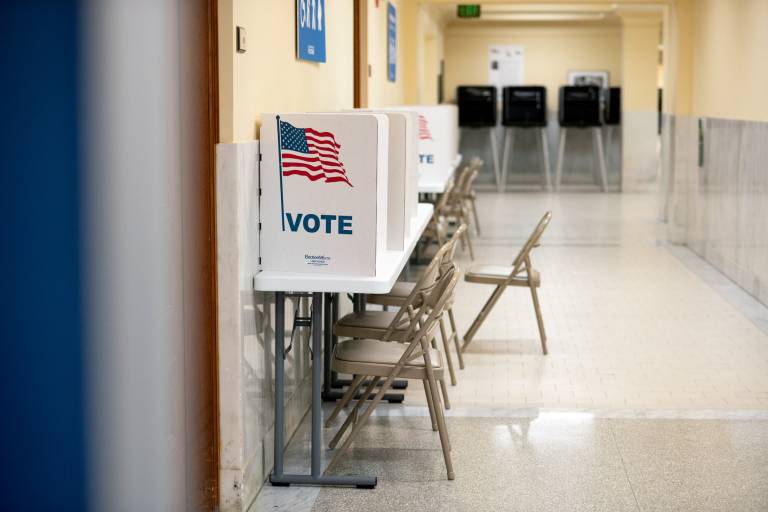
"caption": "Voting booths during early voting at City Hall in San Francisco on Tuesday, October 11, 2022.",
"credit": "Marlena Sloss/KQED",
"altTag": null,
"description": null,
"imgSizes": {
"thumbnail": {
"file": "https://cdn.kqed.org/wp-content/uploads/sites/43/2026/02/Early_Voting_015_qed-160x107.jpg",
"width": 160,
"height": 107,
"mimeType": "image/jpeg"
},
"medium_large": {
"file": "https://cdn.kqed.org/wp-content/uploads/sites/43/2026/02/Early_Voting_015_qed-768x512.jpg",
"width": 768,
"height": 512,
"mimeType": "image/jpeg"
},
"1536x1536": {
"file": "https://cdn.kqed.org/wp-content/uploads/sites/43/2026/02/Early_Voting_015_qed-1536x1025.jpg",
"width": 1536,
"height": 1025,
"mimeType": "image/jpeg"
},
"post-thumbnail": {
"file": "https://cdn.kqed.org/wp-content/uploads/sites/43/2026/02/Early_Voting_015_qed-672x372.jpg",
"width": 672,
"height": 372,
"mimeType": "image/jpeg"
},
"twentyfourteen-full-width": {
"file": "https://cdn.kqed.org/wp-content/uploads/sites/43/2026/02/Early_Voting_015_qed-1038x576.jpg",
"width": 1038,
"height": 576,
"mimeType": "image/jpeg"
},
"kqedFullSize": {
"file": "https://cdn.kqed.org/wp-content/uploads/sites/43/2026/02/Early_Voting_015_qed.jpg",
"width": 1998,
"height": 1333
}
},
"fetchFailed": false,
"isLoading": false
},
"forum_2010101912990": {
"type": "attachments",
"id": "forum_2010101912990",
"meta": {
"index": "attachments_1716263798",
"site": "forum",
"id": "2010101912990",
"found": true
},
"title": null,
"publishDate": 1771365007,
"status": "inherit",
"parent": 2010101912988,
"modified": 1771365028,
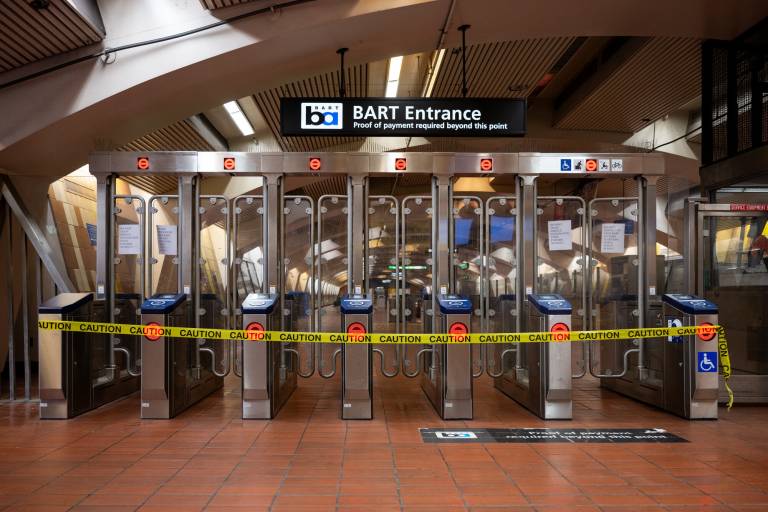
"caption": "Tape blocks the entrance at the 24th Street BART station in San Francisco on Sept. 5, 2025, during an outage.",
"credit": "Beth LaBerge/KQED",
"altTag": null,
"description": null,
"imgSizes": {
"thumbnail": {
"file": "https://cdn.kqed.org/wp-content/uploads/sites/43/2026/02/250905-BARTOutage-07-BL_qed-160x107.jpg",
"width": 160,
"height": 107,
"mimeType": "image/jpeg"
},
"medium_large": {
"file": "https://cdn.kqed.org/wp-content/uploads/sites/43/2026/02/250905-BARTOutage-07-BL_qed-768x512.jpg",
"width": 768,
"height": 512,
"mimeType": "image/jpeg"
},
"1536x1536": {
"file": "https://cdn.kqed.org/wp-content/uploads/sites/43/2026/02/250905-BARTOutage-07-BL_qed-1536x1024.jpg",
"width": 1536,
"height": 1024,
"mimeType": "image/jpeg"
},
"post-thumbnail": {
"file": "https://cdn.kqed.org/wp-content/uploads/sites/43/2026/02/250905-BARTOutage-07-BL_qed-672x372.jpg",
"width": 672,
"height": 372,
"mimeType": "image/jpeg"
},
"twentyfourteen-full-width": {
"file": "https://cdn.kqed.org/wp-content/uploads/sites/43/2026/02/250905-BARTOutage-07-BL_qed-1038x576.jpg",
"width": 1038,
"height": 576,
"mimeType": "image/jpeg"
},
"kqedFullSize": {
"file": "https://cdn.kqed.org/wp-content/uploads/sites/43/2026/02/250905-BARTOutage-07-BL_qed.jpg",
"width": 2000,
"height": 1333
}
},
"fetchFailed": false,
"isLoading": false
},
"forum_2010101912908": {
"type": "attachments",
"id": "forum_2010101912908",
"meta": {
"index": "attachments_1716263798",
"site": "forum",
"id": "2010101912908",
"found": true
},
"title": null,
"publishDate": 1770675098,
"status": "inherit",
"parent": 2010101912907,
"modified": 1770675873,
"caption": null,
"credit": "Natasha Sewell",
"altTag": null,
"description": null,
"imgSizes": {
"thumbnail": {
"file": "https://cdn.kqed.org/wp-content/uploads/sites/43/2026/02/Lichtblaupicture-160x107.jpg",
"width": 160,
"height": 107,
"mimeType": "image/jpeg"
},
"medium_large": {
"file": "https://cdn.kqed.org/wp-content/uploads/sites/43/2026/02/Lichtblaupicture-768x512.jpg",
"width": 768,
"height": 512,
"mimeType": "image/jpeg"
},
"1536x1536": {
"file": "https://cdn.kqed.org/wp-content/uploads/sites/43/2026/02/Lichtblaupicture-1536x1023.jpg",
"width": 1536,
"height": 1023,
"mimeType": "image/jpeg"
},
"post-thumbnail": {
"file": "https://cdn.kqed.org/wp-content/uploads/sites/43/2026/02/Lichtblaupicture-672x372.jpg",
"width": 672,
"height": 372,
"mimeType": "image/jpeg"
},
"twentyfourteen-full-width": {
"file": "https://cdn.kqed.org/wp-content/uploads/sites/43/2026/02/Lichtblaupicture-1038x576.jpg",
"width": 1038,
"height": 576,
"mimeType": "image/jpeg"
},
"kqedFullSize": {
"file": "https://cdn.kqed.org/wp-content/uploads/sites/43/2026/02/Lichtblaupicture.jpg",
"width": 1600,
"height": 1066
}
},
"fetchFailed": false,
"isLoading": false
},
"forum_2010101912915": {
"type": "attachments",
"id": "forum_2010101912915",
"meta": {
"index": "attachments_1716263798",
"site": "forum",
"id": "2010101912915",
"found": true
},
"title": "025_SanFrancisco_Housing_07292021_qed",
"publishDate": 1770677084,
"status": "inherit",
"parent": 2010101912909,
"modified": 1770677113,
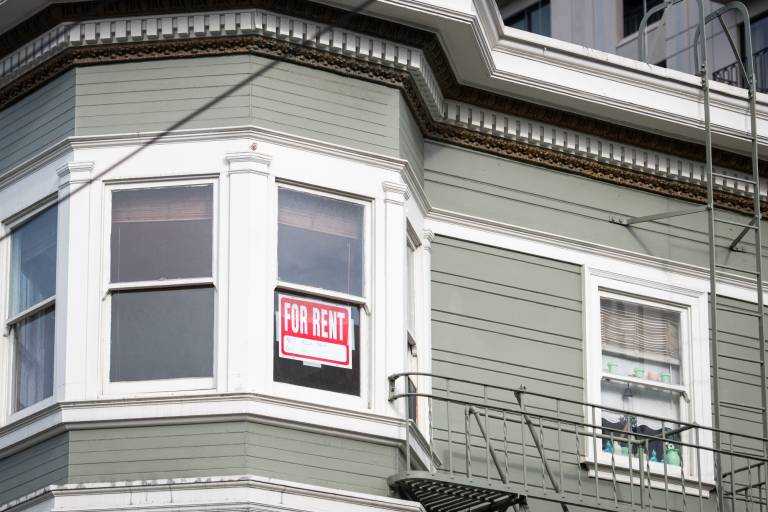
"caption": "A \"For Rent\" sign hangs in the window of an apartment building in Nob Hill in San Francisco on July 29, 2021.",
"credit": "Beth LaBerge/KQED",
"altTag": null,
"description": null,
"imgSizes": {
"thumbnail": {
"file": "https://cdn.kqed.org/wp-content/uploads/sites/43/2026/02/025_SanFrancisco_Housing_07292021_qed-160x107.jpg",
"width": 160,
"height": 107,
"mimeType": "image/jpeg"
},
"medium_large": {
"file": "https://cdn.kqed.org/wp-content/uploads/sites/43/2026/02/025_SanFrancisco_Housing_07292021_qed-768x512.jpg",
"width": 768,
"height": 512,
"mimeType": "image/jpeg"
},
"1536x1536": {
"file": "https://cdn.kqed.org/wp-content/uploads/sites/43/2026/02/025_SanFrancisco_Housing_07292021_qed-1536x1024.jpg",
"width": 1536,
"height": 1024,
"mimeType": "image/jpeg"
},
"post-thumbnail": {
"file": "https://cdn.kqed.org/wp-content/uploads/sites/43/2026/02/025_SanFrancisco_Housing_07292021_qed-672x372.jpg",
"width": 672,
"height": 372,
"mimeType": "image/jpeg"
},
"twentyfourteen-full-width": {
"file": "https://cdn.kqed.org/wp-content/uploads/sites/43/2026/02/025_SanFrancisco_Housing_07292021_qed-1038x576.jpg",
"width": 1038,
"height": 576,
"mimeType": "image/jpeg"
},
"kqedFullSize": {
"file": "https://cdn.kqed.org/wp-content/uploads/sites/43/2026/02/025_SanFrancisco_Housing_07292021_qed.jpg",
"width": 1999,
"height": 1333
}
},
"fetchFailed": false,
"isLoading": false
},
"forum_2010101912740": {
"type": "attachments",
"id": "forum_2010101912740",
"meta": {
"index": "attachments_1716263798",
"site": "forum",
"id": "2010101912740",
"found": true
},
"title": "FBI Director Kash Petel Announces Arrest Of Canadian Olympic Snowboarding Fugitive Ryan Wedding",
"publishDate": 1769207750,
"status": "inherit",
"parent": 2010101912738,
"modified": 1769208476,
"caption": "FBI Director Kash Patel, center, speaks during a press conference in Ontario, California, on Jan. 23. ",
"credit": "Photo by Will Lester/MediaNews Group/Inland Valley Daily Bulletin via Getty Images",
"altTag": "FBI Director Kash Patel, center, speaks during a press conference on the tarmac at Ontario International Airport on Friday, Jan. 23, 2026 as the FBI's Akil Davis, left, and Los Angeles Chief of Police Jim McDonnell, right, look on.",
"description": null,
"imgSizes": {
"medium": {
"file": "https://cdn.kqed.org/wp-content/uploads/sites/43/2026/01/GettyImages-2257278318-2000x1260.jpg",
"width": 2000,
"height": 1260,
"mimeType": "image/jpeg"
},
"large": {
"file": "https://cdn.kqed.org/wp-content/uploads/sites/43/2026/01/GettyImages-2257278318-2000x1260.jpg",
"width": 2000,
"height": 1260,
"mimeType": "image/jpeg"
},
"thumbnail": {
"file": "https://cdn.kqed.org/wp-content/uploads/sites/43/2026/01/GettyImages-2257278318-160x101.jpg",
"width": 160,
"height": 101,
"mimeType": "image/jpeg"
},
"medium_large": {
"file": "https://cdn.kqed.org/wp-content/uploads/sites/43/2026/01/GettyImages-2257278318-768x484.jpg",
"width": 768,
"height": 484,
"mimeType": "image/jpeg"
},
"1536x1536": {
"file": "https://cdn.kqed.org/wp-content/uploads/sites/43/2026/01/GettyImages-2257278318-1536x968.jpg",
"width": 1536,
"height": 968,
"mimeType": "image/jpeg"
},
"2048x2048": {
"file": "https://cdn.kqed.org/wp-content/uploads/sites/43/2026/01/GettyImages-2257278318-2048x1290.jpg",
"width": 2048,
"height": 1290,
"mimeType": "image/jpeg"
},
"post-thumbnail": {
"file": "https://cdn.kqed.org/wp-content/uploads/sites/43/2026/01/GettyImages-2257278318-672x372.jpg",
"width": 672,
"height": 372,
"mimeType": "image/jpeg"
},
"twentyfourteen-full-width": {
"file": "https://cdn.kqed.org/wp-content/uploads/sites/43/2026/01/GettyImages-2257278318-1038x576.jpg",
"width": 1038,
"height": 576,
"mimeType": "image/jpeg"
},
"full-width": {
"file": "https://cdn.kqed.org/wp-content/uploads/sites/43/2026/01/GettyImages-2257278318-2000x1260.jpg",
"width": 2000,
"height": 1260,
"mimeType": "image/jpeg"
},
"kqedFullSize": {
"file": "https://cdn.kqed.org/wp-content/uploads/sites/43/2026/01/GettyImages-2257278318-scaled.jpg",
"width": 2560,
"height": 1613
}
},
"fetchFailed": false,
"isLoading": false
},
"forum_2010101912628": {
"type": "attachments",
"id": "forum_2010101912628",
"meta": {
"index": "attachments_1716263798",
"site": "forum",
"id": "2010101912628",
"found": true
},
"title": "US-IMMIGRATION-ICE-SHOOTING",
"publishDate": 1768420427,
"status": "inherit",
"parent": 2010101912626,
"modified": 1768427156,
"caption": "US Border Patrol agents stand guard in Minneapolis, Minnesota, on January 8.",
"credit": "Photo by CHARLY TRIBALLEAU / AFP via Getty Images",
"altTag": "US Border Patrol agents",
"description": null,
"imgSizes": {
"medium": {
"file": "https://cdn.kqed.org/wp-content/uploads/sites/43/2026/01/GettyImages-2254675964-2000x1334.jpg",
"width": 2000,
"height": 1334,
"mimeType": "image/jpeg"
},
"large": {
"file": "https://cdn.kqed.org/wp-content/uploads/sites/43/2026/01/GettyImages-2254675964-2000x1334.jpg",
"width": 2000,
"height": 1334,
"mimeType": "image/jpeg"
},
"thumbnail": {
"file": "https://cdn.kqed.org/wp-content/uploads/sites/43/2026/01/GettyImages-2254675964-160x107.jpg",
"width": 160,
"height": 107,
"mimeType": "image/jpeg"
},
"medium_large": {
"file": "https://cdn.kqed.org/wp-content/uploads/sites/43/2026/01/GettyImages-2254675964-768x512.jpg",
"width": 768,
"height": 512,
"mimeType": "image/jpeg"
},
"1536x1536": {
"file": "https://cdn.kqed.org/wp-content/uploads/sites/43/2026/01/GettyImages-2254675964-1536x1025.jpg",
"width": 1536,
"height": 1025,
"mimeType": "image/jpeg"
},
"2048x2048": {
"file": "https://cdn.kqed.org/wp-content/uploads/sites/43/2026/01/GettyImages-2254675964-2048x1366.jpg",
"width": 2048,
"height": 1366,
"mimeType": "image/jpeg"
},
"post-thumbnail": {
"file": "https://cdn.kqed.org/wp-content/uploads/sites/43/2026/01/GettyImages-2254675964-672x372.jpg",
"width": 672,
"height": 372,
"mimeType": "image/jpeg"
},
"twentyfourteen-full-width": {
"file": "https://cdn.kqed.org/wp-content/uploads/sites/43/2026/01/GettyImages-2254675964-1038x576.jpg",
"width": 1038,
"height": 576,
"mimeType": "image/jpeg"
},
"full-width": {
"file": "https://cdn.kqed.org/wp-content/uploads/sites/43/2026/01/GettyImages-2254675964-2000x1334.jpg",
"width": 2000,
"height": 1334,
"mimeType": "image/jpeg"
},
"kqedFullSize": {
"file": "https://cdn.kqed.org/wp-content/uploads/sites/43/2026/01/GettyImages-2254675964-scaled.jpg",
"width": 2560,
"height": 1708
}
},
"fetchFailed": false,
"isLoading": false
},
"forum_2010101911477": {
"type": "attachments",
"id": "forum_2010101911477",
"meta": {
"index": "attachments_1716263798",
"site": "forum",
"id": "2010101911477",
"found": true
},
"title": "Government Shutdown",
"publishDate": 1759532786,
"status": "inherit",
"parent": 2010101911473,
"modified": 1759532786,
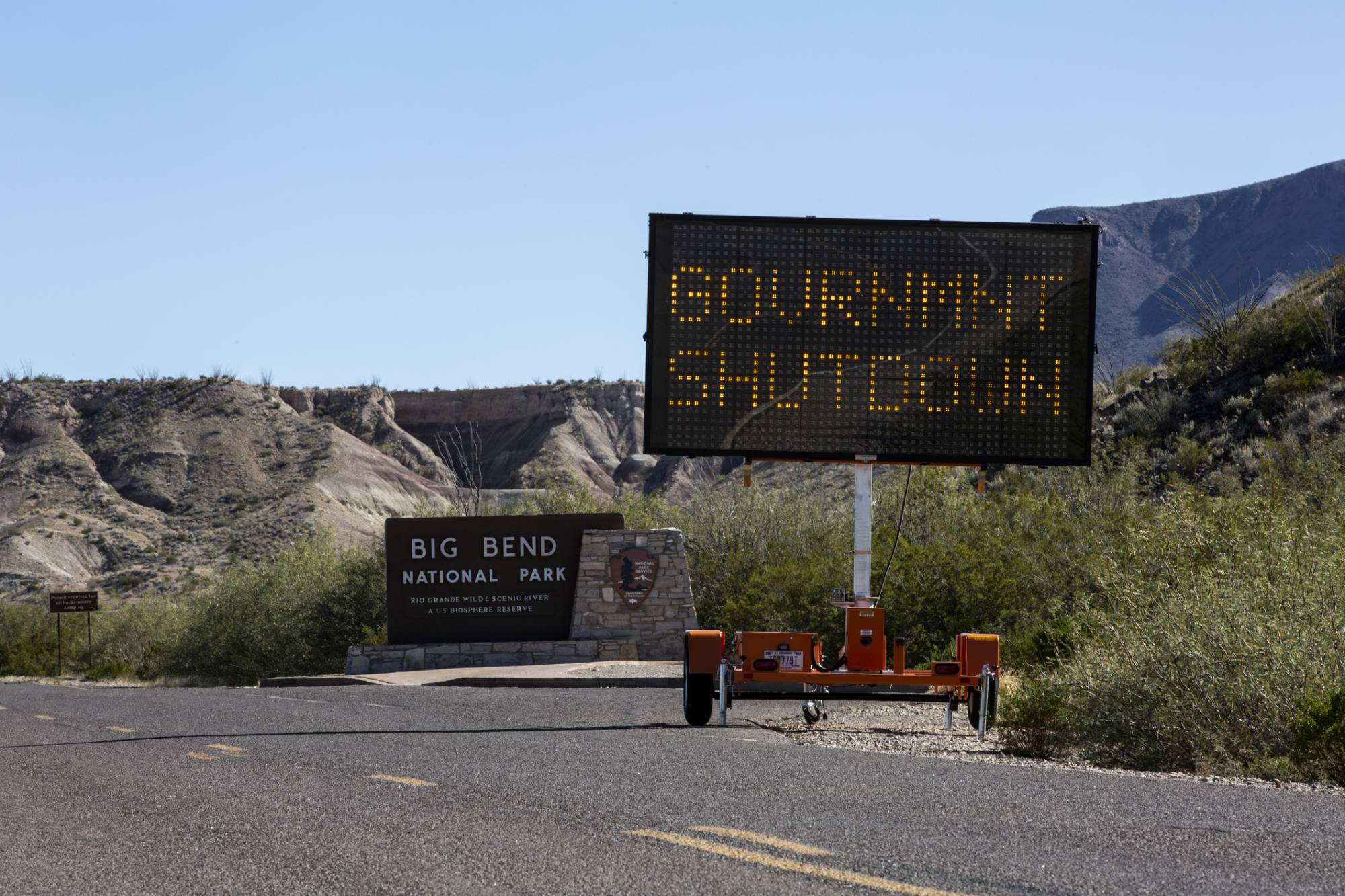
"caption": "Big Bend Park Shutdown",
"credit": null,
"altTag": null,
"description": null,
"imgSizes": {
"medium": {
"file": "https://cdn.kqed.org/wp-content/uploads/sites/43/2025/10/GettyImages-1089483216-2000x1333.jpg",
"width": 2000,
"height": 1333,
"mimeType": "image/jpeg"
},
"large": {
"file": "https://cdn.kqed.org/wp-content/uploads/sites/43/2025/10/GettyImages-1089483216-2000x1333.jpg",
"width": 2000,
"height": 1333,
"mimeType": "image/jpeg"
},
"thumbnail": {
"file": "https://cdn.kqed.org/wp-content/uploads/sites/43/2025/10/GettyImages-1089483216-160x107.jpg",
"width": 160,
"height": 107,
"mimeType": "image/jpeg"
},
"medium_large": {
"file": "https://cdn.kqed.org/wp-content/uploads/sites/43/2025/10/GettyImages-1089483216-768x512.jpg",
"width": 768,
"height": 512,
"mimeType": "image/jpeg"
},
"1536x1536": {
"file": "https://cdn.kqed.org/wp-content/uploads/sites/43/2025/10/GettyImages-1089483216-1536x1024.jpg",
"width": 1536,
"height": 1024,
"mimeType": "image/jpeg"
},
"2048x2048": {
"file": "https://cdn.kqed.org/wp-content/uploads/sites/43/2025/10/GettyImages-1089483216-2048x1365.jpg",
"width": 2048,
"height": 1365,
"mimeType": "image/jpeg"
},
"post-thumbnail": {
"file": "https://cdn.kqed.org/wp-content/uploads/sites/43/2025/10/GettyImages-1089483216-672x372.jpg",
"width": 672,
"height": 372,
"mimeType": "image/jpeg"
},
"twentyfourteen-full-width": {
"file": "https://cdn.kqed.org/wp-content/uploads/sites/43/2025/10/GettyImages-1089483216-1038x576.jpg",
"width": 1038,
"height": 576,
"mimeType": "image/jpeg"
},
"full-width": {
"file": "https://cdn.kqed.org/wp-content/uploads/sites/43/2025/10/GettyImages-1089483216-2000x1333.jpg",
"width": 2000,
"height": 1333,
"mimeType": "image/jpeg"
},
"kqedFullSize": {
"file": "https://cdn.kqed.org/wp-content/uploads/sites/43/2025/10/GettyImages-1089483216.jpg",
"width": 2121,
"height": 1414
}
},
"fetchFailed": false,
"isLoading": false
},
"forum_2010101910163": {
"type": "attachments",
"id": "forum_2010101910163",
"meta": {
"index": "attachments_1716263798",
"site": "forum",
"id": "2010101910163",
"found": true
},
"title": "tuneyards",
"publishDate": 1749161401,
"status": "inherit",
"parent": 2010101910162,
"modified": 1749163772,
"caption": "Tune-Yards performs at the Bluebird during the Granfalloon festival. ",
"credit": "LightRocket via Getty Images",
"altTag": null,
"description": null,
"imgSizes": {
"thumbnail": {
"file": "https://cdn.kqed.org/wp-content/uploads/sites/43/2025/06/tuneyards-160x90.png",
"width": 160,
"height": 90,
"mimeType": "image/png"
},
"medium_large": {
"file": "https://cdn.kqed.org/wp-content/uploads/sites/43/2025/06/tuneyards-768x432.png",
"width": 768,
"height": 432,
"mimeType": "image/png"
},
"1536x1536": {
"file": "https://cdn.kqed.org/wp-content/uploads/sites/43/2025/06/tuneyards-1536x864.png",
"width": 1536,
"height": 864,
"mimeType": "image/png"
},
"post-thumbnail": {
"file": "https://cdn.kqed.org/wp-content/uploads/sites/43/2025/06/tuneyards-672x372.png",
"width": 672,
"height": 372,
"mimeType": "image/png"
},
"twentyfourteen-full-width": {
"file": "https://cdn.kqed.org/wp-content/uploads/sites/43/2025/06/tuneyards-1038x576.png",
"width": 1038,
"height": 576,
"mimeType": "image/png"
},
"kqedFullSize": {
"file": "https://cdn.kqed.org/wp-content/uploads/sites/43/2025/06/tuneyards.png",
"width": 1920,
"height": 1080
}
},
"fetchFailed": false,
"isLoading": false
},
"forum_2010101906104": {
"type": "attachments",
"id": "forum_2010101906104",
"meta": {
"index": "attachments_1716263798",
"site": "forum",
"id": "2010101906104",
"found": true
},
"title": "Rahul Jandial (1)",
"publishDate": 1718742453,
"status": "inherit",
"parent": 2010101906103,
"modified": 1718742517,
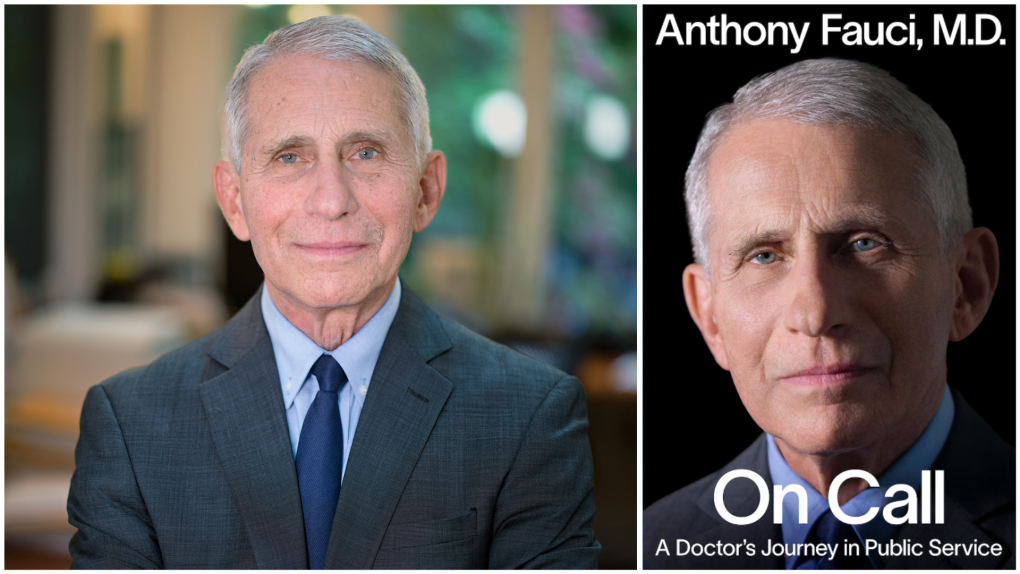
"caption": "Dr. Anthony Fauci's new book is \"On Call: A Doctor's Journey In Public Service\"",
"credit": "Christopher Michel",
"altTag": null,
"description": null,
"imgSizes": {
"medium": {
"file": "https://cdn.kqed.org/wp-content/uploads/sites/43/2024/06/Rahul-Jandial-1-800x450.png",
"width": 800,
"height": 450,
"mimeType": "image/png"
},
"large": {
"file": "https://cdn.kqed.org/wp-content/uploads/sites/43/2024/06/Rahul-Jandial-1-1020x574.png",
"width": 1020,
"height": 574,
"mimeType": "image/png"
},
"thumbnail": {
"file": "https://cdn.kqed.org/wp-content/uploads/sites/43/2024/06/Rahul-Jandial-1-160x90.png",
"width": 160,
"height": 90,
"mimeType": "image/png"
},
"medium_large": {
"file": "https://cdn.kqed.org/wp-content/uploads/sites/43/2024/06/Rahul-Jandial-1-768x432.png",
"width": 768,
"height": 432,
"mimeType": "image/png"
},
"1536x1536": {
"file": "https://cdn.kqed.org/wp-content/uploads/sites/43/2024/06/Rahul-Jandial-1-1536x864.png",
"width": 1536,
"height": 864,
"mimeType": "image/png"
},
"post-thumbnail": {
"file": "https://cdn.kqed.org/wp-content/uploads/sites/43/2024/06/Rahul-Jandial-1-672x372.png",
"width": 672,
"height": 372,
"mimeType": "image/png"
},
"twentyfourteen-full-width": {
"file": "https://cdn.kqed.org/wp-content/uploads/sites/43/2024/06/Rahul-Jandial-1-1038x576.png",
"width": 1038,
"height": 576,
"mimeType": "image/png"
},
"kqedFullSize": {
"file": "https://cdn.kqed.org/wp-content/uploads/sites/43/2024/06/Rahul-Jandial-1.png",
"width": 1920,
"height": 1080
}
},
"fetchFailed": false,
"isLoading": false
}
},
"audioPlayerReducer": {
"postId": "stream_live",
"isPaused": true,
"isPlaying": false,
"pfsActive": false,
"pledgeModalIsOpen": true,
"playerDrawerIsOpen": false
},
"authorsReducer": {
"2010101854226": {
"type": "authors",
"id": "2010101854226",
"meta": {
"override": true
},
"slug": "2010101854226",
"name": "Scott Shafer",
"firstName": "Scott",
"lastName": "Shafer",
"bio": "",
"email": "",
"isLoading": false
},
"minakim": {
"type": "authors",
"id": "243",
"meta": {
"index": "authors_1716337520",
"id": "243",
"found": true
},
"name": "Mina Kim",
"firstName": "Mina",
"lastName": "Kim",
"slug": "minakim",
"email": "mkim@kqed.org",
"display_author_email": false,
"staff_mastheads": [
"news"
],
"title": "Host, Forum",
"bio": "Mina Kim is host of the 10 a.m. statewide hour of Forum; a live daily talk show for curious Californians on issues that matter to the state and nation, with a particular emphasis on race and equity.\r\n\r\nBefore joining the Forum team, Mina was KQED’s evening news anchor, and health reporter for The California Report. Her award-winning work has included natural disasters in Napa and gun violence in Oakland. Mina grew up in St. John’s, Newfoundland.",
"avatar": "https://secure.gravatar.com/avatar/145ce657a2d08cb86d93686beb958982?s=600&d=blank&r=g",
"twitter": "mkimreporter",
"facebook": null,
"instagram": null,
"linkedin": null,
"sites": [
{
"site": "news",
"roles": [
"contributor"
]
},
{
"site": "stateofhealth",
"roles": [
"author"
]
},
{
"site": "forum",
"roles": [
"editor"
]
}
],
"headData": {
"title": "Mina Kim | KQED",
"description": "Host, Forum",
"ogImgSrc": "https://secure.gravatar.com/avatar/145ce657a2d08cb86d93686beb958982?s=600&d=blank&r=g",
"twImgSrc": "https://secure.gravatar.com/avatar/145ce657a2d08cb86d93686beb958982?s=600&d=blank&r=g"
},
"isLoading": false,
"link": "/author/minakim"
},
"amadrigal": {
"type": "authors",
"id": "11757",
"meta": {
"index": "authors_1716337520",
"id": "11757",
"found": true
},
"name": "Alexis Madrigal",
"firstName": "Alexis",
"lastName": "Madrigal",
"slug": "amadrigal",
"email": "amadrigal@kqed.org",
"display_author_email": true,
"staff_mastheads": [],
"title": "Co-Host Forum",
"bio": "Alexis Madrigal is the co-host of Forum. He is also a contributing writer at \u003cem>The Atlantic \u003c/em>and the co-founder of the COVID Tracking Project. He's the creator of the podcast, \u003cem>Containers\u003c/em>, and has been a staff writer at \u003cem>Wired. \u003c/em>He was a visiting scholar at UC Berkeley's Information School, and is working on a book about Oakland and the Bay Area's revolutionary ideas.",
"avatar": "https://secure.gravatar.com/avatar/200d13dd6cebef55bf04327dec901b3d?s=600&d=blank&r=g",
"twitter": "alexismadrigal",
"facebook": null,
"instagram": null,
"linkedin": null,
"sites": [
{
"site": "news",
"roles": [
"editor"
]
},
{
"site": "forum",
"roles": [
"editor"
]
}
],
"headData": {
"title": "Alexis Madrigal | KQED",
"description": "Co-Host Forum",
"ogImgSrc": "https://secure.gravatar.com/avatar/200d13dd6cebef55bf04327dec901b3d?s=600&d=blank&r=g",
"twImgSrc": "https://secure.gravatar.com/avatar/200d13dd6cebef55bf04327dec901b3d?s=600&d=blank&r=g"
},
"isLoading": false,
"link": "/author/amadrigal"
}
},
"breakingNewsReducer": {},
"pagesReducer": {},
"postsReducer": {
"stream_live": {
"type": "live",
"id": "stream_live",
"audioUrl": "https://streams.kqed.org/kqedradio",
"title": "Live Stream",
"excerpt": "Live Stream information currently unavailable.",
"link": "/radio",
"featImg": "",
"label": {
"name": "KQED Live",
"link": "/"
}
},
"stream_kqedNewscast": {
"type": "posts",
"id": "stream_kqedNewscast",
"audioUrl": "https://www.kqed.org/.stream/anon/radio/RDnews/newscast.mp3?_=1",
"title": "KQED Newscast",
"featImg": "",
"label": {
"name": "88.5 FM",
"link": "/"
}
},
"forum_2010101912991": {
"type": "posts",
"id": "forum_2010101912991",
"meta": {
"index": "posts_1716263798",
"site": "forum",
"id": "2010101912991",
"score": null,
"sort": [
1771437600000
]
},
"guestAuthors": [],
"slug": "concerns-build-for-election-interference-in-midterms",
"title": "Concerns Build for Election Interference in Midterms",
"publishDate": 1771365853,
"format": "audio",
"headTitle": "Concerns Build for Election Interference in Midterms | KQED",
"labelTerm": {
"term": 3,
"site": "forum"
},
"content": "\u003ch2>Airdate: Wednesday, February 18 at 10 AM\u003c/h2>\n\u003cp>California senator Adam Schiff says that President Donald Trump will try to “subvert” the midterm elections this year by attempting to overturn any result that disadvantages Congressional Republicans. The President has recently called for nationalizing elections, made multiple unproven claims about voter fraud and pushed the FBI to seize ballots from a Georgia district he lost in 2020. Meanwhile, election integrity experts say U.S. voting systems are secure and that the courts will continue to reject election challenges brought by Trump. We’ll unpack what we might see come November and how election officials are preparing.\u003c/p>\n\u003cp>\u003cstrong>Related link(s):\u003c/strong>\u003c/p>\n\u003cul>\n\u003cli>\u003ca href=\"https://www.brennancenter.org/our-work/research-reports/california-protections-against-intimidation-voters-and-election-workers\">California: Protections Against Intimidation of Voters and Election Workers\u003c/a>\u003c/li>\n\u003cli style=\"font-weight: 400\">\u003ca href=\"https://www.theatlantic.com/newsletters/2026/02/trump-threats-american-elections/685873/\">\u003cspan style=\"font-weight: 400\">Trump’s New Threats to American Elections – The Atlantic\u003c/span>\u003c/a>\u003c/li>\n\u003cli>\u003ca href=\"https://www.theatlantic.com/magazine/archive/2025/12/2026-midterms-trump-threat/684615/\">\u003cspan style=\"font-weight: 400\">Donald Trump’s Plan to Subvert the Midterms Is Already Under Way – The Atlantic\u003c/span>\u003c/a>\u003c/li>\n\u003cli>\u003ca href=\"https://www.brennancenter.org/our-work/analysis-opinion/save-act-would-undermine-voter-registration-all-americans\">\u003cspan style=\"font-weight: 400\">SAVE Act Would Undermine Voter Registration for All Americans | Brennan Center for Justice\u003c/span>\u003c/a>\u003c/li>\n\u003cli>\u003ca href=\"https://www.brennancenter.org/our-work/analysis-opinion/trump-administration-escalates-election-meddling-seizing-2020-voting\">\u003cspan style=\"font-weight: 400\">Trump Administration Escalates Election Meddling by Seizing 2020 Voting Records in Georgia | Brennan Center for Justice\u003c/span>\u003c/a>\u003c/li>\n\u003c/ul>\n\u003cp data-start=\"267\" data-end=\"636\">[ad fullwidth]\u003c/p>\n\u003cp data-start=\"267\" data-end=\"636\">\u003cem>\u003cstrong>This partial transcript was computer-generated. While our team has reviewed it, there may be errors.\u003c/strong>\u003c/em>\u003c/p>\n\u003cp data-start=\"267\" data-end=\"636\">\u003cstrong data-start=\"267\" data-end=\"280\">Mina Kim:\u003c/strong> Welcome to \u003cem data-start=\"292\" data-end=\"299\">Forum\u003c/em>. I’m Mina Kim. Concerns have been building over whether the midterm elections will be free and fair. But in recent weeks, those worries have intensified after the FBI seized ballots and voter rolls in Fulton County, and President Trump this month floated nationalizing elections on the podcast of former FBI deputy director Dan Bongino.\u003c/p>\n\u003cp data-start=\"638\" data-end=\"945\">\u003cstrong data-start=\"638\" data-end=\"661\">Dan Bongino (clip):\u003c/strong> \u003cem>The Republicans should say, we want to take over. We should take over the voting in at least many—fifteen—places. The Republicans are to nationalize the voting. And then we have states that are so crooked, and they’re counting votes. We have states that I won that show I didn’t win.\u003c/em>\u003c/p>\n\u003cp data-start=\"947\" data-end=\"1171\">\u003cstrong data-start=\"947\" data-end=\"960\">Mina Kim:\u003c/strong> The president’s drumbeat of false claims of a stolen 2020 election, as well as continued claims of illegal voting and mail-in ballot fraud, are being felt at the local level by elections officials and voters.\u003c/p>\n\u003cp data-start=\"1173\" data-end=\"1295\">Listeners—do you worry about election interference? Have you contemplated getting more involved in this year’s election?\u003c/p>\n\u003cp data-start=\"1297\" data-end=\"1412\">Joining me first is Natalie Adona, registrar of voters for Marin County. Natalie, thanks so much for being with us.\u003c/p>\n\u003cp data-start=\"1414\" data-end=\"1472\">\u003cstrong data-start=\"1414\" data-end=\"1432\">Natalie Adona:\u003c/strong> Thanks for the invite. Glad to be here.\u003c/p>\n\u003cp data-start=\"1474\" data-end=\"1631\">\u003cstrong data-start=\"1474\" data-end=\"1487\">Mina Kim:\u003c/strong> Are you hearing from voters worried about the safety and security of elections in light of recent events? And what are you telling them, if so?\u003c/p>\n\u003cp data-start=\"1633\" data-end=\"1851\">\u003cstrong data-start=\"1633\" data-end=\"1651\">Natalie Adona:\u003c/strong> Yeah, I have heard more often now that the June primary is starting to feel real for us in California. Some voters are expressing concerns about what they’re hearing in the news about the election.\u003c/p>\n\u003cp data-start=\"1853\" data-end=\"2131\">What I’m telling them is: please come to us—and I thank them for coming to us—because we are the primary source of information on how the elections process works. There are several elements of the law that are important for them to know, and I think that’s grounding for them.\u003c/p>\n\u003cp data-start=\"2133\" data-end=\"2435\">For example, there is the Constitution of the United States, which squarely puts responsibility for election administration with the states. Election officials such as myself take an oath to follow the law—not only state law, but also federal laws that define election administration in this country.\u003c/p>\n\u003cp data-start=\"2437\" data-end=\"2974\">I’ve also heard concerns from voters about whether immigration agents or a federal presence will show up at voting locations. In California, there are laws against having uniformed officers—or anyone posing as a uniformed officer—stationing themselves at a voting location. That includes polling places and drop boxes. It is unlawful for anybody, law enforcement or not, to interfere with the elections process and the orderly conduct of an election. That applies to voting equipment, ballots, and also the people running the election.\u003c/p>\n\u003cp data-start=\"2976\" data-end=\"3313\">I’ve heard feedback from voters, and the response is largely positive—they’re glad there are laws on the books. But we’ll see how things develop. I noticed today there was a survey showing low confidence leading up to the election about whether the process will be fair. So yes, it’s an active conversation we’re having with voters here.\u003c/p>\n\u003cp data-start=\"3315\" data-end=\"3660\">\u003cstrong data-start=\"3315\" data-end=\"3328\">Mina Kim:\u003c/strong> Yes. I hear that if people are concerned about whether the process will be fair—whether ballots could be tampered with or seized—you invite people to come and watch the ballot counting on election day, for example, or the days after. What would they see? Can you demystify the process briefly—things that might give them assurance?\u003c/p>\n\u003cp data-start=\"3662\" data-end=\"3930\">\u003cstrong data-start=\"3662\" data-end=\"3680\">Natalie Adona:\u003c/strong> Sure. It depends on what stage of the process you’re coming into. I encourage folks to come in when there’s something to see. You can come in anytime for a tour of the office, but it’s more exciting when you can actually see us processing ballots.\u003c/p>\n\u003cp data-start=\"3932\" data-end=\"4275\">In California, we send out ballots 29 days before the election. We’ll start seeing ballots returned around 15 days before then, and you’ll see a lot of signature verification. If you come in on election day, you may see ballots being extracted from envelopes after the signatures have been verified. You might even see tabulation activities.\u003c/p>\n\u003cp data-start=\"4277\" data-end=\"4562\">If you really want an introduction to how elections work, I encourage people to sign up to be an election worker. Now is a good time—please don’t ask us on election day because we’ve already staffed everything. But if you ask now, many counties like Marin are accepting applications.\u003c/p>\n\u003cp data-start=\"4564\" data-end=\"4745\">That’s how I started in elections—I volunteered to be a poll worker years and years ago. And once the elections bug bites you, you never go back. I highly encourage people to do it.\u003c/p>\n\u003cp data-start=\"4747\" data-end=\"5021\">\u003cstrong data-start=\"4747\" data-end=\"4760\">Mina Kim:\u003c/strong> Are you seeing an uptick in interest—or a decline—from other elections officials across the state? I know you speak with them regularly about people not wanting to be poll workers because of concerns about intimidation or a federal or law enforcement presence.\u003c/p>\n\u003cp data-start=\"5023\" data-end=\"5350\">\u003cstrong data-start=\"5023\" data-end=\"5041\">Natalie Adona:\u003c/strong> Lately, we’ve seen more interest in participating in elections. But you’re absolutely right—particularly after the 2020 election, we had a really hard stretch. In 2021 during the gubernatorial recall and again in 2022, we saw the fallout from misinformation and disinformation from the 2020 election cycle.\u003c/p>\n\u003cp data-start=\"5352\" data-end=\"5458\">A lot of poll workers bore the brunt of citizens’ frustrations about the previous presidential election.\u003c/p>\n\u003cp data-start=\"5460\" data-end=\"5849\">Now, people are starting to get interested again—mostly out of curiosity about how the process works. When I tell folks who are concerned about this upcoming cycle to look at the many steps and processes we take all the time to ensure safe and secure elections, they become very interested. I encourage people to come to us, go through the training, and if you love it—welcome to my world.\u003c/p>\n\u003cp data-start=\"5851\" data-end=\"6126\">\u003cstrong data-start=\"5851\" data-end=\"5864\">Mina Kim:\u003c/strong> You’ve certainly dealt with your share of severe harassment. Before you took the job in Marin, you were registrar of voters in Nevada County, a more conservative county. And you even had to obtain a restraining order there. What kind of harassment did you face?\u003c/p>\n\u003cp data-start=\"6128\" data-end=\"6420\">\u003cstrong data-start=\"6128\" data-end=\"6146\">Natalie Adona:\u003c/strong> There was an overlap between people upset about the last presidential election and people upset about mask mandates. It culminated in an incident where I was threatened in person. It was actually the county counsel’s idea to pursue a restraining order, which we obtained.\u003c/p>\n\u003cp data-start=\"6422\" data-end=\"6714\">Unfortunately, it created tension with a small but very vocal group in the community. We had to work through that, because they were also very interested in election activities and frequently made data requests and other information requests. It was a very interesting working relationship.\u003c/p>\n\u003cp data-start=\"6716\" data-end=\"7028\">When I decided to move to Marin, it was mostly because I’m from the Bay Area and my family is here. But I was also looking forward to being in an environment where I didn’t feel like I had to put myself out there so much. In Nevada County, the conversation drifted away from elections and became focused on me.\u003c/p>\n\u003cp data-start=\"7030\" data-end=\"7169\">I would much rather focus on elections—securing public trust in the process and, ultimately, trust in election results, no matter who wins.\u003c/p>\n\u003cp data-start=\"7171\" data-end=\"7427\">\u003cstrong data-start=\"7171\" data-end=\"7184\">Mina Kim:\u003c/strong> How worried are you about what you’re seeing now regarding voting systems nationwide—with the steady drumbeat of claims of widespread voter fraud, the FBI raid of an election center in Georgia, and demands by the DOJ for detailed voter rolls?\u003c/p>\n\u003cp data-start=\"7429\" data-end=\"7652\">\u003cstrong data-start=\"7429\" data-end=\"7447\">Natalie Adona:\u003c/strong> I try not to worry too much, but I do a lot of planning—contingency planning for the “what ifs.” There’s messaging out there that I think is intended to create chaos, so planning helps us stay grounded.\u003c/p>\n\u003cp data-start=\"7654\" data-end=\"8031\">One thing I’ve told our voters is that we’re not going to have a Fulton County situation here in Marin, at least not related to the 2020 election. For one, the statutory period for pursuing an election crime from 2020 has lapsed. Second, we’ve already destroyed all materials from the 2020 election—the retention period is 22 months, so they were destroyed in September 2022.\u003c/p>\n\u003cp data-start=\"8033\" data-end=\"8248\">Looking ahead, I don’t know what will happen. Government resources are limited. If something like what happened in Fulton County occurs again, it will probably be targeted at places where election results are close.\u003c/p>\n\u003cp data-start=\"8250\" data-end=\"8394\">\u003cstrong data-start=\"8250\" data-end=\"8263\">Mina Kim:\u003c/strong> We just have 20 seconds, Natalie. What’s your advice to voters about how to defend our election system—the best thing they can do?\u003c/p>\n\u003cp data-start=\"8396\" data-end=\"8689\">\u003cstrong data-start=\"8396\" data-end=\"8414\">Natalie Adona:\u003c/strong> If you have questions, ask an elections official first—and please volunteer to get involved. You can observe, work the polls—there are lots of options. In California, you have the right to ask questions about the elections process and get answers. We’re here to answer them.\u003c/p>\n\u003cp data-start=\"8691\" data-end=\"8776\">\u003cstrong data-start=\"8691\" data-end=\"8704\">Mina Kim:\u003c/strong> Natalie Adona, registrar of voters for Marin County. Thank you so much.\u003c/p>\n\u003cp data-start=\"8778\" data-end=\"8833\">\u003cstrong data-start=\"8778\" data-end=\"8796\">Natalie Adona:\u003c/strong> Thank you so much. Have a great day.\u003c/p>\n\u003cp data-start=\"8835\" data-end=\"8978\">\u003cstrong data-start=\"8835\" data-end=\"8848\">Mina Kim:\u003c/strong> You too. We’re talking about concerns over midterm election interference and what you can do. More after the break. I’m Mina Kim.\u003c/p>\n\u003cp>[ad floatright]\u003c/p>\n",
"blocks": [],
"excerpt": "We unpack what we might see in elections November and how election officials are preparing.",
"status": "publish",
"parent": 0,
"modified": 1771458906,
"stats": {
"hasAudio": false,
"hasVideo": false,
"hasChartOrMap": false,
"iframeSrcs": [],
"hasGoogleForm": false,
"hasGallery": false,
"hasHearkenModule": false,
"hasPolis": false,
"paragraphCount": 3,
"wordCount": 1762
},
"headData": {
"title": "Concerns Build for Election Interference in Midterms | KQED",
"description": "We unpack what we might see in elections November and how election officials are preparing.",
"ogTitle": "",
"ogDescription": "",
"ogImgId": "",
"twTitle": "",
"twDescription": "",
"twImgId": "",
"schema": {
"@context": "https://schema.org",
"@type": "Article",
"headline": "Concerns Build for Election Interference in Midterms",
"datePublished": "2026-02-17T14:04:13-08:00",
"dateModified": "2026-02-18T15:55:06-08:00",
"image": "https://cdn.kqed.org/wp-content/uploads/2020/02/KQED-OG-Image@1x.png"
}
},
"primaryCategory": {
"termId": 1623,
"slug": "podcast",
"name": "Podcast"
},
"audioUrl": "https://www.podtrac.com/pts/redirect.mp3/pdst.fm/e/traffic.megaphone.fm/KQINC2691748478.mp3?updated=1771447336",
"airdate": 1771437600,
"forumGuests": [
{
"name": "David Graham",
"bio": "staff writer, The Atlantic"
},
{
"name": "Wendy Weiser",
"bio": "vice president for democracy, Brennan Center for Justice at NYU Law"
},
{
"name": "Natalie Adona",
"bio": "registrar of voters, Marin County"
}
],
"sticky": false,
"templateType": "standard",
"featuredImageType": "standard",
"excludeFromSiteSearch": "Include",
"articleAge": "0",
"path": "/forum/2010101912991/concerns-build-for-election-interference-in-midterms",
"audioTrackLength": null,
"parsedContent": [
{
"type": "contentString",
"content": "\u003cdiv class=\"post-body\">\u003cp>\u003ch2>Airdate: Wednesday, February 18 at 10 AM\u003c/h2>\n\u003cp>California senator Adam Schiff says that President Donald Trump will try to “subvert” the midterm elections this year by attempting to overturn any result that disadvantages Congressional Republicans. The President has recently called for nationalizing elections, made multiple unproven claims about voter fraud and pushed the FBI to seize ballots from a Georgia district he lost in 2020. Meanwhile, election integrity experts say U.S. voting systems are secure and that the courts will continue to reject election challenges brought by Trump. We’ll unpack what we might see come November and how election officials are preparing.\u003c/p>\n\u003cp>\u003cstrong>Related link(s):\u003c/strong>\u003c/p>\n\u003cul>\n\u003cli>\u003ca href=\"https://www.brennancenter.org/our-work/research-reports/california-protections-against-intimidation-voters-and-election-workers\">California: Protections Against Intimidation of Voters and Election Workers\u003c/a>\u003c/li>\n\u003cli style=\"font-weight: 400\">\u003ca href=\"https://www.theatlantic.com/newsletters/2026/02/trump-threats-american-elections/685873/\">\u003cspan style=\"font-weight: 400\">Trump’s New Threats to American Elections – The Atlantic\u003c/span>\u003c/a>\u003c/li>\n\u003cli>\u003ca href=\"https://www.theatlantic.com/magazine/archive/2025/12/2026-midterms-trump-threat/684615/\">\u003cspan style=\"font-weight: 400\">Donald Trump’s Plan to Subvert the Midterms Is Already Under Way – The Atlantic\u003c/span>\u003c/a>\u003c/li>\n\u003cli>\u003ca href=\"https://www.brennancenter.org/our-work/analysis-opinion/save-act-would-undermine-voter-registration-all-americans\">\u003cspan style=\"font-weight: 400\">SAVE Act Would Undermine Voter Registration for All Americans | Brennan Center for Justice\u003c/span>\u003c/a>\u003c/li>\n\u003cli>\u003ca href=\"https://www.brennancenter.org/our-work/analysis-opinion/trump-administration-escalates-election-meddling-seizing-2020-voting\">\u003cspan style=\"font-weight: 400\">Trump Administration Escalates Election Meddling by Seizing 2020 Voting Records in Georgia | Brennan Center for Justice\u003c/span>\u003c/a>\u003c/li>\n\u003c/ul>\n\u003cp data-start=\"267\" data-end=\"636\">\u003c/p>\u003c/div>",
"attributes": {
"named": {},
"numeric": []
}
},
{
"type": "component",
"content": "",
"name": "ad",
"attributes": {
"named": {
"label": "fullwidth"
},
"numeric": [
"fullwidth"
]
}
},
{
"type": "contentString",
"content": "\u003cdiv class=\"post-body\">\u003cp>\u003c/p>\n\u003cp data-start=\"267\" data-end=\"636\">\u003cem>\u003cstrong>This partial transcript was computer-generated. While our team has reviewed it, there may be errors.\u003c/strong>\u003c/em>\u003c/p>\n\u003cp data-start=\"267\" data-end=\"636\">\u003cstrong data-start=\"267\" data-end=\"280\">Mina Kim:\u003c/strong> Welcome to \u003cem data-start=\"292\" data-end=\"299\">Forum\u003c/em>. I’m Mina Kim. Concerns have been building over whether the midterm elections will be free and fair. But in recent weeks, those worries have intensified after the FBI seized ballots and voter rolls in Fulton County, and President Trump this month floated nationalizing elections on the podcast of former FBI deputy director Dan Bongino.\u003c/p>\n\u003cp data-start=\"638\" data-end=\"945\">\u003cstrong data-start=\"638\" data-end=\"661\">Dan Bongino (clip):\u003c/strong> \u003cem>The Republicans should say, we want to take over. We should take over the voting in at least many—fifteen—places. The Republicans are to nationalize the voting. And then we have states that are so crooked, and they’re counting votes. We have states that I won that show I didn’t win.\u003c/em>\u003c/p>\n\u003cp data-start=\"947\" data-end=\"1171\">\u003cstrong data-start=\"947\" data-end=\"960\">Mina Kim:\u003c/strong> The president’s drumbeat of false claims of a stolen 2020 election, as well as continued claims of illegal voting and mail-in ballot fraud, are being felt at the local level by elections officials and voters.\u003c/p>\n\u003cp data-start=\"1173\" data-end=\"1295\">Listeners—do you worry about election interference? Have you contemplated getting more involved in this year’s election?\u003c/p>\n\u003cp data-start=\"1297\" data-end=\"1412\">Joining me first is Natalie Adona, registrar of voters for Marin County. Natalie, thanks so much for being with us.\u003c/p>\n\u003cp data-start=\"1414\" data-end=\"1472\">\u003cstrong data-start=\"1414\" data-end=\"1432\">Natalie Adona:\u003c/strong> Thanks for the invite. Glad to be here.\u003c/p>\n\u003cp data-start=\"1474\" data-end=\"1631\">\u003cstrong data-start=\"1474\" data-end=\"1487\">Mina Kim:\u003c/strong> Are you hearing from voters worried about the safety and security of elections in light of recent events? And what are you telling them, if so?\u003c/p>\n\u003cp data-start=\"1633\" data-end=\"1851\">\u003cstrong data-start=\"1633\" data-end=\"1651\">Natalie Adona:\u003c/strong> Yeah, I have heard more often now that the June primary is starting to feel real for us in California. Some voters are expressing concerns about what they’re hearing in the news about the election.\u003c/p>\n\u003cp data-start=\"1853\" data-end=\"2131\">What I’m telling them is: please come to us—and I thank them for coming to us—because we are the primary source of information on how the elections process works. There are several elements of the law that are important for them to know, and I think that’s grounding for them.\u003c/p>\n\u003cp data-start=\"2133\" data-end=\"2435\">For example, there is the Constitution of the United States, which squarely puts responsibility for election administration with the states. Election officials such as myself take an oath to follow the law—not only state law, but also federal laws that define election administration in this country.\u003c/p>\n\u003cp data-start=\"2437\" data-end=\"2974\">I’ve also heard concerns from voters about whether immigration agents or a federal presence will show up at voting locations. In California, there are laws against having uniformed officers—or anyone posing as a uniformed officer—stationing themselves at a voting location. That includes polling places and drop boxes. It is unlawful for anybody, law enforcement or not, to interfere with the elections process and the orderly conduct of an election. That applies to voting equipment, ballots, and also the people running the election.\u003c/p>\n\u003cp data-start=\"2976\" data-end=\"3313\">I’ve heard feedback from voters, and the response is largely positive—they’re glad there are laws on the books. But we’ll see how things develop. I noticed today there was a survey showing low confidence leading up to the election about whether the process will be fair. So yes, it’s an active conversation we’re having with voters here.\u003c/p>\n\u003cp data-start=\"3315\" data-end=\"3660\">\u003cstrong data-start=\"3315\" data-end=\"3328\">Mina Kim:\u003c/strong> Yes. I hear that if people are concerned about whether the process will be fair—whether ballots could be tampered with or seized—you invite people to come and watch the ballot counting on election day, for example, or the days after. What would they see? Can you demystify the process briefly—things that might give them assurance?\u003c/p>\n\u003cp data-start=\"3662\" data-end=\"3930\">\u003cstrong data-start=\"3662\" data-end=\"3680\">Natalie Adona:\u003c/strong> Sure. It depends on what stage of the process you’re coming into. I encourage folks to come in when there’s something to see. You can come in anytime for a tour of the office, but it’s more exciting when you can actually see us processing ballots.\u003c/p>\n\u003cp data-start=\"3932\" data-end=\"4275\">In California, we send out ballots 29 days before the election. We’ll start seeing ballots returned around 15 days before then, and you’ll see a lot of signature verification. If you come in on election day, you may see ballots being extracted from envelopes after the signatures have been verified. You might even see tabulation activities.\u003c/p>\n\u003cp data-start=\"4277\" data-end=\"4562\">If you really want an introduction to how elections work, I encourage people to sign up to be an election worker. Now is a good time—please don’t ask us on election day because we’ve already staffed everything. But if you ask now, many counties like Marin are accepting applications.\u003c/p>\n\u003cp data-start=\"4564\" data-end=\"4745\">That’s how I started in elections—I volunteered to be a poll worker years and years ago. And once the elections bug bites you, you never go back. I highly encourage people to do it.\u003c/p>\n\u003cp data-start=\"4747\" data-end=\"5021\">\u003cstrong data-start=\"4747\" data-end=\"4760\">Mina Kim:\u003c/strong> Are you seeing an uptick in interest—or a decline—from other elections officials across the state? I know you speak with them regularly about people not wanting to be poll workers because of concerns about intimidation or a federal or law enforcement presence.\u003c/p>\n\u003cp data-start=\"5023\" data-end=\"5350\">\u003cstrong data-start=\"5023\" data-end=\"5041\">Natalie Adona:\u003c/strong> Lately, we’ve seen more interest in participating in elections. But you’re absolutely right—particularly after the 2020 election, we had a really hard stretch. In 2021 during the gubernatorial recall and again in 2022, we saw the fallout from misinformation and disinformation from the 2020 election cycle.\u003c/p>\n\u003cp data-start=\"5352\" data-end=\"5458\">A lot of poll workers bore the brunt of citizens’ frustrations about the previous presidential election.\u003c/p>\n\u003cp data-start=\"5460\" data-end=\"5849\">Now, people are starting to get interested again—mostly out of curiosity about how the process works. When I tell folks who are concerned about this upcoming cycle to look at the many steps and processes we take all the time to ensure safe and secure elections, they become very interested. I encourage people to come to us, go through the training, and if you love it—welcome to my world.\u003c/p>\n\u003cp data-start=\"5851\" data-end=\"6126\">\u003cstrong data-start=\"5851\" data-end=\"5864\">Mina Kim:\u003c/strong> You’ve certainly dealt with your share of severe harassment. Before you took the job in Marin, you were registrar of voters in Nevada County, a more conservative county. And you even had to obtain a restraining order there. What kind of harassment did you face?\u003c/p>\n\u003cp data-start=\"6128\" data-end=\"6420\">\u003cstrong data-start=\"6128\" data-end=\"6146\">Natalie Adona:\u003c/strong> There was an overlap between people upset about the last presidential election and people upset about mask mandates. It culminated in an incident where I was threatened in person. It was actually the county counsel’s idea to pursue a restraining order, which we obtained.\u003c/p>\n\u003cp data-start=\"6422\" data-end=\"6714\">Unfortunately, it created tension with a small but very vocal group in the community. We had to work through that, because they were also very interested in election activities and frequently made data requests and other information requests. It was a very interesting working relationship.\u003c/p>\n\u003cp data-start=\"6716\" data-end=\"7028\">When I decided to move to Marin, it was mostly because I’m from the Bay Area and my family is here. But I was also looking forward to being in an environment where I didn’t feel like I had to put myself out there so much. In Nevada County, the conversation drifted away from elections and became focused on me.\u003c/p>\n\u003cp data-start=\"7030\" data-end=\"7169\">I would much rather focus on elections—securing public trust in the process and, ultimately, trust in election results, no matter who wins.\u003c/p>\n\u003cp data-start=\"7171\" data-end=\"7427\">\u003cstrong data-start=\"7171\" data-end=\"7184\">Mina Kim:\u003c/strong> How worried are you about what you’re seeing now regarding voting systems nationwide—with the steady drumbeat of claims of widespread voter fraud, the FBI raid of an election center in Georgia, and demands by the DOJ for detailed voter rolls?\u003c/p>\n\u003cp data-start=\"7429\" data-end=\"7652\">\u003cstrong data-start=\"7429\" data-end=\"7447\">Natalie Adona:\u003c/strong> I try not to worry too much, but I do a lot of planning—contingency planning for the “what ifs.” There’s messaging out there that I think is intended to create chaos, so planning helps us stay grounded.\u003c/p>\n\u003cp data-start=\"7654\" data-end=\"8031\">One thing I’ve told our voters is that we’re not going to have a Fulton County situation here in Marin, at least not related to the 2020 election. For one, the statutory period for pursuing an election crime from 2020 has lapsed. Second, we’ve already destroyed all materials from the 2020 election—the retention period is 22 months, so they were destroyed in September 2022.\u003c/p>\n\u003cp data-start=\"8033\" data-end=\"8248\">Looking ahead, I don’t know what will happen. Government resources are limited. If something like what happened in Fulton County occurs again, it will probably be targeted at places where election results are close.\u003c/p>\n\u003cp data-start=\"8250\" data-end=\"8394\">\u003cstrong data-start=\"8250\" data-end=\"8263\">Mina Kim:\u003c/strong> We just have 20 seconds, Natalie. What’s your advice to voters about how to defend our election system—the best thing they can do?\u003c/p>\n\u003cp data-start=\"8396\" data-end=\"8689\">\u003cstrong data-start=\"8396\" data-end=\"8414\">Natalie Adona:\u003c/strong> If you have questions, ask an elections official first—and please volunteer to get involved. You can observe, work the polls—there are lots of options. In California, you have the right to ask questions about the elections process and get answers. We’re here to answer them.\u003c/p>\n\u003cp data-start=\"8691\" data-end=\"8776\">\u003cstrong data-start=\"8691\" data-end=\"8704\">Mina Kim:\u003c/strong> Natalie Adona, registrar of voters for Marin County. Thank you so much.\u003c/p>\n\u003cp data-start=\"8778\" data-end=\"8833\">\u003cstrong data-start=\"8778\" data-end=\"8796\">Natalie Adona:\u003c/strong> Thank you so much. Have a great day.\u003c/p>\n\u003cp data-start=\"8835\" data-end=\"8978\">\u003cstrong data-start=\"8835\" data-end=\"8848\">Mina Kim:\u003c/strong> You too. We’re talking about concerns over midterm election interference and what you can do. More after the break. I’m Mina Kim.\u003c/p>\n\u003cp>\u003c/p>\u003c/div>",
"attributes": {
"named": {},
"numeric": []
}
},
{
"type": "component",
"content": "",
"name": "ad",
"attributes": {
"named": {
"label": "floatright"
},
"numeric": [
"floatright"
]
}
},
{
"type": "contentString",
"content": "\u003cdiv class=\"post-body\">\u003cp>\u003c/p>\n\u003c/div>\u003c/p>",
"attributes": {
"named": {},
"numeric": []
}
}
],
"link": "/forum/2010101912991/concerns-build-for-election-interference-in-midterms",
"authors": [
"243"
],
"programs": [
"forum_3"
],
"categories": [
"forum_2",
"forum_1623"
],
"featImg": "forum_2010101912993",
"label": "forum_3"
},
"forum_2010101912988": {
"type": "posts",
"id": "forum_2010101912988",
"meta": {
"index": "posts_1716263798",
"site": "forum",
"id": "2010101912988",
"score": null,
"sort": [
1771434000000
]
},
"guestAuthors": [],
"slug": "bart-proposes-station-closures-and-fare-hikes-to-deal-with-massive-budget-shortfall",
"title": "BART Proposes Station Closures and Fare Hikes to Deal with Massive Budget Shortfall",
"publishDate": 1771365037,
"format": "audio",
"headTitle": "BART Proposes Station Closures and Fare Hikes to Deal with Massive Budget Shortfall | KQED",
"labelTerm": {
"term": 3,
"site": "forum"
},
"content": "\u003ch2>Airdate: Wednesday, February 18 at 9 AM\u003c/h2>\n\u003cp>Facing a $376 million deficit, BART announced that without more funding, it will consider drastic cuts including closing one-third of its 50 stations and raising fares by 30%. The agency is pinning its financial future on a proposed sales tax on the November ballot as it struggles to recover from a changed post-pandemic commuting pattern. What would the Bay Area be without BART? We’ll talk to the agency’s manager and hear from you.\u003c/p>\n\u003cp>[ad fullwidth]\u003c/p>\n\u003cp>\u003cem>\u003cstrong>This partial transcript was computer-generated. While our team has reviewed it, there may be errors.\u003c/strong>\u003c/em>\u003c/p>\n\u003cdiv class=\"flex flex-col text-sm pb-25\">\n\u003carticle class=\"text-token-text-primary w-full focus:outline-none [--shadow-height:45px] has-data-writing-block:pointer-events-none has-data-writing-block:-mt-(--shadow-height) has-data-writing-block:pt-(--shadow-height) [&:has([data-writing-block])>*]:pointer-events-auto [content-visibility:auto] supports-[content-visibility:auto]:[contain-intrinsic-size:auto_100lvh] scroll-mt-[calc(var(--header-height)+min(200px,max(70px,20svh)))]\" dir=\"auto\" data-turn-id=\"request-WEB:1fe7d419-ef86-45ea-8840-49d22799e1b4-0\" data-testid=\"conversation-turn-2\" data-scroll-anchor=\"true\" data-turn=\"assistant\">\n\u003cdiv class=\"text-base my-auto mx-auto pb-10 [--thread-content-margin:--spacing(4)] @w-sm/main:[--thread-content-margin:--spacing(6)] @w-lg/main:[--thread-content-margin:--spacing(16)] px-(--thread-content-margin)\">\n\u003cdiv class=\"[--thread-content-max-width:40rem] @w-lg/main:[--thread-content-max-width:48rem] mx-auto max-w-(--thread-content-max-width) flex-1 group/turn-messages focus-visible:outline-hidden relative flex w-full min-w-0 flex-col agent-turn\">\n\u003cdiv class=\"flex max-w-full flex-col grow\">\n\u003cdiv class=\"min-h-8 text-message relative flex w-full flex-col items-end gap-2 text-start break-words whitespace-normal [.text-message+&]:mt-1\" dir=\"auto\" data-message-author-role=\"assistant\" data-message-id=\"05de490b-5763-4b8c-88be-731f007ffc0f\" data-message-model-slug=\"gpt-5-2\">\n\u003cdiv class=\"flex w-full flex-col gap-1 empty:hidden first:pt-[1px]\">\n\u003cdiv class=\"markdown prose dark:prose-invert w-full wrap-break-word light markdown-new-styling\">\n\u003cp data-start=\"0\" data-end=\"365\">\u003cstrong data-start=\"0\" data-end=\"20\">Alexis Madrigal:\u003c/strong> Welcome to \u003cem data-start=\"32\" data-end=\"39\">Forum\u003c/em>. I’m Alexis Madrigal. The story of how BART got into a financial crisis is really very simple. BART was built to deliver commuters to downtown San Francisco, and it did this admirably well—recovering 71 percent of its operating budget just from fares in the years before the pandemic, one of the highest rates in the world.\u003c/p>\n\u003cp data-start=\"367\" data-end=\"669\">Then the pandemic hit. Workers still have not returned to downtown San Francisco in their previous numbers, and it seems as likely as not that they never will. So now the system is in a terrible bind, running a massive deficit, with almost no hope that there will be a boom in ridership anytime soon.\u003c/p>\n\u003cp data-start=\"671\" data-end=\"956\">The agency now has its hopes pinned on a November ballot measure that would deliver over $300 million per year, according to BART, mostly closing its deficit. Today, we talk about the various scenarios for service, what the ballot measure might not fix, and dig into the BART budget.\u003c/p>\n\u003cp data-start=\"958\" data-end=\"1035\">We’re joined first by Robert Powers, general manager of BART. Welcome, Bob.\u003c/p>\n\u003cp data-start=\"1037\" data-end=\"1090\">\u003cstrong data-start=\"1037\" data-end=\"1055\">Robert Powers:\u003c/strong> Thank you for having me, Alexis.\u003c/p>\n\u003cp data-start=\"1092\" data-end=\"1281\">\u003cstrong data-start=\"1092\" data-end=\"1112\">Alexis Madrigal:\u003c/strong> Yeah, thanks for joining us. So let’s talk about this budget deficit. Is it really just the ridership, as I described, or are there other factors we haven’t included?\u003c/p>\n\u003cp data-start=\"1283\" data-end=\"1691\">\u003cstrong data-start=\"1283\" data-end=\"1301\">Robert Powers:\u003c/strong> I think your synopsis—a bit of history on how we got here—is accurate. The pandemic and remote work are major factors. I would just add that we are starting to see a few more folks returning to the office, and some movement in remote work policies, with major companies shifting to one or two remote days per week. Our ridership has been steadily increasing, just not at a dramatic pace.\u003c/p>\n\u003cp data-start=\"1693\" data-end=\"1990\">\u003cstrong data-start=\"1693\" data-end=\"1713\">Alexis Madrigal:\u003c/strong> Yeah. I follow these ridership numbers really closely—probably embarrassingly closely. I kept expecting that one day the line would just shoot up. But instead, it’s never really done that. I think we’re at 42 percent of pre-pandemic ridership, and it’s just been inching up.\u003c/p>\n\u003cp data-start=\"1992\" data-end=\"2146\">Is there some event or moment that you feel could bend that line more quickly? San Francisco has this AI boom going—shouldn’t there be people riding in?\u003c/p>\n\u003cp data-start=\"2148\" data-end=\"2289\">\u003cstrong data-start=\"2148\" data-end=\"2166\">Robert Powers:\u003c/strong> It’s difficult. We’re in a position where many jobs in the Bay Area can be done remotely, and that complicates the math.\u003c/p>\n\u003cp data-start=\"2291\" data-end=\"2321\">\u003cstrong data-start=\"2291\" data-end=\"2311\">Alexis Madrigal:\u003c/strong> Mm-hmm.\u003c/p>\n\u003cp data-start=\"2323\" data-end=\"2707\">\u003cstrong data-start=\"2323\" data-end=\"2341\">Robert Powers:\u003c/strong> But I would say this: as people get out there and experience what I call the “new BART,” I think more people are coming back and riding. You’re right—the number of people riding BART is similar to pre-COVID levels. But the number of trips they take has changed. Instead of five days a week, they’re riding one or two days a week, and that’s the challenge we face.\u003c/p>\n\u003cp data-start=\"2709\" data-end=\"2980\">\u003cstrong data-start=\"2709\" data-end=\"2729\">Alexis Madrigal:\u003c/strong> So before we talk about the budgetary side of that challenge, is this a moment when BART needs to reimagine itself—regardless of what happens with this tax measure—because we don’t have the same hub-and-spoke model we once did? Things have changed.\u003c/p>\n\u003cp data-start=\"2982\" data-end=\"3360\">\u003cstrong data-start=\"2982\" data-end=\"3000\">Robert Powers:\u003c/strong> Every day, I focus on how BART can improve the customer and rider experience and let our “new BART” lead the way. That means three things: safety and security, on-time performance, and cleanliness. I think we’ve done an excellent job delivering on those, and that’s helping drive ridership. If we stay focused there, I think that will lead to good outcomes.\u003c/p>\n\u003cp data-start=\"3362\" data-end=\"3643\">\u003cstrong data-start=\"3362\" data-end=\"3382\">Alexis Madrigal:\u003c/strong> Okay, let’s talk about how you’re funding the agency right now. Ridership hasn’t fully come back. The state and, under the previous administration, the federal government were helping transit agencies. How are you piecing things together before this measure?\u003c/p>\n\u003cp data-start=\"3645\" data-end=\"3963\">\u003cstrong data-start=\"3645\" data-end=\"3663\">Robert Powers:\u003c/strong> We’re at—or very near—the end of the federal assistance we received during COVID. There were three allotments of federal help dedicated to operations while ridership was down. We’ll deplete all of those resources this fiscal year, and that’s what’s driving this $300 million deficit going forward.\u003c/p>\n\u003cp data-start=\"3965\" data-end=\"4149\">\u003cstrong data-start=\"3965\" data-end=\"3985\">Alexis Madrigal:\u003c/strong> As I understand it from BART documents, the deficit is closer to $400 million. The sales tax would generate more than $300 million. What else will close the gap?\u003c/p>\n\u003cp data-start=\"4151\" data-end=\"4459\">\u003cstrong data-start=\"4151\" data-end=\"4169\">Robert Powers:\u003c/strong> Over the last couple of years, we’ve been looking for efficiencies. One example is the decision to run shorter trains. That has several benefits, but at the core, it saves about $8 million a year in energy costs. It also reduces maintenance, cleaning, and some safety and security needs.\u003c/p>\n\u003cp data-start=\"4461\" data-end=\"4657\">Those kinds of changes add up. We’ve reduced non-labor budgets and peak-period service. There’s no single element that will balance the budget—it’s a series of efficiencies we’re working toward.\u003c/p>\n\u003cp data-start=\"4659\" data-end=\"4939\">\u003cstrong data-start=\"4659\" data-end=\"4679\">Alexis Madrigal:\u003c/strong> When I was looking at the budget, a couple of things stood out. One is pension liabilities, which are a big chunk of the budget. The other is police spending. You mentioned safety as a major focus. Will either of those be part of negotiations going forward?\u003c/p>\n\u003cp data-start=\"4941\" data-end=\"5328\">\u003cstrong data-start=\"4941\" data-end=\"4959\">Robert Powers:\u003c/strong> On policing, safety and security are fundamental to public transit. Our policing helps get people out of their cars and onto trains. Fifty percent of our police department are walking trains and platforms in stations. We still have vacancies at the sworn officer level, but I think we’re doing a good job. We’re trying to hold down overtime costs as we move forward.\u003c/p>\n\u003cp data-start=\"5330\" data-end=\"5450\">We’ve also been partnering with labor on how we balance BART’s budget. It has to be a collaboration and a partnership.\u003c/p>\n\u003cp data-start=\"5452\" data-end=\"5586\">\u003cstrong data-start=\"5452\" data-end=\"5472\">Alexis Madrigal:\u003c/strong> And what about pensions? Decisions in the past seem to have created significant costs now for retiree benefits.\u003c/p>\n\u003cp data-start=\"5588\" data-end=\"5837\">\u003cstrong data-start=\"5588\" data-end=\"5606\">Robert Powers:\u003c/strong> Right now, we’re continuing to defer retiree health contributions. But at some point, we still have to make those contributions, and they become more expensive the longer we wait. For now, though, we’re continuing to defer them.\u003c/p>\n\u003cp data-start=\"5839\" data-end=\"6000\">\u003cstrong data-start=\"5839\" data-end=\"5859\">Alexis Madrigal:\u003c/strong> Let’s talk about the so-called doomsday scenario if the sales tax initiative doesn’t pass. What would happen in those different scenarios?\u003c/p>\n\u003cp data-start=\"6002\" data-end=\"6196\">\u003cstrong data-start=\"6002\" data-end=\"6020\">Robert Powers:\u003c/strong> We took this issue to the BART board in a workshop. In November, there are two potential outcomes. If the measure fails, things get complicated—and difficult—pretty quickly.\u003c/p>\n\u003cp data-start=\"6198\" data-end=\"6454\">We would move from five lines to three-line service, with two trains an hour—30-minute headways—and we would close at 9 p.m. That would be about a 63 percent reduction in train hours. We’d also need to increase fares and parking fees by about 30 percent.\u003c/p>\n\u003cp data-start=\"6456\" data-end=\"6637\">With those service reductions would come additional savings from labor and layoffs, among other changes. Without a dedicated revenue stream, everything has to remain on the table.\u003c/p>\n\u003cp data-start=\"6639\" data-end=\"6932\">It was an emotional discussion with the BART board, given how integral BART is to the region—regional connectivity, mobility, the environment, sustainability, and the economy. BART underpins all those discussions. It’s my responsibility as general manager to have a plan for either scenario.\u003c/p>\n\u003cp data-start=\"6934\" data-end=\"7091\">\u003cstrong data-start=\"6934\" data-end=\"6954\">Alexis Madrigal:\u003c/strong> We’re also going to talk with Melissa Hernandez, president of the BART board of directors and former mayor of Dublin, after the break.\u003c/p>\n\u003cp data-start=\"7093\" data-end=\"7337\">Right now, we’ve got Bob Powers, general manager of BART, and we want to hear from you. How would BART’s plans to cut service affect you if it cannot get more funding? Are you willing to pay more to ride BART? How are you thinking about this?\u003c/p>\n\u003cp data-start=\"7339\" data-end=\"7504\">You can give us a call: 866-733-6786. That’s 866-733-6786. The email is \u003ca class=\"decorated-link cursor-pointer\" rel=\"noopener\" data-start=\"7411\" data-end=\"7425\">forum@kqed.org\u003c/a>. You can find us on social media—Blue Sky, Instagram, Discord—or KQED Forum.\u003c/p>\n\u003cp data-start=\"7506\" data-end=\"7569\" data-is-last-node=\"\" data-is-only-node=\"\">I’m Alexis Madrigal. Stay tuned for more right after the break.\u003c/p>\n\u003c/div>\n\u003c/div>\n\u003c/div>\n\u003c/div>\n\u003c/div>\n\u003c/div>\n\u003c/article>\n\u003c/div>\n\u003cp>[ad floatright]\u003c/p>\n",
"blocks": [],
"excerpt": "We talk to the BART's manager about the financial future of the transportation agency. ",
"status": "publish",
"parent": 0,
"modified": 1771458799,
"stats": {
"hasAudio": false,
"hasVideo": false,
"hasChartOrMap": false,
"iframeSrcs": [],
"hasGoogleForm": false,
"hasGallery": false,
"hasHearkenModule": false,
"hasPolis": false,
"paragraphCount": 4,
"wordCount": 1483
},
"headData": {
"title": "BART Proposes Station Closures and Fare Hikes to Deal with Massive Budget Shortfall | KQED",
"description": "We talk to the BART's manager about the financial future of the transportation agency. ",
"ogTitle": "",
"ogDescription": "",
"ogImgId": "",
"twTitle": "",
"twDescription": "",
"twImgId": "",
"schema": {
"@context": "https://schema.org",
"@type": "Article",
"headline": "BART Proposes Station Closures and Fare Hikes to Deal with Massive Budget Shortfall",
"datePublished": "2026-02-17T13:50:37-08:00",
"dateModified": "2026-02-18T15:53:19-08:00",
"image": "https://cdn.kqed.org/wp-content/uploads/2020/02/KQED-OG-Image@1x.png"
}
},
"primaryCategory": {
"termId": 1623,
"slug": "podcast",
"name": "Podcast"
},
"audioUrl": "https://www.podtrac.com/pts/redirect.mp3/pdst.fm/e/traffic.megaphone.fm/KQINC6245001087.mp3",
"airdate": 1771434000,
"forumGuests": [
{
"name": "Robert Powers",
"bio": "general manager, Bay Area Rapid Transit"
},
{
"name": "Jesse Arreguin",
"bio": "California state senator, District 7"
},
{
"name": "Dionne Adams",
"bio": "mayor, Pittsburgh, CA"
},
{
"name": "Melissa Hernandez",
"bio": "president, BART board of directors; former mayor, Dublin, CA"
}
],
"sticky": false,
"templateType": "standard",
"featuredImageType": "standard",
"excludeFromSiteSearch": "Include",
"articleAge": "0",
"path": "/forum/2010101912988/bart-proposes-station-closures-and-fare-hikes-to-deal-with-massive-budget-shortfall",
"audioTrackLength": null,
"parsedContent": [
{
"type": "contentString",
"content": "\u003cdiv class=\"post-body\">\u003cp>\u003ch2>Airdate: Wednesday, February 18 at 9 AM\u003c/h2>\n\u003cp>Facing a $376 million deficit, BART announced that without more funding, it will consider drastic cuts including closing one-third of its 50 stations and raising fares by 30%. The agency is pinning its financial future on a proposed sales tax on the November ballot as it struggles to recover from a changed post-pandemic commuting pattern. What would the Bay Area be without BART? We’ll talk to the agency’s manager and hear from you.\u003c/p>\n\u003cp>\u003c/p>\u003c/div>",
"attributes": {
"named": {},
"numeric": []
}
},
{
"type": "component",
"content": "",
"name": "ad",
"attributes": {
"named": {
"label": "fullwidth"
},
"numeric": [
"fullwidth"
]
}
},
{
"type": "contentString",
"content": "\u003cdiv class=\"post-body\">\u003cp>\u003c/p>\n\u003cp>\u003cem>\u003cstrong>This partial transcript was computer-generated. While our team has reviewed it, there may be errors.\u003c/strong>\u003c/em>\u003c/p>\n\u003cdiv class=\"flex flex-col text-sm pb-25\">\n\u003carticle class=\"text-token-text-primary w-full focus:outline-none [--shadow-height:45px] has-data-writing-block:pointer-events-none has-data-writing-block:-mt-(--shadow-height) has-data-writing-block:pt-(--shadow-height) [&:has([data-writing-block])>*]:pointer-events-auto [content-visibility:auto] supports-[content-visibility:auto]:[contain-intrinsic-size:auto_100lvh] scroll-mt-[calc(var(--header-height)+min(200px,max(70px,20svh)))]\" dir=\"auto\" data-turn-id=\"request-WEB:1fe7d419-ef86-45ea-8840-49d22799e1b4-0\" data-testid=\"conversation-turn-2\" data-scroll-anchor=\"true\" data-turn=\"assistant\">\n\u003cdiv class=\"text-base my-auto mx-auto pb-10 [--thread-content-margin:--spacing(4)] @w-sm/main:[--thread-content-margin:--spacing(6)] @w-lg/main:[--thread-content-margin:--spacing(16)] px-(--thread-content-margin)\">\n\u003cdiv class=\"[--thread-content-max-width:40rem] @w-lg/main:[--thread-content-max-width:48rem] mx-auto max-w-(--thread-content-max-width) flex-1 group/turn-messages focus-visible:outline-hidden relative flex w-full min-w-0 flex-col agent-turn\">\n\u003cdiv class=\"flex max-w-full flex-col grow\">\n\u003cdiv class=\"min-h-8 text-message relative flex w-full flex-col items-end gap-2 text-start break-words whitespace-normal [.text-message+&]:mt-1\" dir=\"auto\" data-message-author-role=\"assistant\" data-message-id=\"05de490b-5763-4b8c-88be-731f007ffc0f\" data-message-model-slug=\"gpt-5-2\">\n\u003cdiv class=\"flex w-full flex-col gap-1 empty:hidden first:pt-[1px]\">\n\u003cdiv class=\"markdown prose dark:prose-invert w-full wrap-break-word light markdown-new-styling\">\n\u003cp data-start=\"0\" data-end=\"365\">\u003cstrong data-start=\"0\" data-end=\"20\">Alexis Madrigal:\u003c/strong> Welcome to \u003cem data-start=\"32\" data-end=\"39\">Forum\u003c/em>. I’m Alexis Madrigal. The story of how BART got into a financial crisis is really very simple. BART was built to deliver commuters to downtown San Francisco, and it did this admirably well—recovering 71 percent of its operating budget just from fares in the years before the pandemic, one of the highest rates in the world.\u003c/p>\n\u003cp data-start=\"367\" data-end=\"669\">Then the pandemic hit. Workers still have not returned to downtown San Francisco in their previous numbers, and it seems as likely as not that they never will. So now the system is in a terrible bind, running a massive deficit, with almost no hope that there will be a boom in ridership anytime soon.\u003c/p>\n\u003cp data-start=\"671\" data-end=\"956\">The agency now has its hopes pinned on a November ballot measure that would deliver over $300 million per year, according to BART, mostly closing its deficit. Today, we talk about the various scenarios for service, what the ballot measure might not fix, and dig into the BART budget.\u003c/p>\n\u003cp data-start=\"958\" data-end=\"1035\">We’re joined first by Robert Powers, general manager of BART. Welcome, Bob.\u003c/p>\n\u003cp data-start=\"1037\" data-end=\"1090\">\u003cstrong data-start=\"1037\" data-end=\"1055\">Robert Powers:\u003c/strong> Thank you for having me, Alexis.\u003c/p>\n\u003cp data-start=\"1092\" data-end=\"1281\">\u003cstrong data-start=\"1092\" data-end=\"1112\">Alexis Madrigal:\u003c/strong> Yeah, thanks for joining us. So let’s talk about this budget deficit. Is it really just the ridership, as I described, or are there other factors we haven’t included?\u003c/p>\n\u003cp data-start=\"1283\" data-end=\"1691\">\u003cstrong data-start=\"1283\" data-end=\"1301\">Robert Powers:\u003c/strong> I think your synopsis—a bit of history on how we got here—is accurate. The pandemic and remote work are major factors. I would just add that we are starting to see a few more folks returning to the office, and some movement in remote work policies, with major companies shifting to one or two remote days per week. Our ridership has been steadily increasing, just not at a dramatic pace.\u003c/p>\n\u003cp data-start=\"1693\" data-end=\"1990\">\u003cstrong data-start=\"1693\" data-end=\"1713\">Alexis Madrigal:\u003c/strong> Yeah. I follow these ridership numbers really closely—probably embarrassingly closely. I kept expecting that one day the line would just shoot up. But instead, it’s never really done that. I think we’re at 42 percent of pre-pandemic ridership, and it’s just been inching up.\u003c/p>\n\u003cp data-start=\"1992\" data-end=\"2146\">Is there some event or moment that you feel could bend that line more quickly? San Francisco has this AI boom going—shouldn’t there be people riding in?\u003c/p>\n\u003cp data-start=\"2148\" data-end=\"2289\">\u003cstrong data-start=\"2148\" data-end=\"2166\">Robert Powers:\u003c/strong> It’s difficult. We’re in a position where many jobs in the Bay Area can be done remotely, and that complicates the math.\u003c/p>\n\u003cp data-start=\"2291\" data-end=\"2321\">\u003cstrong data-start=\"2291\" data-end=\"2311\">Alexis Madrigal:\u003c/strong> Mm-hmm.\u003c/p>\n\u003cp data-start=\"2323\" data-end=\"2707\">\u003cstrong data-start=\"2323\" data-end=\"2341\">Robert Powers:\u003c/strong> But I would say this: as people get out there and experience what I call the “new BART,” I think more people are coming back and riding. You’re right—the number of people riding BART is similar to pre-COVID levels. But the number of trips they take has changed. Instead of five days a week, they’re riding one or two days a week, and that’s the challenge we face.\u003c/p>\n\u003cp data-start=\"2709\" data-end=\"2980\">\u003cstrong data-start=\"2709\" data-end=\"2729\">Alexis Madrigal:\u003c/strong> So before we talk about the budgetary side of that challenge, is this a moment when BART needs to reimagine itself—regardless of what happens with this tax measure—because we don’t have the same hub-and-spoke model we once did? Things have changed.\u003c/p>\n\u003cp data-start=\"2982\" data-end=\"3360\">\u003cstrong data-start=\"2982\" data-end=\"3000\">Robert Powers:\u003c/strong> Every day, I focus on how BART can improve the customer and rider experience and let our “new BART” lead the way. That means three things: safety and security, on-time performance, and cleanliness. I think we’ve done an excellent job delivering on those, and that’s helping drive ridership. If we stay focused there, I think that will lead to good outcomes.\u003c/p>\n\u003cp data-start=\"3362\" data-end=\"3643\">\u003cstrong data-start=\"3362\" data-end=\"3382\">Alexis Madrigal:\u003c/strong> Okay, let’s talk about how you’re funding the agency right now. Ridership hasn’t fully come back. The state and, under the previous administration, the federal government were helping transit agencies. How are you piecing things together before this measure?\u003c/p>\n\u003cp data-start=\"3645\" data-end=\"3963\">\u003cstrong data-start=\"3645\" data-end=\"3663\">Robert Powers:\u003c/strong> We’re at—or very near—the end of the federal assistance we received during COVID. There were three allotments of federal help dedicated to operations while ridership was down. We’ll deplete all of those resources this fiscal year, and that’s what’s driving this $300 million deficit going forward.\u003c/p>\n\u003cp data-start=\"3965\" data-end=\"4149\">\u003cstrong data-start=\"3965\" data-end=\"3985\">Alexis Madrigal:\u003c/strong> As I understand it from BART documents, the deficit is closer to $400 million. The sales tax would generate more than $300 million. What else will close the gap?\u003c/p>\n\u003cp data-start=\"4151\" data-end=\"4459\">\u003cstrong data-start=\"4151\" data-end=\"4169\">Robert Powers:\u003c/strong> Over the last couple of years, we’ve been looking for efficiencies. One example is the decision to run shorter trains. That has several benefits, but at the core, it saves about $8 million a year in energy costs. It also reduces maintenance, cleaning, and some safety and security needs.\u003c/p>\n\u003cp data-start=\"4461\" data-end=\"4657\">Those kinds of changes add up. We’ve reduced non-labor budgets and peak-period service. There’s no single element that will balance the budget—it’s a series of efficiencies we’re working toward.\u003c/p>\n\u003cp data-start=\"4659\" data-end=\"4939\">\u003cstrong data-start=\"4659\" data-end=\"4679\">Alexis Madrigal:\u003c/strong> When I was looking at the budget, a couple of things stood out. One is pension liabilities, which are a big chunk of the budget. The other is police spending. You mentioned safety as a major focus. Will either of those be part of negotiations going forward?\u003c/p>\n\u003cp data-start=\"4941\" data-end=\"5328\">\u003cstrong data-start=\"4941\" data-end=\"4959\">Robert Powers:\u003c/strong> On policing, safety and security are fundamental to public transit. Our policing helps get people out of their cars and onto trains. Fifty percent of our police department are walking trains and platforms in stations. We still have vacancies at the sworn officer level, but I think we’re doing a good job. We’re trying to hold down overtime costs as we move forward.\u003c/p>\n\u003cp data-start=\"5330\" data-end=\"5450\">We’ve also been partnering with labor on how we balance BART’s budget. It has to be a collaboration and a partnership.\u003c/p>\n\u003cp data-start=\"5452\" data-end=\"5586\">\u003cstrong data-start=\"5452\" data-end=\"5472\">Alexis Madrigal:\u003c/strong> And what about pensions? Decisions in the past seem to have created significant costs now for retiree benefits.\u003c/p>\n\u003cp data-start=\"5588\" data-end=\"5837\">\u003cstrong data-start=\"5588\" data-end=\"5606\">Robert Powers:\u003c/strong> Right now, we’re continuing to defer retiree health contributions. But at some point, we still have to make those contributions, and they become more expensive the longer we wait. For now, though, we’re continuing to defer them.\u003c/p>\n\u003cp data-start=\"5839\" data-end=\"6000\">\u003cstrong data-start=\"5839\" data-end=\"5859\">Alexis Madrigal:\u003c/strong> Let’s talk about the so-called doomsday scenario if the sales tax initiative doesn’t pass. What would happen in those different scenarios?\u003c/p>\n\u003cp data-start=\"6002\" data-end=\"6196\">\u003cstrong data-start=\"6002\" data-end=\"6020\">Robert Powers:\u003c/strong> We took this issue to the BART board in a workshop. In November, there are two potential outcomes. If the measure fails, things get complicated—and difficult—pretty quickly.\u003c/p>\n\u003cp data-start=\"6198\" data-end=\"6454\">We would move from five lines to three-line service, with two trains an hour—30-minute headways—and we would close at 9 p.m. That would be about a 63 percent reduction in train hours. We’d also need to increase fares and parking fees by about 30 percent.\u003c/p>\n\u003cp data-start=\"6456\" data-end=\"6637\">With those service reductions would come additional savings from labor and layoffs, among other changes. Without a dedicated revenue stream, everything has to remain on the table.\u003c/p>\n\u003cp data-start=\"6639\" data-end=\"6932\">It was an emotional discussion with the BART board, given how integral BART is to the region—regional connectivity, mobility, the environment, sustainability, and the economy. BART underpins all those discussions. It’s my responsibility as general manager to have a plan for either scenario.\u003c/p>\n\u003cp data-start=\"6934\" data-end=\"7091\">\u003cstrong data-start=\"6934\" data-end=\"6954\">Alexis Madrigal:\u003c/strong> We’re also going to talk with Melissa Hernandez, president of the BART board of directors and former mayor of Dublin, after the break.\u003c/p>\n\u003cp data-start=\"7093\" data-end=\"7337\">Right now, we’ve got Bob Powers, general manager of BART, and we want to hear from you. How would BART’s plans to cut service affect you if it cannot get more funding? Are you willing to pay more to ride BART? How are you thinking about this?\u003c/p>\n\u003cp data-start=\"7339\" data-end=\"7504\">You can give us a call: 866-733-6786. That’s 866-733-6786. The email is \u003ca class=\"decorated-link cursor-pointer\" rel=\"noopener\" data-start=\"7411\" data-end=\"7425\">forum@kqed.org\u003c/a>. You can find us on social media—Blue Sky, Instagram, Discord—or KQED Forum.\u003c/p>\n\u003cp data-start=\"7506\" data-end=\"7569\" data-is-last-node=\"\" data-is-only-node=\"\">I’m Alexis Madrigal. Stay tuned for more right after the break.\u003c/p>\n\u003c/div>\n\u003c/div>\n\u003c/div>\n\u003c/div>\n\u003c/div>\n\u003c/div>\n\u003c/article>\n\u003c/div>\n\u003cp>\u003c/p>\u003c/div>",
"attributes": {
"named": {},
"numeric": []
}
},
{
"type": "component",
"content": "",
"name": "ad",
"attributes": {
"named": {
"label": "floatright"
},
"numeric": [
"floatright"
]
}
},
{
"type": "contentString",
"content": "\u003cdiv class=\"post-body\">\u003cp>\u003c/p>\n\u003c/div>\u003c/p>",
"attributes": {
"named": {},
"numeric": []
}
}
],
"link": "/forum/2010101912988/bart-proposes-station-closures-and-fare-hikes-to-deal-with-massive-budget-shortfall",
"authors": [
"11757"
],
"programs": [
"forum_3"
],
"categories": [
"forum_2",
"forum_1623"
],
"featImg": "forum_2010101912990",
"label": "forum_3"
},
"forum_2010101912907": {
"type": "posts",
"id": "forum_2010101912907",
"meta": {
"index": "posts_1716263798",
"site": "forum",
"id": "2010101912907",
"score": null,
"sort": [
1770746400000
]
},
"guestAuthors": [
{
"ID": "2010101854226",
"displayName": "Scott Shafer",
"firstName": "Scott",
"lastName": "Shafer",
"userLogin": "scottshafer",
"userEmail": "",
"linkedAccount": "",
"website": "",
"description": "",
"userNicename": "scottshafer",
"type": "guest-author",
"nickname": ""
}
],
"slug": "a-hate-murder-in-orange-county-exposes-growth-of-neo-nazism",
"title": "A Hate Murder in Orange County Exposes Growth of Neo-Nazism",
"publishDate": 1770675920,
"format": "audio",
"headTitle": "A Hate Murder in Orange County Exposes Growth of Neo-Nazism | KQED",
"labelTerm": {
"term": 3,
"site": "forum"
},
"content": "\u003ch2>Airdate: Tuesday, February 10 at 10 AM\u003c/h2>\n\u003cp>Since Donald Trump broke into the political scene in 2015, the United States has seen a surge in white supremacist hate groups. Investigative journalist Eric Lichtblau uses the 2018 murder of a gay, Jewish college student by a neo-Nazi in Orange County to explore the rise of white, Christian nationalism there – digging into how Trump’s attacks on immigrants, pardons of the January 6th rioters and use of racism memes have fueled and emboldened right wing extremism in California and across the country. We talk to him about his new book “American Reich.”\u003c/p>\n\u003cp>[ad fullwidth]\u003c/p>\n\u003cp>\u003cem>\u003cstrong>This partial transcript was computer-generated. While our team has reviewed it, there may be errors.\u003c/strong>\u003c/em>\u003c/p>\n\u003cp>\u003cb>Scott Shafer:\u003c/b>\u003cspan style=\"font-weight: 400\"> This is \u003c/span>\u003ci>\u003cspan style=\"font-weight: 400\">Forum\u003c/span>\u003c/i>\u003cspan style=\"font-weight: 400\">. I’m Scott Shafer, in for Mina Kim. Since Donald Trump broke onto the political scene in 2015, the United States has seen a surge in white supremacist and neo-Nazi hate groups.\u003c/span>\u003c/p>\n\u003cp>\u003cspan style=\"font-weight: 400\">Our guest today, investigative journalist Eric Lichtblau, uses the 2018 murder of a gay Jewish college student by a neo-Nazi in Orange County to explore the rise of white Christian nationalism there. He digs into how Trump’s attacks on immigrants, pardons of the January 6 rioters, and use of racist memes—including one he posted recently about the Obamas—have fueled and emboldened right-wing extremism in California and across the country.\u003c/span>\u003c/p>\n\u003cp>\u003cspan style=\"font-weight: 400\">His new book is titled \u003c/span>\u003ci>\u003cspan style=\"font-weight: 400\">American Reich: Murder in Orange County, Neo-Nazis, and a New Age of Hate\u003c/span>\u003c/i>\u003cspan style=\"font-weight: 400\">. Eric Lichtblau, welcome to \u003c/span>\u003ci>\u003cspan style=\"font-weight: 400\">Forum\u003c/span>\u003c/i>\u003cspan style=\"font-weight: 400\">.\u003c/span>\u003c/p>\n\u003cp>\u003cb>Eric Lichtblau:\u003c/b>\u003cspan style=\"font-weight: 400\"> Thanks for having me, Scott.\u003c/span>\u003c/p>\n\u003cp>\u003cb>Scott Shafer:\u003c/b>\u003cspan style=\"font-weight: 400\"> This is your fourth book. One of them was a bestseller, \u003c/span>\u003ci>\u003cspan style=\"font-weight: 400\">The Nazis Next Door\u003c/span>\u003c/i>\u003cspan style=\"font-weight: 400\">, which explores how, after World War II, the U.S. became a refuge for former Nazis. You started \u003c/span>\u003ci>\u003cspan style=\"font-weight: 400\">American Reich\u003c/span>\u003c/i>\u003cspan style=\"font-weight: 400\"> in 2020 during the pandemic. What drew you to Orange County for this investigation?\u003c/span>\u003c/p>\n\u003cp>\u003cb>Eric Lichtblau:\u003c/b>\u003cspan style=\"font-weight: 400\"> I was looking for a place that might surprise people because of its racism and the surge in hate crimes. We often think of the Deep South as the base for that, understandably. But Orange County has a deep-seated culture of racism going back to the Ku Klux Klan and its influence in places like Anaheim, dating to the early 1900s.\u003c/span>\u003c/p>\n\u003cp>\u003cspan style=\"font-weight: 400\">That continued through the John Birch Society and Orange County’s reputation as the “Orange Curtain,” well into this century. That’s only begun to change very recently, with Democrats taking over congressional seats just a few years ago. That shift has led to a backlash—a violent backlash—from white supremacists, resulting in a disturbing wave of attacks in Orange County.\u003c/span>\u003c/p>\n\u003cp>\u003cspan style=\"font-weight: 400\">We’ve seen the emergence of groups like Rise Above Movement and Atomwaffen. These groups have shown a willingness to carry out attacks in many forms in Orange County. In many ways, it’s an extreme version of what we’re seeing across the country.\u003c/span>\u003c/p>\n\u003cp>\u003cb>Scott Shafer:\u003c/b>\u003cspan style=\"font-weight: 400\"> I want to get into some of those groups in a minute. But the book starts as the story of two young men with a tragic connection: the victim, a college student named Blaze Bernstein, and his killer, Sam Woodward, a former high school classmate who became a white supremacist. So tell us first—who was Blaze? What was he like?\u003c/span>\u003c/p>\n\u003cp>\u003cb>Eric Lichtblau:\u003c/b>\u003cspan style=\"font-weight: 400\"> Blaze was a very artsy kid who attended a magnet arts school in Santa Ana. He didn’t come out as gay until college and was still exploring his sexual orientation in high school. He was Jewish, deeply into poetry, writing, and theater, and was especially focused on writing.\u003c/span>\u003c/p>\n\u003cp>\u003cspan style=\"font-weight: 400\">Another student at the school was Samuel Woodward, who was almost the antithesis of Blaze. He was a loner, into gaming, didn’t have many friends, and didn’t really want to be there. His mother thought he might flourish and come out of his shell at the school. His father, however, didn’t want him there at all—mainly because he disliked gay people. It was an LGBTQ-friendly school, and his father feared Sam might “become gay.” He actually said that to him.\u003c/span>\u003c/p>\n\u003cp>\u003cspan style=\"font-weight: 400\">Sam was outwardly homophobic and began expressing hatred toward gay people and minorities more broadly while at the school. This was the beginning of his radicalization. He later kept what he called a diary of hate against many groups, especially gay people and Jews.\u003c/span>\u003c/p>\n\u003cp>\u003cb>Scott Shafer:\u003c/b>\u003cspan style=\"font-weight: 400\"> How did these two kids even know each other? They seem like unlikely friends—if they were friends at all.\u003c/span>\u003c/p>\n\u003cp>\u003cb>Eric Lichtblau:\u003c/b>\u003cspan style=\"font-weight: 400\"> They were acquaintances at best. They barely nodded to each other in the hallways. They shared some classes but ran in completely different circles. They didn’t reconnect until years later.\u003c/span>\u003c/p>\n\u003cp>\u003cspan style=\"font-weight: 400\">By then, Sam had dropped out of college after a semester in Santa Barbara. He was using drugs, trying to find himself, working at a children’s party supply store, and immersing himself in neo-Nazi ideology. He attended a hate camp in Texas and joined Atomwaffen.\u003c/span>\u003c/p>\n\u003cp>\u003cb>Scott Shafer:\u003c/b>\u003cspan style=\"font-weight: 400\"> Which means “atomic bomb” in German.\u003c/span>\u003c/p>\n\u003cp>\u003cb>Eric Lichtblau:\u003c/b>\u003cspan style=\"font-weight: 400\"> Exactly. Meanwhile, Blaze was attending an Ivy League school—Penn in Philadelphia—and was considering medical school. He was a sophomore when Sam reached out to him online.\u003c/span>\u003c/p>\n\u003cp>\u003cspan style=\"font-weight: 400\">At that point, Sam was frequenting many online platforms, sometimes pretending to be gay. He wrote in his journal that he enjoyed catfishing young men—making them think he was gay, then outing or frightening them, and sometimes even meeting them in person. Evidence presented at trial showed that he did this.\u003c/span>\u003c/p>\n\u003cp>\u003cb>Scott Shafer:\u003c/b>\u003cspan style=\"font-weight: 400\"> Sometimes the most outwardly homophobic people are struggling with internal conflicts themselves. Did you get any sense of that with Sam?\u003c/span>\u003c/p>\n\u003cp>\u003cb>Eric Lichtblau:\u003c/b>\u003cspan style=\"font-weight: 400\"> That was a theory raised by the defense—that he might have been a self-hating gay man. There was some evidence to support that, but we may never know the truth. His father feared that possibility and repeatedly warned him against it. Sam’s journal makes clear that he did not want to be gay and that he hated gay people intensely. Whatever his internal struggles were, his outward hatred was unmistakable.\u003c/span>\u003c/p>\n\u003cp>\u003cb>Scott Shafer:\u003c/b>\u003cspan style=\"font-weight: 400\"> These two are on completely different life paths. And yet they come together in December, when Blaze is home from college. What prompted Sam to reach out again, and how did Blaze respond, given Sam’s history?\u003c/span>\u003c/p>\n\u003cp>\u003cb>Eric Lichtblau:\u003c/b>\u003cspan style=\"font-weight: 400\"> This was actually the second attempt. Sam had contacted Blaze about six months earlier, and Blaze brushed him off. But Sam tried again. Blaze was intrigued—here was this “bad boy” from high school, known for homophobia and Confederate imagery, suddenly reaching out.\u003c/span>\u003c/p>\n\u003cp>\u003cspan style=\"font-weight: 400\">Sam had done things like using the Confederate flag in school projects and doodling Nazi imagery in his assignments. Everyone knew who he was. So when Sam messaged Blaze on Instagram, Blaze was curious. The first time, nothing came of it. The second time, they agreed to meet in person, tragically.\u003c/span>\u003c/p>\n\u003cp>\u003cspan style=\"font-weight: 400\">It was during Christmas break. They went to a park near Blaze’s old elementary school—Wood Park, a quiet, scenic place with soccer fields. Blaze never came home.\u003c/span>\u003c/p>\n\u003cp>\u003cb>Scott Shafer:\u003c/b>\u003cspan style=\"font-weight: 400\"> Explain what happened when they met. Blaze seemed almost excited by the interaction.\u003c/span>\u003c/p>\n\u003cp>\u003cb>Eric Lichtblau:\u003c/b>\u003cspan style=\"font-weight: 400\"> He texted friends, saying, “You won’t believe who reached out to me.” He wasn’t sure what to make of it—whether it was flirtation, curiosity, or something else. There was a sense of drama, even intrigue.\u003c/span>\u003c/p>\n\u003cp>\u003cspan style=\"font-weight: 400\">Sam picked him up, and Blaze went with him. His parents didn’t even know he’d left. The next day, they realized something was wrong when he didn’t show up for a dentist appointment.\u003c/span>\u003c/p>\n\u003cp>\u003cb>Scott Shafer:\u003c/b>\u003cspan style=\"font-weight: 400\"> Describe the murder, if you would. It was especially brutal.\u003c/span>\u003c/p>\n\u003cp>\u003cb>Eric Lichtblau:\u003c/b>\u003cspan style=\"font-weight: 400\"> Blaze was stabbed more than 20 times—nearly 30—and buried in a shallow grave during heavy rain. Sam then concocted a weak cover story as the search began. Celebrities became involved in the search because Kobe Bryant attended the same church as Sam’s family, which was deeply religious.\u003c/span>\u003c/p>\n\u003cp>\u003cb>Scott Shafer:\u003c/b>\u003cspan style=\"font-weight: 400\"> Eric, I need to stop you there—we’re coming up on a break. We’ll continue our conversation after a short break. You’re listening to \u003c/span>\u003ci>\u003cspan style=\"font-weight: 400\">Forum\u003c/span>\u003c/i>\u003cspan style=\"font-weight: 400\">. We’ll be right back.\u003c/span>\u003c/p>\n\u003cp>[ad floatright]\u003c/p>\n",
"blocks": [],
"excerpt": "We talk to investigative journalist Eric Lichtblau about his new book \"American Reich.\"",
"status": "publish",
"parent": 0,
"modified": 1770760092,
"stats": {
"hasAudio": false,
"hasVideo": false,
"hasChartOrMap": false,
"iframeSrcs": [],
"hasGoogleForm": false,
"hasGallery": false,
"hasHearkenModule": false,
"hasPolis": false,
"paragraphCount": 34,
"wordCount": 1430
},
"headData": {
"title": "A Hate Murder in Orange County Exposes Growth of Neo-Nazism | KQED",
"description": "We talk to investigative journalist Eric Lichtblau about his new book "American Reich."",
"ogTitle": "",
"ogDescription": "",
"ogImgId": "",
"twTitle": "",
"twDescription": "",
"twImgId": "",
"schema": {
"@context": "https://schema.org",
"@type": "Article",
"headline": "A Hate Murder in Orange County Exposes Growth of Neo-Nazism",
"datePublished": "2026-02-09T14:25:20-08:00",
"dateModified": "2026-02-10T13:48:12-08:00",
"image": "https://cdn.kqed.org/wp-content/uploads/2020/02/KQED-OG-Image@1x.png"
}
},
"primaryCategory": {
"termId": 1623,
"slug": "podcast",
"name": "Podcast"
},
"audioUrl": "https://www.podtrac.com/pts/redirect.mp3/pdst.fm/e/traffic.megaphone.fm/KQINC7341623371.mp3?updated=1770757903",
"airdate": 1770746400,
"forumGuests": [
{
"name": "Eric Lichtblau",
"bio": "investigative reporter; author, \"American Reich: A Murder in Orange County, Neo-Nazis, and a New Age of Hate\""
}
],
"sticky": false,
"templateType": "standard",
"featuredImageType": "standard",
"excludeFromSiteSearch": "Include",
"articleAge": "0",
"path": "/forum/2010101912907/a-hate-murder-in-orange-county-exposes-growth-of-neo-nazism",
"audioTrackLength": null,
"parsedContent": [
{
"type": "contentString",
"content": "\u003cdiv class=\"post-body\">\u003cp>\u003ch2>Airdate: Tuesday, February 10 at 10 AM\u003c/h2>\n\u003cp>Since Donald Trump broke into the political scene in 2015, the United States has seen a surge in white supremacist hate groups. Investigative journalist Eric Lichtblau uses the 2018 murder of a gay, Jewish college student by a neo-Nazi in Orange County to explore the rise of white, Christian nationalism there – digging into how Trump’s attacks on immigrants, pardons of the January 6th rioters and use of racism memes have fueled and emboldened right wing extremism in California and across the country. We talk to him about his new book “American Reich.”\u003c/p>\n\u003cp>\u003c/p>\u003c/div>",
"attributes": {
"named": {},
"numeric": []
}
},
{
"type": "component",
"content": "",
"name": "ad",
"attributes": {
"named": {
"label": "fullwidth"
},
"numeric": [
"fullwidth"
]
}
},
{
"type": "contentString",
"content": "\u003cdiv class=\"post-body\">\u003cp>\u003c/p>\n\u003cp>\u003cem>\u003cstrong>This partial transcript was computer-generated. While our team has reviewed it, there may be errors.\u003c/strong>\u003c/em>\u003c/p>\n\u003cp>\u003cb>Scott Shafer:\u003c/b>\u003cspan style=\"font-weight: 400\"> This is \u003c/span>\u003ci>\u003cspan style=\"font-weight: 400\">Forum\u003c/span>\u003c/i>\u003cspan style=\"font-weight: 400\">. I’m Scott Shafer, in for Mina Kim. Since Donald Trump broke onto the political scene in 2015, the United States has seen a surge in white supremacist and neo-Nazi hate groups.\u003c/span>\u003c/p>\n\u003cp>\u003cspan style=\"font-weight: 400\">Our guest today, investigative journalist Eric Lichtblau, uses the 2018 murder of a gay Jewish college student by a neo-Nazi in Orange County to explore the rise of white Christian nationalism there. He digs into how Trump’s attacks on immigrants, pardons of the January 6 rioters, and use of racist memes—including one he posted recently about the Obamas—have fueled and emboldened right-wing extremism in California and across the country.\u003c/span>\u003c/p>\n\u003cp>\u003cspan style=\"font-weight: 400\">His new book is titled \u003c/span>\u003ci>\u003cspan style=\"font-weight: 400\">American Reich: Murder in Orange County, Neo-Nazis, and a New Age of Hate\u003c/span>\u003c/i>\u003cspan style=\"font-weight: 400\">. Eric Lichtblau, welcome to \u003c/span>\u003ci>\u003cspan style=\"font-weight: 400\">Forum\u003c/span>\u003c/i>\u003cspan style=\"font-weight: 400\">.\u003c/span>\u003c/p>\n\u003cp>\u003cb>Eric Lichtblau:\u003c/b>\u003cspan style=\"font-weight: 400\"> Thanks for having me, Scott.\u003c/span>\u003c/p>\n\u003cp>\u003cb>Scott Shafer:\u003c/b>\u003cspan style=\"font-weight: 400\"> This is your fourth book. One of them was a bestseller, \u003c/span>\u003ci>\u003cspan style=\"font-weight: 400\">The Nazis Next Door\u003c/span>\u003c/i>\u003cspan style=\"font-weight: 400\">, which explores how, after World War II, the U.S. became a refuge for former Nazis. You started \u003c/span>\u003ci>\u003cspan style=\"font-weight: 400\">American Reich\u003c/span>\u003c/i>\u003cspan style=\"font-weight: 400\"> in 2020 during the pandemic. What drew you to Orange County for this investigation?\u003c/span>\u003c/p>\n\u003cp>\u003cb>Eric Lichtblau:\u003c/b>\u003cspan style=\"font-weight: 400\"> I was looking for a place that might surprise people because of its racism and the surge in hate crimes. We often think of the Deep South as the base for that, understandably. But Orange County has a deep-seated culture of racism going back to the Ku Klux Klan and its influence in places like Anaheim, dating to the early 1900s.\u003c/span>\u003c/p>\n\u003cp>\u003cspan style=\"font-weight: 400\">That continued through the John Birch Society and Orange County’s reputation as the “Orange Curtain,” well into this century. That’s only begun to change very recently, with Democrats taking over congressional seats just a few years ago. That shift has led to a backlash—a violent backlash—from white supremacists, resulting in a disturbing wave of attacks in Orange County.\u003c/span>\u003c/p>\n\u003cp>\u003cspan style=\"font-weight: 400\">We’ve seen the emergence of groups like Rise Above Movement and Atomwaffen. These groups have shown a willingness to carry out attacks in many forms in Orange County. In many ways, it’s an extreme version of what we’re seeing across the country.\u003c/span>\u003c/p>\n\u003cp>\u003cb>Scott Shafer:\u003c/b>\u003cspan style=\"font-weight: 400\"> I want to get into some of those groups in a minute. But the book starts as the story of two young men with a tragic connection: the victim, a college student named Blaze Bernstein, and his killer, Sam Woodward, a former high school classmate who became a white supremacist. So tell us first—who was Blaze? What was he like?\u003c/span>\u003c/p>\n\u003cp>\u003cb>Eric Lichtblau:\u003c/b>\u003cspan style=\"font-weight: 400\"> Blaze was a very artsy kid who attended a magnet arts school in Santa Ana. He didn’t come out as gay until college and was still exploring his sexual orientation in high school. He was Jewish, deeply into poetry, writing, and theater, and was especially focused on writing.\u003c/span>\u003c/p>\n\u003cp>\u003cspan style=\"font-weight: 400\">Another student at the school was Samuel Woodward, who was almost the antithesis of Blaze. He was a loner, into gaming, didn’t have many friends, and didn’t really want to be there. His mother thought he might flourish and come out of his shell at the school. His father, however, didn’t want him there at all—mainly because he disliked gay people. It was an LGBTQ-friendly school, and his father feared Sam might “become gay.” He actually said that to him.\u003c/span>\u003c/p>\n\u003cp>\u003cspan style=\"font-weight: 400\">Sam was outwardly homophobic and began expressing hatred toward gay people and minorities more broadly while at the school. This was the beginning of his radicalization. He later kept what he called a diary of hate against many groups, especially gay people and Jews.\u003c/span>\u003c/p>\n\u003cp>\u003cb>Scott Shafer:\u003c/b>\u003cspan style=\"font-weight: 400\"> How did these two kids even know each other? They seem like unlikely friends—if they were friends at all.\u003c/span>\u003c/p>\n\u003cp>\u003cb>Eric Lichtblau:\u003c/b>\u003cspan style=\"font-weight: 400\"> They were acquaintances at best. They barely nodded to each other in the hallways. They shared some classes but ran in completely different circles. They didn’t reconnect until years later.\u003c/span>\u003c/p>\n\u003cp>\u003cspan style=\"font-weight: 400\">By then, Sam had dropped out of college after a semester in Santa Barbara. He was using drugs, trying to find himself, working at a children’s party supply store, and immersing himself in neo-Nazi ideology. He attended a hate camp in Texas and joined Atomwaffen.\u003c/span>\u003c/p>\n\u003cp>\u003cb>Scott Shafer:\u003c/b>\u003cspan style=\"font-weight: 400\"> Which means “atomic bomb” in German.\u003c/span>\u003c/p>\n\u003cp>\u003cb>Eric Lichtblau:\u003c/b>\u003cspan style=\"font-weight: 400\"> Exactly. Meanwhile, Blaze was attending an Ivy League school—Penn in Philadelphia—and was considering medical school. He was a sophomore when Sam reached out to him online.\u003c/span>\u003c/p>\n\u003cp>\u003cspan style=\"font-weight: 400\">At that point, Sam was frequenting many online platforms, sometimes pretending to be gay. He wrote in his journal that he enjoyed catfishing young men—making them think he was gay, then outing or frightening them, and sometimes even meeting them in person. Evidence presented at trial showed that he did this.\u003c/span>\u003c/p>\n\u003cp>\u003cb>Scott Shafer:\u003c/b>\u003cspan style=\"font-weight: 400\"> Sometimes the most outwardly homophobic people are struggling with internal conflicts themselves. Did you get any sense of that with Sam?\u003c/span>\u003c/p>\n\u003cp>\u003cb>Eric Lichtblau:\u003c/b>\u003cspan style=\"font-weight: 400\"> That was a theory raised by the defense—that he might have been a self-hating gay man. There was some evidence to support that, but we may never know the truth. His father feared that possibility and repeatedly warned him against it. Sam’s journal makes clear that he did not want to be gay and that he hated gay people intensely. Whatever his internal struggles were, his outward hatred was unmistakable.\u003c/span>\u003c/p>\n\u003cp>\u003cb>Scott Shafer:\u003c/b>\u003cspan style=\"font-weight: 400\"> These two are on completely different life paths. And yet they come together in December, when Blaze is home from college. What prompted Sam to reach out again, and how did Blaze respond, given Sam’s history?\u003c/span>\u003c/p>\n\u003cp>\u003cb>Eric Lichtblau:\u003c/b>\u003cspan style=\"font-weight: 400\"> This was actually the second attempt. Sam had contacted Blaze about six months earlier, and Blaze brushed him off. But Sam tried again. Blaze was intrigued—here was this “bad boy” from high school, known for homophobia and Confederate imagery, suddenly reaching out.\u003c/span>\u003c/p>\n\u003cp>\u003cspan style=\"font-weight: 400\">Sam had done things like using the Confederate flag in school projects and doodling Nazi imagery in his assignments. Everyone knew who he was. So when Sam messaged Blaze on Instagram, Blaze was curious. The first time, nothing came of it. The second time, they agreed to meet in person, tragically.\u003c/span>\u003c/p>\n\u003cp>\u003cspan style=\"font-weight: 400\">It was during Christmas break. They went to a park near Blaze’s old elementary school—Wood Park, a quiet, scenic place with soccer fields. Blaze never came home.\u003c/span>\u003c/p>\n\u003cp>\u003cb>Scott Shafer:\u003c/b>\u003cspan style=\"font-weight: 400\"> Explain what happened when they met. Blaze seemed almost excited by the interaction.\u003c/span>\u003c/p>\n\u003cp>\u003cb>Eric Lichtblau:\u003c/b>\u003cspan style=\"font-weight: 400\"> He texted friends, saying, “You won’t believe who reached out to me.” He wasn’t sure what to make of it—whether it was flirtation, curiosity, or something else. There was a sense of drama, even intrigue.\u003c/span>\u003c/p>\n\u003cp>\u003cspan style=\"font-weight: 400\">Sam picked him up, and Blaze went with him. His parents didn’t even know he’d left. The next day, they realized something was wrong when he didn’t show up for a dentist appointment.\u003c/span>\u003c/p>\n\u003cp>\u003cb>Scott Shafer:\u003c/b>\u003cspan style=\"font-weight: 400\"> Describe the murder, if you would. It was especially brutal.\u003c/span>\u003c/p>\n\u003cp>\u003cb>Eric Lichtblau:\u003c/b>\u003cspan style=\"font-weight: 400\"> Blaze was stabbed more than 20 times—nearly 30—and buried in a shallow grave during heavy rain. Sam then concocted a weak cover story as the search began. Celebrities became involved in the search because Kobe Bryant attended the same church as Sam’s family, which was deeply religious.\u003c/span>\u003c/p>\n\u003cp>\u003cb>Scott Shafer:\u003c/b>\u003cspan style=\"font-weight: 400\"> Eric, I need to stop you there—we’re coming up on a break. We’ll continue our conversation after a short break. You’re listening to \u003c/span>\u003ci>\u003cspan style=\"font-weight: 400\">Forum\u003c/span>\u003c/i>\u003cspan style=\"font-weight: 400\">. We’ll be right back.\u003c/span>\u003c/p>\n\u003cp>\u003c/p>\u003c/div>",
"attributes": {
"named": {},
"numeric": []
}
},
{
"type": "component",
"content": "",
"name": "ad",
"attributes": {
"named": {
"label": "floatright"
},
"numeric": [
"floatright"
]
}
},
{
"type": "contentString",
"content": "\u003cdiv class=\"post-body\">\u003cp>\u003c/p>\n\u003c/div>\u003c/p>",
"attributes": {
"named": {},
"numeric": []
}
}
],
"link": "/forum/2010101912907/a-hate-murder-in-orange-county-exposes-growth-of-neo-nazism",
"authors": [
"2010101854226"
],
"programs": [
"forum_3"
],
"categories": [
"forum_2",
"forum_1623"
],
"featImg": "forum_2010101912908",
"label": "forum_3"
},
"forum_2010101912909": {
"type": "posts",
"id": "forum_2010101912909",
"meta": {
"index": "posts_1716263798",
"site": "forum",
"id": "2010101912909",
"score": null,
"sort": [
1770742800000
]
},
"guestAuthors": [],
"slug": "oakland-rents",
"title": "Why Are Oakland Rents Suddenly So Much Cheaper Than SF’s?",
"publishDate": 1770678062,
"format": "audio",
"headTitle": "Why Are Oakland Rents Suddenly So Much Cheaper Than SF’s? | KQED",
"labelTerm": {
"term": 3,
"site": "forum"
},
"content": "\u003ch2>Airdate: Tuesday, February 10 at 9 AM\u003c/h2>\n\u003cp>Amid a ballooning rental housing market across the Bay Area, Oakland rents are mostly staying flat. Today, the median San Francisco rent for a one-bedroom home is about 70% higher than in Oakland. While Oakland often trails the city’s rental market, the gap is now far larger than in recent history. We’ll discuss whether Oakland has cracked the code on making housing more affordable, or whether other factors may be driving people away.\u003c/p>\n\u003cp>[ad fullwidth]\u003c/p>\n\u003cp>\u003cem>\u003cstrong>This partial transcript was computer-generated. While our team has reviewed it, there may be errors.\u003c/strong>\u003c/em>\u003c/p>\n\u003cp>\u003cb>Alexis Madrigal:\u003c/b>\u003cspan style=\"font-weight: 400\"> Welcome to \u003c/span>\u003ci>\u003cspan style=\"font-weight: 400\">Forum\u003c/span>\u003c/i>\u003cspan style=\"font-weight: 400\">. I’m Alexis Madrigal. We’re talking about the Bay Area rental market this morning—specifically what looks like a real divergence between San Francisco and Oakland. We’ll discuss a number of factors that may be contributing to this widening gap in rents, especially for one-bedroom apartments, and consider what these trends tell us about our strategies for addressing the housing crisis.\u003c/span>\u003c/p>\n\u003cp>\u003cspan style=\"font-weight: 400\">Joining us this morning, we have Chris Salviati, chief economist at Apartment List, who researches economic trends in the housing market. Thanks for joining us.\u003c/span>\u003c/p>\n\u003cp>\u003cb>Chris Salviati:\u003c/b>\u003cspan style=\"font-weight: 400\"> Thanks for having me on.\u003c/span>\u003c/p>\n\u003cp>\u003cb>Alexis Madrigal:\u003c/b>\u003cspan style=\"font-weight: 400\"> We’re also joined by J.K. Dineen, San Francisco Chronicle reporter covering housing and real estate. Welcome back, J.K.\u003c/span>\u003c/p>\n\u003cp>\u003cb>J.K. Dineen:\u003c/b>\u003cspan style=\"font-weight: 400\"> Thanks, Alexis.\u003c/span>\u003c/p>\n\u003cp>\u003cb>Alexis Madrigal:\u003c/b>\u003cspan style=\"font-weight: 400\"> And Tim Thomas is with us as well, research director at UC Berkeley’s Urban Displacement Project. Welcome, Tim.\u003c/span>\u003c/p>\n\u003cp>\u003cb>Tim Thomas:\u003c/b>\u003cspan style=\"font-weight: 400\"> Good morning. Thank you.\u003c/span>\u003c/p>\n\u003cp>\u003cb>Alexis Madrigal:\u003c/b>\u003cspan style=\"font-weight: 400\"> Thanks so much. So, Chris, you’re working with Apartment List data. Tell us what you’re seeing in the rental market in San Francisco and Oakland.\u003c/span>\u003c/p>\n\u003cp>\u003cb>Chris Salviati:\u003c/b>\u003cspan style=\"font-weight: 400\"> Yeah. Right now, we’re seeing a real divergence between the two cities. Over the past year—the last 12 months—we’ve seen a 13 percent increase in median rent in San Francisco. That’s a huge spike. In Oakland, rents are only up about 2 percent. Oakland has always been more affordable than San Francisco, but that gap has really widened.\u003c/span>\u003c/p>\n\u003cp>\u003cspan style=\"font-weight: 400\">Right now, our median one-bedroom estimate in San Francisco is about $3,150. In Oakland, it’s about $1,850. That’s almost a 70 percent gap, which is really significant.\u003c/span>\u003c/p>\n\u003cp>\u003cb>Alexis Madrigal:\u003c/b>\u003cspan style=\"font-weight: 400\"> Yeah. For places that are, in some cases, 10 or 15 minutes apart—and in some cases, parts of Uptown Oakland are closer to downtown San Francisco than to other parts of San Francisco. So tell us about the methodology here, because median one-bedroom data is a pretty specific slice of the rental market, right?\u003c/span>\u003c/p>\n\u003cp>\u003cb>Chris Salviati:\u003c/b>\u003cspan style=\"font-weight: 400\"> Totally. This is an important methodological caveat. What Apartment List primarily sees is large, professionally managed apartment complexes—think 50-plus-unit buildings, often high-rises. That’s not exclusively our sample, but it makes up the bulk of what we track.\u003c/span>\u003c/p>\n\u003cp>\u003cspan style=\"font-weight: 400\">So we’re really talking about downtown areas in both cities. And when we talk about the softness we’ve seen in the Oakland rental market—where prices are actually down quite a bit from five or six years ago—a lot of that decline is concentrated in downtown Oakland specifically.\u003c/span>\u003c/p>\n\u003cp>\u003cb>Alexis Madrigal:\u003c/b>\u003cspan style=\"font-weight: 400\"> That makes sense. J.K., when you hear these numbers, as someone who does a lot of qualitative reporting on what’s being built and how these cities are functioning, what stands out to you?\u003c/span>\u003c/p>\n\u003cp>\u003cb>J.K. Dineen:\u003c/b>\u003cspan style=\"font-weight: 400\"> The first thing I think is that there’s not going to be new market-rate development in Oakland for a long time. A lot of apartments that opened between 2019 and 2023 are now going back to their lenders. They’re being foreclosed on and selling for around $400,000 per unit, which is about half of what it costs to build a unit in Oakland.\u003c/span>\u003c/p>\n\u003cp>\u003cspan style=\"font-weight: 400\">You’ve got projects like the old CCA campus in Rockridge—one of the nicest neighborhoods in Oakland. It’s a beautiful site: woodsy, hillside, great views. It’s entitled for 445 units, but the developer, Emerald Fund, has said, “I can build it, but it’s going to be worth a lot less than it costs to do so.”\u003c/span>\u003c/p>\n\u003cp>\u003cb>Alexis Madrigal:\u003c/b>\u003cspan style=\"font-weight: 400\"> Some of this story, right, Chris, is how long it took for Oakland’s pandemic-era rent decline to bottom out. For this type of apartment, you had the pandemic, which disrupted everything, and then a wave of new supply coming online. From your data, it doesn’t really bottom out until 2024.\u003c/span>\u003c/p>\n\u003cp>\u003cb>Chris Salviati:\u003c/b>\u003cspan style=\"font-weight: 400\"> That’s right. While rents are up 2 percent over the past year, if you go back to 2023 or early 2024, Oakland rents were declining 5 to 10 percent year over year.\u003c/span>\u003c/p>\n\u003cp>\u003cspan style=\"font-weight: 400\">What we’re really seeing is that a big construction boom in Oakland—started before the pandemic, when the market was strong—continued, and all of that inventory hit just as the city was hollowing out due to remote work and other pandemic effects. Oakland had both a supply surge and a demand slowdown, and demand hasn’t come back as quickly. That’s driven a lot of the ongoing softness we’re seeing.\u003c/span>\u003c/p>\n\u003cp>\u003cb>Alexis Madrigal:\u003c/b>\u003cspan style=\"font-weight: 400\"> Tim Thomas, you focus on urban displacement issues. Do you think this is good news from a displacement perspective, or is this a slice of the market that doesn’t necessarily affect the people you’re most concerned about?\u003c/span>\u003c/p>\n\u003cp>\u003cb>Tim Thomas:\u003c/b>\u003cspan style=\"font-weight: 400\"> I think it’s generally good. Historically, rents don’t usually go down. Right now, to avoid being rent-burdened in an $1,800 apartment, you need to make about $74,000 a year. Median income in the Bay Area is about $128,000. When you multiply that by 0.8—80 percent—you get what HUD defines as low income, which in the Bay Area is shockingly about $102,000.\u003c/span>\u003c/p>\n\u003cp>\u003cspan style=\"font-weight: 400\">So when prices drop from pre-pandemic Oakland rents of $2,600 or $2,700 down to $1,800, that creates a real opportunity for people who aren’t in the tech industry to stay in place.\u003c/span>\u003c/p>\n\u003cp>\u003cspan style=\"font-weight: 400\">Before the pandemic, I moved to Berkeley in 2019. When I was looking for an apartment, I was competing with nurses from San Francisco because they couldn’t afford to live there. What happens at the epicenter of San Francisco affects the entire region—Marin County, Alameda County, and definitely Oakland.\u003c/span>\u003c/p>\n\u003cp>\u003cspan style=\"font-weight: 400\">Before the pandemic, Oakland was experiencing a revival. During the pandemic, I saw a lot of U-Haul trucks as people were locking down, and the population never really recovered. The economy didn’t fully recover either.\u003c/span>\u003c/p>\n\u003cp>\u003cspan style=\"font-weight: 400\">What’s interesting now is that the divergence we’re seeing is largely due to the AI boom in San Francisco. About $30 billion in venture capital was invested there in the third quarter of 2025. That’s led to falling office vacancy rates, falling apartment vacancy rates, and a return-to-office push that’s concentrating people back in San Francisco.\u003c/span>\u003c/p>\n\u003cp>\u003cspan style=\"font-weight: 400\">During the pandemic, San Francisco hollowed out, but now population growth there has been significant. I think before too long, we’ll likely see population growth return to Oakland as well.\u003c/span>\u003c/p>\n\u003cp>\u003cspan style=\"font-weight: 400\">Right now, though, many downtown businesses aren’t getting much foot traffic. People often cite crime as the main reason. However, homicides are down, vehicle thefts are down 65 percent, and burglaries are down 42 percent.\u003c/span>\u003c/p>\n\u003cp>\u003cb>Alexis Madrigal:\u003c/b>\u003cspan style=\"font-weight: 400\"> That’s also because 2023 was such a bad year. It was anomalous.\u003c/span>\u003c/p>\n\u003cp>\u003cb>Tim Thomas:\u003c/b>\u003cspan style=\"font-weight: 400\"> Sure, but things are getting a lot better. When people realize that, there’s probably going to be another revival in Oakland.\u003c/span>\u003c/p>\n\u003cp>\u003cb>Alexis Madrigal:\u003c/b>\u003cspan style=\"font-weight: 400\"> We’re talking about the Bay Area rental market and why San Francisco rents have risen so much faster than those in Oakland.\u003c/span>\u003c/p>\n\u003cp>[ad floatright]\u003c/p>\n",
"blocks": [],
"excerpt": "We discuss whether Oakland has cracked the code on making housing more affordable, or whether other factors may be driving people away.",
"status": "publish",
"parent": 0,
"modified": 1770759301,
"stats": {
"hasAudio": false,
"hasVideo": false,
"hasChartOrMap": false,
"iframeSrcs": [],
"hasGoogleForm": false,
"hasGallery": false,
"hasHearkenModule": false,
"hasPolis": false,
"paragraphCount": 34,
"wordCount": 1362
},
"headData": {
"title": "Why Are Oakland Rents Suddenly So Much Cheaper Than SF’s? | KQED",
"description": "We discuss whether Oakland has cracked the code on making housing more affordable, or whether other factors may be driving people away.",
"ogTitle": "",
"ogDescription": "",
"ogImgId": "",
"twTitle": "",
"twDescription": "",
"twImgId": "",
"schema": {
"@context": "https://schema.org",
"@type": "Article",
"headline": "Why Are Oakland Rents Suddenly So Much Cheaper Than SF’s?",
"datePublished": "2026-02-09T15:01:02-08:00",
"dateModified": "2026-02-10T13:35:01-08:00",
"image": "https://cdn.kqed.org/wp-content/uploads/2020/02/KQED-OG-Image@1x.png"
}
},
"primaryCategory": {
"termId": 1623,
"slug": "podcast",
"name": "Podcast"
},
"audioUrl": "https://www.podtrac.com/pts/redirect.mp3/pdst.fm/e/traffic.megaphone.fm/KQINC2438567124.mp3?updated=1770754068",
"airdate": 1770742800,
"forumGuests": [
{
"name": "J.K. Dineen",
"bio": "Bay Area housing reporter, San Francisco Chronicle "
},
{
"name": "Chris Salviati",
"bio": "senior housing economist, Apartment List "
},
{
"name": "Tim Thomas",
"bio": "director, Eviction Research Network at UC Berkeley"
}
],
"sticky": false,
"templateType": "standard",
"featuredImageType": "standard",
"excludeFromSiteSearch": "Include",
"articleAge": "0",
"path": "/forum/2010101912909/oakland-rents",
"audioTrackLength": null,
"parsedContent": [
{
"type": "contentString",
"content": "\u003cdiv class=\"post-body\">\u003cp>\u003ch2>Airdate: Tuesday, February 10 at 9 AM\u003c/h2>\n\u003cp>Amid a ballooning rental housing market across the Bay Area, Oakland rents are mostly staying flat. Today, the median San Francisco rent for a one-bedroom home is about 70% higher than in Oakland. While Oakland often trails the city’s rental market, the gap is now far larger than in recent history. We’ll discuss whether Oakland has cracked the code on making housing more affordable, or whether other factors may be driving people away.\u003c/p>\n\u003cp>\u003c/p>\u003c/div>",
"attributes": {
"named": {},
"numeric": []
}
},
{
"type": "component",
"content": "",
"name": "ad",
"attributes": {
"named": {
"label": "fullwidth"
},
"numeric": [
"fullwidth"
]
}
},
{
"type": "contentString",
"content": "\u003cdiv class=\"post-body\">\u003cp>\u003c/p>\n\u003cp>\u003cem>\u003cstrong>This partial transcript was computer-generated. While our team has reviewed it, there may be errors.\u003c/strong>\u003c/em>\u003c/p>\n\u003cp>\u003cb>Alexis Madrigal:\u003c/b>\u003cspan style=\"font-weight: 400\"> Welcome to \u003c/span>\u003ci>\u003cspan style=\"font-weight: 400\">Forum\u003c/span>\u003c/i>\u003cspan style=\"font-weight: 400\">. I’m Alexis Madrigal. We’re talking about the Bay Area rental market this morning—specifically what looks like a real divergence between San Francisco and Oakland. We’ll discuss a number of factors that may be contributing to this widening gap in rents, especially for one-bedroom apartments, and consider what these trends tell us about our strategies for addressing the housing crisis.\u003c/span>\u003c/p>\n\u003cp>\u003cspan style=\"font-weight: 400\">Joining us this morning, we have Chris Salviati, chief economist at Apartment List, who researches economic trends in the housing market. Thanks for joining us.\u003c/span>\u003c/p>\n\u003cp>\u003cb>Chris Salviati:\u003c/b>\u003cspan style=\"font-weight: 400\"> Thanks for having me on.\u003c/span>\u003c/p>\n\u003cp>\u003cb>Alexis Madrigal:\u003c/b>\u003cspan style=\"font-weight: 400\"> We’re also joined by J.K. Dineen, San Francisco Chronicle reporter covering housing and real estate. Welcome back, J.K.\u003c/span>\u003c/p>\n\u003cp>\u003cb>J.K. Dineen:\u003c/b>\u003cspan style=\"font-weight: 400\"> Thanks, Alexis.\u003c/span>\u003c/p>\n\u003cp>\u003cb>Alexis Madrigal:\u003c/b>\u003cspan style=\"font-weight: 400\"> And Tim Thomas is with us as well, research director at UC Berkeley’s Urban Displacement Project. Welcome, Tim.\u003c/span>\u003c/p>\n\u003cp>\u003cb>Tim Thomas:\u003c/b>\u003cspan style=\"font-weight: 400\"> Good morning. Thank you.\u003c/span>\u003c/p>\n\u003cp>\u003cb>Alexis Madrigal:\u003c/b>\u003cspan style=\"font-weight: 400\"> Thanks so much. So, Chris, you’re working with Apartment List data. Tell us what you’re seeing in the rental market in San Francisco and Oakland.\u003c/span>\u003c/p>\n\u003cp>\u003cb>Chris Salviati:\u003c/b>\u003cspan style=\"font-weight: 400\"> Yeah. Right now, we’re seeing a real divergence between the two cities. Over the past year—the last 12 months—we’ve seen a 13 percent increase in median rent in San Francisco. That’s a huge spike. In Oakland, rents are only up about 2 percent. Oakland has always been more affordable than San Francisco, but that gap has really widened.\u003c/span>\u003c/p>\n\u003cp>\u003cspan style=\"font-weight: 400\">Right now, our median one-bedroom estimate in San Francisco is about $3,150. In Oakland, it’s about $1,850. That’s almost a 70 percent gap, which is really significant.\u003c/span>\u003c/p>\n\u003cp>\u003cb>Alexis Madrigal:\u003c/b>\u003cspan style=\"font-weight: 400\"> Yeah. For places that are, in some cases, 10 or 15 minutes apart—and in some cases, parts of Uptown Oakland are closer to downtown San Francisco than to other parts of San Francisco. So tell us about the methodology here, because median one-bedroom data is a pretty specific slice of the rental market, right?\u003c/span>\u003c/p>\n\u003cp>\u003cb>Chris Salviati:\u003c/b>\u003cspan style=\"font-weight: 400\"> Totally. This is an important methodological caveat. What Apartment List primarily sees is large, professionally managed apartment complexes—think 50-plus-unit buildings, often high-rises. That’s not exclusively our sample, but it makes up the bulk of what we track.\u003c/span>\u003c/p>\n\u003cp>\u003cspan style=\"font-weight: 400\">So we’re really talking about downtown areas in both cities. And when we talk about the softness we’ve seen in the Oakland rental market—where prices are actually down quite a bit from five or six years ago—a lot of that decline is concentrated in downtown Oakland specifically.\u003c/span>\u003c/p>\n\u003cp>\u003cb>Alexis Madrigal:\u003c/b>\u003cspan style=\"font-weight: 400\"> That makes sense. J.K., when you hear these numbers, as someone who does a lot of qualitative reporting on what’s being built and how these cities are functioning, what stands out to you?\u003c/span>\u003c/p>\n\u003cp>\u003cb>J.K. Dineen:\u003c/b>\u003cspan style=\"font-weight: 400\"> The first thing I think is that there’s not going to be new market-rate development in Oakland for a long time. A lot of apartments that opened between 2019 and 2023 are now going back to their lenders. They’re being foreclosed on and selling for around $400,000 per unit, which is about half of what it costs to build a unit in Oakland.\u003c/span>\u003c/p>\n\u003cp>\u003cspan style=\"font-weight: 400\">You’ve got projects like the old CCA campus in Rockridge—one of the nicest neighborhoods in Oakland. It’s a beautiful site: woodsy, hillside, great views. It’s entitled for 445 units, but the developer, Emerald Fund, has said, “I can build it, but it’s going to be worth a lot less than it costs to do so.”\u003c/span>\u003c/p>\n\u003cp>\u003cb>Alexis Madrigal:\u003c/b>\u003cspan style=\"font-weight: 400\"> Some of this story, right, Chris, is how long it took for Oakland’s pandemic-era rent decline to bottom out. For this type of apartment, you had the pandemic, which disrupted everything, and then a wave of new supply coming online. From your data, it doesn’t really bottom out until 2024.\u003c/span>\u003c/p>\n\u003cp>\u003cb>Chris Salviati:\u003c/b>\u003cspan style=\"font-weight: 400\"> That’s right. While rents are up 2 percent over the past year, if you go back to 2023 or early 2024, Oakland rents were declining 5 to 10 percent year over year.\u003c/span>\u003c/p>\n\u003cp>\u003cspan style=\"font-weight: 400\">What we’re really seeing is that a big construction boom in Oakland—started before the pandemic, when the market was strong—continued, and all of that inventory hit just as the city was hollowing out due to remote work and other pandemic effects. Oakland had both a supply surge and a demand slowdown, and demand hasn’t come back as quickly. That’s driven a lot of the ongoing softness we’re seeing.\u003c/span>\u003c/p>\n\u003cp>\u003cb>Alexis Madrigal:\u003c/b>\u003cspan style=\"font-weight: 400\"> Tim Thomas, you focus on urban displacement issues. Do you think this is good news from a displacement perspective, or is this a slice of the market that doesn’t necessarily affect the people you’re most concerned about?\u003c/span>\u003c/p>\n\u003cp>\u003cb>Tim Thomas:\u003c/b>\u003cspan style=\"font-weight: 400\"> I think it’s generally good. Historically, rents don’t usually go down. Right now, to avoid being rent-burdened in an $1,800 apartment, you need to make about $74,000 a year. Median income in the Bay Area is about $128,000. When you multiply that by 0.8—80 percent—you get what HUD defines as low income, which in the Bay Area is shockingly about $102,000.\u003c/span>\u003c/p>\n\u003cp>\u003cspan style=\"font-weight: 400\">So when prices drop from pre-pandemic Oakland rents of $2,600 or $2,700 down to $1,800, that creates a real opportunity for people who aren’t in the tech industry to stay in place.\u003c/span>\u003c/p>\n\u003cp>\u003cspan style=\"font-weight: 400\">Before the pandemic, I moved to Berkeley in 2019. When I was looking for an apartment, I was competing with nurses from San Francisco because they couldn’t afford to live there. What happens at the epicenter of San Francisco affects the entire region—Marin County, Alameda County, and definitely Oakland.\u003c/span>\u003c/p>\n\u003cp>\u003cspan style=\"font-weight: 400\">Before the pandemic, Oakland was experiencing a revival. During the pandemic, I saw a lot of U-Haul trucks as people were locking down, and the population never really recovered. The economy didn’t fully recover either.\u003c/span>\u003c/p>\n\u003cp>\u003cspan style=\"font-weight: 400\">What’s interesting now is that the divergence we’re seeing is largely due to the AI boom in San Francisco. About $30 billion in venture capital was invested there in the third quarter of 2025. That’s led to falling office vacancy rates, falling apartment vacancy rates, and a return-to-office push that’s concentrating people back in San Francisco.\u003c/span>\u003c/p>\n\u003cp>\u003cspan style=\"font-weight: 400\">During the pandemic, San Francisco hollowed out, but now population growth there has been significant. I think before too long, we’ll likely see population growth return to Oakland as well.\u003c/span>\u003c/p>\n\u003cp>\u003cspan style=\"font-weight: 400\">Right now, though, many downtown businesses aren’t getting much foot traffic. People often cite crime as the main reason. However, homicides are down, vehicle thefts are down 65 percent, and burglaries are down 42 percent.\u003c/span>\u003c/p>\n\u003cp>\u003cb>Alexis Madrigal:\u003c/b>\u003cspan style=\"font-weight: 400\"> That’s also because 2023 was such a bad year. It was anomalous.\u003c/span>\u003c/p>\n\u003cp>\u003cb>Tim Thomas:\u003c/b>\u003cspan style=\"font-weight: 400\"> Sure, but things are getting a lot better. When people realize that, there’s probably going to be another revival in Oakland.\u003c/span>\u003c/p>\n\u003cp>\u003cb>Alexis Madrigal:\u003c/b>\u003cspan style=\"font-weight: 400\"> We’re talking about the Bay Area rental market and why San Francisco rents have risen so much faster than those in Oakland.\u003c/span>\u003c/p>\n\u003cp>\u003c/p>\u003c/div>",
"attributes": {
"named": {},
"numeric": []
}
},
{
"type": "component",
"content": "",
"name": "ad",
"attributes": {
"named": {
"label": "floatright"
},
"numeric": [
"floatright"
]
}
},
{
"type": "contentString",
"content": "\u003cdiv class=\"post-body\">\u003cp>\u003c/p>\n\u003c/div>\u003c/p>",
"attributes": {
"named": {},
"numeric": []
}
}
],
"link": "/forum/2010101912909/oakland-rents",
"authors": [
"11757"
],
"programs": [
"forum_3"
],
"categories": [
"forum_2",
"forum_1623"
],
"featImg": "forum_2010101912915",
"label": "forum_3"
},
"forum_2010101912738": {
"type": "posts",
"id": "forum_2010101912738",
"meta": {
"index": "posts_1716263798",
"site": "forum",
"id": "2010101912738",
"score": null,
"sort": [
1769450400000
]
},
"guestAuthors": [],
"slug": "with-rare-candor-fbi-employees-sound-alarms-about-kash-patels-leadership",
"title": "With Rare Candor, FBI Employees Sound Alarms about Kash Patel’s Leadership",
"publishDate": 1769211004,
"format": "audio",
"headTitle": "With Rare Candor, FBI Employees Sound Alarms about Kash Patel’s Leadership | KQED",
"labelTerm": {
"term": 3,
"site": "forum"
},
"content": "\u003ch2>Airdate: Monday, Jan. 26 at 10 AM\u003c/h2>\n\u003cp>It’s been nearly a year since Kash Patel took the helm of the FBI, a period New York Times reporter Emily Bazelon says has been “marred by vendettas, mismanagement and meltdowns.” The New York Times spoke to 45 current and former FBI officials, who describe a traditionally independent agency now captured and weaponized by the White House. The officials say the FBI’s new emphasis on immigration, over counterterrorism and cybersecurity, is making America less safe. We’ll talk to a former Los Angeles field officer and to Bazelon, whose new piece is “A Year Inside Kash Patel’s F.B.I.”\u003c/p>\n\u003cp>[ad fullwidth]\u003c/p>\n\u003cp>\u003cem>\u003cstrong>This partial transcript is computer-generated. While our team has reviewed it, there may be errors.\u003c/strong>\u003c/em>\u003c/p>\n\u003cp>\u003cb>Mina Kim:\u003c/b>\u003cspan style=\"font-weight: 400\"> Welcome to \u003c/span>\u003ci>\u003cspan style=\"font-weight: 400\">Forum\u003c/span>\u003c/i>\u003cspan style=\"font-weight: 400\">. I’m Mina Kim.\u003c/span>\u003c/p>\n\u003cp>\u003cspan style=\"font-weight: 400\">As \u003c/span>\u003ci>\u003cspan style=\"font-weight: 400\">New York Times Magazine\u003c/span>\u003c/i>\u003cspan style=\"font-weight: 400\"> reporter Emily Bazelon points out in her investigation of the FBI after one year of Kash Patel’s leadership, \u003c/span>\u003ci>\u003cspan style=\"font-weight: 400\">“The FBI is a rule-bound institution that prohibits its active employees from speaking to the press without authorization. Forty-five people who currently work at the bureau, or who left during President Trump’s second term, spoke to us anyway—a sign of the extreme alarm reverberating through the agency.” \u003c/span>\u003c/i>\u003c/p>\n\u003cp>\u003cspan style=\"font-weight: 400\">Among those who left is Jill Fields, former supervisory intelligence analyst for violent crime in the Los Angeles Field Office. Jill joins us now. Welcome to \u003c/span>\u003ci>\u003cspan style=\"font-weight: 400\">Forum\u003c/span>\u003c/i>\u003cspan style=\"font-weight: 400\">.\u003c/span>\u003c/p>\n\u003cp>\u003cb>Jill Fields:\u003c/b>\u003cspan style=\"font-weight: 400\"> Thank you so much for having me today.\u003c/span>\u003c/p>\n\u003cp>\u003cb>Mina Kim:\u003c/b>\u003cspan style=\"font-weight: 400\"> We really appreciate you being here. To start, what kind of work did you do at the FBI?\u003c/span>\u003c/p>\n\u003cp>\u003cb>Jill Fields:\u003c/b>\u003cspan style=\"font-weight: 400\"> I had a fairly varied career. I began in counterterrorism, primarily working on international terrorism cases inside the United States—what we referred to as homegrown violent extremism, which became a major concern in the late 2010s.\u003c/span>\u003c/p>\n\u003cp>\u003cspan style=\"font-weight: 400\">I then served for two years as the FBI’s liaison to the CIA’s Counterterrorism Mission Center, right before the drawdown in Afghanistan. After returning to Los Angeles, I was hired as a supervisory intelligence analyst and shifted into the violent crimes program. That included fugitive investigations and transnational organized crime—cartels and large organized crime networks.\u003c/span>\u003c/p>\n\u003cp>\u003cb>Mina Kim:\u003c/b>\u003cspan style=\"font-weight: 400\"> What changed when Kash Patel became FBI director?\u003c/span>\u003c/p>\n\u003cp>\u003cb>Jill Fields:\u003c/b>\u003cspan style=\"font-weight: 400\"> The shift actually started before he was sworn in. There was a new emphasis on immigration, which was confusing because immigration is an administrative process—we work criminal matters.\u003c/span>\u003c/p>\n\u003cp>\u003cspan style=\"font-weight: 400\">At the same time, senior executives were being pushed out at the highest levels. There was a lot of rhetoric about focusing on “the worst of the worst,” which is already the FBI’s mission. But once Director Patel came in, the language shifted to “crushing violent crime.” That phrasing felt sensational and very different from how the FBI traditionally operates.\u003c/span>\u003c/p>\n\u003cp>\u003cspan style=\"font-weight: 400\">Historically, the bureau has been professional, apolitical, methodical, and careful. That doesn’t mean mistakes never happened, but overall the work was deliberate and grounded. This felt like a departure from that approach.\u003c/span>\u003c/p>\n\u003cp>\u003cb>Mina Kim:\u003c/b>\u003cspan style=\"font-weight: 400\"> You’ve said you were later asked to look into anti-ICE protesters, which ultimately led to your resignation in May. What happened?\u003c/span>\u003c/p>\n\u003cp>\u003cb>Jill Fields:\u003c/b>\u003cspan style=\"font-weight: 400\"> Initially, we were broadly asked to look into anti-ICE protesters, and we said we couldn’t do that—it’s not within our mandate. Then, during a large immigration operation in Los Angeles in February, there were protesters using bullhorns, warning people that ICE was present.\u003c/span>\u003c/p>\n\u003cp>\u003cspan style=\"font-weight: 400\">My team handled intelligence work—database checks and research. We said we could do a pre-assessment, but not open an investigation. The investigative team reviewed the full video footage and determined the activity was protected by the First Amendment. They decided not to open a case.\u003c/span>\u003c/p>\n\u003cp>\u003cspan style=\"font-weight: 400\">They were then told they had to open one anyway. I pushed back and said my team would not participate. I was told I could be fired immediately or in four years when a new administration reviewed constitutional violations. I said, “Fire me today.” I wasn’t going to do something I believed was wrong.\u003c/span>\u003c/p>\n\u003cp>\u003cb>Mina Kim:\u003c/b>\u003cspan style=\"font-weight: 400\"> You weren’t fired, but your team was taken away in April.\u003c/span>\u003c/p>\n\u003cp>\u003cb>Jill Fields:\u003c/b>\u003cspan style=\"font-weight: 400\"> Yes. I was reassigned to strategic partnerships—working with private-sector partners, Fortune 500 companies, and local law enforcement. But almost all public engagement had been halted. It was essentially a sidelining, a way to quiet me.\u003c/span>\u003c/p>\n\u003cp>\u003cb>Mina Kim:\u003c/b>\u003cspan style=\"font-weight: 400\"> This month, after an ICE agent shot and killed Renee Macklin Goode in Minneapolis, the Justice Department and Director Patel reportedly steered the FBI away from investigating the agent and instead toward investigating protest groups and Goode’s wife. What was your reaction?\u003c/span>\u003c/p>\n\u003cp>\u003cb>Jill Fields:\u003c/b>\u003cspan style=\"font-weight: 400\"> That would be highly unusual. Normally, the FBI would focus on the shooting itself—particularly whether there was a color-of-law or civil rights violation. Investigating the victim’s associates instead is not standard practice.\u003c/span>\u003c/p>\n\u003cp>\u003cspan style=\"font-weight: 400\">From what I understand, the agent running that investigation resigned after being instructed to focus on Renee Goode’s wife.\u003c/span>\u003c/p>\n\u003cp>\u003cb>Mina Kim:\u003c/b>\u003cspan style=\"font-weight: 400\"> You’ve also seen videos of protesters being arrested in Minneapolis, and now there’s the killing of Alex Pretti, a 37-year-old nurse, by a federal agent. How are you thinking about this?\u003c/span>\u003c/p>\n\u003cp>\u003cb>Jill Fields:\u003c/b>\u003cspan style=\"font-weight: 400\"> It’s tragic and completely unnecessary. The use of force we’ve seen from ICE and CBP has been excessive and inconsistent with their training. Federal law enforcement officers receive extensive instruction on when deadly force is appropriate, and these situations should not have met that standard.\u003c/span>\u003c/p>\n\u003cp>\u003cb>Mina Kim:\u003c/b>\u003cspan style=\"font-weight: 400\"> You’ve emphasized that these protesters were engaging in First Amendment–protected activity. What does it mean if the FBI is investigating people for that?\u003c/span>\u003c/p>\n\u003cp>\u003cb>Jill Fields:\u003c/b>\u003cspan style=\"font-weight: 400\"> It means First Amendment rights are being eroded. When you chip away at one person’s rights, you chip away at everyone’s. That’s not what this country was founded on. We do not investigate or silence people simply because we dislike or disagree with what they’re saying.\u003c/span>\u003c/p>\n\u003cp>\u003cb>Mina Kim:\u003c/b>\u003cspan style=\"font-weight: 400\"> Are there other ways these changes are affecting public safety?\u003c/span>\u003c/p>\n\u003cp>\u003cb>Jill Fields:\u003c/b>\u003cspan style=\"font-weight: 400\"> Absolutely. The pivot to immigration enforcement is pulling experts away from counterterrorism, counterintelligence, cybercrime, cartel investigations—areas where the FBI provides unique value.\u003c/span>\u003c/p>\n\u003cp>\u003cspan style=\"font-weight: 400\">People are leaving the bureau, and major investigations are being abandoned with no one taking them over. I know of at least one large transnational organized crime takedown—related to cartel drug distribution—that was canceled in February because of the immigration push.\u003c/span>\u003c/p>\n\u003cp>\u003cb>Mina Kim:\u003c/b>\u003cspan style=\"font-weight: 400\"> Jill, thank you so much for sharing your experience.\u003c/span>\u003c/p>\n\u003cp>\u003cspan style=\"font-weight: 400\">That’s Jill Fields, former supervisory intelligence analyst for violent crime at the FBI’s Los Angeles Field Office. This is \u003c/span>\u003ci>\u003cspan style=\"font-weight: 400\">Forum\u003c/span>\u003c/i>\u003cspan style=\"font-weight: 400\">. I’m Mina Kim. \u003c/span>\u003c/p>\n\u003cp>[ad floatright]\u003c/p>\n",
"blocks": [],
"excerpt": null,
"status": "publish",
"parent": 0,
"modified": 1769468108,
"stats": {
"hasAudio": false,
"hasVideo": false,
"hasChartOrMap": false,
"iframeSrcs": [],
"hasGoogleForm": false,
"hasGallery": false,
"hasHearkenModule": false,
"hasPolis": false,
"paragraphCount": 33,
"wordCount": 1174
},
"headData": {
"title": "With Rare Candor, FBI Employees Sound Alarms about Kash Patel’s Leadership | KQED",
"description": "Airdate: Monday, Jan. 26 at 10 AM It’s been nearly a year since Kash Patel took the helm of the FBI, a period New York Times reporter Emily Bazelon says has been “marred by vendettas, mismanagement and meltdowns.” The New York Times spoke to 45 current and former FBI officials, who describe a traditionally independent agency now captured and weaponized by the White House. The officials say the FBI’s new emphasis on immigration, over counterterrorism and cybersecurity, is making America less safe. We’ll talk to a former Los Angeles field officer and to Bazelon, whose new piece is “A Year",
"ogTitle": "",
"ogDescription": "",
"ogImgId": "",
"twTitle": "",
"twDescription": "",
"twImgId": "",
"schema": {
"@context": "https://schema.org",
"@type": "Article",
"headline": "With Rare Candor, FBI Employees Sound Alarms about Kash Patel’s Leadership",
"datePublished": "2026-01-23T15:30:04-08:00",
"dateModified": "2026-01-26T14:55:08-08:00",
"image": "https://cdn.kqed.org/wp-content/uploads/2020/02/KQED-OG-Image@1x.png"
}
},
"primaryCategory": {
"termId": 1623,
"slug": "podcast",
"name": "Podcast"
},
"audioUrl": "https://www.podtrac.com/pts/redirect.mp3/pdst.fm/e/traffic.megaphone.fm/KQINC4371222839.mp3?updated=1769462635 ",
"airdate": 1769450400,
"forumGuests": [
{
"name": "Emily Bazelon",
"bio": "staff writer, The New York Times Magazine; Truman Capote Fellow for Creative Writing and Law, Yale Law School; co-host, Slate's “Political Gabfest”"
},
{
"name": "Jill Fields",
"bio": "former supervisory intelligence analyst for violent crime in the Los Angeles field office, FBI"
}
],
"sticky": false,
"templateType": "standard",
"featuredImageType": "standard",
"excludeFromSiteSearch": "Include",
"articleAge": "0",
"path": "/forum/2010101912738/with-rare-candor-fbi-employees-sound-alarms-about-kash-patels-leadership",
"audioTrackLength": null,
"parsedContent": [
{
"type": "contentString",
"content": "\u003cdiv class=\"post-body\">\u003cp>\u003ch2>Airdate: Monday, Jan. 26 at 10 AM\u003c/h2>\n\u003cp>It’s been nearly a year since Kash Patel took the helm of the FBI, a period New York Times reporter Emily Bazelon says has been “marred by vendettas, mismanagement and meltdowns.” The New York Times spoke to 45 current and former FBI officials, who describe a traditionally independent agency now captured and weaponized by the White House. The officials say the FBI’s new emphasis on immigration, over counterterrorism and cybersecurity, is making America less safe. We’ll talk to a former Los Angeles field officer and to Bazelon, whose new piece is “A Year Inside Kash Patel’s F.B.I.”\u003c/p>\n\u003cp>\u003c/p>\u003c/div>",
"attributes": {
"named": {},
"numeric": []
}
},
{
"type": "component",
"content": "",
"name": "ad",
"attributes": {
"named": {
"label": "fullwidth"
},
"numeric": [
"fullwidth"
]
}
},
{
"type": "contentString",
"content": "\u003cdiv class=\"post-body\">\u003cp>\u003c/p>\n\u003cp>\u003cem>\u003cstrong>This partial transcript is computer-generated. While our team has reviewed it, there may be errors.\u003c/strong>\u003c/em>\u003c/p>\n\u003cp>\u003cb>Mina Kim:\u003c/b>\u003cspan style=\"font-weight: 400\"> Welcome to \u003c/span>\u003ci>\u003cspan style=\"font-weight: 400\">Forum\u003c/span>\u003c/i>\u003cspan style=\"font-weight: 400\">. I’m Mina Kim.\u003c/span>\u003c/p>\n\u003cp>\u003cspan style=\"font-weight: 400\">As \u003c/span>\u003ci>\u003cspan style=\"font-weight: 400\">New York Times Magazine\u003c/span>\u003c/i>\u003cspan style=\"font-weight: 400\"> reporter Emily Bazelon points out in her investigation of the FBI after one year of Kash Patel’s leadership, \u003c/span>\u003ci>\u003cspan style=\"font-weight: 400\">“The FBI is a rule-bound institution that prohibits its active employees from speaking to the press without authorization. Forty-five people who currently work at the bureau, or who left during President Trump’s second term, spoke to us anyway—a sign of the extreme alarm reverberating through the agency.” \u003c/span>\u003c/i>\u003c/p>\n\u003cp>\u003cspan style=\"font-weight: 400\">Among those who left is Jill Fields, former supervisory intelligence analyst for violent crime in the Los Angeles Field Office. Jill joins us now. Welcome to \u003c/span>\u003ci>\u003cspan style=\"font-weight: 400\">Forum\u003c/span>\u003c/i>\u003cspan style=\"font-weight: 400\">.\u003c/span>\u003c/p>\n\u003cp>\u003cb>Jill Fields:\u003c/b>\u003cspan style=\"font-weight: 400\"> Thank you so much for having me today.\u003c/span>\u003c/p>\n\u003cp>\u003cb>Mina Kim:\u003c/b>\u003cspan style=\"font-weight: 400\"> We really appreciate you being here. To start, what kind of work did you do at the FBI?\u003c/span>\u003c/p>\n\u003cp>\u003cb>Jill Fields:\u003c/b>\u003cspan style=\"font-weight: 400\"> I had a fairly varied career. I began in counterterrorism, primarily working on international terrorism cases inside the United States—what we referred to as homegrown violent extremism, which became a major concern in the late 2010s.\u003c/span>\u003c/p>\n\u003cp>\u003cspan style=\"font-weight: 400\">I then served for two years as the FBI’s liaison to the CIA’s Counterterrorism Mission Center, right before the drawdown in Afghanistan. After returning to Los Angeles, I was hired as a supervisory intelligence analyst and shifted into the violent crimes program. That included fugitive investigations and transnational organized crime—cartels and large organized crime networks.\u003c/span>\u003c/p>\n\u003cp>\u003cb>Mina Kim:\u003c/b>\u003cspan style=\"font-weight: 400\"> What changed when Kash Patel became FBI director?\u003c/span>\u003c/p>\n\u003cp>\u003cb>Jill Fields:\u003c/b>\u003cspan style=\"font-weight: 400\"> The shift actually started before he was sworn in. There was a new emphasis on immigration, which was confusing because immigration is an administrative process—we work criminal matters.\u003c/span>\u003c/p>\n\u003cp>\u003cspan style=\"font-weight: 400\">At the same time, senior executives were being pushed out at the highest levels. There was a lot of rhetoric about focusing on “the worst of the worst,” which is already the FBI’s mission. But once Director Patel came in, the language shifted to “crushing violent crime.” That phrasing felt sensational and very different from how the FBI traditionally operates.\u003c/span>\u003c/p>\n\u003cp>\u003cspan style=\"font-weight: 400\">Historically, the bureau has been professional, apolitical, methodical, and careful. That doesn’t mean mistakes never happened, but overall the work was deliberate and grounded. This felt like a departure from that approach.\u003c/span>\u003c/p>\n\u003cp>\u003cb>Mina Kim:\u003c/b>\u003cspan style=\"font-weight: 400\"> You’ve said you were later asked to look into anti-ICE protesters, which ultimately led to your resignation in May. What happened?\u003c/span>\u003c/p>\n\u003cp>\u003cb>Jill Fields:\u003c/b>\u003cspan style=\"font-weight: 400\"> Initially, we were broadly asked to look into anti-ICE protesters, and we said we couldn’t do that—it’s not within our mandate. Then, during a large immigration operation in Los Angeles in February, there were protesters using bullhorns, warning people that ICE was present.\u003c/span>\u003c/p>\n\u003cp>\u003cspan style=\"font-weight: 400\">My team handled intelligence work—database checks and research. We said we could do a pre-assessment, but not open an investigation. The investigative team reviewed the full video footage and determined the activity was protected by the First Amendment. They decided not to open a case.\u003c/span>\u003c/p>\n\u003cp>\u003cspan style=\"font-weight: 400\">They were then told they had to open one anyway. I pushed back and said my team would not participate. I was told I could be fired immediately or in four years when a new administration reviewed constitutional violations. I said, “Fire me today.” I wasn’t going to do something I believed was wrong.\u003c/span>\u003c/p>\n\u003cp>\u003cb>Mina Kim:\u003c/b>\u003cspan style=\"font-weight: 400\"> You weren’t fired, but your team was taken away in April.\u003c/span>\u003c/p>\n\u003cp>\u003cb>Jill Fields:\u003c/b>\u003cspan style=\"font-weight: 400\"> Yes. I was reassigned to strategic partnerships—working with private-sector partners, Fortune 500 companies, and local law enforcement. But almost all public engagement had been halted. It was essentially a sidelining, a way to quiet me.\u003c/span>\u003c/p>\n\u003cp>\u003cb>Mina Kim:\u003c/b>\u003cspan style=\"font-weight: 400\"> This month, after an ICE agent shot and killed Renee Macklin Goode in Minneapolis, the Justice Department and Director Patel reportedly steered the FBI away from investigating the agent and instead toward investigating protest groups and Goode’s wife. What was your reaction?\u003c/span>\u003c/p>\n\u003cp>\u003cb>Jill Fields:\u003c/b>\u003cspan style=\"font-weight: 400\"> That would be highly unusual. Normally, the FBI would focus on the shooting itself—particularly whether there was a color-of-law or civil rights violation. Investigating the victim’s associates instead is not standard practice.\u003c/span>\u003c/p>\n\u003cp>\u003cspan style=\"font-weight: 400\">From what I understand, the agent running that investigation resigned after being instructed to focus on Renee Goode’s wife.\u003c/span>\u003c/p>\n\u003cp>\u003cb>Mina Kim:\u003c/b>\u003cspan style=\"font-weight: 400\"> You’ve also seen videos of protesters being arrested in Minneapolis, and now there’s the killing of Alex Pretti, a 37-year-old nurse, by a federal agent. How are you thinking about this?\u003c/span>\u003c/p>\n\u003cp>\u003cb>Jill Fields:\u003c/b>\u003cspan style=\"font-weight: 400\"> It’s tragic and completely unnecessary. The use of force we’ve seen from ICE and CBP has been excessive and inconsistent with their training. Federal law enforcement officers receive extensive instruction on when deadly force is appropriate, and these situations should not have met that standard.\u003c/span>\u003c/p>\n\u003cp>\u003cb>Mina Kim:\u003c/b>\u003cspan style=\"font-weight: 400\"> You’ve emphasized that these protesters were engaging in First Amendment–protected activity. What does it mean if the FBI is investigating people for that?\u003c/span>\u003c/p>\n\u003cp>\u003cb>Jill Fields:\u003c/b>\u003cspan style=\"font-weight: 400\"> It means First Amendment rights are being eroded. When you chip away at one person’s rights, you chip away at everyone’s. That’s not what this country was founded on. We do not investigate or silence people simply because we dislike or disagree with what they’re saying.\u003c/span>\u003c/p>\n\u003cp>\u003cb>Mina Kim:\u003c/b>\u003cspan style=\"font-weight: 400\"> Are there other ways these changes are affecting public safety?\u003c/span>\u003c/p>\n\u003cp>\u003cb>Jill Fields:\u003c/b>\u003cspan style=\"font-weight: 400\"> Absolutely. The pivot to immigration enforcement is pulling experts away from counterterrorism, counterintelligence, cybercrime, cartel investigations—areas where the FBI provides unique value.\u003c/span>\u003c/p>\n\u003cp>\u003cspan style=\"font-weight: 400\">People are leaving the bureau, and major investigations are being abandoned with no one taking them over. I know of at least one large transnational organized crime takedown—related to cartel drug distribution—that was canceled in February because of the immigration push.\u003c/span>\u003c/p>\n\u003cp>\u003cb>Mina Kim:\u003c/b>\u003cspan style=\"font-weight: 400\"> Jill, thank you so much for sharing your experience.\u003c/span>\u003c/p>\n\u003cp>\u003cspan style=\"font-weight: 400\">That’s Jill Fields, former supervisory intelligence analyst for violent crime at the FBI’s Los Angeles Field Office. This is \u003c/span>\u003ci>\u003cspan style=\"font-weight: 400\">Forum\u003c/span>\u003c/i>\u003cspan style=\"font-weight: 400\">. I’m Mina Kim. \u003c/span>\u003c/p>\n\u003cp>\u003c/p>\u003c/div>",
"attributes": {
"named": {},
"numeric": []
}
},
{
"type": "component",
"content": "",
"name": "ad",
"attributes": {
"named": {
"label": "floatright"
},
"numeric": [
"floatright"
]
}
},
{
"type": "contentString",
"content": "\u003cdiv class=\"post-body\">\u003cp>\u003c/p>\n\u003c/div>\u003c/p>",
"attributes": {
"named": {},
"numeric": []
}
}
],
"link": "/forum/2010101912738/with-rare-candor-fbi-employees-sound-alarms-about-kash-patels-leadership",
"authors": [
"243"
],
"programs": [
"forum_3"
],
"categories": [
"forum_2",
"forum_1623"
],
"tags": [
"forum_339"
],
"featImg": "forum_2010101912740",
"label": "forum_3"
},
"forum_2010101912626": {
"type": "posts",
"id": "forum_2010101912626",
"meta": {
"index": "posts_1716263798",
"site": "forum",
"id": "2010101912626",
"score": null,
"sort": [
1768500000000
]
},
"guestAuthors": [],
"slug": "concerns-over-ice-training-and-tactics-reach-boiling-point",
"title": "Concerns Over ICE Training and Tactics Reach Boiling Point",
"publishDate": 1768427115,
"format": "audio",
"headTitle": "Concerns Over ICE Training and Tactics Reach Boiling Point | KQED",
"labelTerm": {
"site": "forum"
},
"content": "\u003ch2>Airdate: Thursday, January 15 at 10 AM\u003c/h2>\n\u003cp>An ICE officer’s fatal shooting of \u003cspan style=\"font-weight: 400\">Renee Macklin Good\u003c/span> last week in Minneapolis—and the Trump administration’s response — have stirred both outrage and fear across the country. The shooting has renewed concerns in California about immigration agents’ aggressive tactics. And it’s raised questions about whether ICE officers are receiving proper training as the agency rapidly expands its ranks to carry out President Trump’s immigration crackdown. We analyze ICE’s tactics and hear about efforts to rein in the agency, and about what the future may hold as federal authorities set their sights on more American cities.\u003c/p>\n\u003cp>[ad fullwidth]\u003c/p>\u003cp>\u003c/p>\n",
"blocks": [],
"excerpt": null,
"status": "publish",
"parent": 0,
"modified": 1768511510,
"stats": {
"hasAudio": false,
"hasVideo": false,
"hasChartOrMap": false,
"iframeSrcs": [],
"hasGoogleForm": false,
"hasGallery": false,
"hasHearkenModule": false,
"hasPolis": false,
"paragraphCount": 3,
"wordCount": 117
},
"headData": {
"title": "Concerns Over ICE Training and Tactics Reach Boiling Point | KQED",
"description": "Airdate: Thursday, January 15 at 10 AM An ICE officer's fatal shooting of Renee Macklin Good last week in Minneapolis—and the Trump administration's response — have stirred both outrage and fear across the country. The shooting has renewed concerns in California about immigration agents' aggressive tactics. And it’s raised questions about whether ICE officers are receiving proper training as the agency rapidly expands its ranks to carry out President Trump's immigration crackdown. We analyze ICE's tactics and hear about efforts to rein in the agency, and about what the future may hold as federal authorities set their sights on more",
"ogTitle": "",
"ogDescription": "",
"ogImgId": "",
"twTitle": "",
"twDescription": "",
"twImgId": "",
"schema": {
"@context": "https://schema.org",
"@type": "Article",
"headline": "Concerns Over ICE Training and Tactics Reach Boiling Point",
"datePublished": "2026-01-14T13:45:15-08:00",
"dateModified": "2026-01-15T13:11:50-08:00",
"image": "https://cdn.kqed.org/wp-content/uploads/2020/02/KQED-OG-Image@1x.png"
}
},
"primaryCategory": {
"termId": 1623,
"slug": "podcast",
"name": "Podcast"
},
"audioUrl": "https://www.podtrac.com/pts/redirect.mp3/pdst.fm/e/traffic.megaphone.fm/KQINC5875681599.mp3?updated=1768510744",
"airdate": 1768500000,
"forumGuests": [
{
"name": "Rep. Ro Khanna",
"bio": "Congressman for California's 17th Congressional District (Silicon Valley)"
},
{
"name": "Jill Cowan",
"bio": "reporter covering Southern California, New York Times"
},
{
"name": "Scott Savage",
"bio": "police training consultant; recently retired California law enforcement officer with 24 years of experience"
},
{
"name": "Ben Jones",
"bio": "assistant professor of ethics and public policy, Pennsylvania State University; author of the forthcoming book, \"Protecting Life: The Ethics of Police Deadly Force\""
},
{
"name": "Noah Hurowitz",
"bio": "reporter covering federal law enforcement, The Intercept"
}
],
"sticky": false,
"templateType": "standard",
"featuredImageType": "standard",
"excludeFromSiteSearch": "Include",
"articleAge": "0",
"path": "/forum/2010101912626/concerns-over-ice-training-and-tactics-reach-boiling-point",
"audioTrackLength": null,
"parsedContent": [
{
"type": "contentString",
"content": "\u003cdiv class=\"post-body\">\u003cp>\u003ch2>Airdate: Thursday, January 15 at 10 AM\u003c/h2>\n\u003cp>An ICE officer’s fatal shooting of \u003cspan style=\"font-weight: 400\">Renee Macklin Good\u003c/span> last week in Minneapolis—and the Trump administration’s response — have stirred both outrage and fear across the country. The shooting has renewed concerns in California about immigration agents’ aggressive tactics. And it’s raised questions about whether ICE officers are receiving proper training as the agency rapidly expands its ranks to carry out President Trump’s immigration crackdown. We analyze ICE’s tactics and hear about efforts to rein in the agency, and about what the future may hold as federal authorities set their sights on more American cities.\u003c/p>\n\u003cp>\u003c/p>\u003c/div>",
"attributes": {
"named": {},
"numeric": []
}
},
{
"type": "component",
"content": "",
"name": "ad",
"attributes": {
"named": {
"label": "fullwidth"
},
"numeric": [
"fullwidth"
]
}
},
{
"type": "contentString",
"content": "\u003cdiv class=\"post-body\">\u003cp>\u003c/p>\u003cp>\u003c/p>\n\u003c/div>\u003c/p>",
"attributes": {
"named": {},
"numeric": []
}
}
],
"link": "/forum/2010101912626/concerns-over-ice-training-and-tactics-reach-boiling-point",
"authors": [
"243"
],
"categories": [
"forum_2",
"forum_1623"
],
"tags": [
"forum_497",
"forum_228"
],
"featImg": "forum_2010101912628",
"label": "forum"
},
"forum_2010101911473": {
"type": "posts",
"id": "forum_2010101911473",
"meta": {
"index": "posts_1716263798",
"site": "forum",
"id": "2010101911473",
"score": null,
"sort": [
1759766400000
]
},
"guestAuthors": [],
"slug": "how-a-federal-shutdown-and-new-trump-edicts-are-changing-government",
"title": "How a Federal Shutdown and New Trump Edicts are Changing Government",
"publishDate": 1759533090,
"format": "audio",
"headTitle": "How a Federal Shutdown and New Trump Edicts are Changing Government | KQED",
"labelTerm": {
"site": "forum"
},
"content": "\u003cp>The government has shut down and President Trump is withholding dedicated funds to blue states, demanding universities sign a pact to get federal funding and cracking down on free speech. We bring together a panel of reporters to sort through what is happening in Washington and discuss the ways the Trump administration is throwing out the playbook and creating new, and sometimes unlawful, norms.\u003c/p>\n\u003cp>[ad fullwidth]\u003c/p>\n\u003cp>\u003cb>\u003ci>This partial transcript was computer-generated. While our team has reviewed it, there may be errors.\u003c/i>\u003c/b>\u003c/p>\n\u003cp>\u003cb>Alexis Madrigal:\u003c/b>\u003cspan style=\"font-weight: 400\"> Welcome to Forum. I’m Alexis Madrigal. First up, we’re talking about the ongoing government shutdown. We’ve got three seasoned political reporters and commentators with us to help sort through the tumult of these last few days.\u003c/span>\u003c/p>\n\u003cp>\u003cspan style=\"font-weight: 400\">Molly Ball is a former political correspondent for The Wall Street Journal and author of the biography Pelosi. Philip Bump is a political commentator, former national columnist at The Washington Post, and author of The Aftermath: The Last Days of the Baby Boom and the Future of Power in America. And Domenico Montanaro is senior political editor and correspondent at NPR.\u003c/span>\u003c/p>\n\u003cp>\u003cspan style=\"font-weight: 400\">So first, Molly, I want you to just walk us through. You’ve seen previous shutdowns — how do these negotiations look to you?\u003c/span>\u003c/p>\n\u003cp>\u003cb>Molly Ball:\u003c/b>\u003cspan style=\"font-weight: 400\"> Kind of nonexistent at this point. And that’s what’s really striking. Usually, when the government shuts down — and even to be uttering the sentence, “usually when the government shuts down” is itself a mark of how normalized this situation has become — but normally, a shutdown is something that everybody wants to avoid. There’s a frantic scramble to try to head it off at the last minute.\u003c/span>\u003c/p>\n\u003cp>\u003cspan style=\"font-weight: 400\">Both parties, even if they’re cynically trying to create this outcome, at least want to create the impression that they’re trying as hard as they can not to. Instead, this has felt like we sort of sleepwalked into a shutdown. The writing was on the wall for weeks before we hit the deadline, and there was very little good-faith effort on either side to get us out of it.\u003c/span>\u003c/p>\n\u003cp>\u003cspan style=\"font-weight: 400\">Even now, there doesn’t seem to be much urgency in Washington. There are going to be some show votes in the Senate today that could potentially shake something loose, but there’s very little relationship or trust between Democrats and Republicans on Capitol Hill. And that’s part of the reason for this shutdown.\u003c/span>\u003c/p>\n\u003cp>\u003cspan style=\"font-weight: 400\">Right now, there’s very little negotiating happening to make it stop.\u003c/span>\u003c/p>\n\u003cp>\u003cb>Alexis Madrigal: \u003c/b>\u003cspan style=\"font-weight: 400\">Philip Bump, I was thinking about how shutdowns have become normalized, like Molly was saying. When did this start to happen? When did it just become sort of the way the government works now, which is how it feels to me?\u003c/span>\u003c/p>\n\u003cp>\u003cb>Philip Bump: \u003c/b>\u003cspan style=\"font-weight: 400\">Yeah. We haven’t actually seen that many shutdowns, so each one is unique in its own way. Although I think this one is unique even among unique ones.\u003c/span>\u003c/p>\n\u003cp>\u003cspan style=\"font-weight: 400\">The most famous shutdown within our lifetimes was the one during Bill Clinton’s presidency. That attracted a lot of attention, there was a lot of back and forth, and a lot of analysis of what the electoral effects were. But as American politics became more polarized, particularly starting about fifteen years ago, Republicans began to use the budget as a cudgel against a Democratic president. That became a pattern.\u003c/span>\u003c/p>\n\u003cp>\u003cspan style=\"font-weight: 400\">We saw a dramatic shutdown in 2013, when Republicans tried to block the Affordable Care Act — Obamacare — by pushing for a government shutdown in hopes of restricting funding. We saw shutdowns during Donald Trump’s first administration, when he himself rejected a funding bill because he wanted money for the wall.\u003c/span>\u003c/p>\n\u003cp>\u003cspan style=\"font-weight: 400\">So yes, there’s been a series of shutdowns, but it correlates directly to the increased use of the budget as a partisan tool — a negotiating point and a point of pressure. Usually it’s Republicans using it against Democrats. What makes this case somewhat unique is that Democrats allowed this to happen, which they’ve avoided in the past under Republican presidents.\u003c/span>\u003c/p>\n\u003cp>\u003cb>Alexis Madrigal: \u003c/b>\u003cspan style=\"font-weight: 400\">So what is it Democrats say they’re trying to protect here?\u003c/span>\u003c/p>\n\u003cp>\u003cb>Philip Bump: \u003c/b>\u003cspan style=\"font-weight: 400\">Their argument is that they want to preserve funding. Again, it comes back to health care. They want to avoid increases in costs for people on the Affordable Care Act, to ease the expected rise in out-of-pocket costs. They argue Republicans aren’t coming to the table.\u003c/span>\u003c/p>\n\u003cp>\u003cspan style=\"font-weight: 400\">So in that sense, it’s almost a mirror image of 2013, again centered on health care. But for Democrats it’s also a broader fight. Their base wants to see them resist the administration, and this is a way they can demonstrate that.\u003c/span>\u003c/p>\n\u003cp>\u003cb>Alexis Madrigal: \u003c/b>\u003cspan style=\"font-weight: 400\">Let’s listen to Speaker Mike Johnson. This was Sunday on NBC’s Meet the Press.\u003c/span>\u003c/p>\n\u003cp>\u003cb>Mike Johnson:\u003c/b>\u003cspan style=\"font-weight: 400\"> In a situation like this, where Senate Democrats have decided to turn the keys to the kingdom over to the White House, they have to make tough decisions. Russ Vought runs the Office of Management and Budget. He now has to look at all of the federal government — recognizing that funding streams have been turned off — and determine what are essential programs, policies, and personnel. That’s not a job he relishes, but he’s being required to do it by Chuck Schumer.\u003c/span>\u003c/p>\n\u003cp>\u003cb>Alexis Madrigal:\u003c/b>\u003cspan style=\"font-weight: 400\"> That was Speaker Mike Johnson on NBC’s Meet the Press. Domenico, isn’t this actually a job Russ Vought relishes? Wasn’t he the guy at OMB helping to implement cuts, involved in Project 2025 and its vision of a much smaller federal government?\u003c/span>\u003c/p>\n\u003cp>\u003cb>Domenico Montanaro:\u003c/b>\u003cspan style=\"font-weight: 400\"> Oh yeah, for sure. I think Russ Vought does relish this. He was the lead author of Project 2025, about how to make government smaller.\u003c/span>\u003c/p>\n\u003cp>\u003cspan style=\"font-weight: 400\">This is mostly a threat. There aren’t really new powers granted to the executive branch during a shutdown. The government has to decide who’s essential and who’s not, but that’s about it. There’s nothing new that allows them to suddenly fire people instead of furloughing them. Traditionally, people are furloughed, not randomly laid off — and then they get back pay, because eventually the government has to function.\u003c/span>\u003c/p>\n\u003cp>\u003cspan style=\"font-weight: 400\">So really, this is Republicans saying to Democrats: we know you like government, and if you don’t negotiate with us — or if you don’t fold — we’ll do all these things you think are bad, and blame it on you.\u003c/span>\u003c/p>\n\u003cp>\u003cb>Molly Ball:\u003c/b>\u003cspan style=\"font-weight: 400\"> That’s also a problem for Republicans. On the one hand, congressional leadership wants to blame Democrats for the shutdown. And it’s true — Democrats’ votes were needed to keep the government open. In the past, they’ve argued the other party had a responsibility not to make unrelated demands, particularly on health care.\u003c/span>\u003c/p>\n\u003cp>\u003cspan style=\"font-weight: 400\">But at the same time, you have the administration — especially the president — saying they like shutdowns, that it’s an opportunity to do things they want to do to the executive branch. That creates a split message. Some Republicans worry it undercuts their claim that Democrats are to blame.\u003c/span>\u003c/p>\n\u003cp>\u003cspan style=\"font-weight: 400\">Polling shows more people blame Republicans for the shutdown than Democrats. And if the president is out there talking about how great shutdowns are, Republicans risk squandering their political capital.\u003c/span>\u003c/p>\n\u003cp>\u003cb>Alexis Madrigal: \u003c/b>\u003cspan style=\"font-weight: 400\">Domenico, I feel like I end up asking this question a lot. But is it even legal to lay off all these people?\u003c/span>\u003c/p>\n\u003cp>\u003cb>Domenico Montanaro:\u003c/b>\u003cspan style=\"font-weight: 400\"> We’ll see. The Supreme Court is back this week with a docket full of cases about things Trump has tried to do. Ultimately, whether it’s legal will be decided by the courts. Until then, the executive branch can do what it wants — until the courts say it can’t.\u003c/span>\u003c/p>\n\u003cp>\u003cb>Alexis Madrigal:\u003c/b>\u003cspan style=\"font-weight: 400\"> Philip, a listener on Bluesky writes: ACA premium subsidies were put in place in March 2021. The pandemic emergency was declared over in April 2023. Subsidies are set to expire this December. Democrats want to make them permanent. Why are they willing to die on this hill?\u003c/span>\u003c/p>\n\u003cp>\u003cb>Philip Bump:\u003c/b>\u003cspan style=\"font-weight: 400\"> There are two ways to look at that. First, the Affordable Care Act is a signature piece of Democratic legislation. Few sweeping changes led by Democrats have survived the past several decades. The ACA has. It’s something Democrats are deeply invested in defending. And yes, people would feel real pain if out-of-pocket costs suddenly spiked.\u003c/span>\u003c/p>\n\u003cp>\u003cspan style=\"font-weight: 400\">Second, politically, there are some allies who argue Democrats should just let the subsidies lapse — because the pain would land at Republicans’ feet. From the beginning, Democrats argued the ACA would be politically durable once people relied on it. So some say: let it lapse, let people feel the costs, and let Republicans take the blame.\u003c/span>\u003c/p>\n\u003cp>\u003cspan style=\"font-weight: 400\">But fundamentally, Democrats don’t want people to face those costs, especially for this legislation.\u003c/span>\u003c/p>\n\u003cp>\u003cb>Alexis Madrigal: \u003c/b>\u003cspan style=\"font-weight: 400\">We’re talking about the government shutdown and the political battle that underlies it. Our guests are Philip Bump, political commentator and former Washington Post columnist; Molly Ball, former Wall Street Journal political correspondent and author of Pelosi; and Domenico Montanaro, senior political editor at NPR.\u003c/span>\u003c/p>\n\u003cp>\u003cspan style=\"font-weight: 400\">We’d love to hear from you if you’ve been impacted by this government shutdown — and what advice you might have for Democrats. You can give us a call at 866-733-6786 or email \u003c/span>\u003ca href=\"mailto:forum@kqed.org\">\u003cspan style=\"font-weight: 400\">forum@kqed.org\u003c/span>\u003c/a>\u003cspan style=\"font-weight: 400\">. I’m Alexis Madrigal. Stay tuned.\u003c/span>\u003c/p>\n\u003cp>[ad floatright]\u003c/p>\n",
"blocks": [],
"excerpt": null,
"status": "publish",
"parent": 0,
"modified": 1759780014,
"stats": {
"hasAudio": false,
"hasVideo": false,
"hasChartOrMap": false,
"iframeSrcs": [],
"hasGoogleForm": false,
"hasGallery": false,
"hasHearkenModule": false,
"hasPolis": false,
"paragraphCount": 36,
"wordCount": 1636
},
"headData": {
"title": "How a Federal Shutdown and New Trump Edicts are Changing Government | KQED",
"description": "The government has shut down and President Trump is withholding dedicated funds to blue states, demanding universities sign a pact to get federal funding and cracking down on free speech. We bring together a panel of reporters to sort through what is happening in Washington and discuss the ways the Trump administration is throwing out the playbook and creating new, and sometimes unlawful, norms. This partial transcript was computer-generated. While our team has reviewed it, there may be errors. Alexis Madrigal: Welcome to Forum. I’m Alexis Madrigal. First up, we’re talking about the ongoing government shutdown. We’ve got",
"ogTitle": "",
"ogDescription": "",
"ogImgId": "",
"twTitle": "",
"twDescription": "",
"twImgId": "",
"schema": {
"@context": "https://schema.org",
"@type": "Article",
"headline": "How a Federal Shutdown and New Trump Edicts are Changing Government",
"datePublished": "2025-10-03T16:11:30-07:00",
"dateModified": "2025-10-06T12:46:54-07:00",
"image": "https://cdn.kqed.org/wp-content/uploads/2020/02/KQED-OG-Image@1x.png"
}
},
"primaryCategory": {
"termId": 2,
"slug": "forum",
"name": "Forum"
},
"audioUrl": "https://www.podtrac.com/pts/redirect.mp3/pdst.fm/e/chrt.fm/track/G6C7C3/traffic.megaphone.fm/KQINC7709602941.mp3?updated=1759776647",
"airdate": 1759766400,
"forumGuests": [
{
"name": "Philip Bump",
"bio": "former national columnist, Washington Post - Bump is the author of \"The Aftermath: The Last Days of the Baby Boom and the Future of Power in America\""
},
{
"name": "Domenico Montanaro",
"bio": "senior political editor and correspondent, NPR"
},
{
"name": "Molly Ball",
"bio": "former senior political correspondent, Wall Street Journal"
}
],
"sticky": false,
"templateType": "standard",
"featuredImageType": "standard",
"excludeFromSiteSearch": "Include",
"articleAge": "0",
"path": "/forum/2010101911473/how-a-federal-shutdown-and-new-trump-edicts-are-changing-government",
"audioTrackLength": null,
"parsedContent": [
{
"type": "contentString",
"content": "\u003cdiv class=\"post-body\">\u003cp>\u003cp>The government has shut down and President Trump is withholding dedicated funds to blue states, demanding universities sign a pact to get federal funding and cracking down on free speech. We bring together a panel of reporters to sort through what is happening in Washington and discuss the ways the Trump administration is throwing out the playbook and creating new, and sometimes unlawful, norms.\u003c/p>\n\u003cp>\u003c/p>\u003c/div>",
"attributes": {
"named": {},
"numeric": []
}
},
{
"type": "component",
"content": "",
"name": "ad",
"attributes": {
"named": {
"label": "fullwidth"
},
"numeric": [
"fullwidth"
]
}
},
{
"type": "contentString",
"content": "\u003cdiv class=\"post-body\">\u003cp>\u003c/p>\n\u003cp>\u003cb>\u003ci>This partial transcript was computer-generated. While our team has reviewed it, there may be errors.\u003c/i>\u003c/b>\u003c/p>\n\u003cp>\u003cb>Alexis Madrigal:\u003c/b>\u003cspan style=\"font-weight: 400\"> Welcome to Forum. I’m Alexis Madrigal. First up, we’re talking about the ongoing government shutdown. We’ve got three seasoned political reporters and commentators with us to help sort through the tumult of these last few days.\u003c/span>\u003c/p>\n\u003cp>\u003cspan style=\"font-weight: 400\">Molly Ball is a former political correspondent for The Wall Street Journal and author of the biography Pelosi. Philip Bump is a political commentator, former national columnist at The Washington Post, and author of The Aftermath: The Last Days of the Baby Boom and the Future of Power in America. And Domenico Montanaro is senior political editor and correspondent at NPR.\u003c/span>\u003c/p>\n\u003cp>\u003cspan style=\"font-weight: 400\">So first, Molly, I want you to just walk us through. You’ve seen previous shutdowns — how do these negotiations look to you?\u003c/span>\u003c/p>\n\u003cp>\u003cb>Molly Ball:\u003c/b>\u003cspan style=\"font-weight: 400\"> Kind of nonexistent at this point. And that’s what’s really striking. Usually, when the government shuts down — and even to be uttering the sentence, “usually when the government shuts down” is itself a mark of how normalized this situation has become — but normally, a shutdown is something that everybody wants to avoid. There’s a frantic scramble to try to head it off at the last minute.\u003c/span>\u003c/p>\n\u003cp>\u003cspan style=\"font-weight: 400\">Both parties, even if they’re cynically trying to create this outcome, at least want to create the impression that they’re trying as hard as they can not to. Instead, this has felt like we sort of sleepwalked into a shutdown. The writing was on the wall for weeks before we hit the deadline, and there was very little good-faith effort on either side to get us out of it.\u003c/span>\u003c/p>\n\u003cp>\u003cspan style=\"font-weight: 400\">Even now, there doesn’t seem to be much urgency in Washington. There are going to be some show votes in the Senate today that could potentially shake something loose, but there’s very little relationship or trust between Democrats and Republicans on Capitol Hill. And that’s part of the reason for this shutdown.\u003c/span>\u003c/p>\n\u003cp>\u003cspan style=\"font-weight: 400\">Right now, there’s very little negotiating happening to make it stop.\u003c/span>\u003c/p>\n\u003cp>\u003cb>Alexis Madrigal: \u003c/b>\u003cspan style=\"font-weight: 400\">Philip Bump, I was thinking about how shutdowns have become normalized, like Molly was saying. When did this start to happen? When did it just become sort of the way the government works now, which is how it feels to me?\u003c/span>\u003c/p>\n\u003cp>\u003cb>Philip Bump: \u003c/b>\u003cspan style=\"font-weight: 400\">Yeah. We haven’t actually seen that many shutdowns, so each one is unique in its own way. Although I think this one is unique even among unique ones.\u003c/span>\u003c/p>\n\u003cp>\u003cspan style=\"font-weight: 400\">The most famous shutdown within our lifetimes was the one during Bill Clinton’s presidency. That attracted a lot of attention, there was a lot of back and forth, and a lot of analysis of what the electoral effects were. But as American politics became more polarized, particularly starting about fifteen years ago, Republicans began to use the budget as a cudgel against a Democratic president. That became a pattern.\u003c/span>\u003c/p>\n\u003cp>\u003cspan style=\"font-weight: 400\">We saw a dramatic shutdown in 2013, when Republicans tried to block the Affordable Care Act — Obamacare — by pushing for a government shutdown in hopes of restricting funding. We saw shutdowns during Donald Trump’s first administration, when he himself rejected a funding bill because he wanted money for the wall.\u003c/span>\u003c/p>\n\u003cp>\u003cspan style=\"font-weight: 400\">So yes, there’s been a series of shutdowns, but it correlates directly to the increased use of the budget as a partisan tool — a negotiating point and a point of pressure. Usually it’s Republicans using it against Democrats. What makes this case somewhat unique is that Democrats allowed this to happen, which they’ve avoided in the past under Republican presidents.\u003c/span>\u003c/p>\n\u003cp>\u003cb>Alexis Madrigal: \u003c/b>\u003cspan style=\"font-weight: 400\">So what is it Democrats say they’re trying to protect here?\u003c/span>\u003c/p>\n\u003cp>\u003cb>Philip Bump: \u003c/b>\u003cspan style=\"font-weight: 400\">Their argument is that they want to preserve funding. Again, it comes back to health care. They want to avoid increases in costs for people on the Affordable Care Act, to ease the expected rise in out-of-pocket costs. They argue Republicans aren’t coming to the table.\u003c/span>\u003c/p>\n\u003cp>\u003cspan style=\"font-weight: 400\">So in that sense, it’s almost a mirror image of 2013, again centered on health care. But for Democrats it’s also a broader fight. Their base wants to see them resist the administration, and this is a way they can demonstrate that.\u003c/span>\u003c/p>\n\u003cp>\u003cb>Alexis Madrigal: \u003c/b>\u003cspan style=\"font-weight: 400\">Let’s listen to Speaker Mike Johnson. This was Sunday on NBC’s Meet the Press.\u003c/span>\u003c/p>\n\u003cp>\u003cb>Mike Johnson:\u003c/b>\u003cspan style=\"font-weight: 400\"> In a situation like this, where Senate Democrats have decided to turn the keys to the kingdom over to the White House, they have to make tough decisions. Russ Vought runs the Office of Management and Budget. He now has to look at all of the federal government — recognizing that funding streams have been turned off — and determine what are essential programs, policies, and personnel. That’s not a job he relishes, but he’s being required to do it by Chuck Schumer.\u003c/span>\u003c/p>\n\u003cp>\u003cb>Alexis Madrigal:\u003c/b>\u003cspan style=\"font-weight: 400\"> That was Speaker Mike Johnson on NBC’s Meet the Press. Domenico, isn’t this actually a job Russ Vought relishes? Wasn’t he the guy at OMB helping to implement cuts, involved in Project 2025 and its vision of a much smaller federal government?\u003c/span>\u003c/p>\n\u003cp>\u003cb>Domenico Montanaro:\u003c/b>\u003cspan style=\"font-weight: 400\"> Oh yeah, for sure. I think Russ Vought does relish this. He was the lead author of Project 2025, about how to make government smaller.\u003c/span>\u003c/p>\n\u003cp>\u003cspan style=\"font-weight: 400\">This is mostly a threat. There aren’t really new powers granted to the executive branch during a shutdown. The government has to decide who’s essential and who’s not, but that’s about it. There’s nothing new that allows them to suddenly fire people instead of furloughing them. Traditionally, people are furloughed, not randomly laid off — and then they get back pay, because eventually the government has to function.\u003c/span>\u003c/p>\n\u003cp>\u003cspan style=\"font-weight: 400\">So really, this is Republicans saying to Democrats: we know you like government, and if you don’t negotiate with us — or if you don’t fold — we’ll do all these things you think are bad, and blame it on you.\u003c/span>\u003c/p>\n\u003cp>\u003cb>Molly Ball:\u003c/b>\u003cspan style=\"font-weight: 400\"> That’s also a problem for Republicans. On the one hand, congressional leadership wants to blame Democrats for the shutdown. And it’s true — Democrats’ votes were needed to keep the government open. In the past, they’ve argued the other party had a responsibility not to make unrelated demands, particularly on health care.\u003c/span>\u003c/p>\n\u003cp>\u003cspan style=\"font-weight: 400\">But at the same time, you have the administration — especially the president — saying they like shutdowns, that it’s an opportunity to do things they want to do to the executive branch. That creates a split message. Some Republicans worry it undercuts their claim that Democrats are to blame.\u003c/span>\u003c/p>\n\u003cp>\u003cspan style=\"font-weight: 400\">Polling shows more people blame Republicans for the shutdown than Democrats. And if the president is out there talking about how great shutdowns are, Republicans risk squandering their political capital.\u003c/span>\u003c/p>\n\u003cp>\u003cb>Alexis Madrigal: \u003c/b>\u003cspan style=\"font-weight: 400\">Domenico, I feel like I end up asking this question a lot. But is it even legal to lay off all these people?\u003c/span>\u003c/p>\n\u003cp>\u003cb>Domenico Montanaro:\u003c/b>\u003cspan style=\"font-weight: 400\"> We’ll see. The Supreme Court is back this week with a docket full of cases about things Trump has tried to do. Ultimately, whether it’s legal will be decided by the courts. Until then, the executive branch can do what it wants — until the courts say it can’t.\u003c/span>\u003c/p>\n\u003cp>\u003cb>Alexis Madrigal:\u003c/b>\u003cspan style=\"font-weight: 400\"> Philip, a listener on Bluesky writes: ACA premium subsidies were put in place in March 2021. The pandemic emergency was declared over in April 2023. Subsidies are set to expire this December. Democrats want to make them permanent. Why are they willing to die on this hill?\u003c/span>\u003c/p>\n\u003cp>\u003cb>Philip Bump:\u003c/b>\u003cspan style=\"font-weight: 400\"> There are two ways to look at that. First, the Affordable Care Act is a signature piece of Democratic legislation. Few sweeping changes led by Democrats have survived the past several decades. The ACA has. It’s something Democrats are deeply invested in defending. And yes, people would feel real pain if out-of-pocket costs suddenly spiked.\u003c/span>\u003c/p>\n\u003cp>\u003cspan style=\"font-weight: 400\">Second, politically, there are some allies who argue Democrats should just let the subsidies lapse — because the pain would land at Republicans’ feet. From the beginning, Democrats argued the ACA would be politically durable once people relied on it. So some say: let it lapse, let people feel the costs, and let Republicans take the blame.\u003c/span>\u003c/p>\n\u003cp>\u003cspan style=\"font-weight: 400\">But fundamentally, Democrats don’t want people to face those costs, especially for this legislation.\u003c/span>\u003c/p>\n\u003cp>\u003cb>Alexis Madrigal: \u003c/b>\u003cspan style=\"font-weight: 400\">We’re talking about the government shutdown and the political battle that underlies it. Our guests are Philip Bump, political commentator and former Washington Post columnist; Molly Ball, former Wall Street Journal political correspondent and author of Pelosi; and Domenico Montanaro, senior political editor at NPR.\u003c/span>\u003c/p>\n\u003cp>\u003cspan style=\"font-weight: 400\">We’d love to hear from you if you’ve been impacted by this government shutdown — and what advice you might have for Democrats. You can give us a call at 866-733-6786 or email \u003c/span>\u003ca href=\"mailto:forum@kqed.org\">\u003cspan style=\"font-weight: 400\">forum@kqed.org\u003c/span>\u003c/a>\u003cspan style=\"font-weight: 400\">. I’m Alexis Madrigal. Stay tuned.\u003c/span>\u003c/p>\n\u003cp>\u003c/p>\u003c/div>",
"attributes": {
"named": {},
"numeric": []
}
},
{
"type": "component",
"content": "",
"name": "ad",
"attributes": {
"named": {
"label": "floatright"
},
"numeric": [
"floatright"
]
}
},
{
"type": "contentString",
"content": "\u003cdiv class=\"post-body\">\u003cp>\u003c/p>\n\u003c/div>\u003c/p>",
"attributes": {
"named": {},
"numeric": []
}
}
],
"link": "/forum/2010101911473/how-a-federal-shutdown-and-new-trump-edicts-are-changing-government",
"authors": [
"11757"
],
"categories": [
"forum_2",
"forum_1623"
],
"tags": [
"forum_22",
"forum_302",
"forum_26"
],
"featImg": "forum_2010101911477",
"label": "forum"
},
"forum_2010101910162": {
"type": "posts",
"id": "forum_2010101910162",
"meta": {
"index": "posts_1716263798",
"site": "forum",
"id": "2010101910162",
"score": null,
"sort": [
1749225600000
]
},
"guestAuthors": [],
"slug": "tune-yards-merrill-garbus-on-how-she-makes-her-signature-sounds-live-in-studio",
"title": "Tune-Yards’ Merrill Garbus on How She Makes Her Signature Sounds, Live in Studio",
"publishDate": 1749163704,
"format": "audio",
"headTitle": "Tune-Yards’ Merrill Garbus on How She Makes Her Signature Sounds, Live in Studio | KQED",
"labelTerm": {
"term": 3,
"site": "forum"
},
"content": "\u003cp>Oakland based art-pop band Tune-Yards is widely loved for their complex and funky rhythms, layers of sound, thrillingly dynamic vocals, and thought provoking lyrics. The duo, Merrill Garbus and Nate Brenner, have just released a new album, “Better Dreaming,” praised by critics as highly danceable and jubilant while, as always, grappling with the state of the world. Merrill Garbus joins us in the studio for a new album listening party and to demonstrate how she creates her powerhouse sound.\u003c/p>\n\u003cp>[ad fullwidth]\u003c/p>\u003cp>\u003c/p>\n",
"blocks": [],
"excerpt": "Merrill Garbus joins us in the studio for a new album listening party and to demonstrate how she creates her powerhouse sound.",
"status": "publish",
"parent": 0,
"modified": 1749240086,
"stats": {
"hasAudio": false,
"hasVideo": false,
"hasChartOrMap": false,
"iframeSrcs": [],
"hasGoogleForm": false,
"hasGallery": false,
"hasHearkenModule": false,
"hasPolis": false,
"paragraphCount": 3,
"wordCount": 85
},
"headData": {
"title": "Tune-Yards’ Merrill Garbus on How She Makes Her Signature Sounds, Live in Studio | KQED",
"description": "Merrill Garbus joins us in the studio for a new album listening party and to demonstrate how she creates her powerhouse sound.",
"ogTitle": "",
"ogDescription": "",
"ogImgId": "",
"twTitle": "",
"twDescription": "",
"twImgId": "",
"schema": {
"@context": "https://schema.org",
"@type": "Article",
"headline": "Tune-Yards’ Merrill Garbus on How She Makes Her Signature Sounds, Live in Studio",
"datePublished": "2025-06-05T15:48:24-07:00",
"dateModified": "2025-06-06T13:01:26-07:00",
"image": "https://cdn.kqed.org/wp-content/uploads/2020/02/KQED-OG-Image@1x.png"
}
},
"audioUrl": "https://www.podtrac.com/pts/redirect.mp3/pdst.fm/e/chrt.fm/track/G6C7C3/traffic.megaphone.fm/KQINC9183189622.mp3?updated=1749239381",
"airdate": 1749225600,
"forumGuests": [
{
"name": "Merrill Garbus",
"bio": "singer, musician, Tune-Yards - newest album is \"Better Dreaming\""
}
],
"sticky": false,
"templateType": "standard",
"featuredImageType": "standard",
"excludeFromSiteSearch": "Include",
"articleAge": "0",
"path": "/forum/2010101910162/tune-yards-merrill-garbus-on-how-she-makes-her-signature-sounds-live-in-studio",
"audioTrackLength": null,
"parsedContent": [
{
"type": "contentString",
"content": "\u003cdiv class=\"post-body\">\u003cp>\u003cp>Oakland based art-pop band Tune-Yards is widely loved for their complex and funky rhythms, layers of sound, thrillingly dynamic vocals, and thought provoking lyrics. The duo, Merrill Garbus and Nate Brenner, have just released a new album, “Better Dreaming,” praised by critics as highly danceable and jubilant while, as always, grappling with the state of the world. Merrill Garbus joins us in the studio for a new album listening party and to demonstrate how she creates her powerhouse sound.\u003c/p>\n\u003cp>\u003c/p>\u003c/div>",
"attributes": {
"named": {},
"numeric": []
}
},
{
"type": "component",
"content": "",
"name": "ad",
"attributes": {
"named": {
"label": "fullwidth"
},
"numeric": [
"fullwidth"
]
}
},
{
"type": "contentString",
"content": "\u003cdiv class=\"post-body\">\u003cp>\u003c/p>\u003cp>\u003c/p>\n\u003c/div>\u003c/p>",
"attributes": {
"named": {},
"numeric": []
}
}
],
"link": "/forum/2010101910162/tune-yards-merrill-garbus-on-how-she-makes-her-signature-sounds-live-in-studio",
"authors": [
"11757"
],
"programs": [
"forum_3"
],
"categories": [
"forum_2",
"forum_1623"
],
"featImg": "forum_2010101910163",
"label": "forum_3"
},
"forum_2010101906103": {
"type": "posts",
"id": "forum_2010101906103",
"meta": {
"index": "posts_1716263798",
"site": "forum",
"id": "2010101906103",
"score": null,
"sort": [
1718816400000
]
},
"guestAuthors": [],
"slug": "dr-fauci-reflects-on-a-life-on-the-frontlines-of-public-health-crises",
"title": "Dr. Fauci Reflects on a Life on the Frontlines of Public Health Crises",
"publishDate": 1718744398,
"format": "audio",
"headTitle": "Dr. Fauci Reflects on a Life on the Frontlines of Public Health Crises | KQED",
"labelTerm": {
"term": 3,
"site": "forum"
},
"content": "\u003cp>Anthony Fauci was the face of the U.S. response to the COVID-19 pandemic, guiding the public through the upheavals of school closures and stay-at-home orders and unprecedented loss of life. He implored people to get vaccinated and weathered near constant partisan attacks. The COVID-19 pandemic was one of a number of global public health crises – including AIDS, bird flu, Ebola and Zika – that Fauci handled during his nearly six-decade career. We’ll talk to Fauci about what we’ve learned from the COVID-19 pandemic, how we should prepare for the next infectious disease crisis and what he values most about his life in public service. His new autobiography is “On Call.”\u003c/p>\n\u003cp>[ad fullwidth]\u003c/p>\u003cp>\u003c/p>\n",
"blocks": [],
"excerpt": "We talk to Fauci about what we've learned from the COVID-19 pandemic, how we should prepare for the next infectious disease crisis and what he values most about his life in public service.",
"status": "publish",
"parent": 0,
"modified": 1718829541,
"stats": {
"hasAudio": false,
"hasVideo": false,
"hasChartOrMap": false,
"iframeSrcs": [],
"hasGoogleForm": false,
"hasGallery": false,
"hasHearkenModule": false,
"hasPolis": false,
"paragraphCount": 3,
"wordCount": 126
},
"headData": {
"title": "Dr. Fauci Reflects on a Life on the Frontlines of Public Health Crises | KQED",
"description": "We talk to Fauci about what we've learned from the COVID-19 pandemic, how we should prepare for the next infectious disease crisis and what he values most about his life in public service.",
"ogTitle": "",
"ogDescription": "",
"ogImgId": "",
"twTitle": "",
"twDescription": "",
"twImgId": "",
"schema": {
"@context": "https://schema.org",
"@type": "Article",
"headline": "Dr. Fauci Reflects on a Life on the Frontlines of Public Health Crises",
"datePublished": "2024-06-18T13:59:58-07:00",
"dateModified": "2024-06-19T13:39:01-07:00",
"image": "https://cdn.kqed.org/wp-content/uploads/2020/02/KQED-OG-Image@1x.png"
}
},
"audioUrl": "https://www.podtrac.com/pts/redirect.mp3/pdst.fm/e/chrt.fm/track/G6C7C3/traffic.megaphone.fm/KQINC9625841365.mp3?updated=1718829620",
"airdate": 1718816400,
"forumGuests": [
{
"name": "Dr. Anthony Fauci",
"bio": "former director, National Institute of Allergy and Infectious Diseases at NIH; author, \"On Call: A Doctor's Journey In Public Service\""
}
],
"sticky": false,
"excludeFromSiteSearch": "Include",
"articleAge": "0",
"path": "/forum/2010101906103/dr-fauci-reflects-on-a-life-on-the-frontlines-of-public-health-crises",
"audioTrackLength": null,
"parsedContent": [
{
"type": "contentString",
"content": "\u003cdiv class=\"post-body\">\u003cp>\u003cp>Anthony Fauci was the face of the U.S. response to the COVID-19 pandemic, guiding the public through the upheavals of school closures and stay-at-home orders and unprecedented loss of life. He implored people to get vaccinated and weathered near constant partisan attacks. The COVID-19 pandemic was one of a number of global public health crises – including AIDS, bird flu, Ebola and Zika – that Fauci handled during his nearly six-decade career. We’ll talk to Fauci about what we’ve learned from the COVID-19 pandemic, how we should prepare for the next infectious disease crisis and what he values most about his life in public service. His new autobiography is “On Call.”\u003c/p>\n\u003cp>\u003c/p>\u003c/div>",
"attributes": {
"named": {},
"numeric": []
}
},
{
"type": "component",
"content": "",
"name": "ad",
"attributes": {
"named": {
"label": "fullwidth"
},
"numeric": [
"fullwidth"
]
}
},
{
"type": "contentString",
"content": "\u003cdiv class=\"post-body\">\u003cp>\u003c/p>\u003cp>\u003c/p>\n\u003c/div>\u003c/p>",
"attributes": {
"named": {},
"numeric": []
}
}
],
"link": "/forum/2010101906103/dr-fauci-reflects-on-a-life-on-the-frontlines-of-public-health-crises",
"authors": [
"243"
],
"programs": [
"forum_3"
],
"categories": [
"forum_165",
"forum_2"
],
"featImg": "forum_2010101906104",
"label": "forum_3"
}
},
"programsReducer": {
"all-things-considered": {
"id": "all-things-considered",
"title": "All Things Considered",
"info": "Every weekday, \u003cem>All Things Considered\u003c/em> hosts Robert Siegel, Audie Cornish, Ari Shapiro, and Kelly McEvers present the program's trademark mix of news, interviews, commentaries, reviews, and offbeat features. Michel Martin hosts on the weekends.",
"airtime": "MON-FRI 1pm-2pm, 4:30pm-6:30pm\u003cbr />SAT-SUN 5pm-6pm",
"imageSrc": "https://cdn.kqed.org/wp-content/uploads/2024/04/All-Things-Considered-Podcast-Tile-360x360-1.jpg",
"officialWebsiteLink": "https://www.npr.org/programs/all-things-considered/",
"meta": {
"site": "news",
"source": "npr"
},
"link": "/radio/program/all-things-considered"
},
"american-suburb-podcast": {
"id": "american-suburb-podcast",
"title": "American Suburb: The Podcast",
"tagline": "The flip side of gentrification, told through one town",
"info": "Gentrification is changing cities across America, forcing people from neighborhoods they have long called home. Call them the displaced. Now those priced out of the Bay Area are looking for a better life in an unlikely place. American Suburb follows this migration to one California town along the Delta, 45 miles from San Francisco. But is this once sleepy suburb ready for them?",
"imageSrc": "https://cdn.kqed.org/wp-content/uploads/2024/04/American-Suburb-Podcast-Tile-703x703-1.jpg",
"officialWebsiteLink": "/news/series/american-suburb-podcast",
"meta": {
"site": "news",
"source": "kqed",
"order": 19
},
"link": "/news/series/american-suburb-podcast/",
"subscribe": {
"npr": "https://rpb3r.app.goo.gl/RBrW",
"apple": "https://itunes.apple.com/WebObjects/MZStore.woa/wa/viewPodcast?mt=2&id=1287748328",
"tuneIn": "https://tunein.com/radio/American-Suburb-p1086805/",
"rss": "https://ww2.kqed.org/news/series/american-suburb-podcast/feed/podcast",
"google": "https://podcasts.google.com/feed/aHR0cHM6Ly9mZWVkcy5tZWdhcGhvbmUuZm0vS1FJTkMzMDExODgxNjA5"
}
},
"baycurious": {
"id": "baycurious",
"title": "Bay Curious",
"tagline": "Exploring the Bay Area, one question at a time",
"info": "KQED’s new podcast, Bay Curious, gets to the bottom of the mysteries — both profound and peculiar — that give the Bay Area its unique identity. And we’ll do it with your help! You ask the questions. You decide what Bay Curious investigates. And you join us on the journey to find the answers.",
"imageSrc": "https://cdn.kqed.org/wp-content/uploads/2024/04/Bay-Curious-Podcast-Tile-703x703-1.jpg",
"imageAlt": "\"KQED Bay Curious",
"officialWebsiteLink": "/news/series/baycurious",
"meta": {
"site": "news",
"source": "kqed",
"order": 3
},
"link": "/podcasts/baycurious",
"subscribe": {
"apple": "https://podcasts.apple.com/us/podcast/bay-curious/id1172473406",
"npr": "https://www.npr.org/podcasts/500557090/bay-curious",
"rss": "https://ww2.kqed.org/news/category/bay-curious-podcast/feed/podcast",
"google": "https://podcasts.google.com/feed/aHR0cHM6Ly93dzIua3FlZC5vcmcvbmV3cy9jYXRlZ29yeS9iYXktY3VyaW91cy1wb2RjYXN0L2ZlZWQvcG9kY2FzdA",
"stitcher": "https://www.stitcher.com/podcast/kqed/bay-curious",
"spotify": "https://open.spotify.com/show/6O76IdmhixfijmhTZLIJ8k"
}
},
"bbc-world-service": {
"id": "bbc-world-service",
"title": "BBC World Service",
"info": "The day's top stories from BBC News compiled twice daily in the week, once at weekends.",
"airtime": "MON-FRI 9pm-10pm, TUE-FRI 1am-2am",
"imageSrc": "https://cdn.kqed.org/wp-content/uploads/2024/04/BBC-World-Service-Podcast-Tile-360x360-1.jpg",
"officialWebsiteLink": "https://www.bbc.co.uk/sounds/play/live:bbc_world_service",
"meta": {
"site": "news",
"source": "BBC World Service"
},
"link": "/radio/program/bbc-world-service",
"subscribe": {
"apple": "https://itunes.apple.com/us/podcast/global-news-podcast/id135067274?mt=2",
"tuneIn": "https://tunein.com/radio/BBC-World-Service-p455581/",
"rss": "https://podcasts.files.bbci.co.uk/p02nq0gn.rss"
}
},
"californiareport": {
"id": "californiareport",
"title": "The California Report",
"tagline": "California, day by day",
"info": "KQED’s statewide radio news program providing daily coverage of issues, trends and public policy decisions.",
"imageSrc": "https://cdn.kqed.org/wp-content/uploads/2024/04/The-California-Report-Podcast-Tile-703x703-1.jpg",
"imageAlt": "KQED The California Report",
"officialWebsiteLink": "/californiareport",
"meta": {
"site": "news",
"source": "kqed",
"order": 8
},
"link": "/californiareport",
"subscribe": {
"apple": "https://podcasts.apple.com/us/podcast/kqeds-the-california-report/id79681292",
"google": "https://podcasts.google.com/feed/aHR0cHM6Ly9mZWVkcy5tZWdhcGhvbmUuZm0vS1FJTkM1MDAyODE4NTgz",
"npr": "https://www.npr.org/podcasts/432285393/the-california-report",
"stitcher": "https://www.stitcher.com/podcast/kqedfm-kqeds-the-california-report-podcast-8838",
"rss": "https://ww2.kqed.org/news/tag/tcram/feed/podcast"
}
},
"californiareportmagazine": {
"id": "californiareportmagazine",
"title": "The California Report Magazine",
"tagline": "Your state, your stories",
"info": "Every week, The California Report Magazine takes you on a road trip for the ears: to visit the places and meet the people who make California unique. The in-depth storytelling podcast from the California Report.",
"airtime": "FRI 4:30pm-5pm, 6:30pm-7pm, 11pm-11:30pm",
"imageSrc": "https://cdn.kqed.org/wp-content/uploads/2024/04/The-California-Report-Magazine-Podcast-Tile-703x703-1.jpg",
"imageAlt": "KQED The California Report Magazine",
"officialWebsiteLink": "/californiareportmagazine",
"meta": {
"site": "news",
"source": "kqed",
"order": 10
},
"link": "/californiareportmagazine",
"subscribe": {
"apple": "https://podcasts.apple.com/us/podcast/the-california-report-magazine/id1314750545",
"google": "https://podcasts.google.com/feed/aHR0cHM6Ly9mZWVkcy5tZWdhcGhvbmUuZm0vS1FJTkM3NjkwNjk1OTAz",
"npr": "https://www.npr.org/podcasts/564733126/the-california-report-magazine",
"stitcher": "https://www.stitcher.com/podcast/kqed/the-california-report-magazine",
"rss": "https://ww2.kqed.org/news/tag/tcrmag/feed/podcast"
}
},
"city-arts": {
"id": "city-arts",
"title": "City Arts & Lectures",
"info": "A one-hour radio program to hear celebrated writers, artists and thinkers address contemporary ideas and values, often discussing the creative process. Please note: tapes or transcripts are not available",
"imageSrc": "https://ww2.kqed.org/radio/wp-content/uploads/sites/50/2018/05/cityartsandlecture-300x300.jpg",
"officialWebsiteLink": "https://www.cityarts.net/",
"airtime": "SUN 1pm-2pm, TUE 10pm, WED 1am",
"meta": {
"site": "news",
"source": "City Arts & Lectures"
},
"link": "https://www.cityarts.net",
"subscribe": {
"tuneIn": "https://tunein.com/radio/City-Arts-and-Lectures-p692/",
"rss": "https://www.cityarts.net/feed/"
}
},
"closealltabs": {
"id": "closealltabs",
"title": "Close All Tabs",
"tagline": "Your irreverent guide to the trends redefining our world",
"info": "Close All Tabs breaks down how digital culture shapes our world through thoughtful insights and irreverent humor.",
"imageSrc": "https://cdn.kqed.org/wp-content/uploads/2025/02/CAT_2_Tile-scaled.jpg",
"imageAlt": "\"KQED Close All Tabs",
"officialWebsiteLink": "/podcasts/closealltabs",
"meta": {
"site": "news",
"source": "kqed",
"order": 1
},
"link": "/podcasts/closealltabs",
"subscribe": {
"apple": "https://podcasts.apple.com/us/podcast/close-all-tabs/id214663465",
"rss": "https://feeds.megaphone.fm/KQINC6993880386",
"amazon": "https://music.amazon.com/podcasts/92d9d4ac-67a3-4eed-b10a-fb45d45b1ef2/close-all-tabs",
"spotify": "https://open.spotify.com/show/6LAJFHnGK1pYXYzv6SIol6?si=deb0cae19813417c"
}
},
"code-switch-life-kit": {
"id": "code-switch-life-kit",
"title": "Code Switch / Life Kit",
"info": "\u003cem>Code Switch\u003c/em>, which listeners will hear in the first part of the hour, has fearless and much-needed conversations about race. Hosted by journalists of color, the show tackles the subject of race head-on, exploring how it impacts every part of society — from politics and pop culture to history, sports and more.\u003cbr />\u003cbr />\u003cem>Life Kit\u003c/em>, which will be in the second part of the hour, guides you through spaces and feelings no one prepares you for — from finances to mental health, from workplace microaggressions to imposter syndrome, from relationships to parenting. The show features experts with real world experience and shares their knowledge. Because everyone needs a little help being human.\u003cbr />\u003cbr />\u003ca href=\"https://www.npr.org/podcasts/510312/codeswitch\">\u003cem>Code Switch\u003c/em> offical site and podcast\u003c/a>\u003cbr />\u003ca href=\"https://www.npr.org/lifekit\">\u003cem>Life Kit\u003c/em> offical site and podcast\u003c/a>\u003cbr />",
"airtime": "SUN 9pm-10pm",
"imageSrc": "https://cdn.kqed.org/wp-content/uploads/2024/04/Code-Switch-Life-Kit-Podcast-Tile-360x360-1.jpg",
"meta": {
"site": "radio",
"source": "npr"
},
"link": "/radio/program/code-switch-life-kit",
"subscribe": {
"apple": "https://podcasts.apple.com/podcast/1112190608?mt=2&at=11l79Y&ct=nprdirectory",
"google": "https://podcasts.google.com/feed/aHR0cHM6Ly93d3cubnByLm9yZy9yc3MvcG9kY2FzdC5waHA_aWQ9NTEwMzEy",
"spotify": "https://open.spotify.com/show/3bExJ9JQpkwNhoHvaIIuyV",
"rss": "https://feeds.npr.org/510312/podcast.xml"
}
},
"commonwealth-club": {
"id": "commonwealth-club",
"title": "Commonwealth Club of California Podcast",
"info": "The Commonwealth Club of California is the nation's oldest and largest public affairs forum. As a non-partisan forum, The Club brings to the public airwaves diverse viewpoints on important topics. The Club's weekly radio broadcast - the oldest in the U.S., dating back to 1924 - is carried across the nation on public radio stations and is now podcasting. Our website archive features audio of our recent programs, as well as selected speeches from our long and distinguished history. This podcast feed is usually updated twice a week and is always un-edited.",
"airtime": "THU 10pm, FRI 1am",
"imageSrc": "https://cdn.kqed.org/wp-content/uploads/2024/04/Commonwealth-Club-Podcast-Tile-360x360-1.jpg",
"officialWebsiteLink": "https://www.commonwealthclub.org/podcasts",
"meta": {
"site": "news",
"source": "Commonwealth Club of California"
},
"link": "/radio/program/commonwealth-club",
"subscribe": {
"apple": "https://itunes.apple.com/us/podcast/commonwealth-club-of-california-podcast/id976334034?mt=2",
"google": "https://podcasts.google.com/feed/aHR0cDovL3d3dy5jb21tb253ZWFsdGhjbHViLm9yZy9hdWRpby9wb2RjYXN0L3dlZWtseS54bWw",
"tuneIn": "https://tunein.com/radio/Commonwealth-Club-of-California-p1060/"
}
},
"forum": {
"id": "forum",
"title": "Forum",
"tagline": "The conversation starts here",
"info": "KQED’s live call-in program discussing local, state, national and international issues, as well as in-depth interviews.",
"airtime": "MON-FRI 9am-11am, 10pm-11pm",
"imageSrc": "https://cdn.kqed.org/wp-content/uploads/2024/04/Forum-Podcast-Tile-703x703-1.jpg",
"imageAlt": "KQED Forum with Mina Kim and Alexis Madrigal",
"officialWebsiteLink": "/forum",
"meta": {
"site": "news",
"source": "kqed",
"order": 9
},
"link": "/forum",
"subscribe": {
"apple": "https://podcasts.apple.com/us/podcast/kqeds-forum/id73329719",
"google": "https://podcasts.google.com/feed/aHR0cHM6Ly9mZWVkcy5tZWdhcGhvbmUuZm0vS1FJTkM5NTU3MzgxNjMz",
"npr": "https://www.npr.org/podcasts/432307980/forum",
"stitcher": "https://www.stitcher.com/podcast/kqedfm-kqeds-forum-podcast",
"rss": "https://feeds.megaphone.fm/KQINC9557381633"
}
},
"freakonomics-radio": {
"id": "freakonomics-radio",
"title": "Freakonomics Radio",
"info": "Freakonomics Radio is a one-hour award-winning podcast and public-radio project hosted by Stephen Dubner, with co-author Steve Levitt as a regular guest. It is produced in partnership with WNYC.",
"imageSrc": "https://ww2.kqed.org/news/wp-content/uploads/sites/10/2018/05/freakonomicsRadio.png",
"officialWebsiteLink": "http://freakonomics.com/",
"airtime": "SUN 1am-2am, SAT 3pm-4pm",
"meta": {
"site": "radio",
"source": "WNYC"
},
"link": "/radio/program/freakonomics-radio",
"subscribe": {
"npr": "https://rpb3r.app.goo.gl/4s8b",
"apple": "https://itunes.apple.com/us/podcast/freakonomics-radio/id354668519",
"tuneIn": "https://tunein.com/podcasts/WNYC-Podcasts/Freakonomics-Radio-p272293/",
"rss": "https://feeds.feedburner.com/freakonomicsradio"
}
},
"fresh-air": {
"id": "fresh-air",
"title": "Fresh Air",
"info": "Hosted by Terry Gross, \u003cem>Fresh Air from WHYY\u003c/em> is the Peabody Award-winning weekday magazine of contemporary arts and issues. One of public radio's most popular programs, Fresh Air features intimate conversations with today's biggest luminaries.",
"airtime": "MON-FRI 7pm-8pm",
"imageSrc": "https://cdn.kqed.org/wp-content/uploads/2024/04/Fresh-Air-Podcast-Tile-360x360-1.jpg",
"officialWebsiteLink": "https://www.npr.org/programs/fresh-air/",
"meta": {
"site": "radio",
"source": "npr"
},
"link": "/radio/program/fresh-air",
"subscribe": {
"npr": "https://rpb3r.app.goo.gl/4s8b",
"apple": "https://itunes.apple.com/WebObjects/MZStore.woa/wa/viewPodcast?s=143441&mt=2&id=214089682&at=11l79Y&ct=nprdirectory",
"tuneIn": "https://tunein.com/radio/Fresh-Air-p17/",
"rss": "https://feeds.npr.org/381444908/podcast.xml"
}
},
"here-and-now": {
"id": "here-and-now",
"title": "Here & Now",
"info": "A live production of NPR and WBUR Boston, in collaboration with stations across the country, Here & Now reflects the fluid world of news as it's happening in the middle of the day, with timely, in-depth news, interviews and conversation. Hosted by Robin Young, Jeremy Hobson and Tonya Mosley.",
"airtime": "MON-THU 11am-12pm",
"imageSrc": "https://cdn.kqed.org/wp-content/uploads/2024/04/Here-And-Now-Podcast-Tile-360x360-1.jpg",
"officialWebsiteLink": "http://www.wbur.org/hereandnow",
"meta": {
"site": "news",
"source": "npr"
},
"link": "/radio/program/here-and-now",
"subsdcribe": {
"apple": "https://itunes.apple.com/WebObjects/MZStore.woa/wa/viewPodcast?mt=2&id=426698661",
"tuneIn": "https://tunein.com/radio/Here--Now-p211/",
"rss": "https://feeds.npr.org/510051/podcast.xml"
}
},
"hidden-brain": {
"id": "hidden-brain",
"title": "Hidden Brain",
"info": "Shankar Vedantam uses science and storytelling to reveal the unconscious patterns that drive human behavior, shape our choices and direct our relationships.",
"imageSrc": "https://ww2.kqed.org/radio/wp-content/uploads/sites/50/2018/05/hiddenbrain.jpg",
"officialWebsiteLink": "https://www.npr.org/series/423302056/hidden-brain",
"airtime": "SUN 7pm-8pm",
"meta": {
"site": "news",
"source": "NPR"
},
"link": "/radio/program/hidden-brain",
"subscribe": {
"apple": "https://itunes.apple.com/us/podcast/hidden-brain/id1028908750?mt=2",
"tuneIn": "https://tunein.com/podcasts/Science-Podcasts/Hidden-Brain-p787503/",
"rss": "https://feeds.npr.org/510308/podcast.xml"
}
},
"how-i-built-this": {
"id": "how-i-built-this",
"title": "How I Built This with Guy Raz",
"info": "Guy Raz dives into the stories behind some of the world's best known companies. How I Built This weaves a narrative journey about innovators, entrepreneurs and idealists—and the movements they built.",
"imageSrc": "https://ww2.kqed.org/news/wp-content/uploads/sites/10/2018/05/howIBuiltThis.png",
"officialWebsiteLink": "https://www.npr.org/podcasts/510313/how-i-built-this",
"airtime": "SUN 7:30pm-8pm",
"meta": {
"site": "news",
"source": "npr"
},
"link": "/radio/program/how-i-built-this",
"subscribe": {
"npr": "https://rpb3r.app.goo.gl/3zxy",
"apple": "https://itunes.apple.com/us/podcast/how-i-built-this-with-guy-raz/id1150510297?mt=2",
"tuneIn": "https://tunein.com/podcasts/Arts--Culture-Podcasts/How-I-Built-This-p910896/",
"rss": "https://feeds.npr.org/510313/podcast.xml"
}
},
"hyphenacion": {
"id": "hyphenacion",
"title": "Hyphenación",
"tagline": "Where conversation and cultura meet",
"info": "What kind of no sabo word is Hyphenación? For us, it’s about living within a hyphenation. Like being a third-gen Mexican-American from the Texas border now living that Bay Area Chicano life. Like Xorje! Each week we bring together a couple of hyphenated Latinos to talk all about personal life choices: family, careers, relationships, belonging … everything is on the table. ",
"imageSrc": "https://cdn.kqed.org/wp-content/uploads/2025/03/Hyphenacion_FinalAssets_PodcastTile.png",
"imageAlt": "KQED Hyphenación",
"officialWebsiteLink": "/podcasts/hyphenacion",
"meta": {
"site": "news",
"source": "kqed",
"order": 15
},
"link": "/podcasts/hyphenacion",
"subscribe": {
"apple": "https://podcasts.apple.com/us/podcast/hyphenaci%C3%B3n/id1191591838",
"spotify": "https://open.spotify.com/show/2p3Fifq96nw9BPcmFdIq0o?si=39209f7b25774f38",
"youtube": "https://www.youtube.com/c/kqedarts",
"amazon": "https://music.amazon.com/podcasts/6c3dd23c-93fb-4aab-97ba-1725fa6315f1/hyphenaci%C3%B3n",
"rss": "https://feeds.megaphone.fm/KQINC2275451163"
}
},
"jerrybrown": {
"id": "jerrybrown",
"title": "The Political Mind of Jerry Brown",
"tagline": "Lessons from a lifetime in politics",
"info": "The Political Mind of Jerry Brown brings listeners the wisdom of the former Governor, Mayor, and presidential candidate. Scott Shafer interviewed Brown for more than 40 hours, covering the former governor's life and half-century in the political game – and Brown has some lessons he'd like to share. ",
"imageSrc": "https://cdn.kqed.org/wp-content/uploads/2024/04/The-Political-Mind-of-Jerry-Brown-Podcast-Tile-703x703-1.jpg",
"imageAlt": "KQED The Political Mind of Jerry Brown",
"officialWebsiteLink": "/podcasts/jerrybrown",
"meta": {
"site": "news",
"source": "kqed",
"order": 18
},
"link": "/podcasts/jerrybrown",
"subscribe": {
"npr": "https://www.npr.org/podcasts/790253322/the-political-mind-of-jerry-brown",
"apple": "https://itunes.apple.com/us/podcast/id1492194549",
"rss": "https://ww2.kqed.org/news/series/jerrybrown/feed/podcast/",
"tuneIn": "http://tun.in/pjGcK",
"stitcher": "https://www.stitcher.com/podcast/kqed/the-political-mind-of-jerry-brown",
"spotify": "https://open.spotify.com/show/54C1dmuyFyKMFttY6X2j6r?si=K8SgRCoISNK6ZbjpXrX5-w",
"google": "https://podcasts.google.com/feed/aHR0cHM6Ly93dzIua3FlZC5vcmcvbmV3cy9zZXJpZXMvamVycnlicm93bi9mZWVkL3BvZGNhc3Qv"
}
},
"latino-usa": {
"id": "latino-usa",
"title": "Latino USA",
"airtime": "MON 1am-2am, SUN 6pm-7pm",
"info": "Latino USA, the radio journal of news and culture, is the only national, English-language radio program produced from a Latino perspective.",
"imageSrc": "https://ww2.kqed.org/radio/wp-content/uploads/sites/50/2018/04/latinoUsa.jpg",
"officialWebsiteLink": "http://latinousa.org/",
"meta": {
"site": "news",
"source": "npr"
},
"link": "/radio/program/latino-usa",
"subscribe": {
"npr": "https://rpb3r.app.goo.gl/xtTd",
"apple": "https://itunes.apple.com/WebObjects/MZStore.woa/wa/viewPodcast?s=143441&mt=2&id=79681317&at=11l79Y&ct=nprdirectory",
"tuneIn": "https://tunein.com/radio/Latino-USA-p621/",
"rss": "https://feeds.npr.org/510016/podcast.xml"
}
},
"marketplace": {
"id": "marketplace",
"title": "Marketplace",
"info": "Our flagship program, helmed by Kai Ryssdal, examines what the day in money delivered, through stories, conversations, newsworthy numbers and more. Updated Monday through Friday at about 3:30 p.m. PT.",
"airtime": "MON-FRI 4pm-4:30pm, MON-WED 6:30pm-7pm",
"imageSrc": "https://cdn.kqed.org/wp-content/uploads/2024/04/Marketplace-Podcast-Tile-360x360-1.jpg",
"officialWebsiteLink": "https://www.marketplace.org/",
"meta": {
"site": "news",
"source": "American Public Media"
},
"link": "/radio/program/marketplace",
"subscribe": {
"apple": "https://itunes.apple.com/WebObjects/MZStore.woa/wa/viewPodcast?s=143441&mt=2&id=201853034&at=11l79Y&ct=nprdirectory",
"tuneIn": "https://tunein.com/radio/APM-Marketplace-p88/",
"rss": "https://feeds.publicradio.org/public_feeds/marketplace-pm/rss/rss"
}
},
"masters-of-scale": {
"id": "masters-of-scale",
"title": "Masters of Scale",
"info": "Masters of Scale is an original podcast in which LinkedIn co-founder and Greylock Partner Reid Hoffman sets out to describe and prove theories that explain how great entrepreneurs take their companies from zero to a gazillion in ingenious fashion.",
"airtime": "Every other Wednesday June 12 through October 16 at 8pm (repeats Thursdays at 2am)",
"imageSrc": "https://cdn.kqed.org/wp-content/uploads/2024/04/Masters-of-Scale-Podcast-Tile-360x360-1.jpg",
"officialWebsiteLink": "https://mastersofscale.com/",
"meta": {
"site": "radio",
"source": "WaitWhat"
},
"link": "/radio/program/masters-of-scale",
"subscribe": {
"apple": "http://mastersofscale.app.link/",
"rss": "https://rss.art19.com/masters-of-scale"
}
},
"mindshift": {
"id": "mindshift",
"title": "MindShift",
"tagline": "A podcast about the future of learning and how we raise our kids",
"info": "The MindShift podcast explores the innovations in education that are shaping how kids learn. Hosts Ki Sung and Katrina Schwartz introduce listeners to educators, researchers, parents and students who are developing effective ways to improve how kids learn. We cover topics like how fed-up administrators are developing surprising tactics to deal with classroom disruptions; how listening to podcasts are helping kids develop reading skills; the consequences of overparenting; and why interdisciplinary learning can engage students on all ends of the traditional achievement spectrum. This podcast is part of the MindShift education site, a division of KQED News. KQED is an NPR/PBS member station based in San Francisco. You can also visit the MindShift website for episodes and supplemental blog posts or tweet us \u003ca href=\"https://twitter.com/MindShiftKQED\">@MindShiftKQED\u003c/a> or visit us at \u003ca href=\"/mindshift\">MindShift.KQED.org\u003c/a>",
"imageSrc": "https://cdn.kqed.org/wp-content/uploads/2024/04/Mindshift-Podcast-Tile-703x703-1.jpg",
"imageAlt": "KQED MindShift: How We Will Learn",
"officialWebsiteLink": "/mindshift/",
"meta": {
"site": "news",
"source": "kqed",
"order": 12
},
"link": "/podcasts/mindshift",
"subscribe": {
"apple": "https://podcasts.apple.com/us/podcast/mindshift-podcast/id1078765985",
"google": "https://podcasts.google.com/feed/aHR0cHM6Ly9mZWVkcy5tZWdhcGhvbmUuZm0vS1FJTkM1NzY0NjAwNDI5",
"npr": "https://www.npr.org/podcasts/464615685/mind-shift-podcast",
"stitcher": "https://www.stitcher.com/podcast/kqed/stories-teachers-share",
"spotify": "https://open.spotify.com/show/0MxSpNYZKNprFLCl7eEtyx"
}
},
"morning-edition": {
"id": "morning-edition",
"title": "Morning Edition",
"info": "\u003cem>Morning Edition\u003c/em> takes listeners around the country and the world with multi-faceted stories and commentaries every weekday. Hosts Steve Inskeep, David Greene and Rachel Martin bring you the latest breaking news and features to prepare you for the day.",
"airtime": "MON-FRI 3am-9am",
"imageSrc": "https://cdn.kqed.org/wp-content/uploads/2024/04/Morning-Edition-Podcast-Tile-360x360-1.jpg",
"officialWebsiteLink": "https://www.npr.org/programs/morning-edition/",
"meta": {
"site": "news",
"source": "npr"
},
"link": "/radio/program/morning-edition"
},
"onourwatch": {
"id": "onourwatch",
"title": "On Our Watch",
"tagline": "Deeply-reported investigative journalism",
"info": "For decades, the process for how police police themselves has been inconsistent – if not opaque. In some states, like California, these proceedings were completely hidden. After a new police transparency law unsealed scores of internal affairs files, our reporters set out to examine these cases and the shadow world of police discipline. On Our Watch brings listeners into the rooms where officers are questioned and witnesses are interrogated to find out who this system is really protecting. Is it the officers, or the public they've sworn to serve?",
"imageSrc": "https://cdn.kqed.org/wp-content/uploads/2024/04/On-Our-Watch-Podcast-Tile-703x703-1.jpg",
"imageAlt": "On Our Watch from NPR and KQED",
"officialWebsiteLink": "/podcasts/onourwatch",
"meta": {
"site": "news",
"source": "kqed",
"order": 11
},
"link": "/podcasts/onourwatch",
"subscribe": {
"apple": "https://podcasts.apple.com/podcast/id1567098962",
"google": "https://podcasts.google.com/feed/aHR0cHM6Ly9mZWVkcy5ucHIub3JnLzUxMDM2MC9wb2RjYXN0LnhtbD9zYz1nb29nbGVwb2RjYXN0cw",
"npr": "https://rpb3r.app.goo.gl/onourwatch",
"spotify": "https://open.spotify.com/show/0OLWoyizopu6tY1XiuX70x",
"tuneIn": "https://tunein.com/radio/On-Our-Watch-p1436229/",
"stitcher": "https://www.stitcher.com/show/on-our-watch",
"rss": "https://feeds.npr.org/510360/podcast.xml"
}
},
"on-the-media": {
"id": "on-the-media",
"title": "On The Media",
"info": "Our weekly podcast explores how the media 'sausage' is made, casts an incisive eye on fluctuations in the marketplace of ideas, and examines threats to the freedom of information and expression in America and abroad. For one hour a week, the show tries to lift the veil from the process of \"making media,\" especially news media, because it's through that lens that we see the world and the world sees us",
"airtime": "SUN 2pm-3pm, MON 12am-1am",
"imageSrc": "https://ww2.kqed.org/radio/wp-content/uploads/sites/50/2018/04/onTheMedia.png",
"officialWebsiteLink": "https://www.wnycstudios.org/shows/otm",
"meta": {
"site": "news",
"source": "wnyc"
},
"link": "/radio/program/on-the-media",
"subscribe": {
"apple": "https://itunes.apple.com/us/podcast/on-the-media/id73330715?mt=2",
"tuneIn": "https://tunein.com/radio/On-the-Media-p69/",
"rss": "http://feeds.wnyc.org/onthemedia"
}
},
"pbs-newshour": {
"id": "pbs-newshour",
"title": "PBS NewsHour",
"info": "Analysis, background reports and updates from the PBS NewsHour putting today's news in context.",
"airtime": "MON-FRI 3pm-4pm",
"imageSrc": "https://cdn.kqed.org/wp-content/uploads/2024/04/PBS-News-Hour-Podcast-Tile-360x360-1.jpg",
"officialWebsiteLink": "https://www.pbs.org/newshour/",
"meta": {
"site": "news",
"source": "pbs"
},
"link": "/radio/program/pbs-newshour",
"subscribe": {
"apple": "https://itunes.apple.com/us/podcast/pbs-newshour-full-show/id394432287?mt=2",
"tuneIn": "https://tunein.com/radio/PBS-NewsHour---Full-Show-p425698/",
"rss": "https://www.pbs.org/newshour/feeds/rss/podcasts/show"
}
},
"perspectives": {
"id": "perspectives",
"title": "Perspectives",
"tagline": "KQED's series of daily listener commentaries since 1991",
"info": "KQED's series of daily listener commentaries since 1991.",
"imageSrc": "https://cdn.kqed.org/wp-content/uploads/2025/01/Perspectives_Tile_Final.jpg",
"officialWebsiteLink": "/perspectives/",
"meta": {
"site": "radio",
"source": "kqed",
"order": 14
},
"link": "/perspectives",
"subscribe": {
"apple": "https://podcasts.apple.com/us/podcast/id73801135",
"npr": "https://www.npr.org/podcasts/432309616/perspectives",
"rss": "https://ww2.kqed.org/perspectives/category/perspectives/feed/",
"google": "https://podcasts.google.com/feed/aHR0cHM6Ly93dzIua3FlZC5vcmcvcGVyc3BlY3RpdmVzL2NhdGVnb3J5L3BlcnNwZWN0aXZlcy9mZWVkLw"
}
},
"planet-money": {
"id": "planet-money",
"title": "Planet Money",
"info": "The economy explained. Imagine you could call up a friend and say, Meet me at the bar and tell me what's going on with the economy. Now imagine that's actually a fun evening.",
"airtime": "SUN 3pm-4pm",
"imageSrc": "https://ww2.kqed.org/radio/wp-content/uploads/sites/50/2018/04/planetmoney.jpg",
"officialWebsiteLink": "https://www.npr.org/sections/money/",
"meta": {
"site": "news",
"source": "npr"
},
"link": "/radio/program/planet-money",
"subscribe": {
"npr": "https://rpb3r.app.goo.gl/M4f5",
"apple": "https://itunes.apple.com/us/podcast/planet-money/id290783428?mt=2",
"tuneIn": "https://tunein.com/podcasts/Business--Economics-Podcasts/Planet-Money-p164680/",
"rss": "https://feeds.npr.org/510289/podcast.xml"
}
},
"politicalbreakdown": {
"id": "politicalbreakdown",
"title": "Political Breakdown",
"tagline": "Politics from a personal perspective",
"info": "Political Breakdown is a new series that explores the political intersection of California and the nation. Each week hosts Scott Shafer and Marisa Lagos are joined with a new special guest to unpack politics -- with personality — and offer an insider’s glimpse at how politics happens.",
"airtime": "THU 6:30pm-7pm",
"imageSrc": "https://cdn.kqed.org/wp-content/uploads/2024/04/Political-Breakdown-2024-Podcast-Tile-703x703-1.jpg",
"imageAlt": "KQED Political Breakdown",
"officialWebsiteLink": "/podcasts/politicalbreakdown",
"meta": {
"site": "radio",
"source": "kqed",
"order": 5
},
"link": "/podcasts/politicalbreakdown",
"subscribe": {
"apple": "https://podcasts.apple.com/us/podcast/political-breakdown/id1327641087",
"google": "https://podcasts.google.com/feed/aHR0cHM6Ly9mZWVkcy5tZWdhcGhvbmUuZm0vS1FJTkM5Nzk2MzI2MTEx",
"npr": "https://www.npr.org/podcasts/572155894/political-breakdown",
"stitcher": "https://www.stitcher.com/podcast/kqed/political-breakdown",
"spotify": "https://open.spotify.com/show/07RVyIjIdk2WDuVehvBMoN",
"rss": "https://ww2.kqed.org/news/tag/political-breakdown/feed/podcast"
}
},
"possible": {
"id": "possible",
"title": "Possible",
"info": "Possible is hosted by entrepreneur Reid Hoffman and writer Aria Finger. Together in Possible, Hoffman and Finger lead enlightening discussions about building a brighter collective future. The show features interviews with visionary guests like Trevor Noah, Sam Altman and Janette Sadik-Khan. Possible paints an optimistic portrait of the world we can create through science, policy, business, art and our shared humanity. It asks: What if everything goes right for once? How can we get there? Each episode also includes a short fiction story generated by advanced AI GPT-4, serving as a thought-provoking springboard to speculate how humanity could leverage technology for good.",
"airtime": "SUN 2pm",
"imageSrc": "https://cdn.kqed.org/wp-content/uploads/2024/04/Possible-Podcast-Tile-360x360-1.jpg",
"officialWebsiteLink": "https://www.possible.fm/",
"meta": {
"site": "news",
"source": "Possible"
},
"link": "/radio/program/possible",
"subscribe": {
"apple": "https://podcasts.apple.com/us/podcast/possible/id1677184070",
"spotify": "https://open.spotify.com/show/730YpdUSNlMyPQwNnyjp4k"
}
},
"pri-the-world": {
"id": "pri-the-world",
"title": "PRI's The World: Latest Edition",
"info": "Each weekday, host Marco Werman and his team of producers bring you the world's most interesting stories in an hour of radio that reminds us just how small our planet really is.",
"airtime": "MON-FRI 2pm-3pm",
"imageSrc": "https://cdn.kqed.org/wp-content/uploads/2024/04/The-World-Podcast-Tile-360x360-1.jpg",
"officialWebsiteLink": "https://www.pri.org/programs/the-world",
"meta": {
"site": "news",
"source": "PRI"
},
"link": "/radio/program/pri-the-world",
"subscribe": {
"apple": "https://itunes.apple.com/us/podcast/pris-the-world-latest-edition/id278196007?mt=2",
"tuneIn": "https://tunein.com/podcasts/News--Politics-Podcasts/PRIs-The-World-p24/",
"rss": "http://feeds.feedburner.com/pri/theworld"
}
},
"radiolab": {
"id": "radiolab",
"title": "Radiolab",
"info": "A two-time Peabody Award-winner, Radiolab is an investigation told through sounds and stories, and centered around one big idea. In the Radiolab world, information sounds like music and science and culture collide. Hosted by Jad Abumrad and Robert Krulwich, the show is designed for listeners who demand skepticism, but appreciate wonder. WNYC Studios is the producer of other leading podcasts including Freakonomics Radio, Death, Sex & Money, On the Media and many more.",
"airtime": "SUN 12am-1am, SAT 2pm-3pm",
"imageSrc": "https://ww2.kqed.org/radio/wp-content/uploads/sites/50/2018/04/radiolab1400.png",
"officialWebsiteLink": "https://www.wnycstudios.org/shows/radiolab/",
"meta": {
"site": "science",
"source": "WNYC"
},
"link": "/radio/program/radiolab",
"subscribe": {
"apple": "https://itunes.apple.com/us/podcast/radiolab/id152249110?mt=2",
"tuneIn": "https://tunein.com/radio/RadioLab-p68032/",
"rss": "https://feeds.wnyc.org/radiolab"
}
},
"reveal": {
"id": "reveal",
"title": "Reveal",
"info": "Created by The Center for Investigative Reporting and PRX, Reveal is public radios first one-hour weekly radio show and podcast dedicated to investigative reporting. Credible, fact based and without a partisan agenda, Reveal combines the power and artistry of driveway moment storytelling with data-rich reporting on critically important issues. The result is stories that inform and inspire, arming our listeners with information to right injustices, hold the powerful accountable and improve lives.Reveal is hosted by Al Letson and showcases the award-winning work of CIR and newsrooms large and small across the nation. In a radio and podcast market crowded with choices, Reveal focuses on important and often surprising stories that illuminate the world for our listeners.",
"airtime": "SAT 4pm-5pm",
"imageSrc": "https://ww2.kqed.org/radio/wp-content/uploads/sites/50/2018/04/reveal300px.png",
"officialWebsiteLink": "https://www.revealnews.org/episodes/",
"meta": {
"site": "news",
"source": "npr"
},
"link": "/radio/program/reveal",
"subscribe": {
"apple": "https://itunes.apple.com/us/podcast/reveal/id886009669",
"tuneIn": "https://tunein.com/radio/Reveal-p679597/",
"rss": "http://feeds.revealradio.org/revealpodcast"
}
},
"rightnowish": {
"id": "rightnowish",
"title": "Rightnowish",
"tagline": "Art is where you find it",
"info": "Rightnowish digs into life in the Bay Area right now… ish. Journalist Pendarvis Harshaw takes us to galleries painted on the sides of liquor stores in West Oakland. We'll dance in warehouses in the Bayview, make smoothies with kids in South Berkeley, and listen to classical music in a 1984 Cutlass Supreme in Richmond. Every week, Pen talks to movers and shakers about how the Bay Area shapes what they create, and how they shape the place we call home.",
"imageSrc": "https://cdn.kqed.org/wp-content/uploads/2024/04/Rightnowish-Podcast-Tile-500x500-1.jpg",
"imageAlt": "KQED Rightnowish with Pendarvis Harshaw",
"officialWebsiteLink": "/podcasts/rightnowish",
"meta": {
"site": "arts",
"source": "kqed",
"order": 16
},
"link": "/podcasts/rightnowish",
"subscribe": {
"npr": "https://www.npr.org/podcasts/721590300/rightnowish",
"rss": "https://ww2.kqed.org/arts/programs/rightnowish/feed/podcast",
"apple": "https://podcasts.apple.com/us/podcast/rightnowish/id1482187648",
"stitcher": "https://www.stitcher.com/podcast/kqed/rightnowish",
"google": "https://podcasts.google.com/feed/aHR0cHM6Ly9mZWVkcy5tZWdhcGhvbmUuZm0vS1FJTkMxMjU5MTY3NDc4",
"spotify": "https://open.spotify.com/show/7kEJuafTzTVan7B78ttz1I"
}
},
"science-friday": {
"id": "science-friday",
"title": "Science Friday",
"info": "Science Friday is a weekly science talk show, broadcast live over public radio stations nationwide. Each week, the show focuses on science topics that are in the news and tries to bring an educated, balanced discussion to bear on the scientific issues at hand. Panels of expert guests join host Ira Flatow, a veteran science journalist, to discuss science and to take questions from listeners during the call-in portion of the program.",
"airtime": "FRI 11am-1pm",
"imageSrc": "https://cdn.kqed.org/wp-content/uploads/2024/04/Science-Friday-Podcast-Tile-360x360-1.jpg",
"officialWebsiteLink": "https://www.wnycstudios.org/shows/science-friday",
"meta": {
"site": "news",
"source": "npr"
},
"link": "/radio/program/science-friday",
"subscribe": {
"apple": "https://itunes.apple.com/WebObjects/MZStore.woa/wa/viewPodcast?s=143441&mt=2&id=73329284&at=11l79Y&ct=nprdirectory",
"tuneIn": "https://tunein.com/radio/Science-Friday-p394/",
"rss": "http://feeds.wnyc.org/science-friday"
}
},
"snap-judgment": {
"id": "snap-judgment",
"title": "Snap Judgment",
"tagline": "Real stories with killer beats",
"info": "The Snap Judgment radio show and podcast mixes real stories with killer beats to produce cinematic, dramatic radio. Snap's musical brand of storytelling dares listeners to see the world through the eyes of another. This is storytelling... with a BEAT!! Snap first aired on public radio stations nationwide in July 2010. Today, Snap Judgment airs on over 450 public radio stations and is brought to the airwaves by KQED & PRX.",
"airtime": "SAT 1pm-2pm, 9pm-10pm",
"imageSrc": "https://cdn.kqed.org/wp-content/uploads/2024/05/Snap-Judgment-Podcast-Tile-703x703-1.jpg",
"officialWebsiteLink": "https://snapjudgment.org",
"meta": {
"site": "arts",
"source": "kqed",
"order": 4
},
"link": "https://snapjudgment.org",
"subscribe": {
"apple": "https://podcasts.apple.com/us/podcast/snap-judgment/id283657561",
"npr": "https://www.npr.org/podcasts/449018144/snap-judgment",
"stitcher": "https://www.pandora.com/podcast/snap-judgment/PC:241?source=stitcher-sunset",
"spotify": "https://open.spotify.com/show/3Cct7ZWmxHNAtLgBTqjC5v",
"rss": "https://snap.feed.snapjudgment.org/"
}
},
"soldout": {
"id": "soldout",
"title": "SOLD OUT: Rethinking Housing in America",
"tagline": "A new future for housing",
"info": "Sold Out: Rethinking Housing in America",
"imageSrc": "https://cdn.kqed.org/wp-content/uploads/2024/04/Sold-Out-Podcast-Tile-703x703-1.jpg",
"imageAlt": "KQED Sold Out: Rethinking Housing in America",
"officialWebsiteLink": "/podcasts/soldout",
"meta": {
"site": "news",
"source": "kqed",
"order": 13
},
"link": "/podcasts/soldout",
"subscribe": {
"npr": "https://www.npr.org/podcasts/911586047/s-o-l-d-o-u-t-a-new-future-for-housing",
"apple": "https://podcasts.apple.com/us/podcast/introducing-sold-out-rethinking-housing-in-america/id1531354937",
"rss": "https://feeds.megaphone.fm/soldout",
"spotify": "https://open.spotify.com/show/38dTBSk2ISFoPiyYNoKn1X",
"stitcher": "https://www.stitcher.com/podcast/kqed/sold-out-rethinking-housing-in-america",
"tunein": "https://tunein.com/radio/SOLD-OUT-Rethinking-Housing-in-America-p1365871/",
"google": "https://podcasts.google.com/feed/aHR0cHM6Ly9mZWVkcy5tZWdhcGhvbmUuZm0vc29sZG91dA"
}
},
"spooked": {
"id": "spooked",
"title": "Spooked",
"tagline": "True-life supernatural stories",
"info": "",
"imageSrc": "https://cdn.kqed.org/wp-content/uploads/2024/10/Spooked-Podcast-Tile-703x703-1.jpg",
"imageAlt": "",
"officialWebsiteLink": "https://spookedpodcast.org/",
"meta": {
"site": "news",
"source": "kqed",
"order": 7
},
"link": "https://spookedpodcast.org/",
"subscribe": {
"apple": "https://podcasts.apple.com/us/podcast/spooked/id1279361017",
"npr": "https://www.npr.org/podcasts/549547848/snap-judgment-presents-spooked",
"spotify": "https://open.spotify.com/show/76571Rfl3m7PLJQZKQIGCT",
"rss": "https://feeds.simplecast.com/TBotaapn"
}
},
"tech-nation": {
"id": "tech-nation",
"title": "Tech Nation Radio Podcast",
"info": "Tech Nation is a weekly public radio program, hosted by Dr. Moira Gunn. Founded in 1993, it has grown from a simple interview show to a multi-faceted production, featuring conversations with noted technology and science leaders, and a weekly science and technology-related commentary.",
"airtime": "FRI 10pm",
"imageSrc": "https://cdn.kqed.org/wp-content/uploads/2024/04/Tech-Nation-Radio-Podcast-Tile-360x360-1.jpg",
"officialWebsiteLink": "http://technation.podomatic.com/",
"meta": {
"site": "science",
"source": "Tech Nation Media"
},
"link": "/radio/program/tech-nation",
"subscribe": {
"rss": "https://technation.podomatic.com/rss2.xml"
}
},
"ted-radio-hour": {
"id": "ted-radio-hour",
"title": "TED Radio Hour",
"info": "The TED Radio Hour is a journey through fascinating ideas, astonishing inventions, fresh approaches to old problems, and new ways to think and create.",
"airtime": "SUN 3pm-4pm, SAT 10pm-11pm",
"imageSrc": "https://ww2.kqed.org/radio/wp-content/uploads/sites/50/2018/04/tedRadioHour.jpg",
"officialWebsiteLink": "https://www.npr.org/programs/ted-radio-hour/?showDate=2018-06-22",
"meta": {
"site": "news",
"source": "npr"
},
"link": "/radio/program/ted-radio-hour",
"subscribe": {
"npr": "https://rpb3r.app.goo.gl/8vsS",
"apple": "https://itunes.apple.com/WebObjects/MZStore.woa/wa/viewPodcast?s=143441&mt=2&id=523121474&at=11l79Y&ct=nprdirectory",
"tuneIn": "https://tunein.com/radio/TED-Radio-Hour-p418021/",
"rss": "https://feeds.npr.org/510298/podcast.xml"
}
},
"thebay": {
"id": "thebay",
"title": "The Bay",
"tagline": "Local news to keep you rooted",
"info": "Host Devin Katayama walks you through the biggest story of the day with reporters and newsmakers.",
"imageSrc": "https://cdn.kqed.org/wp-content/uploads/2024/04/The-Bay-Podcast-Tile-703x703-1.jpg",
"imageAlt": "KQED The Bay",
"officialWebsiteLink": "/podcasts/thebay",
"meta": {
"site": "radio",
"source": "kqed",
"order": 2
},
"link": "/podcasts/thebay",
"subscribe": {
"apple": "https://podcasts.apple.com/us/podcast/the-bay/id1350043452",
"google": "https://podcasts.google.com/feed/aHR0cHM6Ly9mZWVkcy5tZWdhcGhvbmUuZm0vS1FJTkM4MjU5Nzg2MzI3",
"npr": "https://www.npr.org/podcasts/586725995/the-bay",
"stitcher": "https://www.stitcher.com/podcast/kqed/the-bay",
"spotify": "https://open.spotify.com/show/4BIKBKIujizLHlIlBNaAqQ",
"rss": "https://feeds.megaphone.fm/KQINC8259786327"
}
},
"thelatest": {
"id": "thelatest",
"title": "The Latest",
"tagline": "Trusted local news in real time",
"info": "",
"imageSrc": "https://cdn.kqed.org/wp-content/uploads/2025/05/The-Latest-2025-Podcast-Tile-703x703-1.jpg",
"imageAlt": "KQED The Latest",
"officialWebsiteLink": "/thelatest",
"meta": {
"site": "news",
"source": "kqed",
"order": 6
},
"link": "/thelatest",
"subscribe": {
"apple": "https://podcasts.apple.com/us/podcast/the-latest-from-kqed/id1197721799",
"npr": "https://www.npr.org/podcasts/1257949365/the-latest-from-k-q-e-d",
"spotify": "https://open.spotify.com/show/5KIIXMgM9GTi5AepwOYvIZ?si=bd3053fec7244dba",
"rss": "https://feeds.megaphone.fm/KQINC9137121918"
}
},
"theleap": {
"id": "theleap",
"title": "The Leap",
"tagline": "What if you closed your eyes, and jumped?",
"info": "Stories about people making dramatic, risky changes, told by award-winning public radio reporter Judy Campbell.",
"imageSrc": "https://cdn.kqed.org/wp-content/uploads/2024/04/The-Leap-Podcast-Tile-703x703-1.jpg",
"imageAlt": "KQED The Leap",
"officialWebsiteLink": "/podcasts/theleap",
"meta": {
"site": "news",
"source": "kqed",
"order": 17
},
"link": "/podcasts/theleap",
"subscribe": {
"apple": "https://podcasts.apple.com/us/podcast/the-leap/id1046668171",
"google": "https://podcasts.google.com/feed/aHR0cHM6Ly9mZWVkcy5tZWdhcGhvbmUuZm0vS1FJTkM0NTcwODQ2MjY2",
"npr": "https://www.npr.org/podcasts/447248267/the-leap",
"stitcher": "https://www.stitcher.com/podcast/kqed/the-leap",
"spotify": "https://open.spotify.com/show/3sSlVHHzU0ytLwuGs1SD1U",
"rss": "https://ww2.kqed.org/news/programs/the-leap/feed/podcast"
}
},
"the-moth-radio-hour": {
"id": "the-moth-radio-hour",
"title": "The Moth Radio Hour",
"info": "Since its launch in 1997, The Moth has presented thousands of true stories, told live and without notes, to standing-room-only crowds worldwide. Moth storytellers stand alone, under a spotlight, with only a microphone and a roomful of strangers. The storyteller and the audience embark on a high-wire act of shared experience which is both terrifying and exhilarating. Since 2008, The Moth podcast has featured many of our favorite stories told live on Moth stages around the country. For information on all of our programs and live events, visit themoth.org.",
"airtime": "SAT 8pm-9pm and SUN 11am-12pm",
"imageSrc": "https://ww2.kqed.org/radio/wp-content/uploads/sites/50/2018/04/theMoth.jpg",
"officialWebsiteLink": "https://themoth.org/",
"meta": {
"site": "arts",
"source": "prx"
},
"link": "/radio/program/the-moth-radio-hour",
"subscribe": {
"apple": "https://itunes.apple.com/us/podcast/the-moth-podcast/id275699983?mt=2",
"tuneIn": "https://tunein.com/radio/The-Moth-p273888/",
"rss": "http://feeds.themoth.org/themothpodcast"
}
},
"the-new-yorker-radio-hour": {
"id": "the-new-yorker-radio-hour",
"title": "The New Yorker Radio Hour",
"info": "The New Yorker Radio Hour is a weekly program presented by the magazine's editor, David Remnick, and produced by WNYC Studios and The New Yorker. Each episode features a diverse mix of interviews, profiles, storytelling, and an occasional burst of humor inspired by the magazine, and shaped by its writers, artists, and editors. This isn't a radio version of a magazine, but something all its own, reflecting the rich possibilities of audio storytelling and conversation. Theme music for the show was composed and performed by Merrill Garbus of tUnE-YArDs.",
"airtime": "SAT 10am-11am",
"imageSrc": "https://cdn.kqed.org/wp-content/uploads/2024/04/The-New-Yorker-Podcast-Tile-360x360-1.jpg",
"officialWebsiteLink": "https://www.wnycstudios.org/shows/tnyradiohour",
"meta": {
"site": "arts",
"source": "WNYC"
},
"link": "/radio/program/the-new-yorker-radio-hour",
"subscribe": {
"apple": "https://itunes.apple.com/us/podcast/id1050430296",
"tuneIn": "https://tunein.com/podcasts/WNYC-Podcasts/New-Yorker-Radio-Hour-p803804/",
"rss": "https://feeds.feedburner.com/newyorkerradiohour"
}
},
"the-sam-sanders-show": {
"id": "the-sam-sanders-show",
"title": "The Sam Sanders Show",
"info": "One of public radio's most dynamic voices, Sam Sanders helped launch The NPR Politics Podcast and hosted NPR's hit show It's Been A Minute. Now, the award-winning host returns with something brand new, The Sam Sanders Show. Every week, Sam Sanders and friends dig into the culture that shapes our lives: what's driving the biggest trends, how artists really think, and even the memes you can't stop scrolling past. Sam is beloved for his way of unpacking the world and bringing you up close to fresh currents and engaging conversations. The Sam Sanders Show is smart, funny and always a good time.",
"airtime": "FRI 12-1pm AND SAT 11am-12pm",
"imageSrc": "https://cdn.kqed.org/wp-content/uploads/2025/11/The-Sam-Sanders-Show-Podcast-Tile-400x400-1.jpg",
"officialWebsiteLink": "https://www.kcrw.com/shows/the-sam-sanders-show/latest",
"meta": {
"site": "arts",
"source": "KCRW"
},
"link": "https://www.kcrw.com/shows/the-sam-sanders-show/latest",
"subscribe": {
"rss": "https://feed.cdnstream1.com/zjb/feed/download/ac/28/59/ac28594c-e1d0-4231-8728-61865cdc80e8.xml"
}
},
"the-splendid-table": {
"id": "the-splendid-table",
"title": "The Splendid Table",
"info": "\u003cem>The Splendid Table\u003c/em> hosts our nation's conversations about cooking, sustainability and food culture.",
"imageSrc": "https://cdn.kqed.org/wp-content/uploads/2024/04/The-Splendid-Table-Podcast-Tile-360x360-1.jpg",
"officialWebsiteLink": "https://www.splendidtable.org/",
"airtime": "SUN 10-11 pm",
"meta": {
"site": "radio",
"source": "npr"
},
"link": "/radio/program/the-splendid-table"
},
"this-american-life": {
"id": "this-american-life",
"title": "This American Life",
"info": "This American Life is a weekly public radio show, heard by 2.2 million people on more than 500 stations. Another 2.5 million people download the weekly podcast. It is hosted by Ira Glass, produced in collaboration with Chicago Public Media, delivered to stations by PRX The Public Radio Exchange, and has won all of the major broadcasting awards.",
"airtime": "SAT 12pm-1pm, 7pm-8pm",
"imageSrc": "https://ww2.kqed.org/radio/wp-content/uploads/sites/50/2018/04/thisAmericanLife.png",
"officialWebsiteLink": "https://www.thisamericanlife.org/",
"meta": {
"site": "news",
"source": "wbez"
},
"link": "/radio/program/this-american-life",
"subscribe": {
"apple": "https://itunes.apple.com/WebObjects/MZStore.woa/wa/viewPodcast?s=143441&mt=2&id=201671138&at=11l79Y&ct=nprdirectory",
"rss": "https://www.thisamericanlife.org/podcast/rss.xml"
}
},
"tinydeskradio": {
"id": "tinydeskradio",
"title": "Tiny Desk Radio",
"info": "We're bringing the best of Tiny Desk to the airwaves, only on public radio.",
"airtime": "SUN 8pm and SAT 9pm",
"imageSrc": "https://cdn.kqed.org/wp-content/uploads/2025/04/300x300-For-Member-Station-Logo-Tiny-Desk-Radio-@2x.png",
"officialWebsiteLink": "https://www.npr.org/series/g-s1-52030/tiny-desk-radio",
"meta": {
"site": "news",
"source": "npr"
},
"link": "/radio/program/tinydeskradio",
"subscribe": {
"rss": "https://feeds.npr.org/g-s1-52030/rss.xml"
}
},
"wait-wait-dont-tell-me": {
"id": "wait-wait-dont-tell-me",
"title": "Wait Wait... Don't Tell Me!",
"info": "Peter Sagal and Bill Kurtis host the weekly NPR News quiz show alongside some of the best and brightest news and entertainment personalities.",
"airtime": "SUN 10am-11am, SAT 11am-12pm, SAT 6pm-7pm",
"imageSrc": "https://cdn.kqed.org/wp-content/uploads/2024/04/Wait-Wait-Podcast-Tile-300x300-1.jpg",
"officialWebsiteLink": "https://www.npr.org/programs/wait-wait-dont-tell-me/",
"meta": {
"site": "news",
"source": "npr"
},
"link": "/radio/program/wait-wait-dont-tell-me",
"subscribe": {
"npr": "https://rpb3r.app.goo.gl/Xogv",
"apple": "https://itunes.apple.com/WebObjects/MZStore.woa/wa/viewPodcast?s=143441&mt=2&id=121493804&at=11l79Y&ct=nprdirectory",
"tuneIn": "https://tunein.com/radio/Wait-Wait-Dont-Tell-Me-p46/",
"rss": "https://feeds.npr.org/344098539/podcast.xml"
}
},
"weekend-edition-saturday": {
"id": "weekend-edition-saturday",
"title": "Weekend Edition Saturday",
"info": "Weekend Edition Saturday wraps up the week's news and offers a mix of analysis and features on a wide range of topics, including arts, sports, entertainment, and human interest stories. The two-hour program is hosted by NPR's Peabody Award-winning Scott Simon.",
"airtime": "SAT 5am-10am",
"imageSrc": "https://cdn.kqed.org/wp-content/uploads/2024/04/Weekend-Edition-Podcast-Tile-360x360-1.jpg",
"officialWebsiteLink": "https://www.npr.org/programs/weekend-edition-saturday/",
"meta": {
"site": "news",
"source": "npr"
},
"link": "/radio/program/weekend-edition-saturday"
},
"weekend-edition-sunday": {
"id": "weekend-edition-sunday",
"title": "Weekend Edition Sunday",
"info": "Weekend Edition Sunday features interviews with newsmakers, artists, scientists, politicians, musicians, writers, theologians and historians. The program has covered news events from Nelson Mandela's 1990 release from a South African prison to the capture of Saddam Hussein.",
"airtime": "SUN 5am-10am",
"imageSrc": "https://cdn.kqed.org/wp-content/uploads/2024/04/Weekend-Edition-Podcast-Tile-360x360-1.jpg",
"officialWebsiteLink": "https://www.npr.org/programs/weekend-edition-sunday/",
"meta": {
"site": "news",
"source": "npr"
},
"link": "/radio/program/weekend-edition-sunday"
}
},
"racesReducer": {},
"racesGenElectionReducer": {},
"radioSchedulesReducer": {},
"listsReducer": {
"posts/forum?category=forum": {
"isFetching": false,
"latestQuery": {
"from": 0,
"postsToRender": 9
},
"tag": null,
"vitalsOnly": true,
"totalRequested": 9,
"isLoading": false,
"isLoadingMore": true,
"total": {
"value": 31,
"relation": "eq"
},
"items": [
"forum_2010101912991",
"forum_2010101912988",
"forum_2010101912907",
"forum_2010101912909",
"forum_2010101912738",
"forum_2010101912626",
"forum_2010101911473",
"forum_2010101910162",
"forum_2010101906103"
]
}
},
"recallGuideReducer": {
"intros": {},
"policy": {},
"candidates": {}
},
"savedArticleReducer": {
"articles": [],
"status": {}
},
"pfsSessionReducer": {},
"subscriptionsReducer": {},
"termsReducer": {
"about": {
"name": "About",
"type": "terms",
"id": "about",
"slug": "about",
"link": "/about",
"taxonomy": "site"
},
"arts": {
"name": "Arts & Culture",
"grouping": [
"arts",
"pop",
"trulyca"
],
"description": "KQED Arts provides daily in-depth coverage of the Bay Area's music, art, film, performing arts, literature and arts news, as well as cultural commentary and criticism.",
"type": "terms",
"id": "arts",
"slug": "arts",
"link": "/arts",
"taxonomy": "site"
},
"artschool": {
"name": "Art School",
"parent": "arts",
"type": "terms",
"id": "artschool",
"slug": "artschool",
"link": "/artschool",
"taxonomy": "site"
},
"bayareabites": {
"name": "KQED food",
"grouping": [
"food",
"bayareabites",
"checkplease"
],
"parent": "food",
"type": "terms",
"id": "bayareabites",
"slug": "bayareabites",
"link": "/food",
"taxonomy": "site"
},
"bayareahiphop": {
"name": "Bay Area Hiphop",
"type": "terms",
"id": "bayareahiphop",
"slug": "bayareahiphop",
"link": "/bayareahiphop",
"taxonomy": "site"
},
"campaign21": {
"name": "Campaign 21",
"type": "terms",
"id": "campaign21",
"slug": "campaign21",
"link": "/campaign21",
"taxonomy": "site"
},
"checkplease": {
"name": "KQED food",
"grouping": [
"food",
"bayareabites",
"checkplease"
],
"parent": "food",
"type": "terms",
"id": "checkplease",
"slug": "checkplease",
"link": "/food",
"taxonomy": "site"
},
"education": {
"name": "Education",
"grouping": [
"education"
],
"type": "terms",
"id": "education",
"slug": "education",
"link": "/education",
"taxonomy": "site"
},
"elections": {
"name": "Elections",
"type": "terms",
"id": "elections",
"slug": "elections",
"link": "/elections",
"taxonomy": "site"
},
"events": {
"name": "Events",
"type": "terms",
"id": "events",
"slug": "events",
"link": "/events",
"taxonomy": "site"
},
"event": {
"name": "Event",
"alias": "events",
"type": "terms",
"id": "event",
"slug": "event",
"link": "/event",
"taxonomy": "site"
},
"filmschoolshorts": {
"name": "Film School Shorts",
"type": "terms",
"id": "filmschoolshorts",
"slug": "filmschoolshorts",
"link": "/filmschoolshorts",
"taxonomy": "site"
},
"food": {
"name": "KQED food",
"grouping": [
"food",
"bayareabites",
"checkplease"
],
"type": "terms",
"id": "food",
"slug": "food",
"link": "/food",
"taxonomy": "site"
},
"forum": {
"name": "Forum",
"relatedContentQuery": "posts/forum?",
"parent": "news",
"type": "terms",
"id": "forum",
"slug": "forum",
"link": "/forum",
"taxonomy": "site"
},
"futureofyou": {
"name": "Future of You",
"grouping": [
"science",
"futureofyou"
],
"parent": "science",
"type": "terms",
"id": "futureofyou",
"slug": "futureofyou",
"link": "/futureofyou",
"taxonomy": "site"
},
"jpepinheart": {
"name": "KQED food",
"relatedContentQuery": "posts/food,bayareabites,checkplease",
"parent": "food",
"type": "terms",
"id": "jpepinheart",
"slug": "jpepinheart",
"link": "/food",
"taxonomy": "site"
},
"liveblog": {
"name": "Live Blog",
"type": "terms",
"id": "liveblog",
"slug": "liveblog",
"link": "/liveblog",
"taxonomy": "site"
},
"livetv": {
"name": "Live TV",
"parent": "tv",
"type": "terms",
"id": "livetv",
"slug": "livetv",
"link": "/livetv",
"taxonomy": "site"
},
"lowdown": {
"name": "The Lowdown",
"relatedContentQuery": "posts/lowdown?",
"parent": "news",
"type": "terms",
"id": "lowdown",
"slug": "lowdown",
"link": "/lowdown",
"taxonomy": "site"
},
"mindshift": {
"name": "Mindshift",
"parent": "news",
"description": "MindShift explores the future of education by highlighting the innovative – and sometimes counterintuitive – ways educators and parents are helping all children succeed.",
"type": "terms",
"id": "mindshift",
"slug": "mindshift",
"link": "/mindshift",
"taxonomy": "site"
},
"news": {
"name": "News",
"grouping": [
"news",
"forum"
],
"type": "terms",
"id": "news",
"slug": "news",
"link": "/news",
"taxonomy": "site"
},
"perspectives": {
"name": "Perspectives",
"parent": "radio",
"type": "terms",
"id": "perspectives",
"slug": "perspectives",
"link": "/perspectives",
"taxonomy": "site"
},
"podcasts": {
"name": "Podcasts",
"type": "terms",
"id": "podcasts",
"slug": "podcasts",
"link": "/podcasts",
"taxonomy": "site"
},
"pop": {
"name": "Pop",
"parent": "arts",
"type": "terms",
"id": "pop",
"slug": "pop",
"link": "/pop",
"taxonomy": "site"
},
"pressroom": {
"name": "Pressroom",
"type": "terms",
"id": "pressroom",
"slug": "pressroom",
"link": "/pressroom",
"taxonomy": "site"
},
"quest": {
"name": "Quest",
"parent": "science",
"type": "terms",
"id": "quest",
"slug": "quest",
"link": "/quest",
"taxonomy": "site"
},
"radio": {
"name": "Radio",
"grouping": [
"forum",
"perspectives"
],
"description": "Listen to KQED Public Radio – home of Forum and The California Report – on 88.5 FM in San Francisco, 89.3 FM in Sacramento, 88.3 FM in Santa Rosa and 88.1 FM in Martinez.",
"type": "terms",
"id": "radio",
"slug": "radio",
"link": "/radio",
"taxonomy": "site"
},
"root": {
"name": "KQED",
"image": "https://ww2.kqed.org/app/uploads/2020/02/KQED-OG-Image@1x.png",
"imageWidth": 1200,
"imageHeight": 630,
"headData": {
"title": "KQED | News, Radio, Podcasts, TV | Public Media for Northern California",
"description": "KQED provides public radio, television, and independent reporting on issues that matter to the Bay Area. We’re the NPR and PBS member station for Northern California."
},
"type": "terms",
"id": "root",
"slug": "root",
"link": "/root",
"taxonomy": "site"
},
"science": {
"name": "Science",
"grouping": [
"science",
"futureofyou"
],
"description": "KQED Science brings you award-winning science and environment coverage from the Bay Area and beyond.",
"type": "terms",
"id": "science",
"slug": "science",
"link": "/science",
"taxonomy": "site"
},
"stateofhealth": {
"name": "State of Health",
"parent": "science",
"type": "terms",
"id": "stateofhealth",
"slug": "stateofhealth",
"link": "/stateofhealth",
"taxonomy": "site"
},
"support": {
"name": "Support",
"type": "terms",
"id": "support",
"slug": "support",
"link": "/support",
"taxonomy": "site"
},
"thedolist": {
"name": "The Do List",
"parent": "arts",
"type": "terms",
"id": "thedolist",
"slug": "thedolist",
"link": "/thedolist",
"taxonomy": "site"
},
"trulyca": {
"name": "Truly CA",
"grouping": [
"arts",
"pop",
"trulyca"
],
"parent": "arts",
"type": "terms",
"id": "trulyca",
"slug": "trulyca",
"link": "/trulyca",
"taxonomy": "site"
},
"tv": {
"name": "TV",
"type": "terms",
"id": "tv",
"slug": "tv",
"link": "/tv",
"taxonomy": "site"
},
"voterguide": {
"name": "Voter Guide",
"parent": "elections",
"alias": "elections",
"type": "terms",
"id": "voterguide",
"slug": "voterguide",
"link": "/voterguide",
"taxonomy": "site"
},
"guiaelectoral": {
"name": "Guia Electoral",
"parent": "elections",
"alias": "elections",
"type": "terms",
"id": "guiaelectoral",
"slug": "guiaelectoral",
"link": "/guiaelectoral",
"taxonomy": "site"
},
"forum_2": {
"type": "terms",
"id": "forum_2",
"meta": {
"index": "terms_1716263798",
"site": "forum",
"id": "2",
"found": true
},
"relationships": {},
"featImg": null,
"name": "Forum",
"description": null,
"taxonomy": "category",
"headData": {
"twImgId": null,
"twTitle": null,
"ogTitle": null,
"ogImgId": null,
"twDescription": null,
"description": null,
"title": "Forum Archives | KQED Forum",
"ogDescription": null,
"imageData": {
"ogImageSize": {
"file": null,
"width": 1200,
"height": 630
},
"twImageSize": {
"file": null
},
"twitterCard": "summary"
}
},
"ttid": 2,
"slug": "forum",
"isLoading": false,
"link": "/forum/category/forum"
},
"forum_3": {
"type": "terms",
"id": "forum_3",
"meta": {
"index": "terms_1716263798",
"site": "forum",
"id": "3",
"found": true
},
"relationships": {},
"featImg": null,
"name": "Forum",
"description": "\u003cp>\u003cem>Forum\u003c/em> finds the most interesting stories about where we live and who we are, and charts where our region and world are headed. Hosts Mina Kim and Alexis Madrigal invite communities in the Bay Area and California to engage in meaningful conversation in a two-hour live show that informs and challenges listeners with big ideas and different viewpoints.\u003c/p>\r\n\u003cp>At 9 a.m., Alexis gives the mic to the Bay Area, from San Rafael to San Jose, and at 10 a.m. with Mina, the perspective widens to all of California.Want to call/submit your comments during our live \u003cem>Forum\u003c/em> program Mon-Fri, 9am-11am? We'd love to hear from you! Please dial 866.SF.FORUM or \u003cstrong>(866) 733-6786\u003c/strong>, email \u003ca href=\"mailto:forum@kqed.org\" target=\"_blank\" rel=\"noreferrer noopener\">forum@kqed.org\u003c/a>, \u003ca href=\"https://twitter.com/search?q=%40kqedforum\" target=\"_blank\" rel=\"noreferrer noopener\">tweet\u003c/a>, or post on \u003ca href=\"https://www.facebook.com/KQEDForum/\" target=\"_blank\" rel=\"noreferrer noopener\">Facebook\u003c/a>.\u003c/p>",
"taxonomy": "program",
"headData": {
"twImgId": null,
"twTitle": null,
"ogTitle": null,
"ogImgId": null,
"twDescription": null,
"description": "Forum finds the most interesting stories about where we live and who we are, and charts where our region and world are headed. Hosts Mina Kim and Alexis Madrigal invite communities in the Bay Area and California to engage in meaningful conversation in a two-hour live show that informs and challenges listeners with big ideas and different viewpoints. At 9 a.m., Alexis gives the mic to the Bay Area, from San Rafael to San Jose, and at 10 a.m. with Mina, the perspective widens to all of California.Want to call/submit your comments during our live Forum program Mon-Fri, 9am-11am? We'd love to hear from you! Please dial 866.SF.FORUM or (866) 733-6786, email forum@kqed.org, tweet, or post on Facebook.",
"title": "Forum Archives | KQED Arts",
"ogDescription": null
},
"ttid": 3,
"slug": "forum",
"isLoading": false,
"link": "/forum/program/forum"
},
"forum_1623": {
"type": "terms",
"id": "forum_1623",
"meta": {
"index": "terms_1716263798",
"site": "forum",
"id": "1623",
"found": true
},
"relationships": {},
"featImg": null,
"name": "Podcast",
"description": null,
"taxonomy": "category",
"headData": {
"twImgId": null,
"twTitle": null,
"ogTitle": null,
"ogImgId": null,
"twDescription": null,
"description": null,
"title": "Podcast Archives - KQED Forum",
"ogDescription": null
},
"ttid": 1623,
"slug": "podcast",
"isLoading": false,
"link": "/forum/category/podcast"
},
"forum_1637": {
"type": "terms",
"id": "forum_1637",
"meta": {
"index": "terms_1716263798",
"site": "forum",
"id": "1637",
"found": true
},
"relationships": {},
"featImg": null,
"name": "California",
"description": null,
"taxonomy": "interest",
"headData": {
"twImgId": null,
"twTitle": null,
"ogTitle": null,
"ogImgId": null,
"twDescription": null,
"description": null,
"title": "California Archives - Forum",
"ogDescription": null
},
"ttid": 1637,
"slug": "california",
"isLoading": false,
"link": "/forum/interest/california"
},
"forum_1633": {
"type": "terms",
"id": "forum_1633",
"meta": {
"index": "terms_1716263798",
"site": "forum",
"id": "1633",
"found": true
},
"relationships": {},
"featImg": null,
"name": "Local Politics",
"description": null,
"taxonomy": "interest",
"headData": {
"twImgId": null,
"twTitle": null,
"ogTitle": null,
"ogImgId": null,
"twDescription": null,
"description": null,
"title": "Local Politics Archives - Forum",
"ogDescription": null
},
"ttid": 1633,
"slug": "local-politics",
"isLoading": false,
"link": "/forum/interest/local-politics"
},
"forum_1632": {
"type": "terms",
"id": "forum_1632",
"meta": {
"index": "terms_1716263798",
"site": "forum",
"id": "1632",
"found": true
},
"relationships": {},
"featImg": null,
"name": "News",
"description": null,
"taxonomy": "interest",
"headData": {
"twImgId": null,
"twTitle": null,
"ogTitle": null,
"ogImgId": null,
"twDescription": null,
"description": null,
"title": "News Archives - Forum",
"ogDescription": null
},
"ttid": 1632,
"slug": "news",
"isLoading": false,
"link": "/forum/interest/news"
},
"forum_1641": {
"type": "terms",
"id": "forum_1641",
"meta": {
"index": "terms_1716263798",
"site": "forum",
"id": "1641",
"found": true
},
"relationships": {},
"featImg": null,
"name": "Berkeley",
"description": null,
"taxonomy": "interest",
"headData": {
"twImgId": null,
"twTitle": null,
"ogTitle": null,
"ogImgId": null,
"twDescription": null,
"description": null,
"title": "Berkeley Archives - Forum",
"ogDescription": null
},
"ttid": 1641,
"slug": "berkeley",
"isLoading": false,
"link": "/forum/interest/berkeley"
},
"forum_1640": {
"type": "terms",
"id": "forum_1640",
"meta": {
"index": "terms_1716263798",
"site": "forum",
"id": "1640",
"found": true
},
"relationships": {},
"featImg": null,
"name": "East Bay",
"description": null,
"taxonomy": "interest",
"headData": {
"twImgId": null,
"twTitle": null,
"ogTitle": null,
"ogImgId": null,
"twDescription": null,
"description": null,
"title": "East Bay Archives - Forum",
"ogDescription": null
},
"ttid": 1640,
"slug": "east-bay",
"isLoading": false,
"link": "/forum/interest/east-bay"
},
"forum_1629": {
"type": "terms",
"id": "forum_1629",
"meta": {
"index": "terms_1716263798",
"site": "forum",
"id": "1629",
"found": true
},
"relationships": {},
"featImg": null,
"name": "Oakland",
"description": null,
"taxonomy": "interest",
"headData": {
"twImgId": null,
"twTitle": null,
"ogTitle": null,
"ogImgId": null,
"twDescription": null,
"description": null,
"title": "Oakland Archives - Forum",
"ogDescription": null
},
"ttid": 1629,
"slug": "oakland",
"isLoading": false,
"link": "/forum/interest/oakland"
},
"forum_1643": {
"type": "terms",
"id": "forum_1643",
"meta": {
"index": "terms_1716263798",
"site": "forum",
"id": "1643",
"found": true
},
"relationships": {},
"featImg": null,
"name": "Peninsula",
"description": null,
"taxonomy": "interest",
"headData": {
"twImgId": null,
"twTitle": null,
"ogTitle": null,
"ogImgId": null,
"twDescription": null,
"description": null,
"title": "Peninsula Archives - Forum",
"ogDescription": null
},
"ttid": 1643,
"slug": "peninsula",
"isLoading": false,
"link": "/forum/interest/peninsula"
},
"forum_1628": {
"type": "terms",
"id": "forum_1628",
"meta": {
"index": "terms_1716263798",
"site": "forum",
"id": "1628",
"found": true
},
"relationships": {},
"featImg": null,
"name": "San Francisco",
"description": null,
"taxonomy": "interest",
"headData": {
"twImgId": null,
"twTitle": null,
"ogTitle": null,
"ogImgId": null,
"twDescription": null,
"description": null,
"title": "San Francisco Archives - Forum",
"ogDescription": null
},
"ttid": 1628,
"slug": "san-francisco",
"isLoading": false,
"link": "/forum/interest/san-francisco"
},
"forum_1630": {
"type": "terms",
"id": "forum_1630",
"meta": {
"index": "terms_1716263798",
"site": "forum",
"id": "1630",
"found": true
},
"relationships": {},
"featImg": null,
"name": "South Bay",
"description": null,
"taxonomy": "interest",
"headData": {
"twImgId": null,
"twTitle": null,
"ogTitle": null,
"ogImgId": null,
"twDescription": null,
"description": null,
"title": "South Bay Archives - Forum",
"ogDescription": null
},
"ttid": 1630,
"slug": "south-bay",
"isLoading": false,
"link": "/forum/interest/south-bay"
},
"forum_339": {
"type": "terms",
"id": "forum_339",
"meta": {
"index": "terms_1716263798",
"site": "forum",
"id": "339",
"found": true
},
"relationships": {},
"featImg": null,
"name": "FBI",
"description": null,
"taxonomy": "tag",
"headData": {
"twImgId": null,
"twTitle": null,
"ogTitle": null,
"ogImgId": null,
"twDescription": null,
"description": null,
"title": "FBI Archives | KQED Forum",
"ogDescription": null
},
"ttid": 339,
"slug": "fbi",
"isLoading": false,
"link": "/forum/tag/fbi"
},
"forum_497": {
"type": "terms",
"id": "forum_497",
"meta": {
"index": "terms_1716263798",
"site": "forum",
"id": "497",
"found": true
},
"relationships": {},
"featImg": null,
"name": "ICE",
"description": null,
"taxonomy": "tag",
"headData": {
"twImgId": null,
"twTitle": null,
"ogTitle": null,
"ogImgId": null,
"twDescription": null,
"description": null,
"title": "ICE Archives | KQED Forum",
"ogDescription": null
},
"ttid": 497,
"slug": "ice",
"isLoading": false,
"link": "/forum/tag/ice"
},
"forum_228": {
"type": "terms",
"id": "forum_228",
"meta": {
"index": "terms_1716263798",
"site": "forum",
"id": "228",
"found": true
},
"relationships": {},
"featImg": null,
"name": "Police",
"description": null,
"taxonomy": "tag",
"headData": {
"twImgId": null,
"twTitle": null,
"ogTitle": null,
"ogImgId": null,
"twDescription": null,
"description": null,
"title": "Police Archives | KQED Forum",
"ogDescription": null
},
"ttid": 228,
"slug": "police",
"isLoading": false,
"link": "/forum/tag/police"
},
"forum_22": {
"type": "terms",
"id": "forum_22",
"meta": {
"index": "terms_1716263798",
"site": "forum",
"id": "22",
"found": true
},
"relationships": {},
"featImg": null,
"name": "Politics",
"description": null,
"taxonomy": "tag",
"headData": {
"twImgId": null,
"twTitle": null,
"ogTitle": null,
"ogImgId": null,
"twDescription": null,
"description": null,
"title": "Politics Archives - KQED Forum",
"ogDescription": null
},
"ttid": 22,
"slug": "politics",
"isLoading": false,
"link": "/forum/tag/politics"
},
"forum_302": {
"type": "terms",
"id": "forum_302",
"meta": {
"index": "terms_1716263798",
"site": "forum",
"id": "302",
"found": true
},
"relationships": {},
"featImg": null,
"name": "Politics and Government",
"description": null,
"taxonomy": "tag",
"headData": {
"twImgId": null,
"twTitle": null,
"ogTitle": null,
"ogImgId": null,
"twDescription": null,
"description": null,
"title": "Politics and Government Archives | KQED Forum",
"ogDescription": null
},
"ttid": 302,
"slug": "politics-and-government",
"isLoading": false,
"link": "/forum/tag/politics-and-government"
},
"forum_26": {
"type": "terms",
"id": "forum_26",
"meta": {
"index": "terms_1716263798",
"site": "forum",
"id": "26",
"found": true
},
"relationships": {},
"featImg": null,
"name": "US",
"description": null,
"taxonomy": "tag",
"headData": {
"twImgId": null,
"twTitle": null,
"ogTitle": null,
"ogImgId": null,
"twDescription": null,
"description": null,
"title": "US Archives | KQED Forum",
"ogDescription": null
},
"ttid": 26,
"slug": "us",
"isLoading": false,
"link": "/forum/tag/us"
},
"forum_1635": {
"type": "terms",
"id": "forum_1635",
"meta": {
"index": "terms_1716263798",
"site": "forum",
"id": "1635",
"found": true
},
"relationships": {},
"featImg": null,
"name": "Arts and Culture",
"description": null,
"taxonomy": "interest",
"headData": {
"twImgId": null,
"twTitle": null,
"ogTitle": null,
"ogImgId": null,
"twDescription": null,
"description": null,
"title": "Arts and Culture Archives - Forum",
"ogDescription": null
},
"ttid": 1635,
"slug": "arts-and-culture",
"isLoading": false,
"link": "/forum/interest/arts-and-culture"
},
"forum_165": {
"type": "terms",
"id": "forum_165",
"meta": {
"index": "terms_1716263798",
"site": "forum",
"id": "165",
"found": true
},
"relationships": {},
"featImg": null,
"name": "Default",
"description": null,
"taxonomy": "category",
"headData": {
"twImgId": null,
"twTitle": null,
"ogTitle": null,
"ogImgId": null,
"twDescription": null,
"description": null,
"title": "Default Archives | KQED Forum",
"ogDescription": null
},
"ttid": 165,
"slug": "default",
"isLoading": false,
"link": "/forum/category/default"
}
},
"userAgentReducer": {
"userAgent": "Mozilla/5.0 AppleWebKit/537.36 (KHTML, like Gecko; compatible; ClaudeBot/1.0; +claudebot@anthropic.com)",
"isBot": true
},
"userPermissionsReducer": {
"wpLoggedIn": false
},
"localStorageReducer": {},
"browserHistoryReducer": [],
"eventsReducer": {},
"fssReducer": {},
"tvDailyScheduleReducer": {},
"tvWeeklyScheduleReducer": {},
"tvPrimetimeScheduleReducer": {},
"tvMonthlyScheduleReducer": {},
"userAccountReducer": {
"user": {
"email": null,
"emailStatus": "EMAIL_UNVALIDATED",
"loggedStatus": "LOGGED_OUT",
"loggingChecked": false,
"articles": [],
"firstName": null,
"lastName": null,
"phoneNumber": null,
"fetchingMembership": false,
"membershipError": false,
"memberships": [
{
"id": null,
"startDate": null,
"firstName": null,
"lastName": null,
"familyNumber": null,
"memberNumber": null,
"memberSince": null,
"expirationDate": null,
"pfsEligible": false,
"isSustaining": false,
"membershipLevel": "Prospect",
"membershipStatus": "Non Member",
"lastGiftDate": null,
"renewalDate": null,
"lastDonationAmount": null
}
]
},
"authModal": {
"isOpen": false,
"view": "LANDING_VIEW"
},
"error": null
},
"youthMediaReducer": {},
"checkPleaseReducer": {
"filterData": {
"region": {
"key": "Restaurant Region",
"filters": [
"Any Region"
]
},
"cuisine": {
"key": "Restaurant Cuisine",
"filters": [
"Any Cuisine"
]
}
},
"restaurantDataById": {},
"restaurantIdsSorted": [],
"error": null
},
"location": {
"pathname": "/forum/category/forum",
"previousPathname": "/"
}
}